Categories
Uncategorized

Bridgemere Show Gardens March

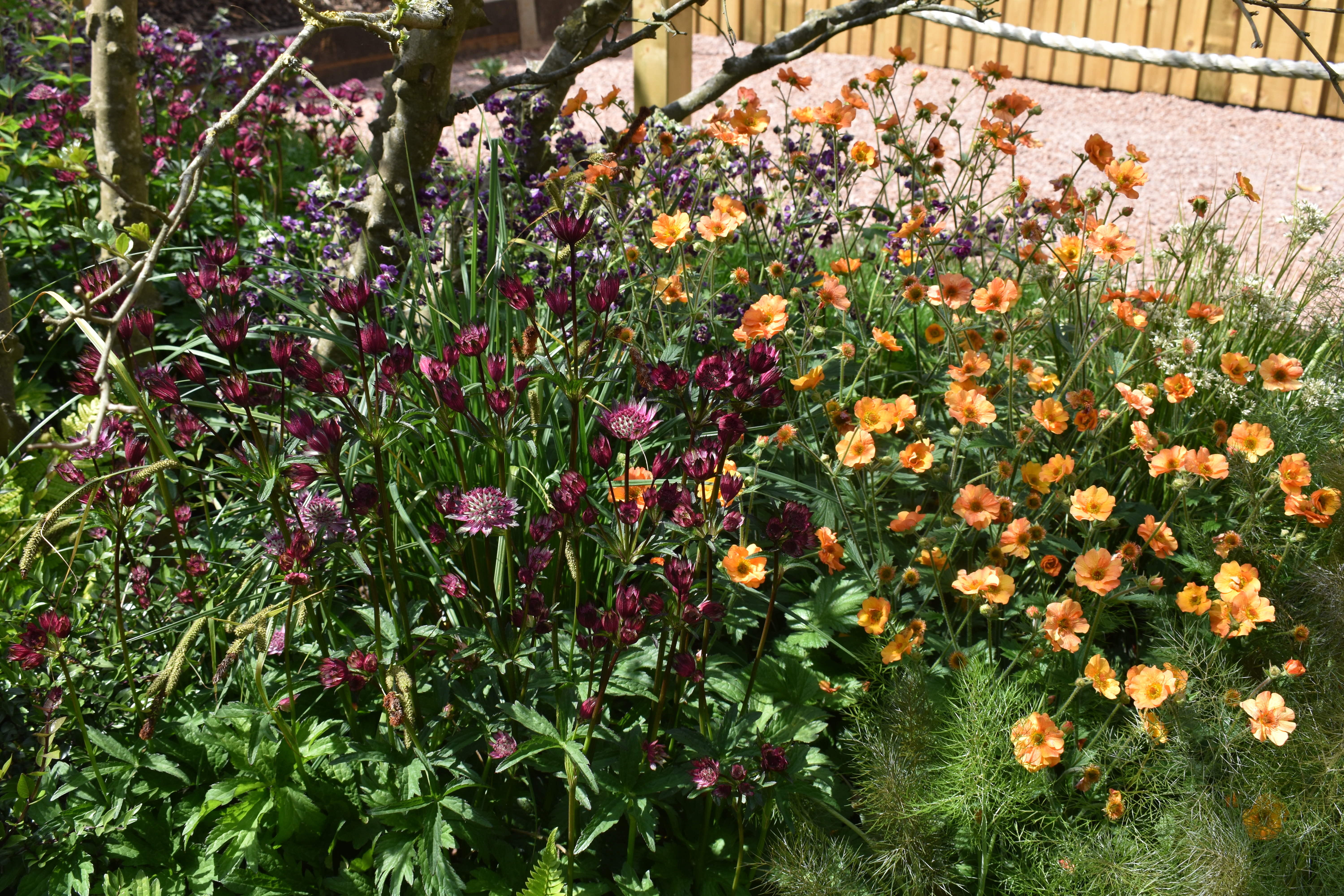
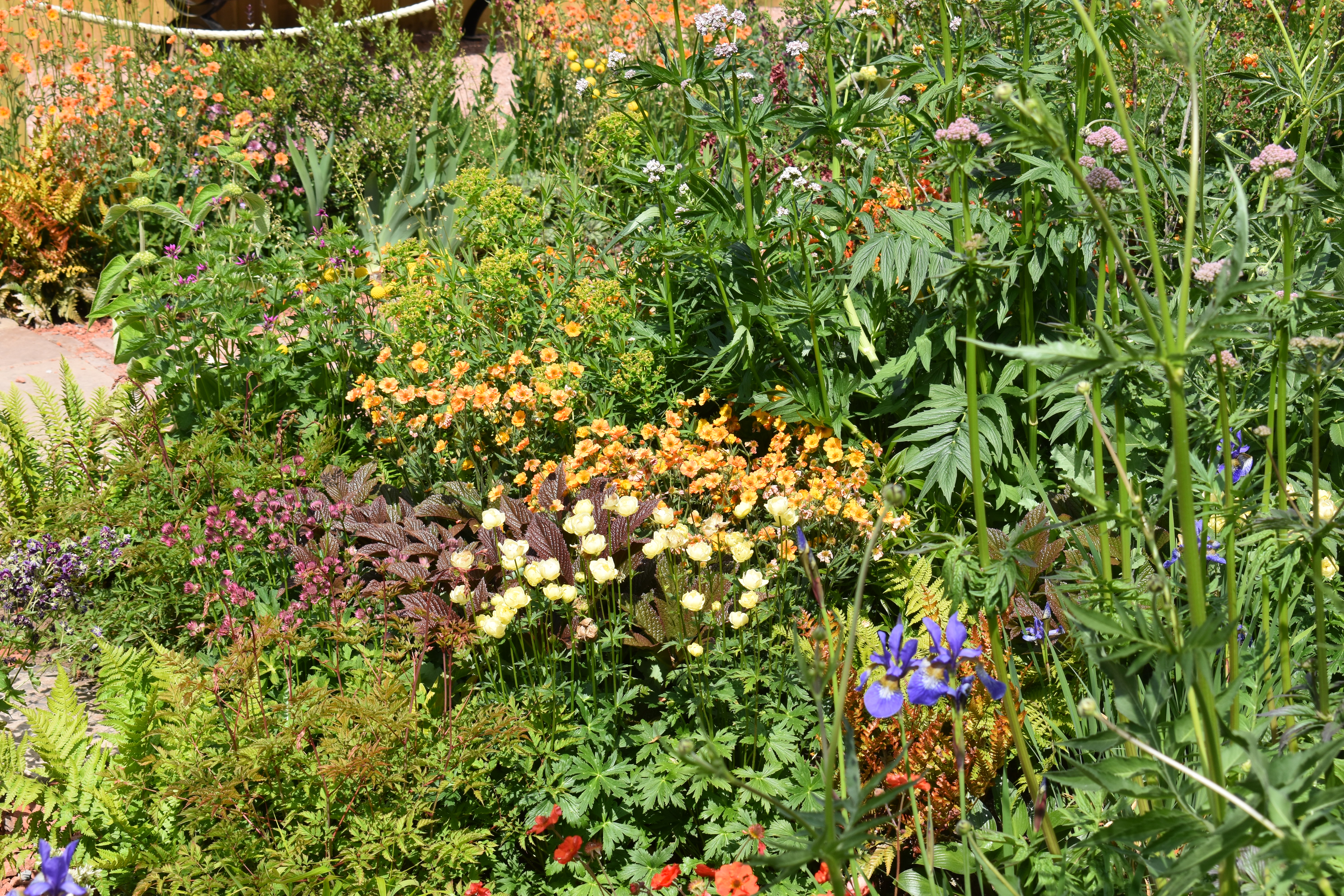
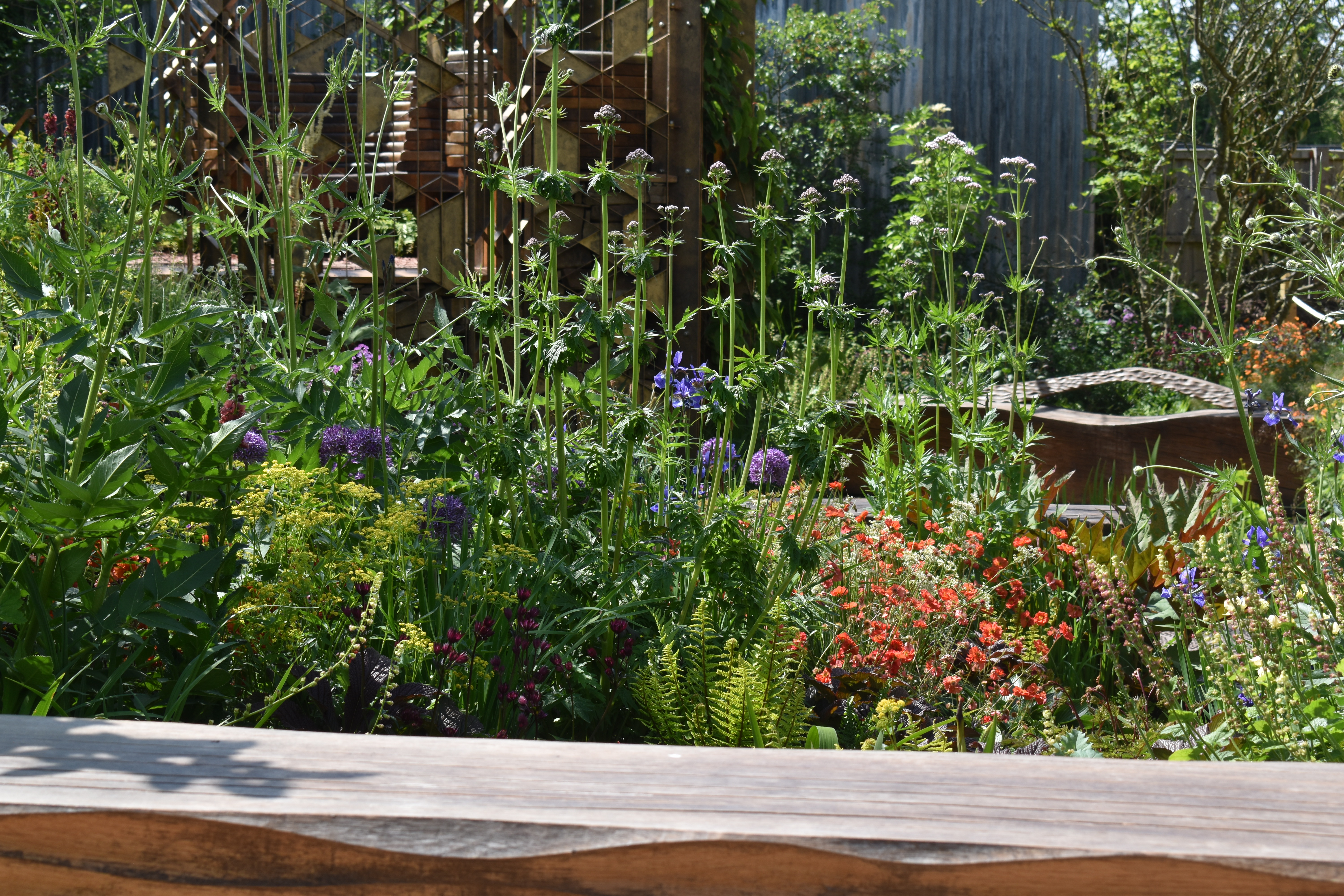
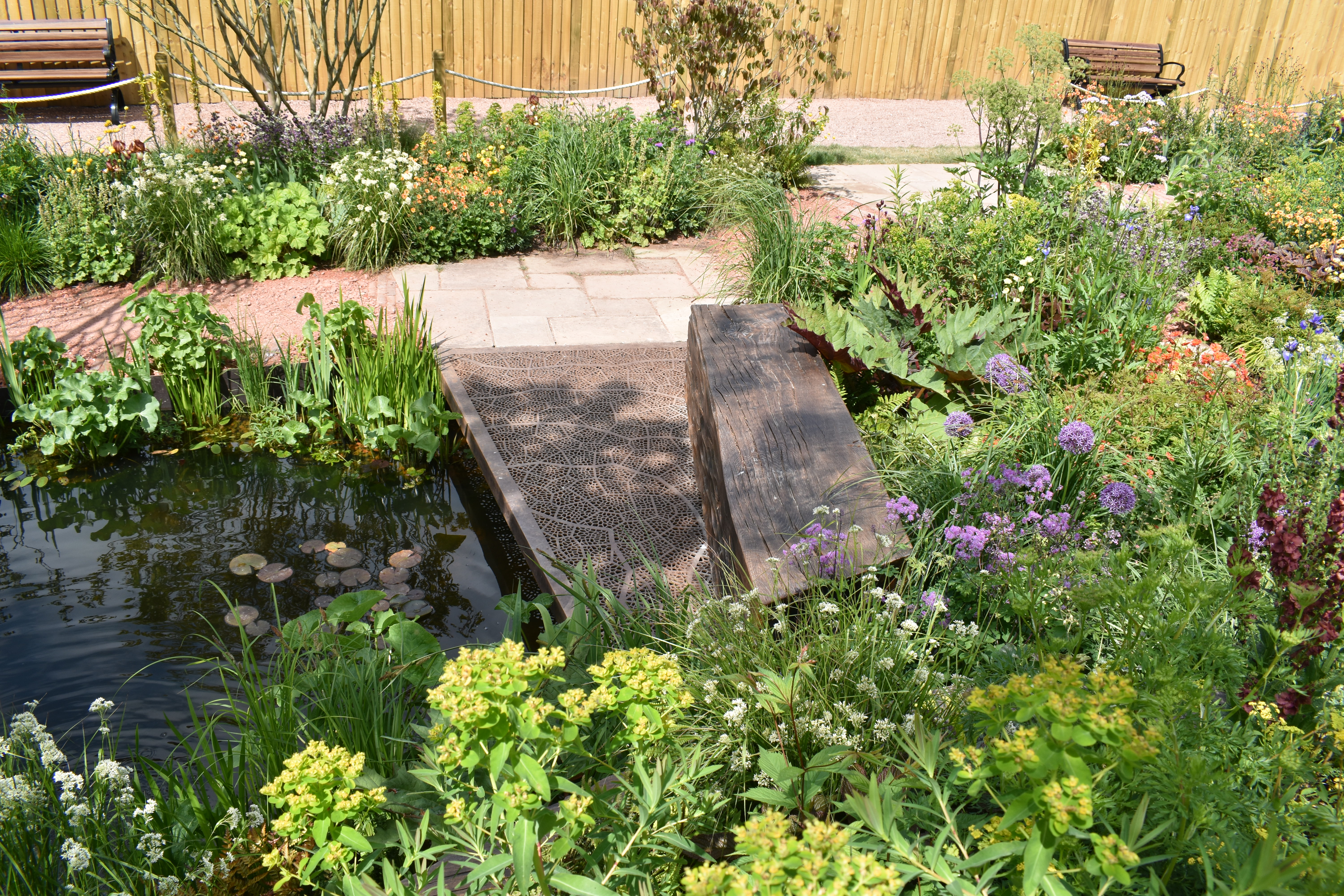
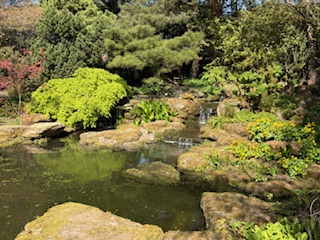
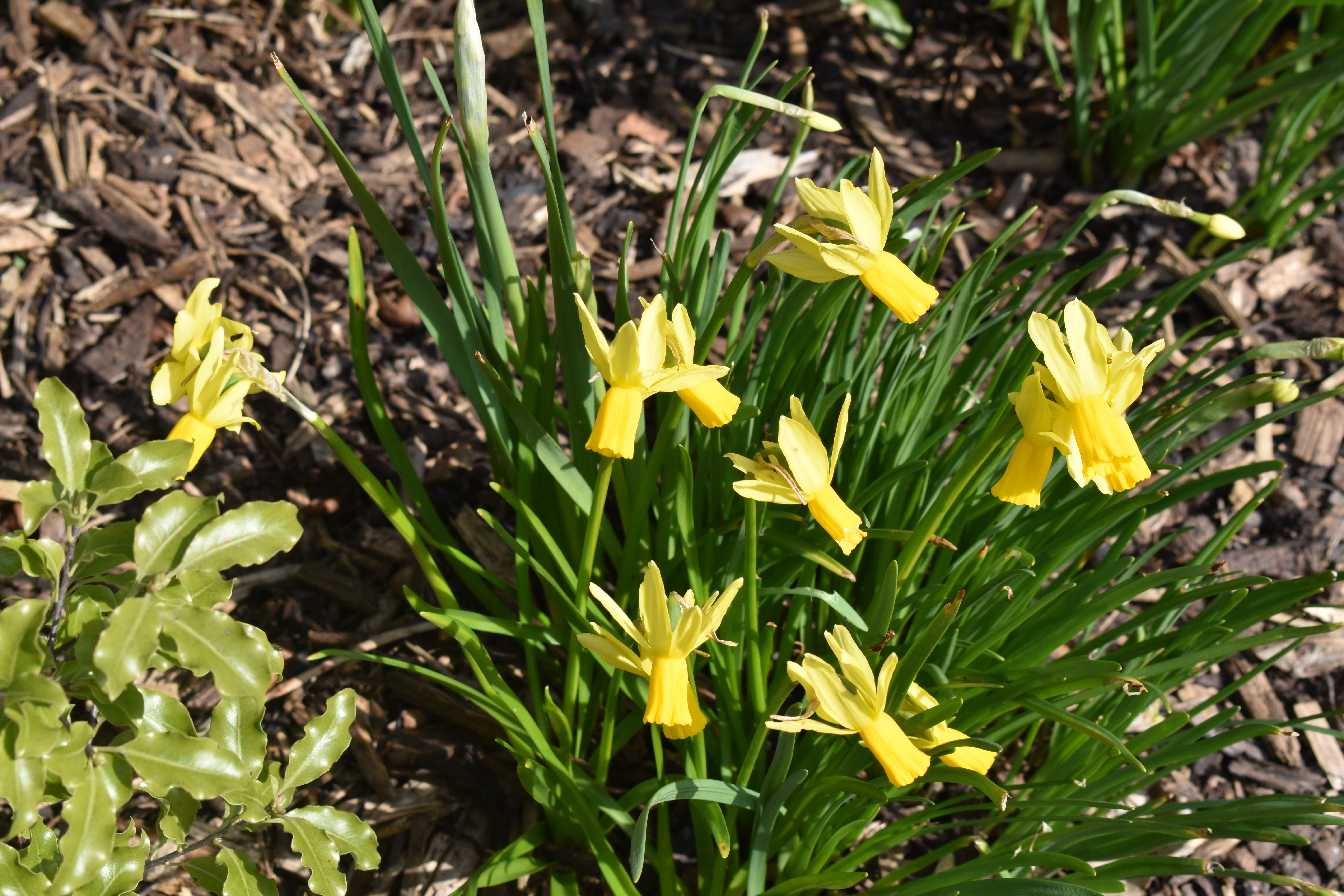
We arrived at Bridgemere Garden Centre once again to have a wander around the show gardens. We were hoping for some signs of spring!

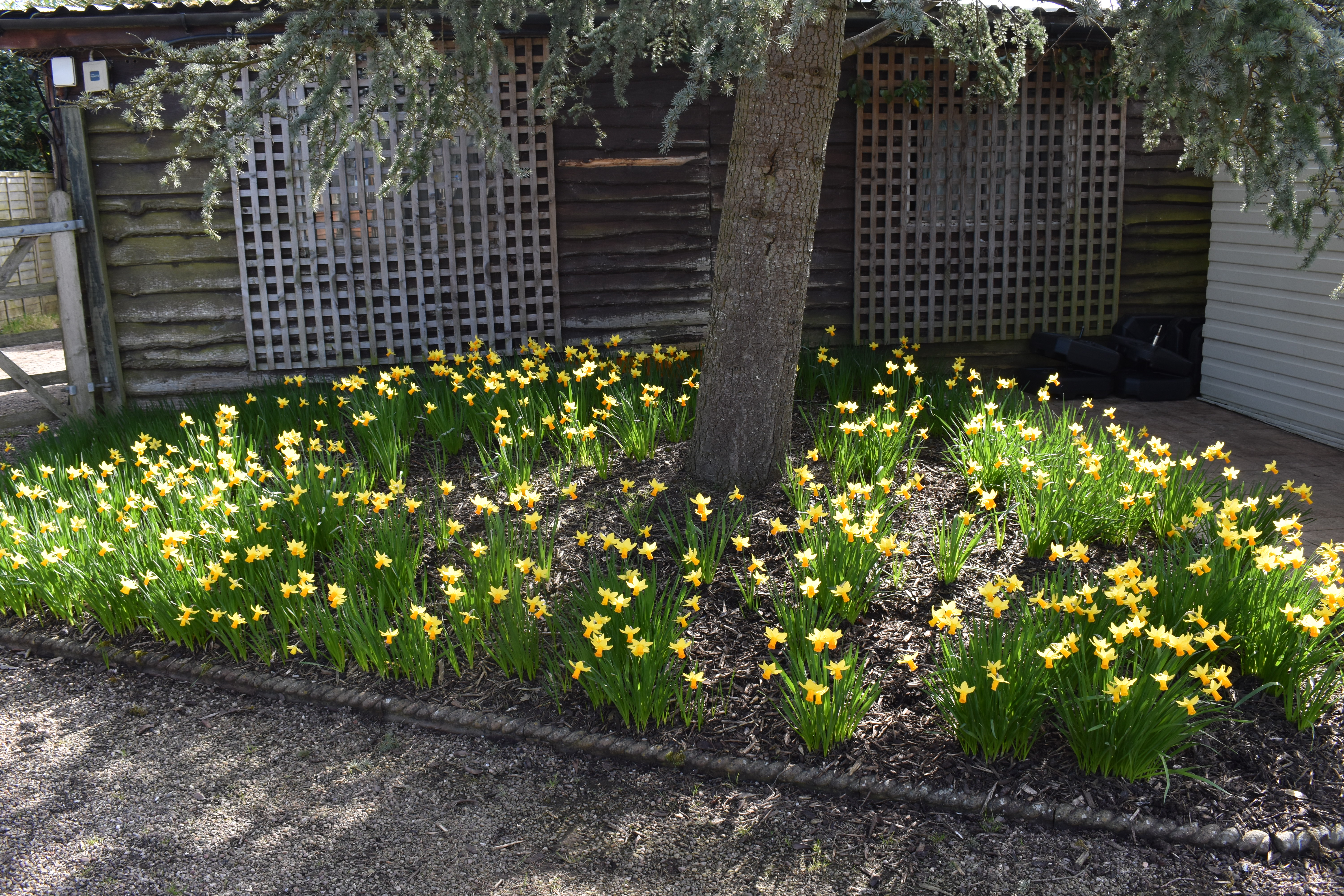
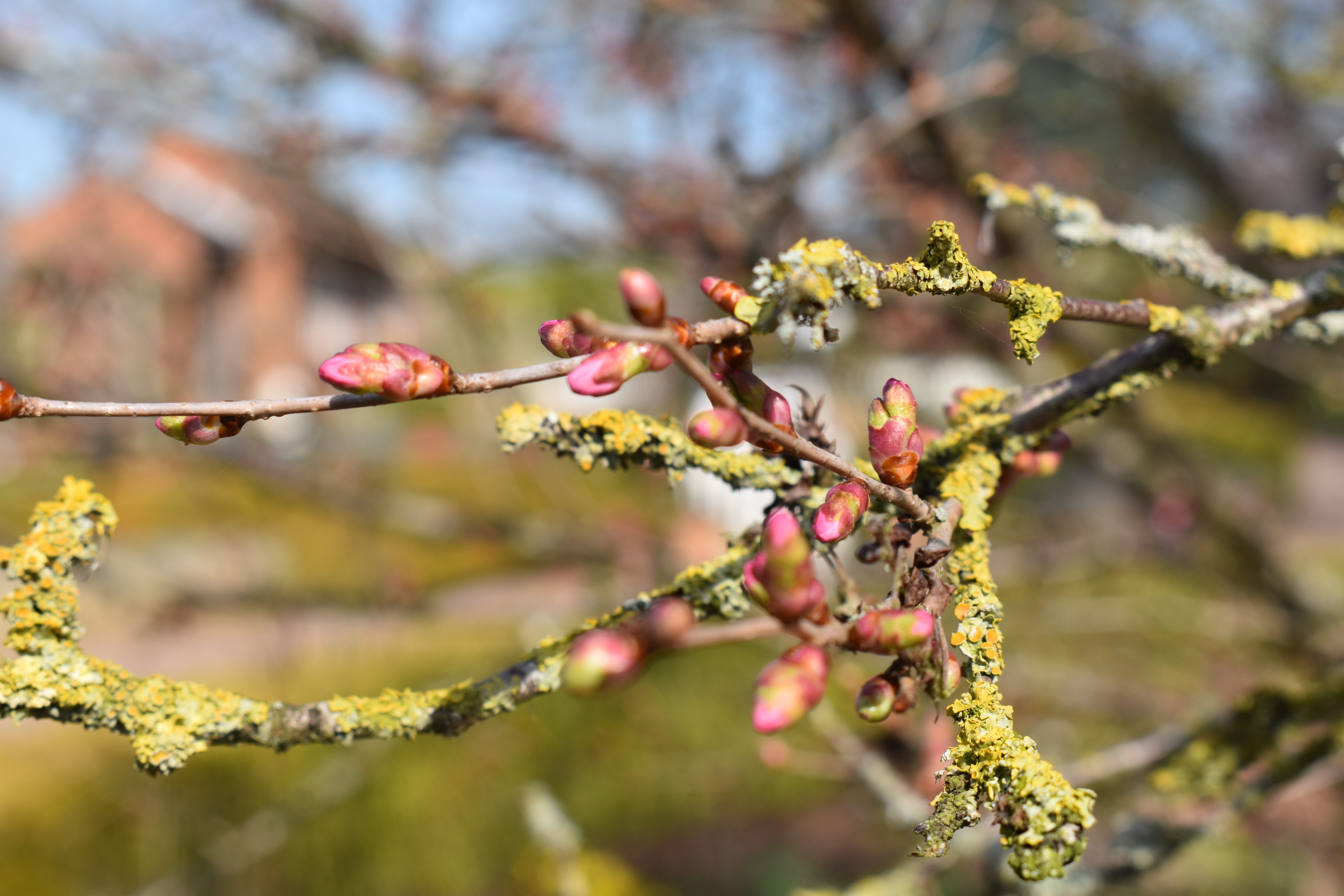
A triangular border lit up by golden daffodils welcomed us into the garden. The air here is so clean and the microclimate so damp that beautifully coloured lichen grow on any available twig.

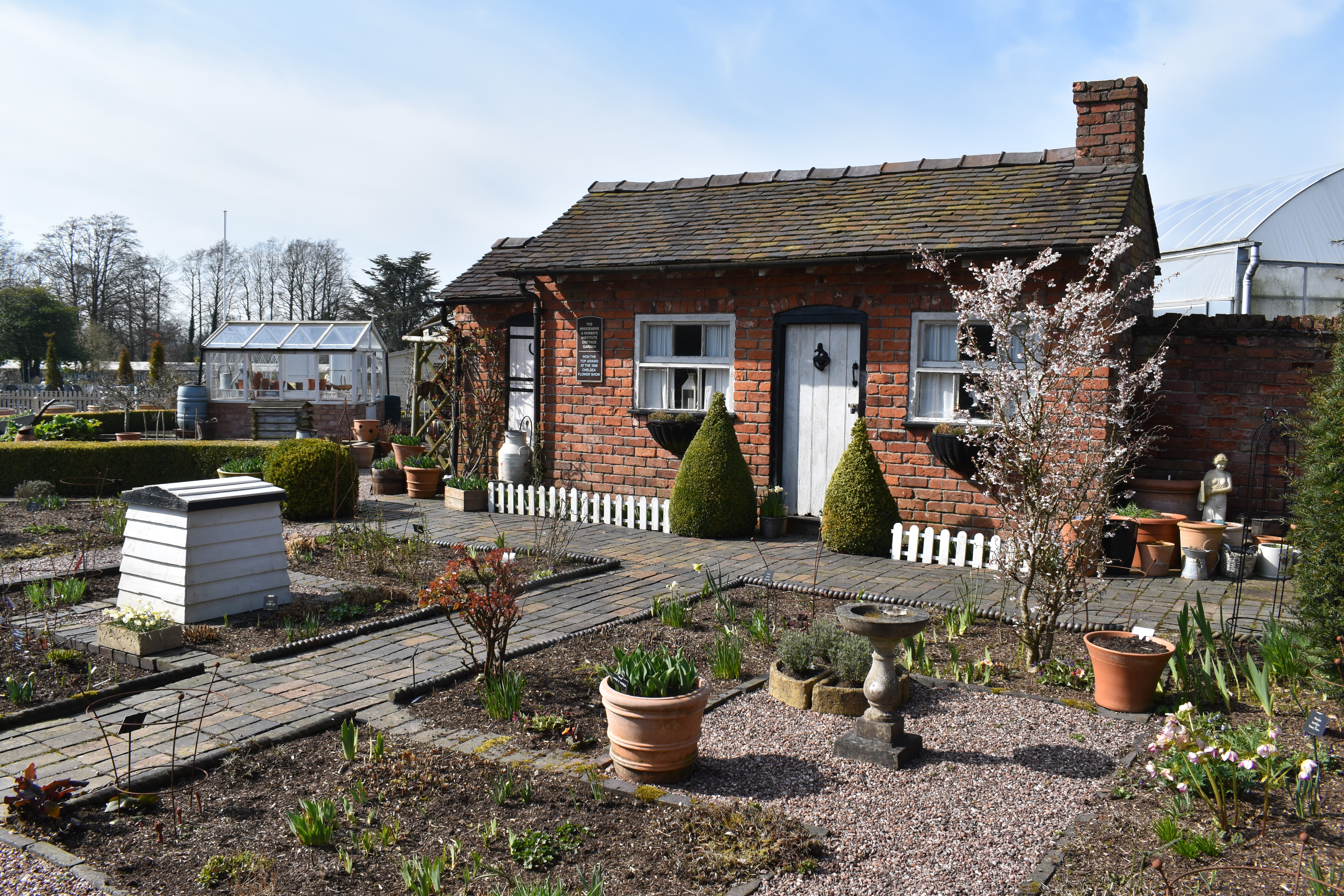
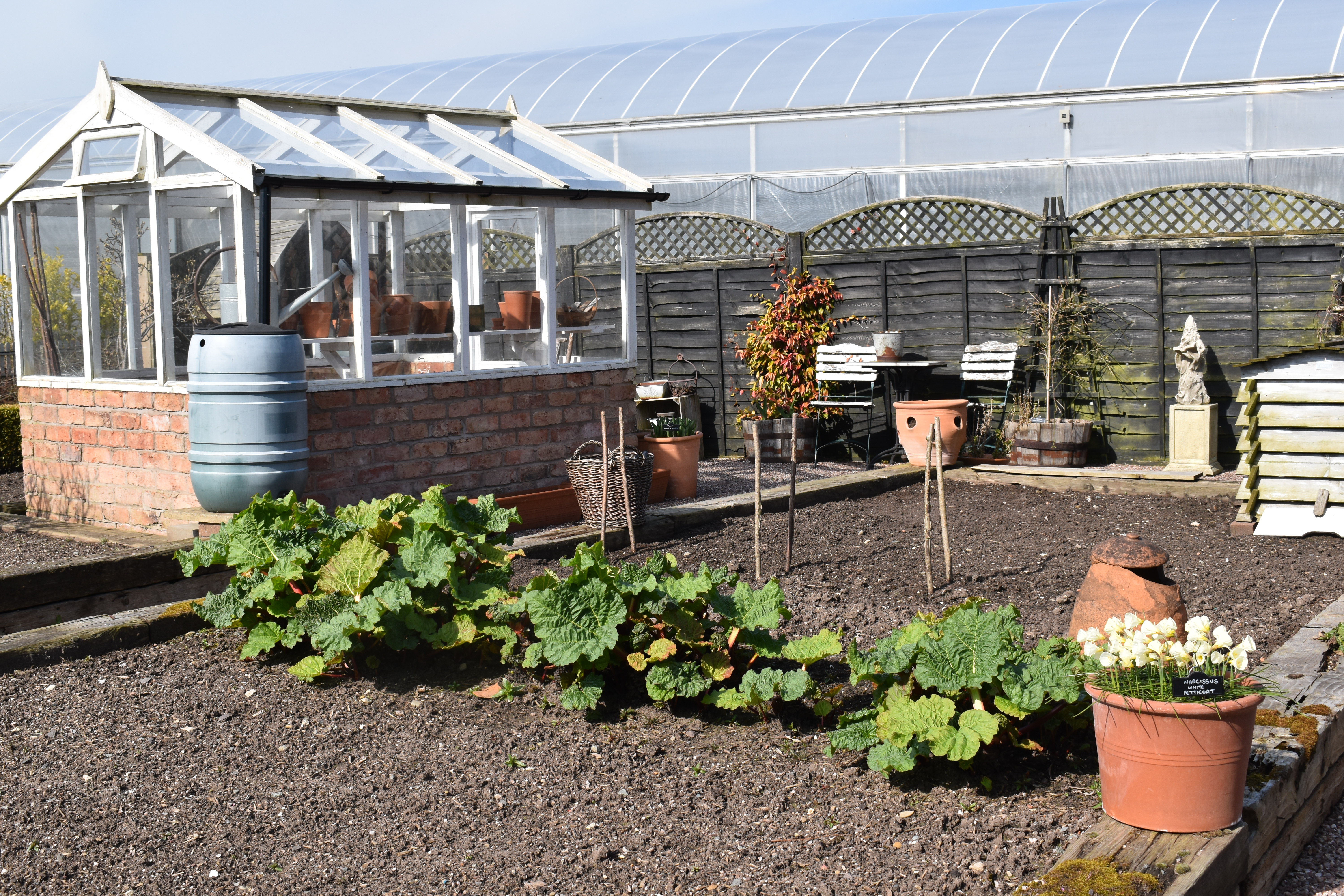
The cottage garden is always such a calm place to begin our tour. It looks ready for the seasons to come with rhubarb being the only fruit almost ready to harvest.

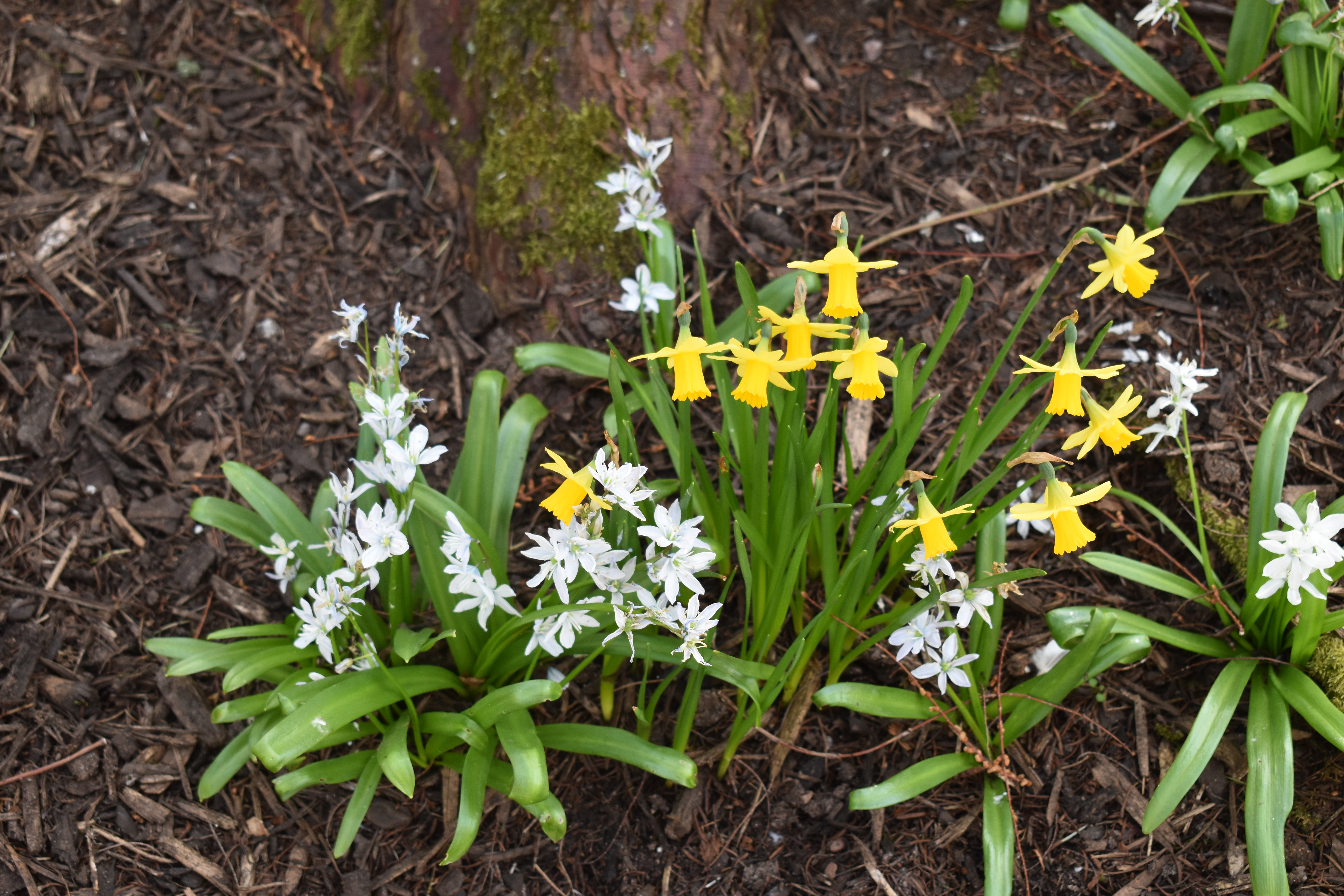
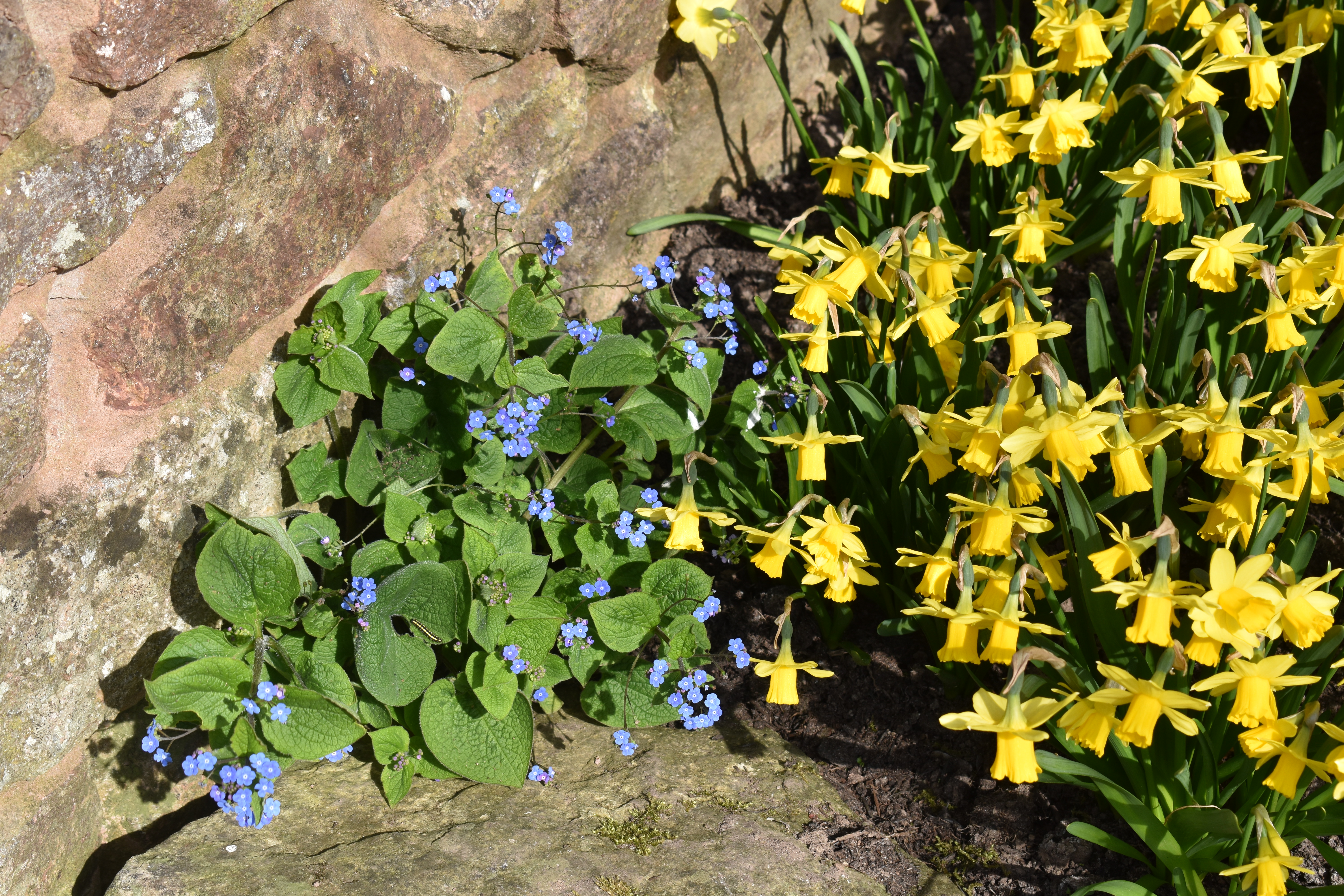
As we moved on and entered the Winter Garden a most colourful combination of brunnera and Tete-a-Tete narcissi welcomed us. As expected the Winter Garden is one of the most colourful areas of the show gardens in March.

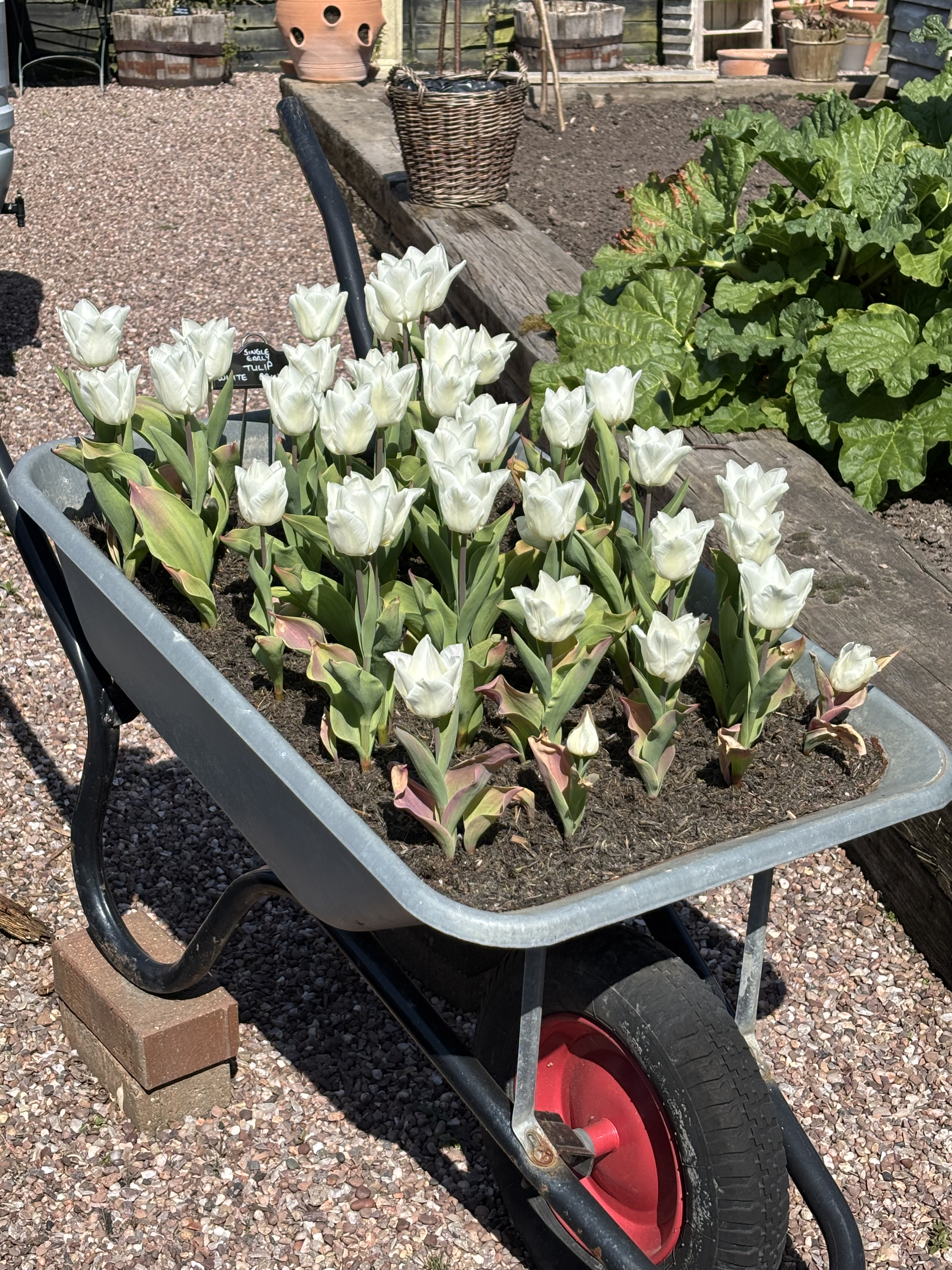
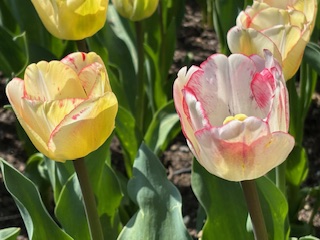
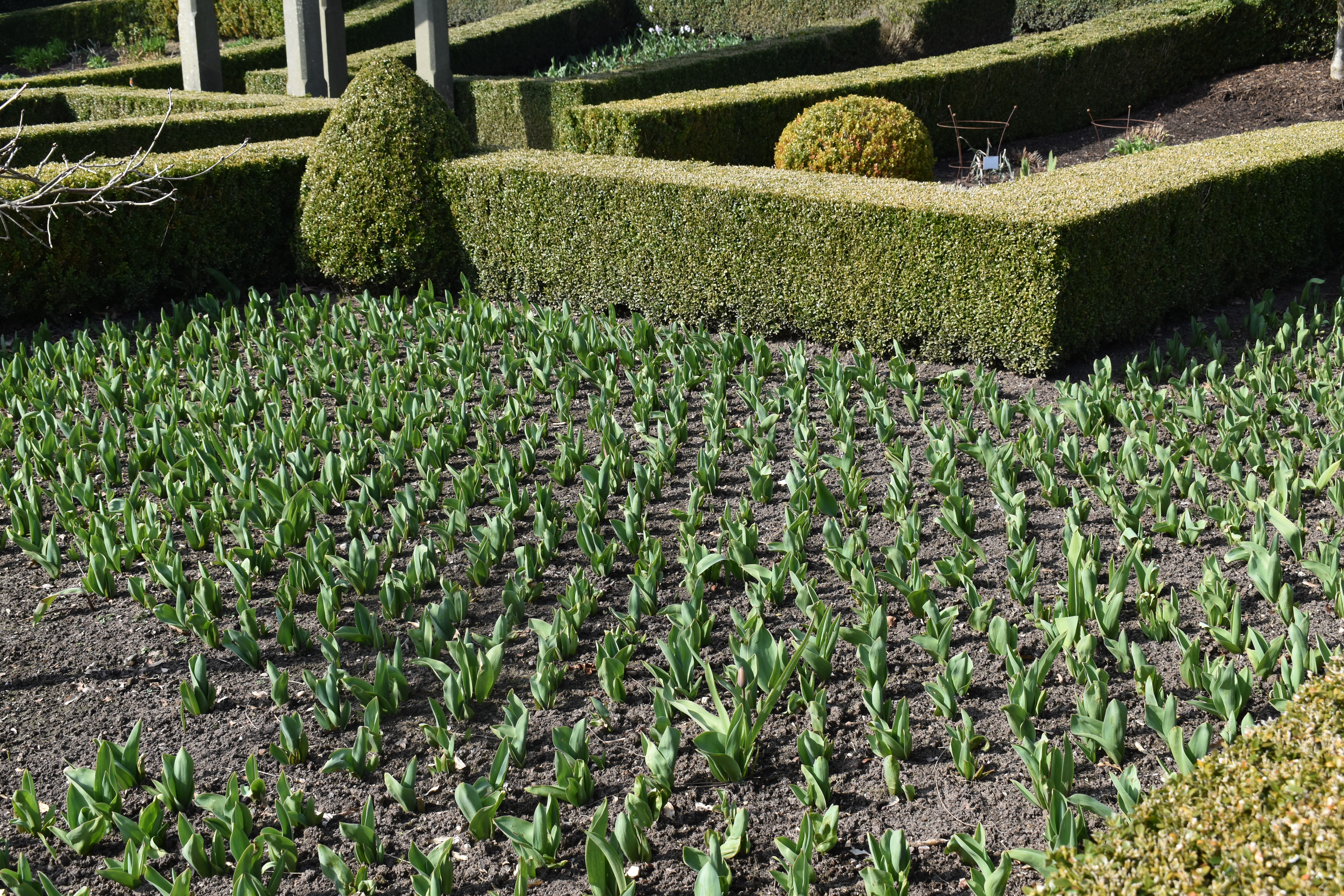
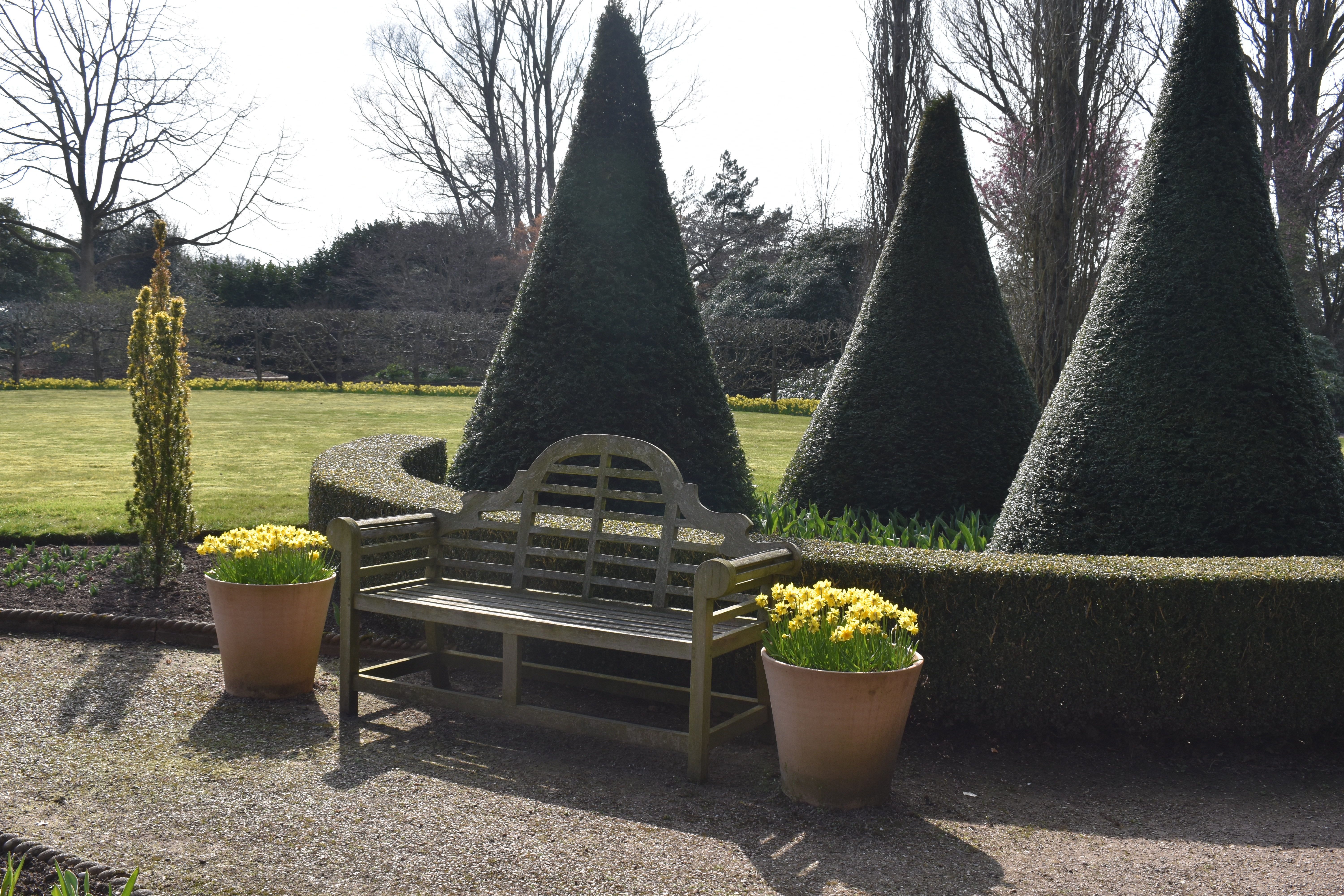
These patches of tulip foliage promise a kaleidoscope of colours on our visit next month. The well-trimmed topiary look good all year.

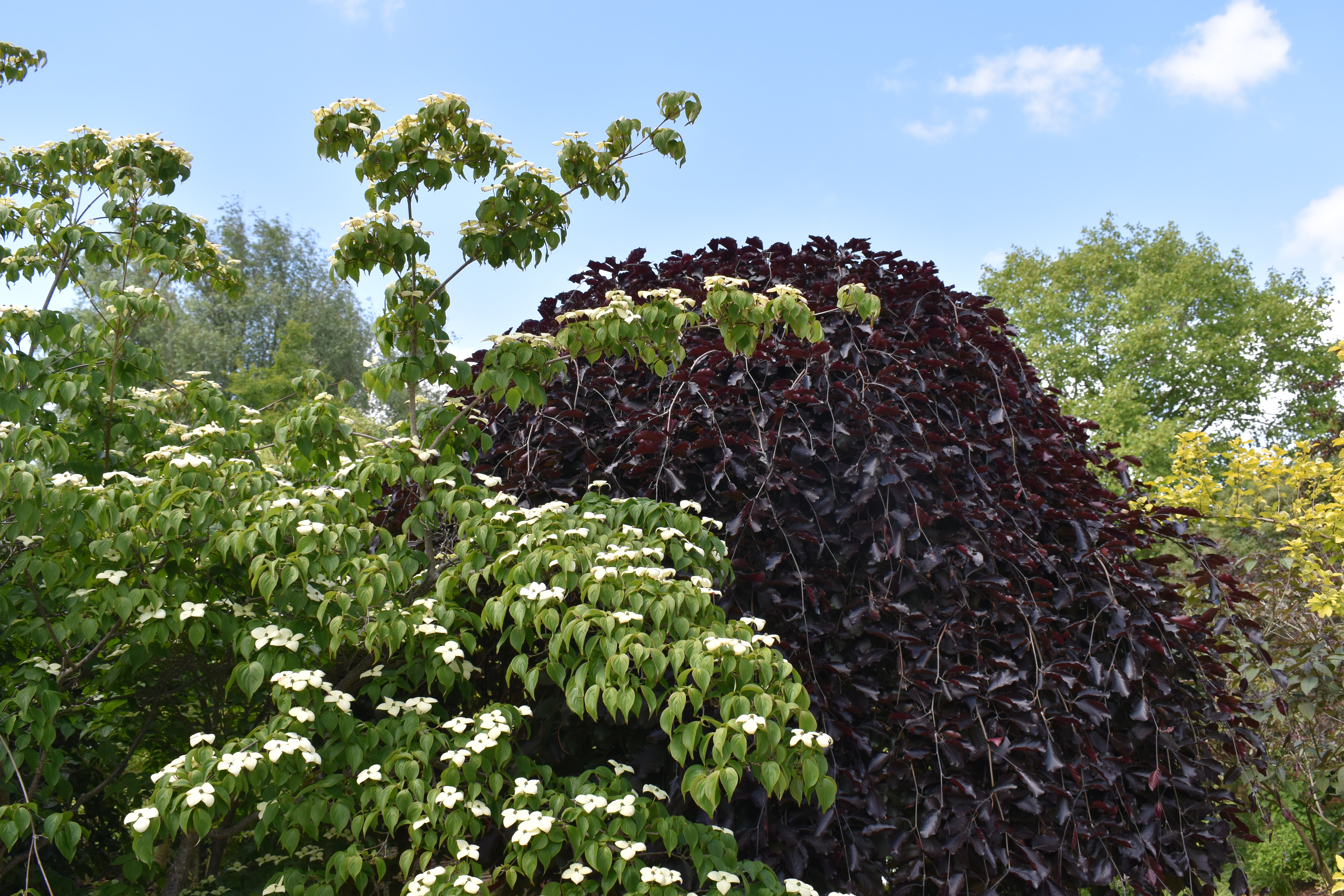
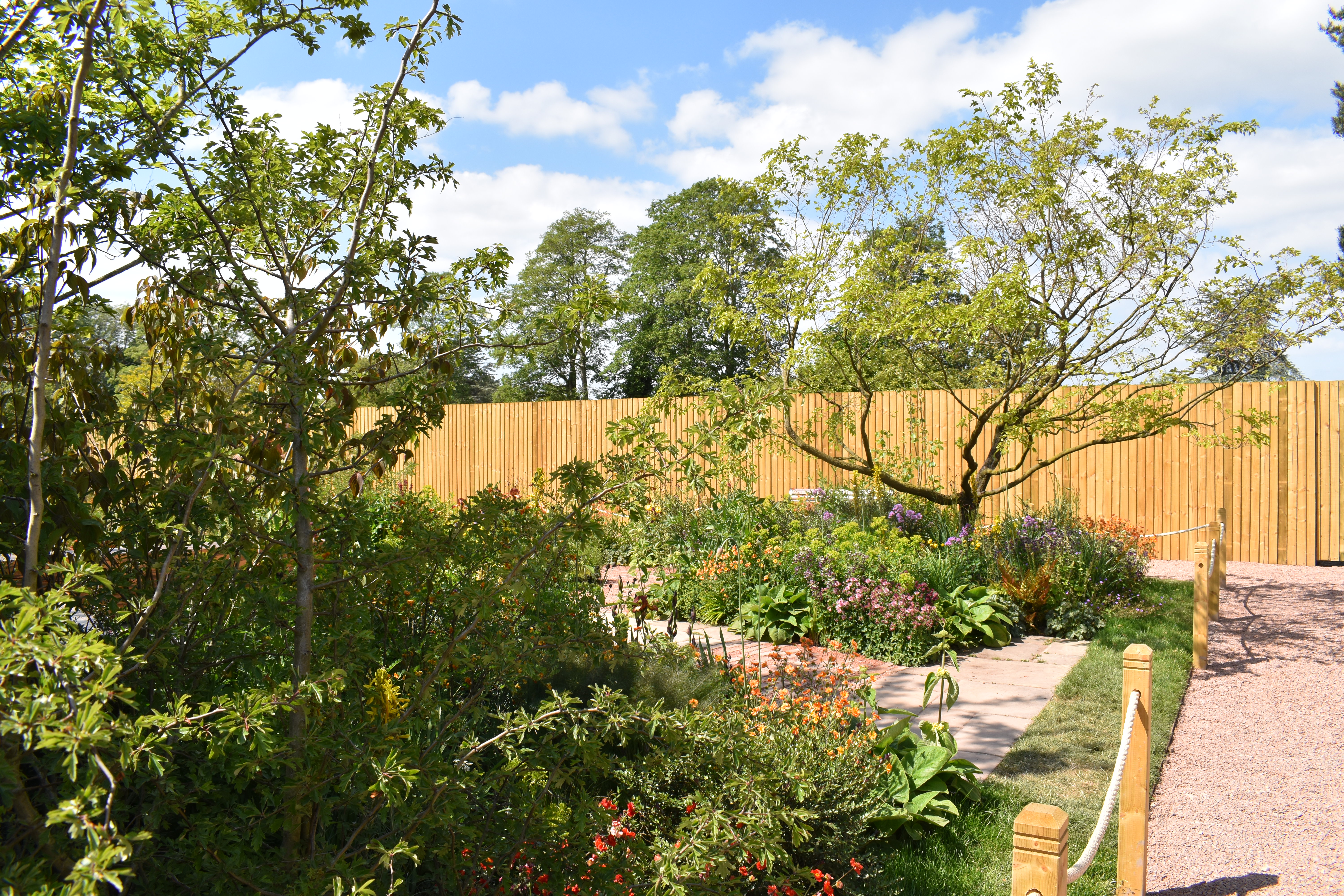
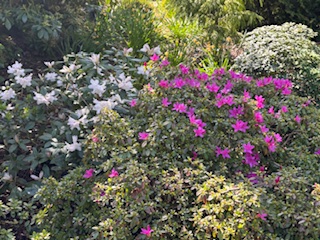
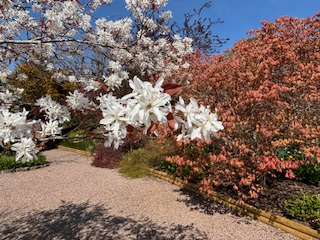
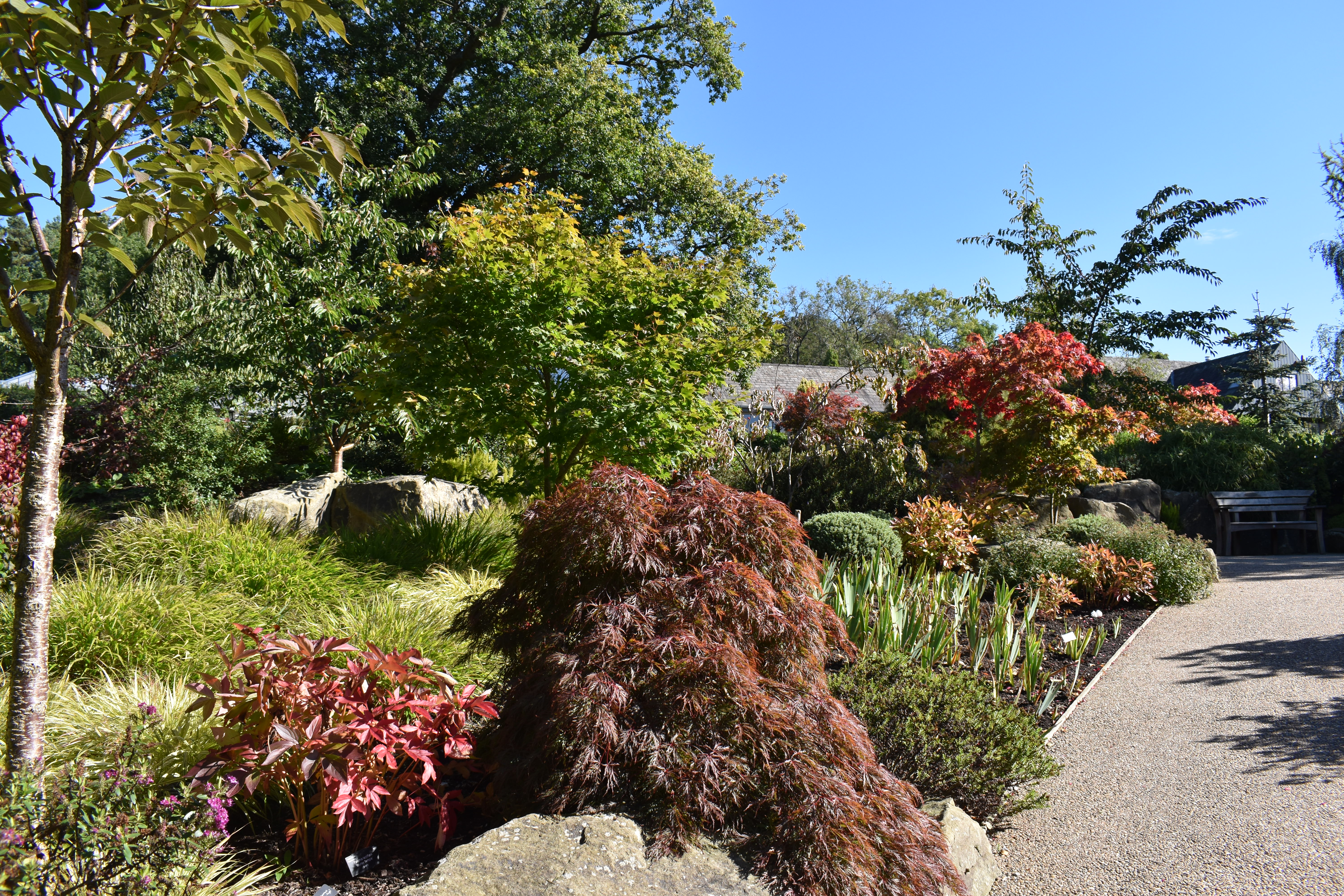
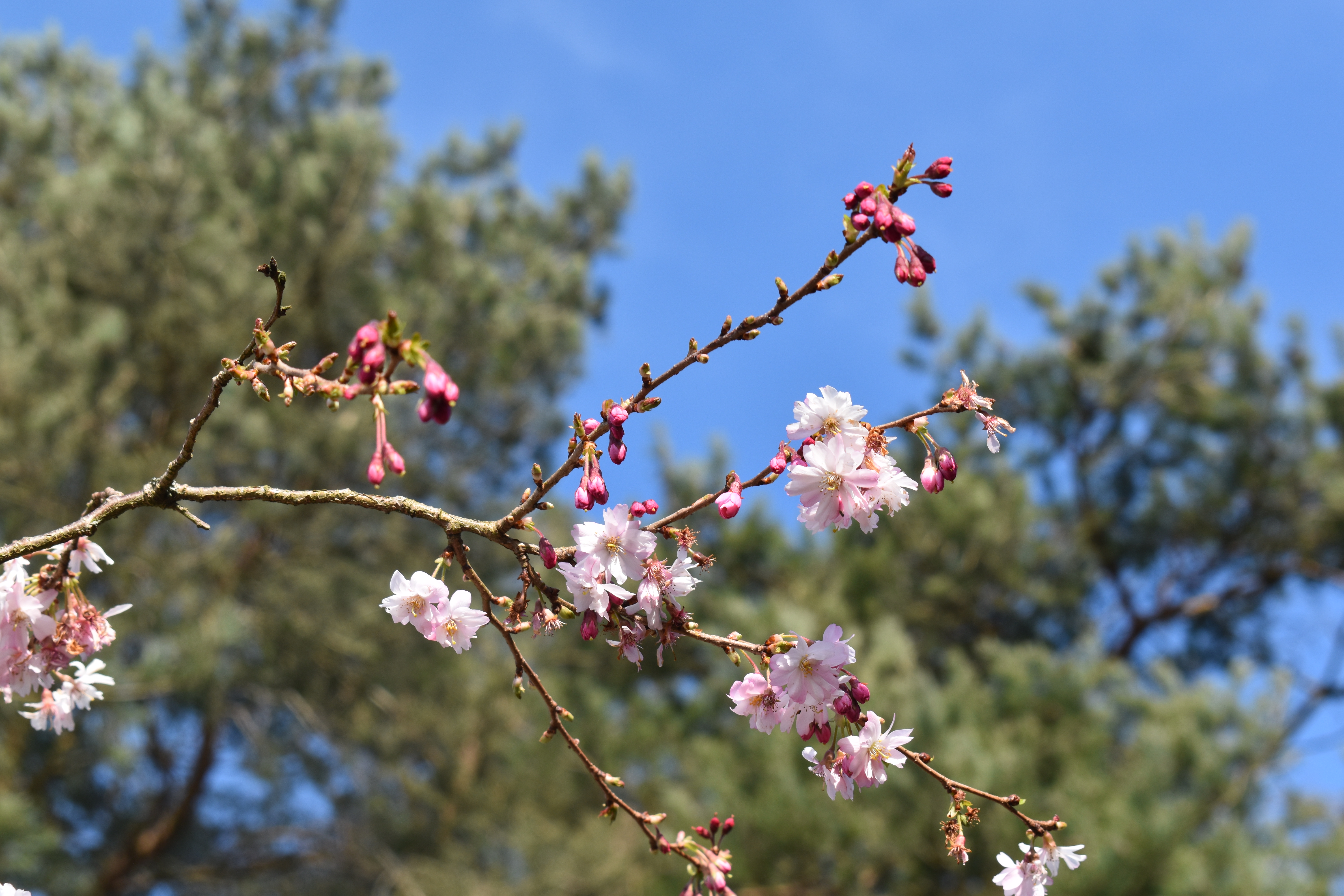
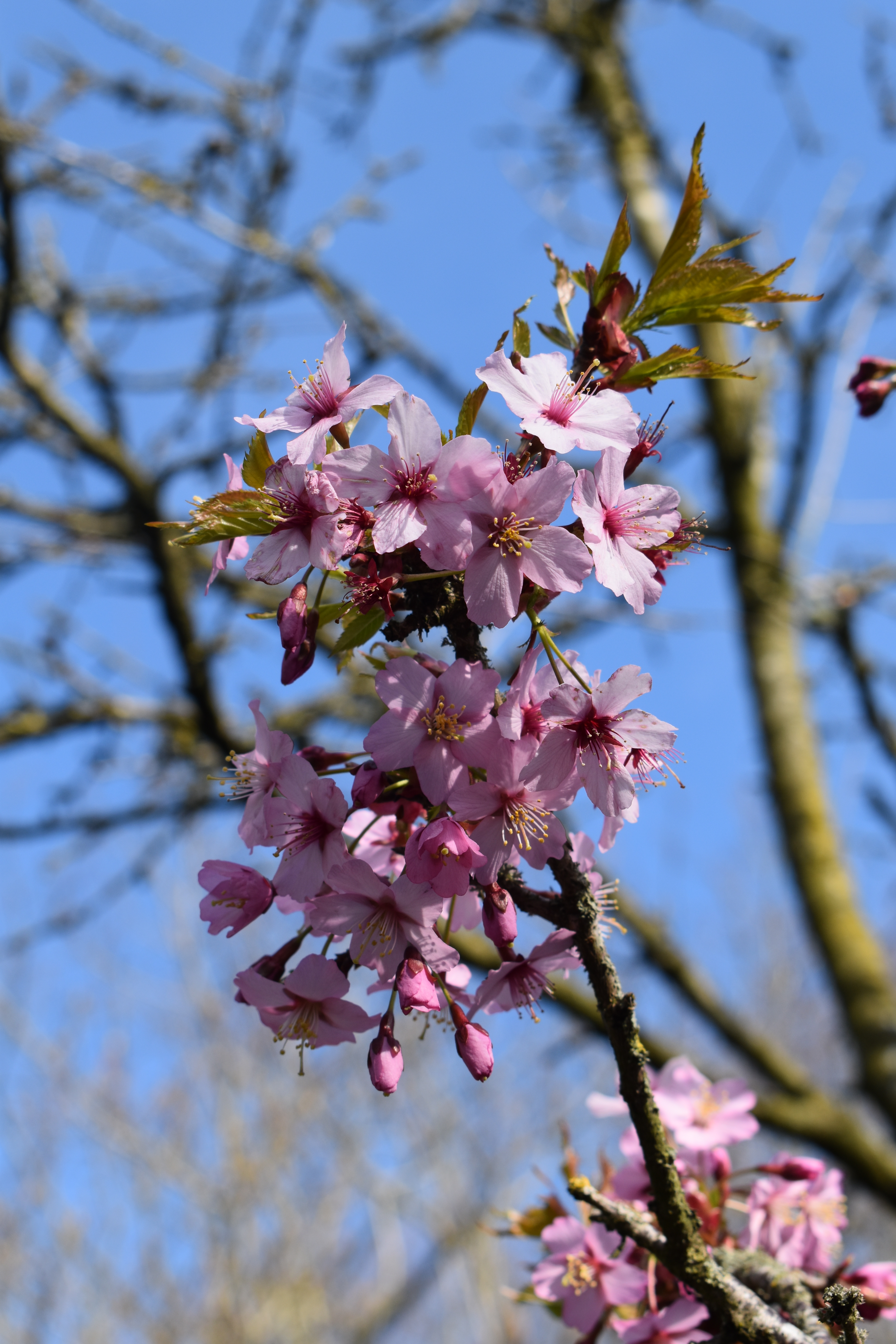
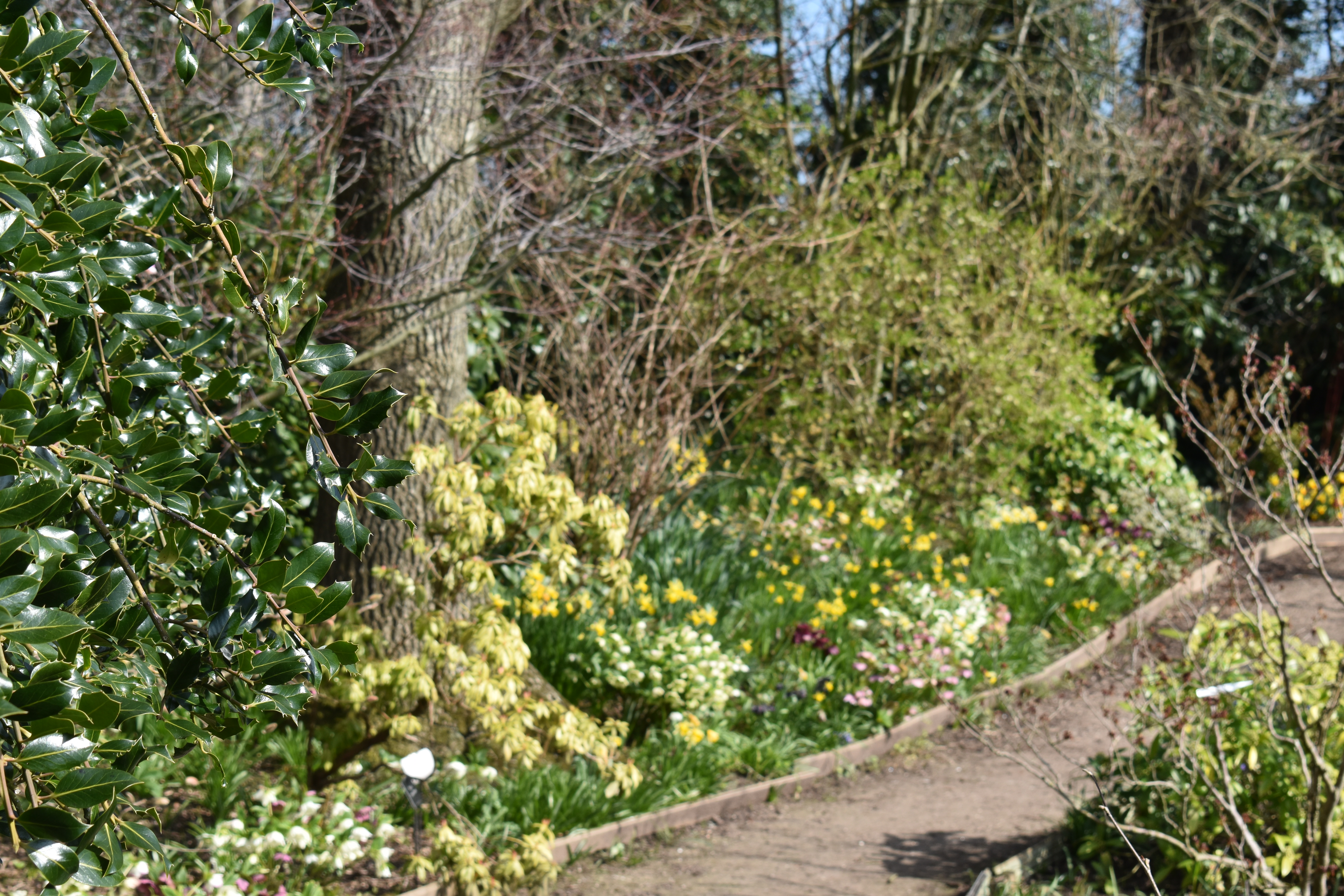
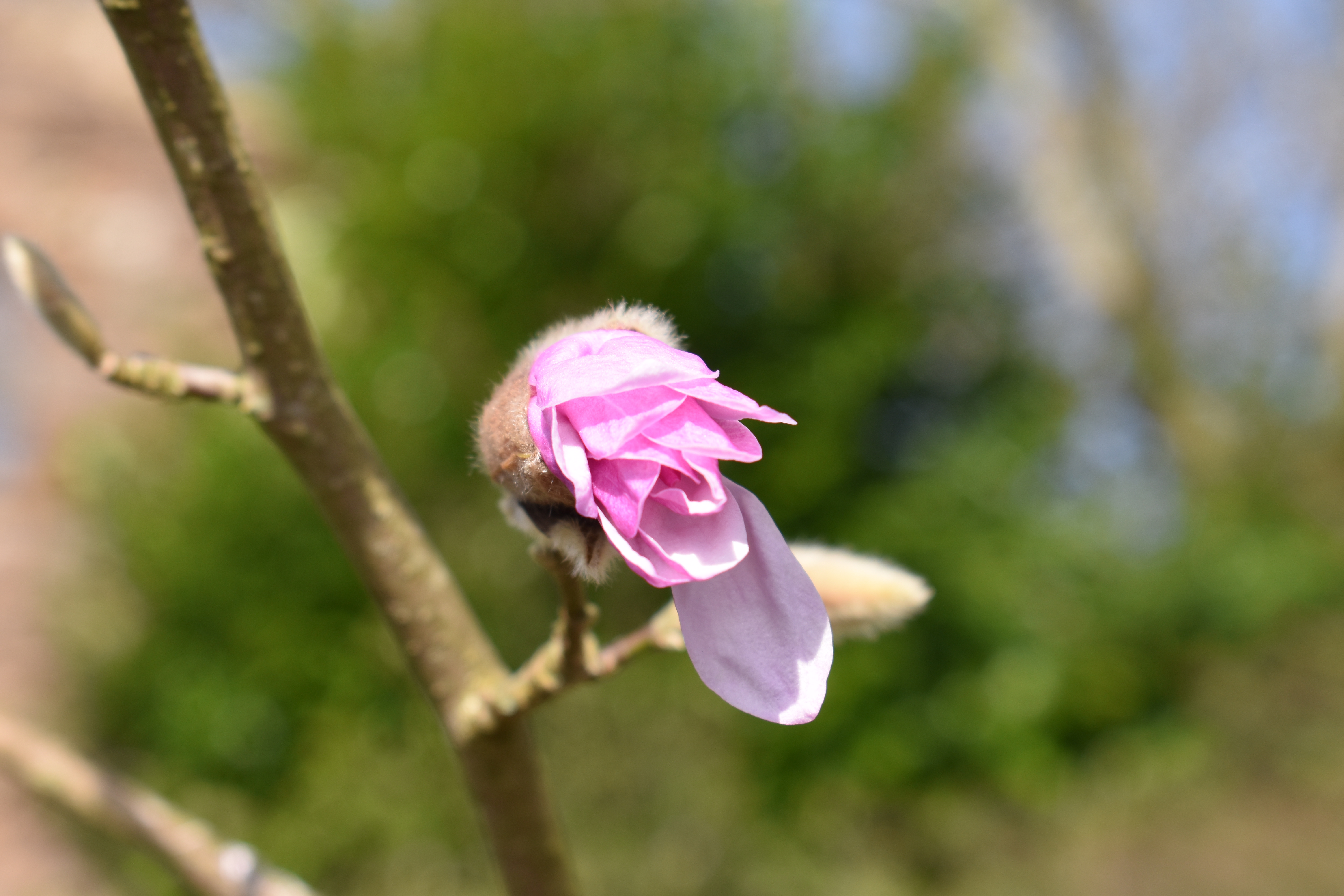
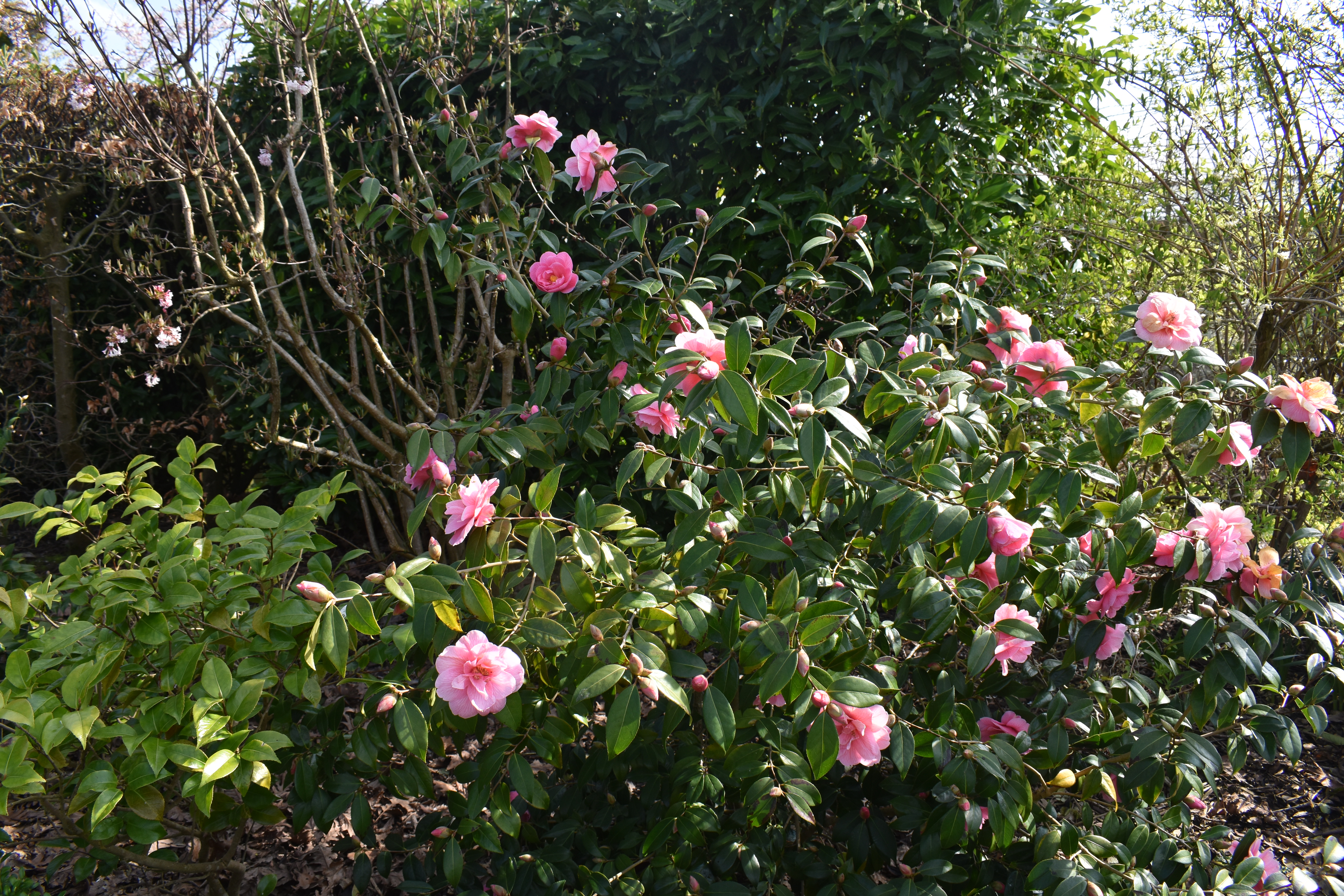
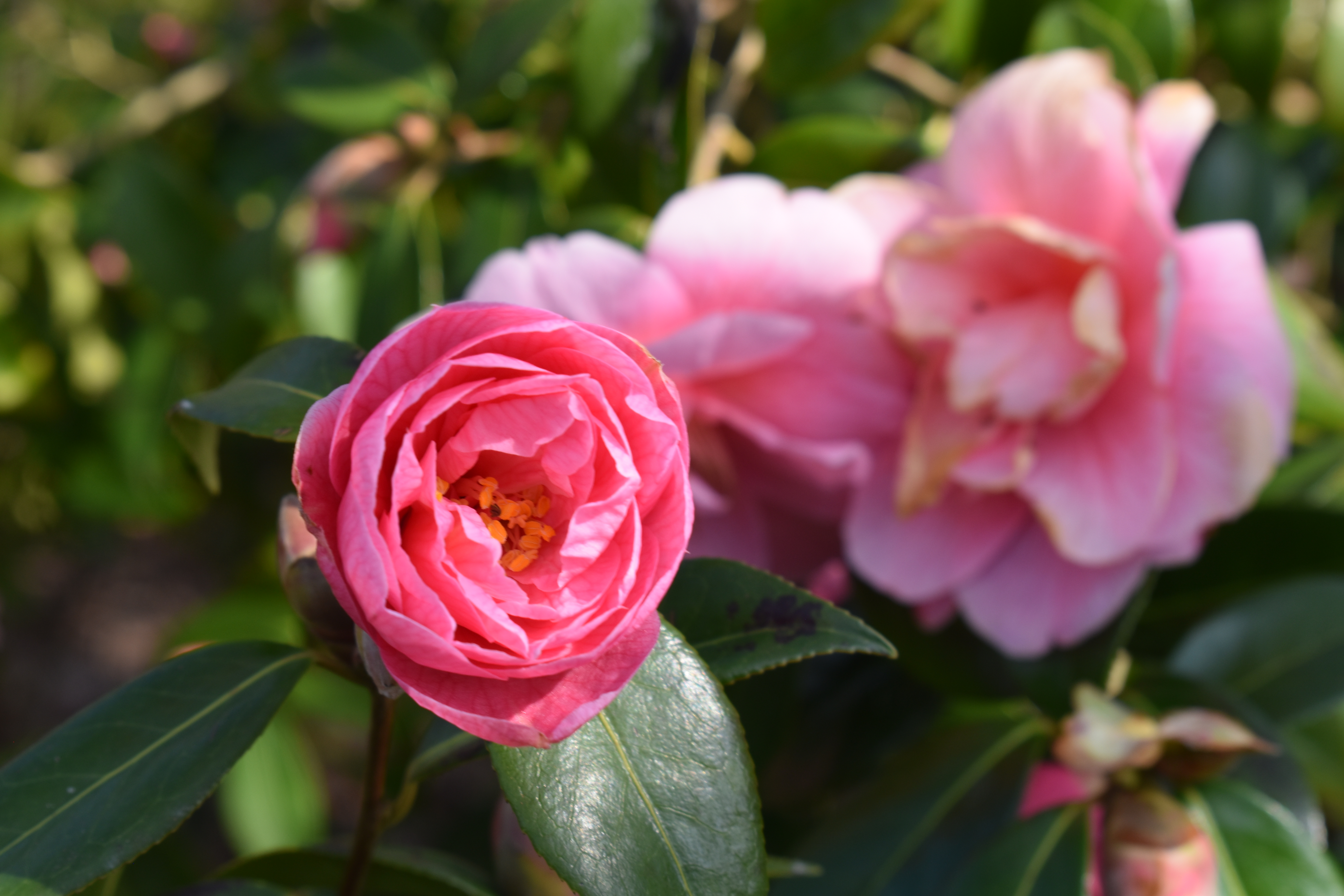
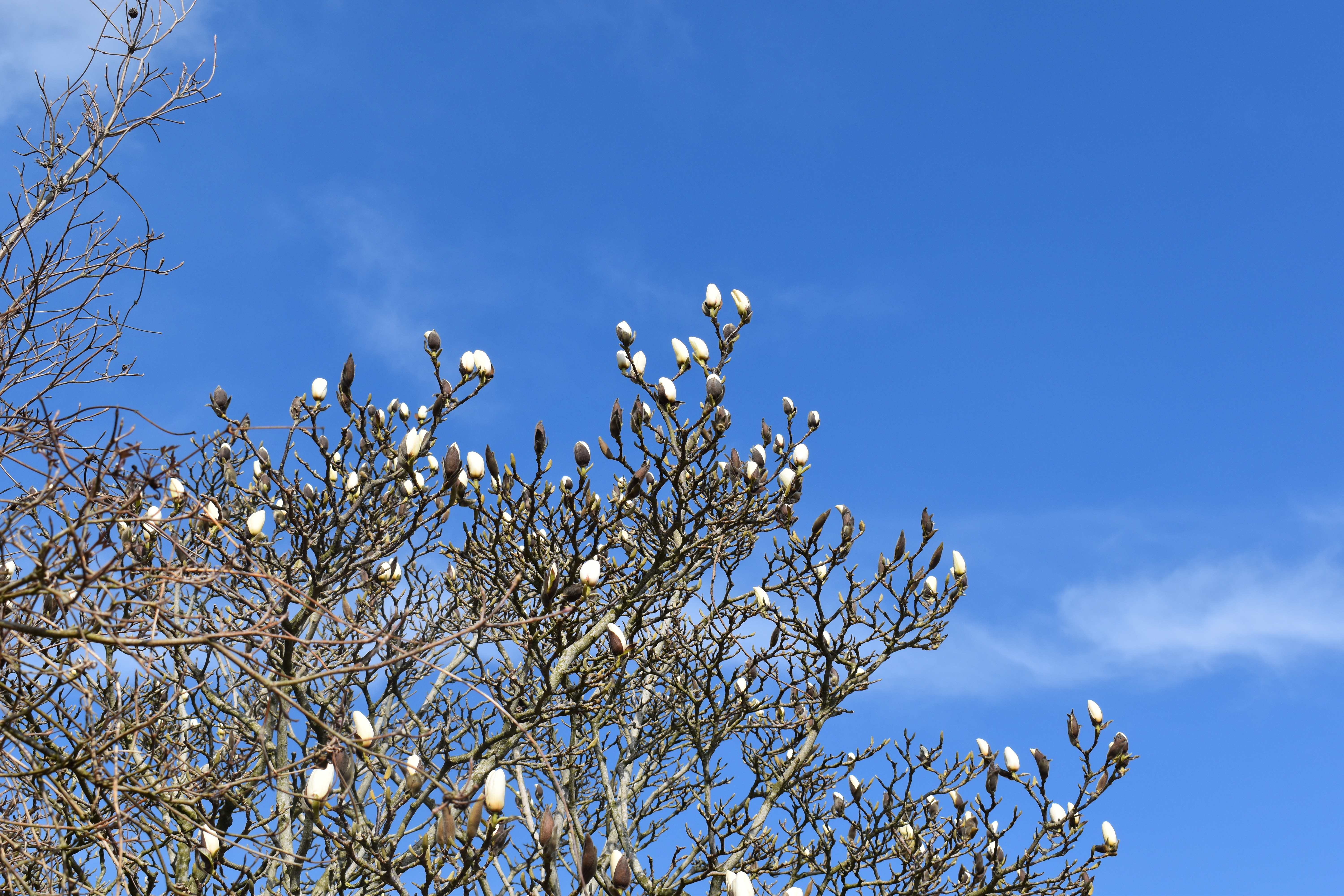
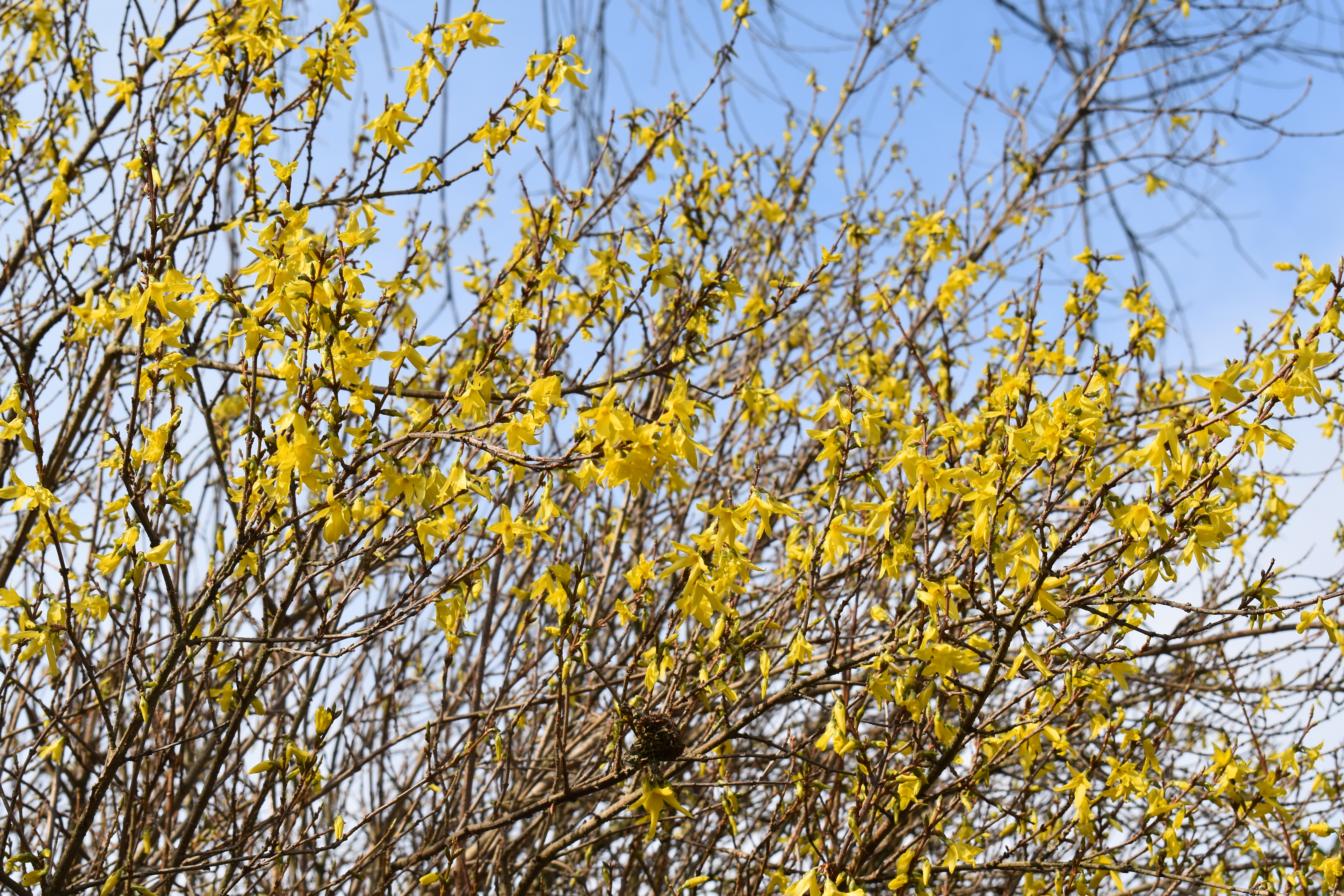
Colourful flowering shrubs and small trees are beginning to dominate the garden now. Next month they will be flowering even better.

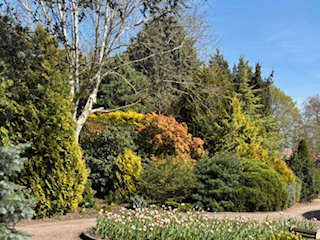
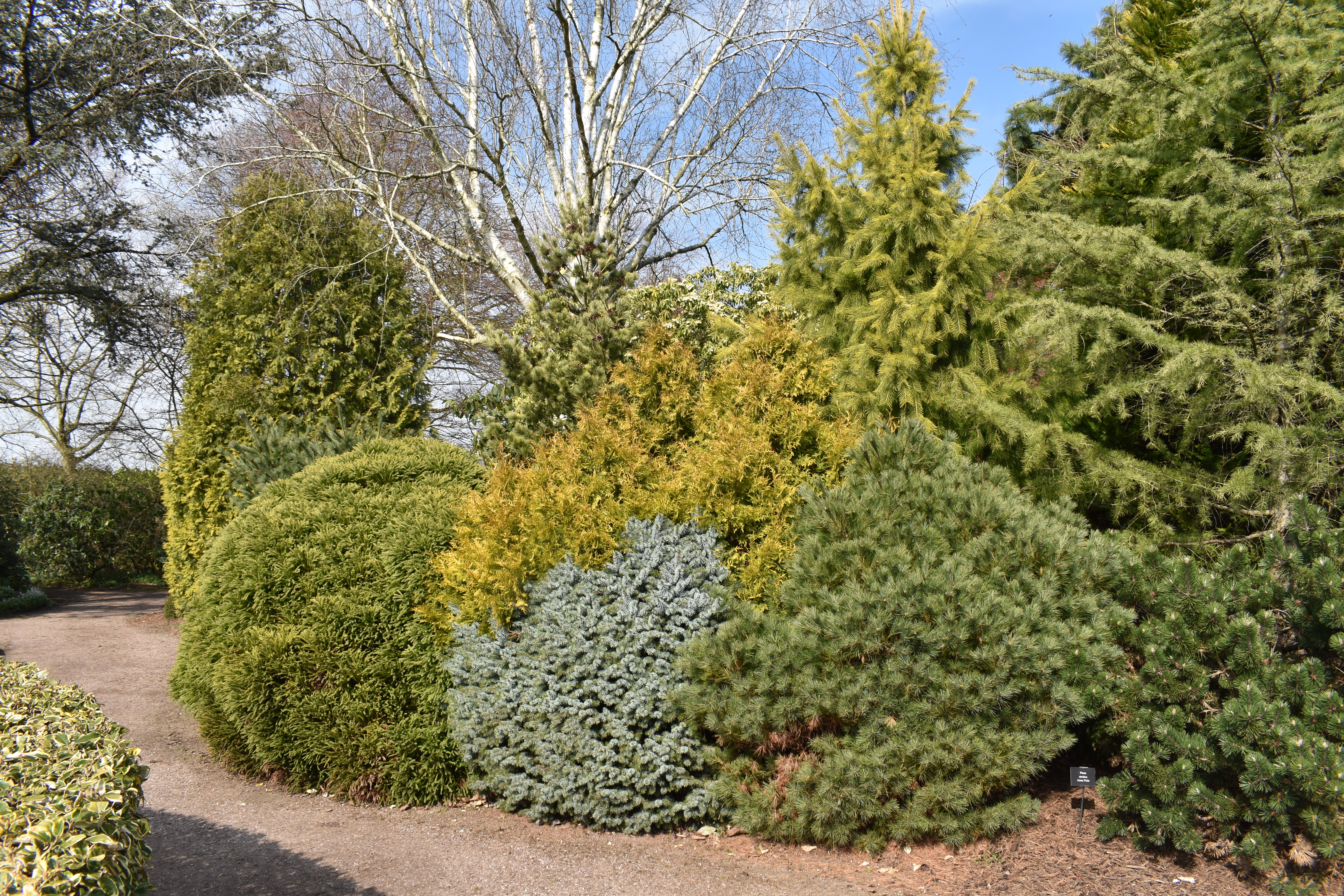
When placed carefully in pairs and groups conifers can be quite interesting with their varying colours and textures.

So we enjoyed another blue sky day at Bridgemere and already we are looking forward to coming again next month.

Categories
Uncategorized

My Garden Journal 2025 March

I began my March entries by writing, “According to the Met Office we are now in spring because March has arrived. Frosts come most nights though, so in reality it is still late winter. (They continued until mid-month.) Throughout the first half of March we enjoyed beautiful and dramatic sunrises and more gentle sunsets. The sunsets emphasised the coloured stems of acers and salix.”

I then shared photos of these shrubs with coloured stems.

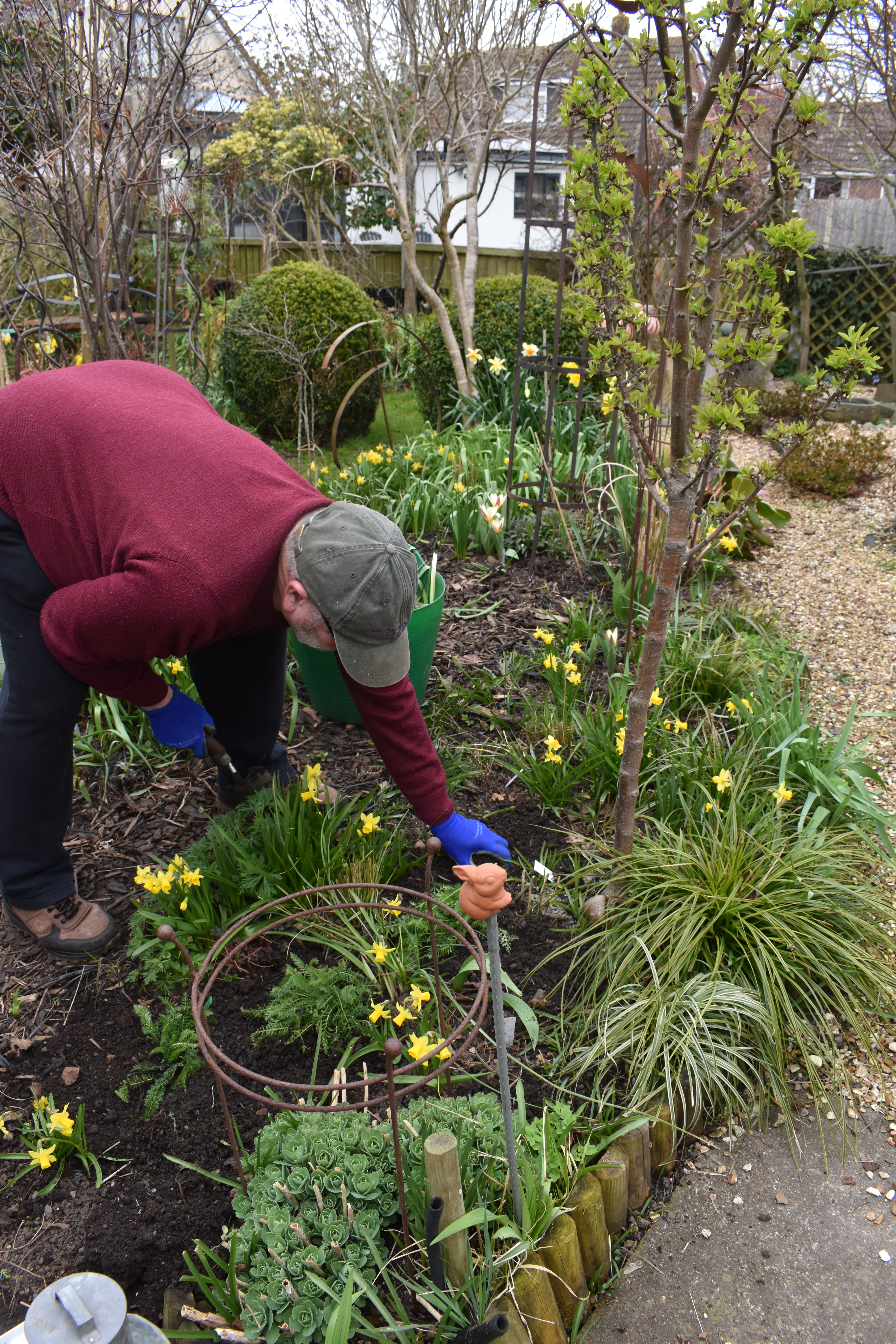
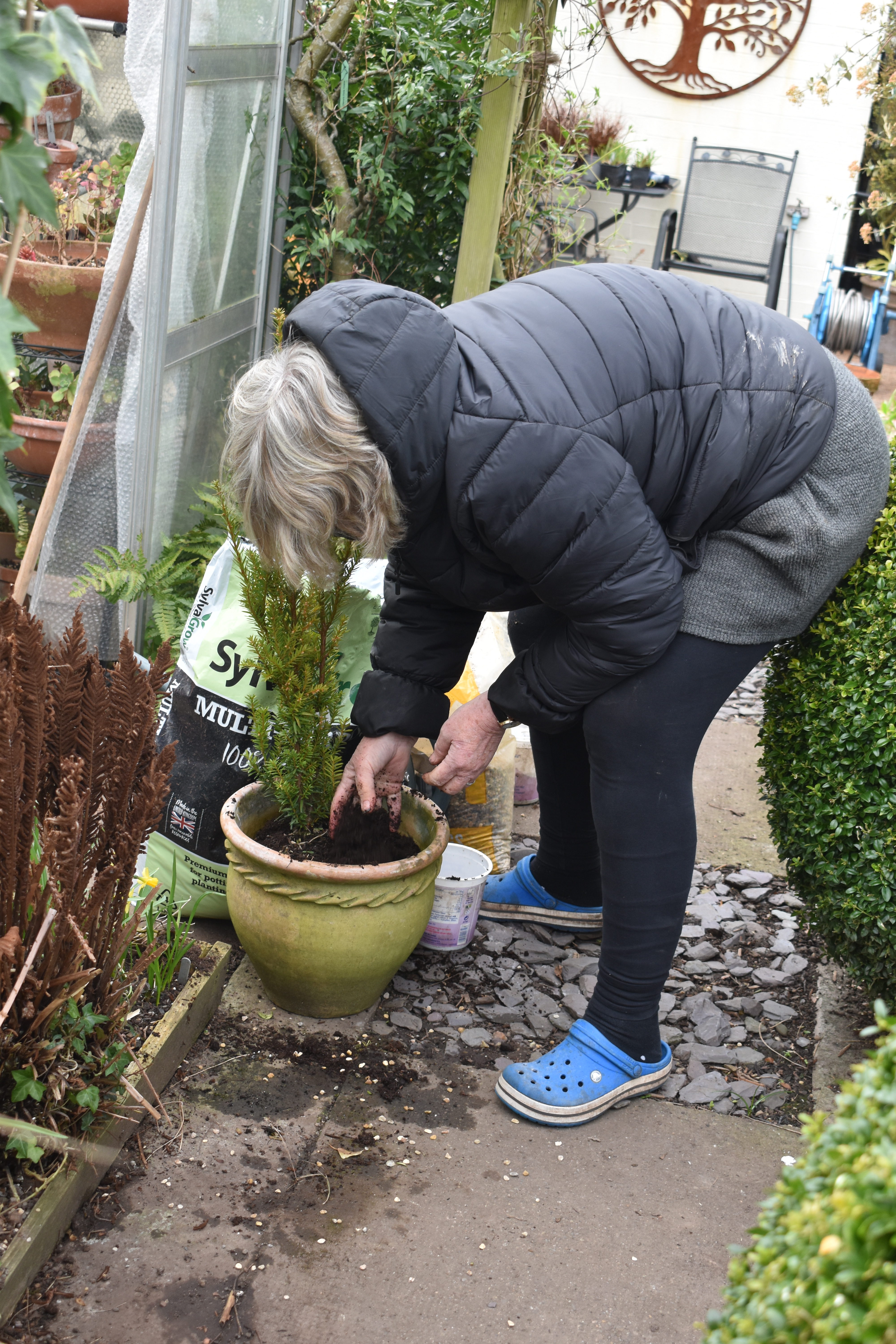
On the next page I noted that, “A light frost each morning and blue sky days enticed us out into our garden to do jobs.” The photos on that page show just some of the jobs we have been working on.

“We have been tidying up plants and weeding each border. We clipped the ivy over the arch over the seat. It is so important to get this done before birds start to nest.”

“Planting replacement euphorbias.”

“Watering newly planted euphorbias, picking daffodils for the house and sowing perennial seeds.”

Over the page, the next two pages consider firstly our daffodils and then our garden wildlife.
“So many different daffodils add bright shades of white, yellow and orange to every border. From the middle of the month they begin to be joined by colourful tulips.”
On the page opposite the daffodils I looked at some of the wildlife using our garden this month. I noted that, “Over the winter we have been feeding the birds in our garden and the feeders in both the front and back gardens are emptied every day. Sunflower hearts are by far the favourite food for finches and titmice alike.
The flocks of finches visiting for nibbles got as large as 40 for Greenfinches and over 50 for Goldfinches. Long Tailed Tit flocks are usually 20 or so individuals.
Our hedgehogs have been in hibernation until the beginning of March when they started nightly visits to the feeding station for both food and water.

Up until last year our frogs spawned in mid to late February but for the last 2 years they croak, mate and leave large clumps of spawn in mid-March.”

“Wrens and robins are searching for nest sites while the early morning songs of blackbirds are starting earlier each day. Most birds’ calls have changed to songs.

Bluetits and Great Tits are exploring nest boxes. The strangest wildlife experience of all this month was seeing a snipe flying low over the garden, with its distinctive shape and long bill. A real treat!”

Turning the page we find on the left side a look at new foliage on trees and shrubs, while on the right I feature my sketch of a salix. I wrote, “One of the most wondrous happenings of the second half of this month is the bright freshness of new foliage bursting out of their buds of shrubs and trees.”

Then I shared eight photos of fresh foliage.

Opposite the photos of freshly burst buds is a sketch I made using Derwent Inktense Crayons, depicting a branch of Salix gracilistyla ‘Melanostachys’. Its catkins are intense black and red.

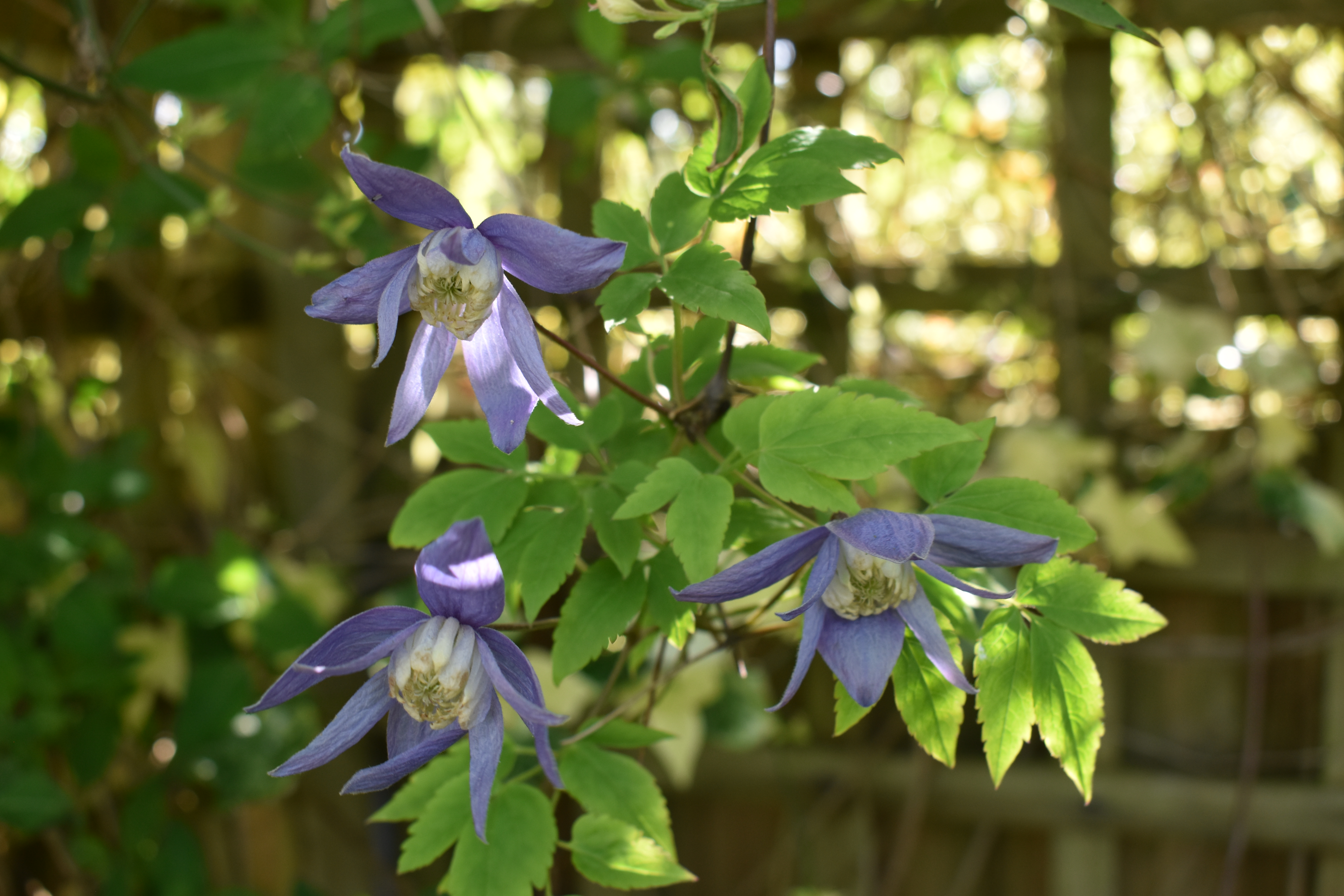
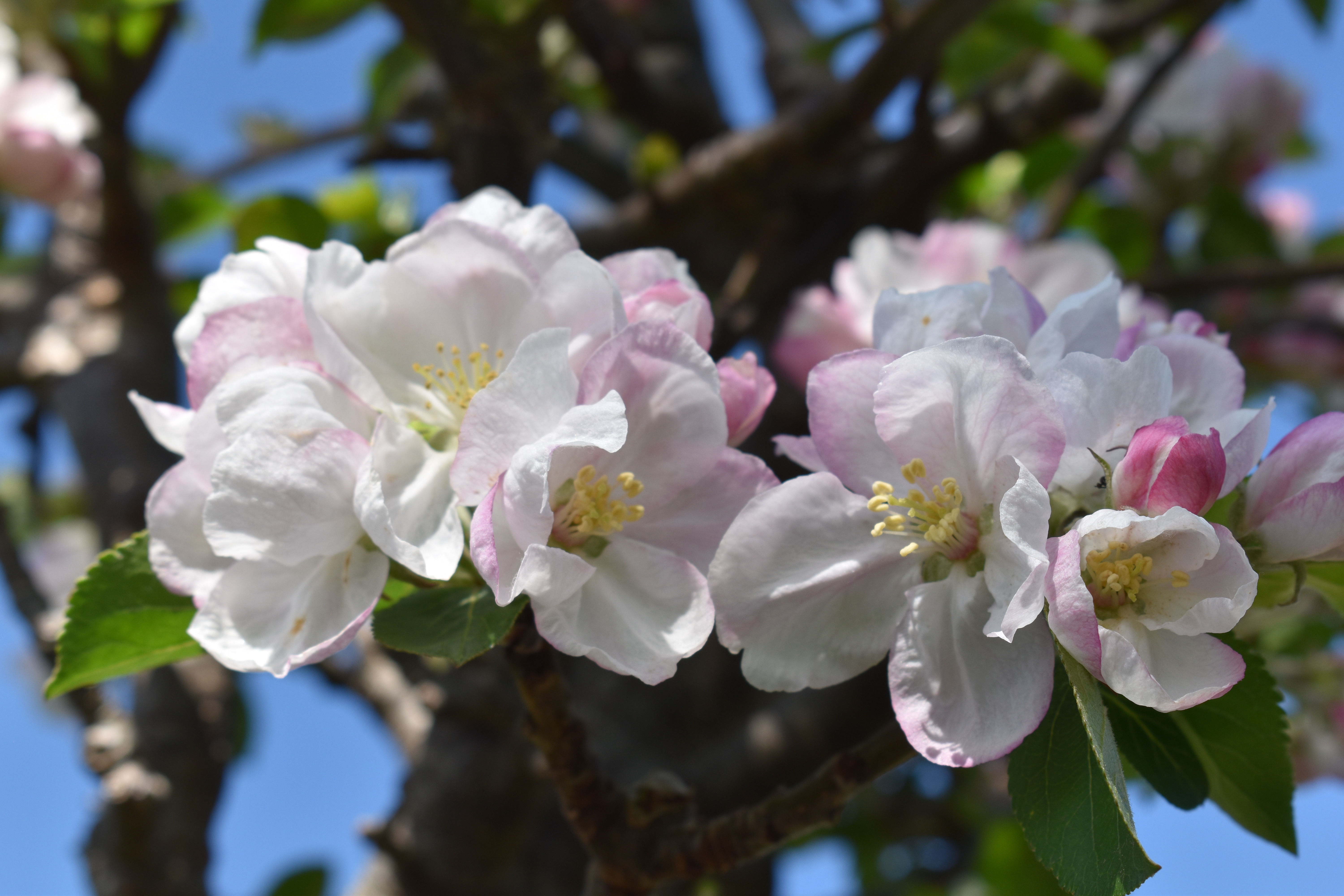
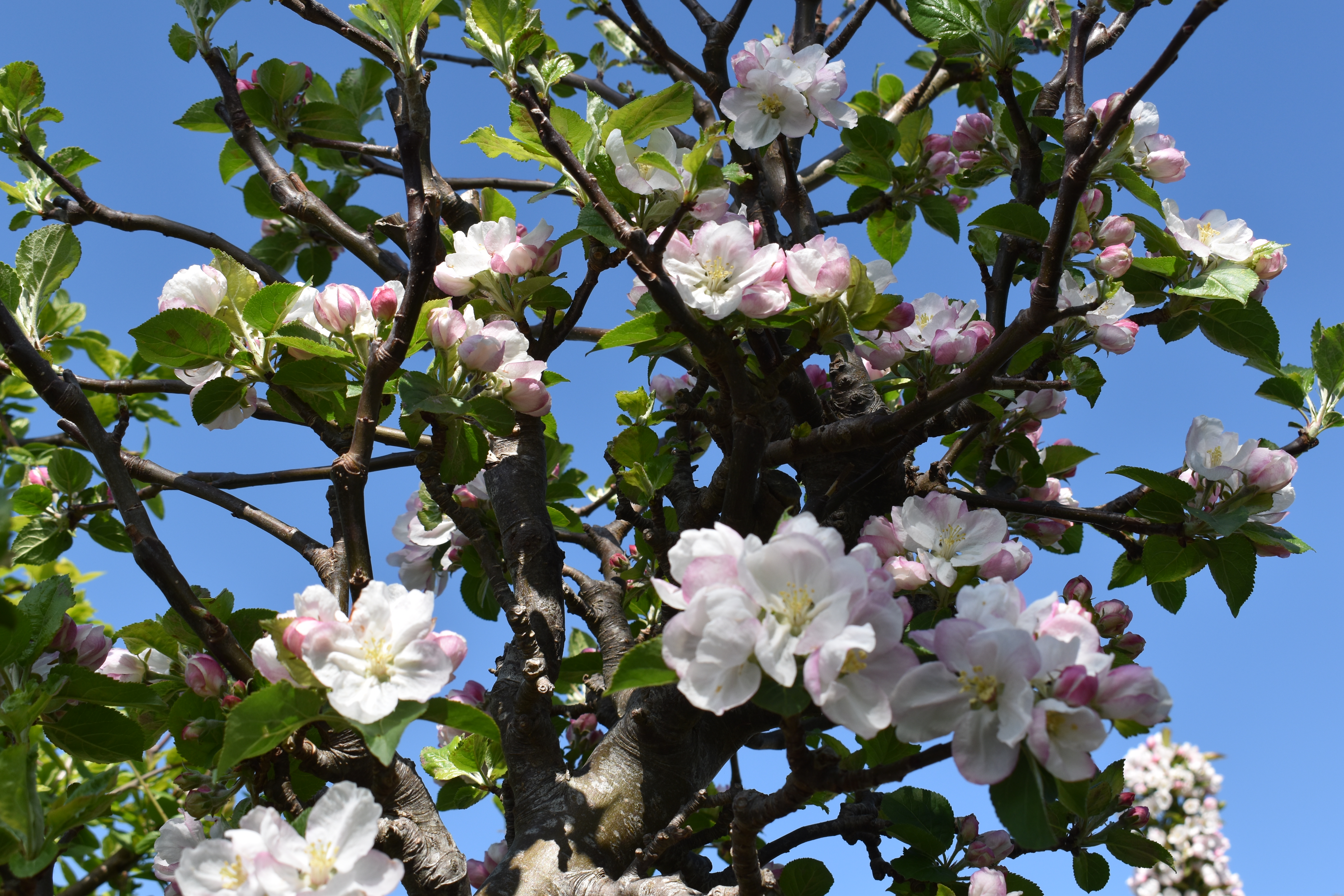
Onto the last page of my journal for March, which features flowers of shrubs and climbers about which I noted that, “The last week of March and we have several flowering shrubs and climbers in flower and each one is special in its own way.”

The photos below show some of our colourful flowering shrubs and climbers.

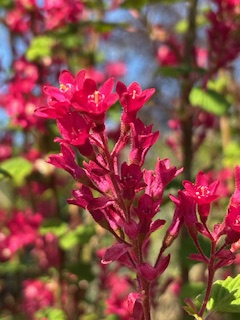
The final trio of photos for this month show the flowers of the three different ribes we grow, all beautiful in their own way.

So with a look at these colourful shrubs flowering away in March I can finish this look at my journal. I shall return to delve into it again at the end of April.

Categories
Uncategorized

Chirk Castle in September Part 1

As we are in a surprise warm and sunny spell in April I decided to have a look back to a garden visit we made back in September.

The last time we visited this National Trust property was years ago when we visited in February to enjoy the snowdrop walk. So this September visit would inevitably be very different.

This strange looking sign was found on the side of a van.

To get to the gardens and grounds we walked up a gently sloping driveway which took us to the side of the castle so we had to walk around the perimeter of the castle walls to reach the entrance.

Just past the castle entrance we found the turning into the garden itself, with signs of formality and some soft planting like the roses below.

Then long vistas opened up giving signs of the importance of topiarised conifers.

The background sound here was dominated by the voices of the hardworking gardeners with hedge trimmers. Such work takes the gardeners months each year.

From here on the garden was a combination of powerful topiary, calming green lawns and patches of colourful perennials, with roses and shrubs.

We wandered back to the cafe and carpark and after a quick coffee we decided to take a quick look at the kitchen gardens and whilst there we discovered a communal space called the “Quiet Space”. Such an interesting place deserves a post of its own.

Categories
Uncategorized

Beach Wandering on Anglesey

We decided to have a few days away up in north Wales spending sometime on Anglesey although staying on the mainland on the opposite side of the Straits.

While on the island we always make time to wander on our favourite beach of all time, acres of sand, plenty of shells of all sorts and virtually no other people except a few dog walkers. The only downsides being the difficult access down steep, narrow winding lanes plus the strong winds which are usually cold as well.

The best way to share our walk with you is to put the photos I took in the order taken. You will soon realise that most of the time I was looking down.

I hope you have enjoyed our wanderings along this open expanse of silent sands and sea air.

Categories
Uncategorized

Bridgemere Show Gardens – February Visit

Our second visit to the show gardens at Bridgemere Garden Centre looked set to be very different to our January visit. We followed, more or less, the same route as we did in January and once again we were on the look out for signs of winter and perhaps a few signs of spring.

We made a slight deviation from the pathway to look at the impressive brick and stone built Folly.

Returning to our original routeway, we enjoyed the rich sweet scent of Daphnes and low spring plantings. Below the photos show Daphne bholua ‘Spring Beauty’, the blossom of a prunus and the spring flowers of pulmonaria and snowdrops covering the ground below.

Nearby beneath a tree the ground in between its exposed roots was covered by scillas, white with the palest blue hue.

There were two more daphnes nearby for us to enjoy, Daphne bholua ‘Jaqueline Postill’ and Daphne bhuloa ‘Princess Perfume’, which had attracted a ladybird. The sun had brought out quite a few ladybirds.

In the Winter Garden patches of colour were glowing in the sun.

We returned to the circle of lawn beautifully edged by fan-trained apple trees underplanted with spring bulbs such as Narcissus ‘Tete-a-Tete’ and chionodoxa.

From a gateway we had a good view of the nursery where most of the plants sold here and other Blue Diamond garden centre are raised.

As we made our way back to the entrance we wandered around beds on the look out for more winter interest. But there were some signs of spring too, perennials showing fresh leaf shoots, roses shooting new leaves and catkins fluffing up.

I shall conclude with two wider shots taken from the top of a short flight of steps.

Categories
Uncategorized

My Garden Journal 2025 February

I began my February journal by writing,”January always feels so long a month, whereas February is nice and short. Just 28 days!”

Below a set of four photos I wrote, “Winter flowering bulbs and perennials add shots of colour close to ground level. Crocosmia show off their fresh bright green shoots. Our Calamagrostis and other grasses have new shoots too.”

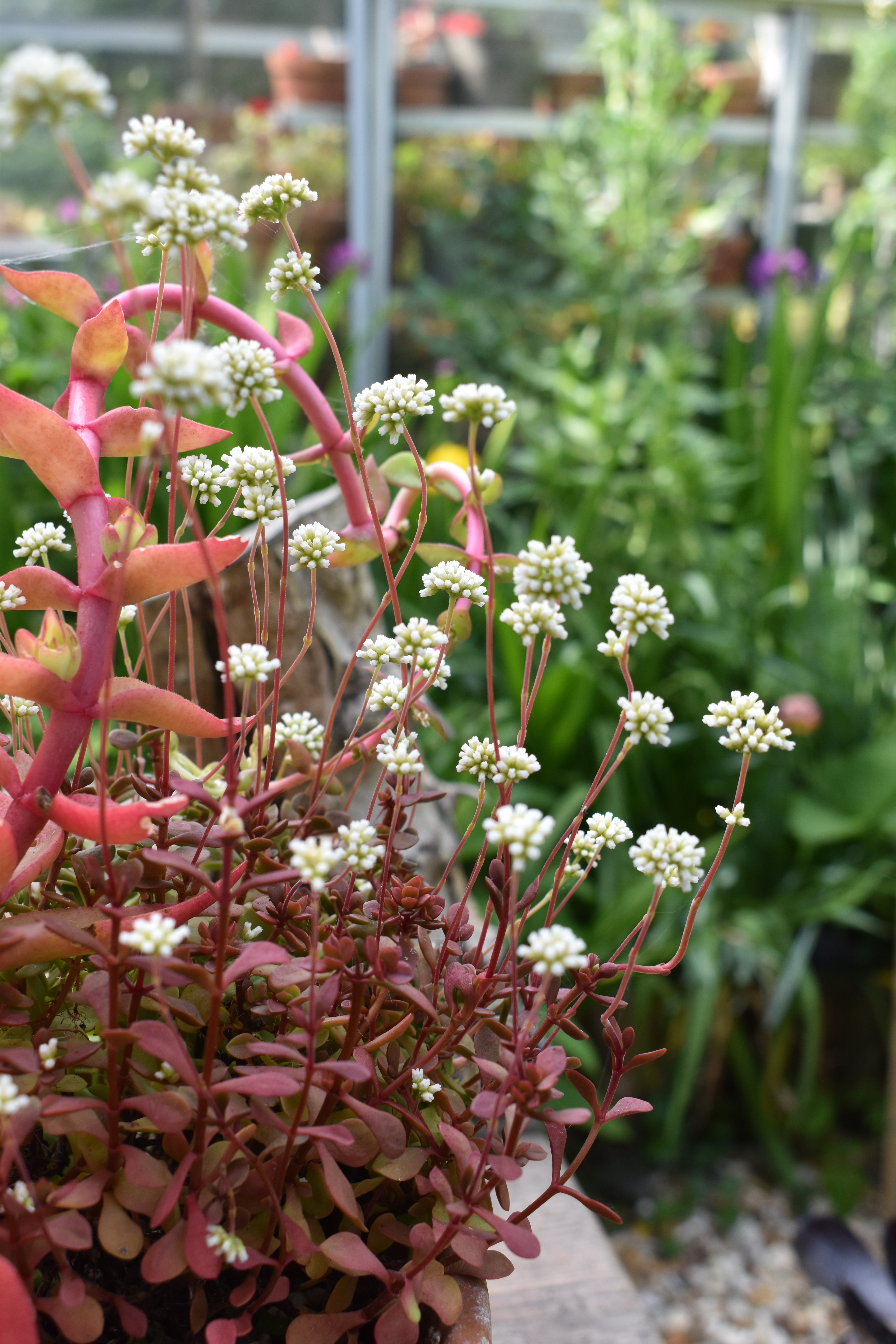
I then looked at the new shoots of our Sedum and shared two photos of new shoots at the base of Sedum spec. ‘Stardust’ and Sedum ‘Mojave Jewels Ruby’.

The third photo in the trio of photos above features the seed head of a large specimen Sedum ‘Autumn Joy’. About this I wrote, “The flower heads of Sedum turn to seed heads in late summer and early autumn. Looking carefully at these seed heads we can see ginger, brown, biscuit, grey, orange and pale blue.”

Over the page we find a double page spread featuring on the lefthand side scented winter flowering shrubs and on the righthand page I looked at more spring bulbs and willow catkins. I noted that, “Scented shrubs are a special feature of our February borders.”

Daphne bhuloa “Jacqueline Postill”

Hamamelis ‘Harry” Sarcococca confusa

Viburnum tinus

“The buds on our Drymis will soon open and reveal little lemon coloured and lemon scented little flowers. Its foliage and stems work together so well and look good all year round.”

Most shrubs that flower in winter are also heavily scented and this is because there are far fewer insects around to be attracted.

On the opposite page I looked at spring bulbs and willow catkins. Concerning spring bulbs, I wrote, “Our spring bulbs are giving us plenty of colour at ground level between shrubs and the emerging bright green leaves of some perennials.”

A waterfall of cyclamen below the Acer campestre. Snowdrops flowering among ferns.

“Eranthis hyemalis also known as Winter Aconite with emerging crocosmias.” A mix of our hellebores in our ‘Winter Border’.”

“Three of our Salix (willows) varieties now have catkins.”

Salix daphnoides S.gacilistyla ‘Melanostachys’

Salix gracilistyla ‘Melanostachys’ S.grac. ‘Mount Aso’

Turn over the page and find a watercolour sketch of a part of our garden from September 1997, which I thought may be of interest.

“While sorting out some papers we came across one of my watercolor sketches of the garden , painted in 1997.”

We also found a photo of the front door area from way back, so I tried to photograph the same view as it looks today.

Then Now

On the opposite page I mentioned a few garden jobs that we tackled this month and I wrote “Even though we have a while to go before spring arrives, we take advantage of any good days to get out in the garden or in the glasshouse.”

We have made a start cutting down grasses.

Replacing a rotten tree stake, trying to rid the drive of algae and tying in this year’s blackberry boughs.

Repairing two wren boxes.We have bought more lilies to plant next month.

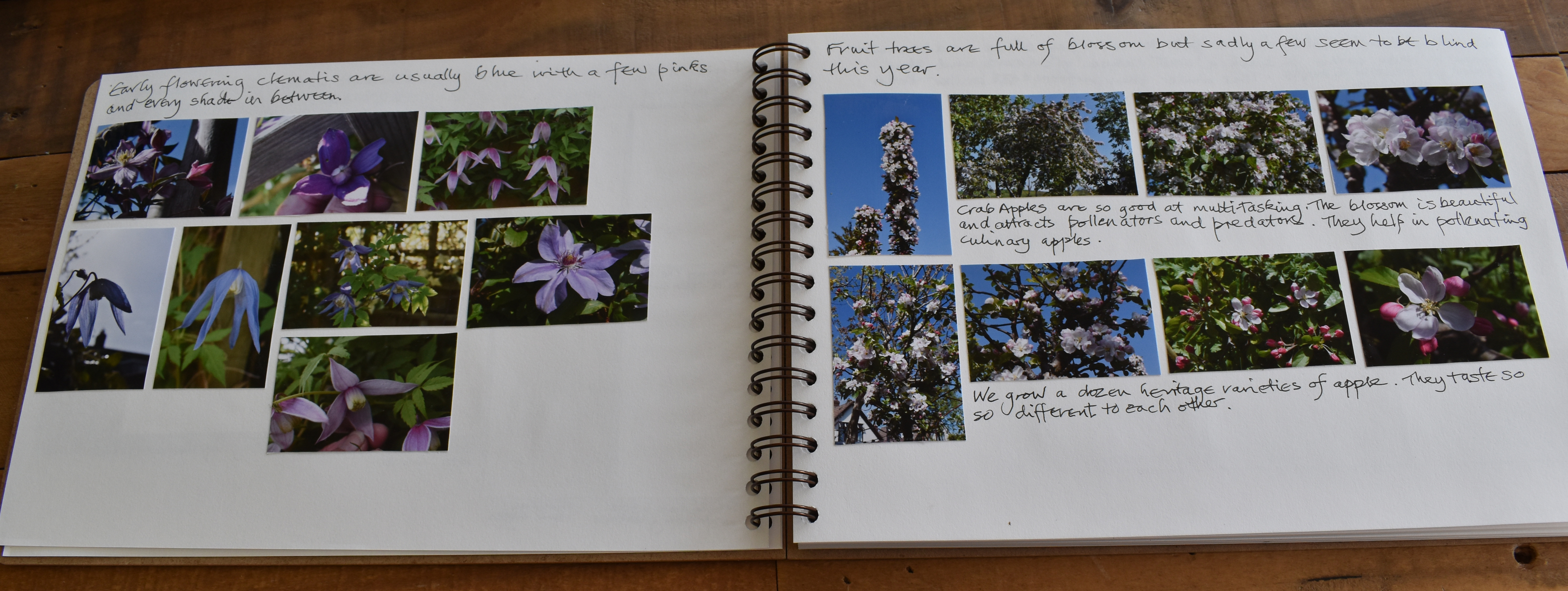
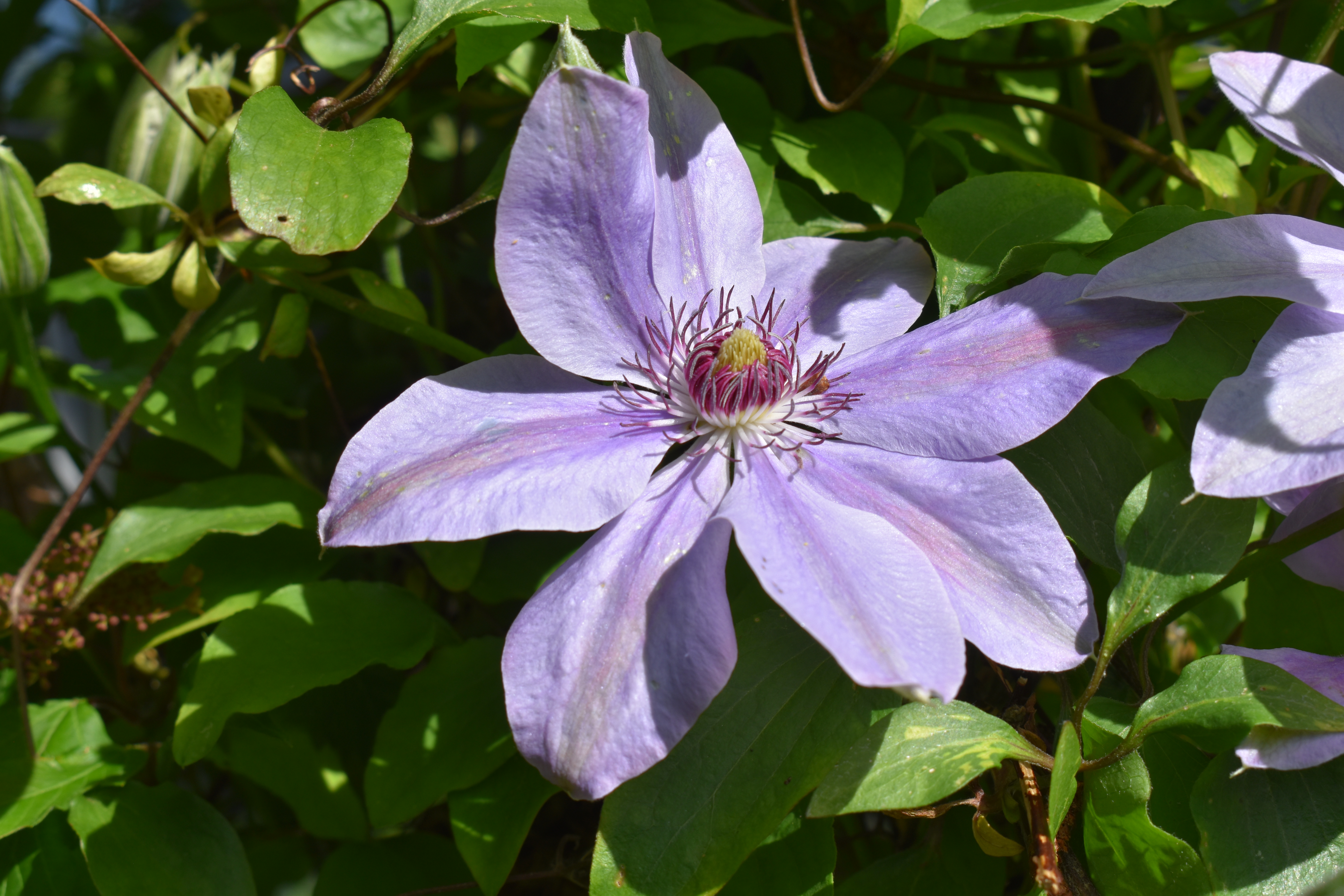
Over the page I continued looking at some of our gardening tasks and began by writing, “We are enjoying our winter flowering clematis and at the same time we have to prune our Group 3 clematis.”

Cleaning up our dahlia tubers. Dahlia tubers ready to shoot.

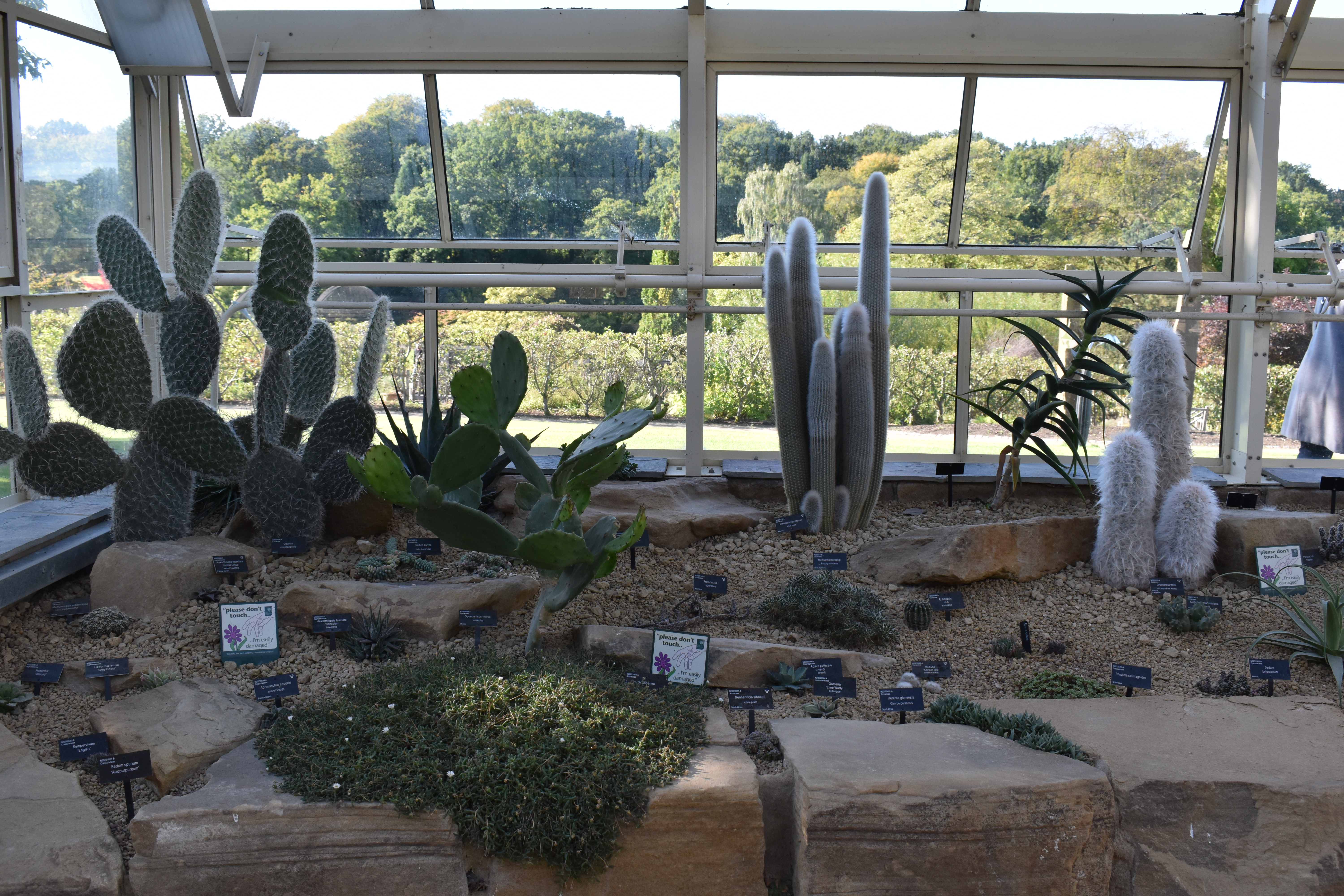
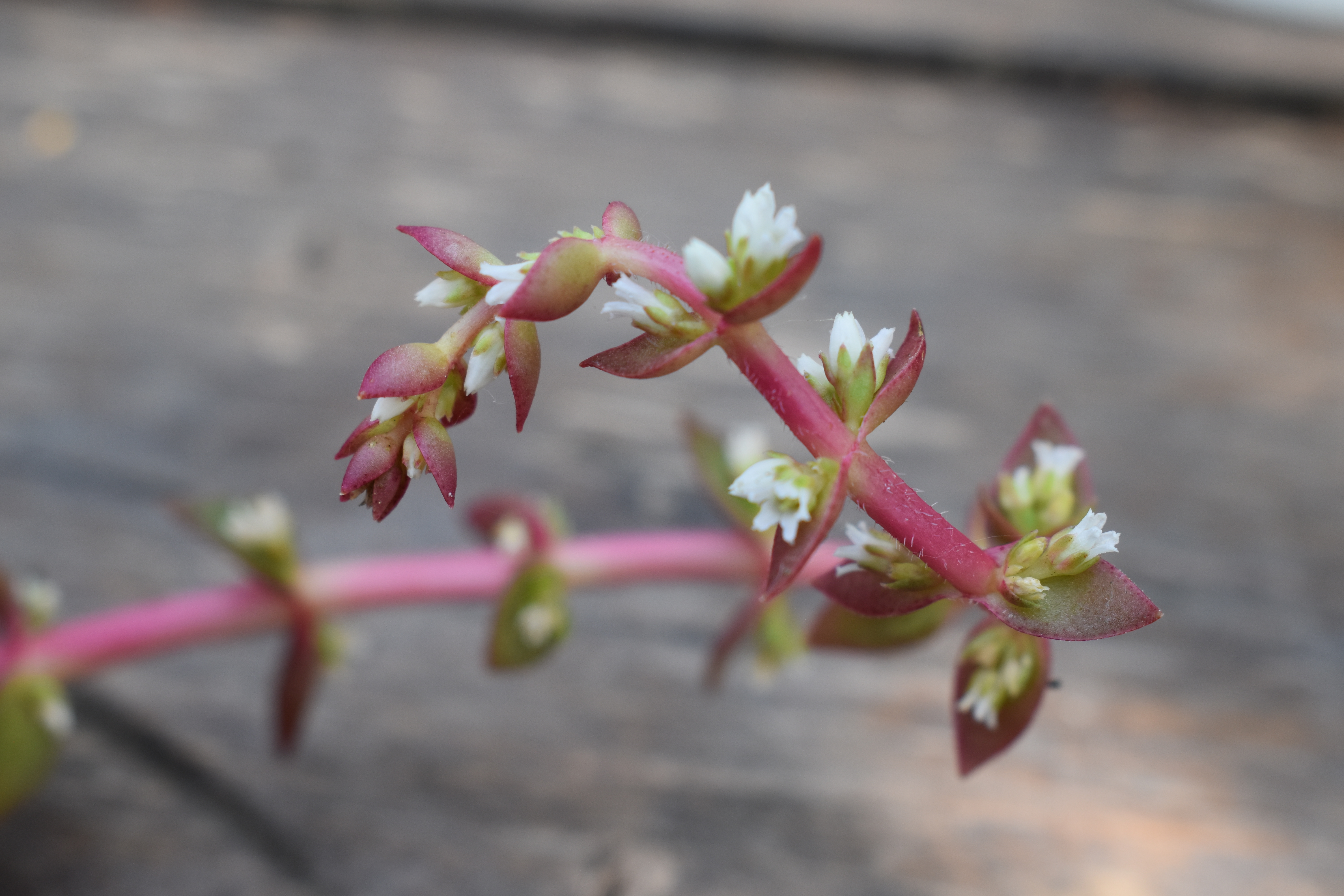
Tidying up the succulent collection. Pruning roses on the swags.

The final page for February features yet more flowering spring bulbs. I wrote,“And yet more flowering spring bulbs adding more colour to the borders.”

Leucojum Iris reticulata

Crocus Anemone blanda (above)

Categories
Uncategorized

Three Great Garden Visits in November -Part 1 – John Ravenscroft’s “Cherry Tree Arboretum”

John Ravenscroft was a TV gardener decades ago and the founder of one of the UK’s largest garden centres, Bridgemere. He developed the centre for years and we used to visit quite frequently always making for the “Rare and Unusual Trees and Shrubs” section first of all.

He sold up to a national string of garden centres and still lives on neighbouring land alongside the garden centre, where he has developed the 56 acre ‘Cherry Tree Arboretum’. The arboretum opens occasionally for the National Garden Scheme and we visited on the day of its last opening for 2024.

We knew we would find some interesting trees and shrubs here when we spotted this cotoneaster with beautiful and unusual coloured berries.

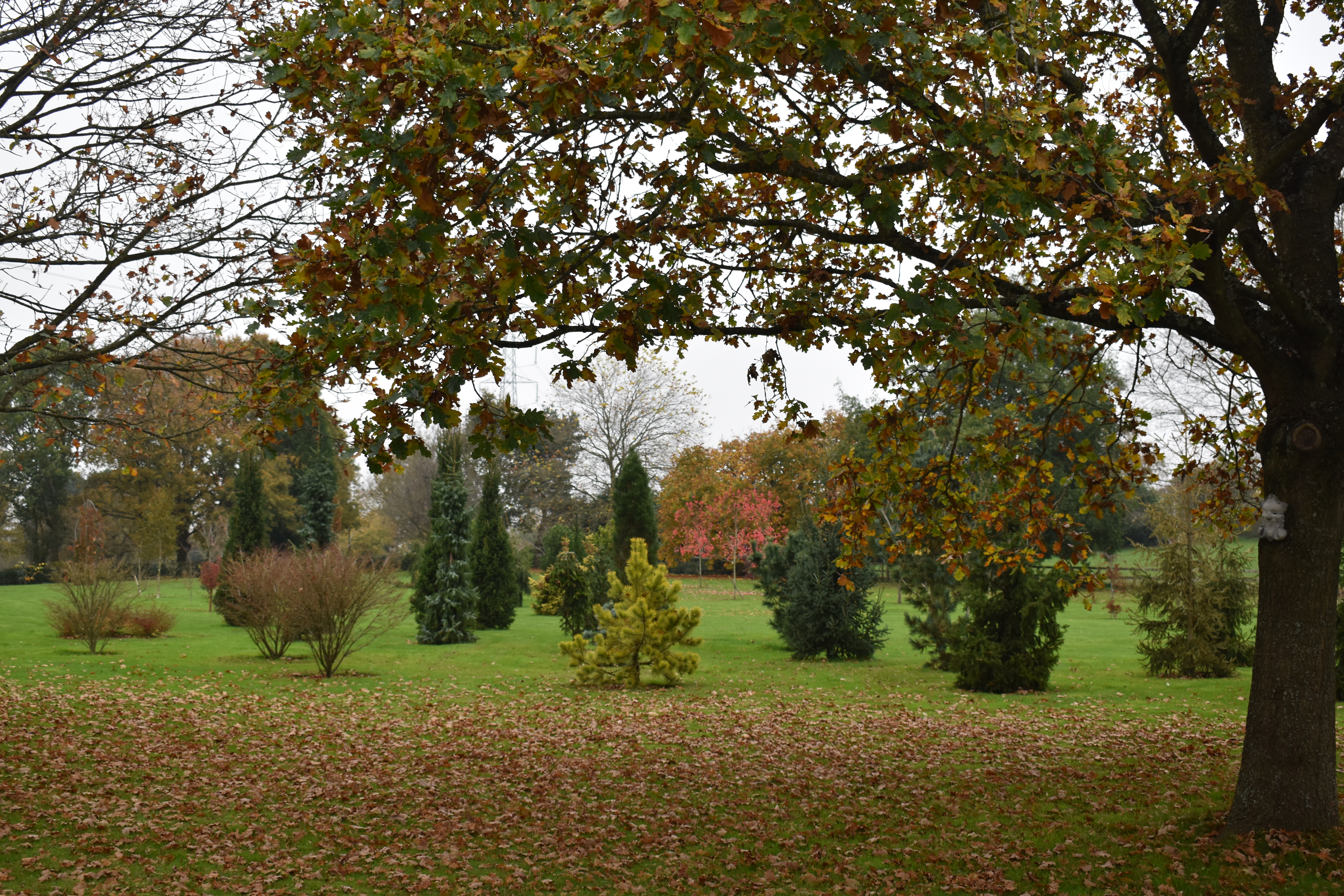
We were here to appreciate unusual plants but also the range of autumn colours in the landscape. We were not disappointed! Even as we walked a few hundred yards of gravel trackway taking us to the more open areas we found such an array of unusual and beautiful plants. Each one stopped us in our tracks for a closer look.

We soon became aware that John is a serious lover of deciduous Euonymus with their colour foliage and unusually structured flowers and fruits.

Jude and I have long been fans of deciduous Euonymus and grow several in our garden, so it was a great surprise to find one here we had never seen before, the pale rather ghostly white, lemon and orange E. hamiltonianum ‘Koi Boy’.

John is also a fan of one group of trees with the common factor being more to do with shape and structure than foliage and fruits, and that is fastigiate cultivars of trees. We grow several at home including Oak, Amelanchier, Crab Apple and Sorbus. All small compared with the specimens at Cherry Tree.

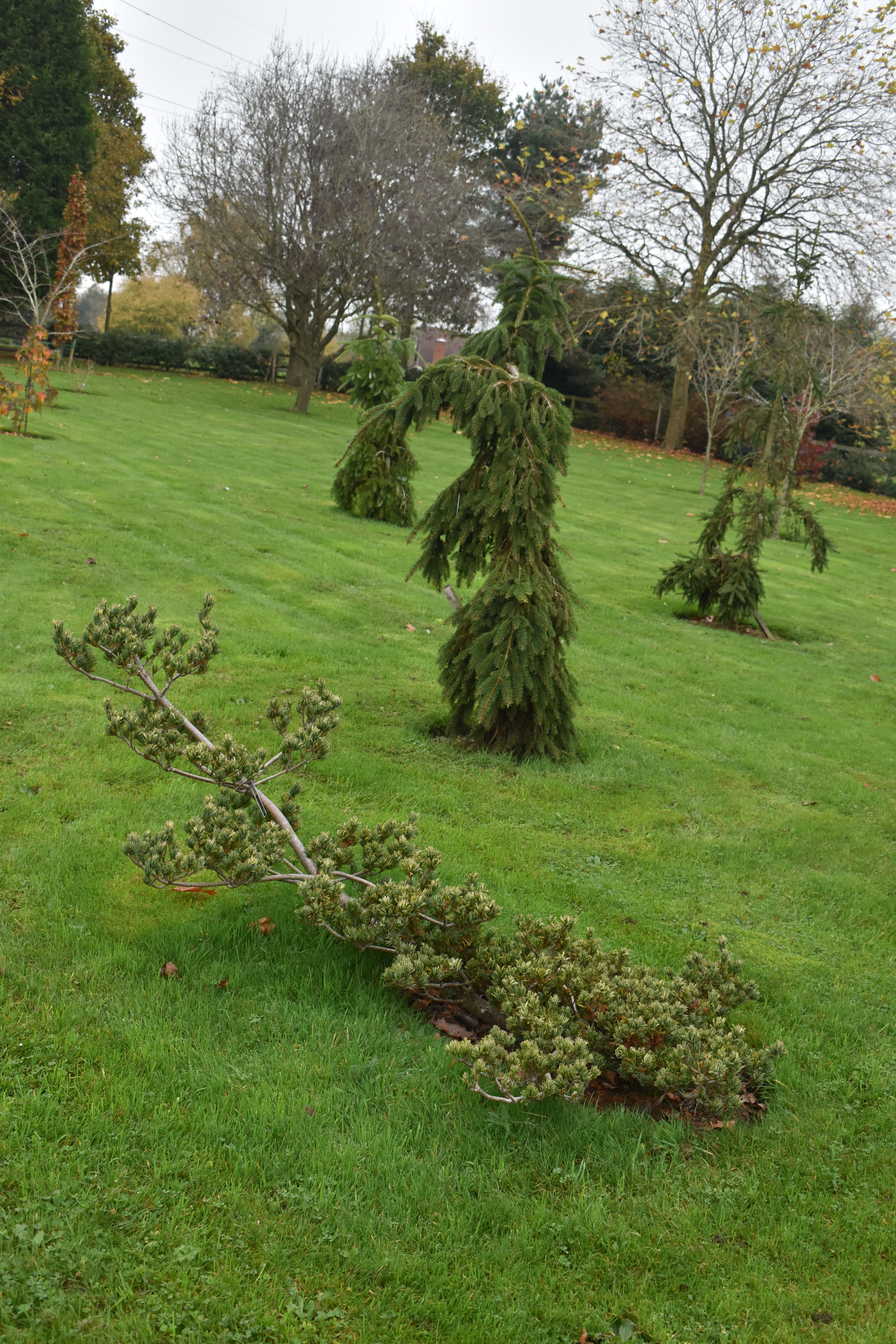
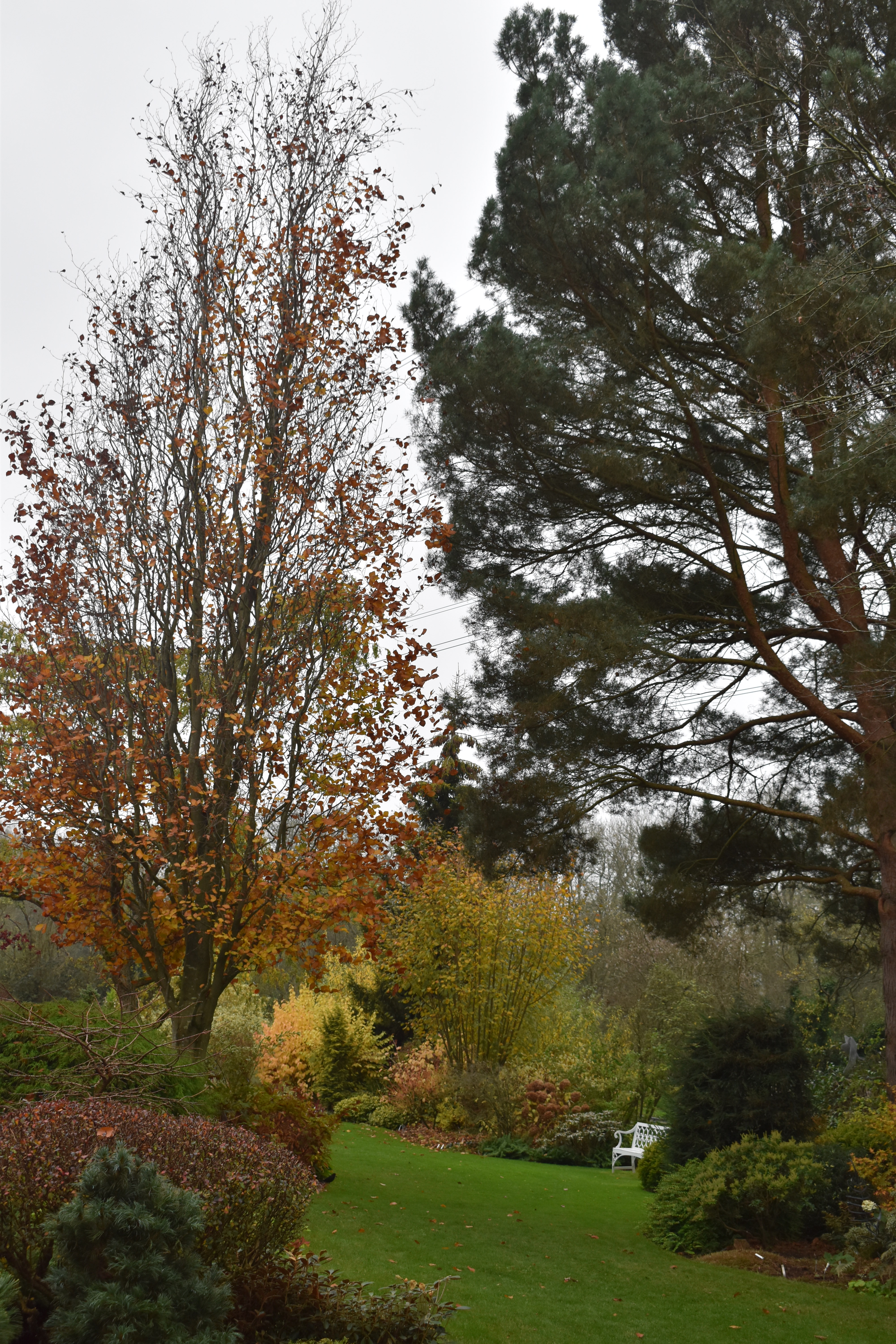
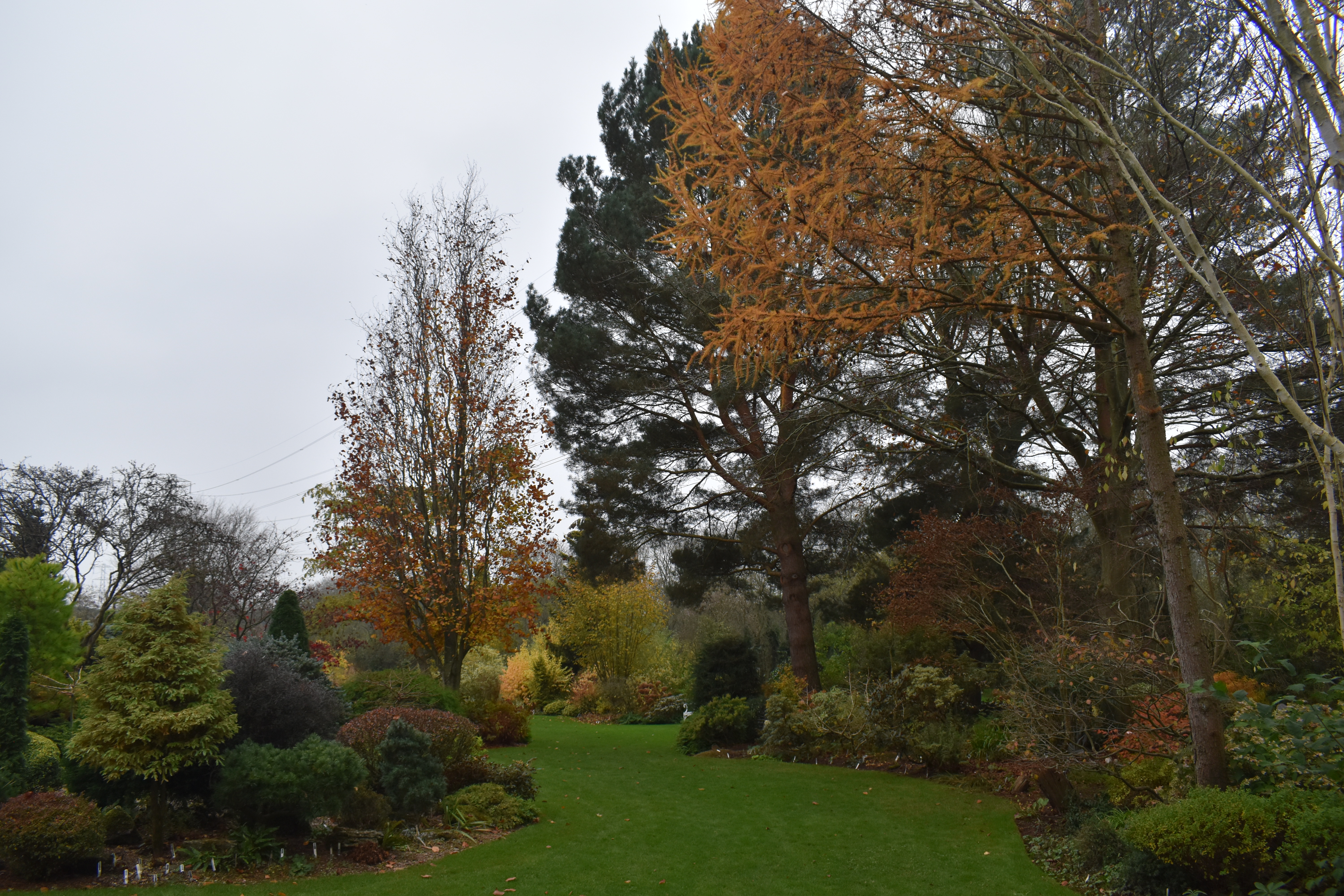
Now for a look at wider views showing the variety of trees and shrubs, foliage colour, shapes of trees and groups of trees and shrubs.

We spent plenty of time searching for labels!

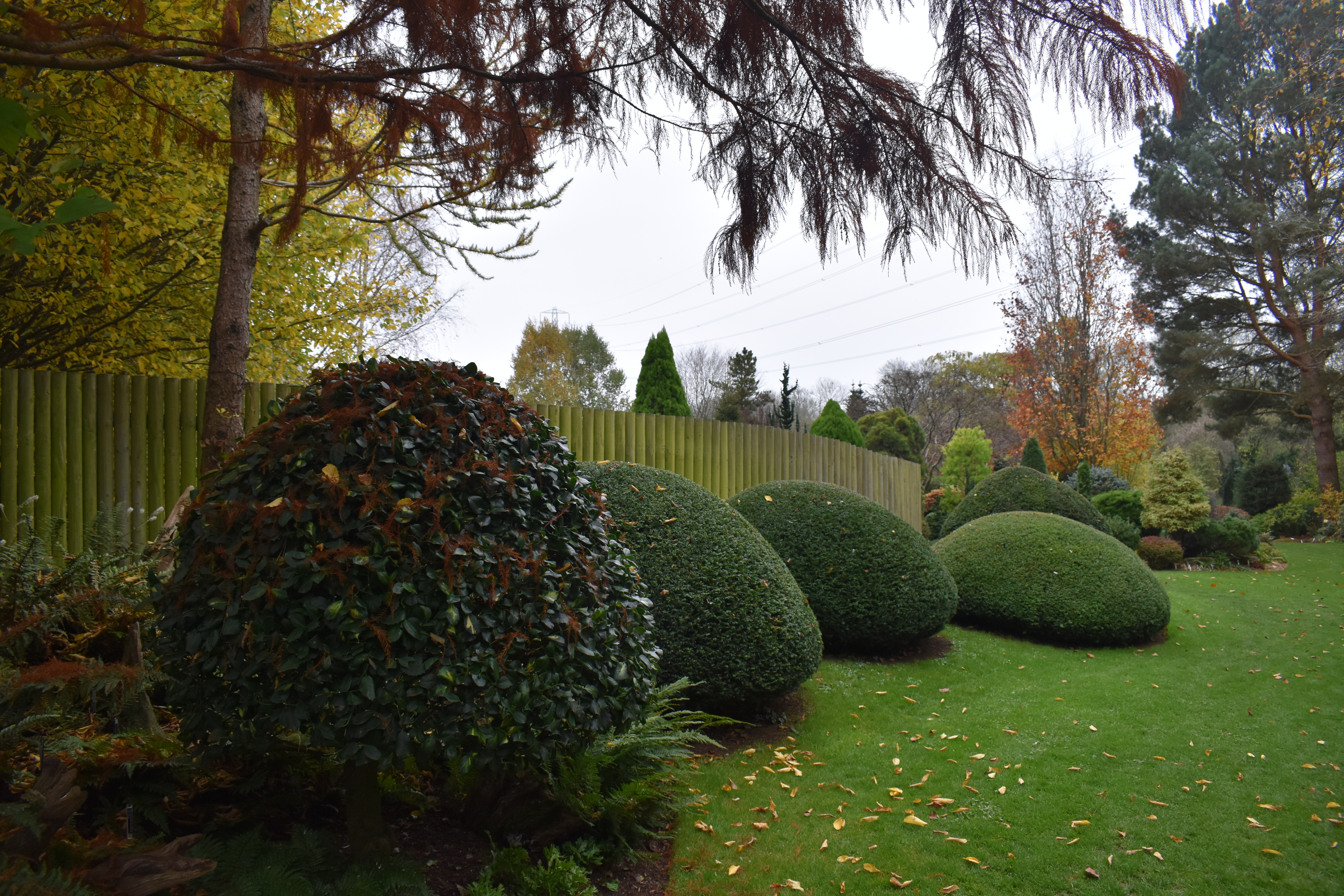
What a remarkable arboretum! So glad to have visited at last.

Categories
Uncategorized

Our Week in the North York Moors – Scampston Walled Garden and Parklands

We have visited Scampston Walled Garden once before not long after it was redesigned by Piet Oudolf one of our favourite garden designers who is also recognised as one of the best in Europe if not the world. He is very influential as a designer and we have several of his best in the UK. Our garden has hints of his influence in several areas, especially his use of grasses and hardy perennials.

We have visited Trentham Park which he designed, part of, Pentsthorpe Water Park gardens, The Oudolf Borders at RHS Wisley and the Oudolf Garden at Hauser and Wirth Galleries in Somerset.

In order to enter the main area of the Scampston Walled Garden we had to follow a pathway around three sides of the walled garden a border of interesting shrubs and perennials. Along one section was a wonderful hedge on stilts.

We followed the pathway until we reached the way in where we entered the Serpentine Garden featuring grasses called Molinia ‘Poul Petersen’ which are grown in parallel swathes within neatly mown lawn grass. In the centre four beautiful wooden seats sit below four trees, Phellodendron chinensis surrounded by Salvia verticillata ‘Purple Rain’. Such a simple but brilliant design!

Oudolf created topiary with yew to form square blocks and undulating hedges.

From this quiet space with its sculptural hedges we moved into the Perennial Meadow where the seedheads of perennials were the stars. At its centre is an old dipping pond.

Scampston was as good as we expected and has matured beautifully.

Categories
Uncategorized

Bridgemere Show Gardens – our new year’s monthly visits – January 2025

The show gardens at Bridgemere Garden Centre are situated alongside the sales area selling shrubs, and are described in a leaflet as “An award-winning day out for all”. It is now an RHS Partner Garden and is open all year. We decided we would visit monthly and report back as monthly posts in my greenbenchramblings.wordpress,com blog.

The 6 acres here are home to 15 individual gardens with extra planted areas and pathways to give a sense of cohesion. Several of the gardens were first seen at RHS Chelsea and RHS Tatton Park shows and many of those were awarded gold or silver gilt medals.

The first show garden we came across was “The Cottage Garden” which was complete with a little brick built cottage and a typical garden which would be busily worked to provide fruit, vegetables and cut flowers for the owners and their family.

We moved on from there towards the pond, finding many mature trees and shrubs along the way. We also searched for plants of the season.

First siting of the pond was this view below but we could hear the sounds of the waterfall. We love the sound of moving water be it freshwater of rivers and streams or the sound of moving tides at the beach.

This sign of winter reflects the gardeners’ wish to grow plants that are not hardy such as these Tree Ferns (below left). A complete contrast and much more attractive than plants wrapped tight are the red stems of Cornus nearby (below right).

From the pond area we made our way towards the Spring and Winter Garden, passing the “Bandstand Garden” and the “Folly Garden” along the way.

The sign for the Spring and Winter Garden described it as “A garden to savour and lift your spirits with pockets of spring colour and an abundance of fragrance.” This Witch Hazel, Hamamelis vernalis ‘Purpurea’ gave both colour and fragrance.

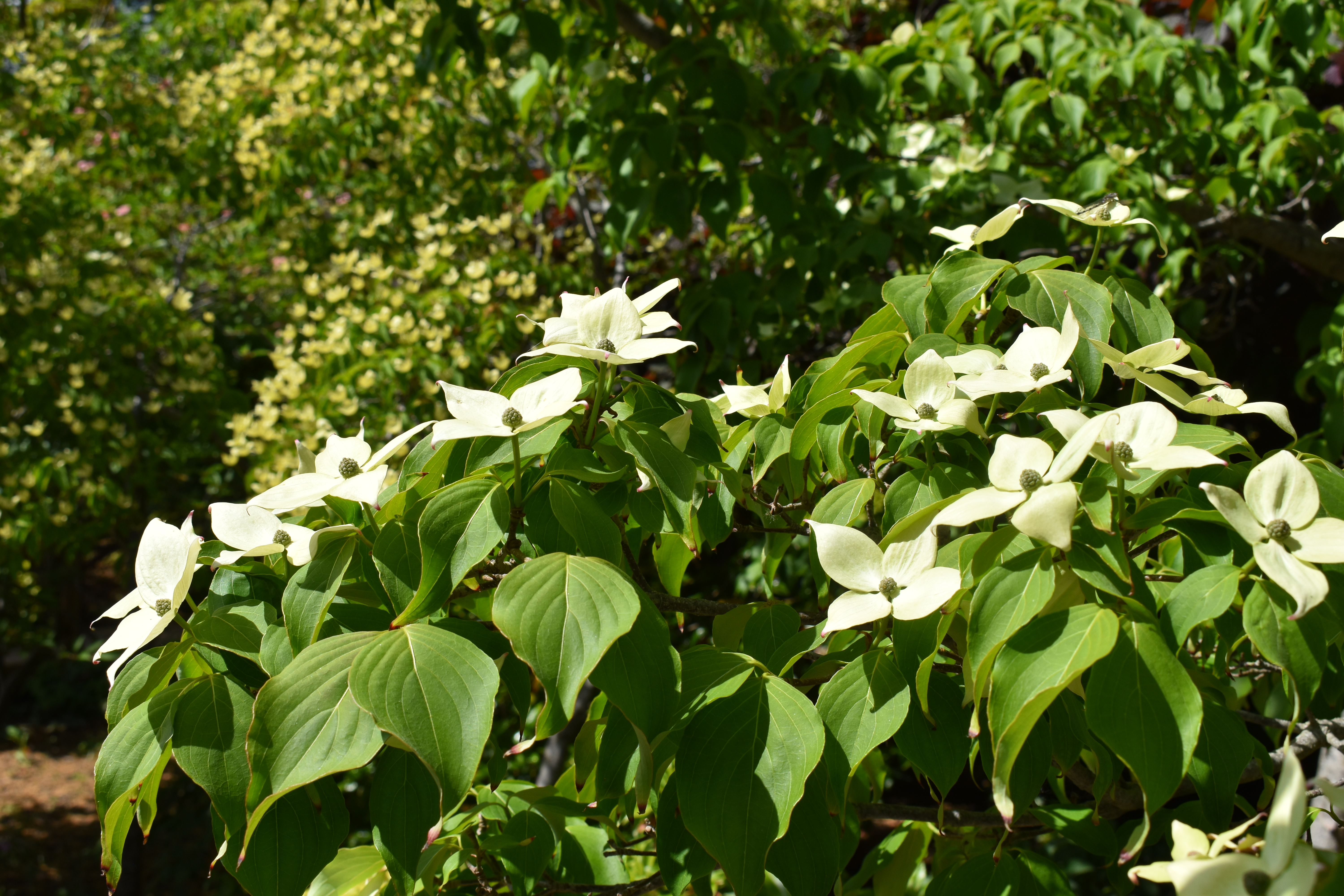
There were plenty more winter flowering shrubs as well as spring bulbs. But another Witch Hazel first caught my eye with its colours enriched by the winter sun, Hamamelis x intermedia ‘Old Copper|”.

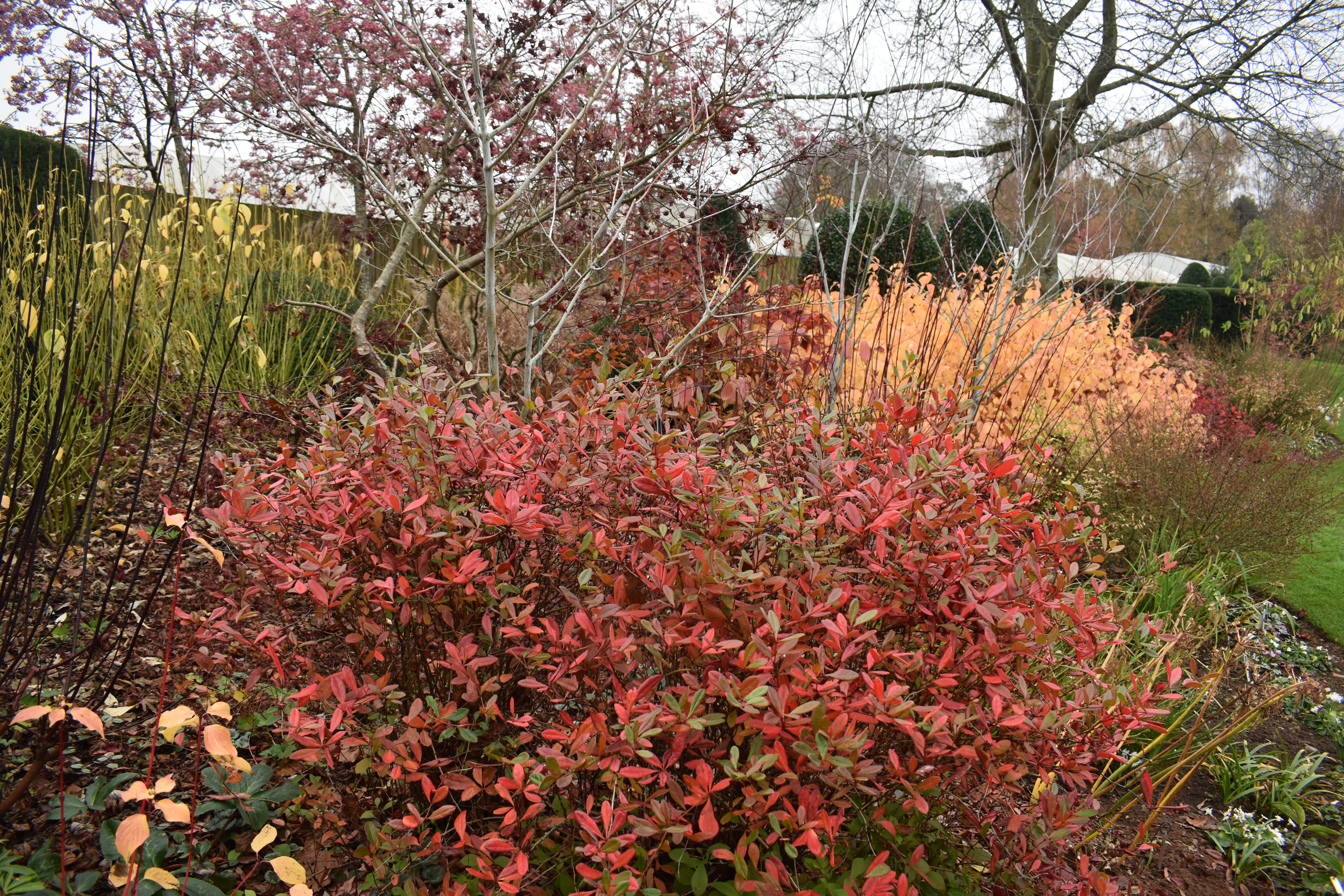
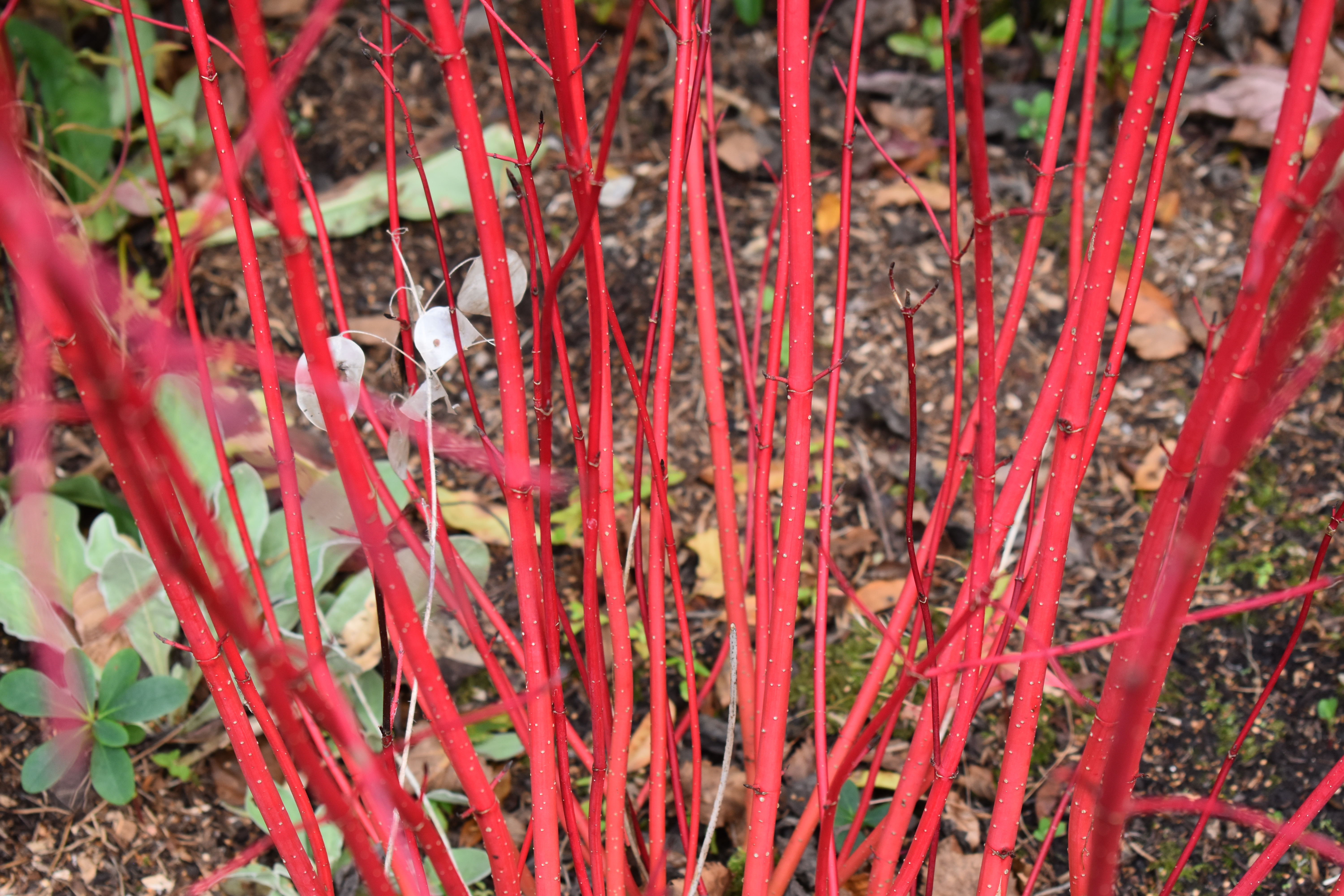
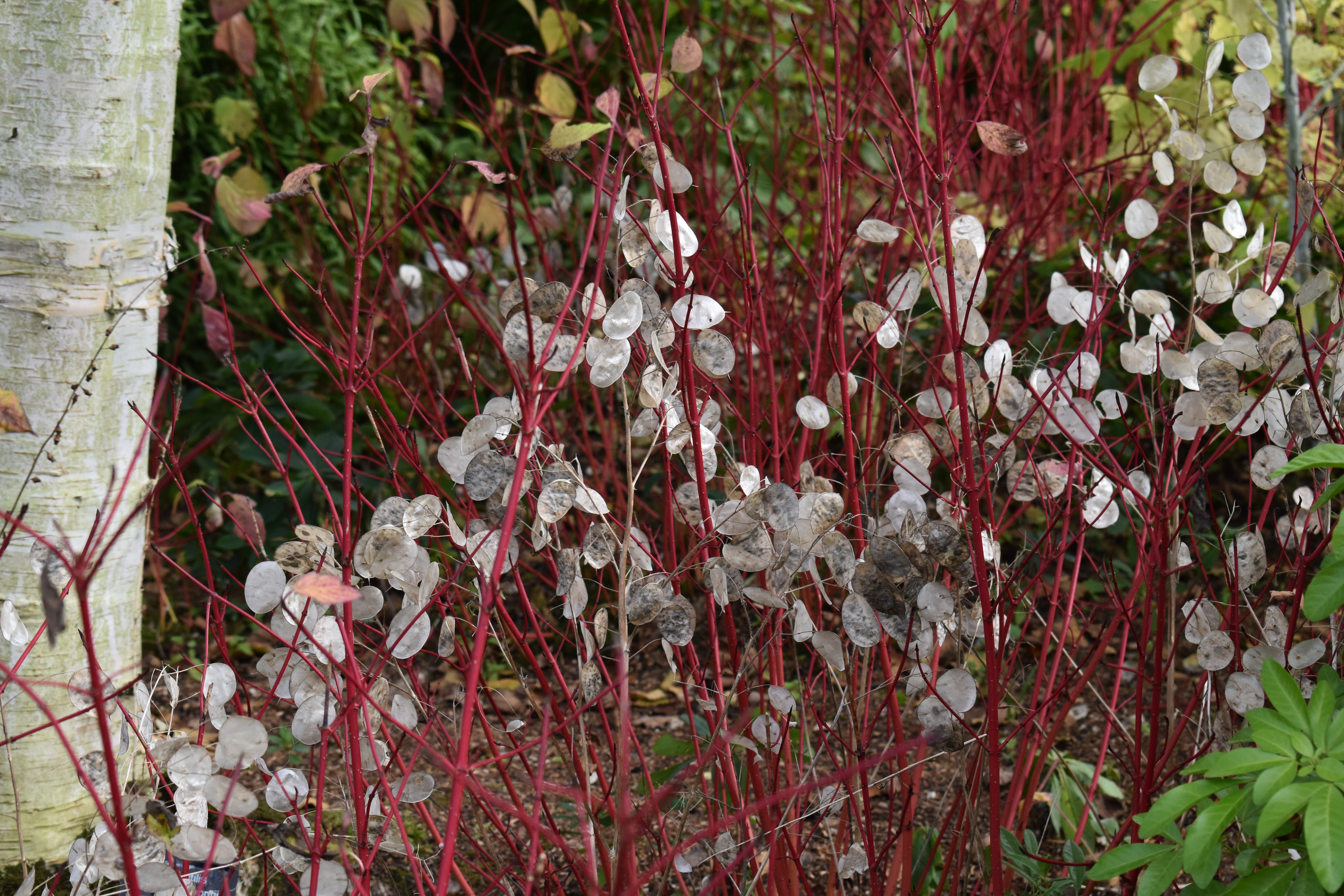
The coloured stems of dogwoods, Cornus add vertical elements of colours mostly reds and greens.

Hellebores are one of the most popular winter flowering plants so we expected to see some in the Winter Garden. The white one was full of flowers but they kept their heads down.

Before we move onwards I will share with you two more flowering shrubs both fragrant but with very different aromas. On the left is Viburnum tinus and on the right Lonicera “Winter Beauty”.

After enjoying The Spring and Winter Garden, we made our way through the Tatton Garden where the structure of neatly trimmed hedges and topiary looked very sharp in the bright winter sun.

We made our way through several more gardens as we made for the exit and all the time we searched for typical winter garden features. I will finish with a gallery of some of them.

We will visit the show gardens again sometime in February the second of our monthly visits.

Categories
Uncategorized

My Garden Journal January 2025

A new month and a new year, January 2025. Let us hope that we gardeners and our gardens are dealt a better hand weatherwise than in 2023 and 2024.

I began this new year by writing, “January, a new month and a new year as well as we move into 2025. We hope this will be a kinder time for our garden and us looking after it.”

Then I considered some of the garden jobs for the month. “We tidied up the roof garden on the wood store” and then “We planted some new hellebores and revamped the planting beneath the stepover apples. Carex ‘Ice Dance’ became too invasive so we removed them and instead planted different carex cultivars to give variety.”

Onto the next double page spread I consider Birches and tree barks. I noted that, “I think Betulas, birches, are possibly the best tree for a smallish garden and so we have several specimens in both our front and back gardens. In winter on a sunny day they come to life. Their bark colour is accentuated and peeling bark turns orange.”

Still on the theme of trees my next page is all about variations of the properties of the bark of some of our trees, the colours, textures and patterns. Concerning this I wrote, “I wandered around our garden, camera in hand, to look at the trunks of our many trees and to compare their textures, colours and patterns. There were many worth photographing.”

Here I share nine of my photographs taken on that day.

The next double pages I looked at cloud pruning on the left page and opposite I showed a couple more garden jobs we completed in January.

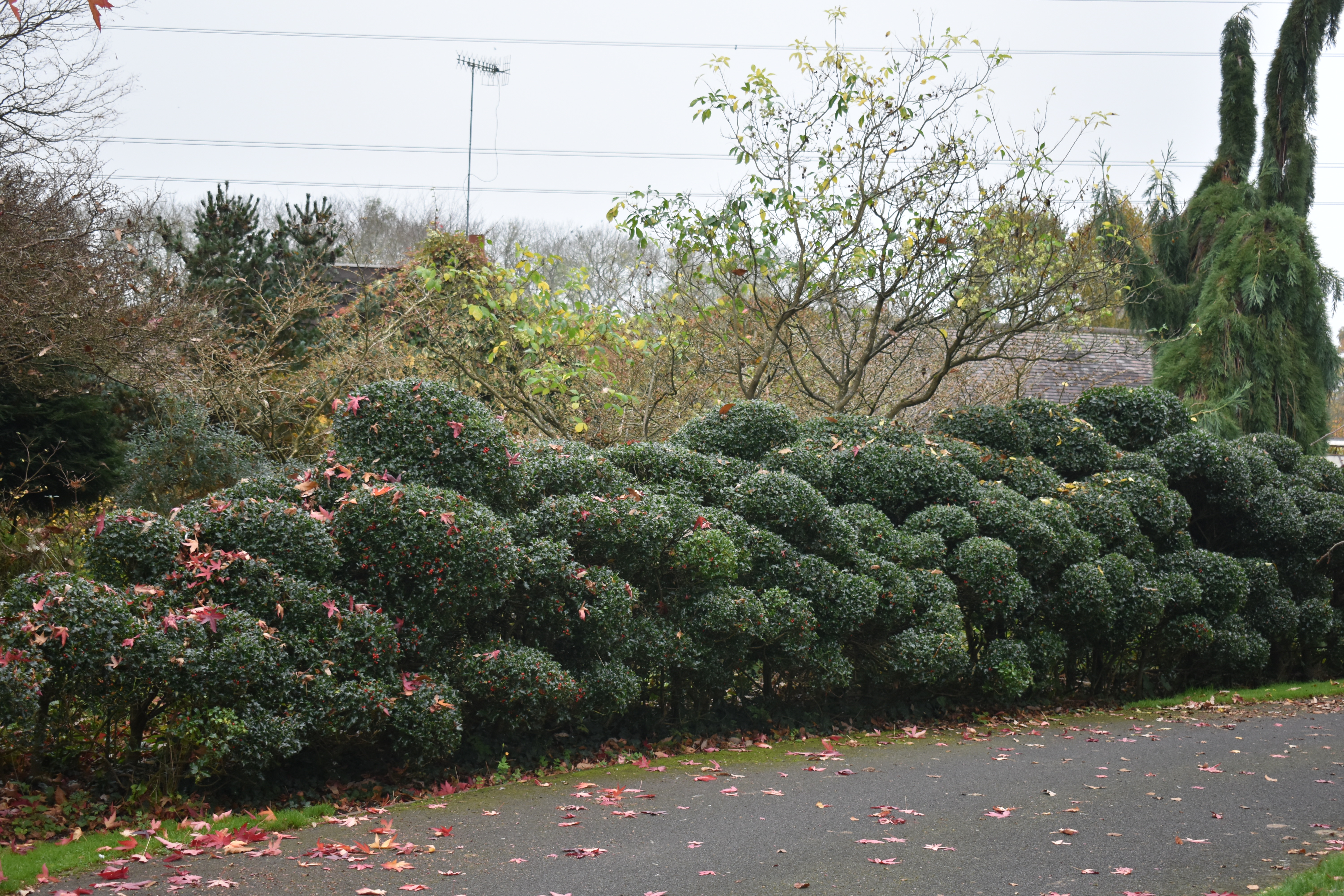
“We have long admired cloud pruning of conifers often seen in Japanese gardens. In our garden we have cloud pruned a box hedge.Up until now we have never attempted to work with a conifer. We recently bought a cloud pruned pine, a Pinus nigra ‘Marie Bregeon’ and a Pinus nigra ‘Nana’ to cloud prune ourselves.”

Pinus nigra ‘Marie Bregeon’. Pinus nigra ‘Nana’

Tools of the trade Needle clump

Nearly there! All done!

On the opposite page I wrote that, “After too many days of frozen solid soil, when we passed mid-month the temperature shot up from -5C to +7C. So maybe we can get a fork or trowel in the soil.

We have now completed the planting of a variety of Carex plants beneath the stepover apples.”

“I fixed a solar light in the toolshed.”

Opposite the page about a couple of tasks is a more colourful page about Rose hips. I noted that, “Roses give us colourful blooms for many months starting late May flowering on into December. But roses don’t stop then. Several of ours give colourful hips in shades of red and orange and various shapes and sizes.”

My pencil crayon sketches below show the hips of Rosa ‘Summer Wine’ a climber and Rosa ‘Bobby James’ a rambler. The actual pencil crayons used were Derwent Inktense Crayons.

It is good to finish this month with some cheerful colours. We can now look forward to what February brings!

This Veggie Life

A Vegetarian | Nature Lifestyle Blog

Rambling in the Garden

.....and nurturing my soul

The Arch City Gardener

Journeys In St. Louis Gardening and Beyond

Garden Dreaming at Châtillon

Consult the genius of the place

Storyshucker

A blog full of humorous and poignant observations.

gardeninacity

Notes from a wildlife-friendly cottage garden

PlayGroundology

...an emerging social science

The Official Blog of British Wildlife

'The most important and informative publication on wildlife of our times' - The Independent. This blog is a member of The UK & Ireland Natural History Bloggers group: www.uknhb.blogspot.com

iGrowHort

Inspire - Cultivate - Grow Native Plants - Restore Landscapes

Bishops Meadow Trust

To create and protect a semi-natural wild space for the people of Farnham to enjoy and experience an array of British wildlife in our town

Gardening with Children

The www.gardeningwithchildren.co.uk Blog

UKbirdingtimeline

birding through the seasons, why birds matter and how to conserve them

NATURE WALKER

with a camera in hand

Jardin

Transform your outdoor space

Eva's space

My allotment, cooking and other interests

Old School Garden

my gardening life through the year

LEANNE COLE

Trying to live a creative life

fromacountrycottage

trying to live as lightly as possible on our beautiful planet

Good Life Gardening

Nature lovers from Leicester living the good life.

mybeautfulthings

Finding the beautiful in the everyday

mawsonmichelle

Michelle's Allotment

In and Out of My Garden

thoughts from and about my garden

Greenhousing

Big plans for a small garden

The Scottish Country Garden

A Walled Country Garden in South East Scotland

The Fruity Chicken

Life at the fruity chicken

willowarchway

Off grid living. Self sufficient. "PERMAGANICS RULE".

St Anns Allotments

Nottingham's Grade 2* Listed Allotments and Community Orchard

Manifest Joy Harvests

a journey in suburban vegetable gardening

Allotmental

The madness of growing your own

Penny's Garden: a harvest beyond my front door

A novel approach to vegetable gardening

arignagardener

Sustainable living in the Irish countryside.

NewEnglandGardenAndThread

Master Gardener, amateur photographer, quilter, NH native, and sometimes SC snowbird

dianajhale

Recent work and work in progress and anything else that interests me

planthoarder

a chaotic cottage gardener

Lens and Pens by Sally

a weekly blog that creates a personal philosophy through photographs and words

Dewdrops and Sunshine

Stories from a sassy and classy Southern farmbelle.

The Pyjama Gardener

Simple Organic Gardening & Seasonal Living

gettin' fresh!

turning dirt into dinner

JOY...

today the world is created anew

Garden Birds

Notes from a Devon garden

ShootAbout

Life Through The Lens

Adapting Pixels

A photography blog showcasing the best photography pictures and videos on the internet

Wildlifegardening's Blog

Just another WordPress.com site

naturestimeline

personal observations from the natural world as the search continues for a new approach to conservation.

LATEBLOOMERBUDS

The Wonders of Life through my Eyes, my Heart, my Soul