Categories
Uncategorized

My Garden Journal 2024 March

According to the met office we are now in spring, which they say begins on March 1st. As gardeners we know that in reality this not true.

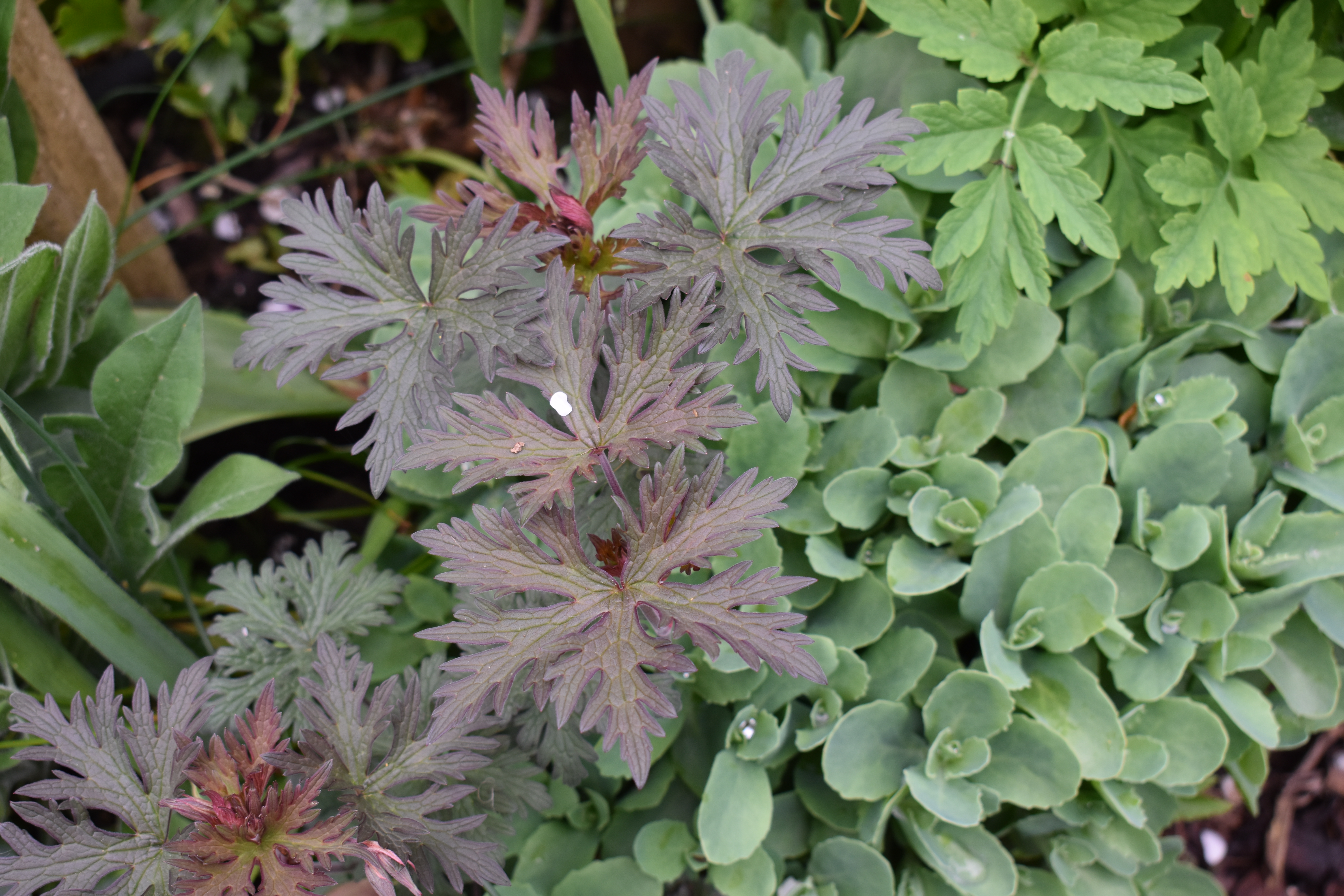
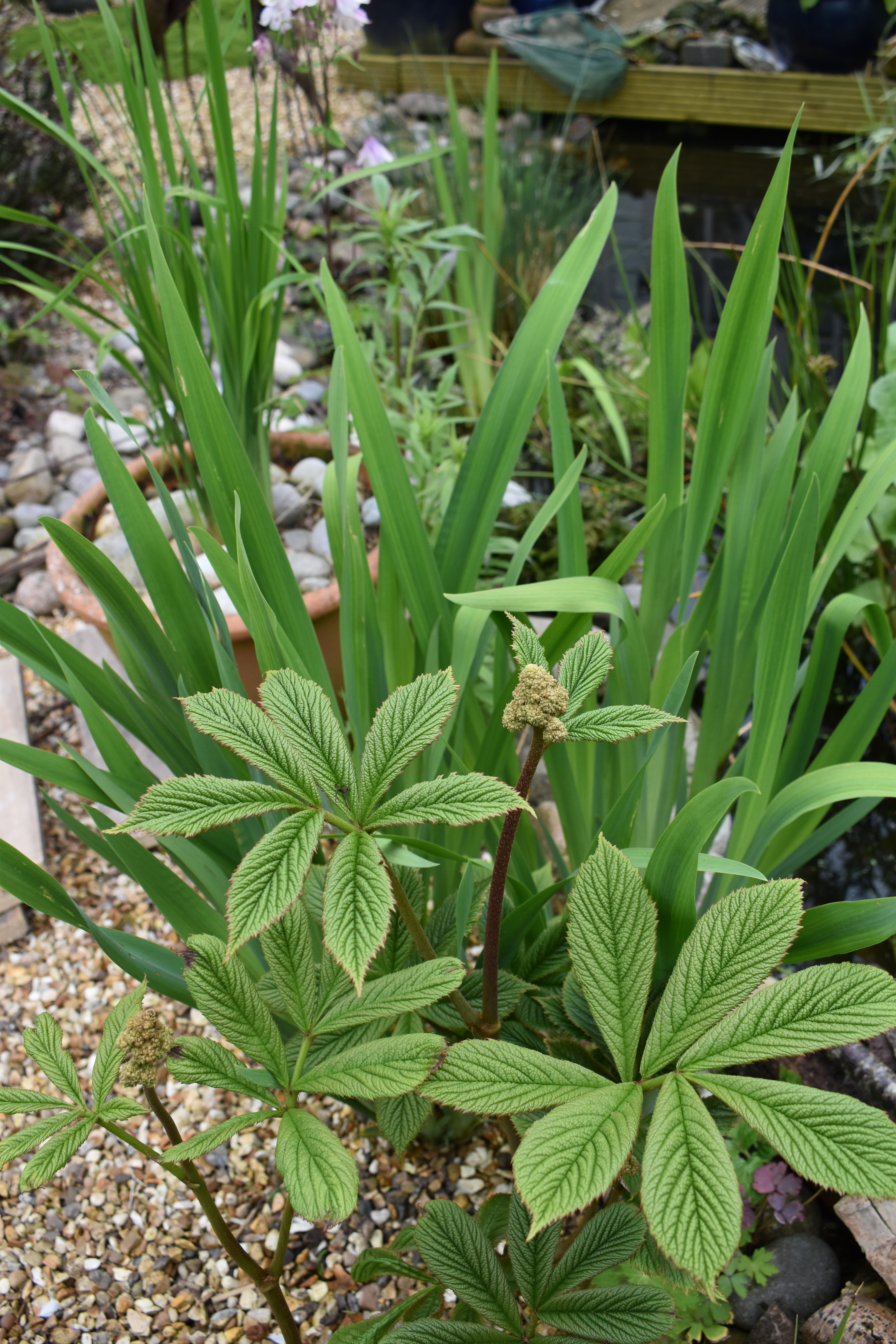
My journal for March began with, “March is said to have one foot in winter and one in spring and this year it certainly seems to be true. The odd pleasant day is squeezed in between cold, wet ones. However, many plants are producing fresh foliage.”

I then shared nine photo of these plants with their fresh foliage.

On the opposite page I looked some of pulmonarias with their interesting and varied foliage and their flowers which often have two colours on the same flower head.

I wrote, “Pulmonaria, one of the most effective late winter perennials, are extra special because they can be appreciated both for their foliage and their flowers. The flowers can be blue, white and pink in many shades or blue and pink together.” I then added some photos of a few of our different pulmonarias.

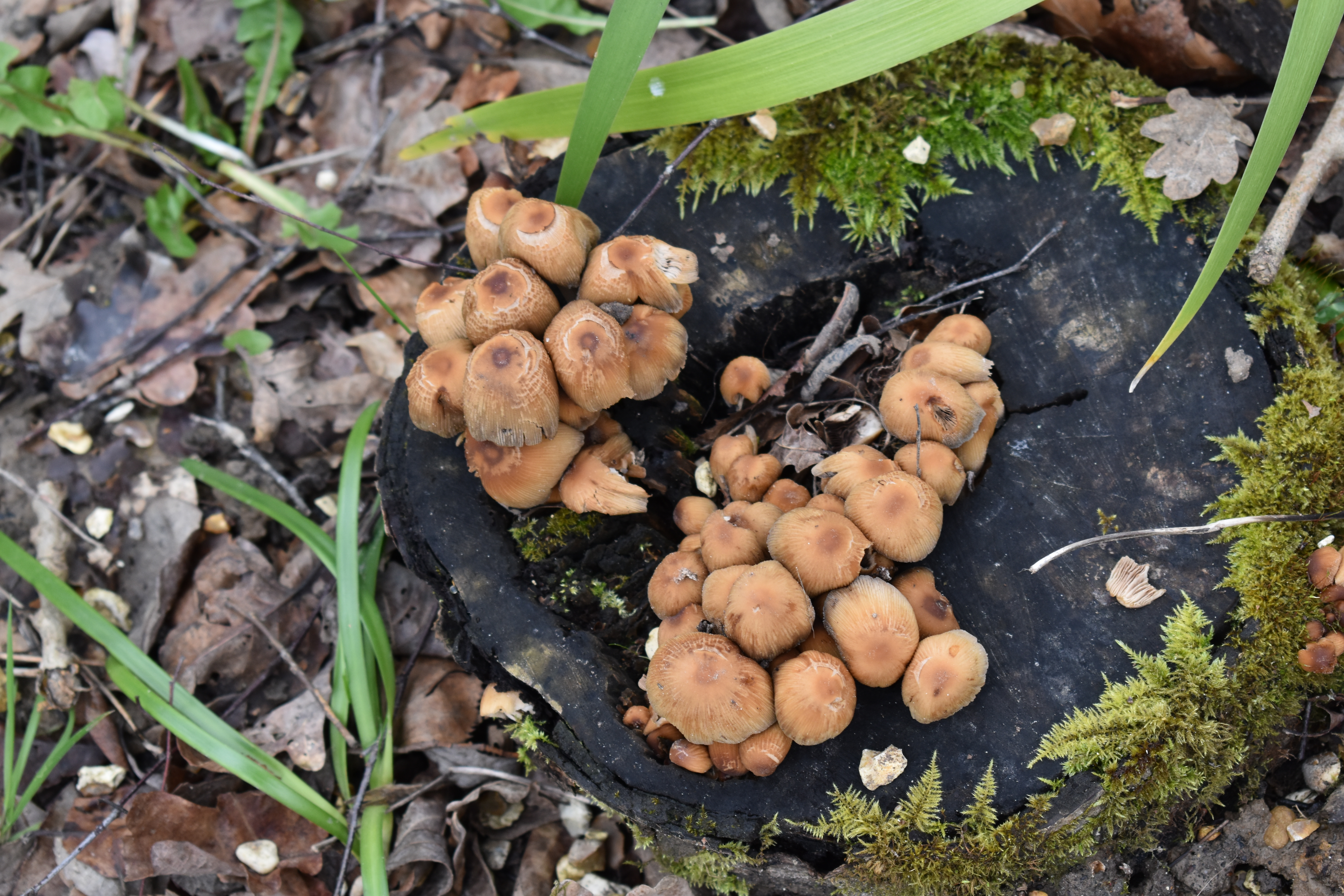
Next it is the turn of one of the less popular wildlife features seen in our gardens, or so they are for some gardeners. Fungi however are so important to gardens and I love to find them on our patch.

Concerning fungi I noted that, “Our gardens would be pretty useless without the large range of fungi. Gardeners used to consider them a sign of a problem and even today some get kicked over and destroyed by many a gardener’s boot.

We now know just how important they are as links between plants and agents of decomposition.”

Here are photos of some we have found this month in the garden.

On the page opposite the fungi we looked at garden jobs for the month. I noted that, “Although frequent wet days kept us out of the garden, we took advantage of any pleasant spells.

Cutting down the perennials that we leave standing throughout our borders. They look good but also provide winter shelter for wildlife during unfriendly periods of winter weather. The photo on the right shows Jude with the tallest flower stalk we have ever seen in our patch.”

Over onto the next double page I wrote about wildlife visiting or living in our garden. I wrote, “Bird song fills the air, and many take a break to explore nest boxes several of which are already in use, mostly by blue tits, great tits and house sparrows.

Finches still arrive all day, every day to enjoy the feed we supply them with. No signs yet of them pairing up or nesting.

If we sit for a coffee or snack in our new area with large table and benches which we jokingly call “The Canteen”, we enjoy bird watching at the same time. From largest to smallest, we enjoy seeing and listening to kite, buzzard and raven overhead, and wren and goldcrest in the greenery around us.

Our hedgehogs are coming out of their winter hibernation and feeding on the special dried food we provide for them.

A group of siskin burst into our garden for some time on the feeders and to do so they firstly had to fight off a flock of goldfinches, a “charm” I believe, and then a a group of their tough looking cousins the greenfinches. Such lively little green finches with black caps, the siskins take on any other birds arriving to top up with the seeds we put out.

Smaller predators such as sparrow hawk and merlin meander at speed through the garden picking off the weaker members of the flocks of smaller birds.”

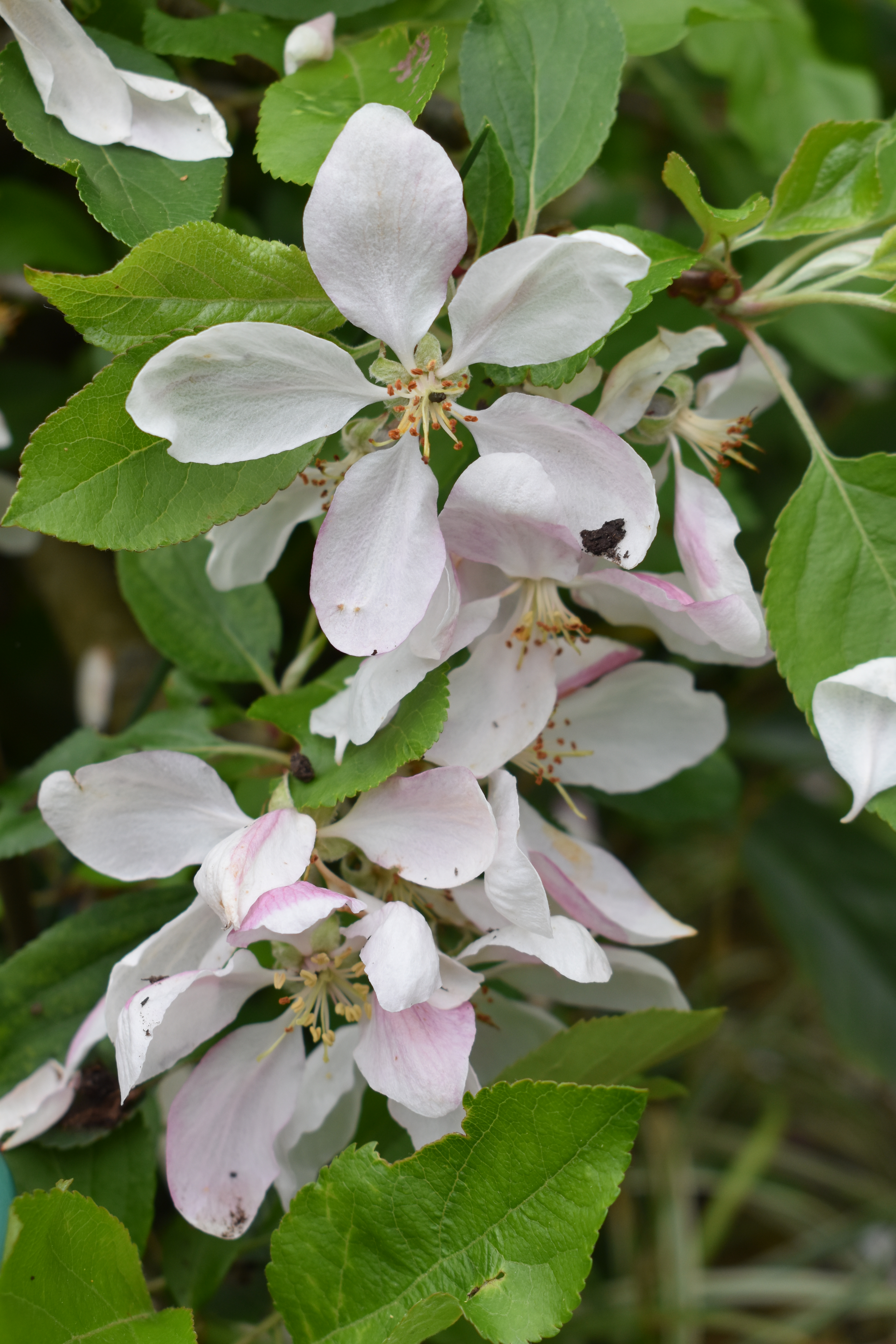
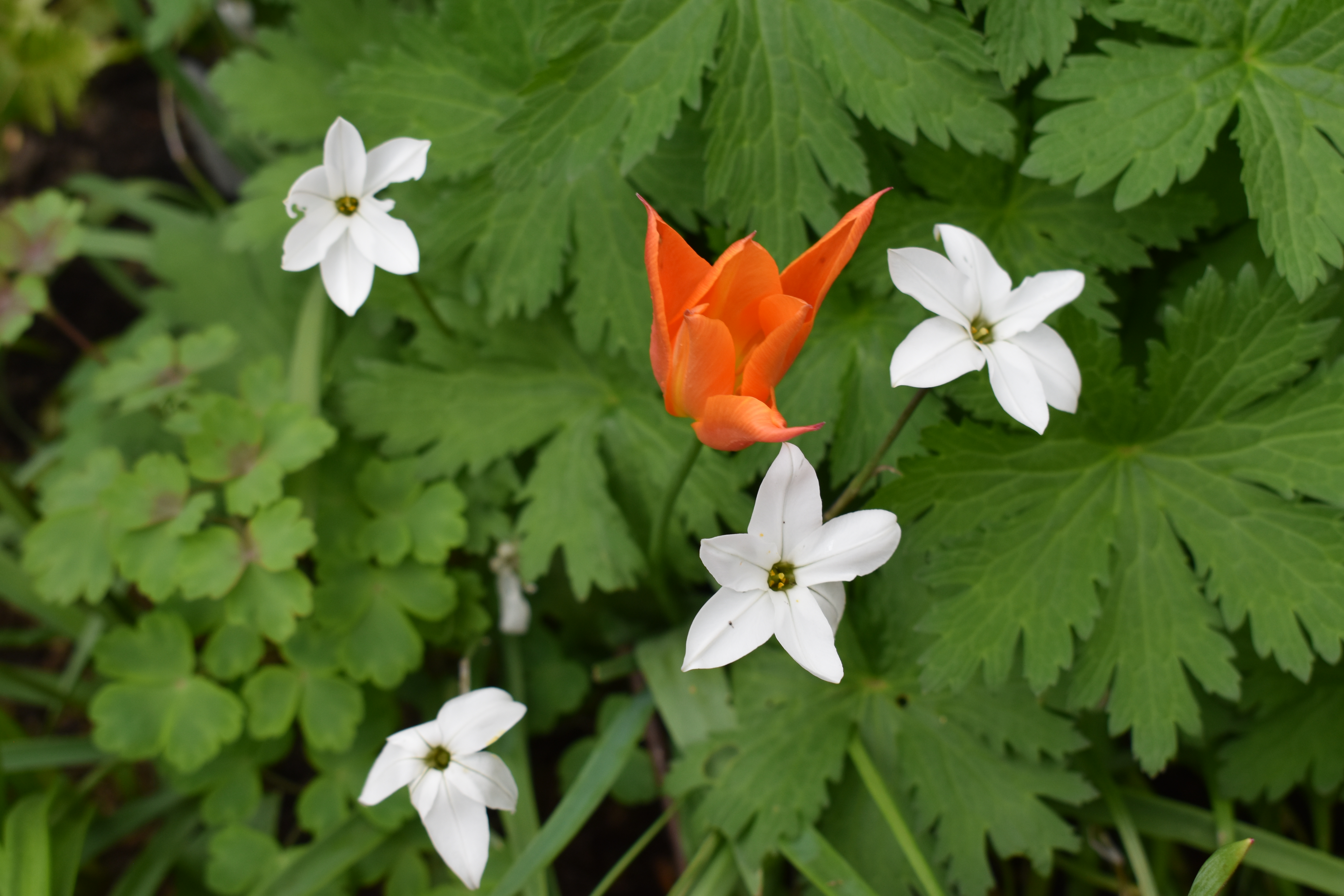
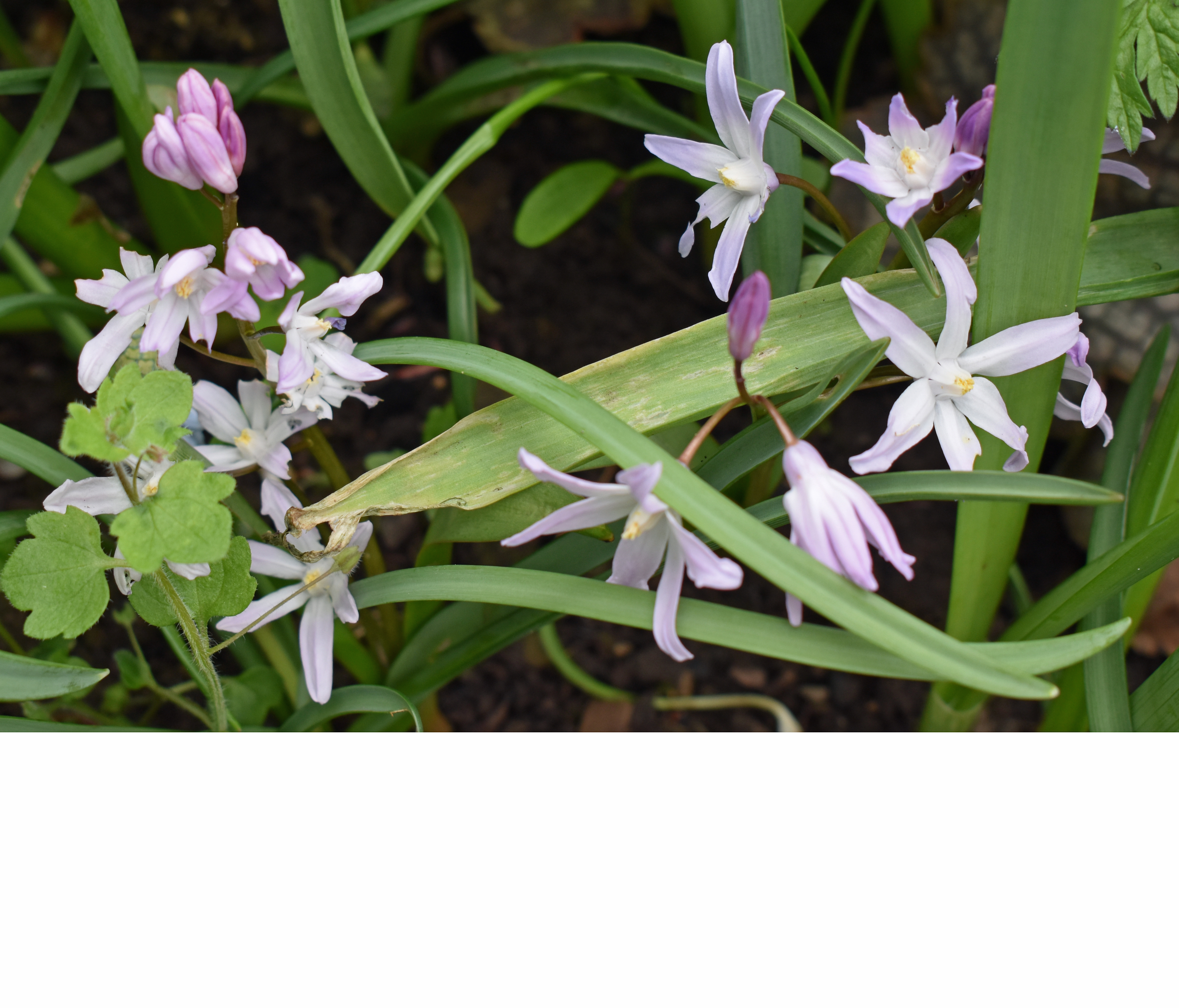
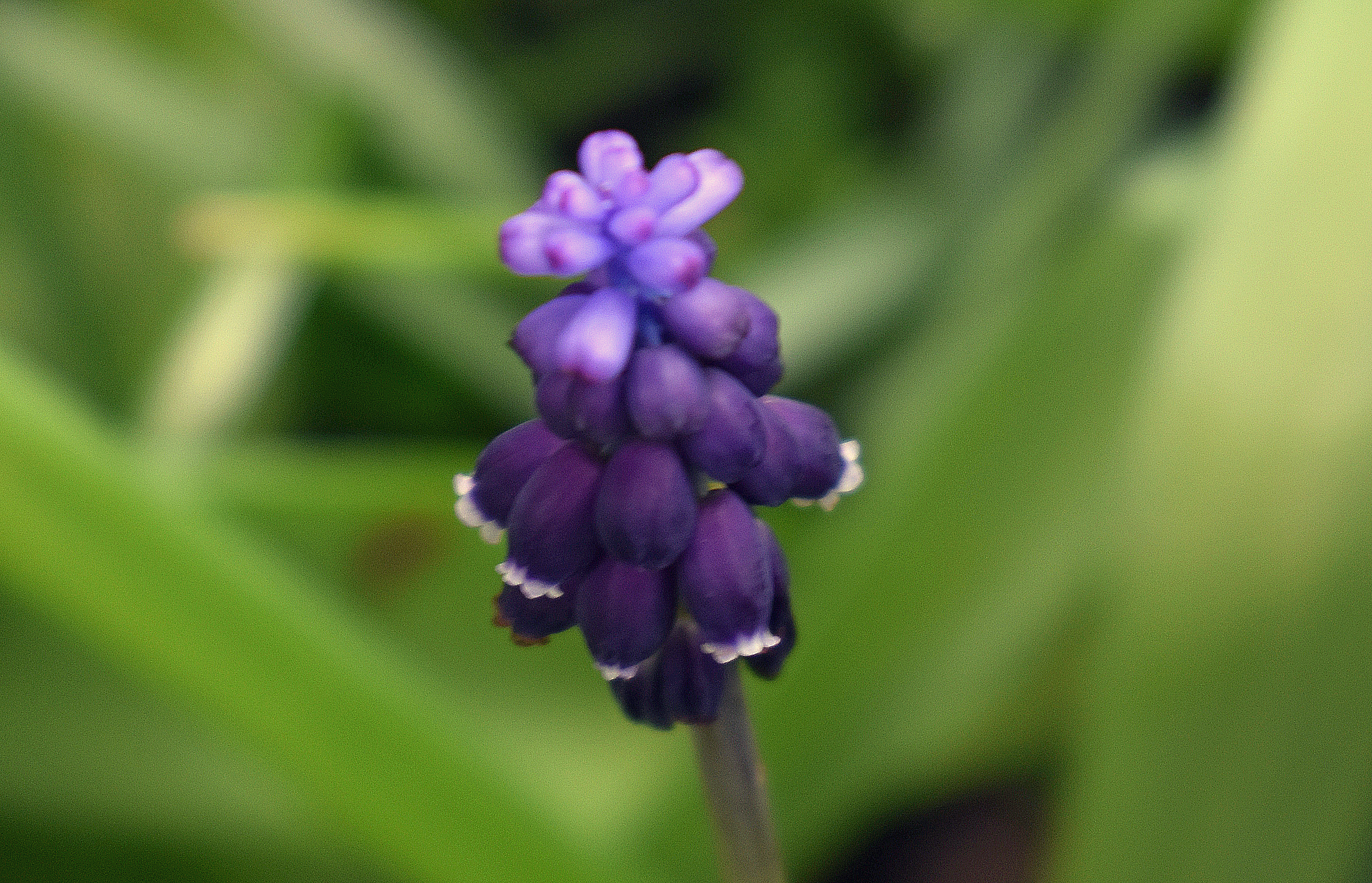
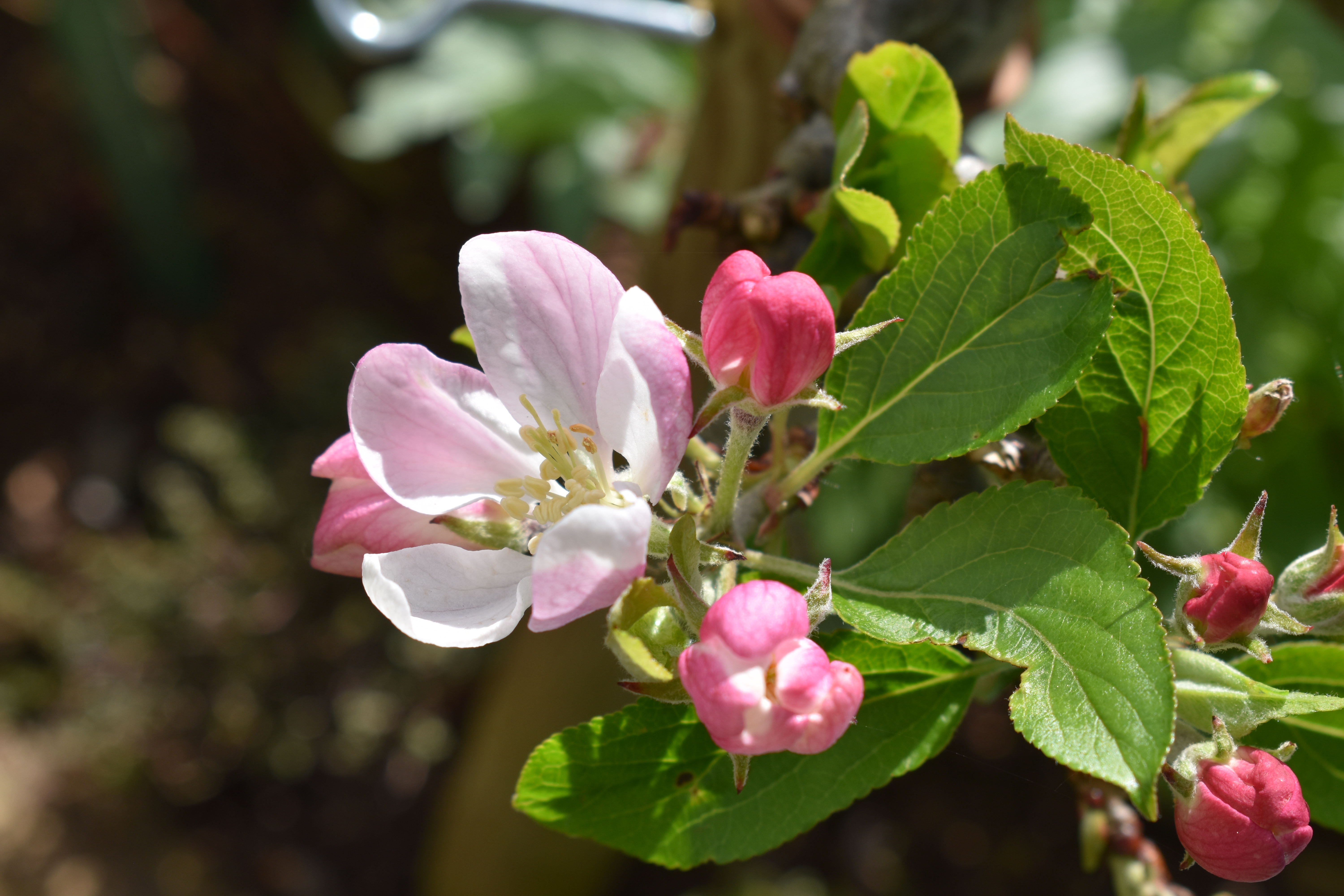
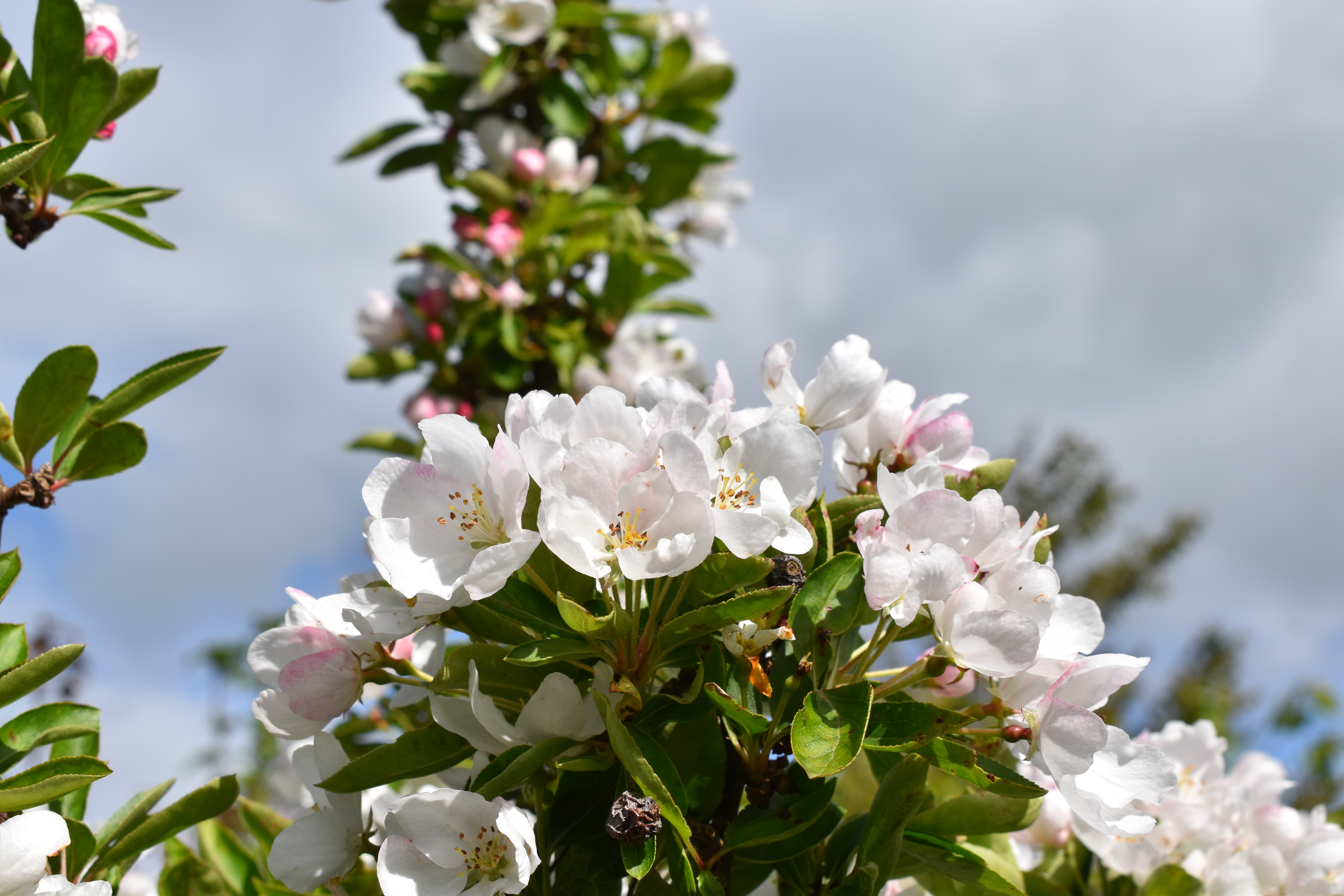
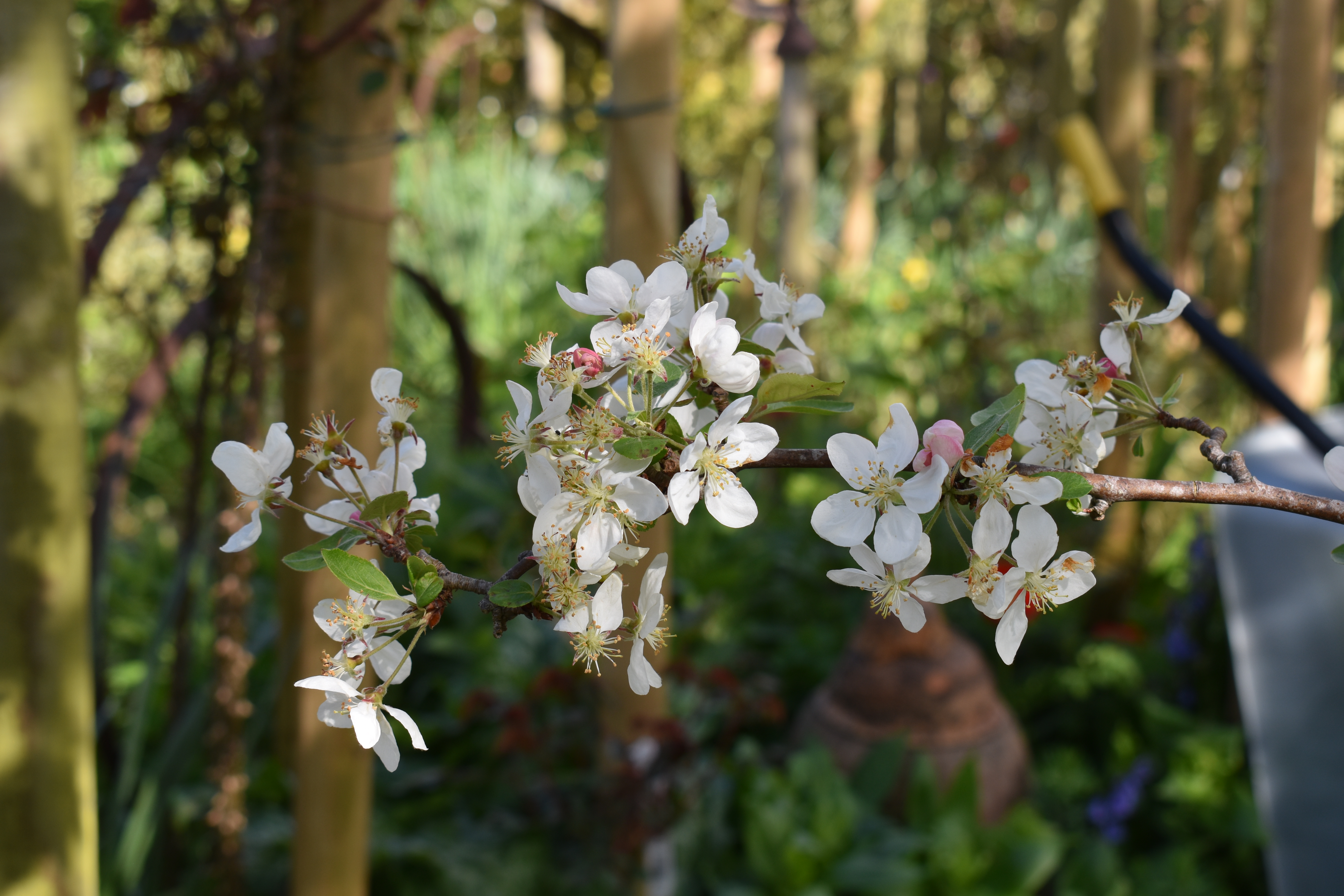
On the opposite page I wrote, “So much March colour in our garden comes from the blossom on fruit trees, and our several flowering trees and shrubs.” Then below I shared a set of photos as examples.

That is where my March entries into my garden journal ends so April’s entries have already started.

Categories
Uncategorized

The Secret Hills Discovery Centre- Craven Arms

Over the years we have visited “The Secret Hills Discovery Centre” many times as it is just a half hour drive away, down the A49 road through our picturesque Shropshire scenery.

Our visits were interrupted by the covid lockdowns and we still haven’t got back into the swing of visiting. But in January 2024 we decided to start visiting once again. The day we chose was dark and overcast and the threat of rain followed us around. Naturally we began our visit with an excellent cup of coffee.

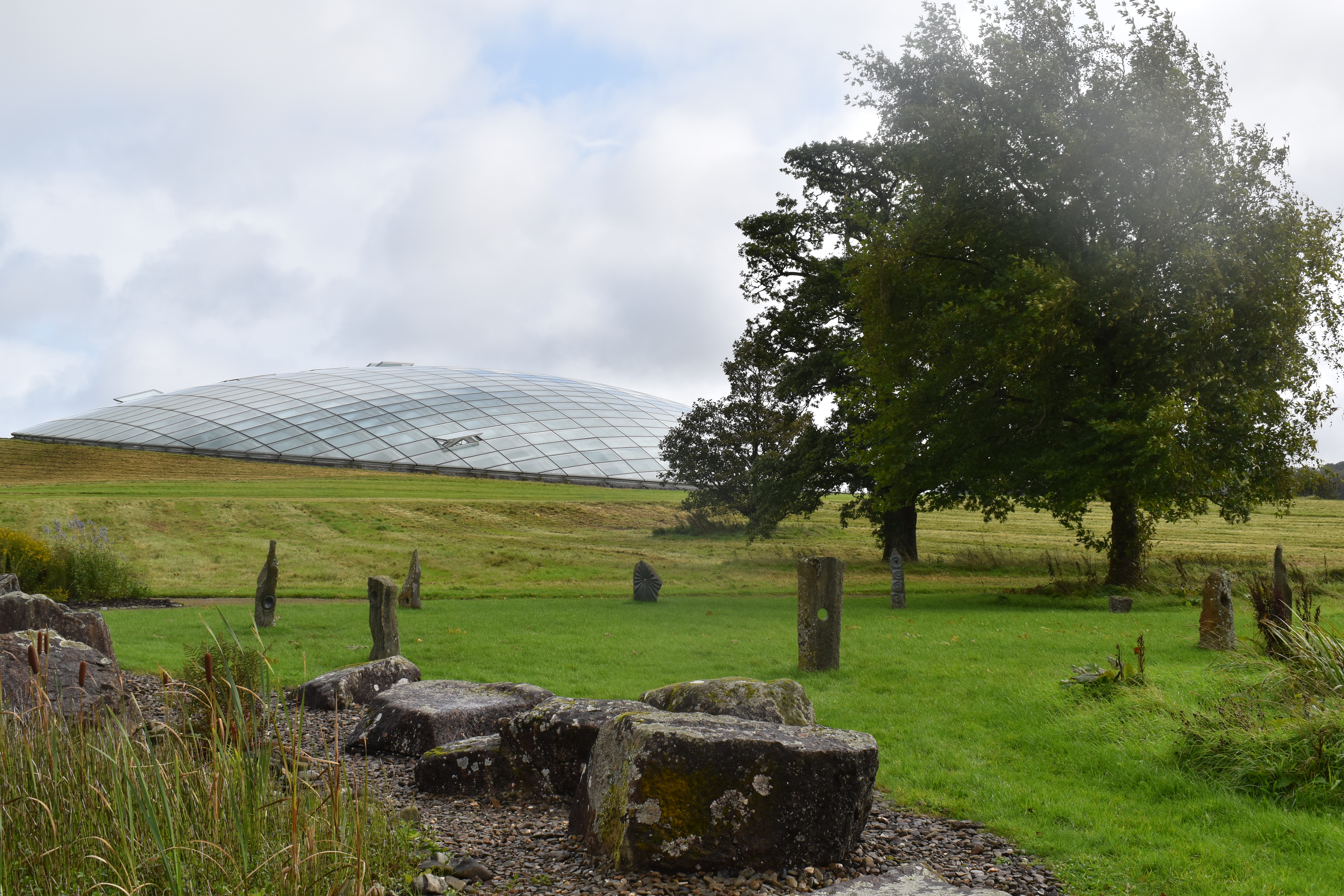
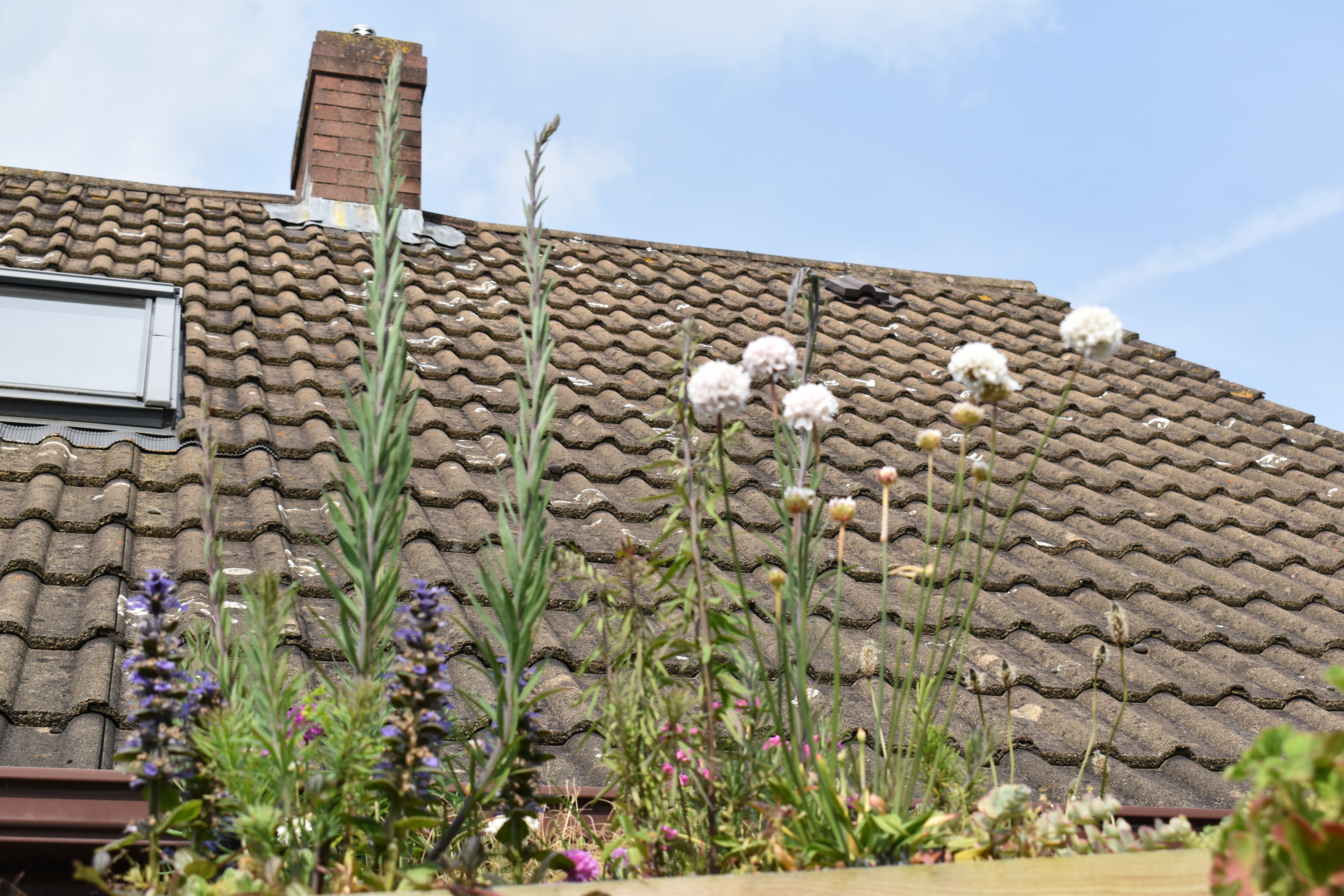
The building housing the Secret Hills Discovery Centre is of a unique design based on the yin and yang symbol. It was unusual when constructed as it boasted a green roof featuring a meadow. The border close to the building is a butterfly garden, with outdoor seating area for the cafe alongside.

After walking away from the centre we went through a gateway made to look like mammoth tusks. This is a reference to one of the reasons the centre came into existence in the first place. A complete mammoth skeleton was discovered in a quarry just outside Shrewsbury at Bayston Hill. Since being built the centre has housed a large mammoth display. The centre was originally owned and run by the Shropshire County Council but they bowed out as a money saving decision in reaction to Government cuts. It is now run far more efficiently by a local charity, “Grow, Cook, Learn”.

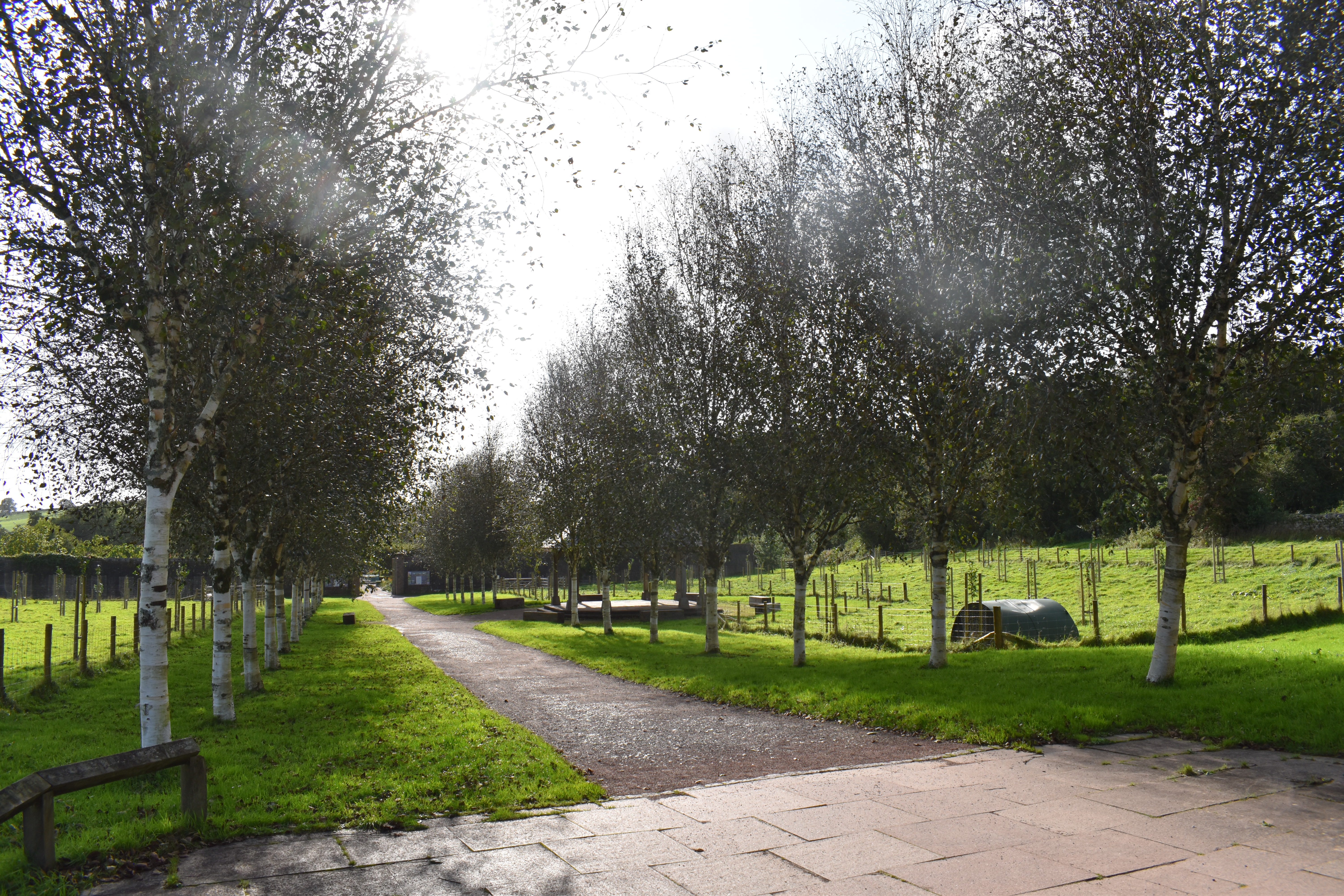
We followed the gravel footpath past the orchard and play area and into the immature woodland. On the walk we realised that several local long distance walks shared sections or crossed our routes. The skeletons of last year’s tall wild flowers were just hanging on in the grasses close to the hedge.

In complete contrast were the bright new leaves of celandine and arum close to the hedge line.

The young tree area was managed well for wildlife, with fallen branches left to rot down and create habitats where wildlife such as beetles and centipedes can thrive, and nutrients for fungi as they break down. We were also pleased to see the creation of another habitat, the dead hedge. Local or visiting youngsters use fallen boughs to create shelters and dens, an exciting and creative way to spend time.

An activity offered here is hedge layering, which eventually creates a dense hedge for wildlife providing food and shelter for birds and small mammals. Sadly nearby this sparrow terrace had been left to fall into disrepair so useless as nest sites. House Sparrows were until recently one of our commonest birds living close to people and their homes but recently their population has dropped to very poor levels almost everywhere that was once their strongholds. They need all the help they can get!

We then wandered off towards the wildlife pond with its surrounding open woodland and damp areas where fungi abound in the damp area. Several trees here were once coppiced and still show signs of this method of pruning and we even found one that had recently been coppiced.

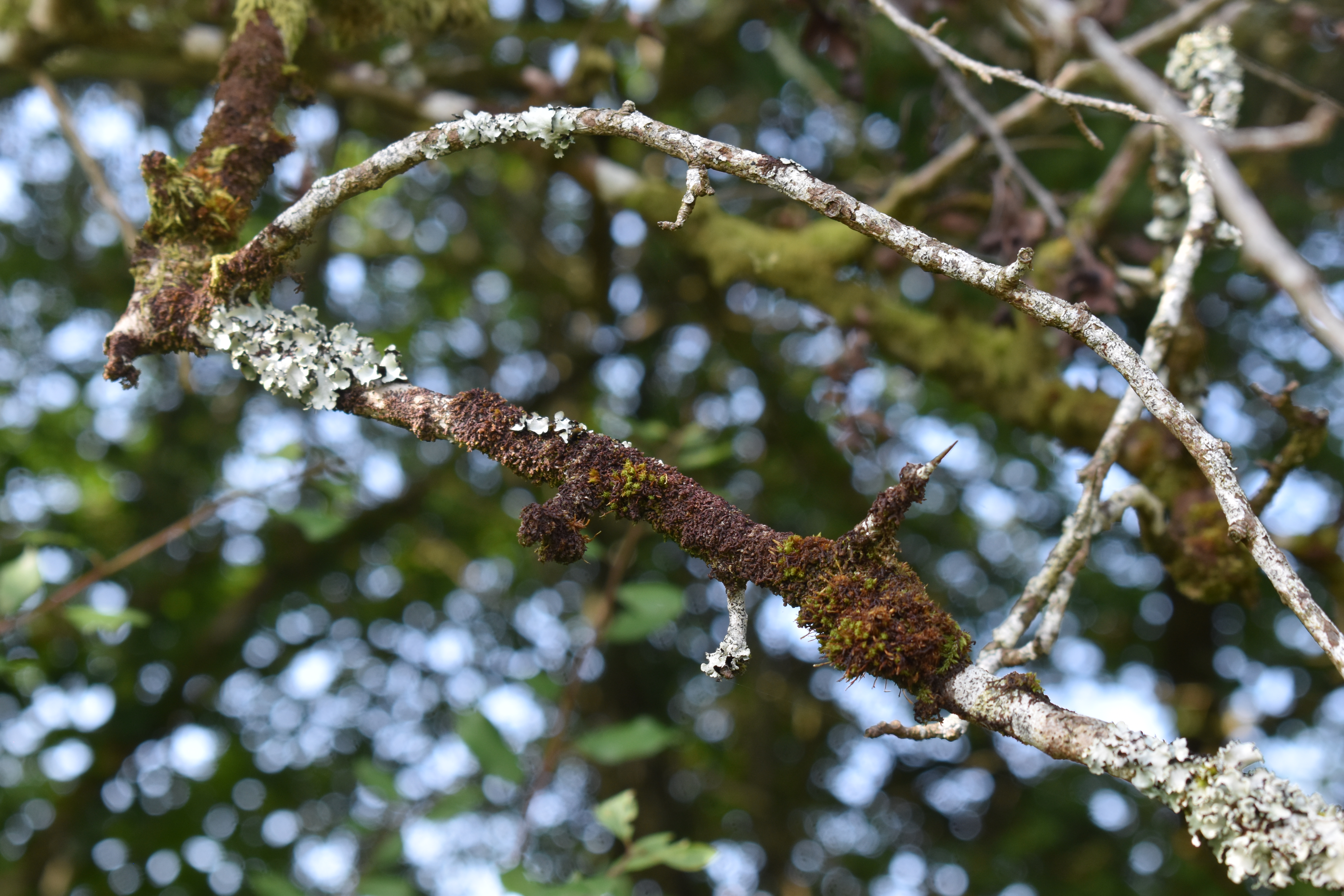
Alongside the fungi this area was rich in lichen and mosses.

We were amazed how the buds on trees were fattening in readiness for springtime. Amazingly some buds were already beginning to sprout leaves. The new emerging leaves looked so fresh, a hopeful sign of spring.

We finished our wander around the centre by walking through a withy bed which had been recently pollarded and coppiced. There is something special about salix as they always appear fresh and lively. The first photo below shows an old pollarded willow growing alongside the River Onny.

From enjoying studying the withy bed we made our way back to the visitors’ centre to indulge in yet more coffee.

Categories
Uncategorized

A Monthly Wander Around the Garden at Oakgate Nursery and Garden – March

On a chilly overcast day in mid-March we decided to use the morning to wander around the garden at Oakgate taking photographs and identifying changes from the previous month.

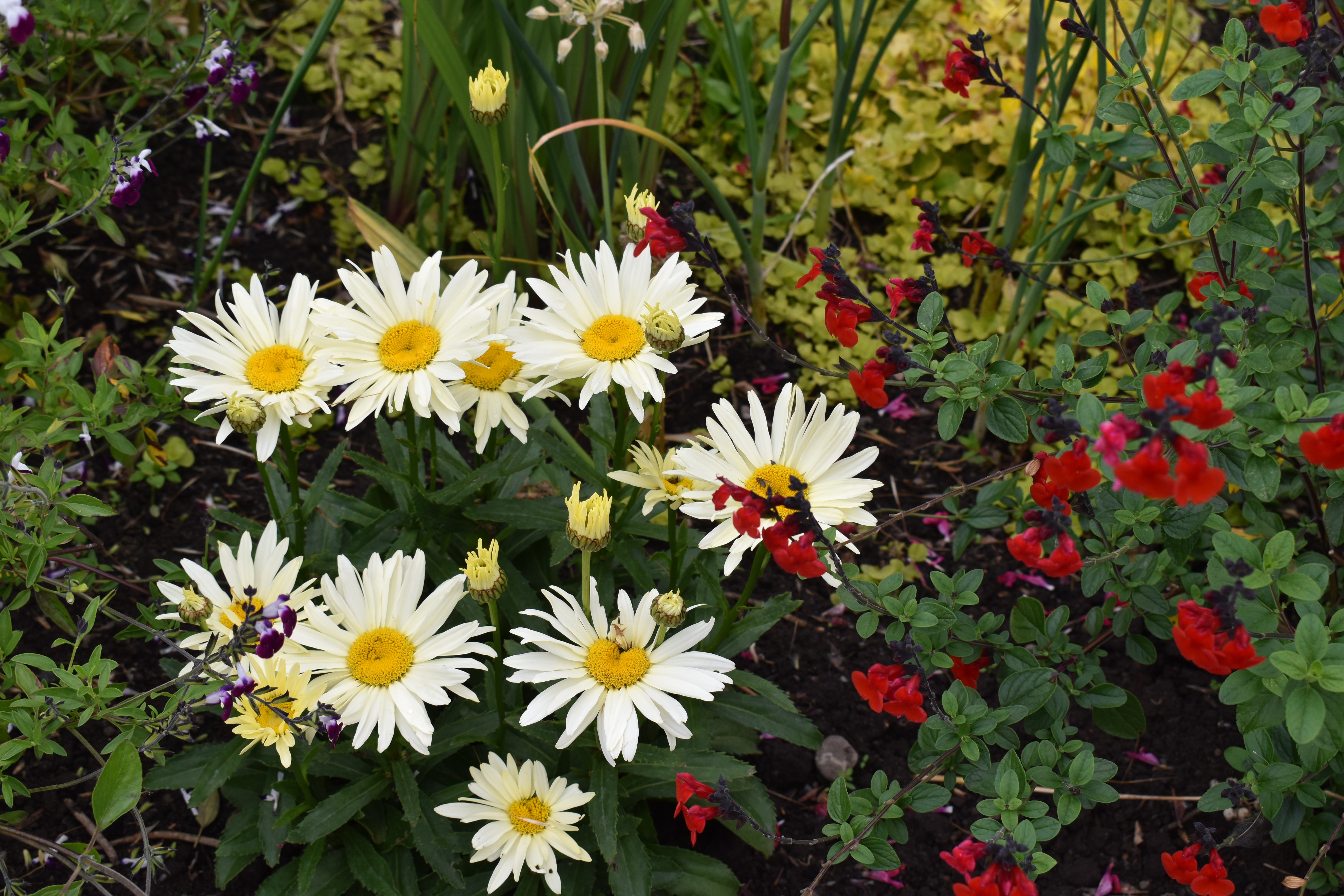
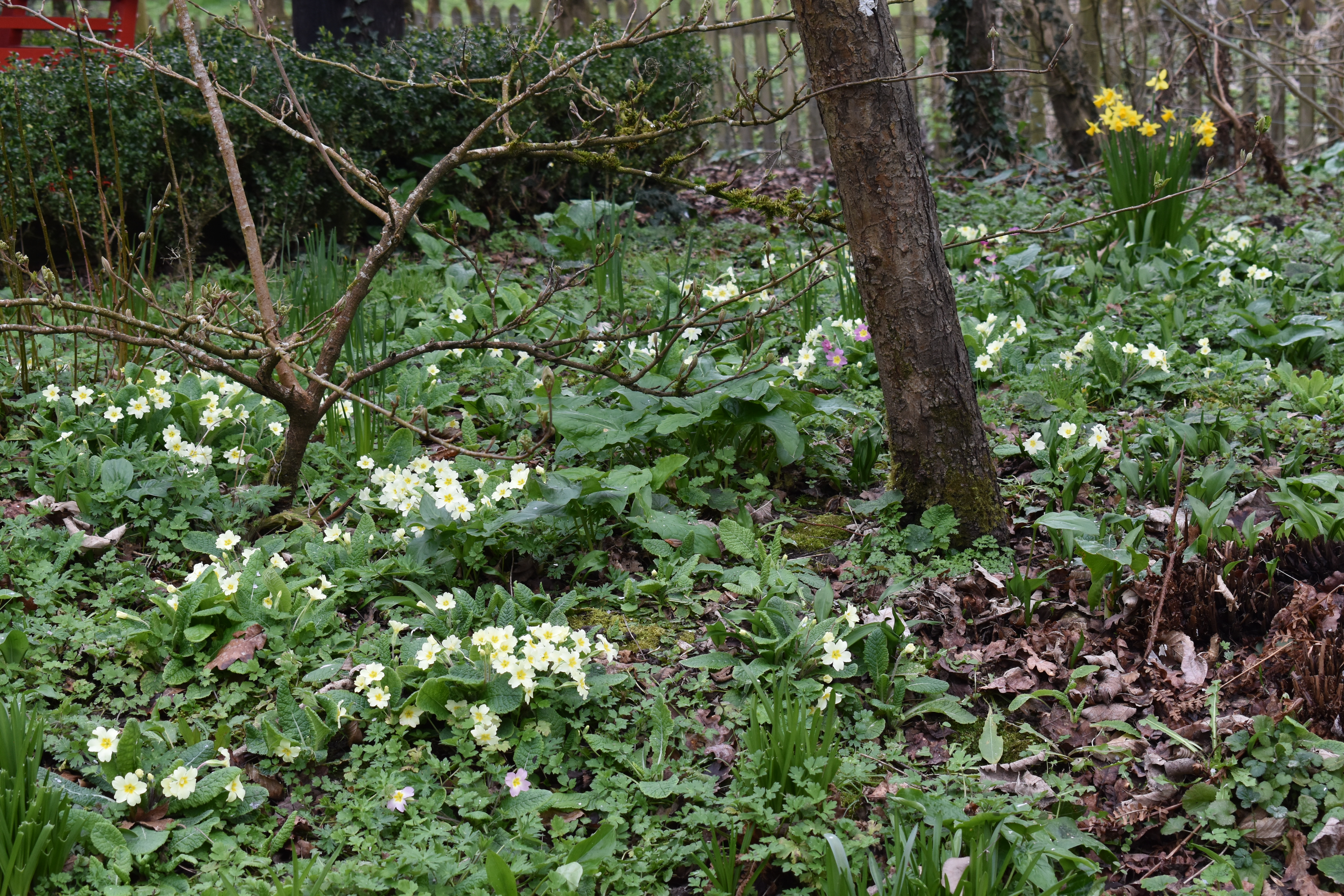
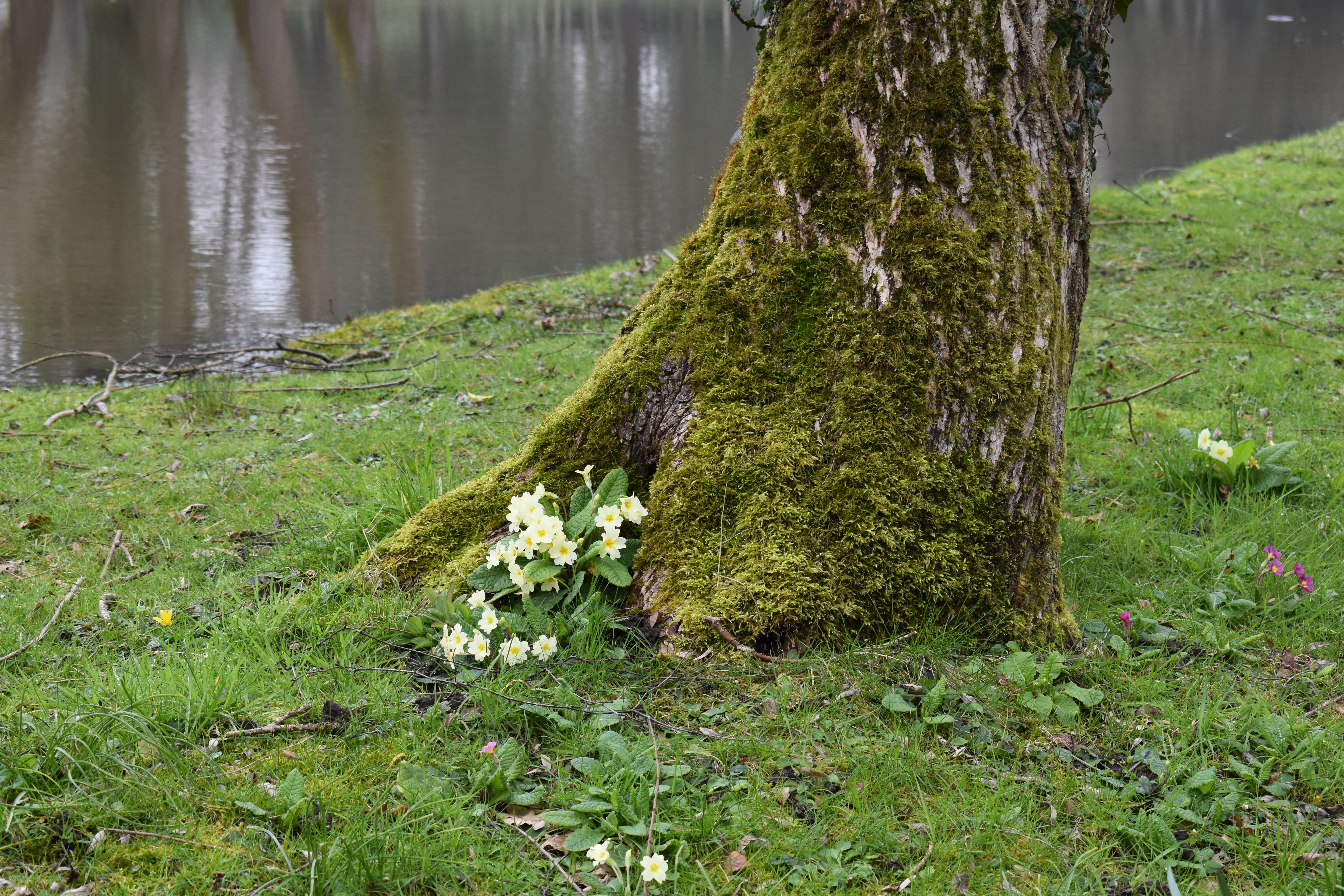
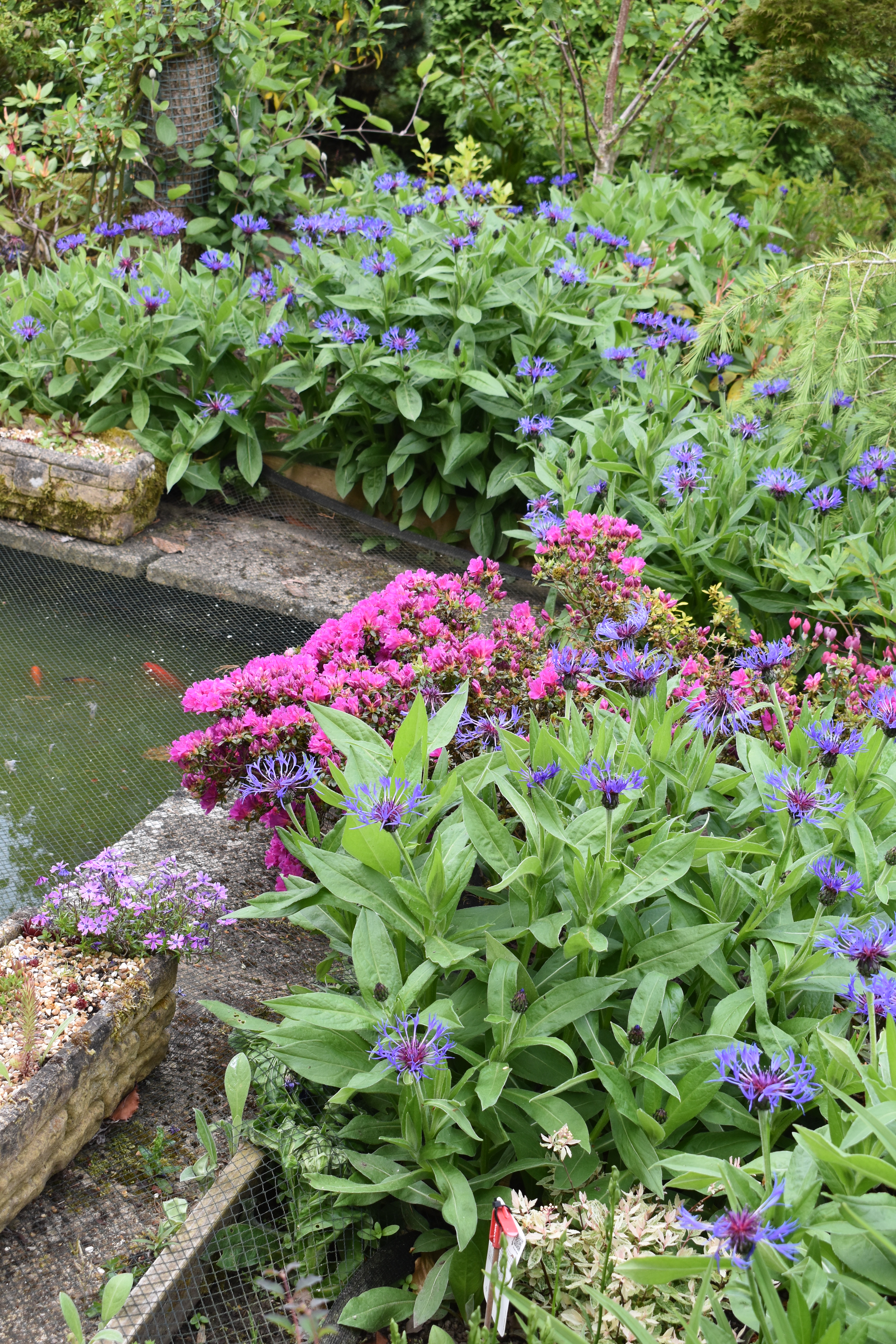
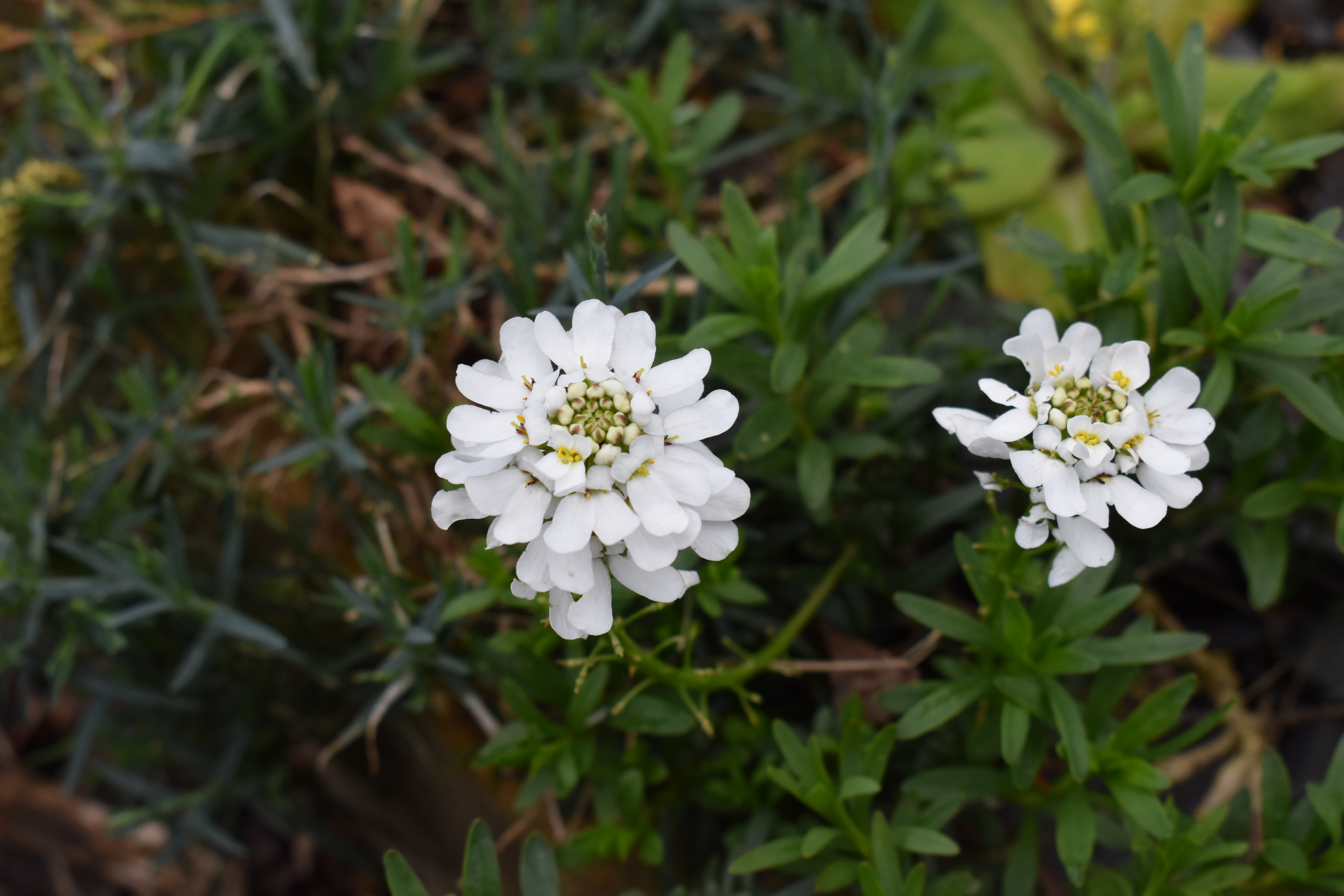
Low growing herbaceous plants were giving such cheerful bright colours, especially those related to our native Primrose. There was such a variety of colours and several different forms of this family of plants.

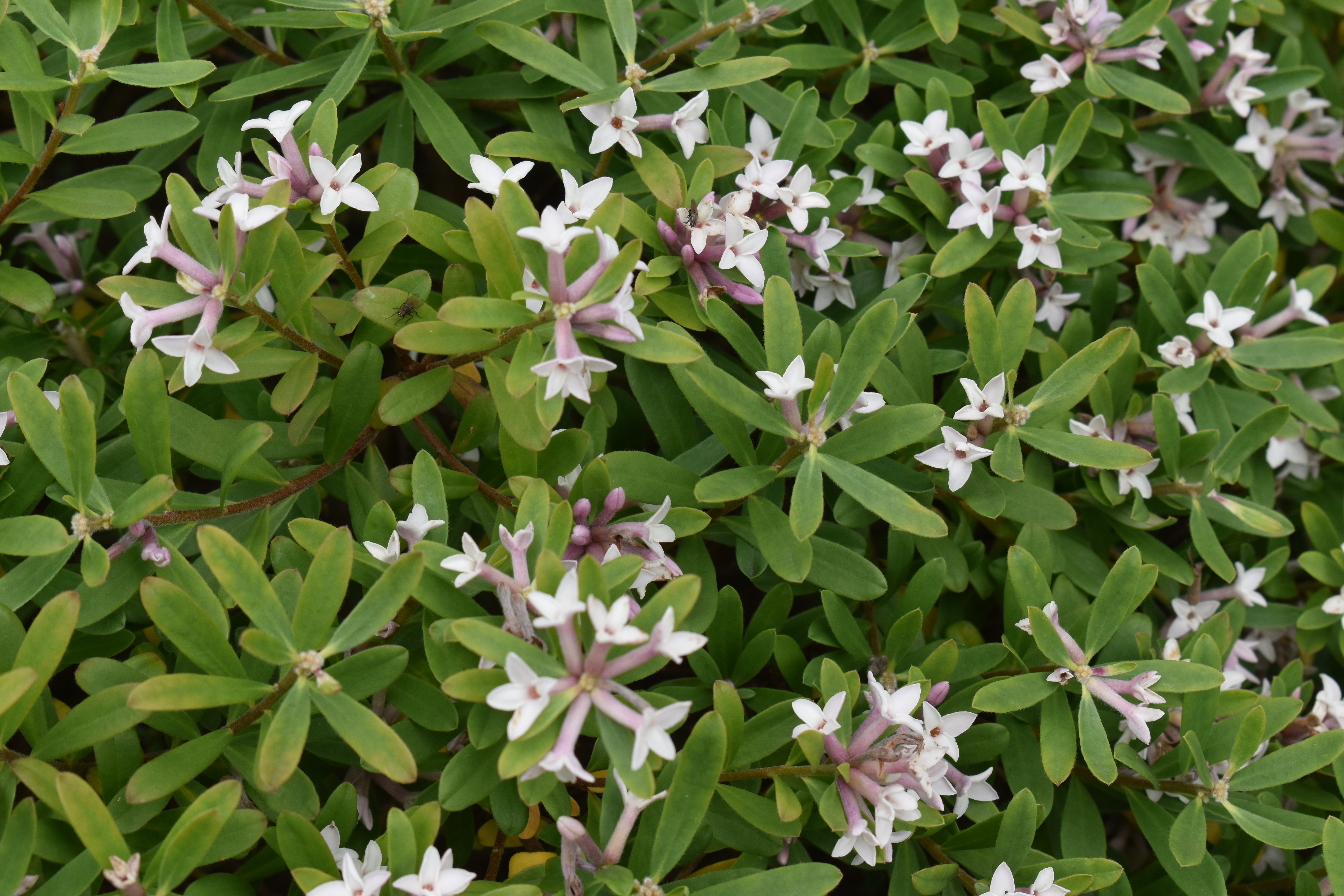
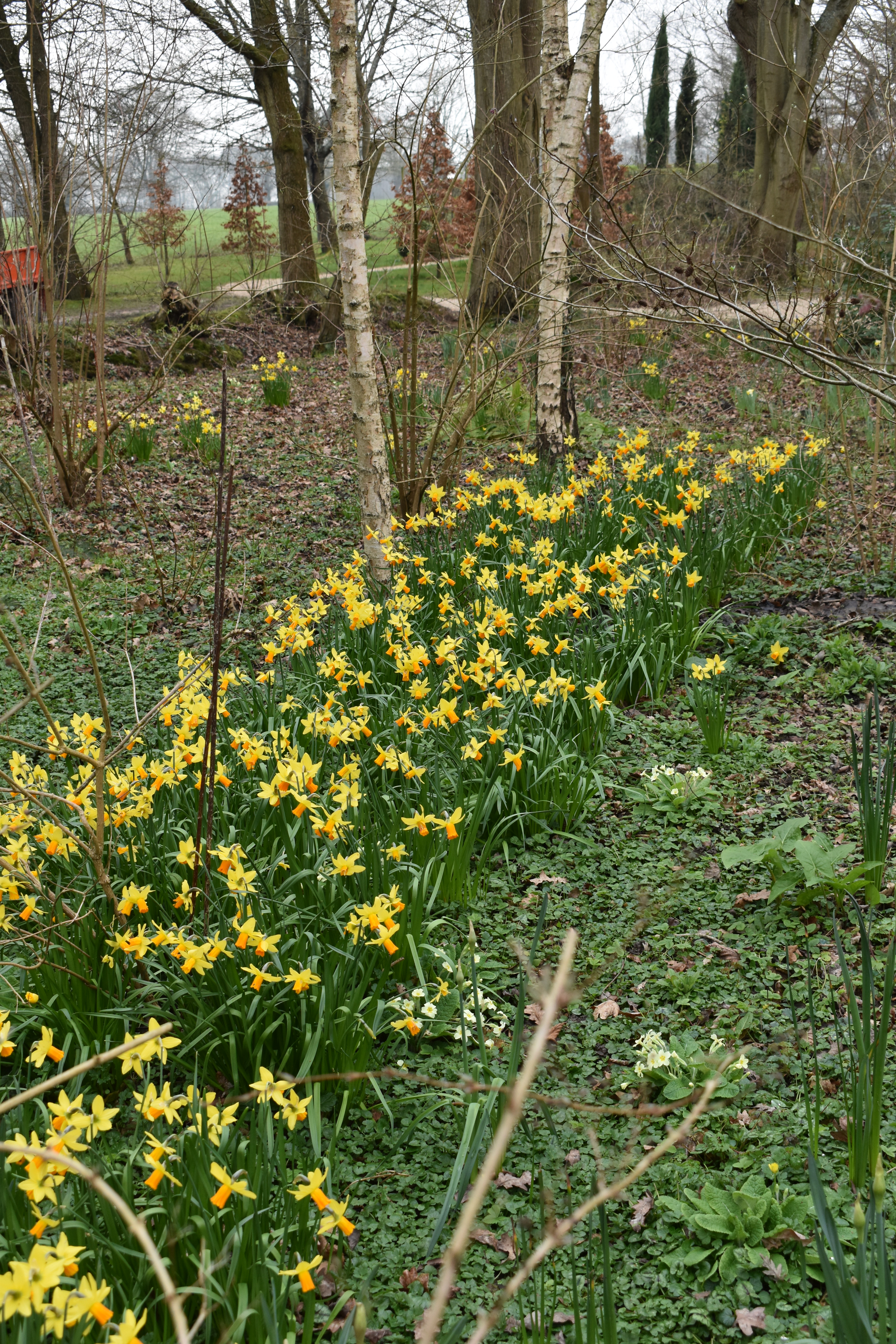
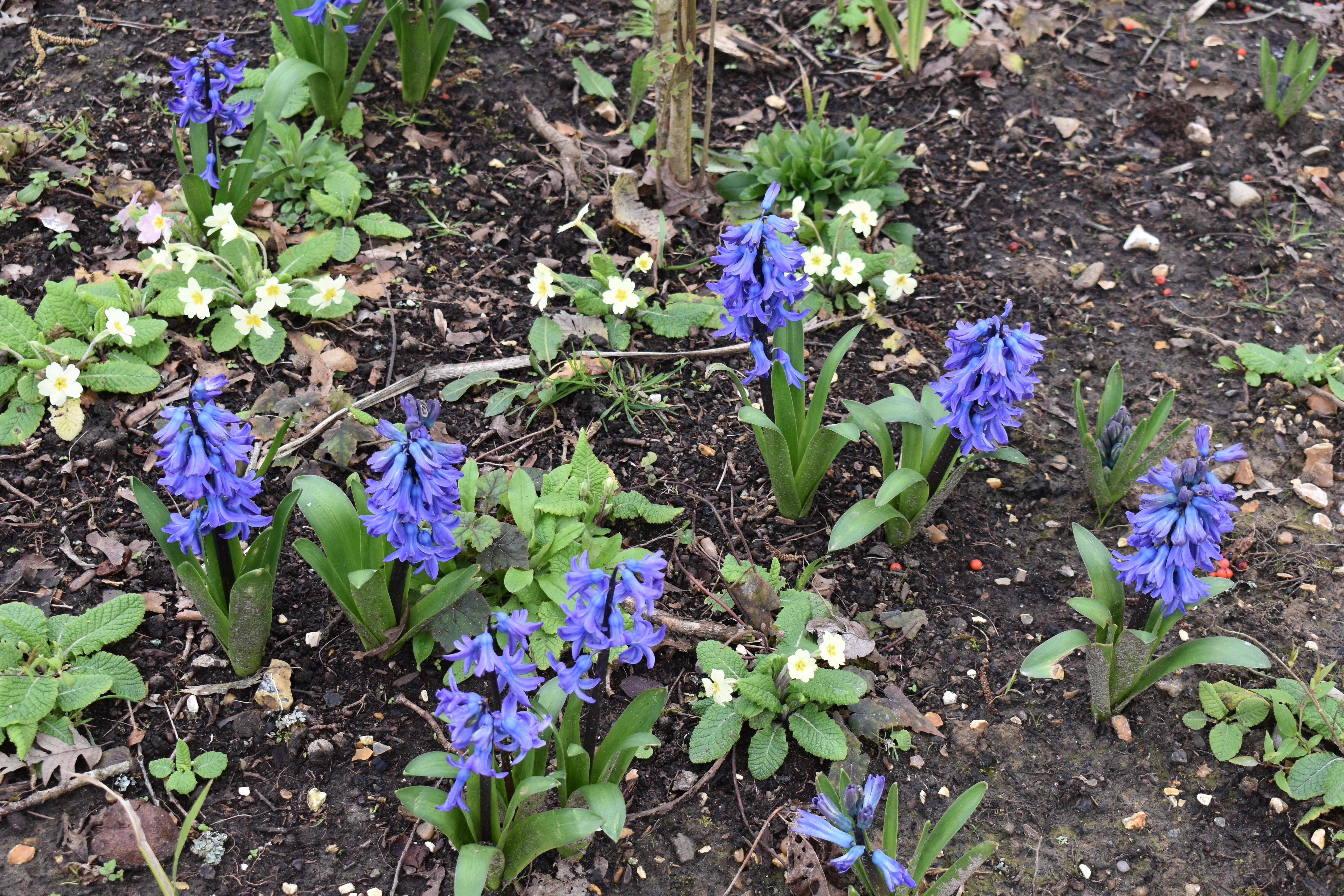
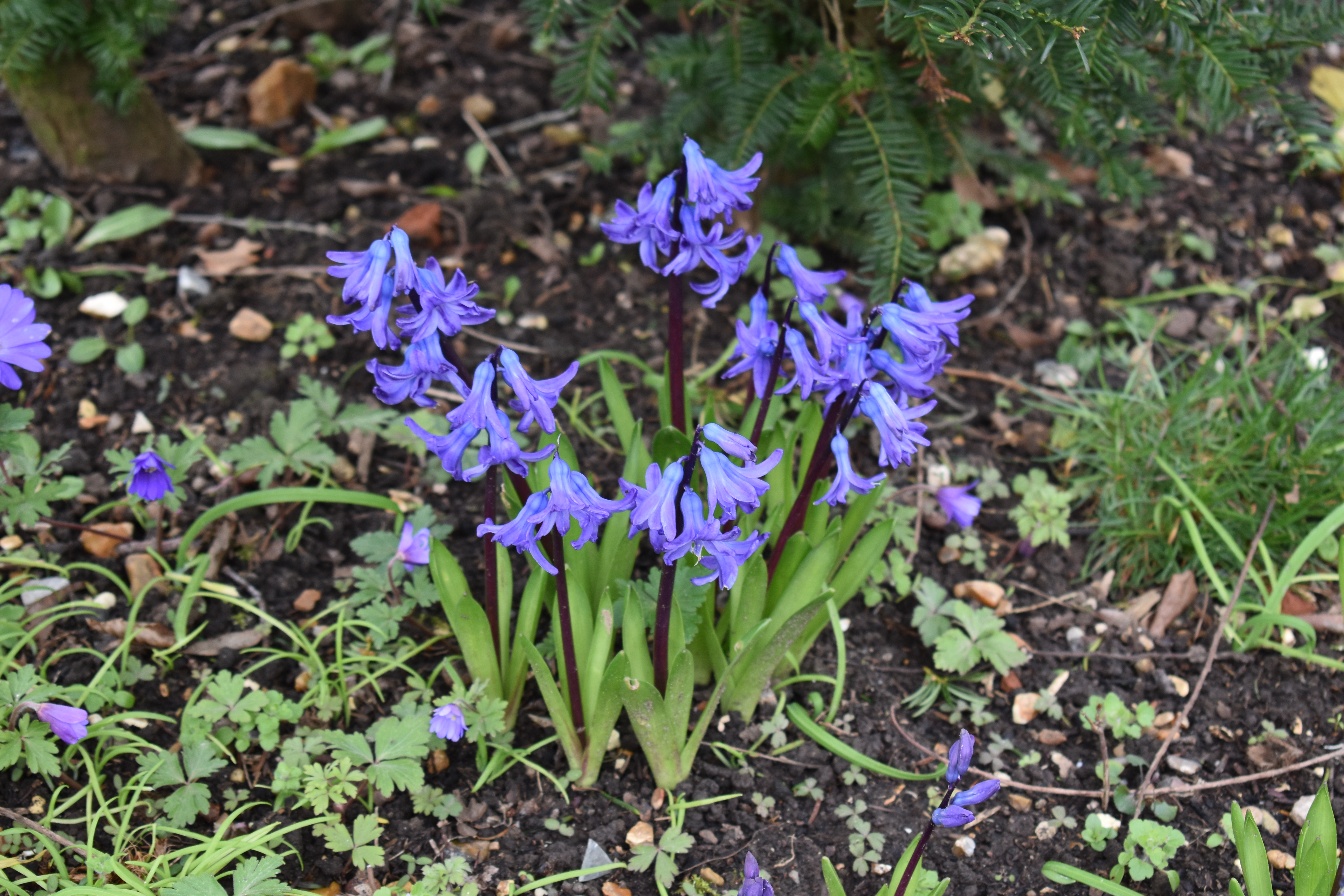
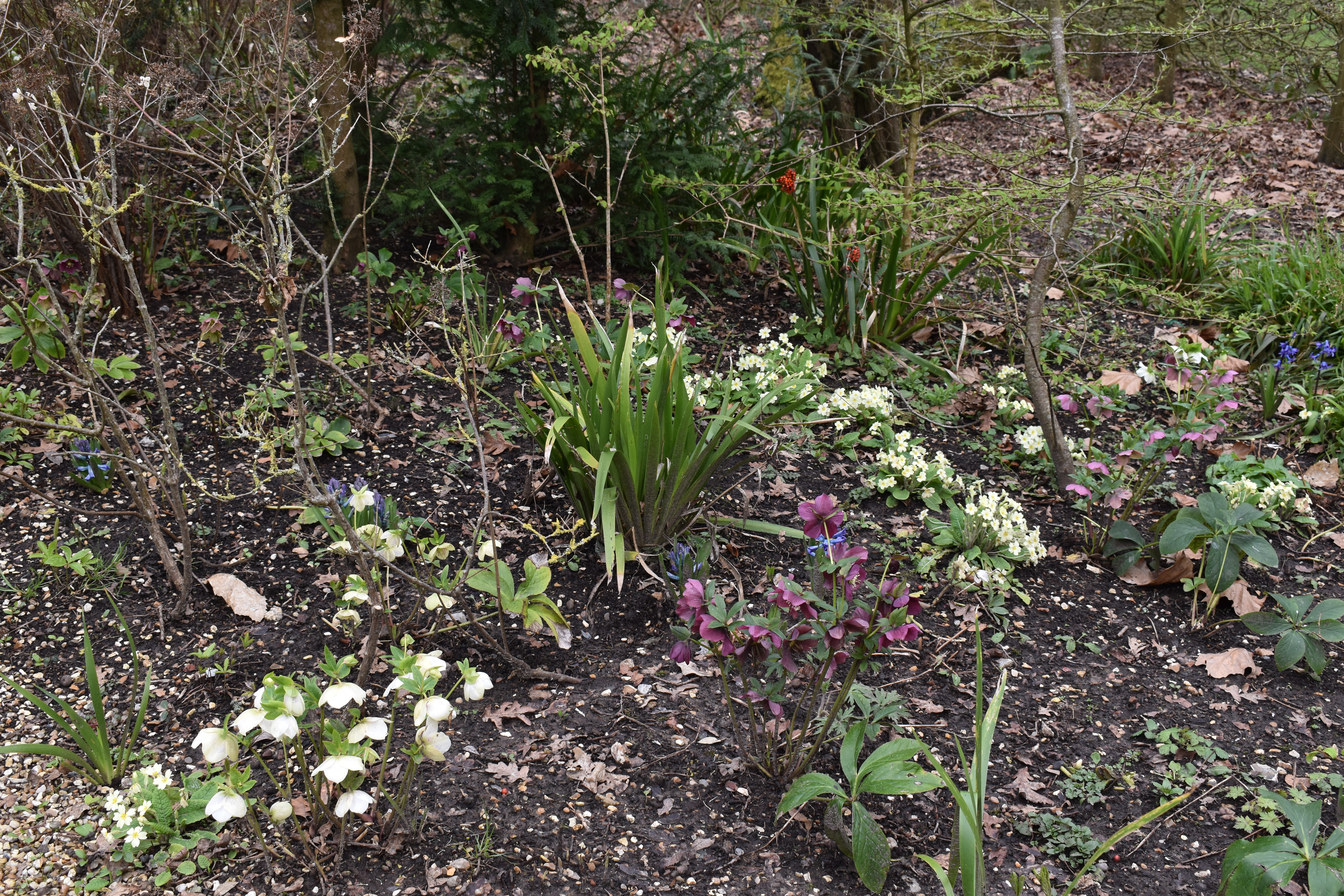
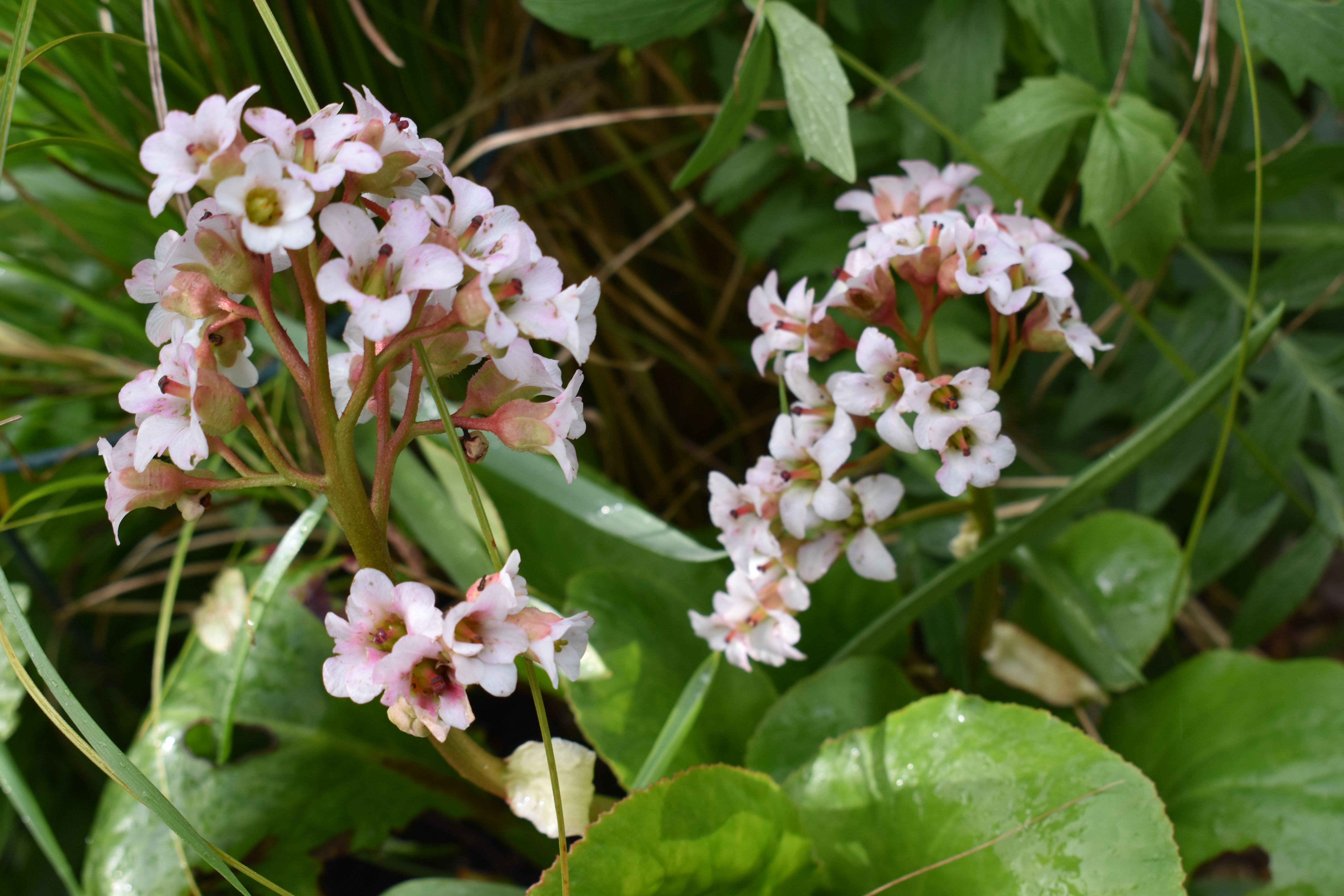
Other low growers added interest beneath the many shrubs and trees. several flowering bulbs grew alongside pulmonarias and hellebores.

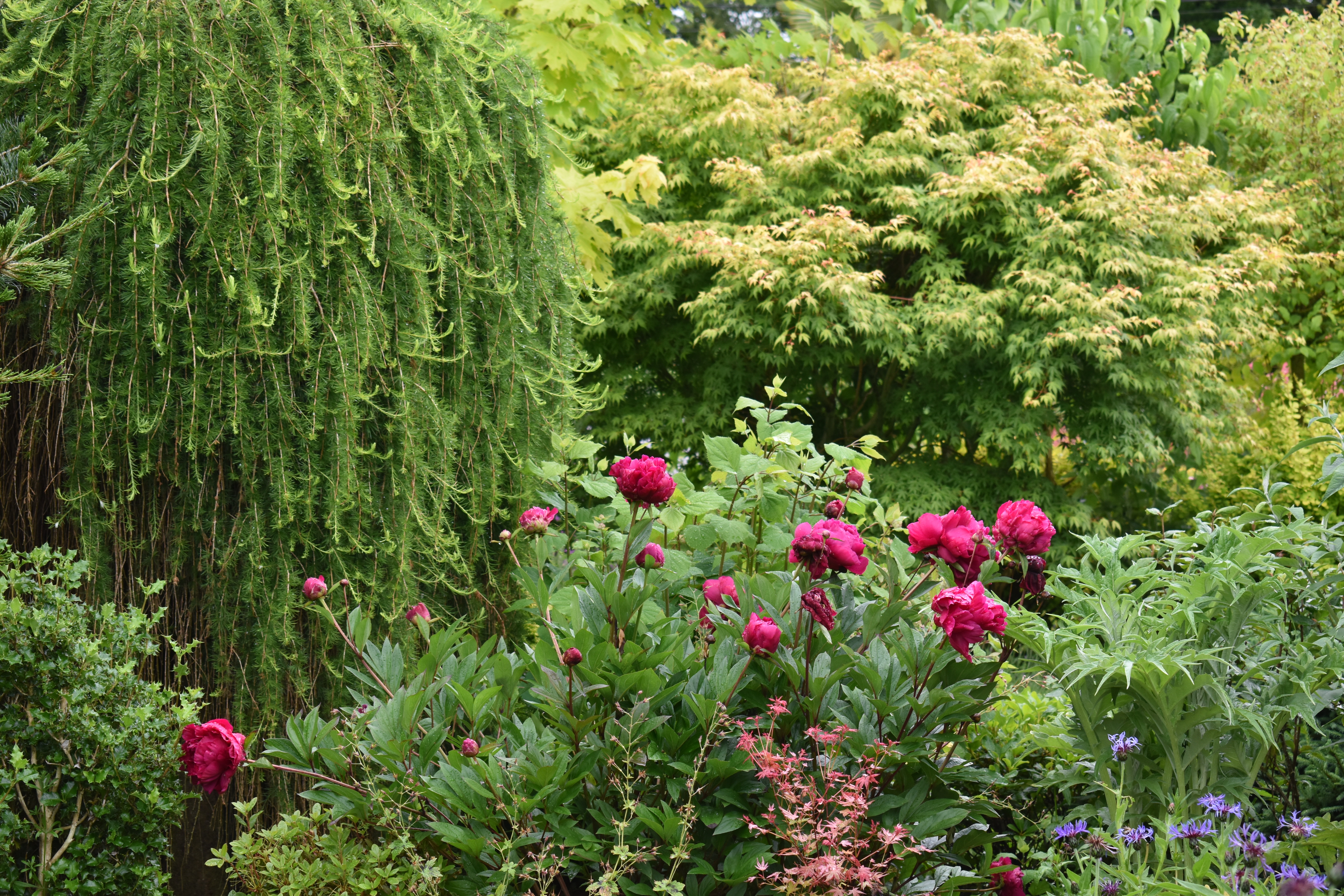
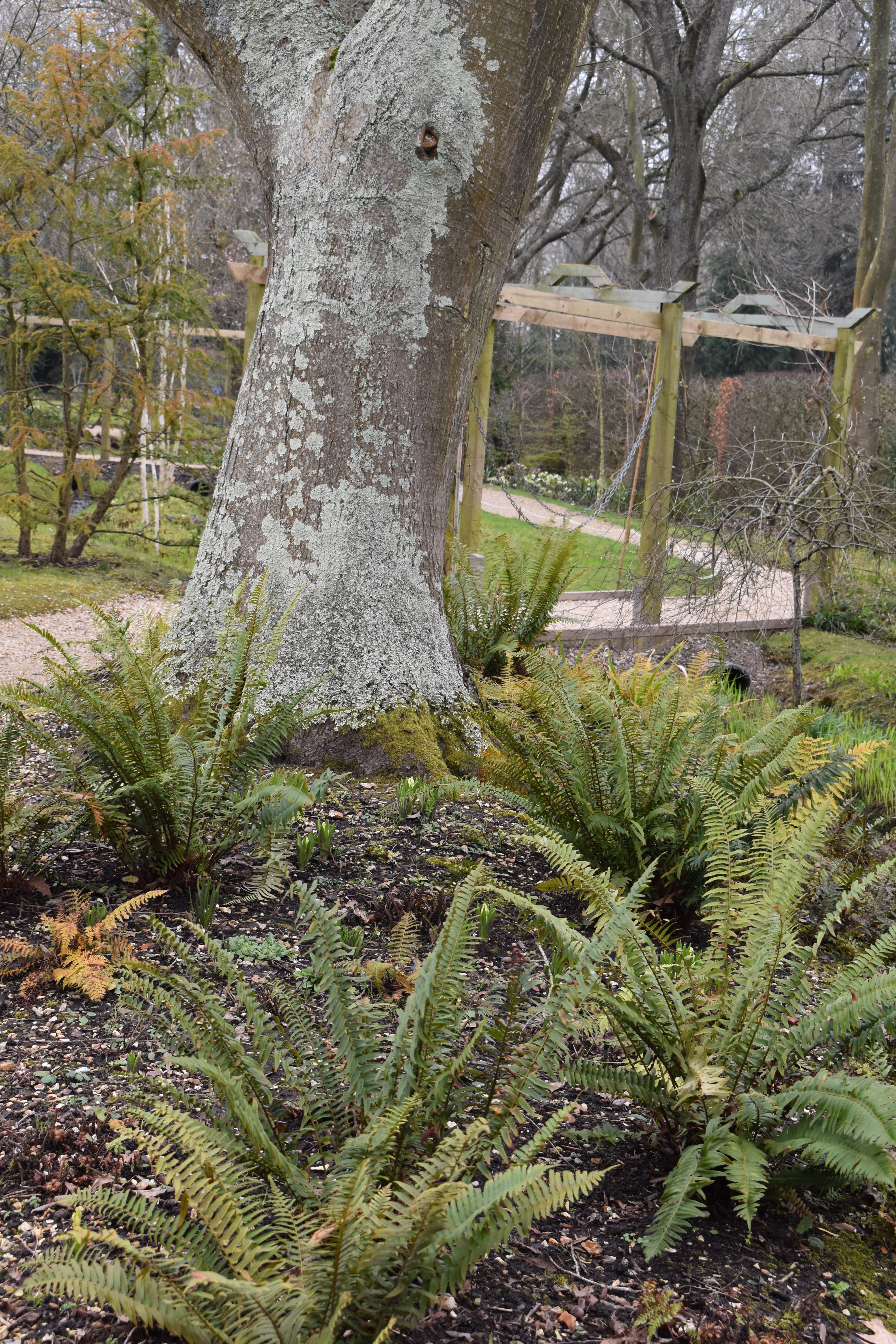
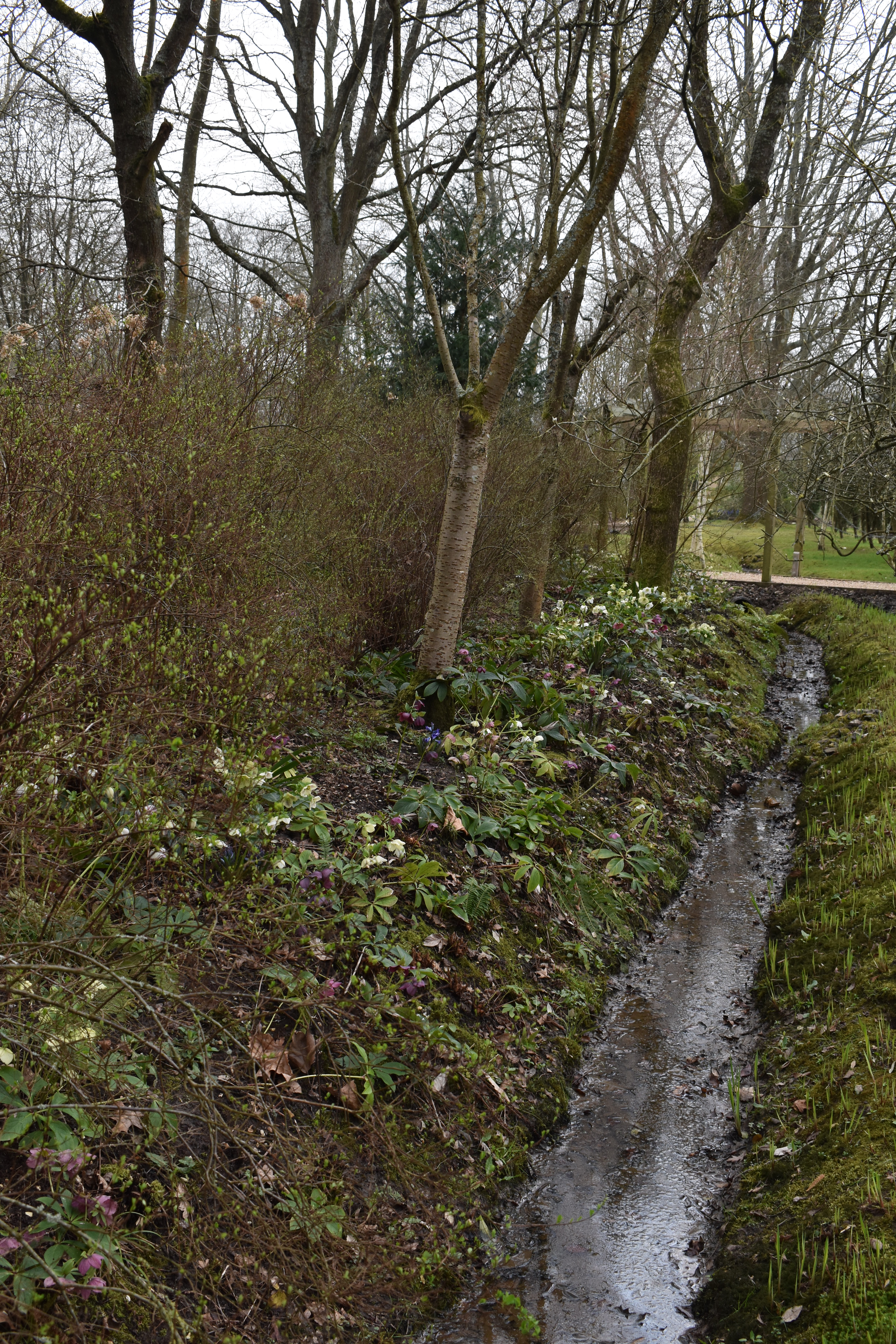
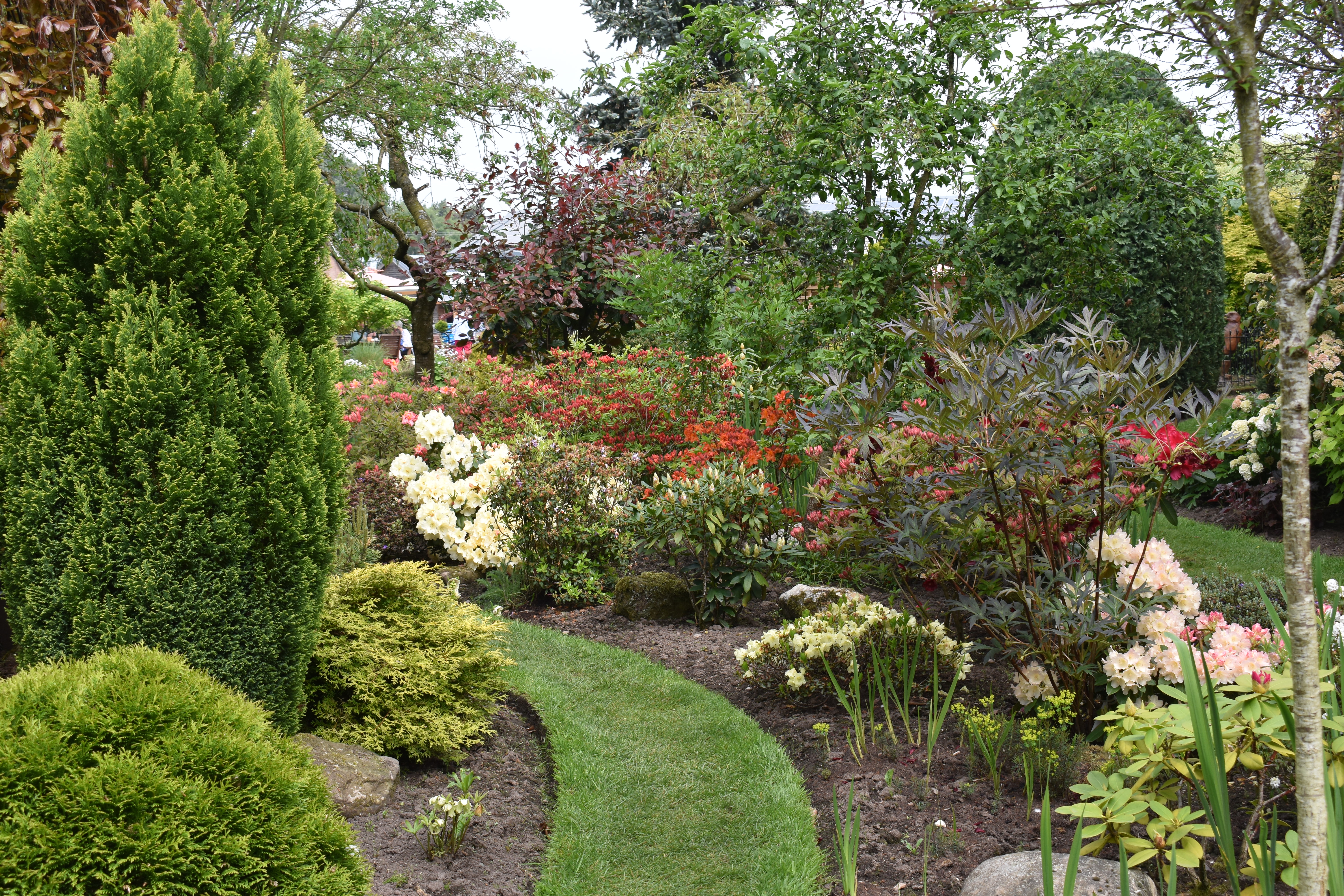
Of course these low-growers only look good when situated below interesting shrubs and trees, and Oakgate has a healthy supply of those.

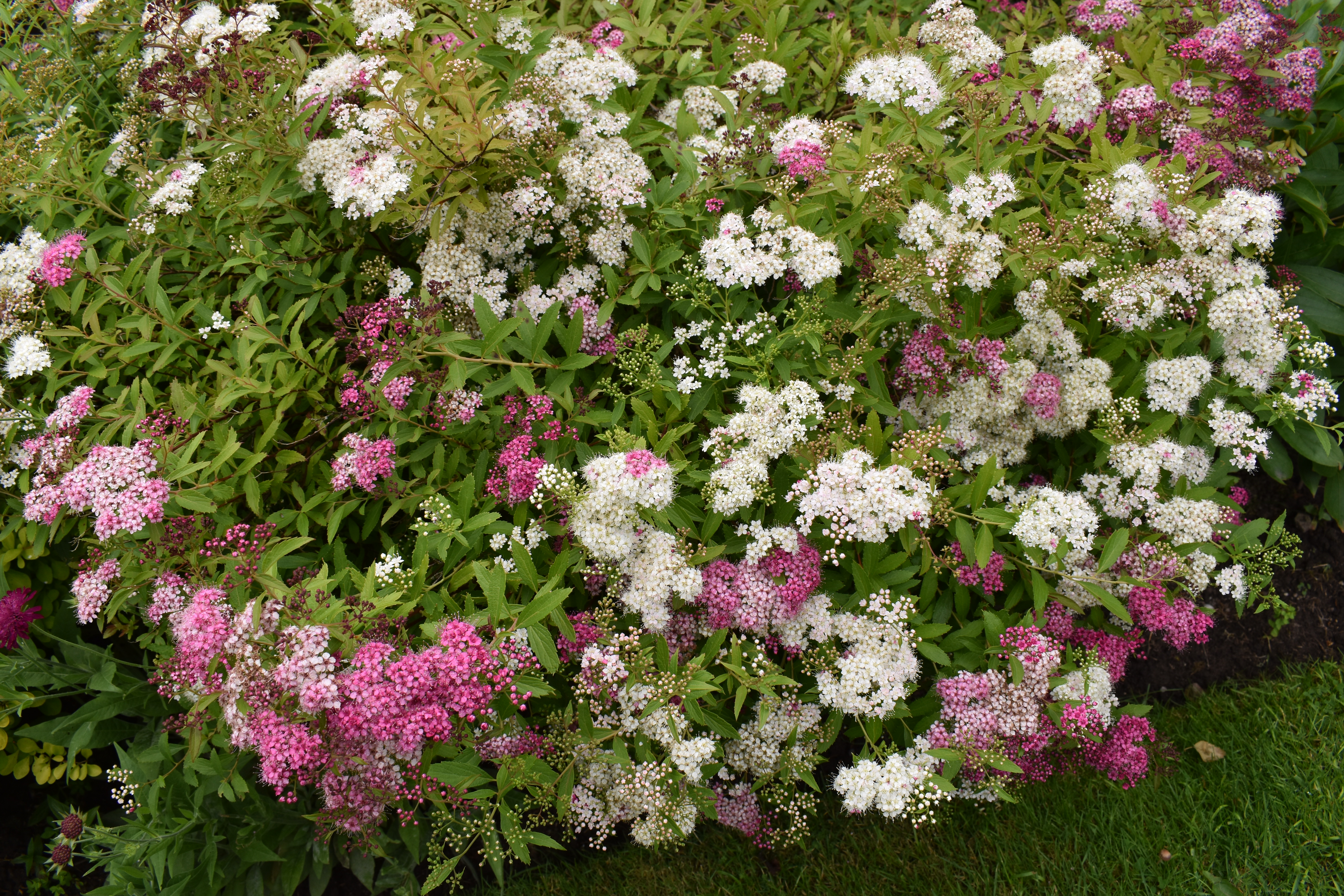
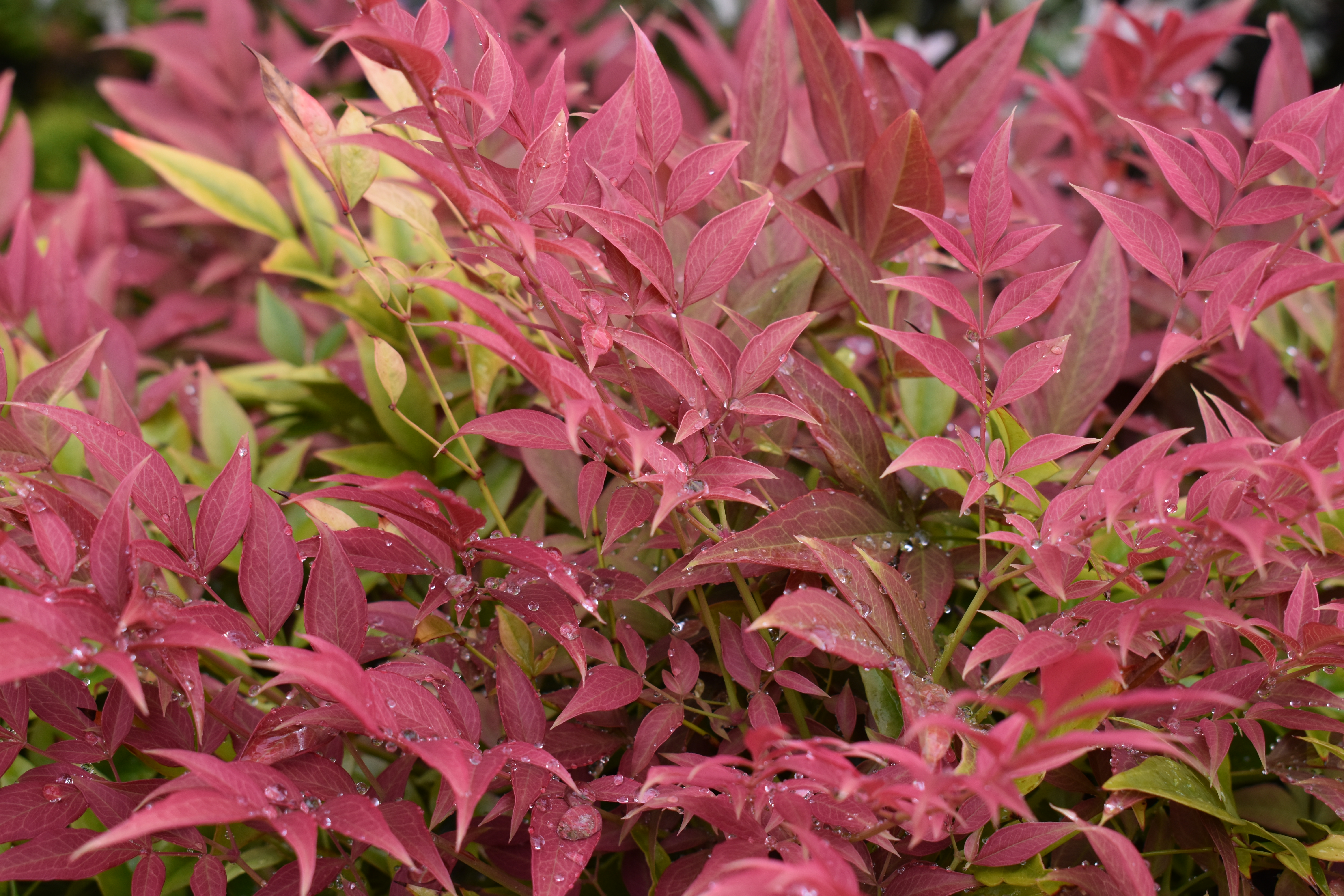
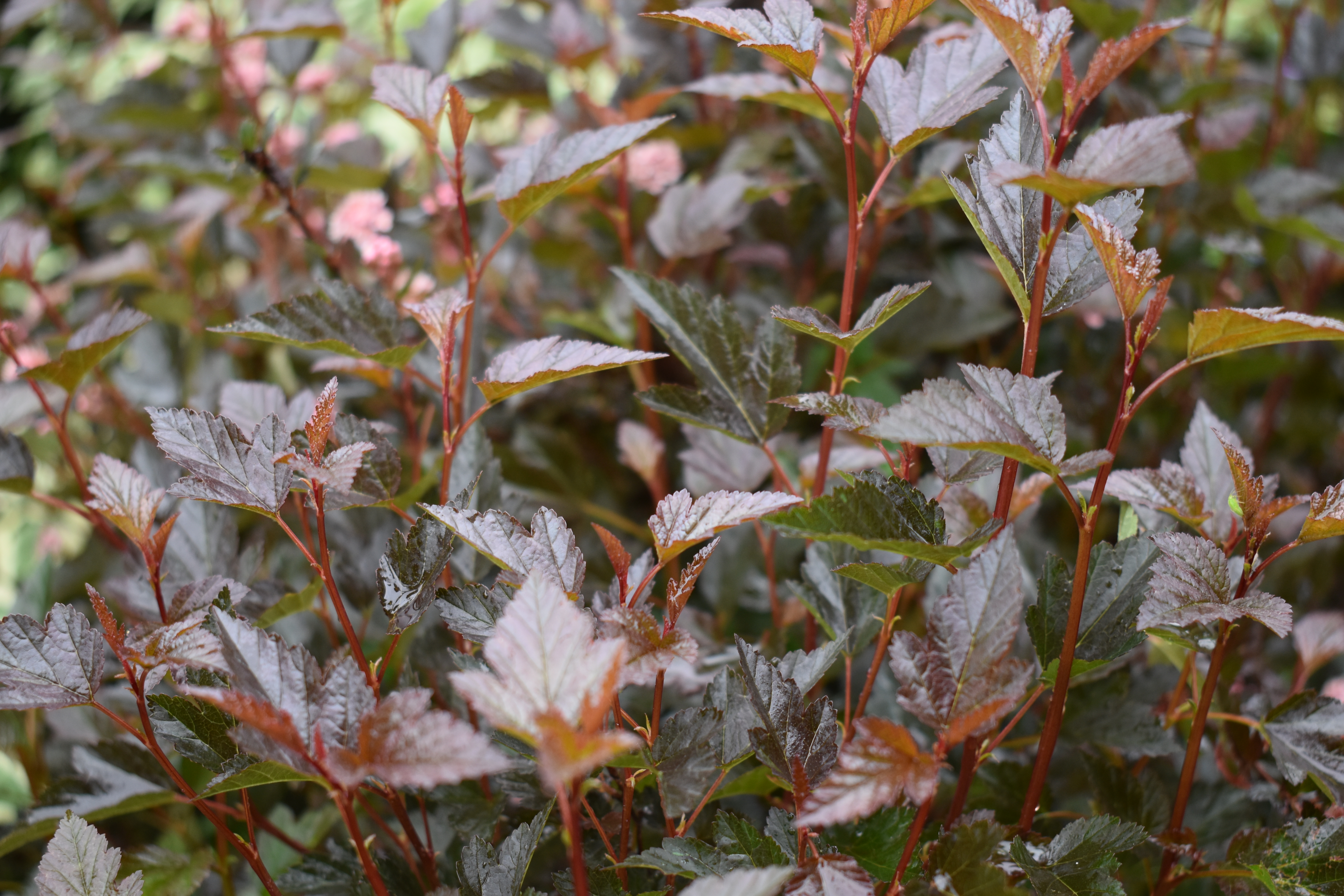
Spiraea are such versatile little shrubs and being deciduous means that fresh growth appearing about now is so colourful. Hence we grow several different spiraea at home for just this reason and here at Oakgate they do the same.

I must admit that neither I nor Jude the Undergardener are fans of cammelias, their flowering period being so short and often shortened even more by a frost which turns them brown and forces them to drop. Once they have flowered the green glossy foliage is totally static and uninteresting. However I think we are in the minority so I shall feature some of those flowering at the moment at Oakgate.

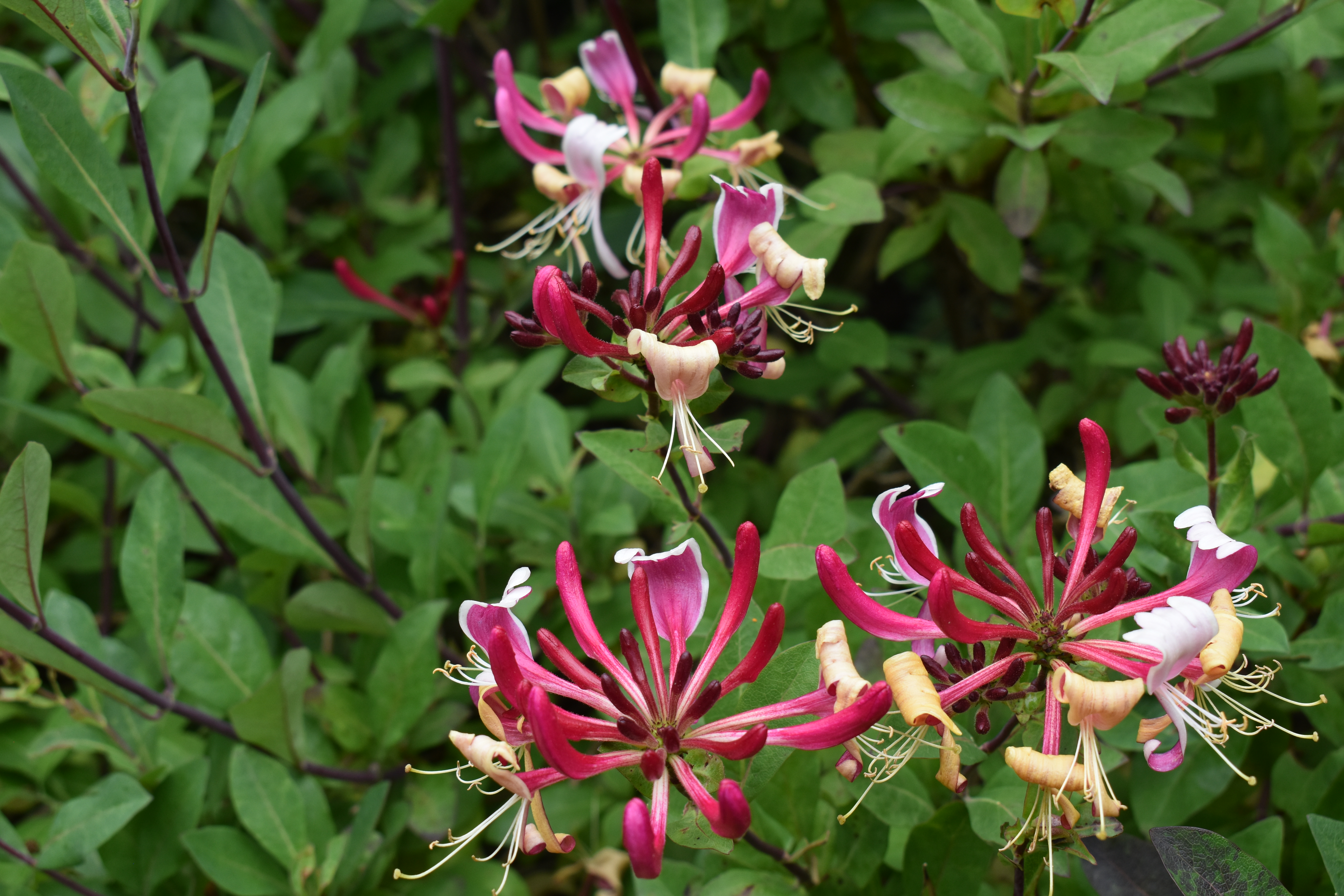
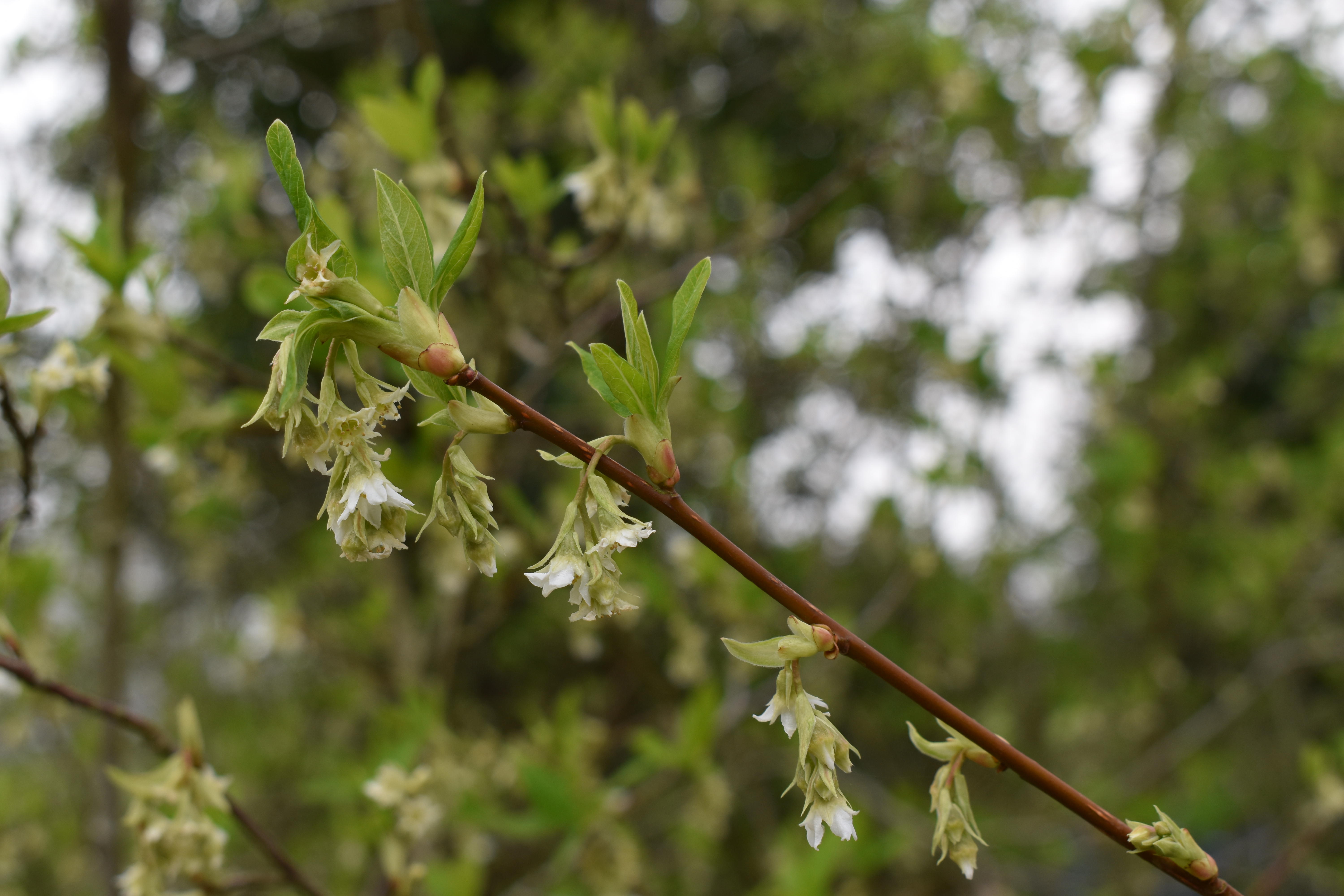
In the hedge along the outside of the garden different cultivars of flowering quince, Chaenomeles superba were flowering along side a solitary winter flowering honeysuckle.

March has proved to be a colourful month for the gardens at Oakgate Garden Centre and Gardens, which bodes well for the spring and summer.

Categories
Uncategorized

A Winter Wander at the Seaside

We always enjoy walking by the sea and wandering along promenades and piers. The North Wales coast gives plenty of opportunities to do this. In the middle of February we drove north and then west for a couple of hours to the seaside town of Llandudno, a place we visit often.

We began our day at the seaside by wandering along the promenade assisted by a strong wind making our way to the pier. The two photos below illustrate just how dark a day it was.

Typical of seaside towns created in Edwardian times, Llandudno has a front created out of huge hotels built in response to the surge in interest in seaside holidays made possible by the improved transport systems. These hotels are all impressive at the front to impress but behind this frontage they are really badly built.

The promenade was across the road from the hotels so we just saw the tidy neat fronts. The wooden sculpture piece of the White Rabbit has been there for as long as we can remember. He looks quite a character!

Towards the end of the prom as we reached the entrance of the pier we found these giant red poppies left in that position after Remembrance Day.

We then entered the pier and were greeted by the usual sweet sickly aromas of doughnuts being cooked and candy floss being spun. Sales booths and entertainments sit along both sides of the pier at this end. Everything for sale here is bright and mostly plastic. Music played from most booths so we had to listen to different songs all around us.

The huge building alongside the beginning is the Grand Hotel, still being used despite looking in need of some tlc in places. Iron beams decorated with fussy patterns form the structures from the original pier entrance.

Once beyond the bright noisy sales booths and the children’s rides the pier became quieter with wooden benches lined up along each side, many dedicated to people who loved the pier. The cast iron “fences” along the sides were painted in white and a rich blue, discoloured in places by rust.

The annual upkeep of the pier must cost a fortune with the constant repainting of the woodwork and metalwork and sometimes having to repair the wooden boards of walkways as well as the main iron framework.

I shall now finish off with a gallery of my photos.

We always enjoy our days at the seaside and this was no exception!

Categories
Uncategorized

A Mon†hly Wander Around Oakgate Nursery and Garden – February

As I began my journal entries for March Jude, my Undergardener, wondered if I had posted the February journal. I hadn’t – so here goes!

This is the second report on our monthly visits to the garden at Oakgate Nursery. We wondered how much had changed between our January visit and this our February wanderings.

As usual, our first port of call was the excellent cafe for a latte for me and a cappuccino for Jude, my Under Gardener. From there we took the path over the bridge that took us over the pond where we enjoyed a few moments fish watching. We also took a close look at the wisteria now that it has had a recent prune.

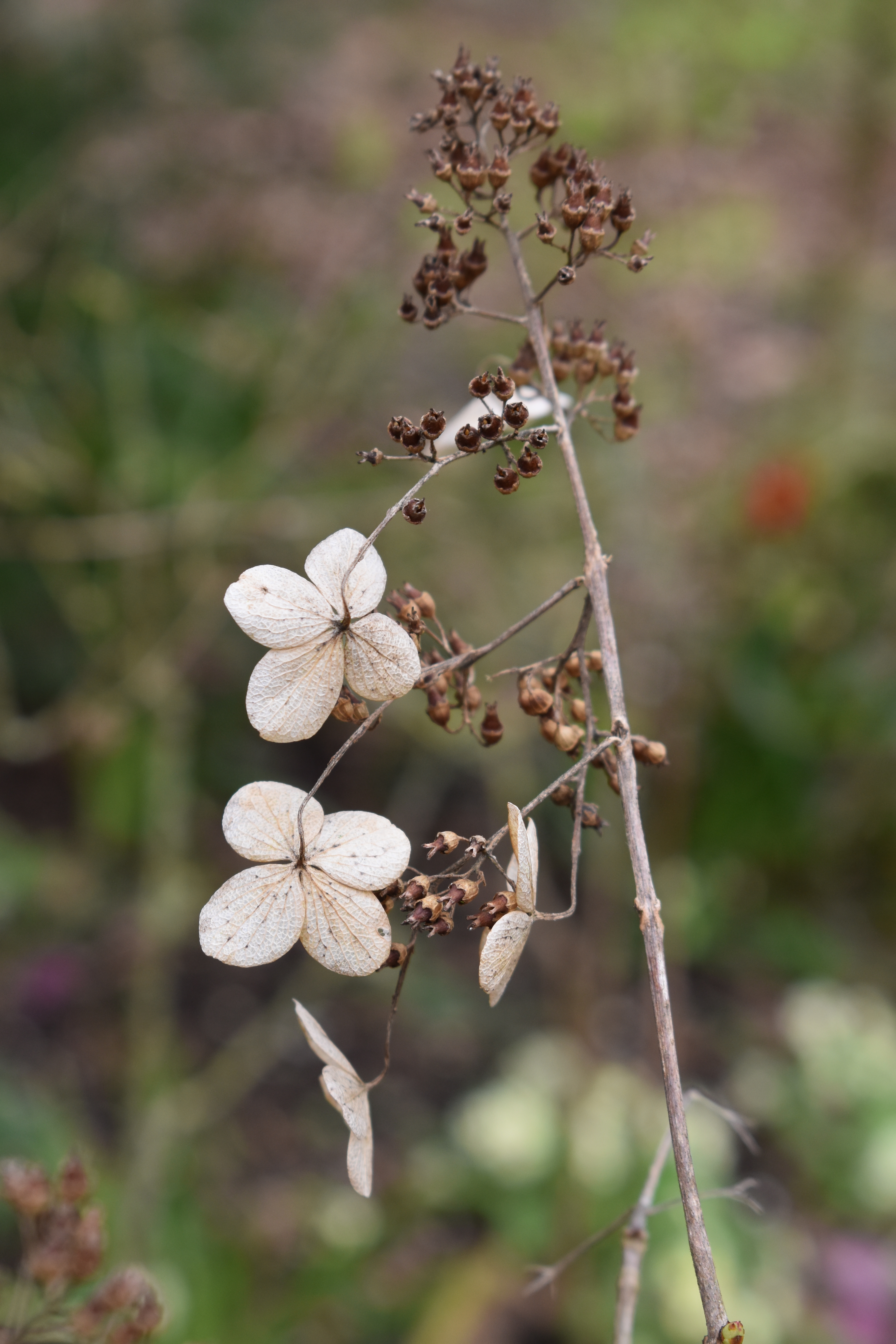
As we entered the garden from the outdoor cafe seating area this Acer, presumably Acer p. ‘Sango Kaku’, immediately caught our eyes. Nearby an Hydrangea was at its last winter stages with its bone white remnants of its seed head.

Several trees and shrubs were showing signs of their buds fattening up.

While these buds were preparing to spring into life several shrubs were already in flower.

The most obvious perennials of all at this time of year here at Oakgate are hellebores but now there were a few more joining them.

Hydrangeas were admired when in flower last year now share with us their more subtle biscuit coloured dried flower heads.

So that is my report on our February visit to Oakgate Nursery and Garden, showing how the garden is getting itself ready for exciting fresh growth and flowerings.

See you soon to share our March visit to Oakgate.

Categories
Uncategorized

My Garden Journal 2024 February

January usually feels such a long month so it always seems such a relief when February arrives. This year being a leap year means that February gets an extra day which means it lasts 29 days rather than the usual 28.

As February arrived I wrote, “February arrived bringing with it more rain and wind, making gardening difficult and on some days impossible. However the garden took little notice and looked interesting. Early bulbs and shrubs gave us lots of colour.”

I also noted that, “A few winter aconites remain in flower from January but other new bulbs have joined them – crocus, cyclamen, fritillary, muscari, iris and last to join in the family of daffodils.”

I then shared photos illustrating these flowering bulbs.

On the page opposite I considered shrubs that flower in the winter, when I wrote, “Throughout the winter months, a few shrubs give us flowers attracting moths and early bees. The number of pollinators we notice in the garden increases day by day.”

Onto the next double page spread I considered work we did during February and a sketch of a leaf skeleton. I began by writing, “We had very few dry days during February so we had to take advantage of any that came. We spent long days enjoying being in the garden and we loved every minute.”

My sketch was created in fine fibre tip pens. Beneath it I wrote, “Leaf skeleton found when tidying the borders of dead leaves and weed seedlings.”

The final two pages in my entries for February were all about our garden wildlife. Concerning this element I noted that,“Once past the middle of the month light values improve. We feel better and many aspects of wildlife step up a gear. Many birds change their calls to song, notably Song Thrush, Dunnock, Blue Tit snd Great Tit. This reminded us to replace old damaged wren pouches and bird nest boxes. We cleared out old nests from last year from nest boxes and repaired those that needed it.”

As a link to the opposite I wrote, “Sparrow terraces are loved by wasps as much as by sparrows themselves. Two wasp nests took over one space in two of the terraces.”

And so to the opposite page where I continued to write about wasps and nest boxes. “The two wasp nests belonged to two different types of wasp and this showed up when we removed the nests. Our common wasps, Vespula vulgaris, built their usual spherical nests, built of their own spittle mixed with fine strips of wood from our fences and sheds. The other type of wasp, a much smaller type, built their nest to fill one section of the sparrow terrace, so it ended up as a cuboid . These wasps were small and calm.”

Next I wrote that, “Our wildlife pond is like a cauldron of mating, very noisy frogs. these two below spent time on our door mat.”

That is it for February, another wet, windy and frustrating month for gardeners. Soon we will move into March and I hope I don’t have to complain about the weather yet again early in that month as well.

Categories
Uncategorized

Dyffryn Fernant Garden -Part 2 – fernery, xeriscape and into the wild.

Carrying on from Part 1 of my posts about Dyffryn Fernant Garden, Part 2 will gradually move aware from the cottage towards and into the wilder areas. I hope this post, which I wrote in September, will remind us of better weather at the beginning of autumn.

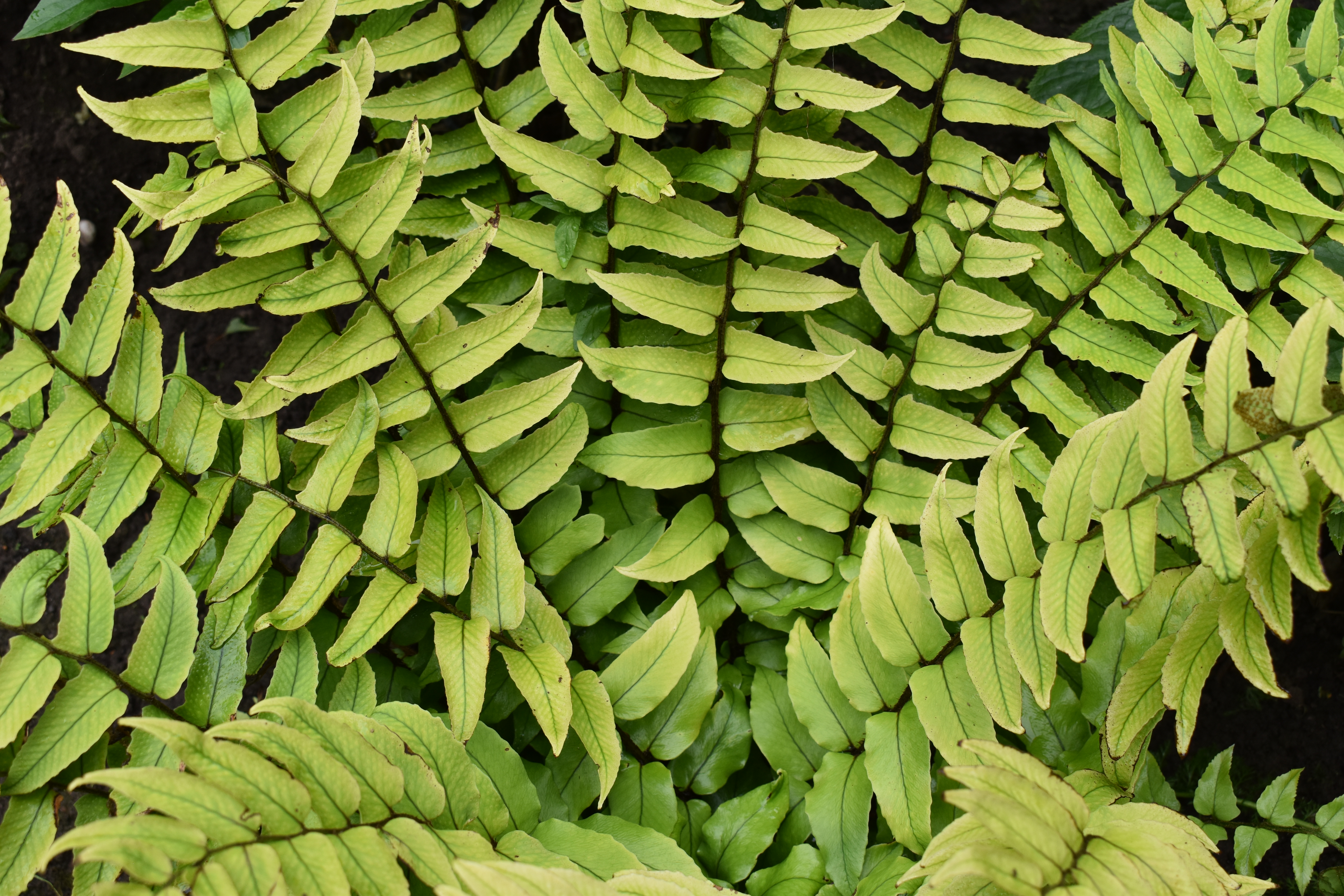
First though we need to look at ‘The Fernery’ an enclosed quiet spot in the shade. This well sheltered garden area sits alongside a tractor shed. The ferns looked very healthy here and seemed at home.

The xeriscape garden looks equally at home close by with its specimen succulents beautifully arranged.

And so next we moved out into the wild!

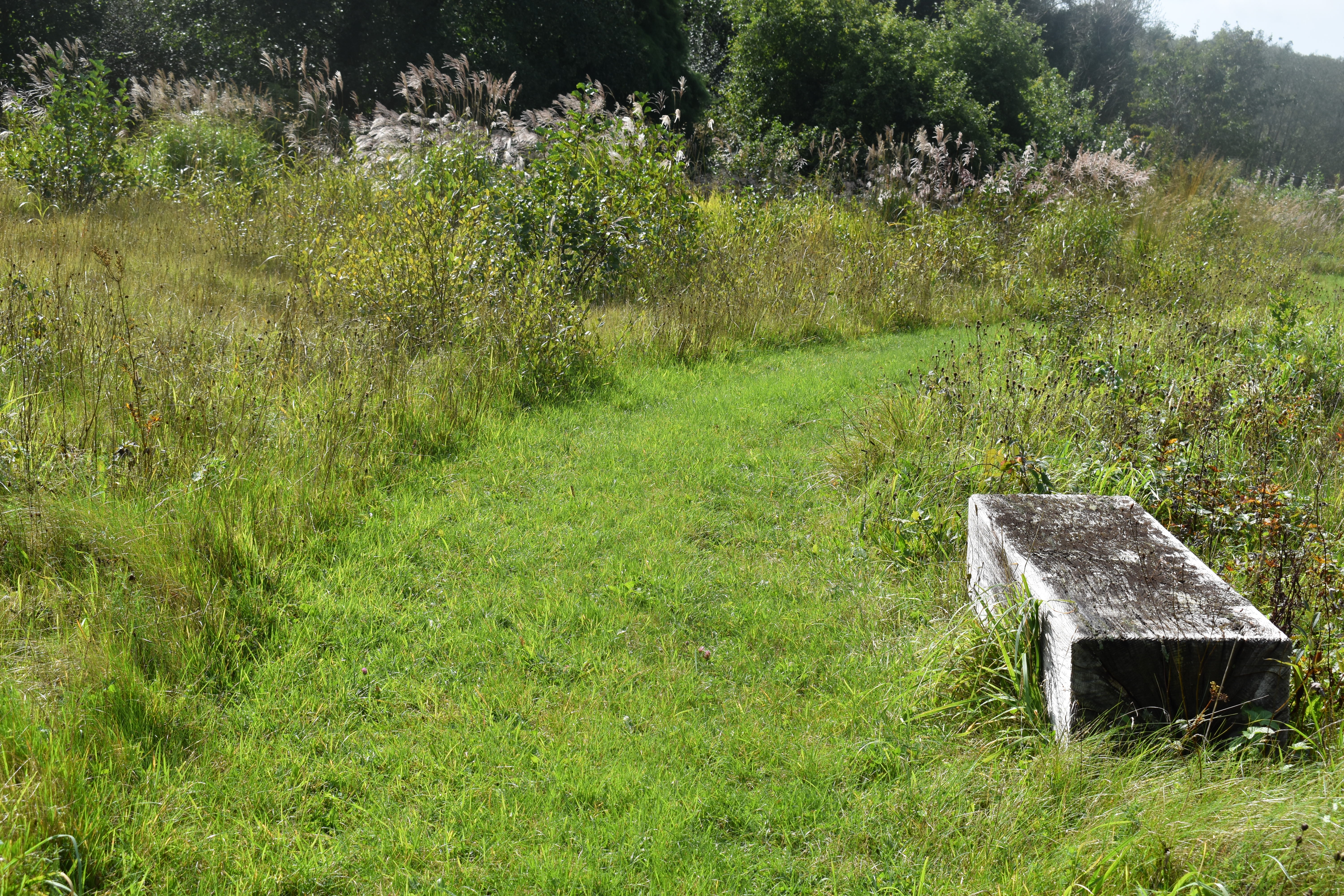
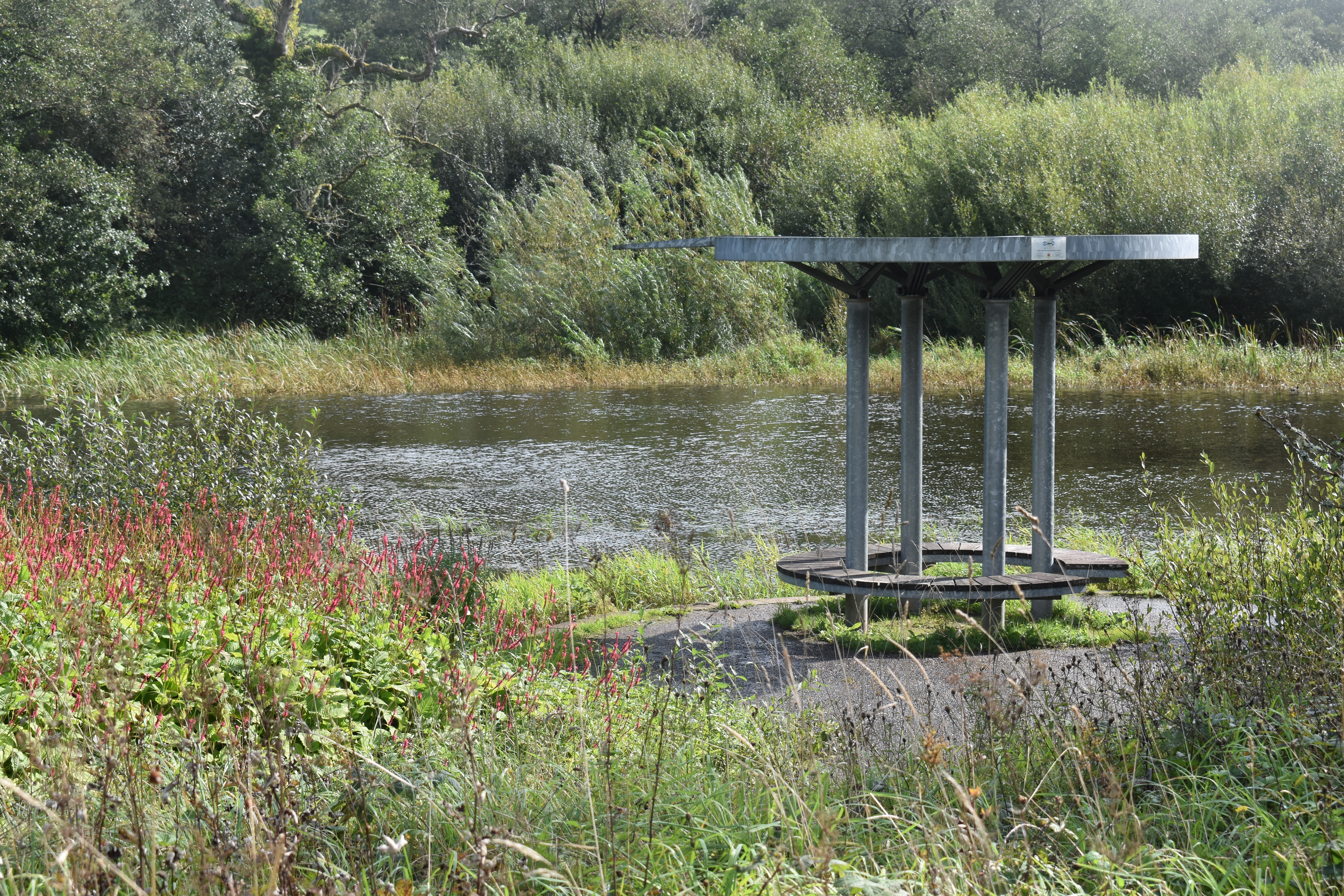
We walked around in the woody area following a stream which finally lead us towards the grass paths and onwards to the area called ‘Nicky’s Field’. Here there is a formal layout where the 30 beds are rectangular and full of ornamental grasses and sedges. Each area features mass planting of different types of grass.

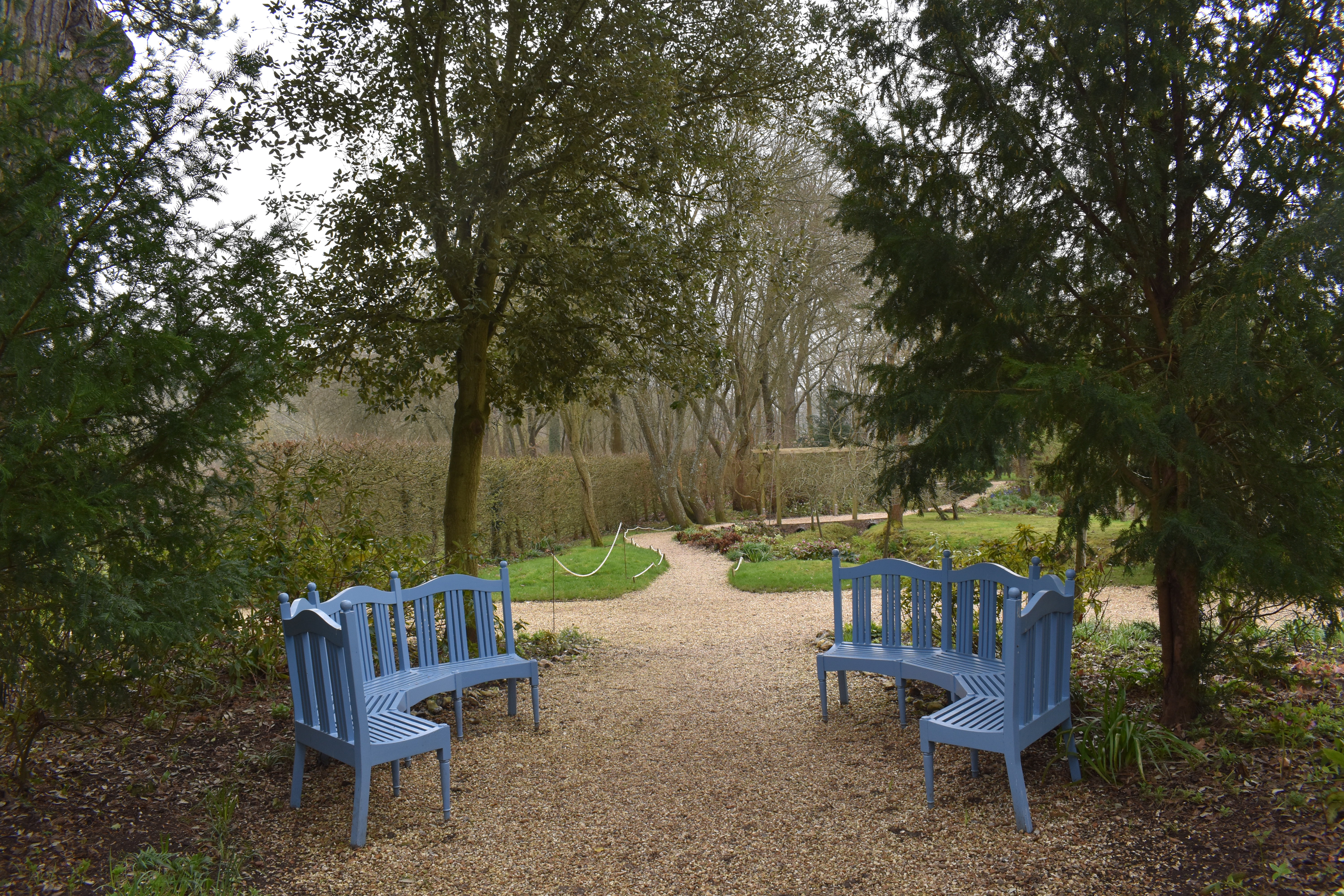
Every area in this garden seemed to have its own seating, and ‘Nicky’s Field’ was no exception. Here the benches were arranged around a tree and looked a very social space.

From here we accessed the gravel track which took us back to the car. Another great day in Pembrokeshire!

Categories
Uncategorized

A Monthly Wander around Oakgate Nursery and Garden – Jan 2024 Part 2

As promised in my first post about Oakgate Nursery and Garden, we can now look at the second half of the garden. After crossing the lane we noticed that the grass paths were much narrower than on the other side.

To our right this perfectly shaped birch looked so good against the blue sky background. A completely different silhouette was presented by the pendular, fastigiate beech. Many of the trees and shrubs here are evergreen both broadleaf and coniferous.

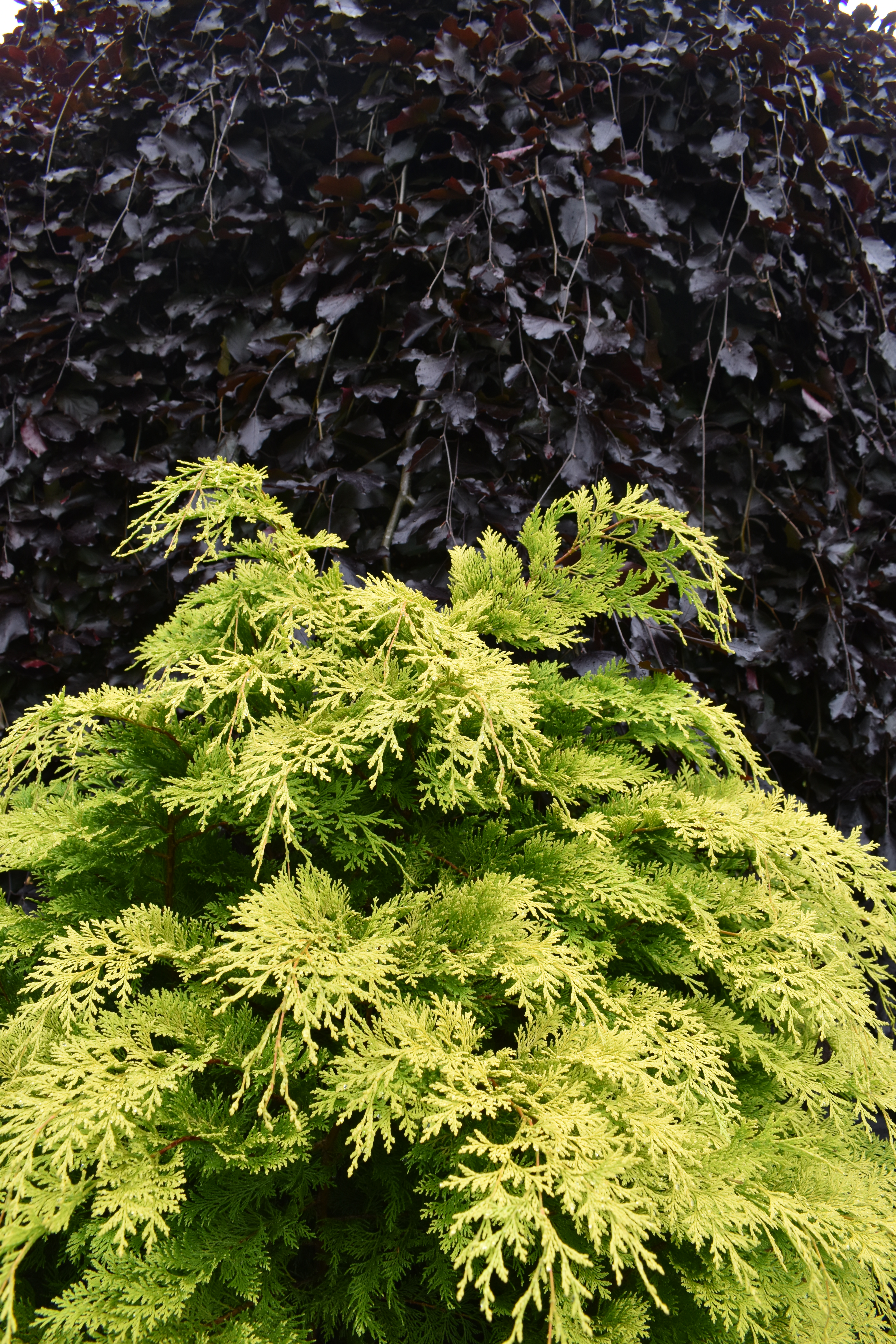
In the first photo below we have two evergreen shrubs, one broadleaf, one conifer which look similar enough to sit together well. The second photo is a golden conifer, one of the brightest we have come across, but needs sunlight to look at its best, as seen in the third photo.

Flowering shrubs and perennials, can be seen with dried up flowers from last year, especially hydrangeas and also buds getting ready to to burst.

There are a few shrubs that are winter flowering and they are also scented to help attract the few pollinators that appear on milder, brighter days.

Below from left to right – Cornus mas, Viburnum bodnantense ‘Dawn’, Mahonia media ‘Charity’.

I will finish this report of our new monthly post of our visit to Oakgate Nursery and Garden with a handful of interesting photos that didn’t fit into the main text. We will return in February.

Categories
Uncategorized

My Garden Journal 2024 January

As we enter a new year, 2024, we are hoping that the winter weather will be more conducive to gardens and gardeners. Perhaps we will be able to wander around the garden, have a look at what is going on and actually get some gardening done.
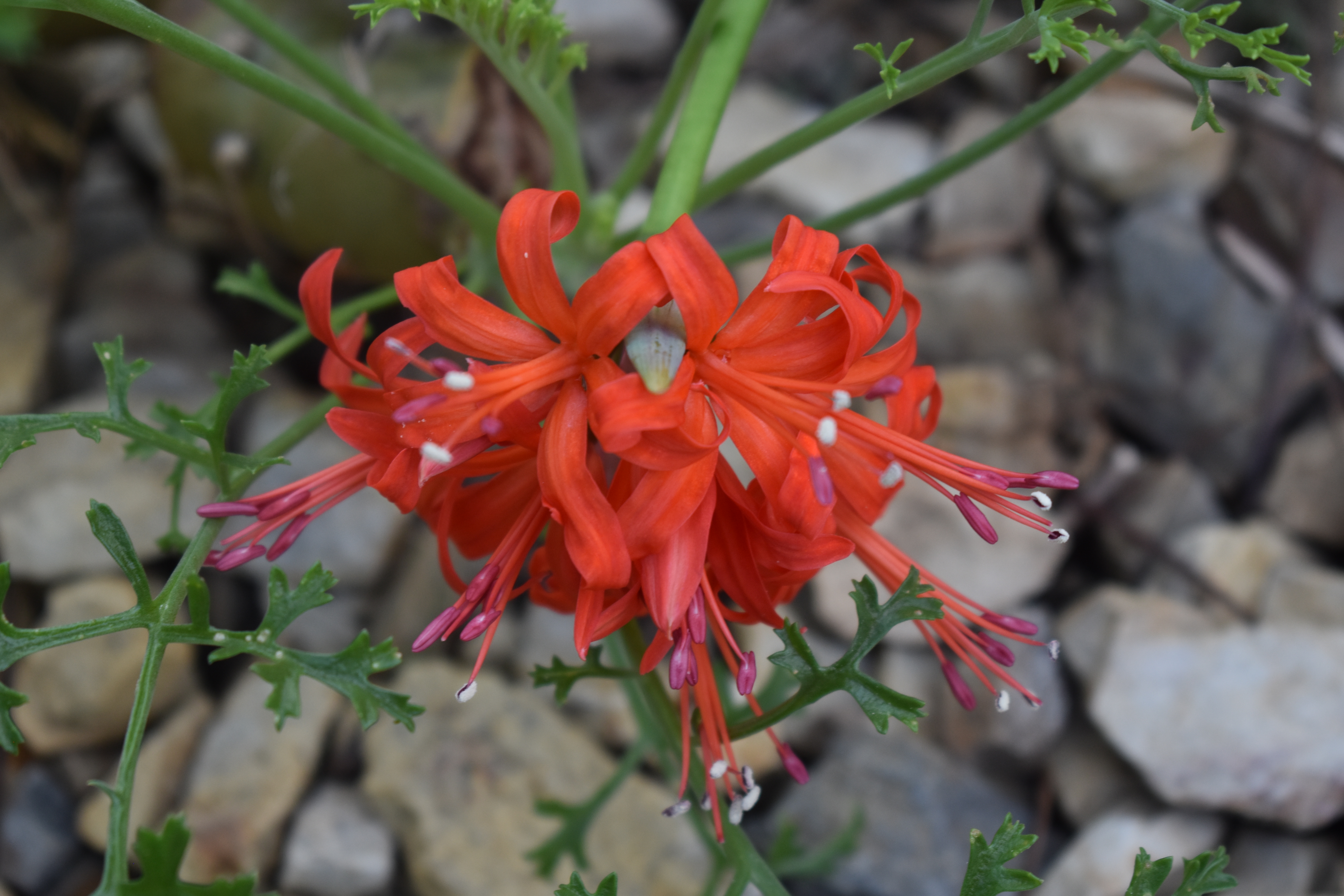
I began my entries for January 2024 with a look at plants flowering in our garden, writing “I am always amazed that even in January, as the new year begins, flowers still give dashes of colour. This colour can come from trees, shrubs and perennials!”

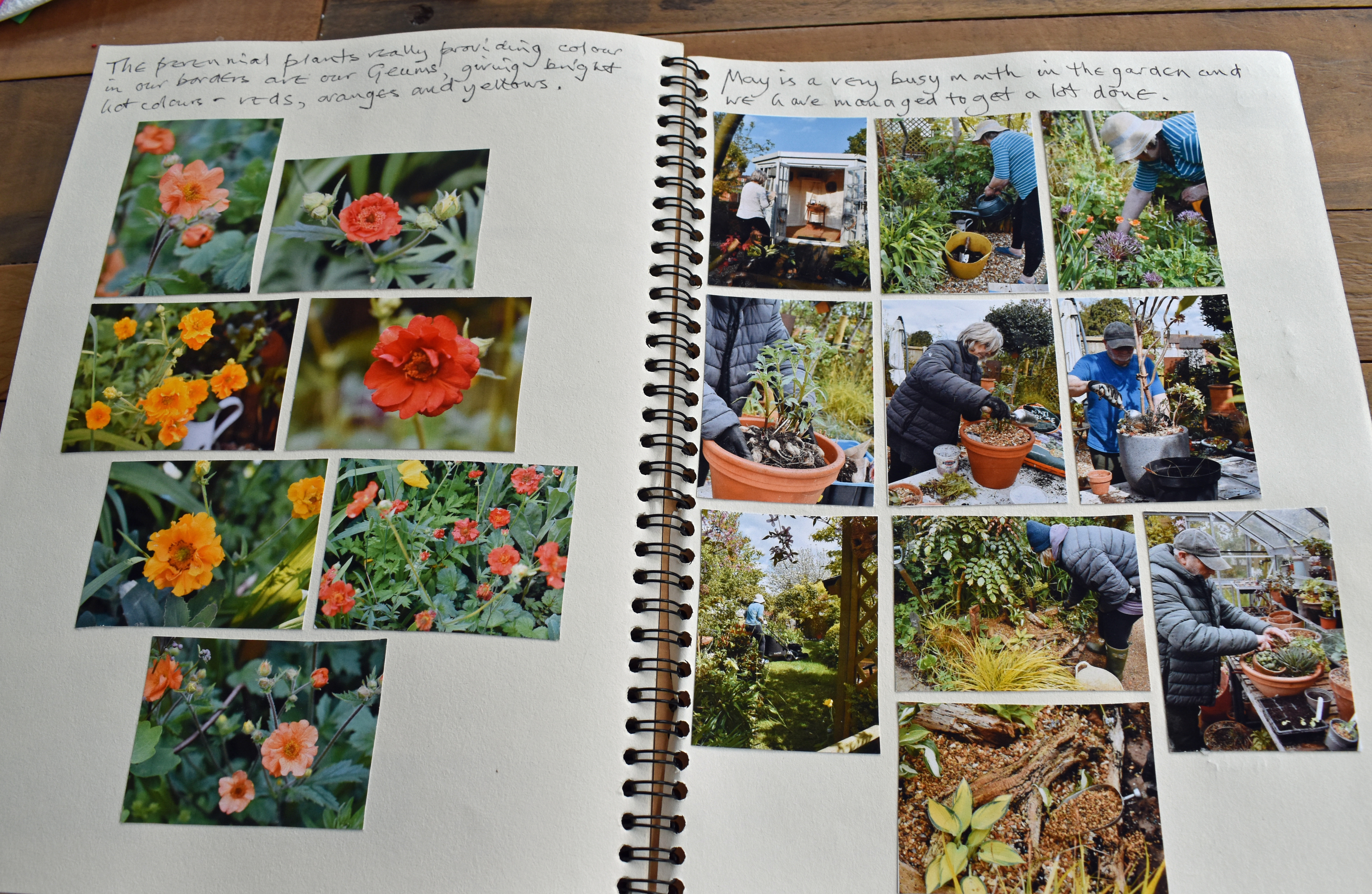
To support my introduction I shared ten photos of flowers in our patch.

On the page opposite I moved on from flowers to foliage. I noted that, “Even more important at this time of year is foliage. Foliage plants grouped together can be so effective.”
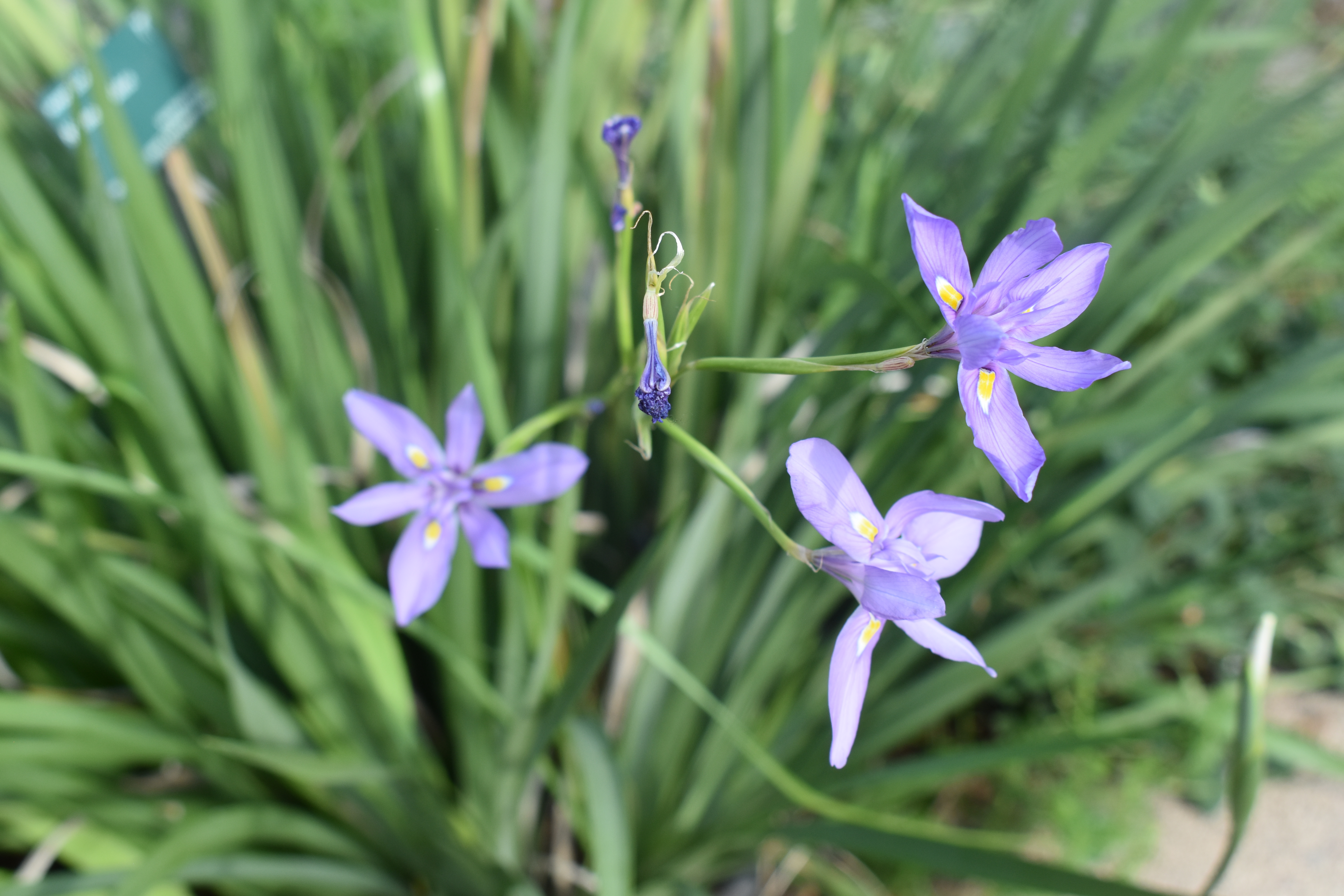
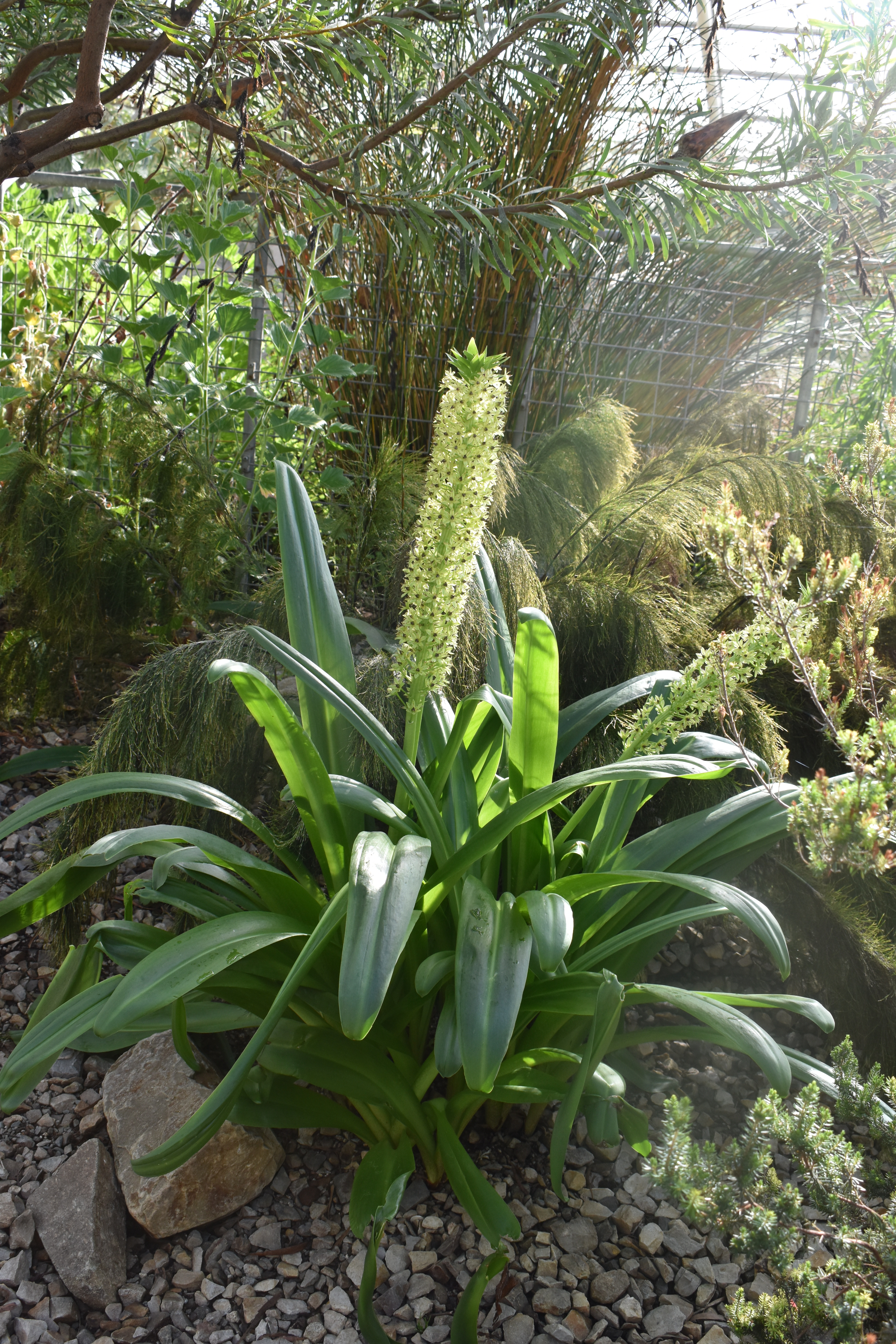
I then shared some photos of such plant pairings.

Arum are one of the most important plants due to the incredibly varied leaves – shape, colour, silver markings and splodges of black or purple.” Their varied markings go well with any other foliage plants to create striking combinations.

On the page opposite the arums I specialised in some orchids, phalaeonopsis coloured in rich yellows and oranges.

Concerning our moth orchids I wrote,”We grow just one hardy orchid outside, in amongst our ferns in the ‘Shade Garden’, but we have a few more orchids inside, a small batch of citrus coloured phalaeonopsis, the Moth Orchid. The outside orchid is called Bletilla striata Shi Ran.

Below are photos of the brightly coloured yellow and orange phalaeonopsis. The orange blooms are of P. ‘Bologna’ and the yellows are P. “Goldion”.

Onto the next double page spread I looked at another pair of Moth Orchid one of which is scented. Then the final page for this month shows another of my sketches of seed heads found while working in the garden in January.

About the orchids I wrote, “Two more phalaeonopsis go together really as they both have dusky pink flowers. One is also scented! And it also has spotted leaves.”

Below; Phalaeonopsis ‘Exclusivo Monaco’

Below; Phalaeonopsis ‘Odorion’

The final page for January in my Garden Journal 2024 concerns one of my sketches featuring seed heads found while we tidied up some perennial plantings.

I noted that, “Even in January we still come across these delicate seed heads on dried stems in a range of natural, neutral colours.”

The next time we visit my Garden Journal 2024 will of course be in February, our shortest month of all. Perhaps I will be able to report on some better weather for us gardeners and our plants.

Categories
Uncategorized

A Monthly Wander around Oakgate Nursery and Garden : January 2024

We decided to feature this small garden as a monthly feature throughout 2024, as we visit regularly anyway for a wander, coffee and cake and a look at the nursery itself. The garden here is right by the cafe and is the private garden of the owners’ home, which visitors can enjoy.

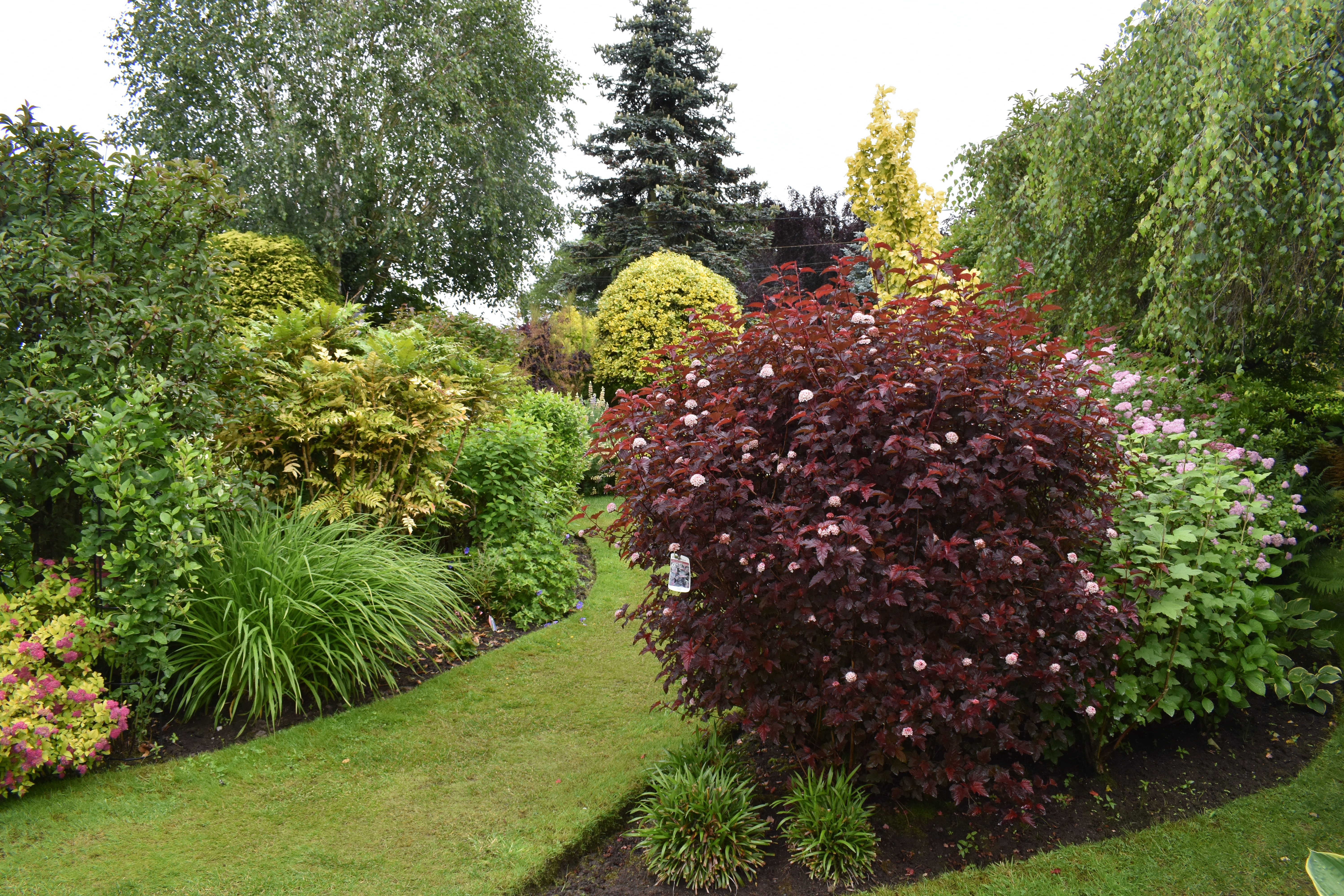
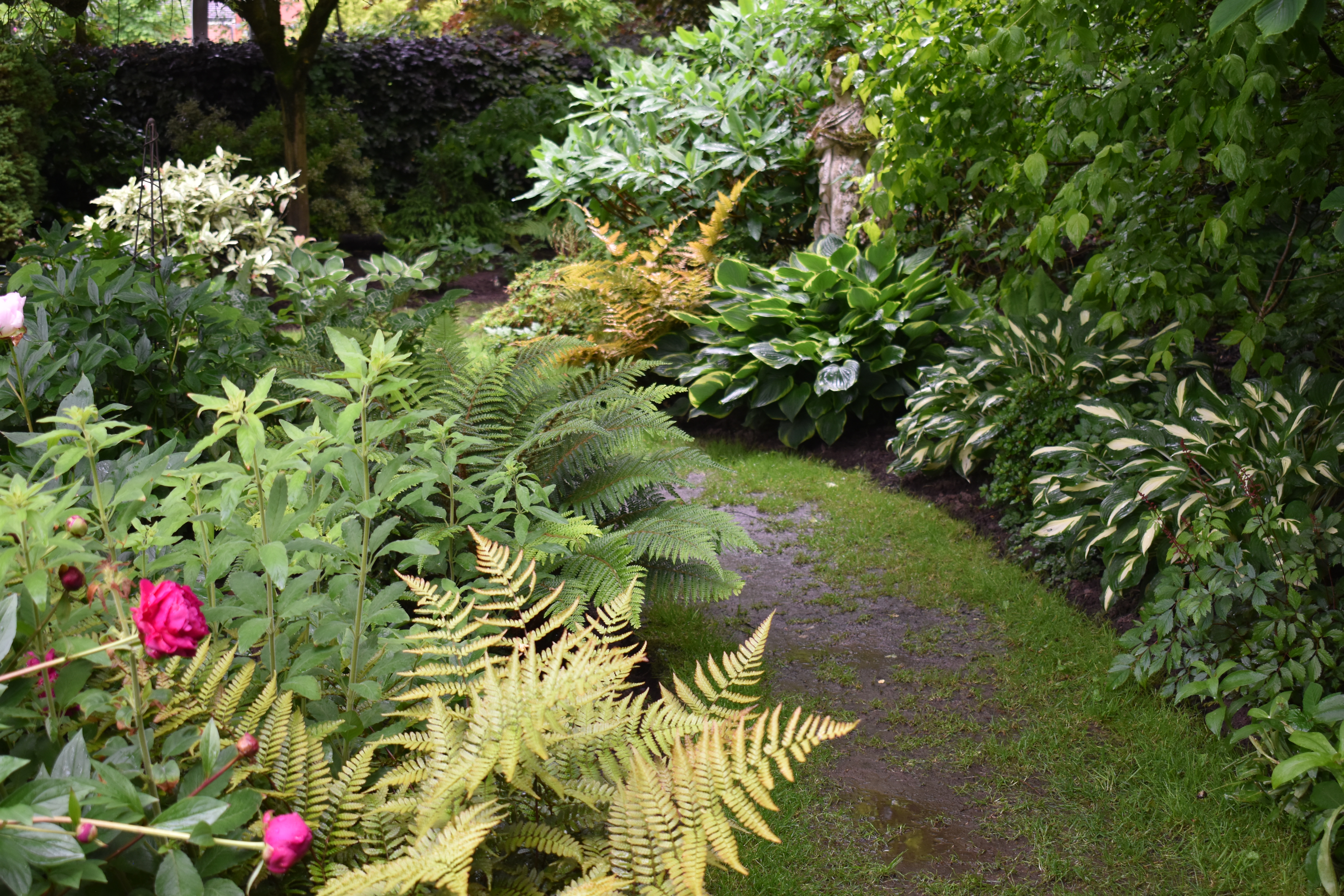
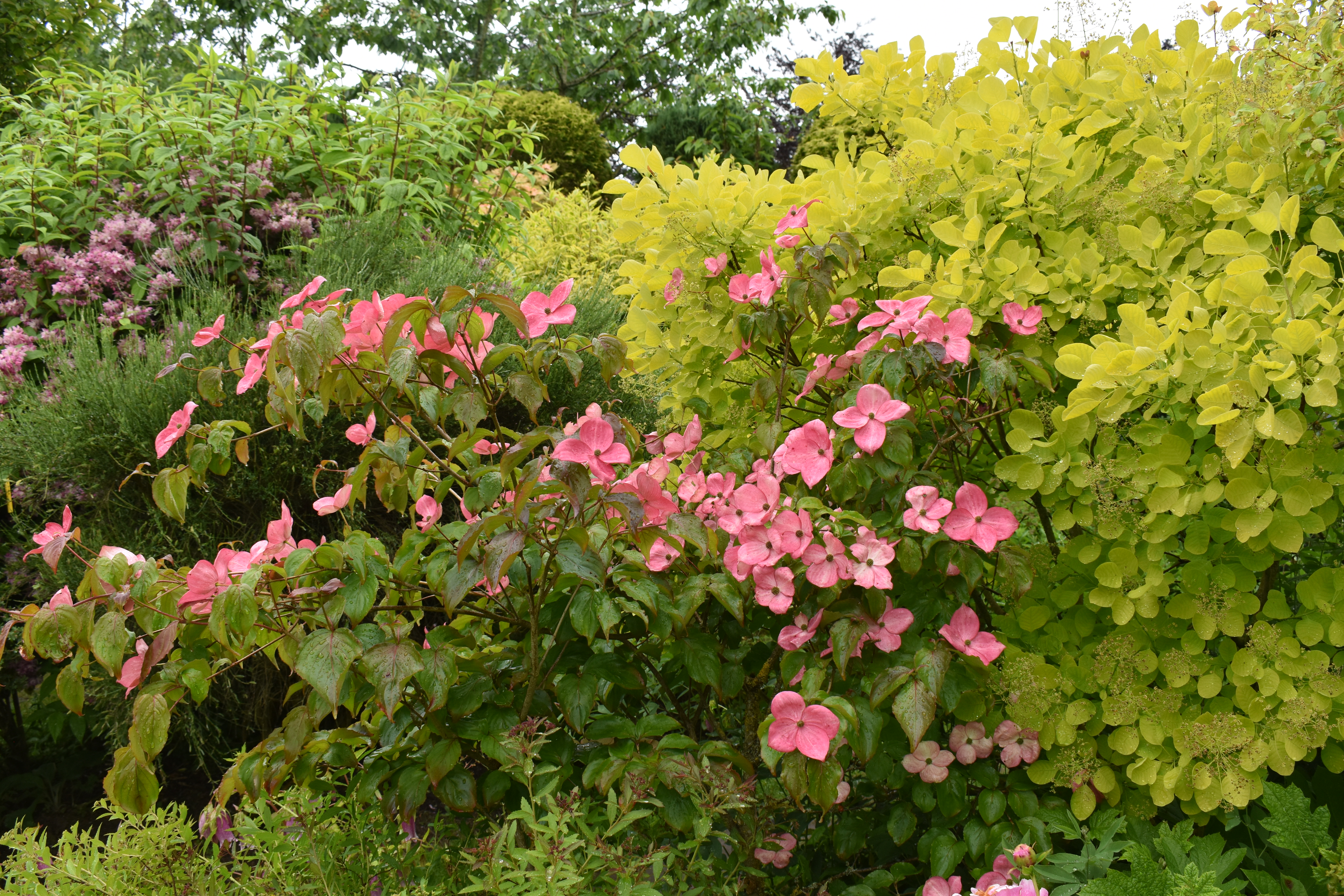
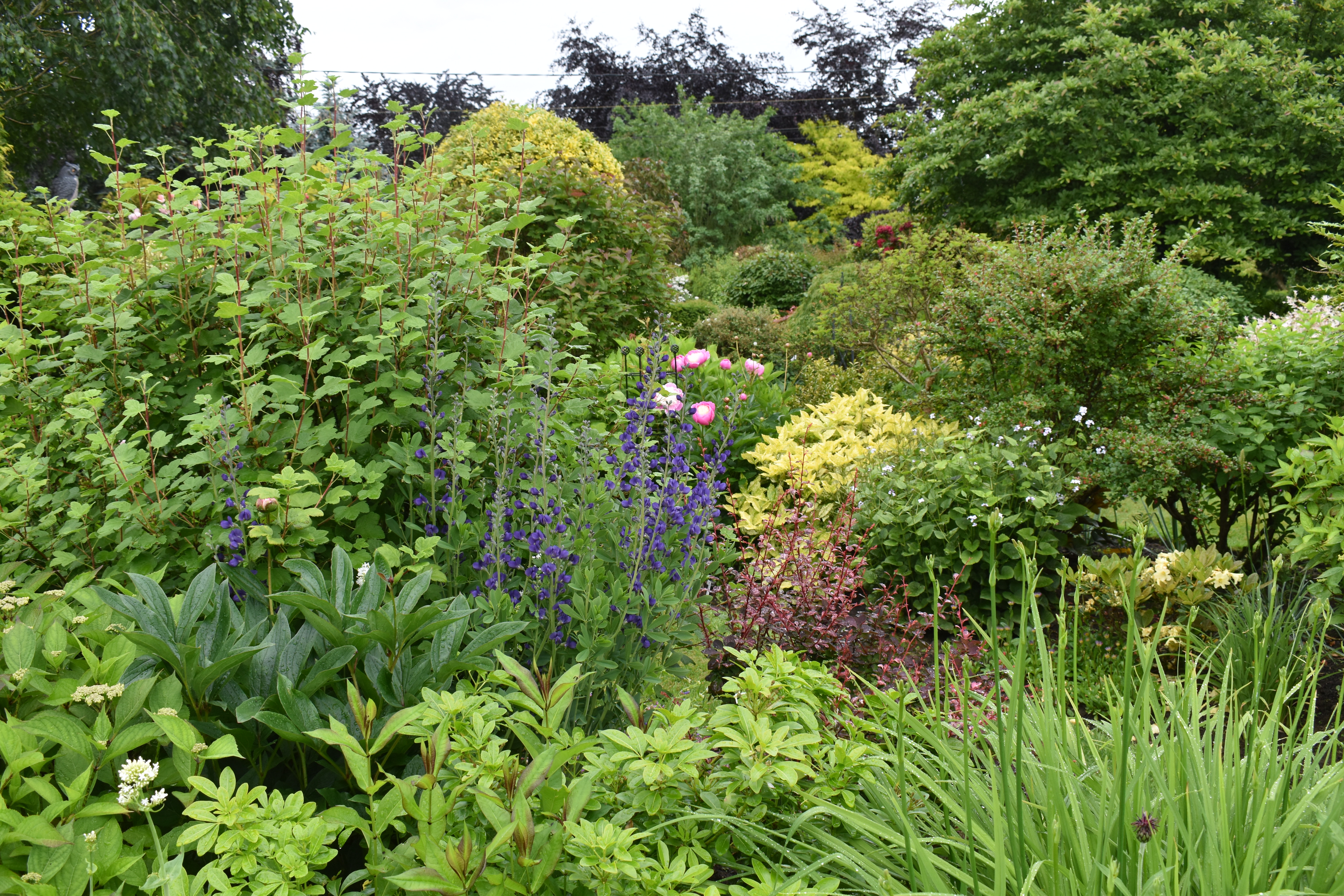
This is a beautifully planted ‘wandering garden’ with grass paths meandering around the many mixed borders. Trees, both deciduous and evergreen, mix with climbers, shrubs, again evergreen and deciduous, as well as perennials and flowering bulbs.

The welcome sign is sited on the driveway and is designed in a calm grey with black writing with the quotation “To plant a garden is to believe in tomorrow”. Next to its name is its logo, a beautiful line drawing of an oak leaf and acorns in their ‘thimbles’.

The drive sides are long mixed borders.

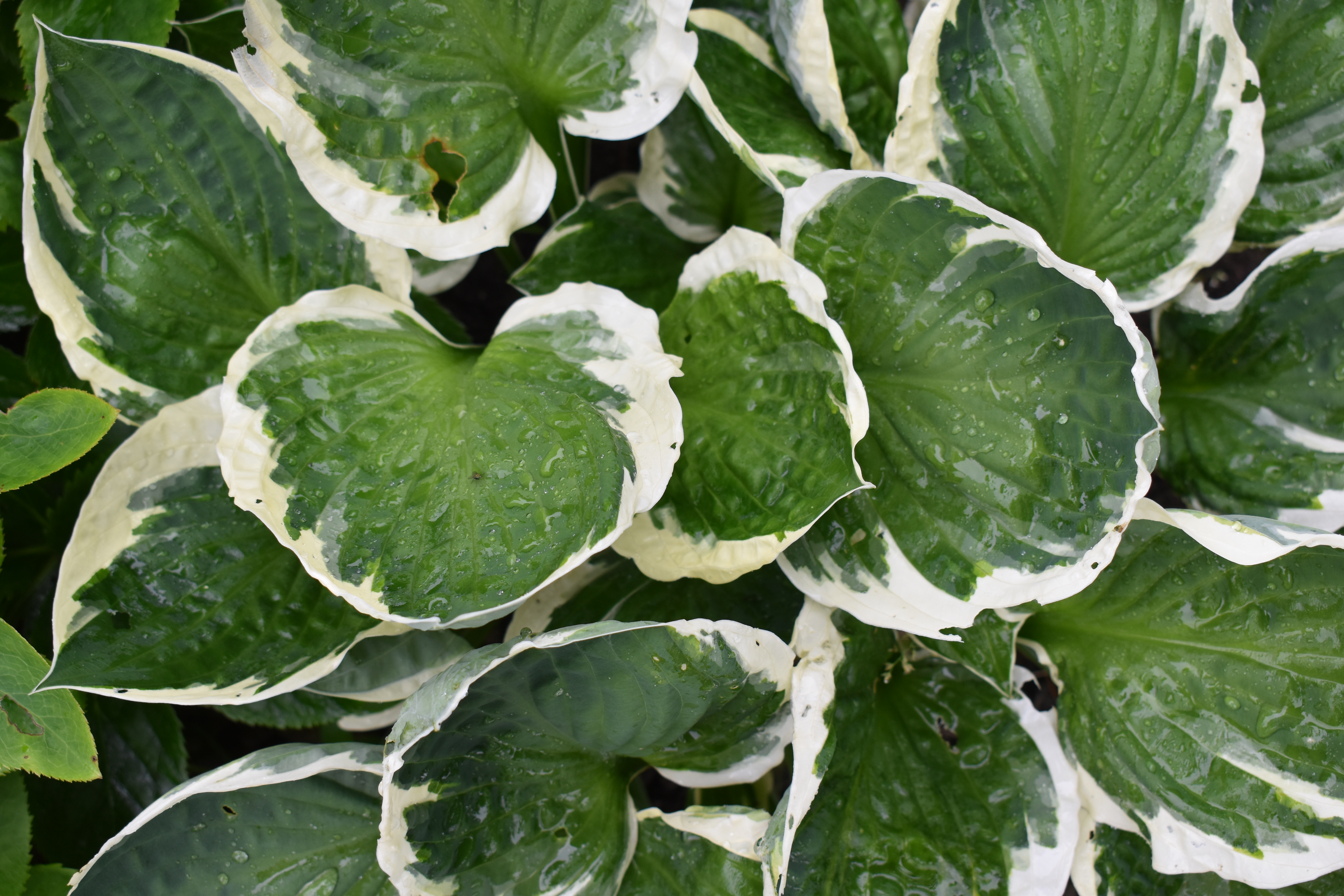
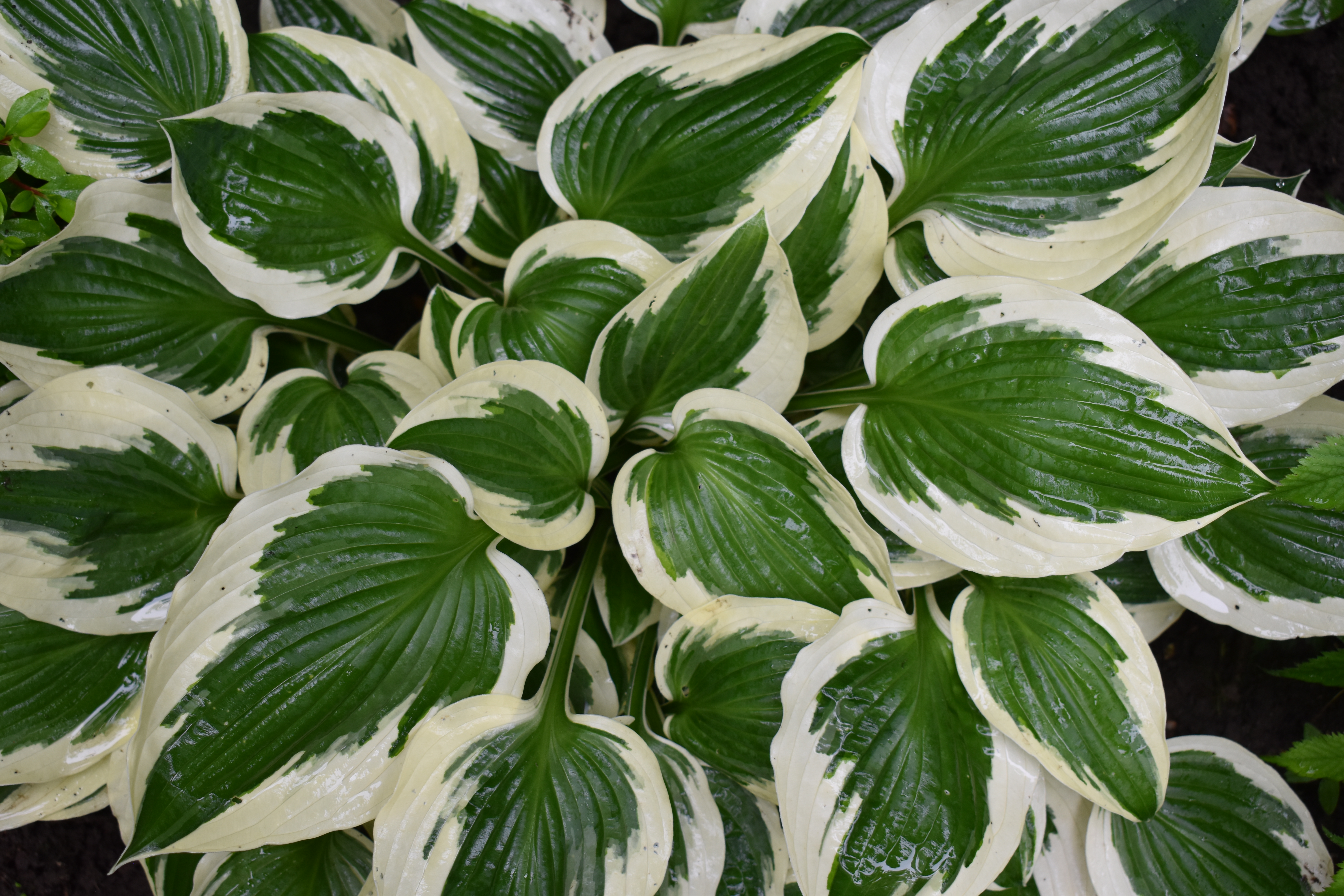
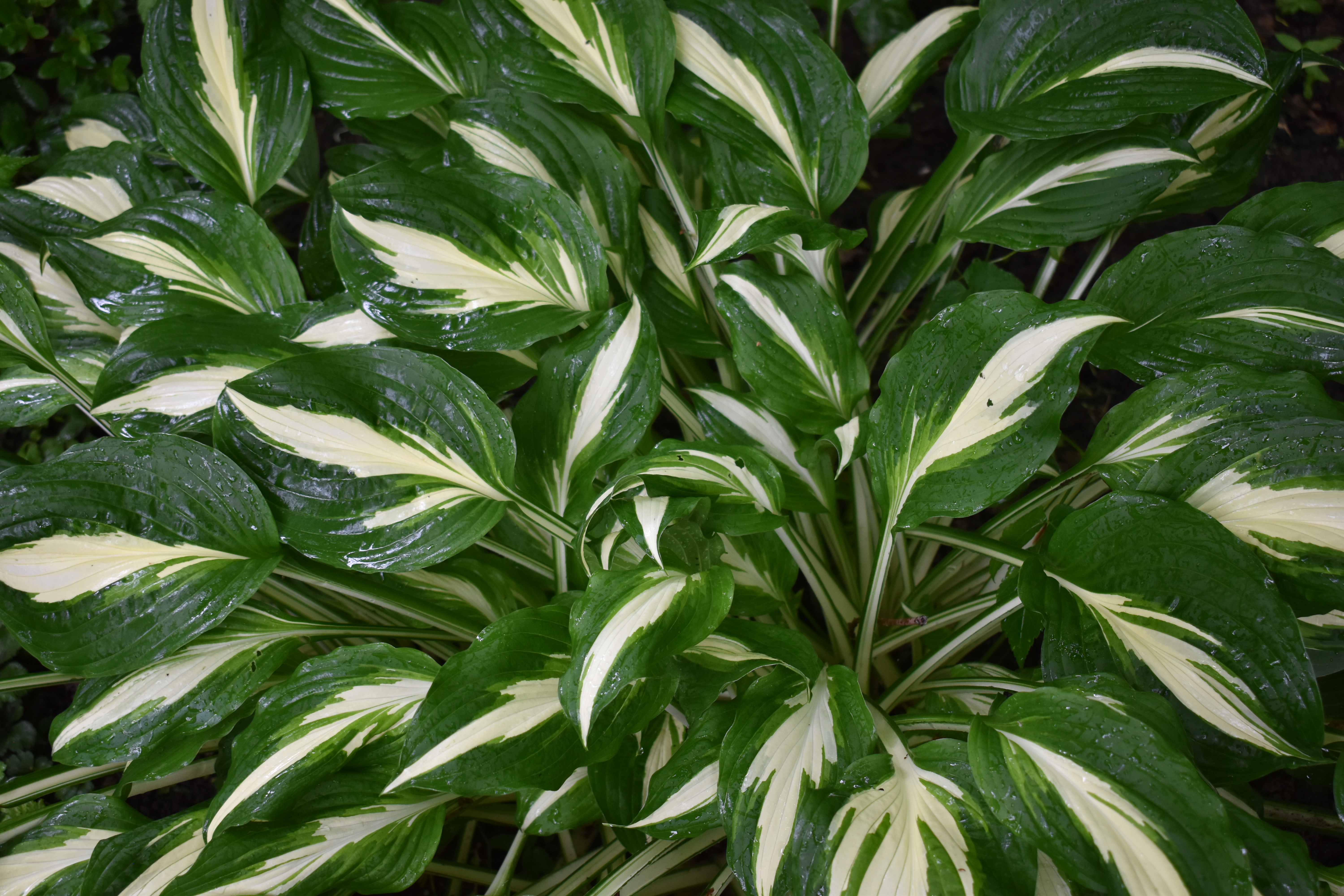
Turn left at the top of the drive and follow around the cafe into the main garden itself, which is divided into two by the exit driveway. One of the best foliage plants with their strappy, sword-like leaves in many colour combinations.

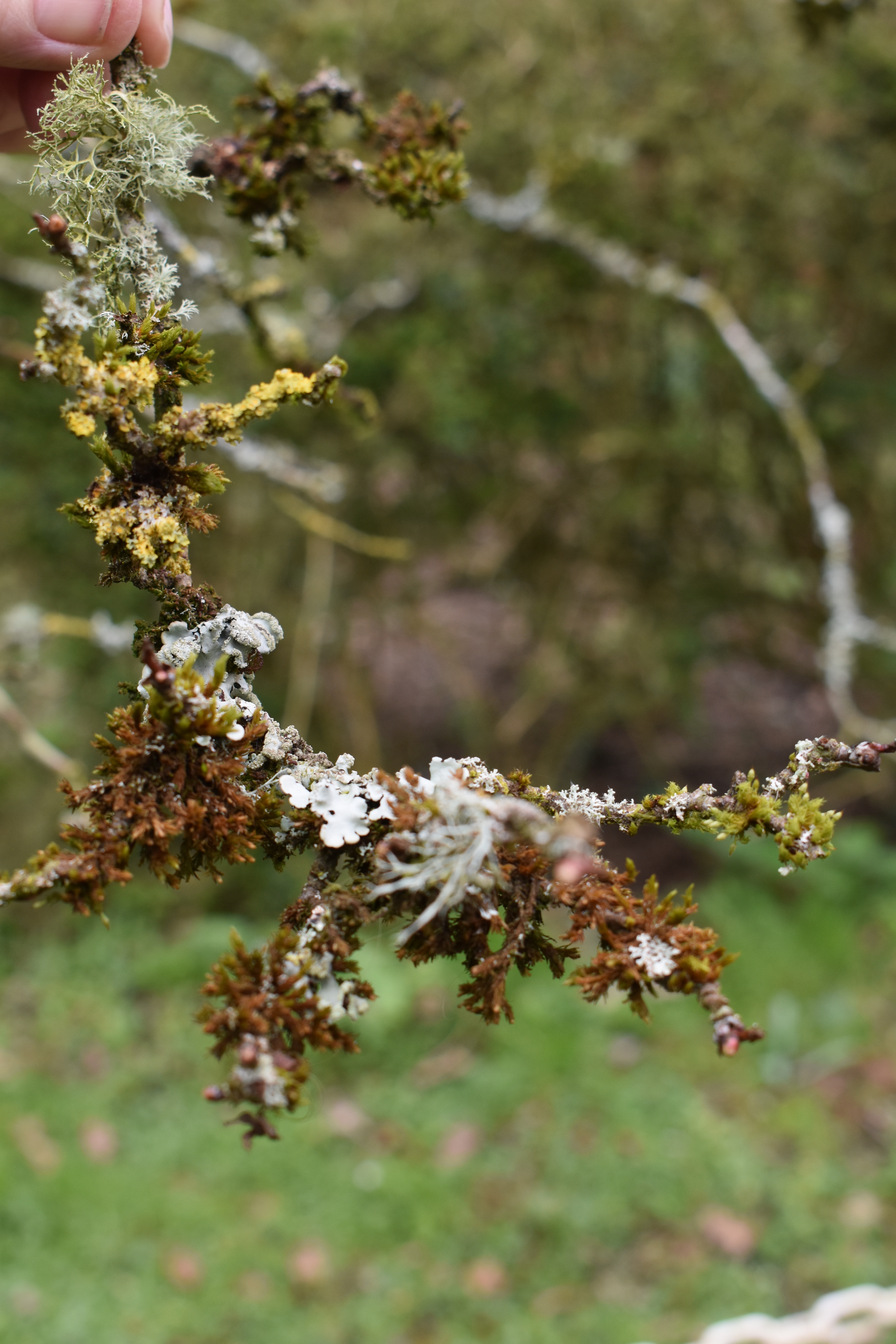
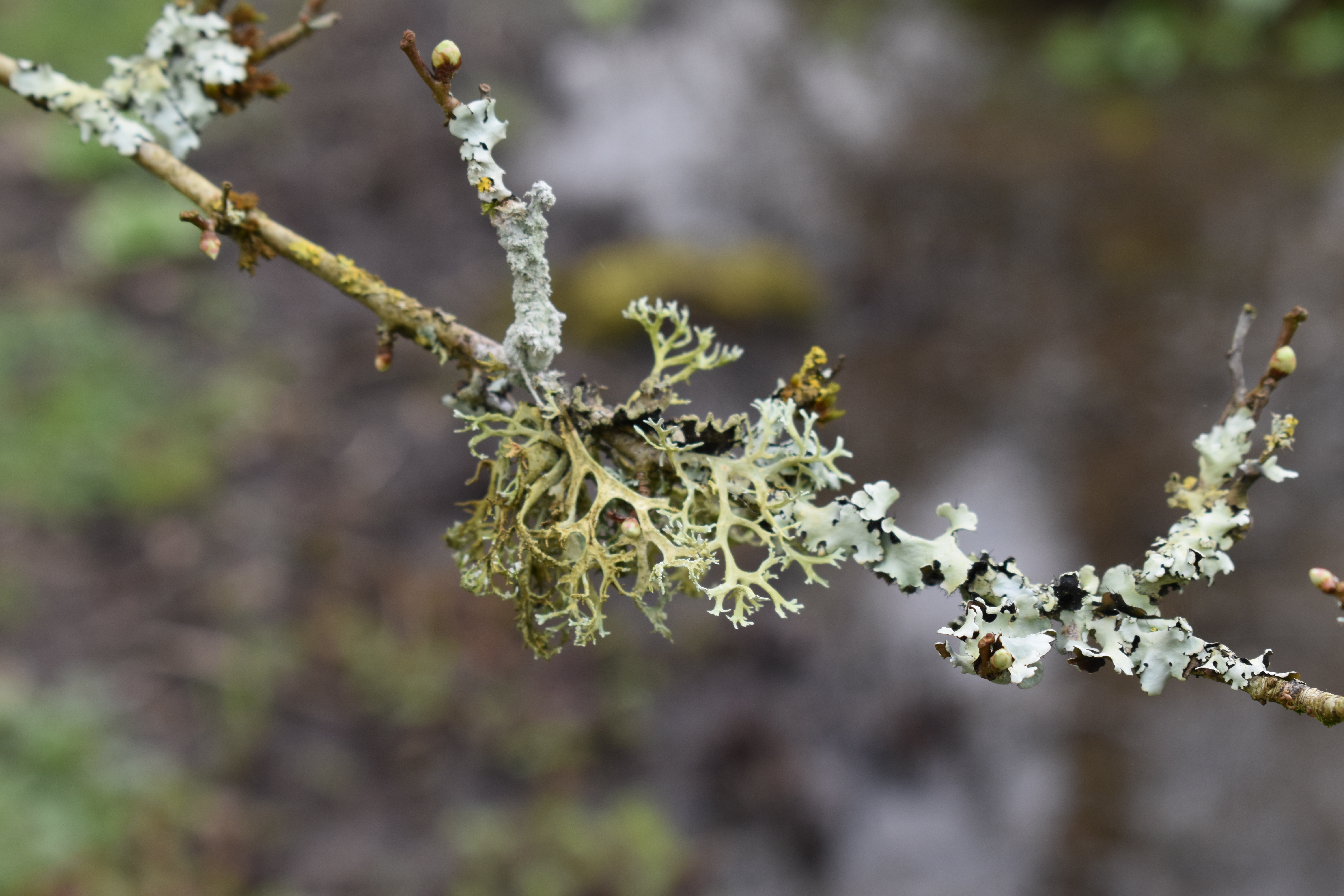
Close by is this wonderful tree decorated with mosses and lichen, illustrating how healthy the air here must be.
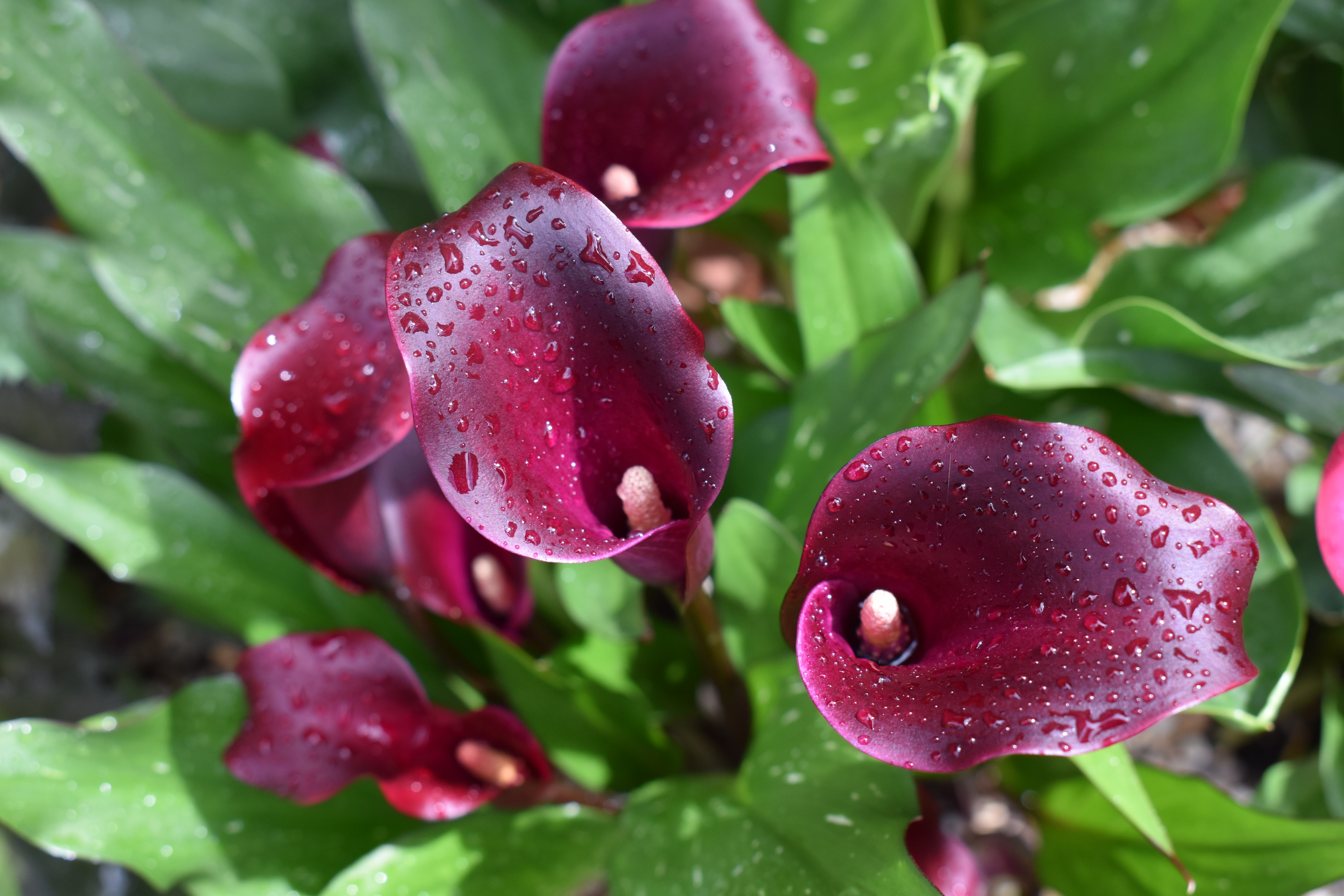
Other trees and shrubs display similar coverings of lichen, mosses and ferns. We do not grow such plants specifically for these wonderful lichen, mosses and ferns but it feels so satisfying to find them.

Shrubs give points of interest at this time of the year, some for their winter flowers, some for interesting foliage. The following shots show shrubs growing in the first half of the garden which is close to the outside seating area of the cafe. After enjoying our cafe we cross the bridge over the pond and enter the garden.

There are a few perennials that give interest in mid-winter, displaying interesting flowers, flower buds and foliage.

From here we need to cross the lane to enter the second half of the garden. We will visit that part of the garden in the second post. We plan to visit this garden once a month to record what we see and to discover how the garden changes through the year, 2024.

This Veggie Life

A Vegetarian | Nature Lifestyle Blog

Rambling in the Garden

.....and nurturing my soul

The Arch City Gardener

Journeys In St. Louis Gardening and Beyond

Garden Dreaming at Châtillon

Consult the genius of the place

Storyshucker

A blog full of humorous and poignant observations.

gardeninacity

Notes from a wildlife-friendly cottage garden

PlayGroundology

...an emerging social science

The Official Blog of British Wildlife

'The most important and informative publication on wildlife of our times' - The Independent. This blog is a member of The UK & Ireland Natural History Bloggers group: www.uknhb.blogspot.com

iGrowHort

Inspire - Cultivate - Grow Native Plants - Restore Landscapes

Bishops Meadow Trust

To create and protect a semi-natural wild space for the people of Farnham to enjoy and experience an array of British wildlife in our town

Gardening with Children

The www.gardeningwithchildren.co.uk Blog

UKbirdingtimeline

birding through the seasons, why birds matter and how to conserve them

NATURE WALKER

with a camera in hand

Jardin

Transform your outdoor space

Eva's space

My allotment, cooking and other interests

Old School Garden

my gardening life through the year

LEANNE COLE

Trying to live a creative life

fromacountrycottage

trying to live as lightly as possible on our beautiful planet

Good Life Gardening

Nature lovers from Leicester living the good life.

mybeautfulthings

Finding the beautiful in the everyday

mawsonmichelle

Michelle's Allotment

In and Out of My Garden

thoughts from and about my garden

Greenhousing

Big plans for a small garden

The Scottish Country Garden

A Walled Country Garden in South East Scotland

The Fruity Chicken

Life at the fruity chicken

willowarchway

Off grid living. Self sufficient. "PERMAGANICS RULE".

St Anns Allotments

Nottingham's Grade 2* Listed Allotments and Community Orchard

Manifest Joy Harvests

a journey in suburban vegetable gardening

Allotmental

The madness of growing your own

Penny's Garden: a harvest beyond my front door

A novel approach to vegetable gardening

arignagardener

Sustainable living in the Irish countryside.

NewEnglandGardenAndThread

Master Gardener, amateur photographer, quilter, NH native, and sometimes SC snowbird

dianajhale

Recent work and work in progress and anything else that interests me

planthoarder

a chaotic cottage gardener

Lens and Pens by Sally

a weekly blog that creates a personal philosophy through photographs and words

Dewdrops and Sunshine

Stories from a sassy and classy Southern farmbelle.

The Pyjama Gardener

Simple Organic Gardening & Seasonal Living

gettin' fresh!

turning dirt into dinner

JOY...

today the world is created anew

Garden Birds

Notes from a Devon garden

ShootAbout

Life Through The Lens

Adapting Pixels

A photography blog showcasing the best photography pictures and videos on the internet

Wildlifegardening's Blog

Just another WordPress.com site

naturestimeline

personal observations from the natural world as the search continues for a new approach to conservation.

LATEBLOOMERBUDS

The Wonders of Life through my Eyes, my Heart, my Soul