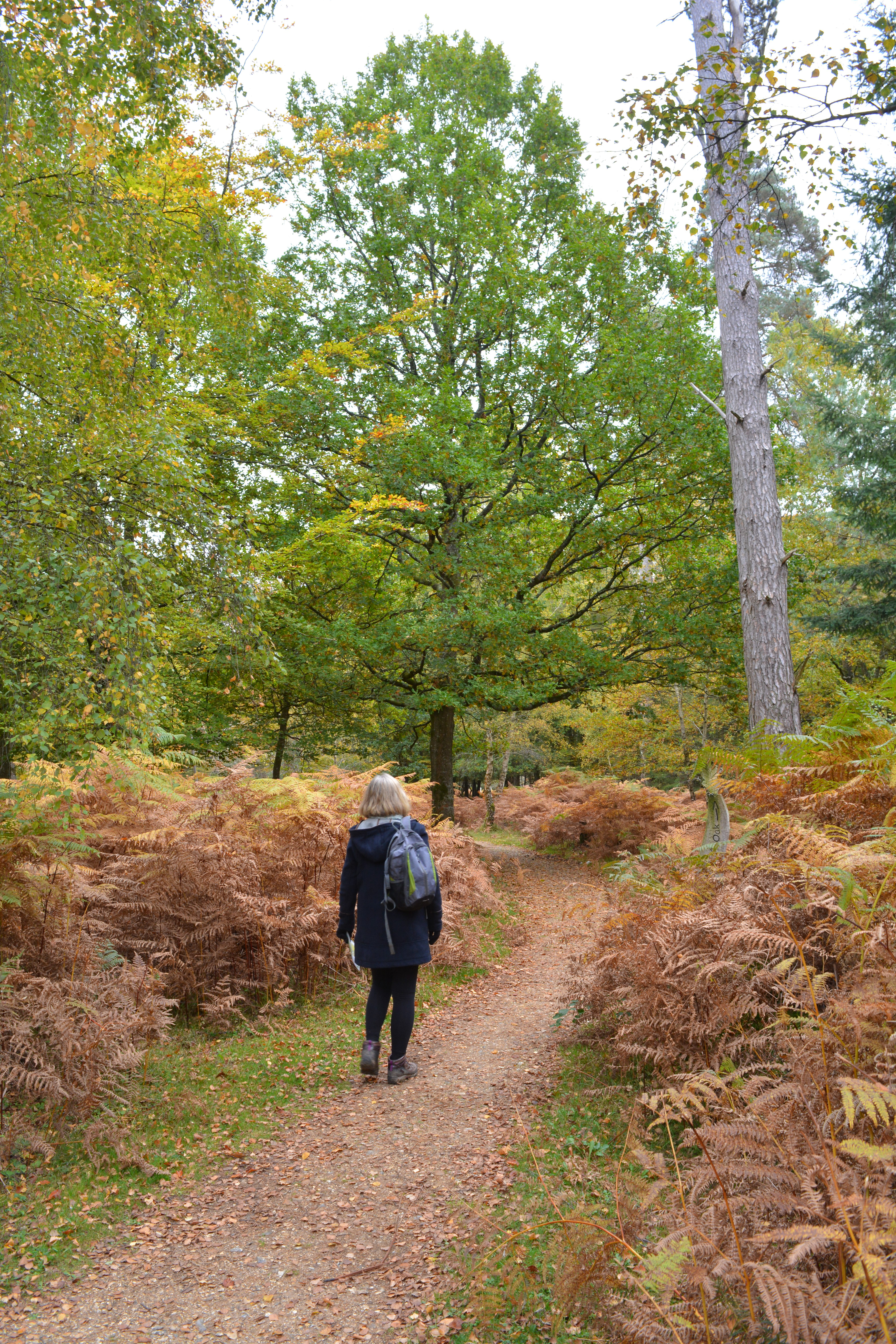
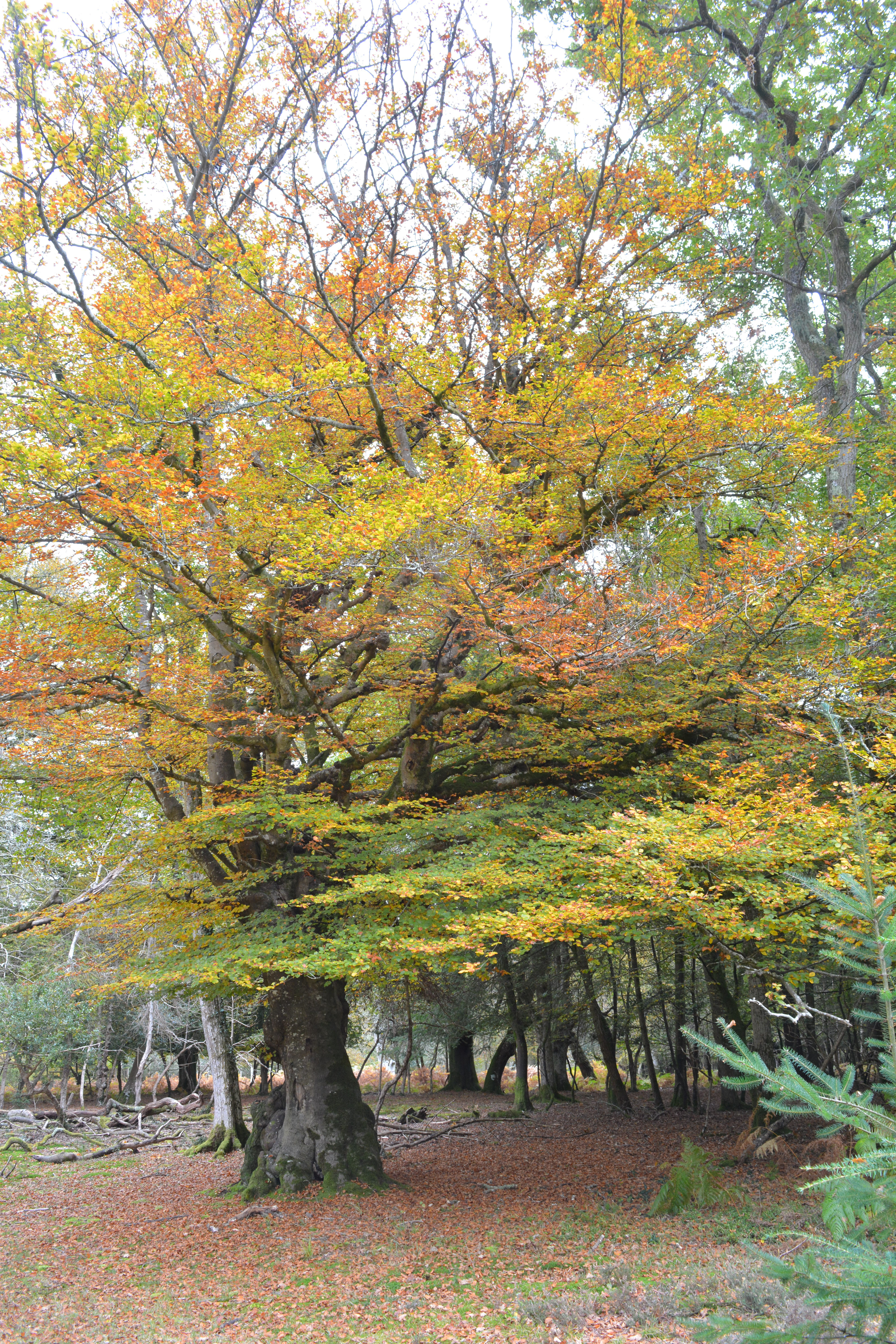
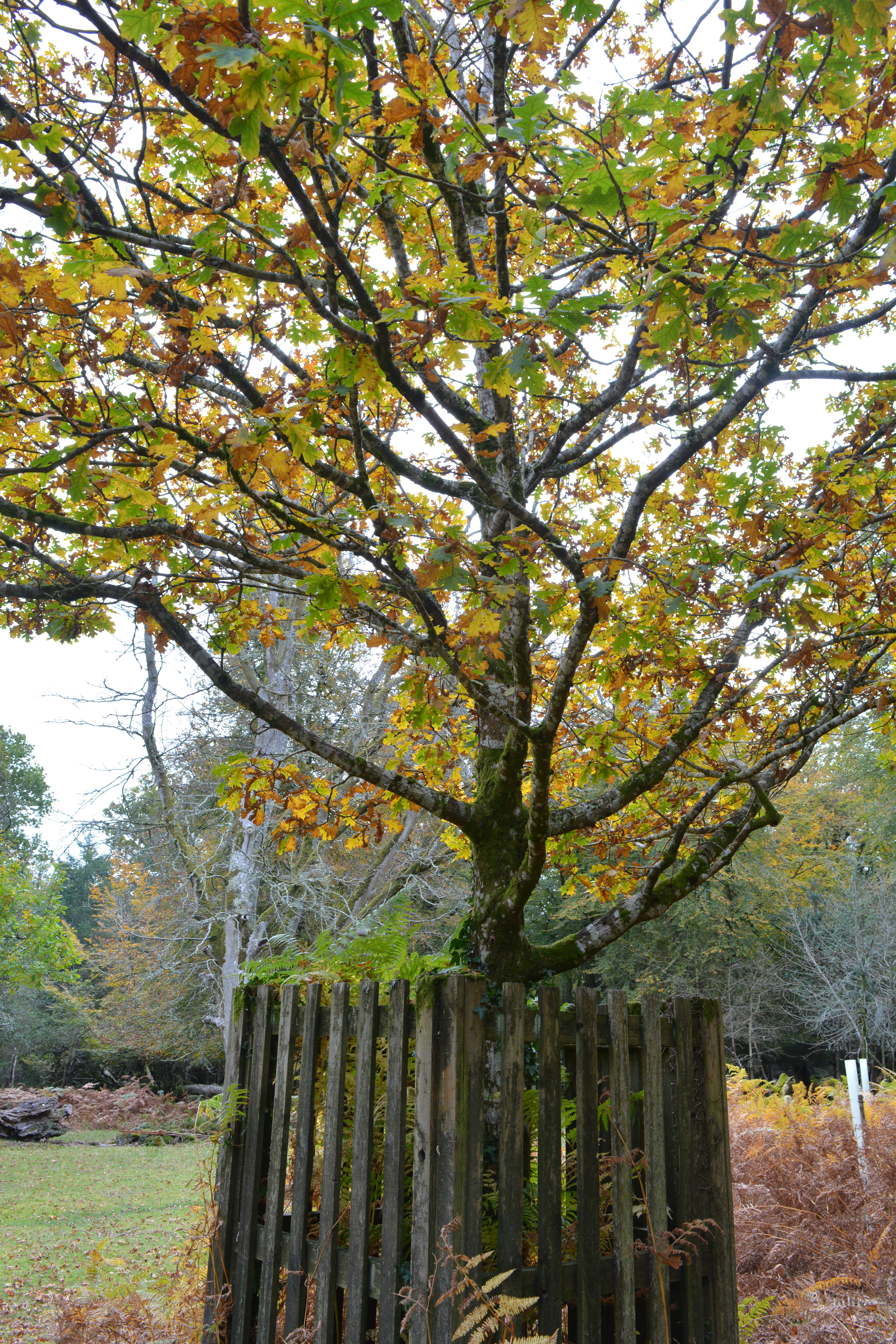
Categories
light light quality National Trust Shrewsbury Shropshire The National Trust wildlife

Simply Beautiful – 7 – Fallow Deer

While walking around our local National Trust parklands, Attingham Park, we usually finish our regular wanderings by walking along the wide paths mown and nibbled short and neat by the teeth of the parkland sheep. This is the deer park and we do indeed regularly enjoy watching the large herd of Fallow Deer who wander confidently close to the many visitors walking their territory.

sb7-6

The low December sunbeams give them coats of gold. Their mottled, spotted and dashed patterning is beautiful but developed to be functional, as camouflage against their habitat background.

sb7-7 sb7-4 sb7-5 sb7-2 sb7-3

Categories
bird watching birds canals climbing plants colours conservation countryside hedgerows landscapes nature reserves photography Shropshire Shropshire Wildlife Trust wildlife Wildlife Trusts

A return visit to the Prees Branch Line – a canal nature reserve.

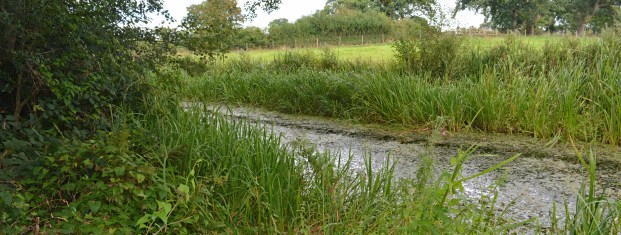
My brother Graham and his wife Vicky came to stay with us in early September and we went for some good days out, one of which was to the Prees Branch Line, a disused canal branch that never actually opened but now is a rich nature reserve, the longest wildlife pond in Shropshire. We have visited several times in the past at different seasons and enjoyed every walk along the old abandoned canal, as there is always so much wildlife to observe, encounter and surprise.

pbl-07

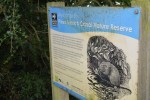
The site sign hints strongly at its main wildlife star, the Water Vole with a lovely illustration, but this is a star who is a real secretive creature and visitors have to be very lucky to spot one. It is more likely to find stems of reeds nibbled down in the vole’s distinctive style, or hear the plop as it enters the water again a very distinctive sound. We have heard them plop and seen signs of their nibblings at this reserve but never as yet spotted one.

pbl-01

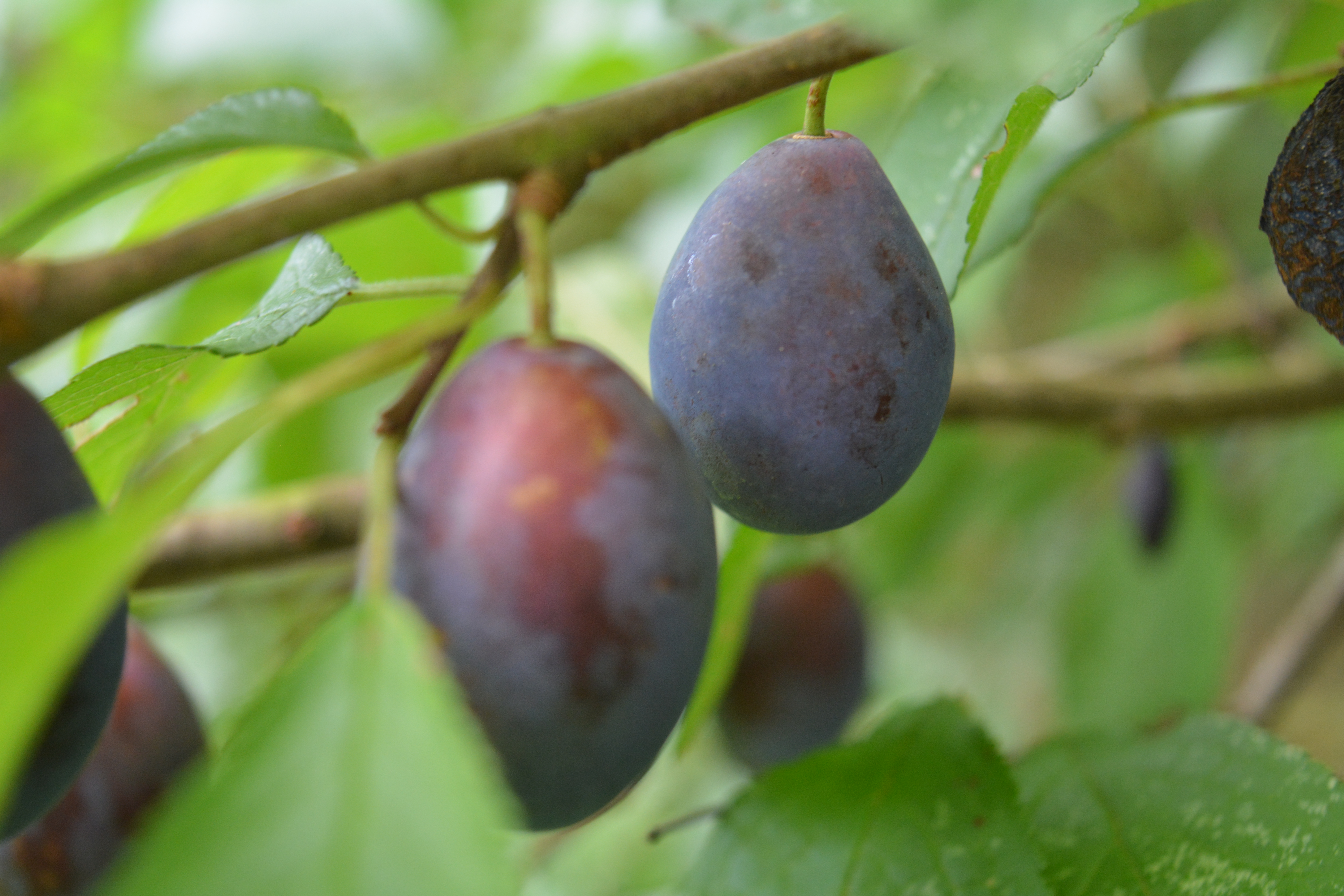
We began our walk enjoying a coffee as we put on our walking boots and luckily spotted some fruit trees close by, the native Shropshire Damson otherwise known as the Shropshire Prune. This tree is a feature of Shropshire’s hedgerows and we have enjoyed many while on walks. These however were the sweetest we have ever tasted, the nectar of the gods.

pbl-02 pb-1

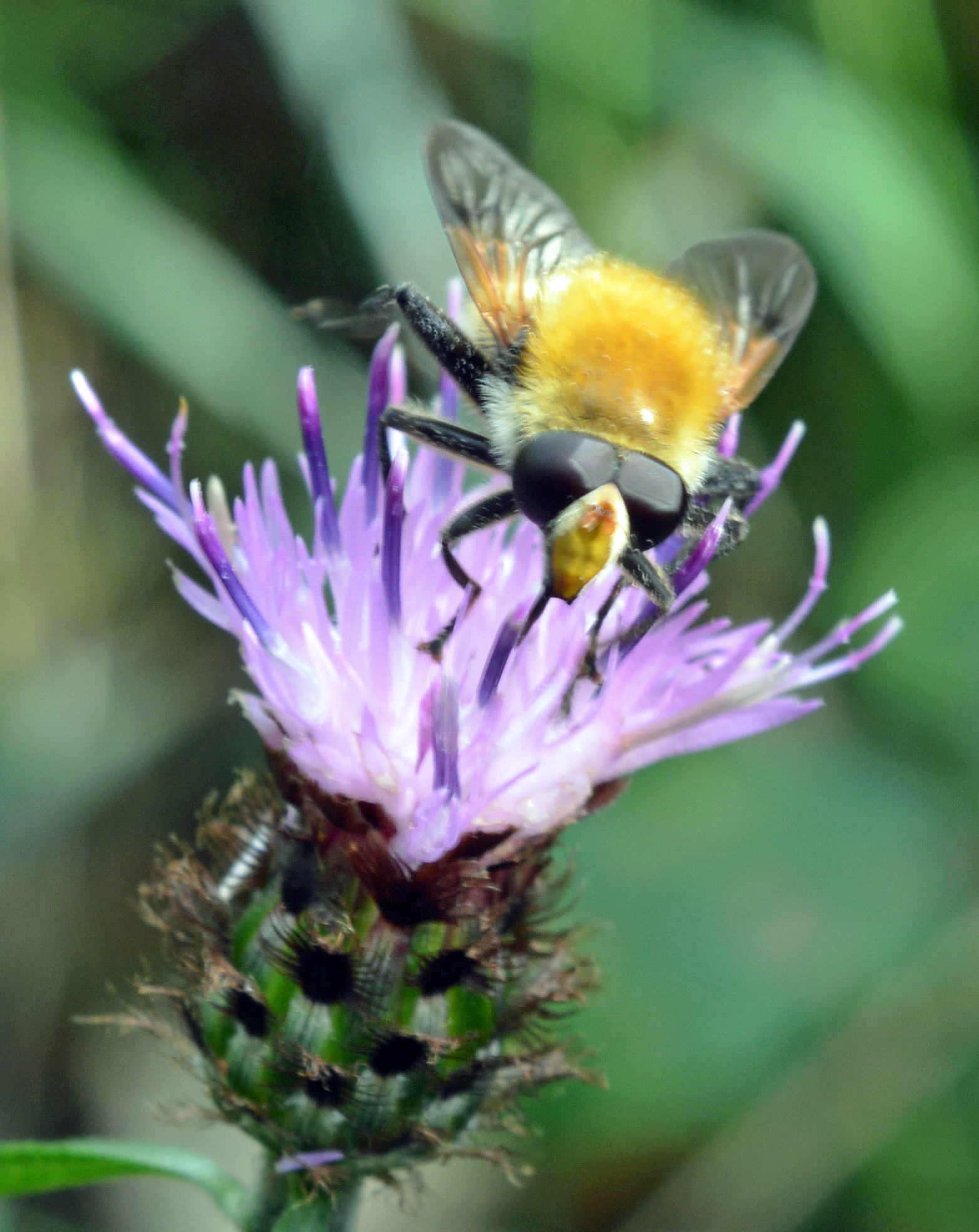
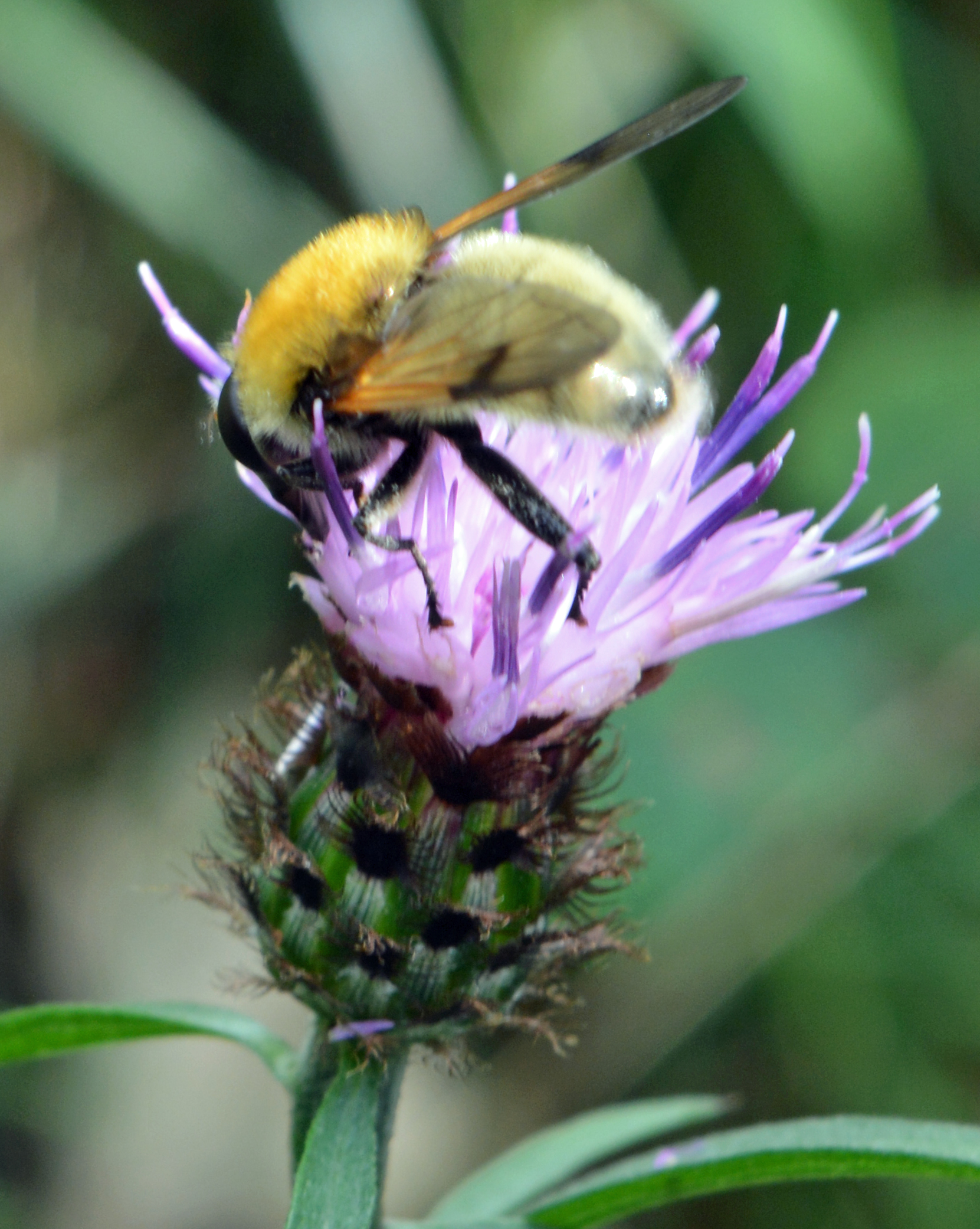
On this latest visit we were lucky to spot and watch for a long while a rare bee, the Moss Carder Bee which was a first for us. It appeared right in front of me as I was taking a photograph of a plant so I had the rare chance of taking photographs so effortlessly. The bee really just posed for me. Graham and I watched it for a while and got very close, close enough to appreciate the beauty of its delicate colouring and the subtlety of its markings.

pb-2 pb-3 pb-4

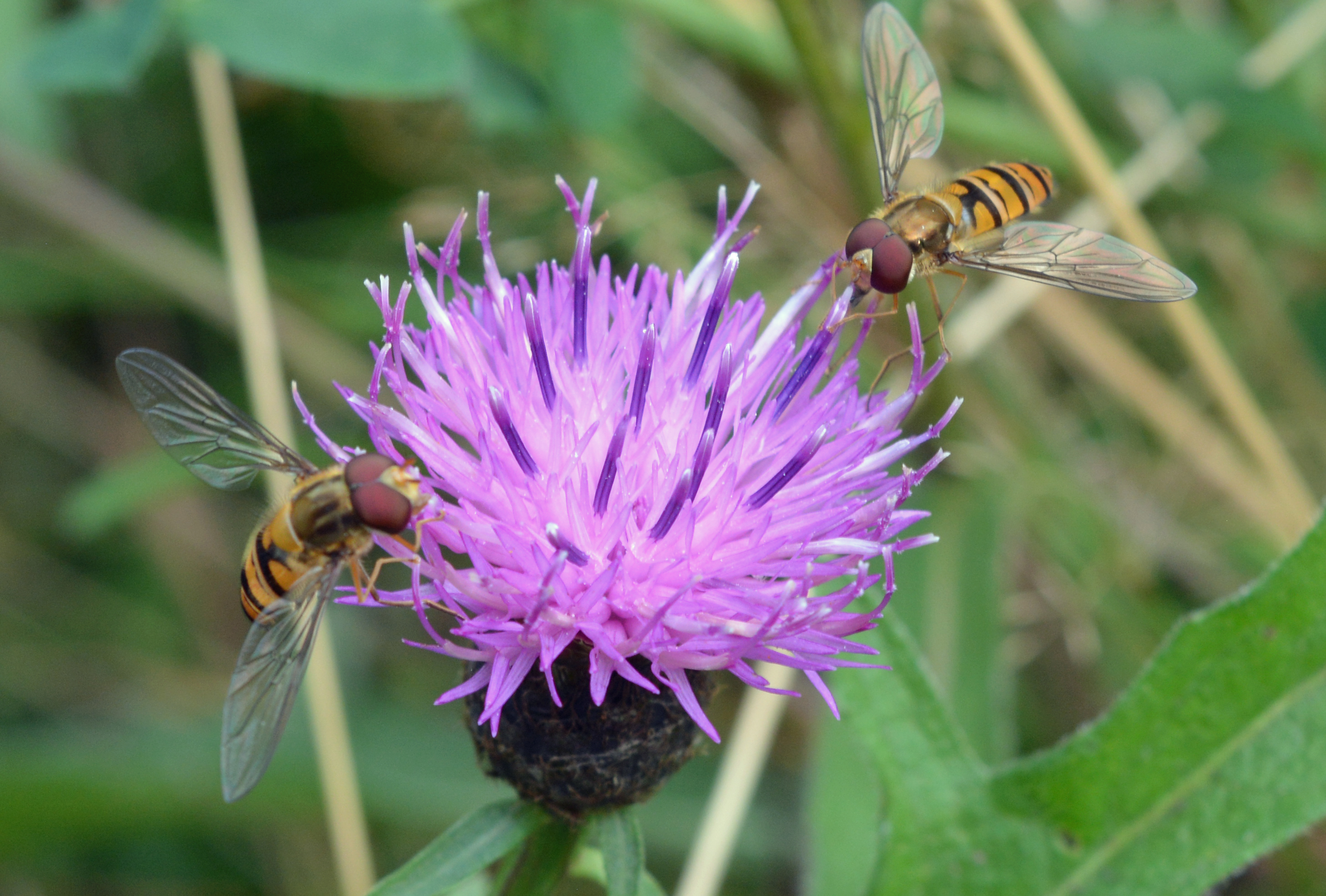
Not so long after this a similar thing happened. Again I was taking a close up photograph of a plant when a hoverfly firstly came into view above the flower, then landed on it closely followed by a second identical one allowing me to get these shots. Twins! Identical twins!

pbl-44 pbl-45pbl-22

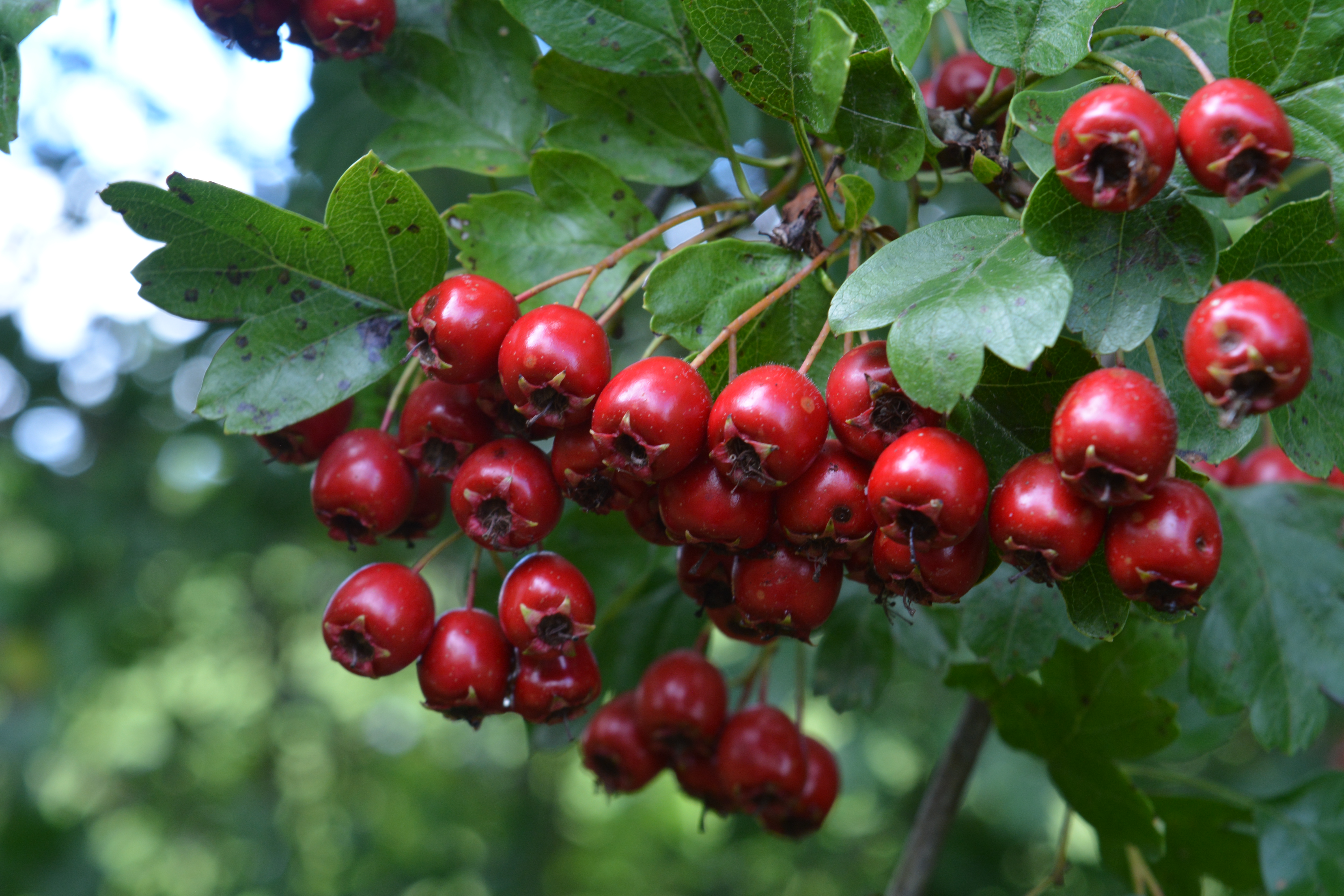
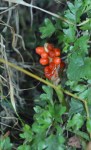
Berries were at various stages of ripeness from hard green to the darkest of ruby red.

pbl-31 pbl-32

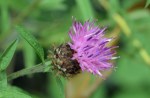
And wild flowers added spots of colour to the impressionist painting that is the bank of the canal.

pbl-23pbl-05 pbl-38

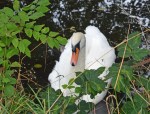
There was so much to see as we ambled along the narrow track along the towpath of the canal branch line that never opened to barges just to wildlife. Rather than narrow-boats plying the waters it is Swans, Mallards and Water Voles instead! We barely moved forward a few steps before something caught our eyes and stopped us in our tracks. I took so many photos that I thought I could invite you to join us as we followed our canal side path “there and back again”. Enjoy!

As usual just click on the first photo and then navigate with the arrows.


Categories
conservation garden design garden photography garden ponds garden pools garden wildlife gardening hardy perennials Herefordshire National Garden Scheme NGS ornamental trees and shrubs outdoor sculpture sculpture water in the garden wildlife Yellow Book Gardens

A beautiful wildlife garden in Herefordshire

Today we travelled further than we usually do for our regular visits to NGS gardens and made our way southwards through South Shropshire and down through Herefordshire to a tiny village near Ross-on-Wye. Even the approach to this garden was special as we left the temporary car park in a farmyard and followed a narrow track through a narrow band of woodland down towards the cottage and its garden. The description in the NGS Yellow Book promised a great afternoon out in a quirky cottage garden created for wildlife and managed organically. We were not to be disappointed in any way!

cornmill-01 cornmill-02 cornmill-03cornmill-04

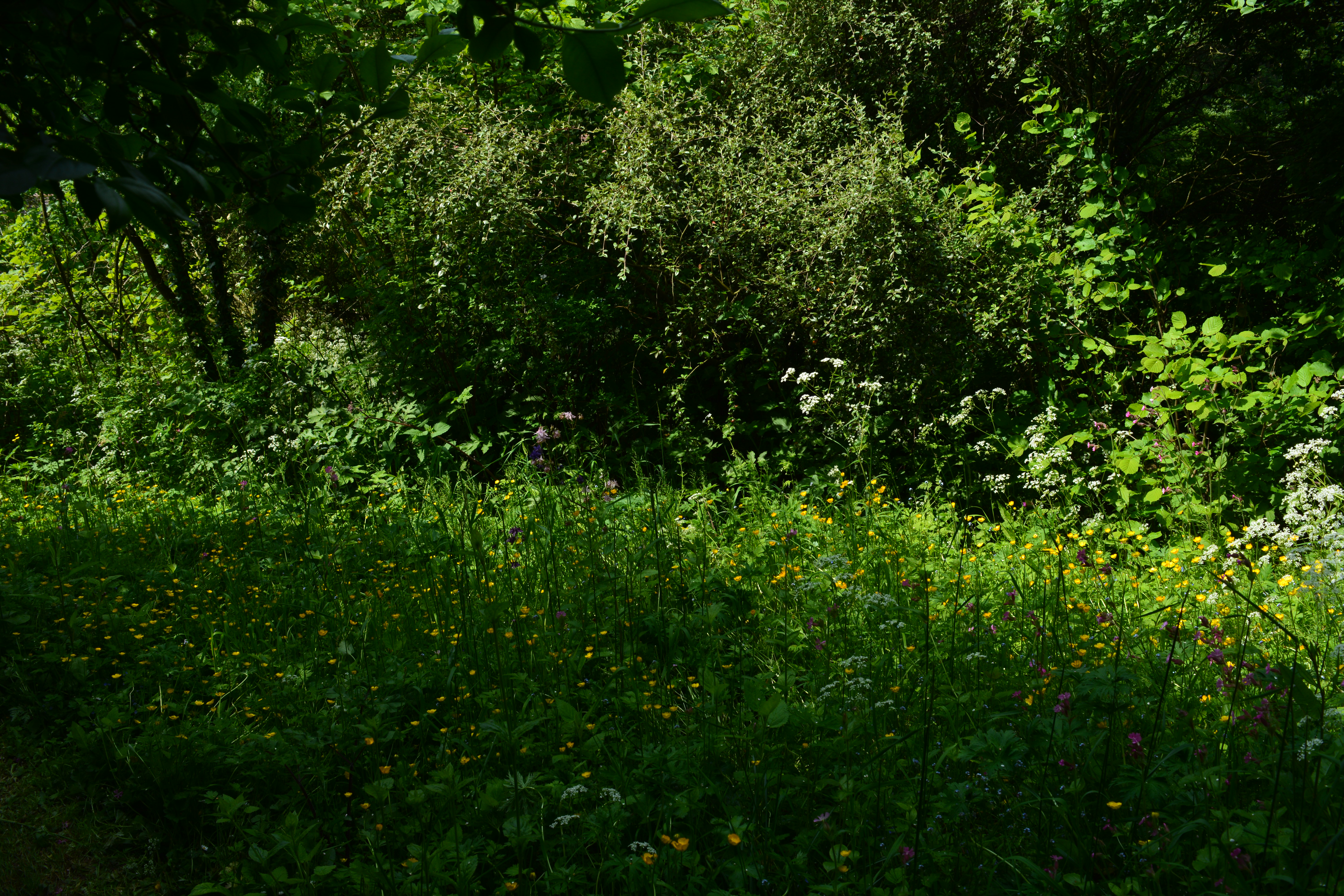
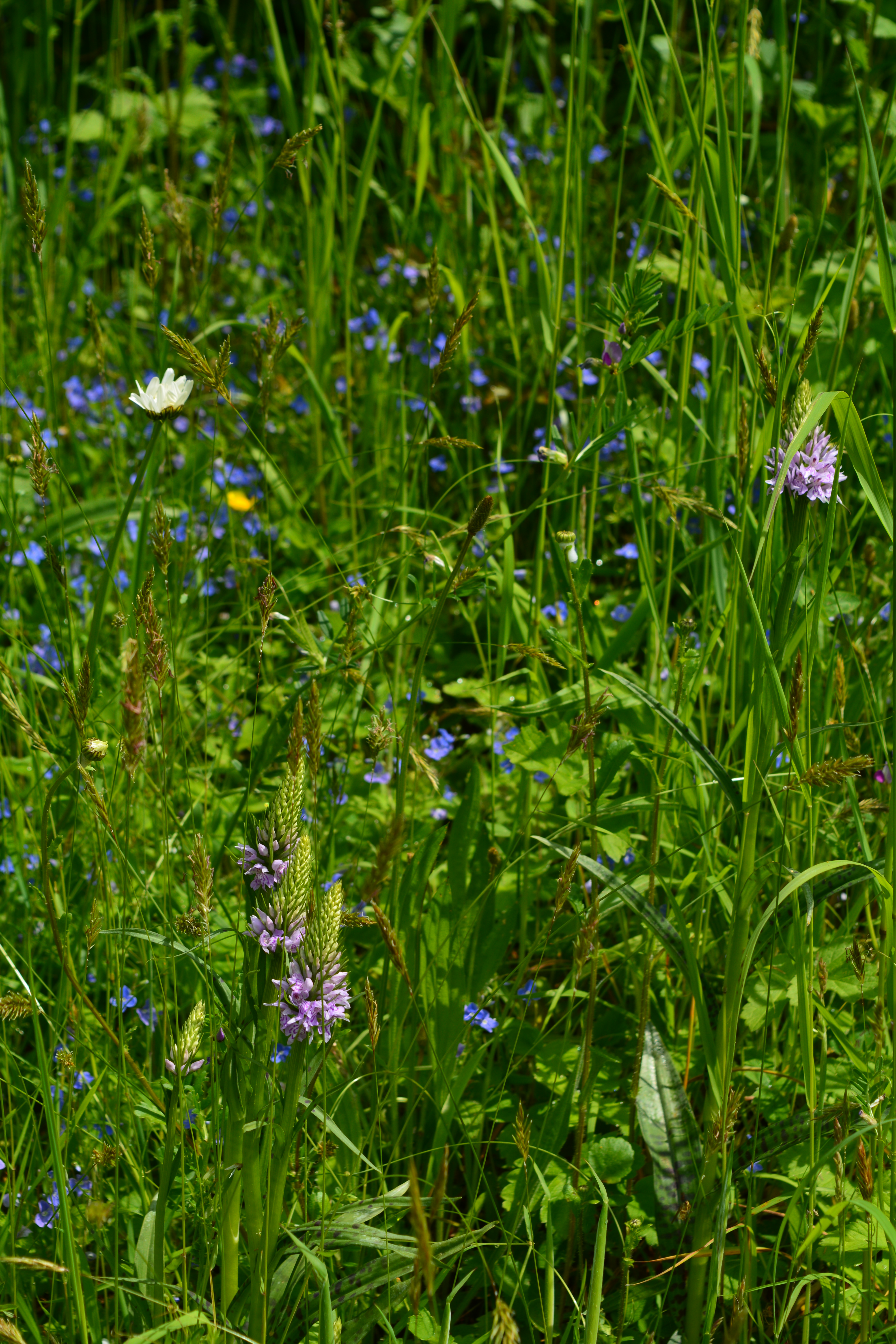
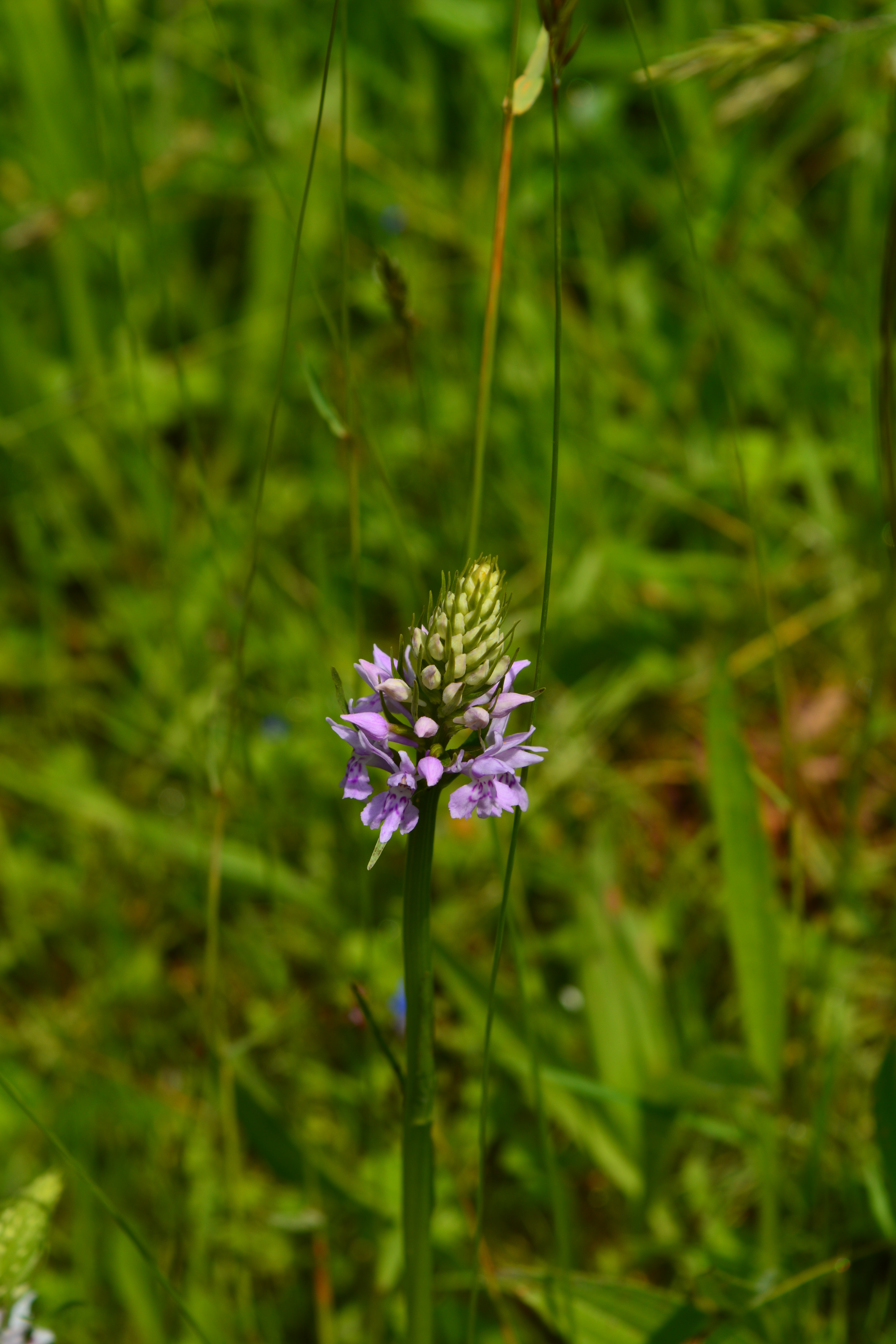
We found a steep driveway as we left the woodland shade and slowly made our way down it to the cottage below passing floriferous meadows all the way. We were delighted to see orchids in with more common meadow flowers.

cornmill-05 cornmill-06 cornmill-07 cornmill-09

We paid our entry fees and met the gardener who like us loved peaceful gardens full of wildlife especially. As we spoke I noticed this little selection of artifacts found in the garden. It was to set the tone for the day.

cornmill-10 cornmill-11

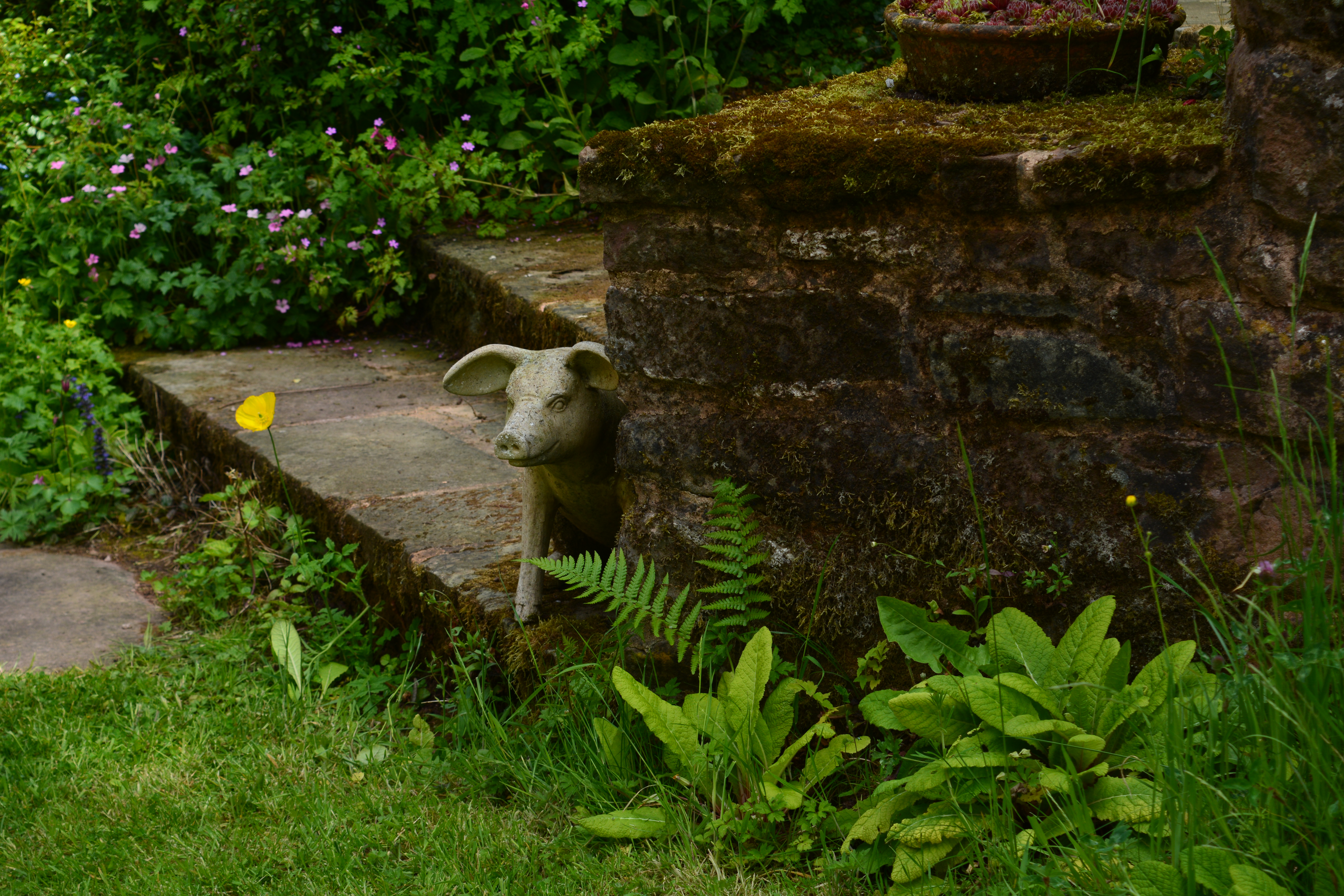
As we slowly ambled along the many meandering softly surfaced paths we kept one eye on the plants and another on the look out for more artifacts and sculptural pieces. We first found this perky looking pig! We found many more varied pieces to amuse, appeal and amaze.

millpig-1orchardcottage-12 orchardcottage-11orchardcottage-02 orchardcottage-04 orchardcottage-10 orchardcottage-13  orchardcottage-06 orchardcottage-01 orchardcottage-05millartifacts-09 millartifacts-10 millartifacts-2

This was a garden that invited us to wander and explore its many paths, to discover its calm and restful character. It succeeded in doing what we hope our garden does, to make you feel calm and contented. The planting was gentle and brought to mind the writings of William Robinson, especially how he expressed his philosophy of gardening in his book, The Wild Garden.

We shall now take a wander around this lovely gentle garden by following the pics in this gallery. As usual just click on the first picture and use the navigation arrows.

This was such a beautiful garden which welcomed other gardeners and wildlife alike, and was so full of atmosphere. We hope we are able to return one day in the future.


Categories
canals garden design garden furniture garden photography garden ponds garden pools garden wildlife gardening gardens gardens open to the public hardy perennials Hardy Plant Society HPS nurseries ornamental trees and shrubs outdoor sculpture sculpture trees water garden water in the garden wildlife

John’s Garden – Ashwood Nurseries.

We have wanted to visit John’s Garden for a long time but have never been able to attend on any of his open days, so when we noticed that a private visit was planned for the Shropshire Group of the Hardy Plant Society we were determined to go along. It is always worth going on these garden visits which give the chance to share the experience with your friends and also share their joint expertise and interest.

John Massey is well known for breeding his own strains of Hellebores and more recently Hepaticas too. He is also an excellent speaker and he has spoken to our Shropshire HPS group several times.

As we wandered down the drive to his bungalow we stopped to admire this imaginatively clipped hedge like billowing clouds. Opposite this was a lawned area with a small collection of interesting trees and some crazy sheep sculptures grazing the grass.

john-01 john2-22john2-20 john2-21

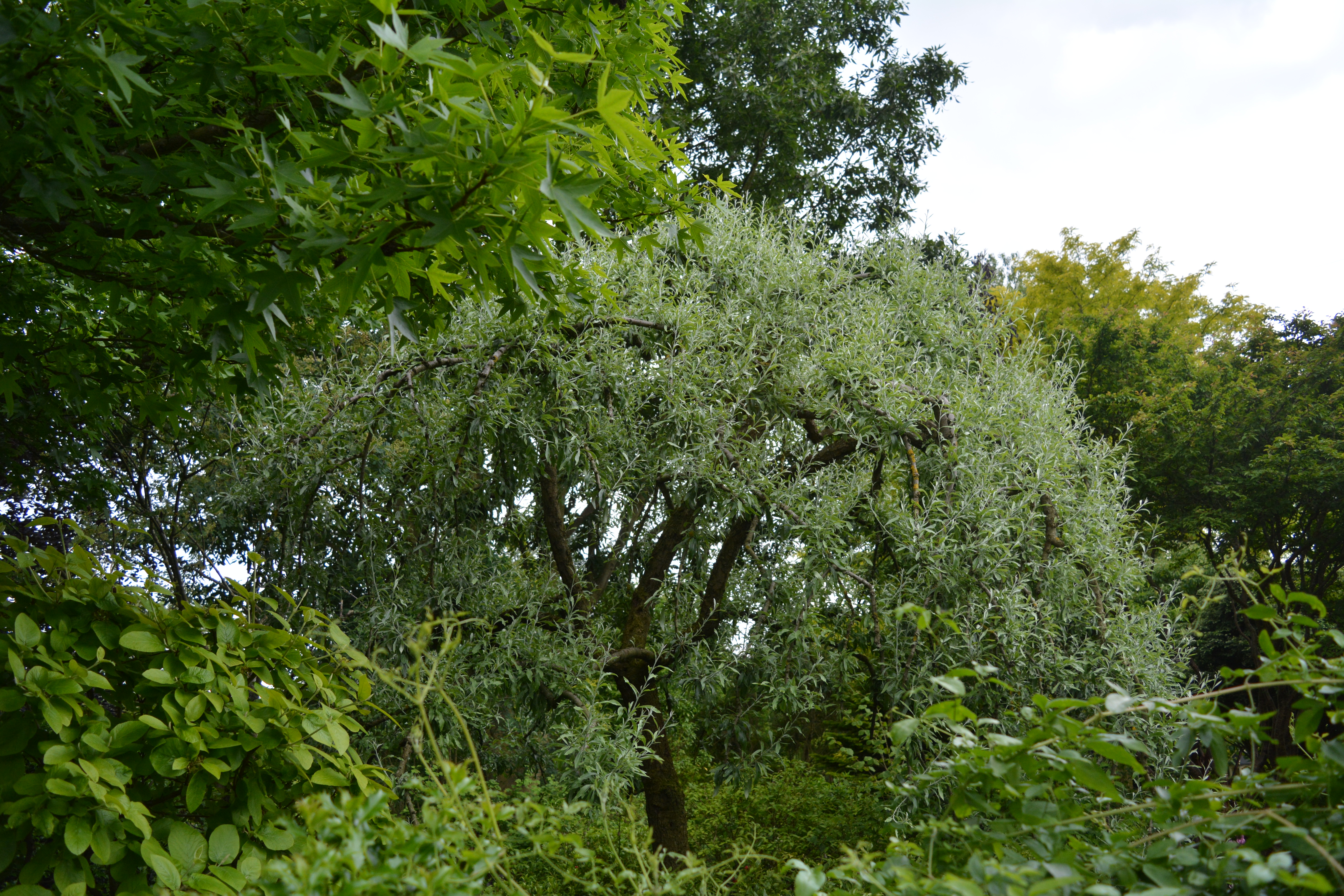
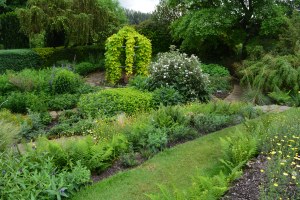
As we entered the main garden there was more smart pruning deserving a closer look, including this Pyrus salicifolia shaped into an umbrella.

john-03 john2-01 john-04 john-06

Let us take a quick look at a few photos of garden vistas, views which tempted us onwards.

john-07 john-08 john-09  john-11 john-13john-12 john-14 john-15  john-18 john-19 john-20

Sculpture featured strongly in John’s garden and here is a selection for you to enjoy.

john-10 john1-01john1-09 john2-07john2-09 john2-15john2-17 john2-16 john2-19 john2-18 john2-10

Some well-chosen and carefully placed sculptures adorned the area around a beautiful pool. The planting was intriguing too and called out for closer examination.

john1-15 john1-21john1-19 john1-23   john1-25 john1-26

A second much smaller water feature was surrounded by a collection of beautiful plants. The little fountain raised the water just a few inches before it dropped back creating gentle ripples and a relaxing sound.

john1-05

The area of garden around the back of the house was partly covered with a large pergola over paved areas. Imaginatively planted containers and plenty of seats made this a restful area inviting the visitor to sit and relax to enjoy the succulents and alpines. From the paved area a lawned areas sloped gently down to the canal, a lovely feature acting as the boundary to a garden.

john1-11 john1-08john1-06 john-18john-17 john1-12

John and his garden team seem very good at putting plants together especially using foliage as the link pulling the design together.

john1-13 john1-14 john2-04 john1-02john1-20 john1-04

As in any good garden however good plant combinations and plant communities are, there are always individual specimens that draw the visiting gardener in for a closer look.

john1-03 john1-07   john1-10 john2-14john2-05 john2-02john1-16 john1-17

We really enjoyed our leisurely walk around John’s Garden particularly  as we were accompanied by John himself, who was such a generous, knowledgeable and humorous guide. We were lucky to share this garden with the owner and chief gardener.

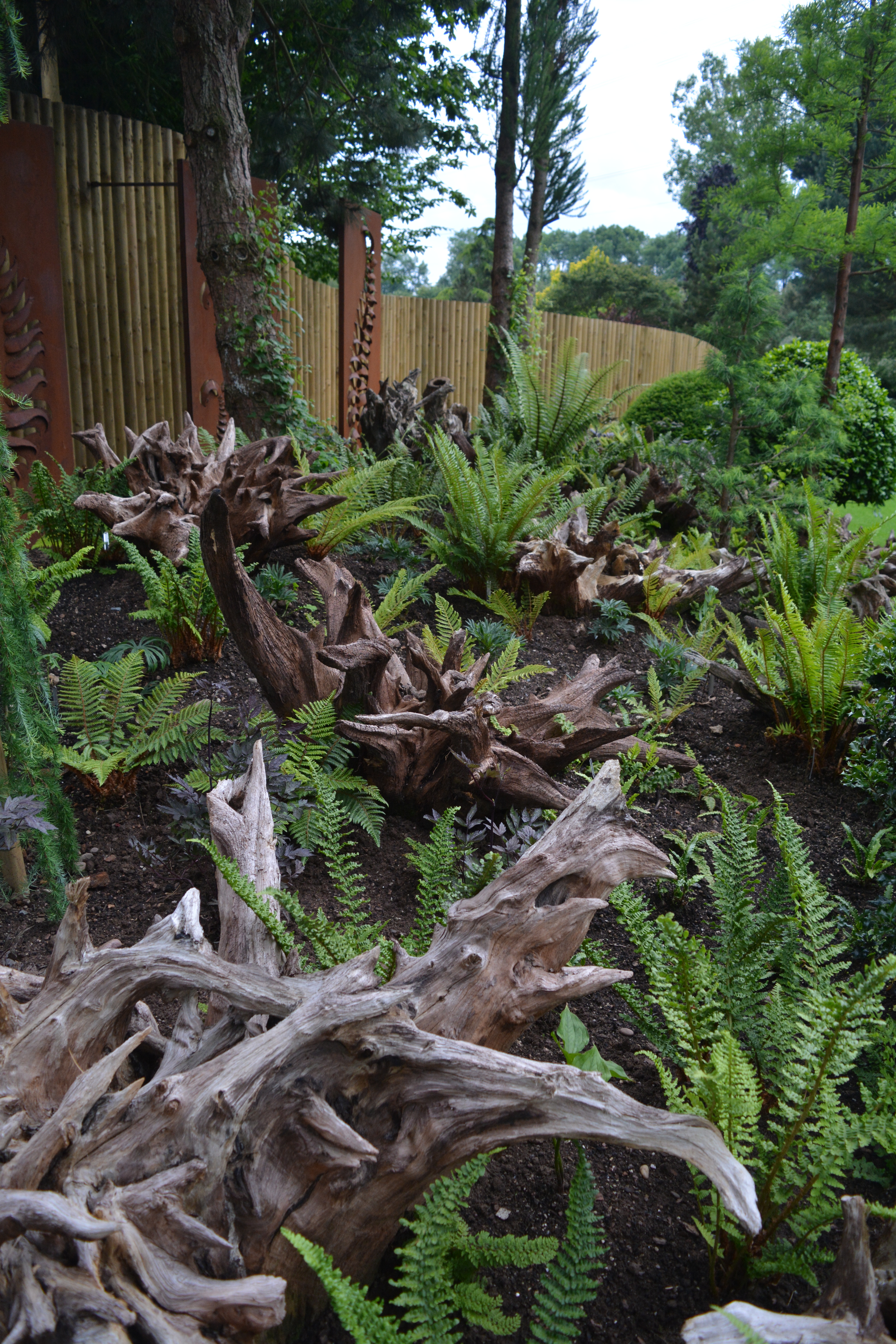
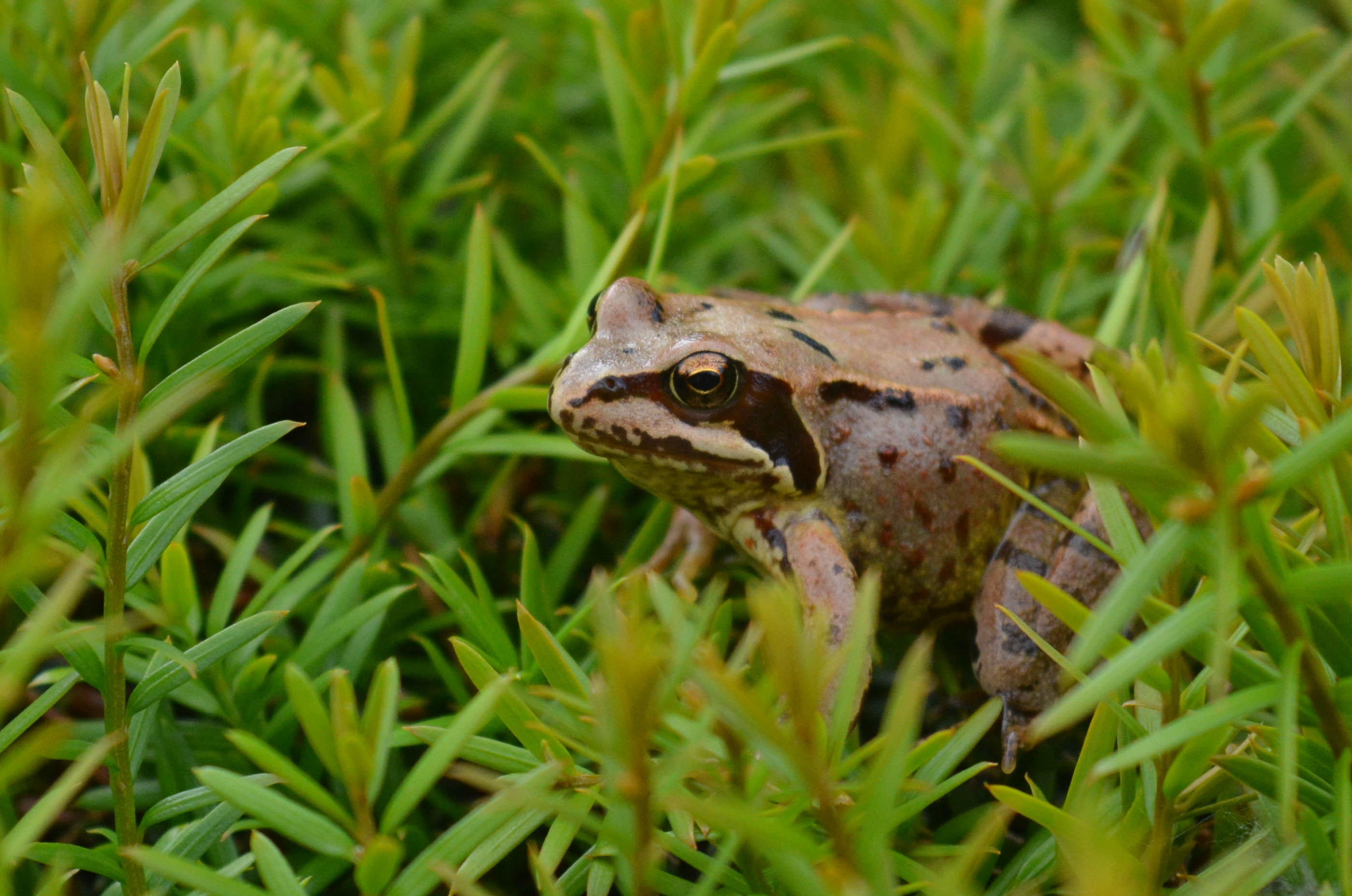
But I shall leave you with two surprises we had during our journey, a totally unexpected border, a newly built stumpery and a lovely close-up view of a frog on top of a topiary sphere!

john2-11 john2-12 john2-13

Categories
colours garden design garden furniture garden photography garden ponds garden pools garden wildlife gardening gardens gardens open to the public hardy perennials lakes light light quality ornamental trees and shrubs outdoor sculpture sculpture shrubs town gardens water garden water in the garden wildlife woodland

Winterbourne House Gardens – a city garden

You don’t very often find yourself travelling into the centre of a major city to find a beautiful garden but that is exactly what we had to do to find a garden that had been on our bucket list for years, Winterbourne House Gardens. We travelled along three motorways, the M54, the M6 and finally the A38M into Birmingham until we found the street we were looking for and just 600 yards down there we found the entrance to the garden. Putting up with the motorway journey and the city traffic was soon lost from our minds as the entrance was so welcoming and we knew we were in for a wonderful day.

wint-03 wint-08 wint-05wint-06 wint-04

Obviously we started our visit by obeying the sign above! The only downside of a visit to this garden is the tearoom being much too small for a wet and cold day. But the garden itself was a beauty with views, pathways and archways to invite us to explore further.

wint1-04 wint1-20wint3-08 wint1-21 wint2-09 wint3-06

A botanical garden though is all about special plants and the way they are grown together. There were plenty for us to study at Winterbourne and to help take our minds off the dull skies and increasing threat of heavy showers.

wint2-08 wint1-01wint2-10 wint2-07wint1-19 wint1-05 wint1-06 wint1-08wint1-13 wint1-14wint3-03 wint3-07wint3-11 wint3-12

Little features that draw the eye added extra points of interest to our wanderings.

wint1-07  wint-09 wint1-12 wint1-15 wint1-16 wint1-17 wint1-18

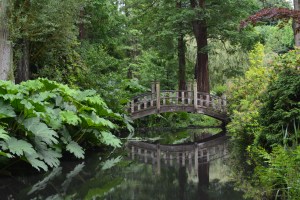
An unexpected treat was found as we took a path through woodland, a shaded walk alongside a large lake. The light was very special there. Looking out over the lake we could see the skyscrapers of the city. This was the only time we were aware of our city centre location during our wanderings.

wint2-02 wint2-01 wint2-03 wint2-06wint2-04

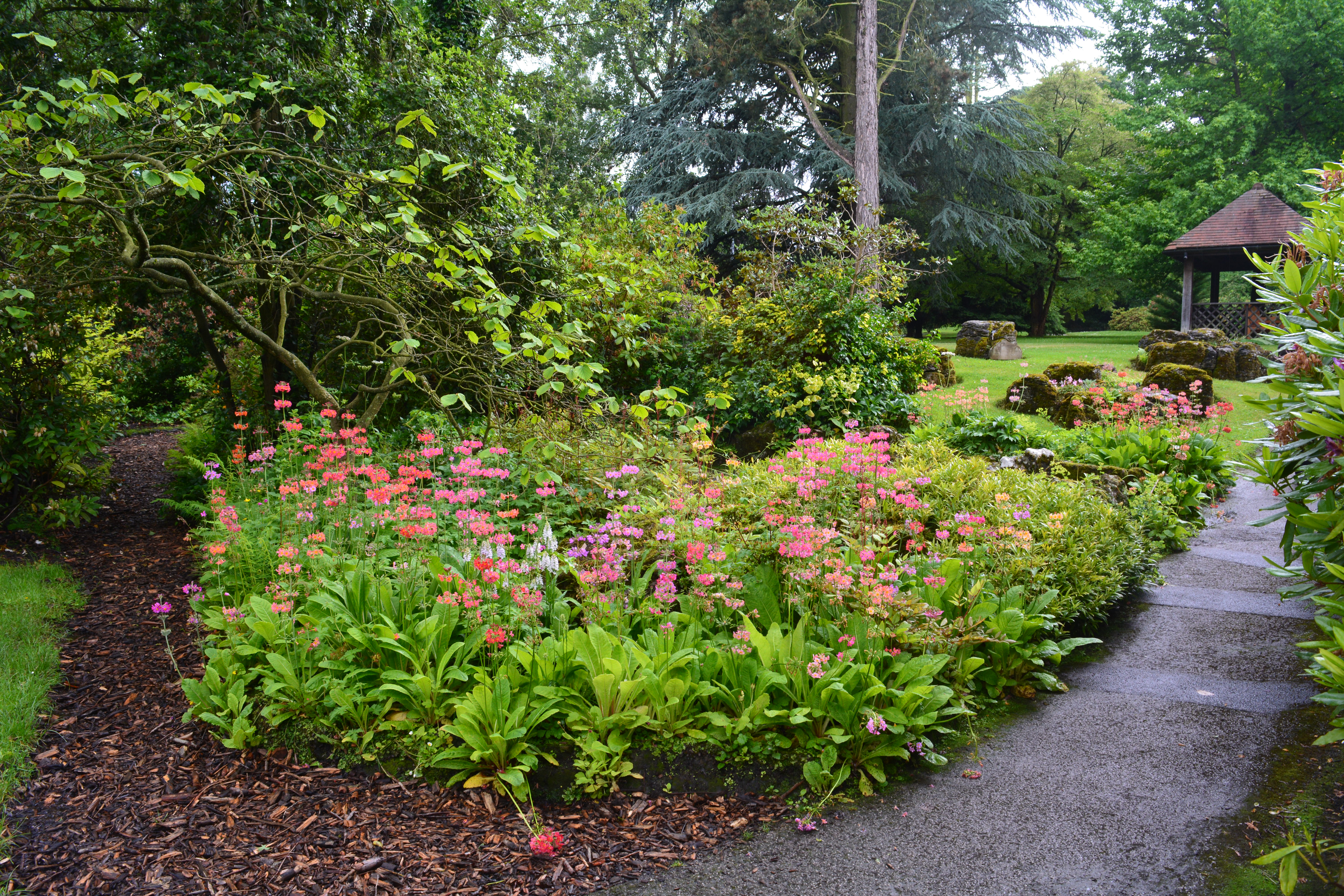
After enjoying our lakeside promenade we followed the winding path through the water gardens where the giant leaves of Gunneras and Dalmeras dominated and the wide ranging colours of Primulas added interest to the greens.

wint2-17 wint2-16   wint2-18 wint2-23

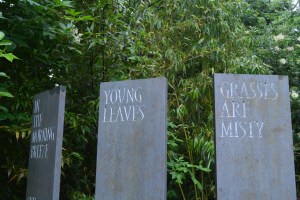
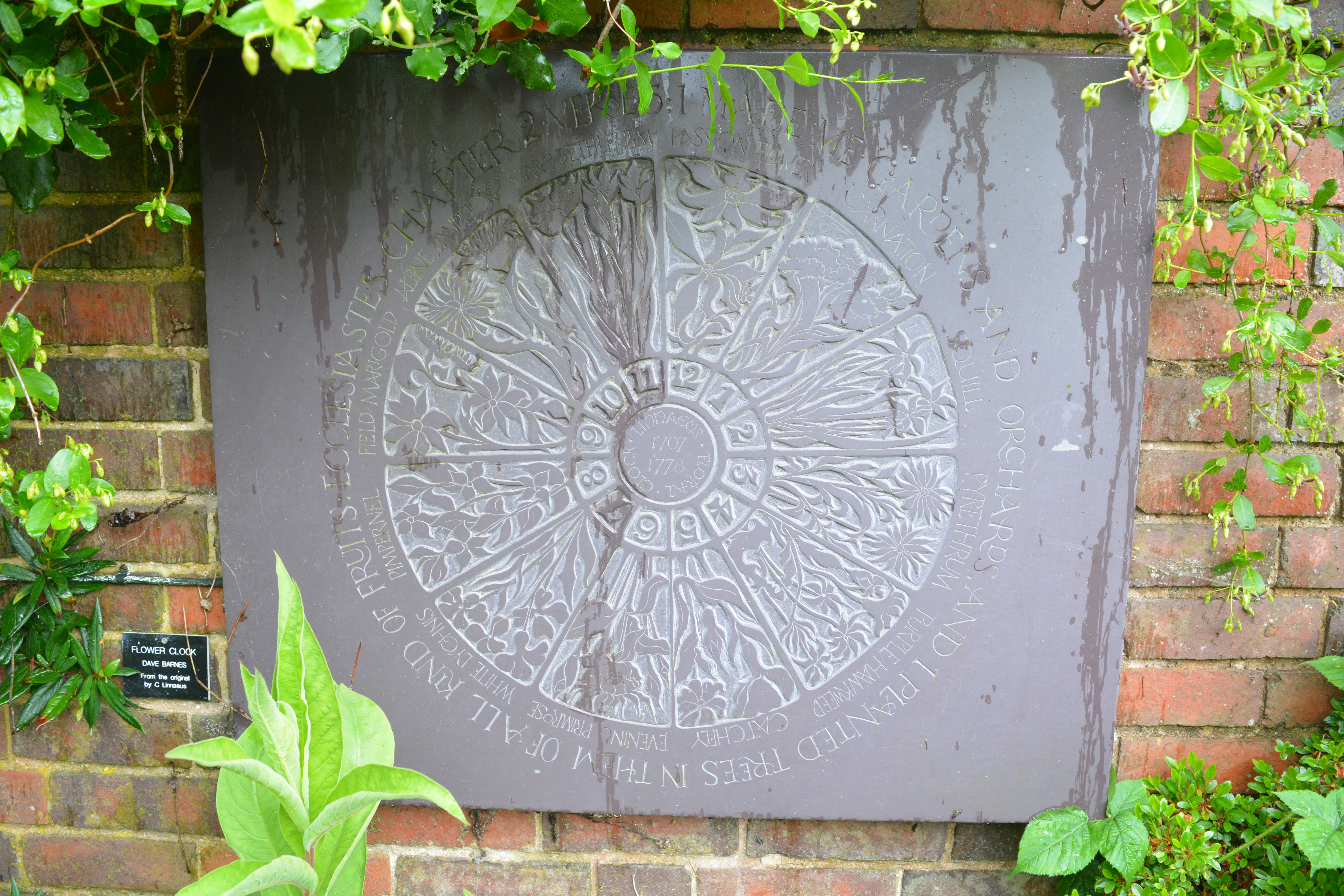
We love to see sculpture in gardens so were delighted to spot these beautiful slate pieces  inviting us to read their words. We were amazed to discover that one piece was based on a clock – beautiful!

wint2-24 wint2-27 wint2-29wint2-25 wint2-28wint3-01 wint3-02      wint3-09 wint3-10

So we discovered another garden that we enjoyed so much that we have added it to our favourite list. A great garden in a great city.

Categories
colours garden design garden photography garden wildlife gardening gardens hardy perennials ornamental trees and shrubs village gardens wildlife

My Garden Journal in June

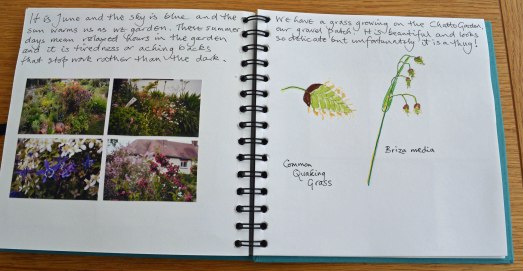
Half way through the year and we are also at the half way point of my garden journal. Here is my journal for June – I hope you enjoy it!

It is June and the sky is blue and the sun warms us as we garden. These summer days mean relaxed hours in the garden and it is tiredness or aching backs that stop work rather than the dark.”

junejournal-01

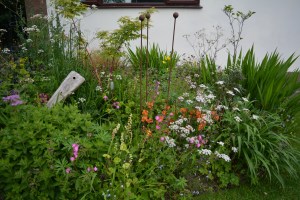
I added four photos of general garden views below the first paragraph.

junejournal-1-1 2-42-1 2-3

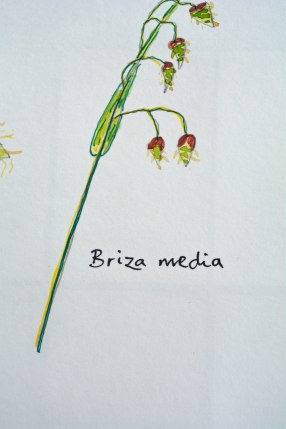
On the opposite page I featured a tiny simple grass, a favourite but also a bit of a nuisance. It is the Common Quaking Grass. It moves in the slightest breeze.

“We have a grass growing on the Chatto Garden, our gravel patch. It is beautiful and looks so delicate but unfortunately it is a thug!”

junejournal-02junejournal-03junejournal-04

Turn over the page and we find two pages mostly of photographers.

junejournal-05

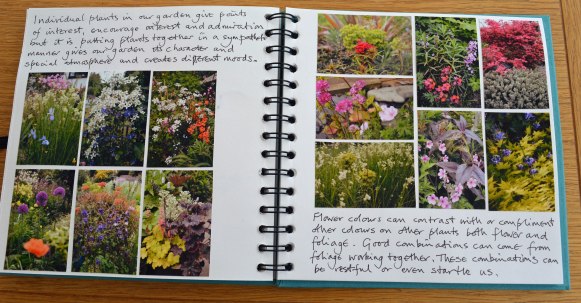
“Individual plants in our garden give points of interest, encourage interest and admiration but it is putting plants together in a sympathetic manner gives our garden its character and special atmosphere and creates different moods.”

jj-3 jj-5 jj-6 jj-2 junejournal-3-1 jj-1

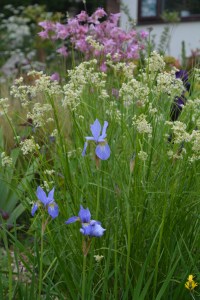
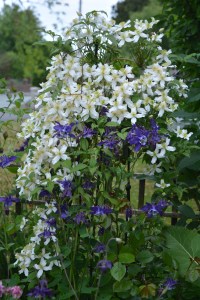
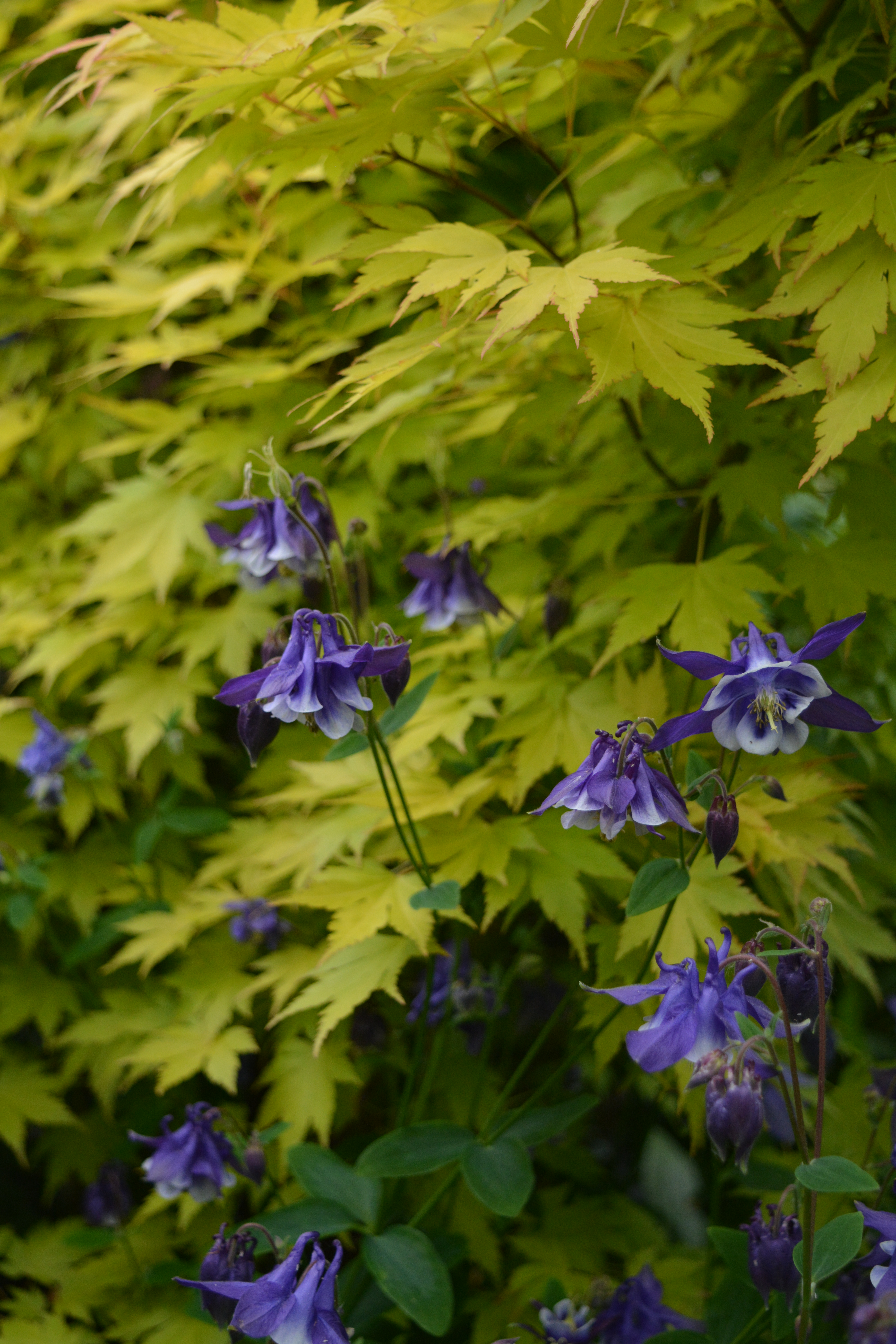
“Flower colours can contrast with or compliment other colours on other plants both flower and foliage. Good combinations can come from different plants’  foliage working together. These combinations can be restful or even startle us!”

junejournal-3-2 junejournal-2-2junejournal-2-3 junejournal-1-4 j-1 j-2 junejournal-1-3

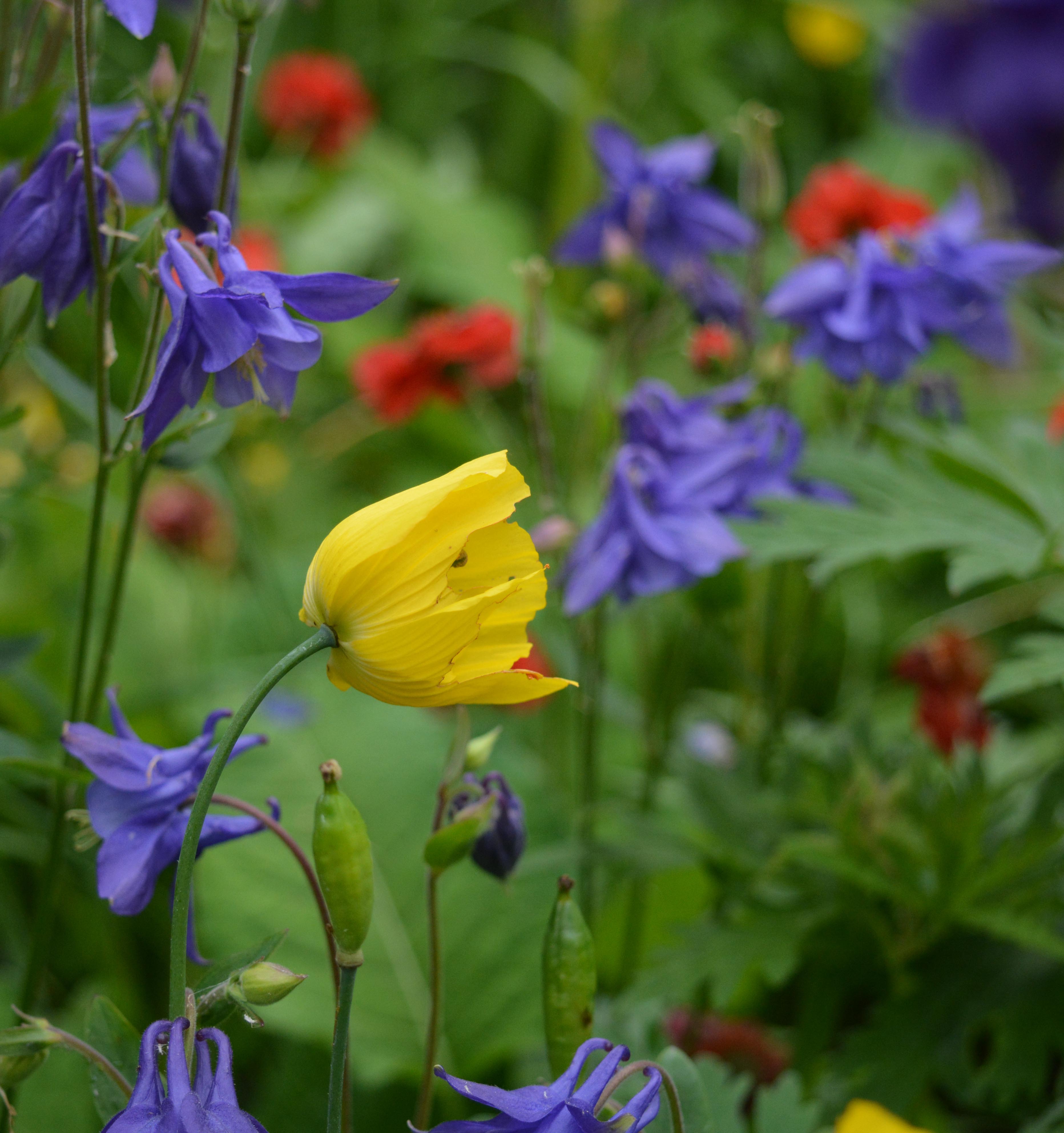
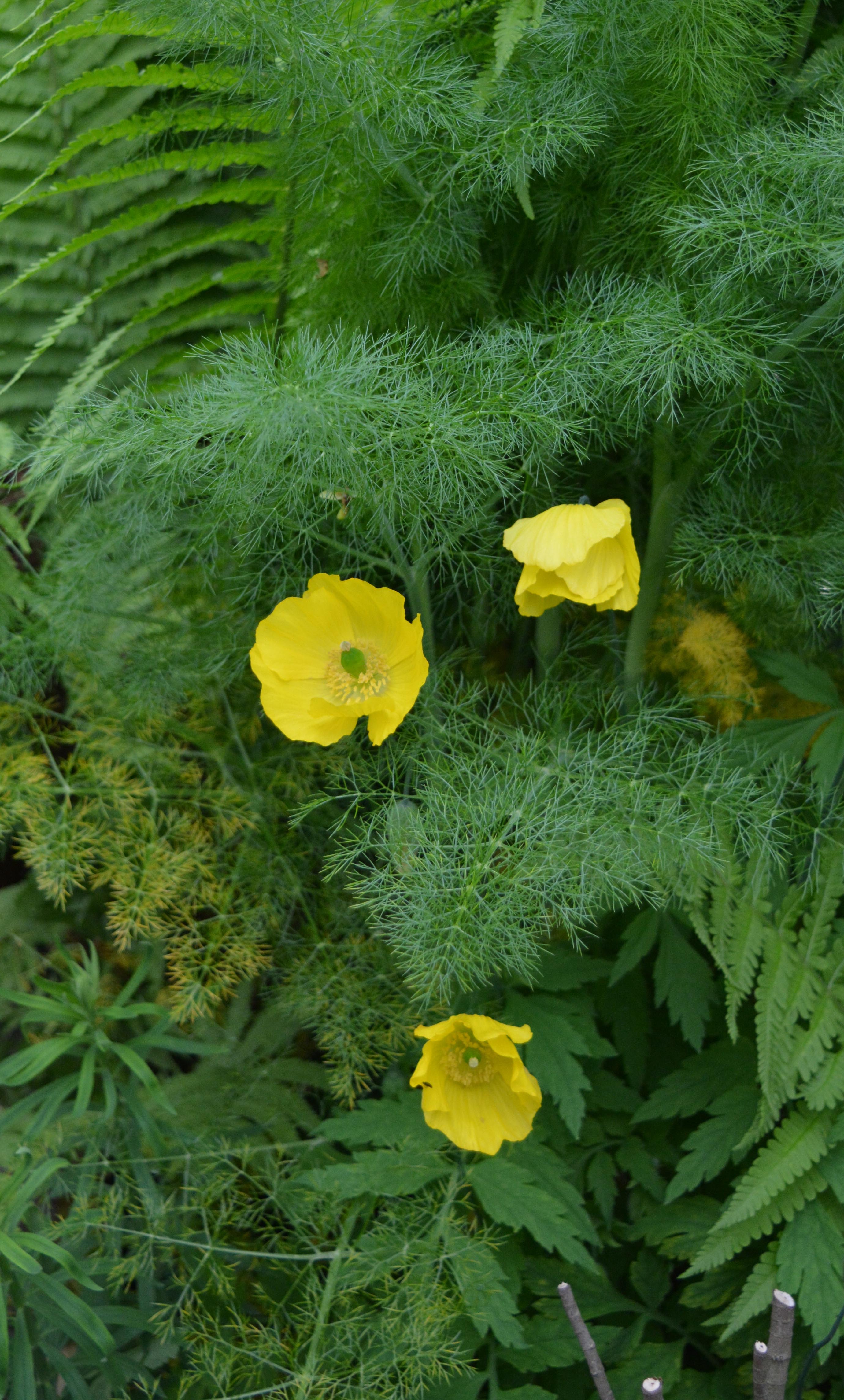
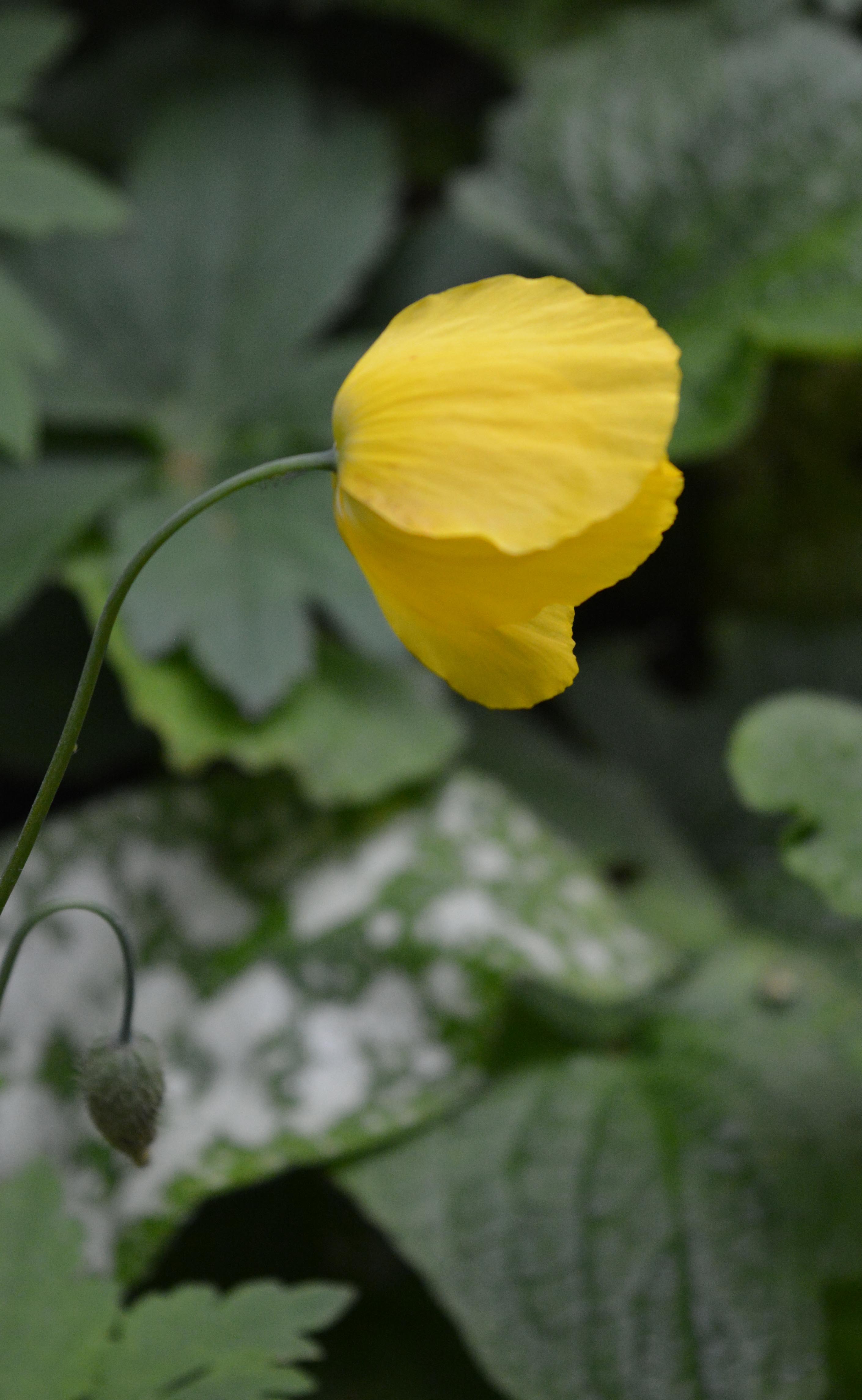
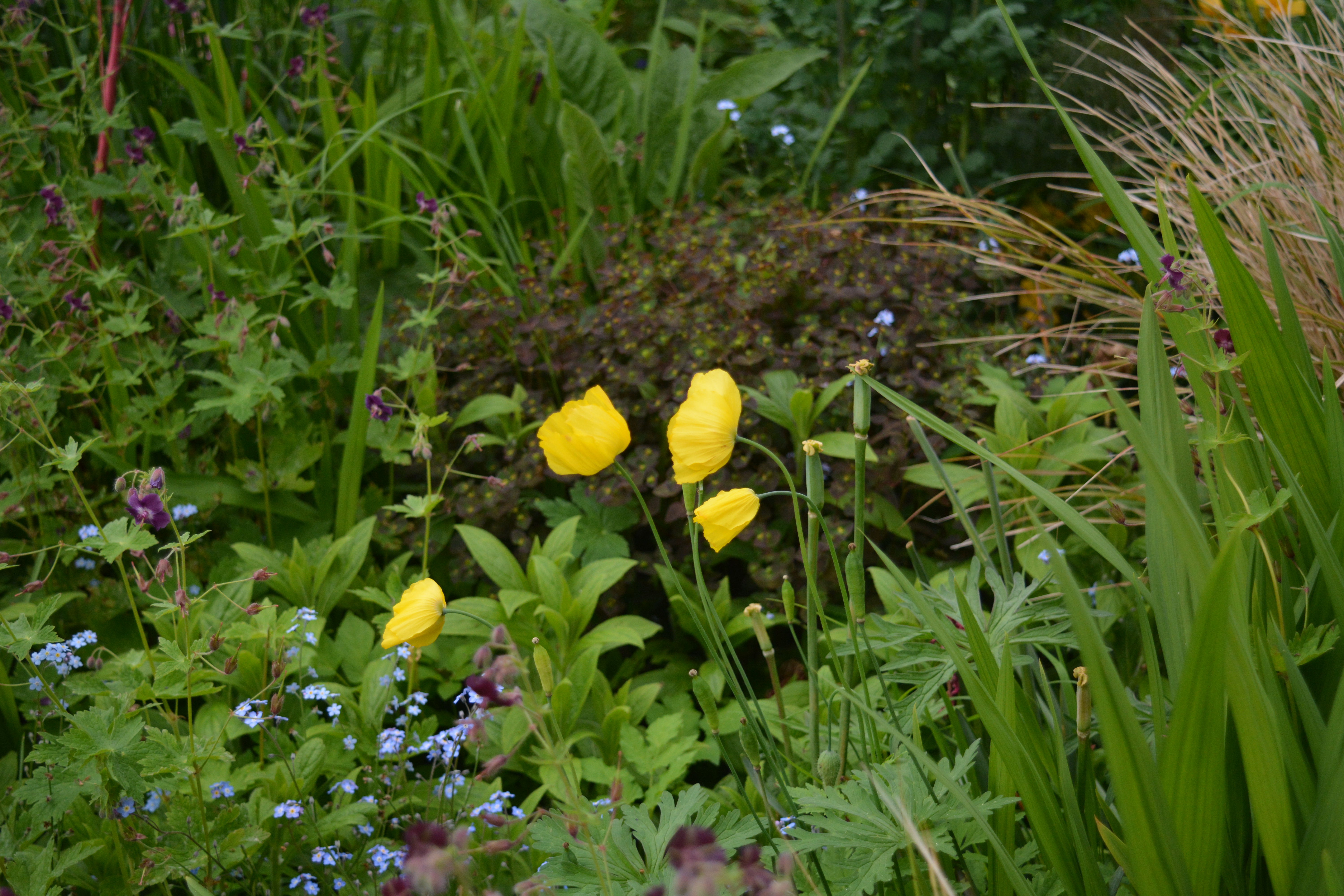
Over the next page I talk about two yellow flowering plants, the Welsh Wanderer, the Welsh Poppy and an aquilegia.

junejournal-06

“Welsh Wanderer – Meconopsis cambrica, decides each year where it will set up home. It is a champion self-seeder!”

junejournal-5-1 junejournal-3-3junejournal-2-4 junejournal-1-5 jun-1 jun-2 jun1-1

“Aquilegia chrysantha is a beautiful tall aquilegia with flowers of various yellow tints.”

junejournal-07

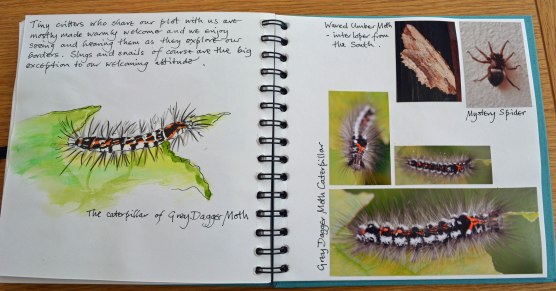
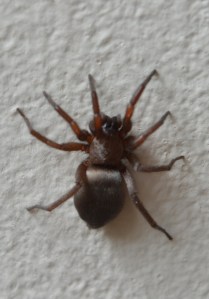
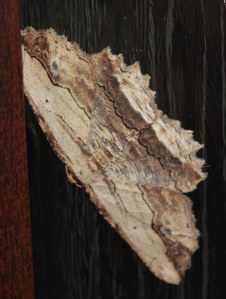
I finish off my June entries in my Garden Journal with a look at some of the tiny creatures who live in our garden with us.

junejournal-08

“Tiny critters who share our plot with us are mostly made warmly welcome and we enjoy seeing and hearing them as they explore our borders. Slugs and snails of course are the big exception to our welcoming attitude!”

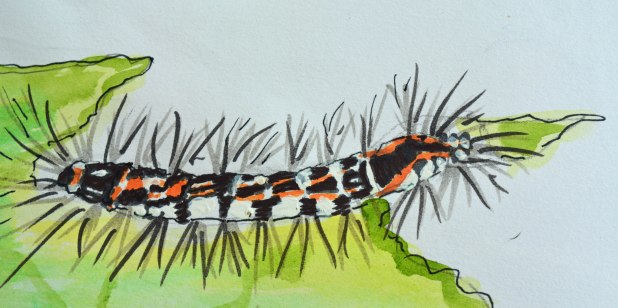
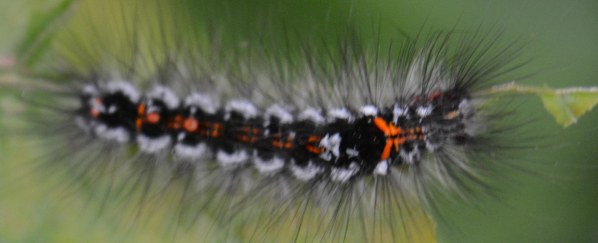
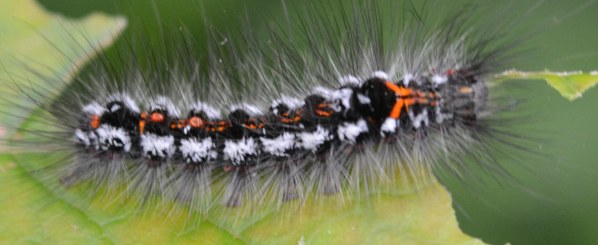
I painted the caterpillar of the Grey Dagger Moth in watercolours and artist colour pens. It was a big challenge to show how hairy and brightly coloured it was.

junejournal-09junejournal-6-1 junejournal-1-6junejournal-5-2junejournal-2-5junejournal-3-4

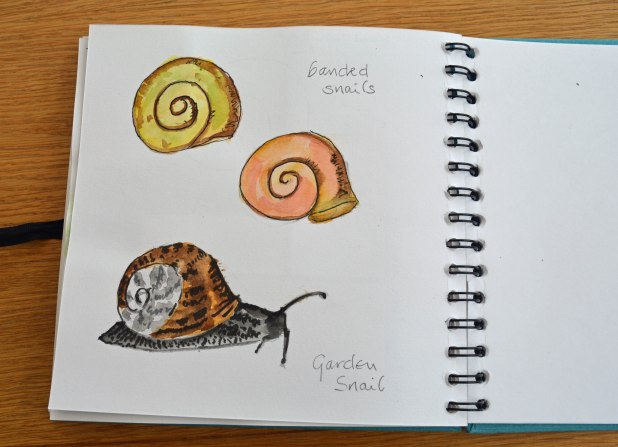
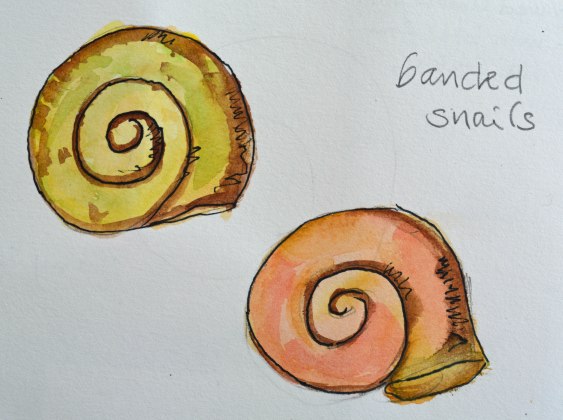
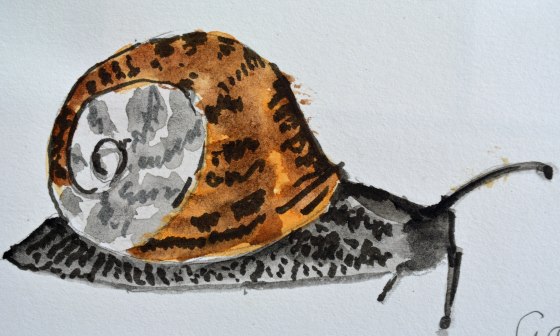
For the final page in June I painted some of our common snails, the Banded Snails that come in a mixture of colours and the Garden Snail. Again I used a mixture of watercolours and artists pens.

junejournal-10junejournal-12junejournal-11

For my next visit to my Garden Journal we will move into the second half of the year and into mid-summer.

Categories
birds climbing plants colours flowering bulbs garden design garden photography garden ponds garden pools garden wildlife gardening gardens grasses hardy perennials house martins light light quality ornamental grasses ornamental trees and shrubs roses Shropshire shrubs spring bulbs spring gardening succulents swallows water in the garden wildlife

My Garden Journal in May

Just as I completed my journal for June I realised that I had not yet posted “My Garden Journal for May”, so here it is now for you to enjoy! The June journal report won’t be far behind!

Summer creeping in can only mean that our May garden is changing by the day. Exuberance in every border with things growing before your eyes. A month of excitement! I began my May entry in my garden journal by writing,

“May means exuberance! It is the month when our garden shows us the ability it has to surprise. It shows off its strength and its artistic talents. Growth is so rapid and colour so exciting, that we are aware of what our garden means to us and also aware of its power that Mother Nature possesses and uses with pride and to excess!”

maygarden-14 maygarden-13maygarden-12 maygarden-39maygarden-57 maygarden-72

I then turn to looking back at my original garden journey recording the first few years that we have lived and gardened at Avocet.

“Looking back in my garden journal that recorded the early years at Avocet, I read a paragraph that shows just how similar May is now. 

“The garden is bursting with life – butterflies including Holly Blues, bees and so many birds. Suddenly the garden is alive with birds giving extra colour, sound and movement. There seems to be so many finches – Goldfinches, Chaffinches and Greenfinches. Swifts, Swallows and House Martins swoop overhead especially in the evening.”

Sadly though there are far fewer Swifts, Swallows and House Martins overhead. So many have not survived their long migrations. What does the future hold for these beautiful acrobats?”

Turning over the page of my journal and we see the next two pages feature Acers and Roses.

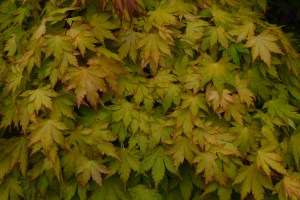
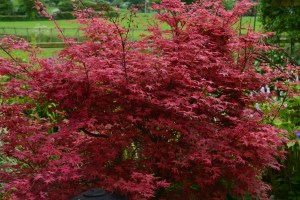
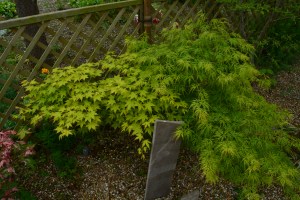
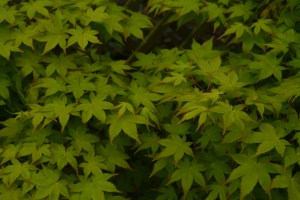
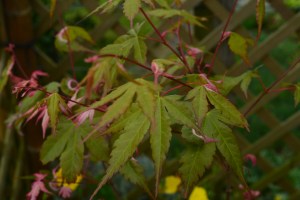
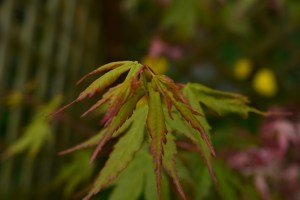
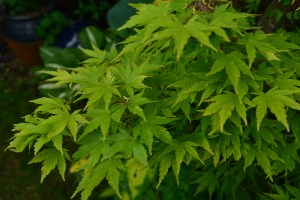
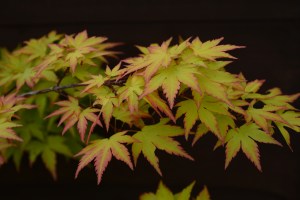
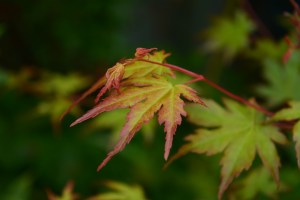
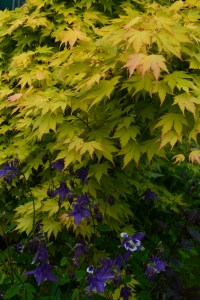
“Acers are one of the many stars of the May garden, a month when their foliage and stems are delicate and colourful.”

maygarden-24 maygarden-30maygarden-26 maygarden-27 maygarden-32 maygarden-35maygarden-33 maygarden-34maygarden-36 maygarden-37maygarden-38 maygarden-63 maygarden-69 maygarden-70 maygarden-71 maygarden-62

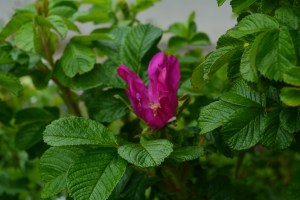
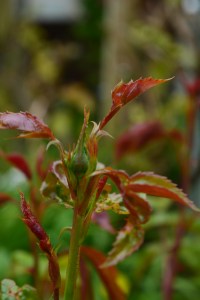
“May means Roses and by the middle of the month we have many buds and pioneer blooms. Reds and pinks dominate at the moment. Yellows and oranges are still to come.”

maygarden-03 maygarden-11 maygarden-22 maygarden-60 maygarden-23

I moved on to look at one of the climbers we enjoy in our garden and at the grasses that have now started to grow rapidly.

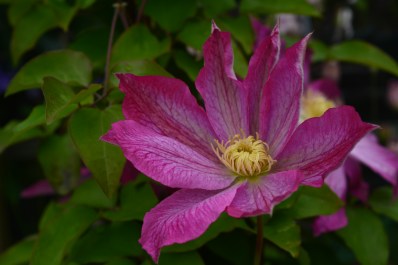
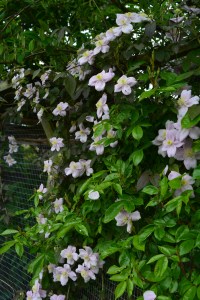
“Think of climbers early in the summer garden and Clematis is the first plant to spring to mind.”

maygarden-04 maygarden-59 maygarden-05maygarden-06 maygarden-53maygarden-16 maygarden-15 maygarden-58 maygarden-52

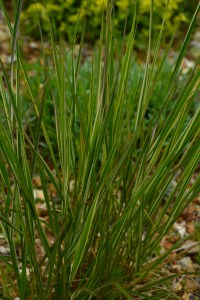
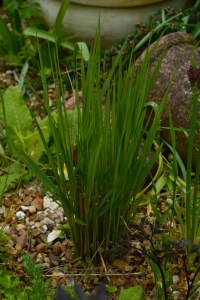
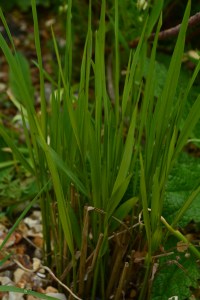
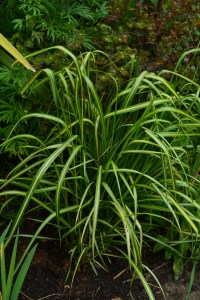
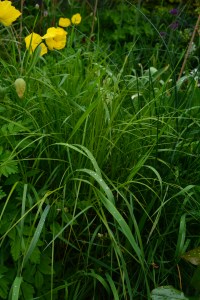
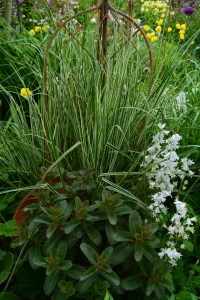
“Grasses are growing quickly now and the myriad shades of green move skyward in our borders.”

maygarden-07 maygarden-09 maygarden-07maygarden-08 maygarden-50 maygarden-49maygarden-51 maygarden-61 maygarden-68

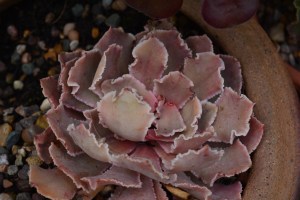
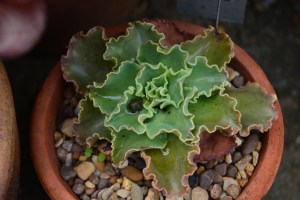
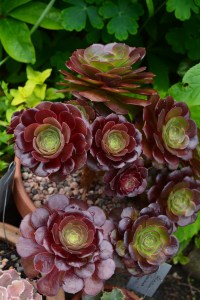
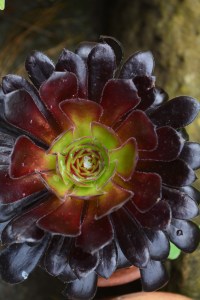
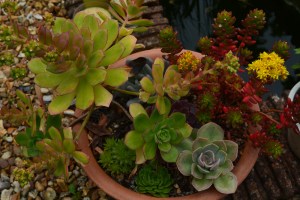
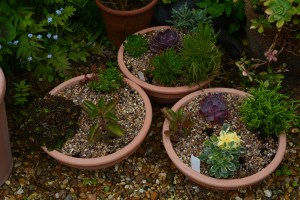
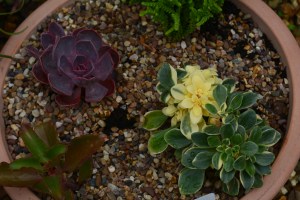
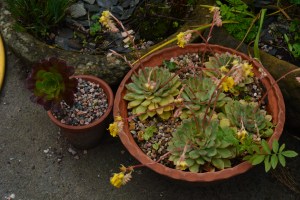
Turning over again and succulents are discussed. These are a recent interest and I have only been growing them and propagating them for a few years.

Succulent plants are an interest that has grown over the last few years. Beginning with Aeoniums and Echeverias I soon branched out.”

maygarden-79 maygarden-80maygarden-19 maygarden-77 maygarden-78

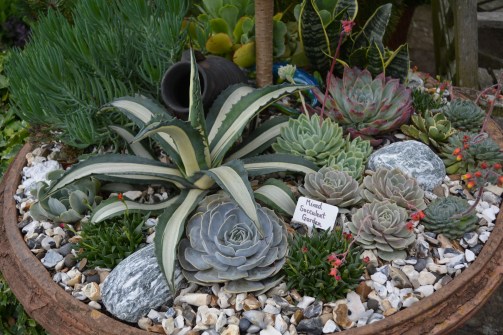
“Troughs of succulents grace the Rill Garden in May and on into October when the risk of frost mean that they retreat to the warmth of our greenhouse.”

maygarden-17 maygarden-20maygarden-18 maygarden-21maygarden-76 maygarden-75

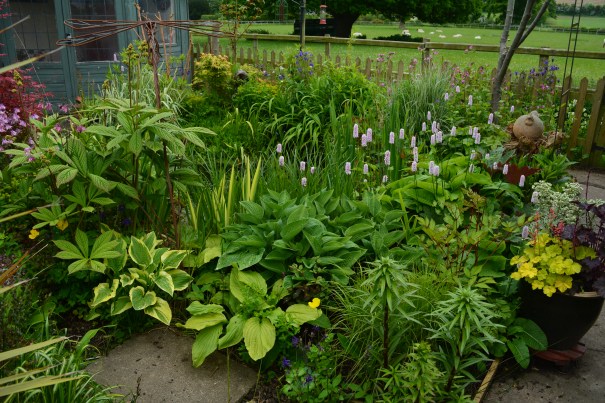
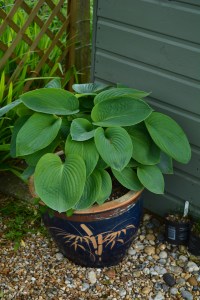
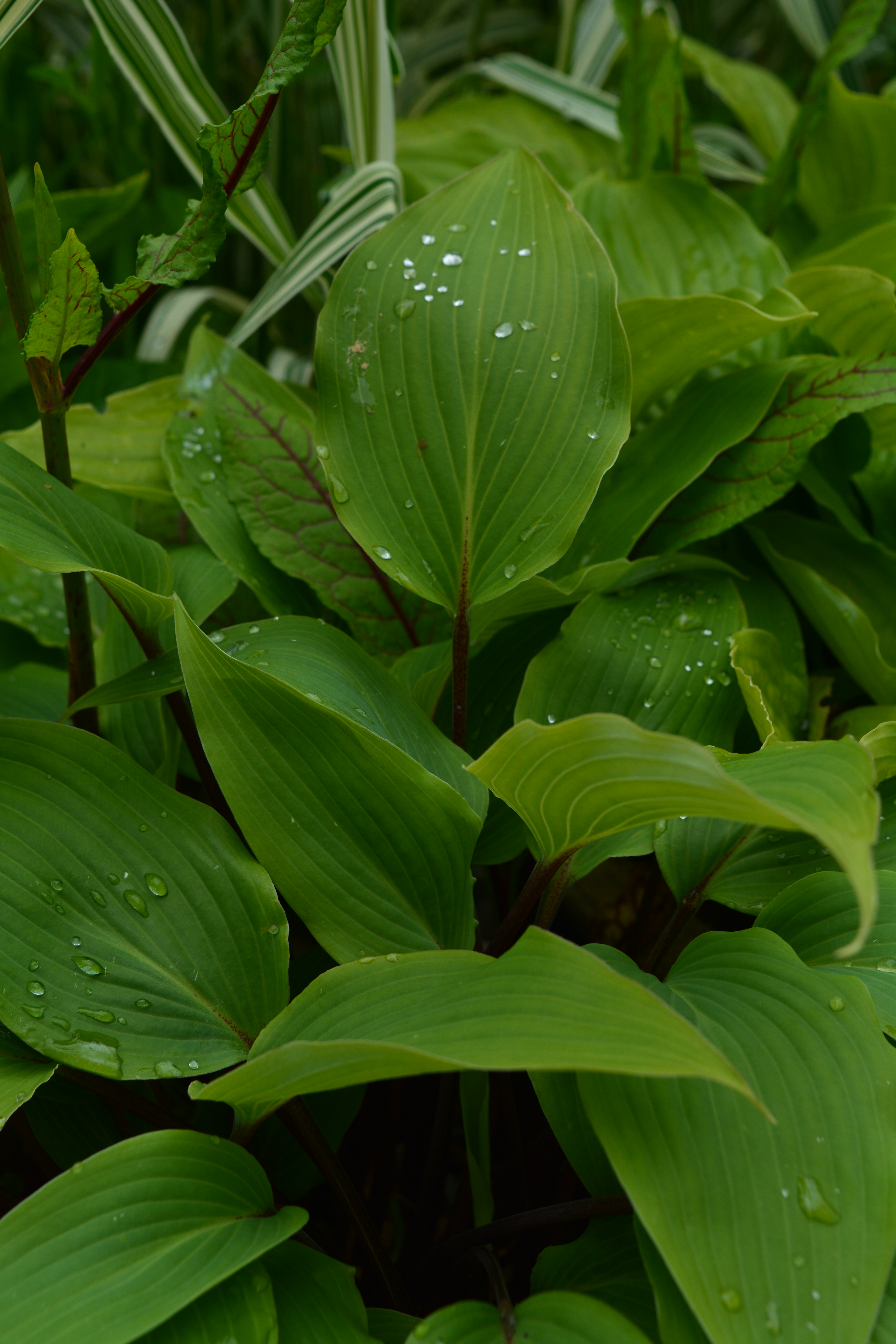
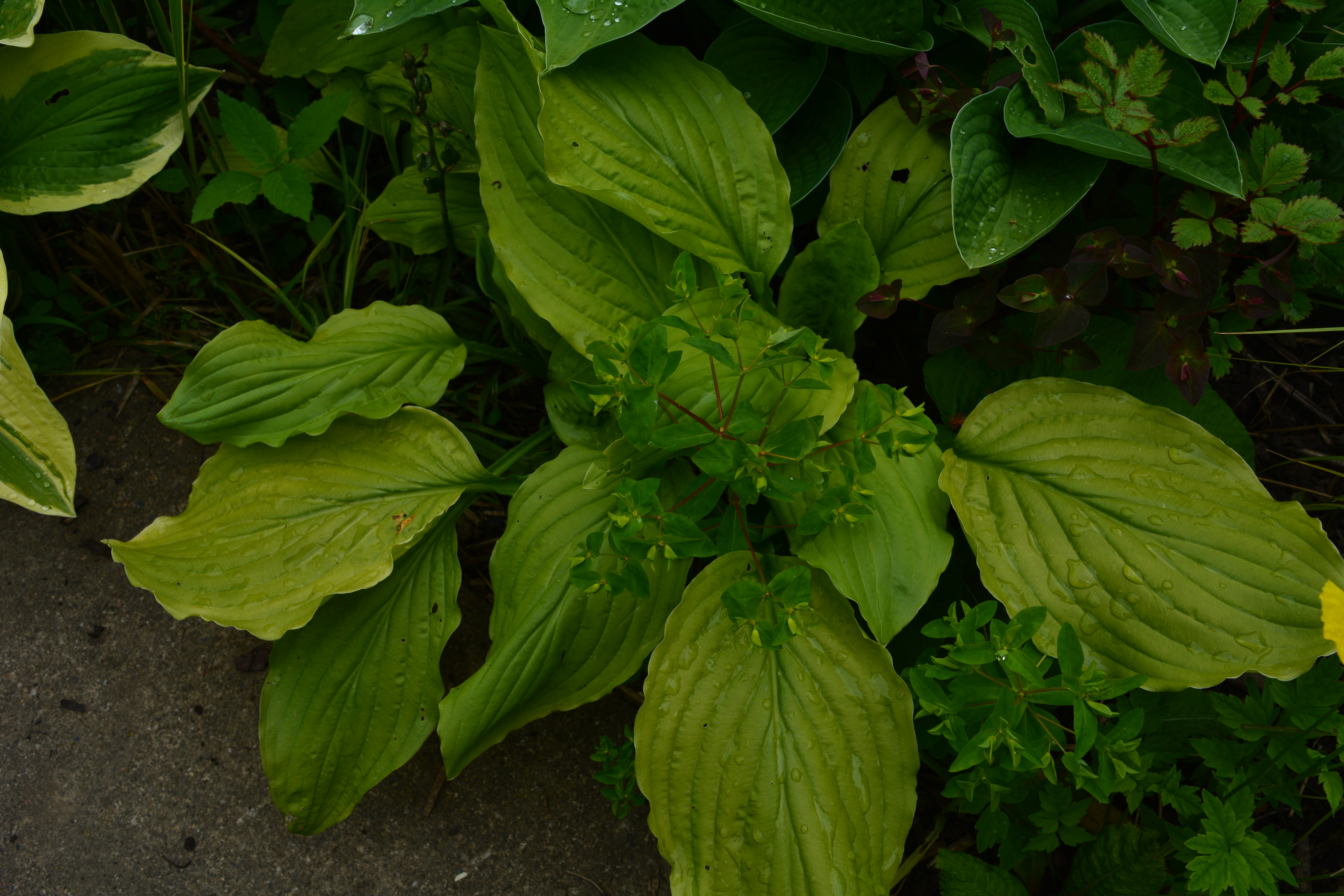
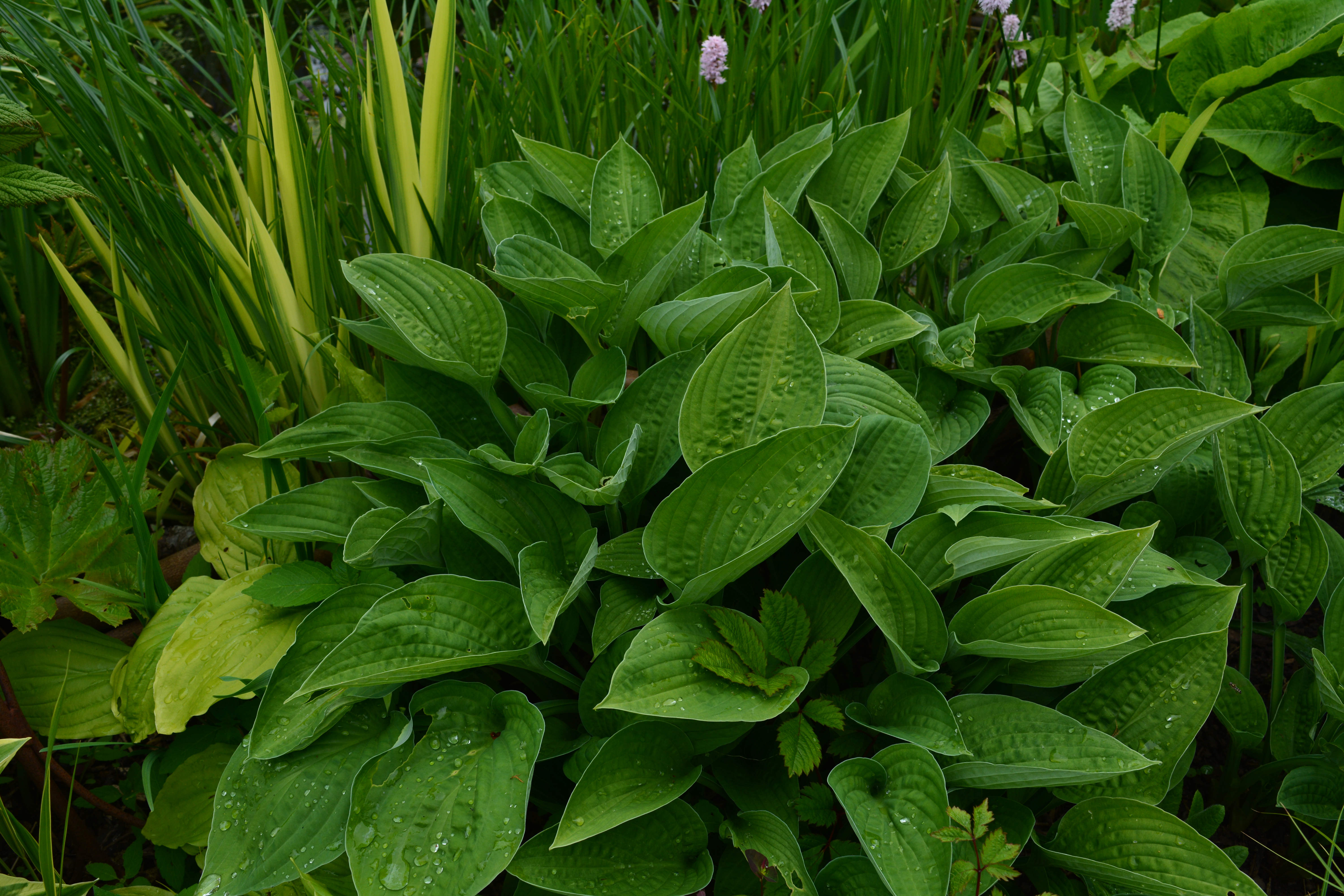
When we turn over next we see that I talk of Hostas and in particular those growing in our Bog Garden. The bog garden is so full of life at the moment with plants growing appreciably by the day.

“Hostas are one of the more subtle of our garden favourites both their foliage and later in the year their flowers. The Bog Garden next to our Wildlife Pond and snuggled up to it is a place of rapid growth in May.”

maygarden-45maygarden-40 maygarden-41 maygarden-42 maygarden-43 maygarden-65maygarden-47 maygarden-48  maygarden-46 maygarden-64 maygarden-66 maygarden-67

White is not a colour I particularly appreciate in the garden and as a result I do not use it much.

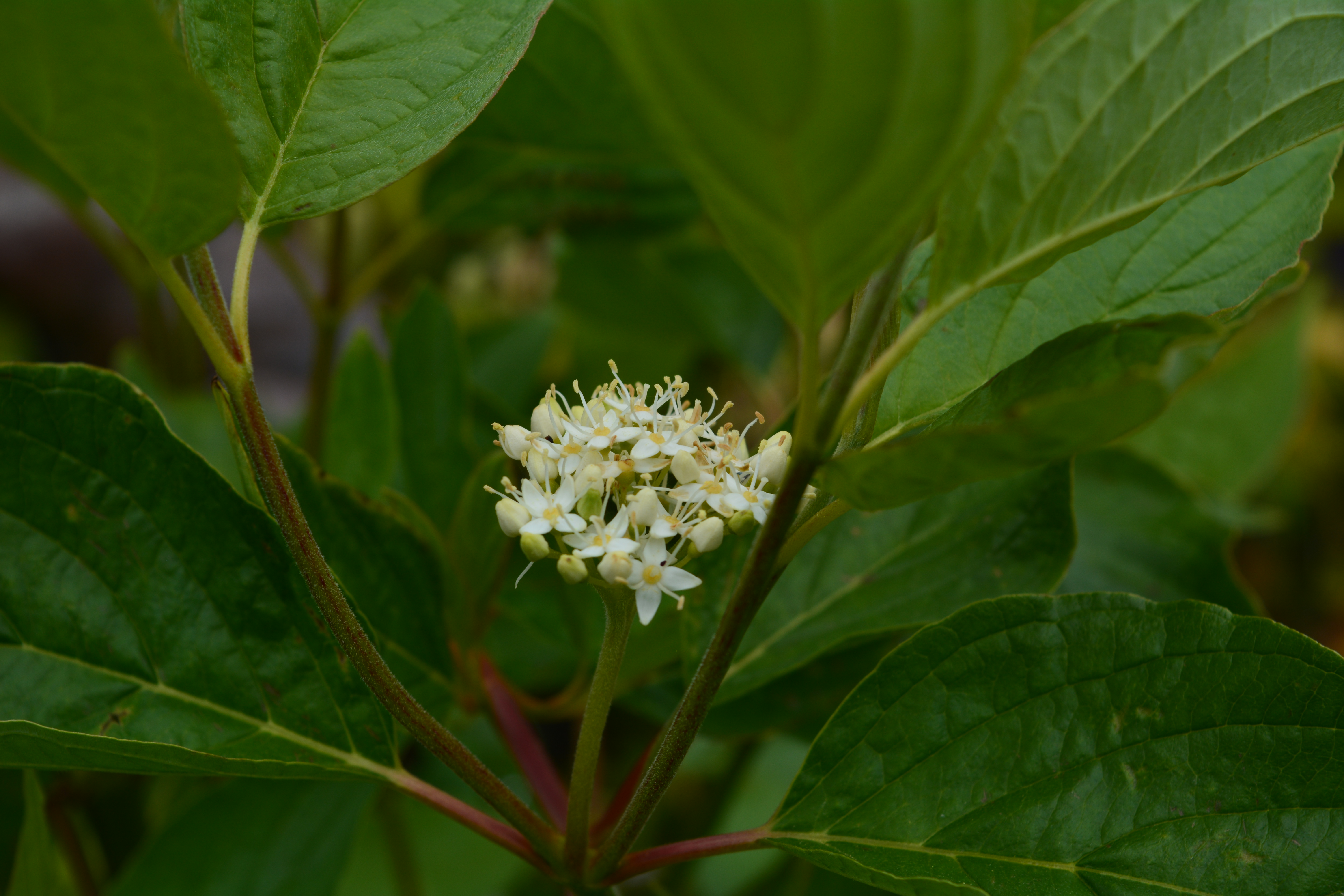
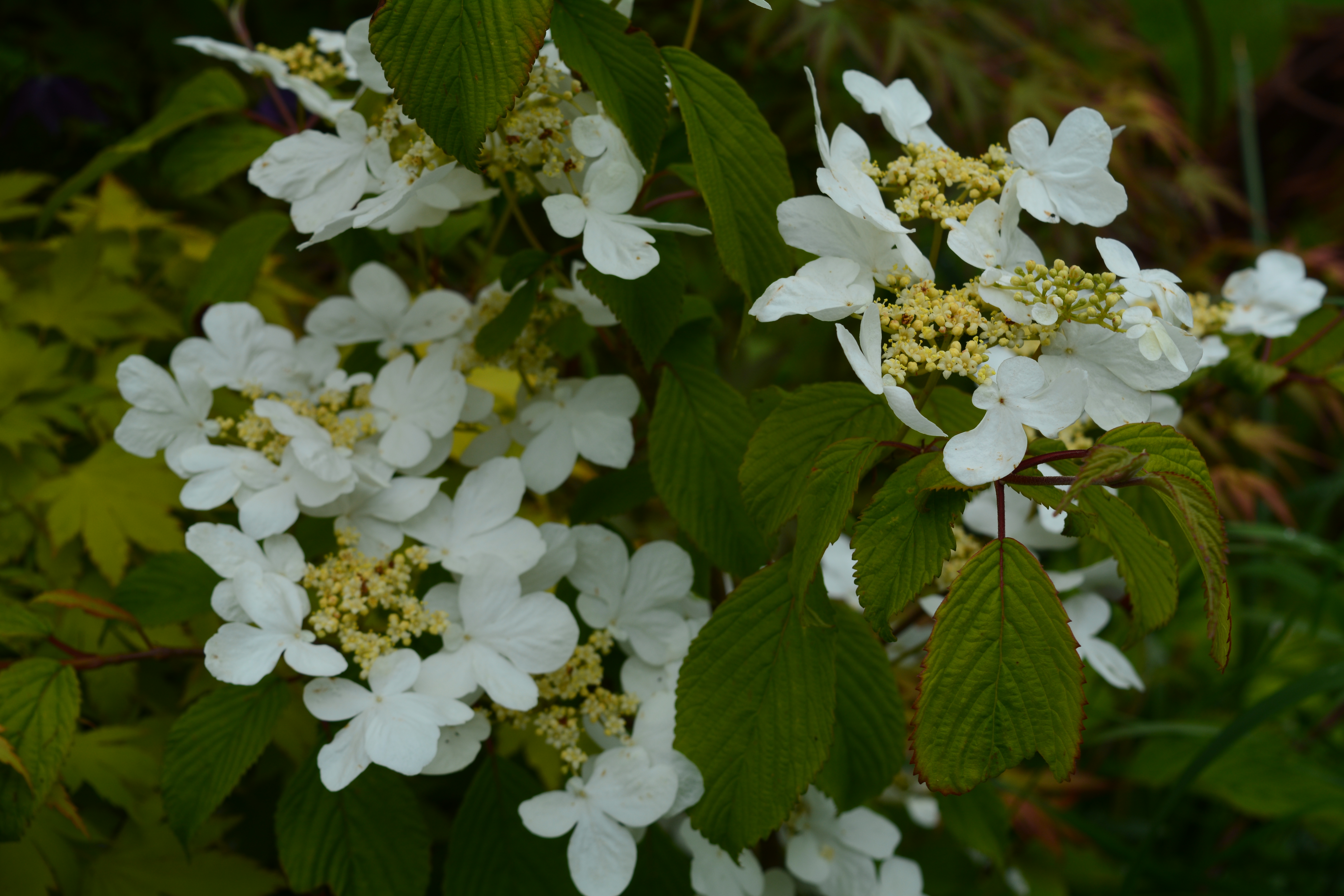
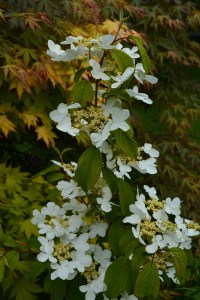
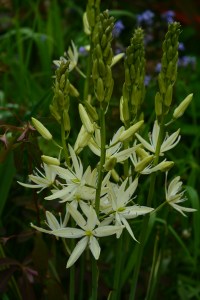
“White is not my favourite colour in the garden. I particularly do not like white painted garden furniture or white painted fences, trellises or walls. We tend to paint our seats in ivory or cream which are much softer colours particularly on bright sunny days. Our fences we paint in browns and trellis work in gentle shades of green which acts as a great foil for our plants. I think this dislike of white is to do with our weather as it can work so well in other countries. Where flowers are concerned I appreciate them most in May when white can look good with the brightness of fresh foliage. Below are photos of a few particularly good white flowers, Viburnums, Cornus, white Bluebells, Iberis and Camassias. Some of these are the purest of white where others have gentle hints of colour. The Camassia has a green tint to it and the Iberis the gentlest hint of pink.”

maygarden-54 maygarden-56maygarden-10 maygarden-73maygarden-25 maygarden-44 maygarden-74

As we leave May behind we can look forward to the longest day, the time when day and night share equal number of hours.

Categories
allotments garden wildlife natural pest control wildlife

The insect hotels in our garden

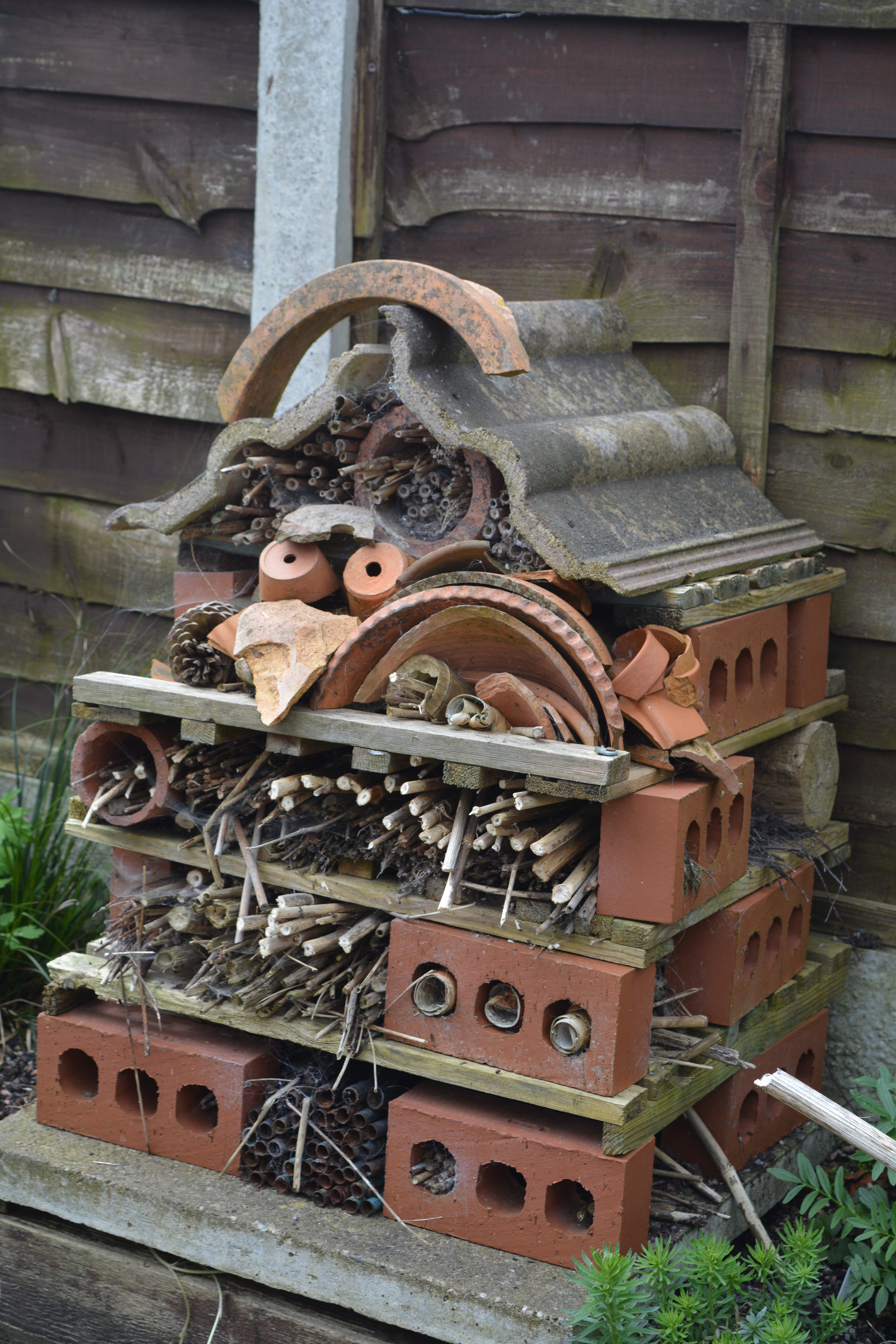
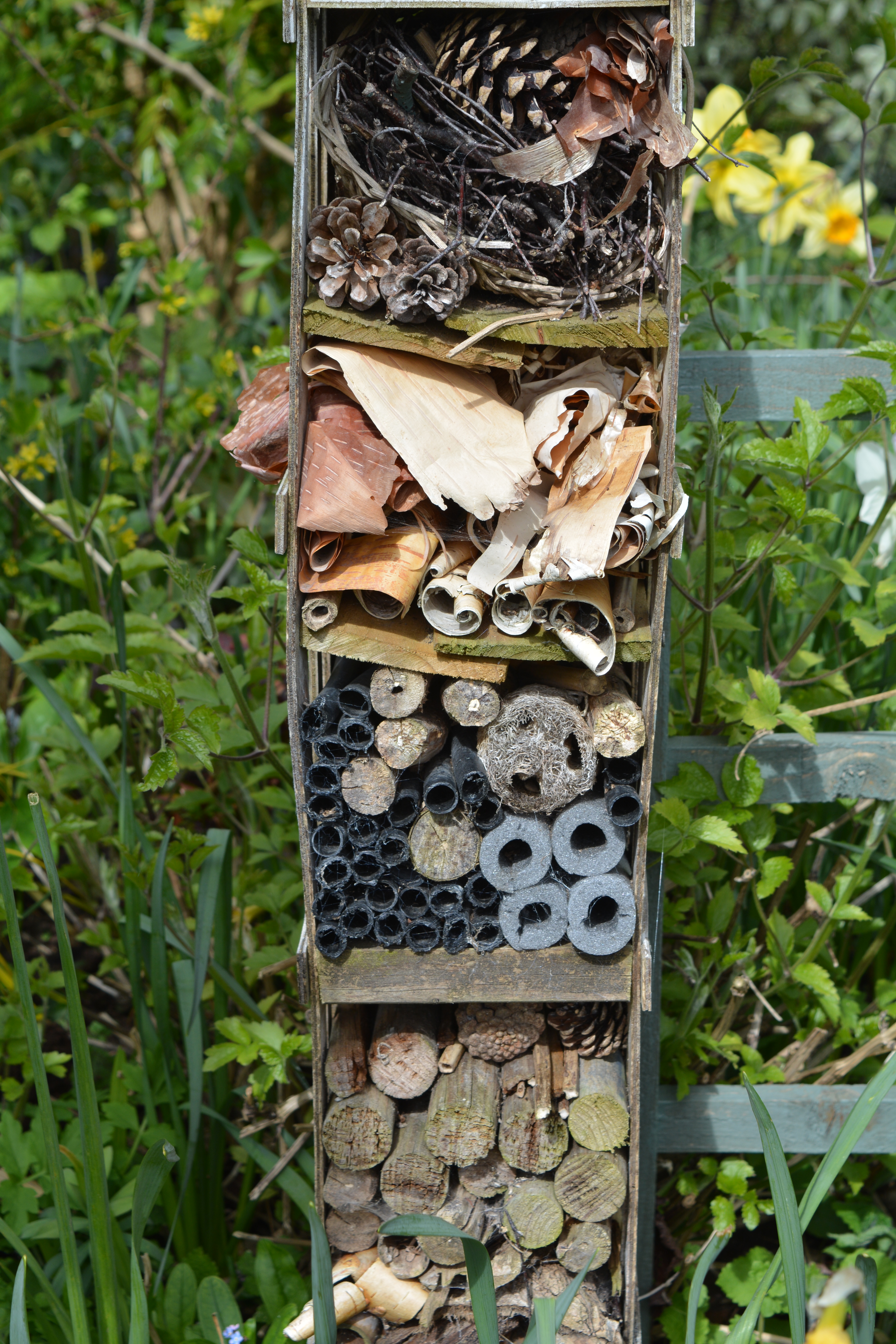
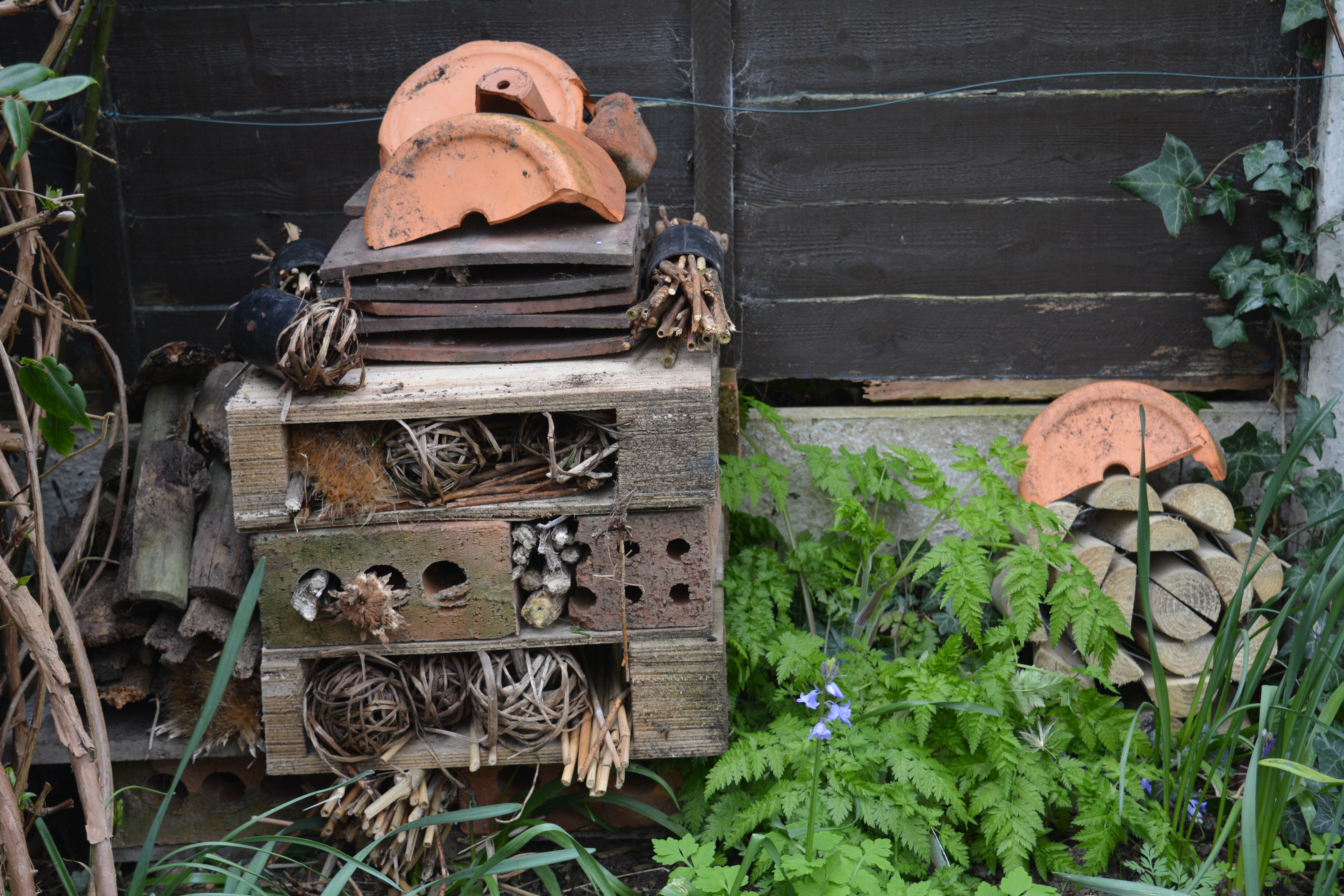
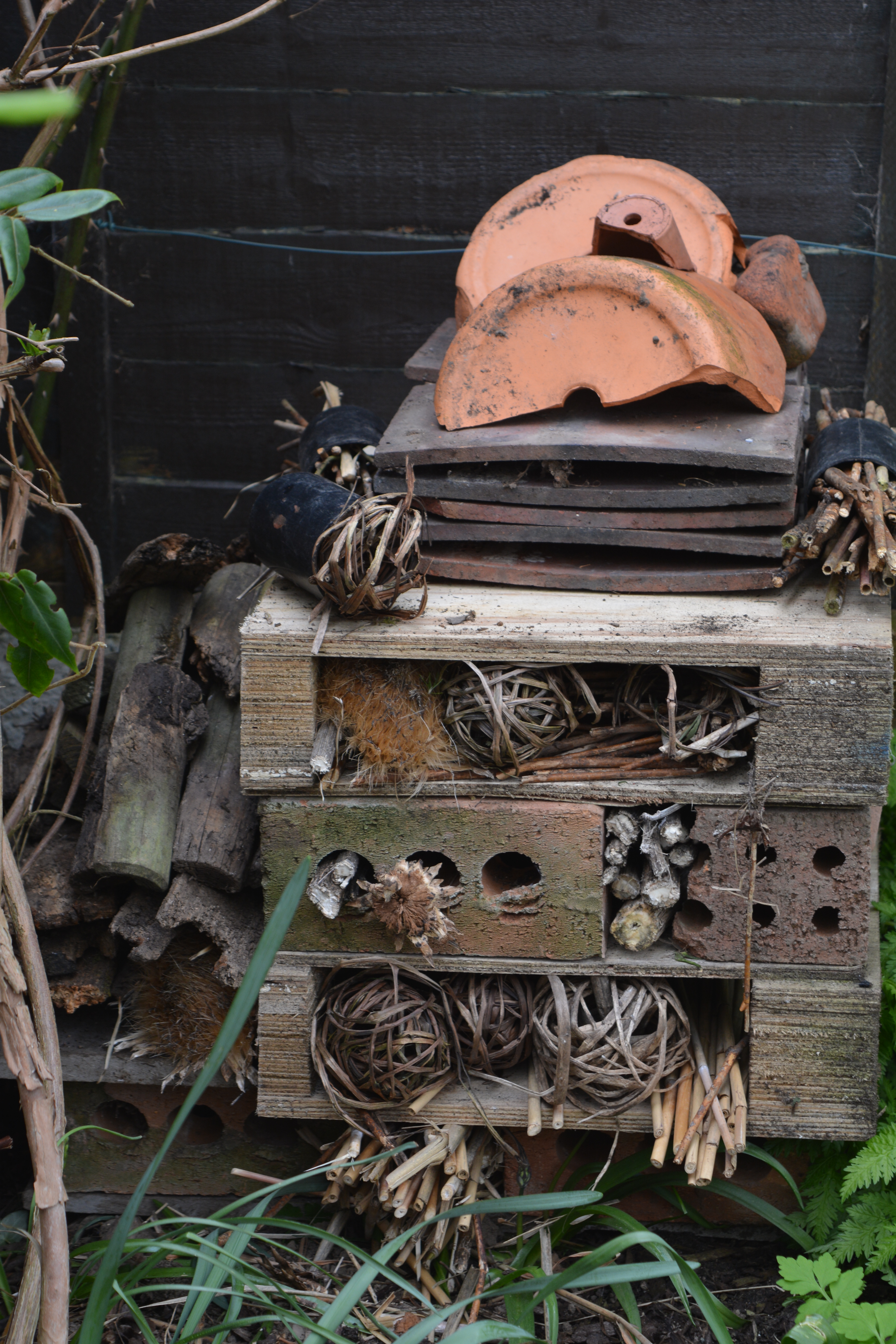
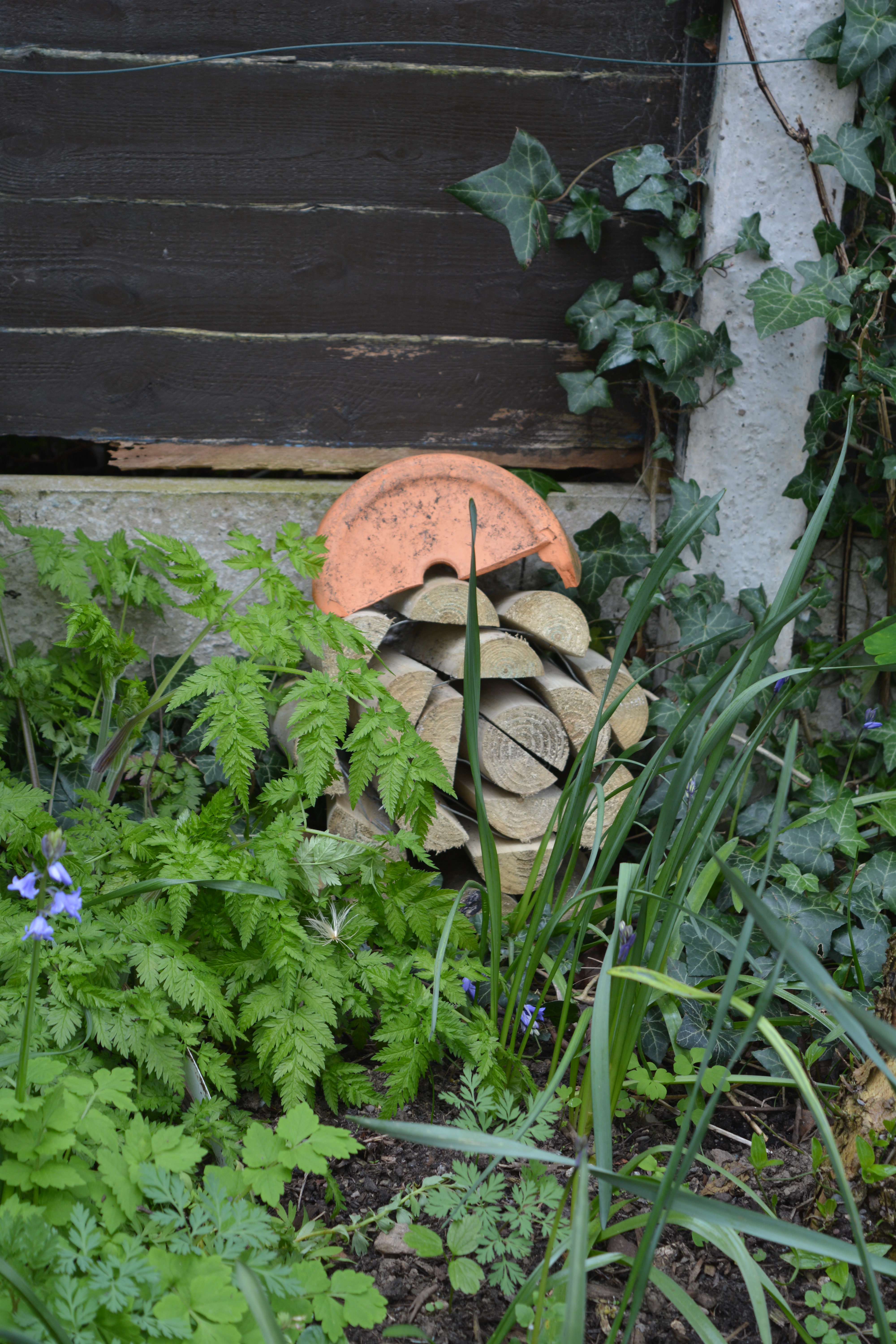
We recently made a new insect hotel and revamped one of the older ones, so I thought I would share them with you. This post is particularly for the follower who asked about insect hotels and adding green roofs to them. Apologies for not getting back to you sooner and more personally – no excuse except a bad memory.

This is the first one we built in our garden and it has proved very successful with plenty of minibeast visitors but it also gave us some surprises! Last year a Dunnock nested on one of the layers and at the end of the year we discovered that a Goldcrest had nested in one of the holes in a brick.

winchester-1

We then built a second hotel for our garden critters in our Spring Border and this one was created from an old wooden vegetable box. This one had a surprise for us too as at the end of last summer we found an old nest of a Dunnock.

winchester-6

We next made a smaller insect hotel from a wine box and placed it in the Crescent Garden. So far no bird has nested in it but there are lots of “minibeasts” especially Ladybirds living in it and hibernating there through the colder months. Sitting on top of it though is one of our pieces of sculpture, a thoughtful young girl.

winchester-8 winchester-7

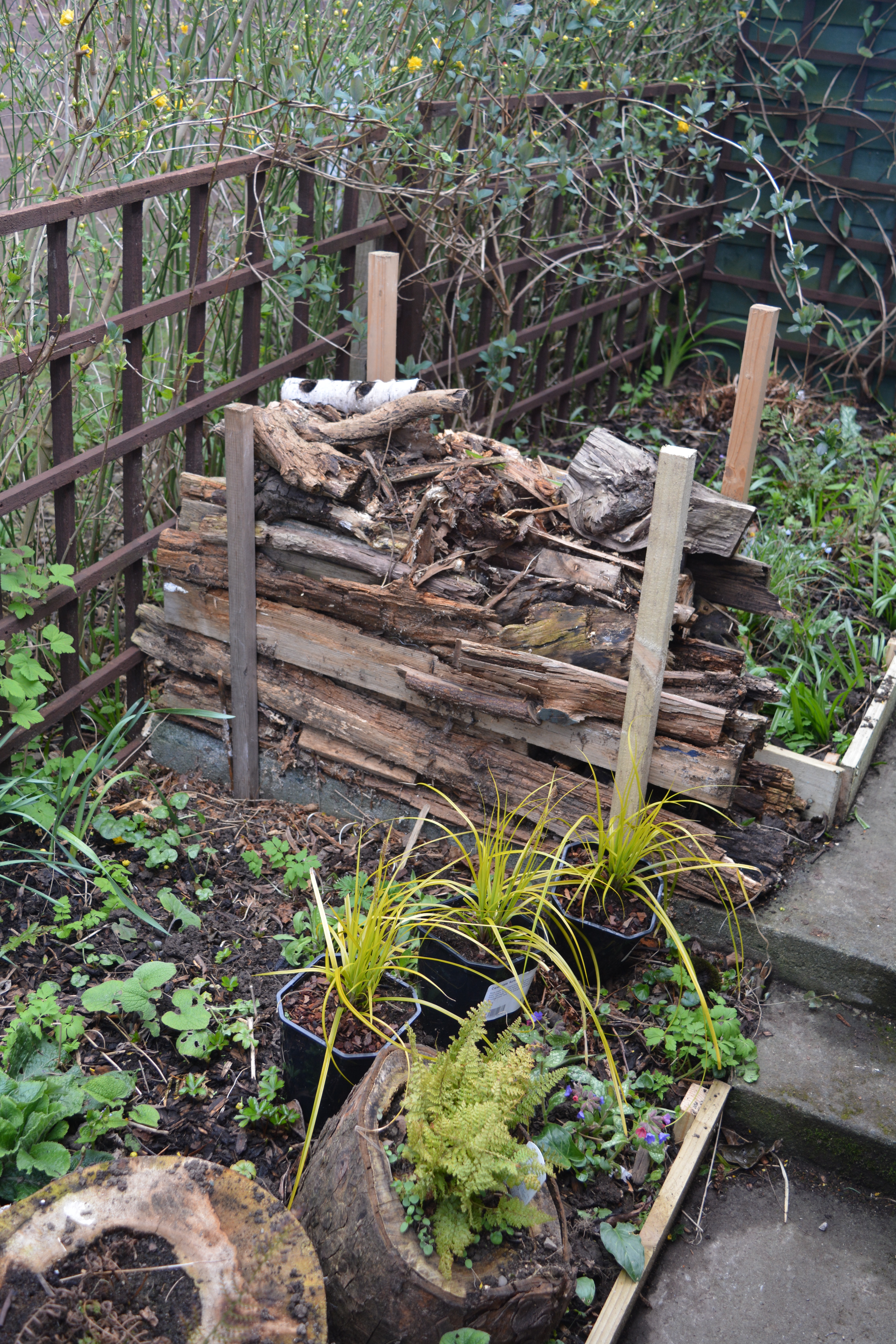
And then this spring we added yet another insect hotel, this time we constructed it in our Freda Garden and placed two small log piles on each side of it to attract Violet Ground Beetles who we hope will eat the slug eggs in the ground.

winchester-2  winchester-3 winchester-4-1

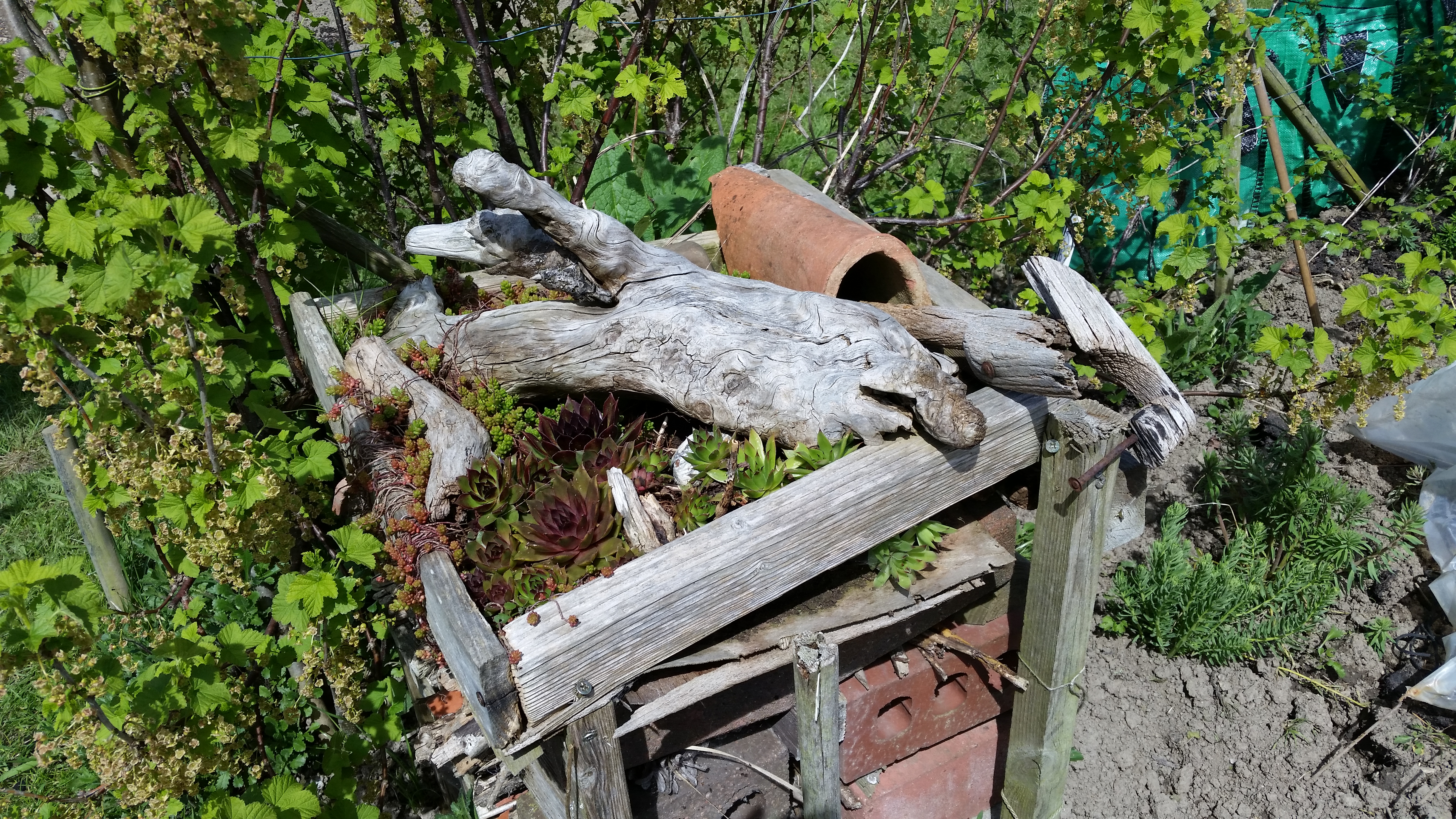
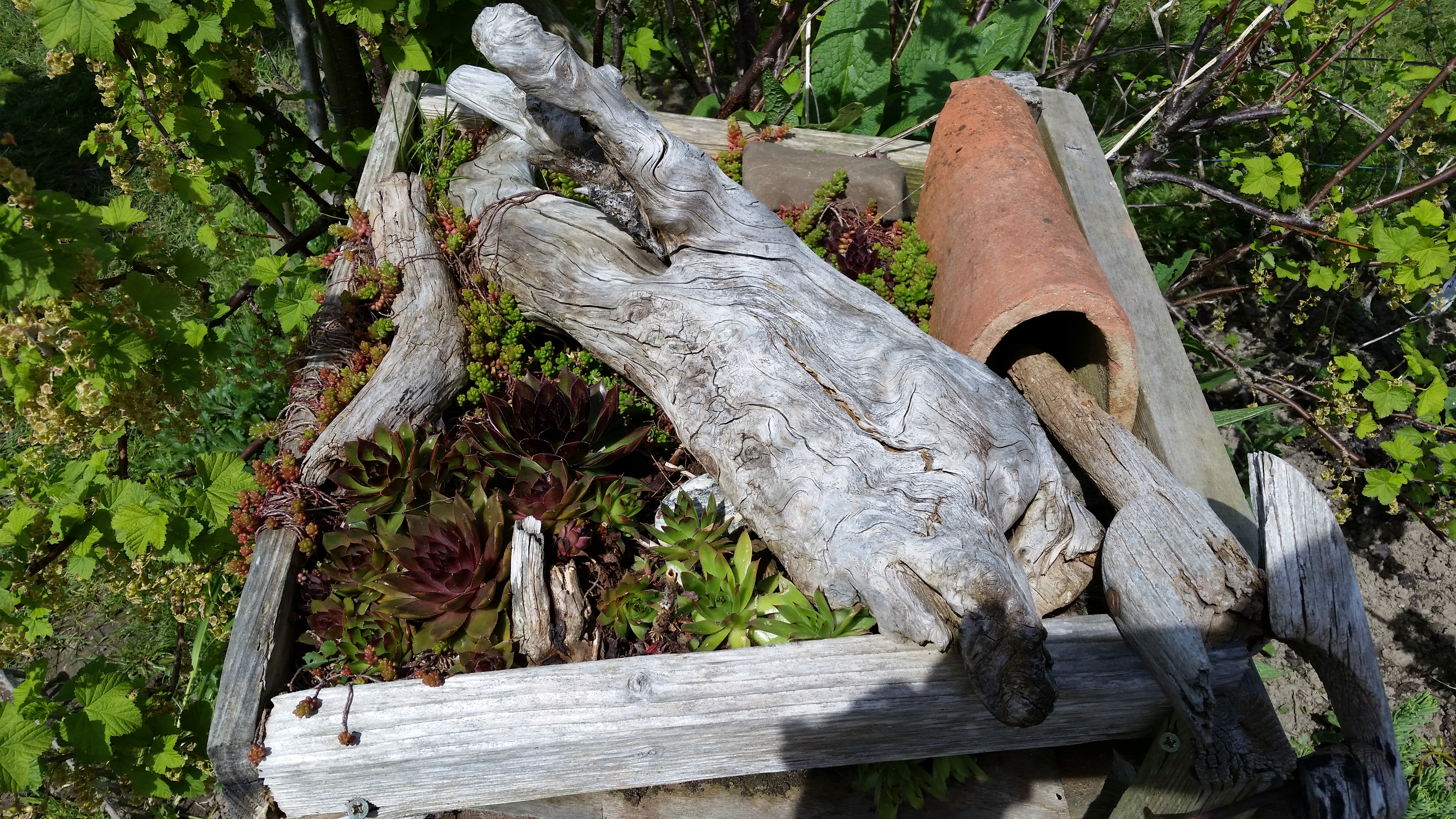
On our allotment we made an insect home with a green roof to add further interest and another habitat. We grow succulents, Sedums and Sempervivums on top of our insect hotel as they have tiny flowers loved by insects especially bees. The secret is to make a tray which sits on top and supported by 4 posts banged into the ground at each corner of the hotel. This means the posts support the green roof rather than putting weight on the insect hotel itself.

winchester-2-2 winchester-1-2

Each spring on warm, calm days we enjoy seeing the Ladybirds emerging and resting on the driftwood pieces to absorb the warmth of the sun.

winchester-2-3

Categories
birds colours flowering bulbs garden photography garden ponds garden pools garden wildlife gardening gardens irises log piles natural pest control ornamental trees and shrubs Shropshire spring bulbs spring gardening village gardens water garden water in the garden wildlife

My Garden Journal in 2016 – March

We were expecting March to bring some signs of spring but really our seasons remained confused and muddled. March has brought us warm sunny days, days with cold biting winds, days with heavy persistent rain and many combinations of these.

winchester-04

My March report started with references to the weather as it controlled when we gardenened and days when it prevented us from getting out in the garden.

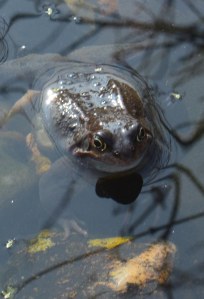
“During the first 2 days, March had delivered so many different types of weather, clear skies, sunshine, dark heavy cloud cover, rain and sleet. I wonder what else this month might have in store. This unseasonal weather delayed the arrival of our frogs until March whereas February is more usual a time. They soon added large clumps of spawn down one side of the wildlife pond.”

winchester-19 winchester-20winchester-21 winchester-22

To help the smaller creatures that share our garden with us and help with pest control and pollination of our fruit we had great fun creating a new habitat for them, in the form of a log pile. The log pile is aimed specifically at beetles who are great pest controllers. We particularly appreciate their love of slug eggs!

winchester-01 winchester-02

On the page opposite my frog photos I feature some of our large collection of Hellebore.

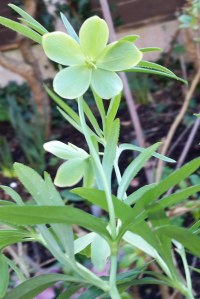
“Each year we add a few more Hellebores to our collection. This year is no exception! We are also getting a few interesting seedlings appearing, and some are worth keeping.”
winchester-47 winchester-11-2 winchester-14-1 winchester-10-2winchester-12-2

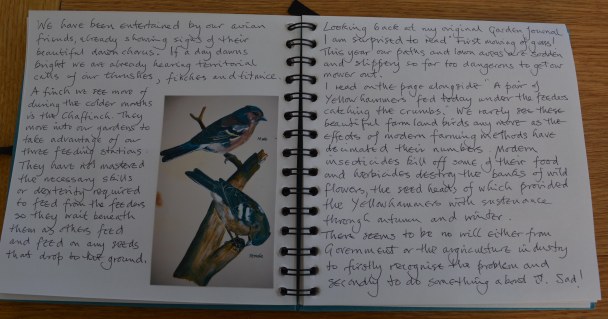
Turning the page I moved on to looking at the bird life we enjoyed in March, where I featured a gouache painting of a pair of Chaffinches and wrote about them.
winchester-05

“We have been entertained by our avian friends, already showing signs of their beautiful dawn chorus. If a day dawns bright we are already hearing territorial calls of our thrushes, finches and titmice. A finch we see more of during the colder months is the Chaffinch. They move into our garden to take advantage of our three feeding stations. They have not mastered the necessary skills or dexterity required to feed from the feeders so they wait beneath them as others feed and feed on any seeds that drop to the ground.”

B0000195

I then moved on to look back at previous garden journals from a decade or so ago.

“Looking  back at my original Garden Journal I am surprised to read “First mowing of grass! This year our paths and lawn areas are sodden and slippery so far too dangerous to get our mower out.

I read a page alongside, “A pair of Yellowhammers fed today under the feeders catching the crumbs.” We rarely see these beautiful farmland birds any more as the effects of modern farming methods have decimated their numbers. Modern insecticides kill off some of their food and herbicides destroy the banks of wild flowers, the seed heads of which provided the Yellowhammers with sustenance through autumn and winter. There seems to be no will either from Government or the agriculture industry to firstly recognise the problem and secondly to do something about it. Sad!”

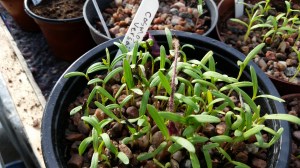
I then reported on progress we had made with our recently constructed propagation bench.

winchester-06

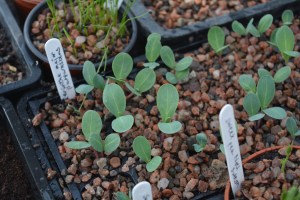
In my January entries to my journal I wrote about making a propagating bench in the greenhouse and then in February I looked at how we had prepared the greenhouse in readiness for seed sowing. Now in March we have seedlings showing well.”
winchester-45 winchester-46 winchester-36 winchester-35

Flowering shrubs feature over the next few pages, looking at those that flower and provide scent, starting off with the shrubs in the Ribes family.

winchester-06

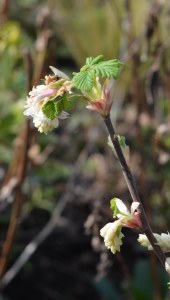
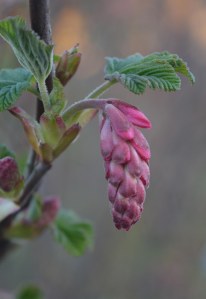
“The genus Ribes is a family of some 150 species of shrubs, mainly deciduous with just a few evergreens. We grow 3 species on our allotment to give us Redcurrants, Blackcurrants and Gooseberries. In the ornamental garden at home we grow 5 species and 4 of these are flowering in March, Ribes sanguineum “King Edward VII” and Ribes s. “Elkington White”.

winchester-40 winchester-41winchester-31 winchester-33 winchester-32

The other two March flowering Ribes are very different to the Ribes sanguineums. Ribes laurifolium has thick evergreen foliage, each leaf shaped and textured just like those oa a Laurel, hence its name. The flowers at first glance appear white but close up they are pale cream with a hint of green – absolutely beautiful! Beautiful and scented! The final Ribes to flower in March is Ribes speciosum with crimson flowers. To be fair though this Ribes species shows flowers on and off all year. It is generally evergreen for us as we planted it in a sheltered spot. Its flowers are like tiny Fuschias hanging along most of its branches. The downside? Every inch of every stem is covered in thin spines, so pruning can be difficult. On our open days so many visitors ask about Ribes speciosum.”

winchester-27 winchester-28winchester-02-2

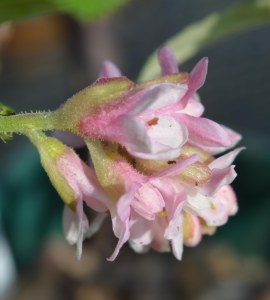
“In the autumn we took cuttings of Ribes s. King Edward VII. What a surprise we had when one of them produced these pale gentle pink flowers. One more shrub of the Ribes family still has not yet flowered, Ribes odorarum.”
winchester-09-1

My journal then tells of other unusual flowering shrubs we grow here at Avocet.

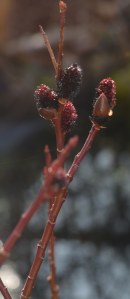
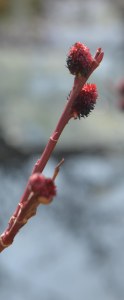
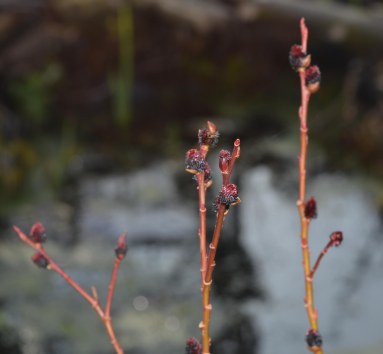
“Abnother unusual shrub we grow for March interest is a special willow. Salix gracilistyla melanostachyla has amazing flowers, red and black catkins. Early flying bees love them.”

winchester-08

winchester-23 winchester-24 winchester-25winchester-26

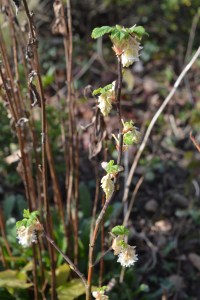
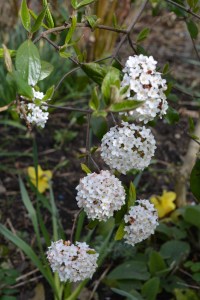
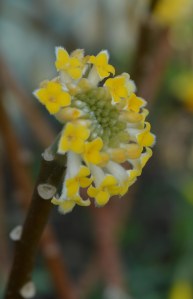
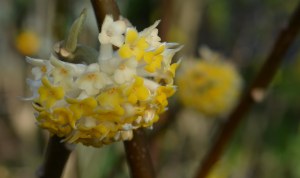
“Two other March flowering shrubs are grown for their large umbels of flowers but also their scent. The first, Edgeworthia chrysantha grandiflora, has unusual bright yellow flowers which add scent to the late winter and early spring garden. Their second is a Viburnum, Viburnum x burkwoodii, which does not open its flower buds until late March.”
winchester-11-1 winchester-10-1winchester-11 winchester-12

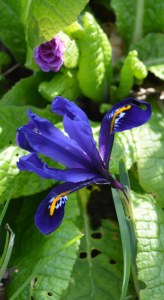
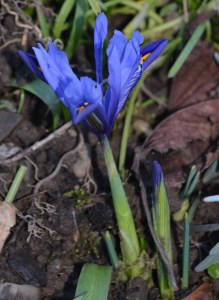
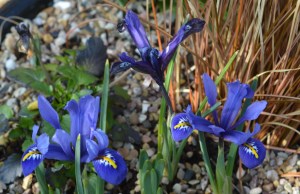
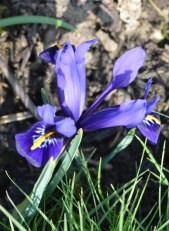
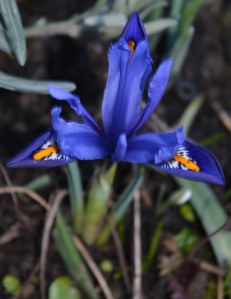
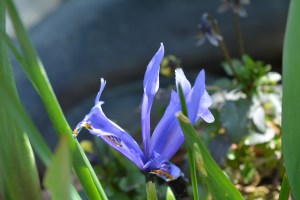
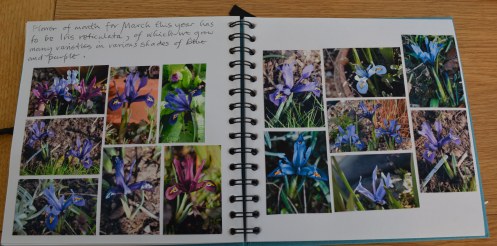
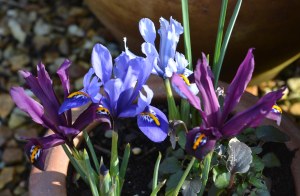
Turn over the page of my journal and you will be delighted by photos of Iris reticulata in all their glorious shades of blue and purple.
winchester-09

“Flower of the month for March has to be Iris reticulata, of which we grow many varieties in various shades of blue and purple.”
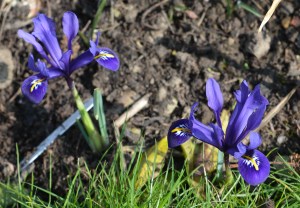
winchester-04-1 winchester-14winchester-29 winchester-12-1 winchester-39winchester-30 winchester-38 winchester-15winchester-03-1 winchester-05-1winchester-07-1 winchester-08-1winchester-13 winchester-17 winchester-16winchester-37 winchester-06-1

My final page for March takes another look at what is going on in the greenhouse as the month comes to an end.
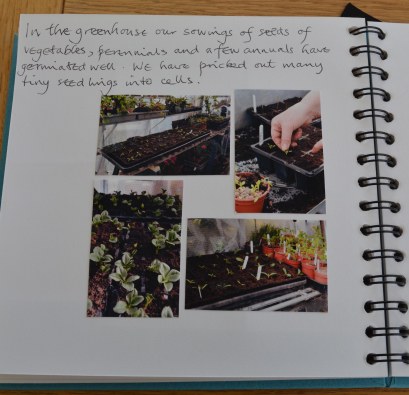
winchester-10

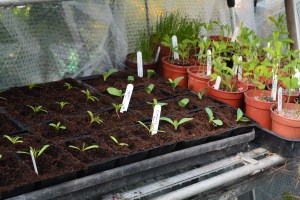
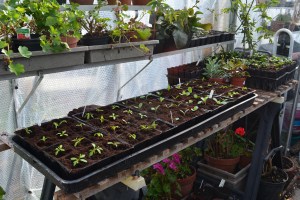
“In our greenhouse our sowings of seeds of vegetables, perennials and a few annuals have continued to germinate well and grow strongly. We have pricked out many tiny seedlings into cells.”winchester-03-2 winchester-06-2
winchester-05-2 winchester-04-2

Our next visit to my garden journal will report on what will be happening in our garden at Avocet in April, the month traditionally associated with showers.

Categories
autumn autumn colours colours countryside landscapes light light quality outdoor sculpture photography trees wildlife woodland woodlands

Walking in the New Forest – part one

We decided we would take an Autumn break so went down to the New Forest for a short mid-week break. We loaded the car with coats, waterproofs and warm clothes thinking we were planning for whatever the weather had in store for us. We got it totally wrong for as we went further southward the weather improved and we ended up enjoying warm sunny weather. A real treat!
We have driven through or past the New Forest, Britain’s smallest National Park, several times and vowed we would holiday there some day. So as we arrived we had great expectations and we were not to be disappointed.

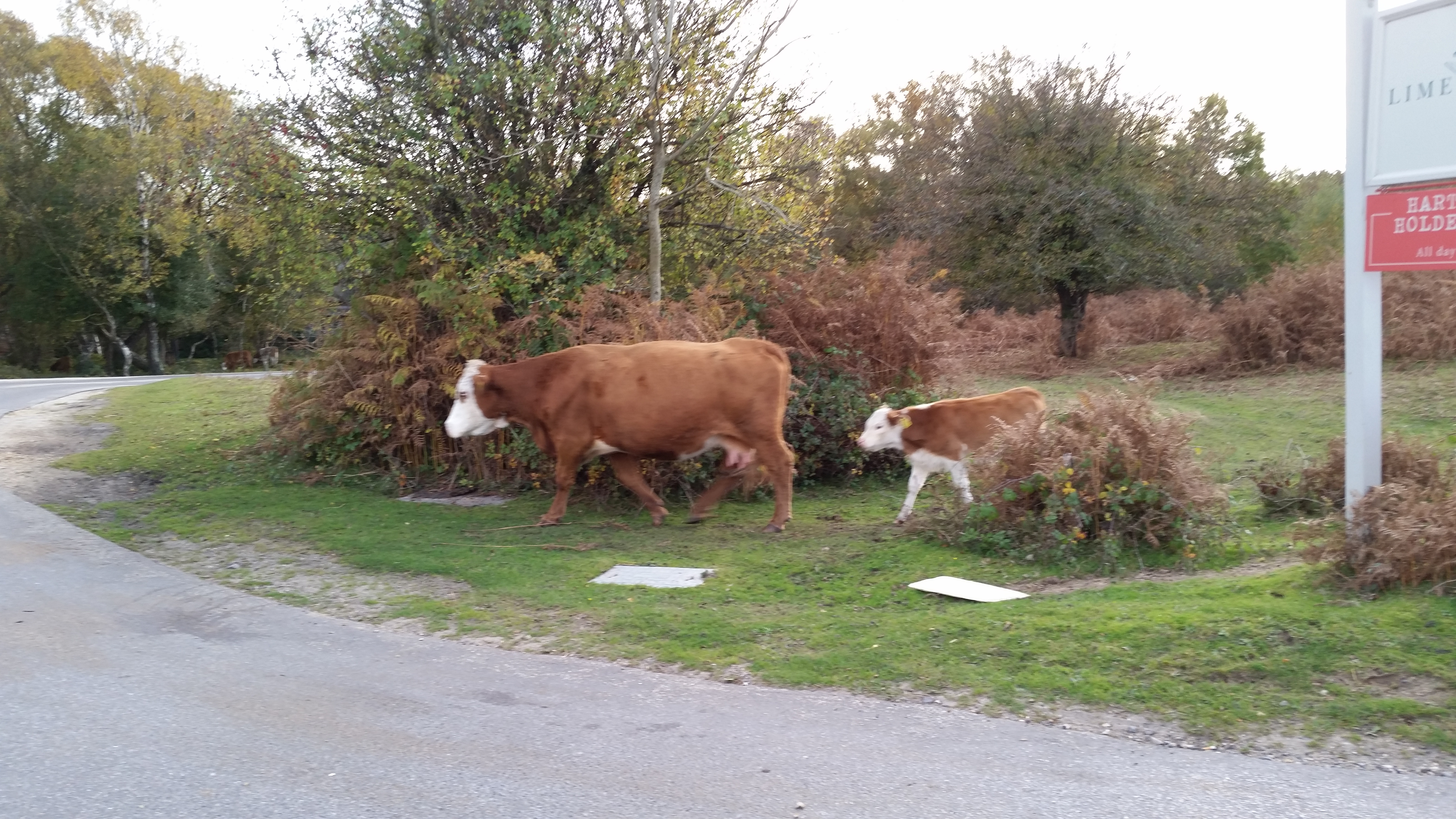
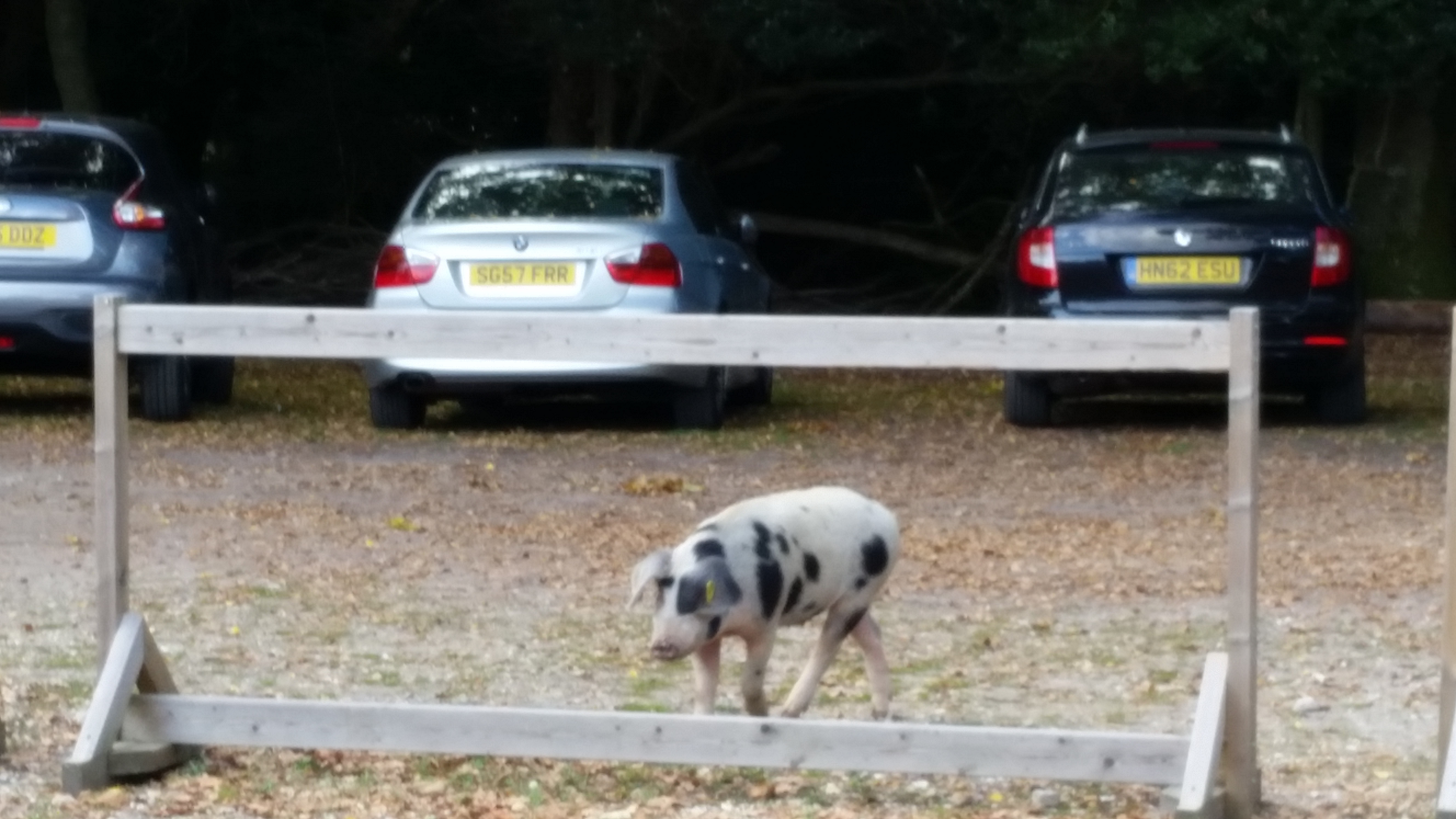
The New Forest proved to present the unexpected. Traffic jams and delays were not caused by vehicles but by livestock, cattle, pigs, donkeys and of course the famous New Forest Ponies. So here are a few shots of the many critters we encountered as we drove around the forest.
2015 10 24_6642 2015 10 24_6641 2015 10 24_6640 2015 10 24_6639 2015 10 24_6638 2015 10 24_6637 2015 10 24_6636 2015 10 24_6635 2015 10 24_6634 2015 10 24_6633

Our first day excursion was to a Forestry Commission area of woods and heathland with way-marked walks winding through it.

2015 10 19_6158

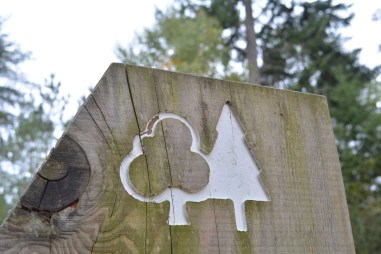
We set off firstly in search of the Knightwood Oak the oldest oak in the New Forest which reached maturity during the reign of Henry VIII. We followed the posts marking the way, rather beautiful way markers carved in wood.

2015 10 19_6064 2015 10 19_6065 2015 10 19_6066 2015 10 19_6067 2015 10 19_6069 2015 10 19_6070

Among the hundreds of oak trees here we passed two other significant oaks on the way, celebrating important moments in the forest’s history. Firstly the Queen’s Oak was planted by Queen Elizabeth II to commemorate the 900th anniversary of the founding of the forest by William I in 1079. Secondly the Deputy Surveyor’s Oak planted to mark the contribution of a former Deputy Surveyor of the forest, Donn Small. The second oak was planted as a sapling from the Knightwood Oak itself. The ancient oak itself was surrounded by a chestnut paling fence to keep the public away from falling branches and to prevent the public from getting too close to the tree.

2015 10 19_6073 2015 10 19_6074 2015 10 19_6075  2015 10 19_6076 2015 10 19_6083

Although this was a forest of mature trees there were signs of regeneration throughout, little saplings of all the main species of trees, so its future looks secure.

2015 10 19_6078 2015 10 19_6094 2015 10 19_61432015 10 19_6096

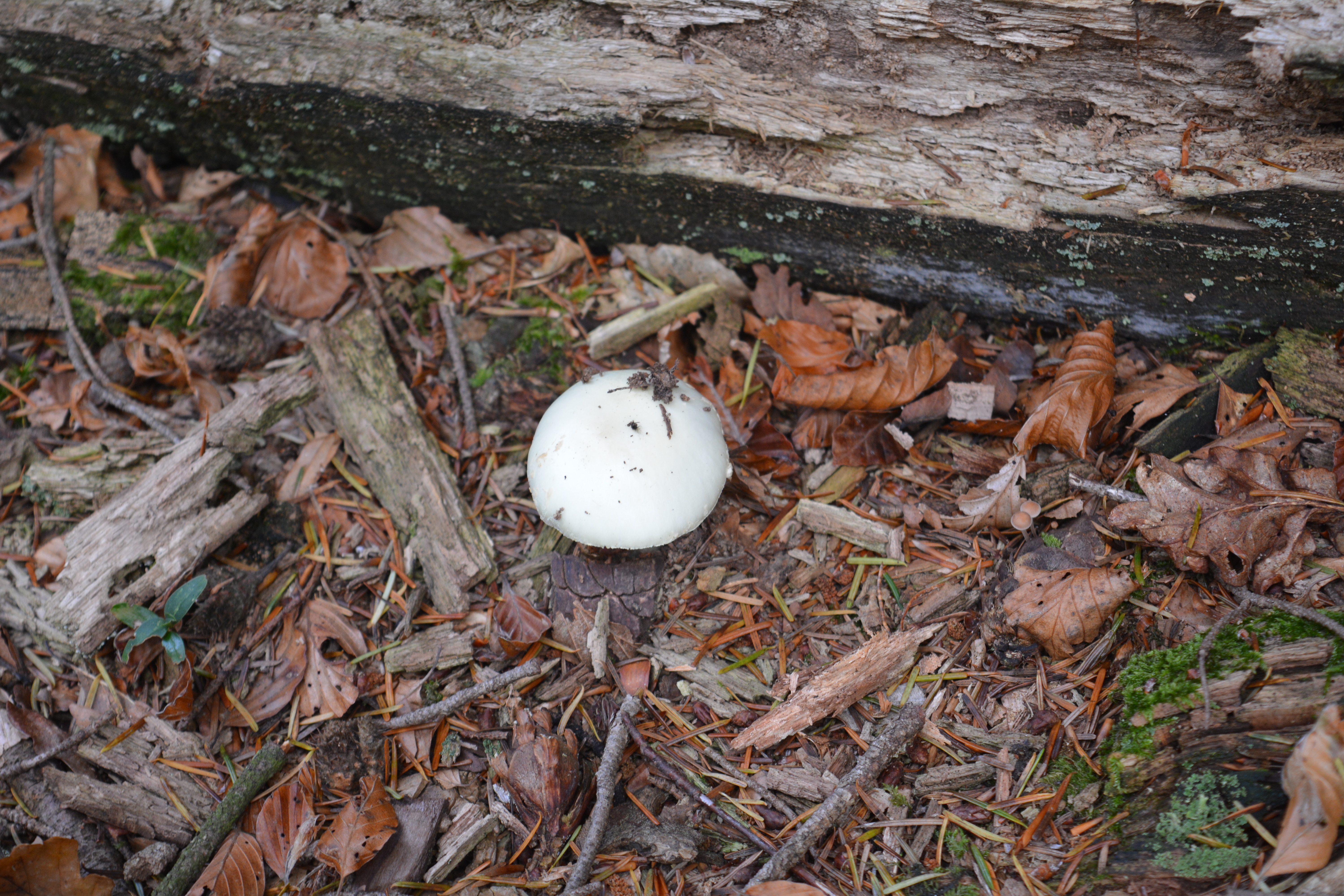
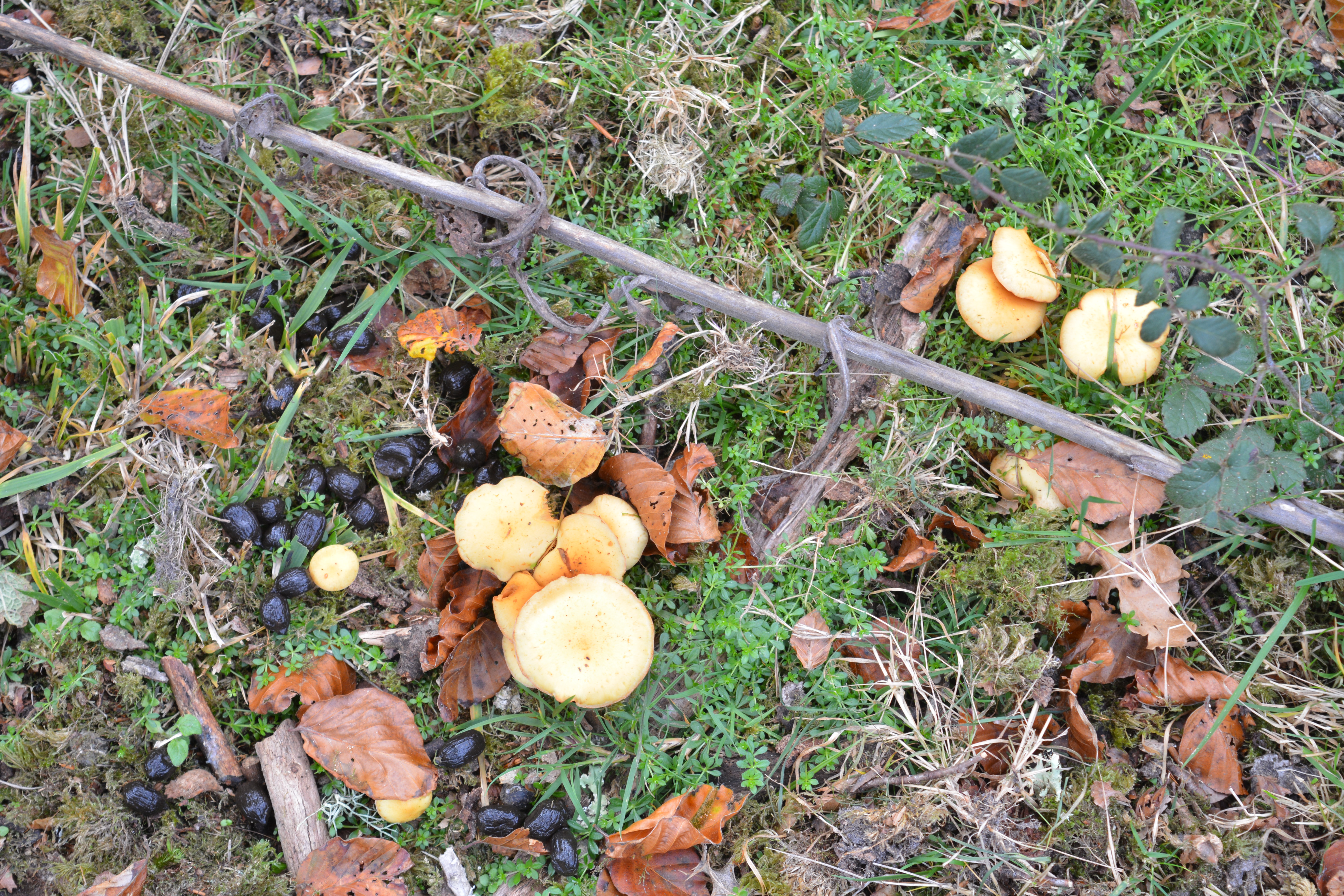
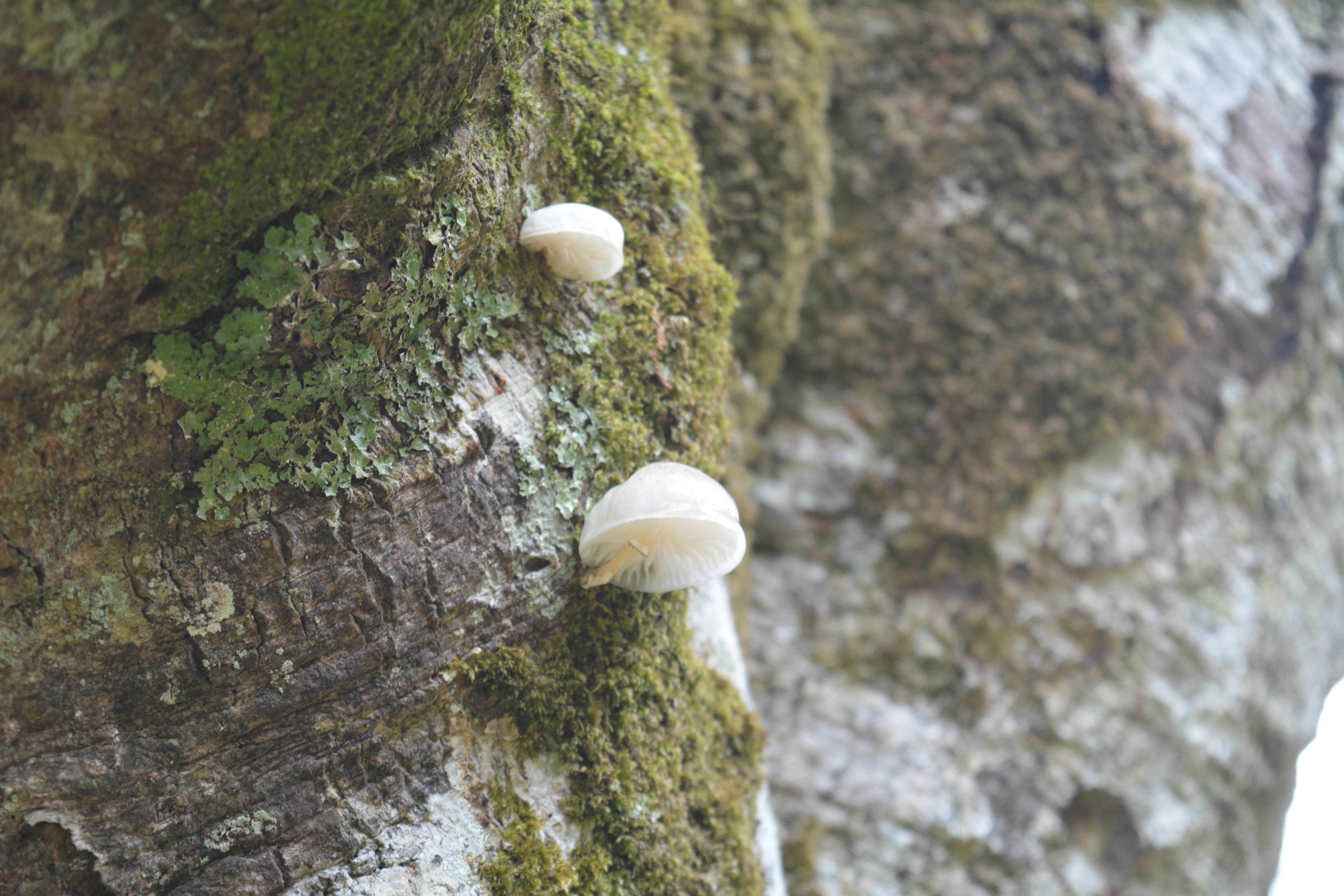
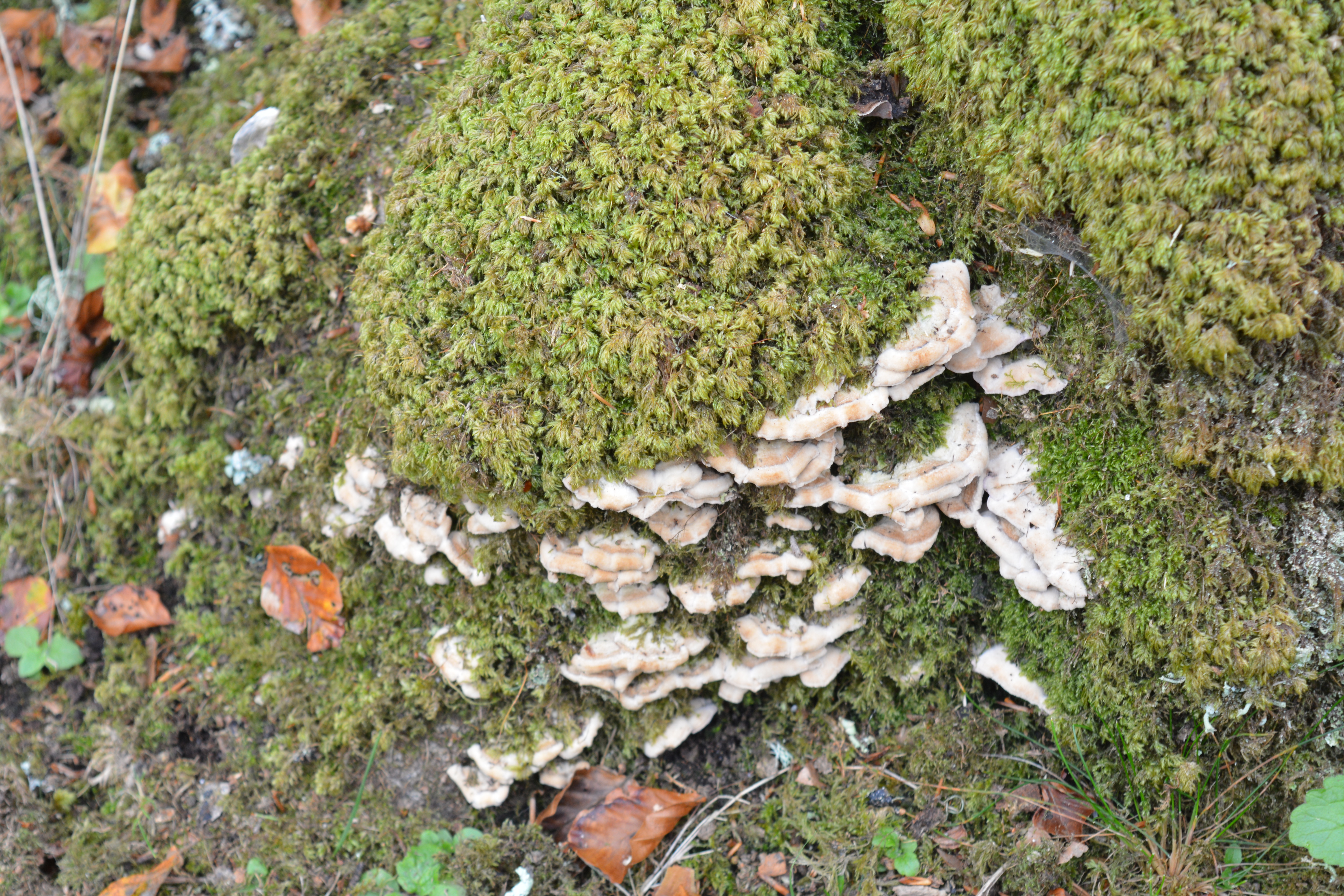
At the other end of the age scale we were pleased to see that dead and dying trees were being left for the benefit of wildlife, insects, birds and of course the many fungi that live in woodlands breaking down and decomposing dead wood.

2015 10 19_6089 2015 10 19_6093 2015 10 19_6095 2015 10 19_6130 2015 10 19_6101 2015 10 19_6099 2015 10 19_6098 2015 10 19_6082 2015 10 19_6081 2015 10 19_6080 2015 10 19_6079 2015 10 19_6131

In my next post about the New Forest we will continue walking this walk deeper into the woodland and across heathland until we found our way back to the car park.

This Veggie Life

A Vegetarian | Nature Lifestyle Blog

Rambling in the Garden

.....and nurturing my soul

The Arch City Gardener

Journeys In St. Louis Gardening and Beyond

Garden Dreaming at Châtillon

Consult the genius of the place

Storyshucker

A blog full of humorous and poignant observations.

gardeninacity

Notes from a wildlife-friendly cottage garden

PlayGroundology

...an emerging social science

The Official Blog of British Wildlife

'The most important and informative publication on wildlife of our times' - The Independent. This blog is a member of The UK & Ireland Natural History Bloggers group: www.uknhb.blogspot.com

iGrowHort

Inspire - Cultivate - Grow Native Plants - Restore Landscapes

Bishops Meadow Trust

To create and protect a semi-natural wild space for the people of Farnham to enjoy and experience an array of British wildlife in our town

Gardening with Children

The www.gardeningwithchildren.co.uk Blog

UKbirdingtimeline

birding through the seasons, why birds matter and how to conserve them

NATURE WALKER

with a camera in hand

Jardin

Transform your outdoor space

Eva's space

My allotment, cooking and other interests

Old School Garden

my gardening life through the year

LEANNE COLE

Trying to live a creative life

fromacountrycottage

trying to live as lightly as possible on our beautiful planet

Good Life Gardening

Nature lovers from Leicester living the good life.

mybeautfulthings

Finding the beautiful in the everyday

mawsonmichelle

Michelle's Allotment

In and Out of My Garden

thoughts from and about my garden

Greenhousing

Big plans for a small garden

The Scottish Country Garden

A Walled Country Garden in South East Scotland

The Fruity Chicken

Life at the fruity chicken

willowarchway

Off grid living. Self sufficient. "PERMAGANICS RULE".

St Anns Allotments

Nottingham's Grade 2* Listed Allotments and Community Orchard

Manifest Joy Harvests

a journey in suburban vegetable gardening

Allotmental

The madness of growing your own

Penny's Garden: a harvest beyond my front door

A novel approach to vegetable gardening

arignagardener

Sustainable living in the Irish countryside.

NewEnglandGardenAndThread

Master Gardener, amateur photographer, quilter, NH native, and sometimes SC snowbird

dianajhale

Recent work and work in progress and anything else that interests me

planthoarder

a chaotic cottage gardener

Lens and Pens by Sally

a weekly blog that creates a personal philosophy through photographs and words

Dewdrops and Sunshine

Stories from a sassy and classy Southern farmbelle.

The Pyjama Gardener

Simple Organic Gardening & Seasonal Living

gettin' fresh!

turning dirt into dinner

JOY...

today the world is created anew

Garden Birds

Notes from a Devon garden

ShootAbout

Life Through The Lens

Adapting Pixels

A photography blog showcasing the best photography pictures and videos on the internet

Wildlifegardening's Blog

Just another WordPress.com site

naturestimeline

personal observations from the natural world as the search continues for a new approach to conservation.

LATEBLOOMERBUDS

The Wonders of Life through my Eyes, my Heart, my Soul