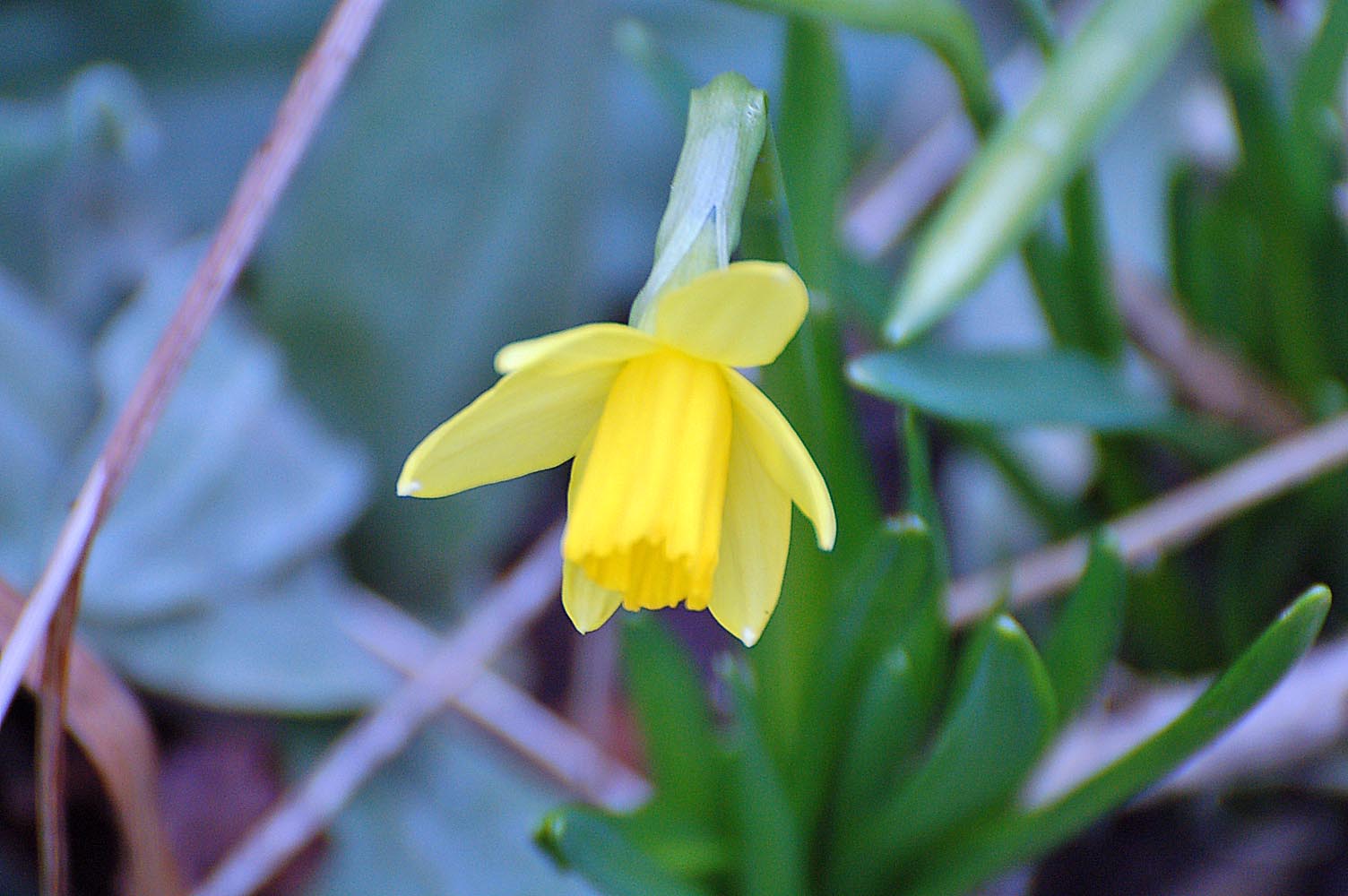
Nothing seems to have changed much in the garden since my “Bouquet for January” post. The ever-changing weather, moving from cold to very cold and back again appears to have stagnated growth. The first daffies have just opened and crocus in various colours are appearing around the borders.
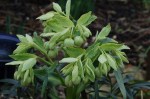
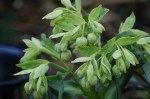
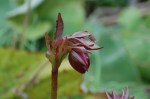
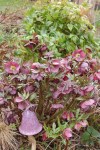
There is a much wider range of Hellebores to enjoy though. I love having to bend down and lift their heads to find the secrets of their hidden beauty. Enjoy my Hellebore gallery.
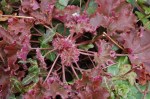
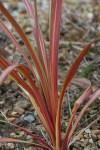
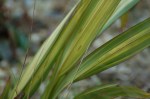
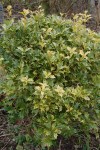
The Prunus subhirtela autumnalis flowers have been browned by the weather and we have cut down many of the grasses and perennial seed heads. Now the garden is looking empty but as a result of our tidying up we can appreciate the importance and impact that foliage plays in the February garden. Grasses and Phormium join with shrubs such as Pittosporum to give interesting colours and leaf patterns.
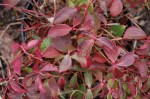
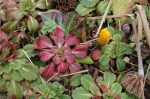
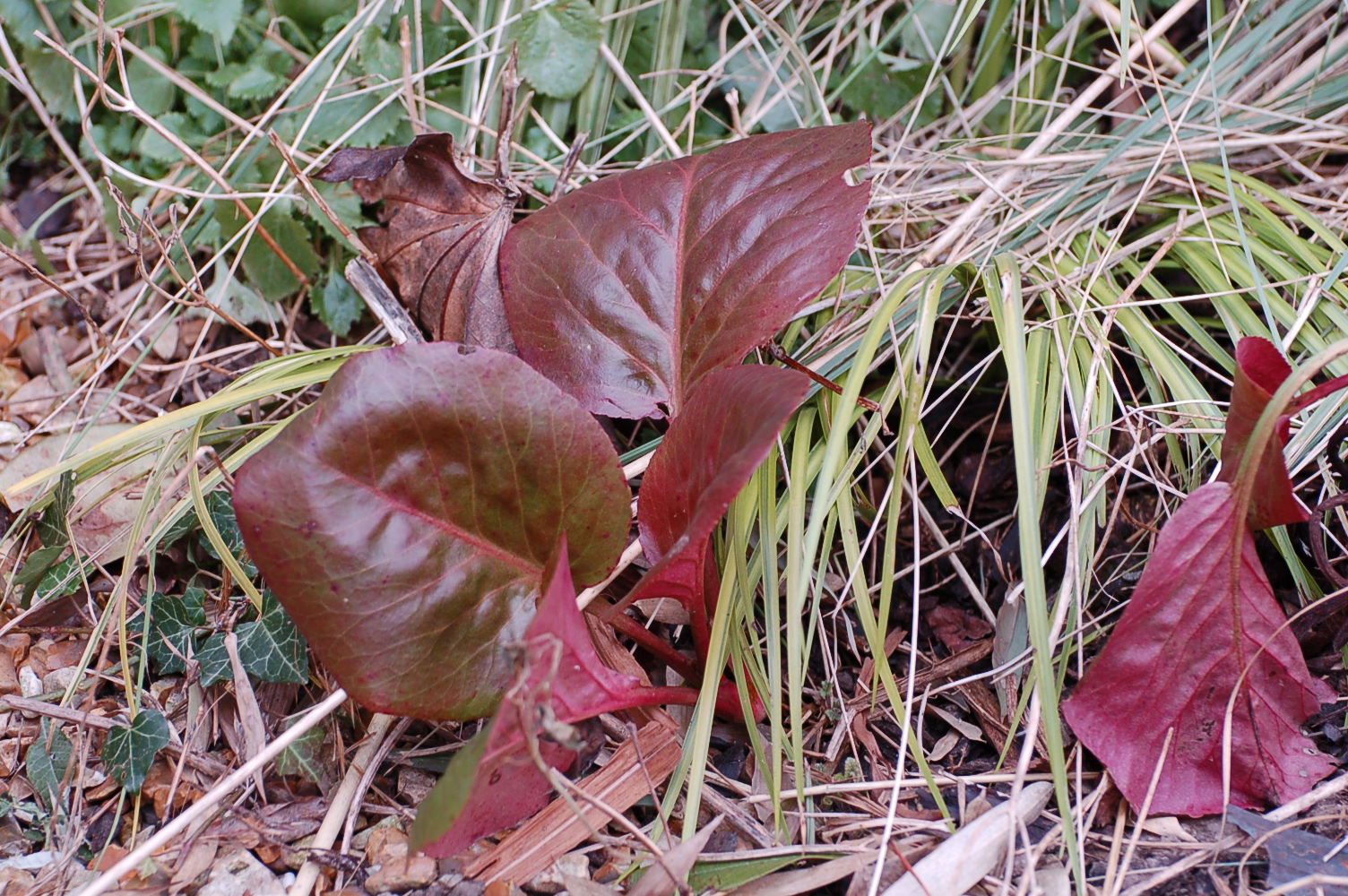
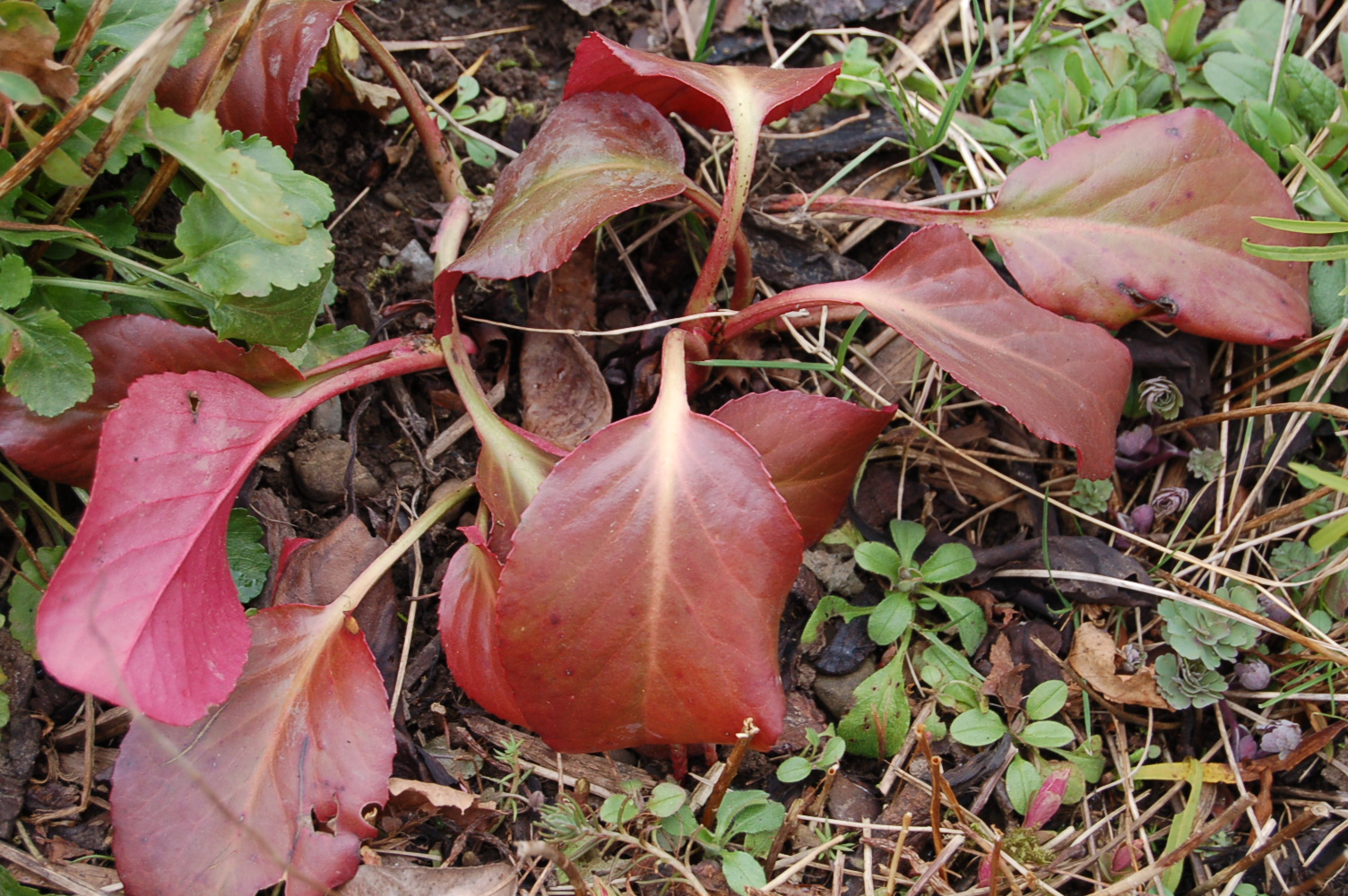
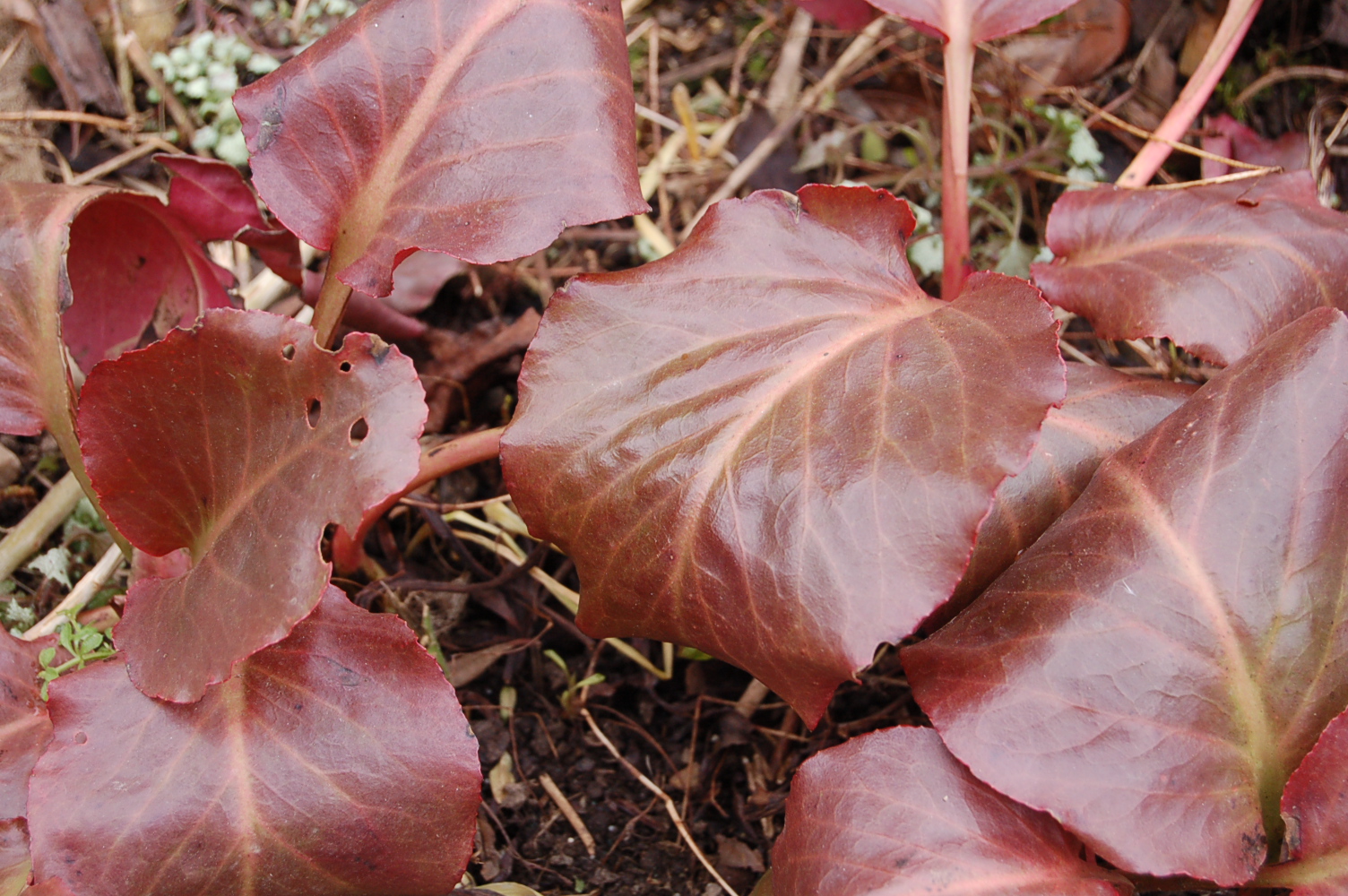
One of my favourite garden plants is the simple and much-maligned Bergenia. At this time of year the leaves take on deep shades of green, red and purple and the first of their flowers start showing colour before being lifted up on strong stems later on.
Let us finish February off by wishing for signs of spring. Some sunshine perhaps? Blue sky? Just a few degrees more?
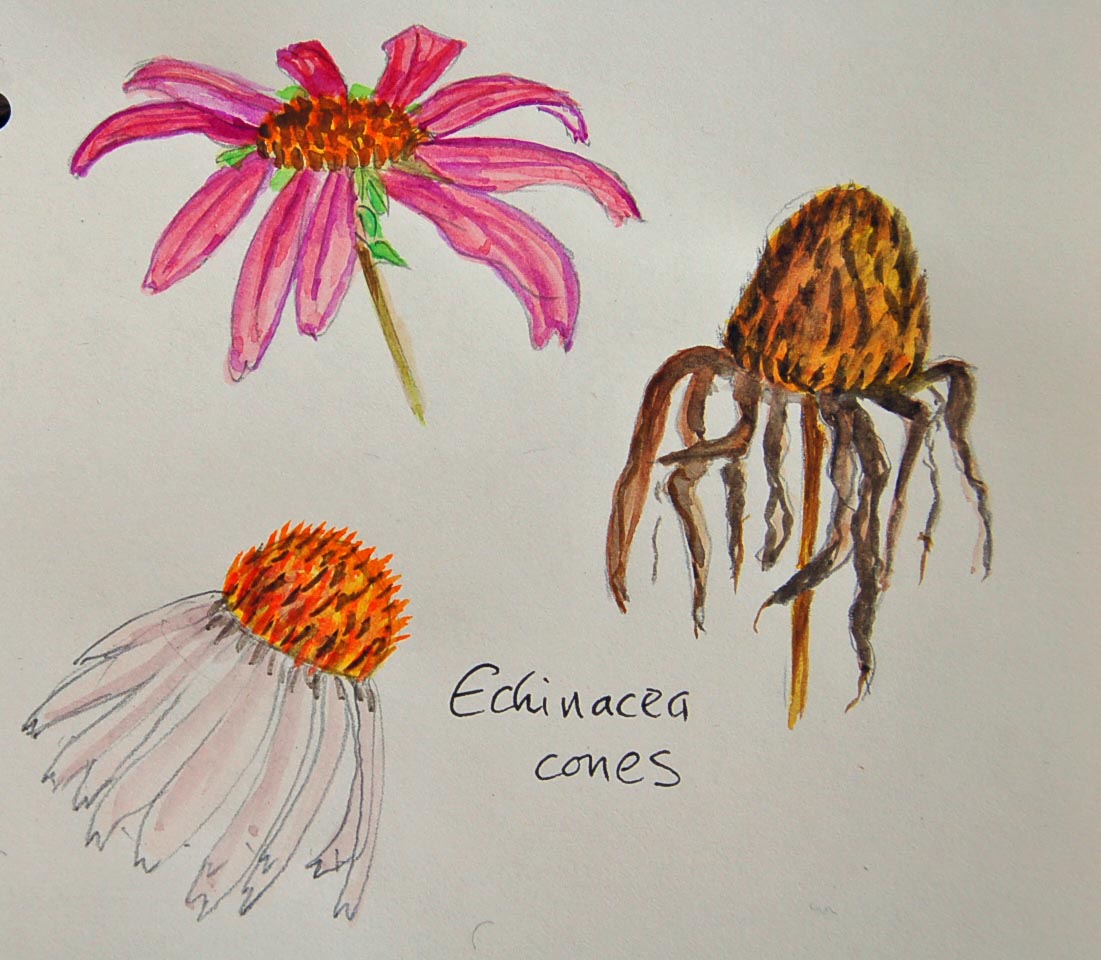
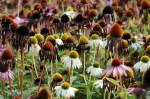
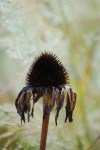
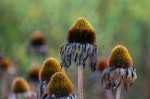
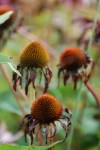
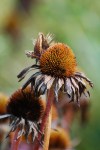
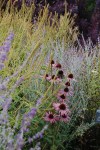
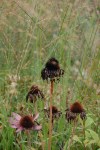
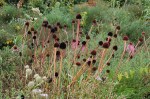
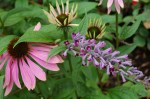
Echinaceas are one of those plants that I cannot resist taking a photo of, whether they are in bud, in full flower, gradually dying, or in their seed head stage. I photograph them in every season whatever the weather. But first a look into my sketchpad.
And here is a gallery of some of my attempts. I try to capture their various shapes, colours, textures and catch their every mood.
The photos were taken throughout the seasons from summer to winter and I hope illustrate their changing shapes and colours.
I have at last got a link to my Flickr photostream so if you want to see what is on there so far please click on link in right margin of my posts.
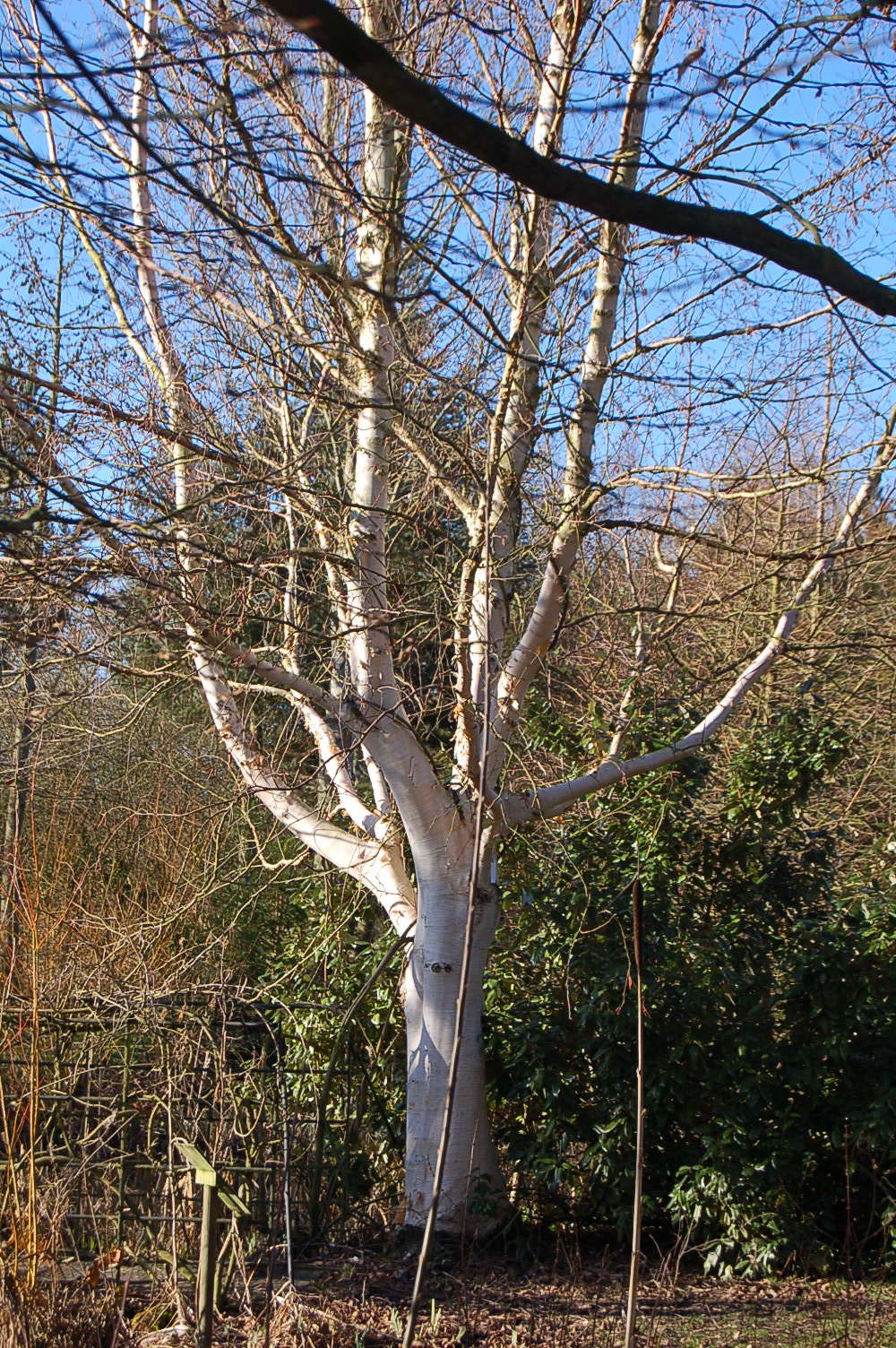
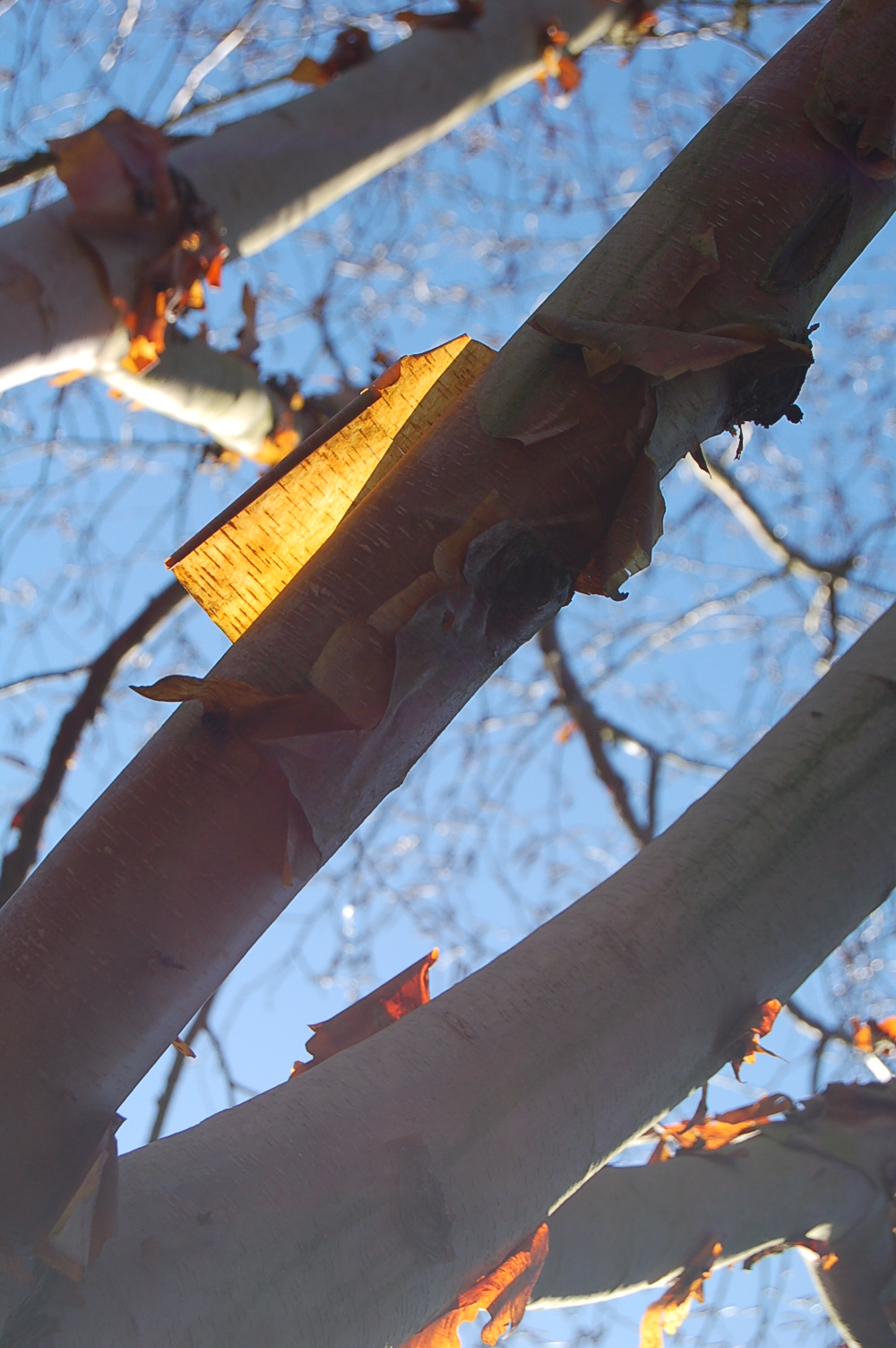
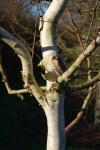
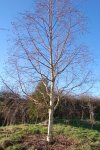
Back to Bluebell Arboretum for a look at their collection of my favourite trees, the Birches. Browse the photos below and you will see why.
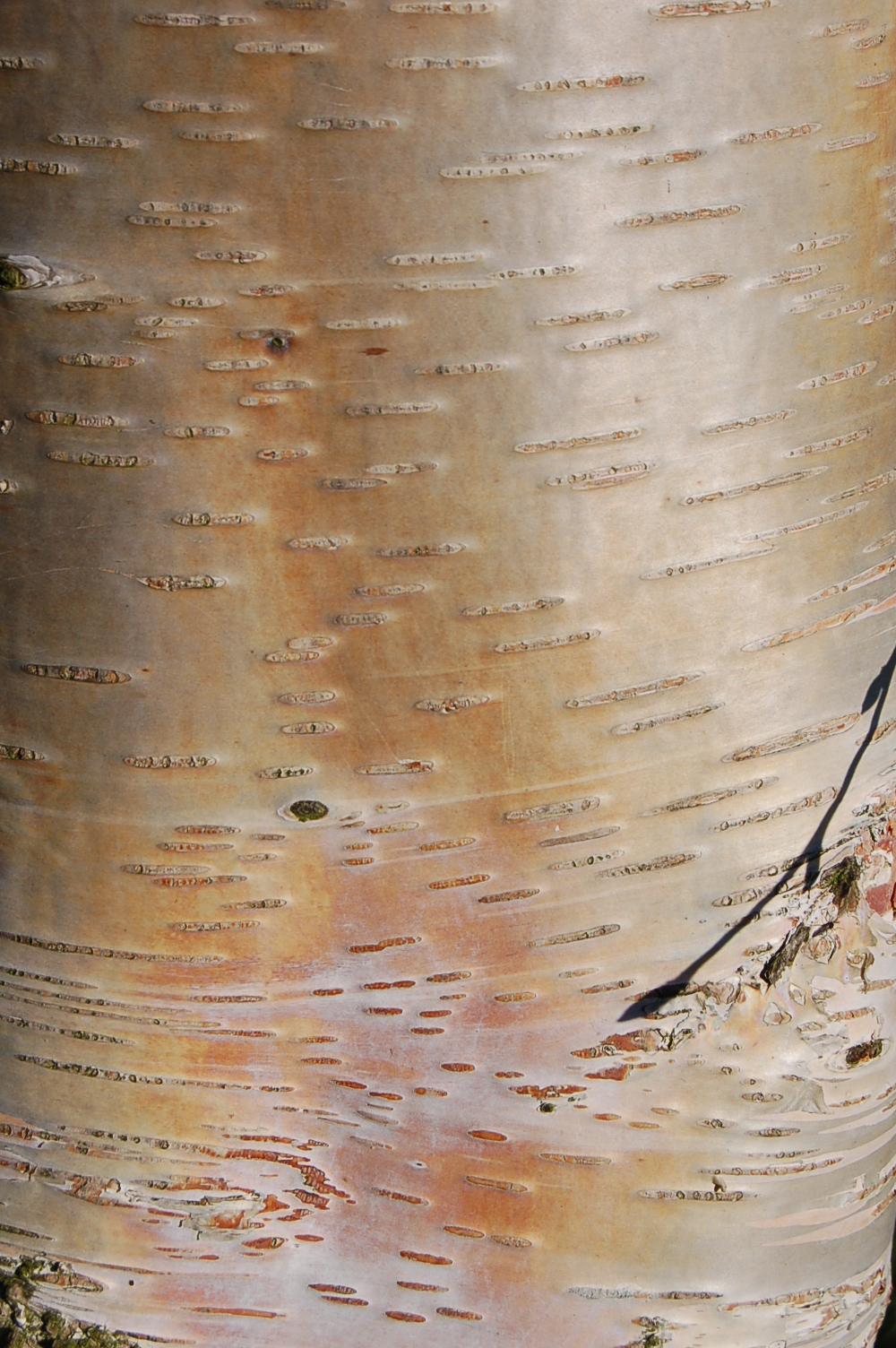
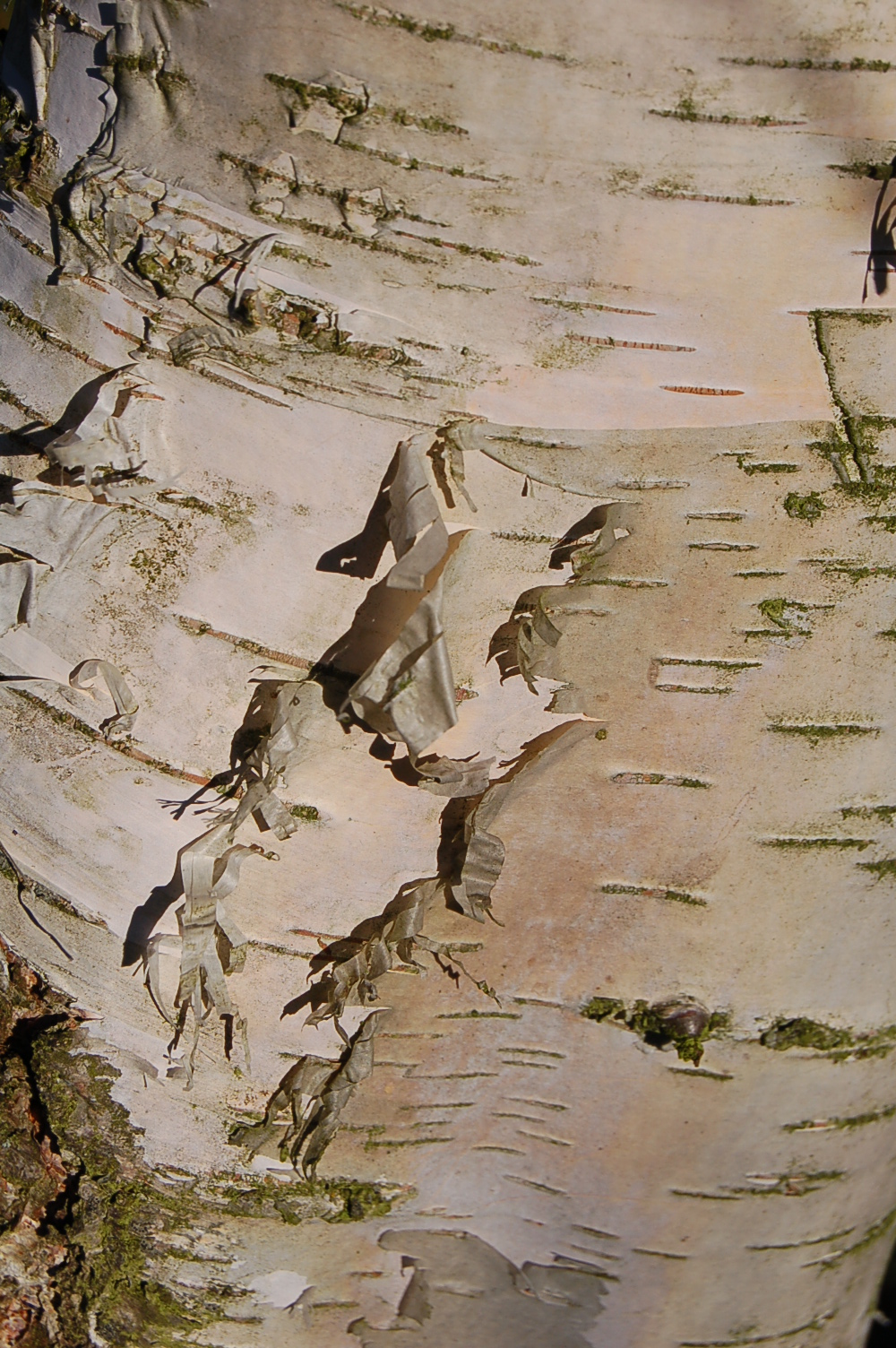
Betulas are particularly popular at the moment because of an interest in coloured and textured bark. This is coupled with a surge of interest in the creation of winter gardens within major gardens open to the public, an interest influencing plantings in smaller private gardens. I thought a gallery of our favourites at Bluebell would show the amazing variations.
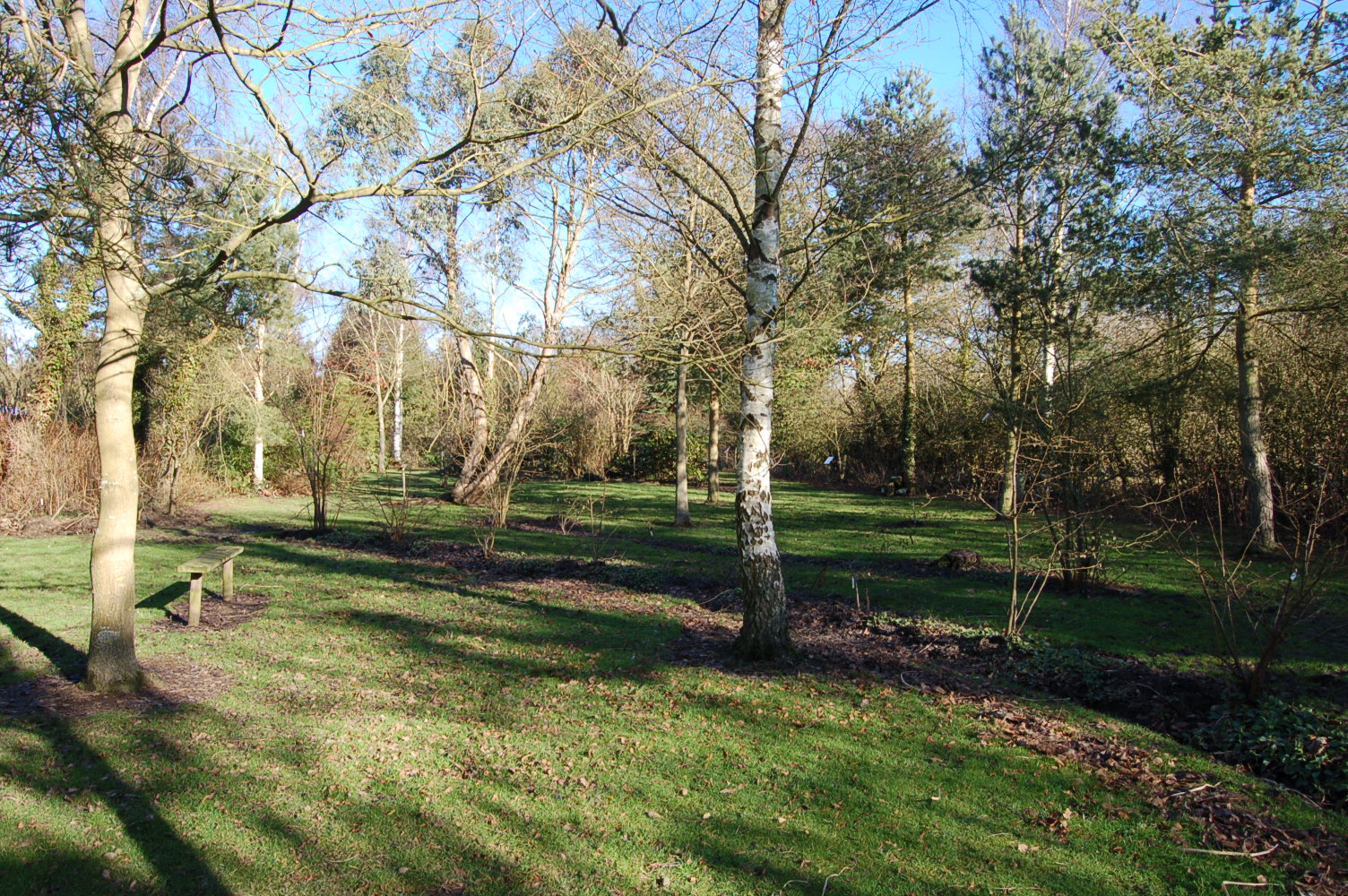
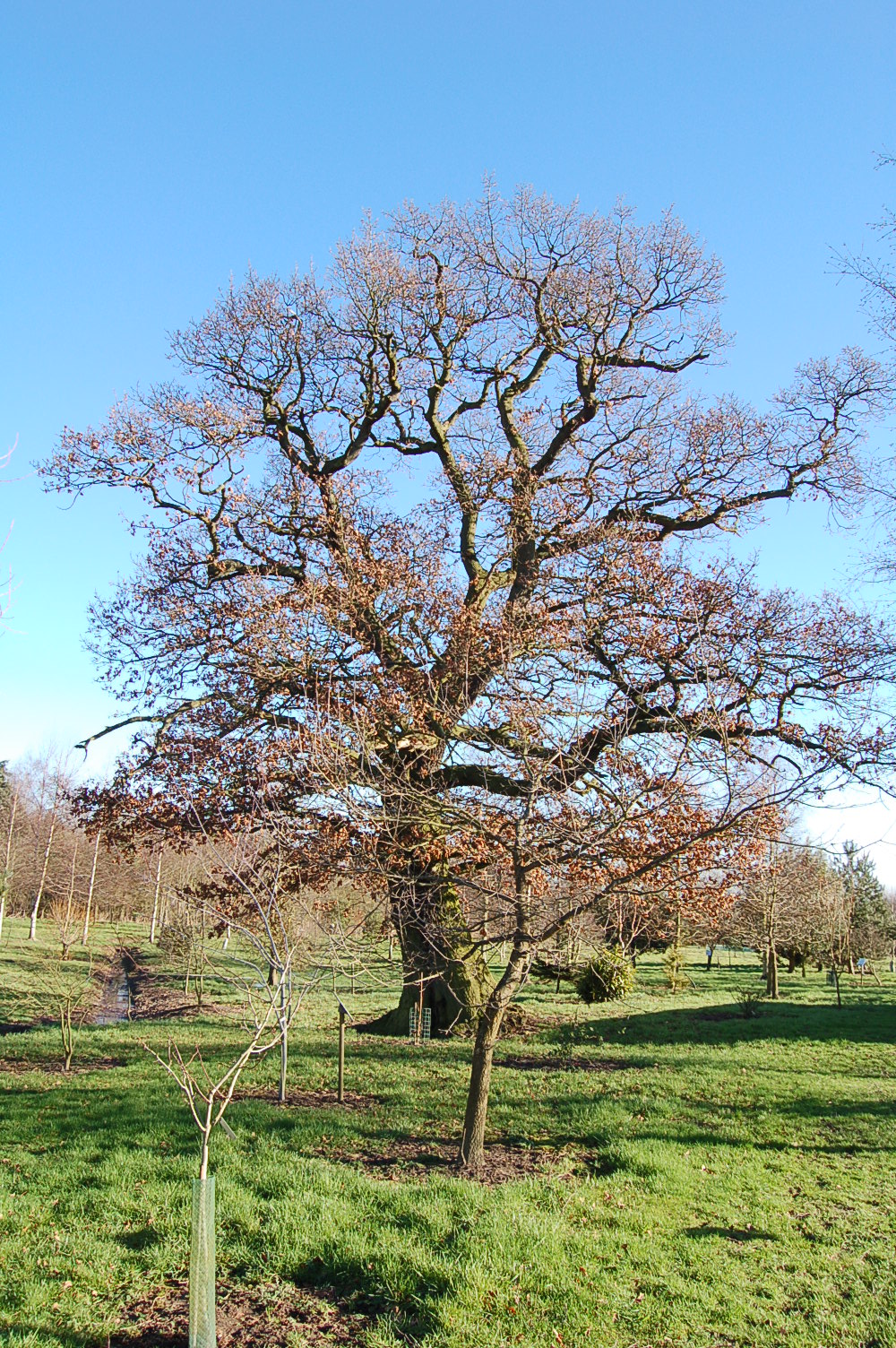
We recently spent a morning at Bluebell Arboretum in Leicestershire, a return visit in fact as we visited it many years ago. It is a young arboretum and small as arboreta go which gives it an intimate, manageable feel.
As we approached the wooden cabin that acts as reception, the door creaked open, “I see you have your walking boots on! I wouldn’t recommend you go around if you hadn’t.” Apparently we had arrived the day after a foot of snow had melted onto already water-logged ground. It was wet so we splashed and slid with great care around boggy pathways, but the trees that greeted us made it all worthwhile.
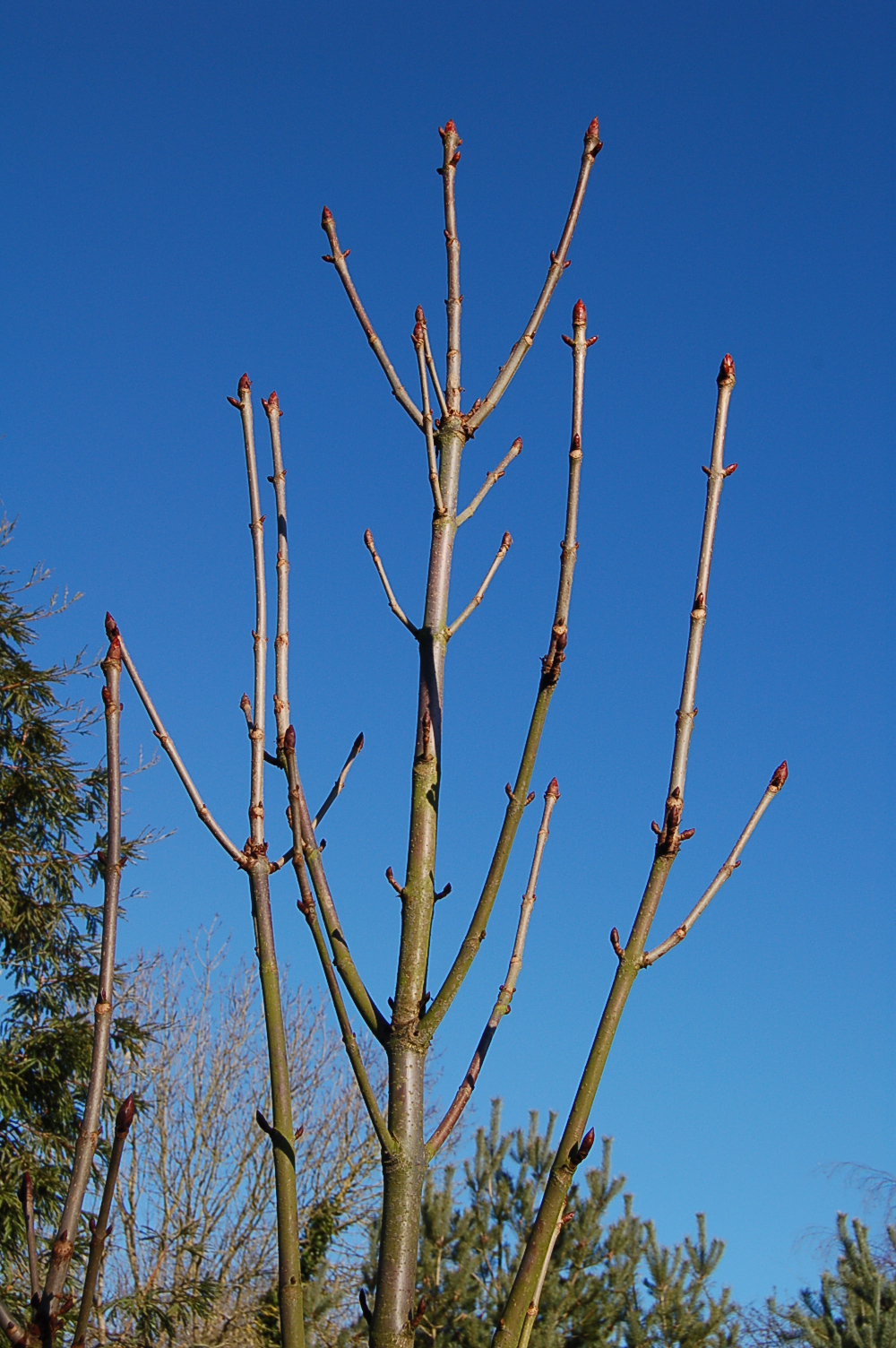
We are great fans of Betulas (birches) and Acers (maples) and here we found many to admire. We admired them for their profile, their bark texture and colour.
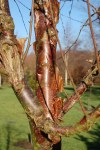
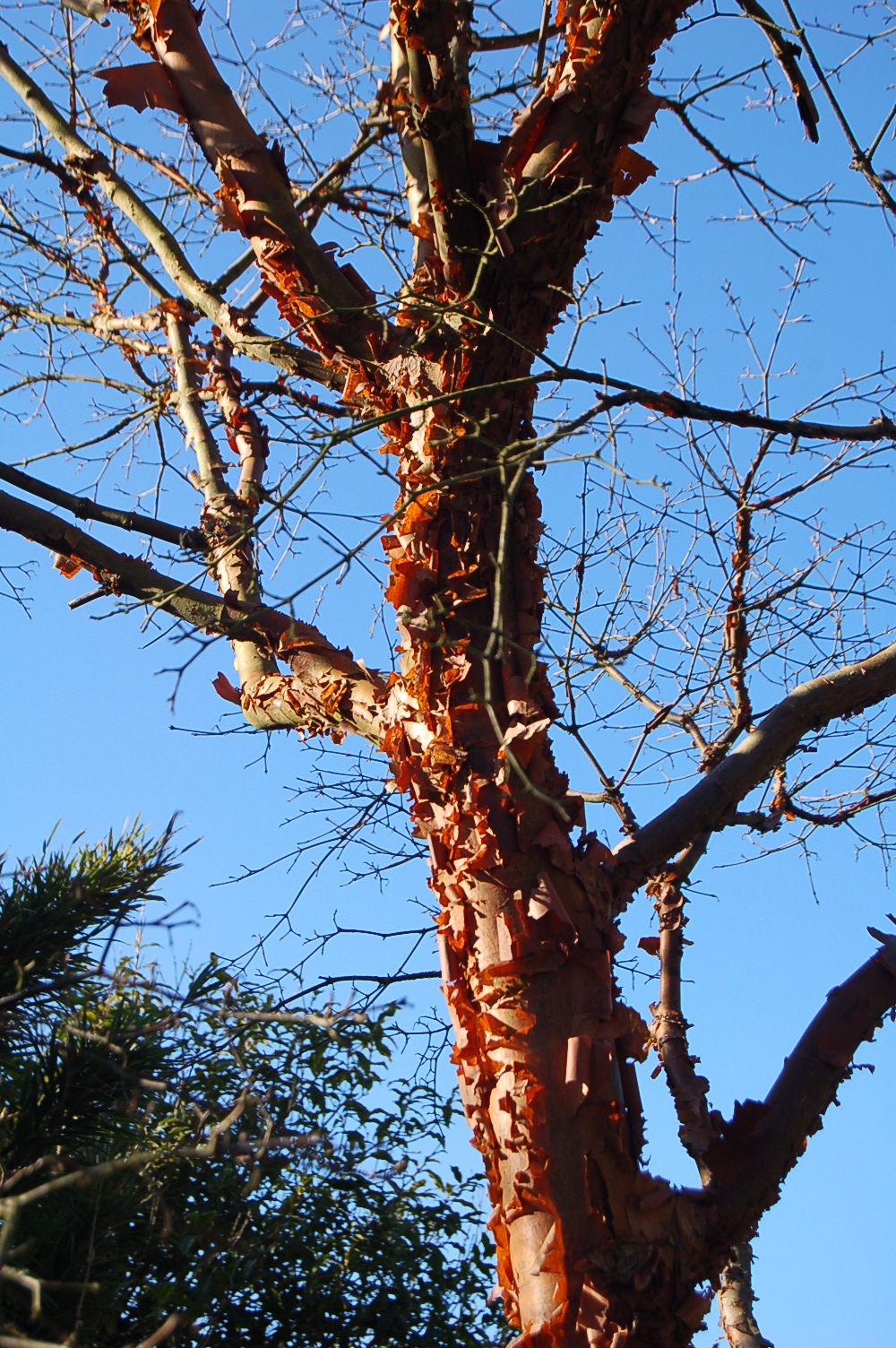
Acer griseum is a classic winter garden tree, with its silky-smooth, shiny mahogany bark. the thinnest of slithers peel off, curl and catch the low winter sun. It has a perfect common name, the Paper Bark Maple. It appears to be wrapped in sparkling, shining and very fancy wrapping paper
Acer griseum
Another Acer that caught our eye, similarly had beautifully coloured bark, was Acer x conspicuum “Phoenix”. The bark on this Acer though was silky smooth.
Acer x conspicuum “Phoenix”
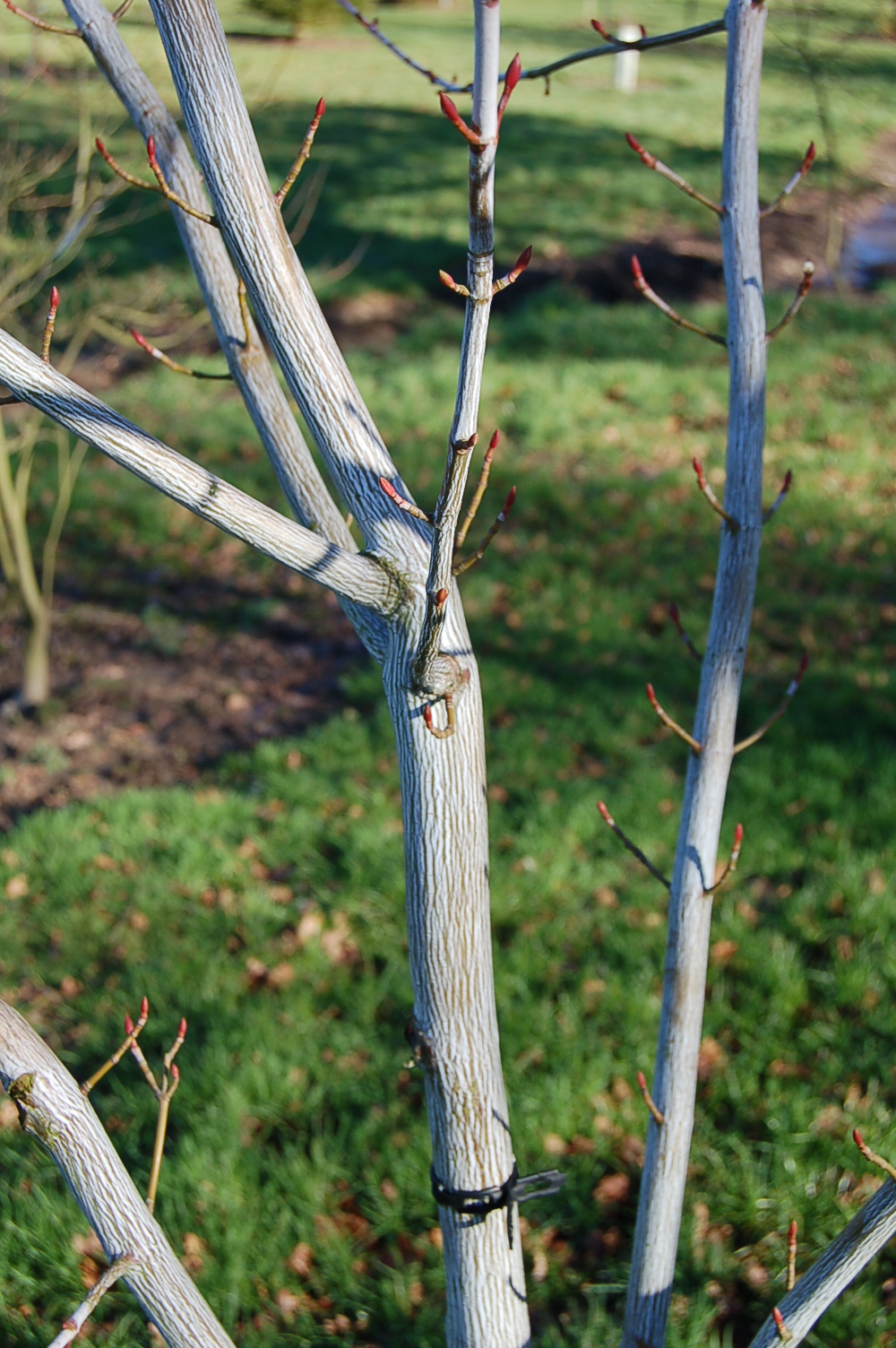
The celebrated Snakebark Maples need to be studied close up where the delicately textured and multi-coloured bark can be fully appreciated.
Acer tegmentosum – The Amur Maple.Acer davidii
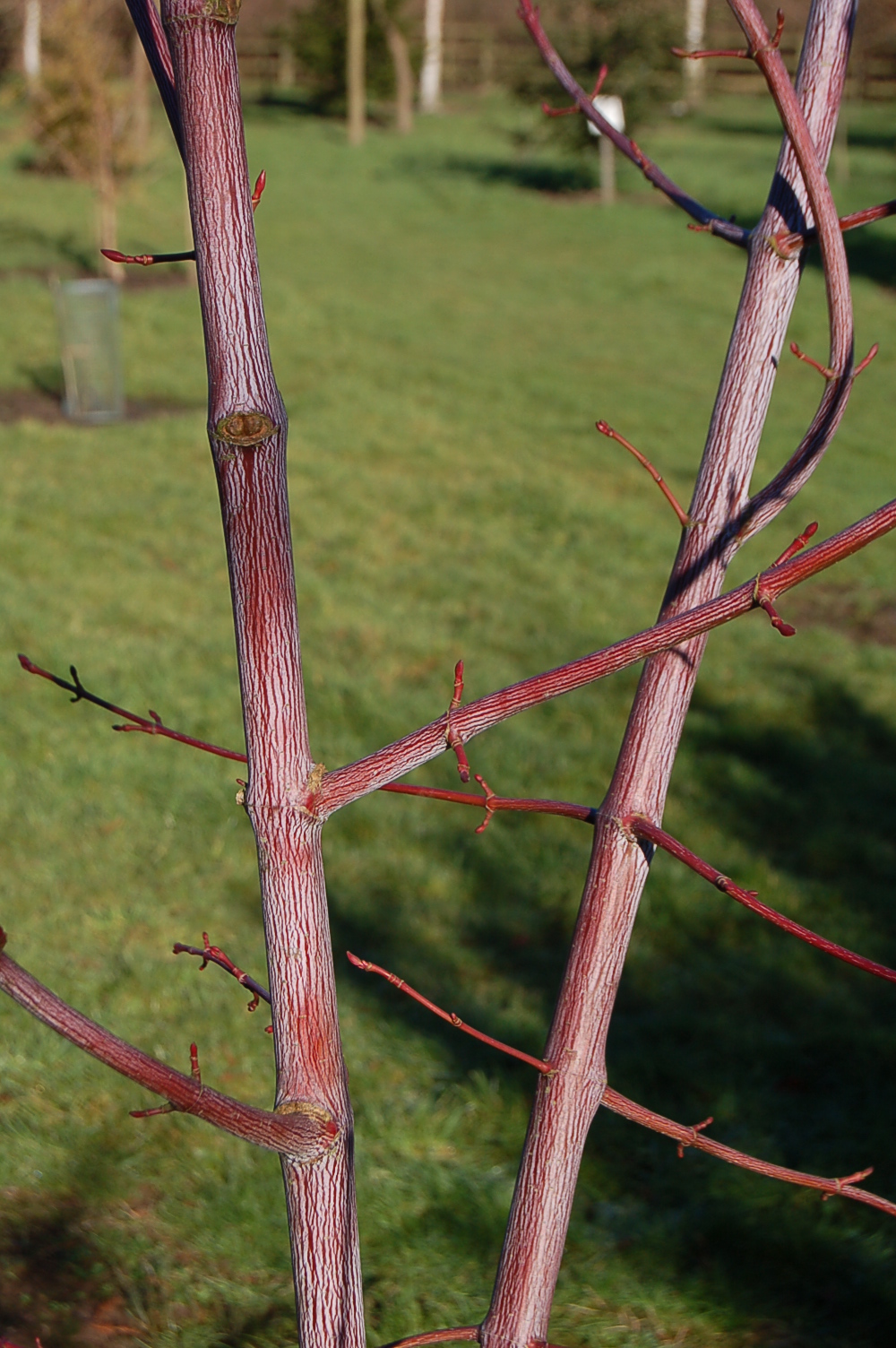
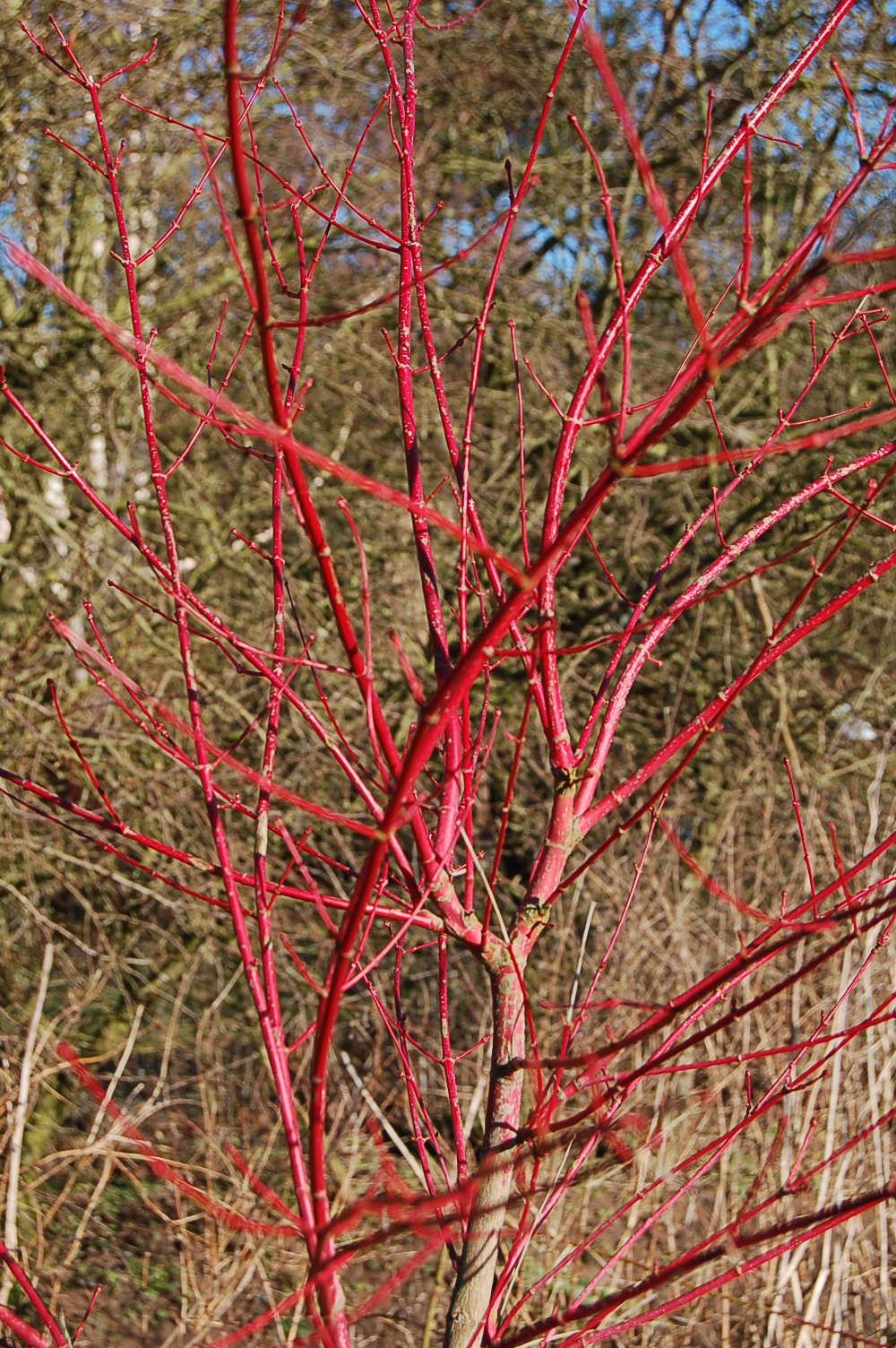
The type of Acers most frequently grown in smaller gardens and arboreta alike is Acer dissectum, grown for its leaf colours, the fresh young growth in spring, the rich summer colour and perhaps most of all for the extravagent autumn colours. But at Bluebell Arboretum we discovered this variety, “Eddisbury” which had another layer of interest and an extra reason for growing it, the beauty of its stems.
Acer dissectum “Eddisbury”
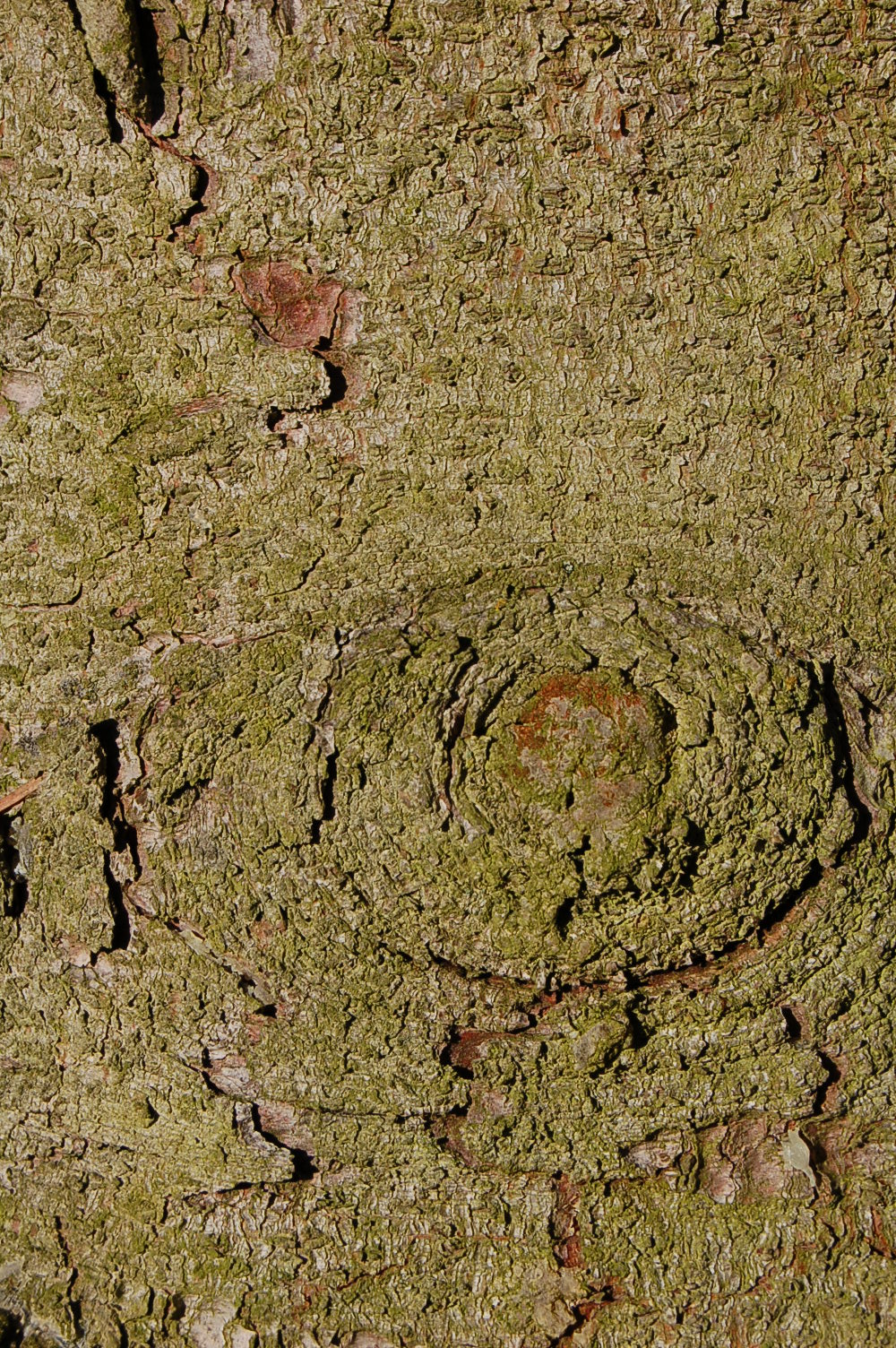
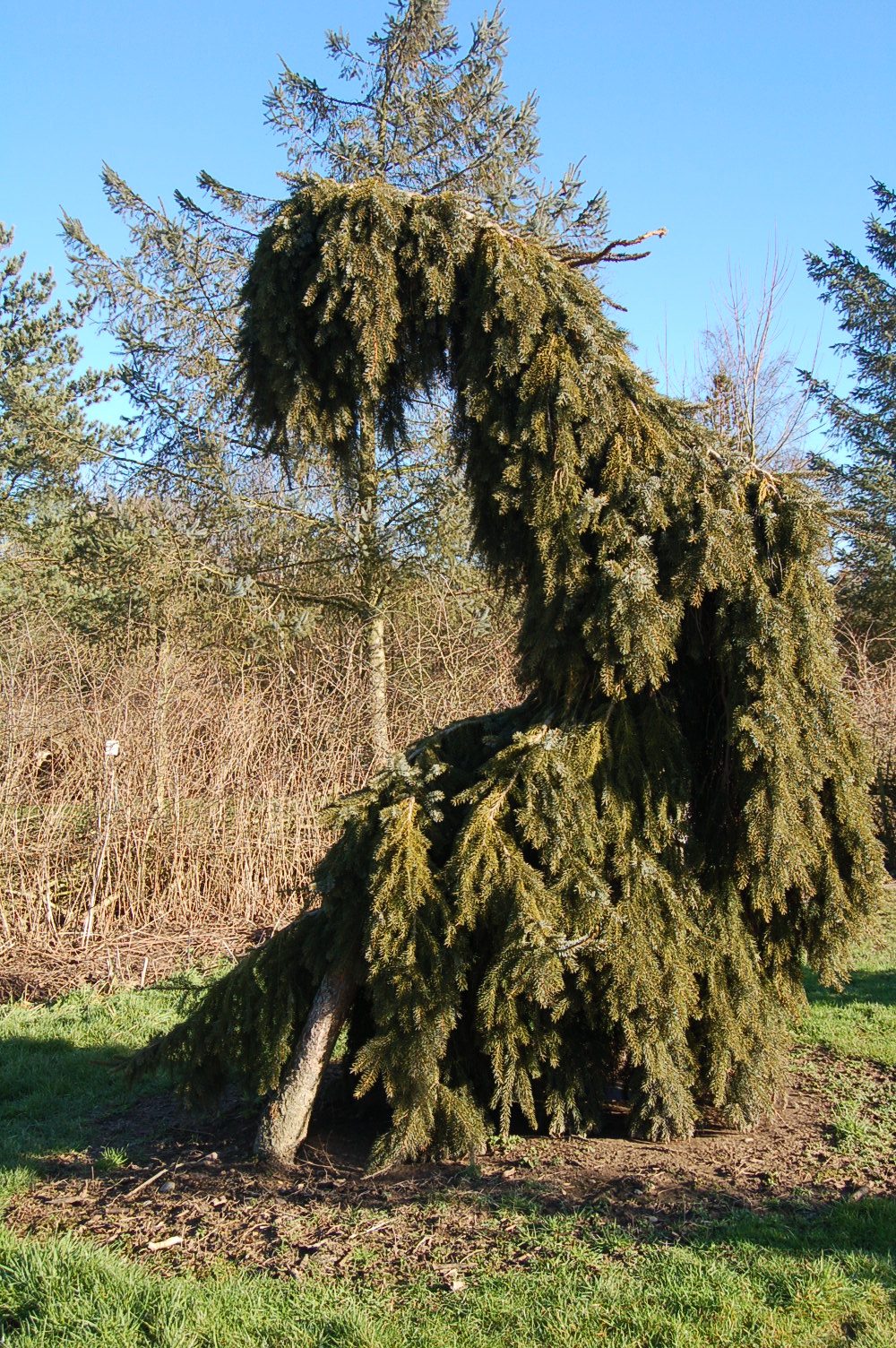
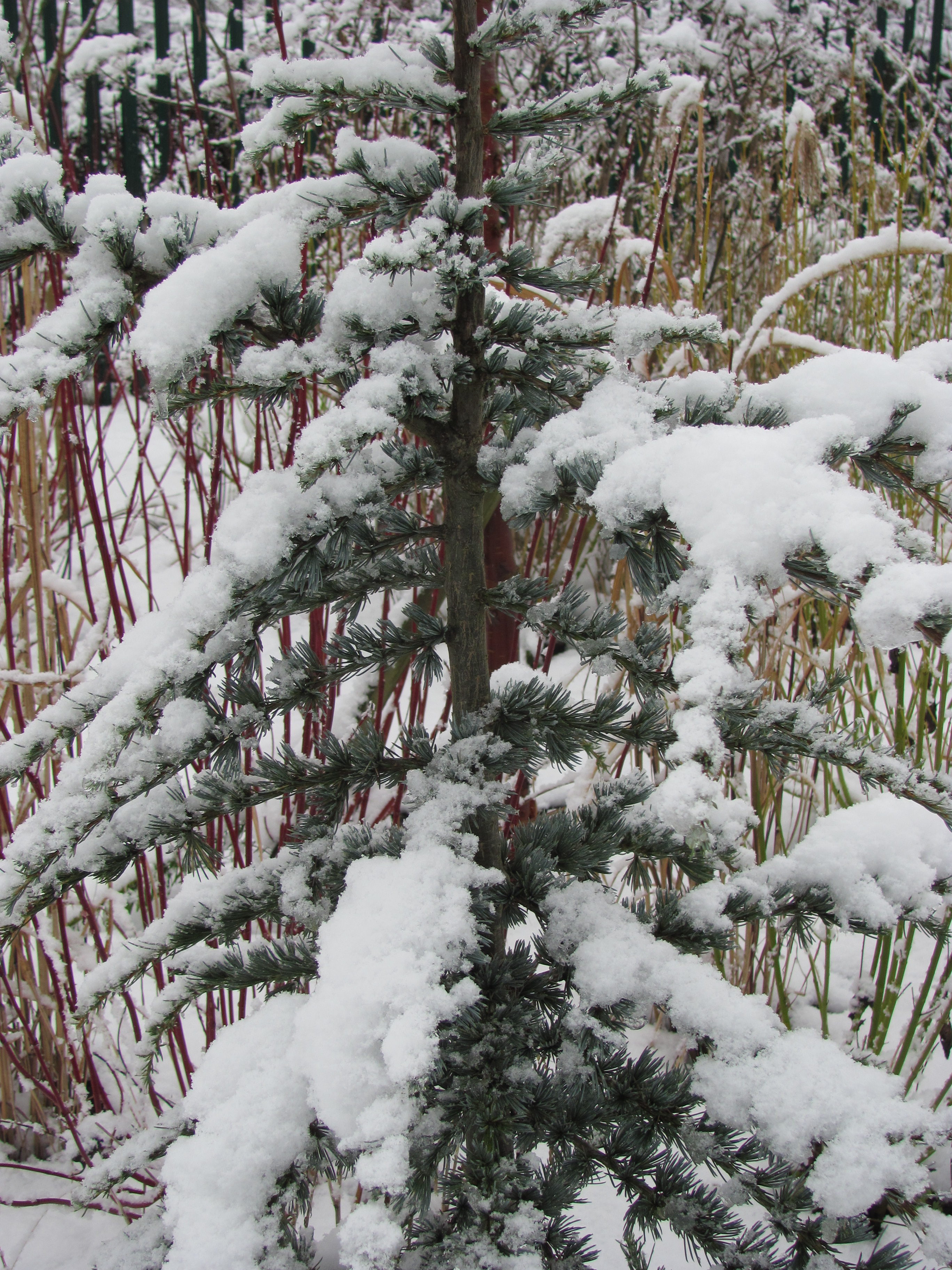
I am not a great fan of conifers but two caught my eye, both Piceas. One had bark with eye shapes and the other an amazing profile.
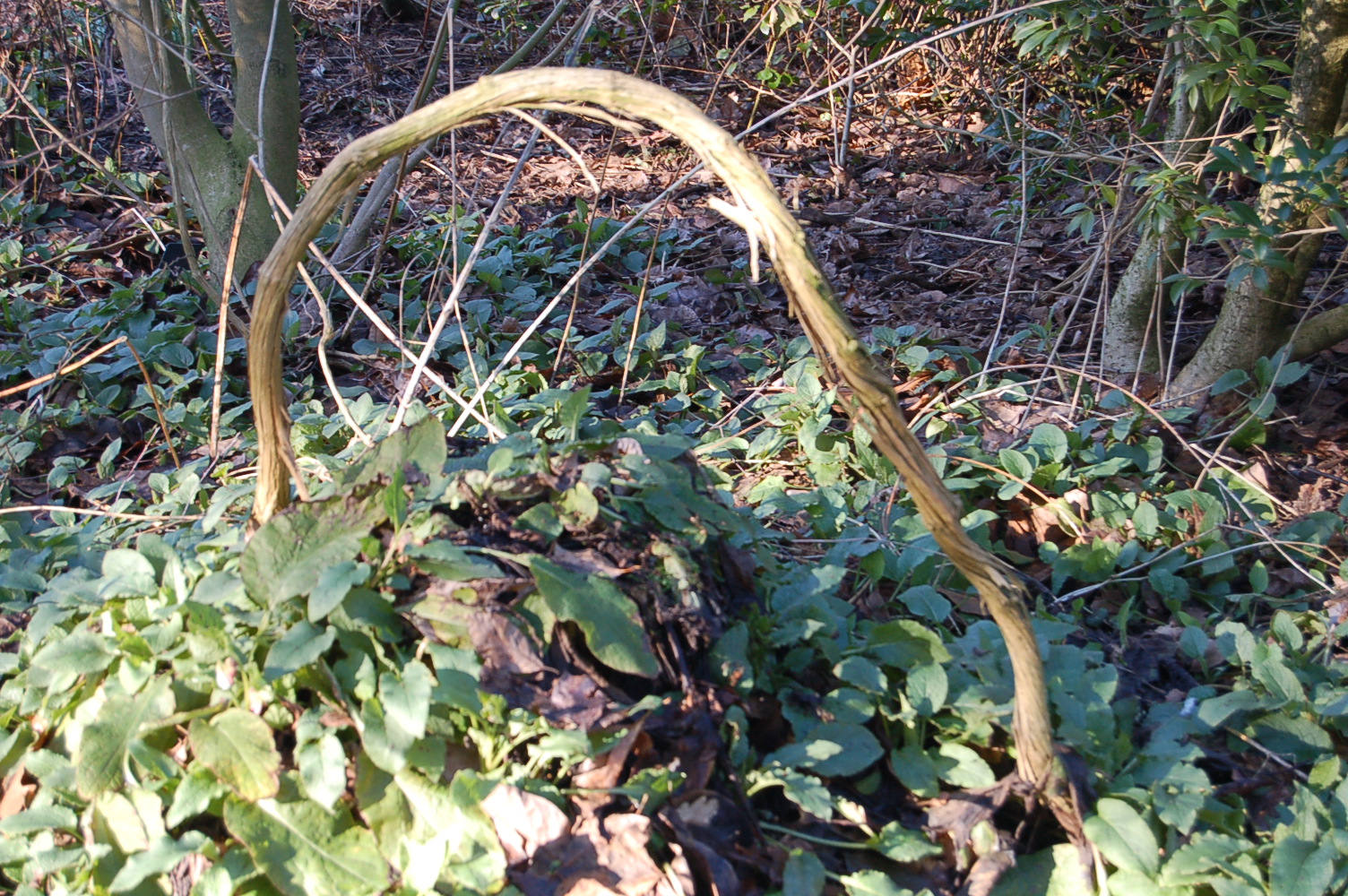
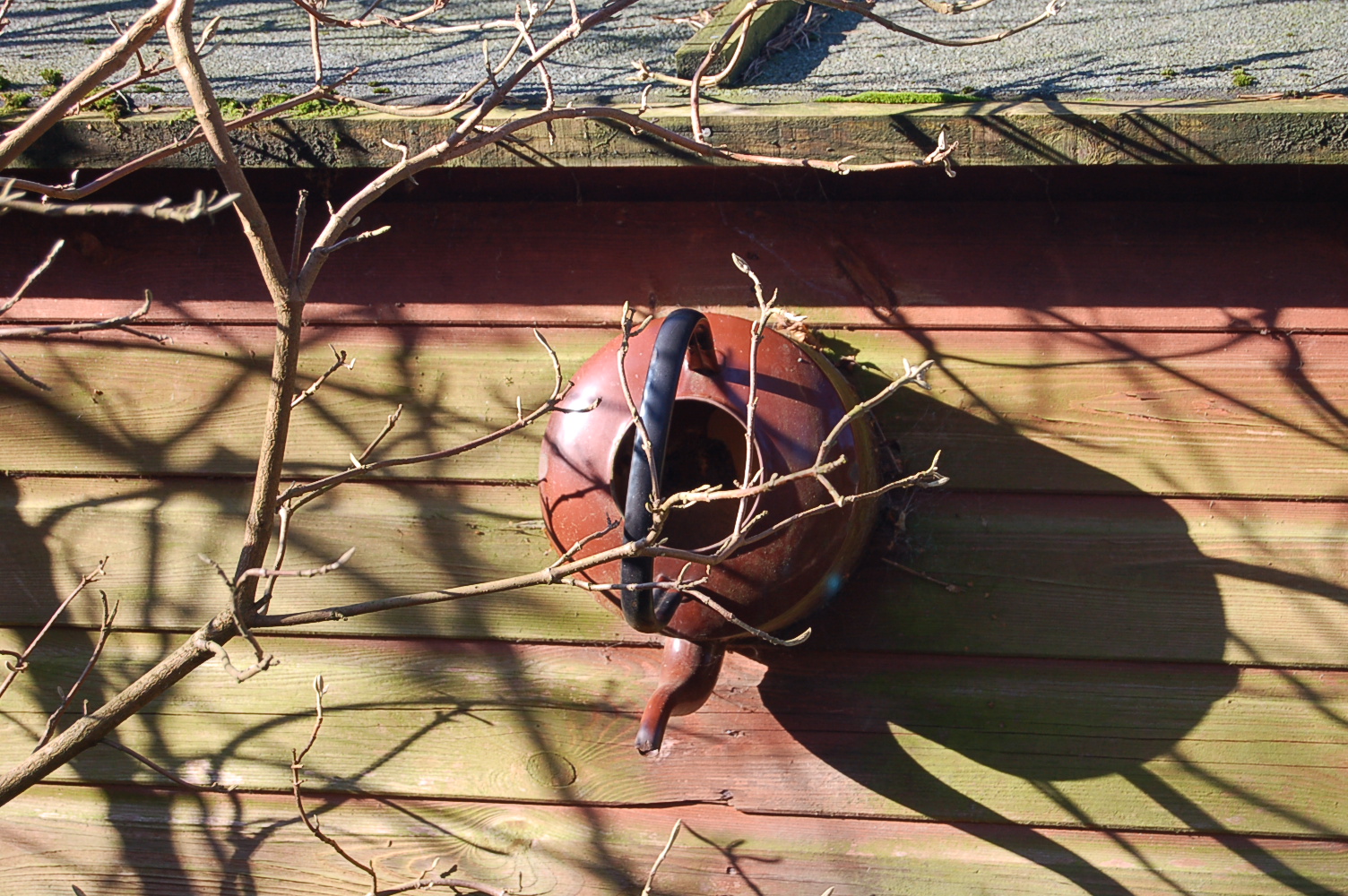
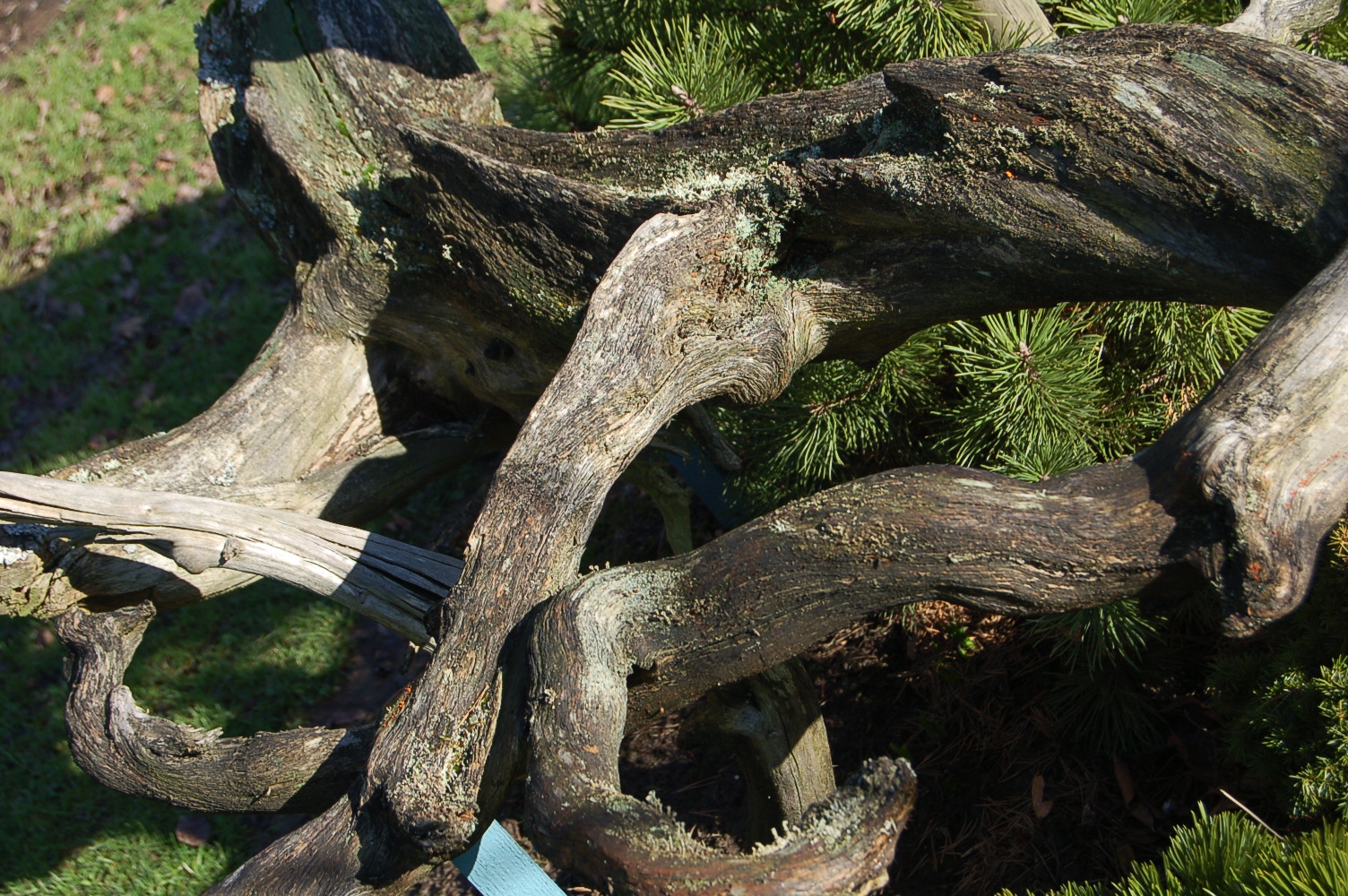
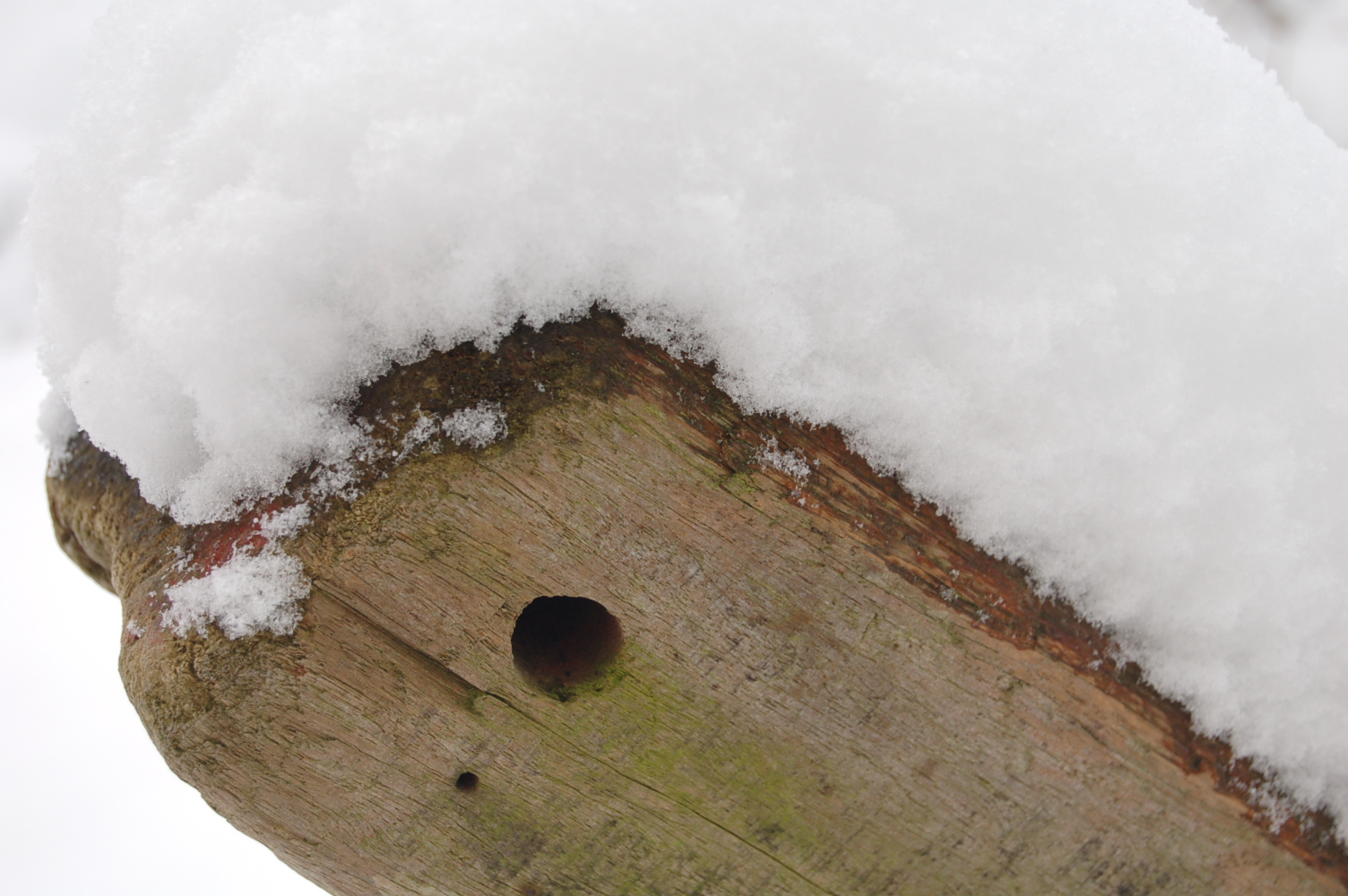
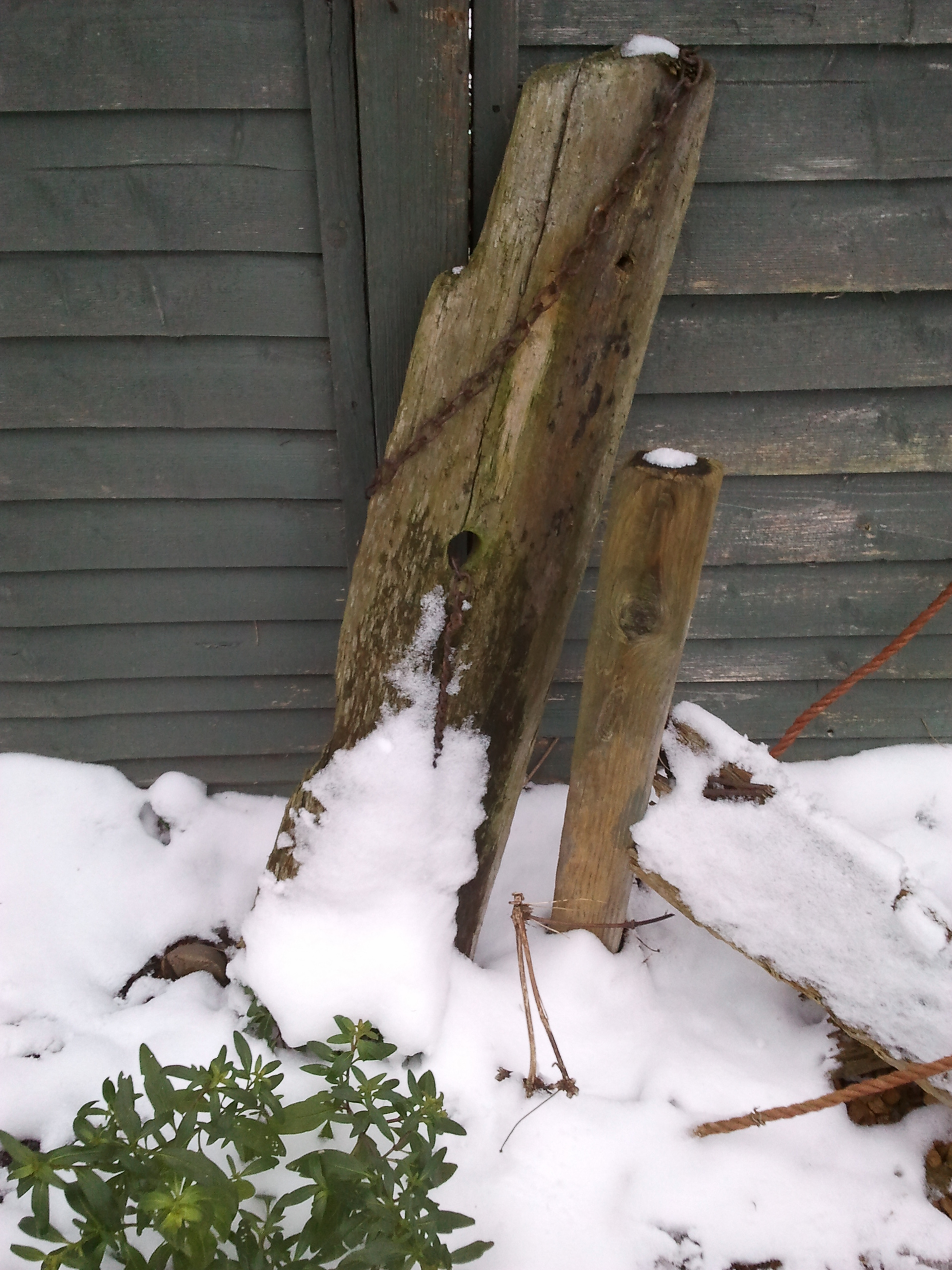
If the amazing trees of Bluebell weren’t enough for the gardener to delight in, other points of interest are there to catch the eye. An archway of clematis, a petrified tree stump, a kettle Robin nestbox, a logpile for beetles, an interesting old stump and another stump with rings making a picture reminiscent of an ammonite fossil.
There were too many examples of my favourite family of trees, the Betulas, so they deserve a post of their own. One to look forward to!
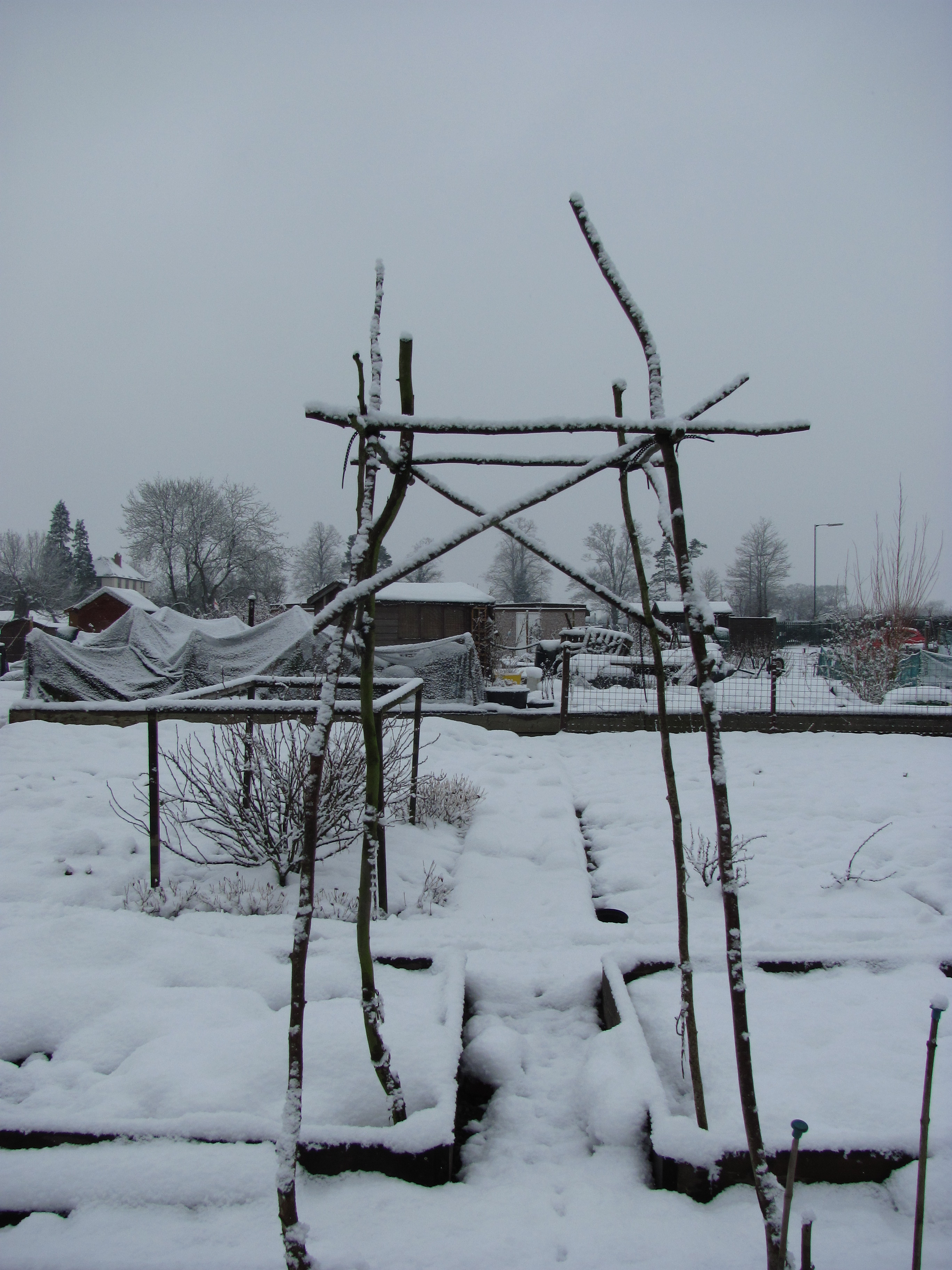
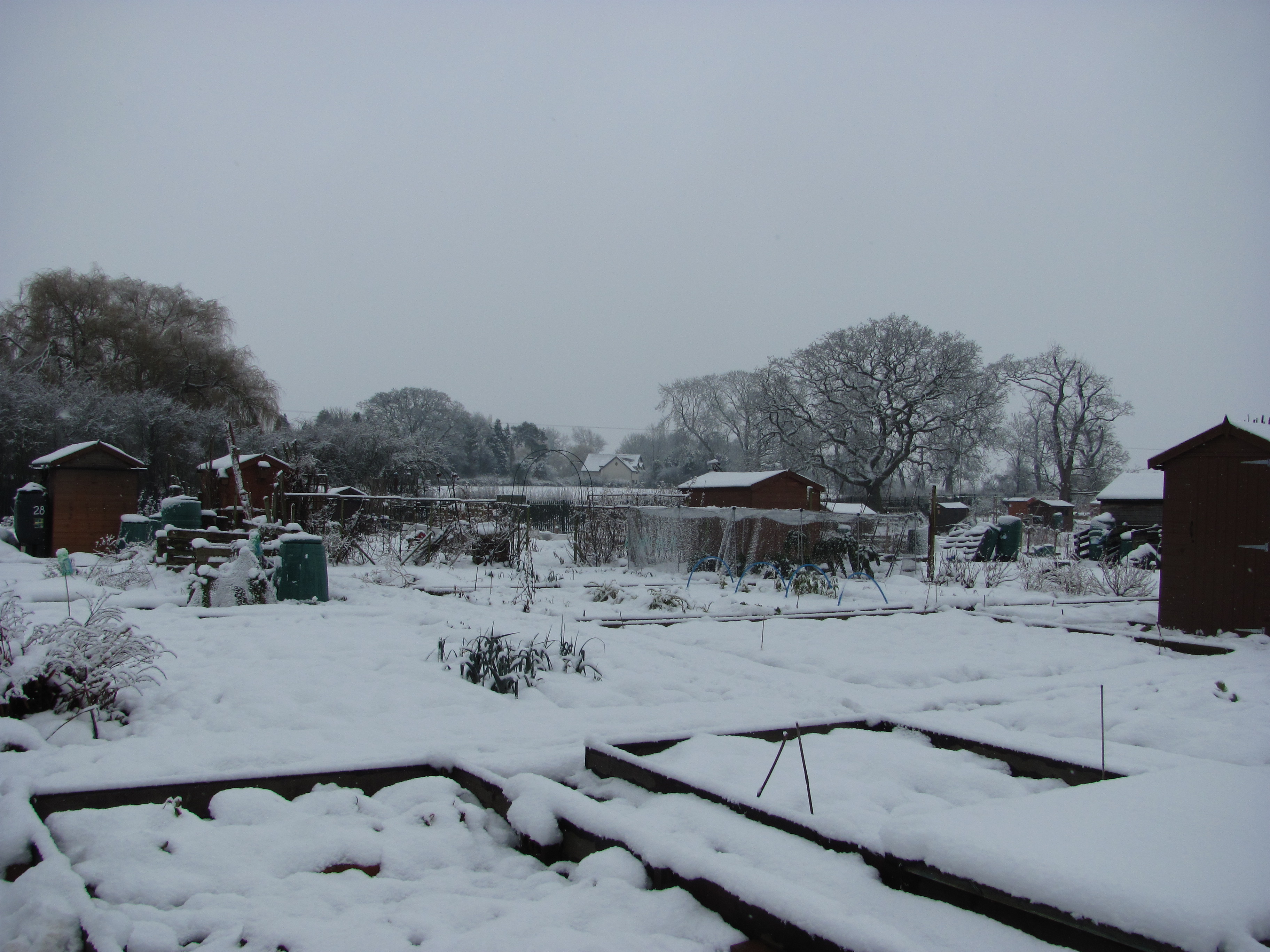
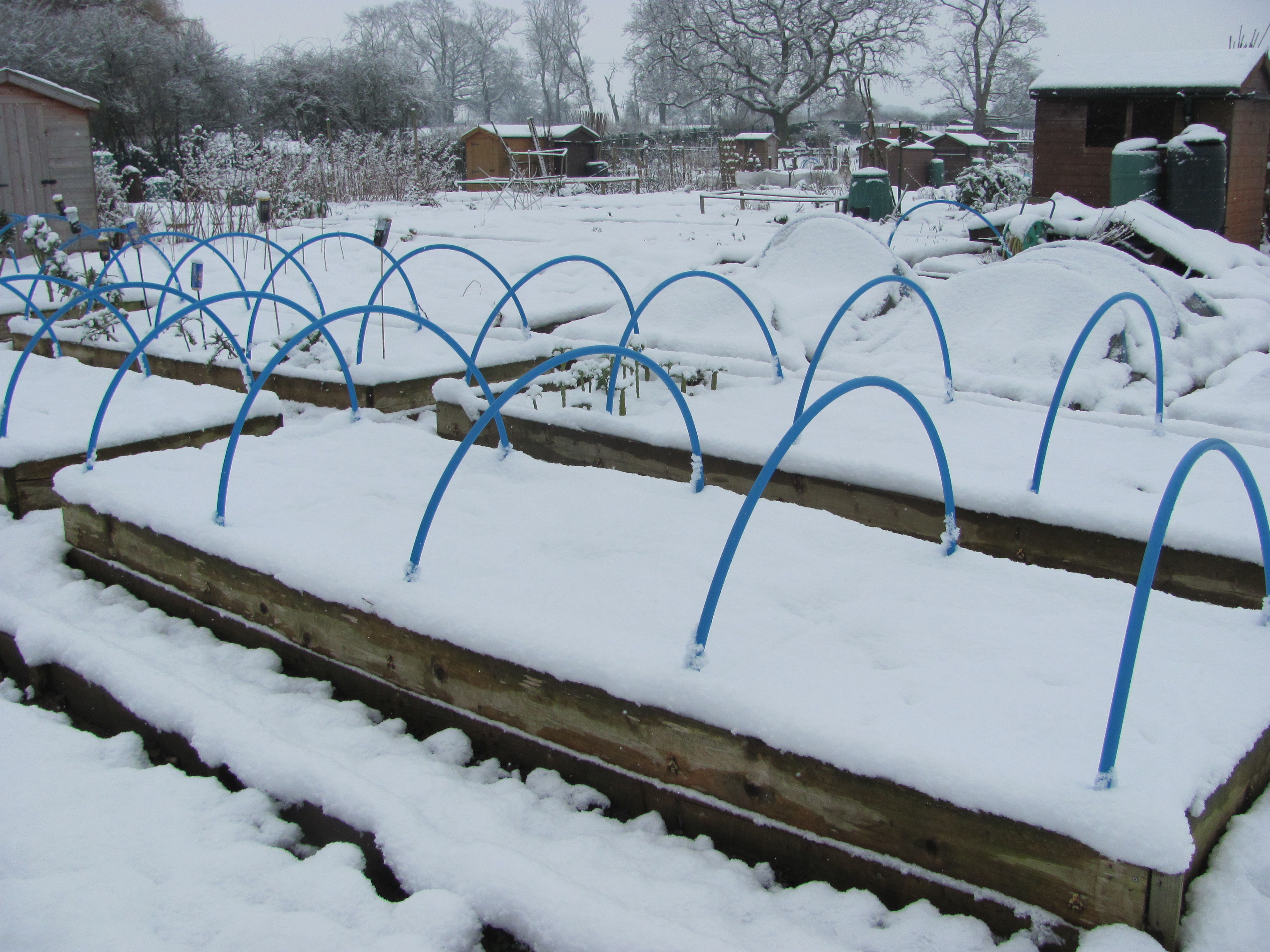
Today we braved the snow and floods up at our allotment site and went for a walk around to look at what turned out to be a very different world to the one we usually see. The pictures illustrate just how long it may be before we can get any gardening done up there. We still have root crops in the ground – in December it was too wet to get on the soil and now it is all under the white stuff.
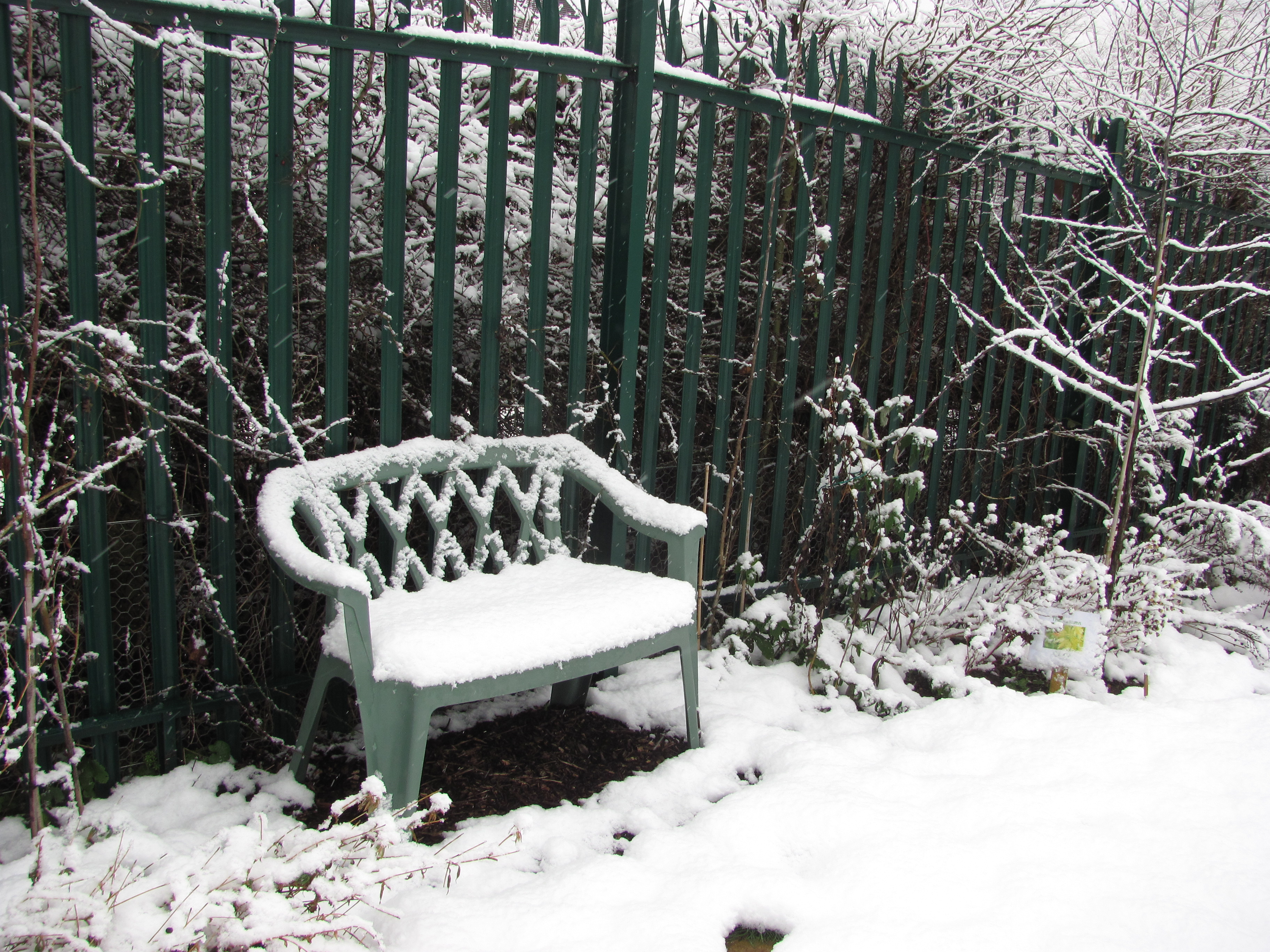
Here is the actual green bench that inspires the name of my blog.
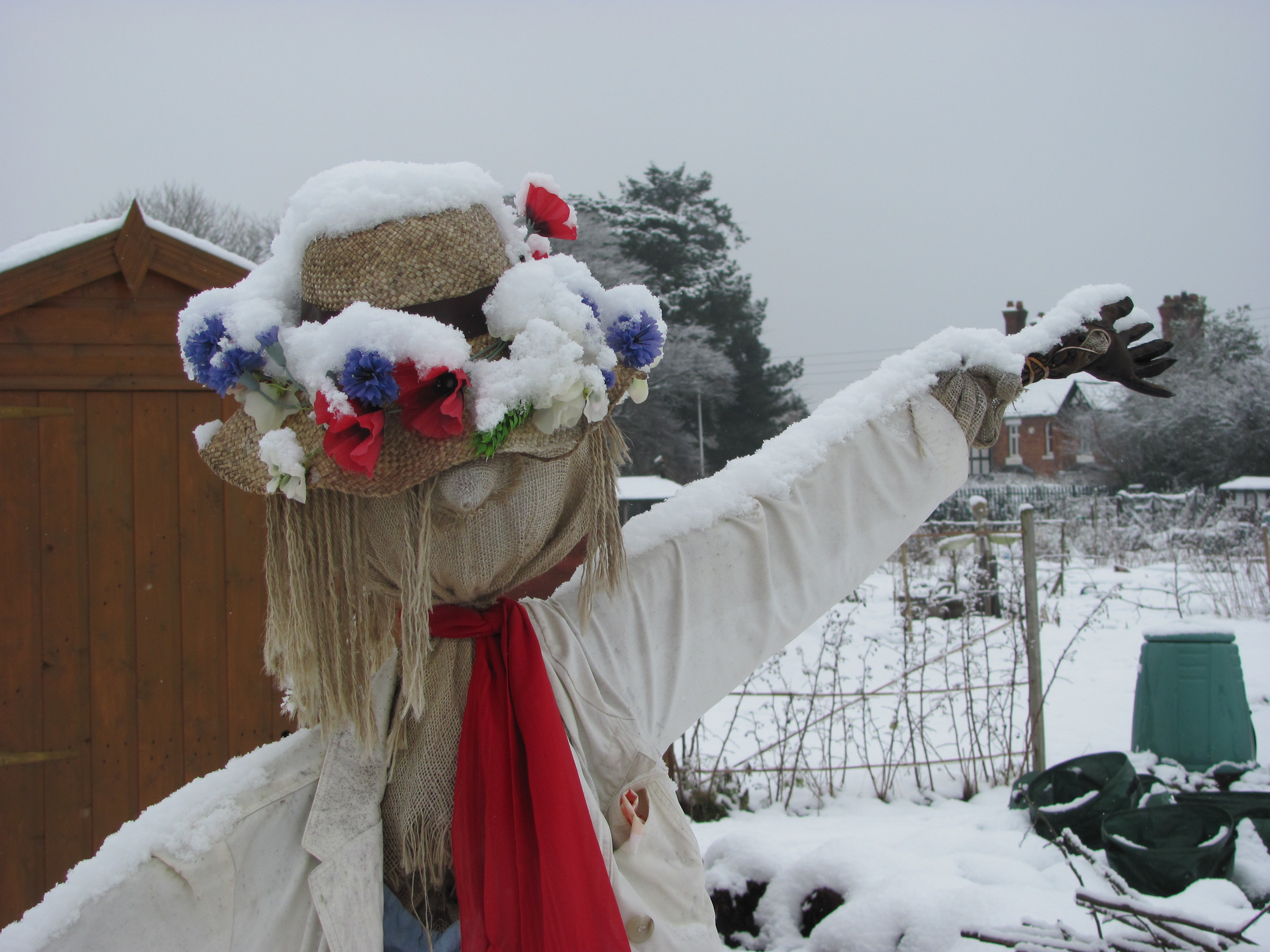
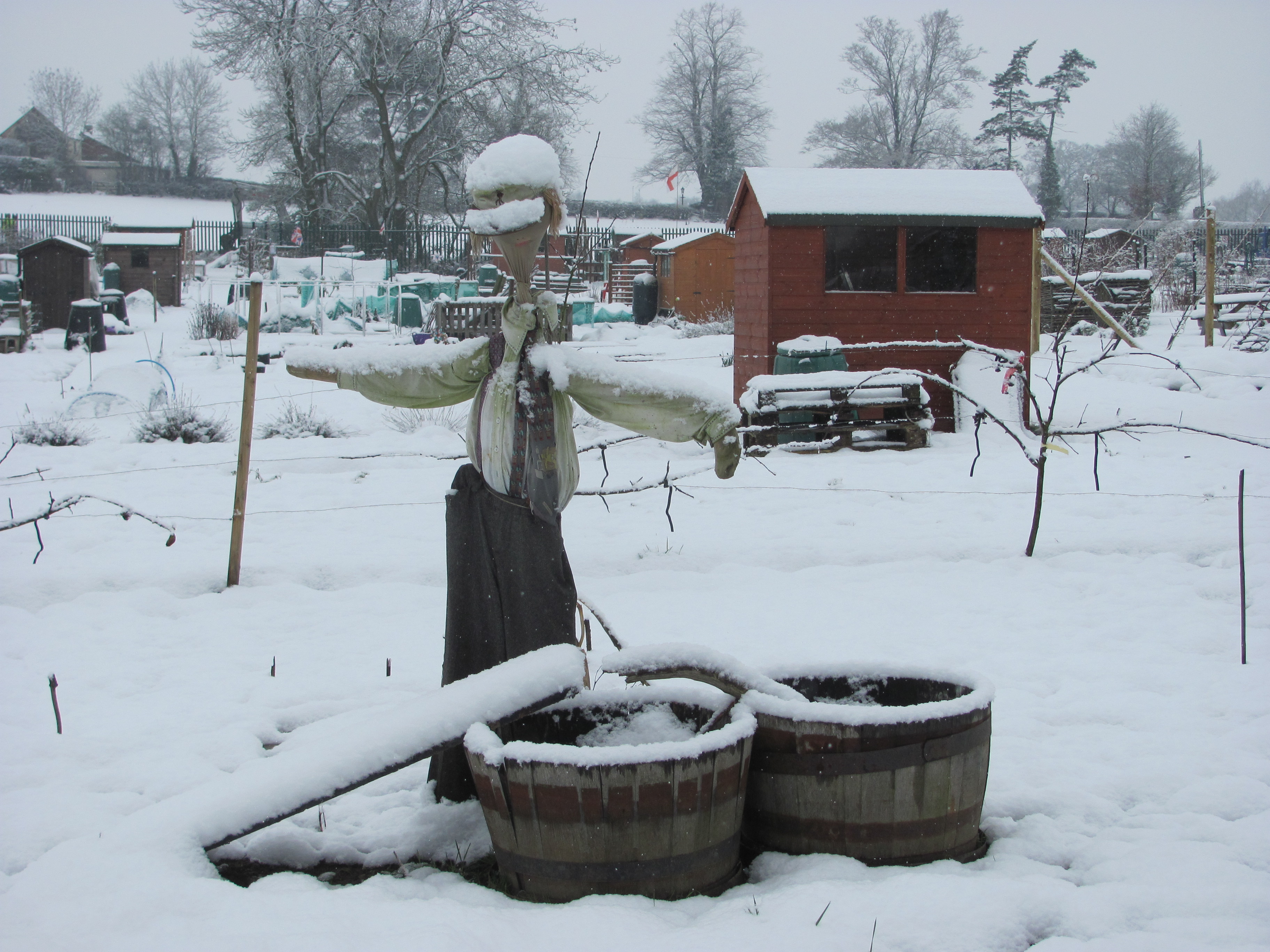
The scarecrows remain on duty whatever the weather and shrug off the snow and ice.
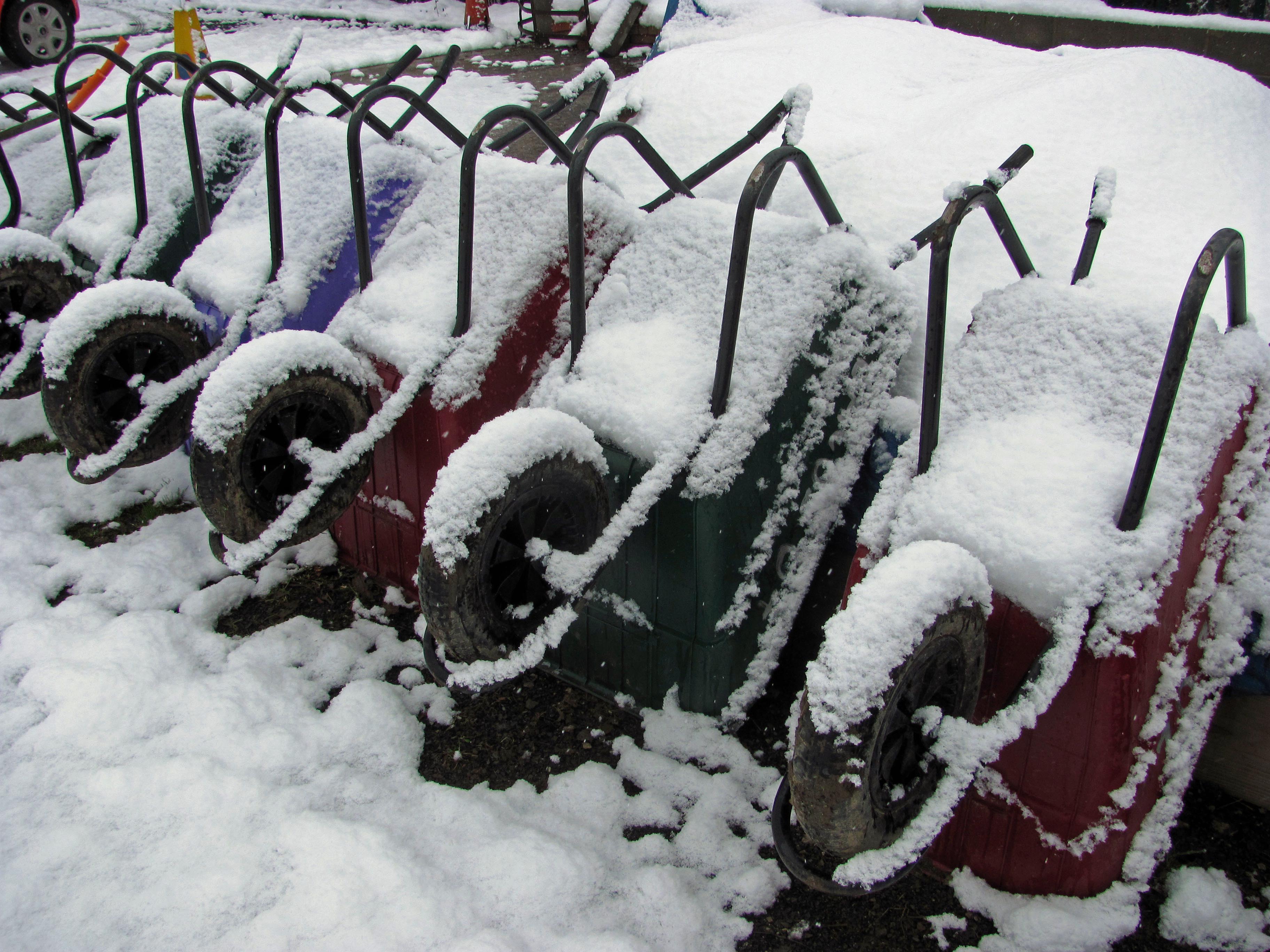
Wheelbarrows wait patiently.
The plots have a forlorn look but beneath the ice and snow the soil is waiting – waiting for a little more light, more heat from the sun and plenty of evaporation to lessen the moisture content.
The Winter Garden is full of interest.
The contractors preparing our site extension in the adjoining field were toiling away in the snow, ice and waterlogged soil. They are putting in drainage and clearing out an old pond to create a wildlife pond for us all to enjoy. The ground they overturn presented birds with a rich feeding ground. Blackbirds, Redwings, Fieldfares, Jays, and Thrushes both Song and Thrush revelled in a fresh supply of worms and ground creatures.
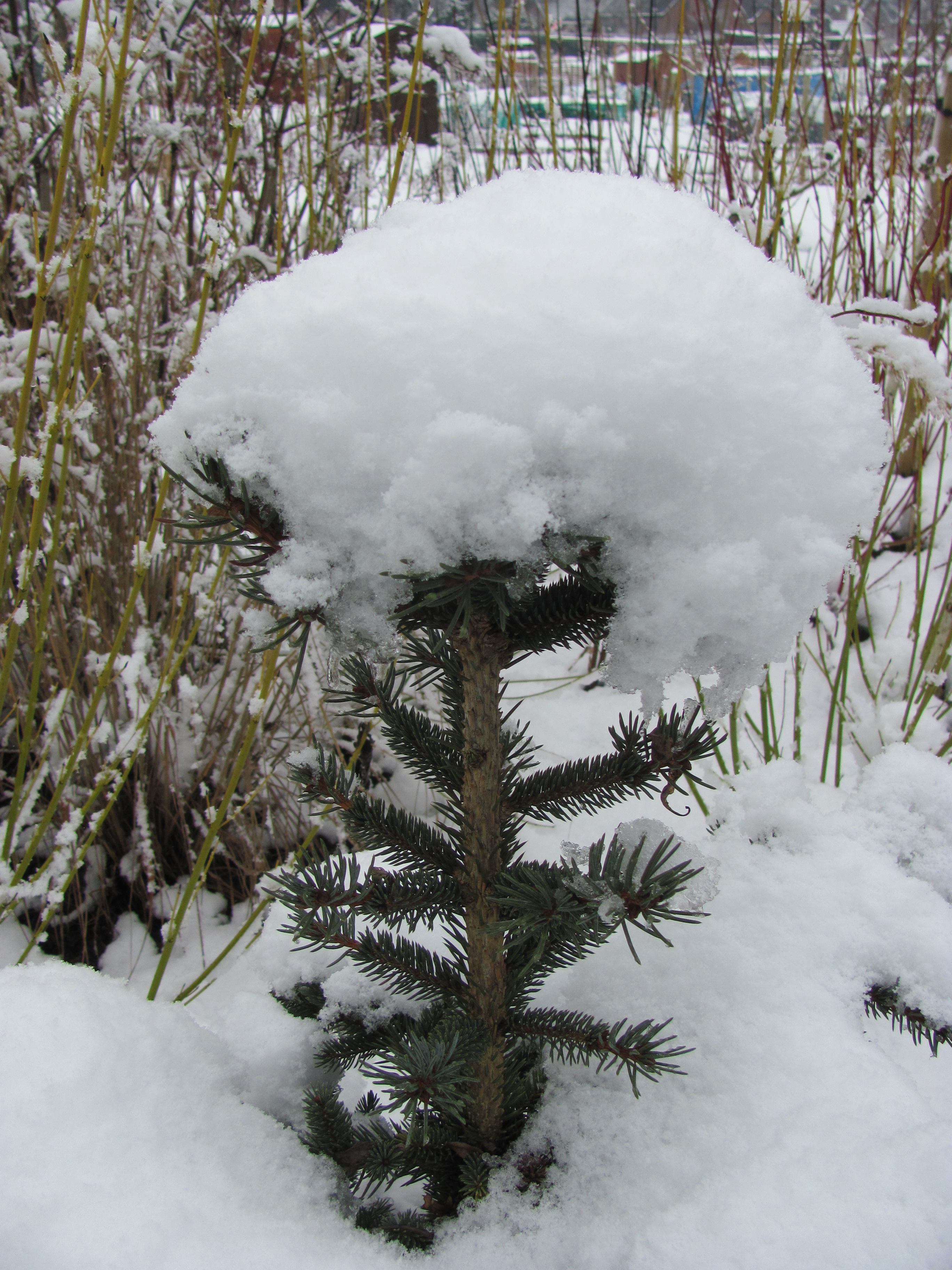
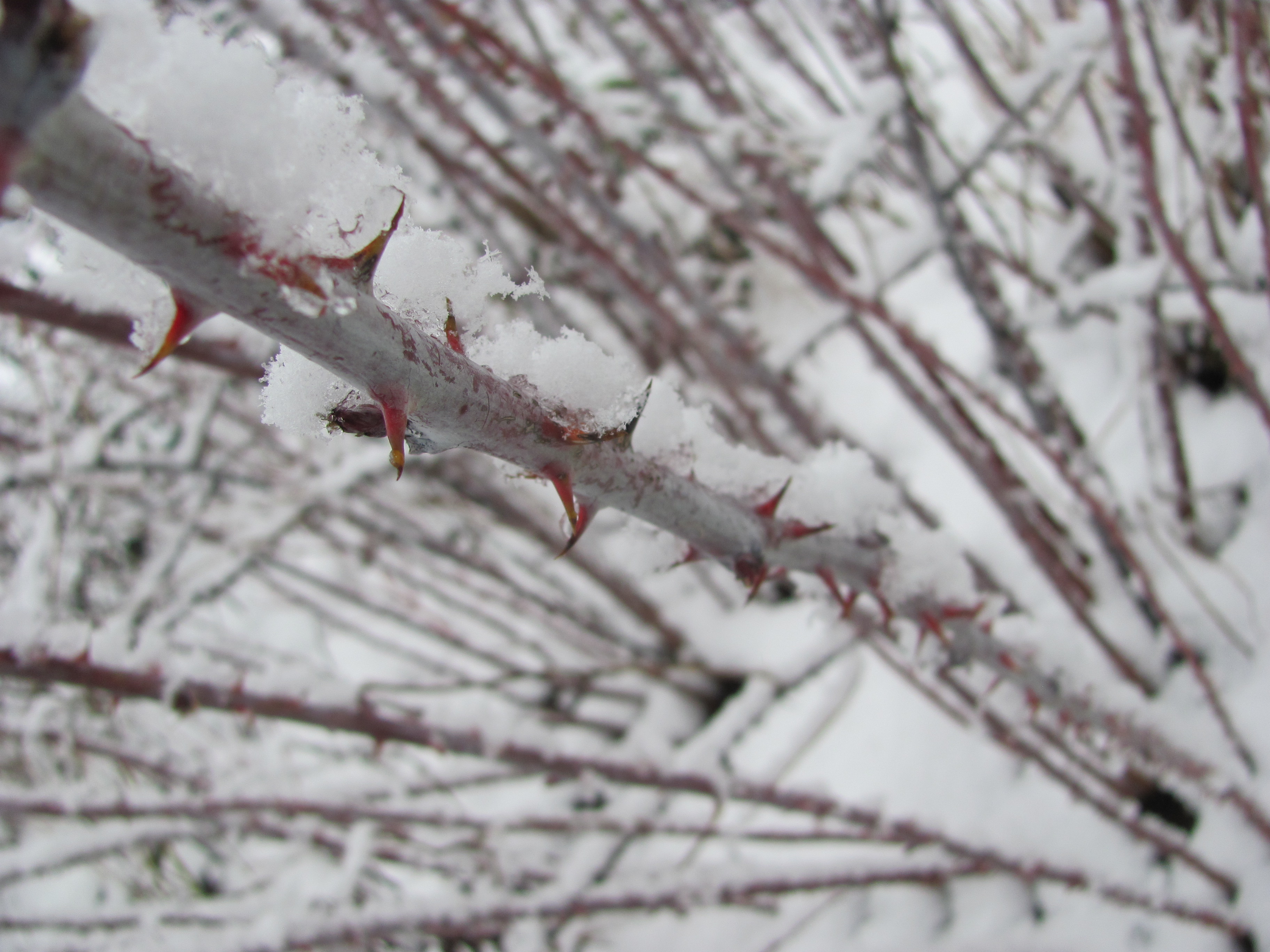
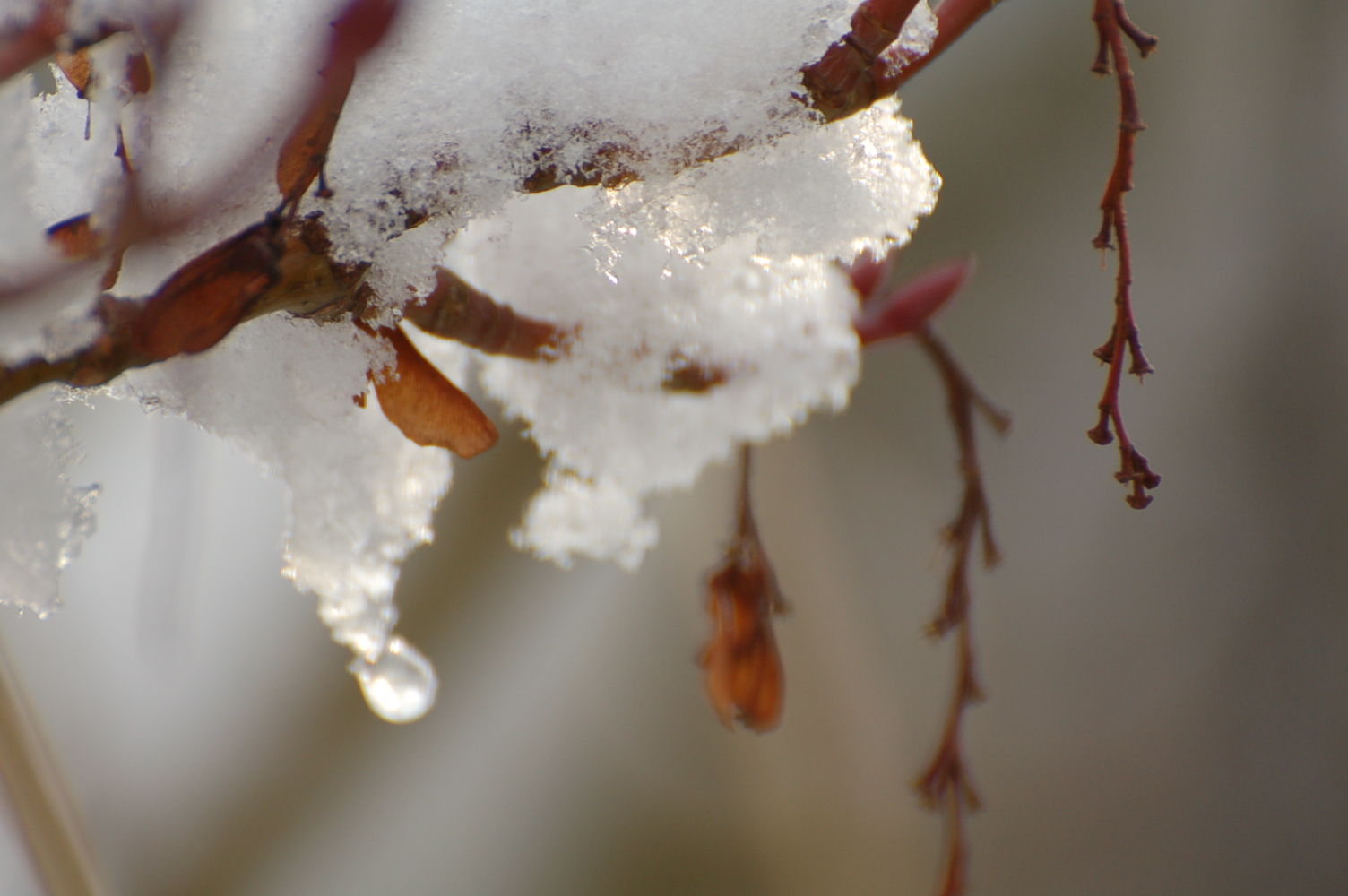
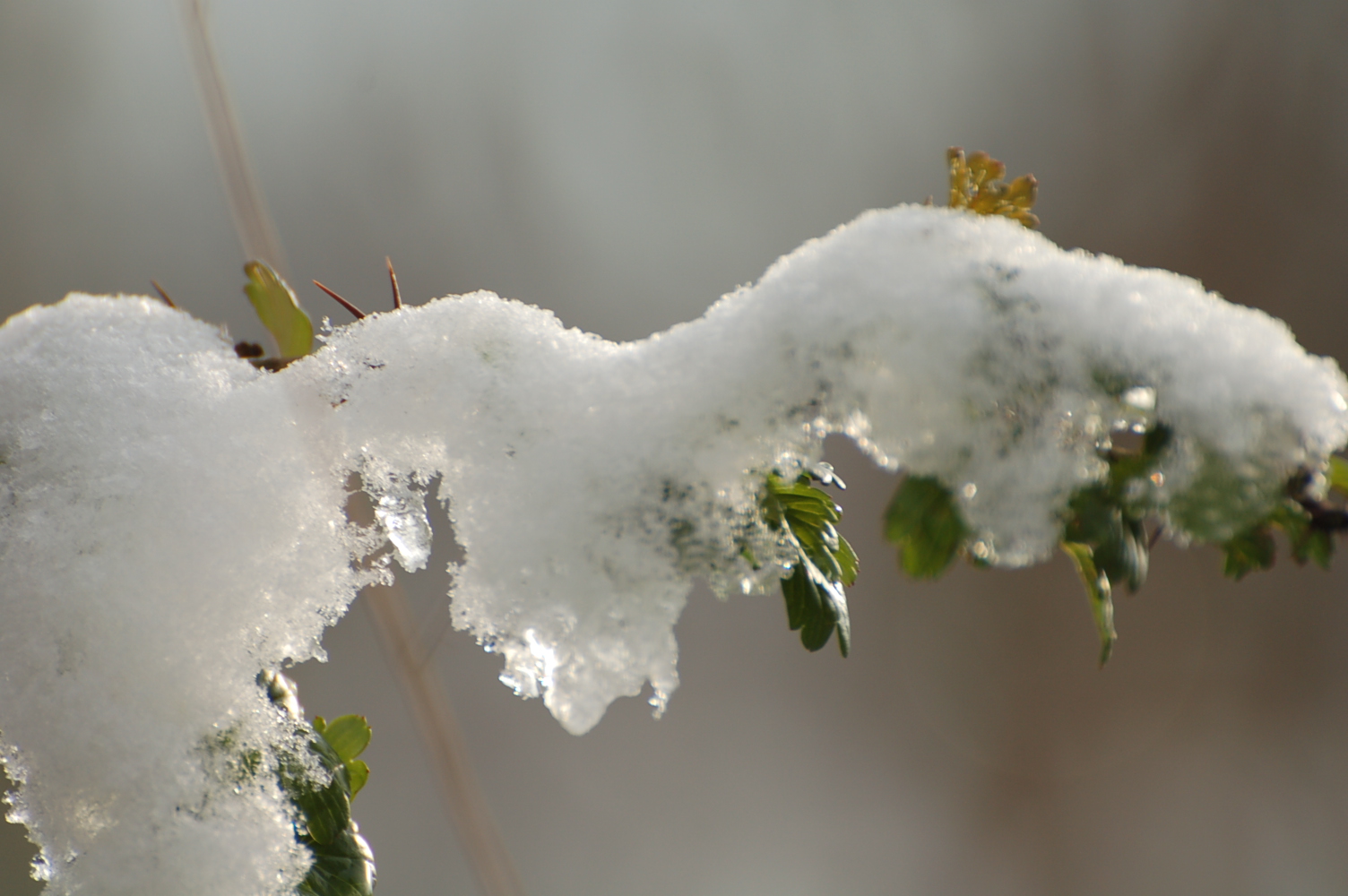
Snow is a bit of a novelty when it arrives and I always enjoy watching it change the atmosphere, character and look of the garden. But after five days I have had enough of it so got excited when the sun came out for an hour or two this afternoon and the snow and ice started a steady drip, drip, drip – melting gently.
A new challenge for me and my camera! See what you think.
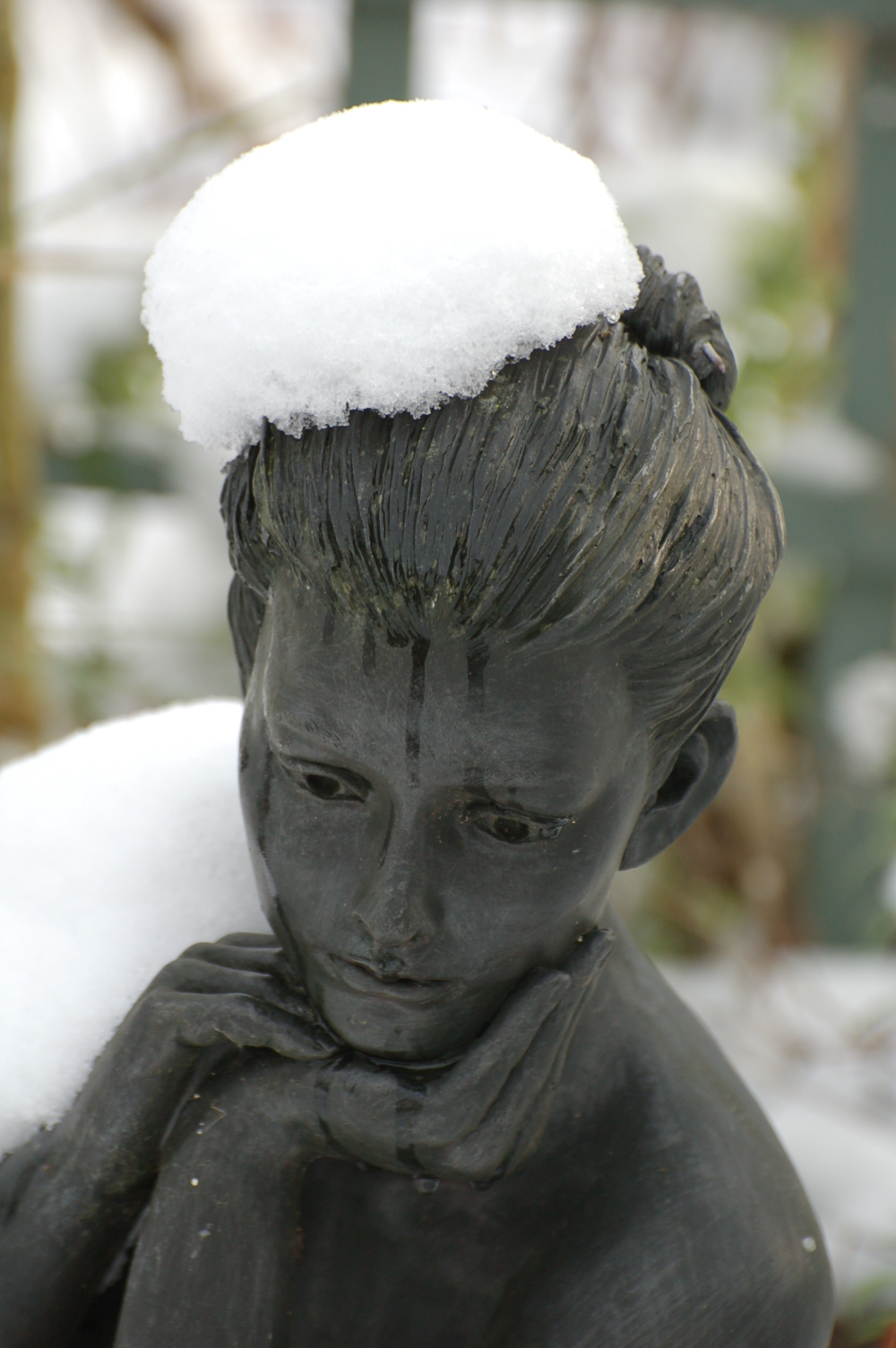
Poor old Matilda has melting snow running down her forehead and she does not look pleased!
As the sun gives a rare January appearance, the snow begins to melt and for a while takes on a transparent look and glows.
..
The greenhouse begins to lose its duvet of snow.
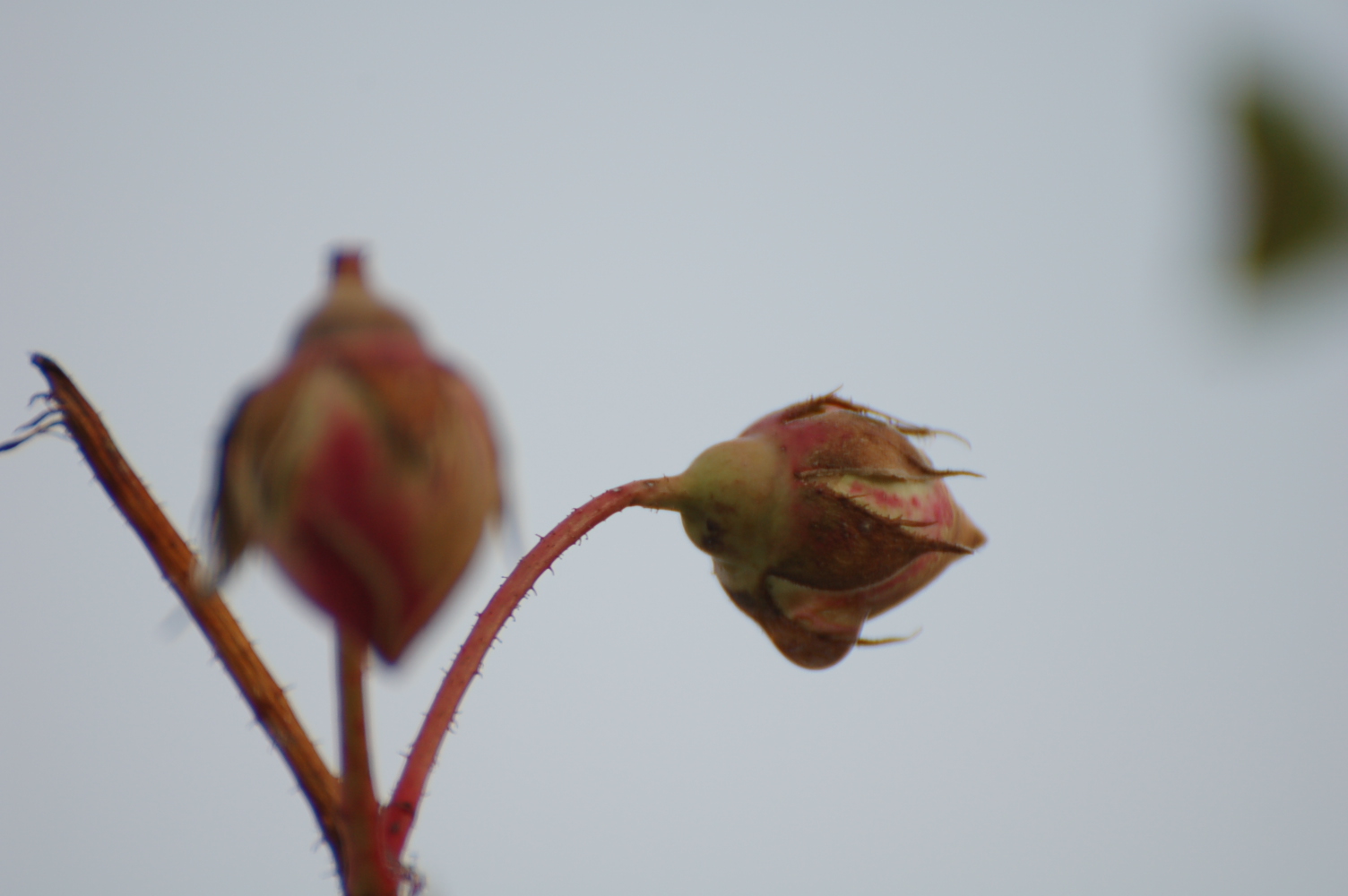
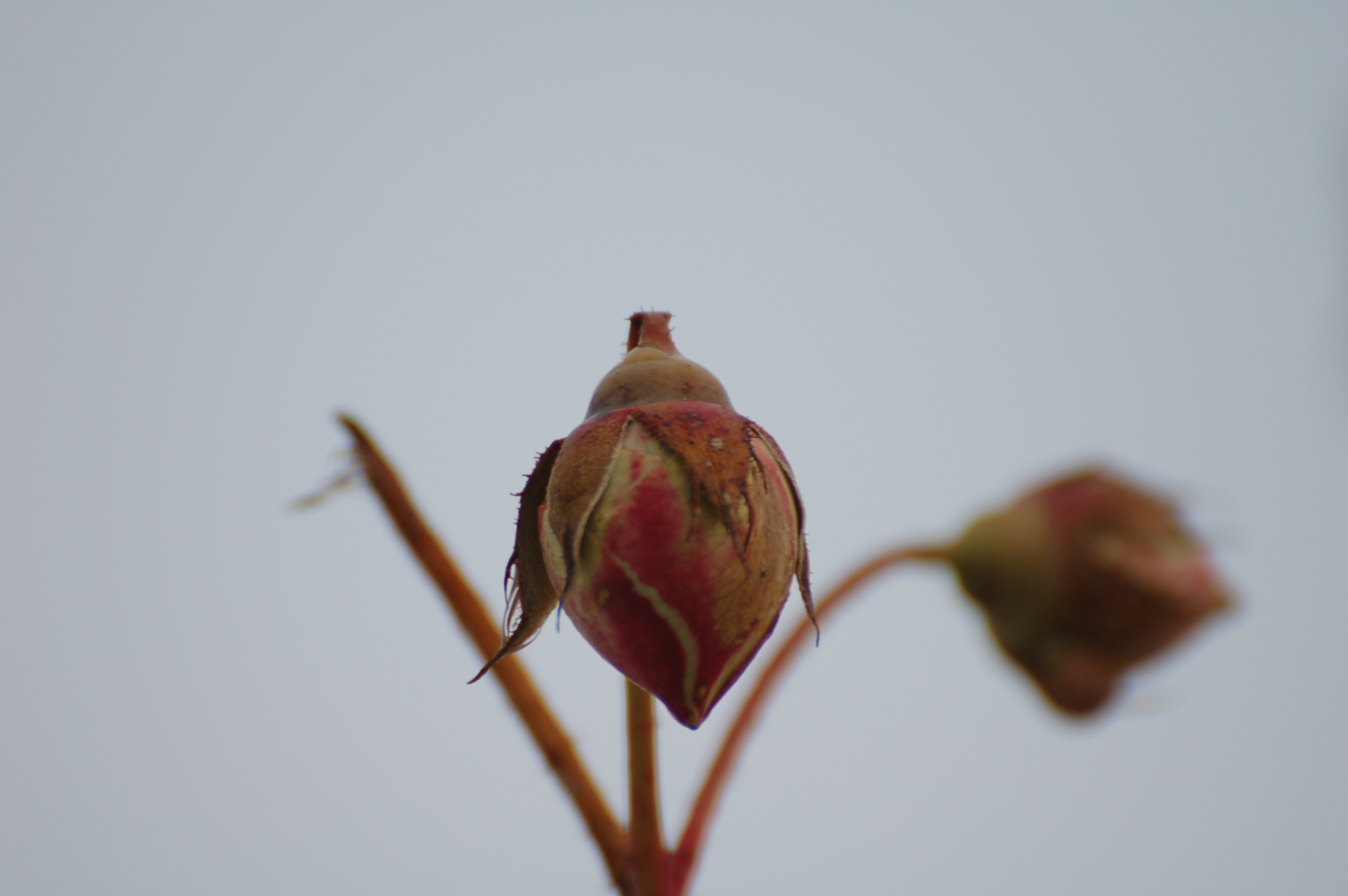
The tallest stems away from shadows melt first. This pair of rosebuds is clear of snow and ice but their yellow petals, exposed where the bud has tried to open, have suffered from this attack of January weather.
Think of January in the garden. Could you put together a bouquet? This is my new monthly garden blogging challenge, and starting in January most certainly throws me in at the deep end. But here goes…………………
Here are the first couple of pages of my sketch pad for the new year.
In this cold month colourful flowers can be used to create a bouquet, but you can also experience and enjoy a bouquet of scents.
So firstly what is delighting us with colour?
The rather inappropriately named Prunus x subhirtella autumnalis, with blossom of the palest pink, stunning against a pure blue sky.
The perennial wallflower, Erysium Bowles Mauve flowers in almost every month of the year, but is very special in January.
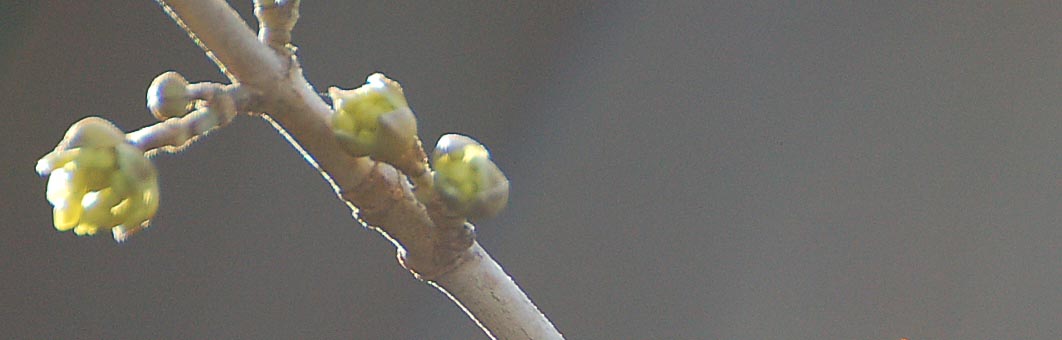
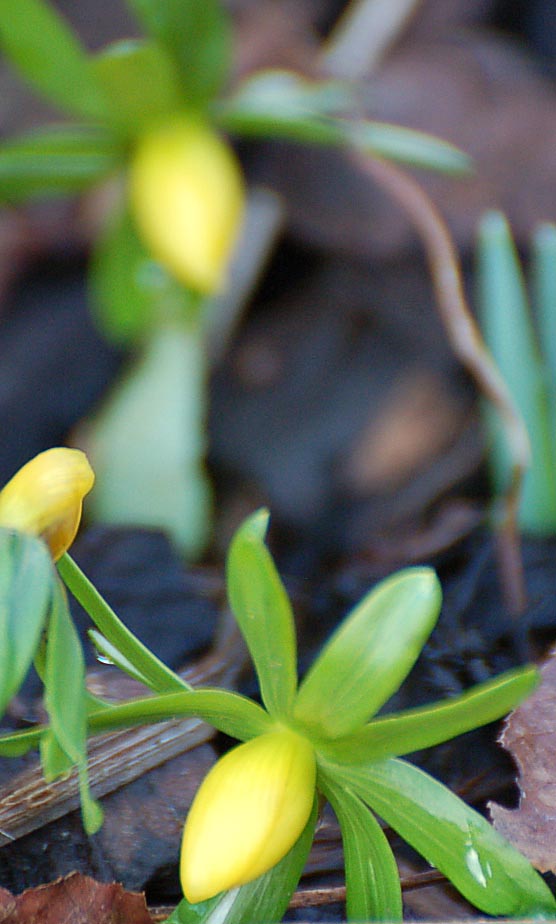
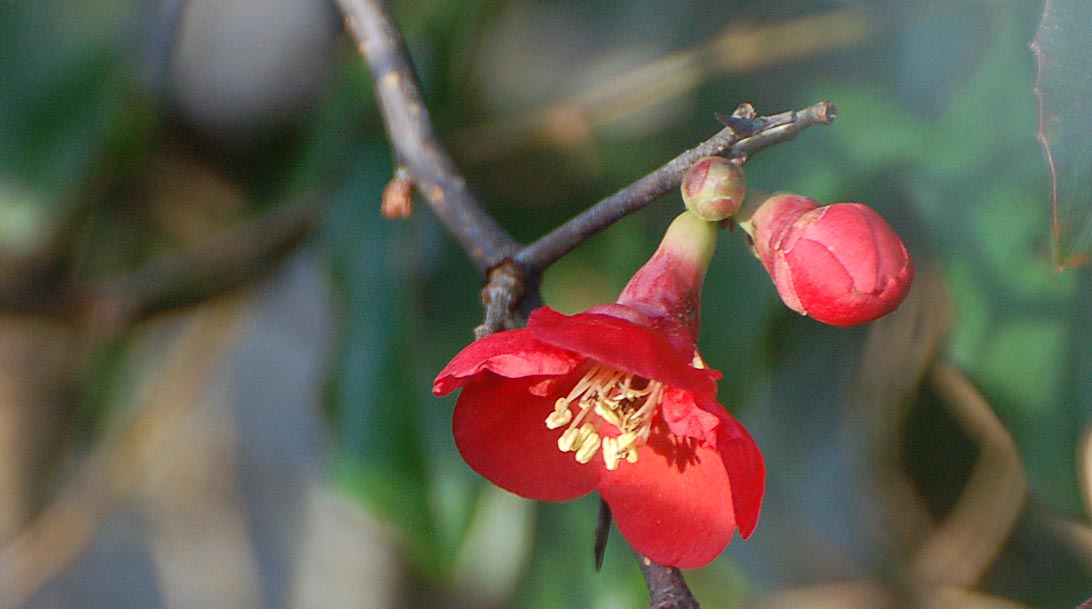
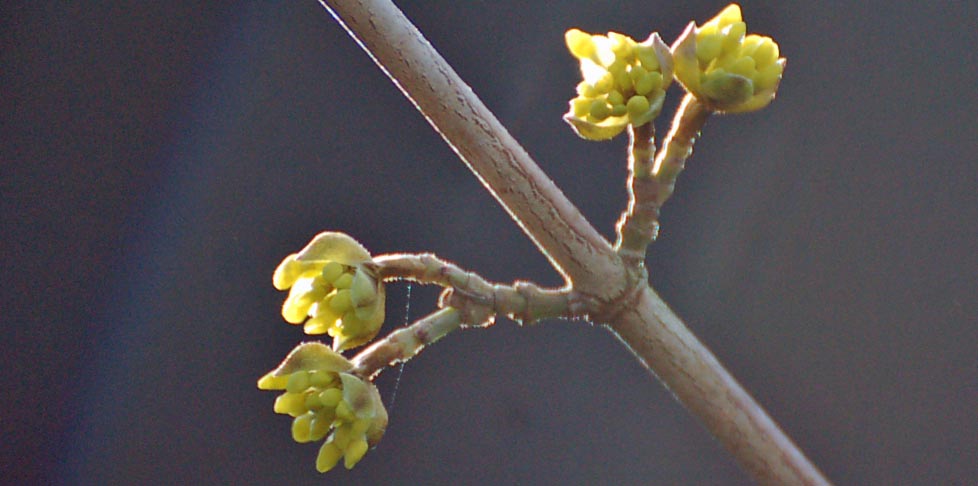
The first flowering bulb of the year is the Winter Aconite, Hyemalis, with its buttercup flowers close to the ground. The Flowering Quince, Chaenomales greets visitors to “Avocet” with its bright sun-set red flowers giving a warm welcome alongside the gate post at the bottom of the drive. The Cornelian Cherry, properly called Cornus mas dominates the “Freda Border” at the top of the drive. It is covered from head to toe with bunches of acid yellow umbels. They are little nuggets of gold.
White is appreciated more in the dark days of winter. The pussy willow’s furry white blooms huddle along the black stems of our Violet Willow by the wildlife pond. As grasses reach their end, prior to me pruning them back to the ground, their flower heads are white and silver.
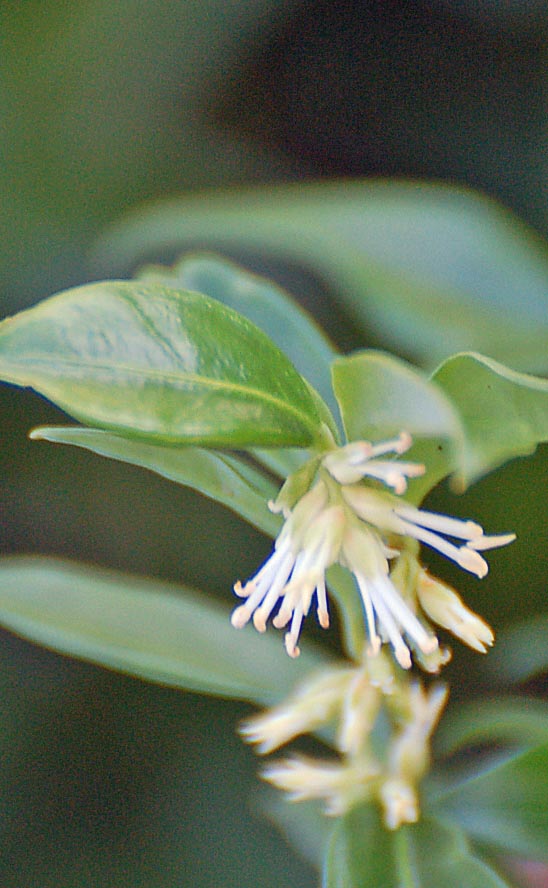
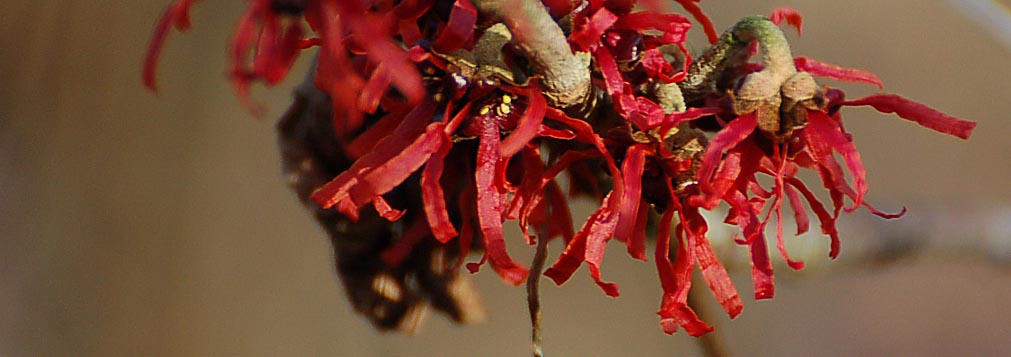
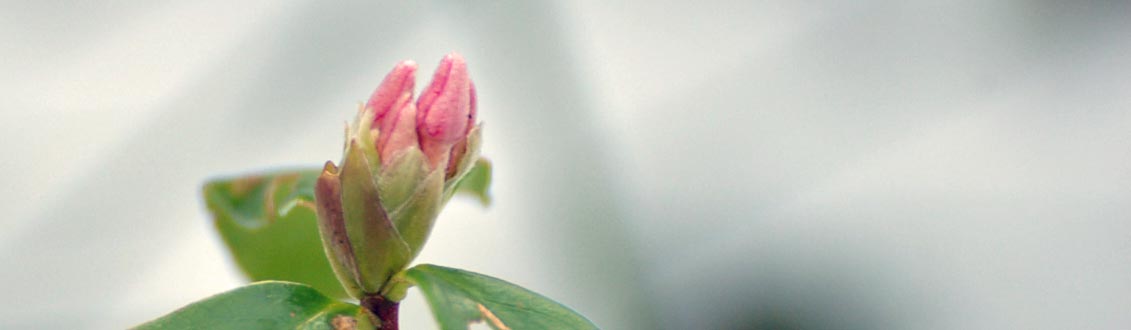
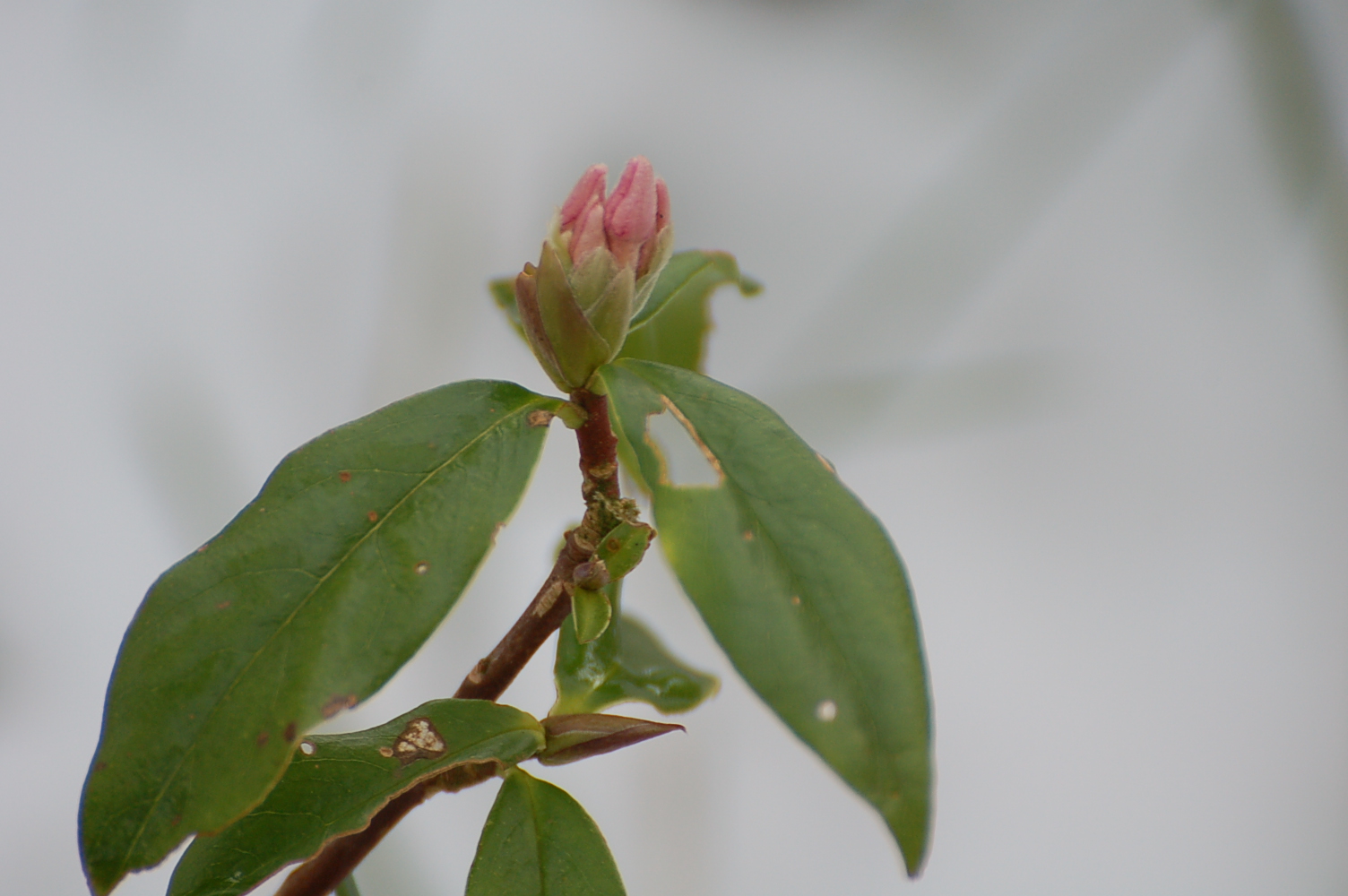
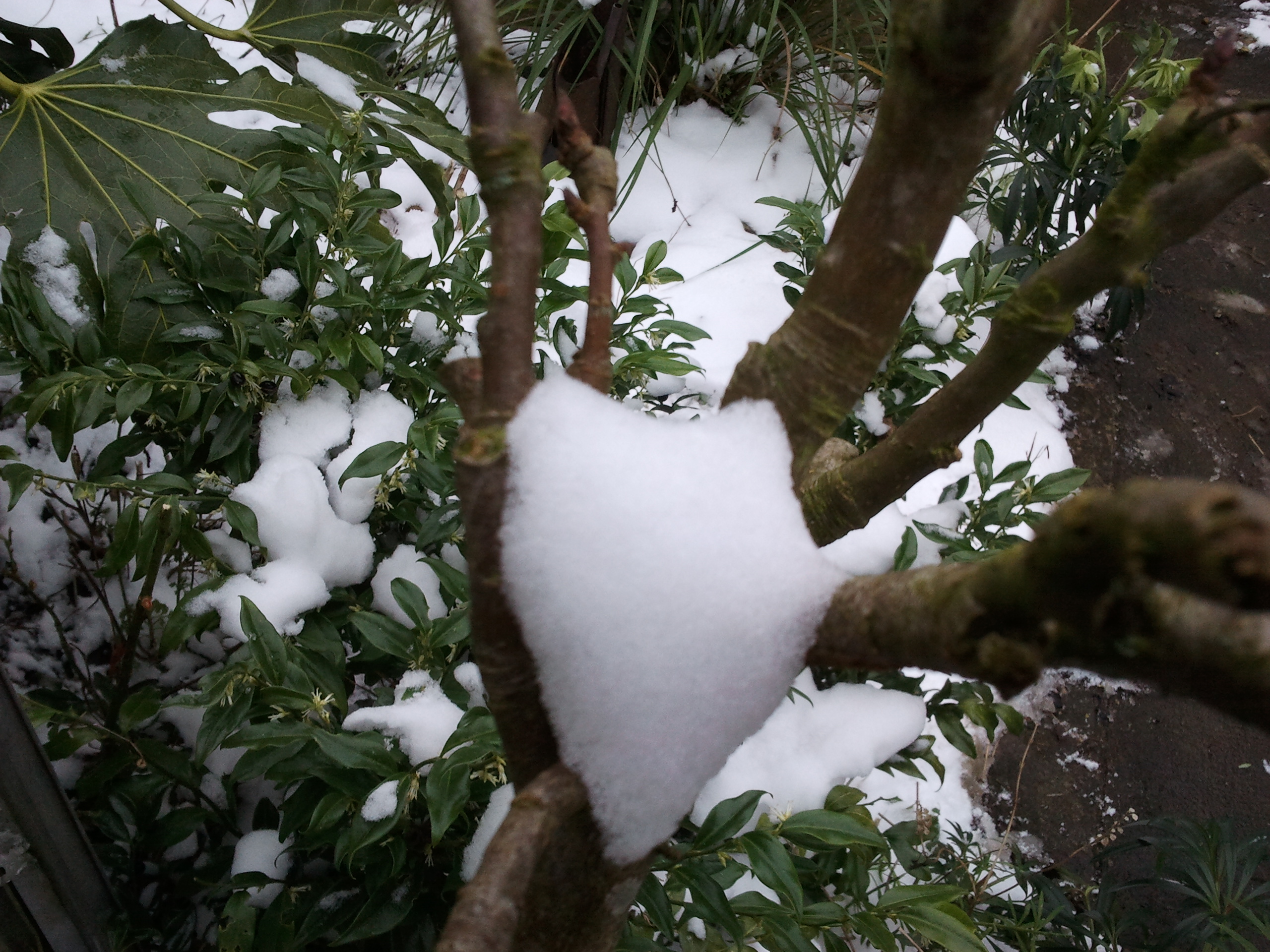
And who keeps us warm with their scent in the cold? Sarcoccoca, Witch Hazels, Viburnum and the first Daphne of the year Daphne bhuloa “Jacqueline Postil”. She glows pink, a unique pink with hints of blue and violet. Her scent is mesmerizing.
Jaqueline Postil – what a beauty and what expensive perfume she wears.
But think of January blooms and we must not forget the first Hellebores.
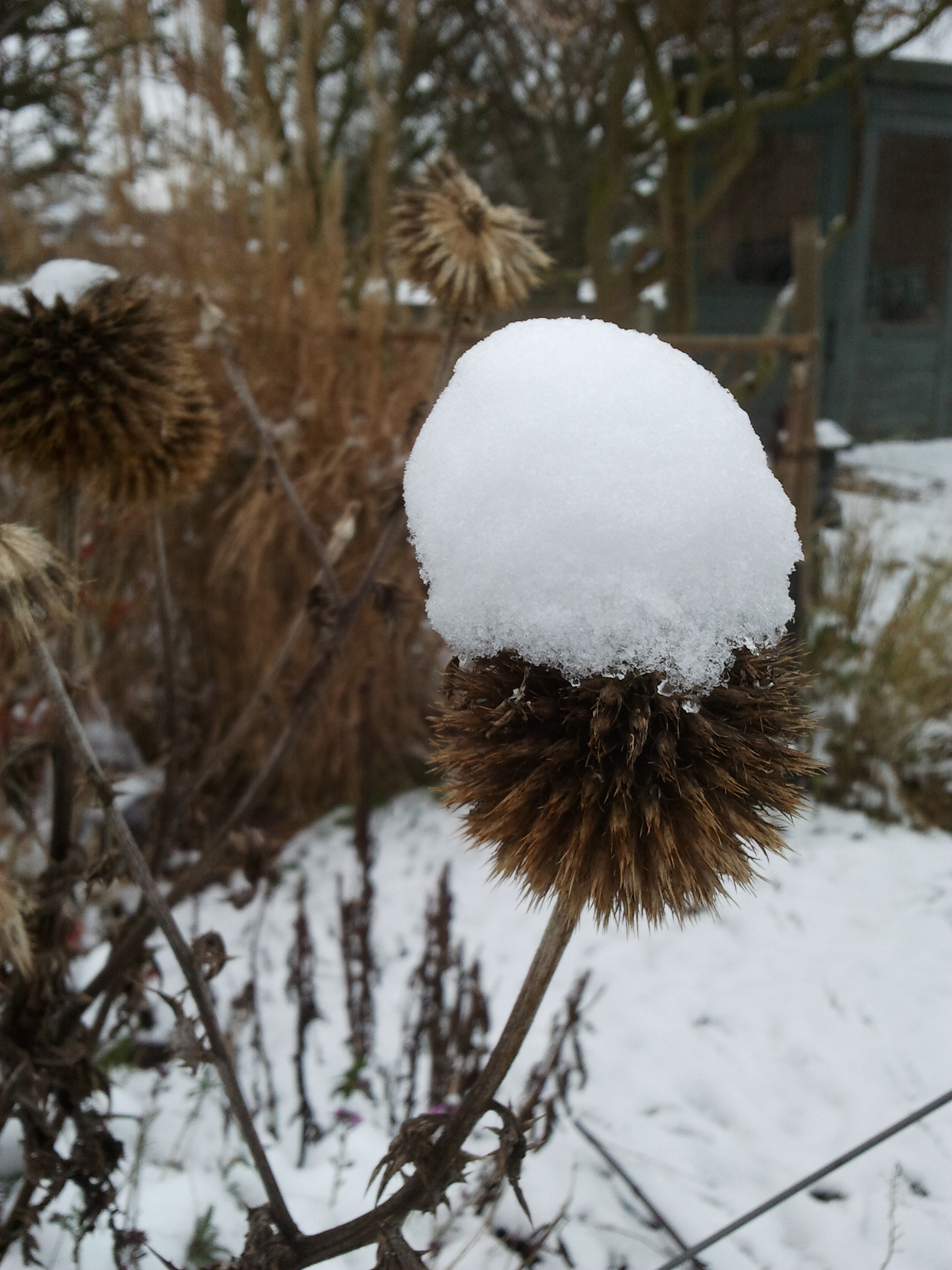
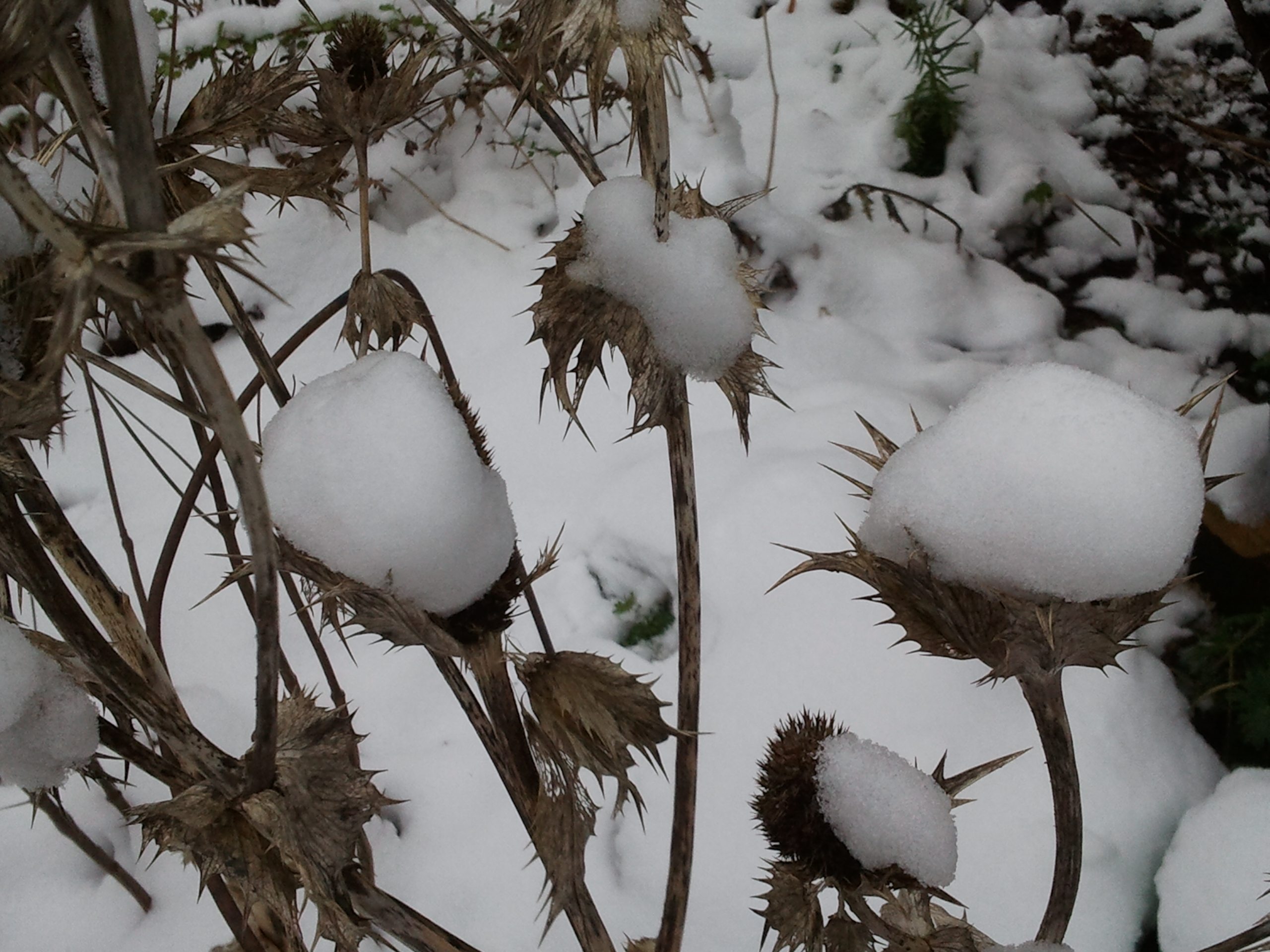
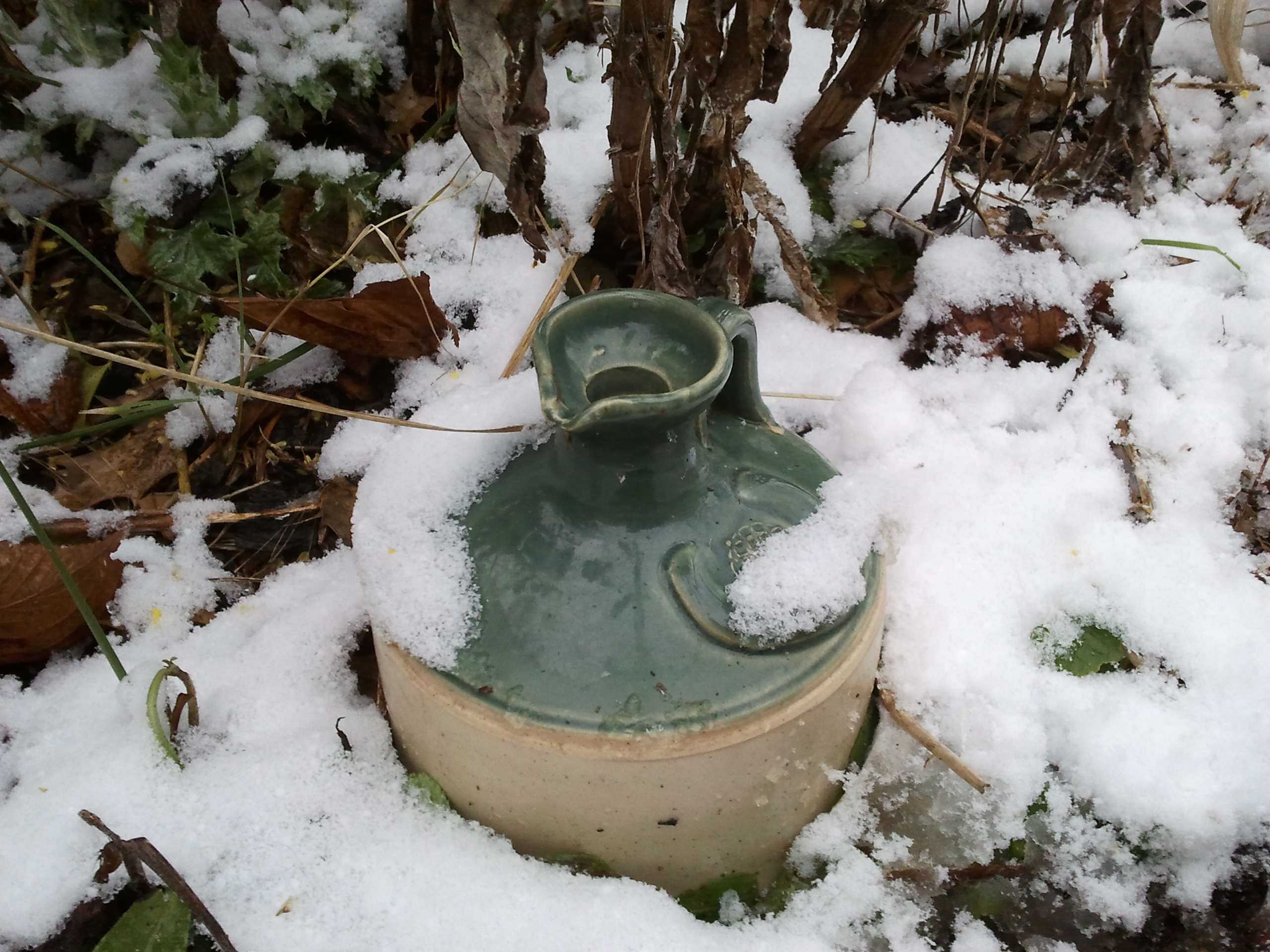
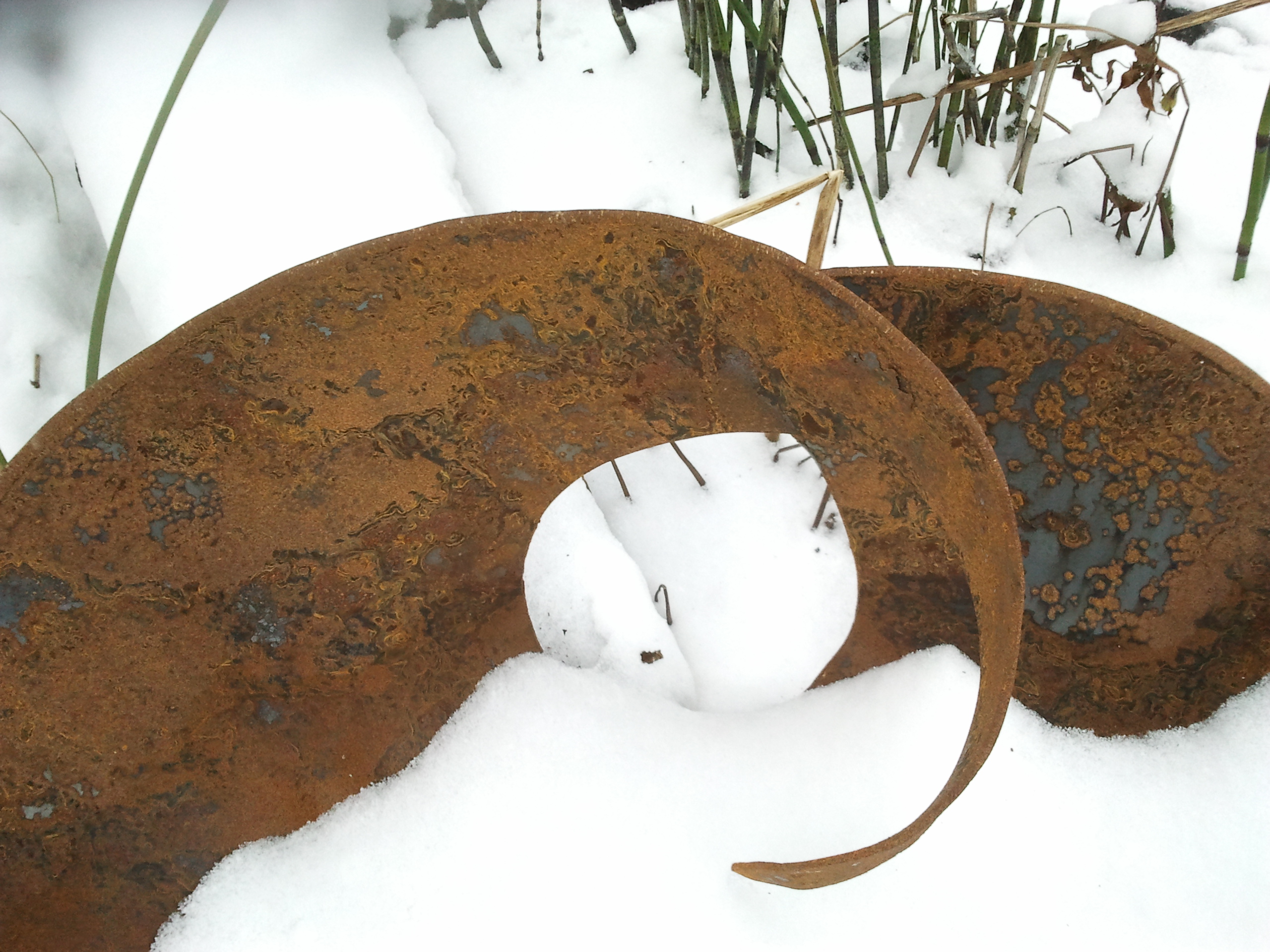
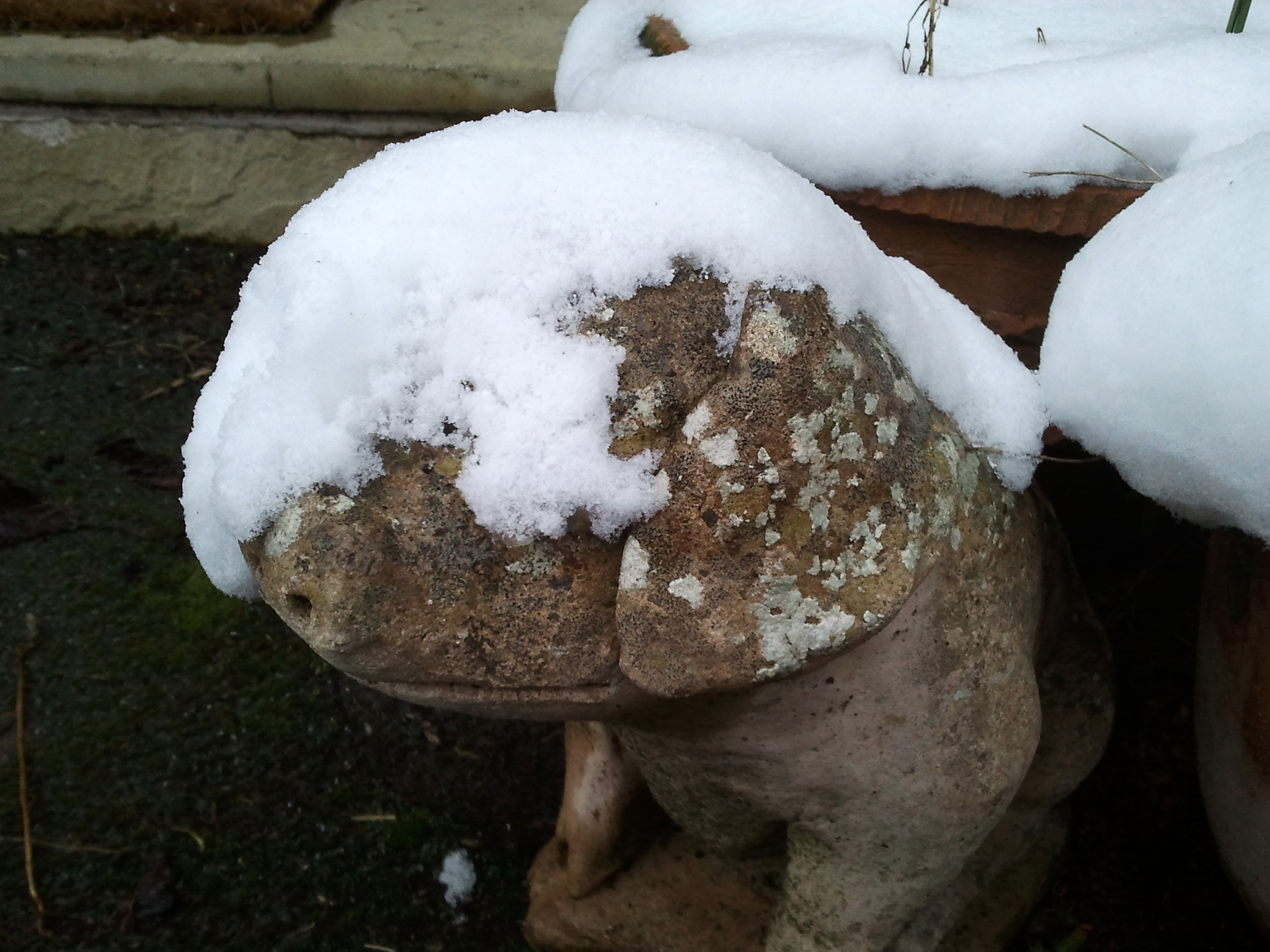
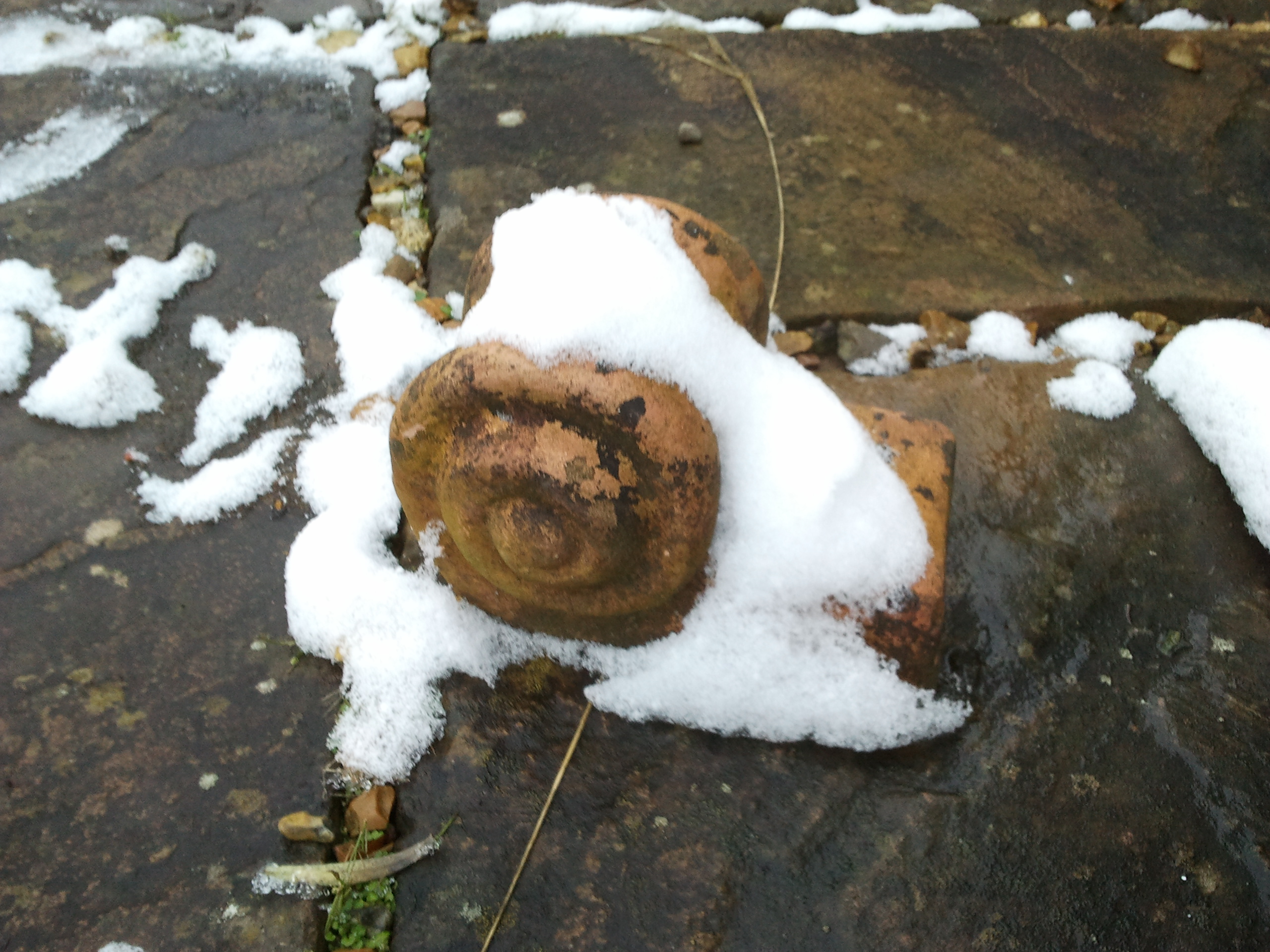
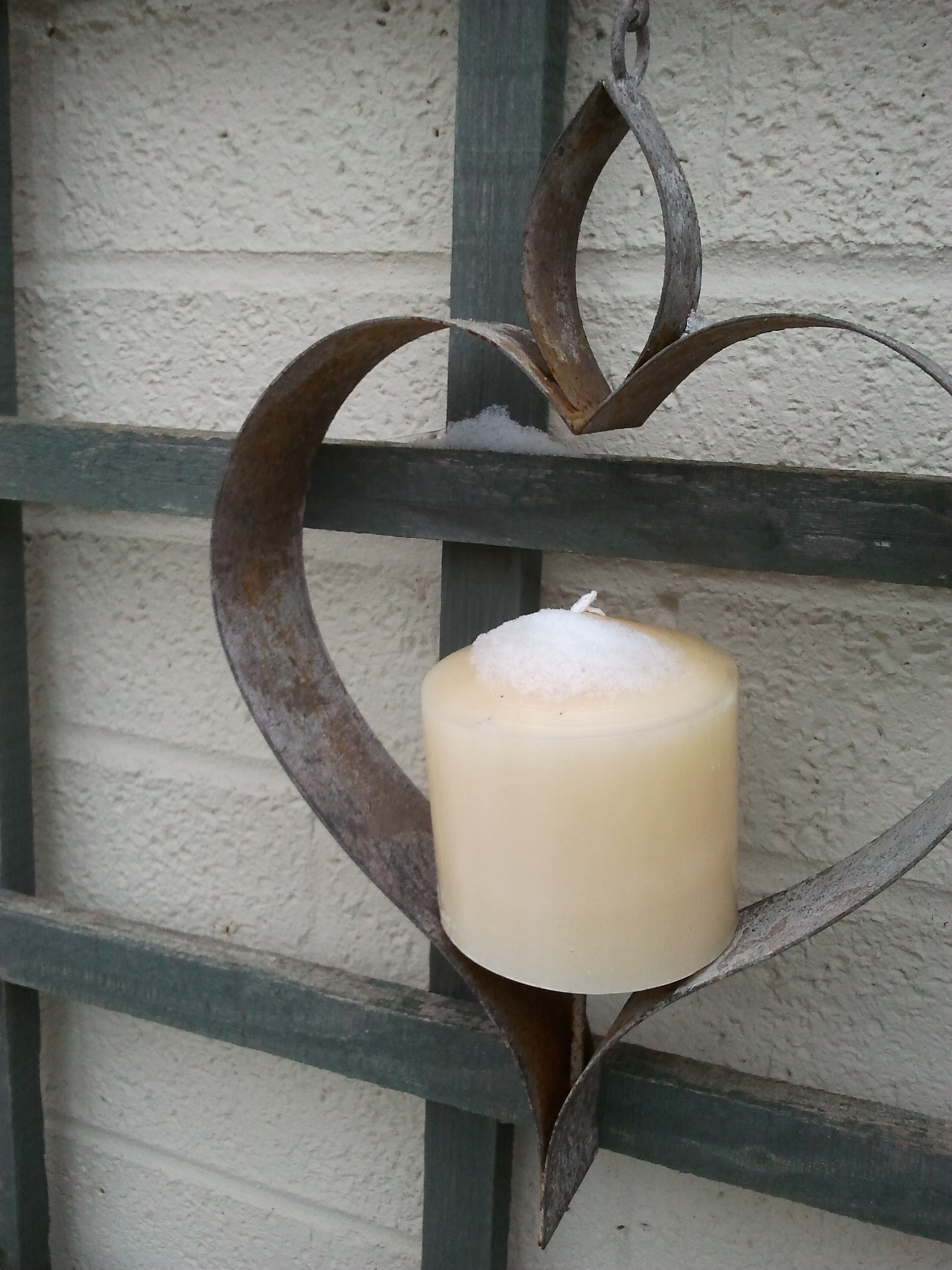
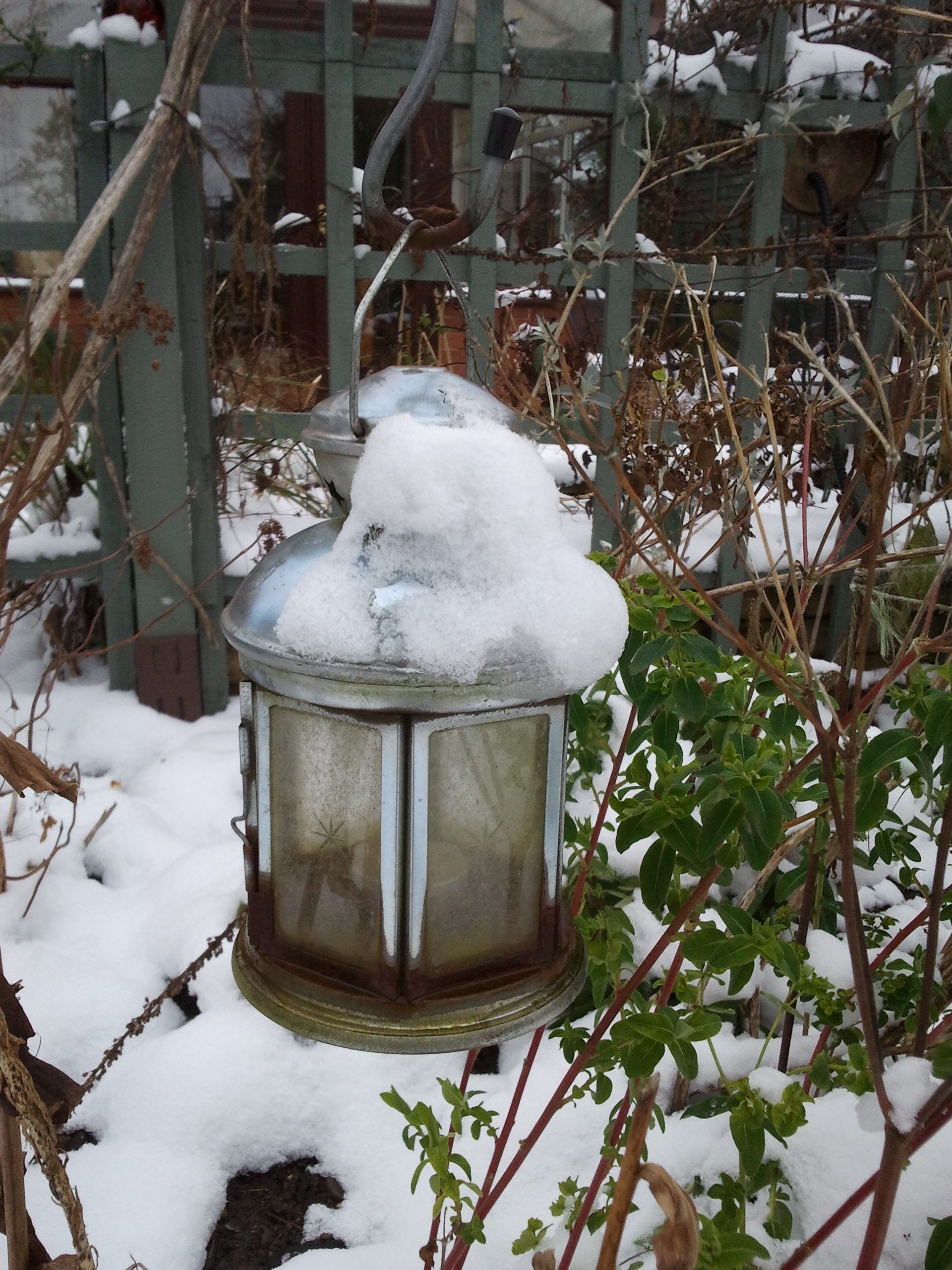
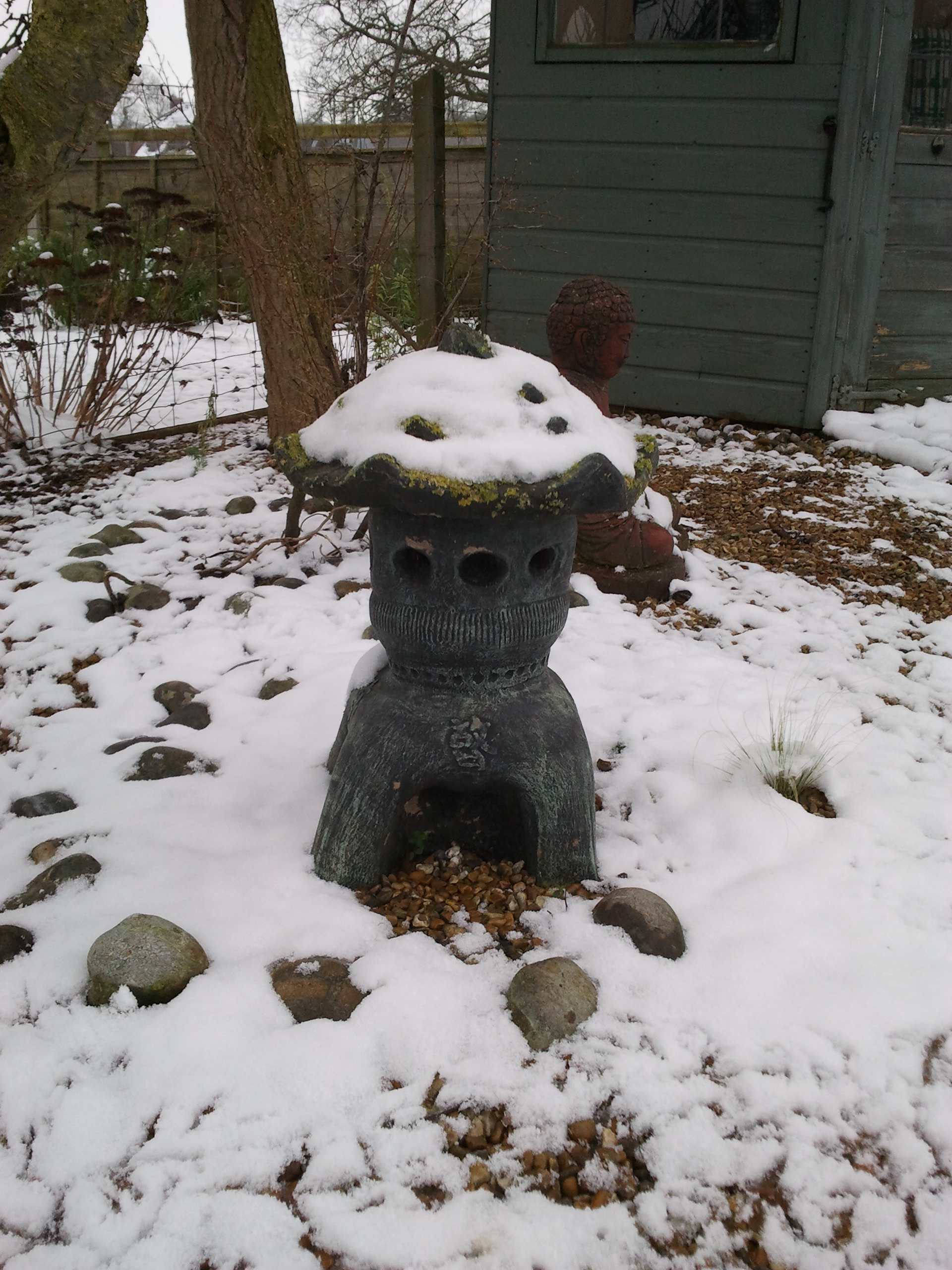
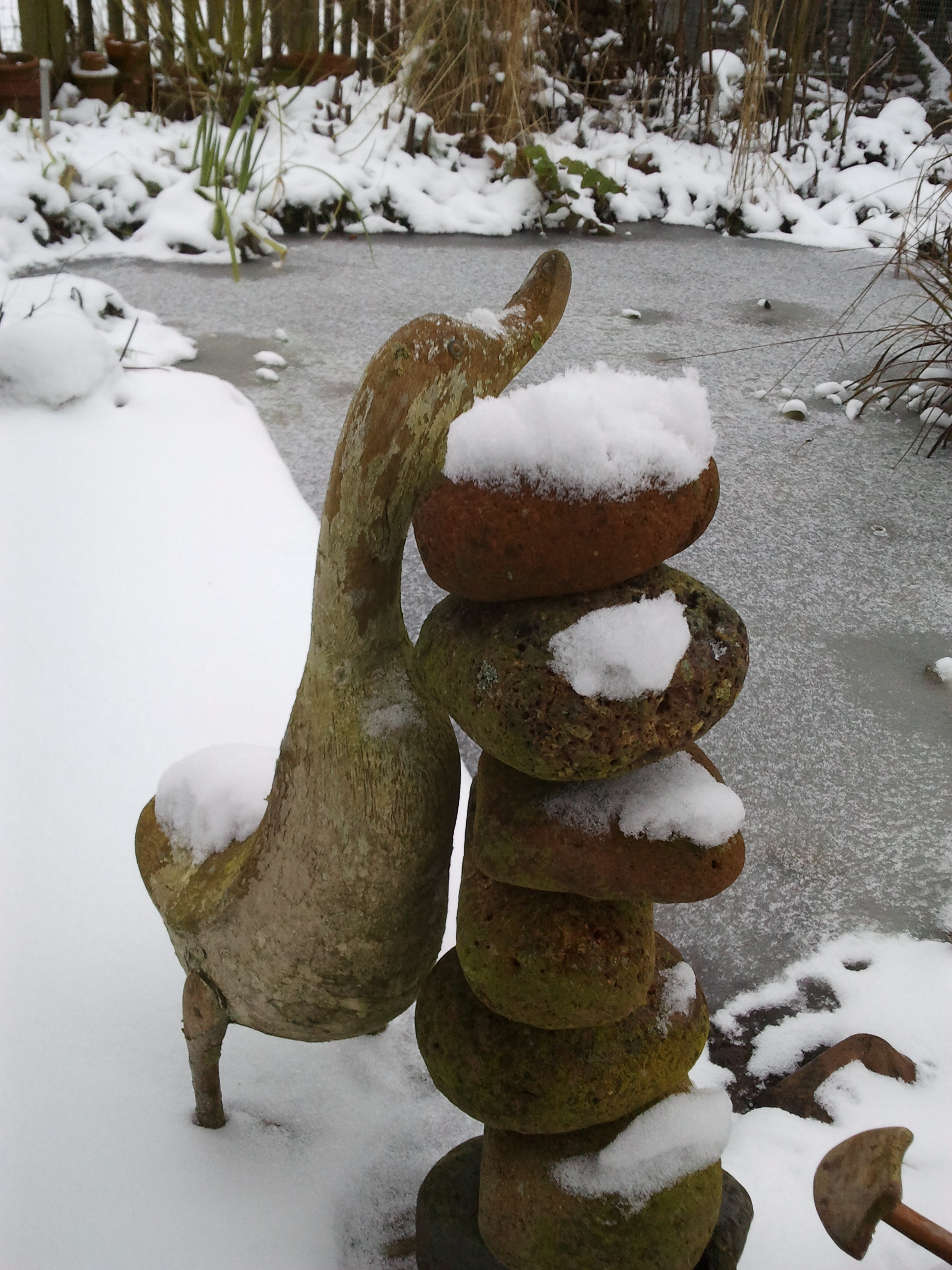
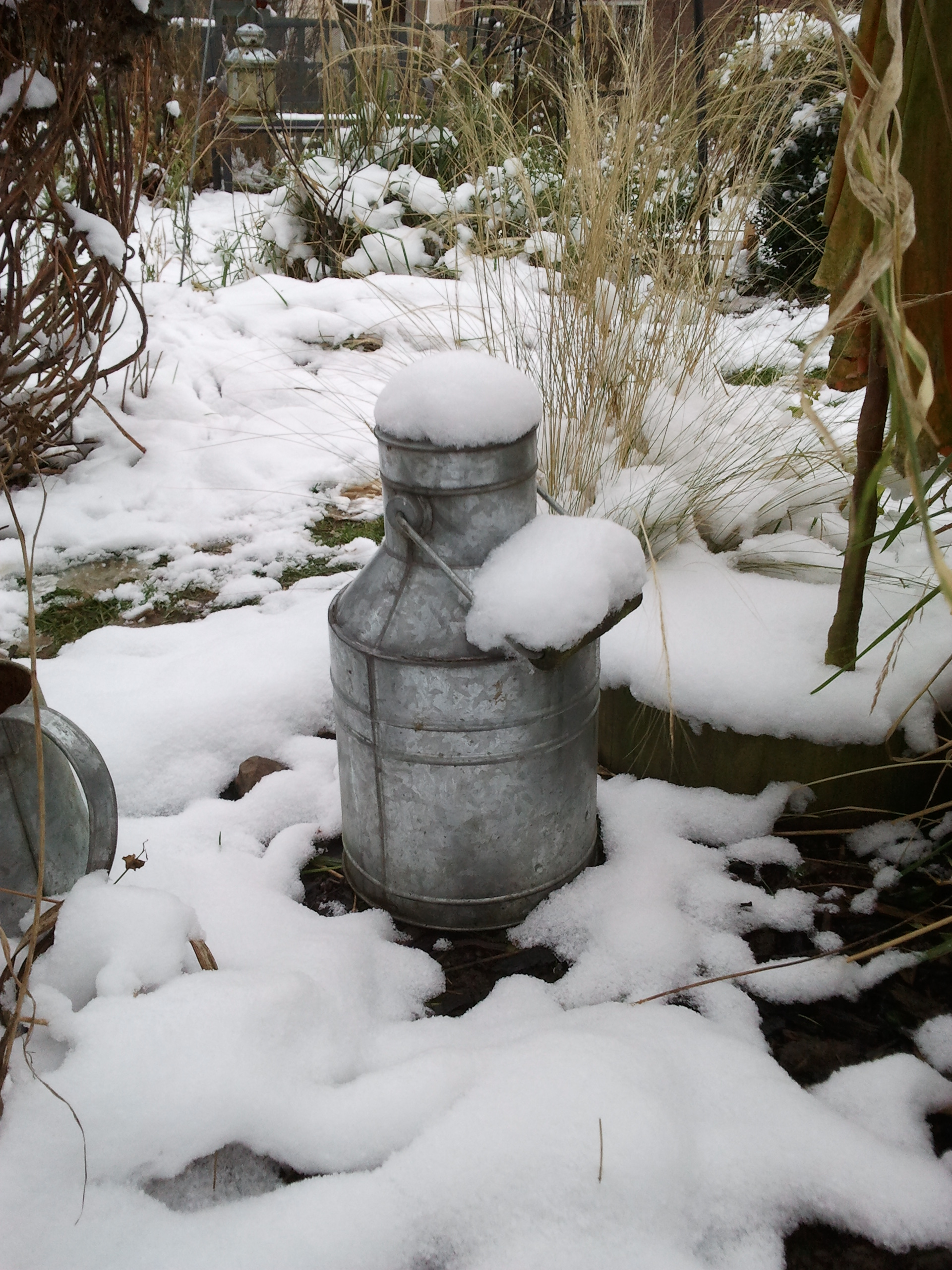
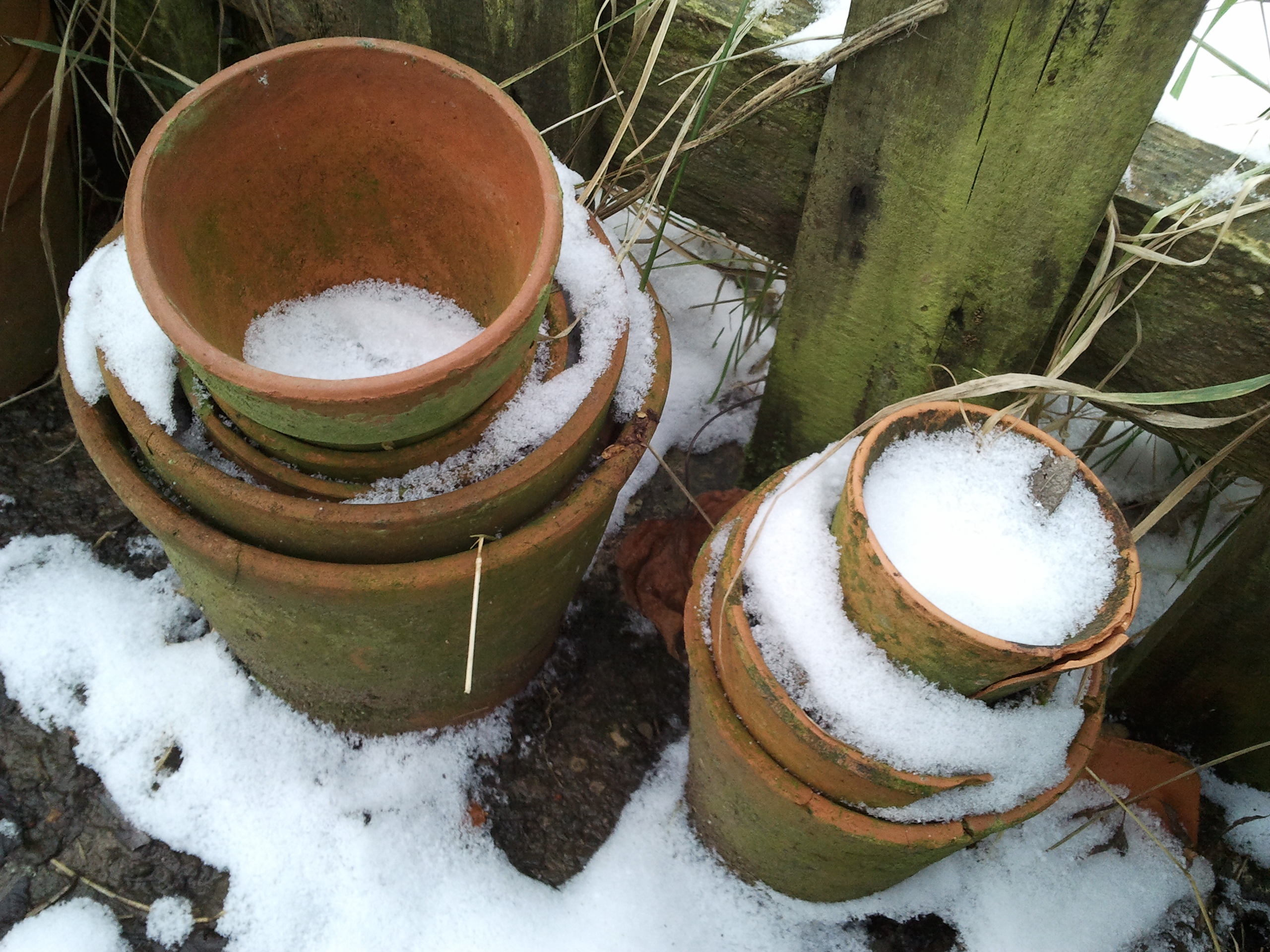
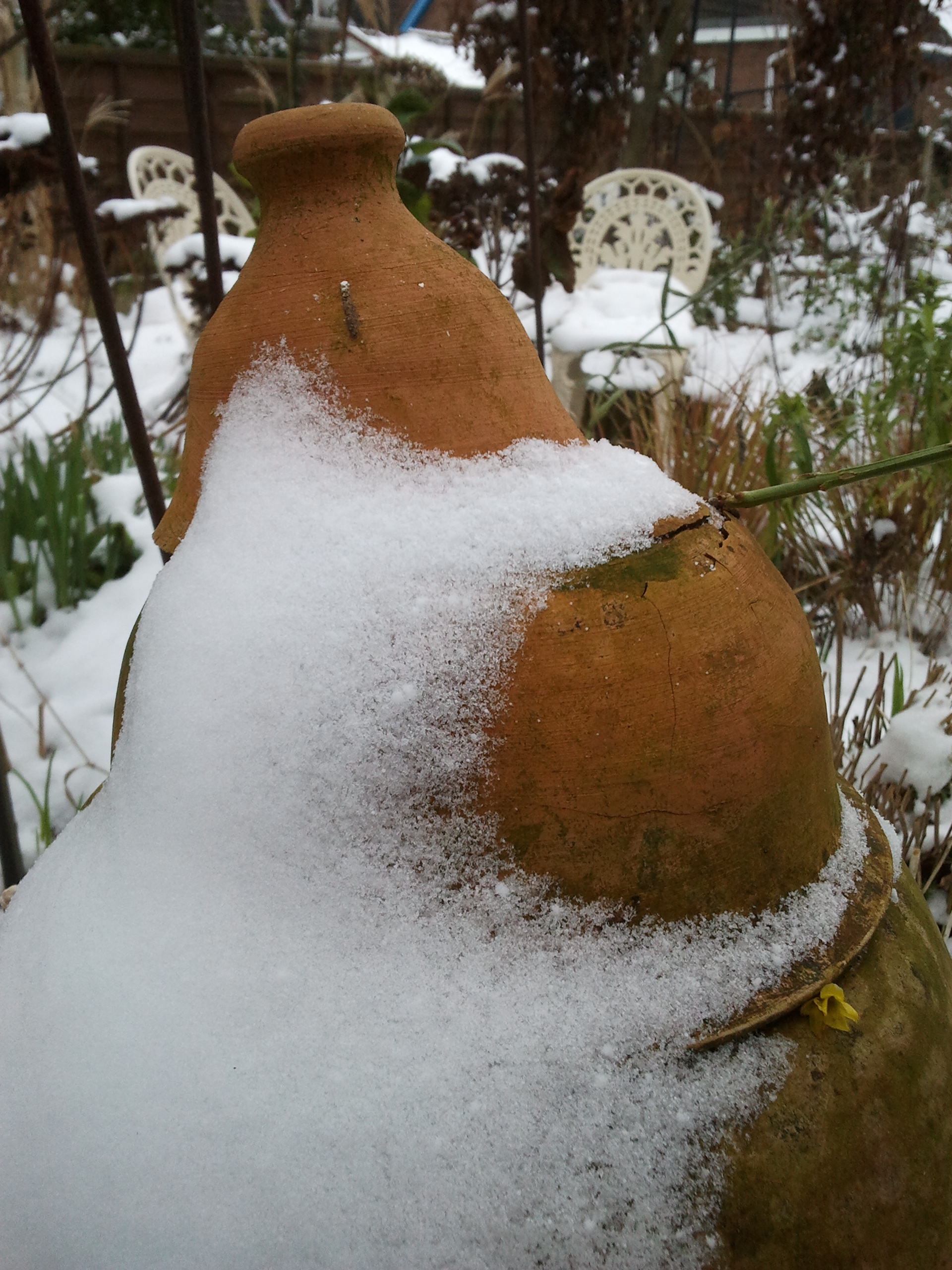
All sculptures and ornaments are wearing their ermine hats and coats.
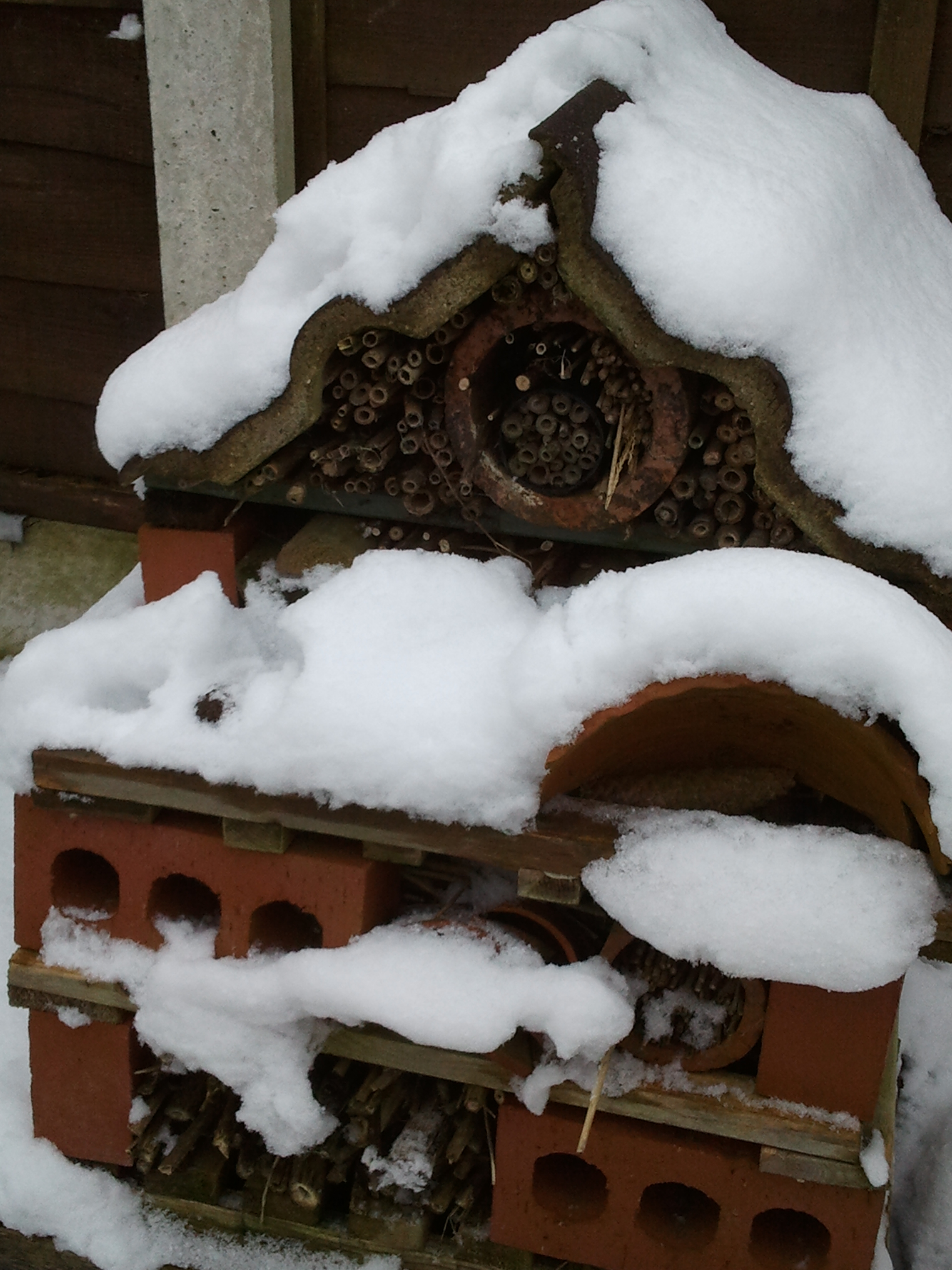
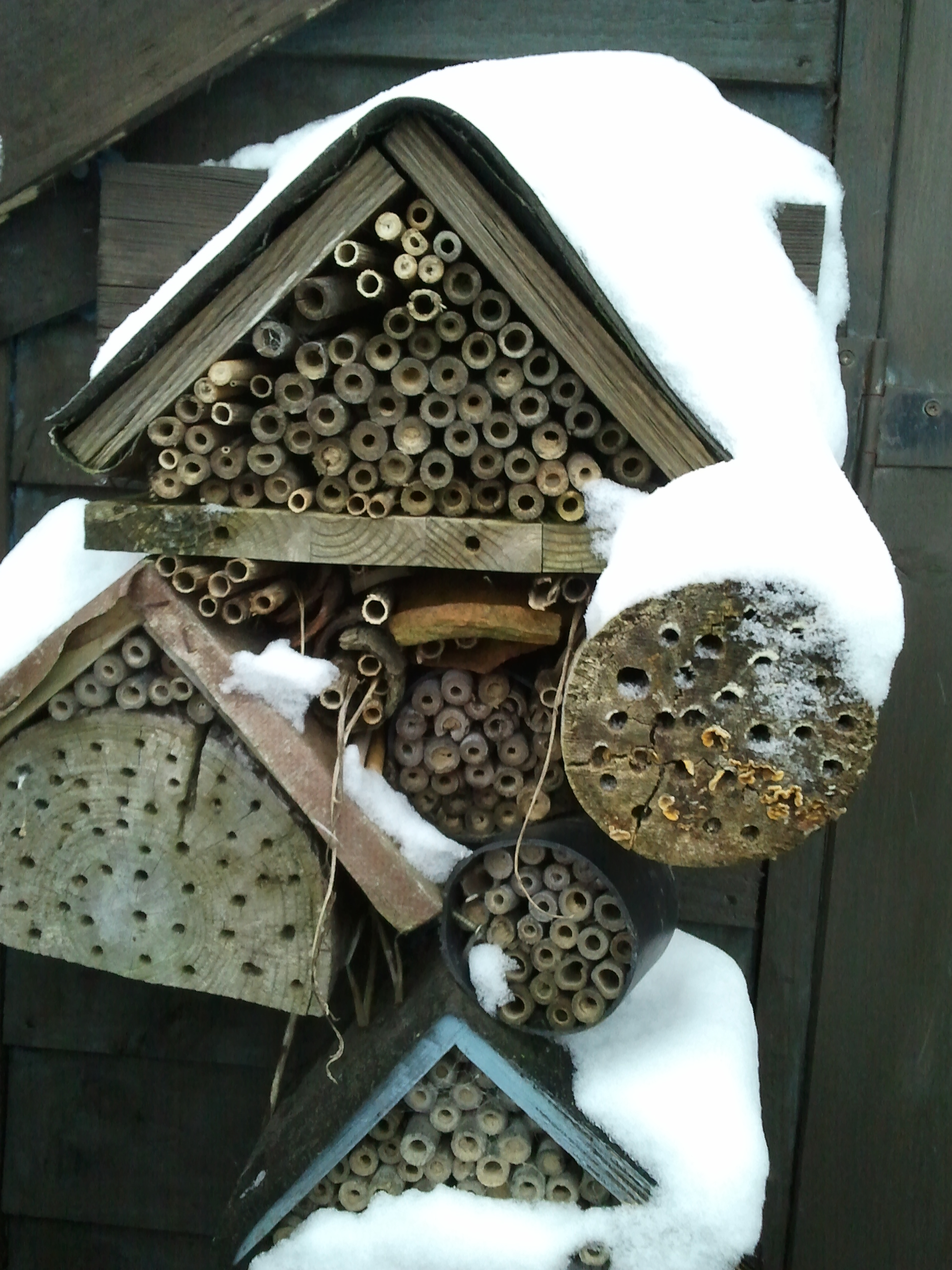
The insects are warm in their homes, hopefully hibernating safely, but we will not know until the spring. Each night the little Jenny Wrens queue up to roost in their wicker basket.
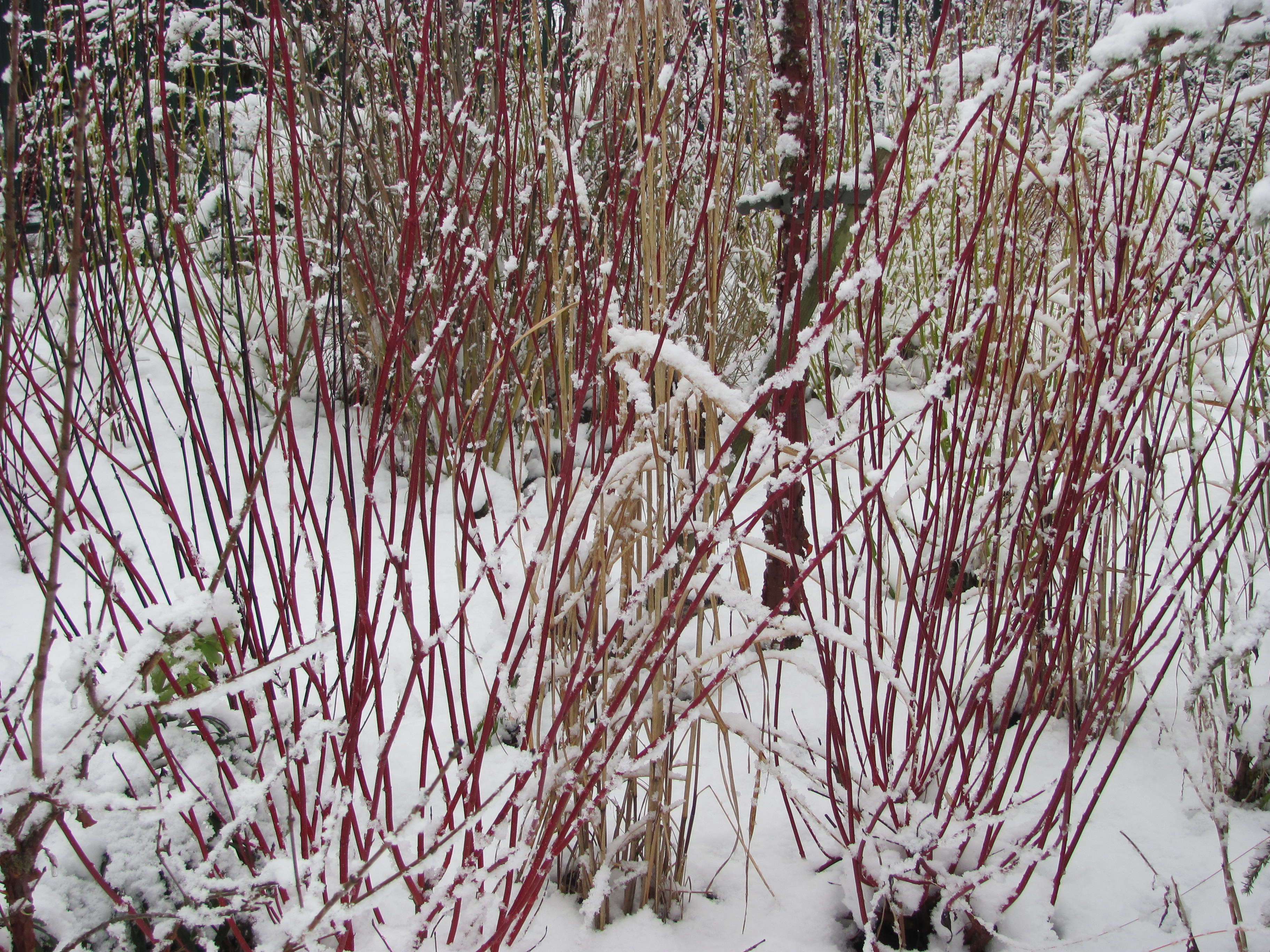
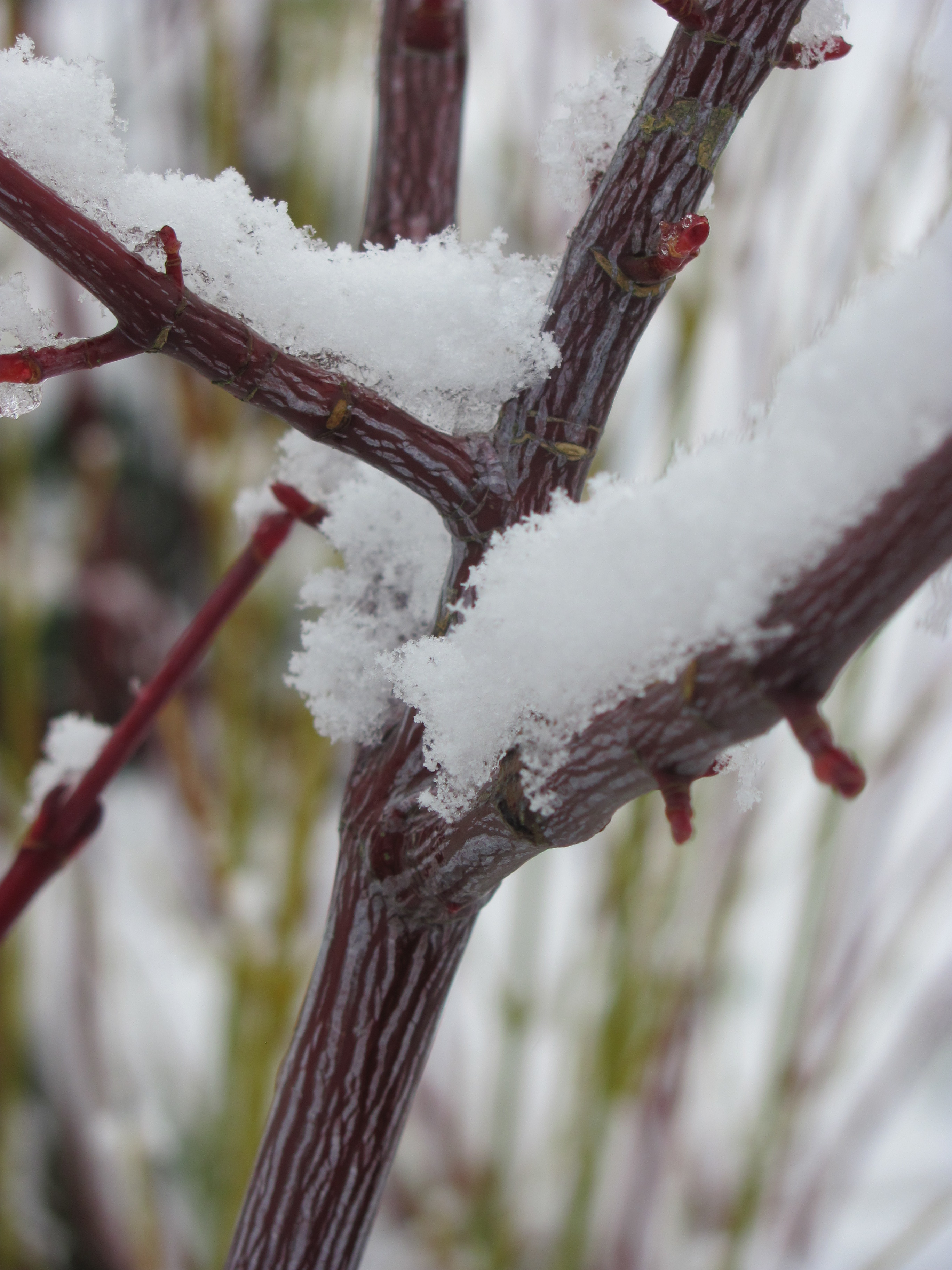
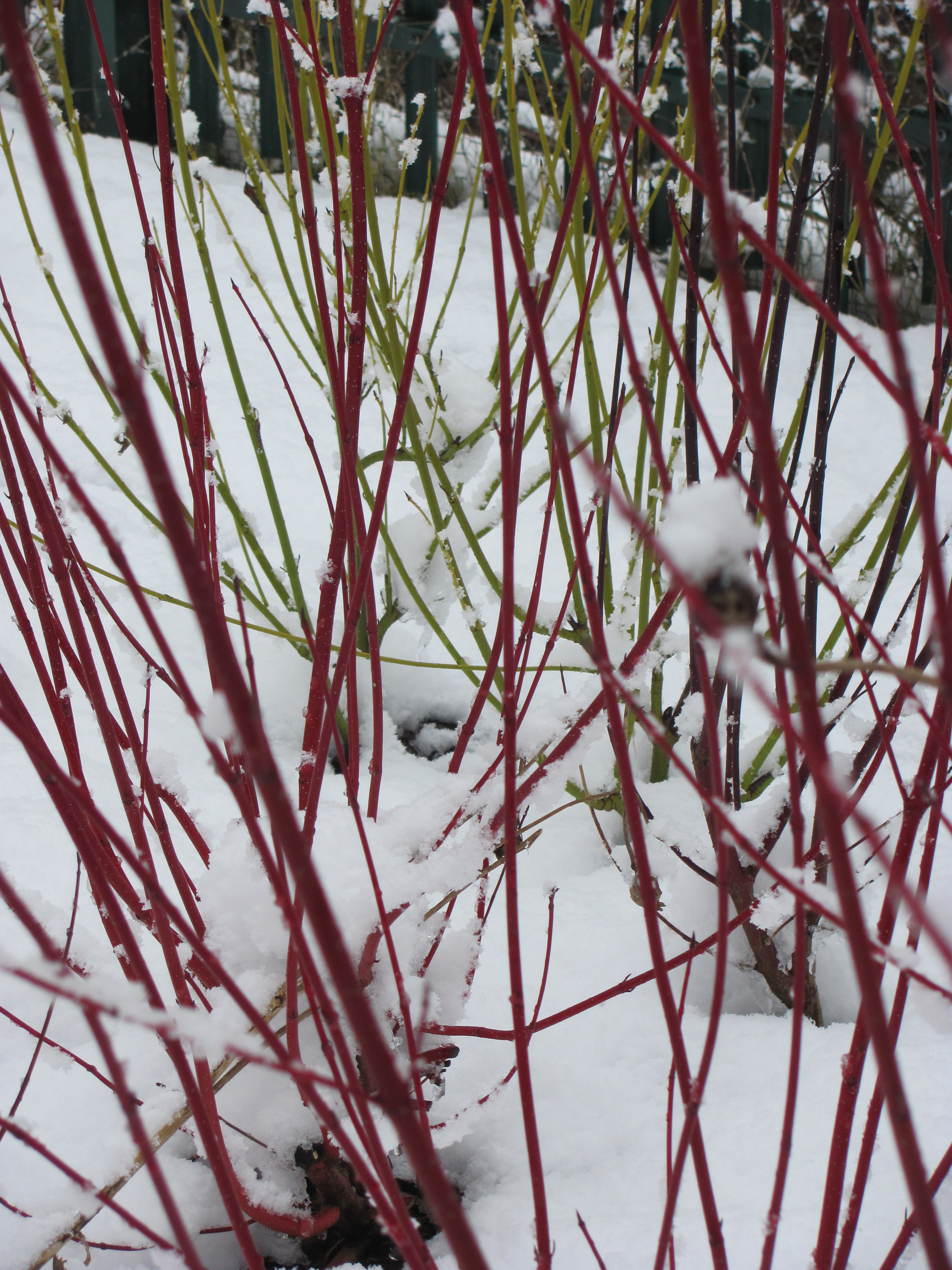
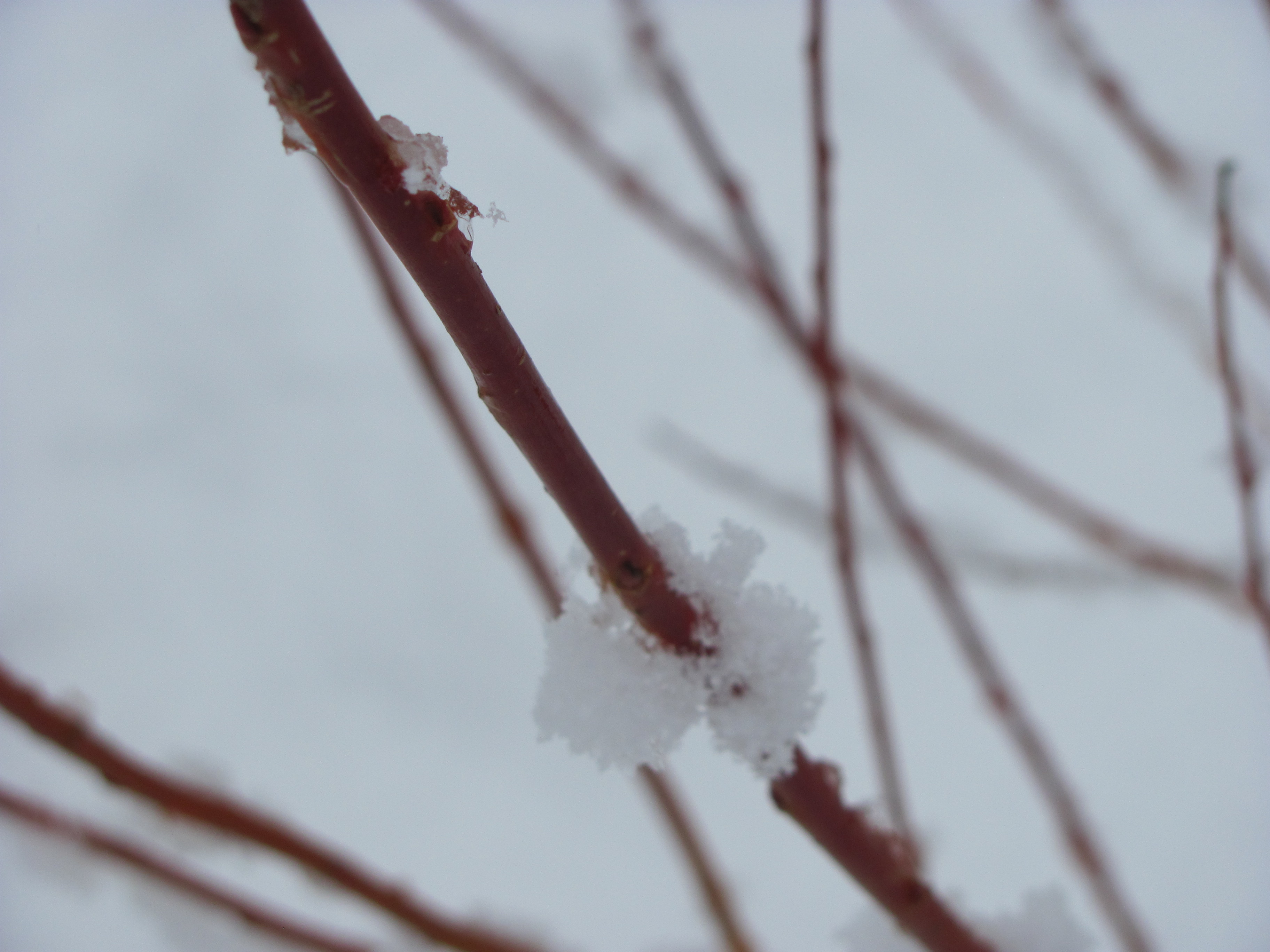
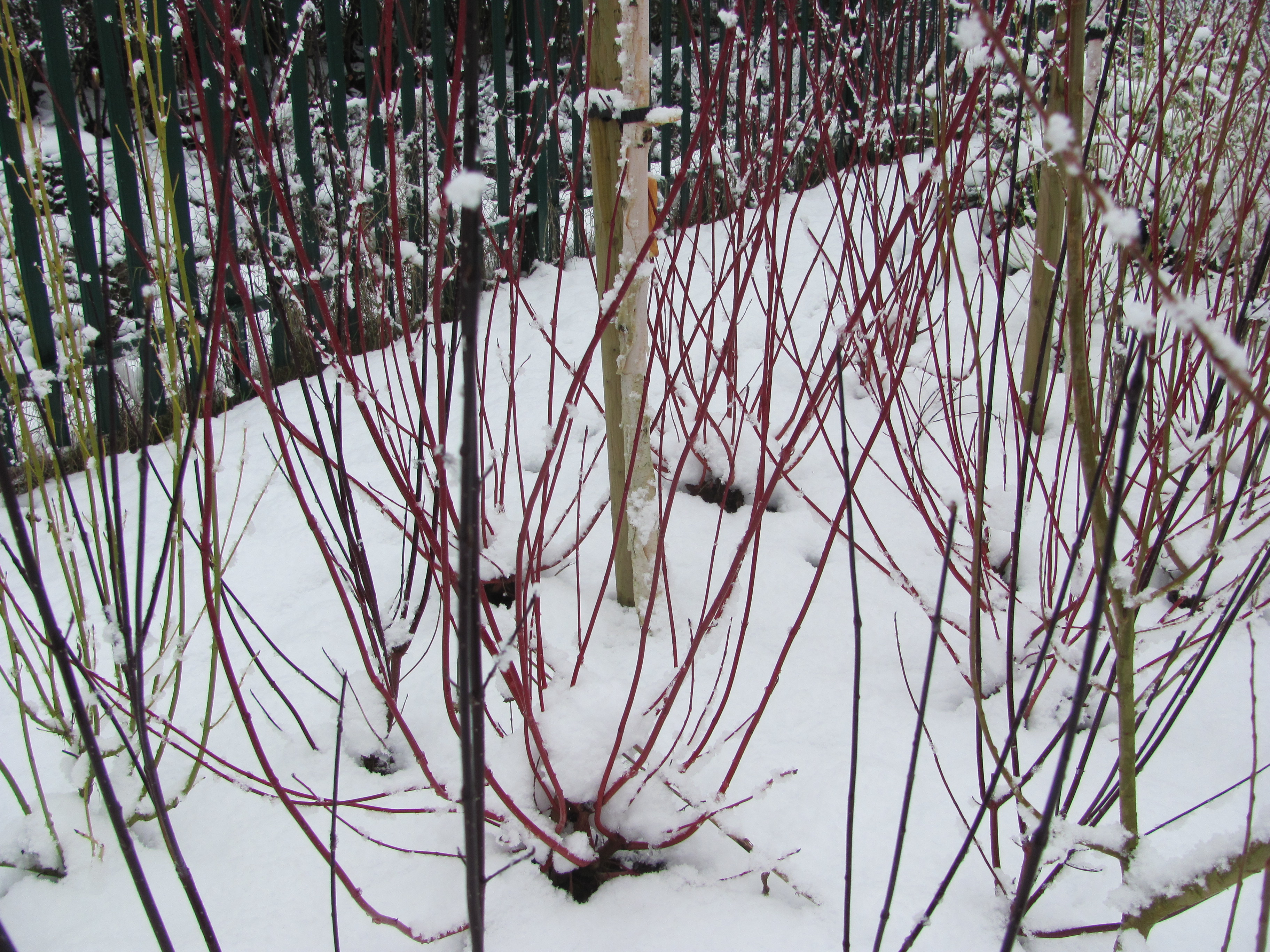
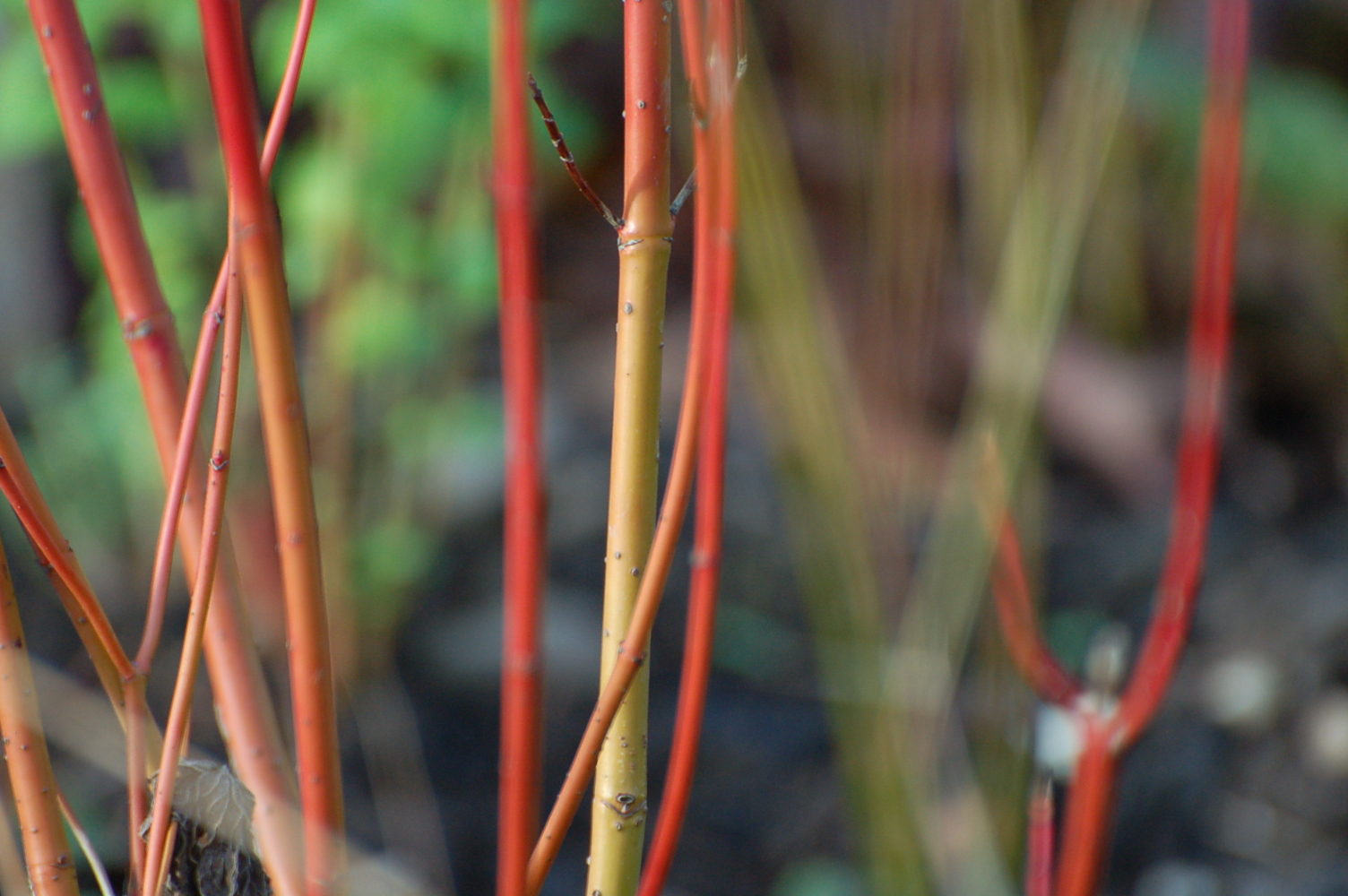
In the first few months of each new year the garden treats us to a colourful show of bright and varied coloured stems of shrubs. The most colourful are the dogwoods and willows of which we grow several specially chosen for their coloured stems. They glow in any bright days at this time of year.
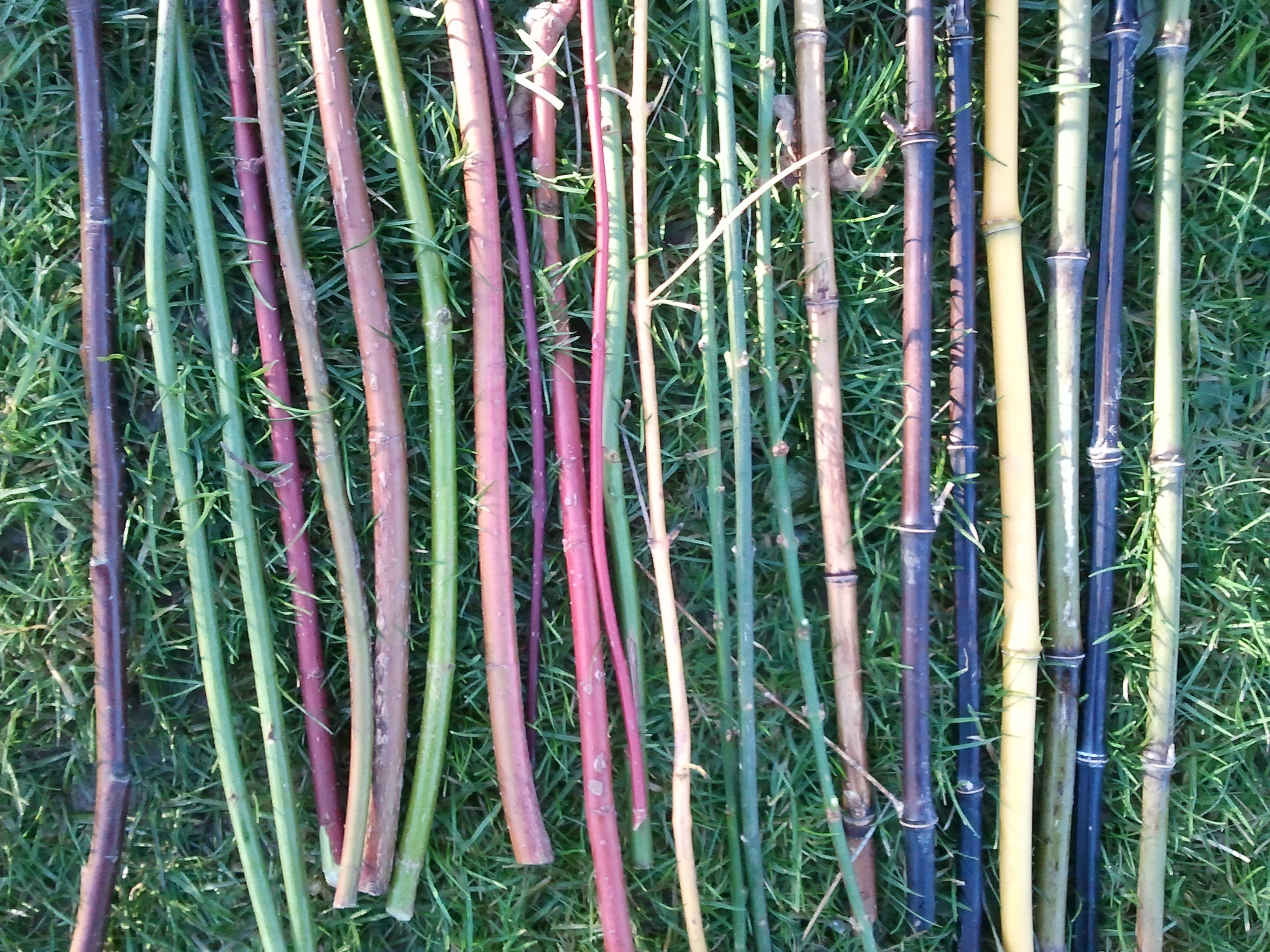
This selection of stems cut from our garden include dogwood, Kerria, willow, bamboo and Winter Jasmine.
The first pair of photos shows Cornus, the first is “Midwinter Fire” which we grow alongside our summerhouse just where it gets backlit by the winter sun, the second is “Cardinal” of which we have several specimens around the garden as they look good in any light.
Below is neither a dogwood or willow but an extremely red stemmed Acer called “Sango Kaku”, which we have planted alongside Cornus “Midwinter Fire”. We look forward to seeing them grow together.
The Cardinals in our front garden grow in front of our White-stemmed Birch, Betula utilis “Silver Queen”.
We keep adding shrubs with coloured stems and yesterday I took these cuttings below off gardening friend Pete’s fiery willow.
Sometimes the coloured stems are made even more special with the addition of flowers. The willow below with its black stems glow with the emergence of its white flowers at this time of year.
I shall finish with the photo of a bunch of stems cut from our bamboos.
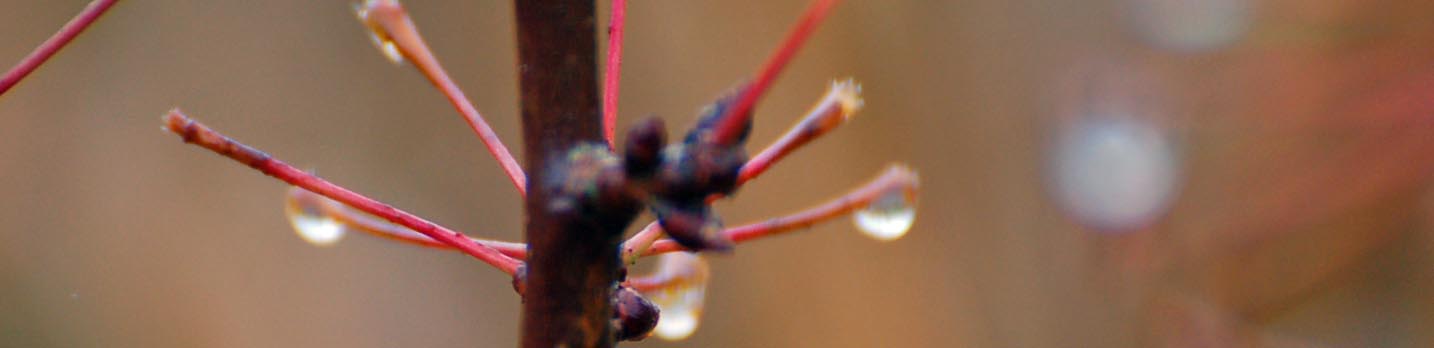
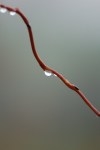
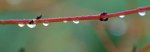
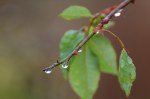
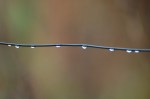
We awake each morning this week to frost which gives way to mist. As the day light increases, the drops of melted frost hang from plants like miniatures lanterns.
Please click on the first image in the gallery below and click the right arrow. The technical details are with each photograph.
'The most important and informative publication on wildlife of our times' - The Independent. This blog is a member of The UK & Ireland Natural History Bloggers group: www.uknhb.blogspot.com