Categories
colours garden photography gardening shrubs wildlife

The Stuttering Start to Spring

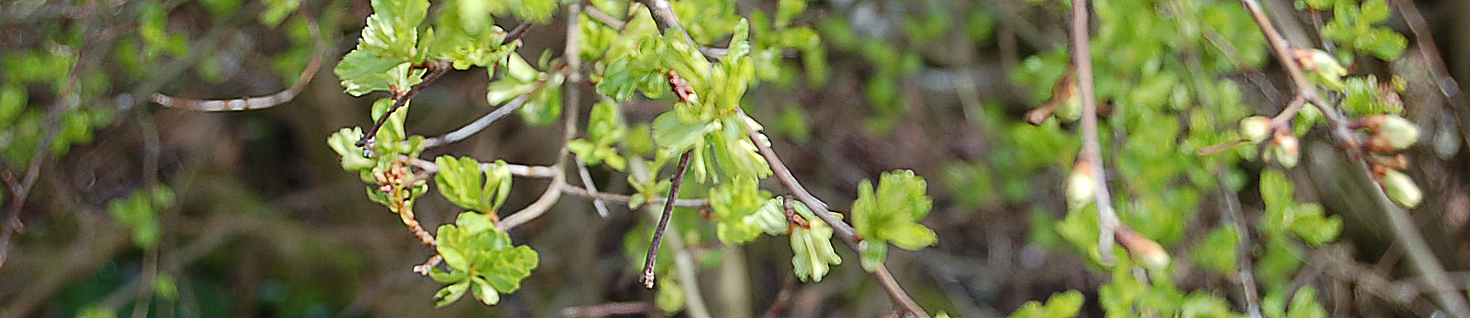
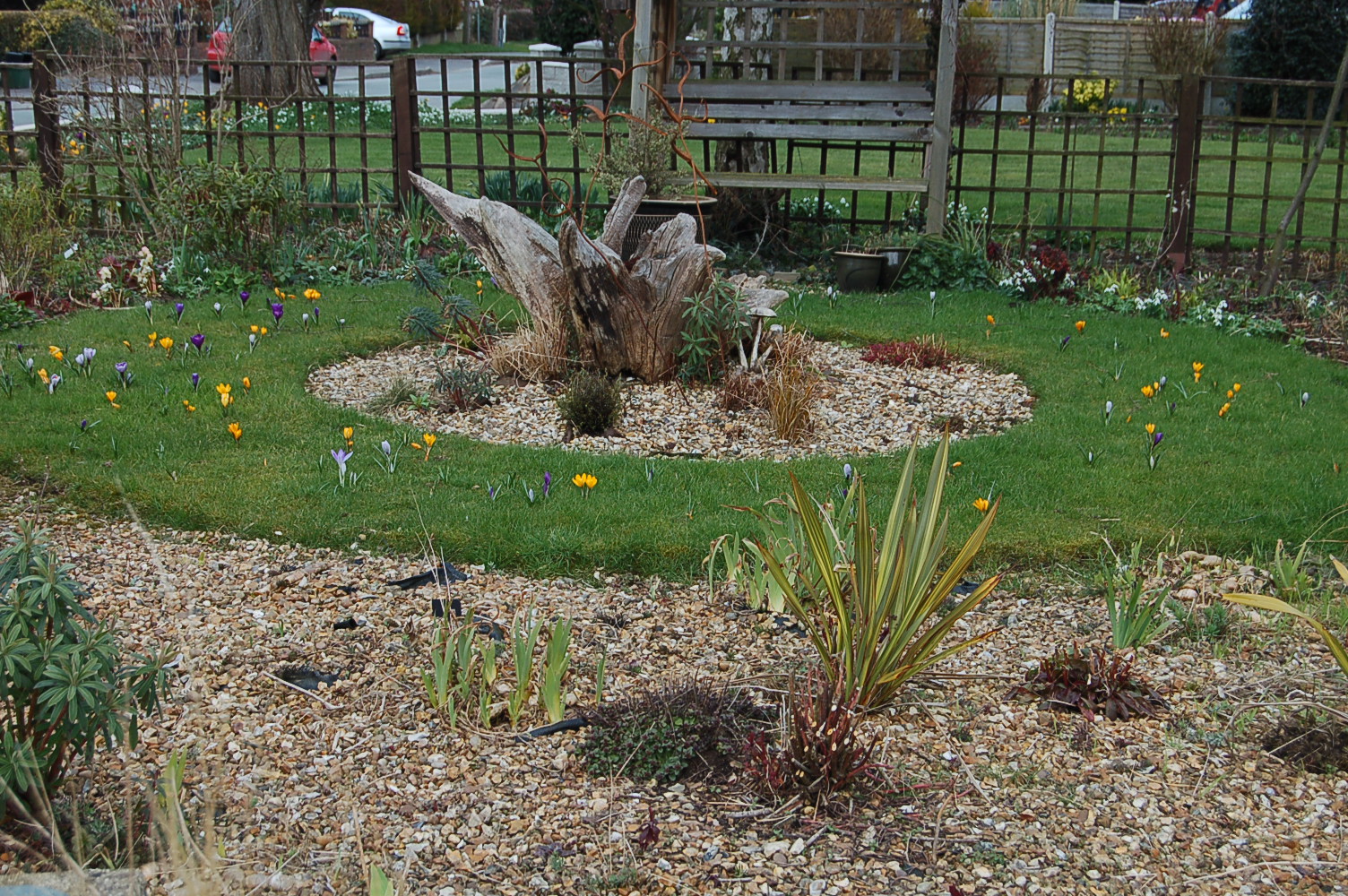
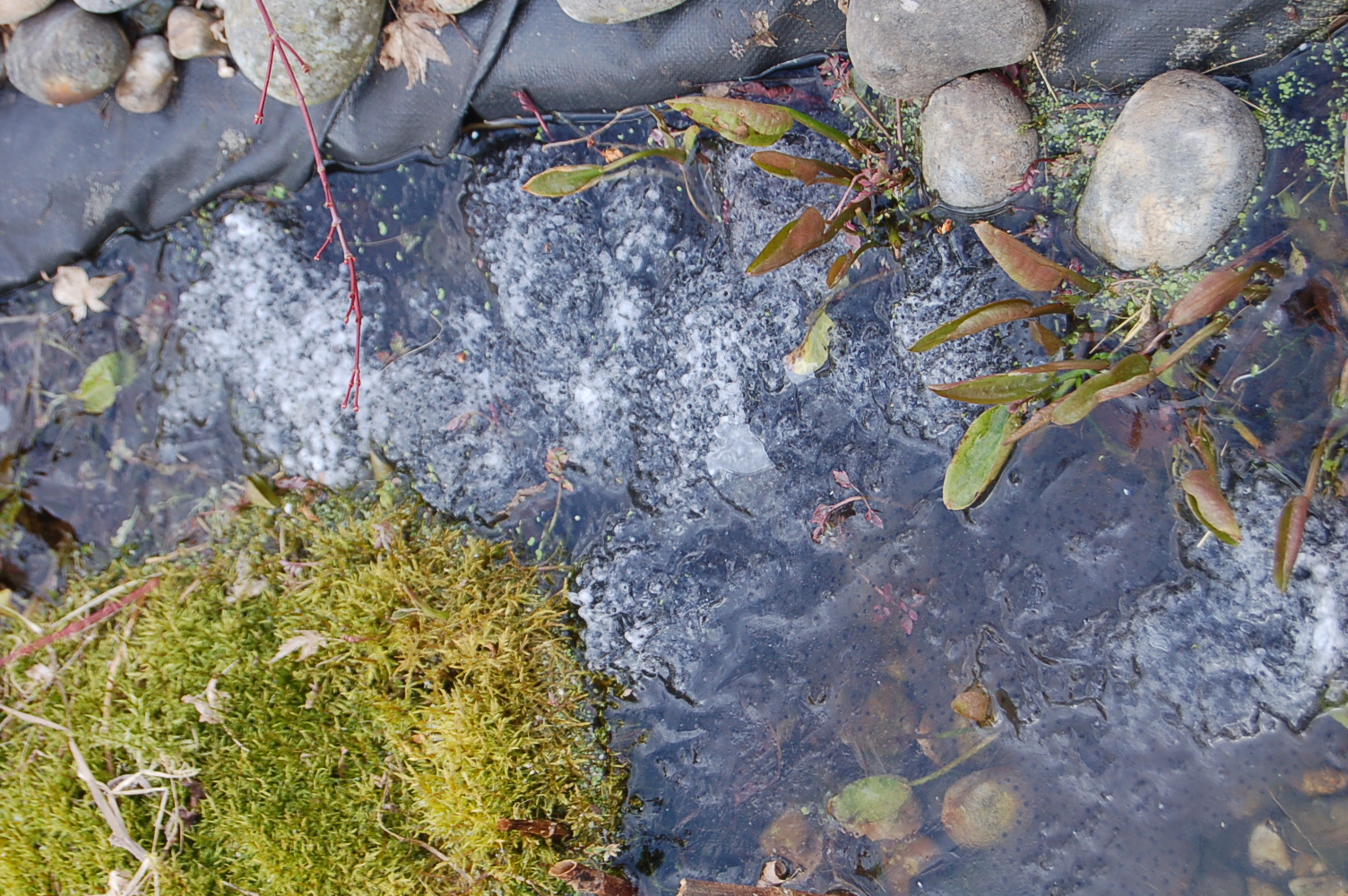
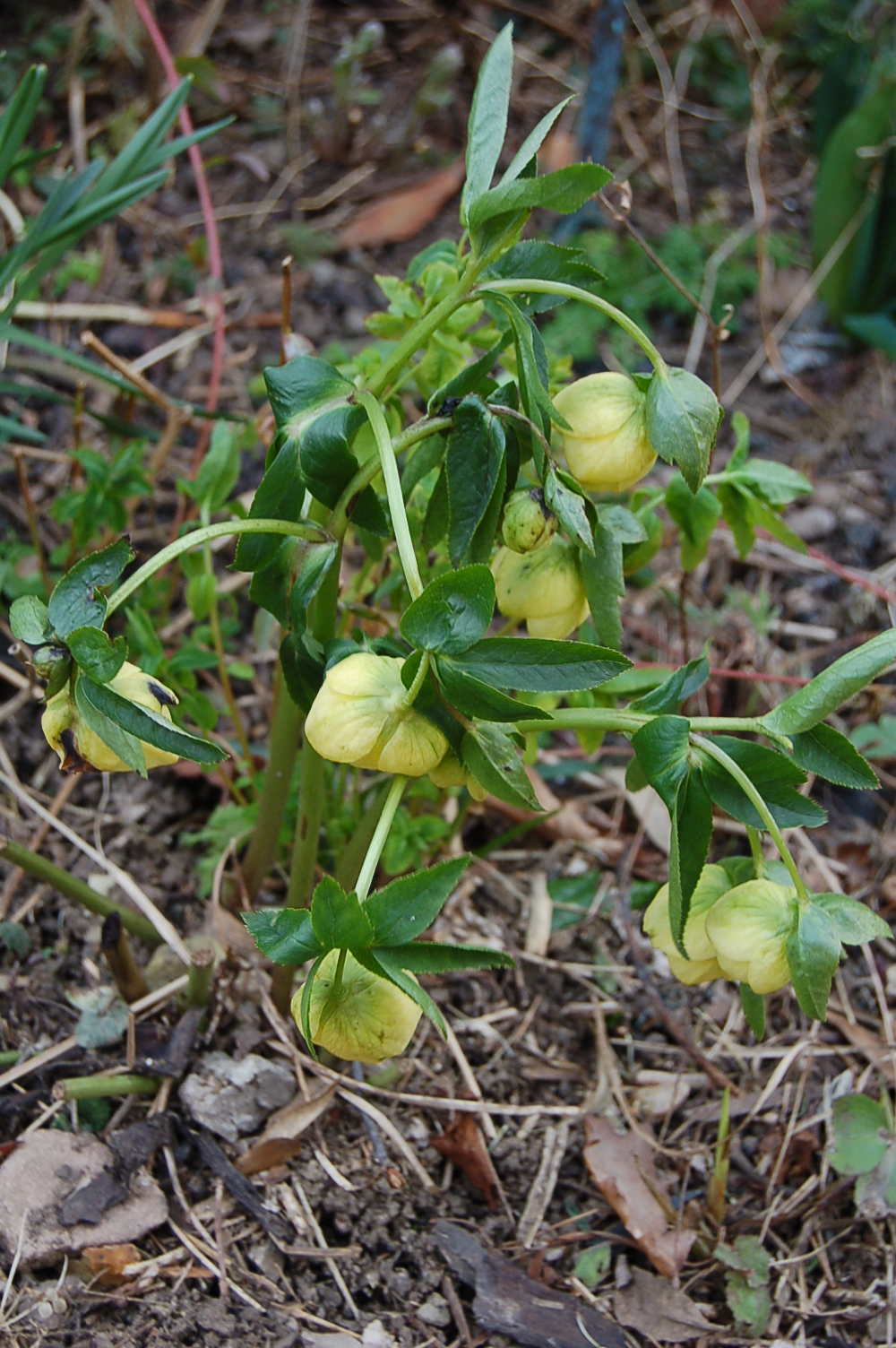
We have been getting signs that Spring may be on its way. Buds of Hawthorn and Elder have started to split open to allow the brightest of green leaves to squeeze their way out. Yesterday frogs left us a gift in the wildlife pond – a big pile of spawn. Seeing the first spawn this late in the year is unusual as we normally find some in mid-February.

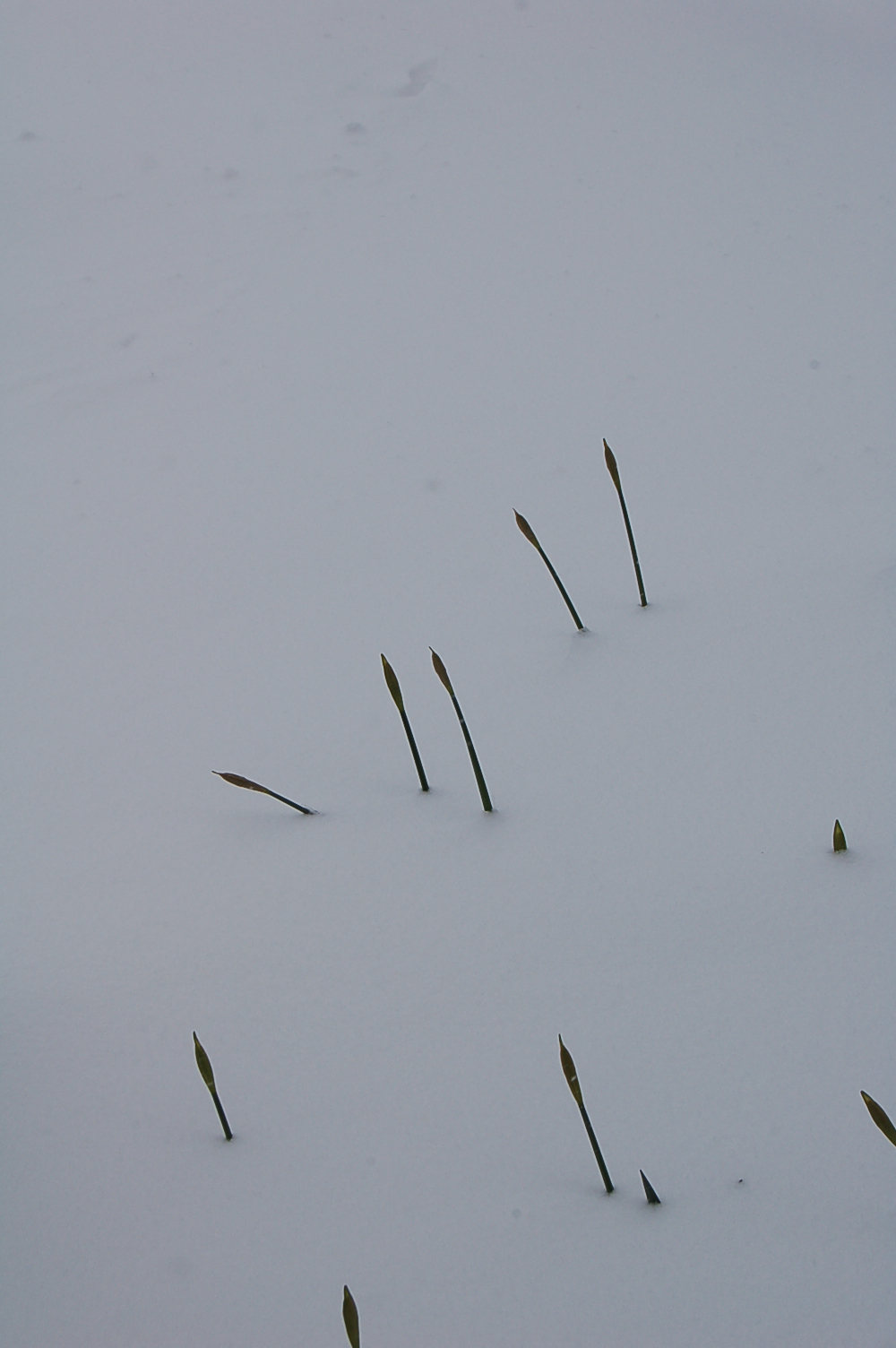
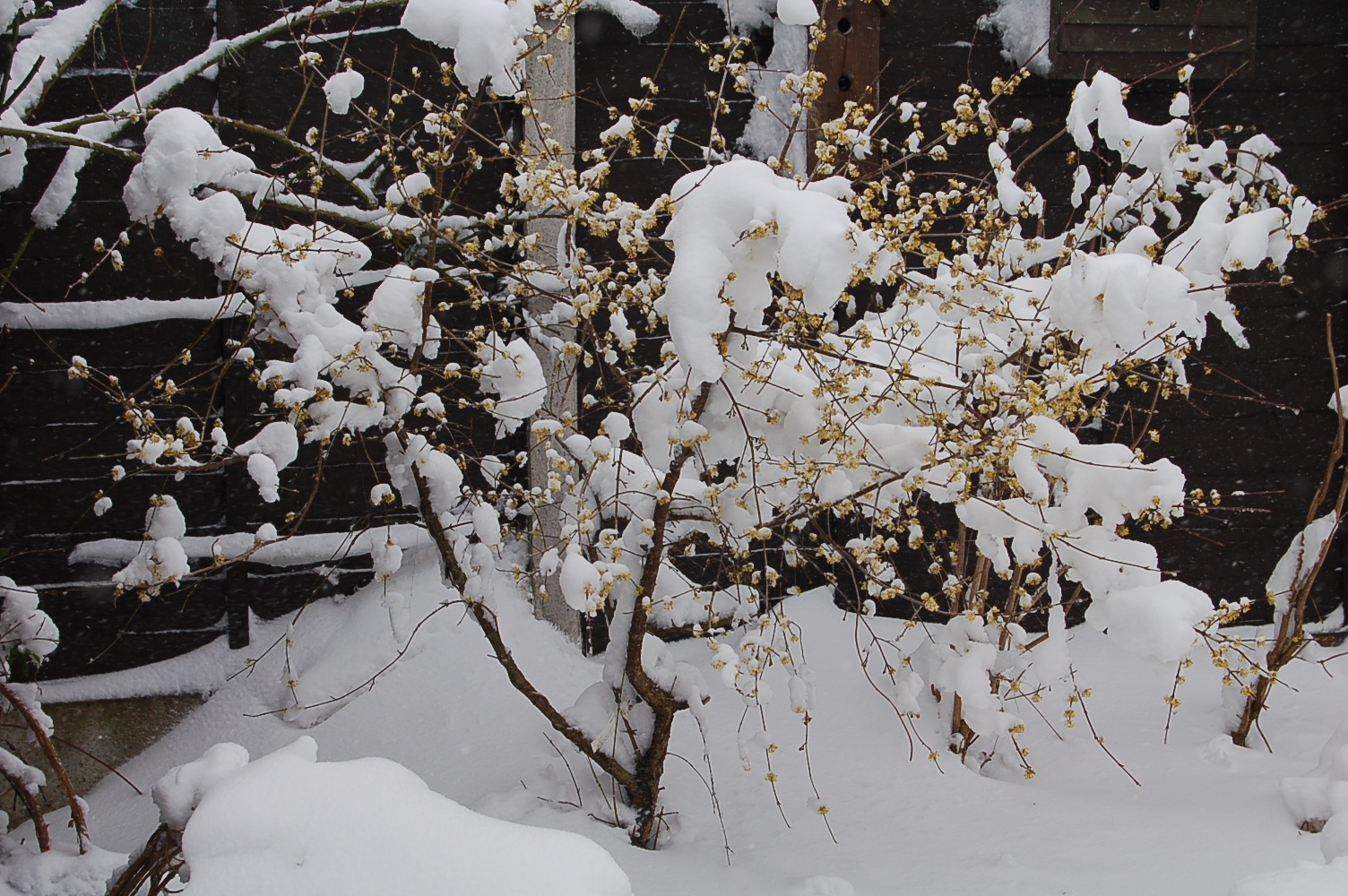
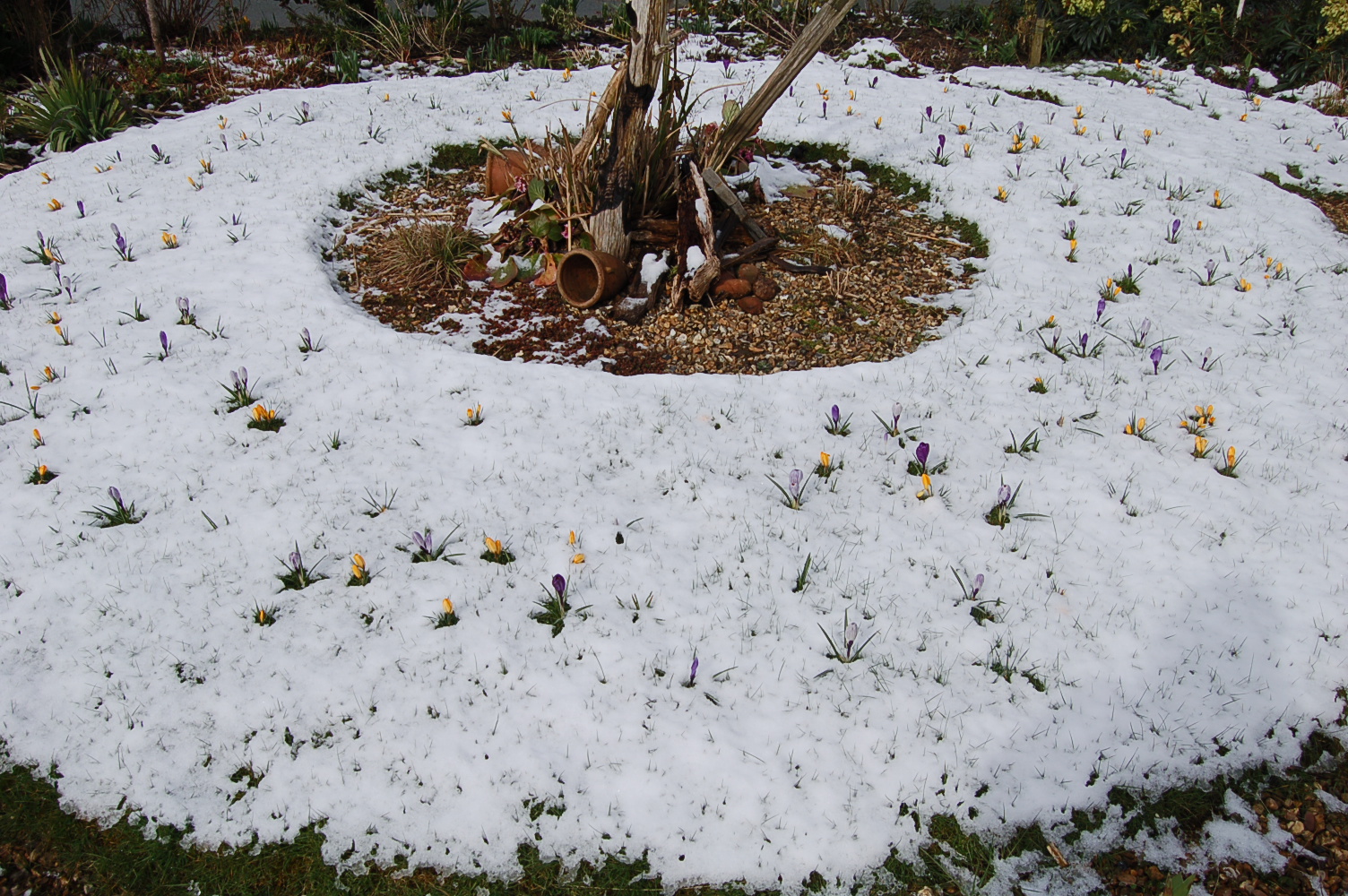
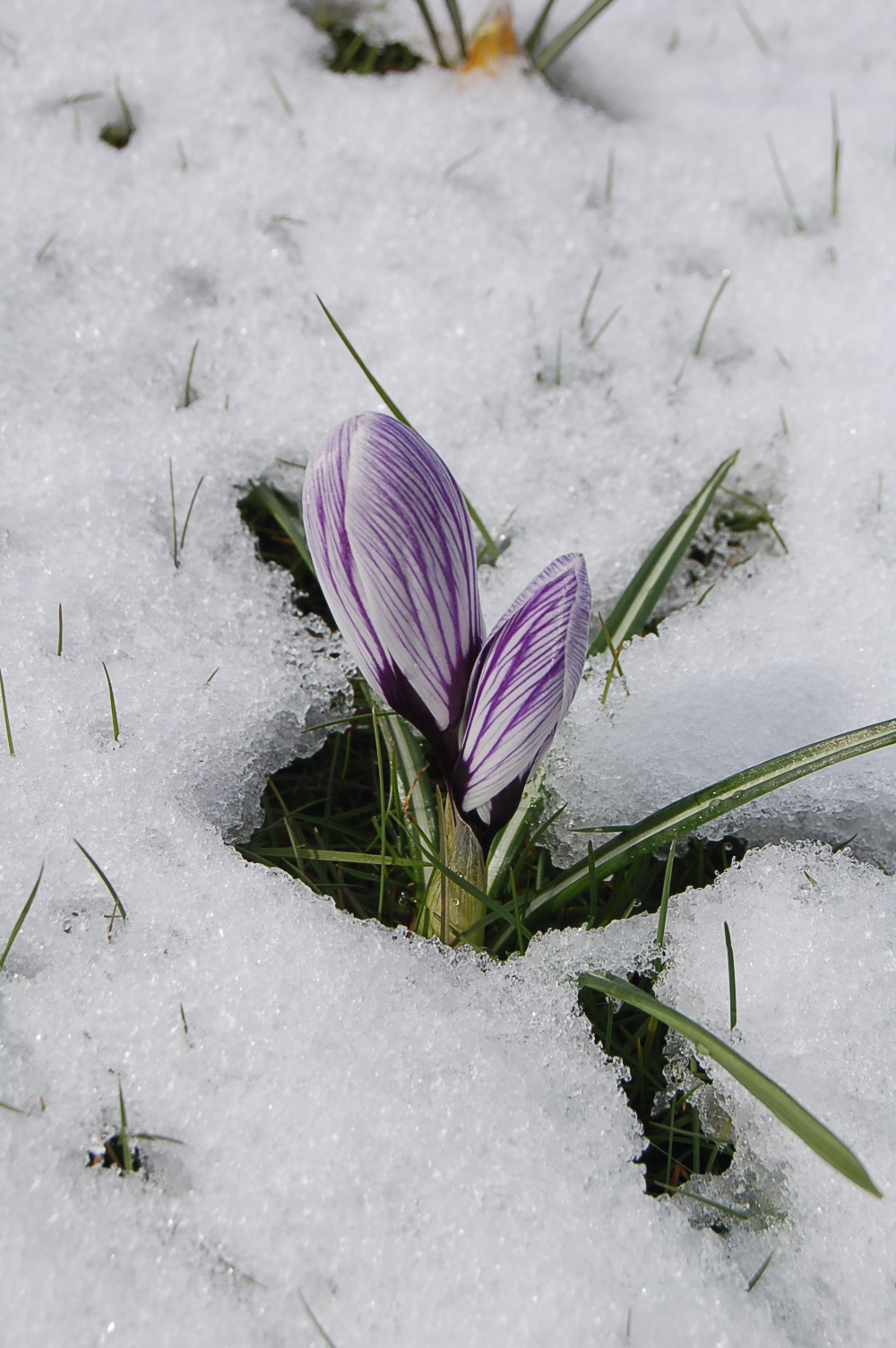
Last night the temperature dropped to minus 6! The spawn was frozen into the icy surface of the pond and fluffy snow flakes littered the surface.

DSC_0003

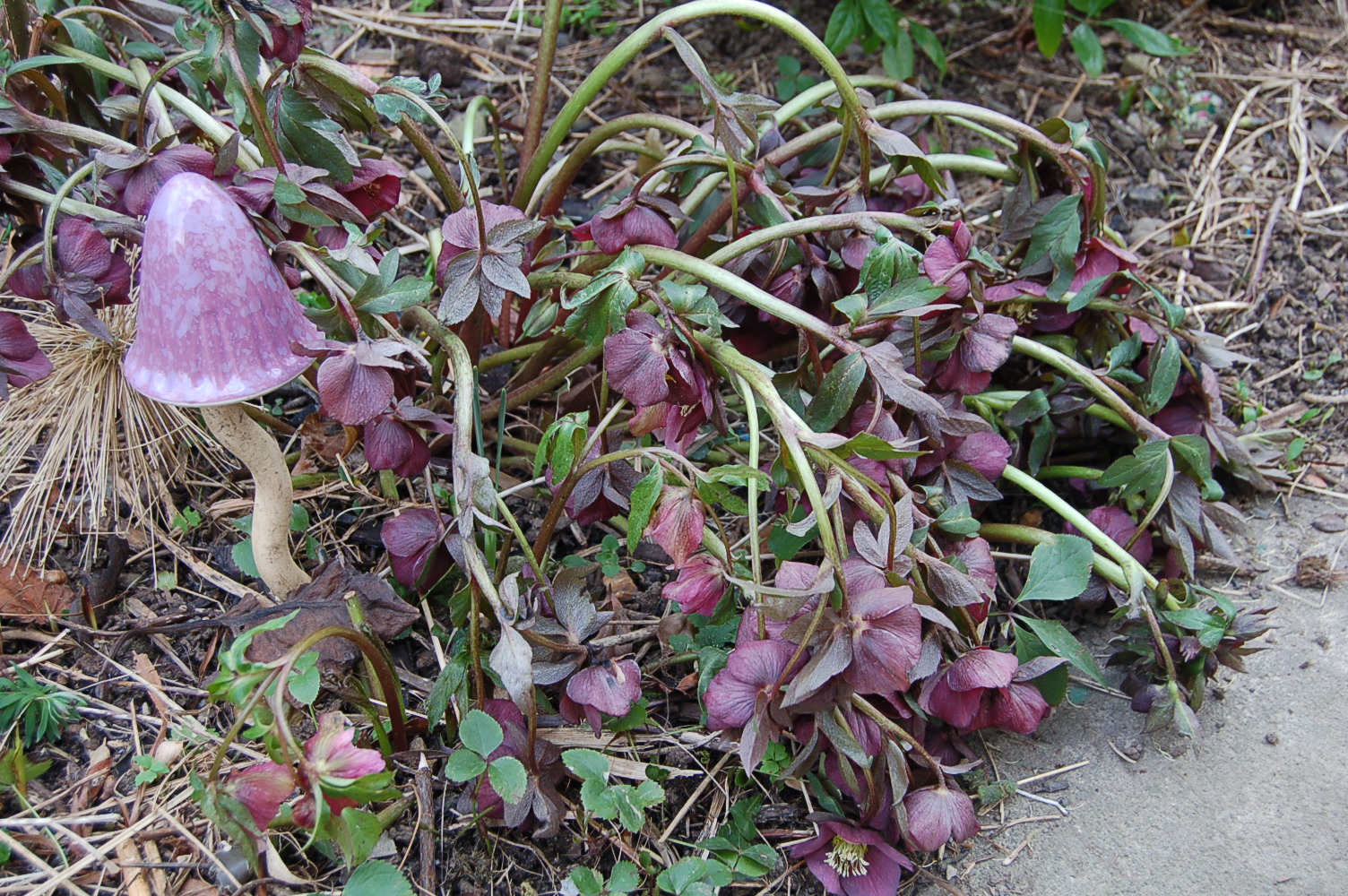
The Hellebores that we have been enjoying so much over the last few weeks drooped losing all their structure. Stems bent over and lowered the flowers to the frozen ground. We know they will burst back when temperatures again rise above freezing and perhaps assisted by a little sunshine.

DSC_0002

DSC_0001

Happily a few plants in the garden  have responded more positively to the fall in temperature. The foliage of Hebe “Red Edge” is always colourful but in this spell of renewed cold it has taken on richer tints.

DSC_0004 DSC_0005

Categories
autumn colours colours garden photography gardening ornamental trees and shrubs trees

The ever changing colours of Liquidamber

 Liquidamber has to be one of the best trees for the small garden in autumn and winter.

It develops the usual colours  associated with autumn but holds onto its leaves and  the colours get more and more intense as the season progresses.

So for this post I shall regularly take pics of our Liquidamber to illustrate how they change.

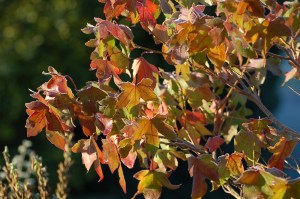
The first three photos were taken in October, at which time greens were still bright and frequent amongst the yellows and oranges.

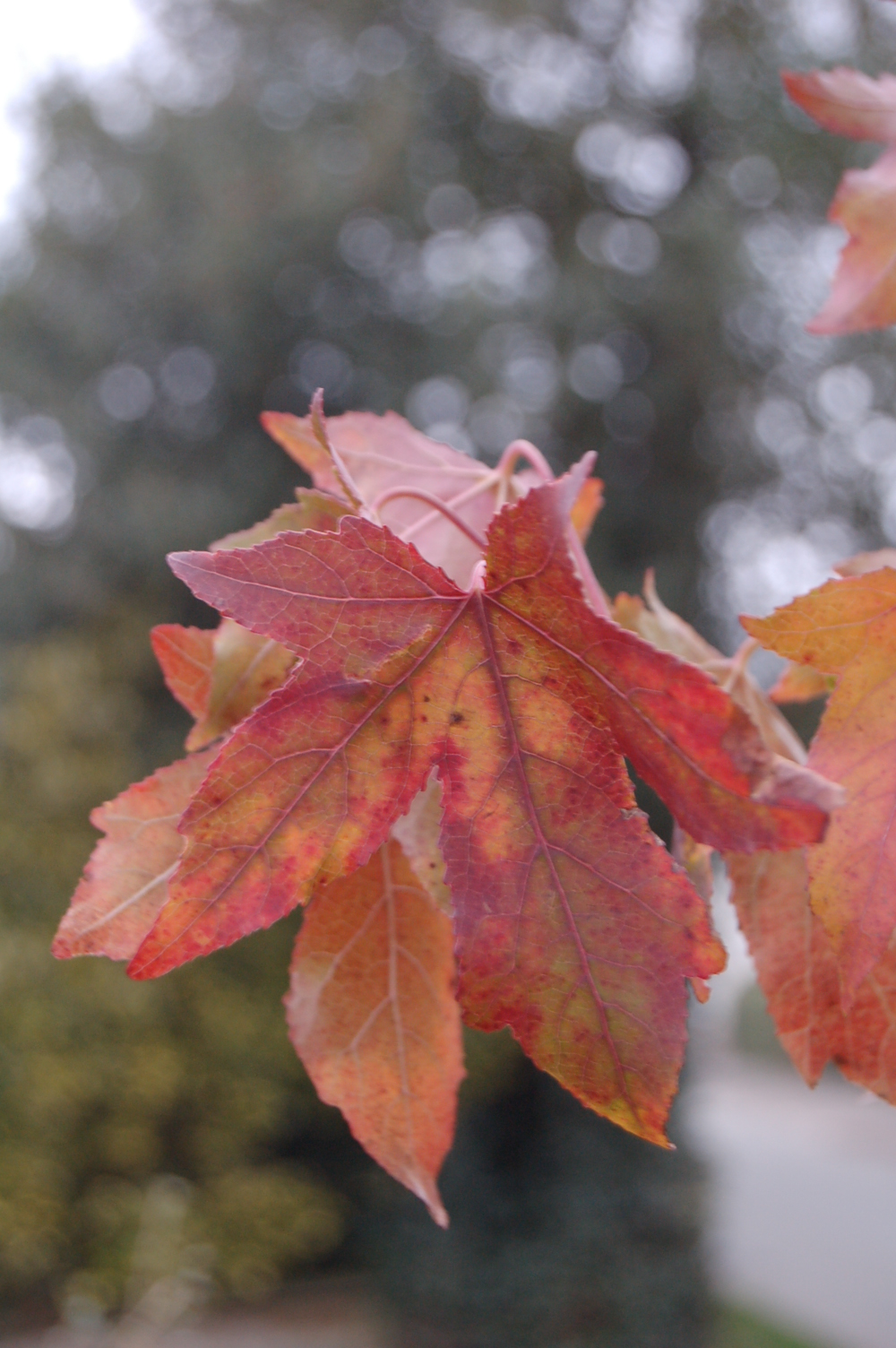
Early in December the colours are richer and not much evidence of green remains.

DSC_0010

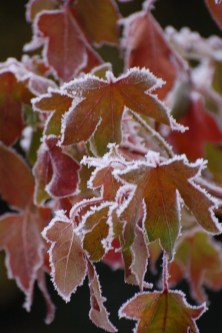
In mid-December a rim of frost decorated each leaf, emphasising their palmate shape and adding depth to the tints of fire.

DSC_0097

DSC_0096

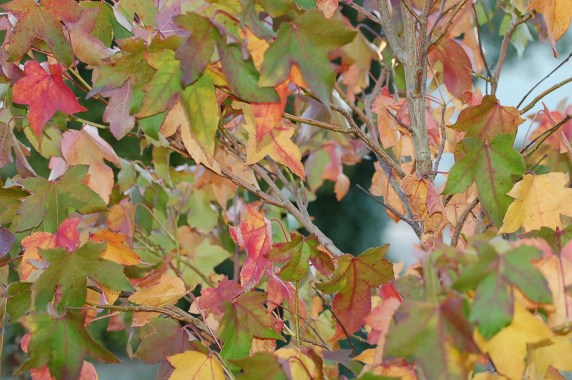
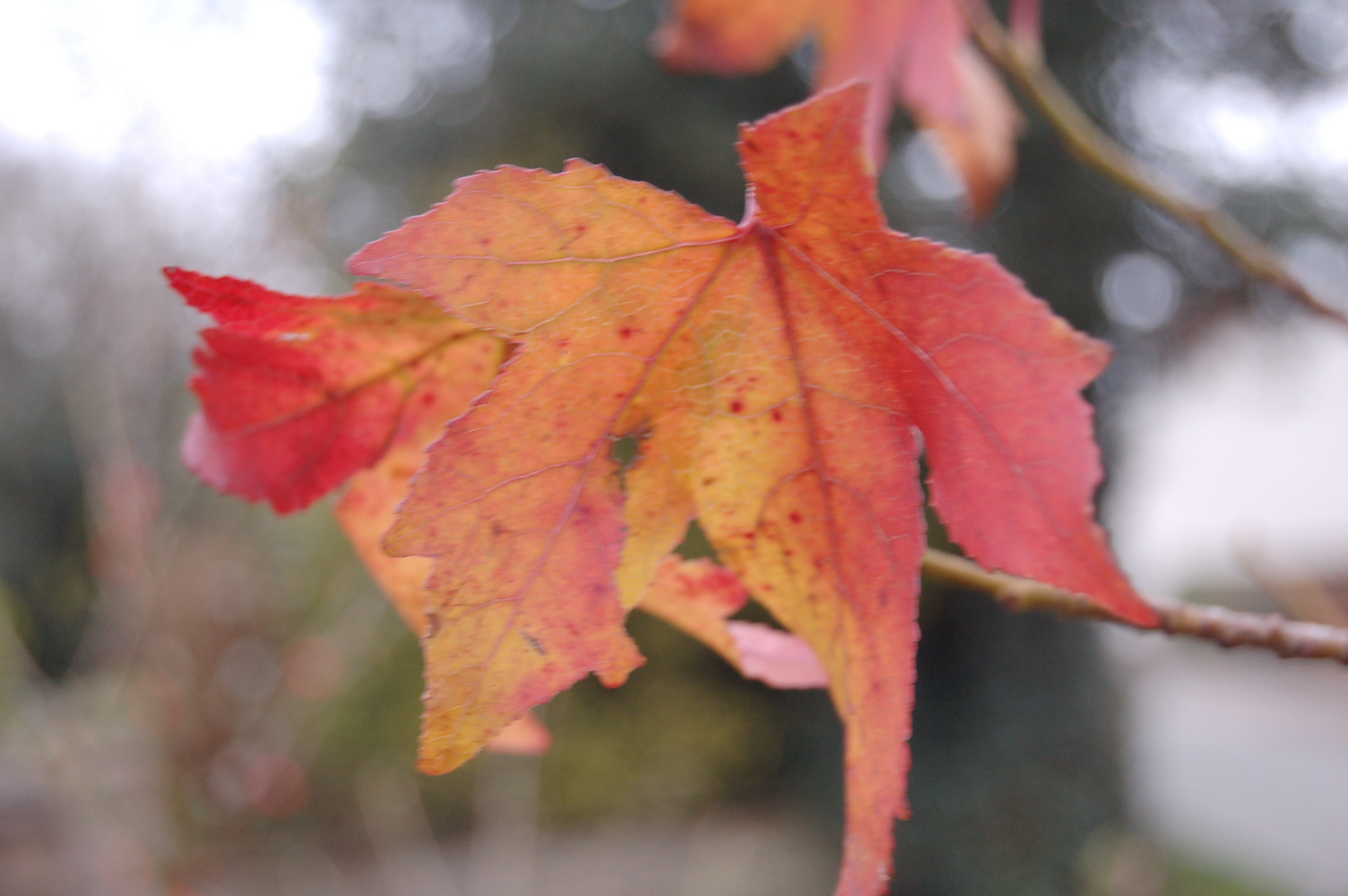
By January the leaves are beginning to look dry with browns becoming the commonest colours.

DSC_0002 DSC_0003 DSC_0004 DSC_0005

Now in mid-March I would normally be able to enjoy the deepest of red leaves it is possible to imagine and they would be clinging onto their stems until new season leaves force them to release their grip and drop to the ground.

This year this eagerly anticipated redness has failed to appear and the remaining leaves are just crisp and dull brown. Half have already fallen and the others look as if they will soon give up their grip.

DSC_0008 DSC_0009

Once spring arrives and instigates budburst I shall start taking photos of our Liquidamber once again and follow the progress of its leaves throughout the year.

Categories
birds conservation landscapes Shropshire trees wildlife

Hedgerow Maintenance – the good, the bad and the downright ugly.

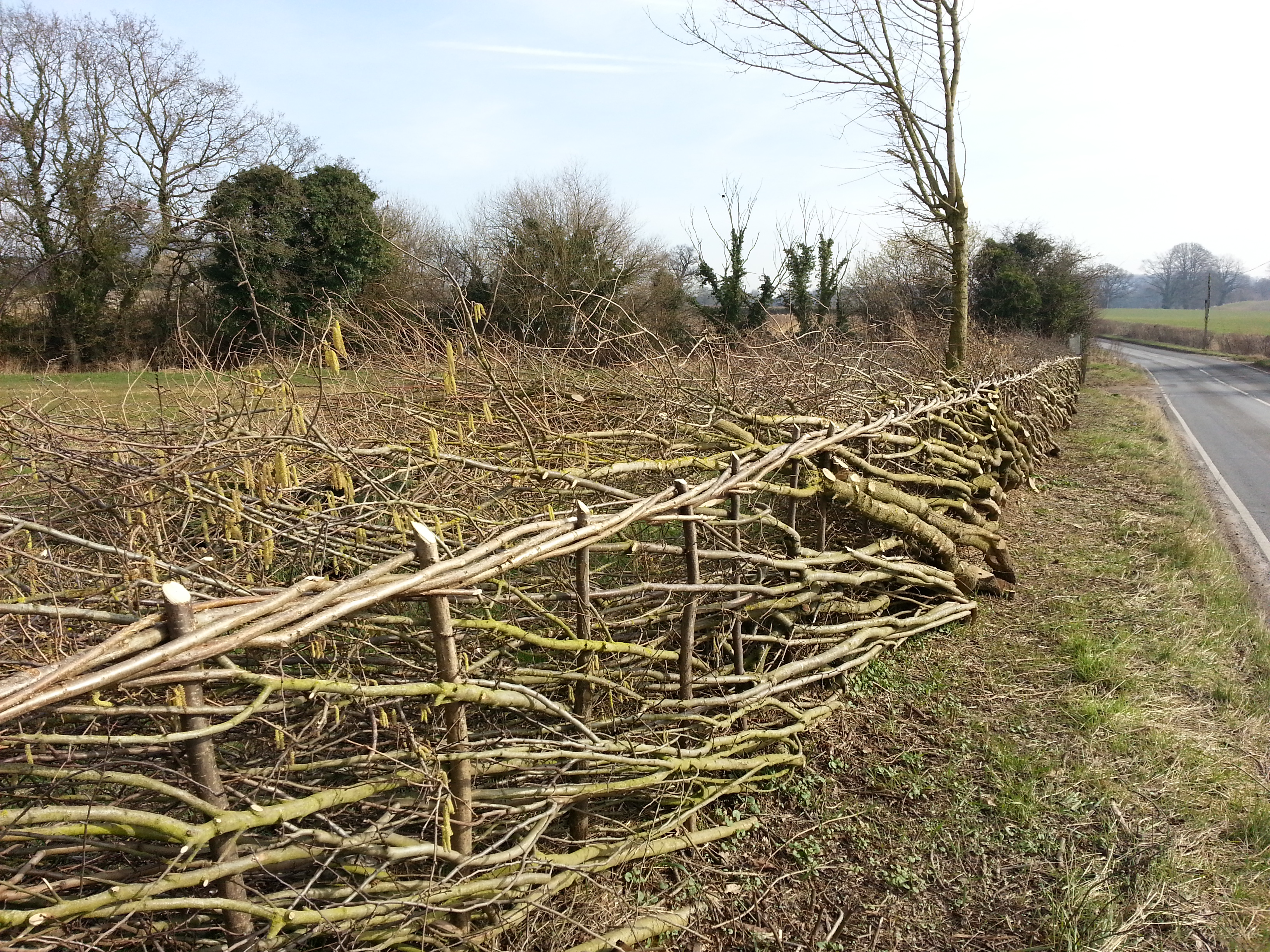
Driving around the countryside around our home in Shropshire we are struck at the difference between the worst and the best examples of hedgerow maintenance. Some are beautifully trimmed providing stock proof boundaries which benefit and encourage wildlife. The best examples of these are those that are “layered” as these remain dense in growth and provide homes, food, shelter and nest sites for all aspects of wildlife and often result in special habitats at the base of them full of wildflowers and accompanying wildlife. Insects, small mammals, birds, butterflies, bees and so much more of our wildlife can take advantage of this beautiful and skilful country craft. The trees of the hedgerow even those of reasonable girth can be trimmed and layered to create dense hedges. We found this beautiful length of hedge in a country lane a few miles from home.

layering 4

I particularly like the artful way it has been thoughtfully finished with a flourish of woven hazel. This may be some sort of “signature” – the craftsman leaving his mark. Although artistic this probably strengthens the structure further by binding the top of the hedge tightly together. This hedger is such a craftsman that the angle of cut on the top of every stake is exactly the same.

layering 5

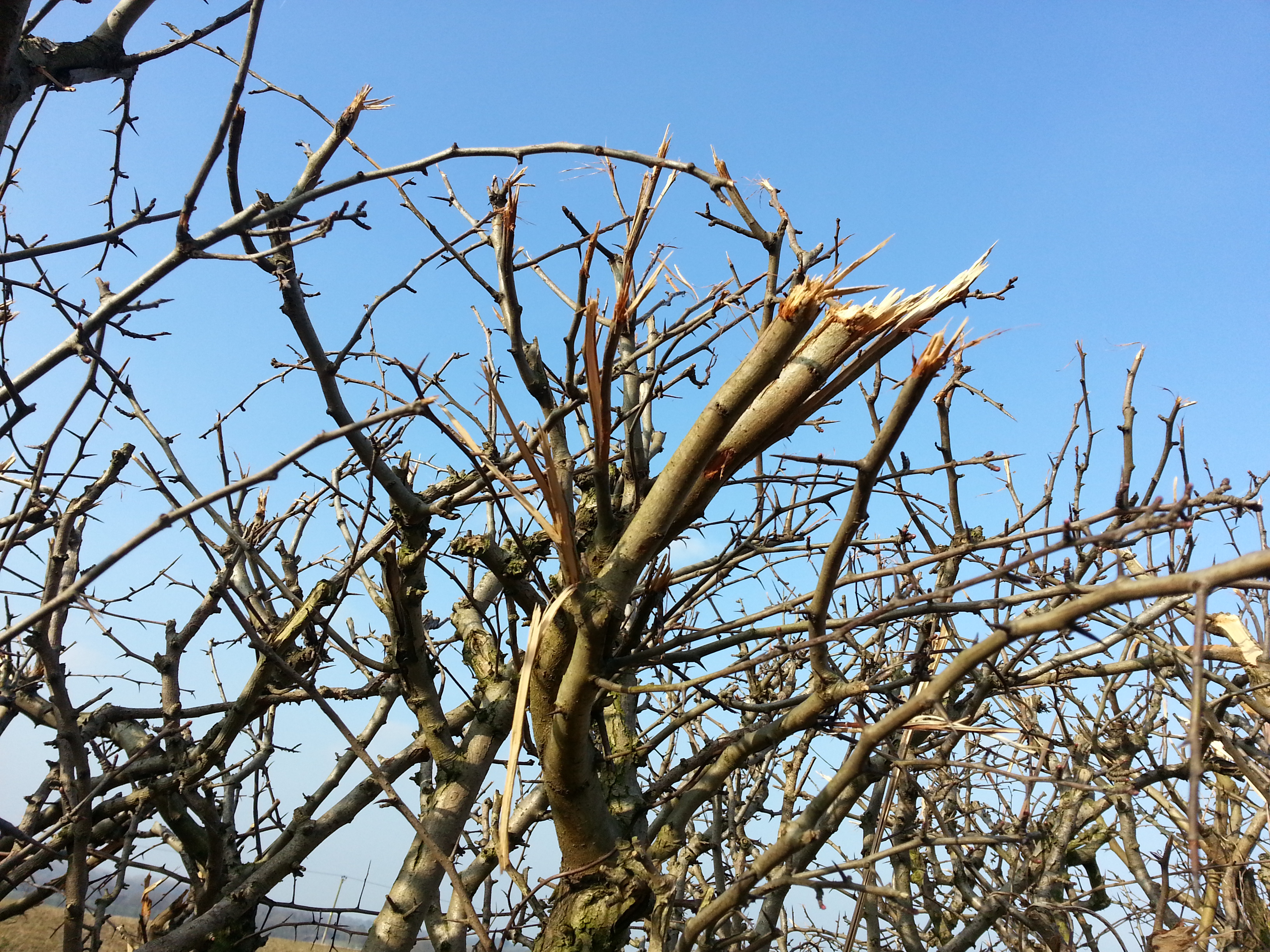
A mix of shrubs and trees have been beautifully entwined. Even trees with trunks up to 12 inches thick have been split and layered. It is easy to see how impenetrable to stock these layered hedges are.

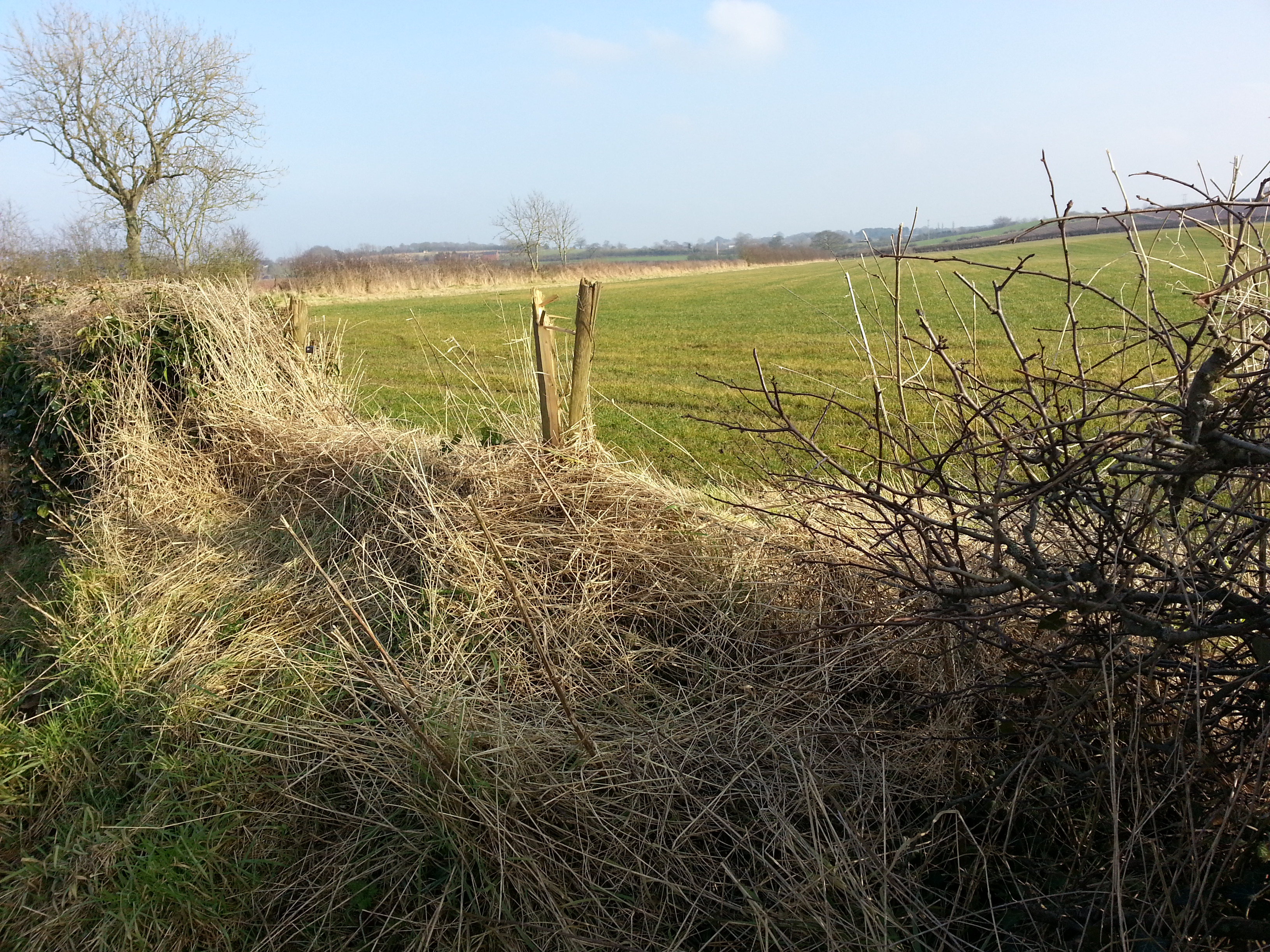
We were lucky to find  this other hedge in the process of being layered so took some pics. It would have been even luckier if the hedge layer was still around for me to photograph him at work but it must have been his day off!

 hedge 11 hedge 10 hedge 12

So those are good examples which are few and far between. The bad and ugly are sadly much more common now, hedges cut by machine, slashed to create ugliness. Some of the cutting blades on these machines seem blunt or perhaps inappropriate for the job in hand.  Thicker branches get torn and slowly after a few years these hedges get thinner so are poor as stock proof barriers and even poorer wildlife habitats. Whole sections disappear and tend to be replaced with fencing so the wildlife benefit is lessened further. When the hedge cutter in his tractor cab comes across trees, whatever their size they are cut just the same. The old oak in the photos below had its lower branches hacked off.

hedge 4 hedge 8 hedge 7 hedge 6 hedge 5 hedge 3 hedge 2 hedge 1

The messy hedges that are left are a waste of time, too thin to keep stock in and of little use to wildlife and too thin to allow the usual wildflowers associated with a hedge’s shelter and shade to thrive.

What the answer is to improving hedgerow management in a wildlife friendly manner is difficult to come up with. The agricultural industry in the UK needs to rethink, look again at the idea of countryside stewardship and responsibilities towards the land.

Here endeth my major rant for 2013!

Categories
colours community gardening garden photography gardening ornamental trees and shrubs shrubs Winter Gardening winter gardens

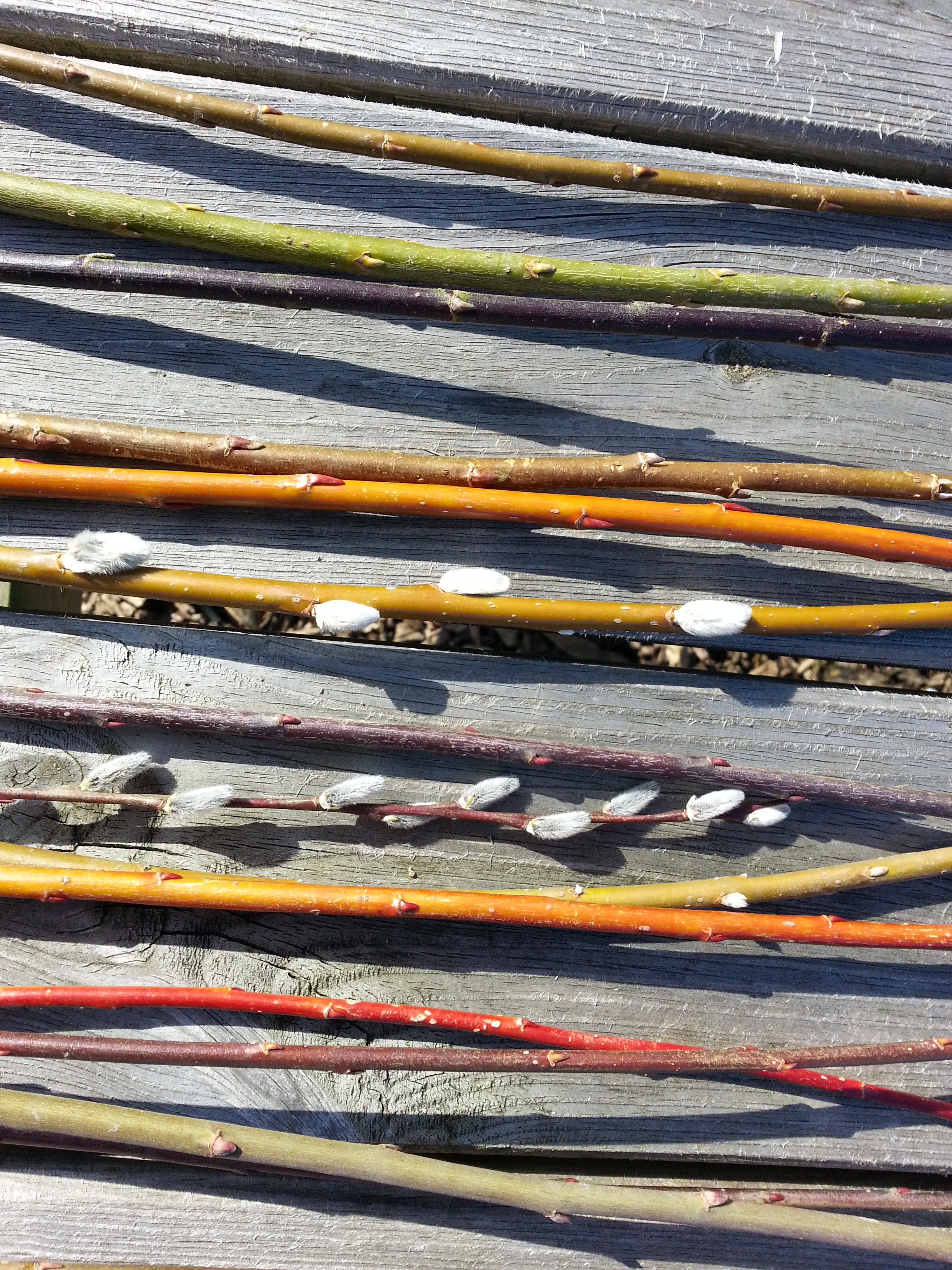
Stems of dogwoods and willows at BAC

Earlier in the winter I posted a blog about the value of coloured stems in our garden. We have lots more up in the community gardens on our allotment site, Bowbrook Allotment Community. Now we have a little sunshine brightening our days I thought it would be interesting to see the colours in Cornus (Dogwoods) and Salix (Willows) that we have accumulated in our 4 year development.

First though a look into my sketchpad.

DSC_0002

We put together a collection of stems of all the different Cornus and Salix  that we grow in the communal gardens and photographed them on a rare sunny day.

First the Dogwoods ….

stems 2 stems 3 stems 1

….and then the Willows.

stems 6 stems 7 stems 5

Categories
allotments colours community gardening garden photography gardening meadows winter gardens

Lottie Bulbs

A mid-February walk around our lottie site on a dull grey day was much improved by the colour of the earliest bulbs. Each autumn we invite donations of bulbs from members and now we are seeing and appreciating the results of our members’ efforts.

We grow lots of these early bulbs as they provide very early pollen for any bees that come out on mild days. We need to look after our bee friends as they help pollinate our fruit, peas and beans and many more crops.

The gold of crocuses (or should that be croci or perhaps simply just crocus?) brightens the orchard meadow.

lottie bulbs 1 lottie bulbs 2 lottie bulbs 3 lottie bulbs 4 lottie bulbs 5

Snowdrops and Winter Aconites go together like chalk and cheese. Together they light up the Winter Garden.

lottie bulbs 7 lottie bulbs 12 lottie bulbs 13

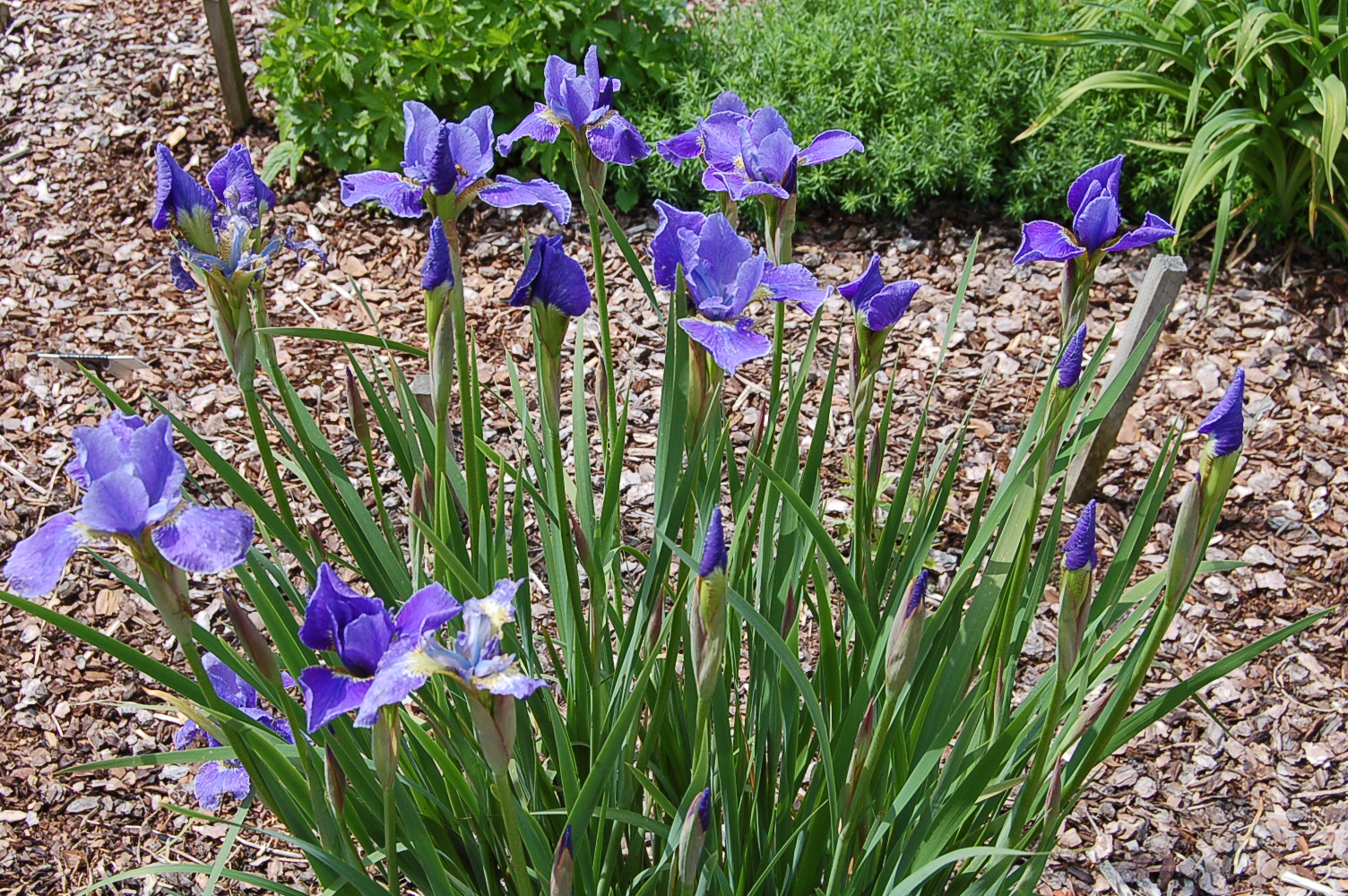
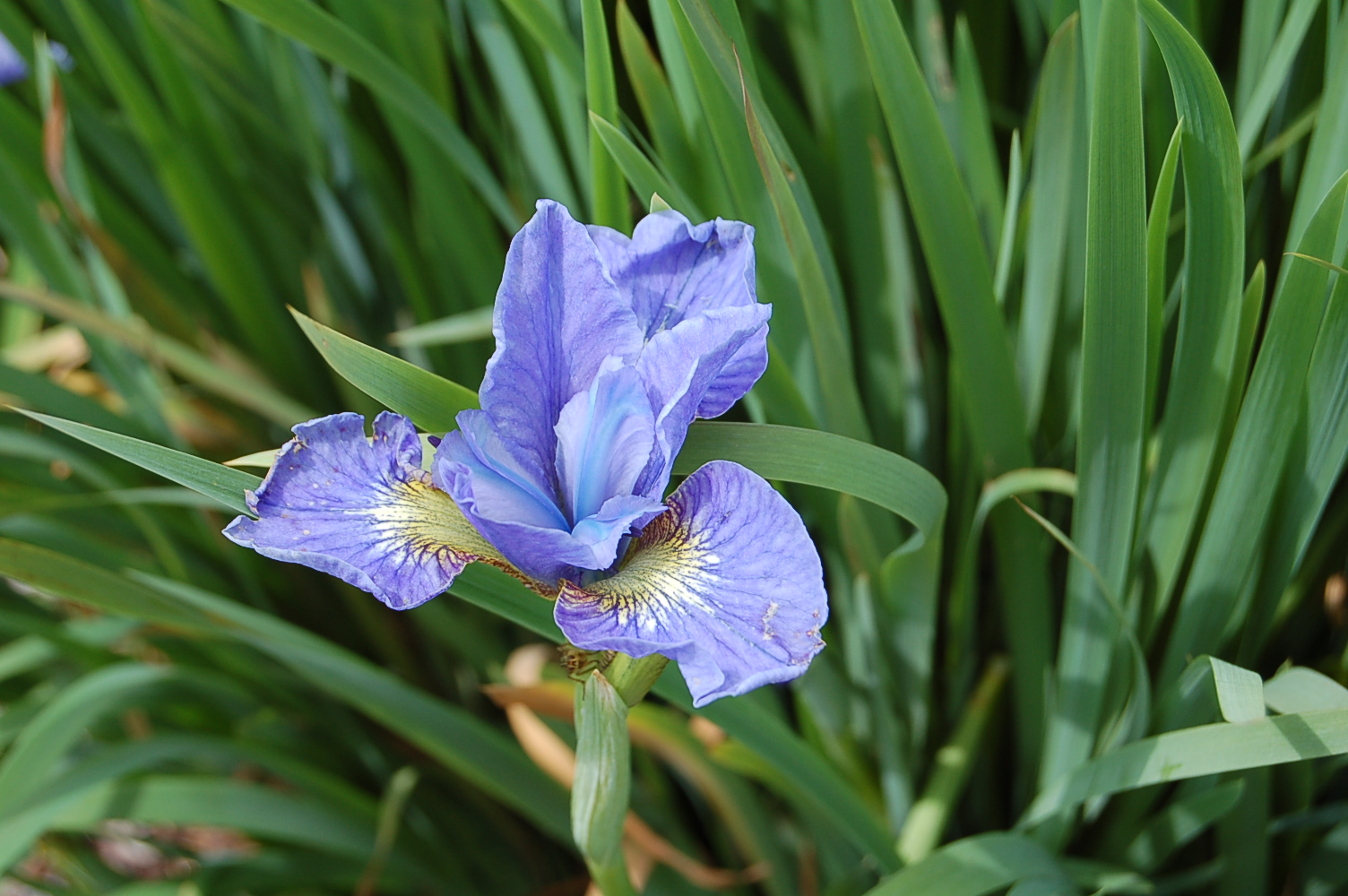
Even in the Summer Garden spring bulbs have a place. These beautiful blue iris cheer everyone up as they pass by.

lottie bulb 20 lottie bulbs 21

The tiniest and most delicate flowers of February are those of the cyclamen which mingle with the bark and fallen leaves in the Sensory Garden. The leaves have fallen from the nearby old Oak tree.

lottie bulbs 22 lottie bulbs 23

Accidental juxtaposition of plants often give the best combinations. These crocus surprised us when they chose to flower above the bronze leaves of a Saxifraga.

lottie bulbs 26 lottie bulbs 28

We now eagerly await the masses of Daffodils planted around the site and on the grass verges outside our gates. They will be closely followed by the Tulips in their myriad colours.

Categories
Uncategorized

Thanks

I have been nominated for three awards in the last few days so this is a thank you message to The Garden Smallholder for nominating me for the One Lovely Blog Award and the Very Inspiring Blogger Award and to Ariston Organic for nominating my “Echinacea the Coneflower” post for a Very Inspiring Blogger Award.

blog-award-2

As a part of accepting these awards I have to say 7 things about myself and pass on the awards to 10 other bloggers.

So here are 7 things about me –

1 My middle name is Arthur after my Grandad who called me his Little MacGregor.

2 I am building up my Flickr Photostream but it is taking me ages.

3 I am an obsessive seed sower.

4 My Daughter keeps reminding me of the time I dropped her in the snow in order to save my Nikon from falling into it.

5 I became a fisherman when I was 4  and still love fishing 57 years later.

6 I am rekindling my love of painting.

7 I enjoy the work of land artists such as Andy Goldsworthy and Richard Long and sculptors who work with nature such as David Nash and Peter Randall-Page.

My 10 blogs I want to nominate for these two awards are

1 thescottishcountrygarden

2 mybeautifulthings

3 allotmental

4 grandparentsplus2

5 the pyjama gardener

6 pbmgarden

7 gettin’ fresh!

8 The Gardening Canuck

9 Penny’s Garden; a harvest beyond my front door

10 Christy’s Cottage Wildlife Garden

I appreciate that not all bloggers like the idea of awards. Please accept my nomination as an appreciation of your blog.

If you accept the awards please follow these “rules”.

1 Thank the person who nominated you.

2 Add the awards to your blog.

3 Share 7 things about yourself.

4 Pass the awards on to 10 nominees.

5 Include this set of rules.

6 Inform your nominees by posting a comment on their blogs.


Categories
autumn autumn colours garden design garden photography gardening gardens open to the public ornamental grasses ornamental trees and shrubs photography

Looking Back Two – Trentham

In this post in my series featuring looking back at gardens visited in 2012, I will share photographs of an autumn visit to the wonderful Trentham, one of our favourite places to visit.

We took friends Jean and Tony with their granddaughter Lucy to share our enjoyment of this latest of our regular visits to these wonderful gardens designed by favourites, Piet Oudolf and Tom Stuart-Smith.

Perhaps this sign in the first photo is inviting us to get lost in wonder.
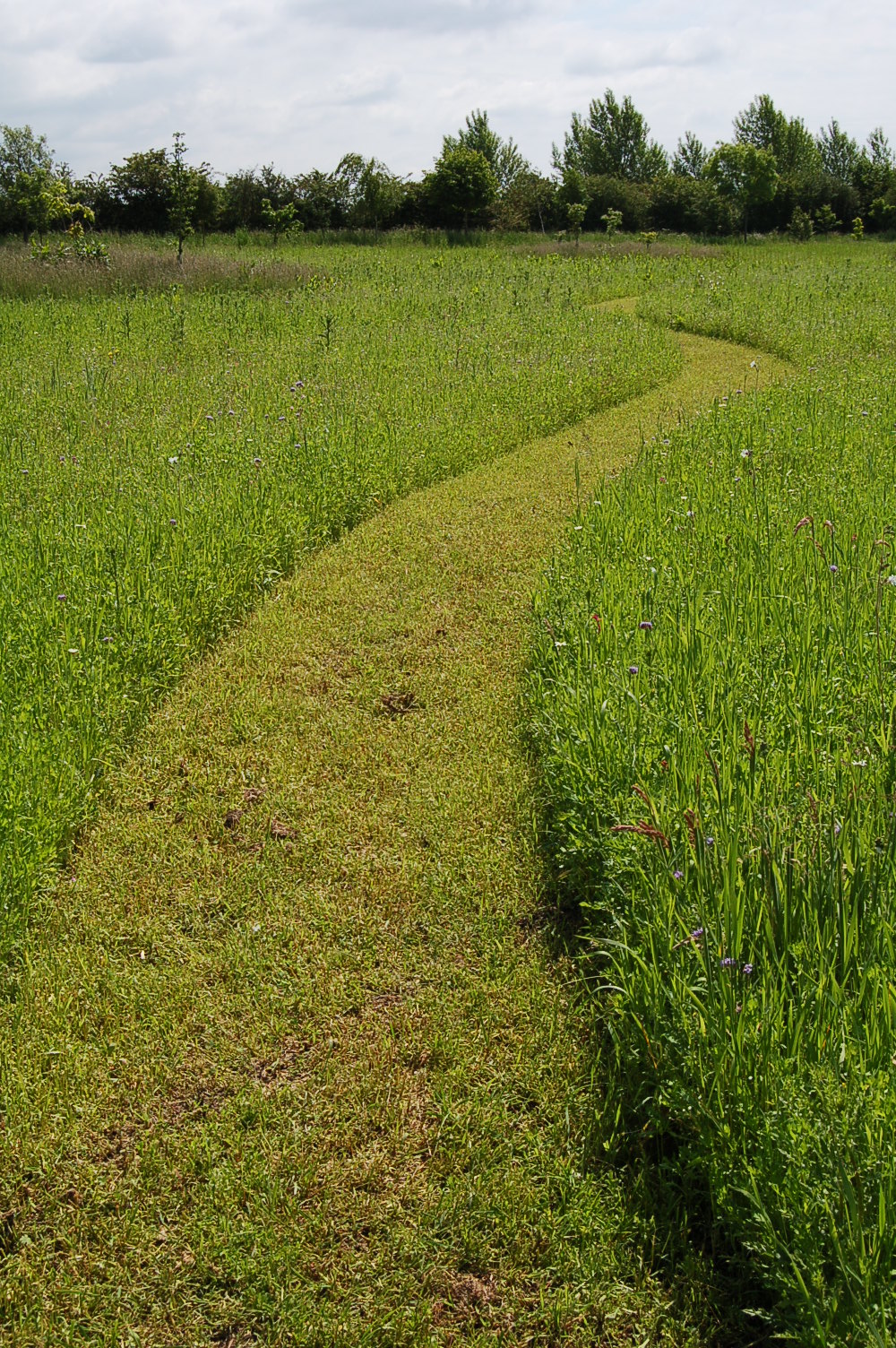
DSC_0001 DSC_0002 DSC_0003

The garden is still full of colourful flowers in October. Each flower colour is enhanced by the gentle neutral shades of the grasses.
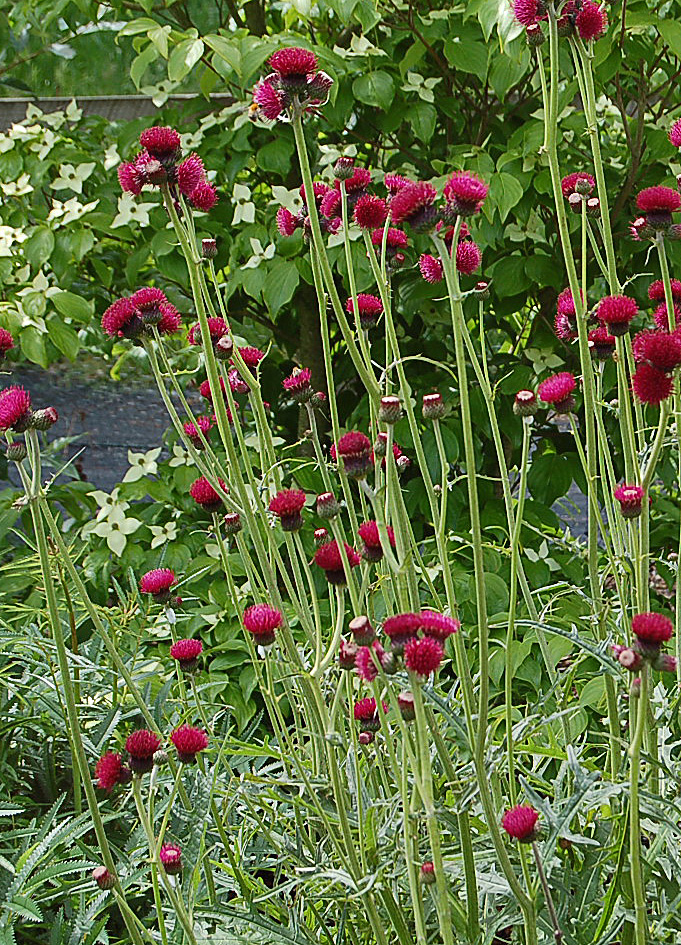
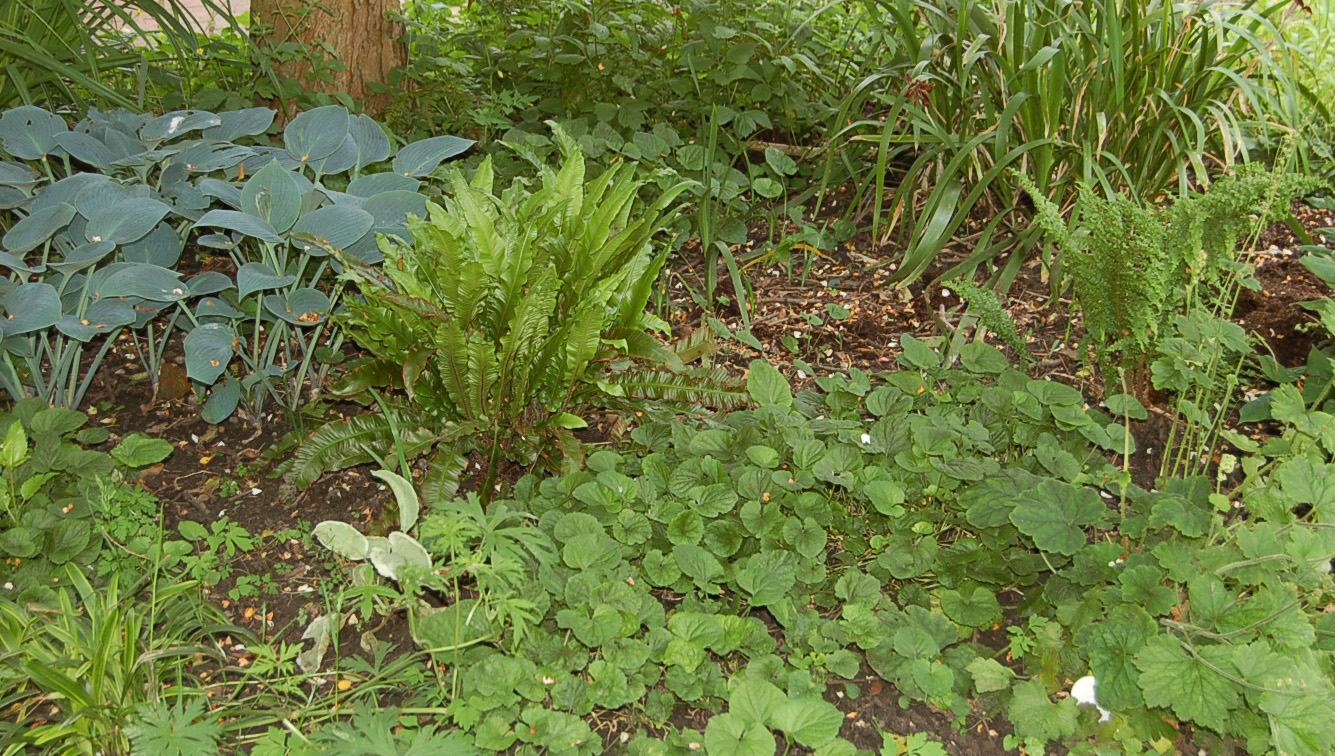
DSC_0005 DSC_0006 DSC_0007DSC_0010 DSC_0011 DSC_0012 DSC_0013

Lucy needs regular re-fuelling! She also needs time to play and enjoy an occasional sit down.

DSC_0014 DSC_0025DSC_0027

Through windows and doors. DSC_0028 DSC_0029

DSC_0008

DSC_0026

 Trentham once again provided us a real treat. We’ll be back again soon.

Categories
colours garden design garden photography gardening grasses hardy perennials ornamental grasses ornamental trees and shrubs shrubs Winter Gardening winter gardens

A February Bouquet

DSC_0006nm

Nothing seems to have changed much in the garden since my “Bouquet for January” post. The ever-changing weather, moving from cold to very cold and back again appears to have stagnated growth. The first daffies have just opened and crocus in various colours are appearing around the borders.

DSC_0039n

There is a much wider range of Hellebores to enjoy though. I love having to bend down and lift their heads to find the secrets of their hidden beauty. Enjoy my Hellebore gallery.

The Prunus subhirtela autumnalis flowers have been browned by the weather and we have cut down many of the grasses and perennial seed heads. Now the garden is looking empty  but as a result of our tidying up we can appreciate the importance and impact that foliage plays in the February garden. Grasses and Phormium join with shrubs such as Pittosporum to give interesting colours and leaf patterns.

One of my favourite garden plants is the simple and much-maligned Bergenia. At this time of year the leaves take on deep shades of green, red and purple and the first of their flowers start showing colour before being lifted up on strong stems later on.

DSC_0048 DSC_0025 DSC_0021 DSC_0020 DSC_0014

Let us finish February off by wishing for signs of spring. Some sunshine perhaps? Blue sky? Just a few degrees more?

Categories
colours garden photography indoor plants photography

Jude’s Orchids

Orchids are by far the Undergardener’s favourite indoor flowering plants. She always has several in flower in every month of the year including February when their wonderful, unusually coloured and uniquely shaped flowers are so welcome.

Photographing them was more of a challenge than I thought. I wanted to show their colours, patterns on their petals, their satin-like texture and above all that special presence they possess. So, please check out my orchid gallery and see what you think.

Categories
garden design garden photography gardening gardens open to the public National Trust NGS photography Shropshire South Shropshire The National Gardening Scheme" The National Trust trees

Looking Back One – An Hour at Croft Castle

This is the third in the series of posts looking back at garden visits we enjoyed last summer and autumn. Here we shall remember our autumn visit to the grounds of Croft Castle in South Shropshire.

Croft Castle is a favourite National Trust property. We often visit to enjoy a walk around the gardens and take tea in the teashop. On this autumn day we only had a short time but still managed to do both!

Croft is famous for its ancient avenue of Sweet Chestnut trees which are now sadly coming to the end of their lives. Their gnarled, pitted bark shows their great age and makes you imagine just what they would have seen going on under their boughs and all around them over the centuries. If only they could tell.

SAMSUNG

SAMSUNG  SAMSUNG SAMSUNG SAMSUNG SAMSUNG SAMSUNG SAMSUNG  Autumn was descending on the walled gardens. SAMSUNG SAMSUNG SAMSUNG SAMSUNG  SAMSUNG SAMSUNG SAMSUNG  SAMSUNG SAMSUNG SAMSUNG SAMSUNG SAMSUNG SAMSUNG SAMSUNG SAMSUNG SAMSUNG   SAMSUNG

This Veggie Life

A Vegetarian | Nature Lifestyle Blog

Rambling in the Garden

.....and nurturing my soul

The Arch City Gardener

Journeys In St. Louis Gardening and Beyond

Garden Dreaming at Châtillon

Consult the genius of the place

Storyshucker

A blog full of humorous and poignant observations.

gardeninacity

Notes from a wildlife-friendly cottage garden

PlayGroundology

...an emerging social science

The Official Blog of British Wildlife

'The most important and informative publication on wildlife of our times' - The Independent. This blog is a member of The UK & Ireland Natural History Bloggers group: www.uknhb.blogspot.com

iGrowHort

Inspire - Cultivate - Grow Native Plants - Restore Landscapes

Bishops Meadow Trust

To create and protect a semi-natural wild space for the people of Farnham to enjoy and experience an array of British wildlife in our town

Gardening with Children

The www.gardeningwithchildren.co.uk Blog

UKbirdingtimeline

birding through the seasons, why birds matter and how to conserve them

NATURE WALKER

with a camera in hand

Jardin

Transform your outdoor space

Eva's space

My allotment, cooking and other interests

Old School Garden

my gardening life through the year

LEANNE COLE

Trying to live a creative life

fromacountrycottage

trying to live as lightly as possible on our beautiful planet

Good Life Gardening

Nature lovers from Leicester living the good life.

mybeautfulthings

Finding the beautiful in the everyday

mawsonmichelle

Michelle's Allotment

In and Out of My Garden

thoughts from and about my garden

Greenhousing

Big plans for a small garden

The Scottish Country Garden

A Walled Country Garden in South East Scotland

The Fruity Chicken

Life at the fruity chicken

willowarchway

Off grid living. Self sufficient. "PERMAGANICS RULE".

St Anns Allotments

Nottingham's Grade 2* Listed Allotments and Community Orchard

Manifest Joy Harvests

a journey in suburban vegetable gardening

Allotmental

The madness of growing your own

Penny's Garden: a harvest beyond my front door

A novel approach to vegetable gardening

arignagardener

Sustainable living in the Irish countryside.

NewEnglandGardenAndThread

Master Gardener, amateur photographer, quilter, NH native, and sometimes SC snowbird

dianajhale

Recent work and work in progress and anything else that interests me

planthoarder

a chaotic cottage gardener

Lens and Pens by Sally

a weekly blog that creates a personal philosophy through photographs and words

Dewdrops and Sunshine

Stories from a sassy and classy Southern farmbelle.

The Pyjama Gardener

Simple Organic Gardening & Seasonal Living

gettin' fresh!

turning dirt into dinner

JOY...

today the world is created anew

Garden Birds

Notes from a Devon garden

ShootAbout

Life Through The Lens

Adapting Pixels

A photography blog showcasing the best photography pictures and videos on the internet

Wildlifegardening's Blog

Just another WordPress.com site

naturestimeline

personal observations from the natural world as the search continues for a new approach to conservation.

LATEBLOOMERBUDS

The Wonders of Life through my Eyes, my Heart, my Soul