Back to Bluebell Arboretum for a look at their collection of my favourite trees, the Birches. Browse the photos below and you will see why.
Betulas are particularly popular at the moment because of an interest in coloured and textured bark. This is coupled with a surge of interest in the creation of winter gardens within major gardens open to the public, an interest influencing plantings in smaller private gardens. I thought a gallery of our favourites at Bluebell would show the amazing variations.
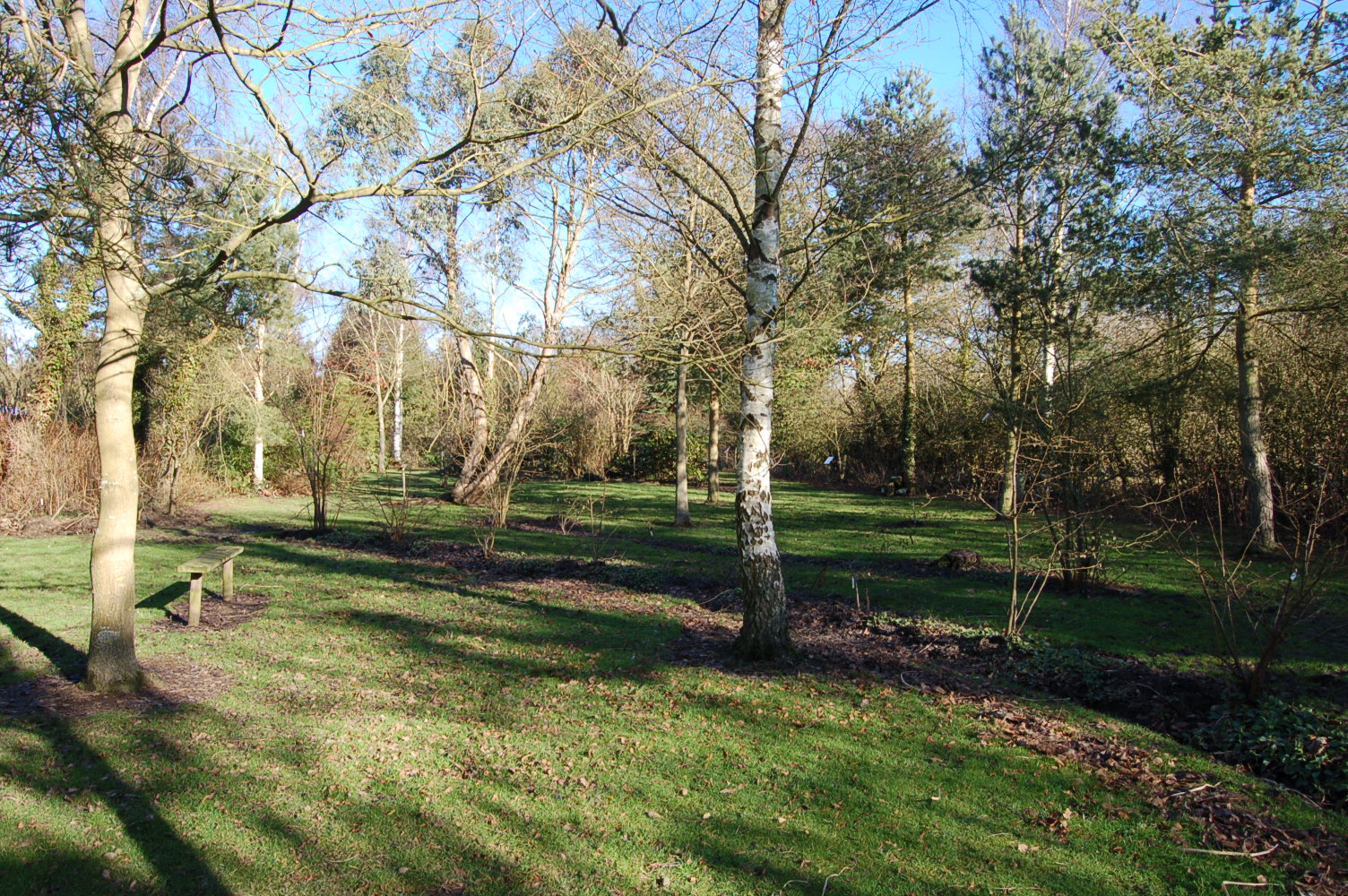
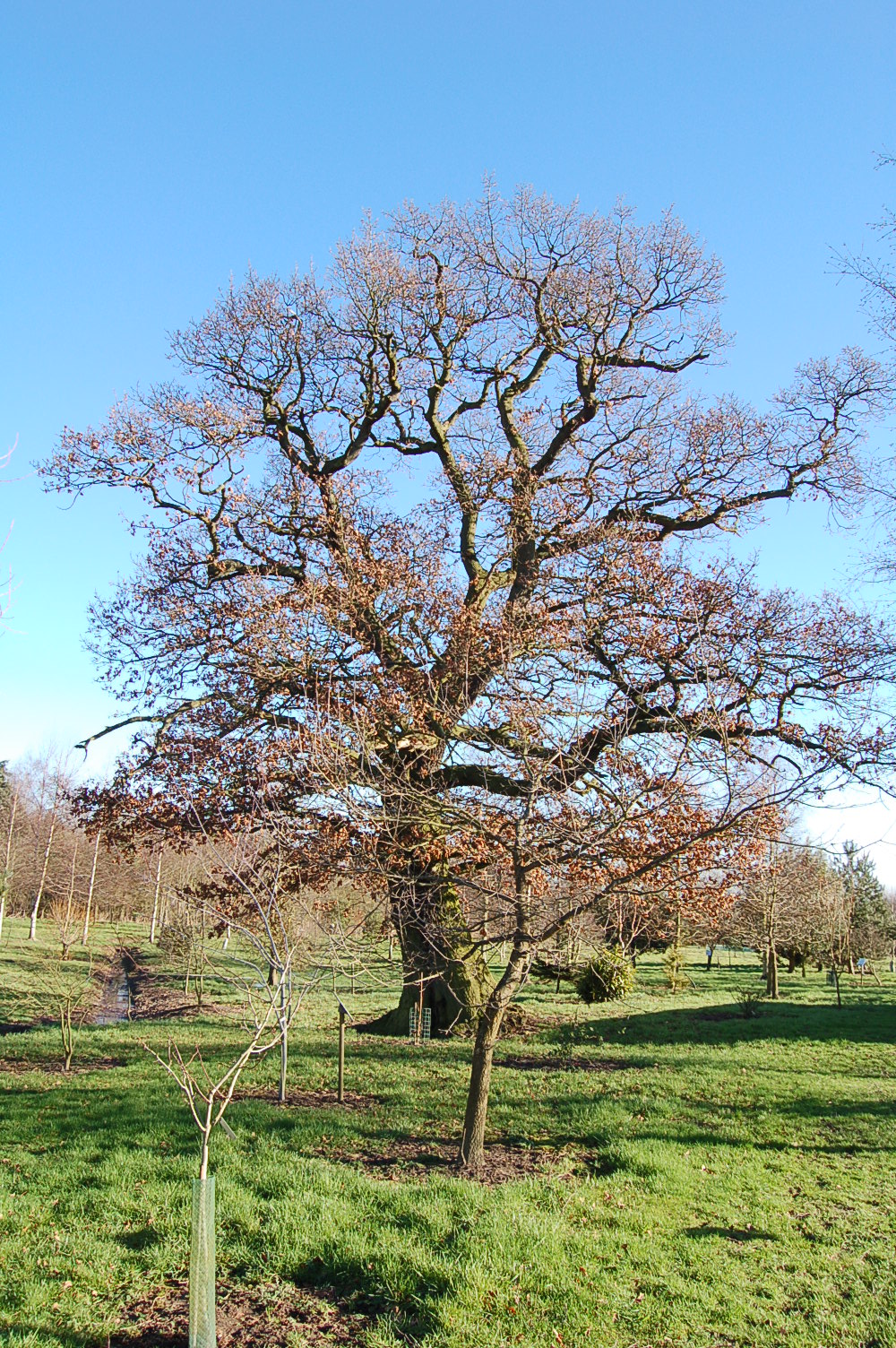
We recently spent a morning at Bluebell Arboretum in Leicestershire, a return visit in fact as we visited it many years ago. It is a young arboretum and small as arboreta go which gives it an intimate, manageable feel.
As we approached the wooden cabin that acts as reception, the door creaked open, “I see you have your walking boots on! I wouldn’t recommend you go around if you hadn’t.” Apparently we had arrived the day after a foot of snow had melted onto already water-logged ground. It was wet so we splashed and slid with great care around boggy pathways, but the trees that greeted us made it all worthwhile.
We are great fans of Betulas (birches) and Acers (maples) and here we found many to admire. We admired them for their profile, their bark texture and colour.
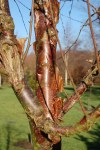
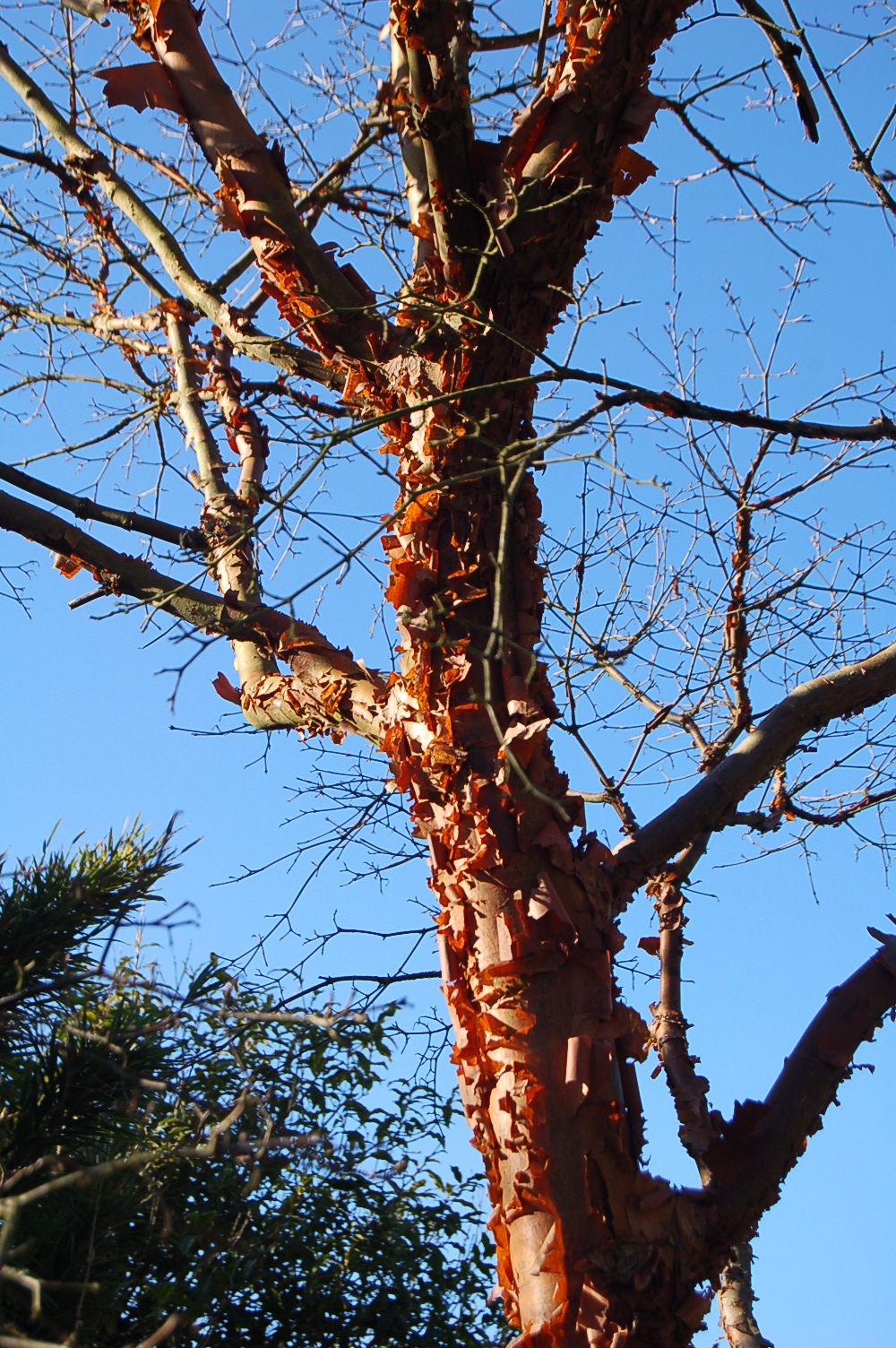
Acer griseum is a classic winter garden tree, with its silky-smooth, shiny mahogany bark. the thinnest of slithers peel off, curl and catch the low winter sun. It has a perfect common name, the Paper Bark Maple. It appears to be wrapped in sparkling, shining and very fancy wrapping paper
Acer griseum
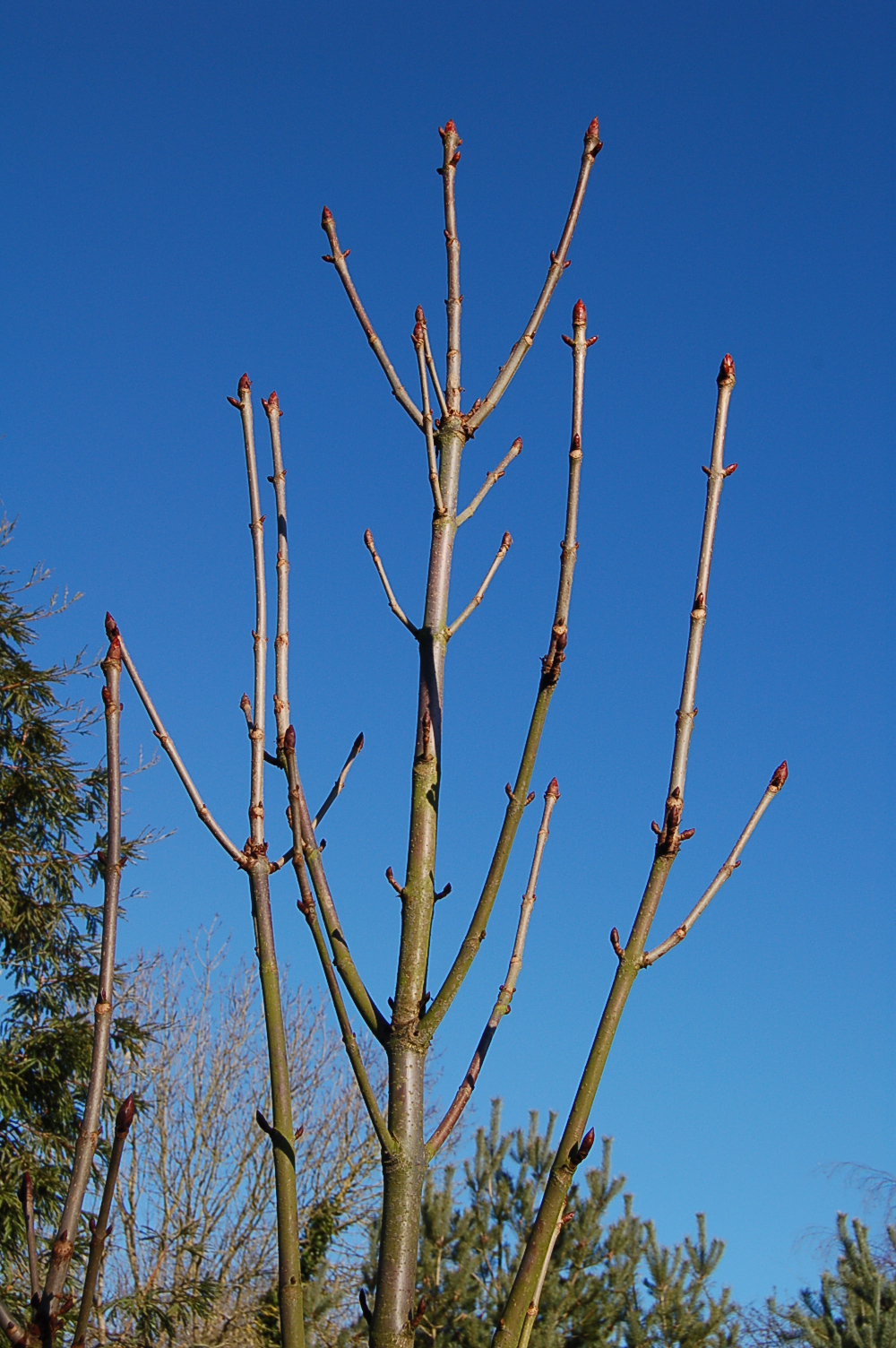
Another Acer that caught our eye, similarly had beautifully coloured bark, was Acer x conspicuum “Phoenix”. The bark on this Acer though was silky smooth.
Acer x conspicuum “Phoenix”
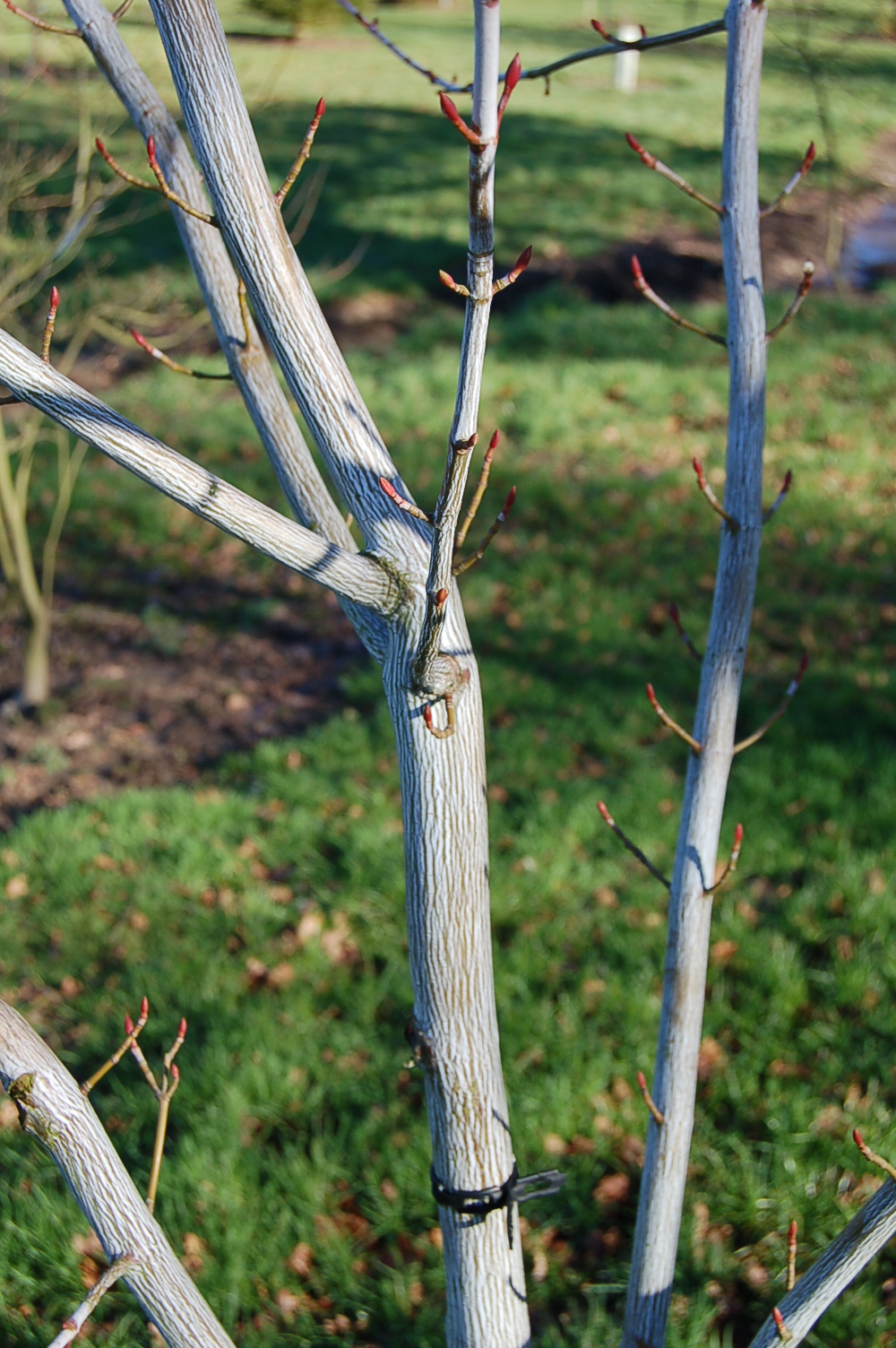
The celebrated Snakebark Maples need to be studied close up where the delicately textured and multi-coloured bark can be fully appreciated.
Acer tegmentosum – The Amur Maple.Acer davidii
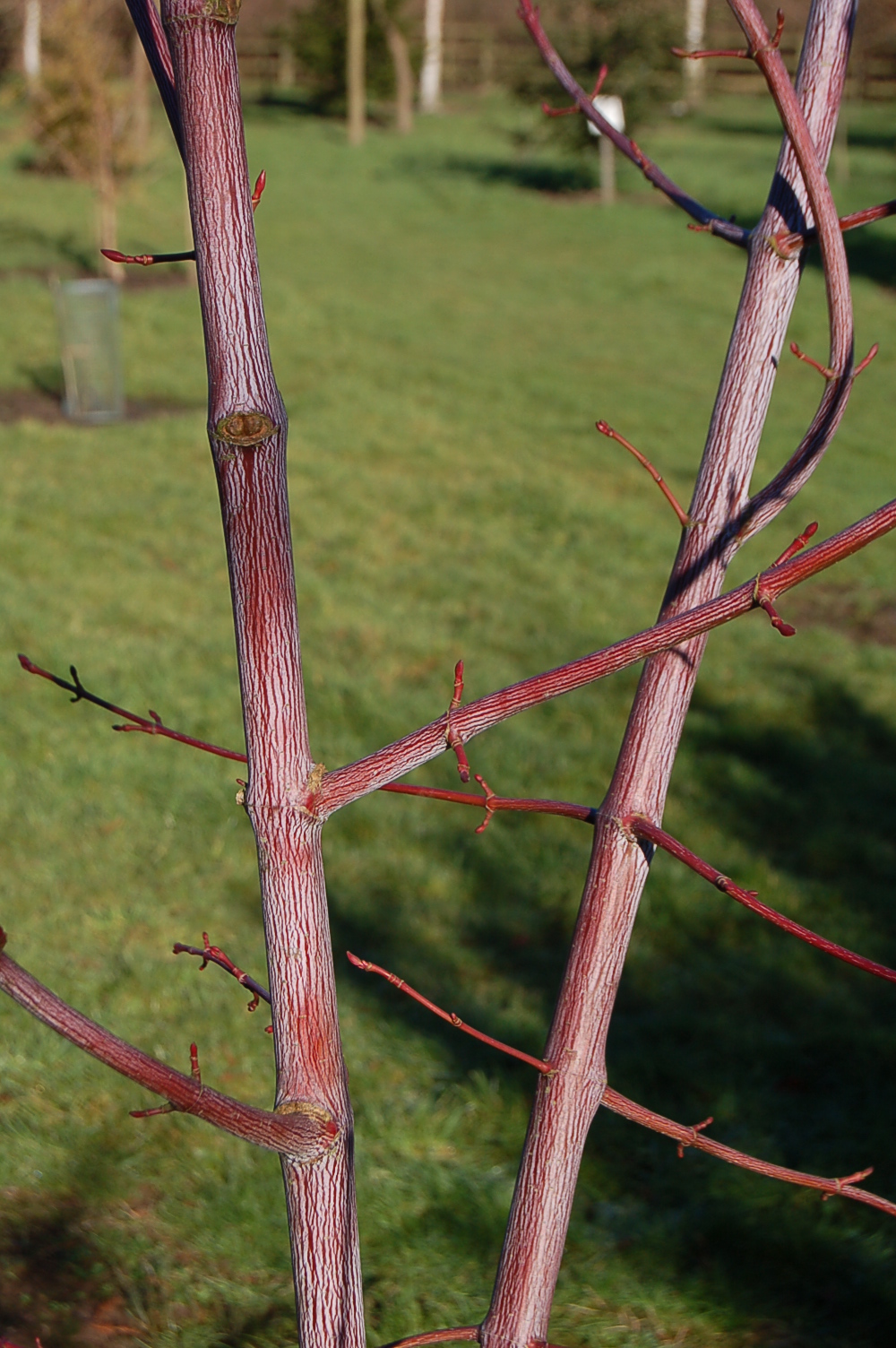
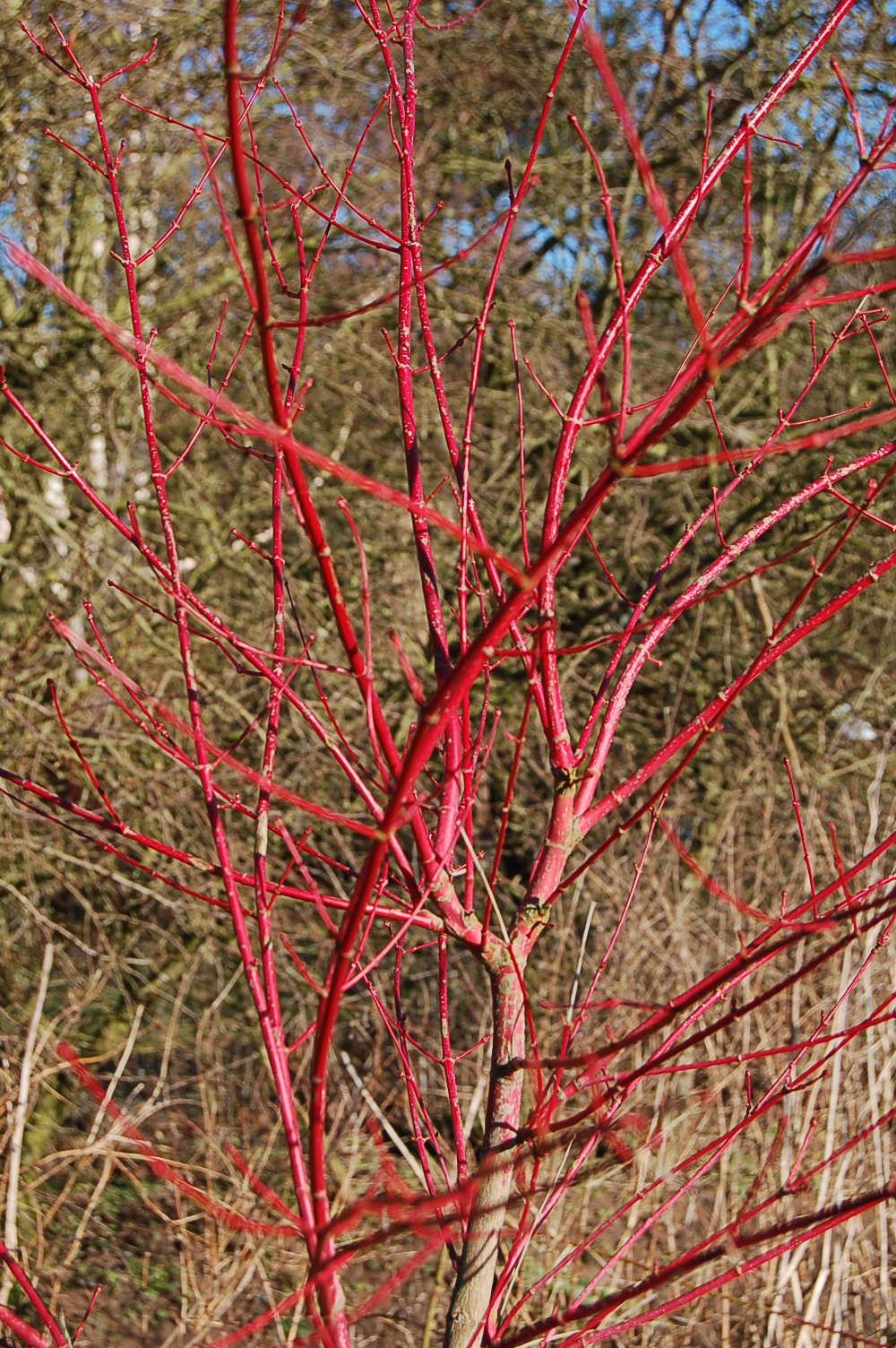
The type of Acers most frequently grown in smaller gardens and arboreta alike is Acer dissectum, grown for its leaf colours, the fresh young growth in spring, the rich summer colour and perhaps most of all for the extravagent autumn colours. But at Bluebell Arboretum we discovered this variety, “Eddisbury” which had another layer of interest and an extra reason for growing it, the beauty of its stems.
Acer dissectum “Eddisbury”
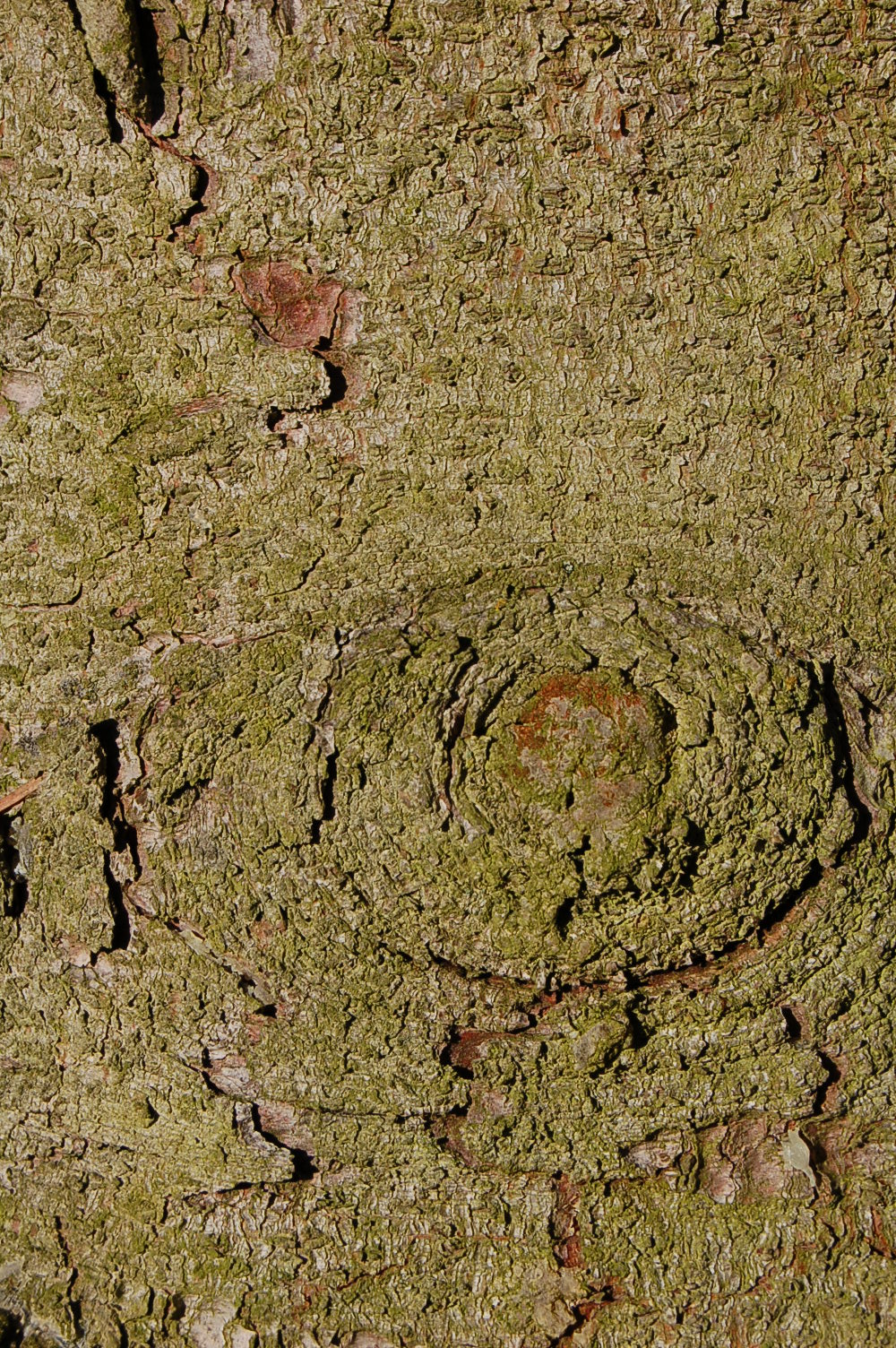
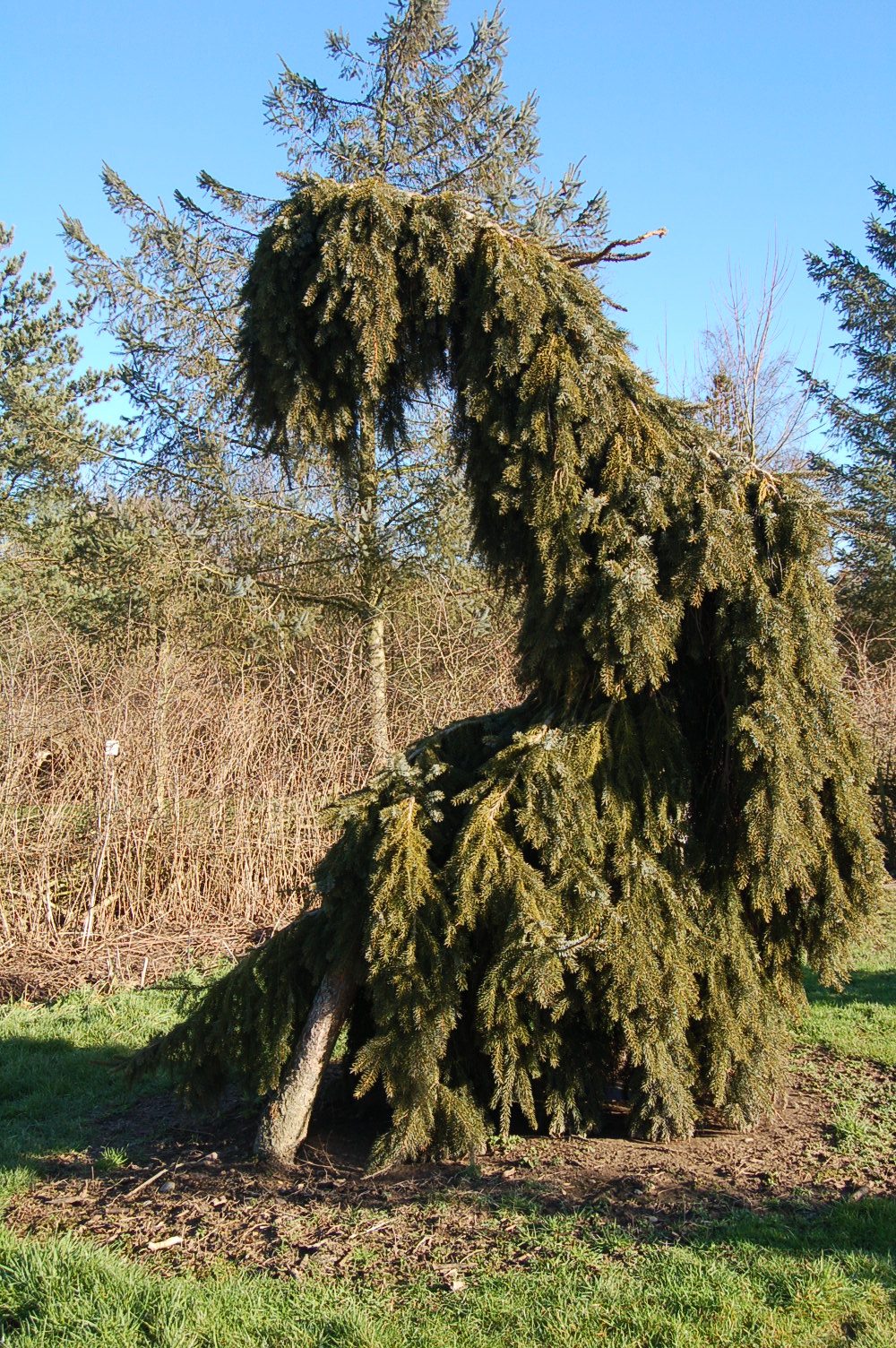
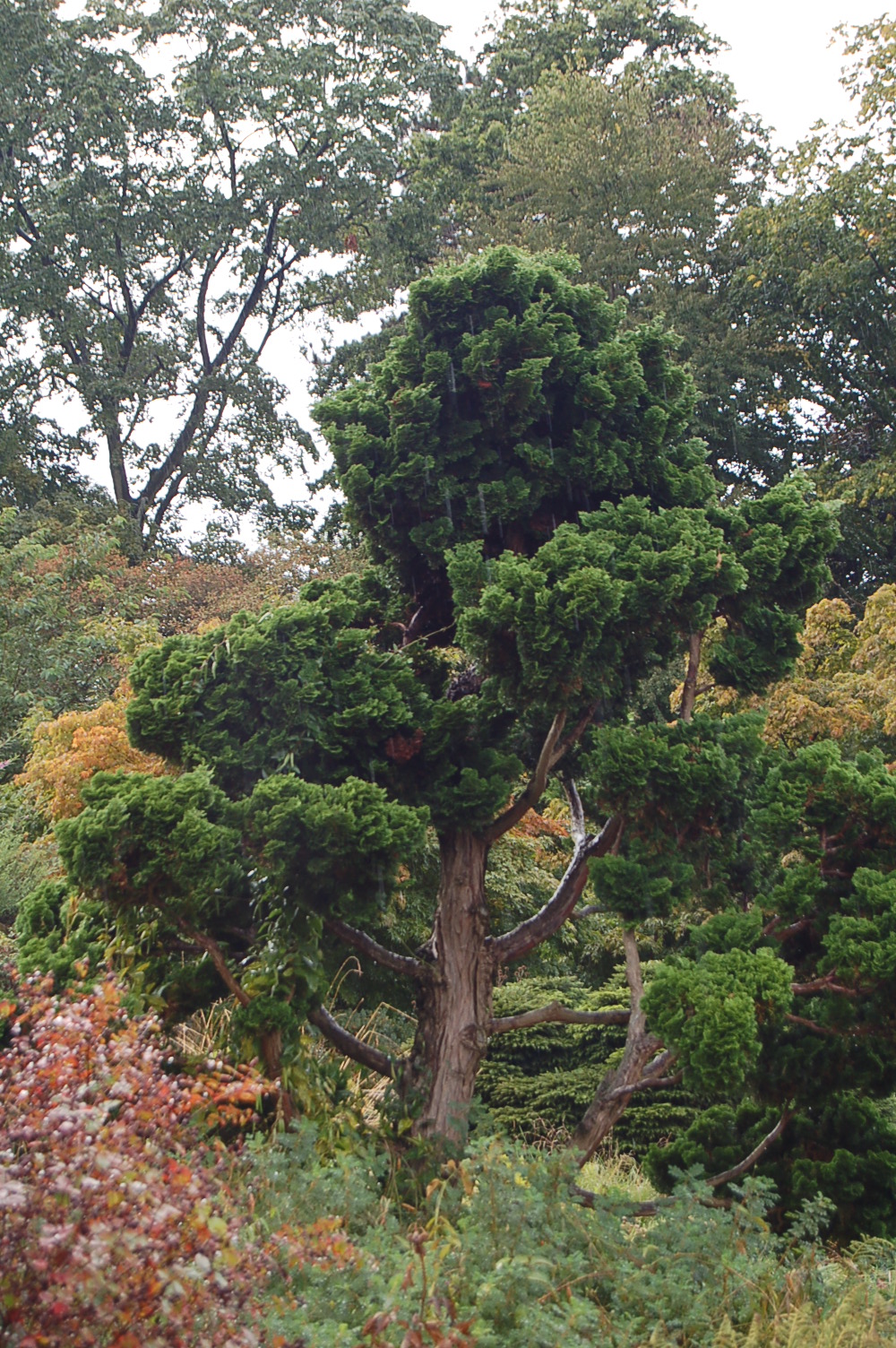
I am not a great fan of conifers but two caught my eye, both Piceas. One had bark with eye shapes and the other an amazing profile.
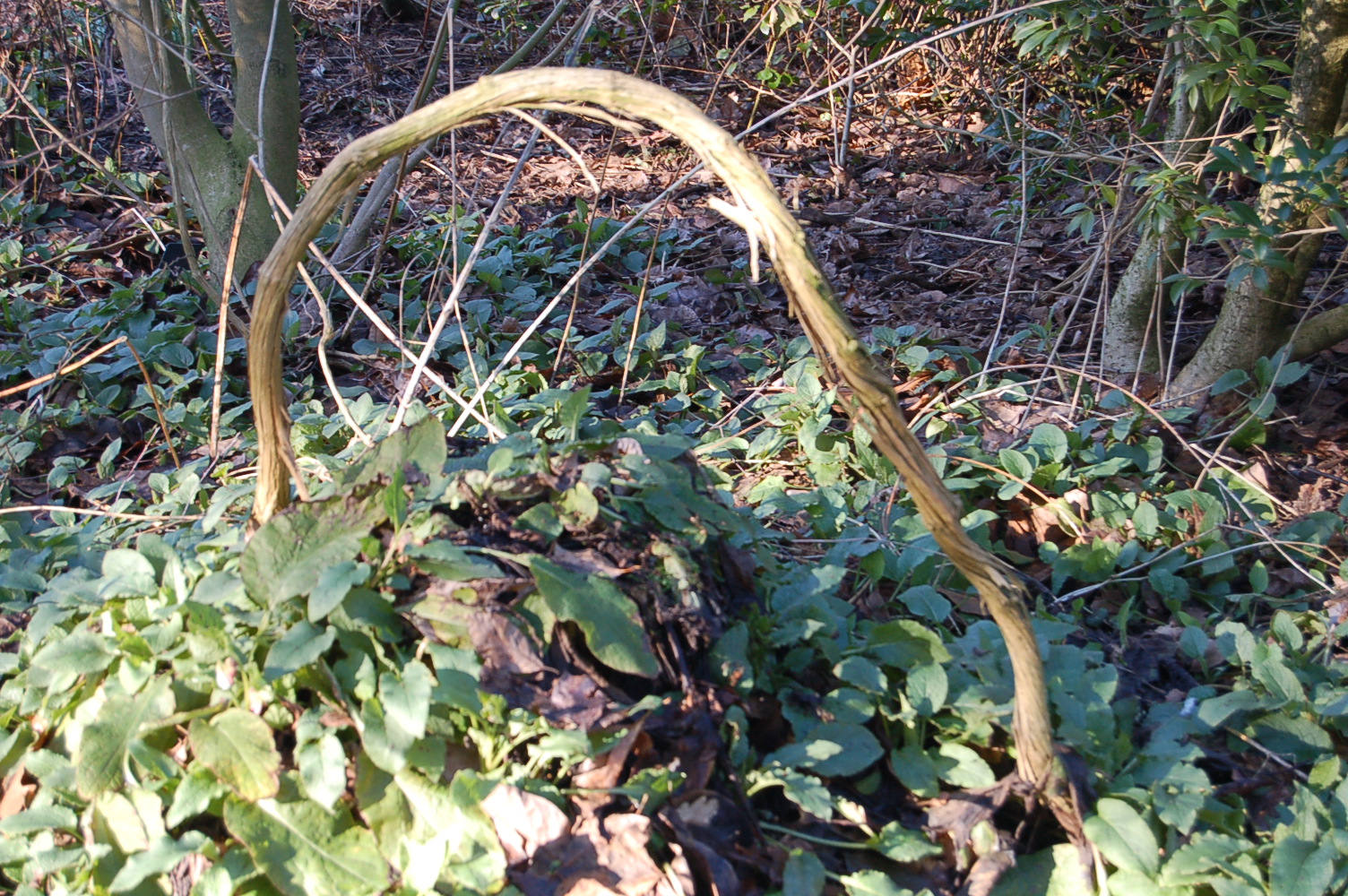
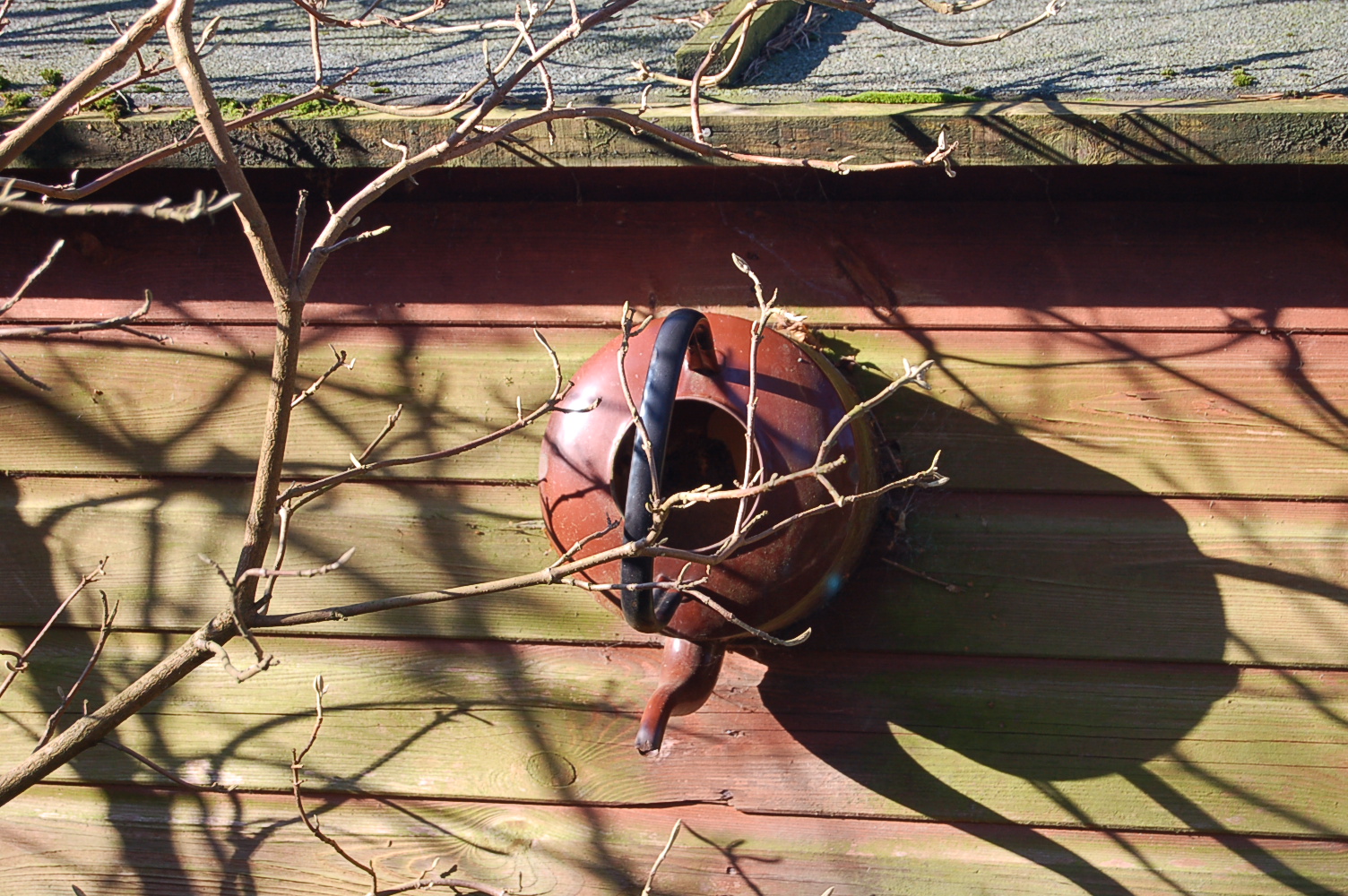
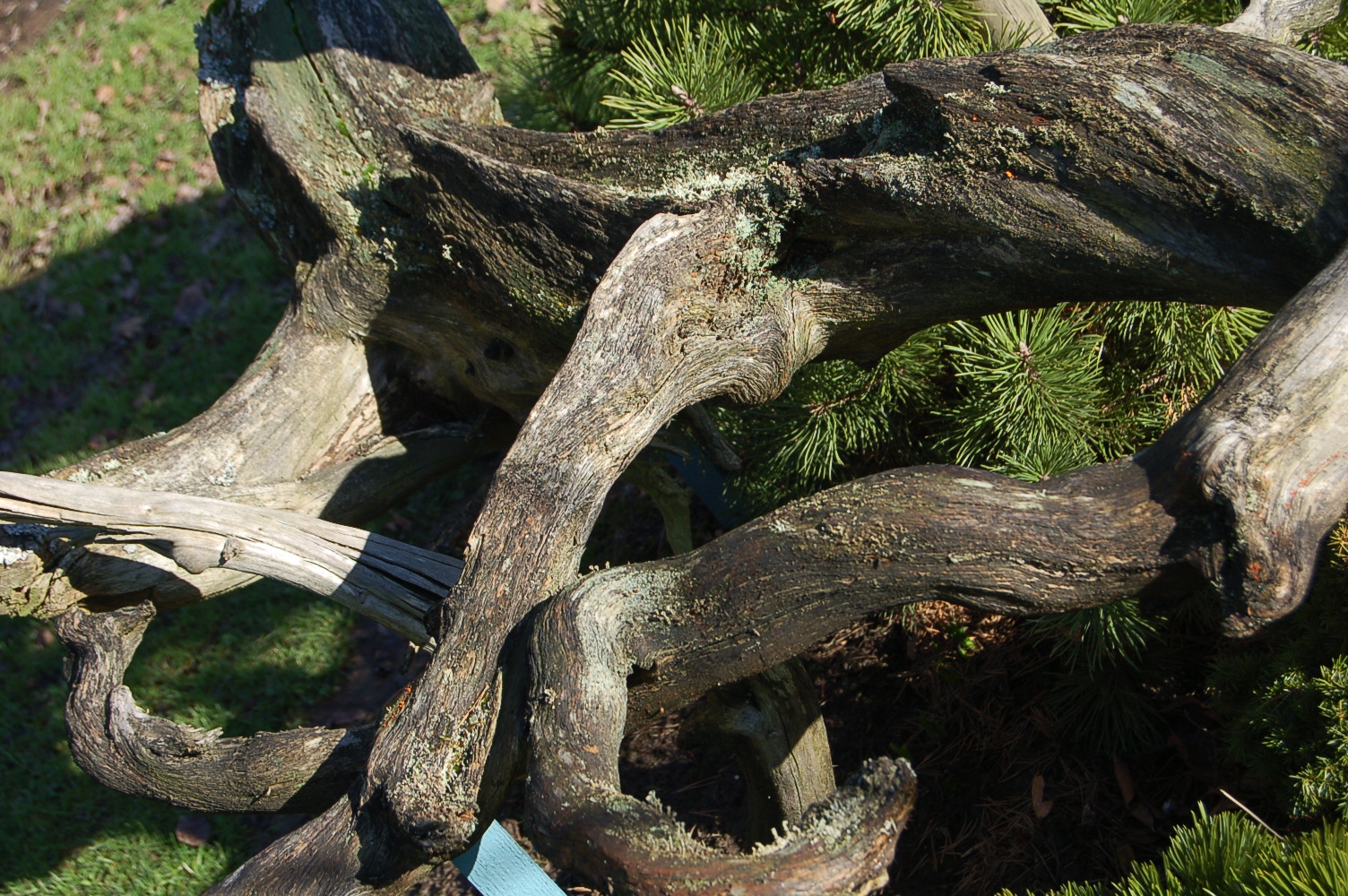
If the amazing trees of Bluebell weren’t enough for the gardener to delight in, other points of interest are there to catch the eye. An archway of clematis, a petrified tree stump, a kettle Robin nestbox, a logpile for beetles, an interesting old stump and another stump with rings making a picture reminiscent of an ammonite fossil.
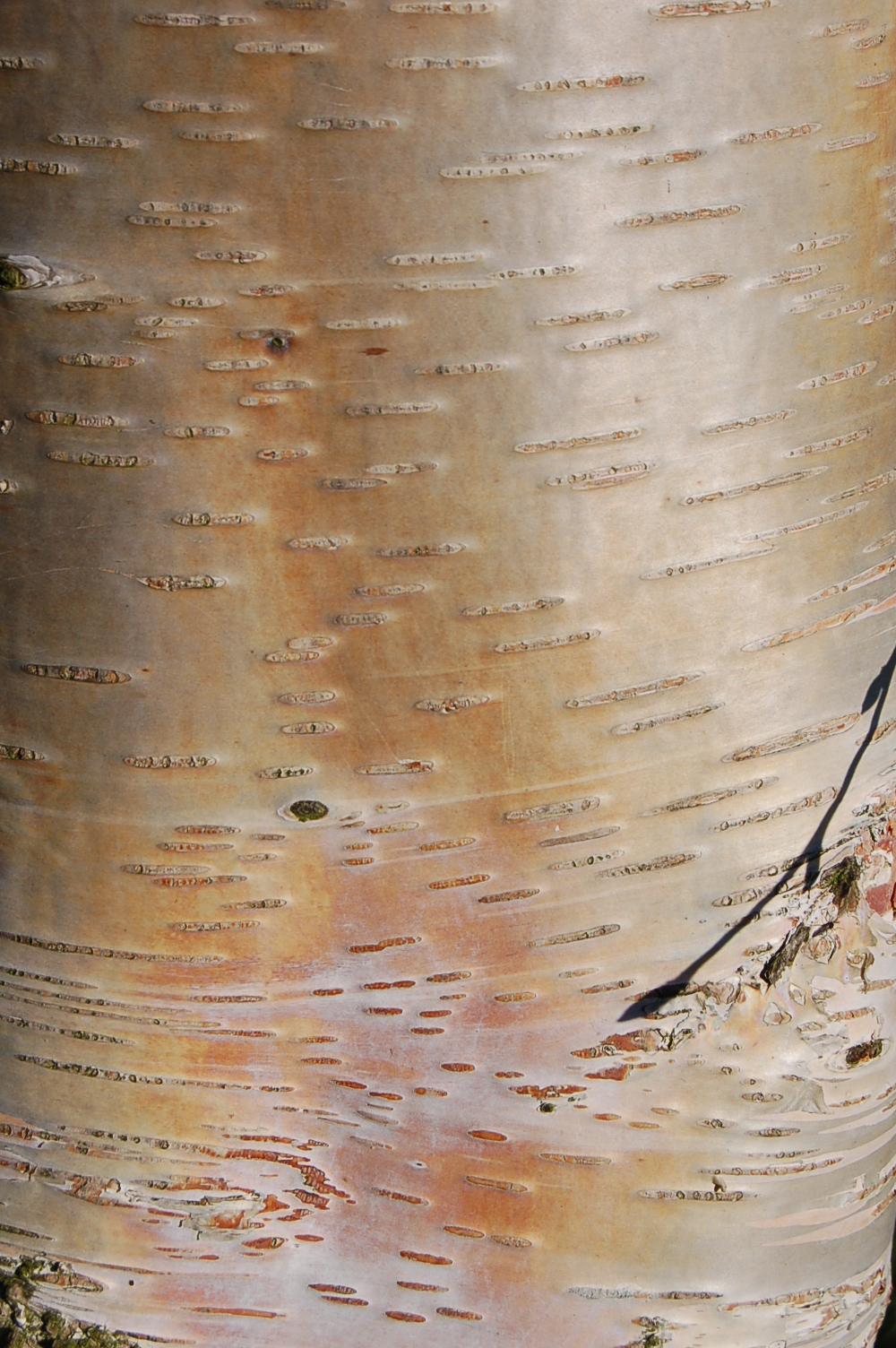
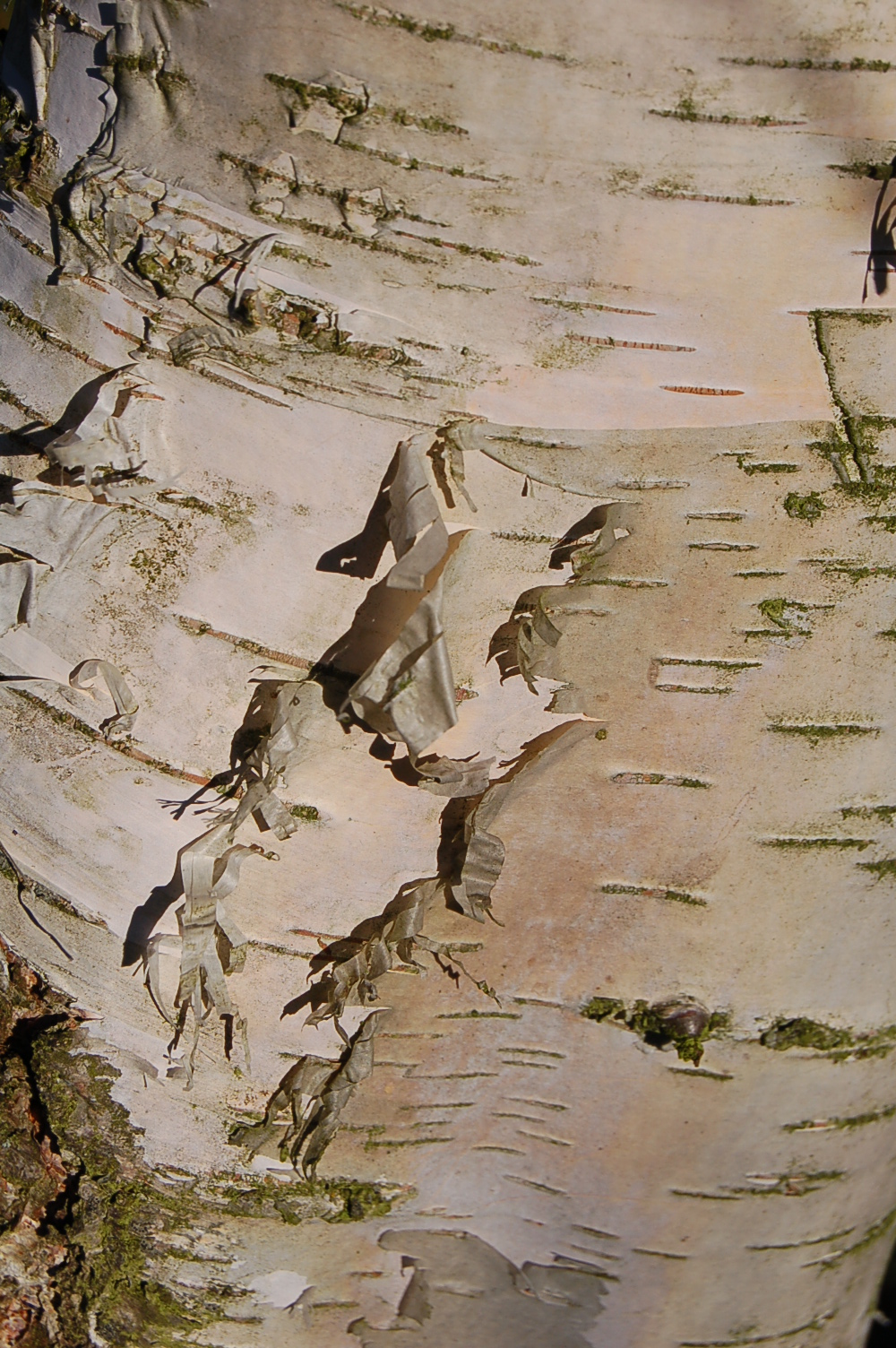
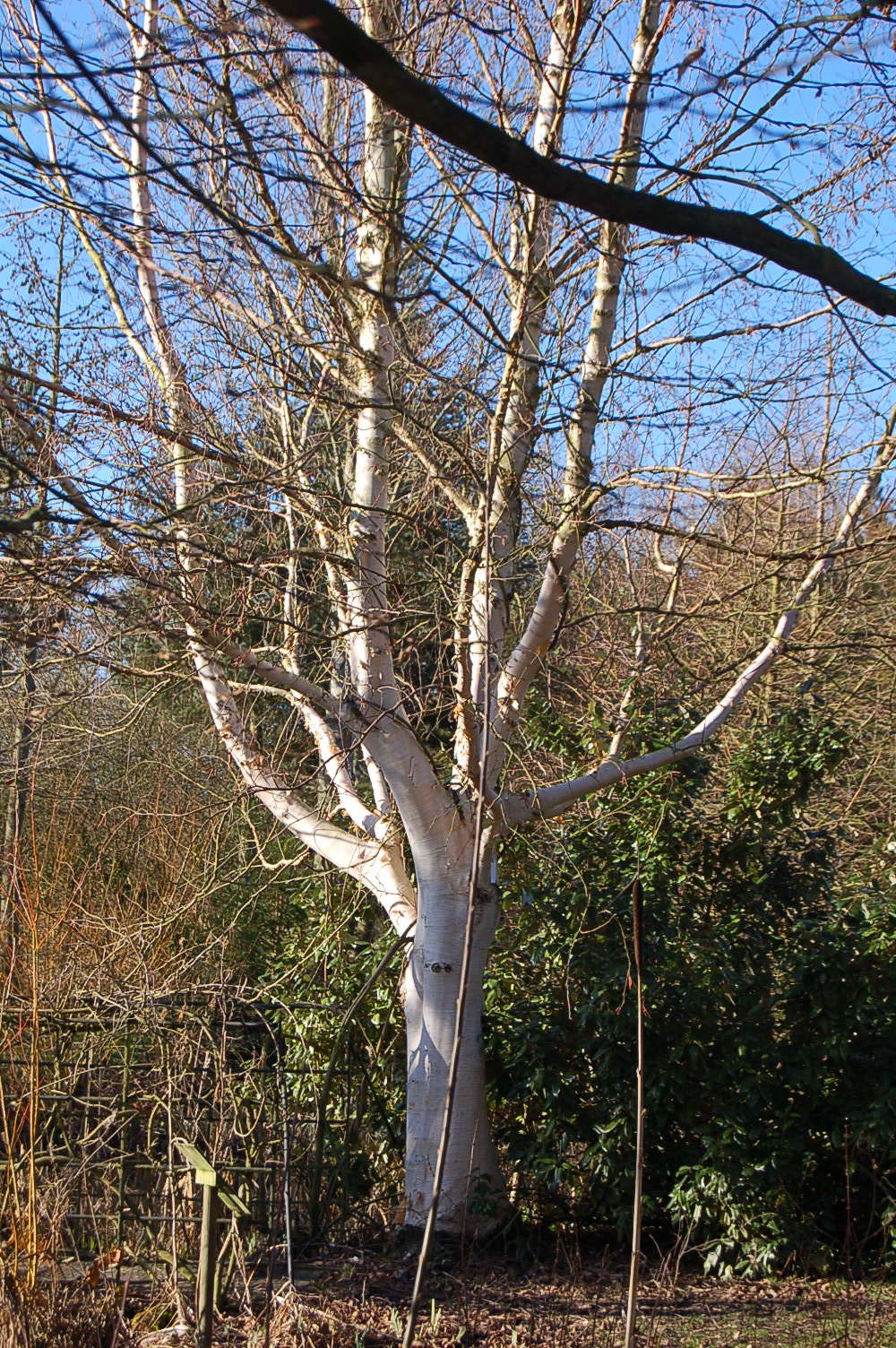
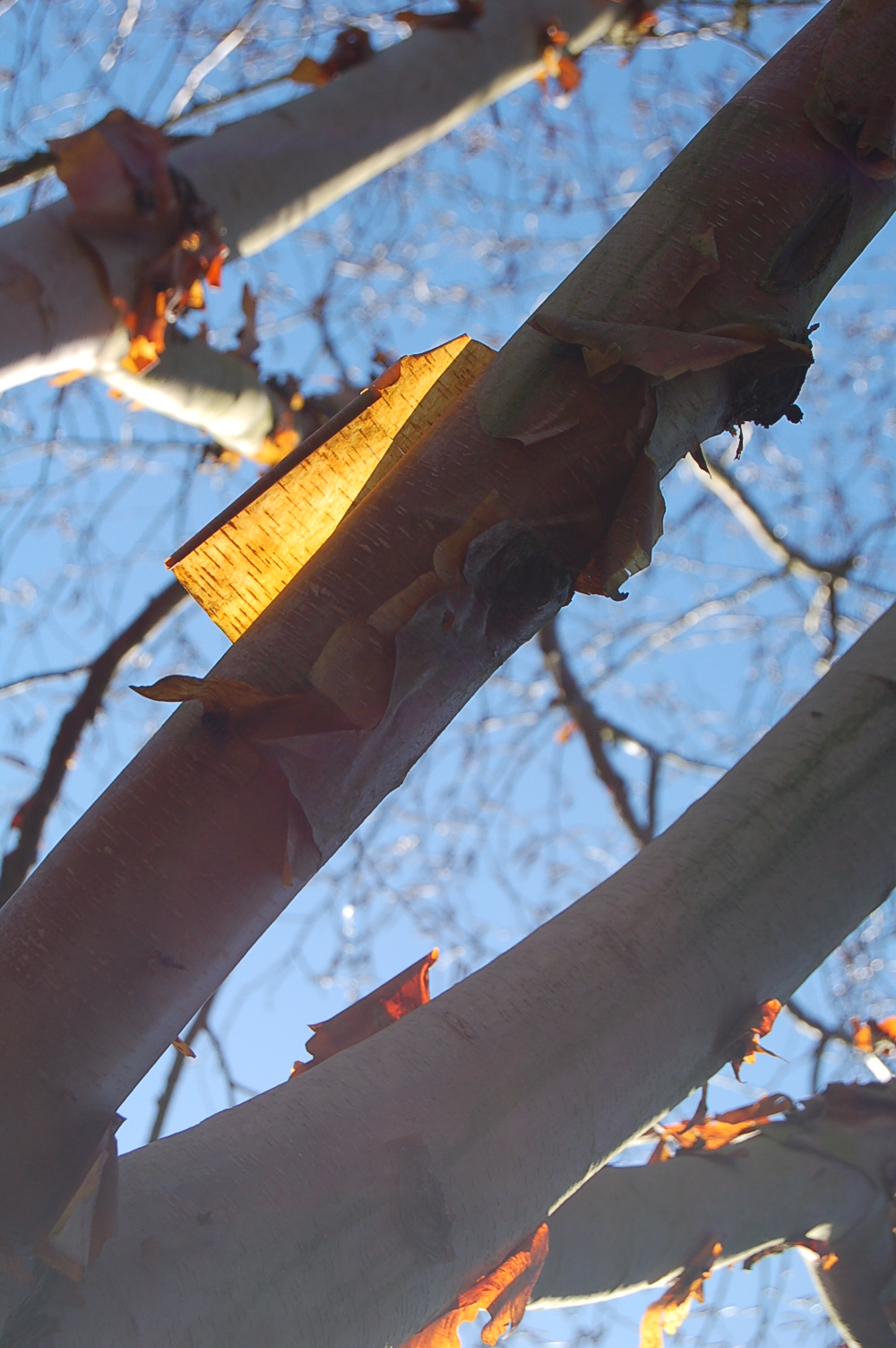
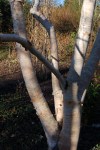
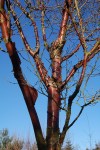
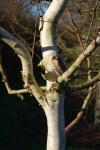
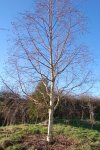
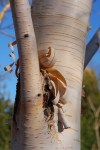
There were too many examples of my favourite family of trees, the Betulas, so they deserve a post of their own. One to look forward to!
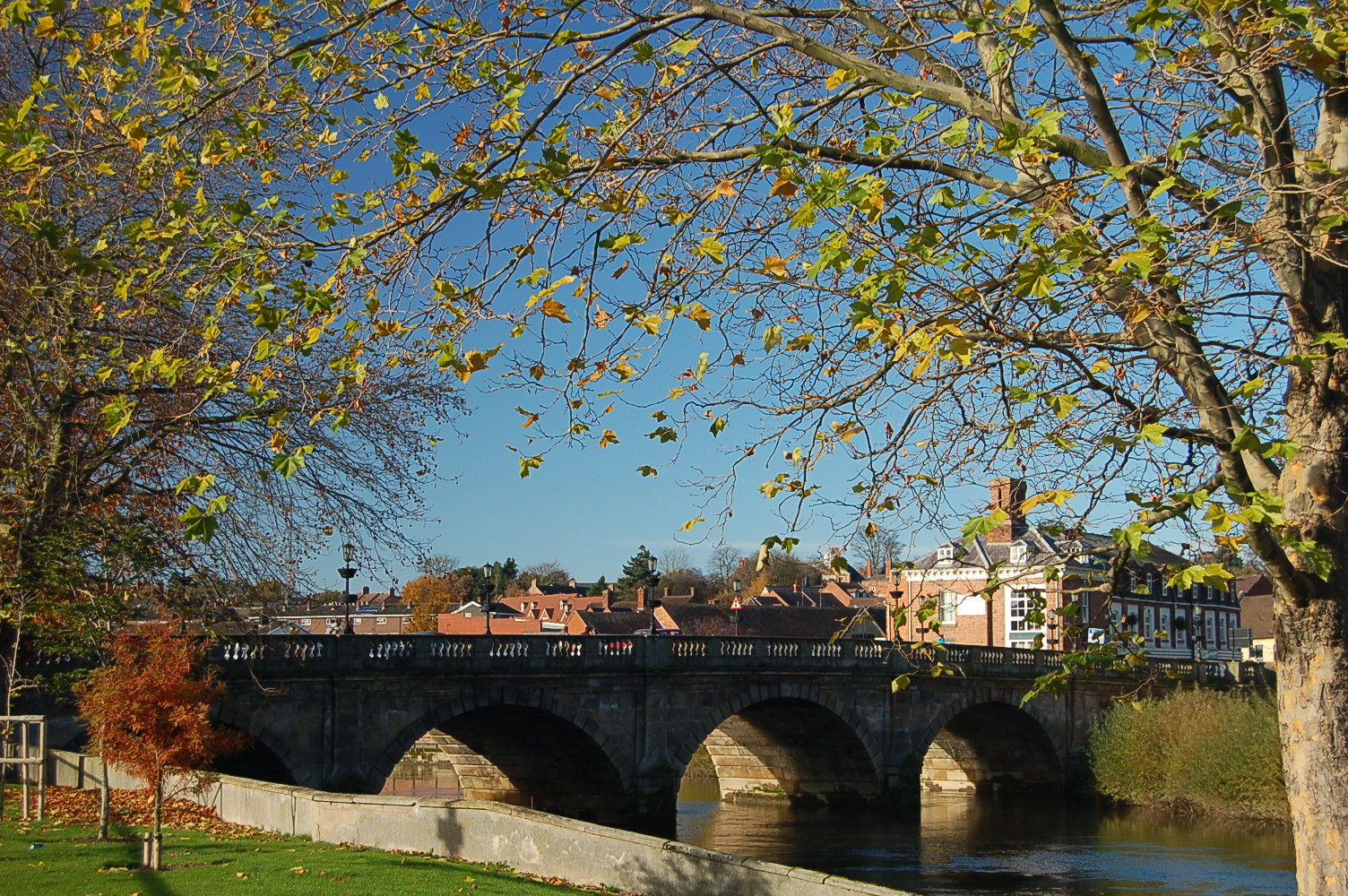
This is the second post about the architecture of our county town. the photos for the posts were taken in late autumn.
Continuing our journey through the streets, alleys and pathways of Shrewsbury we move away from the station towards the river.
Firstly we go down a narrow steep road where these blue features against the beautiful red stonework of the old town walls caught my eye.
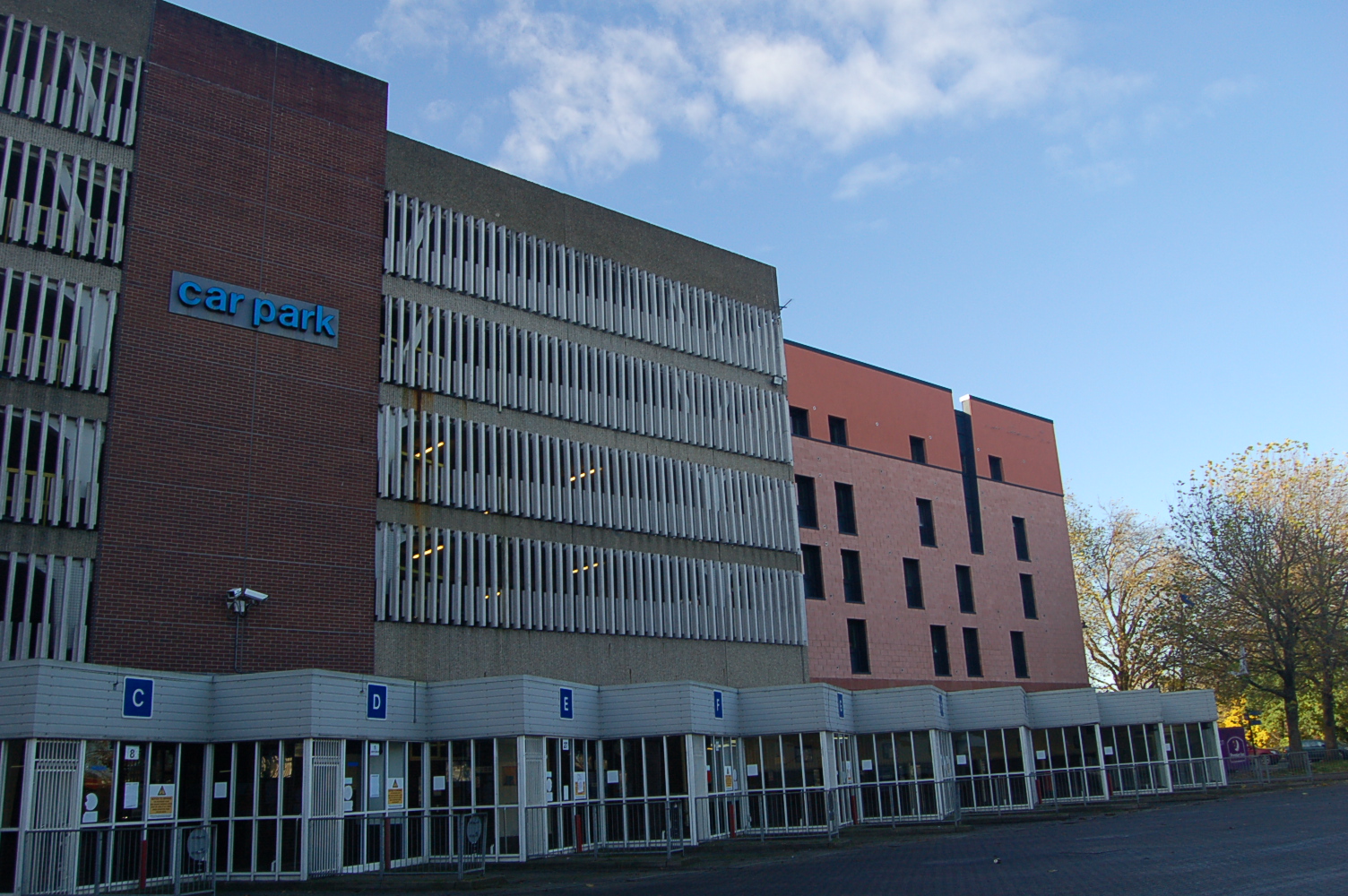
Just to show that Shrewsbury’s architecture isn’t all about the past we next visit some 20th and 21st century buildings. The first picture shows the dreadful 70’s concrete monstrosity that is the town’s only multi-storey car park with a new building attached to its right. At its base is a row of bus-stops.
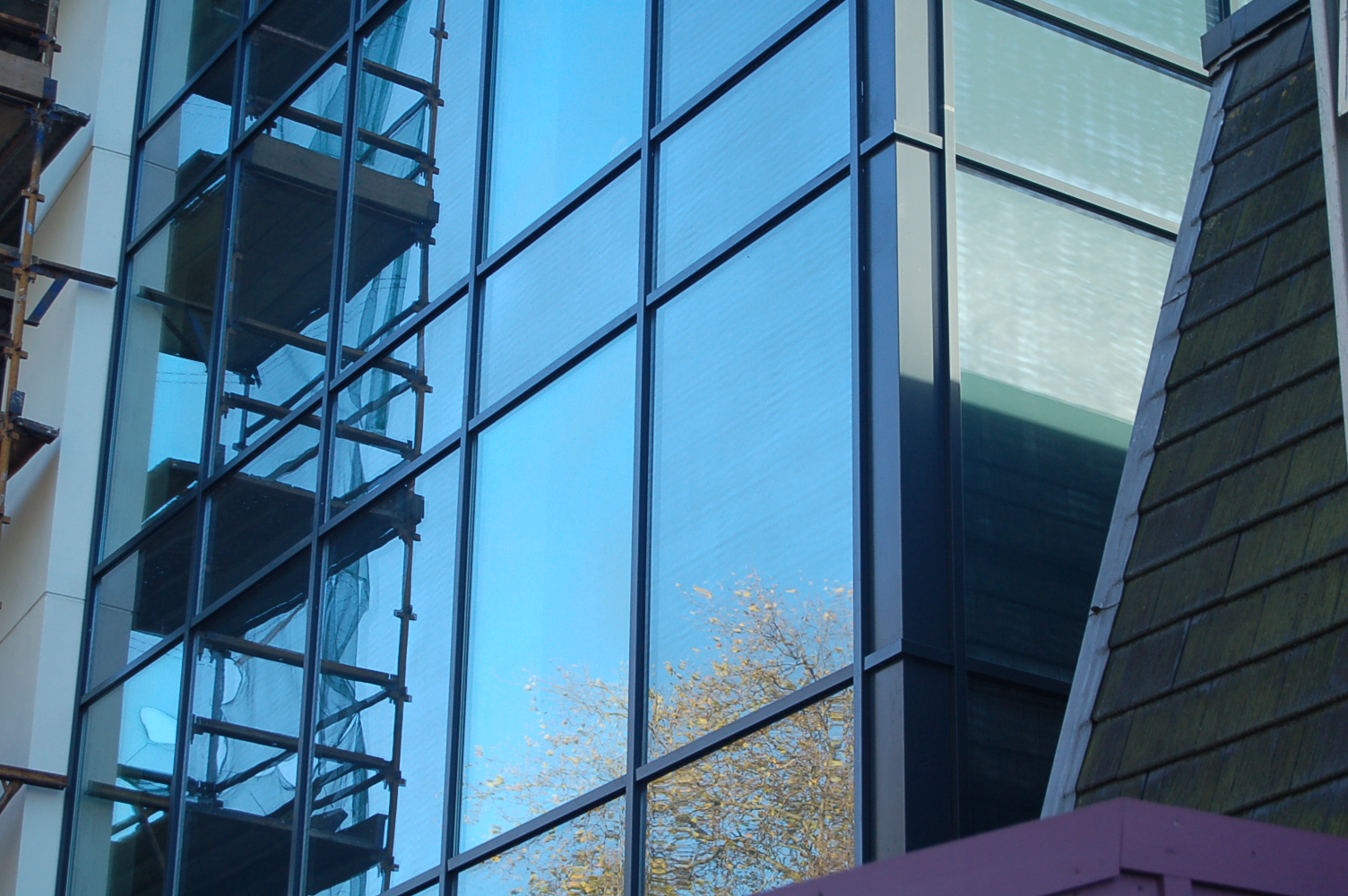
When we have a close look at this new building we see that it is a hotel which is still to open. I prefer it to the 70’s building next to it, but we shall have to see how well it weathers.
The reason that there are so few example of good modern architecture in our county town, is that so many residents are stuck in the past. Any proposals for modern architecture are strongly objected to by many. Below is a sad reflection of this where architects have tried to reflect the town’s medieval heritage. We just ended up with this mock half-timbered shopping centre.
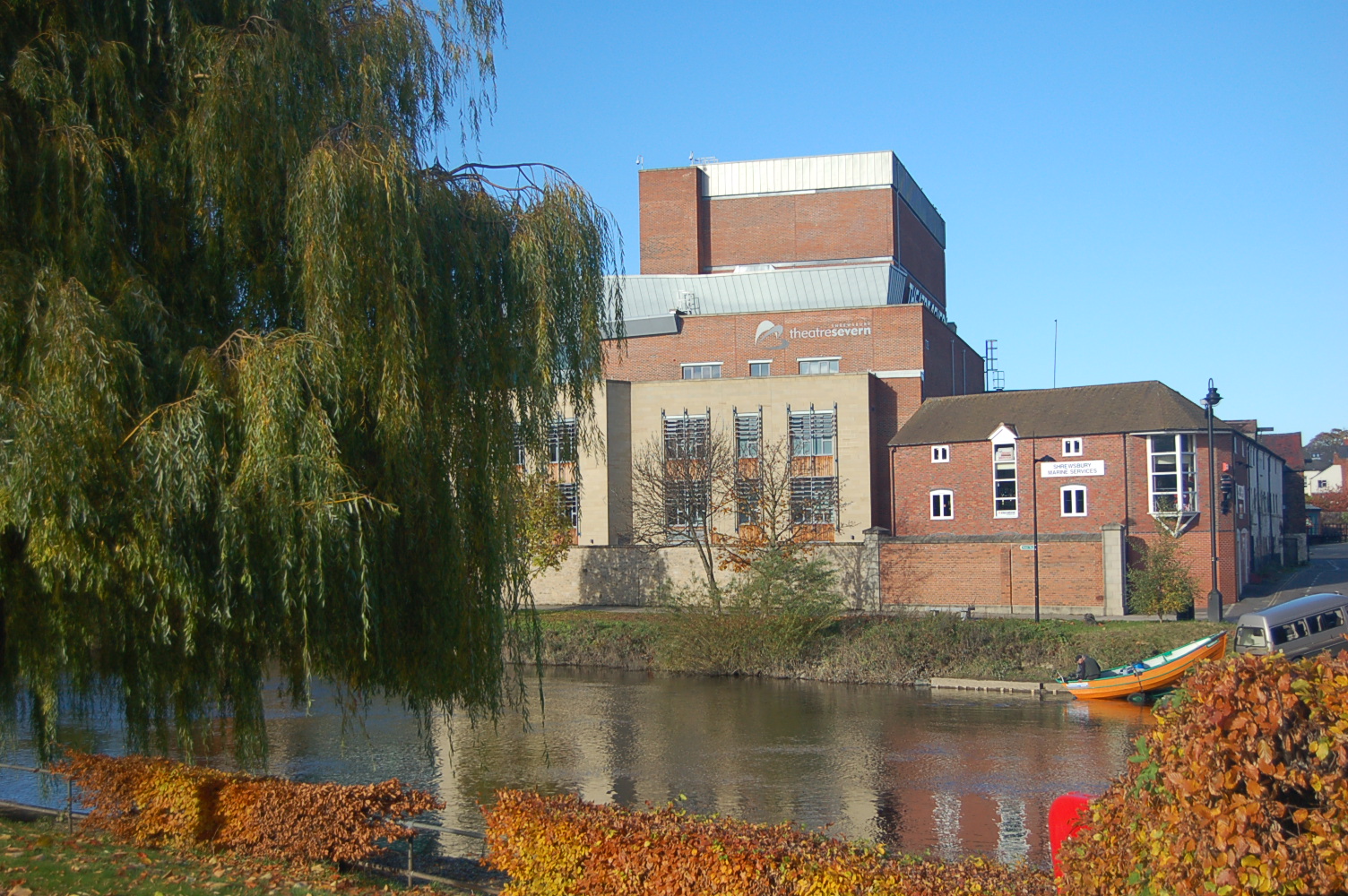
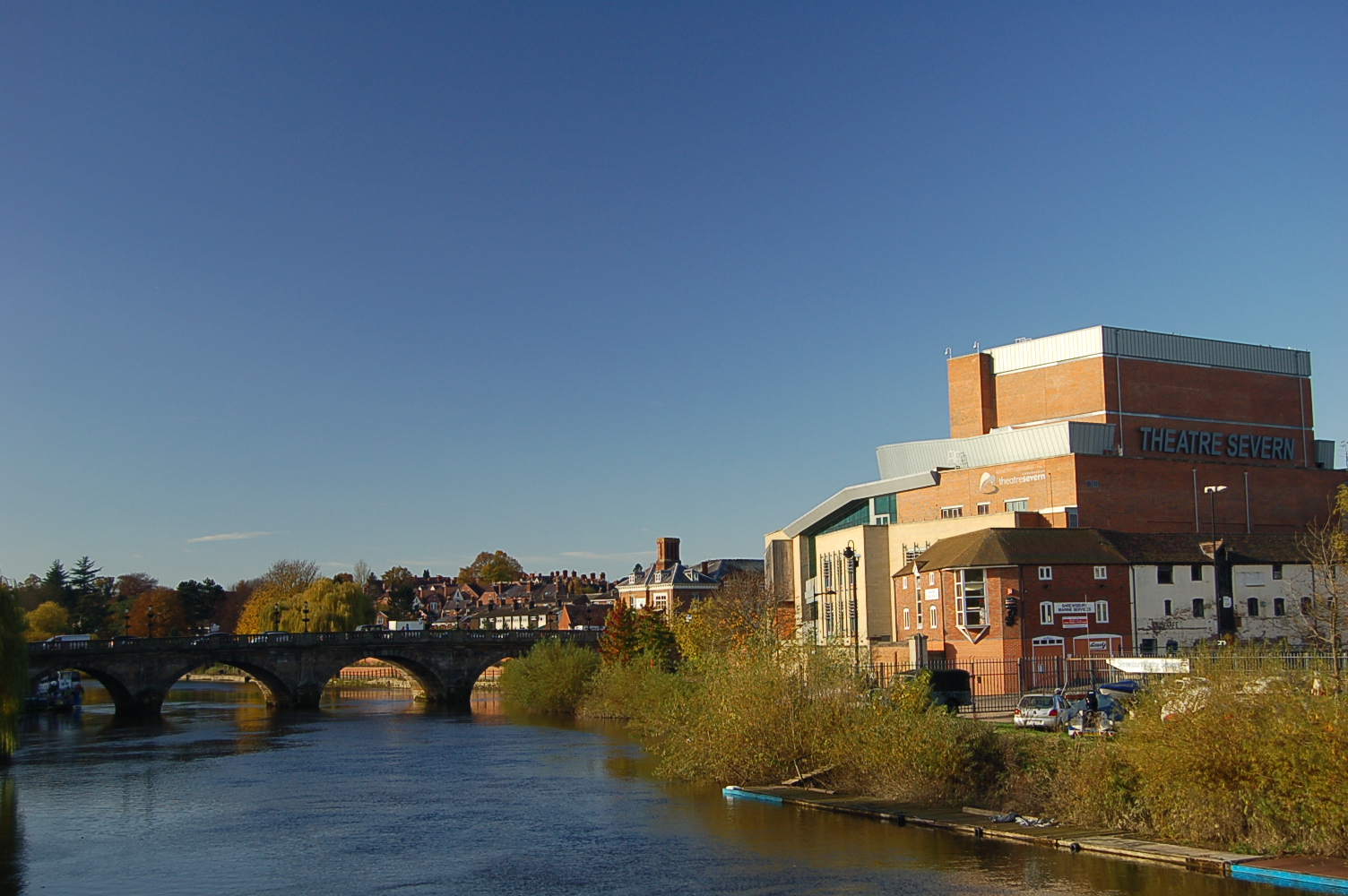
And now off to the riverside! The old centre of Shrewsbury is totally enclosed within a loop of the River Severn.
Below is our wonderful new theatre and the new sculpture created to commemorate Charles Darwin.
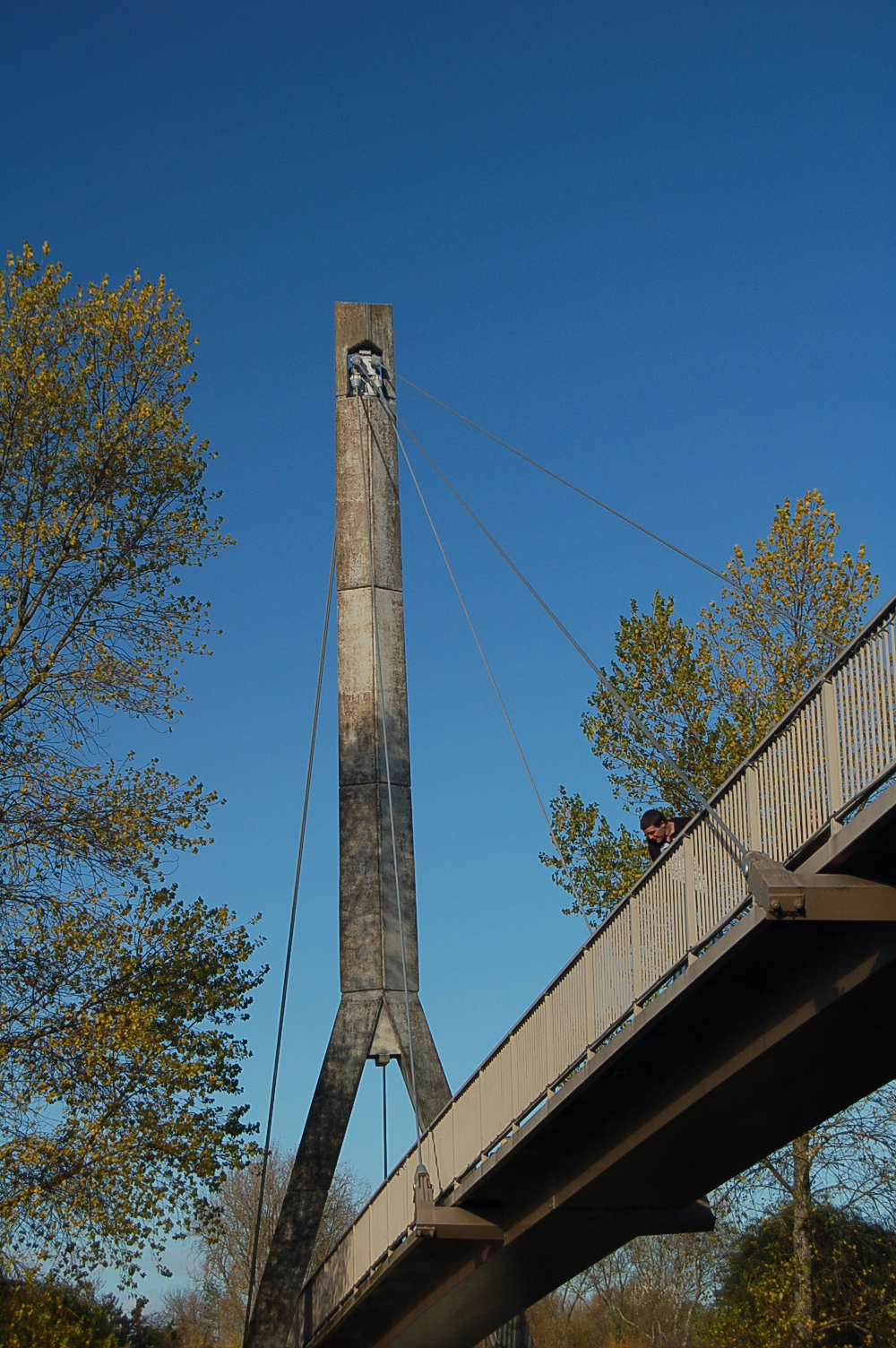
My favourite structure in this part of the town is this pedestrian suspension bridge. It is such a simple but elegant design and certainly invites you to walk over its gentle arching span. It sways as you walk across and the sway gets stronger the more people are crossing over.
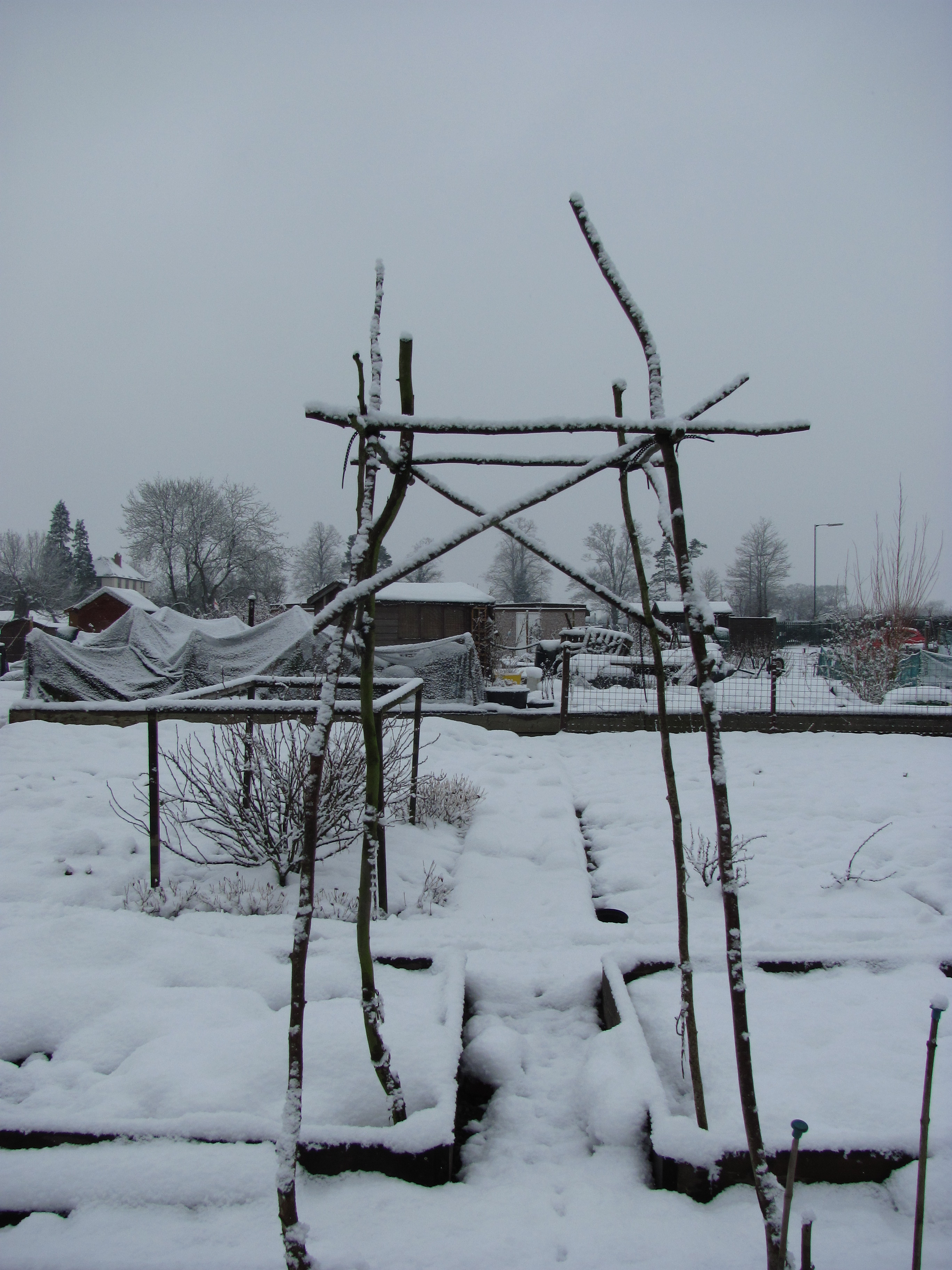
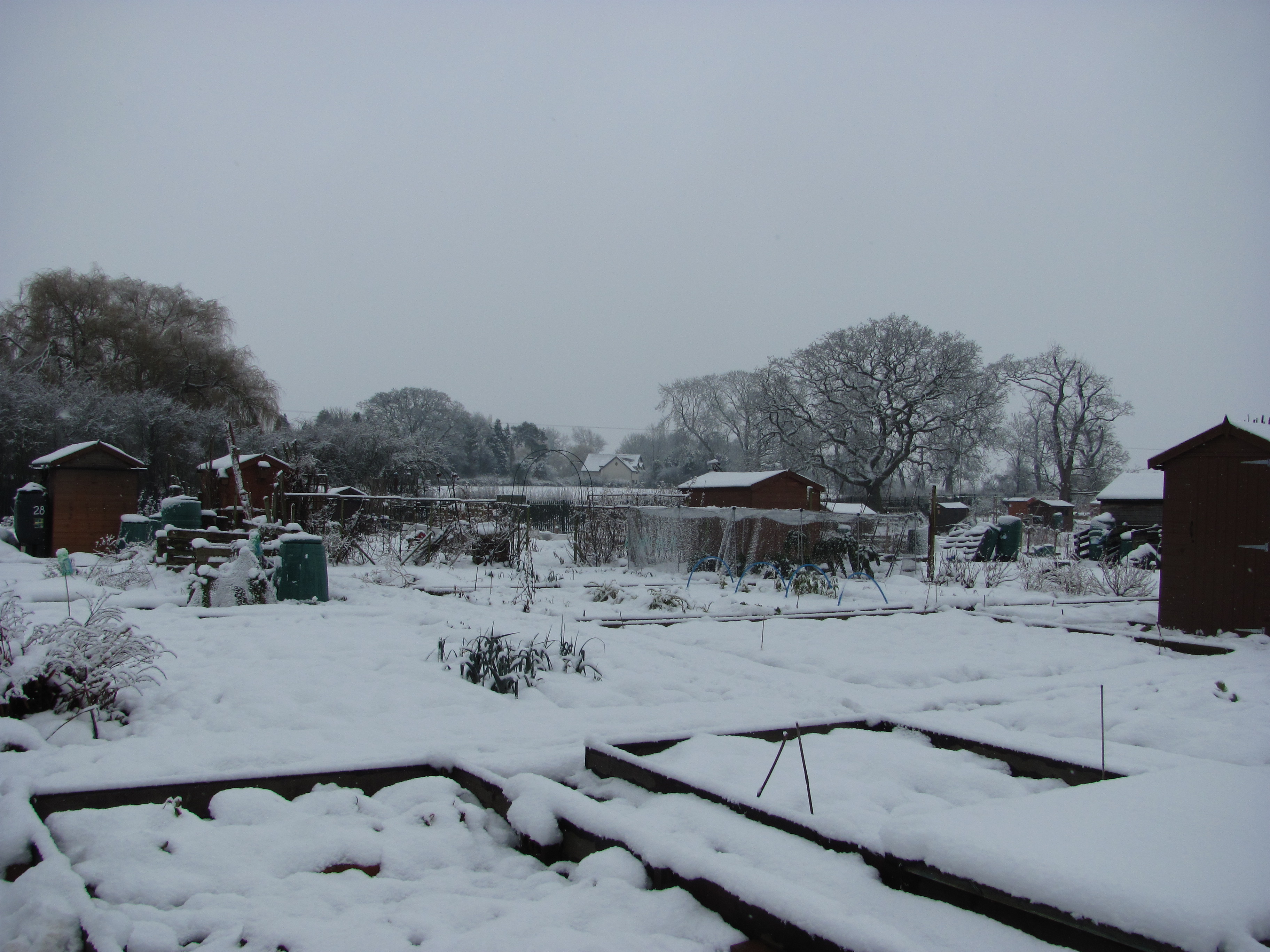
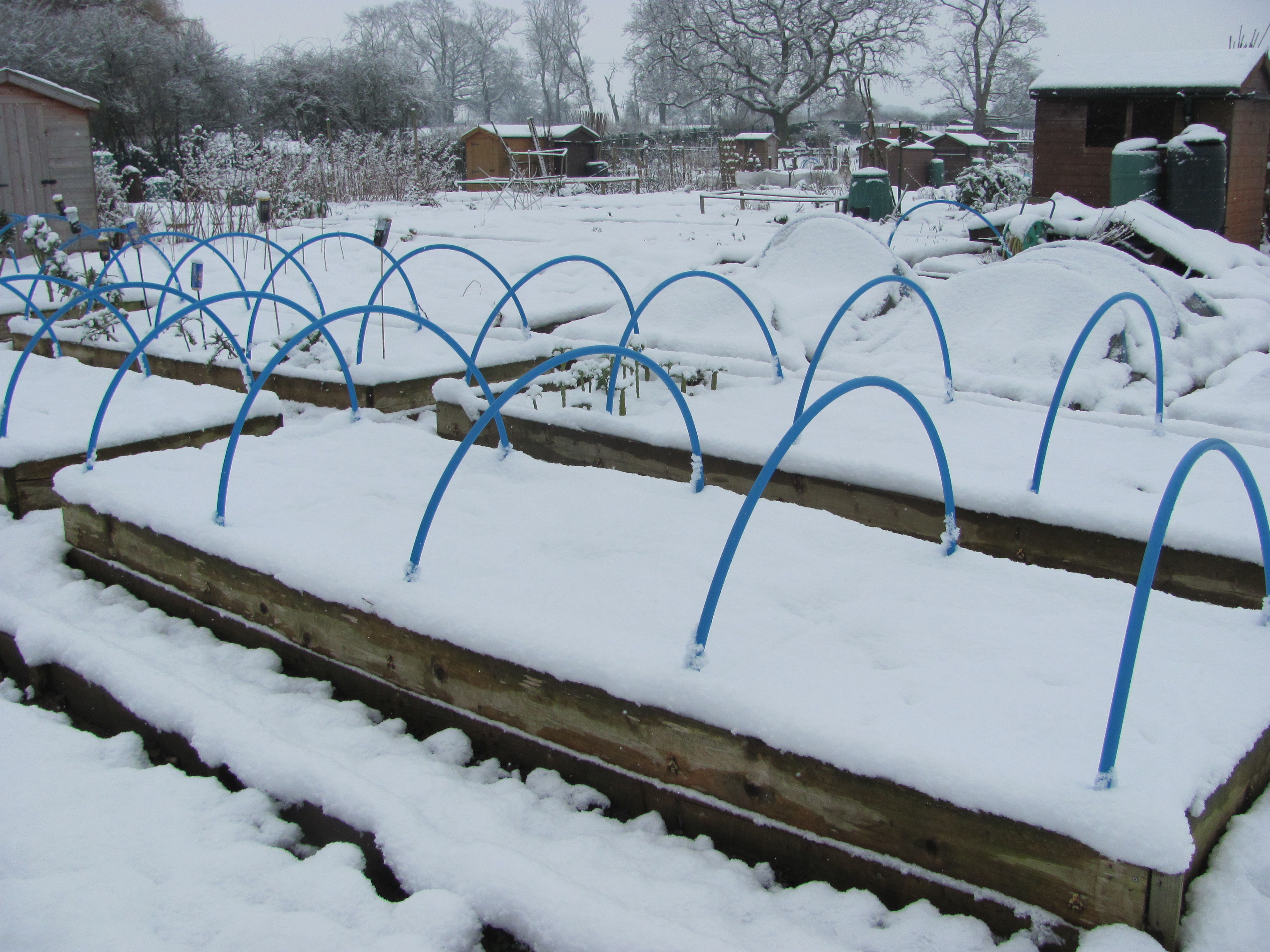
Today we braved the snow and floods up at our allotment site and went for a walk around to look at what turned out to be a very different world to the one we usually see. The pictures illustrate just how long it may be before we can get any gardening done up there. We still have root crops in the ground – in December it was too wet to get on the soil and now it is all under the white stuff.
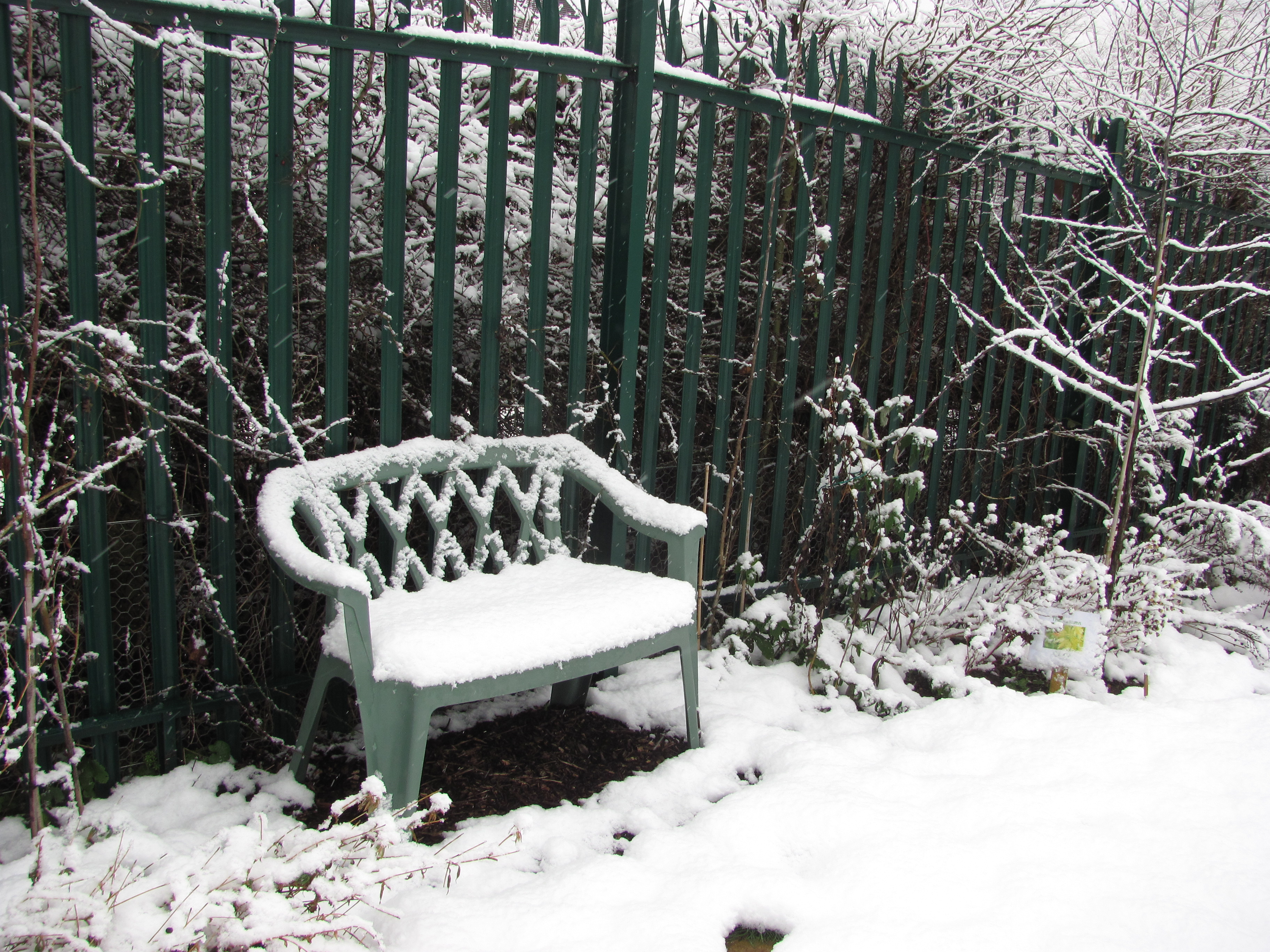
Here is the actual green bench that inspires the name of my blog.
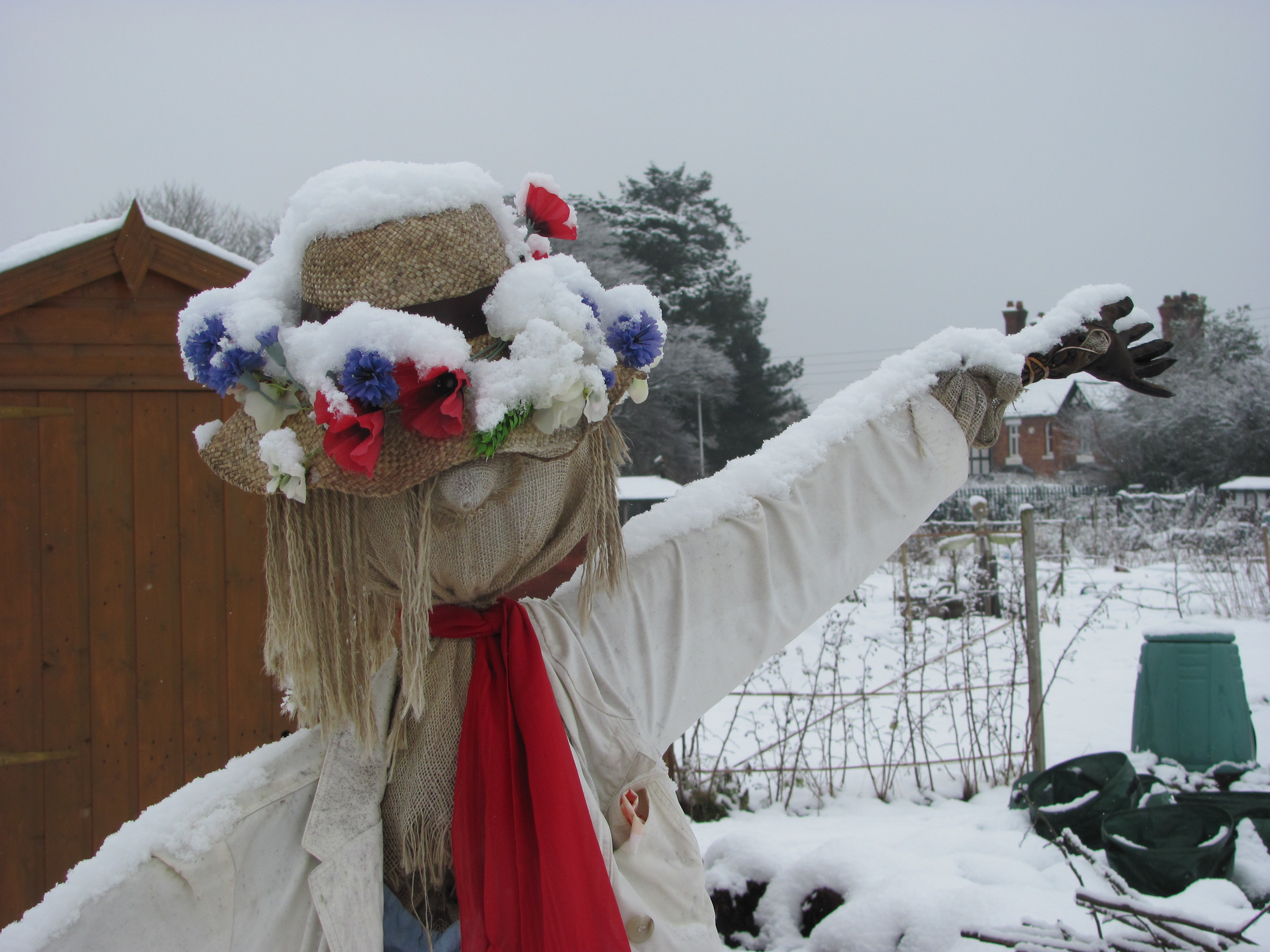
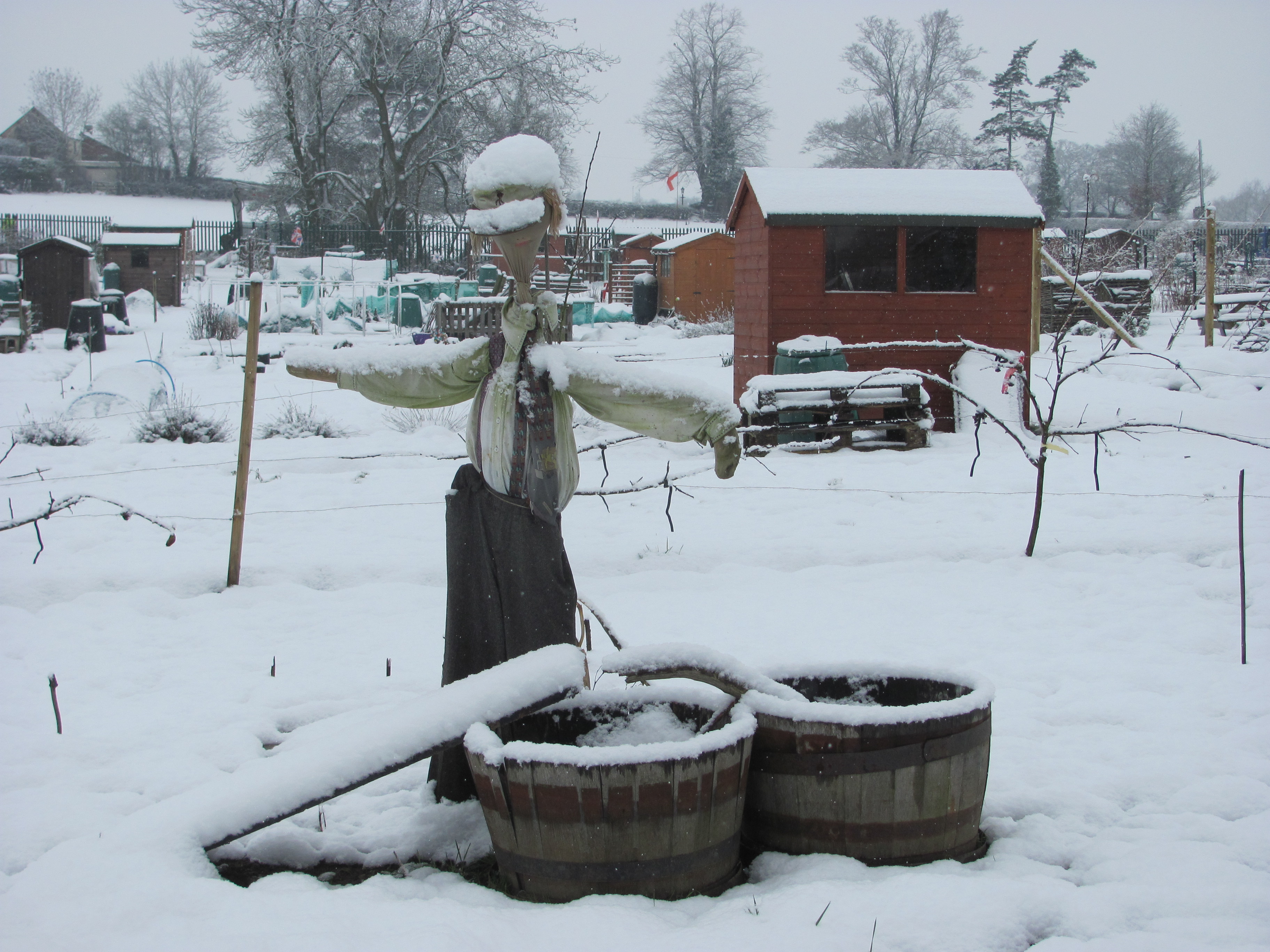
The scarecrows remain on duty whatever the weather and shrug off the snow and ice.
Wheelbarrows wait patiently.
The plots have a forlorn look but beneath the ice and snow the soil is waiting – waiting for a little more light, more heat from the sun and plenty of evaporation to lessen the moisture content.
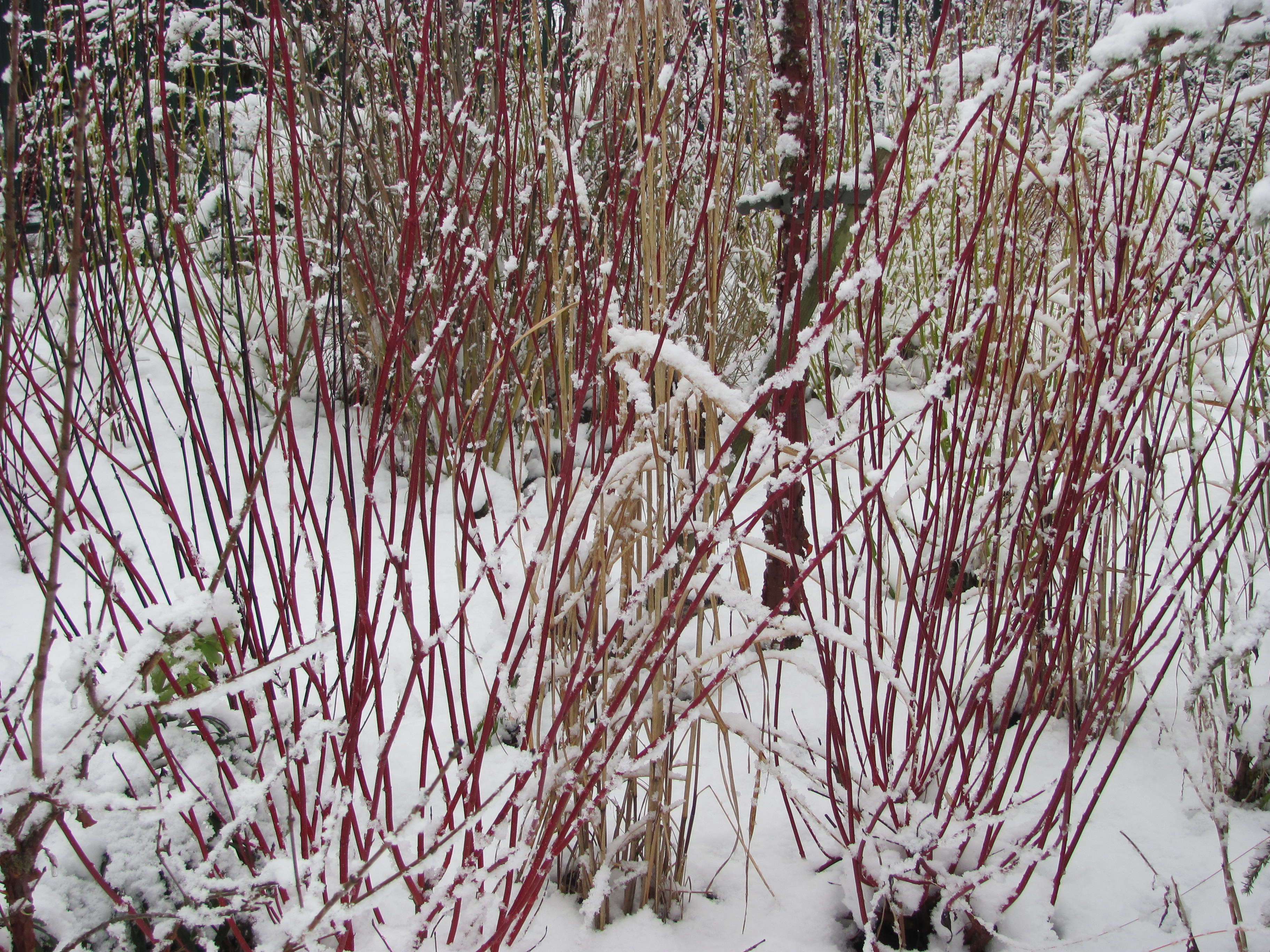
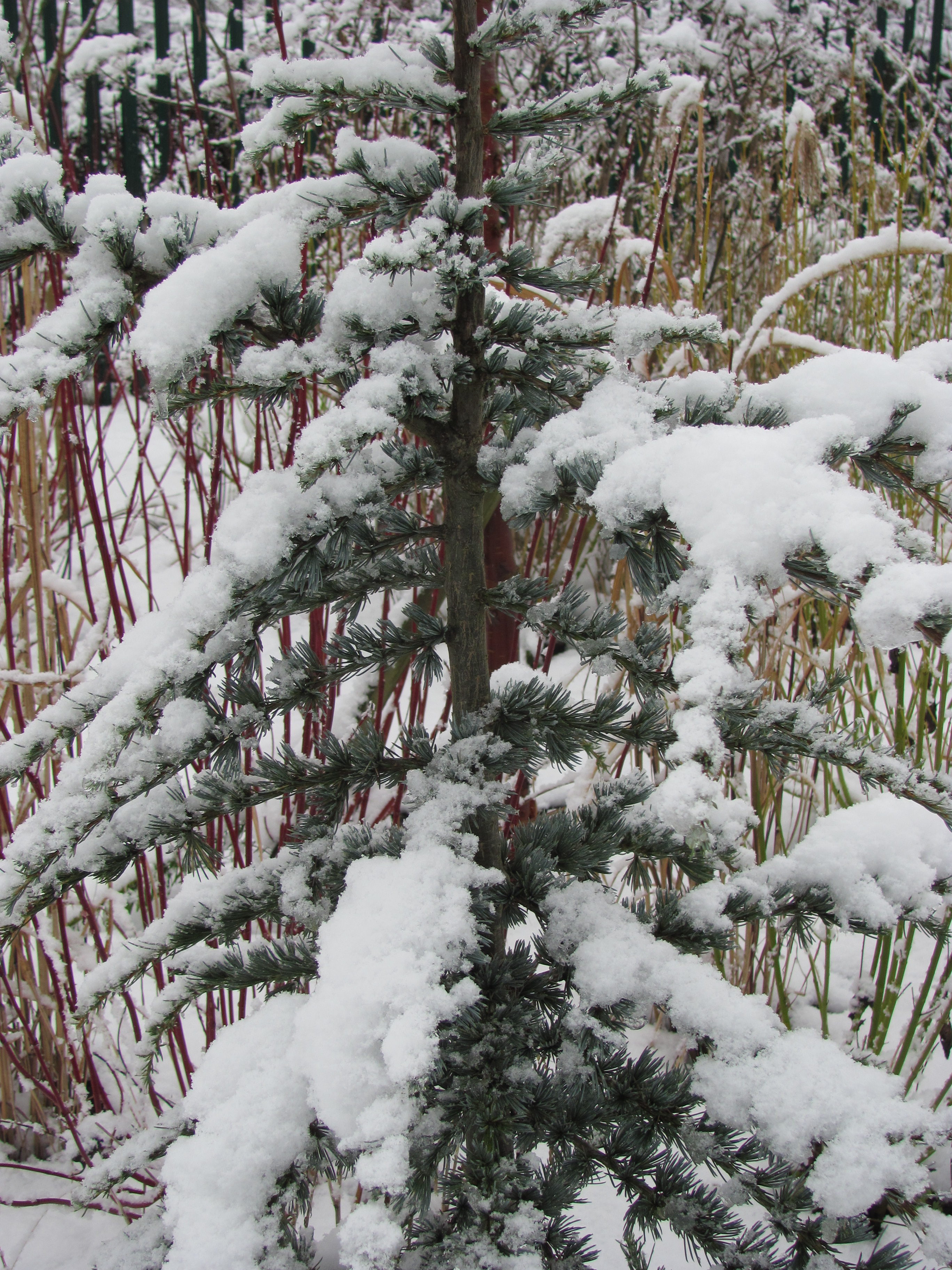
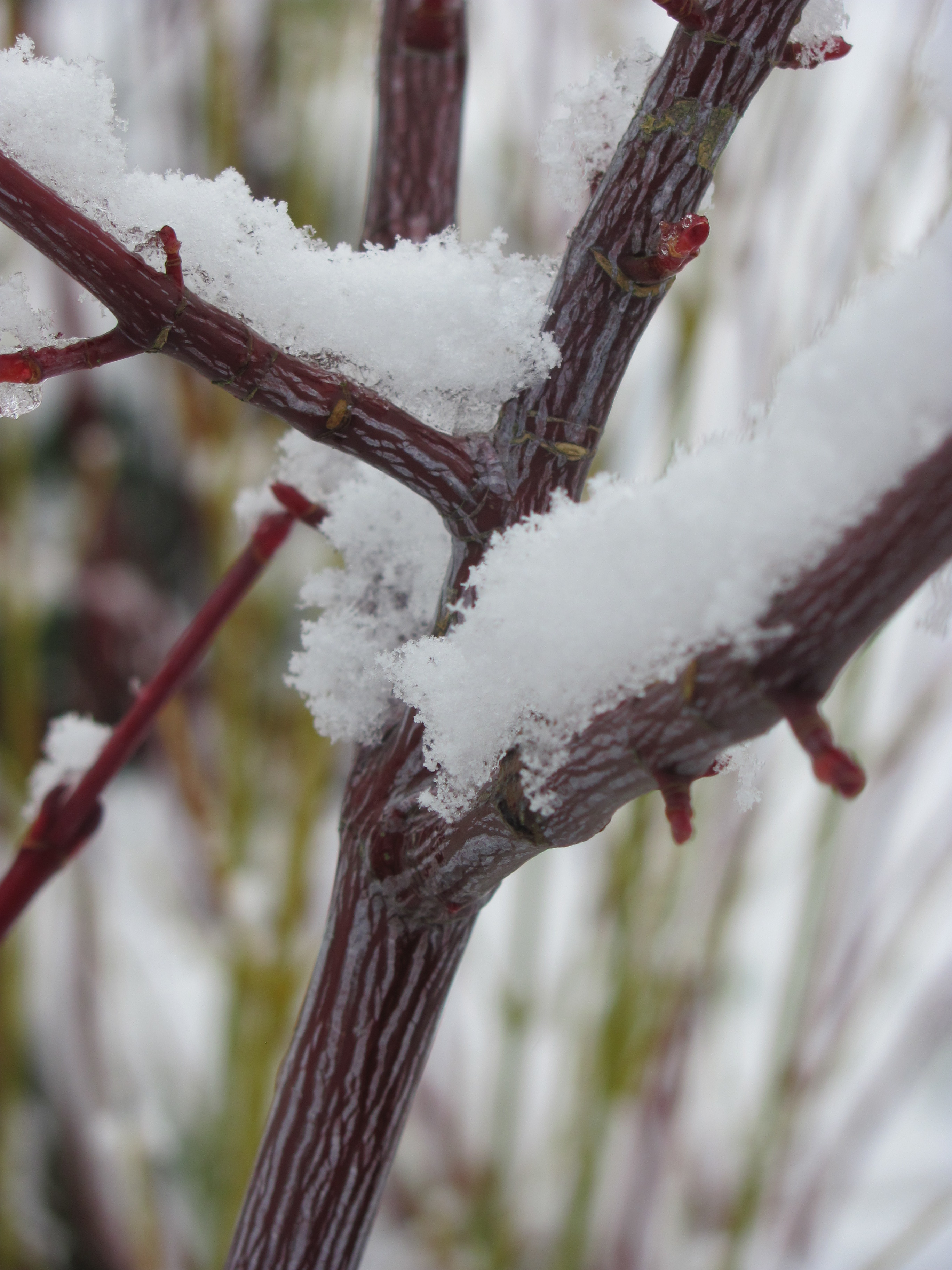
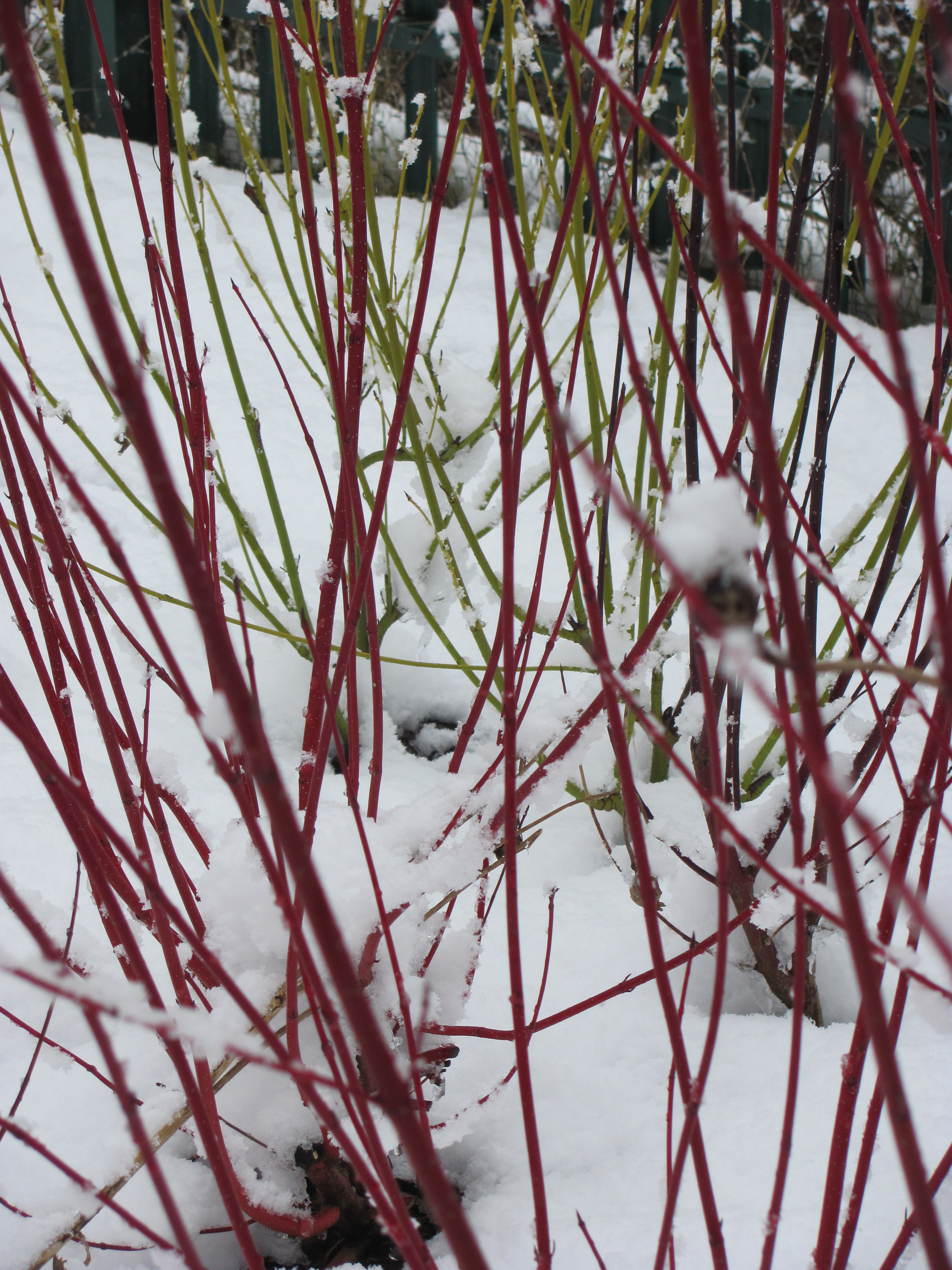
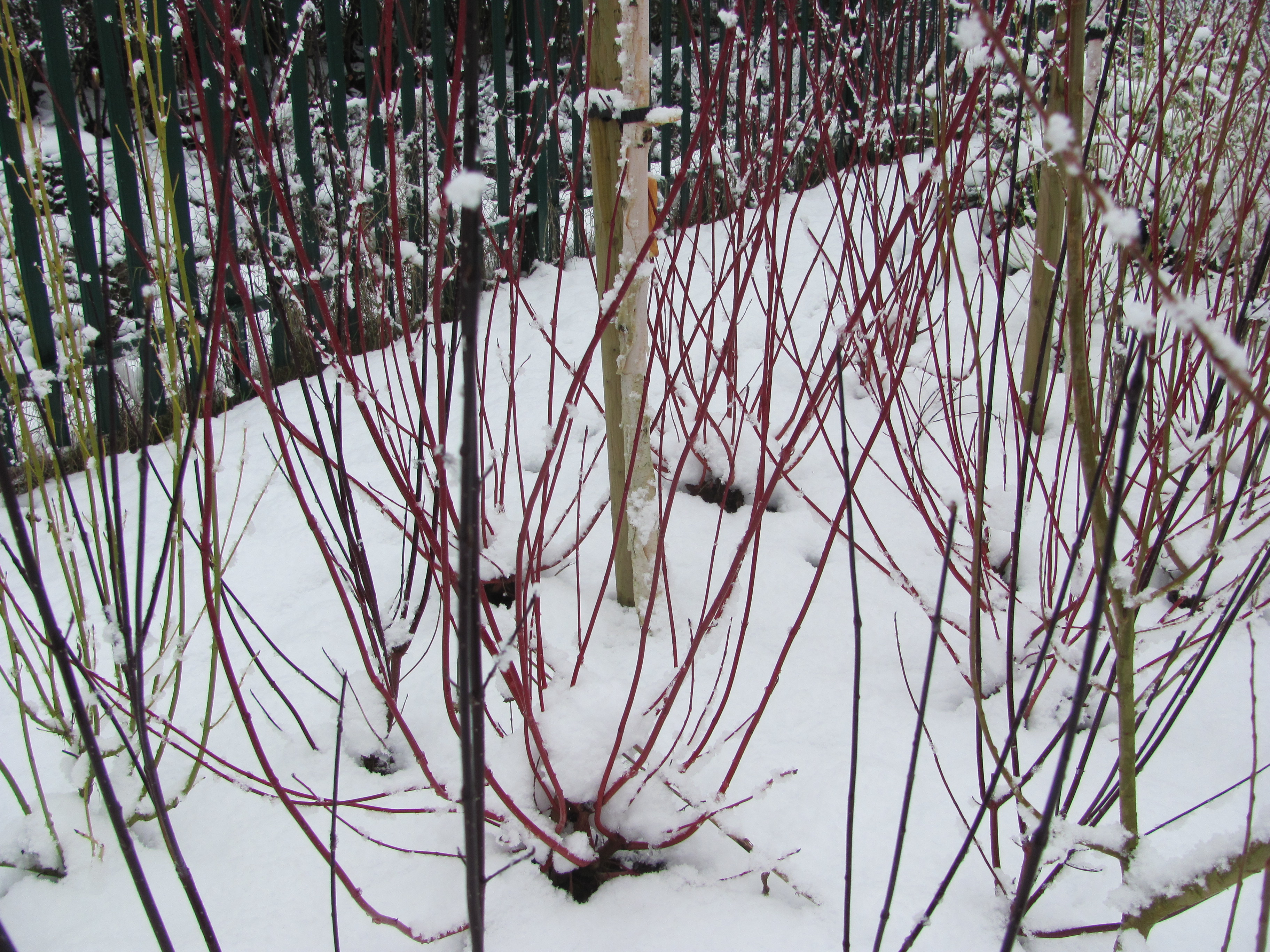
The Winter Garden is full of interest.
The contractors preparing our site extension in the adjoining field were toiling away in the snow, ice and waterlogged soil. They are putting in drainage and clearing out an old pond to create a wildlife pond for us all to enjoy. The ground they overturn presented birds with a rich feeding ground. Blackbirds, Redwings, Fieldfares, Jays, and Thrushes both Song and Thrush revelled in a fresh supply of worms and ground creatures.
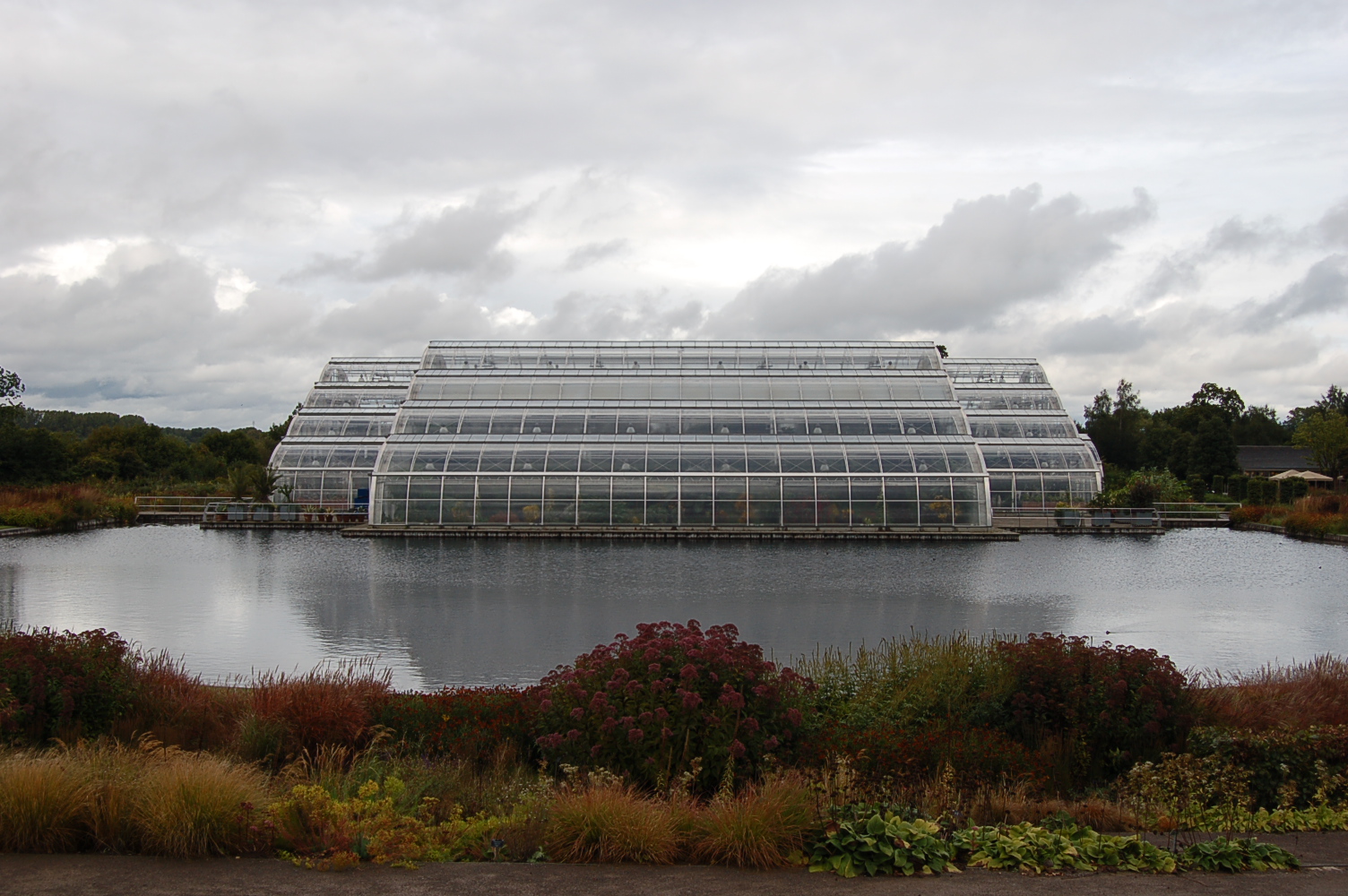
The new Centenary Glasshouse at Wisley is one of our favourite, regular places for visiting and enjoying.
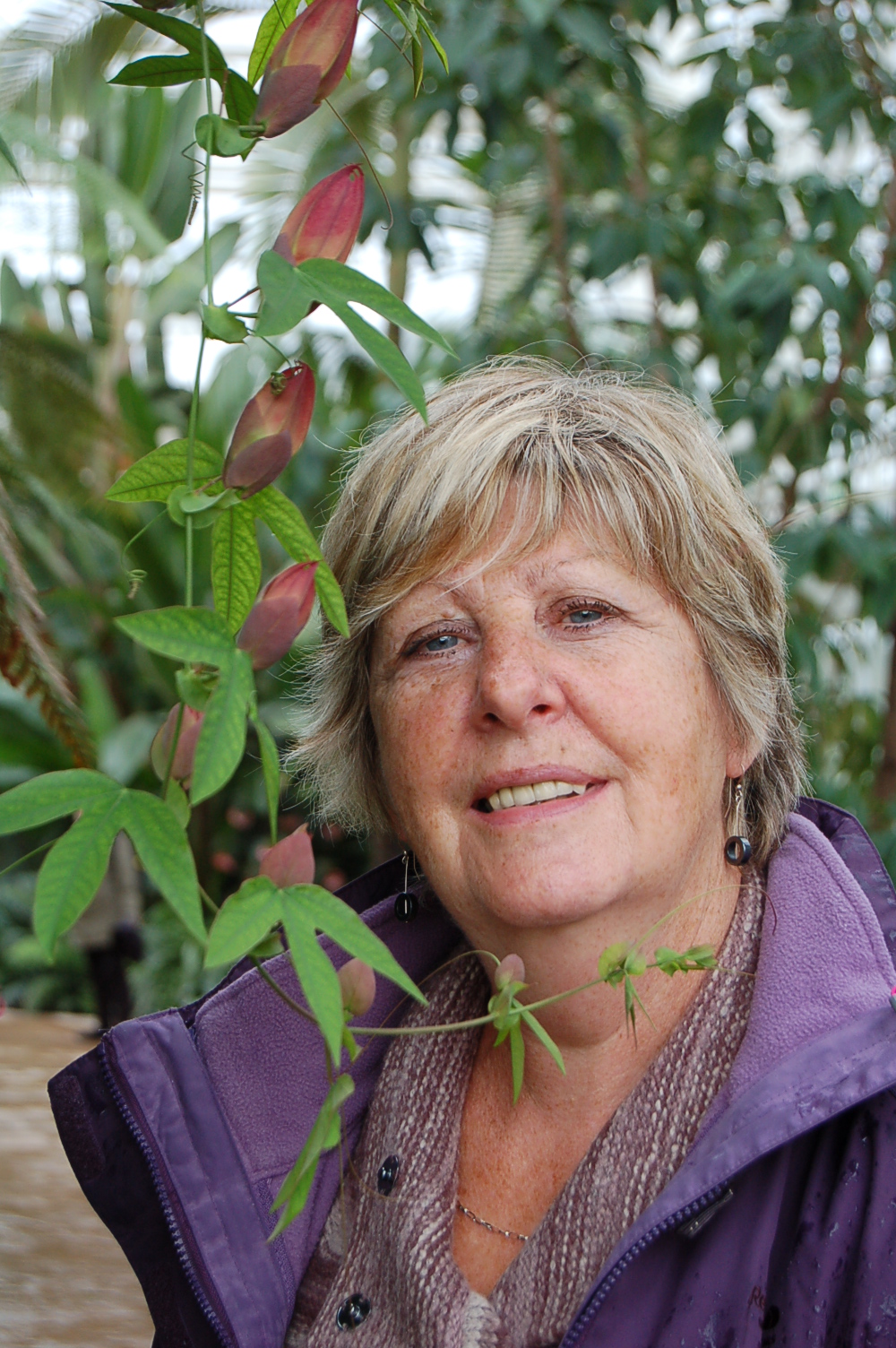
In our September wander we made several detours through its big sliding doors and into its warm, dry interiors as thunder storms threatened to periodically drown us. We always enjoy the glasshouse plants but Jude the Undergardeners favourites have to be the orchids, although here she is admiring a Passionflower.
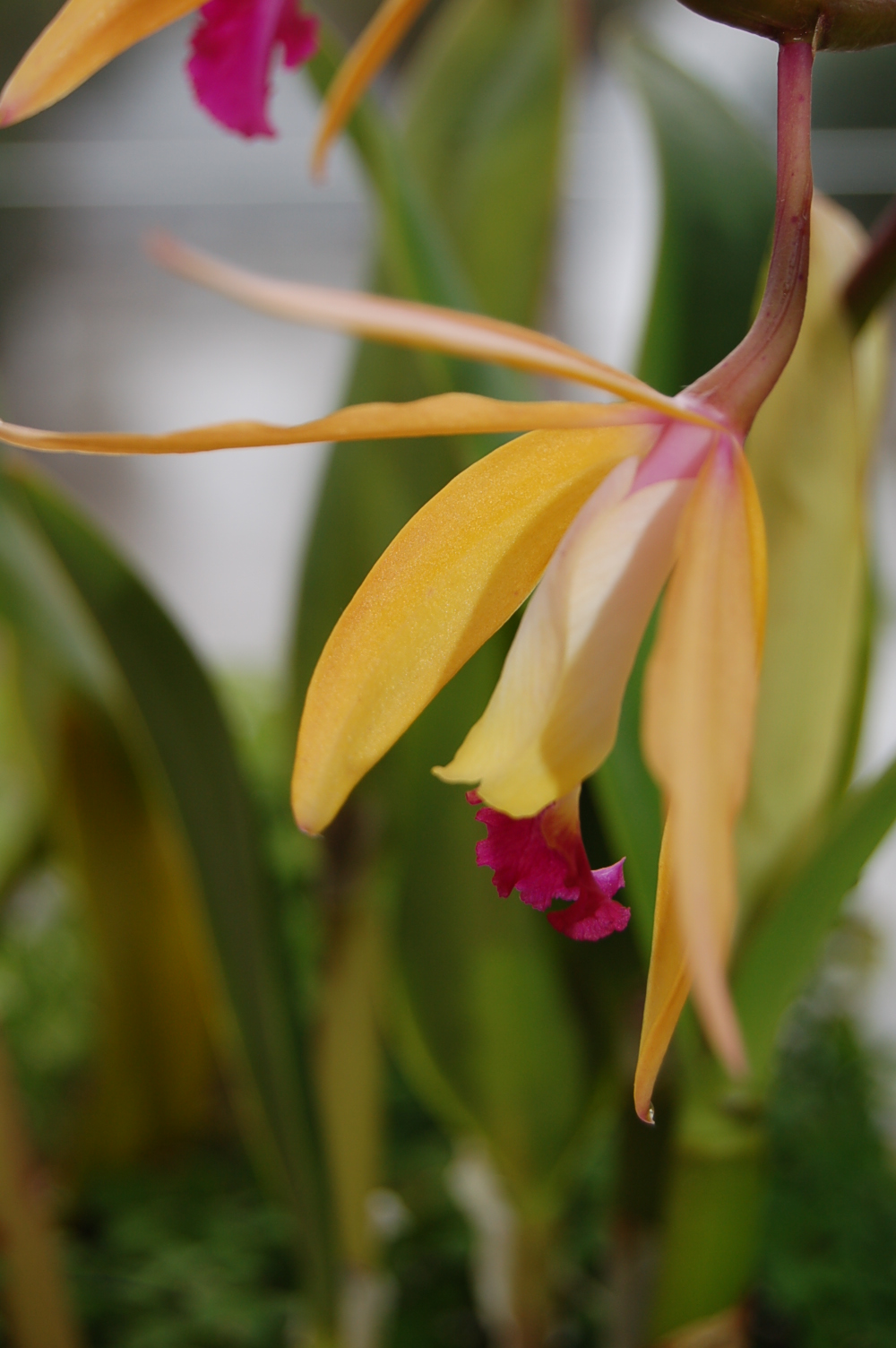
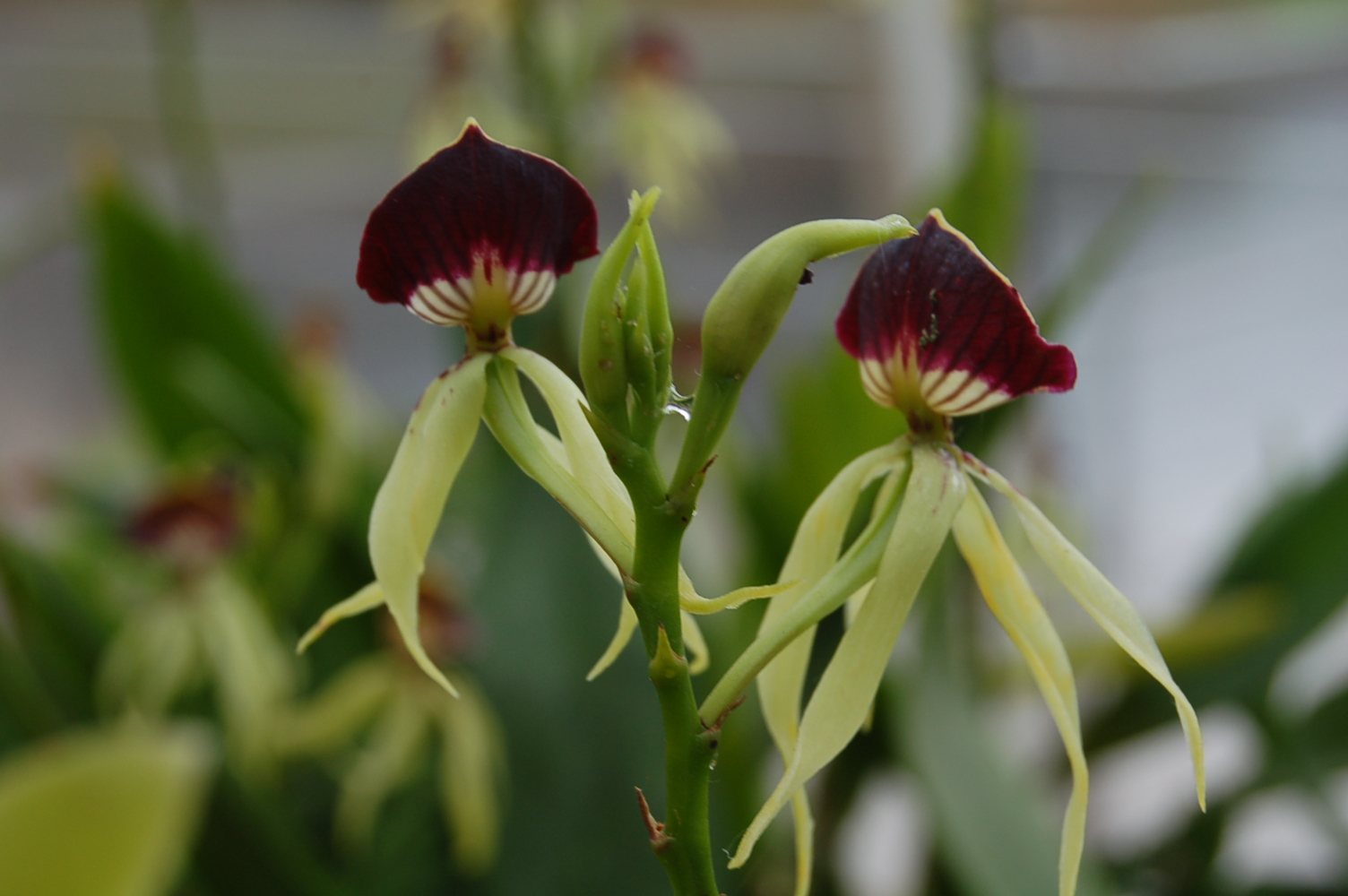
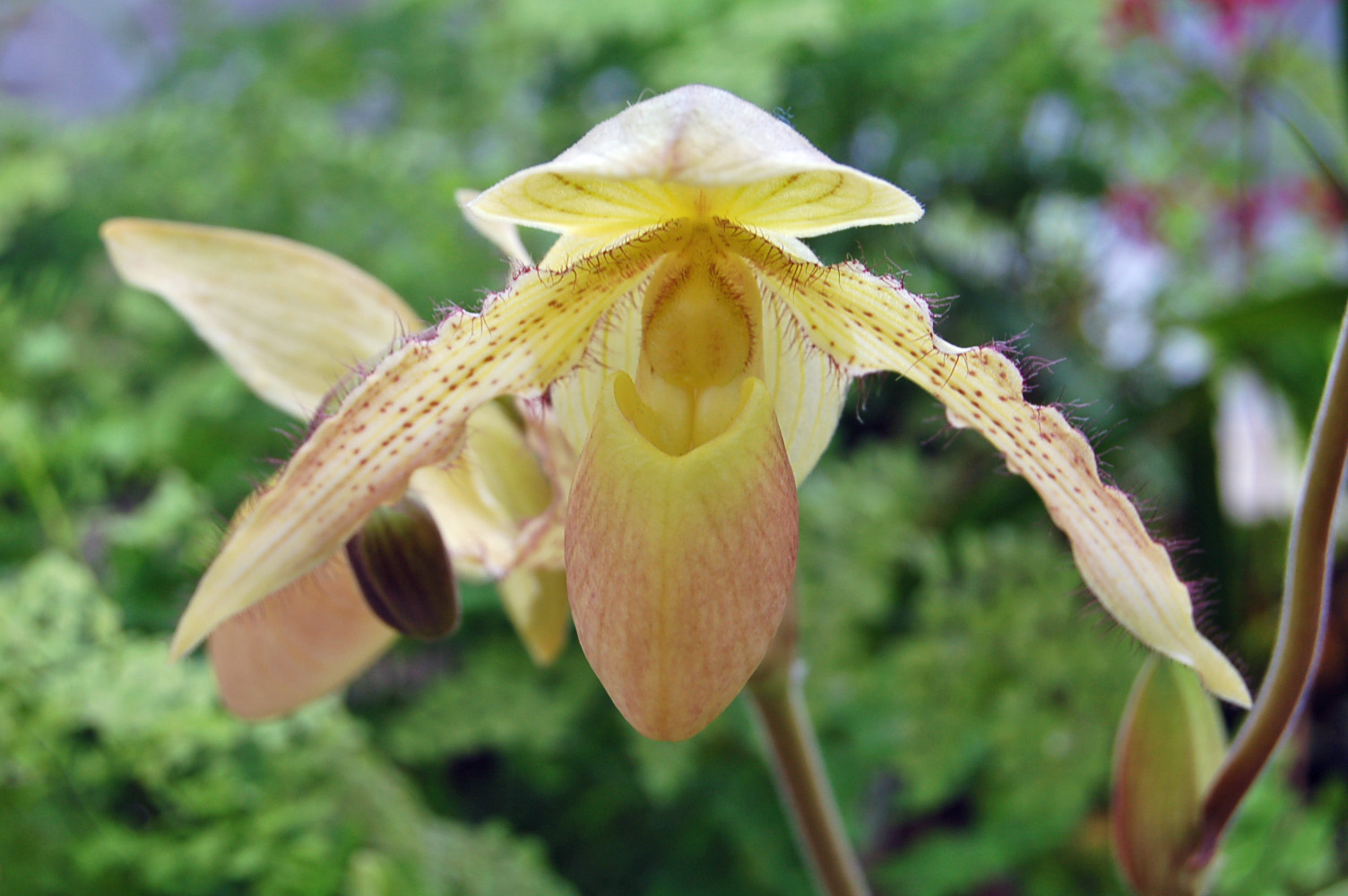
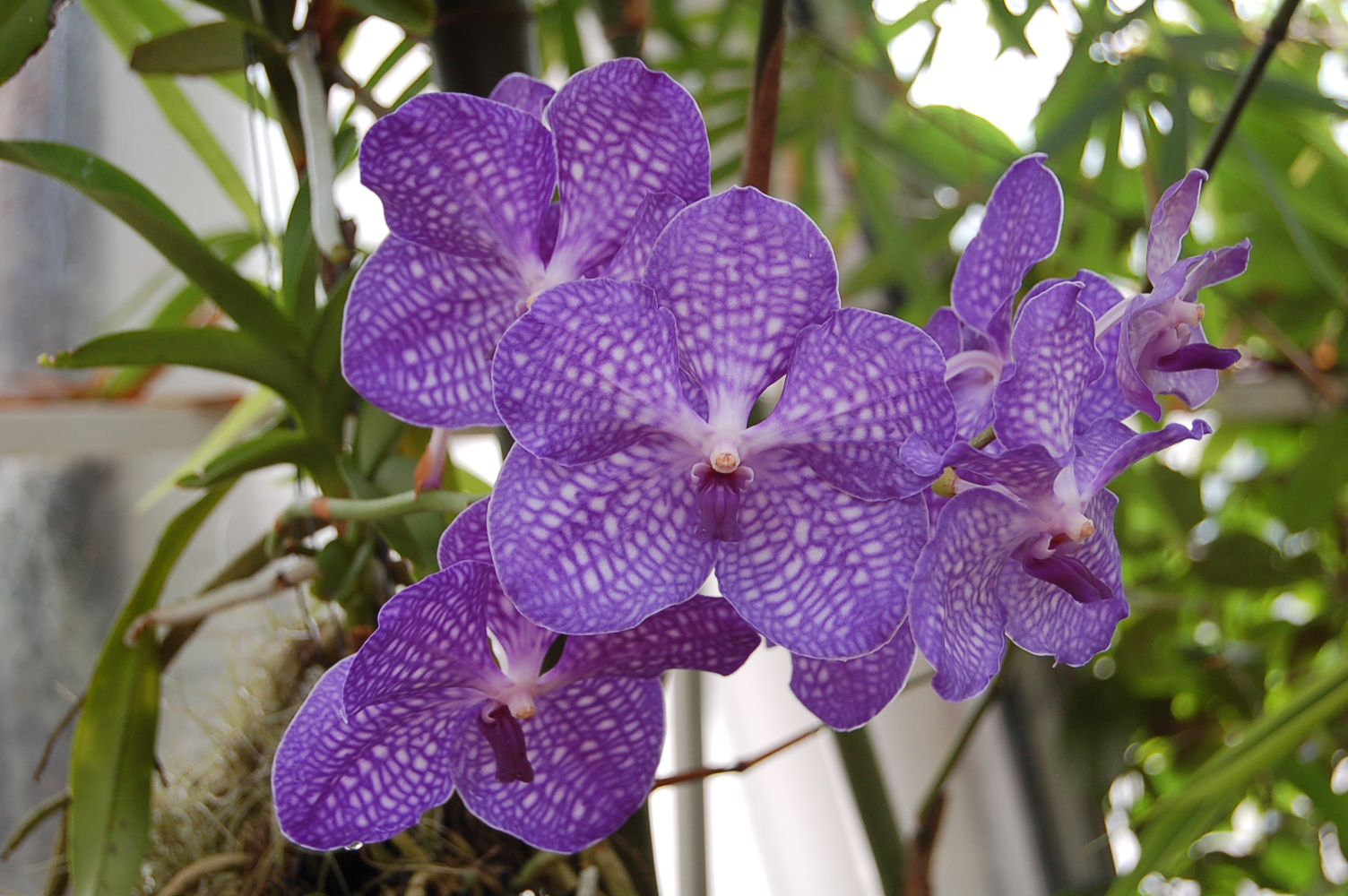
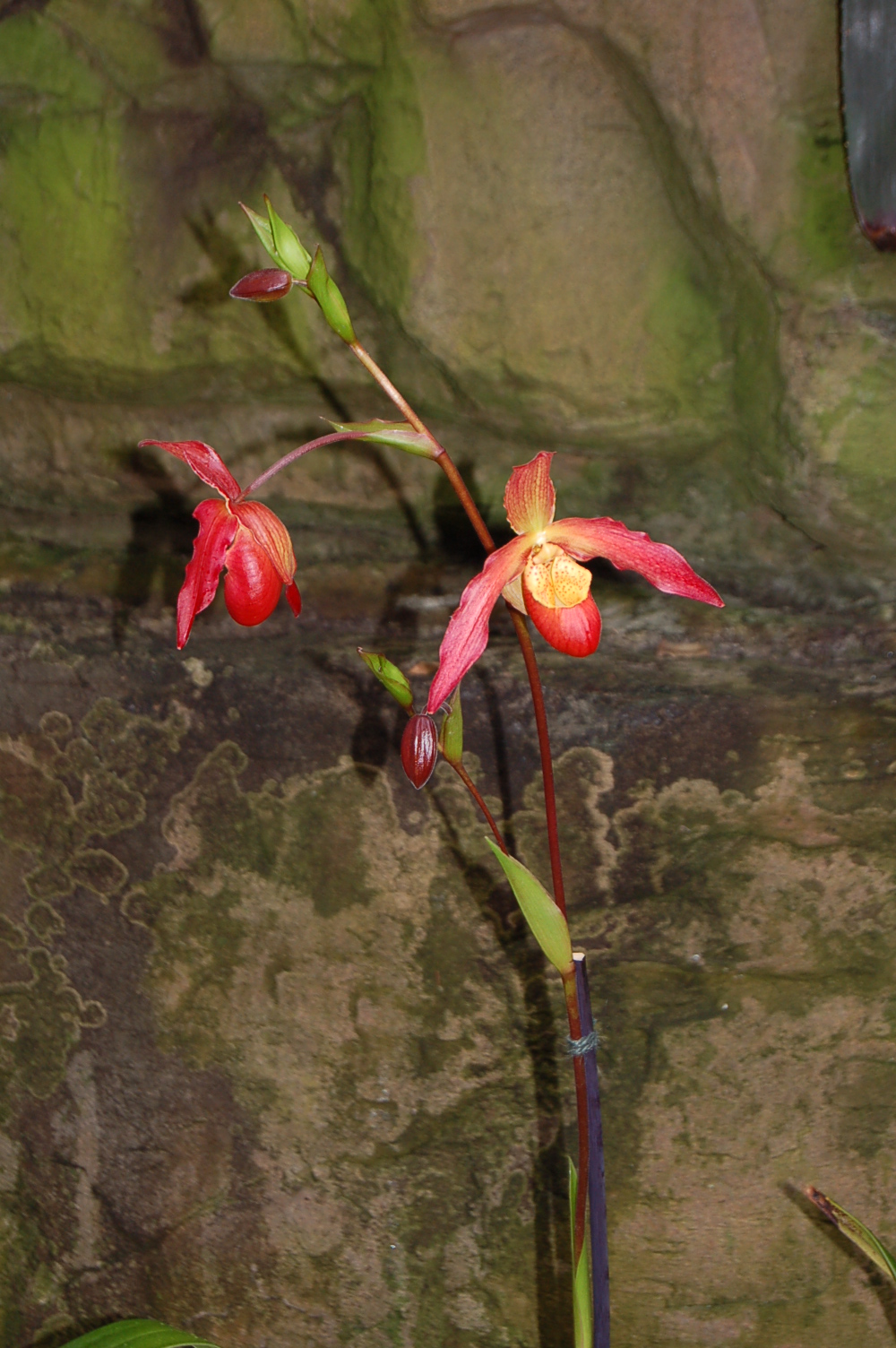
If we visit any garden with orchids hardy or greenhouse varieties she is drawn to them. But I don’t complain – they are unbelievably beautiful, the blooms richly coloured and eccentrically shaped. Here under the protection of Wisley’s glass roof they flourish.
With such a stunning, varied and comprehensive collection of orchids what glasshouse could wish for more?
I promised you a sample of the delights of the RHS’s Centenary Glasshouse, and here they are.
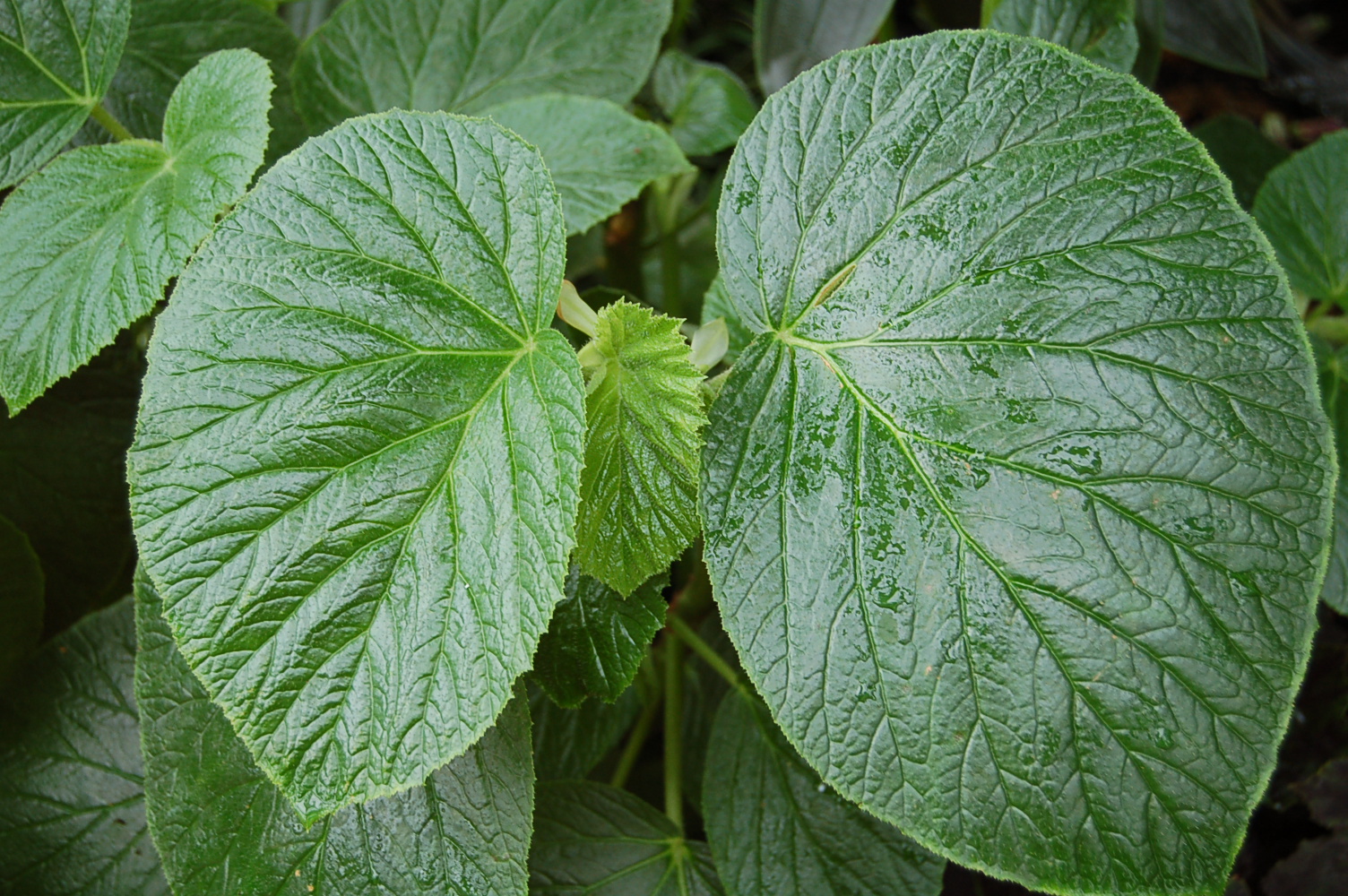
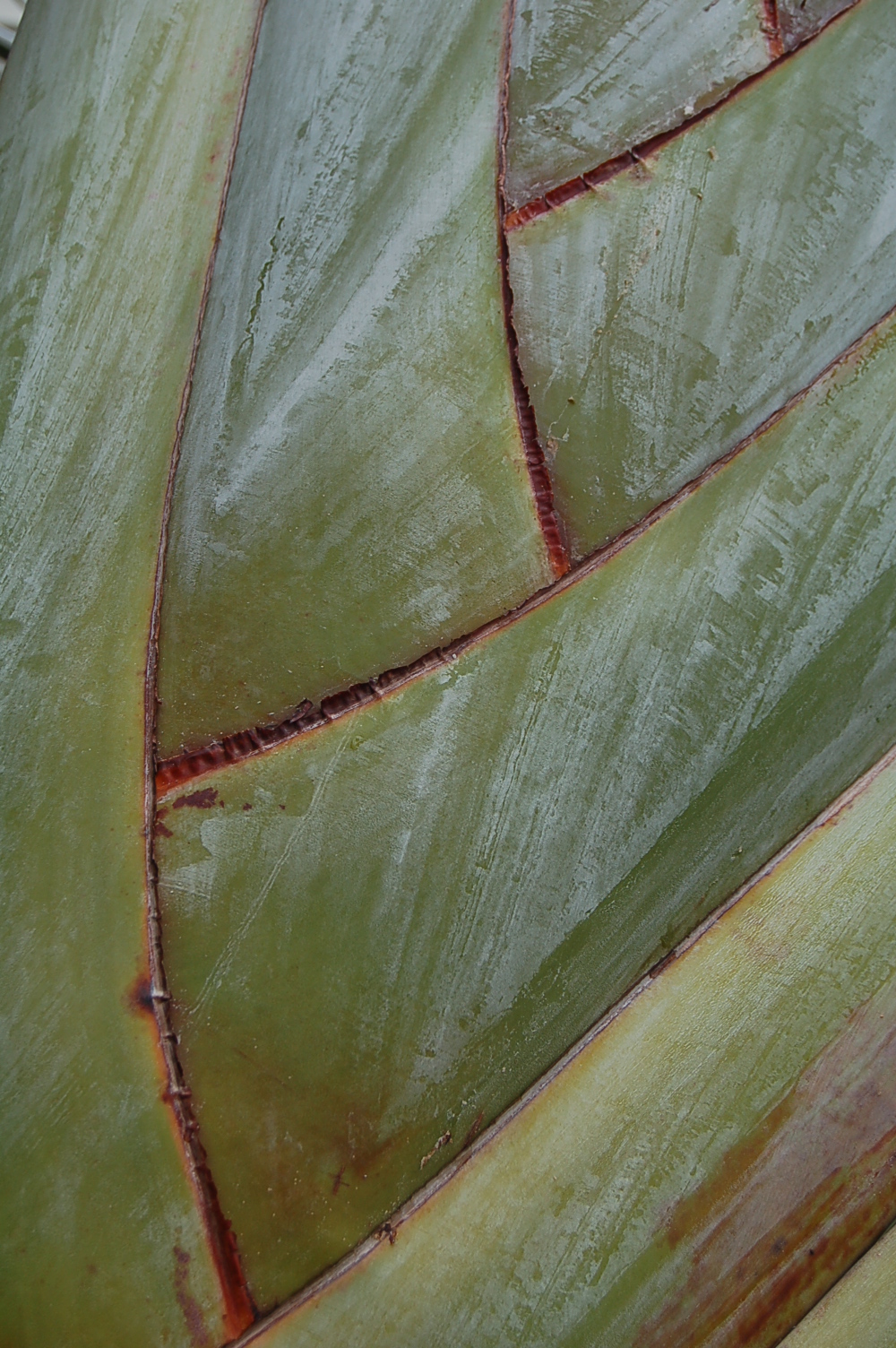
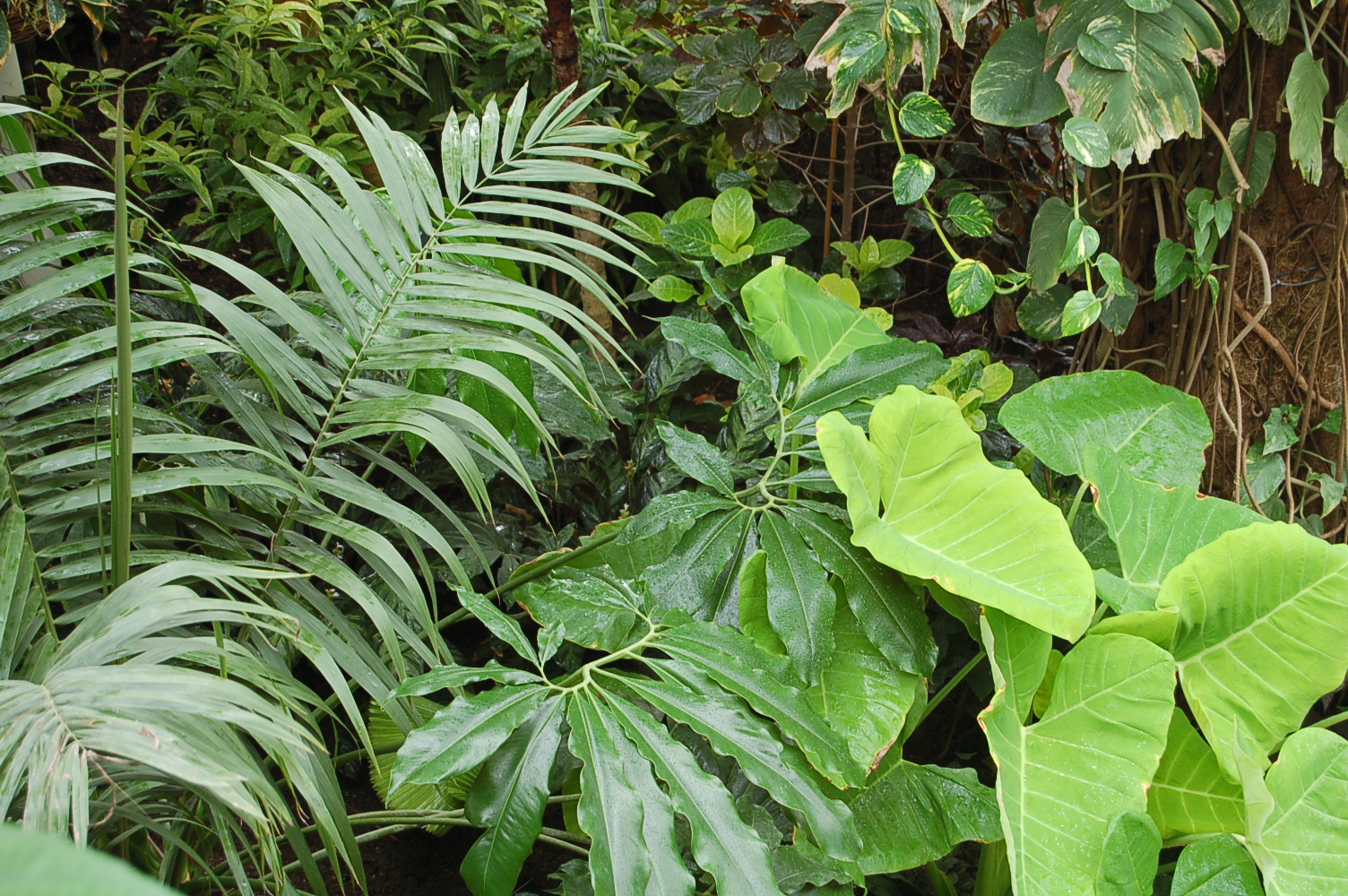
Usually in glasshouses the flowers are the stars of the show so just for a change let us begin by bringing foliage to the fore and letting leaves revel in the lime-light.
Foliage in all shapes, sizes, textures, markings and colours are to be found around every corner.
Alongside the Centenary Glasshouse at RHS’s Wisley is an area of meadow planting that has to be one of the best in England. We walked around it in the rain and our enthusiasm was not dampened one iota. The design and plant choice is the creation of Professor James Hitchmough, best known as the right hand man of Nigel Dunnet from Sheffield University.
His garden at Wisley features naturalistic, flowing plantings of hardy perennials and grasses which look and feel remarkably natural even though carefully and thoughtfully designed.
The word that springs to mind for this planting style is “gentle”. When walking through the gardens along its meandering narrow gravel paths we felt the atmosphere – peaceful, calm and relaxing.
When we first visited Wisley a few decades ago the grass was cut short and neatly edged. There certainly were no wildflowers allowed to grow amongst the neat blades of grass, and there certainly were no meadows.
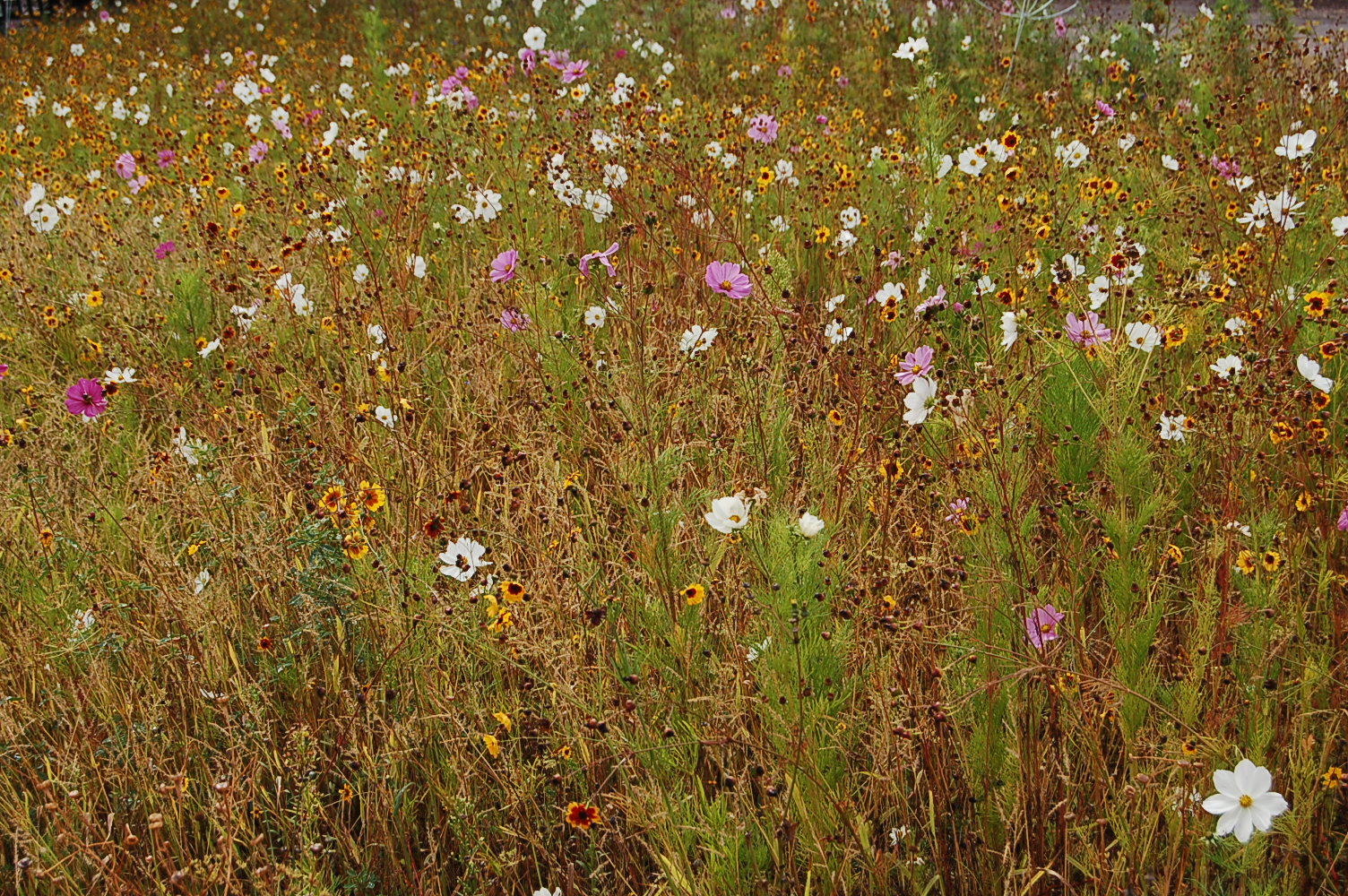
But now differential grass cutting is favoured with some areas cut short, others allowed to grow longer and wildflowers are establishing as they enjoy this new habitat of longer grasses. The trend towards planted meadows and prairie-style plantings are well represented, which is good for us because these styles are a real favourite with us both.
Piet Oudolf has designed and planted magnificent double borders – very different to traditional English double herbaceous borders such as those at Arley House.
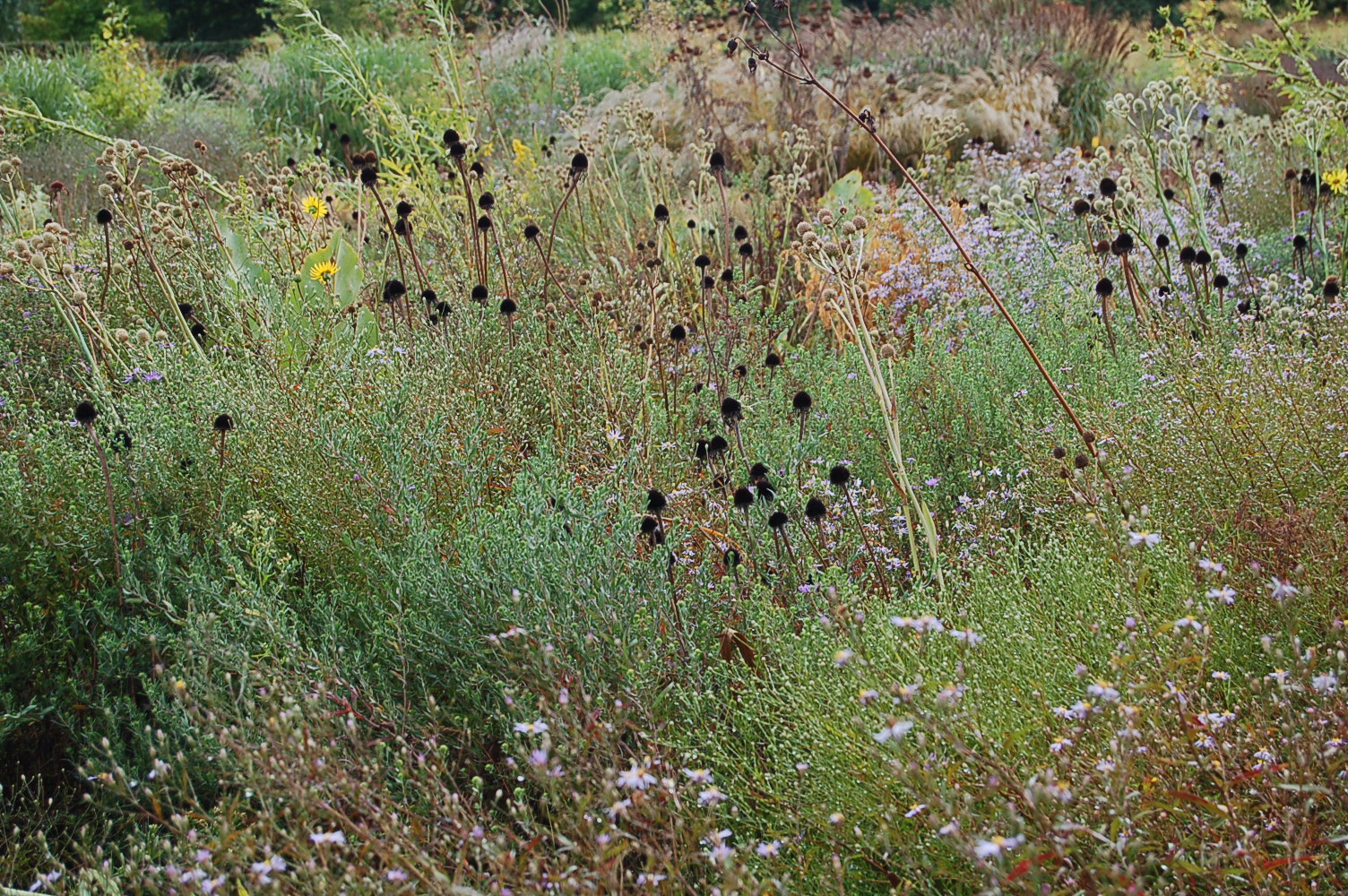
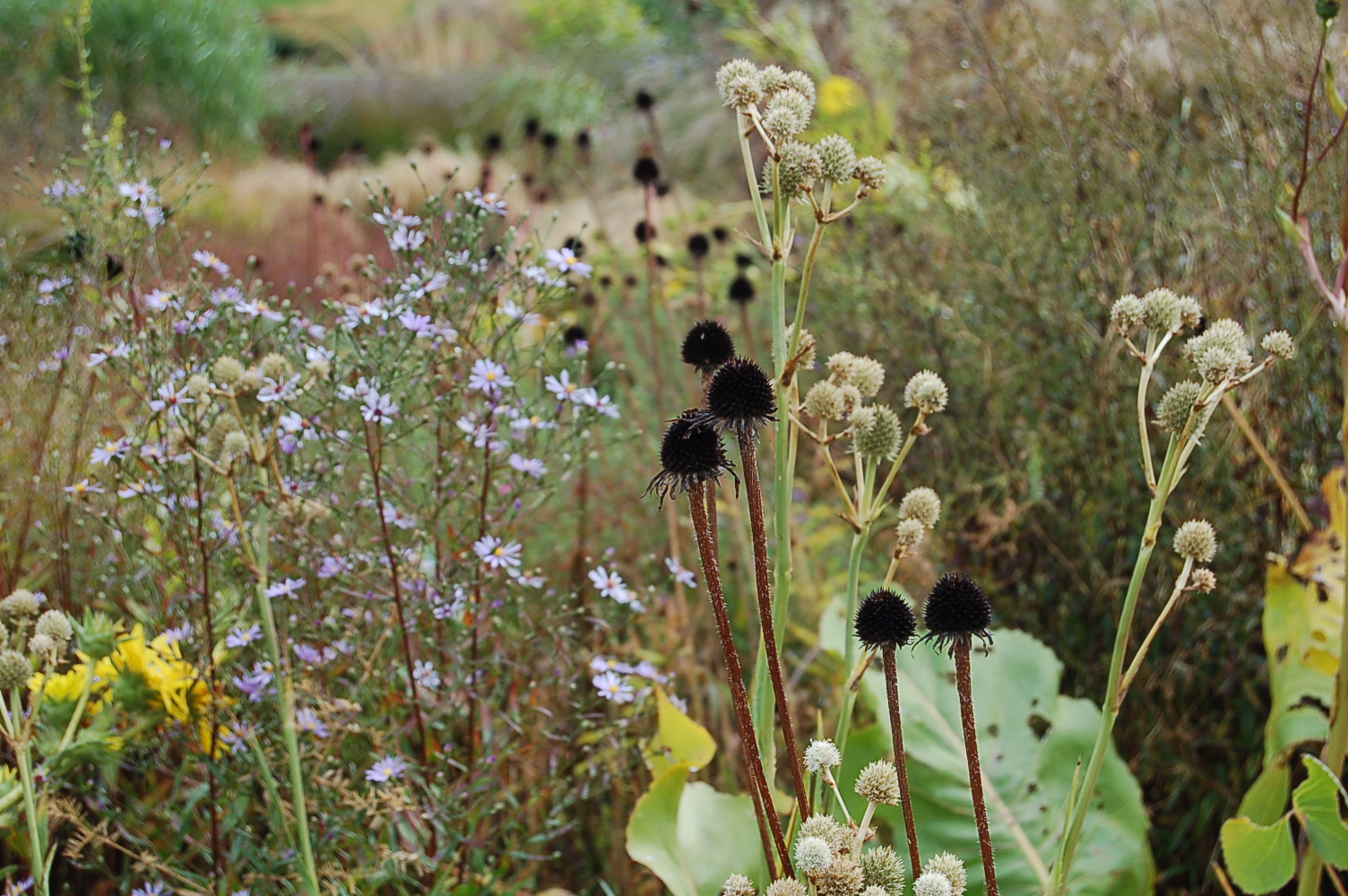
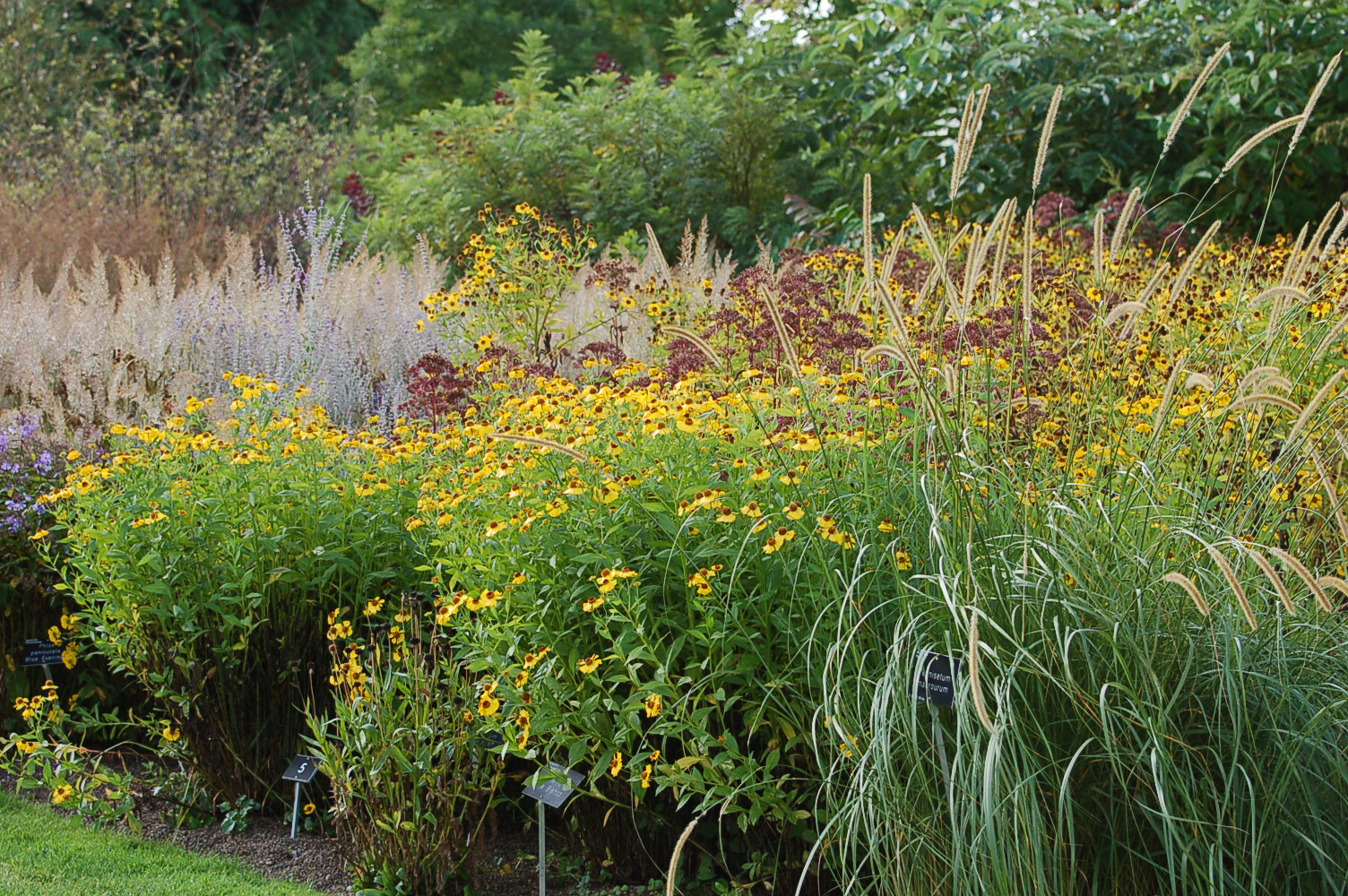
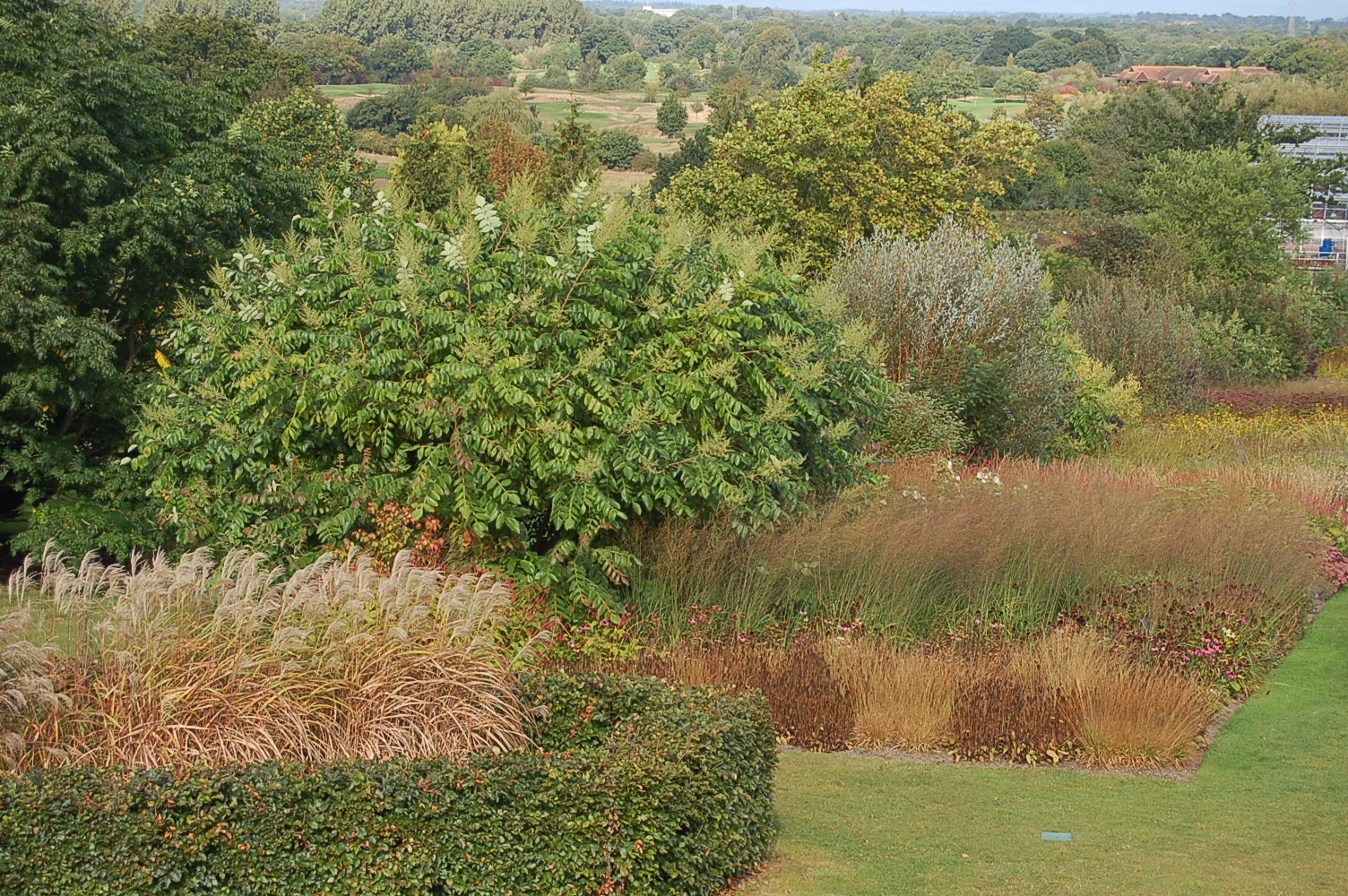
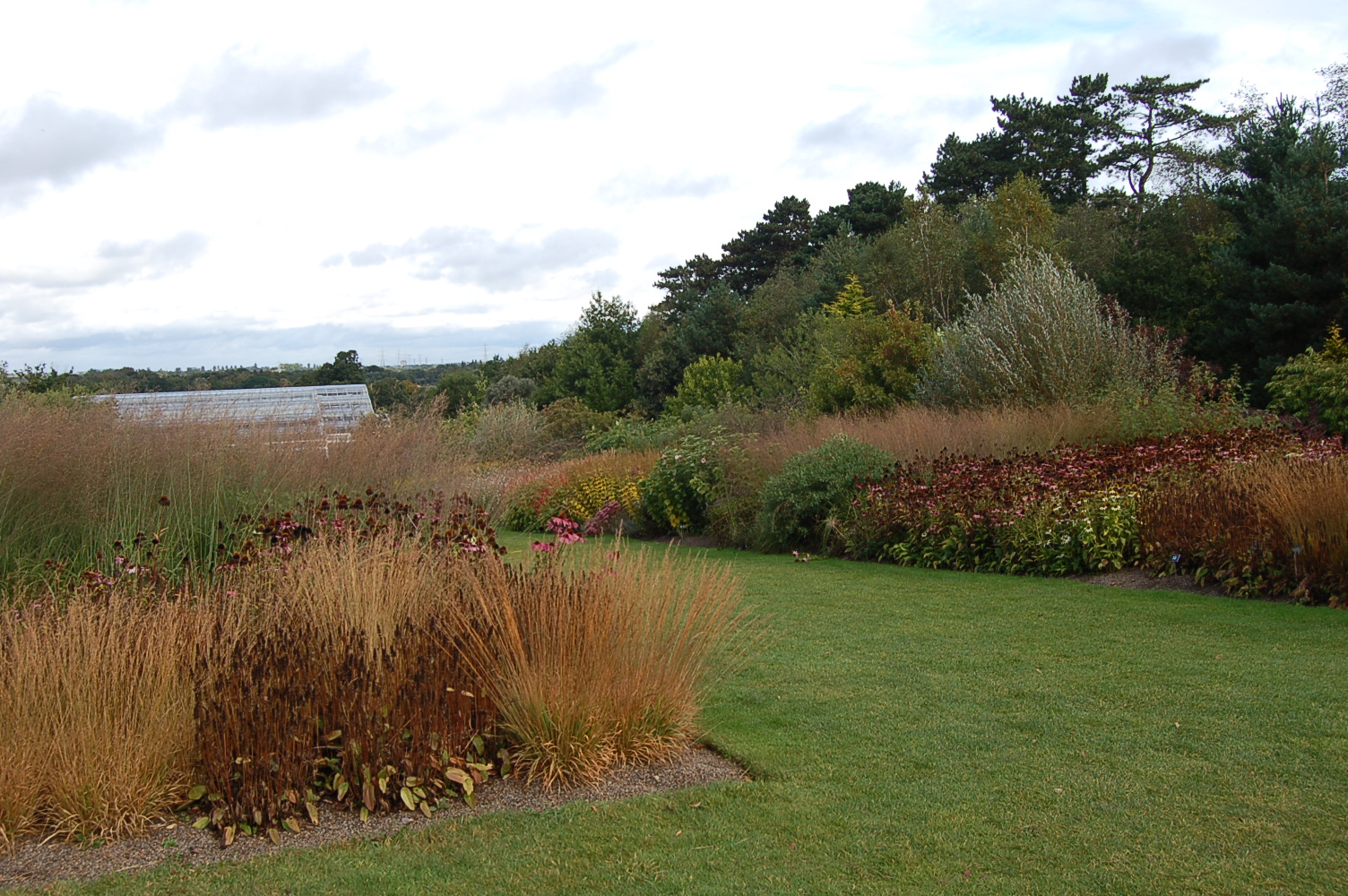
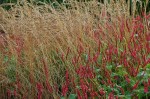
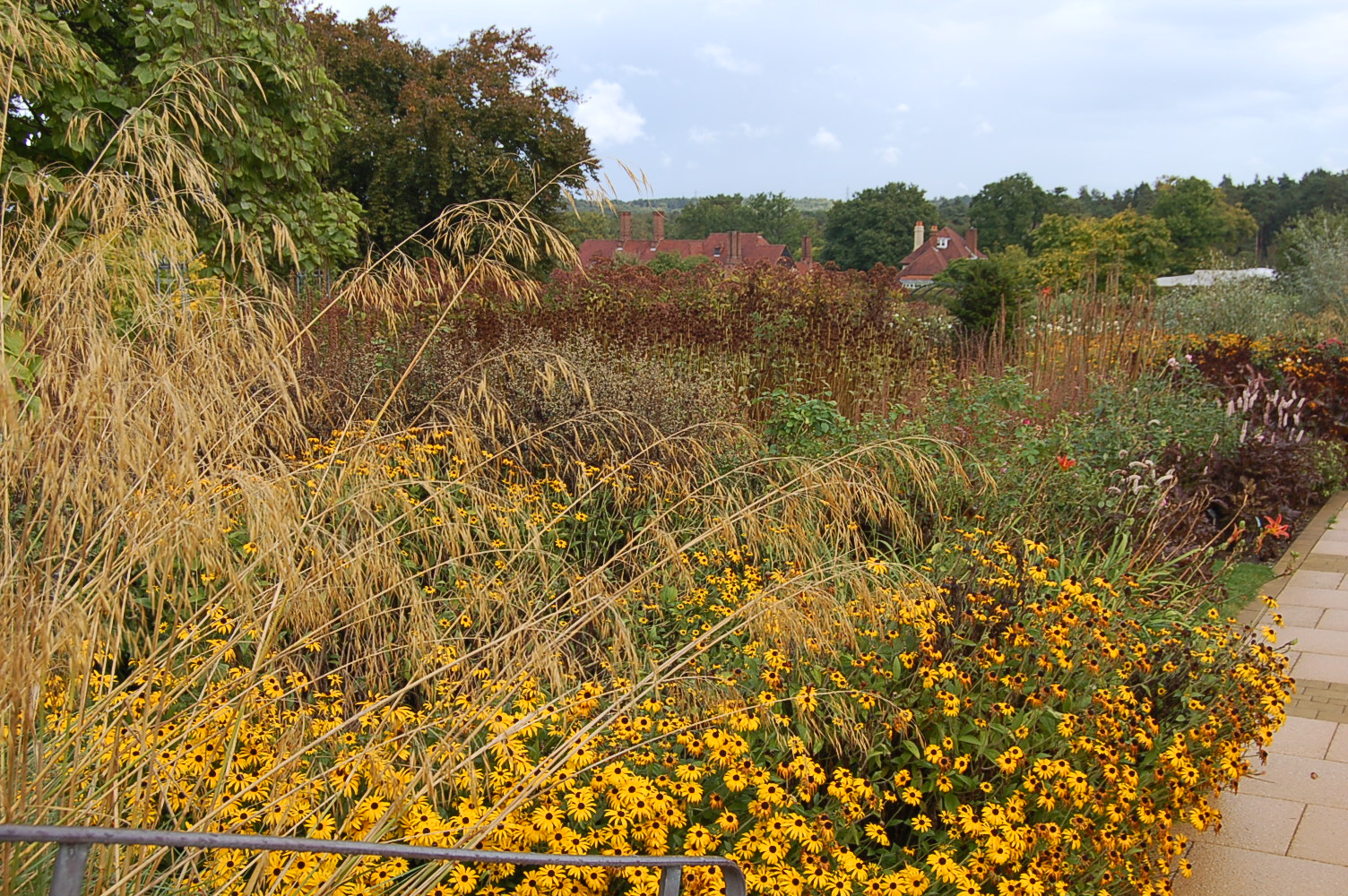
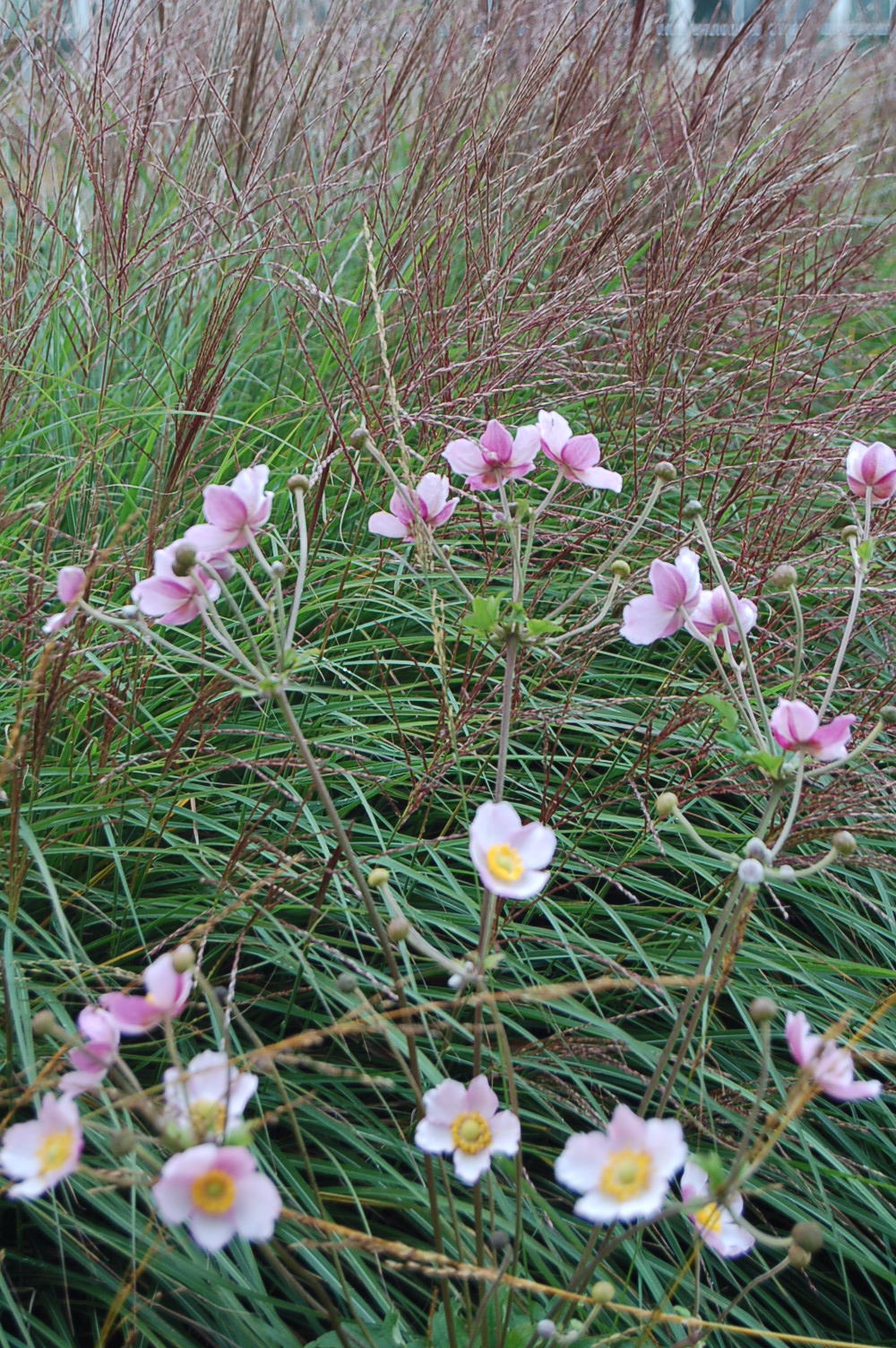
Carefully chosen herbaceous plants are planted in large groups to create swathes of colour and texture. In early autumn, when we looked at Piet Oudolf’s borders, grasses featured strongly alongside drying stalks and seed heads of herbaceous perennials. There were still flowers to be seen and they were enhanced by the background of stems.
To enjoy a look at the plants of Piet Oudolf’s Wisley Borders click a photo in the gallery below and follow the arrow.
But Oudolf is not the only garden designer to create meadows at Wisley, as a newer and equally beautiful planting area has been created by Professor James Hitchmough. It is described as a steppe-prairie meadow. See the next post ………..
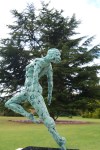
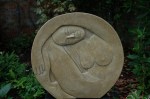
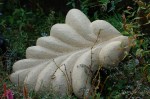
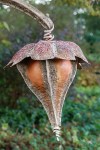
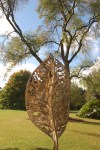
We were in luck when we visited Wisley – a sculpture exhibition was taking place throughout the gardens, with sculptures of all styles positioned with great sensitivity. We didn’t like them all but that is what art is all about. If we all liked the same pieces it would be a boring art world.
The Royal Horticultural Society is probably the most important, most well known and most influential gardening society in the world. We are lucky to live in the UK where we have access to their own gardens and to their recommended list of gardens open to the public.
Last Year we enjoyed visits to three of their four gardens, Rosemoor in Devon, Harlow Carr in Yorkshire and their main garden Wisley in Surrey. The one we didn’t get around to seeing was Hyde Hall in Essex – maybe later this year.
In this series of posts I shall share our visits with you. We naturally begin with their main garden, Wisley. There is so much of interest to gardeners that I shall post a blog each day this week based on different aspects of Wisley. Hopefully these will provide a little respite from the cold and wet. So please enjoy my Wisley Week.
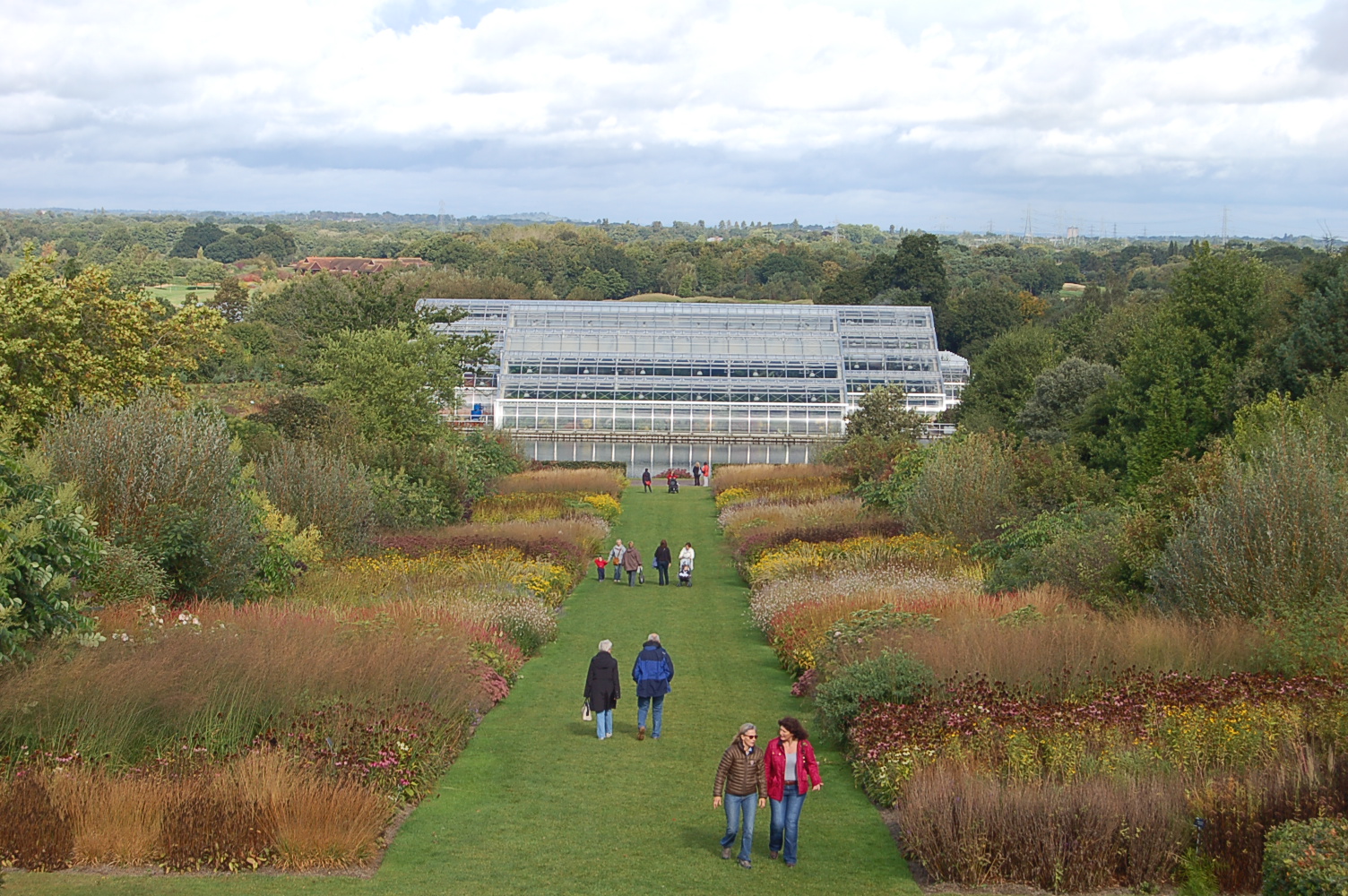
Perhaps we had better start with one of the classic Wisley views. Then I shall share a few views to give a feeling for this special place.
These huge sloping double borders were designed by the great Piet Oudolf. We saw them first just as they were planted when it was mostly soil dotted with little young plants all raring to go. Every visit we make to Wisley we head for these borders to see how they have developed. Over time they have been altered with some plants replaced with more effective, more appropriate ones. They are now at their peak. See more of Piet Oudolf’s borders in a future post “Meadows and Prairies at Wisley”.
The recently built Centenary Glasshouse is a work of art in itself, one of the finest examples of garden architecture to be seen anywhere at anytime. Look out for the future posts, “Orchids at Wisley” and “The Centenary Glasshouse at Wisley”, to see what is going on under all that glass. What would a visit to Wisley be without a gallery of plants?
In my next Wisley blog I invite you to share a selection of sculpture which was displayed around the grounds at the time of our visit.
'The most important and informative publication on wildlife of our times' - The Independent. This blog is a member of The UK & Ireland Natural History Bloggers group: www.uknhb.blogspot.com









































































































 greenbenchramblings