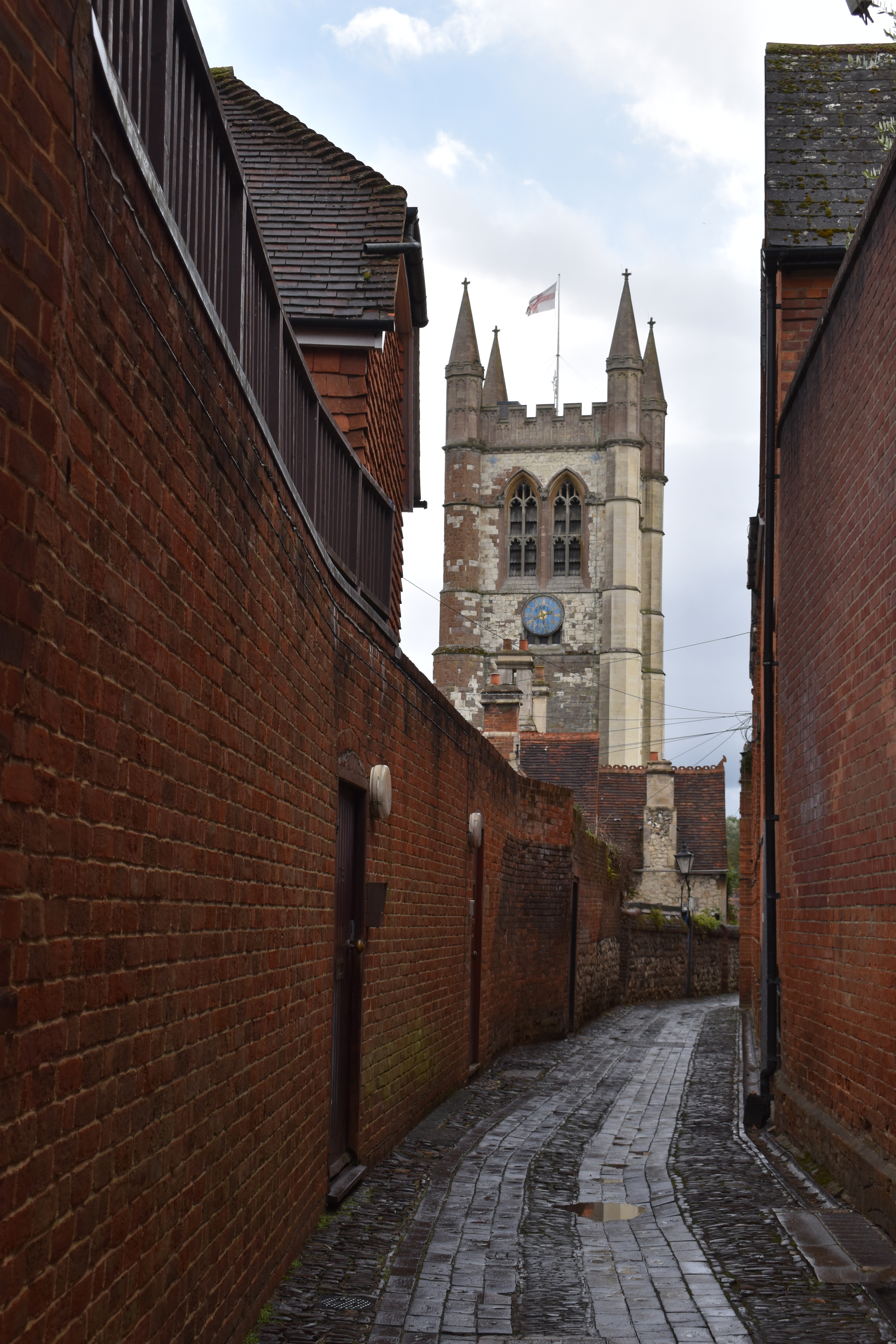
The town of Farnham is known as a Craft Town and is very active in the creative arts. The town is also very active in relation to conservation and climate change. There is so much going on! My brother Graham is involved in many ways in both these spheres.
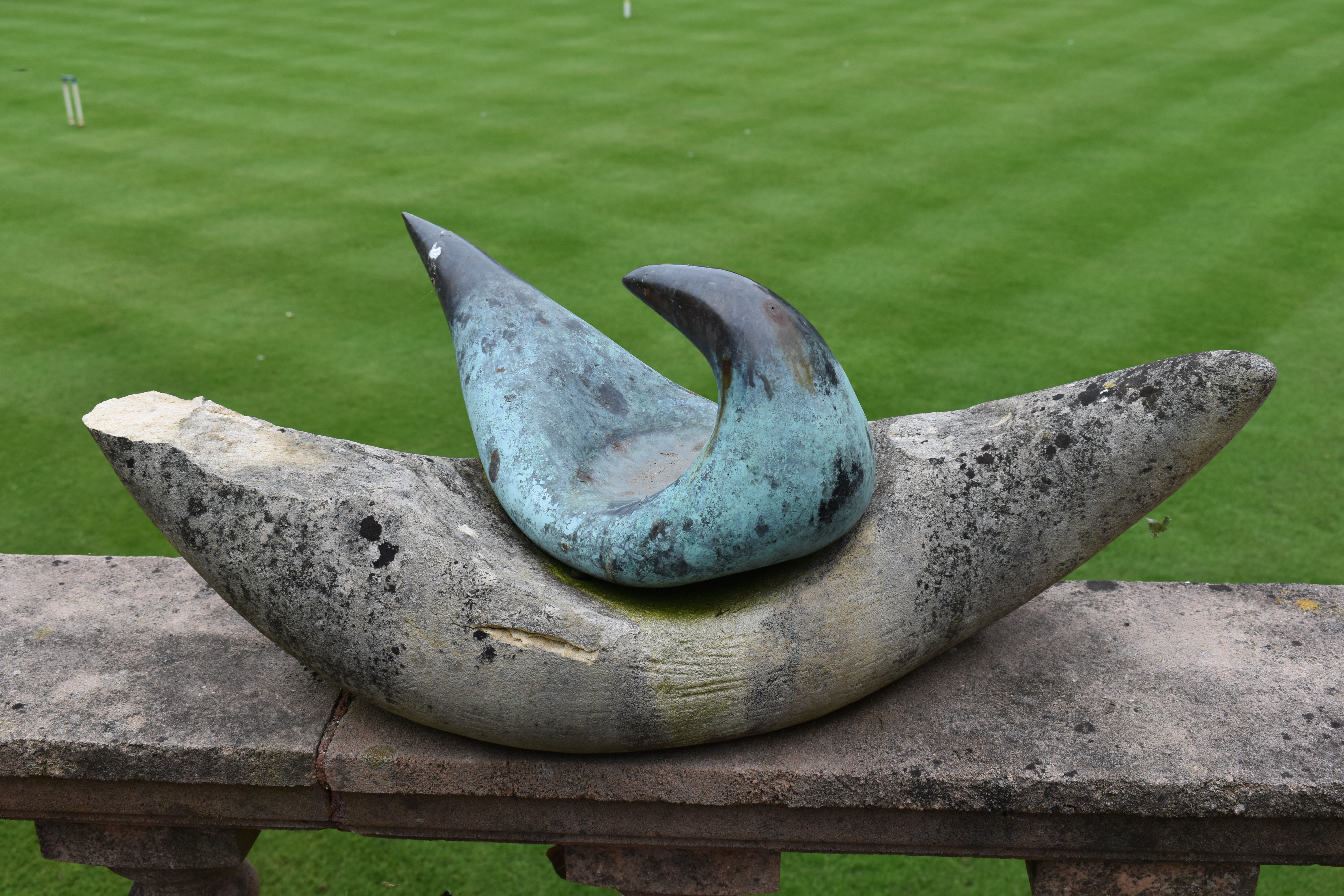
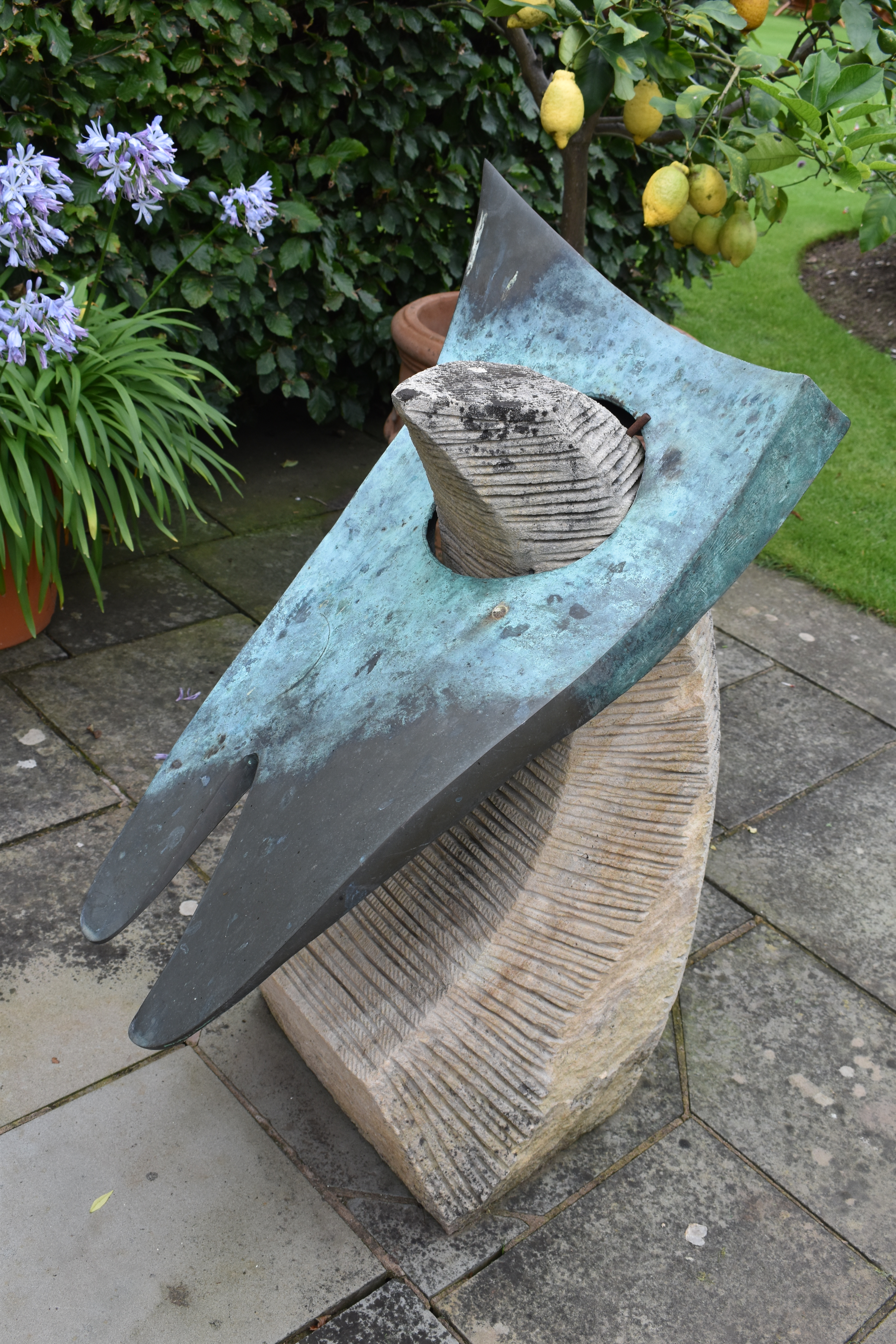
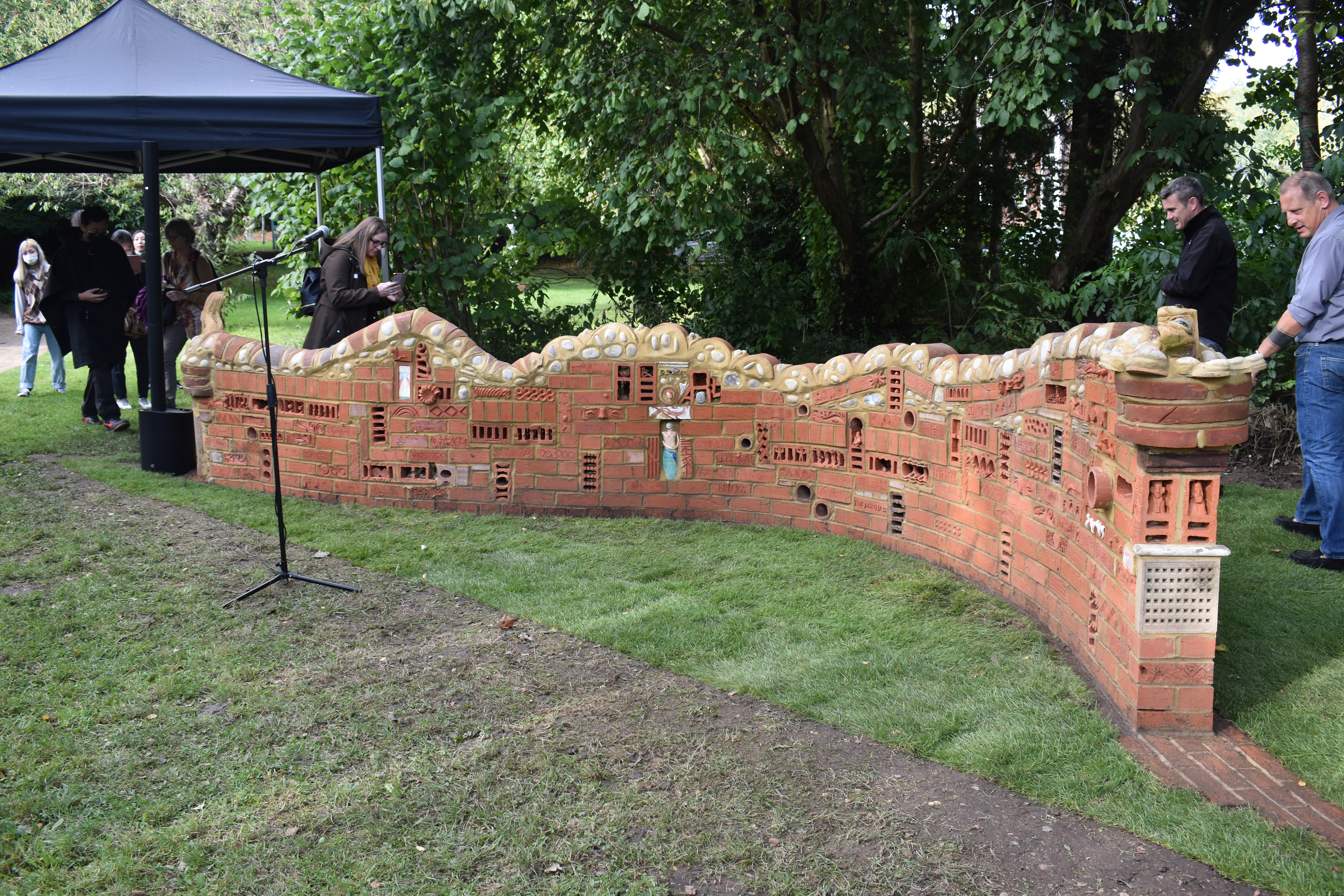
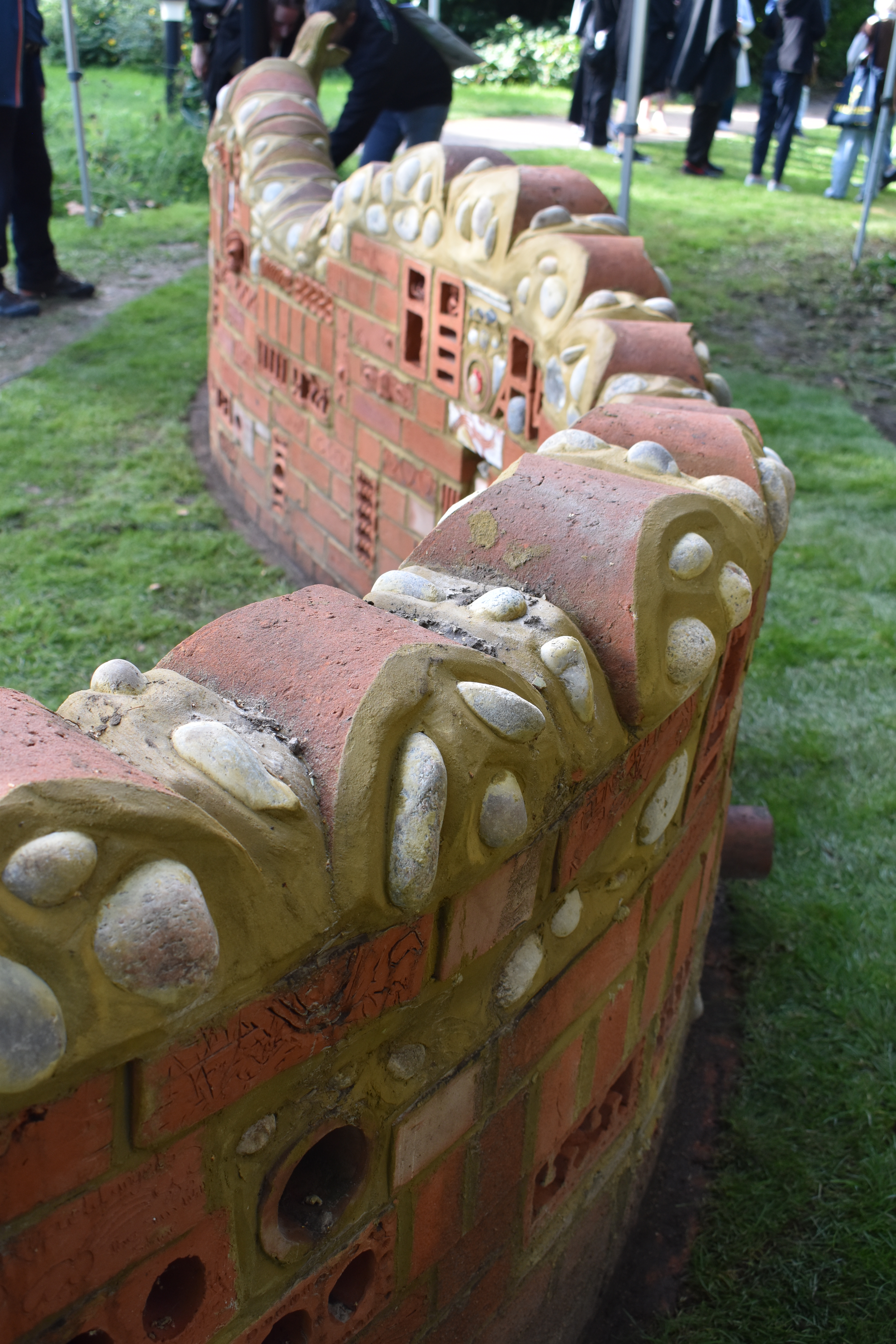
When staying for a short break with him and his wife, Vicky, we had the honour of attending the unveiling of a special piece of community based craftwork.
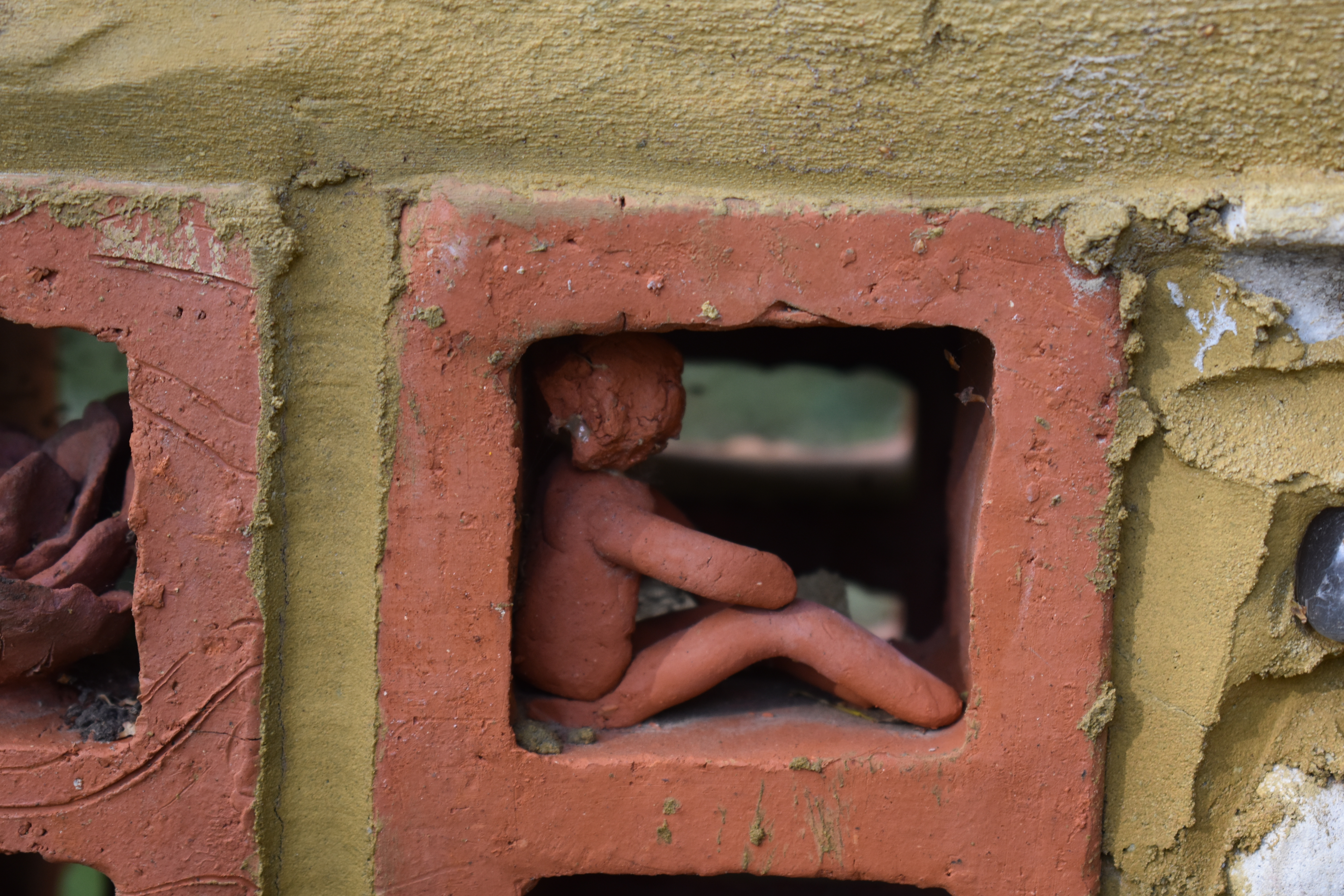
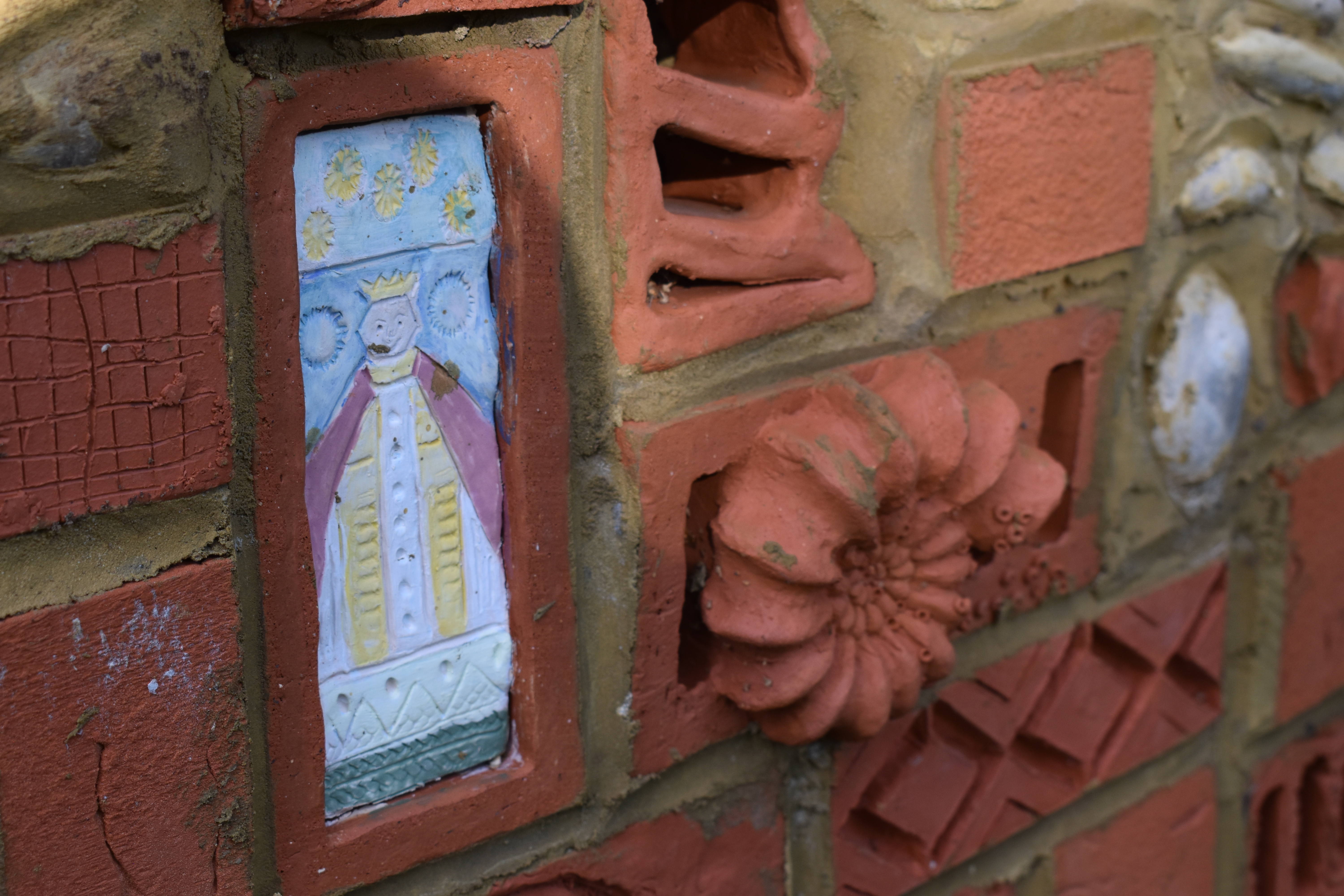
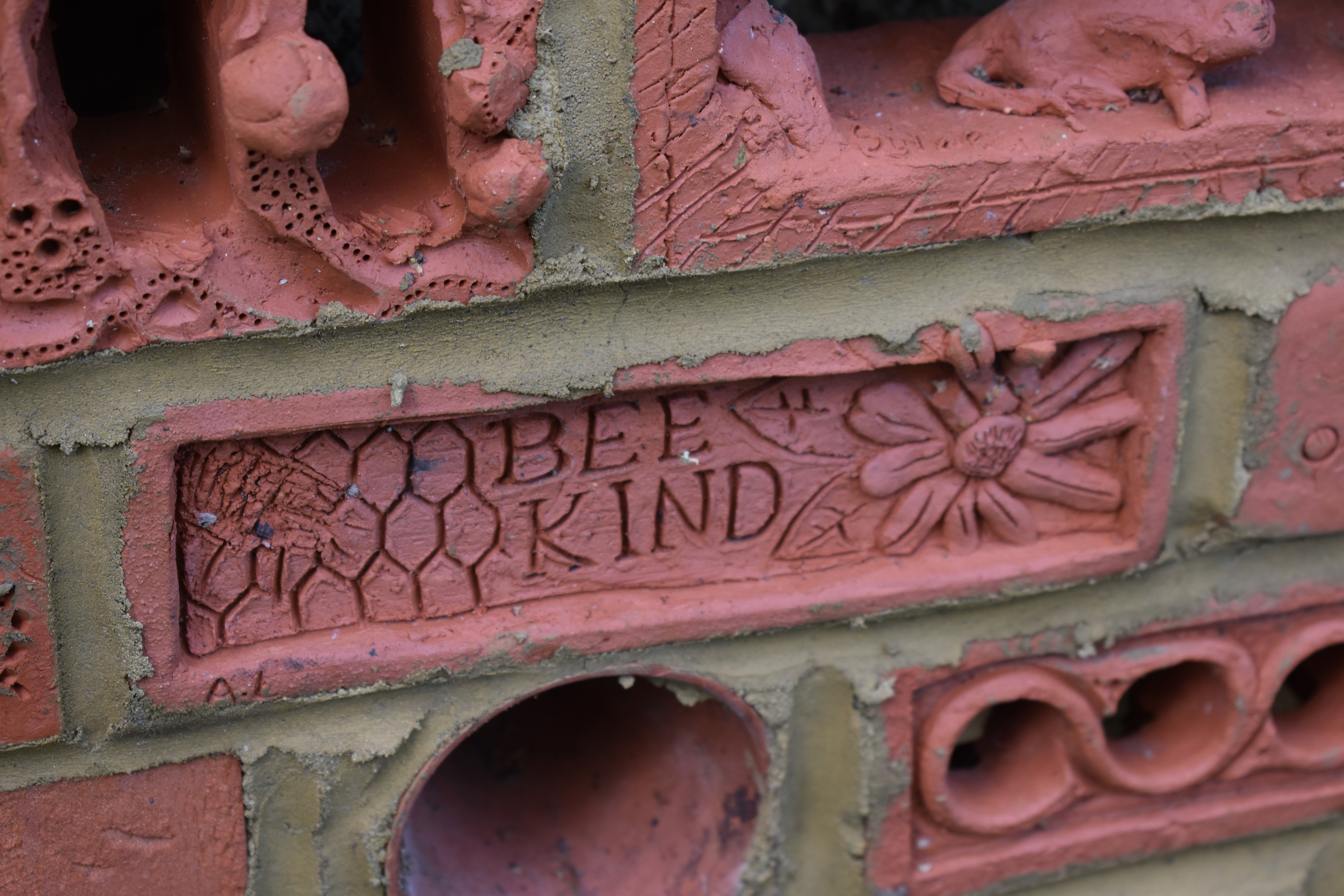
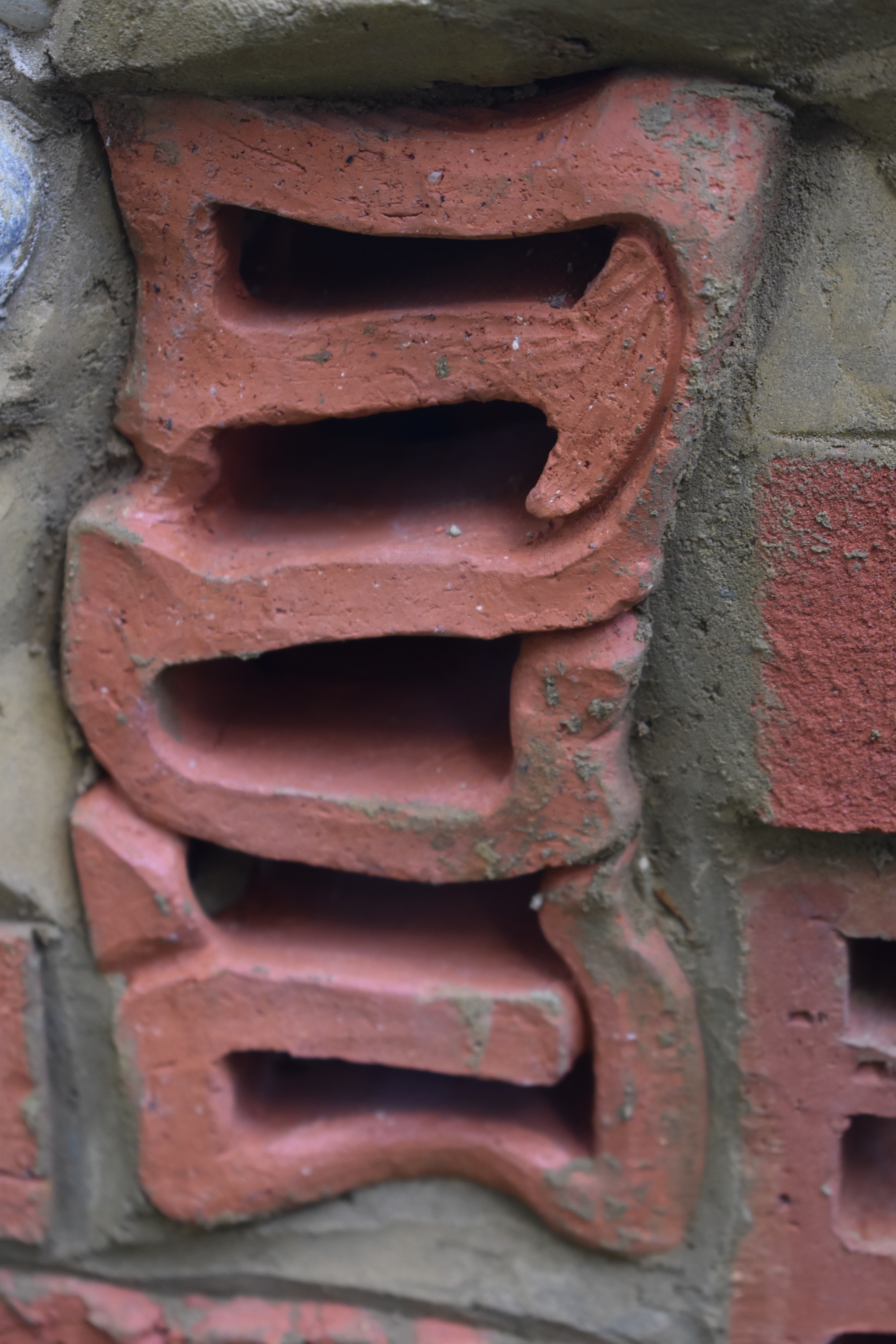
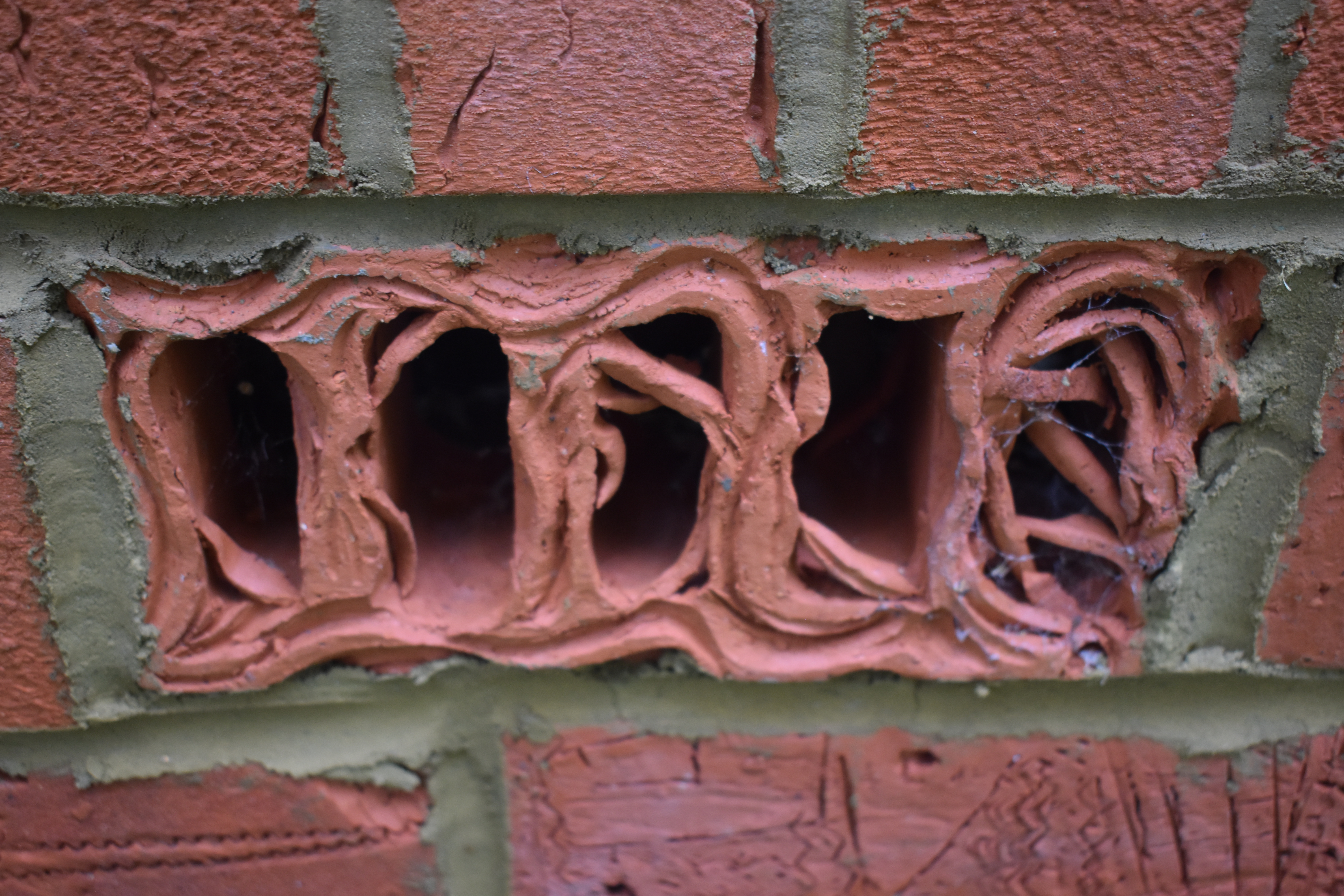
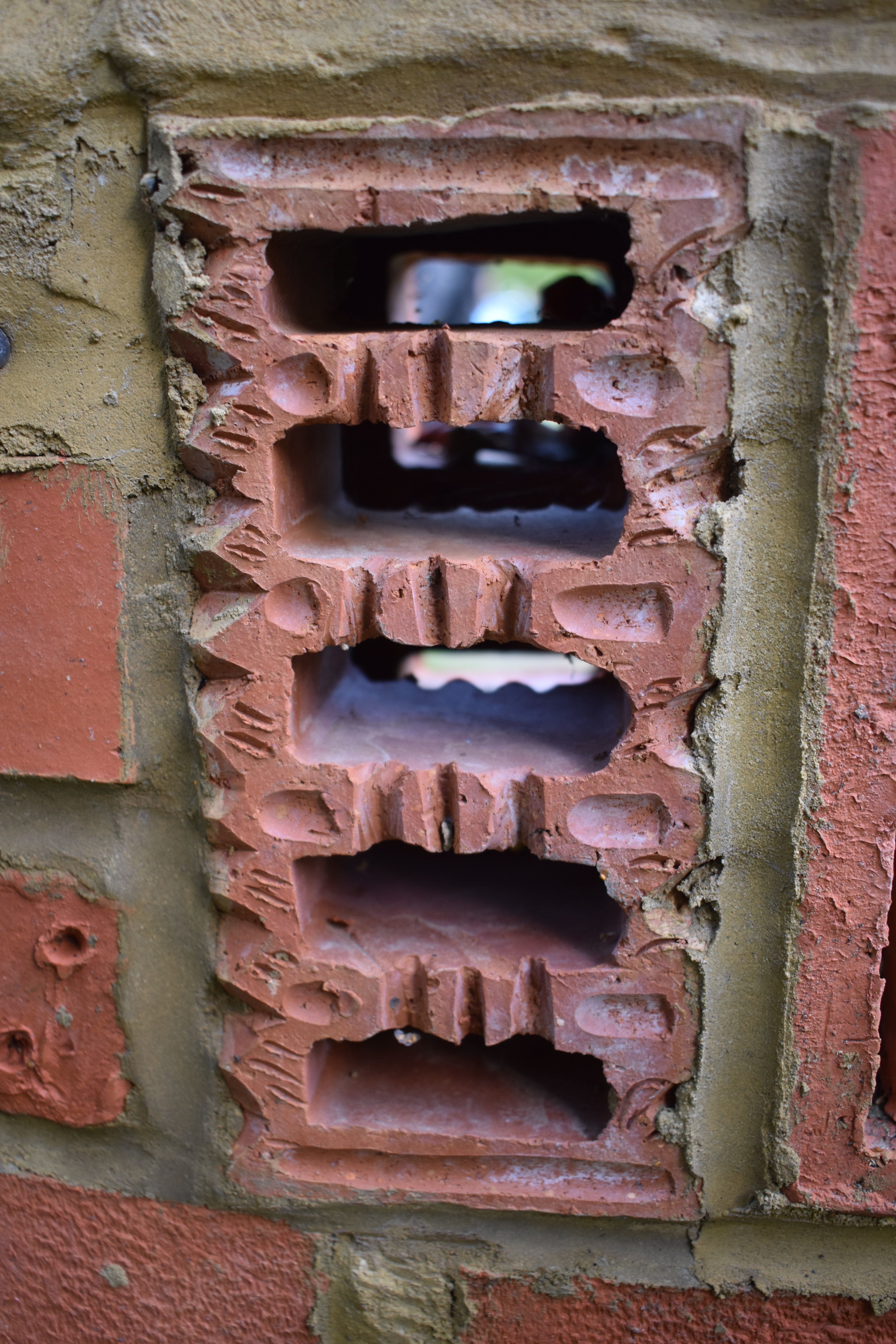
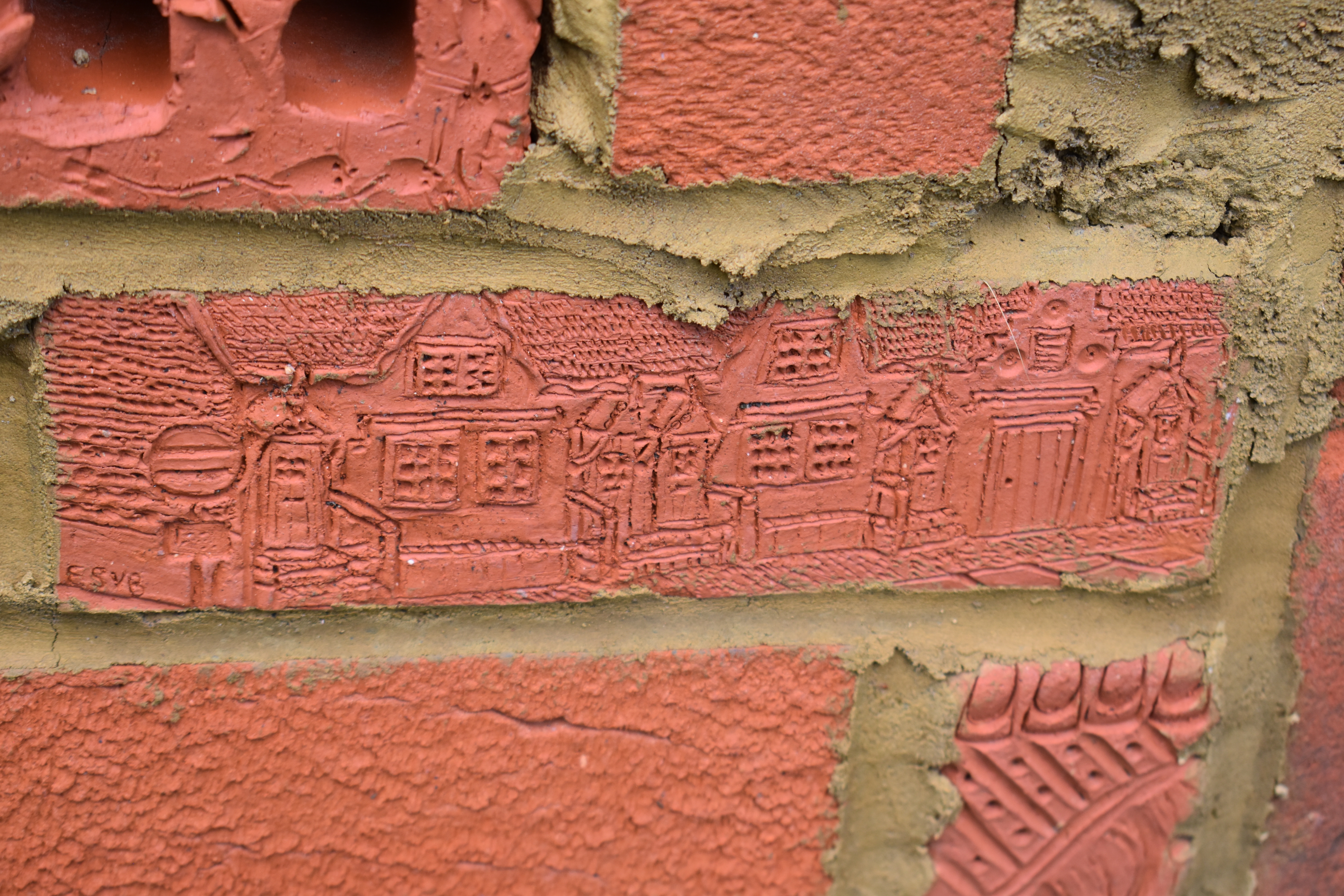
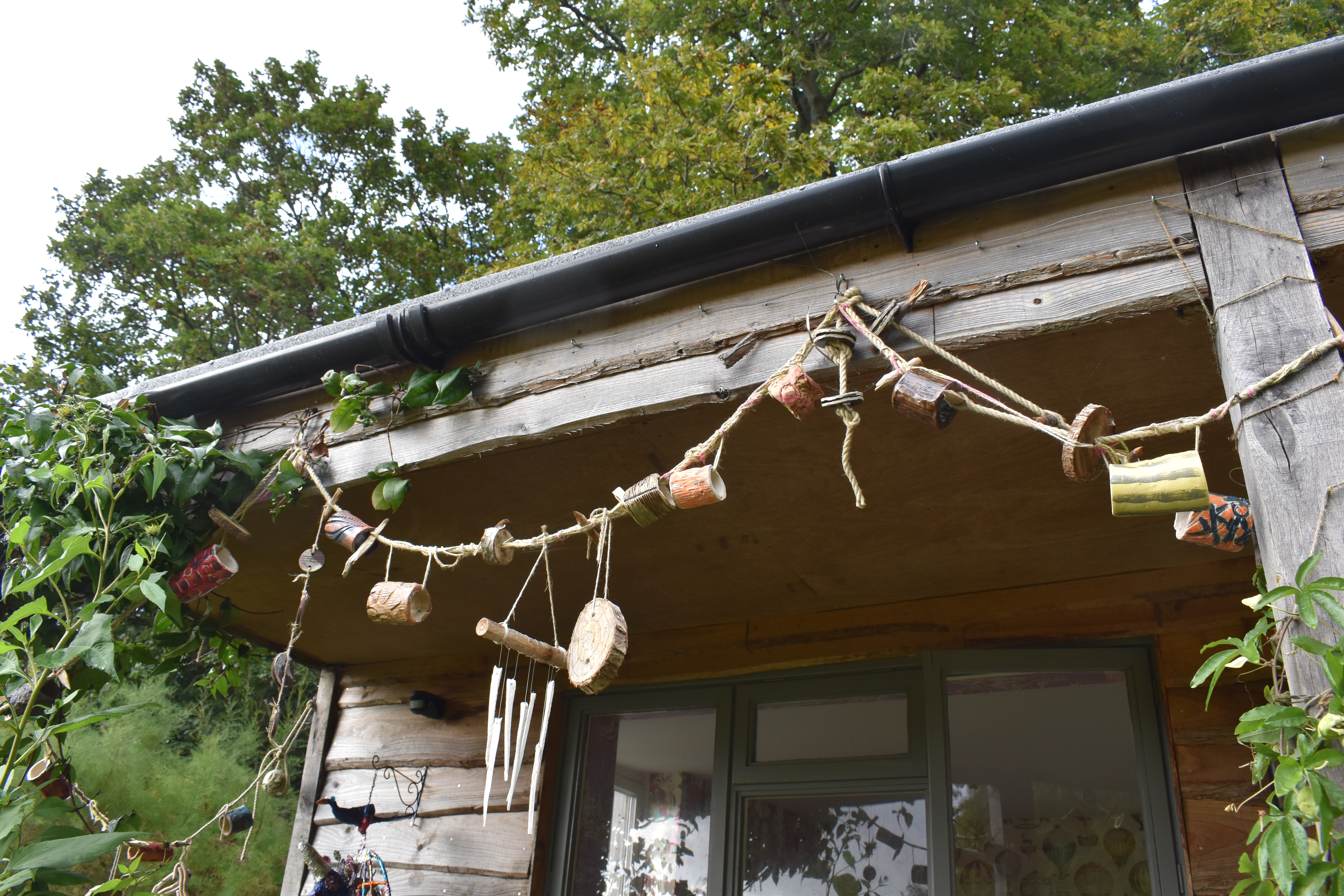
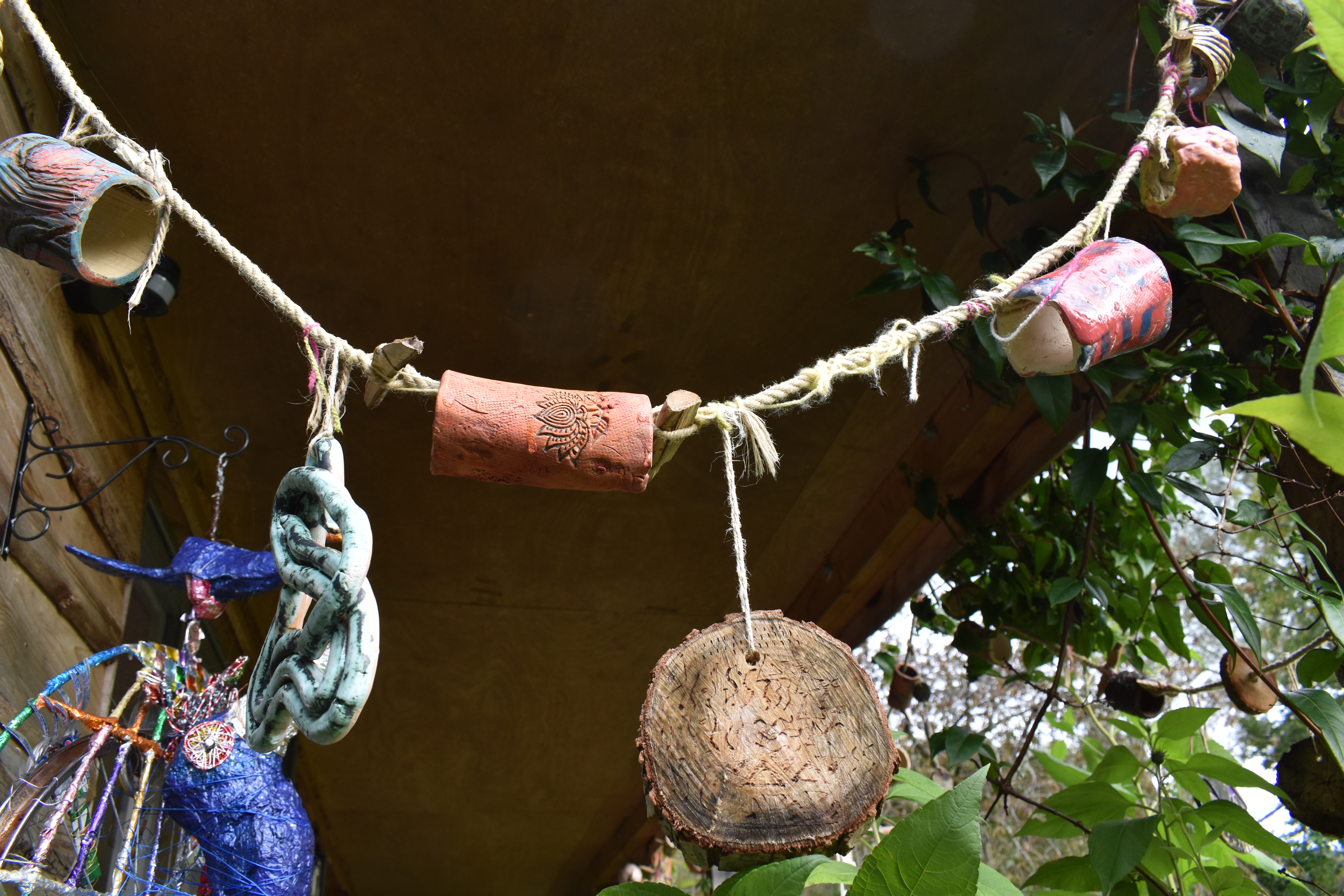
Any resident of the town could collect an unfired brick to personalise by carving, adding texture or patterns or anything that takes their fancy.
These were then returned and fired ready to be added to a beautifully curvaceous wall as a piece of public art.
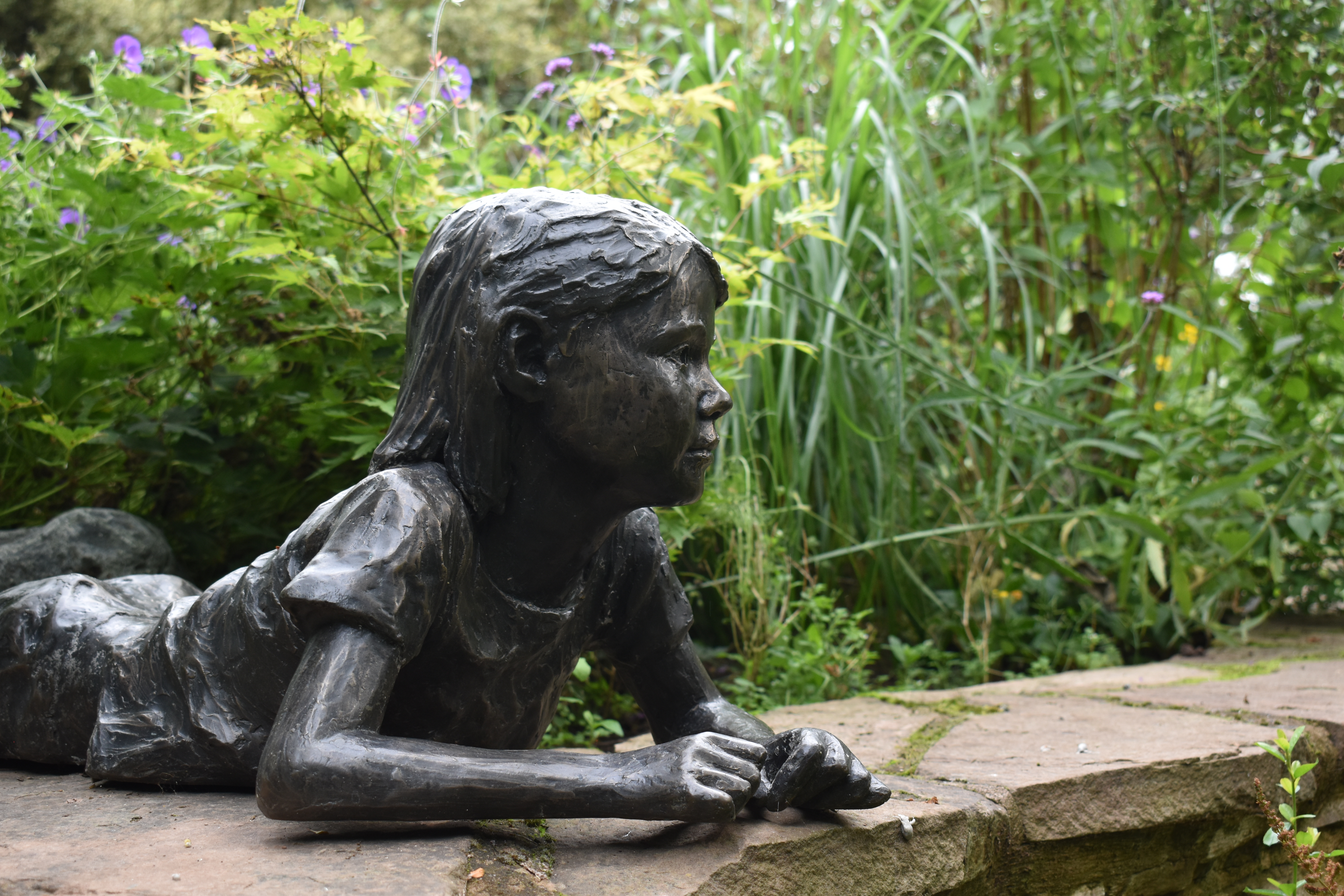
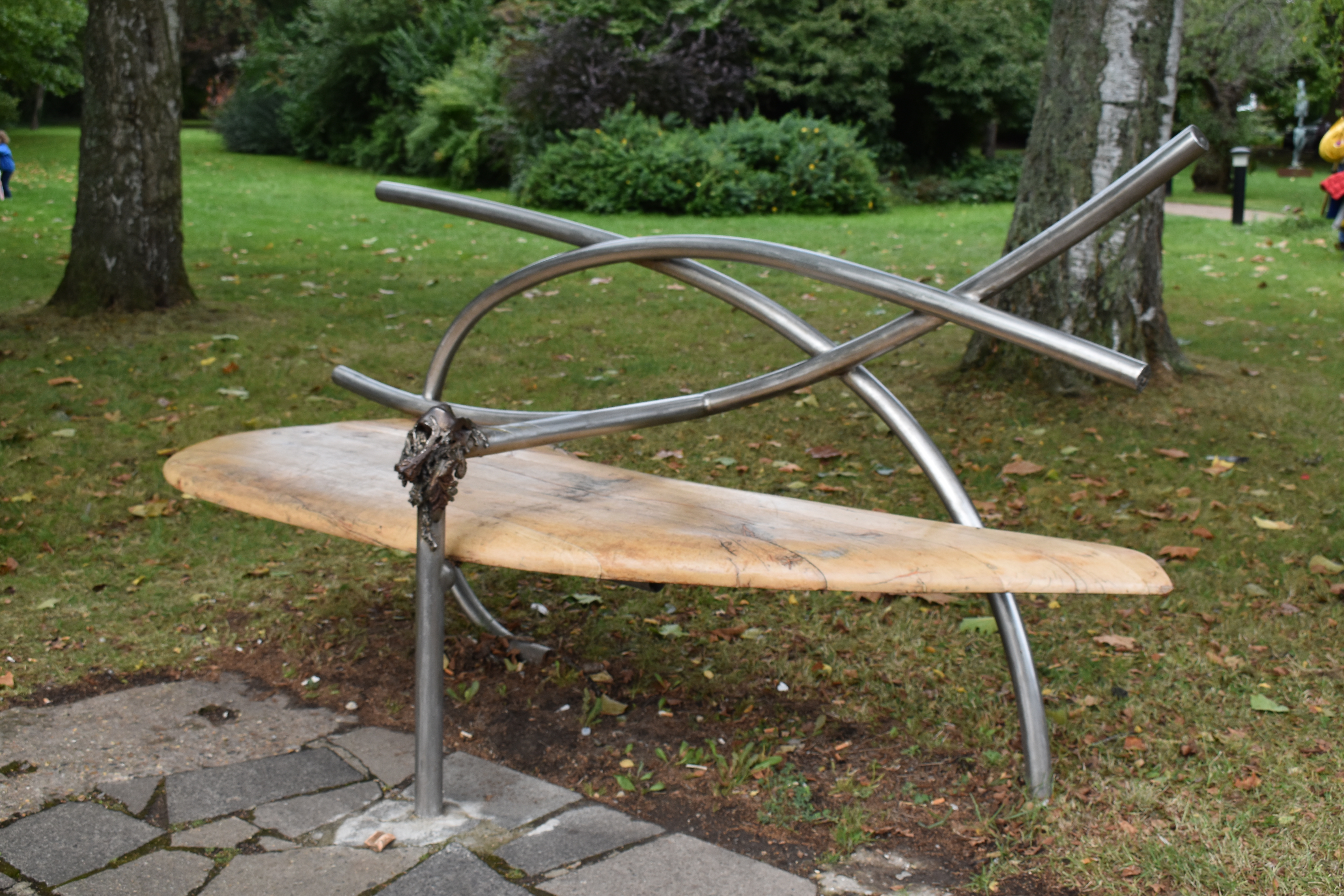
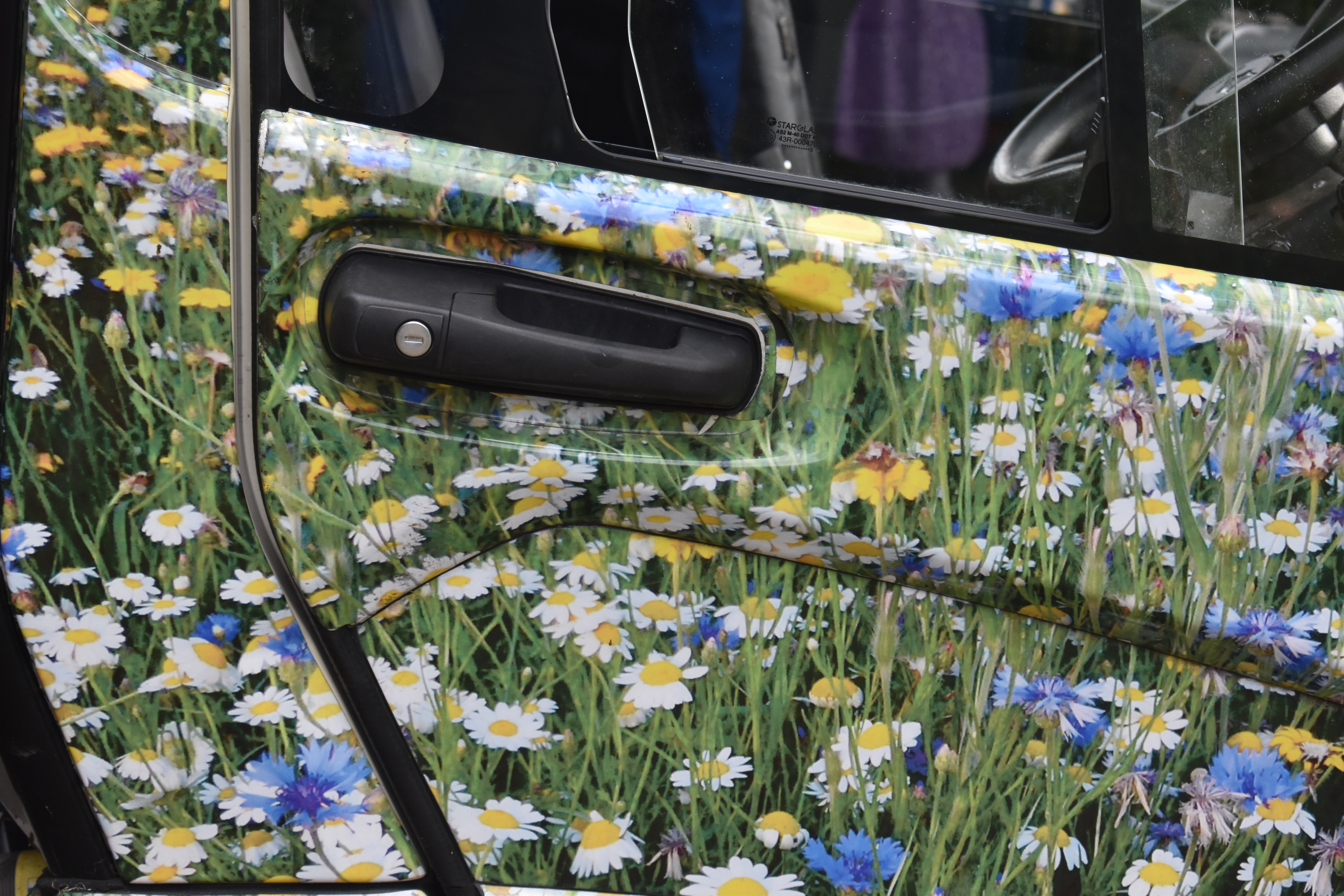
Nearby were other signs of the creativity of Farnham people, a beautiful garden bench in the park area where the wall is situated and even the council trucks looked smart.
For our second day of our days away in Farnham, Graham and Vicky took us for a wander through the town itself making our way to “Space 2 Grow” a mental health and well-being charity all in one acre of garden.
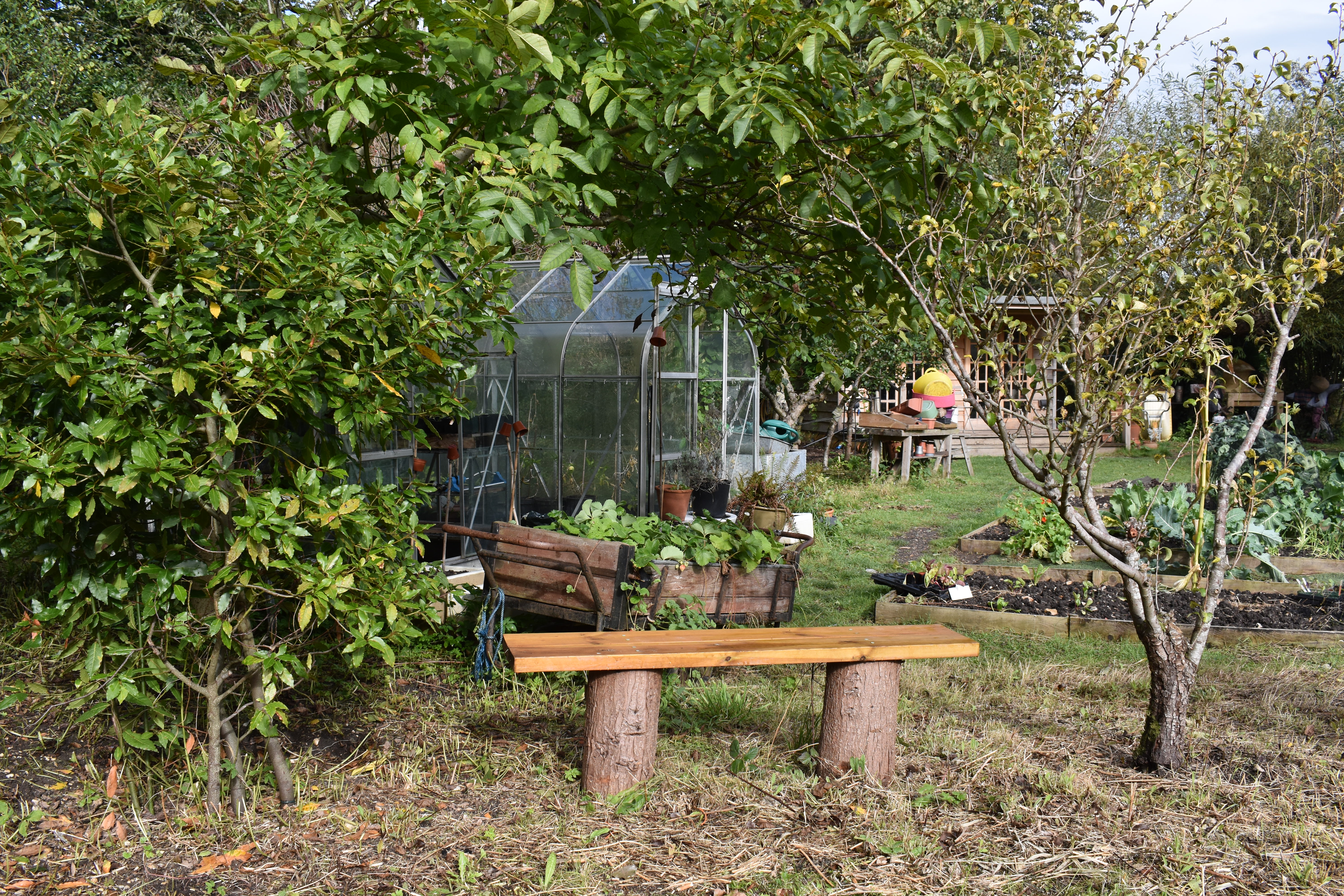
This space had a wonderful calm atmosphere where so many different community groups could work involving groups for all ages. Their work was recognised by RHS Britain in Bloom who gave them a Level 5 Outstanding Award. We walked slowly around discovering interesting craft pieces and productive spaces.
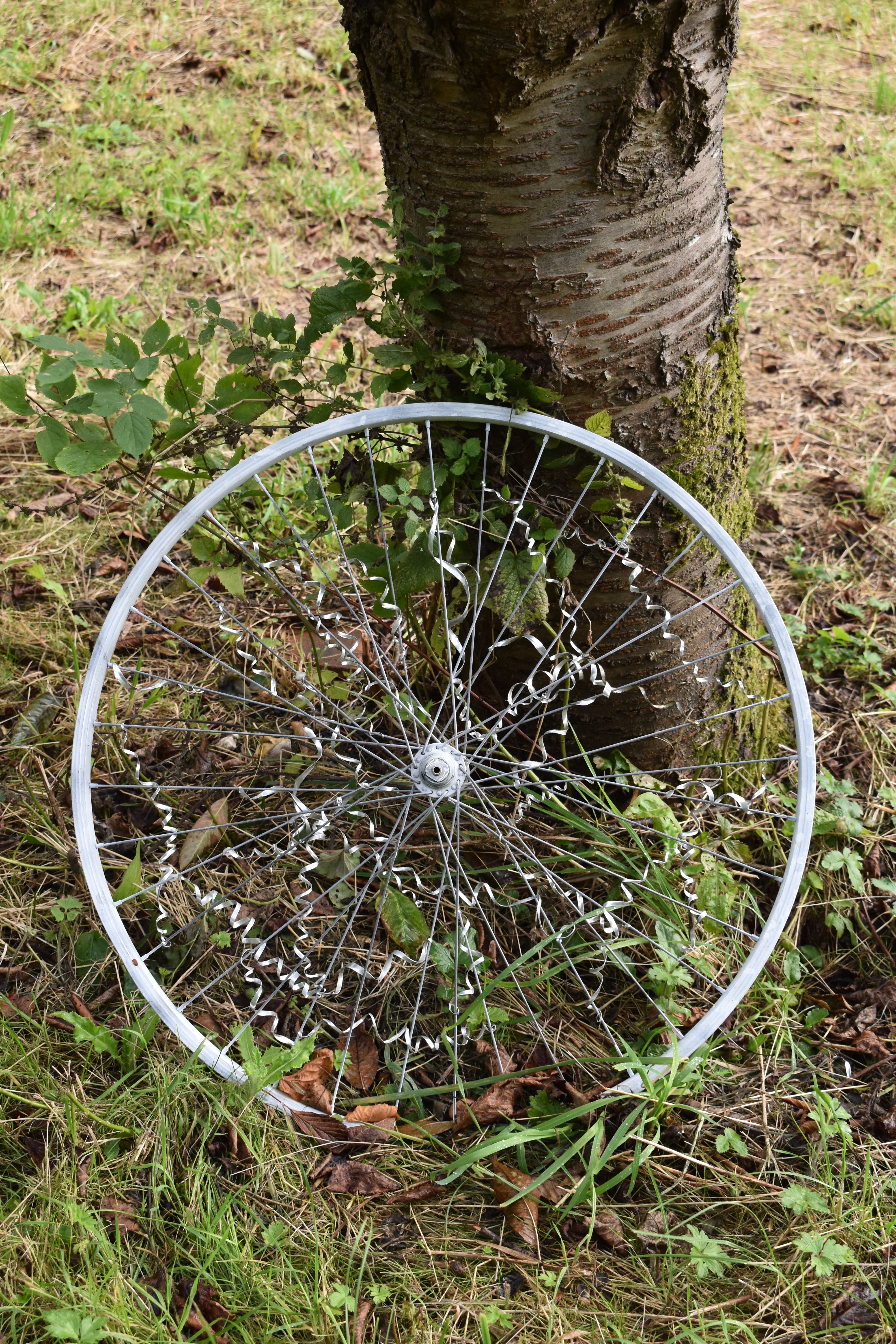
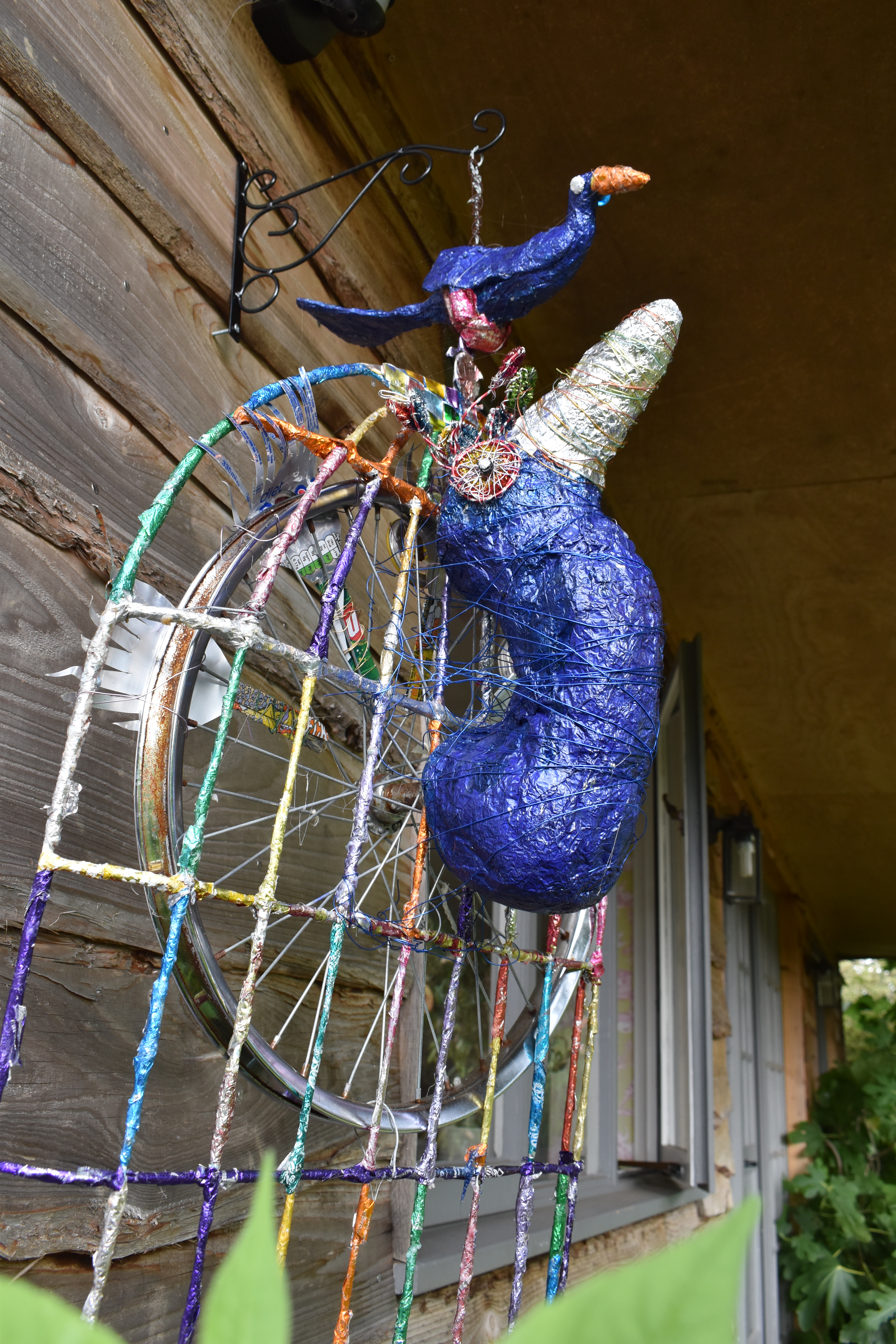
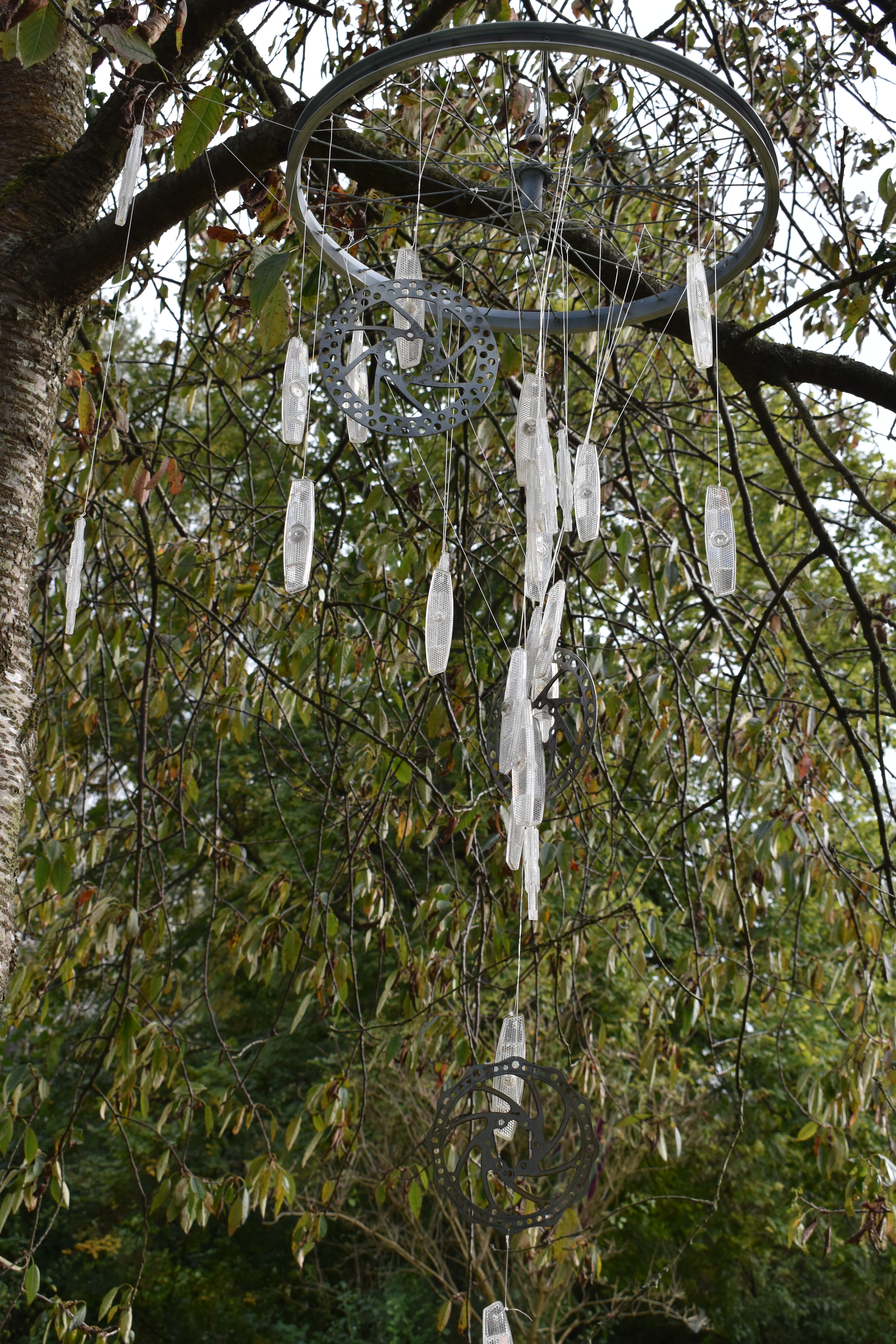
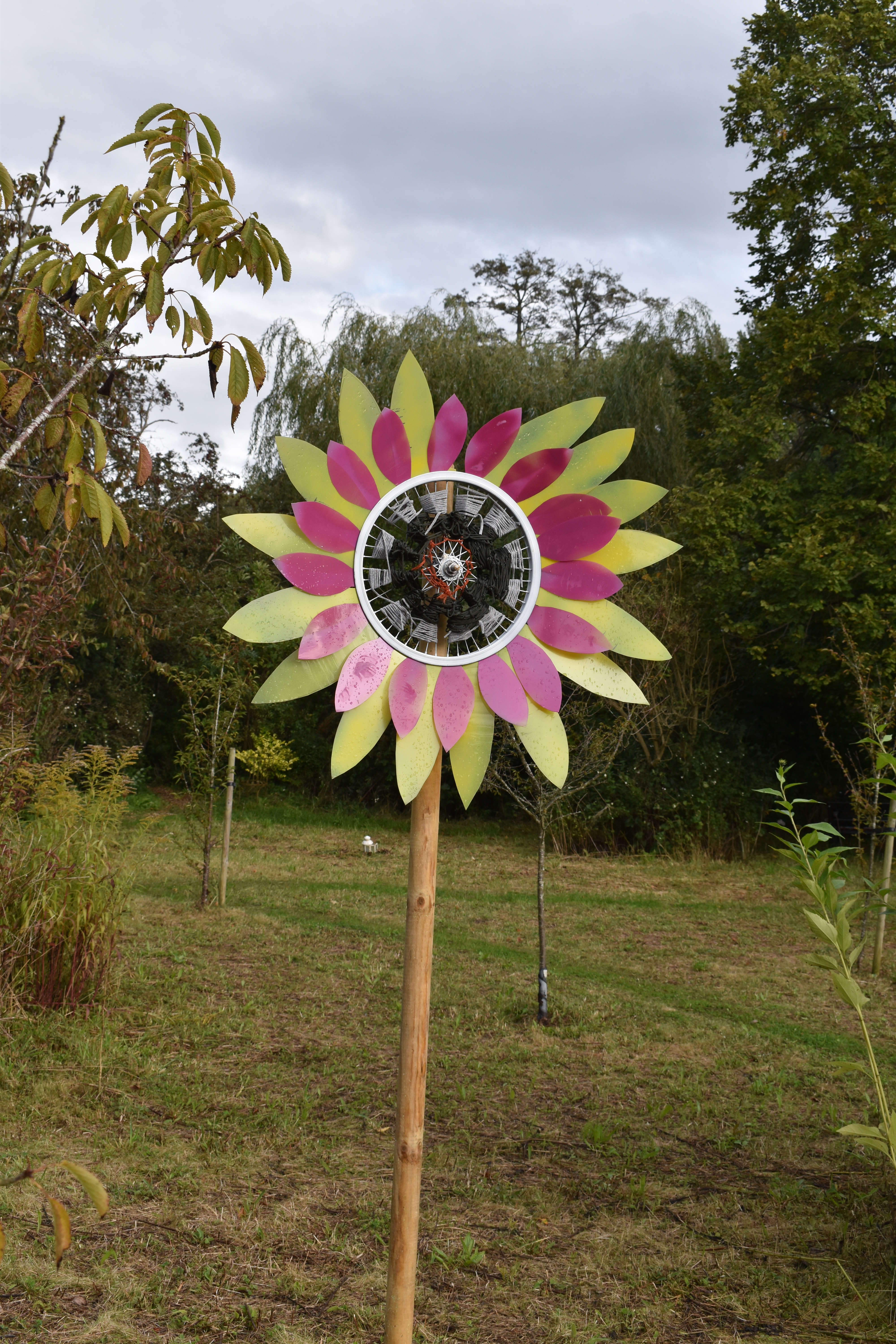
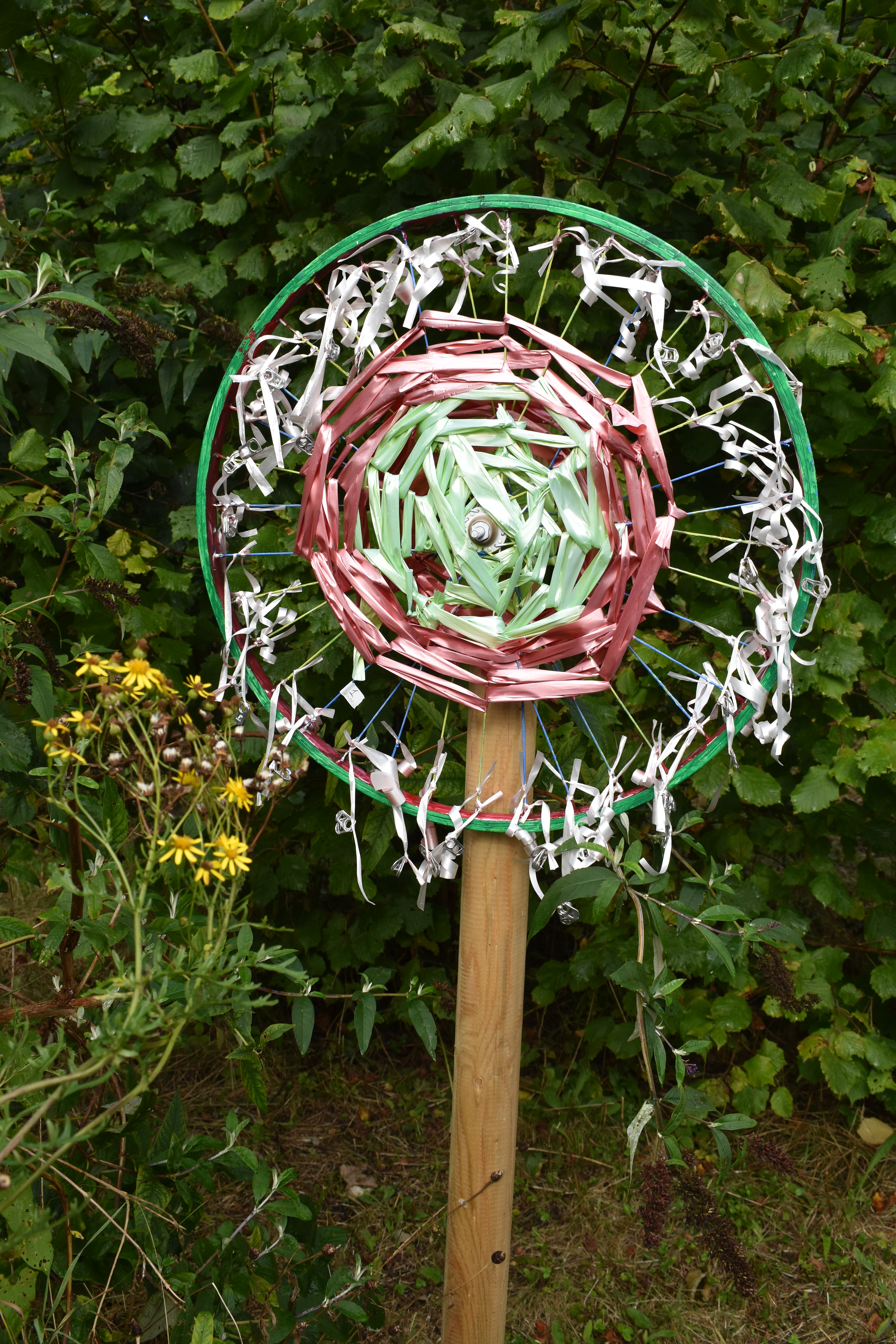
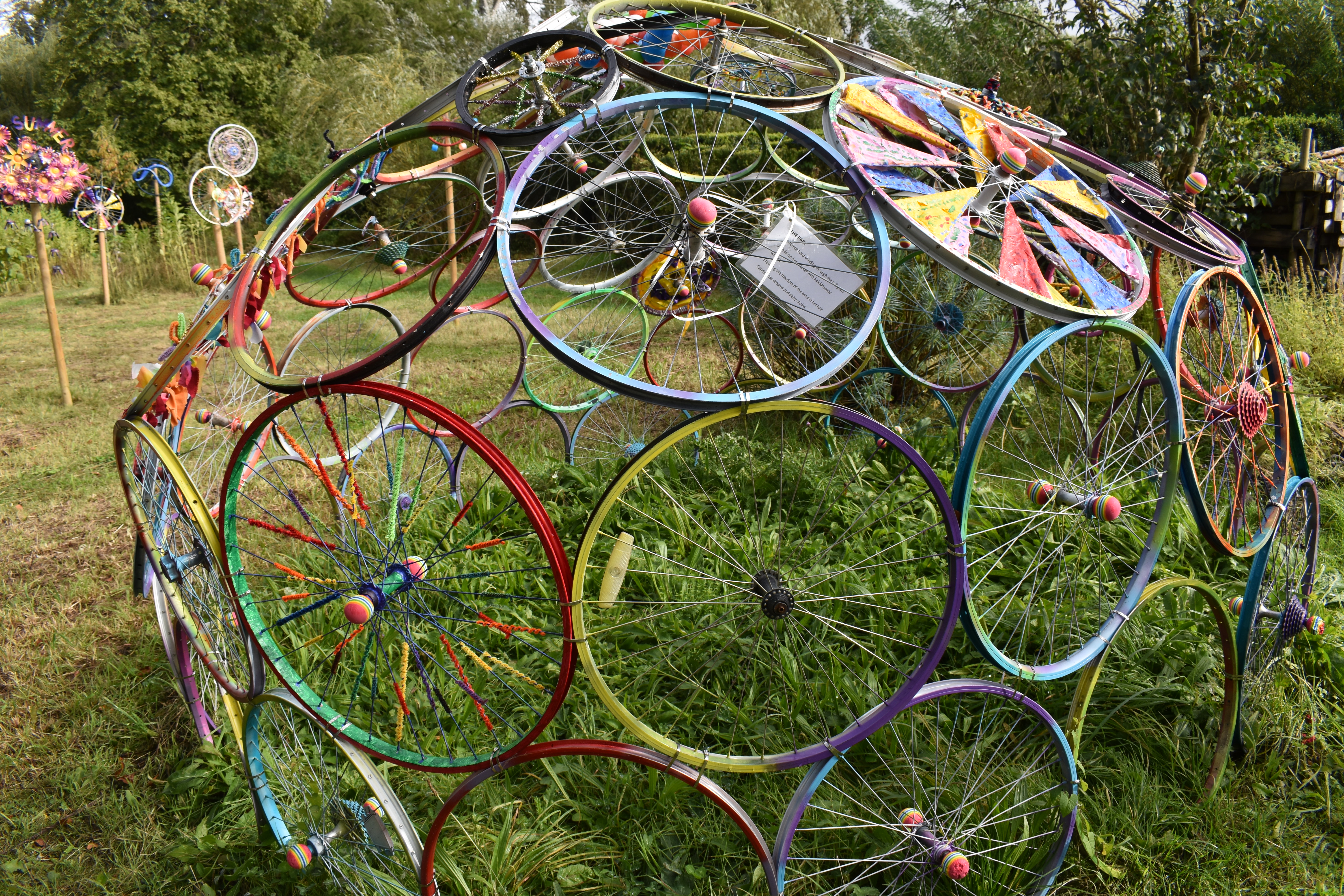
One community group had been busy getting creative and thoughtful with bicycle wheels of all sizes. Many were to be found hanging from trees catching the light.
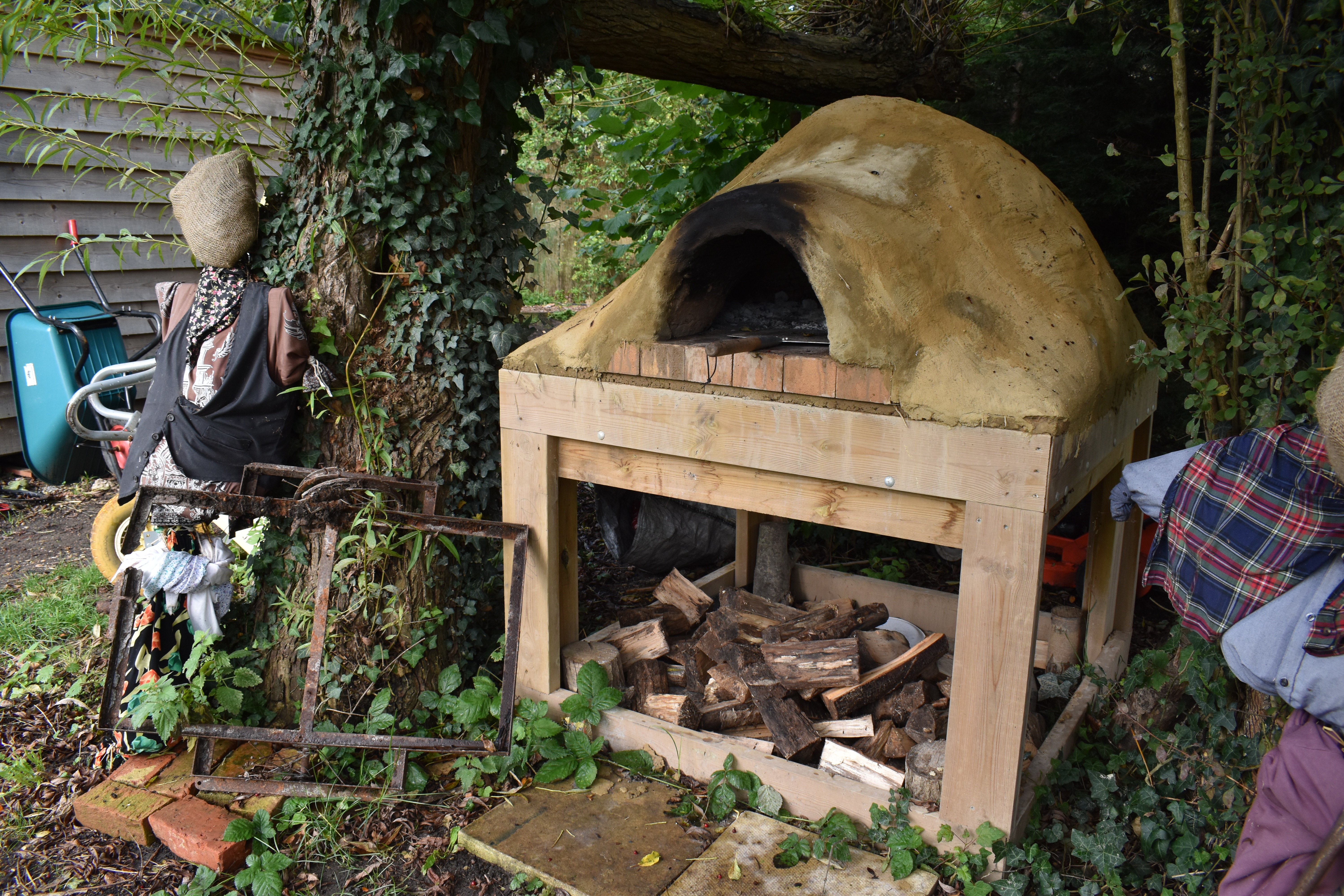
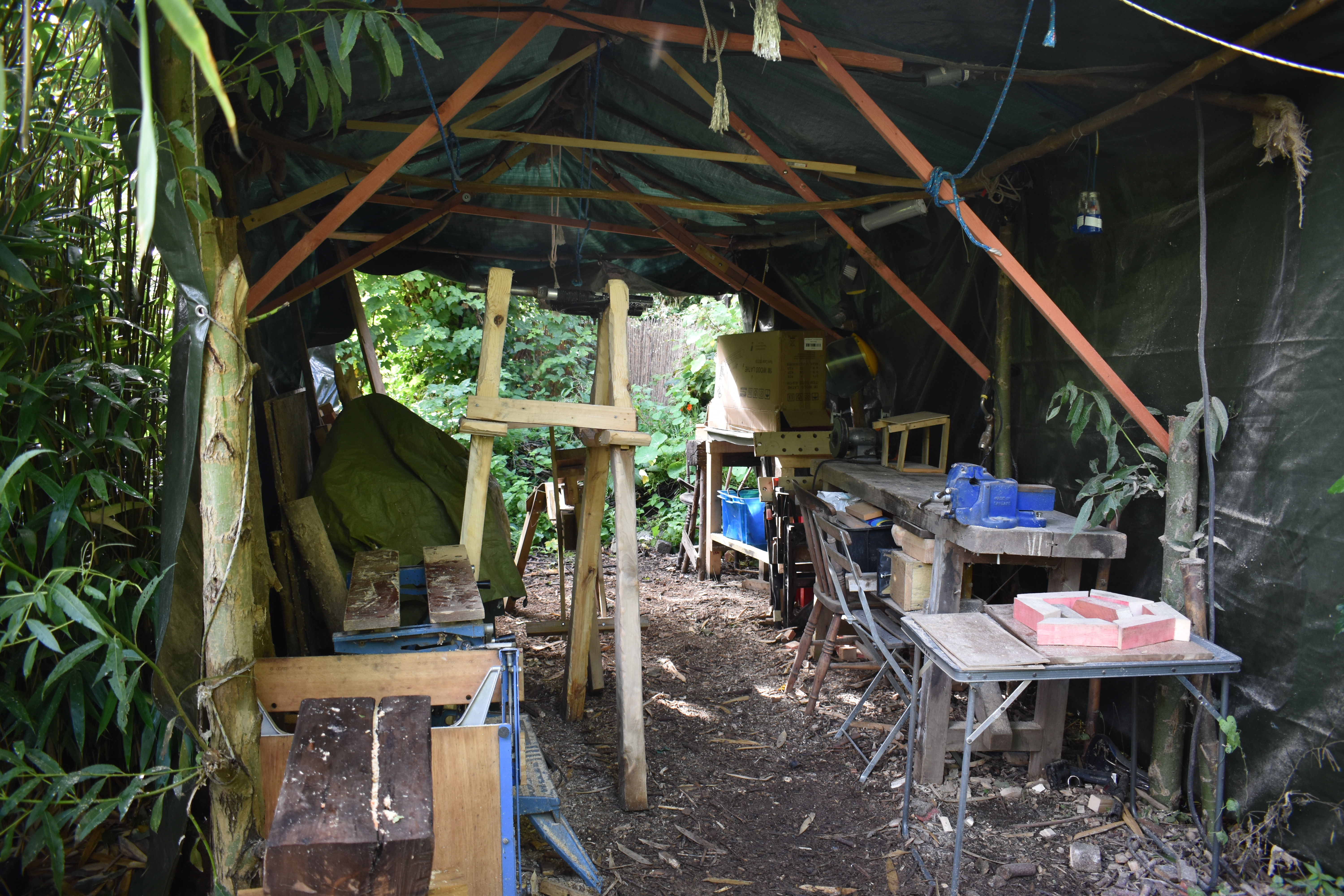
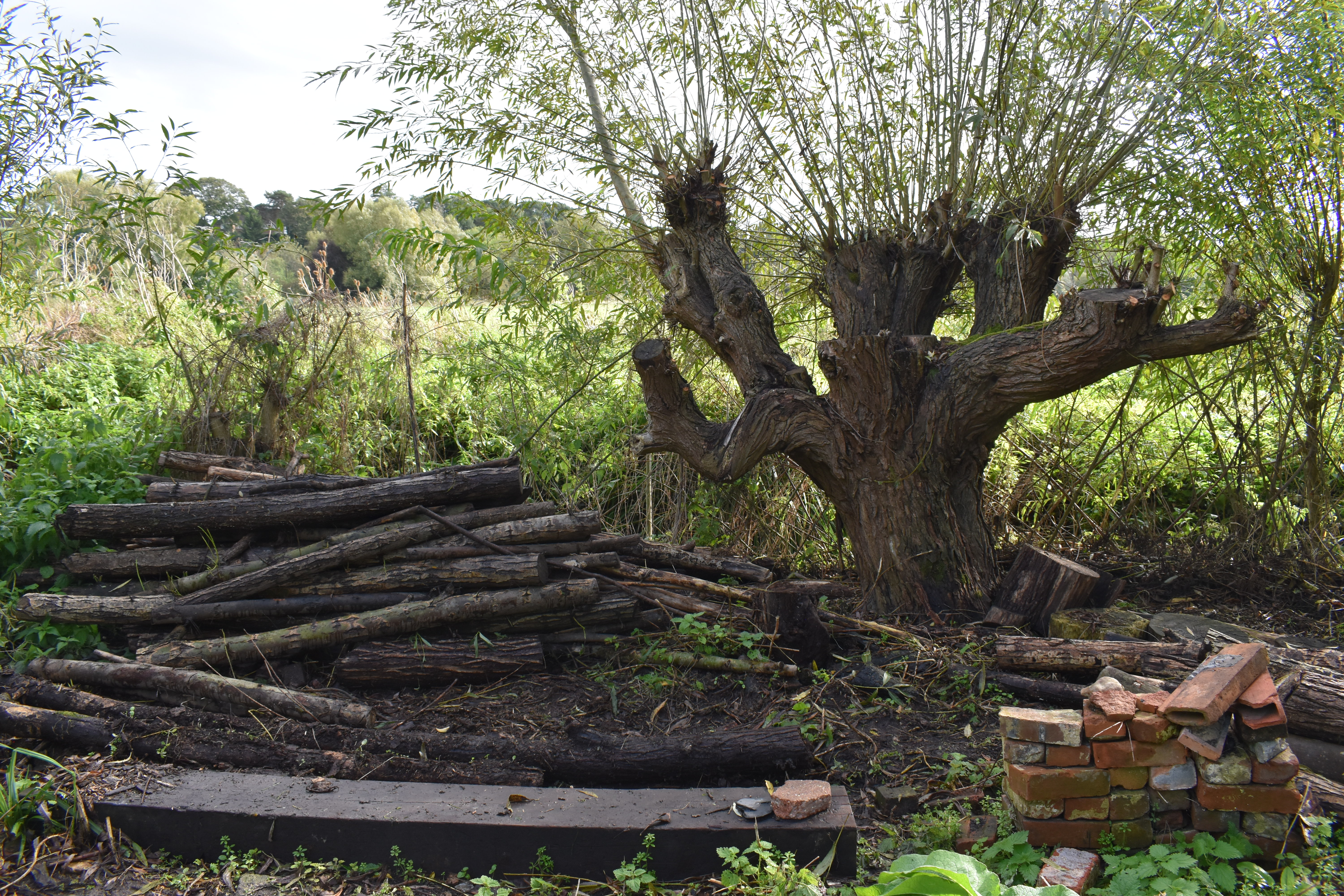
We found some communal sheds all with their own set purpose with one called “Men in Sheds”.
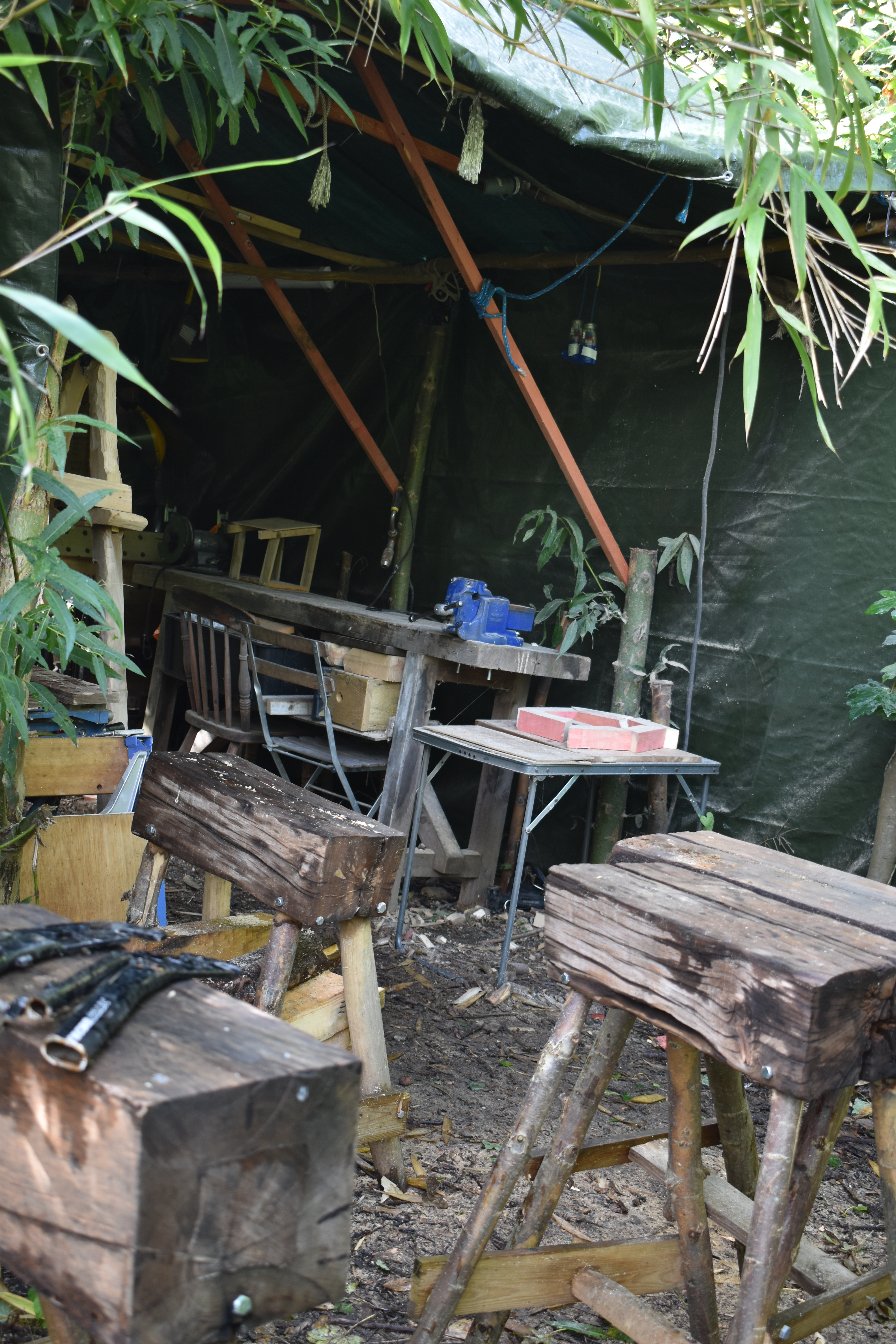
The “Bodger’s Shelter” …………..
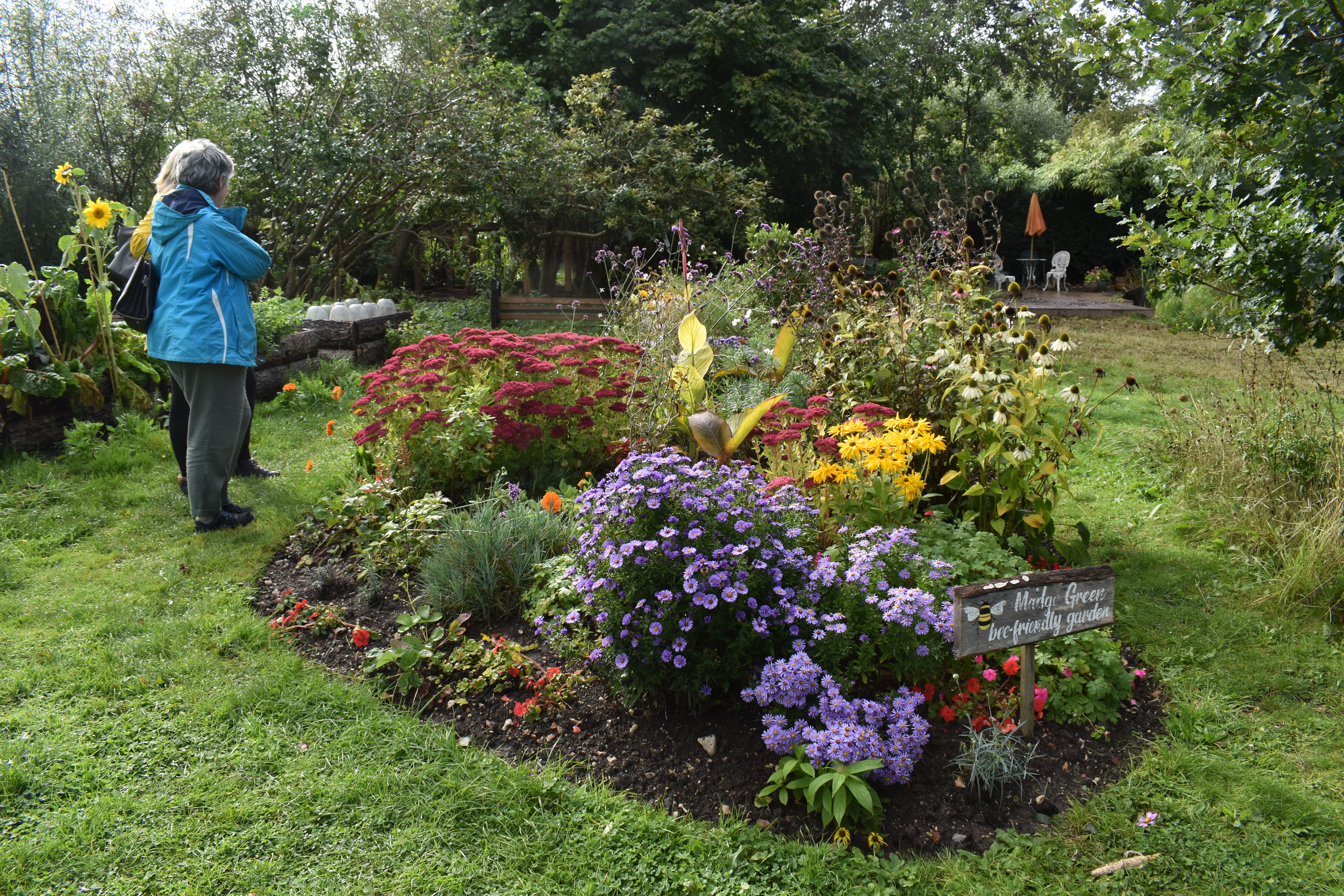
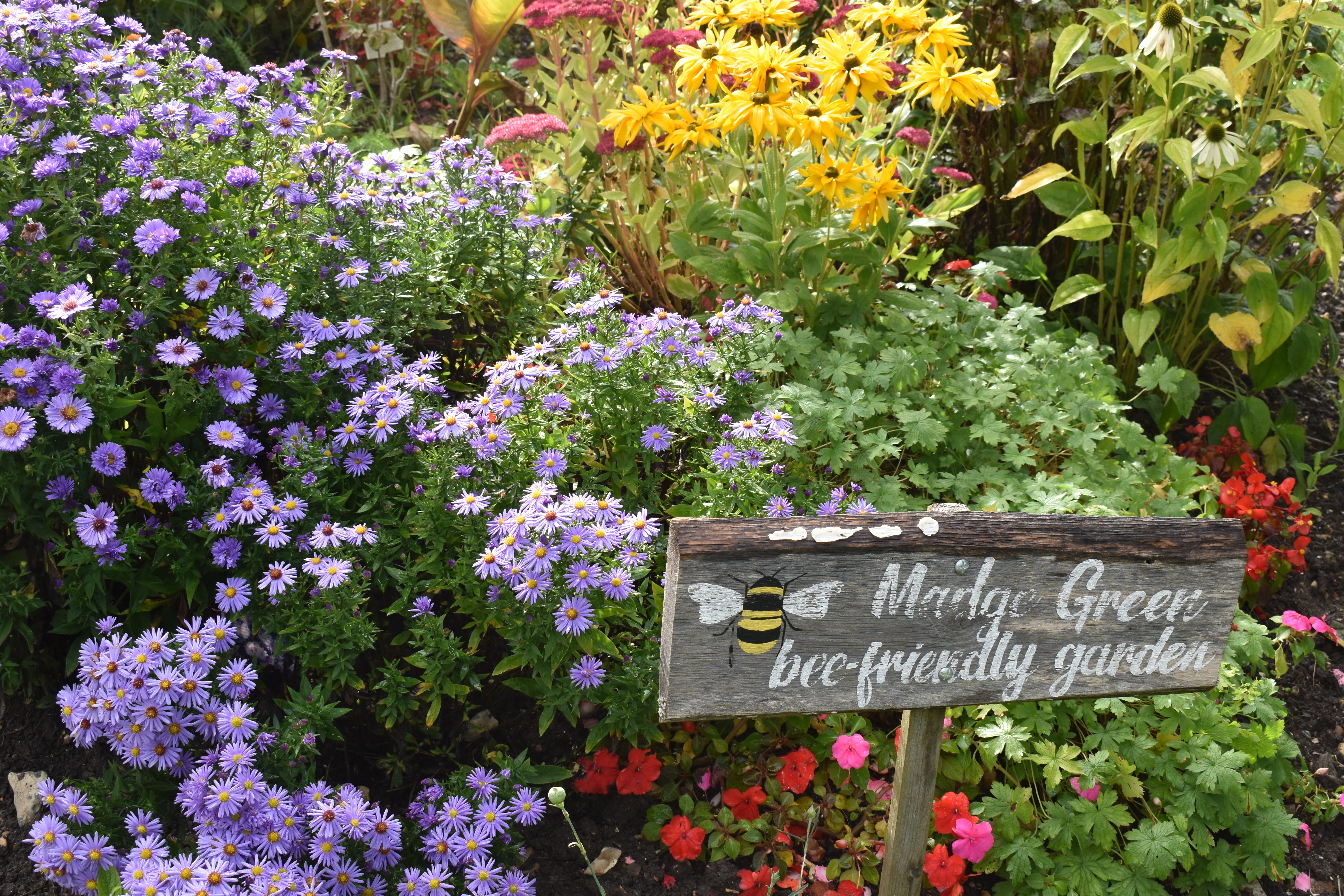
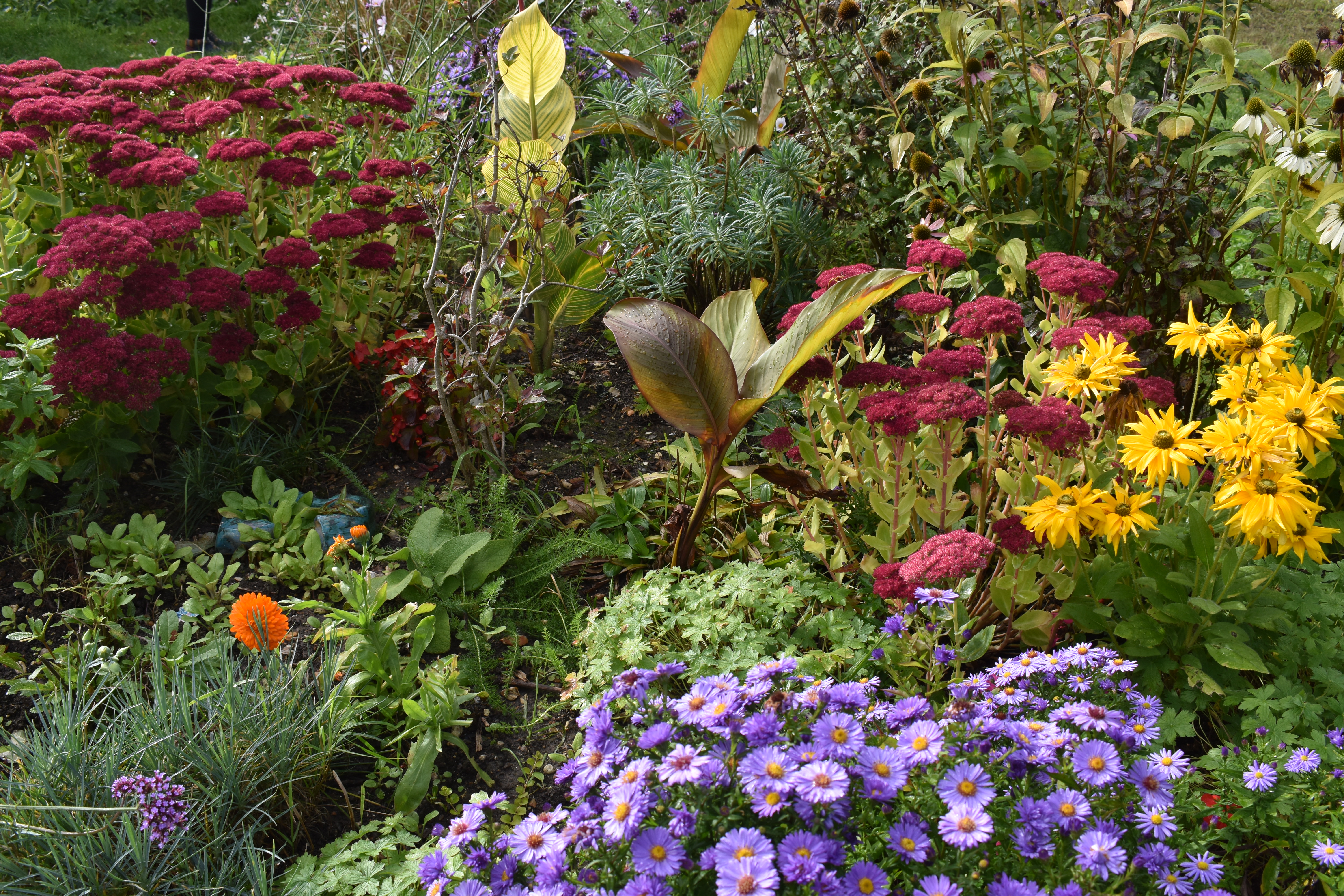
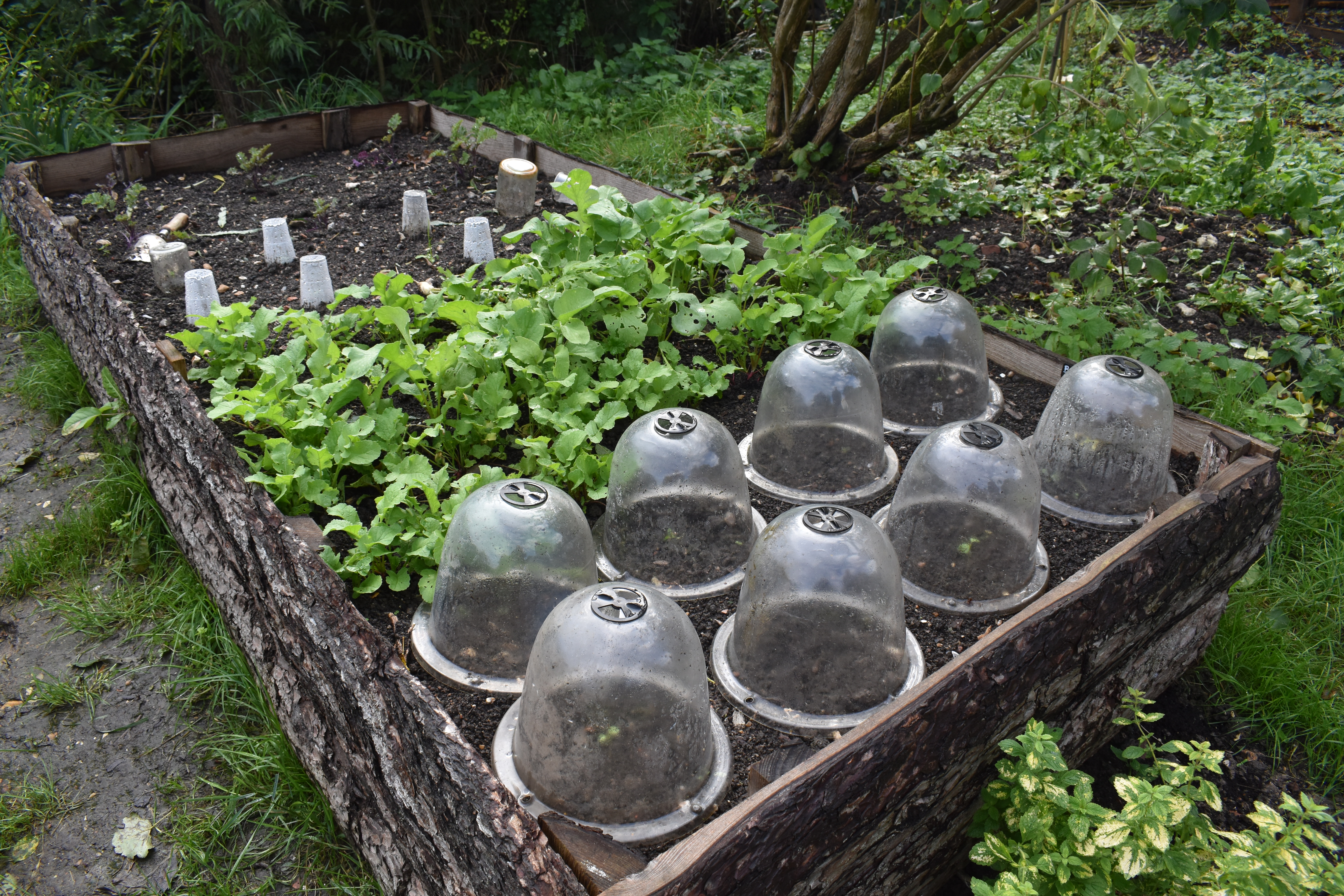
We particularly enjoyed a pair of island beds designed with pollinators and predators in mind.
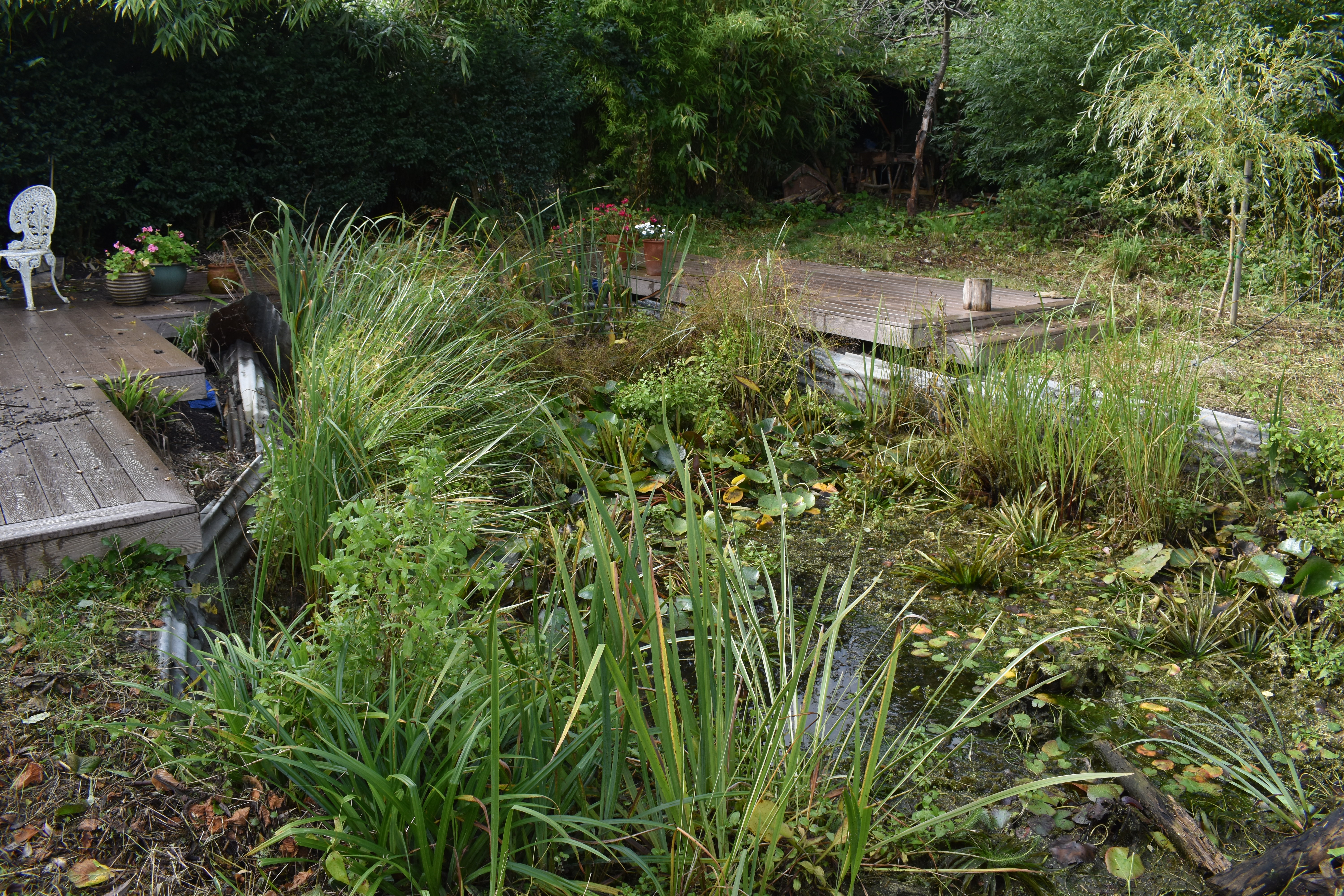
A wildlife pond was to be found at the entrance to the productive area and the forest school. The pond had sadly been damaged by a severe flash flood within the last week or so.
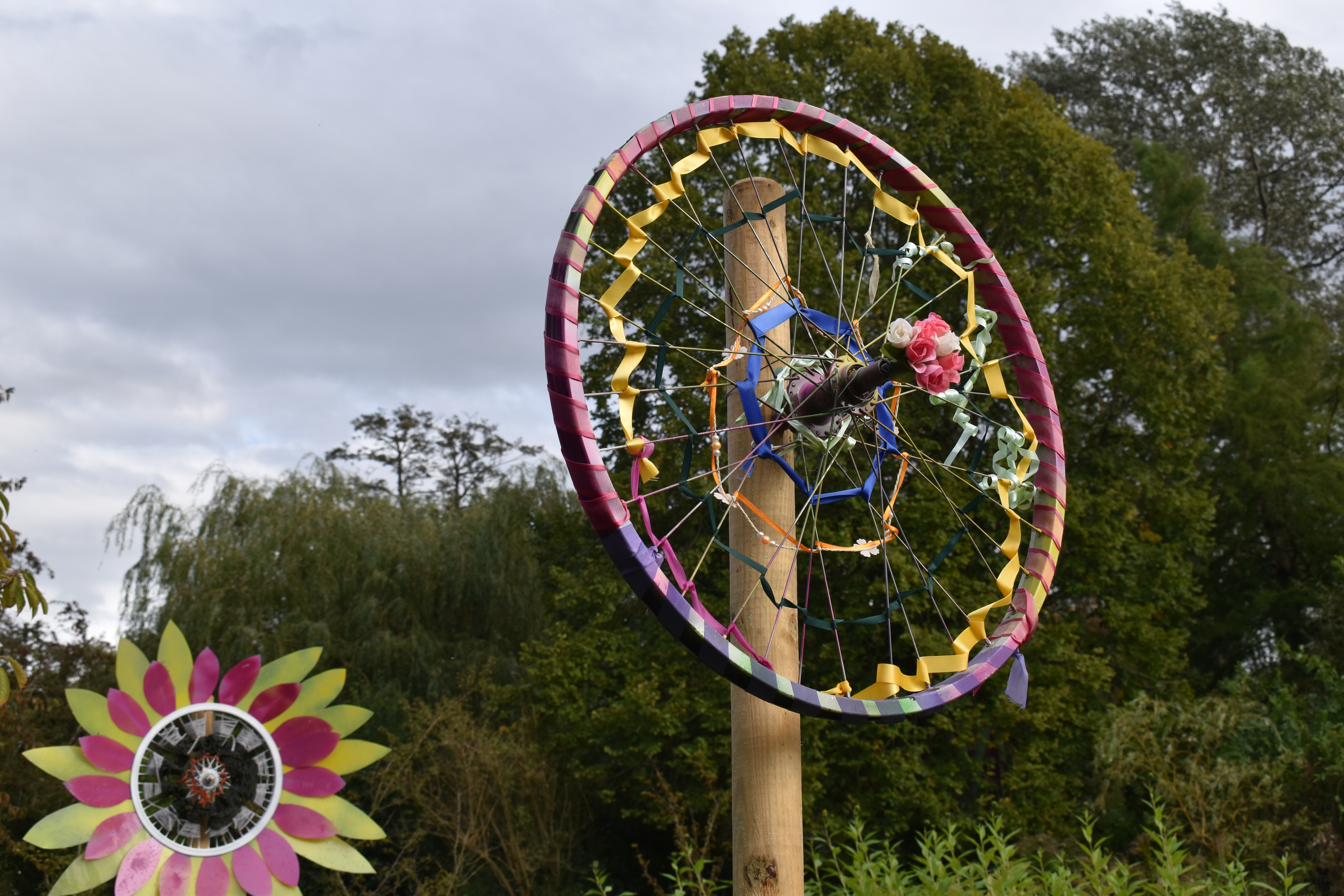
As we left the community garden we found even more decorated bicycle wheels.
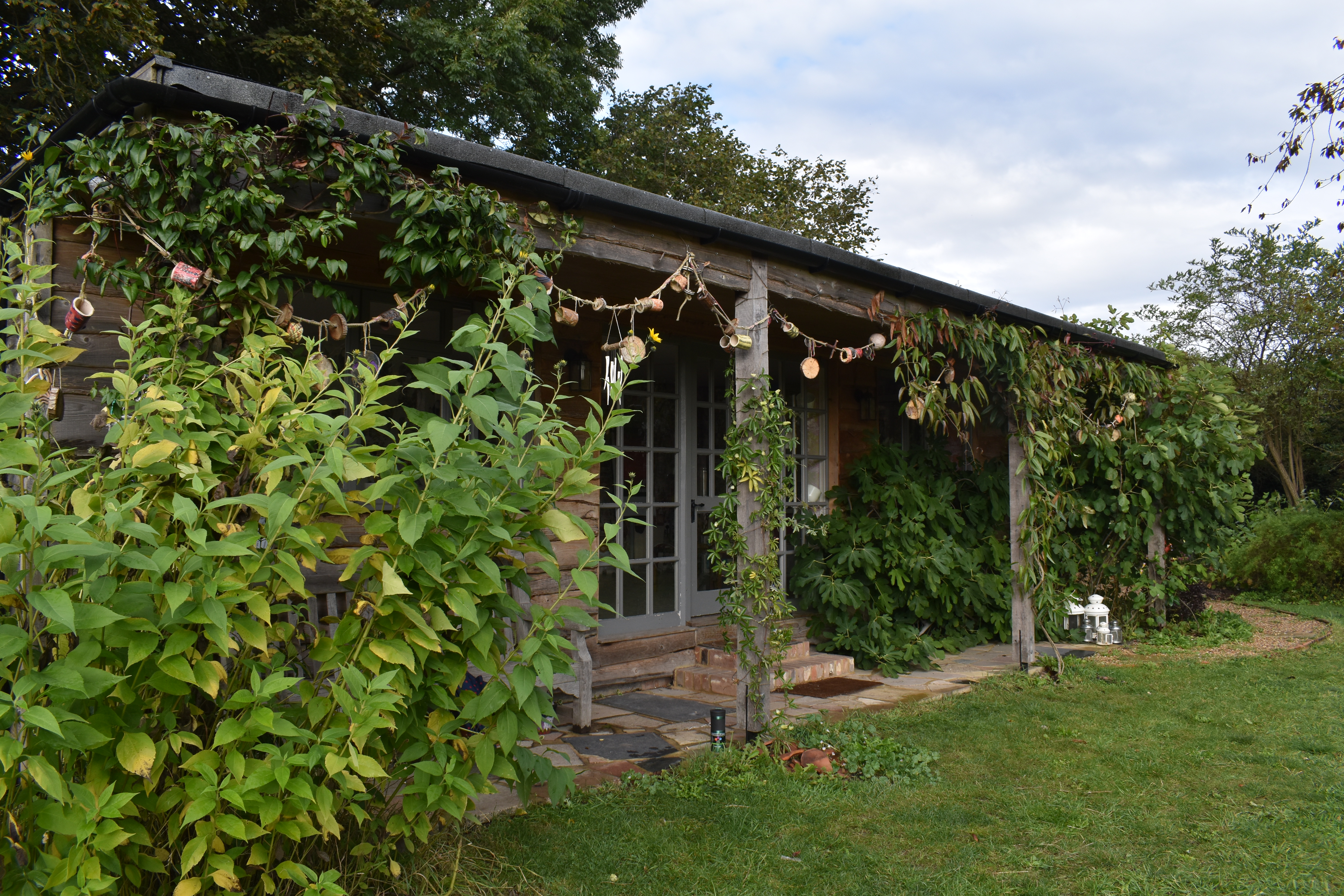
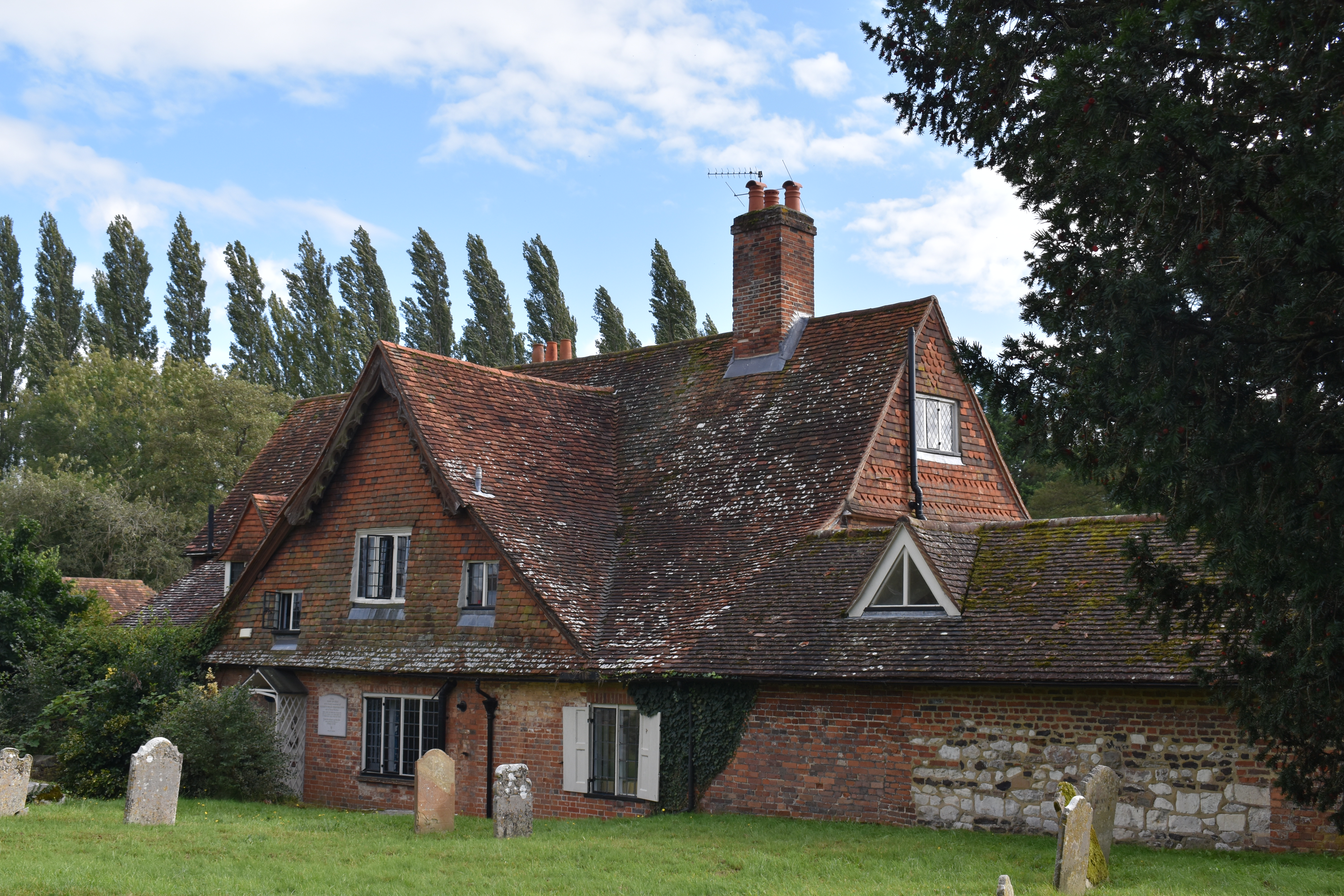
We really enjoyed our visit which was sadly on a day when no groups were using the site and rain was in the air. As we left the garden we passed this fascinating old vicarage.
I recently published my post about our break in Farnham and then my brother pointed out that it was part four but he hadn’t seen the first three. I had missed publishing them in fact so I am going to do so this week so here retrospectively is part one.
England has seen a growth in the production of cut flowers, after a reliance for decades on imports from South Africa and Holland. Forward thinking individuals and often couples have taken the plunge and tried to change this bad habit of imported flowers being sold above home grown. Some buy up or rent old walled gardens or plant nurseries. We now have some superb examples in several counties.
When enjoying a few days away staying with Graham and Vicky, my brother and sister-in-law in the beautiful town of Farnham in Surrey, we were treated to a visit to West End Flower Farm. It was not the best time to visit any such establishment but there was plenty to discover, including of course the obligatory coffee shop!
We first had to collect coffees which we drank in a lovely teepee in one of the flower fields, where Graham was to meet up with group of like-minded residents of Farnham. Here we met ‘Ben’ the plastic dog that Graham had created as part of a campaign concerned with plastic waste, which all fits within Farnham being a ‘Craft Town’.
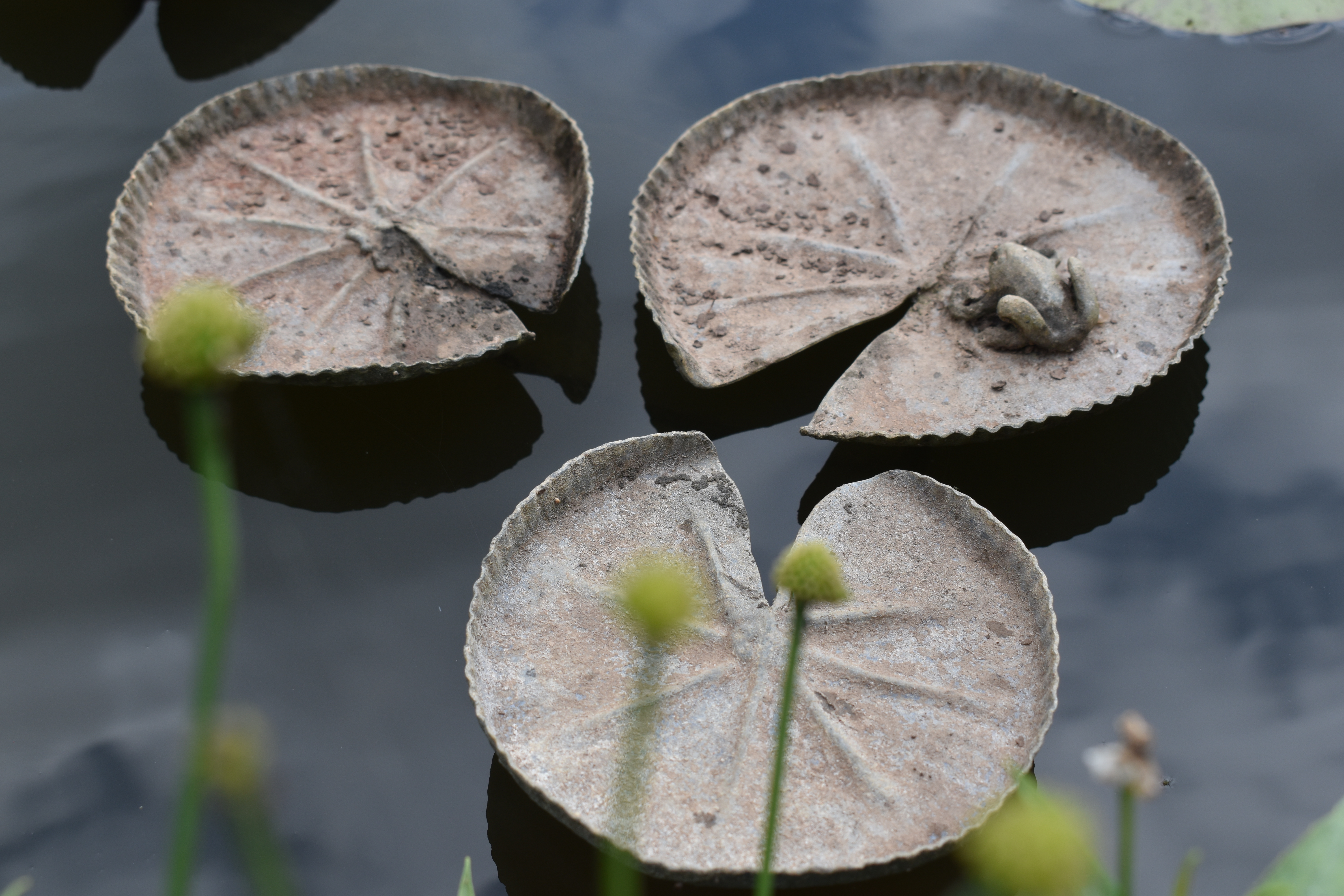
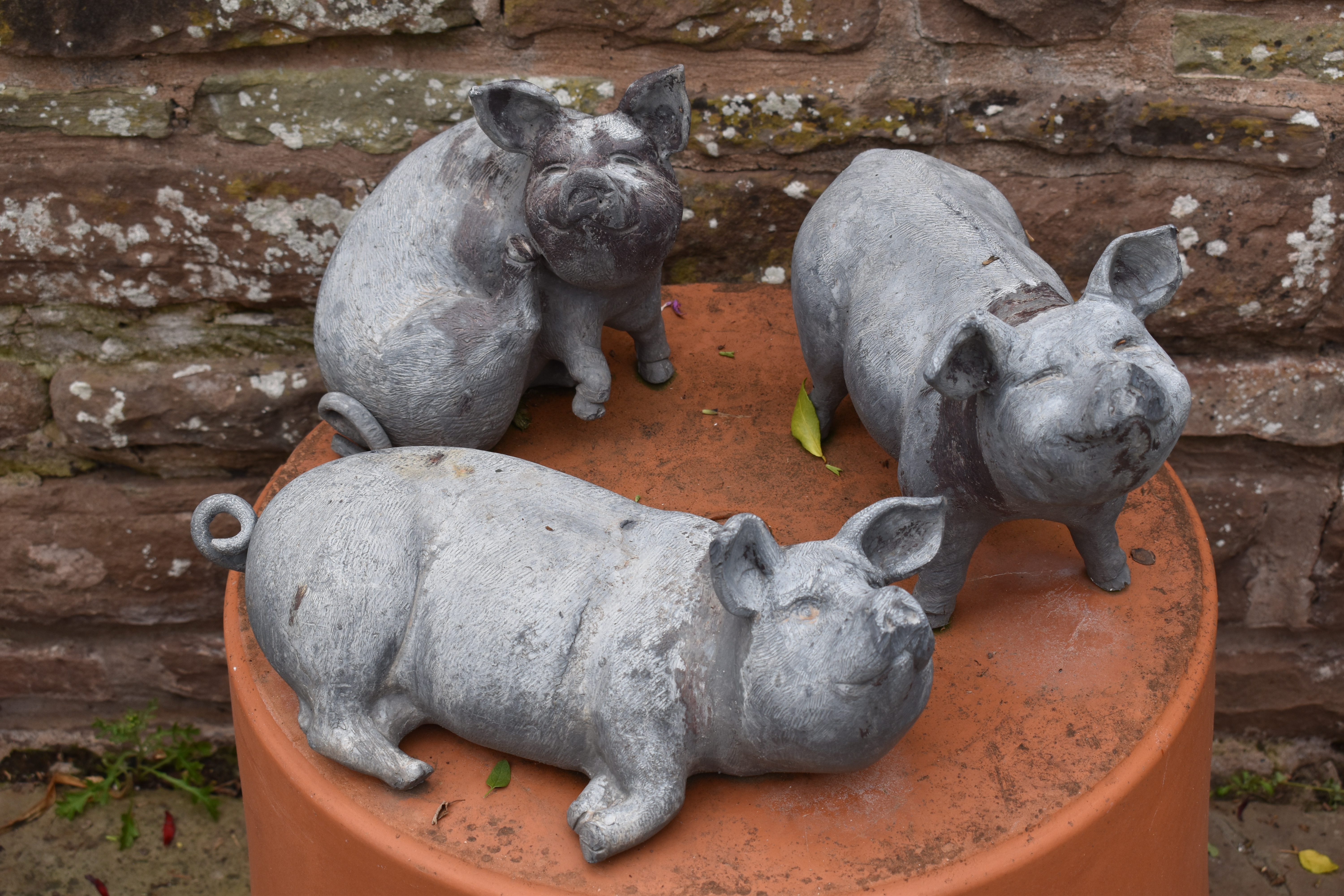
Around the cafe area were so many little places of interest, cameos that drew the eye ………..
The yurt and ‘Ben the Plastic Dog’!
Now we will look at the flower farm productive areas where signs of summer grown cut flowers survive especially late flowerers like dahlias.
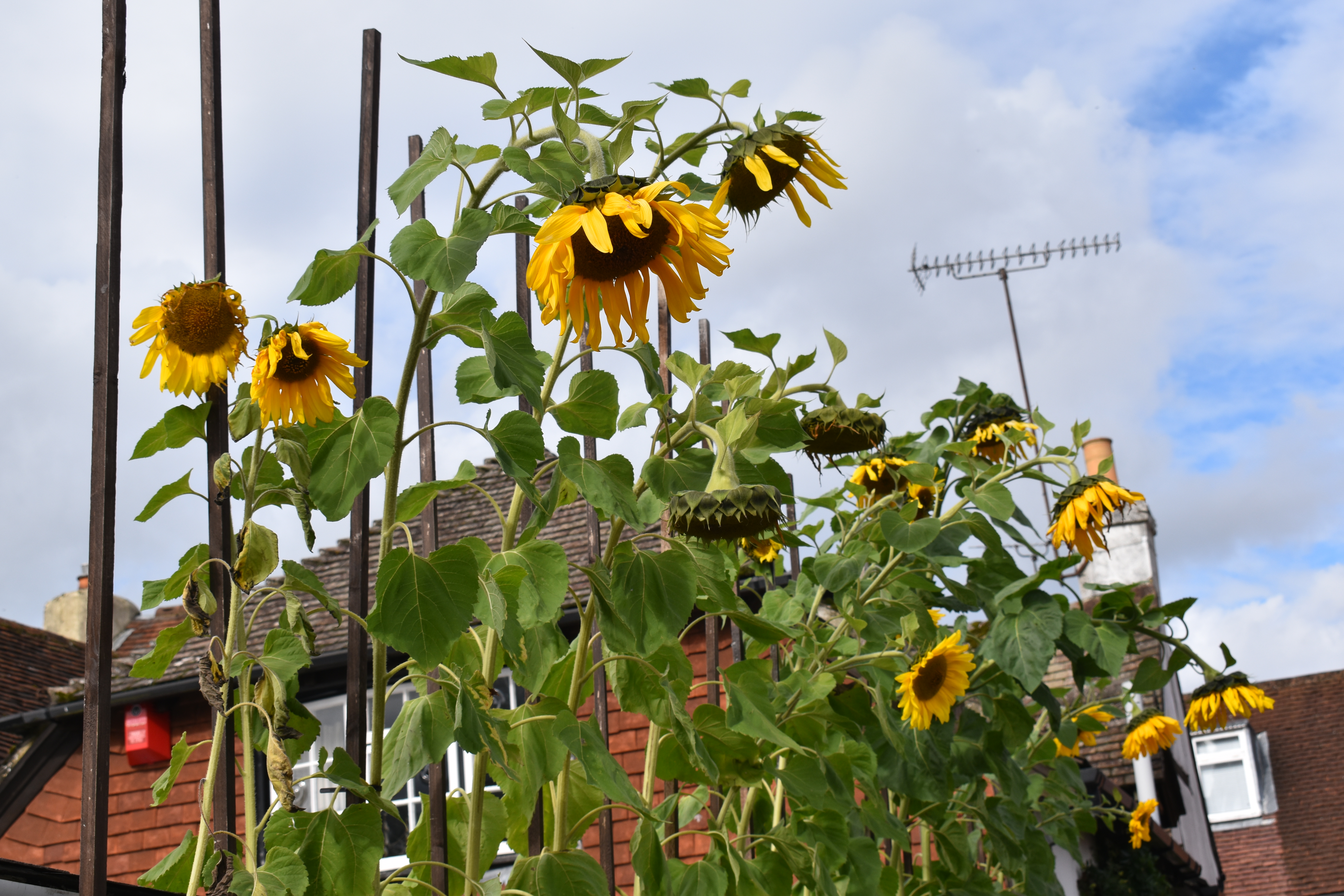
Sunflowers ………….
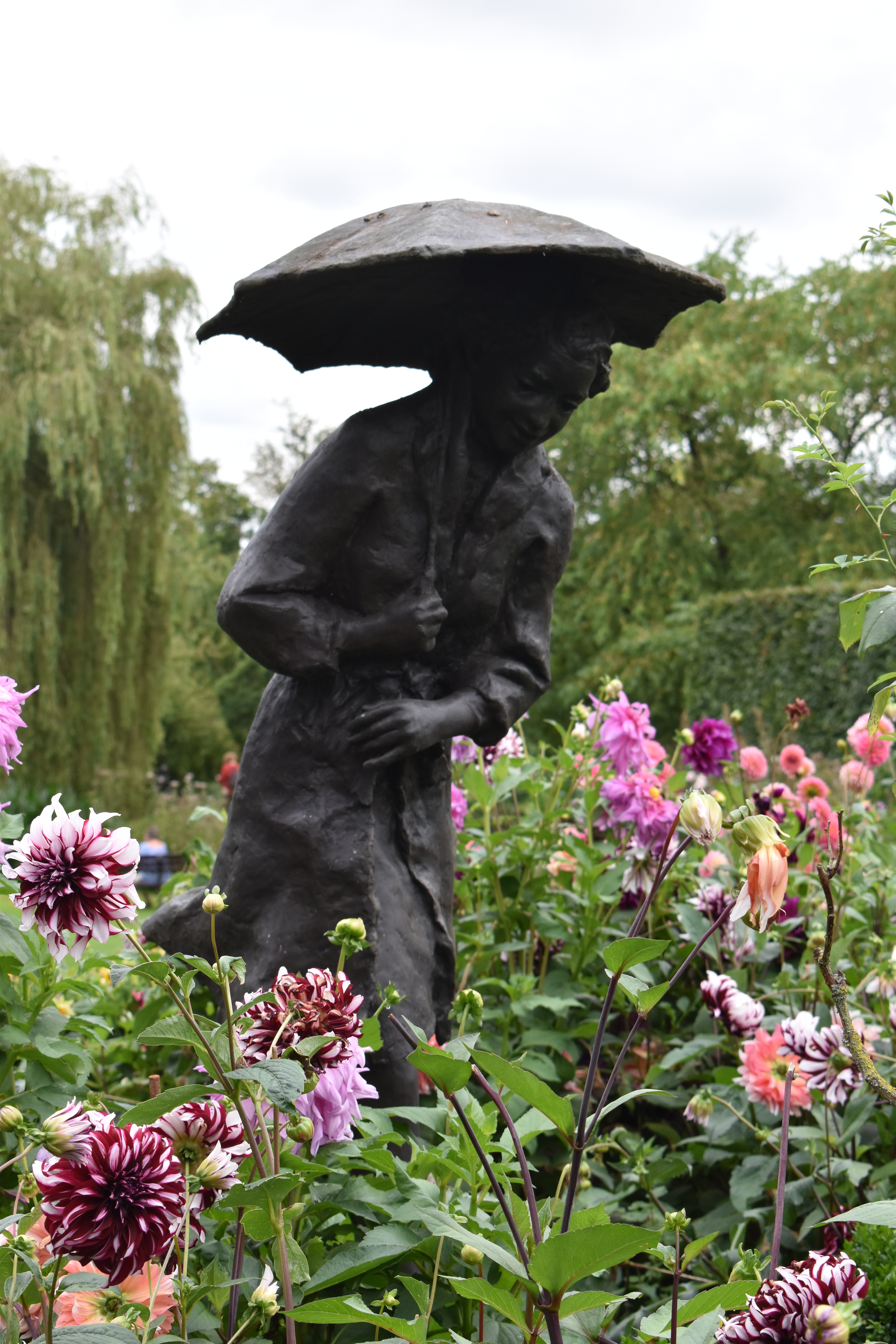
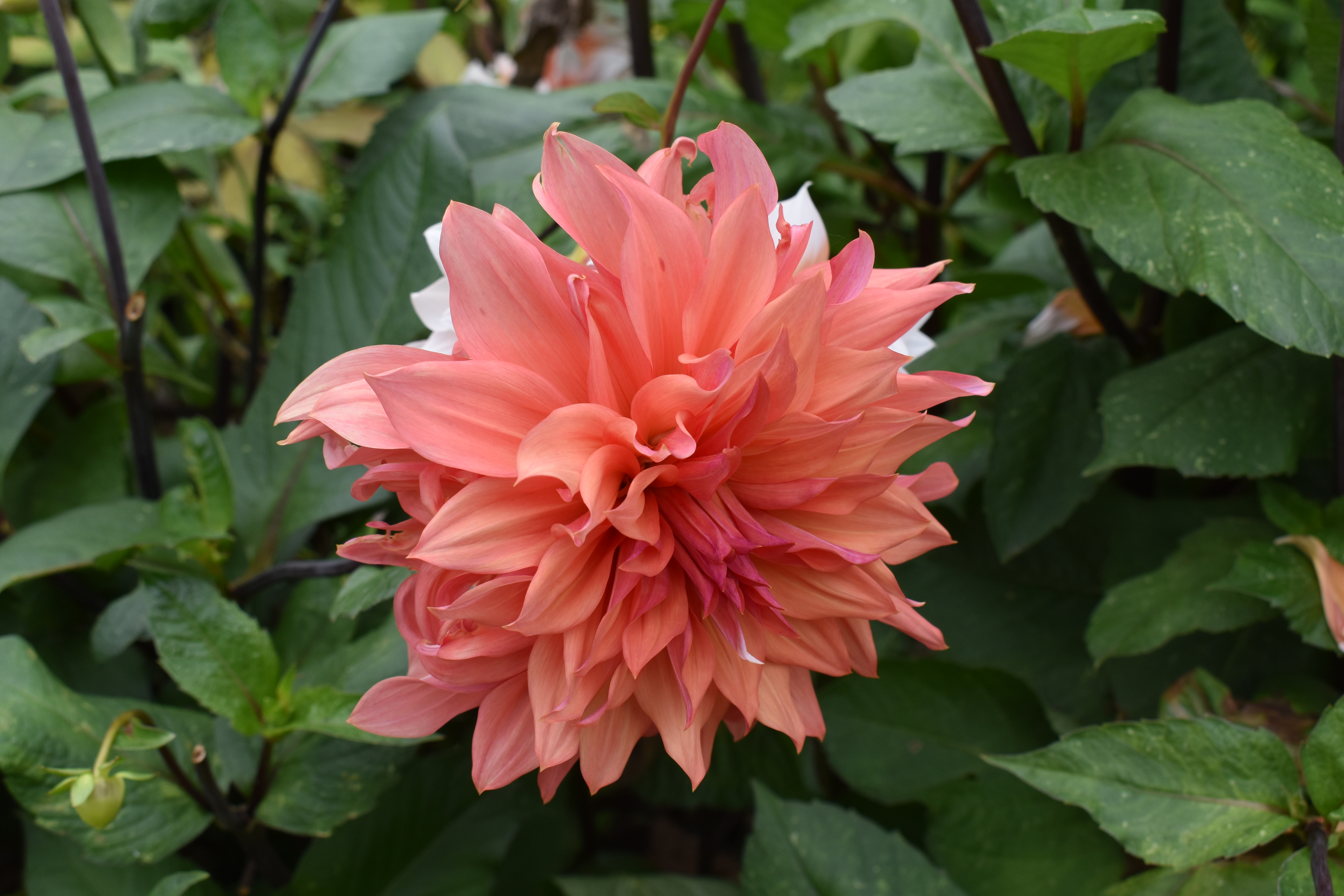
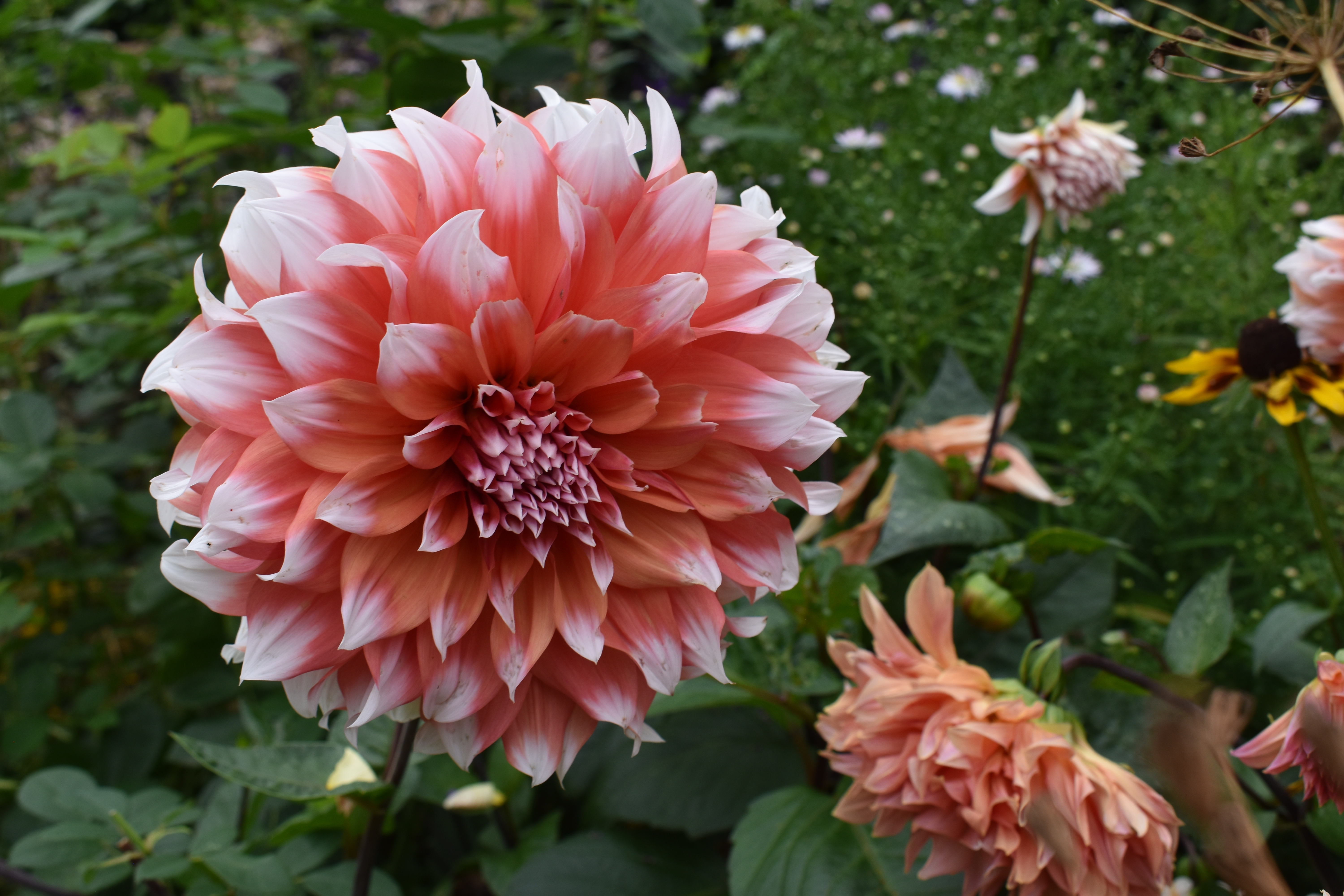
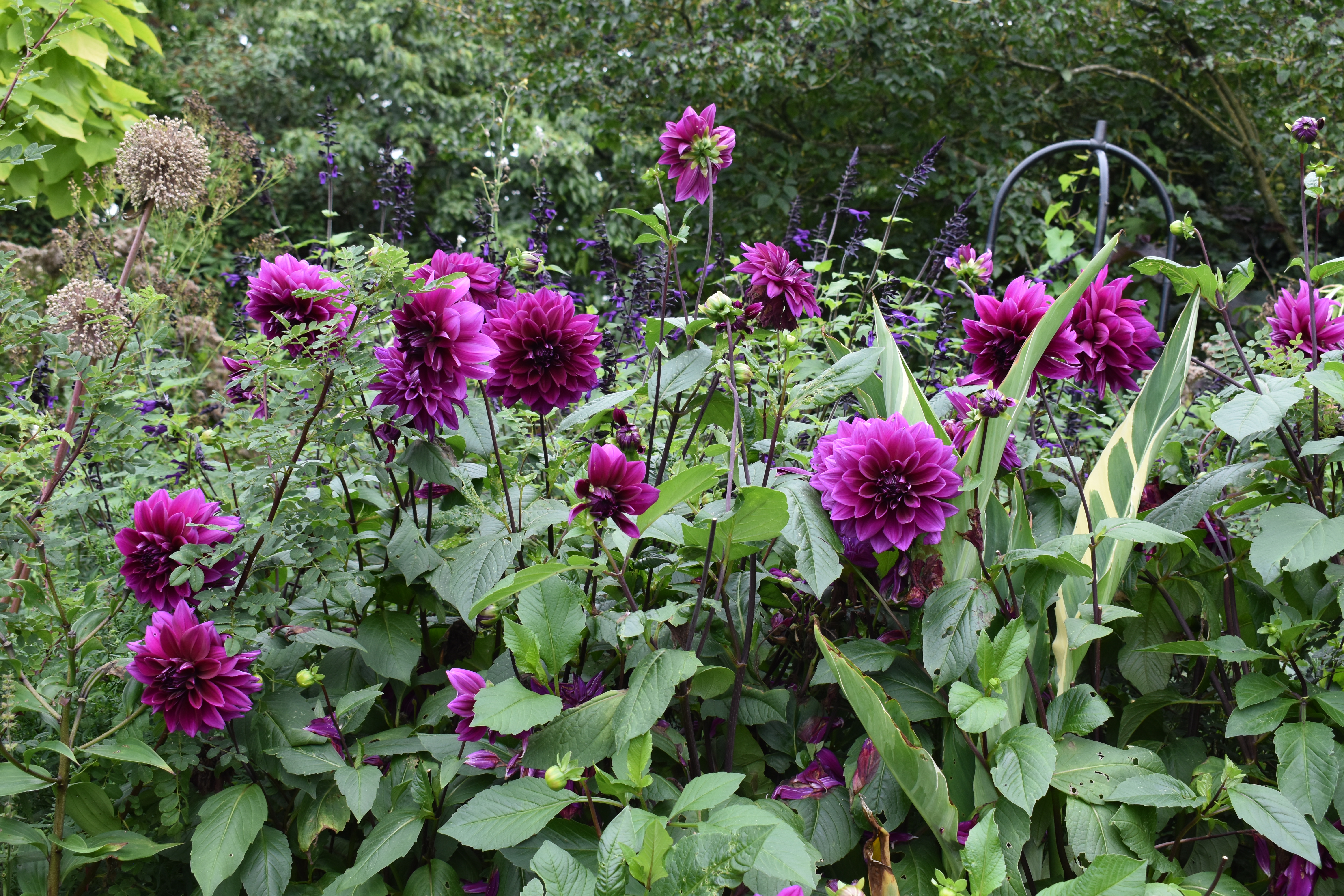
Dahlias ……………
As we made to leave the flower garden one of the gardeners informed us that they were currently preparing the ground ready for autumn sowing of hardy annuals in the open ground. what an interesting place West End flower Farm turned out to be!
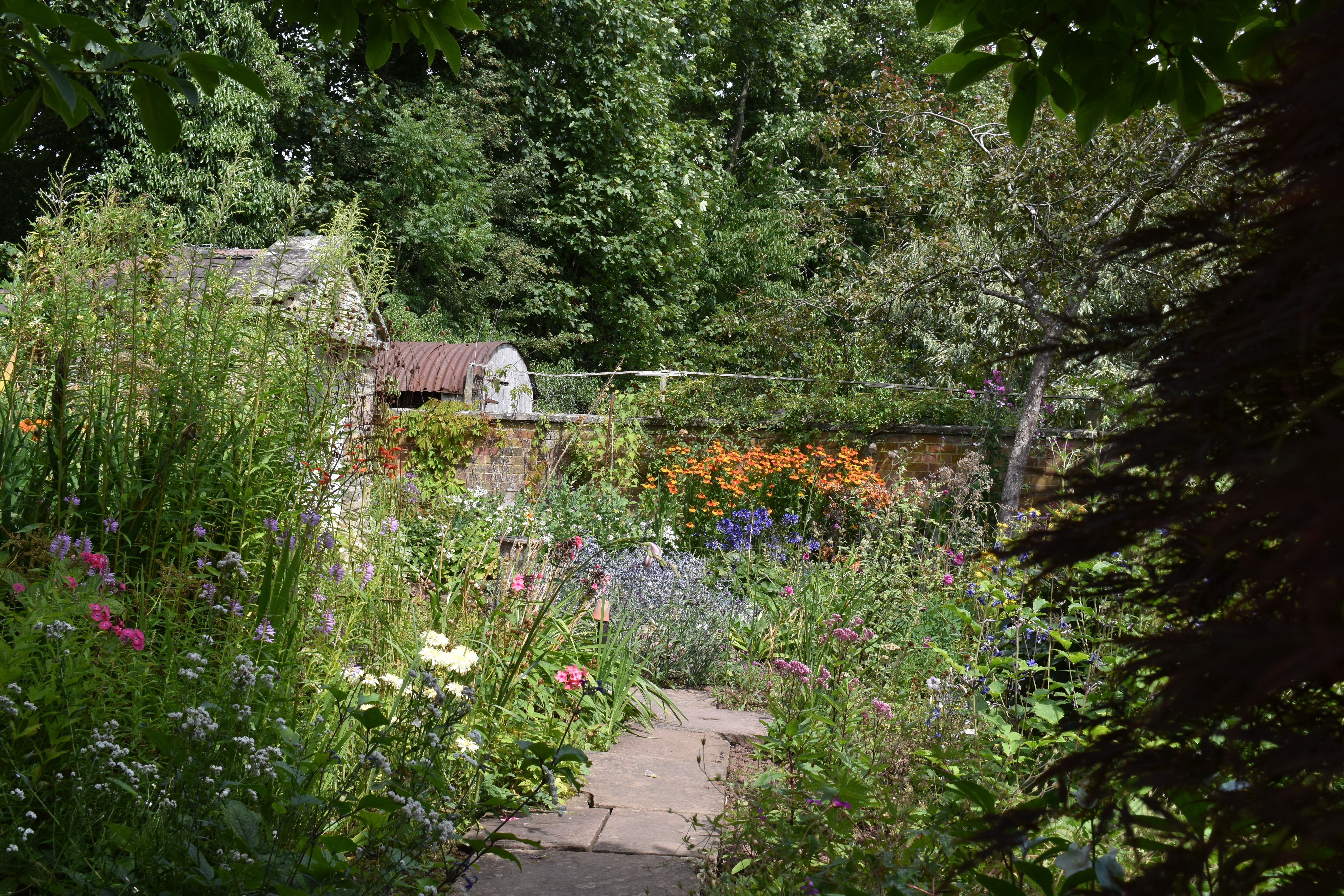
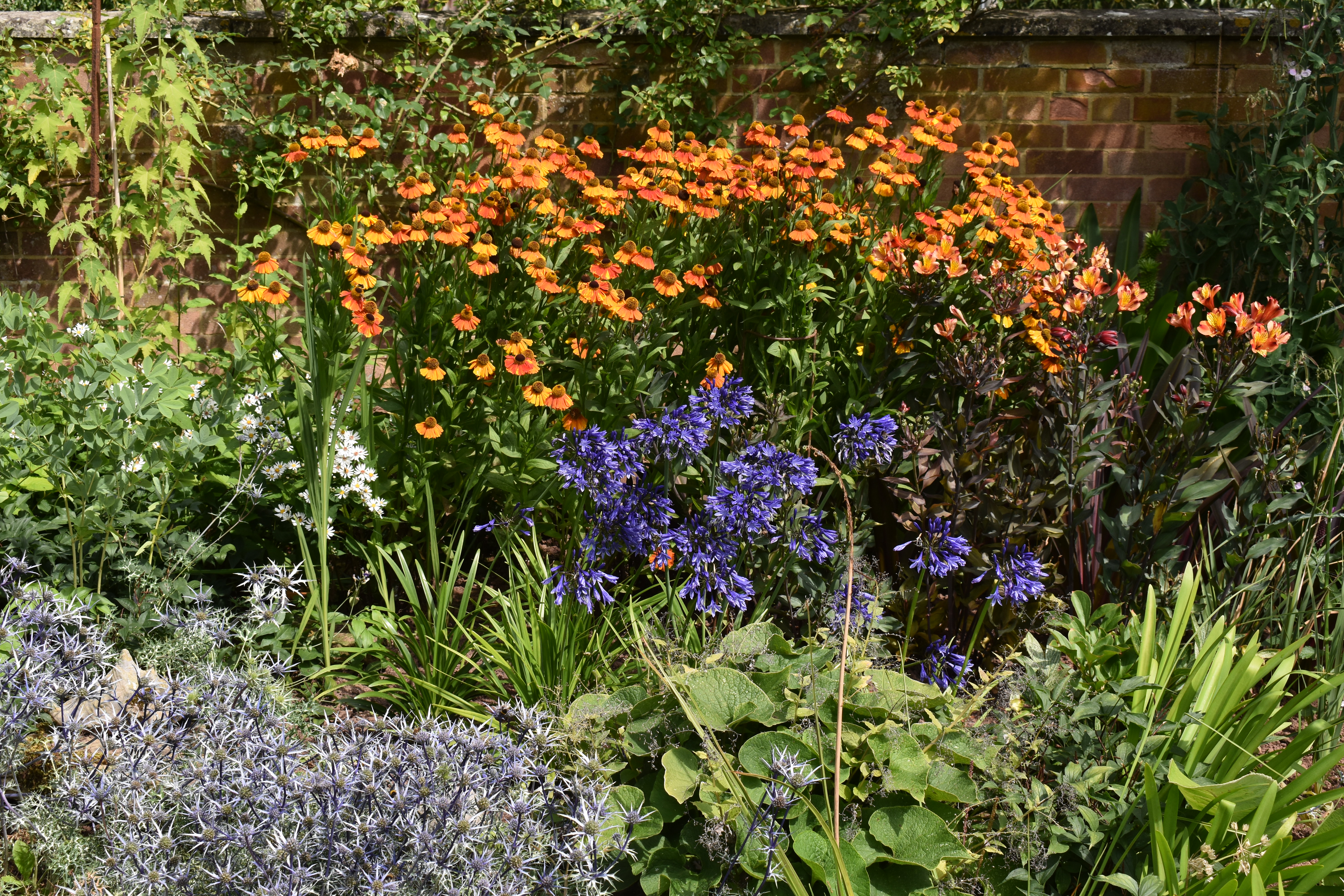
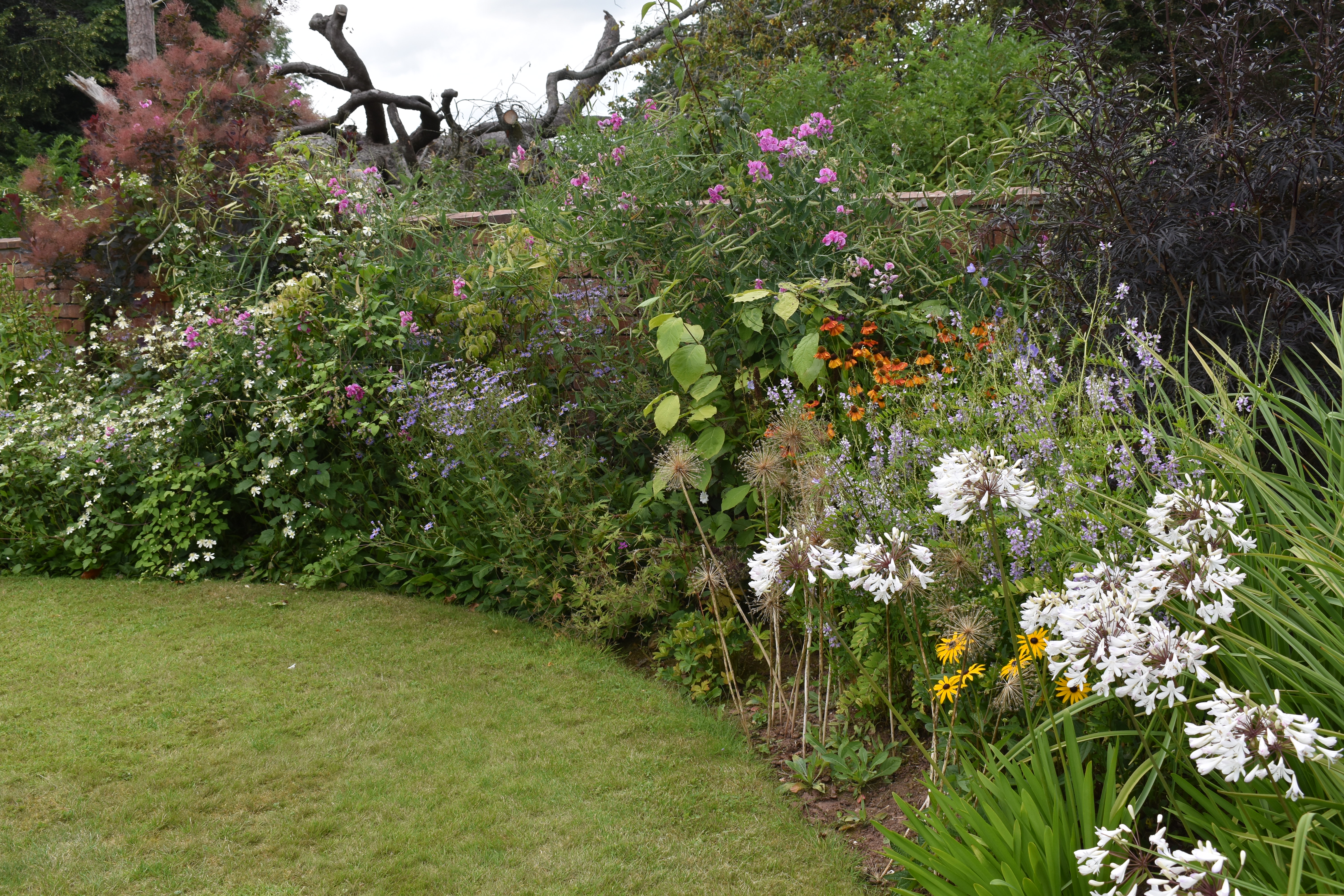
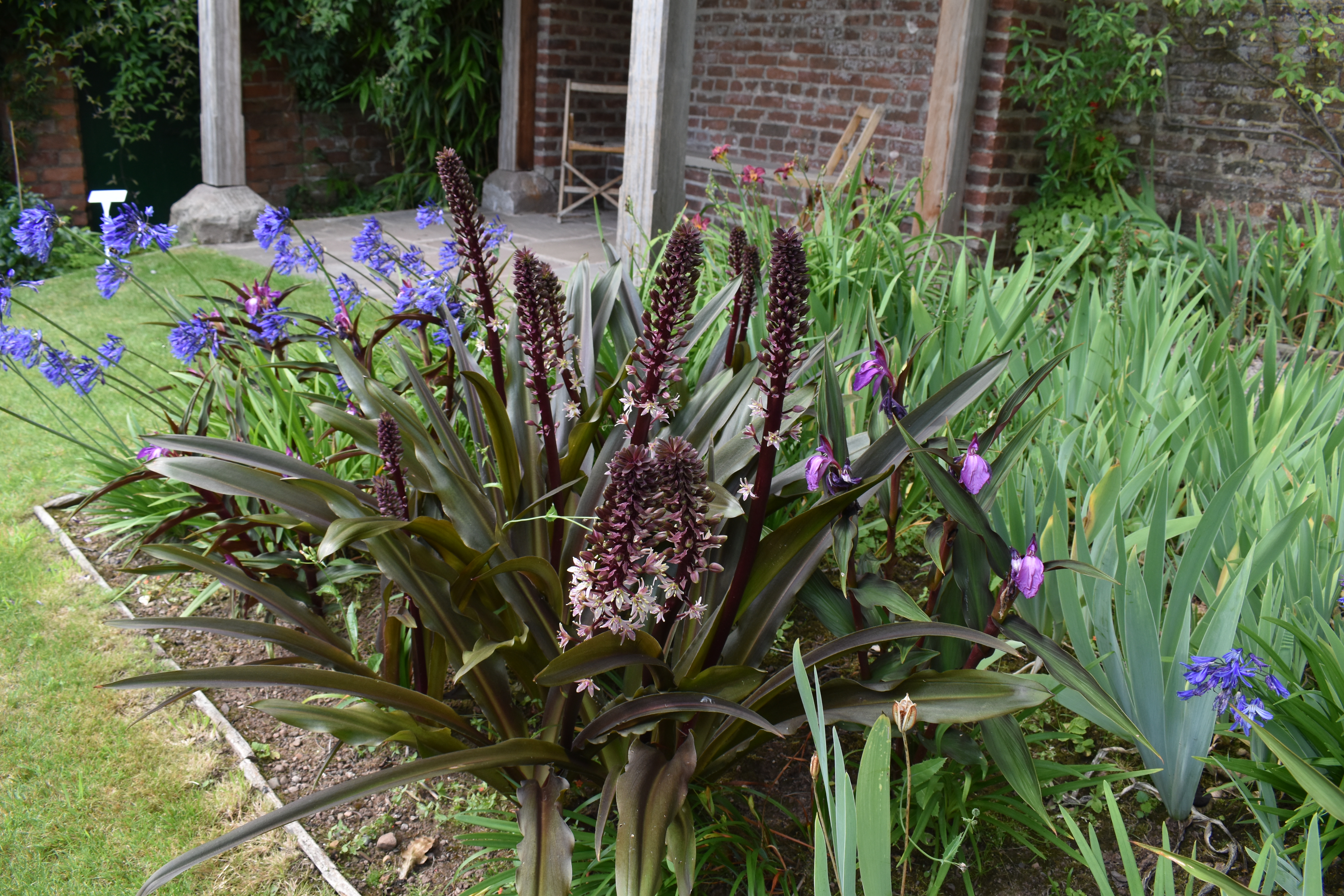
This is the forth part of my “Short Break in Farnham” series of posts and I thought it would be good to take you on a tour of Graham and Vicky’s (our brother and his wife) garden. It is a garden full of quality plants, original ideas and cameos to catch the eye. It is a long narrow garden with fences and hedges that create the feeling of enclosure making it into a sort of walled garden.
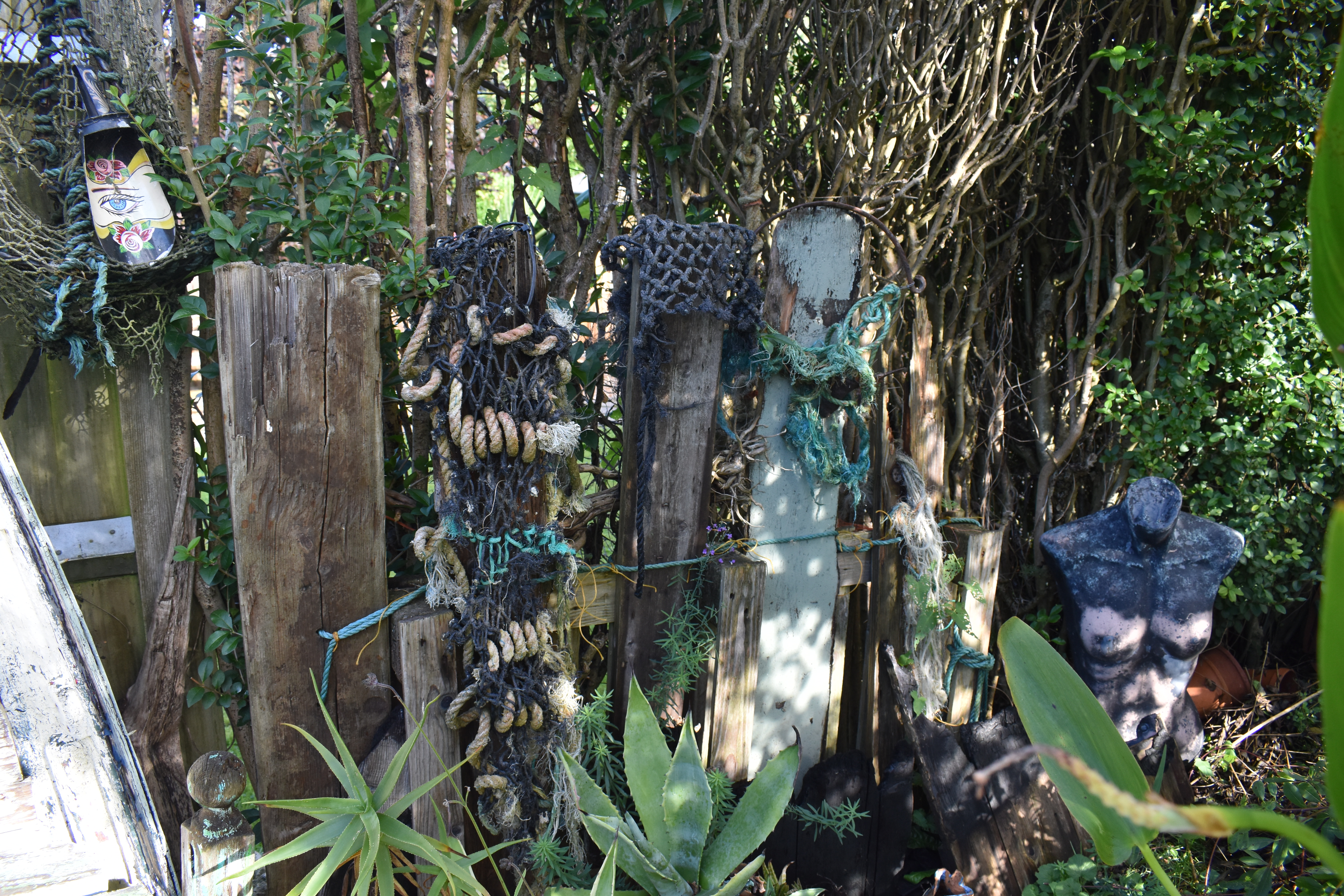
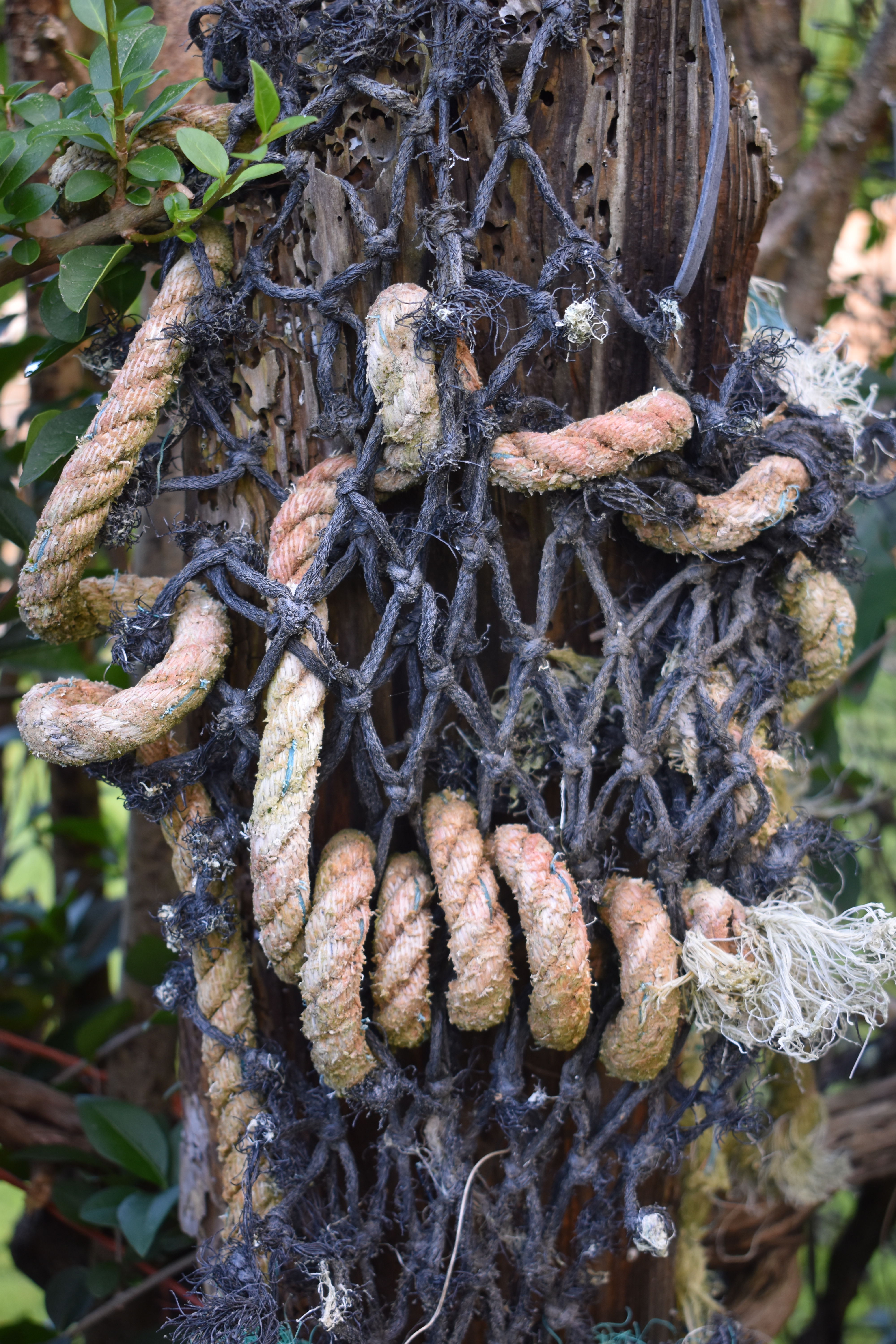
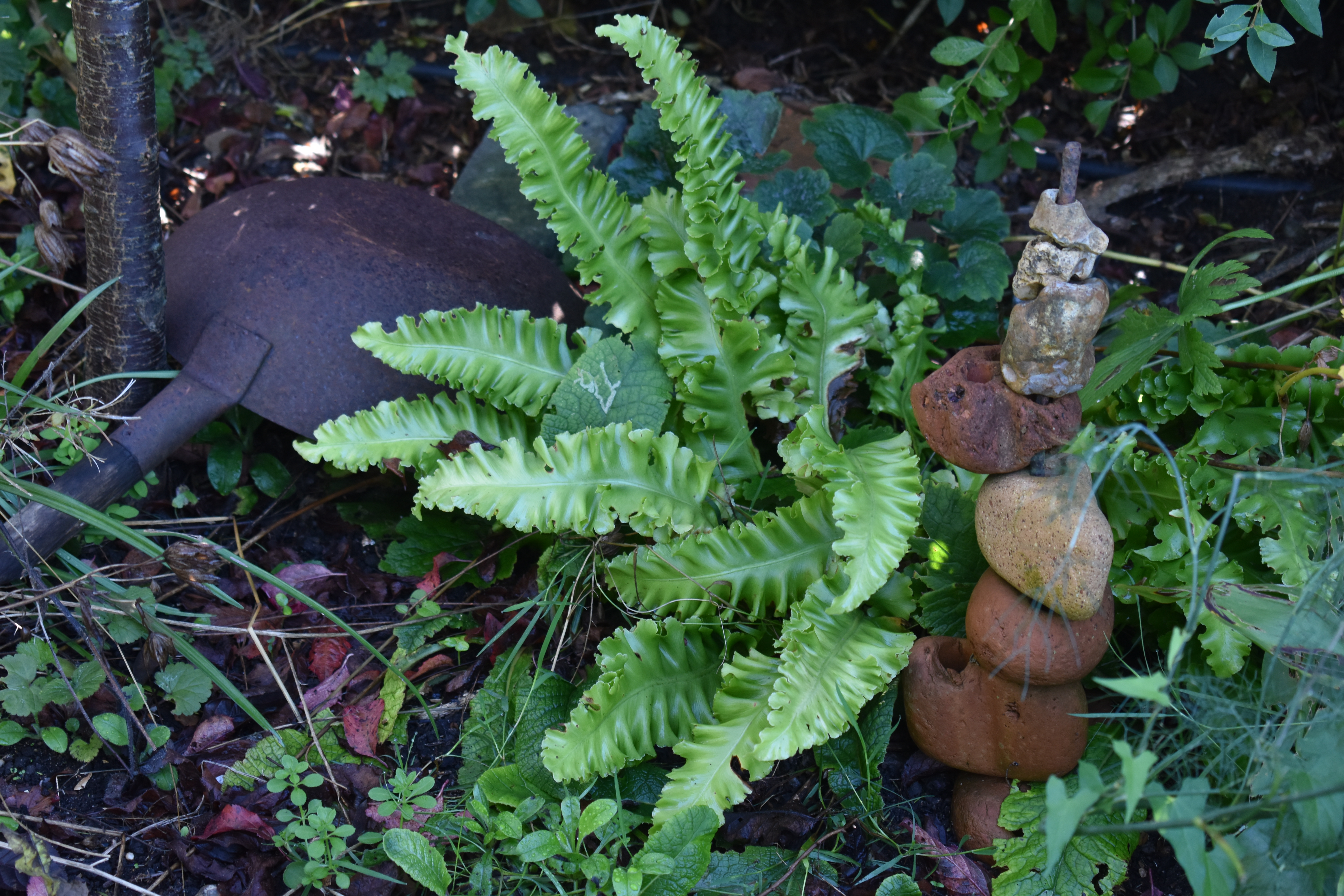
Interesting plants grow happily among objects of interest, both found and created. It’s the combination of juxtaposition and serendipity that intrigues.
I hope you enjoy my gallery!
So now we have visited half of this very quirky cottage garden which I hope you have found both interesting and enjoyable. A second part will follow soon.
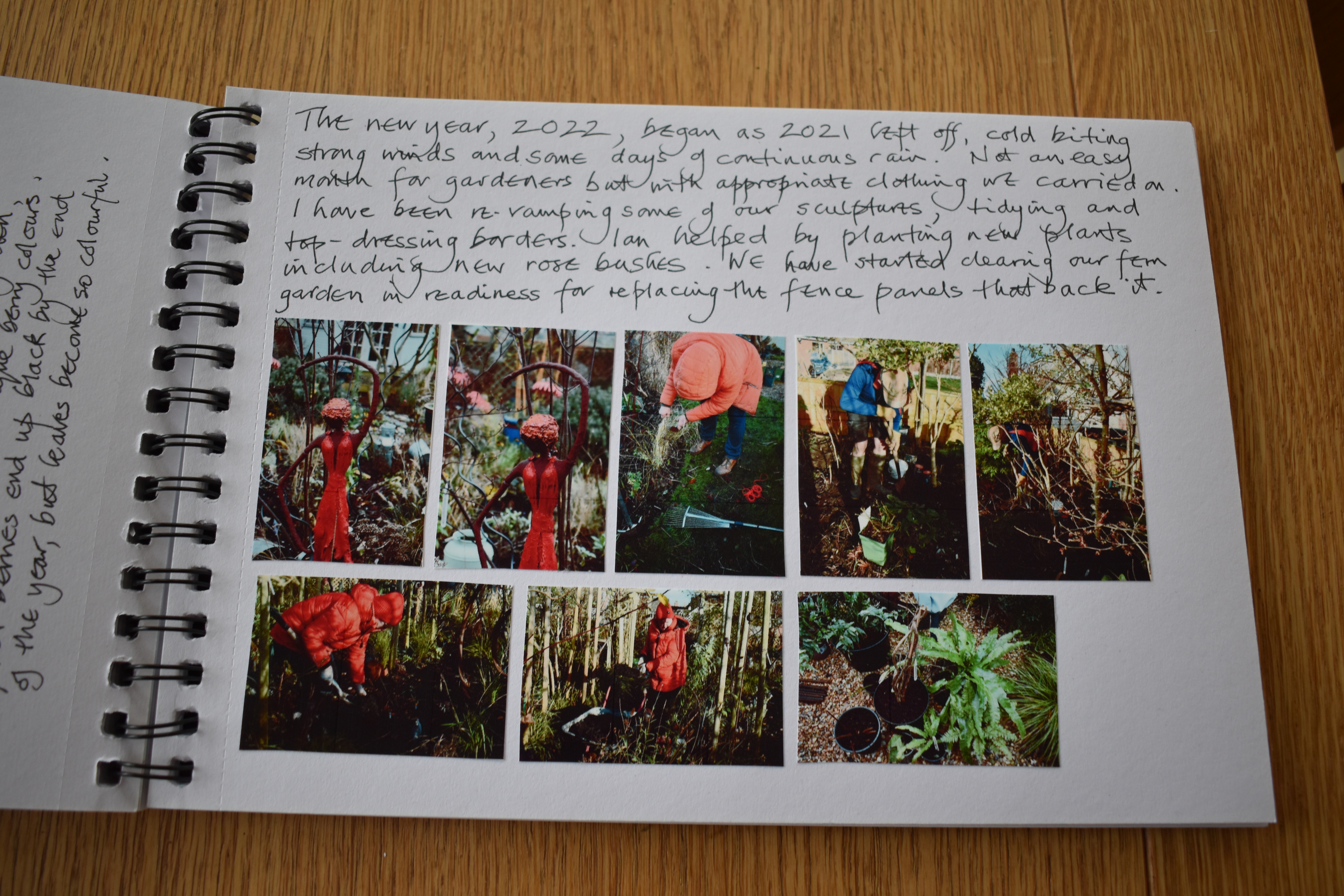
So here we are with a visit to my garden journal, this time to look at the pages for November.
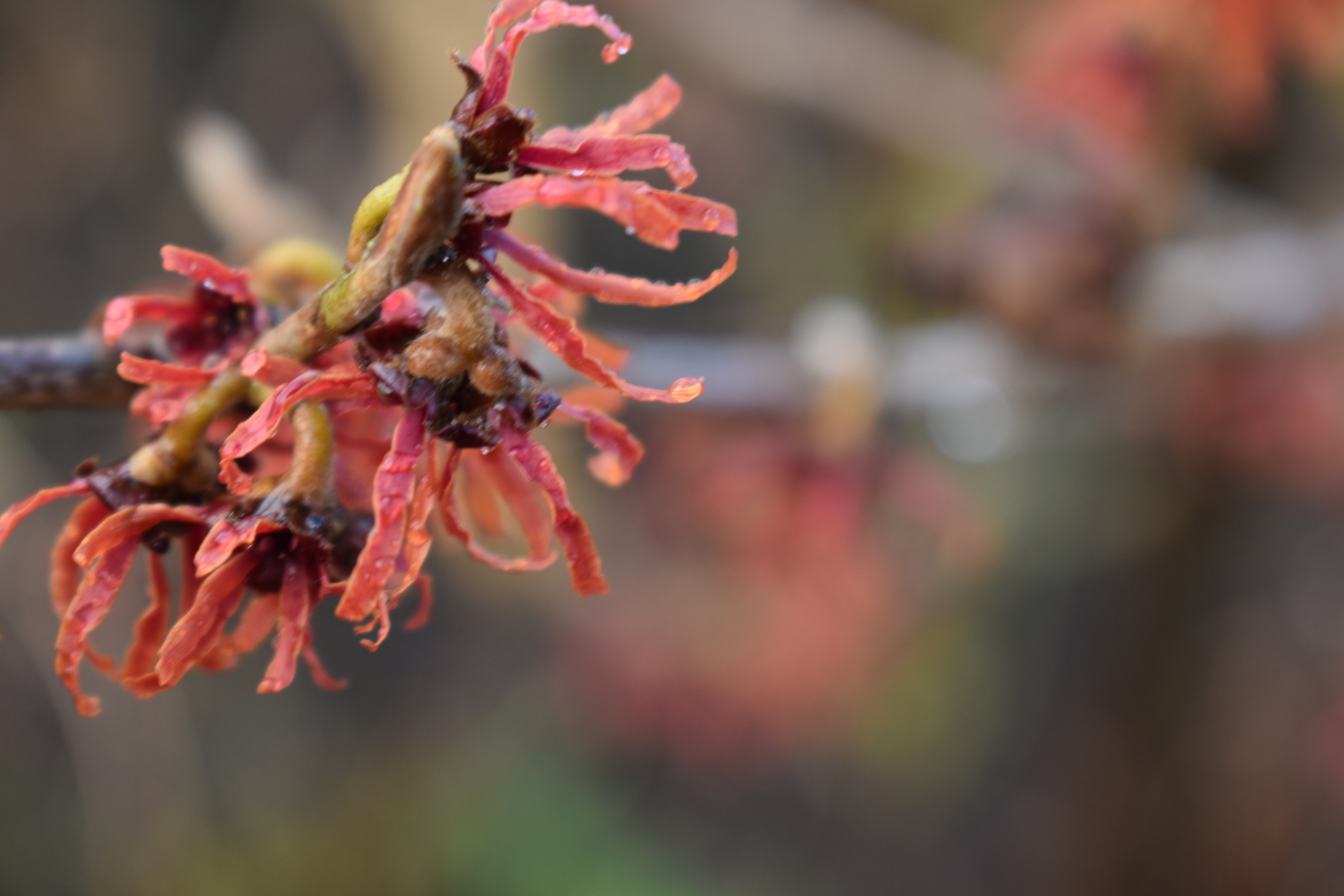
I began by writing, “November saw autumn coming in slowly giving us no colourful days but just patches of colour where odd trees and shrubs brighten up. The best shrub for autumn colour must be the hamamelis family, the Witch Hazels. The leaves below are from H. ‘Jelena’ and H. ‘Diane’.
Overleaf we moved on to explore the colourful autumn foliage of our miniature Gingko biloba called ‘Troll’. I dried and pressed a selection that had fallen onto the compost surface of their pot. I wrote, “Gingko bilobas are wonderful trees with a long history, having been around for 290 million years. It is a unique conifer which is broad-leaved and deciduous, and the only member of the Gingkoales family. These leaves are from our miniature Gingko biloba ‘Troll’ fully grown at 2ft tall.”
On the opposite page I showed two tissue paper collages of leaves of Witch Hazels. I wrote, “In a very odd, almost colourless autumn, the foliage that really shows up in our garden is that of the Witch Hazels, the hamamelis both ‘Jelena’ and ‘Diane’. I played around with tissue paper, torn and shredded to create collages. Some leaves remain predominantly orange with deep red blotches and lines, their veins a deep chocolate brown. Others retain areas of green.”
The next double page spread showed us sorting tender plants to go in the greenhouses and opposite I looked at hesperanthas. On the first page I wrote, “November flowers all seem so special, everyone of them either the remnants of late summer blooms or more seasonal ones. Frosts suddenly arrived on the second day of the month, so we were pleased to have given our delicate plants some protection. They are all safe. We had to re-pot some.We made our temporary greenhouse too.”
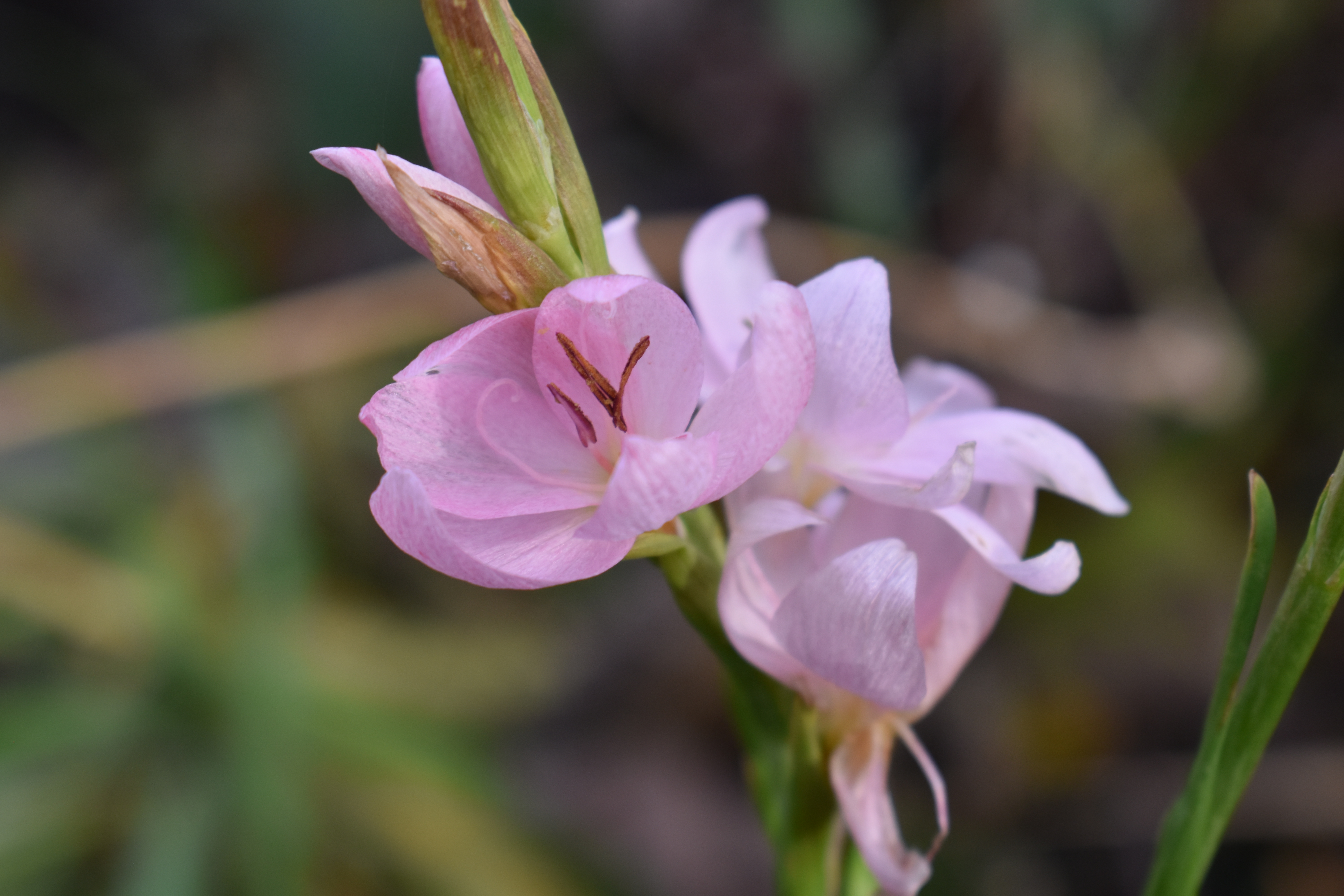
Opposite I continued, “Hesperanthus flowers provide flowers of shades of pink ranging from pure white to the deepest pink almost red”
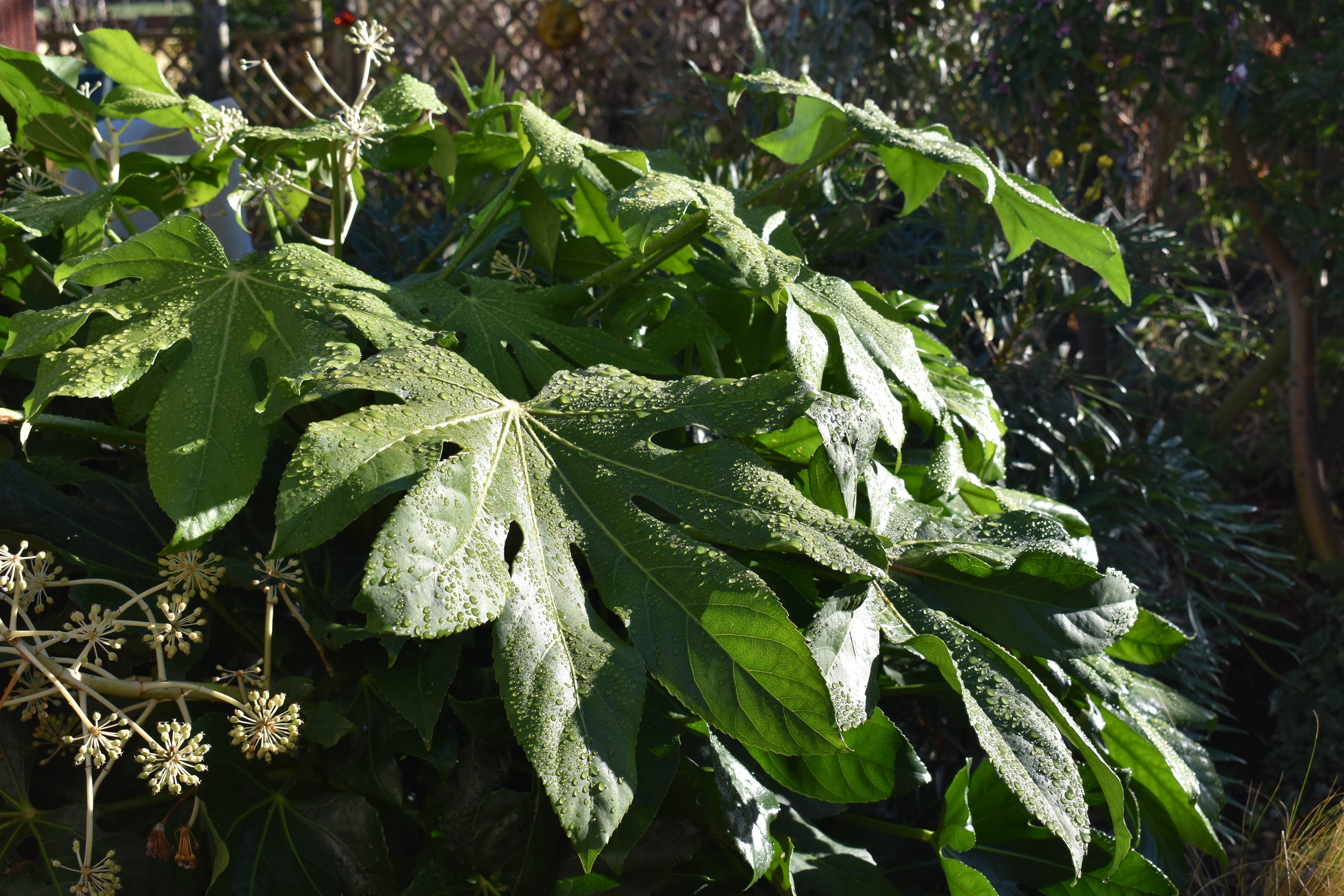
Over onto the next pair of pages I shared photos of fatsia and late flowering roses. On the left hand page I wrote, “The palmate leaves of our two different fatsias look good all year round being a deep glossy green with new leaves unfurling beautifully, but come Nvember their unusually structured flower clusters begin to burst into life. They attract late-flying pollinators.”
When writing about our unusual variety called ‘Greenfingers’ I wrote, “The more palmate leaved fatsia called ‘Greenfingers’ has not flowered for us yet.”
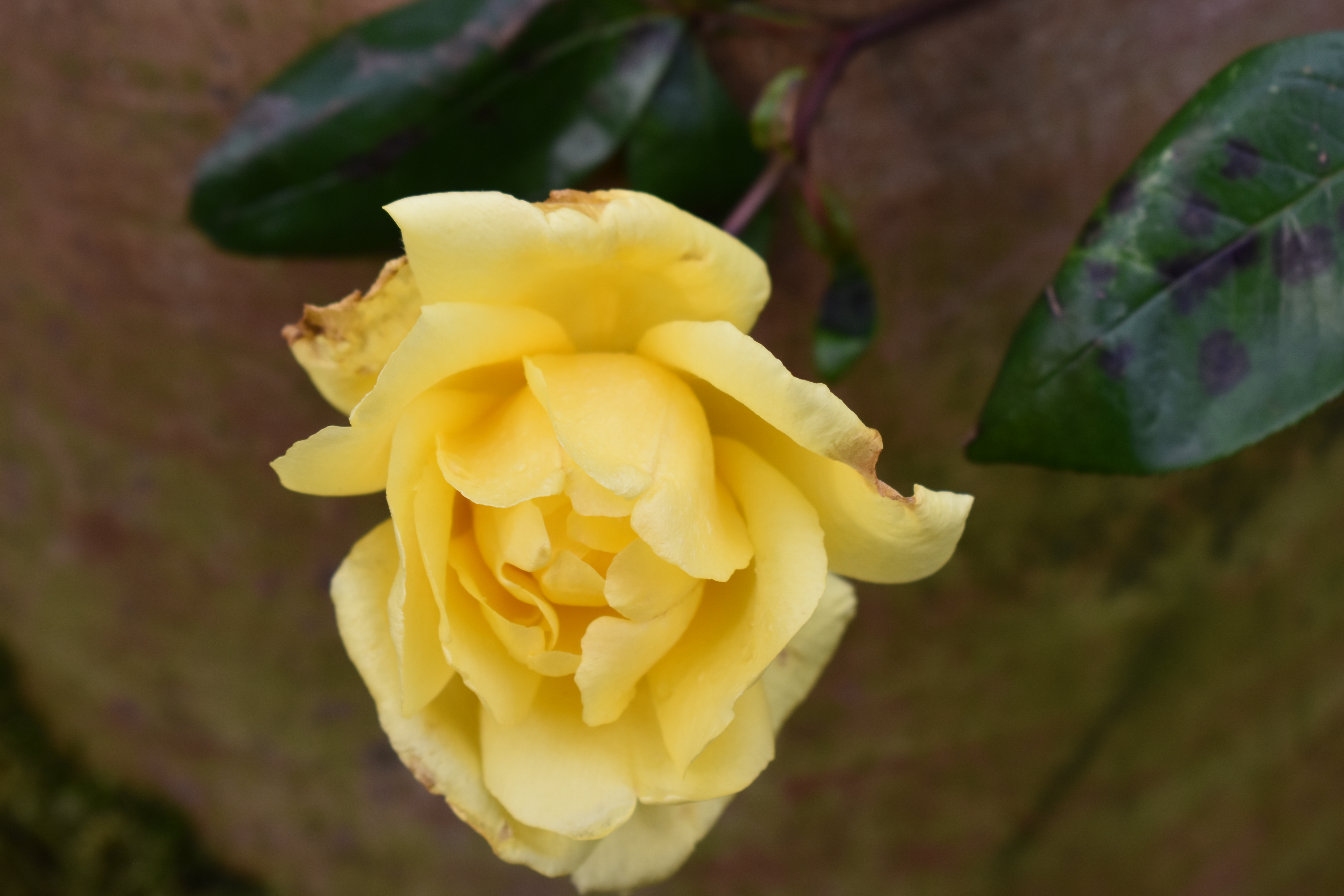
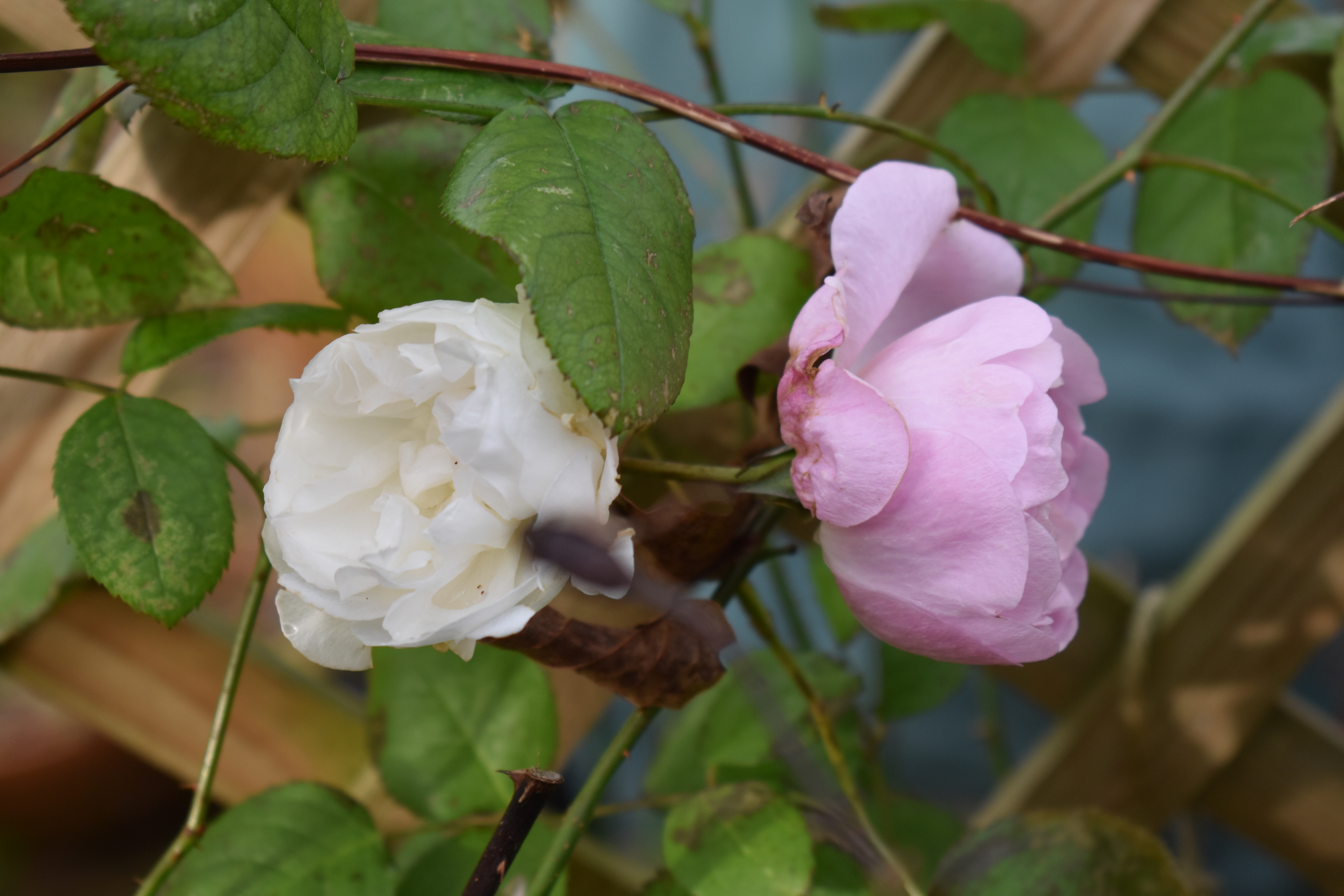
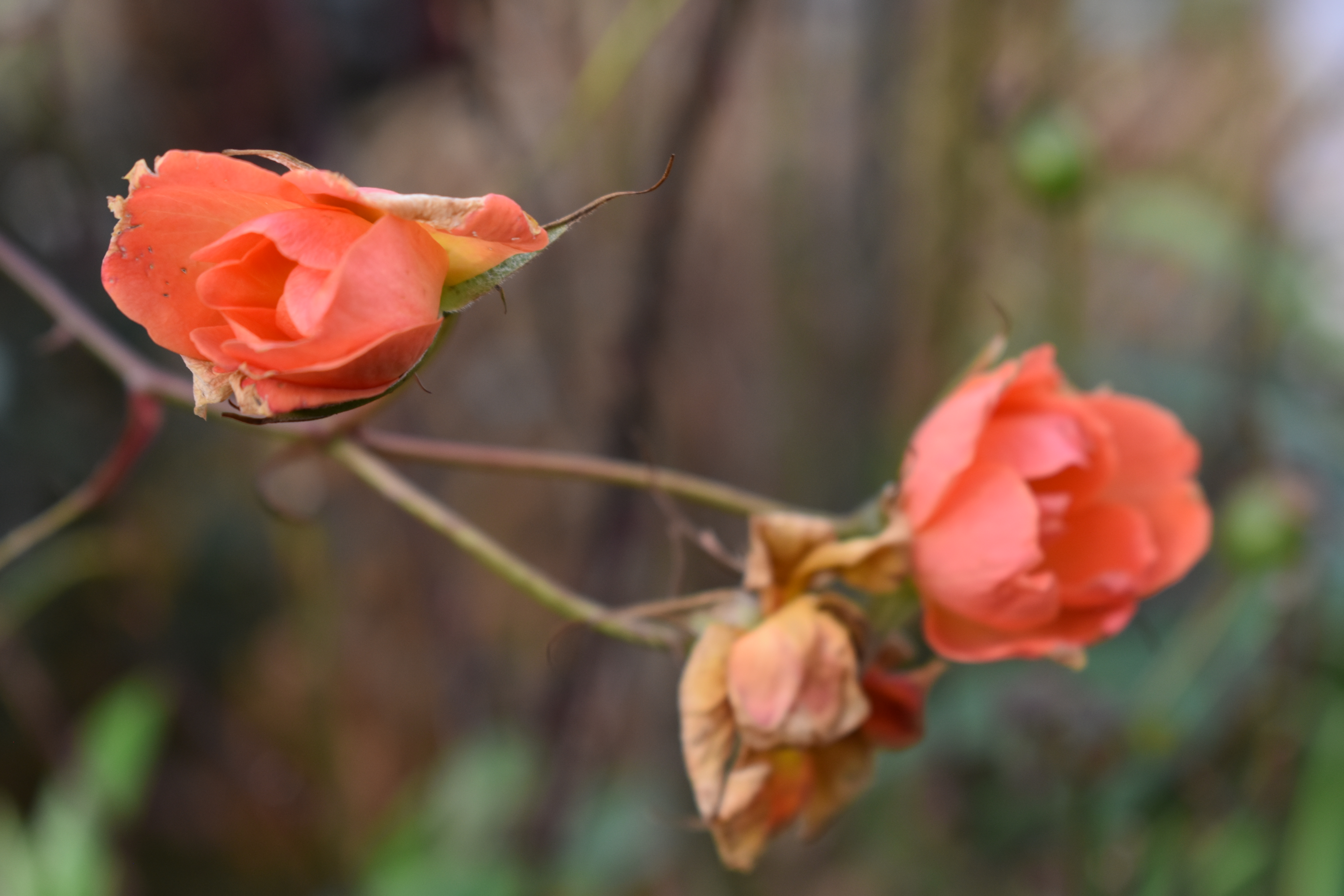
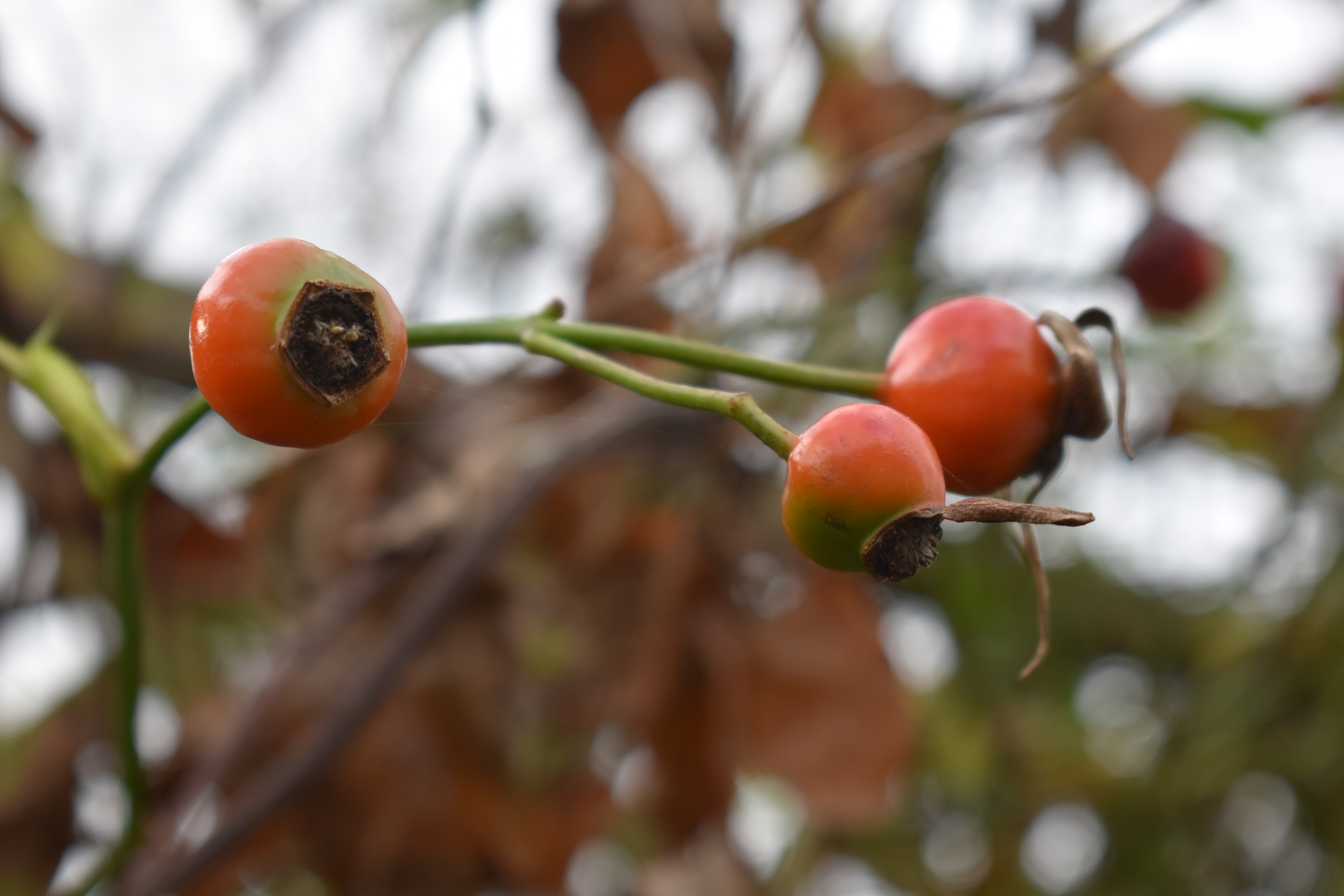
On the right hand side I shared photos of our colourful late-flowering roses, and wrote, “Our rose bushes, climbers and ramblings never fail to delight us with bouts of late flowering right through this month. Hips join in to give added interest and colour, as well as feasts for our birds of the thrush family.”
On the final page for November I wrote, “Lots of garden tasks needed to be undertaken towards the end of November. We continued to pick apples and Jude planted up pots for winter interest to replace my aeoniums now snug in the greenhouse.”
Jude and I love walking on the towpaths alongside the canals of Shropshire and Powys. In November on a cold afternoon we walked a short stretch of the Montgomery Canal with our daughter Jo, beginning at the canal side organic cafe where we enjoyed coffee and cake.
A tiny barge was moored up close to the cafe and we could see other barges up ahead some with gently smoking chimneys. The welcoming aroma of woodsmoke called us down the towpath.
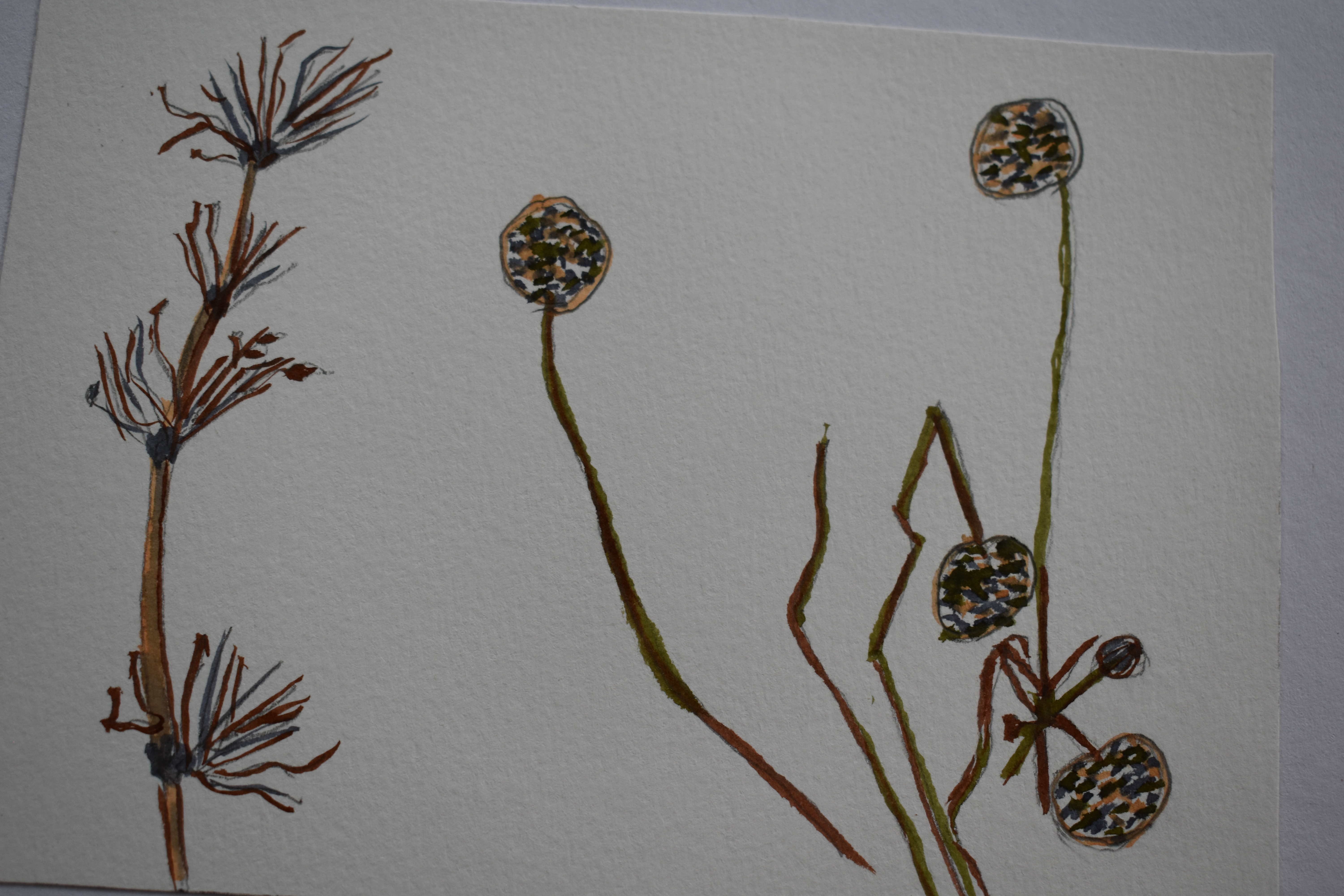
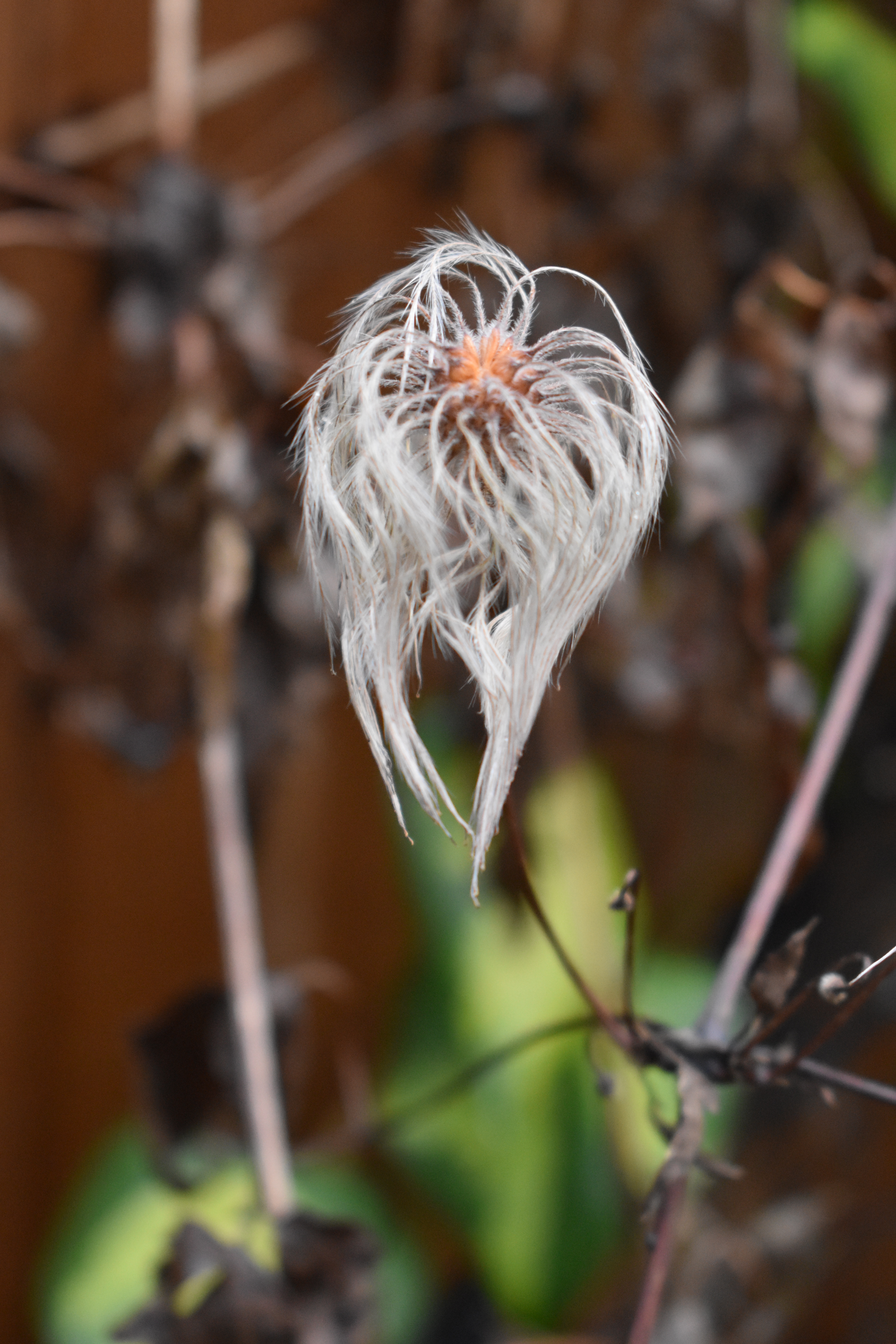
Silhouettes of dried seed heads, the remnants of summer’s flowers emphasised their skeletal outlines.
The hedgerow alongside the towpath separating the canal from the fields alongside were full of native shrubs and wildflowers. Berries added extra colour and invited feeding birds of the thrush family in to enjoy.
We found more barges moored on the canal banks, passed beneath old stone-built bridges and even found a swing bridge as we continued our walk, before returning to the cafe car park.
So our short wander came to an end but I’m sure it won’t be long before we take time out for another canal walk, which I will share with you.
The garden is once again confused by the weather in October when we expect to be seeing more signs of autumn but there remains very little. The Cercidiphylum japonicum was bright yellow as its foliage turned autumnal and soon lost its foliage. We enjoyed the brittle toffee aromas the yellowed leaves emitted. Most of the other trees and shrubs remained green until mid-month.
All around us in the countryside the native Silver Birches have turned shades of yellow but our ‘albosinensis’ and ‘utilis’ cultivars resolutely remain green.
The first page for this month was all about another gardening task.
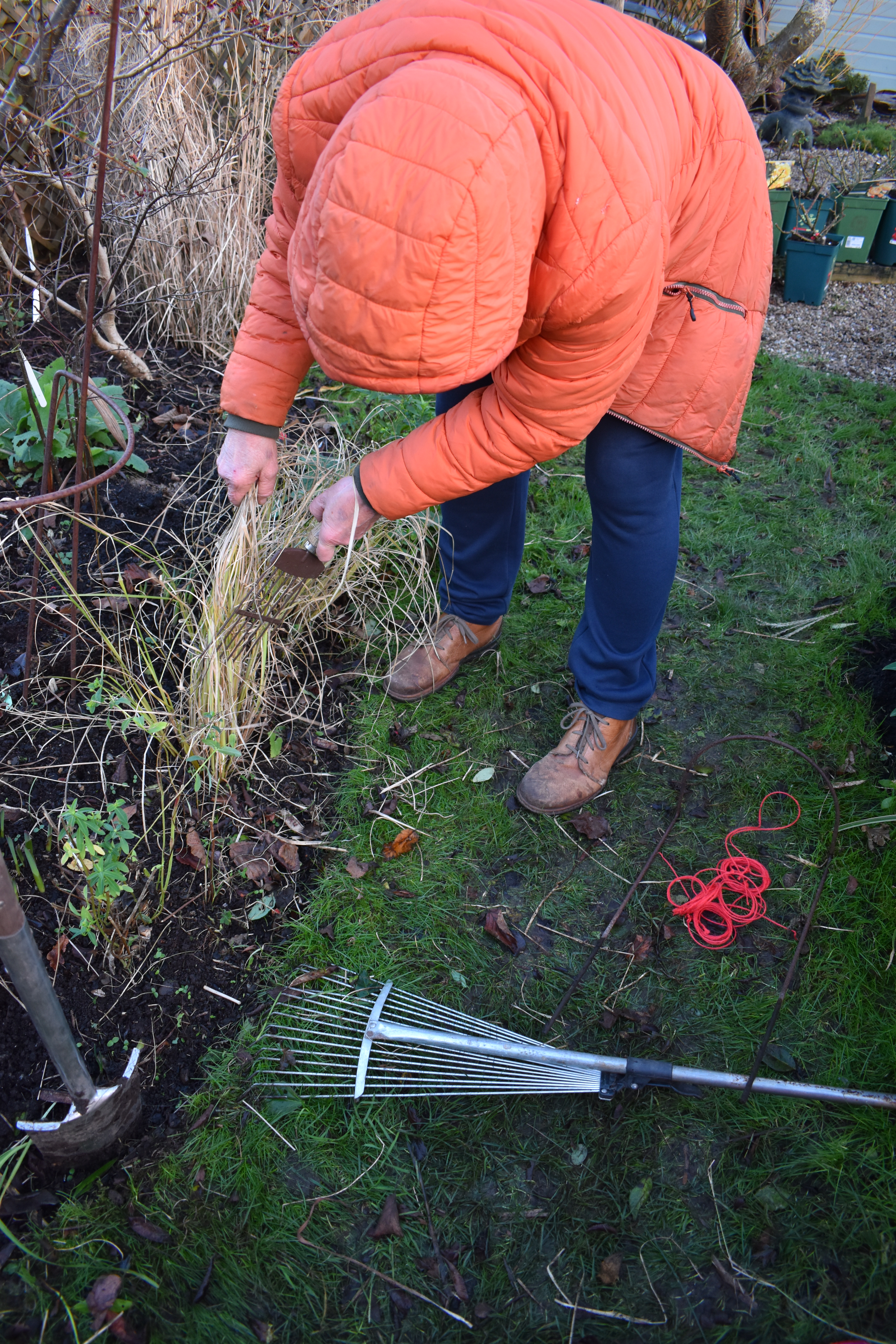
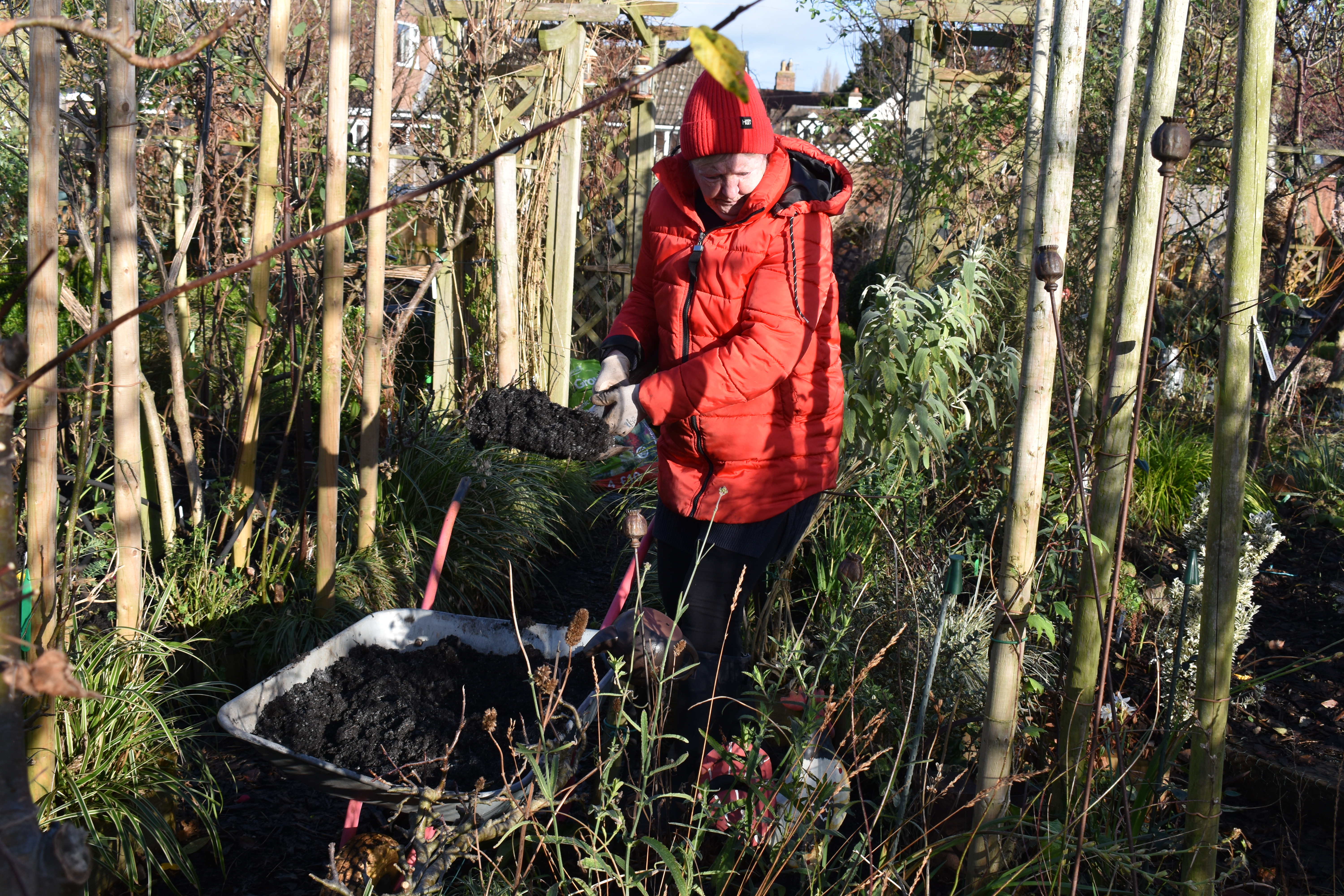
I began my diary entries for October writing, “A major task that took us through from the last week of September and well into October, was the redevelopment of our ‘Prairie Garden’, which over the years has somewhat lost its way.”
The first three photos are about us, “Clearing the original ‘Prairie Garden’ plantings” and the second set show us “Adding organic compost as a deep mulch, raking it in and then fixing in the seep hose.”
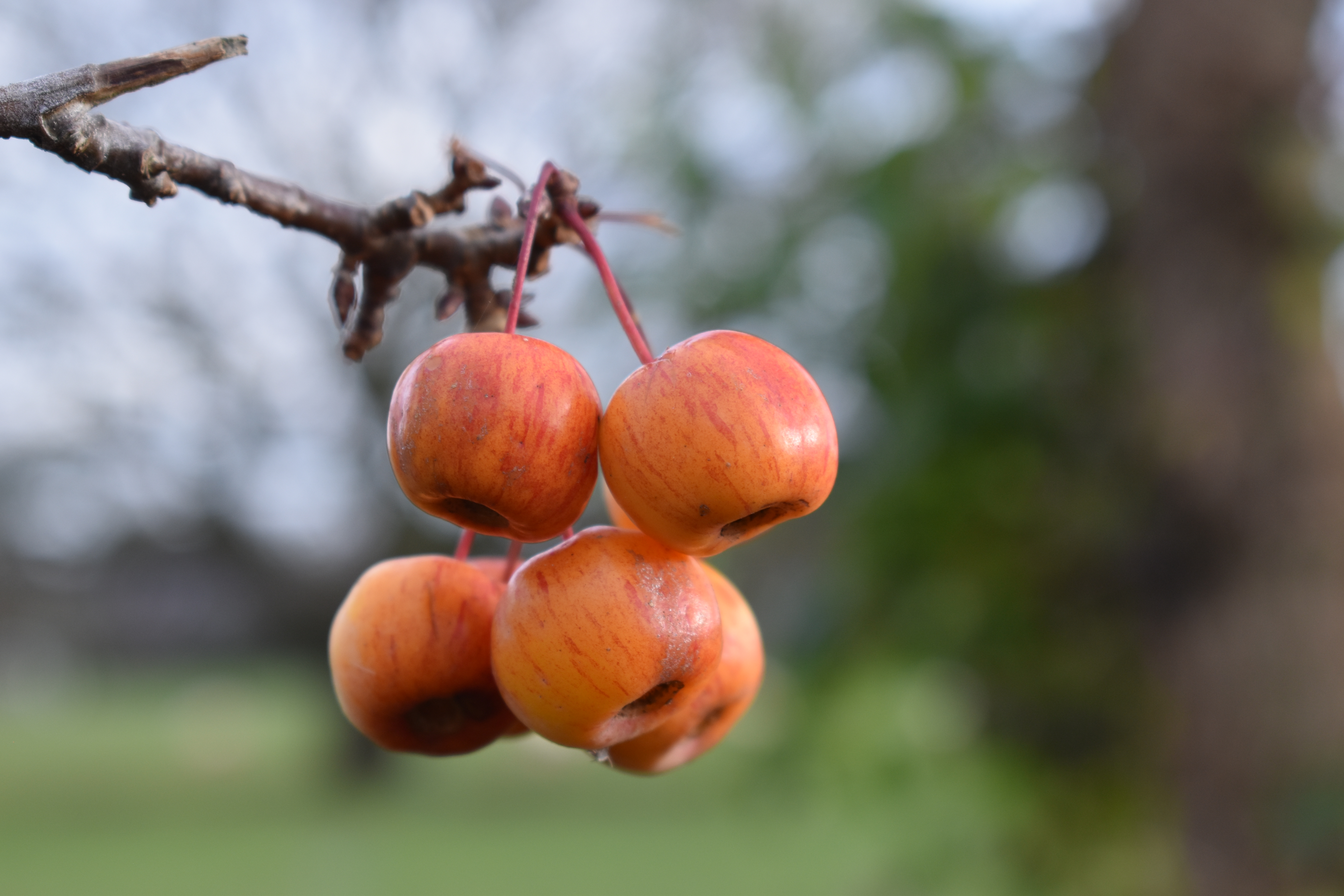
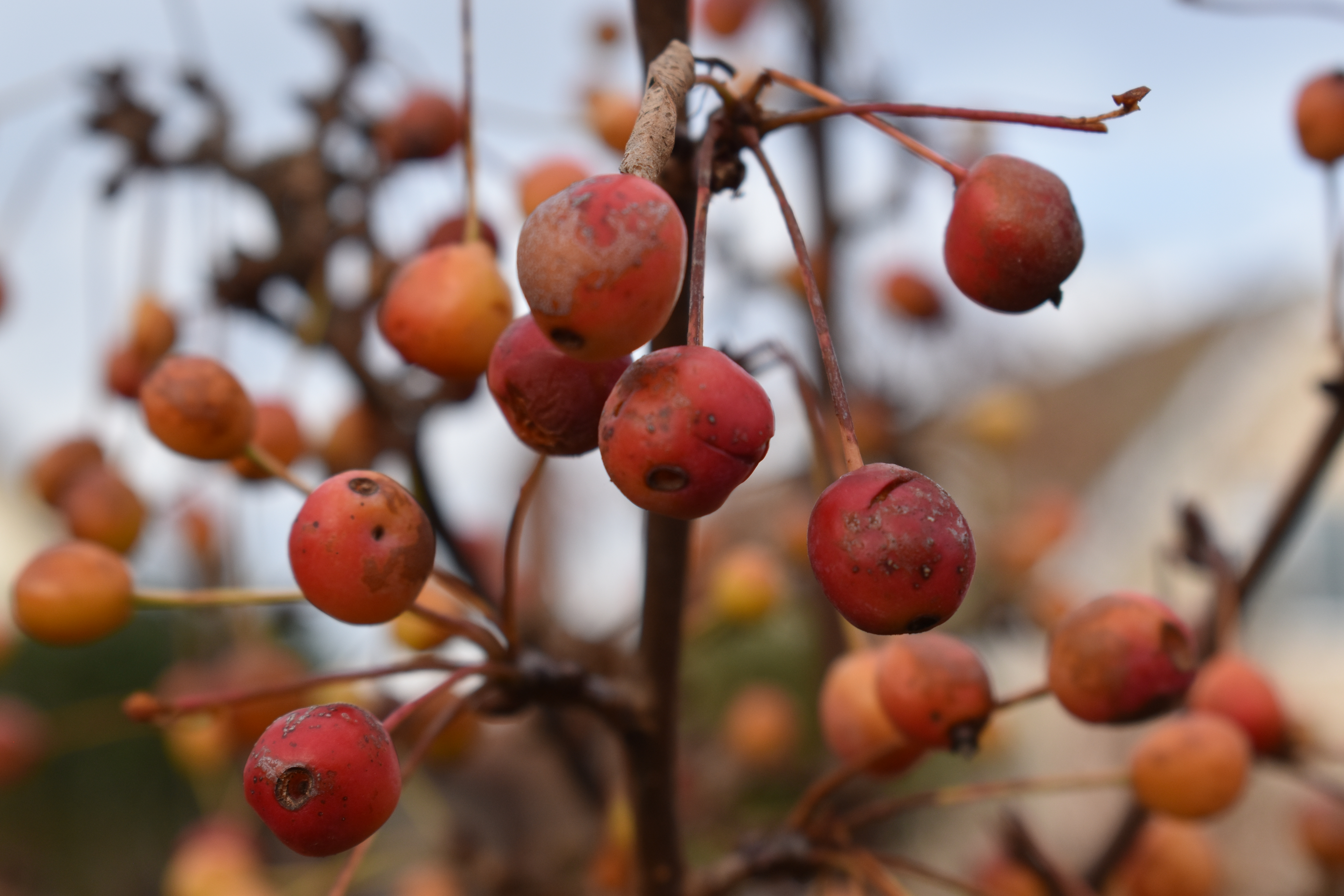
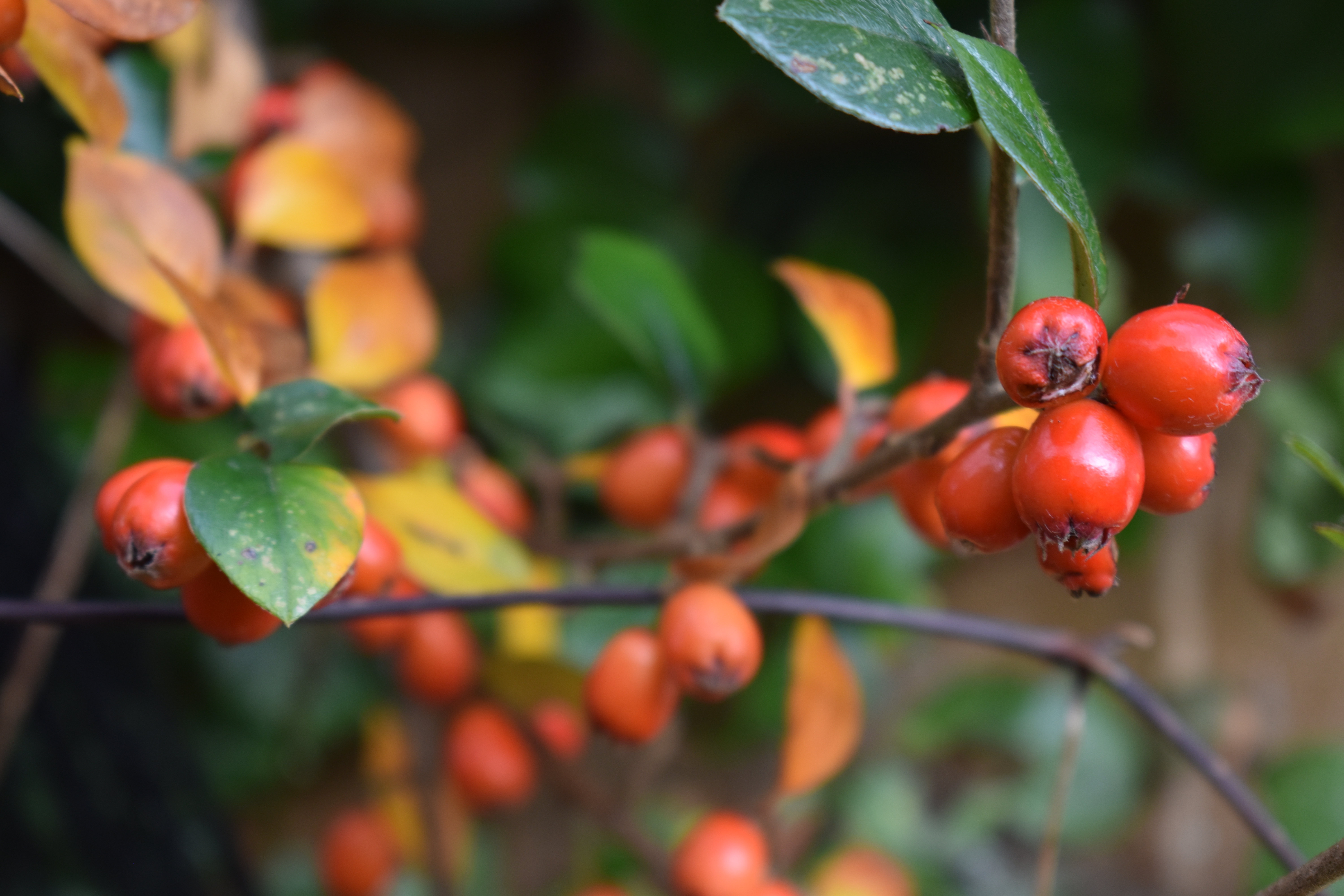
The next pair of pages feature October berries and flowers. The first page was about berries where I noted, “With each passing October day trees and shrubs colour up with berries – cotoneasters, malus, sorbus and hollies. Climbers and a few perennials follow their lead.”
The next page featured October flowers and included a gallery to cheer us all up.
“So many garden writers still imply that October is the end of the gardening year, but this is far from the truth. I took this set of photos in the middle of the month to illustrate how many plants ae still flowering away in our garden, roses, succulents, bulbs and herbaceous perennials.”
For the second of this Post Lockdown posts in the “Are You Sitting Comfortably?”, I will feature garden seats from the National Garden Scheme gardens at Lower Hope.
So let’s visit Lower Hope Gardens.
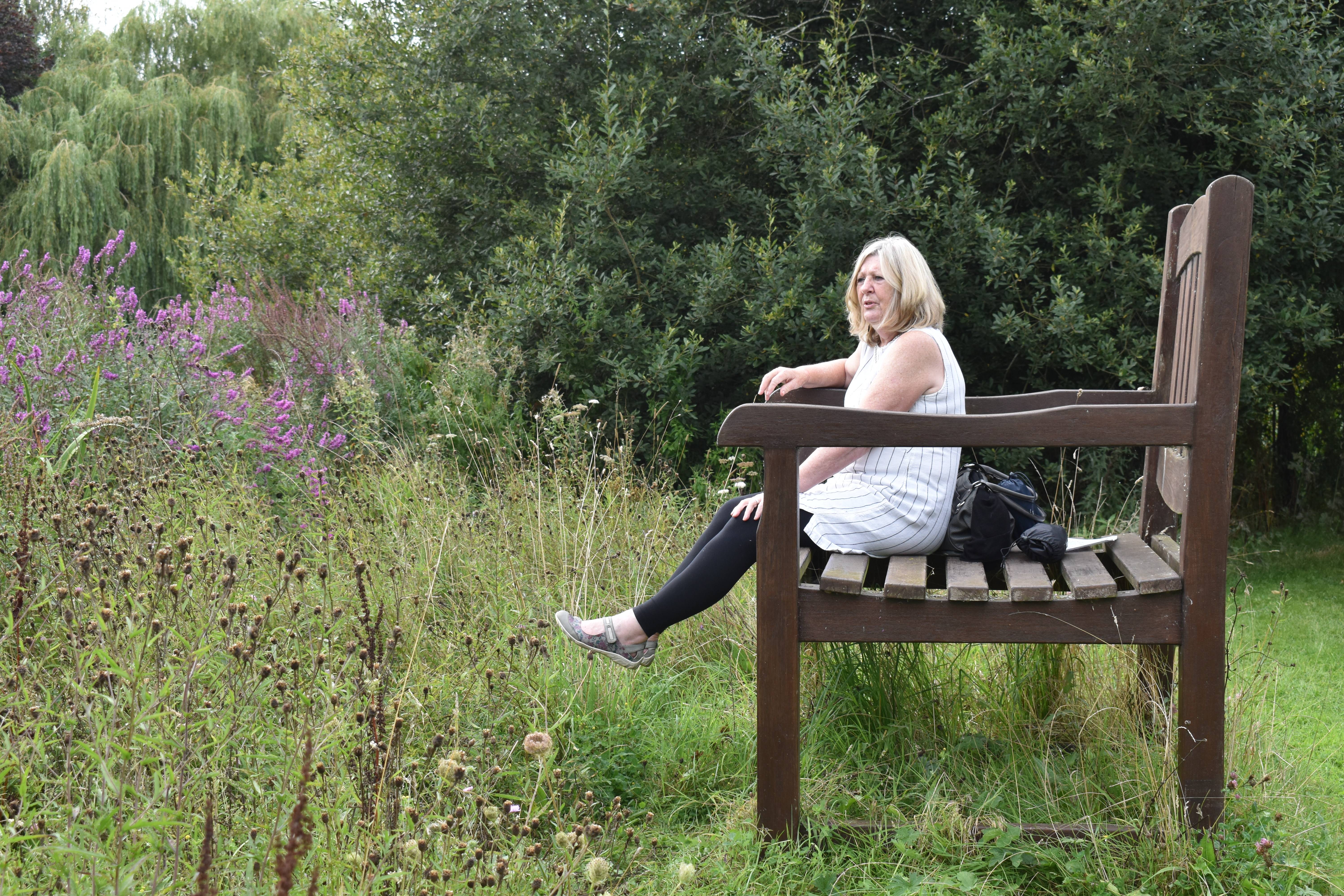
I want to finish off with this fun garden seat! Jude enjoyed the view over a beautiful naturally planted lake, but didn’t enjoy getting back down from the seat afterwards.
So we carry on now as we move from the Harris-Bugg designed Kitchen Garden to the Paradise Garden, a prairie style garden, designed by Tom Stuart-Smith, a garden we had high expectations of.
We definitely were not let down as the planting was excellent and the moods changed as we moved through the different beds. As with most Tom Stuart-Smith a large reflecting pool with rills featured strongly and added the extra feelings provided by water.
Half way down the left hand wall a pair of lean-to glasshouses invited visitors to move through them for some new plant surprises, including aeonium and black tomatoes..
A few surprises awaited us at the base of the greenhouse brick wall beneath the glasswork.
We can now look at more of the wonderful planting style presented by Tom S-S throughout this section of the walled garden.
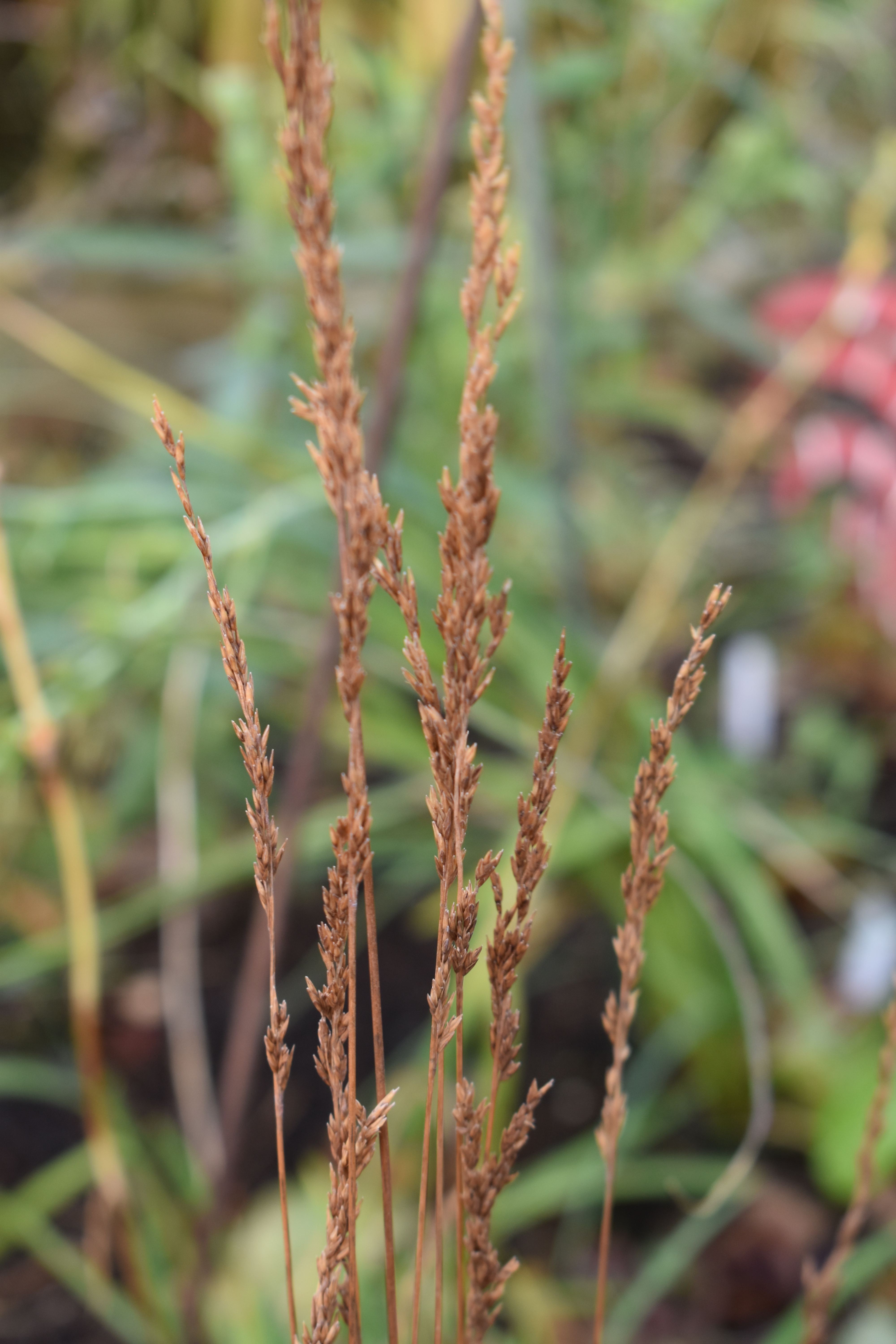
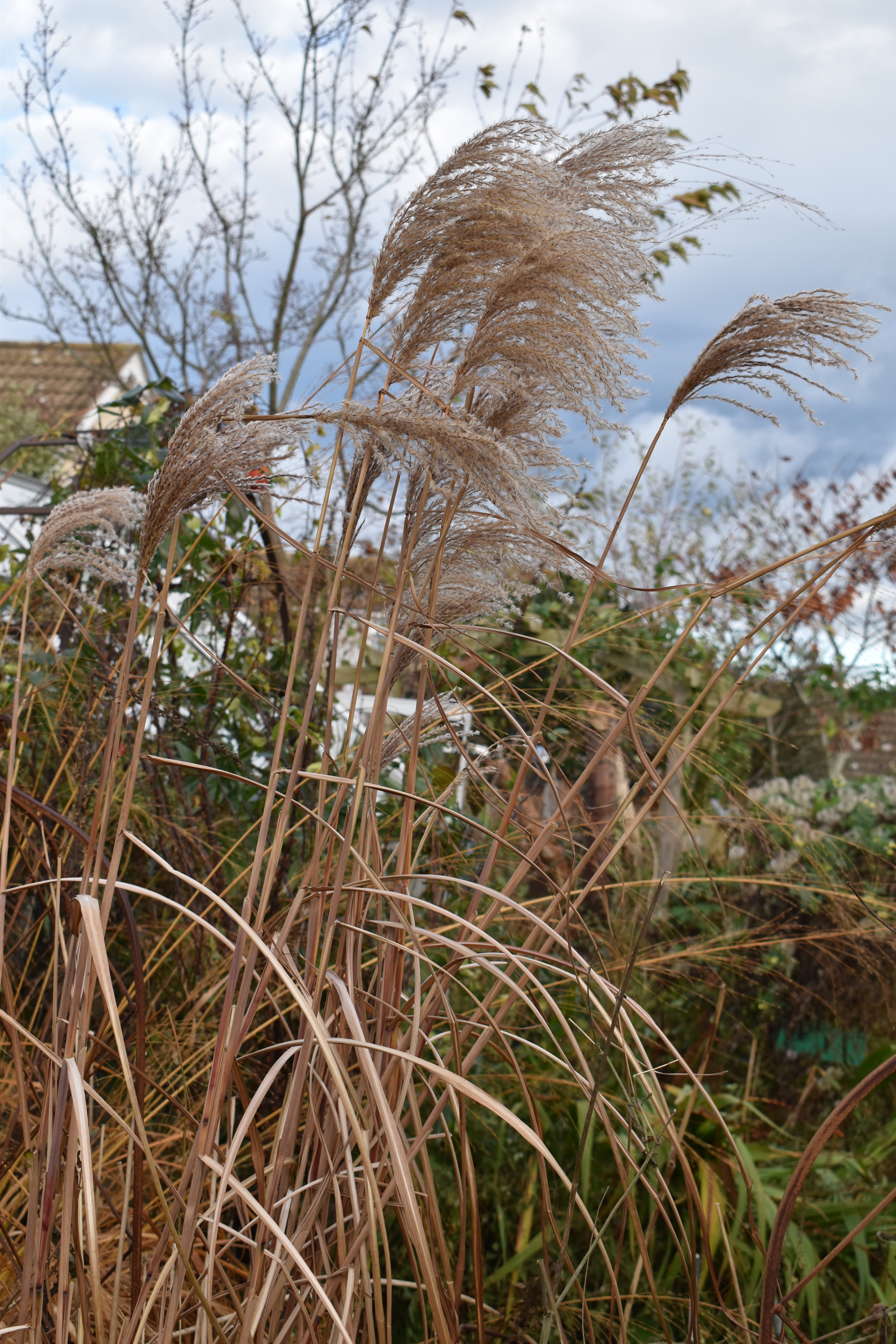
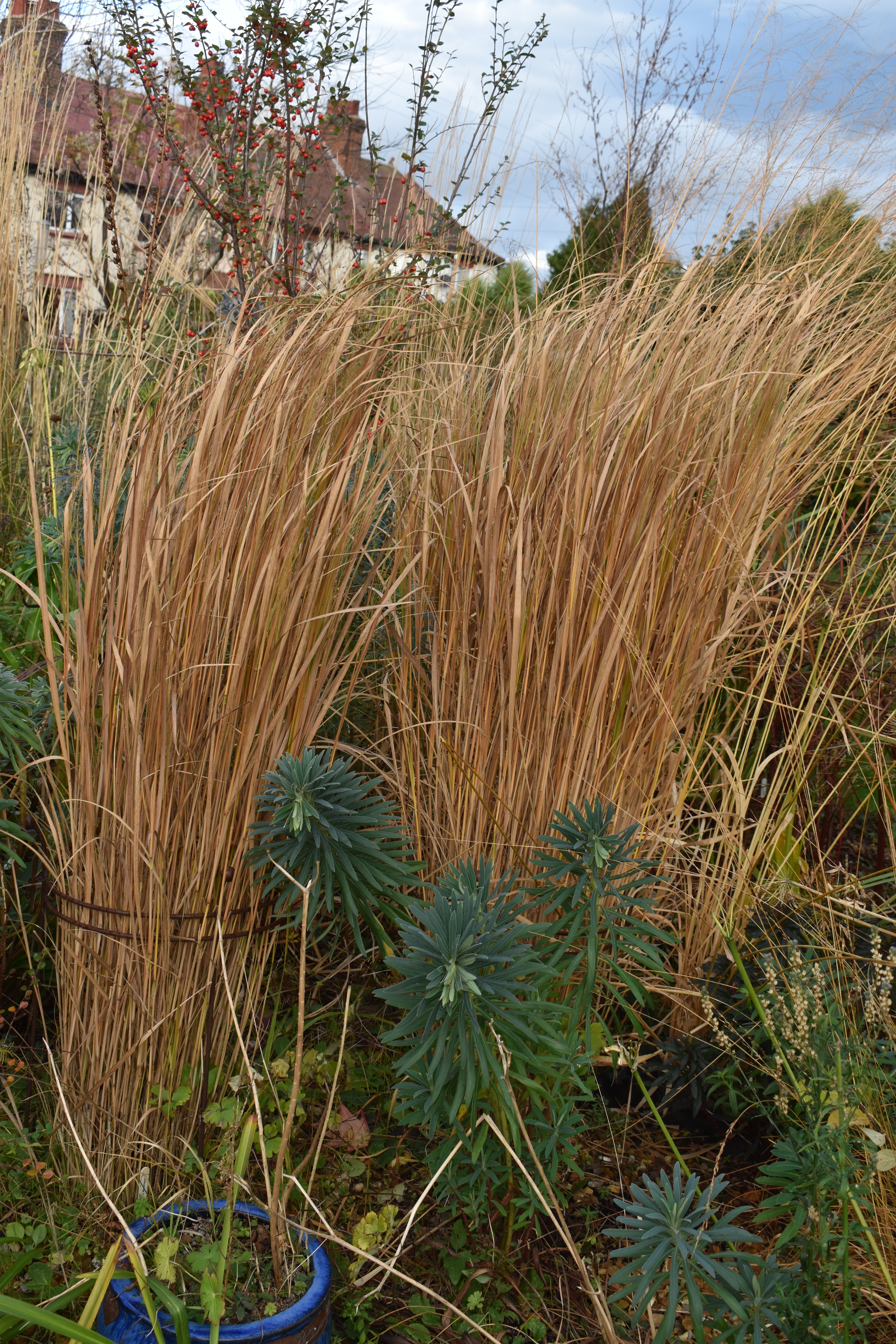
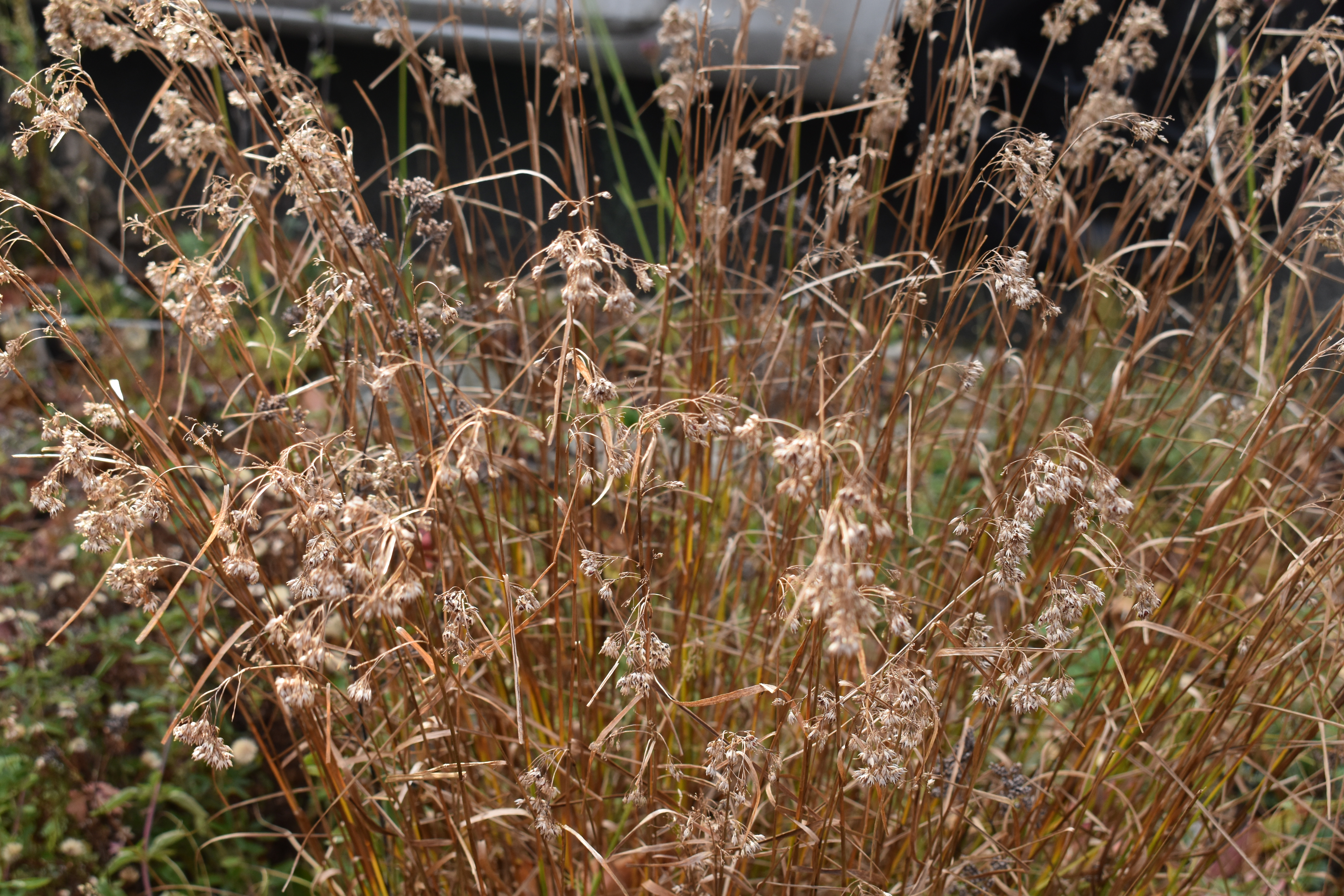
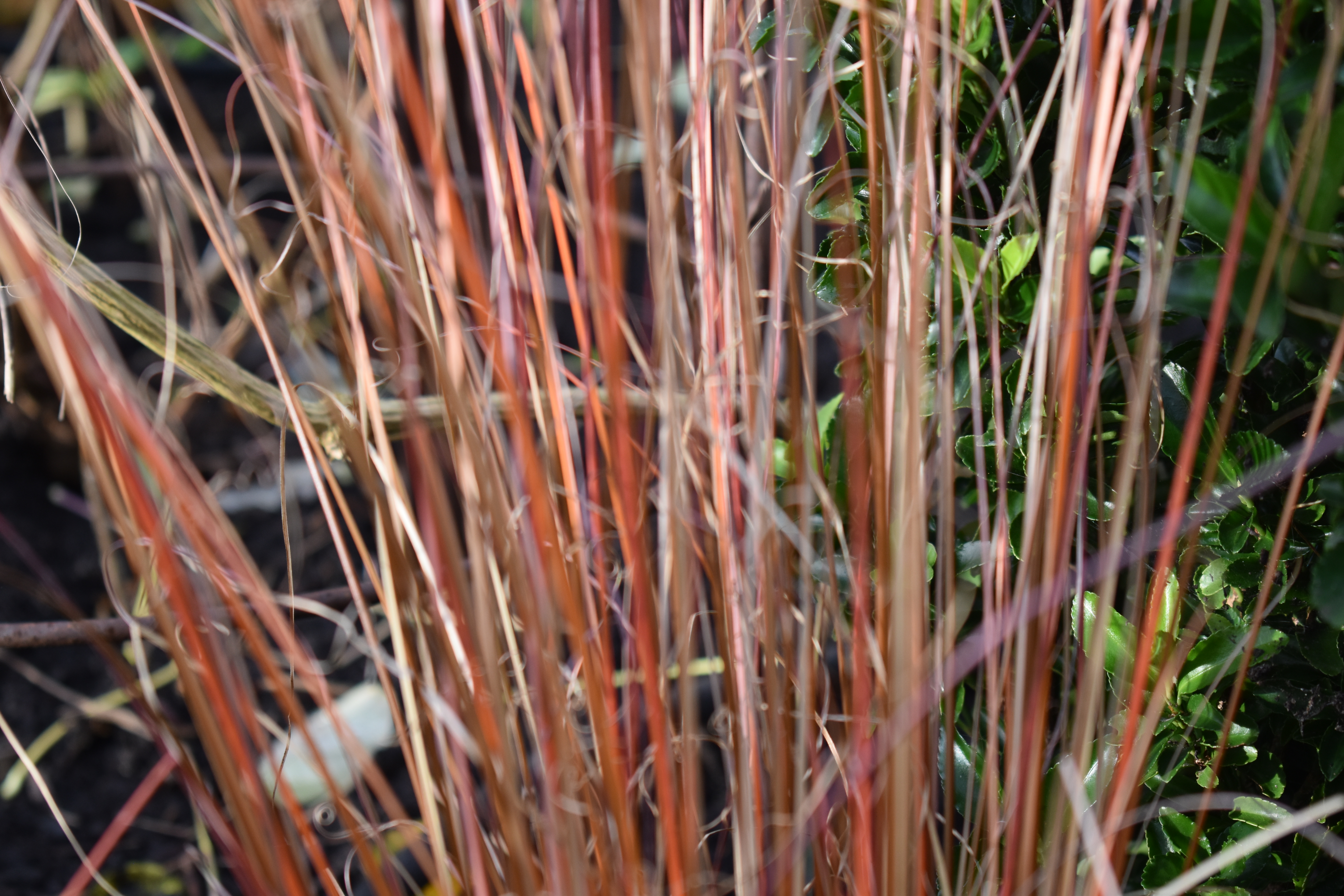
The master of prairie style gardening, Piet Oudolf, always reminds us of the importance of choosing plants which die beautifully, hence his reliance of grasses and late herbaceous perennials. Tom S-S has the ability to select such plants really well.
We spent a long time in the Paradise Garden as it was so beautiful and atmospheric. Before we continued with our exploration of RHS Bridgewater we decided on a coffee break where we found the first real problem with the creation of this new garden.
The refreshment facilities were so inadequate and badly designed that a half-hour queue was expected so long queues formed, made up of grumbling people wondering what was going wrong. A new garden and newly designed facilities should give an opportunity to get things spot on.
It was such a pity that the RHS failed to get aspects of the Welcome Building right after putting so much effort into the gardens themselves.
We have been waiting for the opportunity to visit the newest garden created by the RHS, Bridgewater near Manchester. The RHS had been looking for a new garden to take on and develop somewhere in the midlands, but after a few years of searching they took on this site in the north. Our hopes of having a midland RHS garden once again faded away, meaning we still have to travel to visit any of their gardens.
Nevertheless we looked forward to going to see it in its early stages, especially as the designers involved were particular favourites, Tom stuart-Smith and the young Hugo Bugg.
The entrance building was both beautiful and unassuming, long low ad clad in wood that would fade to a silver grey in time. The container gardens at the main entrance were most welcoming.
Once we had passed through the building we began exploring the newly created borders following some herbaceous plantings before turning into the community learning areas full of gardens looked after people from the locality with expert help from RHS gardeners. As we made our way there we passed a beautifully sown new lwn area dotted with buttons of yew.
We were fascinated by this propellor shaped turf bench, a design hard to create and no doubt to maintain too!
We left the education community area wandered through what would become an orchard and arrived at a large stone built house badly blackened by pollution from the past. The planting around it included perennials and wildflower meadows.
We then wandered into the formal areas within the old walled gardens which must have been so dramatic in their day. The first we reached was the kitchen garden designed by Hugo Bugg and Charlotte Harris, both winners of RHS Young Designer Awards. The underlying structure is influenced by the areas industrial heritage especially its canal system.
Through a gap in the restored brick walls we entered the Prairie Garden designed by Tom Stuart-Smith, one of our best garden designers.
'The most important and informative publication on wildlife of our times' - The Independent. This blog is a member of The UK & Ireland Natural History Bloggers group: www.uknhb.blogspot.com