Categories
autumn autumn colours colours garden design garden paths garden photography gardening gardens gardens open to the public National Trust ornamental trees and shrubs Powis Powys The National Trust trees Wales woodland

A Visit to the Wonderful Gardens of Powys Castle – Part3

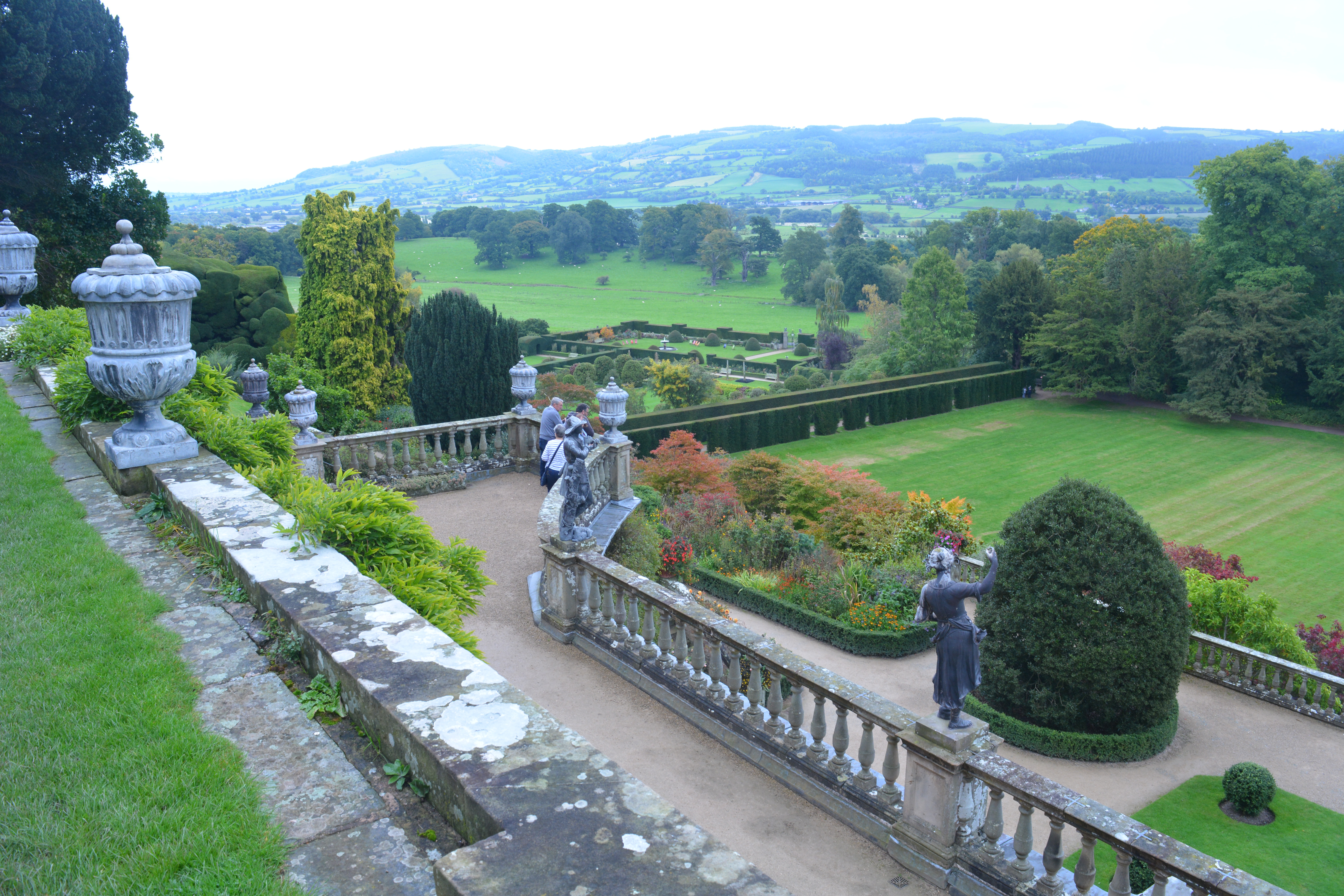
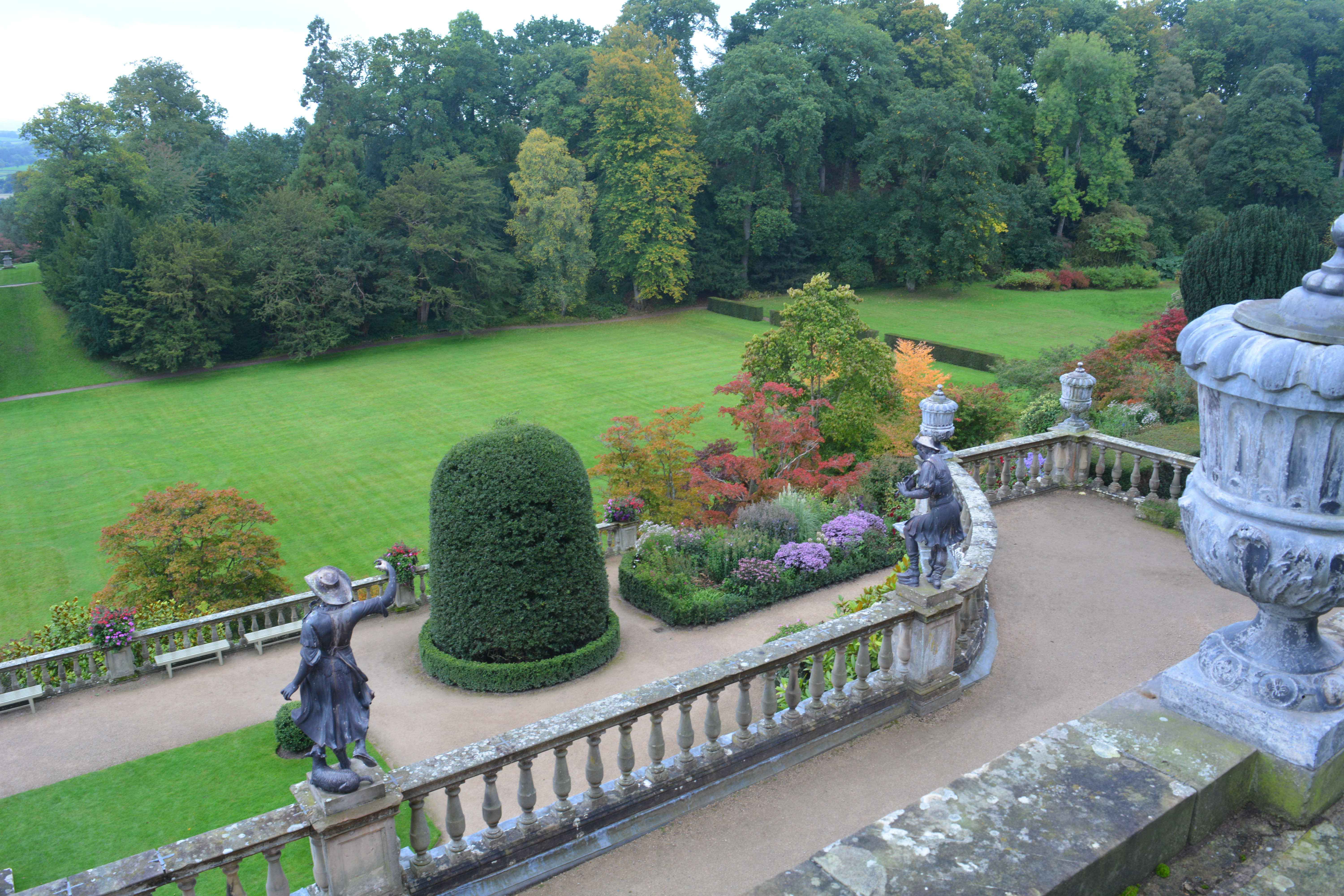
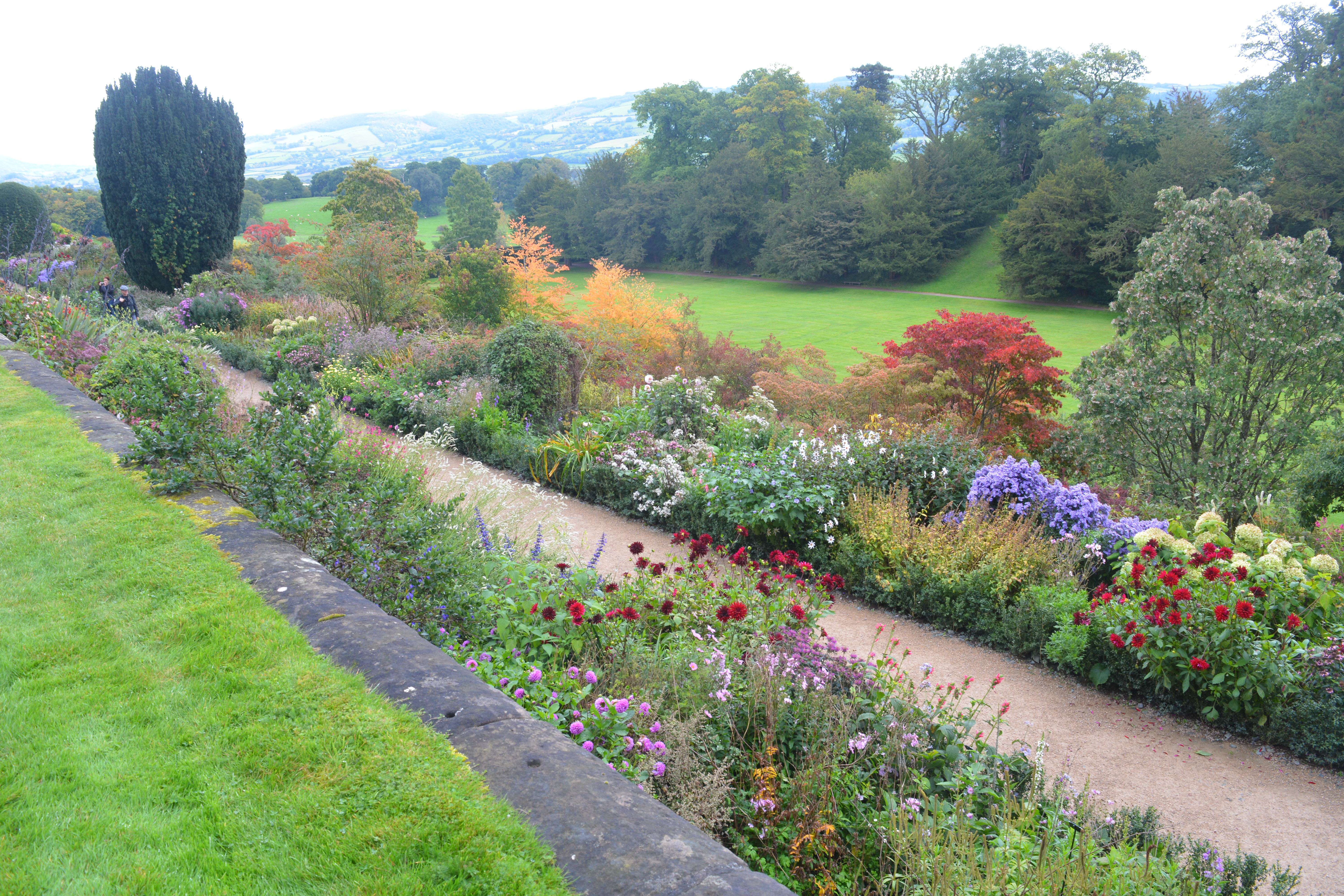
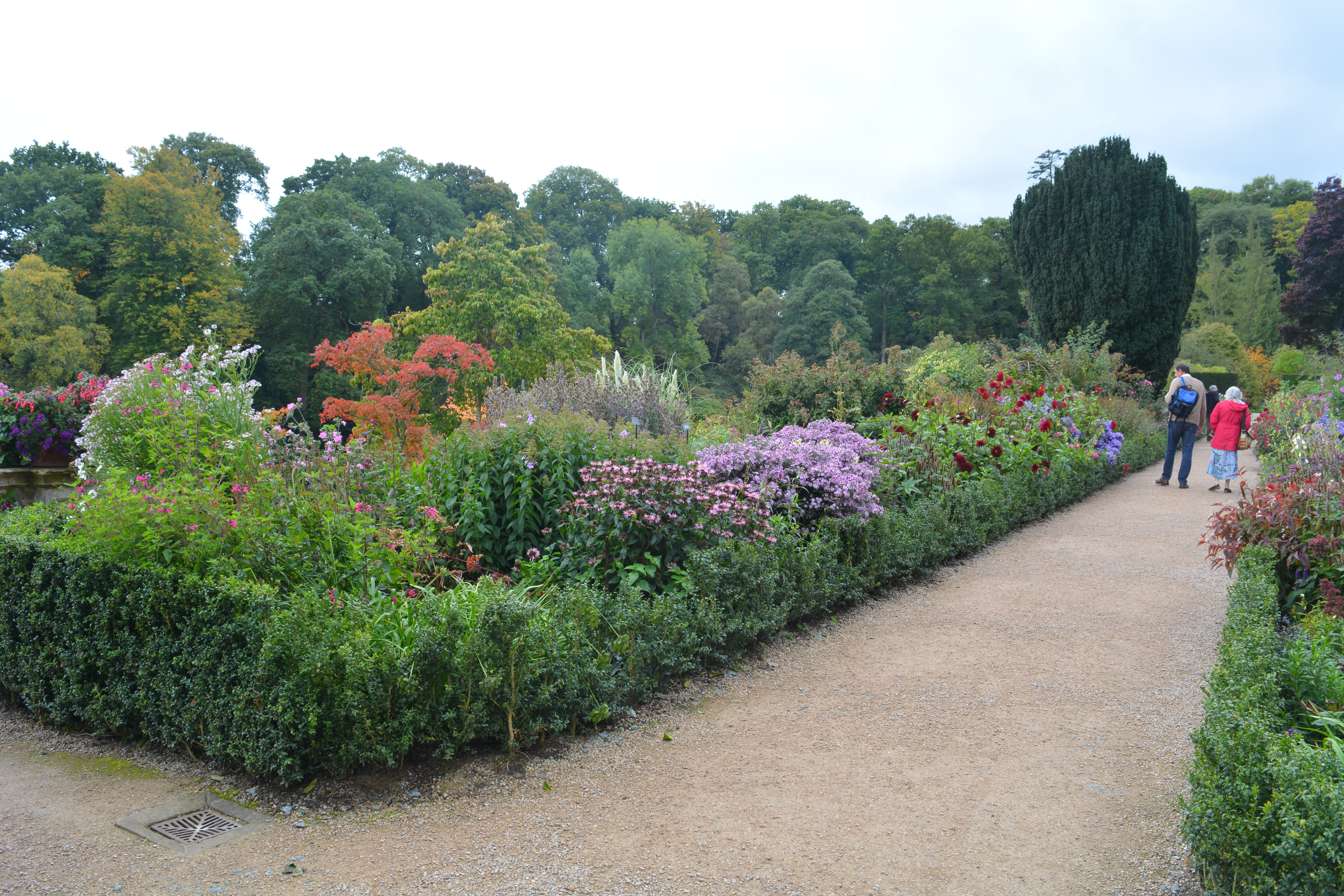
Back over the border just half an hour away in Wales we return for part 3 of our visit to the gardens of Powys Castle. We have looked at its upper terraces and the beautiful late summer, early autumn flowering plants, so now we will wander down to the lower garden and have a look at its famous ancient yew hedges as we descend and finally we will wander along the lower terrace and search for autumn colours in the trees and shrubs there.

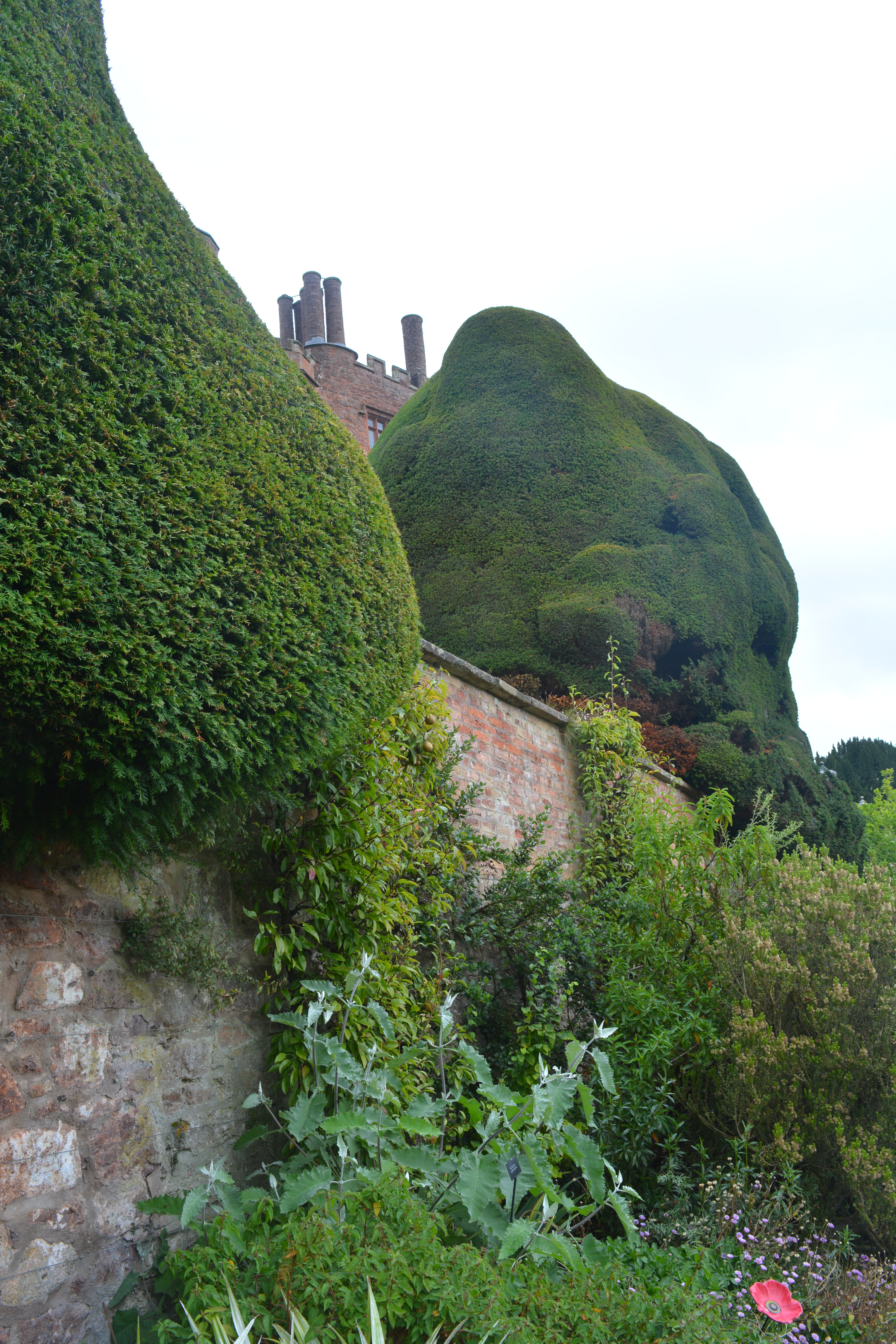
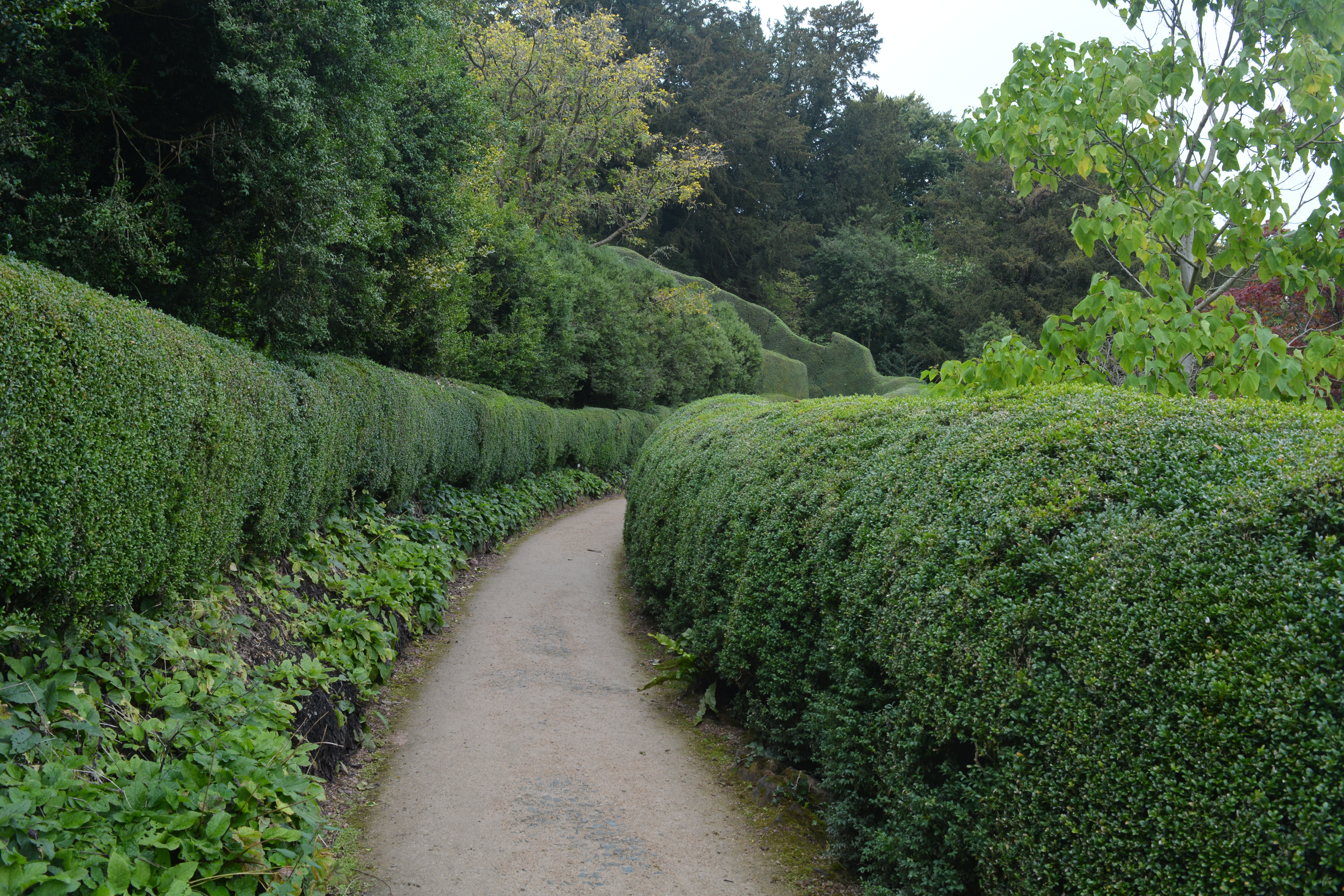
The ancient yew hedge is cloud pruned and runs either side of the path down to the lower garden. It towers above us and makes us feel so small. At times we have to go through it in cutaway arches.


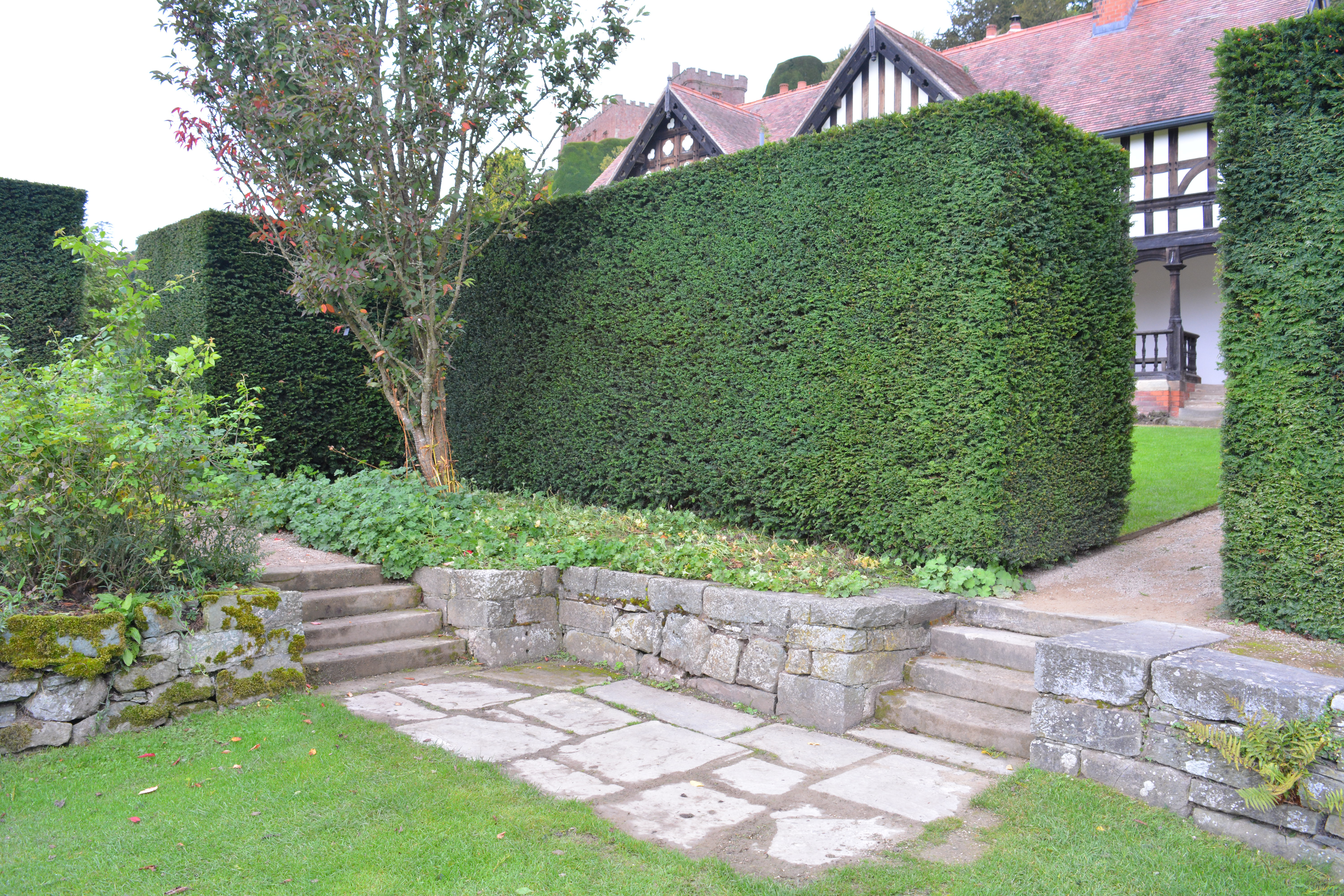
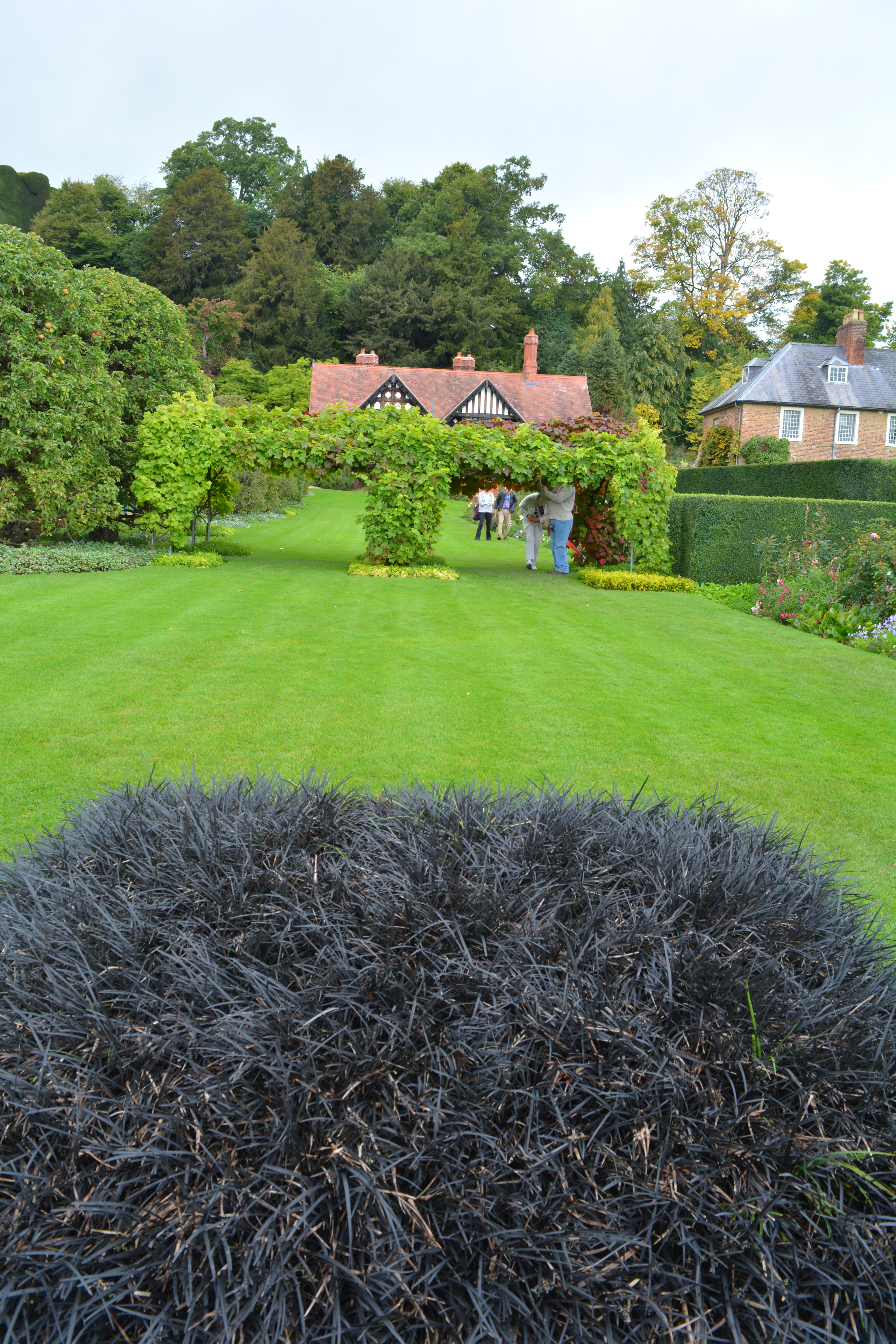
Once in the lower garden, paths move off in different directions and the yew hedge is much more formally presented and at times much smaller.


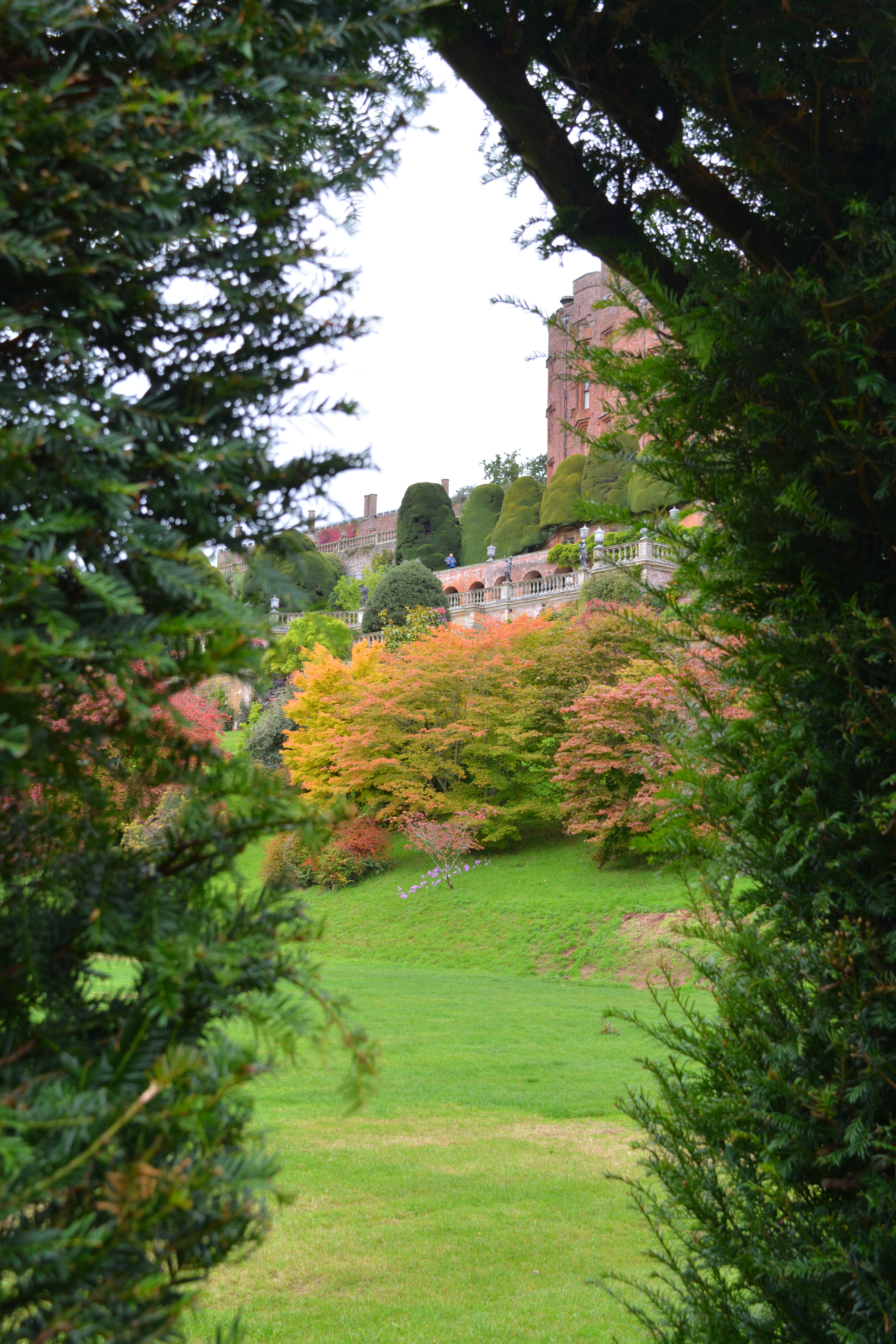
Archways and windows are cut through the hedge to give views of other parts of the garden or to provide ways into other areas.


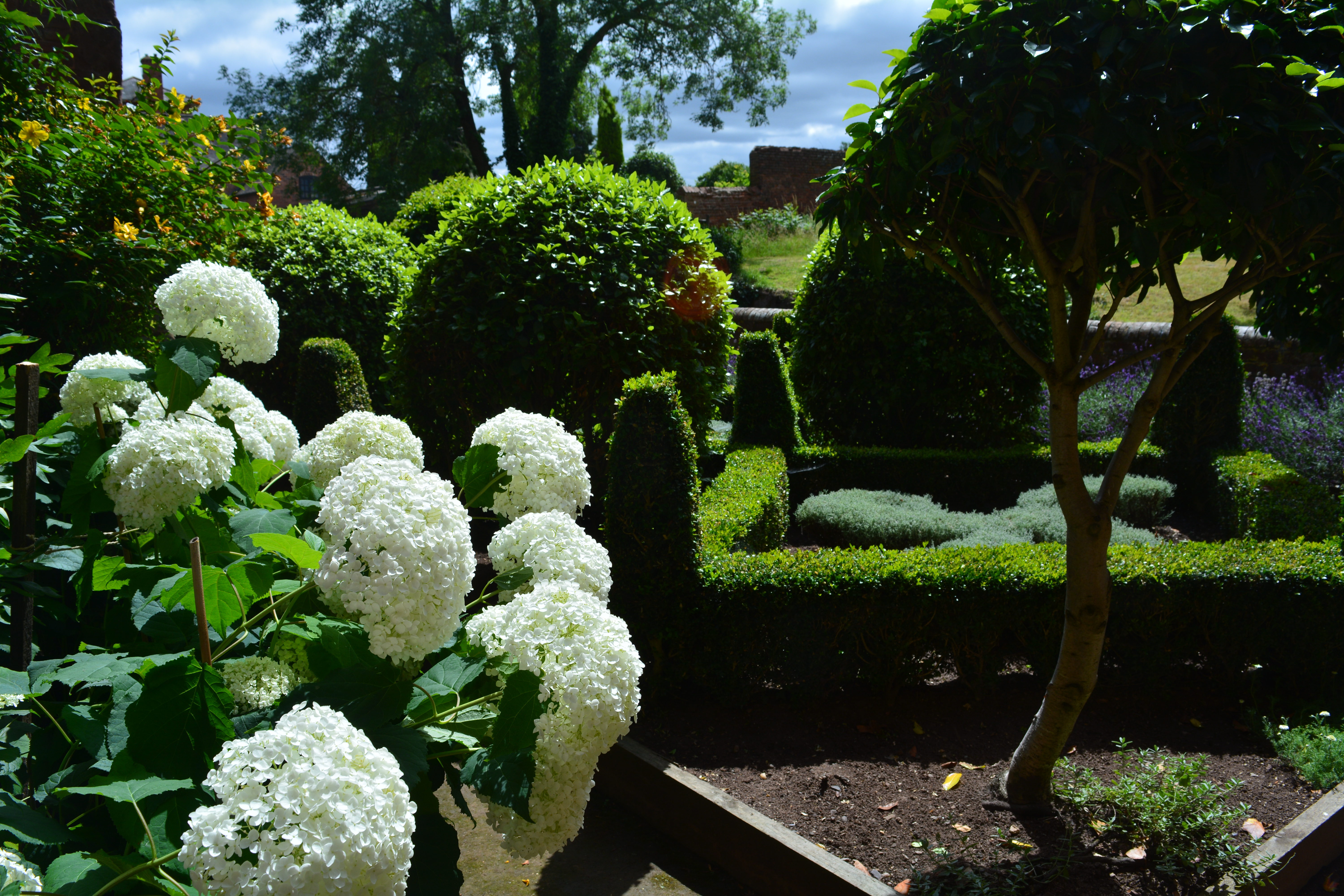
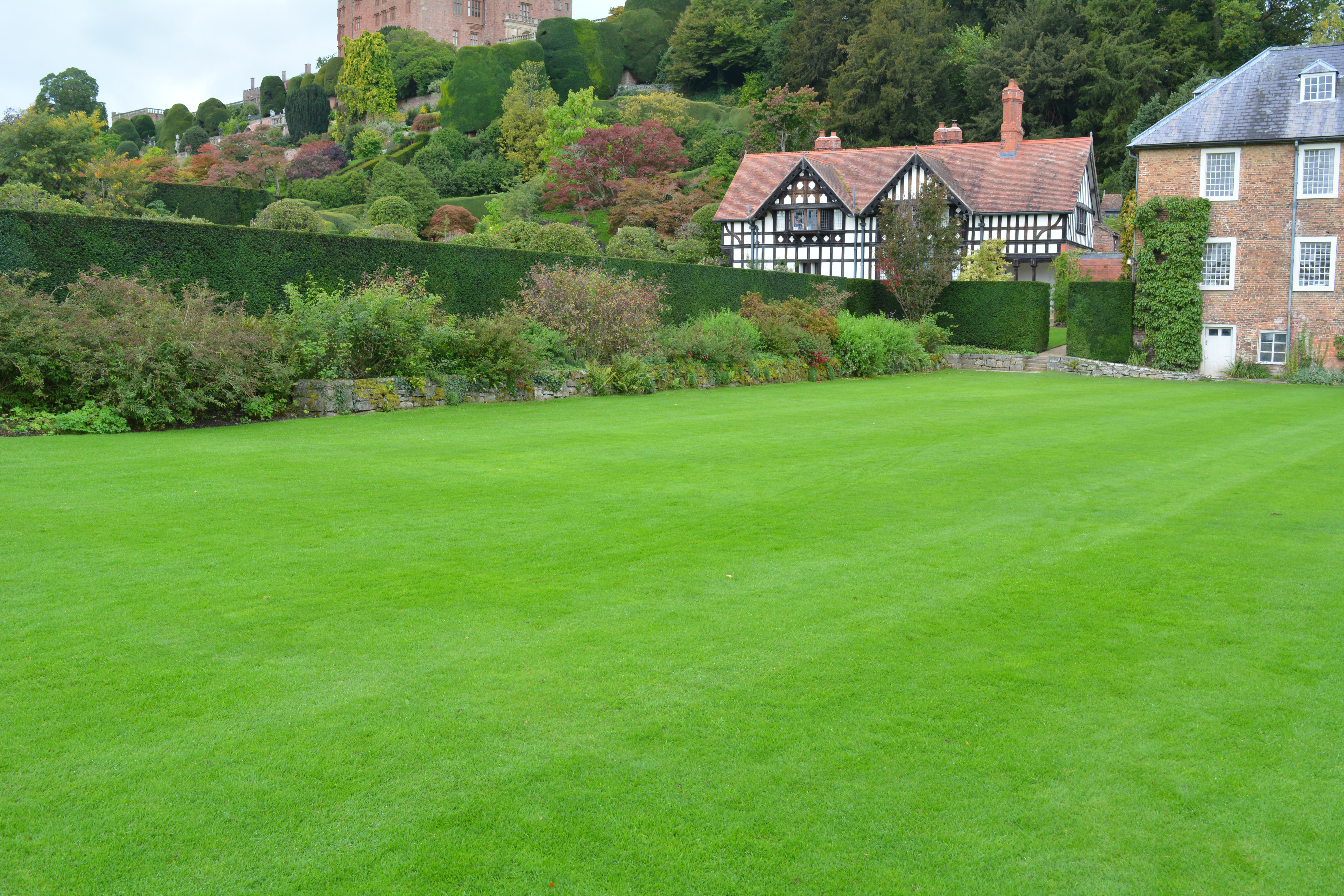
The lower gardens are flat and consist of formal lawns and borders and orchards.


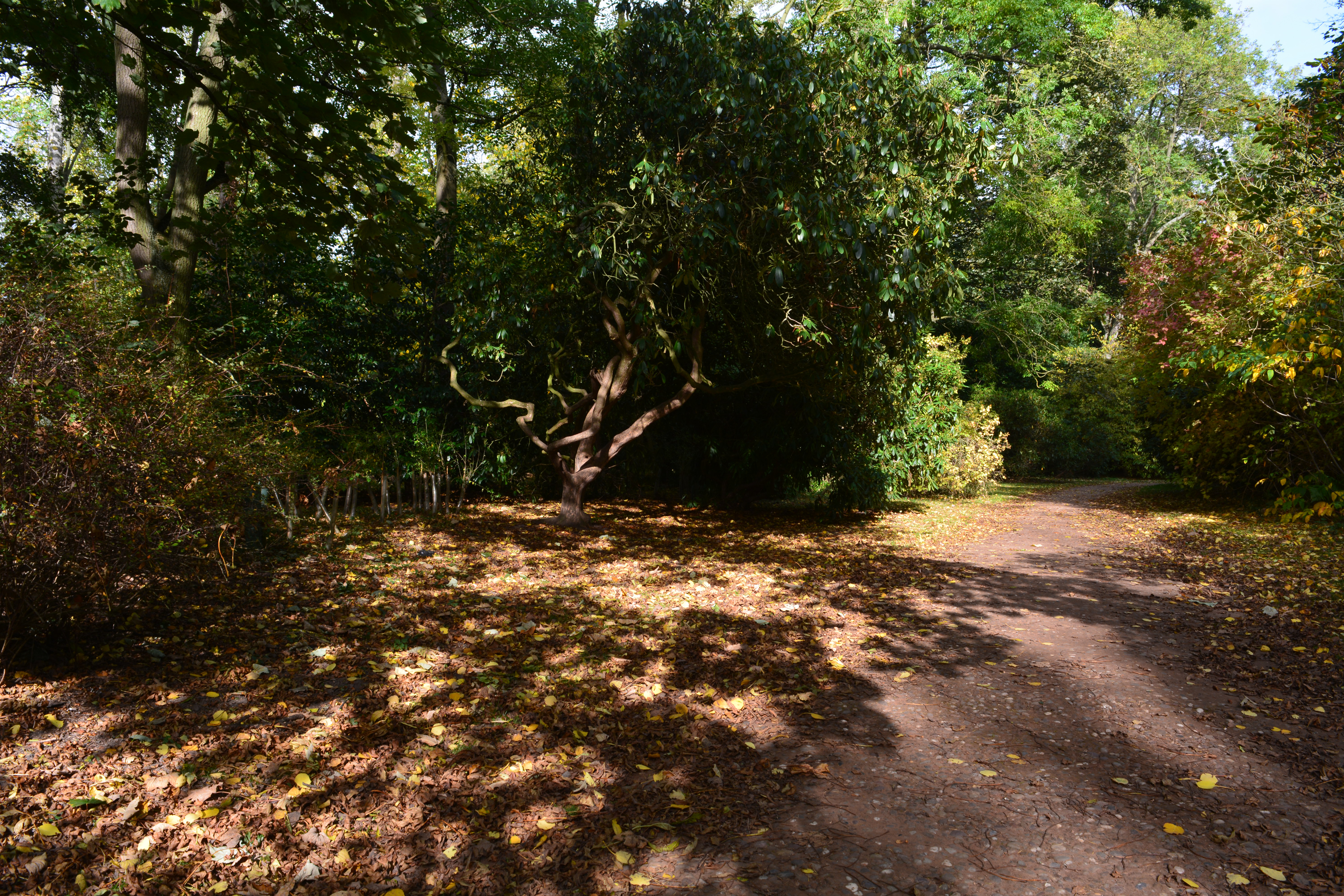
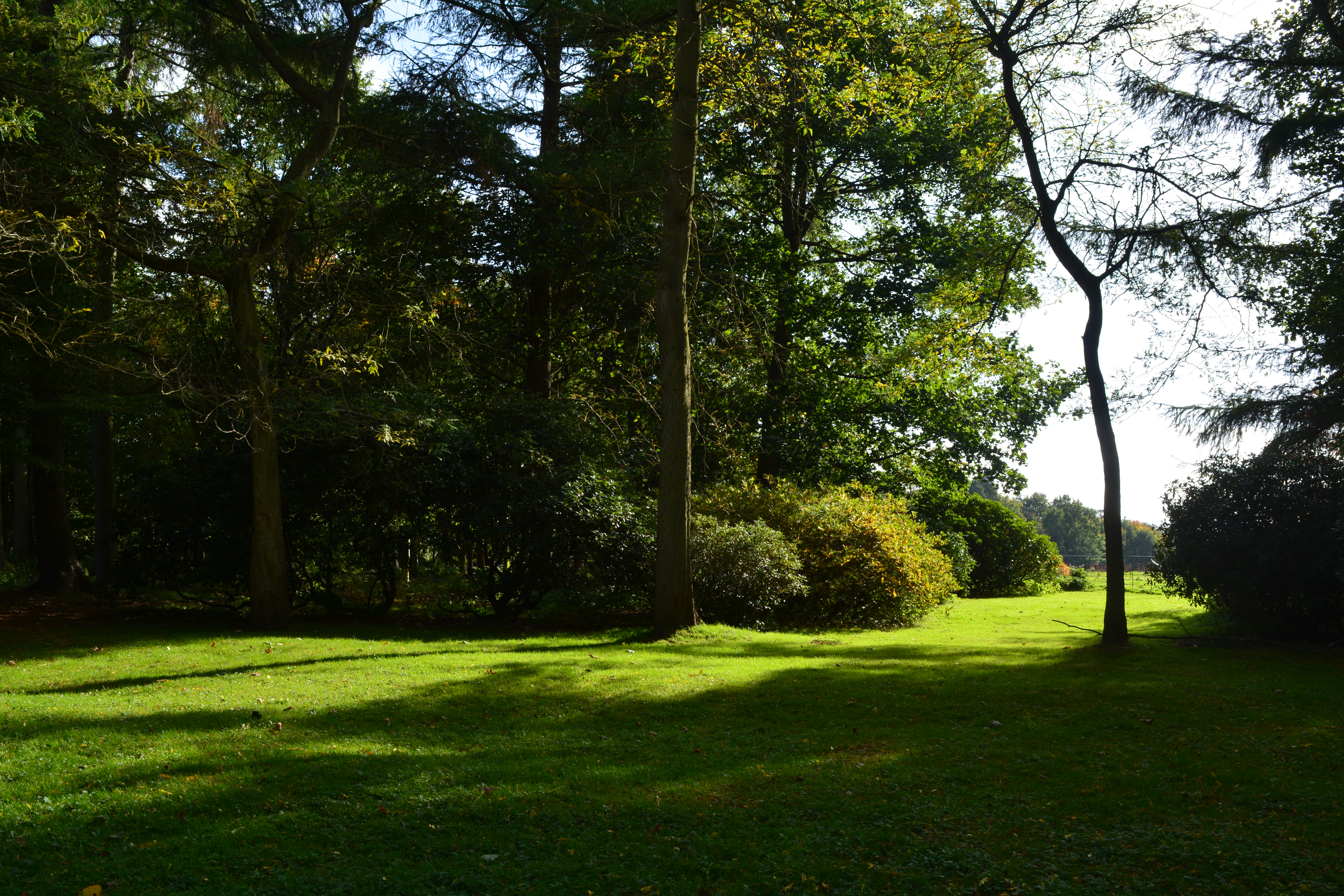
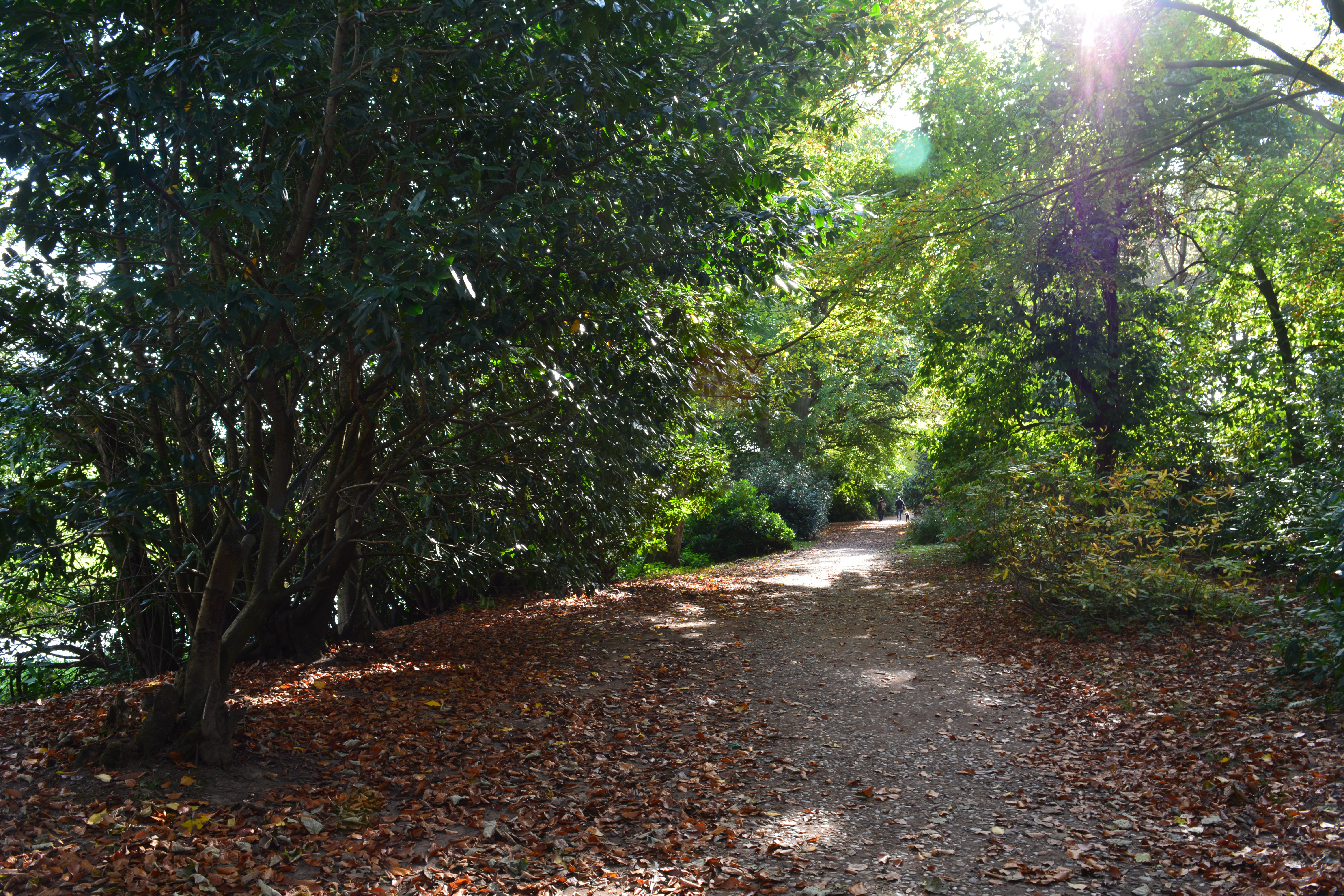
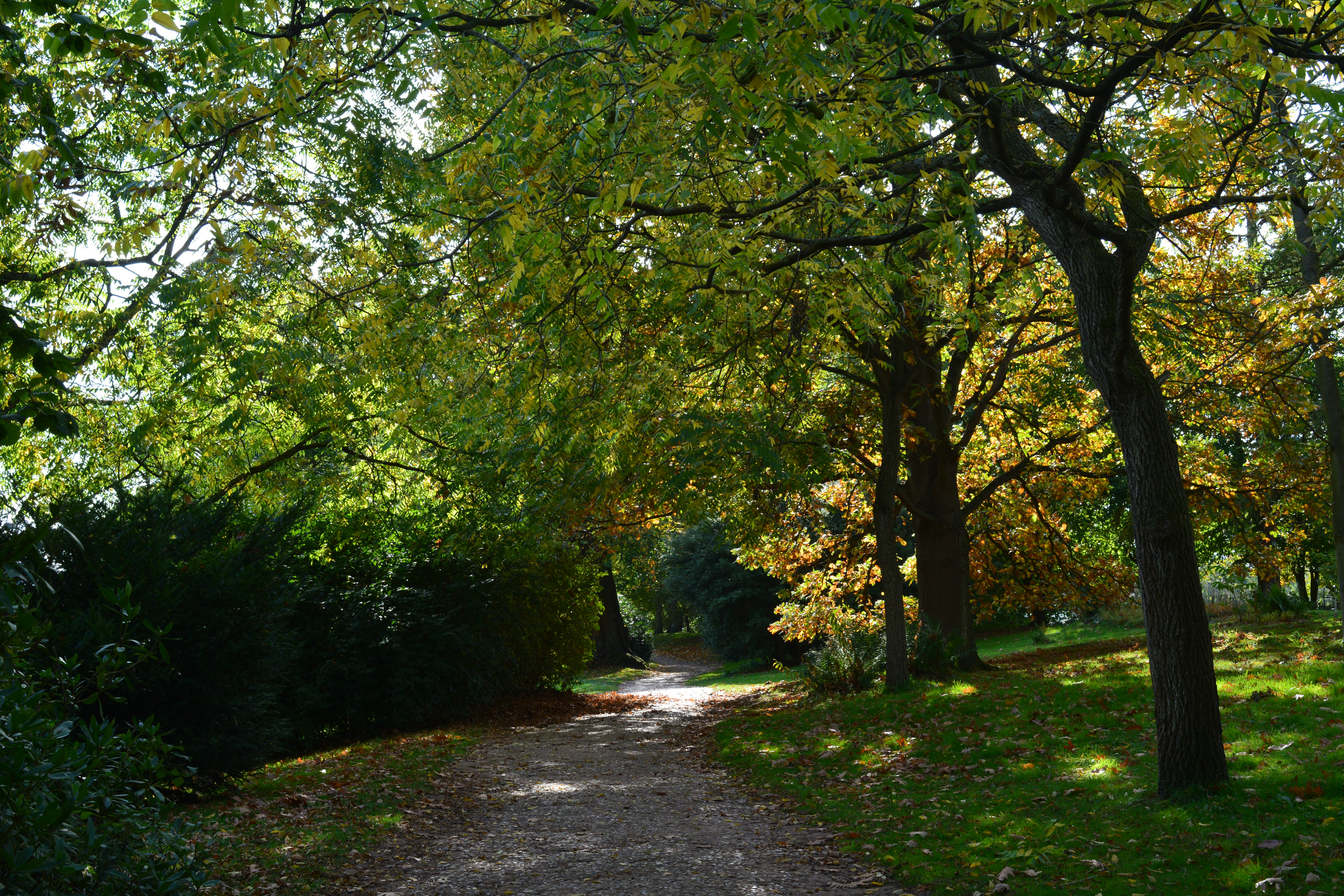
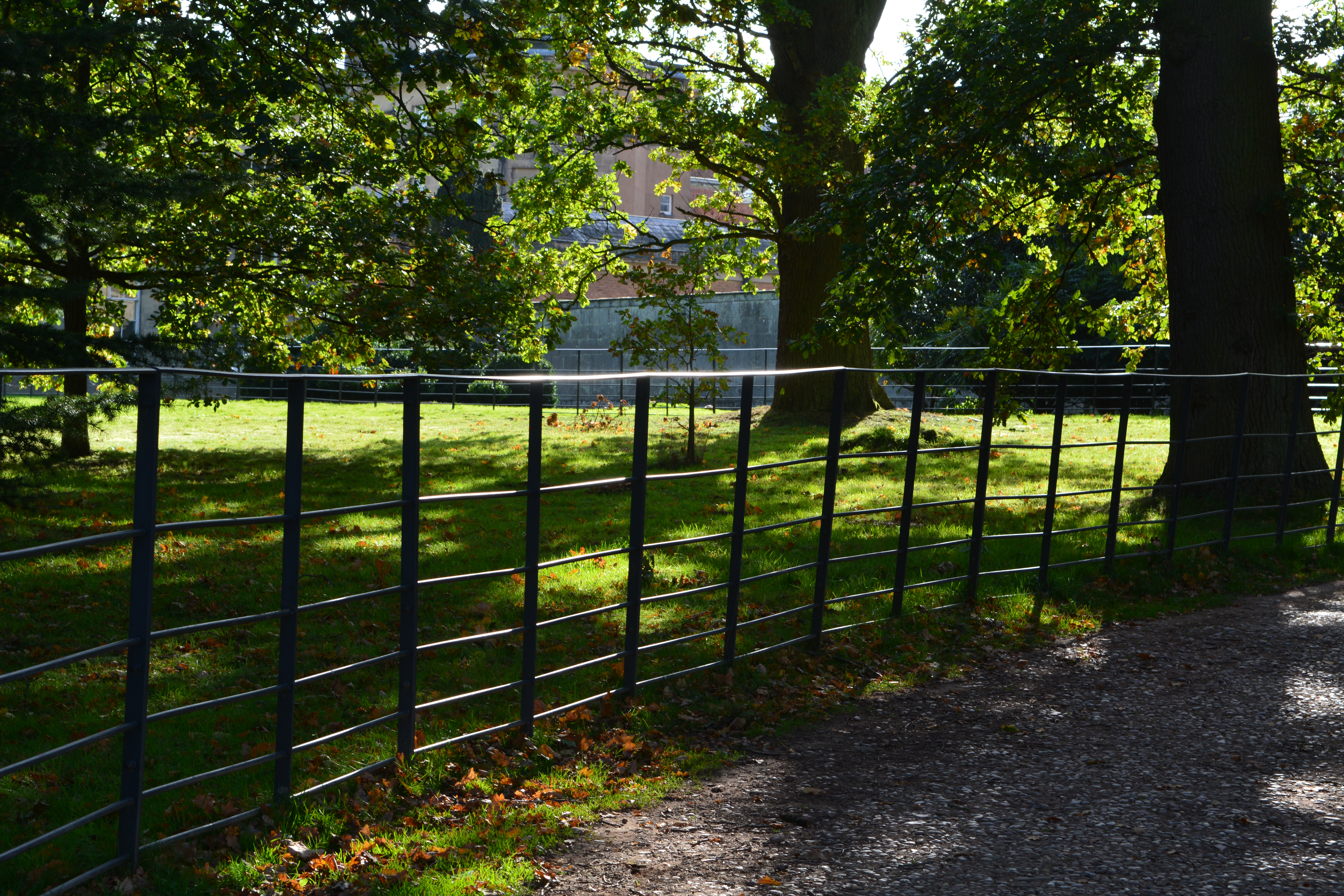
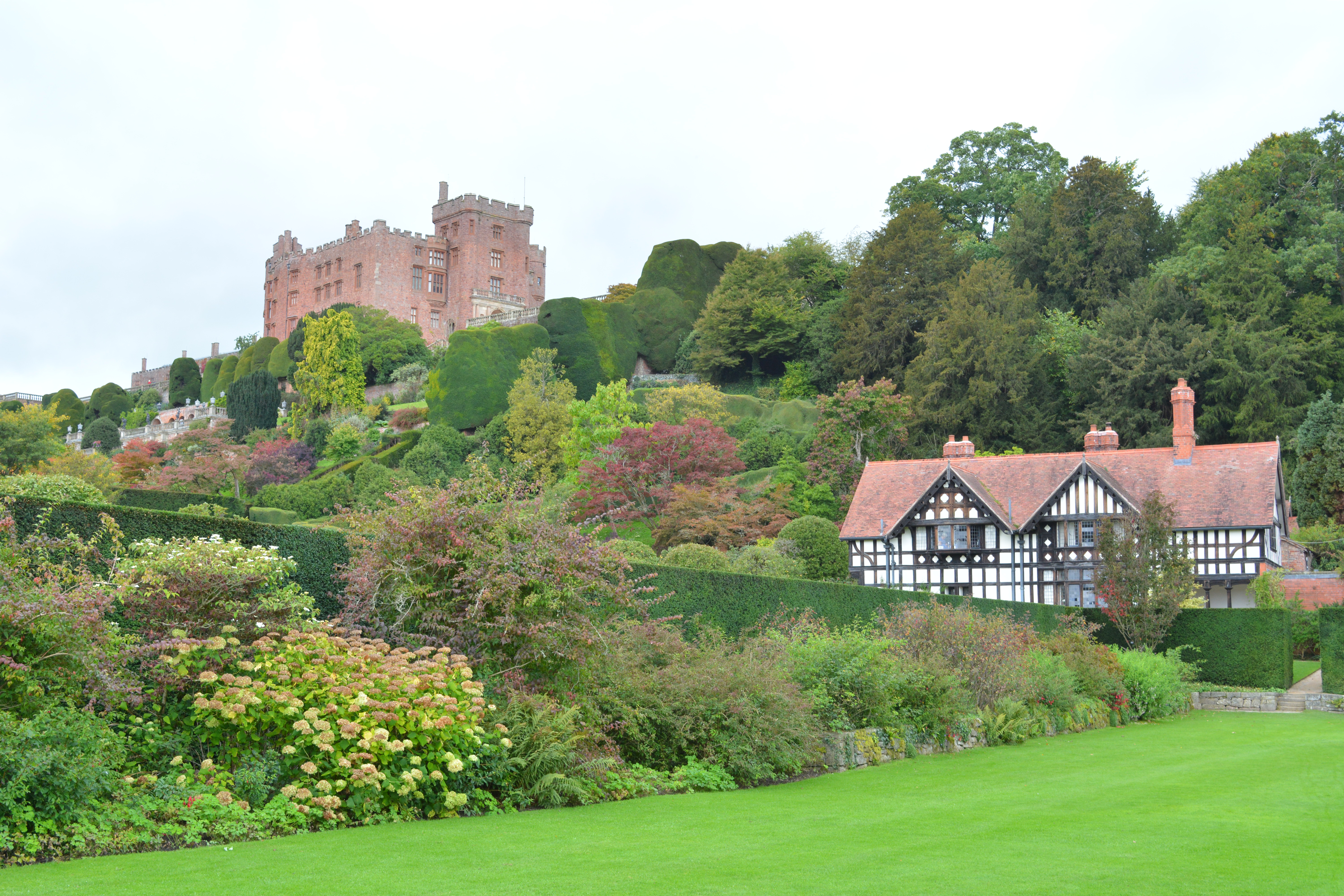
From the lower garden we found a woodland edge path to follow to make our way back to the lower terrace. The view back to the castle and terraces was a beautiful sight.


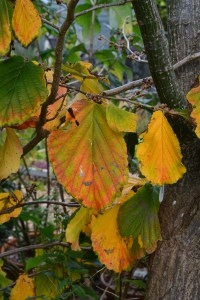
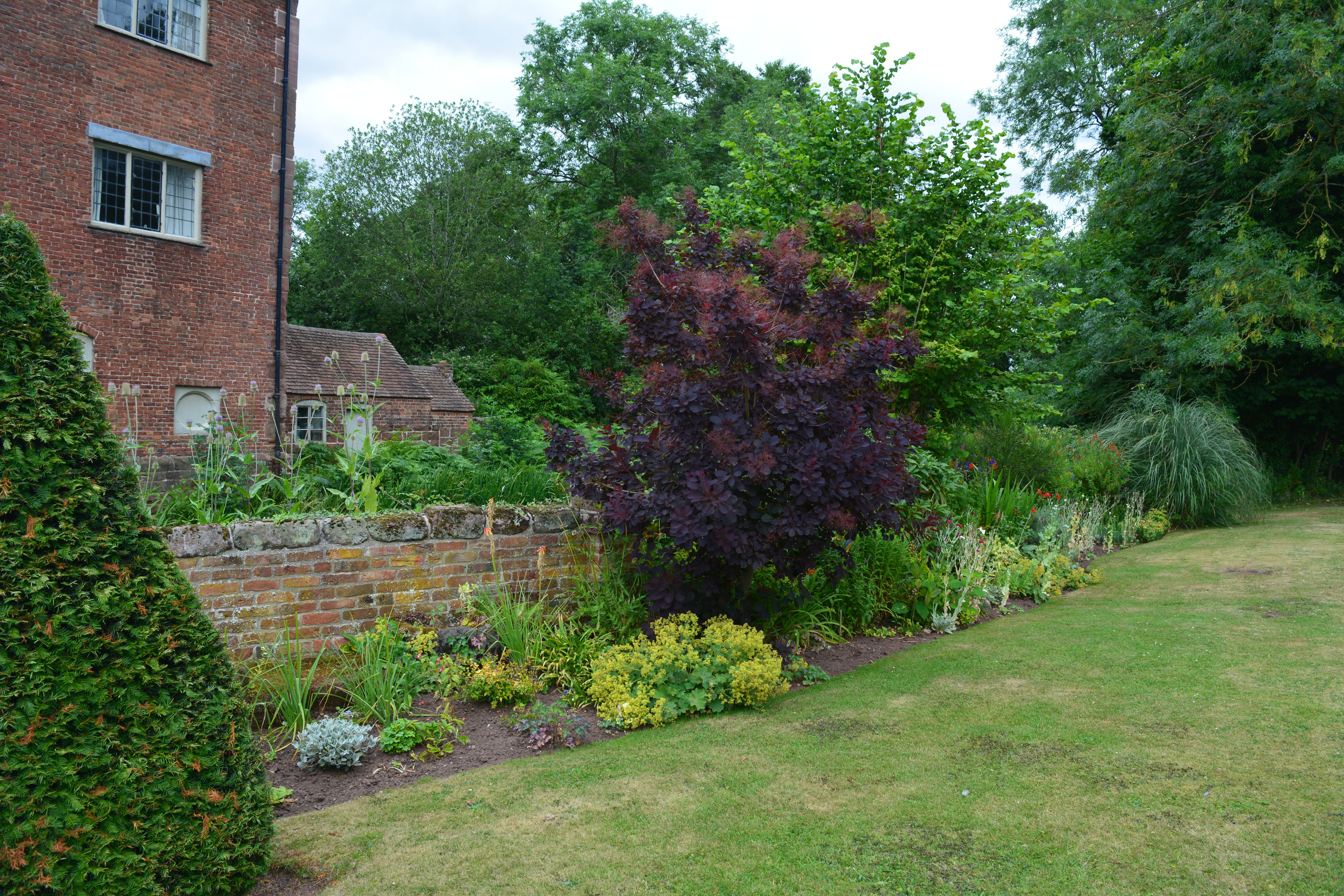
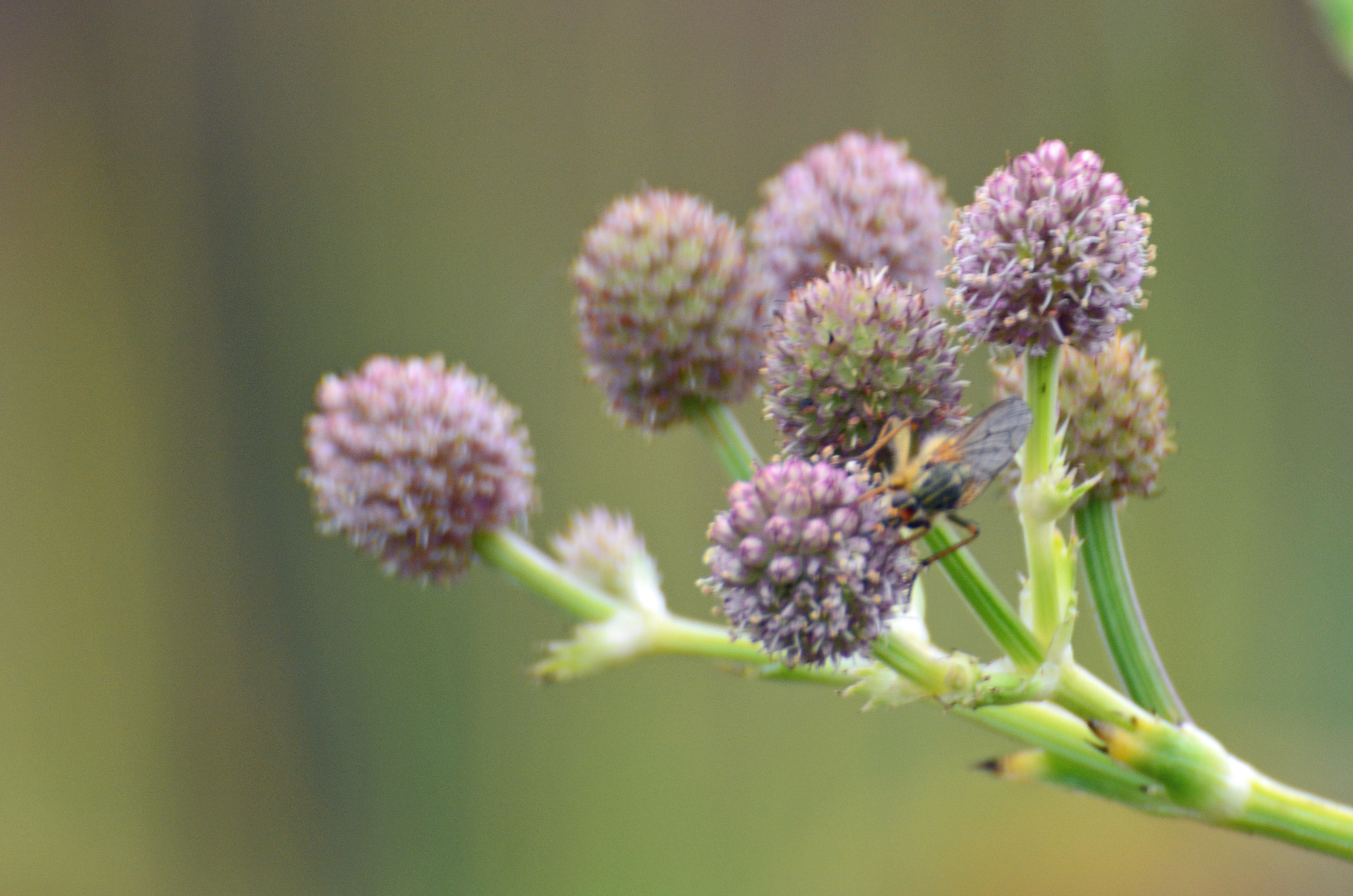
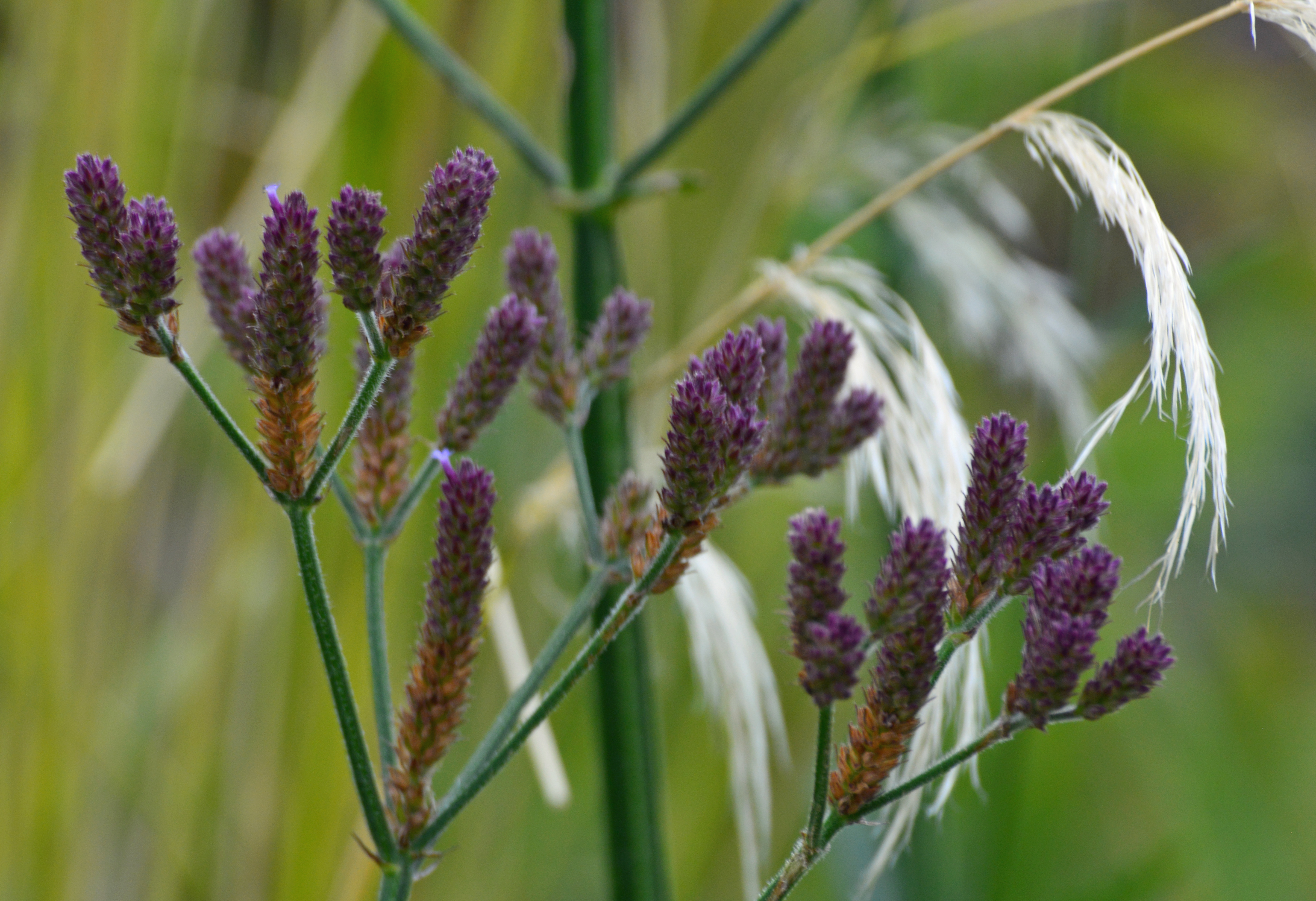
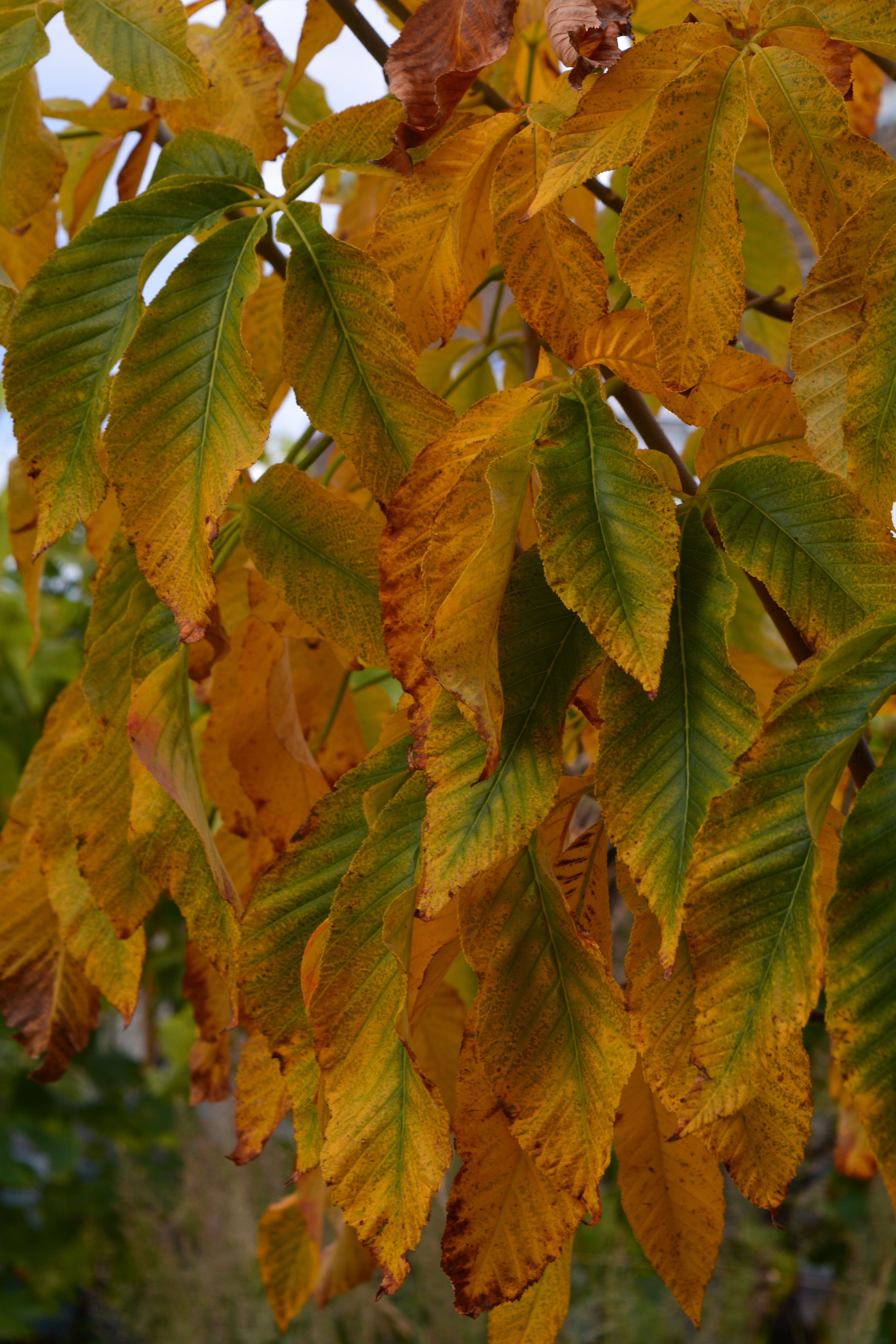
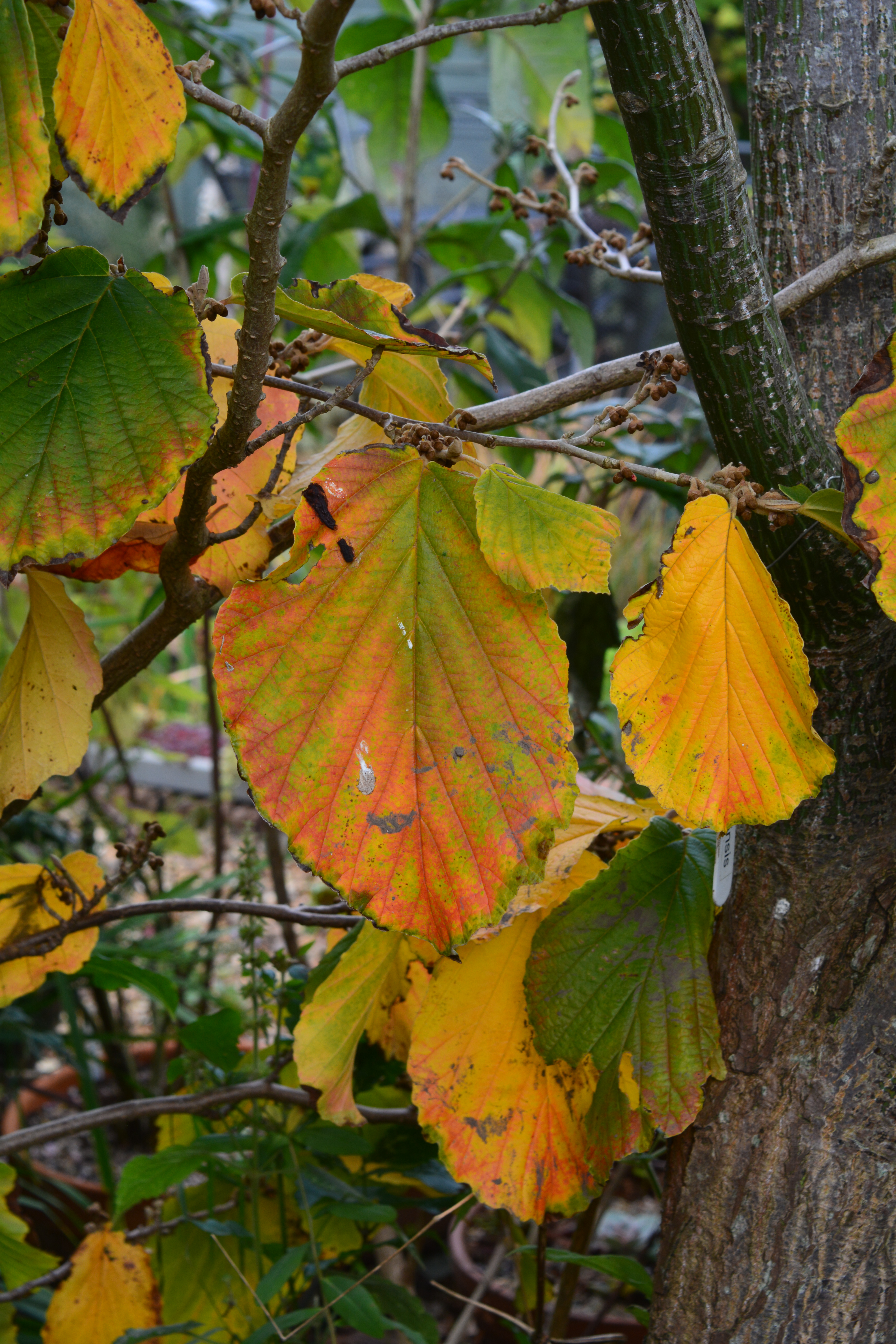
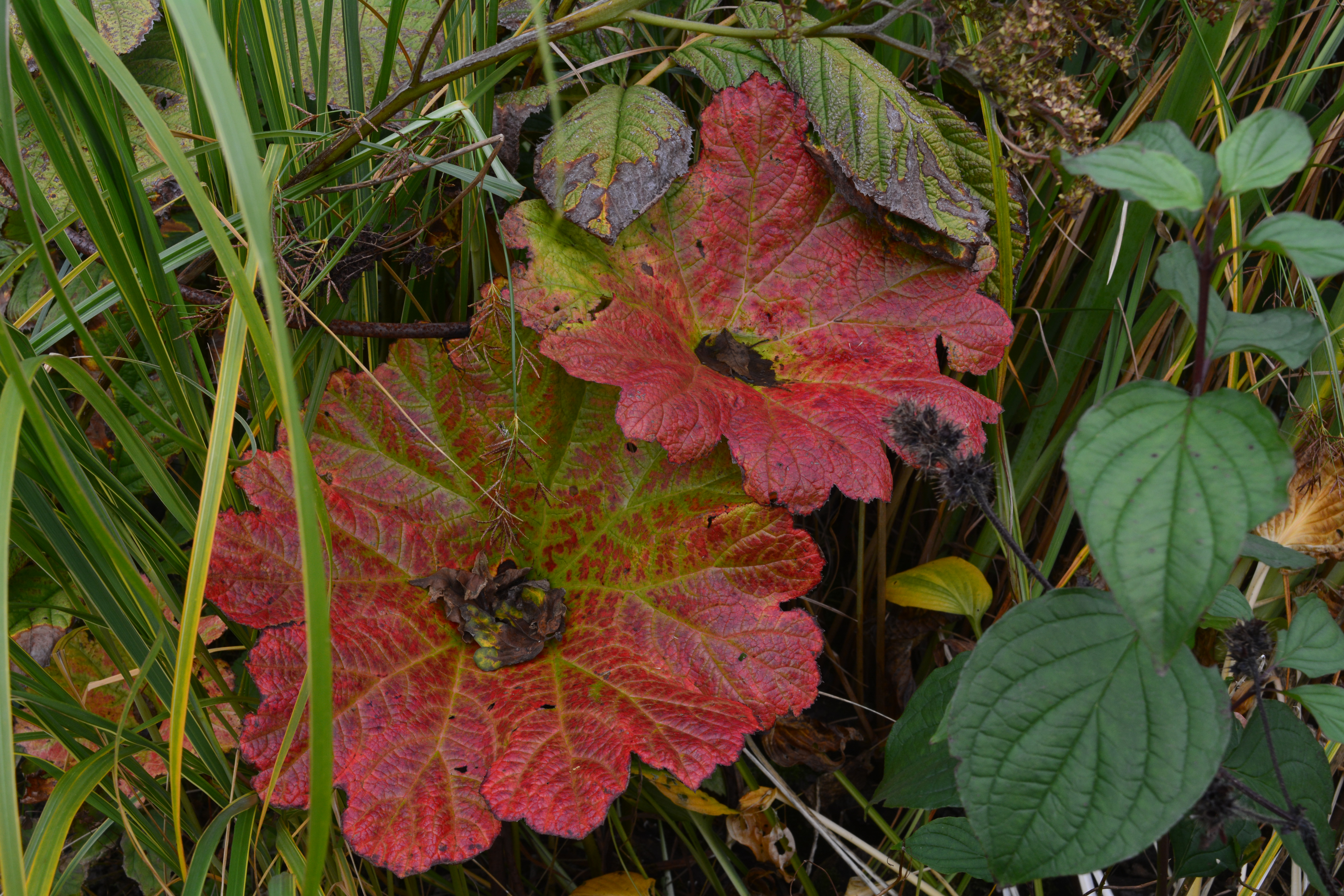
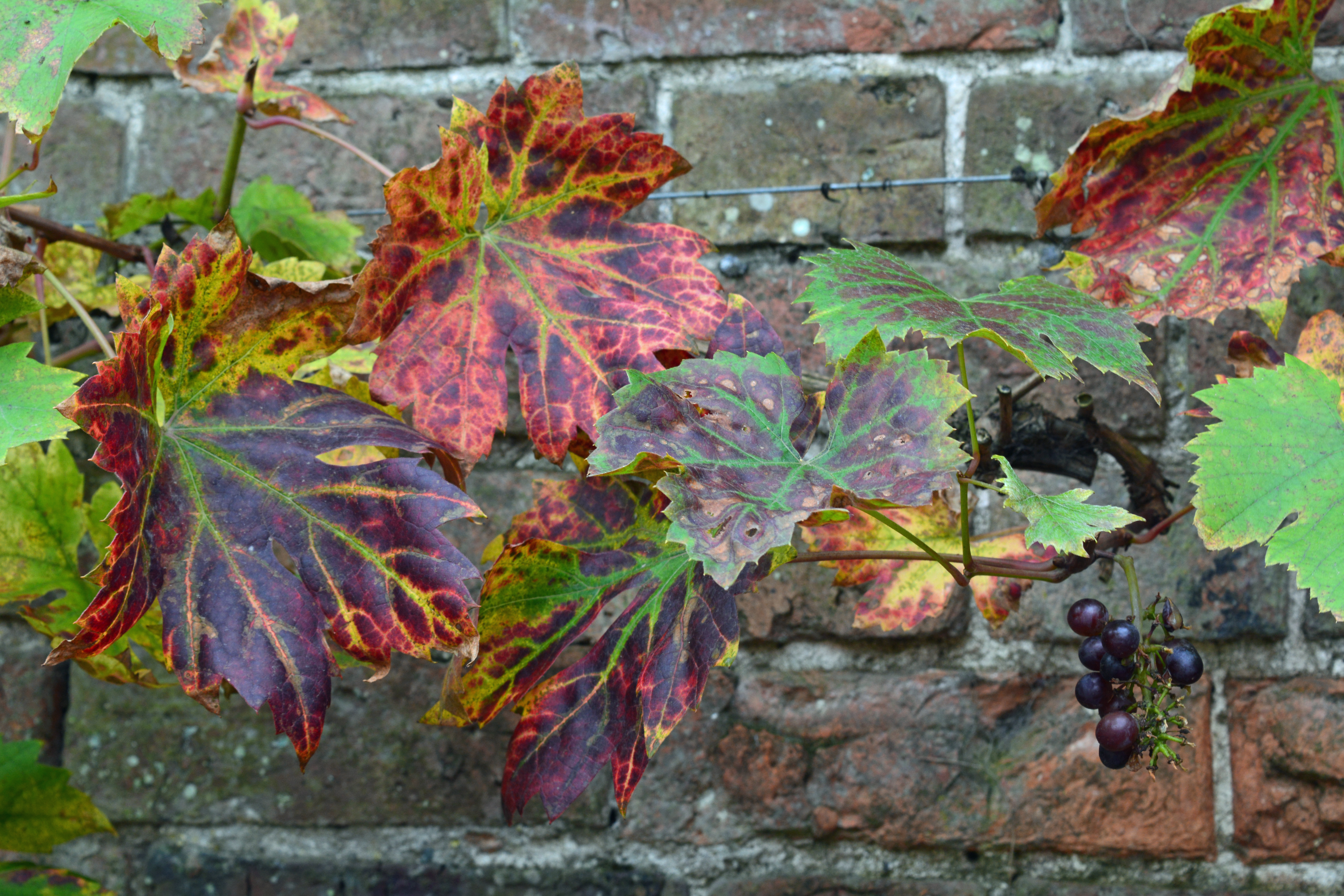
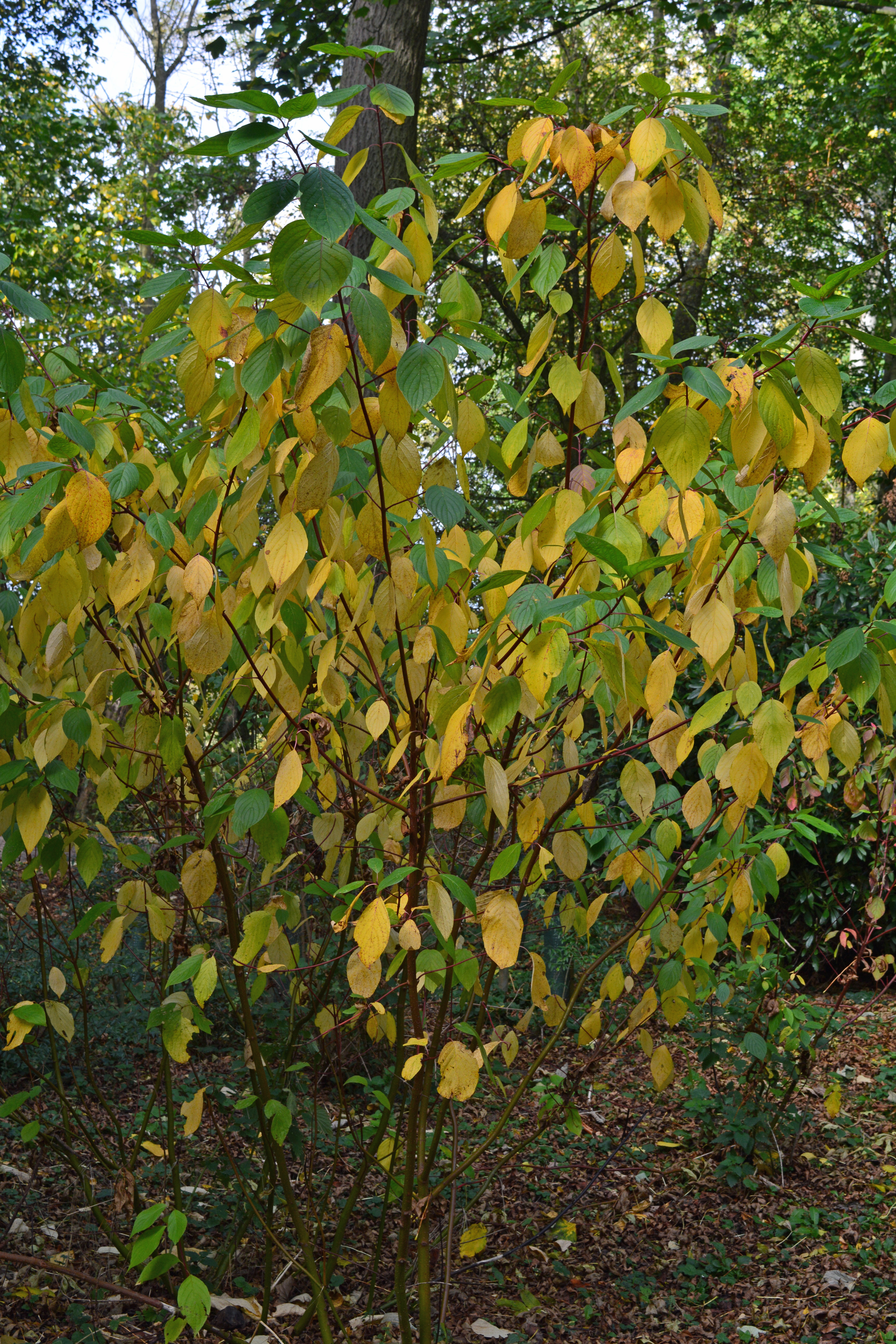
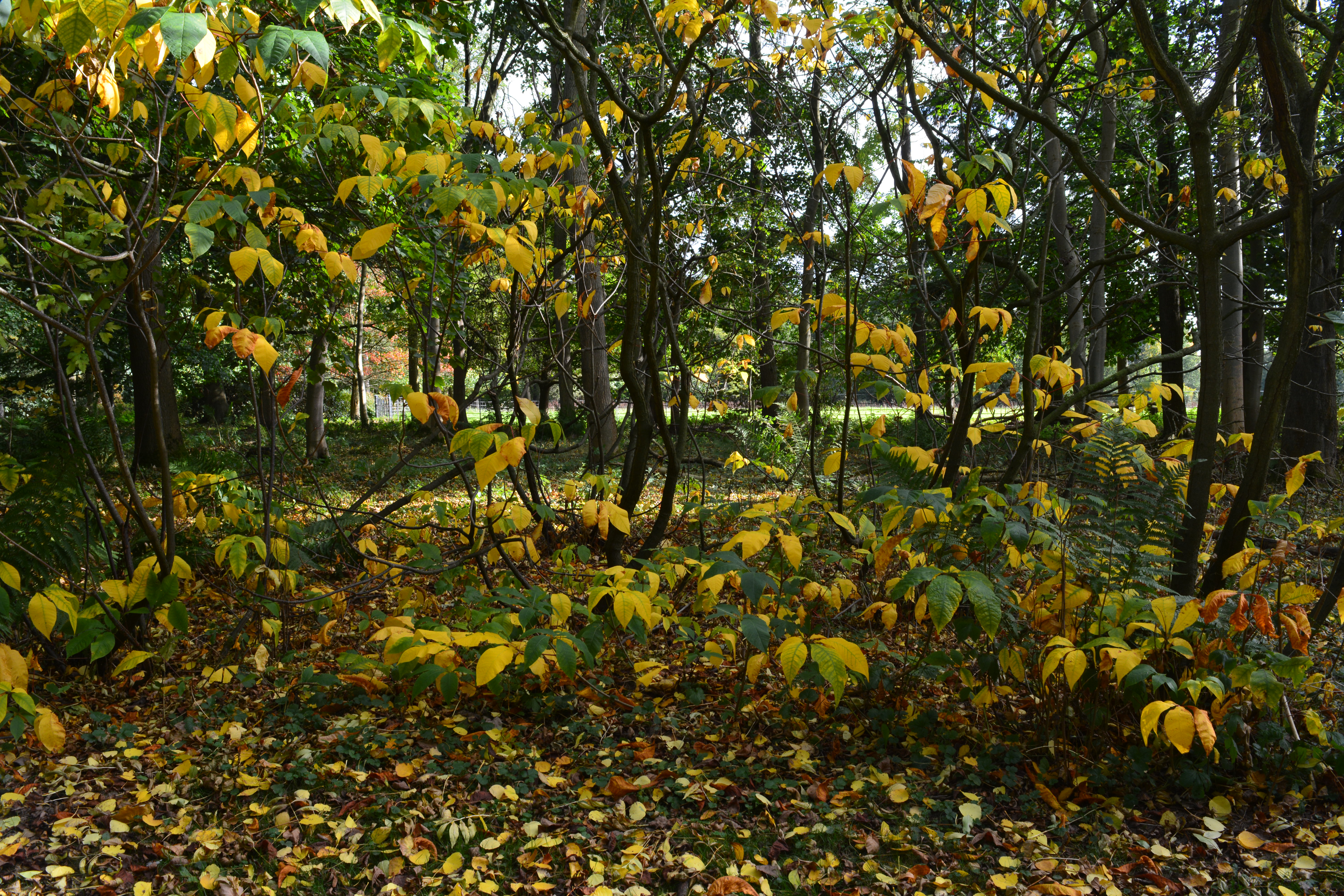
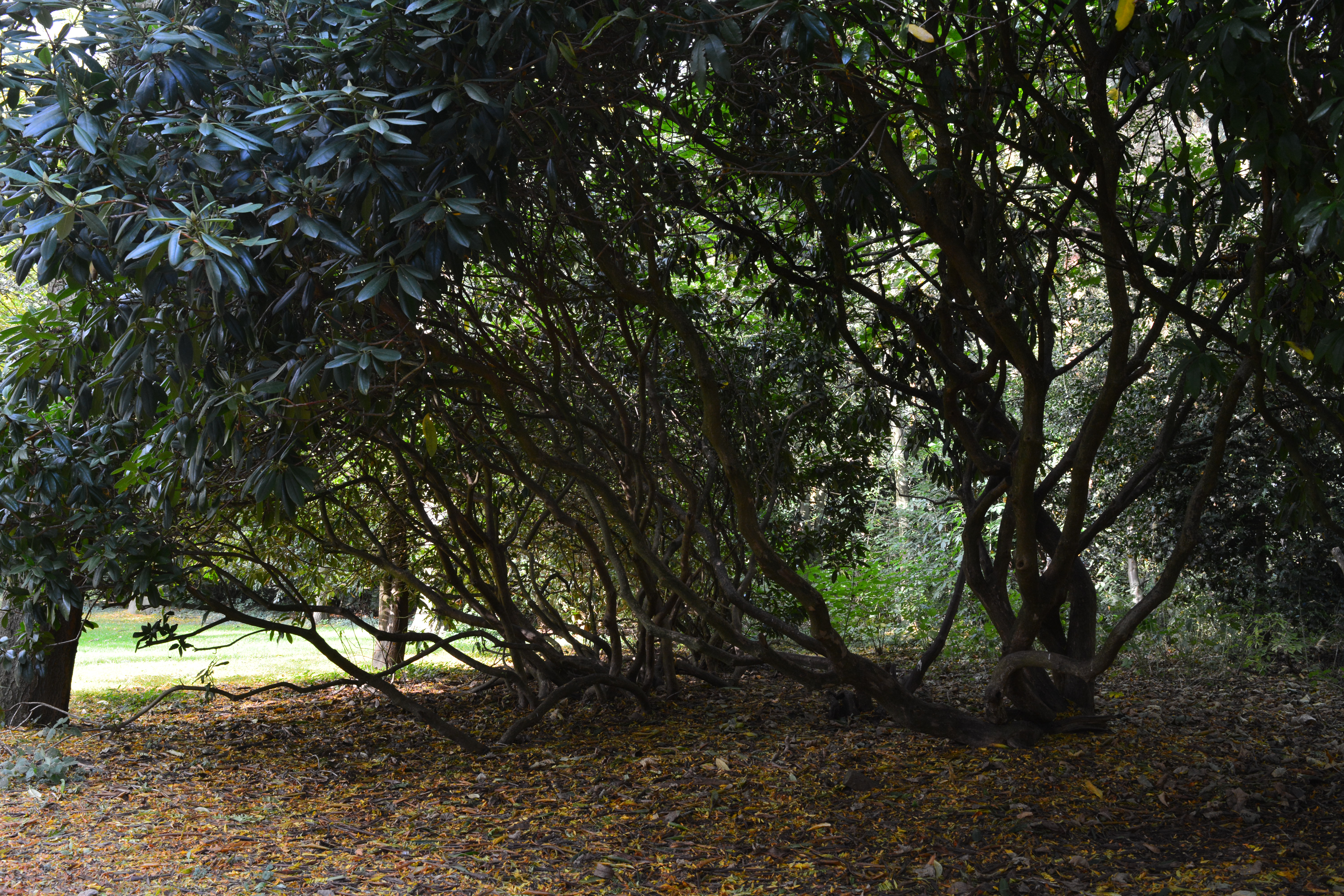
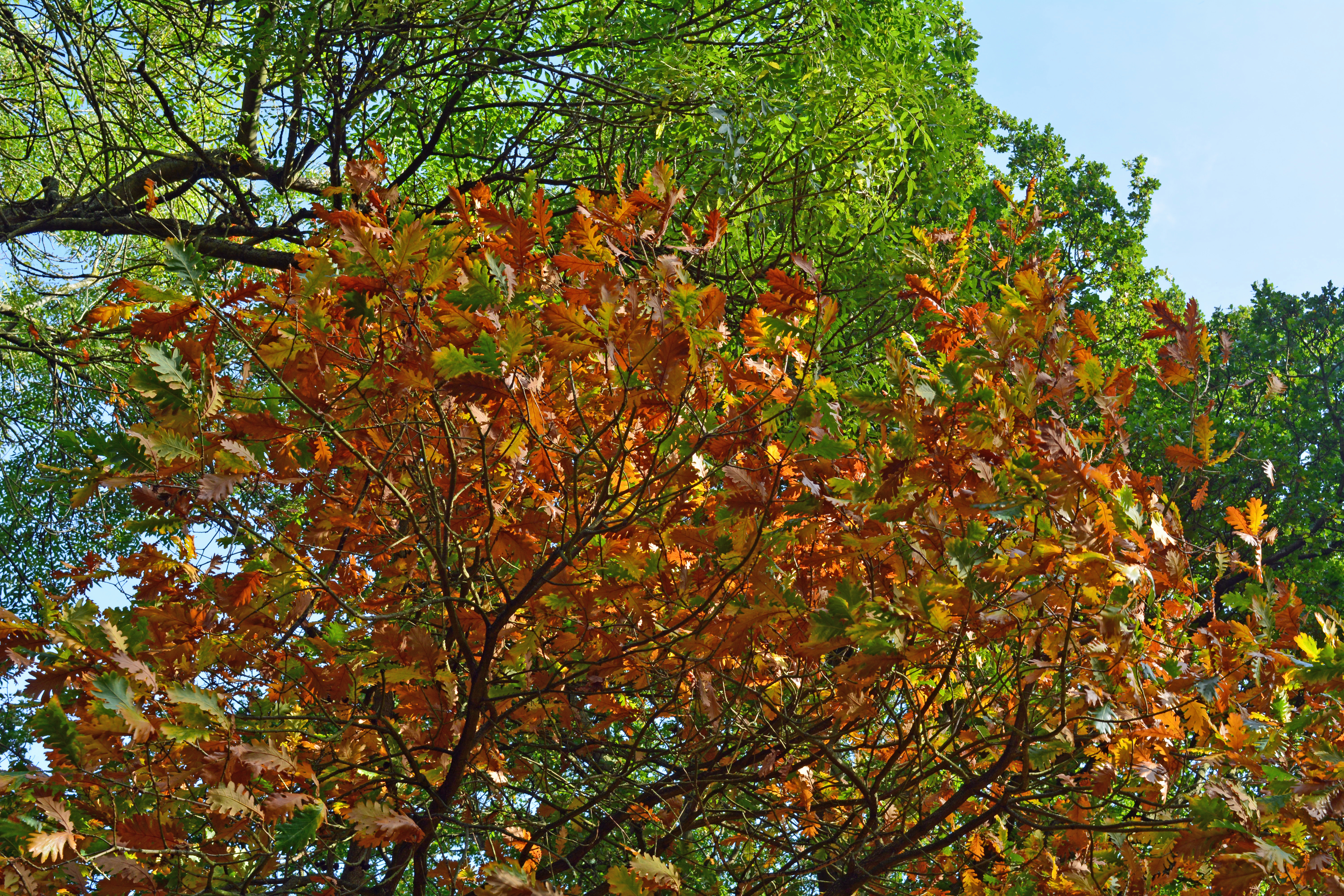
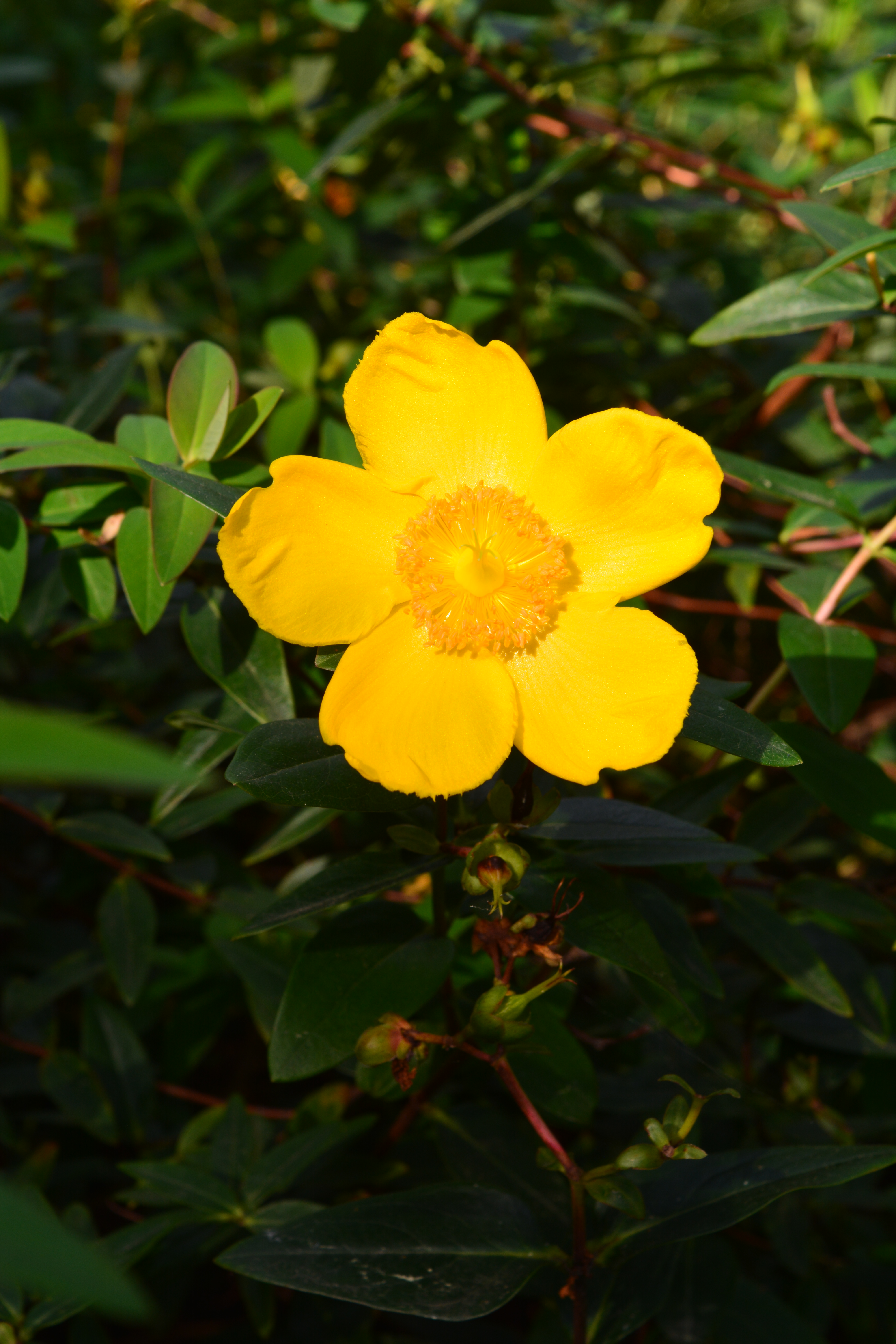
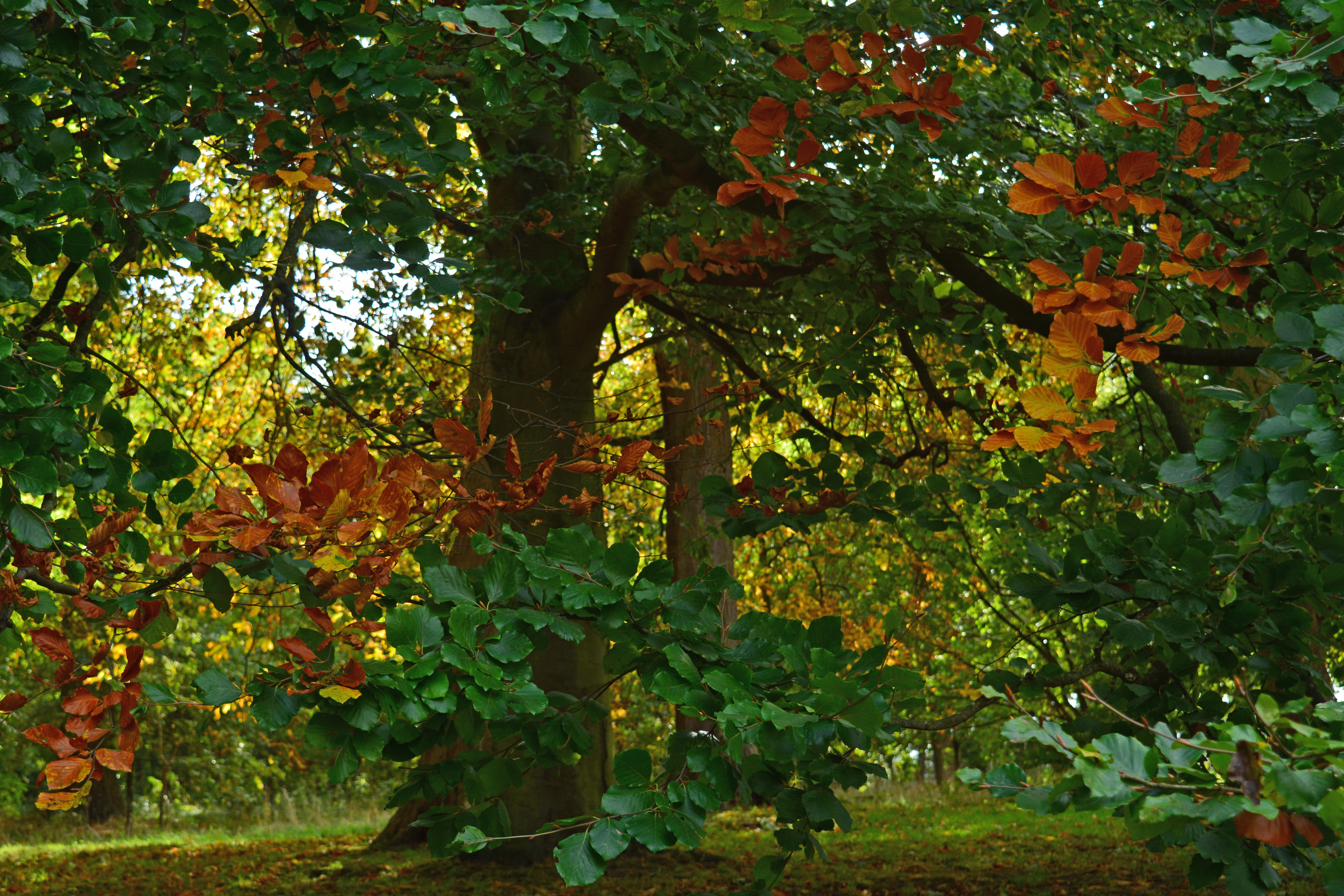
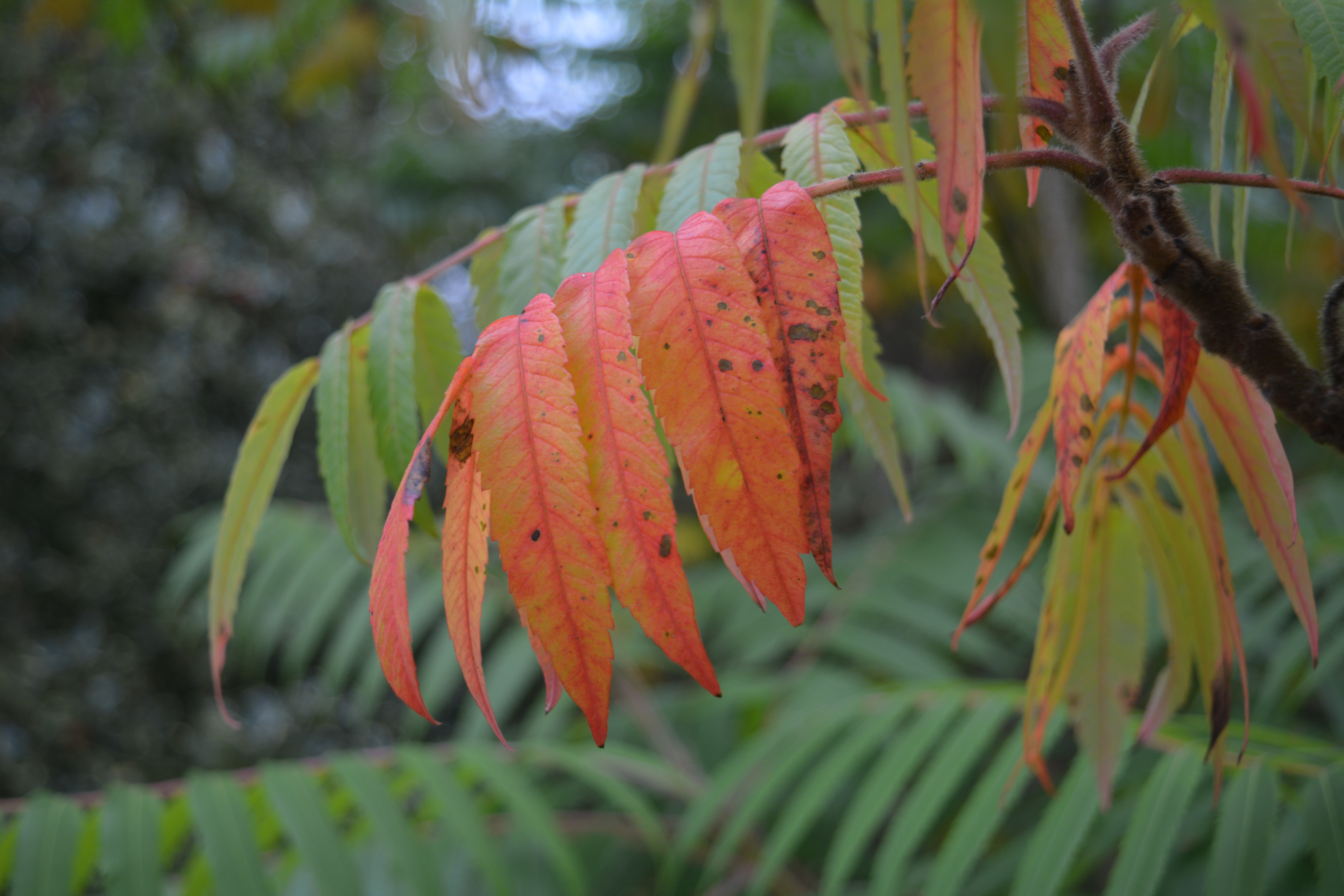
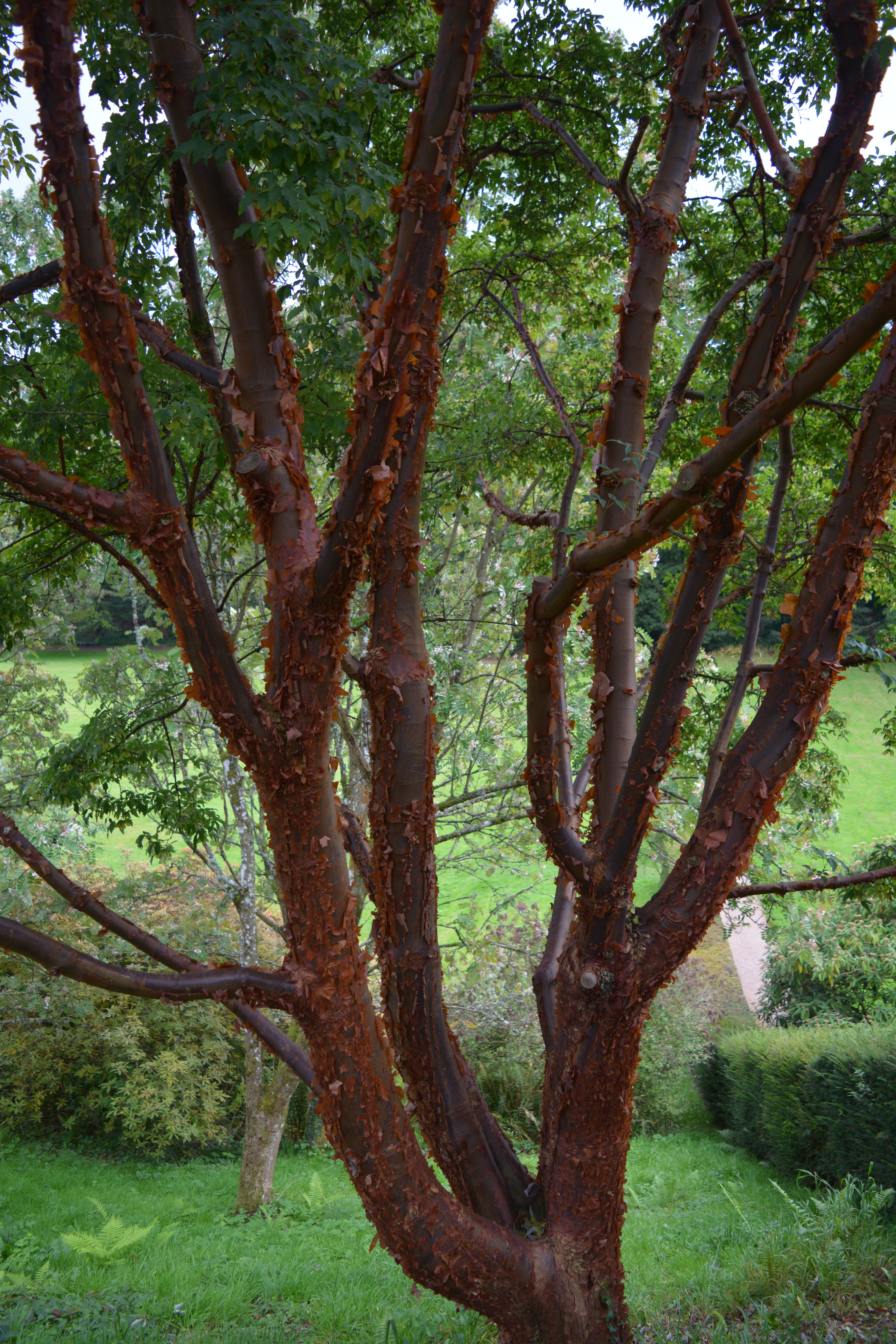
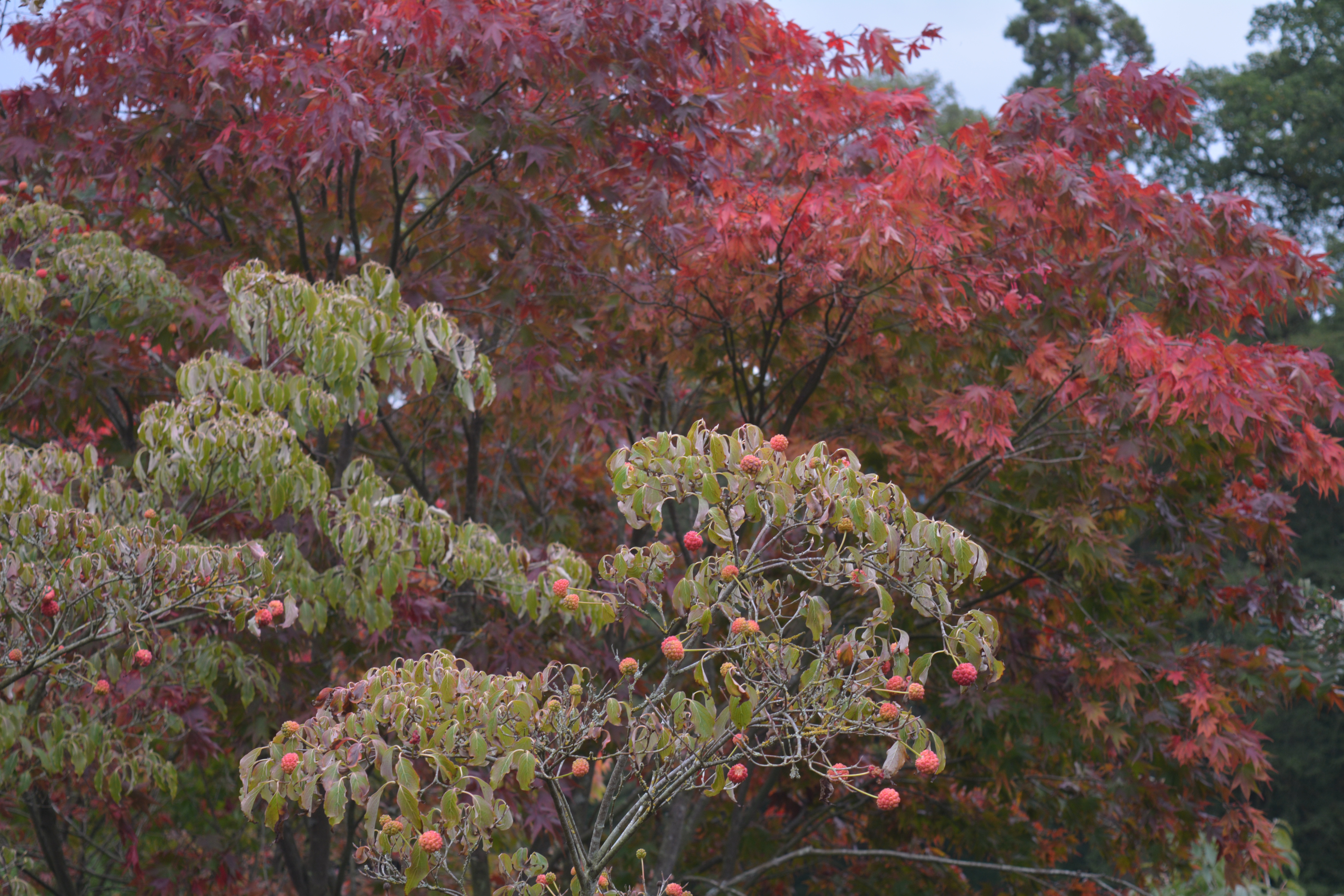
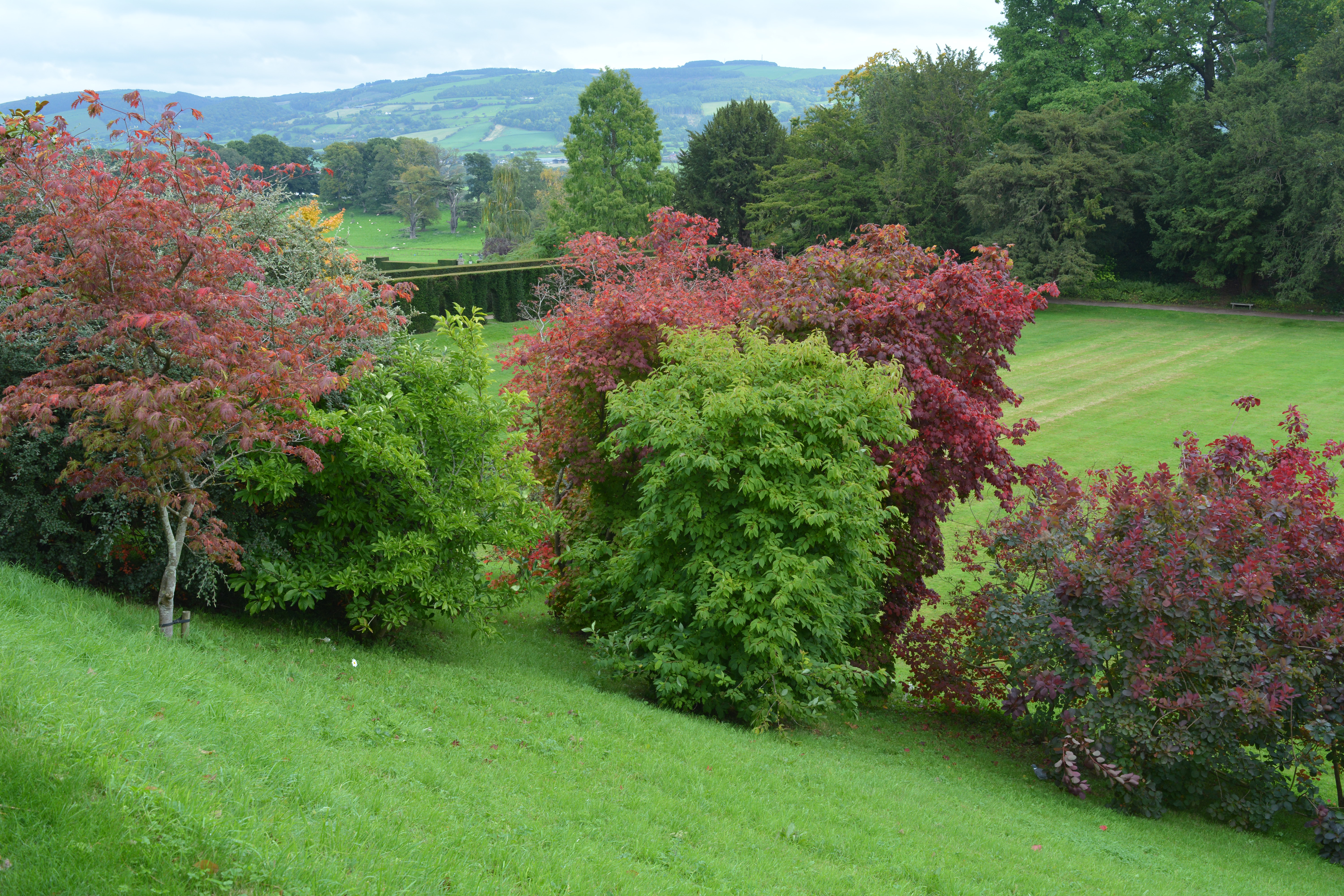
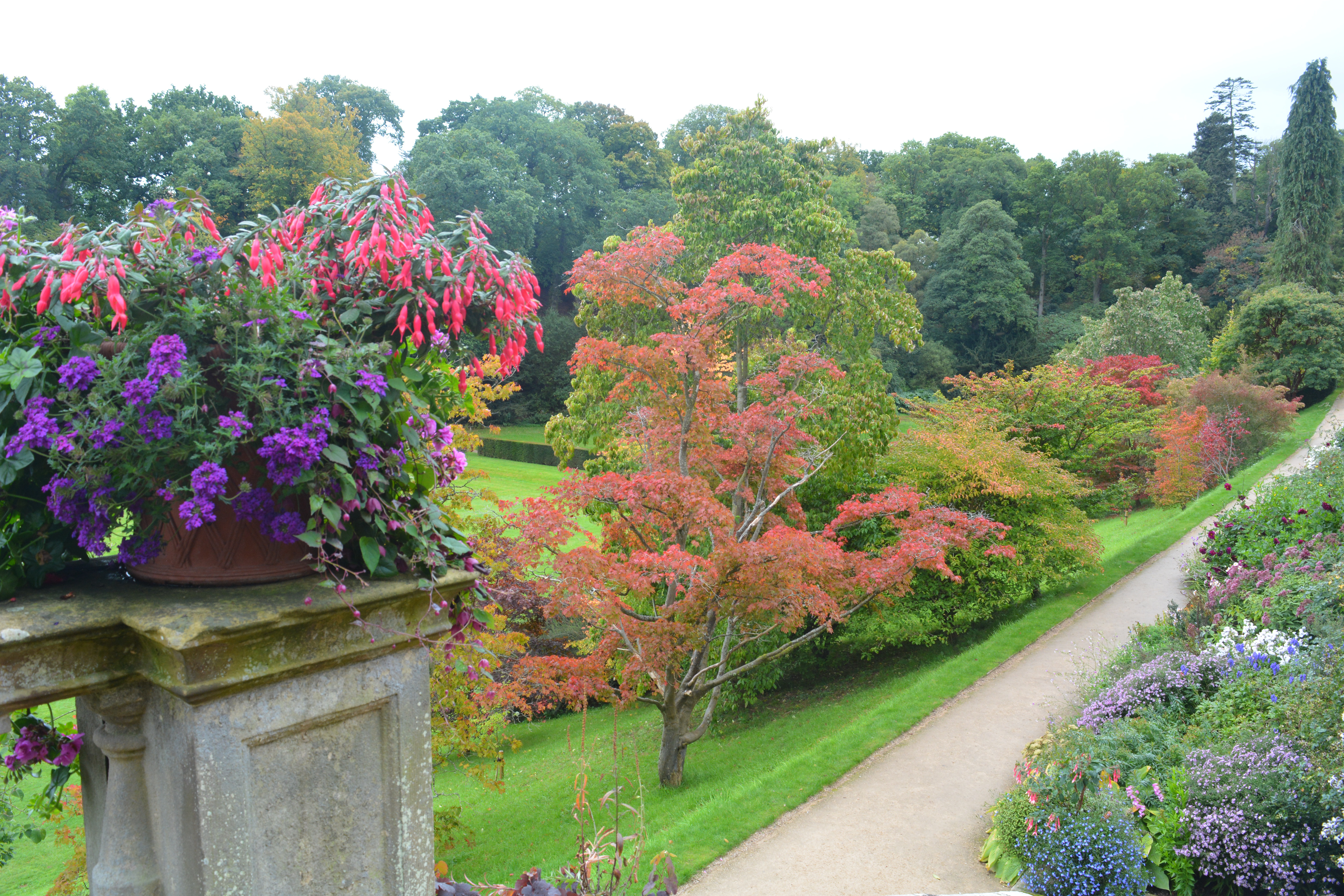
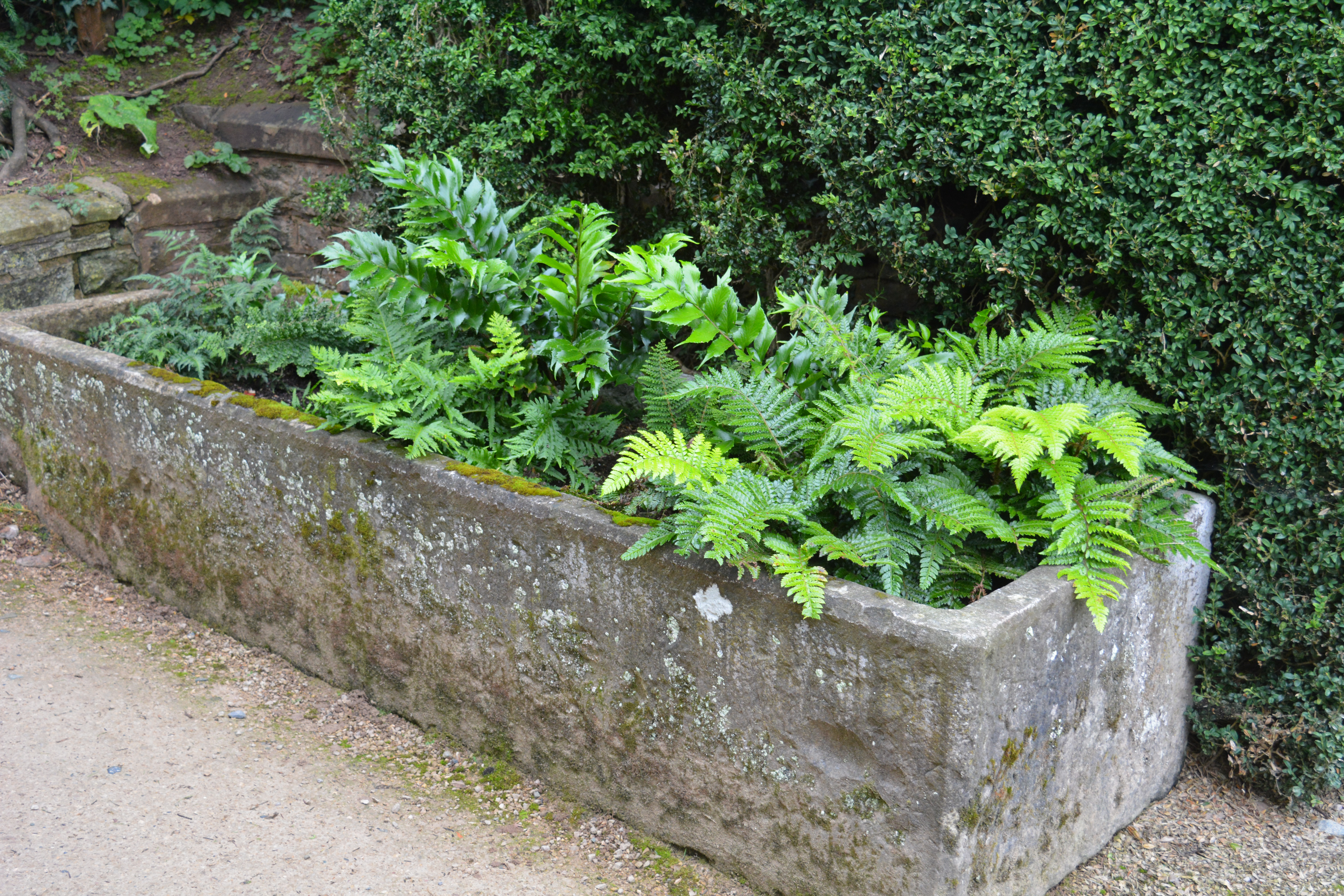
Alongside the path we were treated to a few woodland specialities as we made our way below the castle itself and soon met up with the lower terrace as the path did a sharp turn. Autumn leaf colours gave the impression of an impressionist painting in yellows, oranges and reds. The gardeners had pruned the trees and shrubs to expose the beauty of the trunks, their shapes, colours and textures.


Perhaps next time we visit these great gardens we will do so in the spring when the daffodil meadow is in full flow.


Categories
autumn autumn colours colours garden design garden photography gardening gardens gardens open to the public half-hardy perennials hardy perennials National Trust photography Powis Powys The National Trust

A Visit to the Wonderful Gardens of Powys Castle – Part 2

Welcome back to Powys Castle gardens. In part 2 I will take you on a journey along the upper terraces, and in part 3 I will look at the lower gardens.

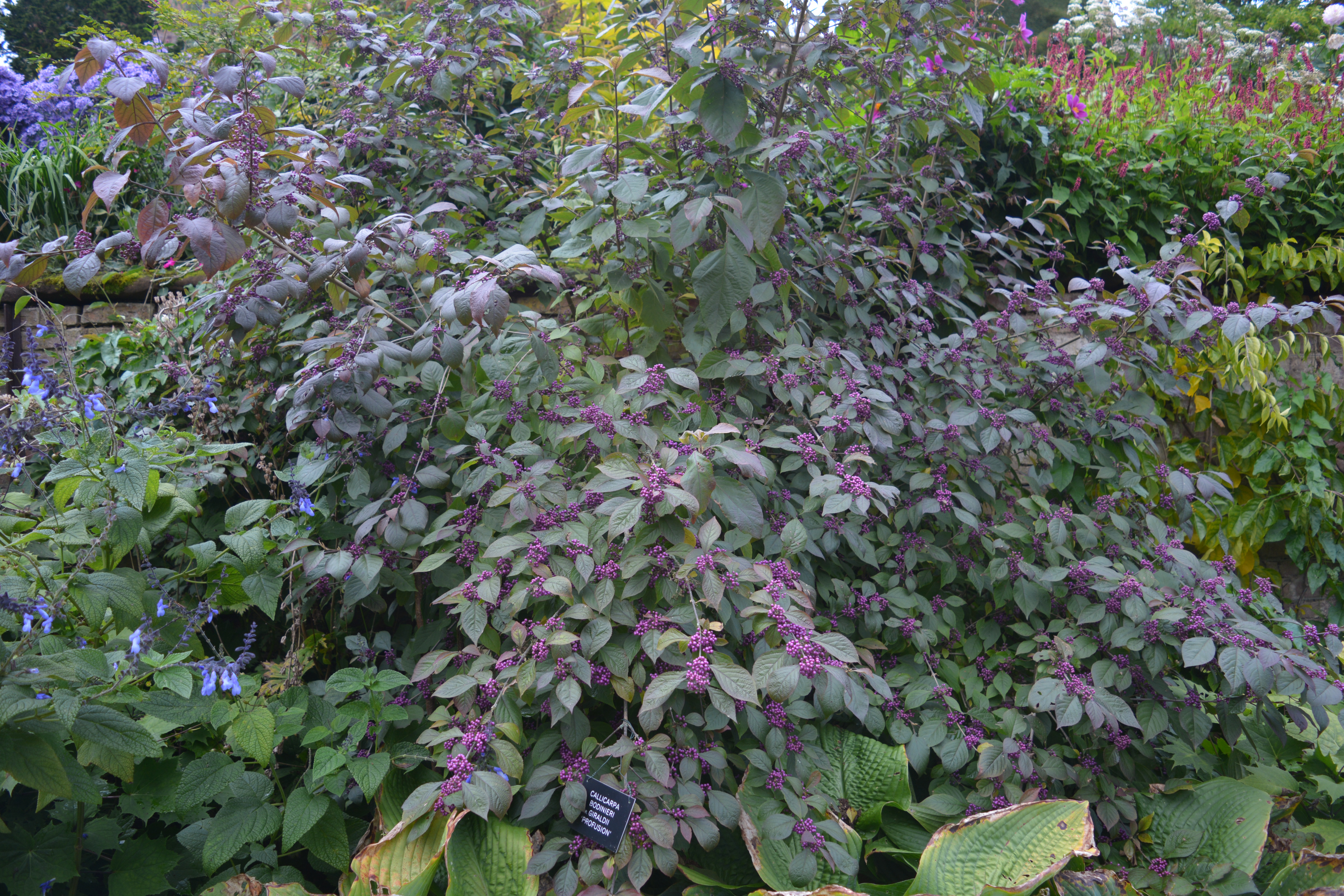
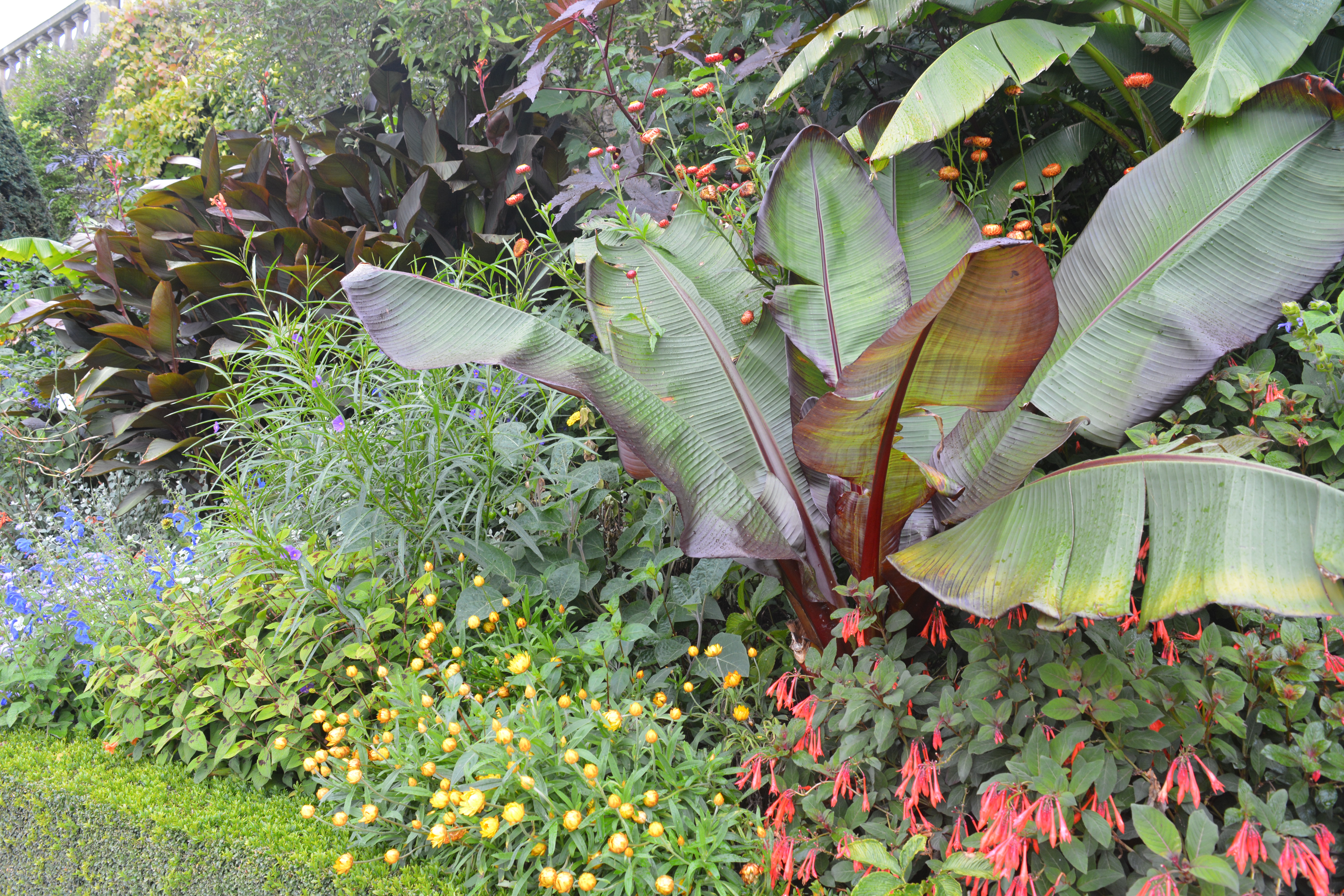
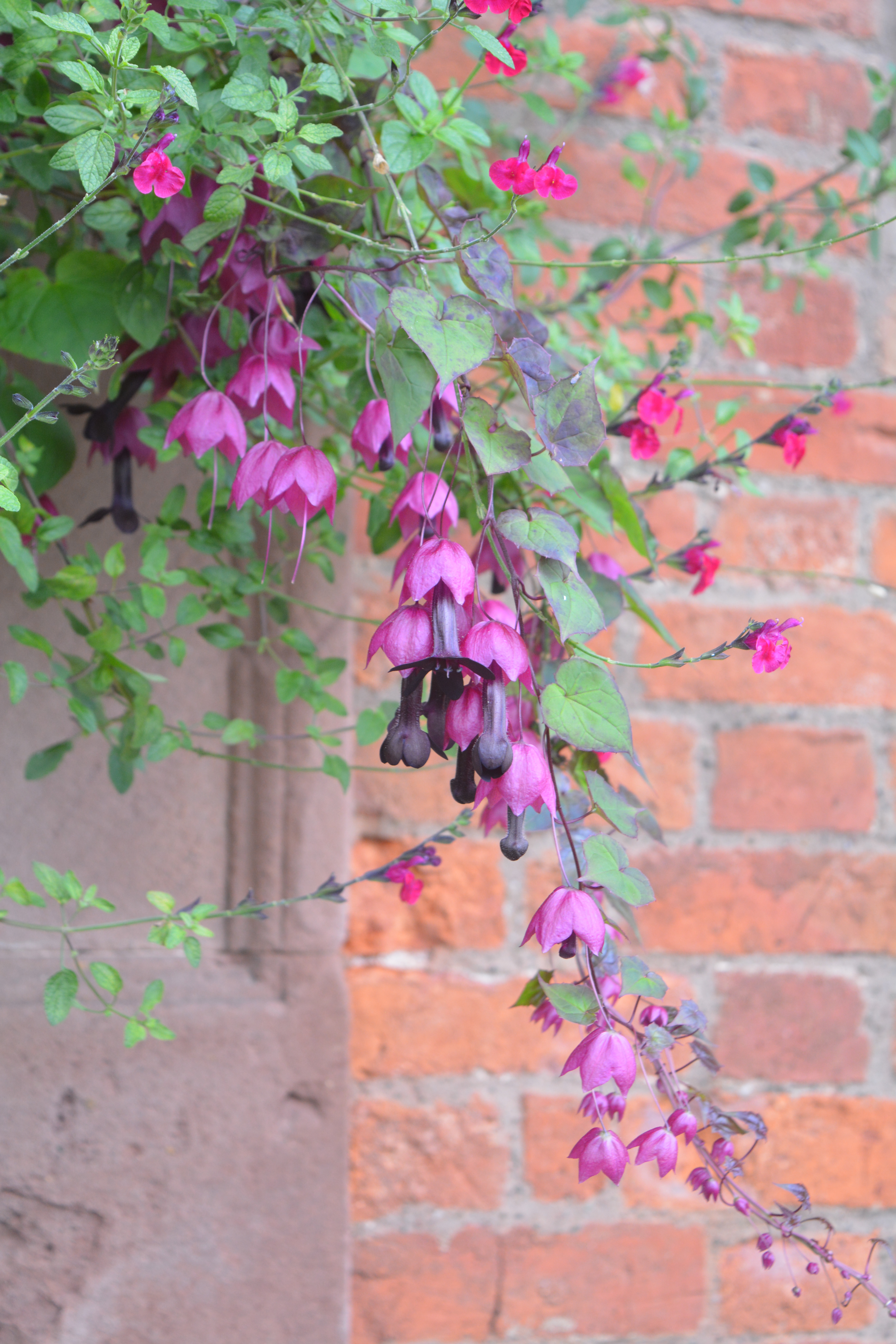
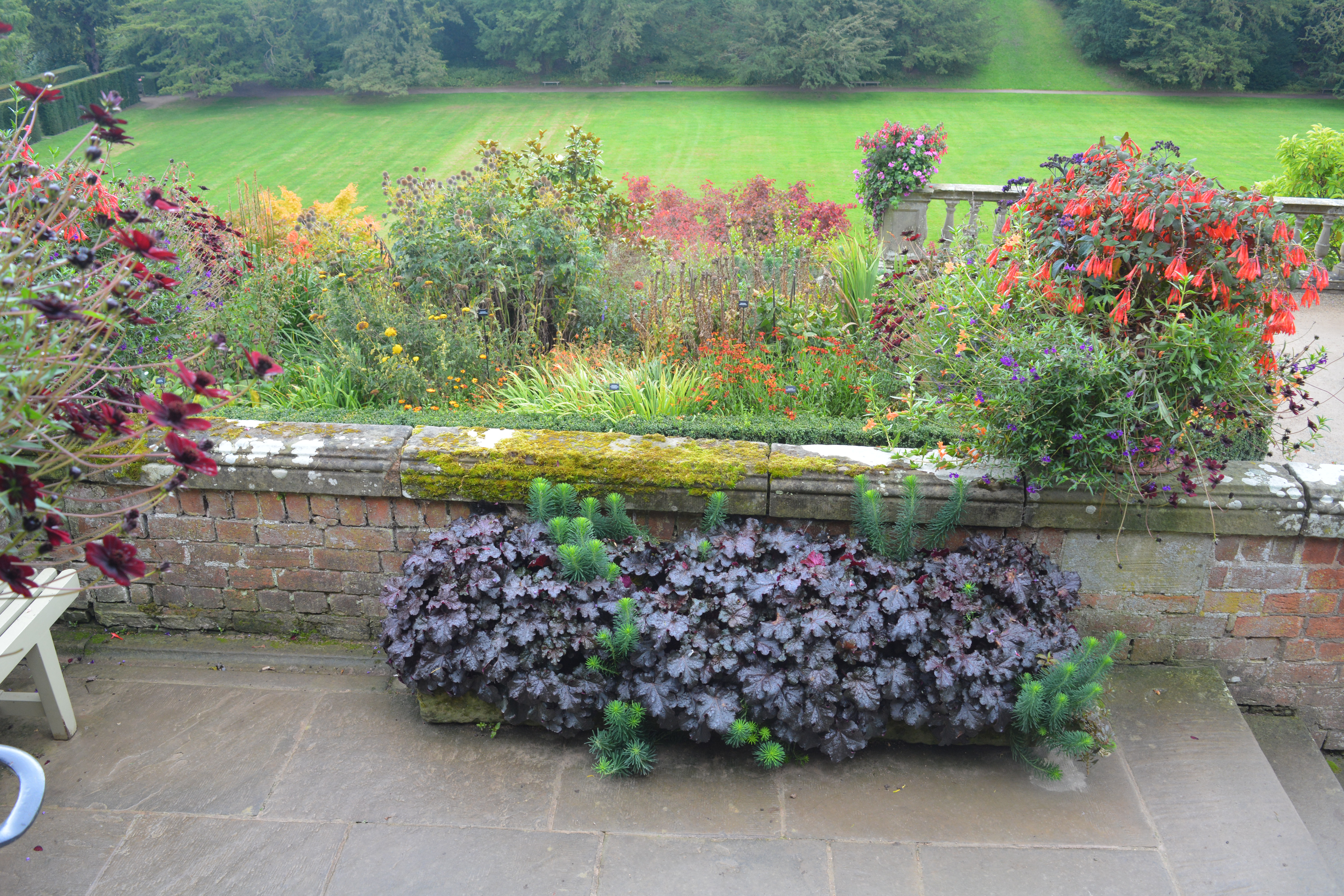
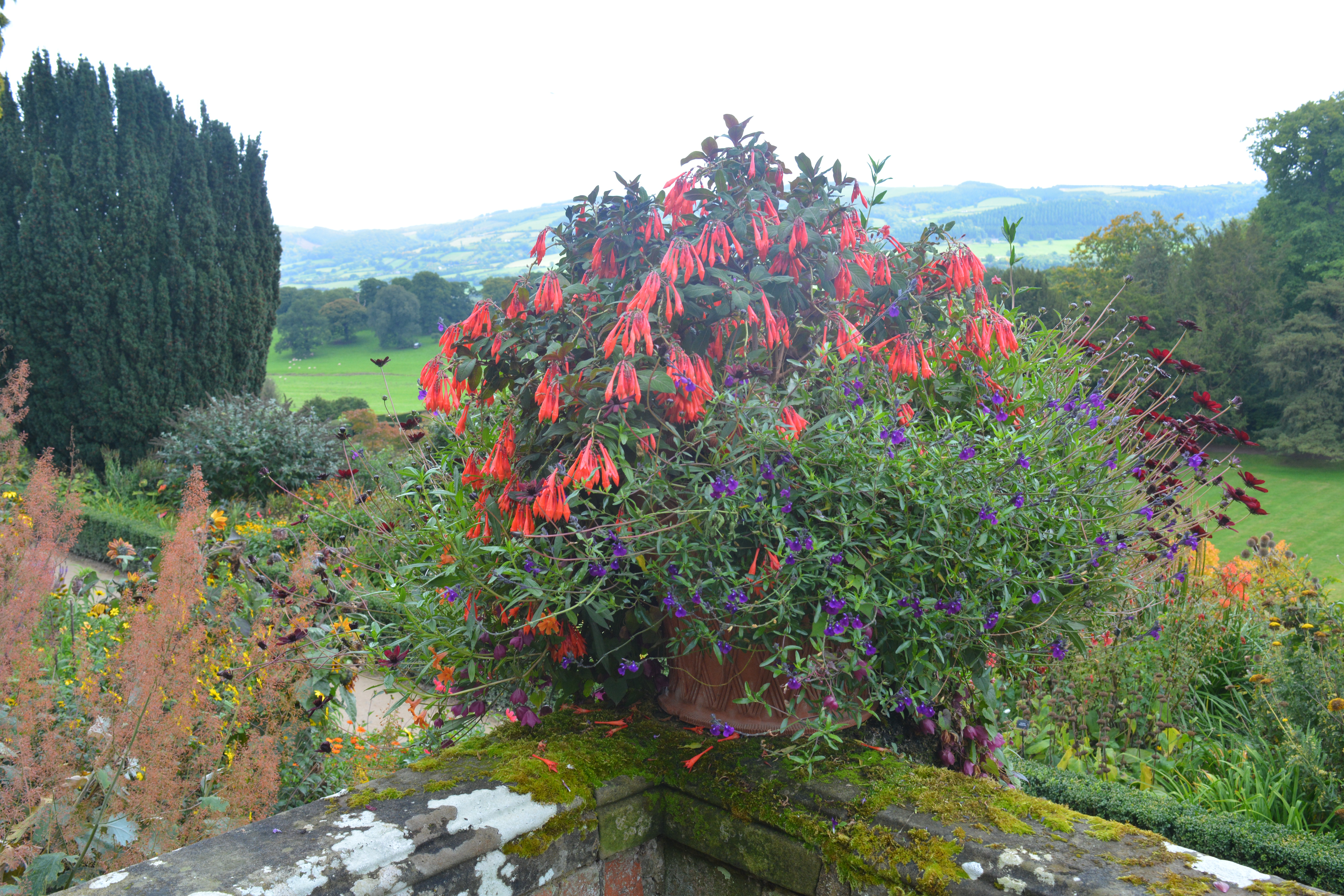
The top terrace features perennials and shrubs that give of their best in late summer into early autumn. Some are difficult to grow and several are half-hardy but the special conditions here allow then to flourish. To see them growing so well and looking so happy certainly encouraged us to try more such plants at home. We have lots of succulents and Salvias already but we are always up for a challenge!

First we shall have a look at views along the borders and looking out over the terraces. Powys is renown for its ancient sculpted yew hedging which appears now and again as we walked the terraces. Sculpted figures stand atop the stone balustrades in places overlooking the views.


As well as the beauty of the long views of the terrace borders there were many individual that shone out as special. Enjoy my gallery of plant portraits. As usual click on the first pic and navigate with the arrows.

In part 3 of these posts about Powys Castle we will have a look at the yew hedges and the Lower Garden.

Categories
autumn autumn colours colours garden design garden photography gardening gardens gardens open to the public half-hardy perennials hardy perennials National Trust ornamental trees and shrubs photography Powis Powys shrubs The National Trust trees Wales

A Visit to the Wonderful Gardens of Powys Castle – 1

We are so lucky to be able to get to Welshpool within half an hour or so because here we find our favourite plant nurseries. Very close by is the National Trust property, Powys Castle with a most wonderful garden. We like to wander around late summer and early autumn when the flowering plants area at their best and trees and shrubs are colouring up adding an extra layer of interest.

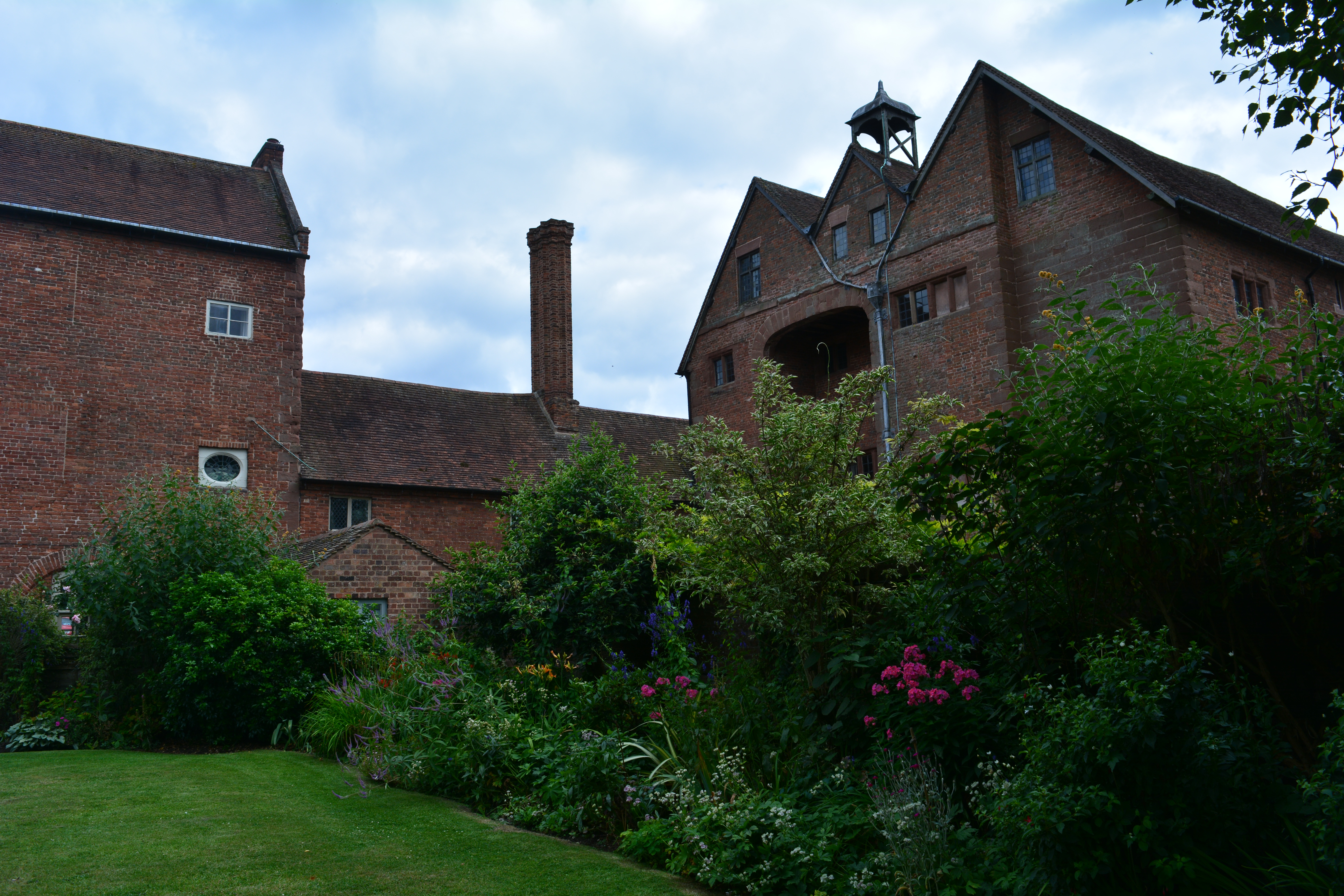
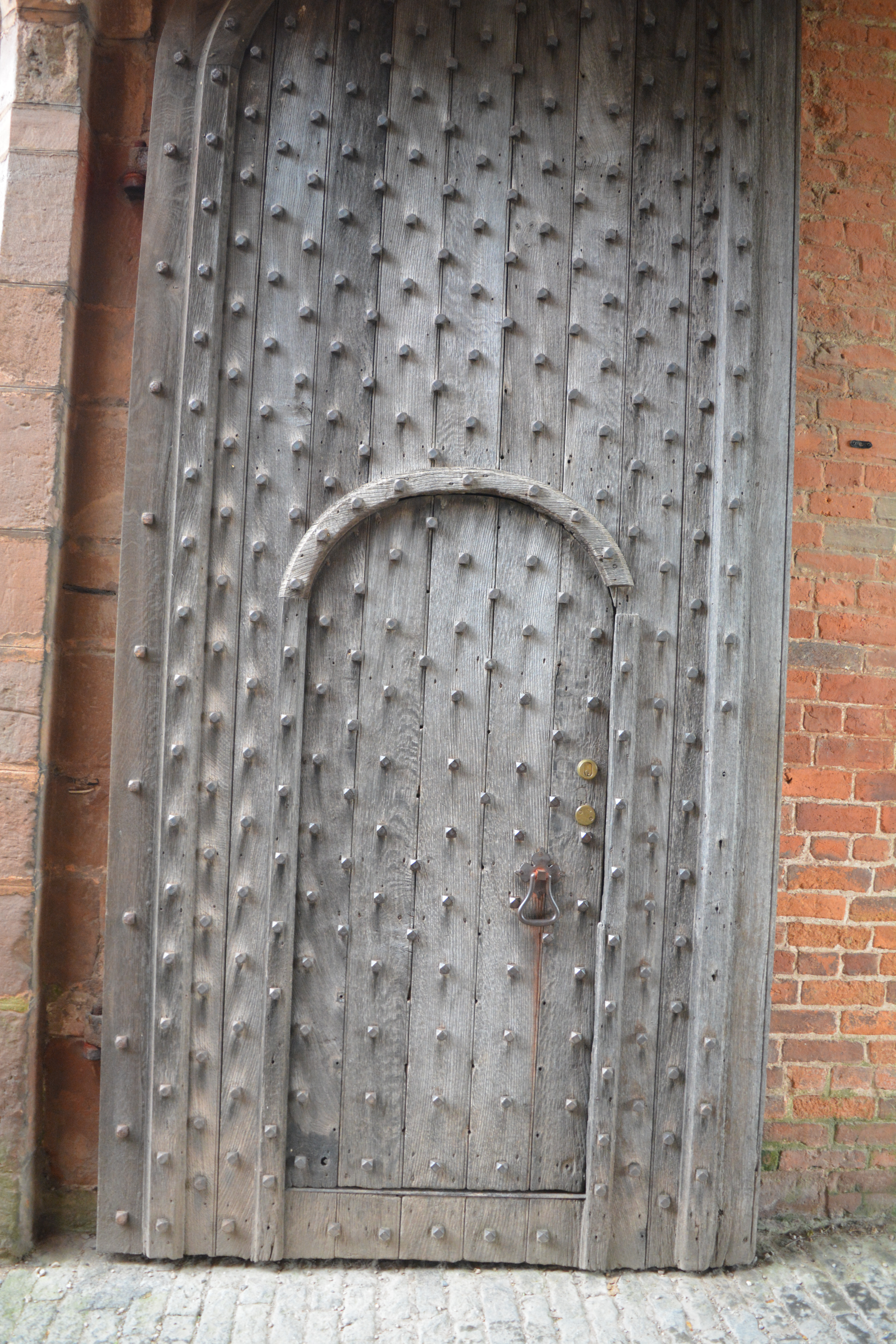
The gateway into the castle courtyard, where the coffee shop is to be found, was most impressive with its stone archway towering above our heads. Passing through the gateway we noticed this little mysterious door, but the answer to its purpose was written on the wall.


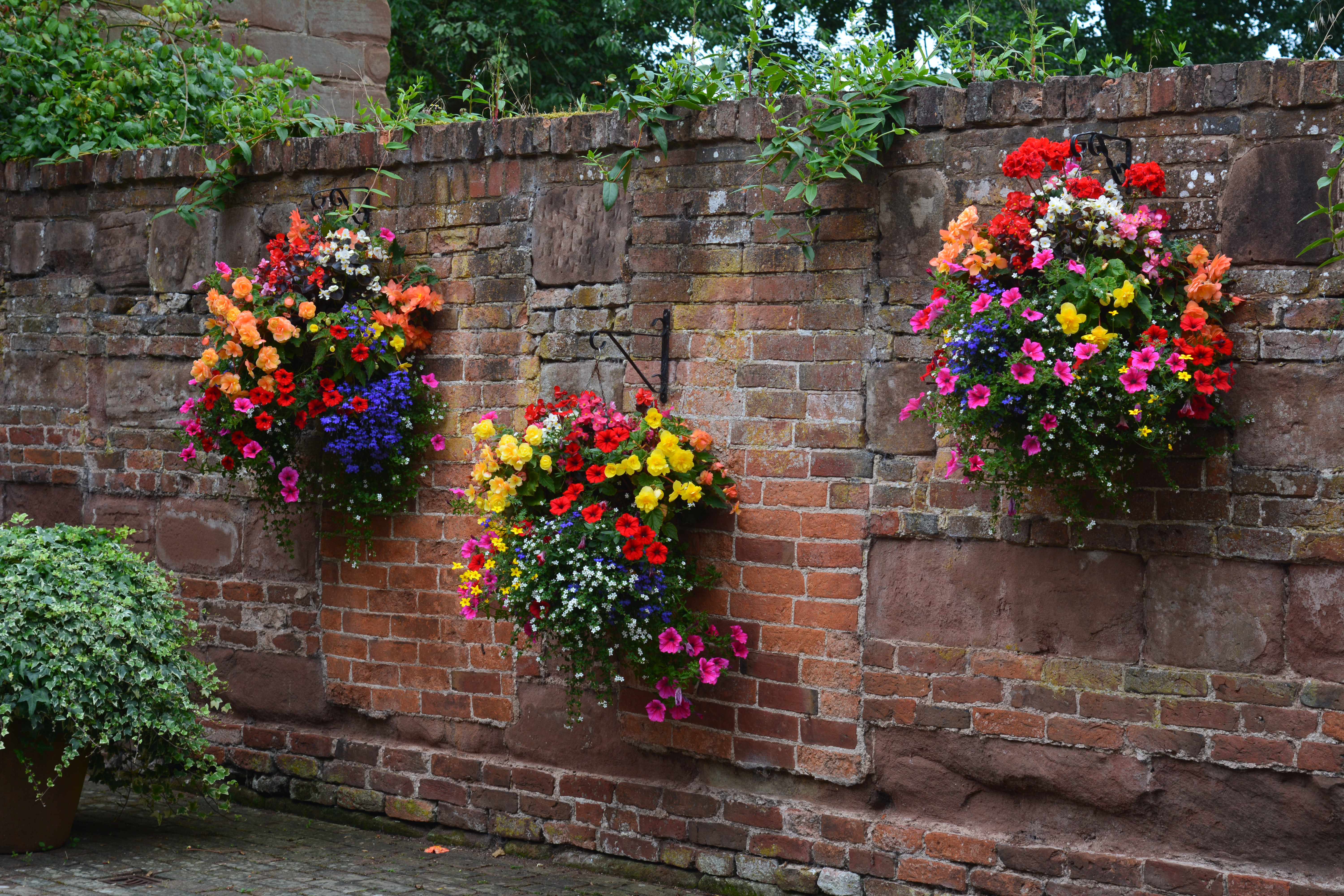
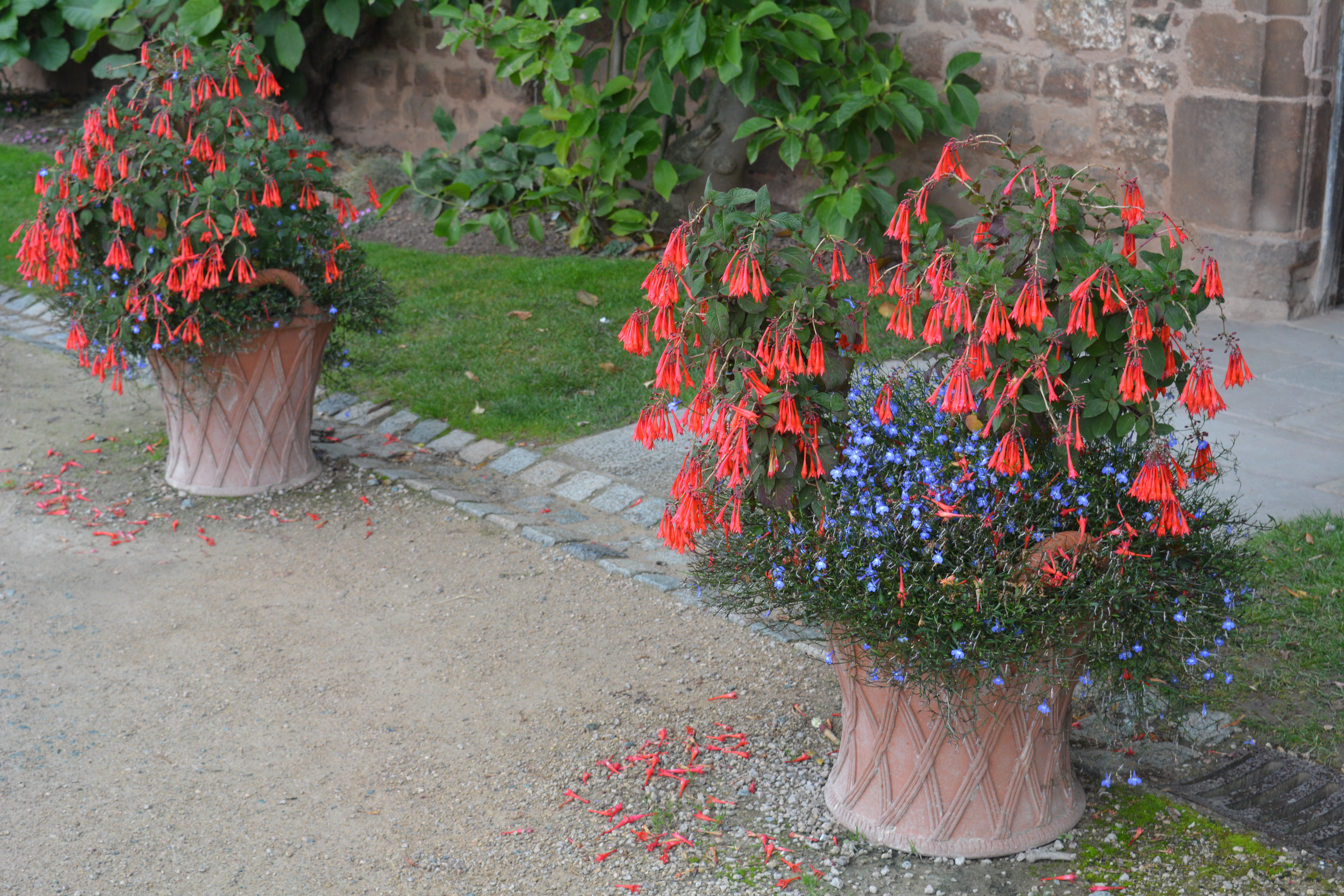
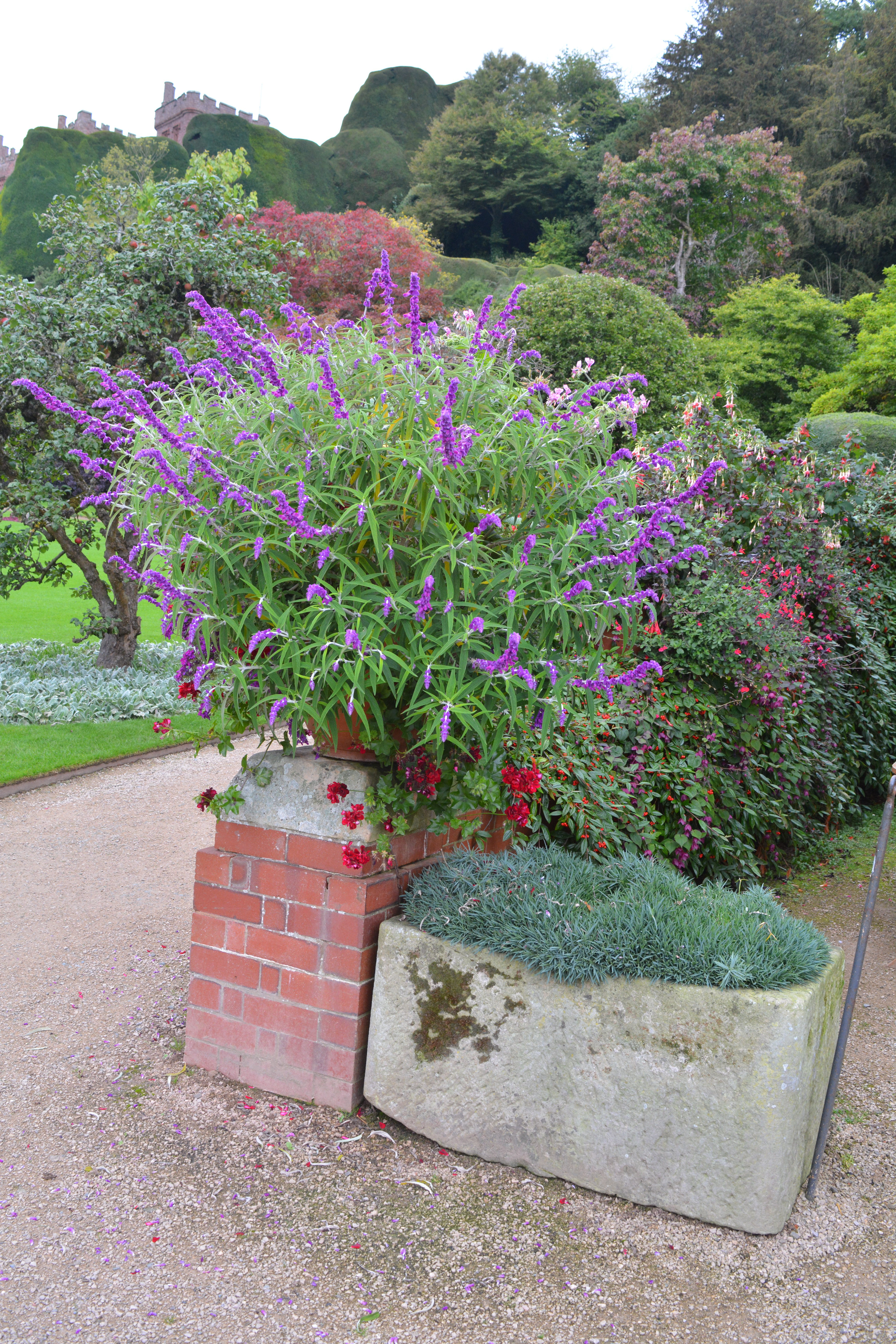
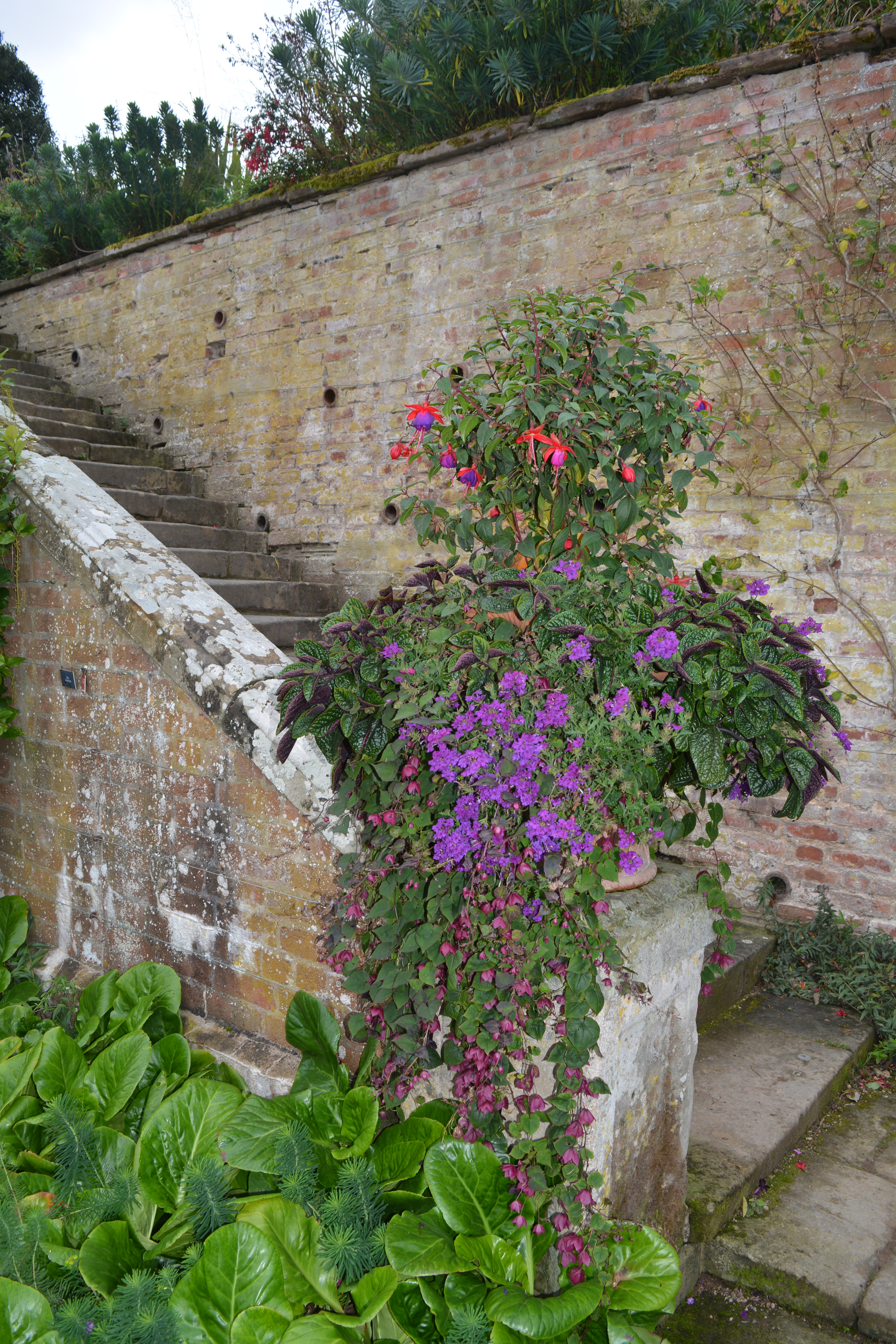
The gardens are well-known for the colourful imaginatively planted containers and pots.


Recesses built into the massive sandstone walls were probably designed to hold statuary but now display most impressively planted containers.

The upper garden is based on three parallel terraces, each accessed by wide stone walls whose pillars supported more planted containers. From the terraces we were delighted with the views presented to us.


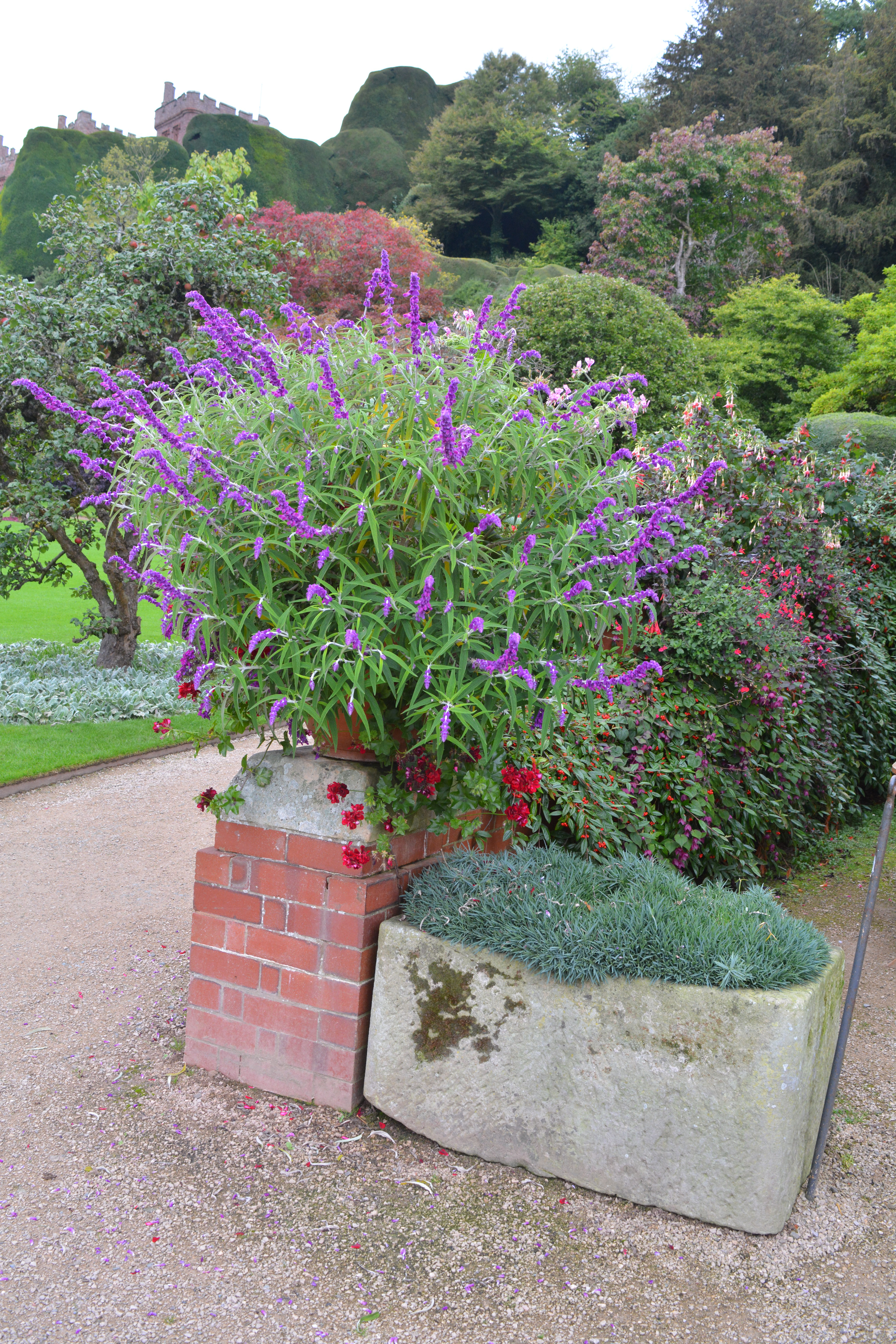
Even at the lowest part of the gardens we were delighted by the quality of planting in containers.

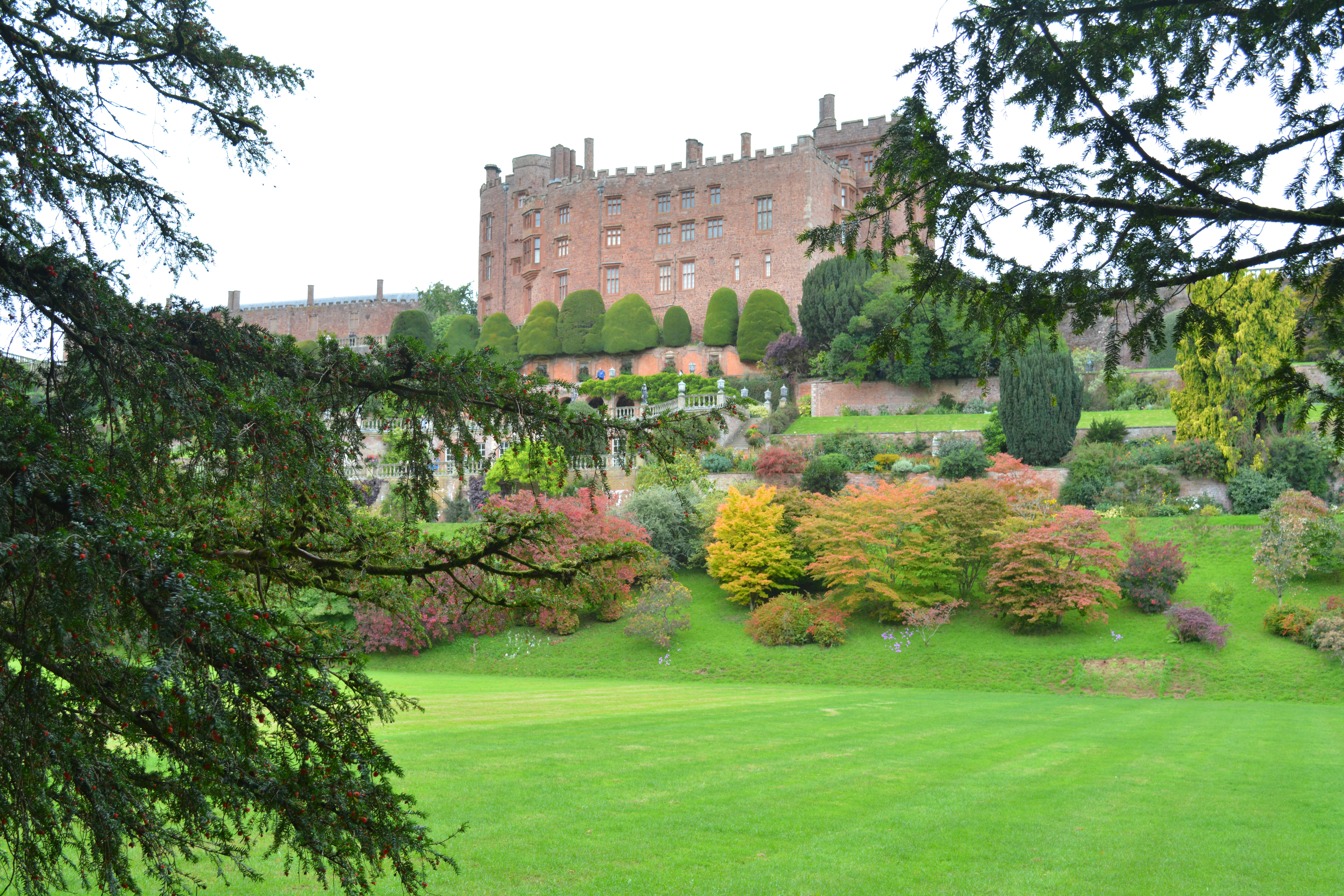
From the lower garden we enjoyed expansive views of the castle sat on its sandstone outcrop, giving it a look of power and dominance. The photo illustrates the need for terracing well and although functional the terracing gives the garden strong design.


In part 2 of this report on our visit to the gardens of Powys Castle I share share with you the different planting combinations and highlight some of the more unusual plants growing on the warm slopes.


Categories
garden photography garden wildlife

After the Rain

There is a special time just after rain has stopped. It is a moment of silence when Blackbirds and Robins are preparing to burst into excited song after a period when song is stilled by rain. Light has a special quality – it catches any droplet of moisture hanging from foliage or flower. Recently I managed to capture just such a moment with camera in hand and snapped away joyfully. I even shared the unique time with our garden when bird song descended over it engulfing its atmosphere.

You can share this time by following the gallery. click on the first pic, navigate with the arrows and simply enjoy.

Categories
autumn autumn colours colours garden photography gardening gardens gardens open to the public light light quality National Trust ornamental trees and shrubs Shrewsbury Shropshire The National Trust woodland woodlands

A Walk in the Park 2 – fall foliage and fungi

In this, my second part of the report of our September visit to Attingham Park we headed for the Woodland Walk to seek out signs of the fall, foliage and fungi.

I thought I would present our discoveries to you simply as a gallery of the images I took. As usual click on the first pic and use the arrows to navigate the tour.

Categories
autumn autumn colours colours fruit and veg garden arches garden photography gardening gardens gardens open to the public kitchen gardens light light quality National Trust Shrewsbury Shropshire The National Trust walled gardens walled kitchen gardens

A Walk in the Park – Attingham Park in September 1

We returned for our monthly visit for a wander around the park at Attingham Park, the gardens, woodlands and walled garden. Here is my report on our visit in September. We made the visit early in the month as I was due to go into hospital for some pretty major surgery, a rebuild of my right leg to be precise, so we don’t know when the October visit may happen. You may get a series of photos taken from a new angle, from a wheelchair.

We arrived expecting to see early signs of autumn, such as some colouring up of leaves and looked forward to spotting some early fungi. As we followed the path surfaced with bark chip beneath the mature trees towards the destination, we noticed how autumn’s harvest of nuts had been blown down onto the path in front of us, acorns, Sweet Chestnuts, and Horse Chestnuts. Shrubs were putting on displays of rich shiny berries for us to enjoy looking at and for wildlife to cache away until winter digs in deeply or to enjoy a few now.


Autumn fruits were in abundance in the Walled Garden, fruit trees and bushes, some trained against the walls for extra warmth, were dripping with fruits awaiting harvest time.

We left the walled garden and followed the woodland walk trail, hoping to find some fungi and signs of foliage changing their colours. In part two I will share with you what we found.


Categories
diy garden buildings garden design gardening gardens grasses hardy perennials herbs ornamental grasses Shropshire

Developing 3 new spaces – Part 2 – the new roof garden

The final new garden we developed early in 2017 was our second roof garden here at Avocet. To find out about our first green roof refer to my post called “Growing up! Making a green roof.” published back in April 2013.

This, our second roof garden, was created when we got rid of one of our garden sheds and moved a smaller one into its place. (see the post entitled “Three Sheds into Two will Go”)

We constructed a strong framework around the shed in timber so that the roof garden itself was putting no extra stress on the shed roof itself. We then added a new floor to the roof garden from strong floorboards which we waterproofed with two layers of roofing felt. In order to make it ready for the planting media we added a layer of weed membrane to allow for drainage and to retain the compost. We created a drainage channel filled with gravel. The final stage of preparation was adding a layer of light weight compost which was carefully leveled.

rg2-07 rg2-01rg2-02 rg2-03rg2-04 rg2-05

Time to plant! It always seems strange planting when up a ladder!

rg1-2 rg1-3

The green roof is the exciting finishing point in our shed project. The first phase of planting really made us feel as if we had completed our work with the three sheds, which had now been turned into two! The plants were a selection of grasses, Incinia rubra, a selection of Carex and Stipa tenuissima but more will follow soon. Flowering plants included a selection of small Sedums, Sedum tricolor, S. telephinium ss riprechtii “Hab Gray”, S. ewersii and S. cauticola Coca Cola plus two scented Violas, V. odorata sulphurea and V. odorata Konigin Charlotte, a low growing Sedum-like plant Chiastophyllum opositifolium and a variegated Trifolium, T. pratense “Susan Smith”.

rg1-4 rg1-6rg-7 rg-6 rg-5 rg-4 rg-3 rg-1 rg-2 rg-4 rg-5 rg-6 rg-7

Job done!

Categories
autumn autumn colours colours flowering bulbs garden design garden photography gardening gardens hardy perennials light light quality Shrewsbury Shropshire shrubs

My Garden Journal – September

So, here we are back taking a look into my Garden Journal 2017 at the entries I made during September. Within the first double page spread I looked at a few hot coloured perennials and shared a favourite quotation from designer, Dan Pearson.

I started off by writing, “September is a favourite month of mine in our garden because it is the time when our grasses peak and hot colours of late perennials get blazing and burning against pale clear blue skies”.


Dan Pearson, probably the world’s leading garden designer, wrote in his book “Natural Selection, a Year in the Garden”, “The light is never more beautiful than it is now, sliding into the garden at an ever-increasing angle to tease out the detail………. Rosy-faced apples weigh down branches and lazy wasps have the remains of the plum harvest. Sunflowers will never be taller, berries are hanging heavy on the once-blooming roses, and the butterflies which have had a hard time of it this summer, are making the most of the asters and the last heat of the sun.”

As long as the weather remains mild and calm then our predatory insects and pollinators remain busy taking advantage of every possibility  as they sense the onset of autumn.

Over the page I continued by considering two very special small-flowered plants. I wrote,

“September sees two small-flowered plants with very unusual flower structures. Both are striking little plants and neither are fully hardy for us.” I was referring to “Commelina dianthifolia” and “Lotus maculatus “Gold”.

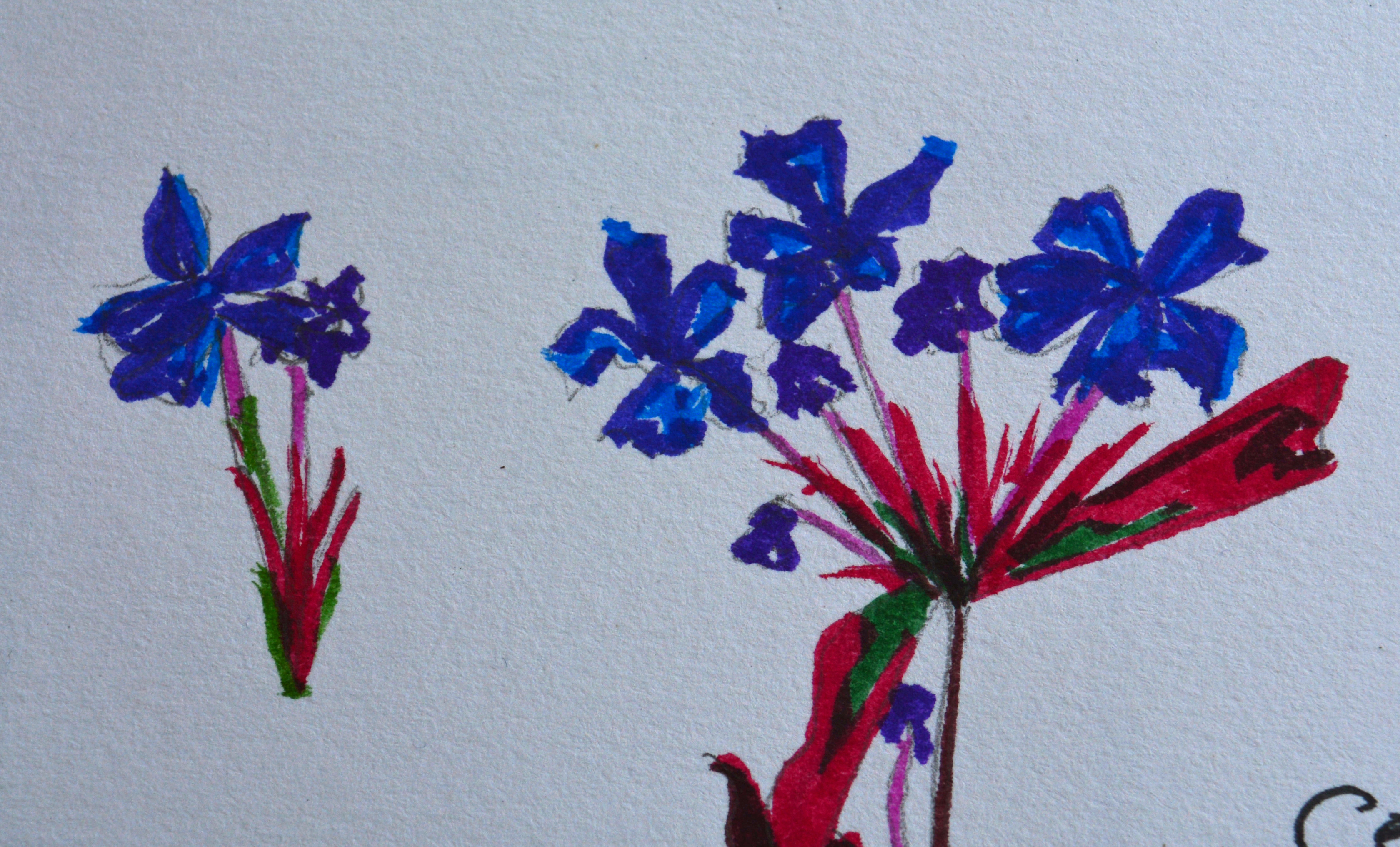
“Commelina dianthifolia is commonly known as “The Bird Bill Dayflower”. The electric blue flowers are enhanced byits bright green stamens. Although our Commelina flowers for months during the summer, each flower lasts only a few hours.”


“Lotus maculatus “Gold” displays flowers looking like gold and red lobster claws. Its foliage is of delicate blue”needles” and hangs beautifully over the edge of the terra-cotta pot it shares with an orange Osteospermum and a striking grass, newly renamed Anemanthele lessioniana. The Lotus is commonly known as “Pico de Paloma” or “Parrot’s Beak”. Although a tender perennial we have to treat it as an annual and sow it every year.”


Over the next page I began to show how we are re-building a garden, not by choice but out of necessity.

“We planned to revamp the Freda Garden this Autumn and change it more into a shady area featuring colourful Hydrangeas. However as we suddenly had to fit a new oil storage tank we decided to put it up in this bed. So we got to work clearing plants more urgently than we had expected.” 

“Any plants to be replaced in the same border were potted up while others were moved elsewhere.”


“Within a week the border was cleared of its plants except for a Cornus mas at one end and a Ribes odoratum at the other, and the oil storage tank in place. Quick work!


“The next task was to plan our renewed bed, decide the sort of plants to use and work out a system of screening the new oil tank. We decided that as the border was mostly shaded or semi-shaded we would plant flowering shrubs such as Hydrangea and Viburnum with shade-loving herbaceous underplanting.”

As we move to the next double page, I will begin to share the plants we discovered as we searched for suitable candidates

“We have room for a couple of trees at the back of the border – so far we have got one very special tree ready to plant. Heptacodium miconiodes is an elegant tree with peeling bark, fragrant white flowers that are attractive to useful wildlife and attractively curled leaves. It will be such a wonderful addition to our tree collection.

To grace the ground beneath our new tree we have a collection of Pulmonarias chosen for their early flowering and finely coloured and marked leaves. We will also plant an Anemone, grasses and ferns with a selection of Viburnum and Hydrangea. Now we need to prepare the soil for fresh planting and plant the plants.”


Three Hydrangeas, pink, white and blue.


Viburnum nudum, Anemonopsis macrophylla and Panicum  virgatum “Squaw”.


Next I shall look at some wildlife visitors who share our Plealey garden, and get out my watercolours, brushes and fine felt pens.

“I will try to paint two wildlife visitors to our September garden, one a moth and the other a cricket, very different creatures but both beautiful to look at and observe as they move around the garden borders. One is resident, the Oak Bush Cricket and the other an occasional visitor, the Hummingbird Hawk Moth.”

“The Hawk Moth is attracted to our Centranthus ruber plants which we grow in several borders, but our cricket will be attracted to our apple trees.”

On the opposite page I record the visit of a beautiful dragonfly to our garden. Over the summer months on any sunny warm day there is a good chance of us spotting a dragonfly or damselfly hatching from our wildlife pond or resting almost anywhere in the garden. This particular dragonfly had alighted on a shrub close to the house itself and was enjoying a spot of sunbathing, absorbing the rays. “Mother Nature is so god at giving us gardeners some wonderful surprises. We discovered this beautiful creature on a shrub far from any water. It is a female Southern Hawker. The markings and colours are like no other. It is hard to imagine why it sports these patterns. She will return to our pond to lay her eggs in the rotting logs that edge it.”


We can now turn over to another double page spread where dew highlights some natural creativity and three small flowered Clematis flower brightly.

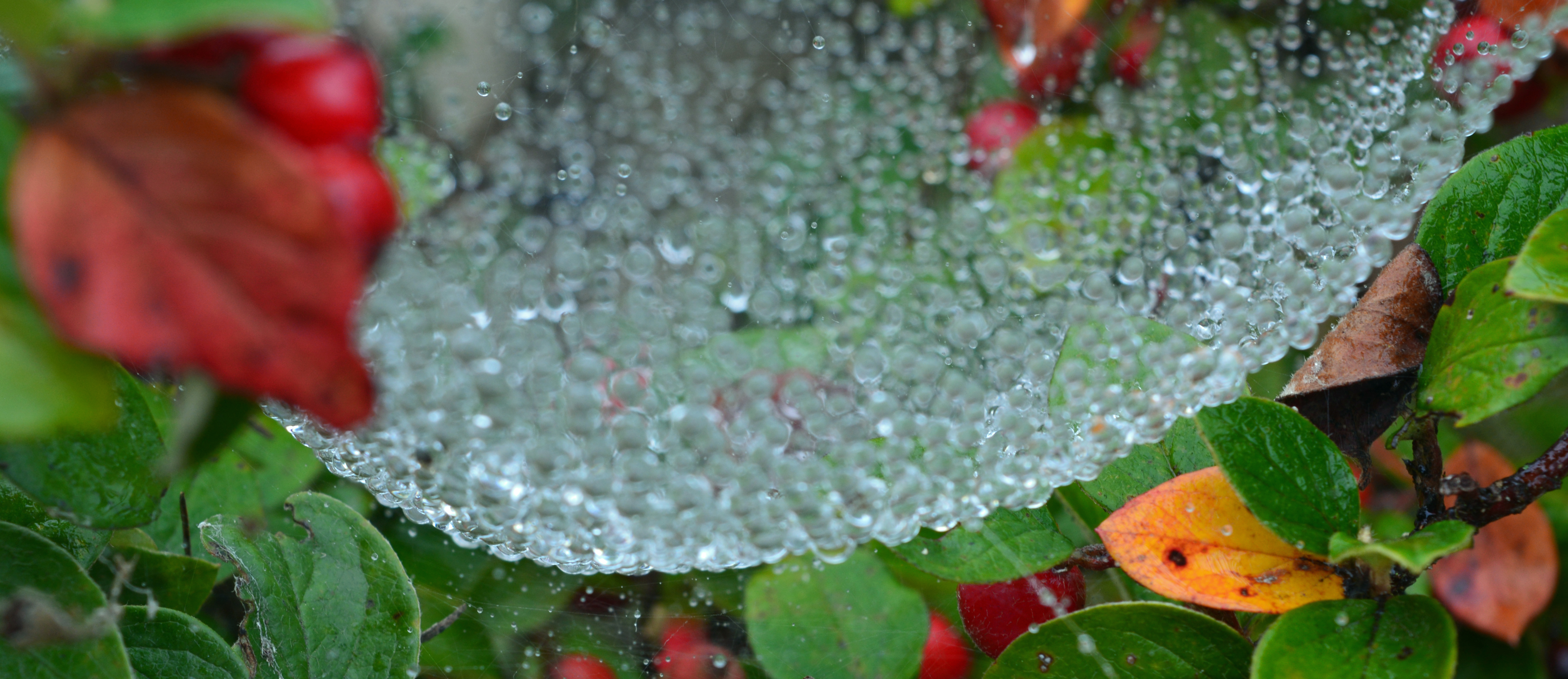
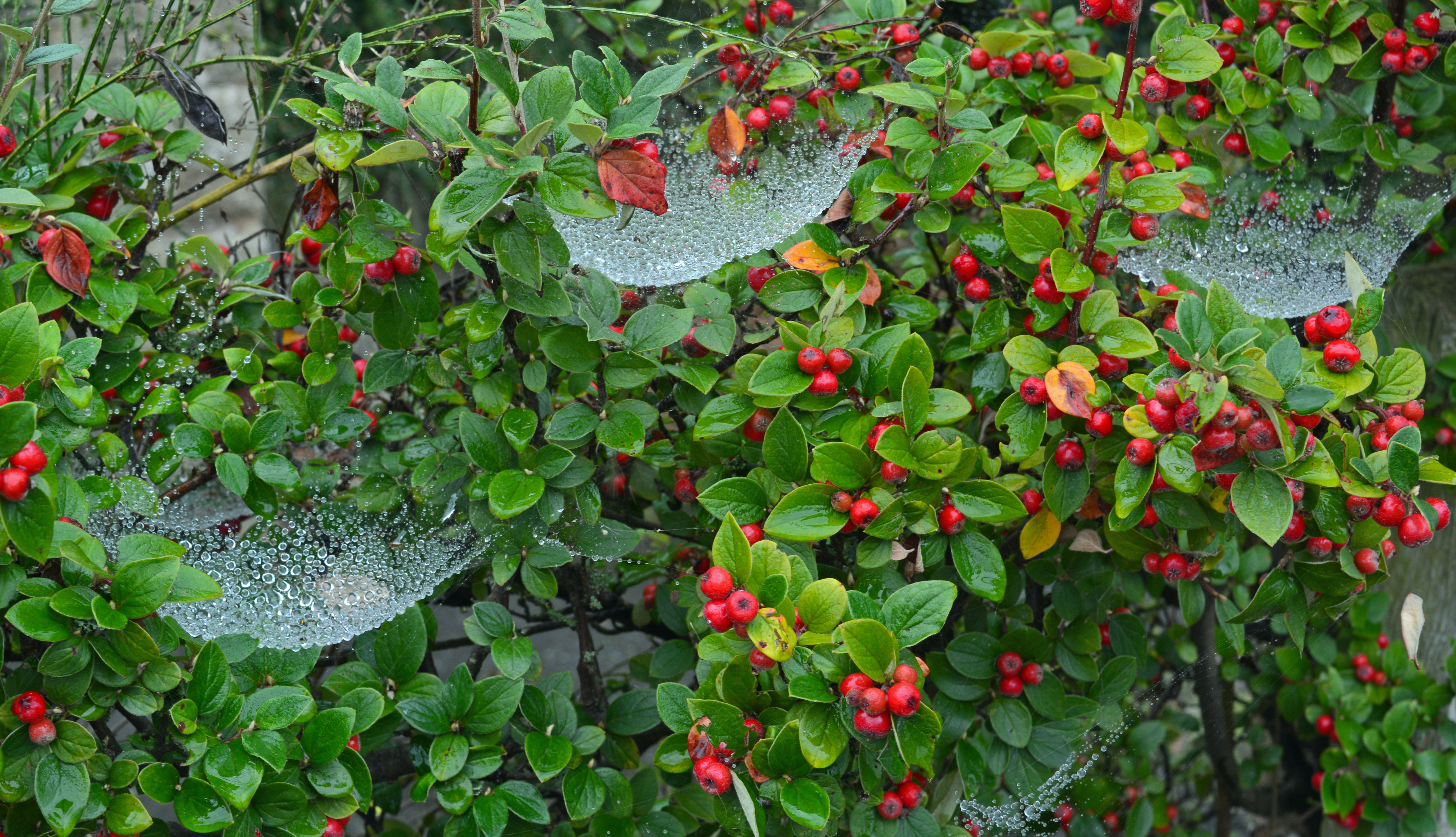
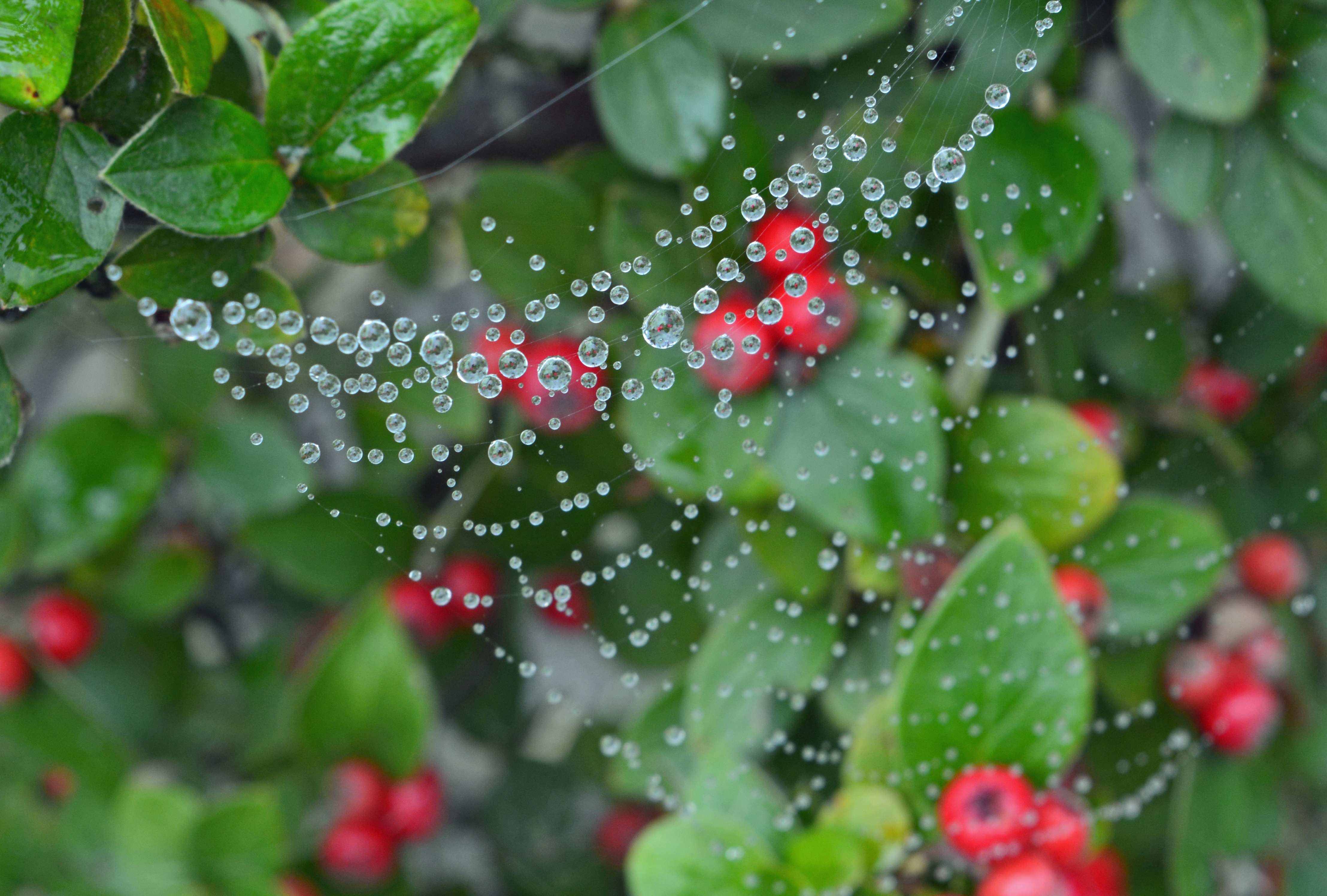
As September moved on we began to notice dew on the grass and plants in the borders several mornings each week. One special effect this has is the way it highlights the handiwork of our garden spiders. It is good to see so many webs as we like to have spiders working as predators in the garden for us. On one particular morning the dew was so heavy that it was weighing down the webs heavily.


“We have three very delicate Clematis flowering in our Avocet patch this month, all with small  flowers but very different from each other. They share the same colour purple on their petals with white-yellow centres.”

“Clematis Little Bas”


“Clematis aromatica”


“Clematis Arabella”


Another Clematis features overleaf, this time a yellow flowered one matched with some pencil crayon sketches of some seed heads.

“Staying with Clematis I will now look at a very delicate and unusual yellow-flowered cultivar, Clematis serratifolia “Golden Harvest”. The centre of each flower contrasts strongly with the golden petals. The central area features deep yellow, a touch of orange but mostly a deep purple-maroon colour. “Golden Harvest” is often sold as a Golden Wedding Anniversary gift. That surely would be a gift to give years of pleasure to any gardeners.”

Now we move on to look at a couple of my coloured pencil sketches of seed heads found in our September garden. “Two more seed heads discovered in our borders, with slender stems and bell-shaped seed capsules coloured biscuit and rust.”

I moved on next to look at two of our larger plant collections which feature strongly in our September garden. “Two of our largest plant collections we grow at Avocet are Crocosmias and Persicarias, both of which look at their best in late summer moving into autumn. 

Crocosmias appear in every shade of yellow, orange and red and thus add cheer to our patch.”

“Crocosmias feature in virtually every one of our borders.”


“Varieties of Persicaria amplexicaulis also feature on most of our borders fitting in with most styles of planting, being equally at home in Prairie planting, gravel garden, herbaceous borders and wherever they grow they enhance their border partners.”


These two collections of hardy herbaceous perennials brings the month of September to an end. The next visit to my garden journal will be in October

Categories
garden sheds

3 sheds into 2 will go!

Changes in circumstances can result in changes happening in the garden too! When I had to give up angling because of health issues we found ourselves with a storage shed we no longer required, the one that had stored my fishing gear. All together at that time we had 3 sheds but hoped to reduce their number.

The old fishing shed was restored, re-roofed and shelves were added to store our garden gear tidily. The old garden store was demolished, and discovered several brightly striped hibernating queen wasps between layers of roofing felt.

rg3-3 rg3-4 rg3-5rg3-2

In its place we erected the old shed moved from the Shade Garden. It was in need of plenty of remedial work and some added tlc.

rg3-6

It was treated to a new floor and roof.

rg2-25 rg2-16 rg2-19 rg2-21 rg2-15 rg2-14  rg2-09 rg2-10 rg2-12

It would soon be boasting a roof garden planted up with small grasses, perennials and herbs to attract wildlife and for us to appreciate. (see specific post)

Categories
Uncategorized

Planting for the future

Source: Planting for the future

This Veggie Life

A Vegetarian | Nature Lifestyle Blog

Rambling in the Garden

.....and nurturing my soul

The Arch City Gardener

Journeys In St. Louis Gardening and Beyond

Garden Dreaming at Châtillon

Consult the genius of the place

Storyshucker

A blog full of humorous and poignant observations.

gardeninacity

Notes from a wildlife-friendly cottage garden

PlayGroundology

...an emerging social science

The Official Blog of British Wildlife

'The most important and informative publication on wildlife of our times' - The Independent. This blog is a member of The UK & Ireland Natural History Bloggers group: www.uknhb.blogspot.com

iGrowHort

Inspire - Cultivate - Grow Native Plants - Restore Landscapes

Bishops Meadow Trust

To create and protect a semi-natural wild space for the people of Farnham to enjoy and experience an array of British wildlife in our town

Gardening with Children

The www.gardeningwithchildren.co.uk Blog

UKbirdingtimeline

birding through the seasons, why birds matter and how to conserve them

NATURE WALKER

with a camera in hand

Jardin

Transform your outdoor space

Eva's space

My allotment, cooking and other interests

Old School Garden

my gardening life through the year

LEANNE COLE

Trying to live a creative life

fromacountrycottage

trying to live as lightly as possible on our beautiful planet

Good Life Gardening

Nature lovers from Leicester living the good life.

mybeautfulthings

Finding the beautiful in the everyday

mawsonmichelle

Michelle's Allotment

In and Out of My Garden

thoughts from and about my garden

Greenhousing

Big plans for a small garden

The Scottish Country Garden

A Walled Country Garden in South East Scotland

The Fruity Chicken

Life at the fruity chicken

willowarchway

Off grid living. Self sufficient. "PERMAGANICS RULE".

St Anns Allotments

Nottingham's Grade 2* Listed Allotments and Community Orchard

Manifest Joy Harvests

a journey in suburban vegetable gardening

Allotmental

The madness of growing your own

Penny's Garden: a harvest beyond my front door

A novel approach to vegetable gardening

arignagardener

Sustainable living in the Irish countryside.

NewEnglandGardenAndThread

Master Gardener, amateur photographer, quilter, NH native, and sometimes SC snowbird

dianajhale

Recent work and work in progress and anything else that interests me

planthoarder

a chaotic cottage gardener

Lens and Pens by Sally

a weekly blog that creates a personal philosophy through photographs and words

Dewdrops and Sunshine

Stories from a sassy and classy Southern farmbelle.

The Pyjama Gardener

Simple Organic Gardening & Seasonal Living

gettin' fresh!

turning dirt into dinner

JOY...

today the world is created anew

Garden Birds

Notes from a Devon garden

ShootAbout

Life Through The Lens

Adapting Pixels

A photography blog showcasing the best photography pictures and videos on the internet

Wildlifegardening's Blog

Just another WordPress.com site

naturestimeline

personal observations from the natural world as the search continues for a new approach to conservation.

LATEBLOOMERBUDS

The Wonders of Life through my Eyes, my Heart, my Soul