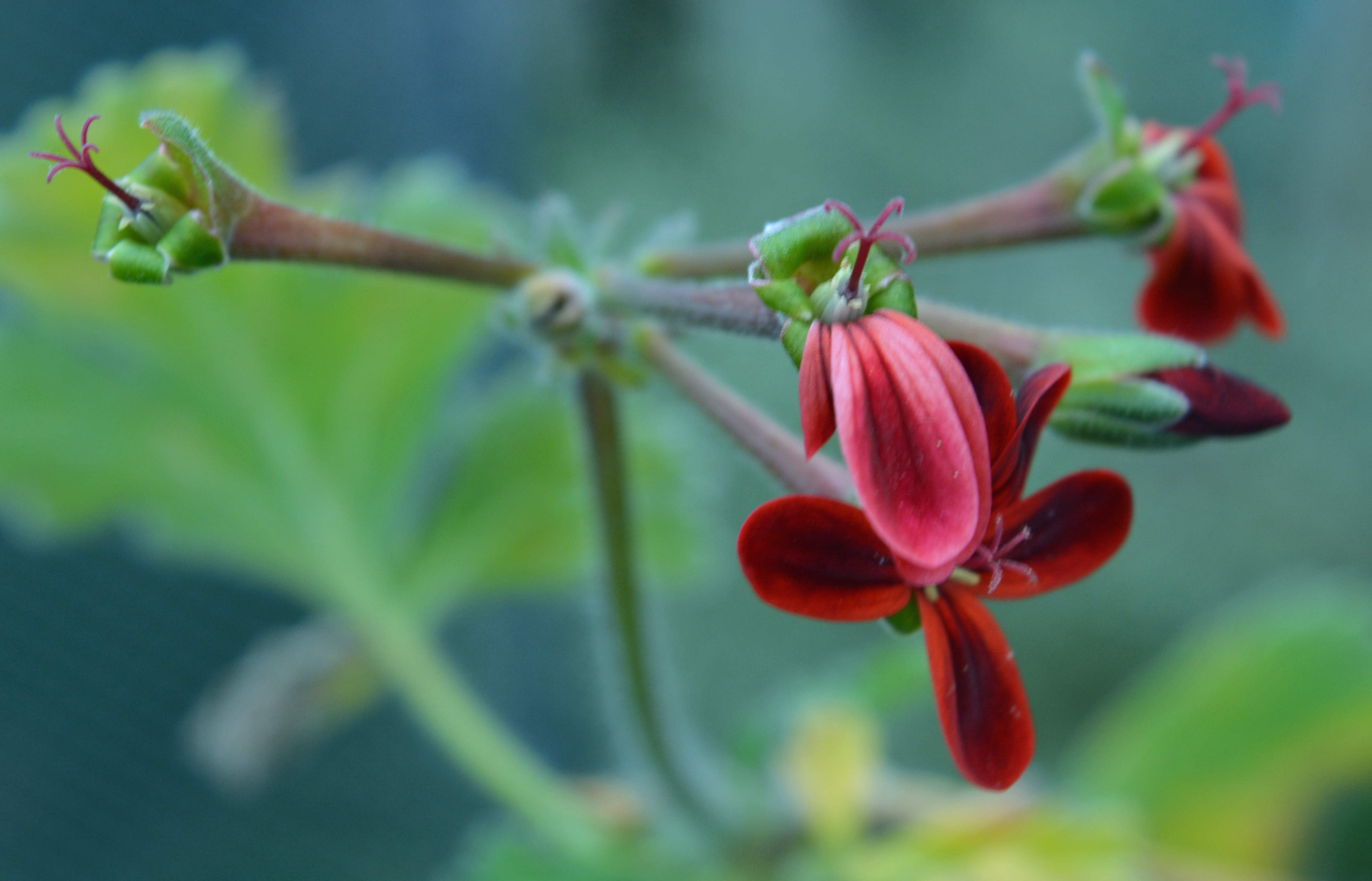
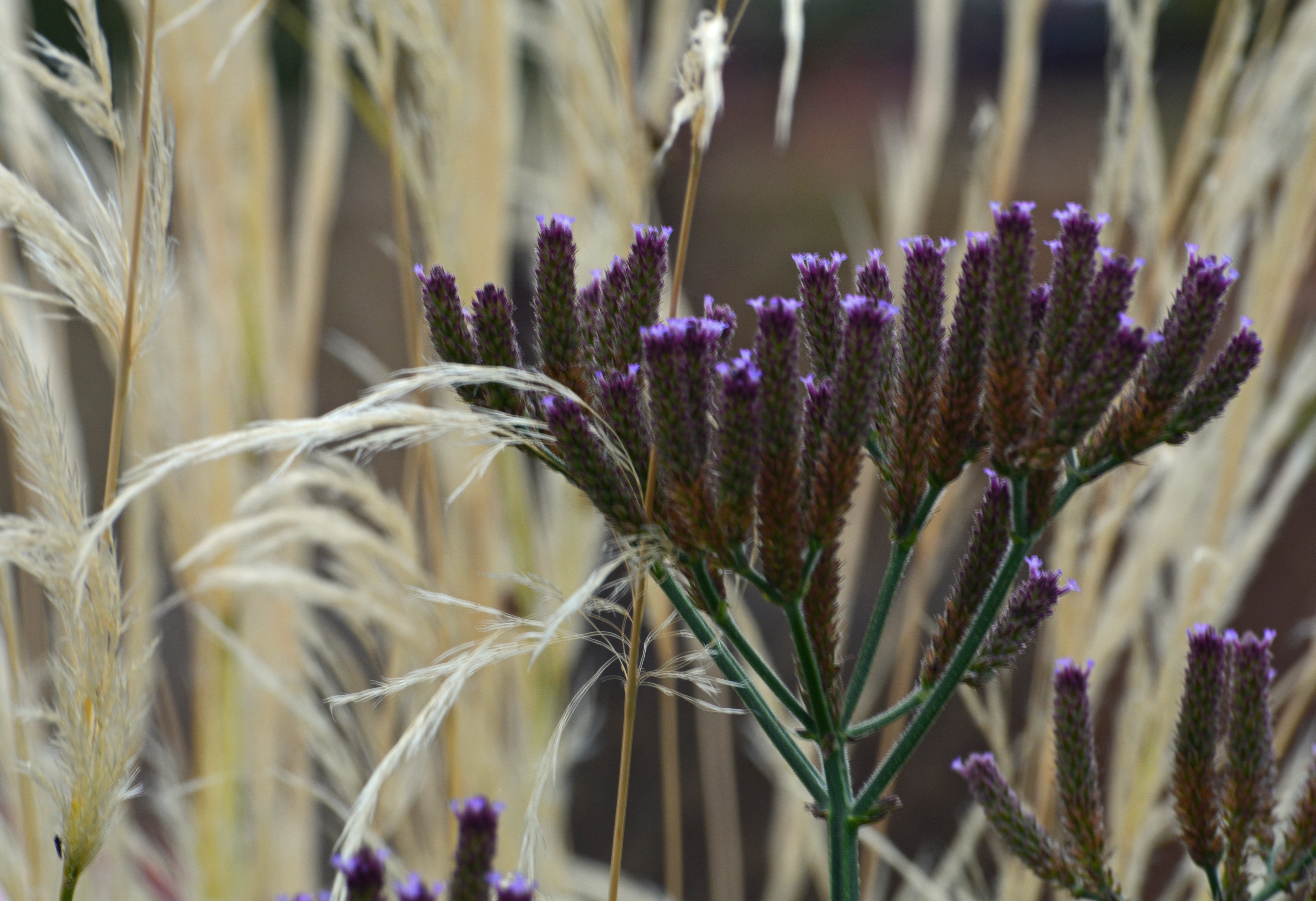
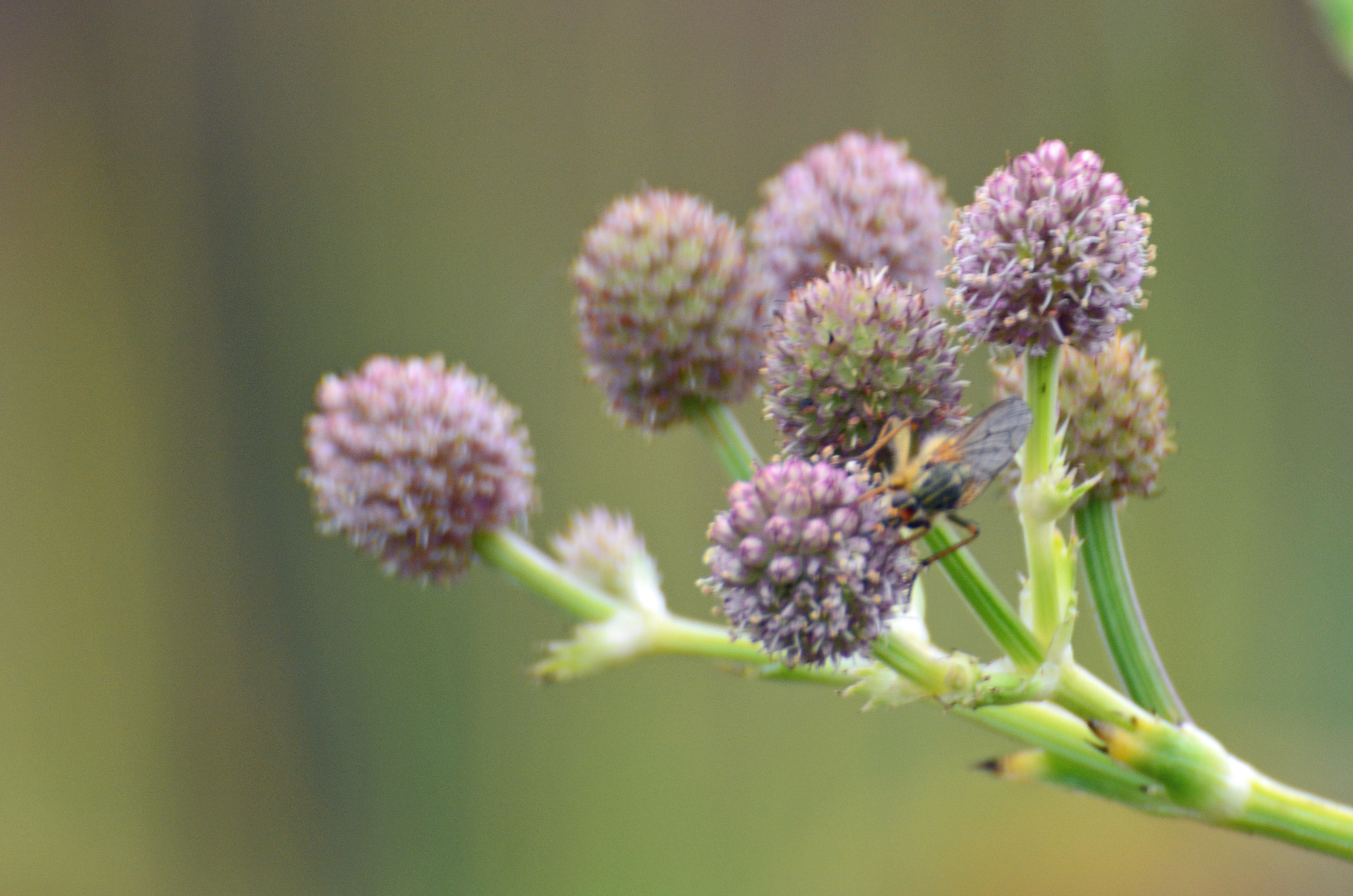
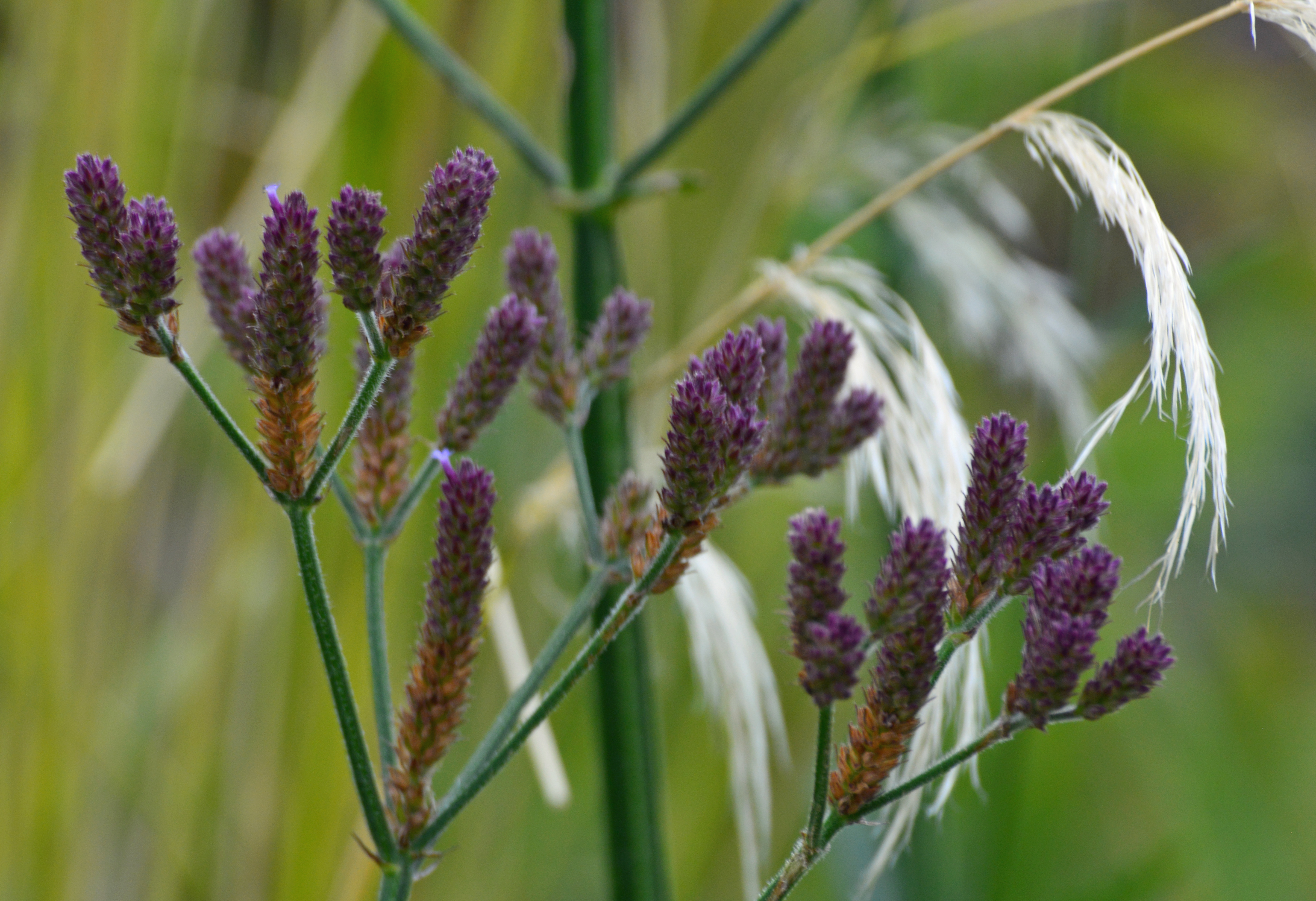
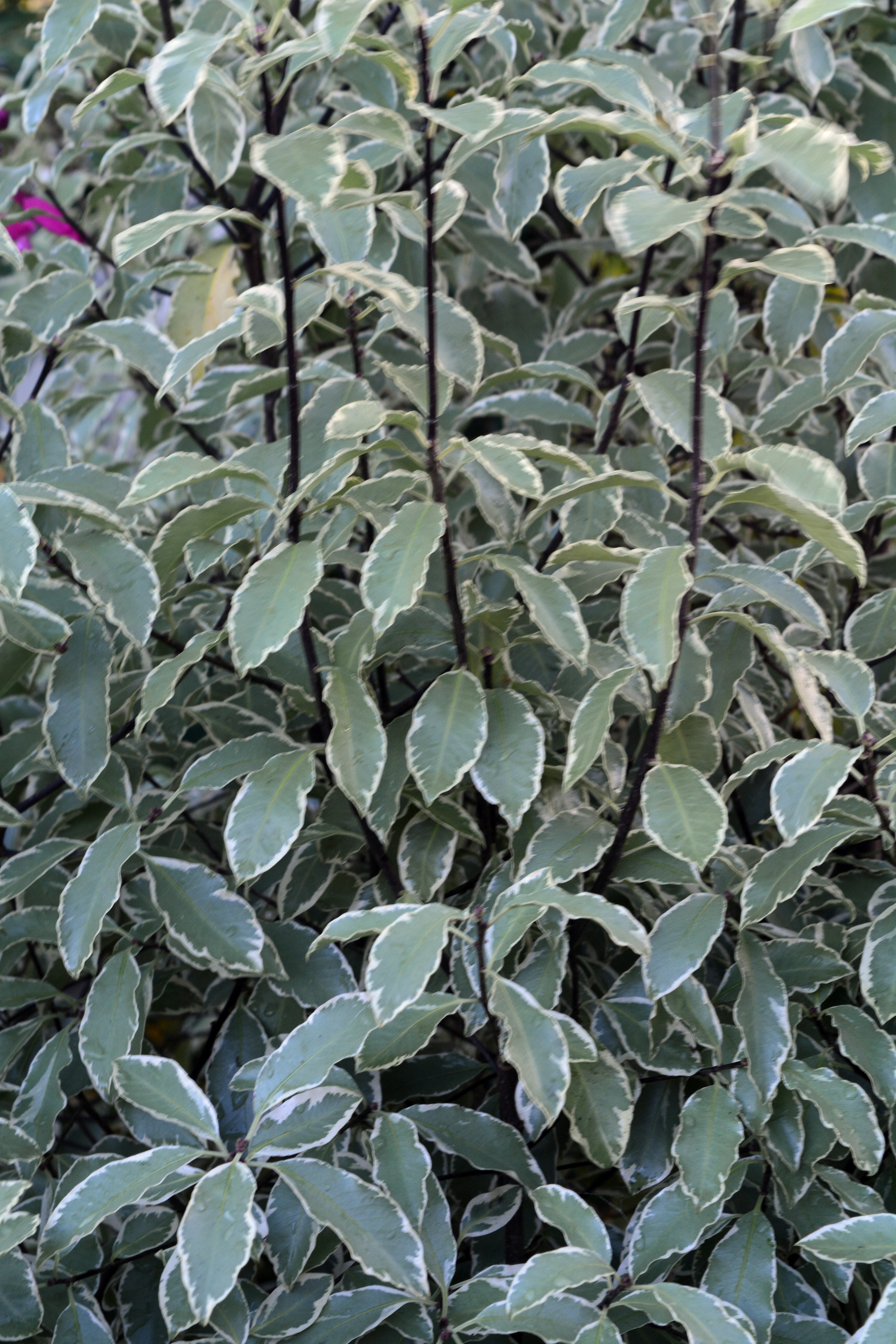
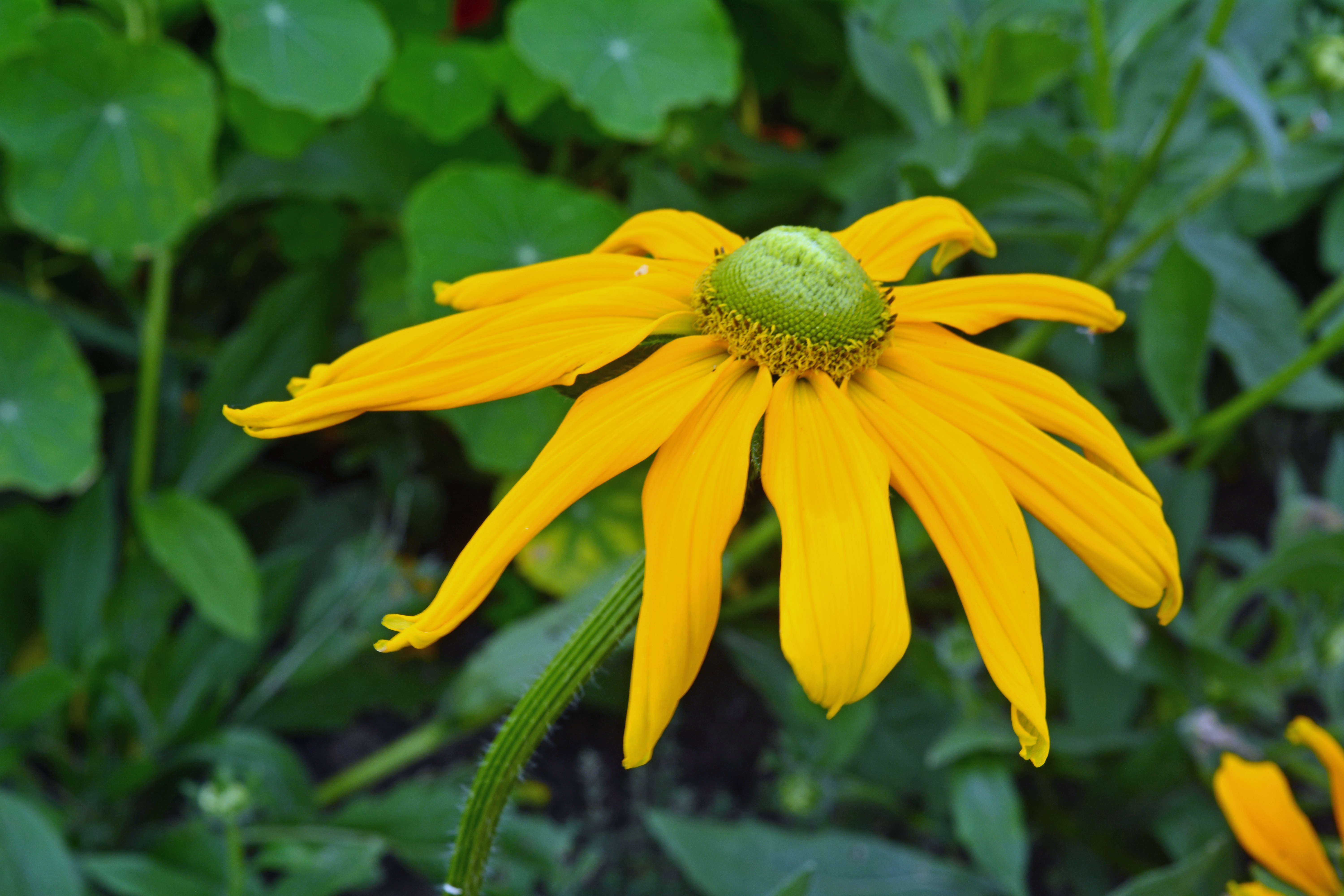
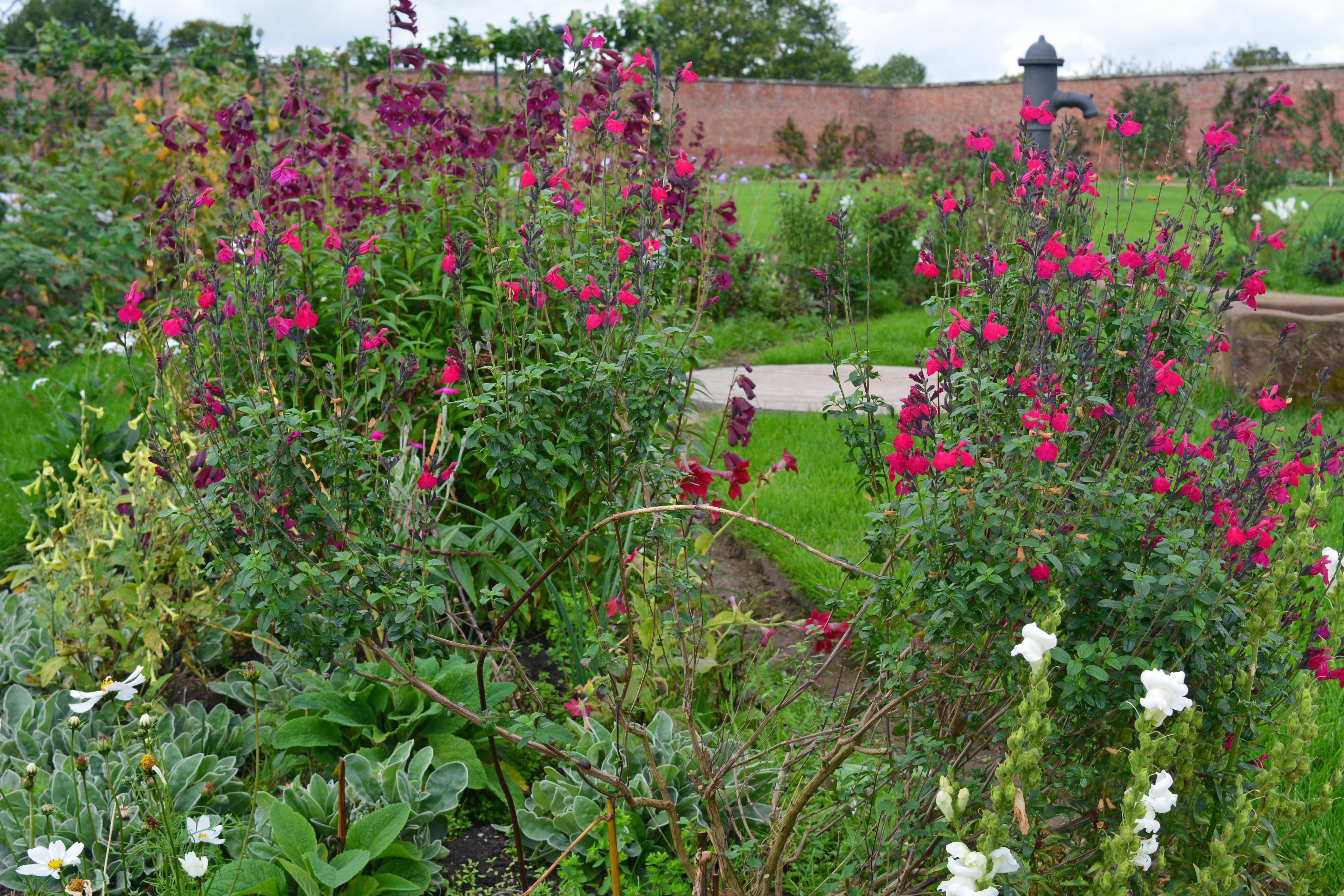
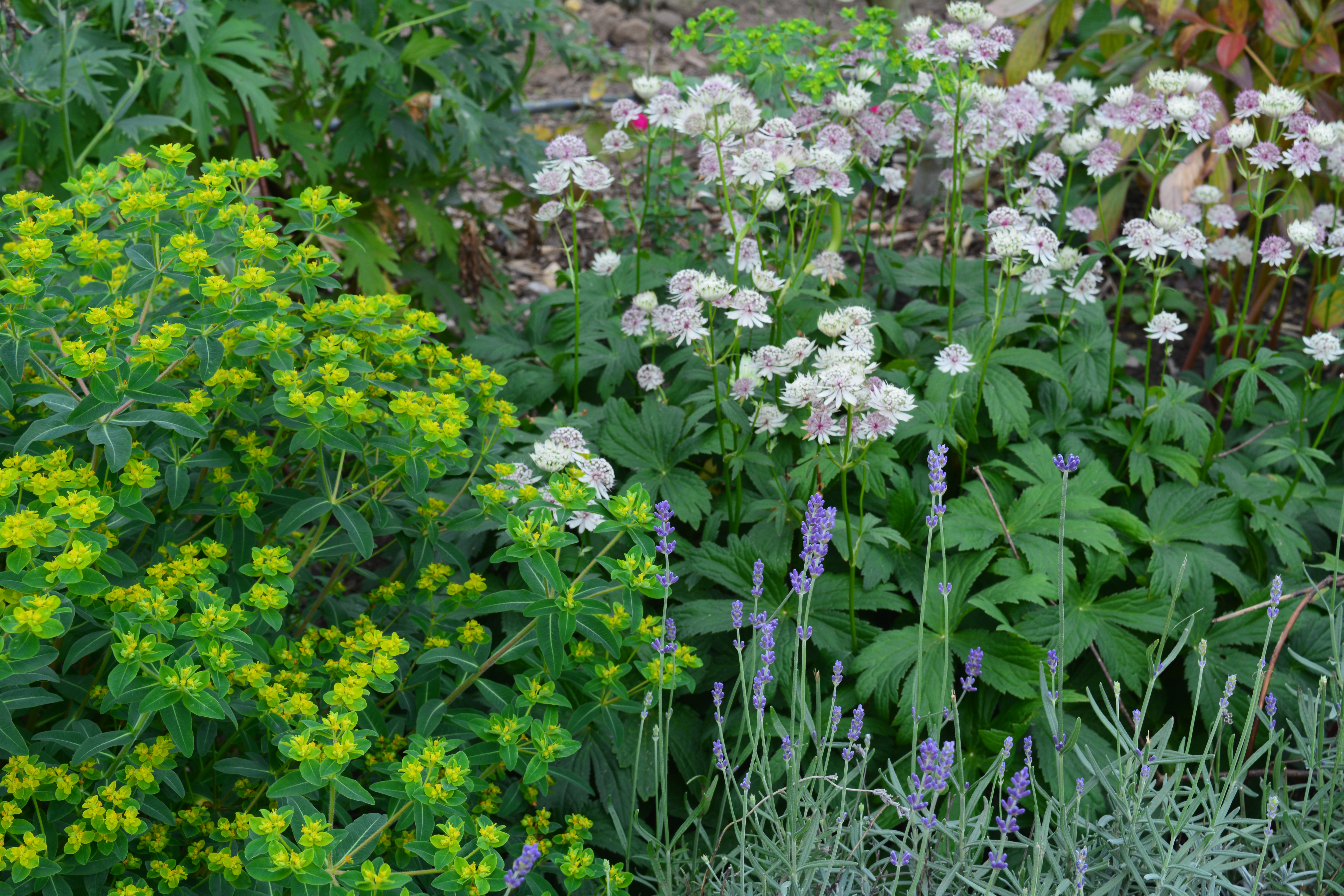
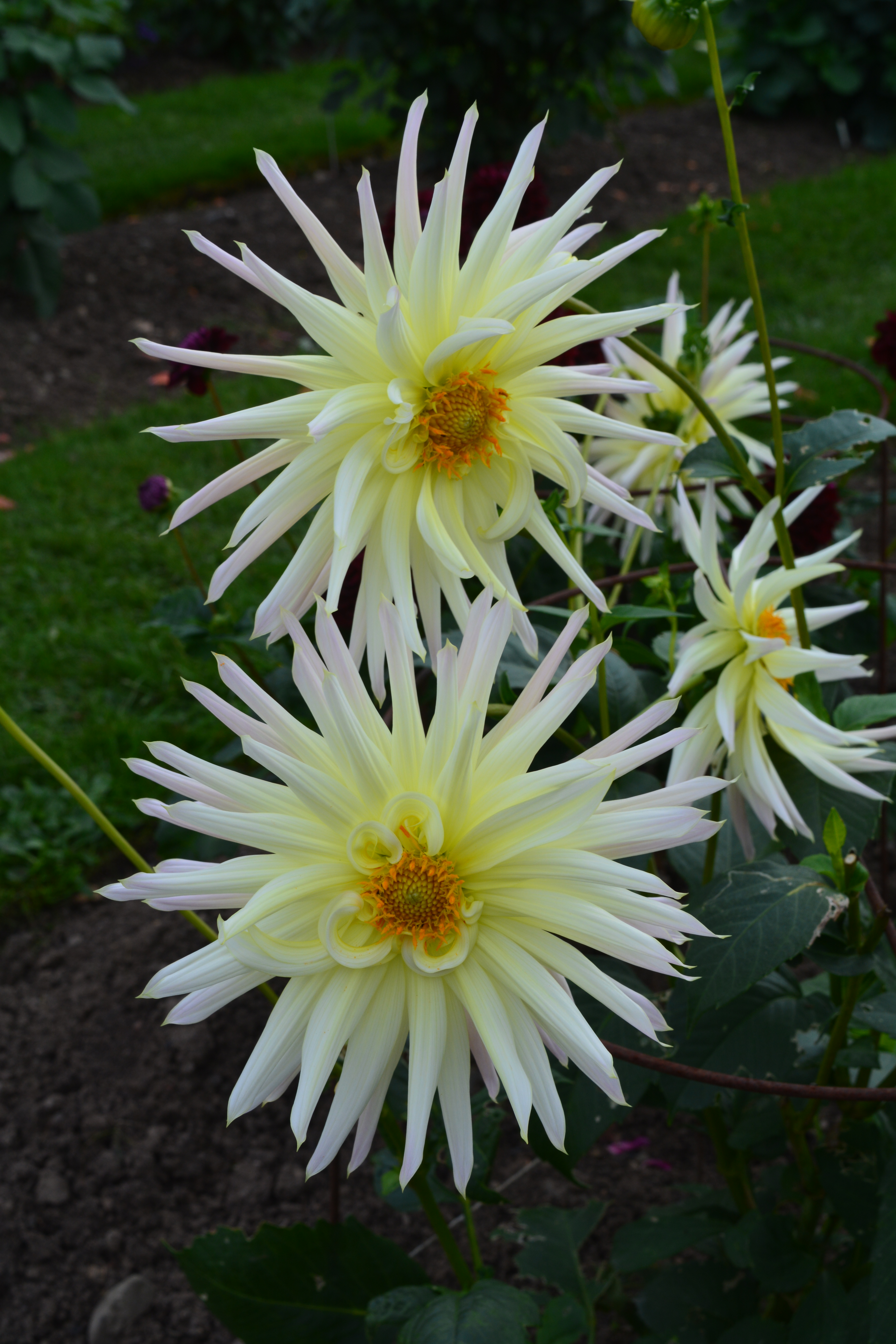
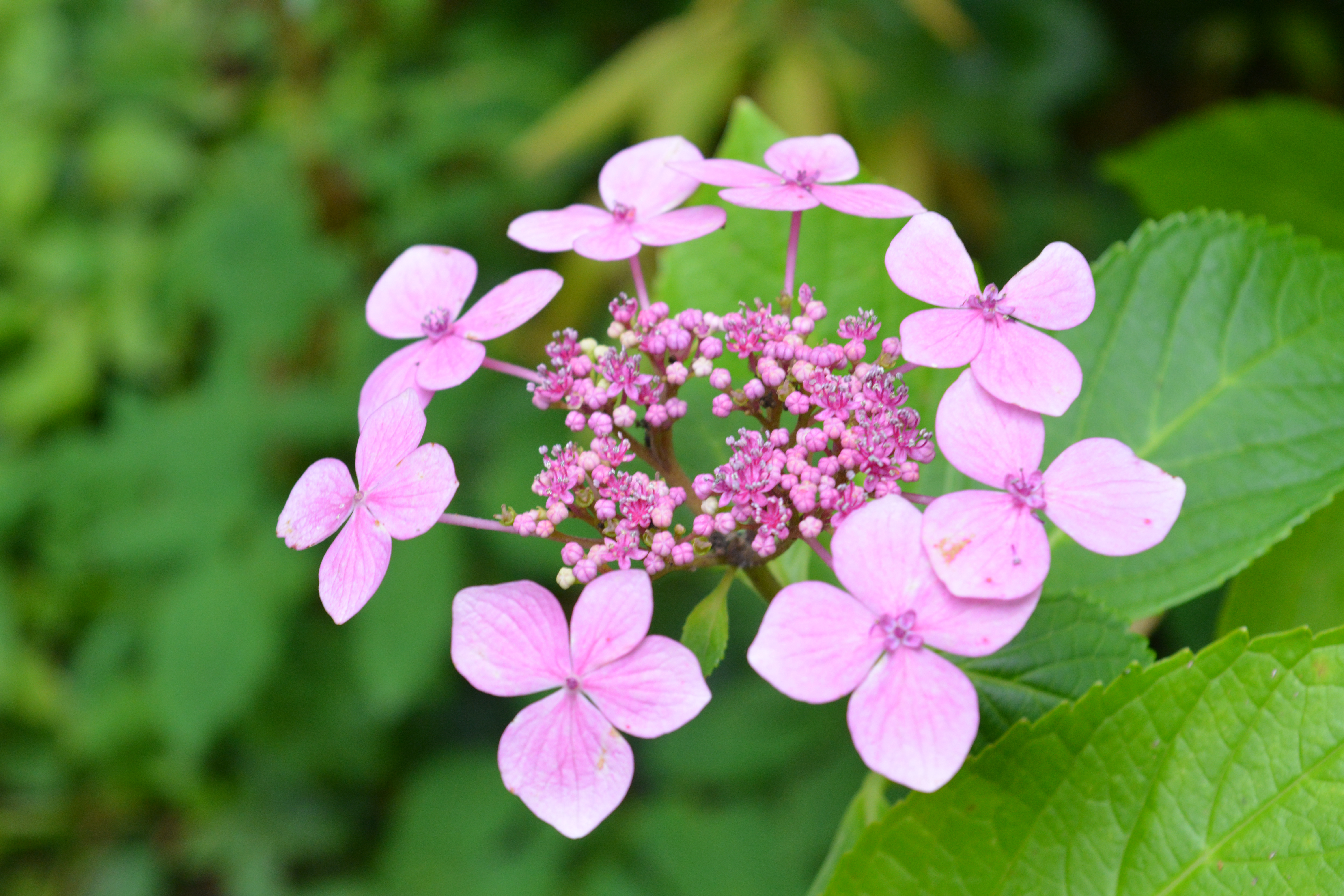
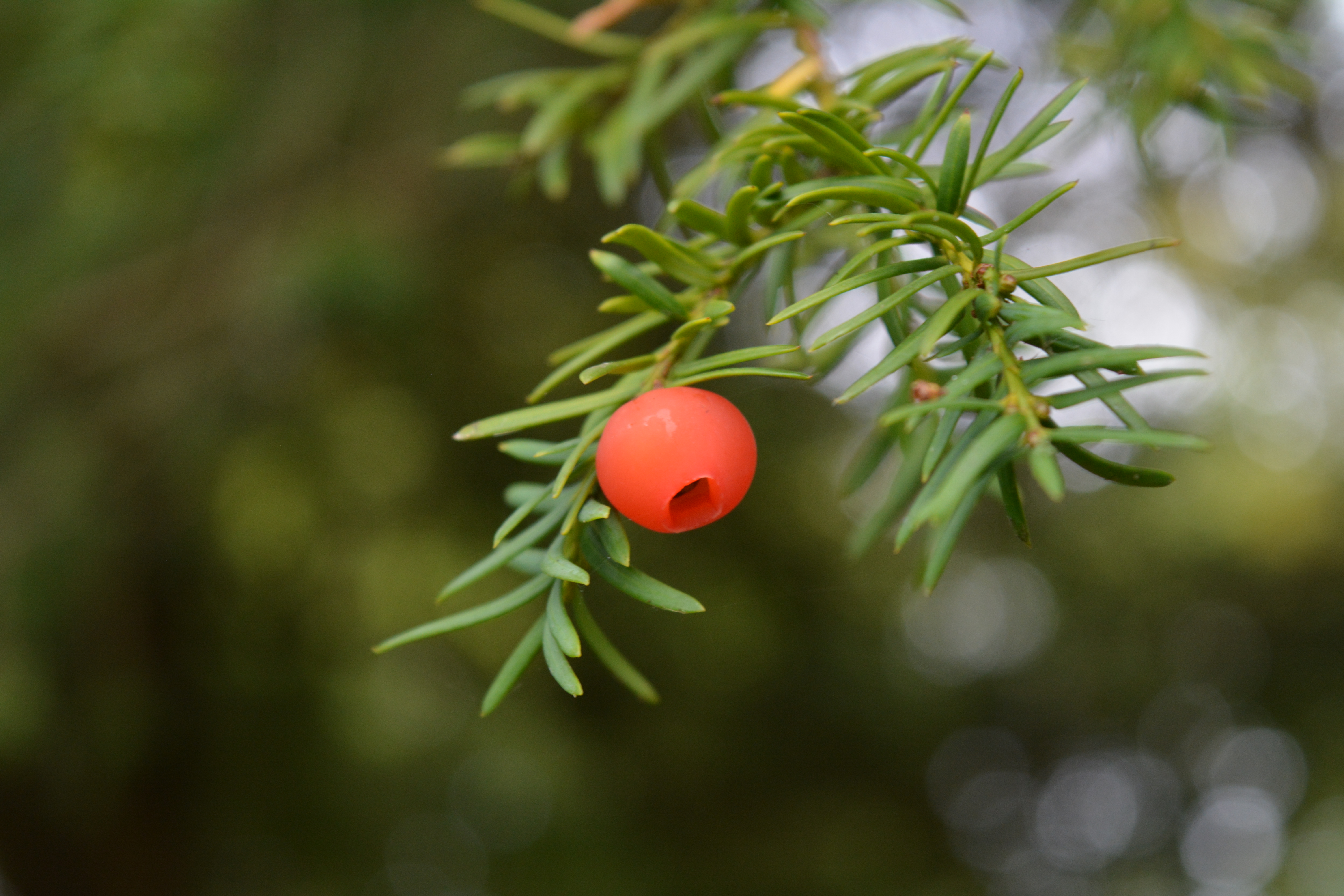
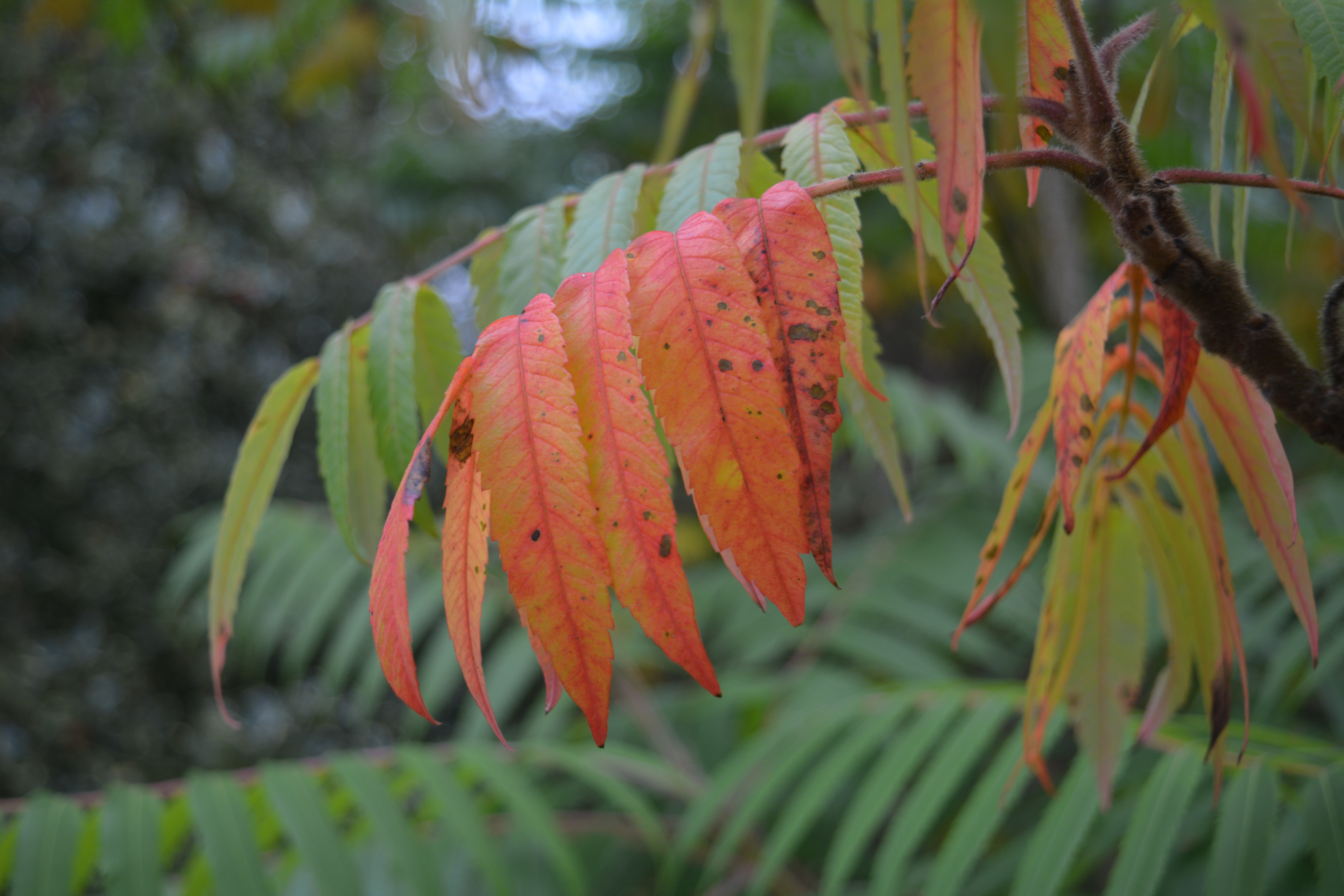
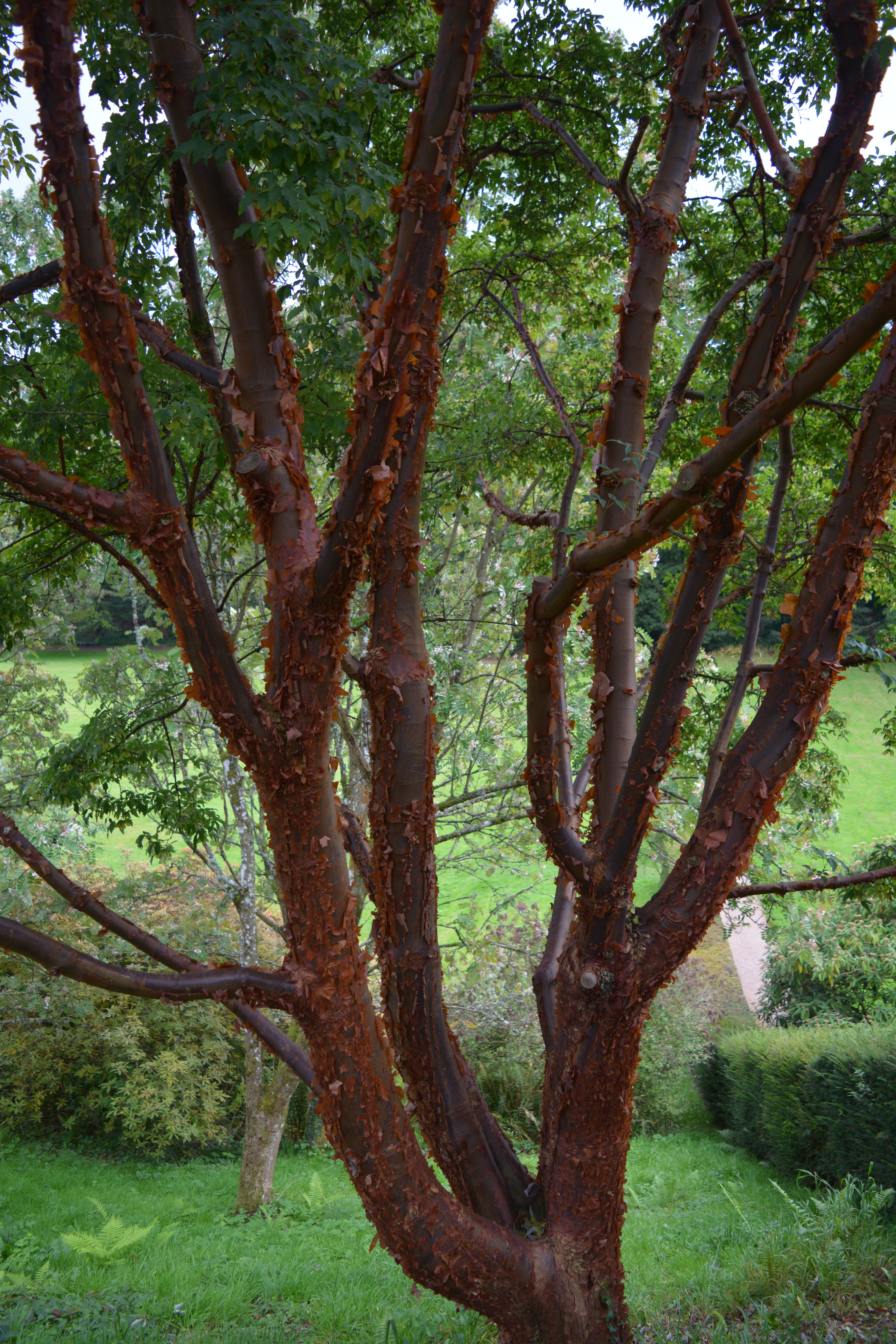
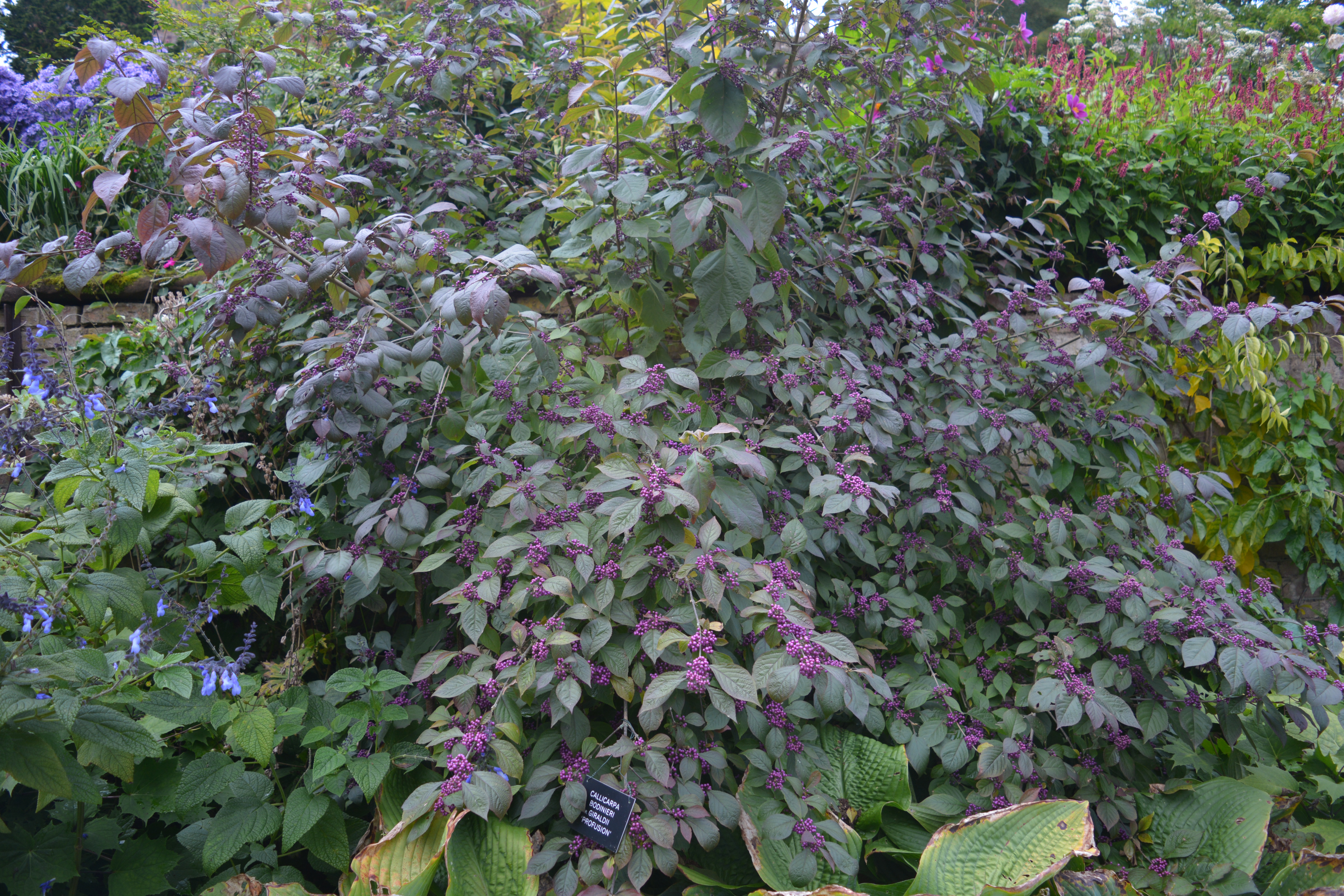
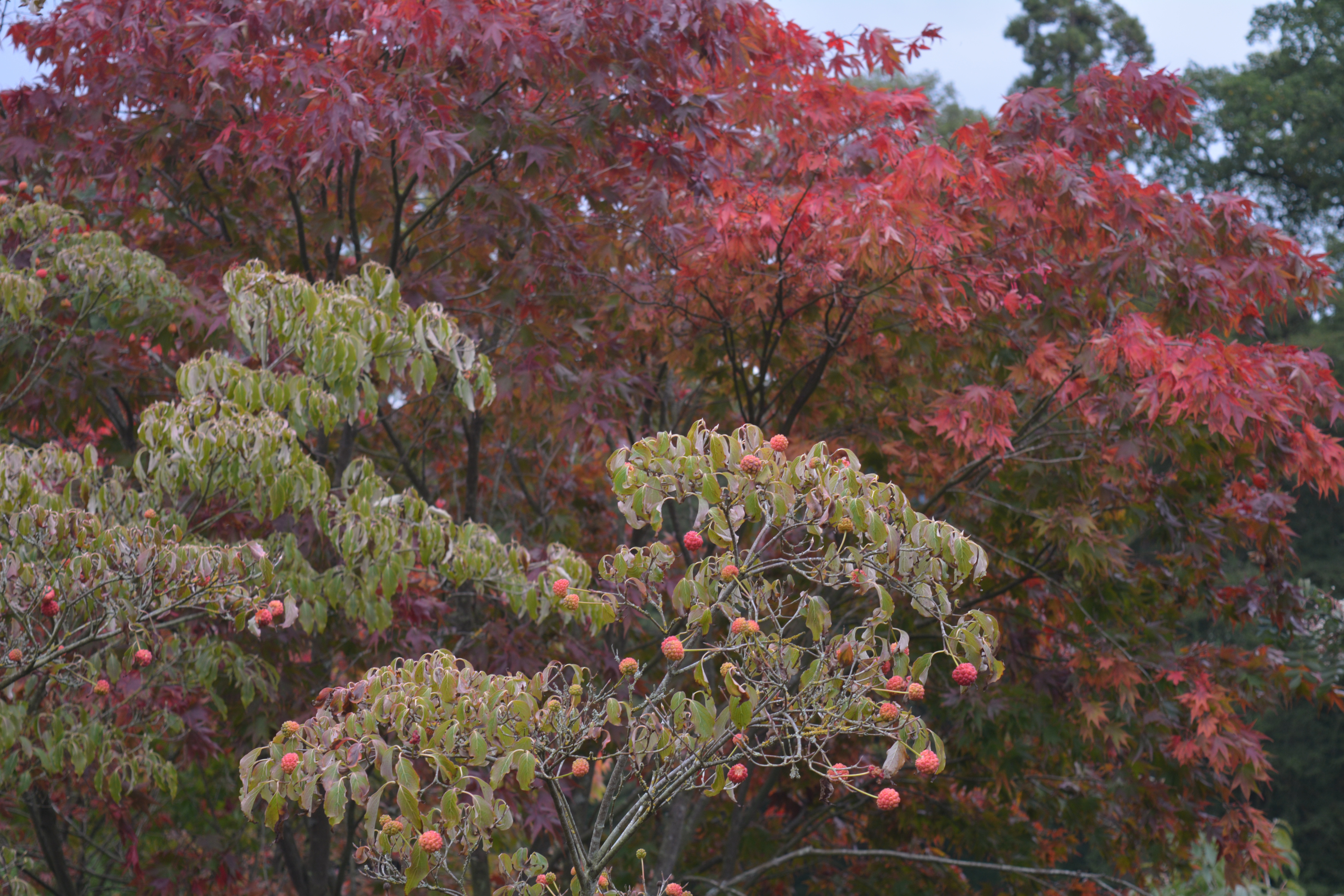
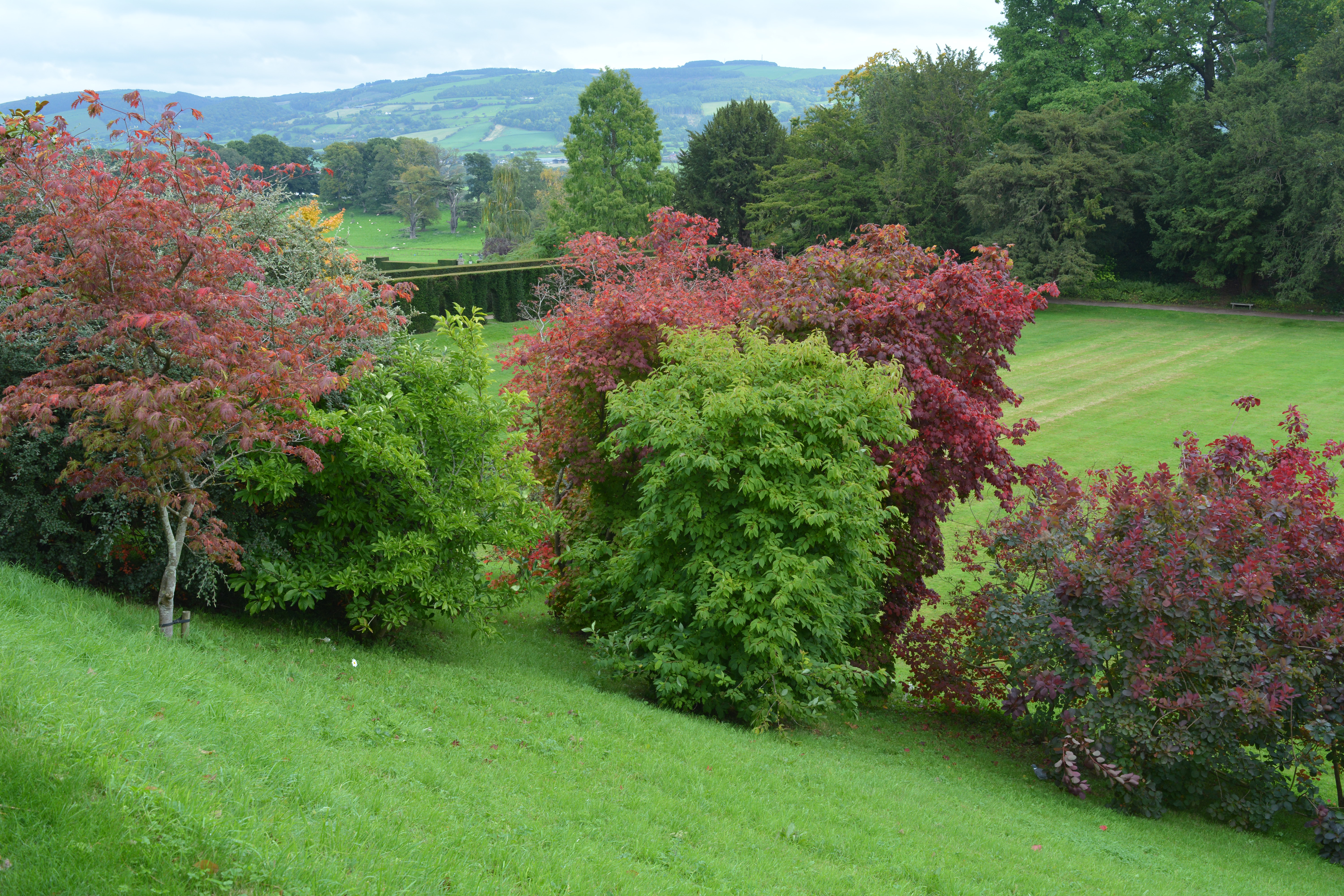
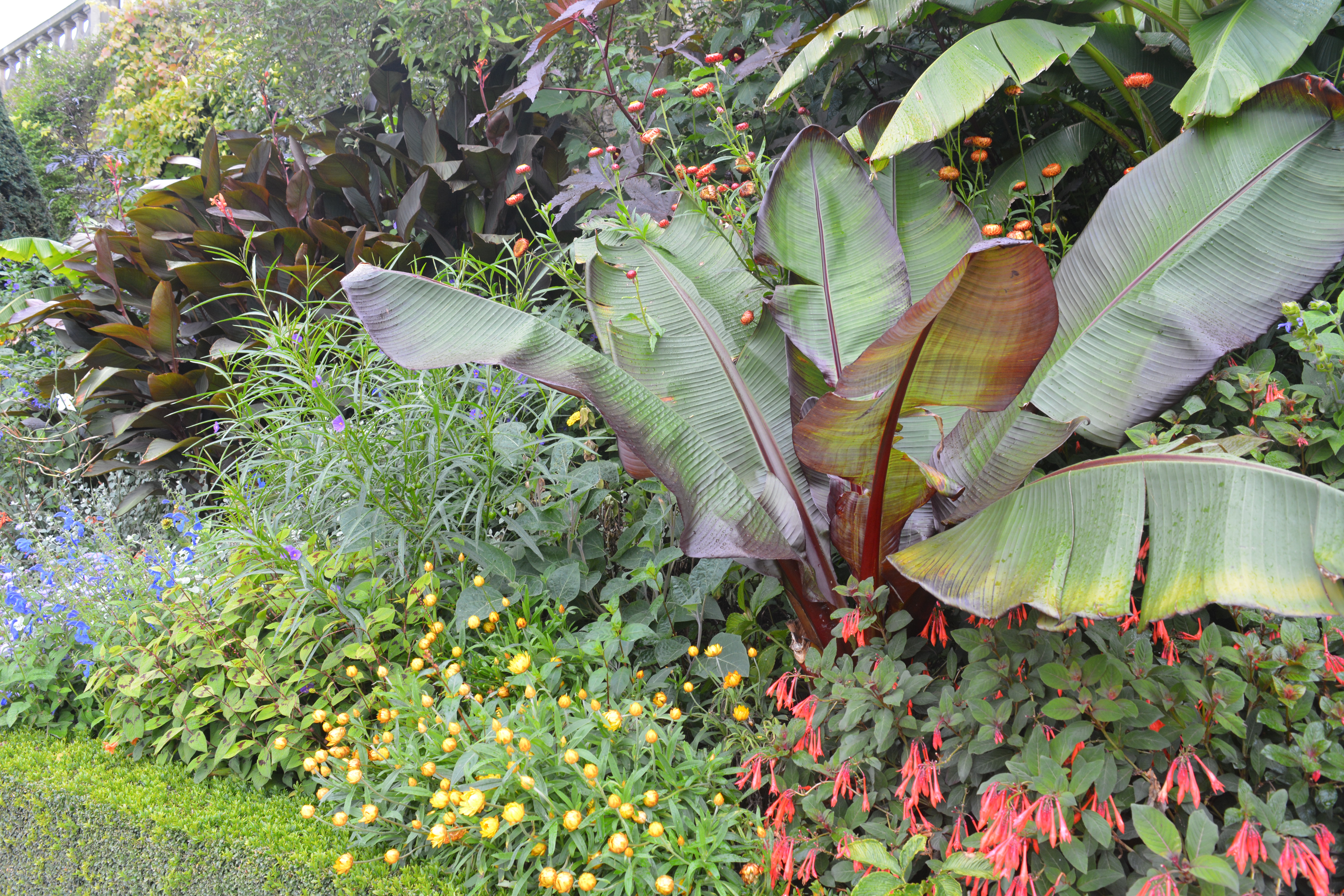
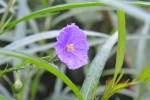
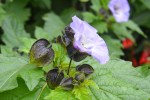
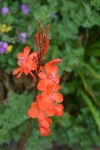
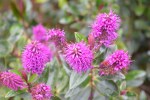
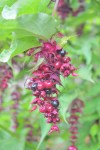
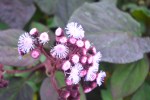
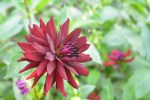
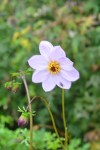
Pelargonium Ardens is surely one of the most beautiful and at the same time subtlest of Pelargoniums, a family of plants normally associated with bright gaudy reds and pinks. Ardens is so different. Simply beautiful!
We can now look at what I wrote about, photographed and painted during October in my Garden Journal.
On the first page of my October Garden Journal I proposed a “fifth season” for us gardeners, a special one just for us gardeners, but unfortunately I have so far been unable to think up a suitable name. I have spoken to a few other gardeners about this and they understood exactly what I was talking about. See what you think!
“October, the tenth month of the year, but what season is it in? But before I even look at the appropriate season there is some already some confusion over the name October, which derives from the Latin “octo” meaning eight. October was indeed the eighth month in the Roman calendar.
So let me look at the seasons again and consider where October sits. Is it the end of summer, so we can say October is in “Late Summer” or is it the first month of Autumn so then we can identify October being in “Early Autumn”.
I believe that with the changes to our climate and the developments in garden design and the increases in plant availability at this cross-over period we need a fifth garden season, comprising just September and October. Whatever name we could label it by, it would definitely be my favourite season! As for a suitable name? Perhaps we could call it the “Indian Summer” …… unless someone comes up with a fresh name, a more expressive one!”
On the opposite page I chose a few pics to show the special feel of this new season and I wrote, Our Avocet patch looking special and full of atmosphere in its “5th Season”.
Over the page I continued to look at this time in the garden with its special colours in foliage and seed heads.
“Flowers colours are changing as plants begin to form seeds. The new colours are more subtle and perhaps even subdued, but the low light of this month gives them special qualities. Insects still search plants for the final diminishing supplies of nectar and perhaps a few drops of pollen.”
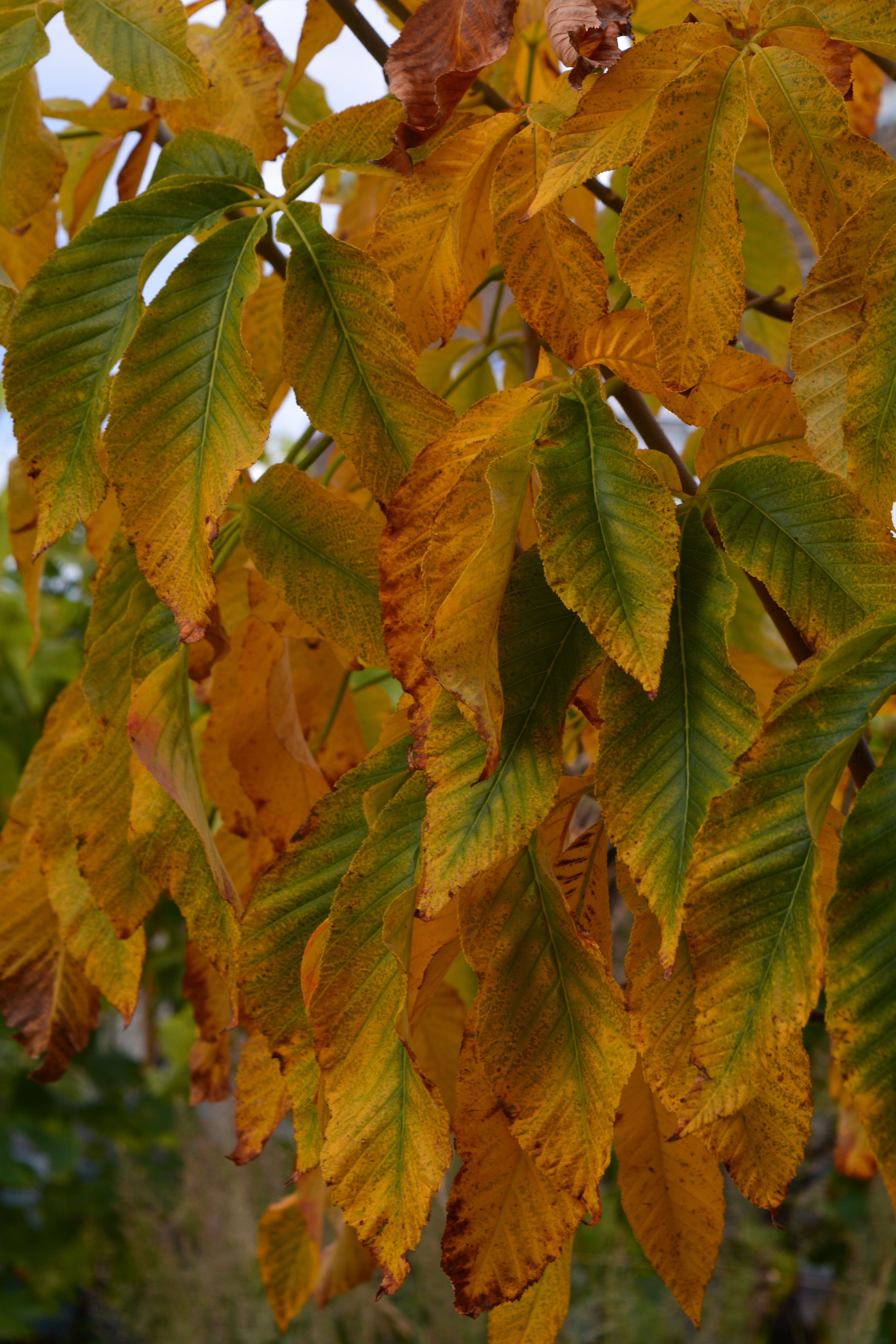
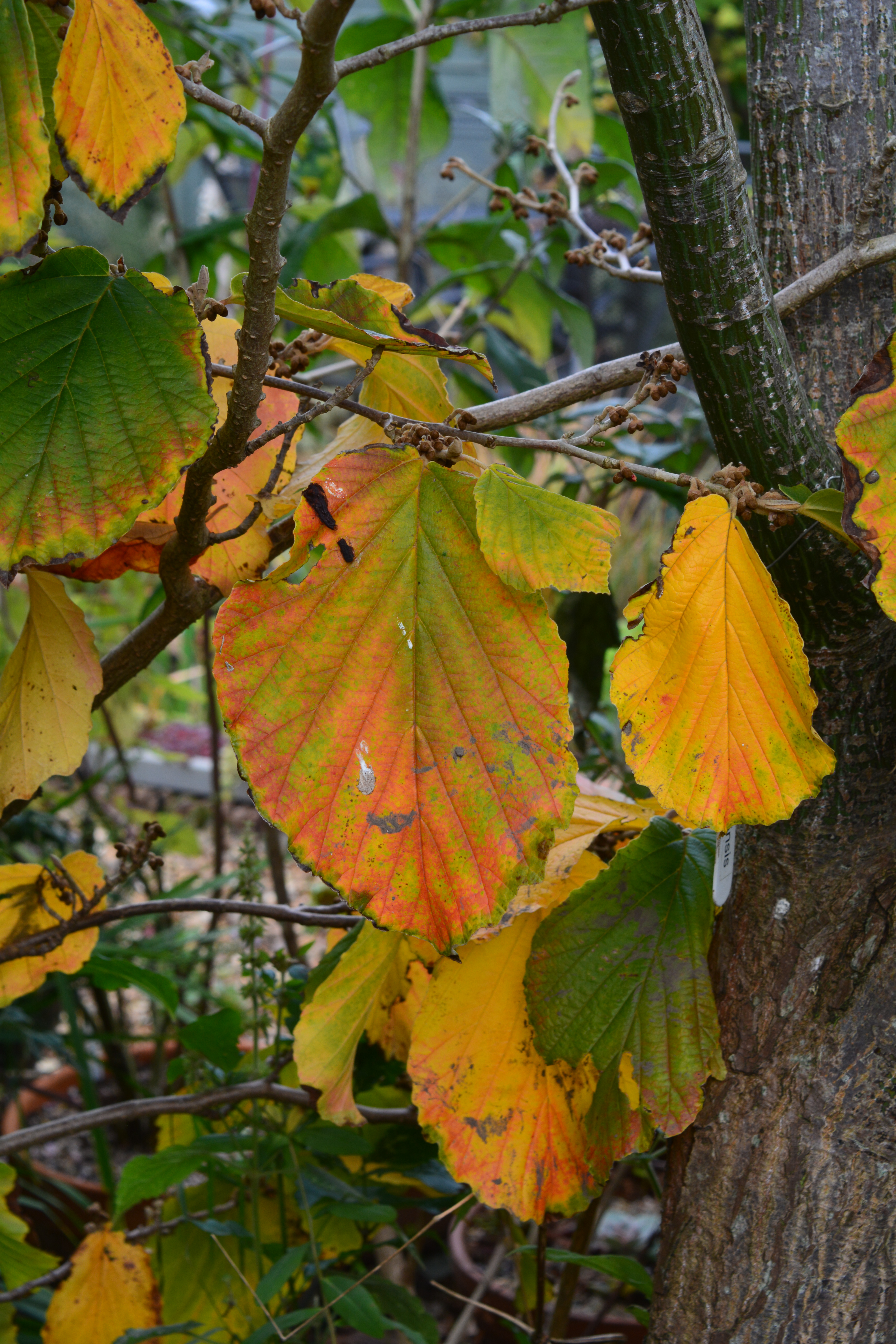
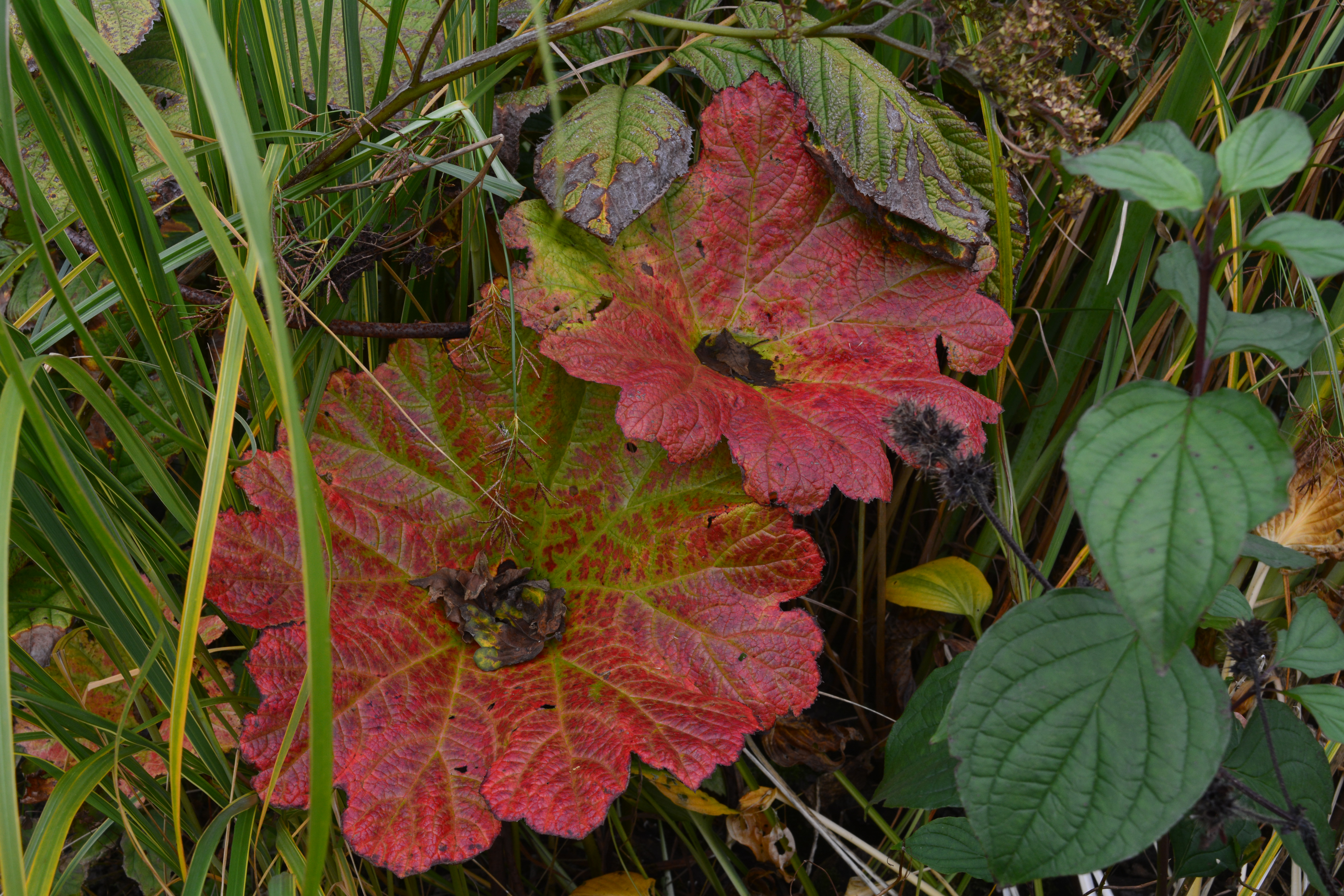
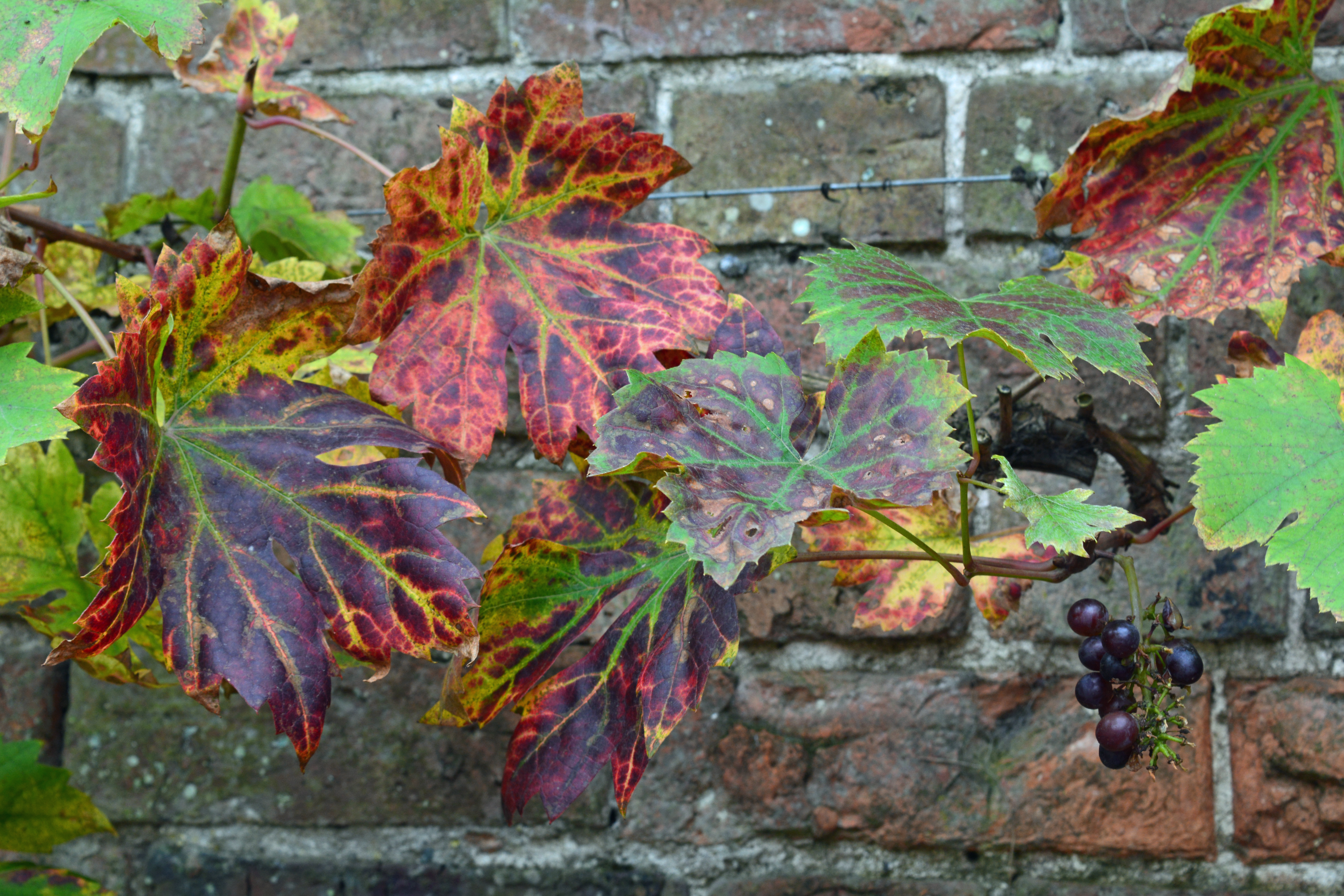
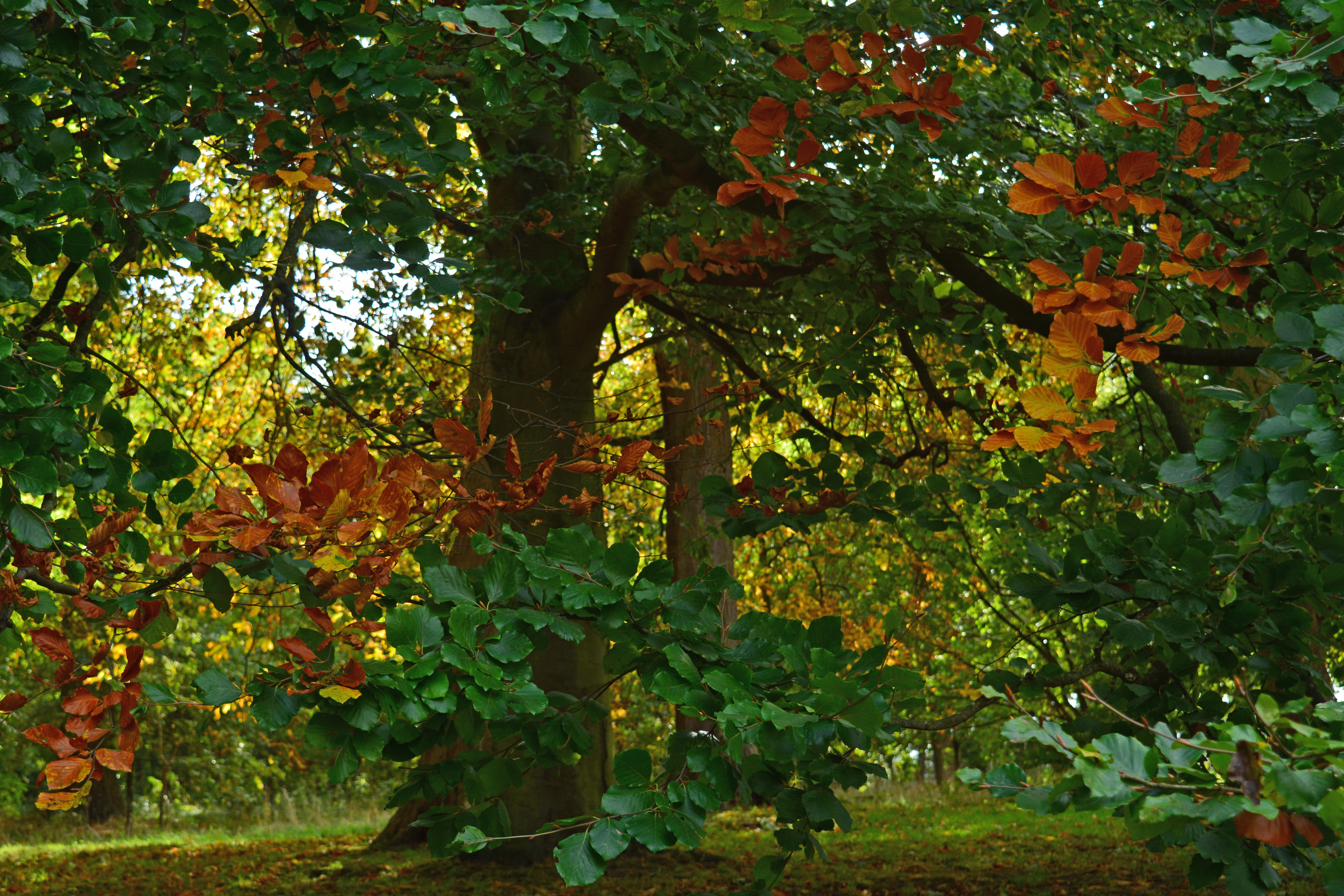
“The big show-stoppers of October though are the colours of fire and sunsets that appear as leaves lose their chlorophyl and allow new colours to take over.”
Turning over I move away from the garden in autumn and have a look at the changing fortunes of shrubs in our gardens.
“Shrubs are making a comeback in gardening and definitely in our garden. Over the last few years we have been adding many shrubs into our borders to add a layer of interest between trees and herbaceous planting. Garden centres stock only a limited range of common generally dull shrubs most of which have been around for decades. We are lucky to have two nurseries close to us just over the border into Wales close to the town of Welshpool. The Dingle and The Derwen just ten minutes drive apart are owned by the same family and specialise in trees and shrubs. They are our source of inspiring plants.”
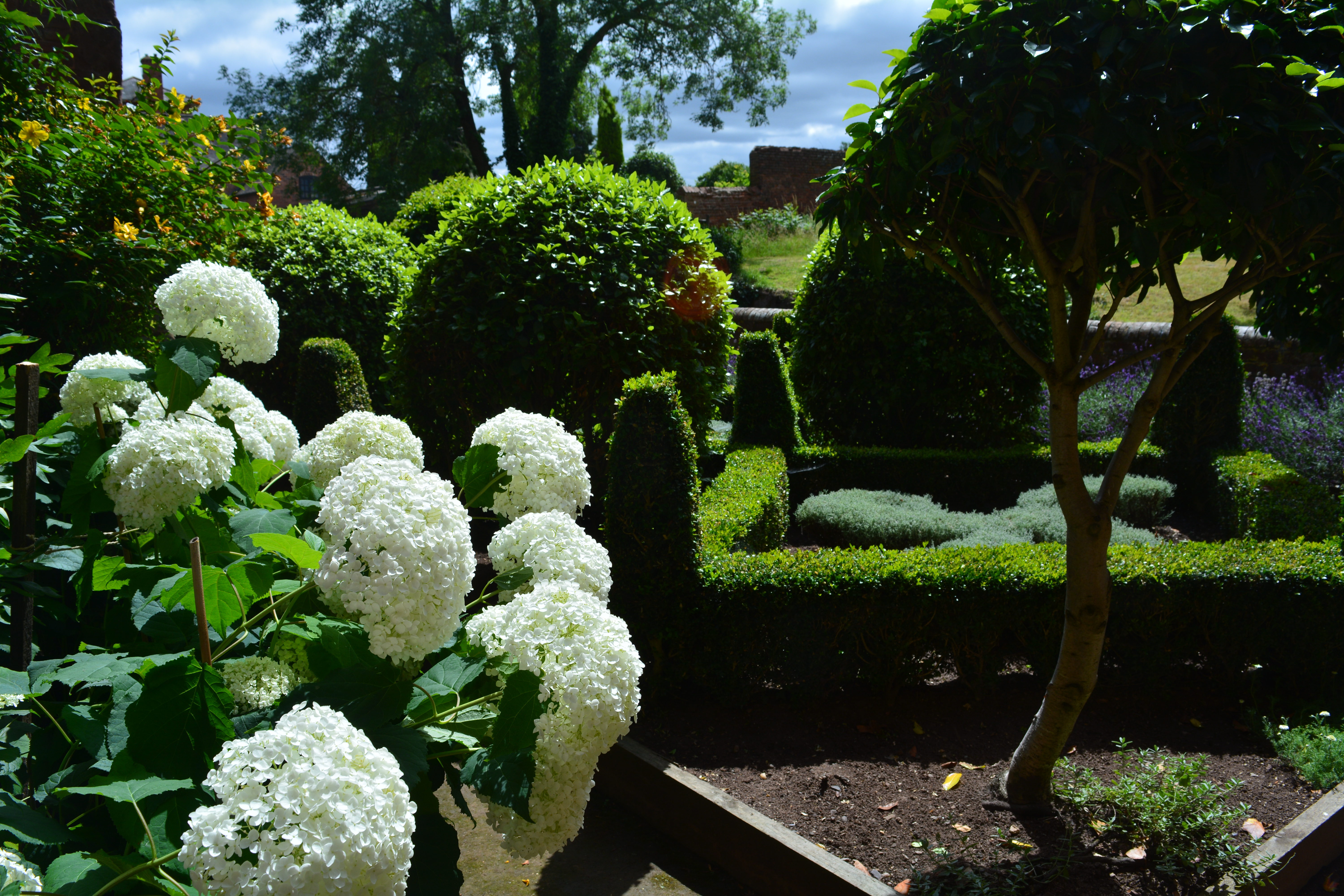
“Some shrubs are grown for their dense foliage and growth habit which let us grow them as a hedge. We use our Buxus (Box) shrubs as a hedge we can shape in whatever form we want.”
“Other shrubs we grow for flowers and berries.”
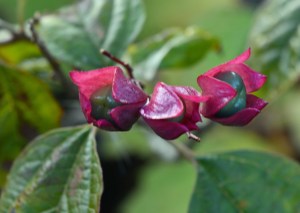
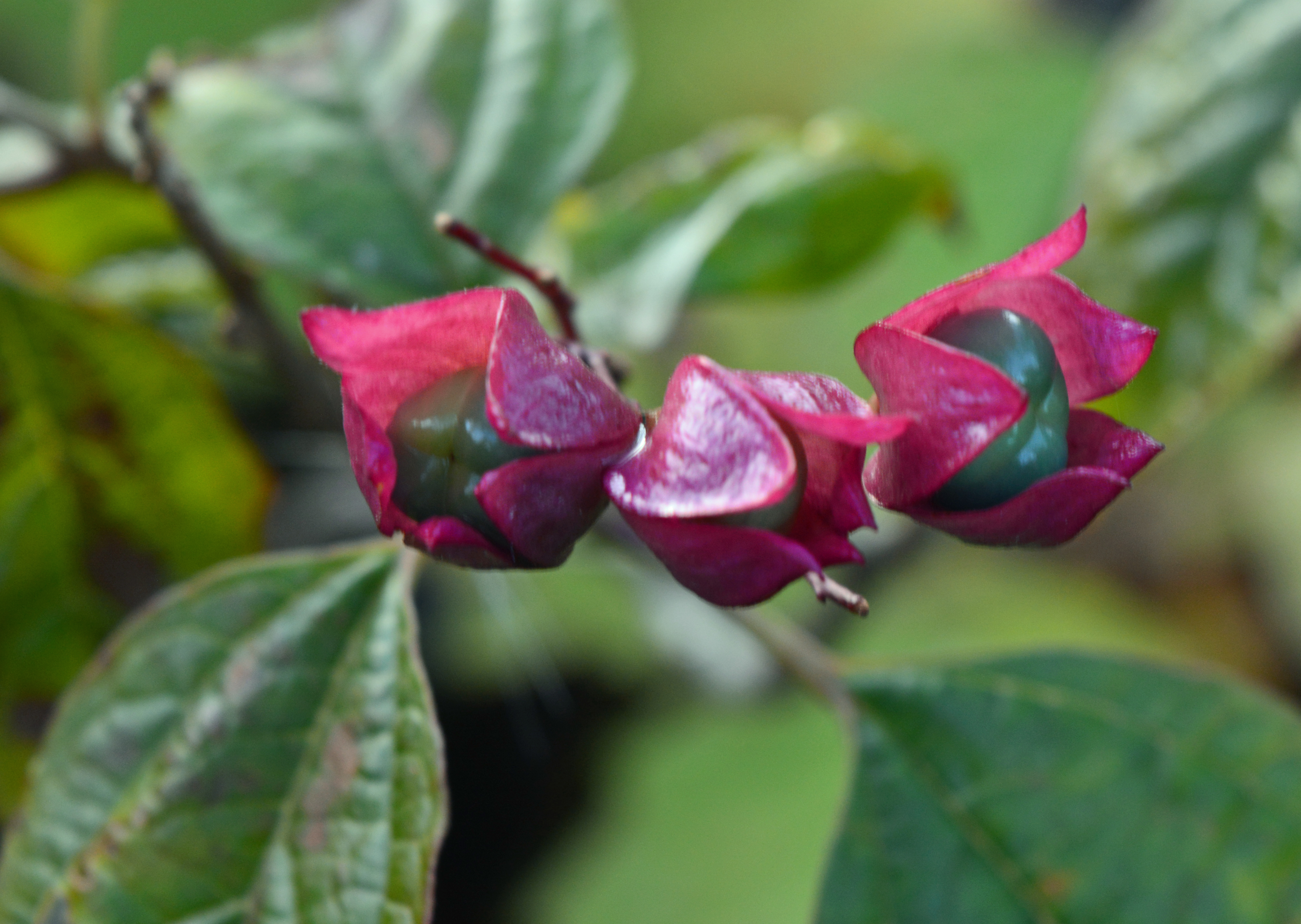
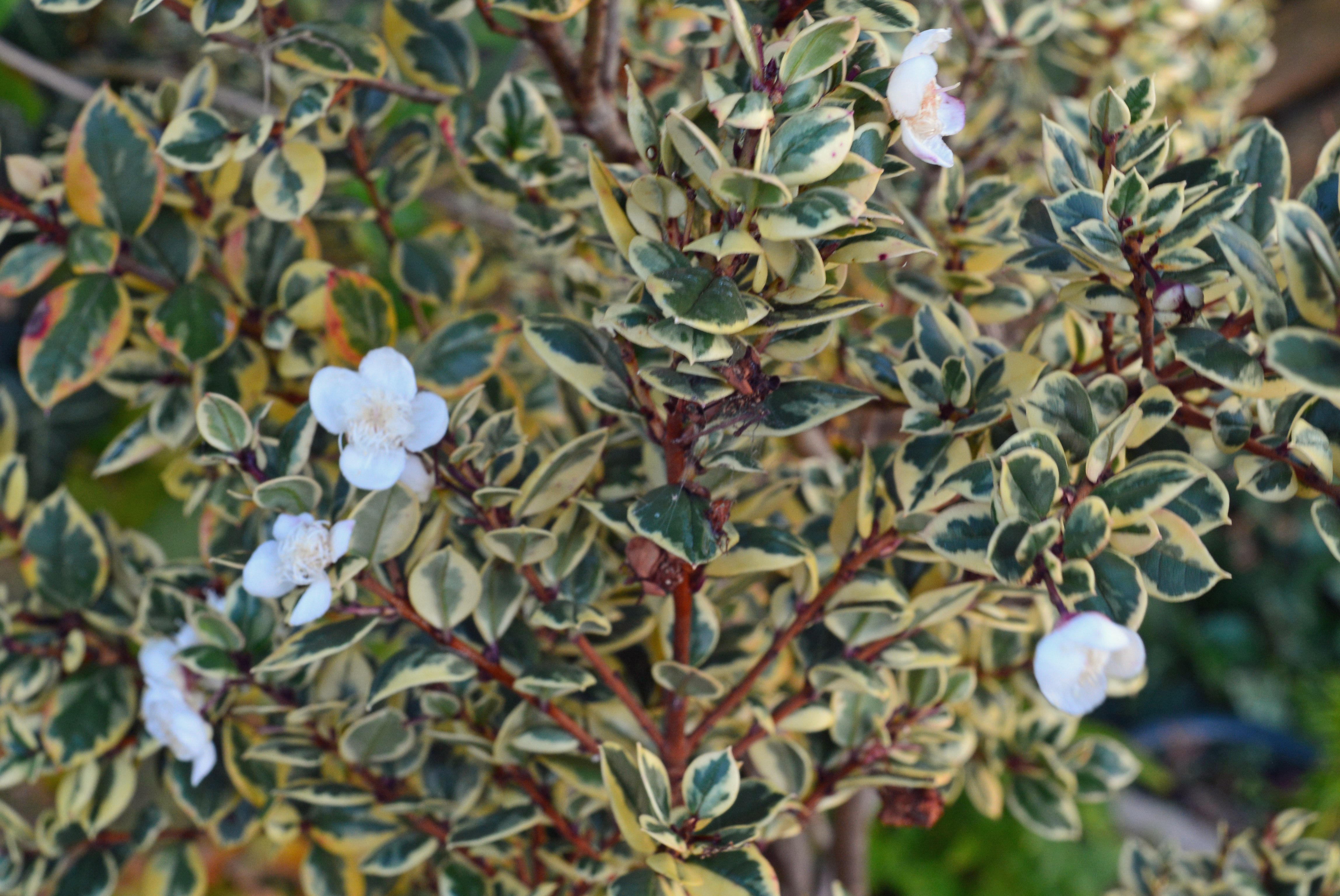
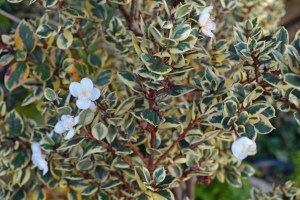
“Clerodendron trichitoma fargesii, grown for its eccentric flowers and berries. Luma apiculata grown for variegated foliage, coloured stems and white scented flowers.”
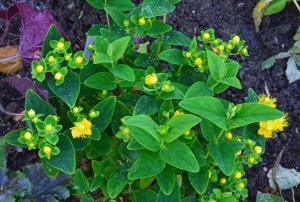
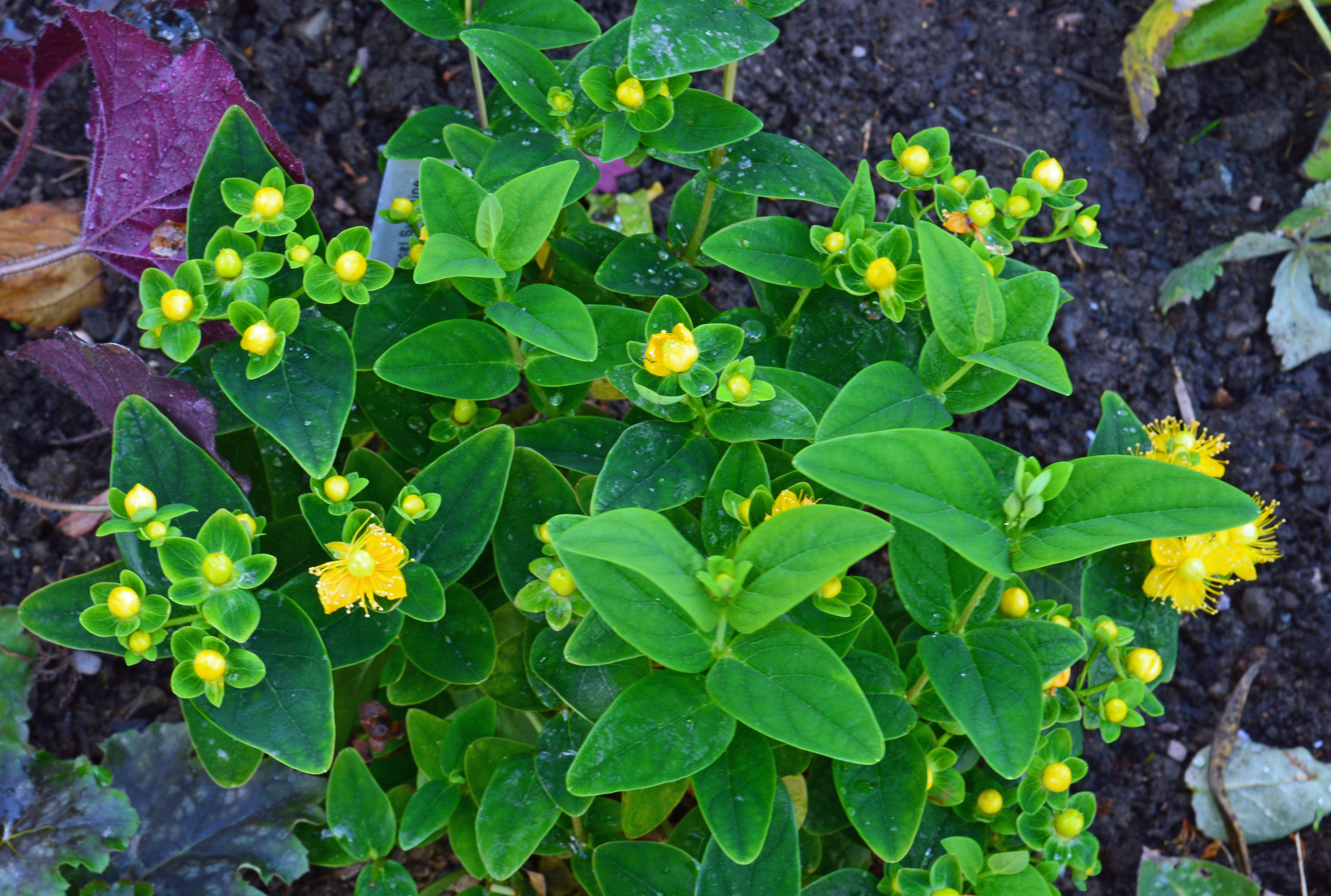
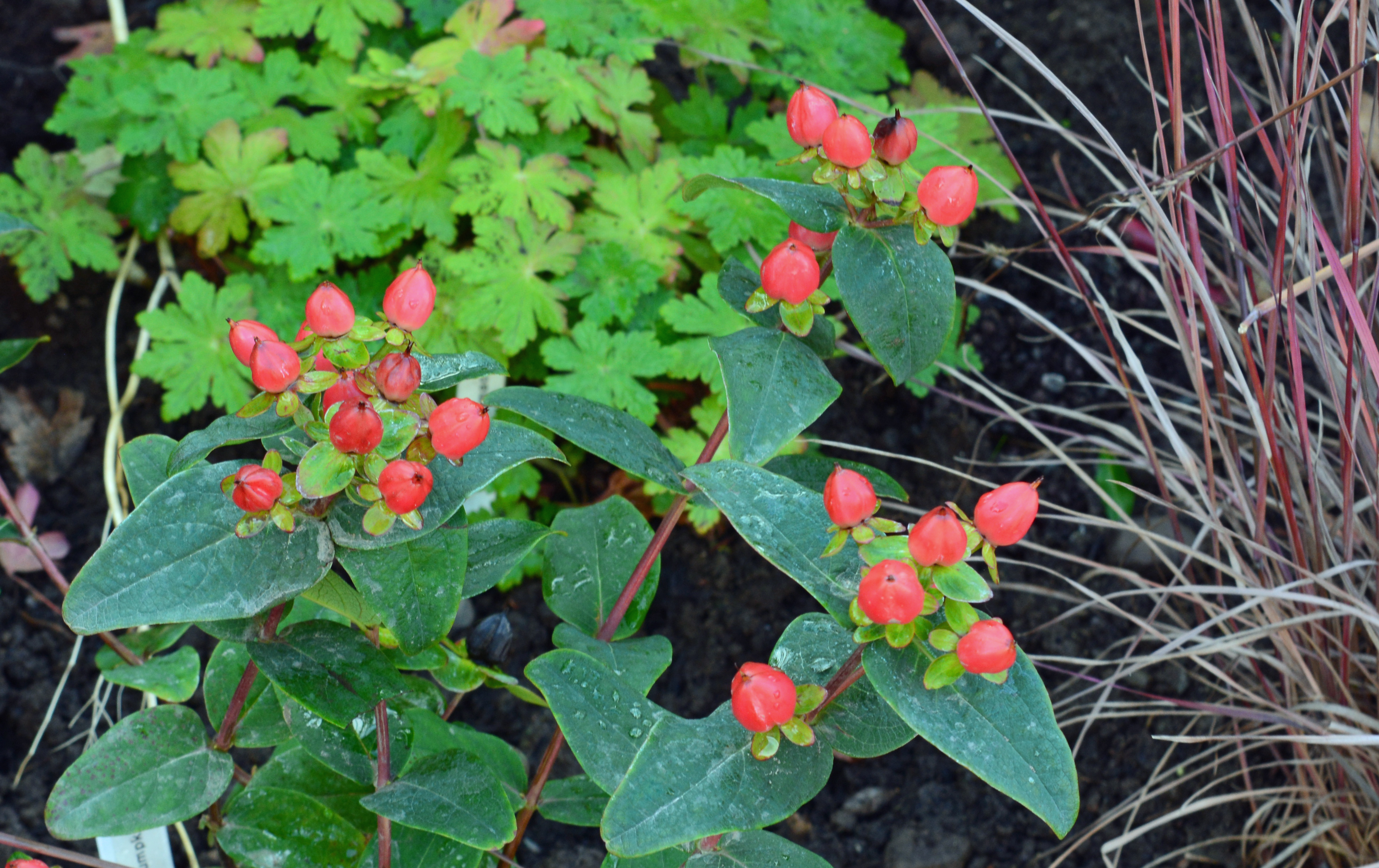
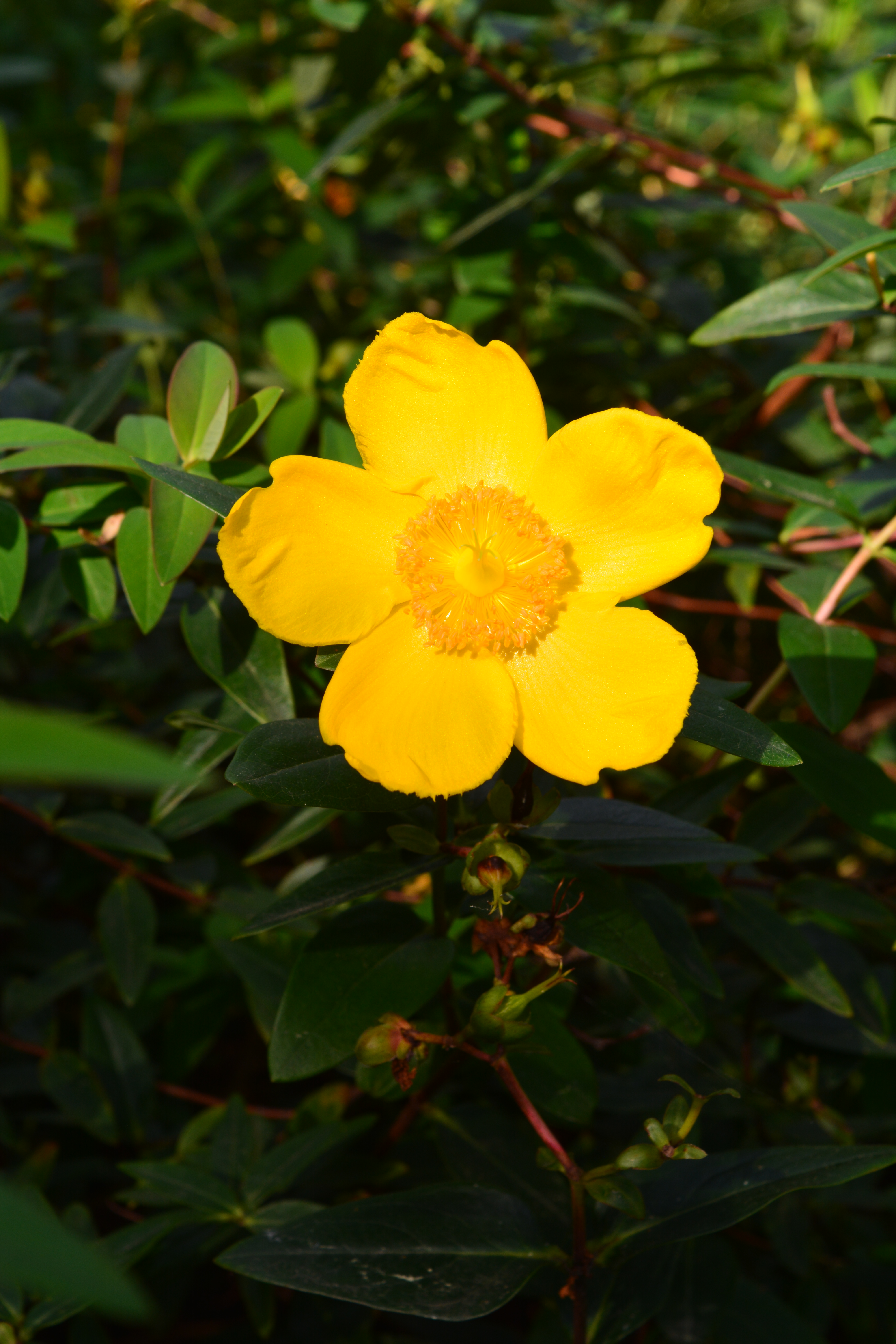
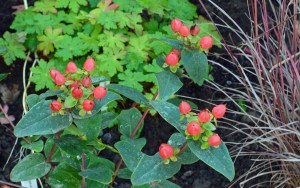
“Hypericum are grown for stunning flowers and berries. Hypericum inodorum give us yellow flowers and all sorts of colours of berries.”
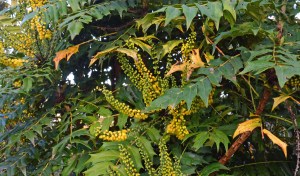
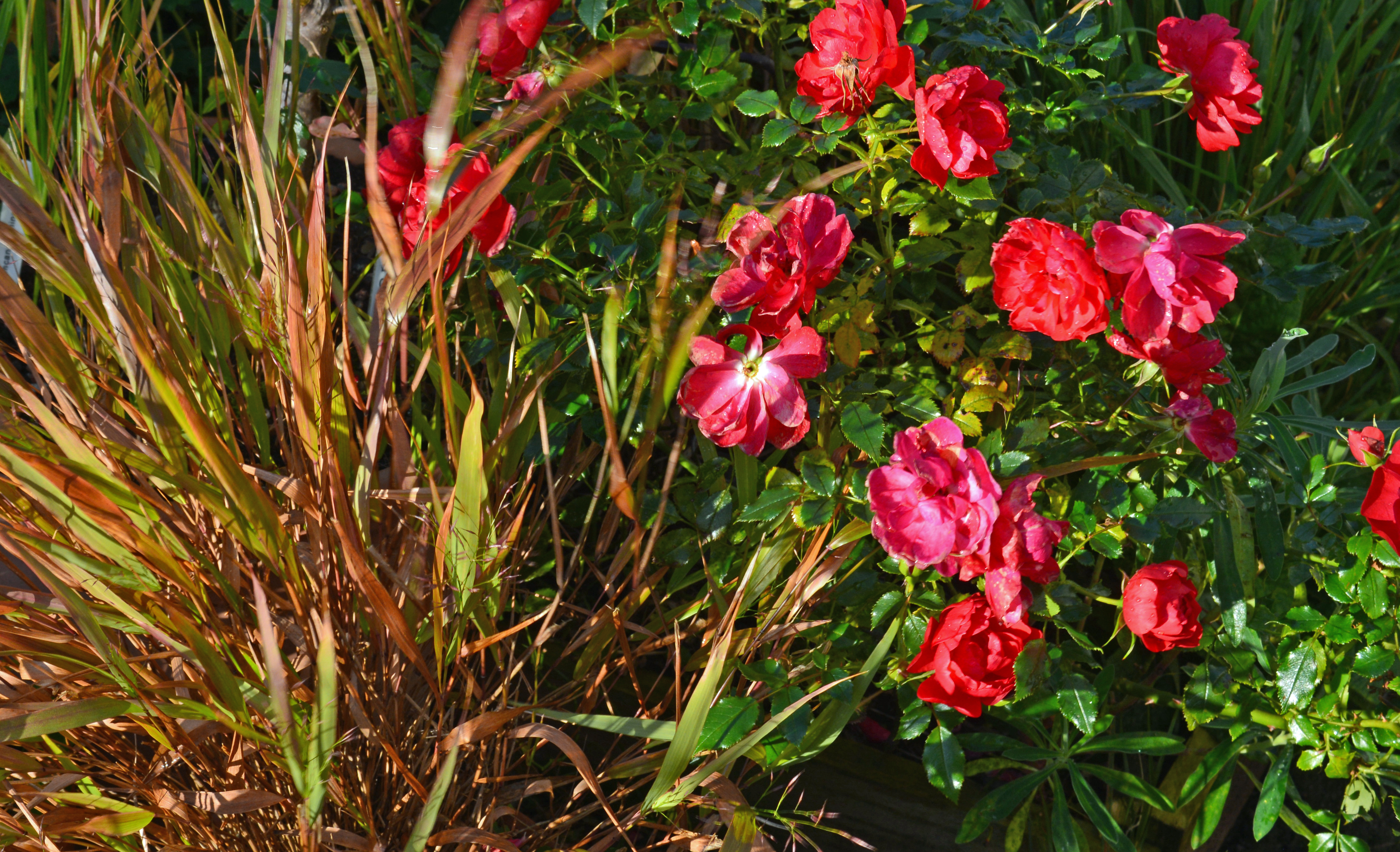
“Roses provide flowers, scent and hips. Mahonia Winter Sun shines with yellow scented flowers in autumn followed by purple-black berries in the winter.”
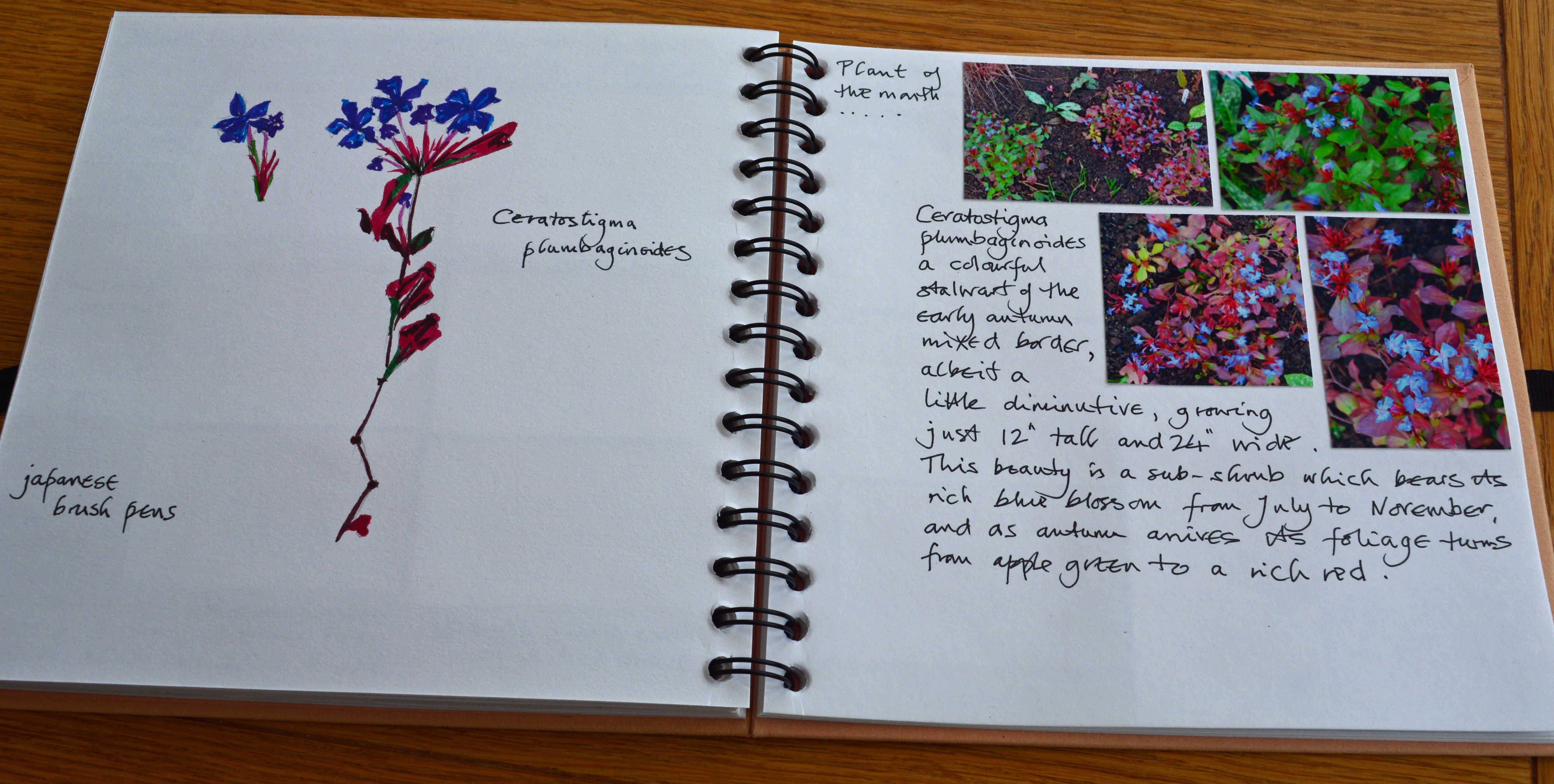
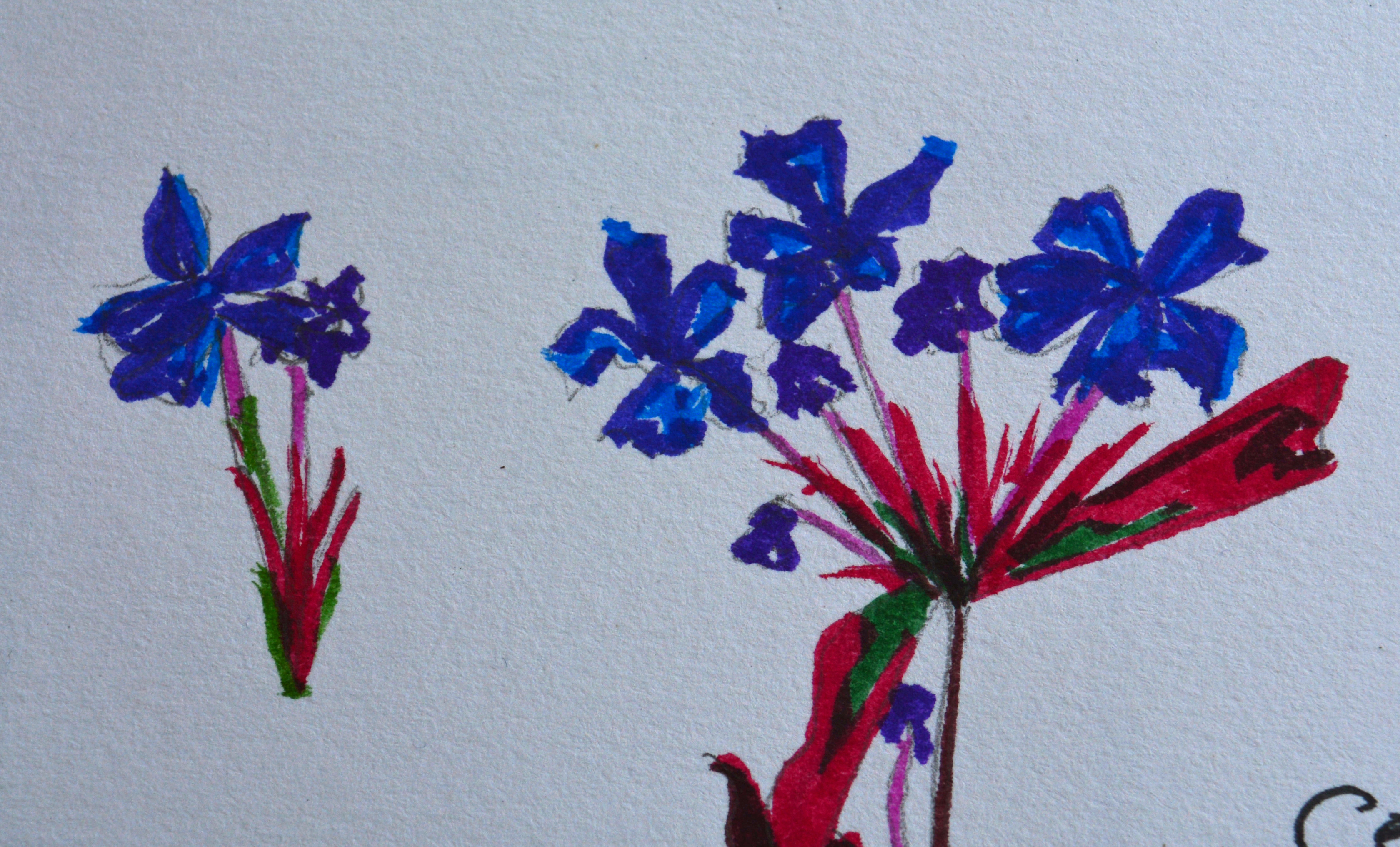
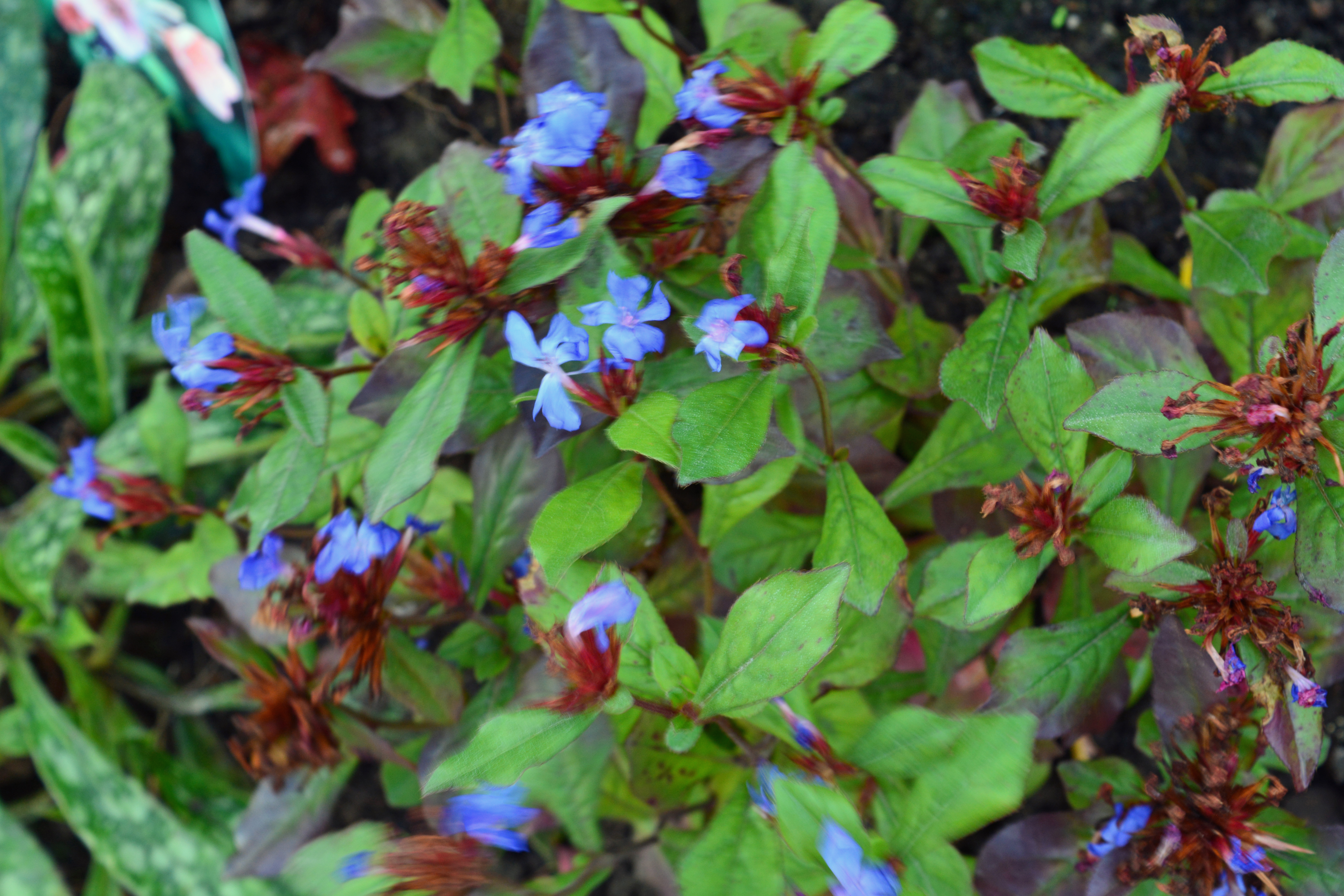
My next double page spread features the wonderful miniature shrub Ceratostigma plumbaginoides which I painted with my new set of Japanese brush pens.
I hope you enjoy looking at my paintings as much as I loved creating them.
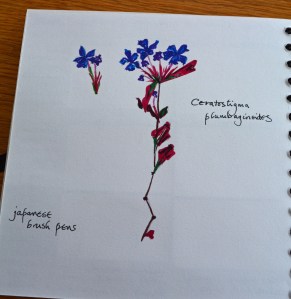
I also chose Ceratostigma plumbaginoides as my plant of the month for October.
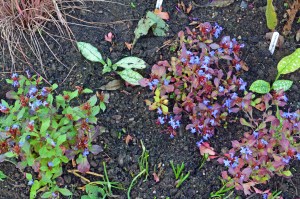
“Ceratostigma plumbaginoides is a colourful stalwart of the early autumn mixed border, albeit a little diminutive, growing to just 12 inches tall and 24 inches wide. This beauty is a sub-shrub which bears its rich blue blossom from July to November, and as autumn arrives its foliage turns from apple green to rich red.”
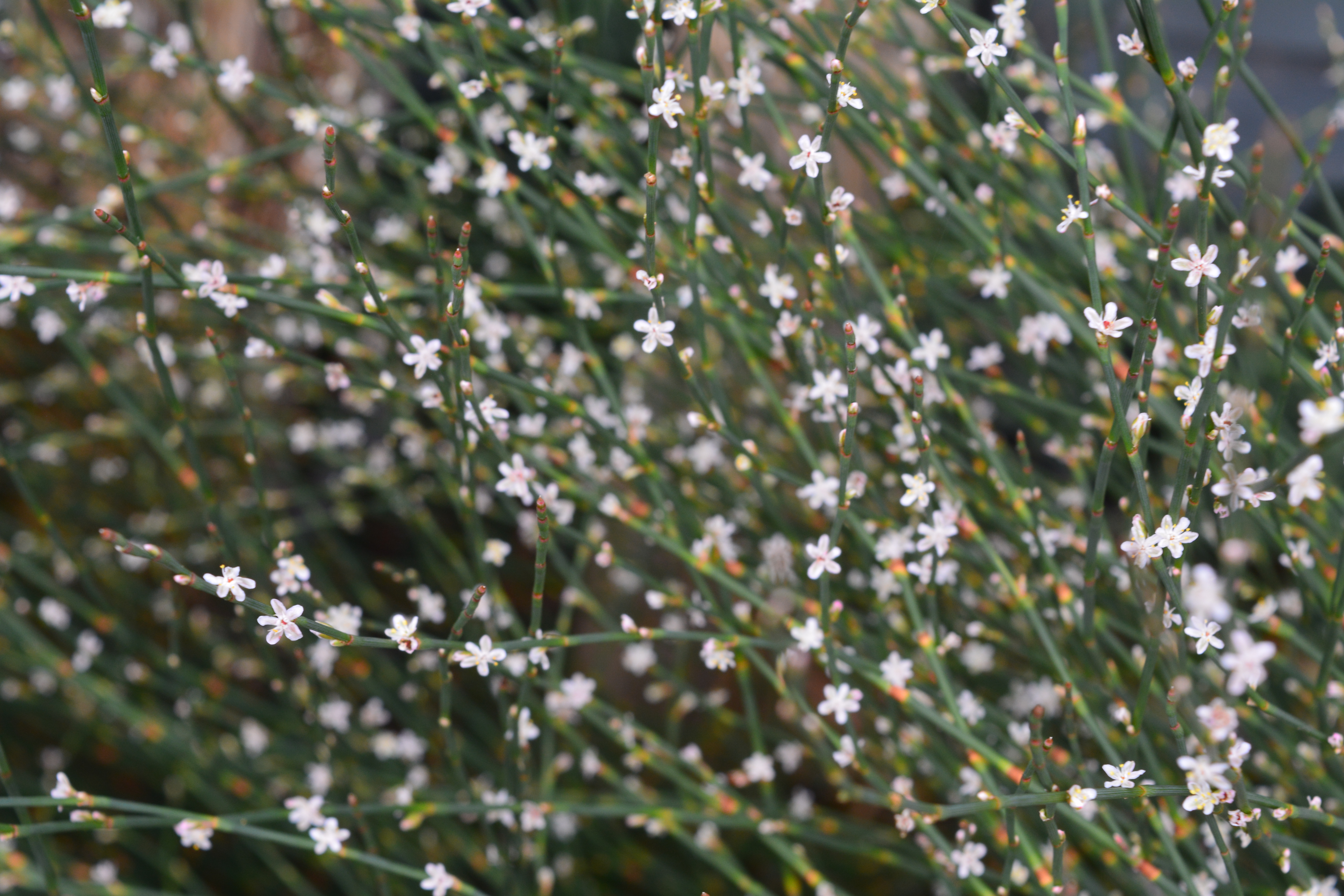
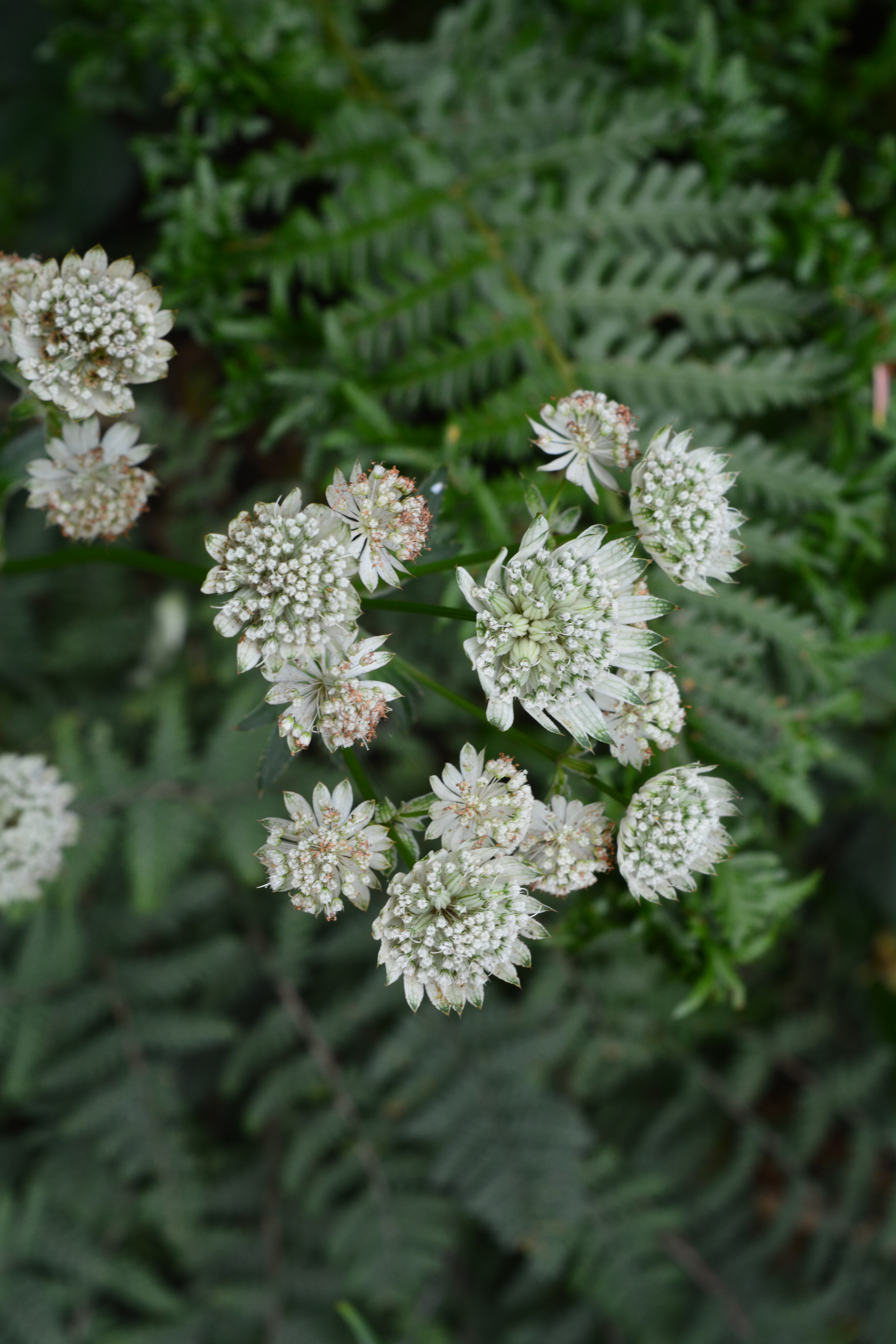
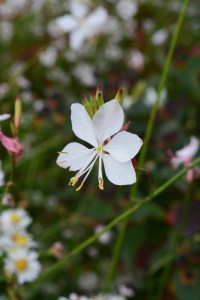
For the final page this month I take a look at white in the garden and wrote, “I have never been a fan of white in the garden be it furniture or flowers, but in October I see quite a few plants featuring white have crept in.”
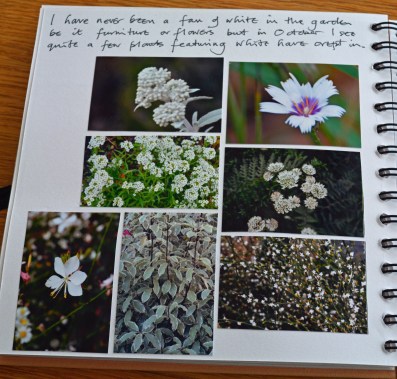
Here are just a few!
Next time we pay a visit to my Garden Journal we will be in the penultimate month of 2017, November. I wonder what our eleventh month will bring?
So here we are back with number ten in this series featuring our wanderings and discoveries as we walk around the pathways of our local National Trust property, Attingham Park. As intimated in my September “Walk in the Park” posting, Jude the Undergardener pushed me around in a wheelchair following my leg surgery so the photographs will be from an unusual viewpoint. But we did manage the walk to the walled garden and returned via the One Mile Walk.
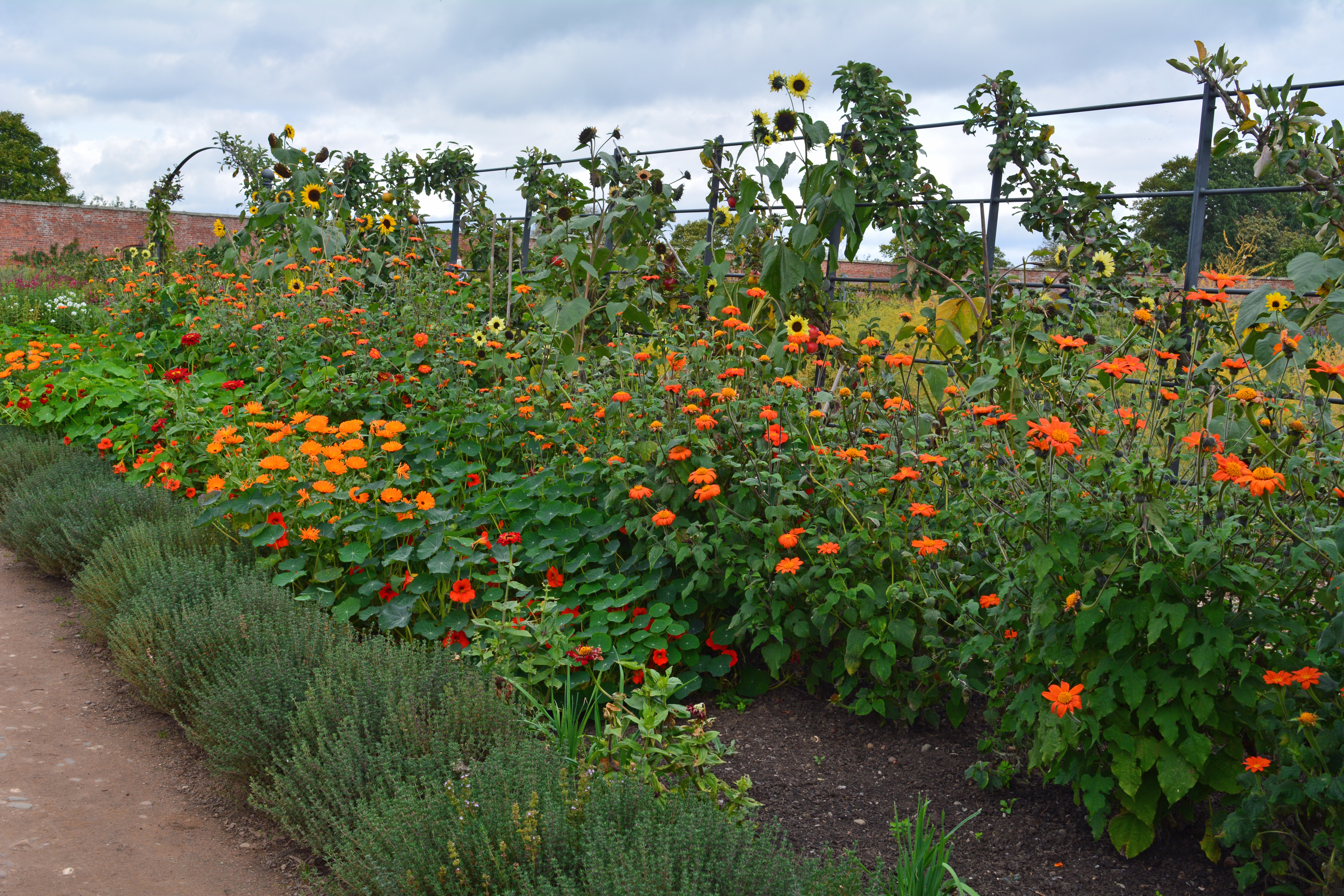
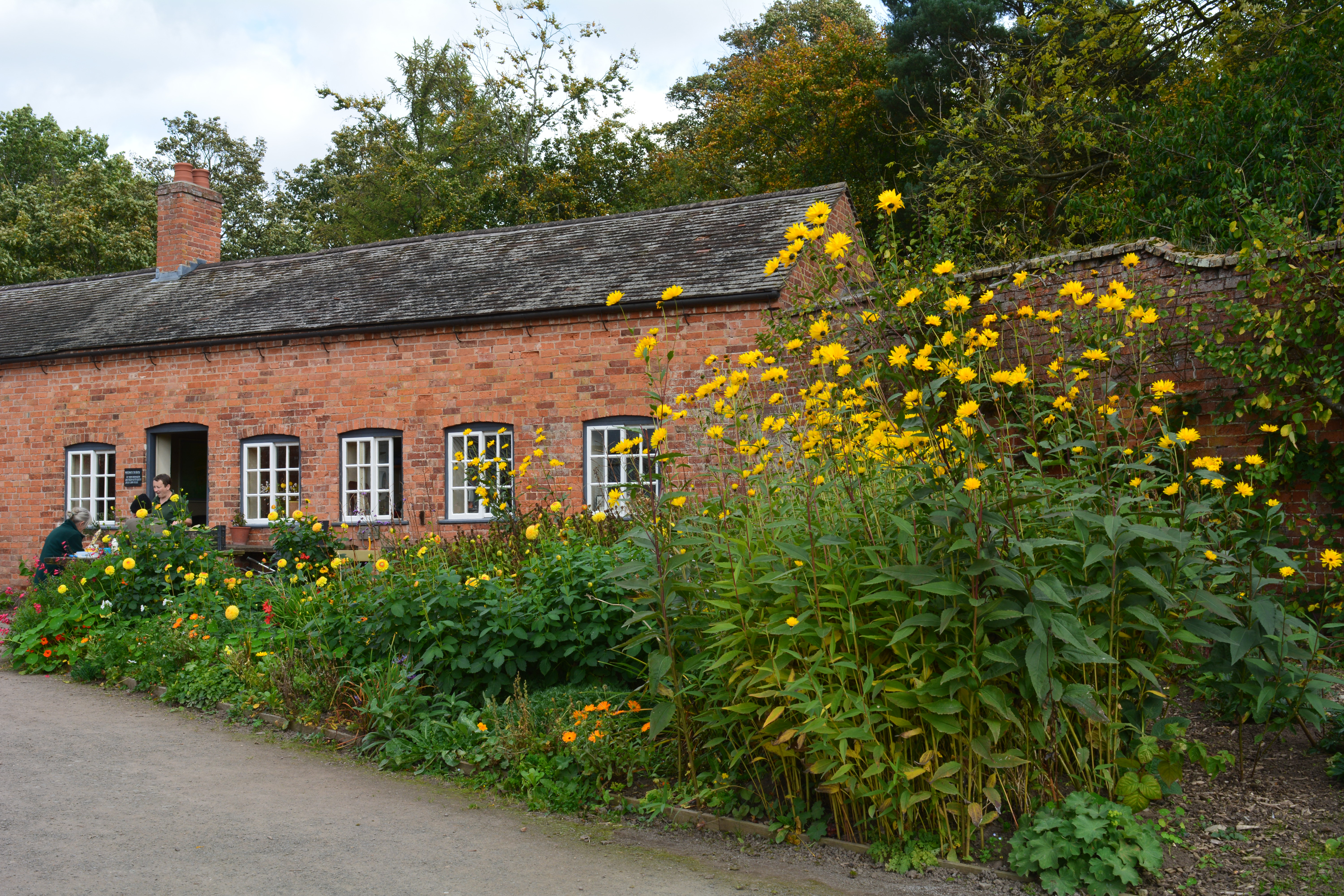
We were surprised that autumn had not advanced as much as we had anticipated, with many trees still carrying their full contingent of leaves. The walled garden was still very colourful.
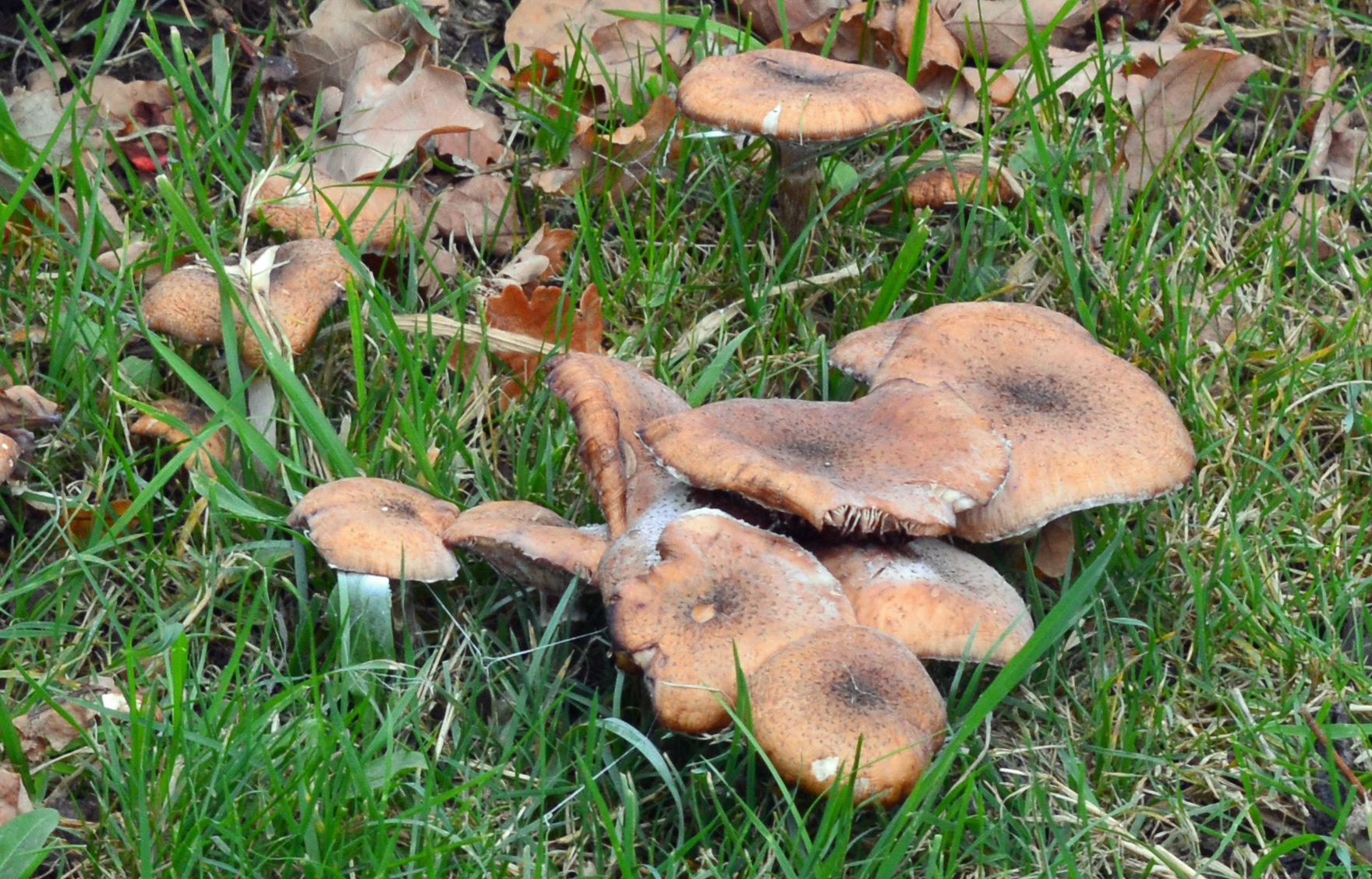
Fungi was still in evidence and fallen leaves looked less brightly coloured.
There were frequent signs of the destructive forces of the wind and the more controlled hand of the gardeners working on tree surgery tasks.
The gateway into the walled garden welcomed us into a colourful magical place.
We were really surprised and delighted to find this beautifully presented hand painted poster celebrating the wonder of the apples in the Attingham Park orchard.
Humour is an essential of a good garden but so often missing. Just look at what a gardener here has created to make the visitor smile.
We can complete our journey now by looking at the photos I took as we returned along the riverside path back to the stable block.
Next visit here will be in November – I have no idea if I will still be wheelchair bound by then or not. Fingers crossed!
Back over the border just half an hour away in Wales we return for part 3 of our visit to the gardens of Powys Castle. We have looked at its upper terraces and the beautiful late summer, early autumn flowering plants, so now we will wander down to the lower garden and have a look at its famous ancient yew hedges as we descend and finally we will wander along the lower terrace and search for autumn colours in the trees and shrubs there.
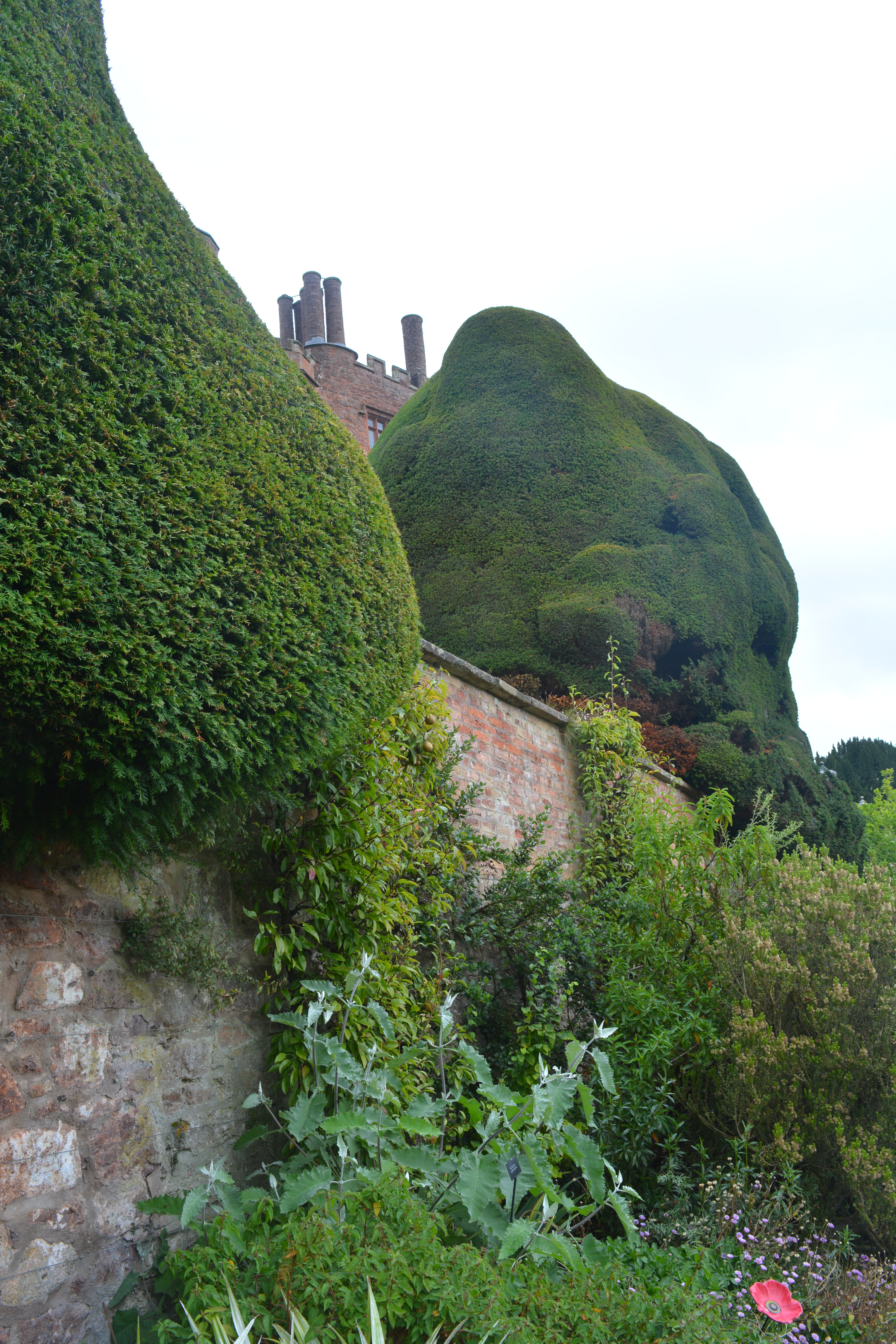
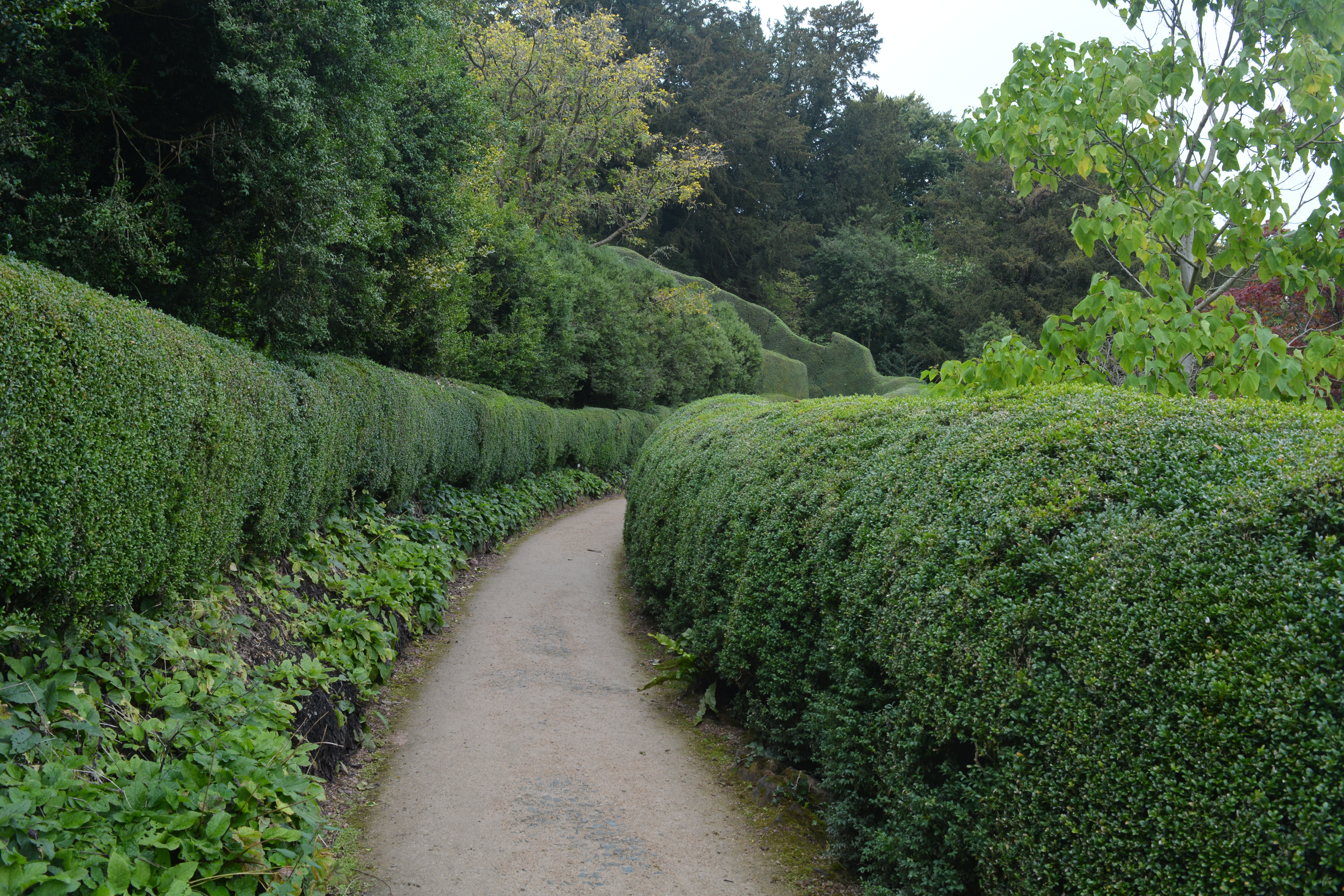
The ancient yew hedge is cloud pruned and runs either side of the path down to the lower garden. It towers above us and makes us feel so small. At times we have to go through it in cutaway arches.
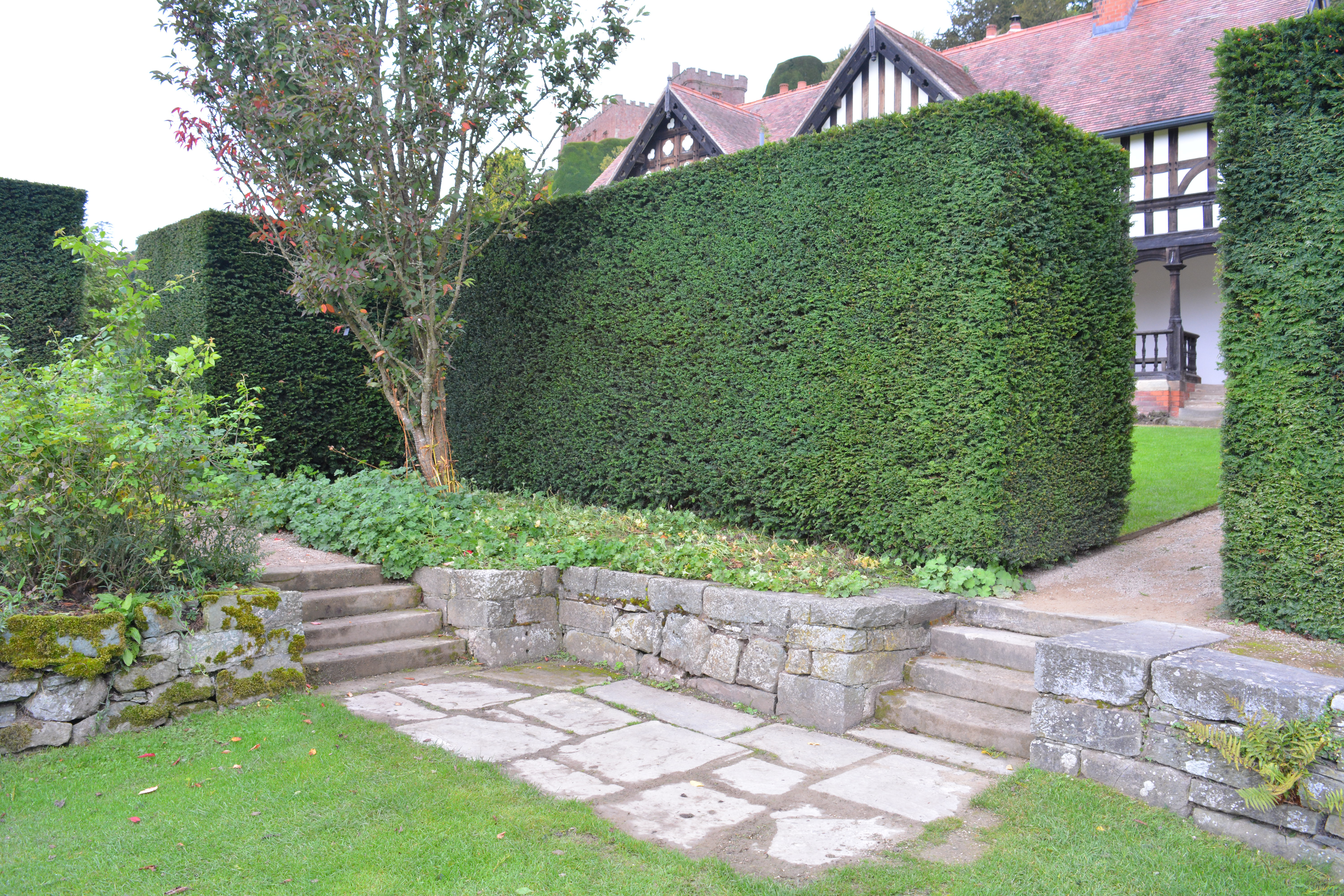
Once in the lower garden, paths move off in different directions and the yew hedge is much more formally presented and at times much smaller.
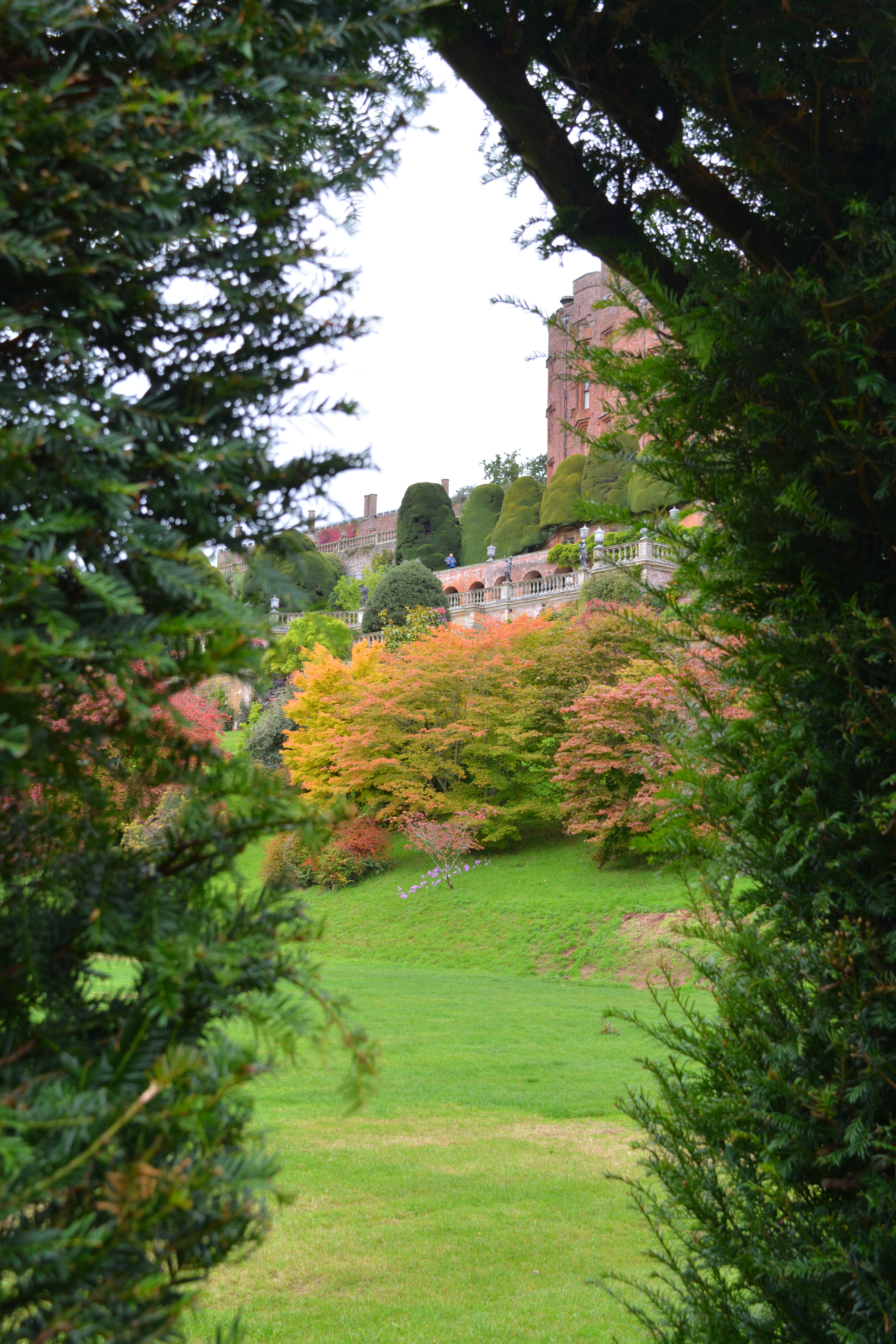
Archways and windows are cut through the hedge to give views of other parts of the garden or to provide ways into other areas.
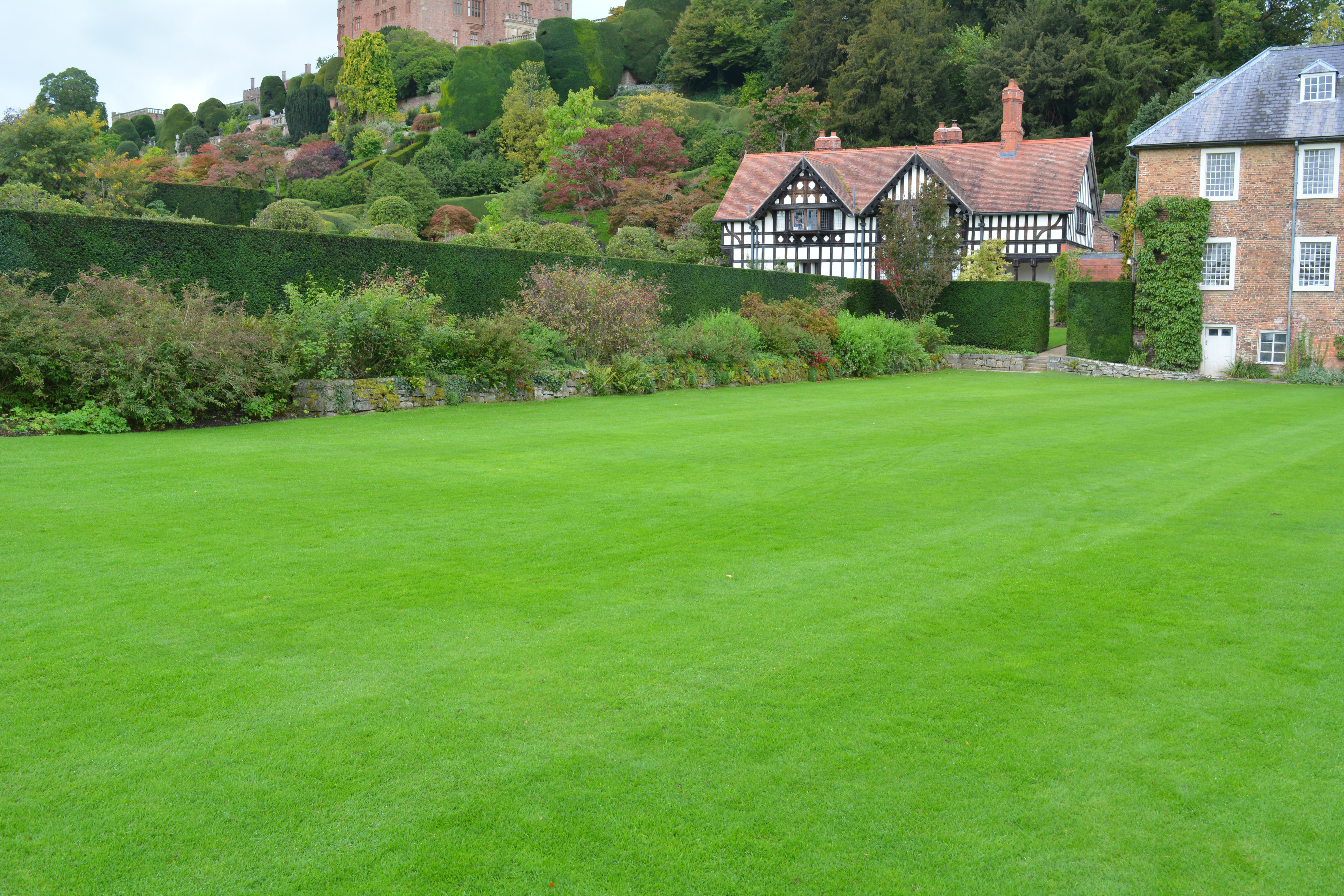
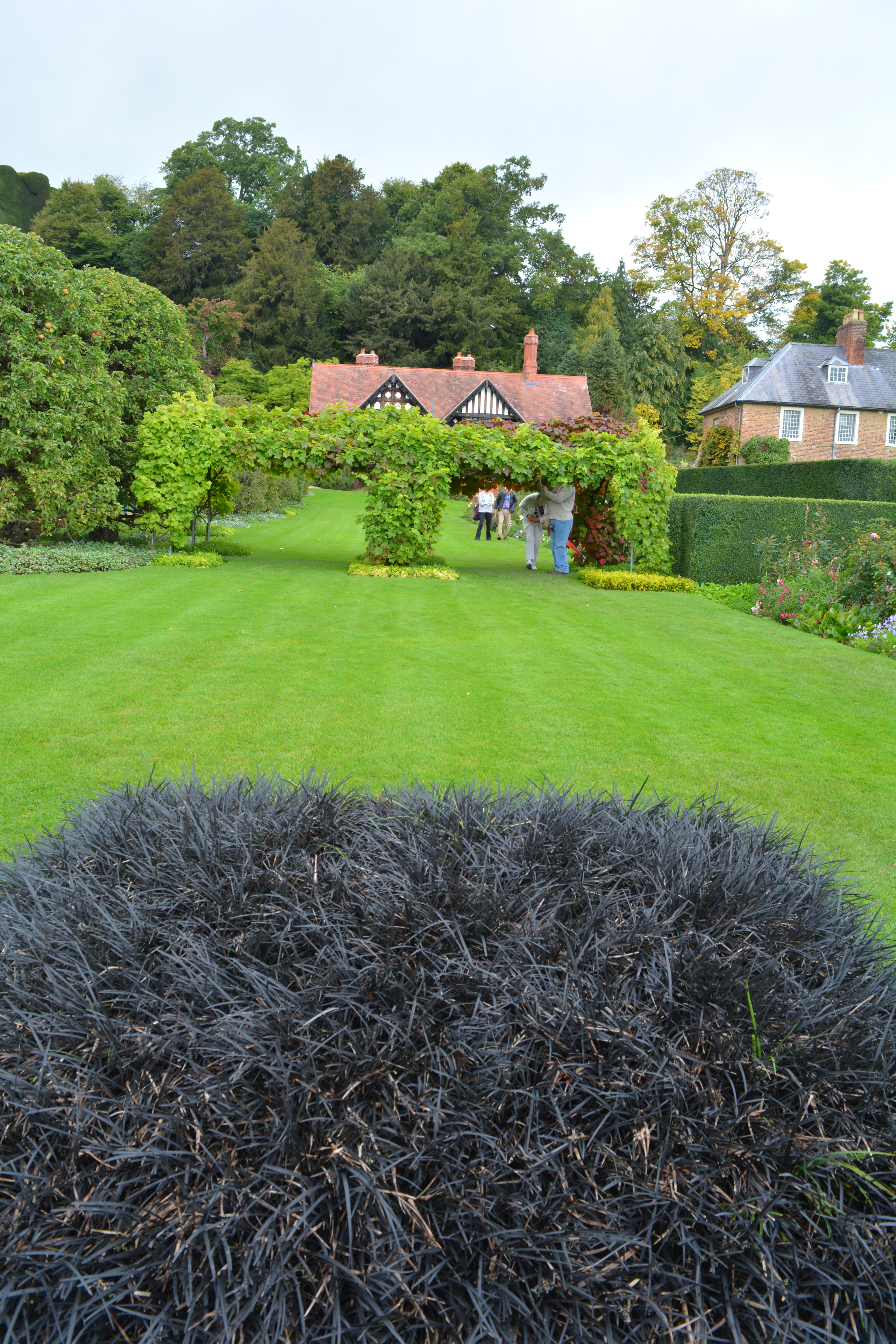
The lower gardens are flat and consist of formal lawns and borders and orchards.
From the lower garden we found a woodland edge path to follow to make our way back to the lower terrace. The view back to the castle and terraces was a beautiful sight.
Alongside the path we were treated to a few woodland specialities as we made our way below the castle itself and soon met up with the lower terrace as the path did a sharp turn. Autumn leaf colours gave the impression of an impressionist painting in yellows, oranges and reds. The gardeners had pruned the trees and shrubs to expose the beauty of the trunks, their shapes, colours and textures.
Perhaps next time we visit these great gardens we will do so in the spring when the daffodil meadow is in full flow.
Welcome back to Powys Castle gardens. In part 2 I will take you on a journey along the upper terraces, and in part 3 I will look at the lower gardens.
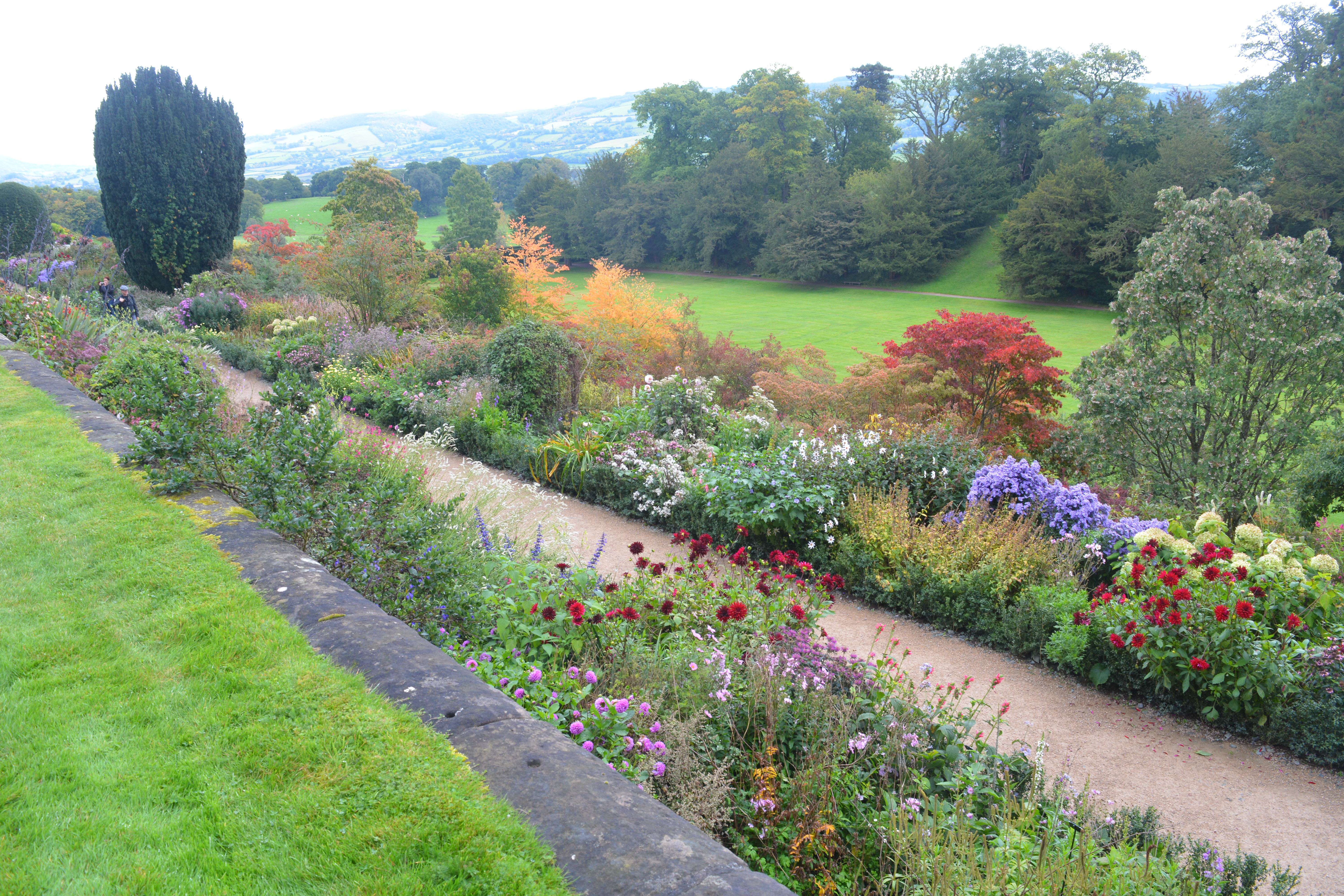
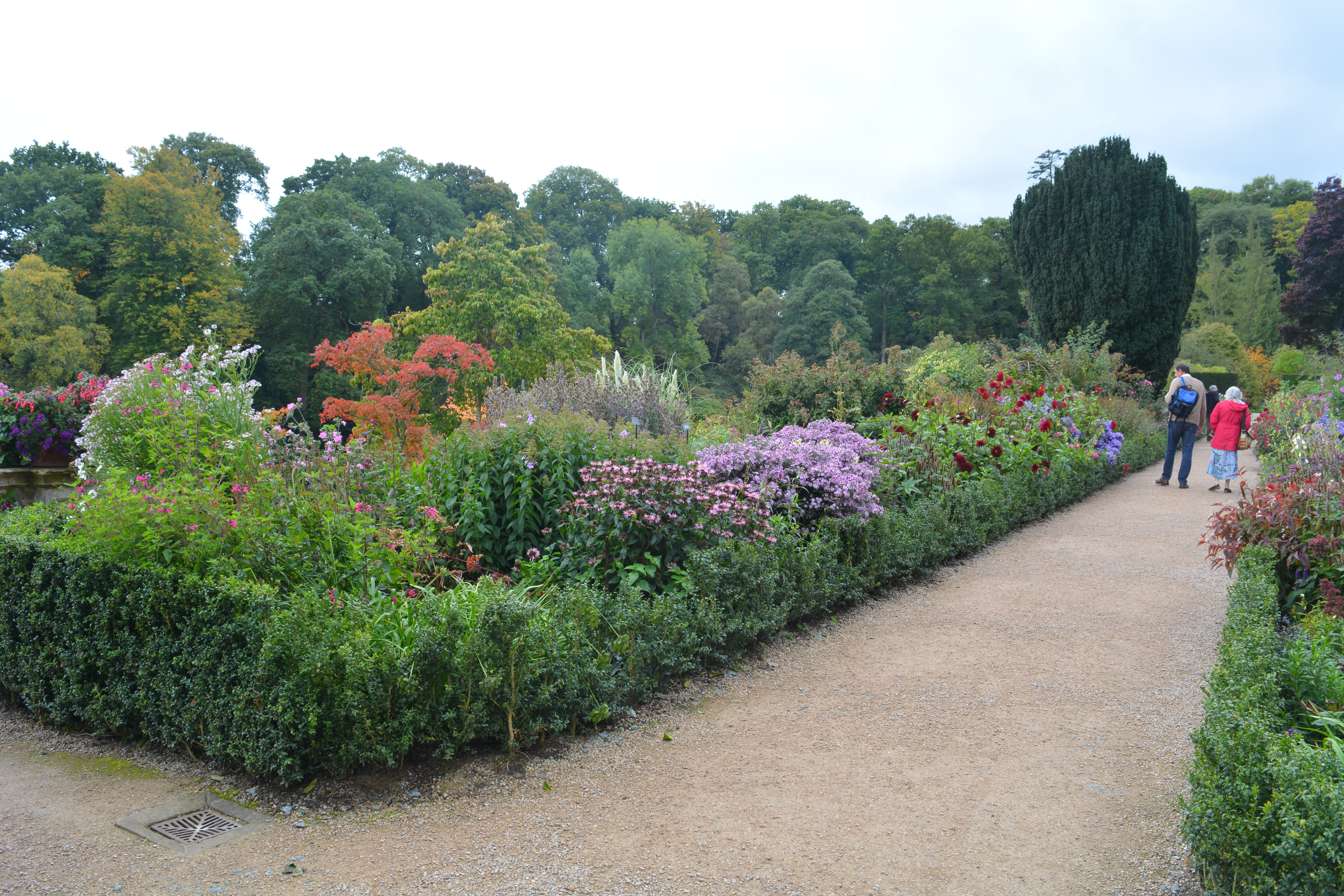
The top terrace features perennials and shrubs that give of their best in late summer into early autumn. Some are difficult to grow and several are half-hardy but the special conditions here allow then to flourish. To see them growing so well and looking so happy certainly encouraged us to try more such plants at home. We have lots of succulents and Salvias already but we are always up for a challenge!
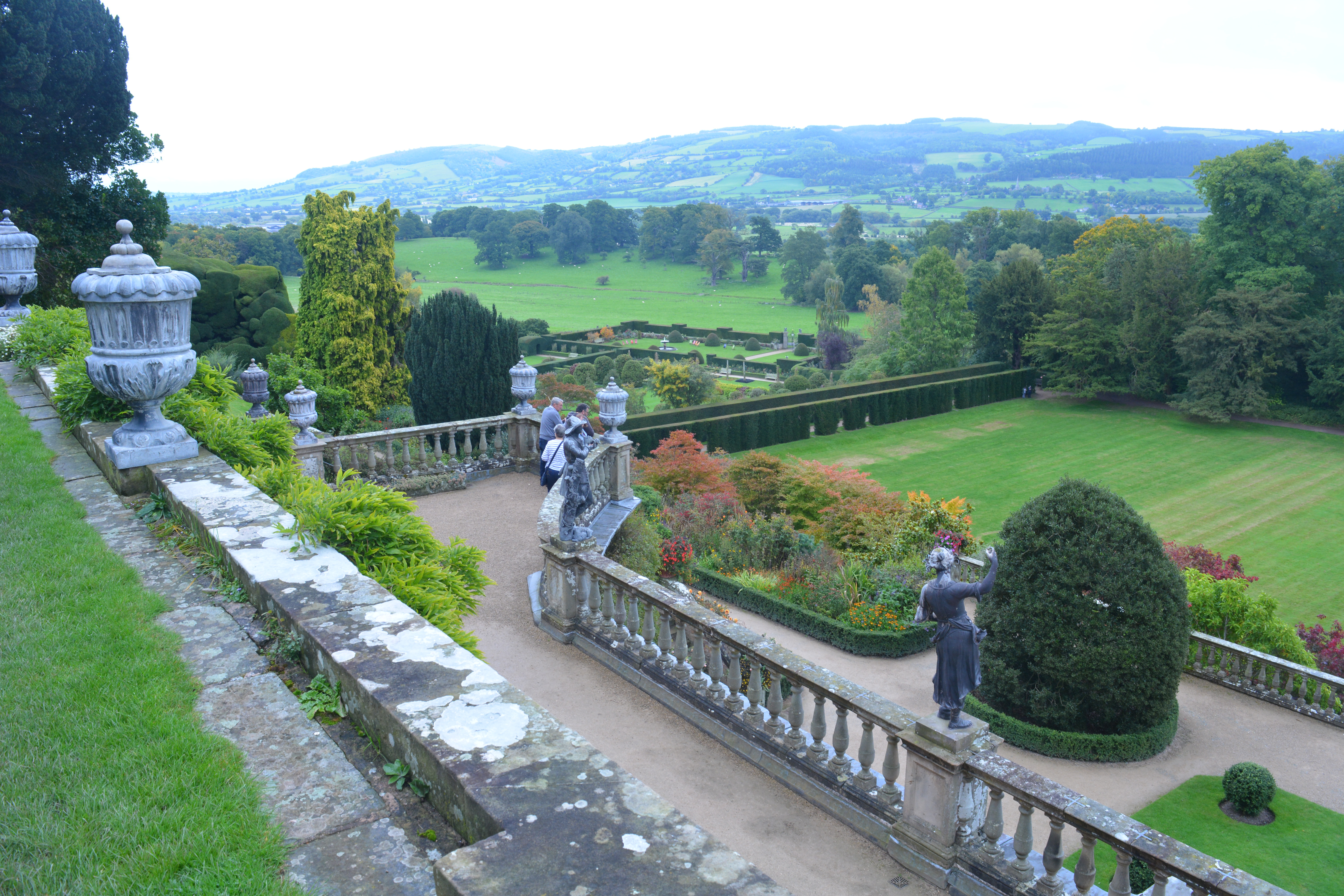
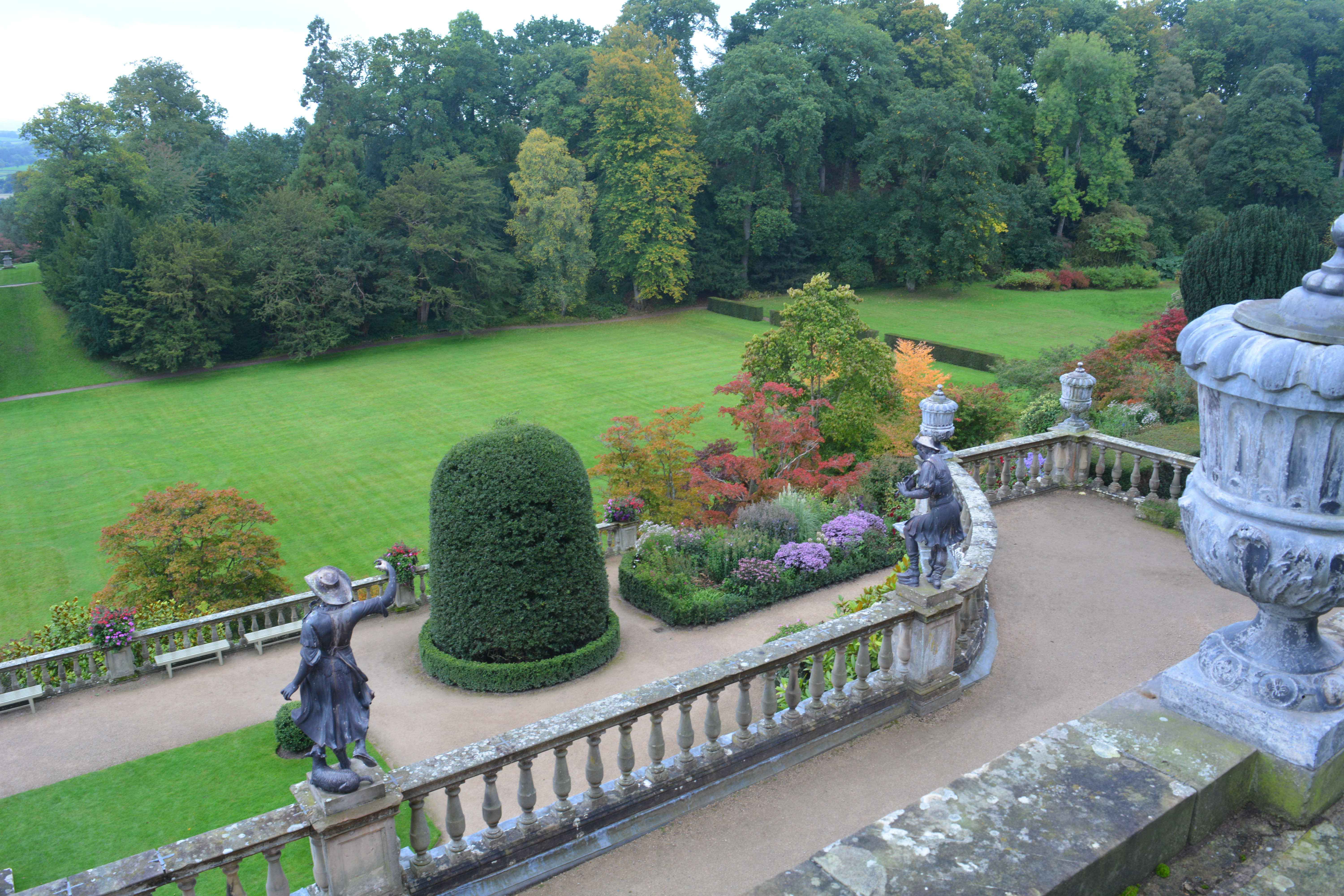
First we shall have a look at views along the borders and looking out over the terraces. Powys is renown for its ancient sculpted yew hedging which appears now and again as we walked the terraces. Sculpted figures stand atop the stone balustrades in places overlooking the views.
As well as the beauty of the long views of the terrace borders there were many individual that shone out as special. Enjoy my gallery of plant portraits. As usual click on the first pic and navigate with the arrows.
In part 3 of these posts about Powys Castle we will have a look at the yew hedges and the Lower Garden.
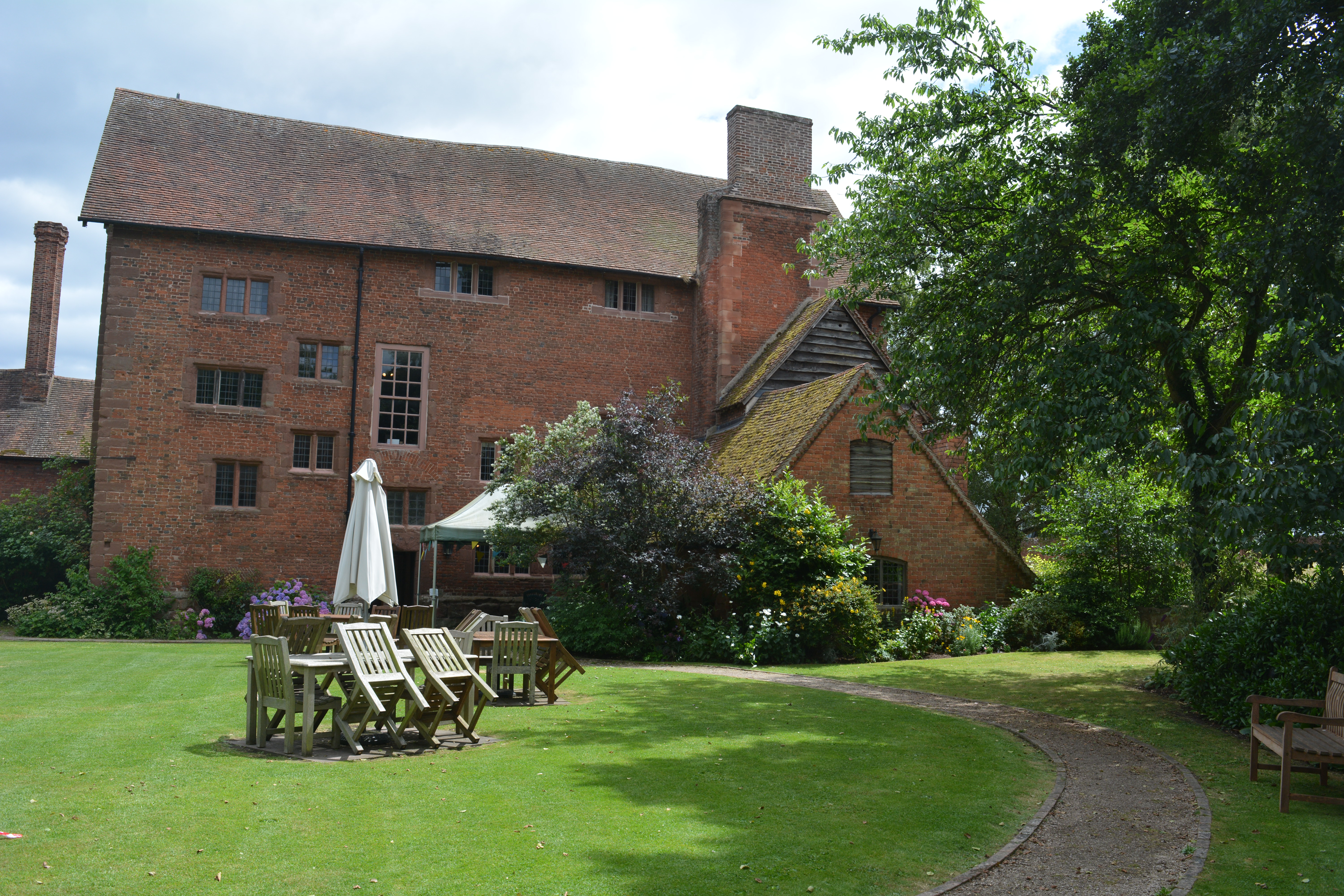
We are so lucky to be able to get to Welshpool within half an hour or so because here we find our favourite plant nurseries. Very close by is the National Trust property, Powys Castle with a most wonderful garden. We like to wander around late summer and early autumn when the flowering plants area at their best and trees and shrubs are colouring up adding an extra layer of interest.
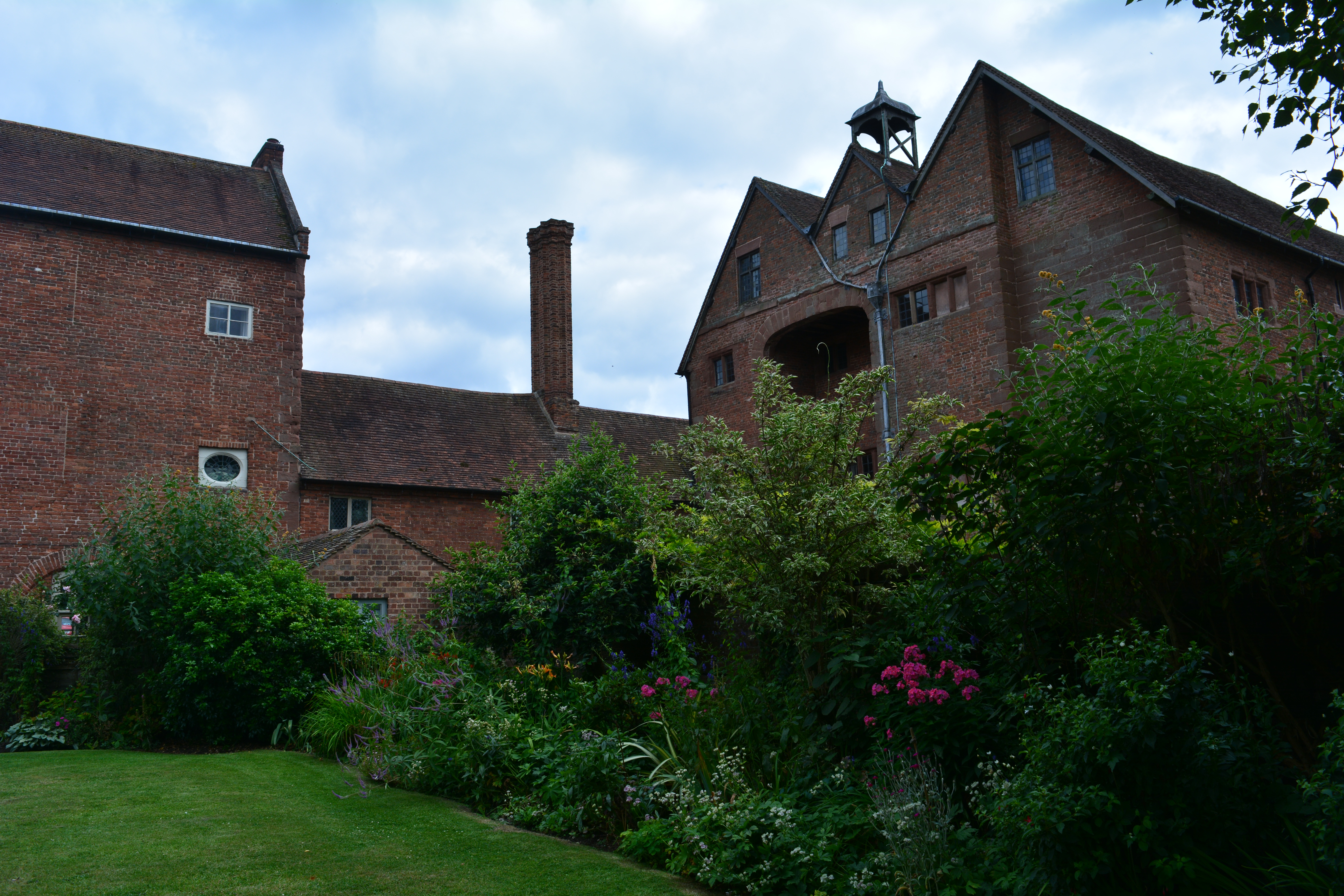
The gateway into the castle courtyard, where the coffee shop is to be found, was most impressive with its stone archway towering above our heads. Passing through the gateway we noticed this little mysterious door, but the answer to its purpose was written on the wall.
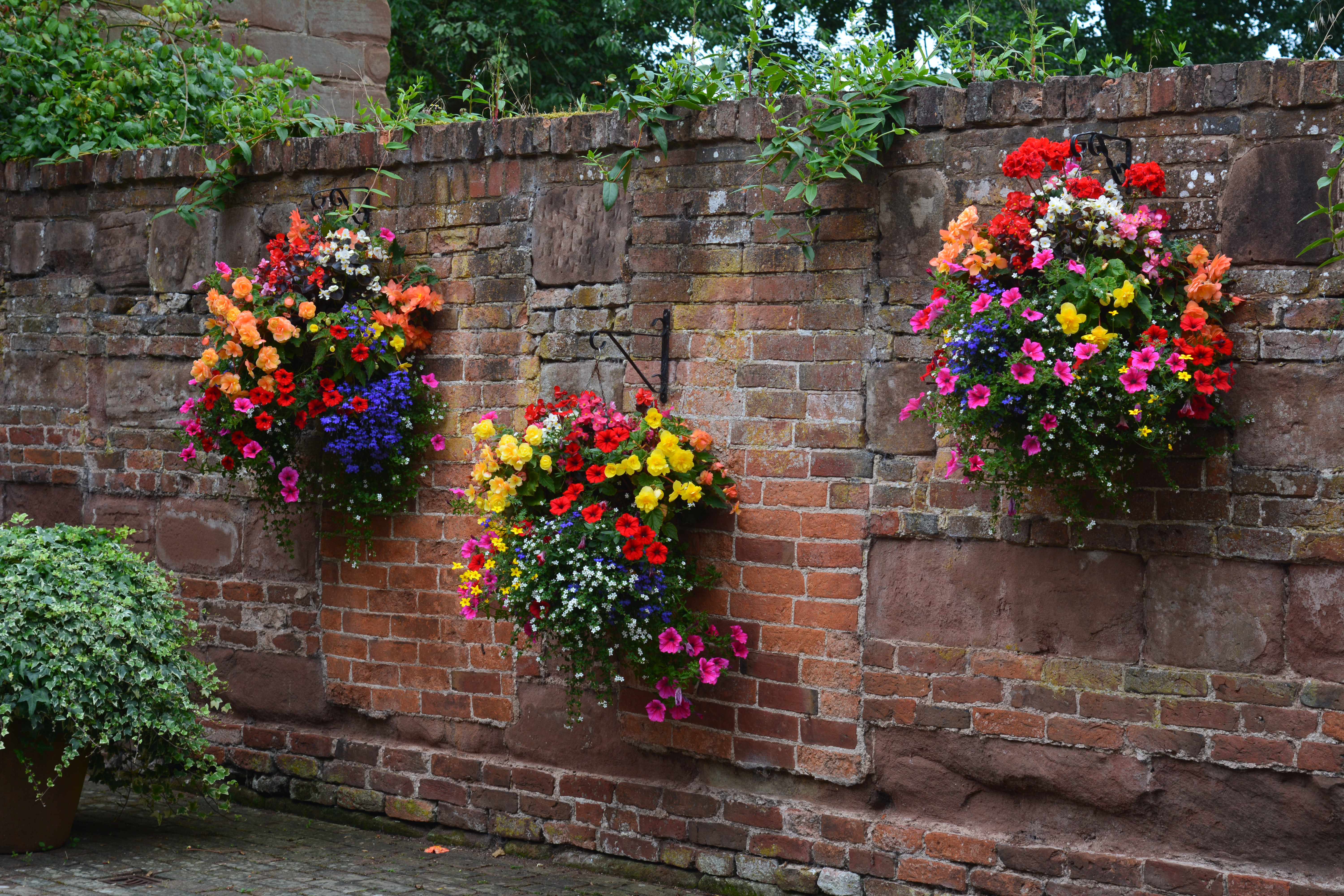
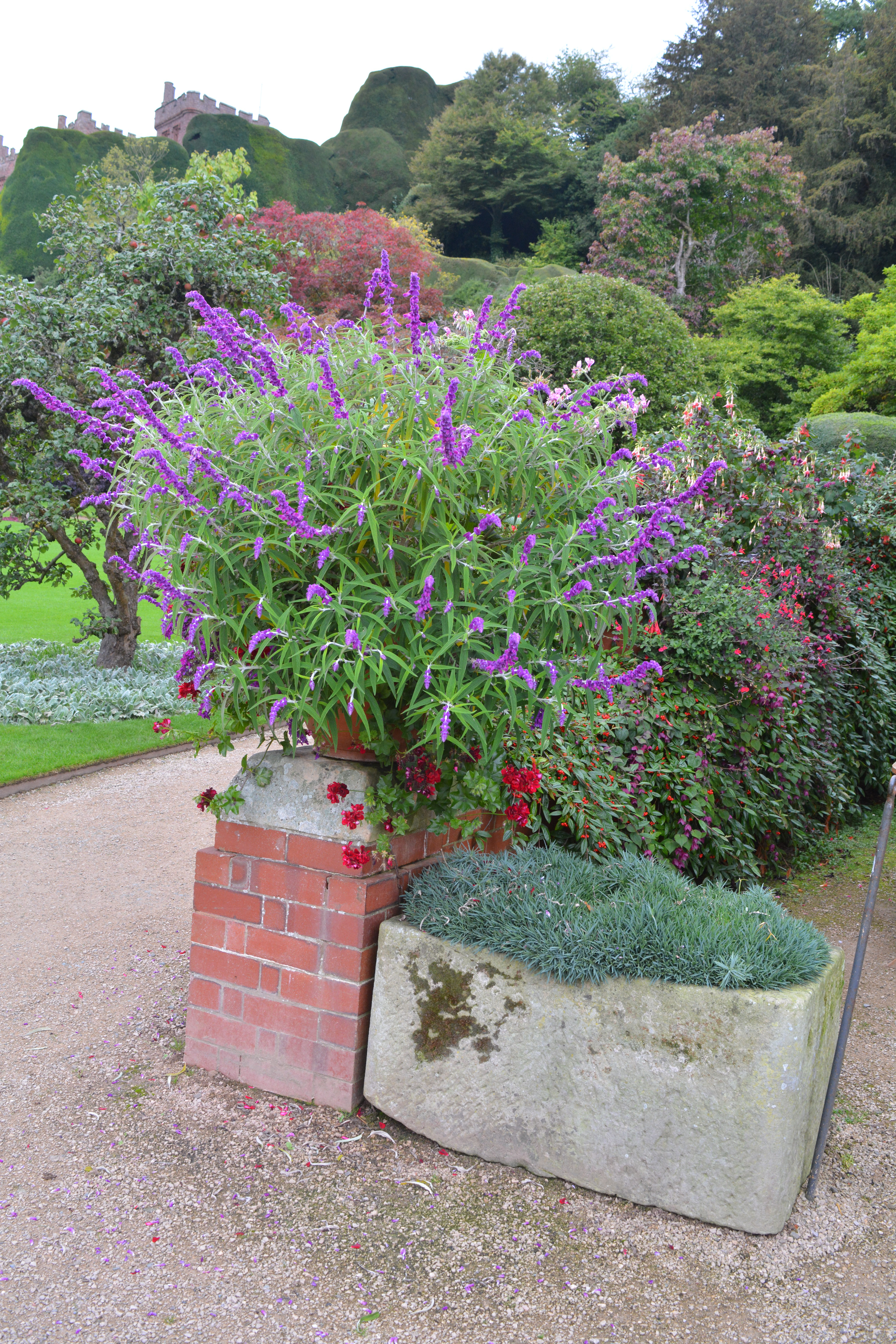
The gardens are well-known for the colourful imaginatively planted containers and pots.
Recesses built into the massive sandstone walls were probably designed to hold statuary but now display most impressively planted containers.
The upper garden is based on three parallel terraces, each accessed by wide stone walls whose pillars supported more planted containers. From the terraces we were delighted with the views presented to us.
Even at the lowest part of the gardens we were delighted by the quality of planting in containers.
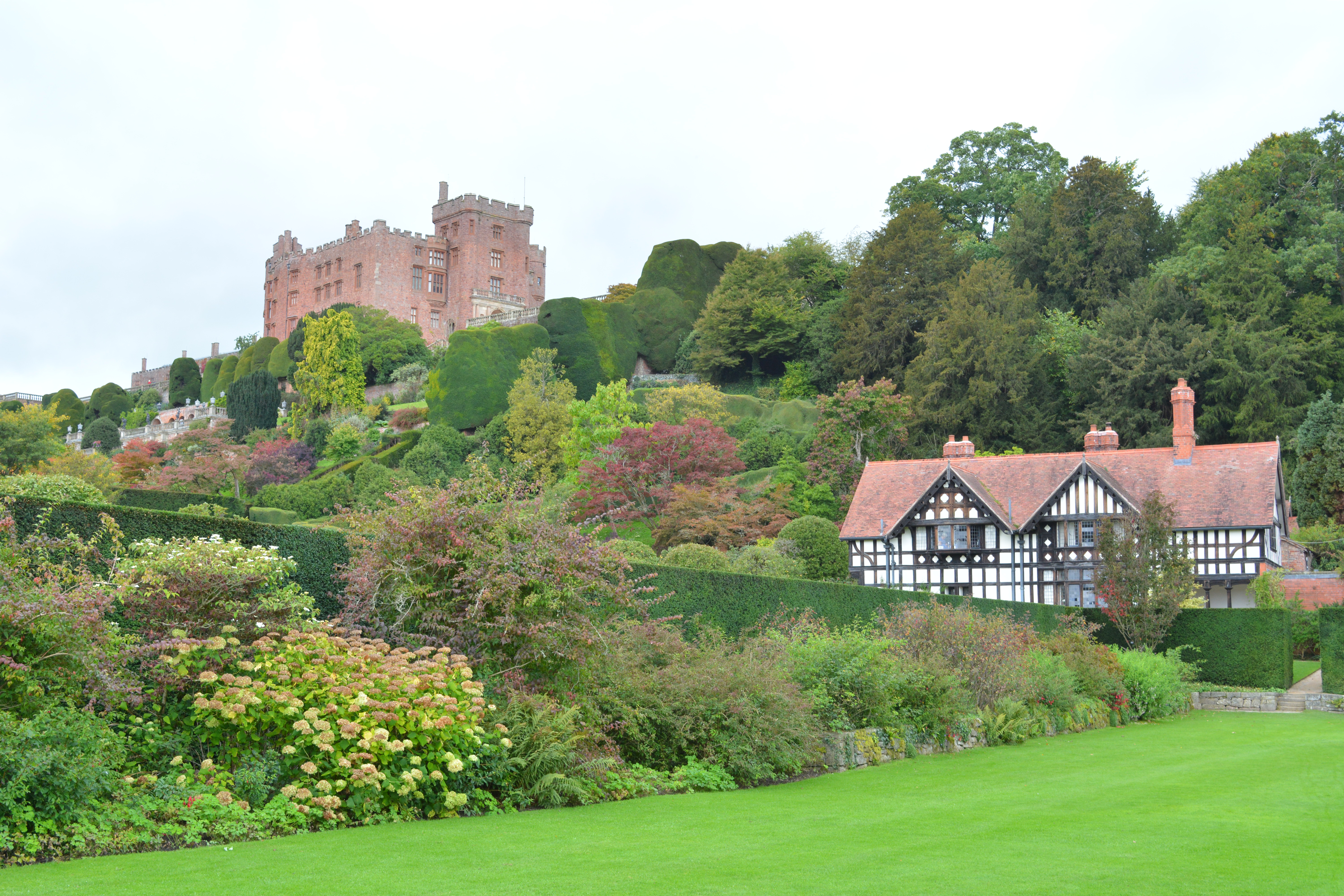
From the lower garden we enjoyed expansive views of the castle sat on its sandstone outcrop, giving it a look of power and dominance. The photo illustrates the need for terracing well and although functional the terracing gives the garden strong design.
In part 2 of this report on our visit to the gardens of Powys Castle I share share with you the different planting combinations and highlight some of the more unusual plants growing on the warm slopes.
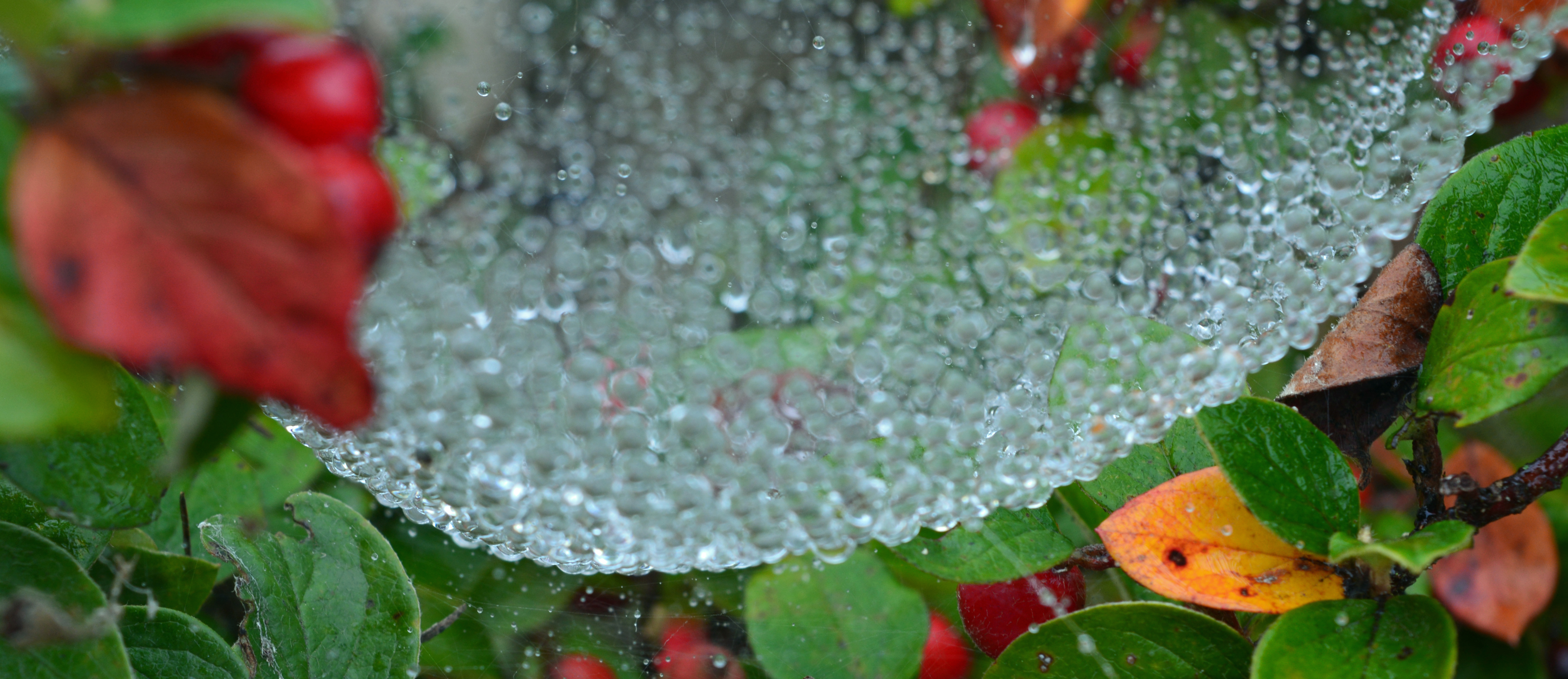
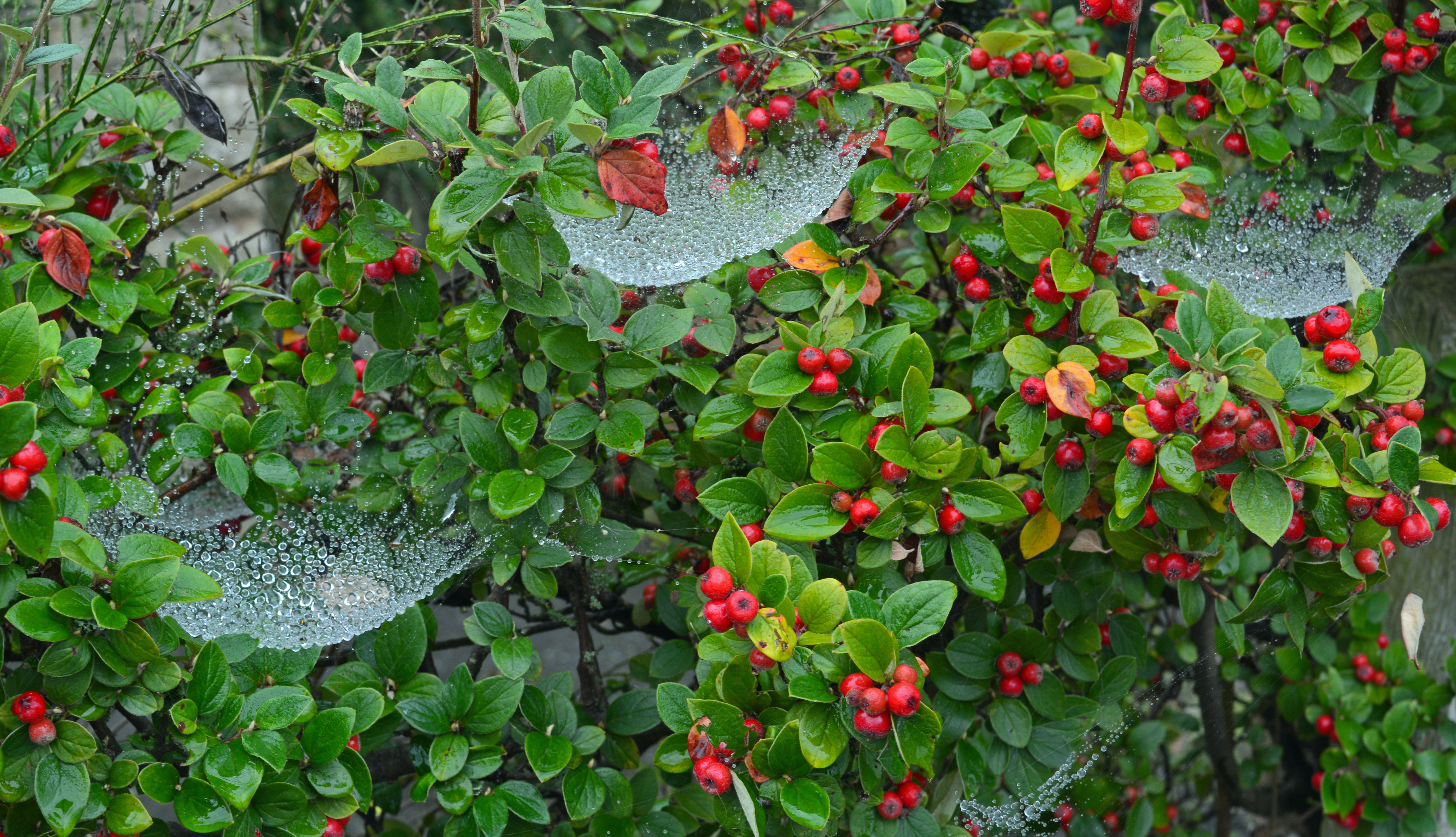
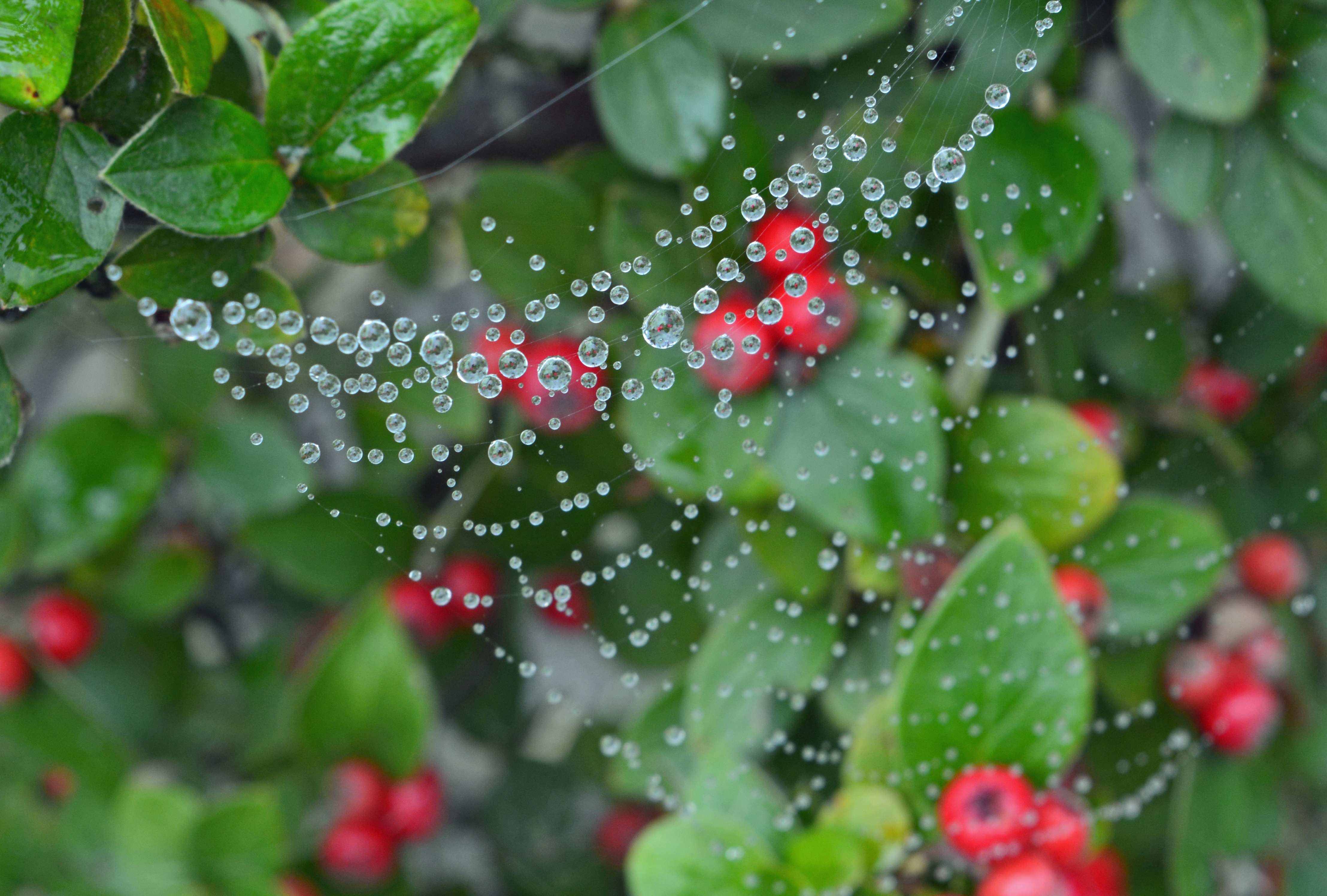
After the Rain
There is a special time just after rain has stopped. It is a moment of silence when Blackbirds and Robins are preparing to burst into excited song after a period when song is stilled by rain. Light has a special quality – it catches any droplet of moisture hanging from foliage or flower. Recently I managed to capture just such a moment with camera in hand and snapped away joyfully. I even shared the unique time with our garden when bird song descended over it engulfing its atmosphere.
You can share this time by following the gallery. click on the first pic, navigate with the arrows and simply enjoy.
In this, my second part of the report of our September visit to Attingham Park we headed for the Woodland Walk to seek out signs of the fall, foliage and fungi.
I thought I would present our discoveries to you simply as a gallery of the images I took. As usual click on the first pic and use the arrows to navigate the tour.
We returned for our monthly visit for a wander around the park at Attingham Park, the gardens, woodlands and walled garden. Here is my report on our visit in September. We made the visit early in the month as I was due to go into hospital for some pretty major surgery, a rebuild of my right leg to be precise, so we don’t know when the October visit may happen. You may get a series of photos taken from a new angle, from a wheelchair.
We arrived expecting to see early signs of autumn, such as some colouring up of leaves and looked forward to spotting some early fungi. As we followed the path surfaced with bark chip beneath the mature trees towards the destination, we noticed how autumn’s harvest of nuts had been blown down onto the path in front of us, acorns, Sweet Chestnuts, and Horse Chestnuts. Shrubs were putting on displays of rich shiny berries for us to enjoy looking at and for wildlife to cache away until winter digs in deeply or to enjoy a few now.
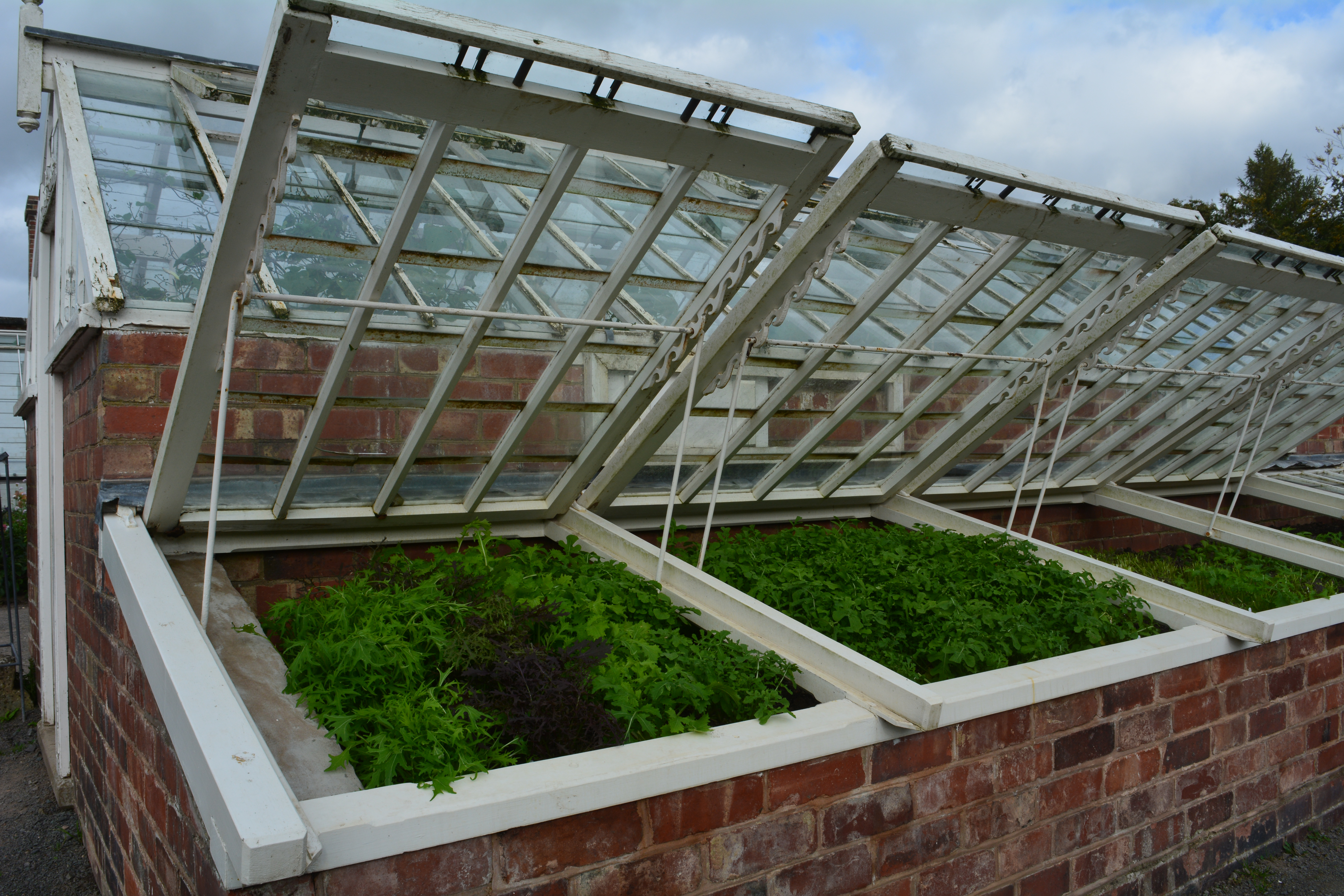
Autumn fruits were in abundance in the Walled Garden, fruit trees and bushes, some trained against the walls for extra warmth, were dripping with fruits awaiting harvest time.
We left the walled garden and followed the woodland walk trail, hoping to find some fungi and signs of foliage changing their colours. In part two I will share with you what we found.
The final new garden we developed early in 2017 was our second roof garden here at Avocet. To find out about our first green roof refer to my post called “Growing up! Making a green roof.” published back in April 2013.
This, our second roof garden, was created when we got rid of one of our garden sheds and moved a smaller one into its place. (see the post entitled “Three Sheds into Two will Go”)
We constructed a strong framework around the shed in timber so that the roof garden itself was putting no extra stress on the shed roof itself. We then added a new floor to the roof garden from strong floorboards which we waterproofed with two layers of roofing felt. In order to make it ready for the planting media we added a layer of weed membrane to allow for drainage and to retain the compost. We created a drainage channel filled with gravel. The final stage of preparation was adding a layer of light weight compost which was carefully leveled.


Time to plant! It always seems strange planting when up a ladder!
The green roof is the exciting finishing point in our shed project. The first phase of planting really made us feel as if we had completed our work with the three sheds, which had now been turned into two! The plants were a selection of grasses, Incinia rubra, a selection of Carex and Stipa tenuissima but more will follow soon. Flowering plants included a selection of small Sedums, Sedum tricolor, S. telephinium ss riprechtii “Hab Gray”, S. ewersii and S. cauticola Coca Cola plus two scented Violas, V. odorata sulphurea and V. odorata Konigin Charlotte, a low growing Sedum-like plant Chiastophyllum opositifolium and a variegated Trifolium, T. pratense “Susan Smith”.
Job done!