Categories
autumn autumn colours climbing plants colours flowering bulbs fruit and veg garden design garden photography gardening grasses grow your own half-hardy perennials hardy perennials light light quality ornamental grasses ornamental trees and shrubs shrubs succulents trees village gardens

A Garden Bouquet for September

September is the month when the first signs of autumn creep in and there is something special happening to the light. Misty mornings give the garden a fresh atmosphere. Darkness comes too early each day. Fruit picking is the order of the day and we get out our pruning kit, secateurs, pruning saws and loppers large and small to tackle the trees and shrubs.

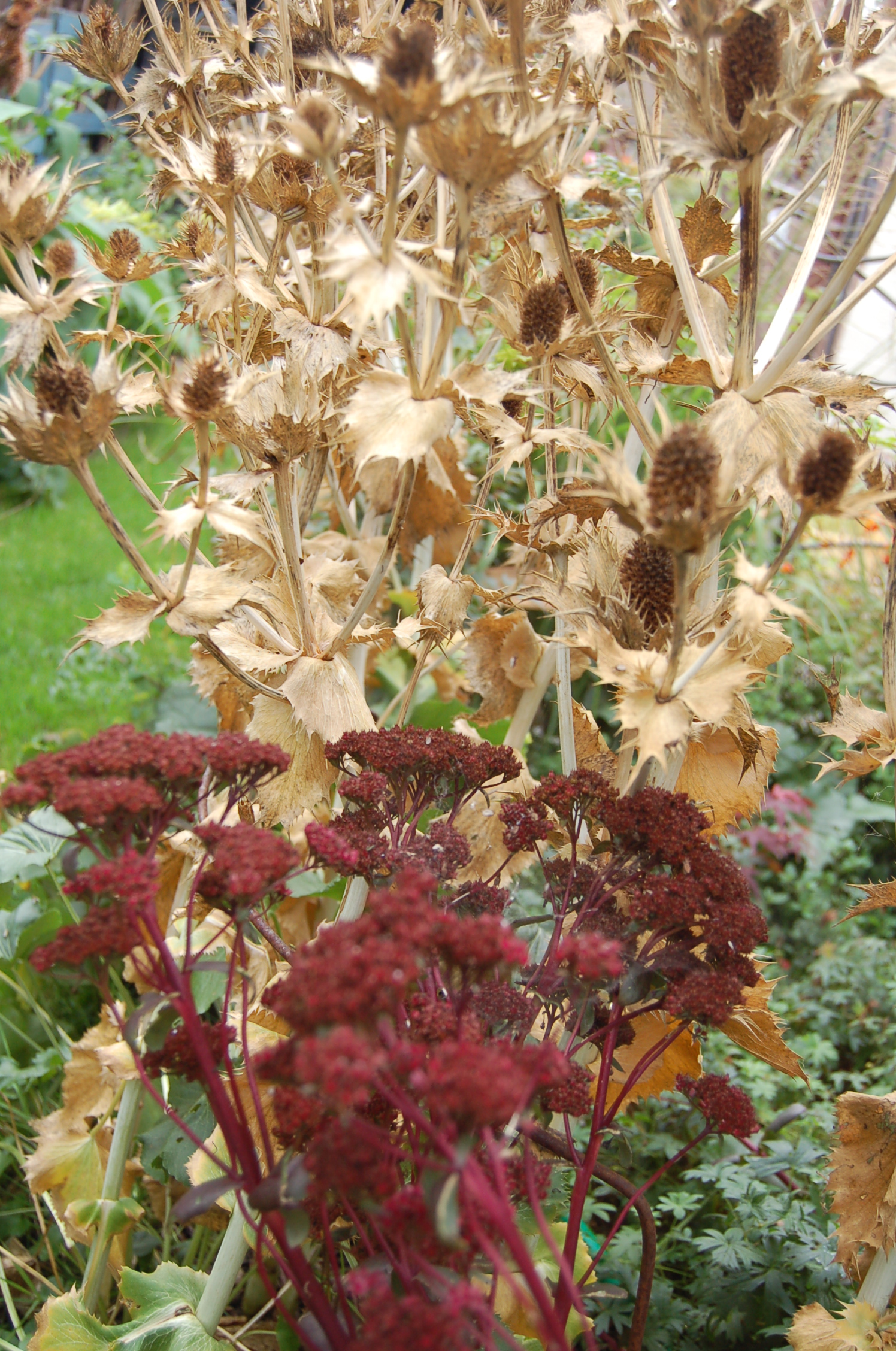
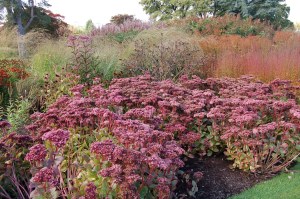
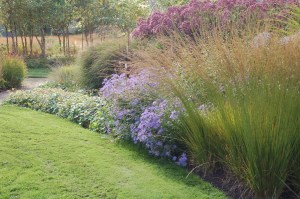
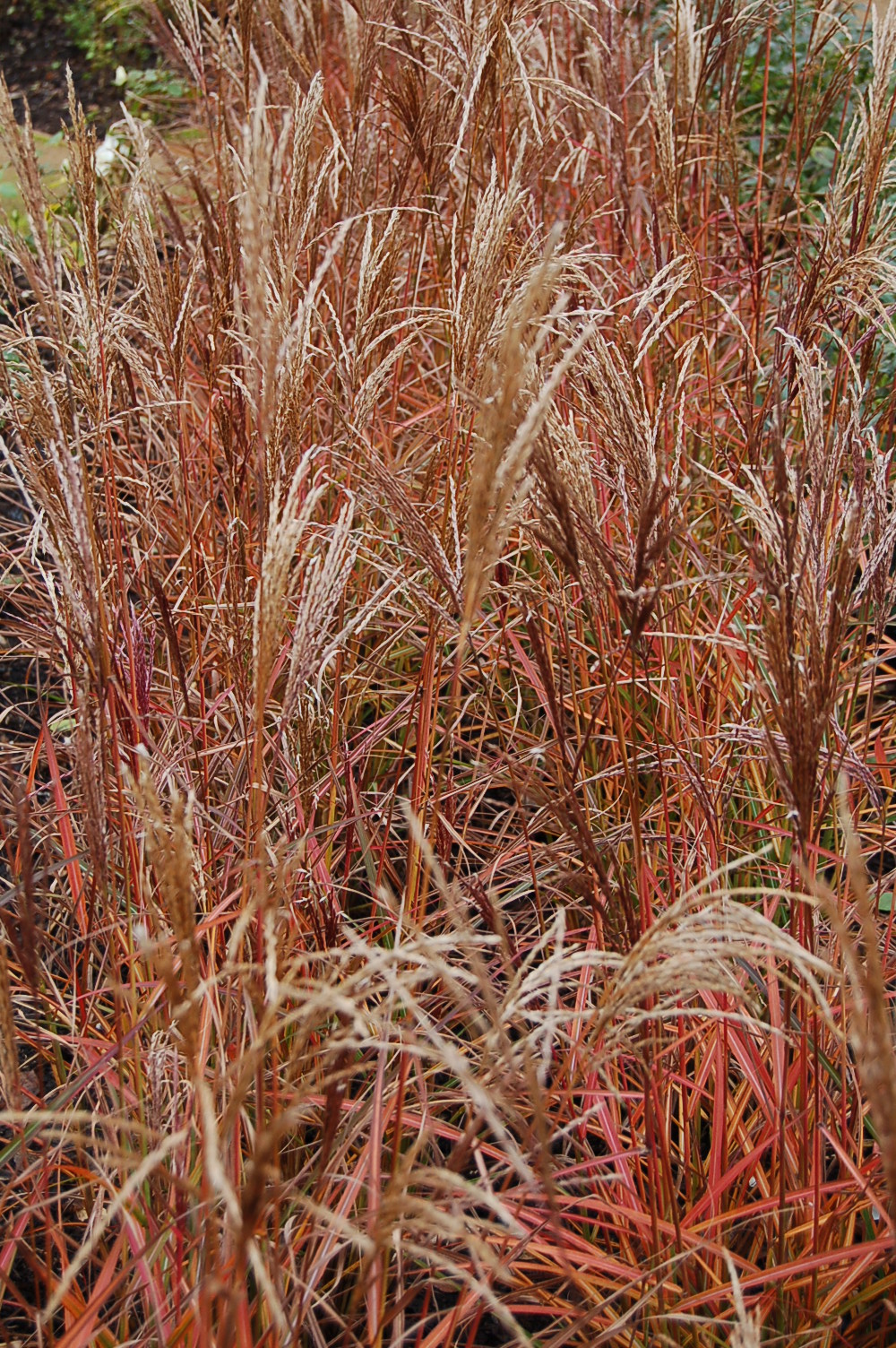
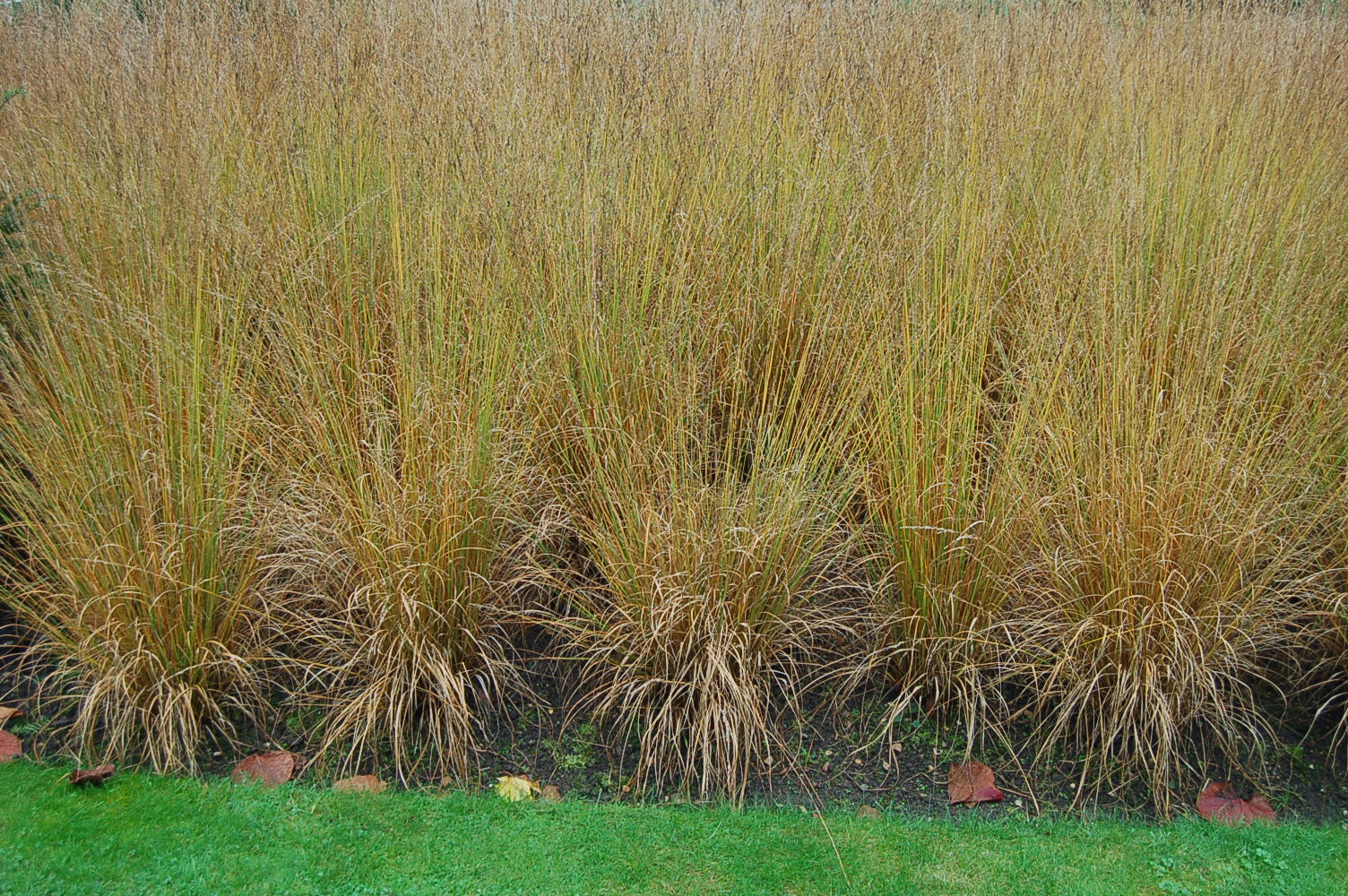
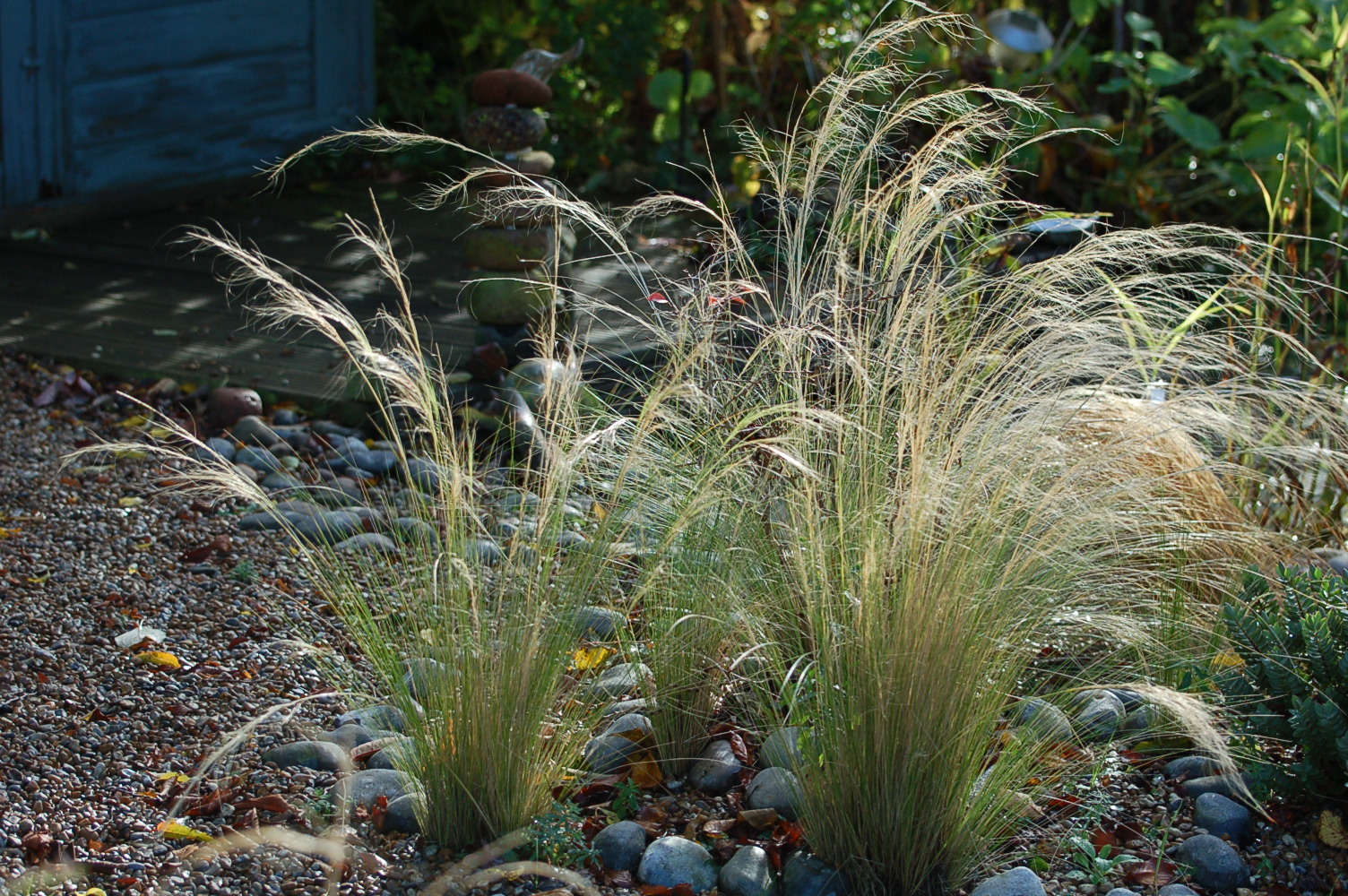
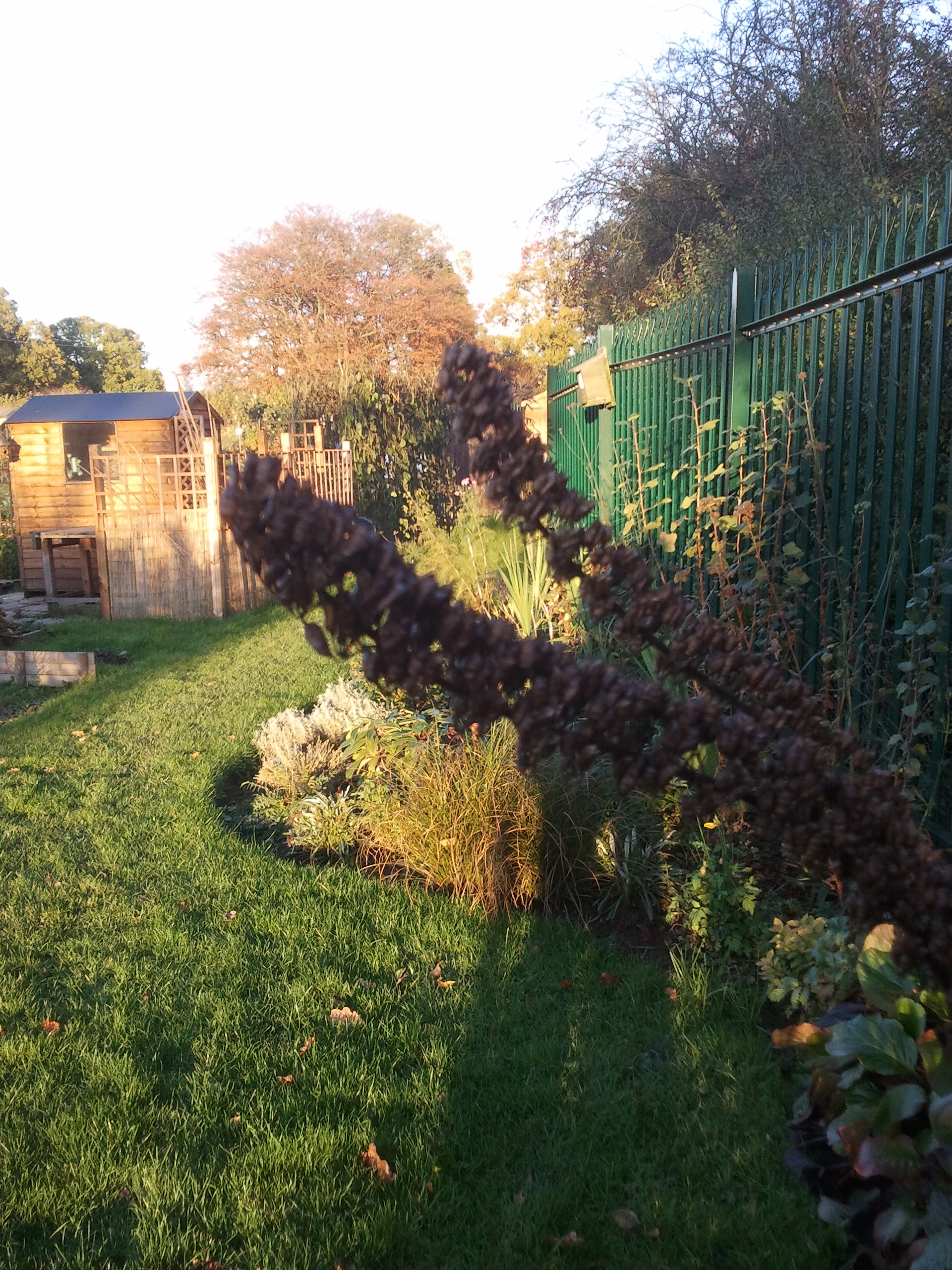
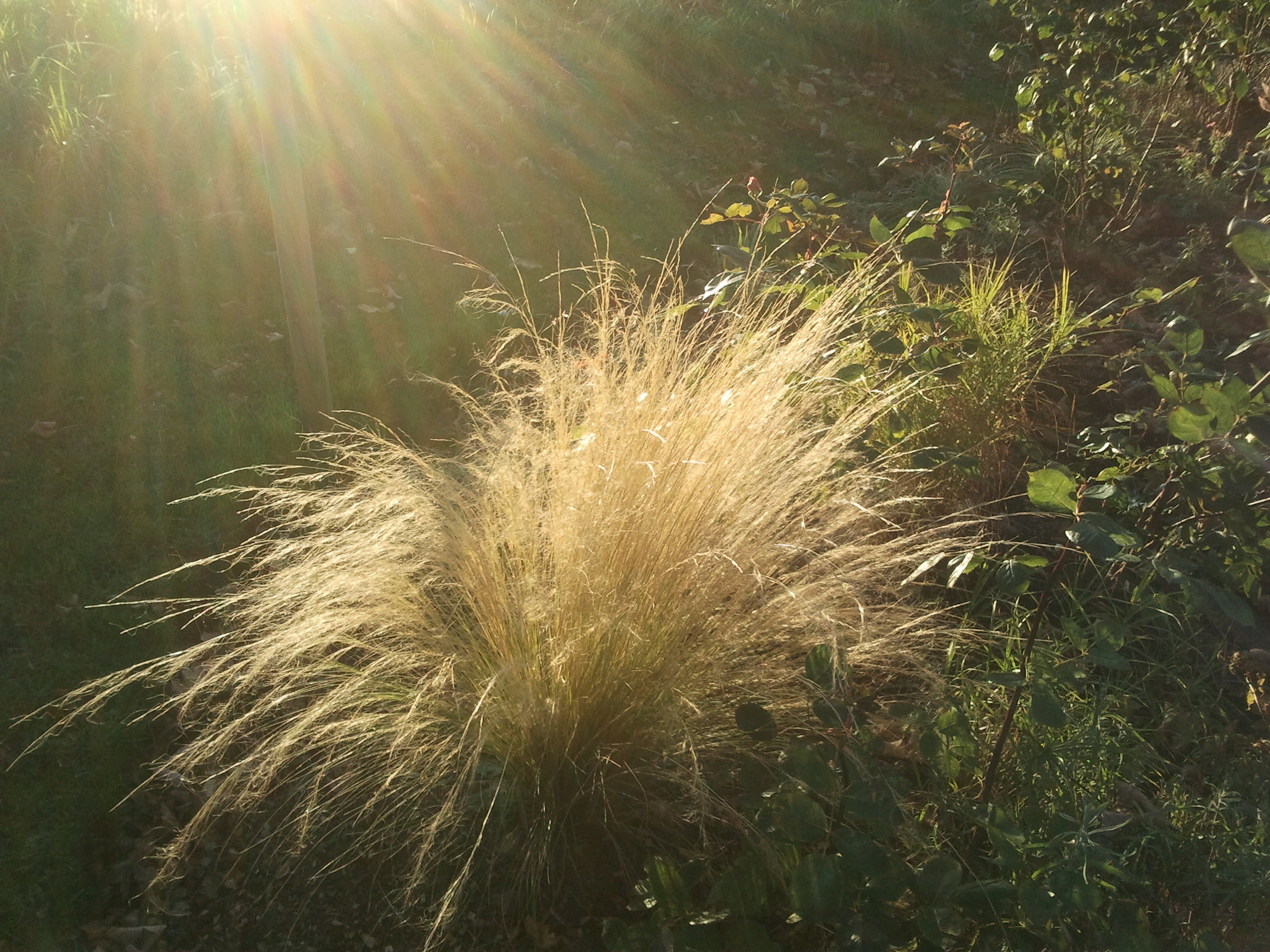
Grasses begin to change colour, some flowers and seed heads are turning redder and more purple others towards the pale tints of biscuit.

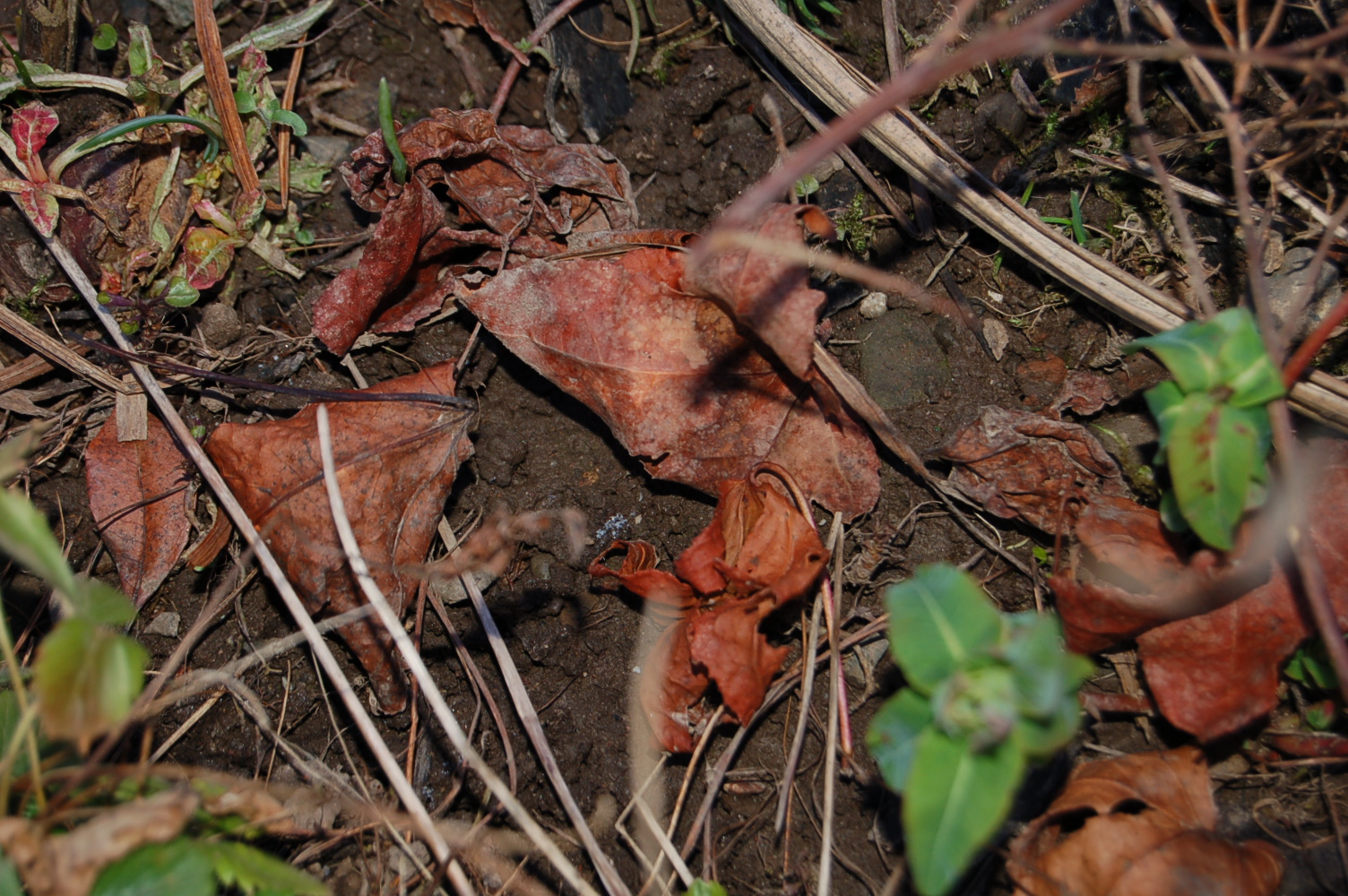
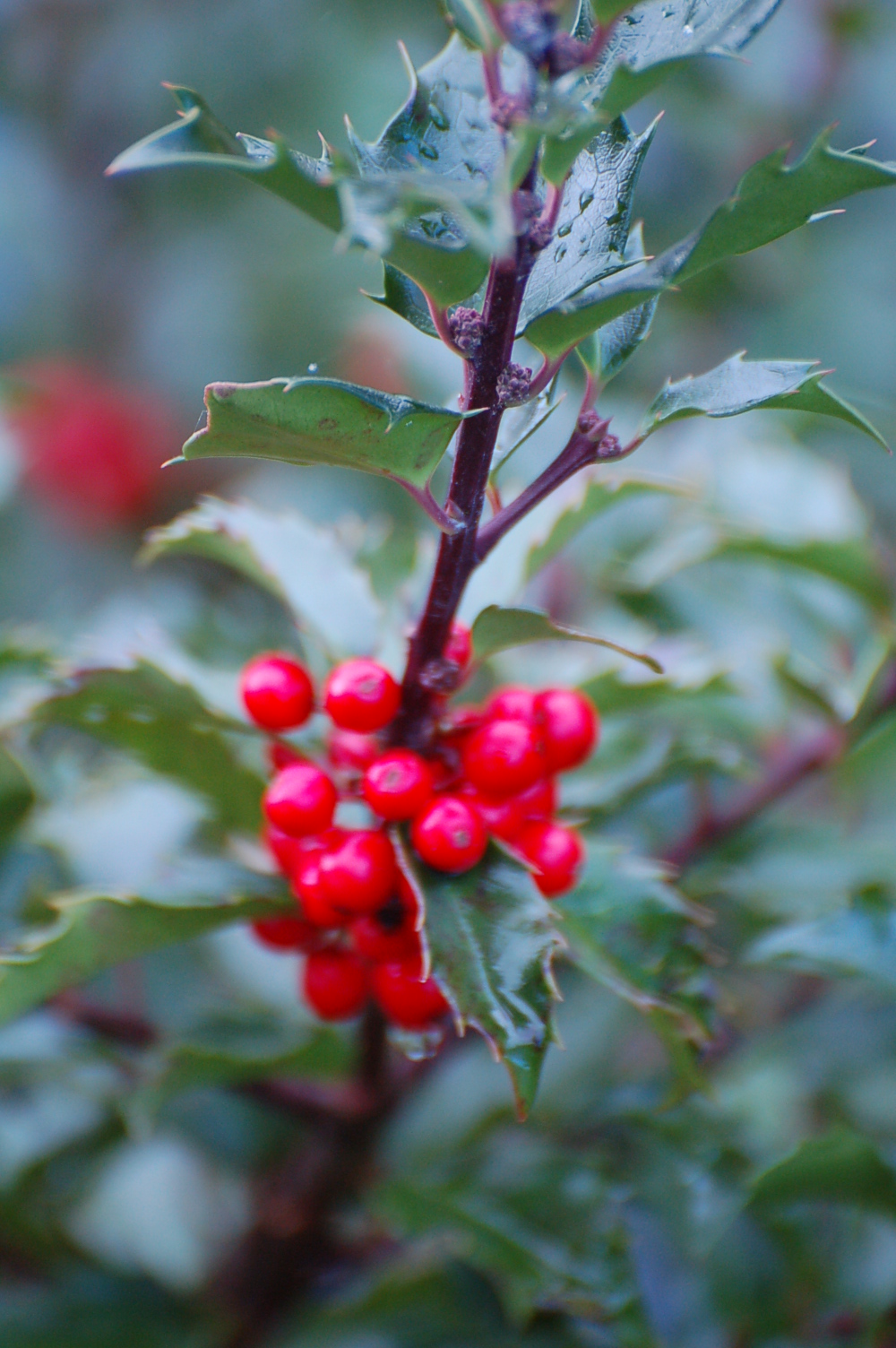
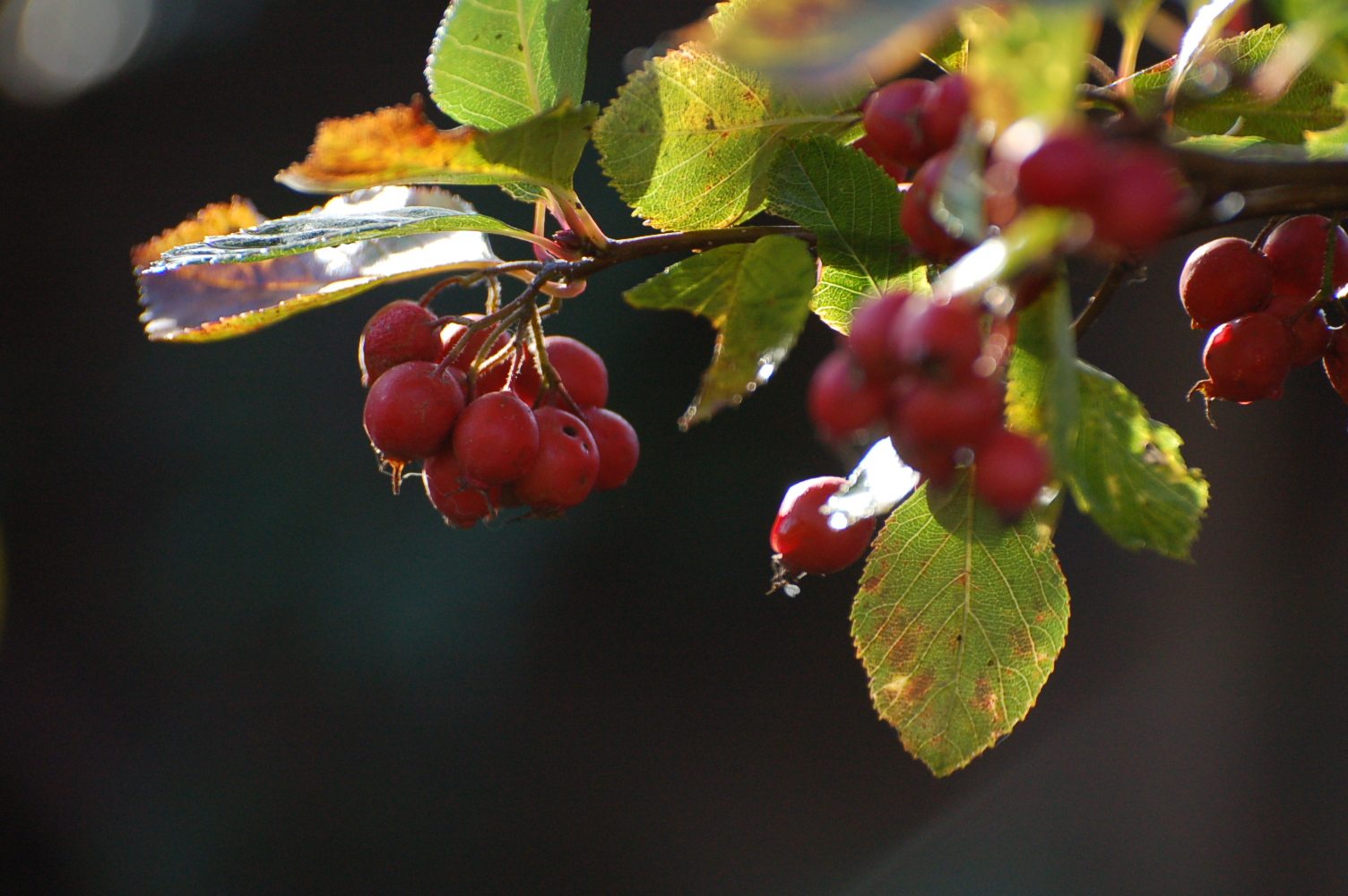
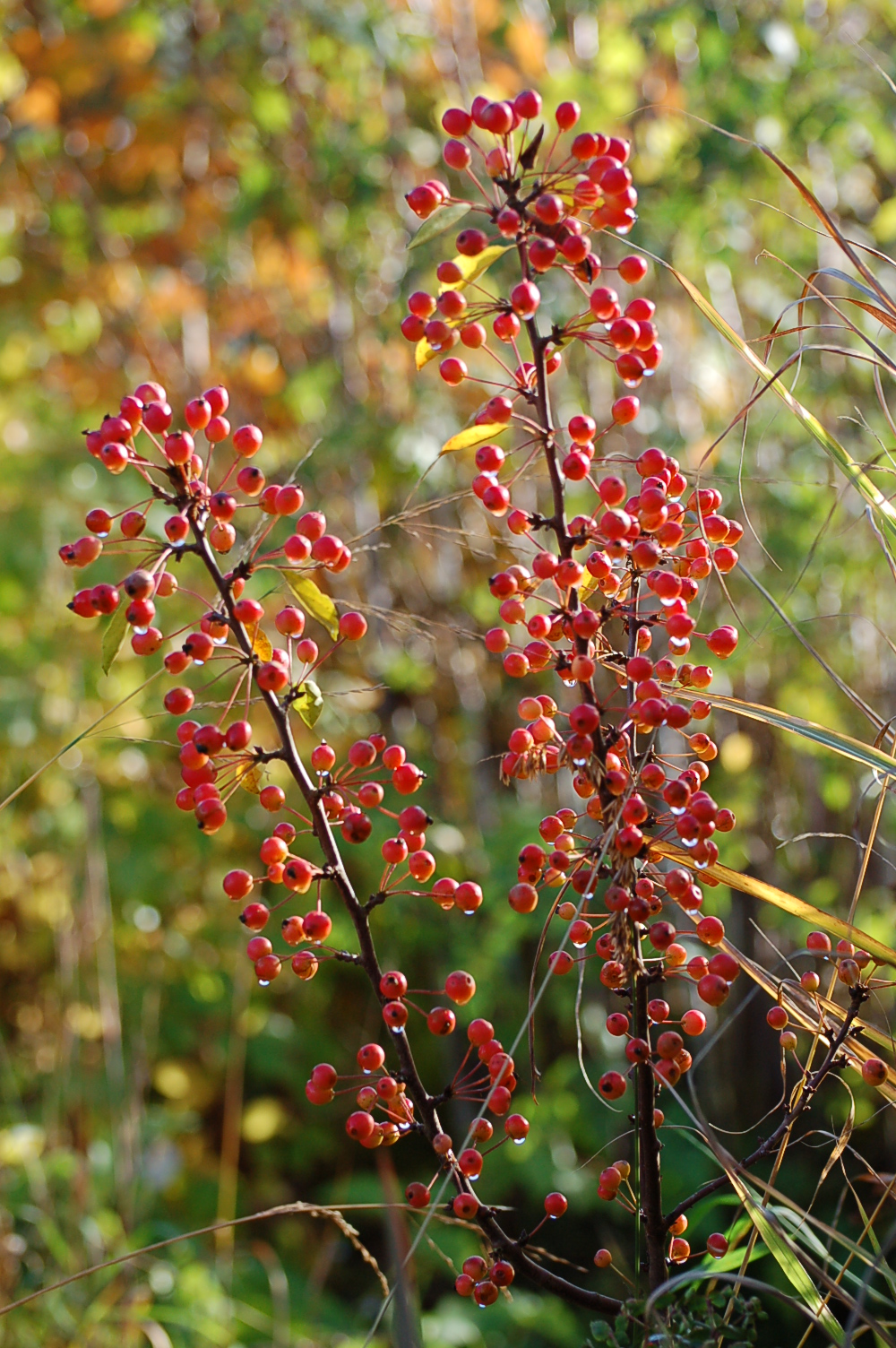
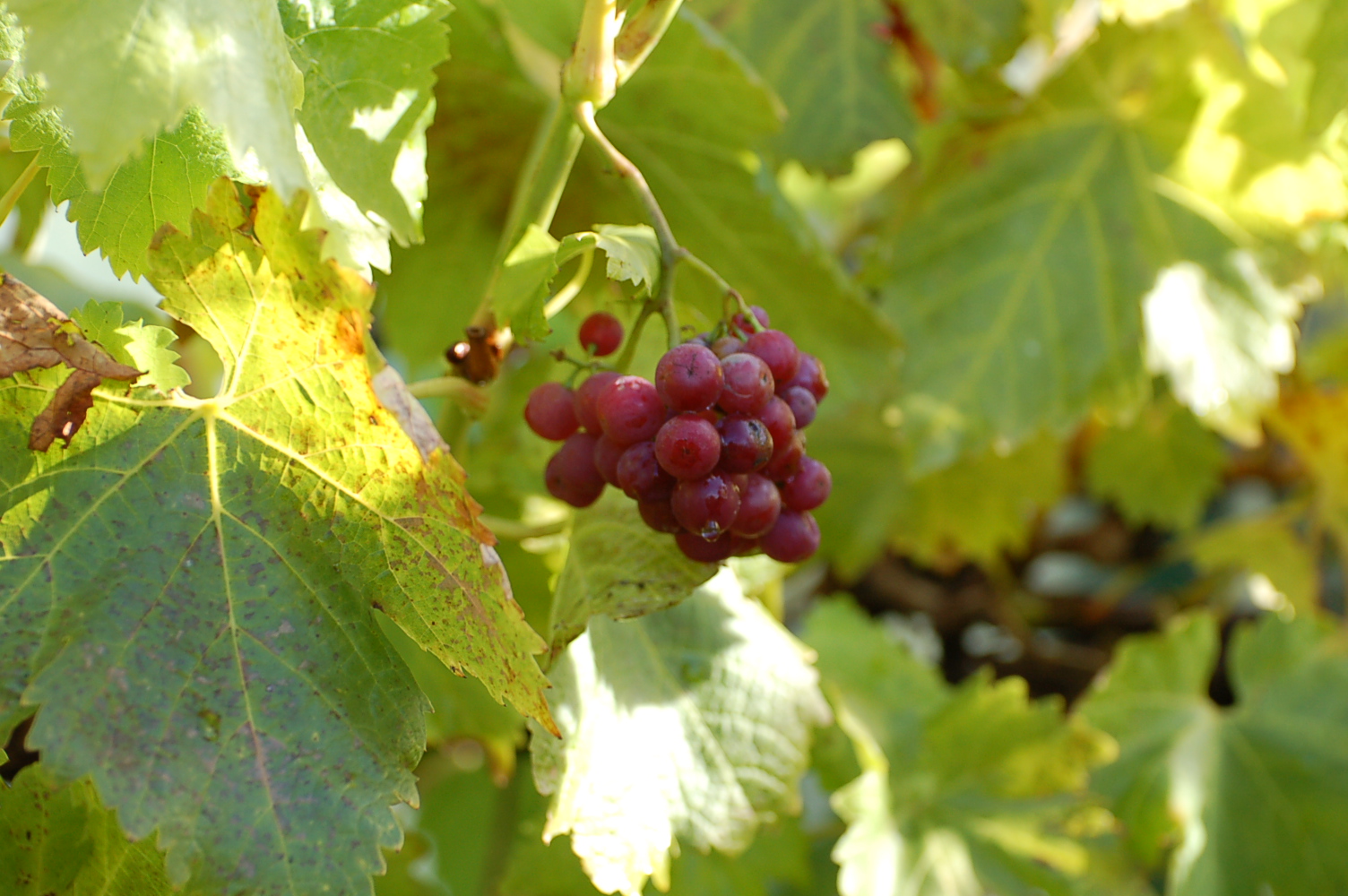
2013 09 27_3768 2013 09 27_3769 2013 09 27_3770 2013 09 27_3771

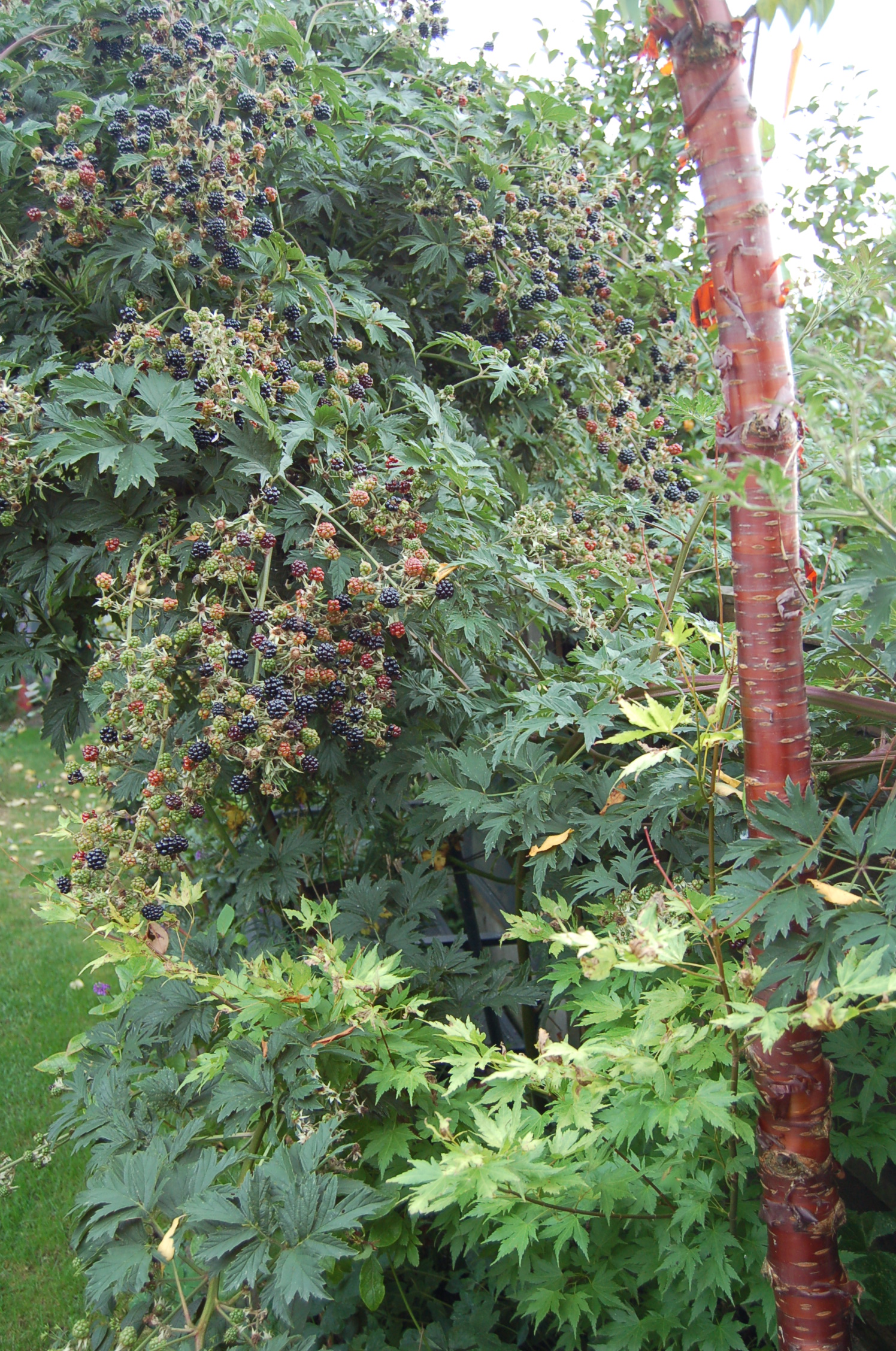
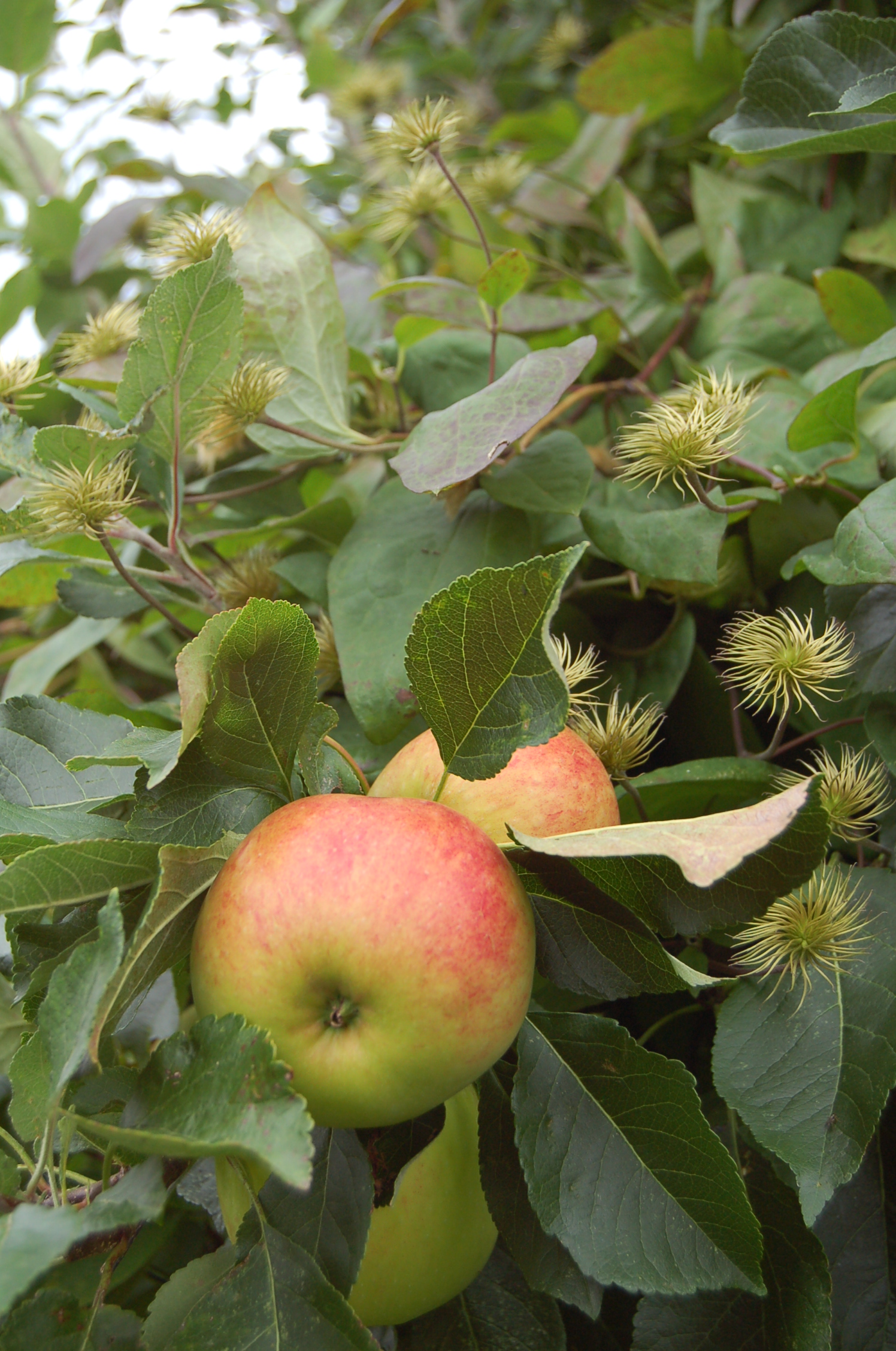
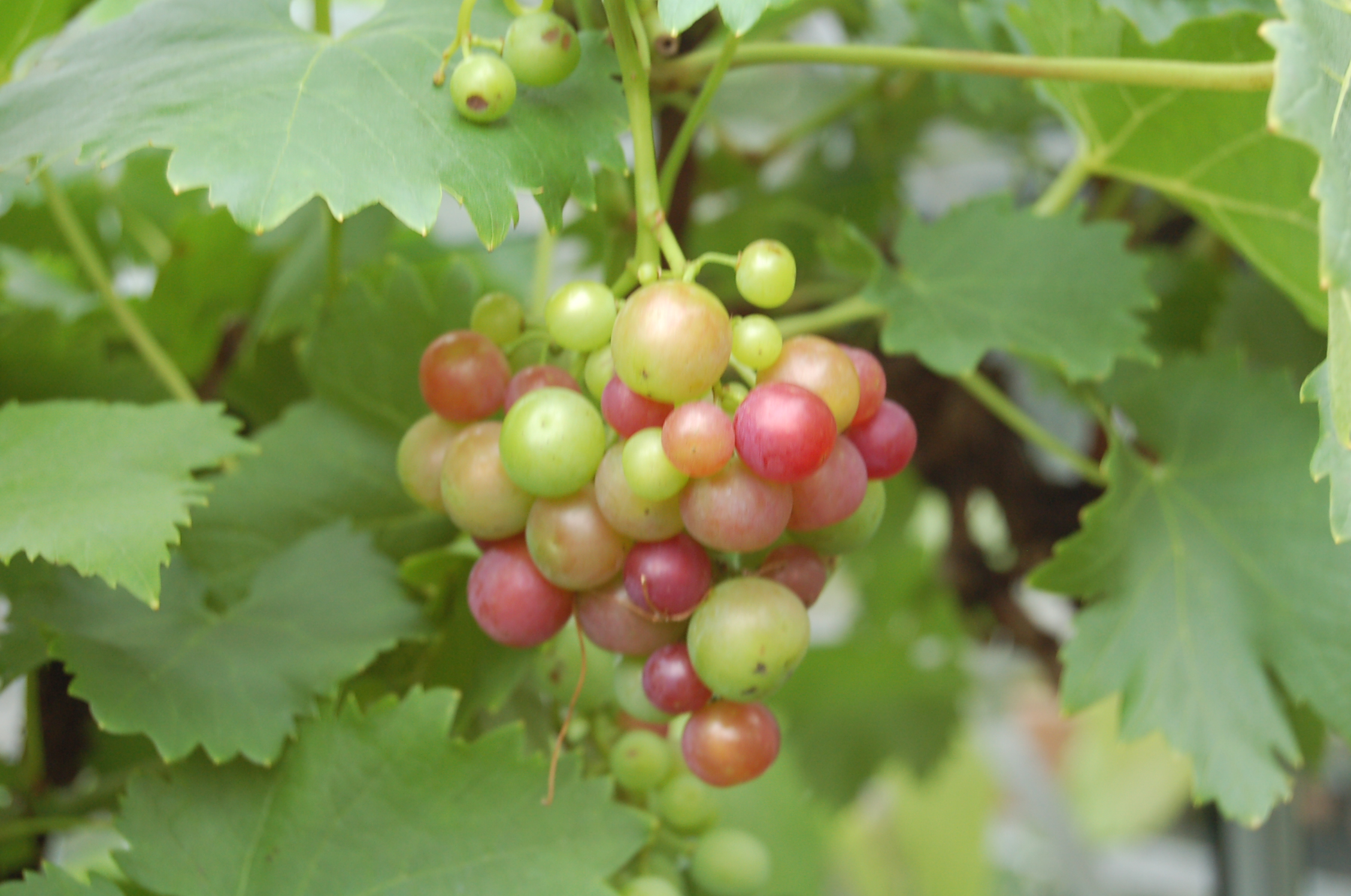
The Blackberry vine is so heavy with fruit that it blocks the pathway and apples hang in thick bunches but seem slow to ripen. At last colour is creeping into the greenness of the grapes. Fingers crossed that the weather is kind to them and therefore kind to us.

2013 09 27_3772 2013 09 27_37732013 09 27_3777

2013 09 27_3774 2013 09 27_3776

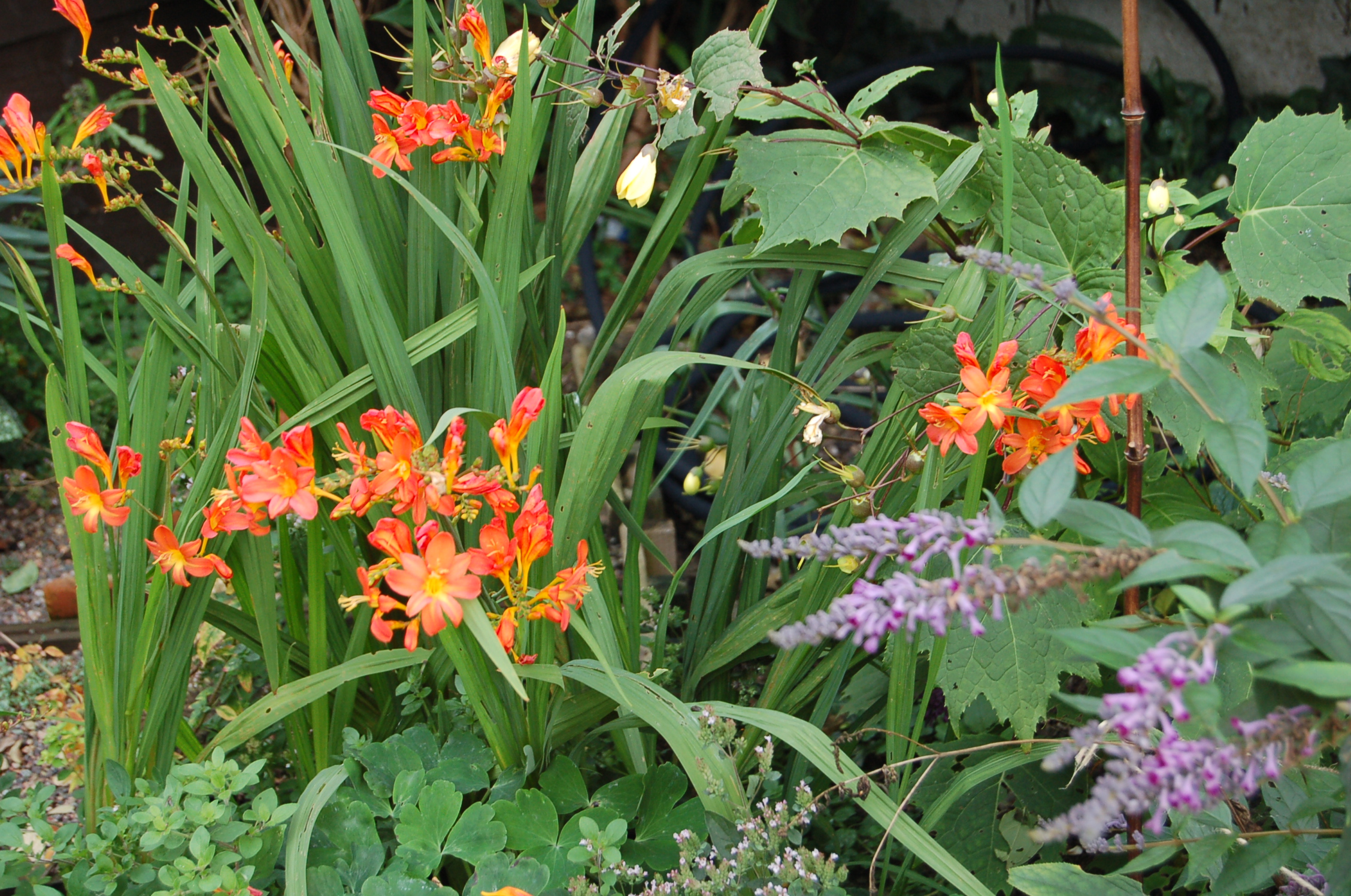
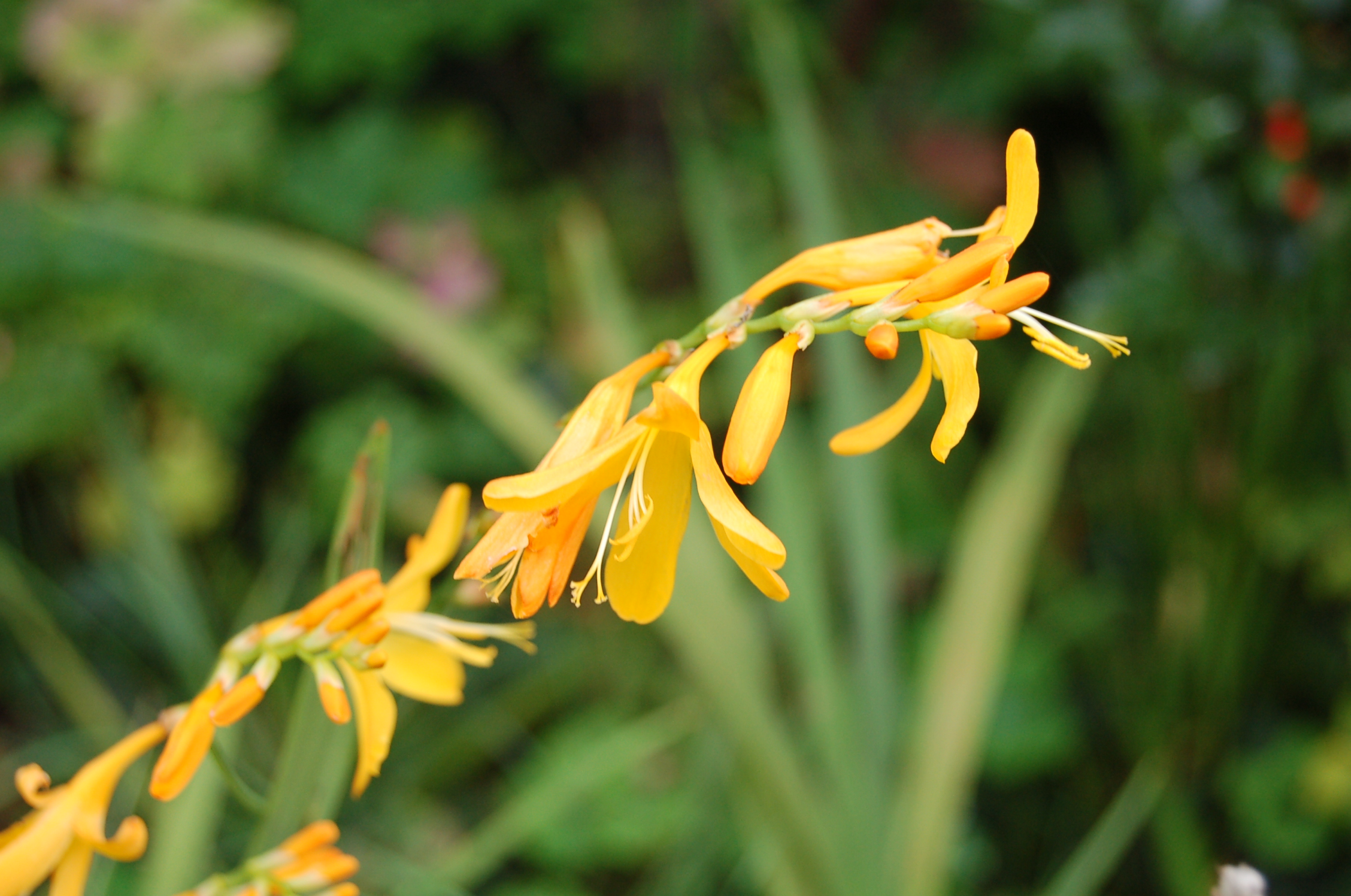
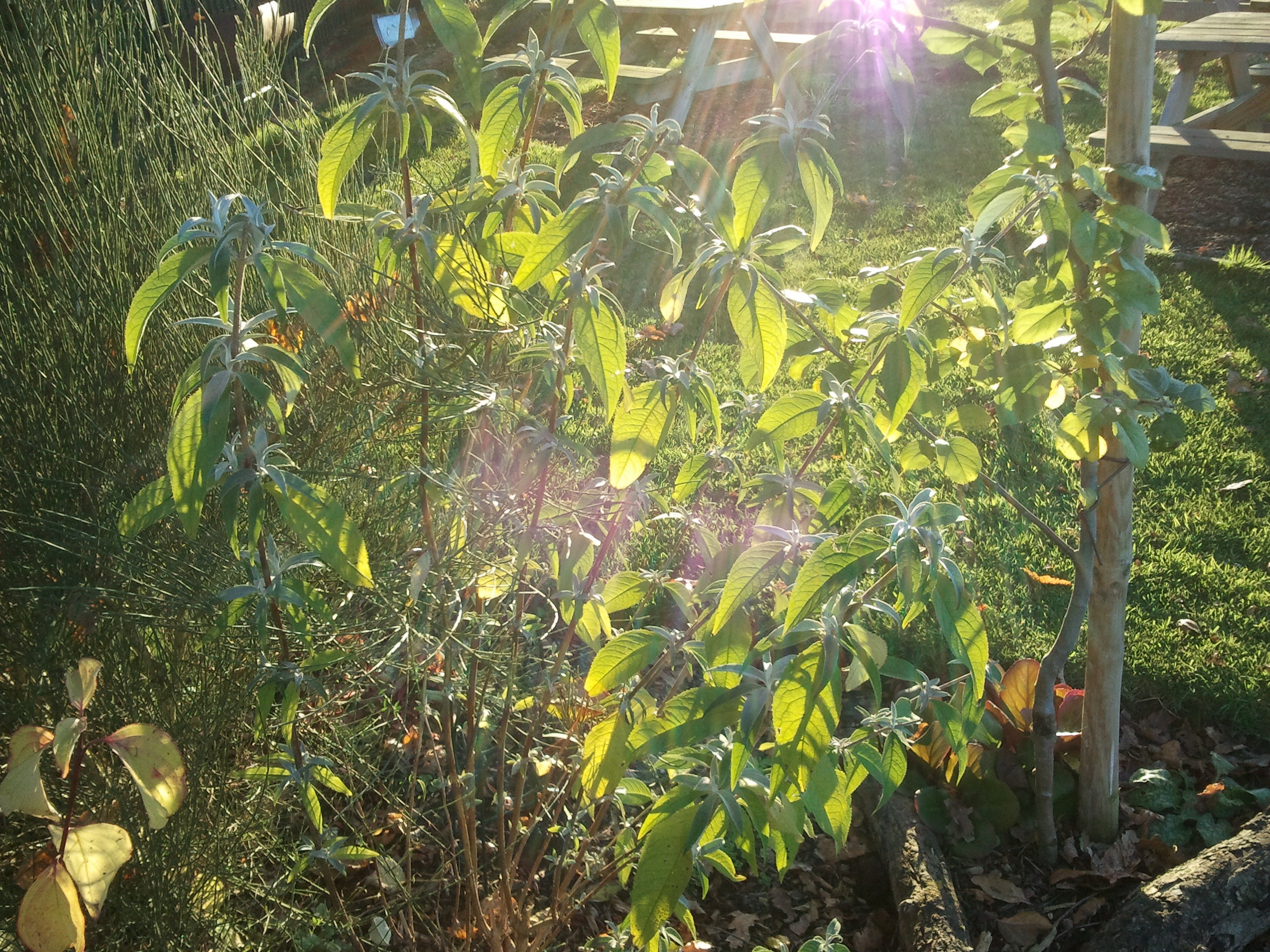
This Buddleja is a special one with purple flowers at the tip of each arching branch. The out side of each individual flower is dusty purple-grey but the rich bright purple inside provides a beautiful contrast. Buddleys lindleyana is a very special shrub. A real favourite! And it looks even better alongside a bright orange neighbour in the guise of a Crocosmia. While we are on the subject of bright flowered Crocosmia the yellow one nearby is gentler but still a true bright beauty.

2013 09 27_3778 2013 09 27_3713

2013 09 27_3714

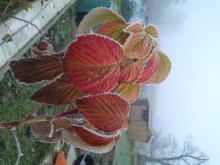
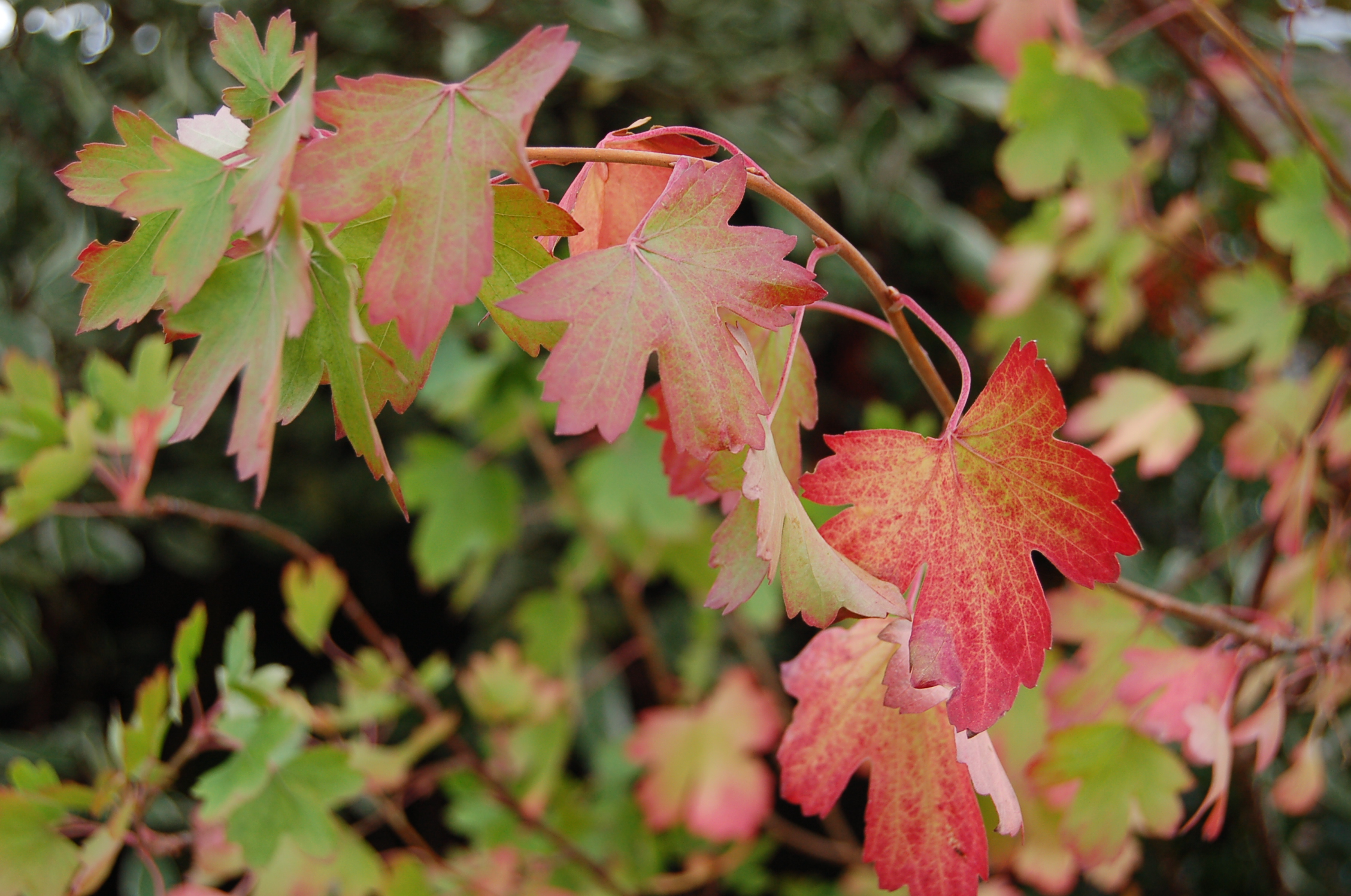
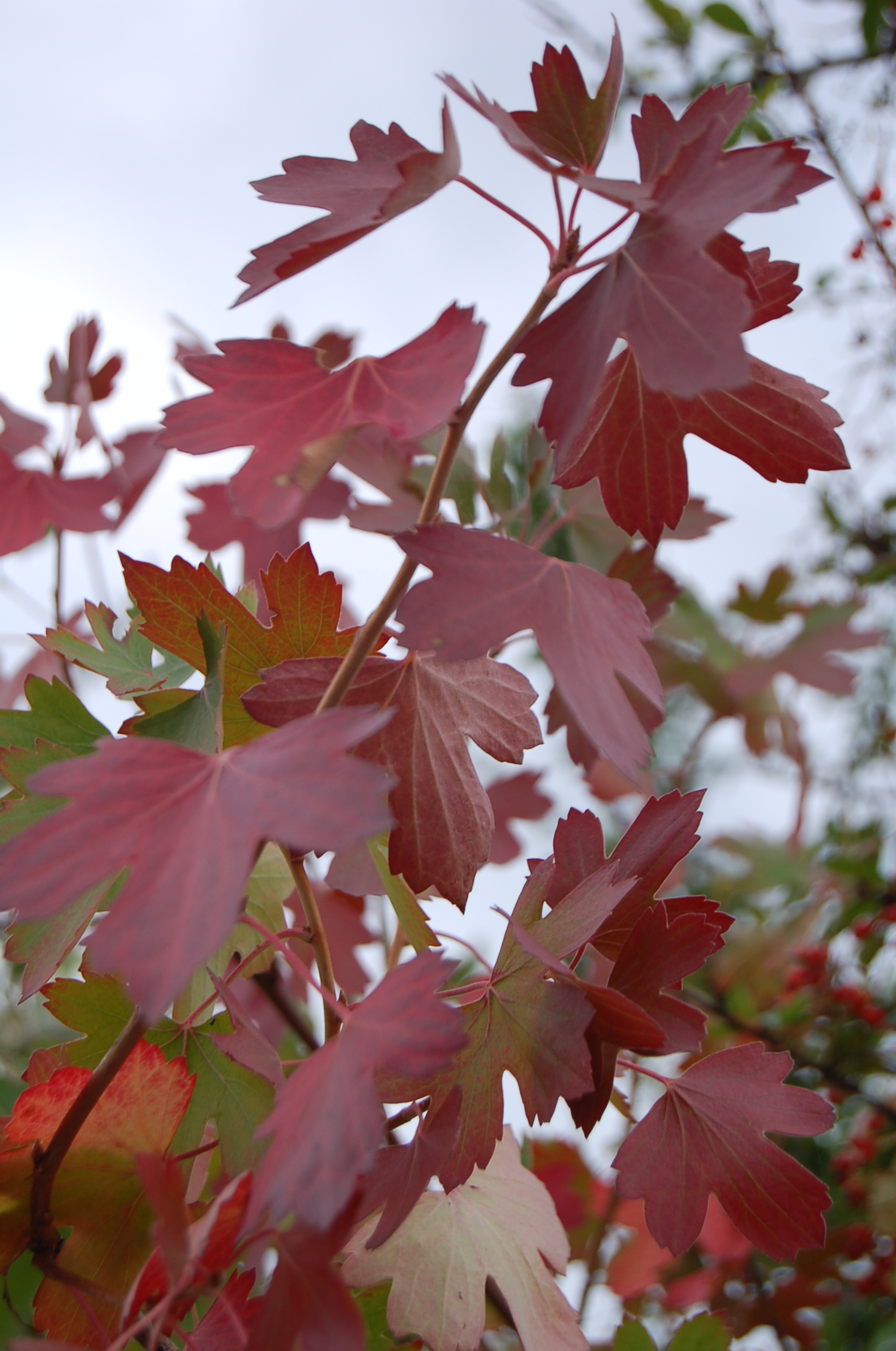
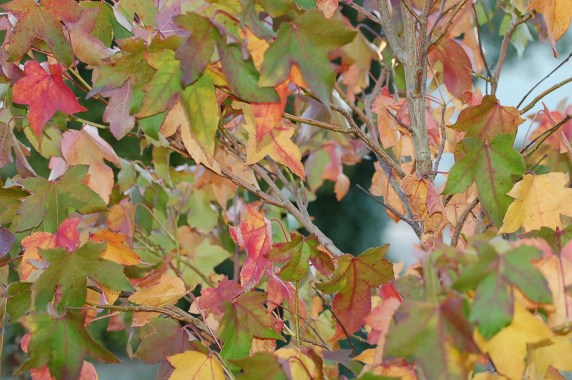
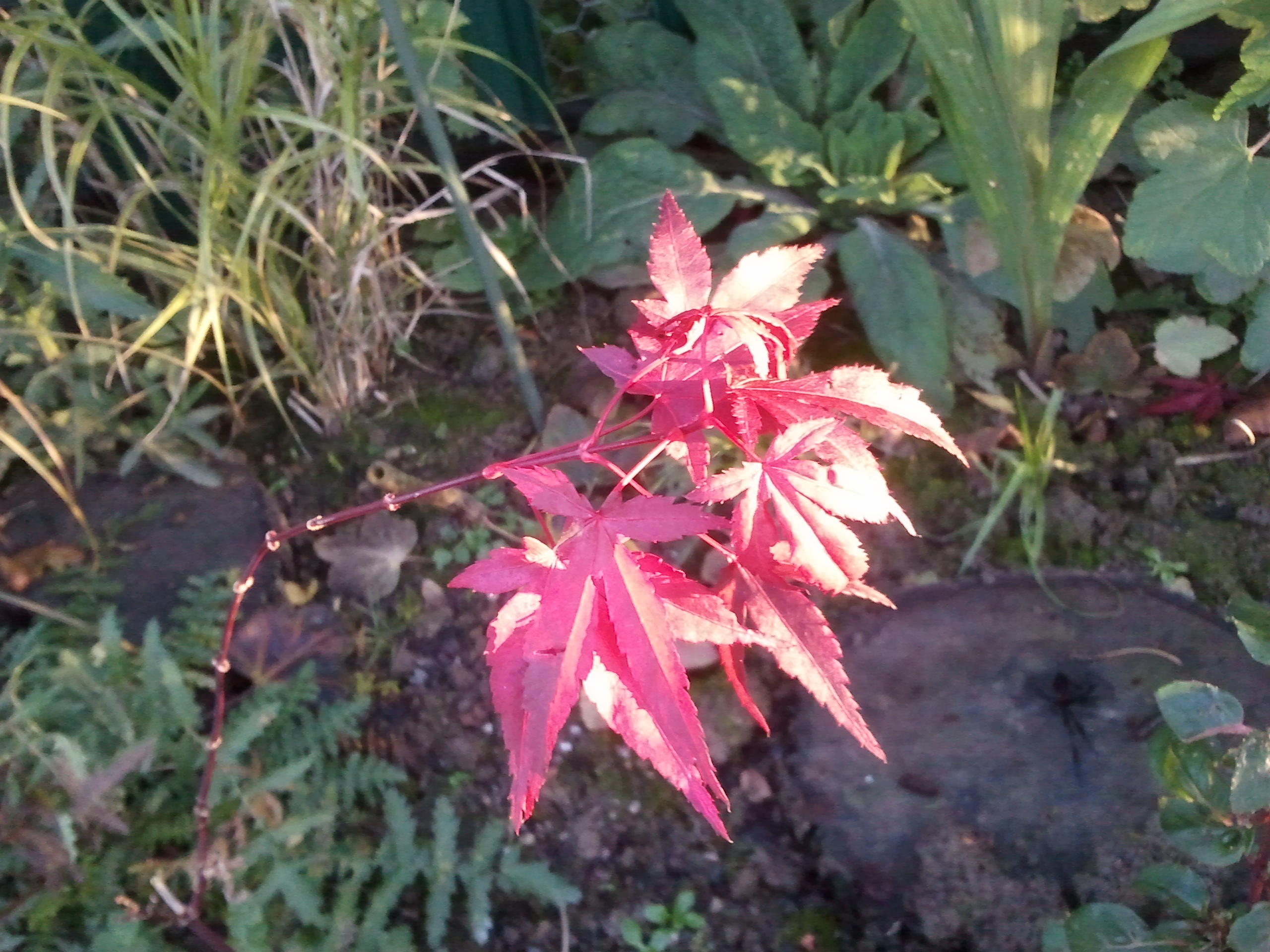
Shrubs and trees are thinking ahead to the winter and painting their leaves in reds, oranges and yellows. The first two photos are of a special Ribes which will give us yellow flowers in the winter. These are followed by deciduous varieties of Euonymus and Cercis “Forest Pansy”.

2013 09 27_3715 2013 09 27_3716

2013 09 27_3719 2013 09 27_3721

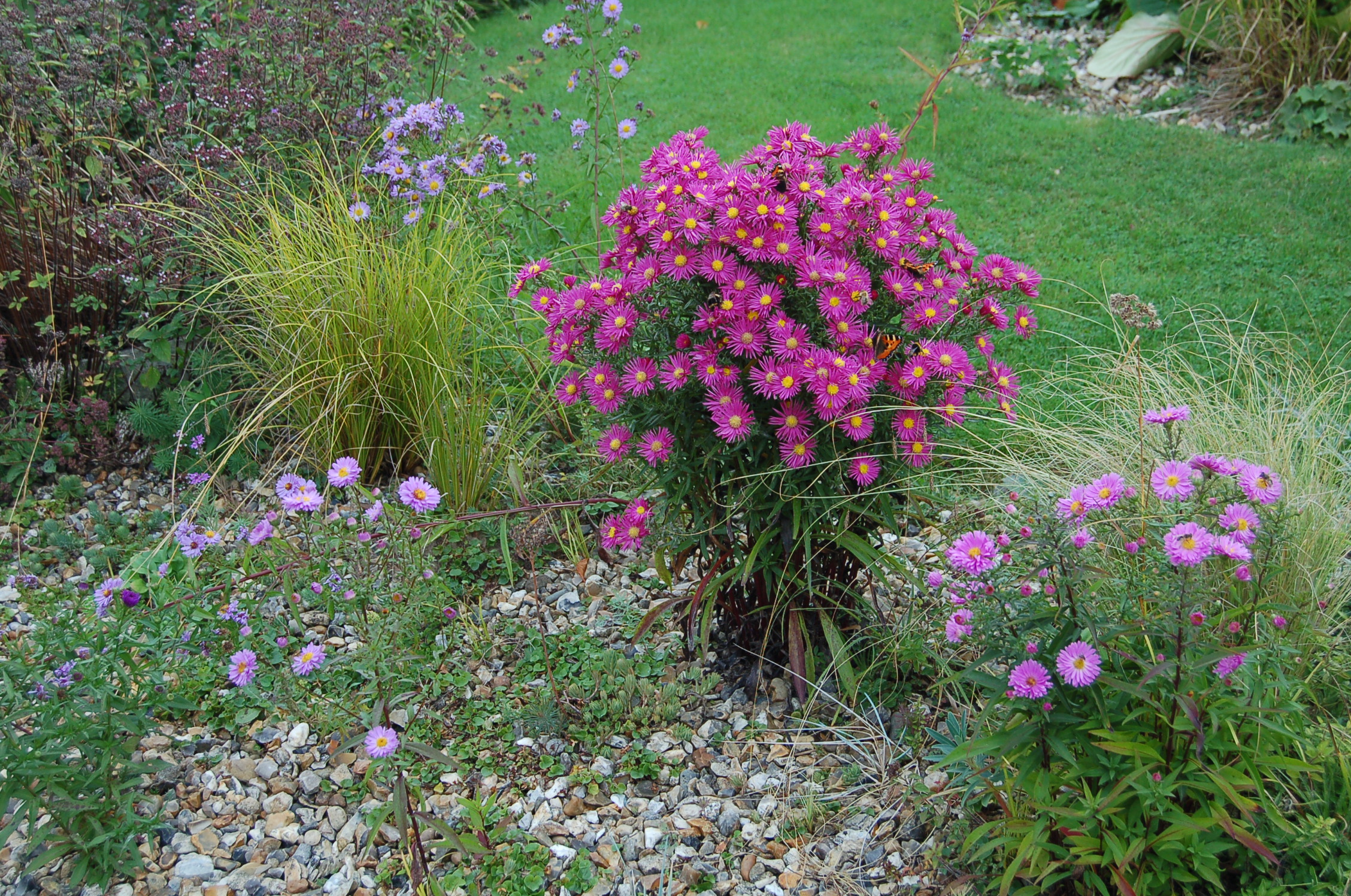
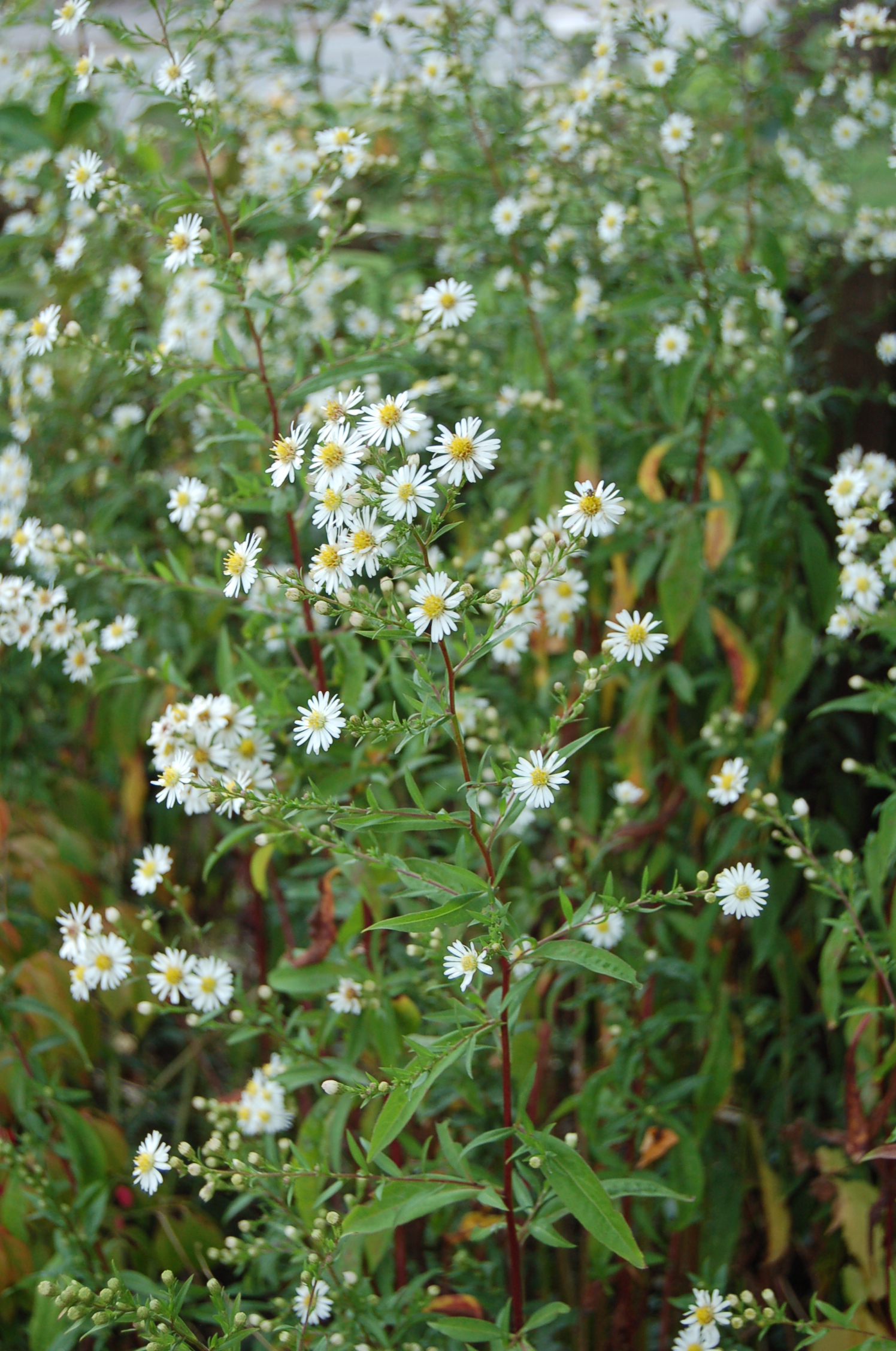
On the gravel garden, our Beth Chatto Garden, grasses are starring alongside the autumn stars, Michaelmas Daisies.

2013 09 27_3717 2013 09 27_3718  2013 09 27_3720  2013 09 27_3722

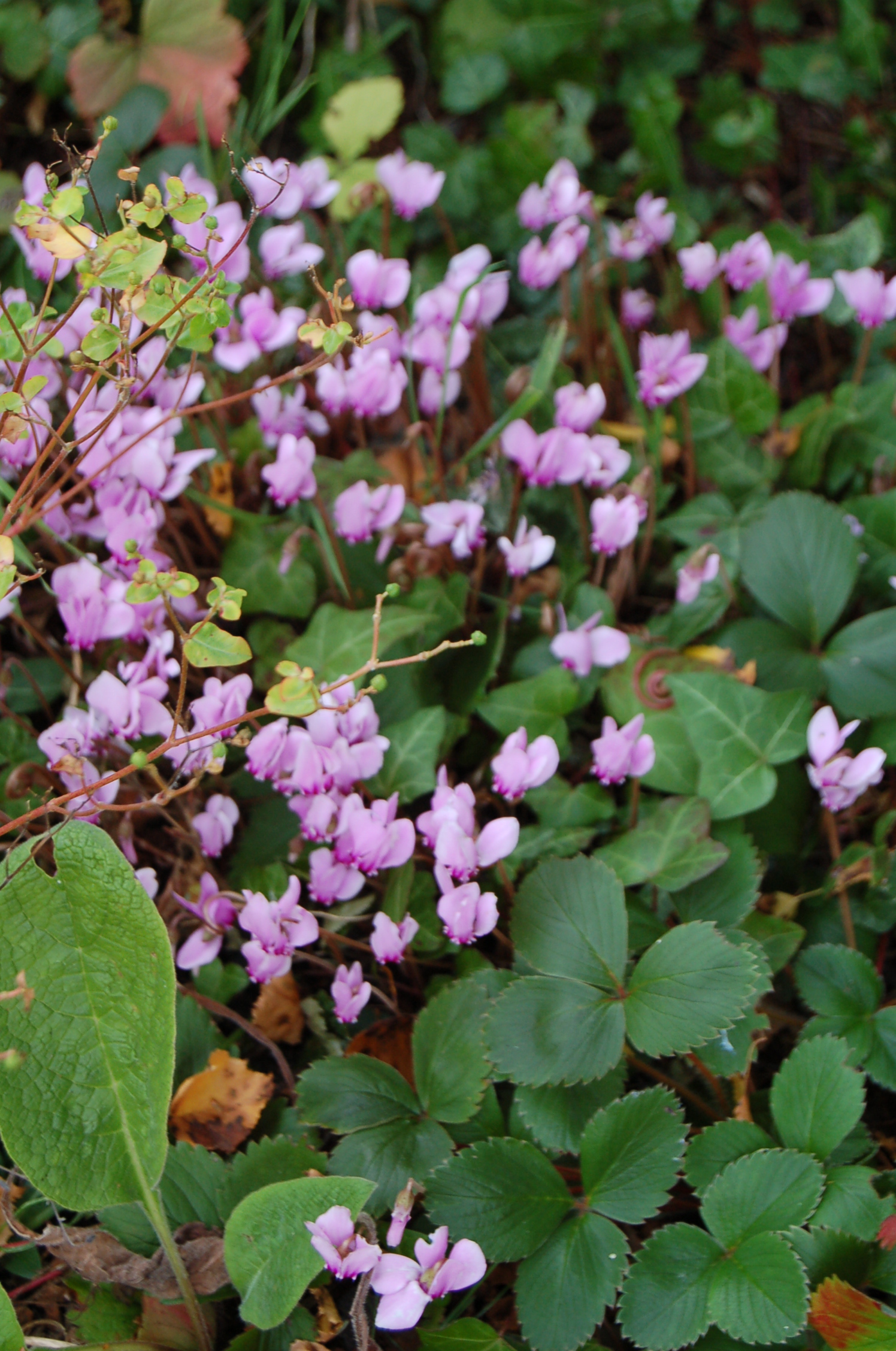
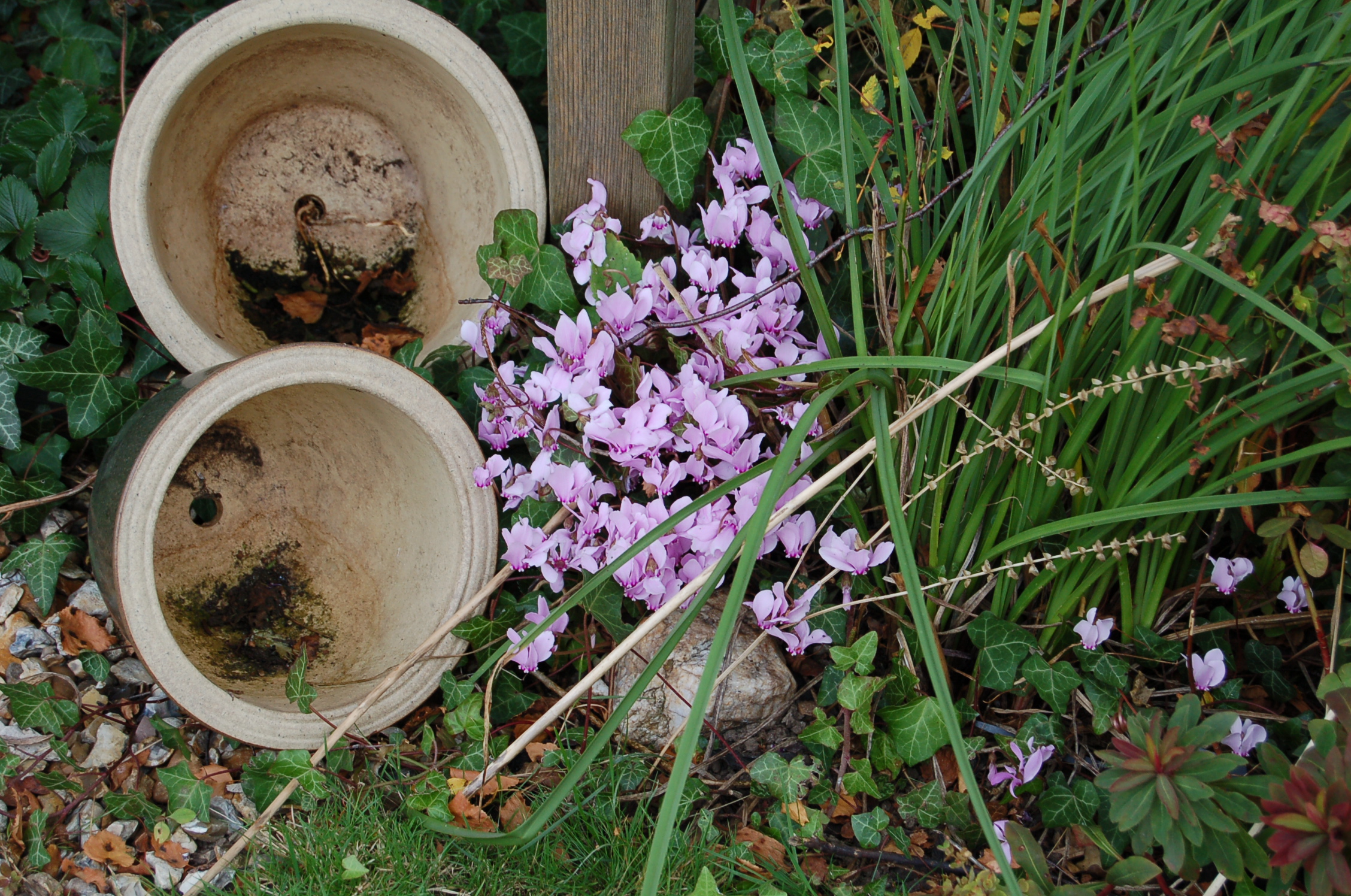
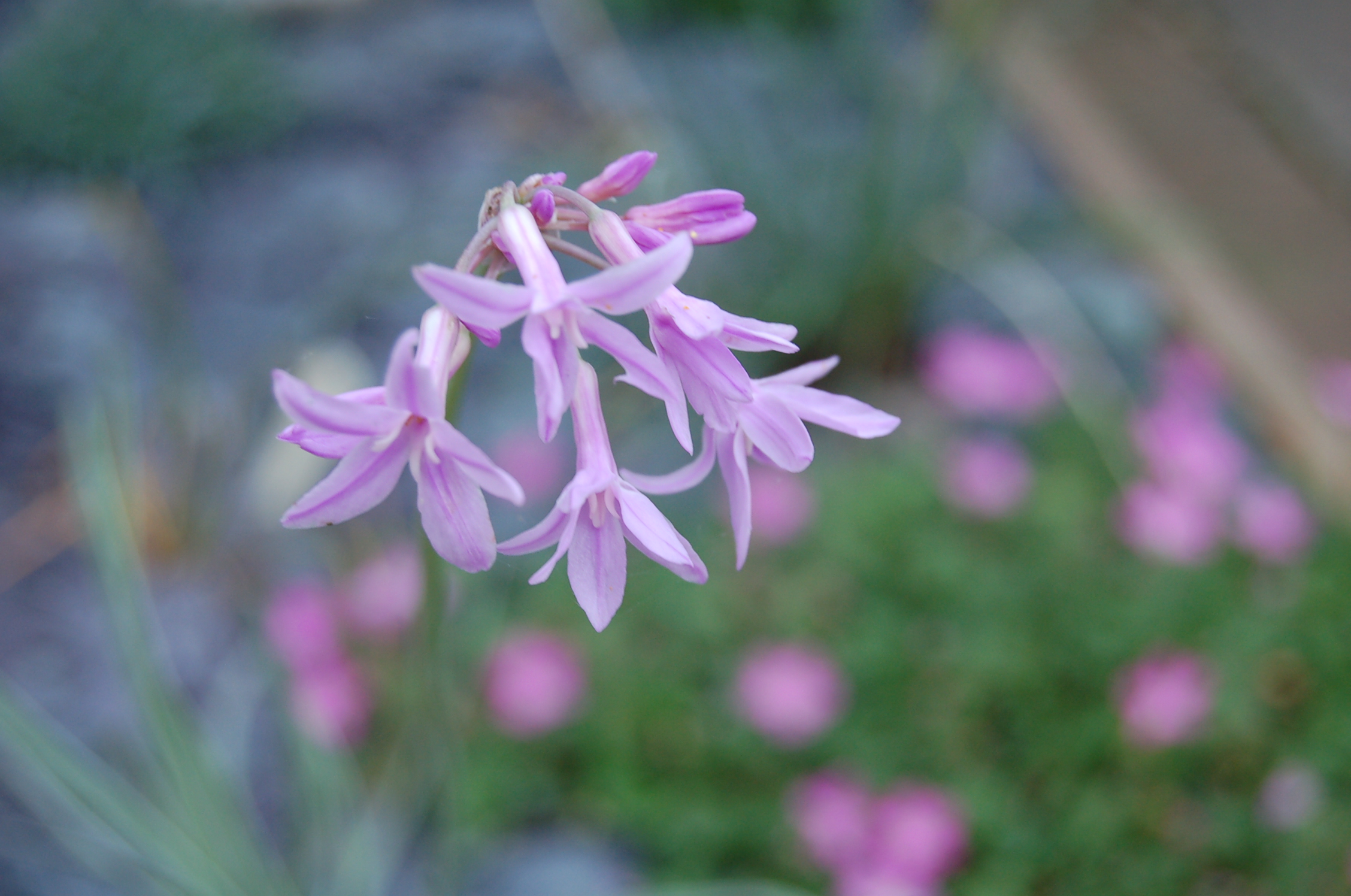
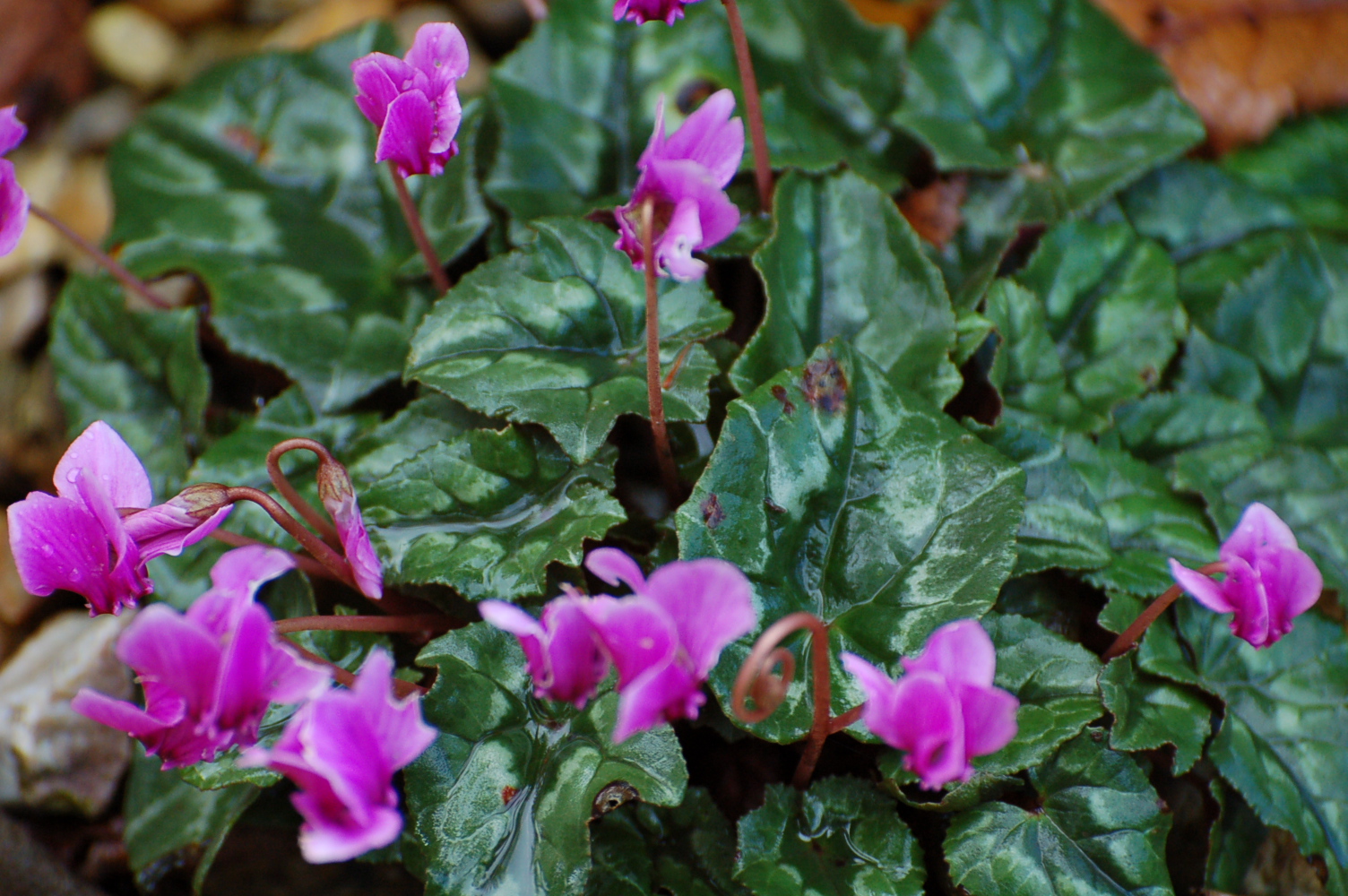
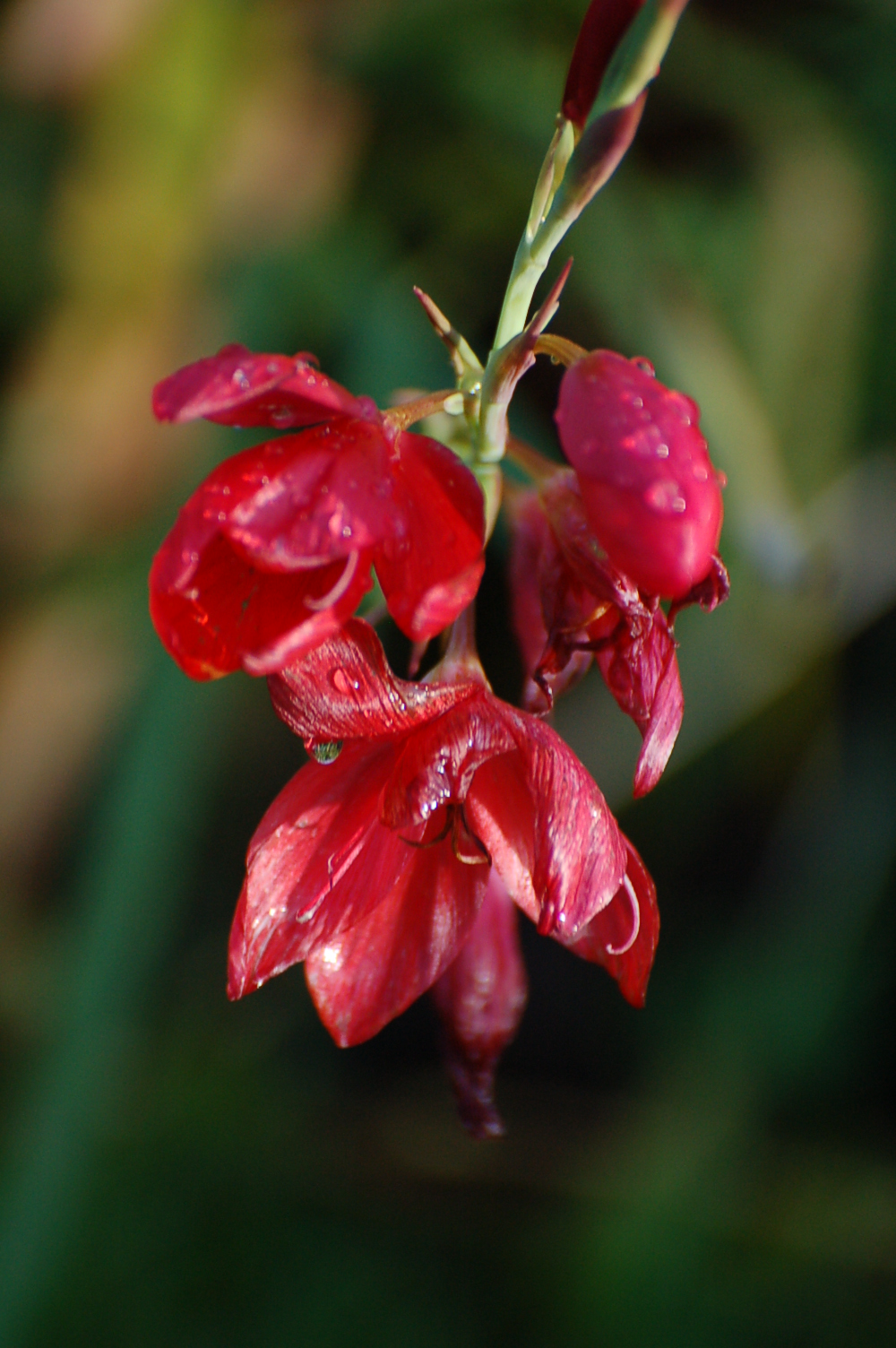
Bulbs usually mean late winter or early spring but these cyclamen and tulbaghia are showstoppers right now.

2013 09 27_3723 2013 09 27_3724 2013 09 27_3729

So off we go into autumn!

Categories
autumn colours colours garden photography gardening ornamental trees and shrubs trees

The ever changing colours of Liquidamber

 Liquidamber has to be one of the best trees for the small garden in autumn and winter.

It develops the usual colours  associated with autumn but holds onto its leaves and  the colours get more and more intense as the season progresses.

So for this post I shall regularly take pics of our Liquidamber to illustrate how they change.

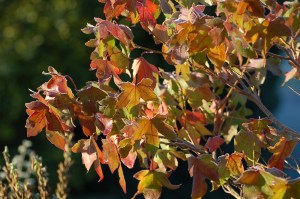
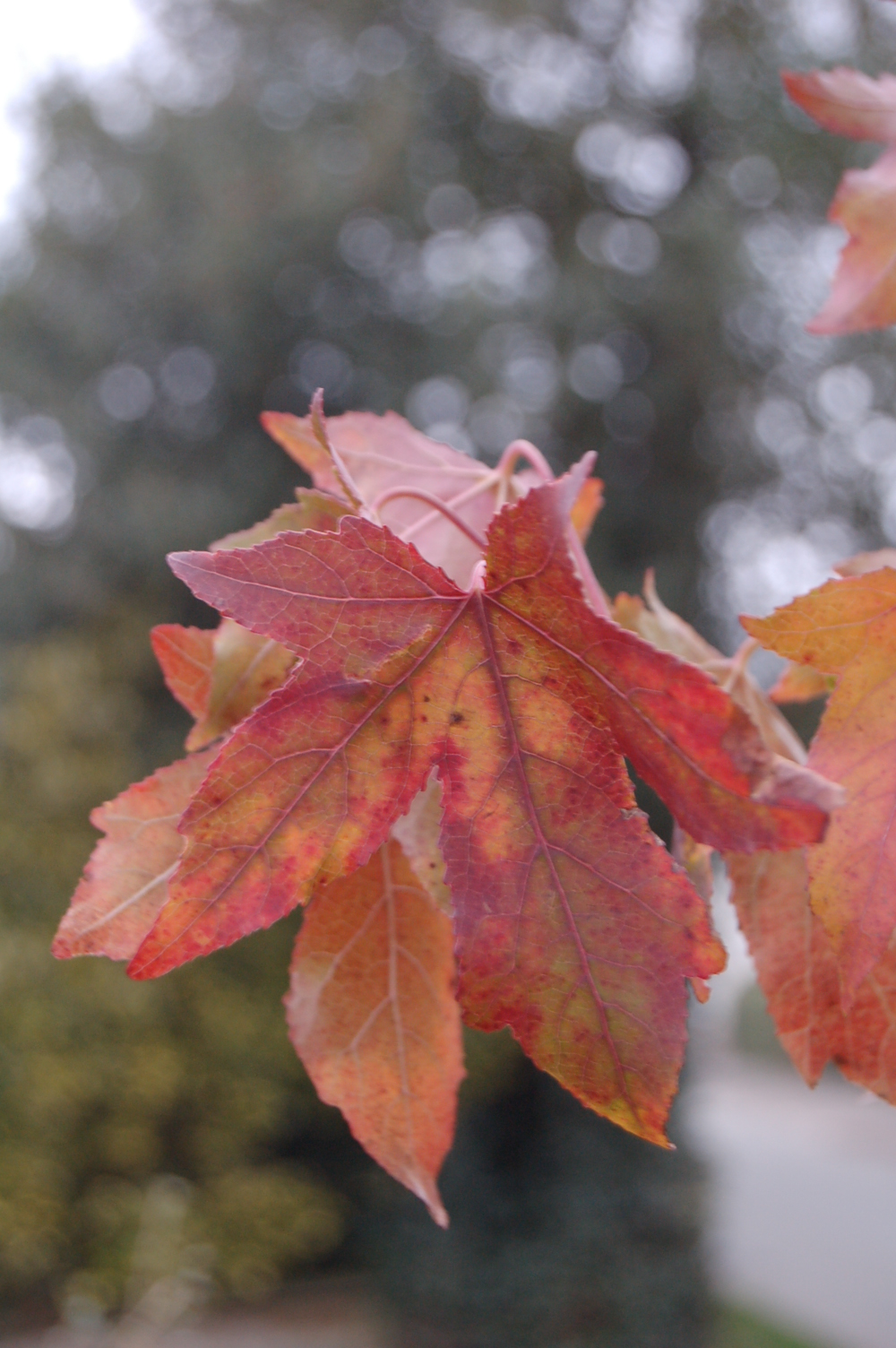
The first three photos were taken in October, at which time greens were still bright and frequent amongst the yellows and oranges.

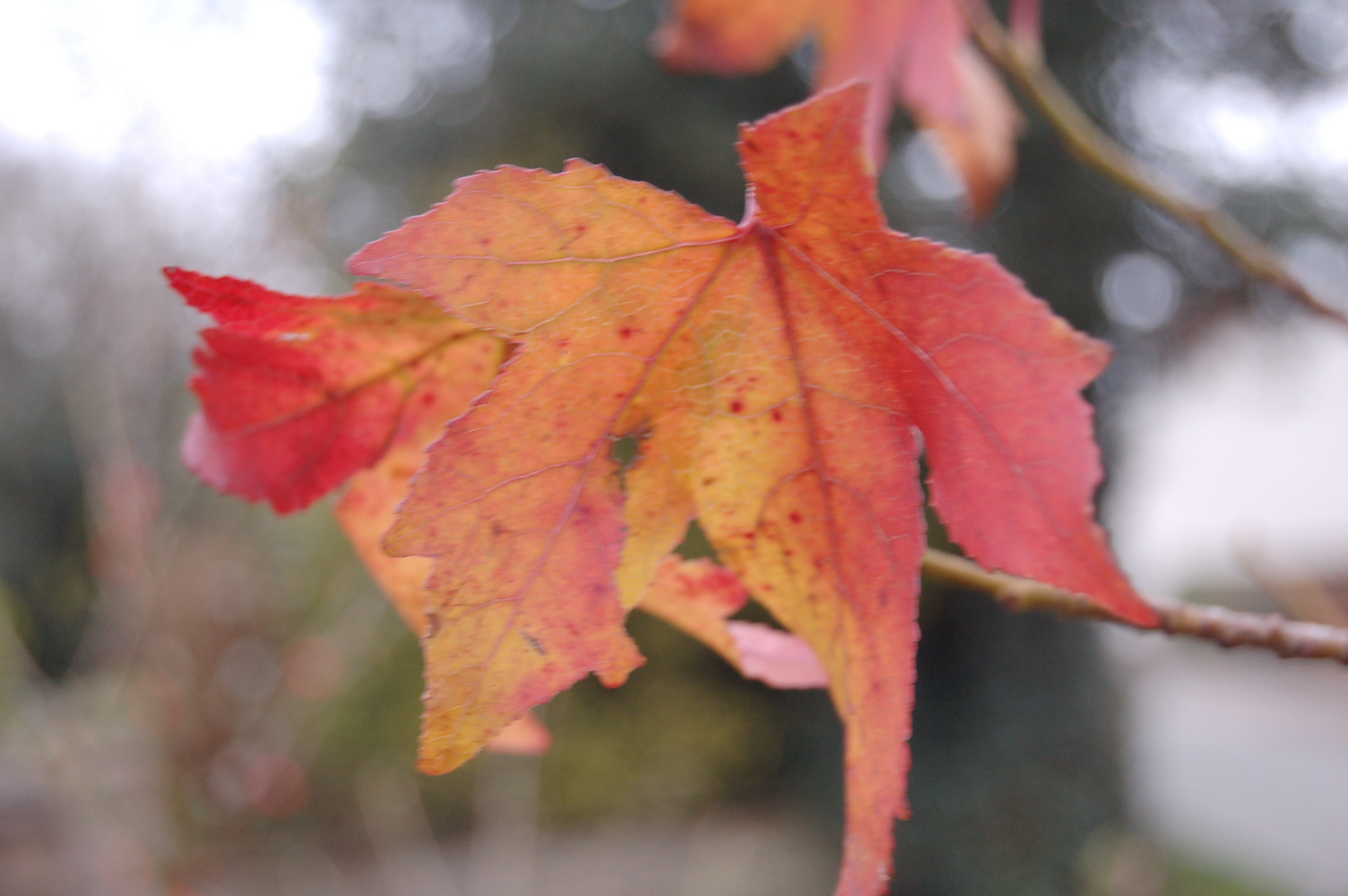
Early in December the colours are richer and not much evidence of green remains.

DSC_0010

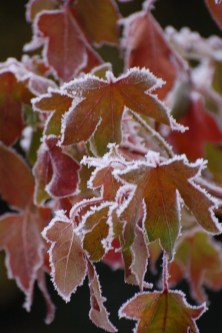
In mid-December a rim of frost decorated each leaf, emphasising their palmate shape and adding depth to the tints of fire.

DSC_0097

DSC_0096

By January the leaves are beginning to look dry with browns becoming the commonest colours.

DSC_0002 DSC_0003 DSC_0004 DSC_0005

Now in mid-March I would normally be able to enjoy the deepest of red leaves it is possible to imagine and they would be clinging onto their stems until new season leaves force them to release their grip and drop to the ground.

This year this eagerly anticipated redness has failed to appear and the remaining leaves are just crisp and dull brown. Half have already fallen and the others look as if they will soon give up their grip.

DSC_0008 DSC_0009

Once spring arrives and instigates budburst I shall start taking photos of our Liquidamber once again and follow the progress of its leaves throughout the year.

Categories
autumn autumn colours garden design garden photography gardening gardens open to the public ornamental grasses ornamental trees and shrubs photography

Looking Back Two – Trentham

In this post in my series featuring looking back at gardens visited in 2012, I will share photographs of an autumn visit to the wonderful Trentham, one of our favourite places to visit.

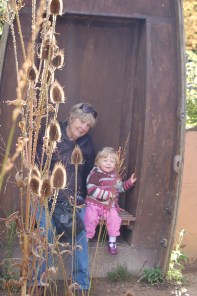
We took friends Jean and Tony with their granddaughter Lucy to share our enjoyment of this latest of our regular visits to these wonderful gardens designed by favourites, Piet Oudolf and Tom Stuart-Smith.

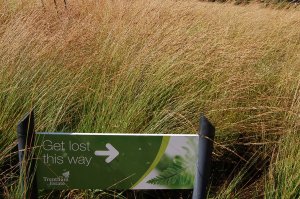
Perhaps this sign in the first photo is inviting us to get lost in wonder.

DSC_0001 DSC_0002 DSC_0003

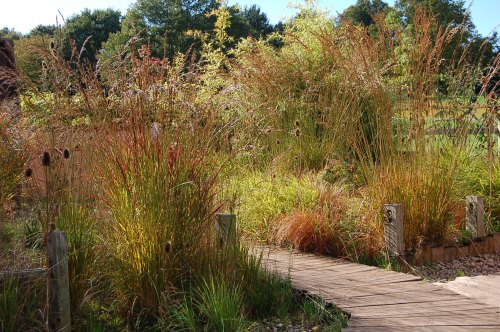
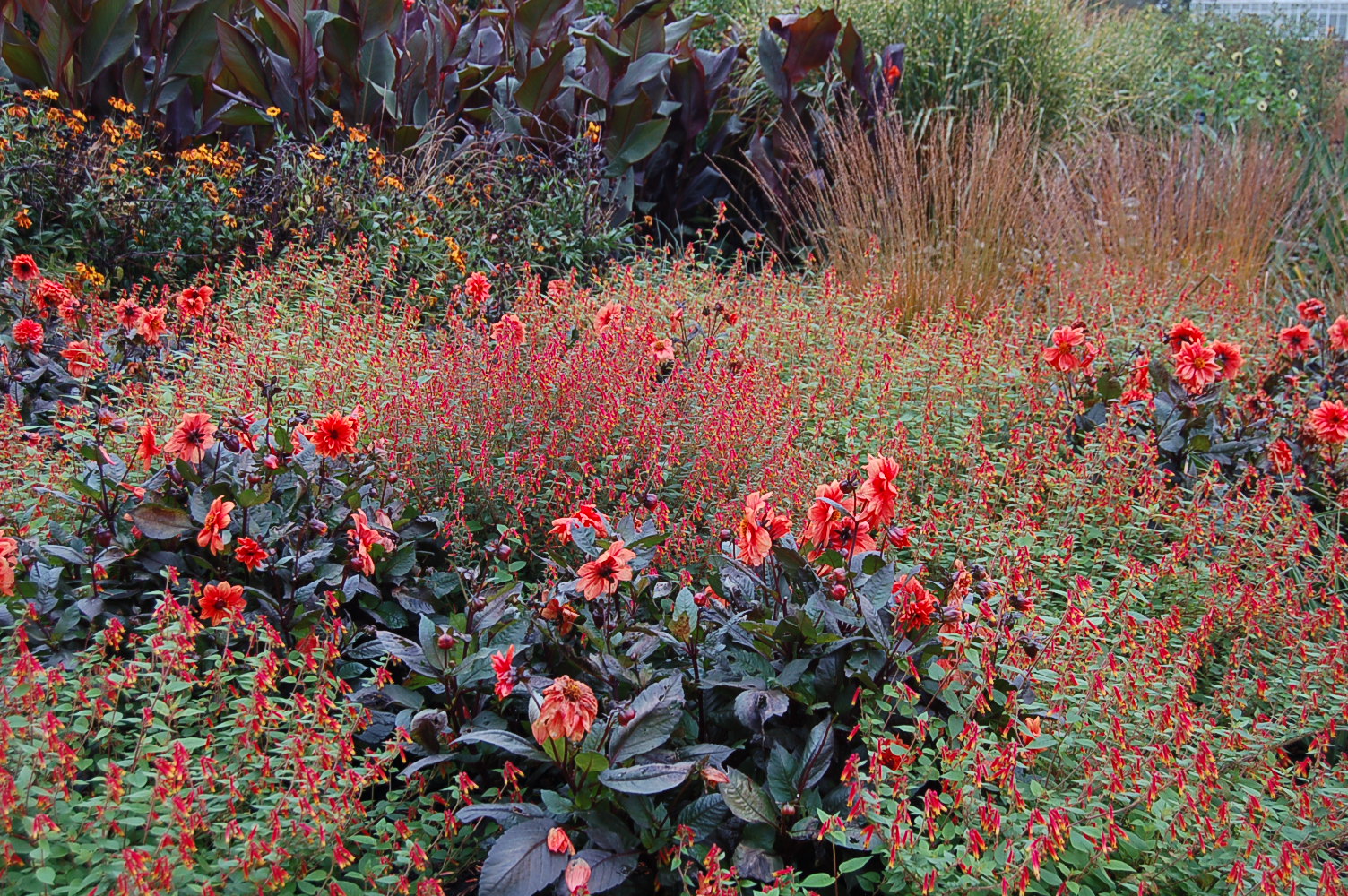
The garden is still full of colourful flowers in October. Each flower colour is enhanced by the gentle neutral shades of the grasses.

DSC_0005 DSC_0006 DSC_0007DSC_0010 DSC_0011 DSC_0012 DSC_0013

Lucy needs regular re-fuelling! She also needs time to play and enjoy an occasional sit down.

DSC_0014 DSC_0025DSC_0027

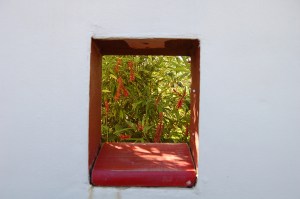
Through windows and doors. DSC_0028 DSC_0029

DSC_0008

DSC_0026

 Trentham once again provided us a real treat. We’ll be back again soon.

Categories
allotments autumn colours birds community gardening conservation garden wildlife gardening grow your own hardy perennials meadows ornamental trees and shrubs trees wildlife

A Wander around the Allotments in December

December hasn’t afforded us many days suitable for lottie gardening, sending us too much rain and flooding the site again for a while early on in the month . In fact the first attempt at working on our plot this month resulted in that too well-known sinking feeling. Algae has turned the soil green again.

We arranged to meet council officers and contractors on site one morning to start sorting out the flooding issues. It was of course raining when we met! Four trucks full of machinery and fluorescent coated workers arrived soon after, champing at the bit to start. Sods law came into play. The floods reappeared and water began lapping at our feet and at the wheels of the vehicles. One tractor got stuck in the mud!

The weather won the first round as work was abandoned even before it started, but at least everyone knows what to do now. We were promised that work would commence as soon as the weather allowed.

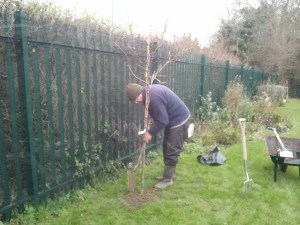
Things had improved a little by the end of the first week of the month, enough to arrange a day for Jude and I to meet our friend Pete to get some site tasks done in the communal gardens. We planted trees that had been donated by members in the new coppice we are developing, plus two others in the Autumn Garden. These were purchased with the prize money we had received when we won an award as the Best Community Garden in Shropshire by the National Garden Scheme.
SAMSUNG

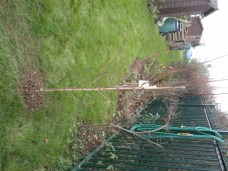
As Pete looks after the Autumn Garden he chose the trees. Two great specimens arrived in the back of his car, an Acer rubra and a Gleditsia Sungold.  In the photo above Pete is planting the Gleditsia and below is the Acer with its red stems. We can now look forward to the golden foliage of the Gleditsia and the red petioles of the Acer which contrast so well with the yellow autumn leaf colour.
SAMSUNG

We also transplanted some wild flowers and wildlife friendly plants kindly donated by a member, Dee. They were on her plot and we transplanted them to the meadows and orchards. Wild Hypericum, Red and White Campion, Mallows, Plantain, Foxgloves and Teasles plus a selection of Verbascum. In the picture below Jude is busily planting verbascum in the orchard meadows. The insect homes look so much bigger when plants die down for the winter. We just hope they are full of our friends, the overwintering pest controllers.

SAMSUNG

In the first few days of December I completed constructing the Tawny Owl nesting box which I had started weeks ago. It is by far the biggest nest box I have ever attempted to make. Each year I ask members to donate their spare wood for nest box construction and plenty came in this year so I hope to make several boxes. My next challenge is to make a box for House Sparrows.

SAMSUNG

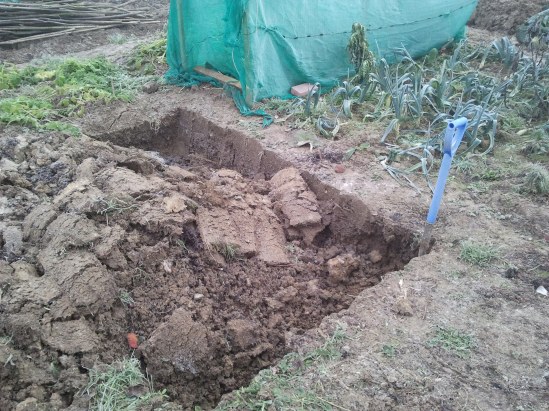
On our own plot we have dug over the plot and given it a deep duvet mulch of manure. Now we will let the worms and other little critters get to work on it. We have pruned our fruit bushes and brambles, and are mid-point through cutting down and digging up a blackberry which refuses to produce any fruit. We gave it our “three chance and out” treatment which we allow every failing plant in our gardens.

At the mid-point of December the weather turned cold with clear ” blue-skied” days and deep frosty nights. The workers came back to get started on the flood prevention work. They are getting on well. We met them early one morning to sort things out and I took advantage of the bright conditions to get some photos taken. Having just my Samsung Galaxy with me the rest of the pics in this post are taken with its camera – a great camera for a phone.

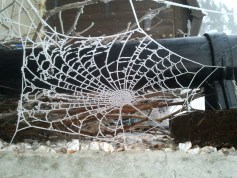
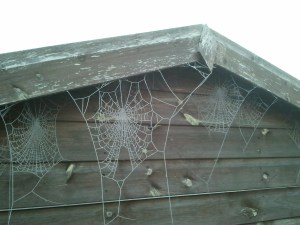
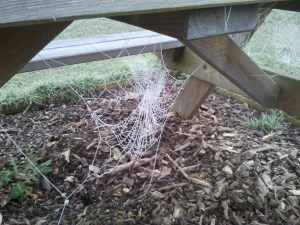
Spiders appeared to have been industrious all through the hours of darkness creating works of art for Jack Frost to add the finishing touches. In the first pic we can admire how they have decorated a shed’s gable end and the second and third show where they have added a feature to the Communal Hut.
SAMSUNG

SAMSUNG

SAMSUNG

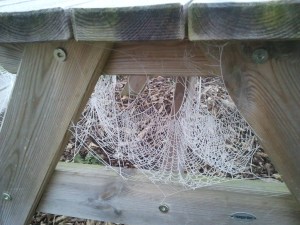
It looks as though the spider population of the lotties have taken to using the picnic benches when it is too cold on the rear end for us gardeners to enjoy our coffee breaks on them.
SAMSUNG

SAMSUNG

On Wendy’s plot Jack Frost had iced the rose hips.

SAMSUNG

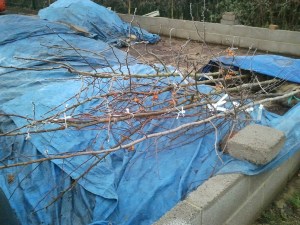
We have had some beautiful new trees delivered to the site ready for planting when the soil is not frozen. At the moment we would not get a spade in. We have been given a Weeping Silver Lime which we selected to celebrate the Queen’s Jubilee Year, plus two crab apples Malus “Evereste” and Malus “Golden Hornet” to plant, one in each orchard to improve fruit pollination, and two ornamental Hawthorns.
SAMSUNG

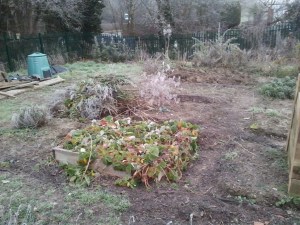
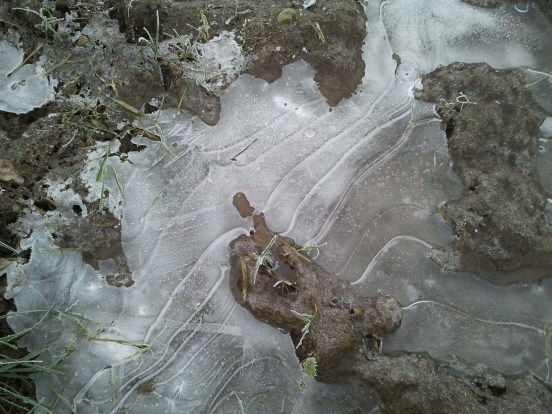
The individual plots are looking bare and forgotten. Some have been well dug for the winter, others await better weather. Where water sits in puddles it had frozen solid. On one plot a double digging session had been interrupted by the weather.
SAMSUNG

SAMSUNG

SAMSUNG

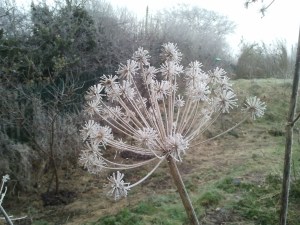
On one plot next to the new coppice area the seed heads of Angelica, left for the Goldfinches and Bullfinches to feast upon, were covered in frost.
SAMSUNG

SAMSUNG

In the coppice area itself, our newly planted Hollies had attracted spiders.

SAMSUNG

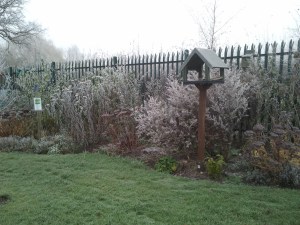
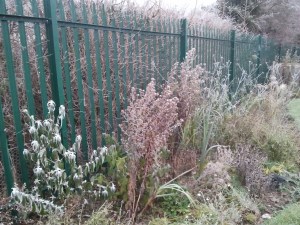
The communal gardens  looked monochrome  with frost covering the herbage.
SAMSUNG

SAMSUNG

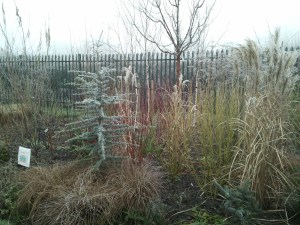
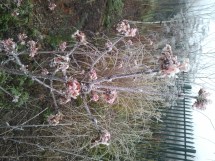
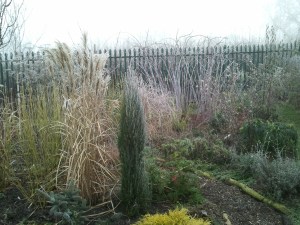
As befits the season, our Winter Garden is looking good! Pete was with me as I took these photos and he and I created this garden less than two years ago, so we keep admiring our handy work.
SAMSUNG

SAMSUNG

SAMSUNG

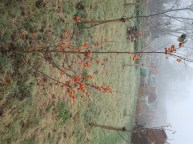
Splashes of colour sprang up to shine out in the gloom of the misty grey day, the fruit of the Malus “Evereste”, and the fire-coloured leaves of a Hawthorn in the hedge and a Raspberry on a plot.SAMSUNG
SAMSUNG

SAMSUNG

As we wandered taking these pictures we were followed around by the resident Robins who were waiting for us to start work turning soil over and exposing bugs for them to pounce upon. But no gardening was done, the soil being too solid with frost so no sod could be turned. We found time to top up the bird feeders in our feeding stations. These are busy with tits, finches, Nuthatches and Woodpeckers.

Categories
autumn autumn colours colours garden design garden photography gardening gardens open to the public grasses hardy perennials ornamental grasses ornamental trees and shrubs photography the South trees

The Savill Garden in October

At last we have got around to visiting the Savill Garden. It was worth waiting for! The new visitor reception is an amazing building, a single storey space under a long, sinuous roof shaped like the tail of a Whale.

Looking up at the wonderful reception building.
Looking down into the garden from the reception building.

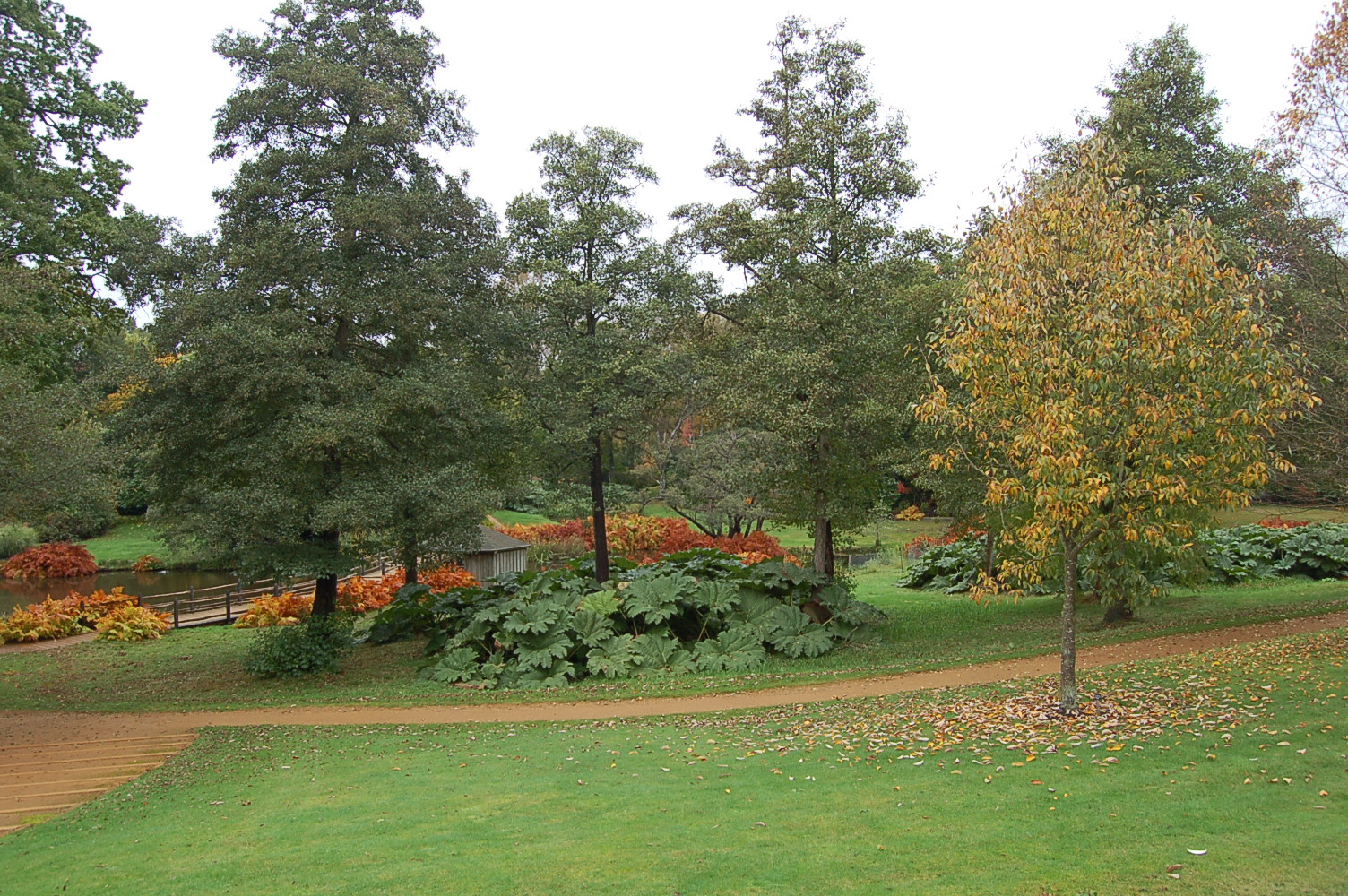
The Savill Garden is situated on the edge of Great Windsor Park and is just a small part of the Royal Landscape. We followed the recommended path around the garden so that we could see the effects of Autumn throughout.

In most areas of the garden, Savill had the typical look and feel of a stately home garden, both in plants grown, choice of design features and border arrangements, but hints of newer thinking were showing through, such as the use of grasses and new perennial plantings.

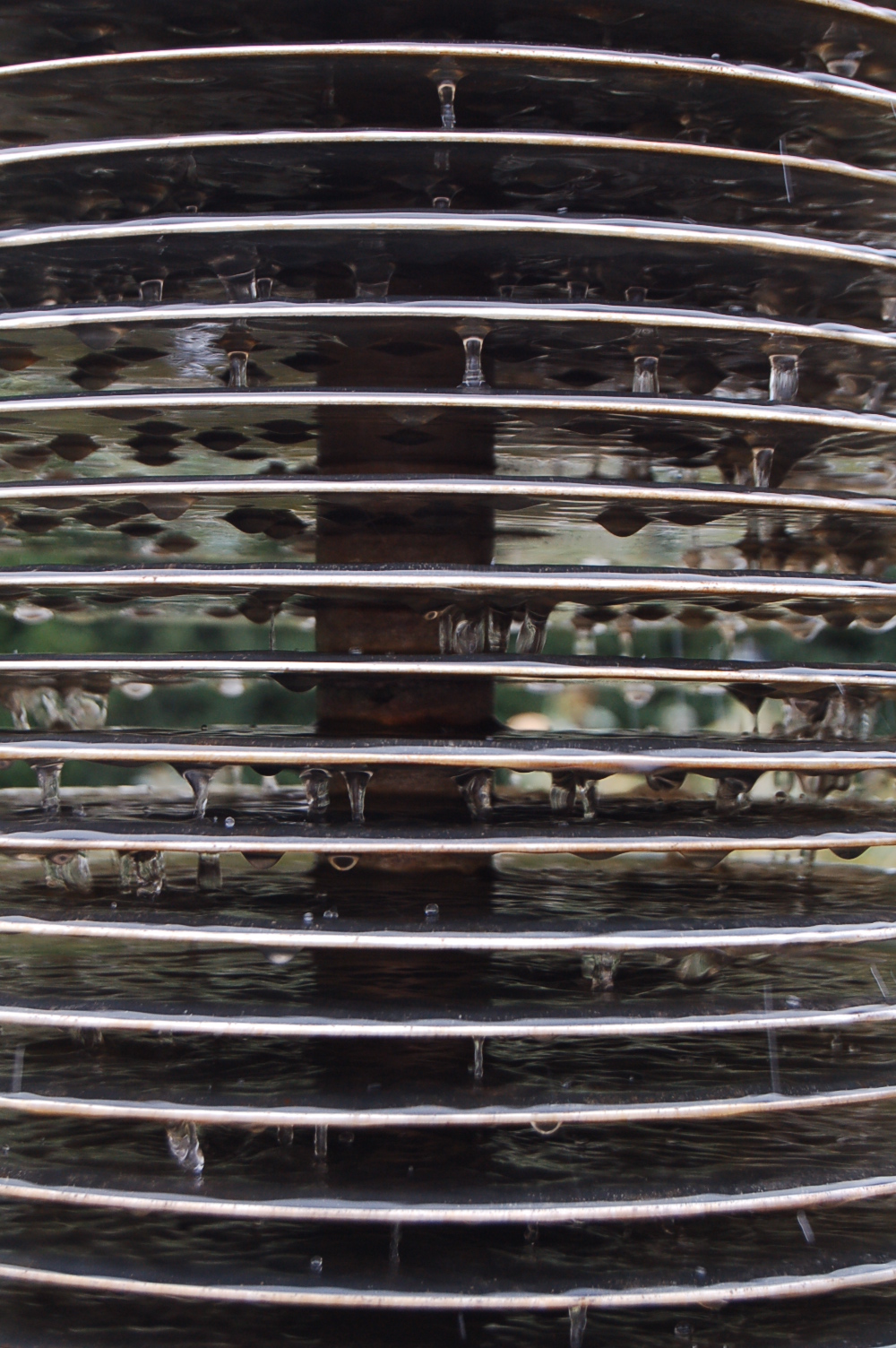
A true highlight of our visit to the Savill Gardens was the surprise at coming across this modern water feature. It looked good and it sounded good.

Although we visited the gardens at Savill in the Autumn one of the most colourful areas was the Winter Garden, already showing many interesting features. So the next post will be about the winter Garden in Autumn.

Categories
autumn autumn colours climbing plants colours garden design garden photography gardening grasses hardy perennials ornamental grasses ornamental trees and shrubs photography poppies roses Shropshire trees

A Wander Around our Garden in November

This is the penultimate garden wander for the year and what a colourful one it is. The weather has turned cold with daytime temperatures failing to reach double figures and night time temperatures only just above freezing. Some days though do please the camera, with deep blue skies in between storms.

This rich red oriental poppy never fails to impress even this late in the year.

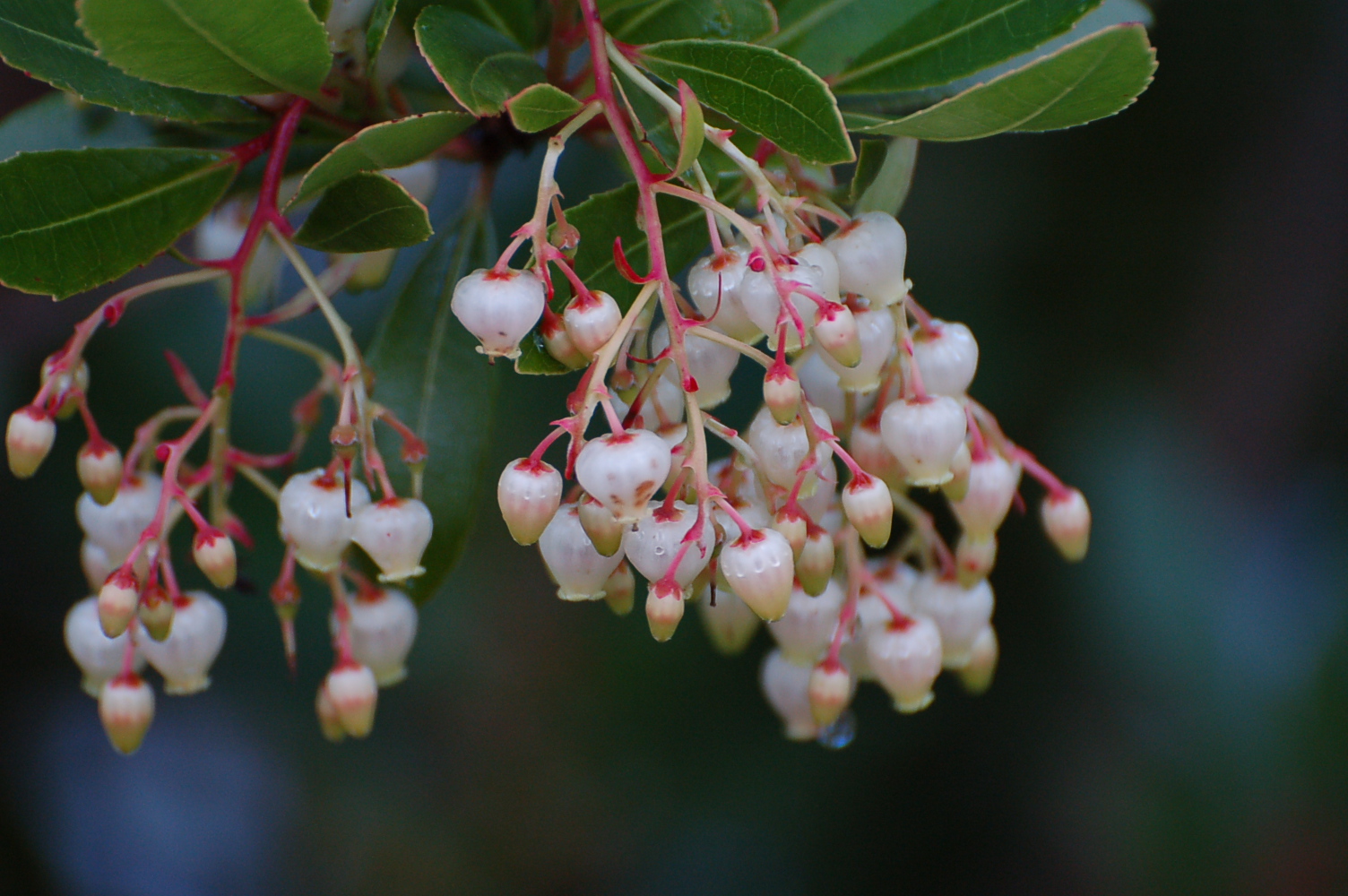
Several of the plants that feature in the November garden seem to sport odd shaped flowers. The Strawberry Tree, Arbutus unedo has flowers that hang like pearly cream bells. Cyclamen hederifolium have curious fly away petals while Shystostylus flowers hang on gently curving stems.
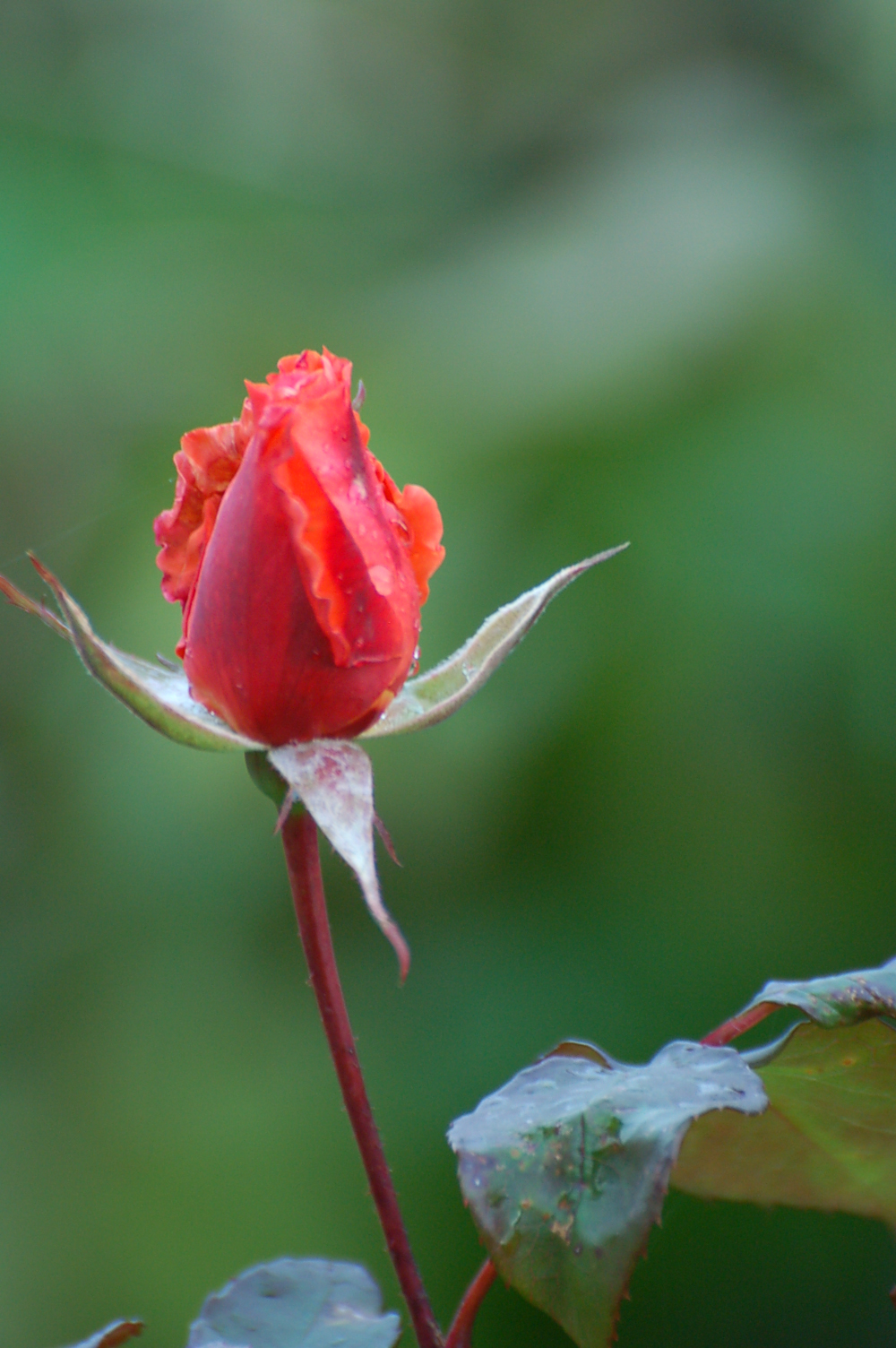
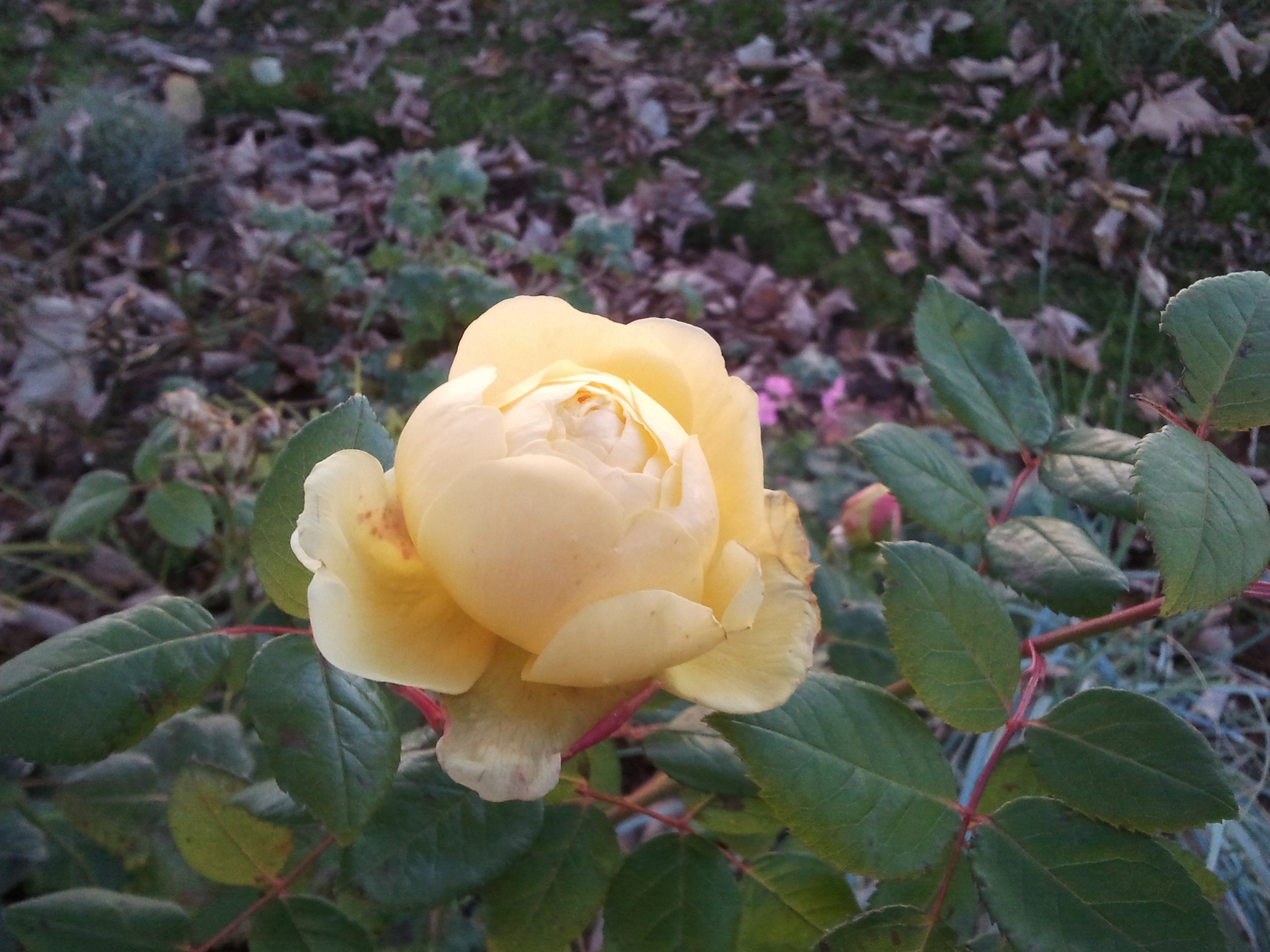
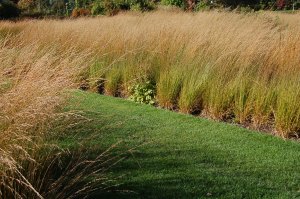
Roses seem to be blooming away giving us brightness for most of the year. Many that started blooming in late May are still flowering now and they are producing buds in readiness to flower right through to the end of the year.

At the moment I pass the wonderfully colourful corner of the Shed Bed, where grasses have coloured up intermingled with the dries flower heads of Eryngium and Agastache. It has to be my favourite November patch in the garden.

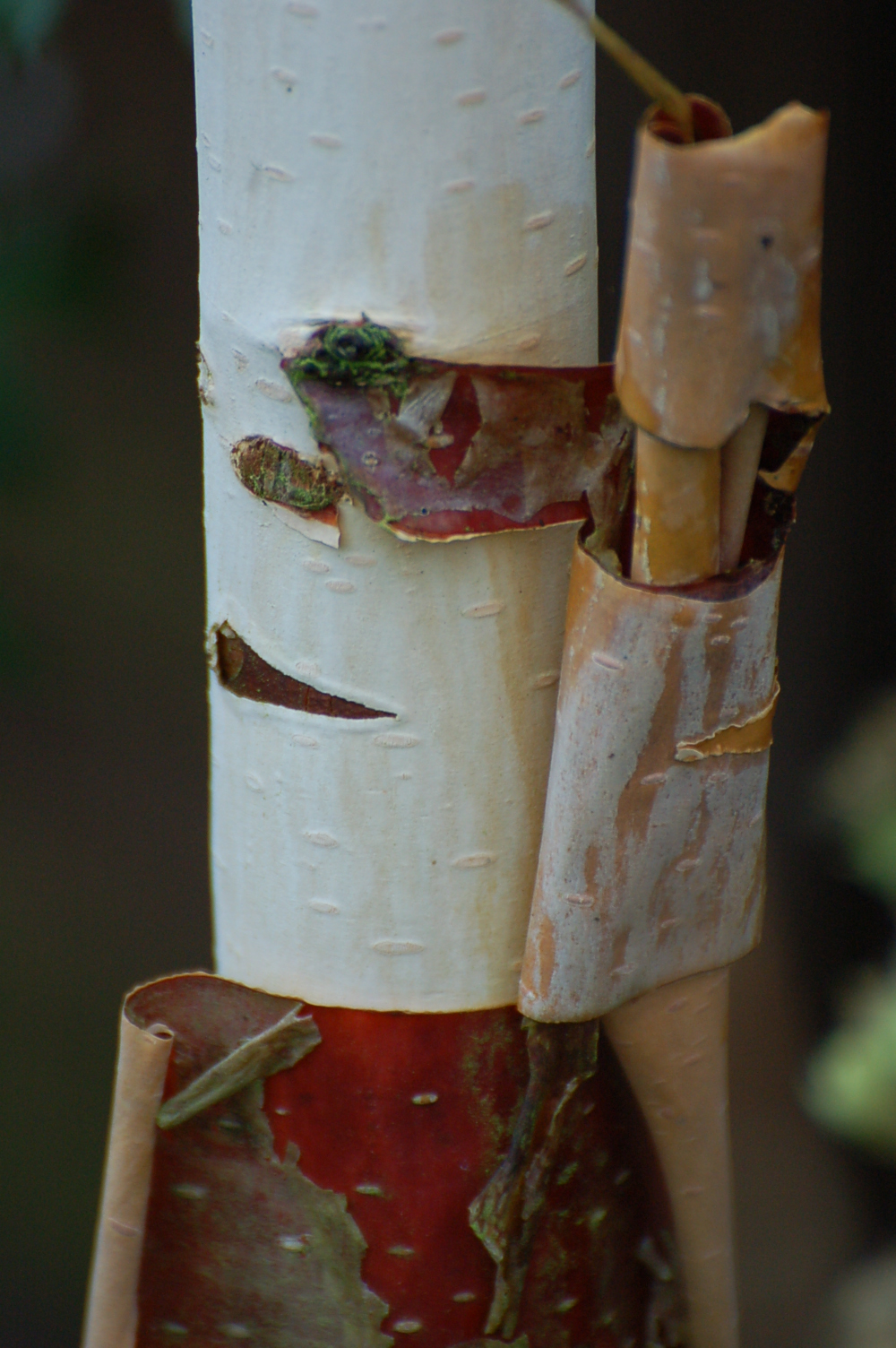
Having passed my favourite corner I pass our trees as I go down to to the bottom of the garden to feed the chicks. Their bark textures and colours change every day. This birch’s chocolate coloured bark is peeling back to reveal snow white smooth bark below, like a white shirt beneath jacket collars.
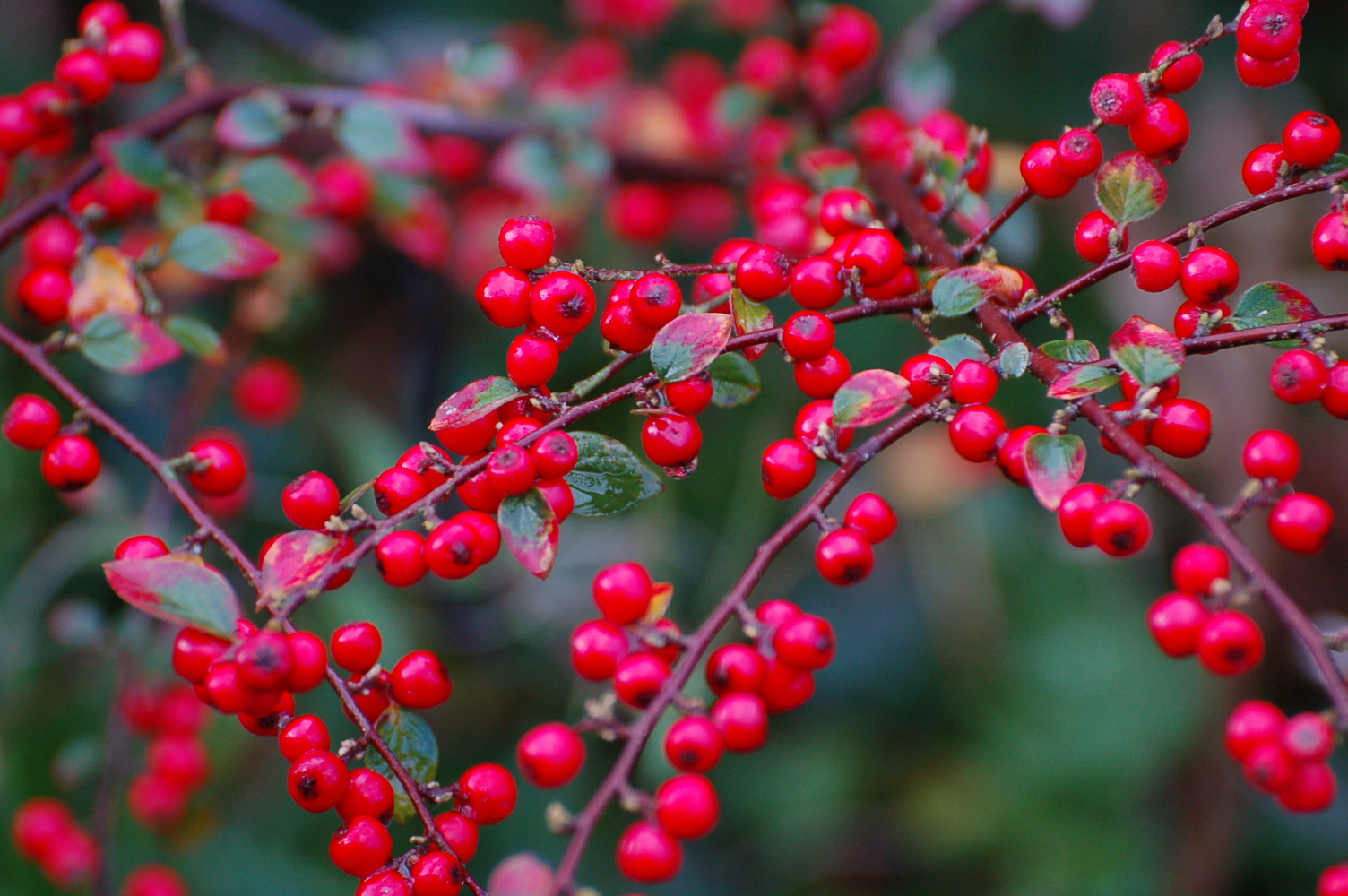
It seems to be a special year for cotoneaster berries, with every variety covered thickly in readiness for arrival of the winter migrant thrushes.

There is something very special about the freshness of the flowers of the Fatsia, with their creamy, greeny whitish colours. They always look to me as if they should smell of vanilla and be edible!

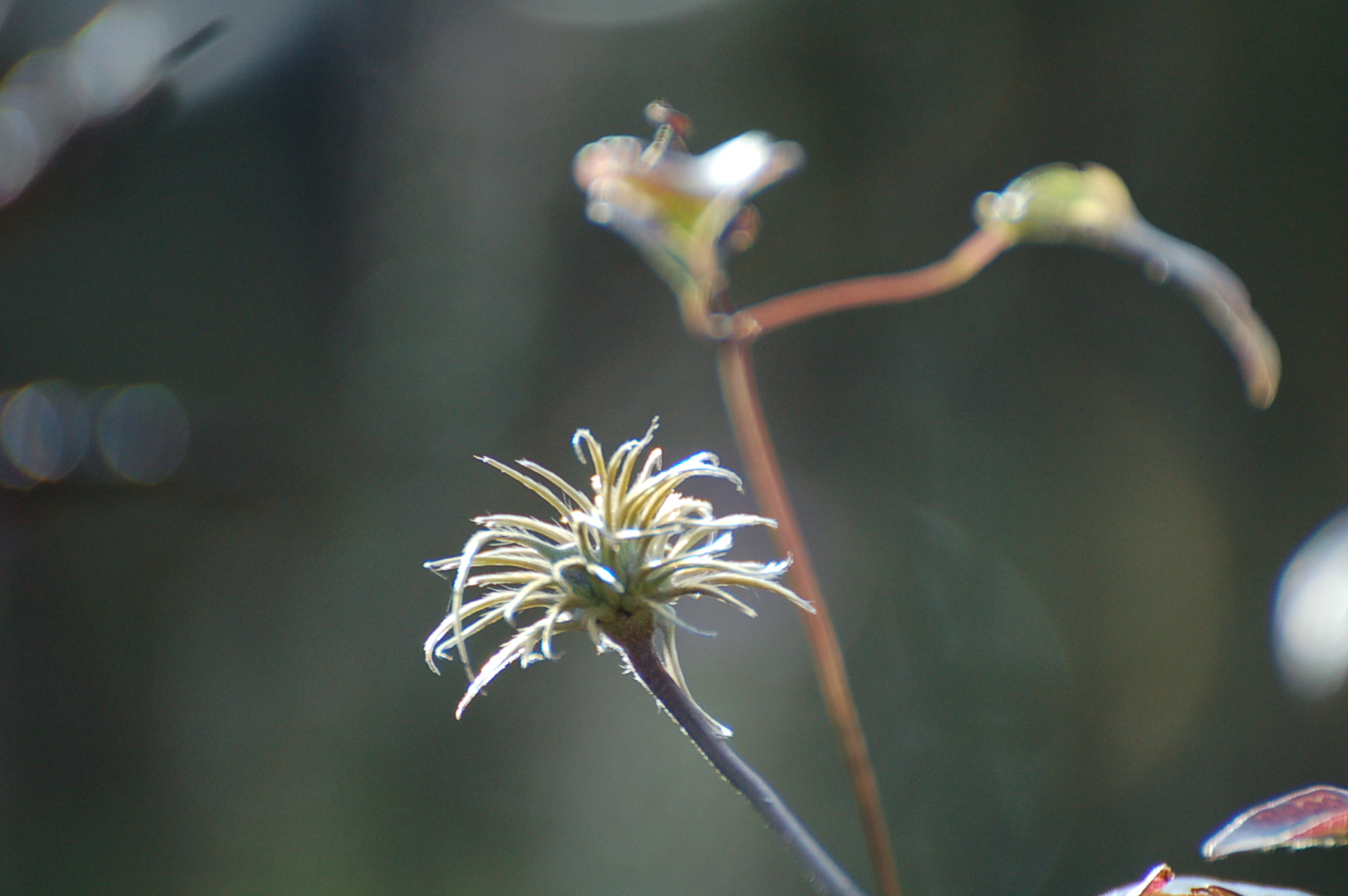
There are difficult decisions to be made in the November garden. Which seed heads to cut down and which to leave for their looks and wildlife value is perhaps the most difficult. How could you possible cut this clematis down when it looks this good? We tend now to leave perennials standing unless or until they fall and become soggy. Once they do this they endanger the lives of the plants they may be smothering. To me the idea of “putting the garden to bed for winter” just doesn’t add up. A garden is for 12 months, all of them

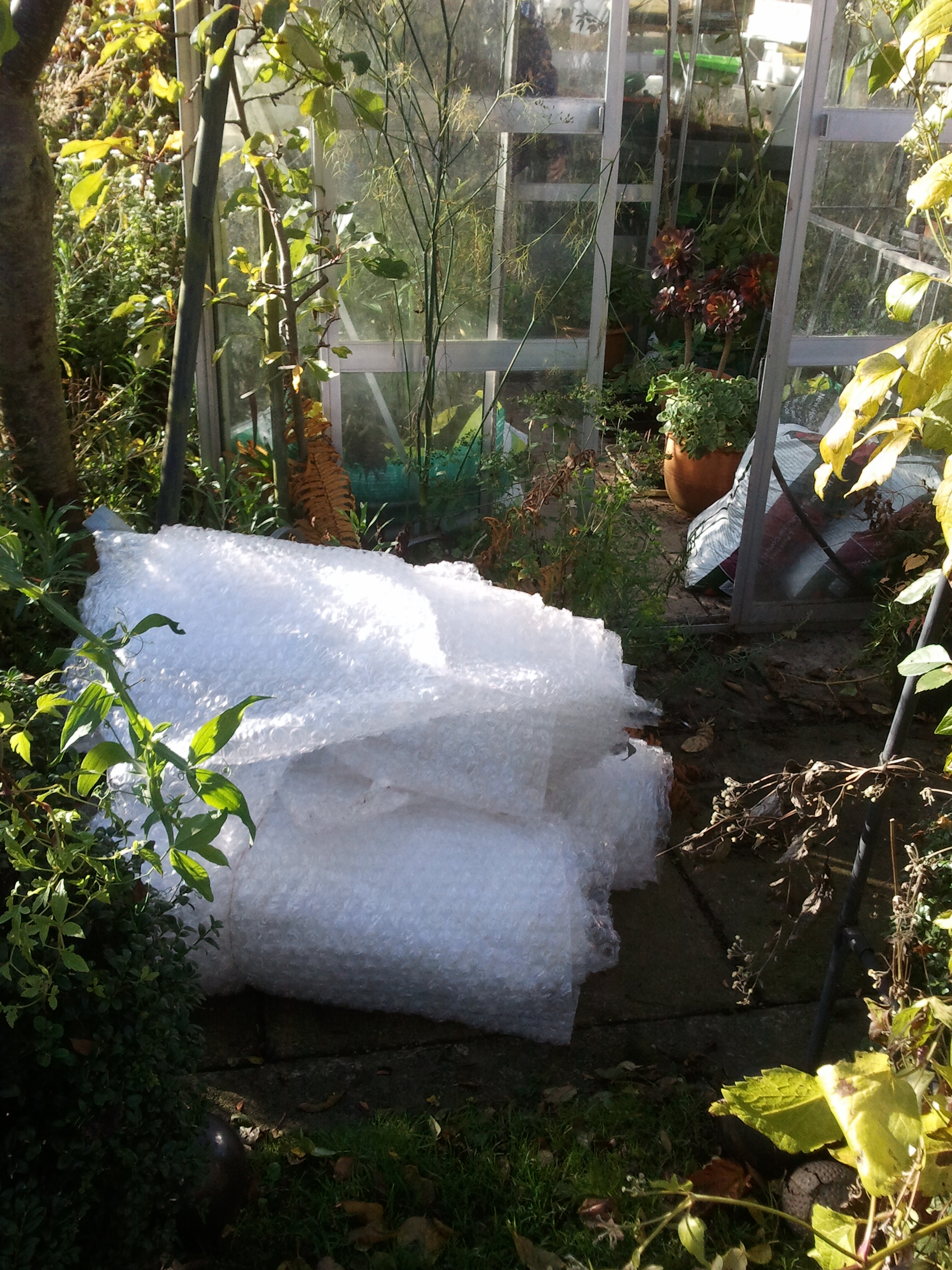
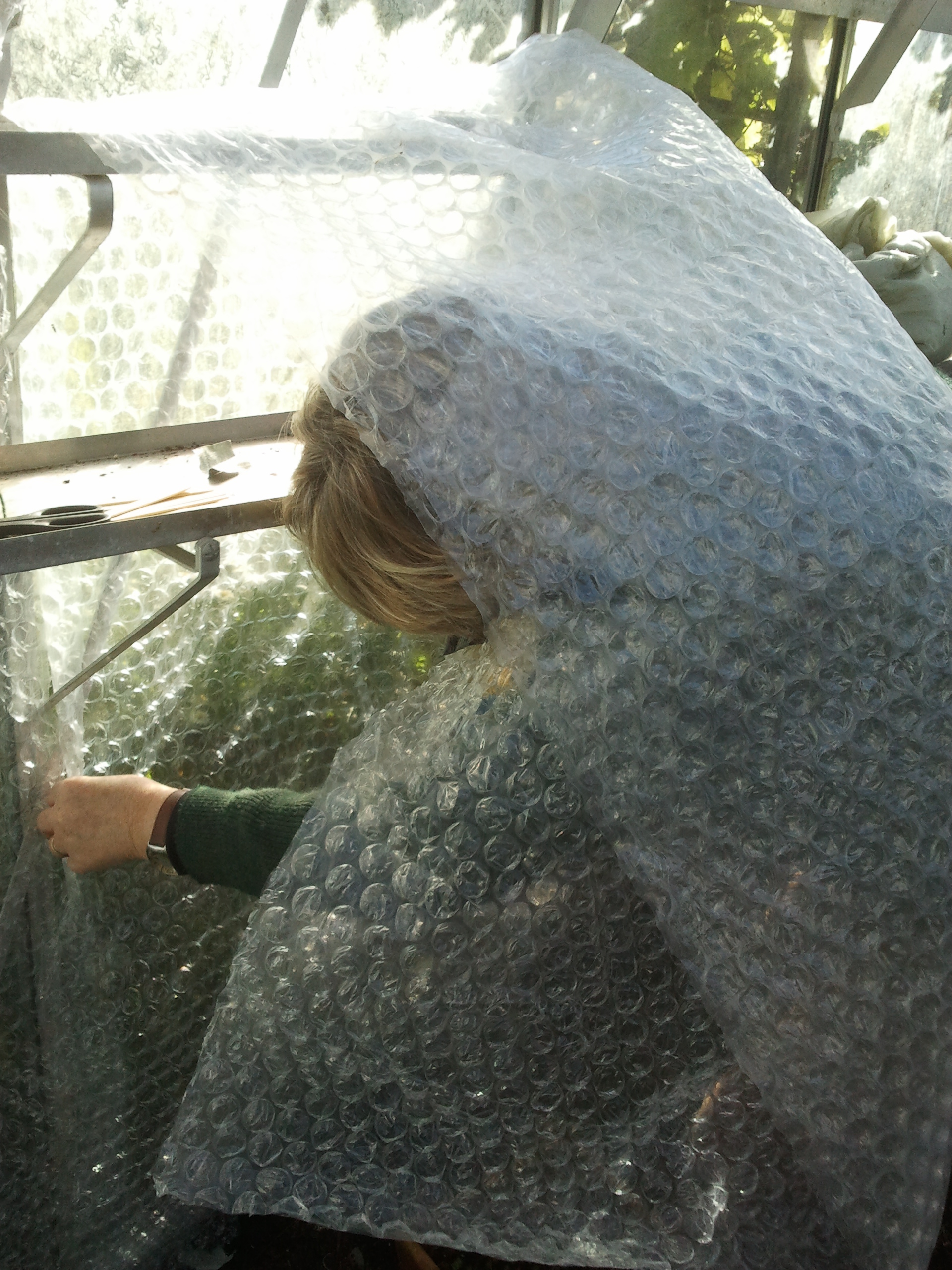
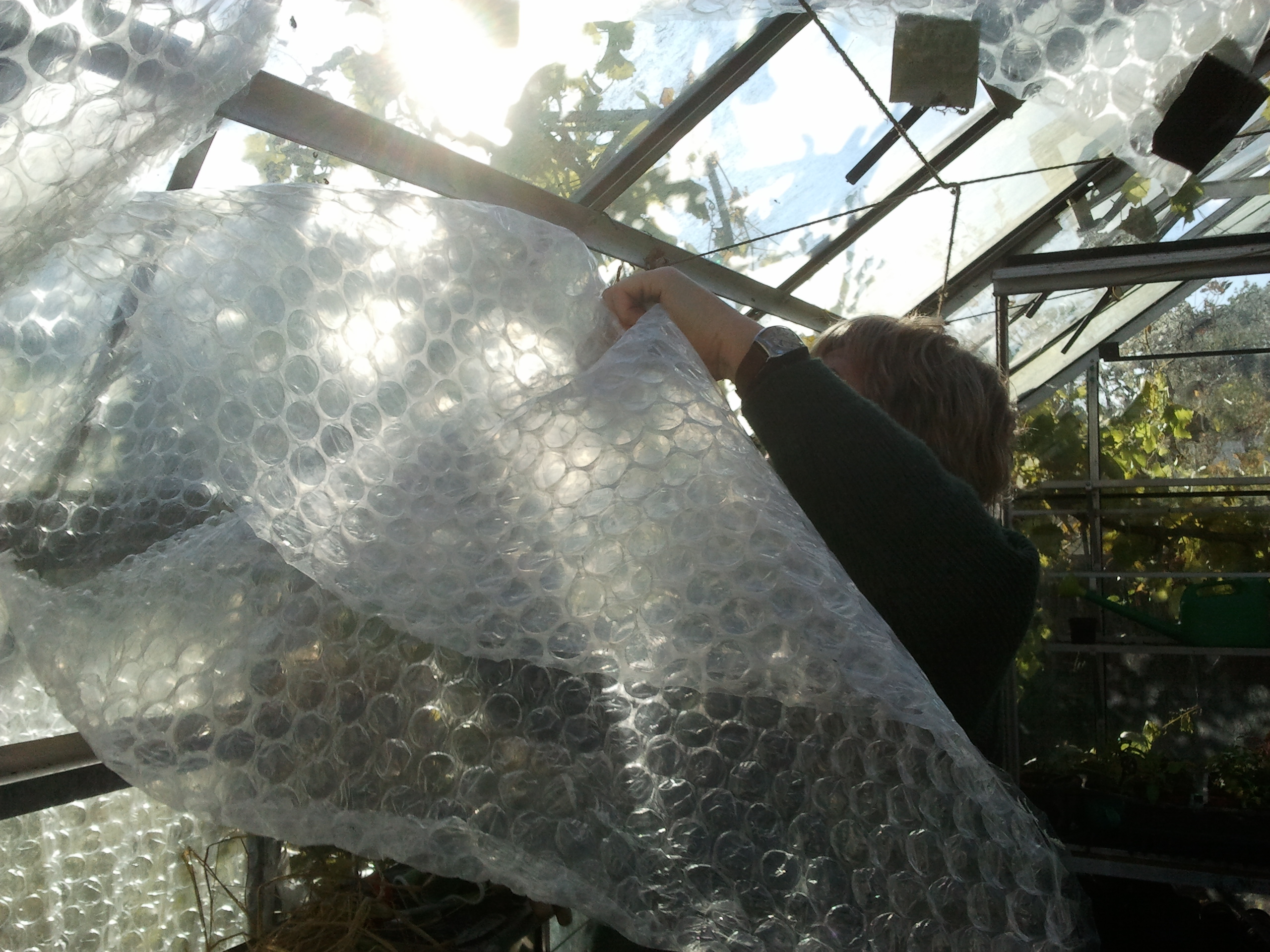
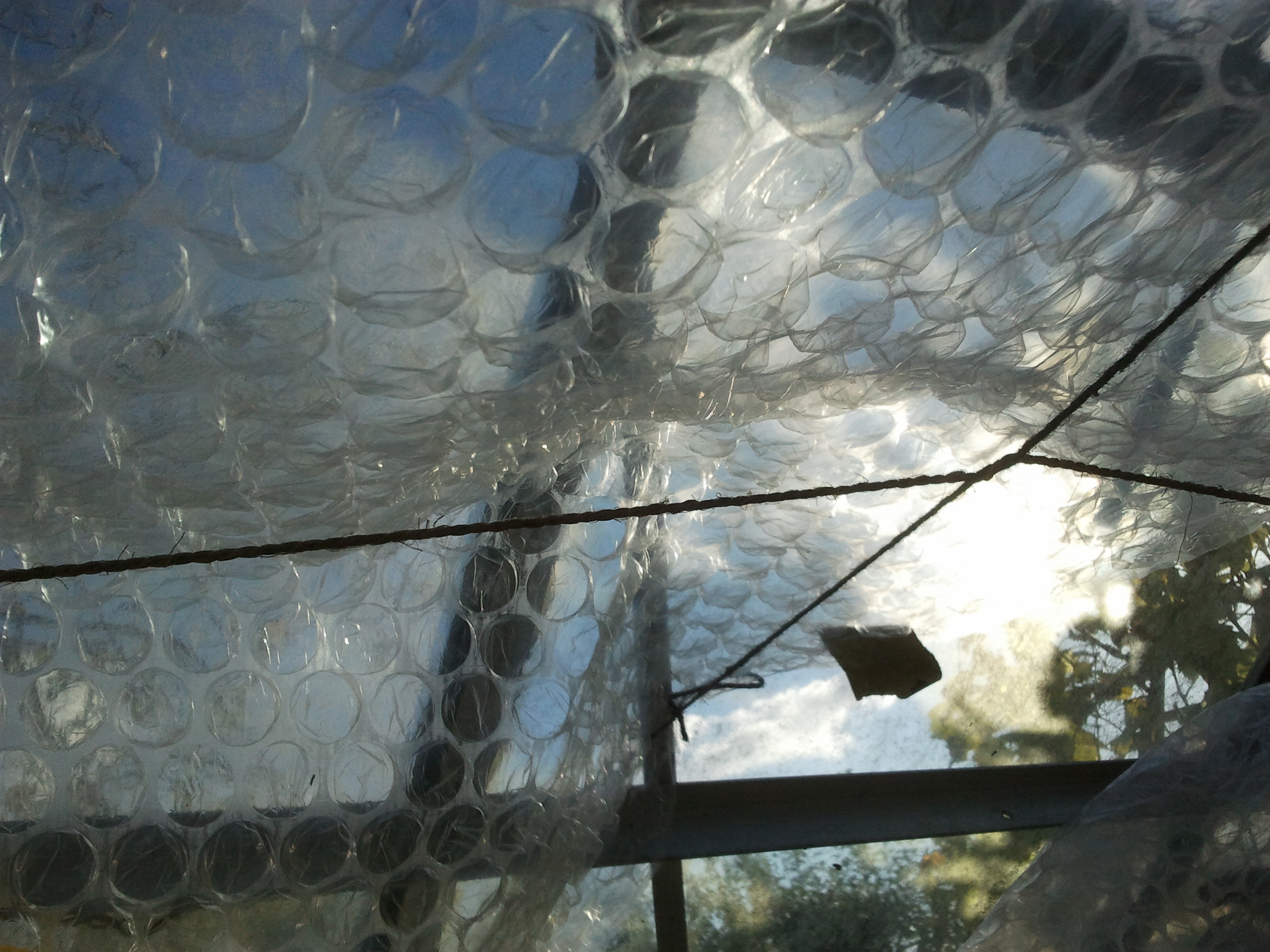
Wrapping the greenhouse in its winter jacket of bubble-wrap is the least favourite of all of our gardening tasks. This Novenber we started on a cold day knowing that as we added the thermal layer to the greenhouse we would heat up as well. But the sun came out and we got too hot. We started off wearing fleece jackets over jumpers but by the time we had finished we had shed both these layers and were down to tee-shirts.

First we collected the rolls of wrap from their summer quarters – the woodshed, and piled them up outside

Next we attempted to begin hanging it inside the greenhouse over specially positioned strings and wires. The bubblewrap then attacked Jude, the Undergardener.

Eventually Jude managed to overcome the wrap and get on with the job in hand, lining the sides and then hanging it over strings tied across the roof. Soon the temperature increased.

I hope these plants appreciate it!

Let’s us finish our November wander with a couple of richly coloured beautifully lit views across borders, and a quick look across our borrowed landscape.

Categories
autumn colours colours garden photography gardening gardens open to the public National Garden Scheme NGS ornamental trees and shrubs Powis shrubs

Hydrangeas at The Dingle Garden

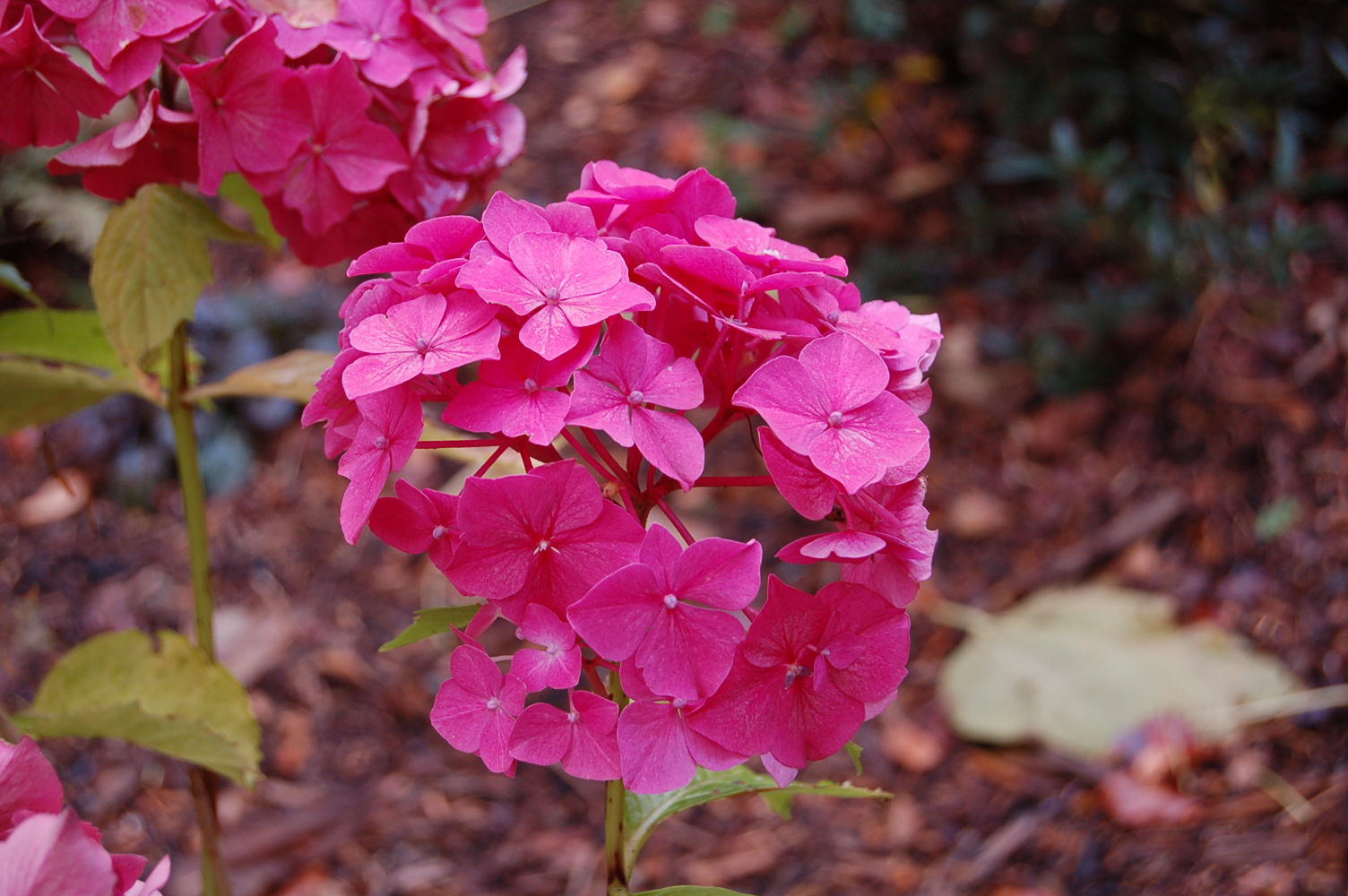
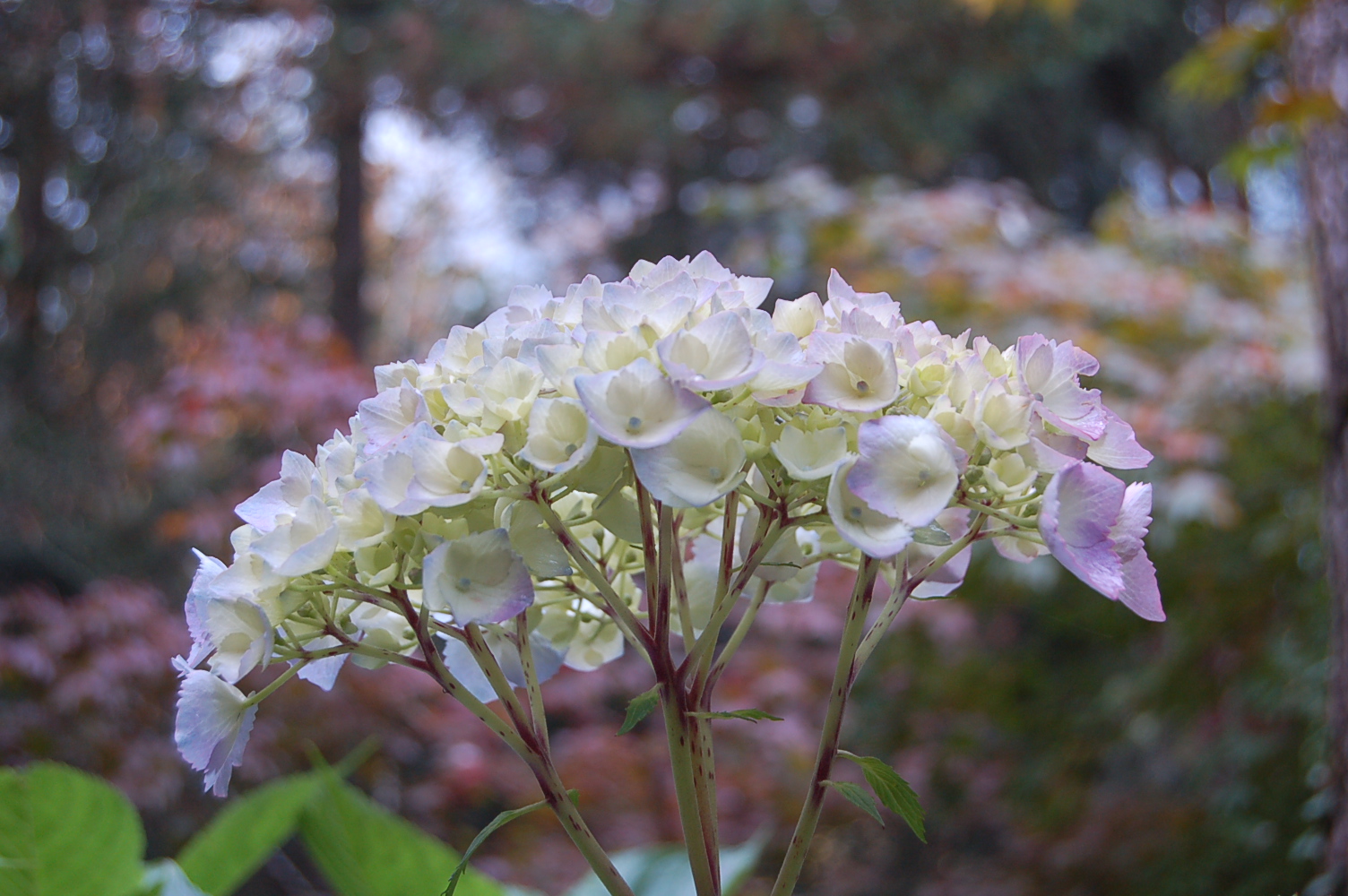
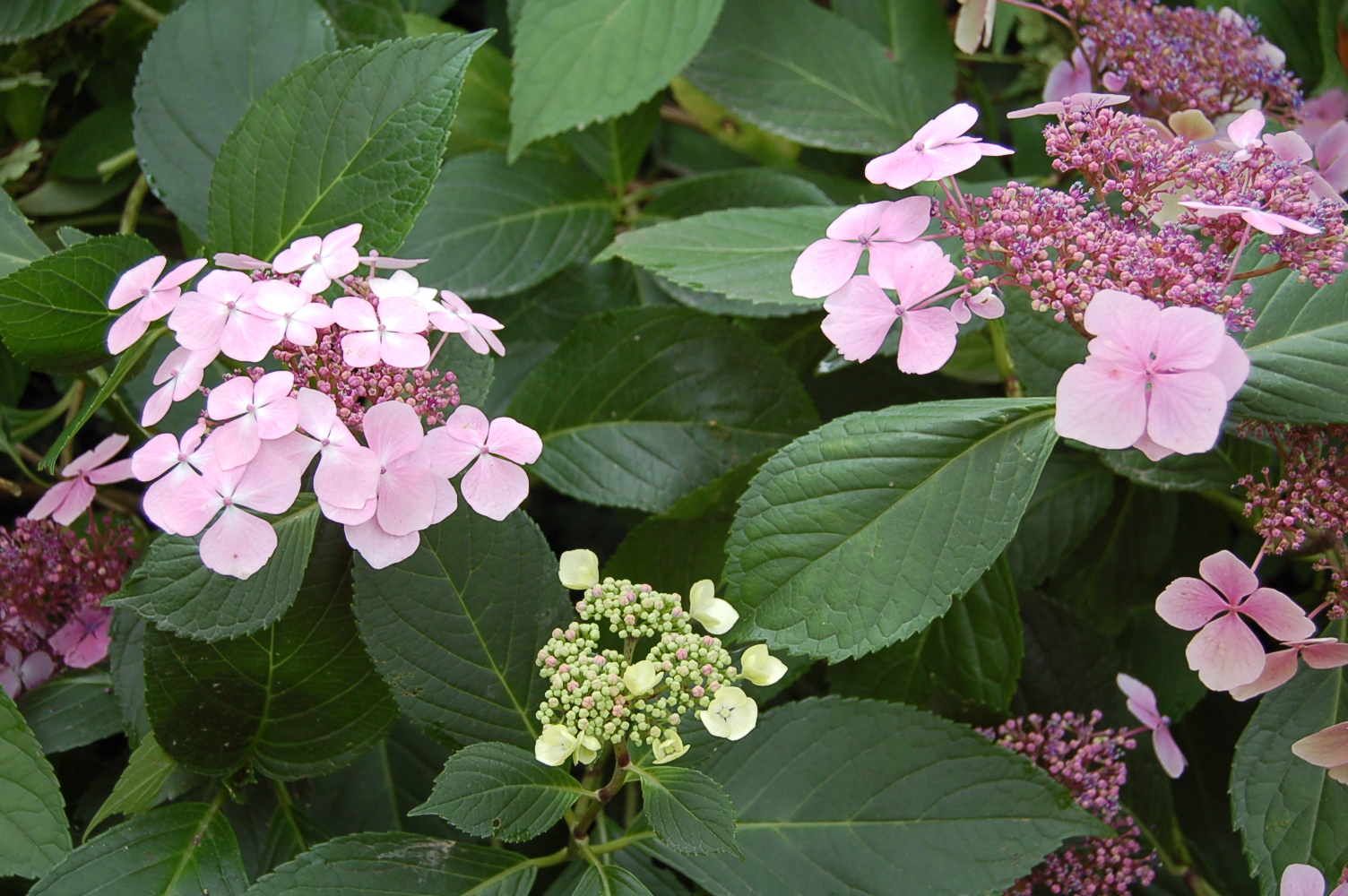
The Hydrangeas at the Dingle Nursery’s Garden shone out in the darker shadier woodland sections. I am a bit particular when it comes to Hydrangeas as I like the delicately shaped and coloured lacecaps but few of the mopheads which I find too blousey. I like individual paniculatas too but again not the blousey ones. In this series of photographs all the Hydrangeas are lacecaps with the exceptions of two which are of a Hydrangea paniculata and one mophead has sneaked in as I just couldn’t believe how bright the blue colour was.

The beauty of the lacecaps is the variety of different shaped and coloured flowers and bracts that appear together on the same shrub.

These next two photographs are of the creamy pyramidal flower heads of the Hydrangea paniculata.

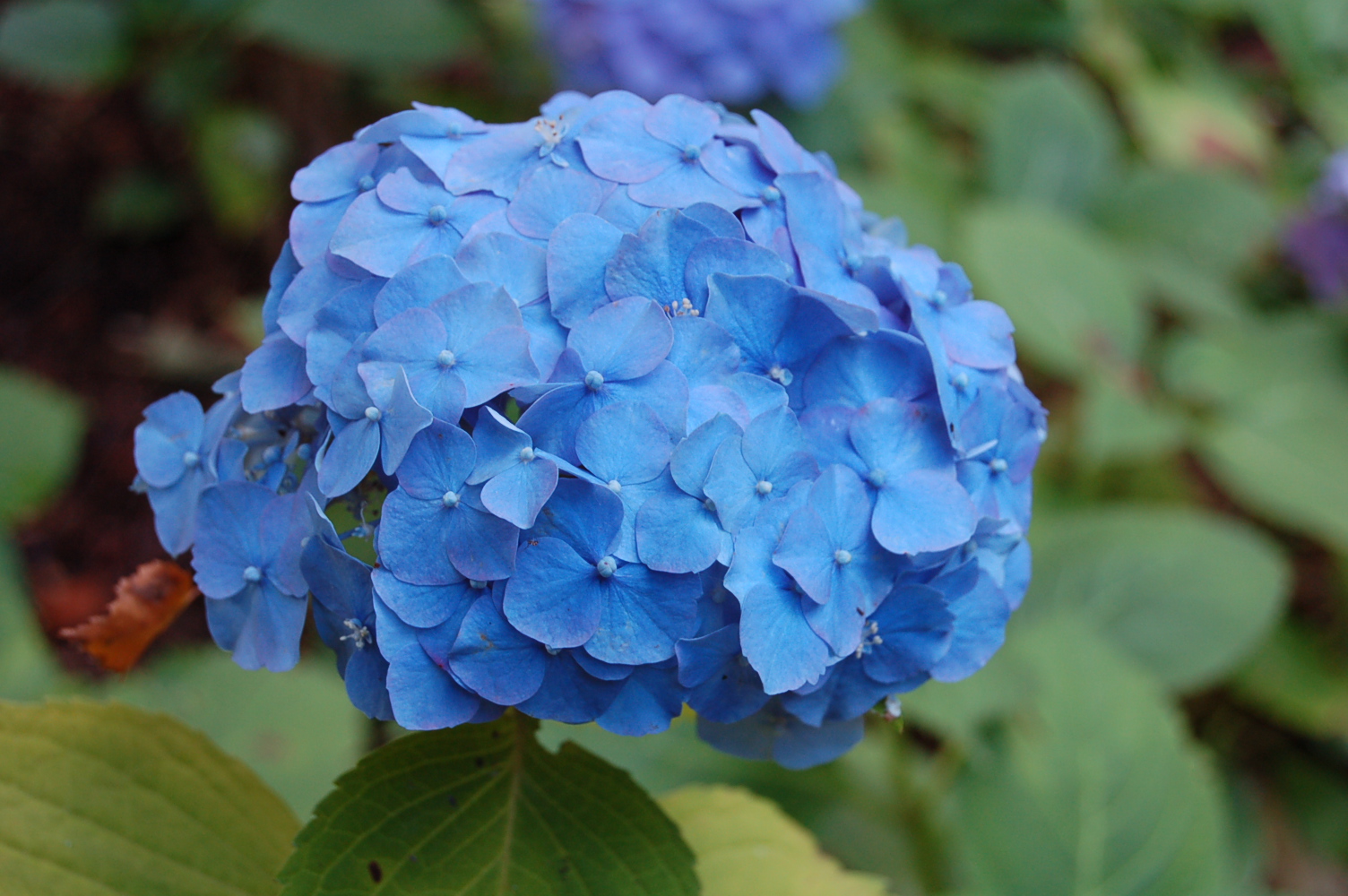
Finally to show that I don’t wish to upset those gardeners who love the mopheads here is that blue bloom.

Categories
autumn autumn colours bird watching birds landscapes nature reserves photography Shropshire shrubs wildlife

Bracken and Bilberries – Part 2. The Stiperstones

As promised in the post “Bracken and Bilberries – Part 1” here now is a post about the Stiperstones, the ridge of hills that begins close behind our home and runs down towards the south of the county. It has been a long time since we climbed this rugged landscape, even though it is so close to home. My disabilities with spine and leg troubles coupled with  breathing problems stop me doing such things very often but I set myself a target each year to tackle something crazy! Climbing the Stiperstones was this year’s challenge.

The walk up to the ridge is a steep but wide grass path, shorn short by the resident ponies and cattle. From the gate at the bottom it looks a long way up. It looked even longer when we realised that we had left our flask of coffee at hom!. It was a bright day but there was a cold biting wind so we wrapped up well and set off. It looked much brighter than the day when we recently tackled the walk along the Stapeley Hill ridge.

Our green trackway through bracken was suffering from erosion from recent heavy rains which seem to come each autumn now. New drainage gulleys cross our path which mark an attempt to secure the surface more effectively when feet walk heavily over sodden turf.

Areas of bracken here, just as on the Stapeley Hill trail in my previous “Bracken and Bilberries” post, have been cut down in an attempt to get the heather back. This project is called “Returning to Purple”. Bracken does tend to take over but slowly the purples of heathers are re-emerging in our hills. Apart from bracken and the occasional heathers small evergreen shrubs which produce berries are the commonest plants – Bilberries, Cowberries, Crowberries and Whinberries. Locals still collect these berries for jams, jellies and fruit pies, but in previous centuries they were an important food source and even provided a little income for the cottagers. All these little, low-growing shrubs have dark evergreen leaves and berries offering varied colours and tastes. Cowberries, also known as Lingonberries, have edible berries with a stange mixture of sweetness and sourness. As well as here in the Shropshire Hills they are native to the Arctic Tundra and Boreal Forest. Bilberries produce edible black fruits and Crowberries similarly give black berries which have good flavour but are rather dry.

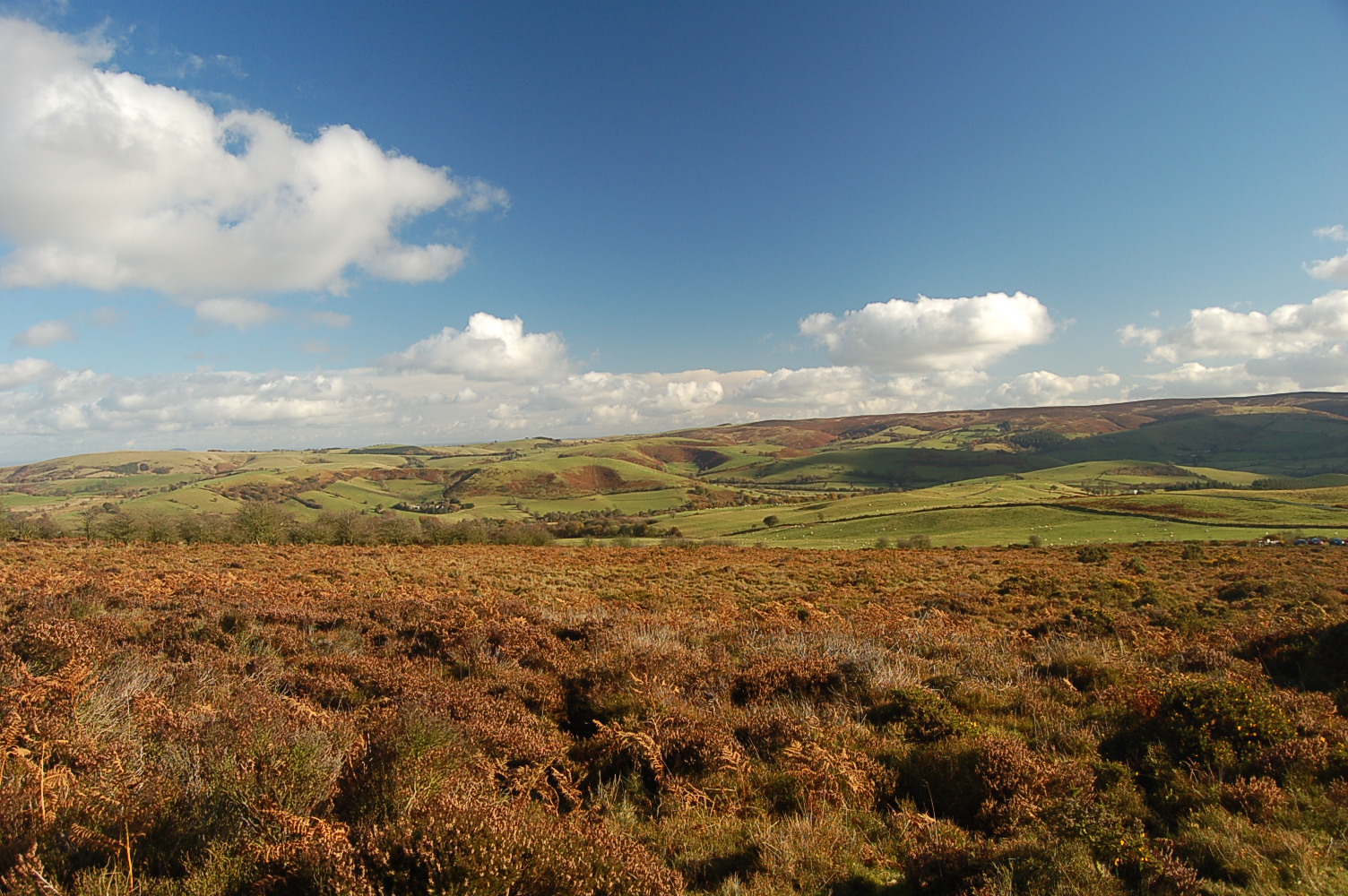
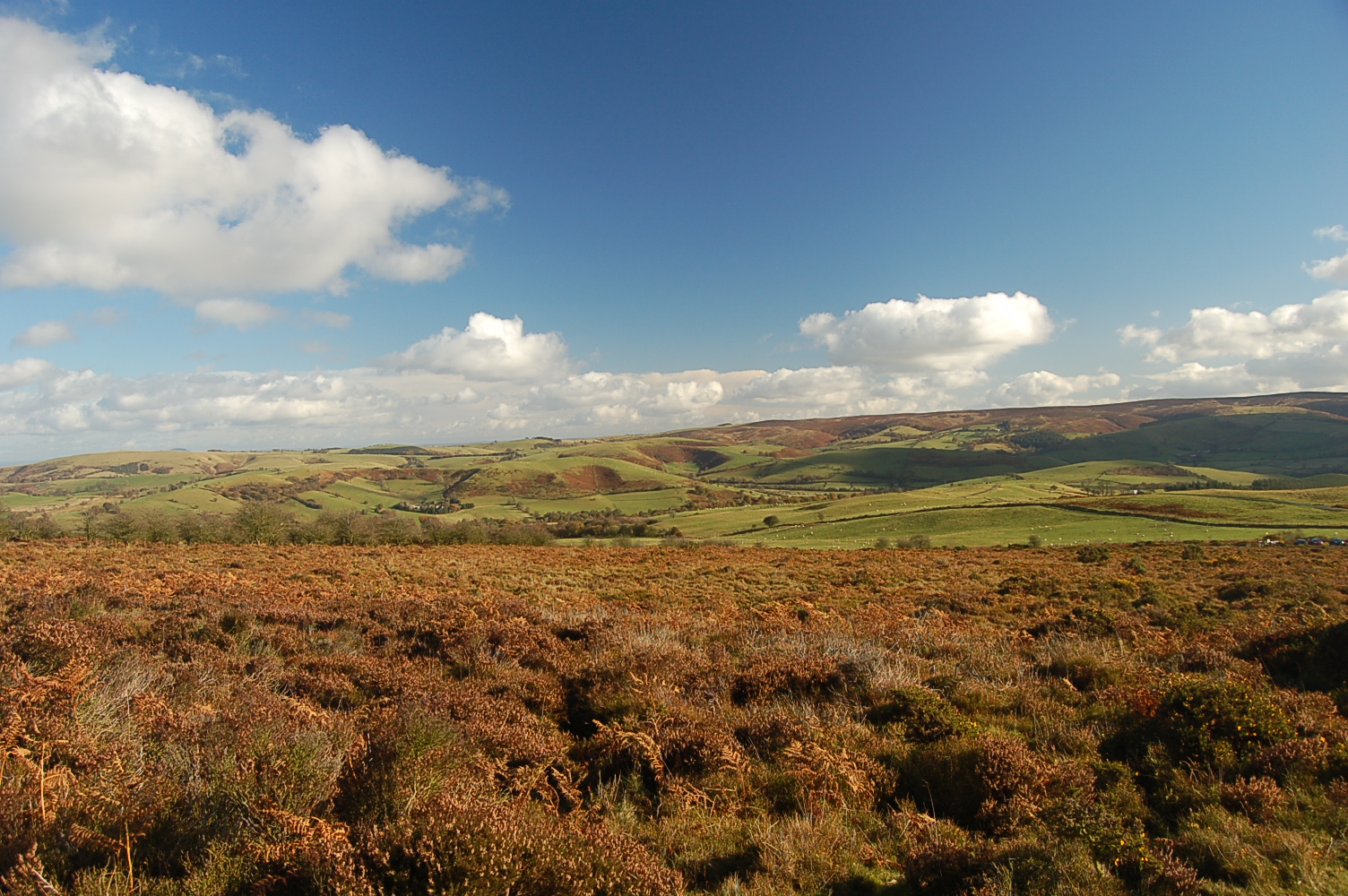
We stopped half way up the slope to get our breaths back and look back over the path we had so far covered. The view over towards “The Long Mynd was lit beautifully. Our next Bracken and Bilberry wander perhaps?

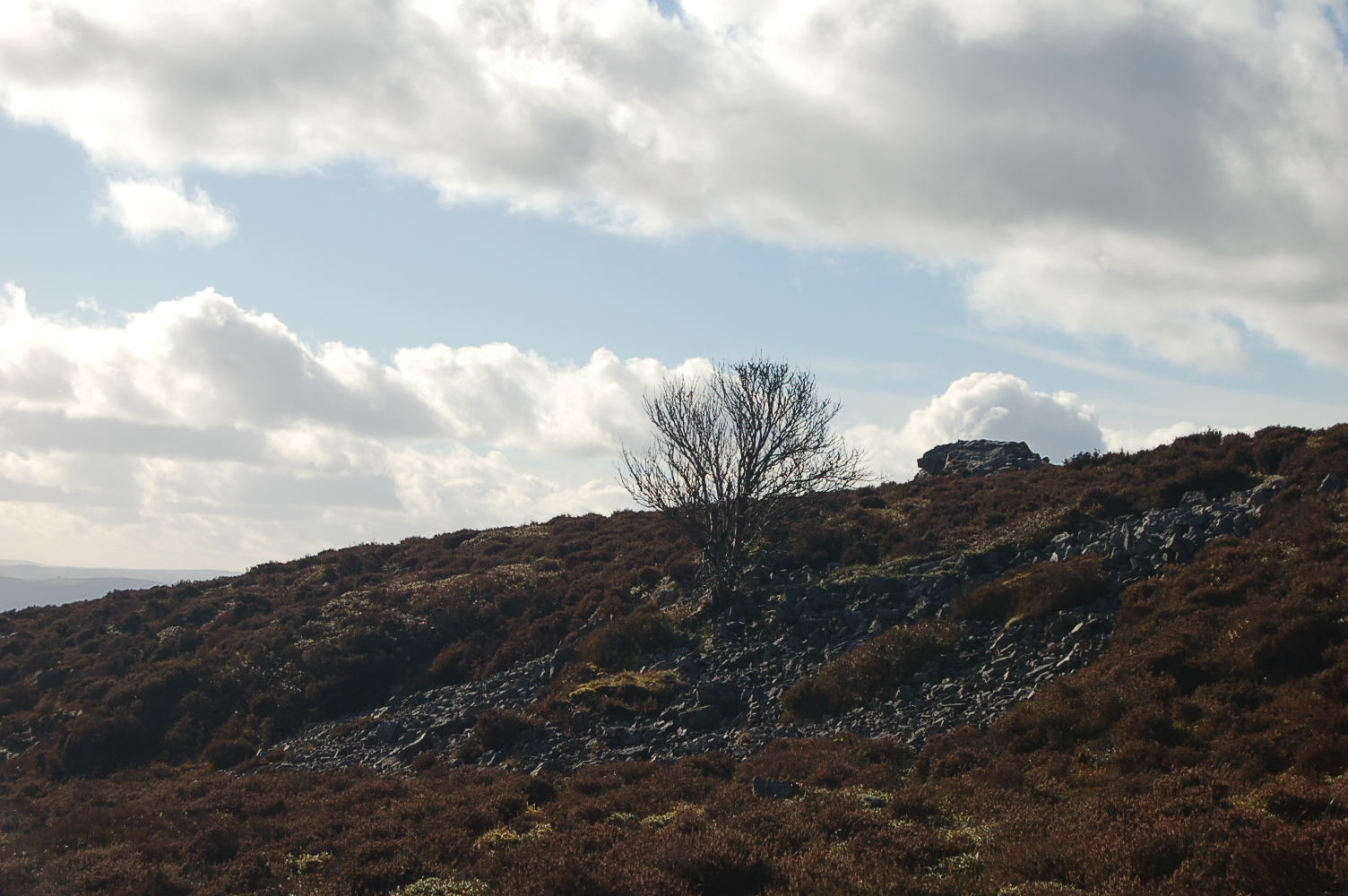
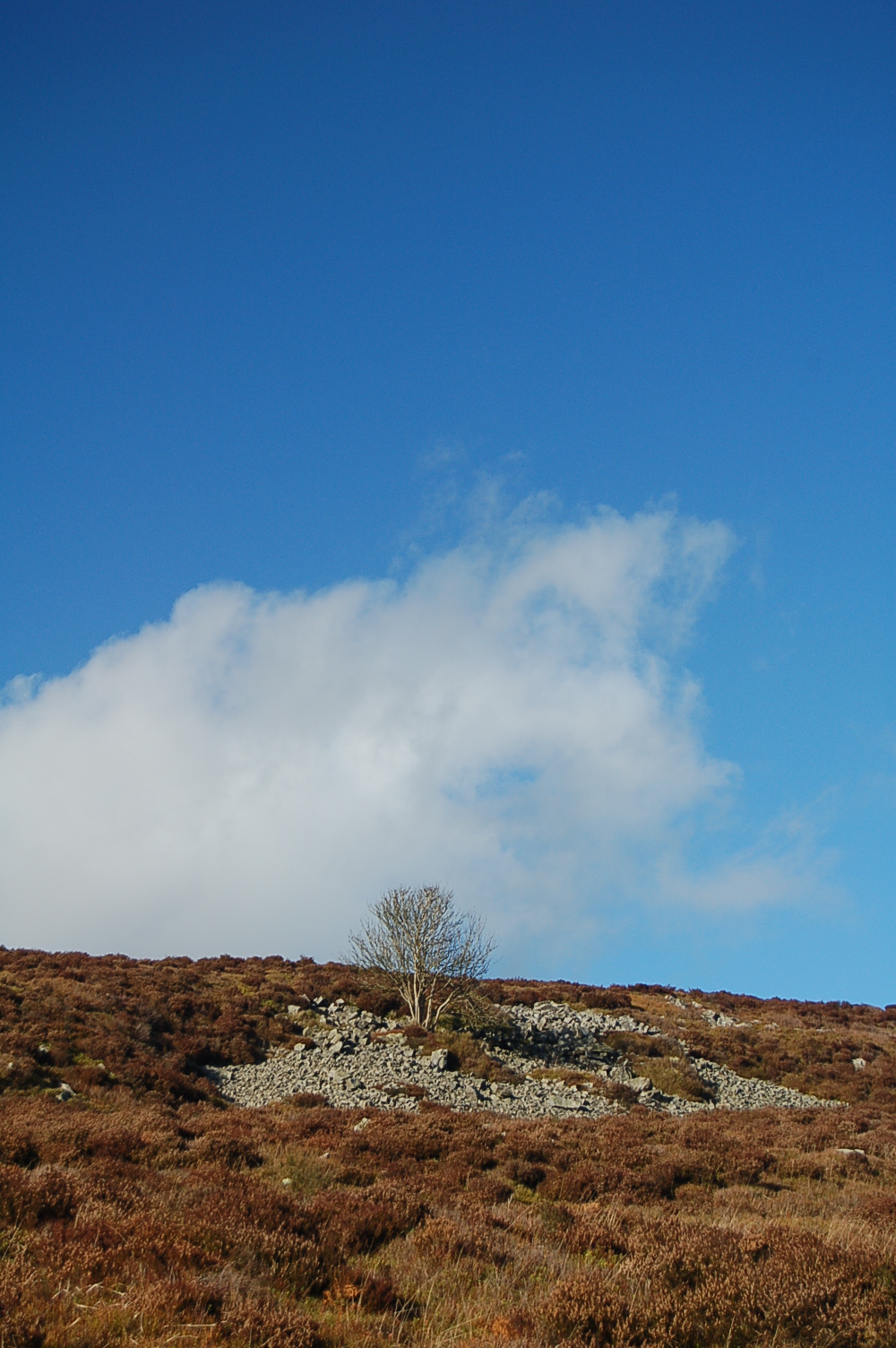
On the next stage of our ascent our eyes were drawn to a solitary tree high up on our left just below the top of the ridge. There are so few trees up here once you leave the low area where we parked the car. Every tree looks extra special because of this exclusivity and its stunted growth due to altitude, poor soils and prevailing weather.

As we neared the ridge the path got rockier and outcrops more frequent. The wind got colder making our eyes sting and run, and our ears. hurt.
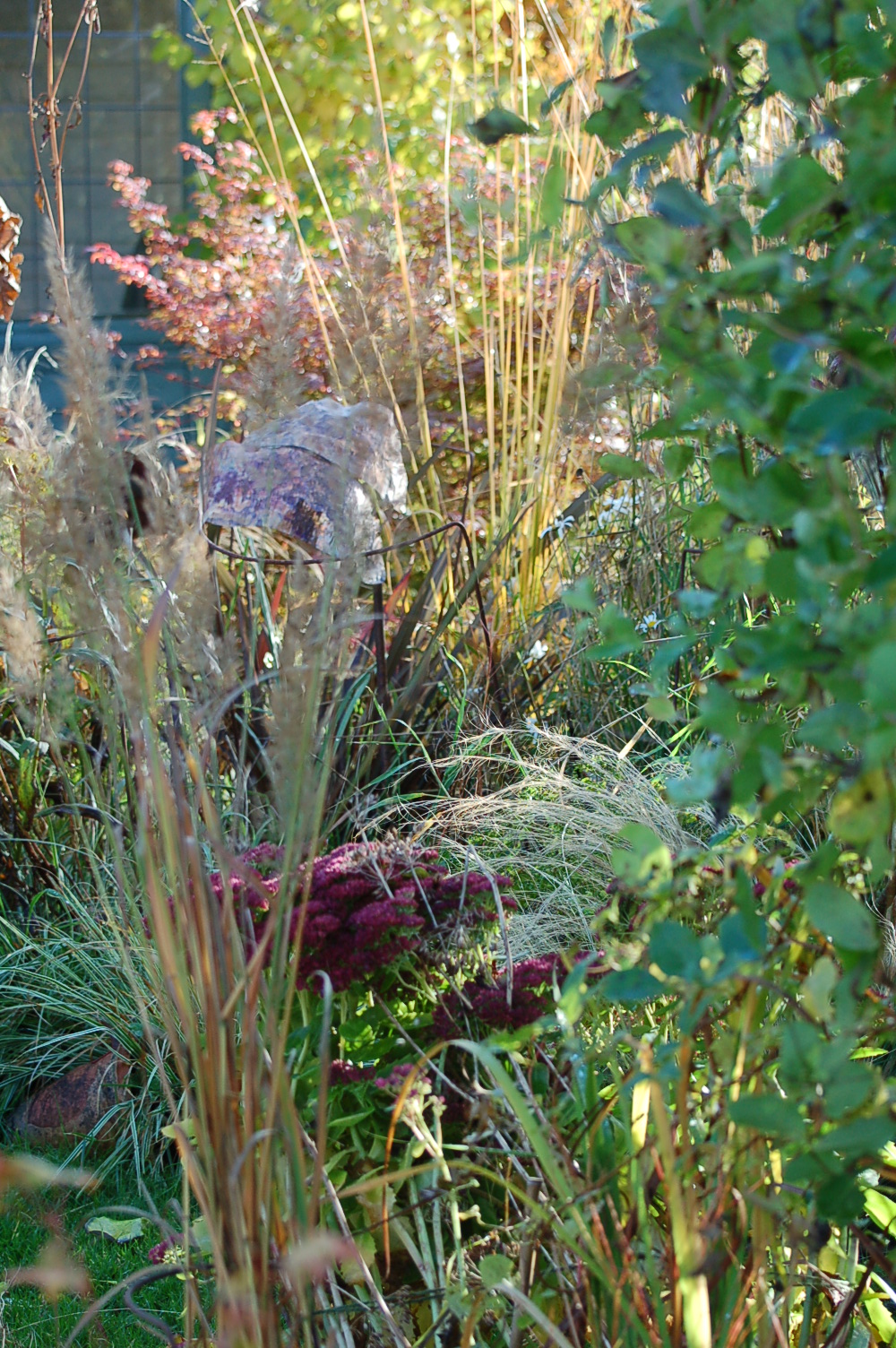
The path divided as we reached the spine of the ridge with the route left taking us a short way along just over the other side of the ridge, the route right taking a long path right along the ridge to a series of rock outcrops. With the time we had left to walk and the sudden drop in temperature that hit us as we met the cold air rising up from the other side of the ridge we decided to do the shorter option. We would come back another day with more time and make sure we did not forget our coffee and fruit sustenance!

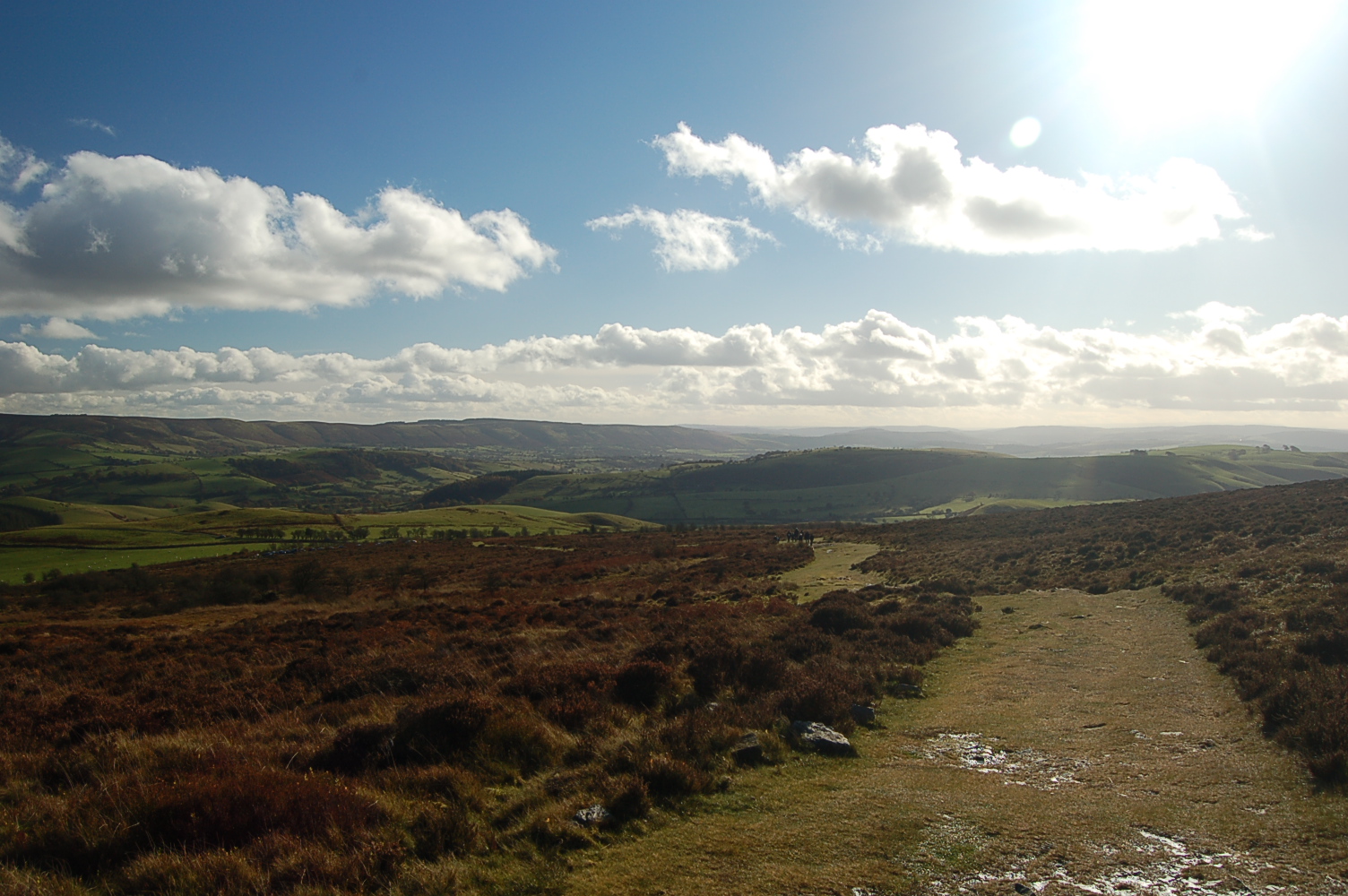
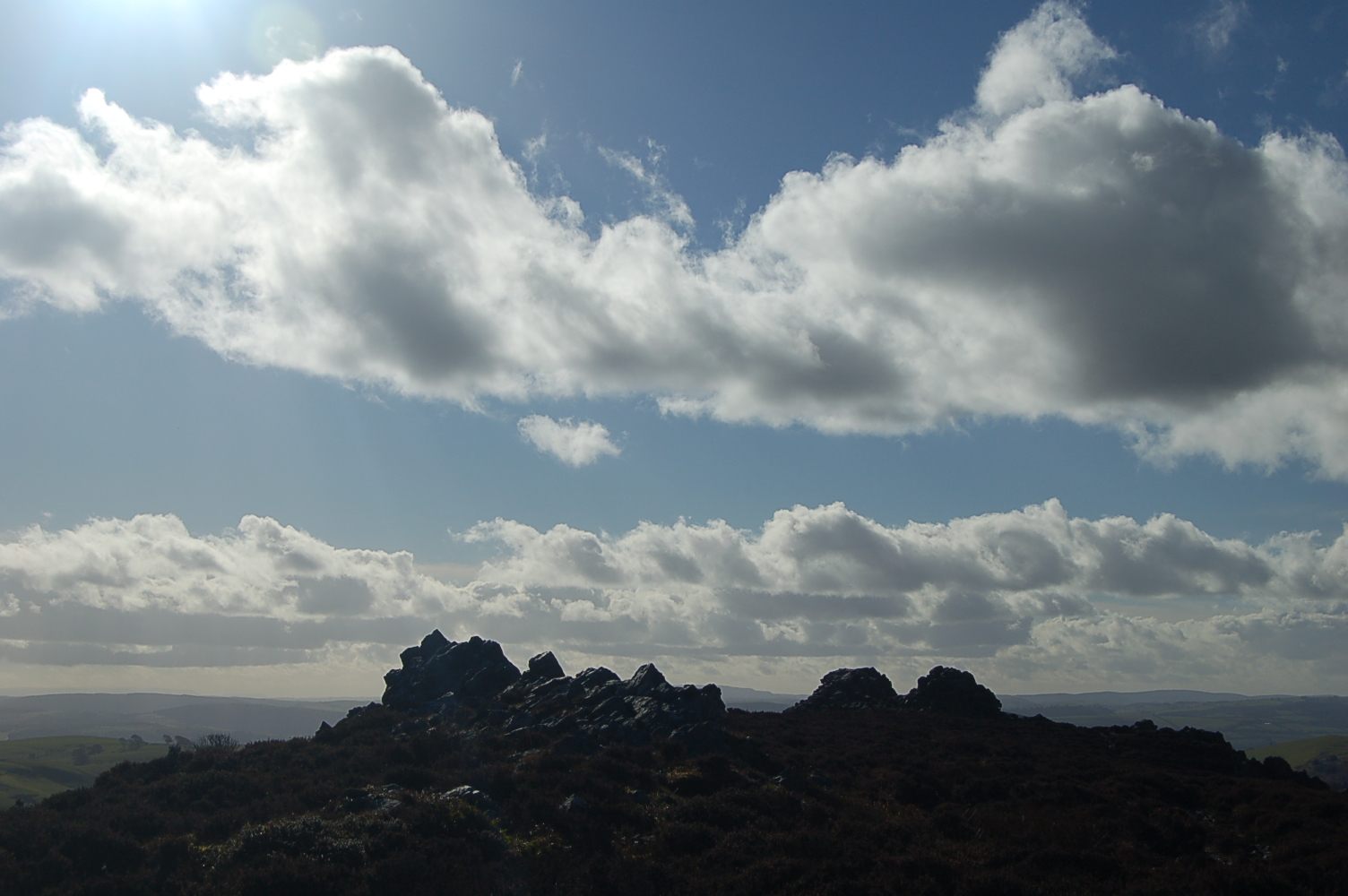
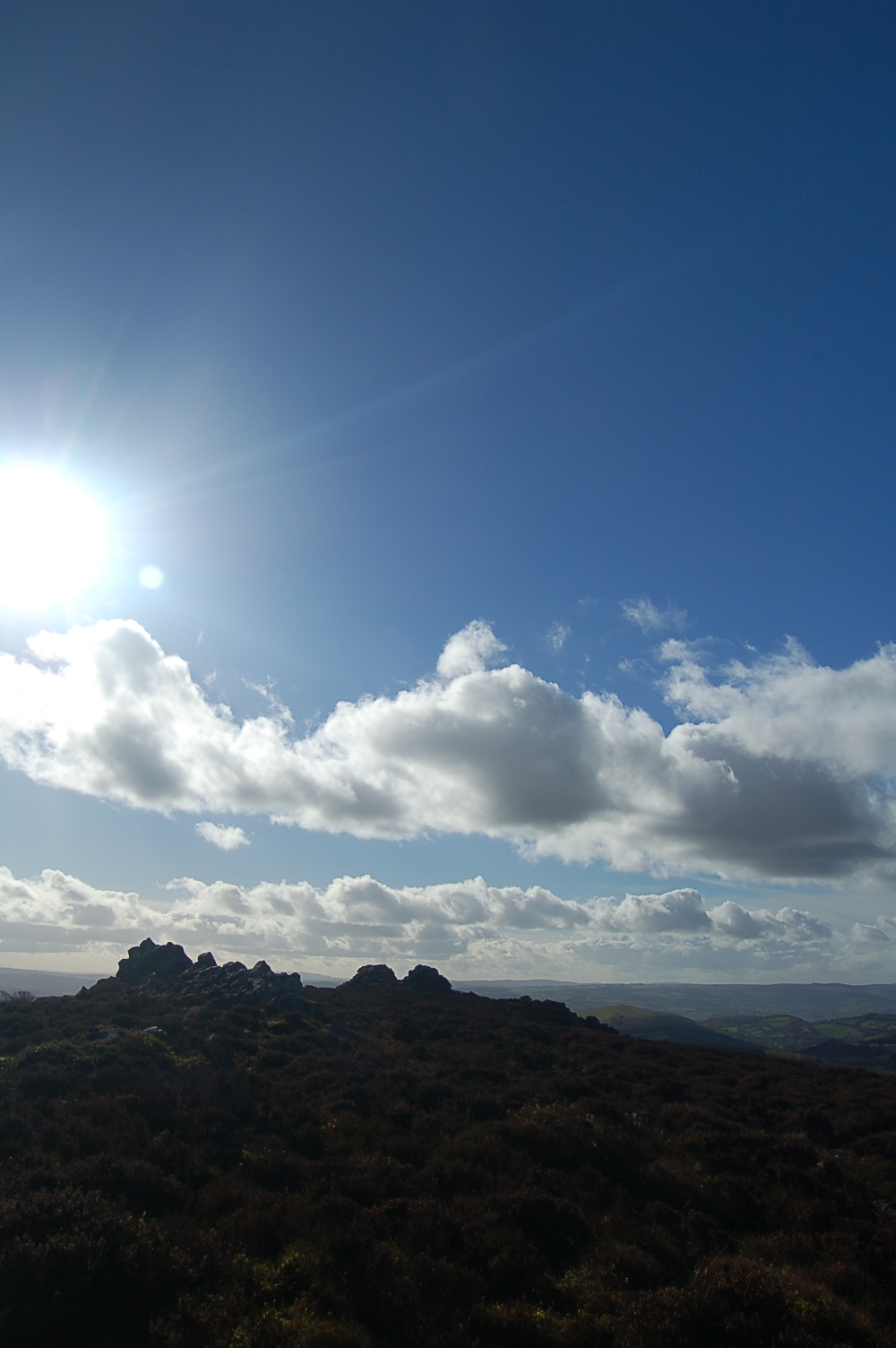
The path we took went  along the sharp top of the ridge occasionally dropping onto the colder side. It was freezing, so cold that little patches of snow lay on the path in places. This is a bit early in the year for snow around here! We walked into the sun and battled the strengthening biting wind, making our way towards the silhouetted rocky outcrops. It proved to be a lazy wind – too lazy to go around us so it went straight through.

We were so glad of our thermal gloves and thermal coats but we had forgotten our thermal beanie hats. Jude tried to cope with her jacket hood which proved simply too thin. I tried to cope with a baseball cap – the wind that was too lazy to walk around us was sadly not lazy when it came to blowing my hat away!

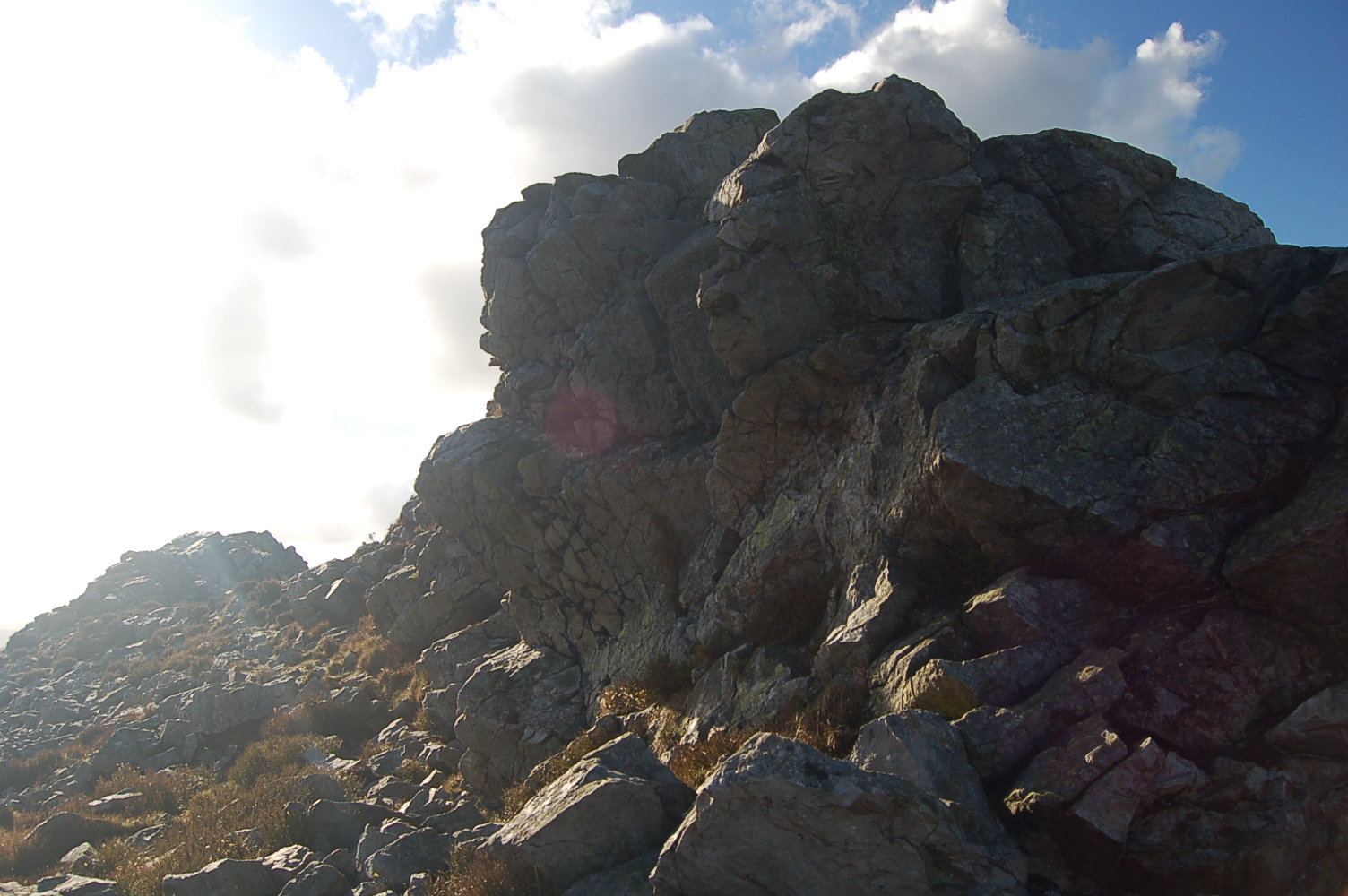
When we reached the rugged outcrop we were aiming for we knew it was worth getting cold for. A dramatic spiky rough outcrop!

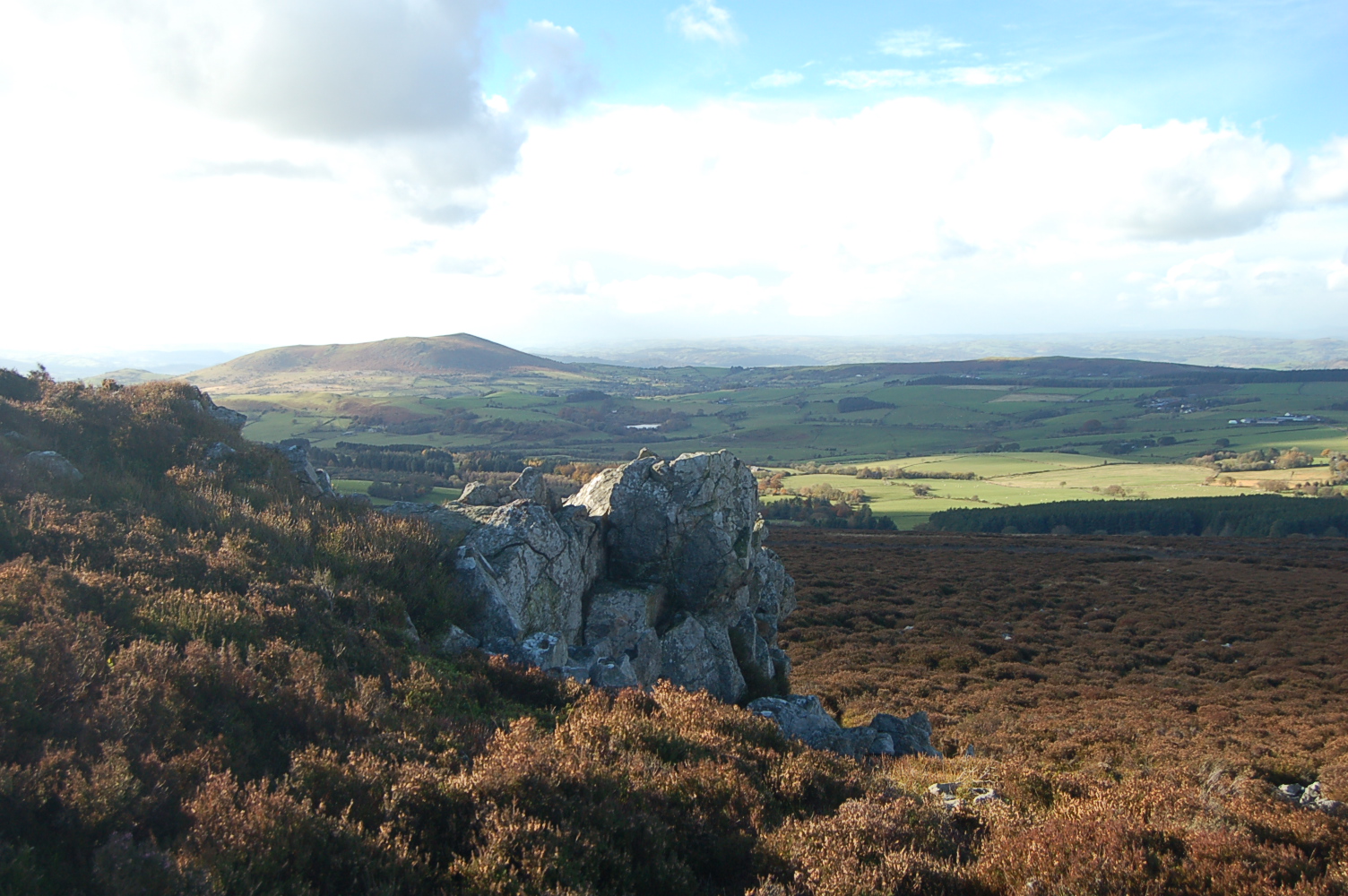
From this ridge the views westward back towards Mitchells Fold and Stapeley Ridge and Wales beyond were breath-taking. Another place to stand together and think what a wonderful place we live in.

The views to the south were equally stunning.

The cold was penetrating too deeply and lack of sustenance was beginning to tell so we turned away from the sun and made our way back to the parting of the paths to begin the descent through the bracken and bilberries along the grassy track. The wind was now on our backs, so biting less and even helping us on our way a little.

As we reached the paths’ junction before turning back downhill we took a long look along the other walk we were determined to return to tackle another day. It looked inviting with the sun shining on it, calling out to us to return. We couldn’t refuse, so pledged to come back soon.

As we stood considering the trek we would make on our return to the Stiperstones, we watched Red Kite hunting the slopes below us. A rare chance to watch these big predators from above. Little else showed, just one Meadow Pipit and the commonest bird of the day Raven working their way over the hills in pairs.

Categories
allotments autumn autumn colours bird watching colours community gardening fruit and veg garden photography garden wildlife gardening grasses grow your own meadows natural pest control ornamental trees and shrubs photography roses wildlife

A Wander Around our Allotments in November

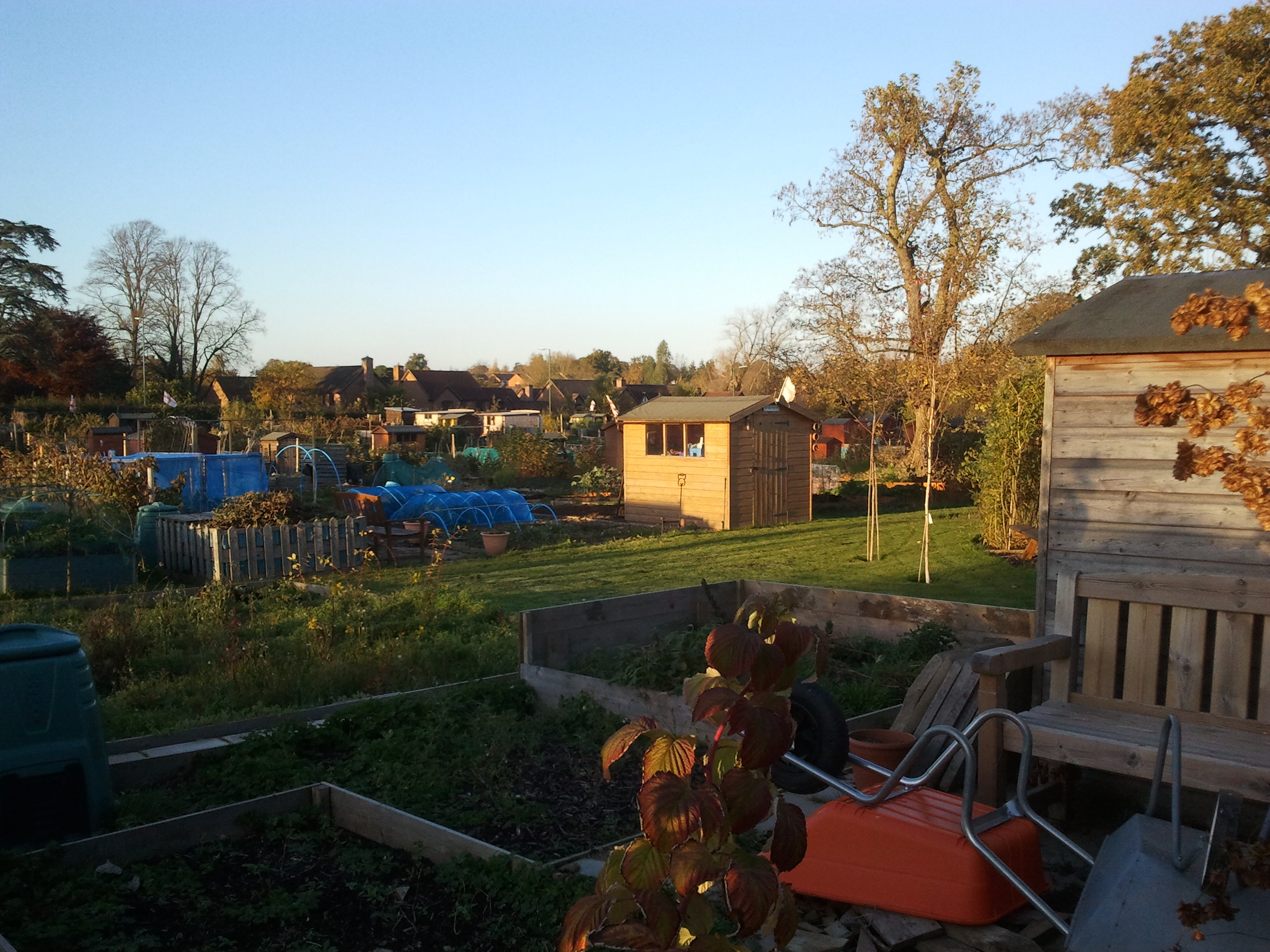
The penultimate lottie wander post for 2012 and at last the weather is providing a few bright cold days. This is what we look forward to in this autumnal month, rather than the wet dark days we have been presented with in the first few days. The light is warm and gives a crisp edge to any photos taken as the blue haze of summer has disappeared.

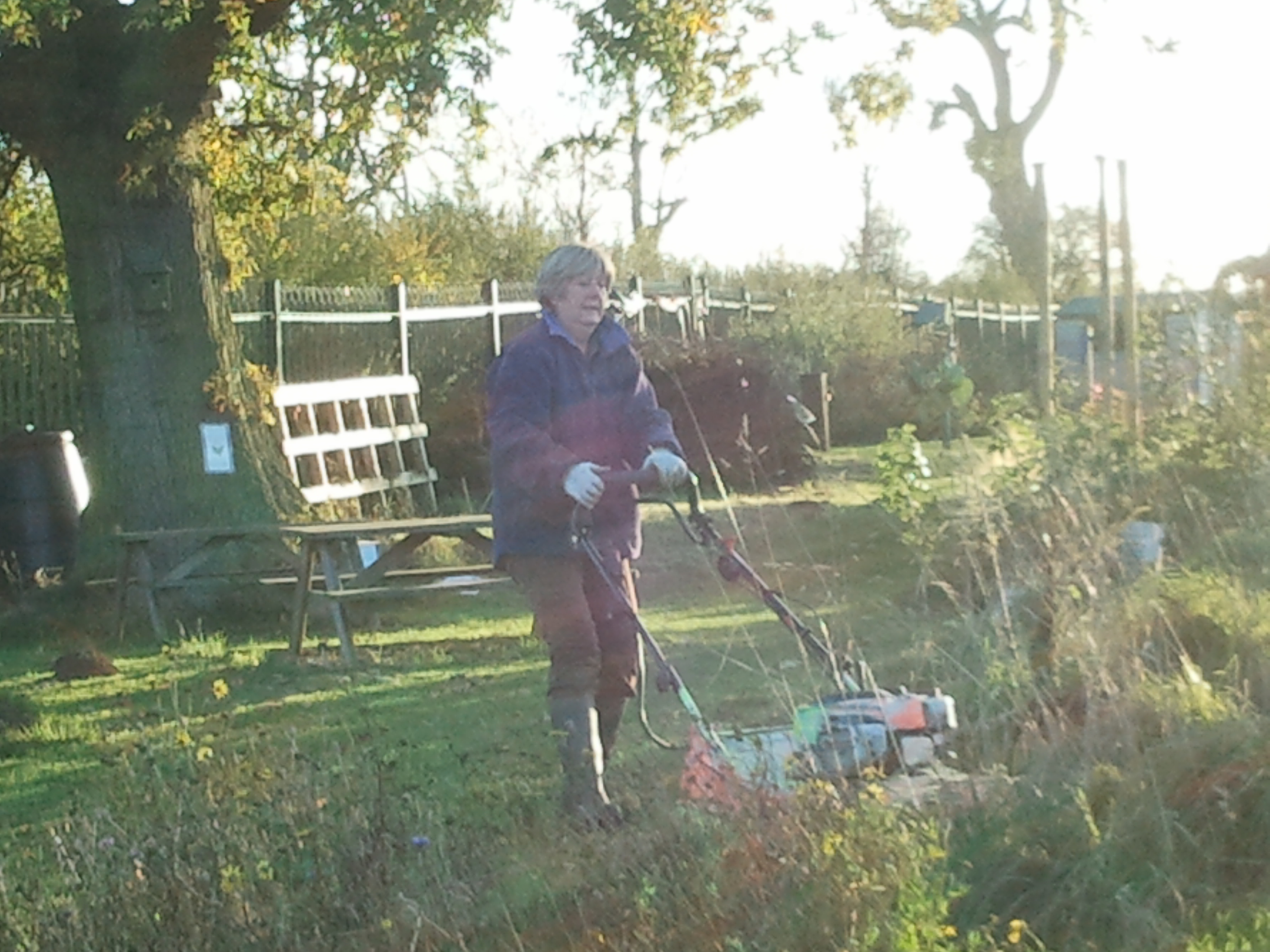
We went up the lottie yesterday to deliver some spare seeds for the Seed Swap basket and to collect some greens left by fellow plot holders for our chickens. They are spoilt by our friends from the site! It was mid-afternoon and we had not intended to stop to work, but we changed our minds. We got out the communal mowers and rakes and gave the final two meadows their annual “hair cuts”. Jude, The Undergardener did most of the work as it is a bit difficult with my spine and leg pains, so I wandered off taking advantage of the special quality of the day’s light and shot off a couple of dozen pics with my Galaxy.

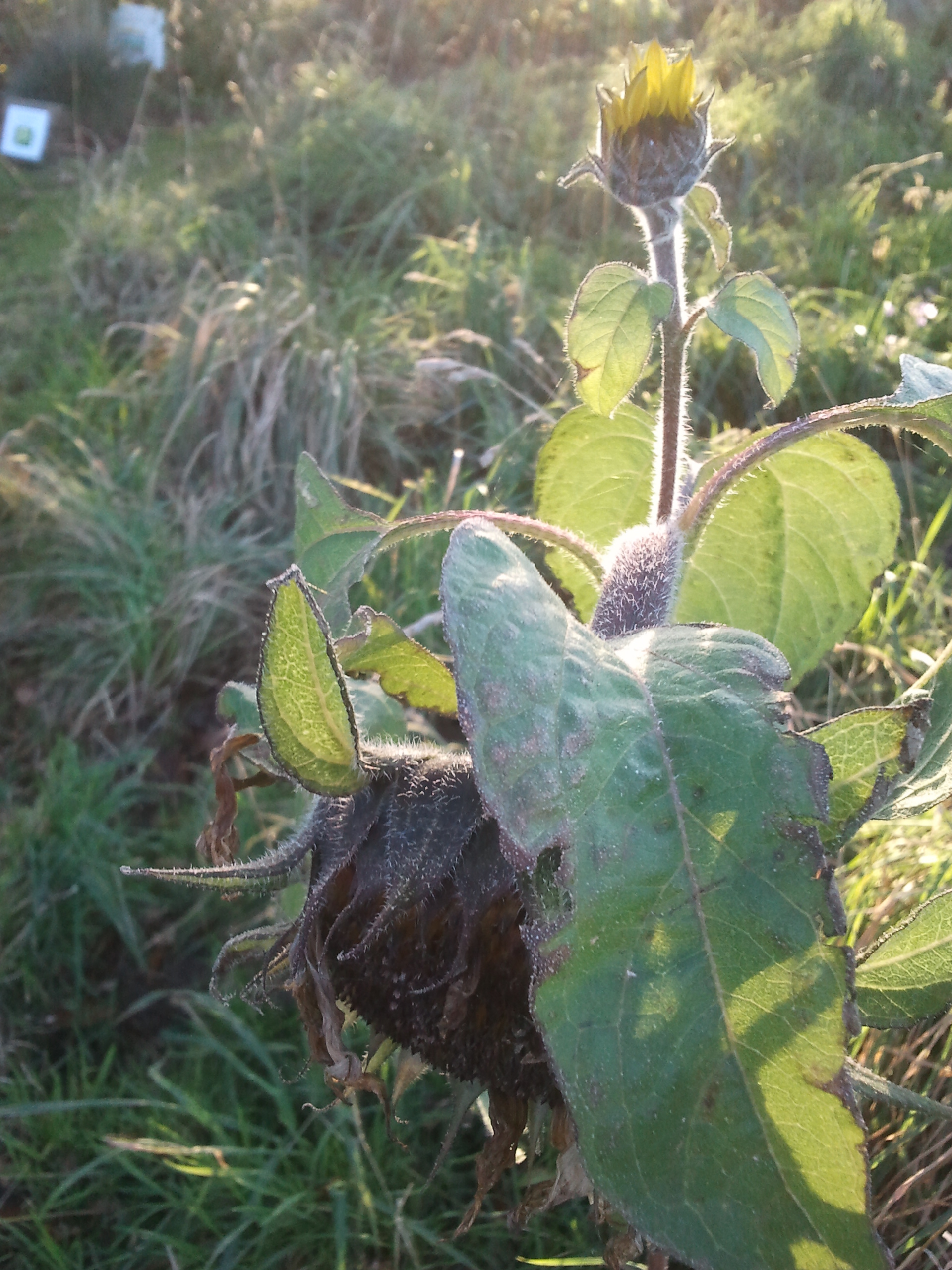
As we worked on the meadows the resident Field Voles scuttled off as they felt the mower’s vibrations and disappeared down their holes. We left a few clumps of wildflowers standing for everyone to enjoy before winter cuts them down. Field Scabious, Mallow and Sunflowers.

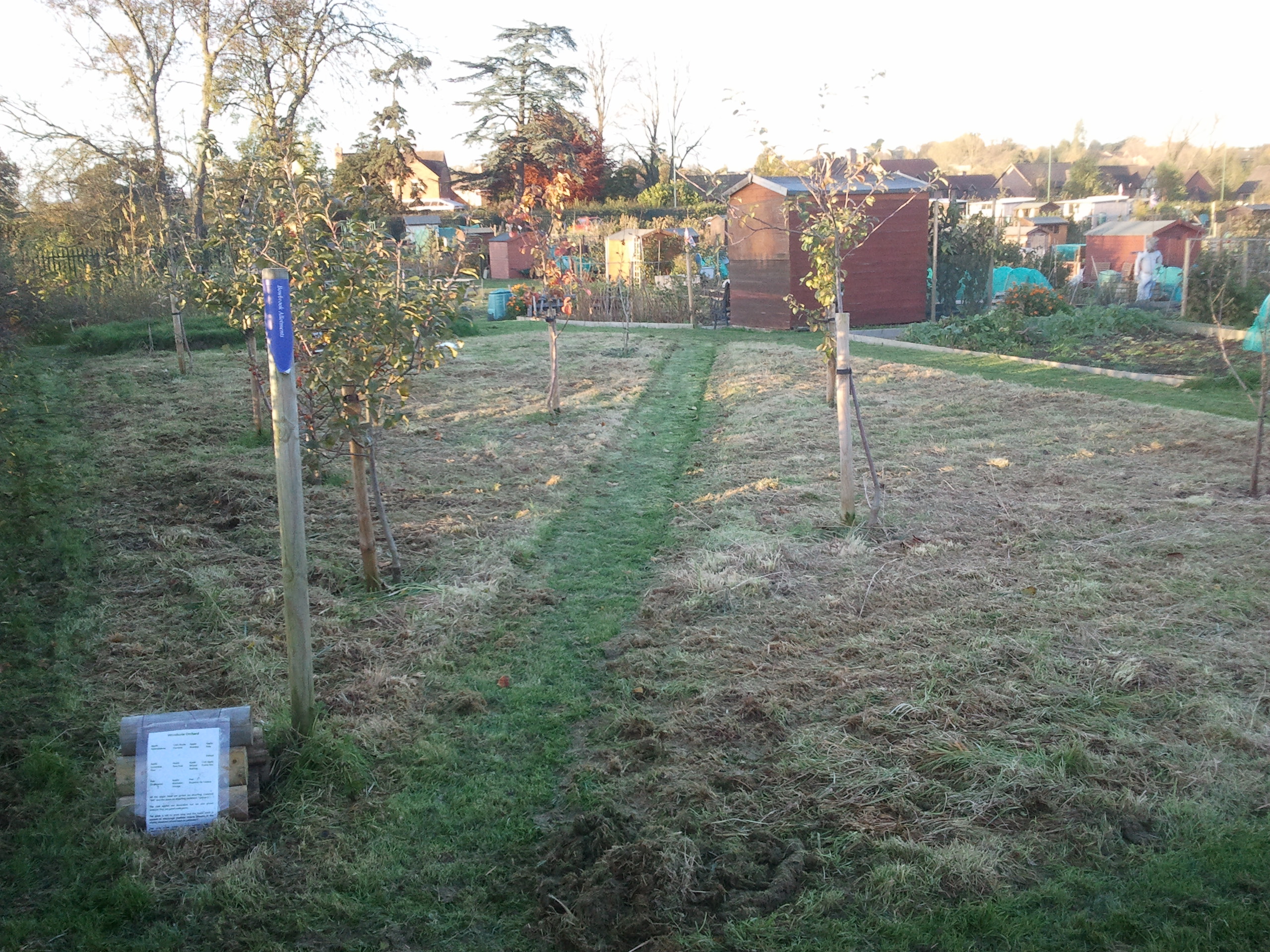
The meadows that are already trimmed look flat and brown, but the pathways mown through them look crisp and green.

The foliage in our Sensory Garden is given extra vitality in the November sunshine.

The next shot is a view of the site boundary through the seed heads of a white-flowered Actaea across the Spring Garden. In the Spring Garden a tiny Acer shows that you don’t have to be big to impress.

In the meadows the last of the grasses and sunflowers stand tall and proud.

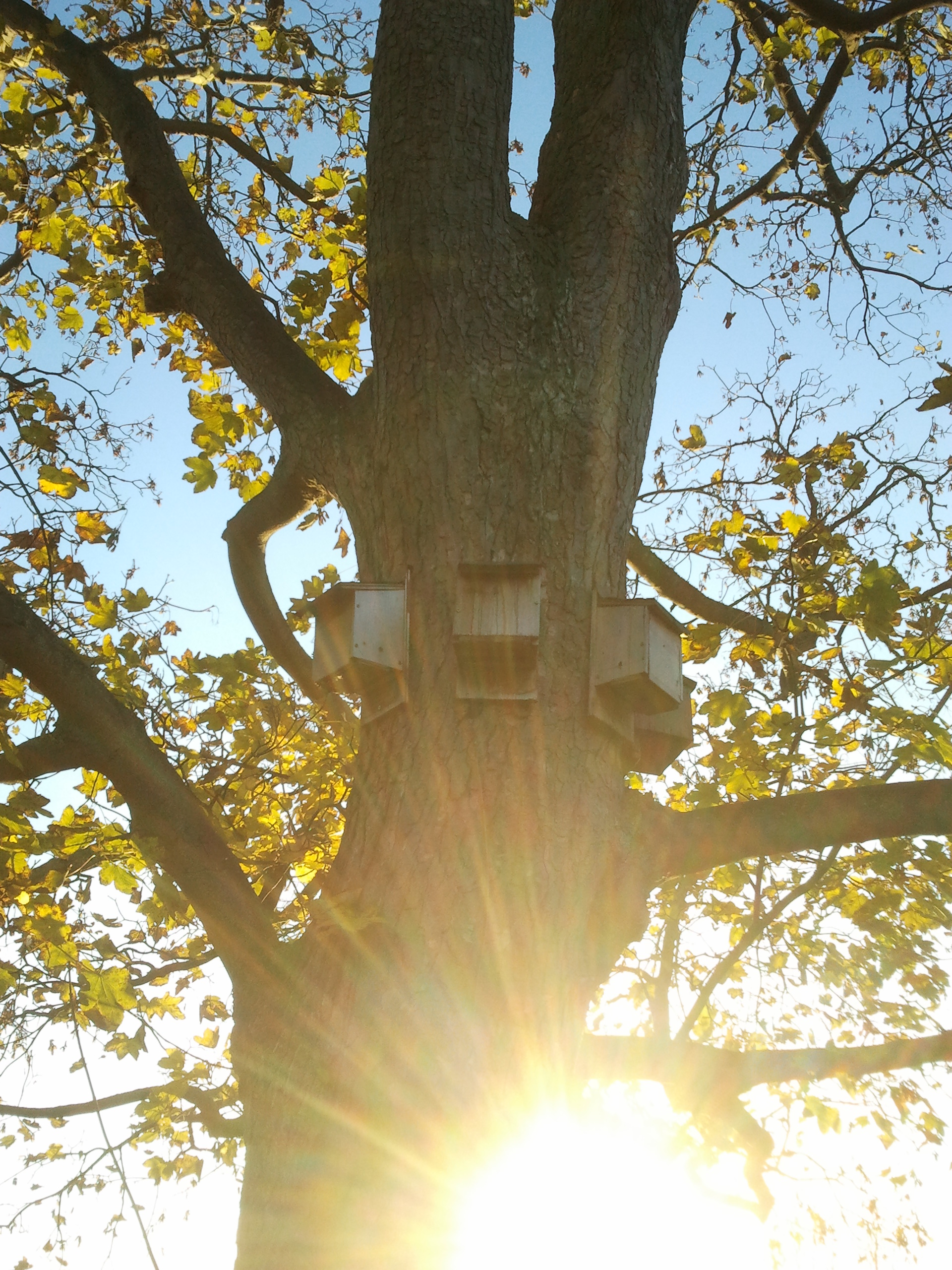
Up in the mature Sycamore and Oak the resident bats will be shuffling around and preening in readiness to leave their roosts in the boxes and go on the feed for moths and night-flying insects. Bats are our night-time pest control patrols. In the daylight hours we are being entertained by birds of prey often being mobbed by our flocks of Jackdaws and Rooks . Peregrines, Buzzard, Red Kite, Kestrel and Sparrow Hawk.

Around the plots the gardeners are preparing their plots for the winter, beds are cleared and manure piled up or spread over the surface.

A few crops remain for winter sustenance.The red stems and purple leaves of Ruby Chard add a burst of colour. Brassicas are covered to give protection from ravenous and greedy Wood Pigeons who love to eat the sweet centres of Brussels Sprouts and the tenderest, newest leaves of cabbages.

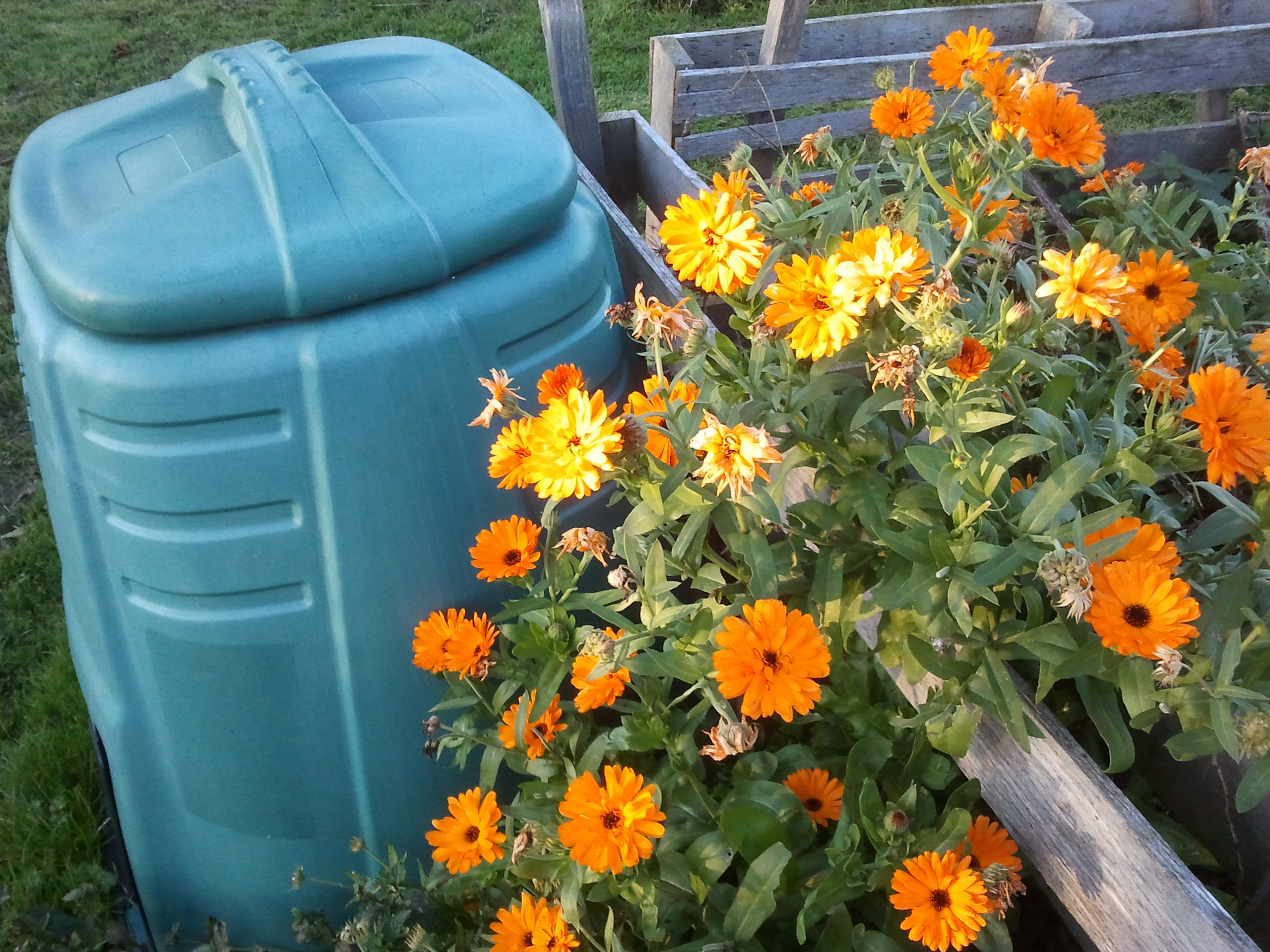
A few remaining flowers add extra brightness to the plots.Tthat most popular of companion plants, the Calendula brightens up compost areas and odd roses still perform in the Summer Garden. We can expect these David Austin roses to continue to treat us to flowers until the new year.

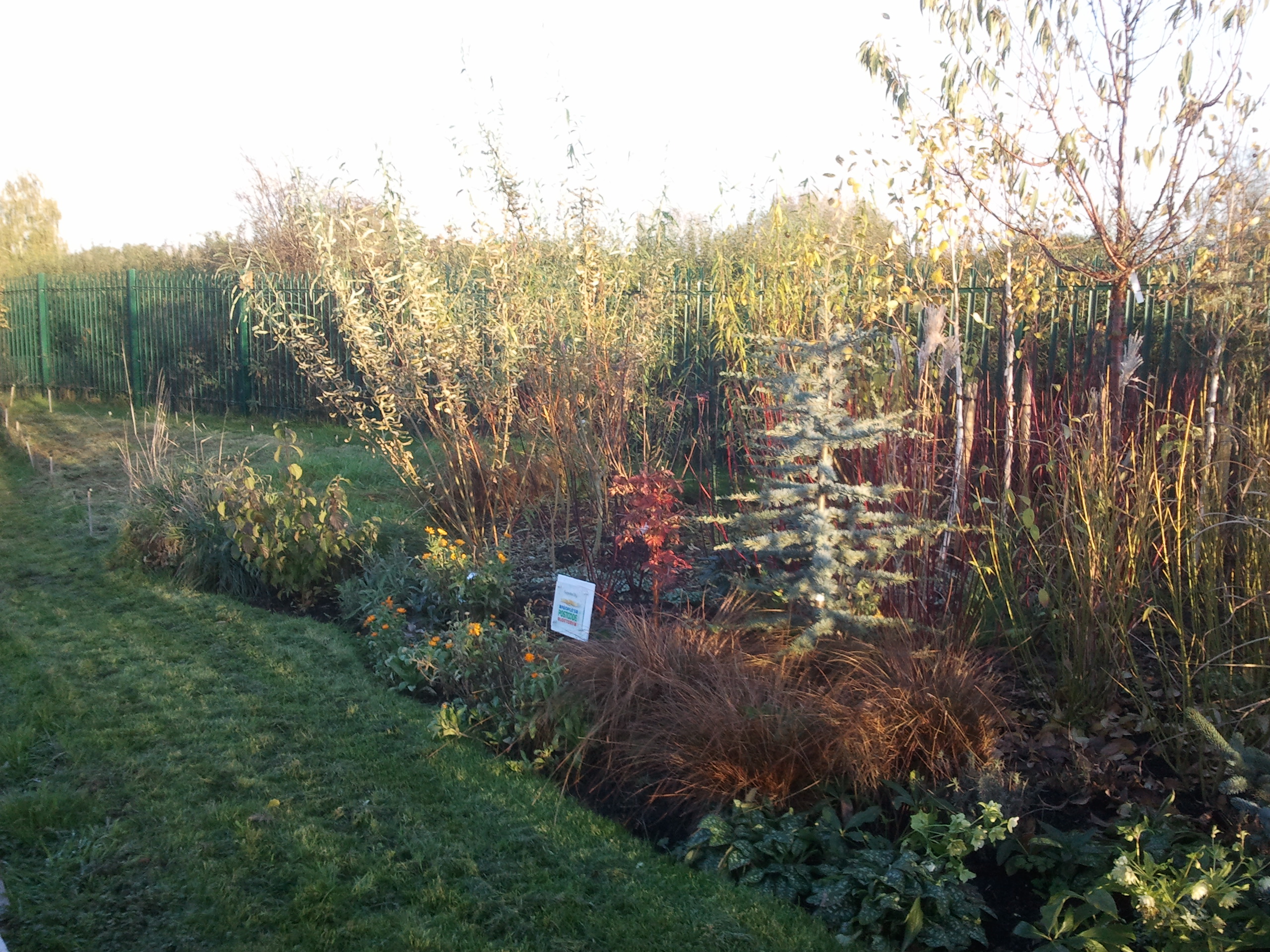
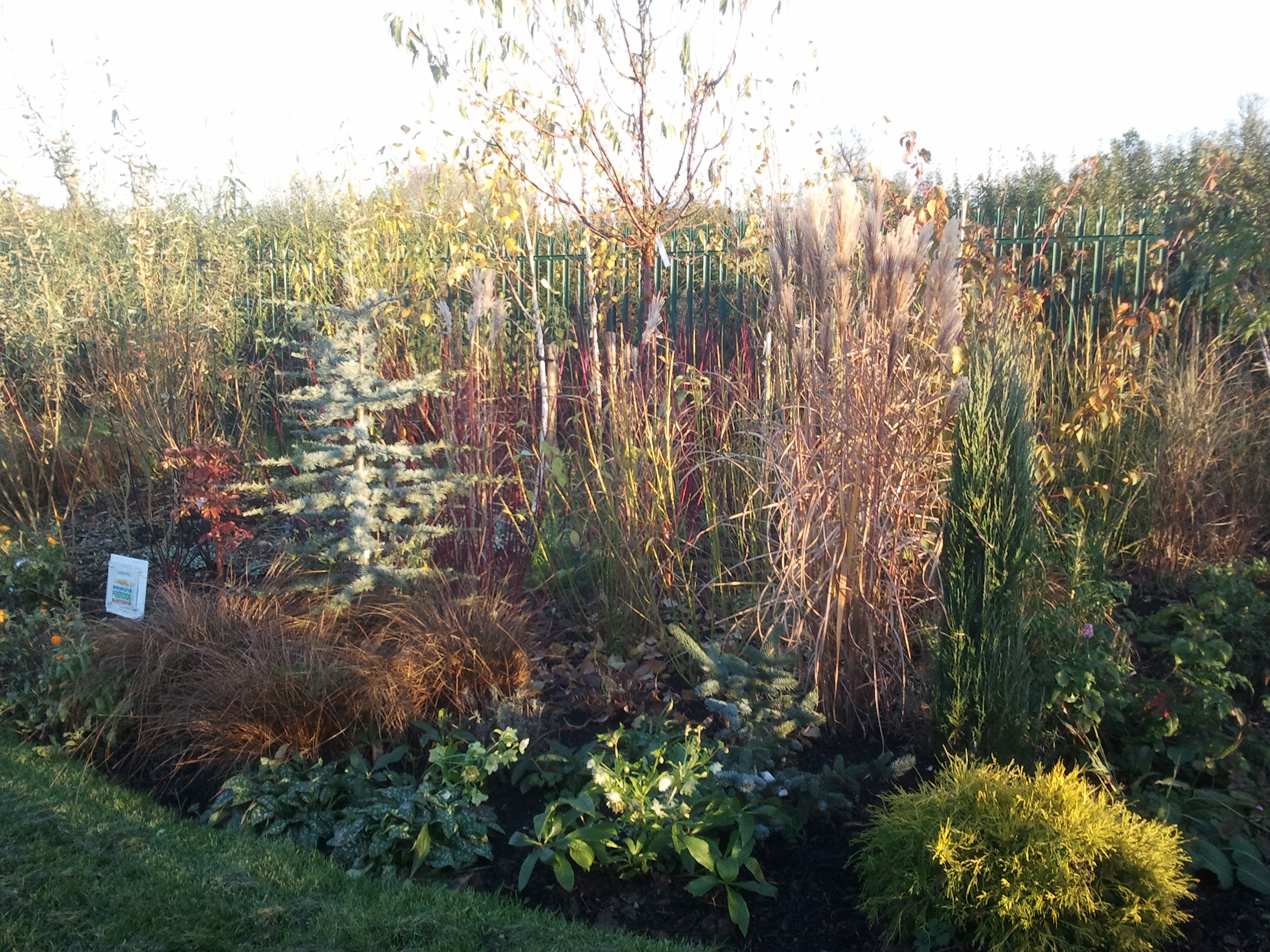
The star of the site for the next few months will be the Winter Garden and it is already showing promises and hints of what delights it has in store for us in times ahead. As leaves fall from trees and shrubs the colours and textures of the stems and trunks will come into their own.

We have endured a wet summer and autumn with each month breaking previous rainfall records. Crops have been poor and we have been flooded four times. Dave, the Scarecrow looks a bit worse for wear too!

Categories
autumn autumn colours colours fruit and veg garden design garden photography gardening ornamental trees and shrubs trees

Nuts and Berries

As allotment gardeners we enjoy late summer and early autumn as the busiest harvesting time, but lots more food is coming into readiness in our ornamental gardens and parks. Nuts, seeds and berries provide feasts for wildlife and feasts for our eyes.

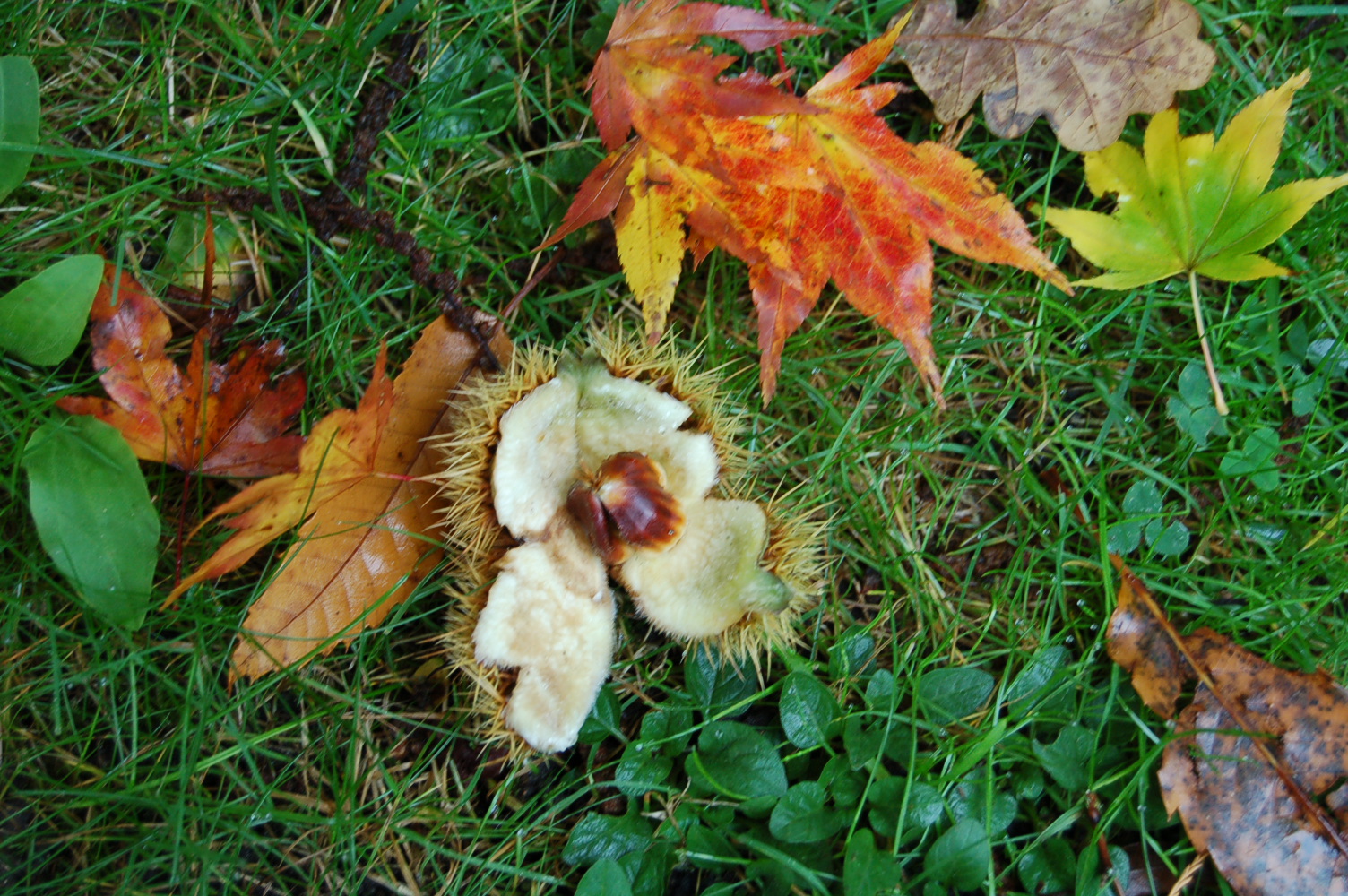
Sweet Chestnut awaiting the attention of squirrels in Pittville Park in Cheltenham.

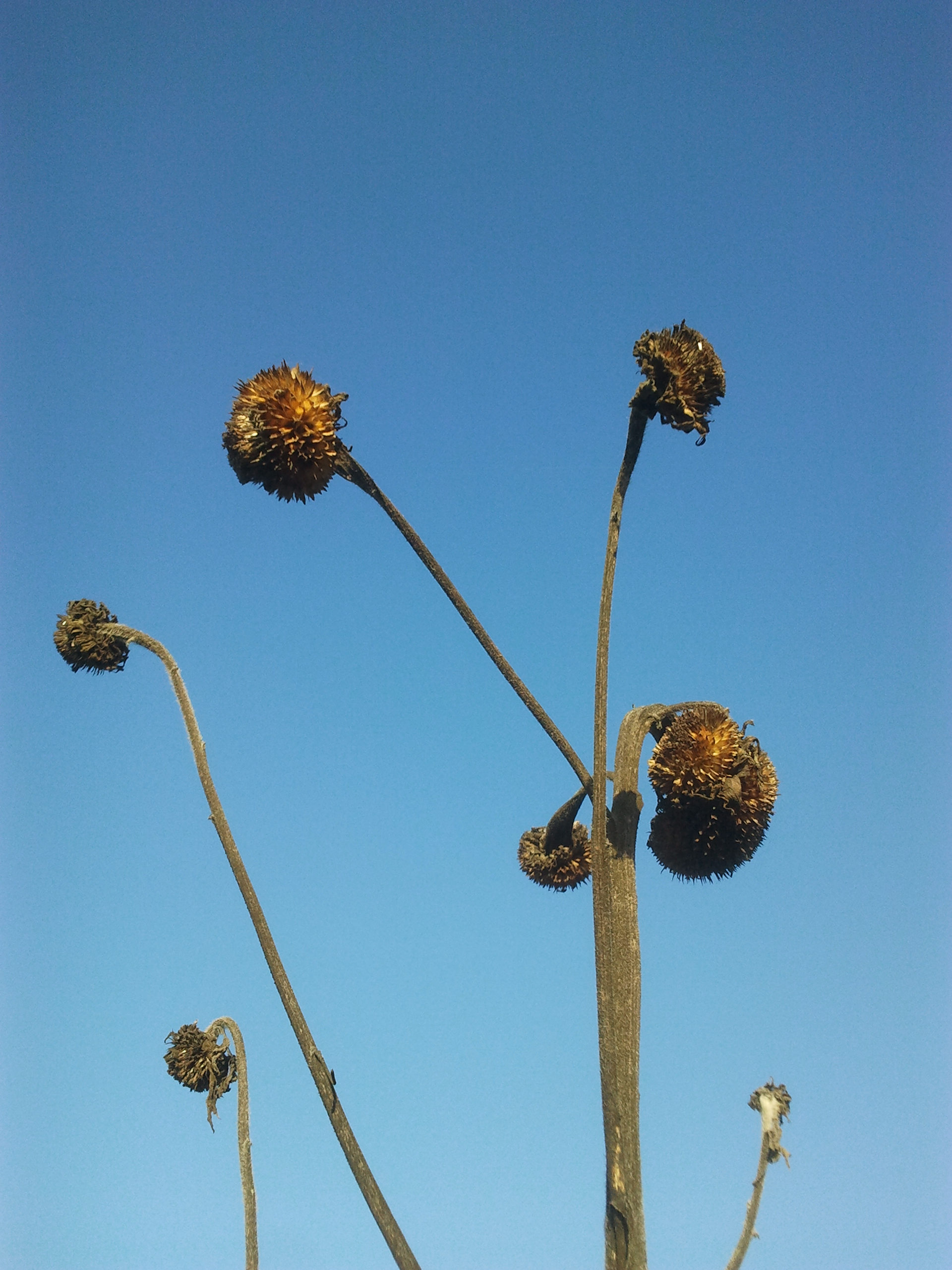
Onopordum seed heads against a blue sky in our garden.

Drooping Dieramas.

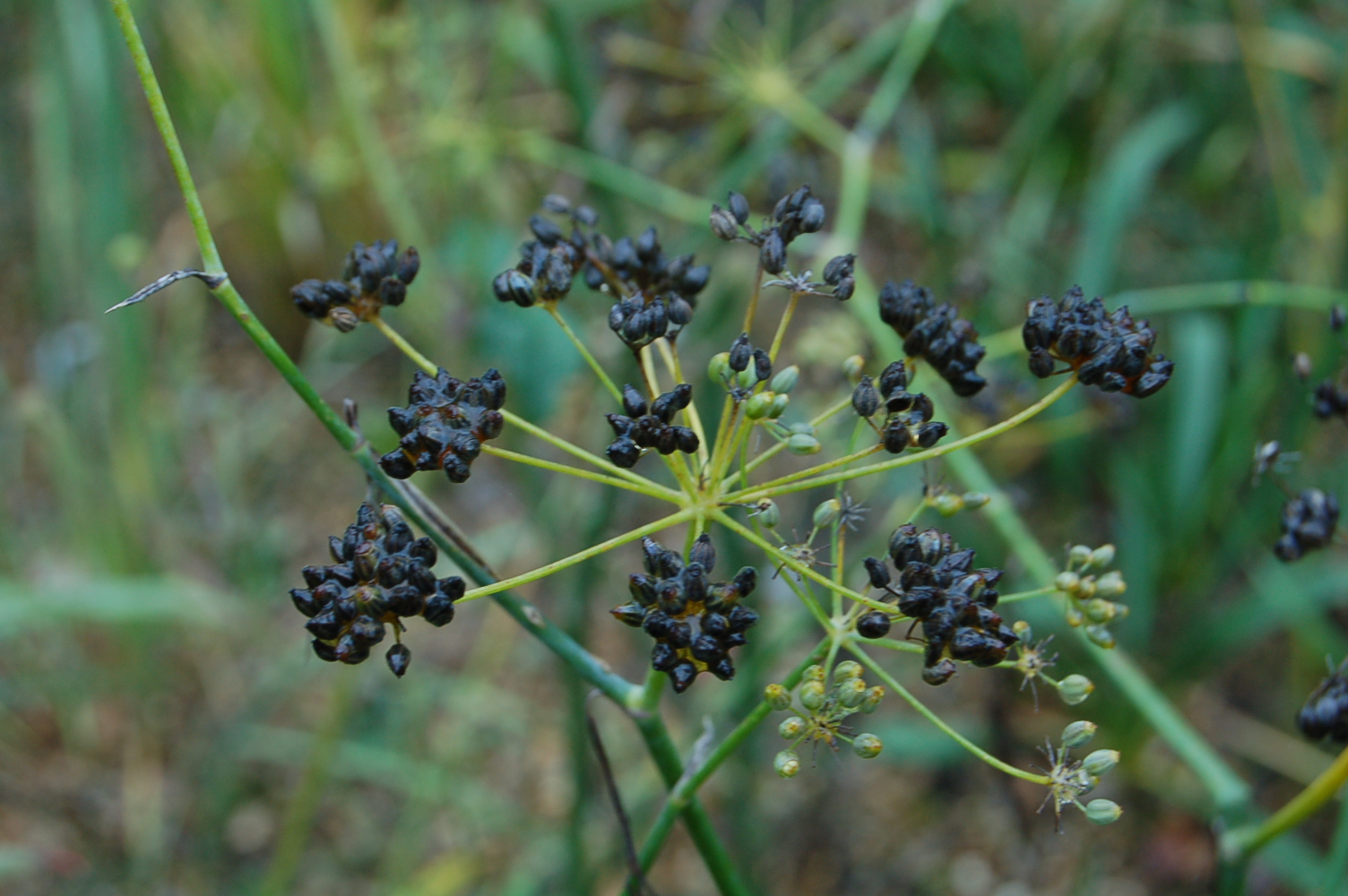
Black umbellifer seeds.

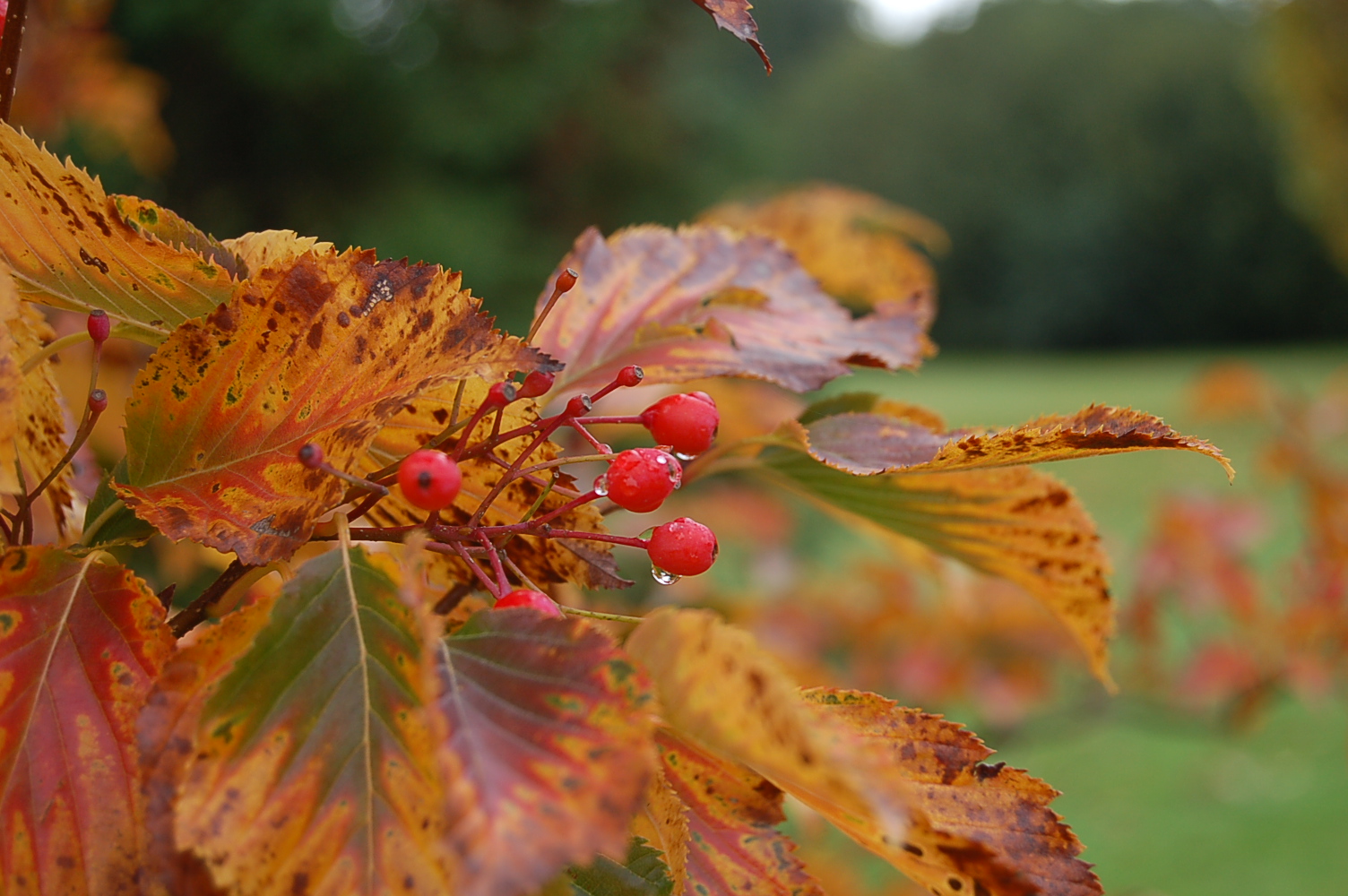
Crataegus berries and autumn foliage.

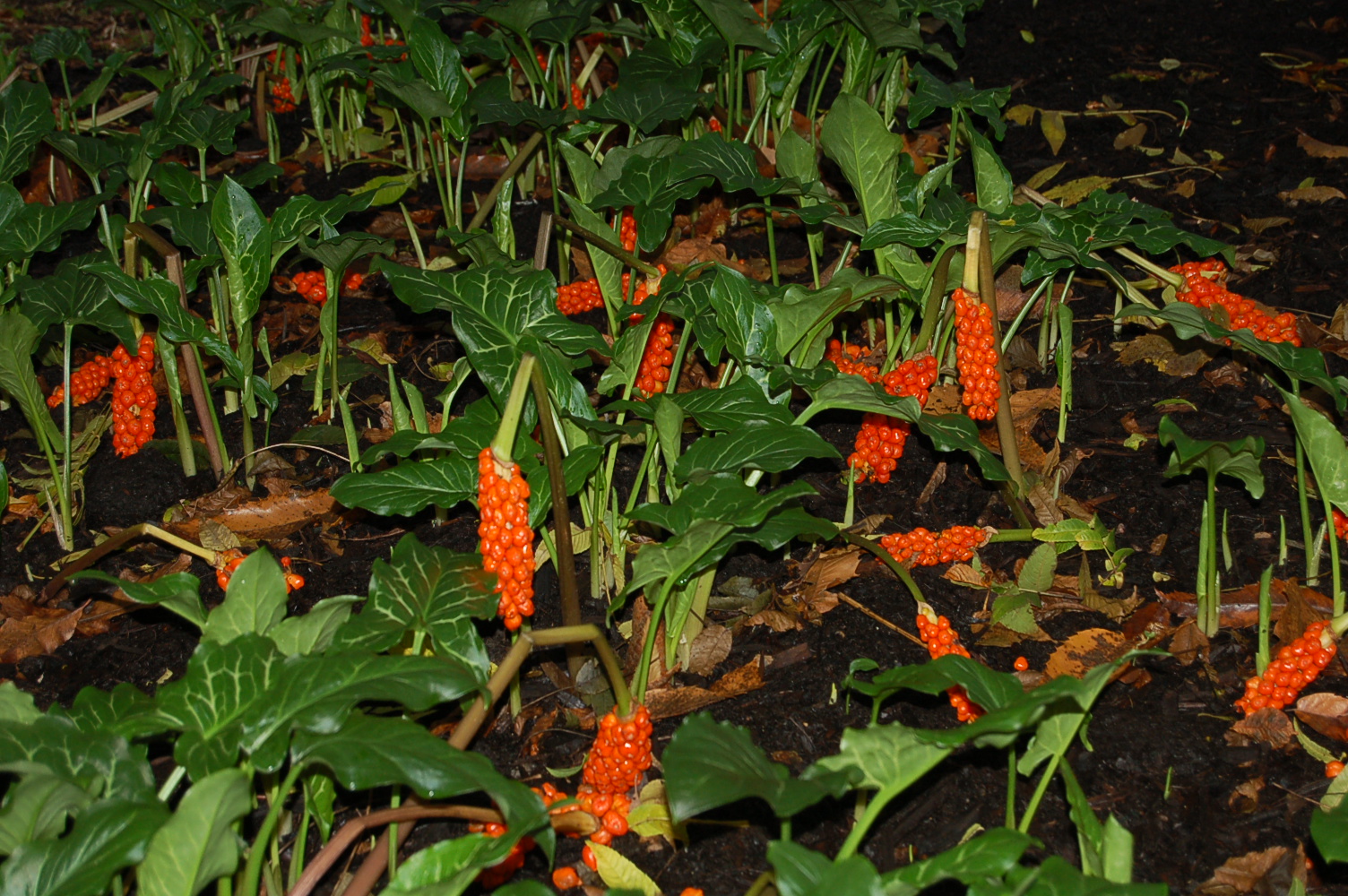
A host of Arum Lilies.

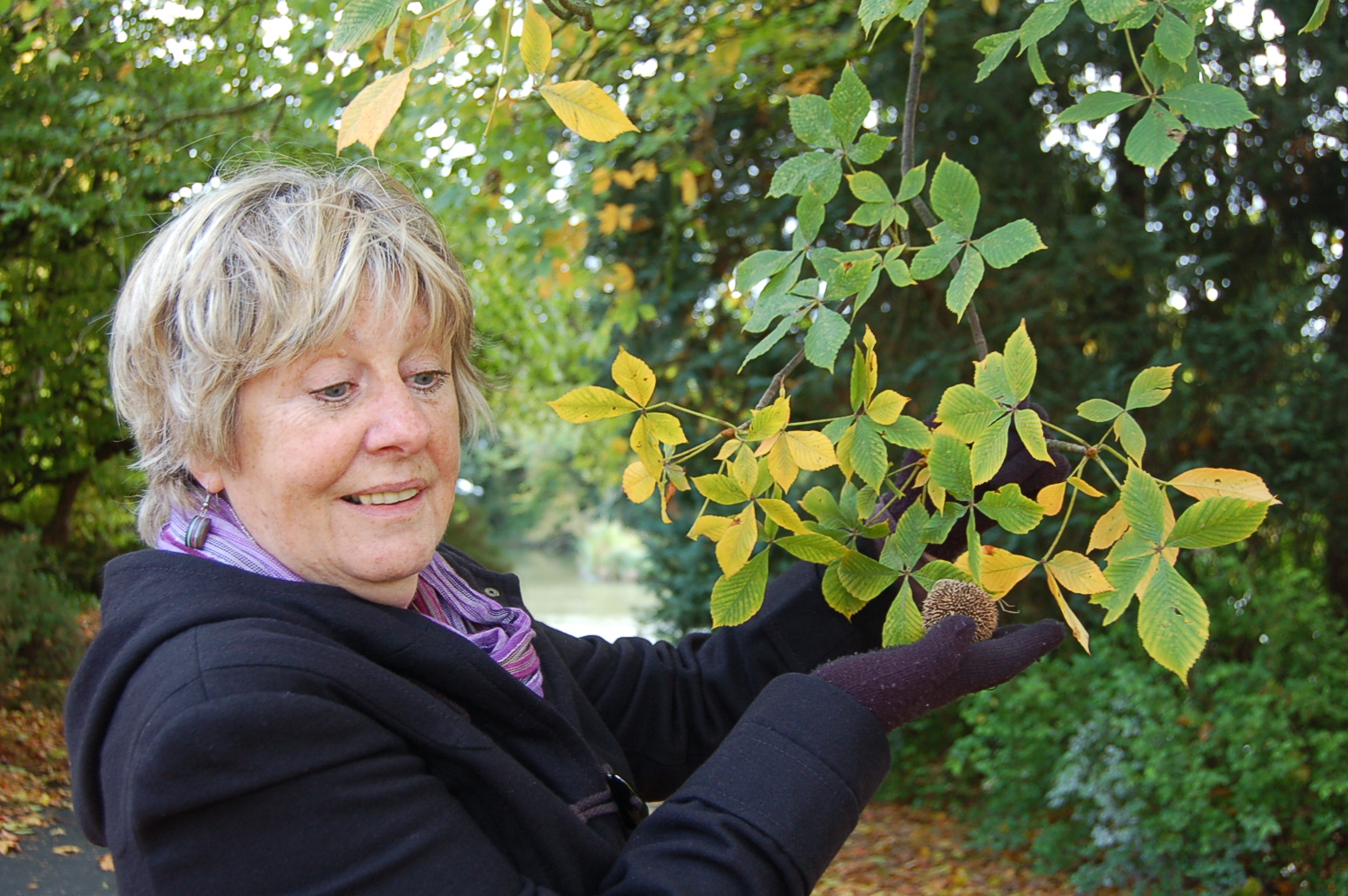
Jude “The Undergardener” mystified by an unknown chestnut.

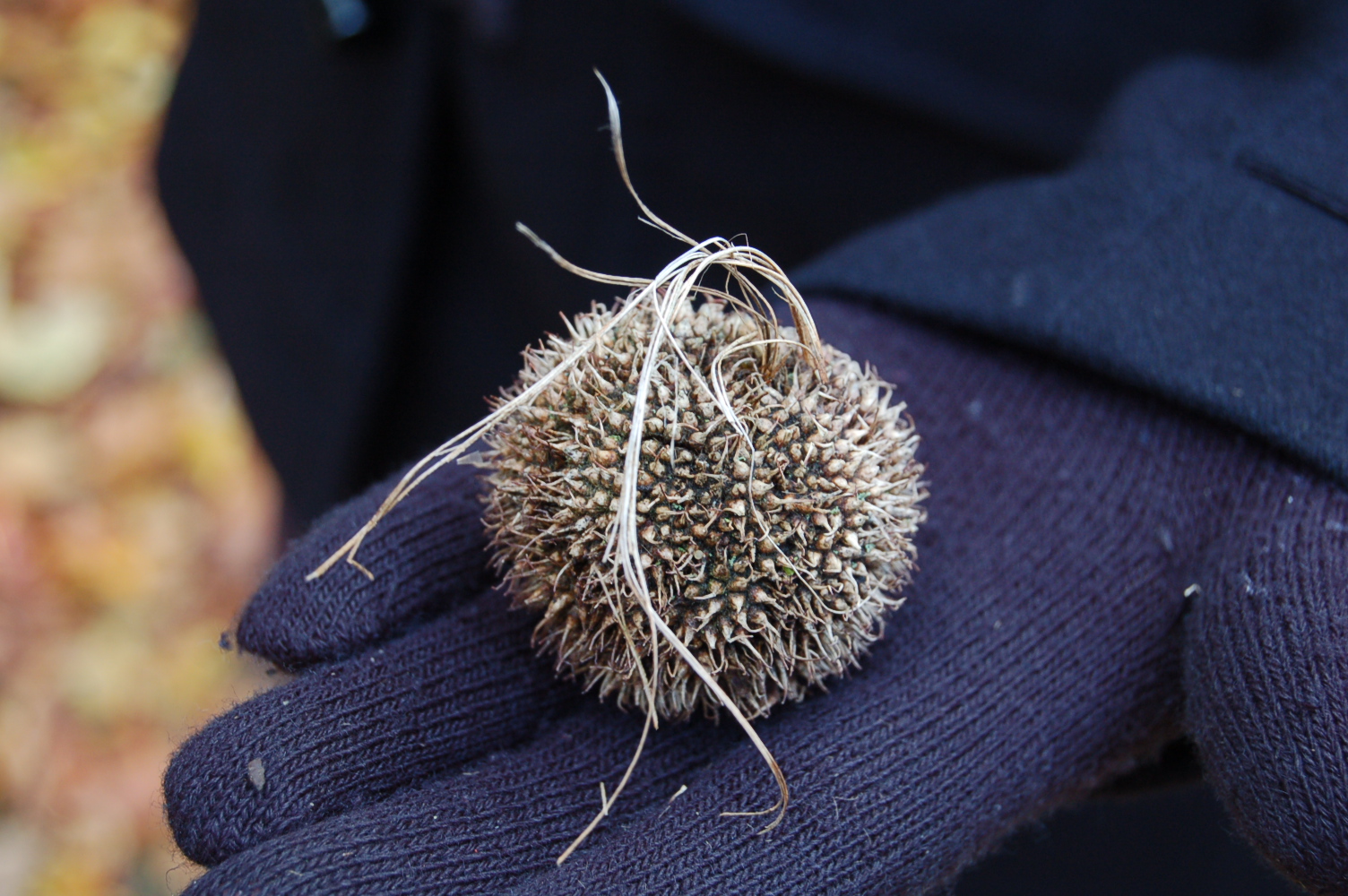
The chestnut had spiky golf balls as nut capsules.

Mad clashing colours on Euonymous europaeus.

Crocosmia Lucifer graceful stems with its ginger coloured seeds.

Let us now have a wander around our garden and spot red berries, and photograph them before the Mistle Thrushes, Redwings and Fieldfares gorge on them.

But unlike Henry Ford we do grow our berries in more than one colour!

White Dogwood.

Two-tone Hypericum.

Musky purple grapes.

This unusual cream berried Cotoneaster always confuses garden visitors. (C. rothchildsiana)

This Veggie Life

A Vegetarian | Nature Lifestyle Blog

Rambling in the Garden

.....and nurturing my soul

The Arch City Gardener

Journeys In St. Louis Gardening and Beyond

Garden Dreaming at Châtillon

Consult the genius of the place

Storyshucker

A blog full of humorous and poignant observations.

gardeninacity

Notes from a wildlife-friendly cottage garden

PlayGroundology

...an emerging social science

The Official Blog of British Wildlife

'The most important and informative publication on wildlife of our times' - The Independent. This blog is a member of The UK & Ireland Natural History Bloggers group: www.uknhb.blogspot.com

iGrowHort

Inspire - Cultivate - Grow Native Plants - Restore Landscapes

Bishops Meadow Trust

To create and protect a semi-natural wild space for the people of Farnham to enjoy and experience an array of British wildlife in our town

Gardening with Children

The www.gardeningwithchildren.co.uk Blog

UKbirdingtimeline

birding through the seasons, why birds matter and how to conserve them

NATURE WALKER

with a camera in hand

Jardin

Transform your outdoor space

Eva's space

My allotment, cooking and other interests

Old School Garden

my gardening life through the year

LEANNE COLE

Trying to live a creative life

fromacountrycottage

trying to live as lightly as possible on our beautiful planet

Good Life Gardening

Nature lovers from Leicester living the good life.

mybeautfulthings

Finding the beautiful in the everyday

mawsonmichelle

Michelle's Allotment

In and Out of My Garden

thoughts from and about my garden

Greenhousing

Big plans for a small garden

The Scottish Country Garden

A Walled Country Garden in South East Scotland

The Fruity Chicken

Life at the fruity chicken

willowarchway

Off grid living. Self sufficient. "PERMAGANICS RULE".

St Anns Allotments

Nottingham's Grade 2* Listed Allotments and Community Orchard

Manifest Joy Harvests

a journey in suburban vegetable gardening

Allotmental

The madness of growing your own

Penny's Garden: a harvest beyond my front door

A novel approach to vegetable gardening

arignagardener

Sustainable living in the Irish countryside.

NewEnglandGardenAndThread

Master Gardener, amateur photographer, quilter, NH native, and sometimes SC snowbird

dianajhale

Recent work and work in progress and anything else that interests me

planthoarder

a chaotic cottage gardener

Lens and Pens by Sally

a weekly blog that creates a personal philosophy through photographs and words

Dewdrops and Sunshine

Stories from a sassy and classy Southern farmbelle.

The Pyjama Gardener

Simple Organic Gardening & Seasonal Living

gettin' fresh!

turning dirt into dinner

JOY...

today the world is created anew

Garden Birds

Notes from a Devon garden

ShootAbout

Life Through The Lens

Adapting Pixels

A photography blog showcasing the best photography pictures and videos on the internet

Wildlifegardening's Blog

Just another WordPress.com site

naturestimeline

personal observations from the natural world as the search continues for a new approach to conservation.

LATEBLOOMERBUDS

The Wonders of Life through my Eyes, my Heart, my Soul