Categories
allotments community gardening fruit and veg garden photography garden wildlife gardening grow your own

September Lottie Working Party

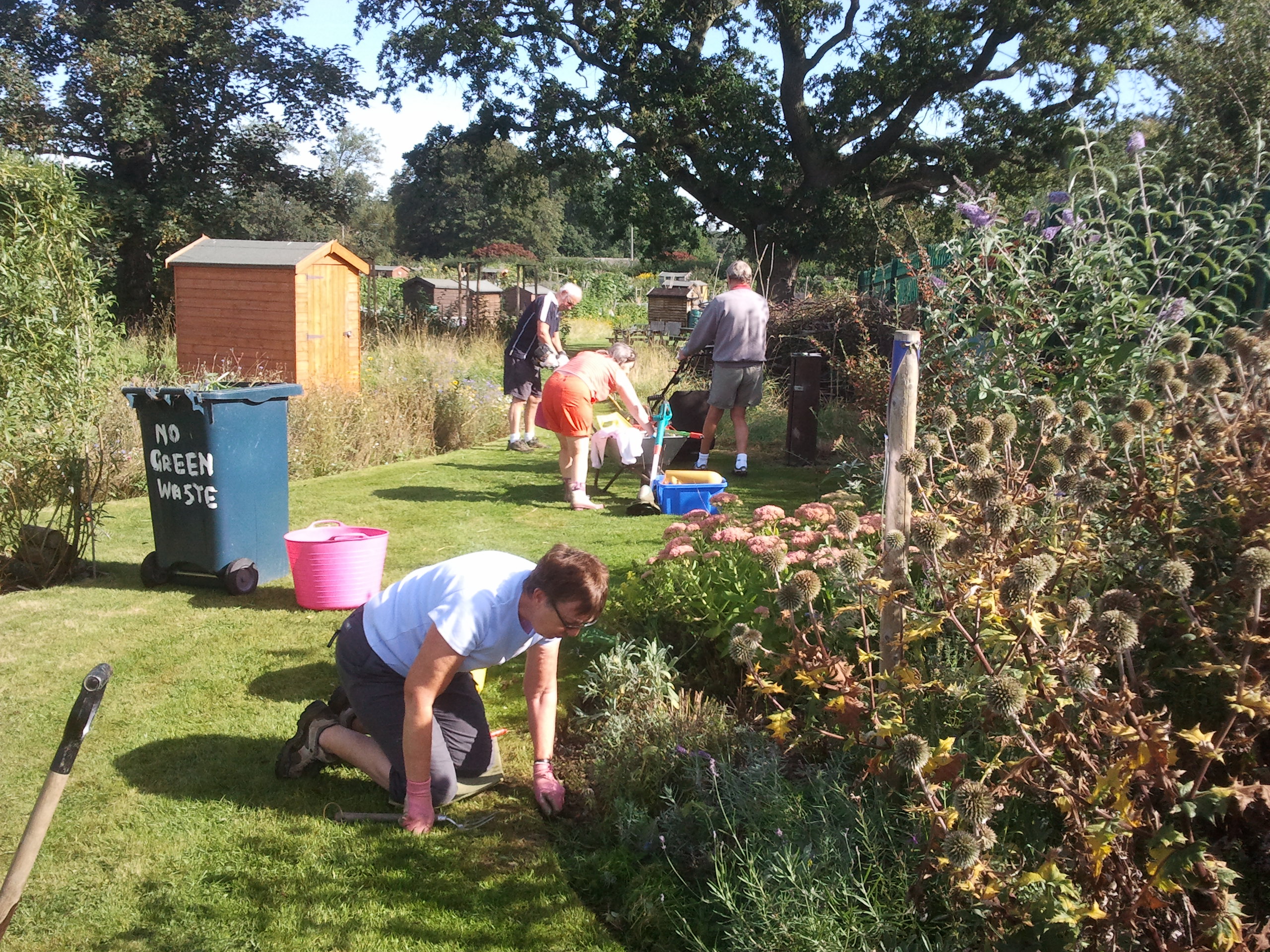
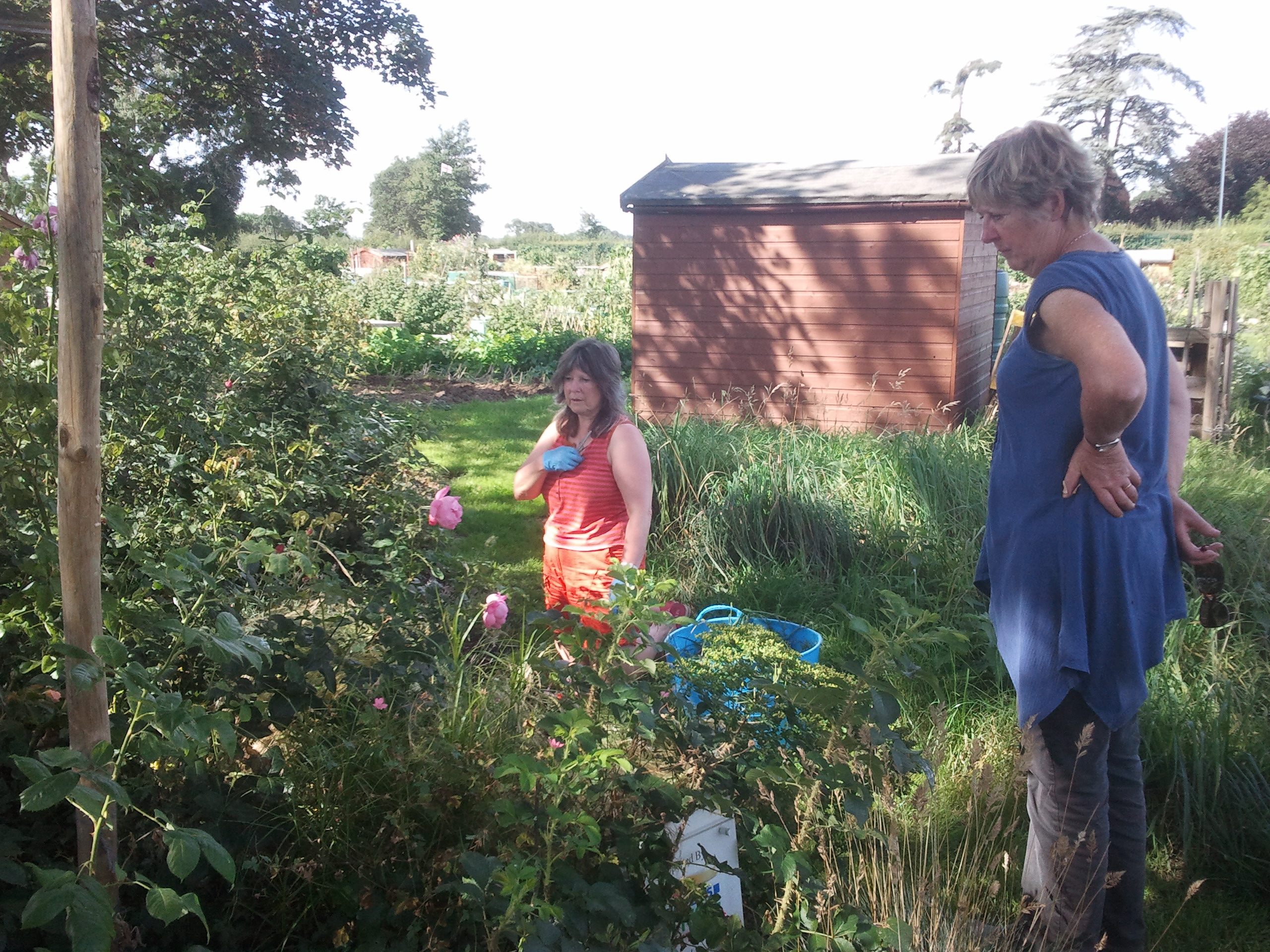
On a warm, bright Saturday morning we met at the allotments for a working party. We had lots of tasks and achieved most of them simply because everyone worked tirelessly. These working parties are so important as they not only keep the site looking good but they are good social events. Every tea or coffee break becomes an excuse for lots of talk and laughter.

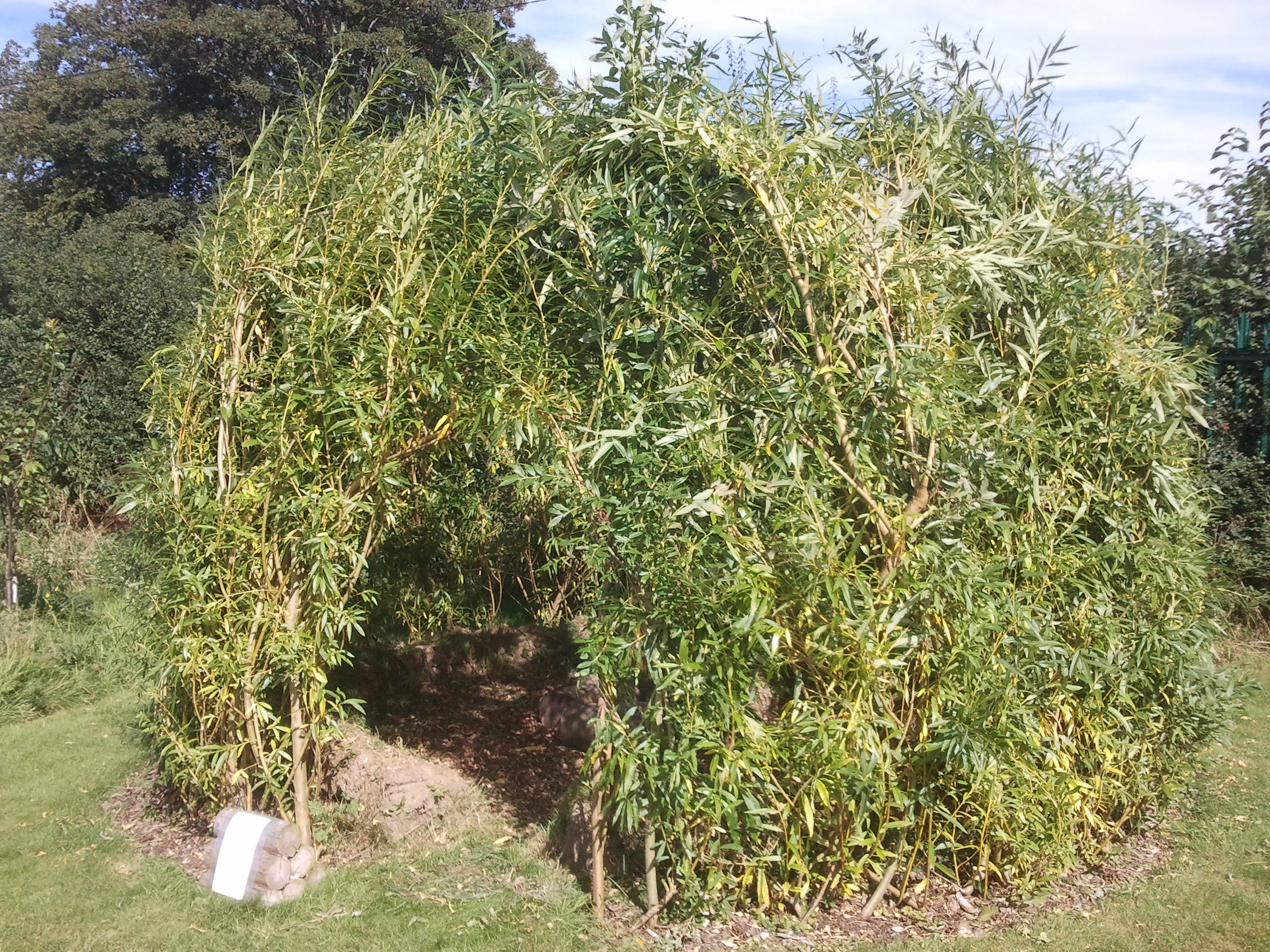
Some of the committee members and their partners gave time during the week before to get some of the jobs ticked off  our September task list. Jude and I re-vitalised the willow features, pruning, trimming, weaving and re-making the doorway and windows of the Willow dome and weaving in recent long growths on the Willow Tunnel.

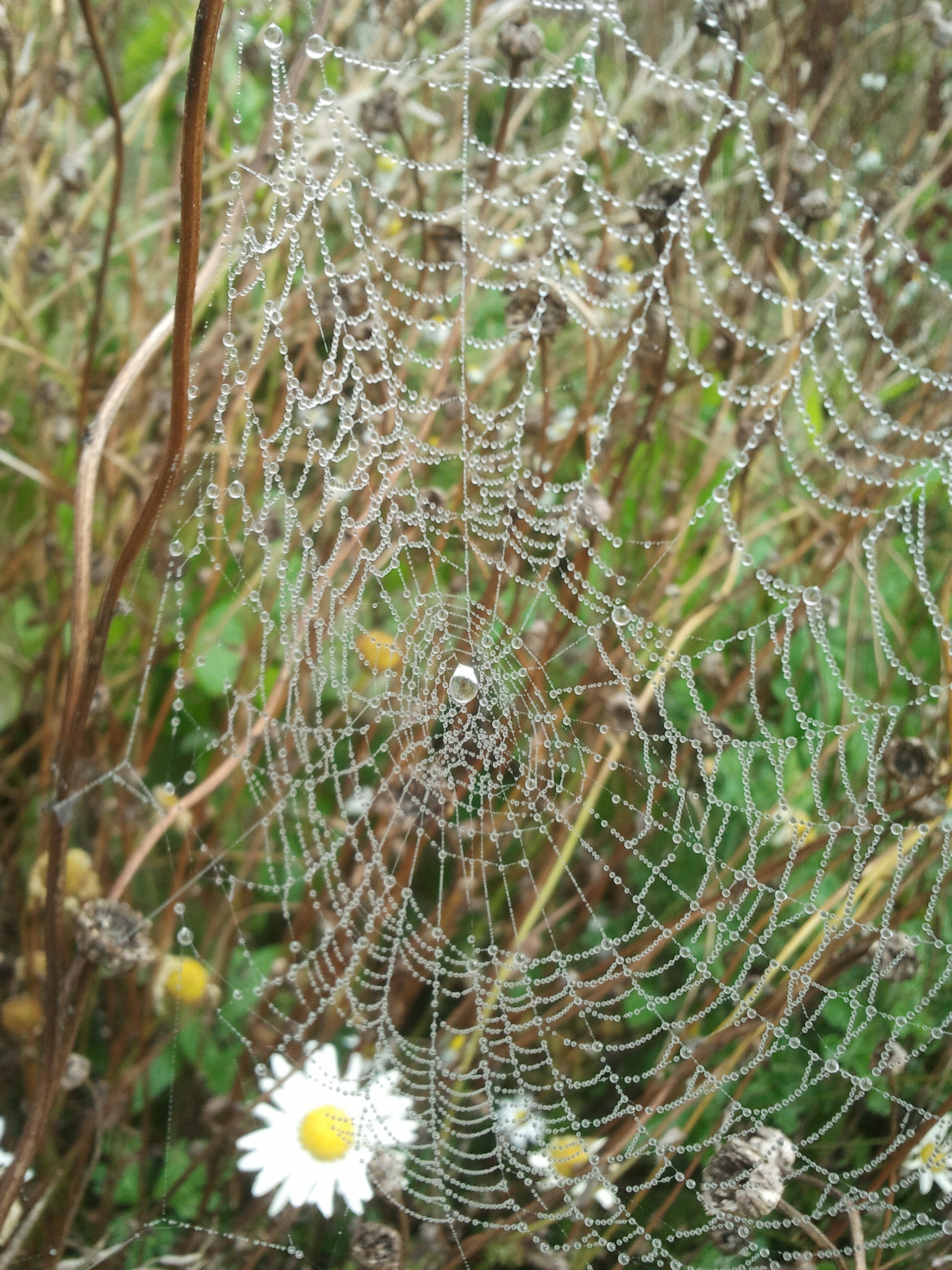
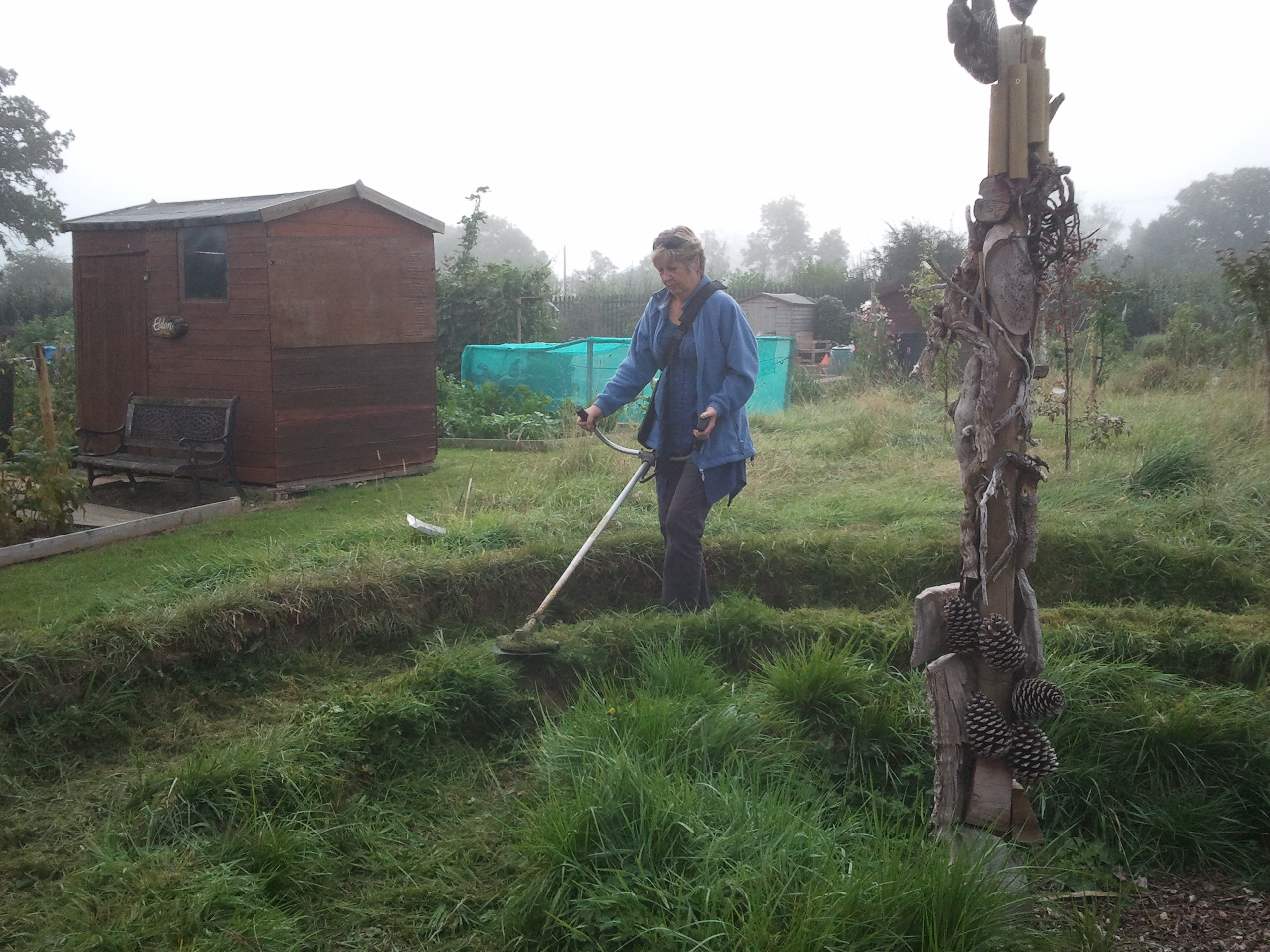
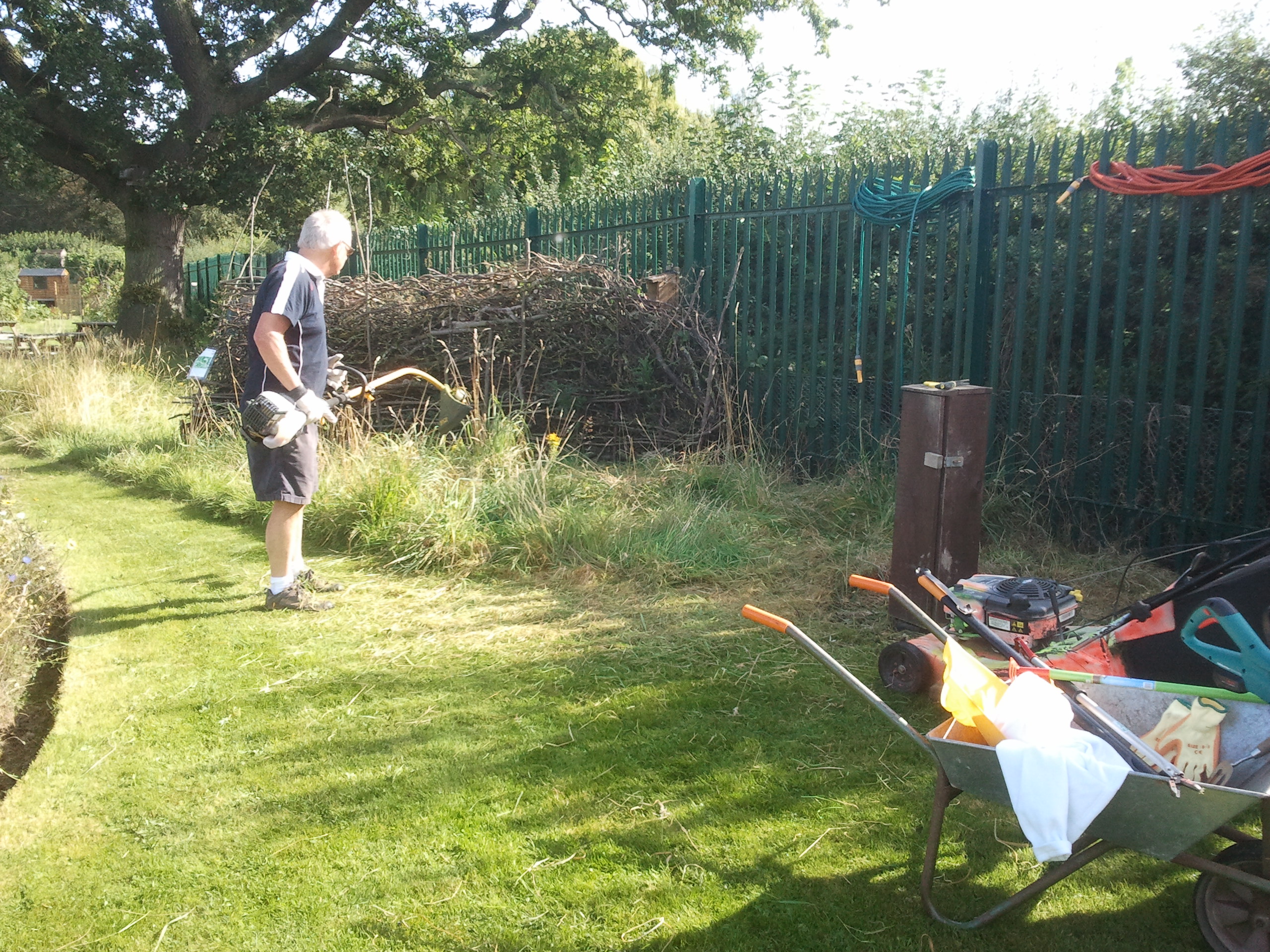
The day of the working party started off with a surprise fog which rapidly cleared as the sun warmed and chased it off. The plants of the meadows had been decorated by spiders who had created webs to which Mother Nature had added jewels of dew.  As we began work, Jude strimmed the Turf Spiral while the air was still cool and remants of fog hung over the plots.

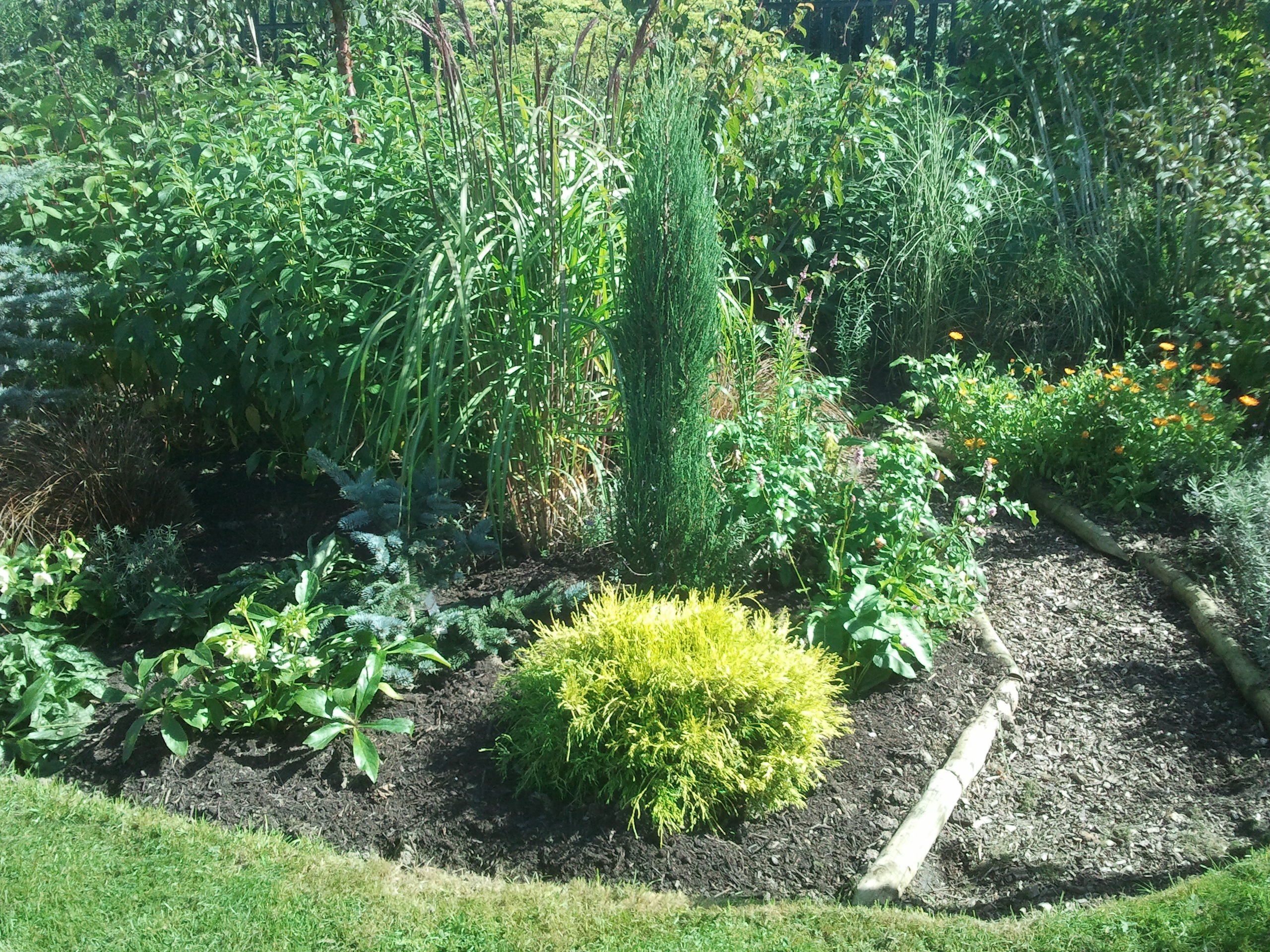
The Winter Garden was given a big tidy up. We weeded, forked it over and mulched but the biggest job of all was pruning and cutting down the shrubs.

All the Buddleia Beds were also tidied in the same way, as was the Summer Garden.

The Withy Bed was weeded and its woodchip mulch was renewed.

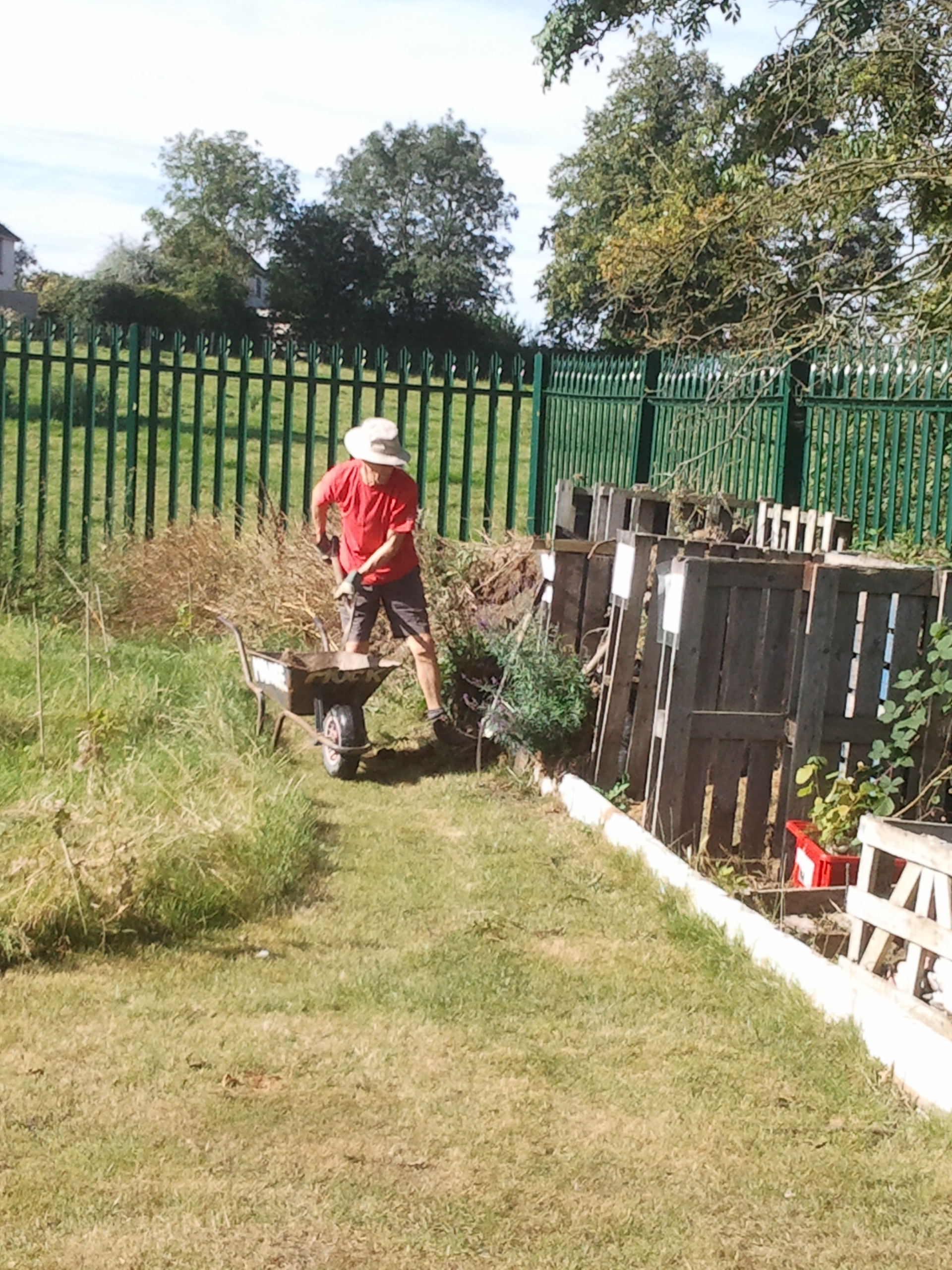
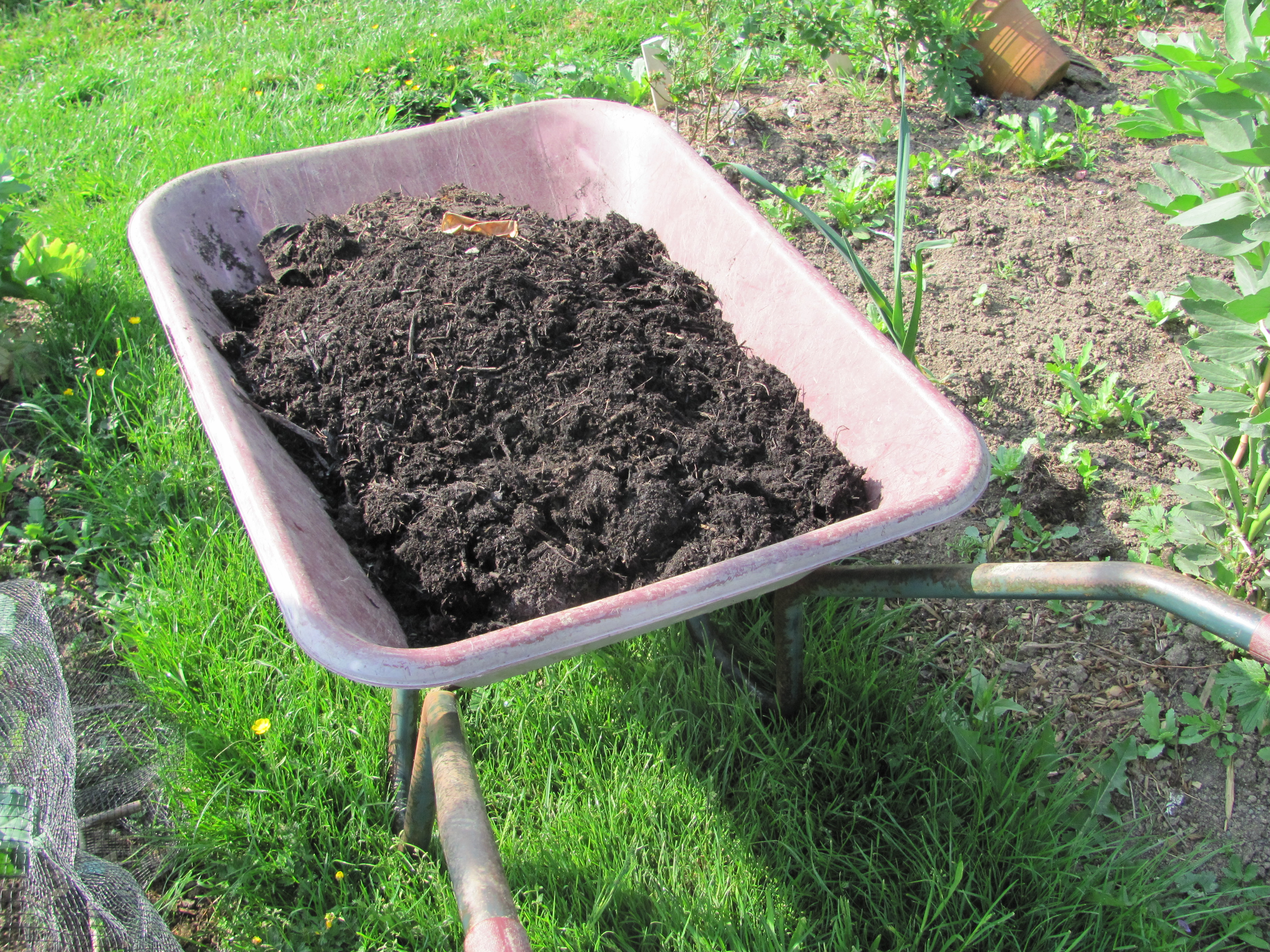
The hardest job of all though was sorting out the communal compost area and taking the compost to where it was needed around the site. We have to empty all of this area in readiness for when the development of the extension to our site starts in October.

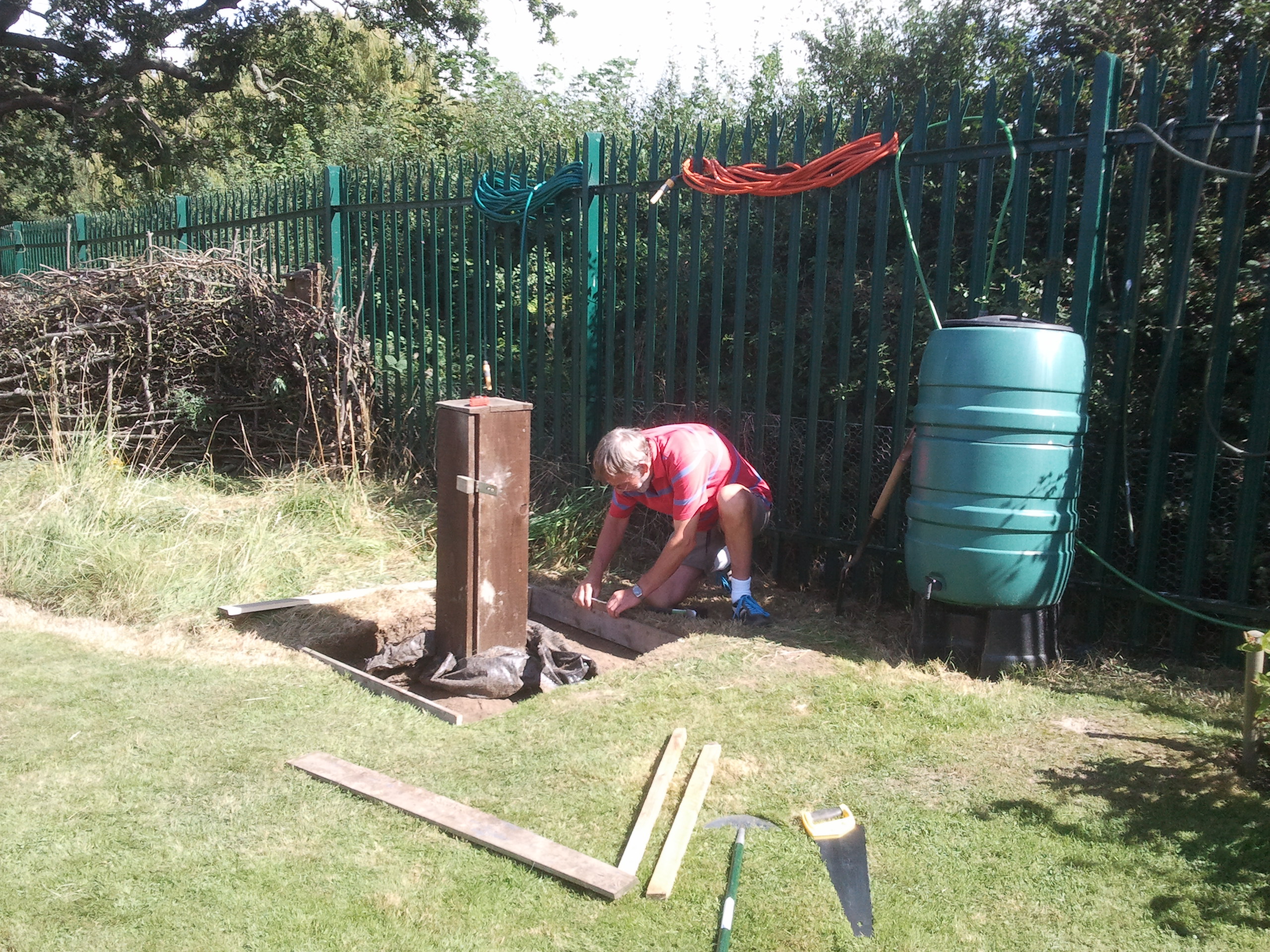
Geoff offered to sort out a tap standpipe which was becoming messy and spoilt the look of the area where it was housed. So with saw, screwdrivers, drills and recycled wood great improvements were made.

And in addition to all this the site was generally tidied. The next working party will be in October when our main task will be giving the meadows their annual haircuts.

Categories
allotments community gardening flower show fruit and veg garden design garden photography garden wildlife gardening grow your own hardy perennials meadows National Garden Scheme NGS photography roses wildlife

A Wander around the Allotments in August

August is when the busy harvest period begins. As land is cleared green manures are sown and compost is spread across empty spaces. Plans for next year’s gardening are beginning to form.

Another amusing sign has appeared on a plot in recent weeks. Doreen and Phil have a corner plot and it has been christened “The Naughty Corner”. Next to their plot, Gill has hung some vibrant decorations in her fruit.

Wendy’s plot is always full of interest and at the moment the star of the show has to be the glitter ball hanging inside an obelisk up which is growing Morning Glory.

We have had a very successful month where awards are concerned, some for the whole site and others for individual allotment holders. Jude and I were invited to the Shrewsbury Flower Show to receive an award for the allotment site. Chris Beardshaw, author, broadcaster and TV gardener presented me, on behalf of our allotment site, with the award for “Shropshire’s Best Community Garden”.

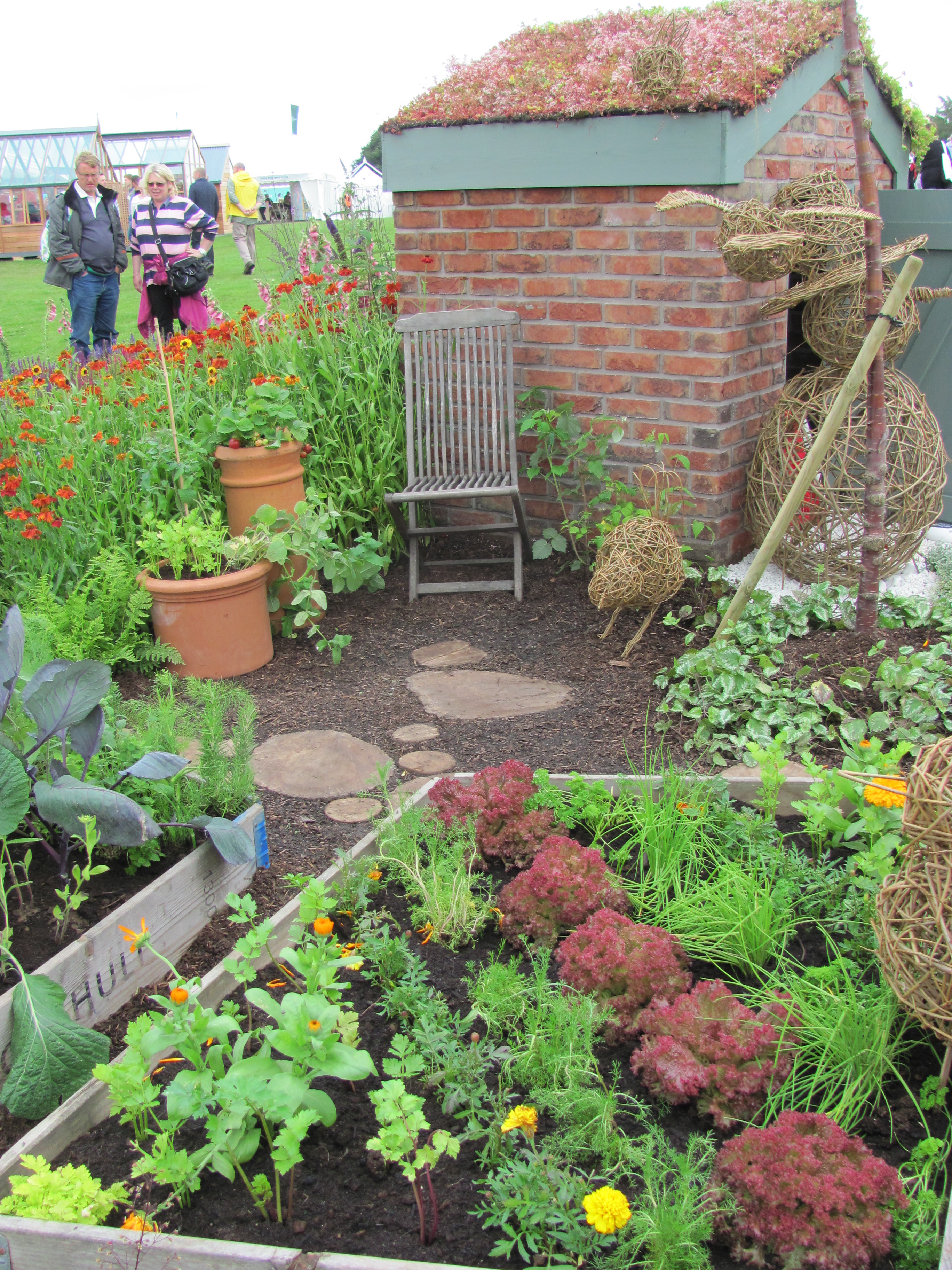
Bowbrook Allotment Community members also provided plants for a show garden created by the Shrewsbury Residents Association – herbs, vegetables and companion plants. This garden won a medal.

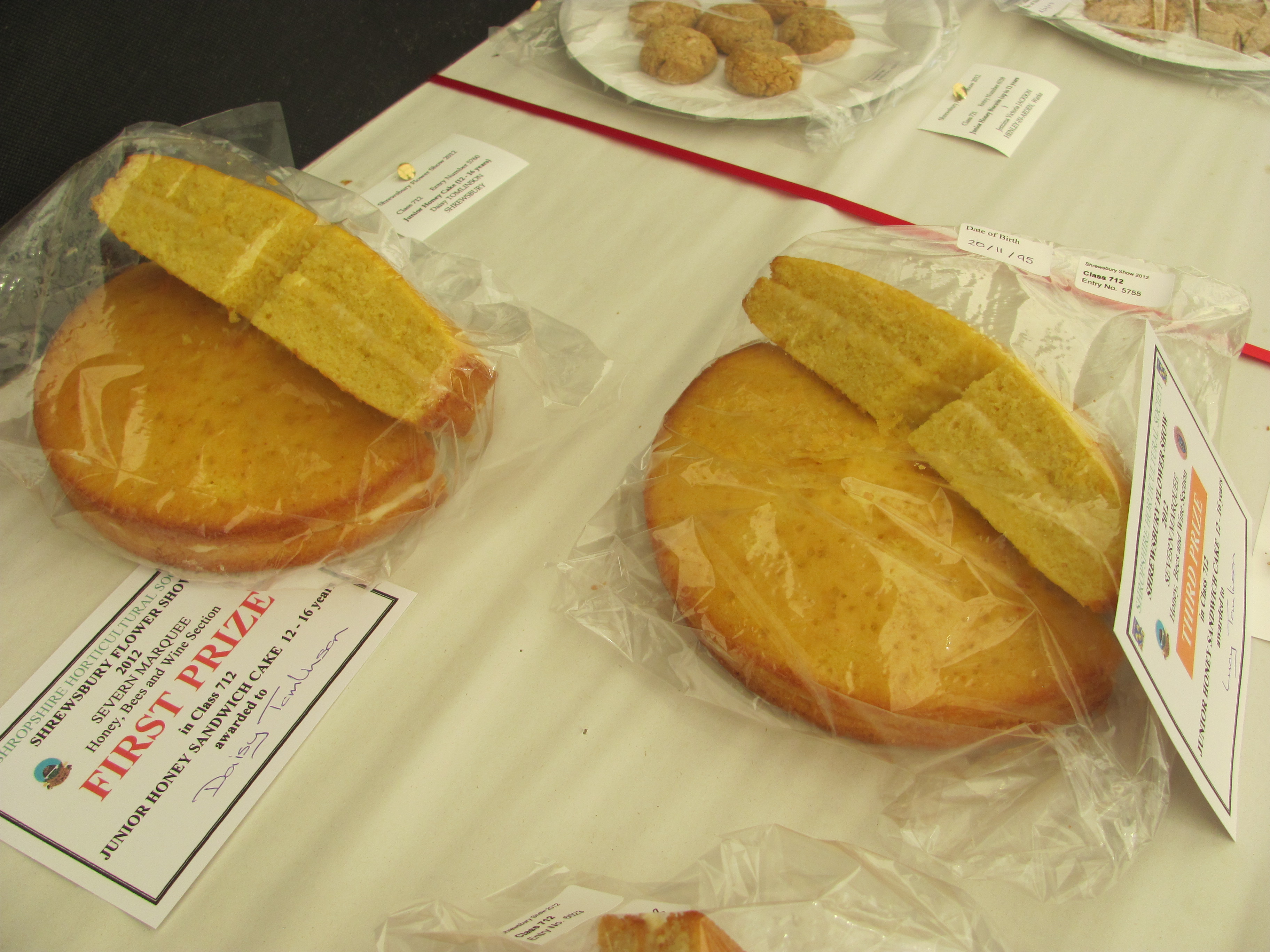
The two daughters of our Membership Secretary entered craft and art classes in the Honey Tent and won many certificates too. Their honey cakes and biscuits looked so tasty.

Jude and I also took part in the Shropshire Organic Gardeners Society stand at the show. Members were asked to provide photos of themselves with a pot plants and these took centre stage.

Dave Bagguley one of our plot holders was awarded Shrewsbury’s “Best Front Garden” award at the show.

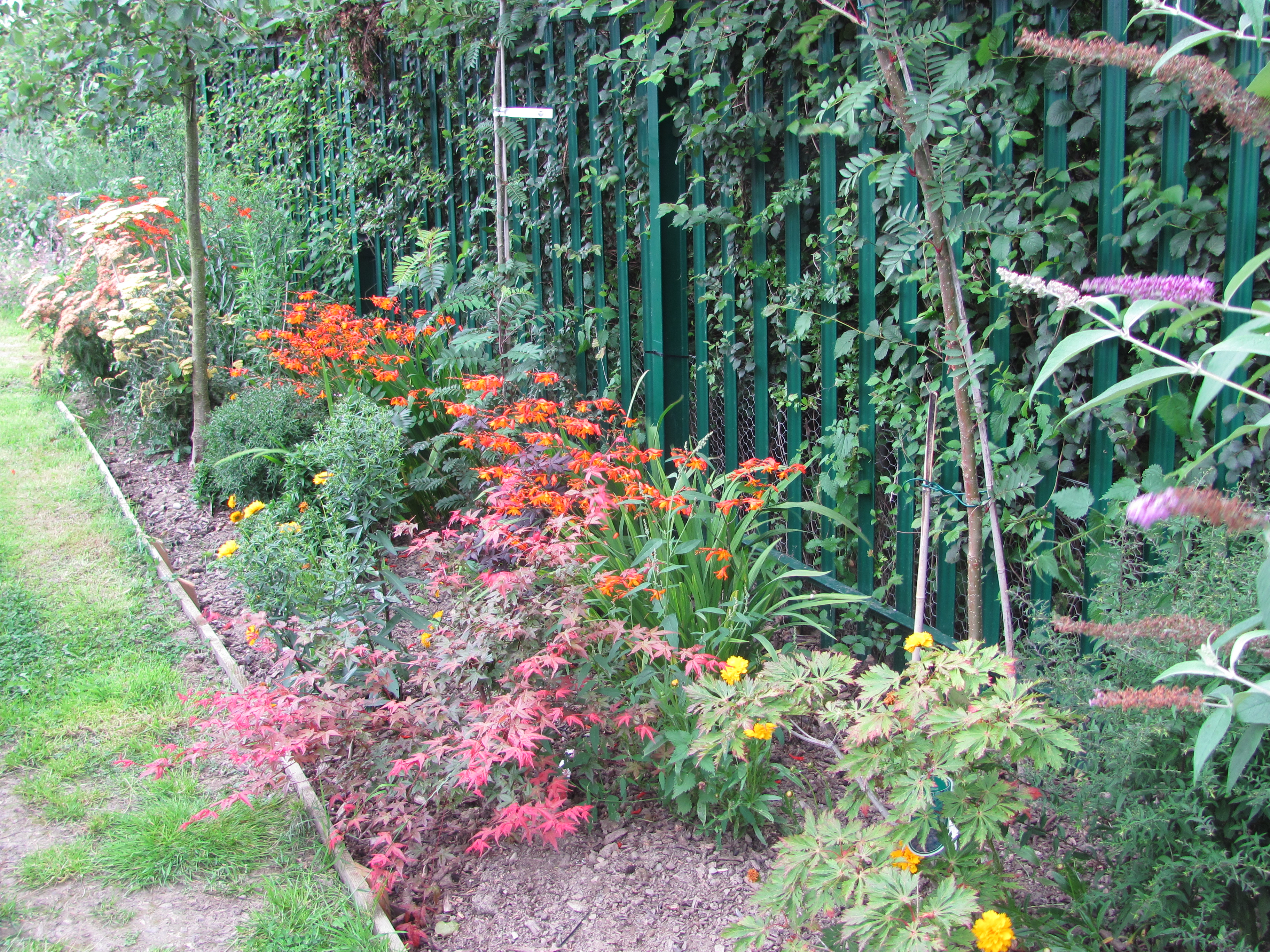
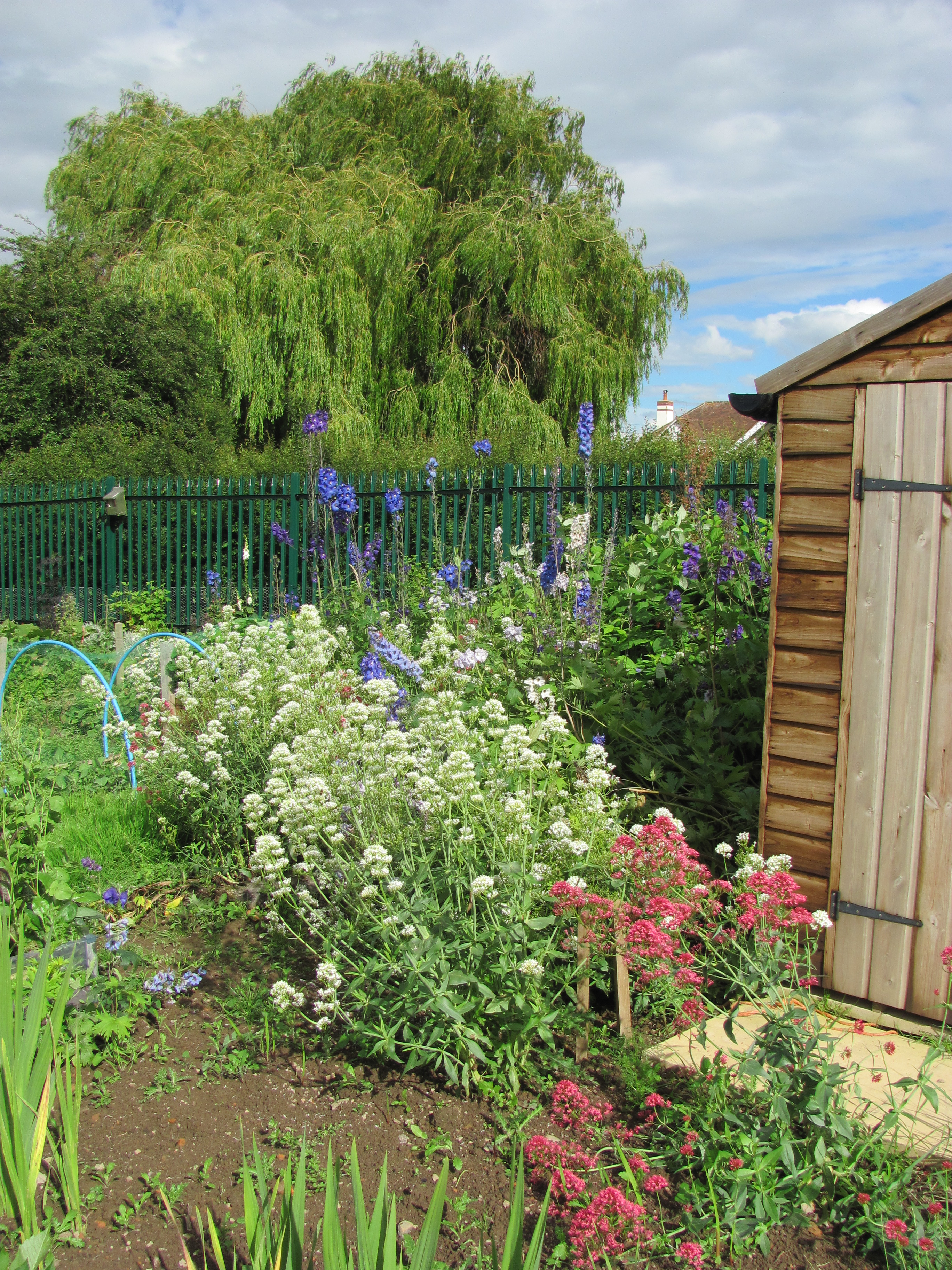
Back at the lotties the Autumn Garden, one of the site’s “Gardens of the Four Seasons” is beginning to look really good, with the late summer/early autumn perennials blooming in their hot colours.

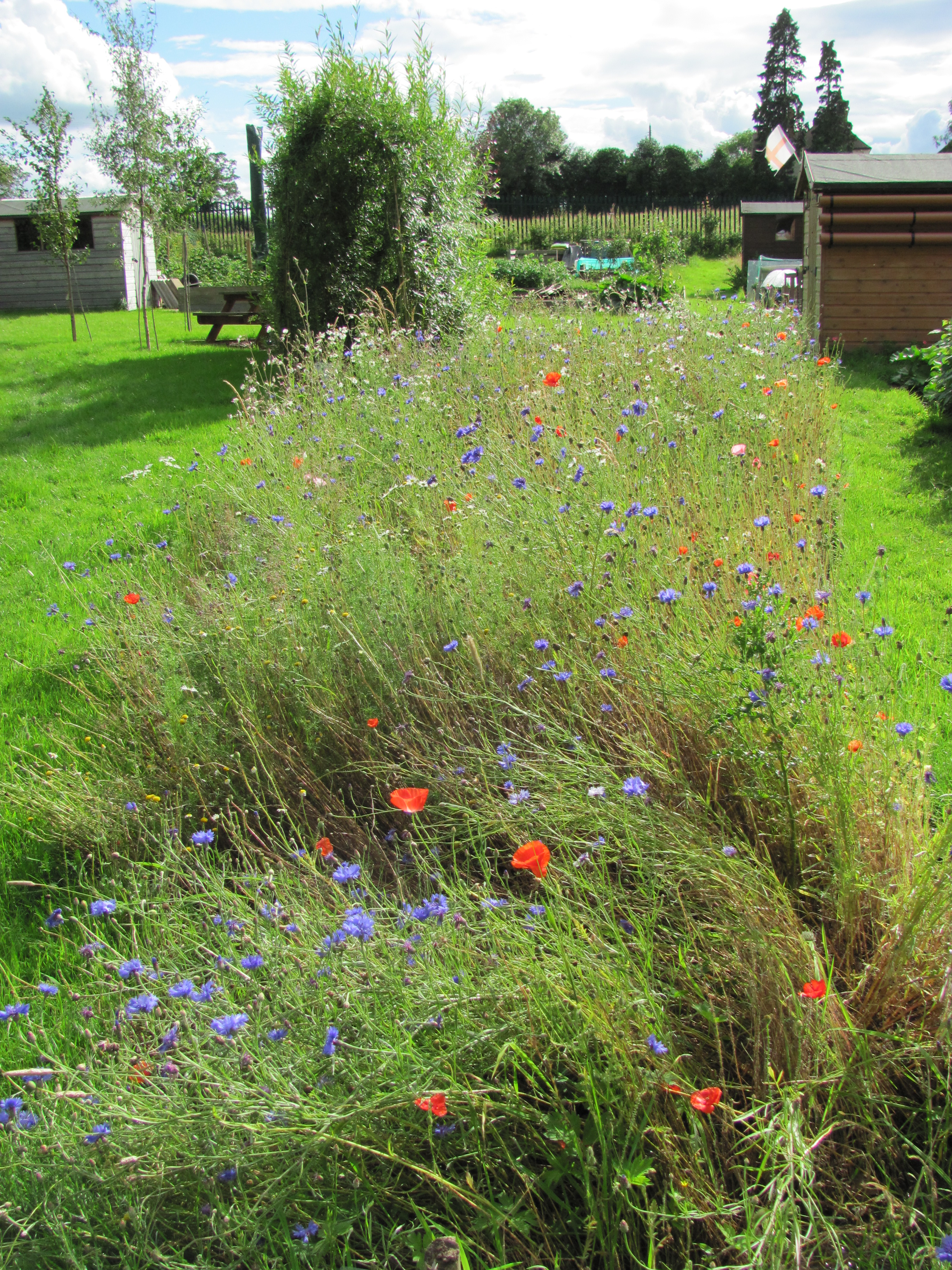
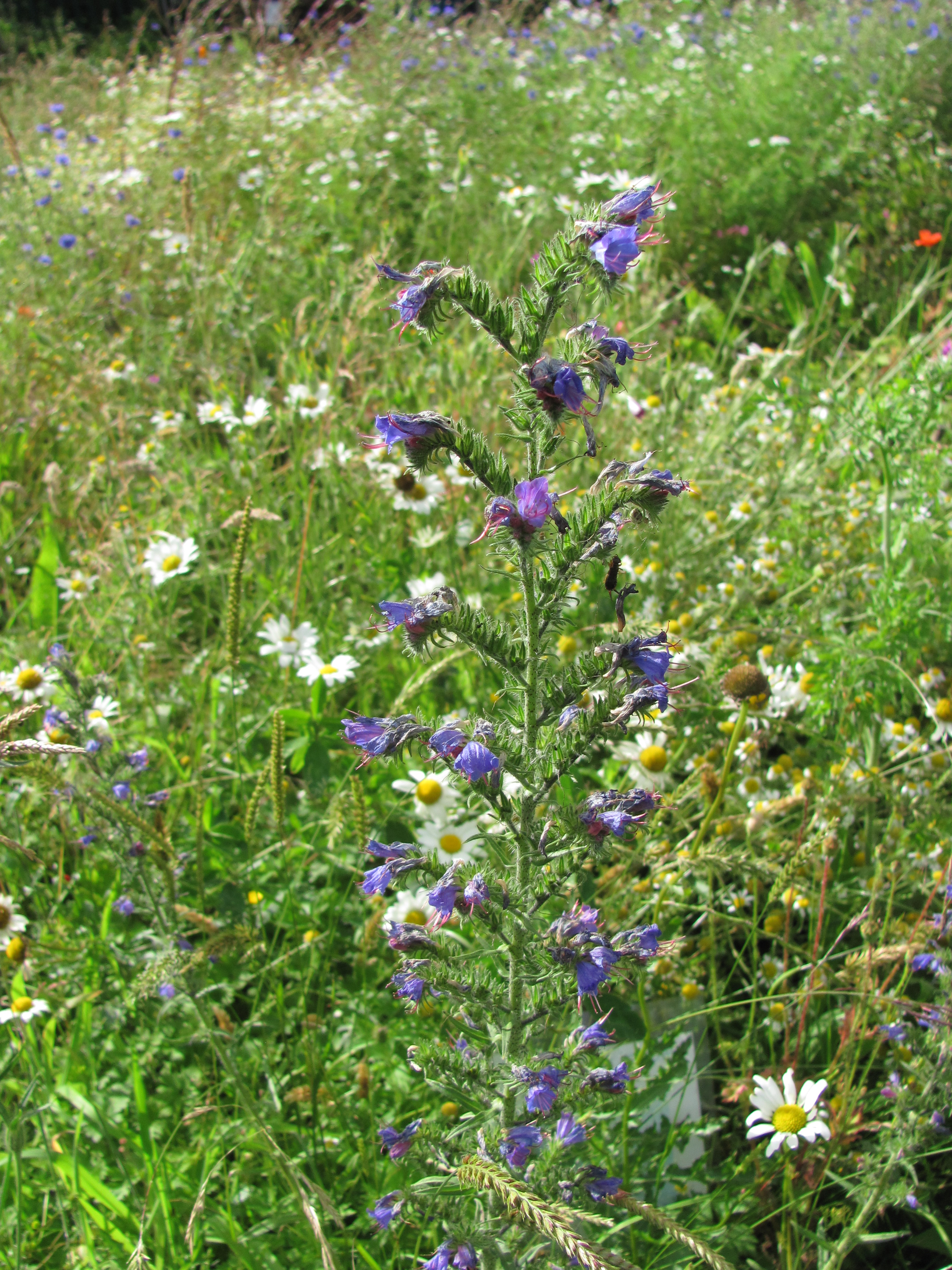
The meadows around the site are incredibly colourful at the moment but the early flowering ones are well-past their best. They will soon be due their annual haircut.

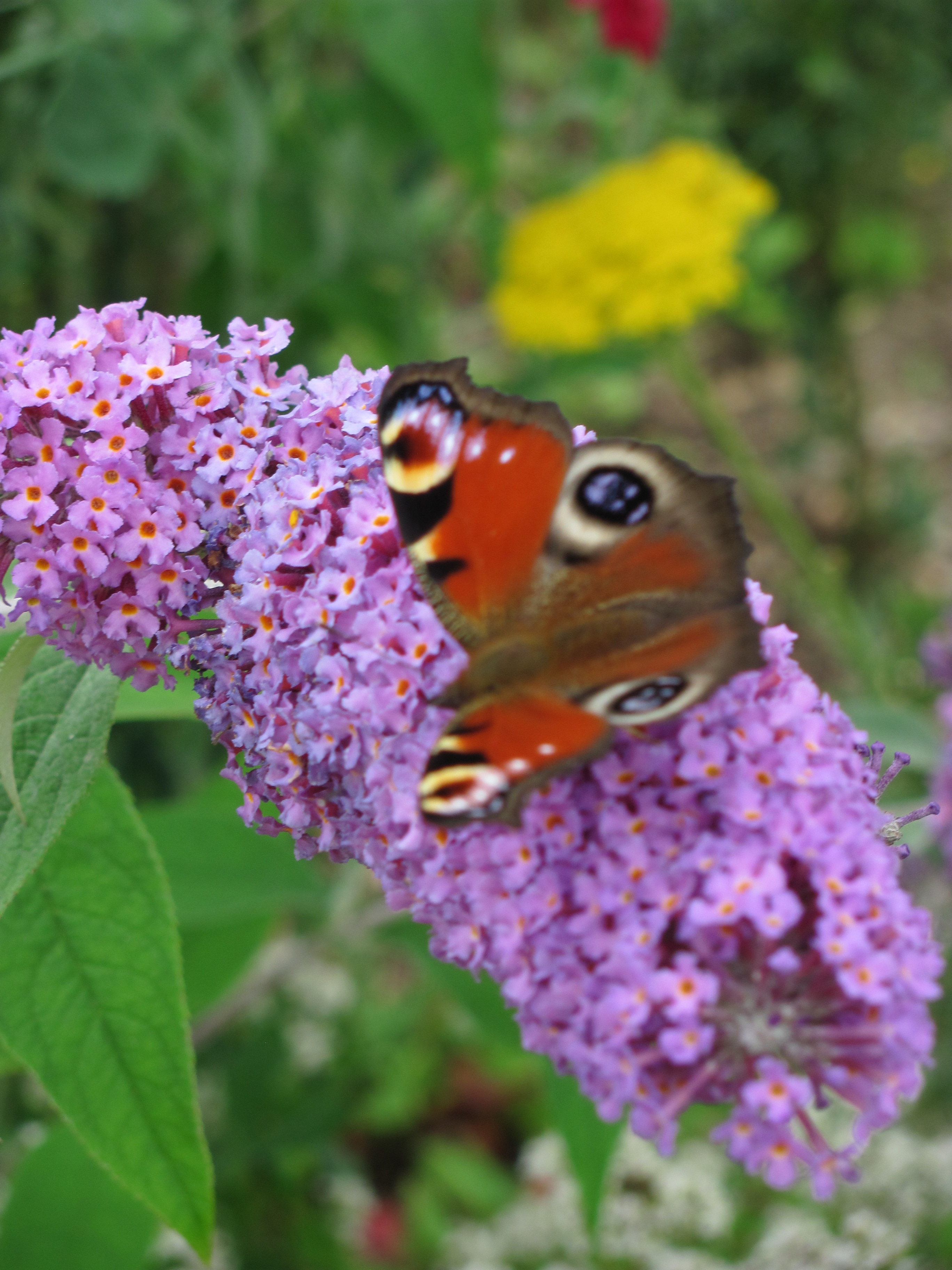
We like to leave the meadows’ annual haircuts as late as possible so delay them until seeds are well set and there is an obvious decrease in the amount of wildlife visitor activity. But in the Buddleja Borders the beautiful scented flowers are still bringing in so many butterflies, bees and hoverflies.

This year’s periods of extreme wet have taken their toll. Whole potato crops have rotted on plots and root crops badly split.

As I was finishing writing this post I heard that our site’s entry into the Shrewsbury Town Allotment Competition came out the winner, so well done to Sue and Paul from Plot 40. Here are a few shots of their plot to finish off this post.

Categories
community gardening flower show fruit and veg garden design garden photography gardening grow your own half-hardy perennials hardy perennials July ornamental grasses ornamental trees and shrubs outdoor sculpture photography RHS town gardens

More from the Tatton Park Flower Show

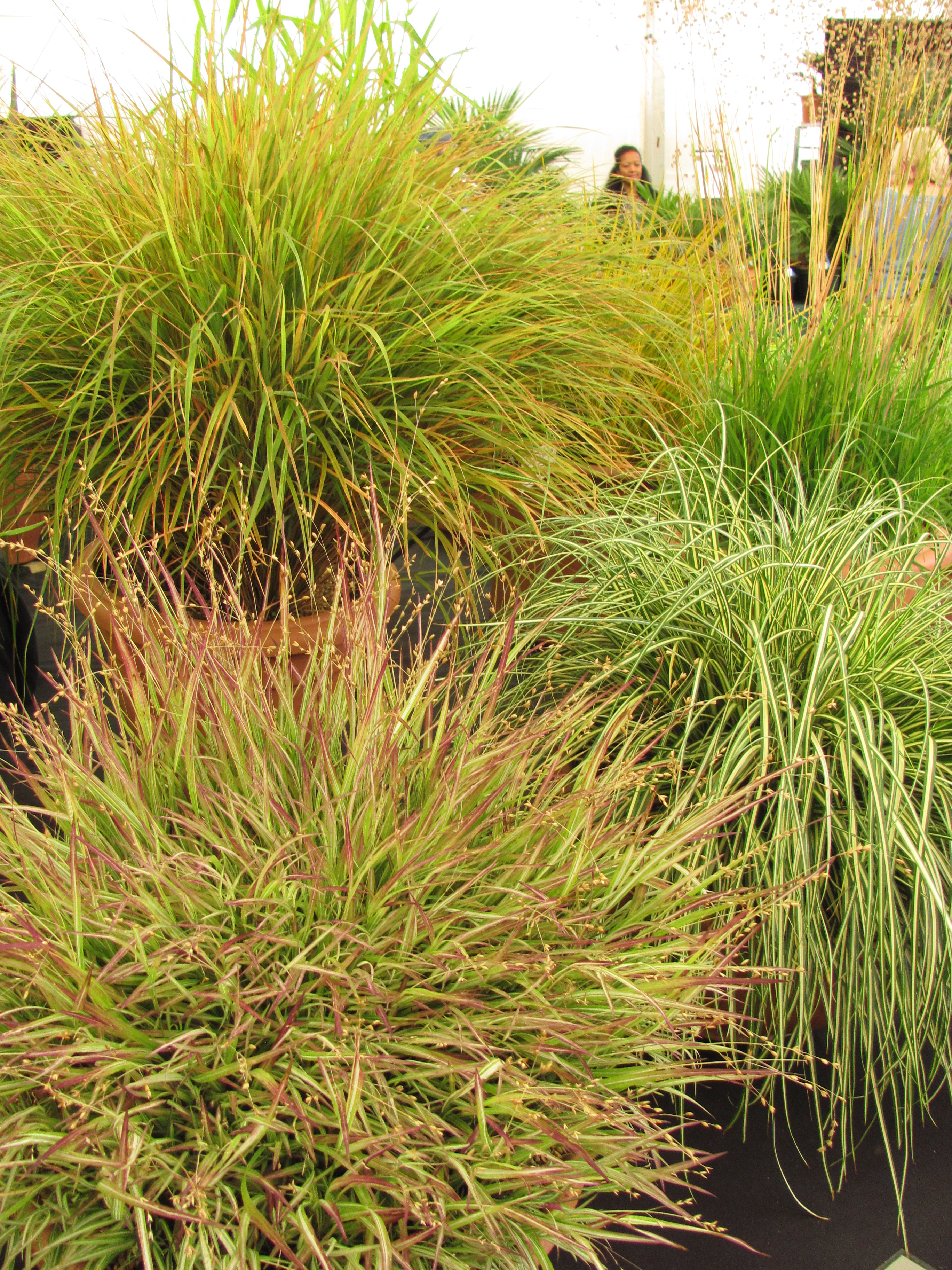
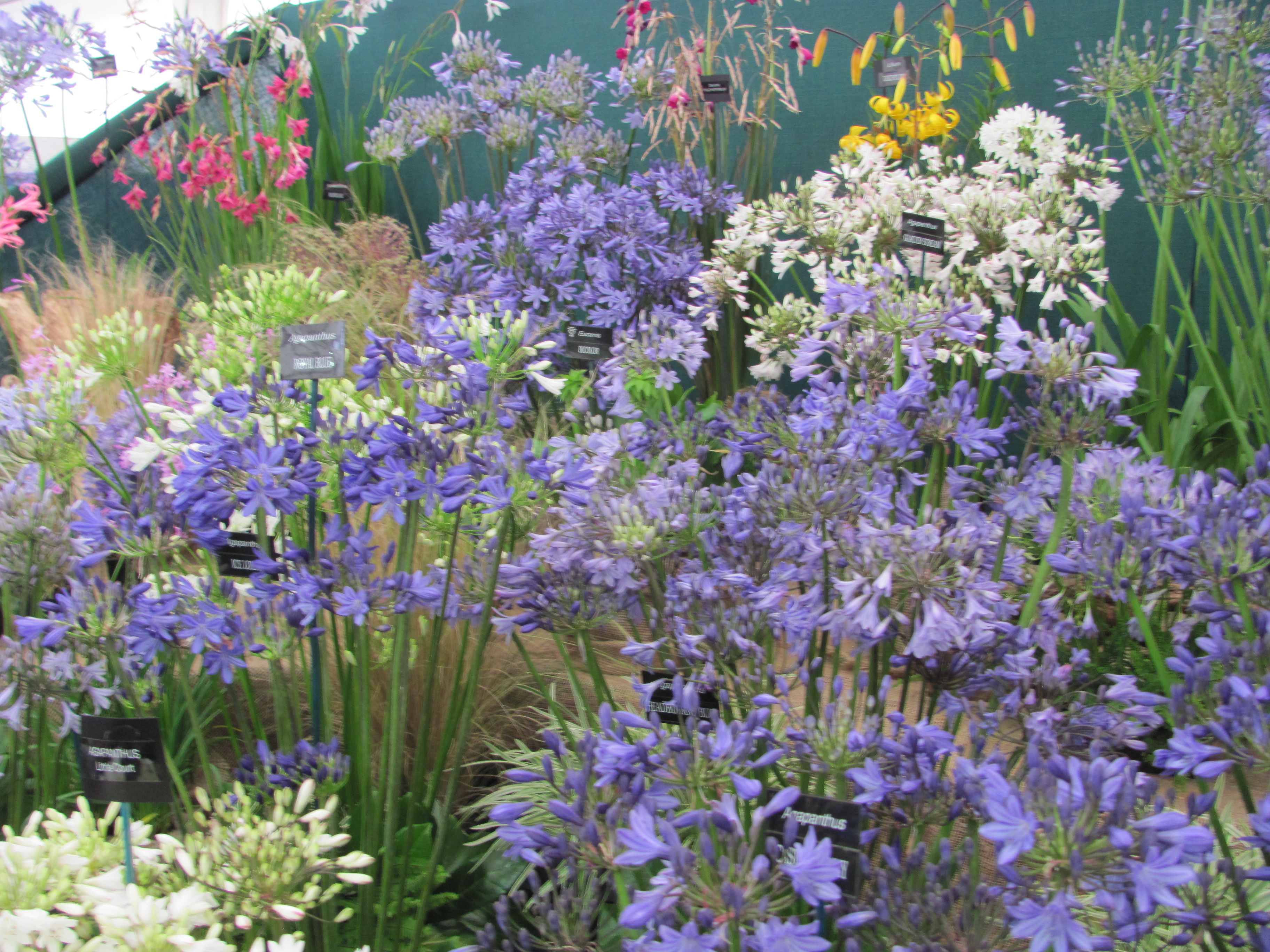
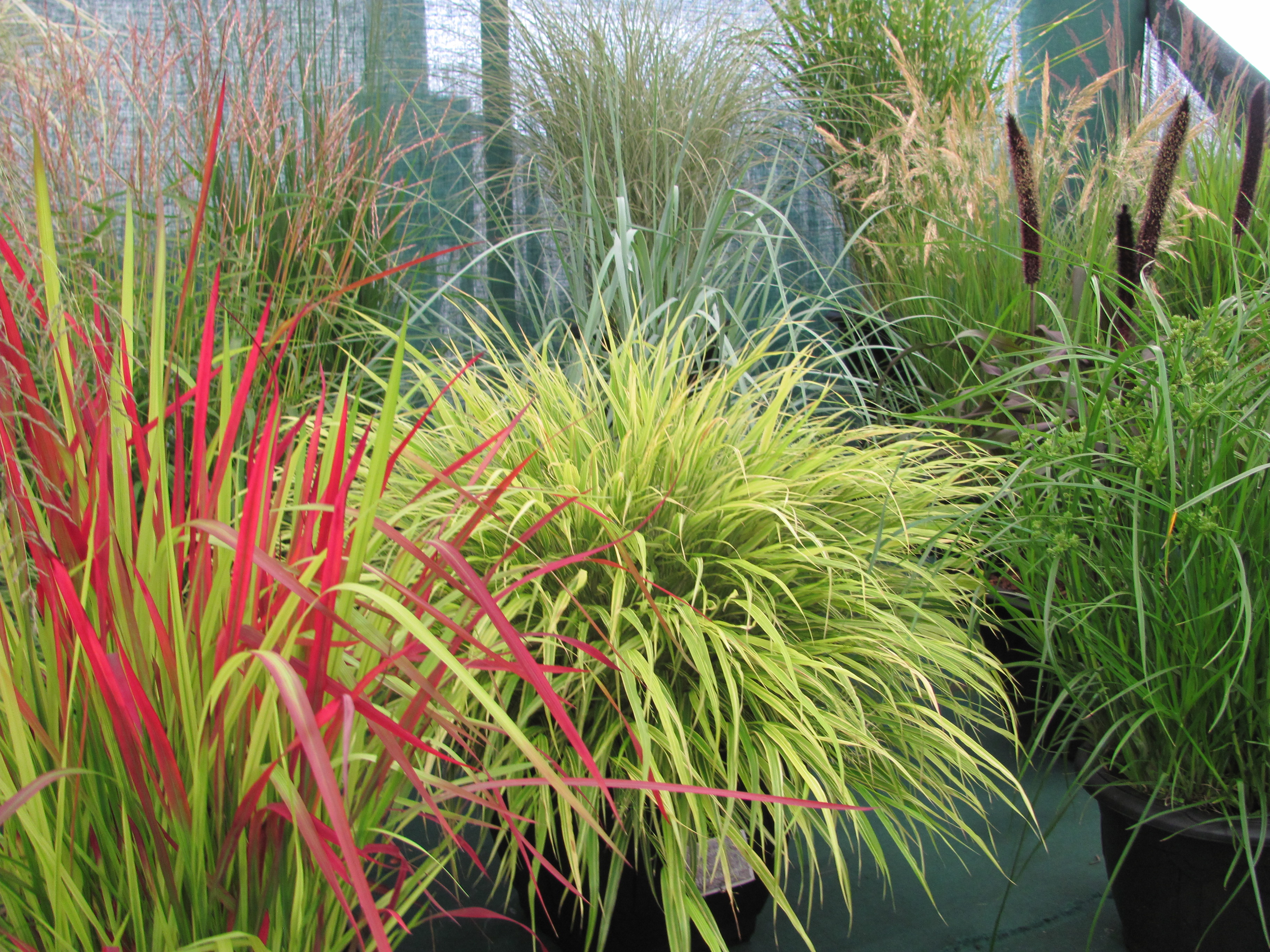
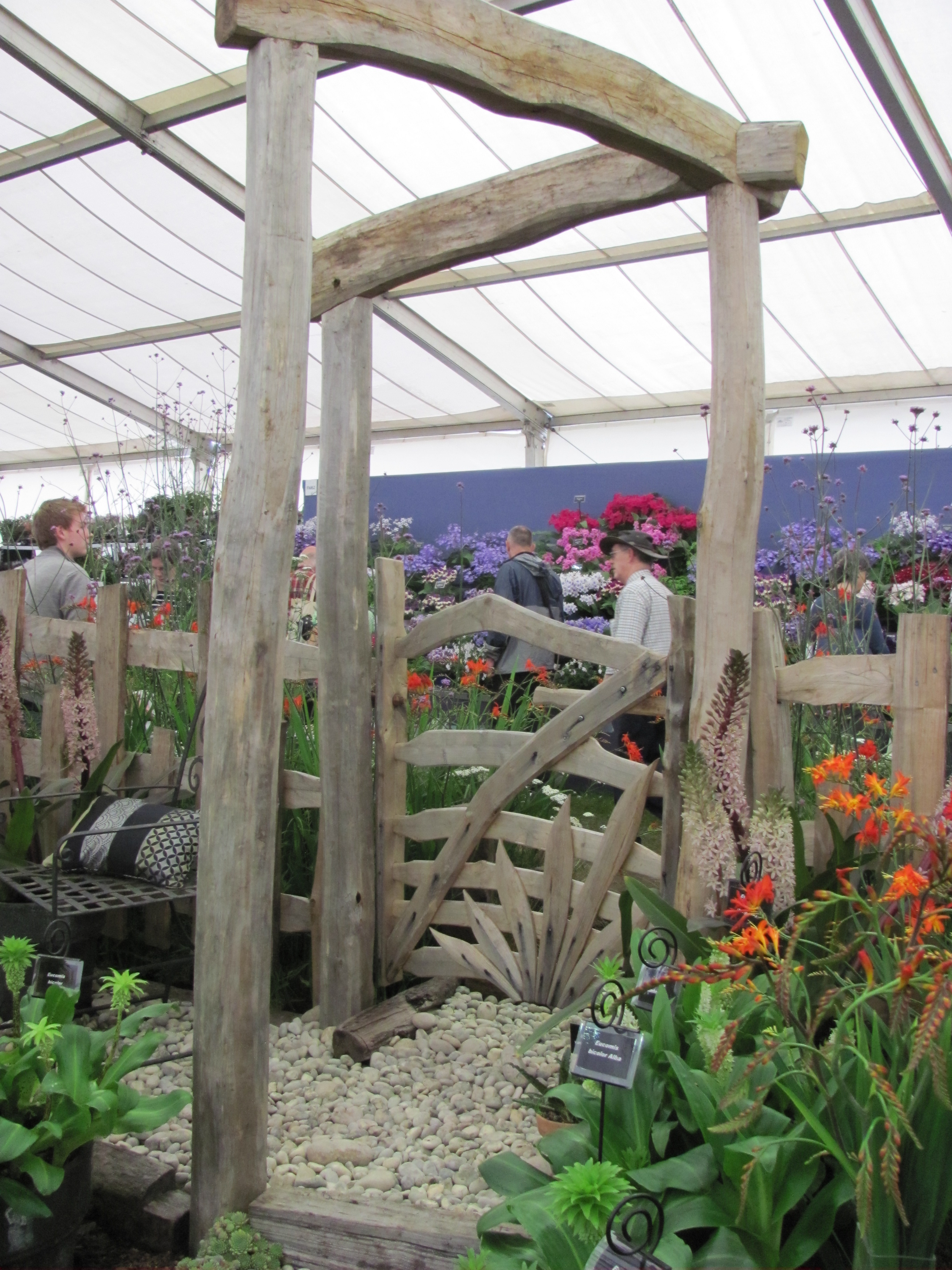
We always enjoy visiting the Floral Marquee at any RHS Show and try to sneak a good look around before they get too crowded. At Tatton Show we just made it as the crowds began to build. It was worth it as there were some wonderful plants to look at some of which were beautifully displayed. As usual our favourites were the grasses.

Within the plants on display there were some effective little details that drew out attention to have a closer look.

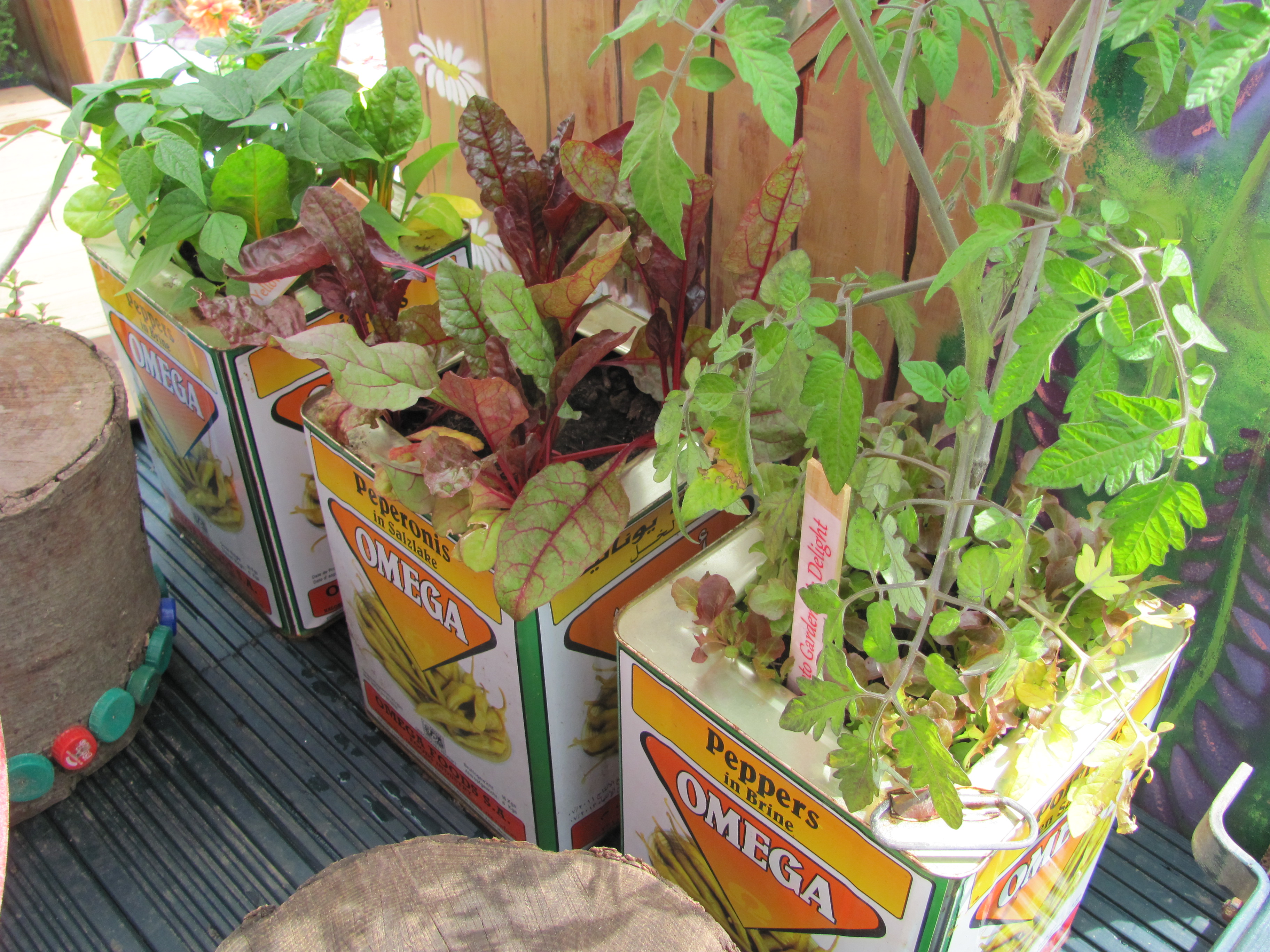
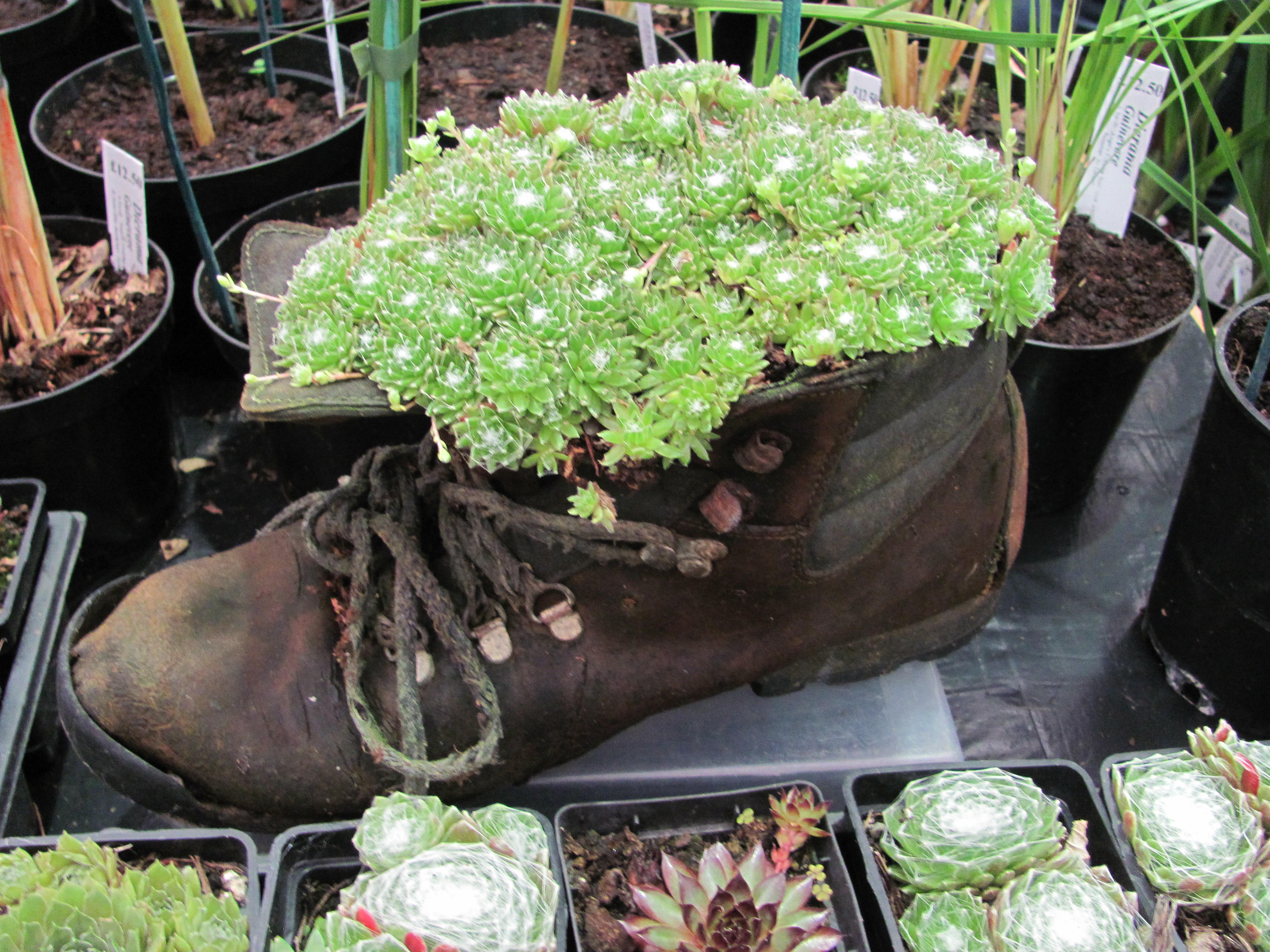
Throughout the showground were unusual containers used as planters from old boots to oil cans.

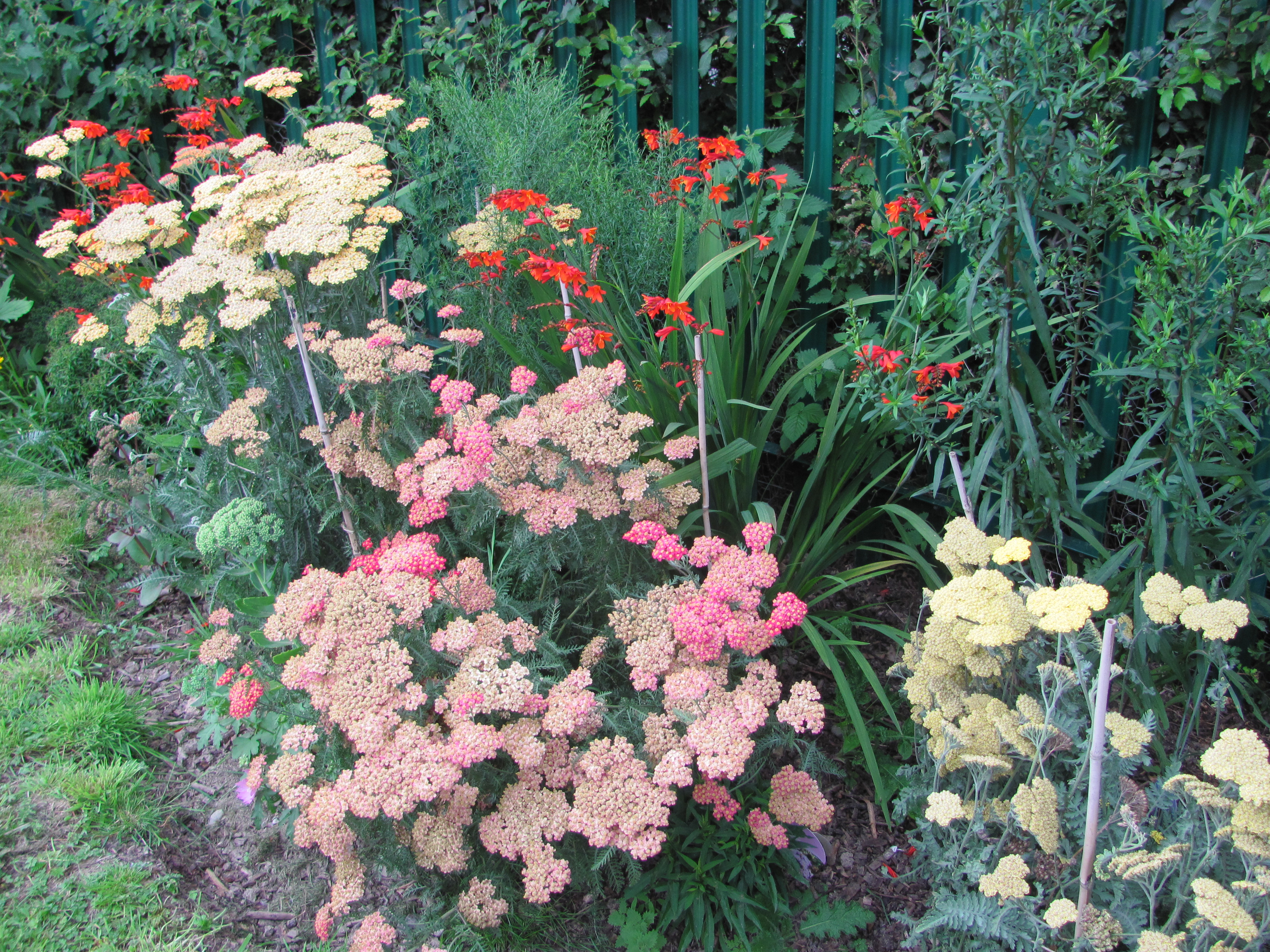
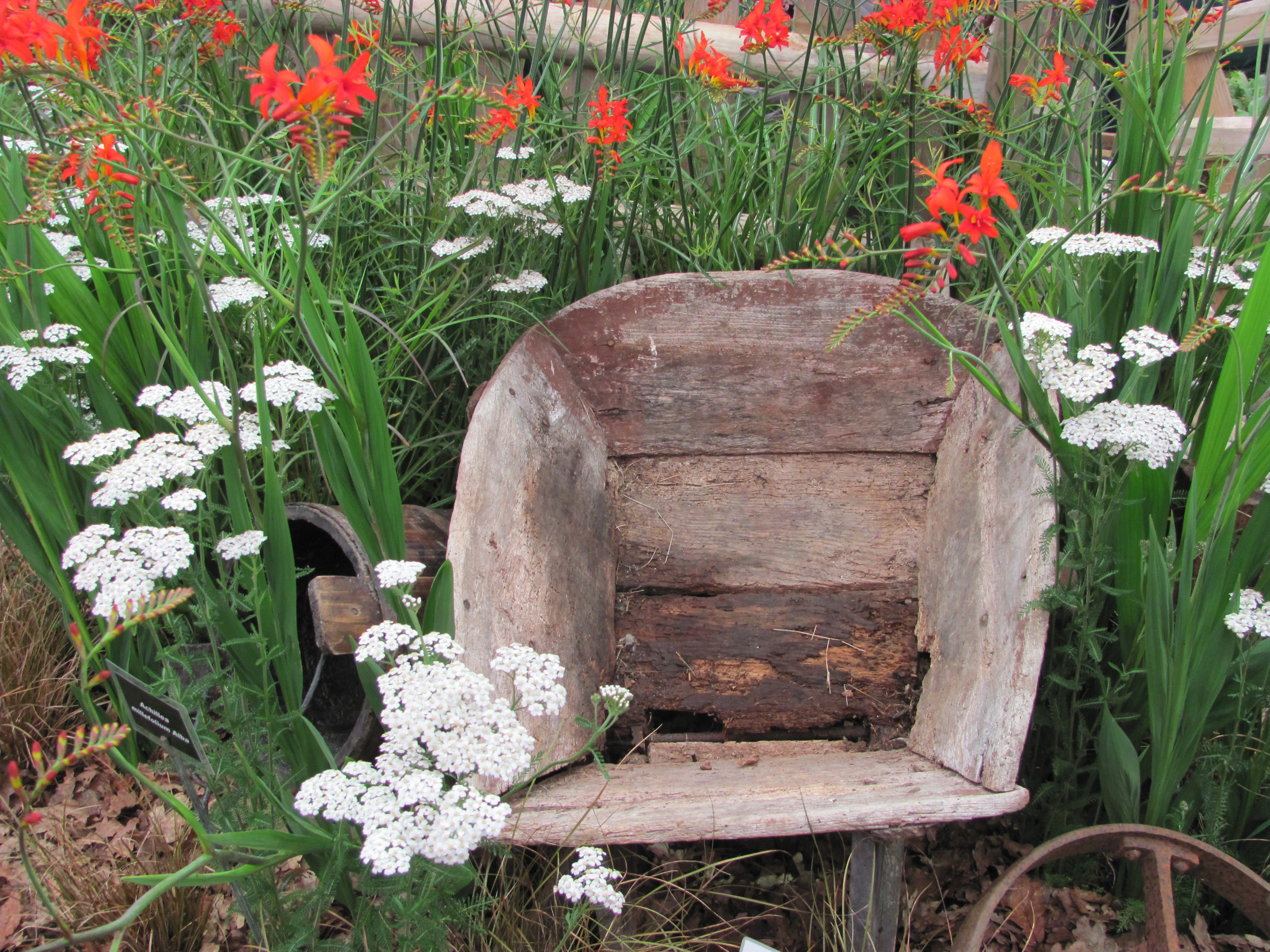
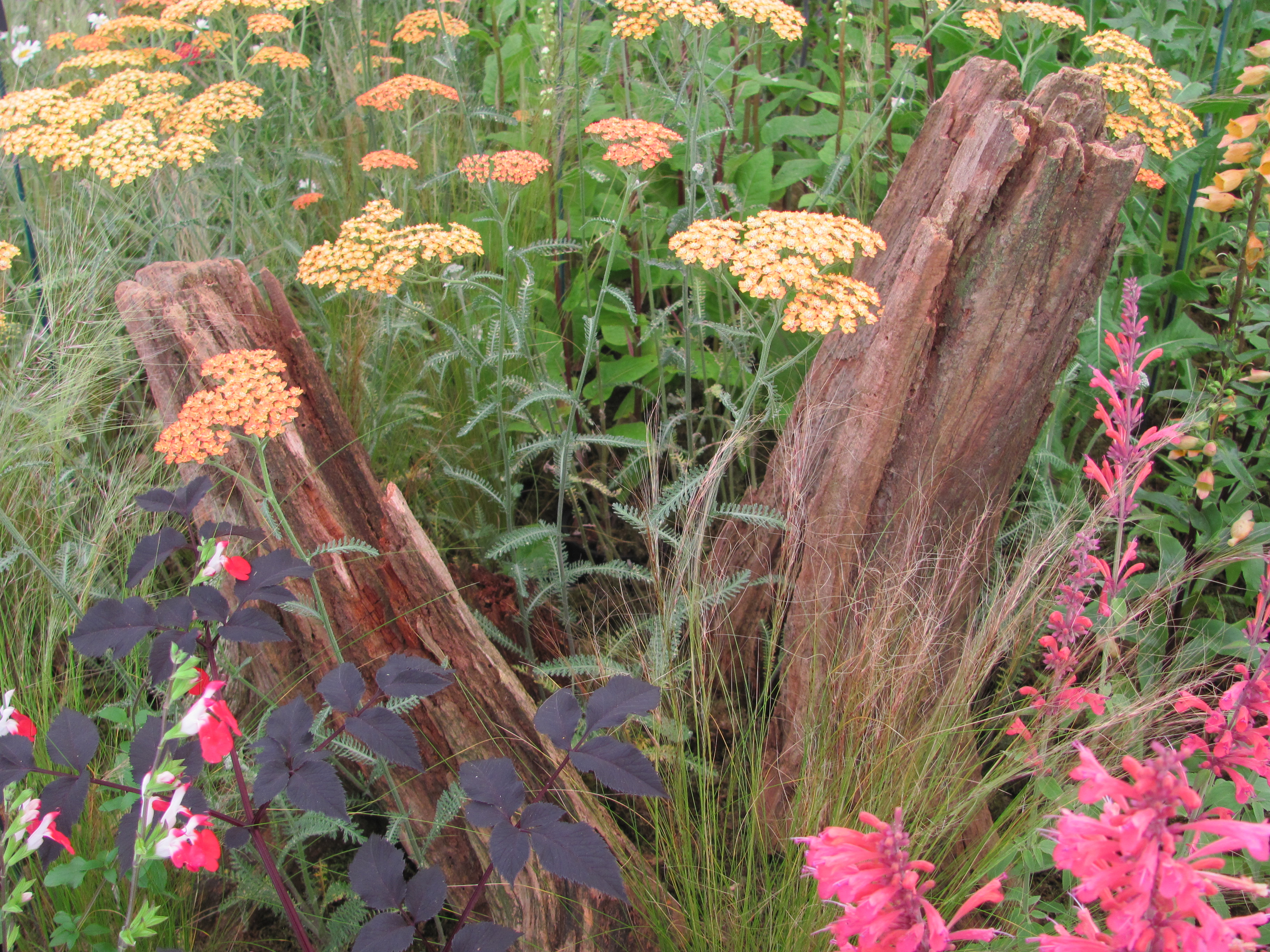
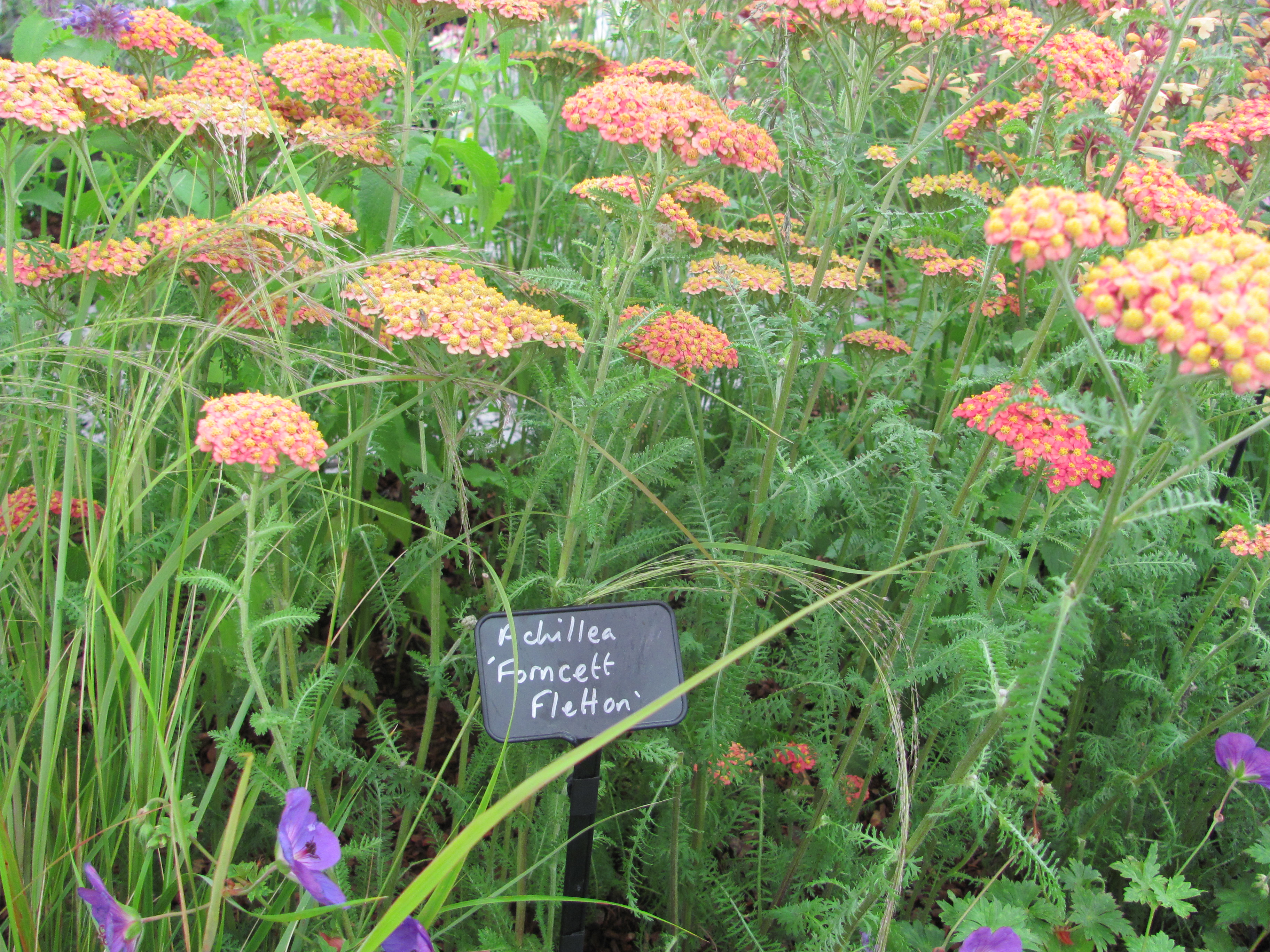
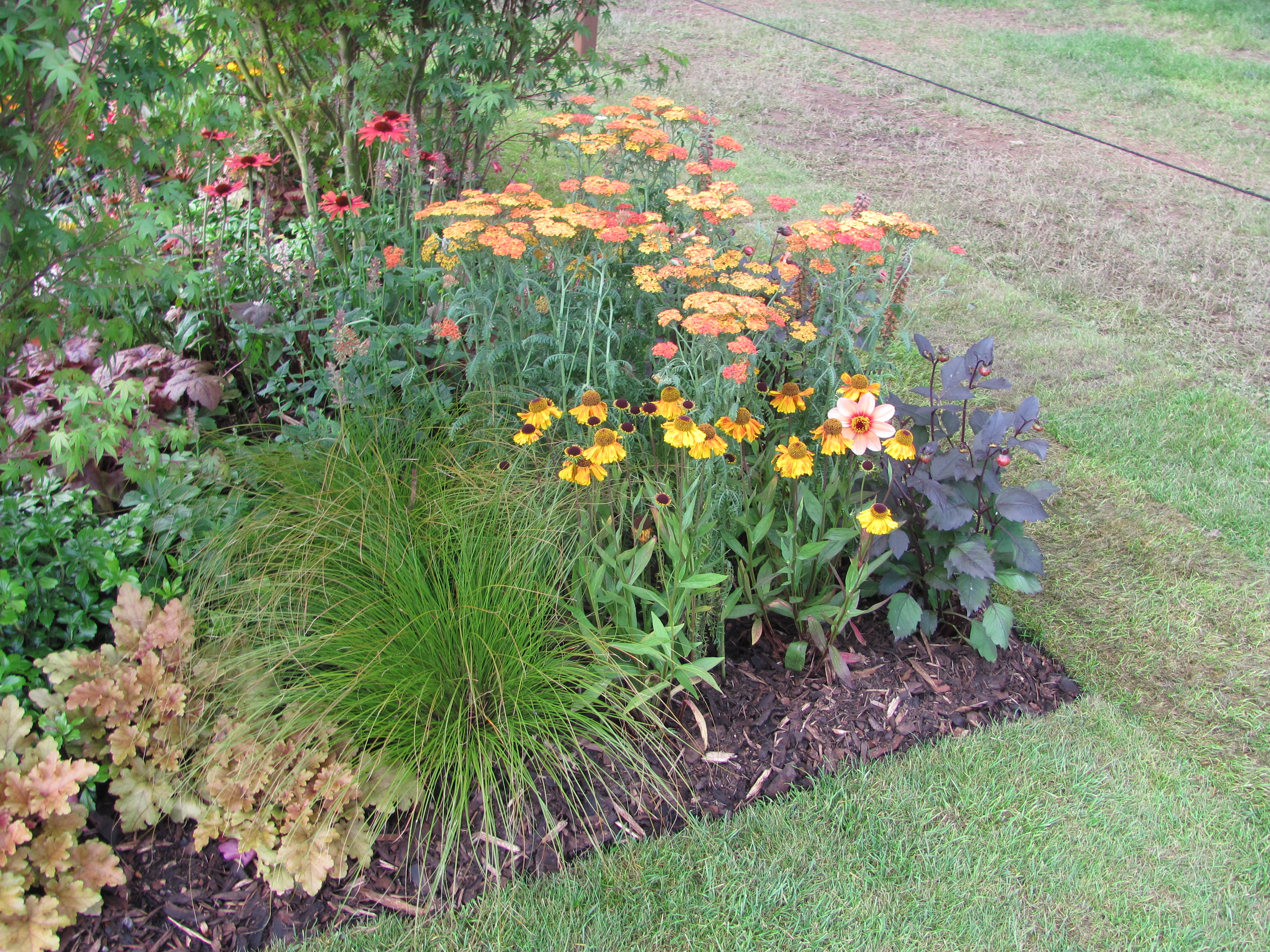
But as always the stars of the show were the plants. the trend in this show was for combining grasses with Achilleas particularly those with cream, russet and orange flowers.

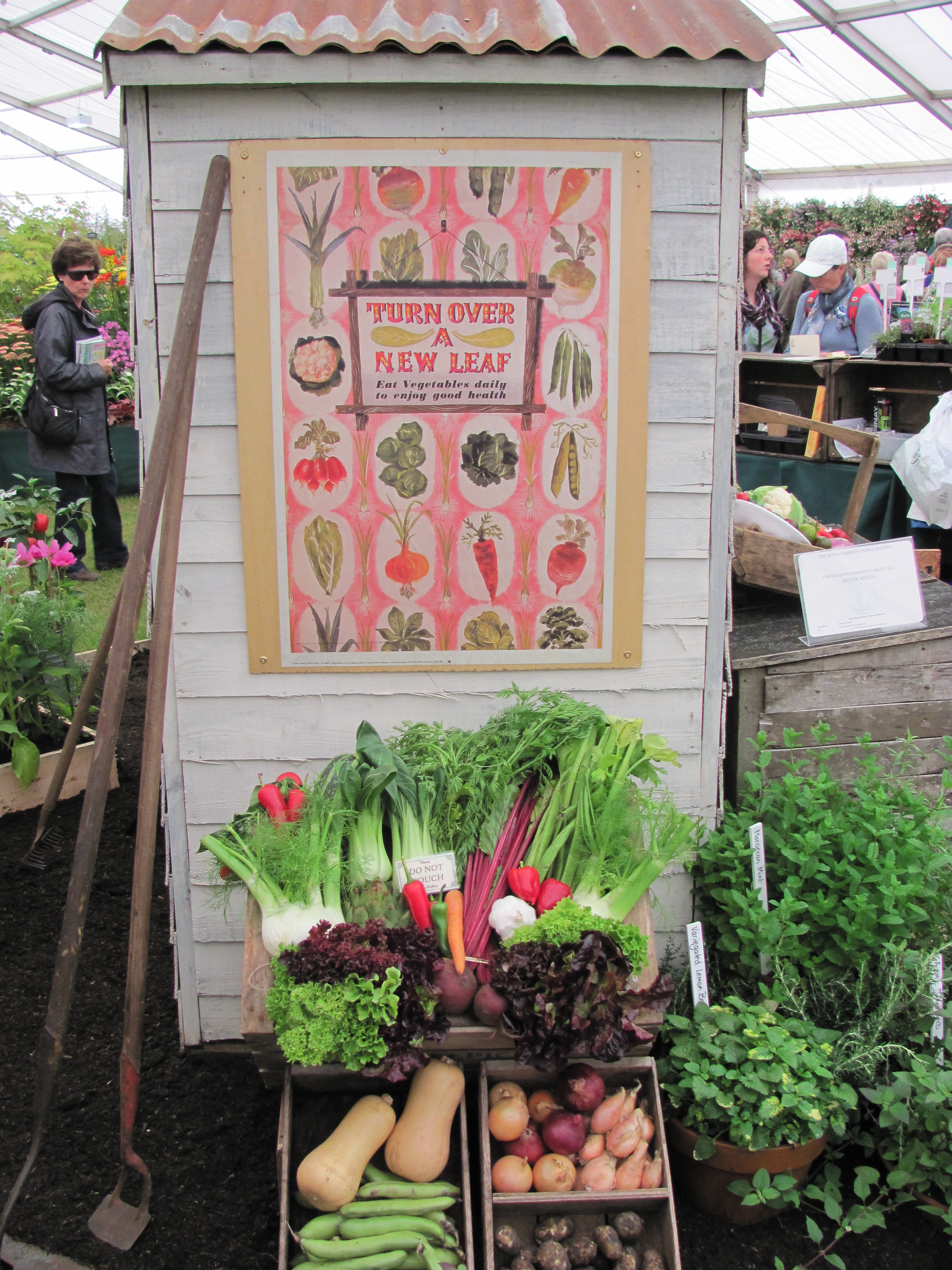
As with all RHS shows in recent years fruit and veggies starred alongside the flowers.

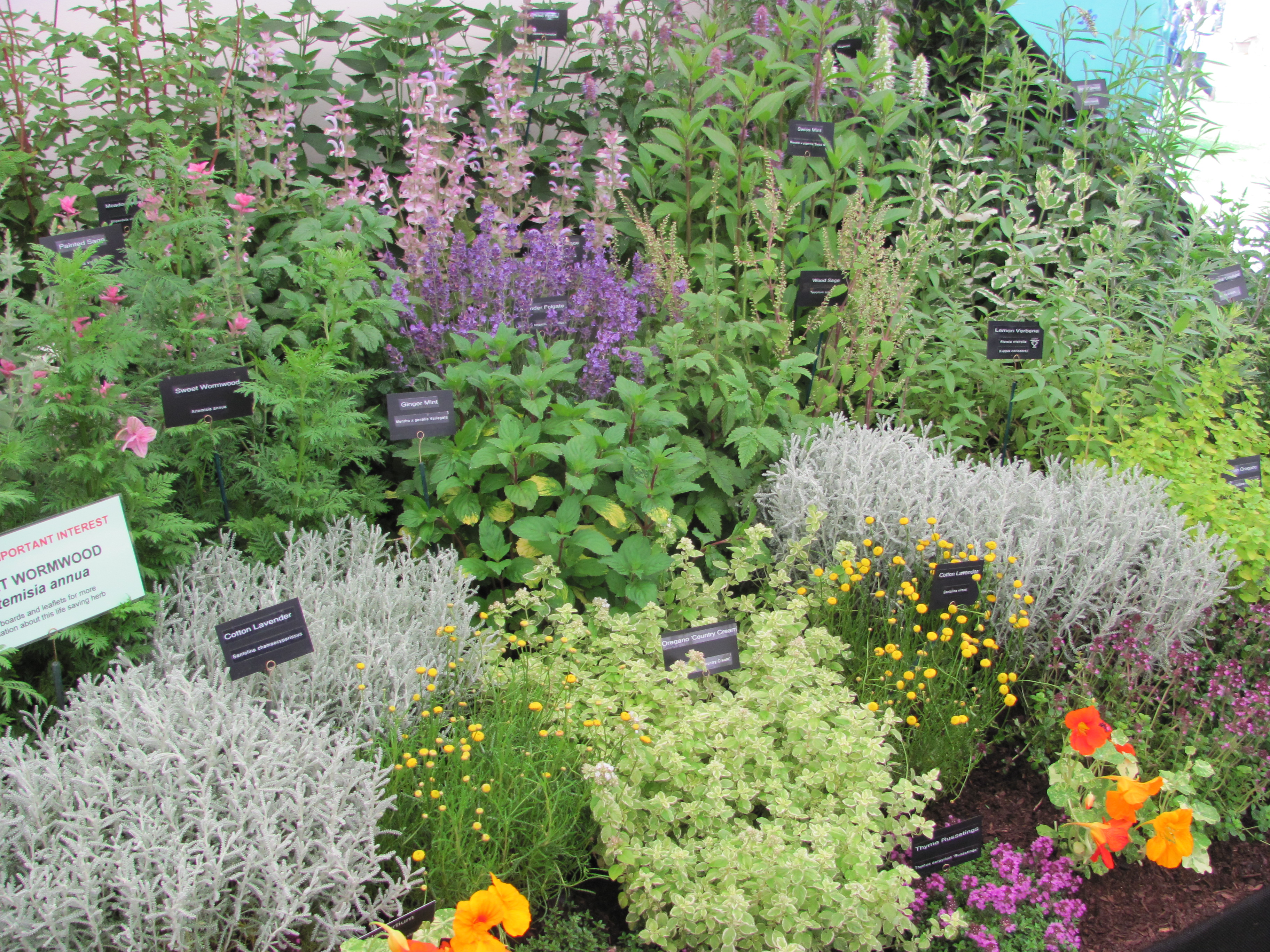
And we mustn’t forget the herbs.

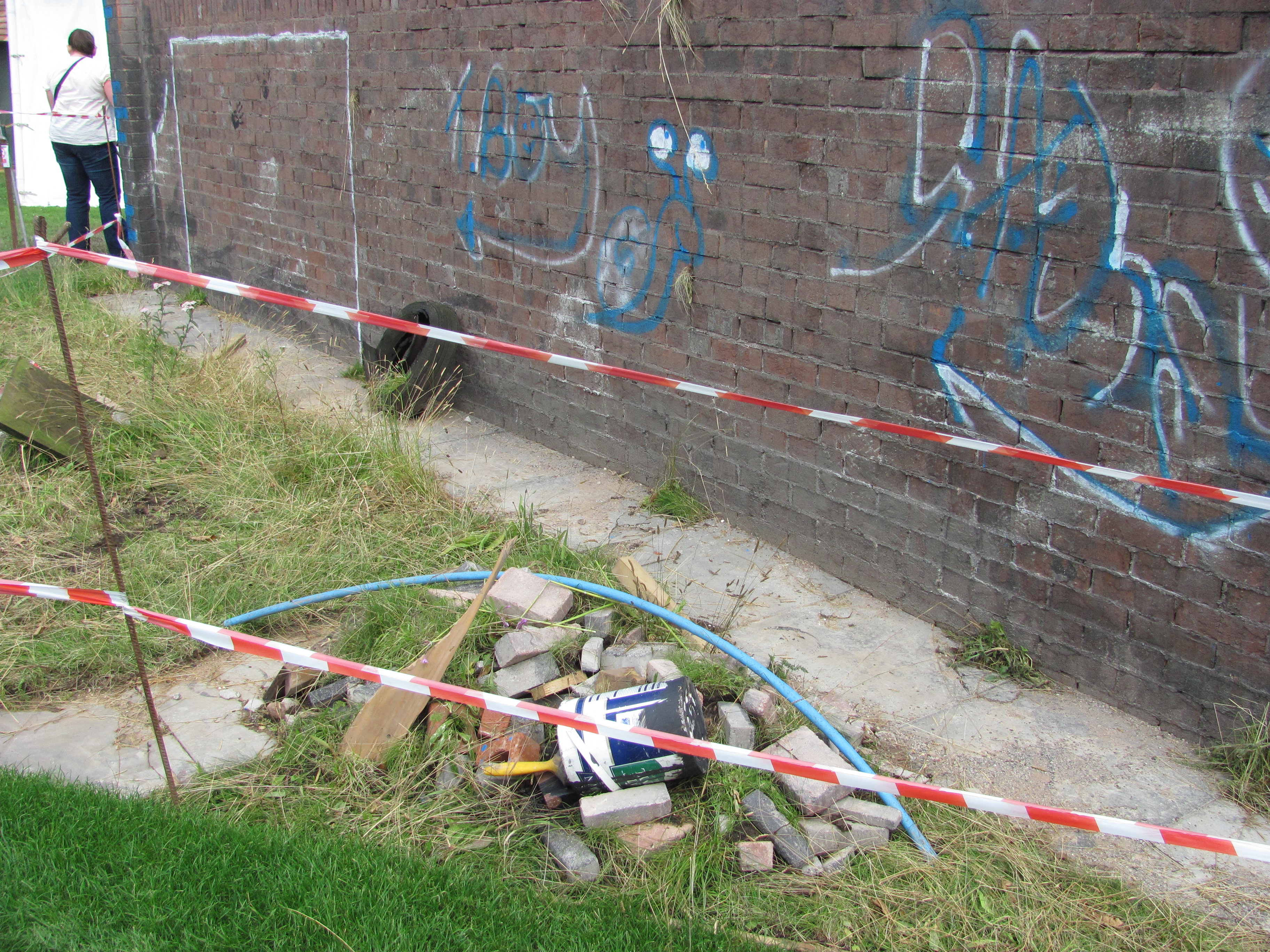
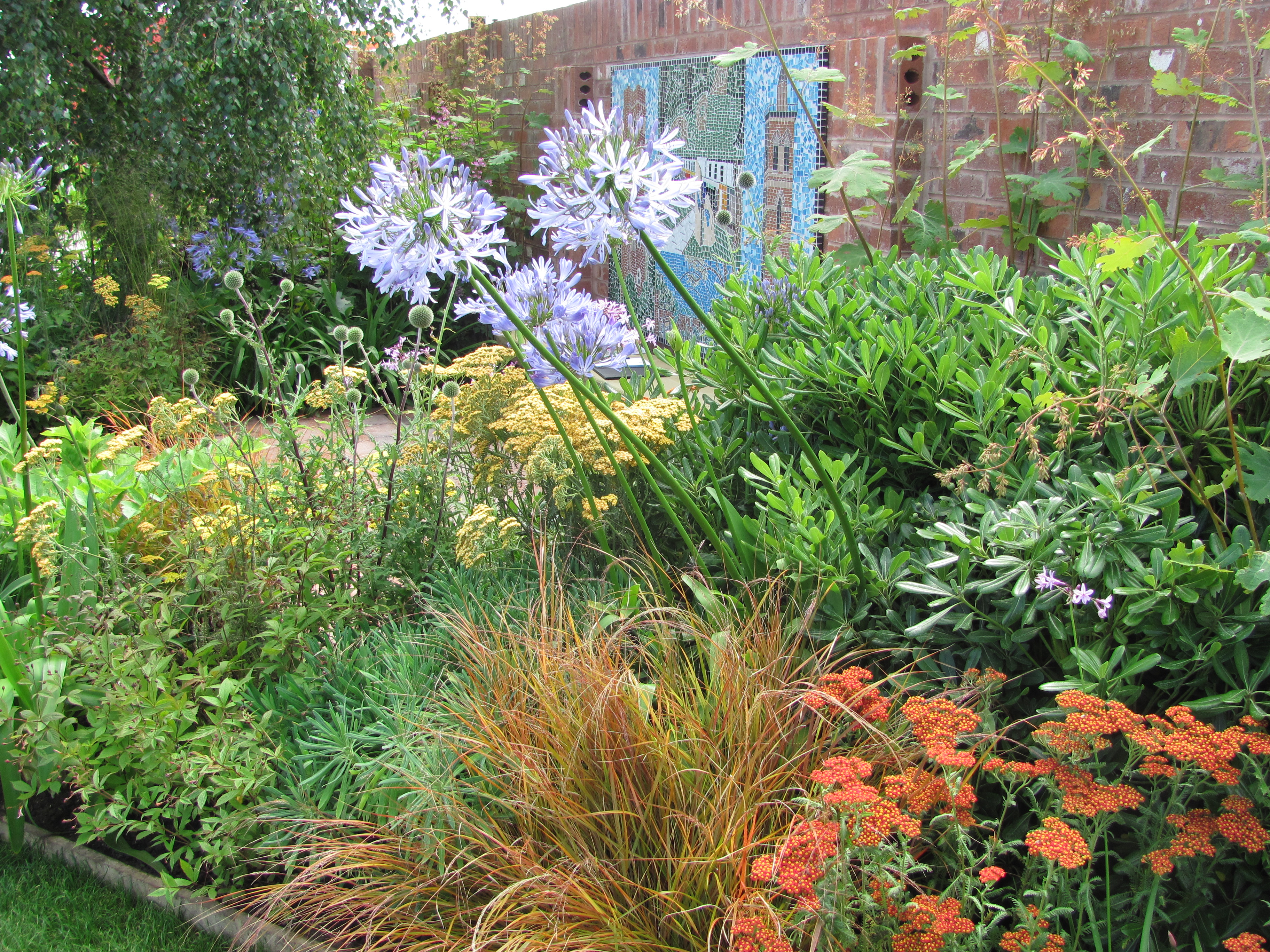
We were interested to see a garden devoted to the importance of community gardens and in particular the RHS “Its Your Neighbourhood” scheme as our allotment site is part of it. The before and after garden was designed by Chris Beardshaw one of the UK’s best garden designers as well as a writer and TV gardener. His garden showed how groups of volunteer gardeners can improve an urban derelict wasteland.

The before ……….

……….. and the after!

In the final report about Tatton Park RHS Show my post will be about the Conceptual Gardens, the Back-to-Back Gardens and the plant sale area.

Categories
conservation flower show garden design garden photography garden wildlife gardening hardy perennials July meadows ornamental grasses ornamental trees and shrubs photography RHS The National Trust wildlife

A Day at the RHS Flower Show Tatton Park

We have been to the Chelsea Flower Show, Harrogate Flower Shows and The Autumn and spring Malvern Flower Shows but the one we enjoy the most is always the one set in the grounds of Tatton Park. Luckily this is the RHS show closest to home. Although Chelsea is often called the greatest flower show, having visited once we have no desire to go again. But we frequently go to Tatton.

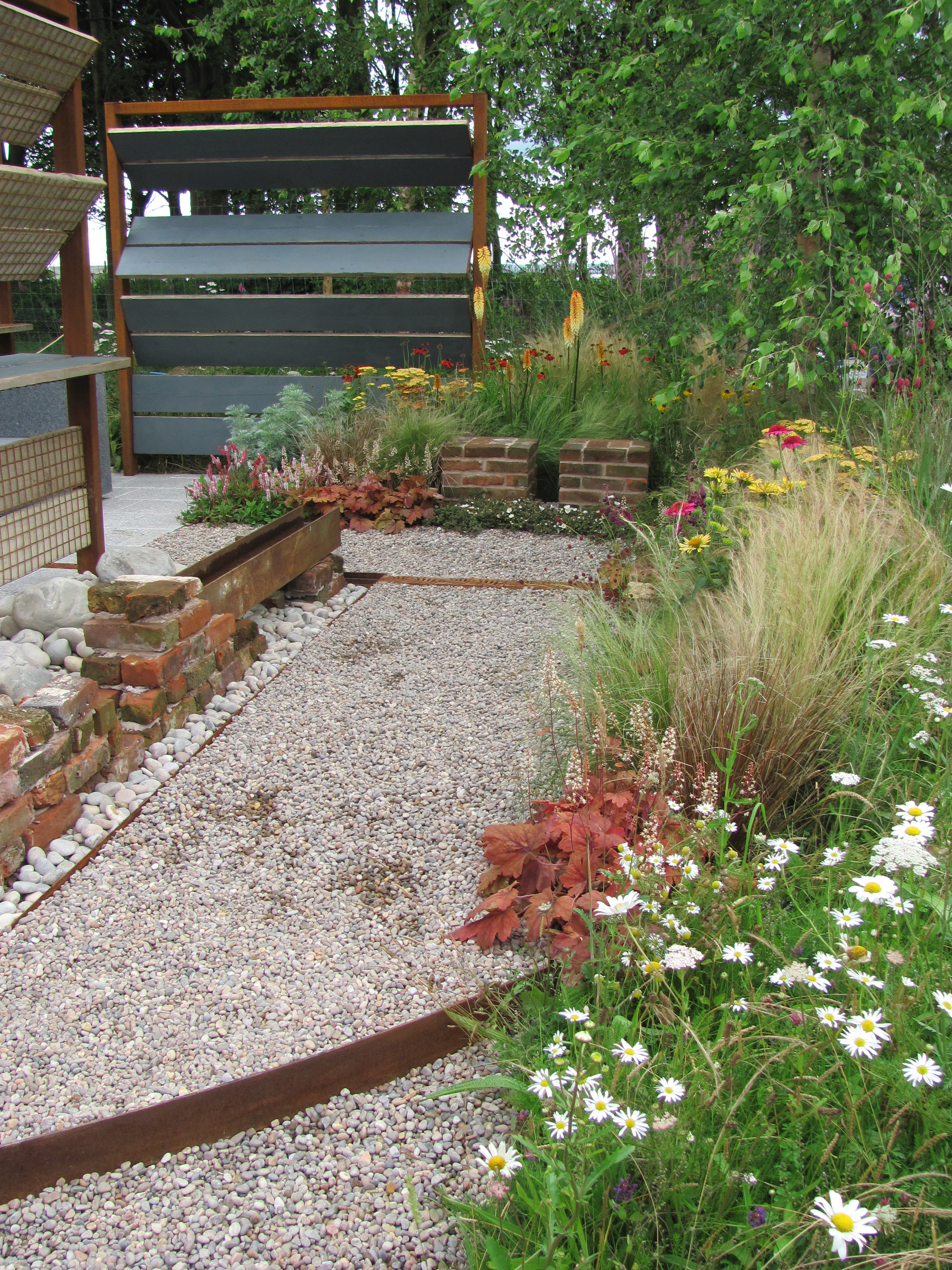
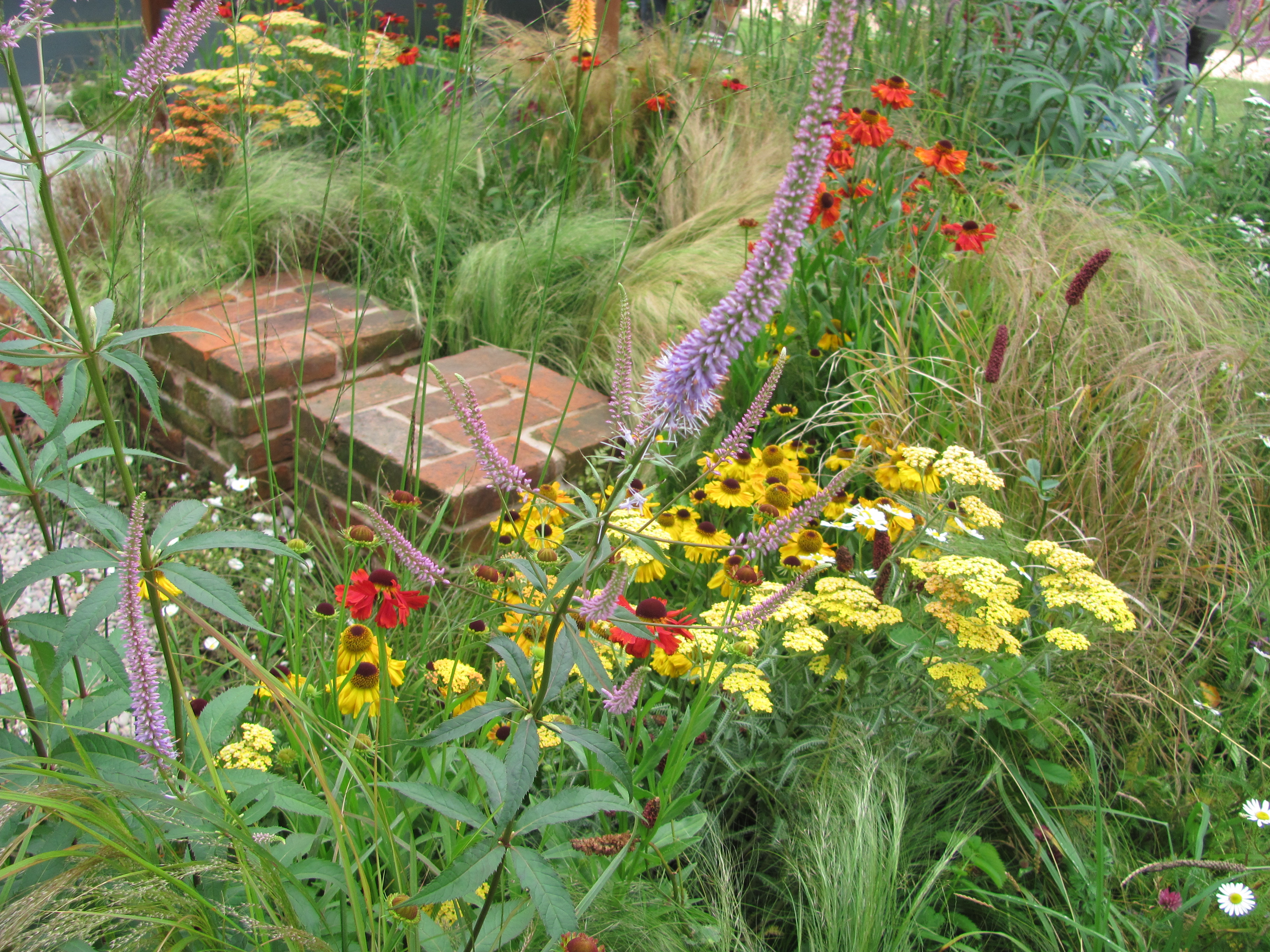
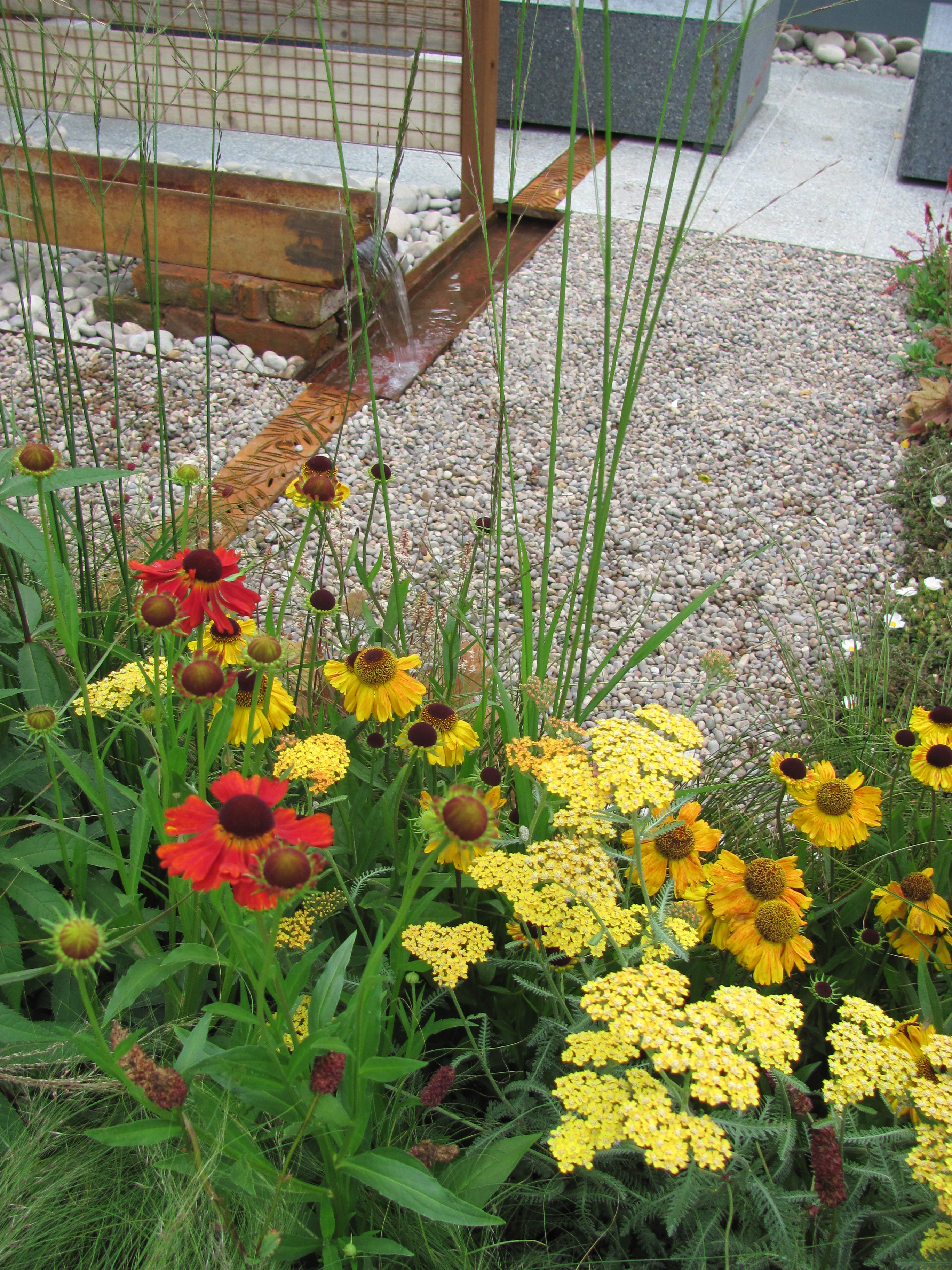
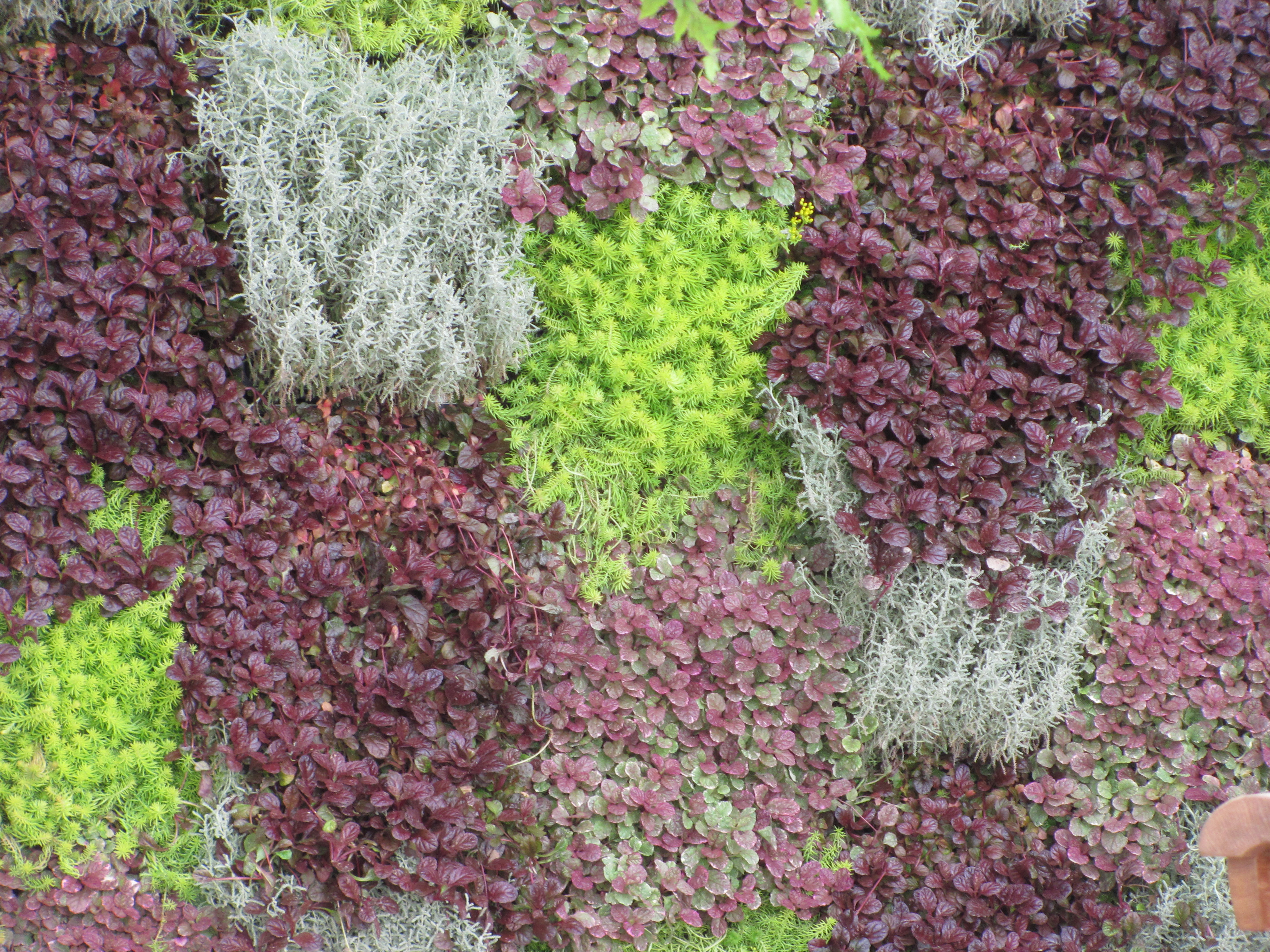
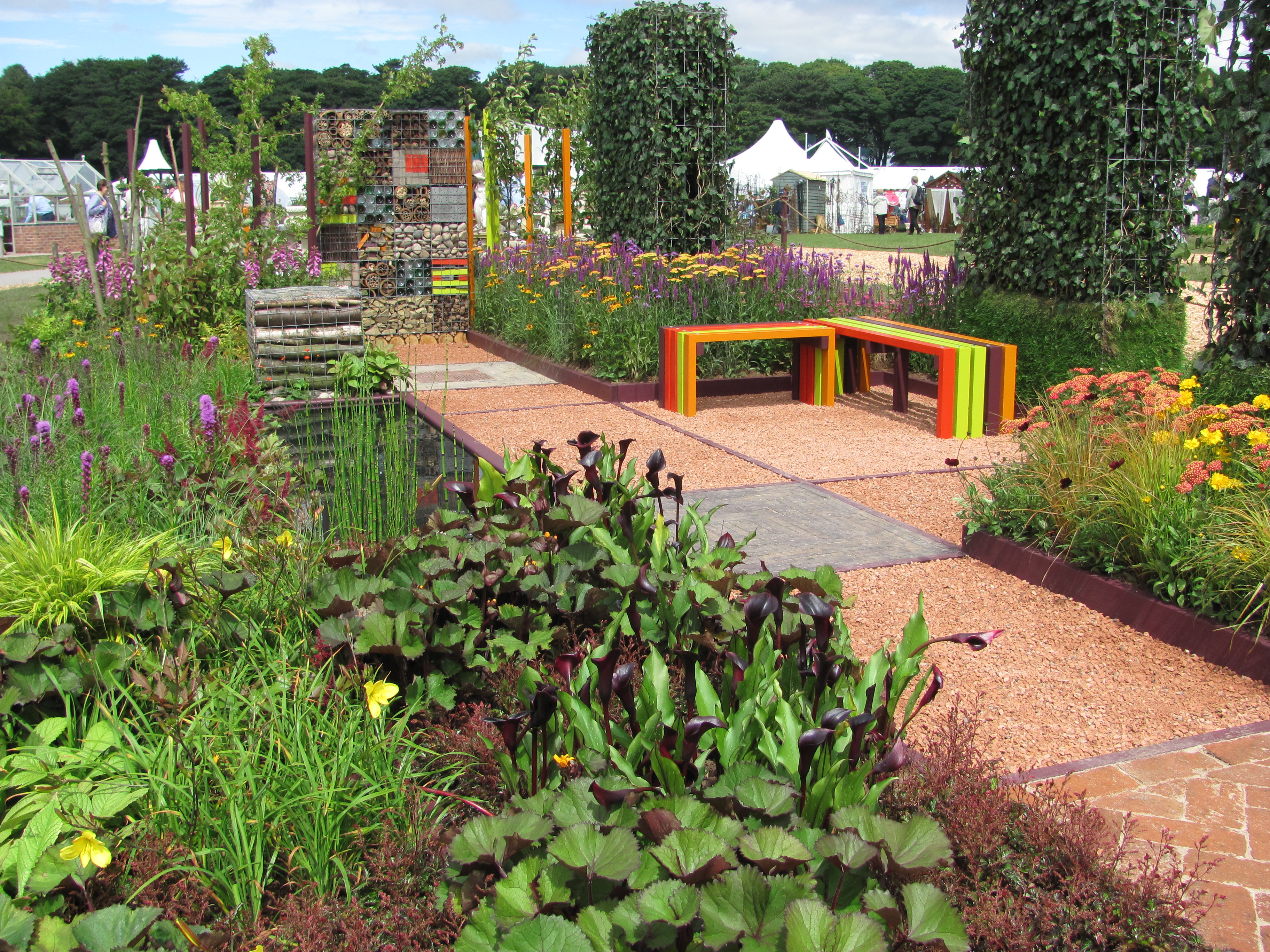
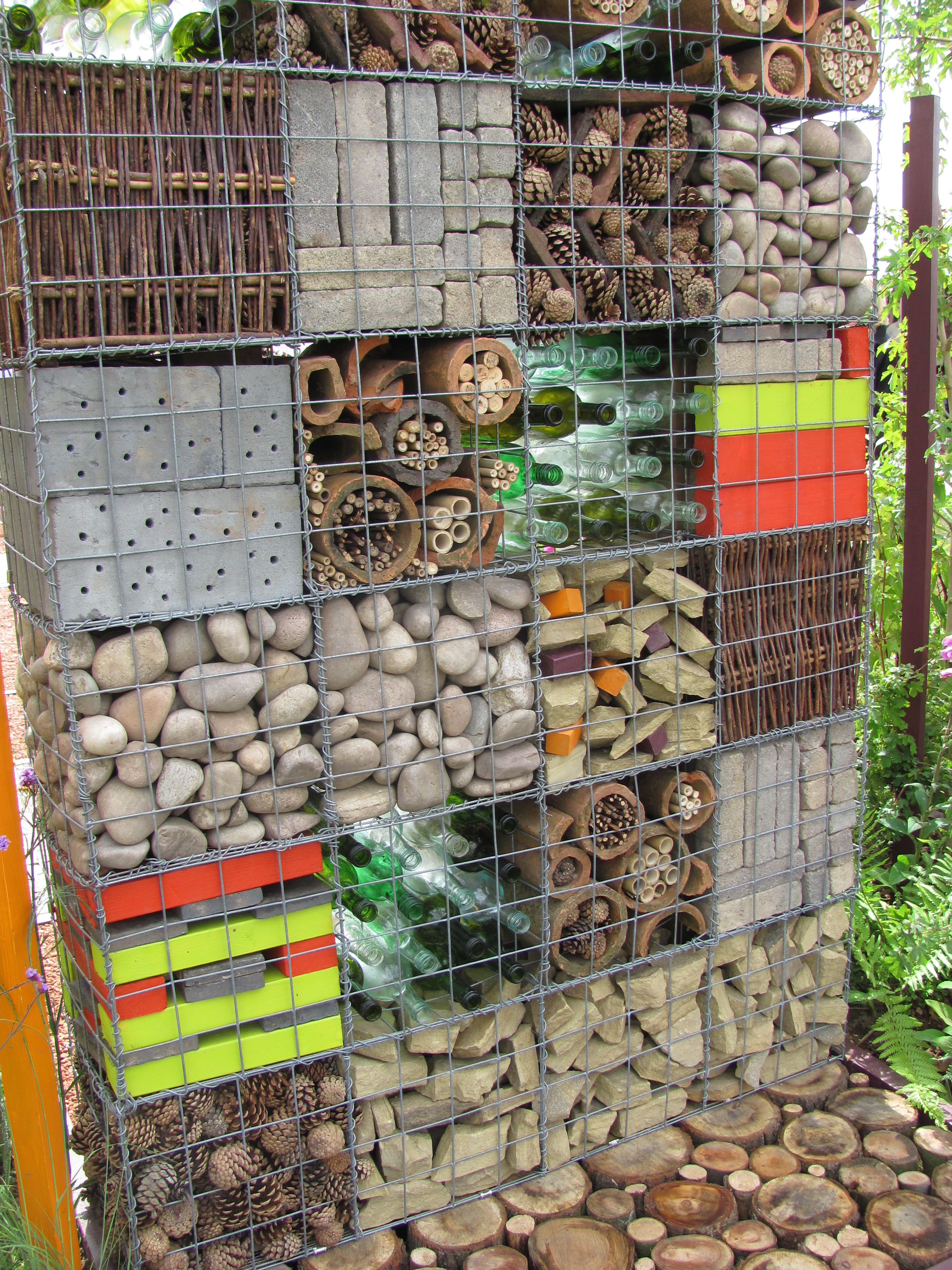
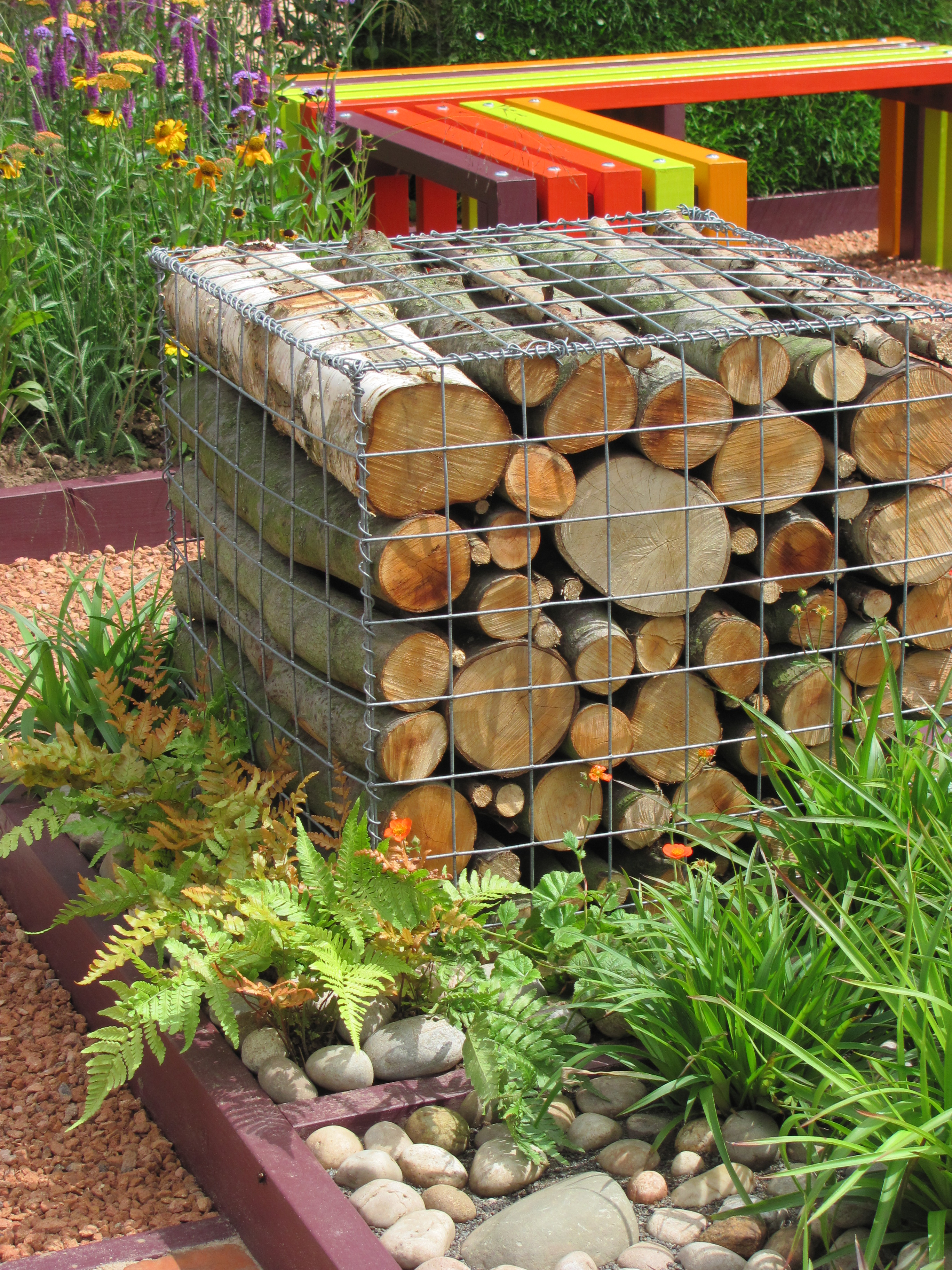
Tatton Park Show is described as “the North’s greatest garden party”. We enjoy its large show gardens, its “Back to Back” gardens and children’s gardens but most of all those designed by young garden designers. This is where the UK’s garden designs of the future lie and the standards are always so high. The designers have to be under 28 and this year their brief was to design a garden based on the theme of “colour”. We were so pleased when we learnt that the designer of our favourite one of these gardens had won the accolade of “RHS National Young Designer of the Year”. Tristen Knight designed this garden using recycled materials and it was full of interesting and original ideas and design feature. The colour of his planting of perennials and grasses was beautiful, all orange and biscuit. He studied for a BA in Industrial Design and Technology before training in garden design at Writtle College. He spoke with great enthusiasm and excitement about his garden and he told us about the materials he had chosen and how they were all items from building sites. For example the rill was formed from a an “H” beam and the flexible screening was created from scaffolding boards. I found it hard to take photographs that did justice to this brilliant young designer’s work. We enjoyed his garden and talking to him about it.

We moved on to the main large garden show gardens, some of which we liked whereas others we did not like at all. But that I suppose is what design is all about. If we all liked the same plants and designs wouldn’t gardens be boring?

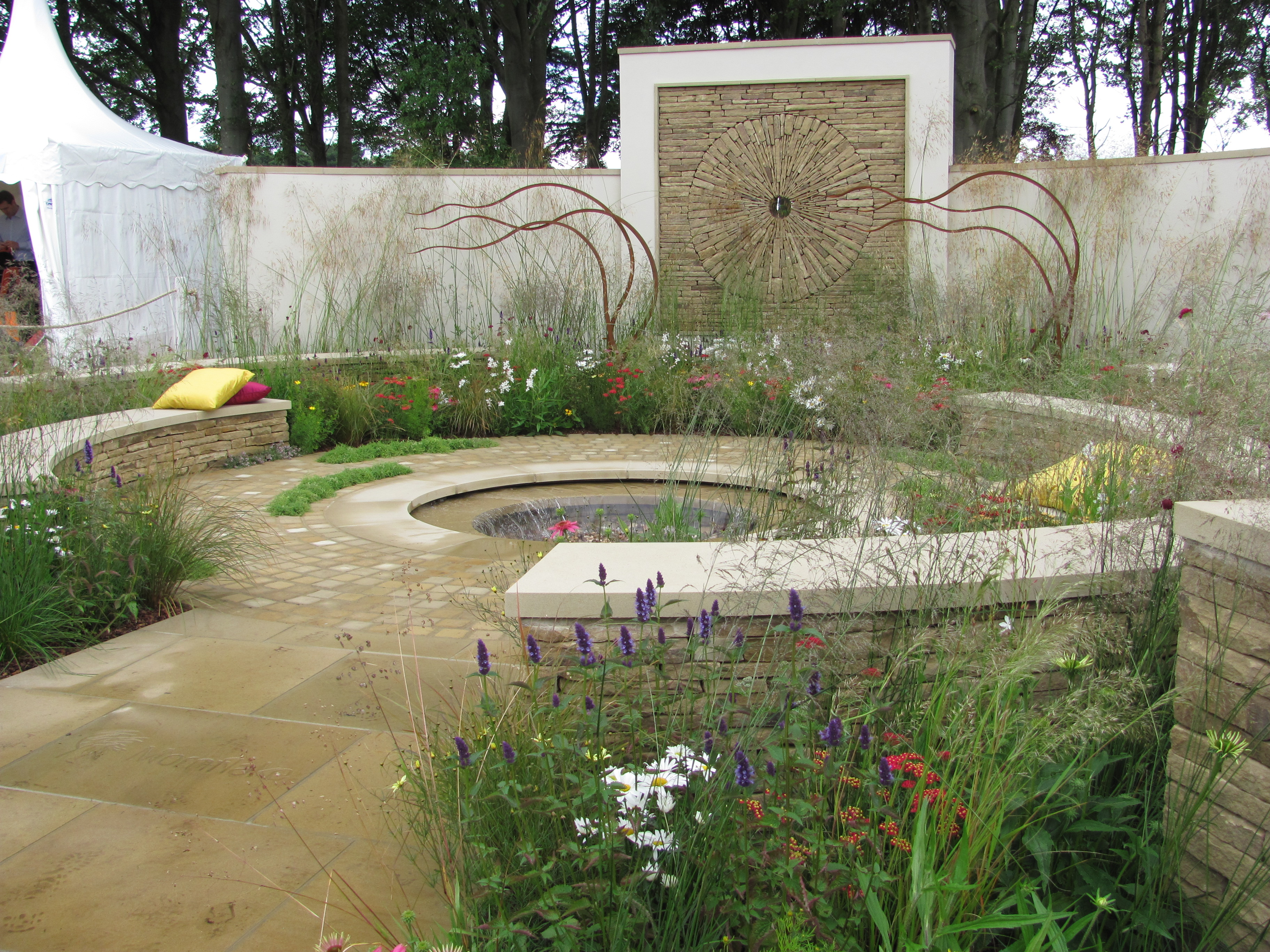
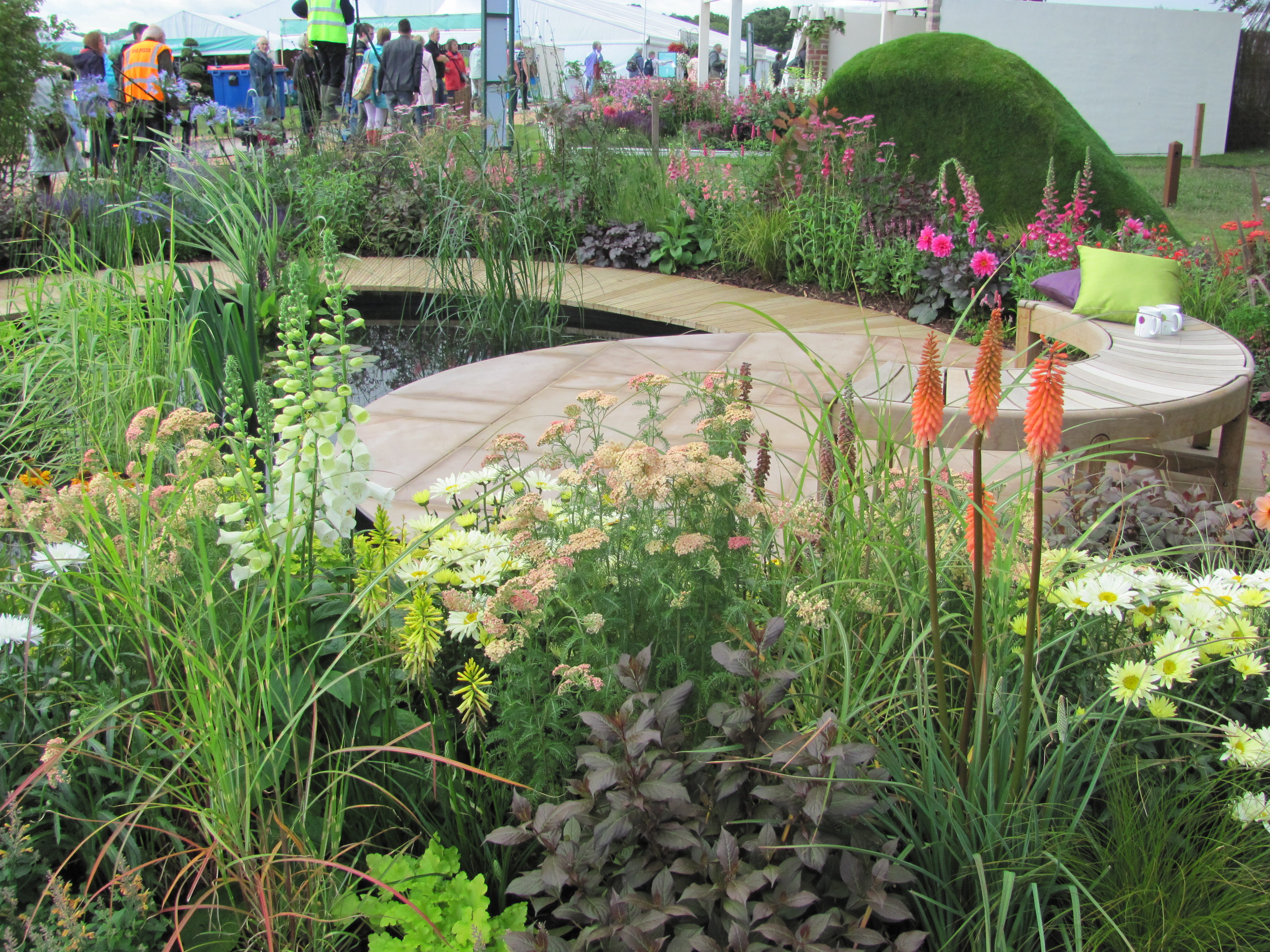
I begin looking at this set of gardens by featuring our favourite, a garden based on circles achieving a wonderful peaceful atmosphere through the planting which was light and wispy. It relied heavily on grasses to do so, with one planting area consisting of just grasses and one variety of allium.

It received the Best in Show award!

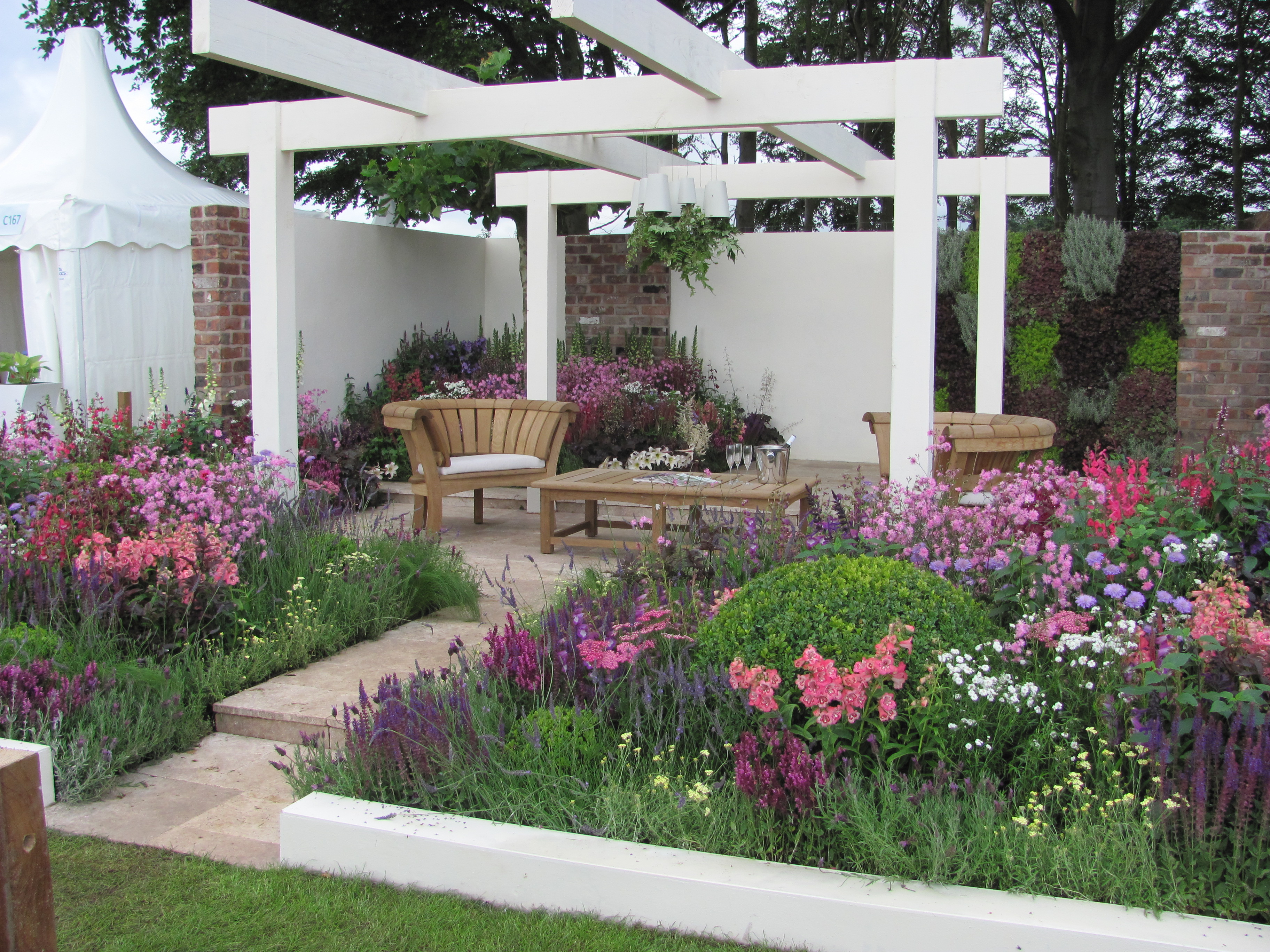
This show garden featured decking curves and colourful planting choice.

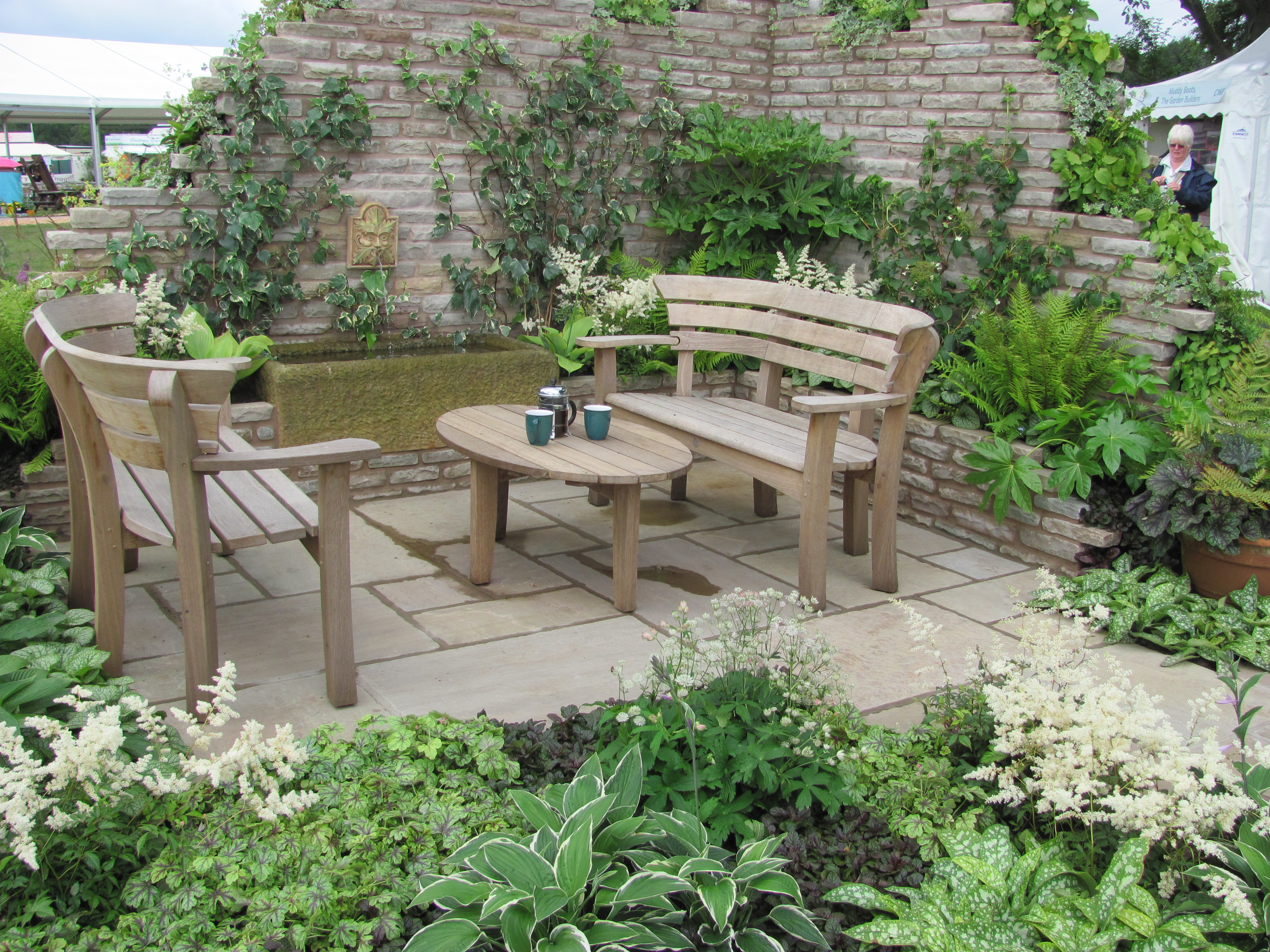
The next sequence of photos illustrates the wide variety of show gardens at Tatton. Enjoy the tour.

Once we had enjoyed the large show gardens we made a bee line for the garden designed by students and staff of Reaseheath College, partly because their garden is always so interesting with elements of attracting wildlife but also because this is the college where I followed some of my horticulture training several decades ago. This year their garden excelled, with such vibrancy in the planting and in its features. Again the design integrated beautiful features created to attract wildlife.

To finish my first post about the RHS Tatton Park Flower Show I want to share a couple of photos of children’s gardens celebrating the Queen’s Jubilee. In the next post we shall visit the Floral Marquee and the smaller show gardens.

Categories
allotments community gardening fruit and veg garden photography garden wildlife gardening grow your own July meadows natural pest control photography roses Shropshire

A Wander around the Allotments in July.

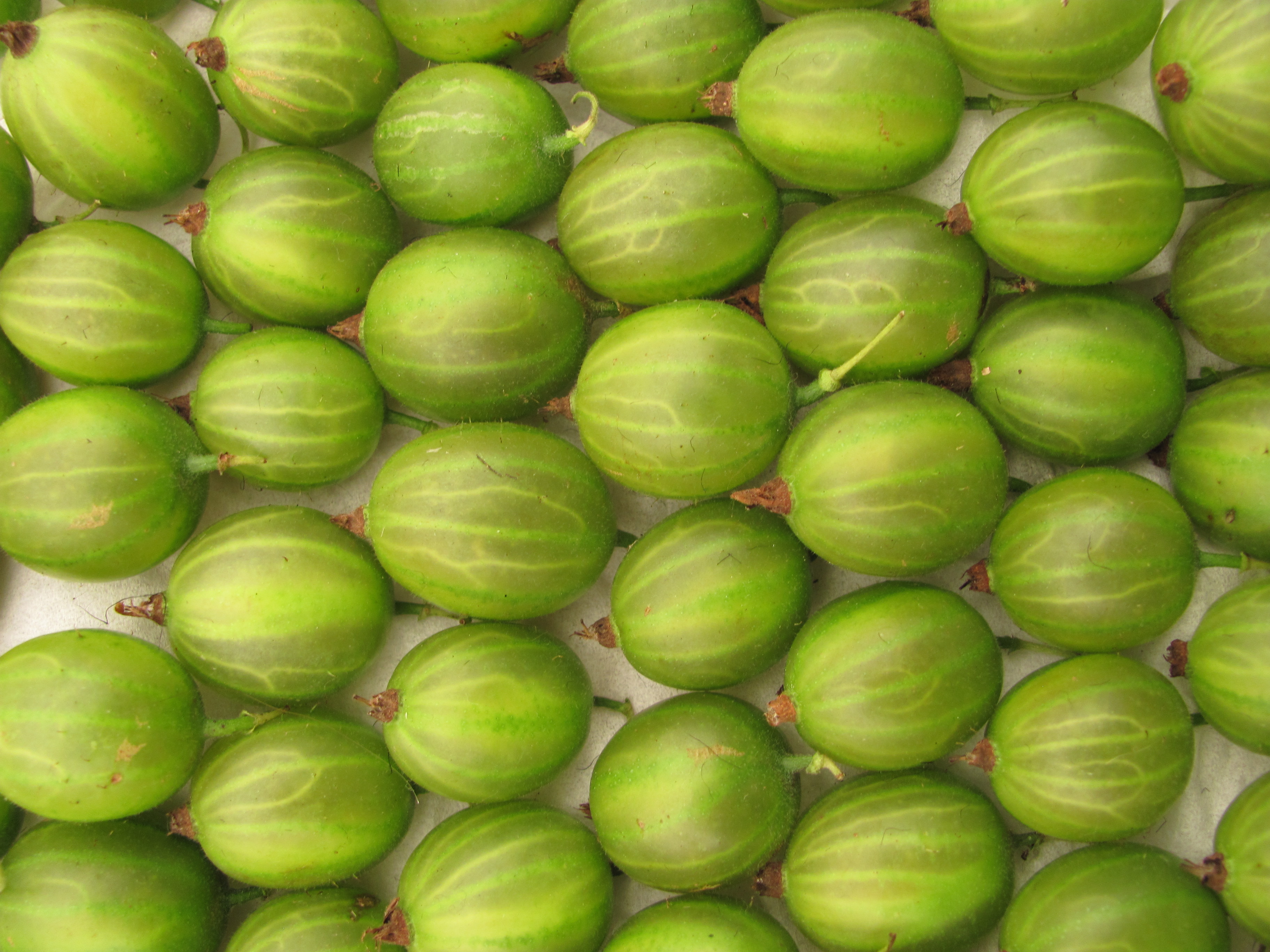
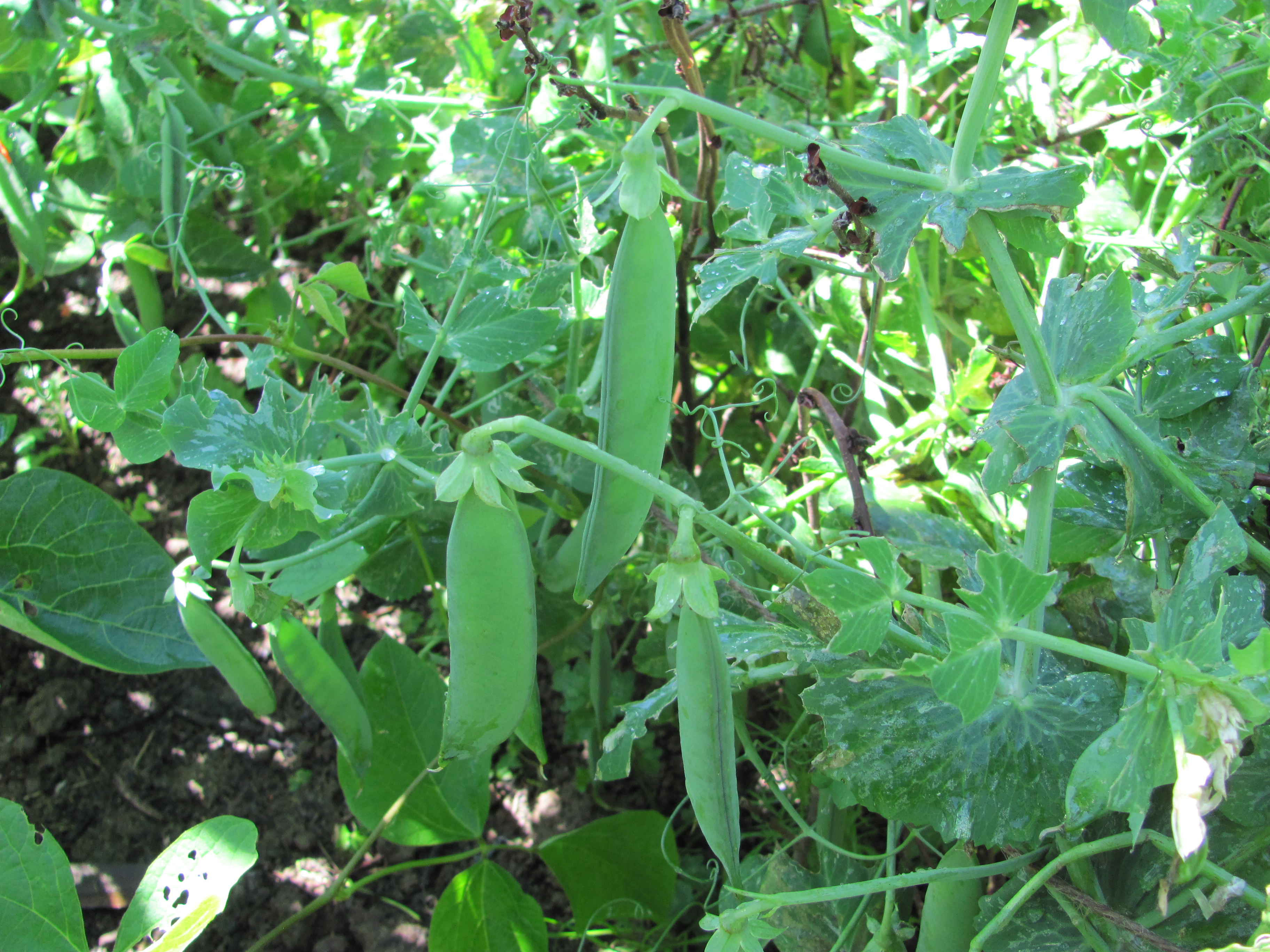
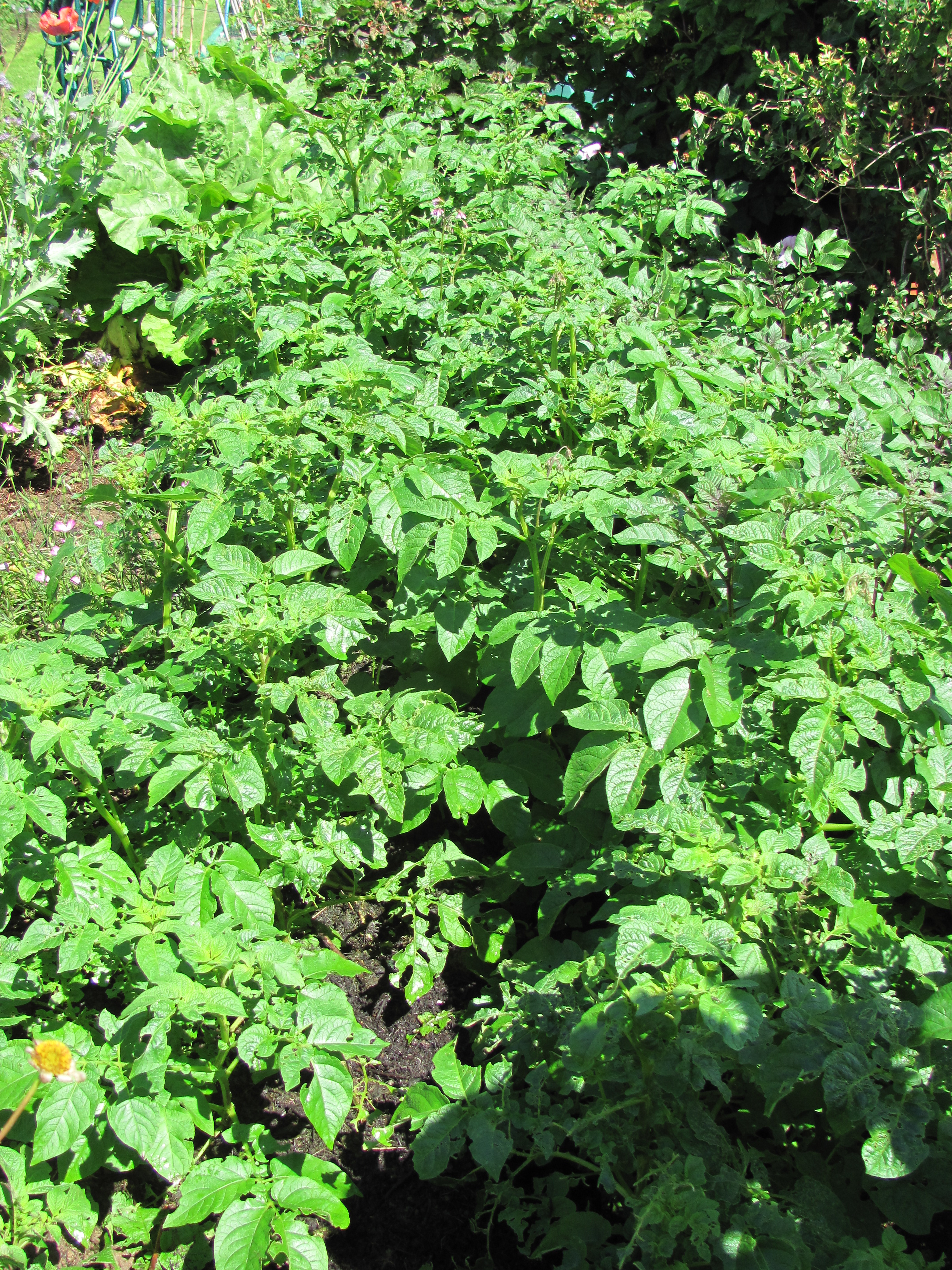
July on our allotment site has been a month of rain resulting in regular flooding. Now as the rain has disappeared for a while things are drying out. Amazingly potatoes are being dug up out of flooded plots and have given reasonable crops but on others crops have rotted below ground. On our own plot we have been harvesting good crops of carrots, beetroot, garlic, cabbages, broccoli, broad beans, peas and salad leaves. We regularly pick tayberries, rhubarb and gooseberries. Strawberries however are rotting before we get to pick them and even the blackbirds are missing out.

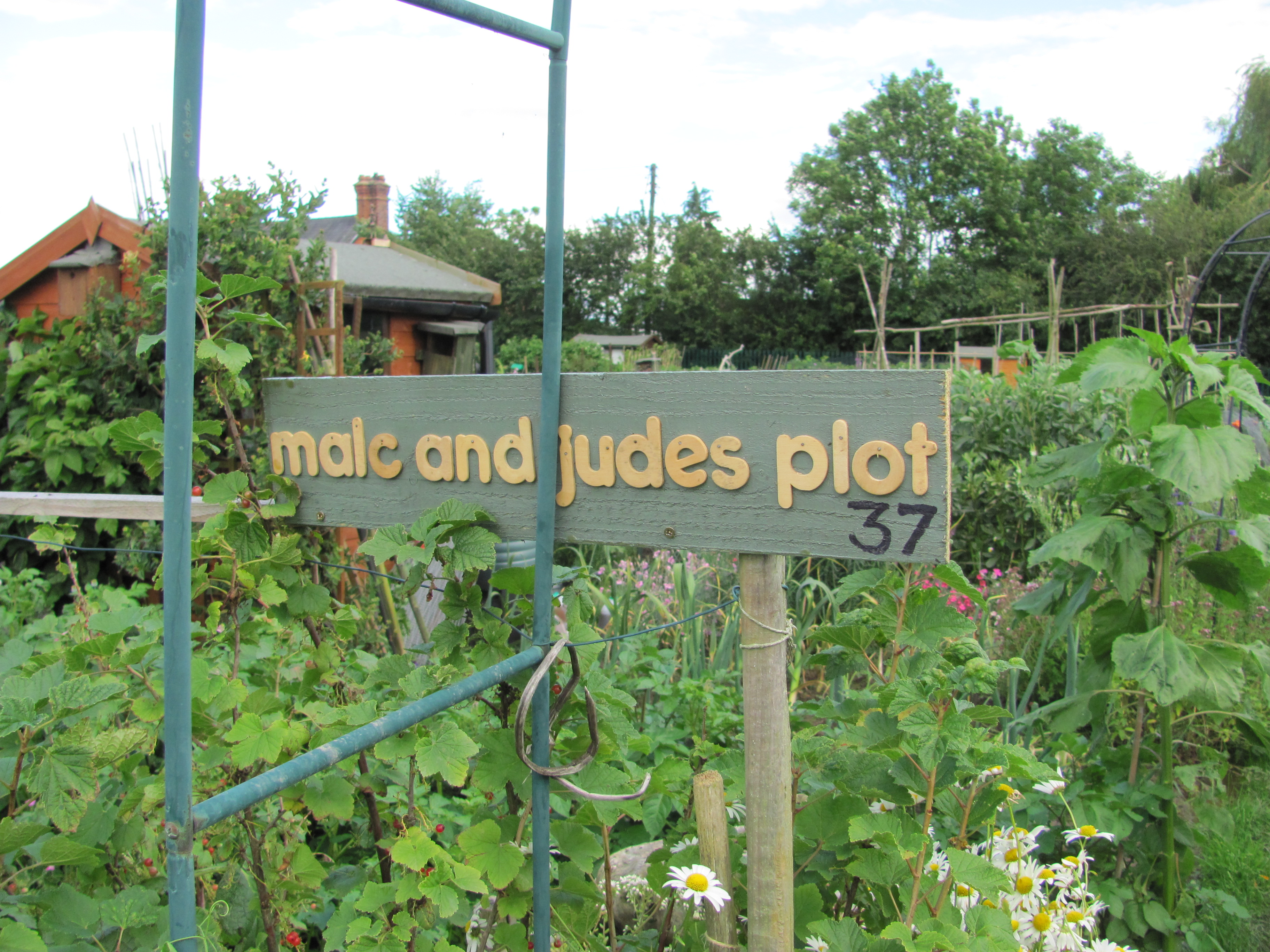
We shall as usual start our lottie wander on our own plot to see what is going on and with our new sign, the old one having fallen apart.

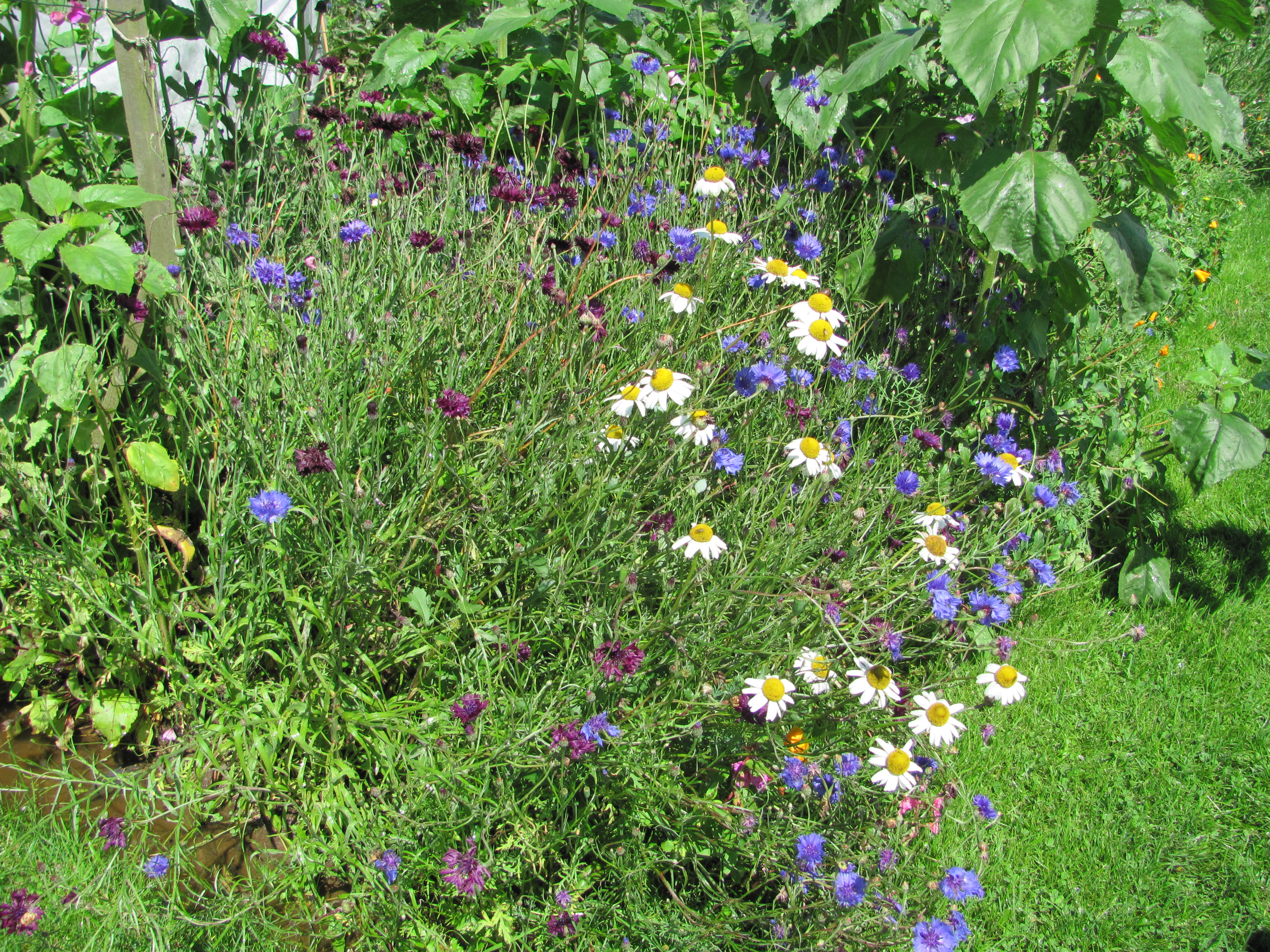
Our crops are mostly looking well and the “Bug Borders” bursting with colourful flowers, alive with bees, hoverflies and lots of other useful insects.

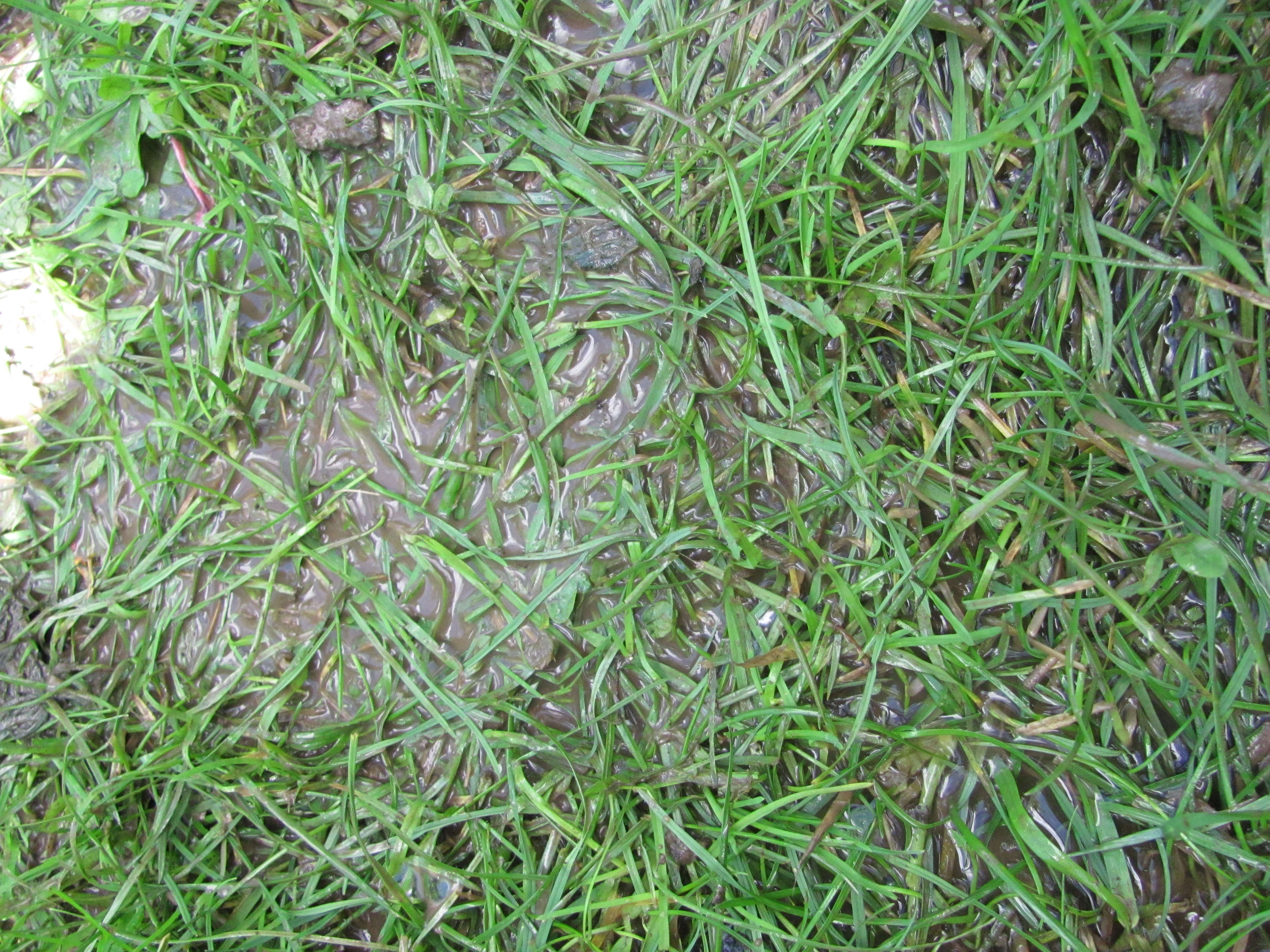
But in between the colourful lush plantings of veg, fruit and flowers standing water sat getting stagnant.

And this is our poor grass path.

Things are getting easier though and we have managed to get on the soil without damaging the structure too badly, so we cleared any weeds, loosened up the soil surface and sowed more crops such as beetroot and radish and planted out our seedling leeks.

Now we can start our wander around the site looking at what is happening on other plots and in the communal areas.

The Spring Garden and Summer Garden have come through the terrible weather with flying colours.

Of course the Willow features have enjoyed the wet around their feet and look so green and fresh, but they need a lot of pruning to keep them in trim shape.

The meadows are flowering nicely now and flowers are giving colour on lots of the plots.

I shall finish this wander with a good idea. How about this for an idea for trying to foil the dreaded carrot rootfly – simply grow them up in the air hopefully above their maximum flight height.

Categories
community gardening garden design garden photography gardening hardy perennials July ornamental trees and shrubs photography Shropshire shrubs village gardens

A Village of Gardeners – part two, after the tea break.

We sat in the village hall enjoying our lemon drizzle cake and cups of tea, while we planned our route to see the afternoon gardens which, all but one, were out in the countryside, along narrow lanes.

So suitably refreshed and legs rested we made our way to the last of the gardens in the village itself, which was described as a small cottage garden. It didn’t disappoint!  After wandering up a narrow lush lane we crossed a ford where a shallow stream of crystal-clear water rushed over the tarmacadam. There were so many well-kept plants in busy planting schemes with narrow grass paths to lead you round. We loved it!

Once we had relished this lovely crowded cottage garden we returned through the ford and turned right where another narrow lane sent us up a gradual slope into the countryside away from the village, to the next garden. We passed this tumbling down barn the home to many swallows and colourful natural hedgerow borders.

This garden was larger than the last we visited, with sweeping areas of grass, an enclosed vegetable plot, interesting plant combinations and a beautiful wildlife area featuring a pond with woodland enhancing its banks.

Sadly the last two gardens we wished to visit were miles into the countryside at the foot of the Stretton Hills so we had to take the car. The first garden was one that invited you to wander with interesting  plantings.

The final garden was up a lane with grass growing down the centre and we had to park on a very soggy field. But it was worth it as a beautiful atmospheric garden sat alongside a rippling stream running through a wooded valley. The sound of bird activity around the feeding stations in an enclosed part of the garden and their song in the surrounding borders and woodland enticed us to sit comfortably with another cup of tea and another slice of home-baked cake.

We managed to visit just nine of the sixteen gardens open before we ran out of time. We enjoyed the variety of gardens created and maintained by a variety of gardeners. These gardeners all had the advantage of living in such a beautiful little village with a strong community spirit. The last garden we visited had the added benefit of an amazing view.

Categories
garden design garden photography gardening July photography Shropshire village gardens

A Village of Gardeners – part one, before the tea break.

A warm day seemed just what was needed when we visited the Shropshire village of Cardington just twenty minutes from home. We made this village garden pilgrimage last year as well and couldn’t wait to return, as we had been so impressed. This year there were extra gardens to enjoy too!

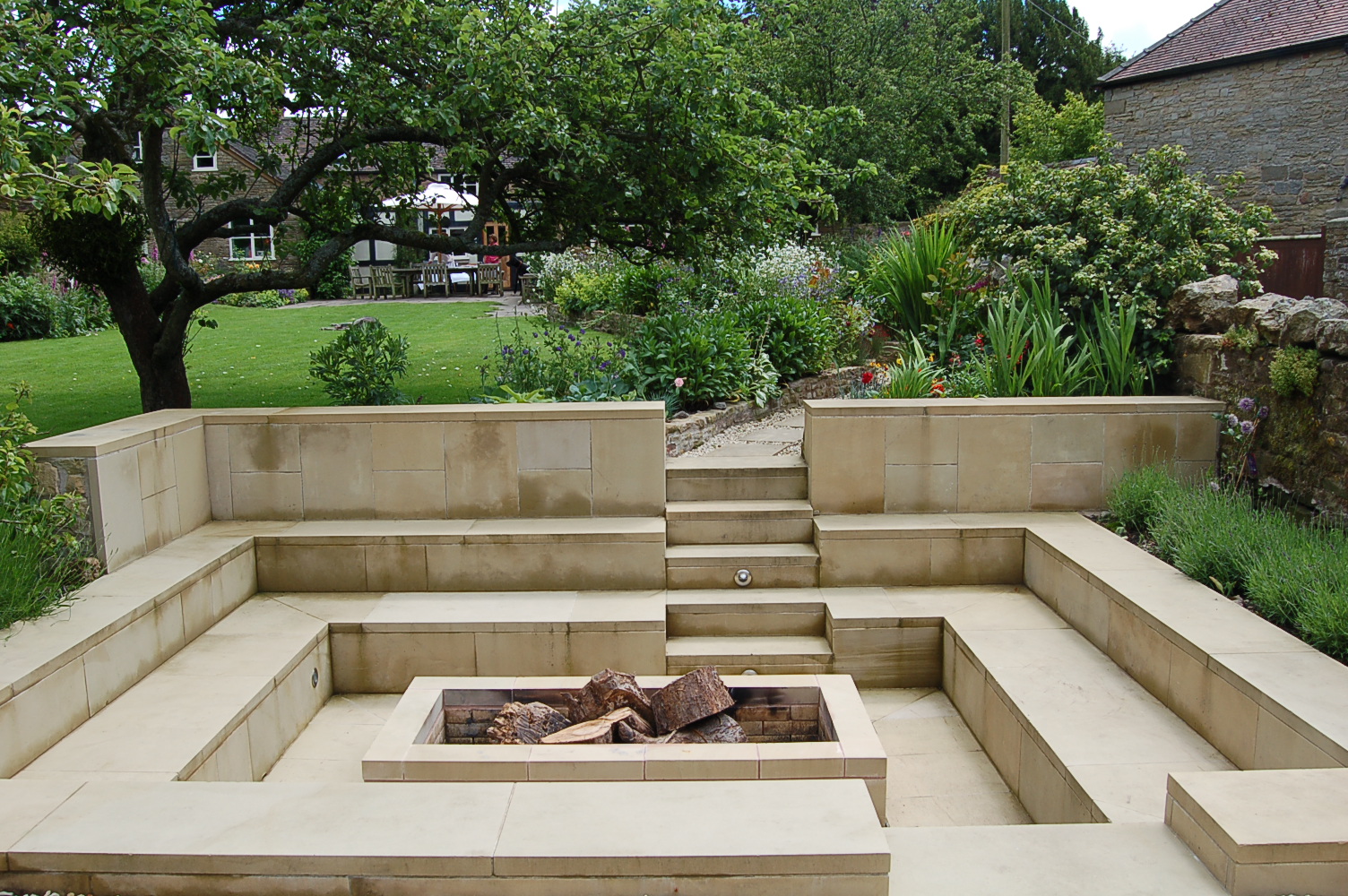
The first two gardens we visited were next door neighbours but oh so different. In the first garden there were few borders and much of the available space had been taken up by a huge stone built gym and swimming pool with decking around complete with hot tub. The formal fire pit area was interesting but I did wonder if it would have housed a nice pond.

Their neighbours however had wide expanses of well-maintained lawn with beds, both formal and informal cut into it. The garden looked a little dated but had a good pool area and some interesting sculpture and pots hidden in the borders.

Wandering through the village to the next garden we noticed interesting little cameos along the way. We were looking forward to the next garden as it was owned by one of our friends from the Shropshire Hardy Plant Society.

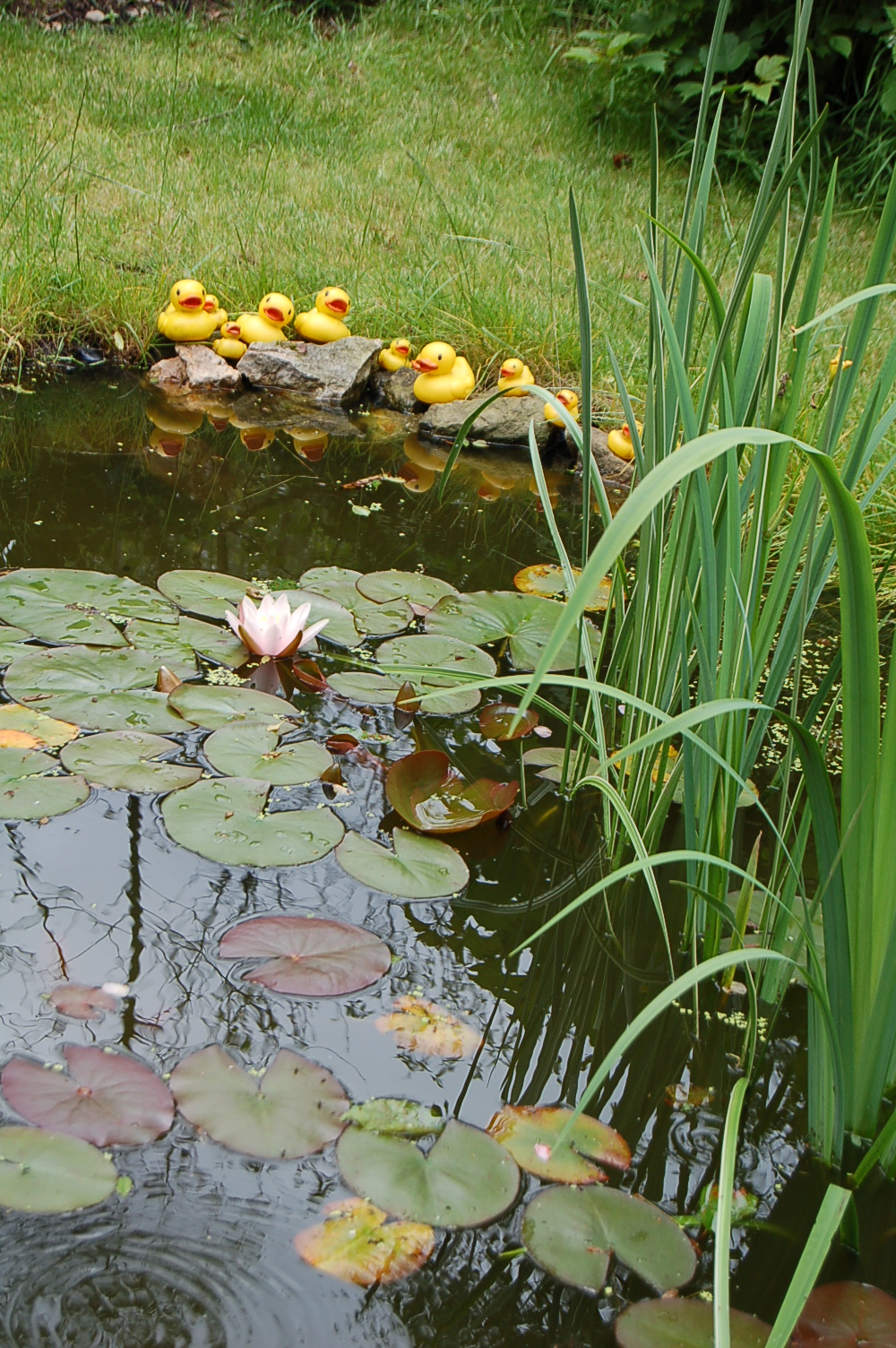
We weren’t to be disappointed. Her garden was one of interesting plants as one would expect, inspired little details and unusual places to sit, rest and enjoy the garden and the peace of the Shropshire countryside. (look out for the family of little plastic ducks!)

Once we had visited this selection of gardens we were ready for a return to the village hall where villagers had prepared teas, coffees and home-baked cakes. Part two follows after the tea break!

Categories
allotments community gardening gardening grow your own National Garden Scheme natural pest control NGS

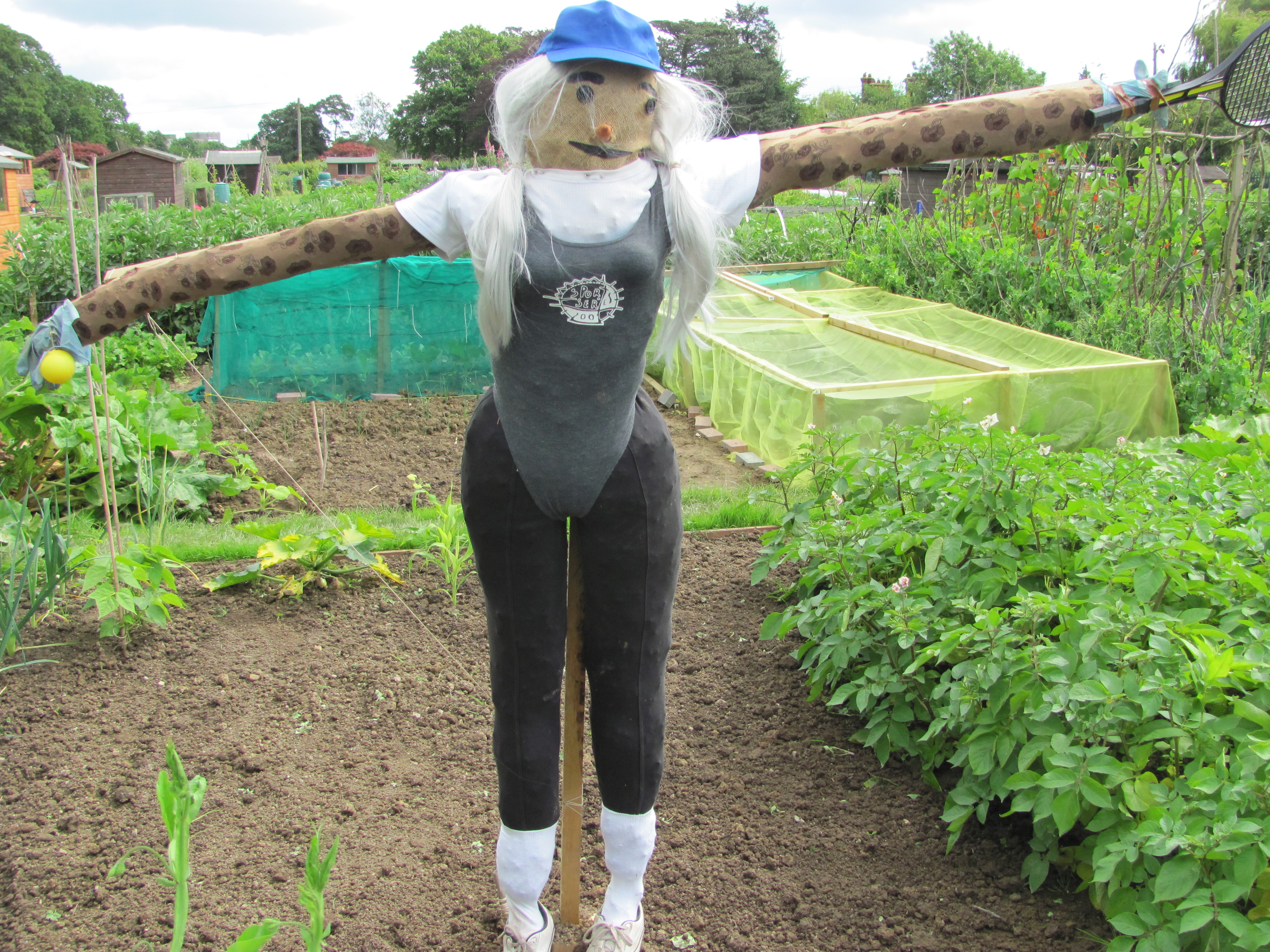
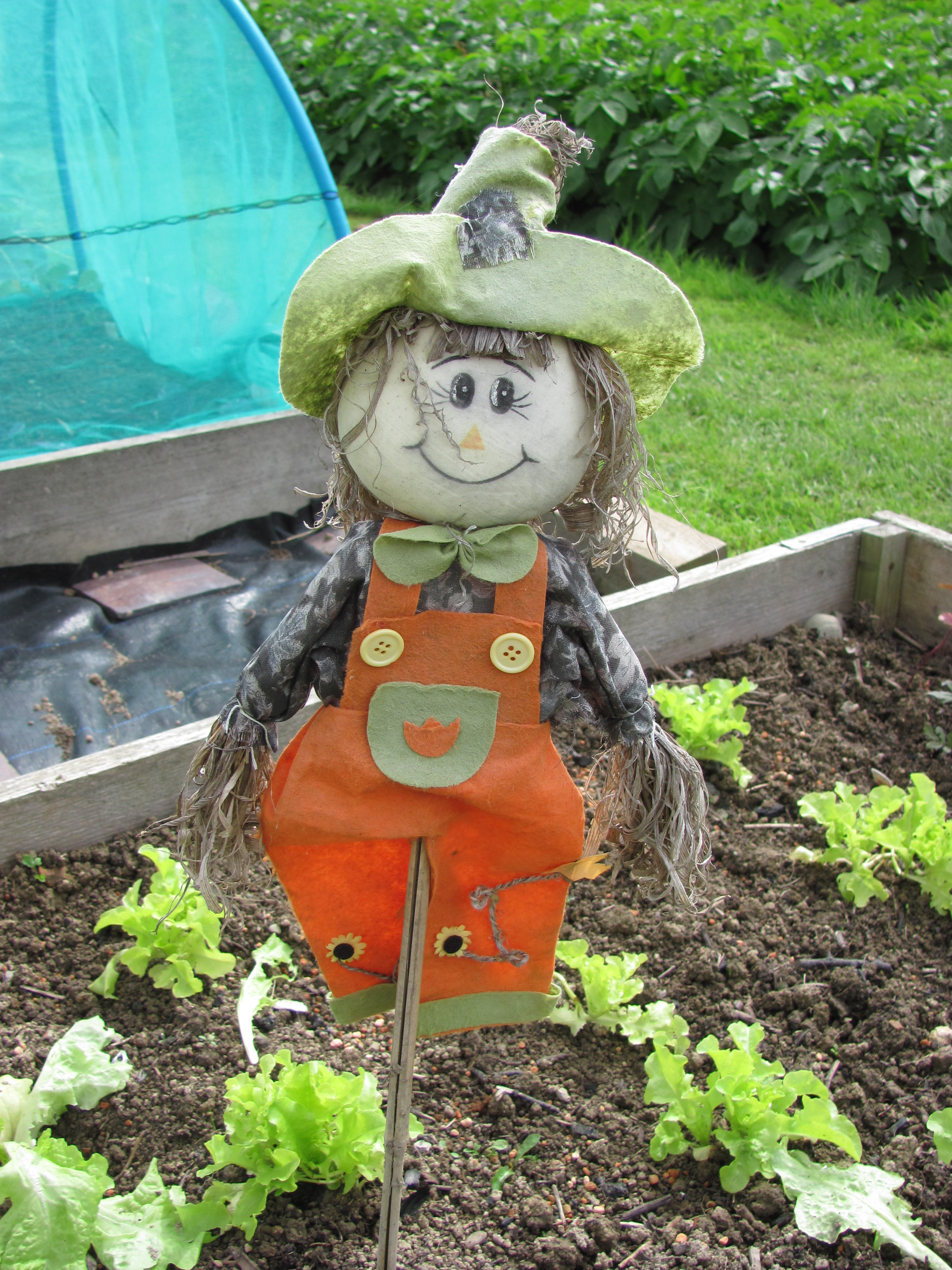
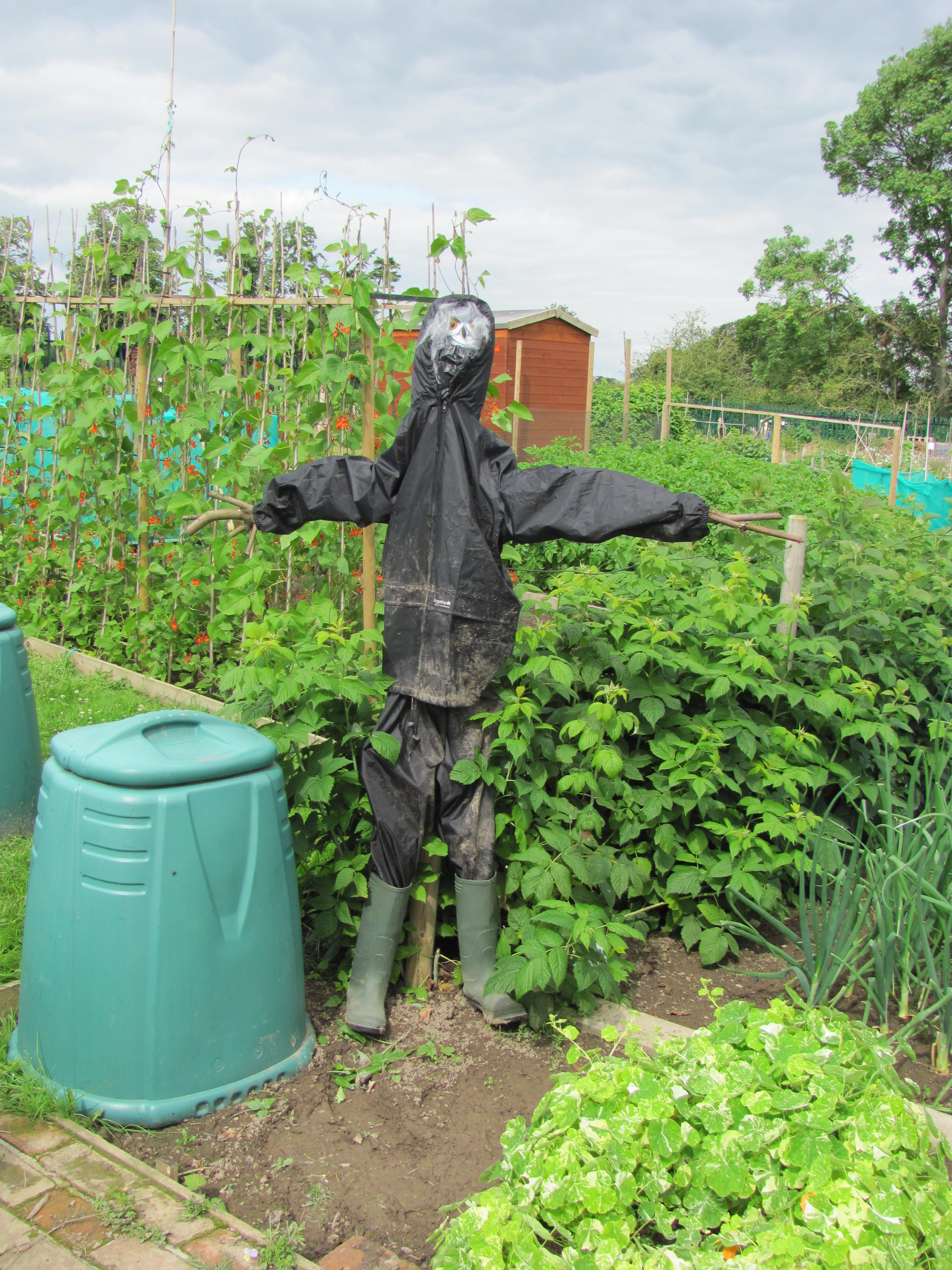
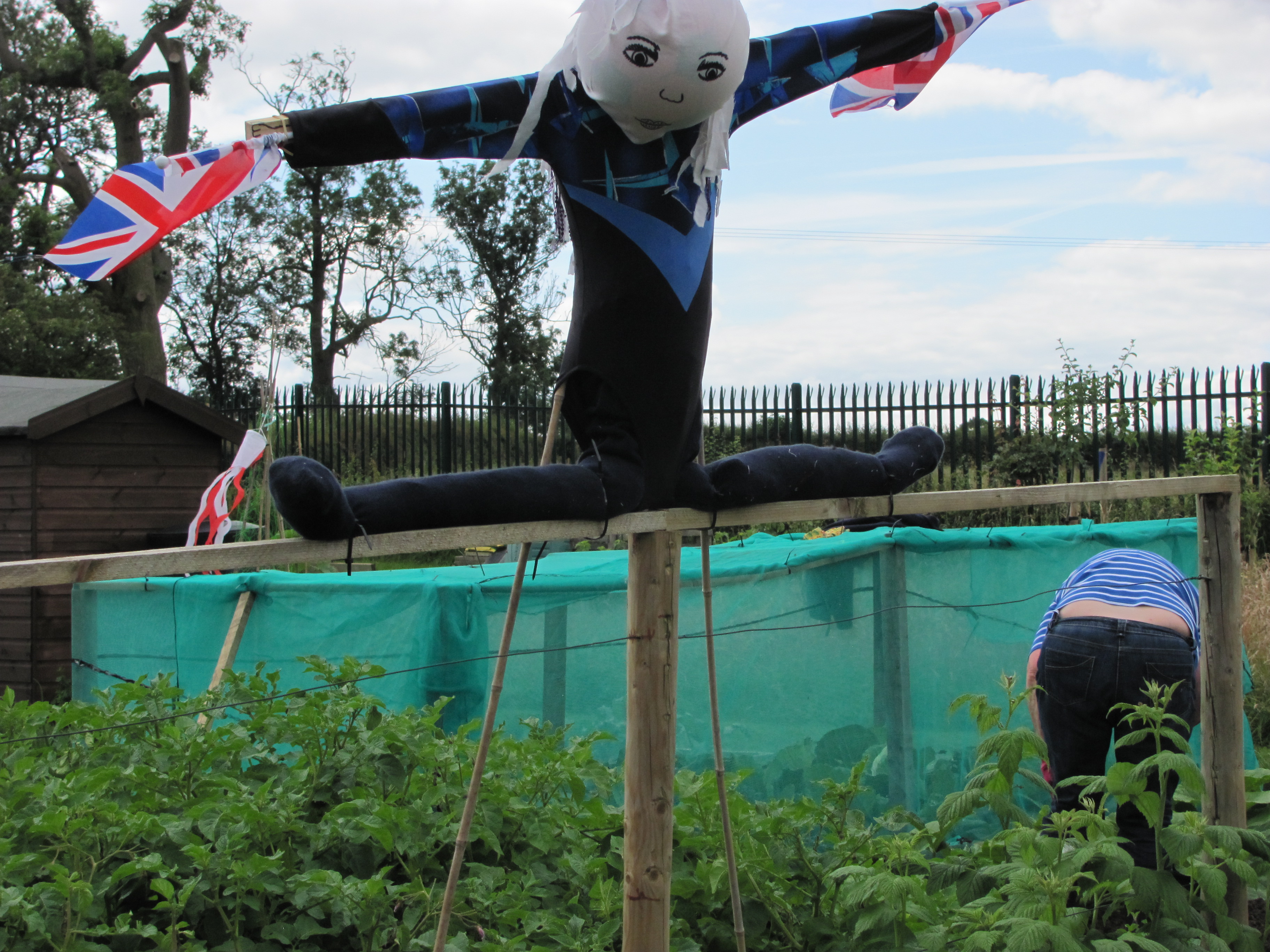
Our Allotment Scarecrow Competition 2012

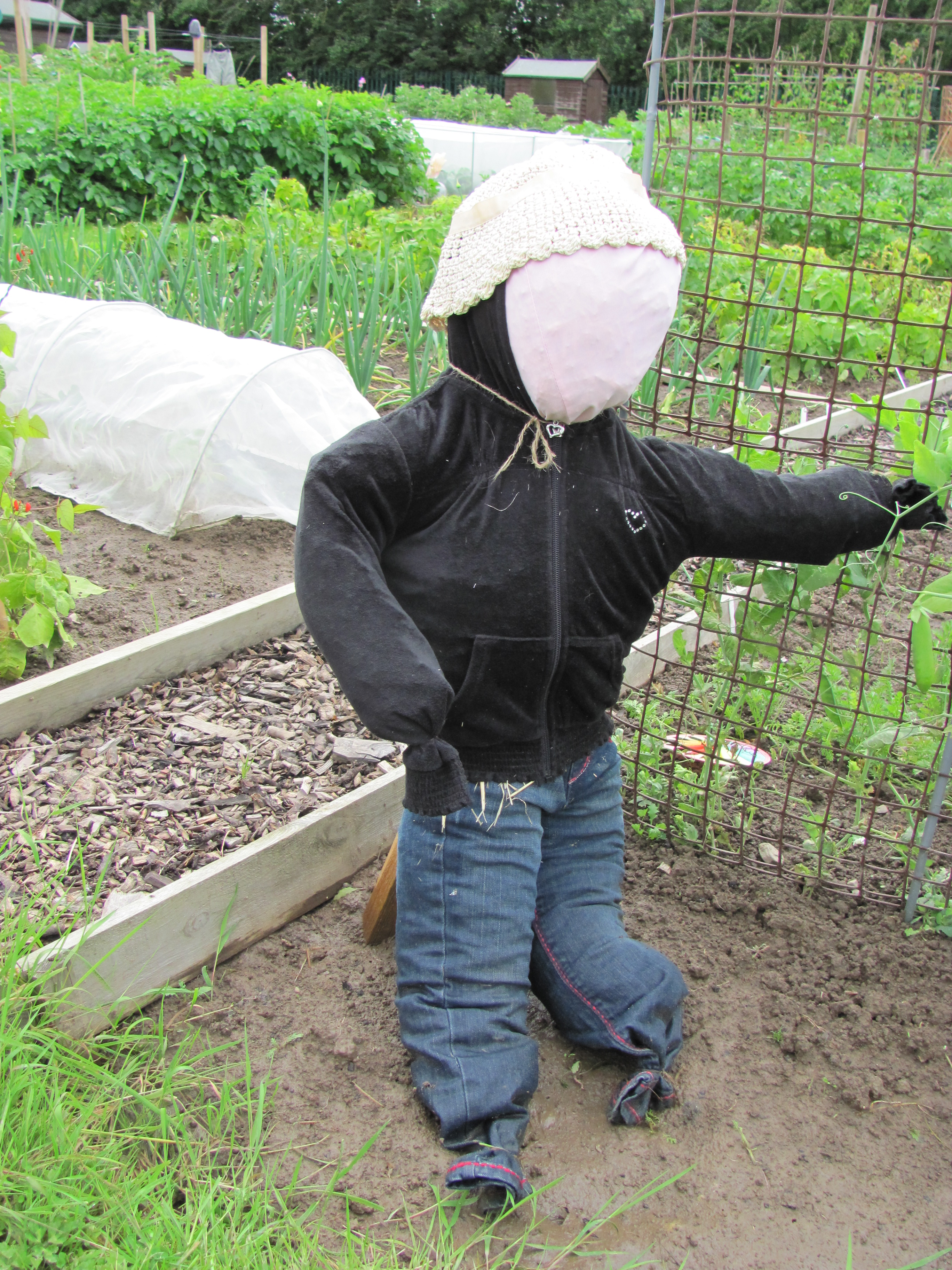
As promised in my recent post about our NGS Open Day this post will be a gallery of photos of some of the scarecrows made by our allotmenteers for our scarecrow competition. Our theme this year was the year’s celebrations, The Olympics and The Queen’s Jubilee. The first is the creation that won the competition. Enjoy the characters!

Categories
bird watching birds community gardening garden design garden photography gardening Land Art outdoor sculpture trees

Willow Features at Bowbrook Allotment Community

At our allotment site, Bowbrook Allotment Community usually known as BAC, we feature willows in several areas of our communal green spaces.

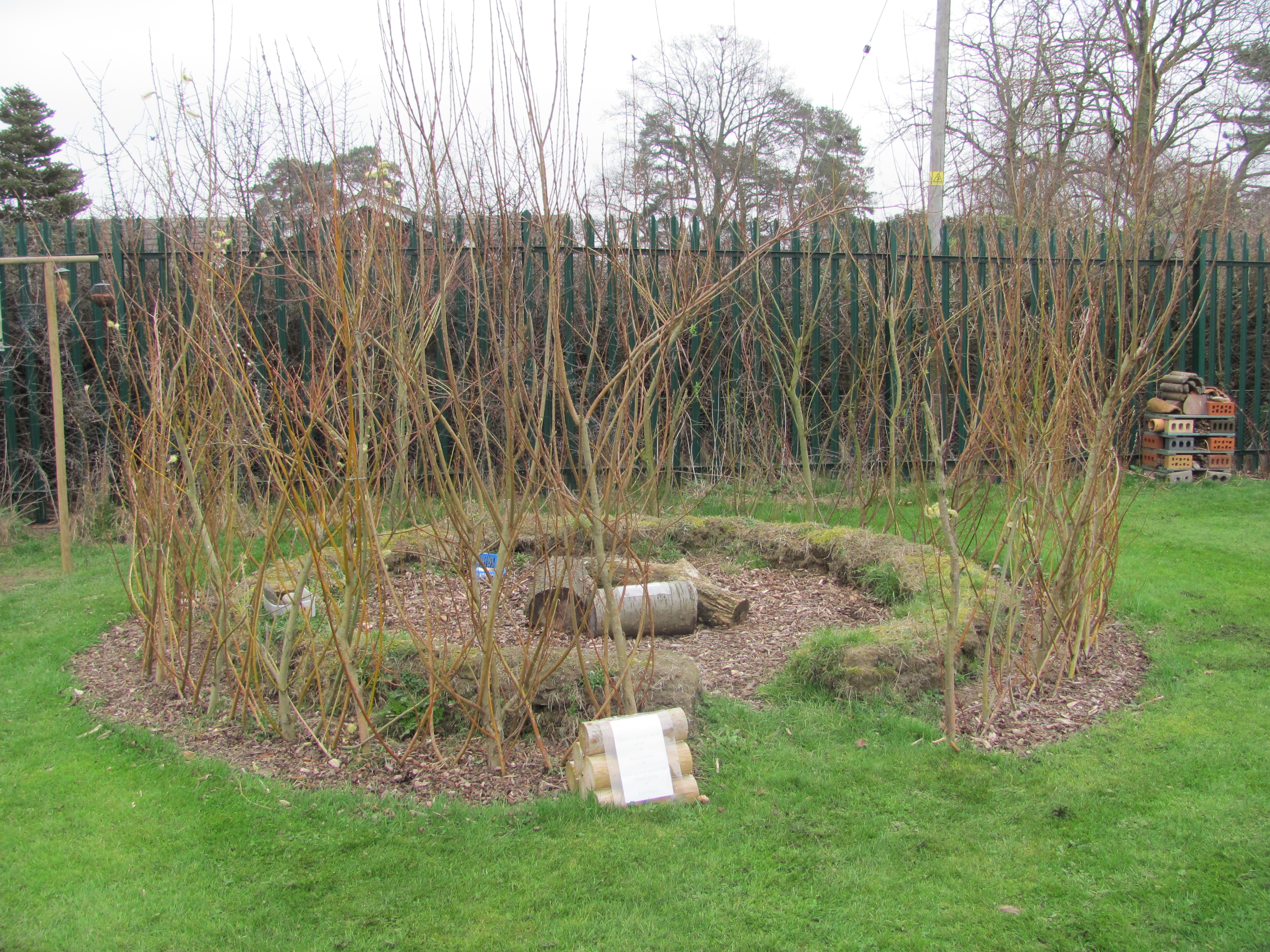
The first to be created was a Willow Dome. Within the dome is a raised turf bench where children sit to have stories read to them and play with toys but the adults tend to use it on sunny days when a little dappled shade is needed as coffee break time arrives. They too enjoy reading books or magazines while resting there. Logs provide extra seats where youngsters can explore trays of rocks and search them for fossils. After two years the sides are getting taller and we wait impatiently for them to be tall enough to pull over, tie together and make our roof.

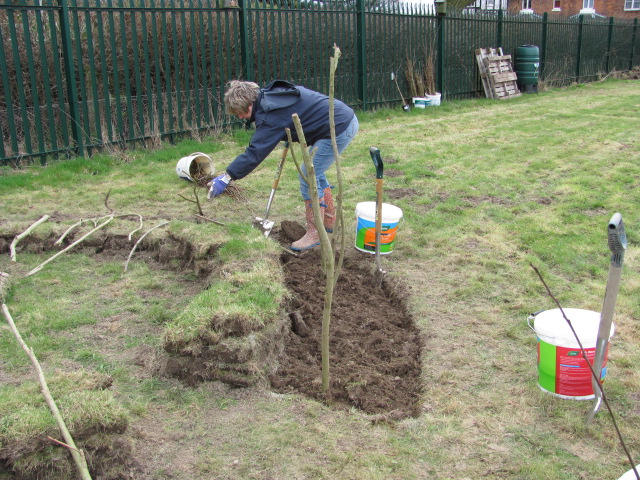
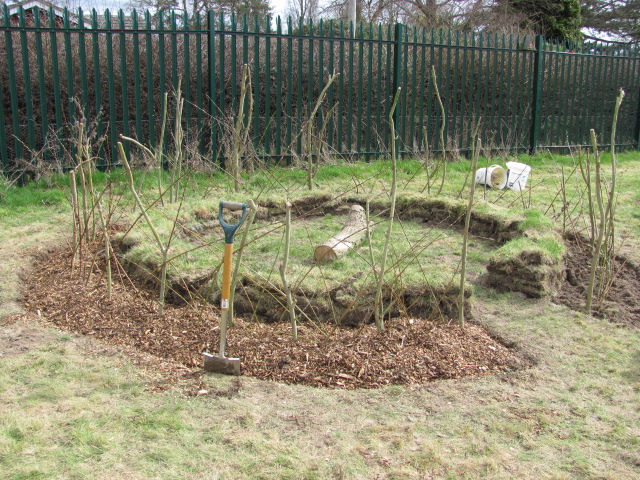
We built the dome just after the site opened and it was the first of the features we created for children. The willow all came from cuttings taken from a willow arbor we had over our bench on our previous allotment, with additional different stem coloured cuttings donated by other plot holders. We created the willow dome during a working party and as we cut out the shape into which we would plant the willows we turned over the turfs to start the raised seating.

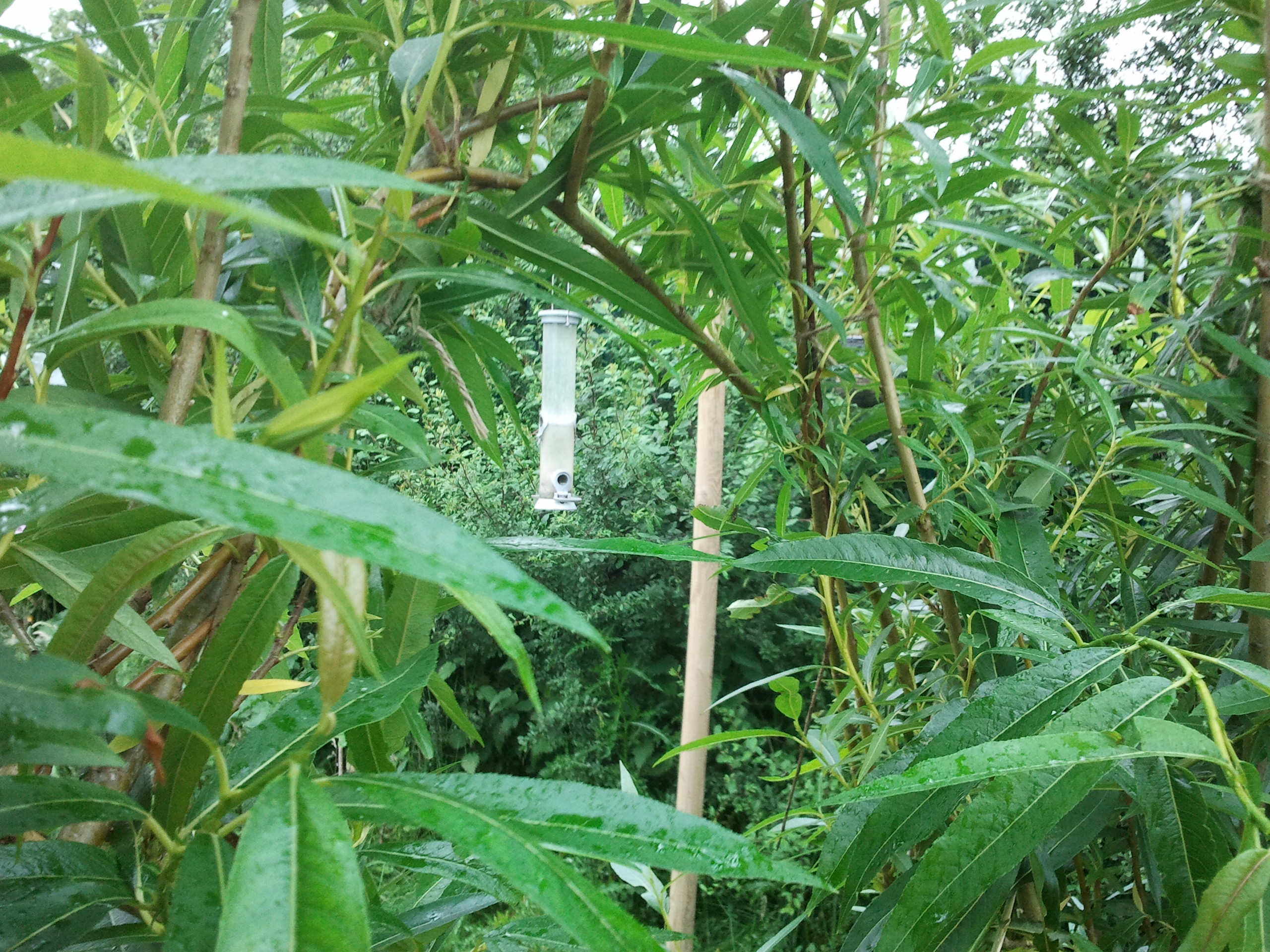
The willow at the entrance has now grown enough to arch over into a doorway just right for children to enter through but adults need to bend down to do so. As the willow it is woven in to shape which strengthens it. We have created windows within the willow wall giving different views. The first photo shows the window that lets children watch birds on the feeders so the dome acts as a living bird hide as well, and the second shows the window with a view into the “Fruit Avenue”.

And here are some photos we took as we were creating the dome, showing “The Undergardener” in busy mode and a few as it developed later.

We then had requests to create a willow structure on the other side of the site,  so I designed a new area featuring a Willow Tunnel. We made the tunnel just tall enough for adults to walk through but quite narrow, so that it felt enclosed for children exploring it. As this part of our site is wetter the willow has grown much more quickly so already the tunnel shape has been formed.

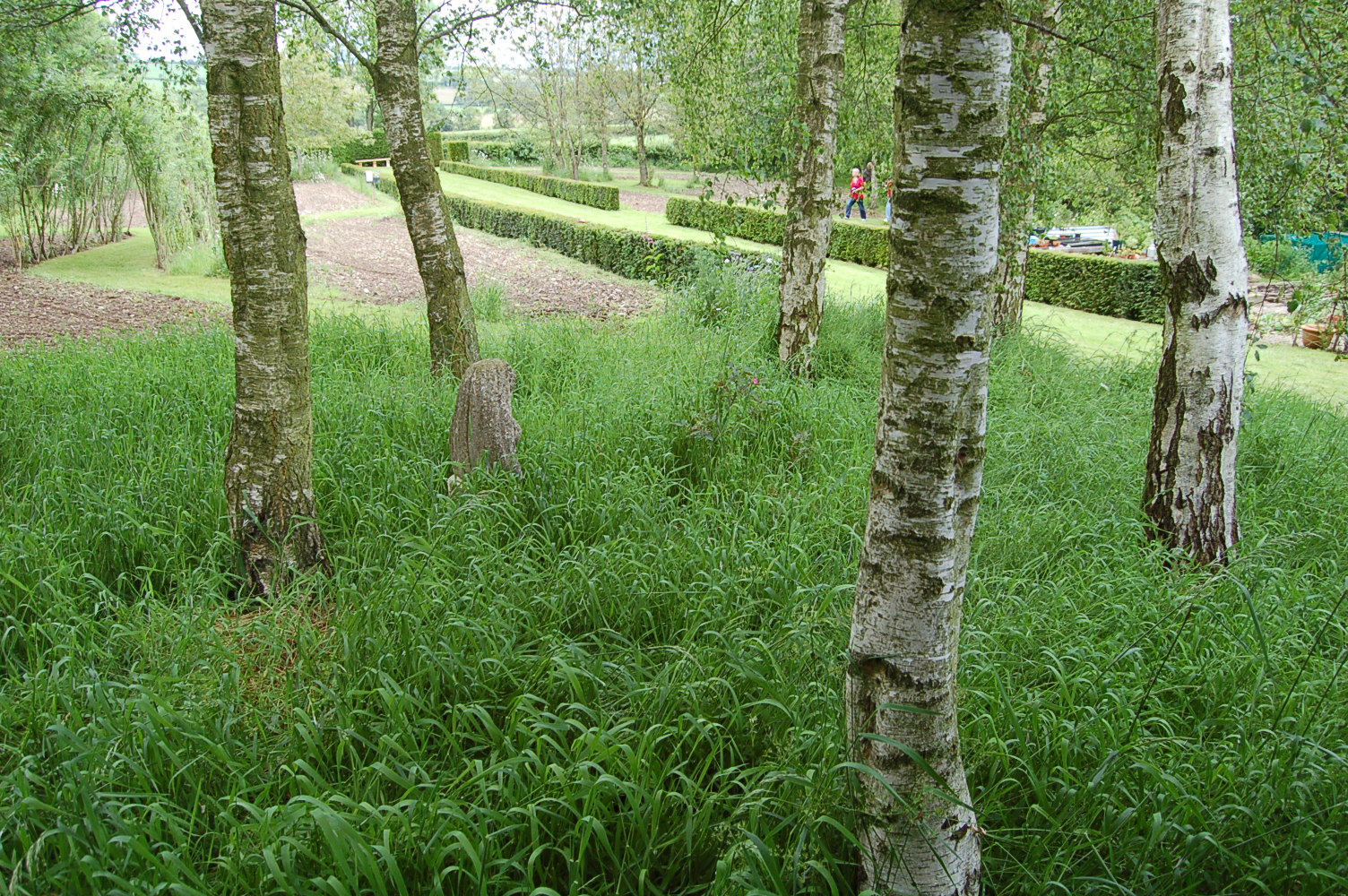
Later we placed a picnic bench close by and surrounded it with a circle of five different varieties of birch, with varying leaf colour and shape and trunks with equally varied colours and textures. So now we can walk through the willow tunnel and discover a bench to sit on and enjoy the shade of our birch grove.

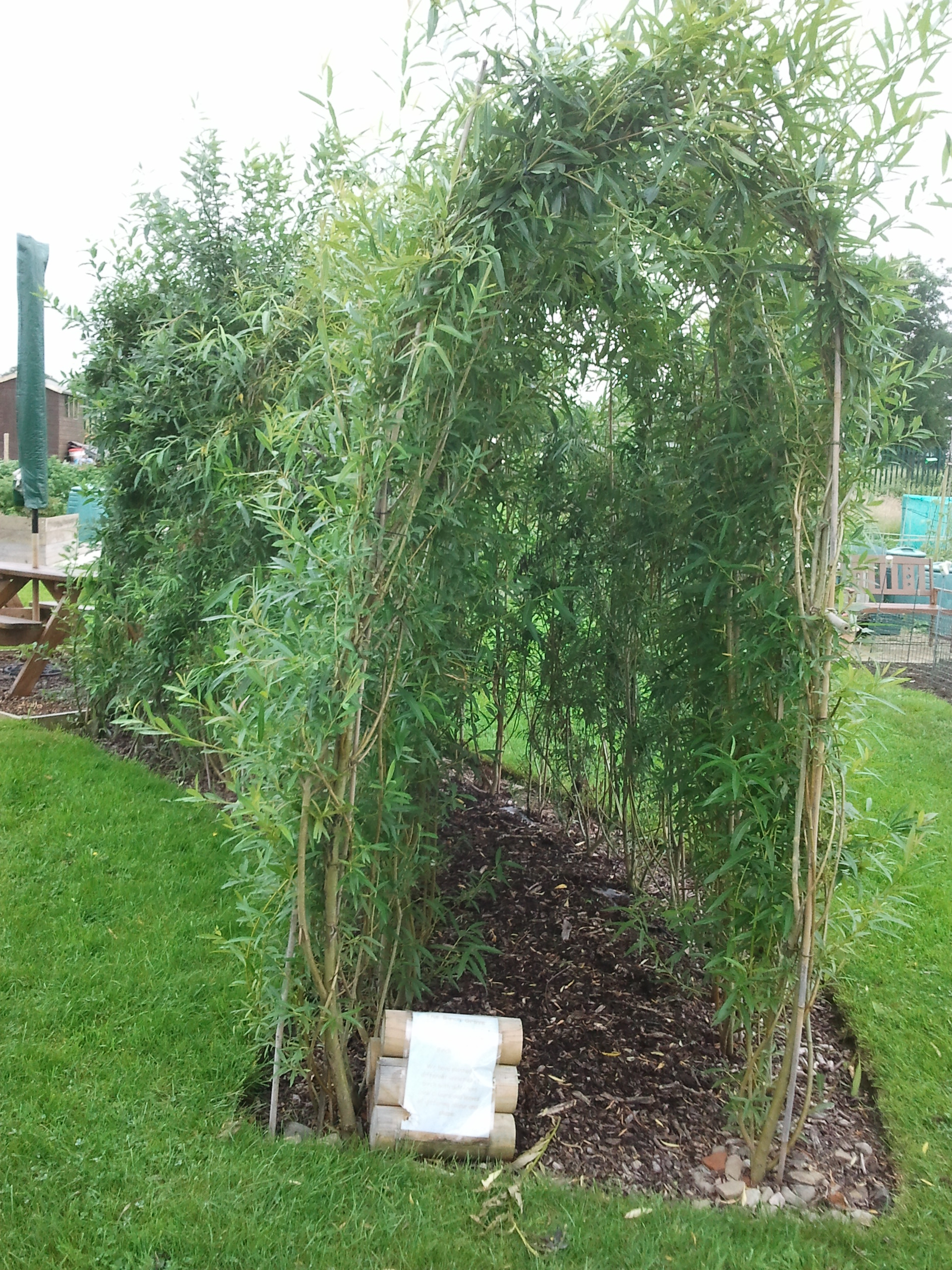
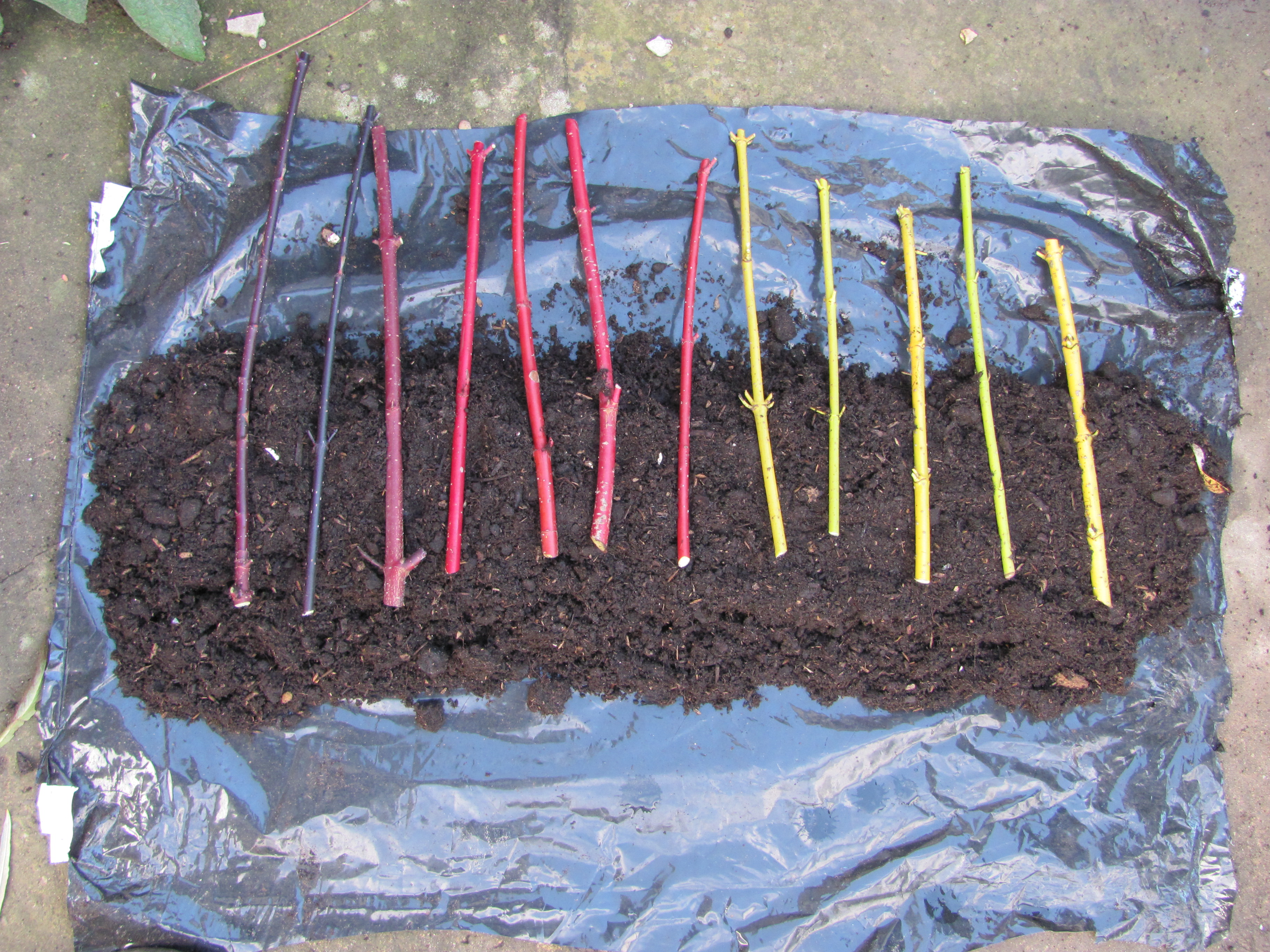
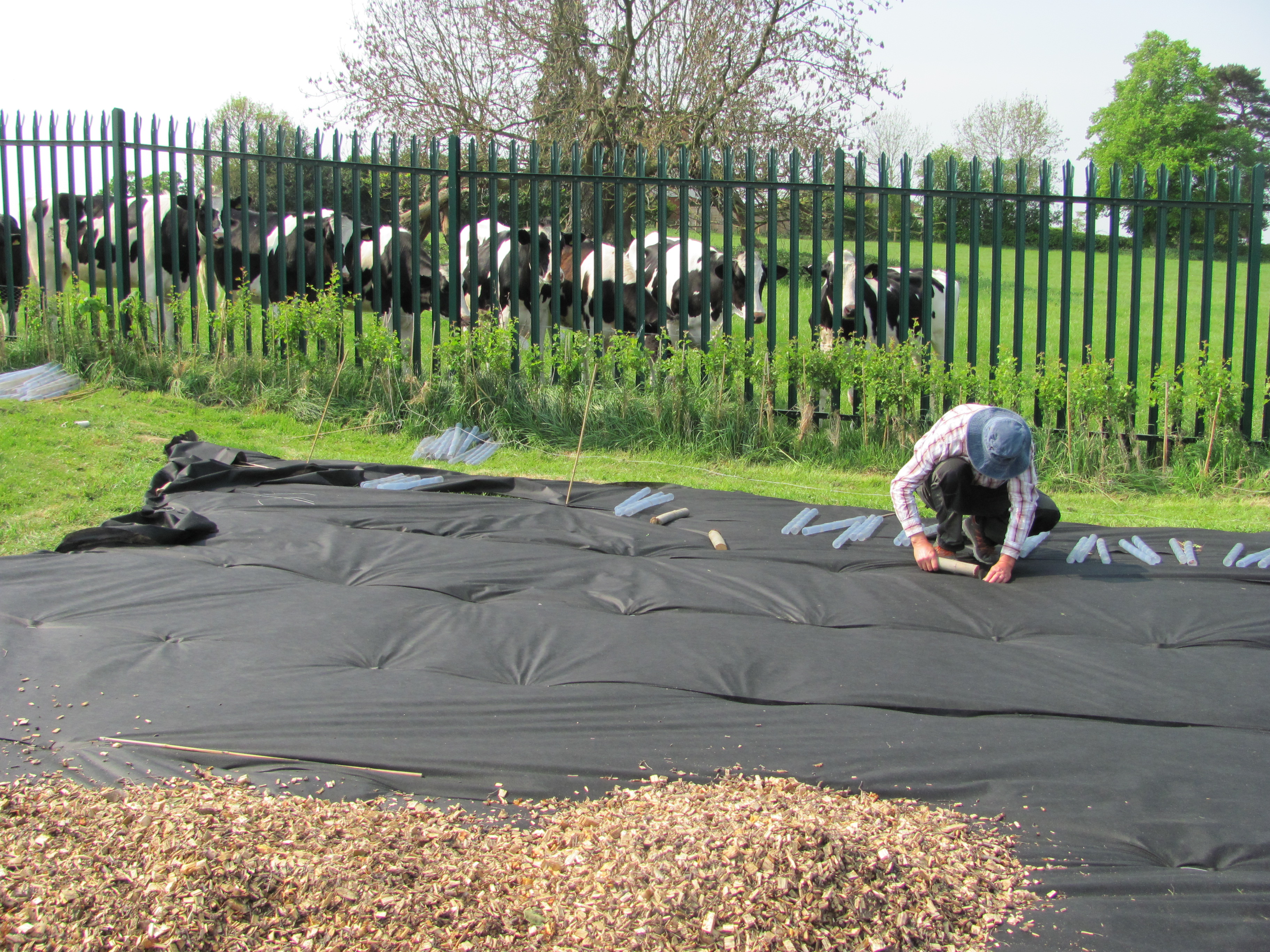
The third feature is all willow – a Withy Bed. Here we grow 17 different varieties of Salix, varying in stem colour from yellow and orange to deep green and black. We planted them as short cuttings, about a foot in length, known as “rods”. We planted the rods in the dampest area of the site which the willows would enjoy but we also hoped it would help reduce some of the winter flooding on the plots at this end of the site and act as a wind break. Eventually we hope to coppice some of the willows and pollard others to provide plant supports when cut. The willows are still young and small but we hope that soon we will be able to start harvesting them.

The following photos show the willow rods as they were delivered and Pete busy working on the withy bed creation.

As this year has been so wet and therefore loved by willows we hope to see massive growth on all these features. It is difficult to know whether we should classify these features as “land art” or “garden sculpture” – whatever they are, they are fun places!

Categories
allotments community gardening conservation drought fruit and veg gardening grow your own Shropshire

Our Wise Watering Campaign

On our allotment site this year the management committee are running a Wise Watering Campaign, with the aim of reducing the amount of water used by plot holders. We were ashamed to hear that our site uses more water than any other in Shrewsbury. When we looked into the situation we were amazed that only 18 of the 68 plots had guttering and water butts attached to their sheds to catch rainwater run-off. Many plot holders turned to their hose pipes too readily to water their crops. Something had to be done.

We had already fixed guttering, downpipes and butts to our communal buildings and we use this captured rain to water our communal gardens, so we began our campaign by encouraging members to follow that example. Jude, Mrs Greenbench aka the Undergardener, in her role as secretary to the committee has been trying to source grant money to help purchase more water butts. Amazingly our local water board did not even bother replying, but there are still a few irons in the fire.

I was asked to write an article for our newsletter, “Dig It!”, giving advice on how to water efficiently and a summary was sent to all plot holders. I wrote a much extended more detailed article which I posted on the allotments’ website. (see www.bowbrookallotments.co.uk and click on “Wise Watering”)

Our initial emphasis has been on using watering cans instead of hoses and encouraging members to add guttering and water butts to their sheds.

I thought I would give a few ideas here too, for your interest and wondered if anyone had any further ideas that we could use.

I emphasised the importance of improving soil quality and adding humus and fibrous material, which would help moisture retention after rain or watering, and allow the plants to take up moisture efficiently. We sell municipal compost and farmyard manure on site.
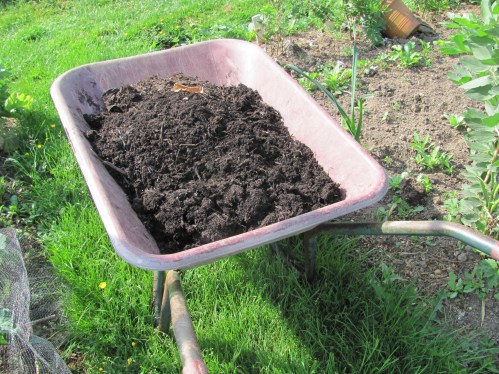
The best time to add manure is in late autumn or early winter and for compost early spring. I suggested also that compost should be used as a mulch after periods of rain to hold this natural moisture in.

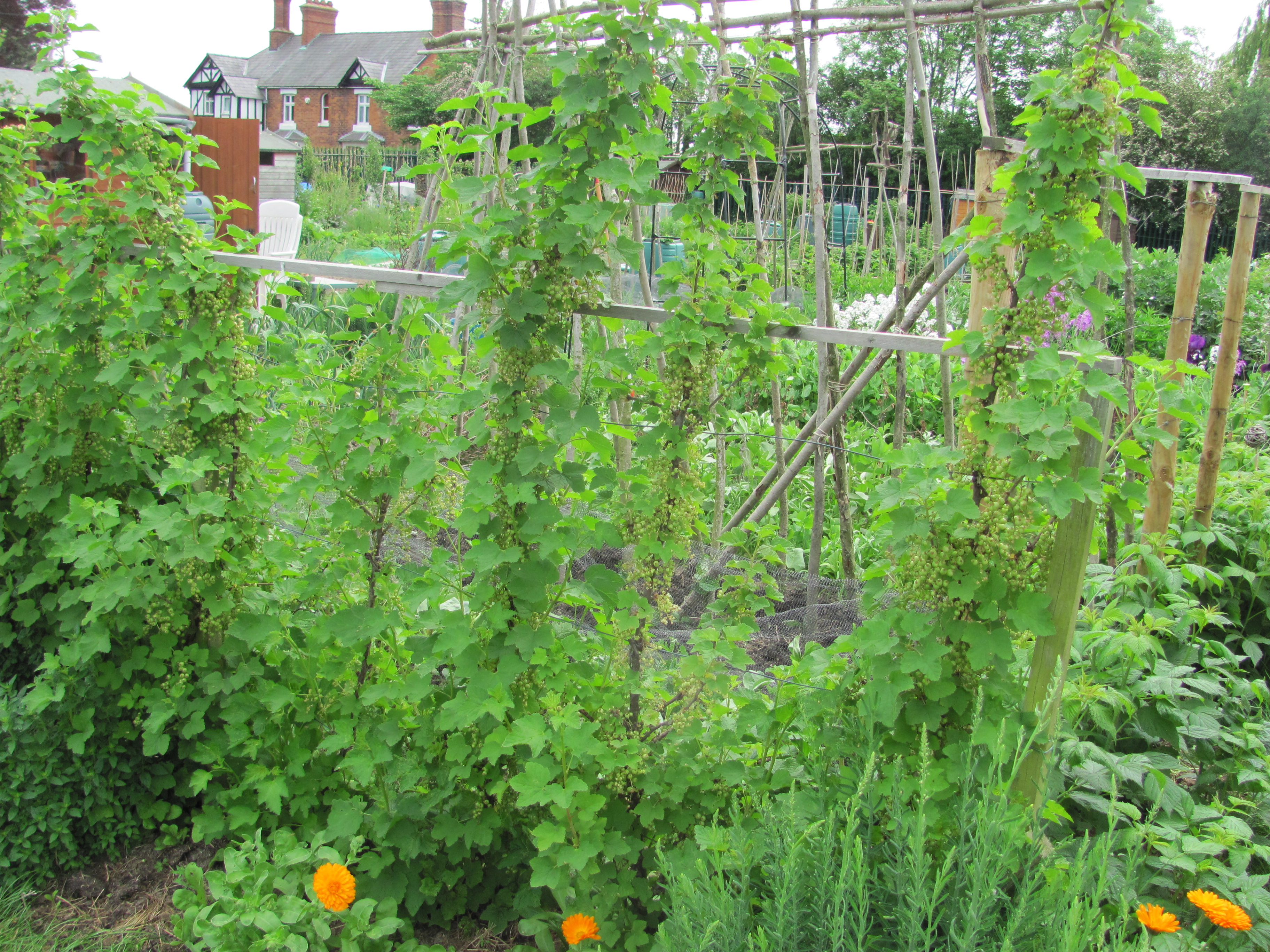
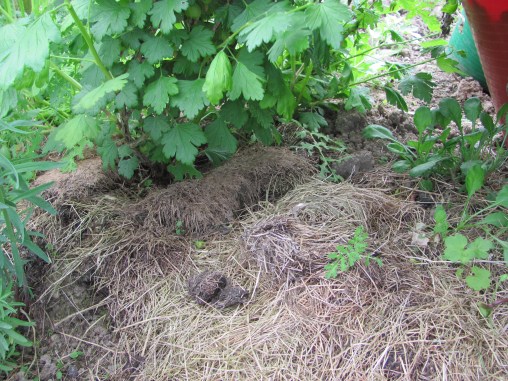
Mulching under fruit bushes is always useful as a lot of moisture is needed in the production of fruit. Old straw, hay or farmyard manure when added as a mulch will also slowly break down and feed the plants as well as improve soil texture.
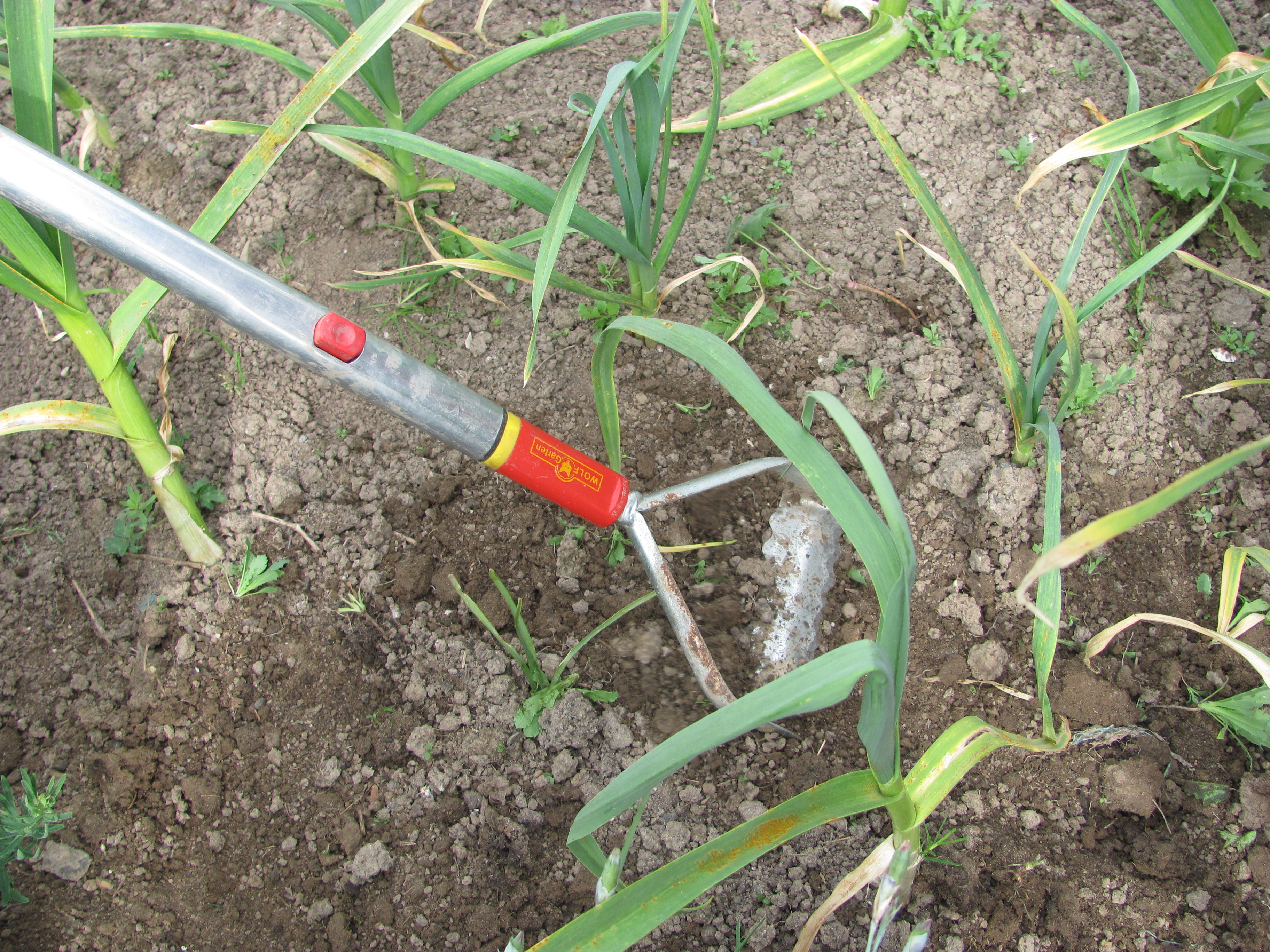
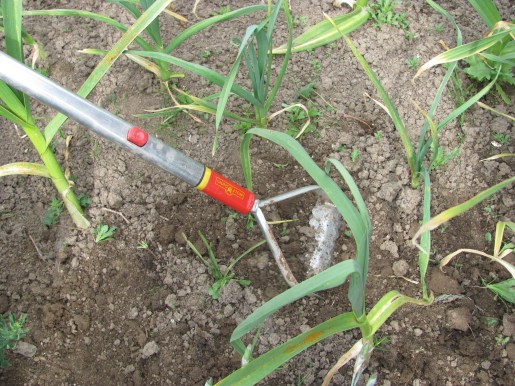
Another important way of managing the watering of your plot is to ensure it is always free of weed material. Weeds will use up moisture that would otherwise be available to crops. Using a hoe regularly is the best method to employ as keeping the surface loose helps rainwater get below the surface.
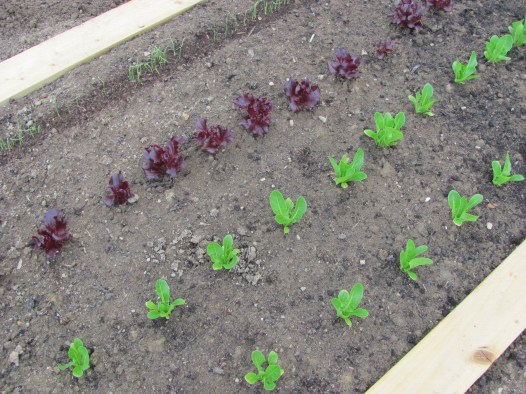
Growing your fruit trees as cordons on the windward side of your plot cuts down on evaporation. Alternatives are flower borders or a row of root artichokes.
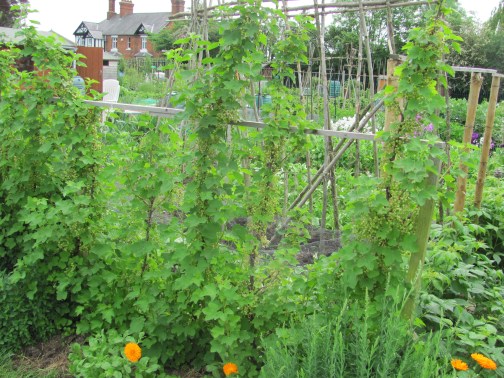
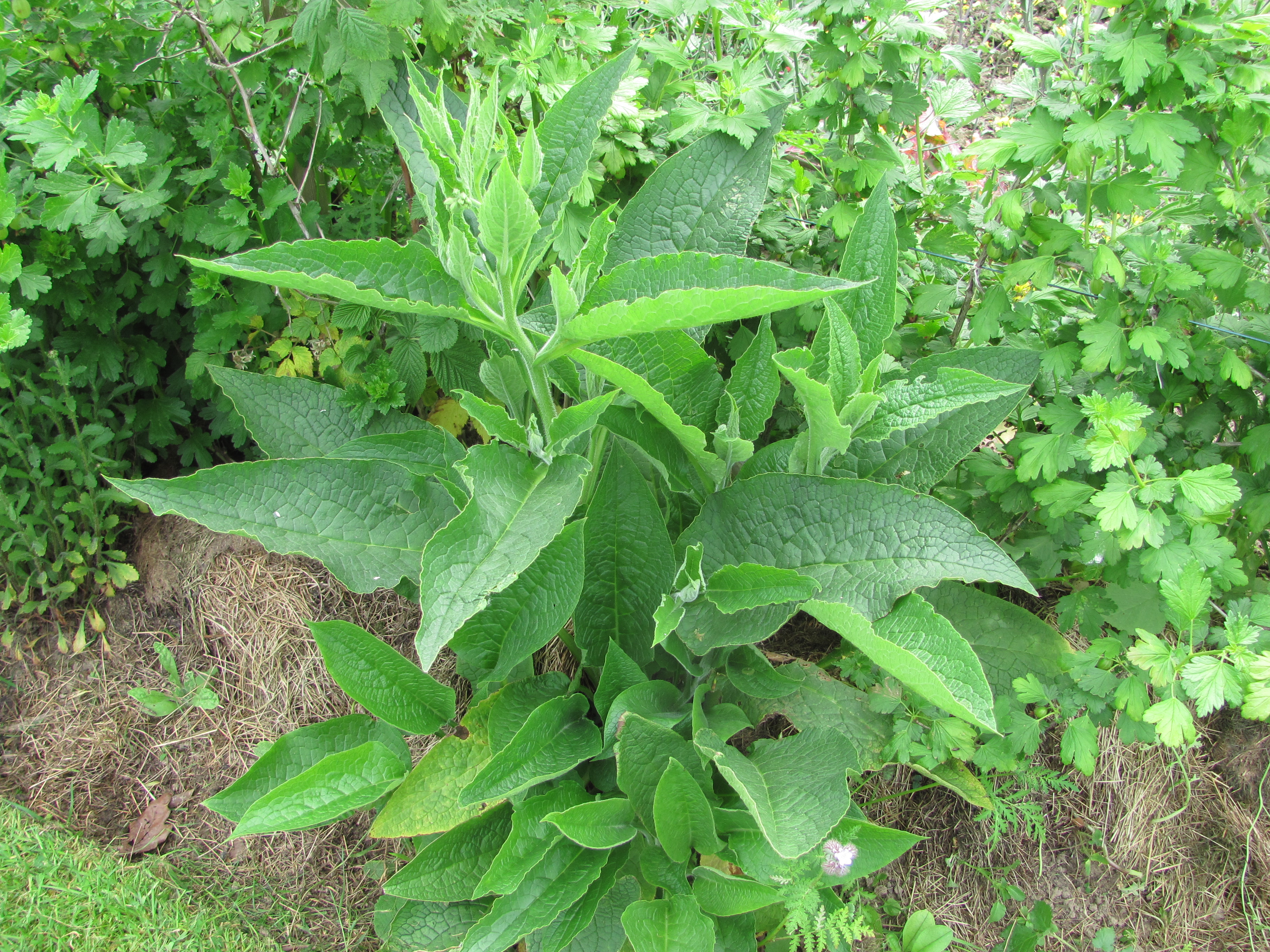
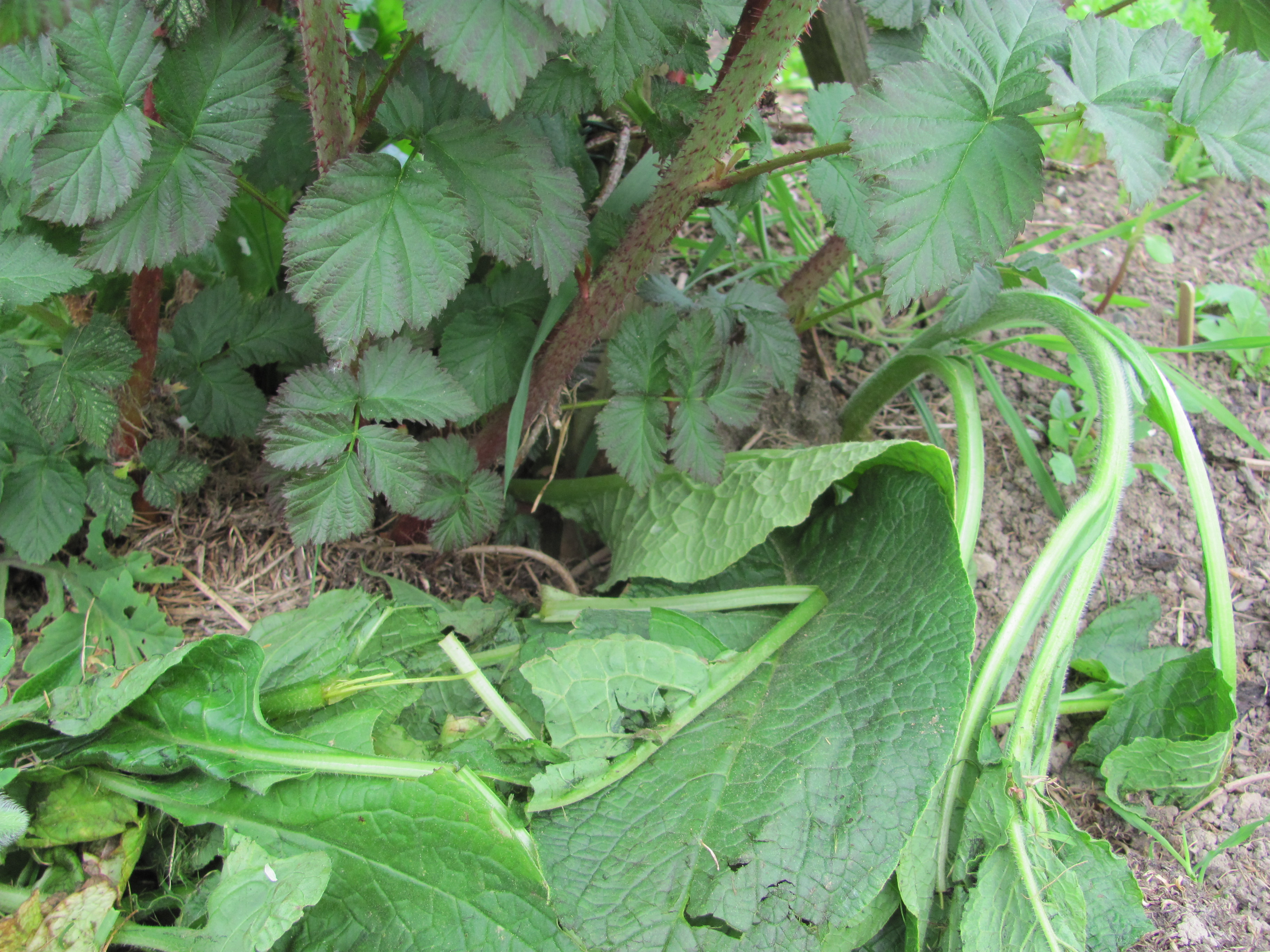
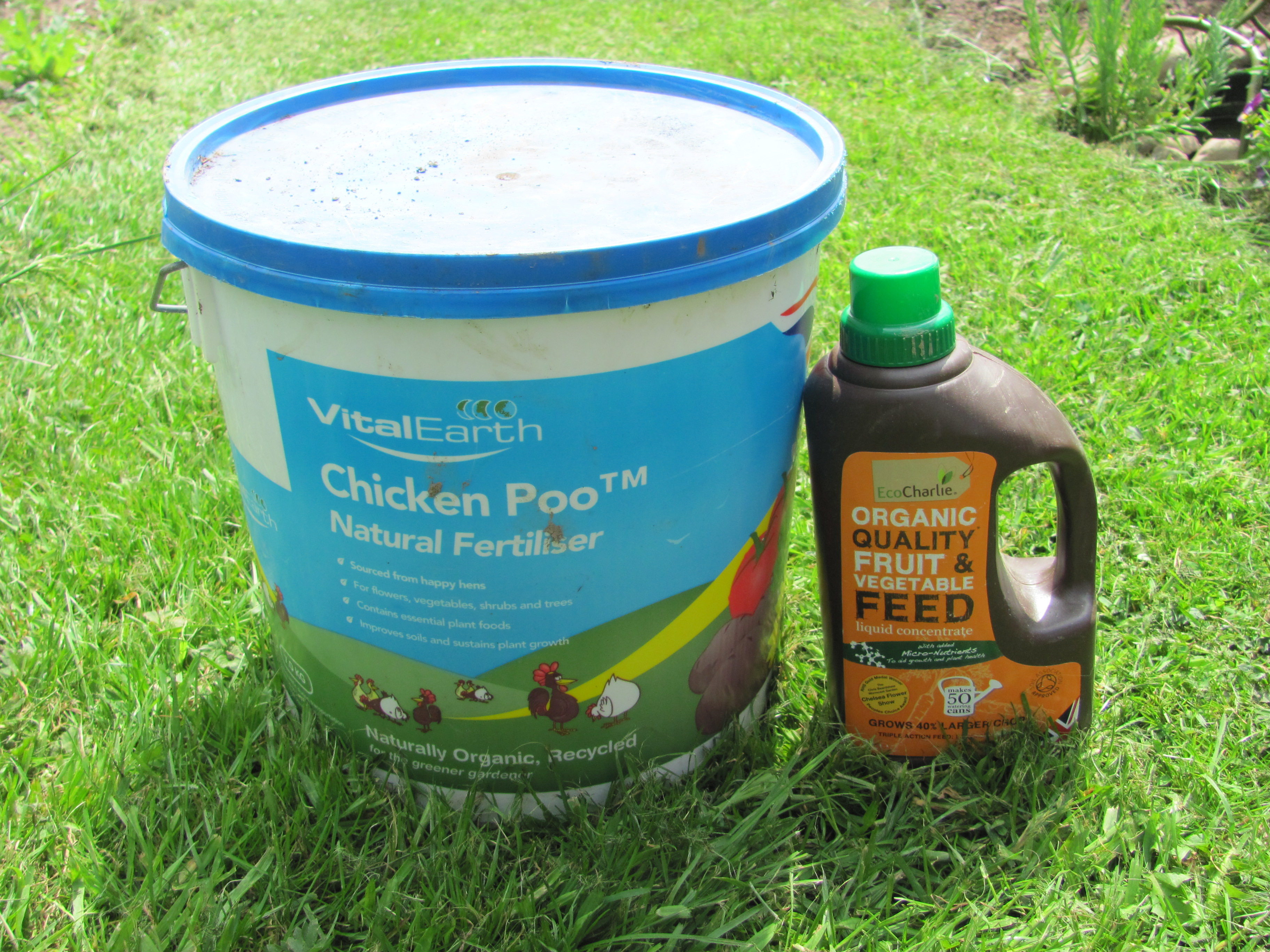
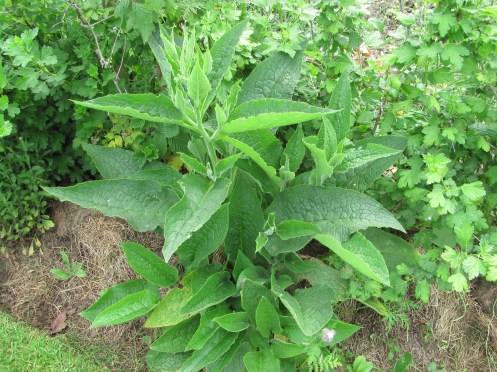
Strong, healthy plants will survive dry periods better and newly planted quality plants will establish without regular bouts of watering. To ensure plants are as healthy as possible feed them with natural, organic feeds rather than chemical based fertilisers. Growing your own fertilisers is even possible. Comfrey can be grown and regularly cut, soaking the leaves and stems in water for a few weeks produces a free and effective feed when watered down to the colour of weak tea. The leaves can also be utilised as a mulch placed directly below fruit trees and bushes.
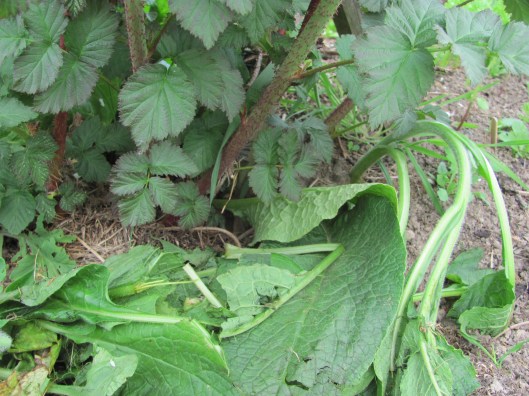
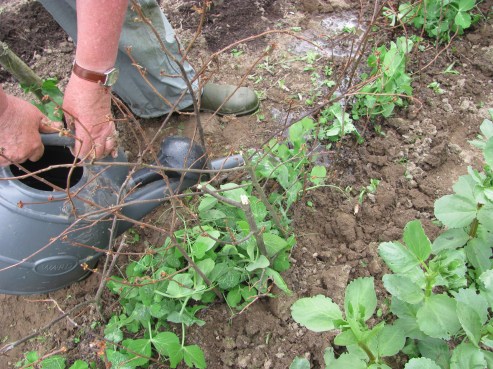
The way the plants are watered is also an important factor in determining how much water is used. Watering with a hose all around rows of plants is wasteful as most of the water lands on the bare soil and not where plants can use it. To ensure that plants can take up and use as much water as possible, it is best to water from a can without a rose and direct the flow of water towards the base of the plants.
When your potatoes need earthing up, add a layer of fresh grass cuttings before the soil as this will help retain moisture as the potatoes are forming.
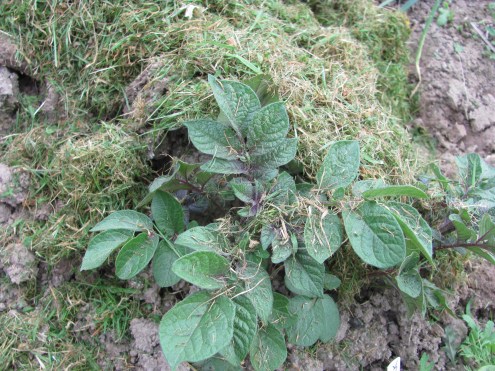
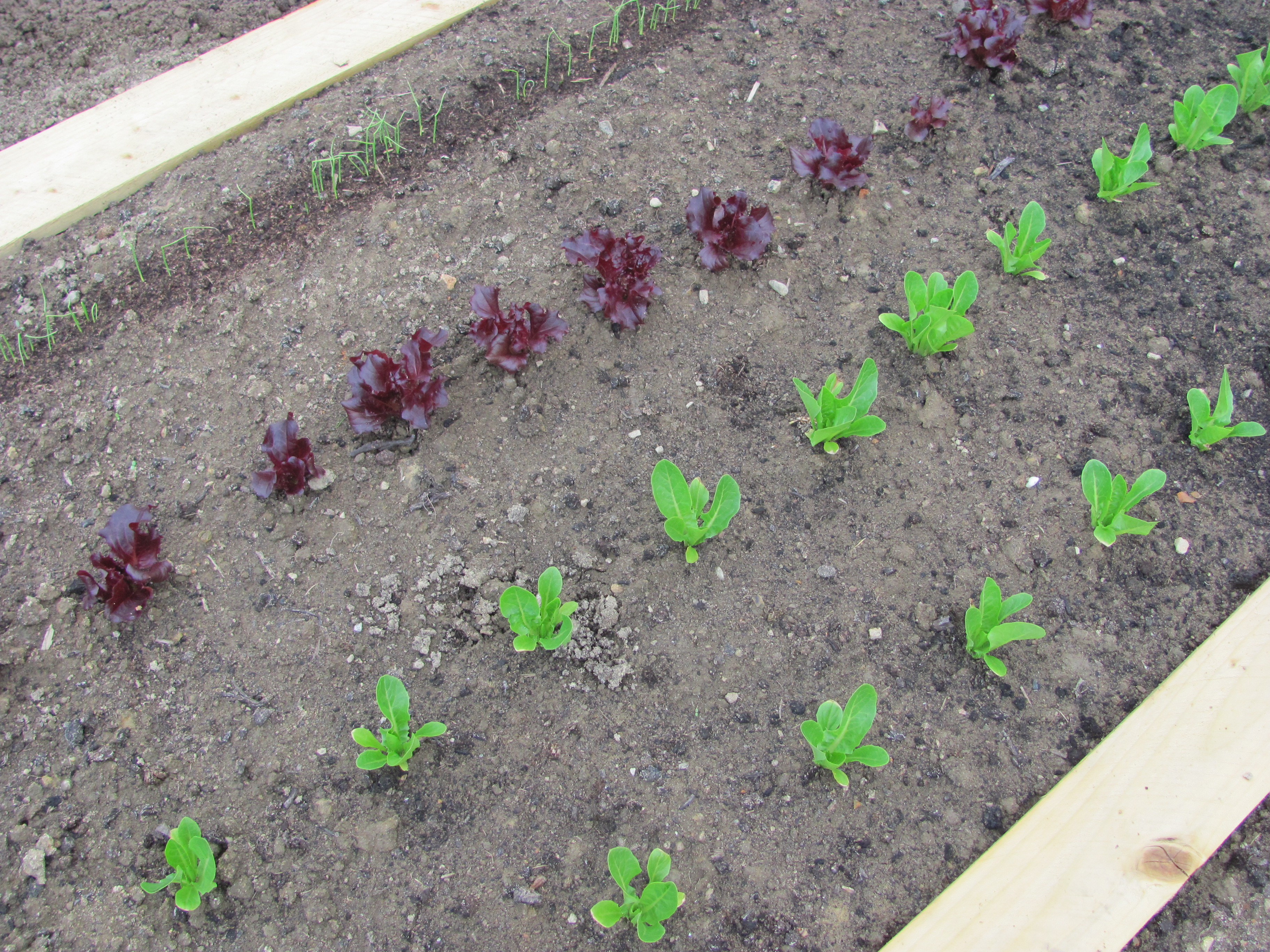
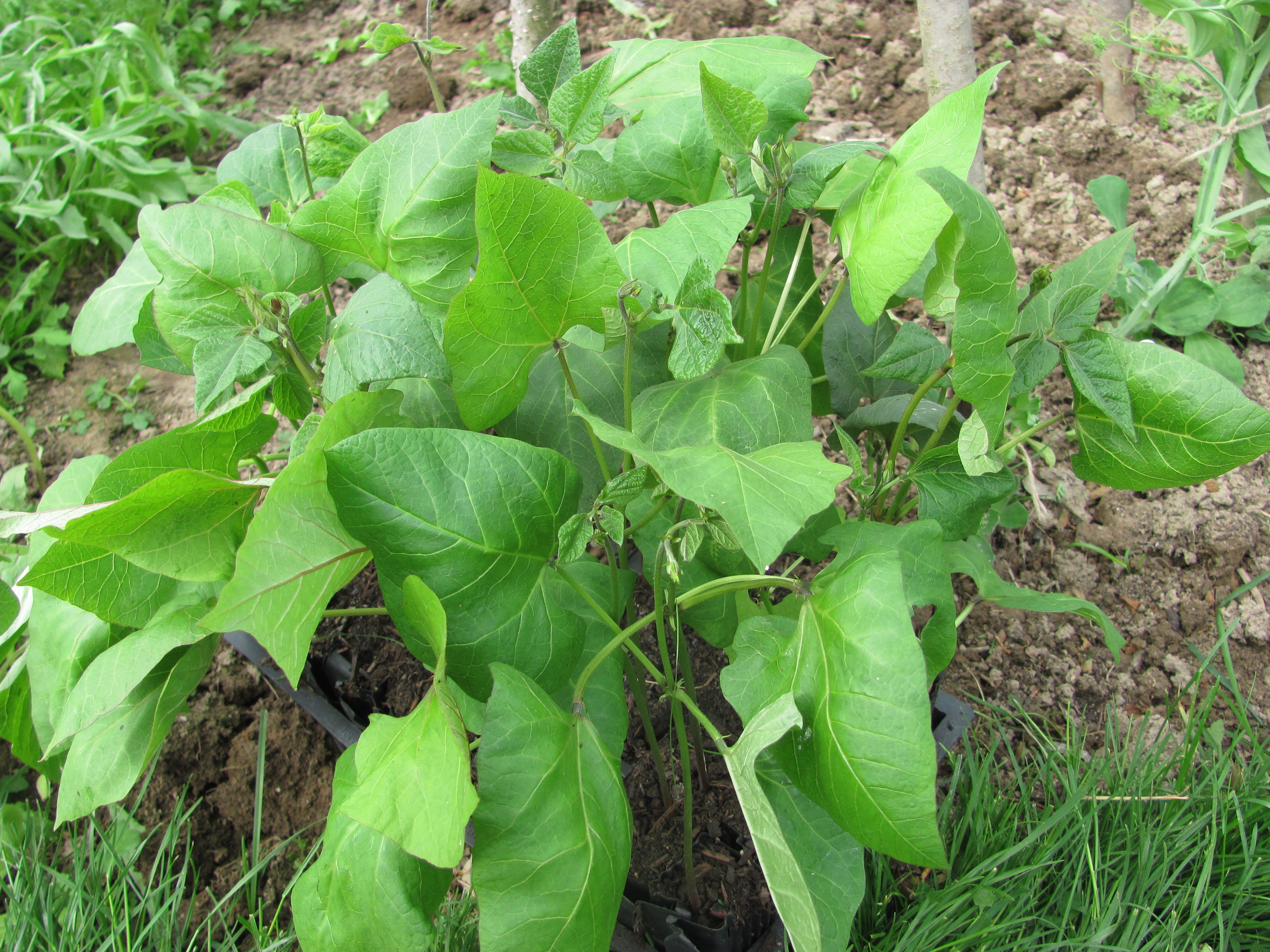
I tried to work out the most water-efficient way of planting out our vegetable plants and used runner beans as an example. The first point is to ensure your plants are strong and healthy.
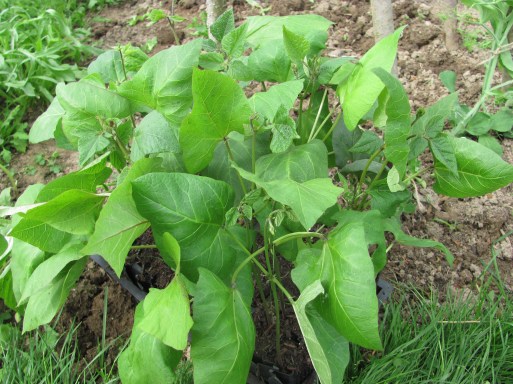
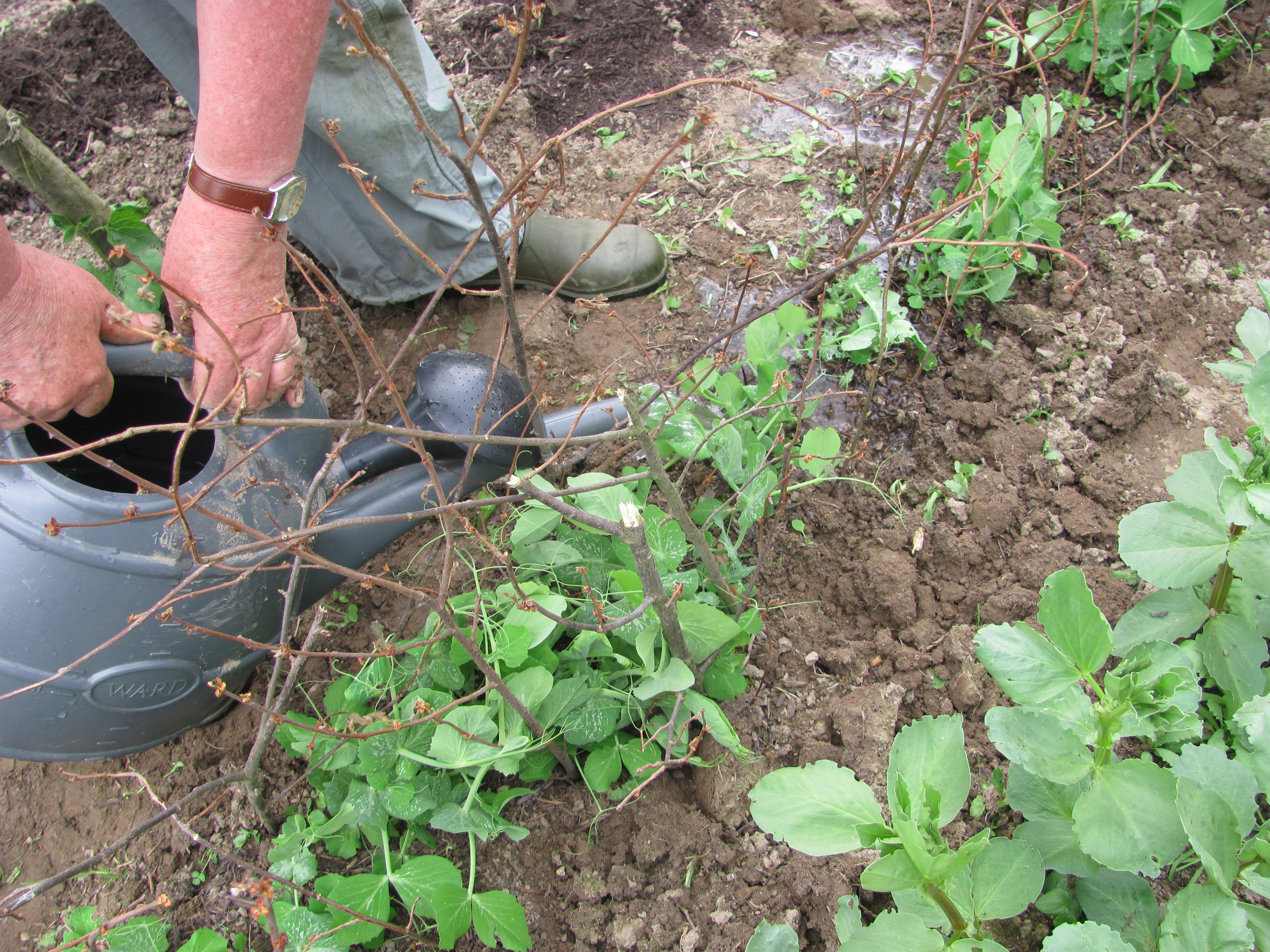
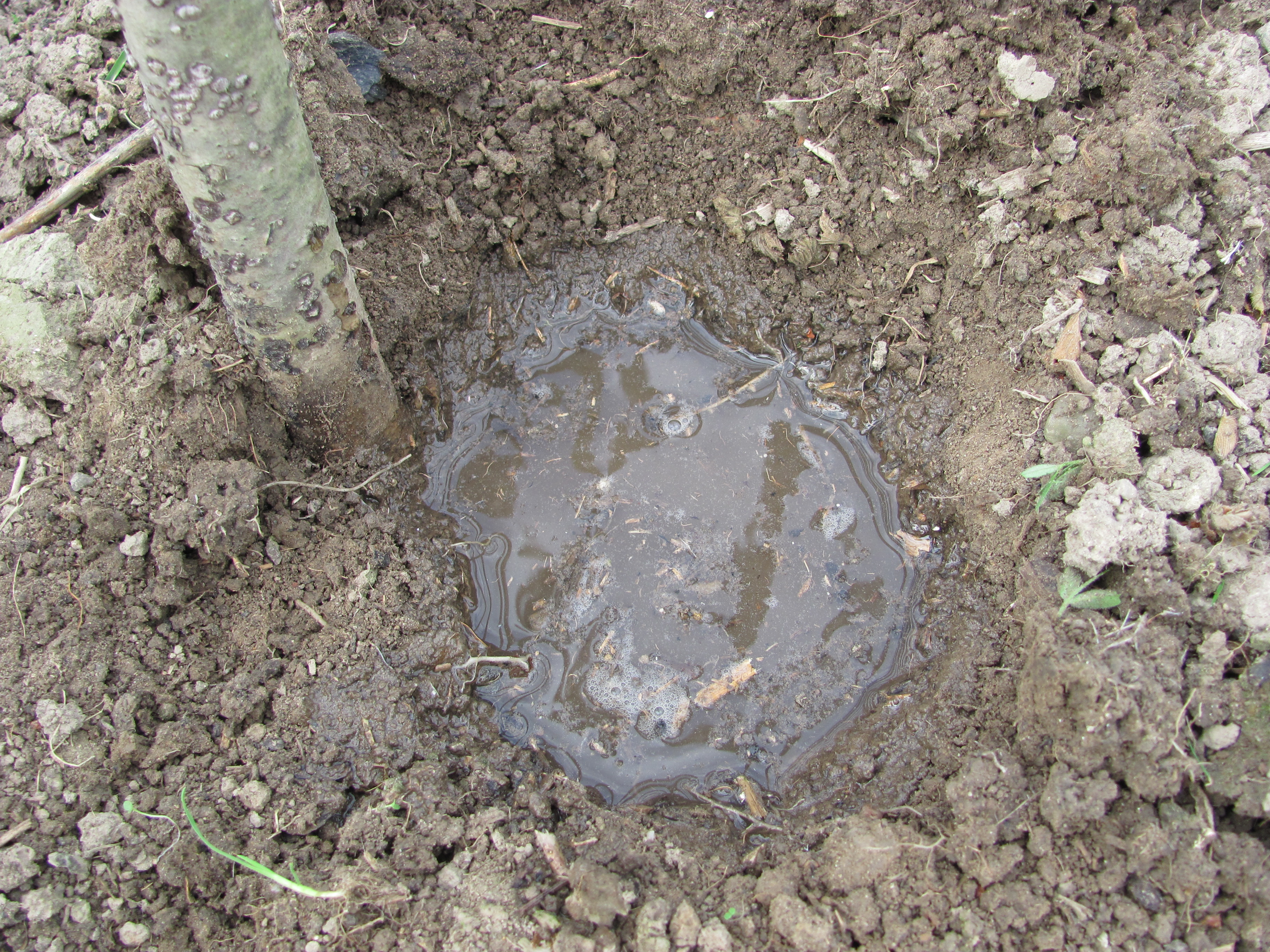
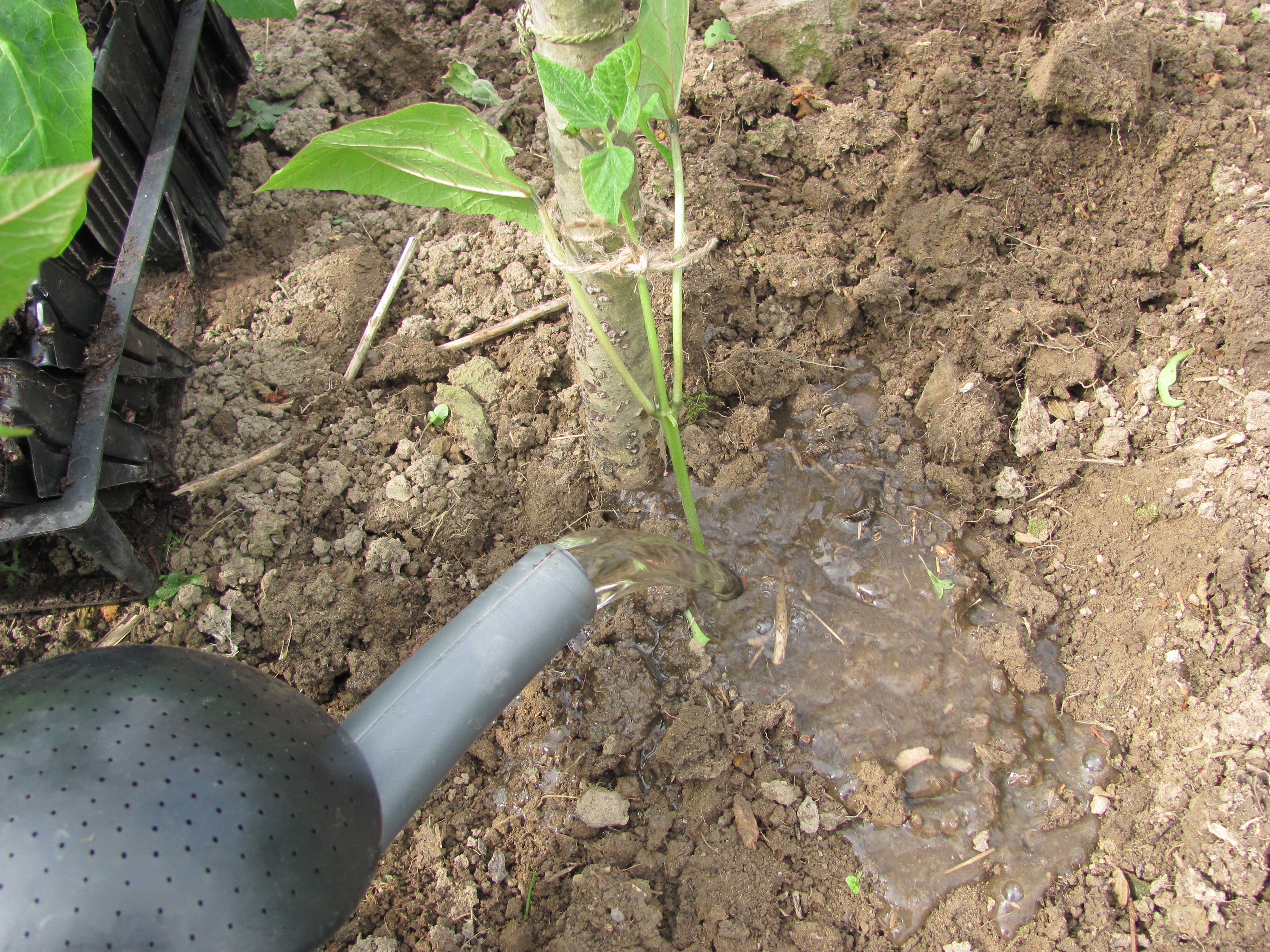
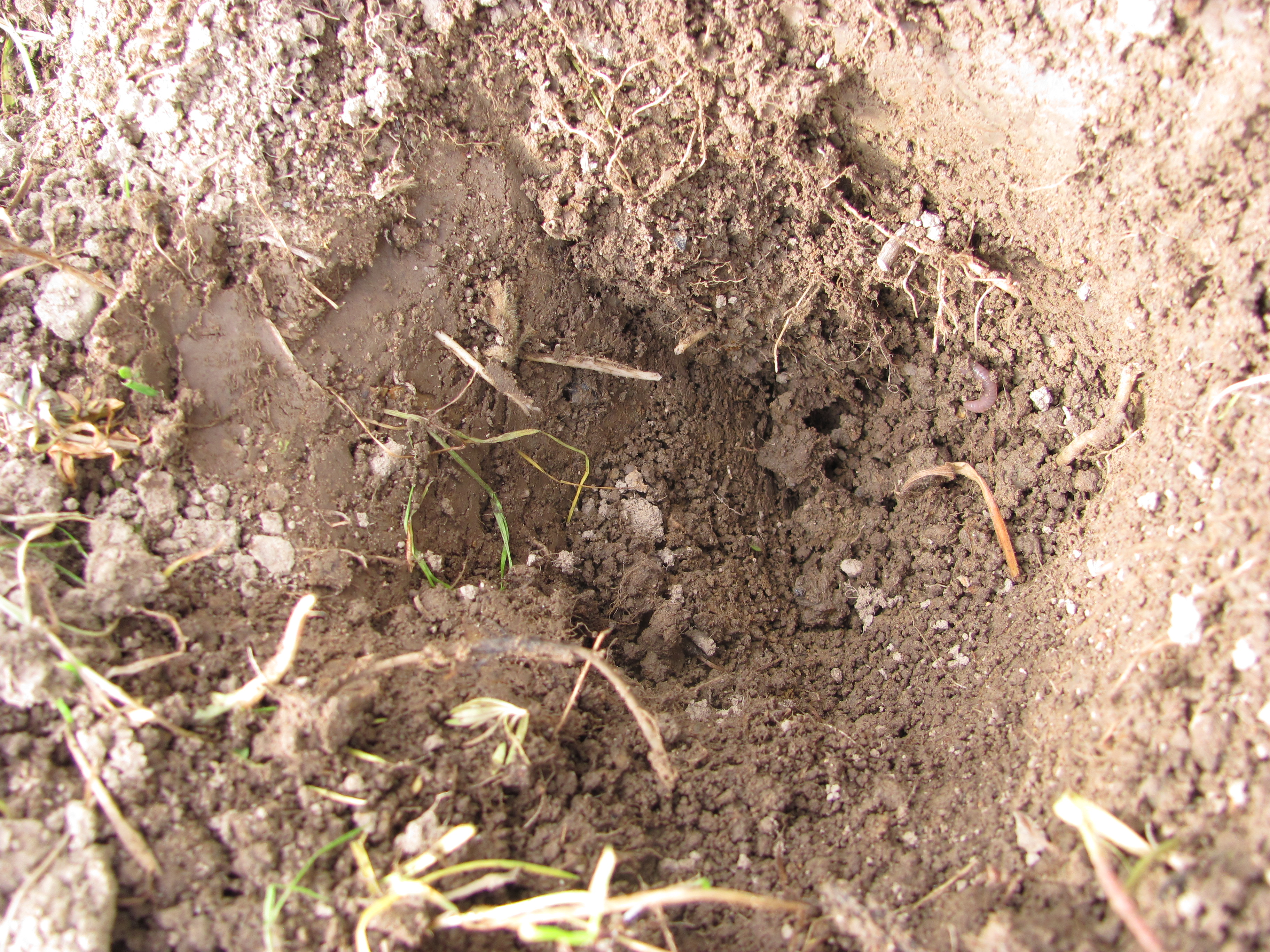
Take out your planting hole and fill with water from a watering can – I also add some comfrey feed to this. Let the water drain away and repeat the process.

Place the plant in the hole and water yet again after firming soil back in around it.

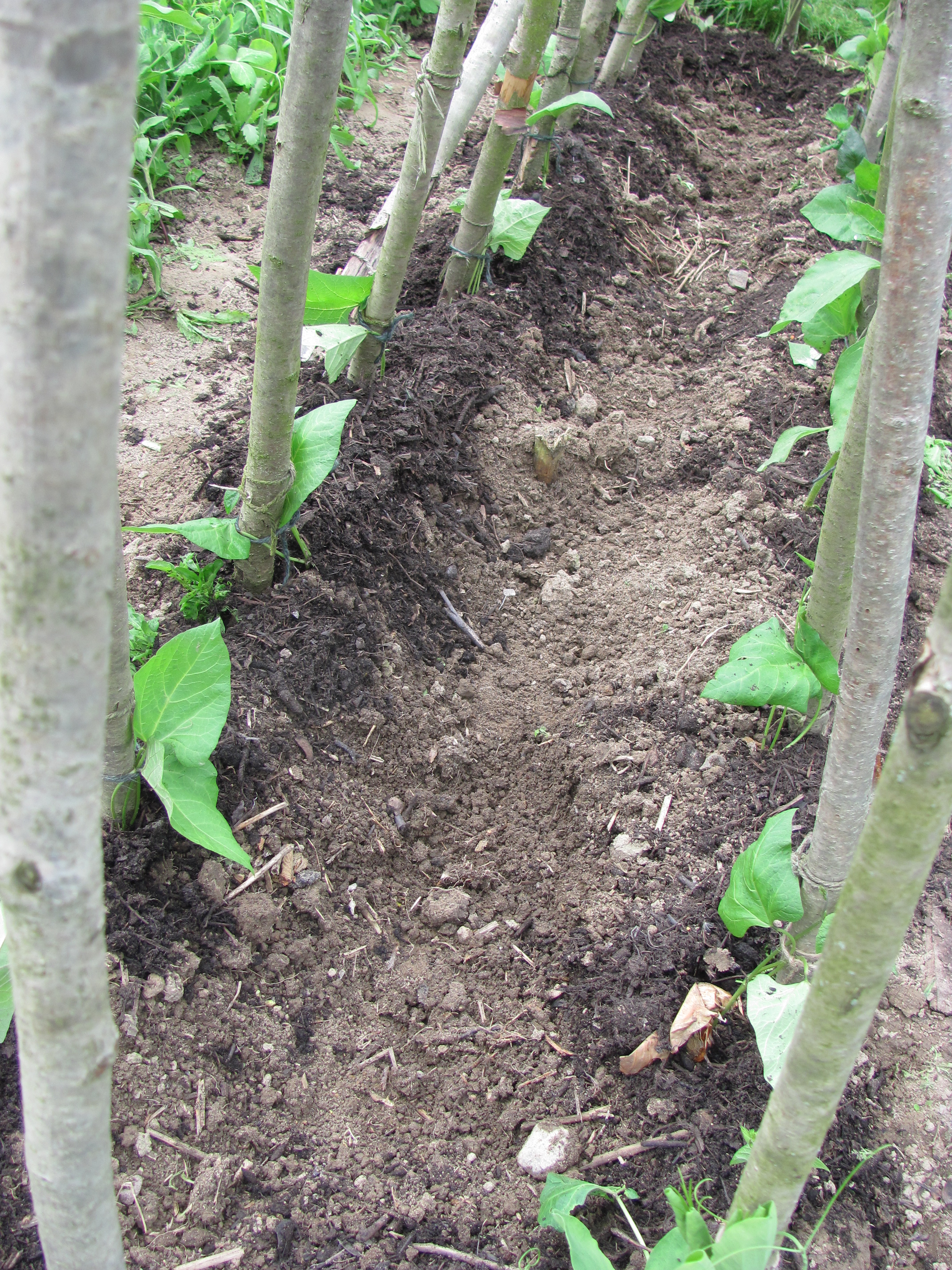
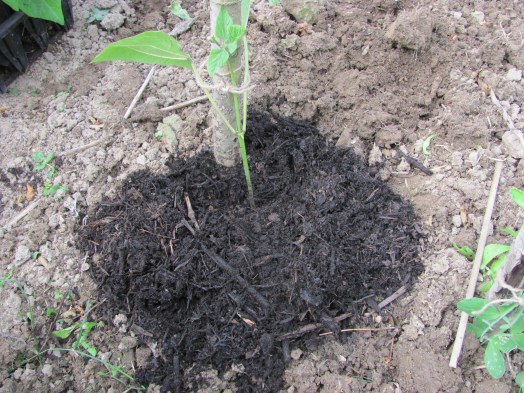
Add a good layer (at least 2 inches deep) of compost to keep the moisture in as the plant establishes. This helps the plants settle in as it is getting its roots down.
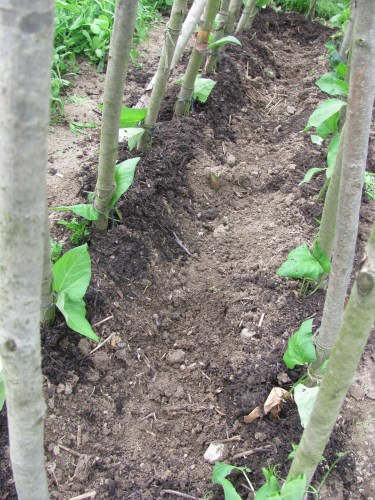
Form a trench alongside the row of plants to collect any rainfall and direct it towards the plants.
Before you decide to water your plants take out a trowel depth of soil close to your plants and see if it is moist below the surface. If it is then do not water. This water in the soil down to about 6 inches is the moisture that plants will be using. Conversely if you water the surface it will just attract roots upwards to search for it. Remember then that watering over the soil surface with a hose will make plants shallow rooting.
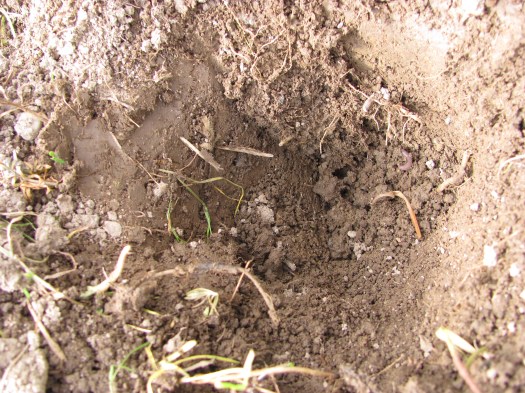
There are lots more ideas on the website. In this year of drought following last year’s almost desert levels of rain, our water table in this part of Shropshire around the allotments is about 2 feet lower than it should be so however much rain there appears to be falling we need lots more.

I would love to hear of more ideas that I can share with our allotmenteers!
This Veggie Life

A Vegetarian | Nature Lifestyle Blog

Rambling in the Garden

.....and nurturing my soul

The Arch City Gardener

Journeys In St. Louis Gardening and Beyond

Garden Dreaming at Châtillon

Consult the genius of the place

Storyshucker

A blog full of humorous and poignant observations.

gardeninacity

Notes from a wildlife-friendly cottage garden

PlayGroundology

...an emerging social science

The Official Blog of British Wildlife

'The most important and informative publication on wildlife of our times' - The Independent. This blog is a member of The UK & Ireland Natural History Bloggers group: www.uknhb.blogspot.com

iGrowHort

Inspire - Cultivate - Grow Native Plants - Restore Landscapes

Bishops Meadow Trust

To create and protect a semi-natural wild space for the people of Farnham to enjoy and experience an array of British wildlife in our town

Gardening with Children

The www.gardeningwithchildren.co.uk Blog

UKbirdingtimeline

birding through the seasons, why birds matter and how to conserve them

NATURE WALKER

with a camera in hand

Jardin

Transform your outdoor space

Eva's space

My allotment, cooking and other interests

Old School Garden

my gardening life through the year

LEANNE COLE

Trying to live a creative life

fromacountrycottage

trying to live as lightly as possible on our beautiful planet

Good Life Gardening

Nature lovers from Leicester living the good life.

mybeautfulthings

Finding the beautiful in the everyday

mawsonmichelle

Michelle's Allotment

In and Out of My Garden

thoughts from and about my garden

Greenhousing

Big plans for a small garden

The Scottish Country Garden

A Walled Country Garden in South East Scotland

The Fruity Chicken

Life at the fruity chicken

willowarchway

Off grid living. Self sufficient. "PERMAGANICS RULE".

St Anns Allotments

Nottingham's Grade 2* Listed Allotments and Community Orchard

Manifest Joy Harvests

a journey in suburban vegetable gardening

Allotmental

The madness of growing your own

Penny's Garden: a harvest beyond my front door

A novel approach to vegetable gardening

arignagardener

Sustainable living in the Irish countryside.

NewEnglandGardenAndThread

Master Gardener, amateur photographer, quilter, NH native, and sometimes SC snowbird

dianajhale

Recent work and work in progress and anything else that interests me

planthoarder

a chaotic cottage gardener

Lens and Pens by Sally

a weekly blog that creates a personal philosophy through photographs and words

Dewdrops and Sunshine

Stories from a sassy and classy Southern farmbelle.

The Pyjama Gardener

Simple Organic Gardening & Seasonal Living

gettin' fresh!
turning dirt into dinner

JOY...

today the world is created anew

Garden Birds

Notes from a Devon garden

ShootAbout

Life Through The Lens

Adapting Pixels

A photography blog showcasing the best photography pictures and videos on the internet

Wildlifegardening's Blog

Just another WordPress.com site

naturestimeline

personal observations from the natural world as the search continues for a new approach to conservation.

LATEBLOOMERBUDS

The Wonders of Life through my Eyes, my Heart, my Soul