Categories
birds garden design garden photography garden wildlife gardening hardy perennials ornamental grasses ornamental trees and shrubs photography shrubs trees

A Wander around our Garden in April.

Flowering Currant and Muscari.

It is already into the fourth month of the year and so this is the fourth in this monthly series of garden wandering posts. So much happens in April, so many plants start into growth, so many seeds are sown and the weather changes so often. Frost, hail, sun, mild, cold, windy, calm – everything comes randomly and we gardeners get caught out inappropriately clothed. Wildlife is equally confused, with bees, hoverflies, butterflies and wasps appearing on warmer days and disappearing as soon as it cools down again.

Taking advantage of some bonus sunshine.

Some spring bulbs are going over while others are in full swing, some tree blossoms are going over while others are just coming into flower. There is so much to do in the garden, productive or ornamental, and it feels good to be out there doing it.

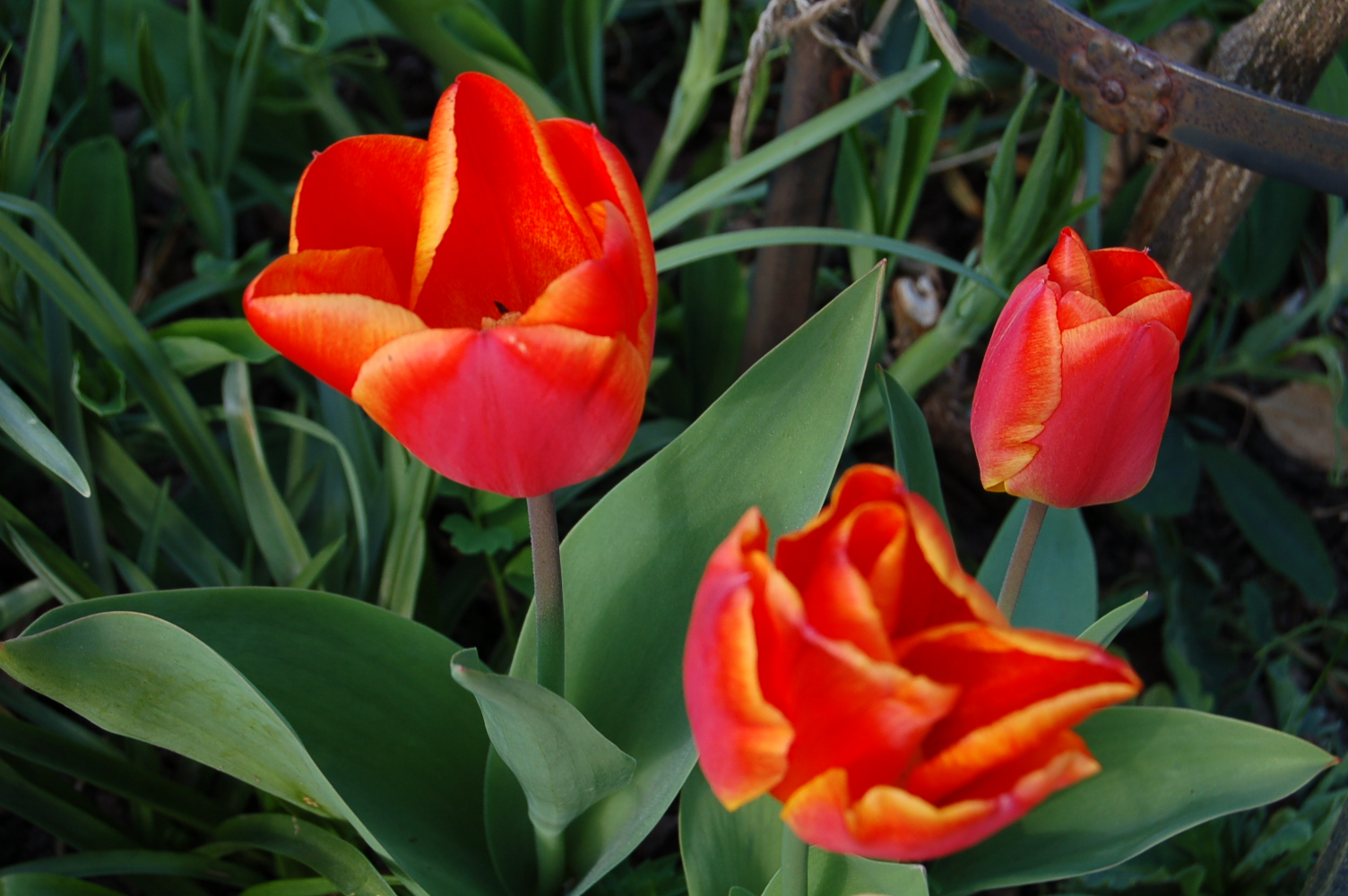
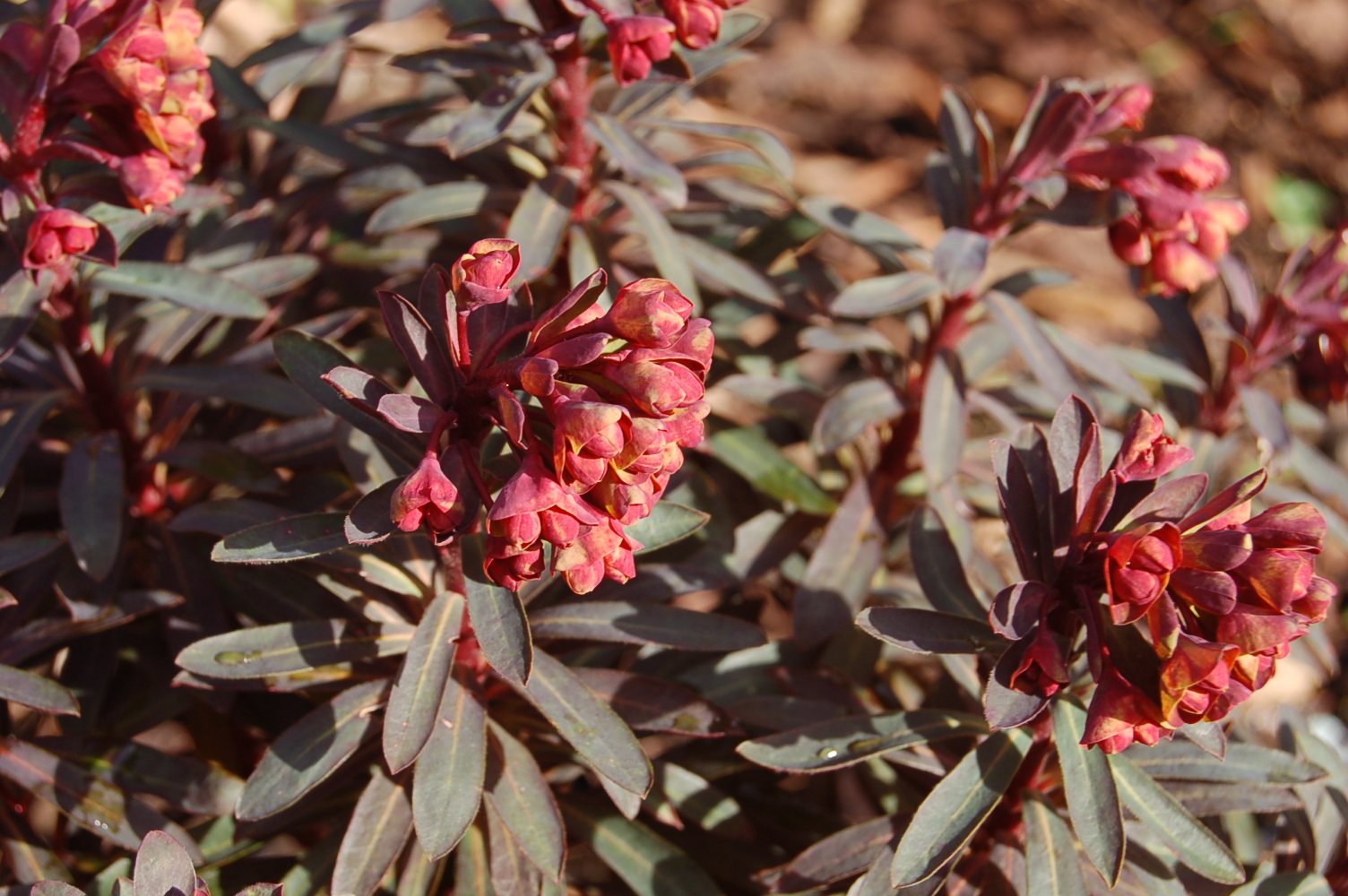
How red can a flower be!

As soon as April arrives we know the garden will look and feel differently every day. Come around our garden with me and my camera and see what is going on.

The front garden glows in the afternoon sunshine, with every shade of green in new herbaceous growth splattered with the many colours of bulbs.

The Hot Border.
Euphorbias below white-stemmed birches.

The Shade Garden is soon to reach its peak time, with its fresh leafy growth and the tiny, pale jewels of flowers. Pulmonarias, Dicentras, Anemones, Arums and Corydalis are all budding up and beginning to flower while the ferns are hardly showing any signs of awakening.

The Shade Garden bursting into life.
China blue pulmonaria.
Pale pink pulmonaria.
Silver splashed Arum leaves.
Primrose yellow Anemone.

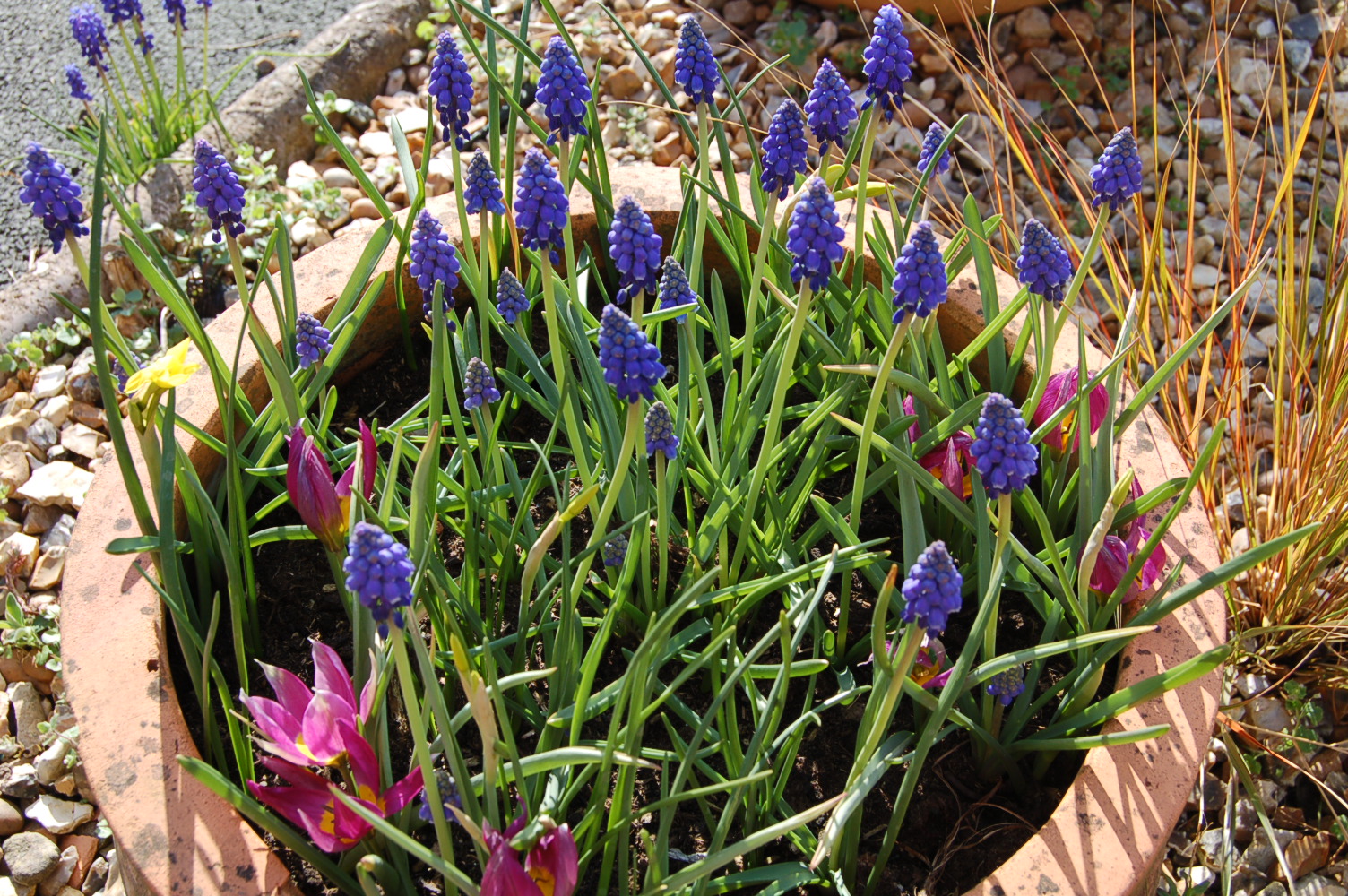
On the gravel patch, which we call our “Chatto Garden”, new foliage is bursting through. Irises, Euphorbias are starting into healthy growth. The large terra-cotta pot of bulbs is bubbling over with the blue of Muscari and a sprinkling of tiny mauve species Tulips.
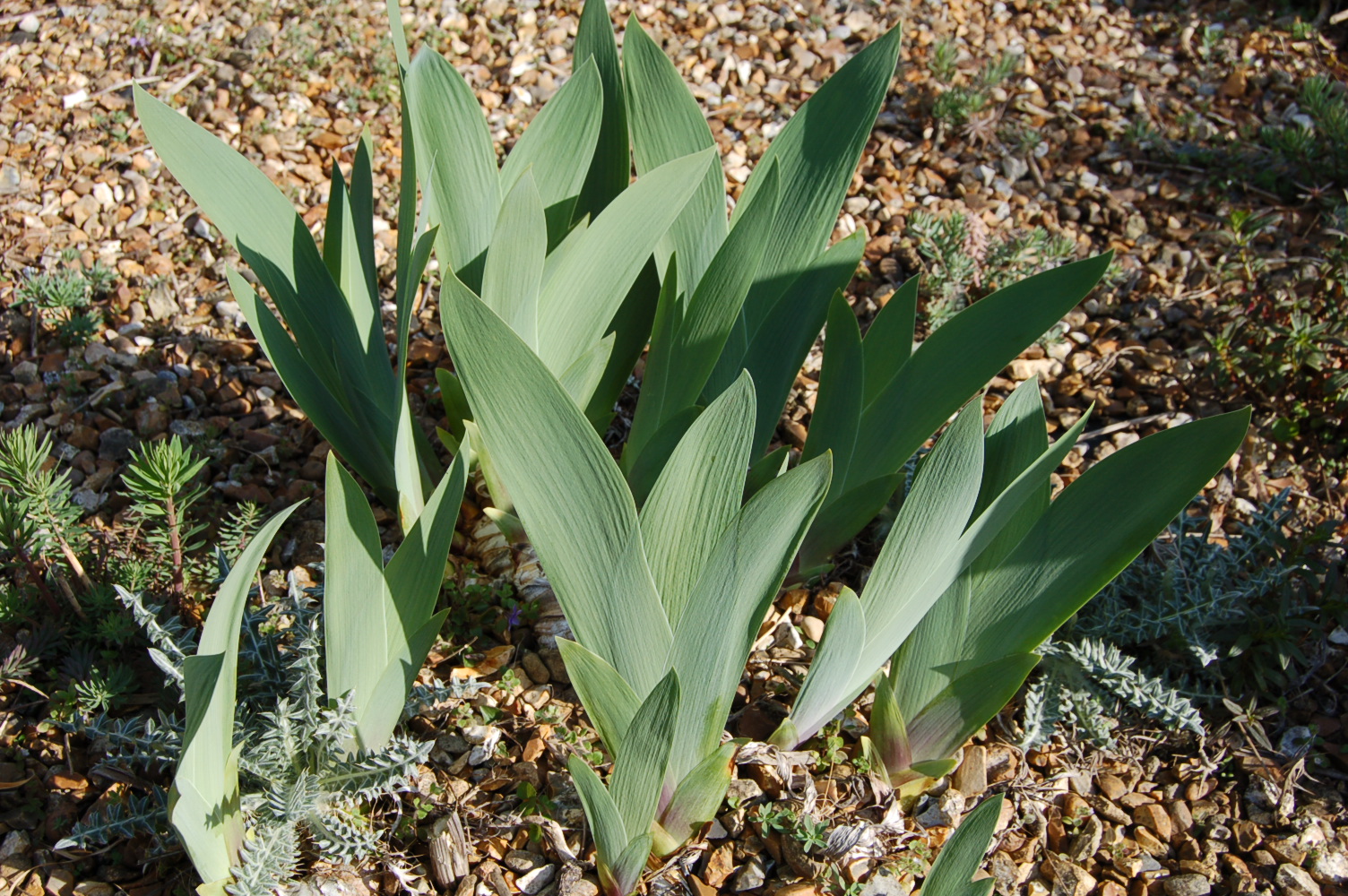
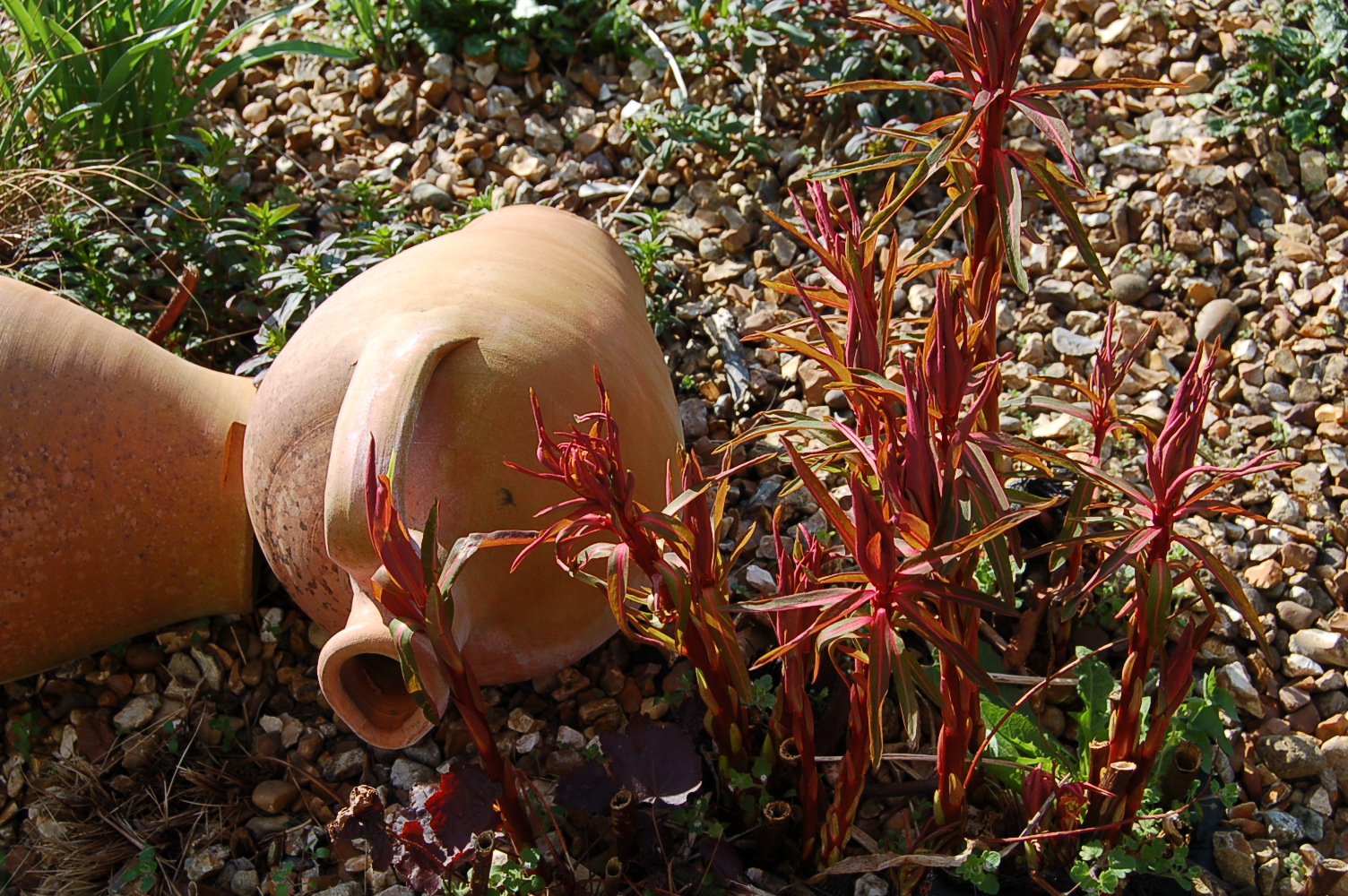
The glaucous sword shaped iris leaves.
Spears of Euphorbia griffithii "Dixter" piercing the gravel.
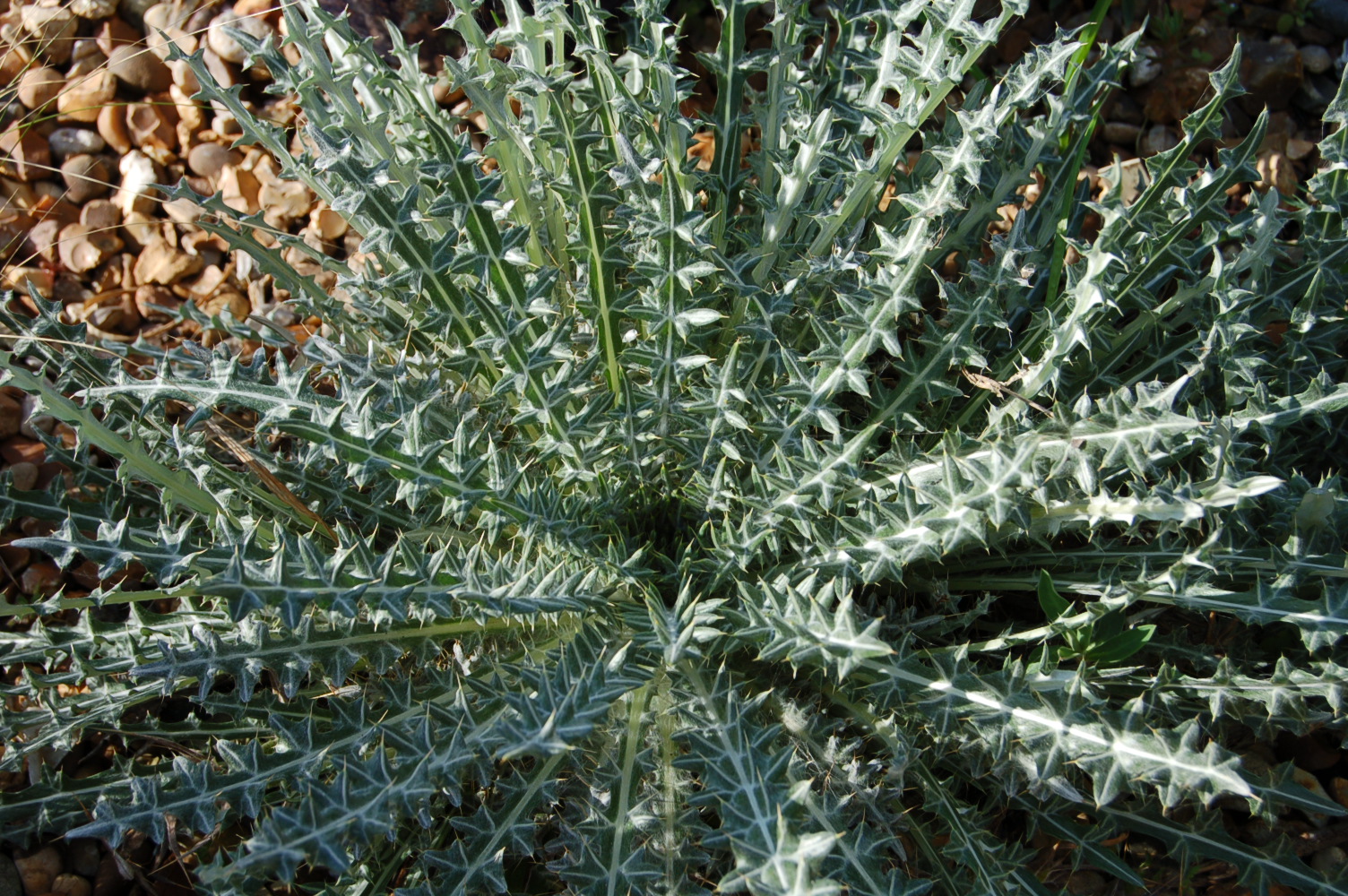
The thistle like spiked and variegated Galactites tomentosa.
Muscari blue and tulip mauve give a gentle colourway to the big pot.
Bright welcome at the gate - yellow Mahonia and red Cydonia.

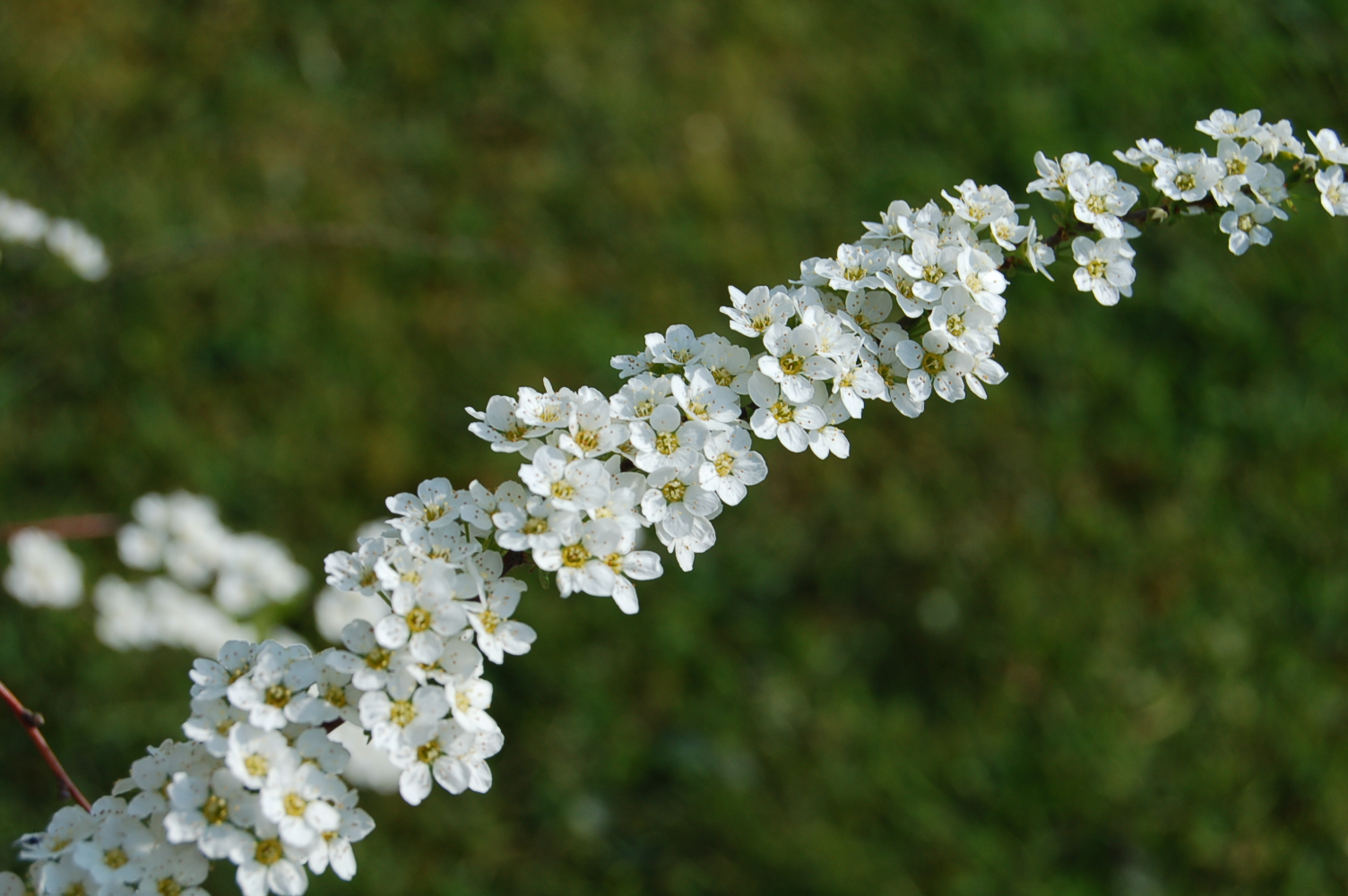
Trees and shrubs are a little later coming to life in the spring, the miniature Chestnut’ sticky buds are only just bursting while the Amelanchier lamarckii and Spiraea “The Bride” are in their full white ball gowns.
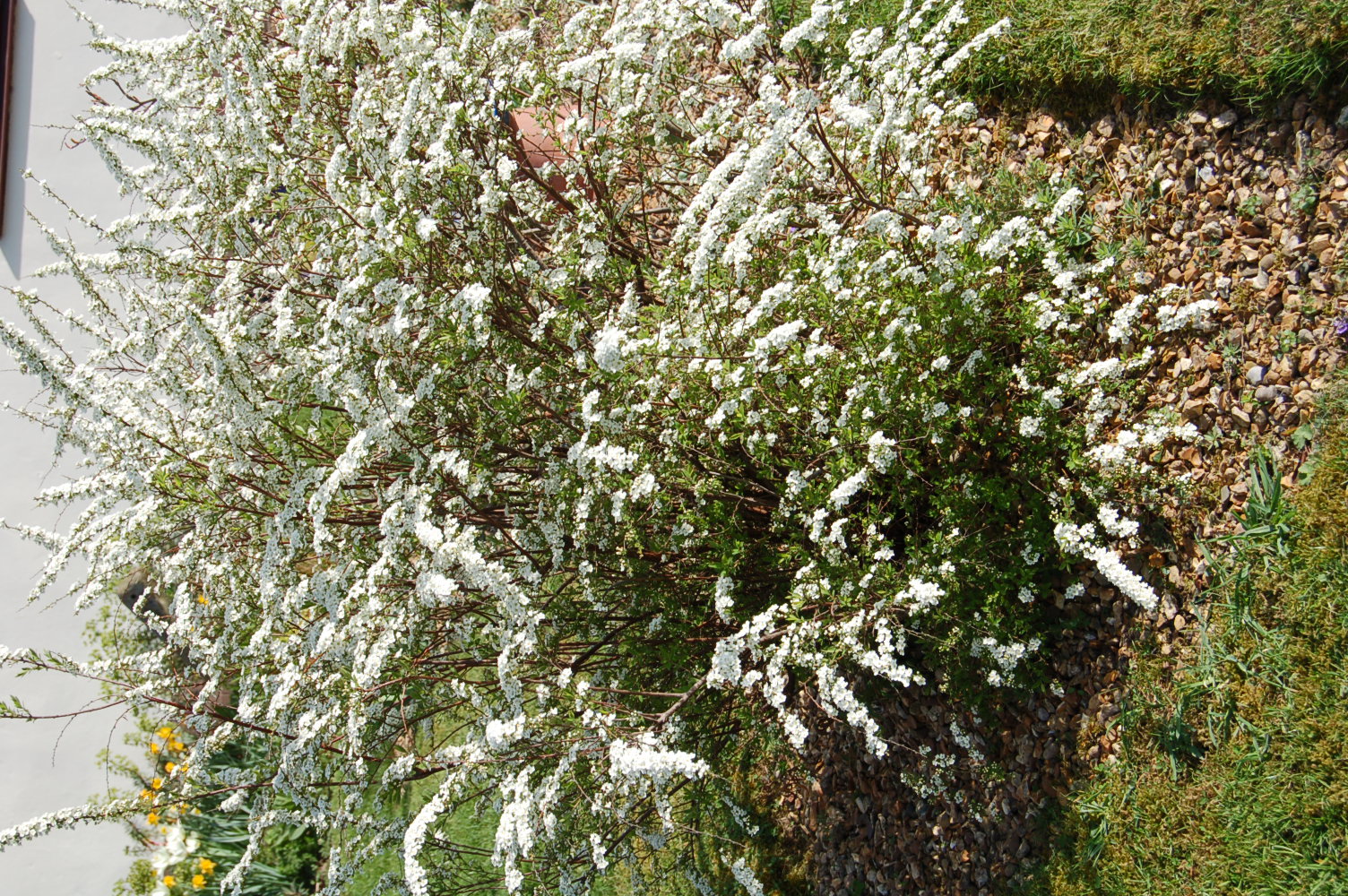
"The Bride" is always such a good arching shape.
The long arching raceme of Spiraea.
Amelanchier blossom like delicate stars.
Chestnut buds burst out in salmons, russets and reds.

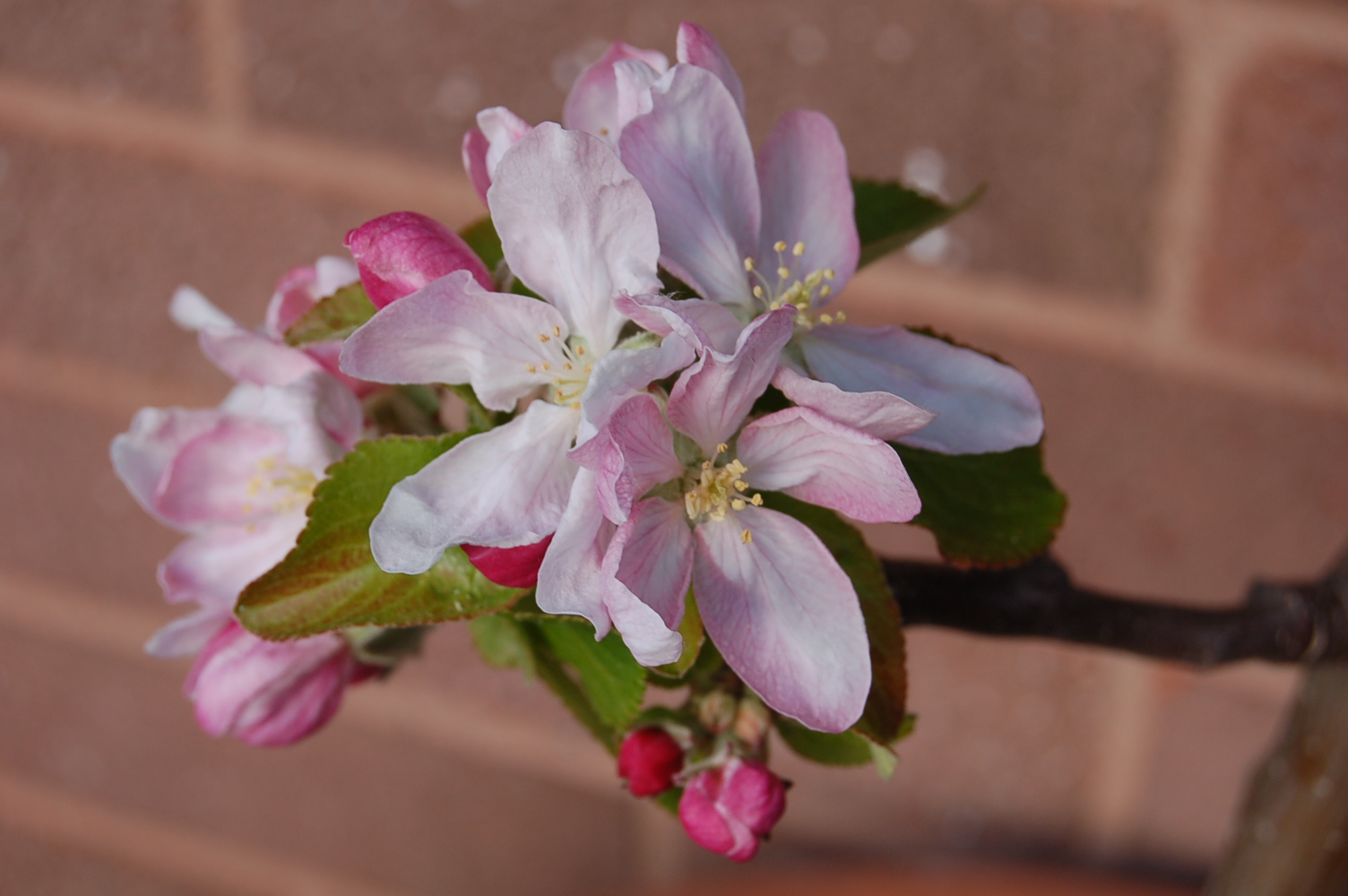
In the side garden by our main entrance the two potted apple trees are in full flower, with blossoms of many shades of pink, promising lots of juicy fruit to enjoy. We have added a second House Sparrow nesting box giving six nest holes altogether and hopefully a little less noisy bickering. The new box is apartment living as opposed to the terraced original. Right by our doorstep is a pot of violas in an unusual colour combination of  blue and brown. In front of the garage door our replanted alpine troughs are beginning to come to life.
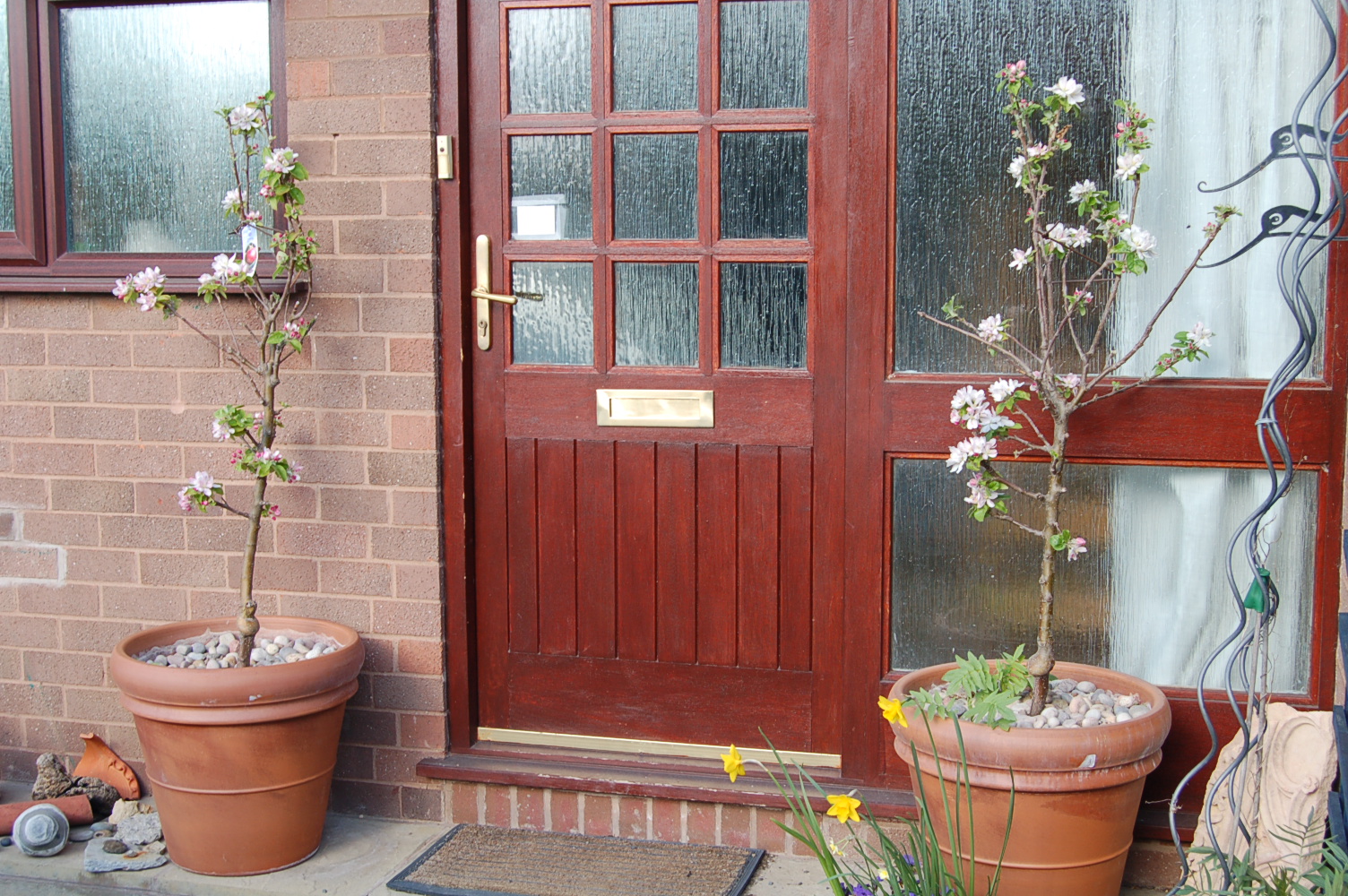
Our miniature apple trees welcome callers.
Apple blossoms - pink beauties.
Sparrow city.
Alpine troughs protected from the cold winds.
Unusual colour combination.

Wandering into the back garden it is hard to know where to point the lens first as so much is happening. The fruit trees are in blossom, tulips add their jewel colours in every border and new leaves are appearing on most shrubs and perennials.

A mass of Damson blossom against a blue sky.
Jude, "The Undergardener" at work in the "Shed Bed".

The garden is full of sound, scents and movement. In the pools Pond Skaters perform their dances on the surface and tadpoles wriggle in black masses in the shallow pebble bay. Around each flowering shrub bees and hoverflies flit and buzz. In nearby fields Skylarks sing their “high in the sky” songs and the haunting call of Curlews reach us from the damp land alongside the nearby fishery. But the strangest sound of all is the regular sound of Tawny Owls calling to each other – have they lost their biological clocks? The calling starts mid-afternoon on most days.
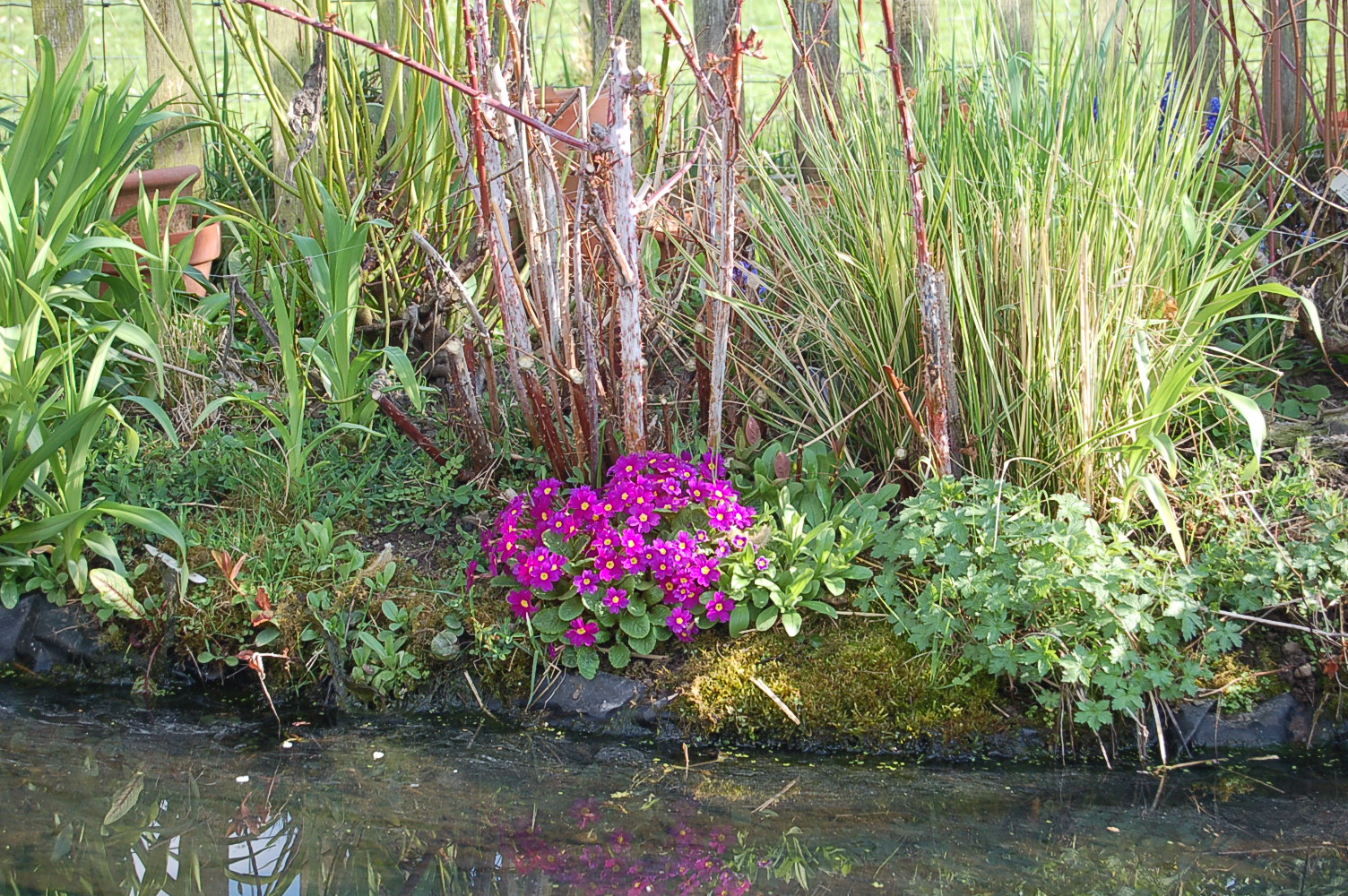
Lush growth at the pool side.

Scent is provided by Viburnum, Mahonias, Wallflowers, Flowering Currants, Hyancinths, Daffodils and the last of the flowers on the Daphnes. Herby scents come with the new fresh greens of the mints, thymes, marjorams and fennel.

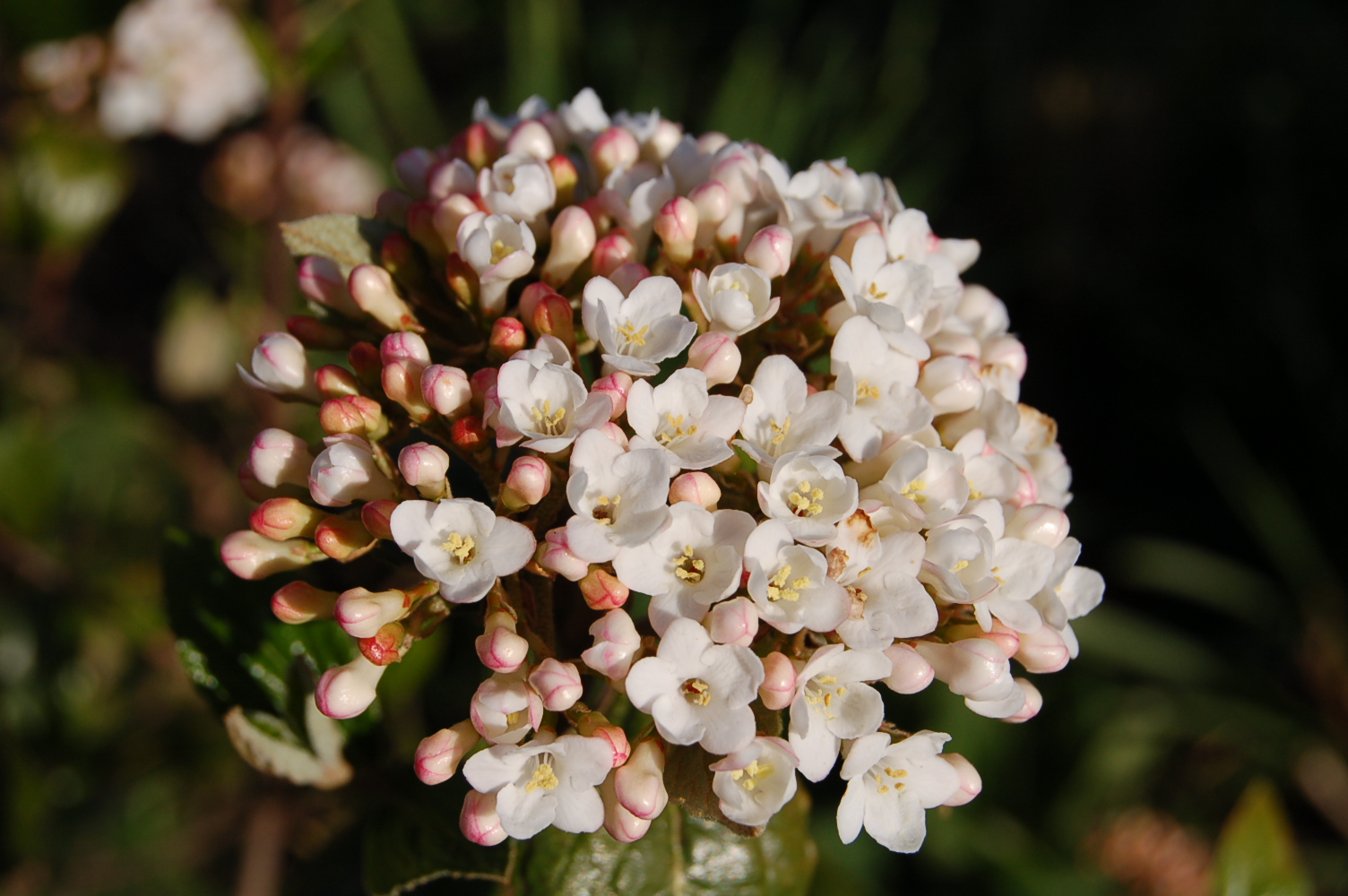
Strong in scent beautiful in colour, the last flowers on the Daphne.
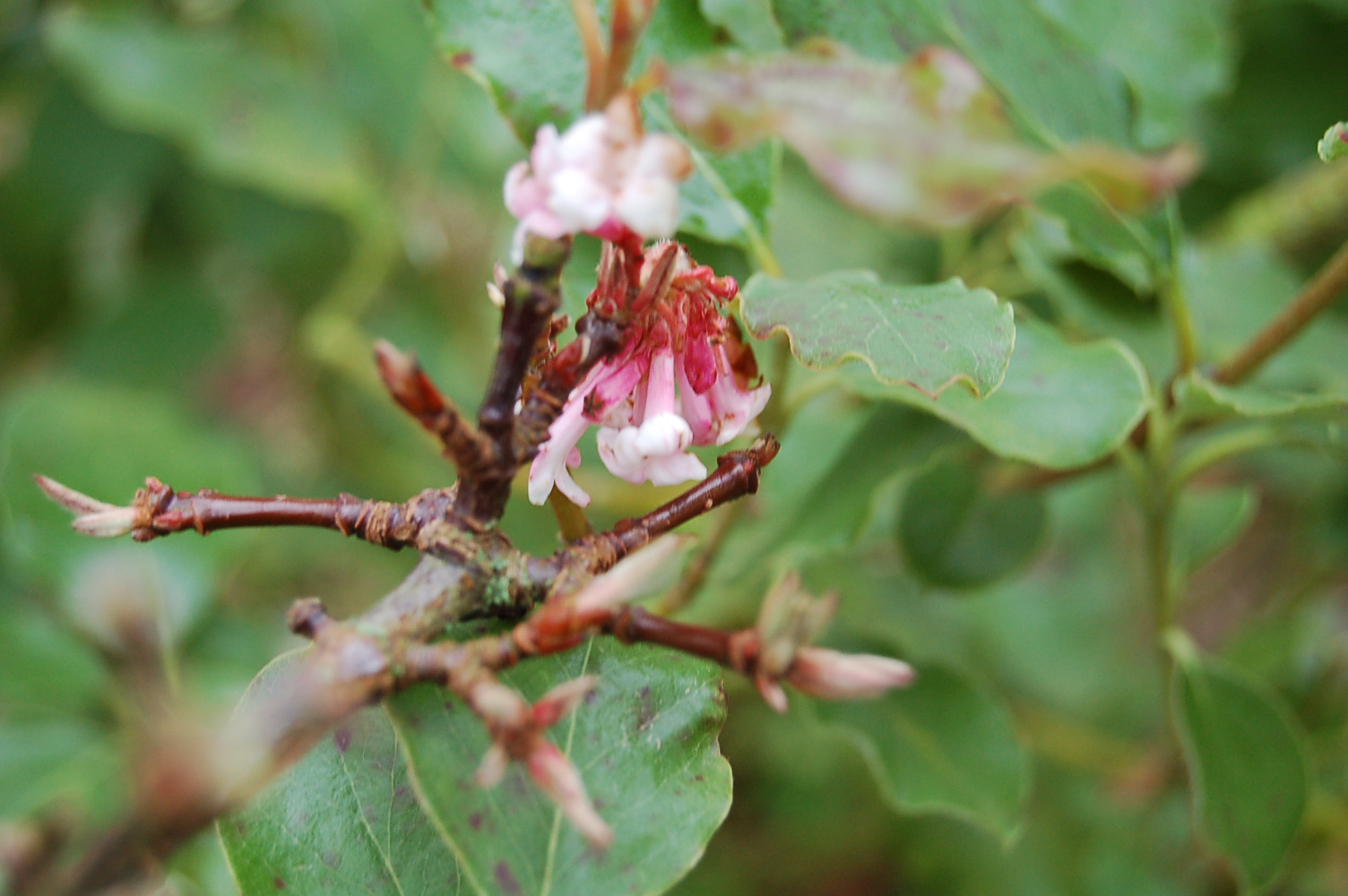
The complex flower head of a viburnum.

In the Secret Garden it is the tulips that take centre stage, in so many colours and shapes.
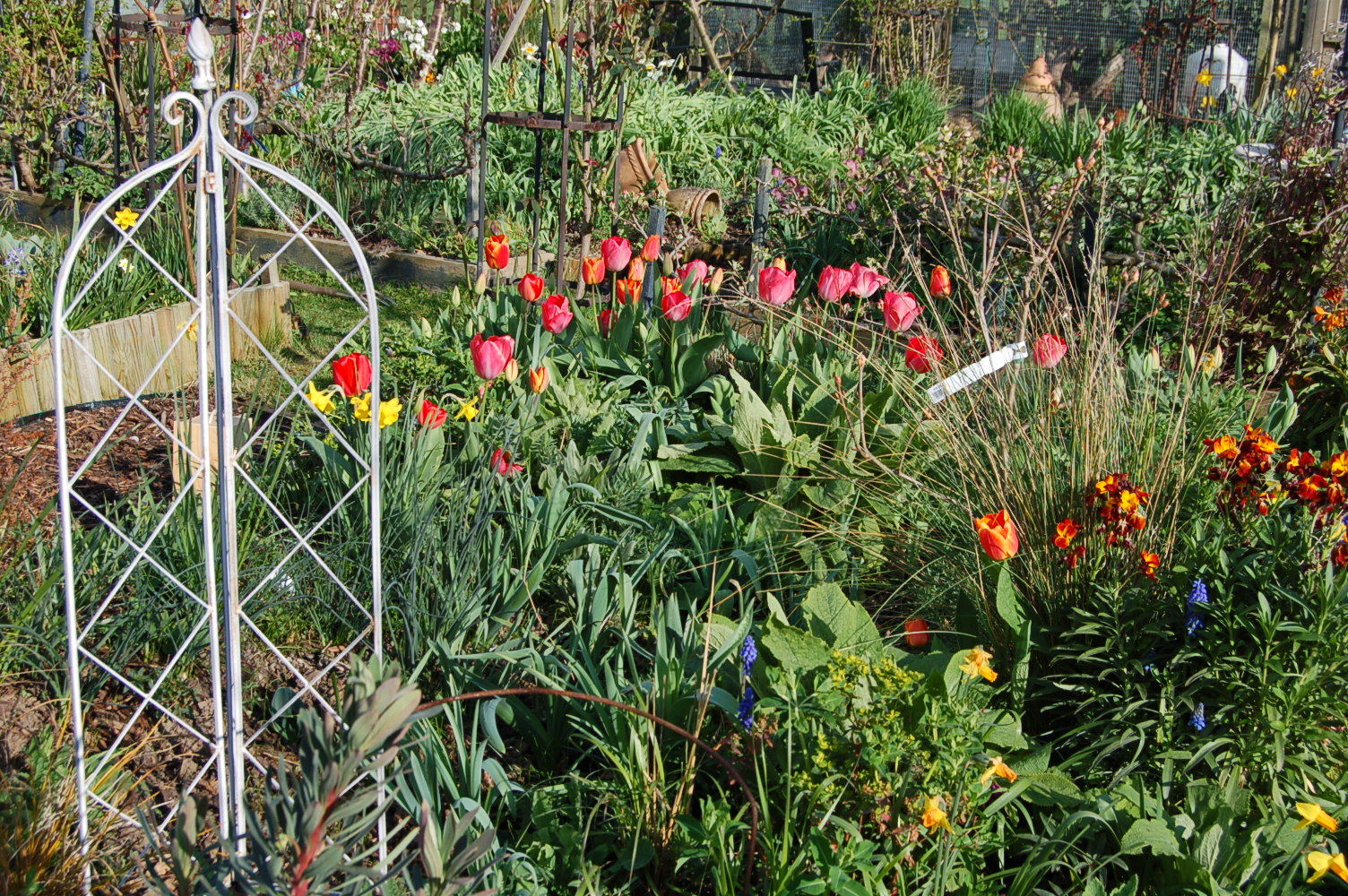
The Secret Garden awakens in Spring.
The darkest orange tulip.

Some of the most impressive new foliage is to be found on our acers, growing under the trees we grow as a wind break, acid green, lemon yellow, flaming orange and salmon.

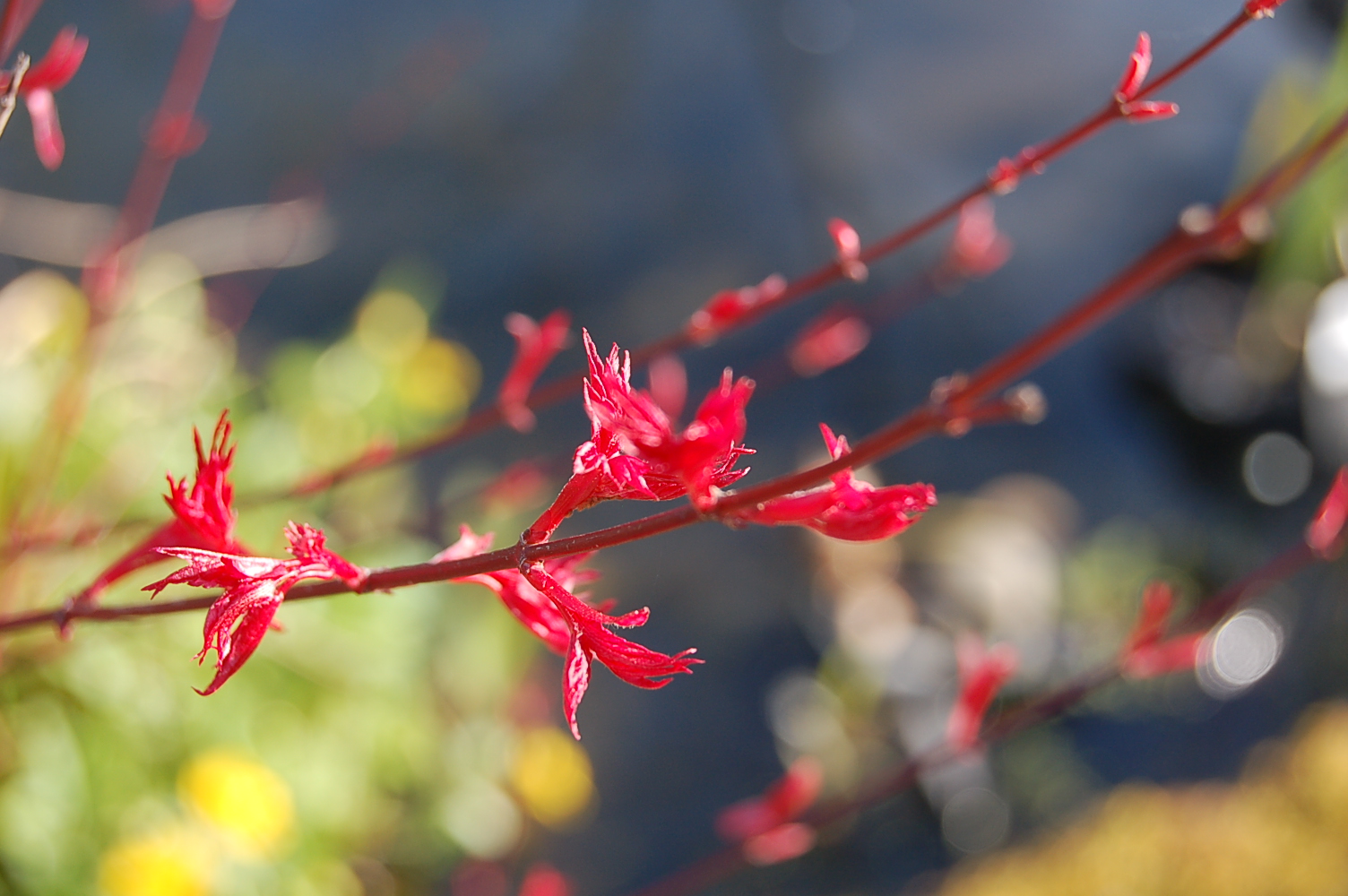
New brightly coloured foliage shines in mottled shade.
Glowing red fresh, new leaves.

We have eventually relented and cut down the last of our many grasses. We leave them as late as possible and often leave some too late  and end up cutting new growth coming up within the old. This Miscanthus napalensis was left until last, understandably.
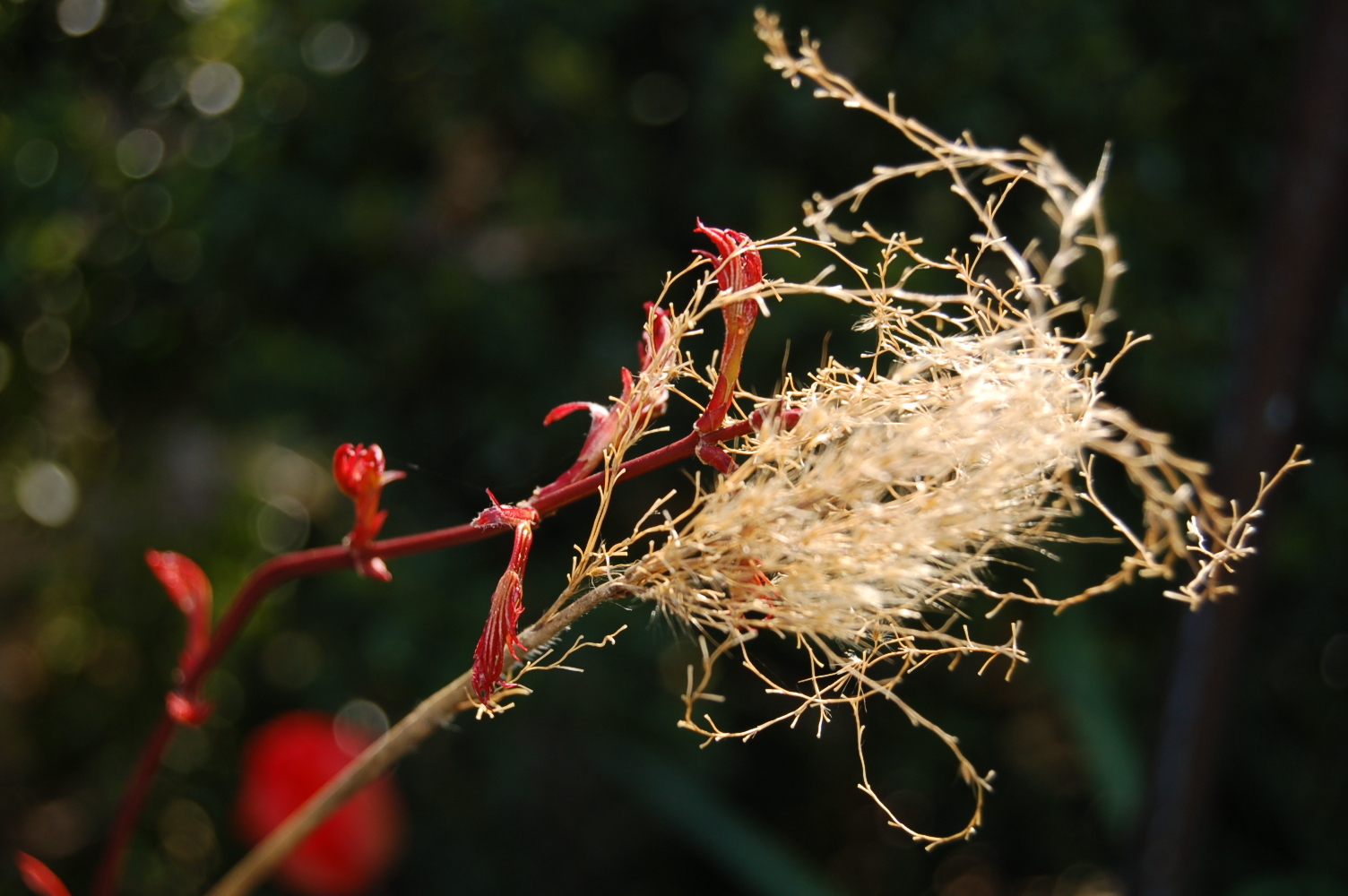
Old grass and new acer.

Just to show how fickle the month of April can be, the day after I took the photos for this blog we woke to three inches of snow and large flakes continued to fall all morning. Many tulips and daffodils were flattened and our clump of Black Bamboo was pinned to the ground by the sheer weight of snow.

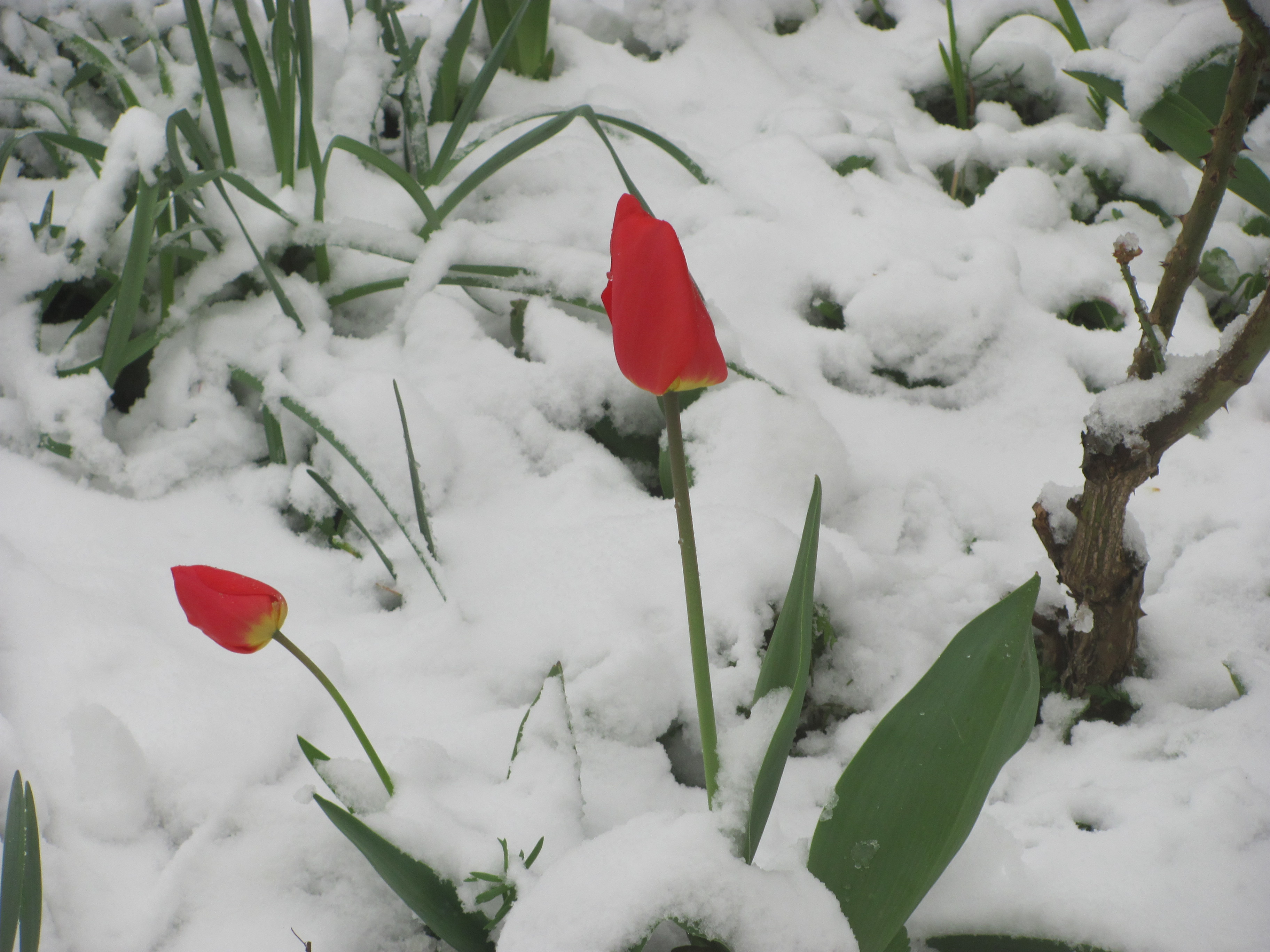
Iris swords piercing the snow.

I shall finish with two shots – one before the snow and one after. This lovely old oak tree root is our miniature stumpery – all we have room for!

Categories
allotments birds community gardening conservation fruit and veg garden photography garden wildlife gardening grow your own hardy perennials natural pest control trees wildlife winter gardens

A Wander Around the Allotments in March

The third wander around the allotments at Bowbrook already! We were expecting a warm bright day but it turned out misty with a chill in the air. So much work has been done to the plots with many allotmenteers all ready for the coming growing season. Tree surgeons have been to do a bit of work on our mature Sycamore tree and the resulting wood has been put to good. The shredded wood is being used by some plot holders to surface their paths, some branches have been used to create a brash pile and some logs used to create a big impressive log pile.

Our welcome message on the wall of our composting toilet.

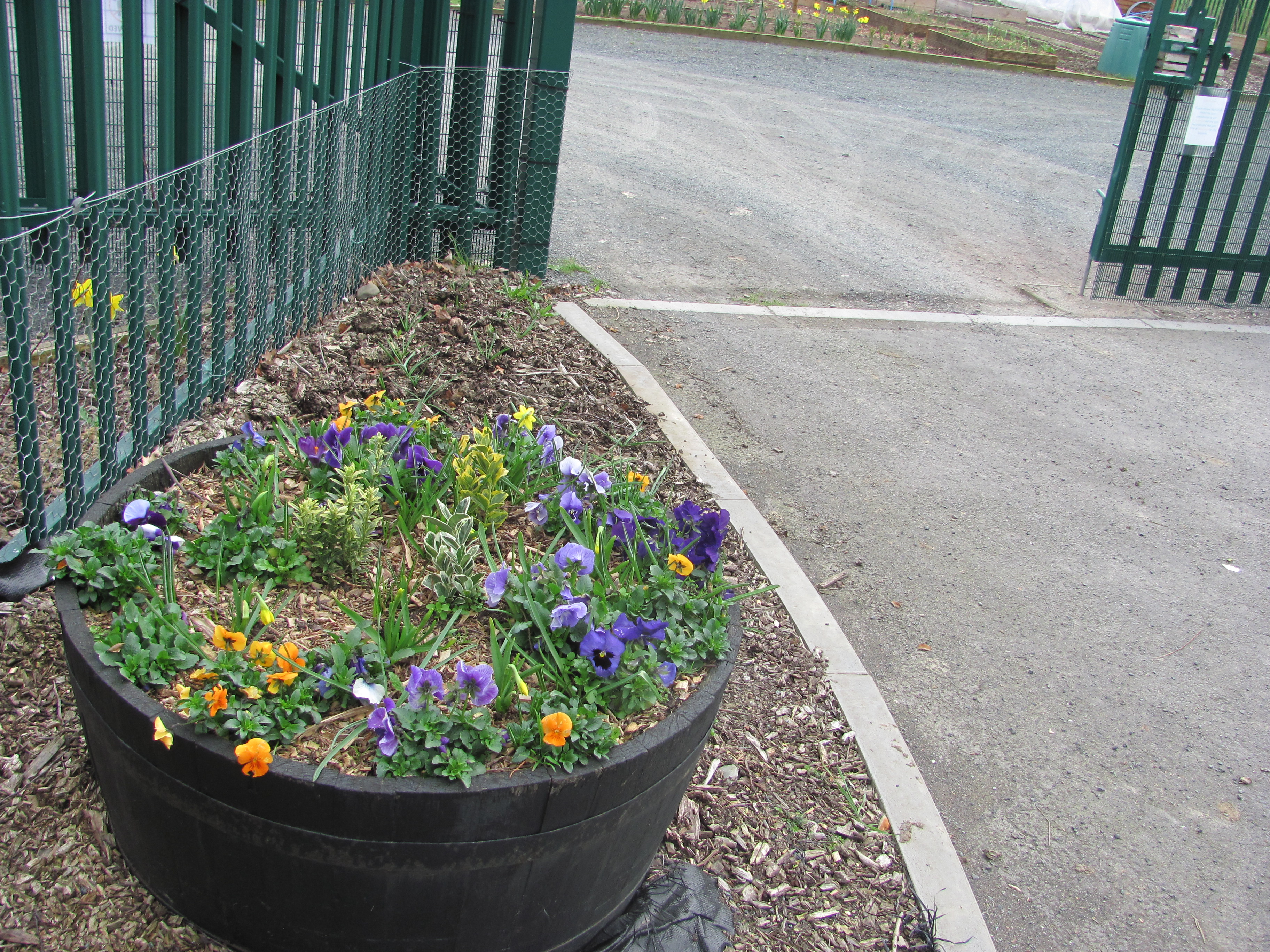
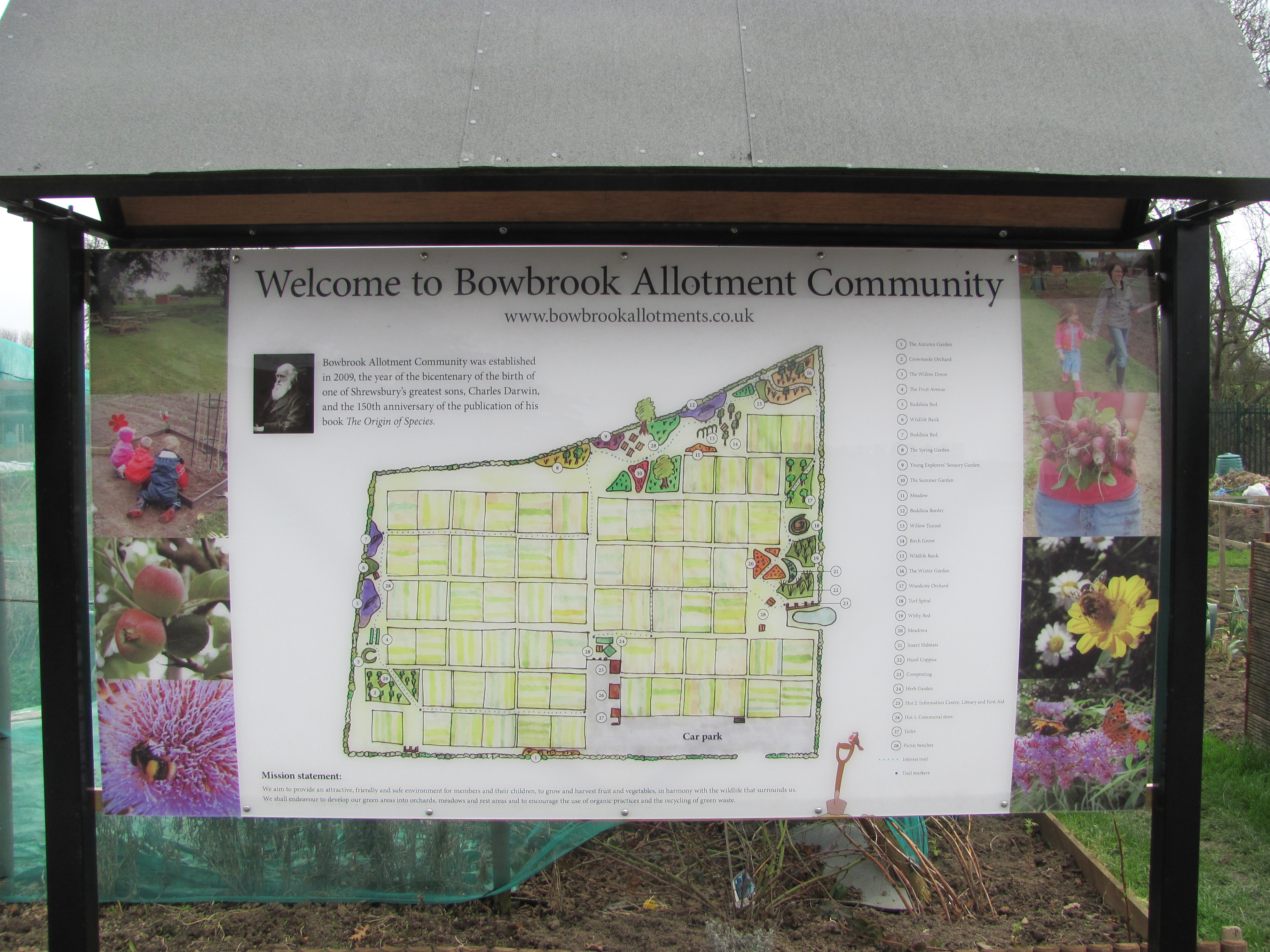
To welcome visitors and plotholders to the site we have planted up two half-barrels outside the gateway and opposite the gate on the edge of a plot we have our posh main site sign which features a map of the site, our mission statement and photos of the main functions of the site.

Let’s begin the wander with a look at what is going on our own plot, number 37. We are just about ready for the 2012 season with soil dug over composted and raked. The kale which we have overwintered looks very healthy with its wonderfully coloured crinkle edged leaves of glaucous green, purple and pink.

The perennials in out “Bee and Bug Border” are producing new shoots. These plants are grown to attract beneficial insects both predators and pollinators, such as bees, hoverflies and lacewing.

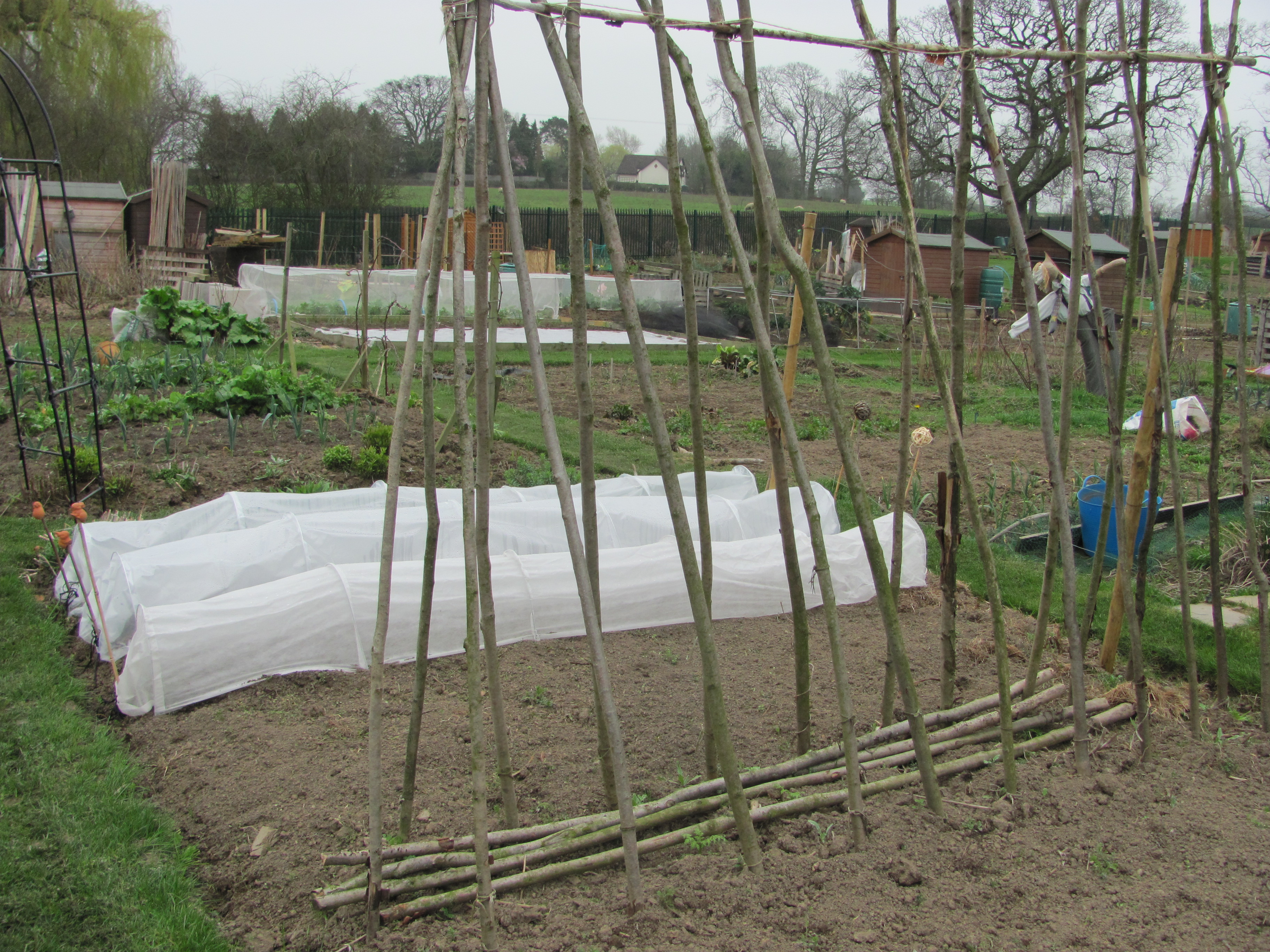
Our bean poles, made from coppiced Hazel, are up ready for Runner Beans to climb when planted out in late May and behind them we have cloches warming the ground for early plantings of Carrots, Parsnips and Beetroot. If the weather is kind we shall sow these seeds at the end of this month.

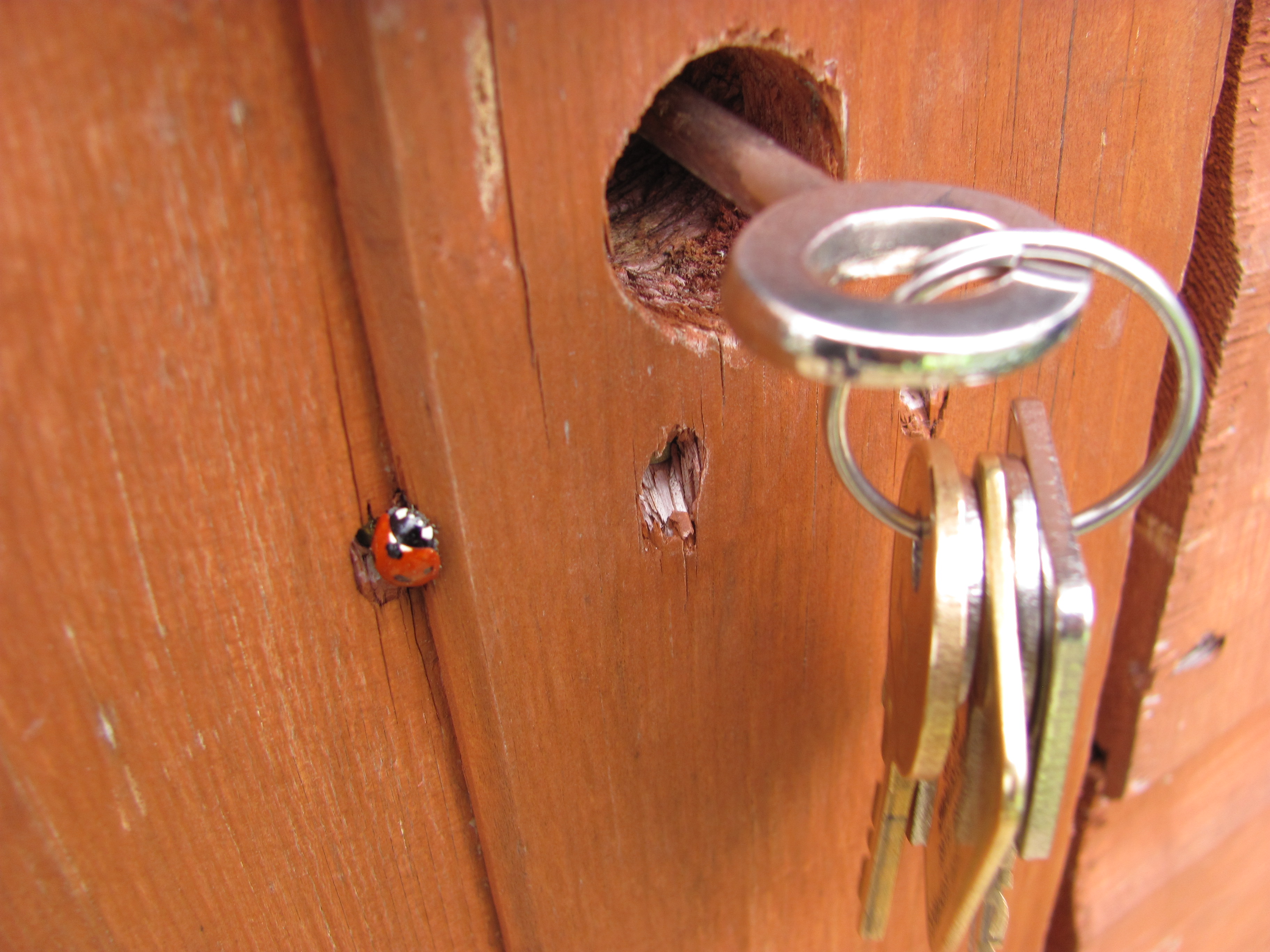
This Ladybird sheltering near our shed lock is hoping for some sun to get warmed up a bit.

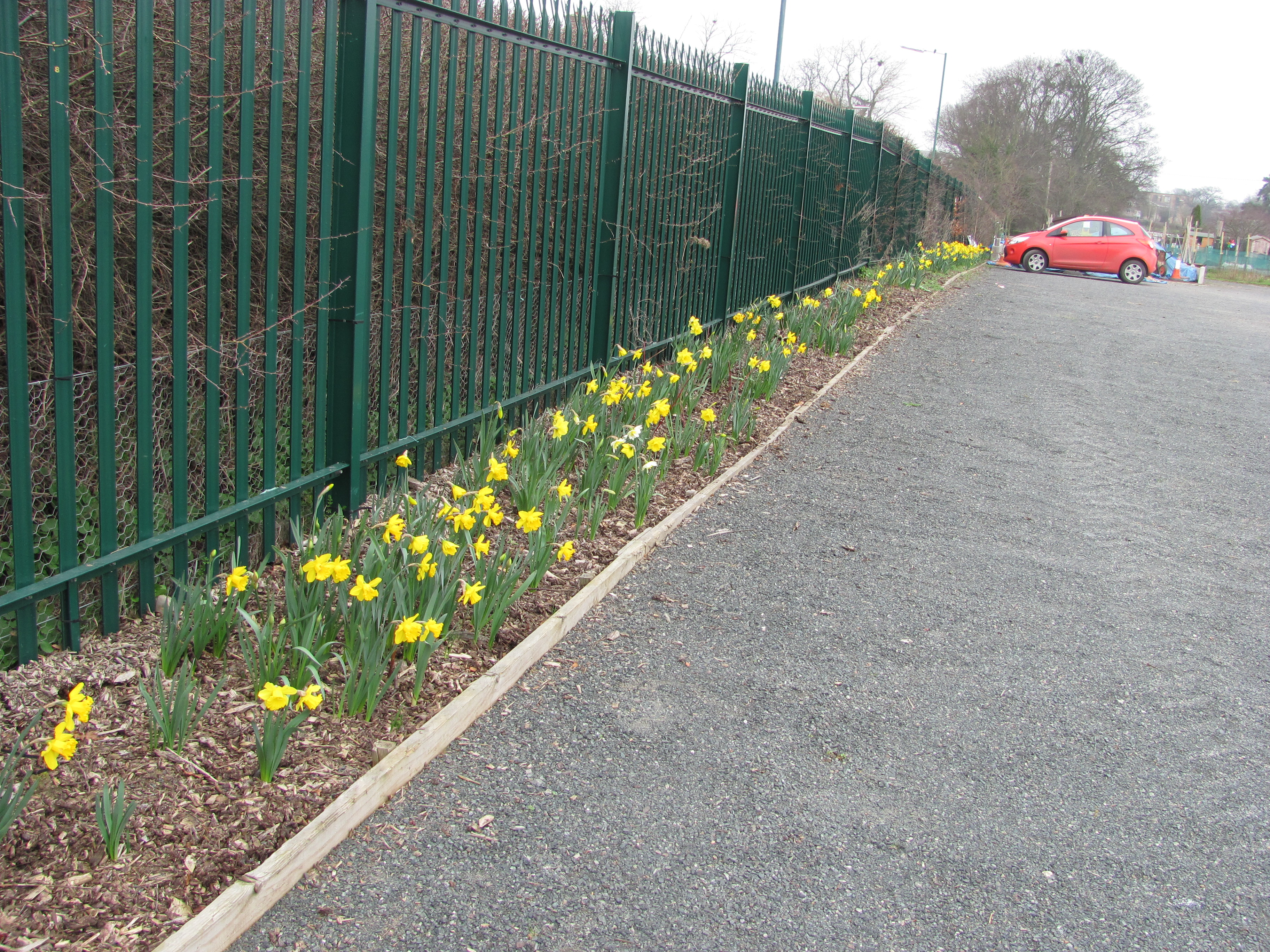
After a quick perusal of our site we began the wander around the whole allotment field, starting in the car park where Daffodils give a golden welcome as plotters arrive to work or enjoy the communal spaces.  Each September we hold a “Donate a Daffodil Day” when members are asked to donate bulbs which are then planted around the site by volunteers on one of our working parties. In the first year alone we had over a thousand bulbs donated and planted several hundred in the car park border and on the grass verge alongside our entrance gates.

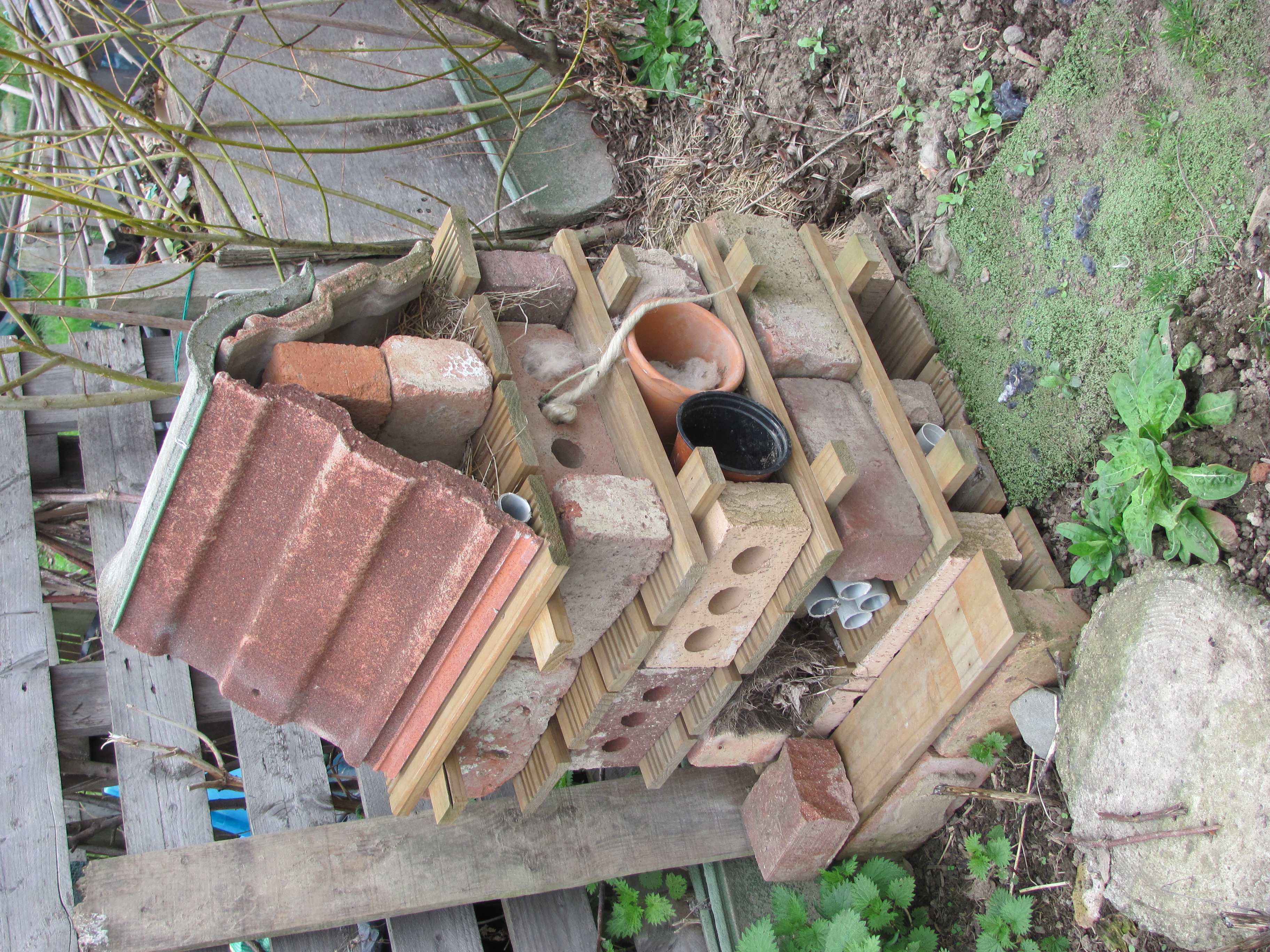
Moving on down towards the first communal orchard we spotted this insect hotel on Wendy’s plot and admired Tracy’s rhubarb which is well advanced.

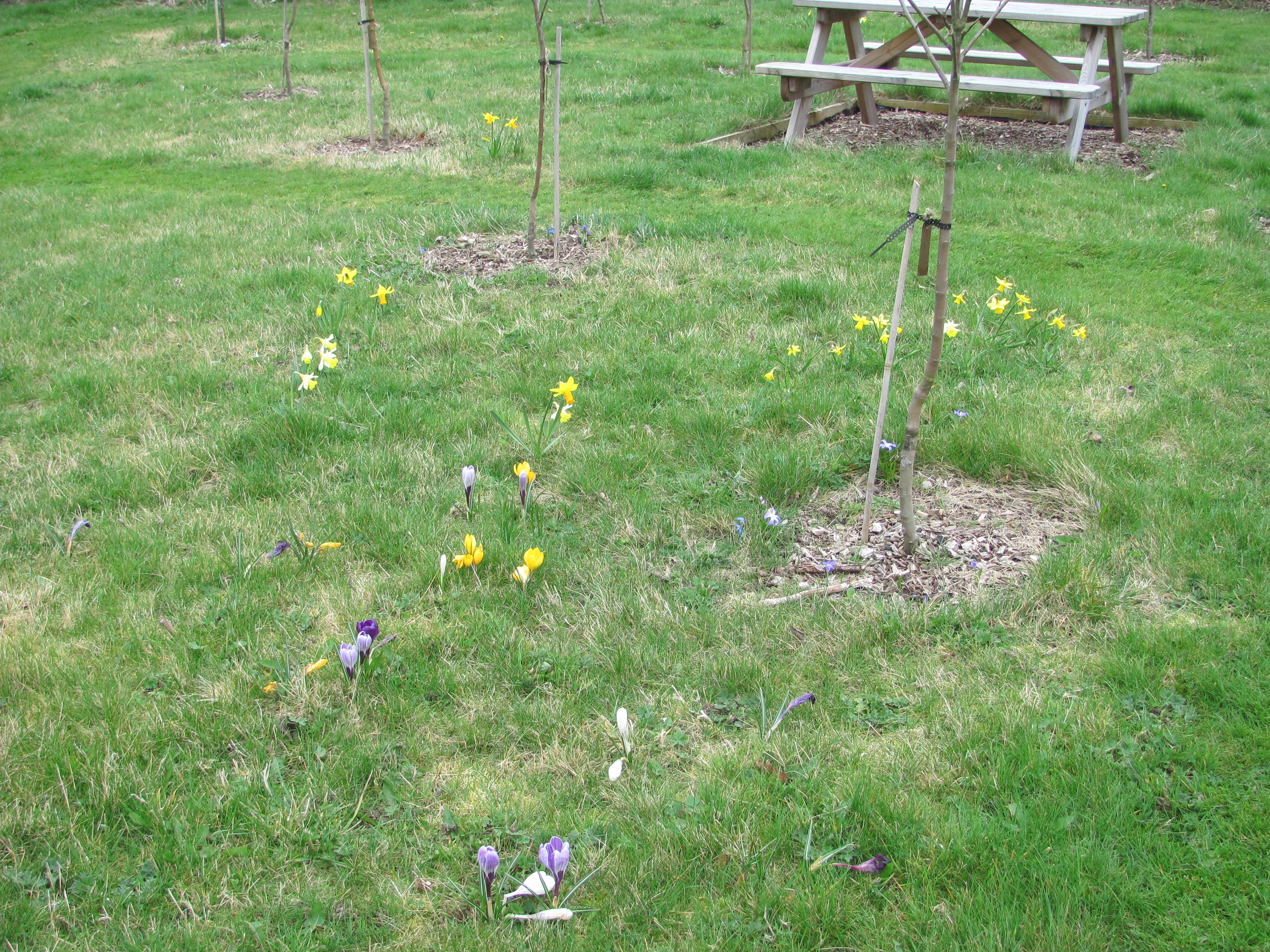
The first of the community orchards is alongside Tracy’s lottie and she looks after its maintenance, mowing the grass paths, pruning the apples, pears, plums and damsons and generally keeping it neat and tidy. She also looks after the Fruit Avenue leading away from the orchard. She is a great asset! At the moment daffodils and crocuses are flowering between the fruit and in the avenue muscari are in flower. Bees are busy exploring these early flowers.

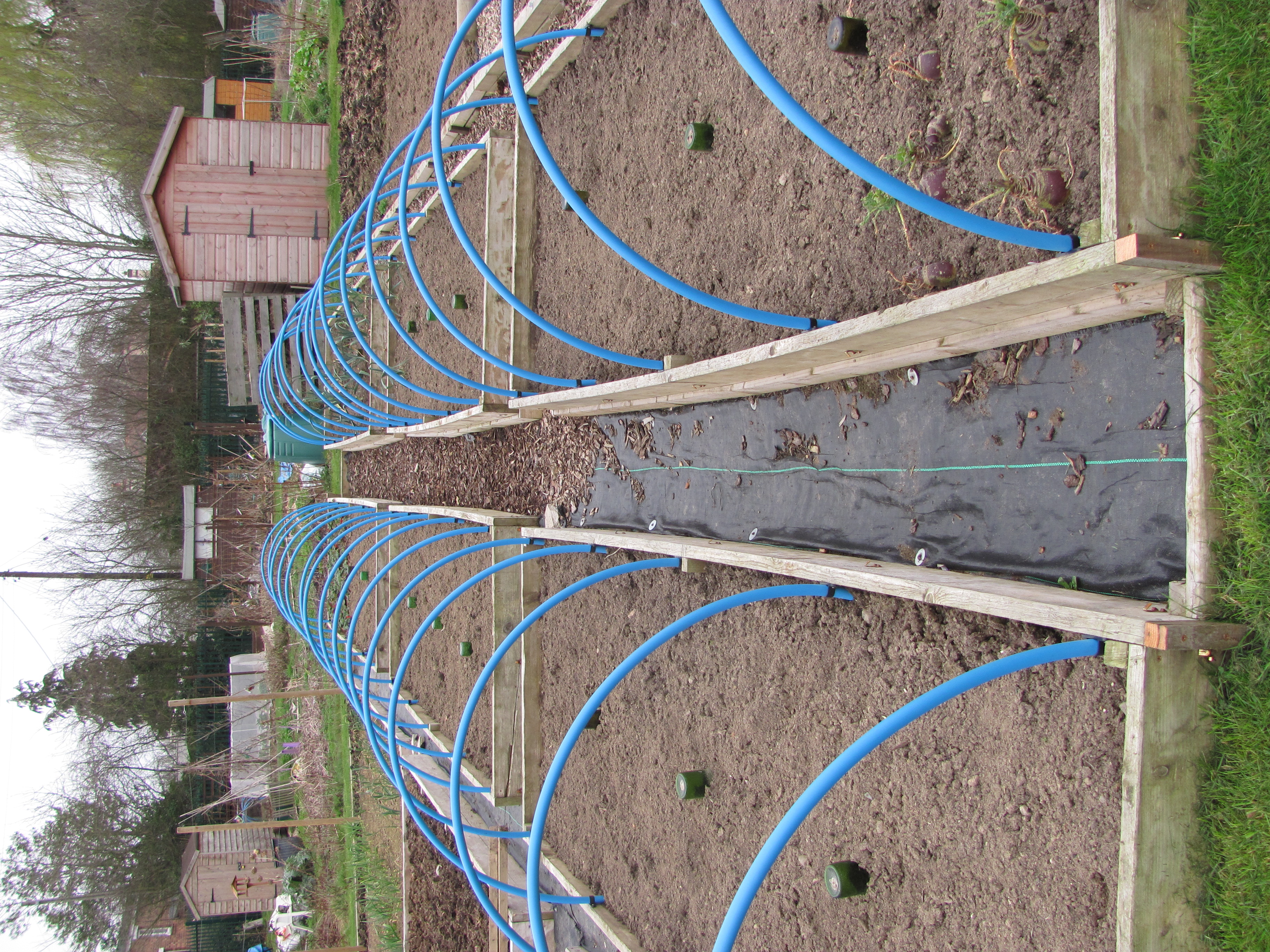
Our wander then took us through the Fruit Avenue with “super fruits” planted on both sides, out alongside Alan’s plot, affectionately known as “The Blue Plot”.

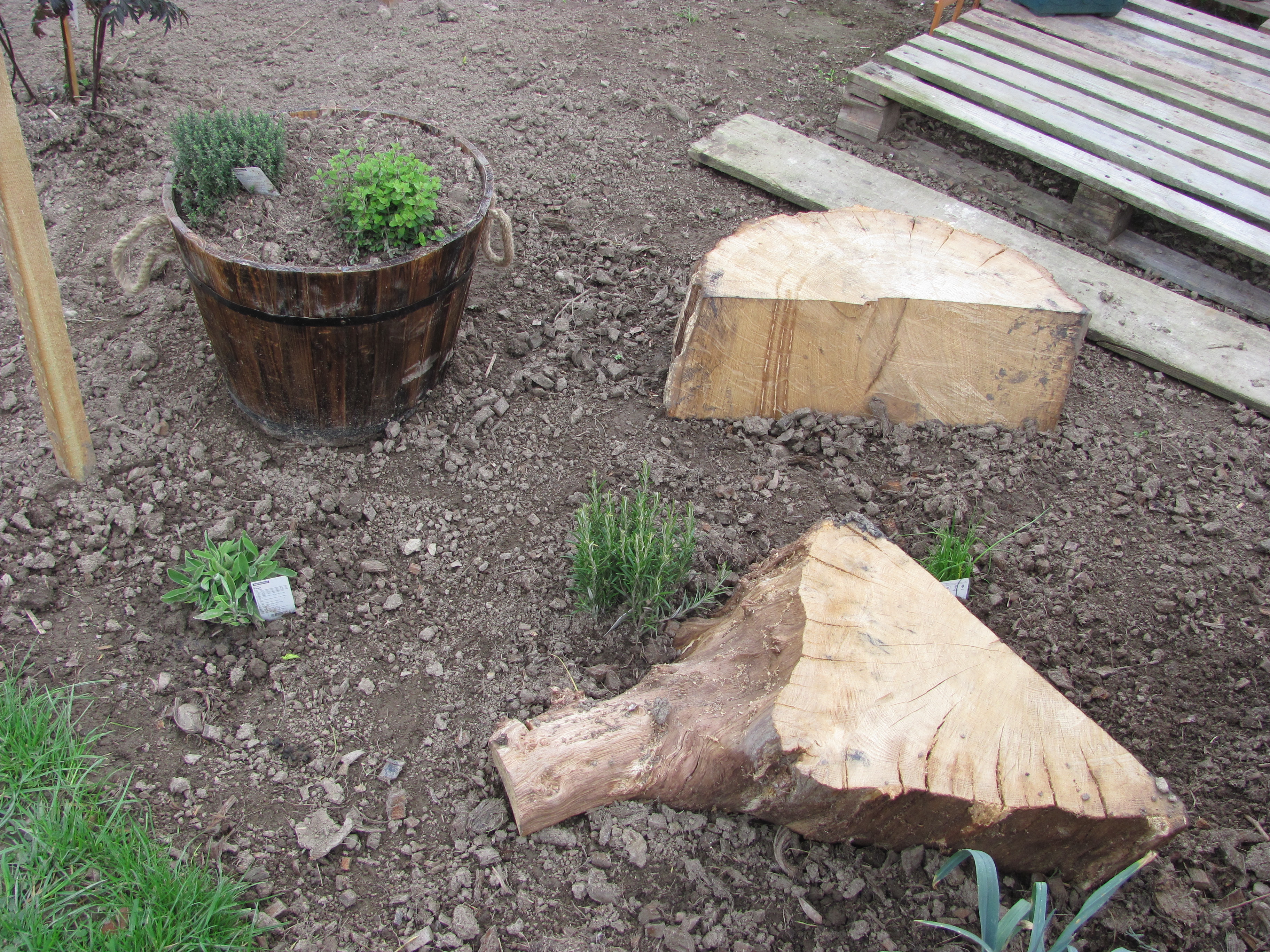
Blue alkathene water pipes are very popular around the site as effective ways of holding fleece or netting covers to protect crops. Wandering further on around the trail towards the Spring Garden we passed a plot that is always good to see as some interesting projects seem to on the go. Today we noticed that she had started to create a herb garden with tree stumps as seats and herbs in the ground around them and in a half-barrel planter. She is always building something – she seems very good at d.i.y. She made her raised beds which we saw have already got some early sowings in.

Behind this plot is the Spring Garden which is looked after by two other volunteers, Jill and Geoff, who keep it looking immaculate. Of course it is now beginning to reach its peak time.  Bulbs are well up and some flowering, perennials are showing fresh green growth and the Violet Willow is covered in its sparkling white pussy willow buds.

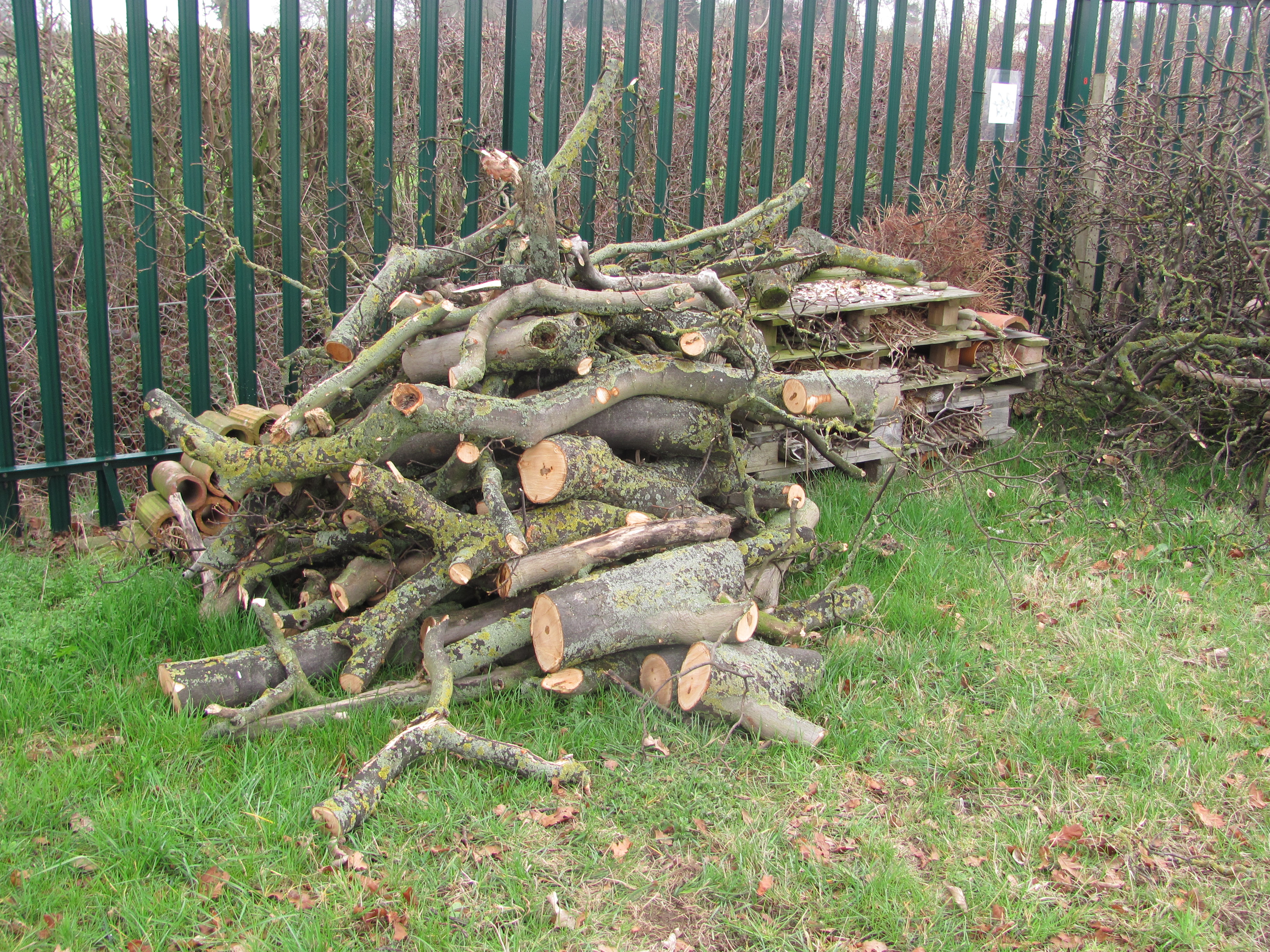
Moving on from the Spring Garden, as we followed the trail, we noticed Blue Tits exploring the nest boxes. Beyond our big old Oak is the new log pile created with logs left by the tree surgeon after his safety work on our mature trees. The log pile will soon be home to Dunnock and Wren and as it begins to rot down insects, invertebrates and beetles will move in.

We soon reach the Winter Garden which continues to look impressive, full of interesting bark and stems on trees and shrubs and colourful flowers on bulbs and early herbaceous plants.

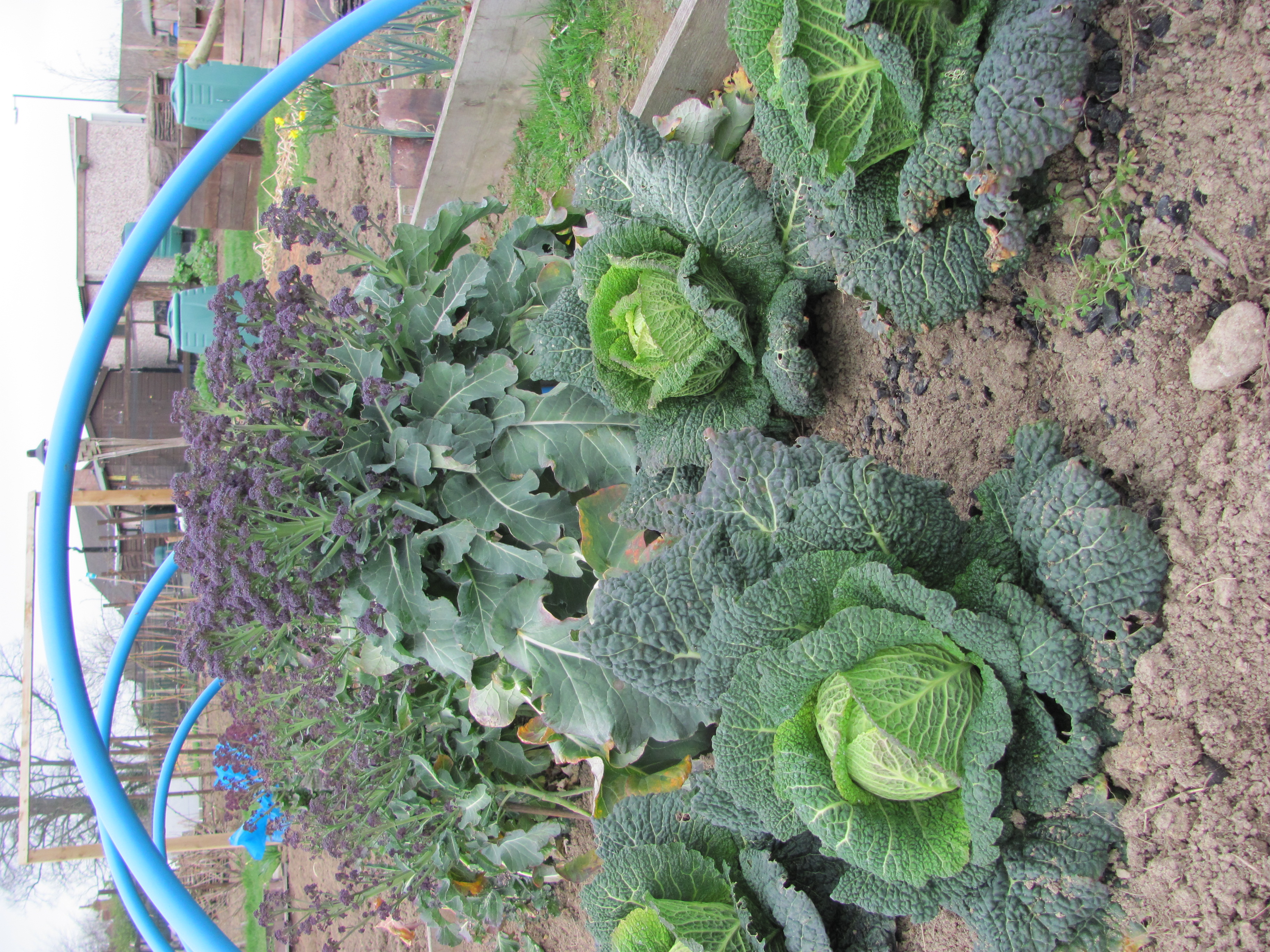
Some crops still look good after the winter and continue to give plot holders some good pickings. These brassicas, Purple Sprouting Broccoli and Cabbage look very healthy and appetising.

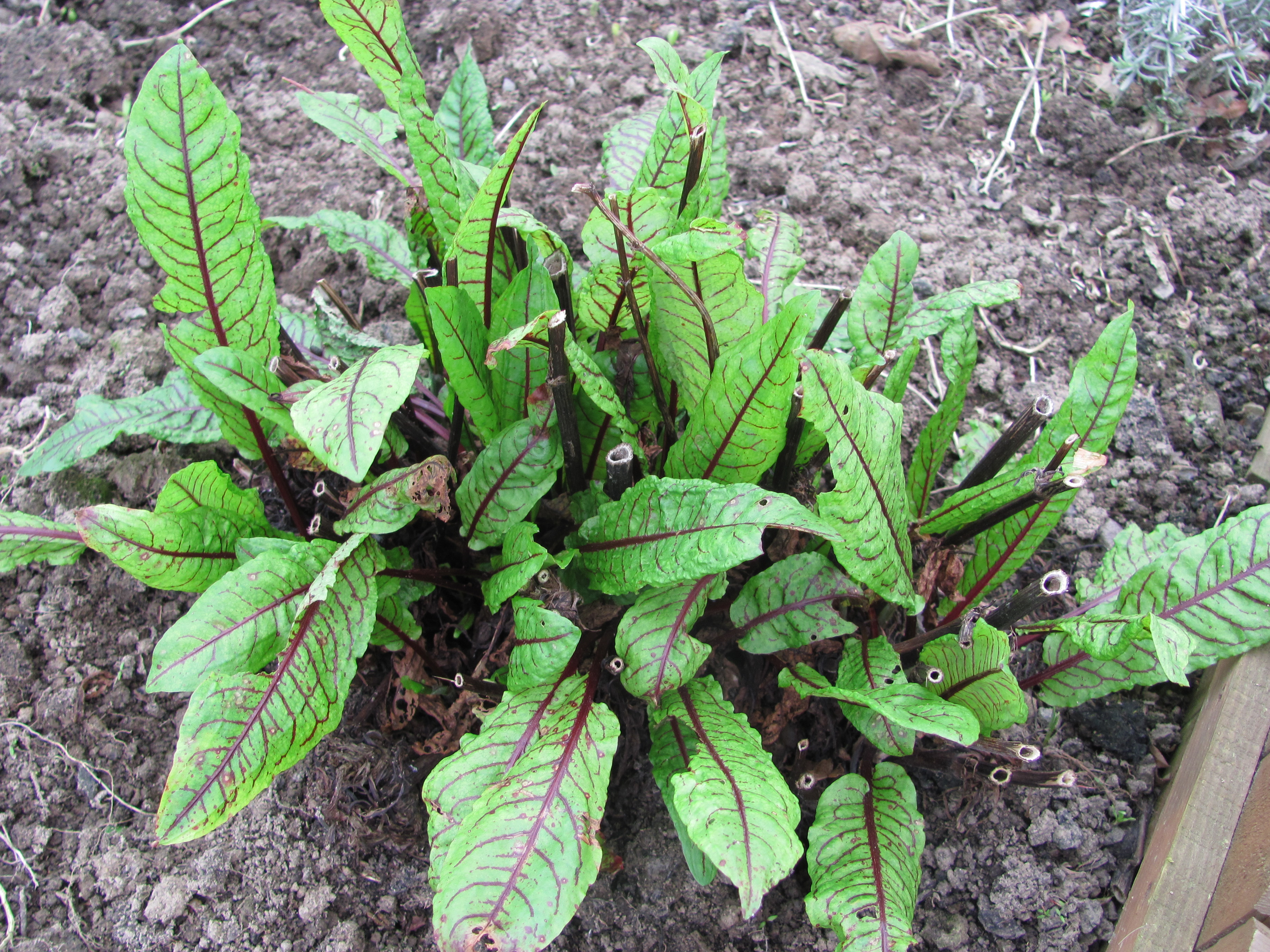
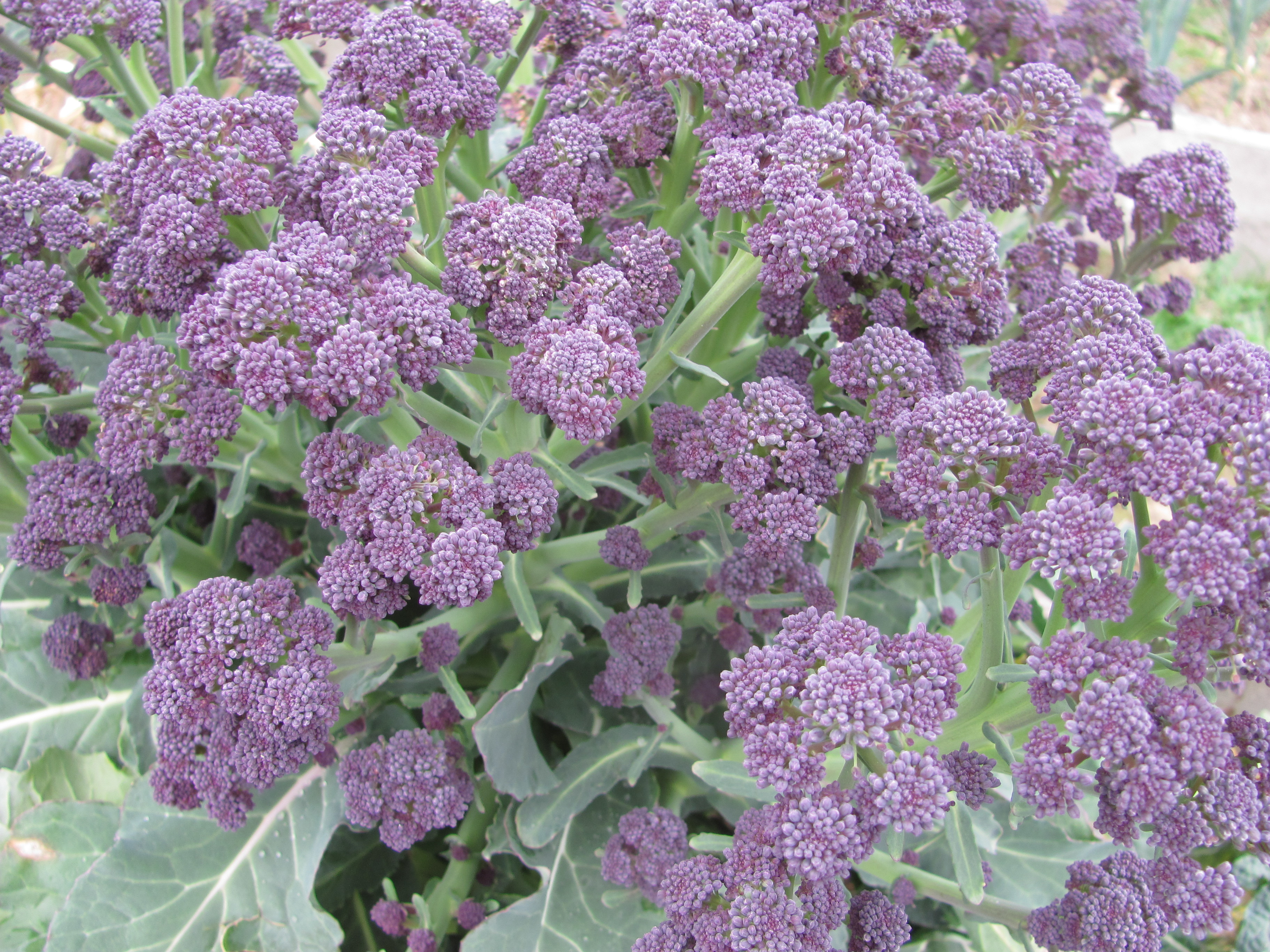
The beautifully coloured Red Veined Sorrel in the photo above is already putting on plenty of fresh leaves ready for harvesting, whereas the beautifully coloured flowers of Purple Sprouting Broccoli are now ready for enjoying after the plant has been standing through the winter.

Lots of our plot holders displays plaques with garden related sayings on for the amusement of all. How about this one to finish our March wanderings around the site?

Categories
garden photography gardening ornamental trees and shrubs photography shrubs The National Trust trees winter gardens

Photographing winter light at Dunham Massey.

The lighting on the day of our visit to Durham Massey recently was amazing for taking photographs. It was a sunny day with a bright blue sky above. The light acted light a spotlight shining just above ground level. It lit up leaves, tree trunks, flower petals. And it shone in “The Undergardener’s” eyes!

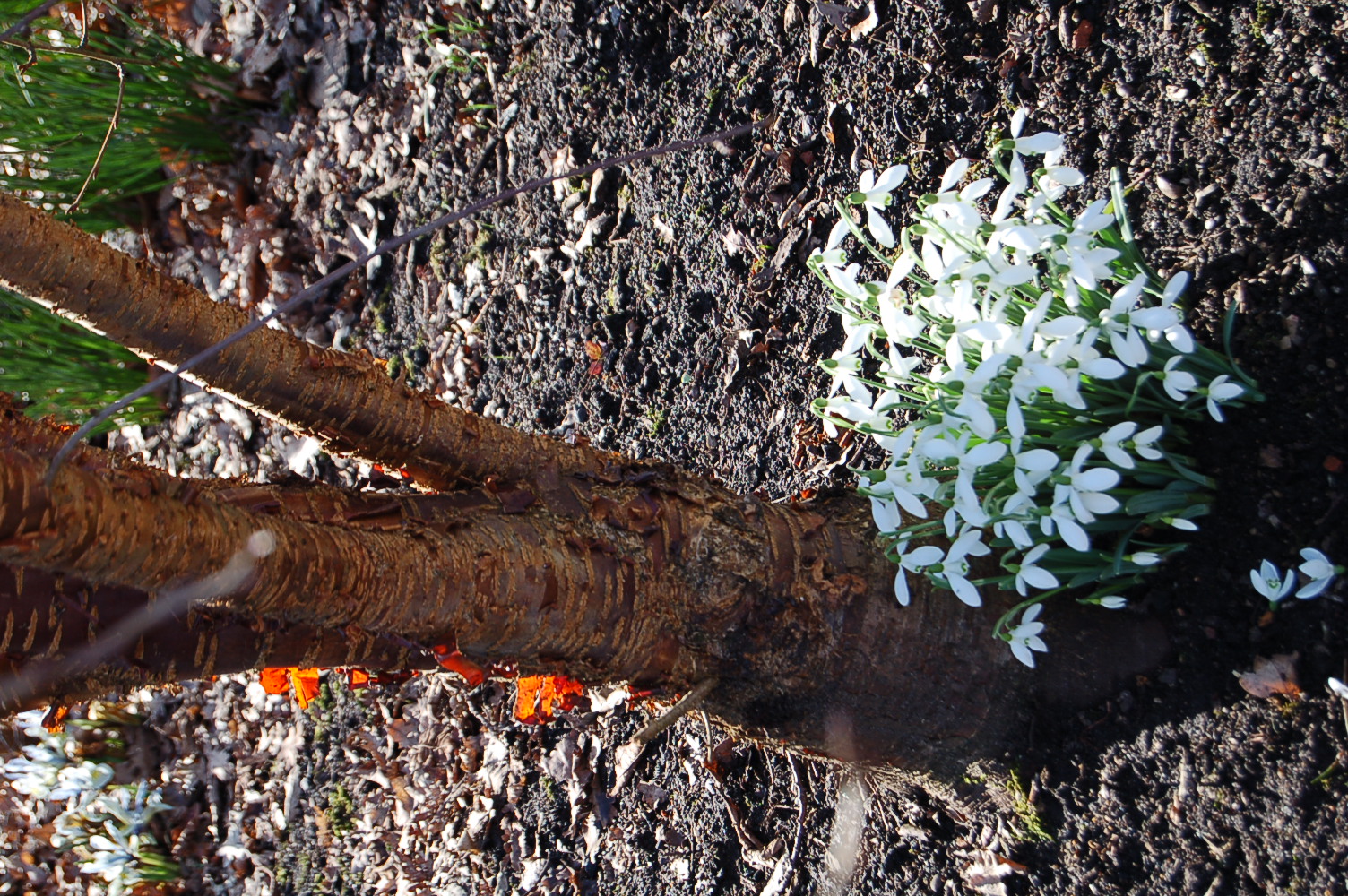
Peeling bark and Snowdrops.
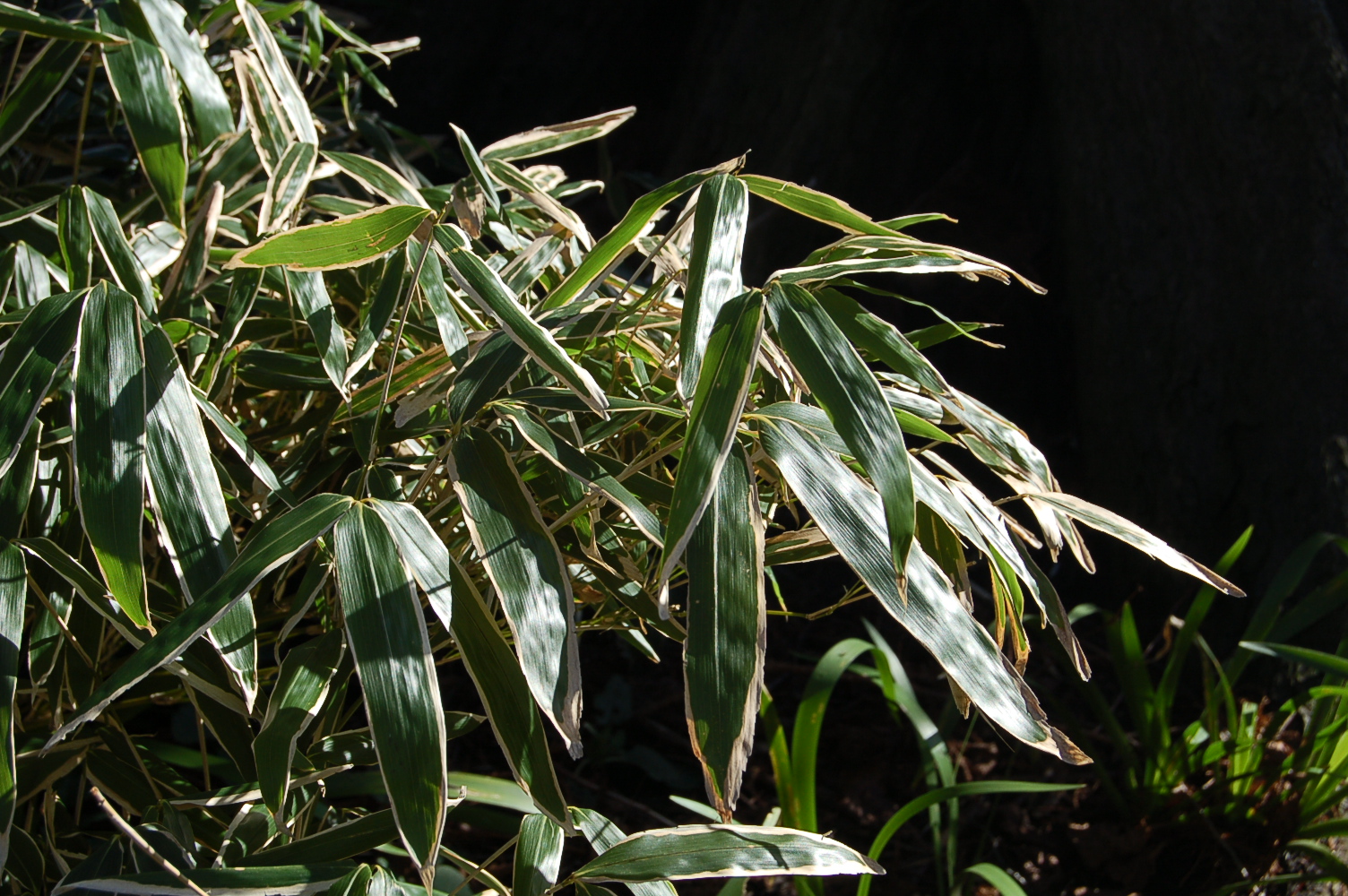
Winter light reflected in the glossy bamboo foliage.
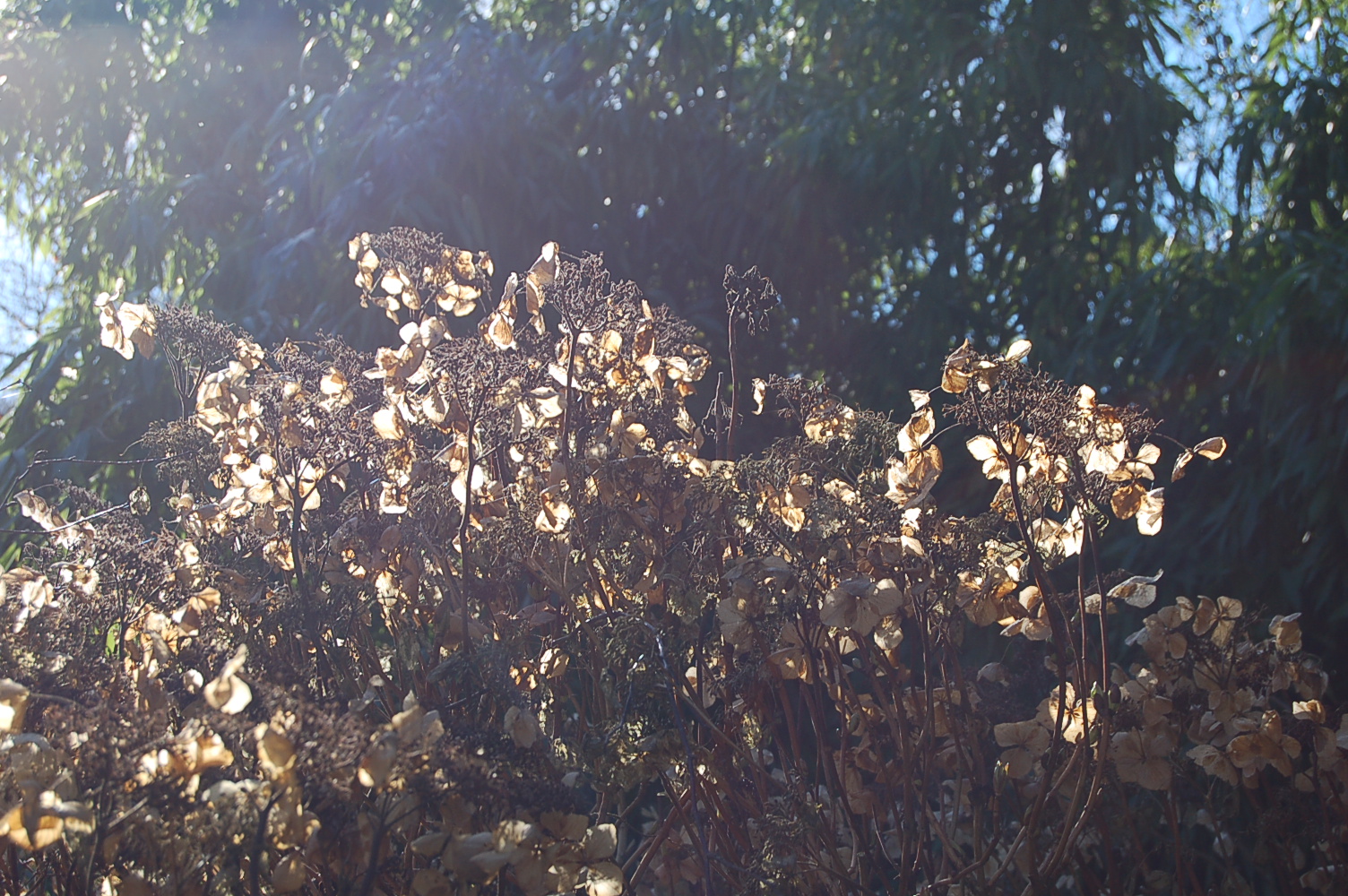
Back-lit Hydrangea seed heads.
Twiggy highlights like spiders' webs.
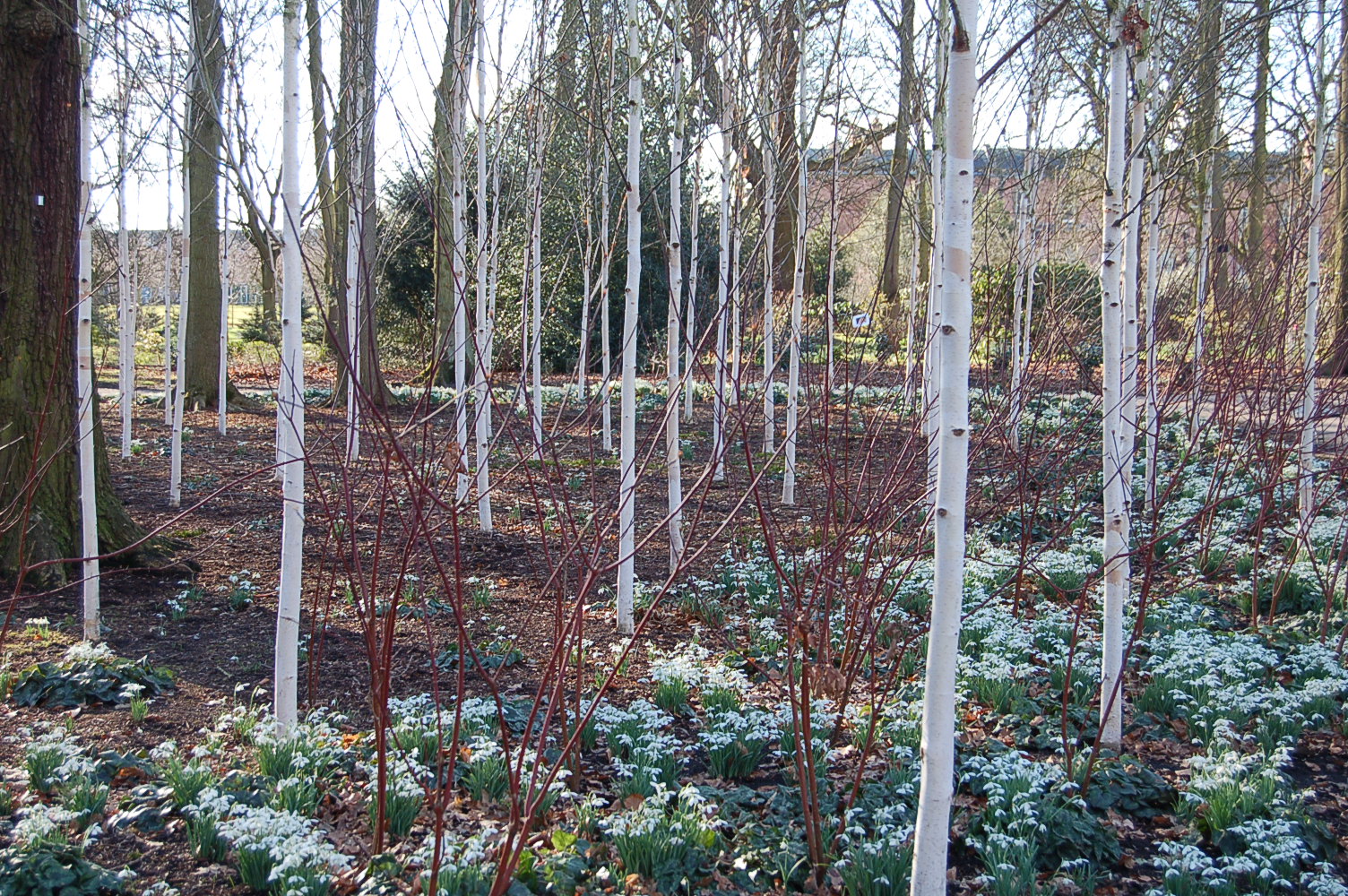
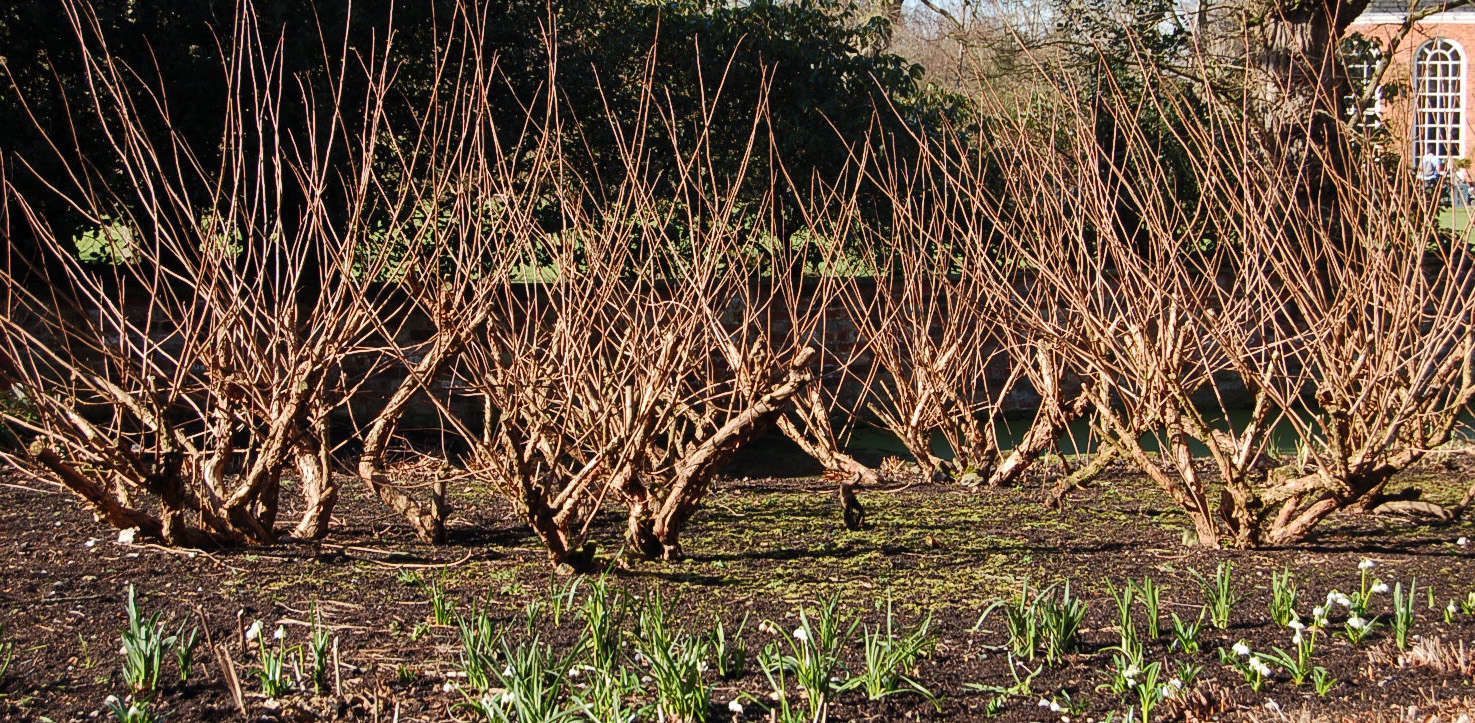
Long shadows of the White-stemmed Birch cross the carpet of Snowdrops.
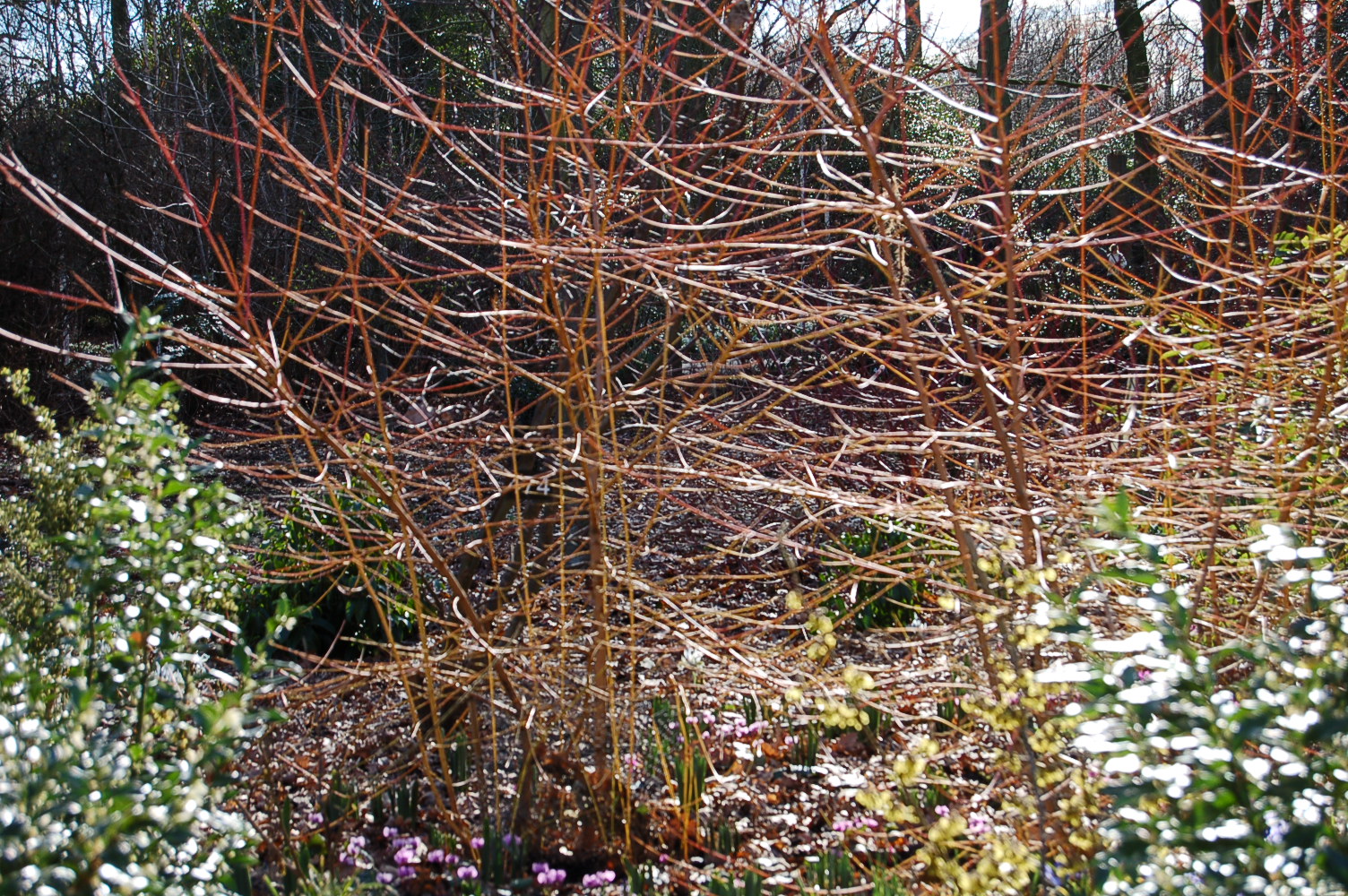
Winter light turns Cornus mas flowers into gold along the orange peel bark.
Orange stems and yellow foliage enriched by the light
Looking out from the shadows.
Curling silhouettes of an old gnarled Rhodendron bush.
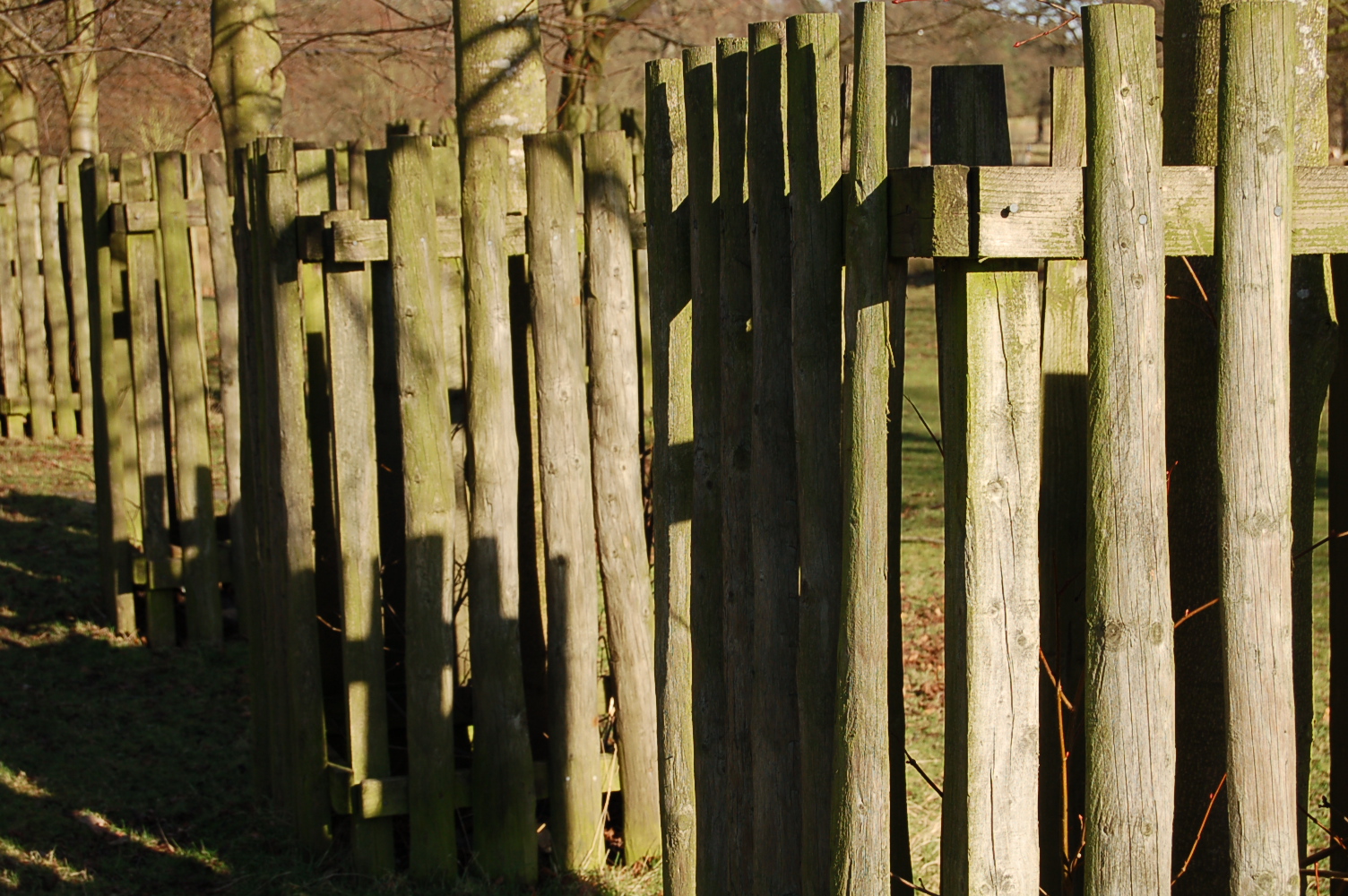
Fence shadows.
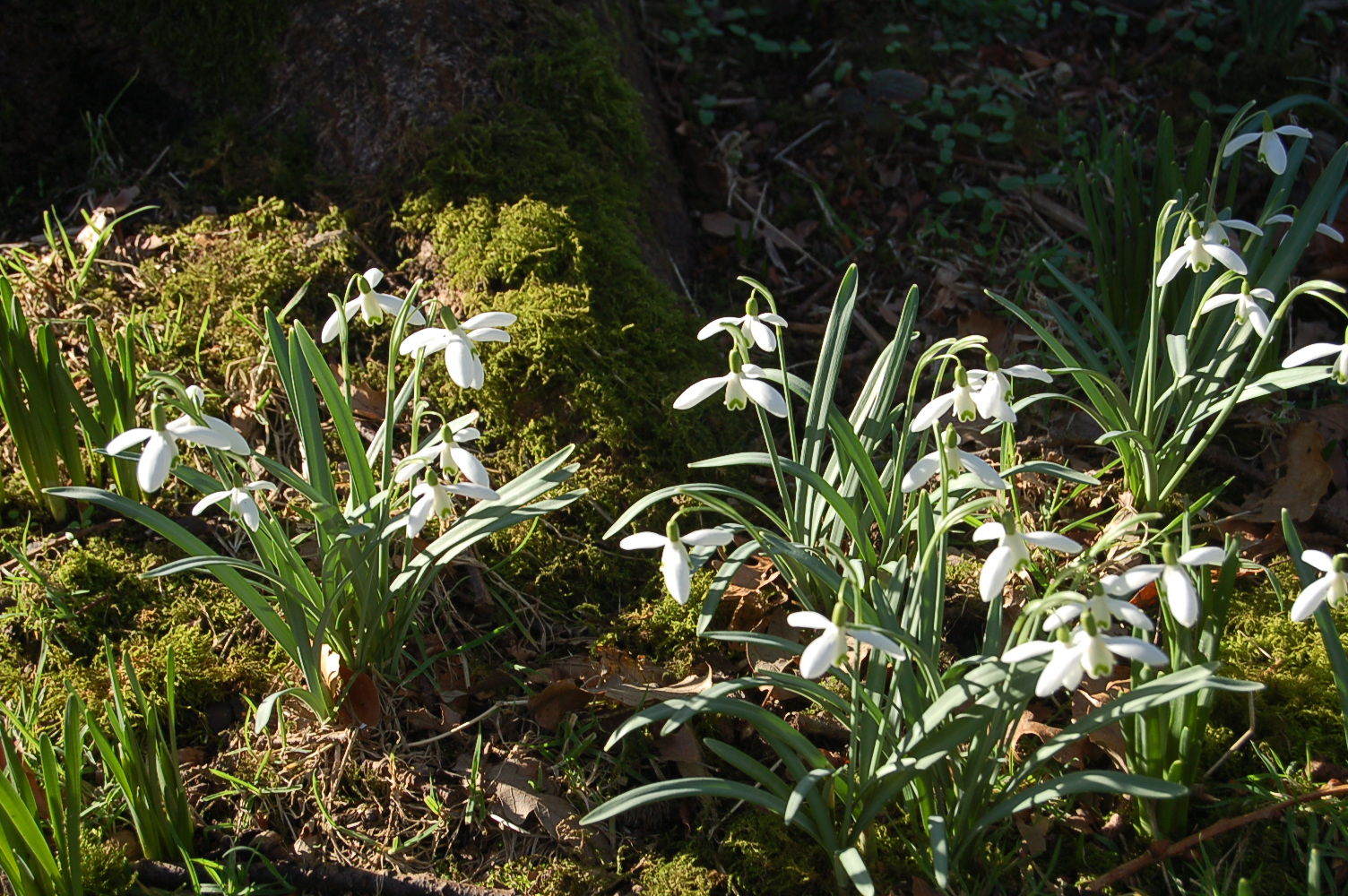
Snowdrops and moss.
Sparkling Hydrangeas.
Into the light.
Fallen rotting tree trunk looking like a huge tuning fork.
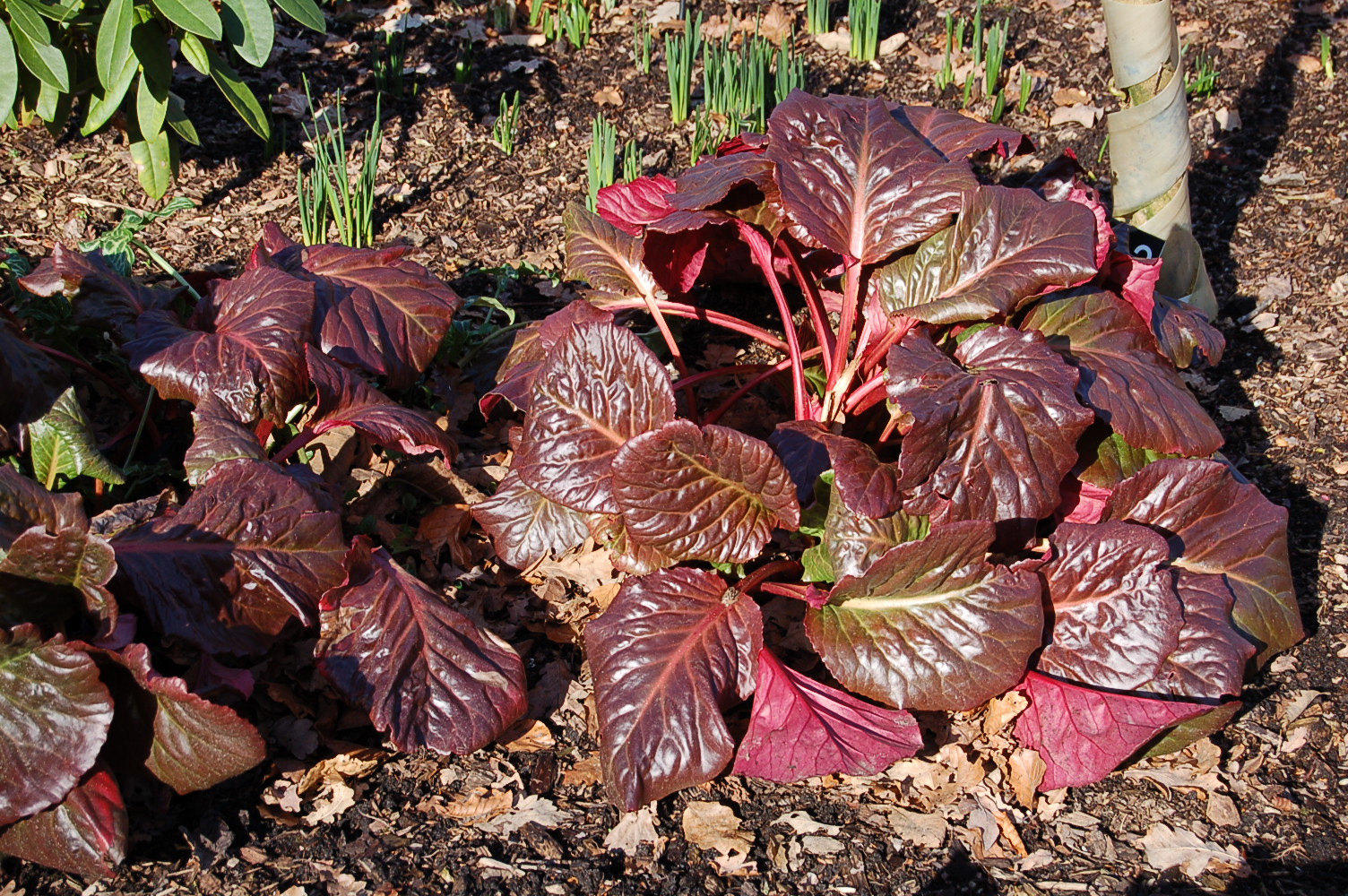
Jewel coloured Bergenia leaves.
Sparkling Lake
Categories
allotments bird watching birds climbing plants fruit and veg garden design garden photography garden wildlife gardening grow your own winter gardens

A Wander Around Our Garden in March

This is the third of the garden wandering posts already. Why is this year going so quickly? Could it be that we have had so many days when the weather has been amenable to gardening? So what is happening here in our garden? The bulbs are at last flowering well after such a slow start but in contrast the birds are responding quickly to warmer periods of weather. Robins are nesting in the box on my fishing tackle shed, House Sparrows are using three boxes around the garden, Great Tits are using the box on the summer-house and Blue Tits have started building in the box opposite the front door. They are so busy! Blackbirds are collecting moss from the lawns and dried grass stems from the borders so are nesting somewhere close by. The early morning bird song gets louder and more birds join in the chorus each day.

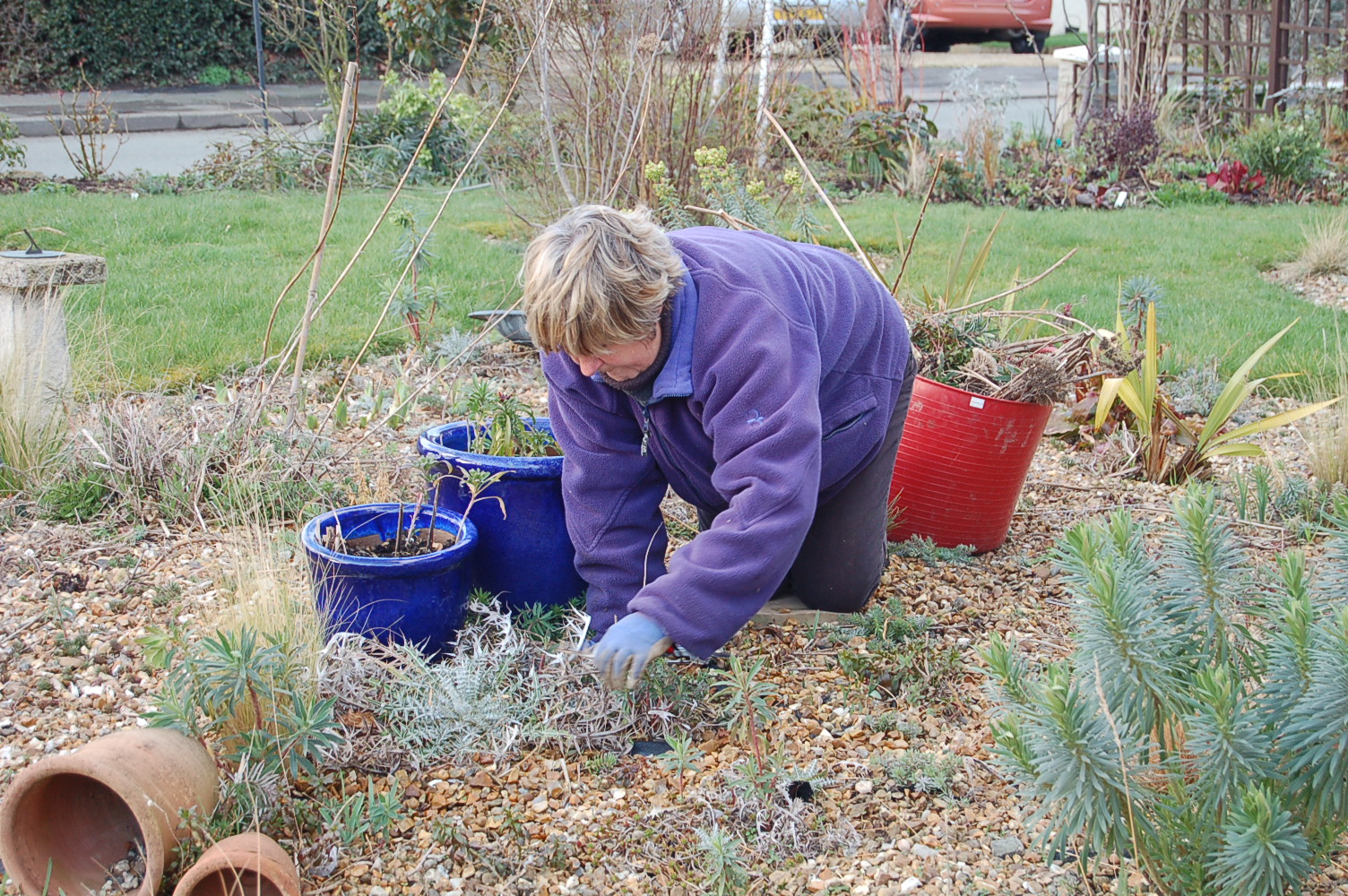
We have spent most sunny days continuing to clear borders, cutting down and adding new mulch. Clearing the “Beth Chatto Garden” is a hands and knees job. Jude the “Undergardener” pulls up weed seedlings by hand. Very tedious but made more enjoyable by the constant song of Blackbirds, Song Thrushes and Robins. Calls of Buzzards high above us provide a good excuse to stop occasionally.

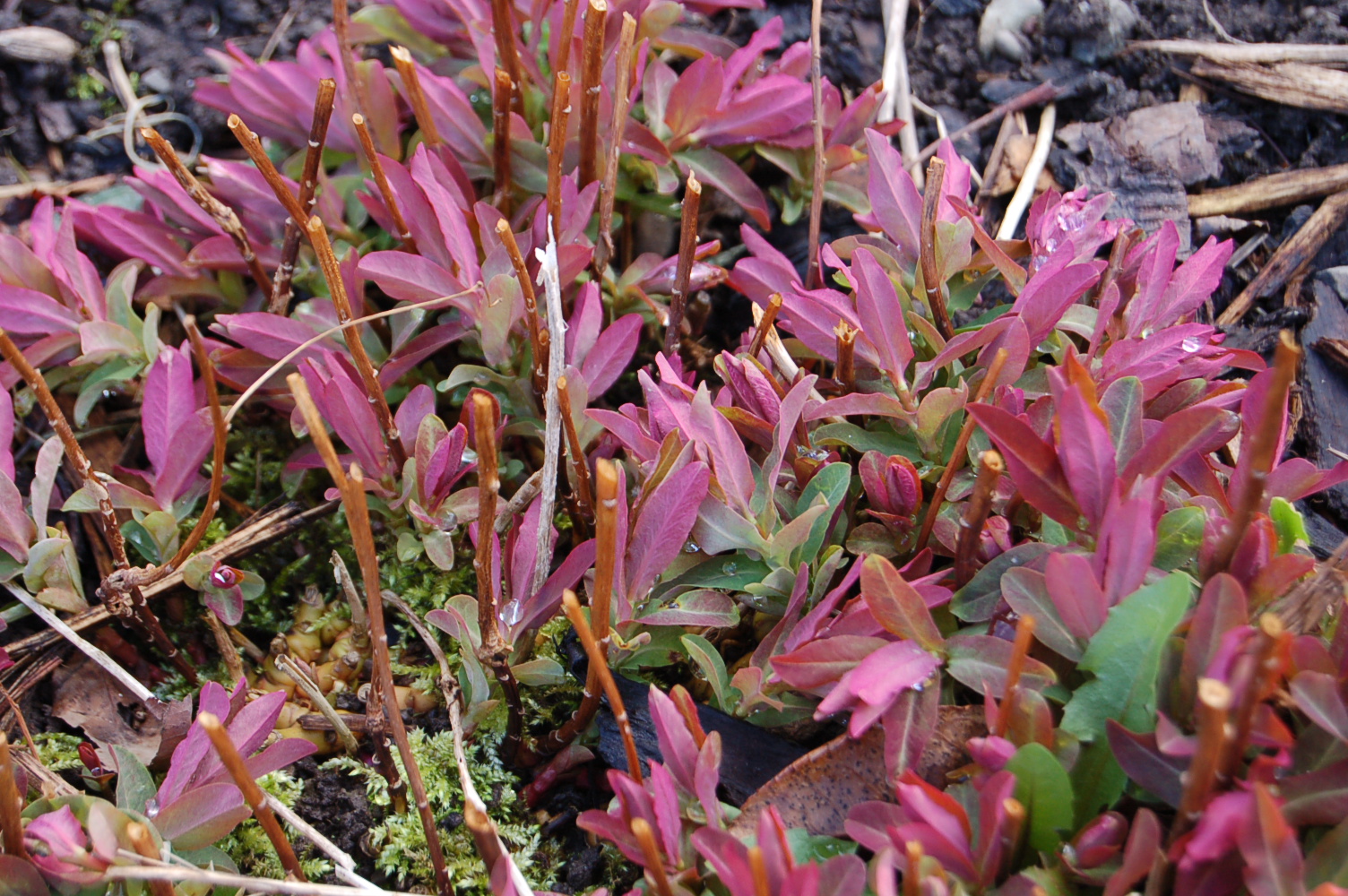
In the front garden Euphorbias are bursting into growth and some have already sent up their flower stalks curling over like shepherds’ crooks. New growth on the later ones is showing bright colours as they emerge from the bark mulch.

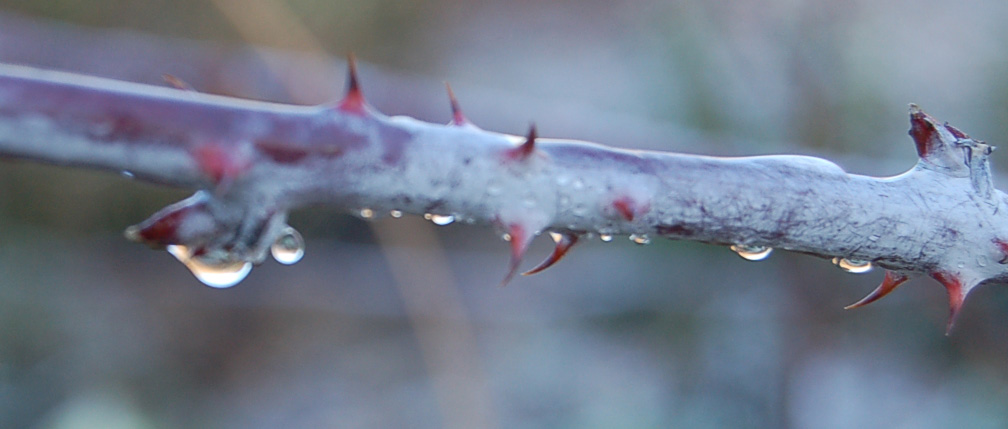
The flowering quince at the end of the drive is covered in bright red blooms scattered amongst its thorny angular network of stems – it will flower for months giving a warm welcome to visitors.

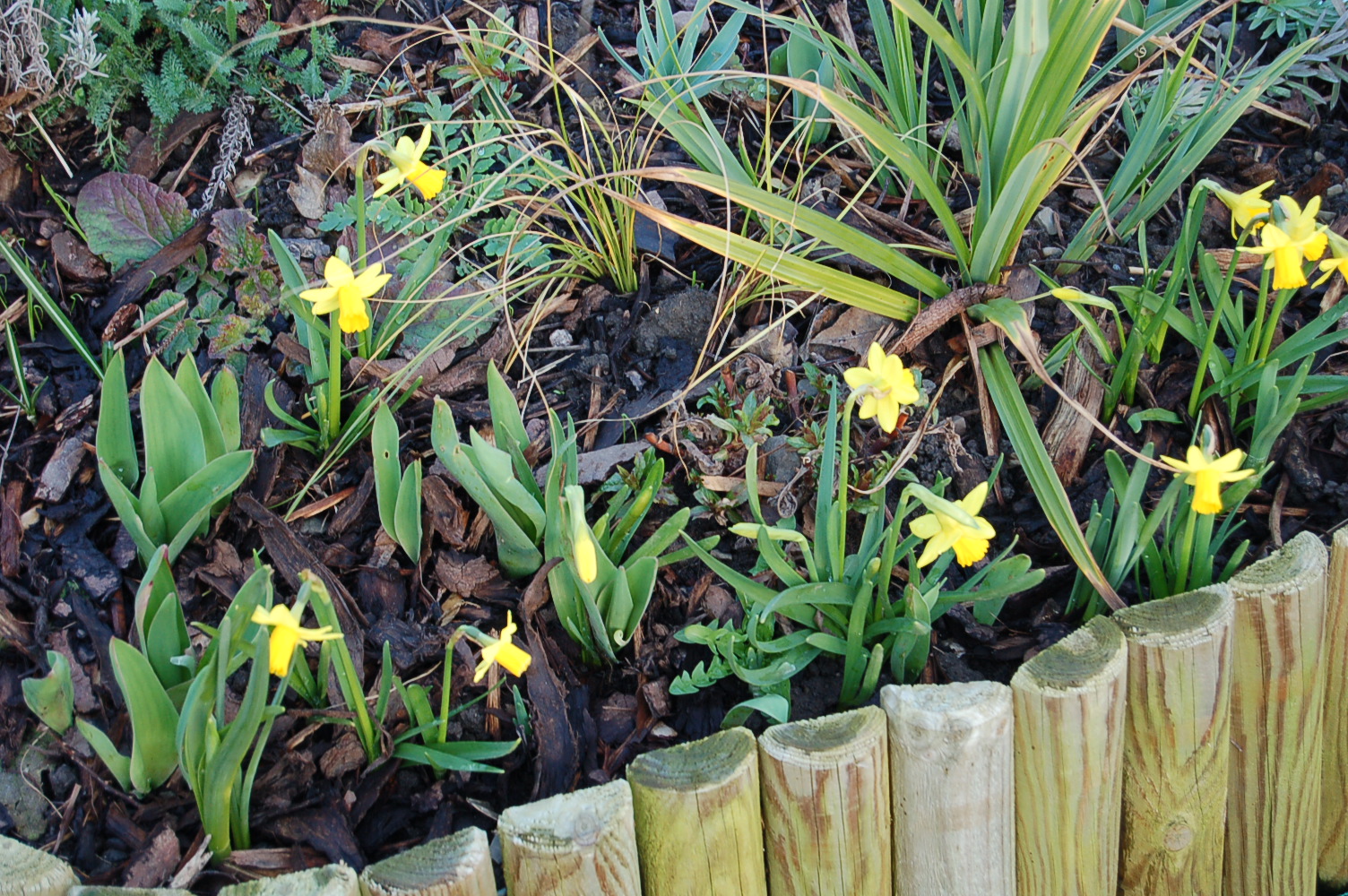
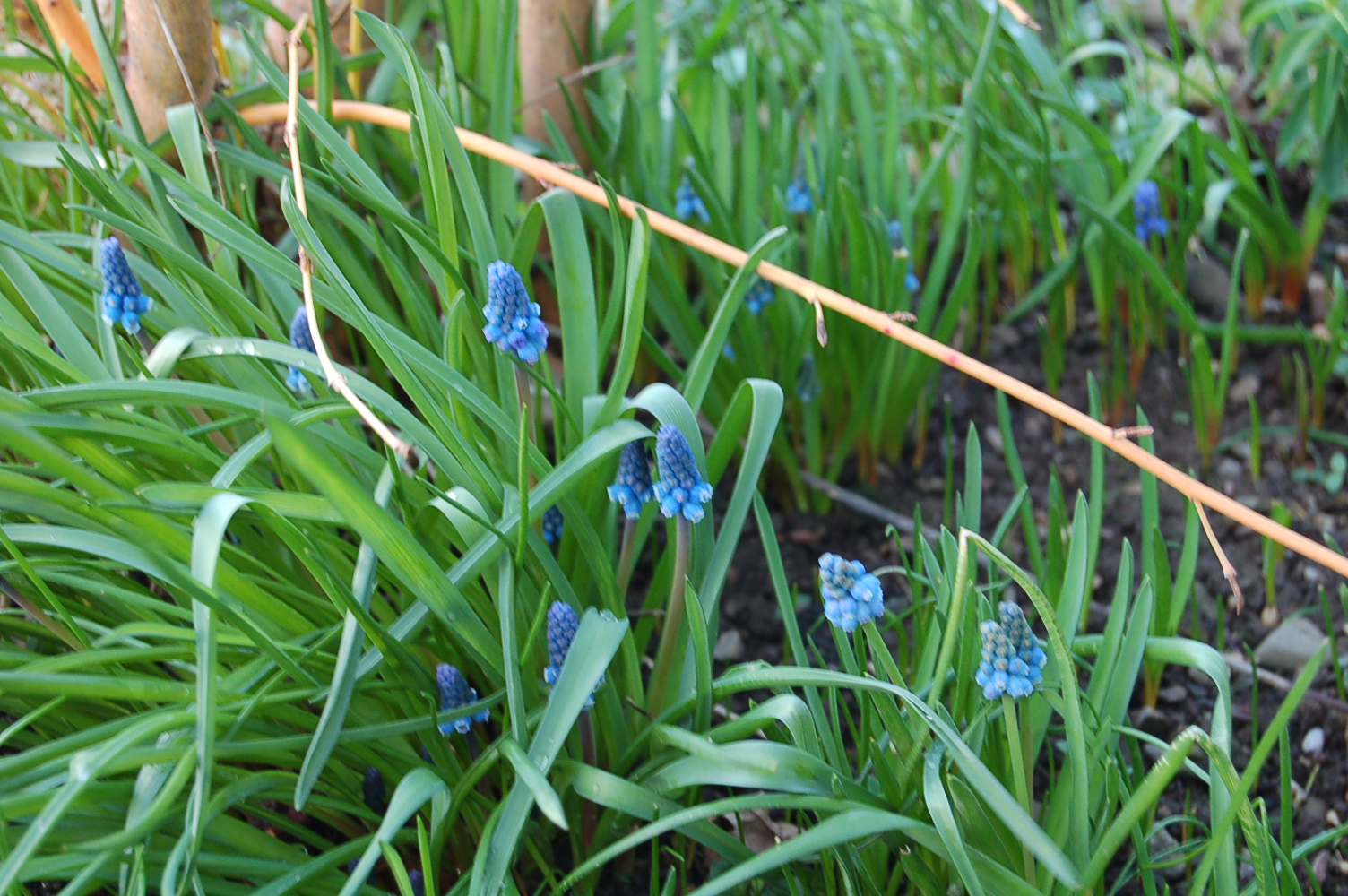
At last our first daffodils are fully in flower! We have waited so long. Muscari are also now bursting into bloom adding their own shade of blue all around the garden.

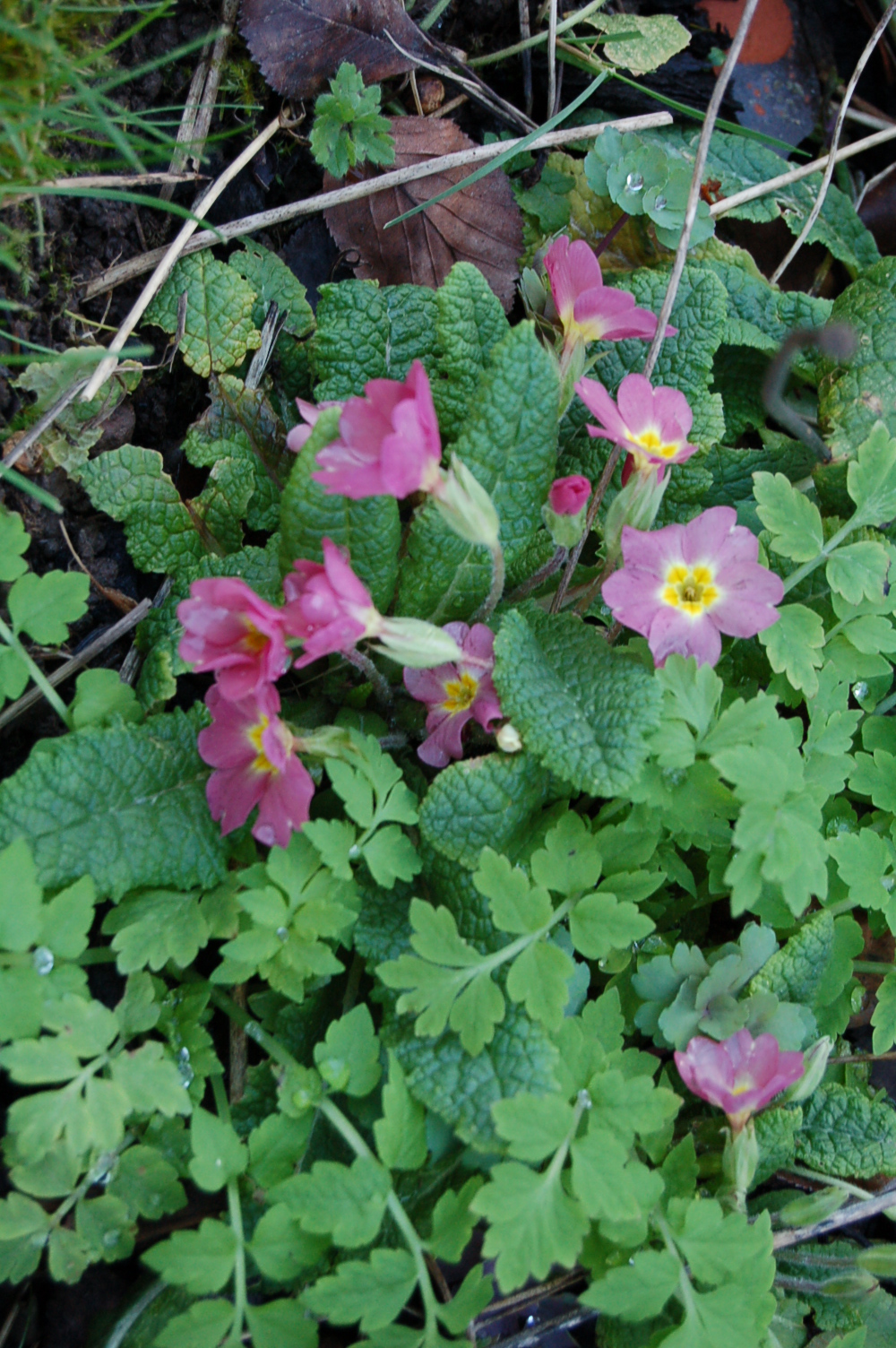
The Primroses we grew from seed a few years ago now give us big clumps of flower in their own special shade of yellow. They are self seeding and spreading around the garden, with an occasional plant producing flowers of an extraordinary shade of greyish pinky. Not sure I like them!
One of the delights of this time of year are the Pulmonarias with their flowers coloured pink and blue on the same plant and their beautifully marked hairy leaves.

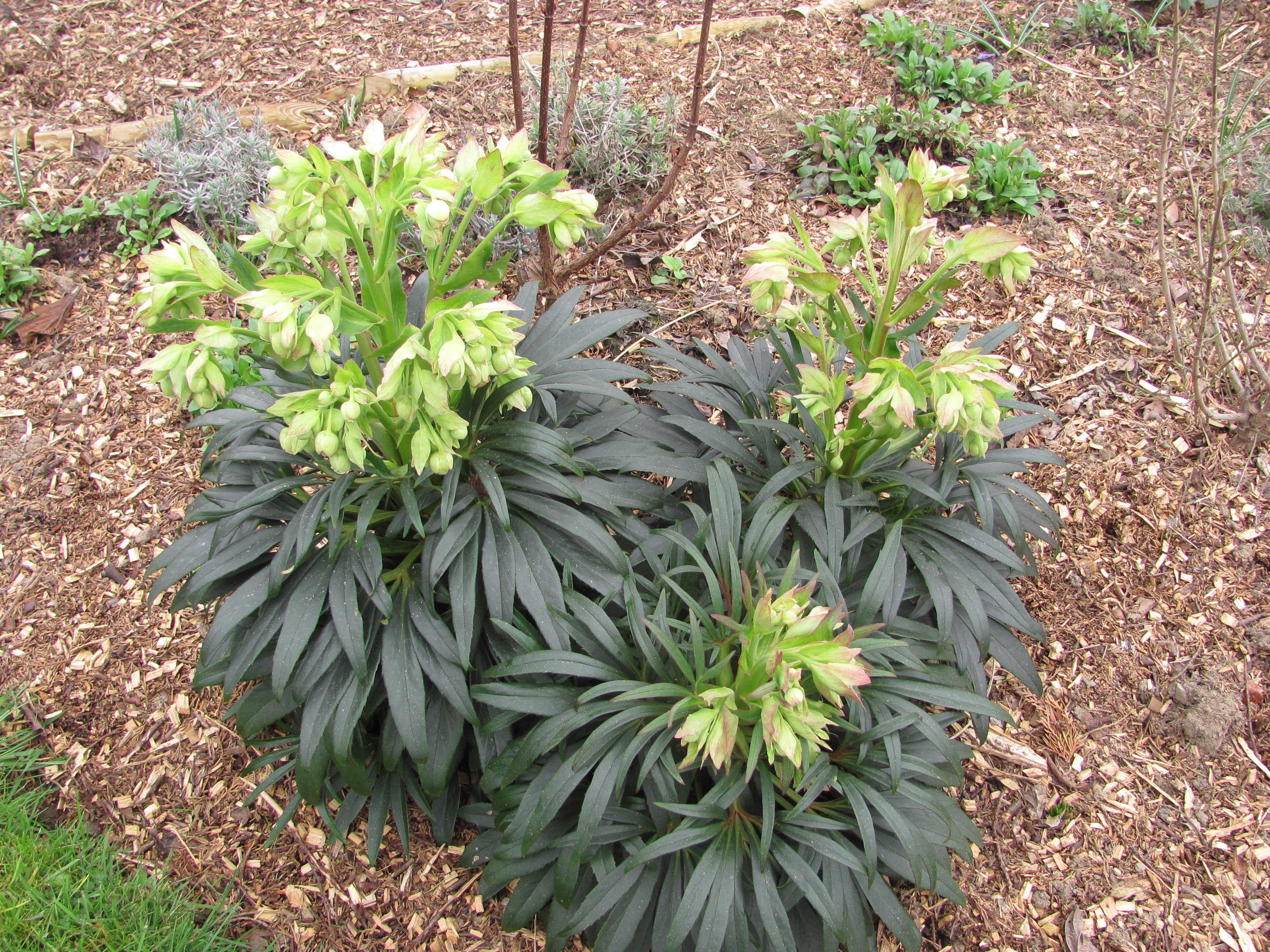
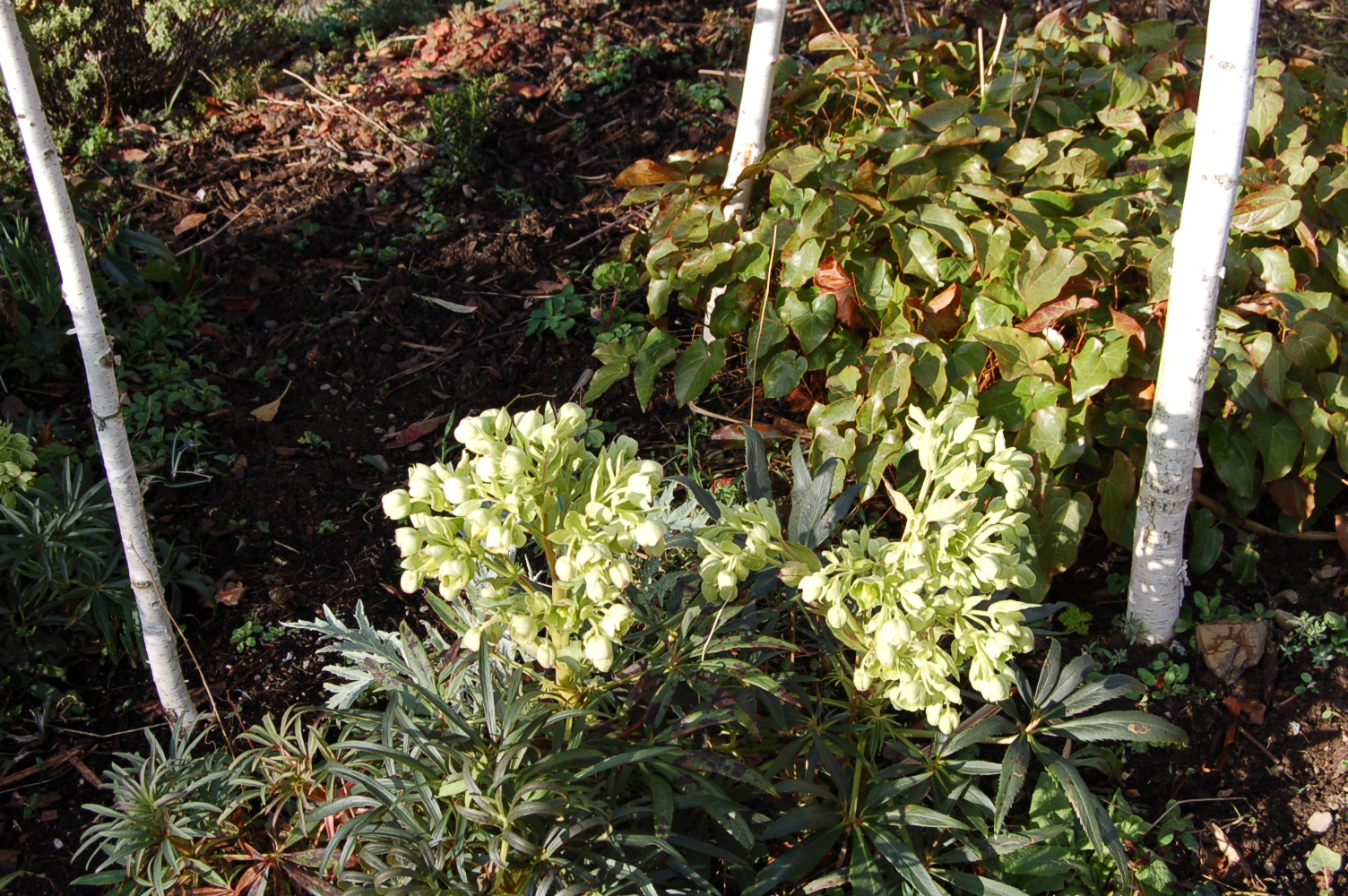
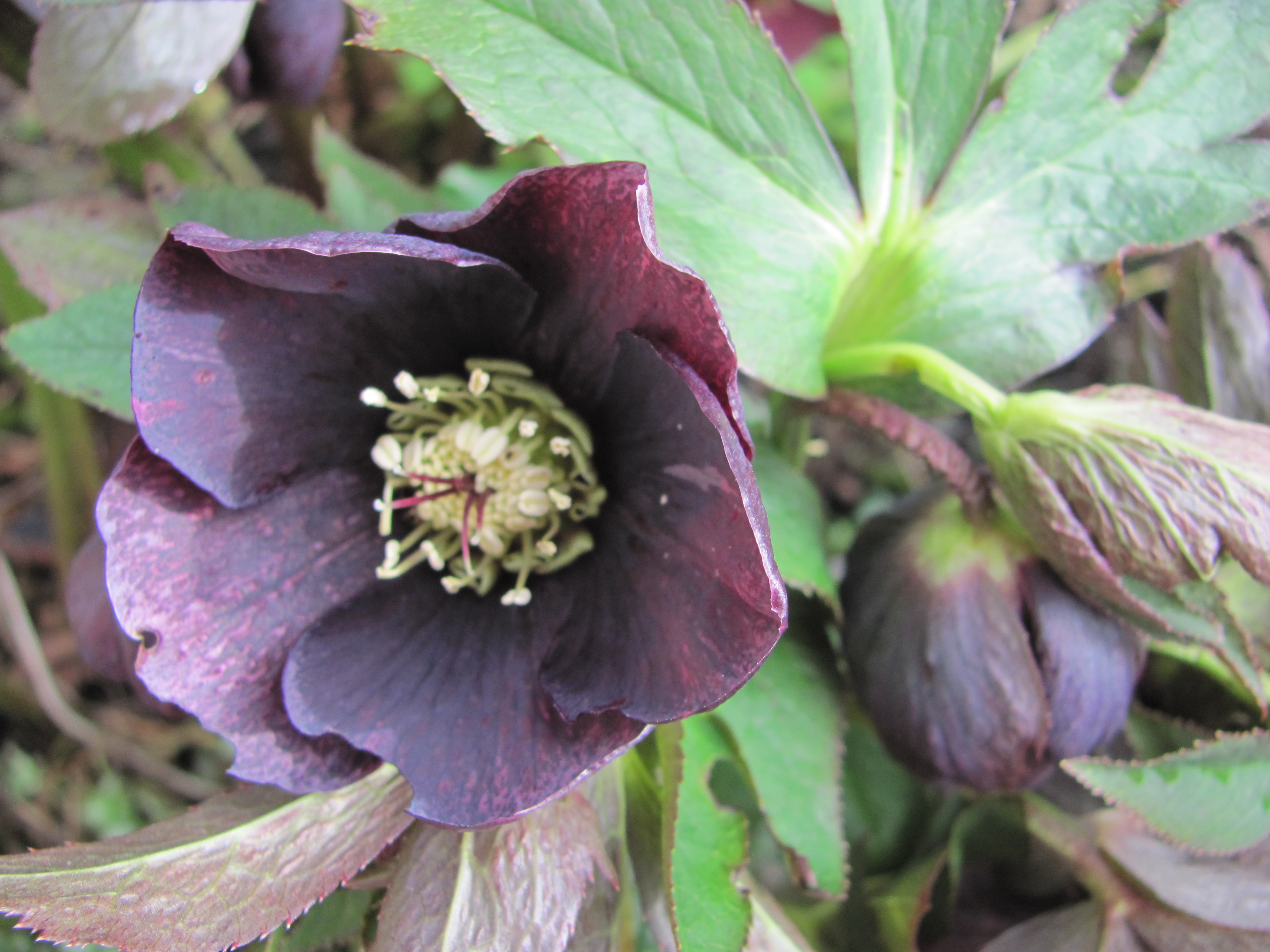
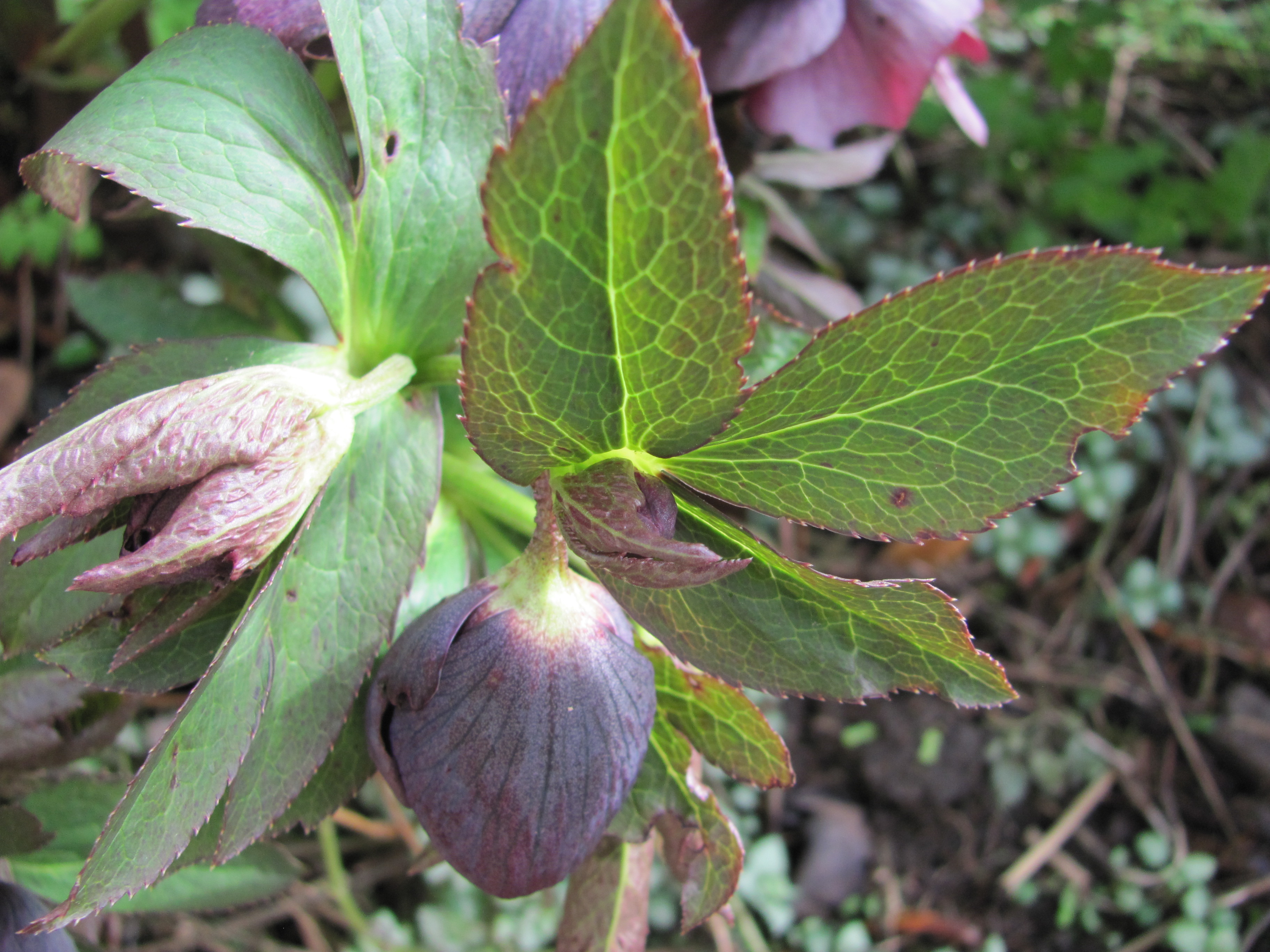
Helleborus have featured in both the January and February garden wanderings and they are still going strong. Two of the last ones to come into flower are this red hybrid and the magnificent near black variety. It looks good in bud and full flower and has the added attraction of interesting foliage. The clump of mixed Hellebores in the “Chicken Garden” give us plenty to look at on coffee breaks when the March sun bursts through and its warmth feels so good on our backs.

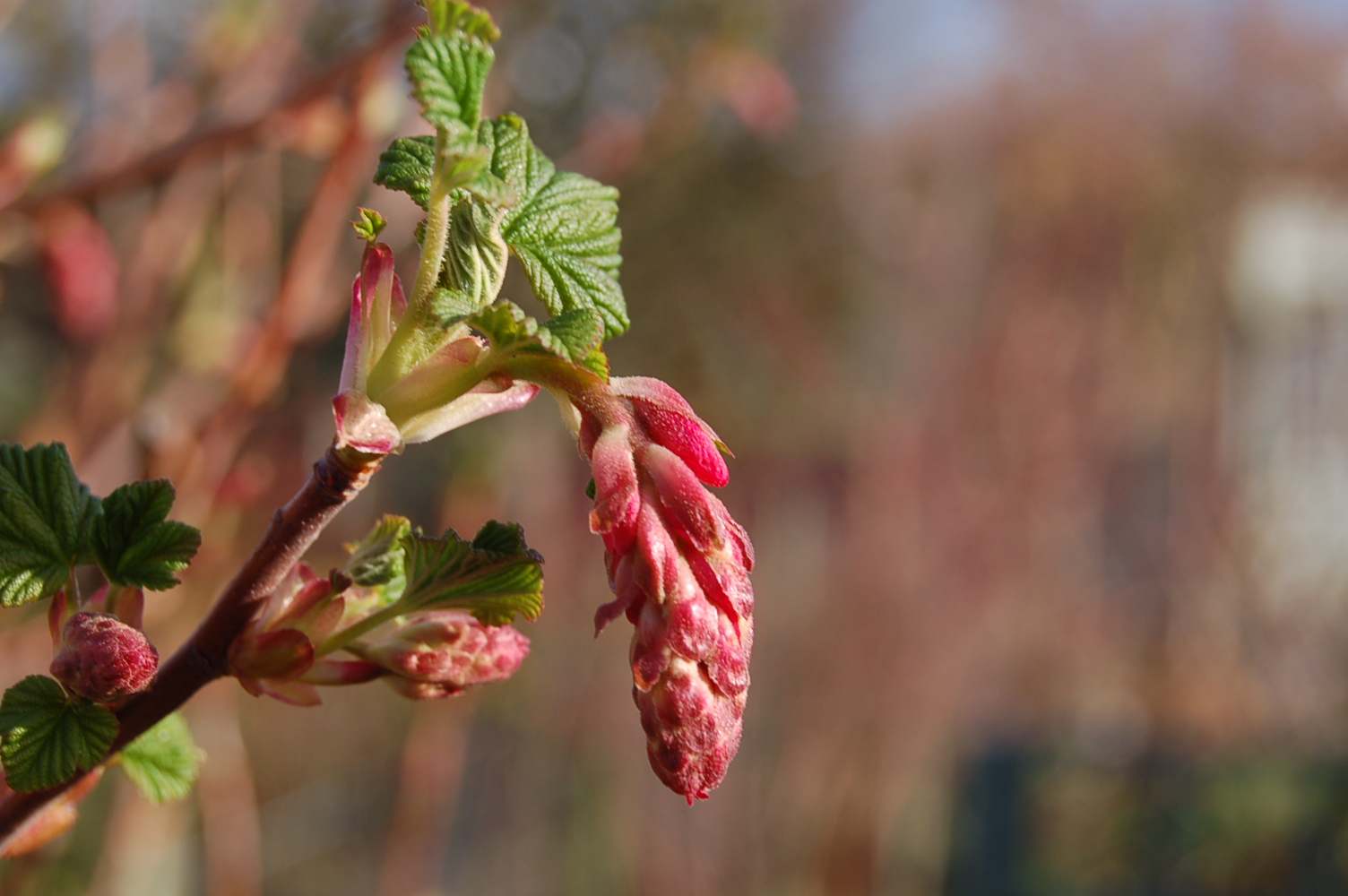
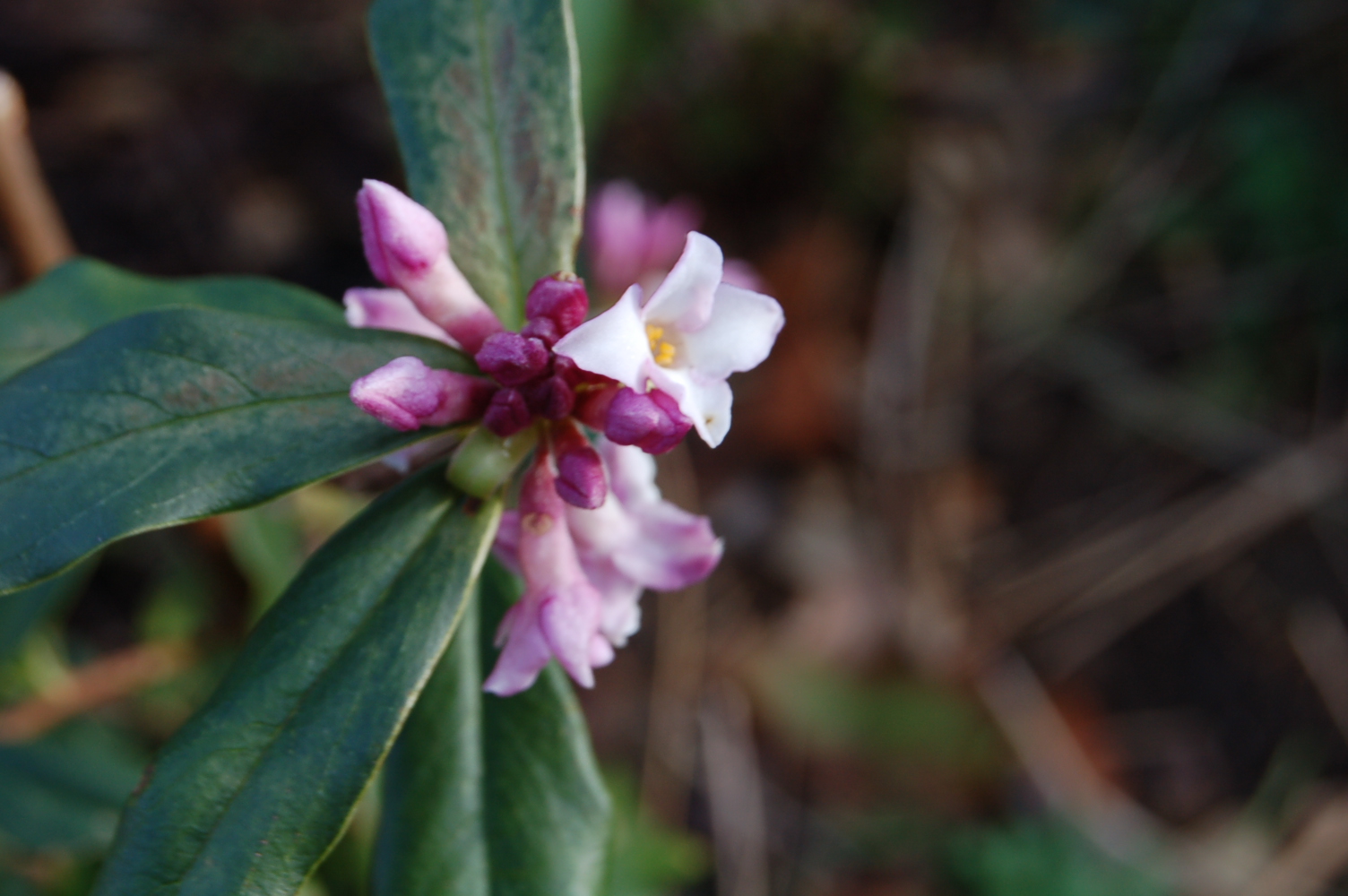
The bees appreciate the early flowering bulbs especially purple crocuses but soon they will be flocking to feed on the Flowering Currant, the exceptionally large flowered variety Ribes sanguineum King Edward VII, which is on the point of bud burst. The buds on the Daphne bhulua “Jacqueline Postill” have opened to reveal highly scented flowers in several shades of pink.

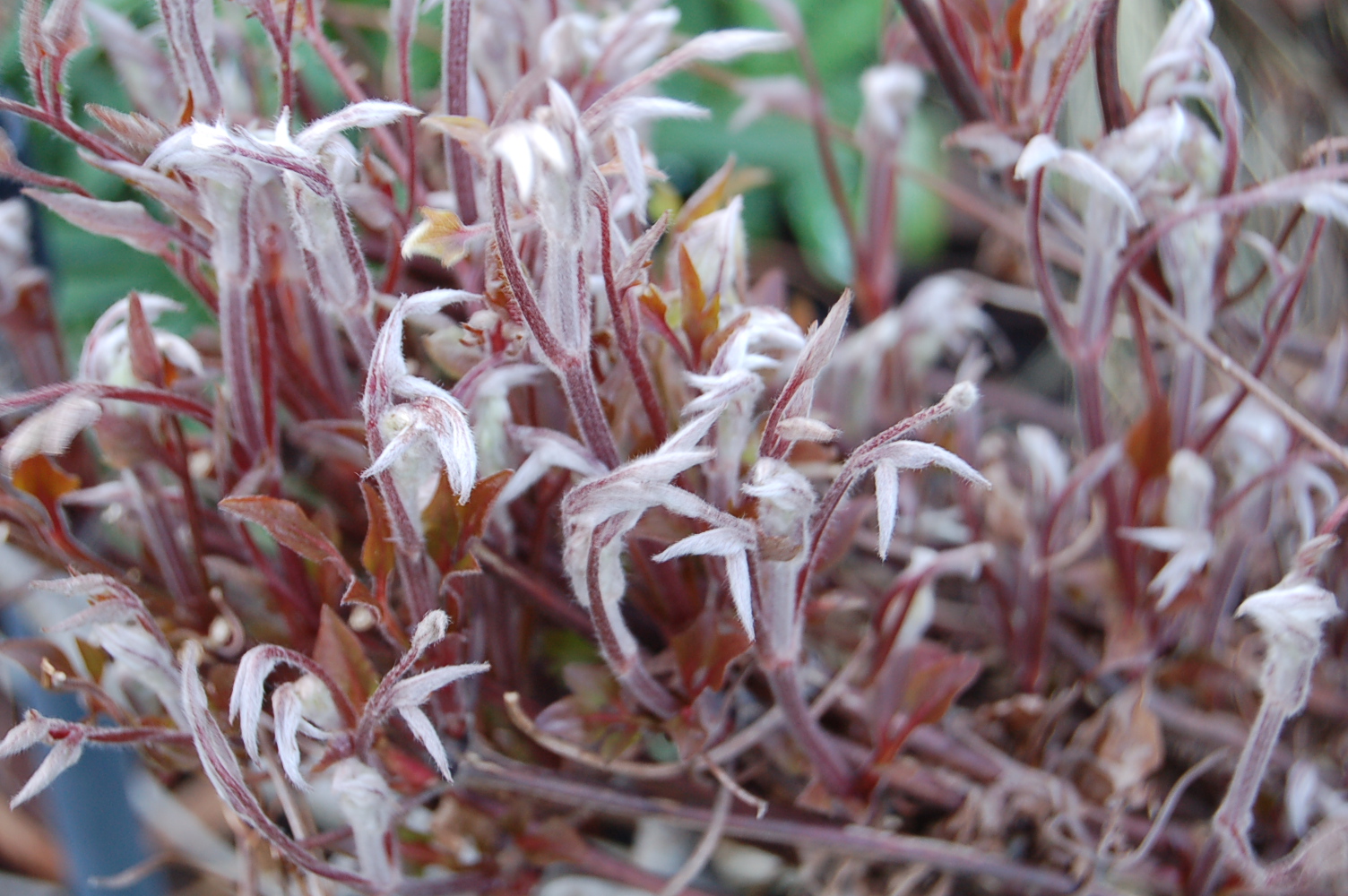
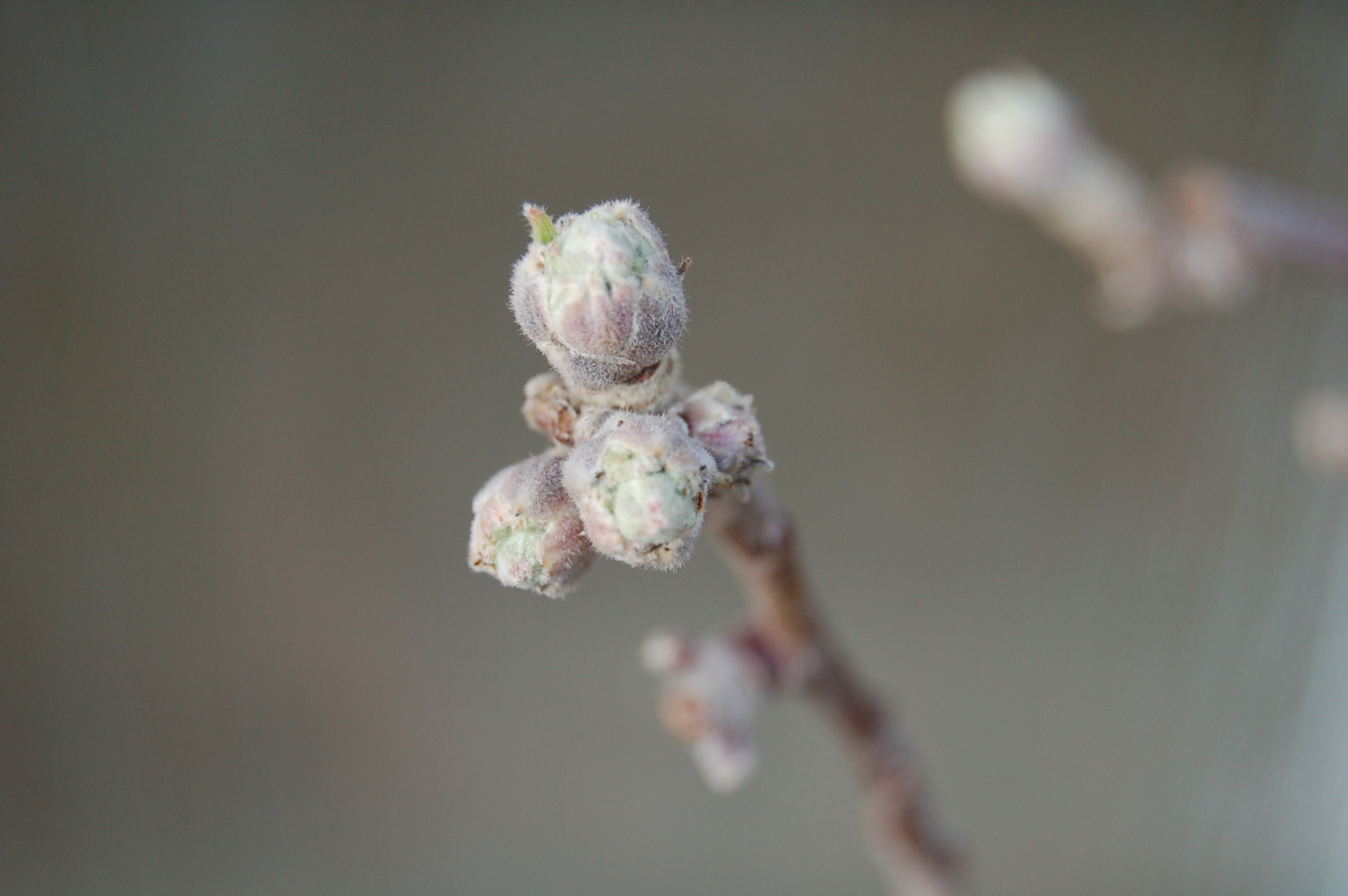
March in the garden is full of promises with buds developing and preparations underway for the productive garden. The photos show buds of Clematis, both climbing and herbaceous, and Apples and Pears.

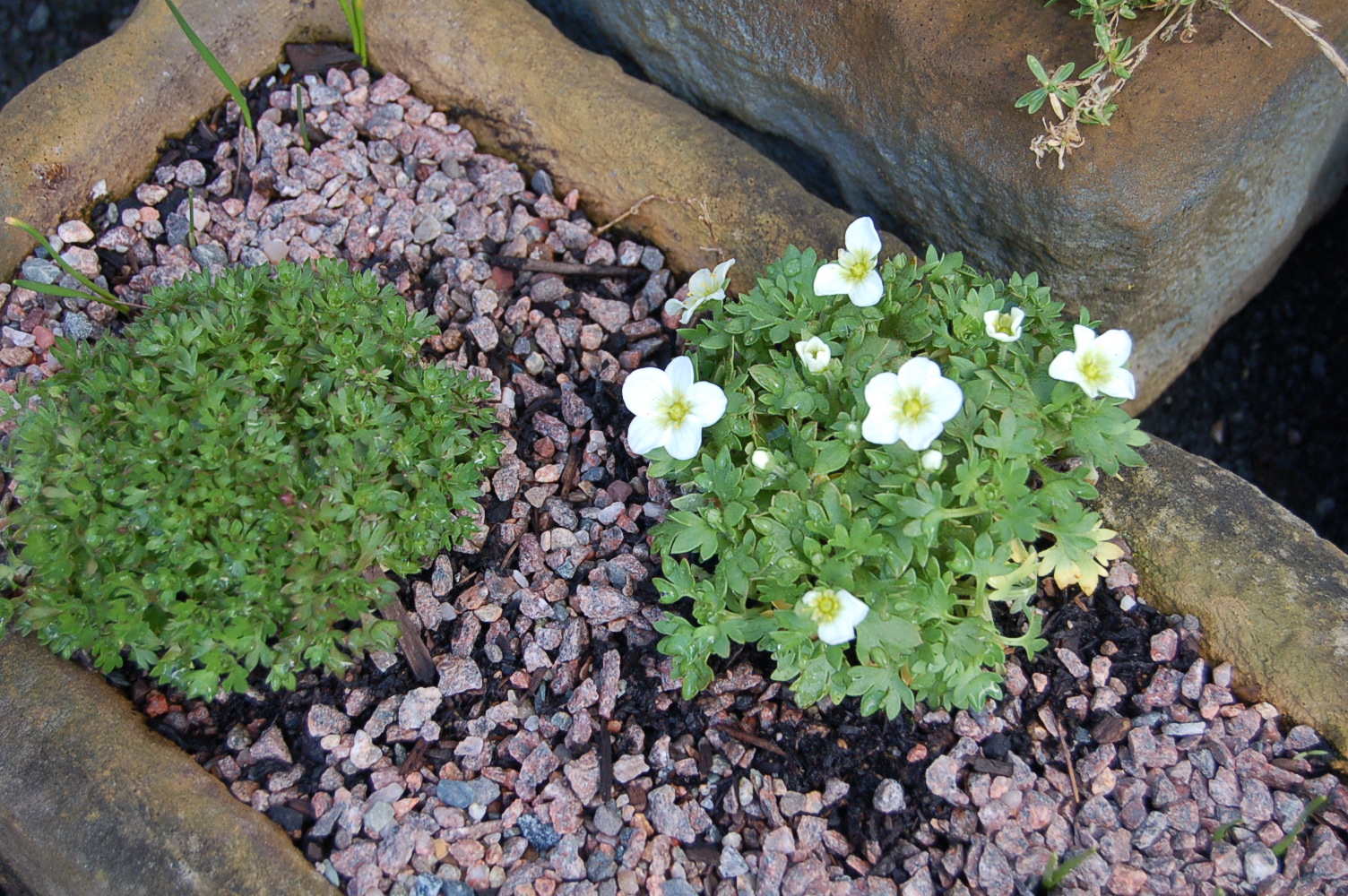
The Sempervivum in the alpine troughs and on the slate scree bed are all budding up nicely but one pure white-flowered one is out and glowing in the March sunlight. They are such precious little jewels of plants.

Our two newest areas of the garden, the Chicken Garden and the Secret Garden, are turning glaucous green with Allium leaves. One area is like a lawn of Allium. They seem to enjoy our soil too much and are spreading and self seeding madly!
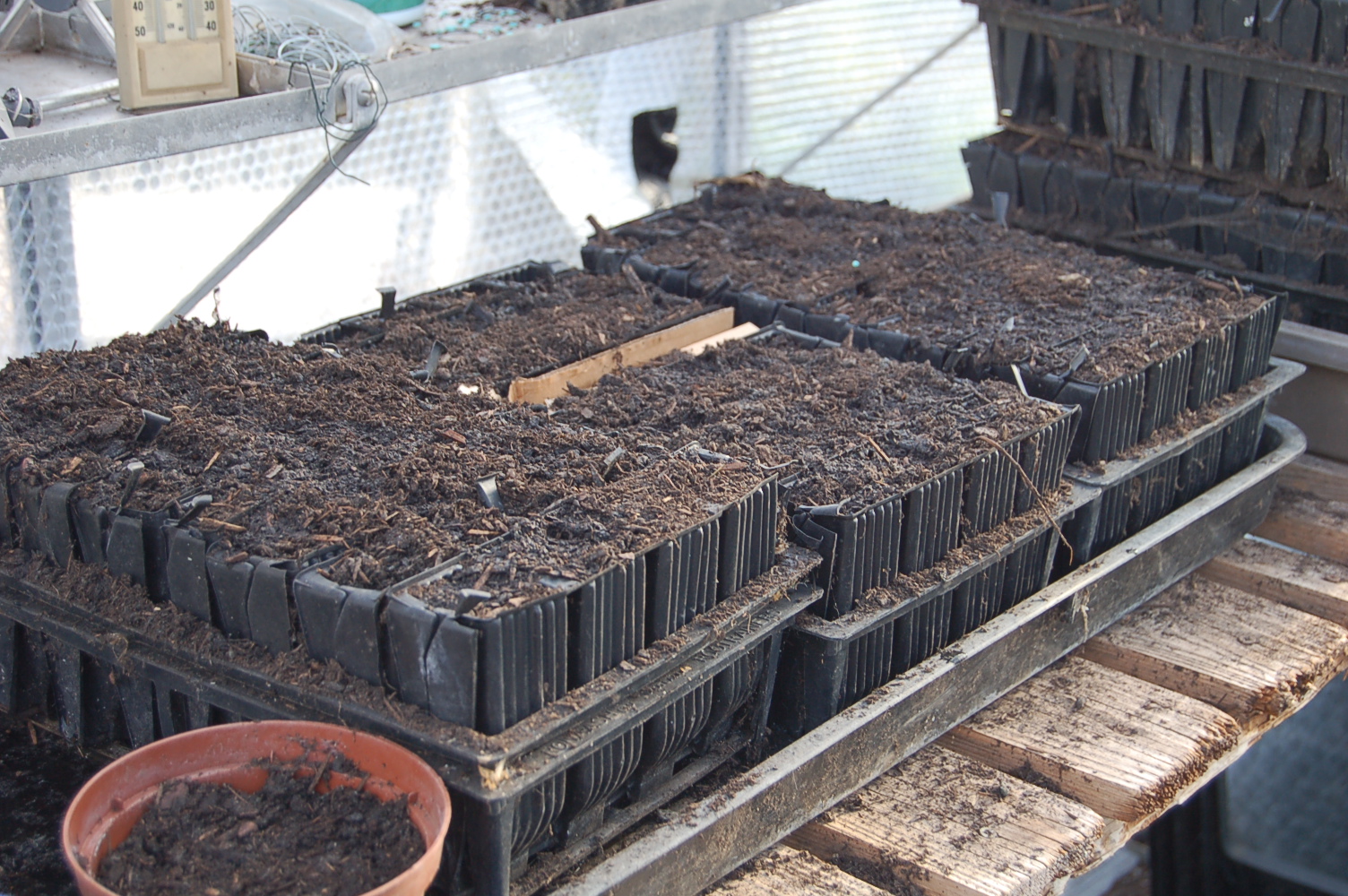
The productive side of our gardening mostly happens on our allotment but we have a big greenhouse in the back garden where we start off many of the veggie plants. Some seedlings have germinated in the propagator and lots cells and 5 inch pots are full of compost ready for us to sow peas, broad beans and sweet peas.

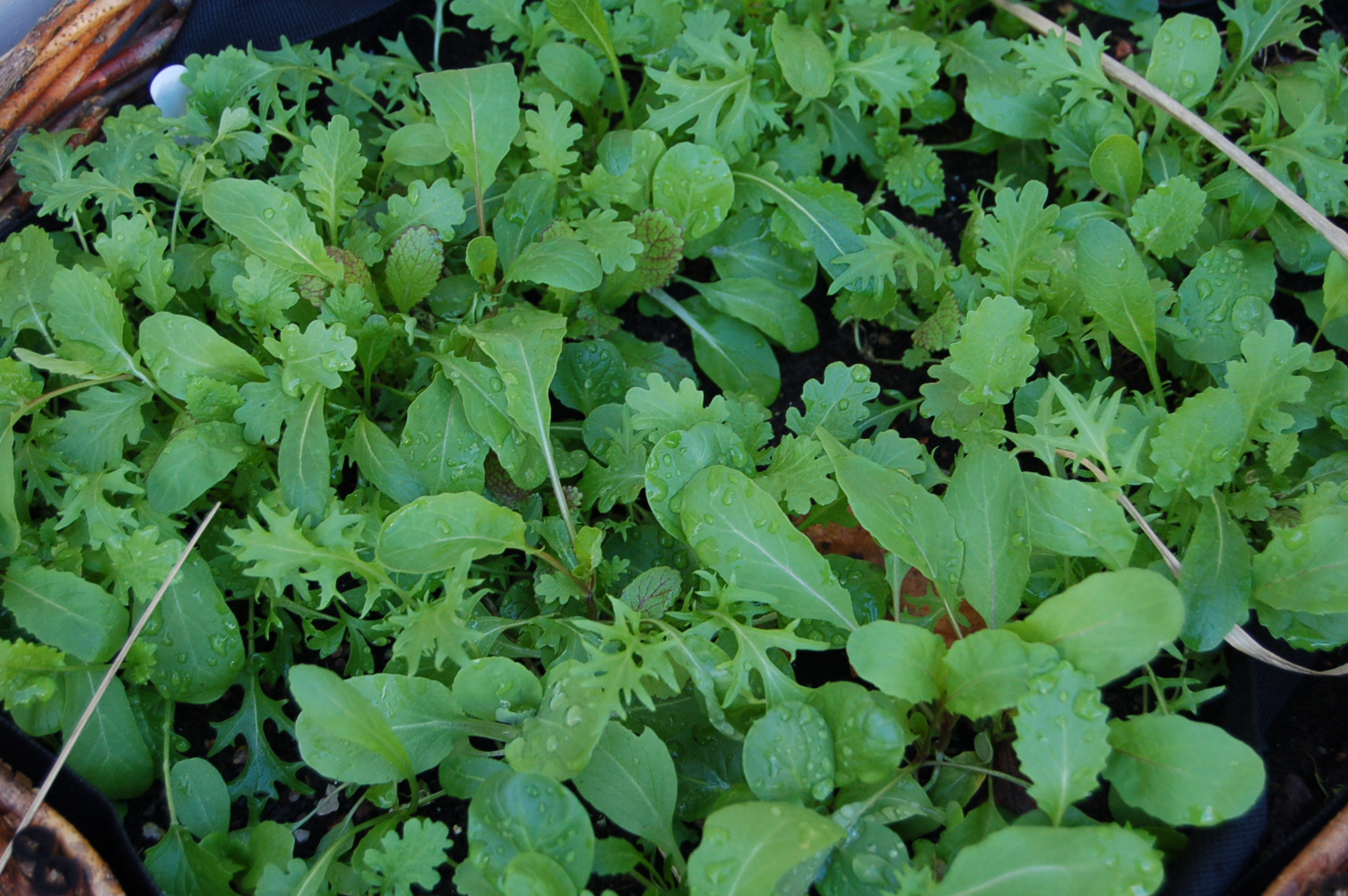
In our raised wicker beds just outside the back door the cut-and-come-again salad leaves are almost ready for the first cutting – and of course the first eating. So many different textures, colours and tastes! Delicious! Much is still to happen in March and on into April.

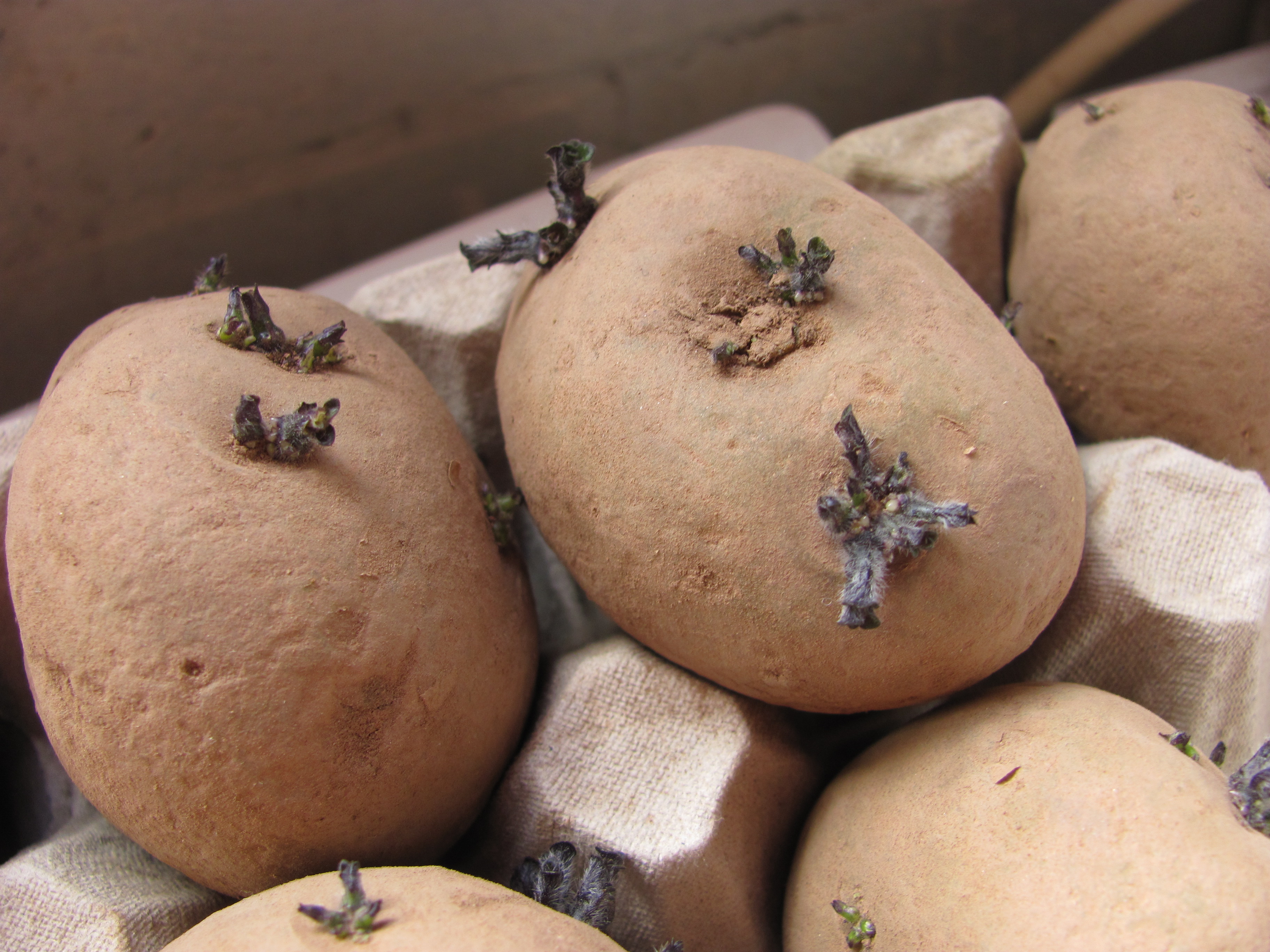
Our Comfrey patch is showing strong growth. This is one of the most important areas of the garden for in this 2ft by 10ft bed we grow a comfrey variety called Bocking 14, which we can cut 4 or 5 times a year. The leaves can be put in the bottom of potato trenches before we plant the potatoes to feed them and prevent the disease “Scab”. We also put them as a mulch under fruit trees and bushes as a feed and as a weed suppressant, and use them to make a liquid feed mixed with nettles.

So much is still to happen in the March garden.  It is a busy and exciting month. So much to look forward to.

Categories
garden design garden photography gardening hardy perennials National Trust ornamental trees and shrubs The National Trust trees winter gardens

The Winter Garden at Dunham Massey

We visited the Winter Garden at the National Trust’s Dunham Massey just after it opened, so we returned this week to see how things had developed. Wow! This is some Winter Garden. The National Trust enlisted Roy Lancaster, one of my gardening heroes, to help with its design so there is some interesting planting. We wandered around it for hours trying different routes through it which afforded us the opportunity of seeing each bit of planting in a different light. This is a garden for all the senses, our eyes, noses, fingers and ears enjoyed every moment. It was busy but the design and quality of planting seemed to make everyone remain quiet. Quiet enough to hear the birds, bees and insects at work.

A winding path lead us through an area of mature trees underplanted with miniature daffodils, an area where the trees’ long shadows cut across the Daffodils, beautifully lit by the low sun and shining like gold, and soon we glimpsed the massed planting of white barked Birches.

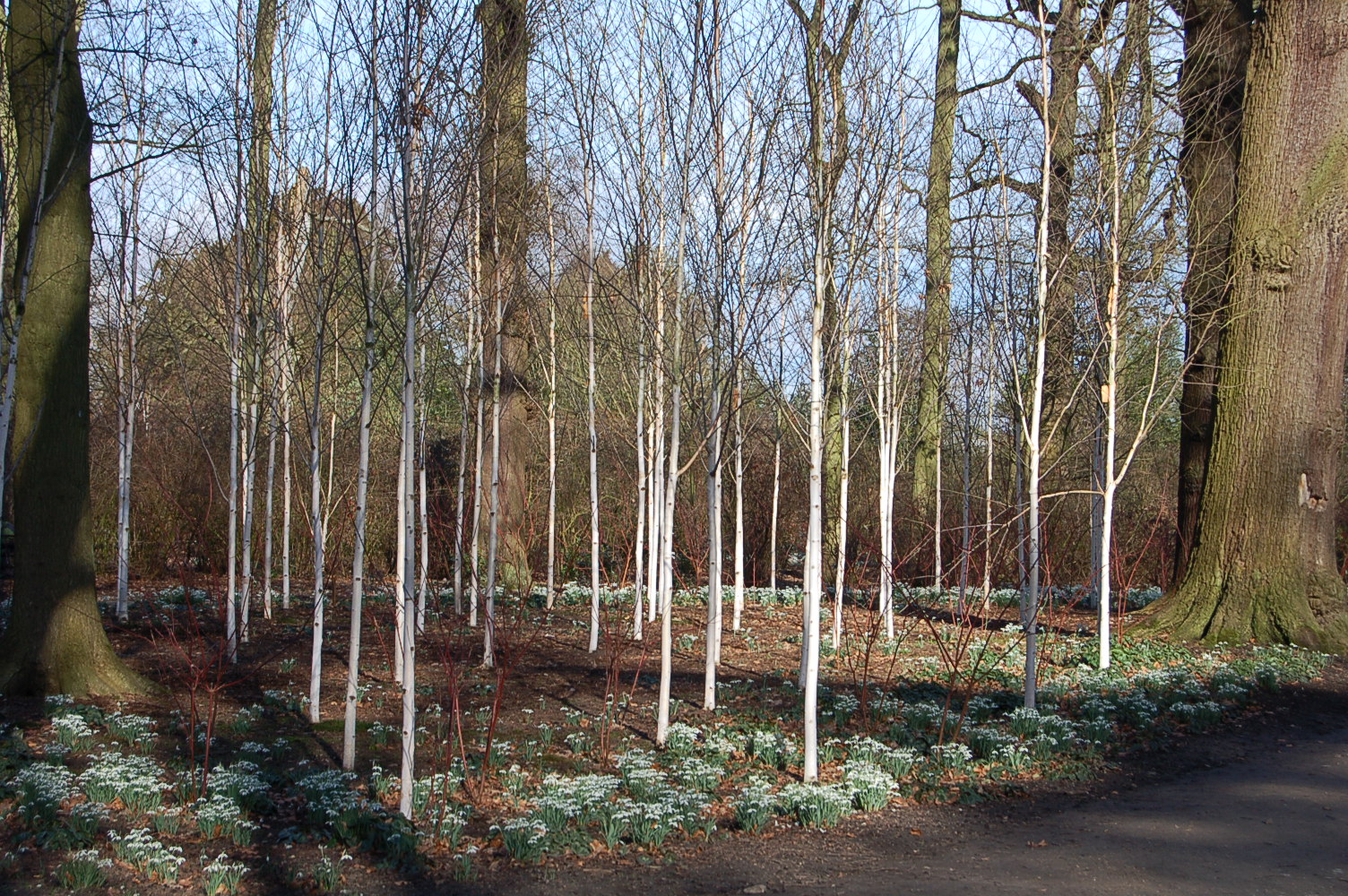
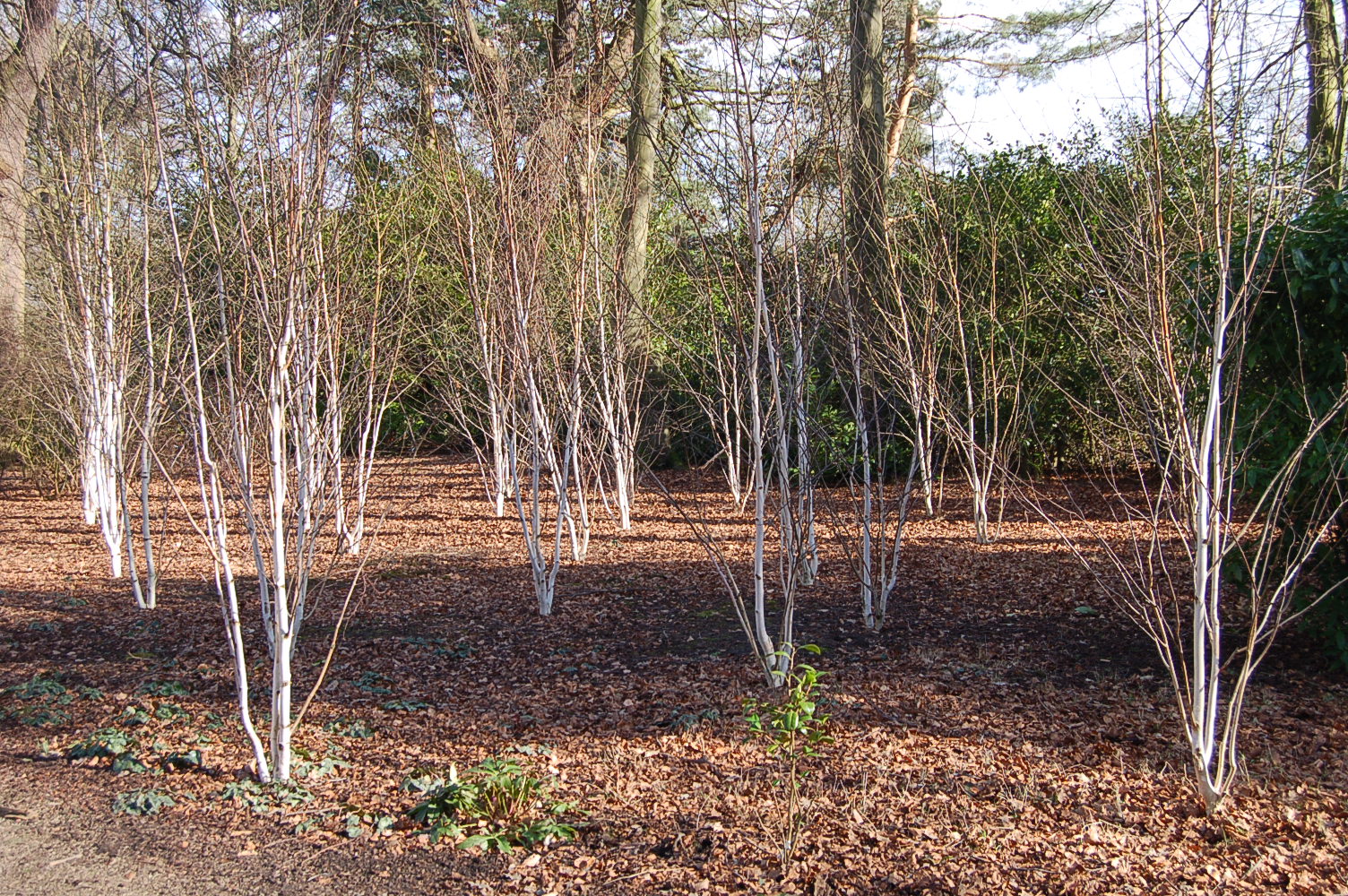
There were two distinct areas of Birch trees, single stemmed specimens one side of a path and multi-stemmed on the other. Betula utilis “Doorenbos” was the chosen variety and their trunks were a clear crisp white.

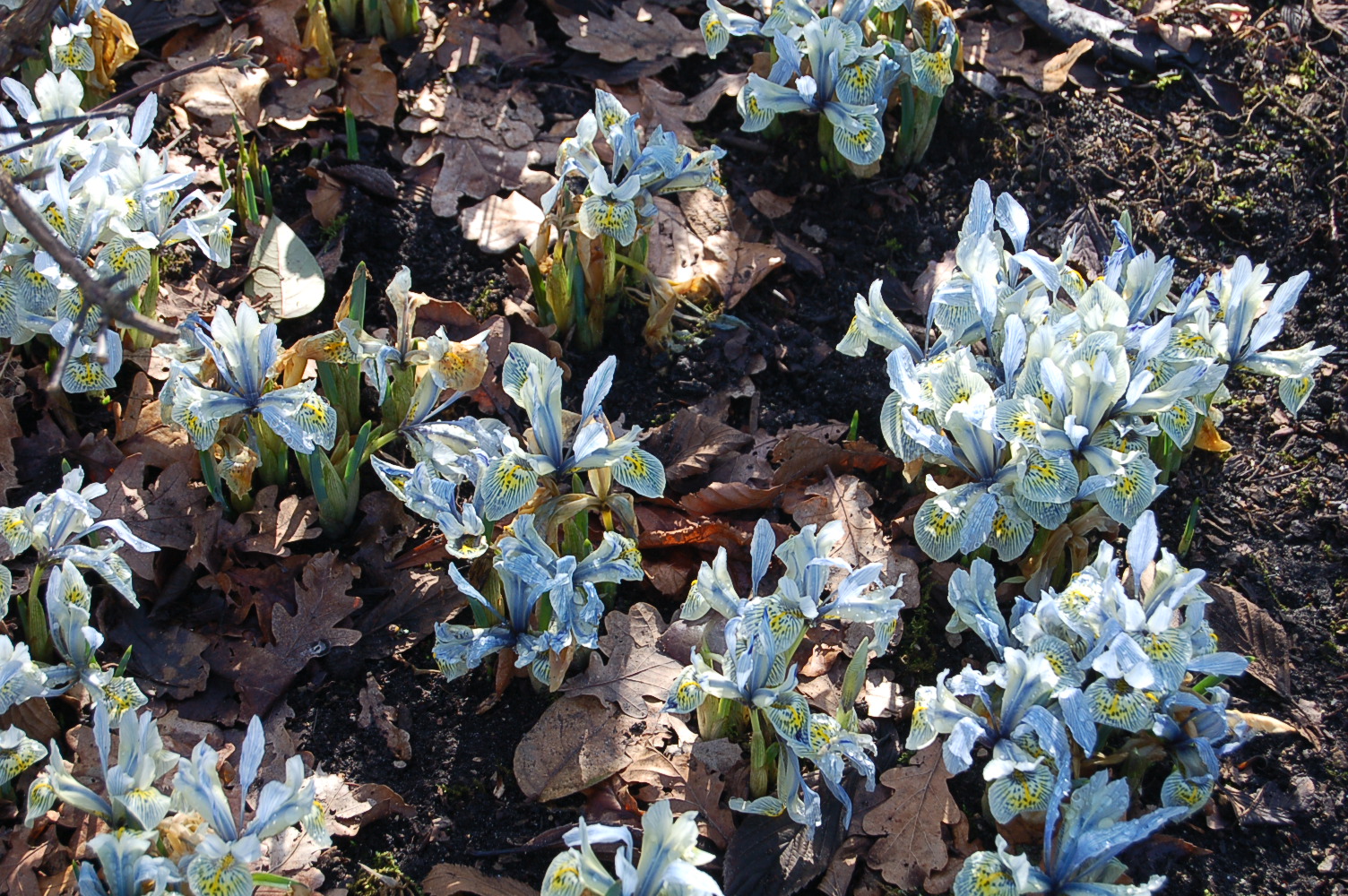
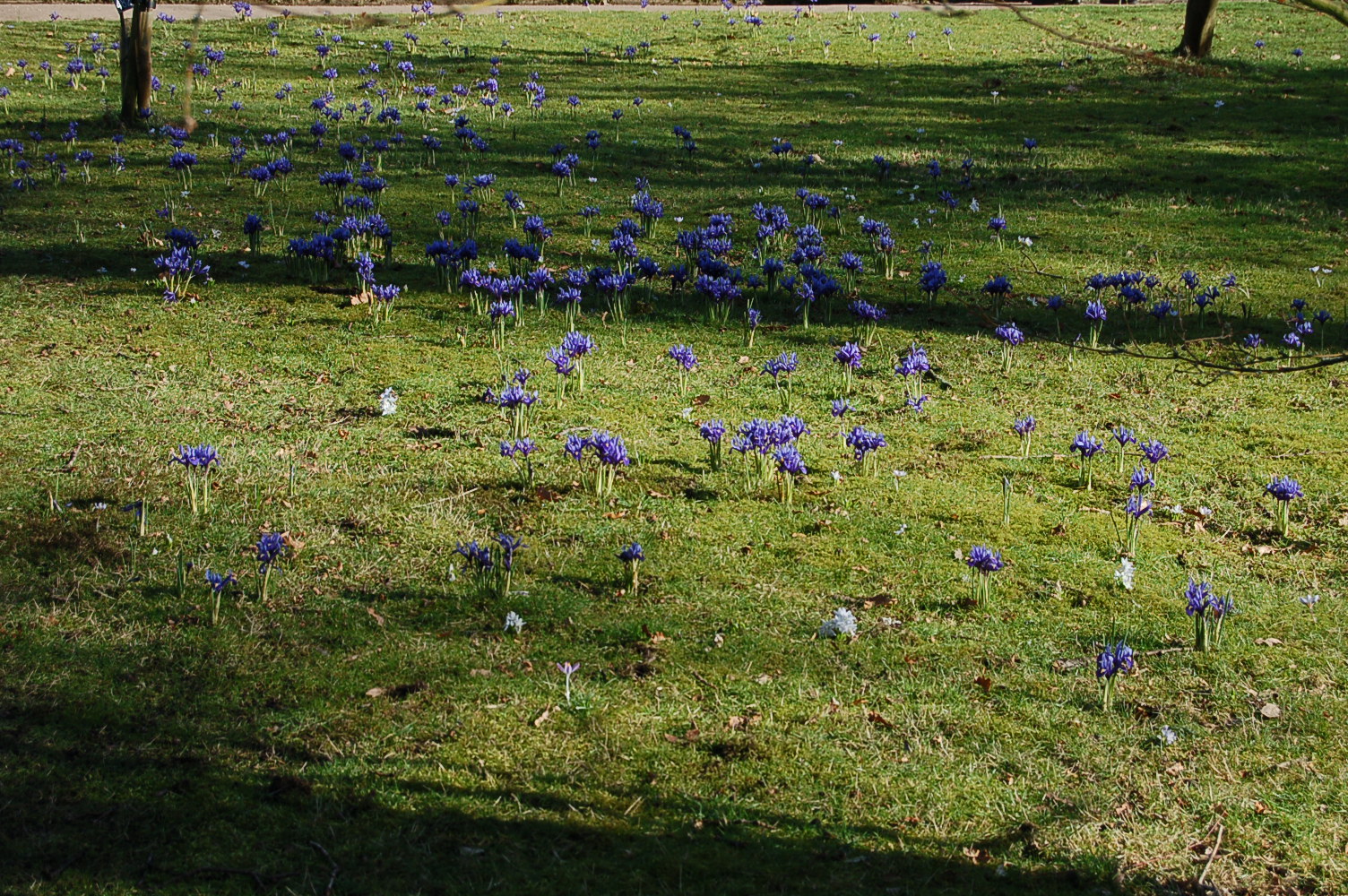
As well as the usual winter flowering bulbs such as crocus, snowdrops and daffodils there were several different coloured varieties of Iris reticulata those tiny bulbous plants with over-sized flowers in shades of purple and blue, all with yellow beards.

In some areas of lawn these diminutive Irises have been naturalised under trees. We had never seen this done before and have to say it was very effective.

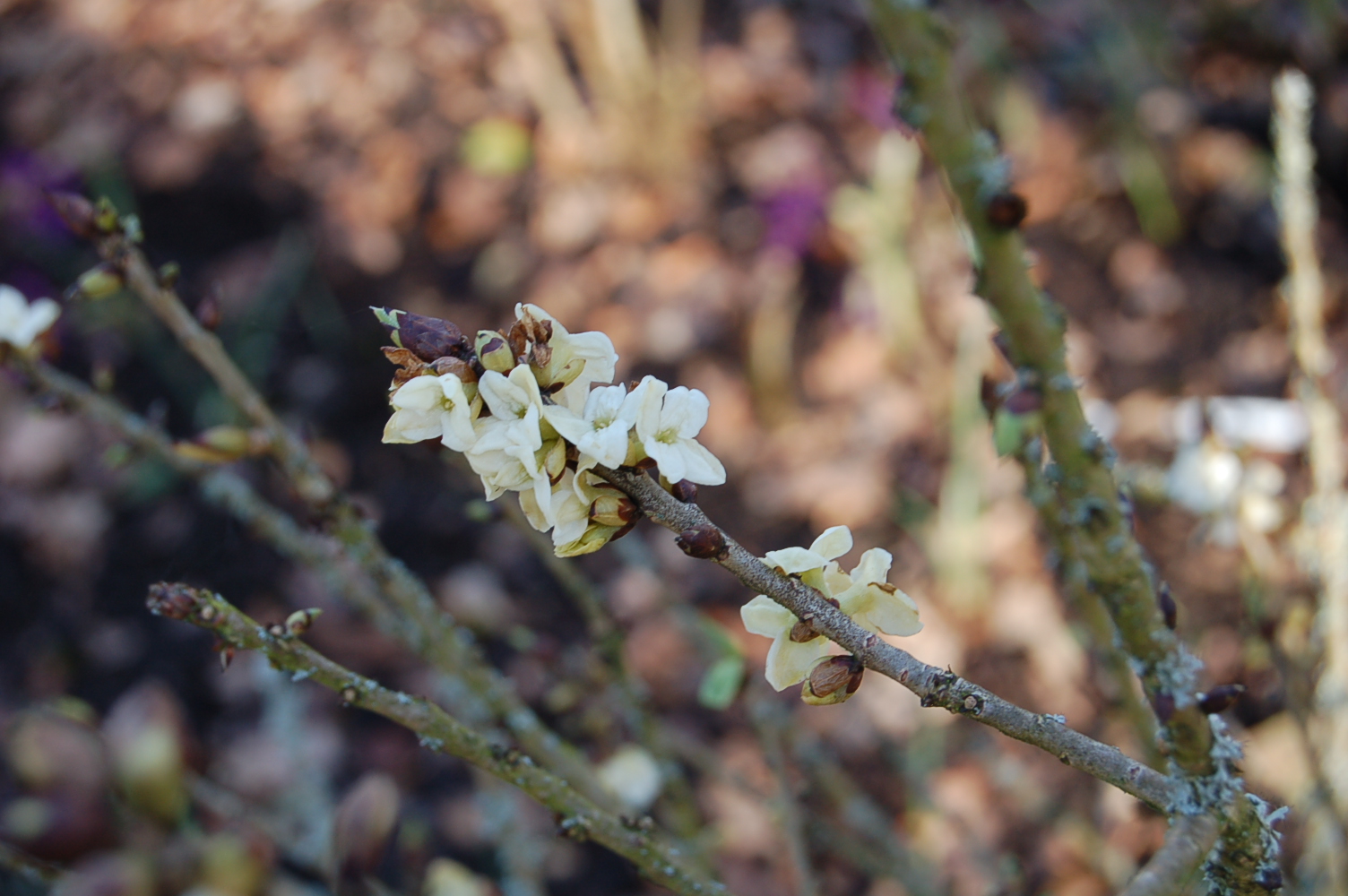
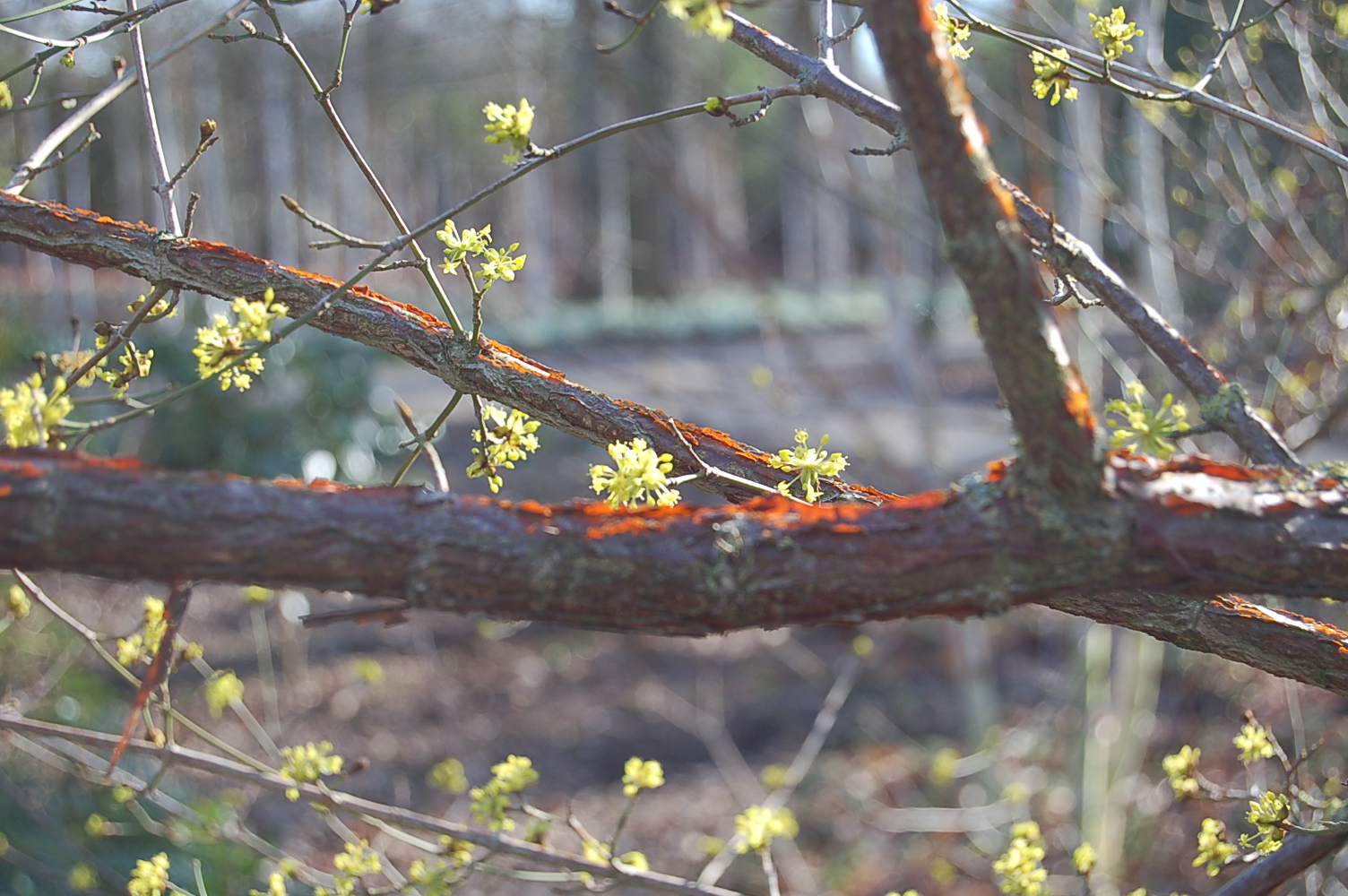
It was so heartening to see and hear bees, hoverflies and other insects at work around the flowering shrubs, Lonicera fragrans, Cornus mas, Daphne mezereum “Alba”, Viburnum bodnantense and Viburnum tinus.

Lovely as the flowers of winter are, sometimes the colours, textures and shapes of leaves can be just as impressive – Bergenias, Liriope and variegated Ilex for example in their many colours.

We cannot ignore the snowdrops though, and here at Dunham Massey they have been so thoughtfully placed, at the bases of trees or shrubs.

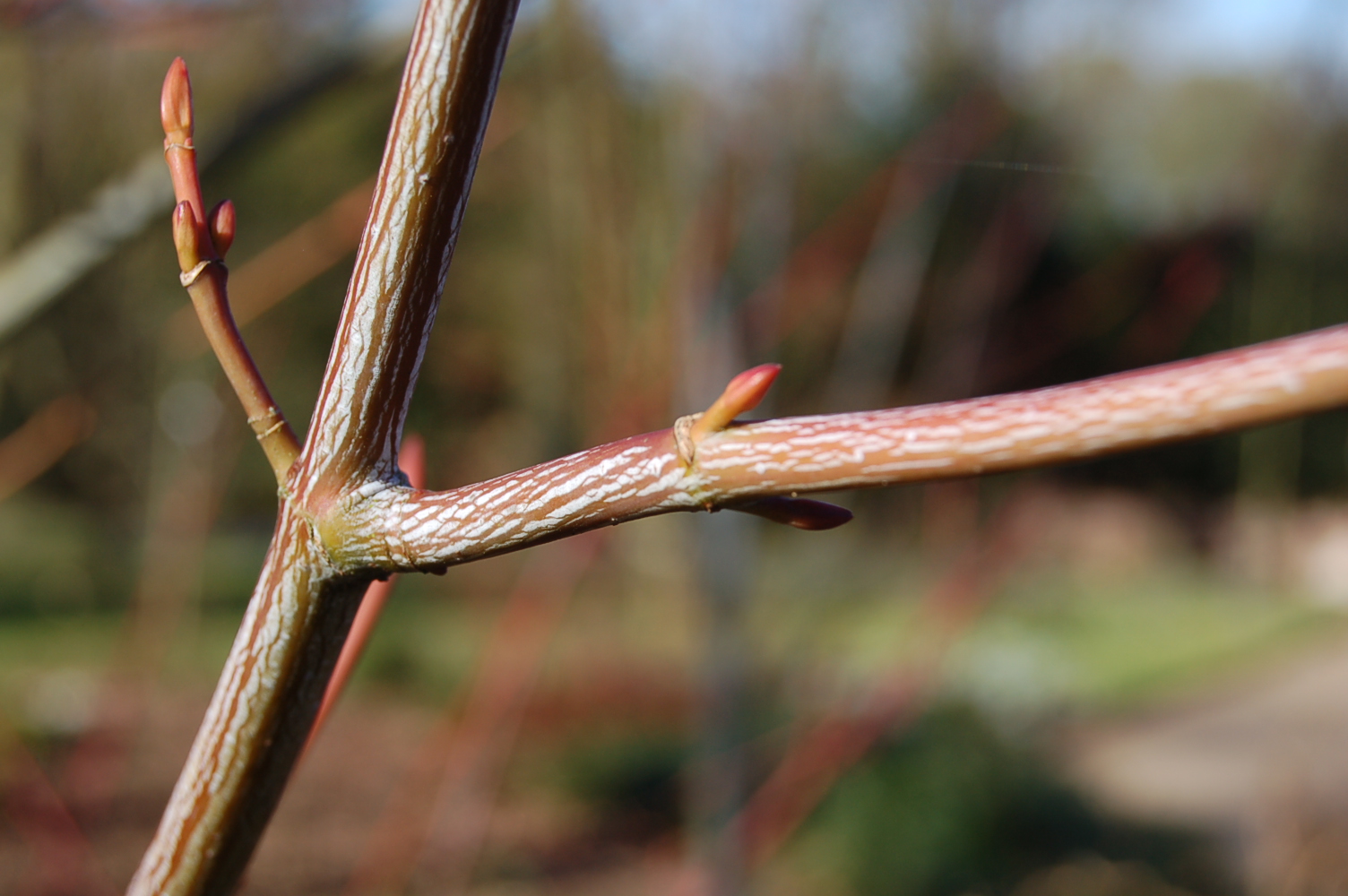
The textures and colours of bark add another dimension to this winter garden, peeling bark, shining bark, bark like snake-skin, red stems, contorted stems, curling stems, shimmering stems.

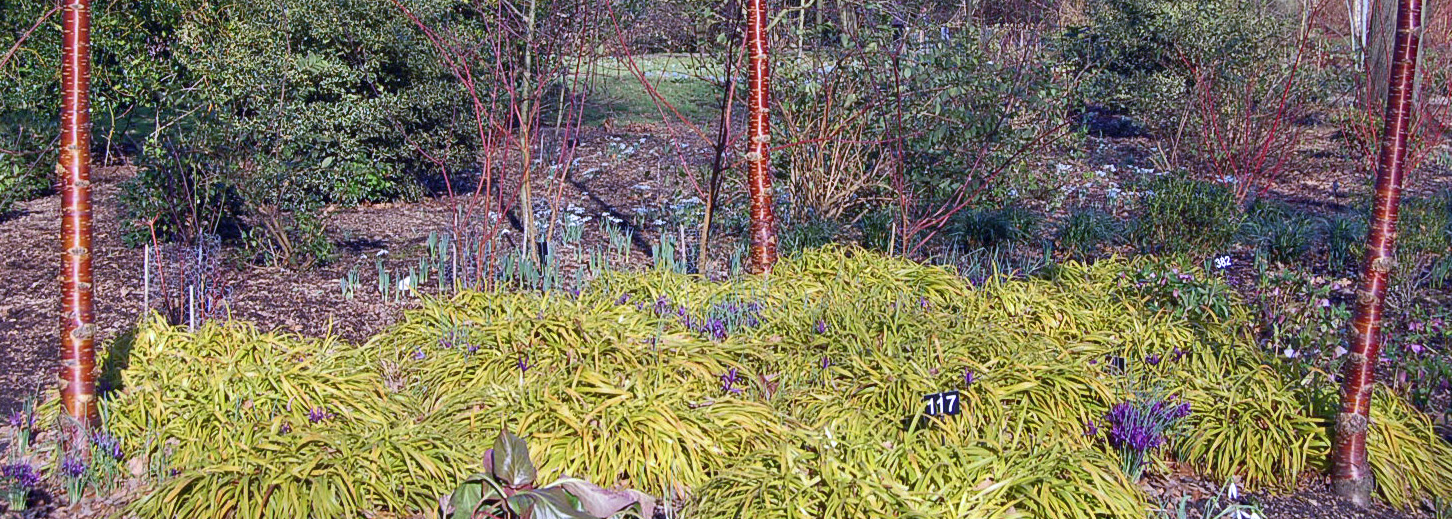
In the photo below the ginger-coloured shining bark of Prunus serrula shoot upwards from the golden leaves of Liriope.

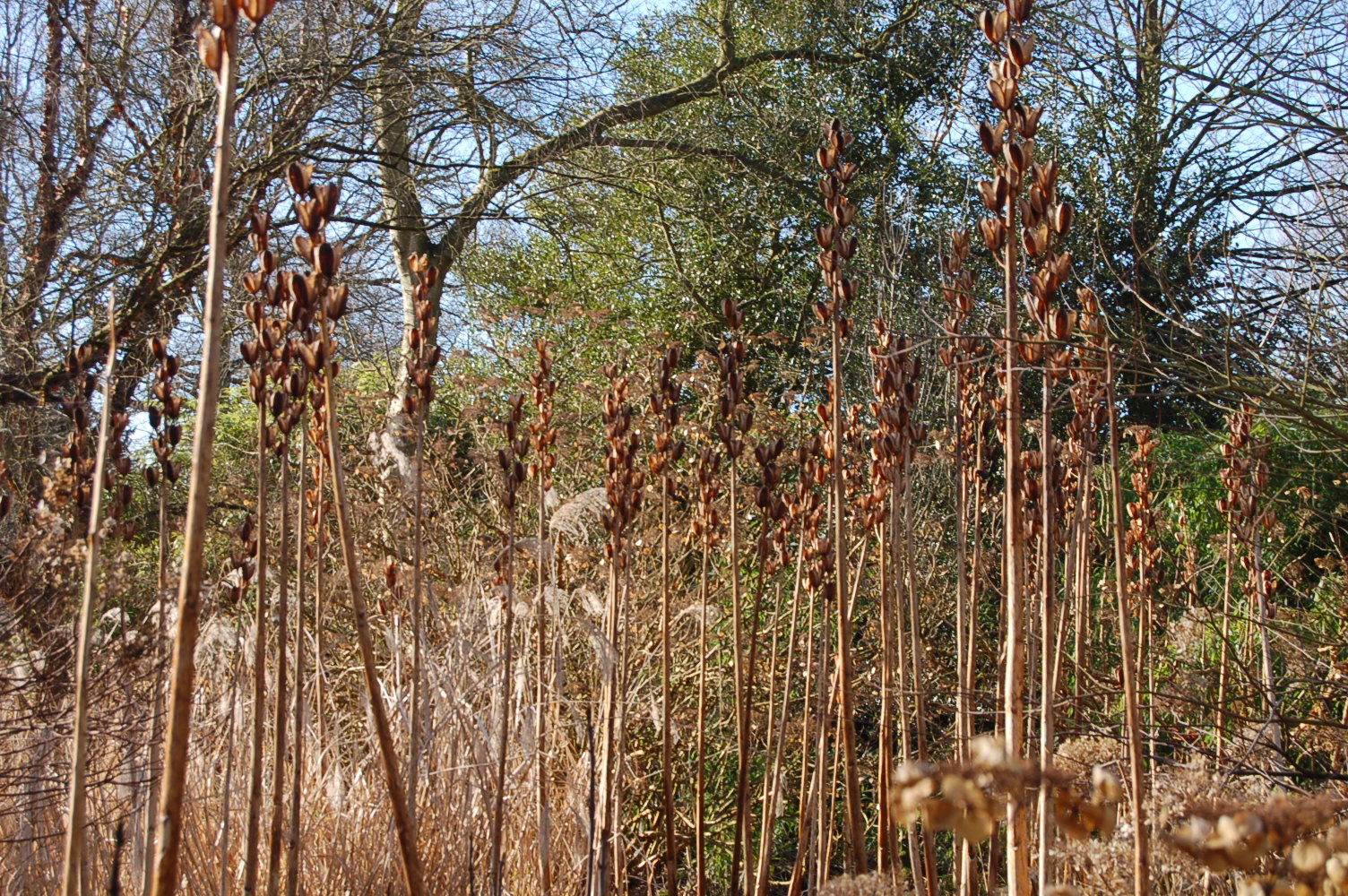
With all the new season’s flowers, the colourful stems and bark, and the scents it would be too easy to miss the effect the winter light can have as it plays across the seed heads of last year’s flowers and stems. Giant lilly stems with their huge seed pods towering up above a sea of desiccated flower heads of a variety of Hydrangeas stopped us in our tracks.

When the wind blew these seed heads rustled gently, temporarily drowning out the sound of the Blackbirds turning over the mulch of bark and throwing the dried leaves fallen from trees last Autumn over their shoulders. The gentlest breeze set the bamboos swaying and rustling but it took a stronger wind to move the conifers overhead and start their music making. Over our heads in the mature tree canopy we could hear the calls and songs of Goldcrests, Nuthatches, Coal Tits and Blue Tits occasionally drowned out by the drumming of Great Spotted Woodpecker, all proclaiming their territorial rights in their own unique way.

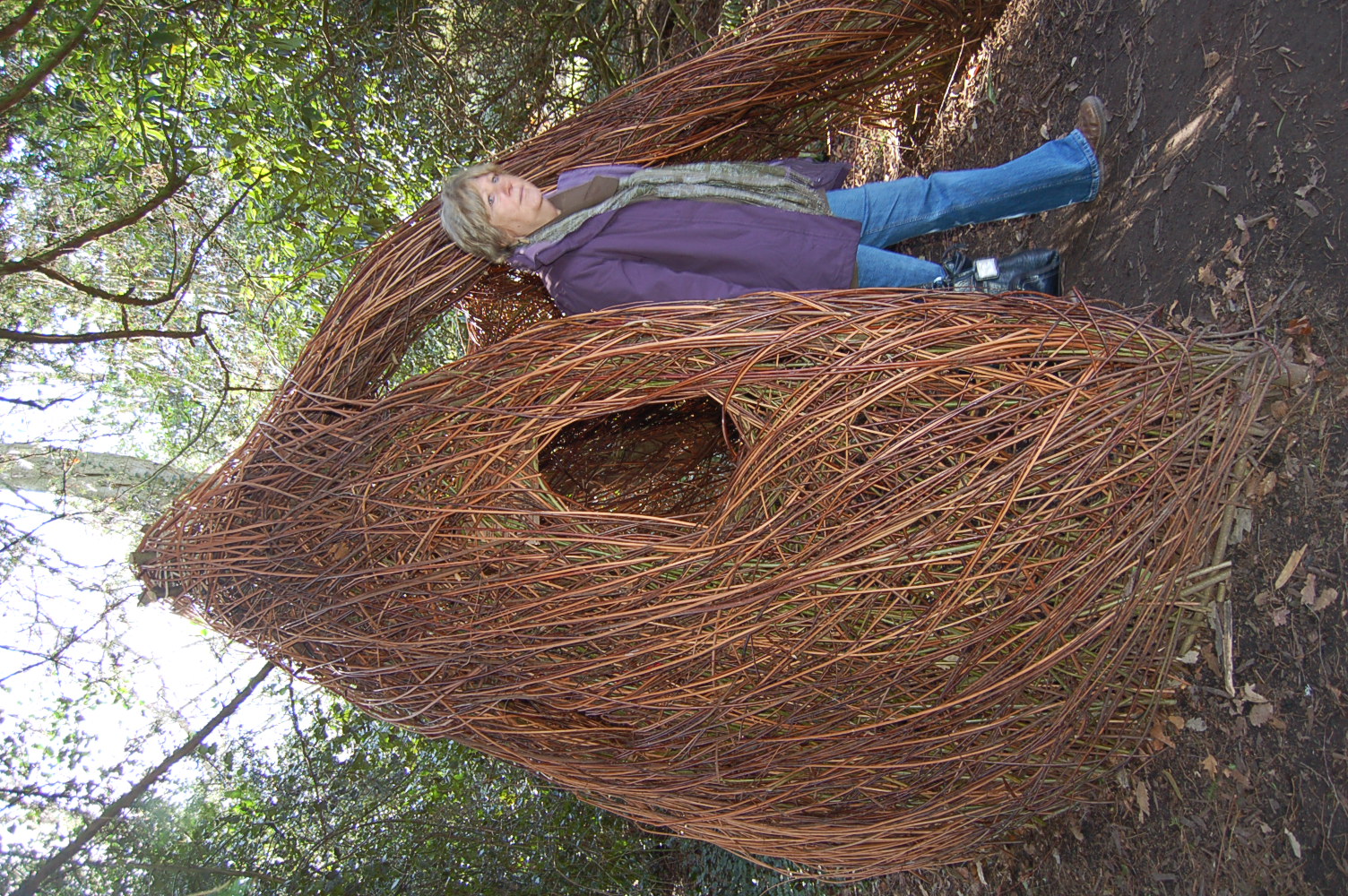
There was so much to appreciate in the Winter Garden at Dunham Massey that it is hard to leave. But it had another surprise around another corner, a beautifully woven willow den, created from many coloured stems.  Jude, the Undergardener, as usual could not resist, so a quick exploration was called for before coffee and cakes called even louder from the restaurant!

Categories
allotments community gardening garden design garden photography gardening hardy perennials ornamental grasses ornamental trees and shrubs Shropshire shrubs trees winter gardens

The Winter Garden at Bowbrook Allotments Community

As part of the development of the shared community spaces at Bowbrook Allotment Community we have created “Gardens of the Four Seasons”. We did this with the support of “The Peoples Postcode Trust” who awarded us a generous grant for the purchase of plants. In early 2011 we began work on the Winter Garden and now we are beginning to see some results of our labours. The work was carried out by allotment holders who attend regular working parties (look out for future blog about our working parties) and the gardens are maintained by members. Much work is also done outside working parties by individuals or small groups.

I designed the garden and presented the plan to the management committee and informed other members by e-mail, asking for comments, further suggestions and ideas. The basic idea was to create a garden full of trees, shrubs, grasses, bulbs and perennials that looked good in the winter, for their stem colour, bark colour and texture, their flowers, their scents. Movement and sound was also considered so we included many grasses and some trees with rustling stems.

It is now a year since we began the groundwork. The preparation was completed by the end of February 2011 and the main framework of planting by the end of March.

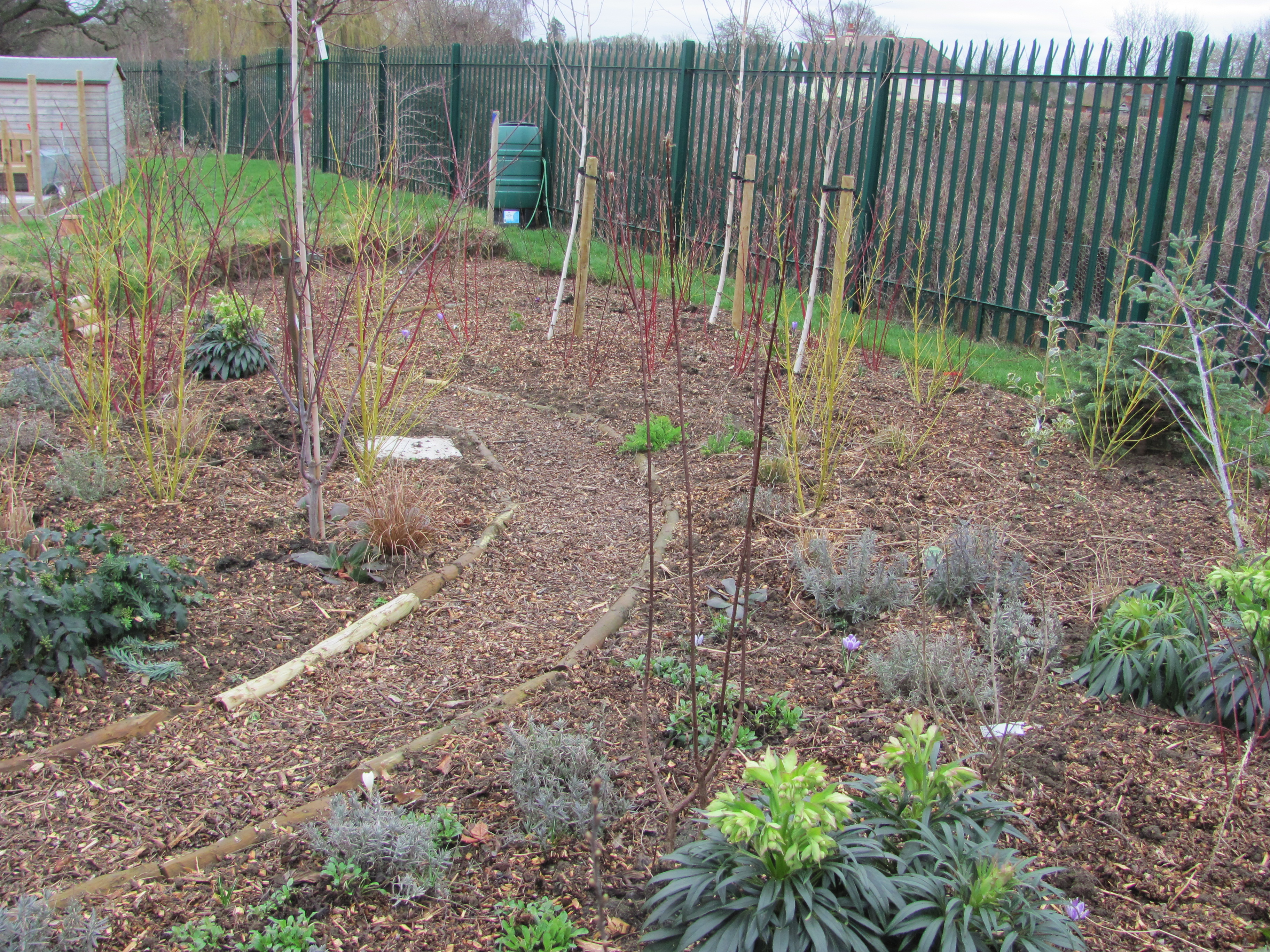
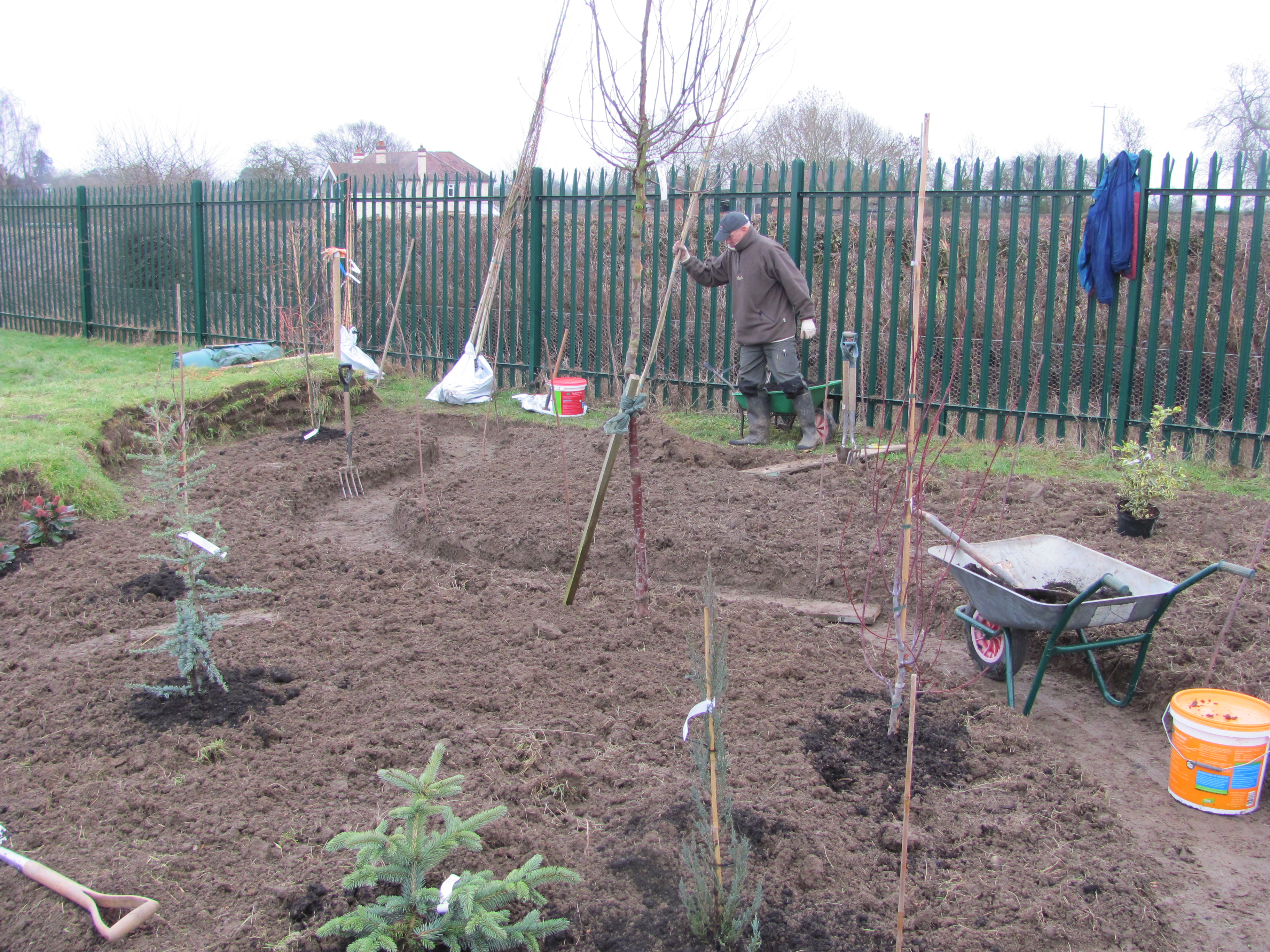
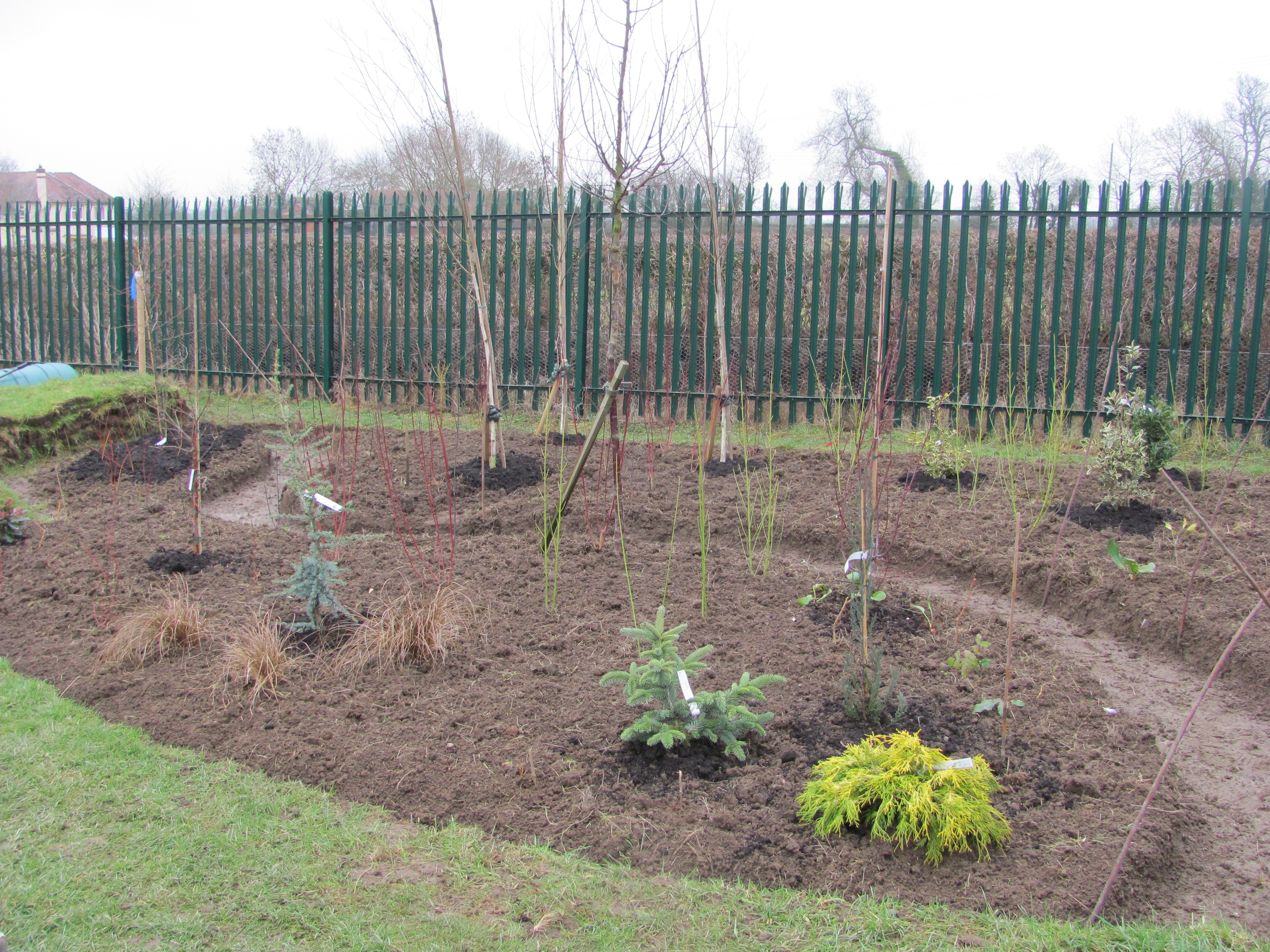
The first step was to rotovate the land, almost triangular in shape, in the corner of the site furthest from the huts, about 10 x 20 metres. We then added manure and rotovated once more. We dug out a path shaped as a serpentine curve, which cut the border in two, edged it with logs and gave it a deep layer of bark. It proved soft and comfortable to walk on. A thick layer of compost was added to the planting areas and raked level and we were prepared for planting.

Our Winter Garden is situated in a corner of the site. A water-butt is ready to be placed conveniently for watering in dry periods. In front is one of our wildlife banks.

Trees and shrubs were delivered by The Dingle Nursery from Welshpool, who had proved so helpful in helping us to select the best when we visited them to place our order. Unloading the truck and unpacking the plants was an exciting time, full of anticipation. Transporting them across the site took longer than expected involving three plot-holders with wheelbarrows. Some of the trees were just too long to stay put. After an hour of laughter and regular rescuing of dropped goods, we finally began planting. It was to take a few days.

Trees in place.

Bulbs and herbaceous plants arrived by post and were added to our structural planting of trees and shrubs. a selection of grasses was added later. We now had trees with coloured bark, shrubs with coloured stems and a winter flowering time, perennials such as Hellebores and Pulmonaria and grasses to give movement and beautiful seed heads.

Plot holder Pete busy planting.

In pride of place are our three silver-barked Birches, Betula utilis “Jacquemontii” planted as 3 metre tall specimens, along with similarly sized Prunus serrula with its shining gingery-bronze bark. Smaller specimens of Acer davidii (a snake bark maple), Acer griseum appreciated for its peeling red bark and a selection of variegated Hollies completed the structural planting.

Key plants in place.

For bark colour we planted dozens of Cornus, Salix and Rubus tibeticanus to give an airy network of colour all winter and early spring. We interplanted these with patches of Lavender to give some summer interest, to attract butterflies, bees and hoverflies and to provide gentle bluish foliage colour all year. For winter flowering interest and scent we planted Cornus mas and Viburnum bodnantense “Dawn”.

In order to maintain all year interest with greatest emphasis of interest we added evergreens. As well as the Hollies we included Viburnum tinus and several conifers chosen for the variety of foliage colour, texture and habit of growth – Picea pungens Procumbens, Pinus sylvestris, Chamaecyparis “Boulevard” and to top it off John, our committee’s chairman donated a lovely specimen of Cedrus atlantica glauca. As a contrast we also planted a Larix decidua a conifer that is deciduous.

When we planted the trees and shrubs, following the allotment site’s organic policy, we gave them a sprinkling of bonemeal in the planting holes and top-dressed with blood fish and bone fertiliser before mulching with manure. We plan to give the bed regular mulching of compost and manure to give  a slow-release nutrient regime.

Working parties and individual volunteers worked throughout the year to keep weeds at bay.

Volunteers at work tidying and weeding.

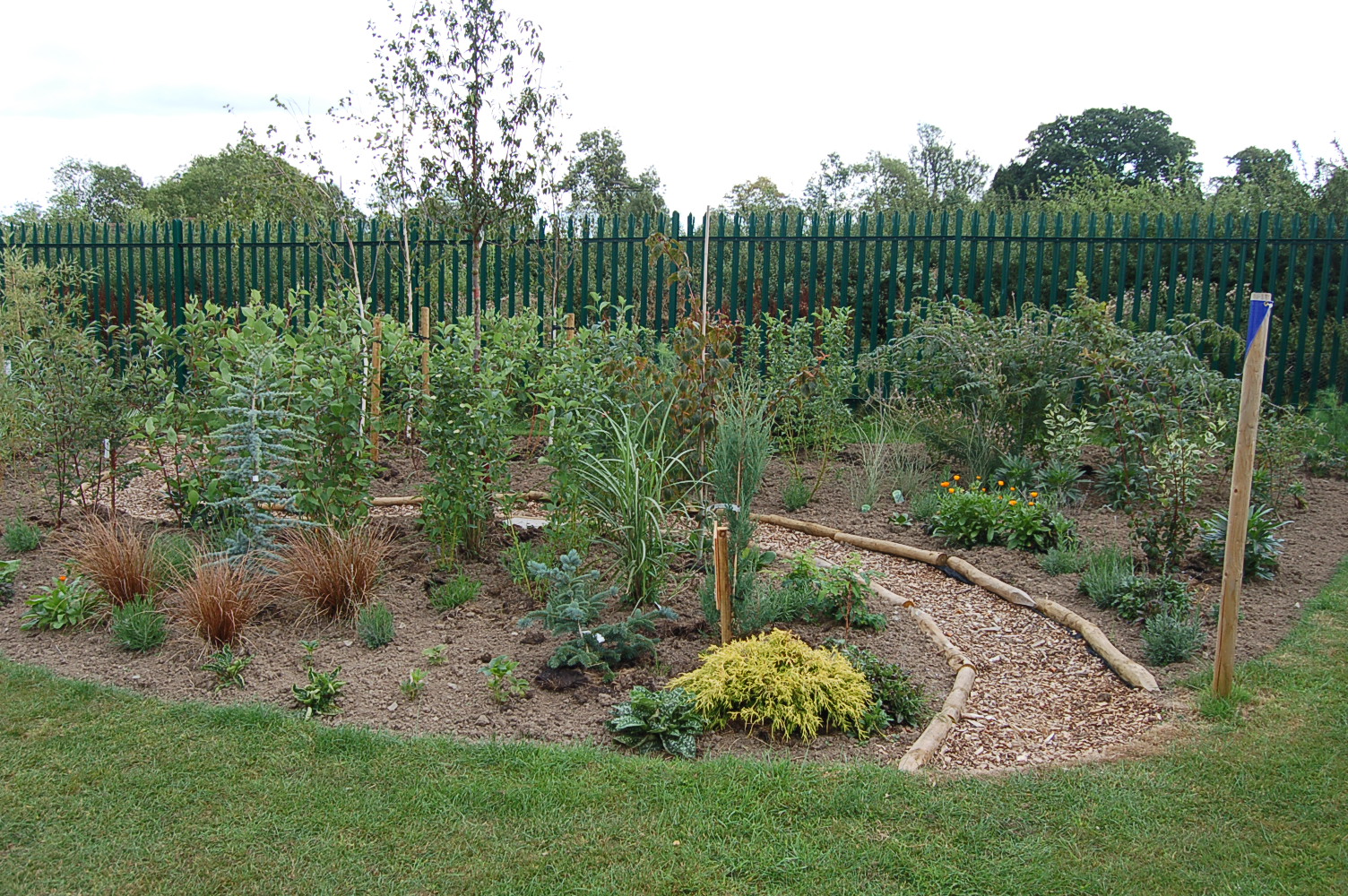
By late summer the garden was showing lots of healthy growth and we could see much promise for the future.

Full of promise.

In the autumn we gave the garden a mulch of chipped bark to protect it from the ravages of winter and to slowly break down releasing nutrients and improving humus levels ans soil texture.

This week three of us weeded the bed over, tidied, pruned and loosened up the soil. It was amazing to look at progress and realise how the garden had developed in less than a year. Bulbs were flowering, the trees and shrubs have made good growth and in particular the willows and dogwoods are showing strongly coloured stems.

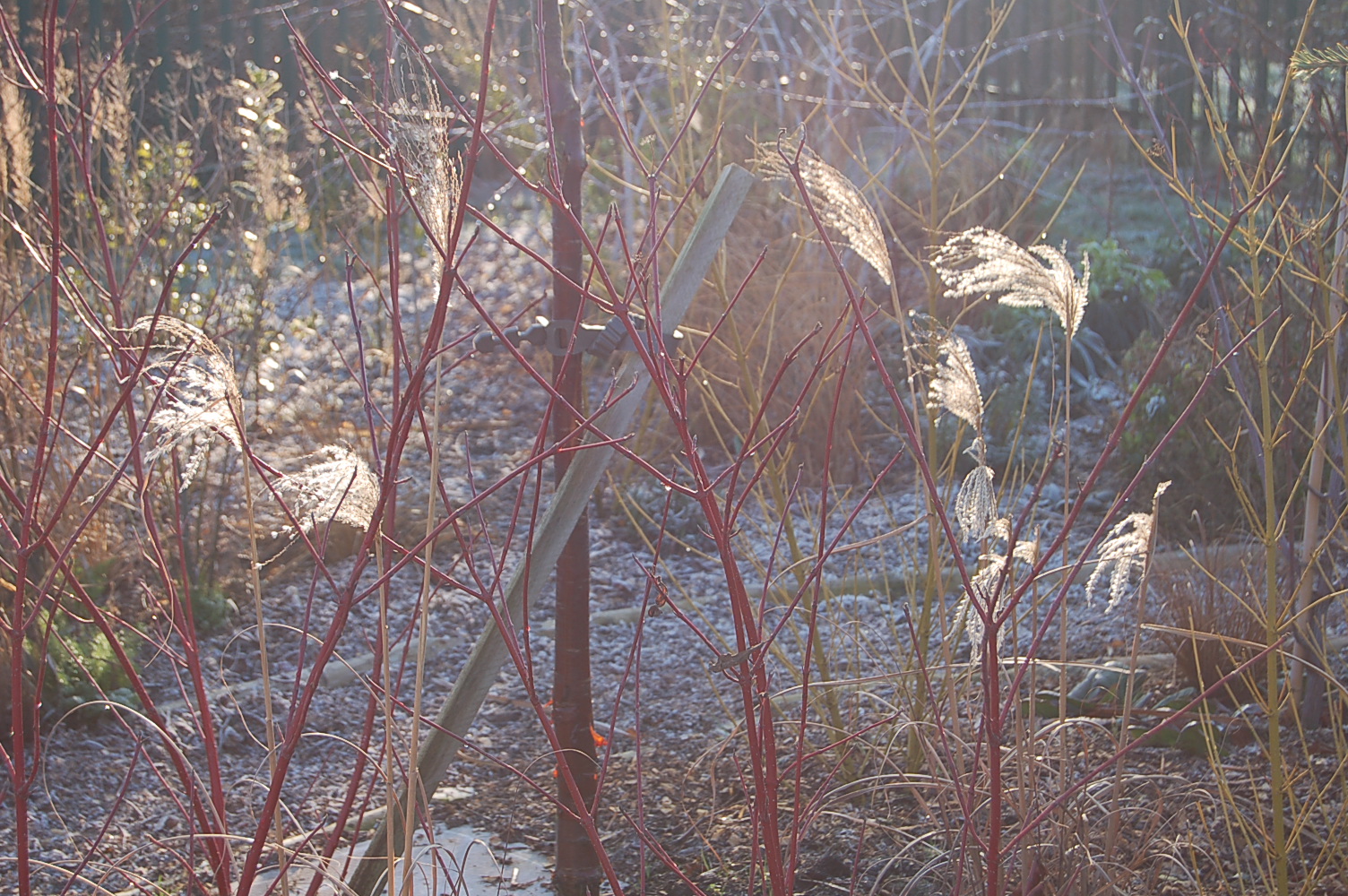
Winter sunlight through Miscanthus and Cornus.
Stripes of fence shadows fall across a variegated holly.
Blood red dogwood stems.
Peeling bark like brittle toffee.
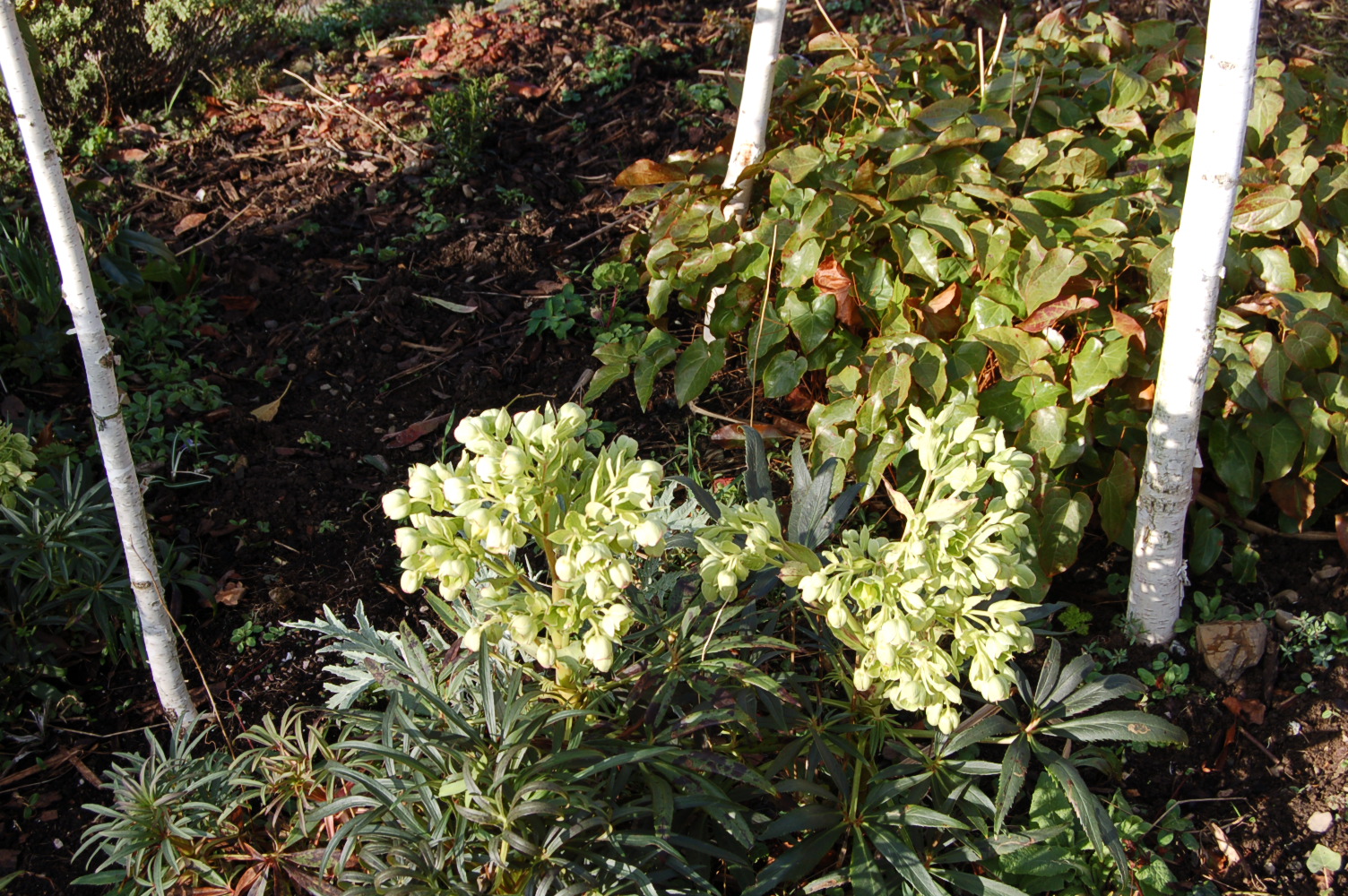
Green flowered hellebore with striped shadows.
Premature bud burst on Viburnum.
Striped snake bark maple.

With so much to see after such a short time, we can but wonder at what our Winter Garden will bring us in the future. It was great fun creating it and judging from comments from plot holders it is already bringing much joy!

Categories
garden photography gardening hardy perennials photography winter gardens

House Leeks – modest little gems.

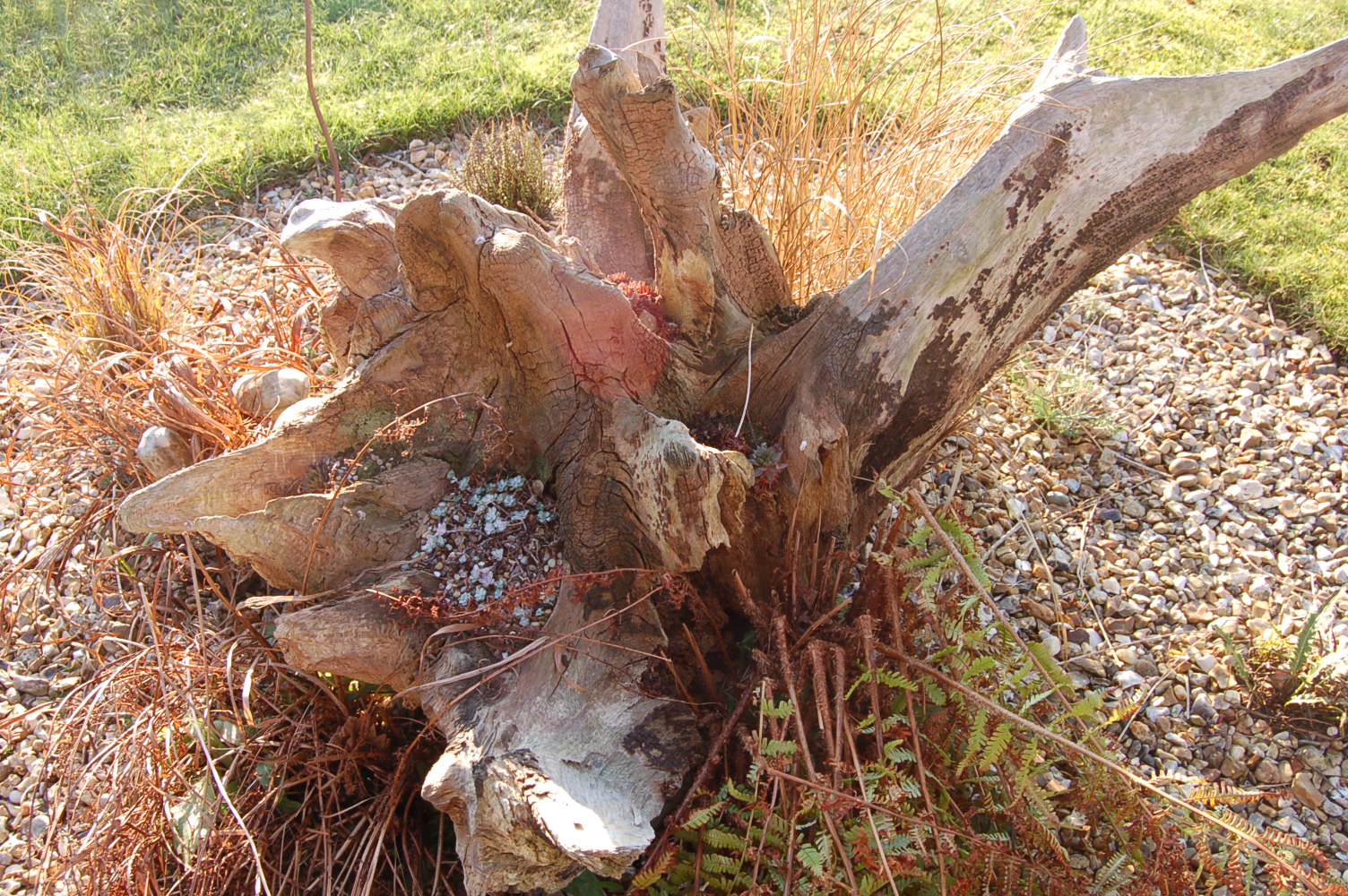
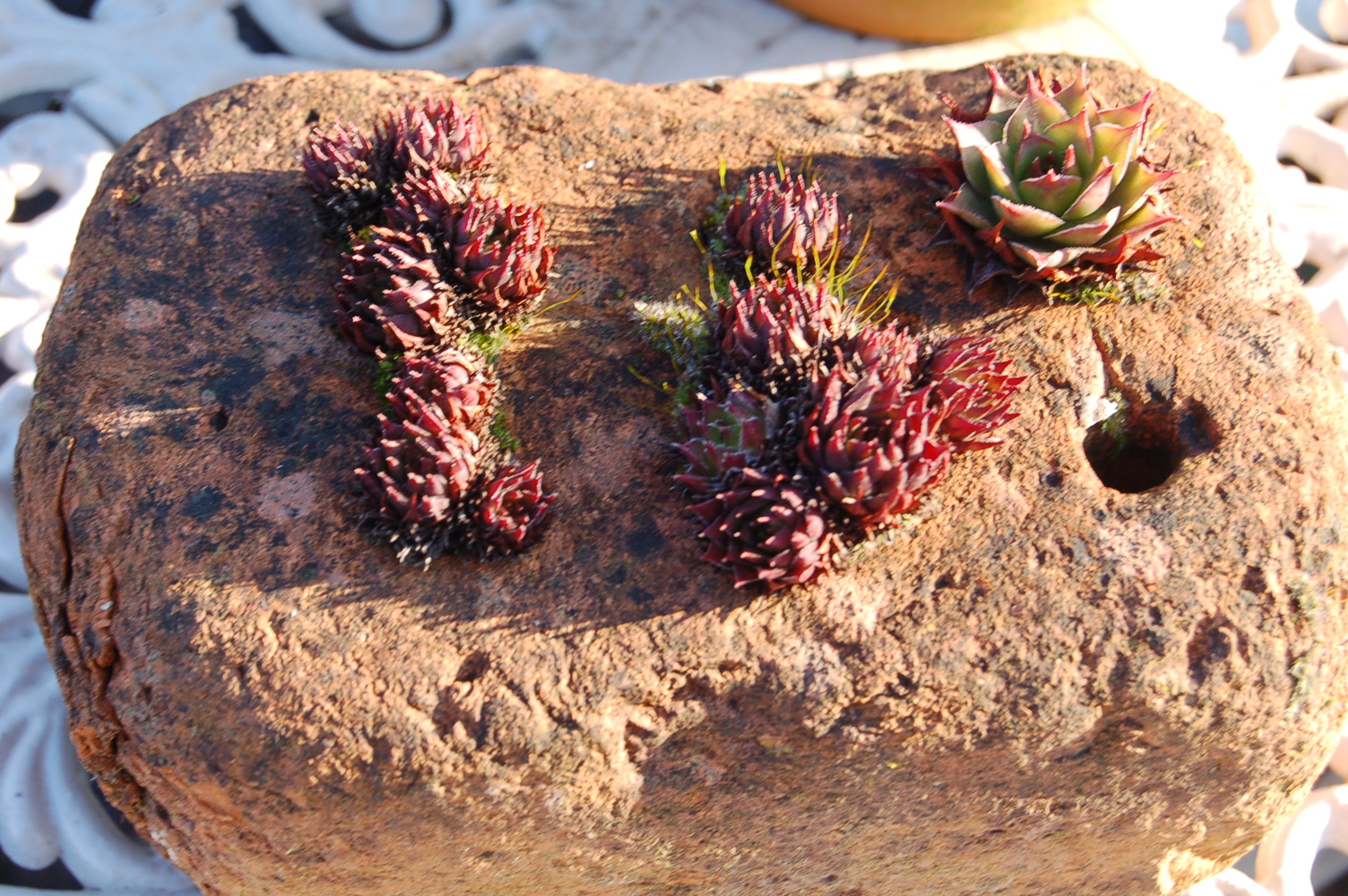
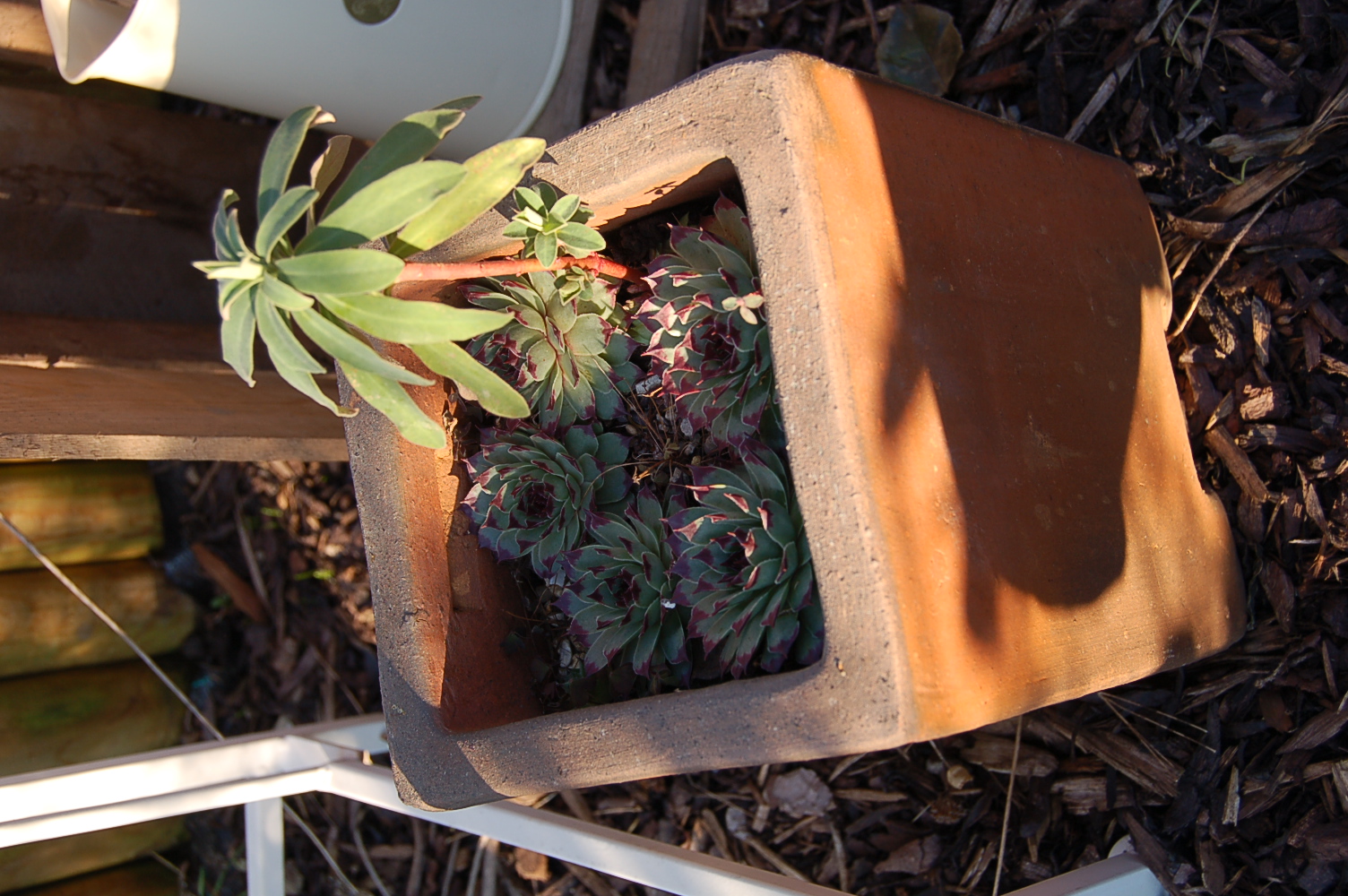
We love the humble Houseleeks. We grow them in pots, on the slate scree bed, in alpine troughs, on our old oak stump and even on an old brick. They are so simple, really just spiky little cabbages, but they have something special about them. Is it the subtle nature of their colours? Is it their reliability? Is it because they are there to delight the eye all year round? Or is it simply the variety? It certainly isn’t the flowers which grow up on oversized stalks and then make the plant fall over. They are called Houseleeks because people grew them on the roofs of their outside privies as they will tolerate such dry growing conditions. Perhaps the extra insulation helped too!

Just like the first Ford cars which you could buy in any colour as along as it was black, so with the Houseleeks you can have them in any colour as long as it is green. Green with varying depths and hints of red, black, purple or blue. And of course we mustn’t forget brown! Being succulents they like it dry and their colours seem richer in late summer when it is often at its driest in the garden.

The correct name for the Houseleek is Sempervivum and they originate from Europe and Asia. There are hundreds of named varieties but we choose them for their interesting colour or texture, not by name, as so many of them are so similar. We buy what we fancy. Some we choose because of their colours but others for their white spider’s web covering or fringing of bristles. Favourites are those with dark colours towards the points of the leaves.

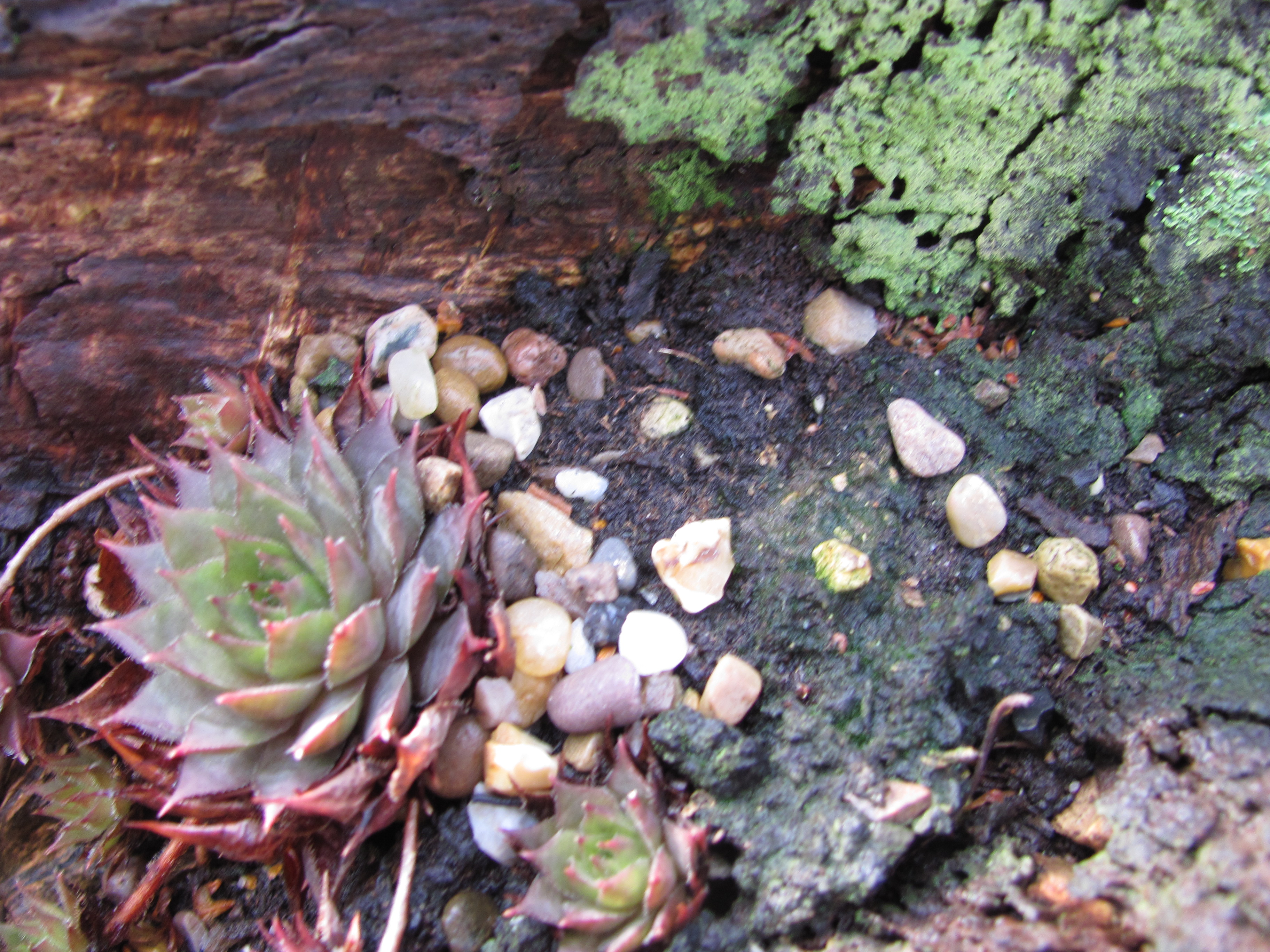
All the pictures in this blog were taken in February which shows how useful an addition to the winter garden these little plants are. There can’t be many succulents that are useful plants with winter interest. The first couple of photos show the Sempervivums growing on our stump, the first enjoying the company of an icy green lichen and the second with the dead brown fronds of a fern.

When a Sempervivum flowers, sending the tall stem from the centre of a rosette, it dies, but the dead rosette is soon replaced with new offsets. This plant on the slate scree bed is still holding on to its flower stem surging from the now-dead rosette. Soon we shall pull it out and in the spring new rosettes will fill the gap. We leave late flower stems on the plants as they provide interesting structure. The subtle colouring of its rosettes work beautifully with its slate grey background.

Now we take a photographic journey around the garden in search of more Houseleeks.

Awaiting planting, still in their pots, sit four new varieties. Will we ever stop being tempted?

Categories
garden photography gardening hardy perennials ornamental trees and shrubs photography shrubs town gardens winter gardens

Witch Hazels at Swallow Hayes – a garden visit in January (part two)

A door into the children's den.

And so we continue our gentle cold wander around the wintry splendour of Swallow Hayes …….

The promise of Viburnum bodnantense flowers.
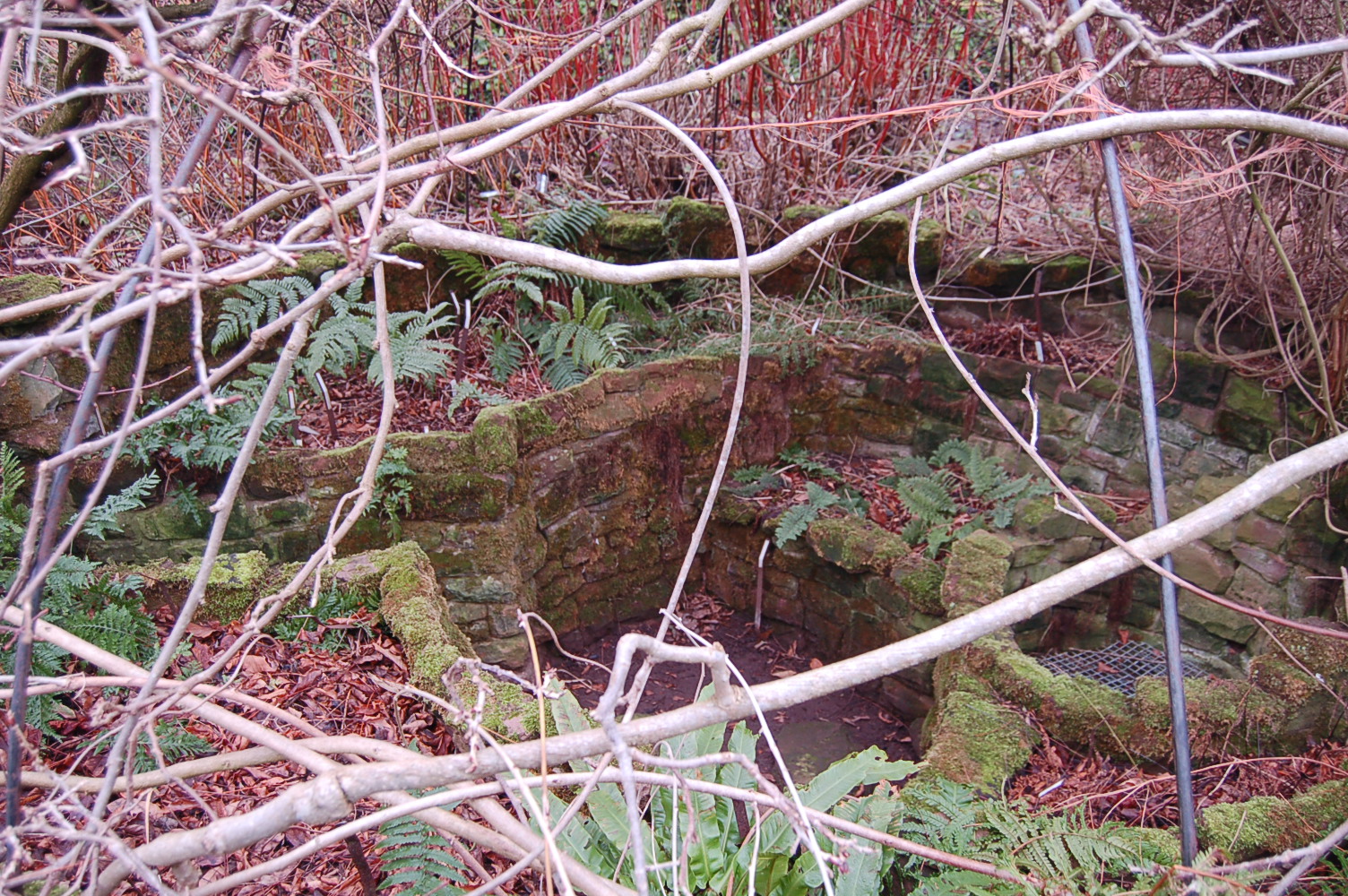
A secret, sunken garden for ferns shaded by a roof of climbers.
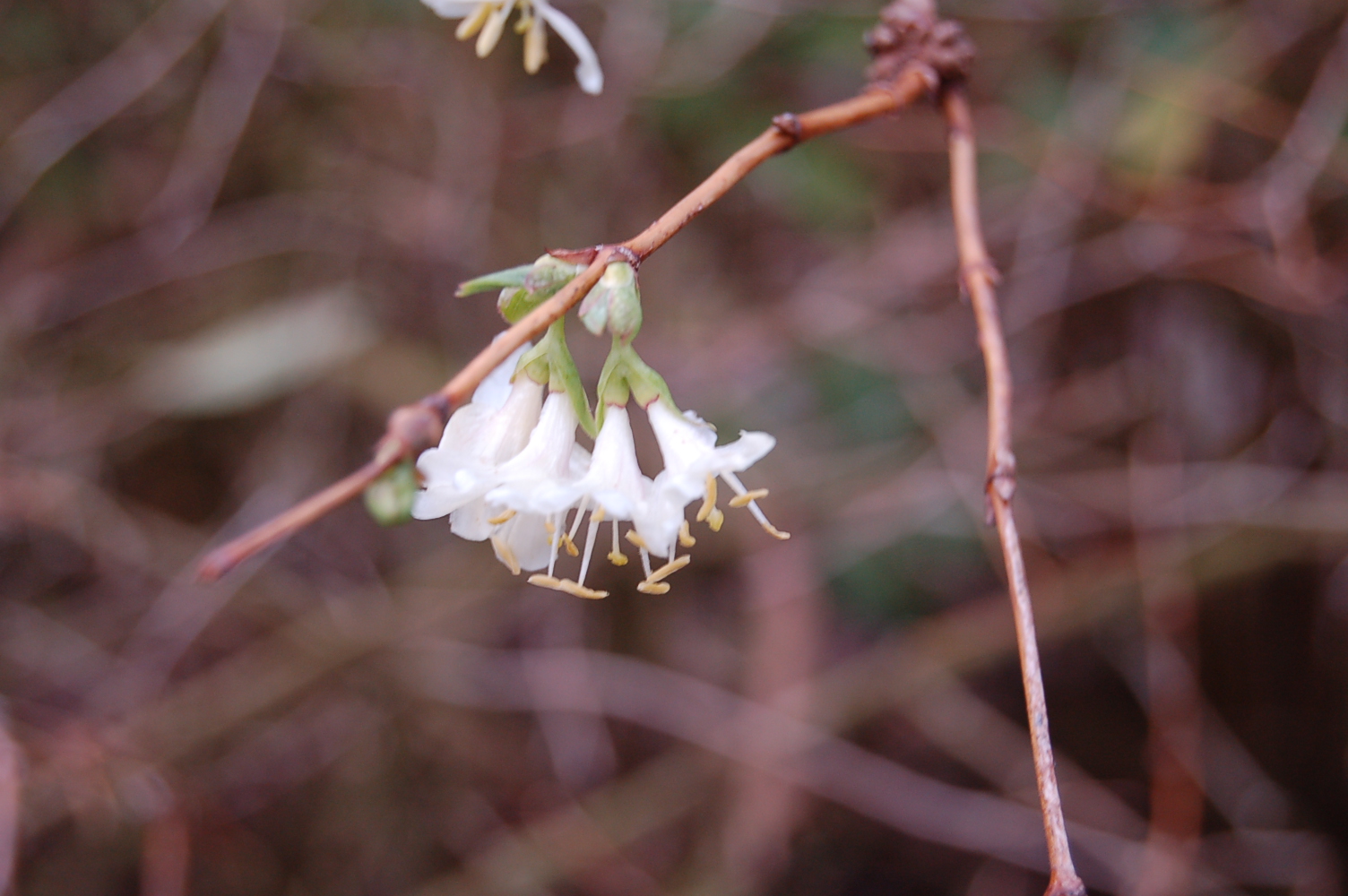
Sweetly scented winter honeysuckle.
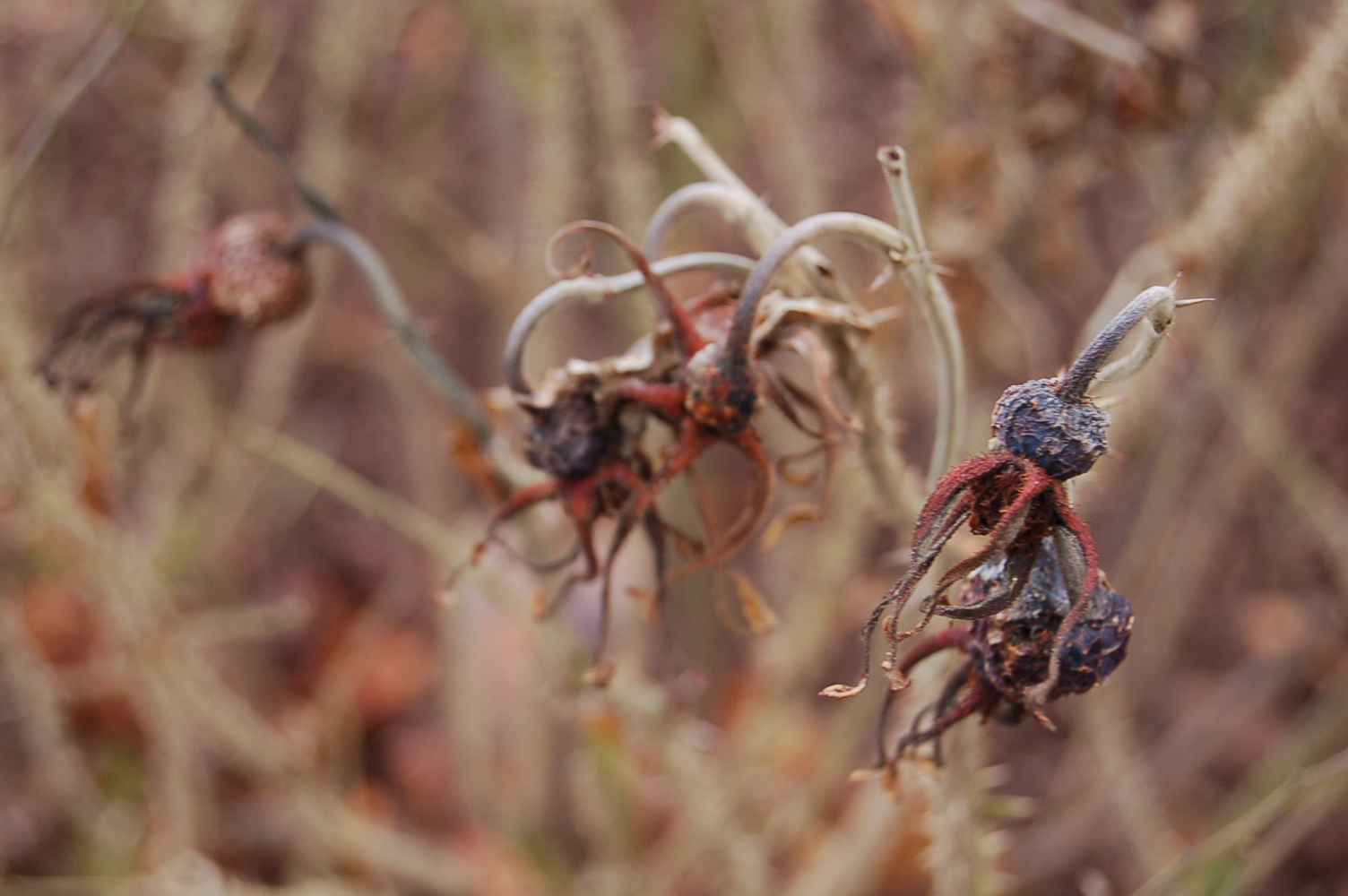
Old rose hips curled and desiccated.
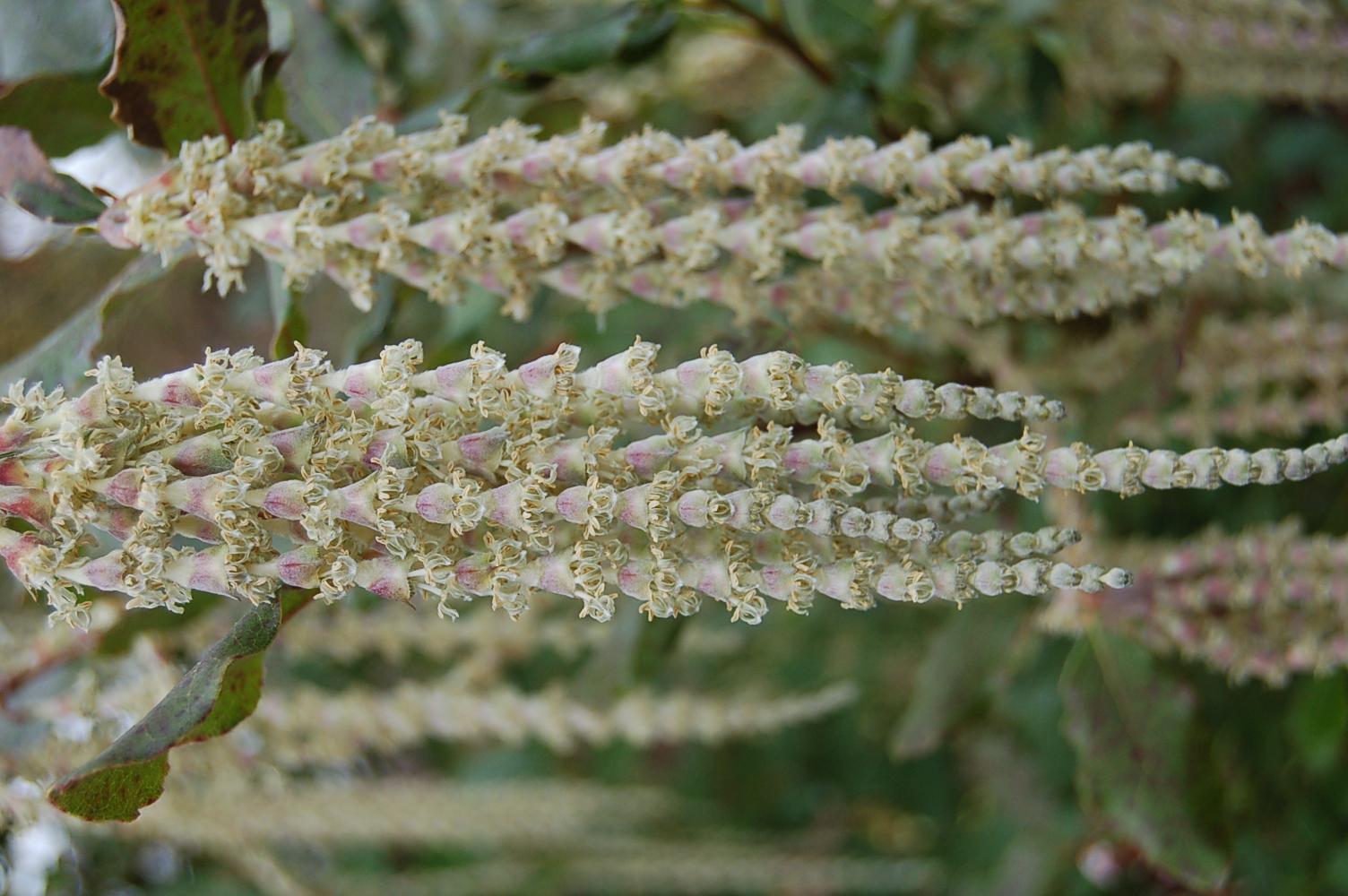
The unusual combination of pale pink and green together in the tassels of Garrya elliptica.
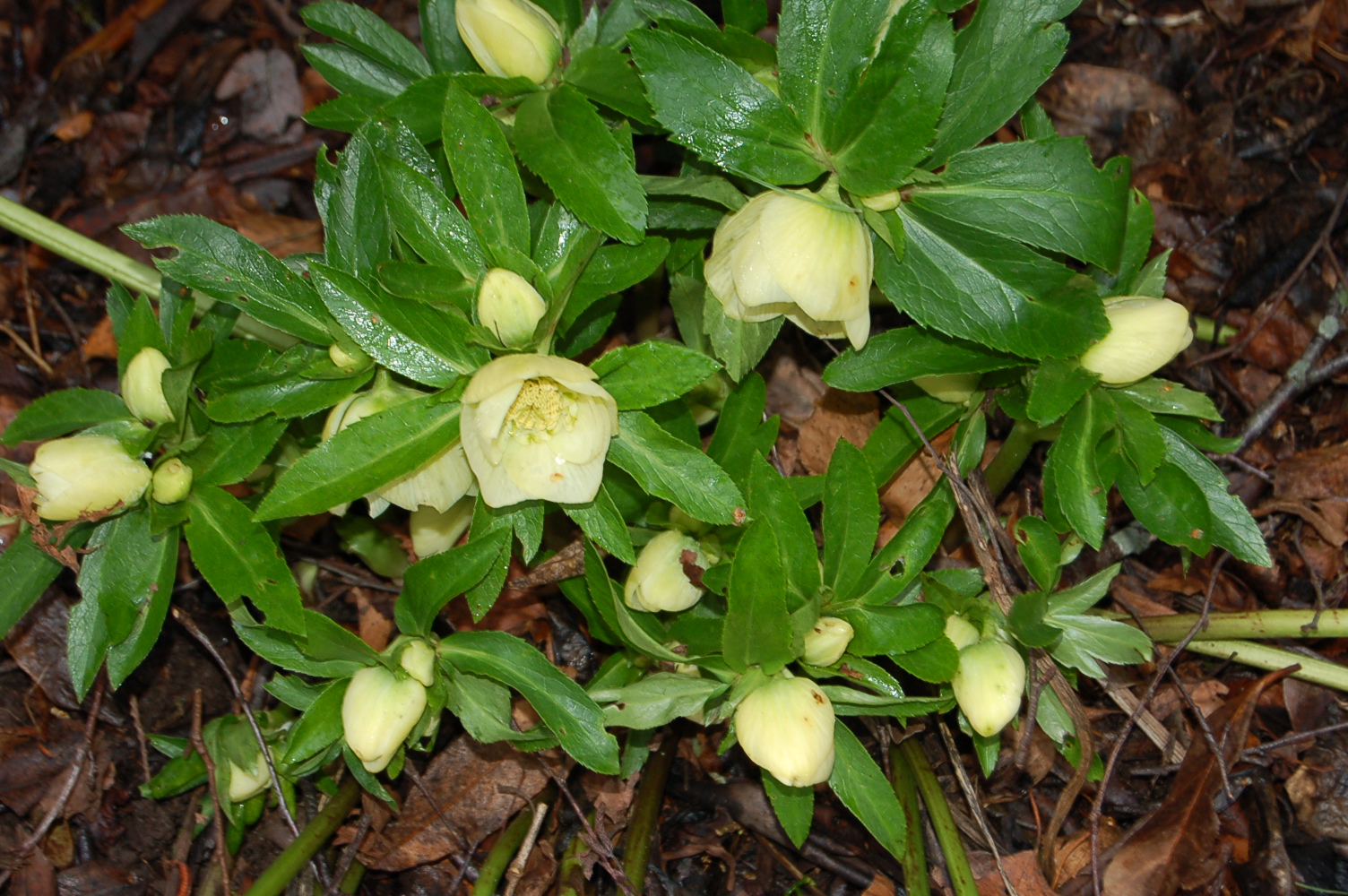
Primrose yellow cup-shaped flowers of a Hellebore.
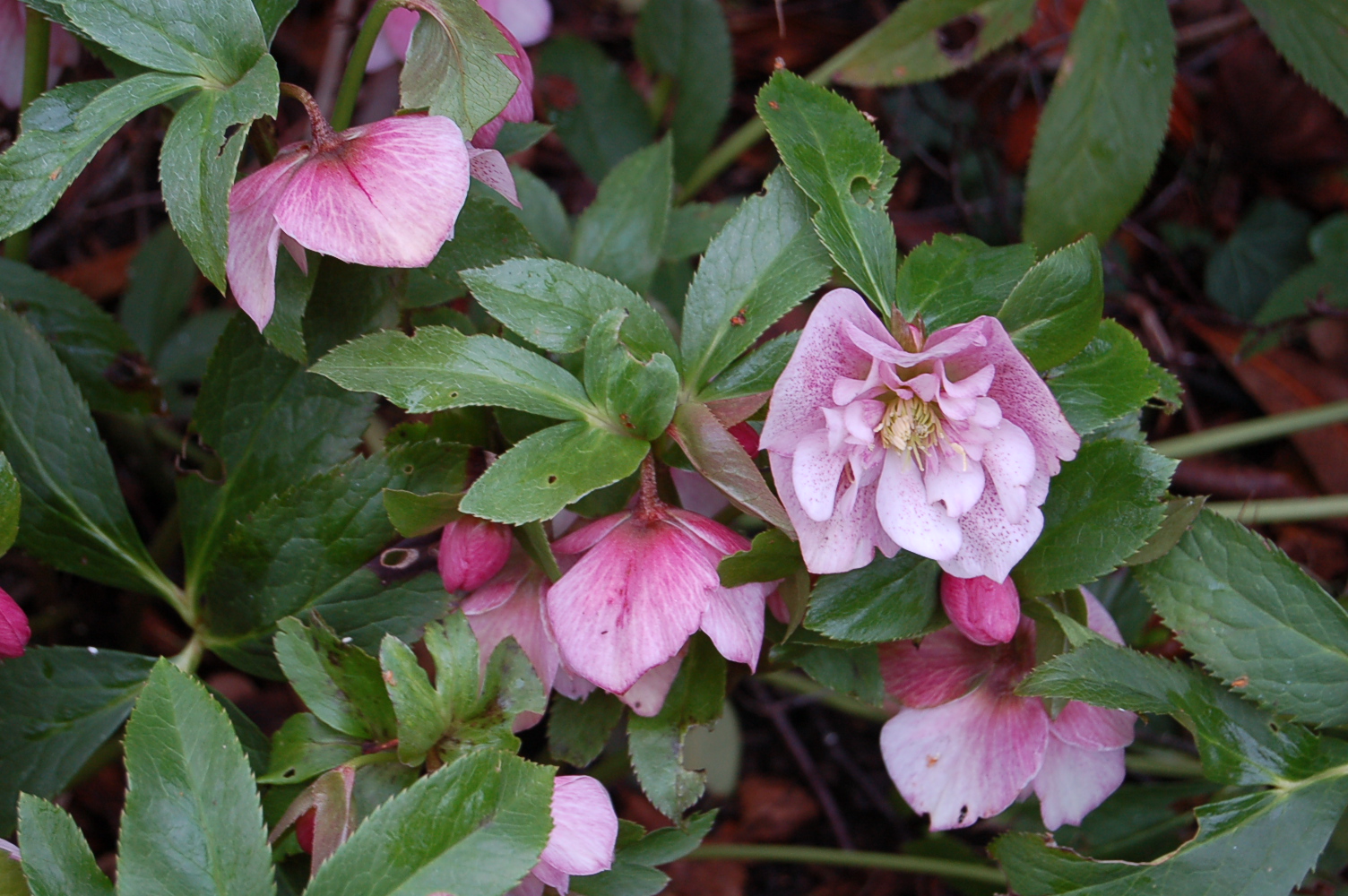
This pink-flowered Hellebore invites you to turn its flowers over for a close look inside.
I am not a fan of Hellebores with double flowers but I was attracted to the colour of this one.
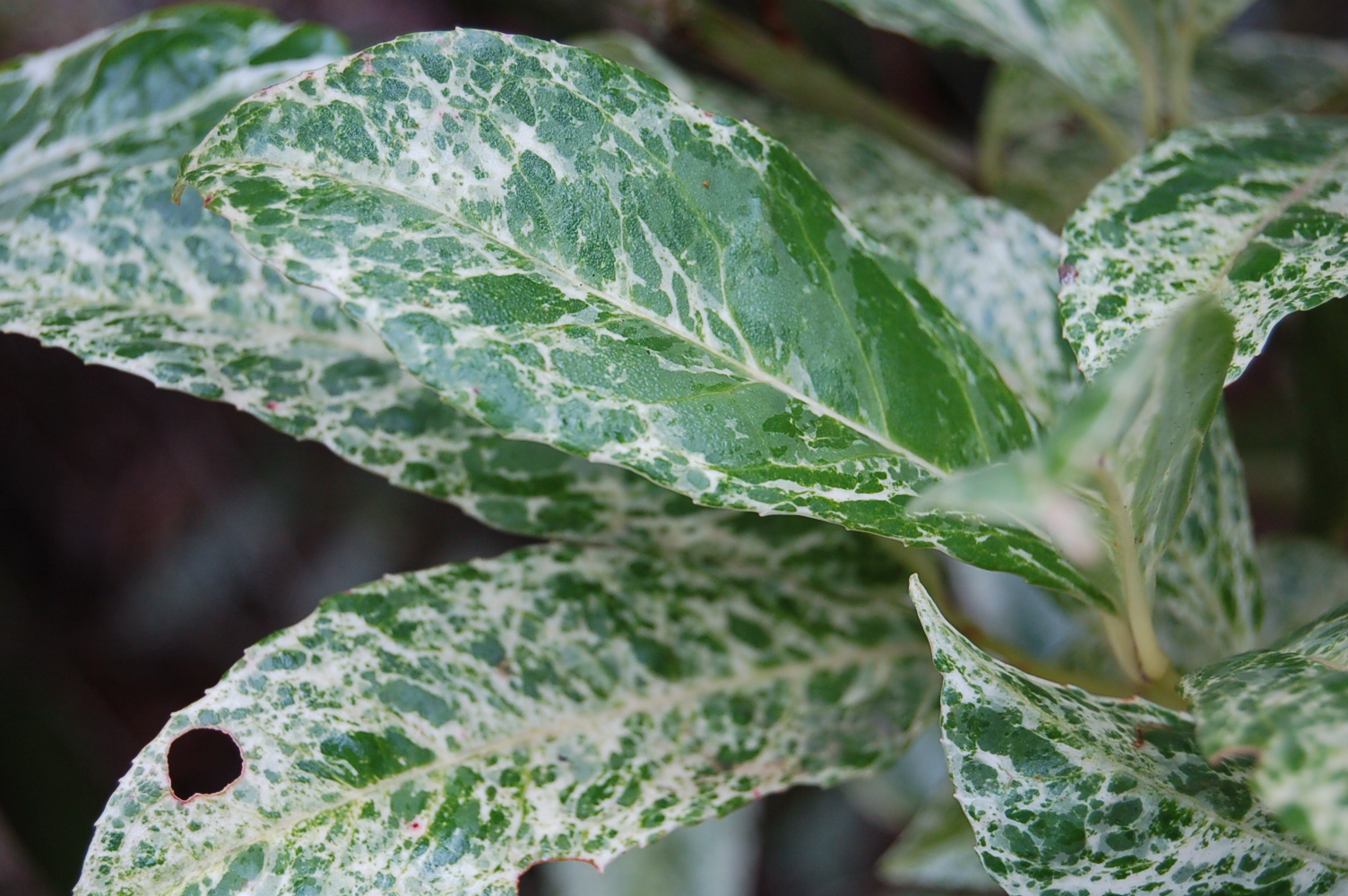
Silvery marbled variegation like a spider's web.
Paint splattered variegation.

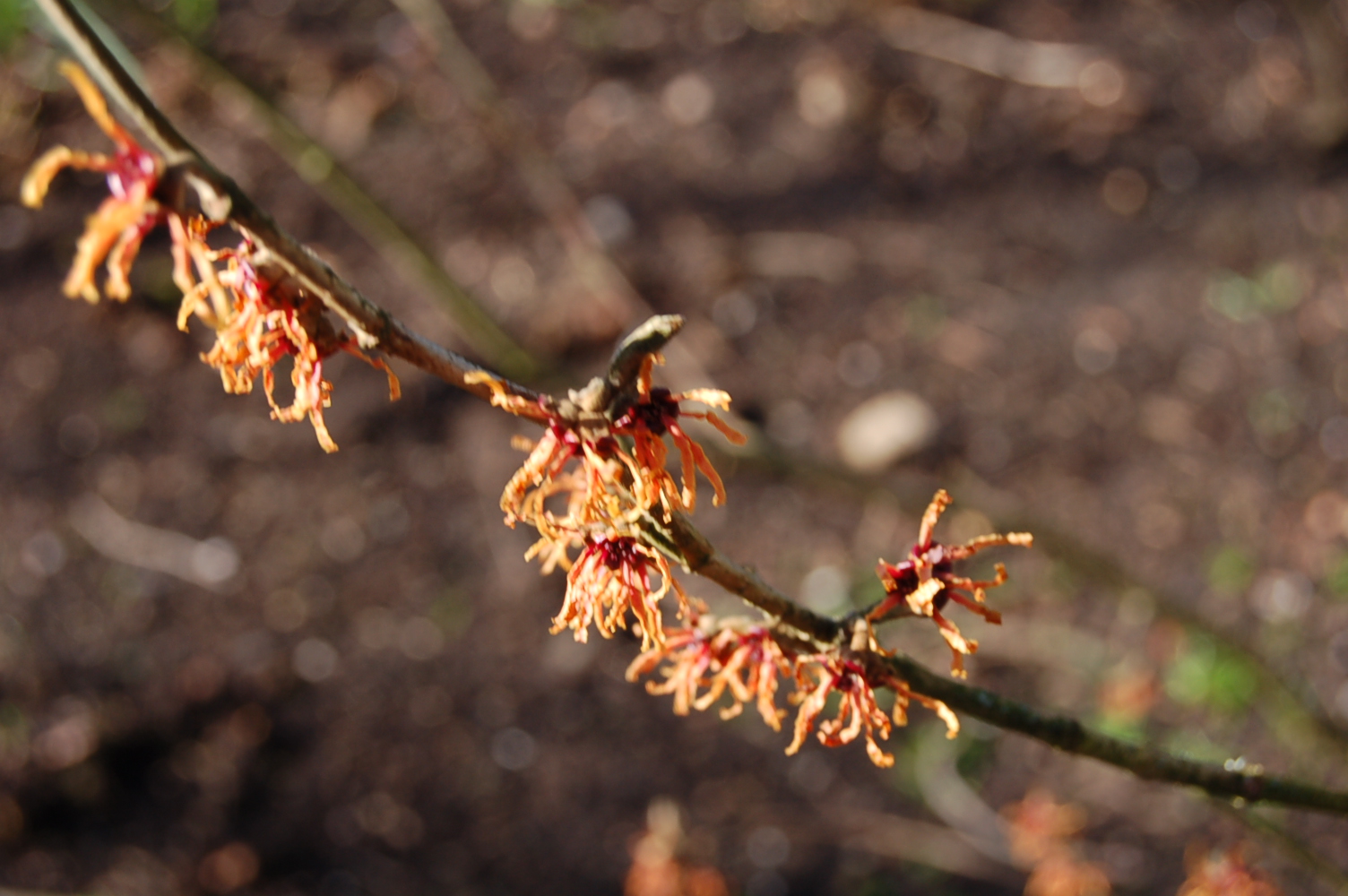
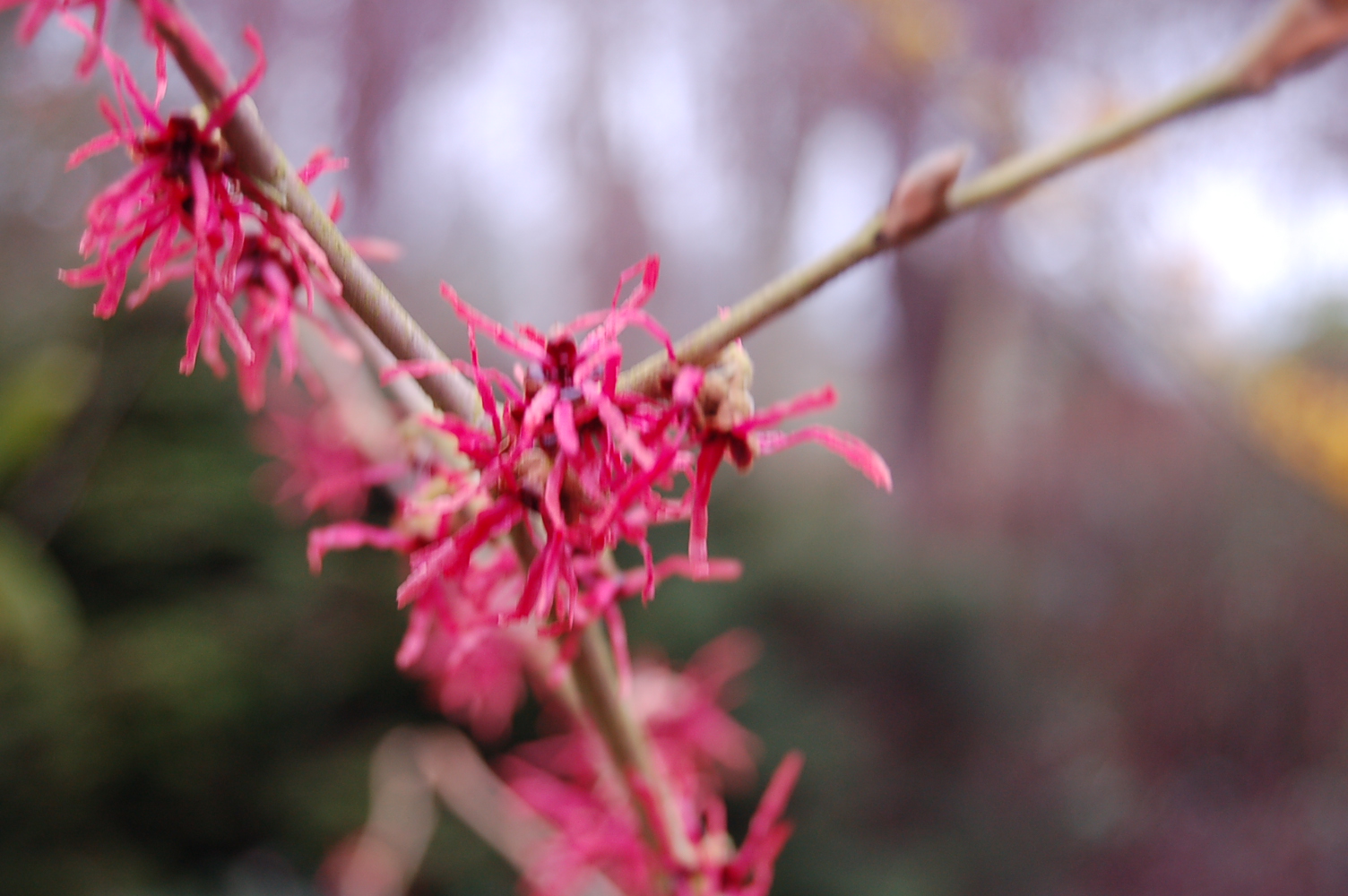
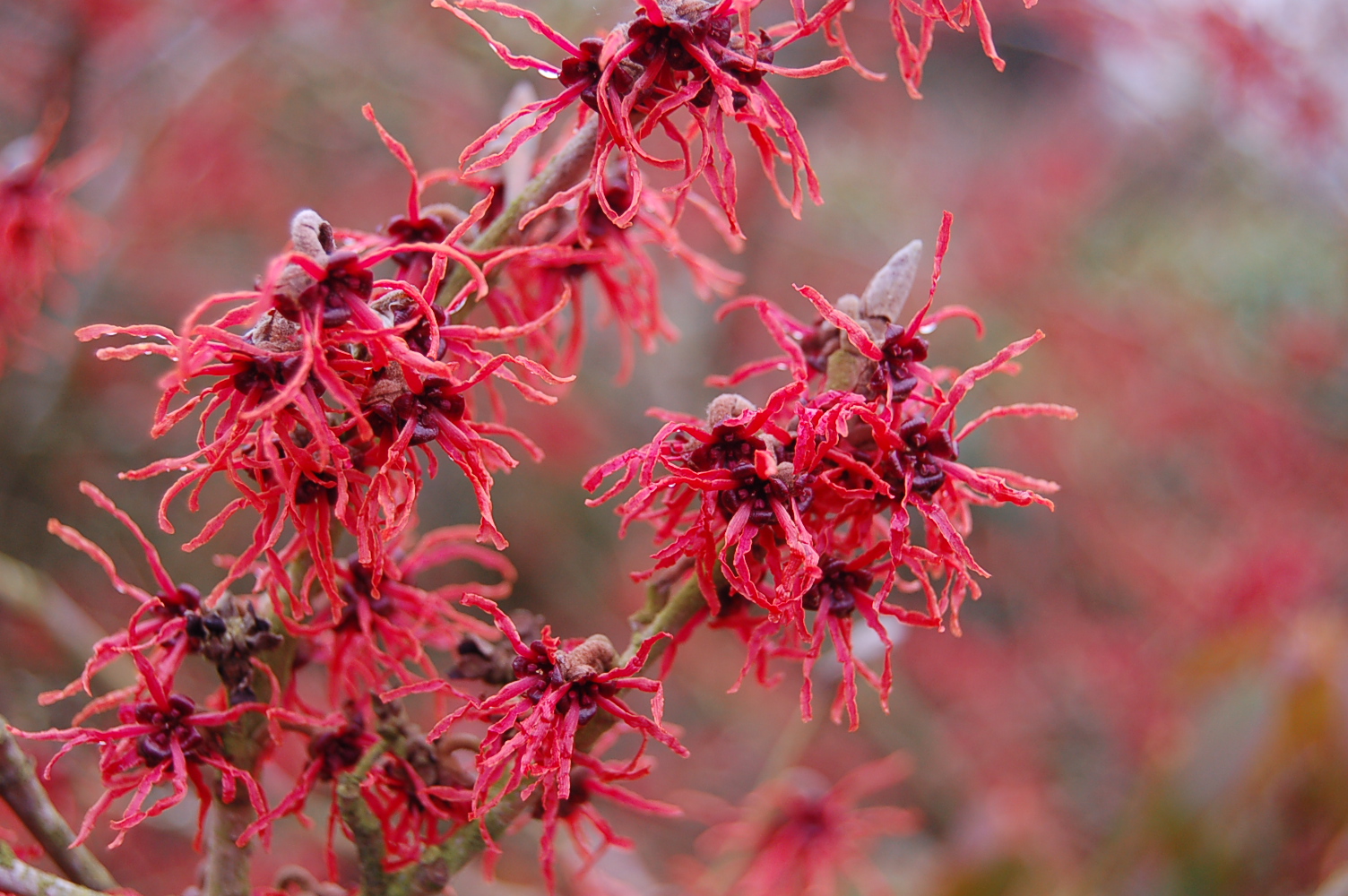
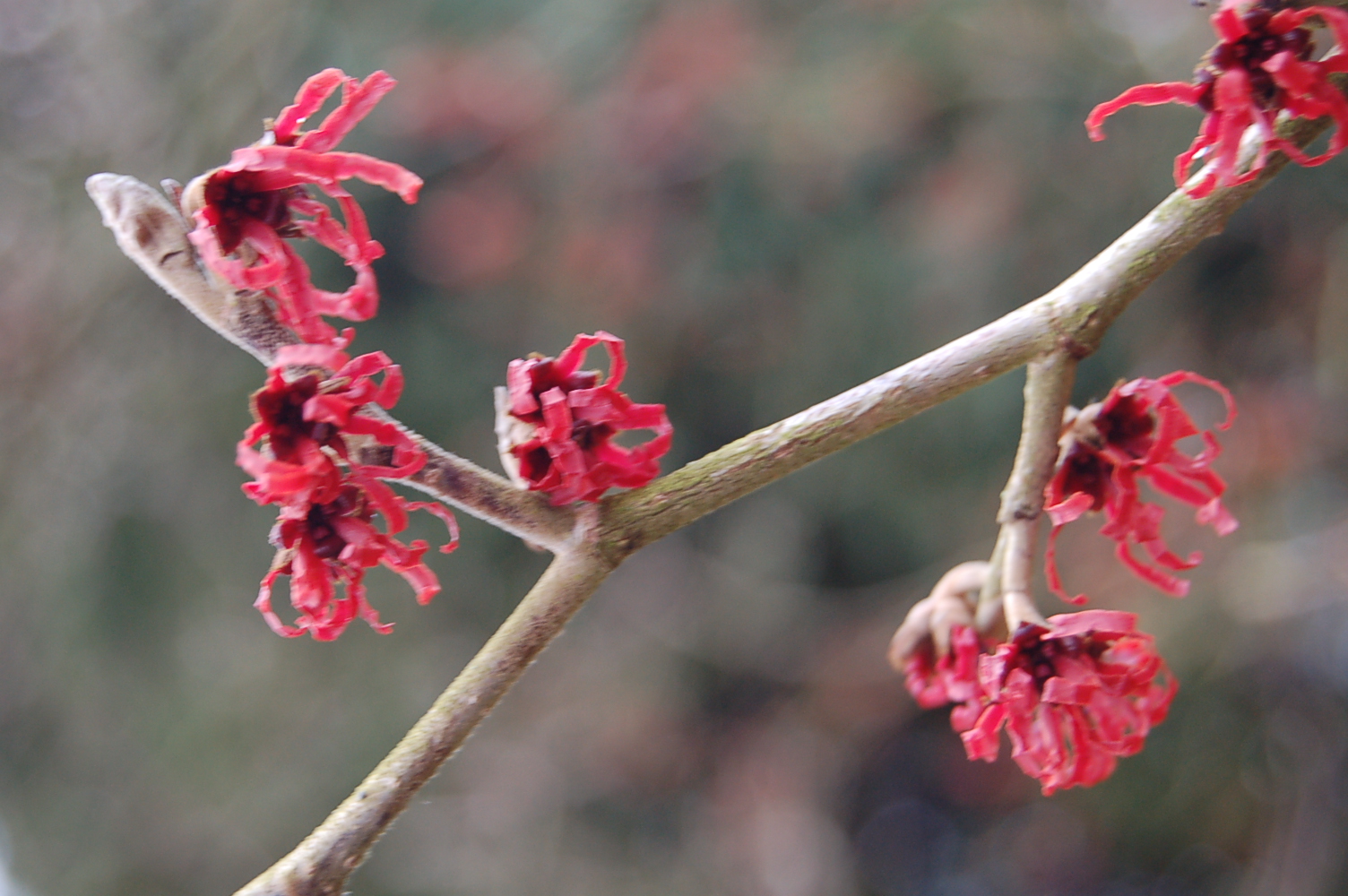
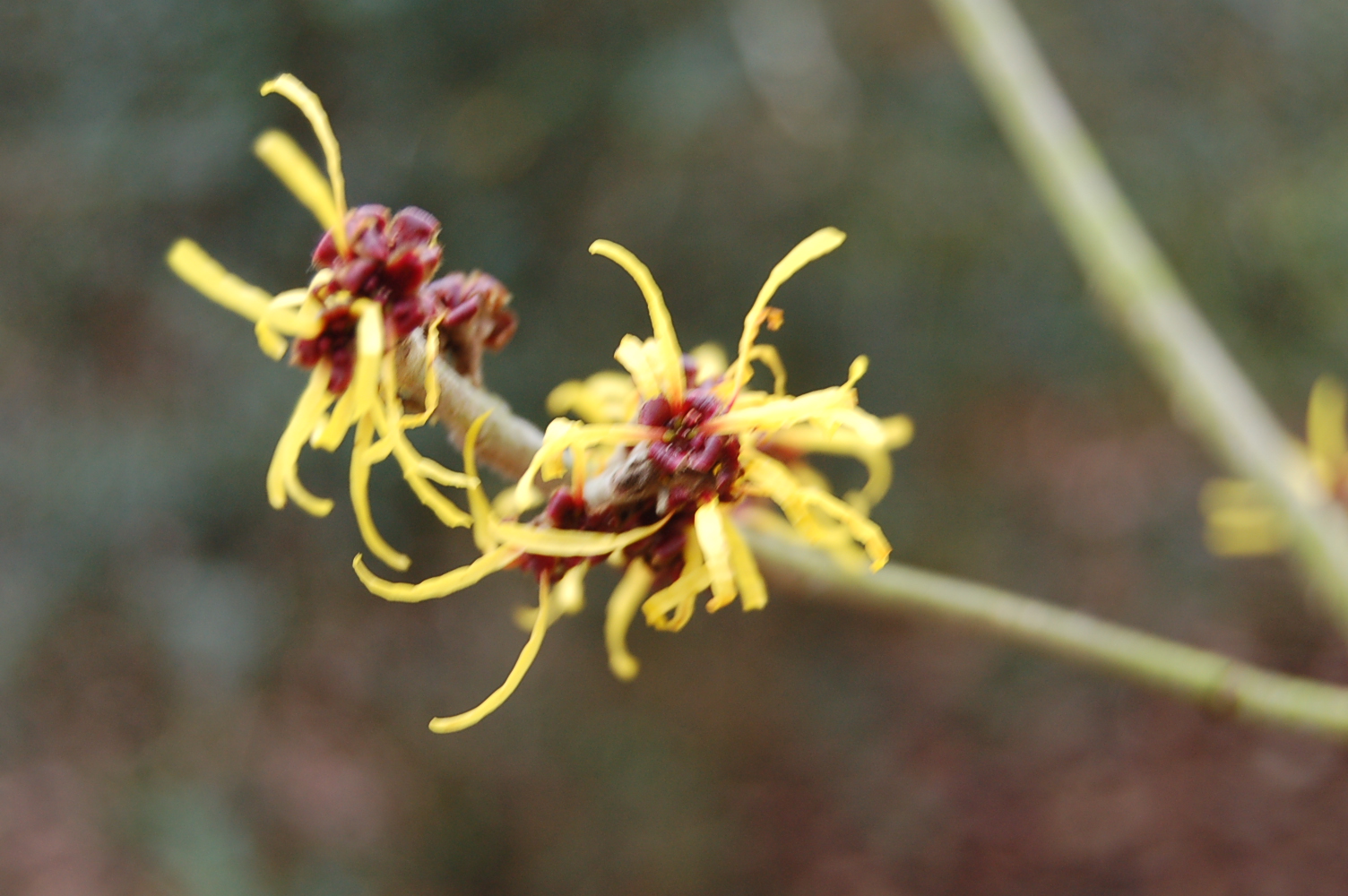
And now to those Witch Hazels! These are not Hazels at all, but related to Parrotias, Fothergillas and of course the Sycopsis we saw in the first Swallow Hayes blog. Their unusually shaped flowers are in every shade of yellow, orange and red and give warming scents in the winter garden. Witch Hazels are well-known for their medicinal properties and are used in aftershave as well as in the treatment of bruises and insect bites. So, beautiful and useful!

The flowers are made up of long, thin strips of petals like curling ribbons or spiders, and appear on bare stems. Several Witch Hazels available to us were bred in Kalmhout in Belgium and the first photo shows one with the unglamorous name of “Kalmhout 999”. Kalmhout is an arboretum in Belgium run by Jelena and Robert de Kelder. Jelena has given her name to my favourite Witch Hazel which you will see in my blog “A Wander around the Garden in February” which I will post in the next few days. Two more of their developments are “Diane”, named after their daughter and “Livia”, named after their granddaughter.

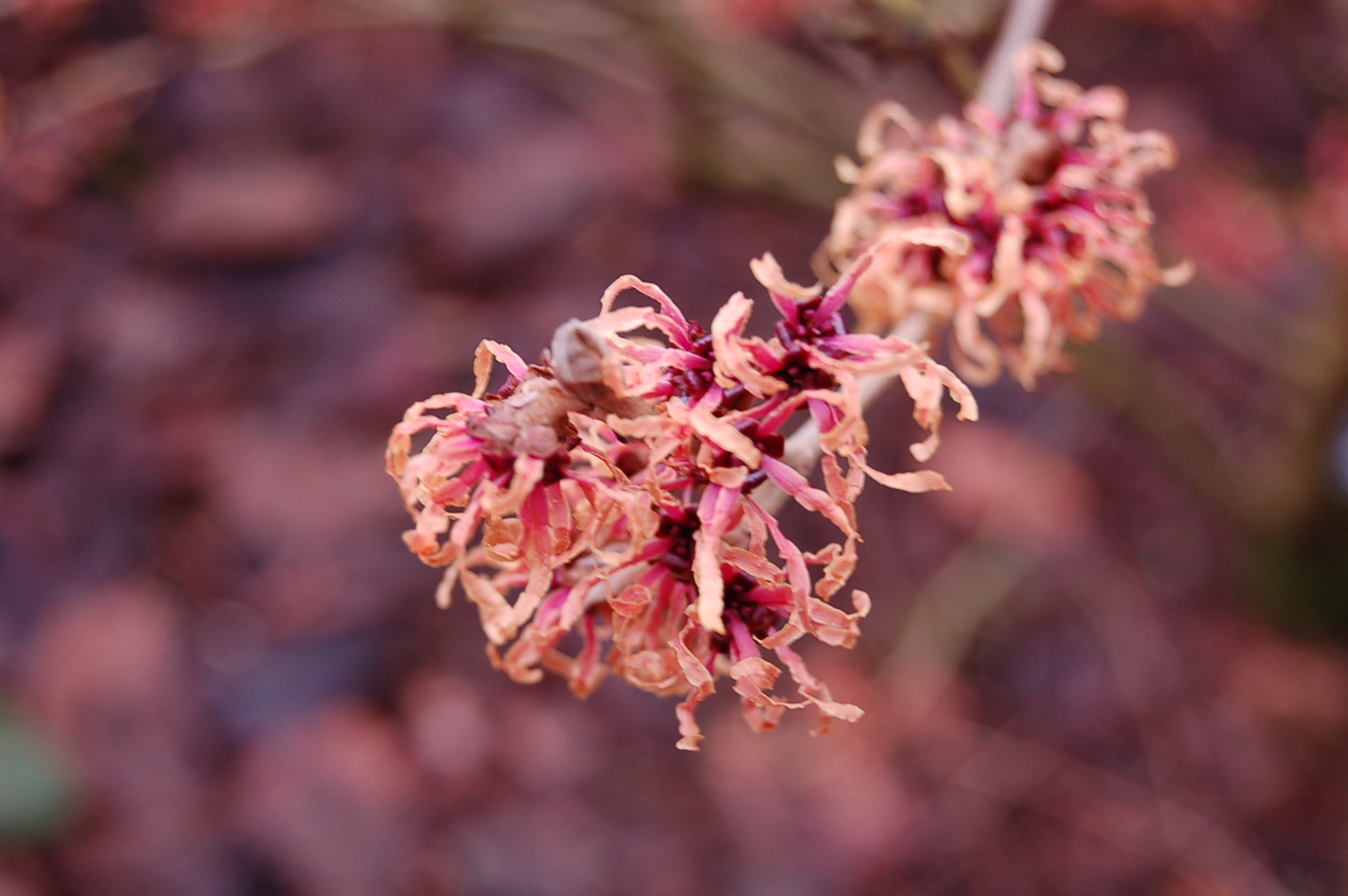
This Witch Hazel matches its colour to its scent, the flowers coloured orange and emitting an aroma of oranges.
The aptly named "Ripe Corn".
"Ripe Corn", "Livia" and "Strawberries and Cream"
Livia
Strawberries and Cream
Orange Peel
Advent
Rubin
Diane
Jermyns Gold
Categories
garden photography gardening hardy perennials ornamental trees and shrubs photography roses shrubs trees winter gardens

Witch Hazels at Swallow Hayes – a garden visit in January (part one)

OK, so January isn’t a month normally associated with visiting gardens, but Swallow Hayes is different. It’s main feature is a huge collection of Witch Hazels, more than 70 types. The day of our visit was cold – teetering on freezing point all day – and a thin mist hung low over the land made cold by the heavy overnight frost. We wrapped up warm, wandered around this garden of winter, our fingers with just enough feeling left in them to take photos.

The garden here covers just two acres but they are two packed acres. There is so much to see here in January, leaf colour and variegation, blooms with scent to delight and patterns of tree bark for the eye to capture and the fingers to explore.

Felled by wind this branch of the blue-grey Cedrus atlantica glauca shone against the debris under the tree.
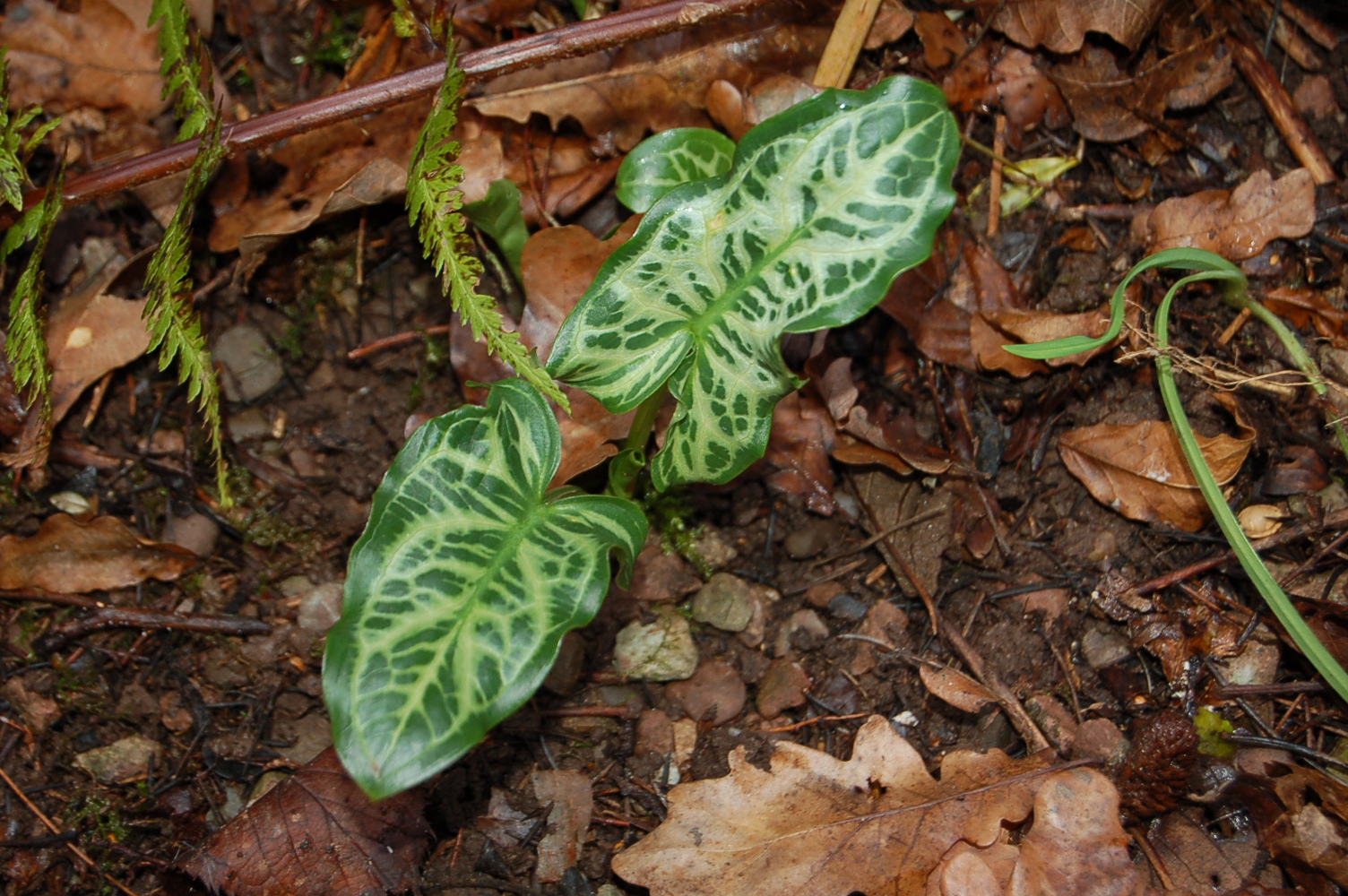
Arum italicum marmoratum show leaf variegation at its best.
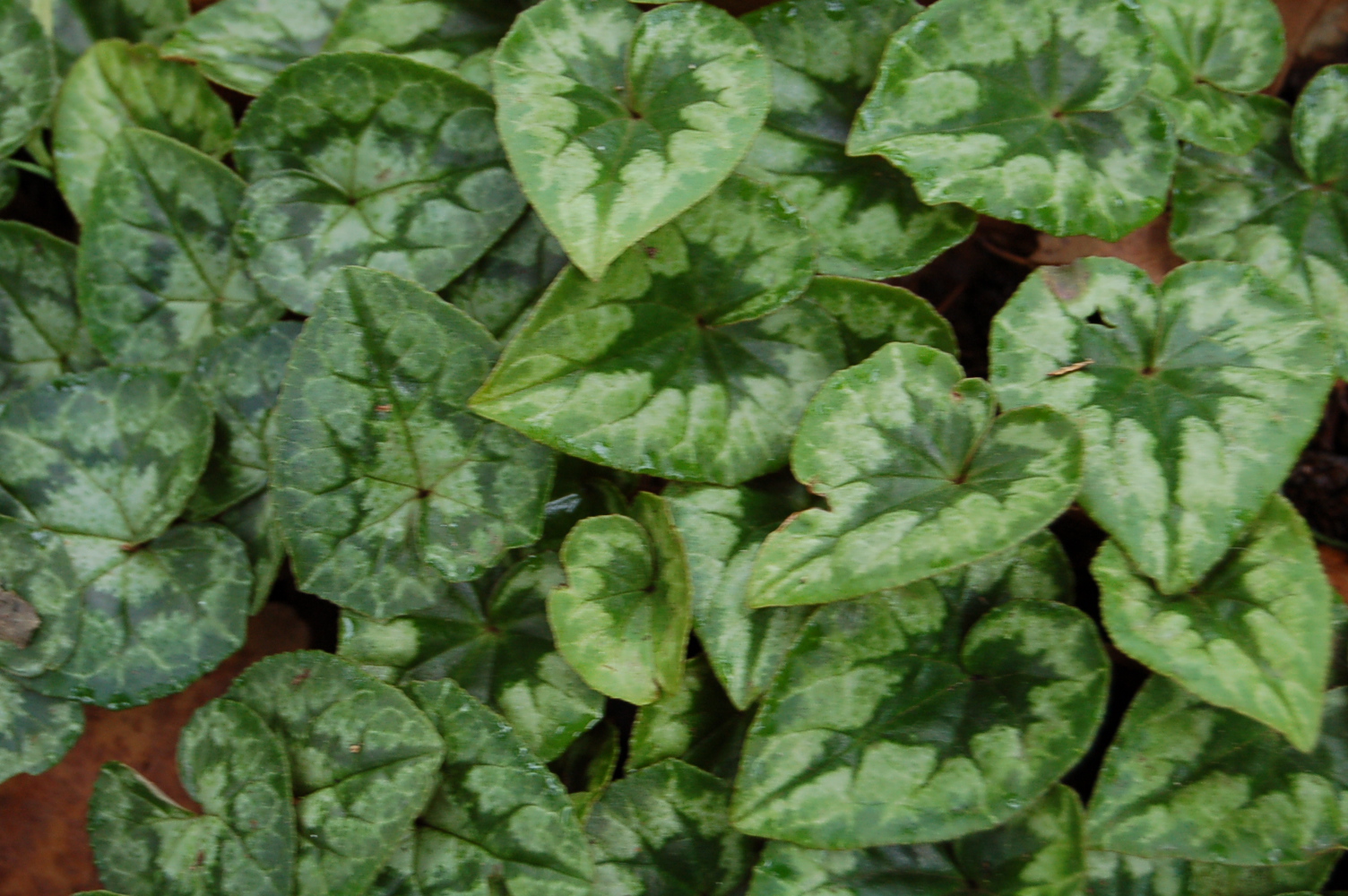
A clump of beautifully marked Cyclamen enjoying the shade of a conifer.
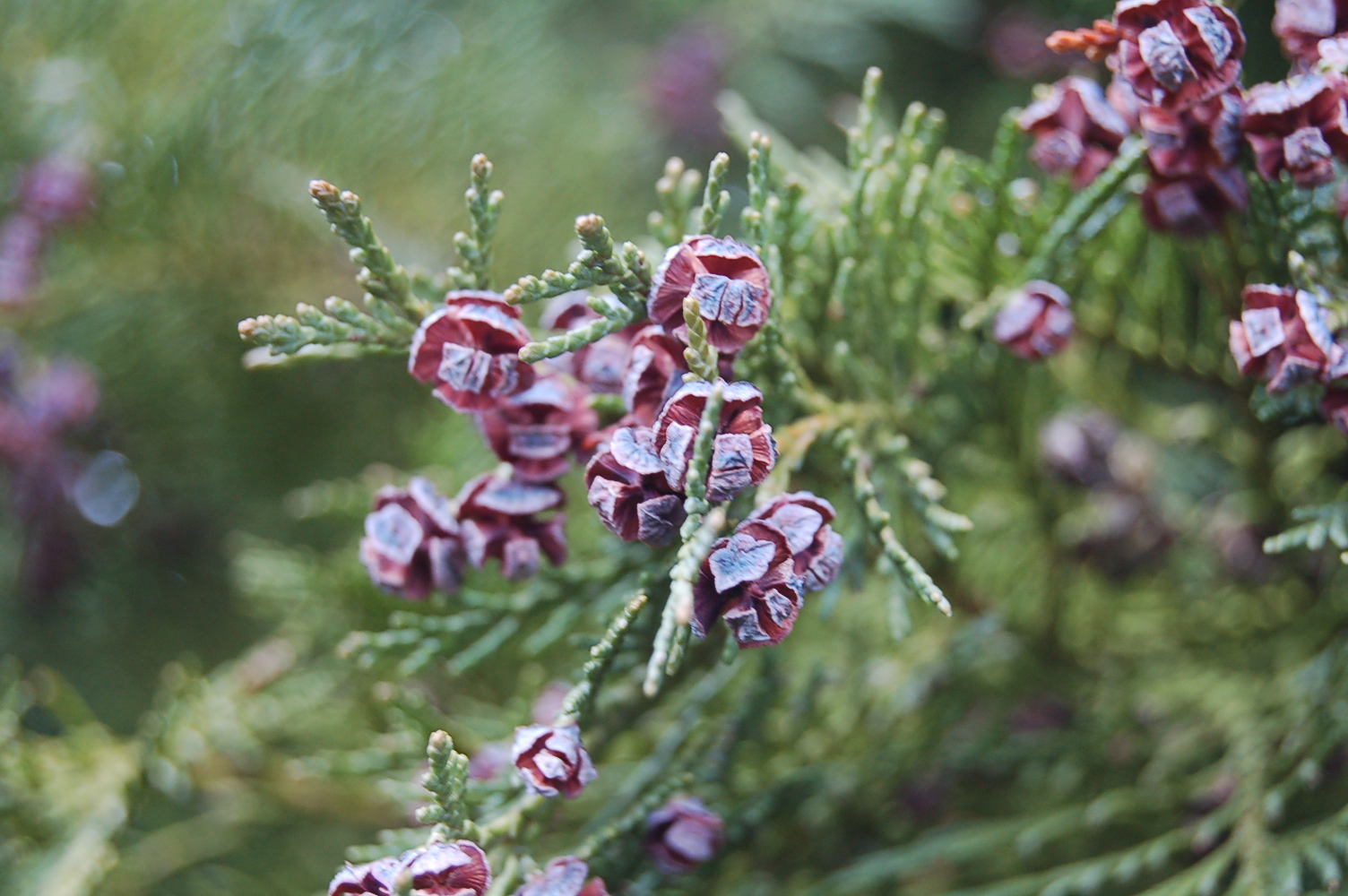
I am not a fan of conifers but I do appreciate them on dark winter days.
Delicate deep pink berries of Berberis wilsoniae.
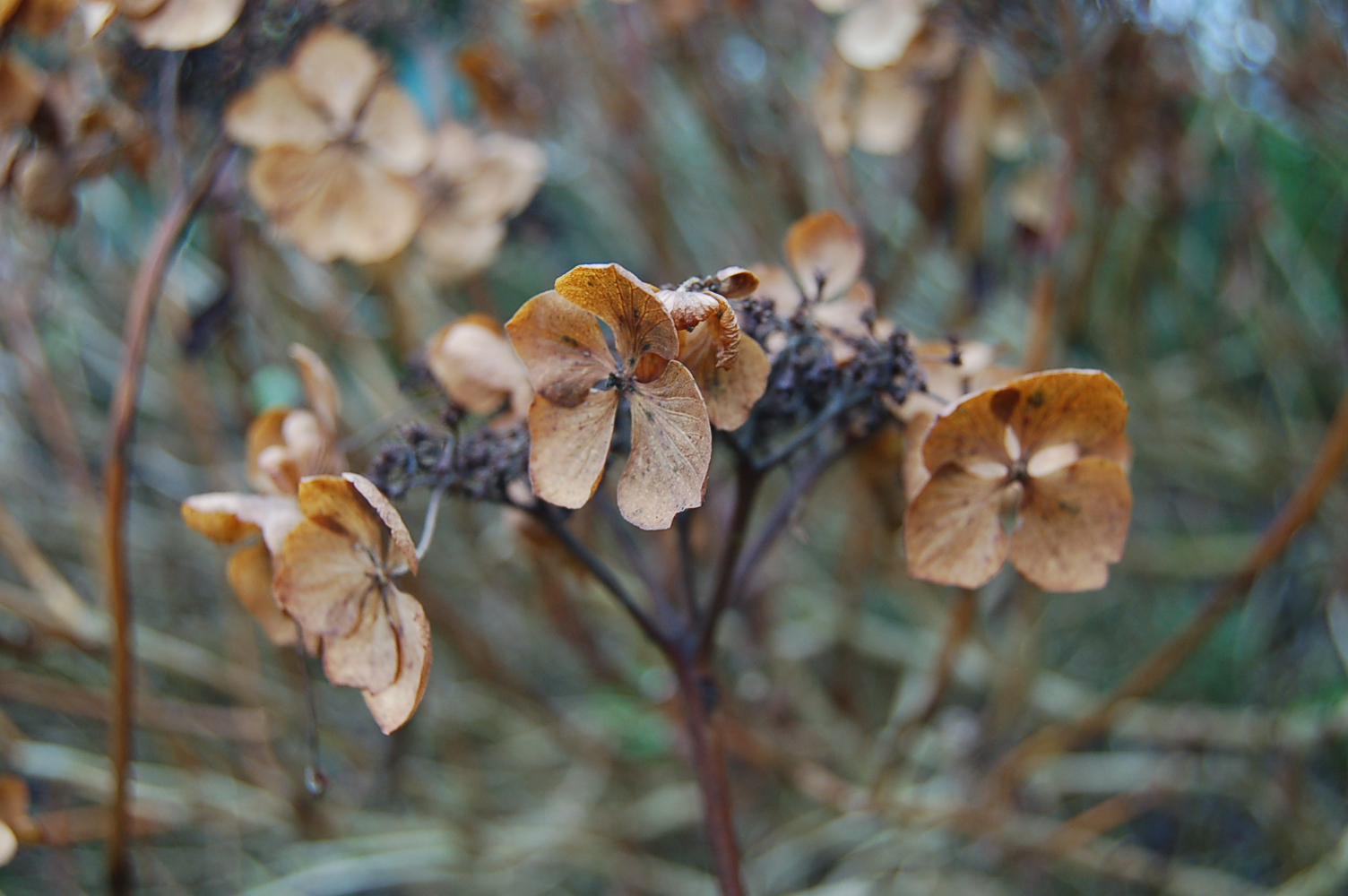
Last year's Hydrangea flowers display structure and colour.
Sparse berries hide amongst the strongly spotted variegated foliage of this Laurel.

Tree bark adds interest in winter gardens and here at Swallow Hayes Birch and Prunus add colour and texture.

Peeling Birch bark reveals pink below the silver.
Silky smoothness in deep shades of russet .
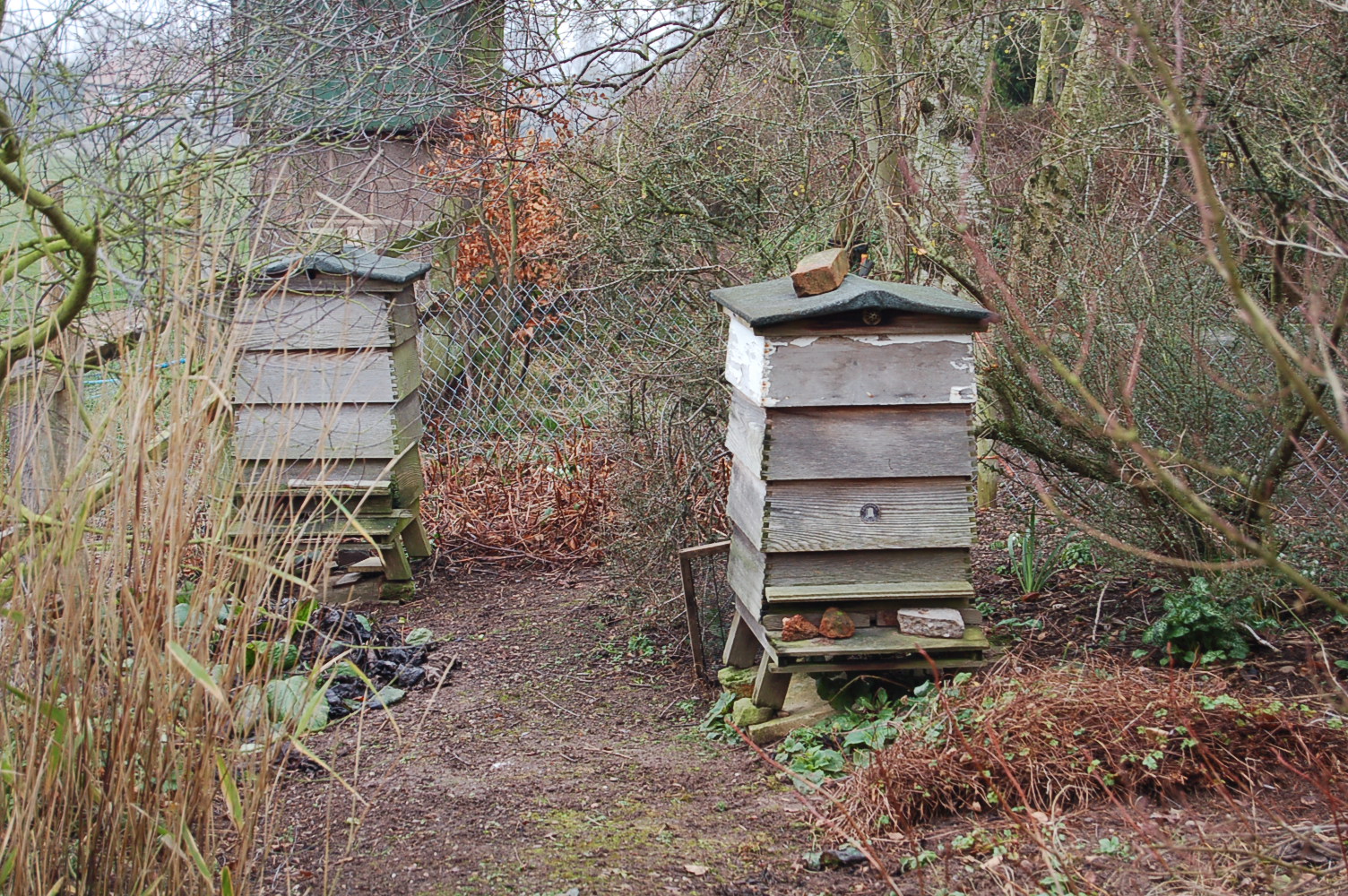
Swallow Hayes' bees snug and safe in their hives.
A relative of the Witch Hazels, this Sycopsis was unknown to us.
Unusual white flowered Daphne
Lichen on Magnolia branches.
Fresh shining purple growth of a hellebore looks full of promise.
Fresh berries on an unusual ivy.
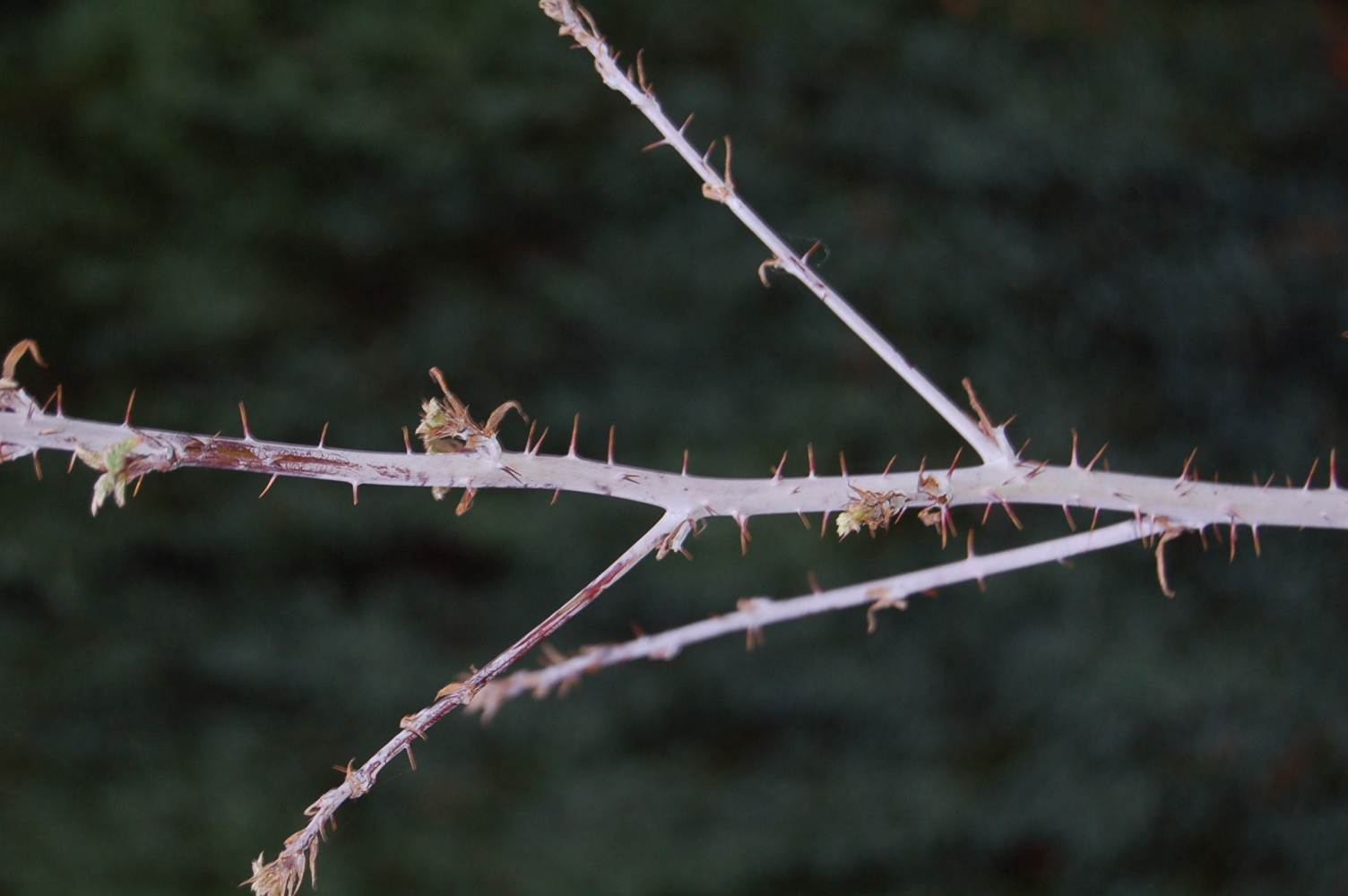
Startling white stems of Rubus.
Long thin Euphorbia.
Categories
gardening hardy perennials ornamental trees and shrubs shrubs

Impulse buying at nurseries – is this true retail therapy?

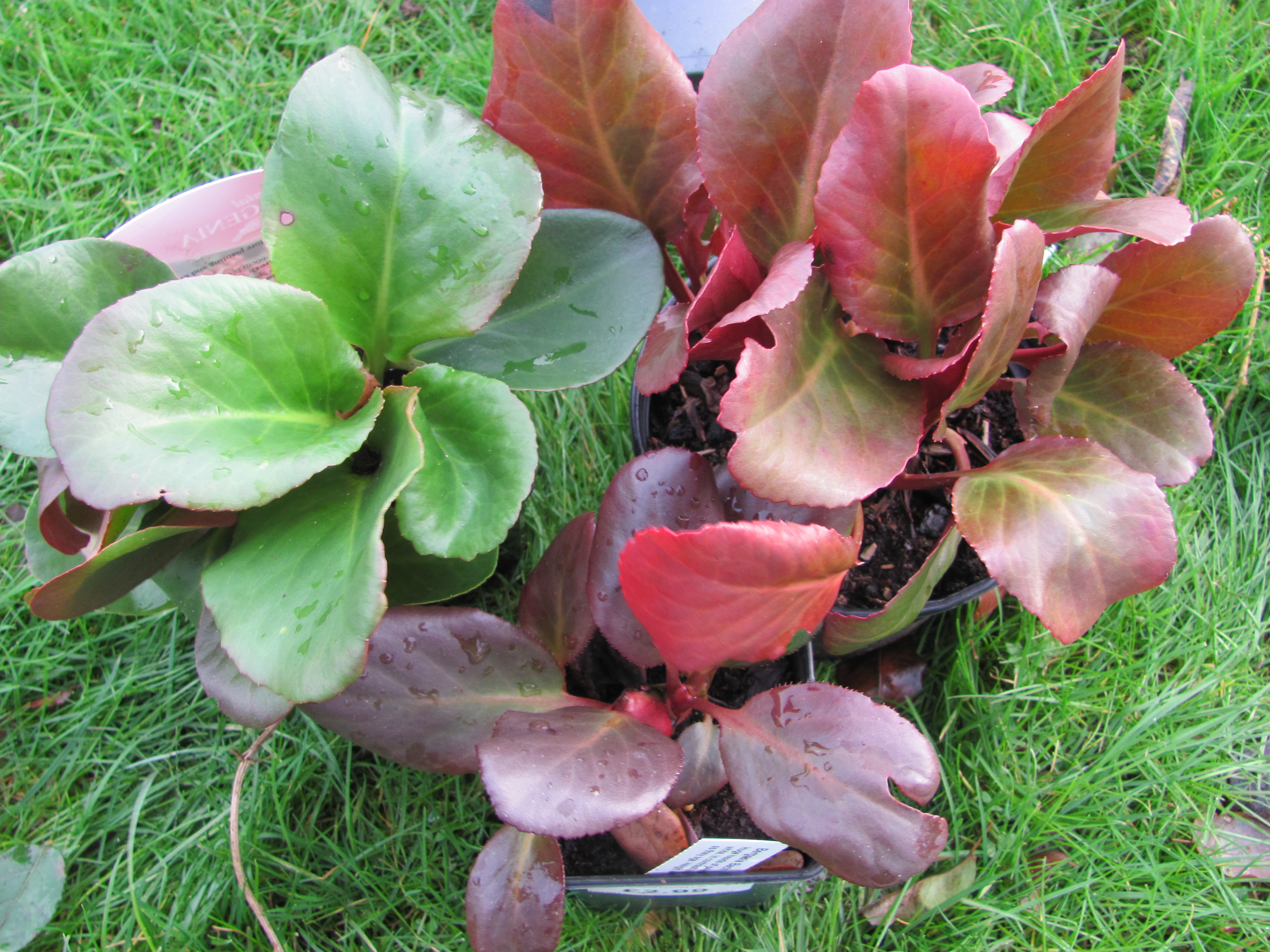
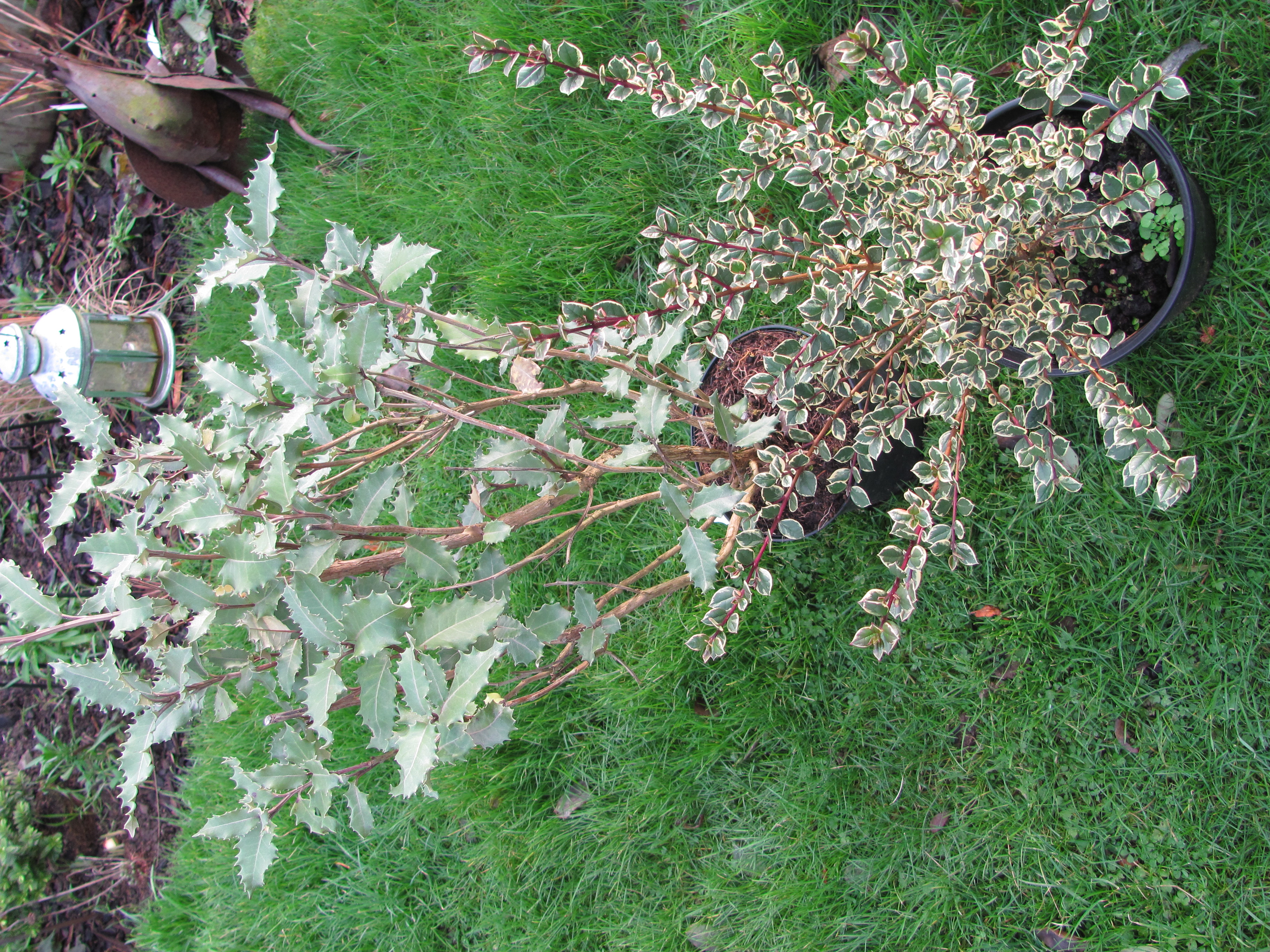
We hate shopping in town centres, retail parks and especially supermarkets. How can people refer to such unpleasant things as being any sort of therapy? But put us in a nursery and everything seems different – we get tempted every time! We have just visited two of our favourite nurseries half an hour from home just into the Welsh countryside outside Welshpool, The Dingle and  its sister, The Derwin. We went to buy a couple of plants for a container that sits empty at the end of the central path in the back garden. It has long been crying out for some plants. We came back with a boot full of plants, some for that pot, some for another pot, some alpines, a couple of shrubs and some perennials. It happens to us all the time, but just look at our booty! We are definitely into coloured foliage.

Euphorbia Silver Swan and Euphorbia Walberton's Rudolf
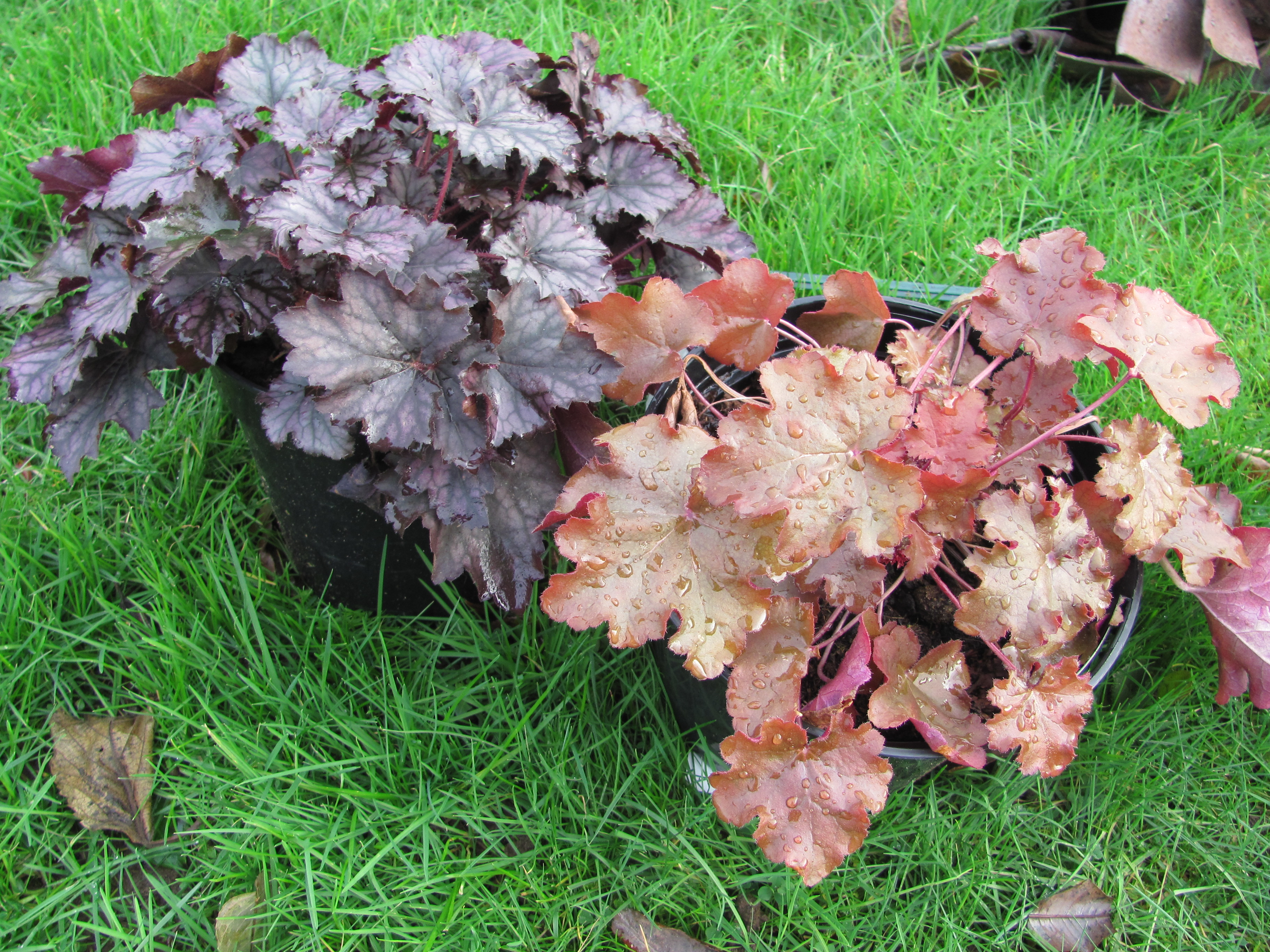
Heucheras Frosted Violet and Mahogany
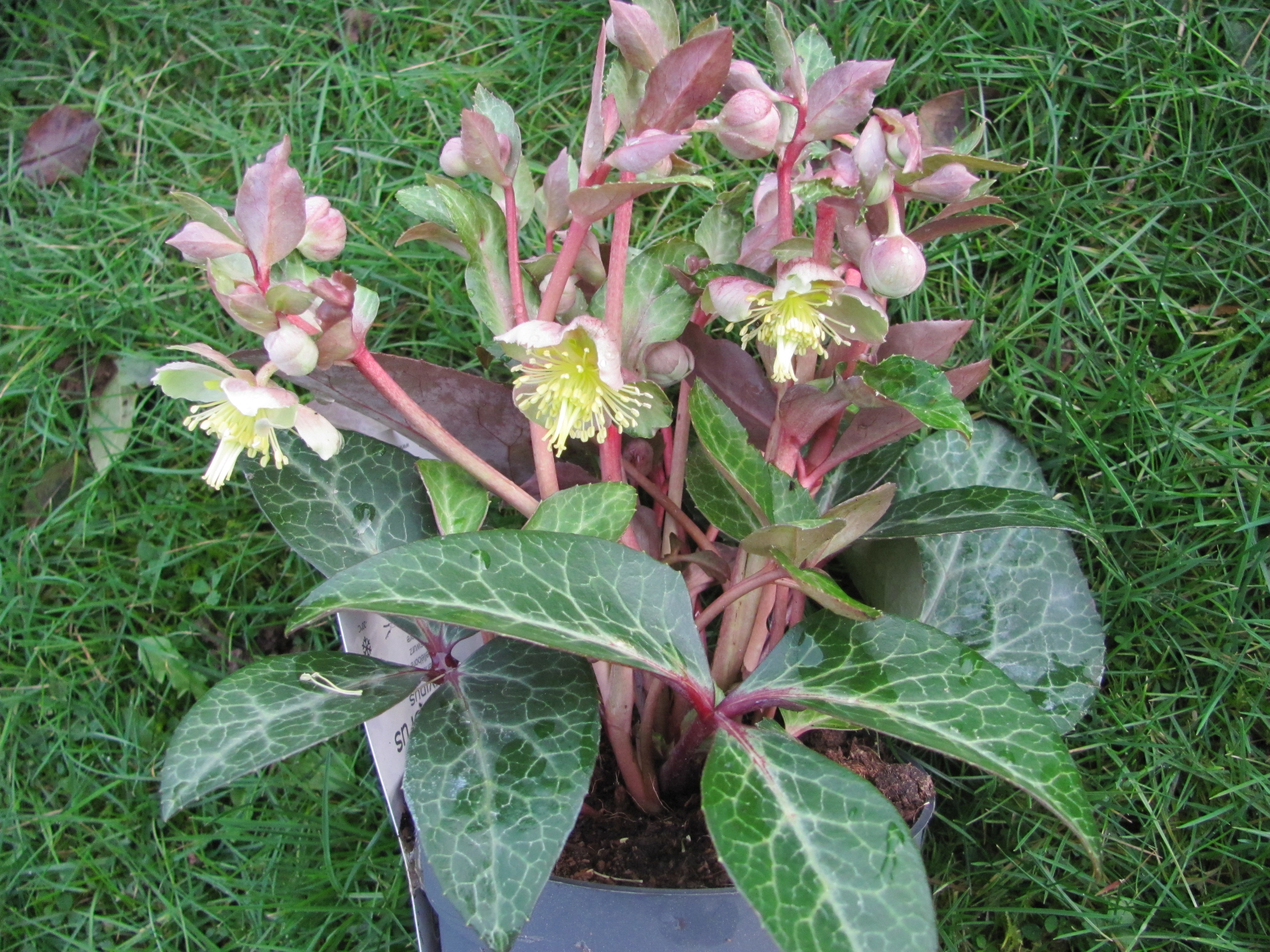
Hellebore lividus
Bergenias - Bach, Winterglut and Winter Glow.
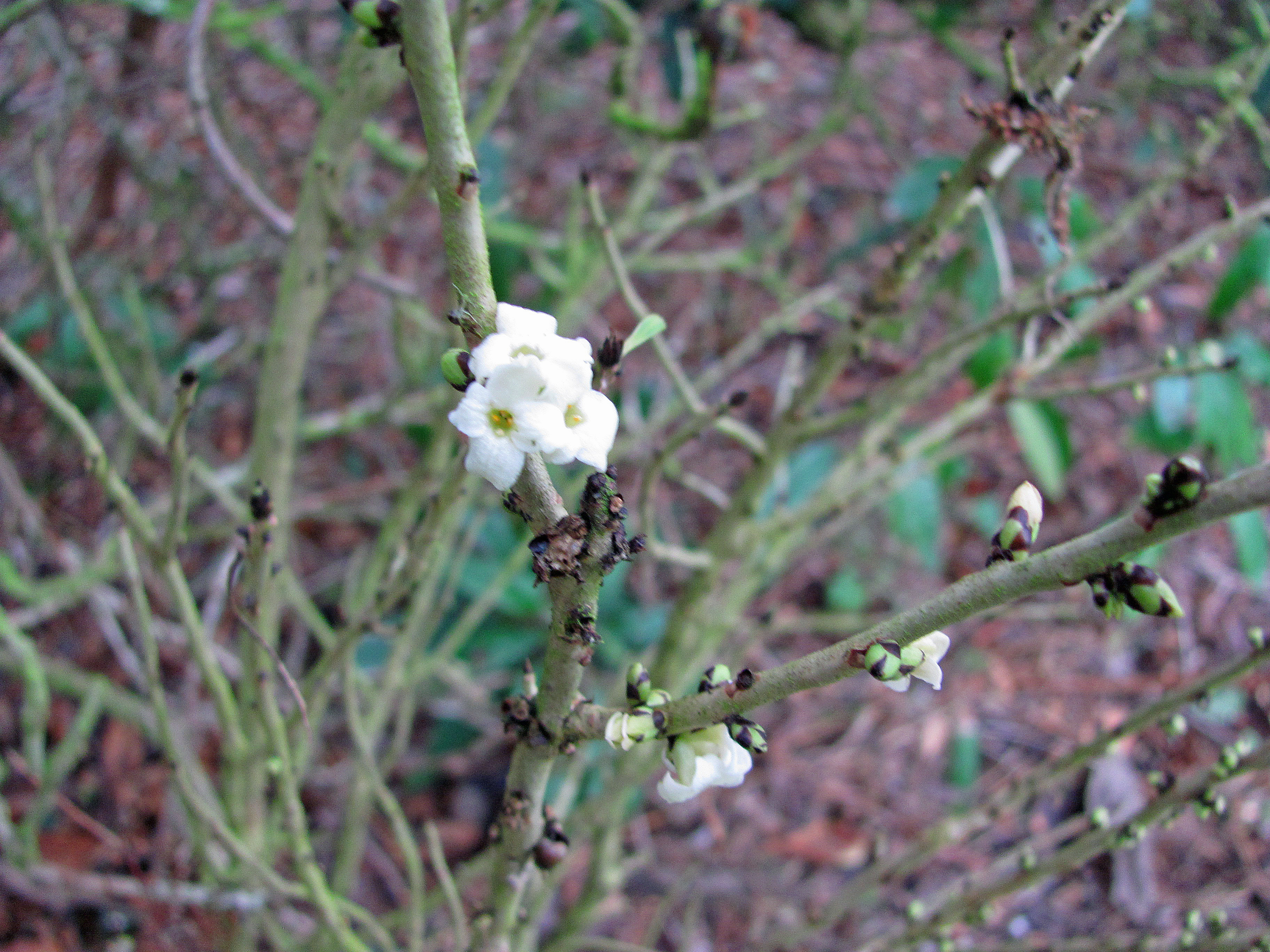
Osmanthus x macrodonta and Luma apiculata "Glanleam Gold"
This Veggie Life

A Vegetarian | Nature Lifestyle Blog

Rambling in the Garden

.....and nurturing my soul

The Arch City Gardener

Journeys In St. Louis Gardening and Beyond

Garden Dreaming at Châtillon

Consult the genius of the place

Storyshucker

A blog full of humorous and poignant observations.

gardeninacity

Notes from a wildlife-friendly cottage garden

PlayGroundology

...an emerging social science

The Official Blog of British Wildlife

'The most important and informative publication on wildlife of our times' - The Independent. This blog is a member of The UK & Ireland Natural History Bloggers group: www.uknhb.blogspot.com

iGrowHort

Inspire - Cultivate - Grow Native Plants - Restore Landscapes

Bishops Meadow Trust

To create and protect a semi-natural wild space for the people of Farnham to enjoy and experience an array of British wildlife in our town

Gardening with Children

The www.gardeningwithchildren.co.uk Blog

UKbirdingtimeline

birding through the seasons, why birds matter and how to conserve them

NATURE WALKER

with a camera in hand

Jardin

Transform your outdoor space

Eva's space

My allotment, cooking and other interests

Old School Garden

my gardening life through the year

LEANNE COLE

Trying to live a creative life

fromacountrycottage

trying to live as lightly as possible on our beautiful planet

Good Life Gardening

Nature lovers from Leicester living the good life.

mybeautfulthings

Finding the beautiful in the everyday

mawsonmichelle

Michelle's Allotment

In and Out of My Garden

thoughts from and about my garden

Greenhousing

Big plans for a small garden

The Scottish Country Garden

A Walled Country Garden in South East Scotland

The Fruity Chicken

Life at the fruity chicken

willowarchway

Off grid living. Self sufficient. "PERMAGANICS RULE".

St Anns Allotments

Nottingham's Grade 2* Listed Allotments and Community Orchard

Manifest Joy Harvests

a journey in suburban vegetable gardening

Allotmental

The madness of growing your own

Penny's Garden: a harvest beyond my front door

A novel approach to vegetable gardening

arignagardener

Sustainable living in the Irish countryside.

NewEnglandGardenAndThread

Master Gardener, amateur photographer, quilter, NH native, and sometimes SC snowbird

dianajhale

Recent work and work in progress and anything else that interests me

planthoarder

a chaotic cottage gardener

Lens and Pens by Sally

a weekly blog that creates a personal philosophy through photographs and words

Dewdrops and Sunshine

Stories from a sassy and classy Southern farmbelle.

The Pyjama Gardener

Simple Organic Gardening & Seasonal Living

gettin' fresh!

turning dirt into dinner

JOY...

today the world is created anew

Garden Birds

Notes from a Devon garden

ShootAbout

Life Through The Lens

Adapting Pixels

A photography blog showcasing the best photography pictures and videos on the internet

Wildlifegardening's Blog

Just another WordPress.com site

naturestimeline

personal observations from the natural world as the search continues for a new approach to conservation.

LATEBLOOMERBUDS

The Wonders of Life through my Eyes, my Heart, my Soul