Categories
garden photography gardening hardy perennials ornamental trees and shrubs photography shrubs town gardens winter gardens

Witch Hazels at Swallow Hayes – a garden visit in January (part two)

A door into the children's den.

And so we continue our gentle cold wander around the wintry splendour of Swallow Hayes …….

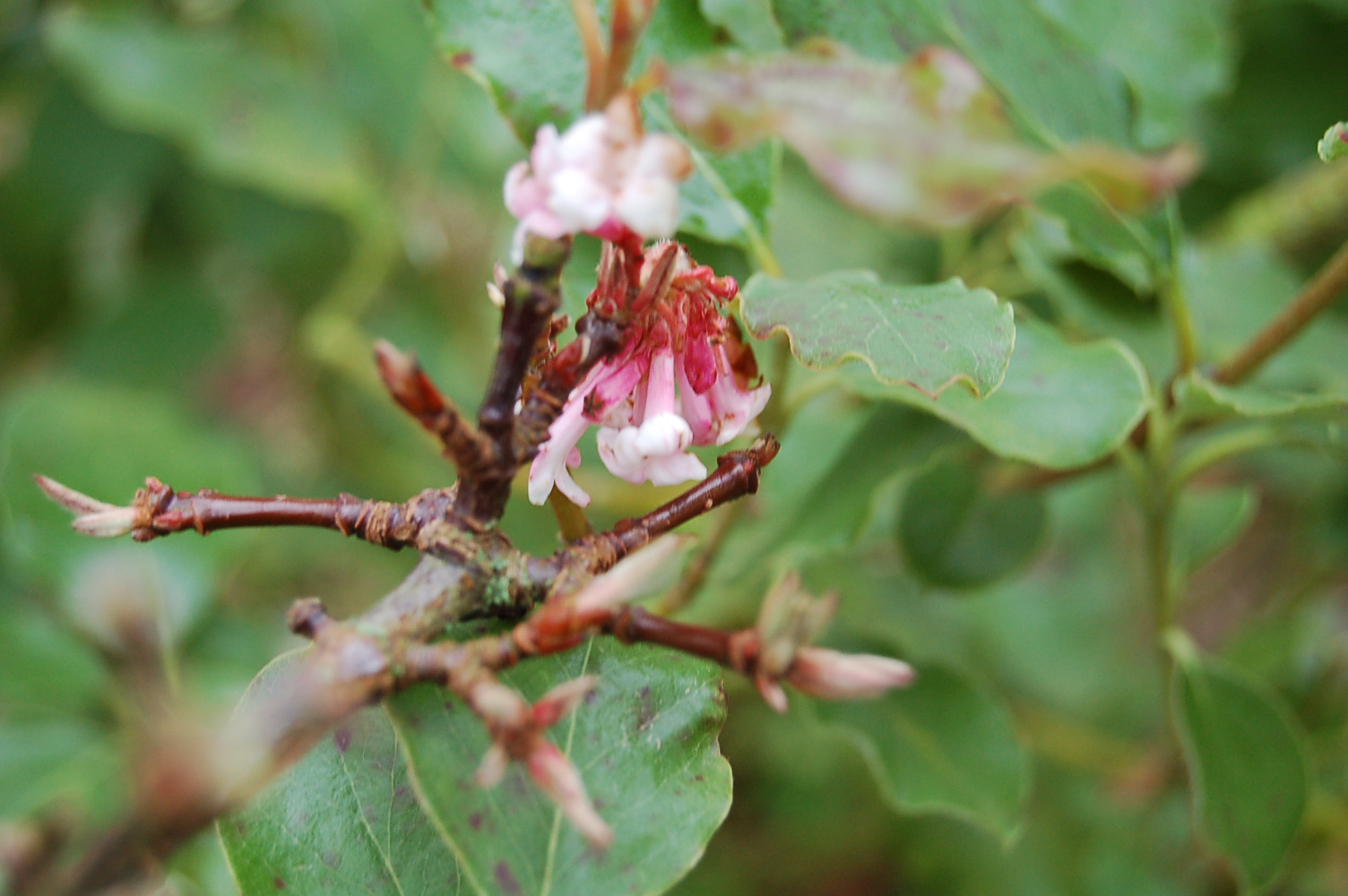
The promise of Viburnum bodnantense flowers.
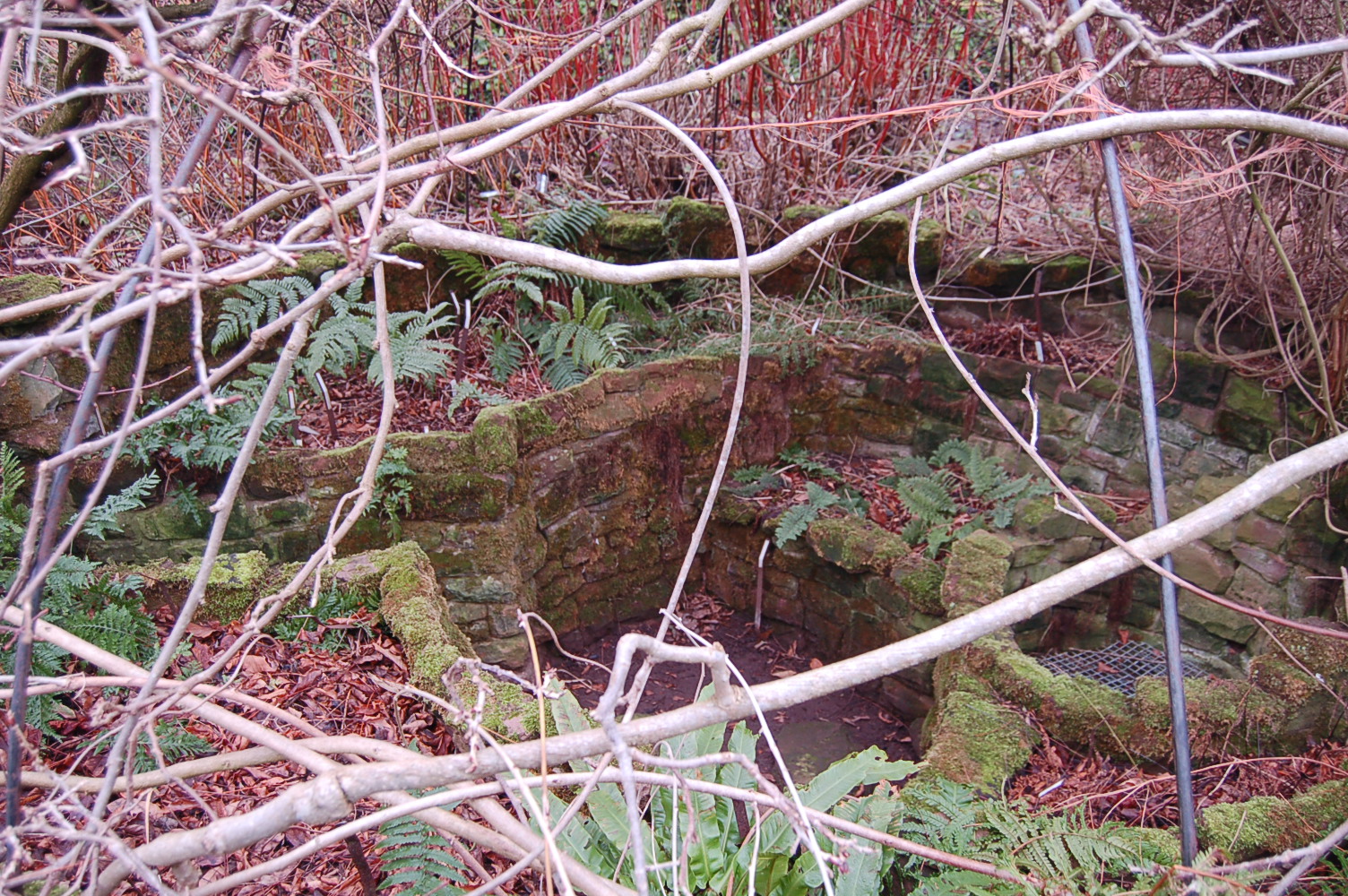
A secret, sunken garden for ferns shaded by a roof of climbers.
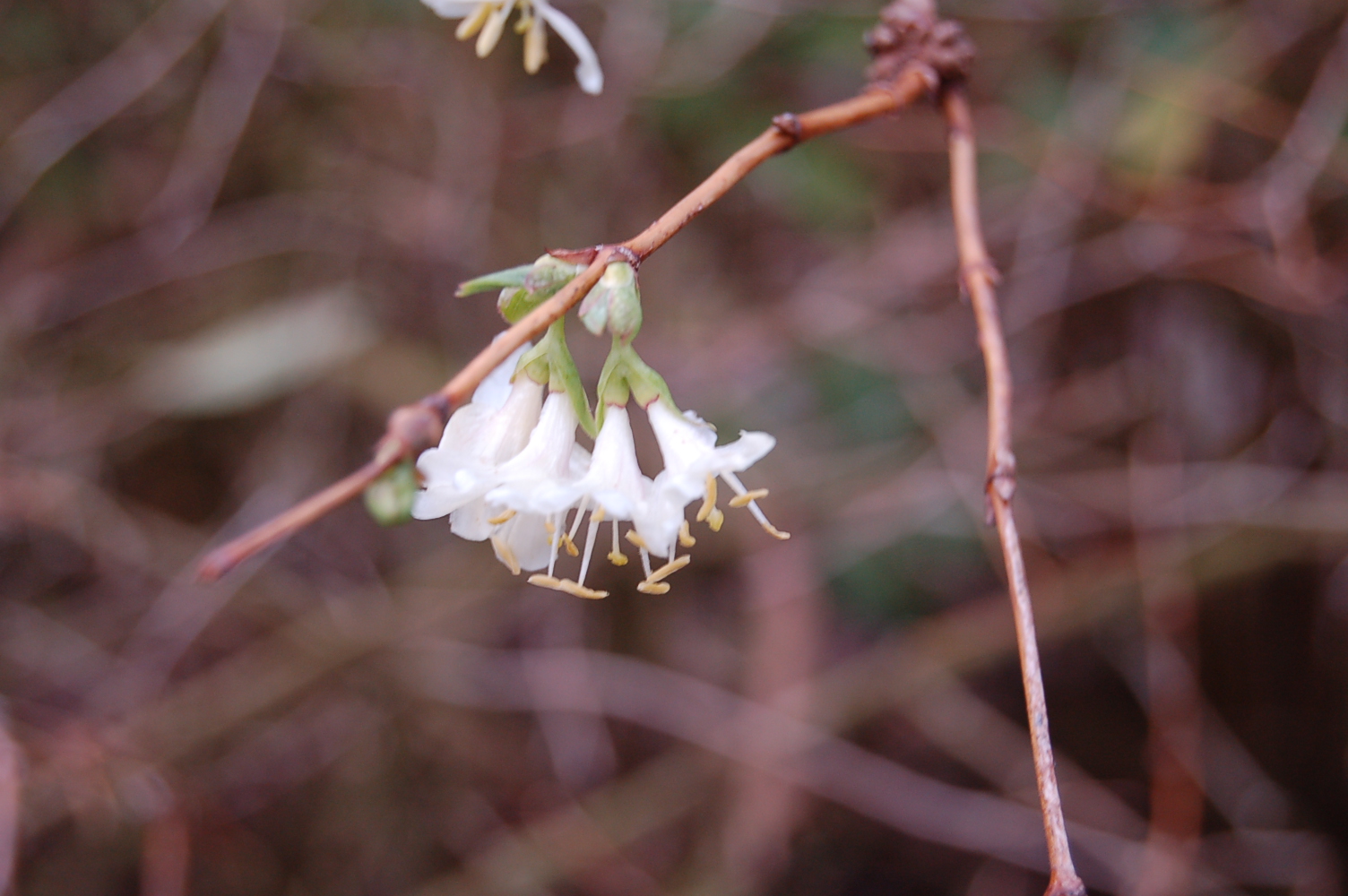
Sweetly scented winter honeysuckle.
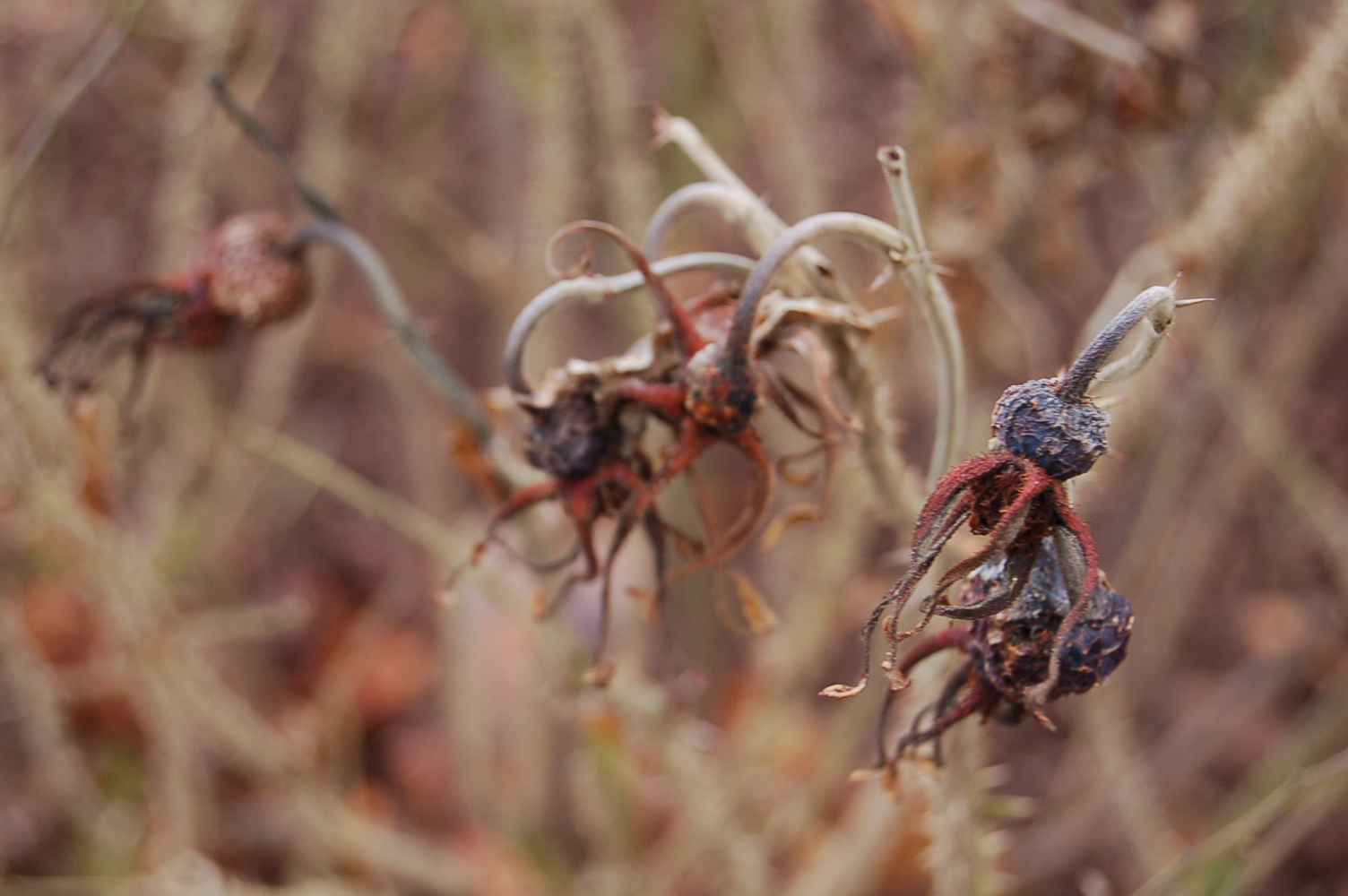
Old rose hips curled and desiccated.
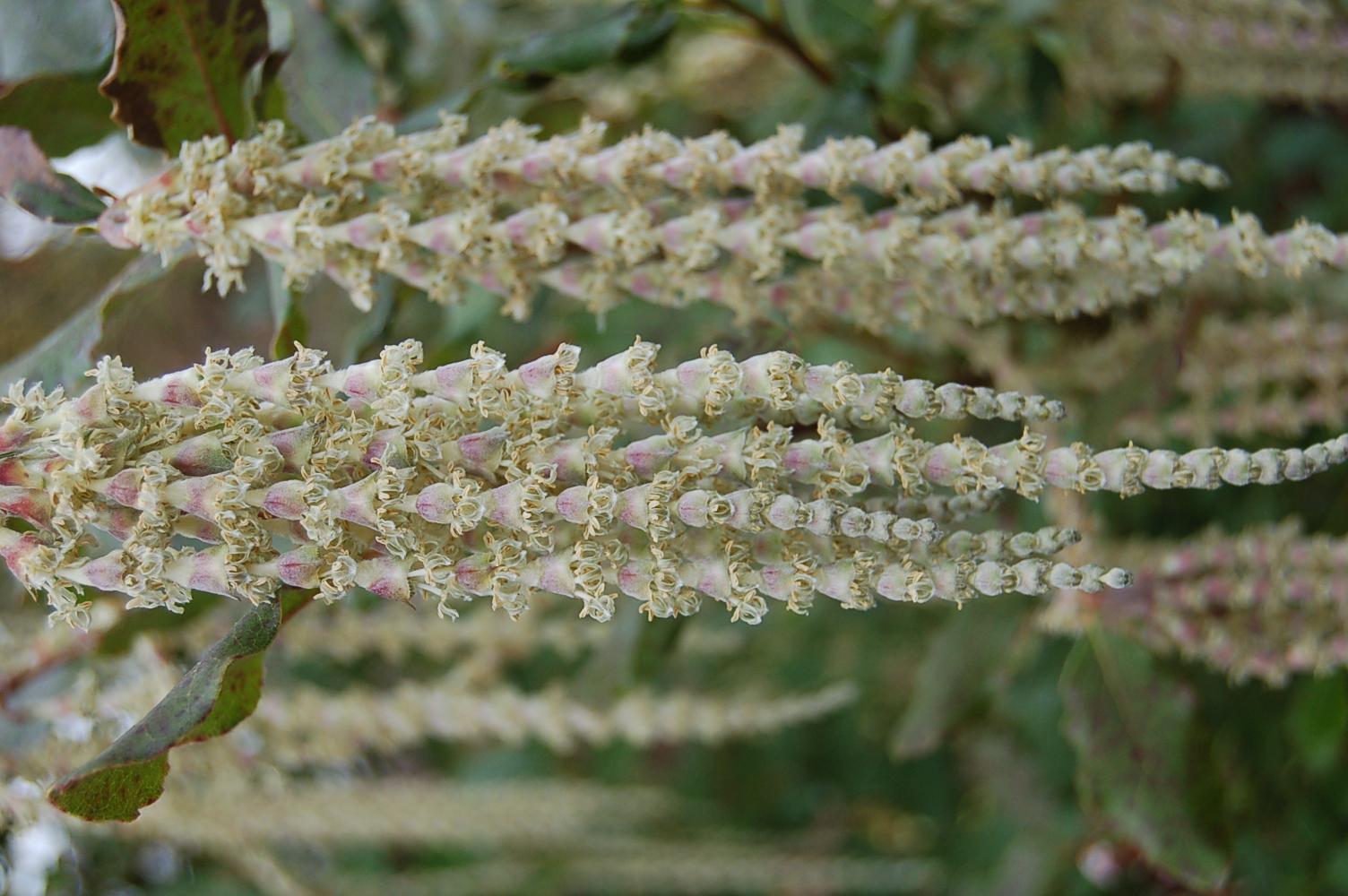
The unusual combination of pale pink and green together in the tassels of Garrya elliptica.
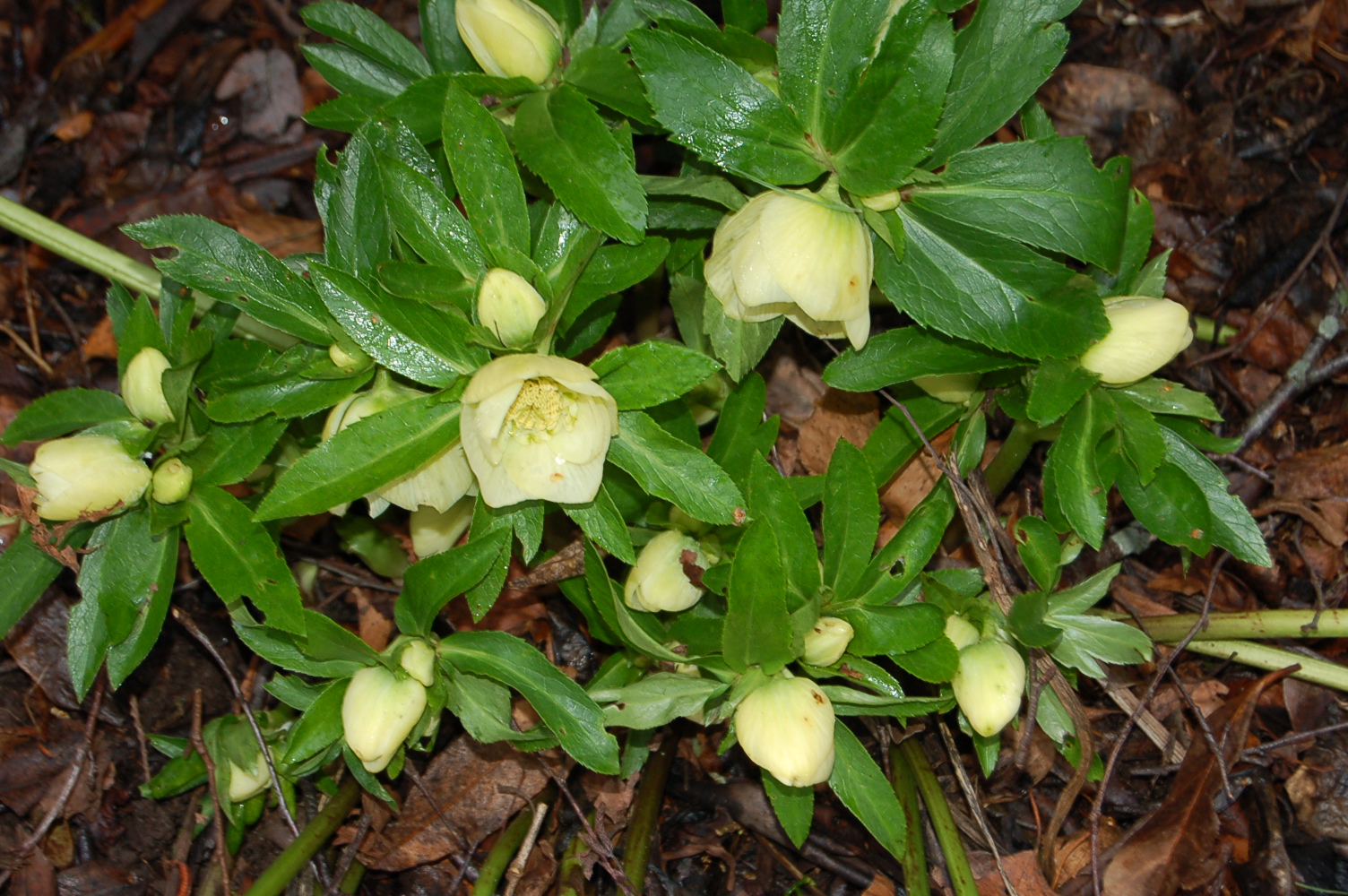
Primrose yellow cup-shaped flowers of a Hellebore.
This pink-flowered Hellebore invites you to turn its flowers over for a close look inside.
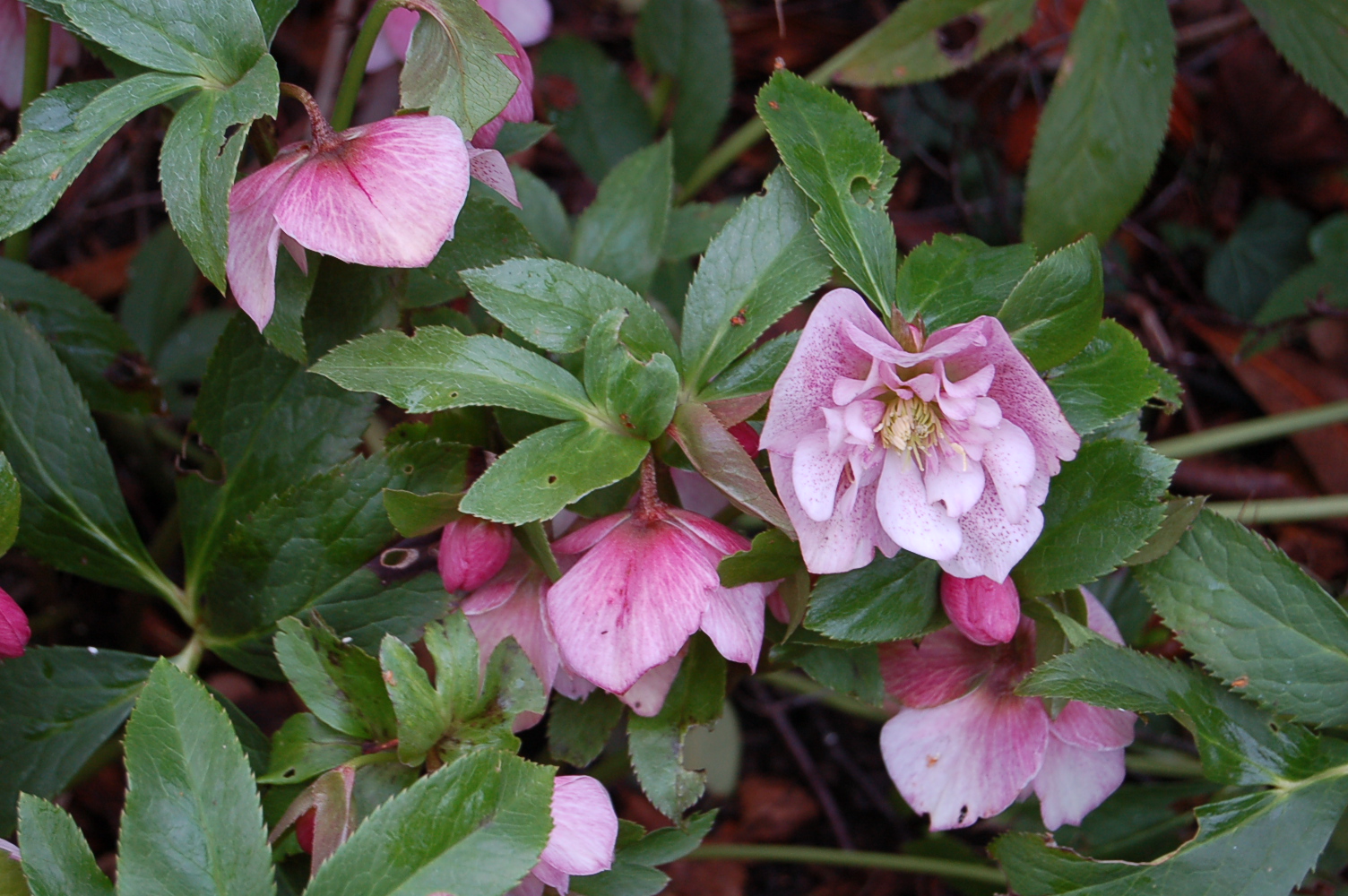
I am not a fan of Hellebores with double flowers but I was attracted to the colour of this one.
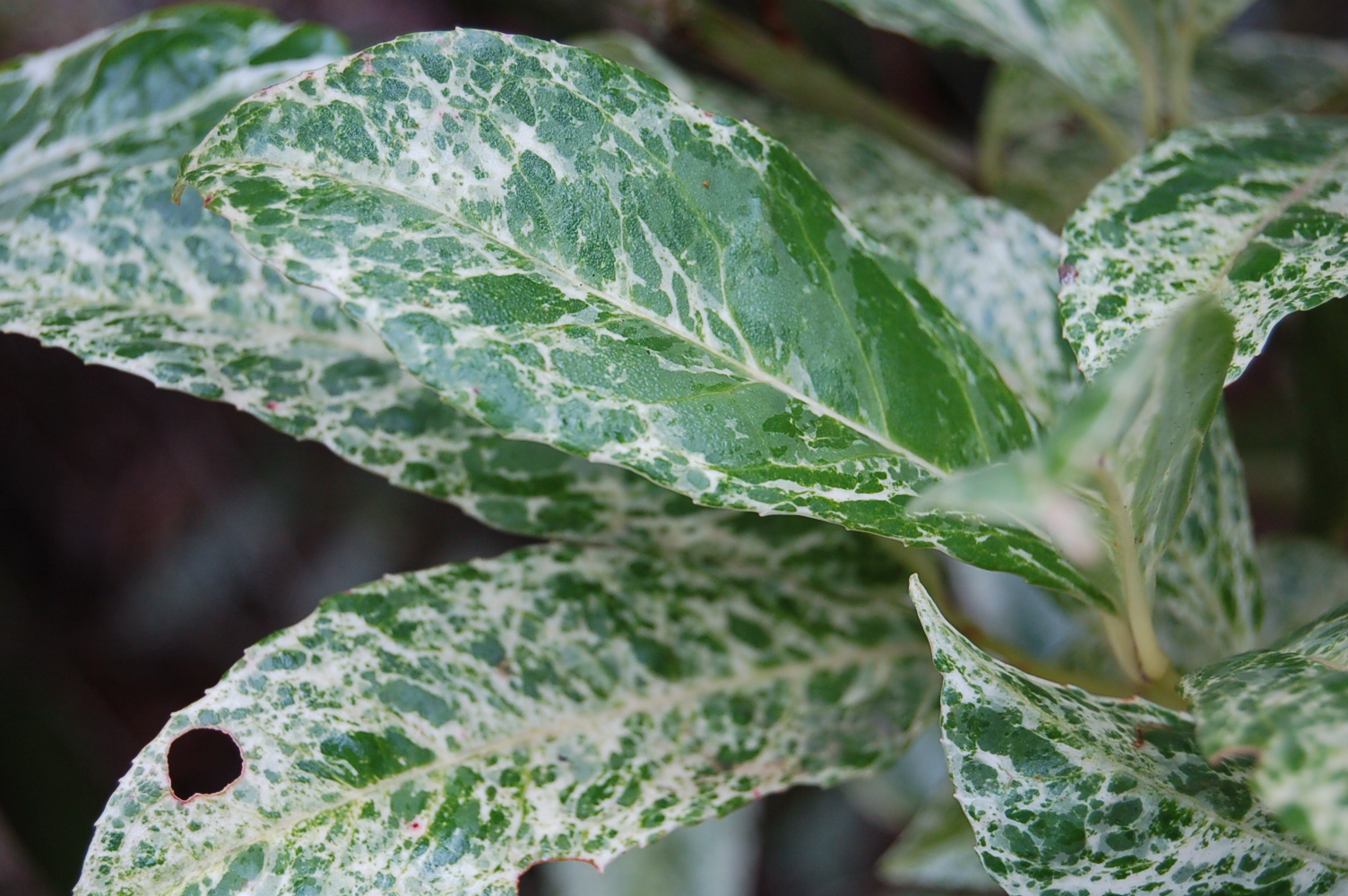
Silvery marbled variegation like a spider's web.
Paint splattered variegation.

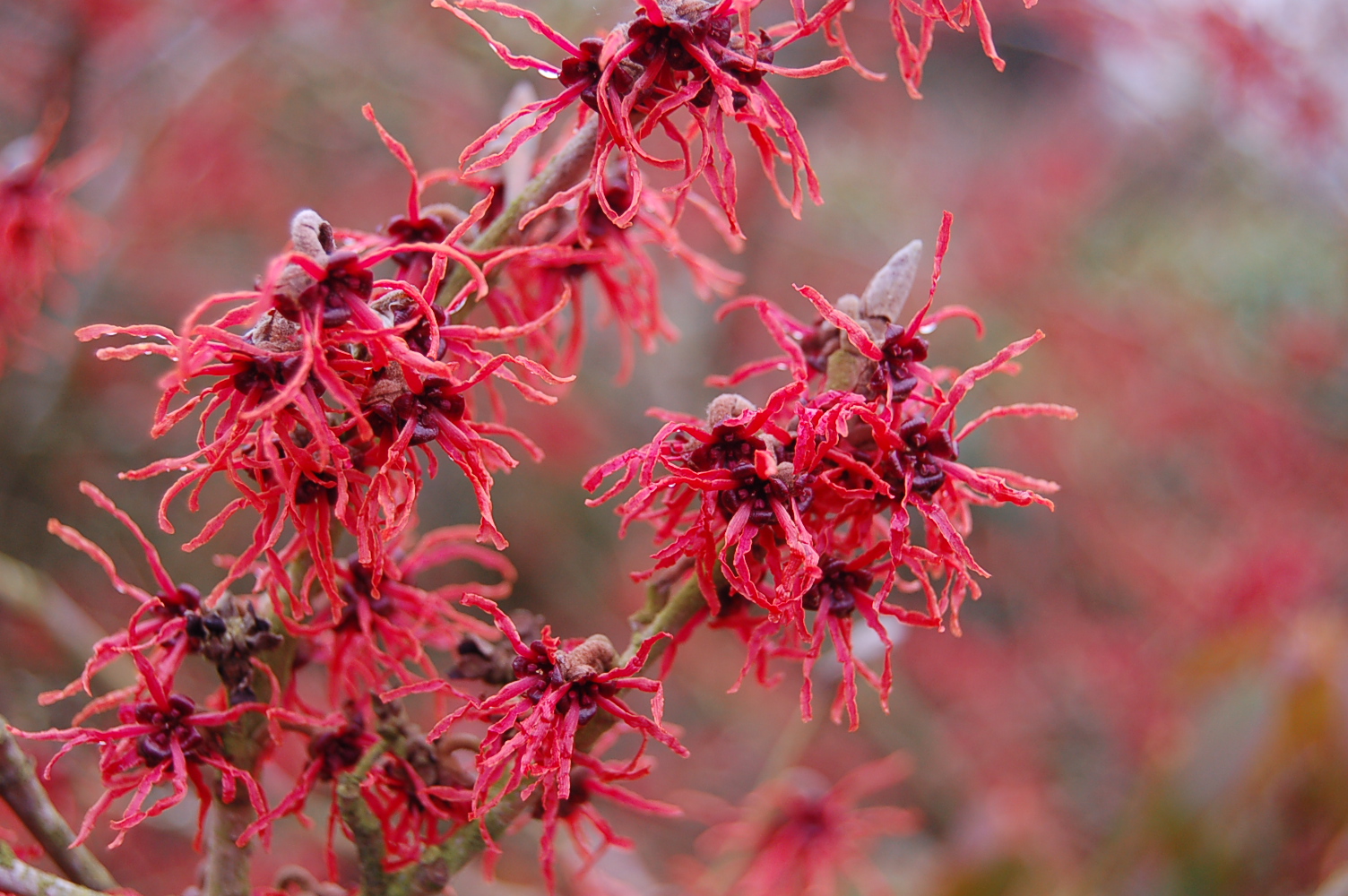
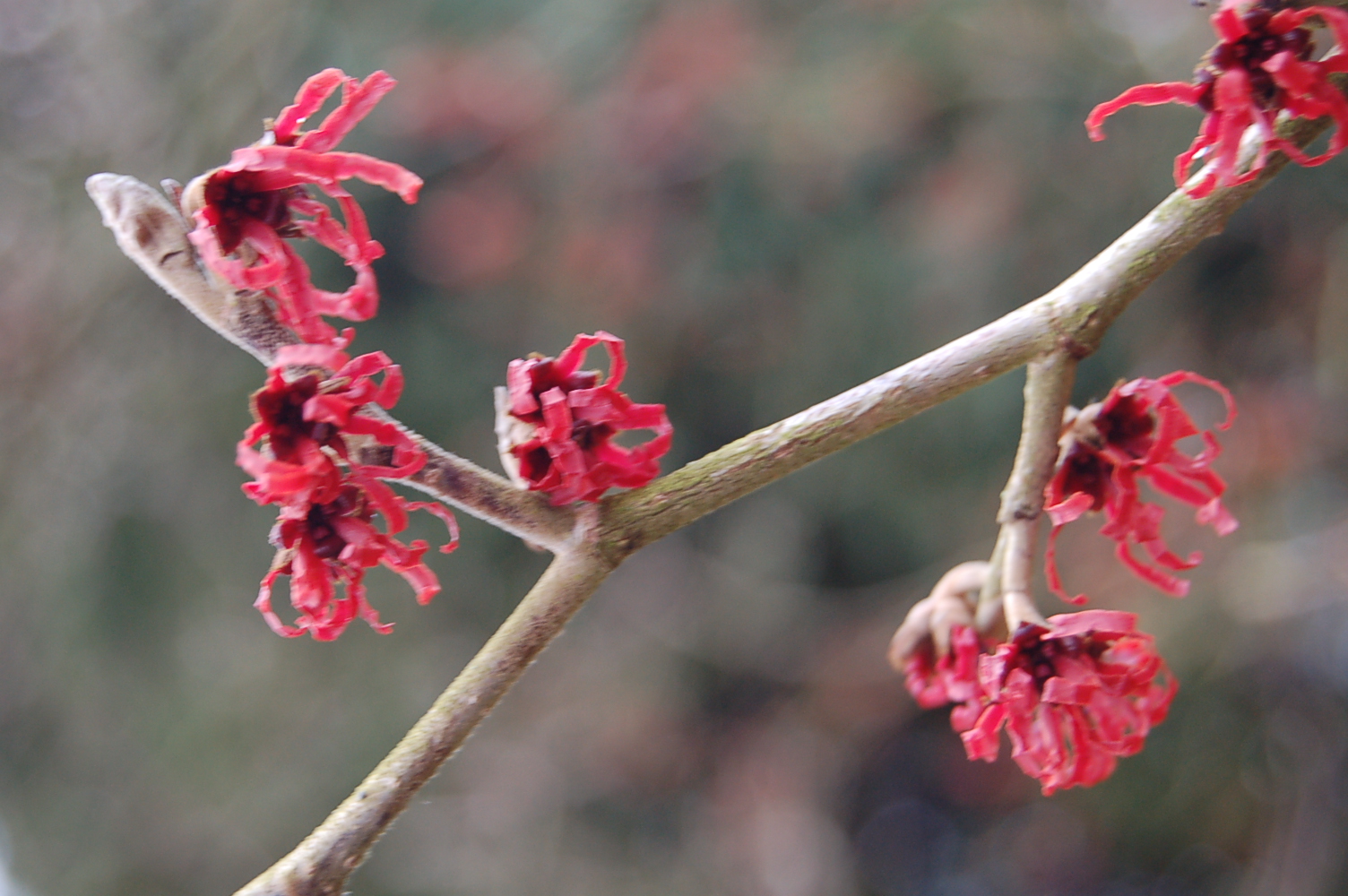
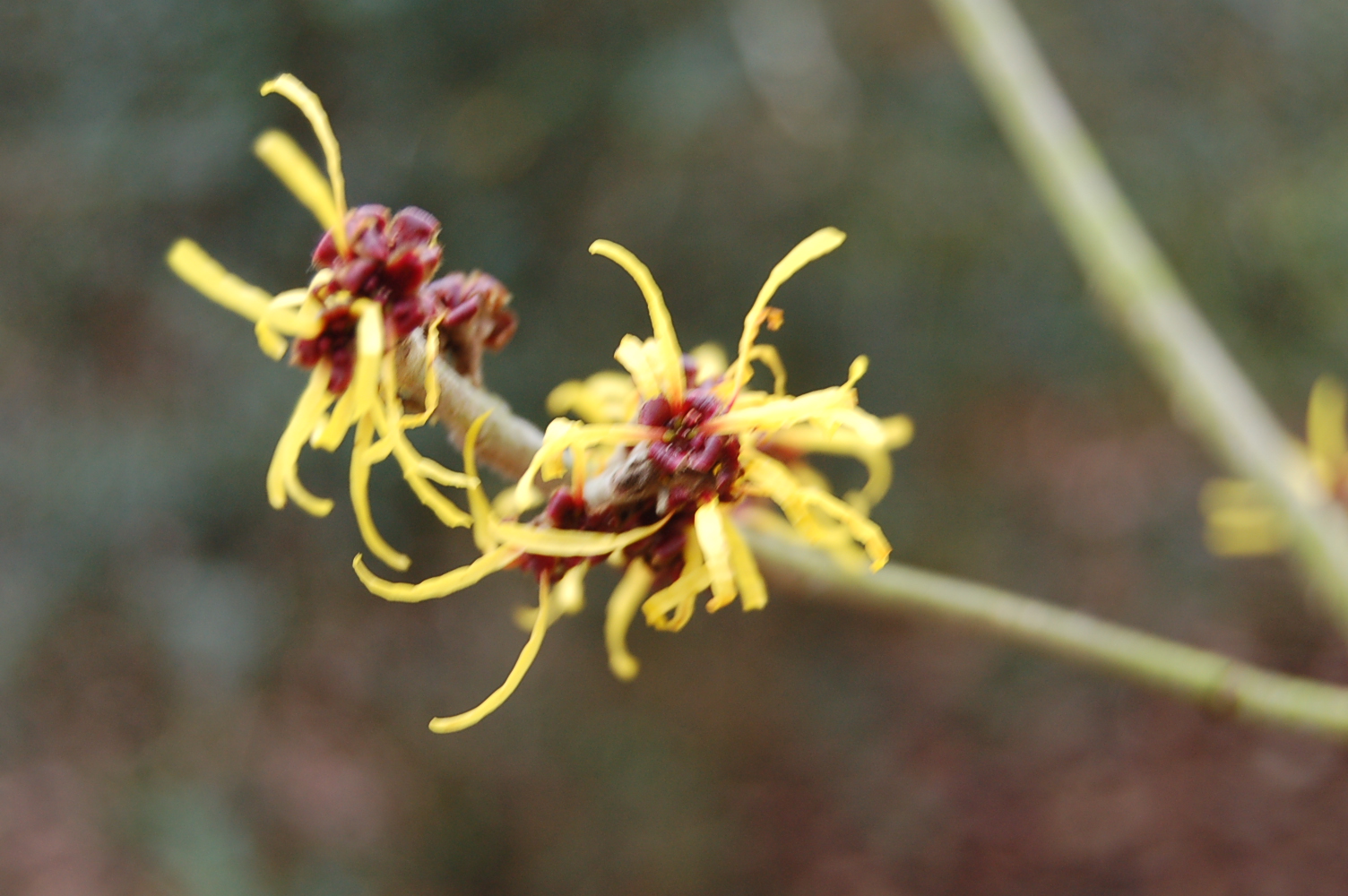
And now to those Witch Hazels! These are not Hazels at all, but related to Parrotias, Fothergillas and of course the Sycopsis we saw in the first Swallow Hayes blog. Their unusually shaped flowers are in every shade of yellow, orange and red and give warming scents in the winter garden. Witch Hazels are well-known for their medicinal properties and are used in aftershave as well as in the treatment of bruises and insect bites. So, beautiful and useful!

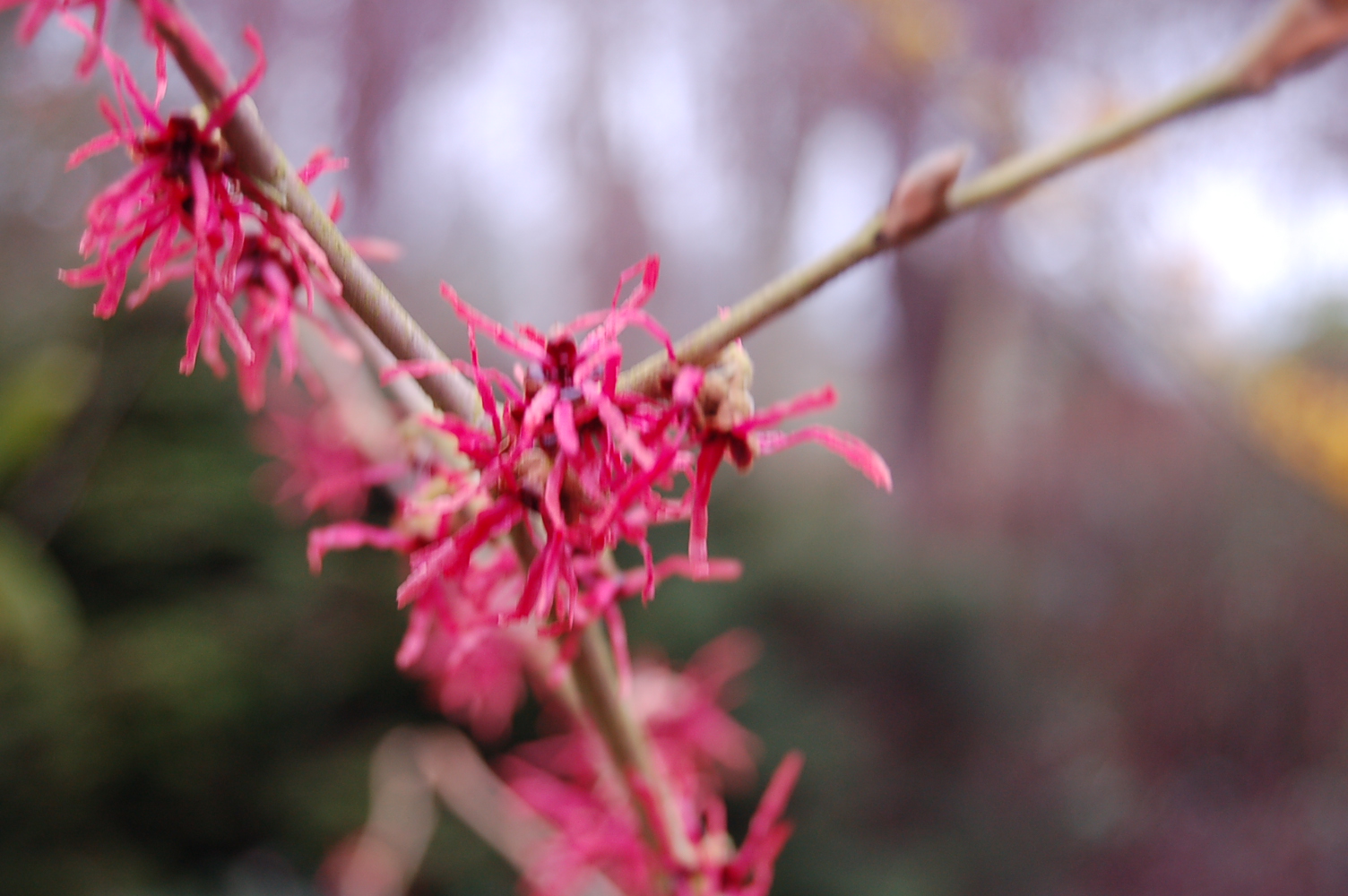
The flowers are made up of long, thin strips of petals like curling ribbons or spiders, and appear on bare stems. Several Witch Hazels available to us were bred in Kalmhout in Belgium and the first photo shows one with the unglamorous name of “Kalmhout 999”. Kalmhout is an arboretum in Belgium run by Jelena and Robert de Kelder. Jelena has given her name to my favourite Witch Hazel which you will see in my blog “A Wander around the Garden in February” which I will post in the next few days. Two more of their developments are “Diane”, named after their daughter and “Livia”, named after their granddaughter.

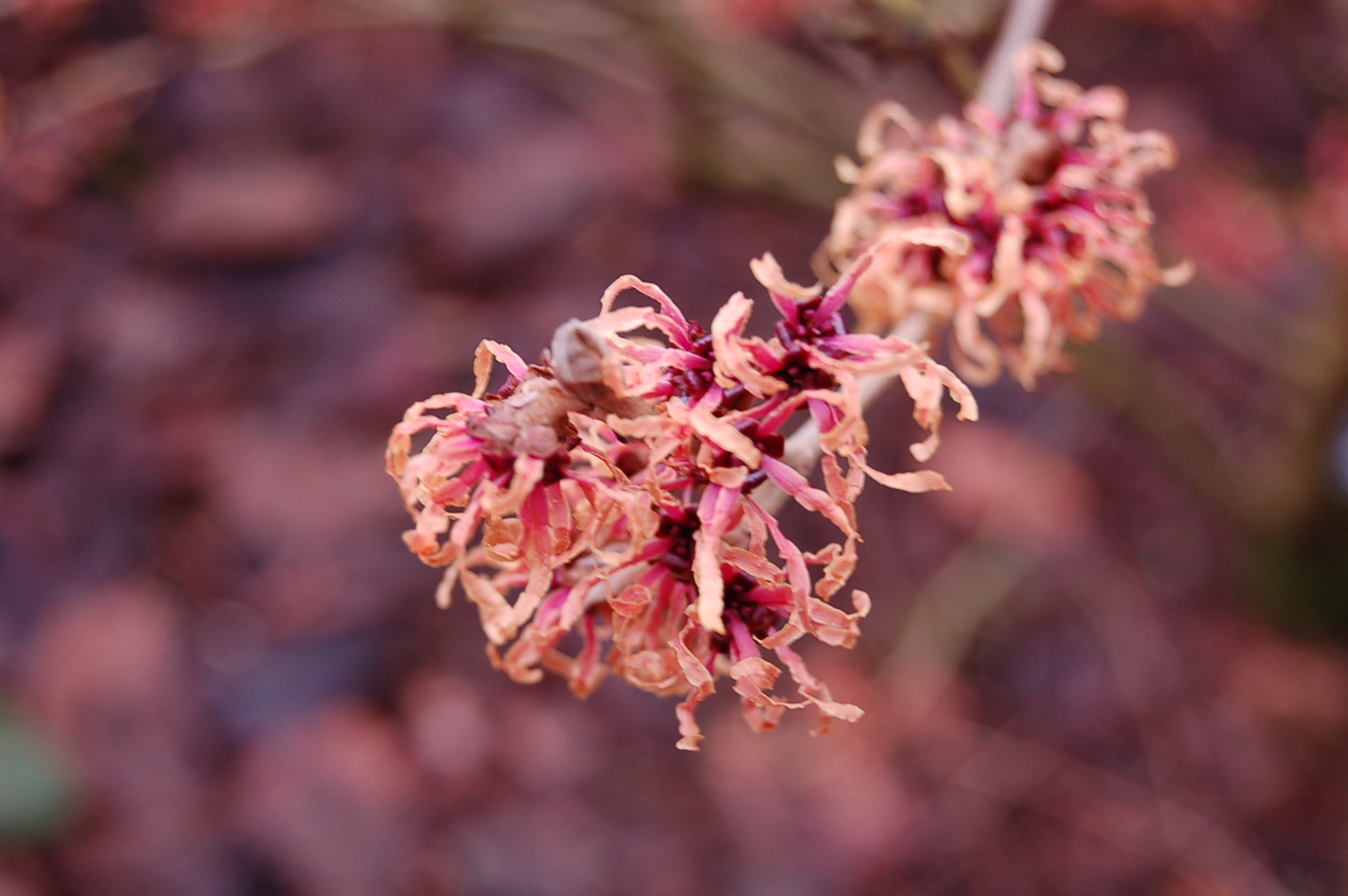
This Witch Hazel matches its colour to its scent, the flowers coloured orange and emitting an aroma of oranges.
The aptly named "Ripe Corn".
"Ripe Corn", "Livia" and "Strawberries and Cream"
Livia
Strawberries and Cream
Orange Peel
Advent
Rubin
Diane
Jermyns Gold
Categories
garden photography gardening hardy perennials ornamental trees and shrubs photography roses shrubs trees winter gardens

Witch Hazels at Swallow Hayes – a garden visit in January (part one)

OK, so January isn’t a month normally associated with visiting gardens, but Swallow Hayes is different. It’s main feature is a huge collection of Witch Hazels, more than 70 types. The day of our visit was cold – teetering on freezing point all day – and a thin mist hung low over the land made cold by the heavy overnight frost. We wrapped up warm, wandered around this garden of winter, our fingers with just enough feeling left in them to take photos.

The garden here covers just two acres but they are two packed acres. There is so much to see here in January, leaf colour and variegation, blooms with scent to delight and patterns of tree bark for the eye to capture and the fingers to explore.

Felled by wind this branch of the blue-grey Cedrus atlantica glauca shone against the debris under the tree.
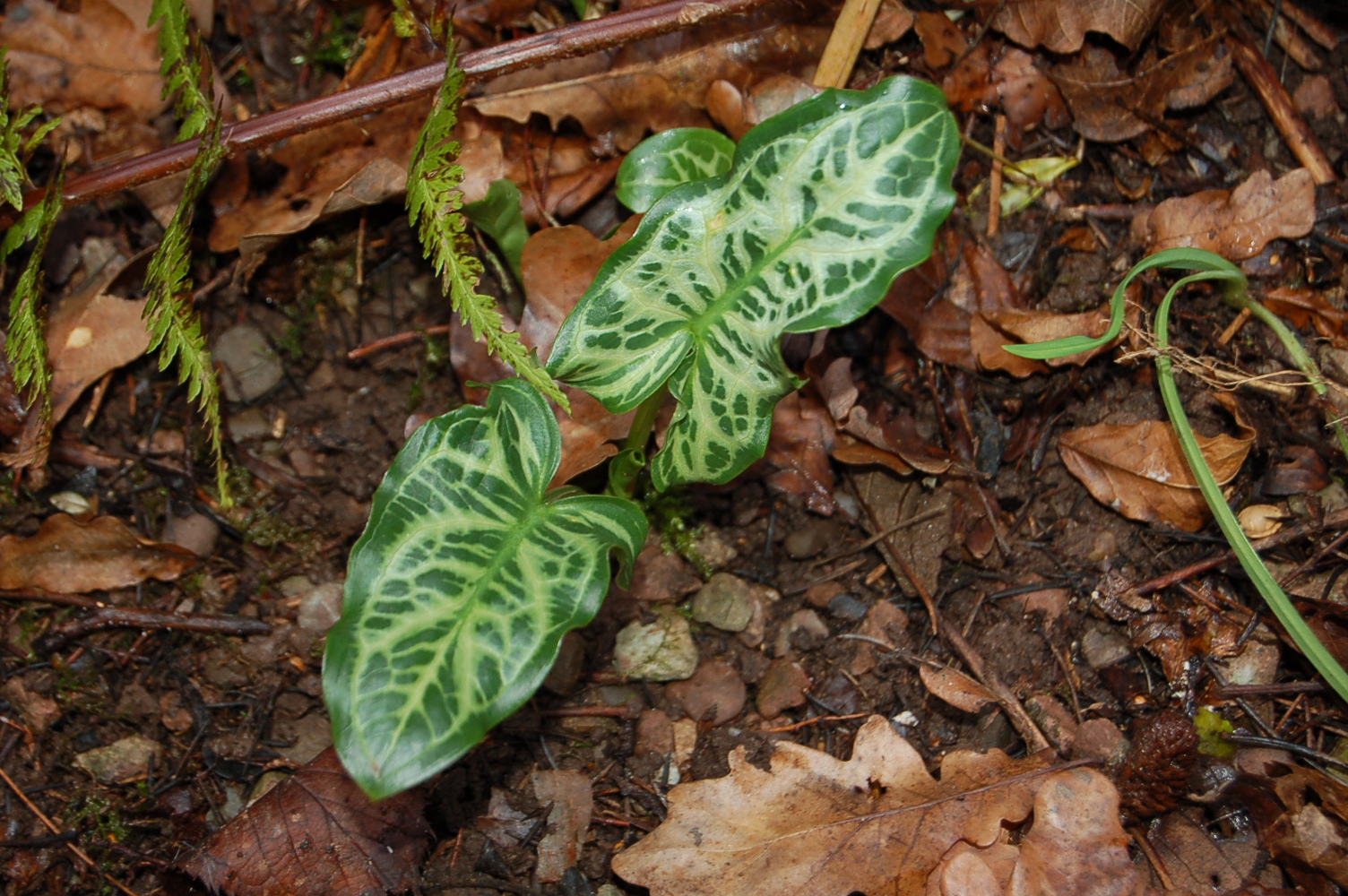
Arum italicum marmoratum show leaf variegation at its best.
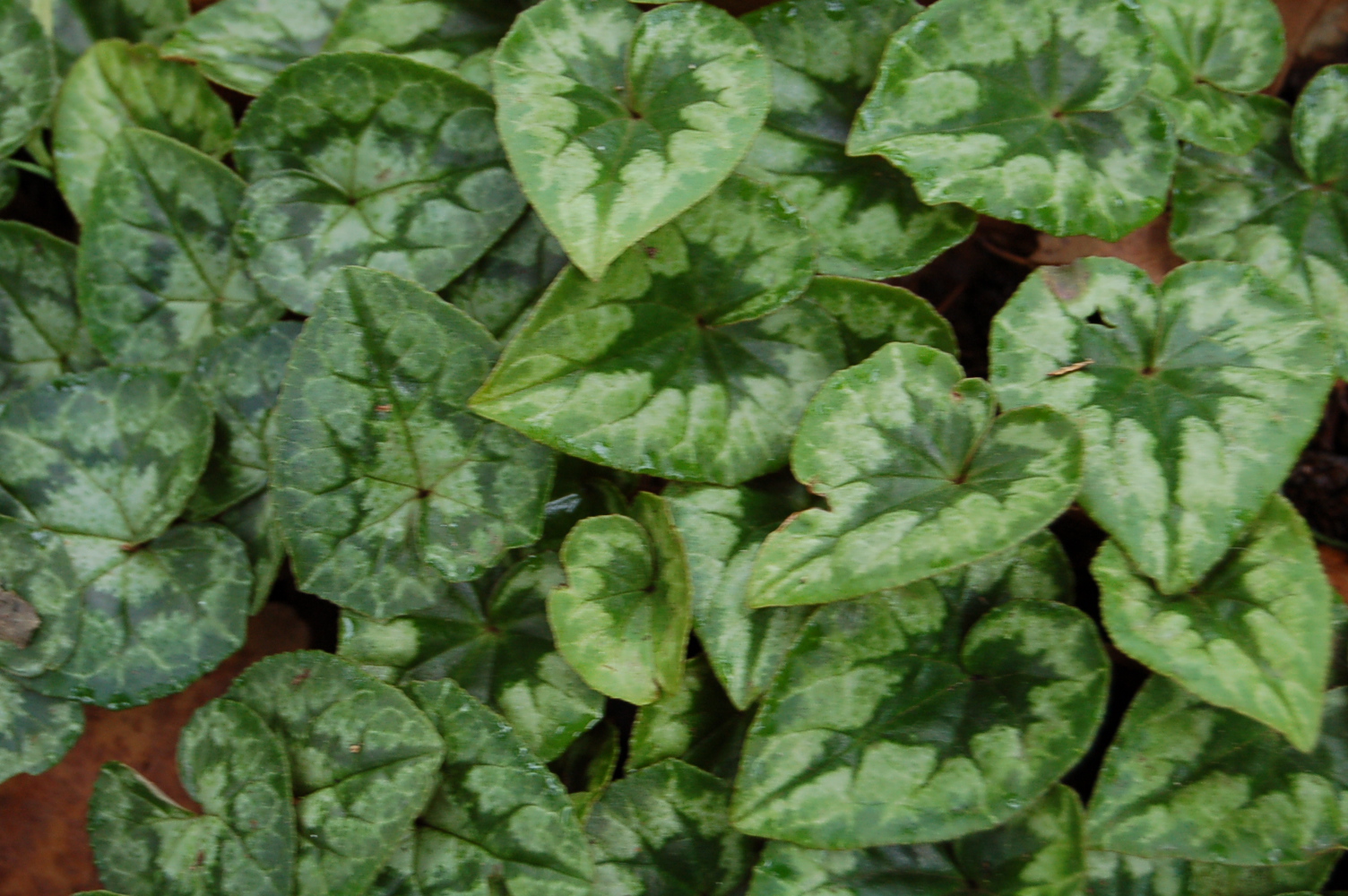
A clump of beautifully marked Cyclamen enjoying the shade of a conifer.
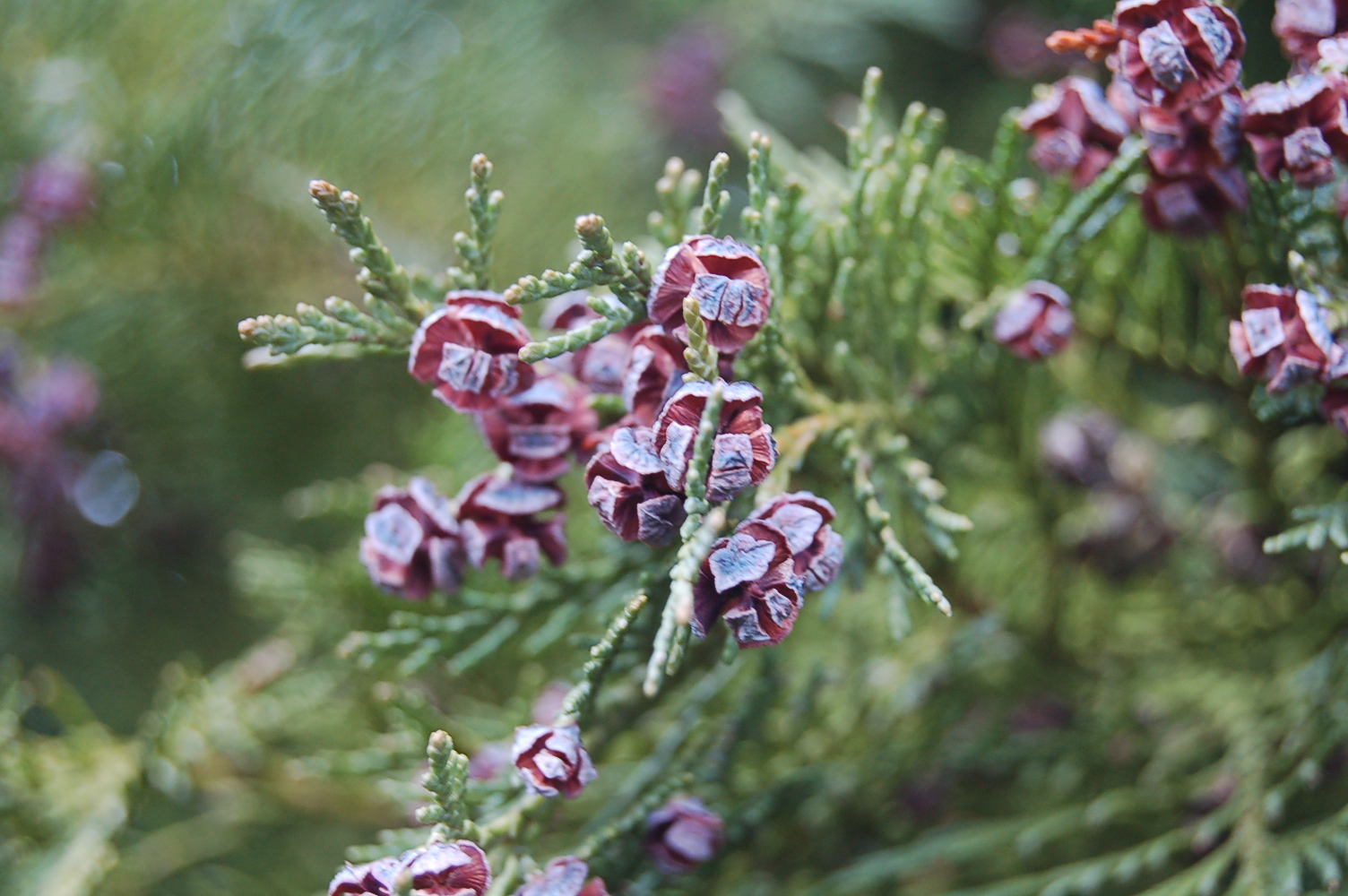
I am not a fan of conifers but I do appreciate them on dark winter days.
Delicate deep pink berries of Berberis wilsoniae.
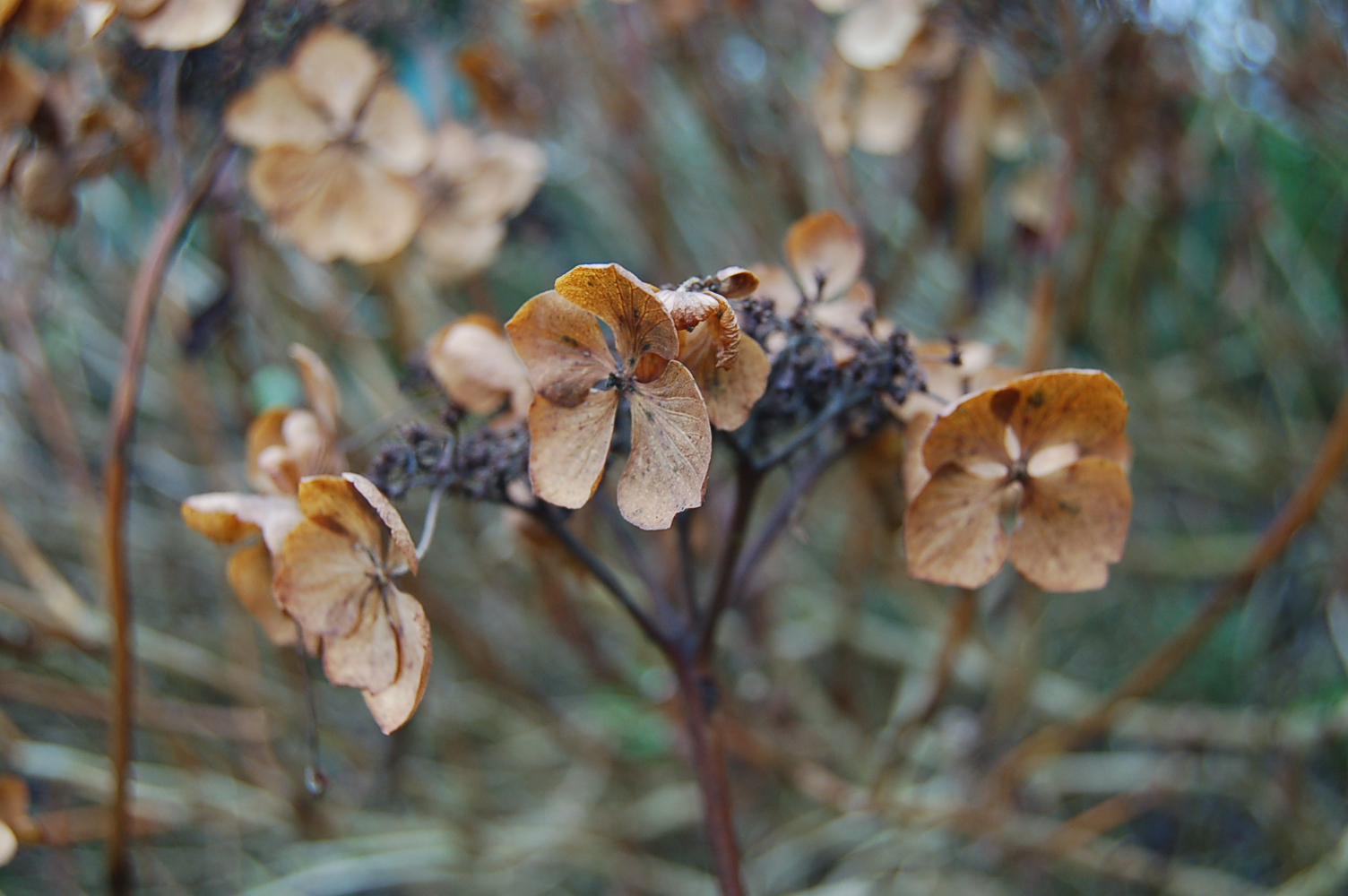
Last year's Hydrangea flowers display structure and colour.
Sparse berries hide amongst the strongly spotted variegated foliage of this Laurel.

Tree bark adds interest in winter gardens and here at Swallow Hayes Birch and Prunus add colour and texture.

Peeling Birch bark reveals pink below the silver.
Silky smoothness in deep shades of russet .
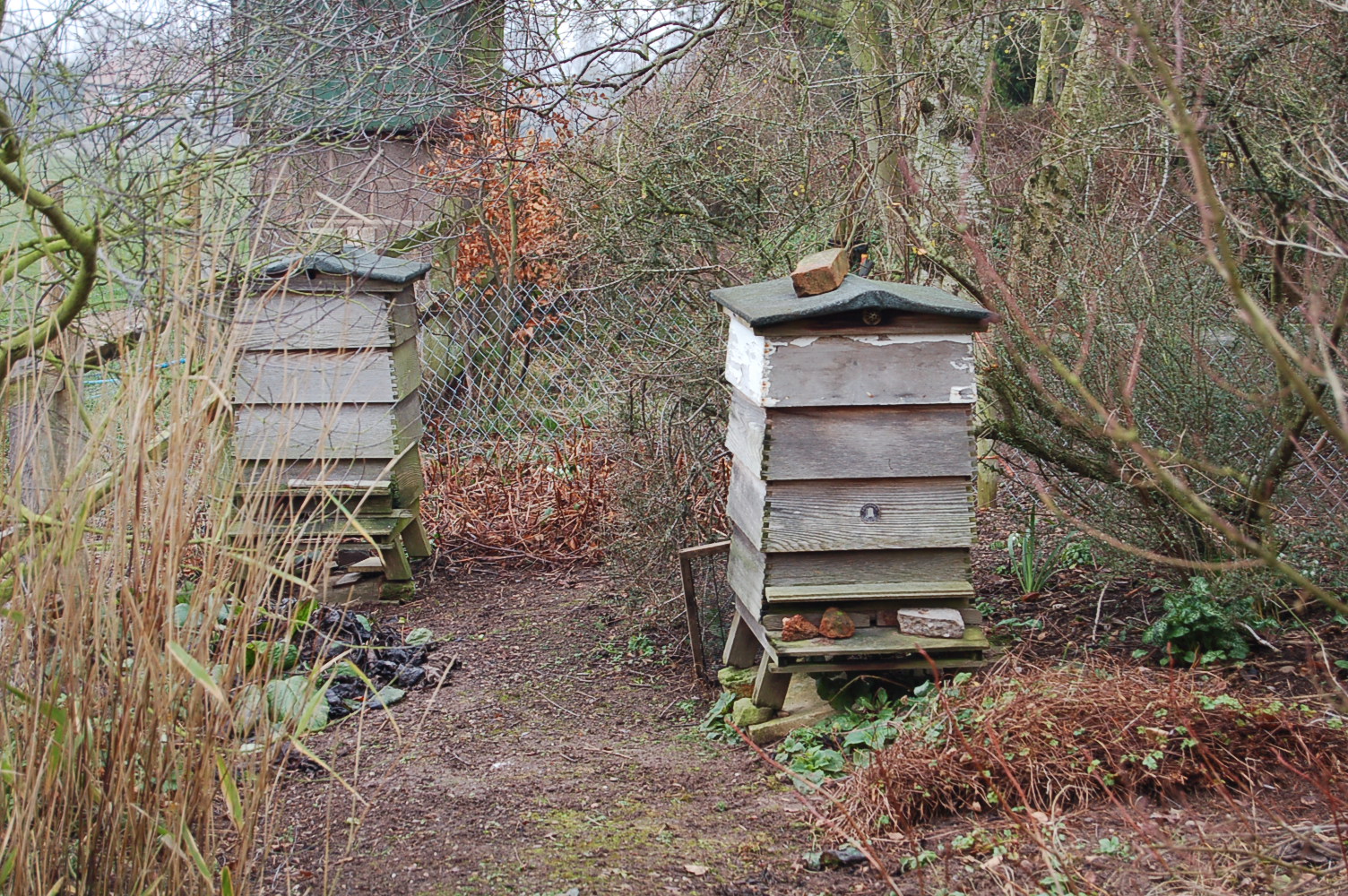
Swallow Hayes' bees snug and safe in their hives.
A relative of the Witch Hazels, this Sycopsis was unknown to us.
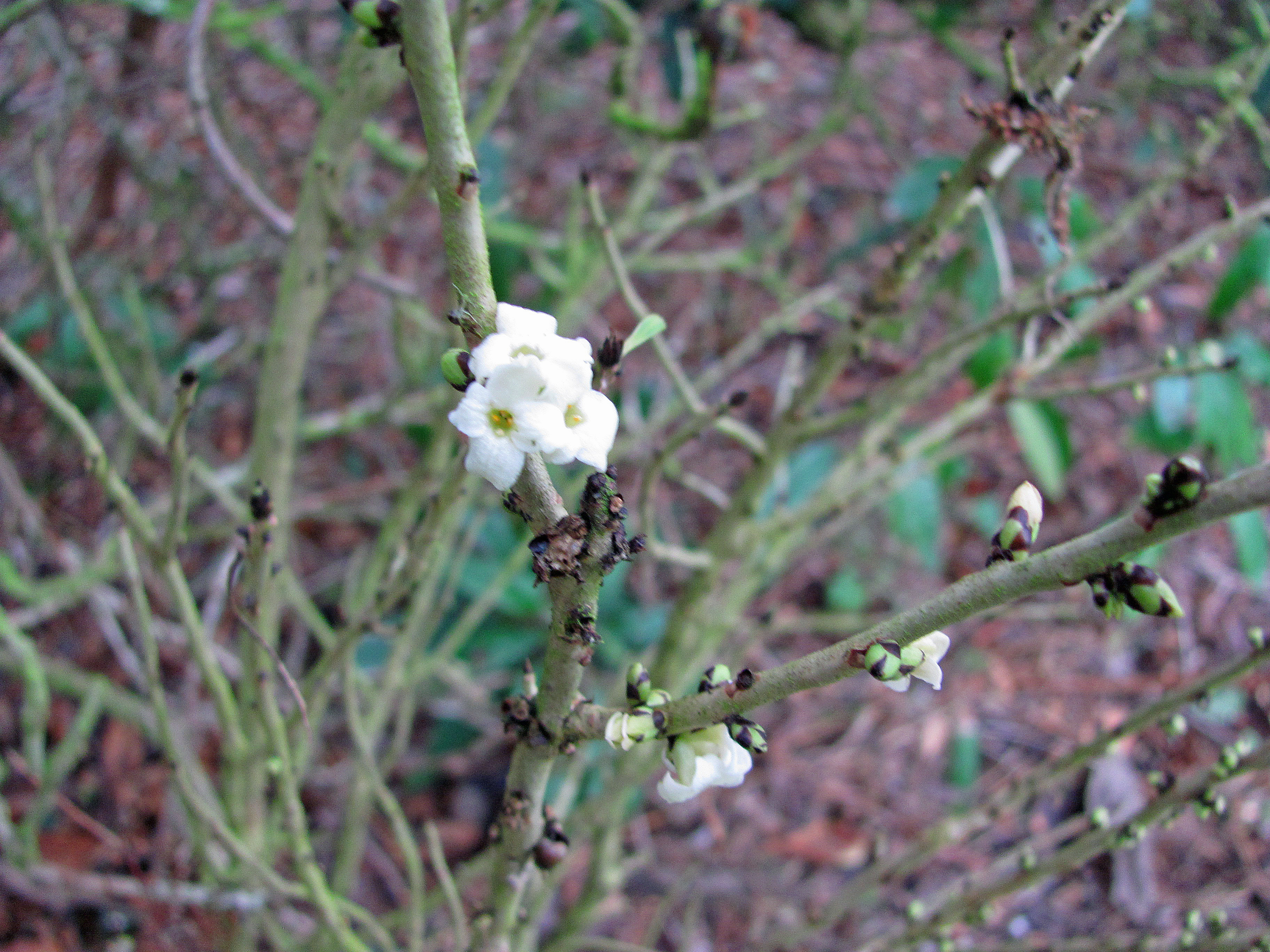
Unusual white flowered Daphne
Lichen on Magnolia branches.
Fresh shining purple growth of a hellebore looks full of promise.
Fresh berries on an unusual ivy.
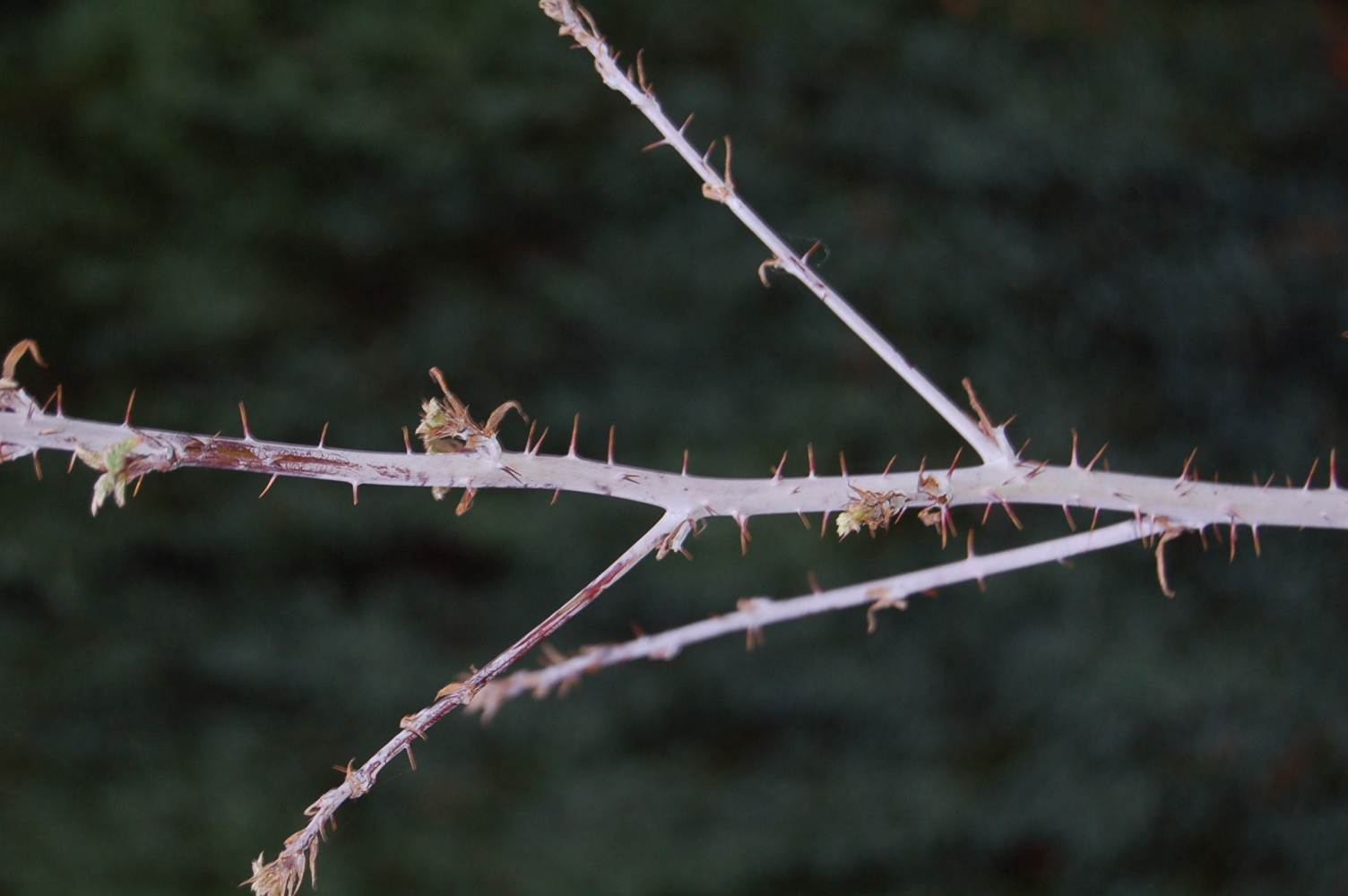
Startling white stems of Rubus.
Long thin Euphorbia.
Categories
gardening hardy perennials ornamental trees and shrubs shrubs

Impulse buying at nurseries – is this true retail therapy?

We hate shopping in town centres, retail parks and especially supermarkets. How can people refer to such unpleasant things as being any sort of therapy? But put us in a nursery and everything seems different – we get tempted every time! We have just visited two of our favourite nurseries half an hour from home just into the Welsh countryside outside Welshpool, The Dingle and  its sister, The Derwin. We went to buy a couple of plants for a container that sits empty at the end of the central path in the back garden. It has long been crying out for some plants. We came back with a boot full of plants, some for that pot, some for another pot, some alpines, a couple of shrubs and some perennials. It happens to us all the time, but just look at our booty! We are definitely into coloured foliage.

Euphorbia Silver Swan and Euphorbia Walberton's Rudolf
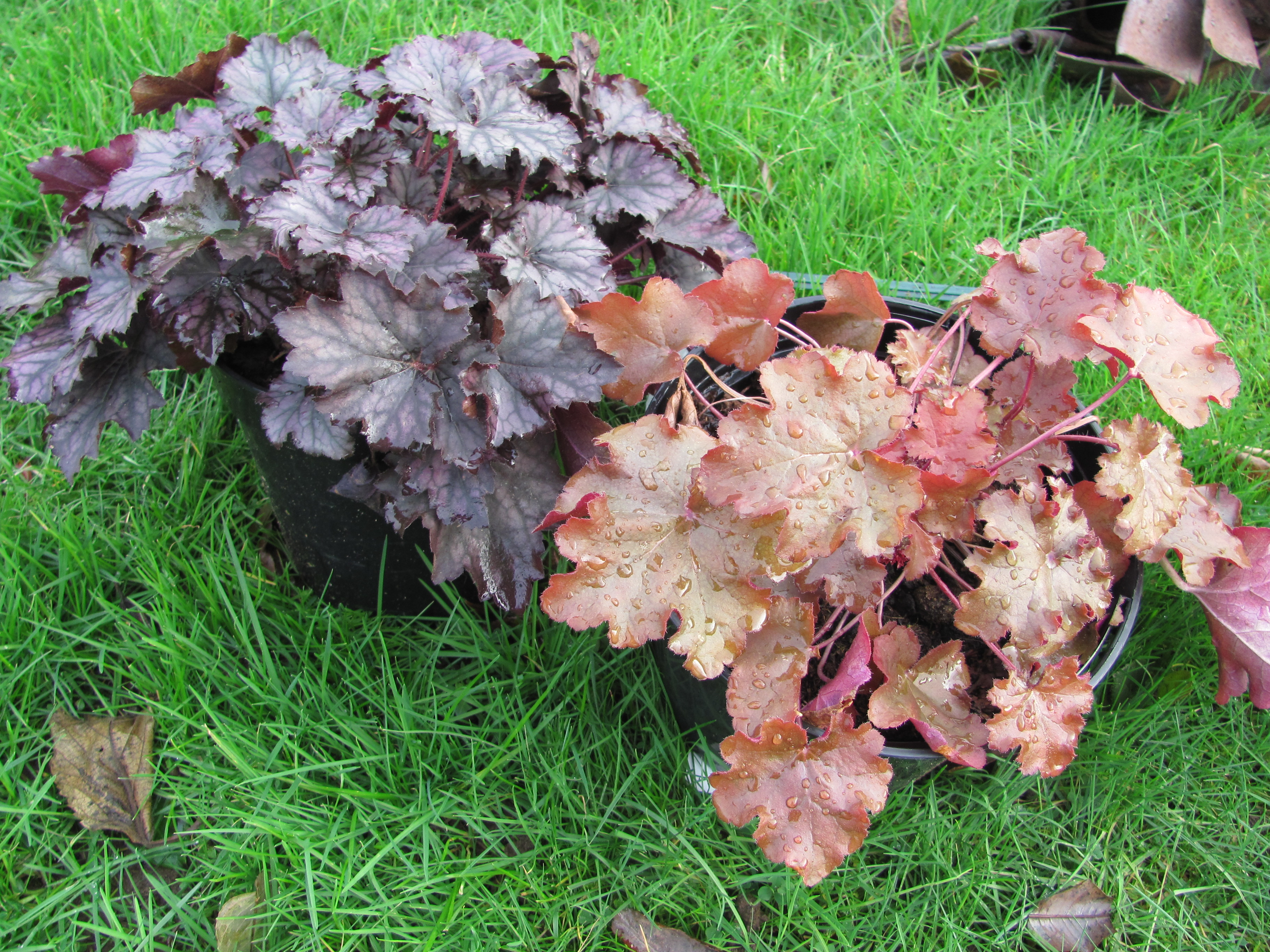
Heucheras Frosted Violet and Mahogany
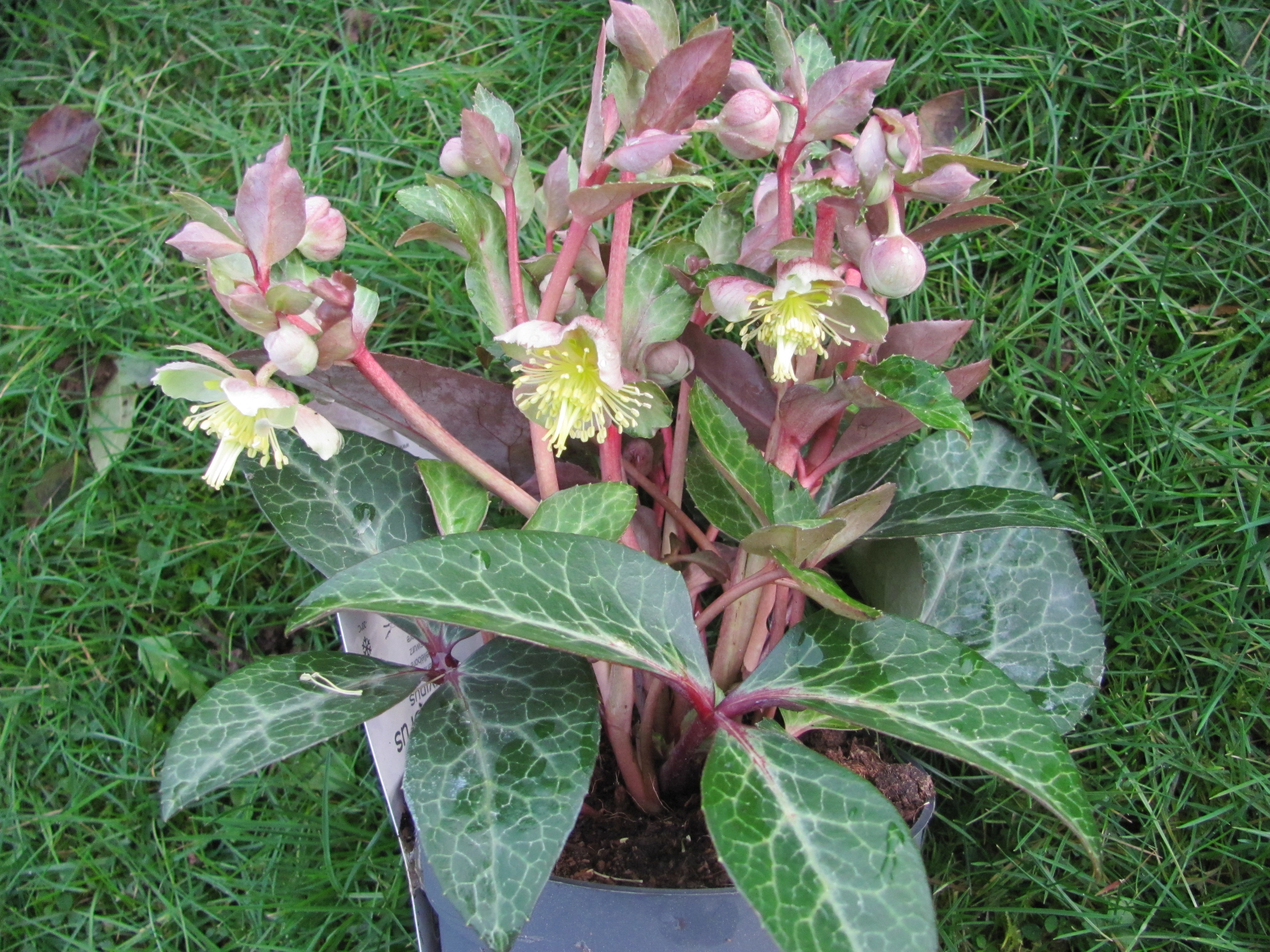
Hellebore lividus
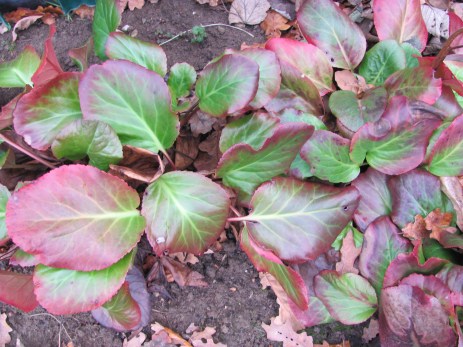
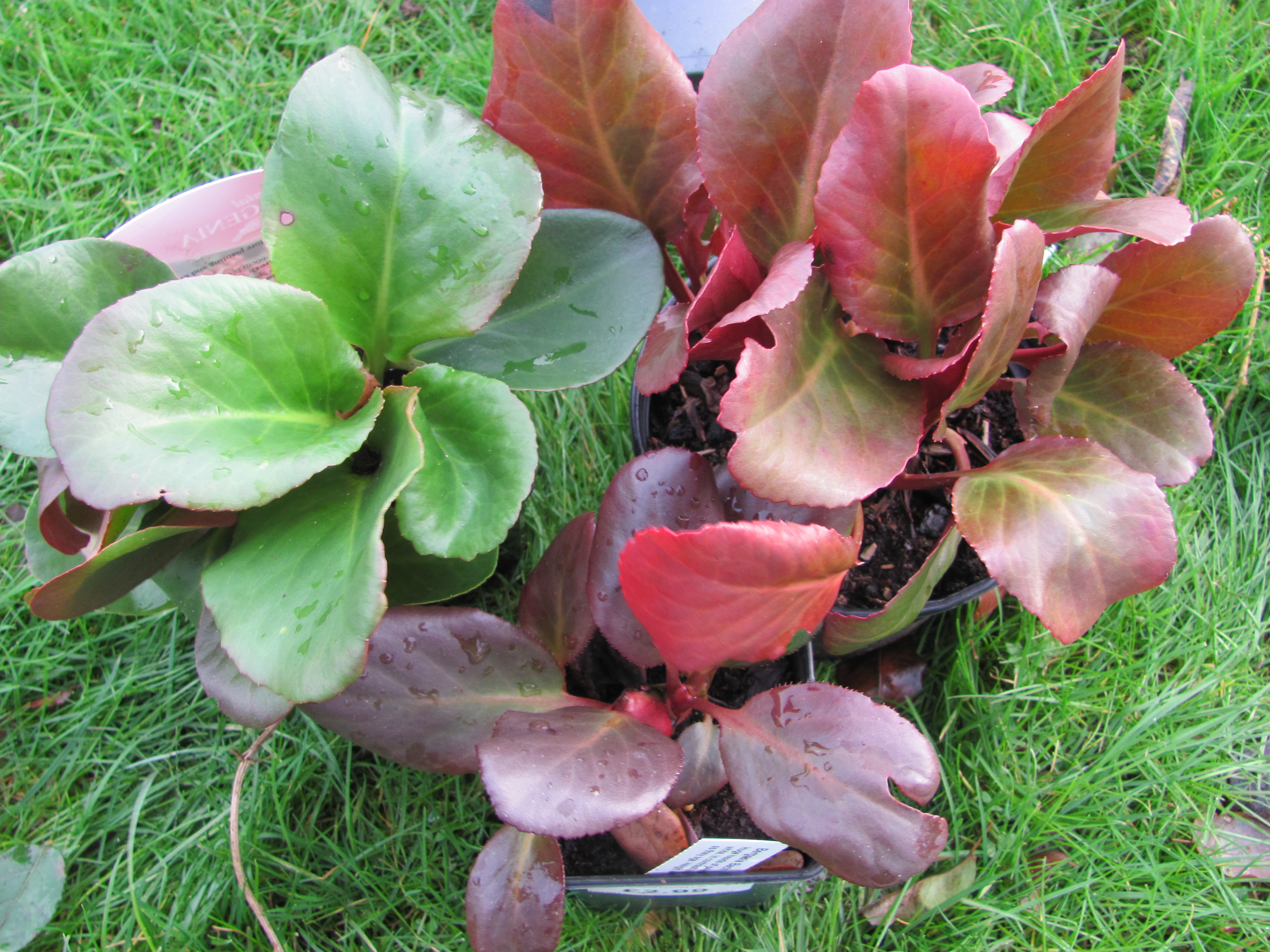
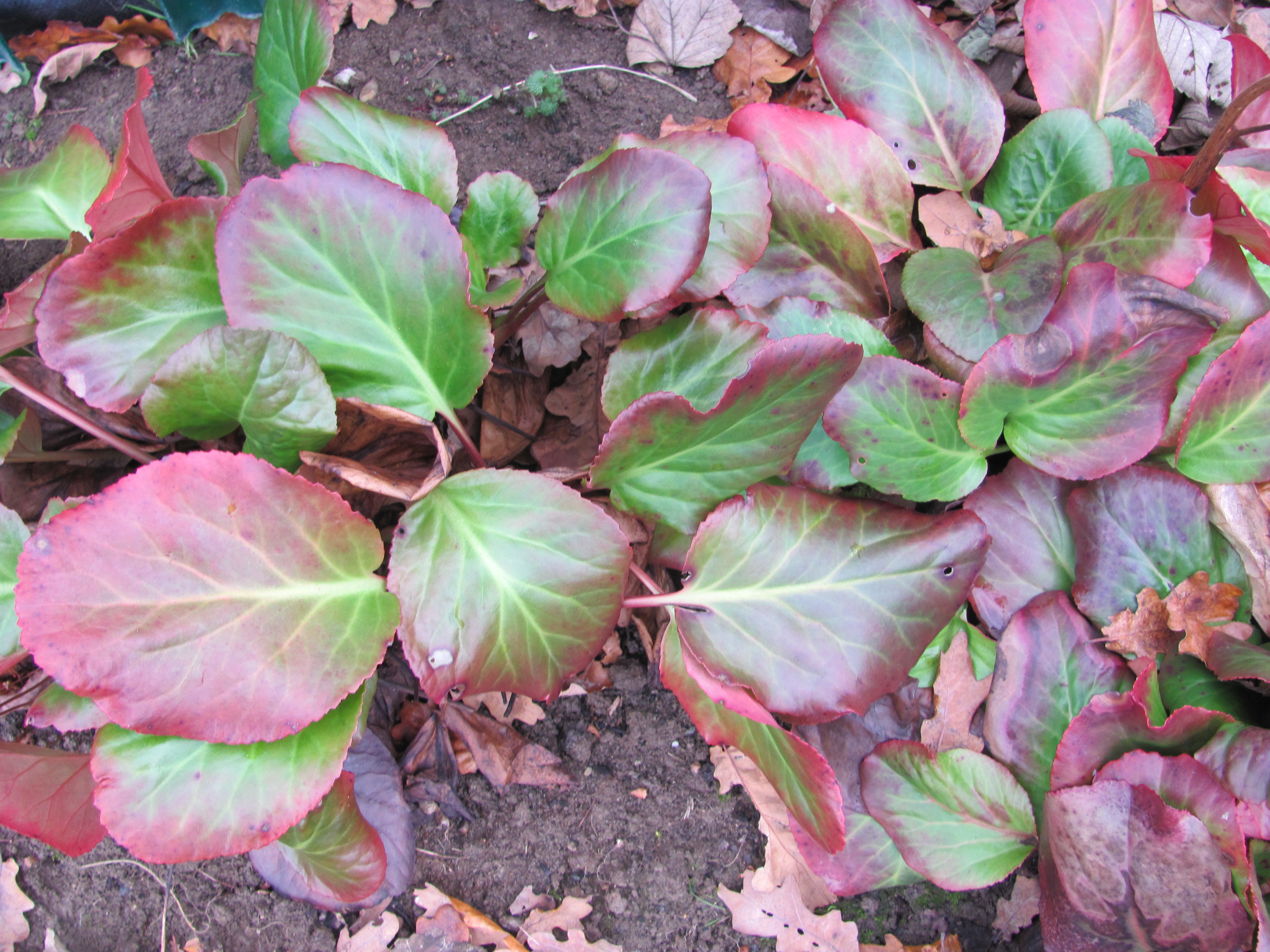
Bergenias - Bach, Winterglut and Winter Glow.
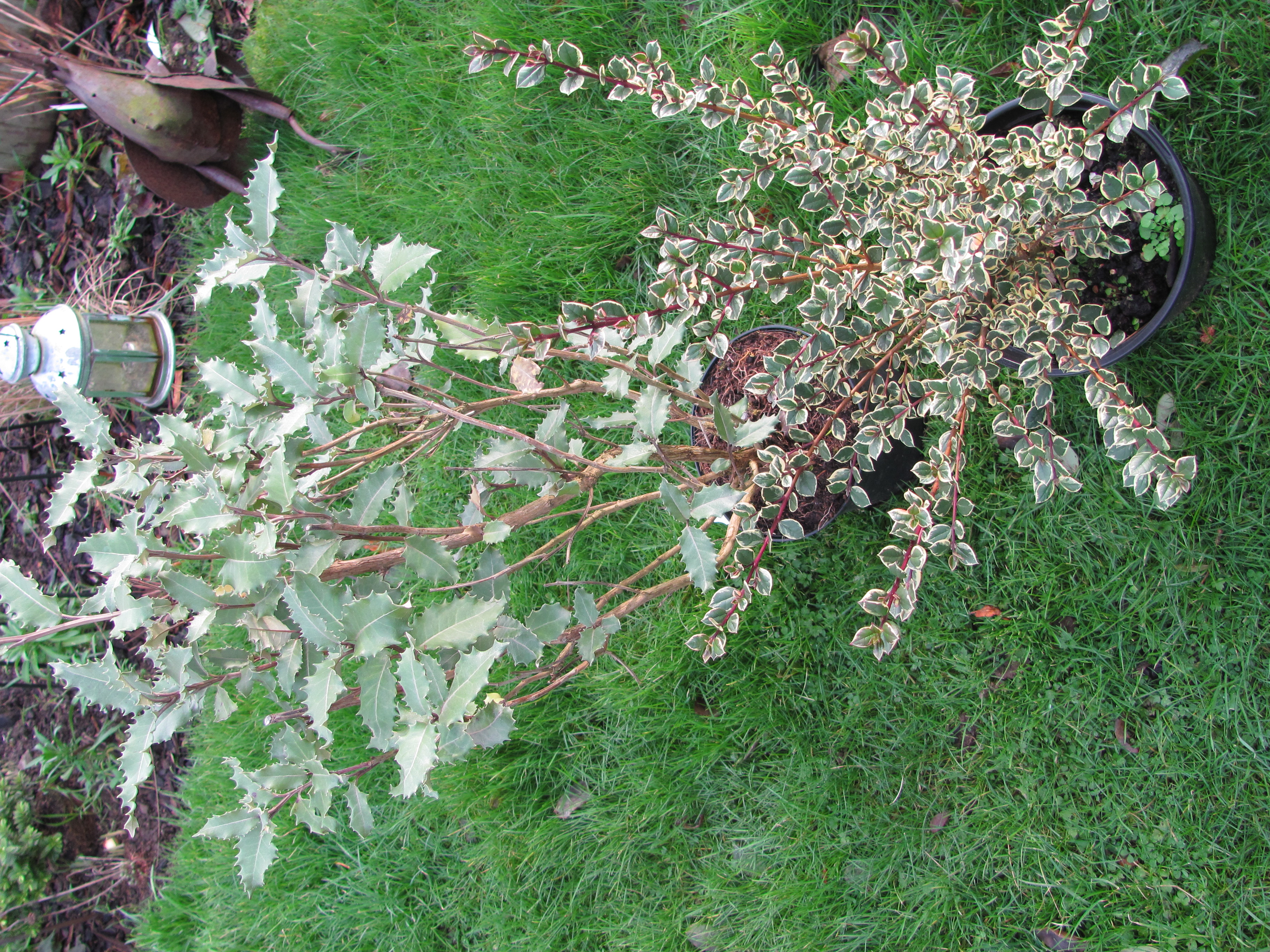
Osmanthus x macrodonta and Luma apiculata "Glanleam Gold"
Categories
allotments birds community gardening conservation fruit and veg garden photography garden wildlife gardening grow your own meadows natural pest control ornamental trees and shrubs photography trees winter gardens

A Wander Around the Allotments in January

As I decided to create a blog at the beginning of each month illustrating what is going on in our garden, so I have also decided to publish a blog in the middle of each month to show what is happening on our allotment site.

So today we braved the cold and went for a wander. The weather although cold, at five below, was bright sunshine in a clear blue sky. the air felt freezing as it entered my lungs but the sight of the lotties cheered me. As we stepped from the car a kestrel was hunting low between the sheds in search of the abundant field voles. A day never goes by without seeing at least one kestrel quartering the site. A buzzard soared overhead in the thermals created by the warmer air above the cultivated plots.

First job was to fill the bird feeders at the two feeding stations. They were busy with blue tits, coal tits and great tits feeding from the hanging feeders and blackbirds, dunnocks and robins beneath picking up the feed dropped by the clumsy birds above them. All the while we could hear the call of nuthatches in the site’s mature oak and sycamore trees.

Frost sits on the bare ground and helps the gardeners by breaking it down and improving the texture in readiness for a final preparatory rake over. The fine tilth can then be home to seeds.

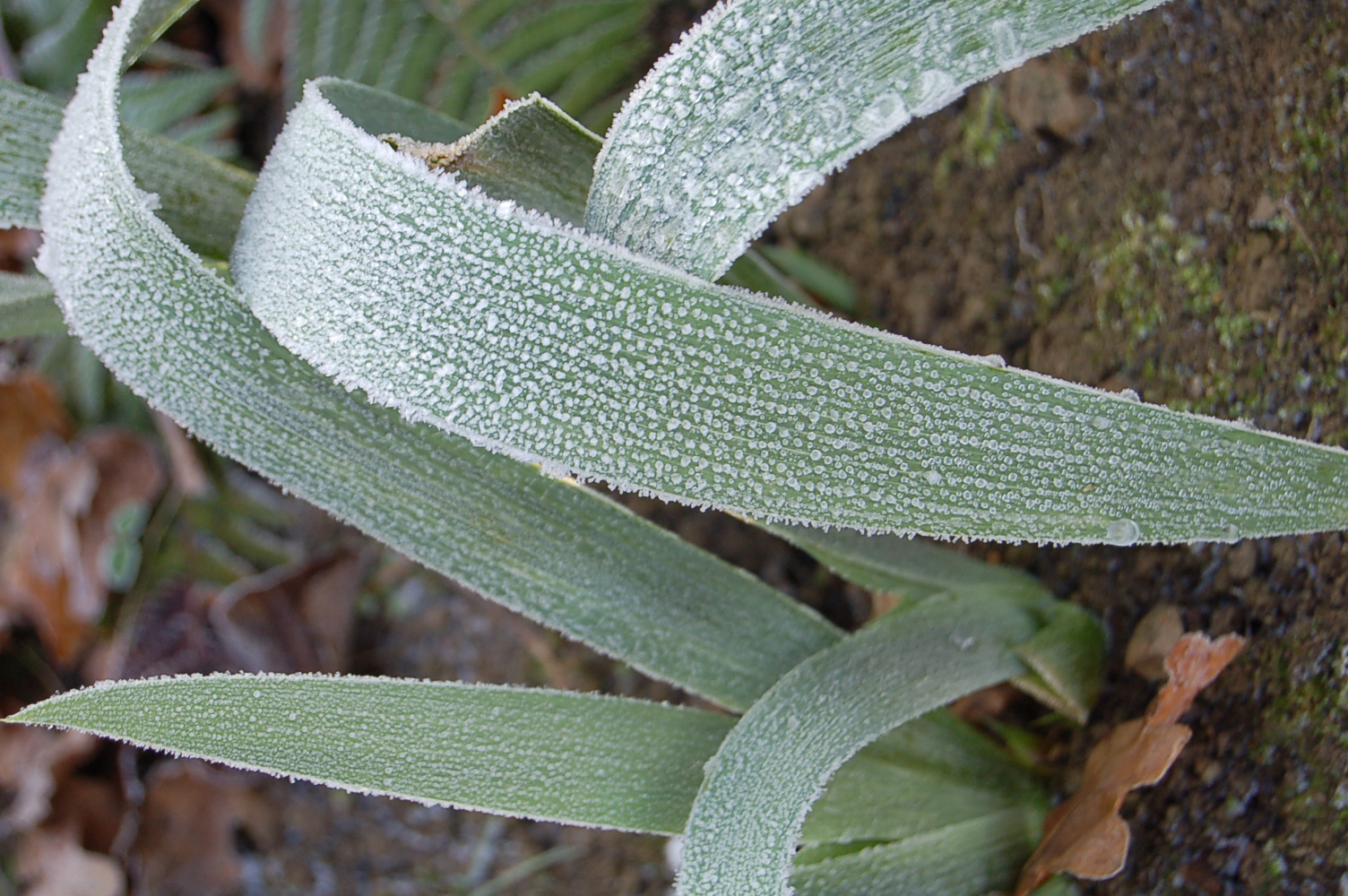
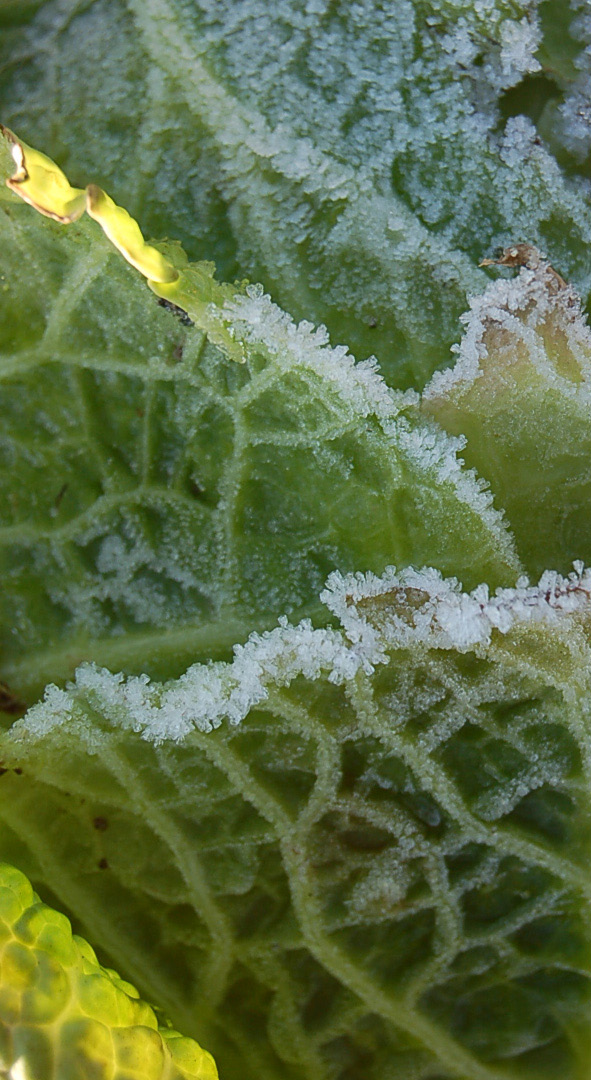
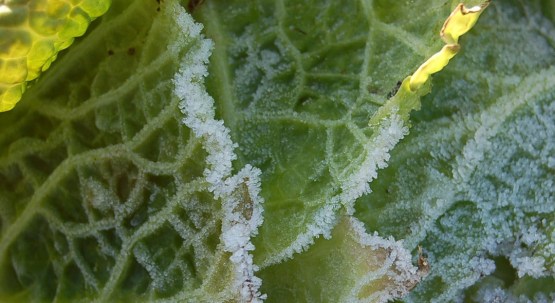
The plots themselves look very sad at this time of the year, drooping brassicas, frosted leeks and steaming muck heaps and compost bins, the warmest spots of all. The scarecrows have fallen in the recent strong winds, their clothes wet and bedraggled and their structures weakened. Frost emphasises leaf structures, settling deepest along the veins.
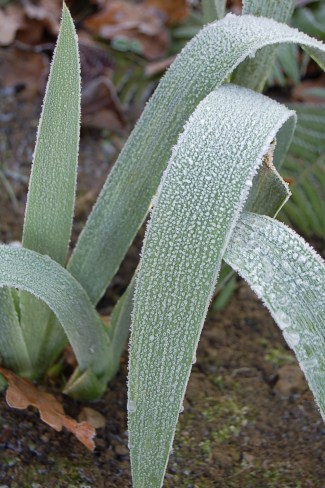
The strongly veined wrinkled leaves of the Savoy Cabbages withstand the cold wrapped into tight balls.
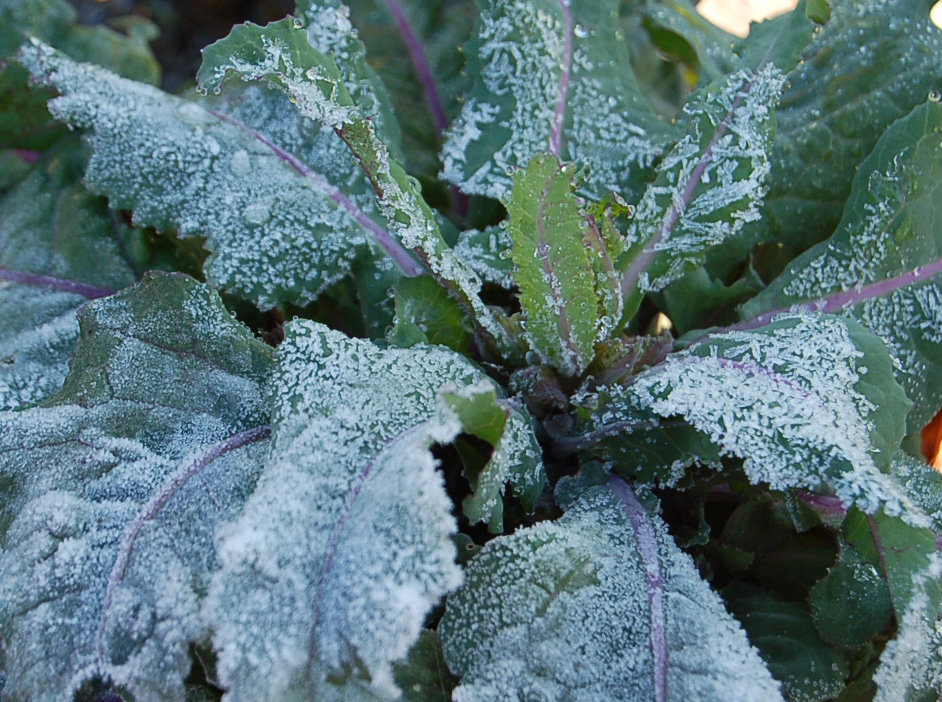
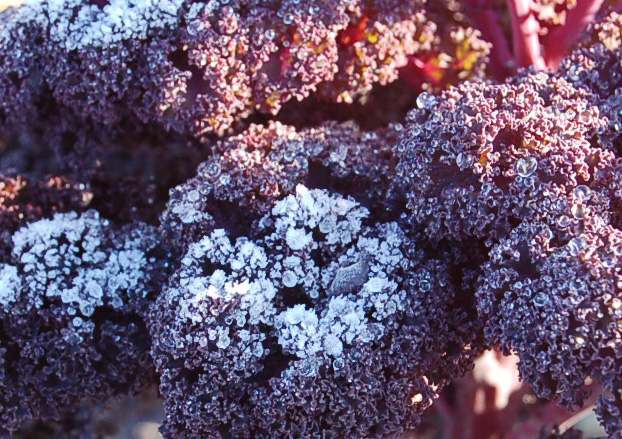
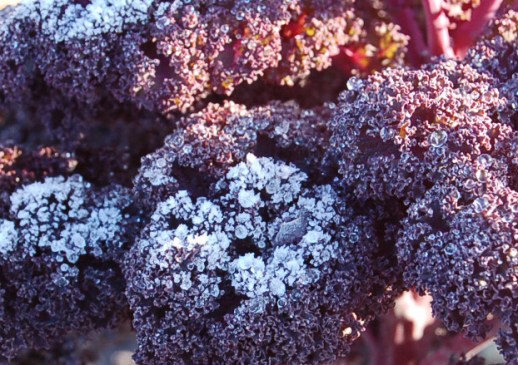
Kale defies the cold and stands upright and proud  even with ice droplets and frost splattered on their tightly curled leaves.
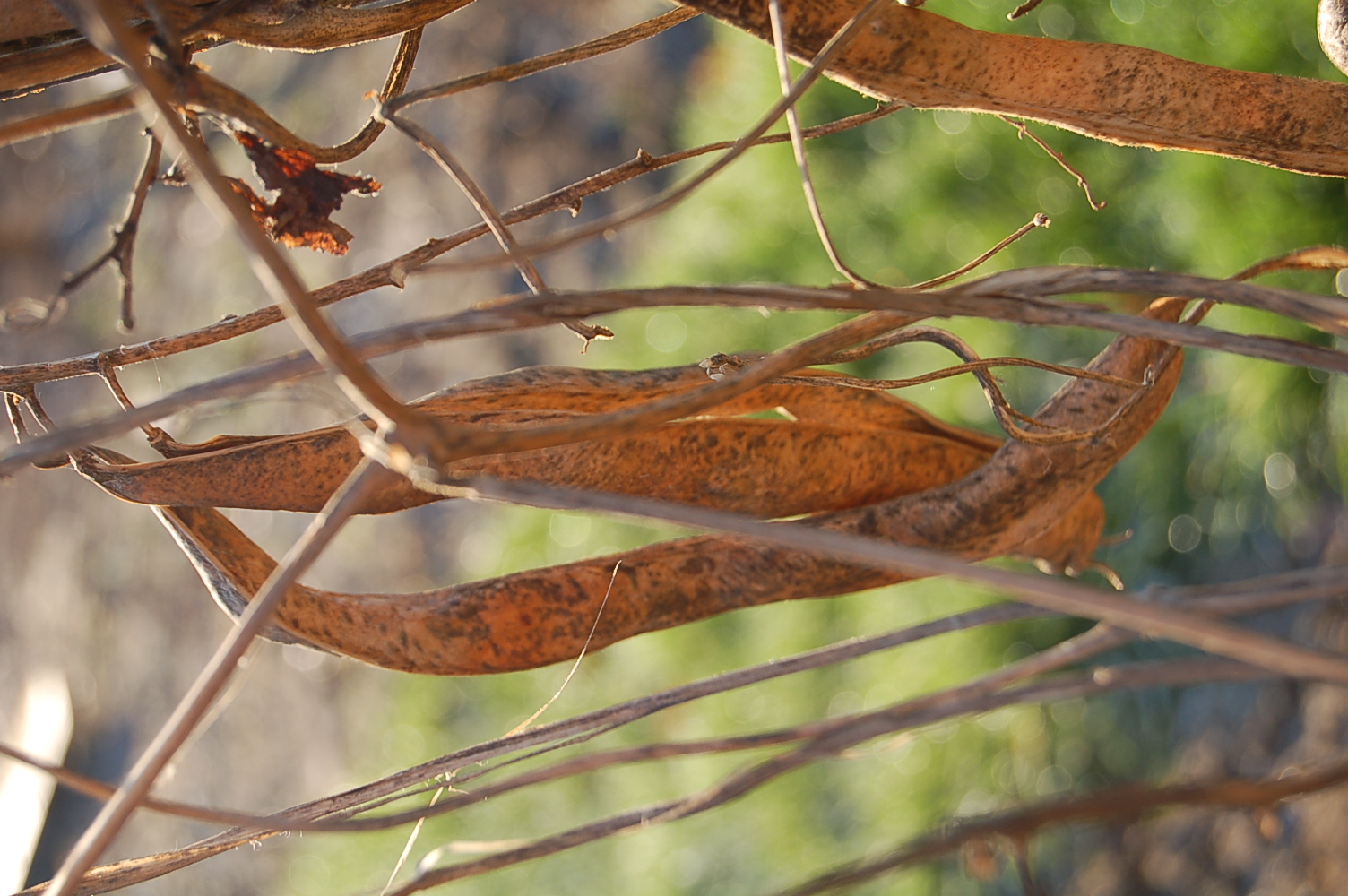
Sunlight makes the old runner bean pods translucent as they hang on the dead remnants of last year’s plants.

On our own plot the rows of Mooli, Broad Beans and Leeks look delicate in the frozen soil but will sit until spring arrives when they will have growth spurts and give us early crops.

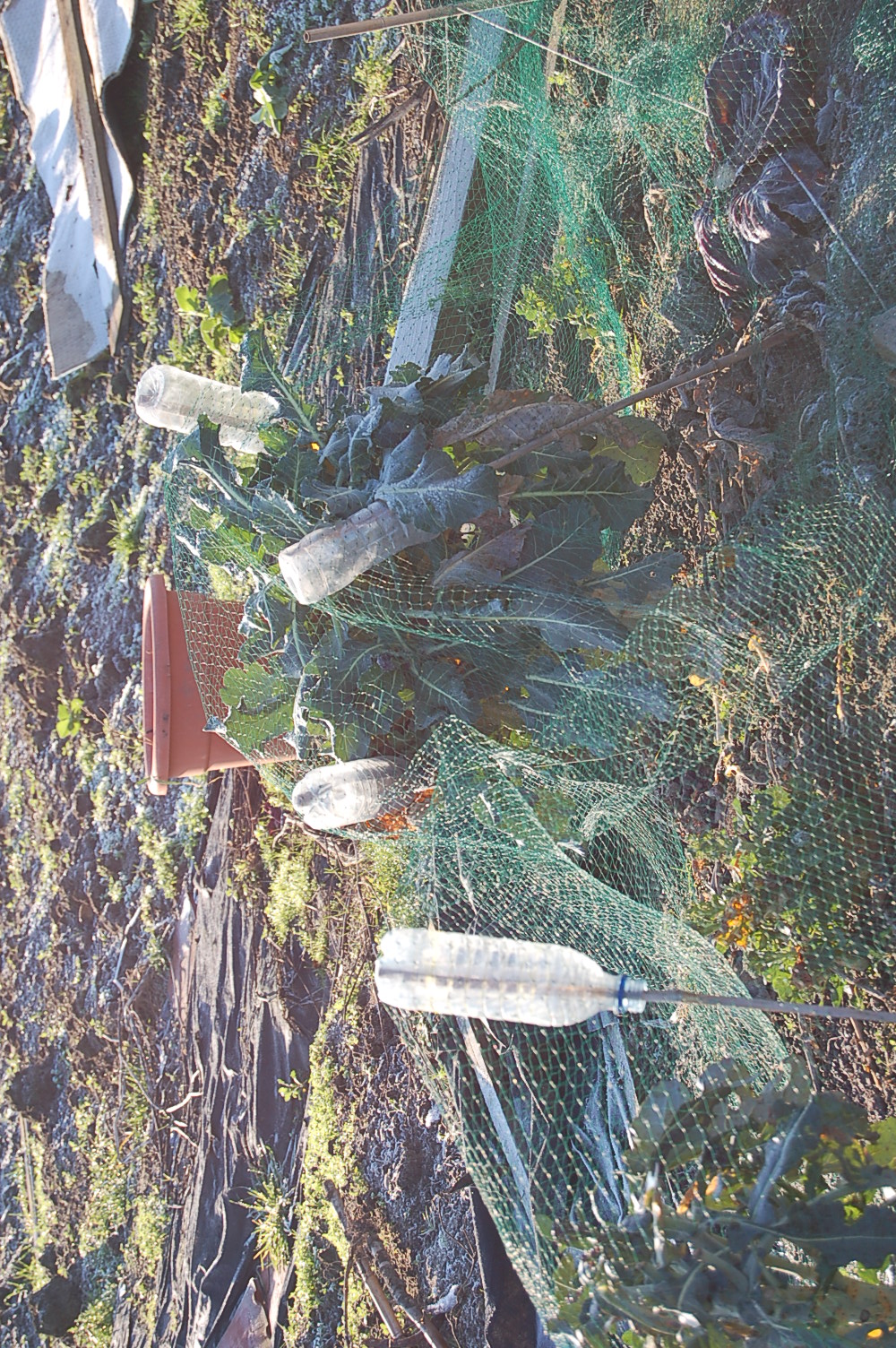
Plastic bottles on canes support last year’s netting and still protect any overwintering crops from hungry Wood Pigeons.

Blackbirds move low across the lotties settling onto any sun-warmed soil and dig for grubs, but this one sat looking sad.
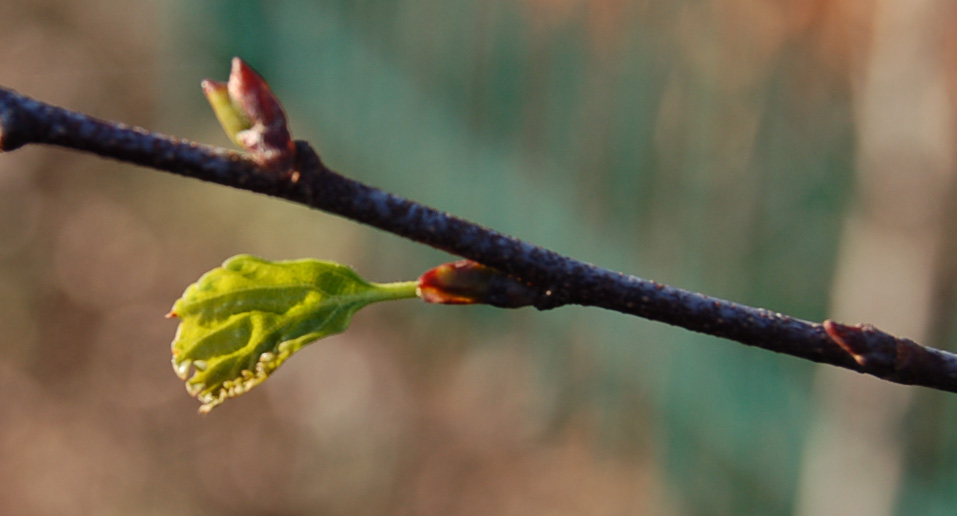
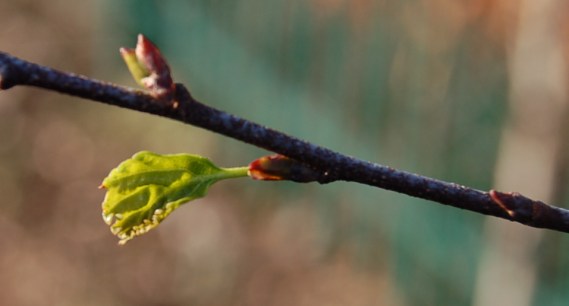
We took a leisurely walk around the “Interest Trail” which took us through or close to most of the community gardens – the orchards, wildlife borders, seasonal gardens and meadows. Near the car park the first green bursts of new life have appeared, the leaves and catkins forming on the birches. The young catkins stand bolt upright at this stage but will soften in colour and structure when they dangle down in the spring.

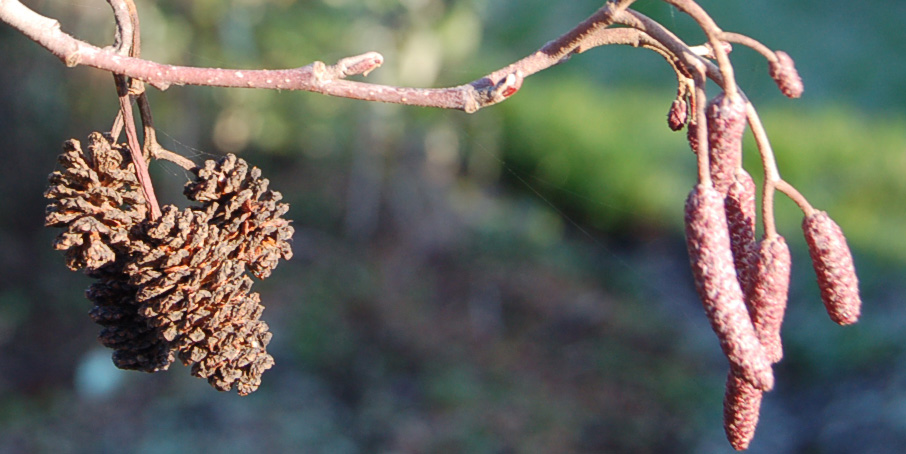
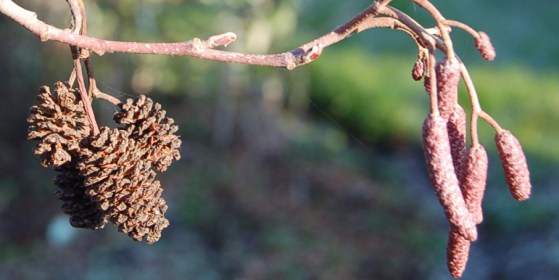
The purple catkins of the alder sit on the branches with the darker cones.
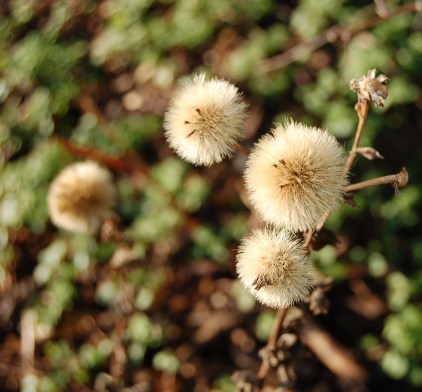
In the Autumn Garden seed heads of Asters remain long after the flowers of autumn, like tiny dandelion “clocks”.
In the first orchard th frost still lingered strongly on the logpile especially on this old chunk of bark.

When we reached the Spring Garden we were struck by the contrasting leaf texture, shapes and structures.

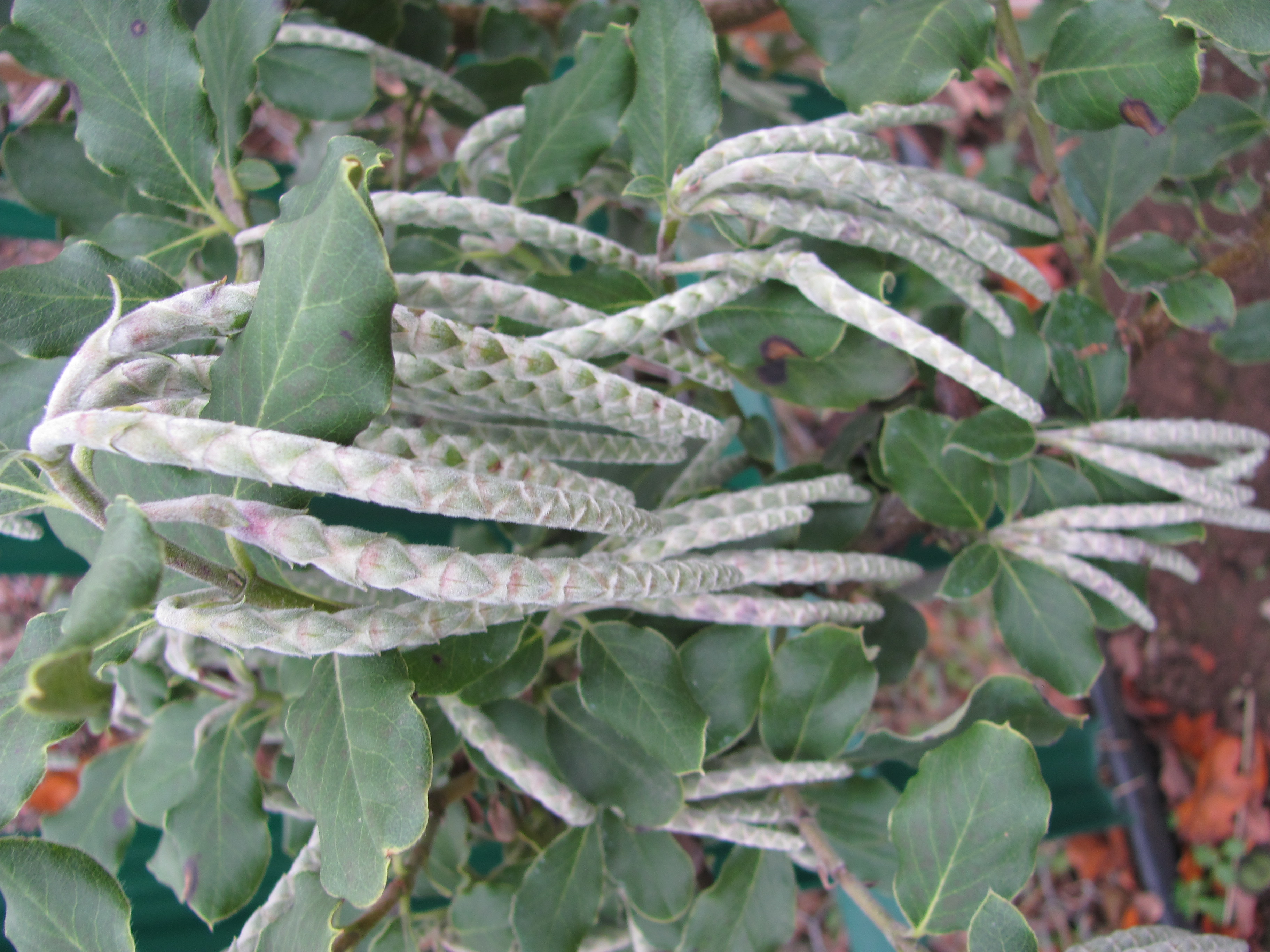
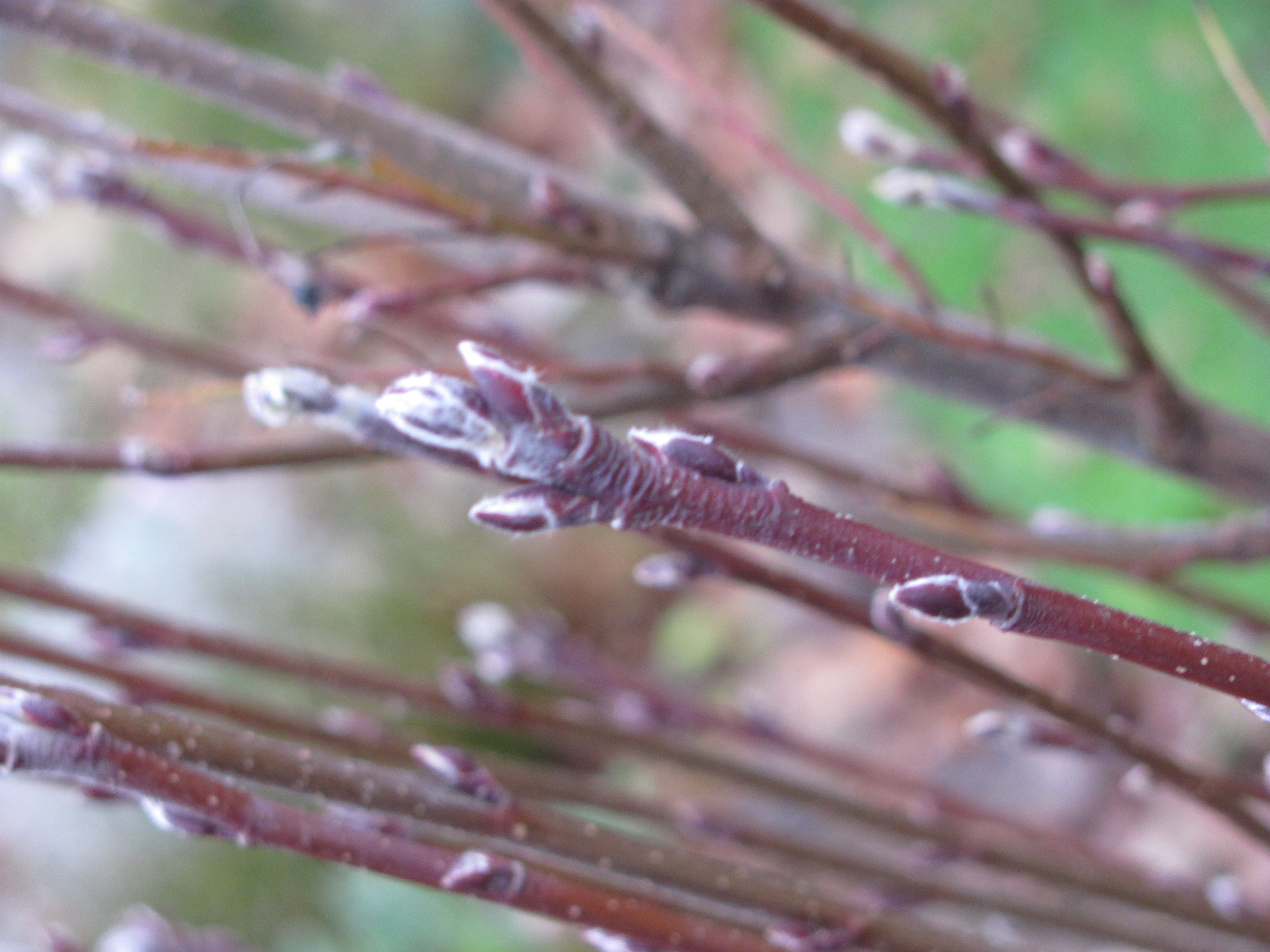
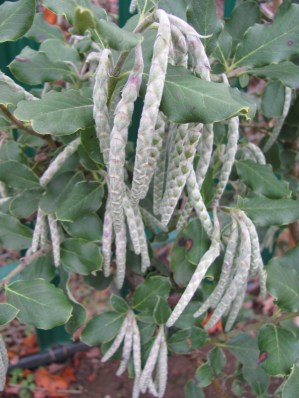
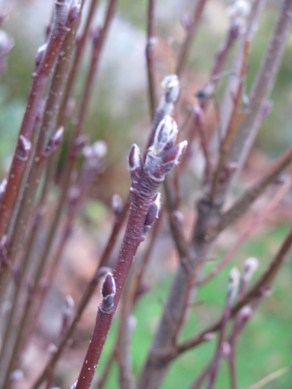
At the back of this garden the silver tassels of the Garrya hung in profusion and the new buds of the Amelanchier promised early flowers and foliage.
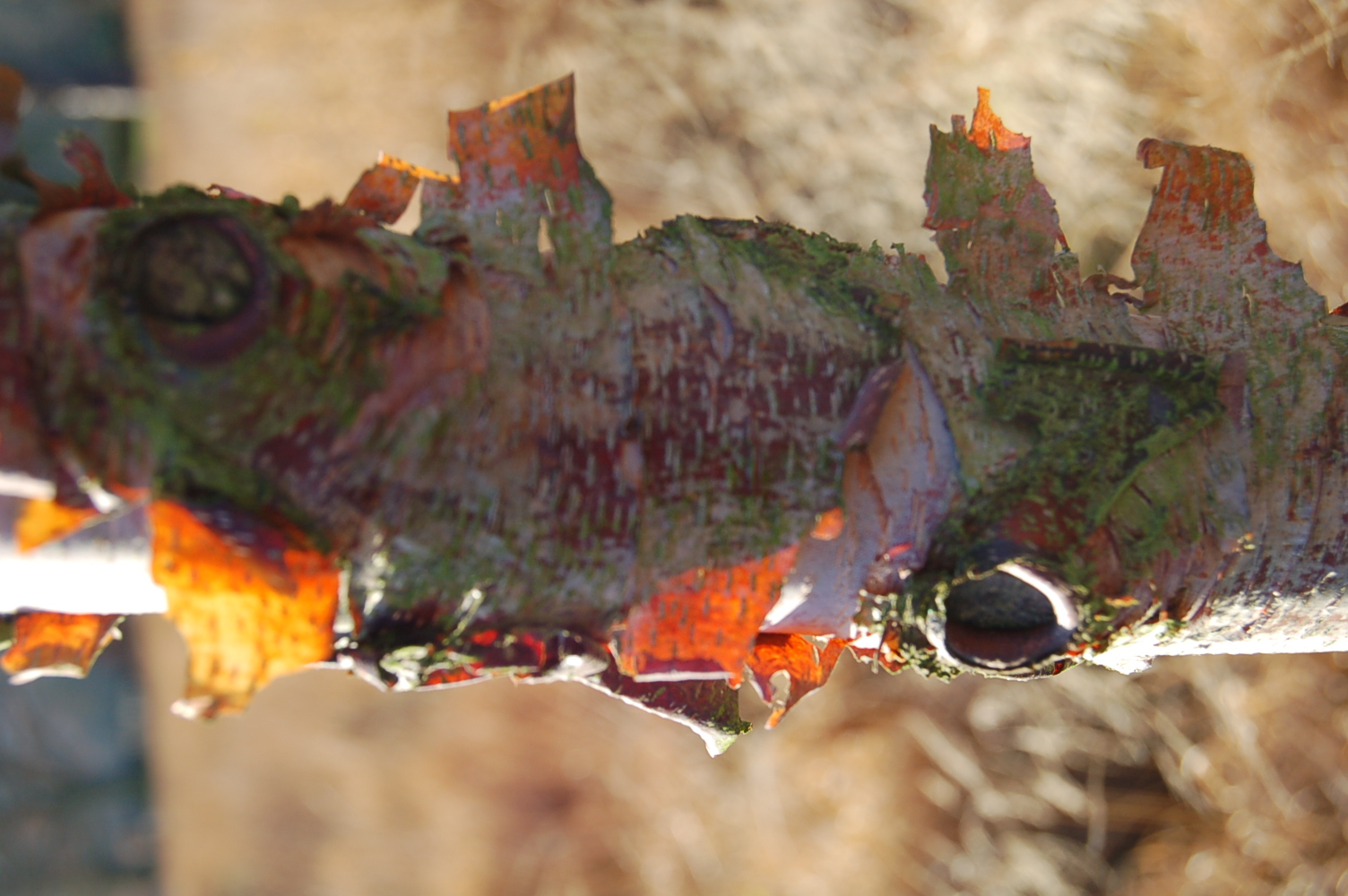
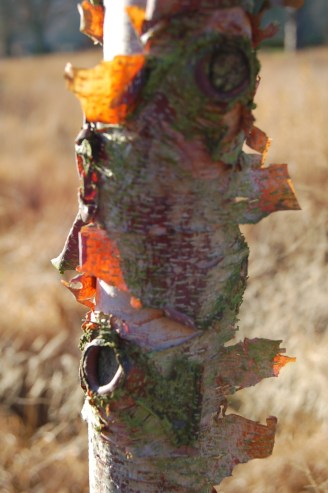
Further round the trail we arrived at the “Winter Garden” where the low rays of the sun sent long shadow lines of the fence right across the border between the coloured stems of the Betulas and the Dogwoods. It also illuminated this peeling bark, giving it the impression of slithers of orange brittle toffee.

The blue spruce looked bluer than ever with the whiteness of the frost laying on its needles.

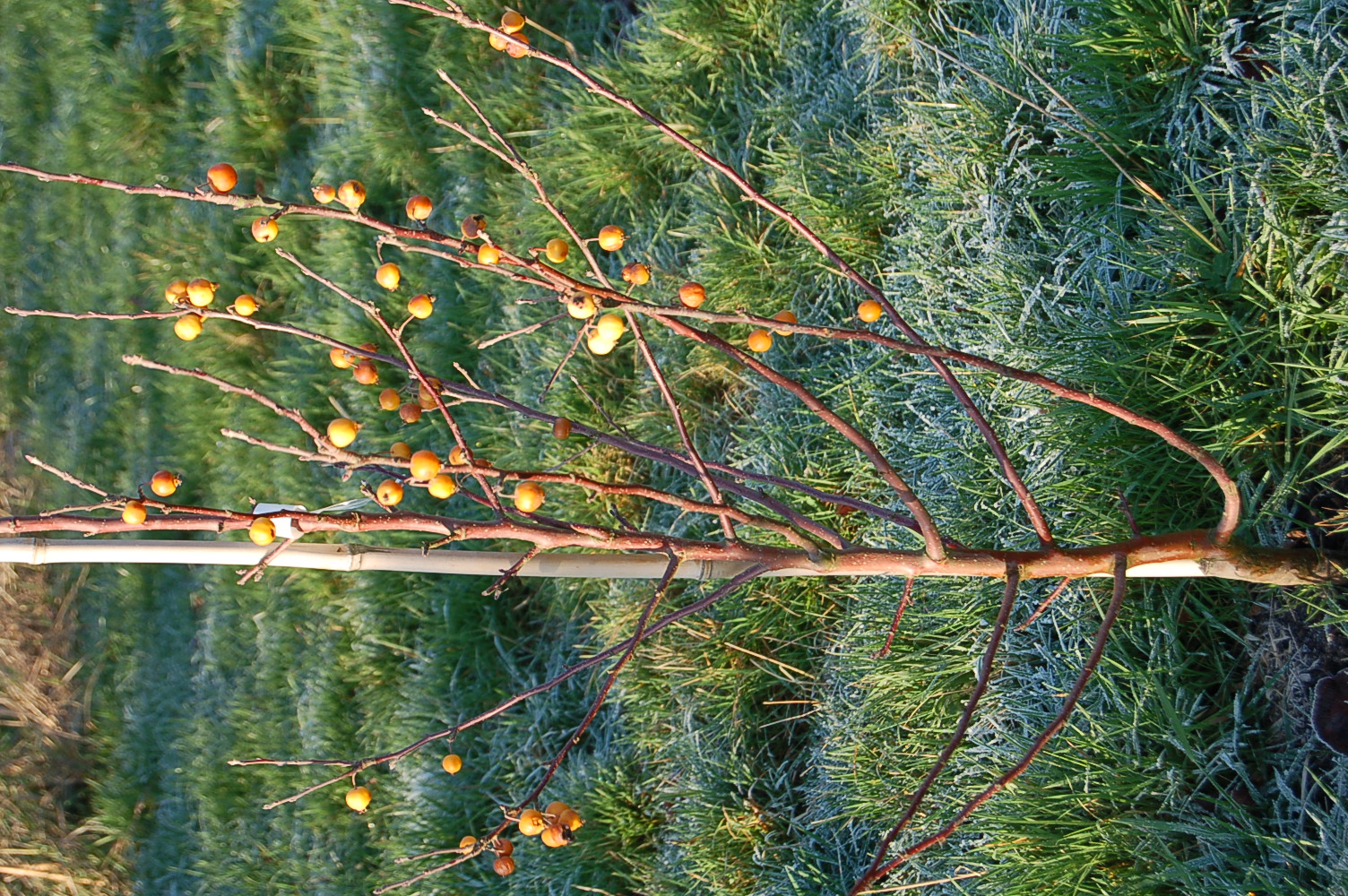
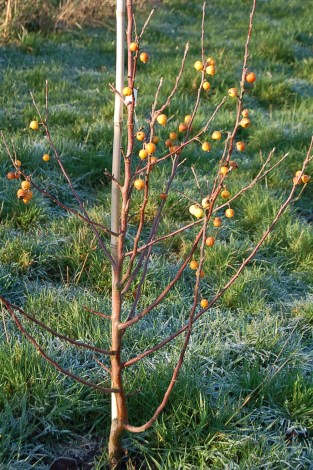
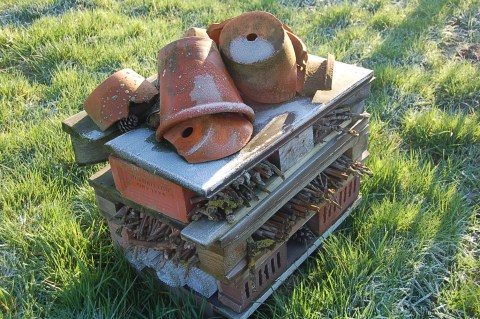
Our Winter Garden has so much of interest that I shall publish a blog just featuring it within the next few days, so for now we shall move on to the second orchard where the golden fruits of Malus “Evereste” have escaped the attentions of the winter visiting thrushes but I suspect they will soon be discovered and devoured. The insect stack in the orchard is there to attract beneficial insects who provide our very wildlife-friendly pesticide. The stack should give them some shelter to help them survive the winter cold and wet.
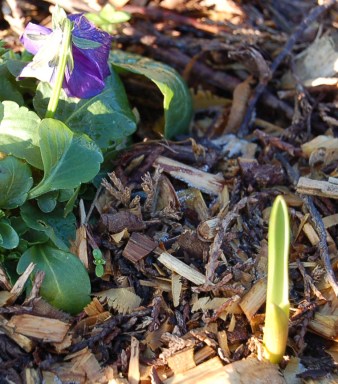
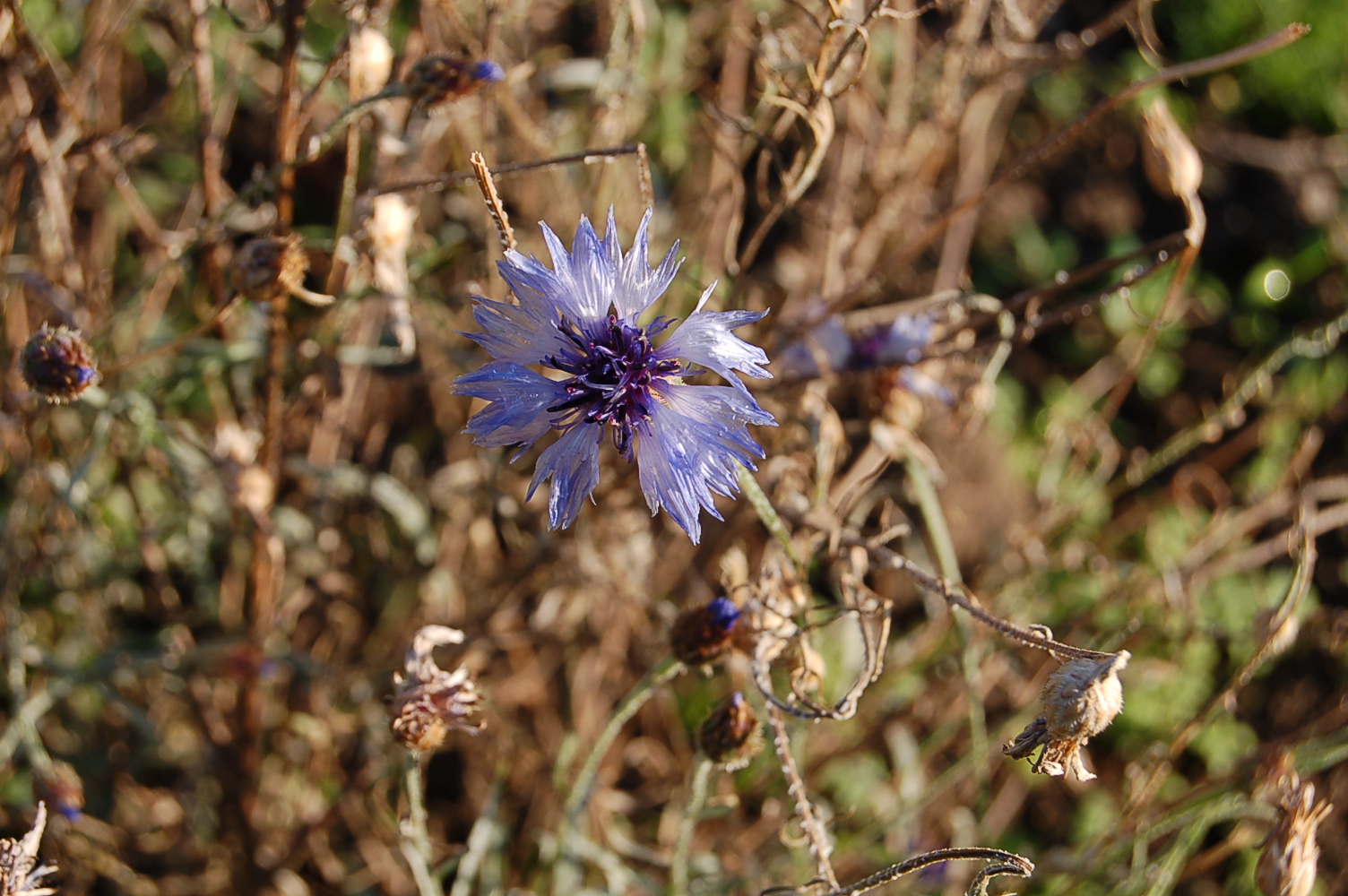
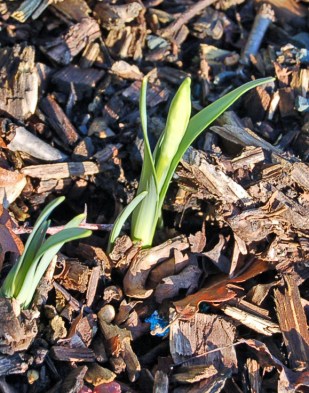
As we wandered back towards the car park we passed through the wildflowers meadows long since cut to the ground, but showing promise for next summer in its tiny seedlings. One lone flower braved the cold – a pale blue cornflower. Leaving the lotties we noticed promises of flowers from the bulbs in the car park border and in the half-barrels in the gateway.

Categories
garden photography gardening hardy perennials shrubs winter gardens

Winter’s First Deep Frost

Mid-January and the first true frost of the winter. This must be the latest it has ever happened. Last year we had frosts from October right through till spring. I look forward to this coating of white, look forward to a wander around the garden with my camera in hand, look forward to seeing the low morning sun rim the frost on the remaining leaves and seed heads and even a few out of season blooms. Beyond the garden the countryside rested white and still, silent and crisp.

Entering the garden was like entering a different place than we were in yesterday. This world brought to my nose a mixture  of comforting scent of wood smoke and tingling cold. It was so quiet and motionless, not even a murmur from moving grasses or bamboos today. Soon though the watery wintery song of the robin arrived and then other robins joined in, each one singing to announce ownership of a patch of garden or countryside. Pleasure to us, a threat to other robins, the true audience.

The Secret Garden with a gentle sprinling of frost.

Deeper into the garden the sweet scent of the Sarcococca joined the wood smoke, a rich aroma from an insignificant tiny white flower on a dull evergreen shrub. I planted it near the greenhouse door and its perfume scents the air whenever I work in there in the winter. It is a scent that stays in your nostrils for a time after you have left the garden and returned indoors. Today it has filled the garden completely.

The icing sugar frost has settled on berries and buds, foliage and flowers, seed heads and stems.

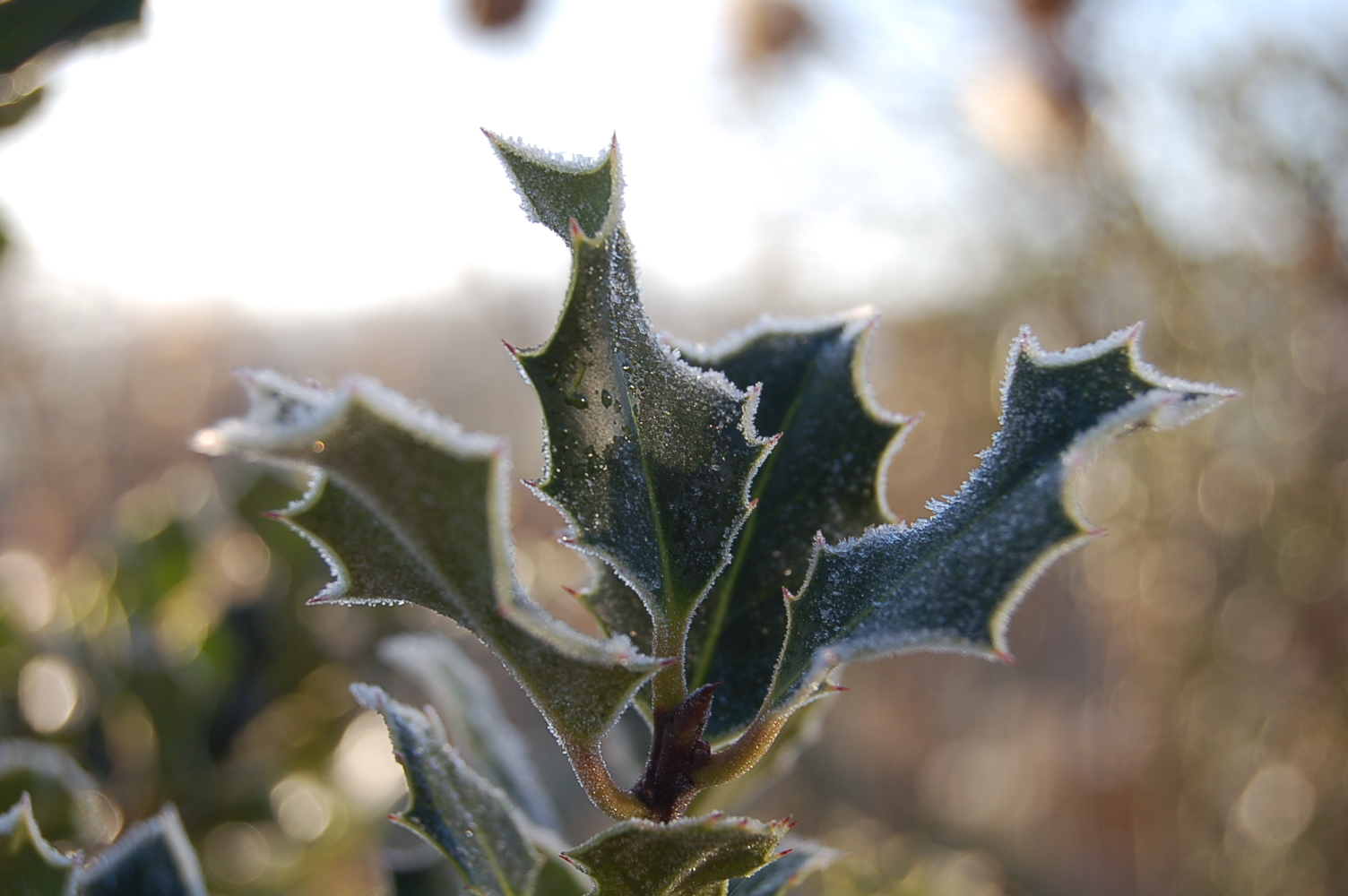
Holly leaves rimmed with frost.
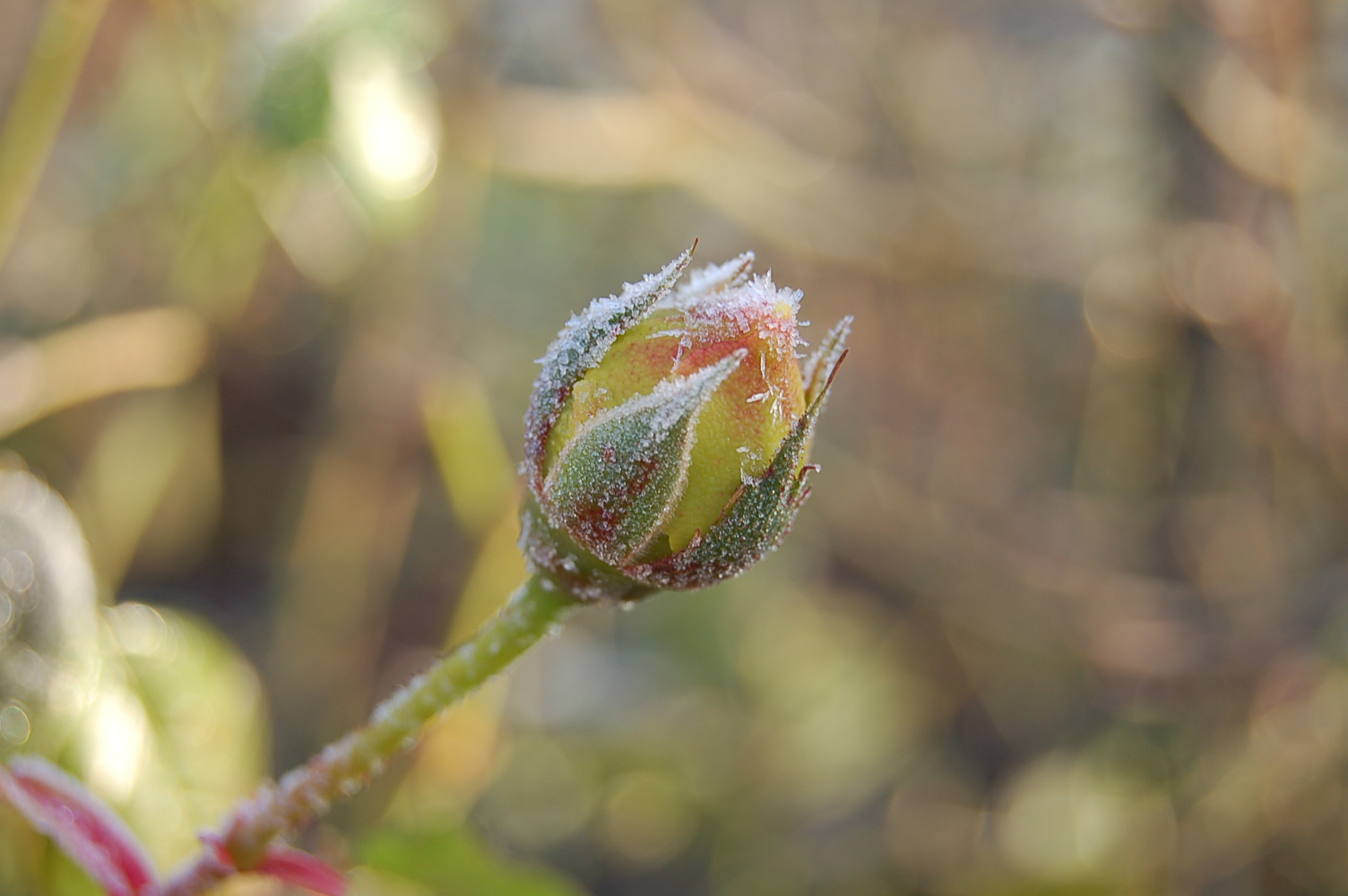
An out of season rose frozen in its bud.
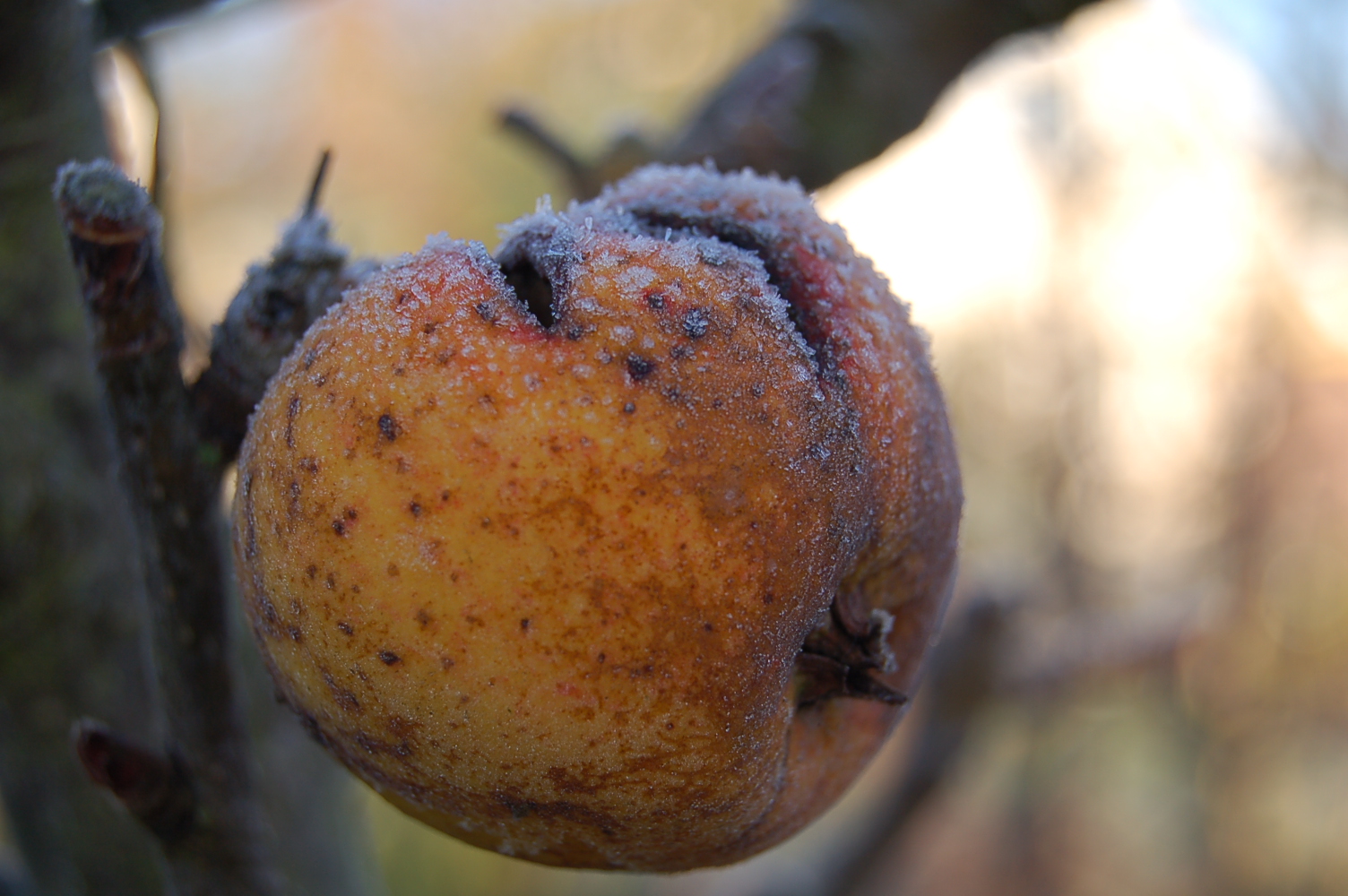
An old Pixie apple.
Frozen fern
The sun creeps up to melt the frost from the euphorbia.
Euphorbia flowers hanging on through the winter with the grey frozen pool behind.
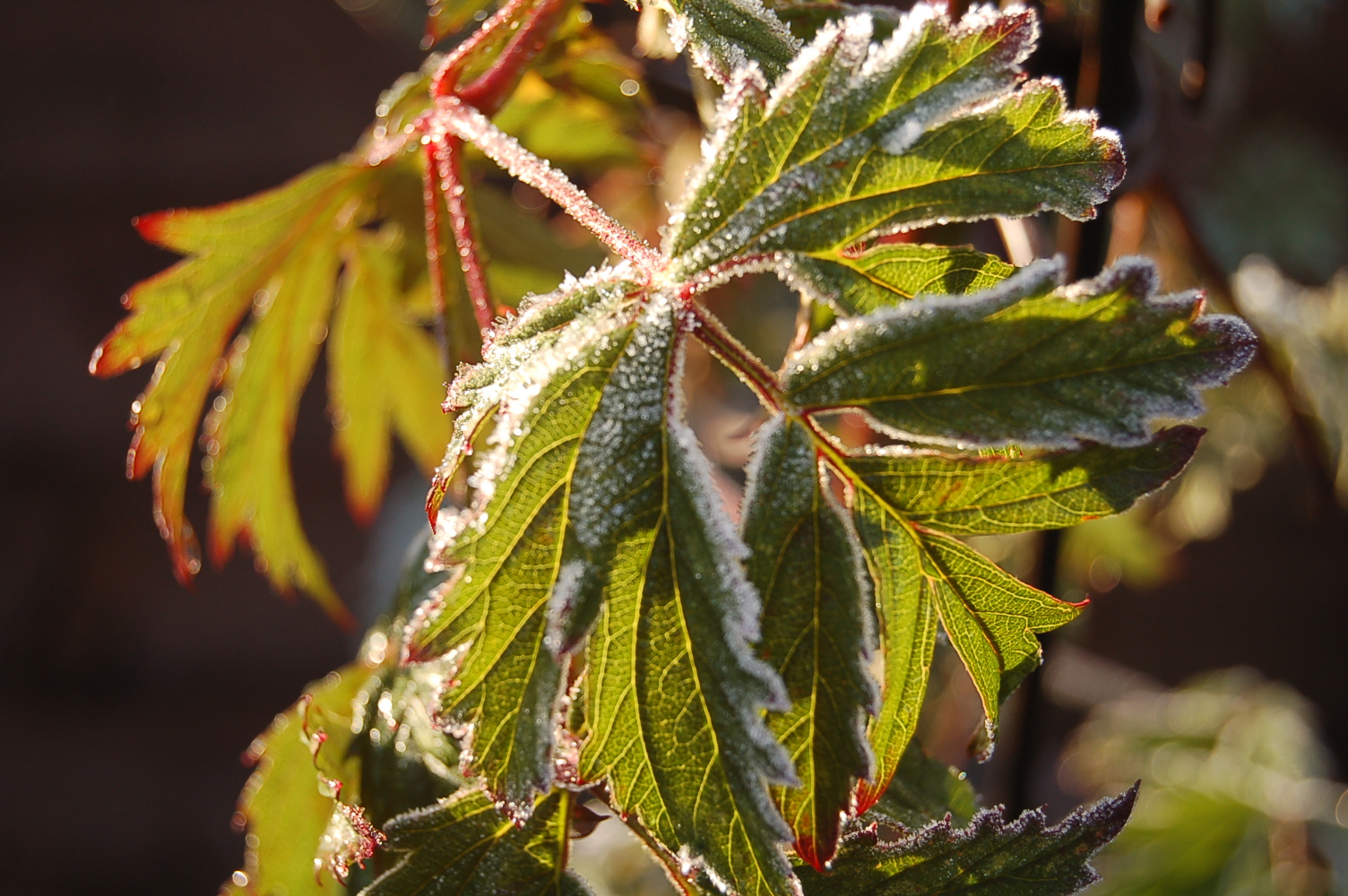
Winter sun lights up the leaves of the thornless blackberry which has been evergreen this year.
Frosted ginger-bread headed sedum.
Frost takes the pearlescence out of the Viburnum davidii berries.
Frosted fennel.

The frost even coats terra-cotta and metal.

Categories
garden photography gardening

More Green on Green

Back in December I posted a blog entitled “Green on Green” featuring photos that were based simply on shades of green all taken in the garden. Here are more to shots to help you through the winter months. Soon the new shoots of herbaceous plants and signs of budburst on trees and shrubs will come along to give a clue of good growth times ahead.

Categories
garden photography gardening half-hardy perennials hardy perennials

Fantastic Foliage – Leaf Patterns

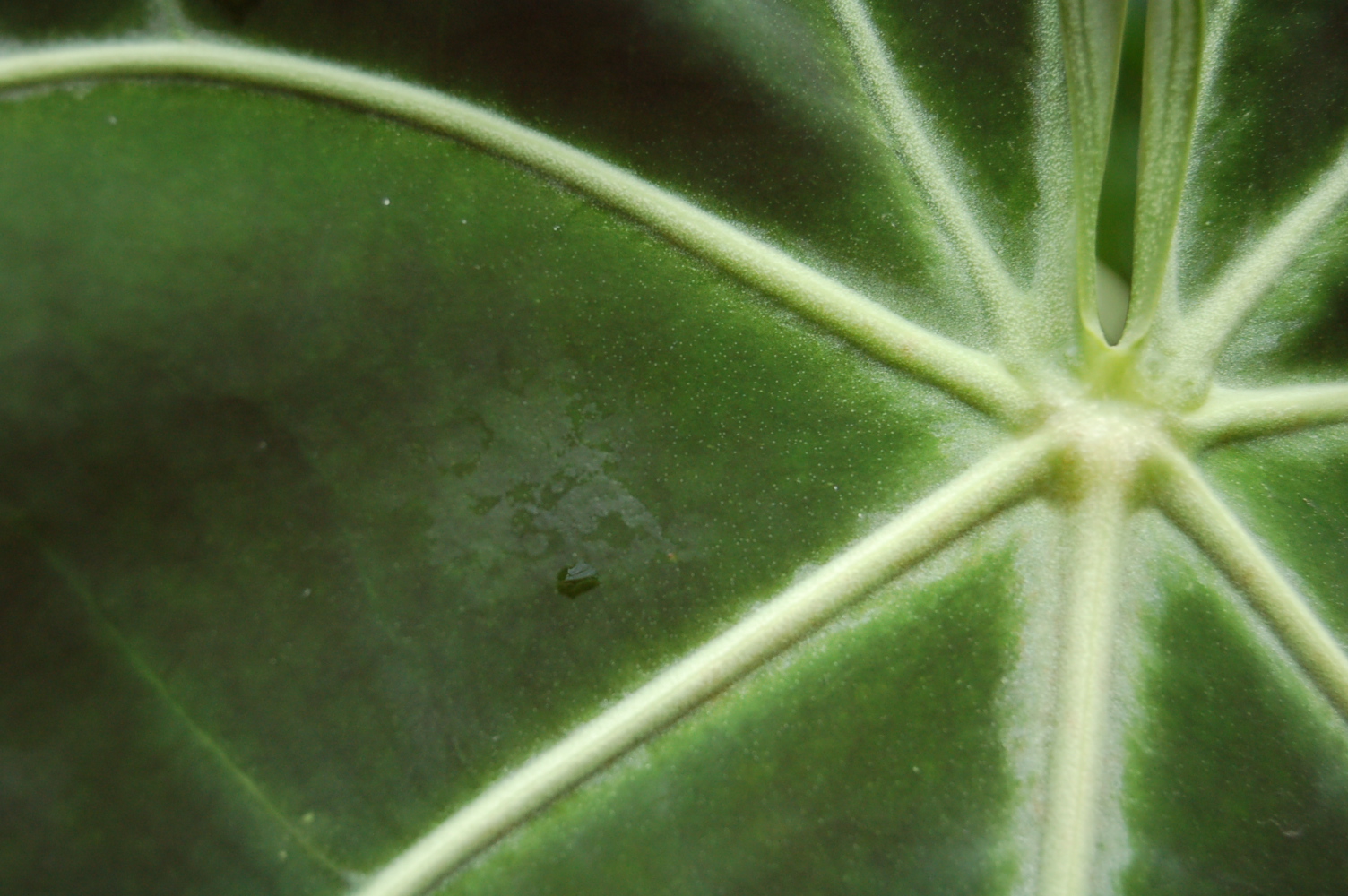
On bright days I am always drawn in for a close up look at leaves. The sun displays their underlying structure, their network of veins, the things that give them shape, texture and strength. Zoom in for a closer look or move in close for a wide angled view and the results can be so pleasing. Isn’t Mother Nature wonderful!!! And aren’t plants simply amazing!!!

Categories
garden design garden photography gardening

Green on Green

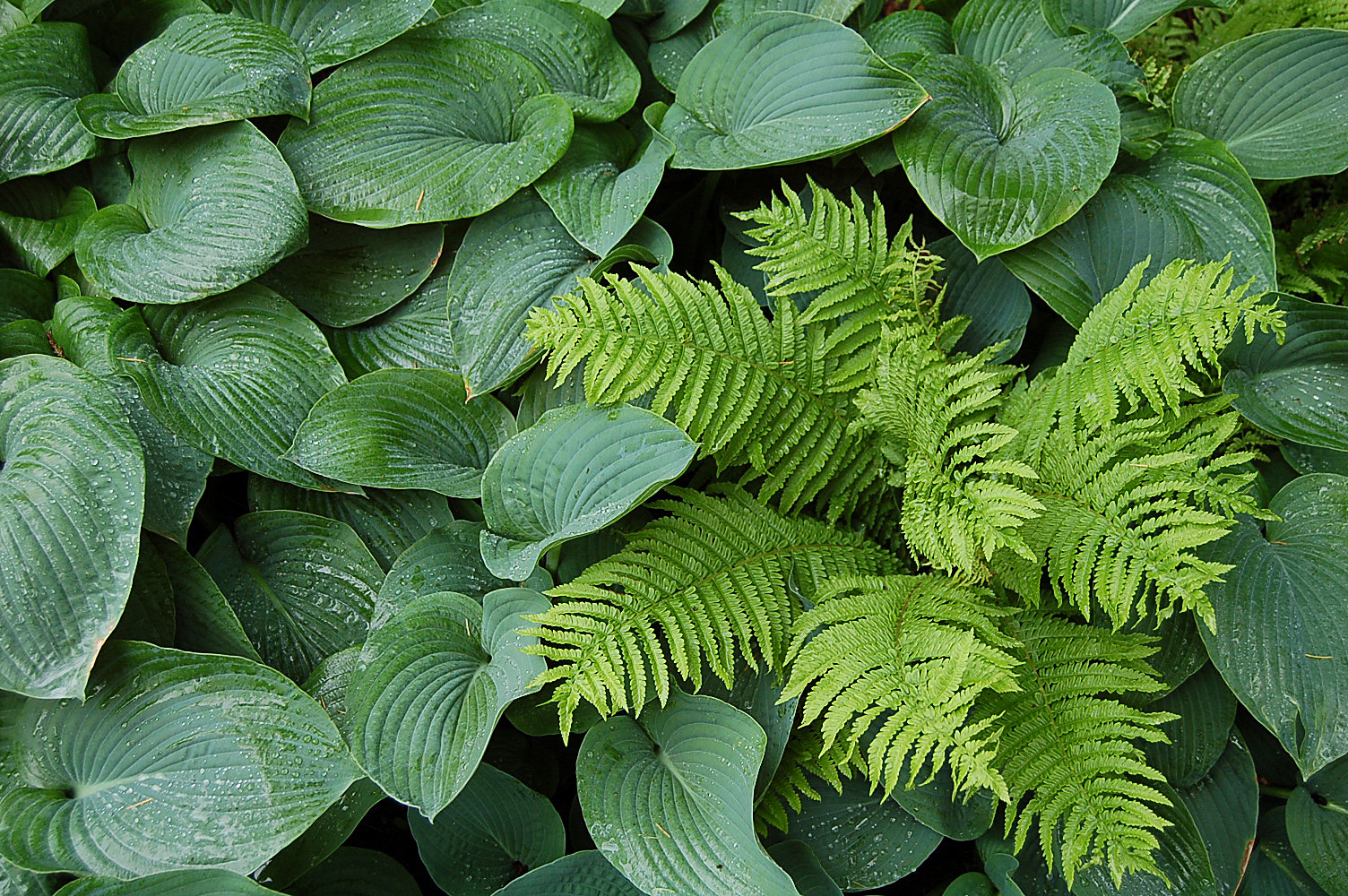
Garden designers often talk about colour contrasts such as blues and yellows and about how important green is as a foil for other colours. but what about two shades of green working together. Just think of the fronds of vivid green ferns bursting out from the green paddle leaves of the hosta. in her book entitled “The Gardener’s Pallette” the American garden writer Sydney Ellison wrote “In nature, green is the colour of life” and “It is the colour that makes fewest demands on the human eye.”  In most gardening books green is discussed as a foil for other colours and rarely considered as important in its own right.

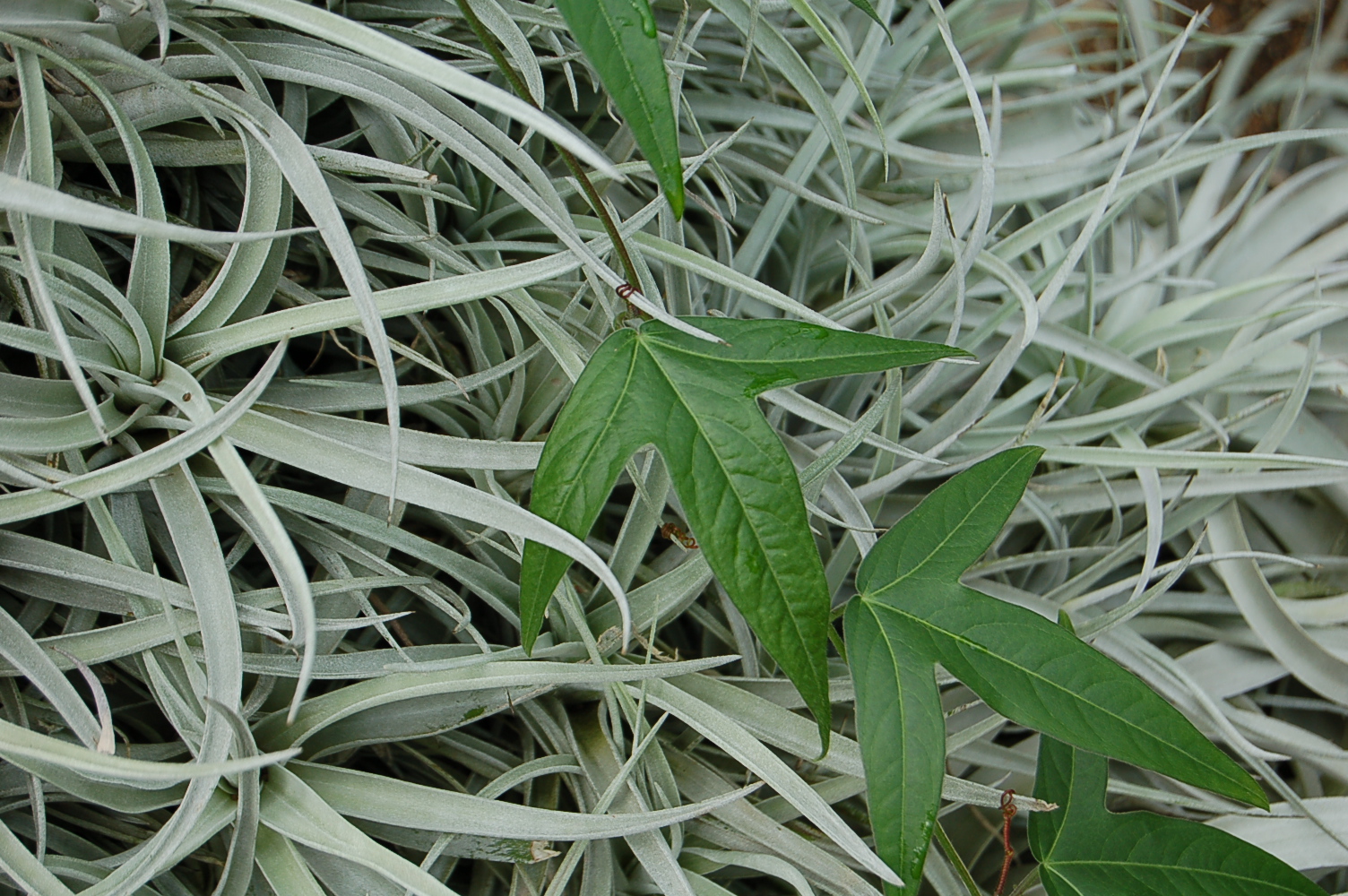
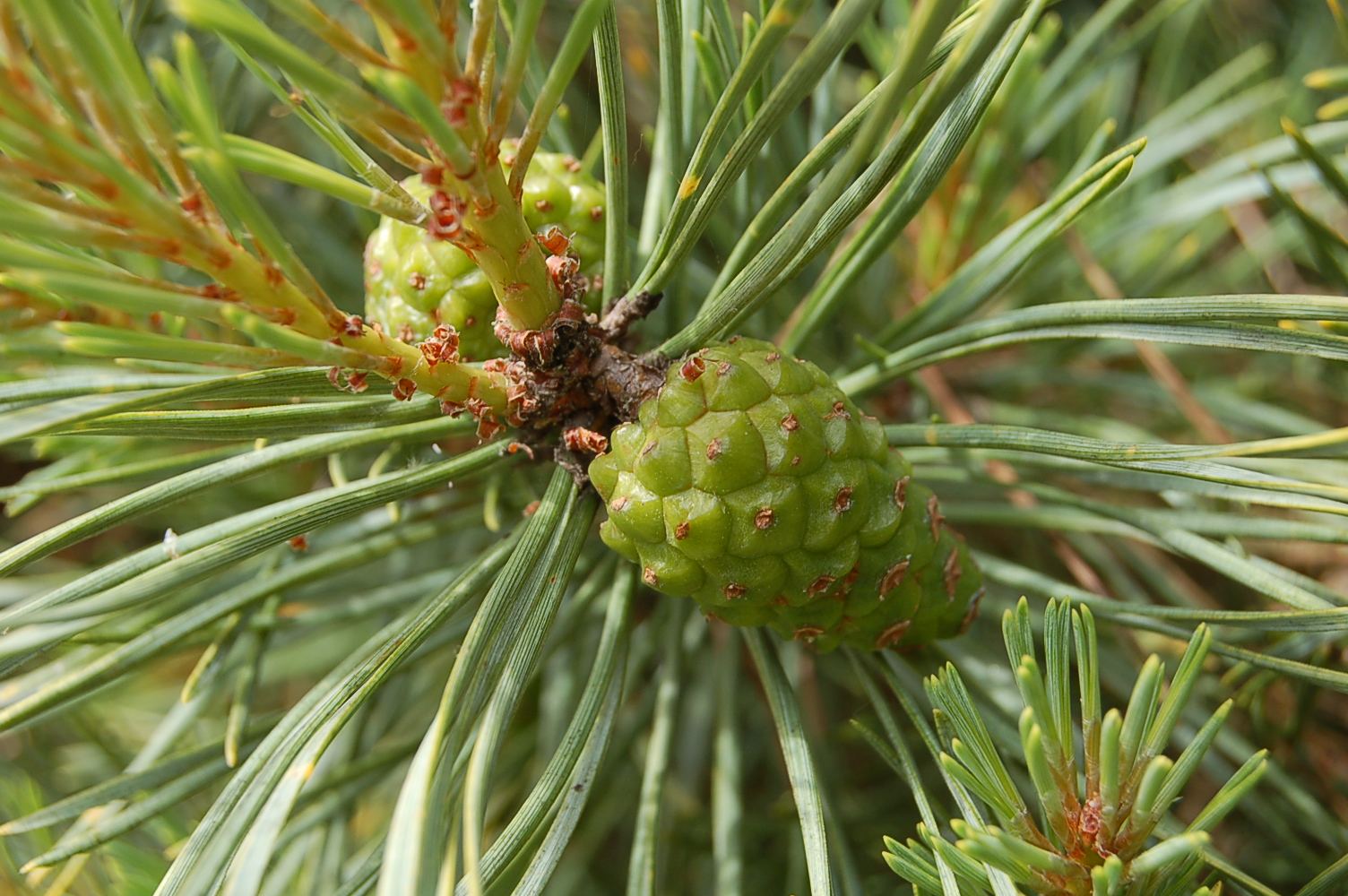
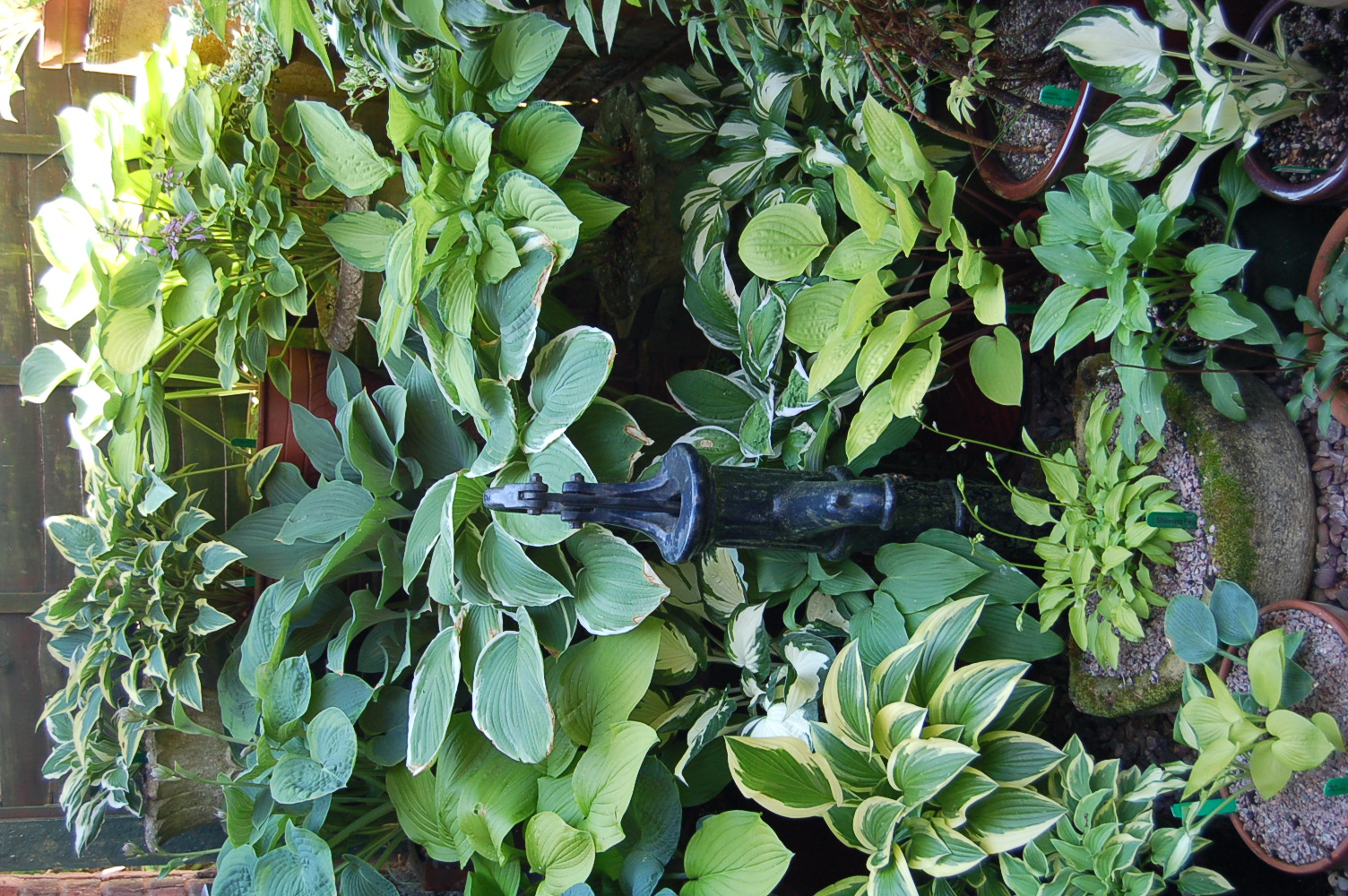
I searched through photos I have taken this year that featured green for its own sake not merely acting as a foil. Here follows a selection. They prove how powerful greens are!

The grass, Hakanechloa macra , moves slowly like waves in the slightest breeze and here in Neil Lucas’ garden, look great as a sea of green for a specimen tree to burst out of. The plain green Hakanechloa often looks better than its variegated cousin but is rarely seen for sale. It deserves more recognition.

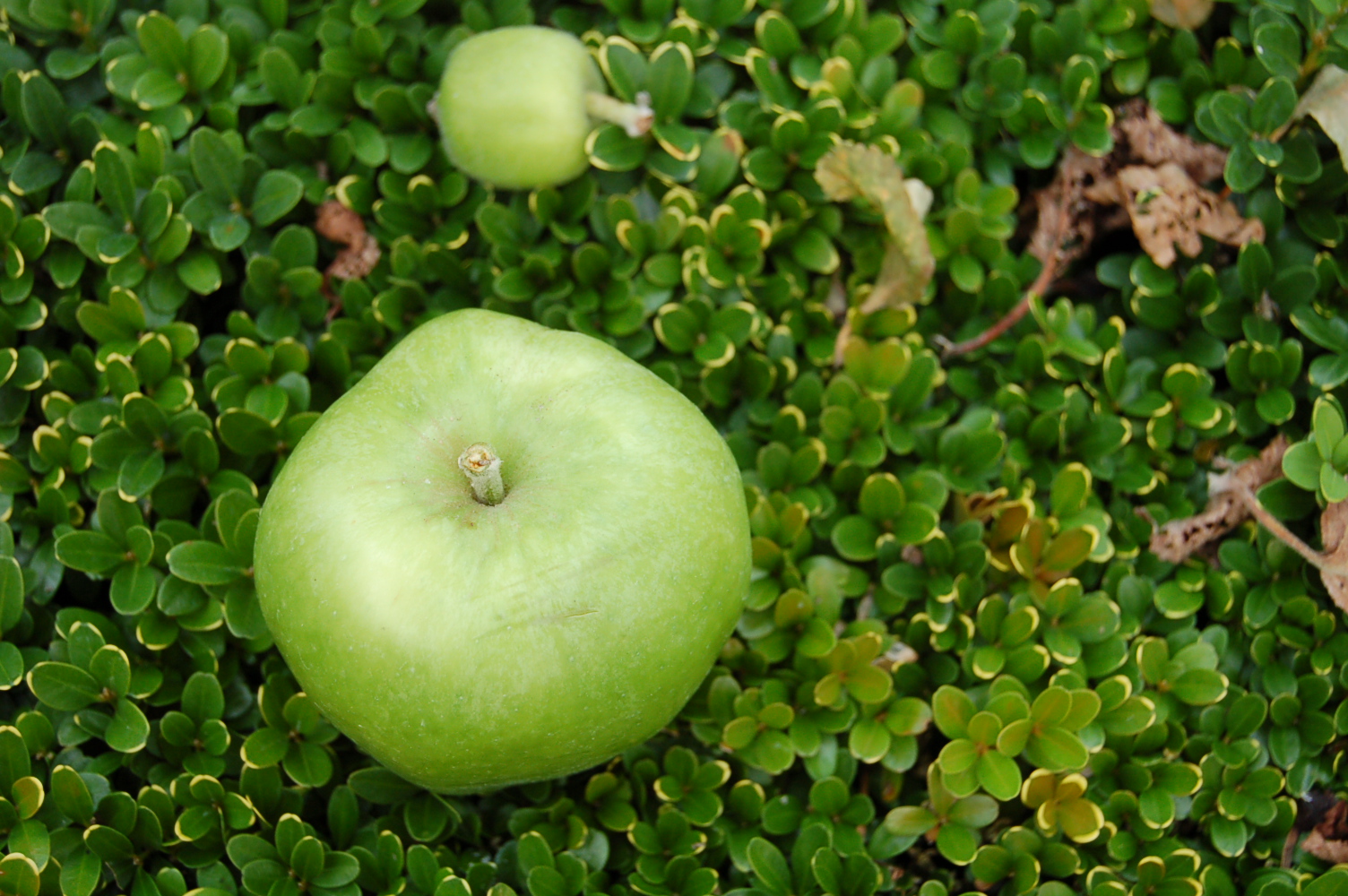
Neil’s use of the simple green sheet of grass under a tree displays brilliant design skills. This photo is the absolute opposite – an accidental paring of two contrasting greens – where a pure bright green apple has dropped onto a neatly clipped box hedge in a potager.

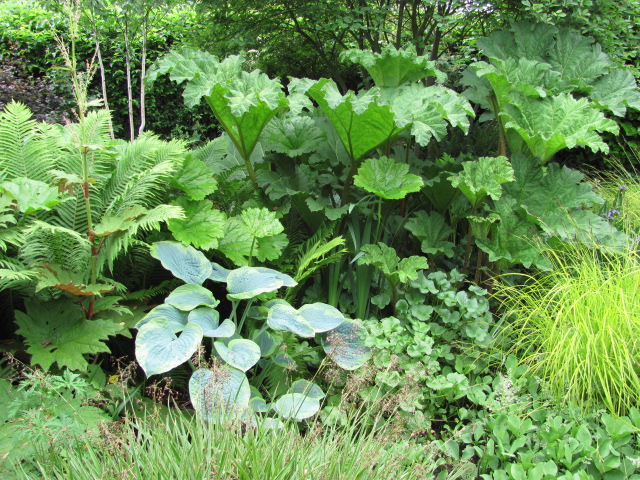
The first photo illustrated how a gardener used green so effectively, the second how an accident can produce beauty in greens and the above one shows how Mother Nature does it. Rather well methinks!

The above photo must illustrate the ultimate “green on green” border, gentle on the eye and so satisfying. Looking at green as a key colour in the garden now on the first day of winter makes you feel better. Just think of all the green we can look forward to!


This Veggie Life

A Vegetarian | Nature Lifestyle Blog

Rambling in the Garden

.....and nurturing my soul

The Arch City Gardener

Journeys In St. Louis Gardening and Beyond

Garden Dreaming at Châtillon

Consult the genius of the place

Storyshucker

A blog full of humorous and poignant observations.

gardeninacity

Notes from a wildlife-friendly cottage garden

PlayGroundology

...an emerging social science

The Official Blog of British Wildlife

'The most important and informative publication on wildlife of our times' - The Independent. This blog is a member of The UK & Ireland Natural History Bloggers group: www.uknhb.blogspot.com

iGrowHort

Inspire - Cultivate - Grow Native Plants - Restore Landscapes

Bishops Meadow Trust

To create and protect a semi-natural wild space for the people of Farnham to enjoy and experience an array of British wildlife in our town

Gardening with Children

The www.gardeningwithchildren.co.uk Blog

UKbirdingtimeline

birding through the seasons, why birds matter and how to conserve them

NATURE WALKER

with a camera in hand

Jardin

Transform your outdoor space

Eva's space

My allotment, cooking and other interests

Old School Garden

my gardening life through the year

LEANNE COLE

Trying to live a creative life

fromacountrycottage

trying to live as lightly as possible on our beautiful planet

Good Life Gardening

Nature lovers from Leicester living the good life.

mybeautfulthings

Finding the beautiful in the everyday

mawsonmichelle

Michelle's Allotment

In and Out of My Garden

thoughts from and about my garden

Greenhousing

Big plans for a small garden

The Scottish Country Garden

A Walled Country Garden in South East Scotland

The Fruity Chicken

Life at the fruity chicken

willowarchway

Off grid living. Self sufficient. "PERMAGANICS RULE".

St Anns Allotments

Nottingham's Grade 2* Listed Allotments and Community Orchard

Manifest Joy Harvests

a journey in suburban vegetable gardening

Allotmental

The madness of growing your own

Penny's Garden: a harvest beyond my front door

A novel approach to vegetable gardening

arignagardener

Sustainable living in the Irish countryside.

NewEnglandGardenAndThread

Master Gardener, amateur photographer, quilter, NH native, and sometimes SC snowbird

dianajhale

Recent work and work in progress and anything else that interests me

planthoarder

a chaotic cottage gardener

Lens and Pens by Sally

a weekly blog that creates a personal philosophy through photographs and words

Dewdrops and Sunshine

Stories from a sassy and classy Southern farmbelle.

The Pyjama Gardener

Simple Organic Gardening & Seasonal Living

gettin' fresh!

turning dirt into dinner

JOY...

today the world is created anew

Garden Birds

Notes from a Devon garden

ShootAbout

Life Through The Lens

Adapting Pixels

A photography blog showcasing the best photography pictures and videos on the internet

Wildlifegardening's Blog

Just another WordPress.com site

naturestimeline

personal observations from the natural world as the search continues for a new approach to conservation.

LATEBLOOMERBUDS

The Wonders of Life through my Eyes, my Heart, my Soul