For our second blog about the Malvern Spring Gardening Show we shall explore the plants in the Floral Marquee and the gardening sundries in the trade stands looking for patterns to photograph.

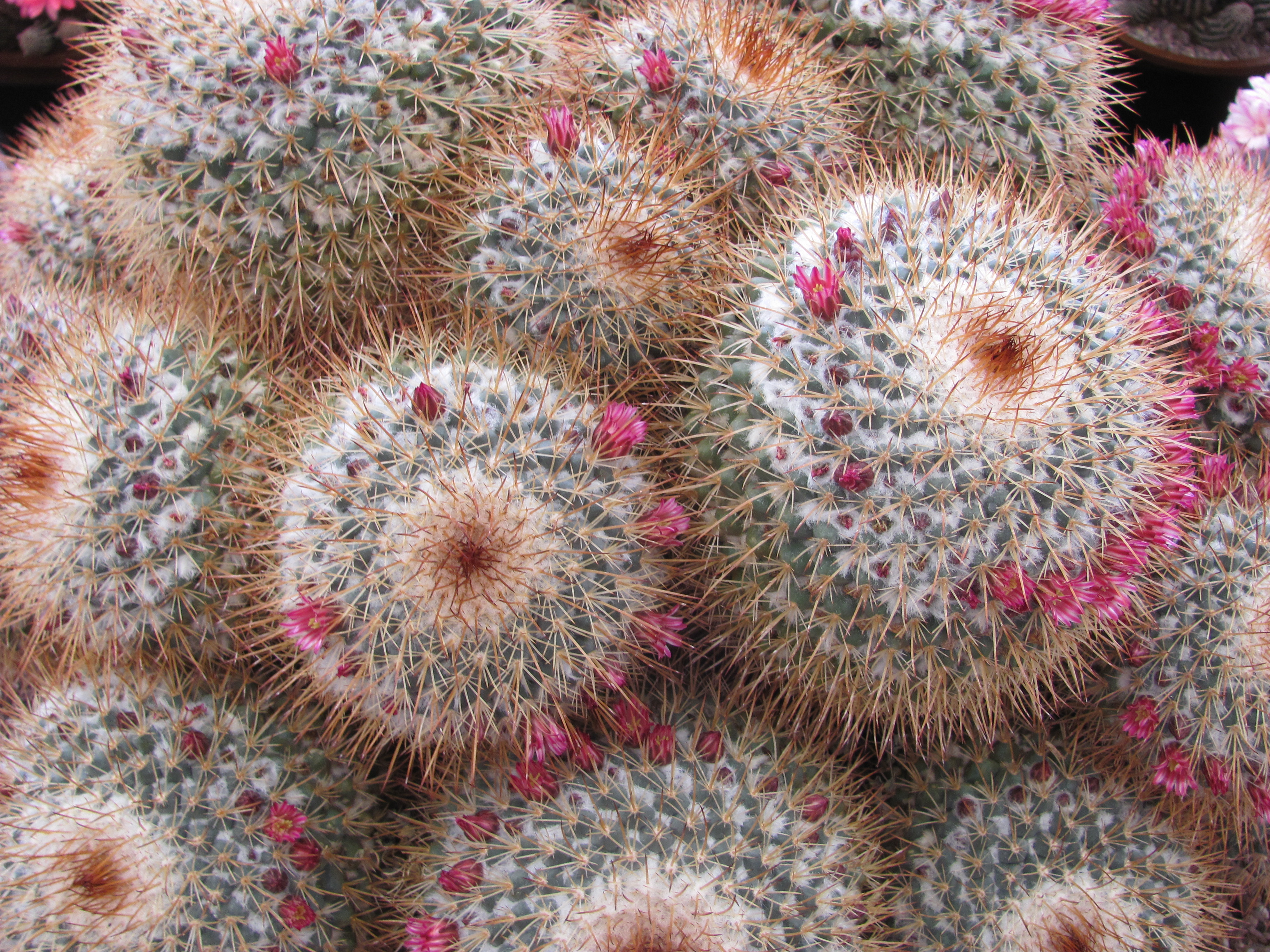


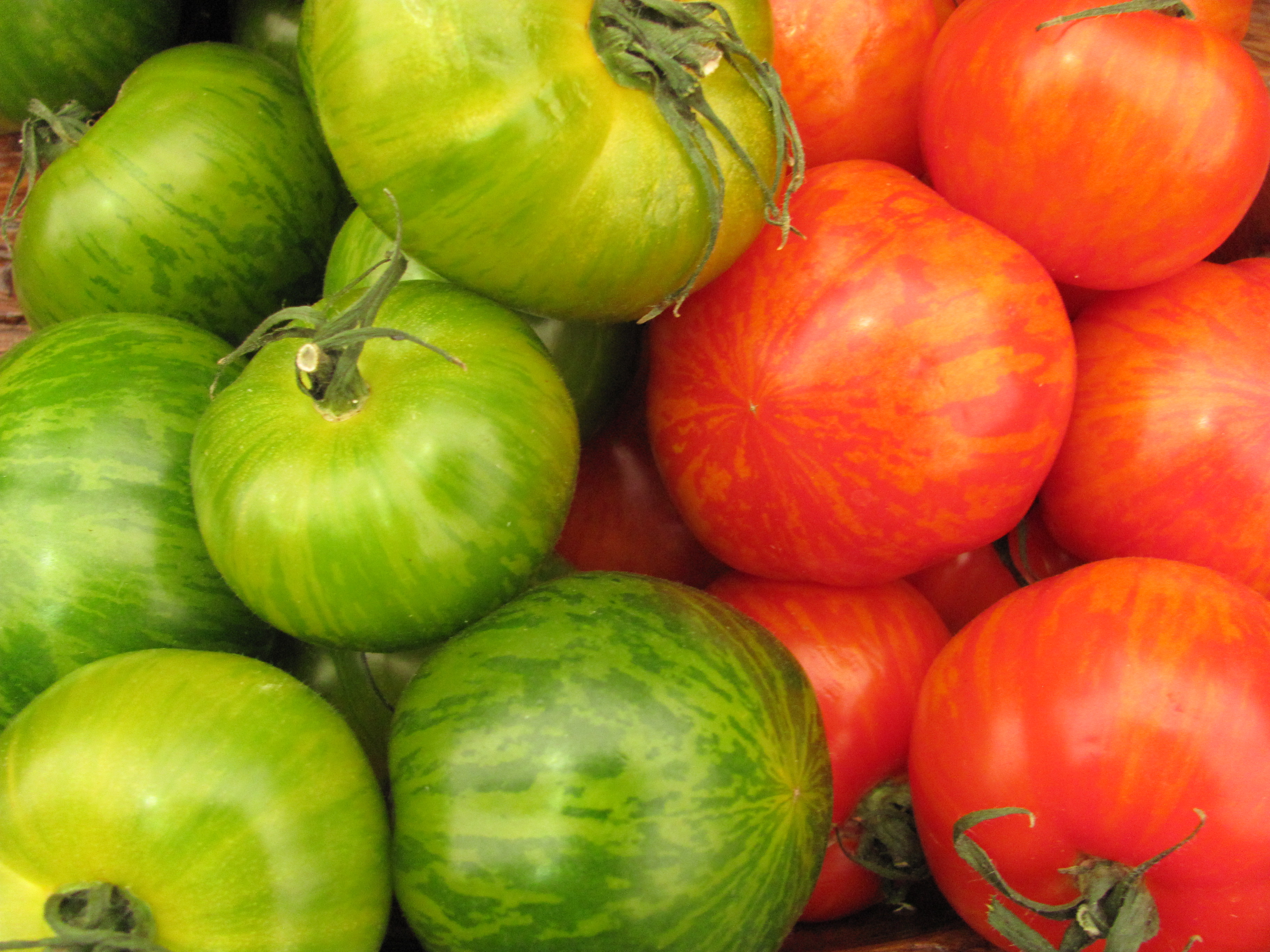

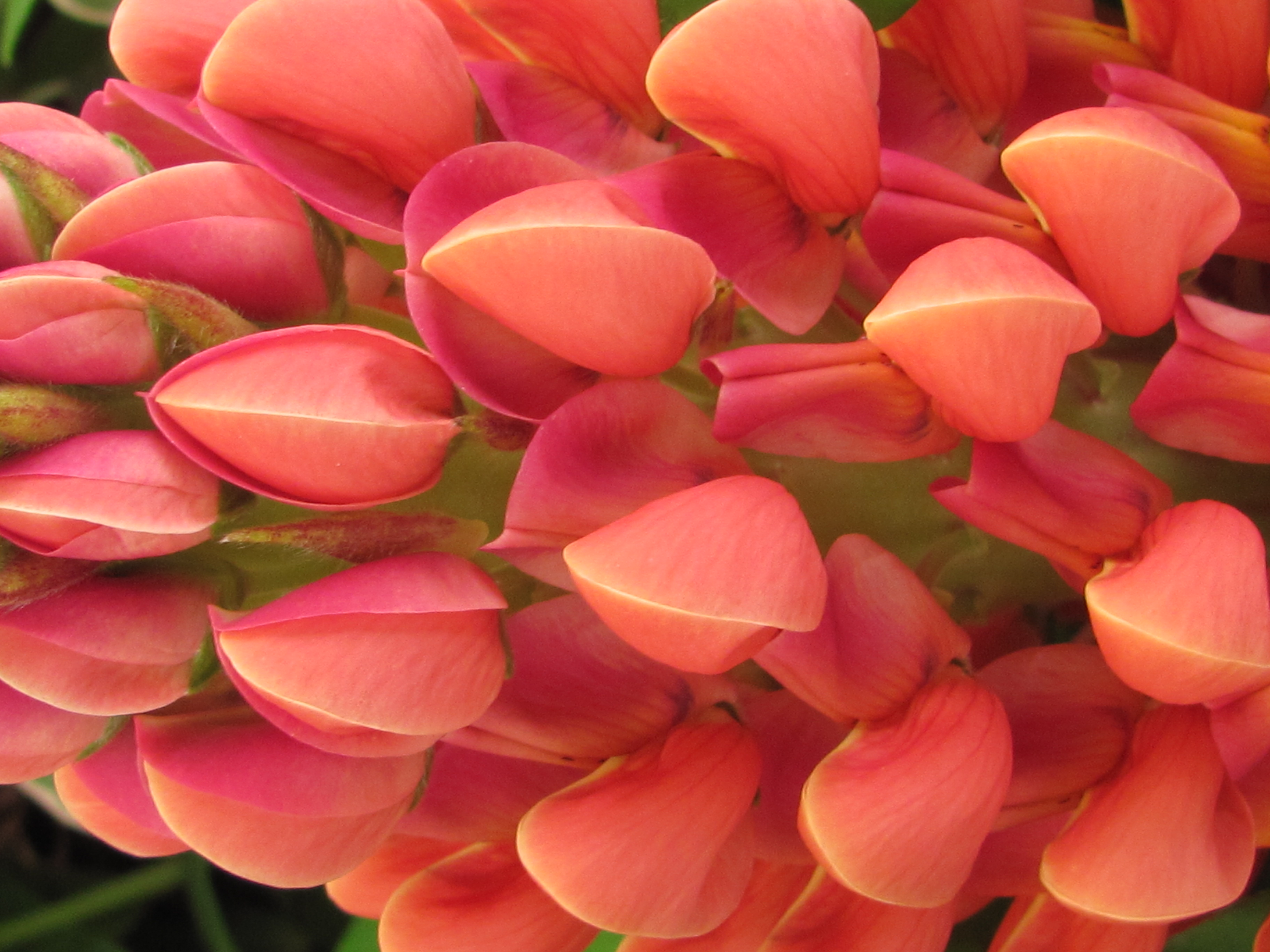
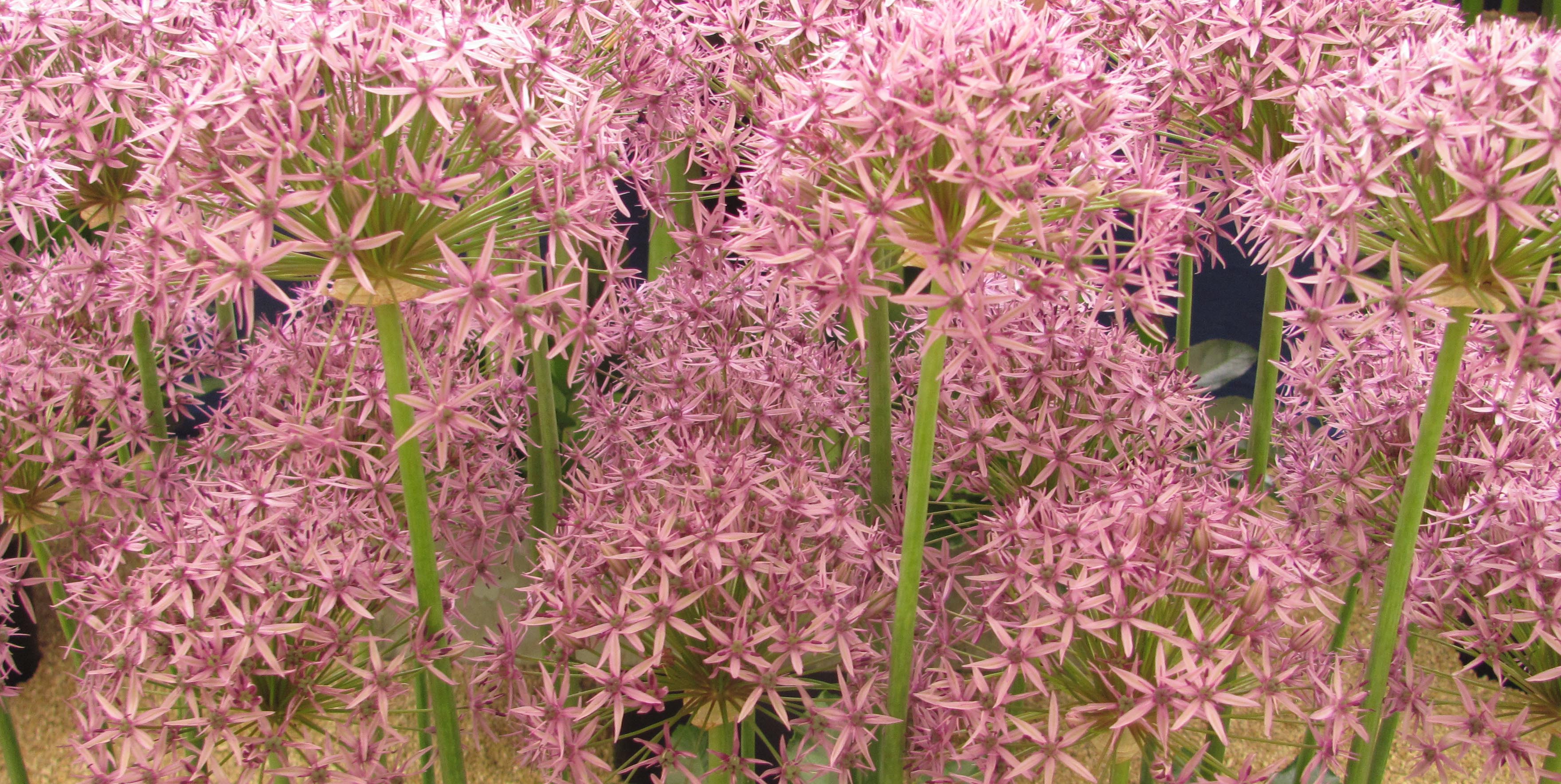

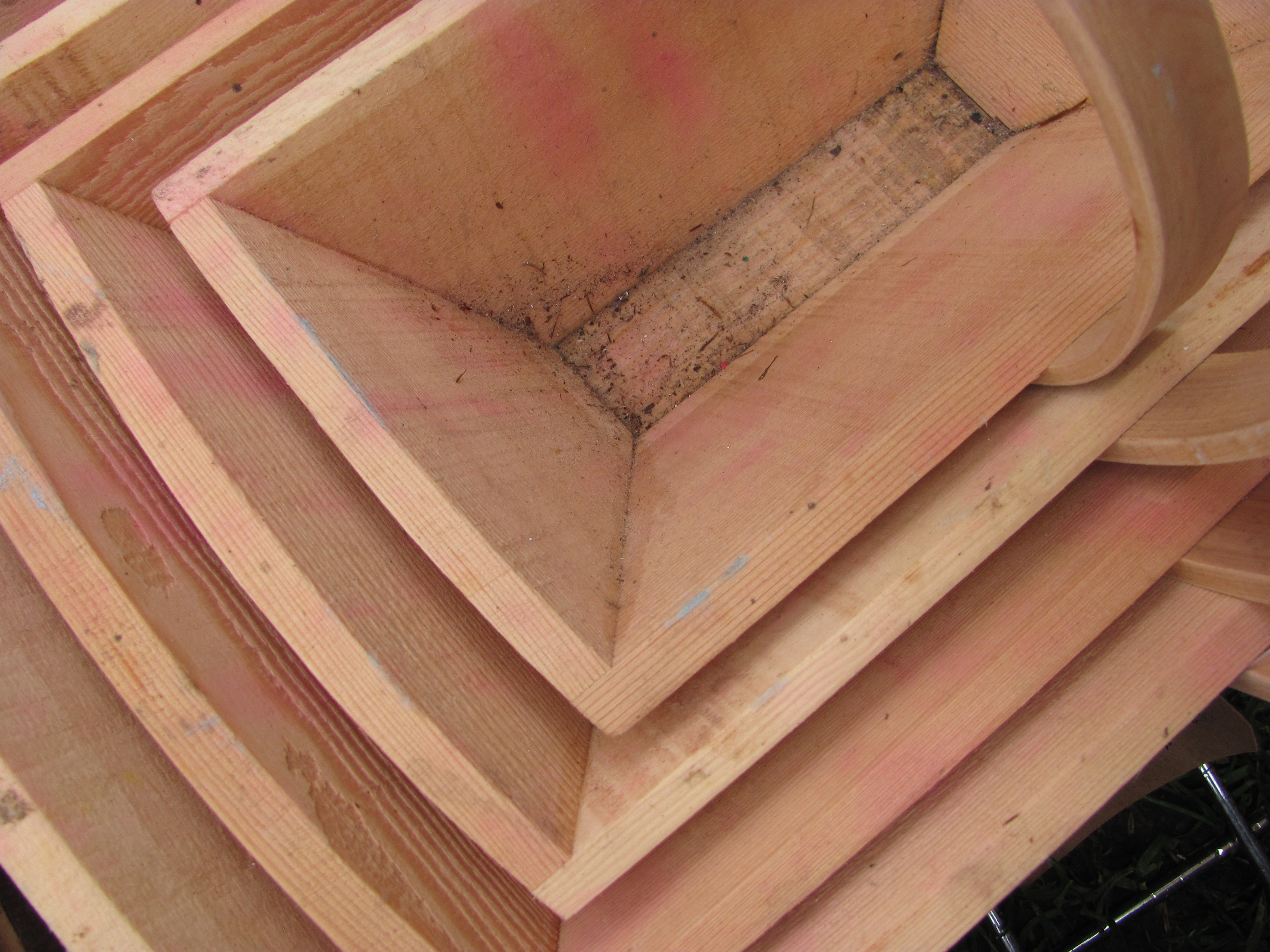
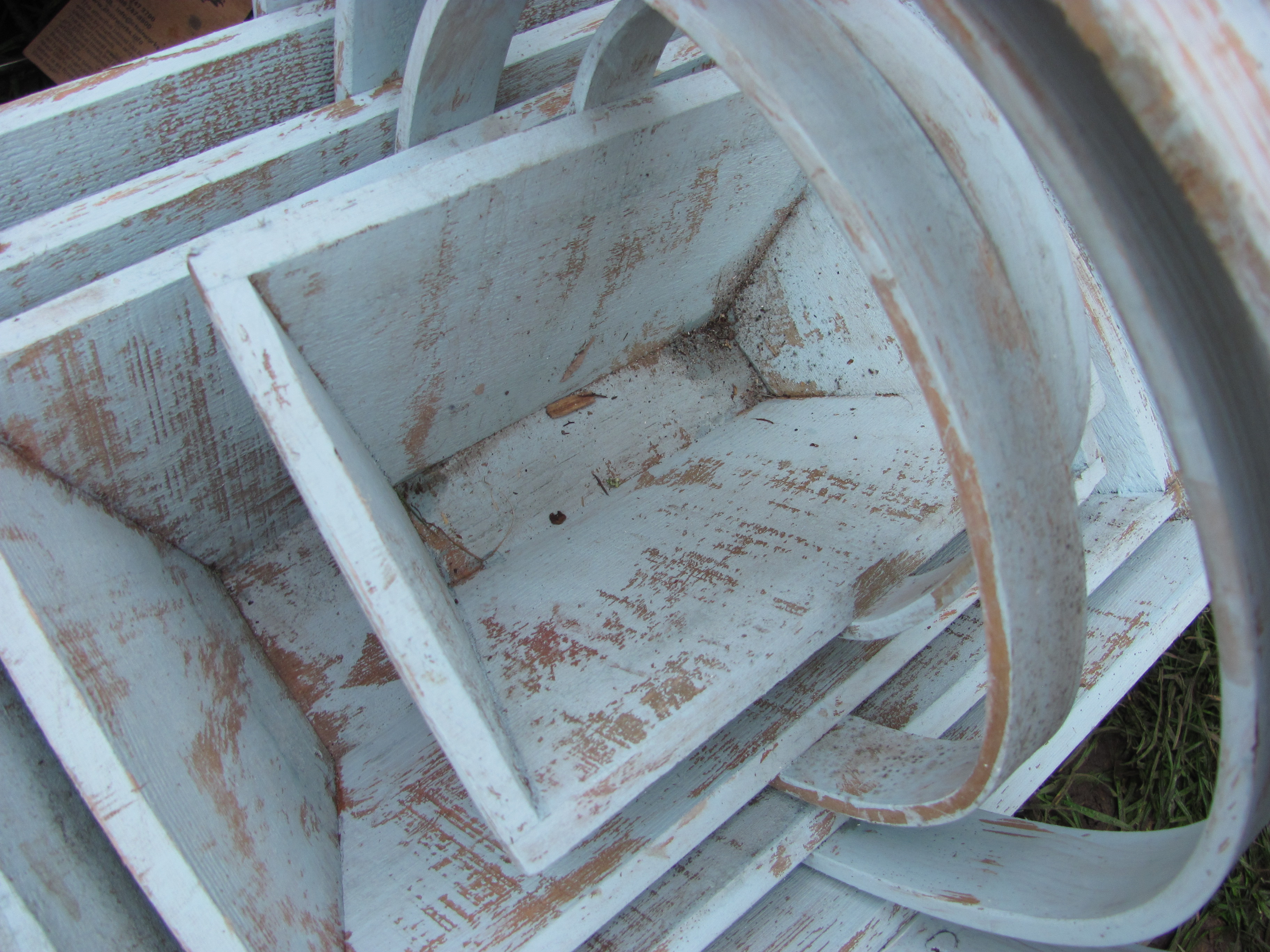
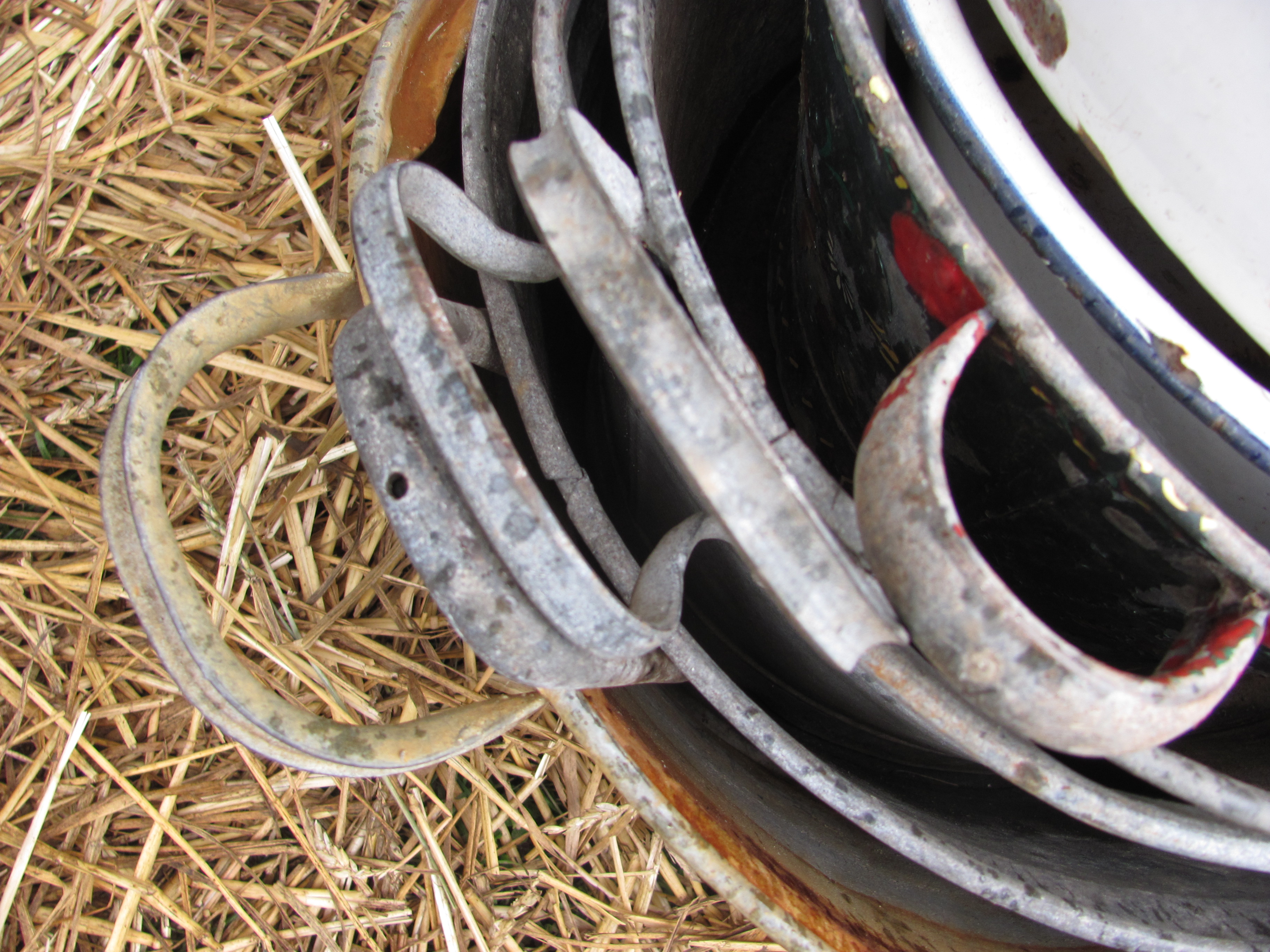

For our second blog about the Malvern Spring Gardening Show we shall explore the plants in the Floral Marquee and the gardening sundries in the trade stands looking for patterns to photograph.

A week into May the rain stopped, the temperature rose a little and the skies cleared, bird song increased in volume and in response the garden had a burst of growth. Fledgling Robins, although only hours out of the nest began to follow us around the garden as we worked as if they had an inbuilt knowledge of the link between gardeners and Robin food.
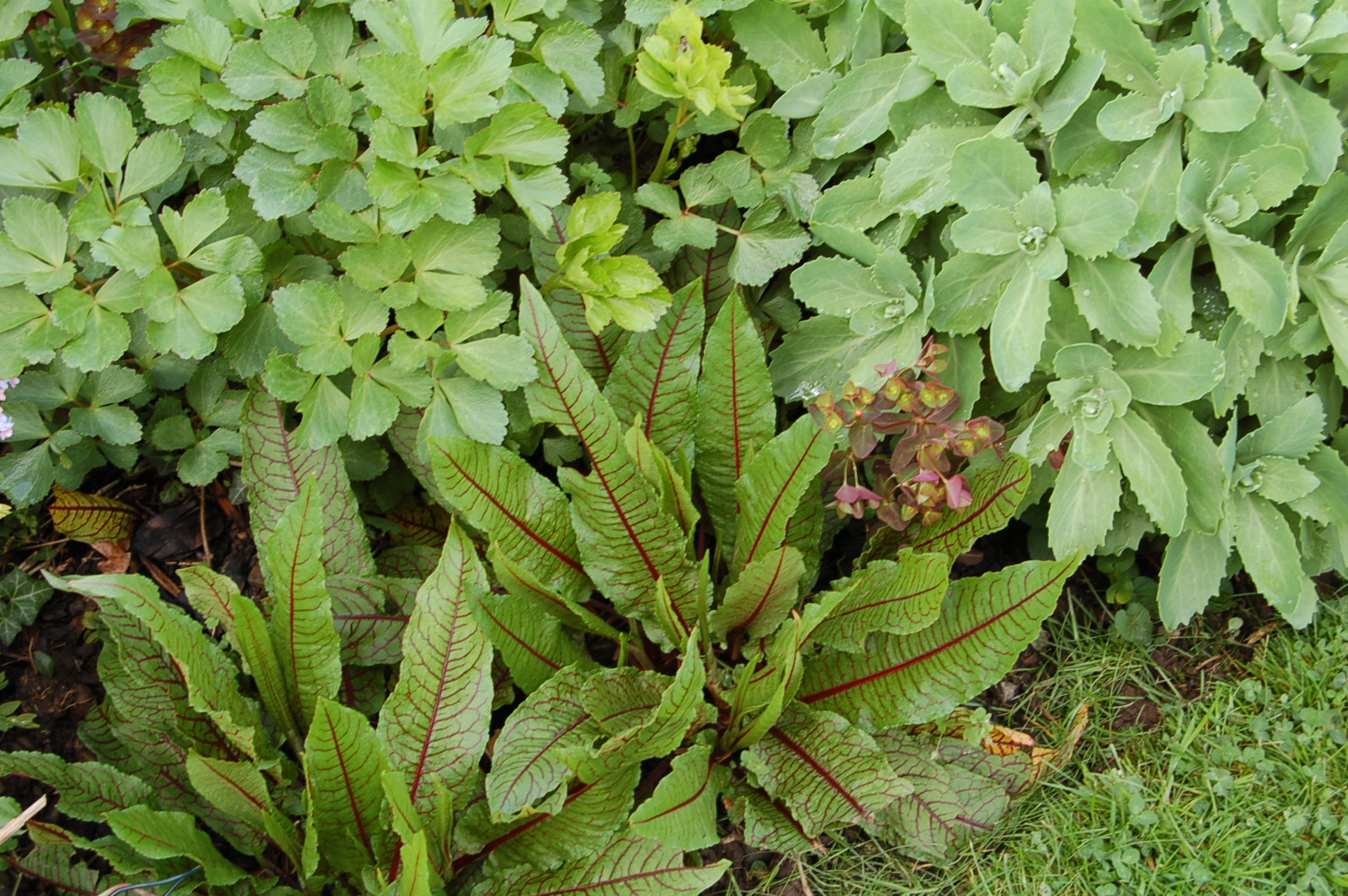
Leaf buds on trees and shrubs started to unfurl and herbaceous plants looked greener and fresher with the new leafy growth. Flower buds fattened ready to open in the next few days.


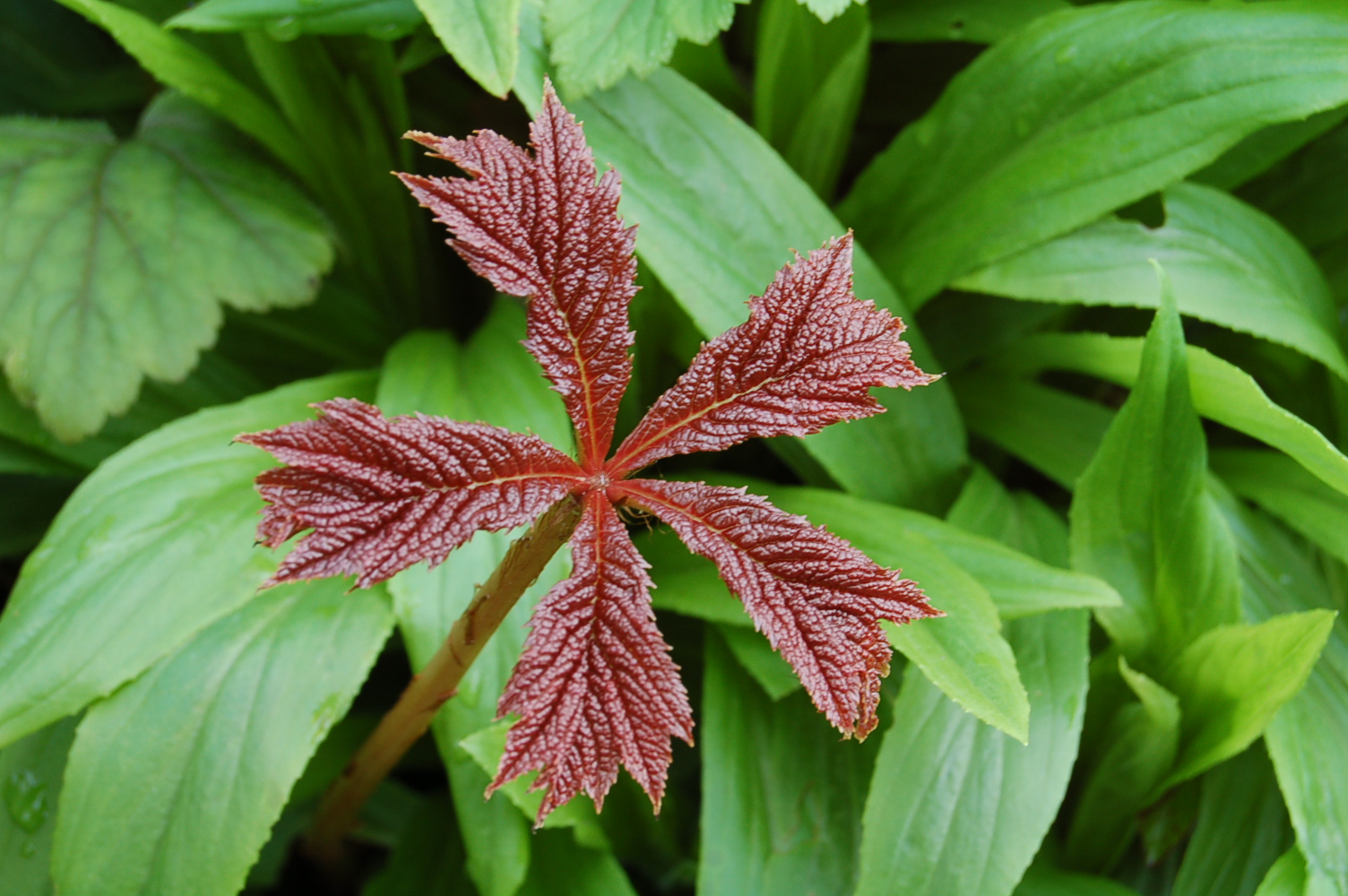


The surge of growth will hopefully allow Mother Nature to catch up a little. The rose bushes are often clothed in fat buds a few of which burst before the end of the month, but at the moment their leaves are still not fully out. Similarly the flowers of the Cercis are usually out now flowering on the bare stems and trunk but their buds are tight shut while the foliage is bursting into life.
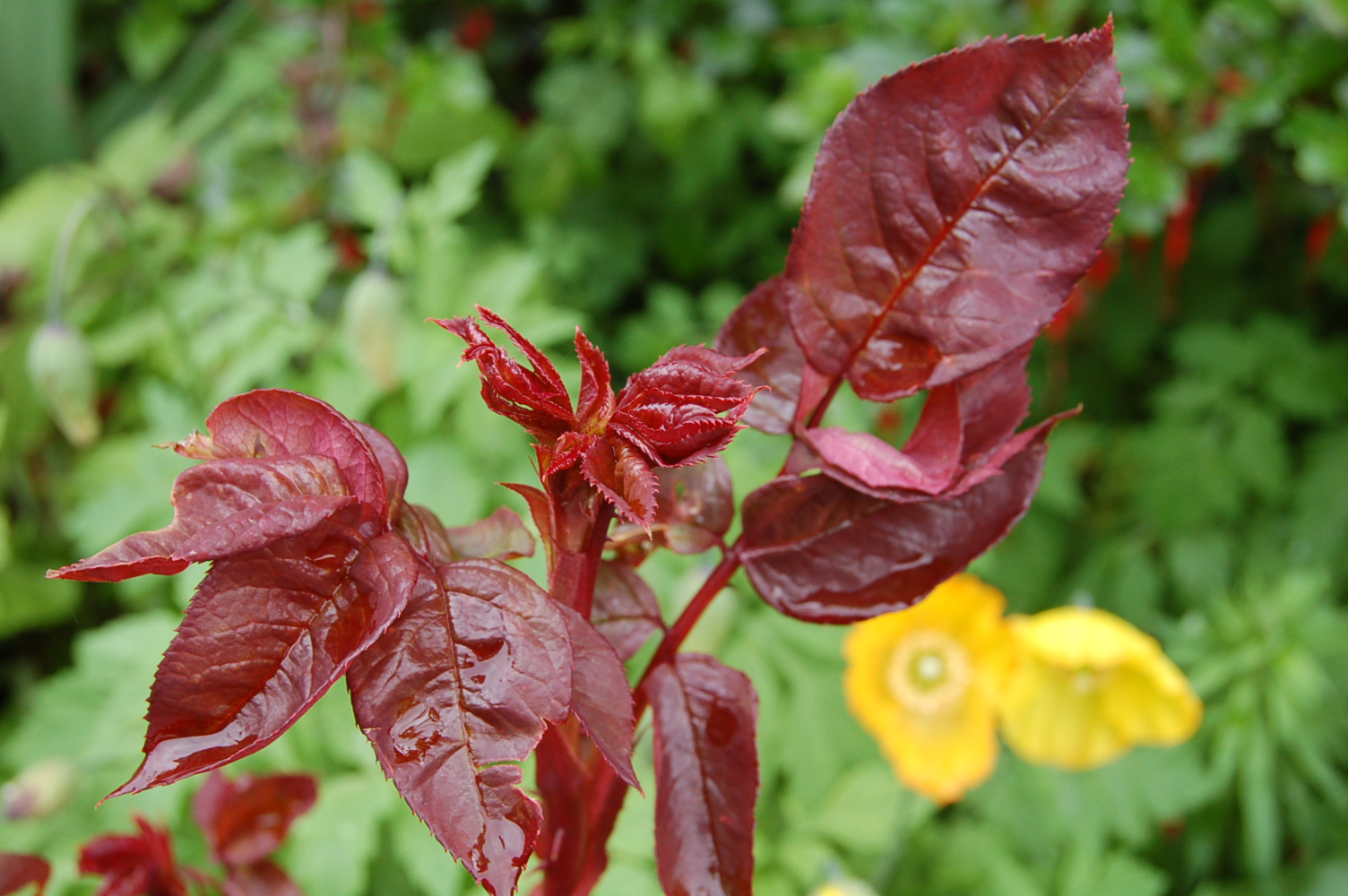

Our fruit trees do not want to miss the fun – their leaf and blossom buds burst into life.

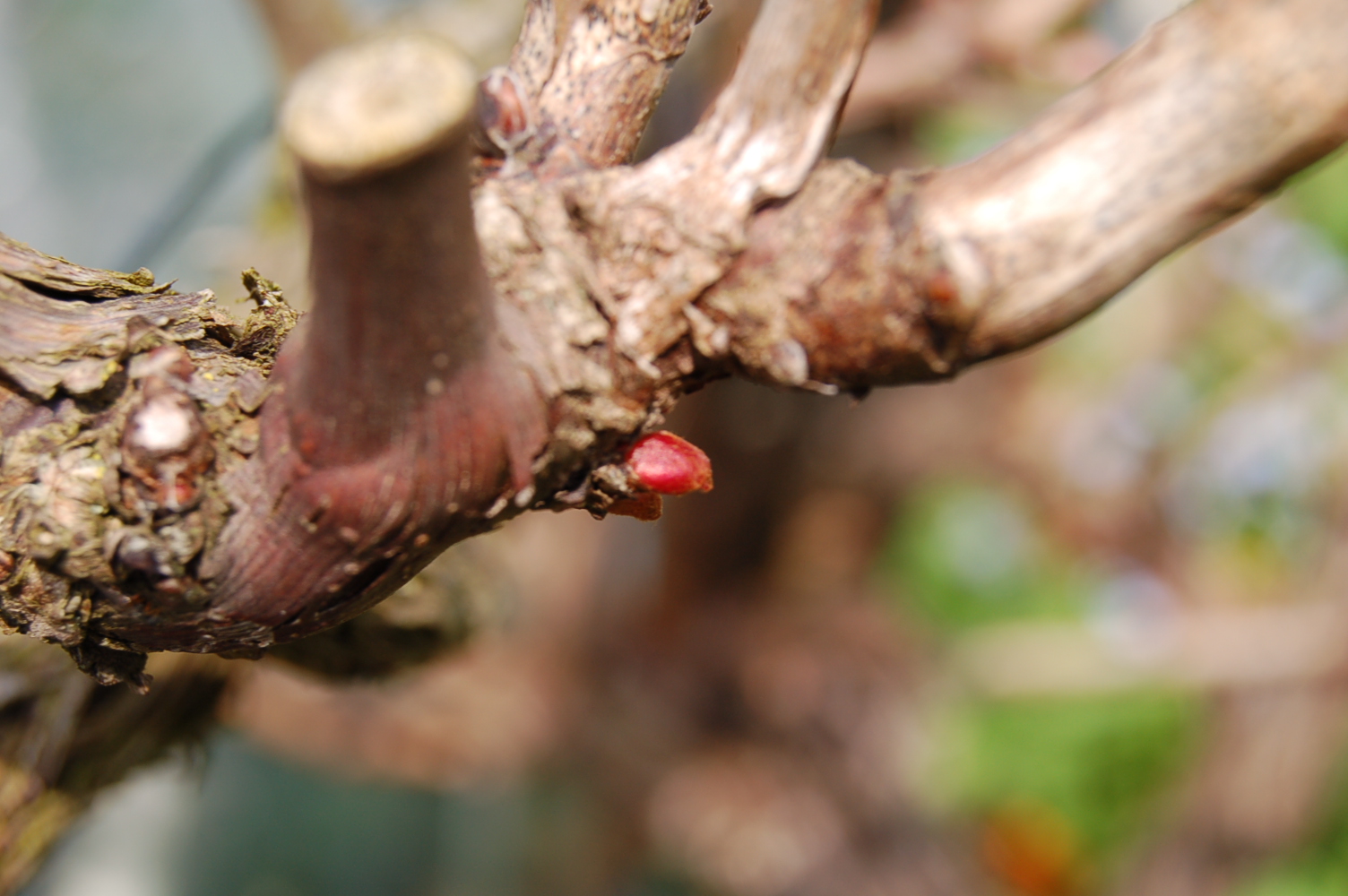
Flower buds are bursting – they do not want to be left out!
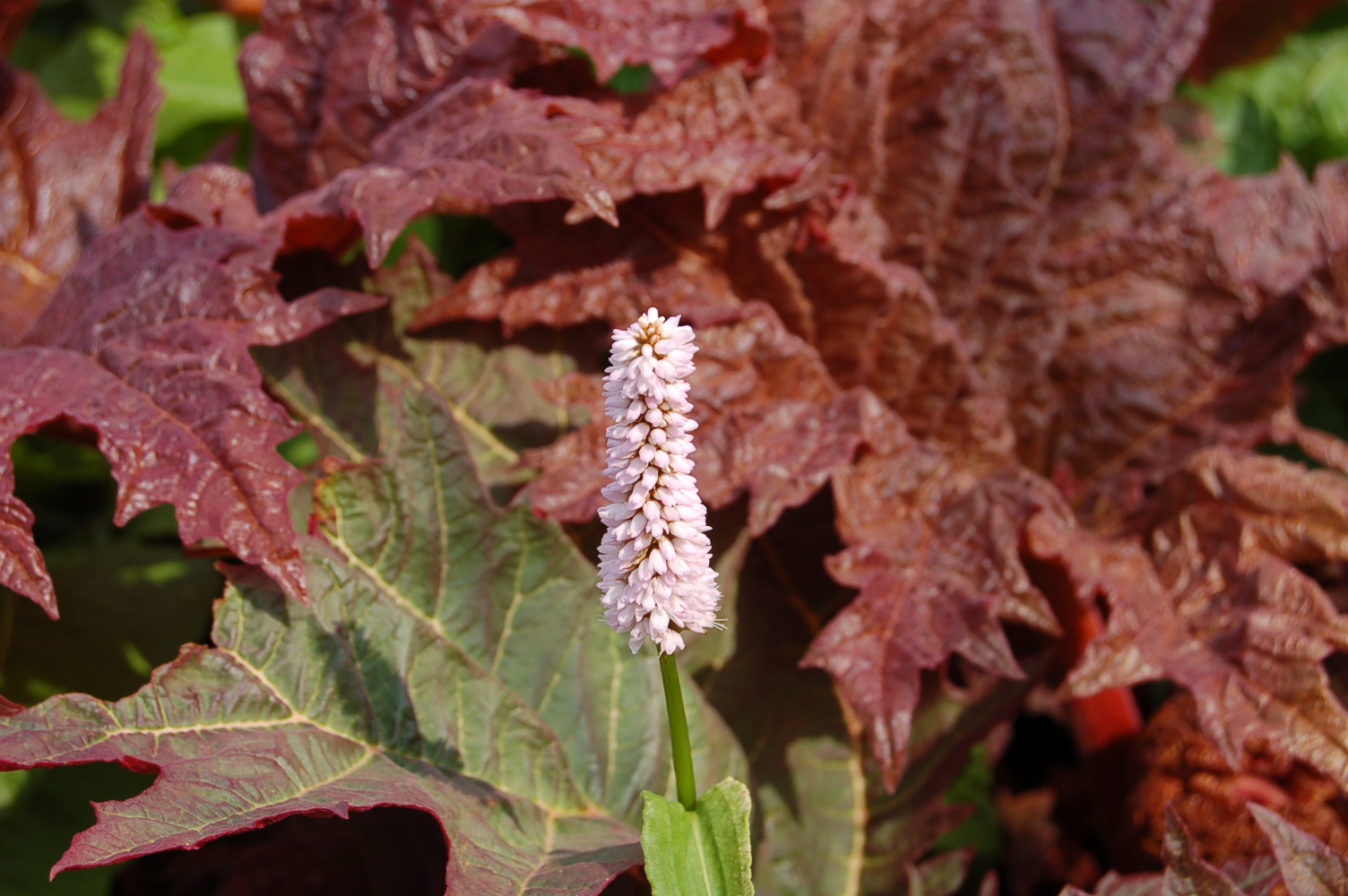


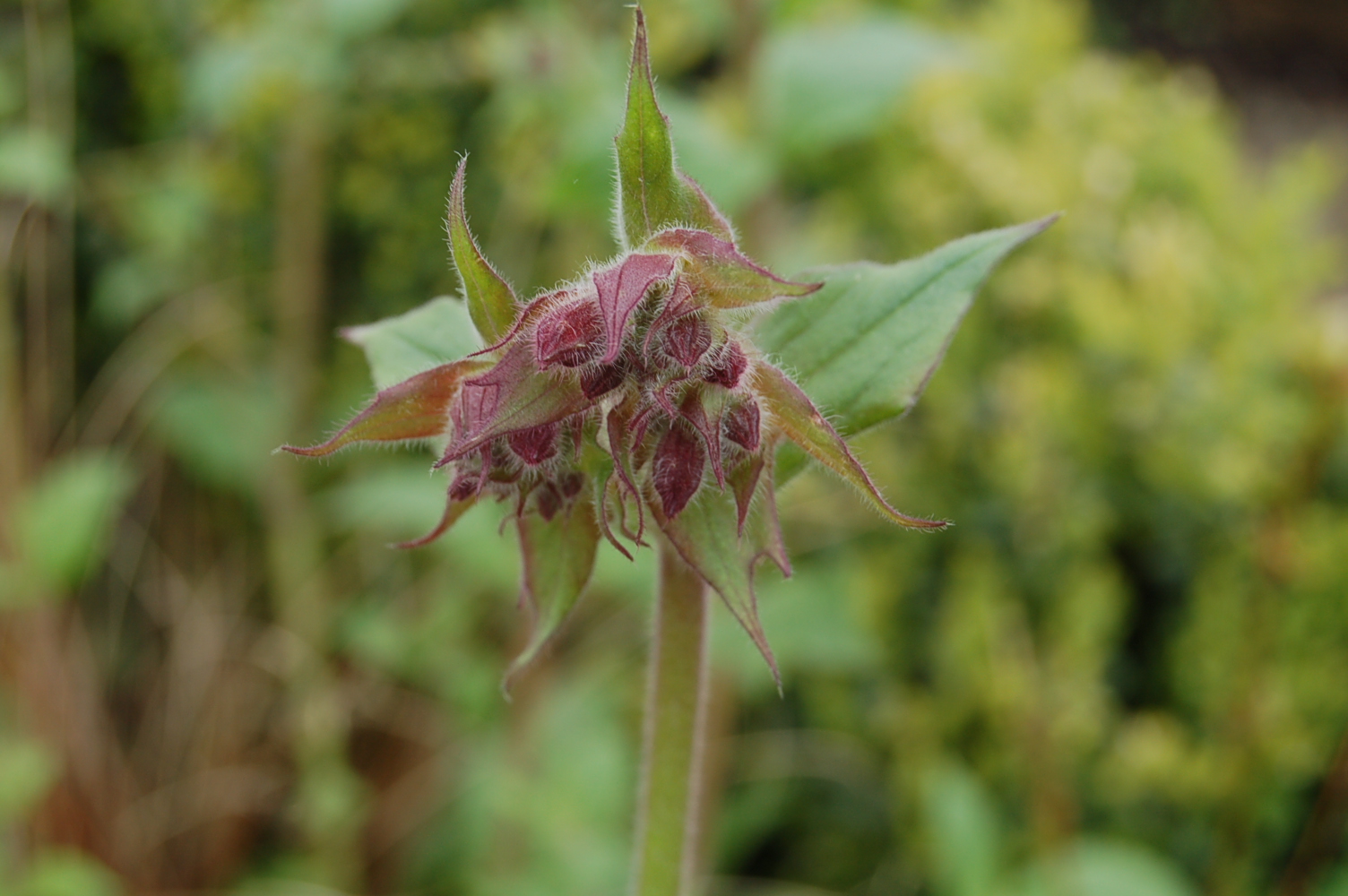
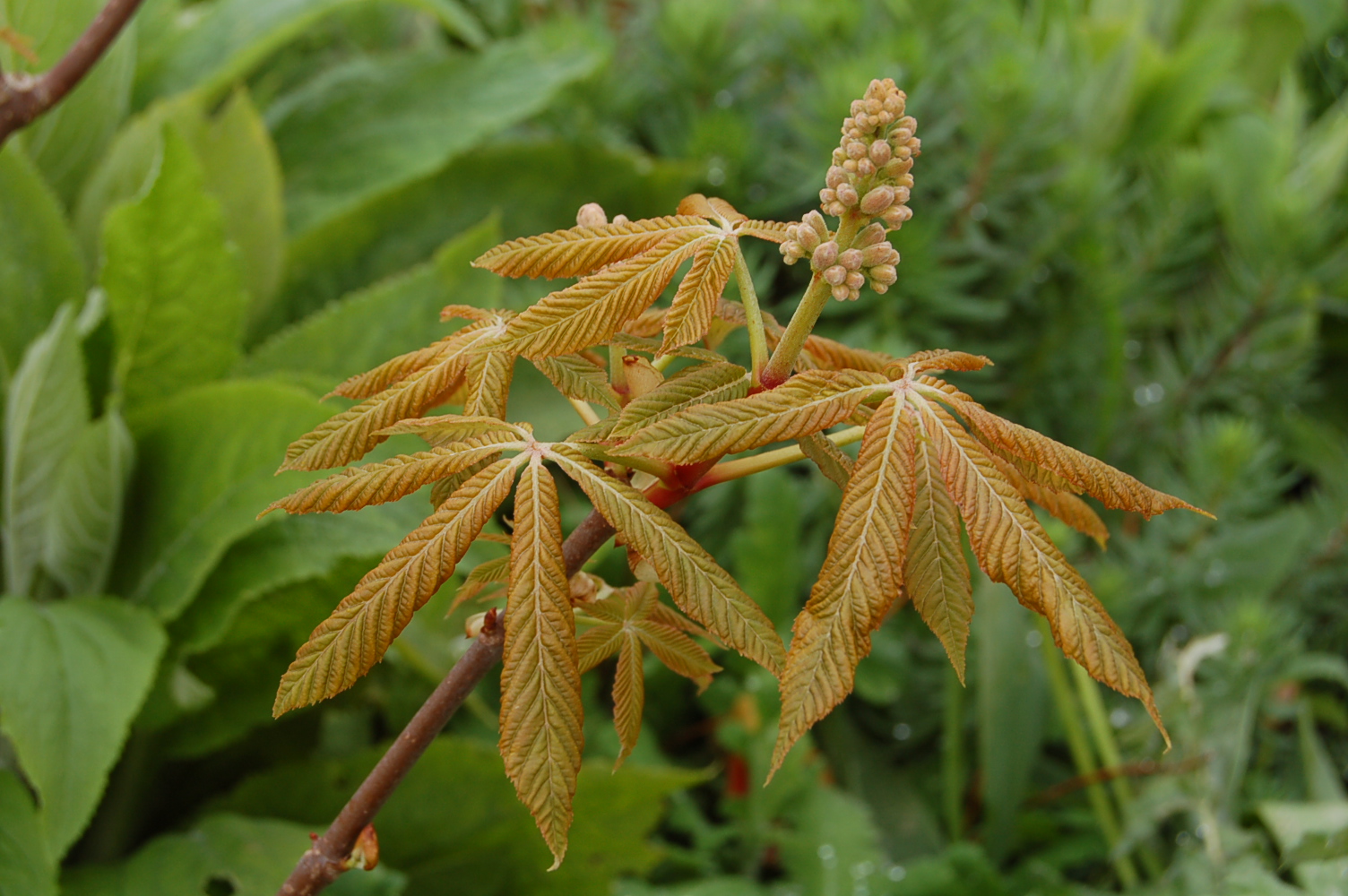
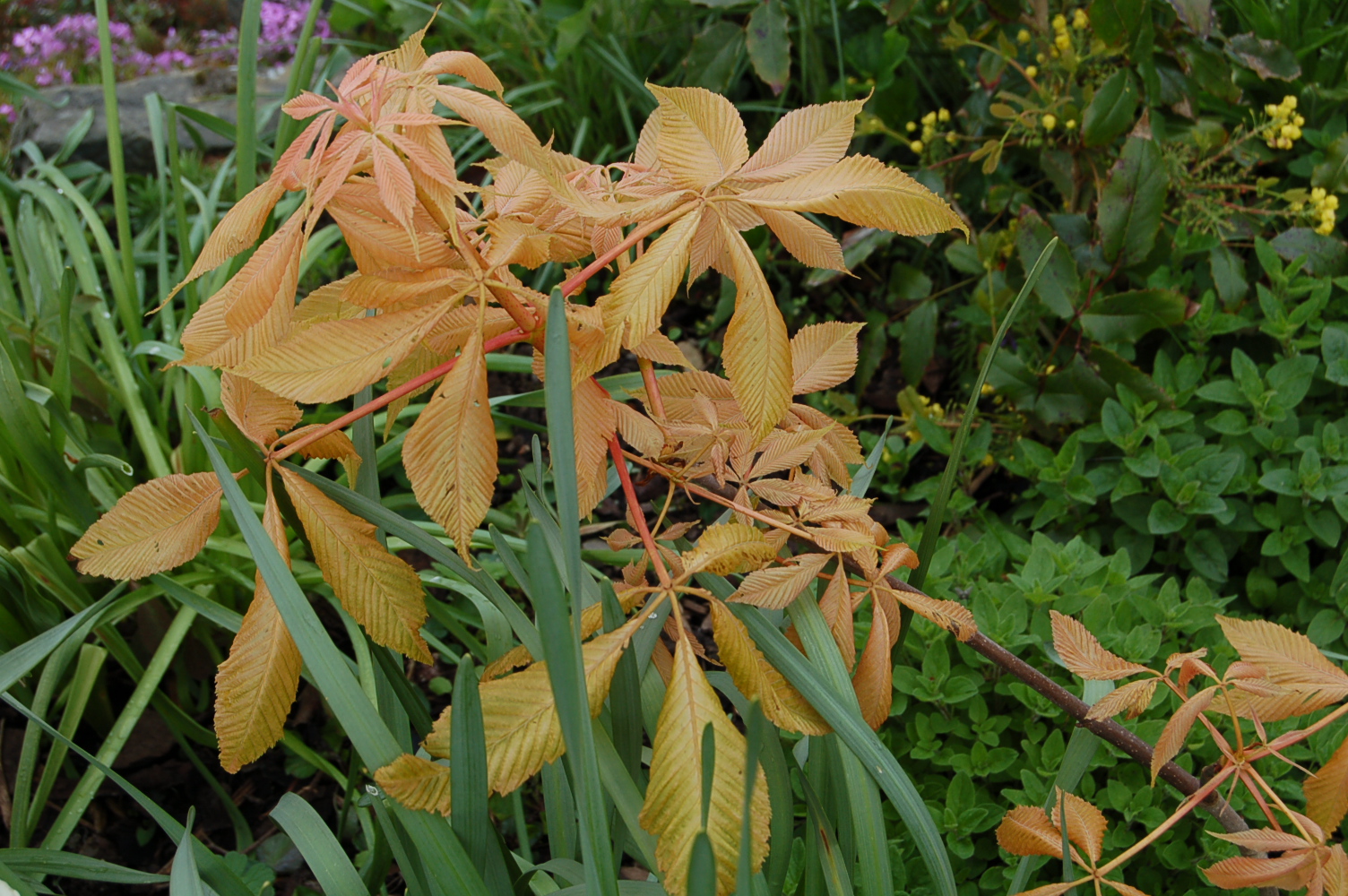
The most unusual coloured new buds appear on our two miniature Horse Chestnuts.
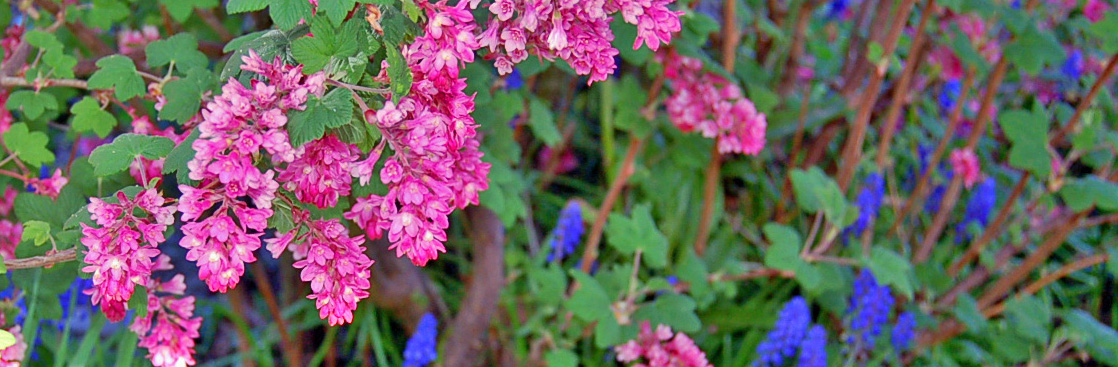
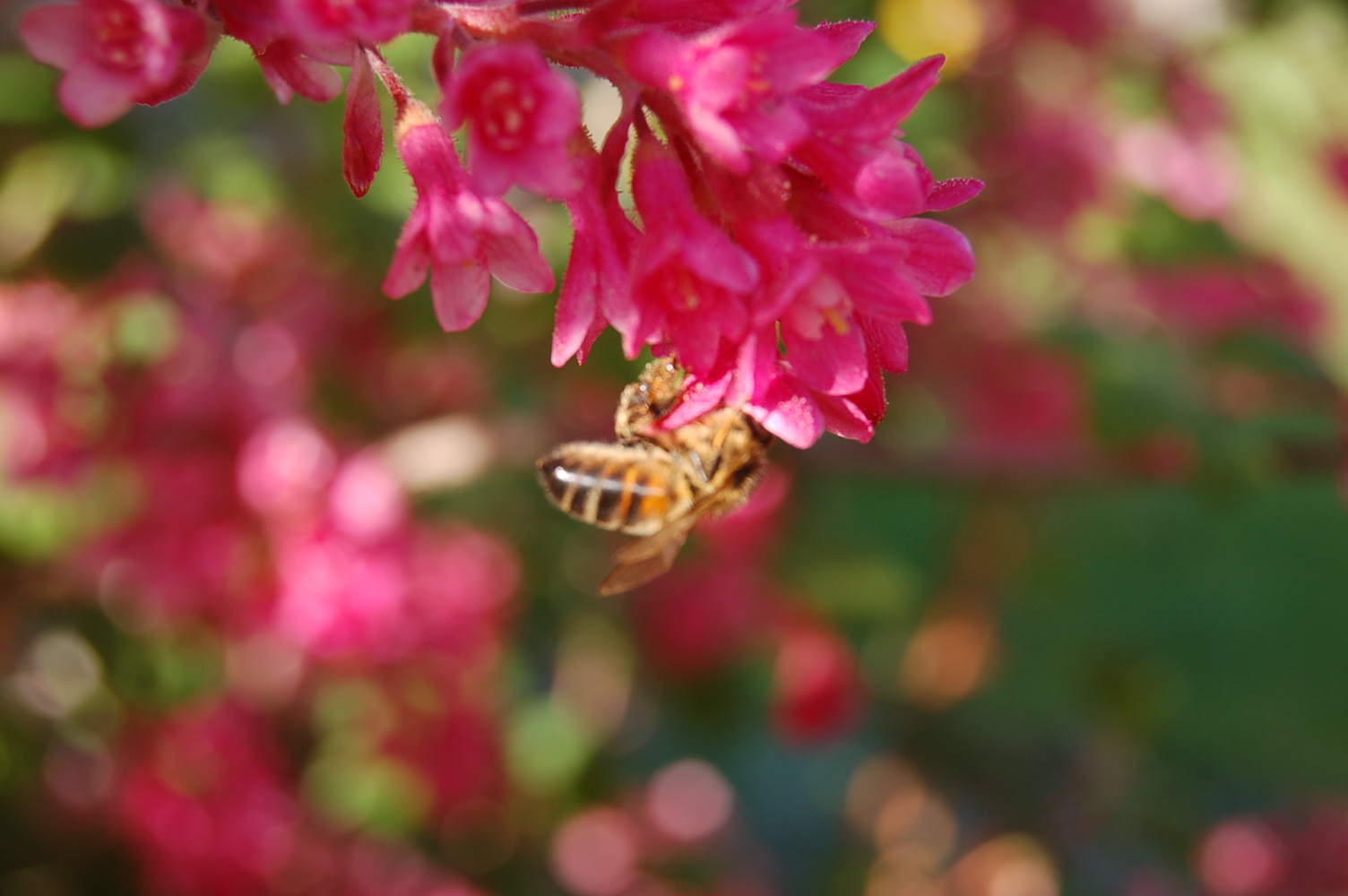
In each of our four gardens that we have developed we have grown the commonest of flowering currants, Ribes sanguinium (above) but here in our garden at Plealey we are also growing two other less common ones.
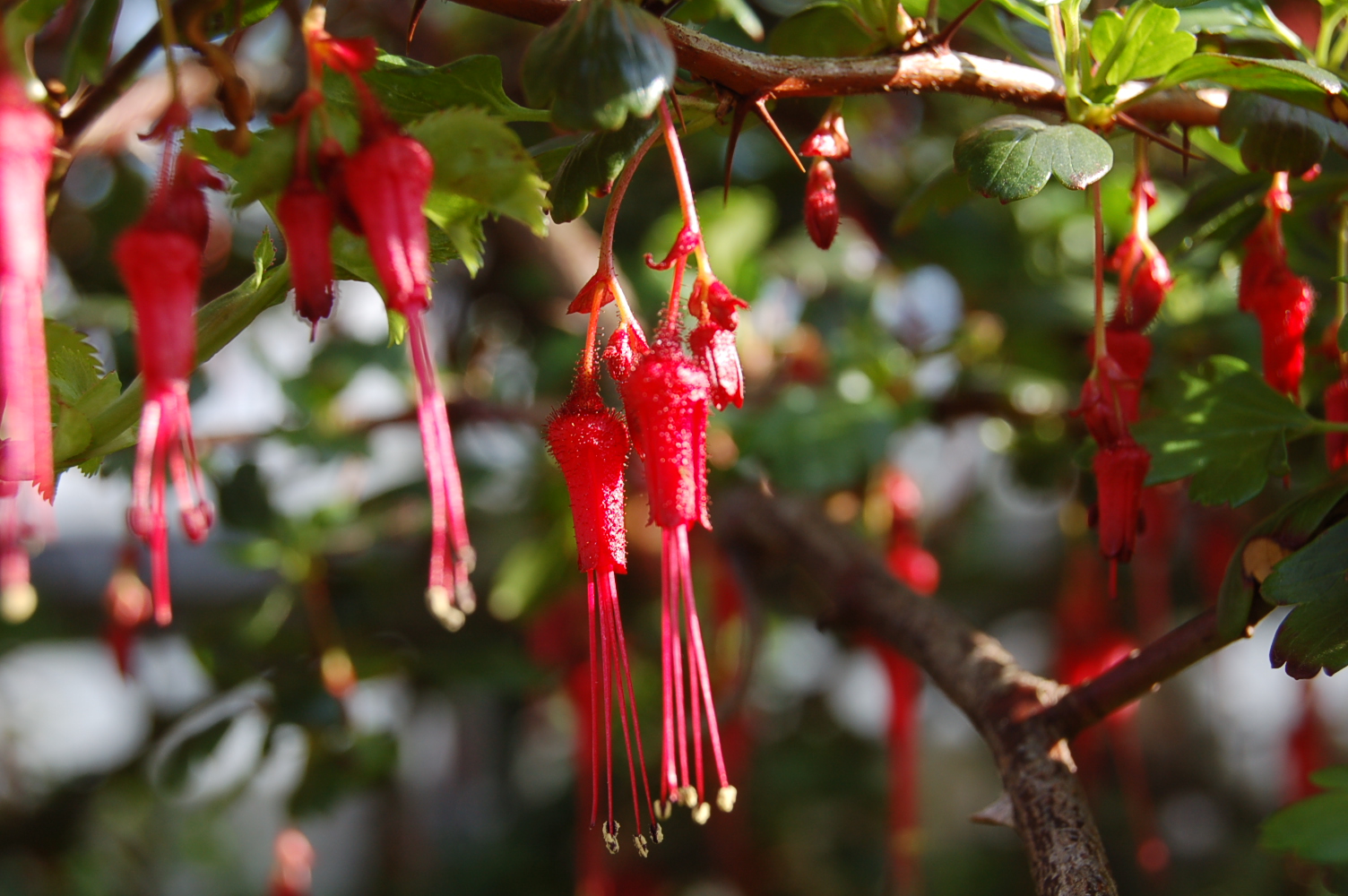
The photo below shows our specimen of the “Fuchsia-flowered Currant”, Ribes speciosum, which we grow in a sheltered spot against the greenhouse as it is supposed to be tender around here. The spiny arching stems grow up tall reaching the top the the greenhouse and peering over. Its new young branches start off a deep rusty red colour and are absolutely covered with bristly spines. Its flowers are like long fuschias in a rich deep red with long red stamens protuding. These flowers seem to be around in varying numbers just about all year. It is a true beauty!

When we bought ours from a tiny nursery hidden away in Herefordshire we didn’t know what it was when we saw it growing on the side of an outbuilding. The nurseryman told us that most people asked if he sold any cuttings of his climbing fuschia. One look at the flowers below and you can immediately see why.
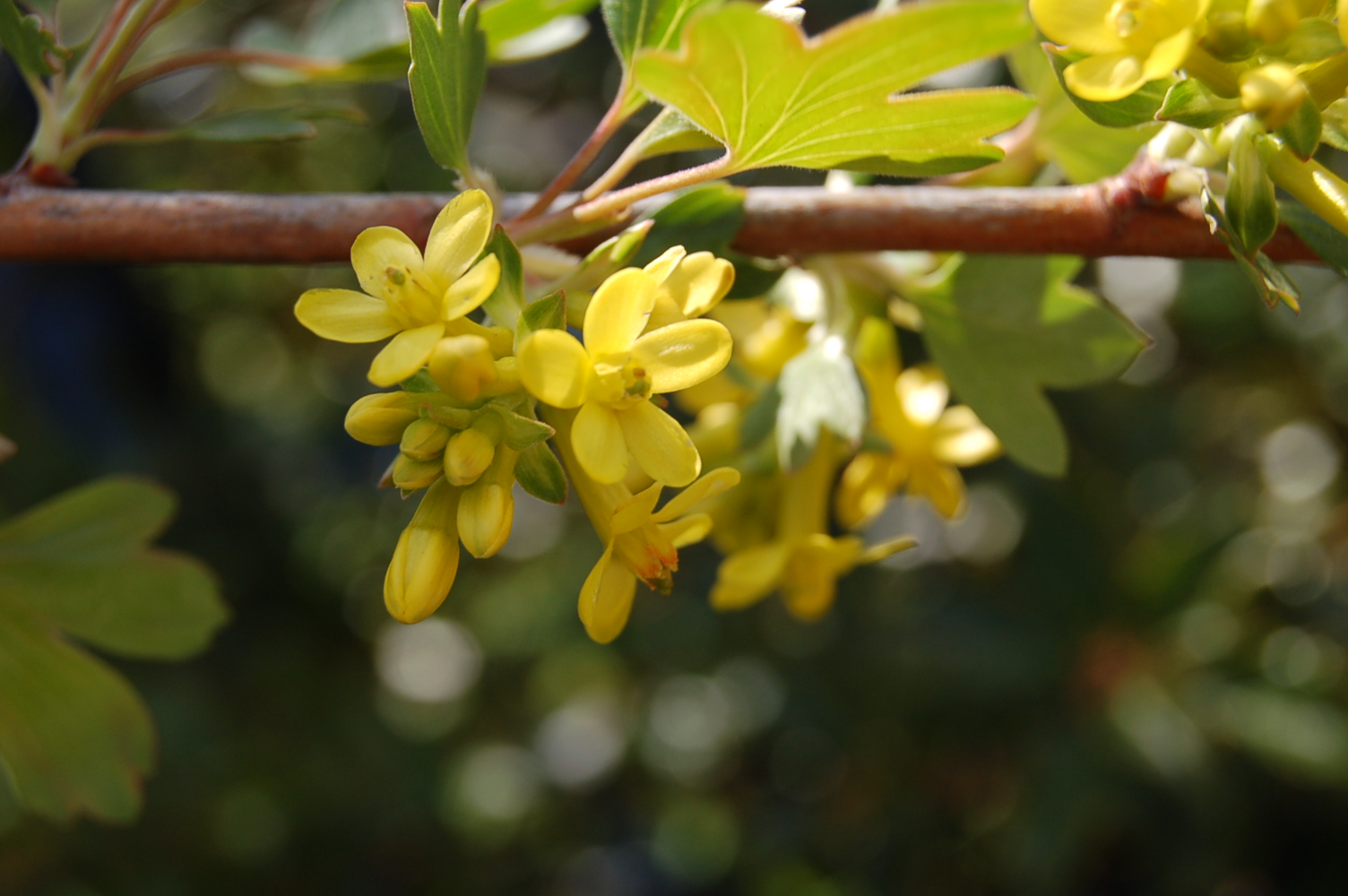
Our third currant is a yellow-flowered shrub called Ribes odorata, or the Buffalo Currant. Its lovely yellow racemes of flowers are gently scented, a much more pleasant scent than that of the more common Red Currant which smells of black currant leaves, although it has to be said that Jude the Undergardener claims it smells like cat pee! The brightness of the yellow flowers is emphasised by the fresh green of the foliage. In the autumn the leaves take on hints of red and purple.
One of the main resaons for growing flowering currants, in addition to their hanging racemes of flowers is their attraction to insects especially bees and hoverflies, early in the year.
Looking down on your garden gives you a chance to study the design and exposes any re-shaping of beds that is required. So we occasionally take photos from our upstairs windows. The photos of parts of our front garden in early spring show the design based on circles and flowing lines with grass reduced to a minimum to give a route which is soft underfoot.
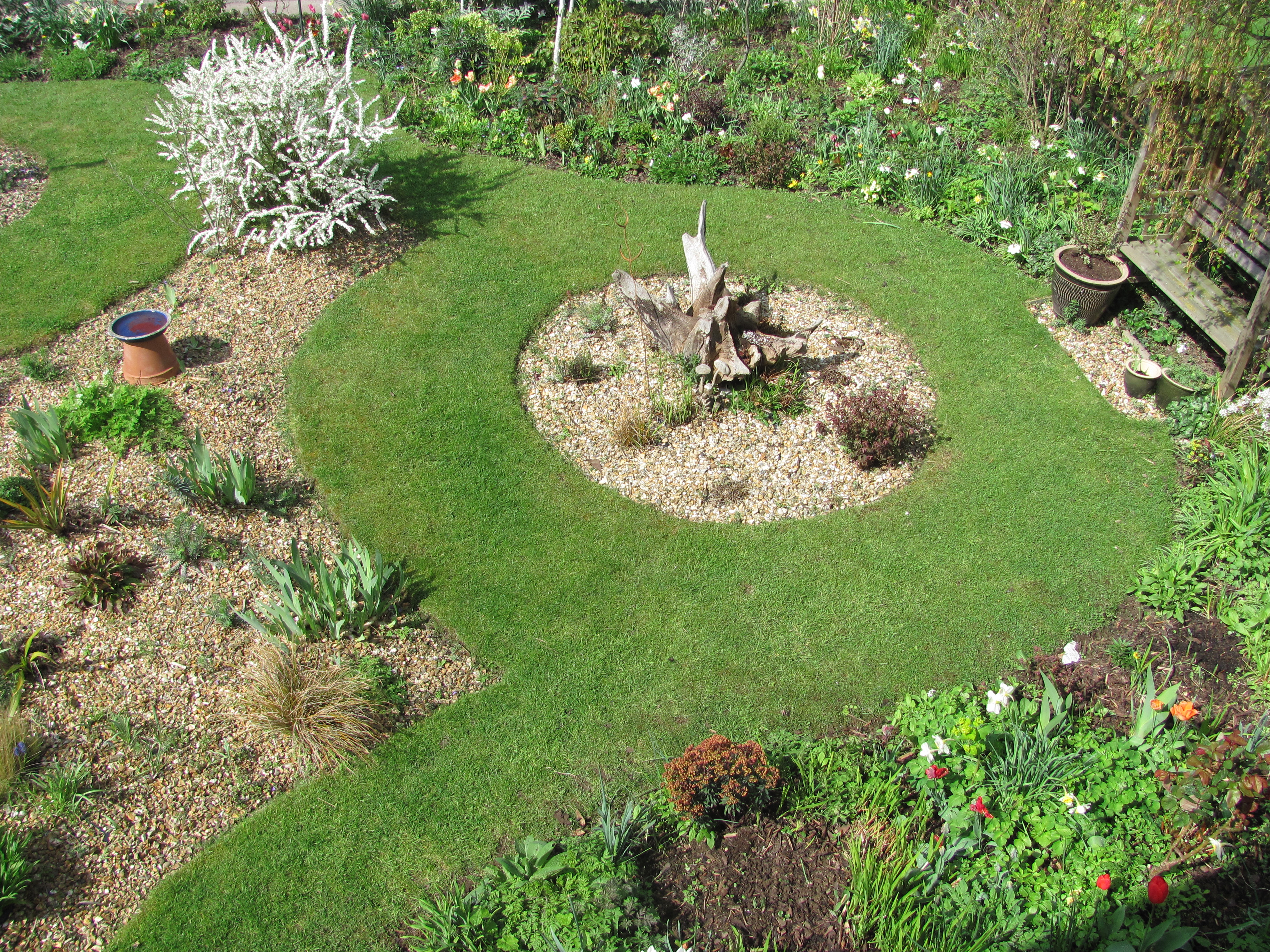
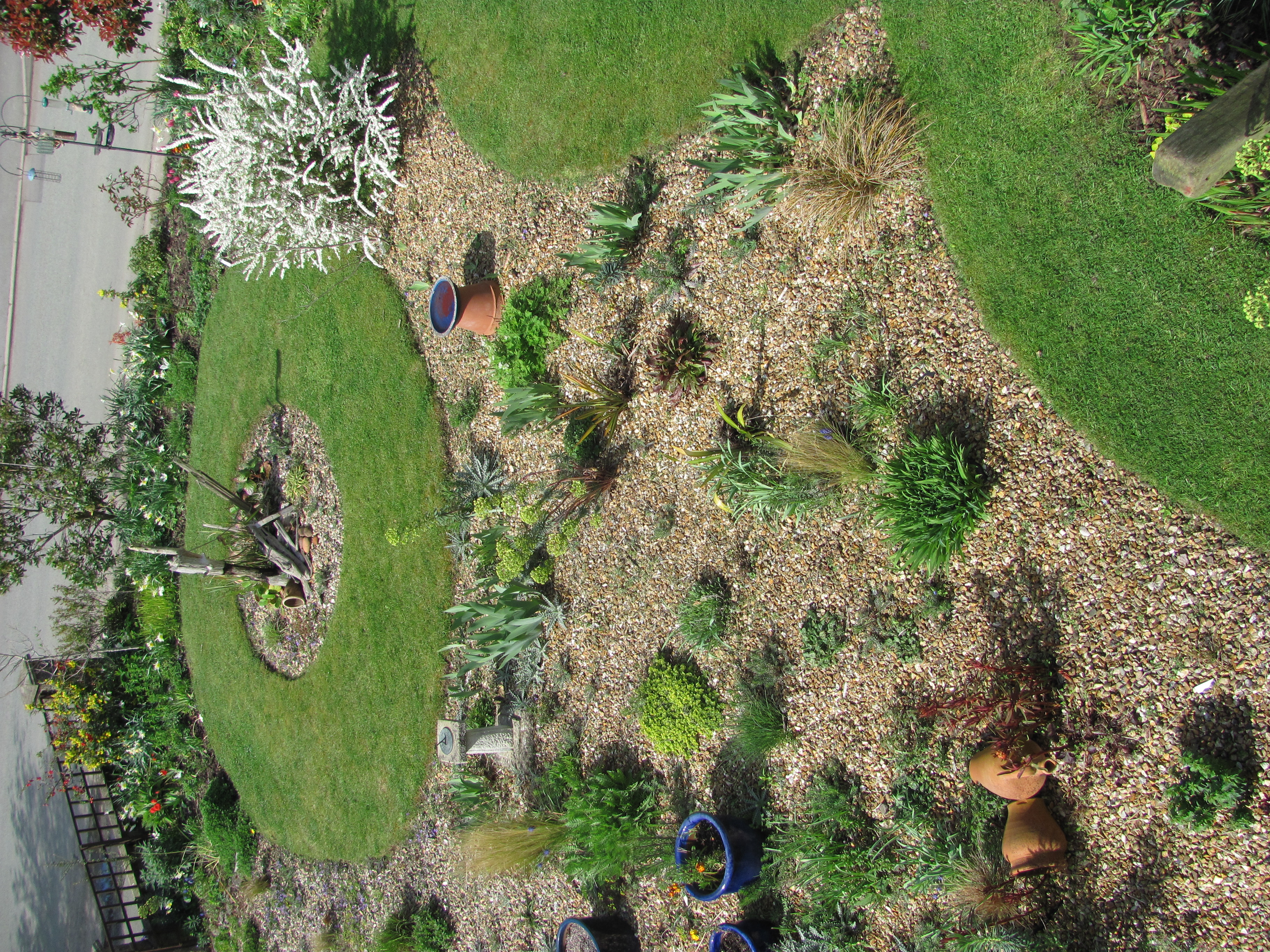

We shall take the same views in different seasons to see how effective the design is through the seasons.
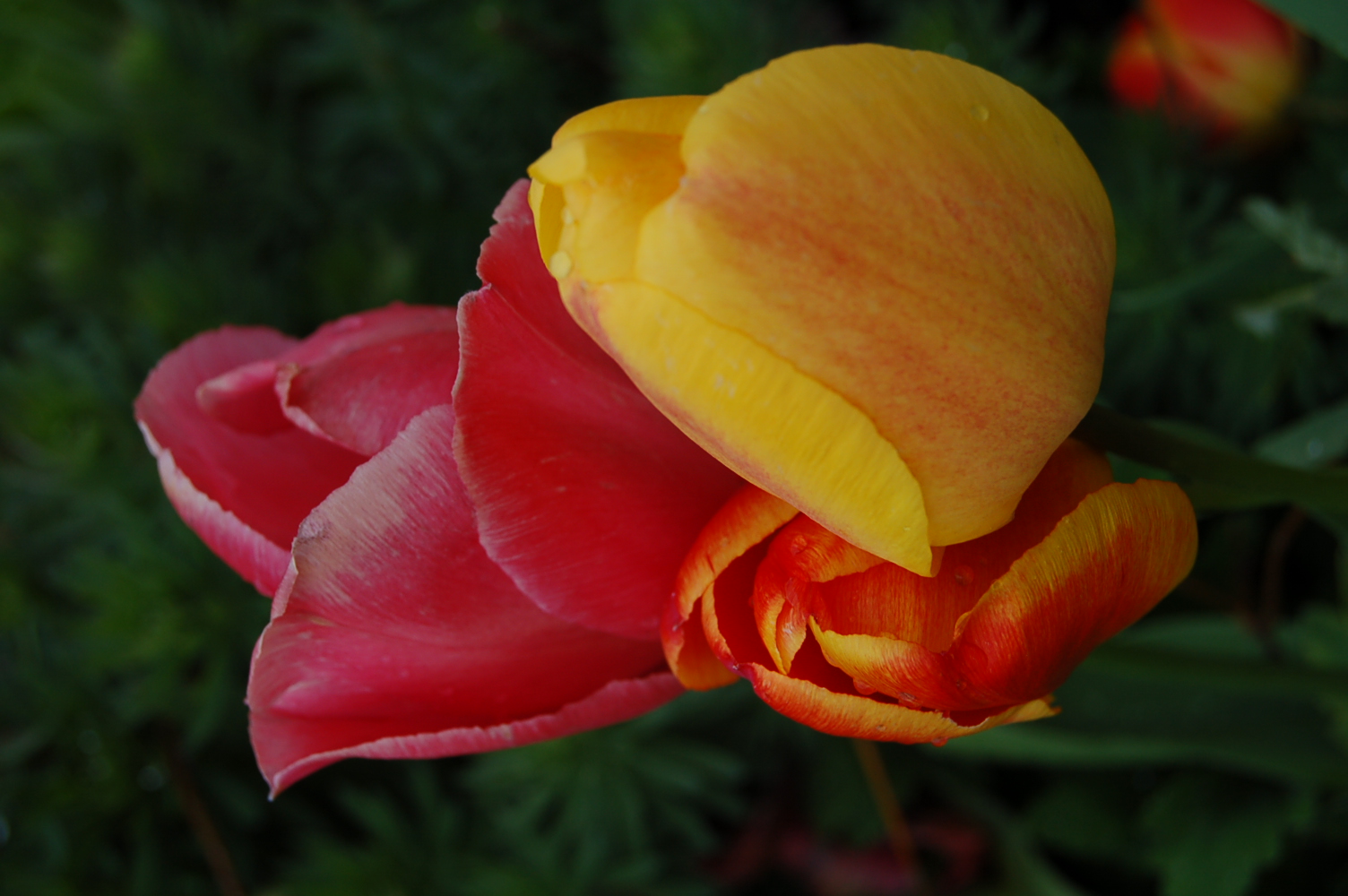
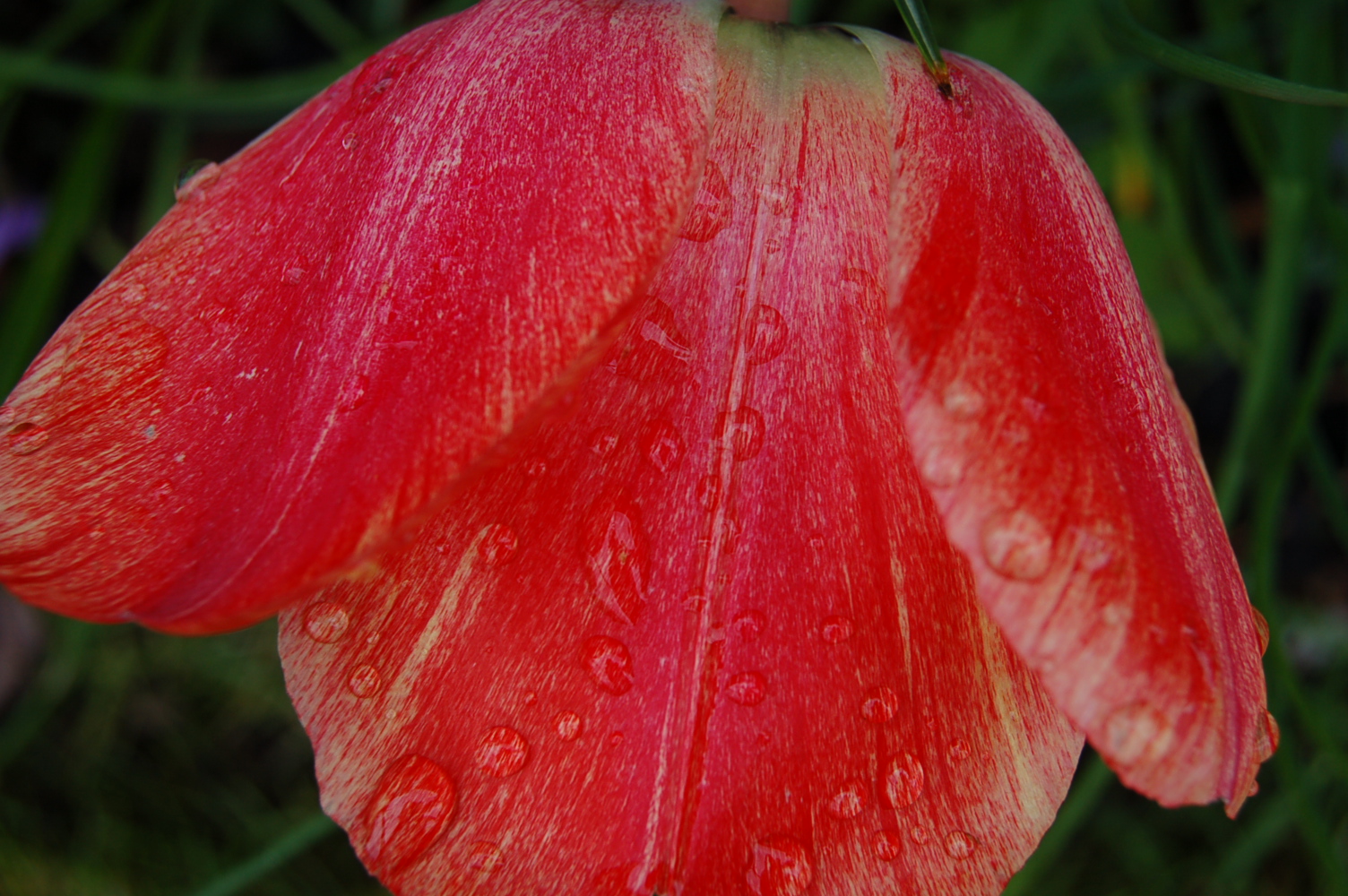
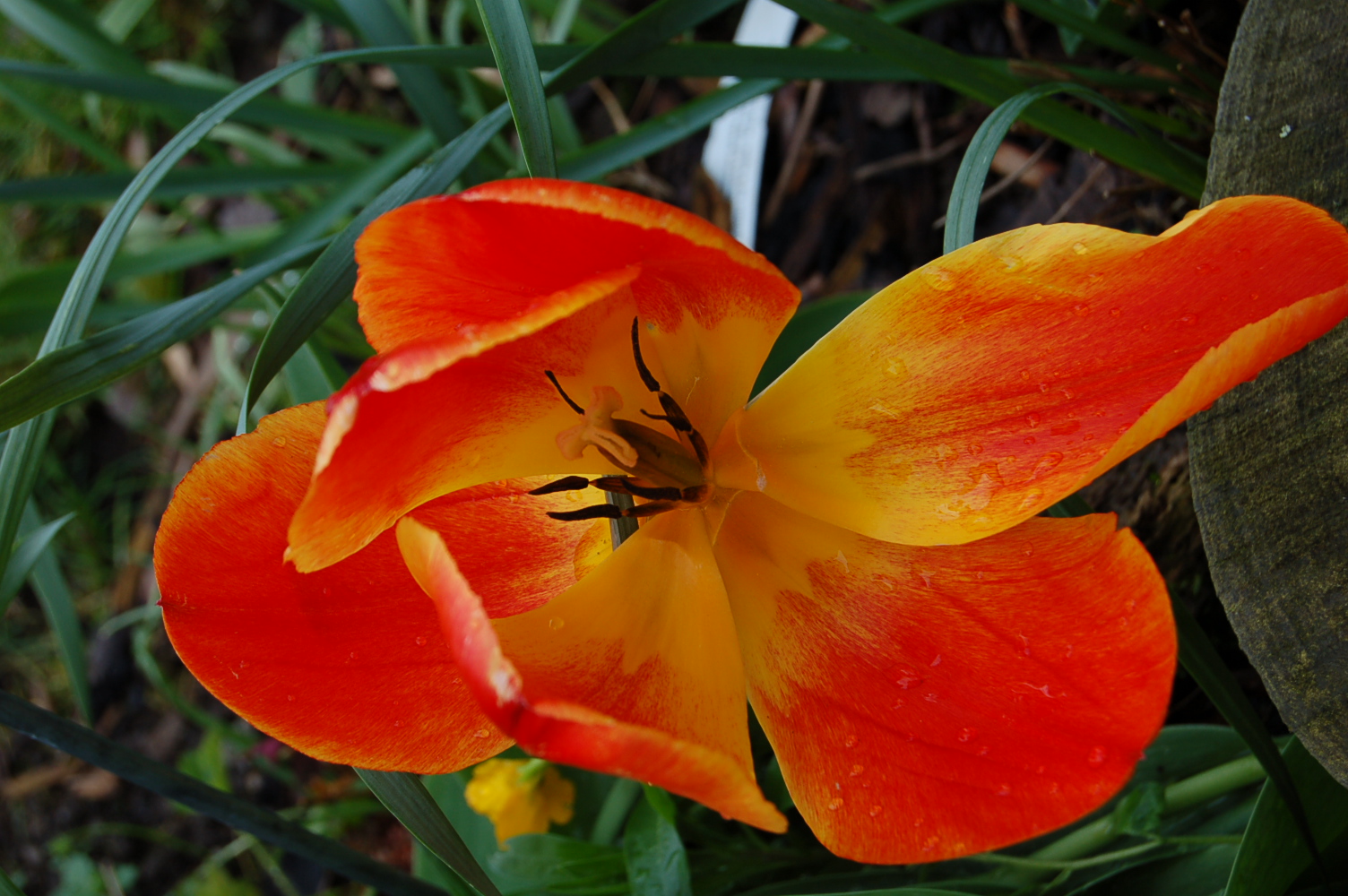
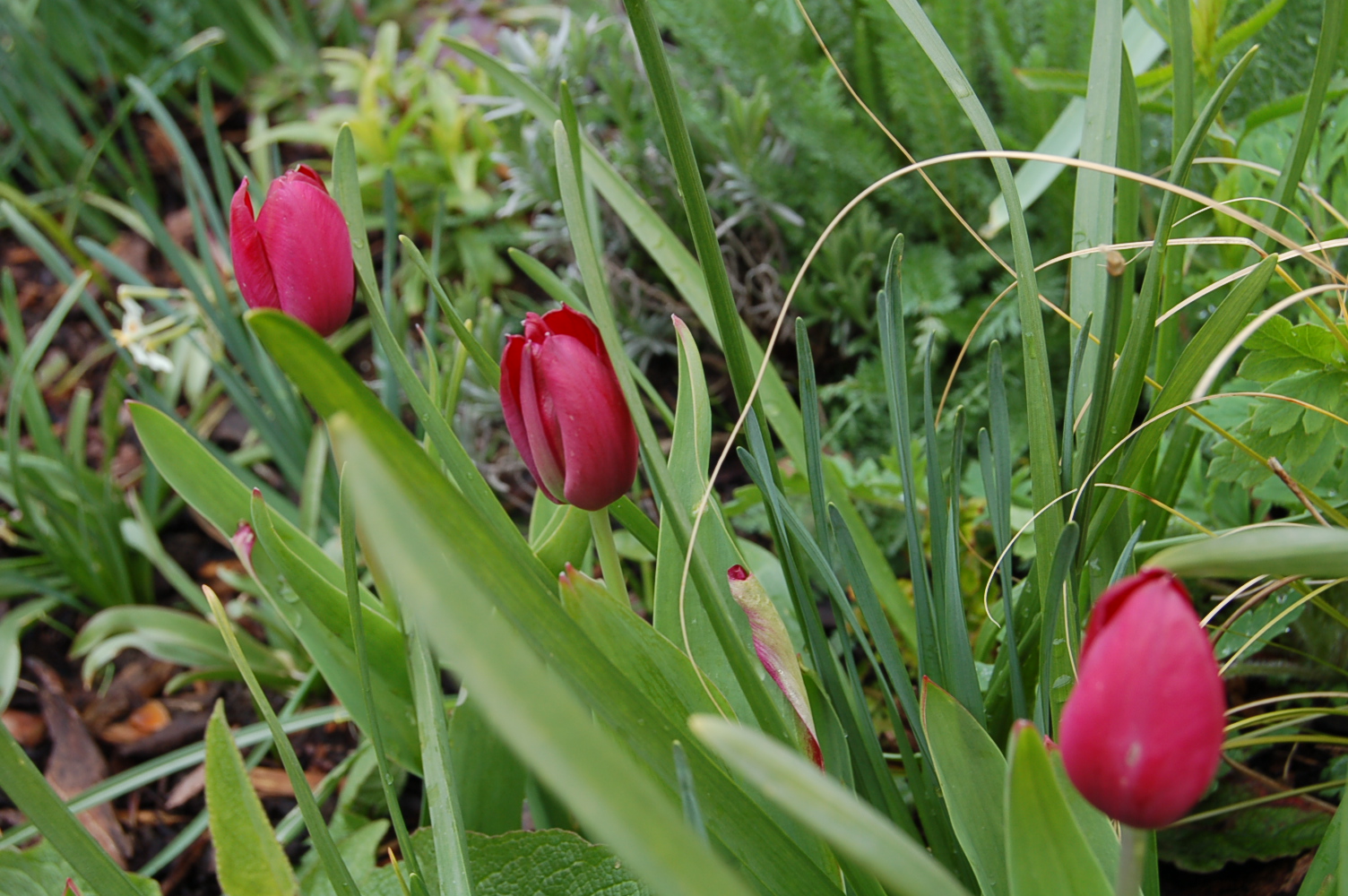
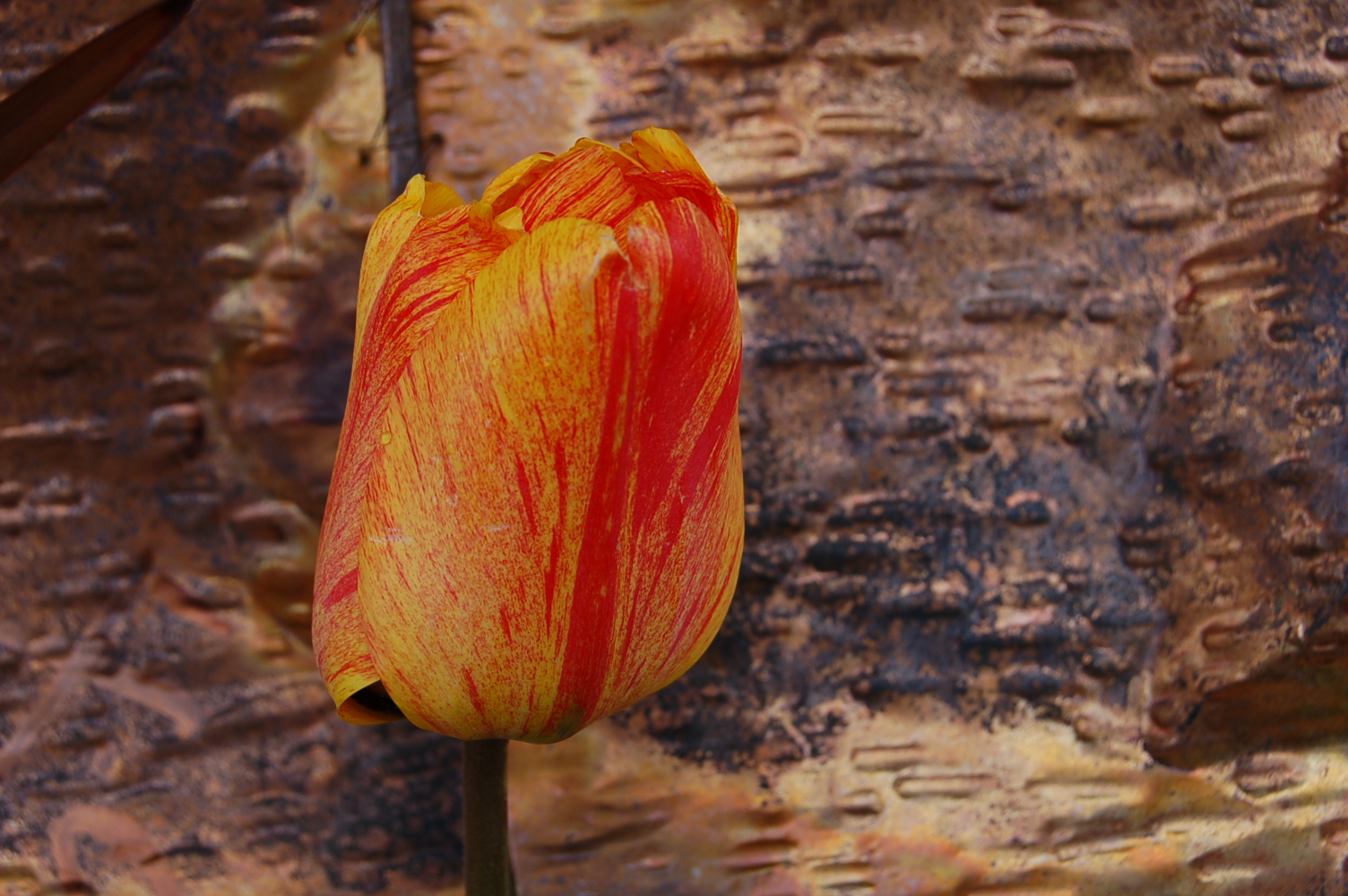
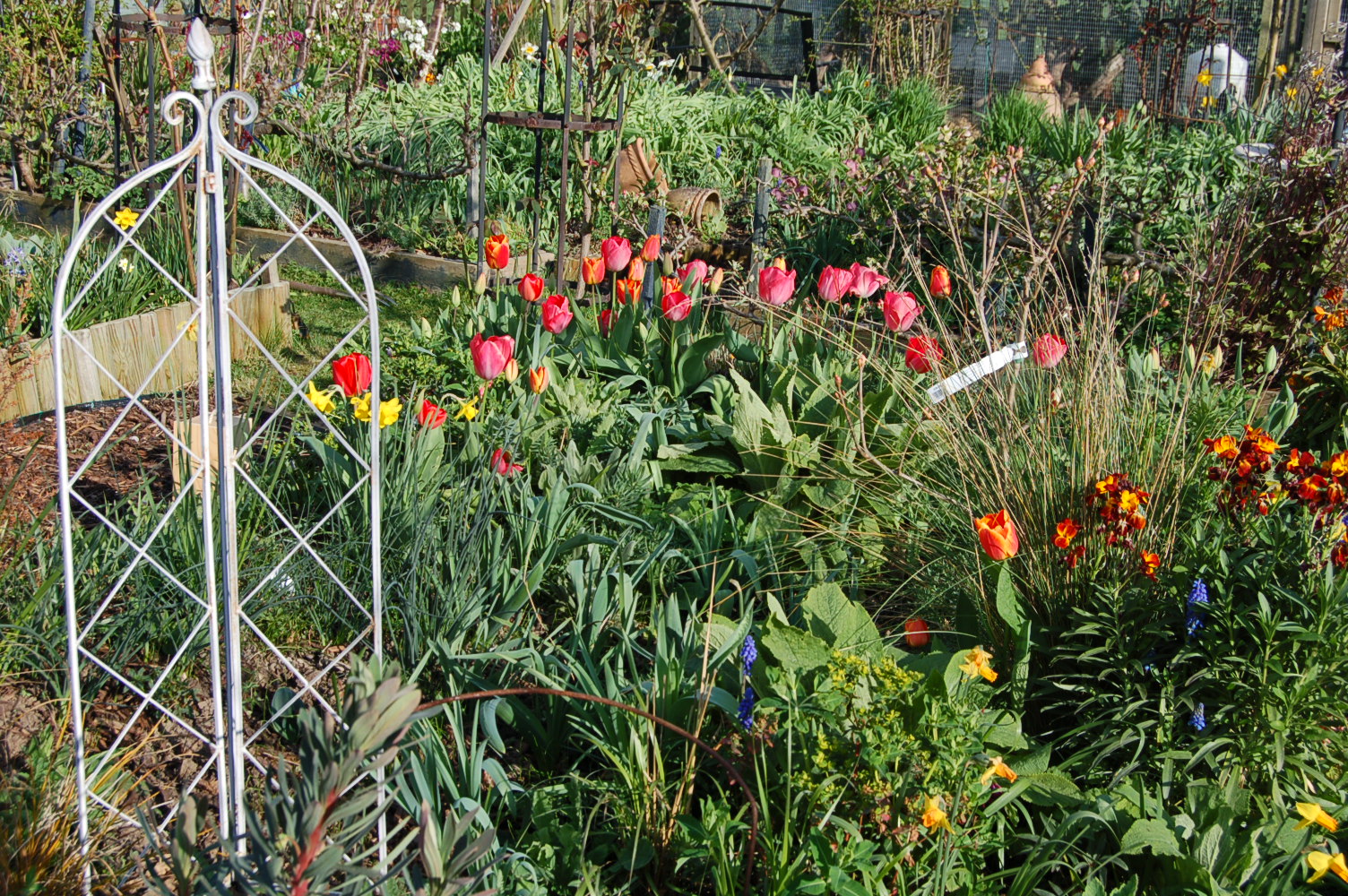
Let us continue around our garden in search of tulips and look at some very closely ………..






Mid-April saw our second allotment site working party. The weather forecasters warned us of regular showers with some very heavy and accompanied by thunder. They were so wrong! We had a bright warm day when we worked away under a clear blue sky. Plenty of busy helpers turned up and I set them to work.
The urgent task was to prepare soil in which to sow a wildflower mixture donated to us by the RHS to celebrate the Queen’s Jubilee. Digging over the patch was hard work as we kept bringing up pieces of old broken bricks. As a nearby plot has yielded a couple of very old clay land drains we came to the conclusion that we were digging up the site of an old stable yard.
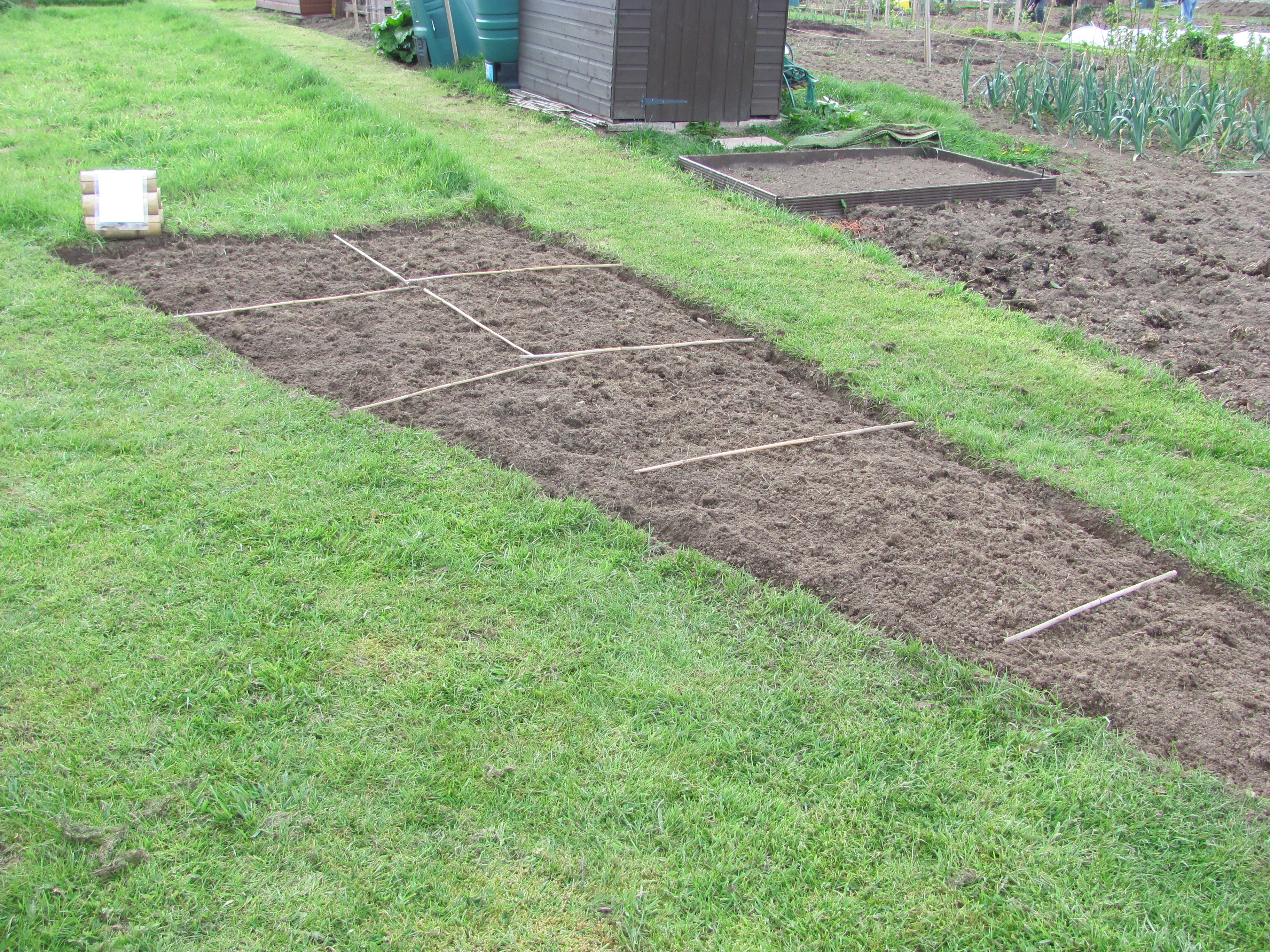
But soon the area was dug over by Di and Jude, rotovated, and raked to a fine tilth. The bed was divided up into square yards to help even seed distribution. Jill and Jude then carefully broadcast the seeds. A little firming with the back of a rake after a gentle raking over to ensure the seeds were in good contact with the soil and the job was done. They should germinate quickly as the soil is moist and quite warm.
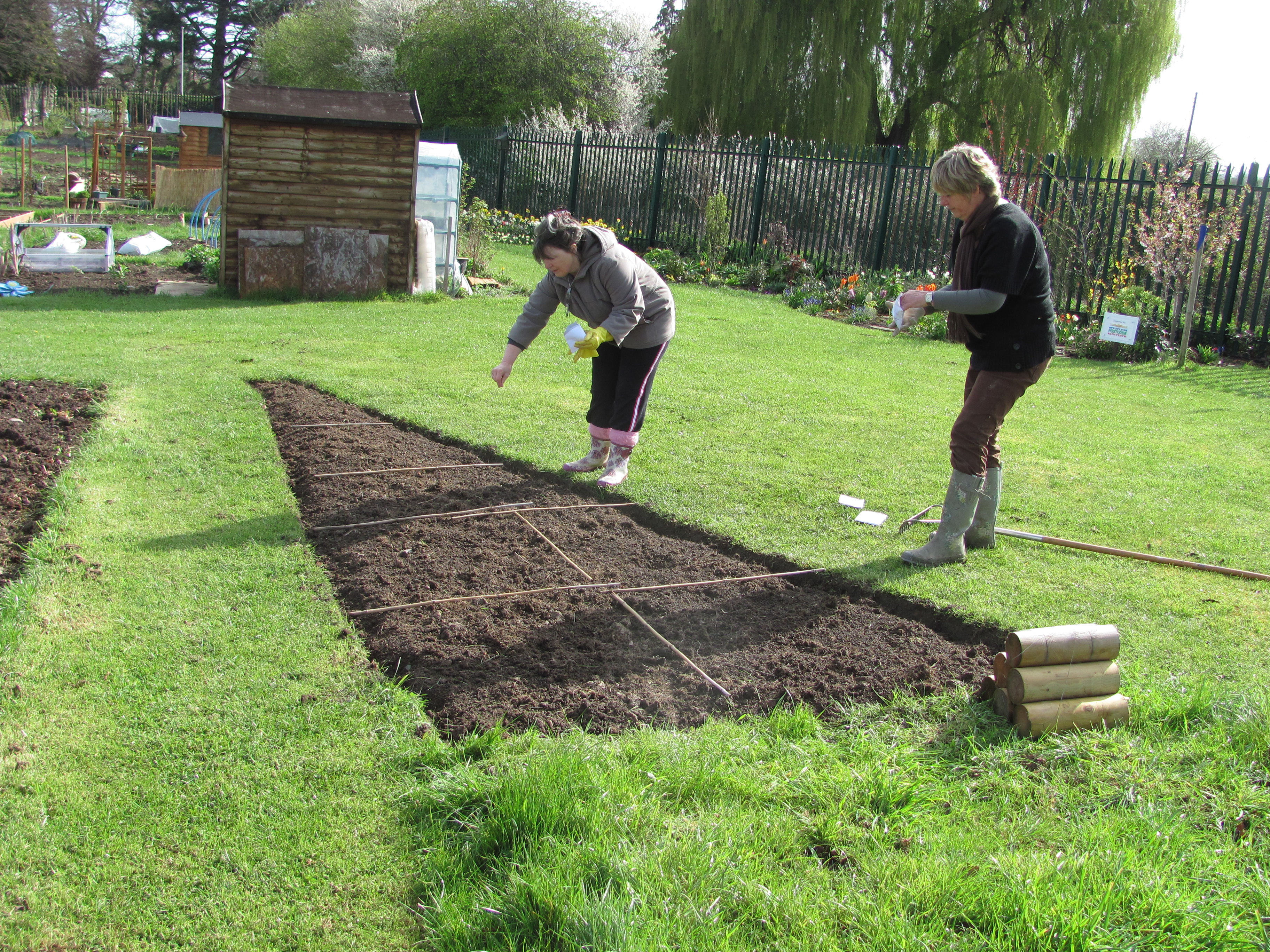

The seed left over was sown in a bed we dug out to extend the Autumn Garden.

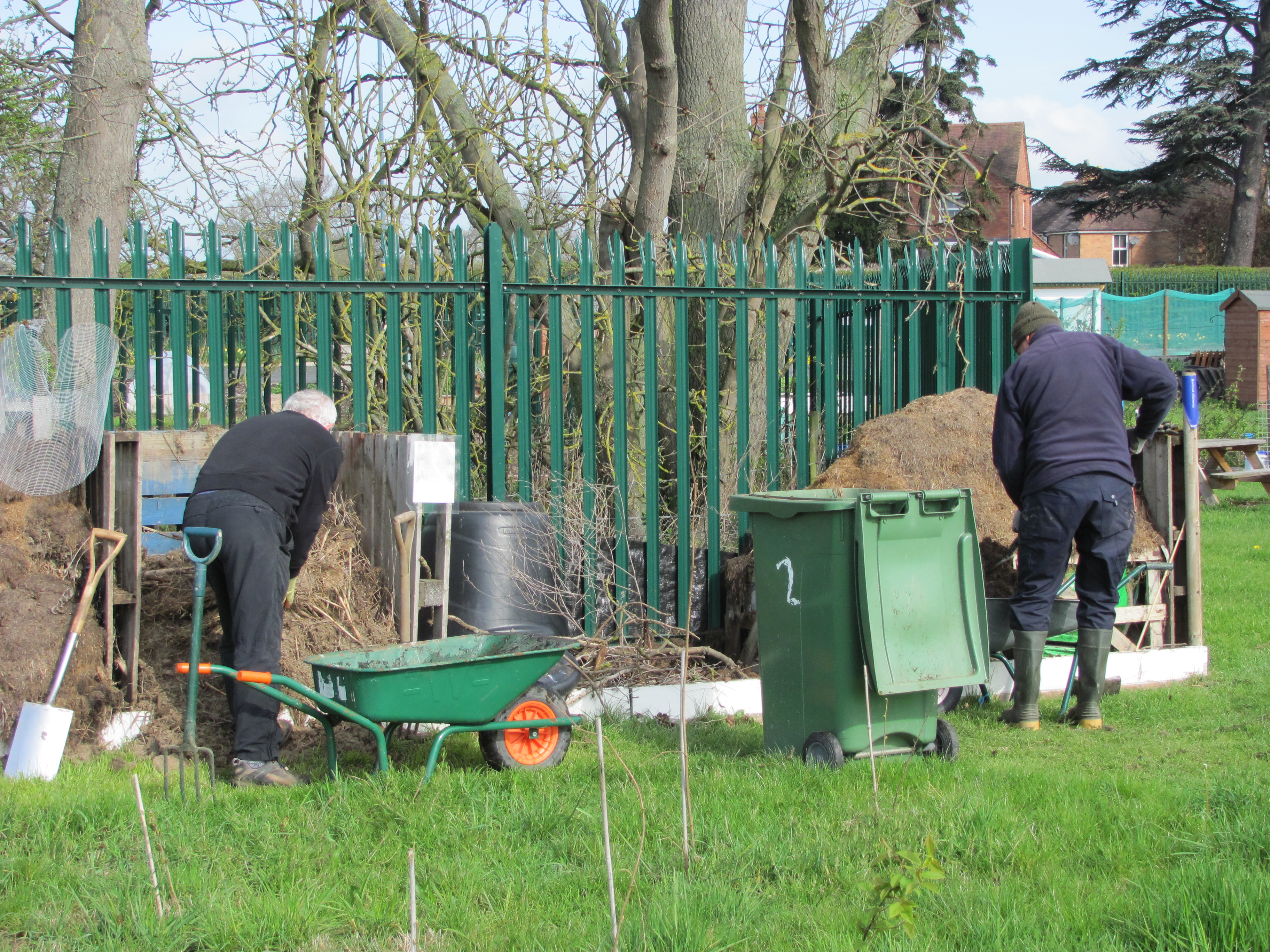
The heaviest task of the day was to begin to sort out the site’s compost area, which has to be moved ready for the development of the new site extension. The good compost was utilised in growing areas and the poorer bits used to level a rather bumpy slope which we are slowly planting up with wildlife friendly plants. John, Pete, Gerald and Geoff toiled away at this for several back-breaking hours.
By noon we were all ready for a well-earned rest with coffee and nibbles. Some of us eat healthily with our fruit while others enjoy their chocolate biscuits and cake. All good for energy though! And we certainly need plenty of that to tackle jobs for a few more hours into the afternoon.

Our existing meadows needed a weed so Julia, Di, Jill and Gill set about weeding out any pernicious weeds. On hands and knees aided by kneelers they cleared the meadows of thistles, dandelions, creeping buttercups and groundsel, the rampant spreaders and prolific seeders. So we sow some native plants and weed others out, but it does make sense, as we do not want these pernicious weeds spreading onto plots.
The path in the Turf Spiral needed some more wood chip spread on it to level it off and make it feel softer for the children to walk on.

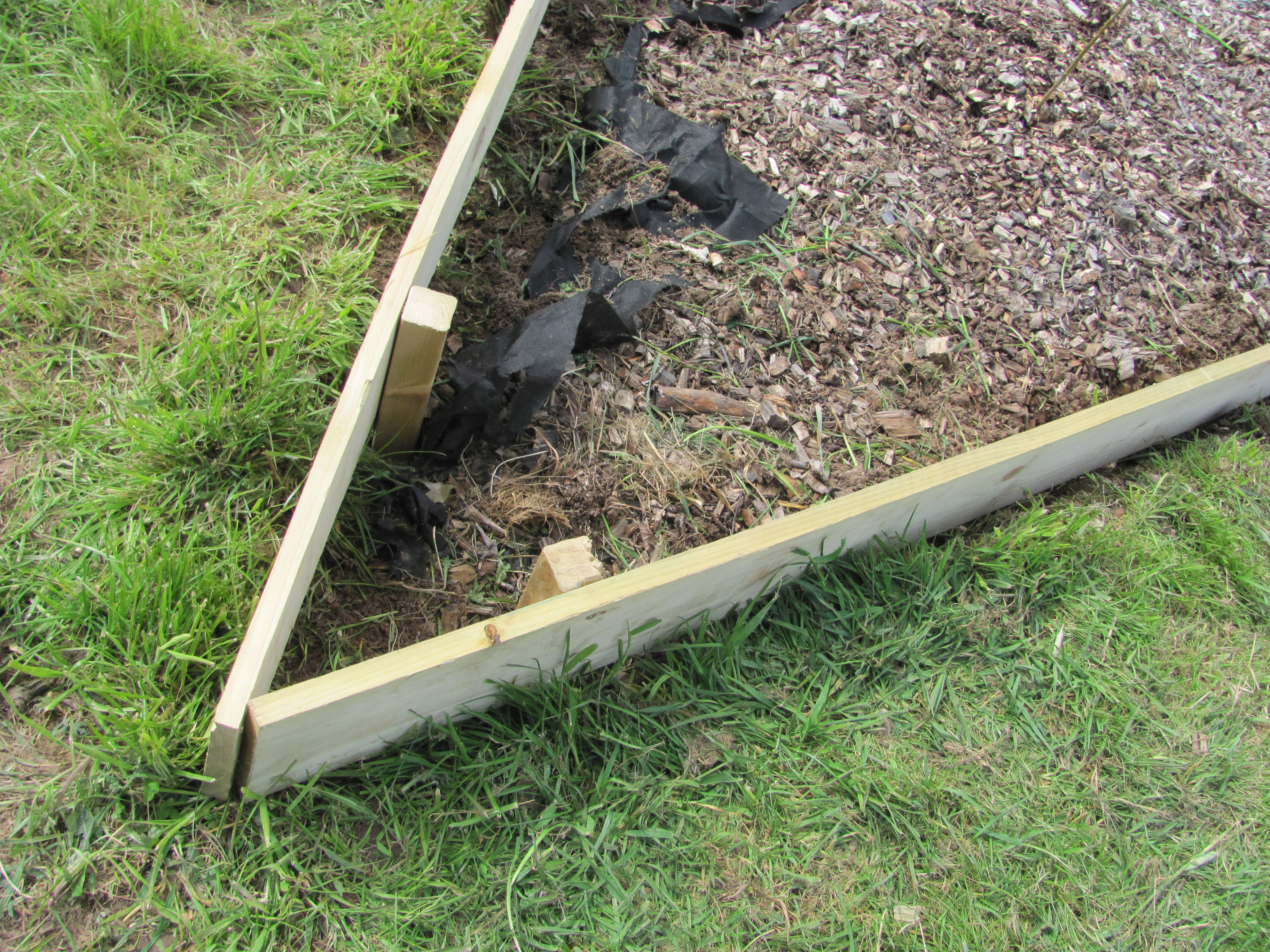
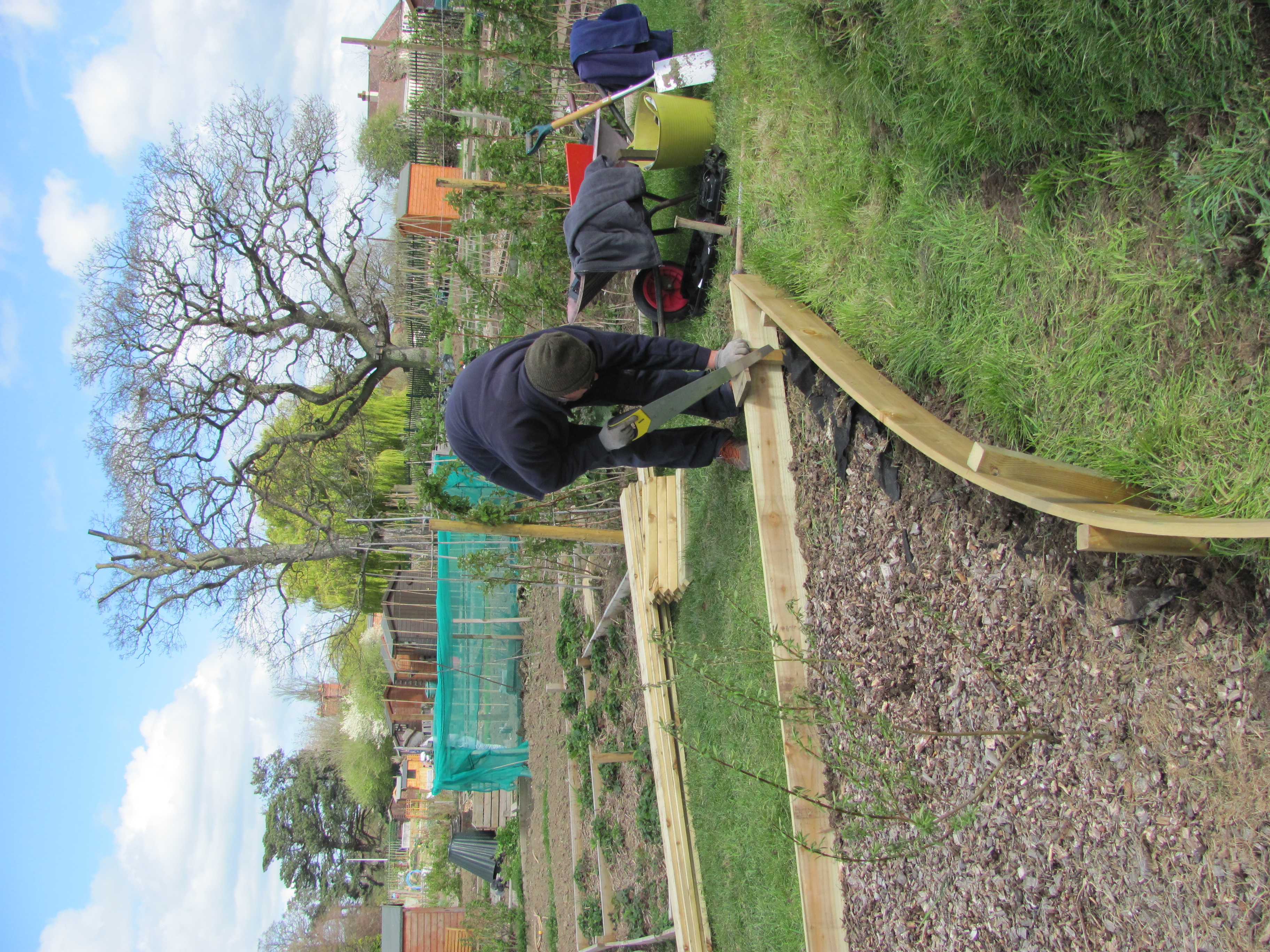
A few days later a few of us returned to complete a job we didn’t have time to do on the Working Party, fixing wooden edging around our Withy Bed. It was hard work bending the planks around the curved edges and then hammering in stakes to hold it in place. Wielding sledge hammers and lump hammers for hours wore us out but we did get a few coffee breaks, forced on us by occasional heavy showers. The day after we all ached in our shoulders and upper arms, but it does look good now it is done and will make keeping the edges tidy as we can trim the grass right up to it.

So we succeeded in getting lots done to our communal green spaces in April. All that’s left to do before the end of the month is to prepare the Working Party tasks for May.
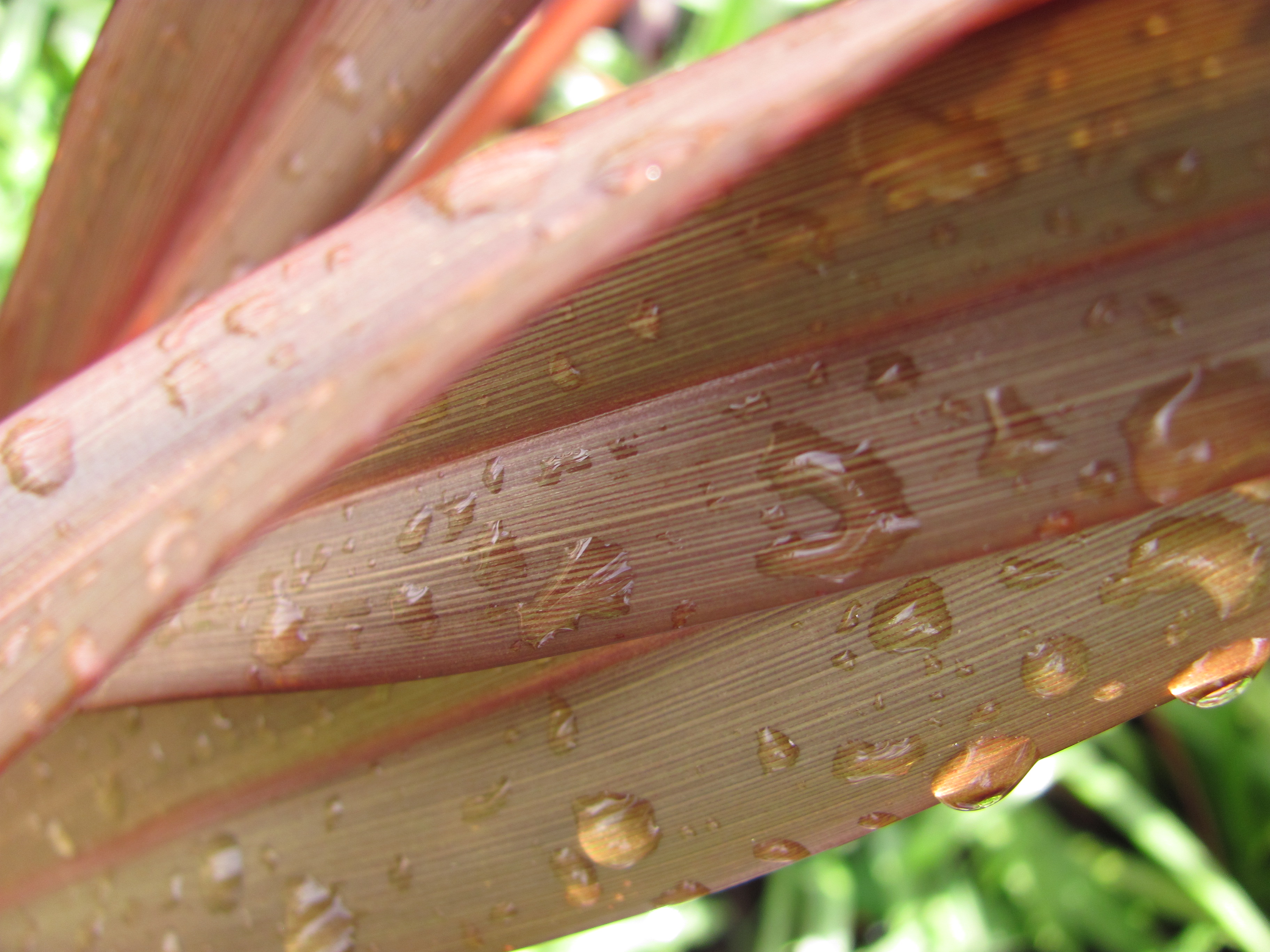
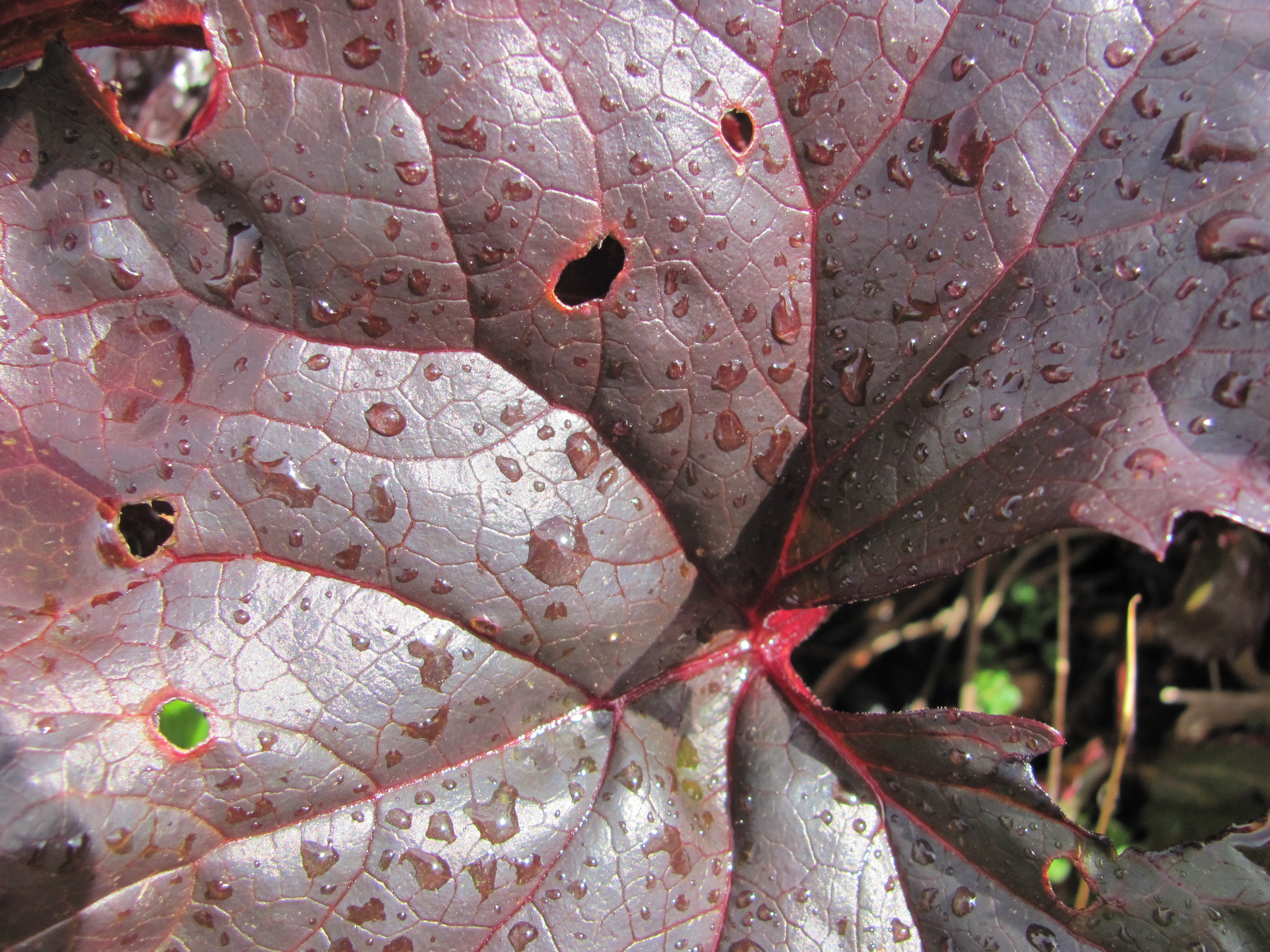
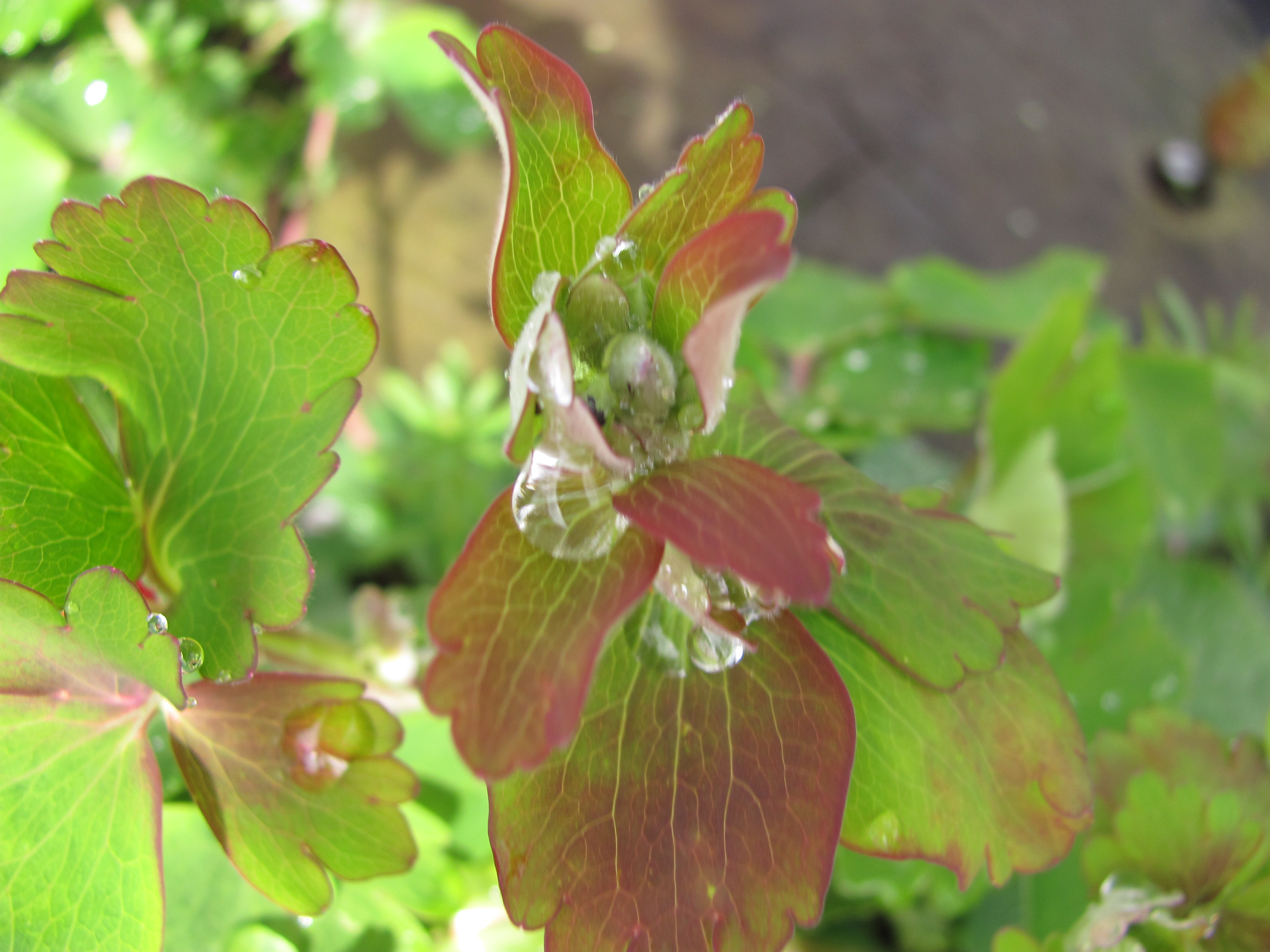
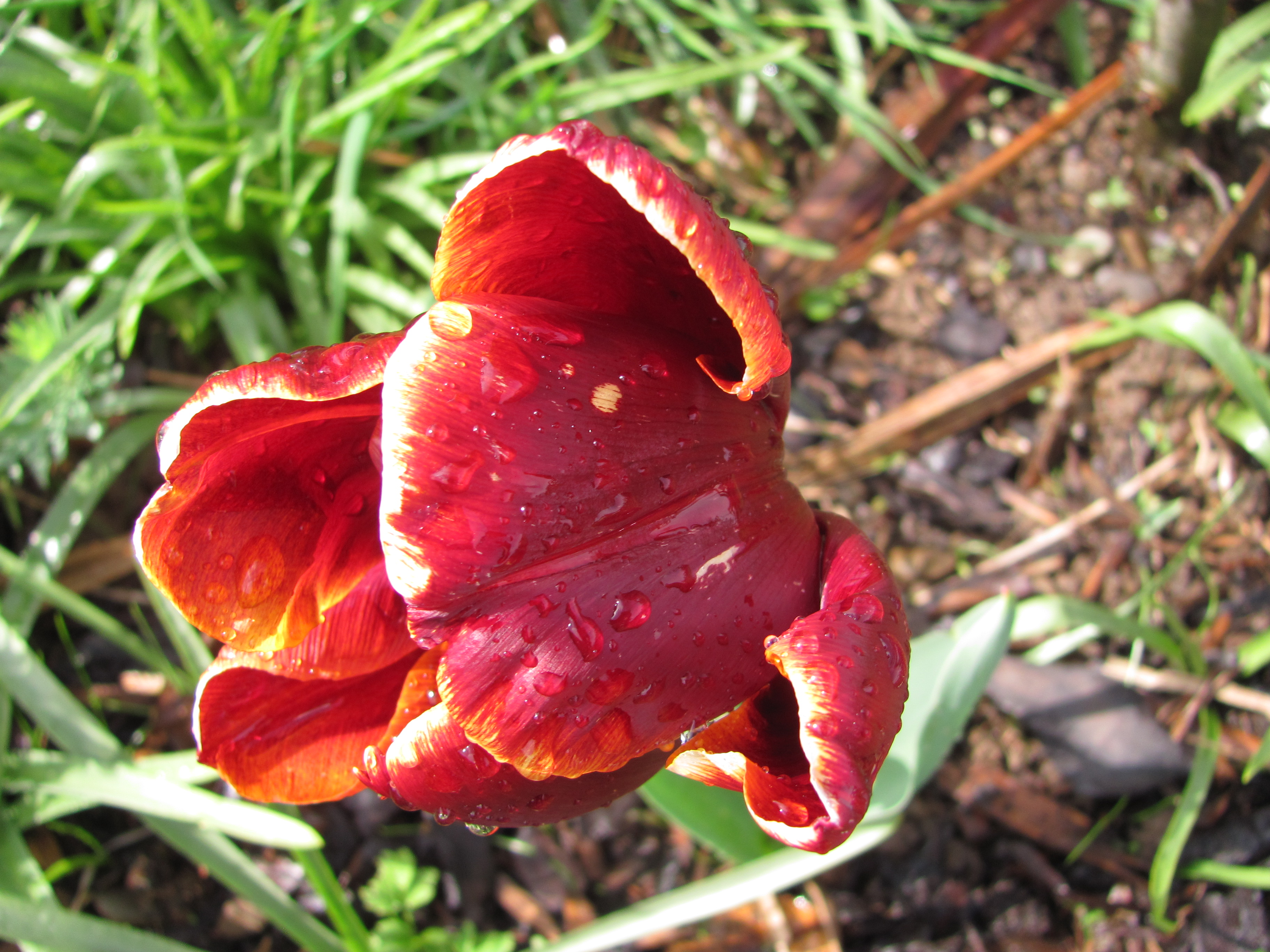
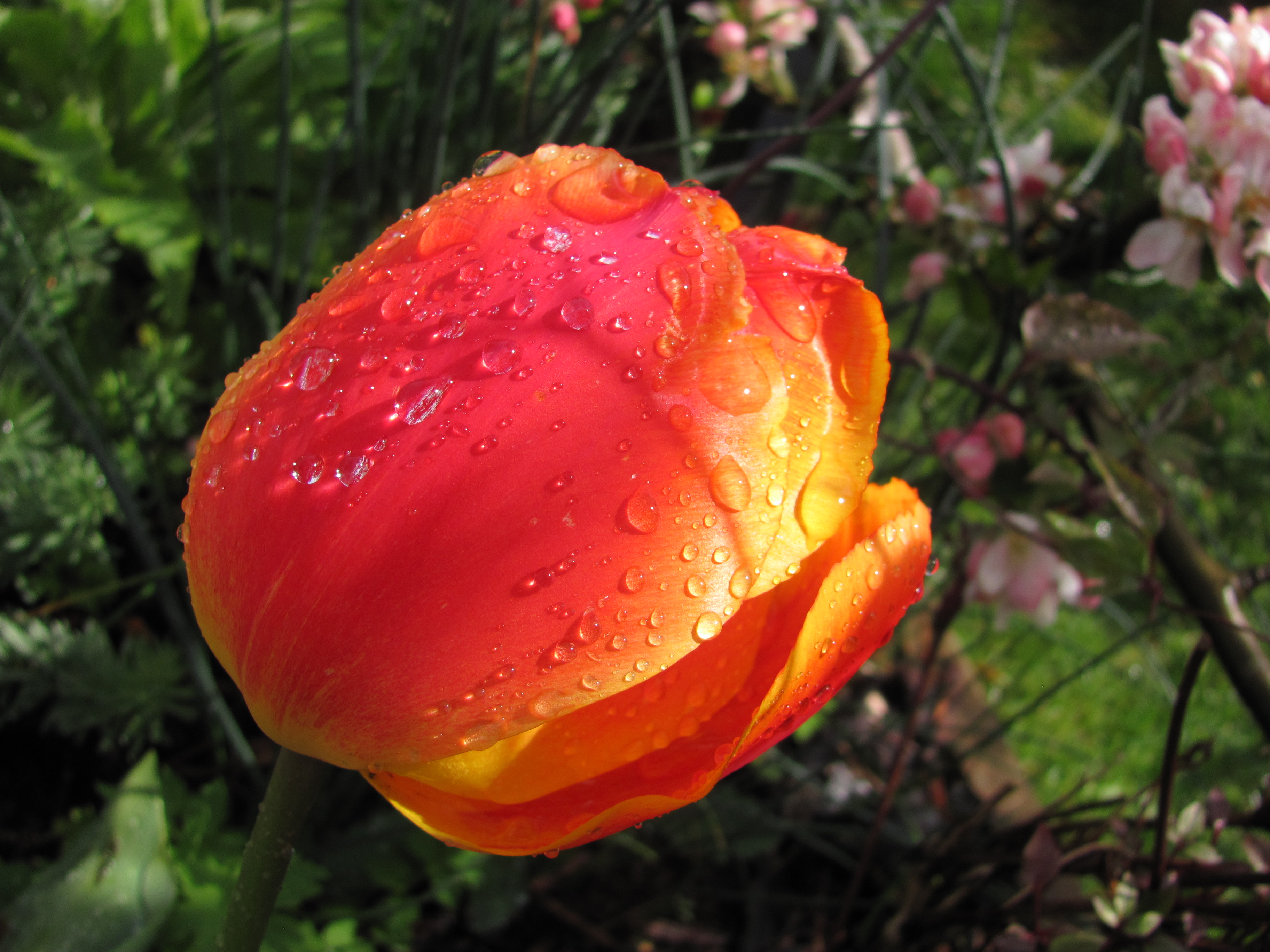
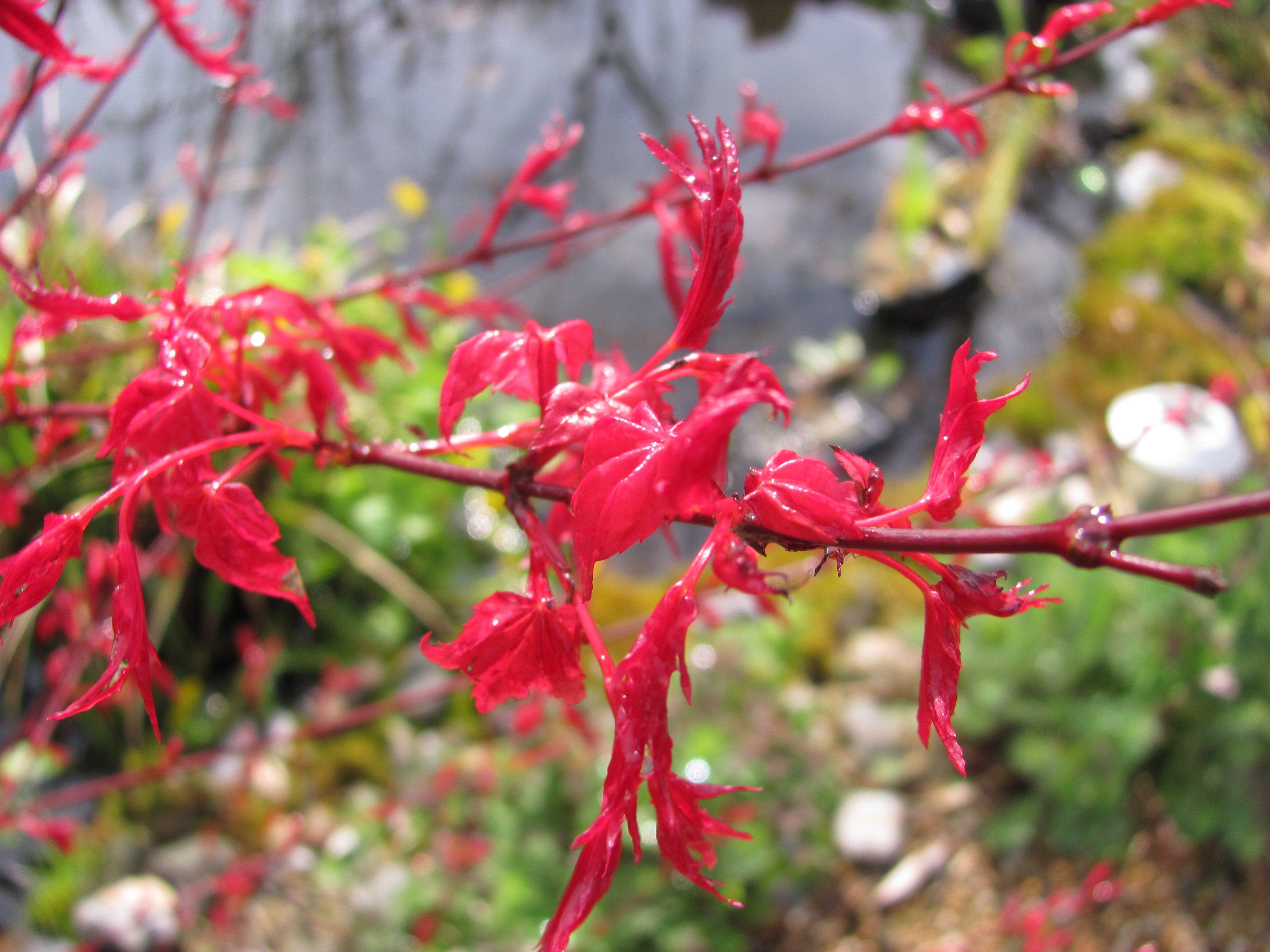
After days of heavy showers and longer periods of rain mixed with hail, the sun suddenly came out. The effect it had on the garden was magical – the plants looked healthier, the leaves greener and shinier and the colours of flowers intensified. Raindrops clung to foliage and blooms and reflected the light of the sun.

The constant splashing of rain and the noisy hail banging on the top of our conservatory suddenly stopped and were replaced with bird song. the clear flute-like song of Blackbirds and the repetitive notes of the Song Thrush sounded rich and clear.

Rain sits in shining droplets acting as tiny mirrors and prisms affecting the light. Each droplet sits like a bubble of liquid mercury.

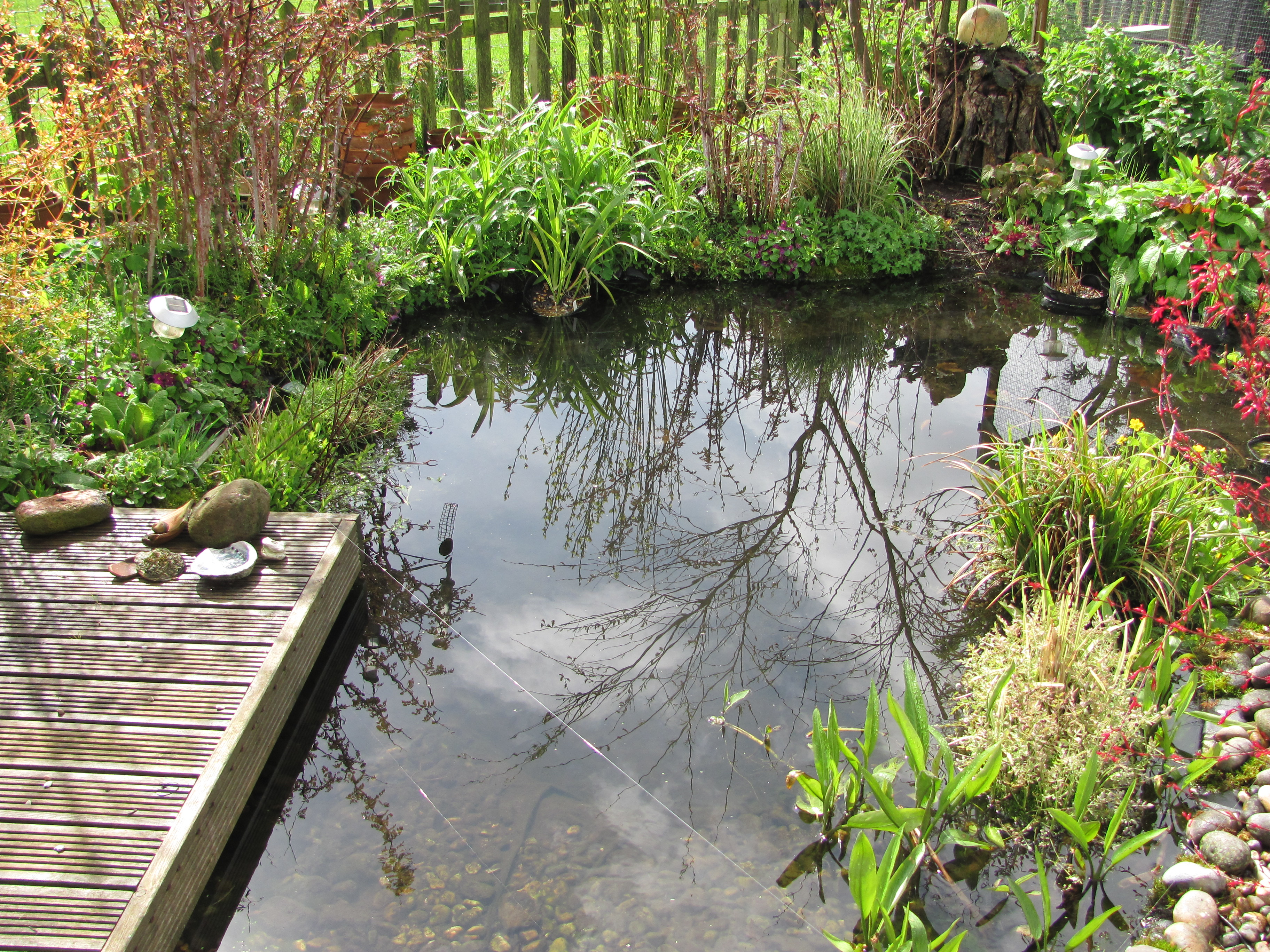
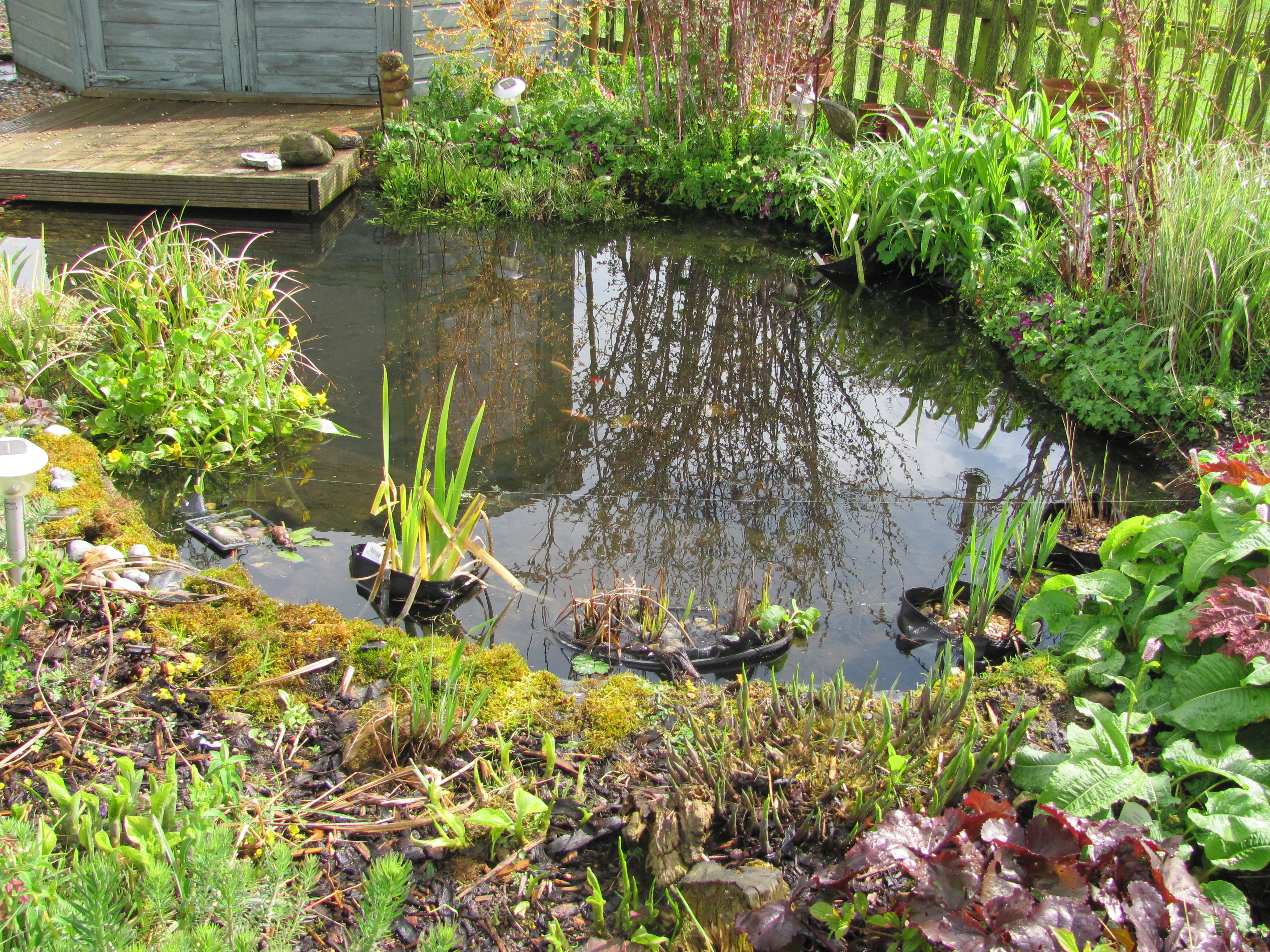
The pools are filled to the brim! The rill is overflowing into the surrounding gravel and the wildlife pool is overflowing adding much-needed water to the bog garden alongside.
In the first photo we are looking through the fresh red leaves of a Japanese Acer at the wildlife pool.
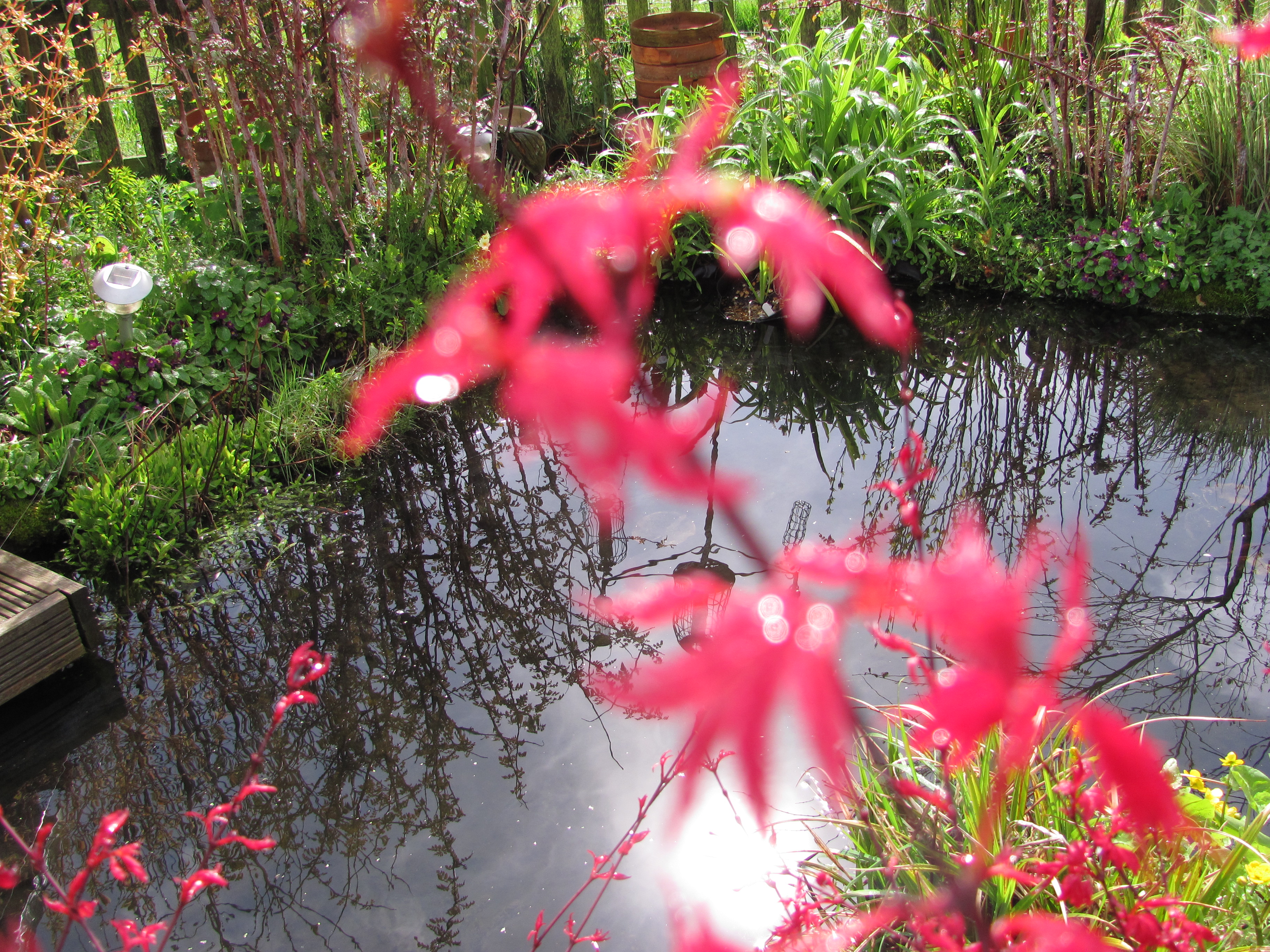
The photo below is taken from the decking end of the pool and shows how the rain has raised the water level right up to the deck, while the following one is taken from the bog garden end.
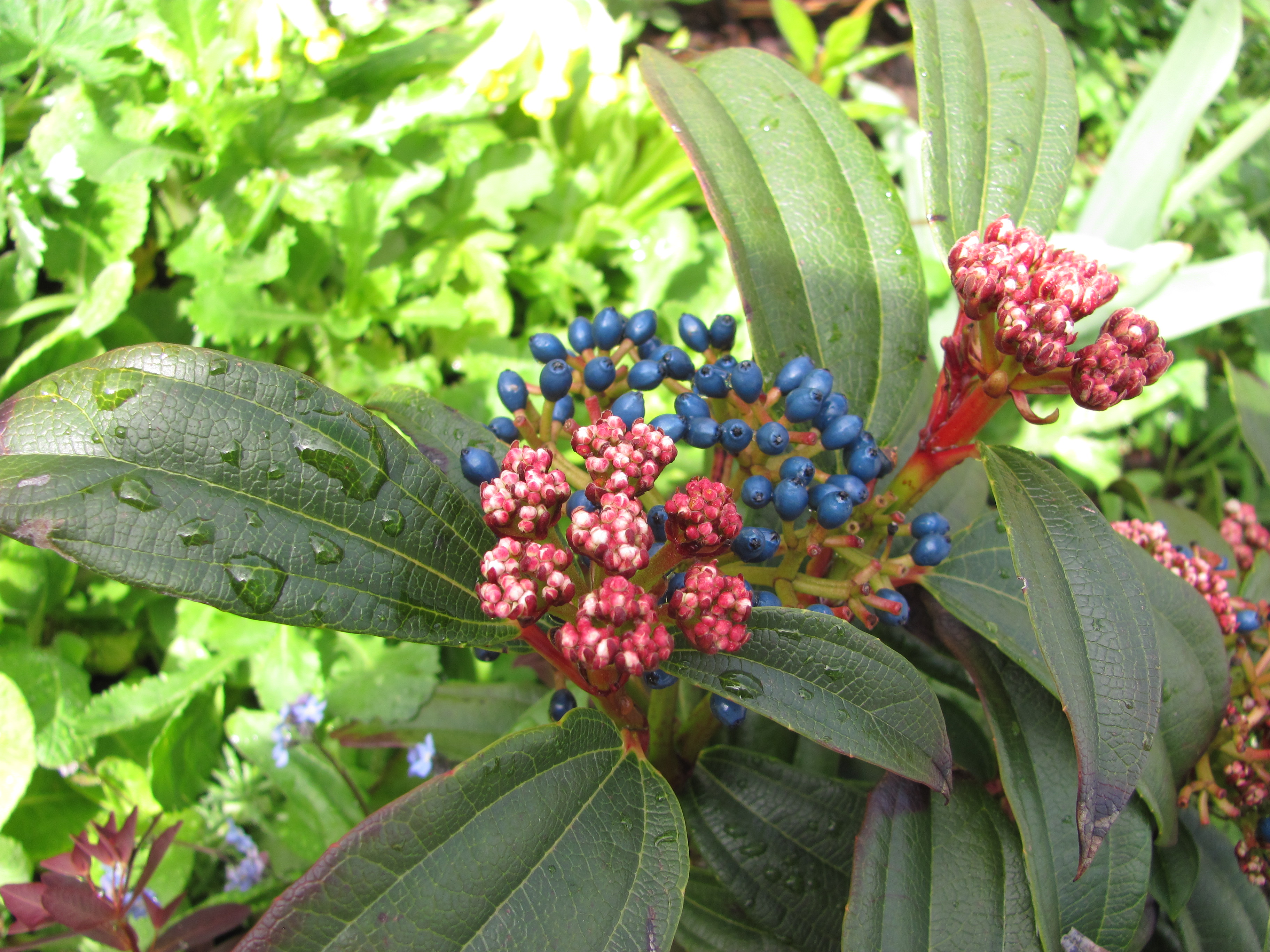
Colours of flowers and fresh spring leaves are enriched by the rain drops.

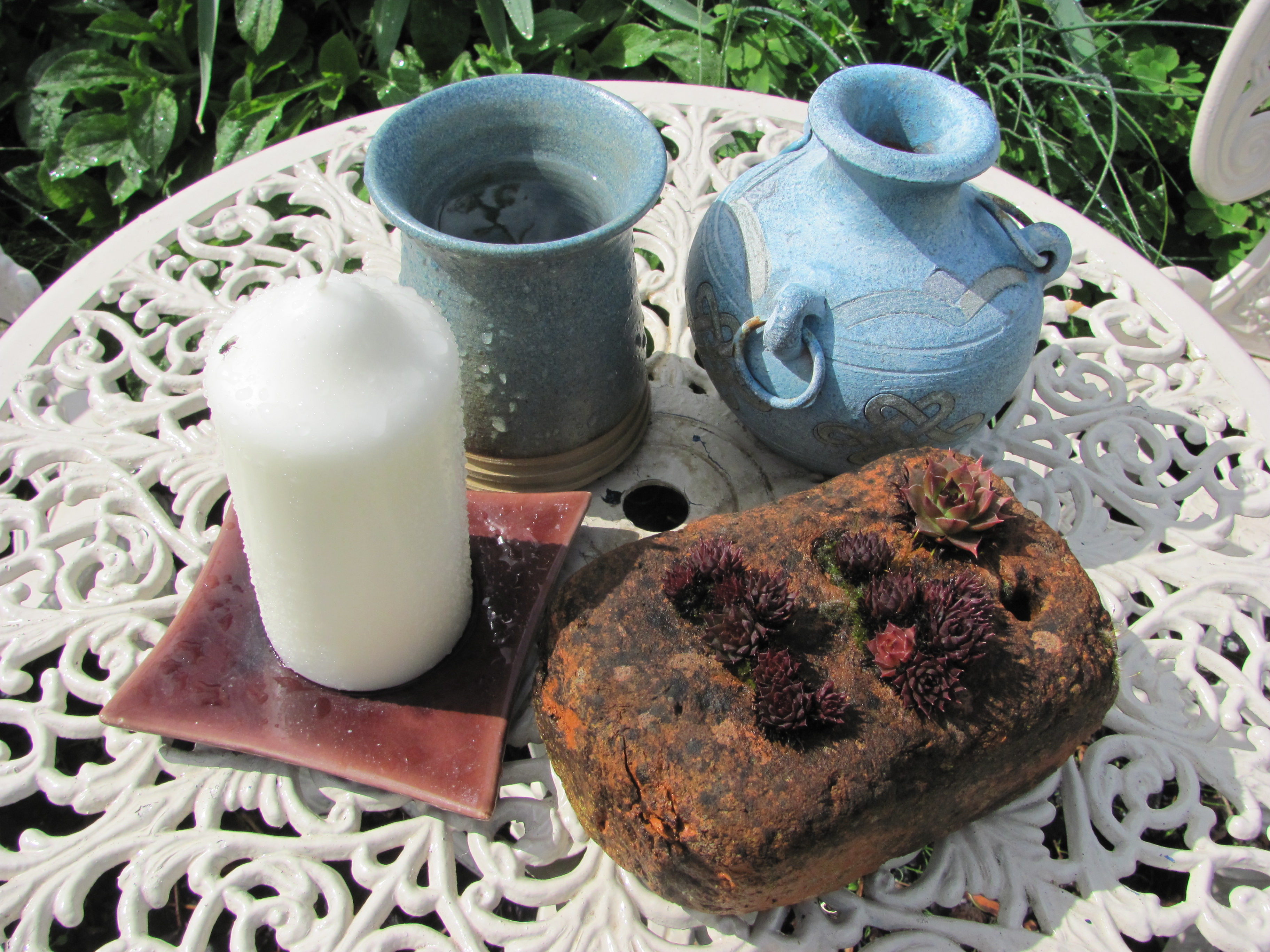
The rain even tried to fill up a pottery vase on the garden table in the Chicken Garden.
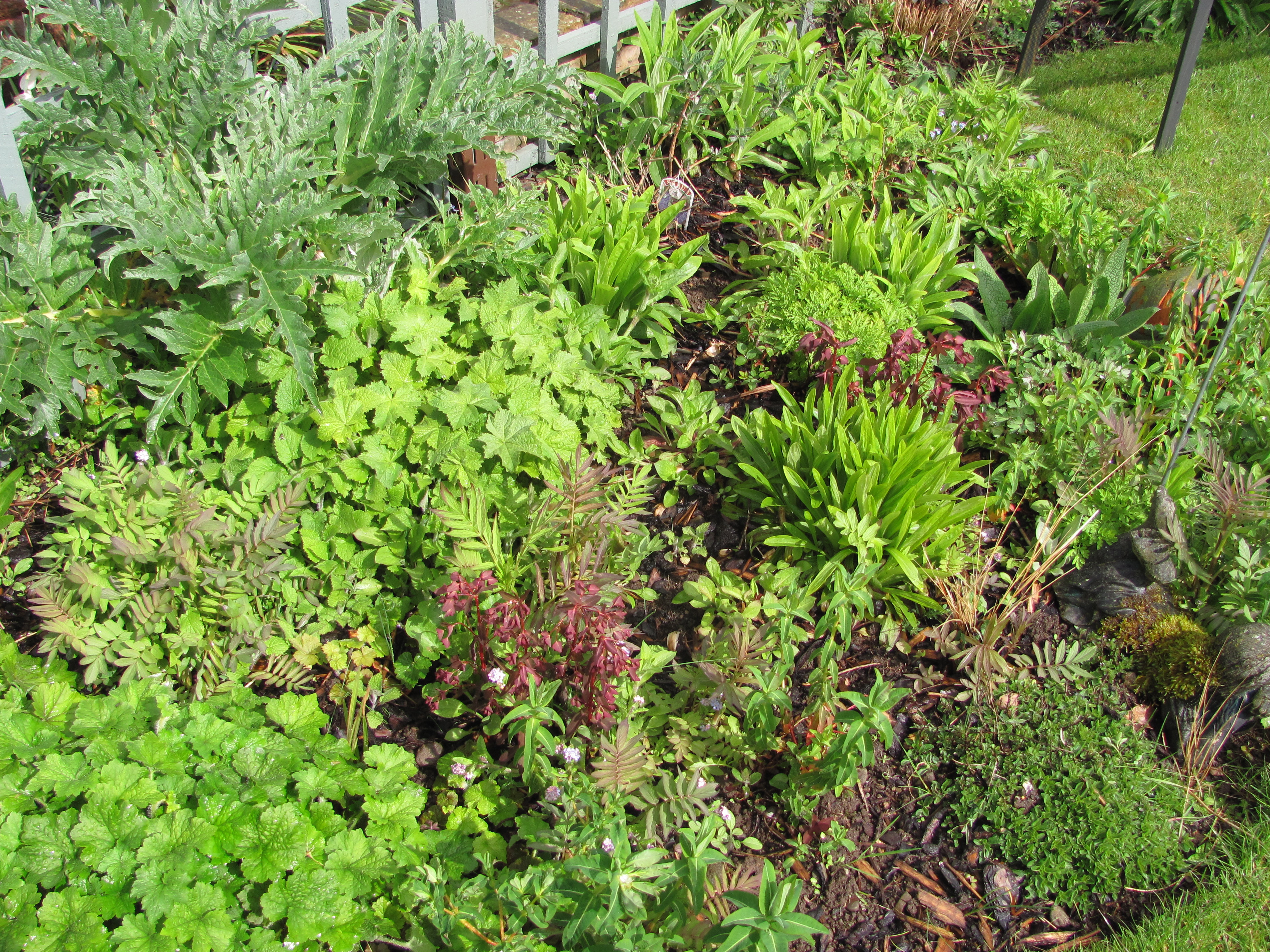
The benefit of all that rain after a year of drought in 2011 shows in the rapid growth of herbaceous plants in our borders. The greens look greener and the growth is lush and exuberant. The Trellis Bed looks so full after a few days of rain.
The key moment in April came when our allotments featured in a national gardening magazine, “Grow It”. A great article full of photos! And then towards the end of the month the lottie chairman, John and I were interviewed by Matt Biggs for an article in the “Edible Garden” magazine. (Please excuse the name dropping!)
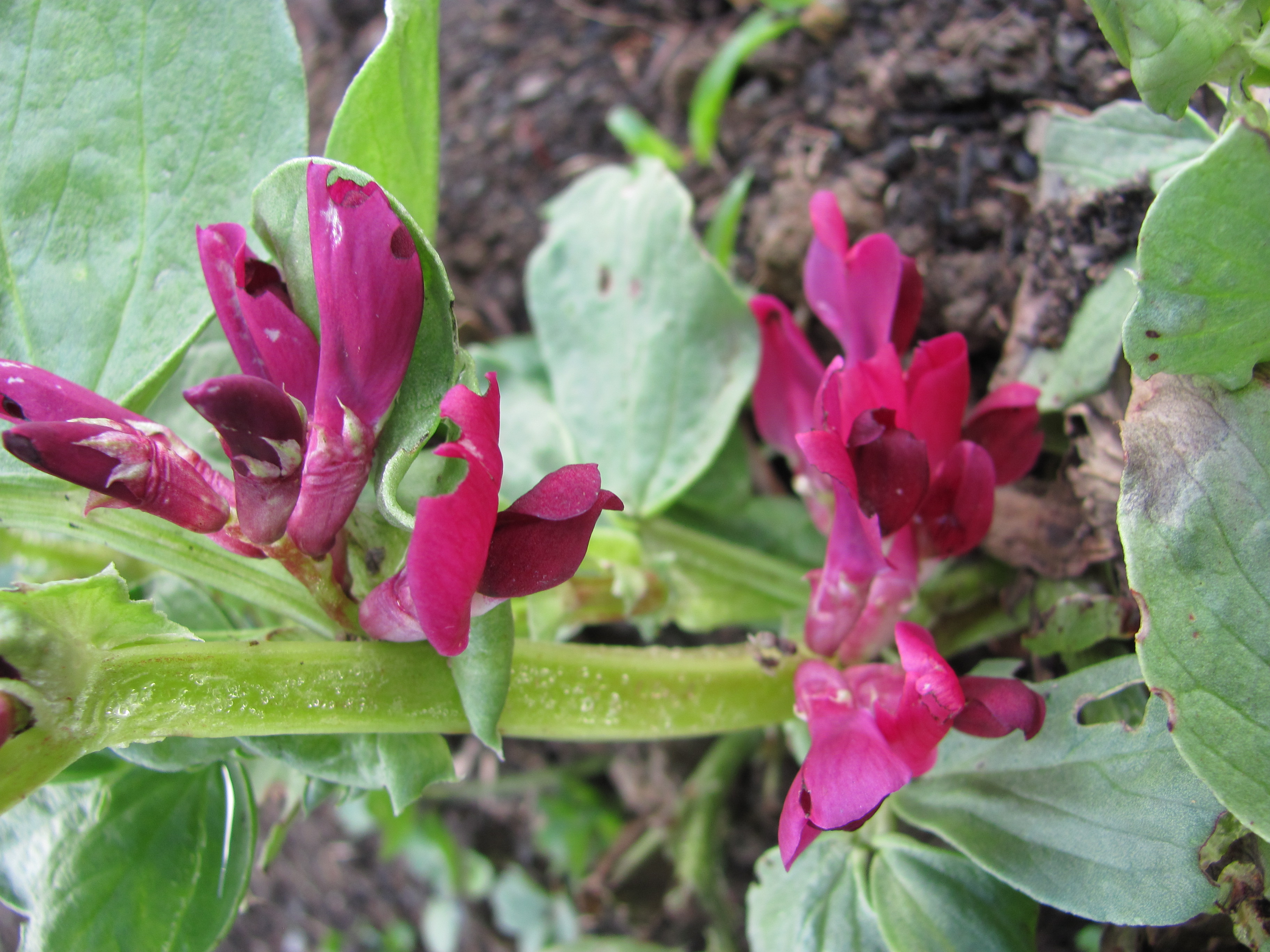
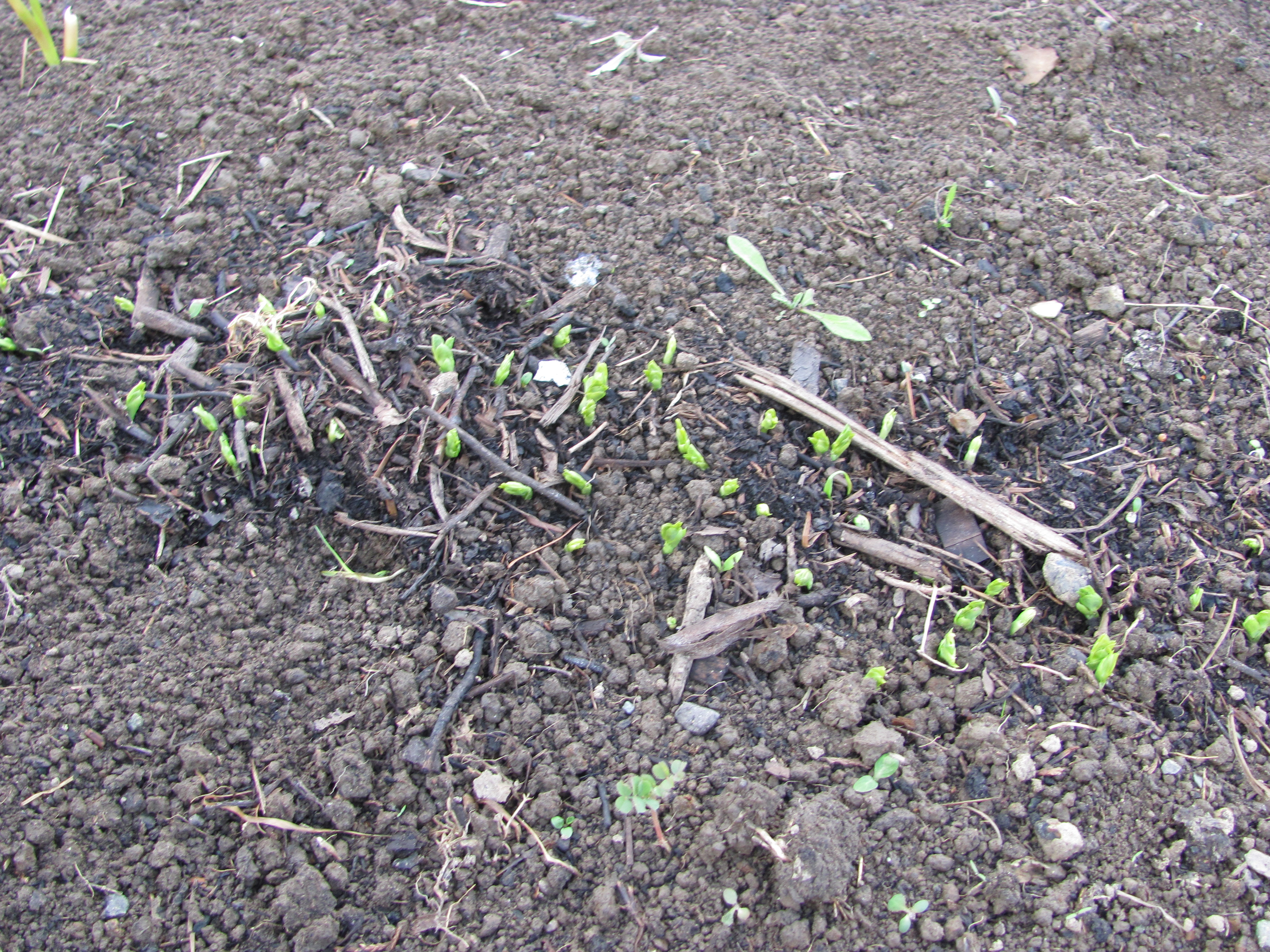
So let’s take a wander around the site starting at our own plot, number 37, where the last of the leeks are still in the ground but the kale is beginning to go to seed. Seeds we sowed a few weeks ago are now germinating and popping their heads above the soil. The autumn sown broad beans are flowering as are our currants and gooseberries. So it is all systems go.
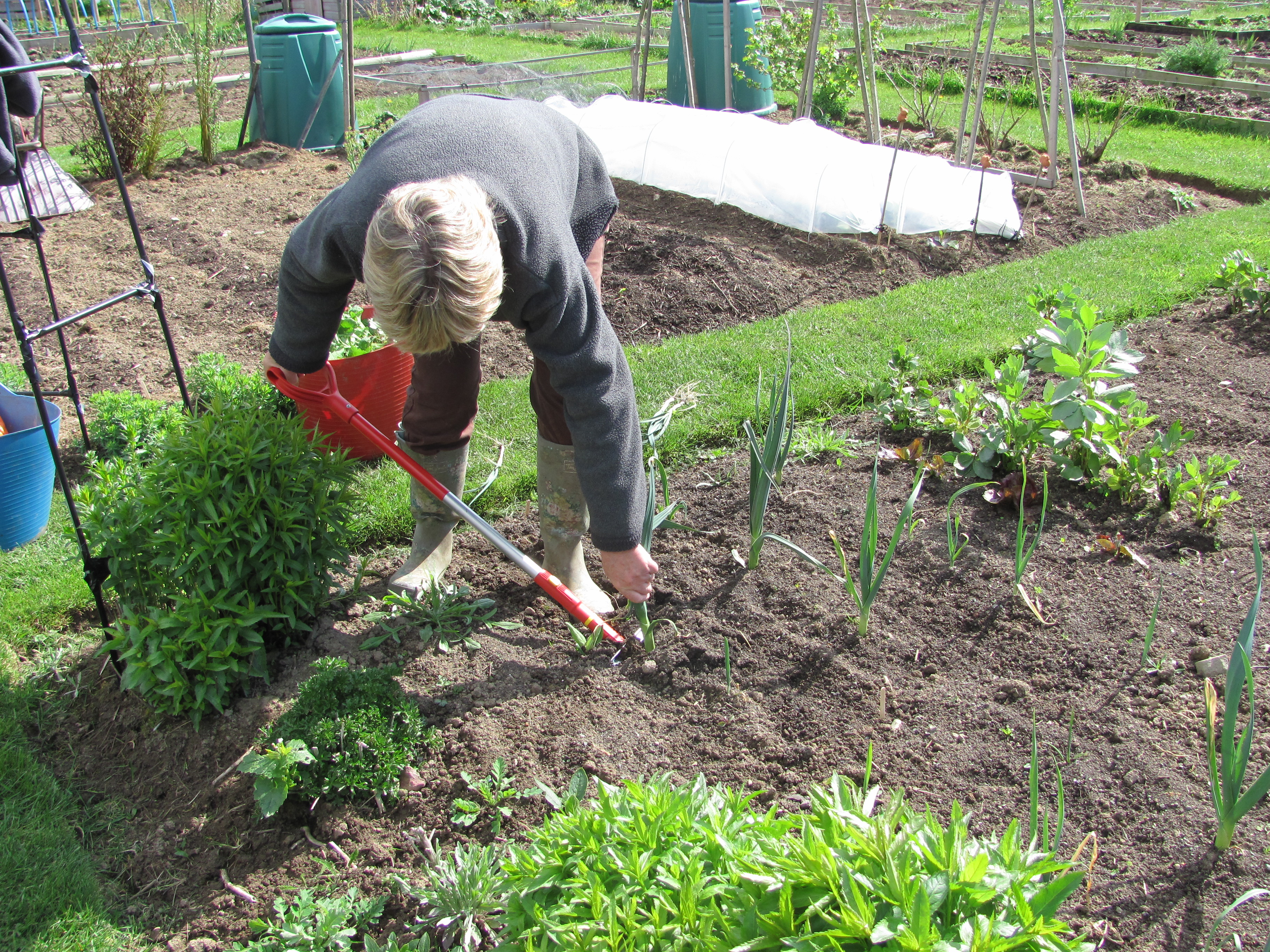

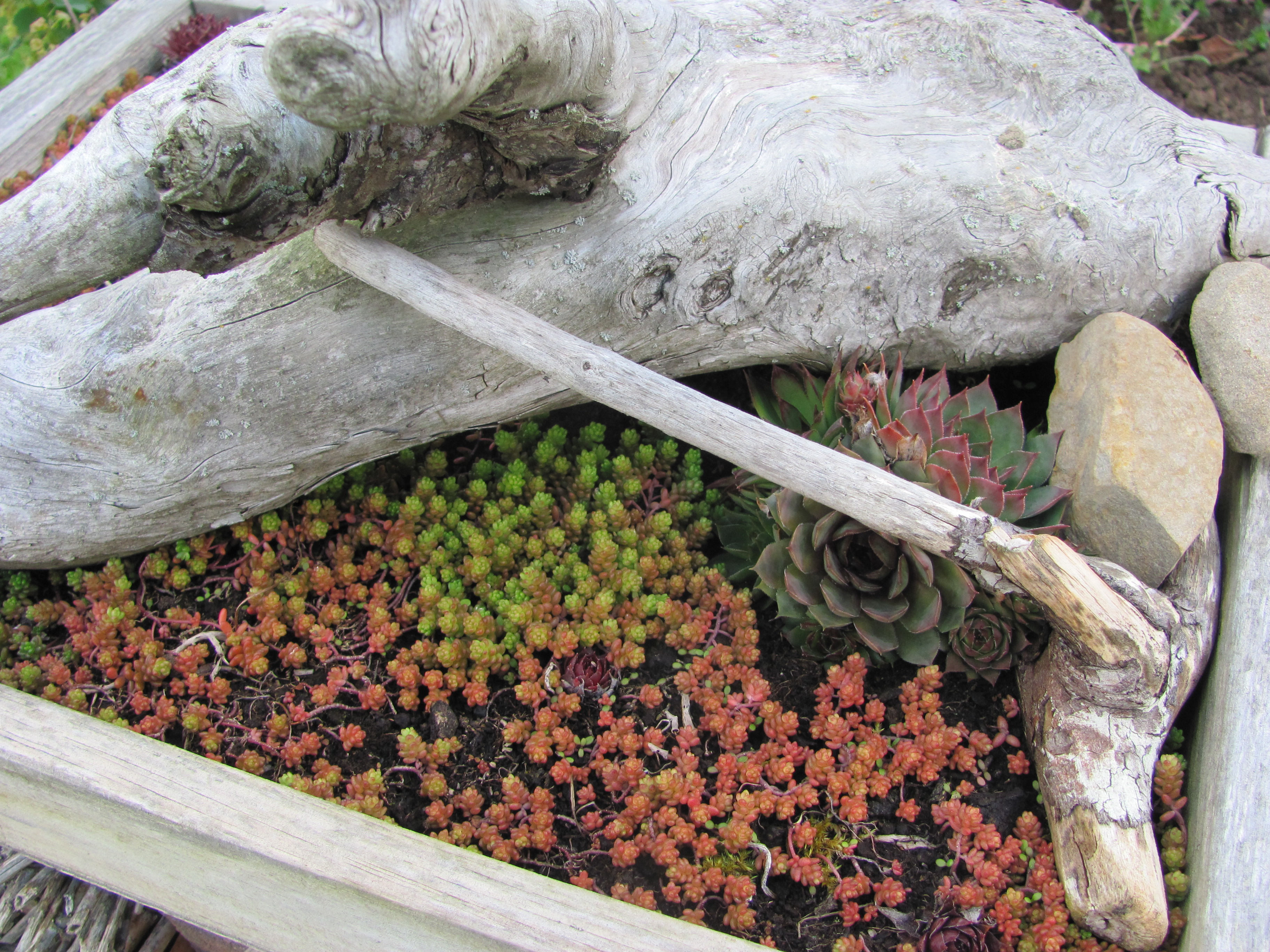
As we began our wander we were pleased to see two families from the nearby estate wandering around our interest trail with their children. Later they were sat in the willow dome reading stories. This is what community allotments are all about! We shall start our wanderings at Hut 2, one of our communal huts and move on to the Autumn Garden, one of our “Gardens of the Seasons”.


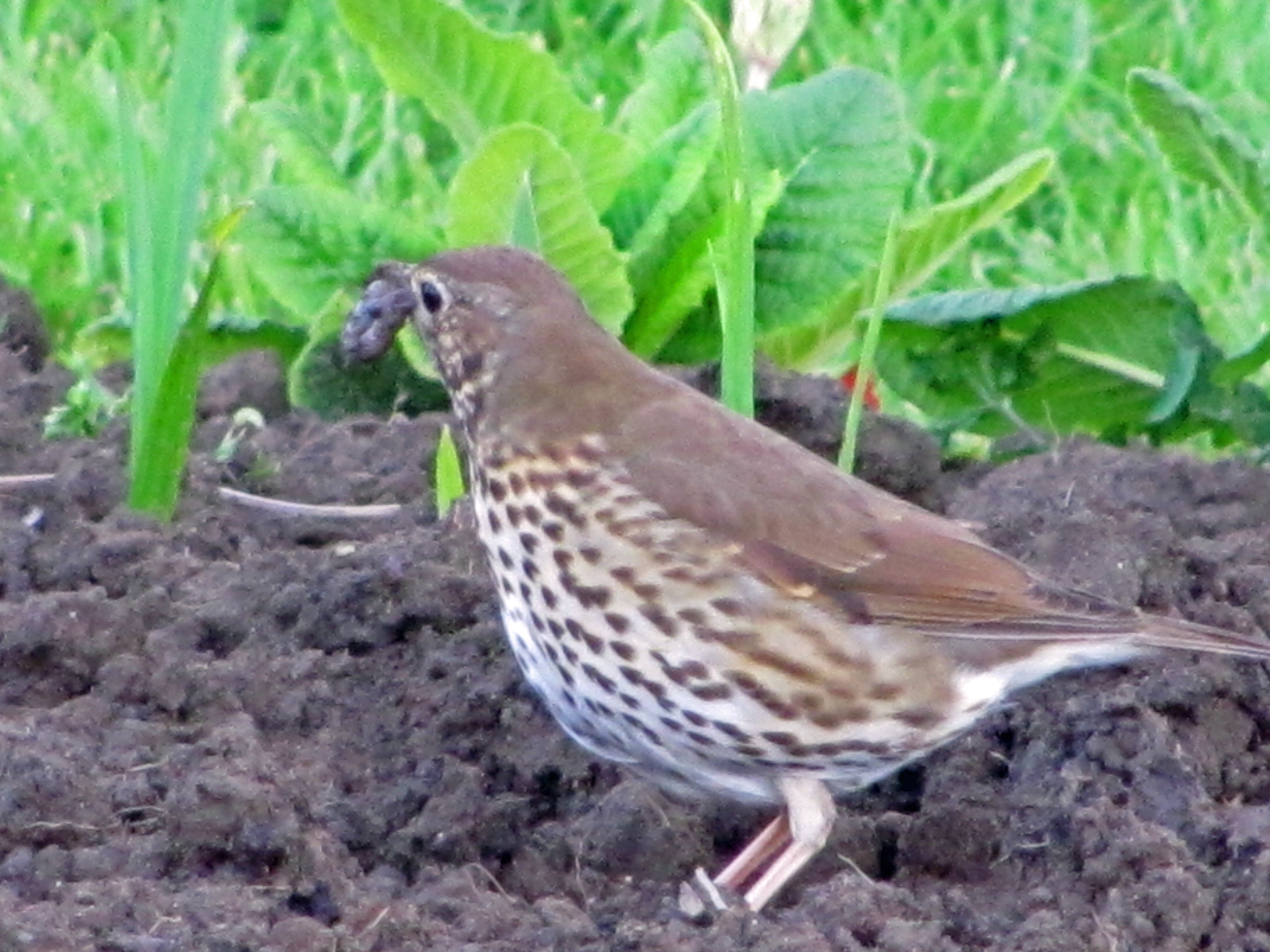
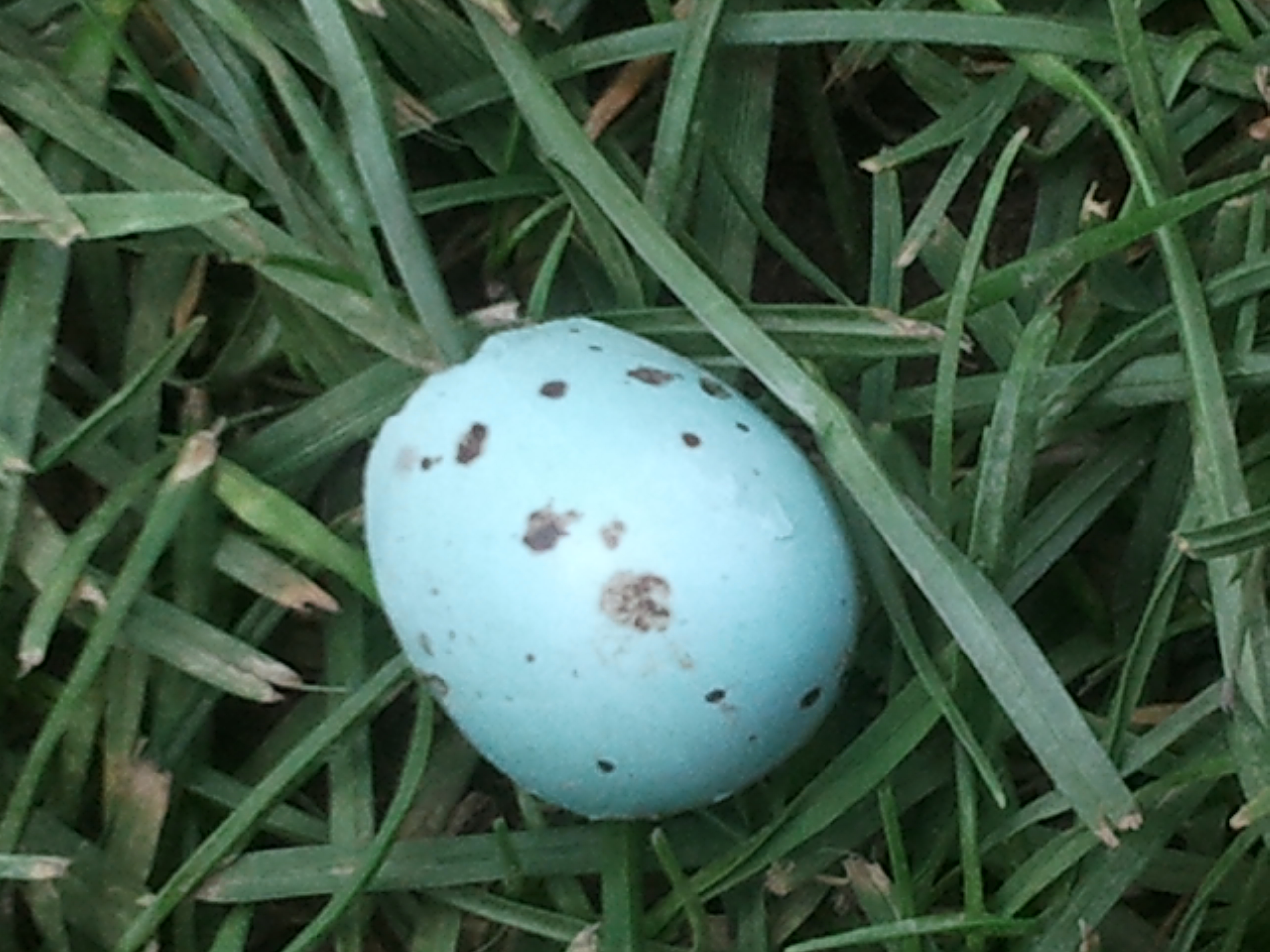
Moving on from the Autumn Garden towards the first communal orchard we follow a native hedge in which for the first time a Song Thrush has nested. the parents are busy feeding their young and collect worms and bugs from plots right under the noses of the gardeners.
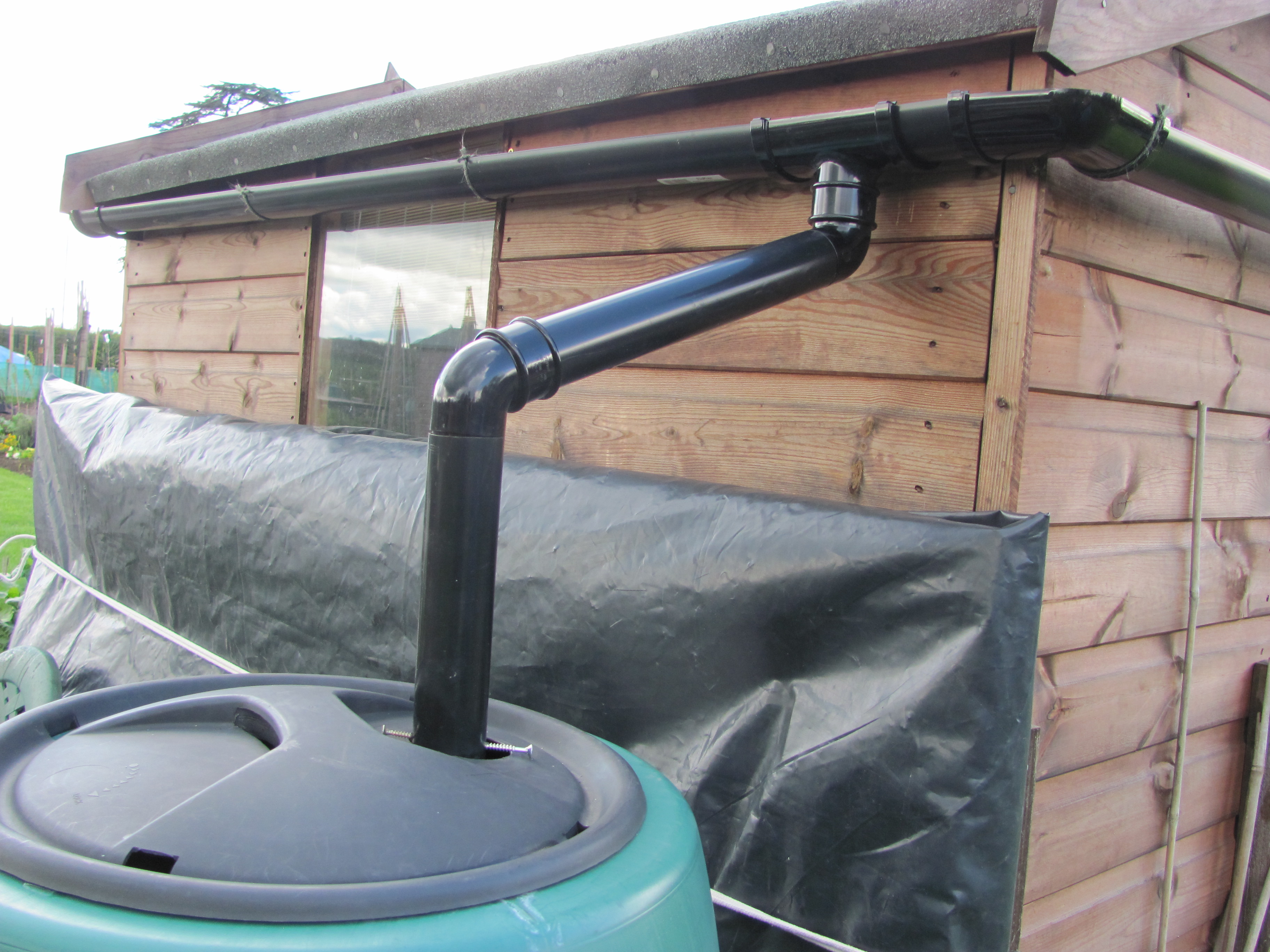


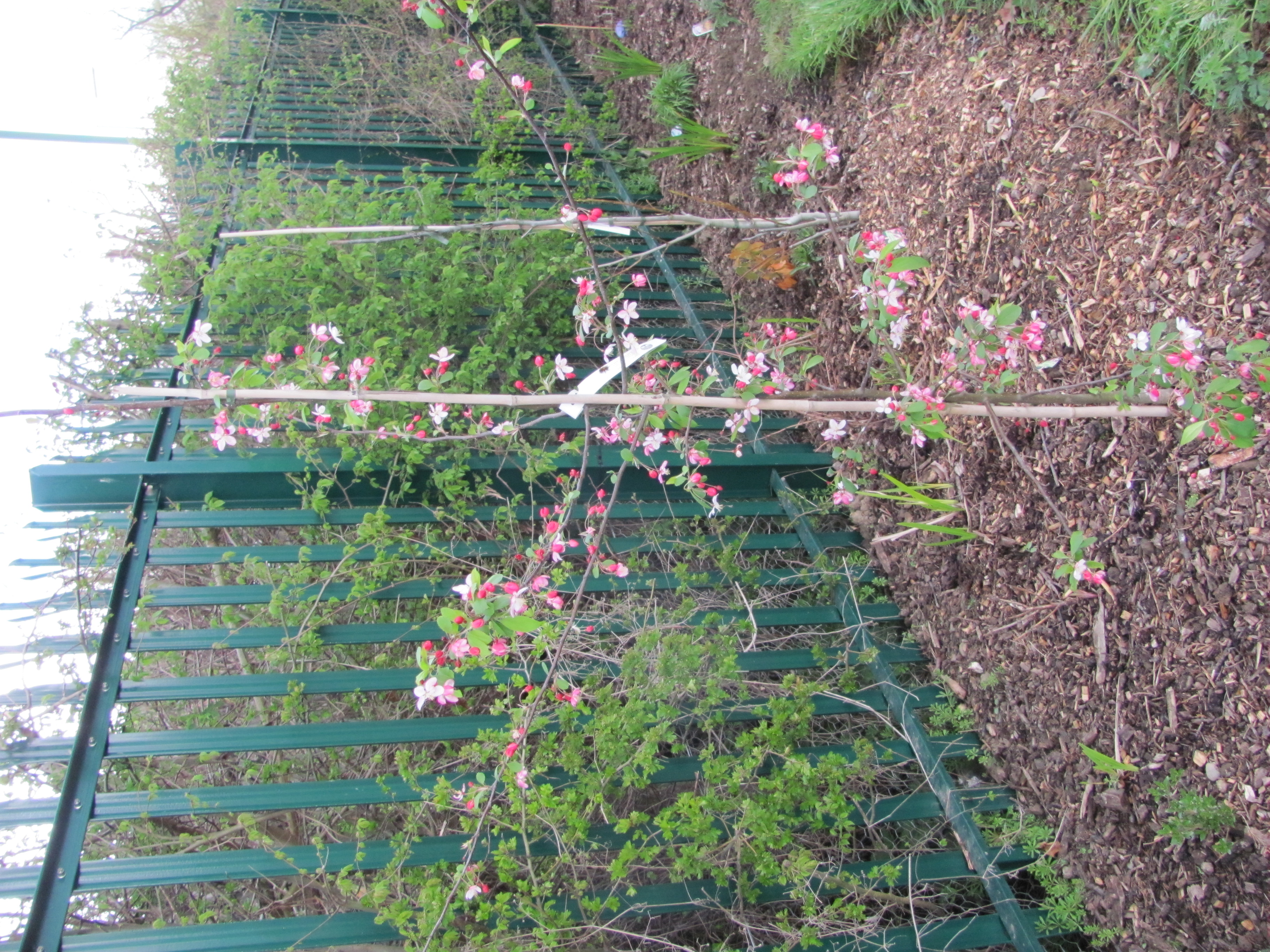
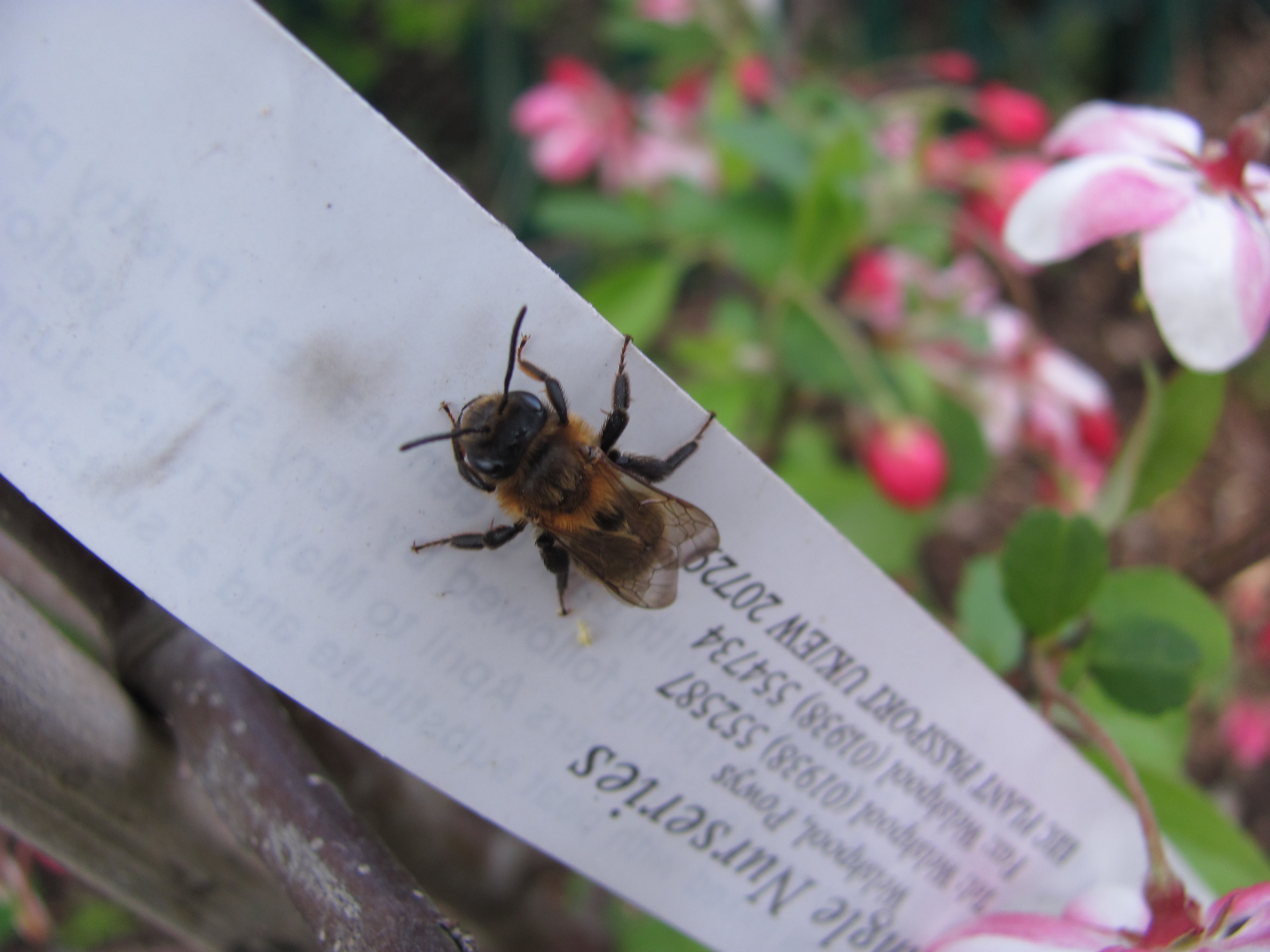
In Crowmeole Orchard flowering spring bulbs are coming to an end as Camassias and Allium push up their flowering buds. The apples, pears and plums are covered in pink or white blossom.
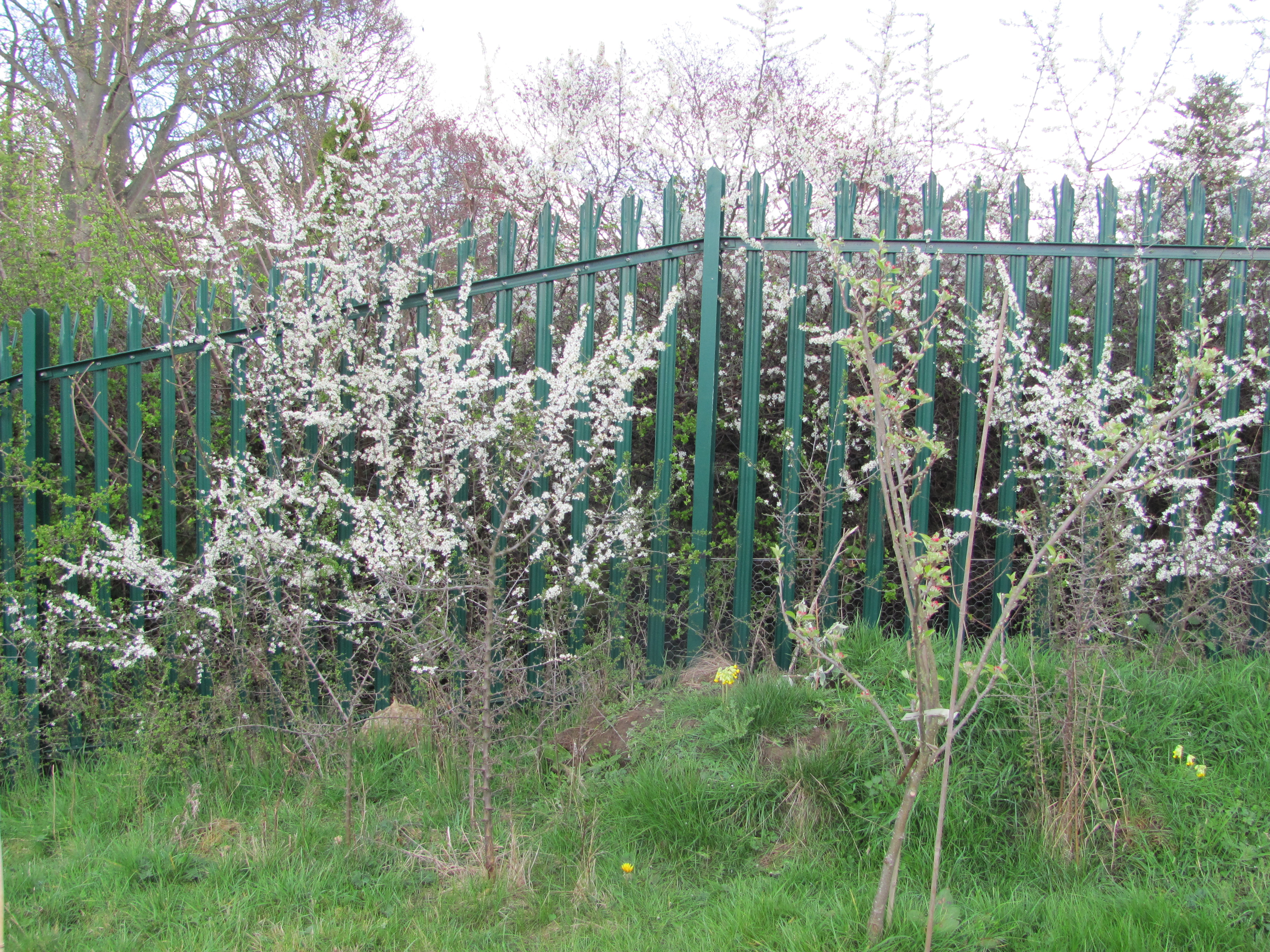


As we wandered through this orchard a flock of Long Tailed tits in their pink and brown livery flew off in the bouncing flight pattern, having fed on the peanuts in the feeders. Their long trailing tails followed on. We moved on following paths between plots towards the Spring Garden and Sensory Garden near the old oak tree. Plots are full of ridged rows of sown potatoes and white plastic plant labels marking newly sown rows.

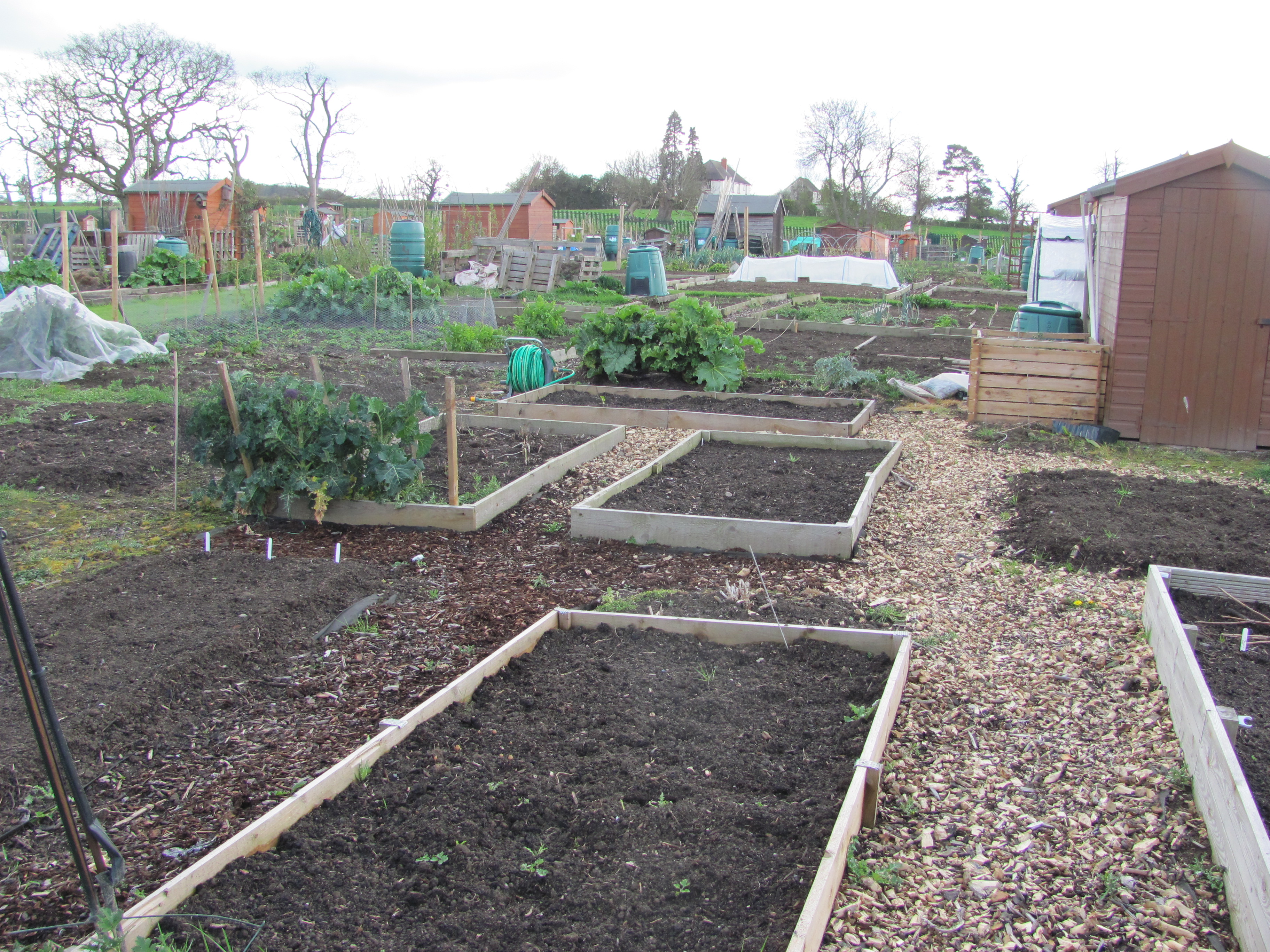
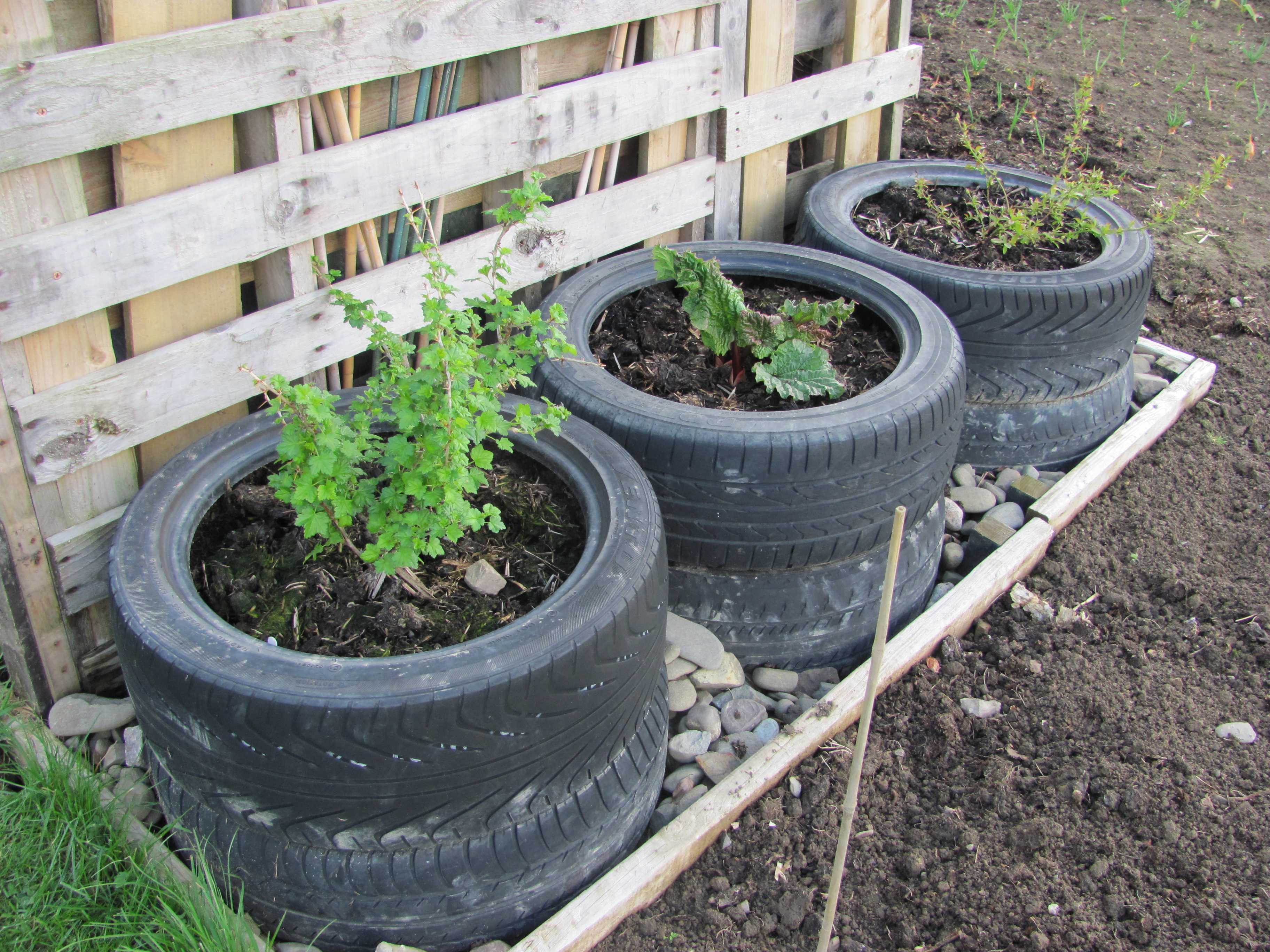
The Spring Garden in its second spring is looking so good and has become a popular place for allotment holders and visitors.
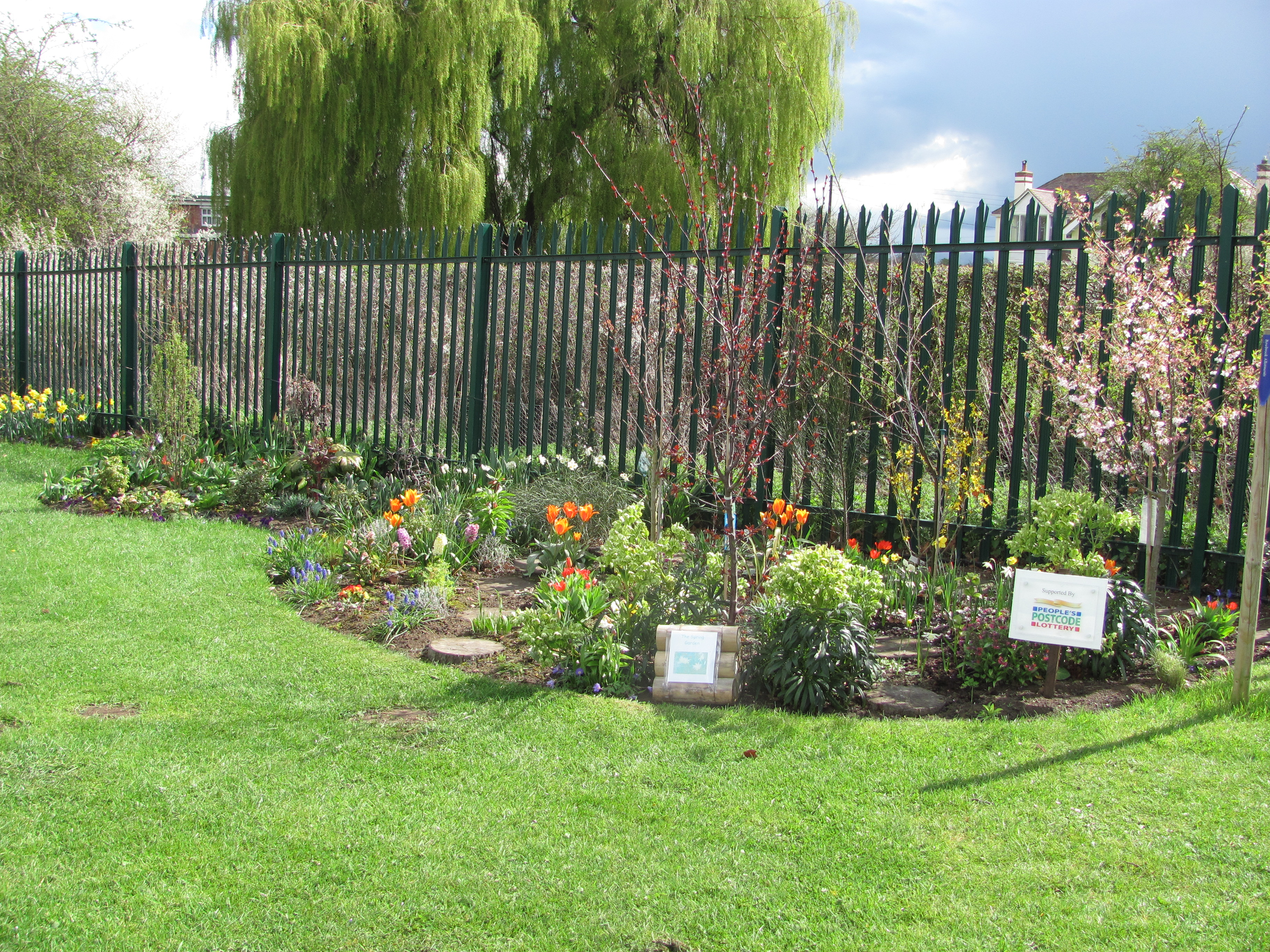
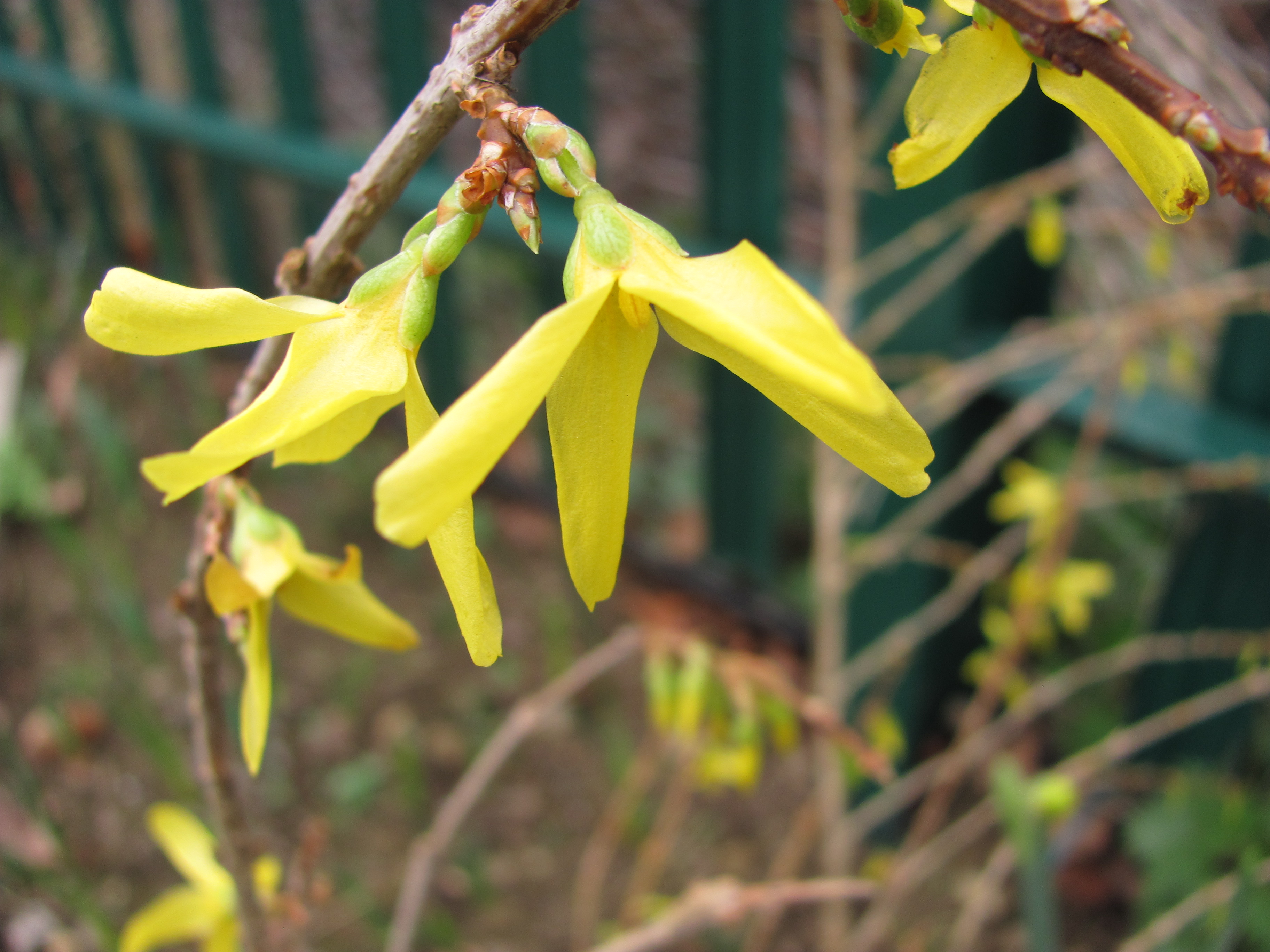

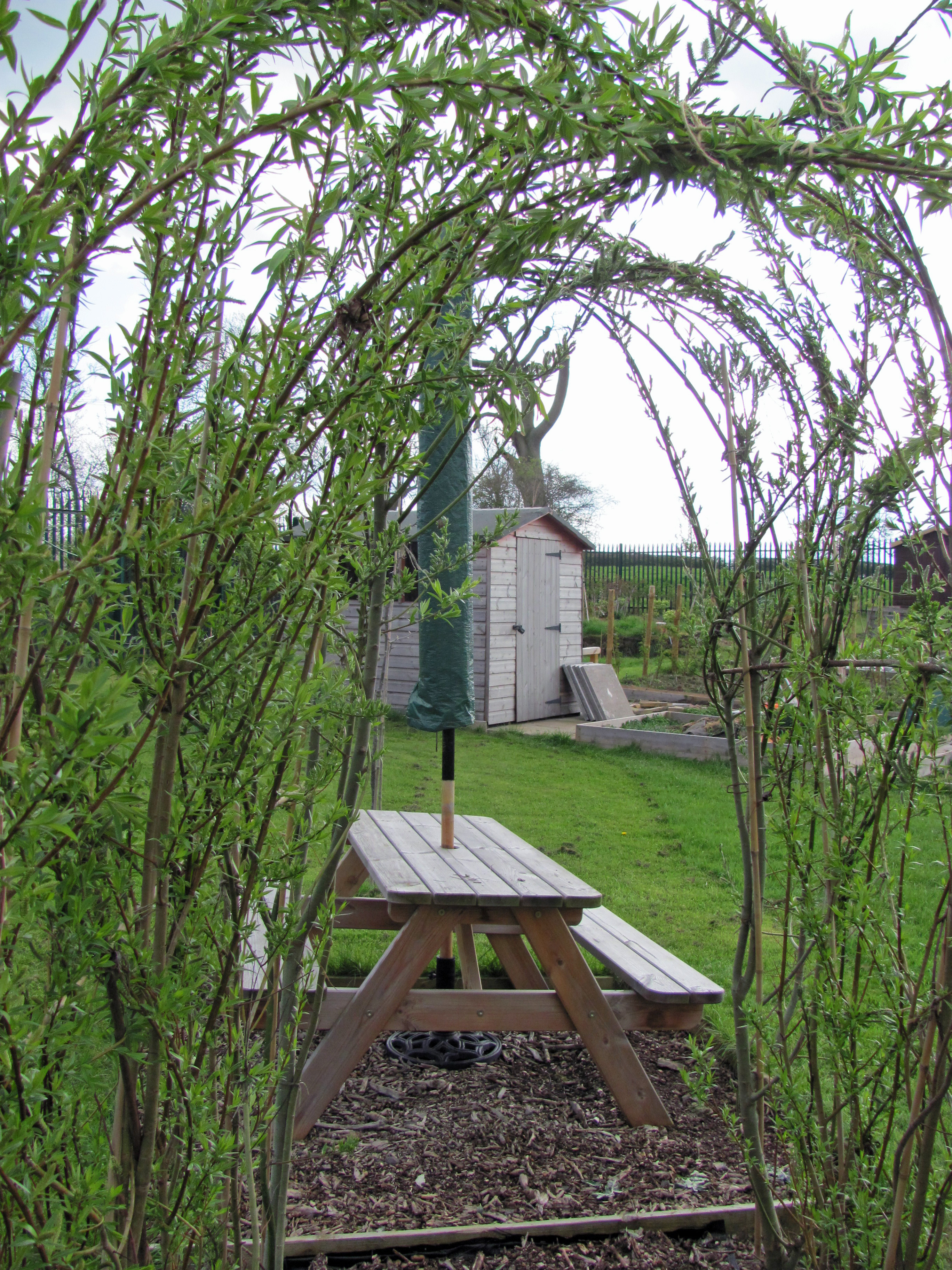
Through the Willow Tunnel is one of our many picnic benches where we stop for coffee on our April wanderings. As we enjoyed our brew curlews called in nearby fields with their mournful song and the Great Spotted Woodpeckers flew busily overhead.
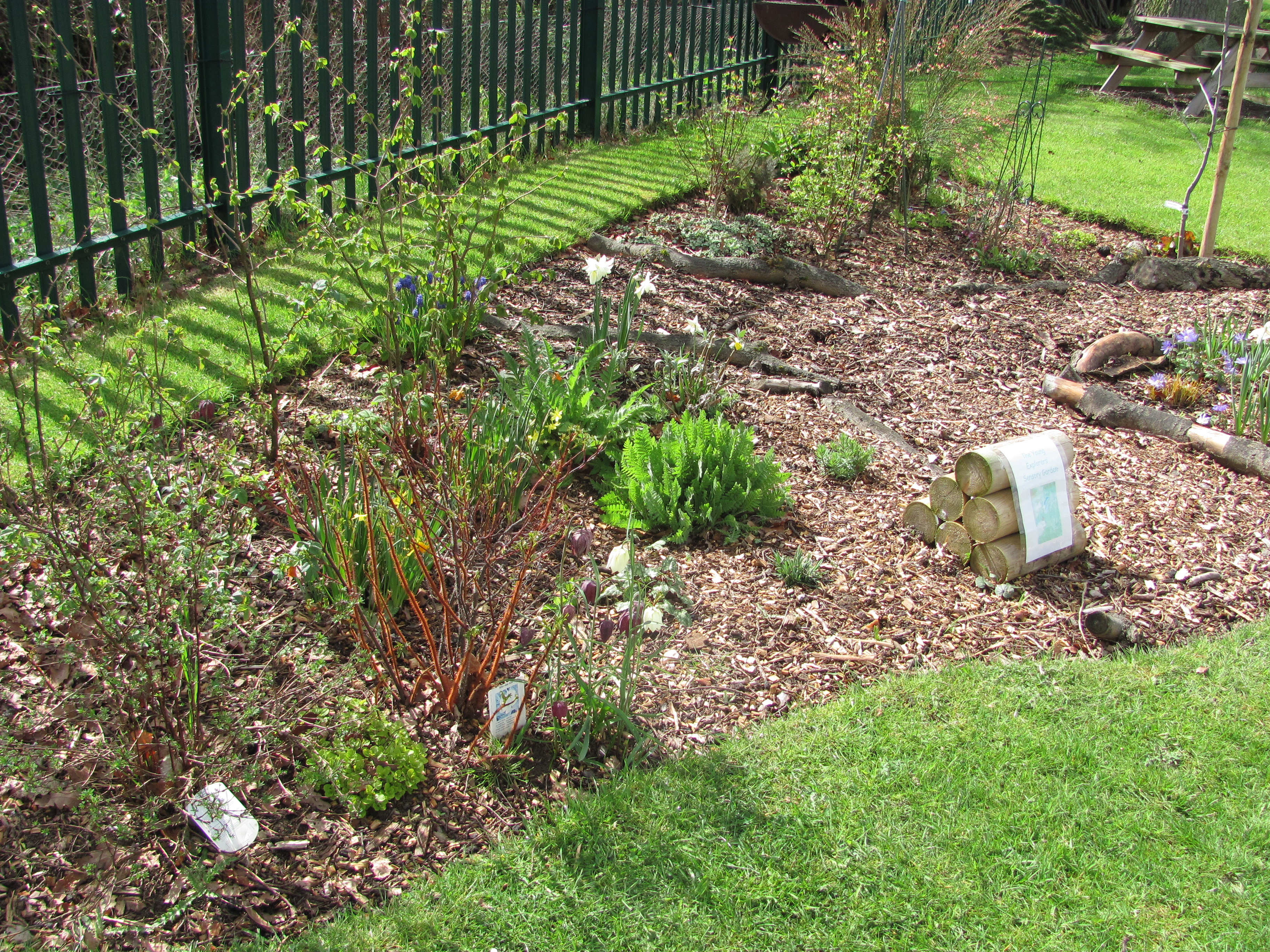
The Winter Garden has passed its peak after being so popular for months. We have been busy giving it a sort out.


We wandered next through the Woodcote Orchard where the paths are cut short and neatly through the long grass, and looked at the Turf Spiral, a favourite of the children.


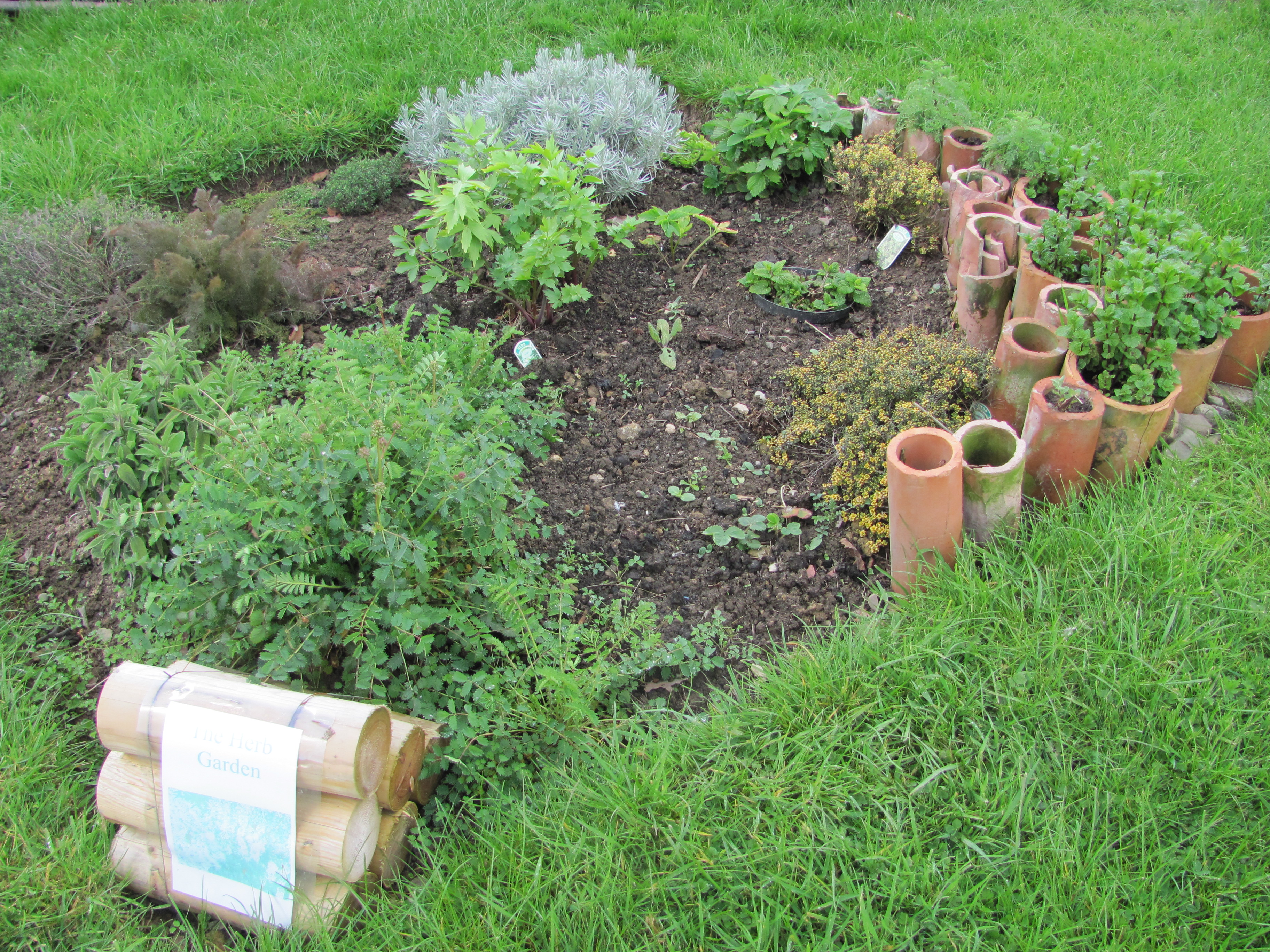
Our final stop on the way back to the car park was the Herb Garden where herbs are now well established. This last section of our lottie wander took a lot longer than the others as we enjoyed a good chat with Dave and Jean. We put the world to rights and shared details of how all our crops were getting on.

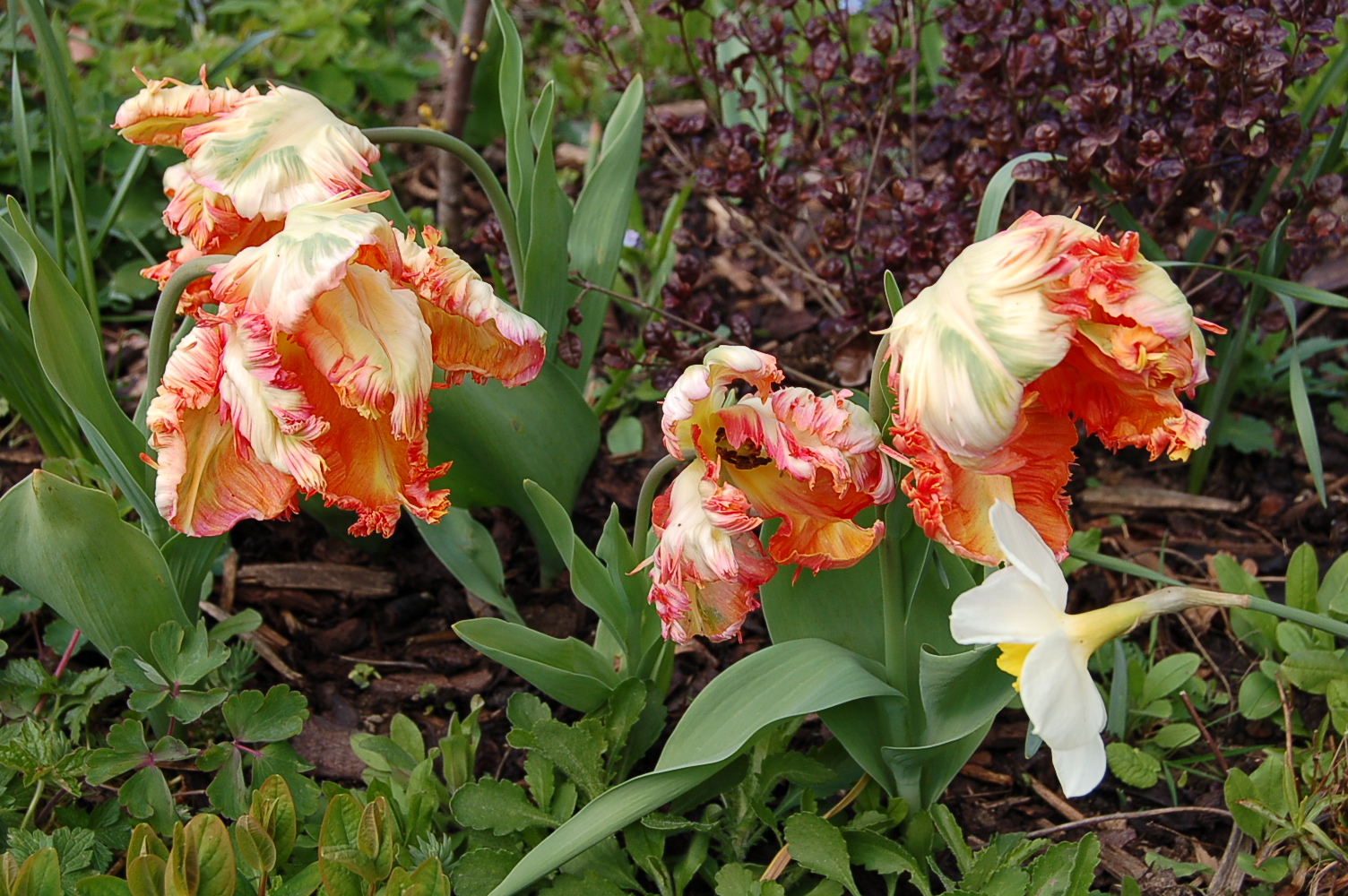
Every autumn we plant more tulip bulbs and inevitably by the spring we have forgotten what we planted and where we planted them. So when they start to flower we are always in for plenty of surprises.
The low light of a morning in early spring is a perfect time to photograph them. I am sure they grow just to be photographed, as they are such posers!
Let’s have a wander around and see what we have …………


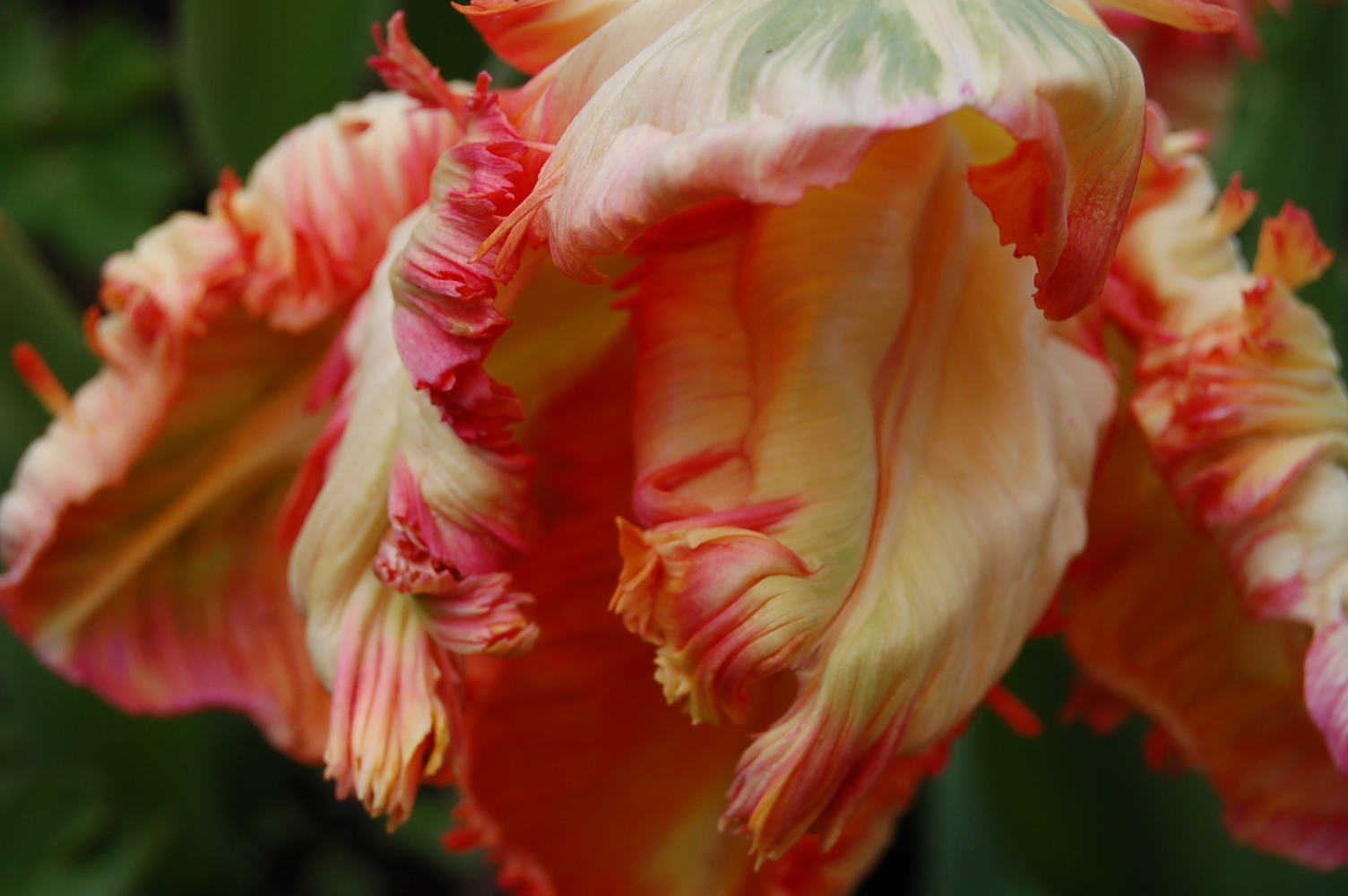
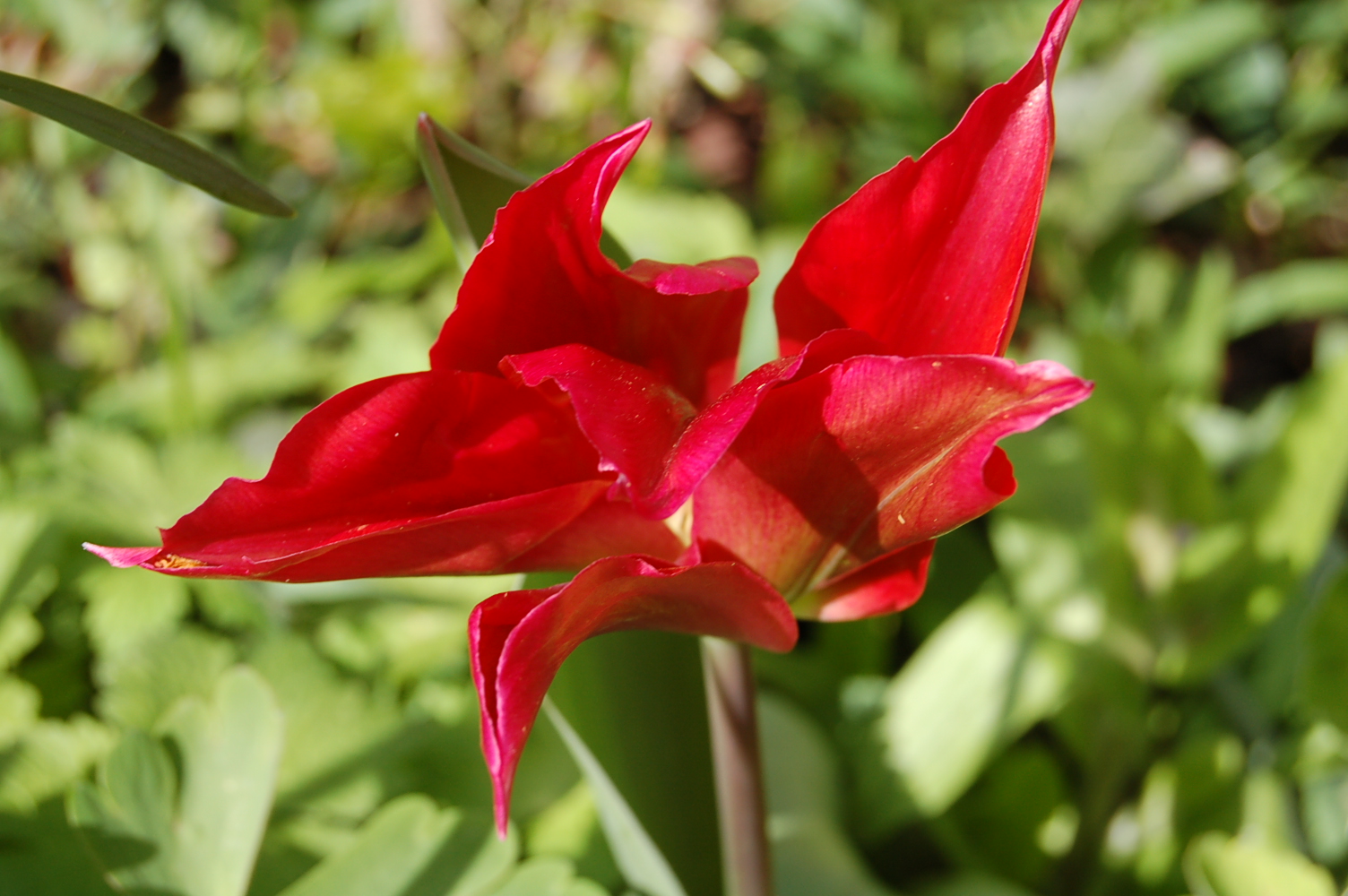
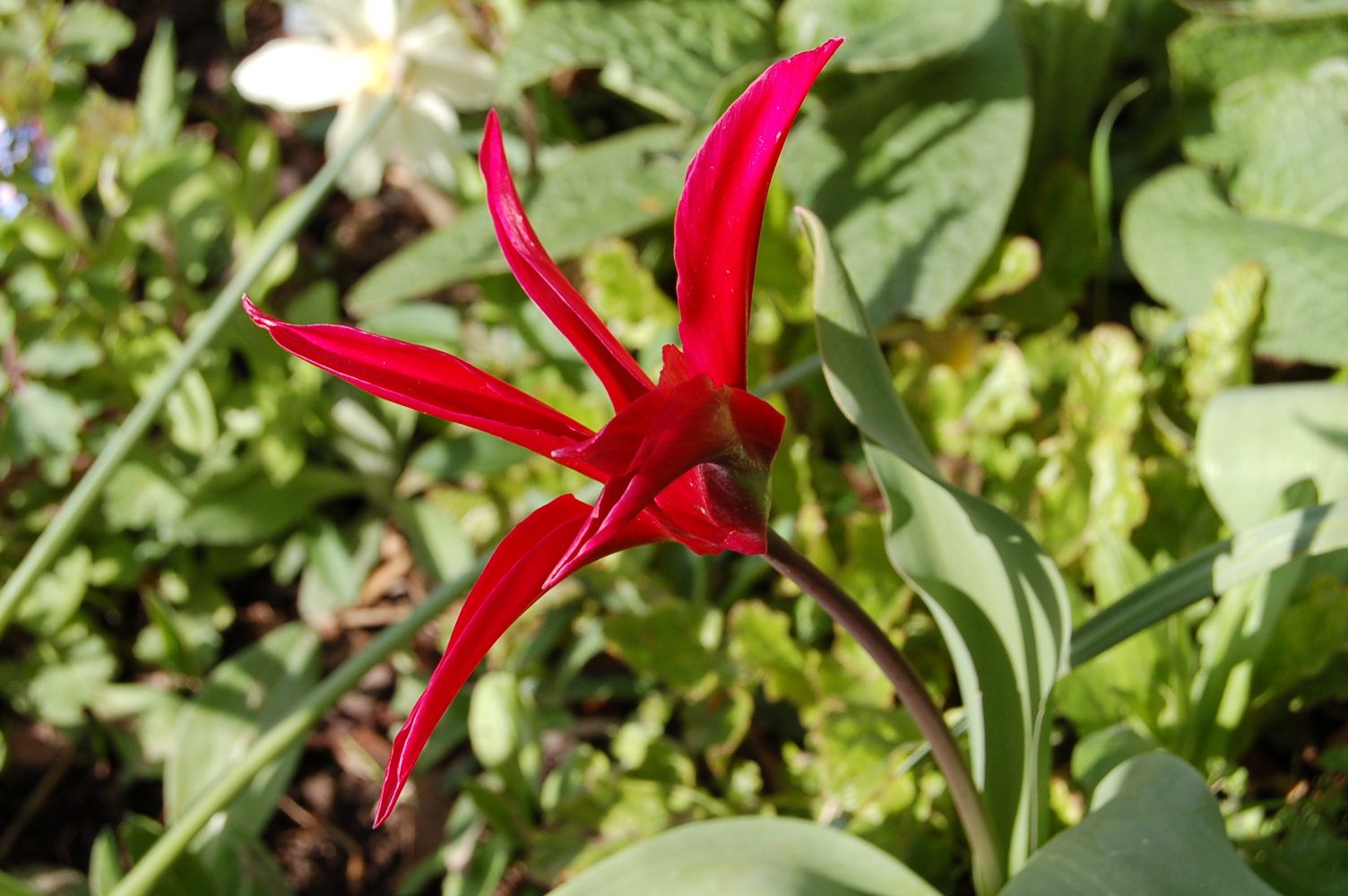
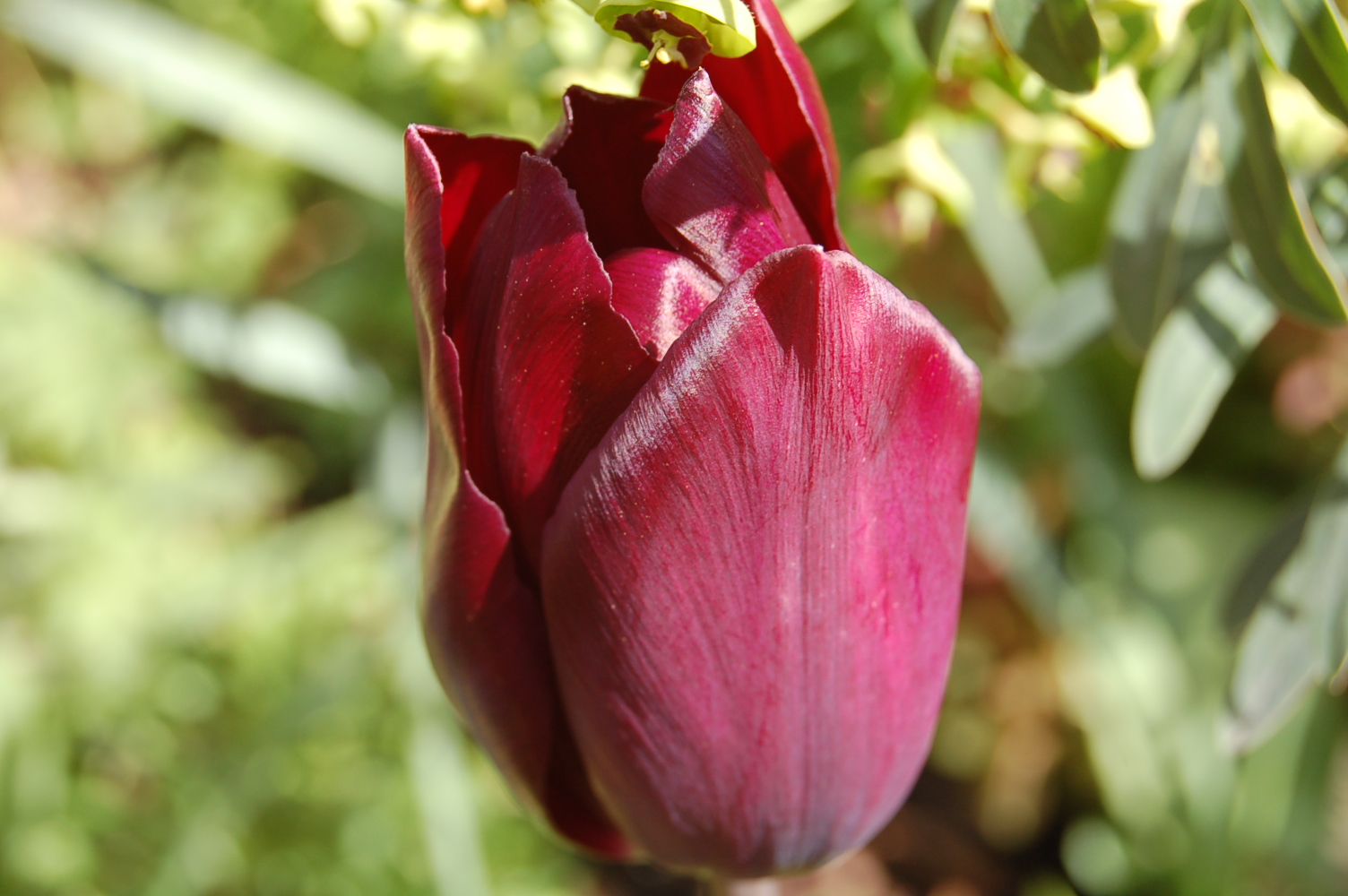


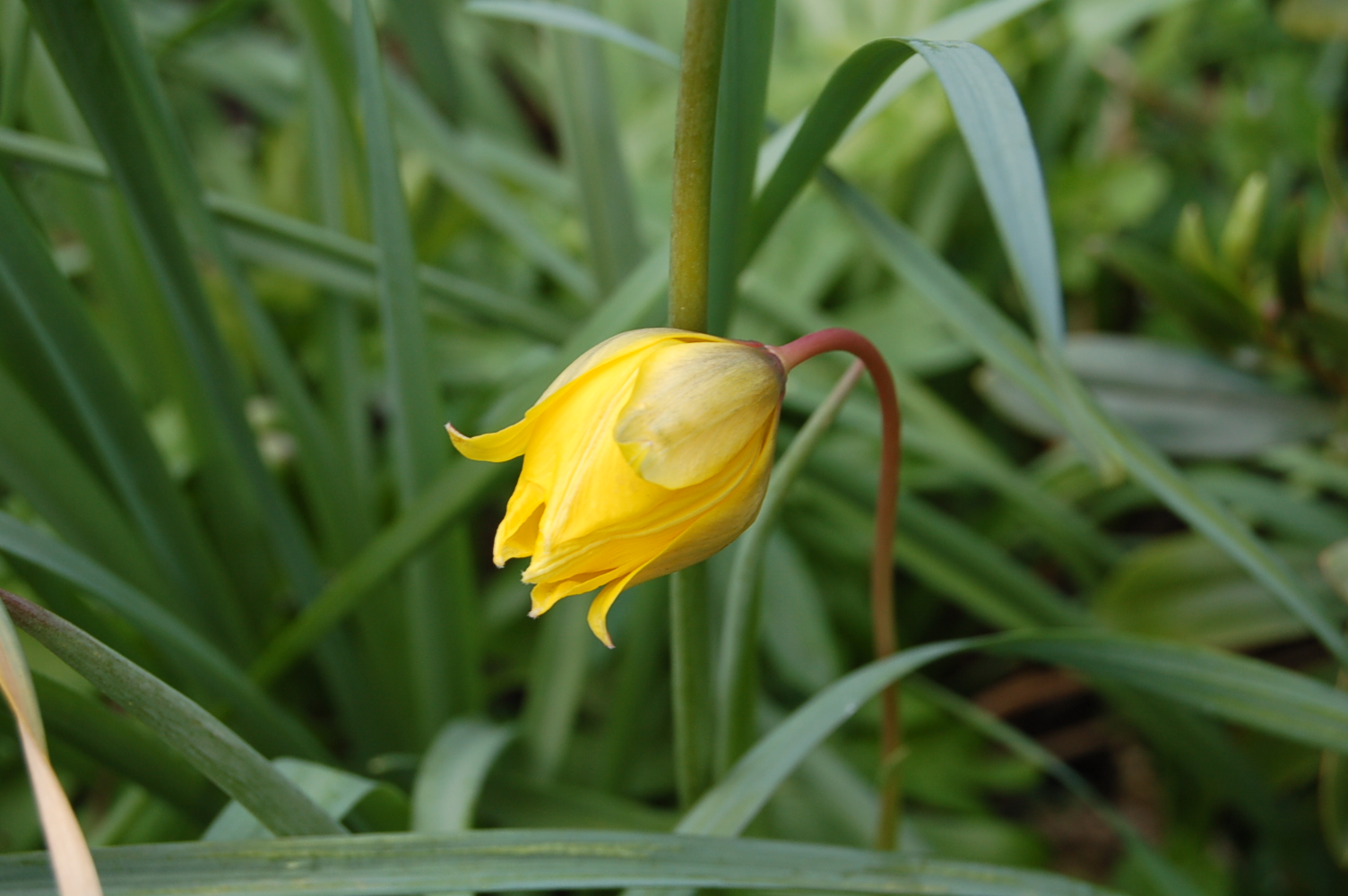
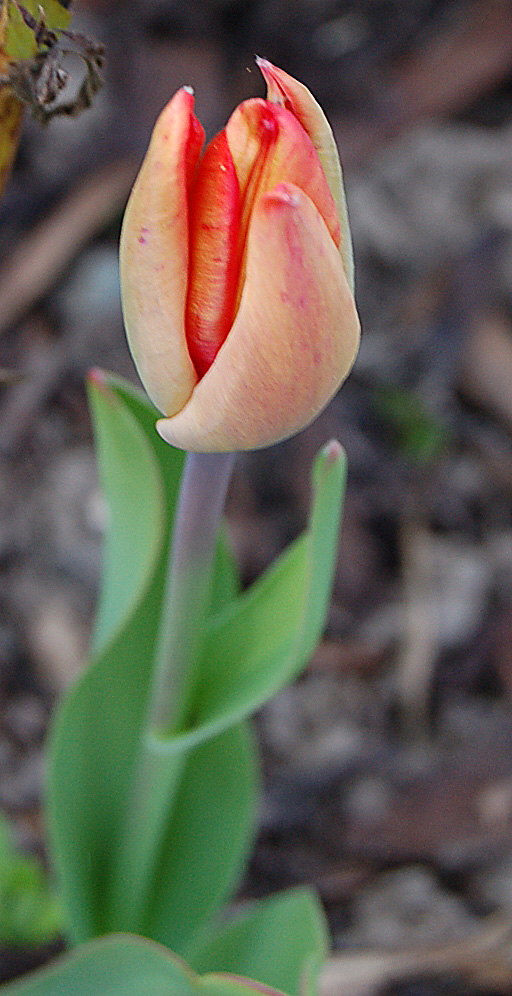

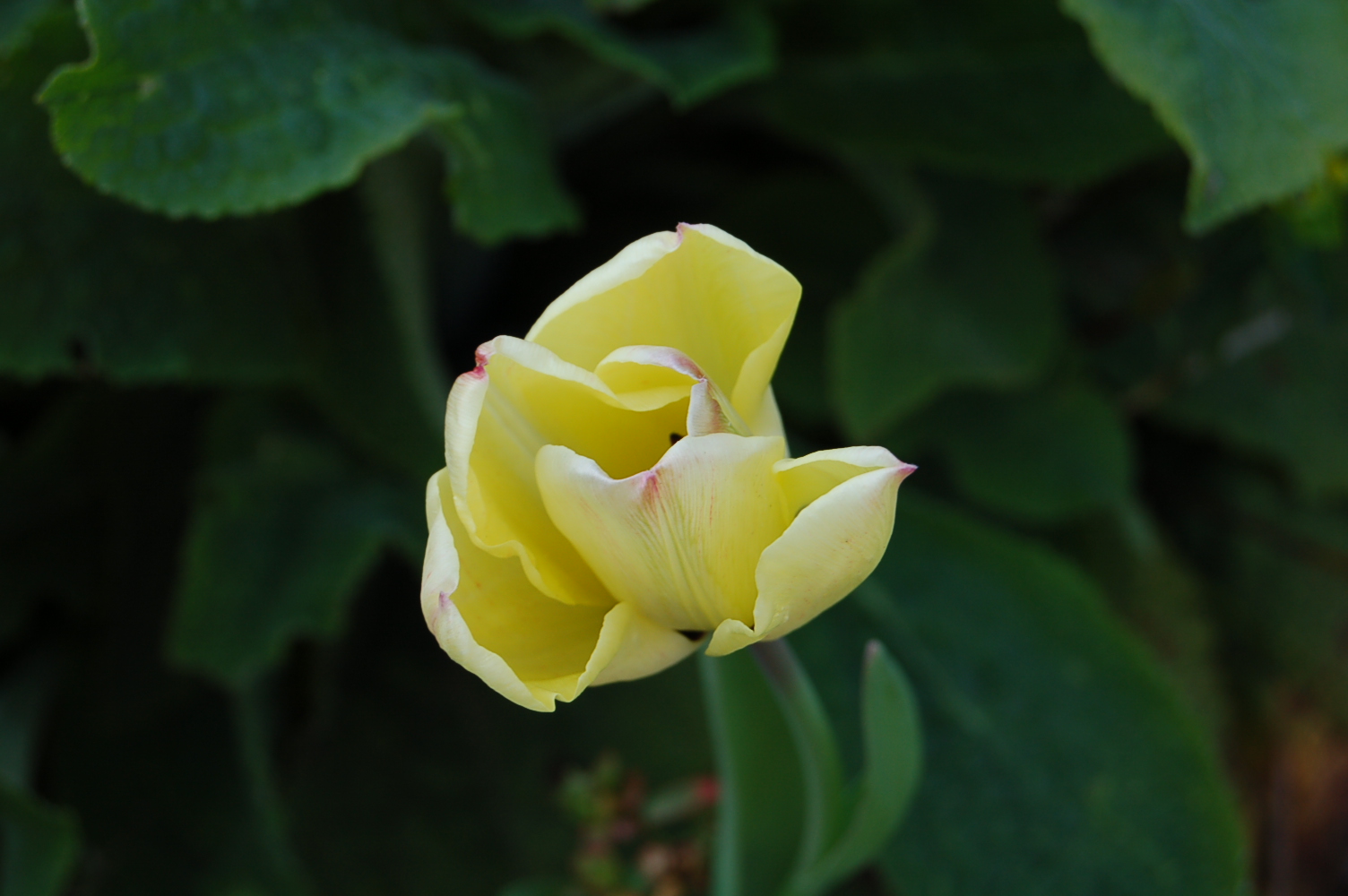
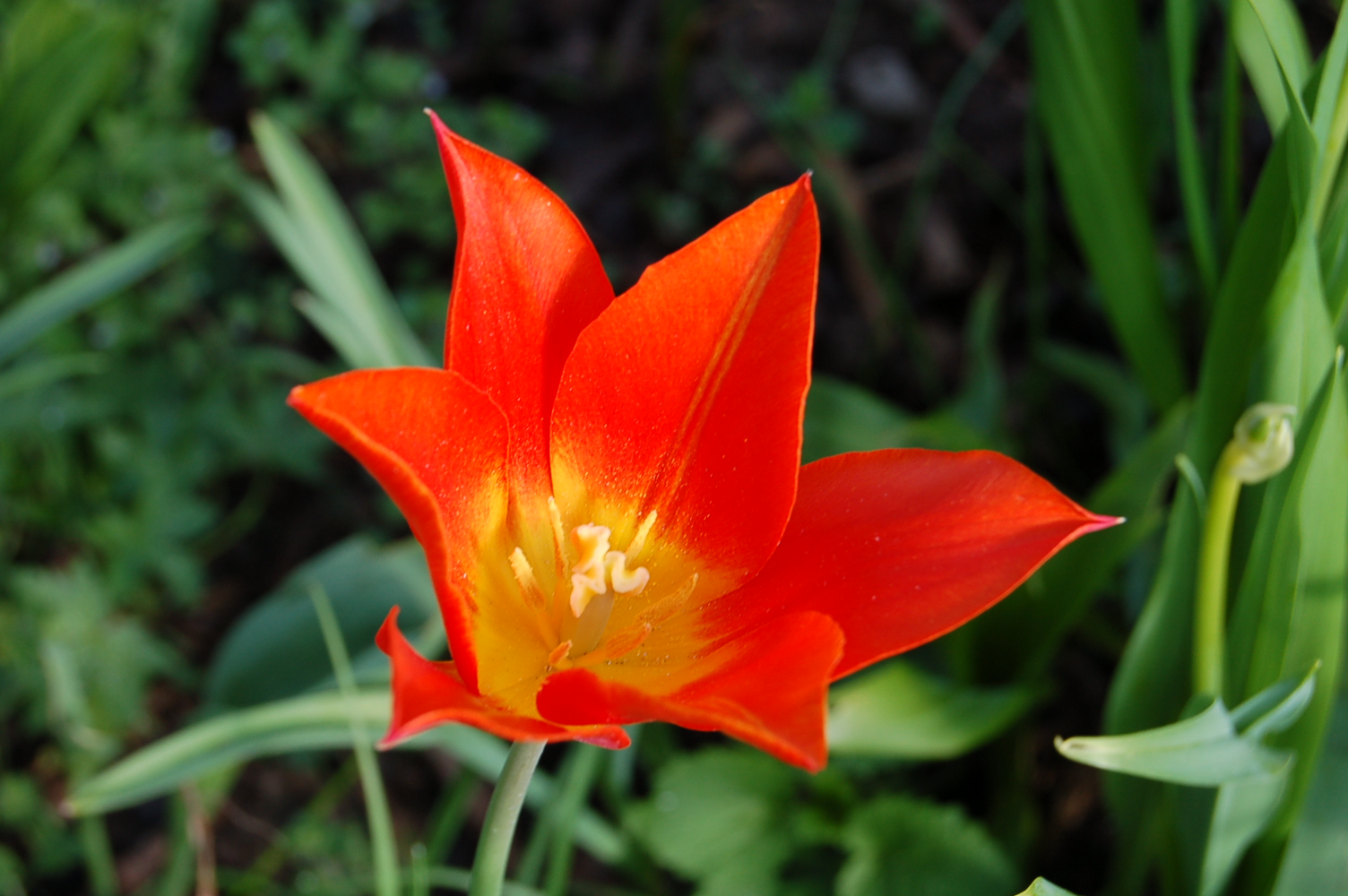

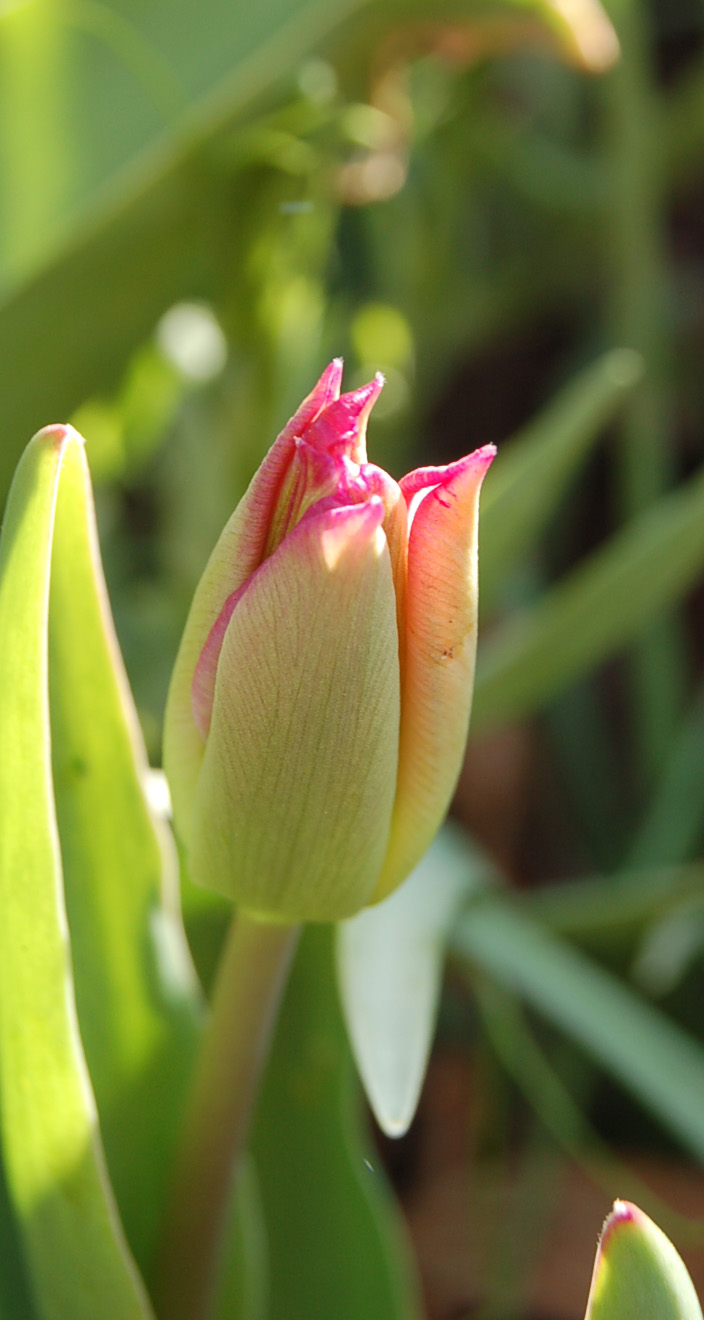
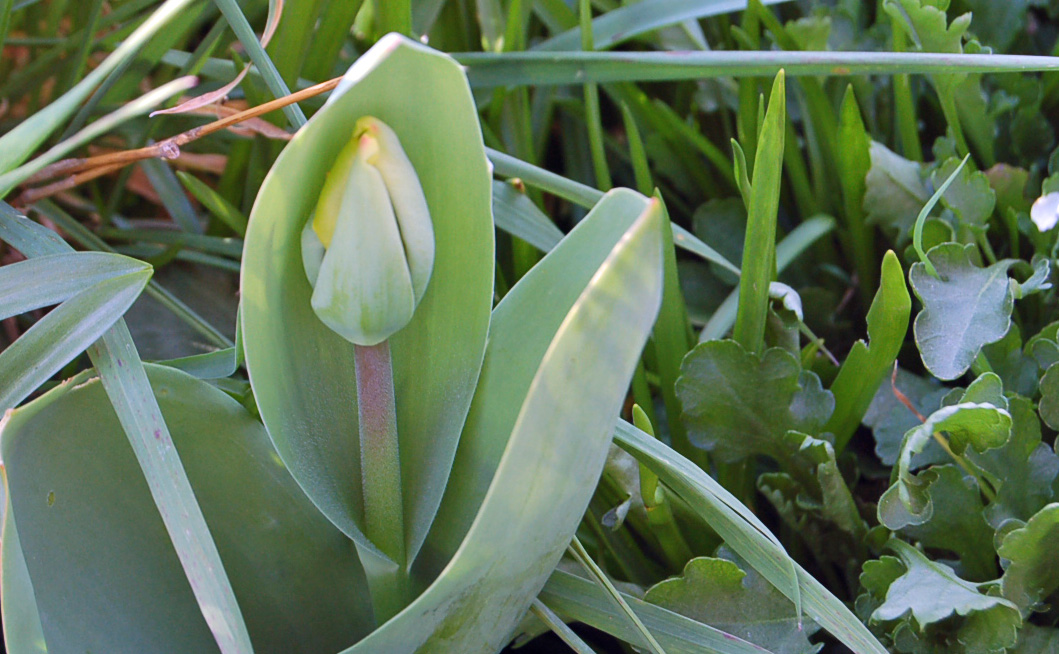


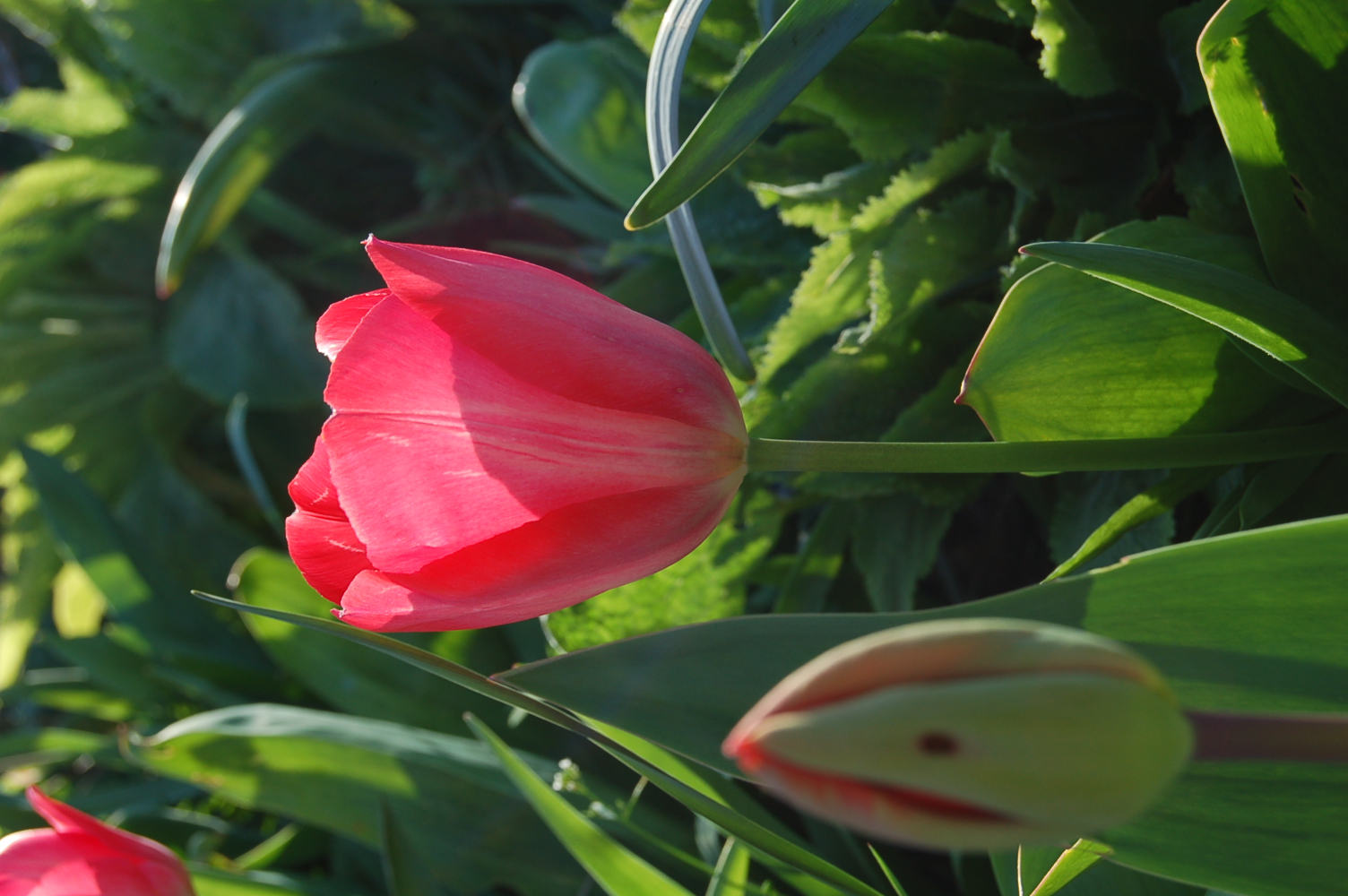

And there are more where these came from! (Tulip Time – Extra Time)

In mid-July each year we open our allotment community site for charity, which we do under the auspices of the National Garden Scheme. So we appear in the famous “Yellow Book” of gardens open throughout England and Wales. Our first opening was in July 2011.
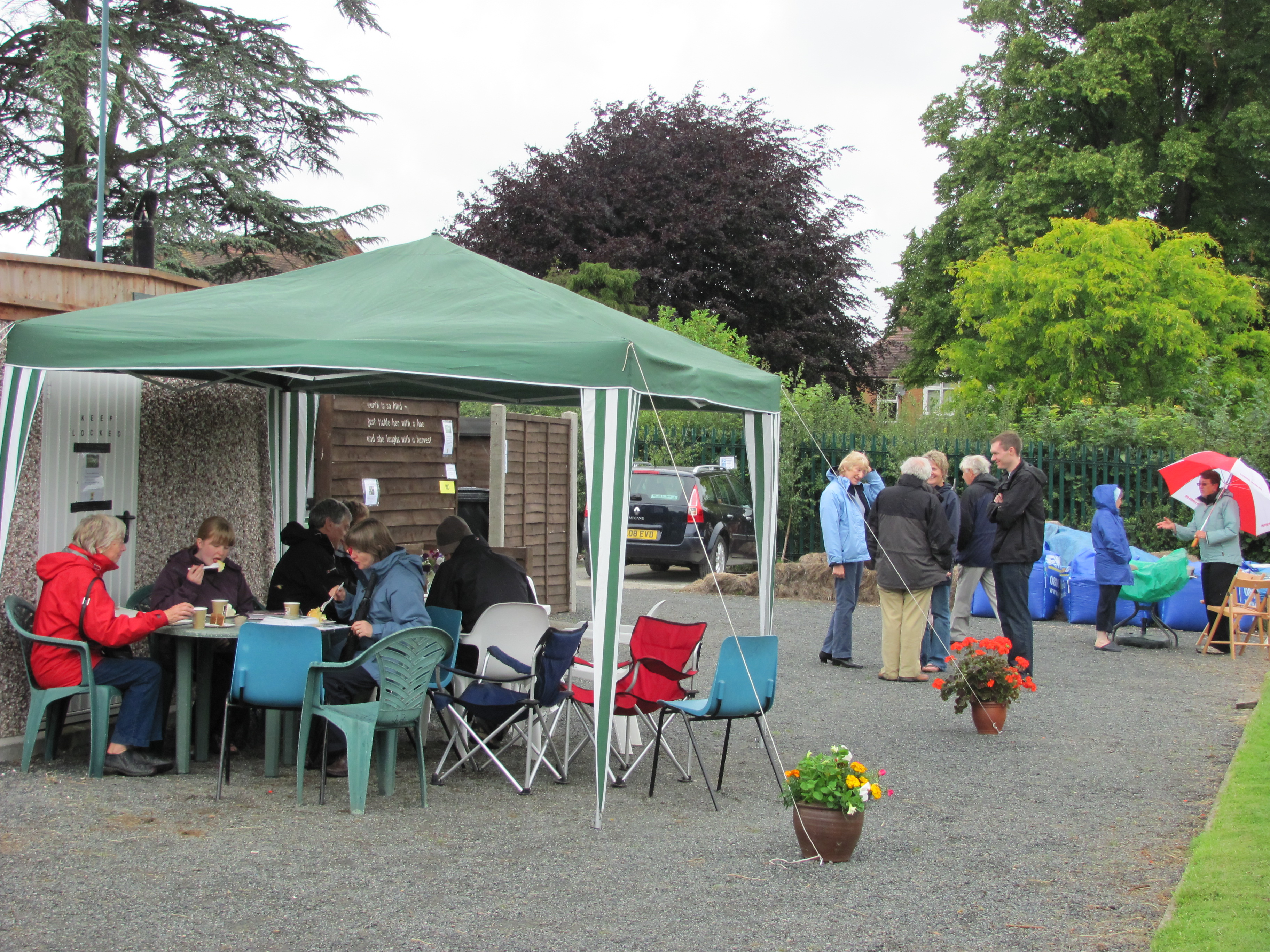
The weather was exactly what you would choose not to have on an open day particularly in mid-July. Strong winds and heavy rain! But we had to go ahead and lots of volunteers spent the morning preparing for the afternoon, creating a tea shop out of Hut 2, putting up gazebos and putting up direction signs, car park signs. toilet signs, tea shop signs – lots of signs! Throughout the previous week members had been tidying up their plots and cutting the communal grass areas. A working party the previous weekend made the green spaces look spick and span.
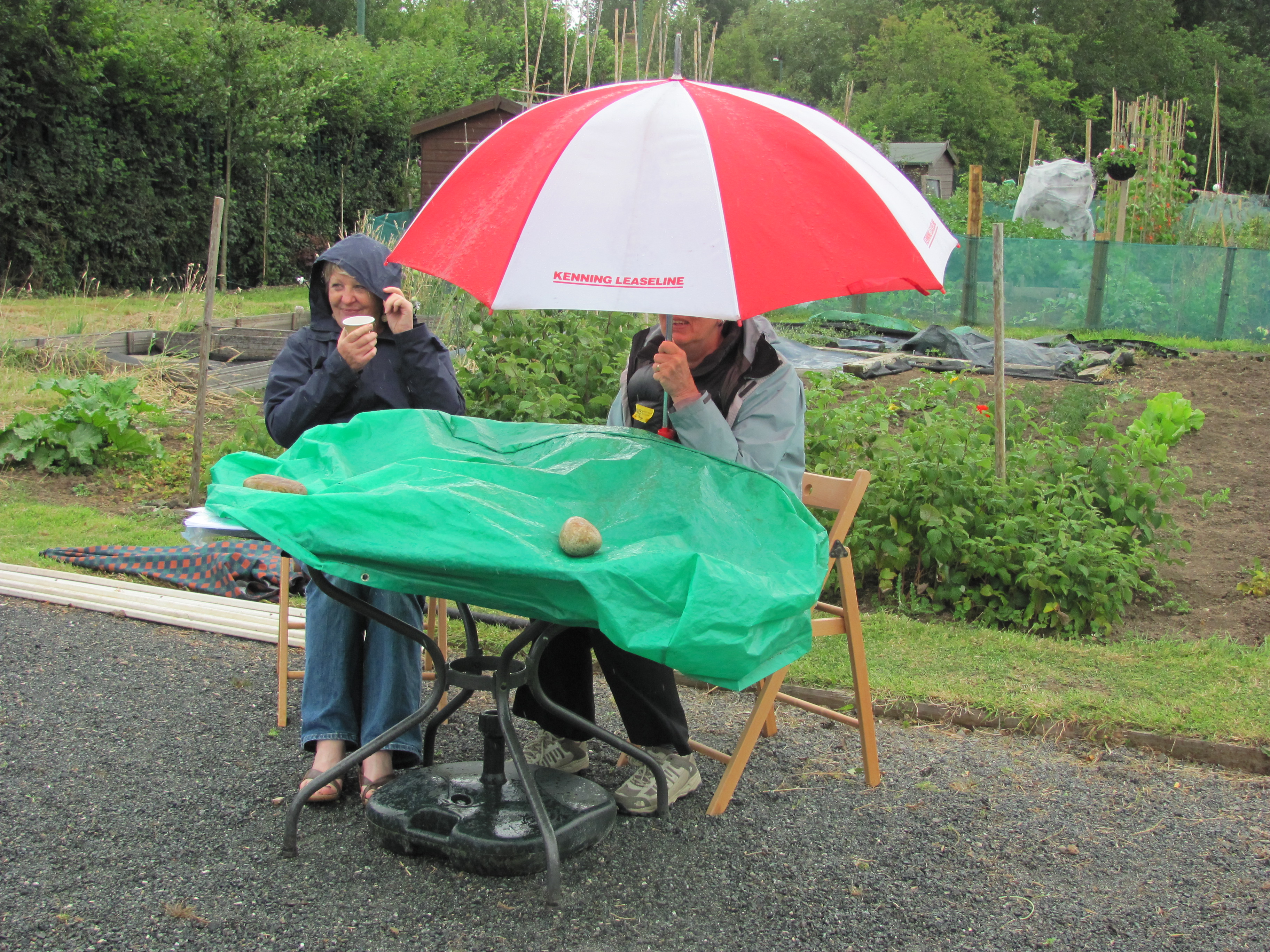
As the time drew near Jude the Undergardener and Di, a fellow plotter, set themselves up to sell the tickets.
We nervously awaited the time to open and the weather just kept getting worse so we were worried that no visitors would turn up. But at the time of opening our visitors started to arrive. It was too windy to use umbrellas so they wandered around braving the wind and rain, stopping for frequent cups of tea and home-made cakes.
We judge the site’s scarecrow competition on the day and the entries give extra interest for the visitors. The fine couple in the photo were modelled on one of the plot holder’s parents! For 2012 our scarecrows will be based on the Olympics and/or The Queens Jubilee.

In the end we sent about £460 to the National Garden Scheme treasurers, so we were quite pleased. We hope for better weather this year when we open on Sunday 15th July.
In the Spring each year all the gardeners who open their gardens meet to launch the new season of openings, and the Shropshire gardeners meet at the home of the County Organiser Chris Neil at Edge Villa, close to where we live. We all meet up again to chat, find out about how successful the county’s gardens were the previous year and have a glass of bubbly and nibbles (extremely tasty ones they are too!). This year Chris announced that 2011 had been a record year with over £60 000 being raised.
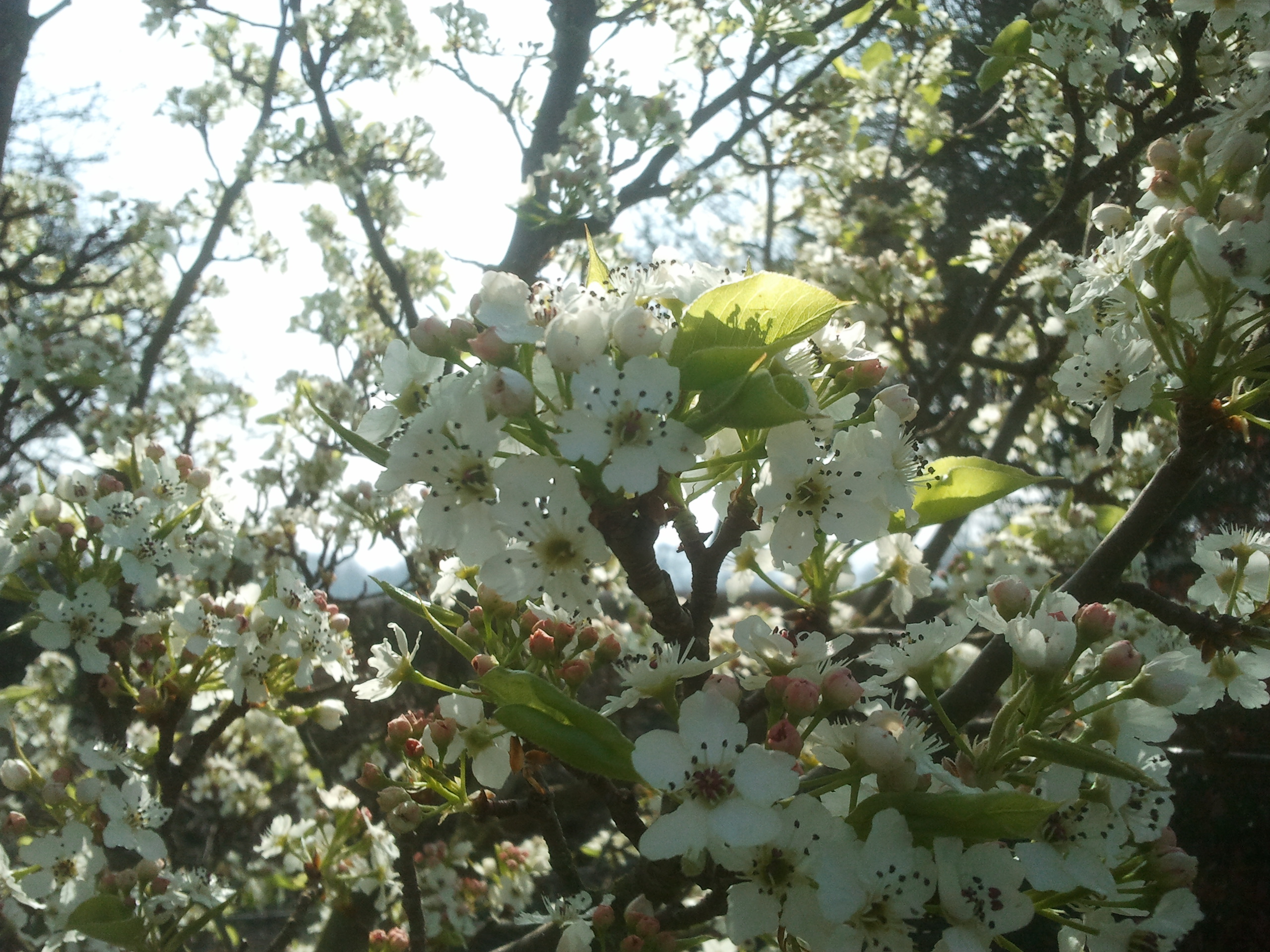
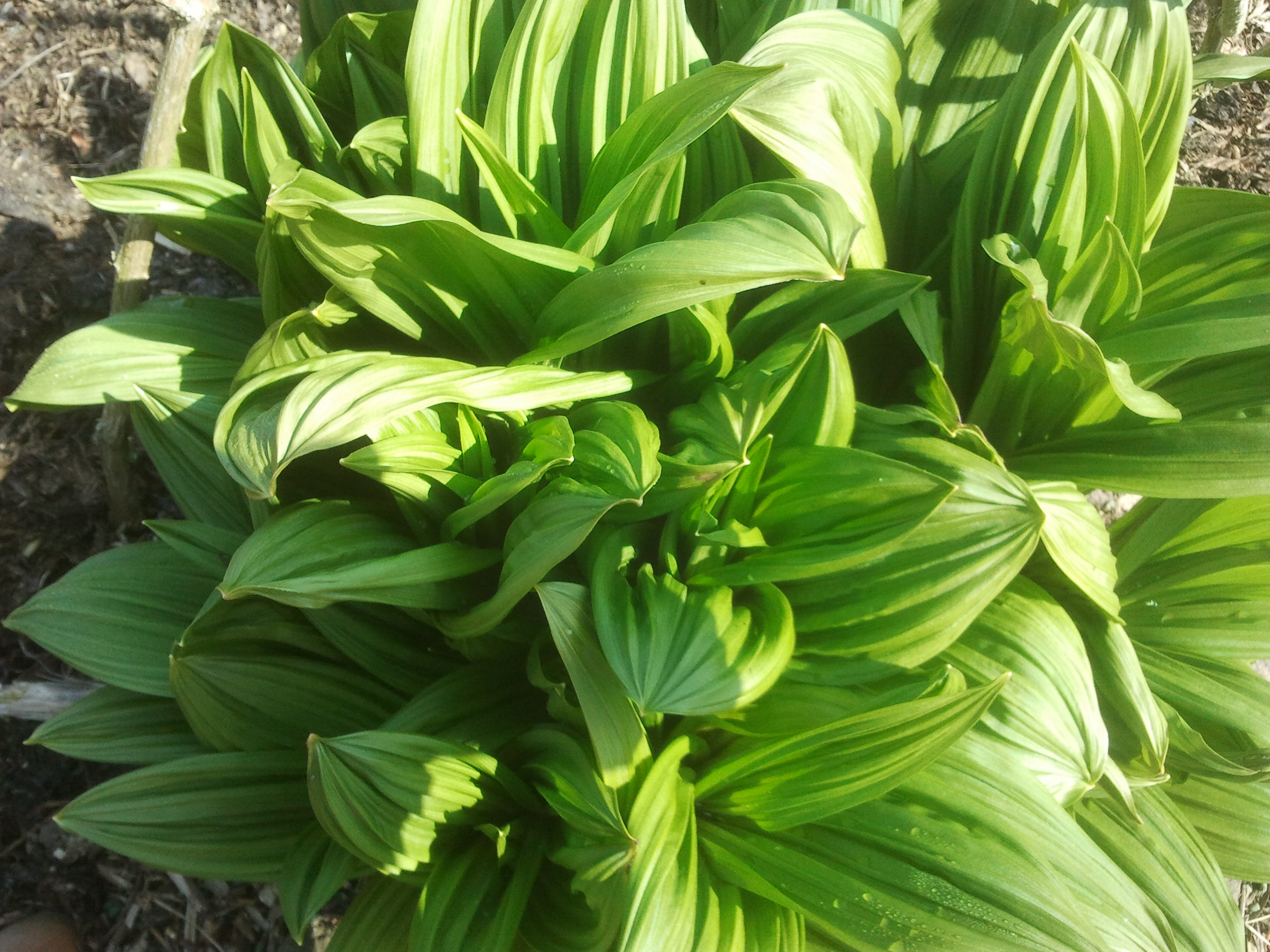
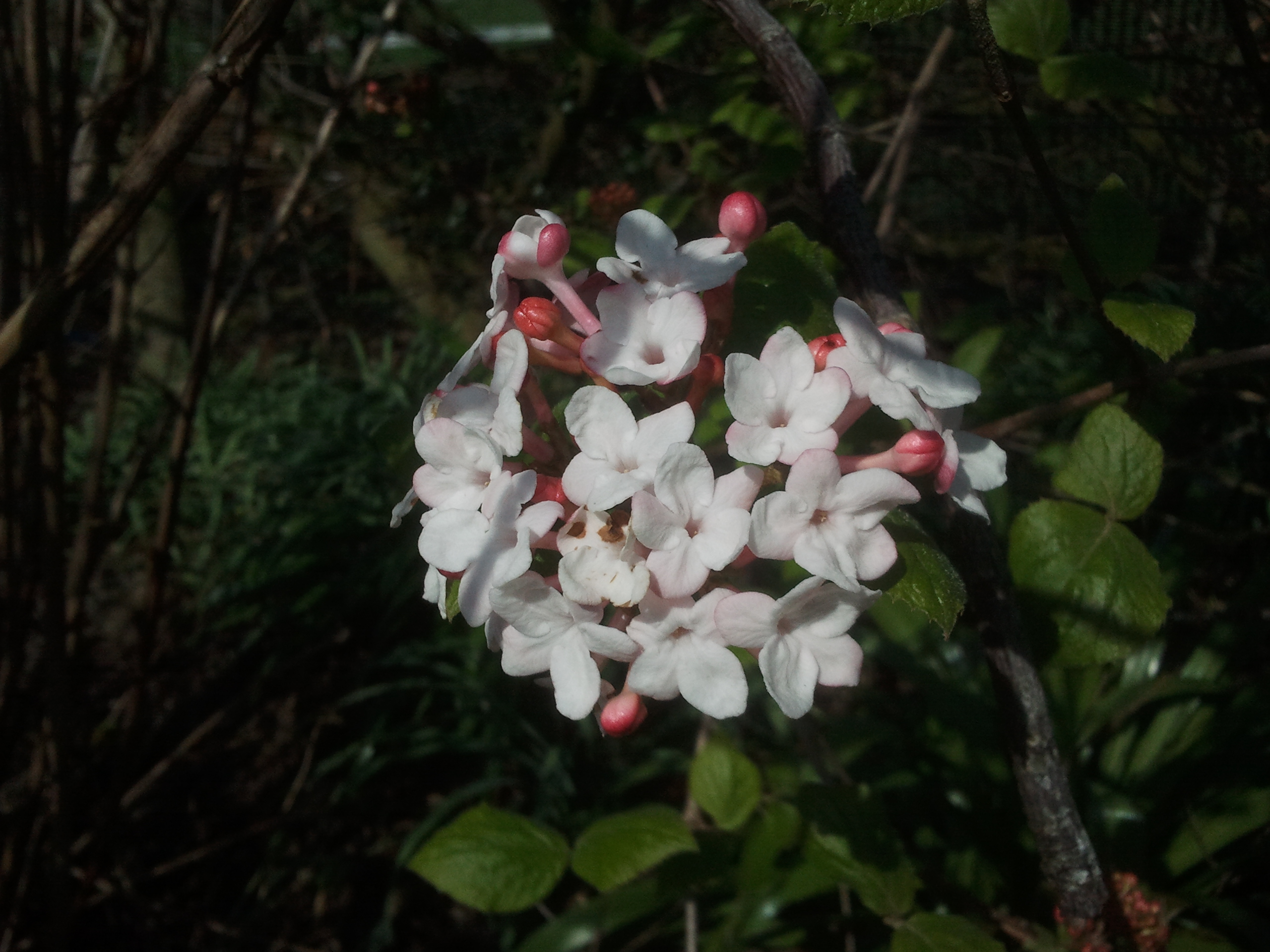
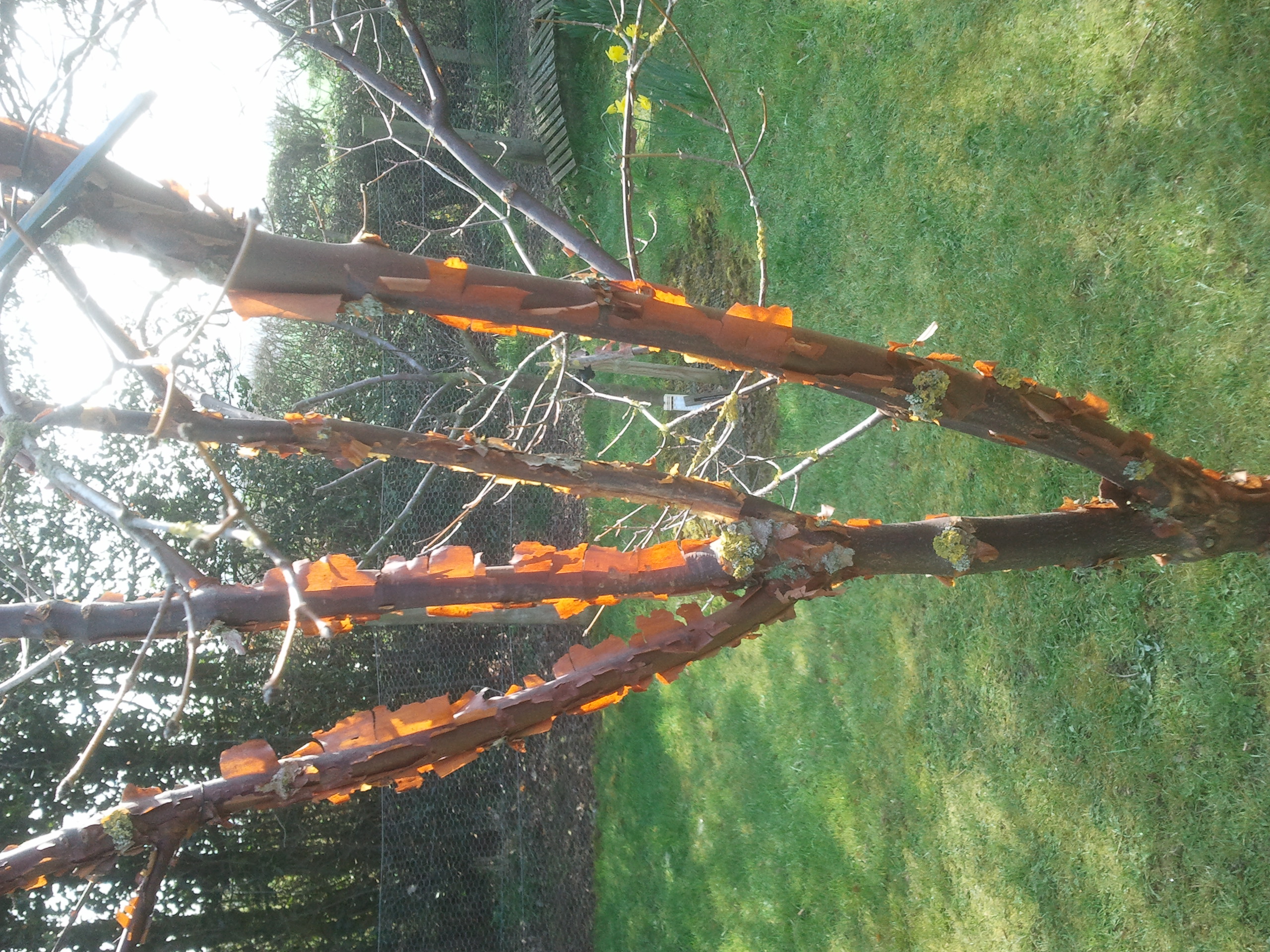
At the end of the formality Chris and her husband, Neil invite us to wander around their own garden. So come with me and share in some highlights.






To find out more about the famous Yellow Book and the National Garden Scheme look up http://www.ngs.org.uk. And to find our entry in it look up Bowbrook Allotment Community in the Shropshire section.
A Vegetarian | Nature Lifestyle Blog
.....and nurturing my soul
Journeys In St. Louis Gardening and Beyond
Consult the genius of the place
A blog full of humorous and poignant observations.
Notes from a wildlife-friendly cottage garden
...an emerging social science
'The most important and informative publication on wildlife of our times' - The Independent. This blog is a member of The UK & Ireland Natural History Bloggers group: www.uknhb.blogspot.com
Inspire - Cultivate - Grow Native Plants - Restore Landscapes
To create and protect a semi-natural wild space for the people of Farnham to enjoy and experience an array of British wildlife in our town
The www.gardeningwithchildren.co.uk Blog
birding through the seasons, why birds matter and how to conserve them
with a camera in hand
Transform your outdoor space
My allotment, cooking and other interests
my gardening life through the year
Trying to live a creative life
trying to live as lightly as possible on our beautiful planet
Nature lovers from Leicester living the good life.
Finding the beautiful in the everyday
Michelle's Allotment
thoughts from and about my garden
Big plans for a small garden
A Walled Country Garden in South East Scotland
Life at the fruity chicken
Off grid living. Self sufficient. "PERMAGANICS RULE".
Nottingham's Grade 2* Listed Allotments and Community Orchard
a journey in suburban vegetable gardening
The madness of growing your own
A novel approach to vegetable gardening
Sustainable living in the Irish countryside.
Master Gardener, amateur photographer, quilter, NH native, and sometimes SC snowbird
Recent work and work in progress and anything else that interests me
a chaotic cottage gardener
a weekly blog that creates a personal philosophy through photographs and words
Stories from a sassy and classy Southern farmbelle.
Simple Organic Gardening & Seasonal Living
turning dirt into dinner
today the world is created anew
Notes from a Devon garden
Life Through The Lens
A photography blog showcasing the best photography pictures and videos on the internet
Just another WordPress.com site
personal observations from the natural world as the search continues for a new approach to conservation.
The Wonders of Life through my Eyes, my Heart, my Soul
 greenbenchramblings