Categories
flowering bulbs garden design garden designers garden photography gardening gardens gardens open to the public grasses hardy perennials Italian style gardens meadows ornamental grasses ornamental trees and shrubs Piet Oudolf spring bulbs spring gardening Staffordshire Tom Stuart-Smith trees

A Garden in April – Trentham

So here we are on our April visit to the gardens at Trentham, already the fourth in this series of posts looking at Trentham Gardens throughout the year.

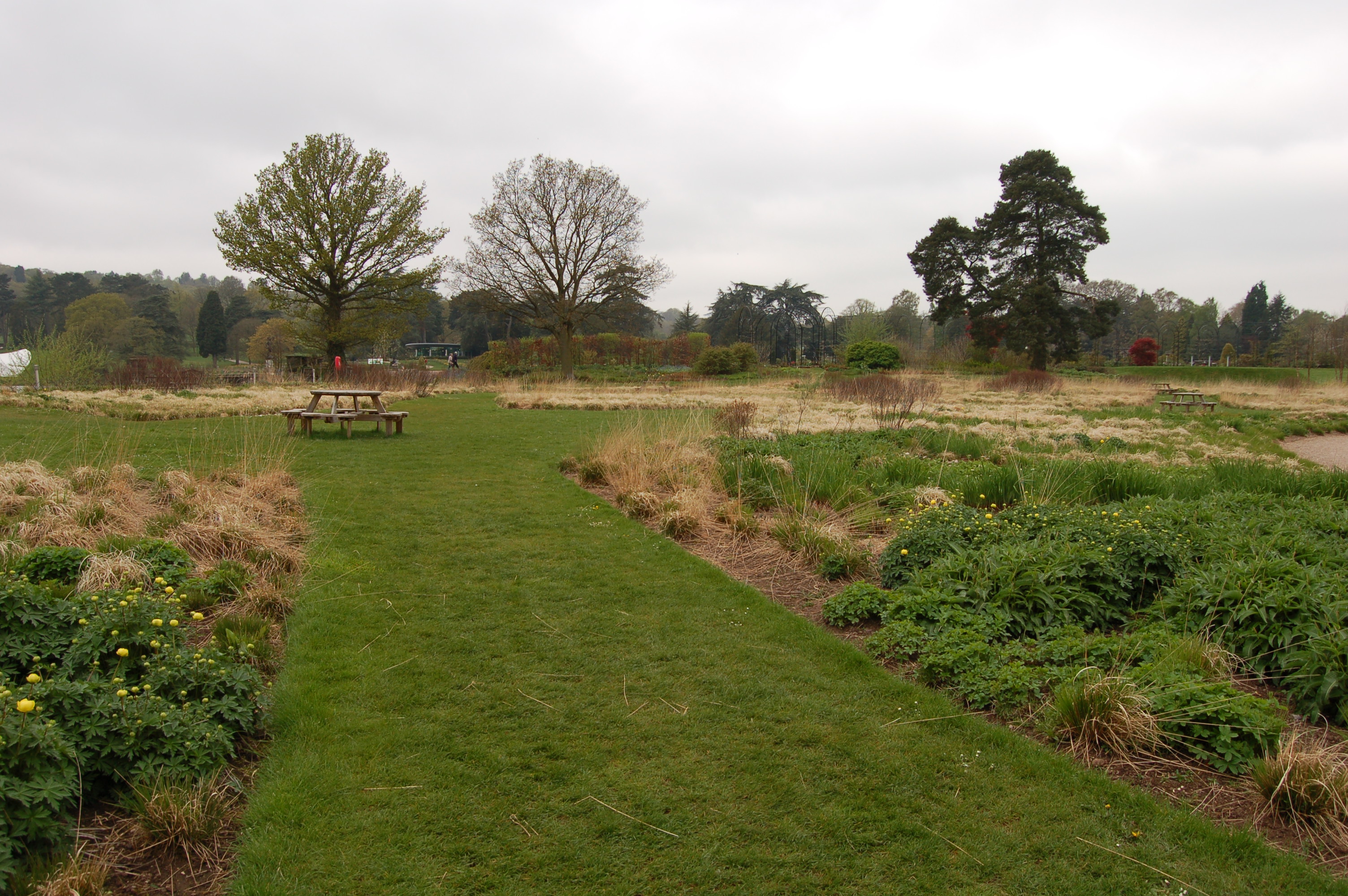
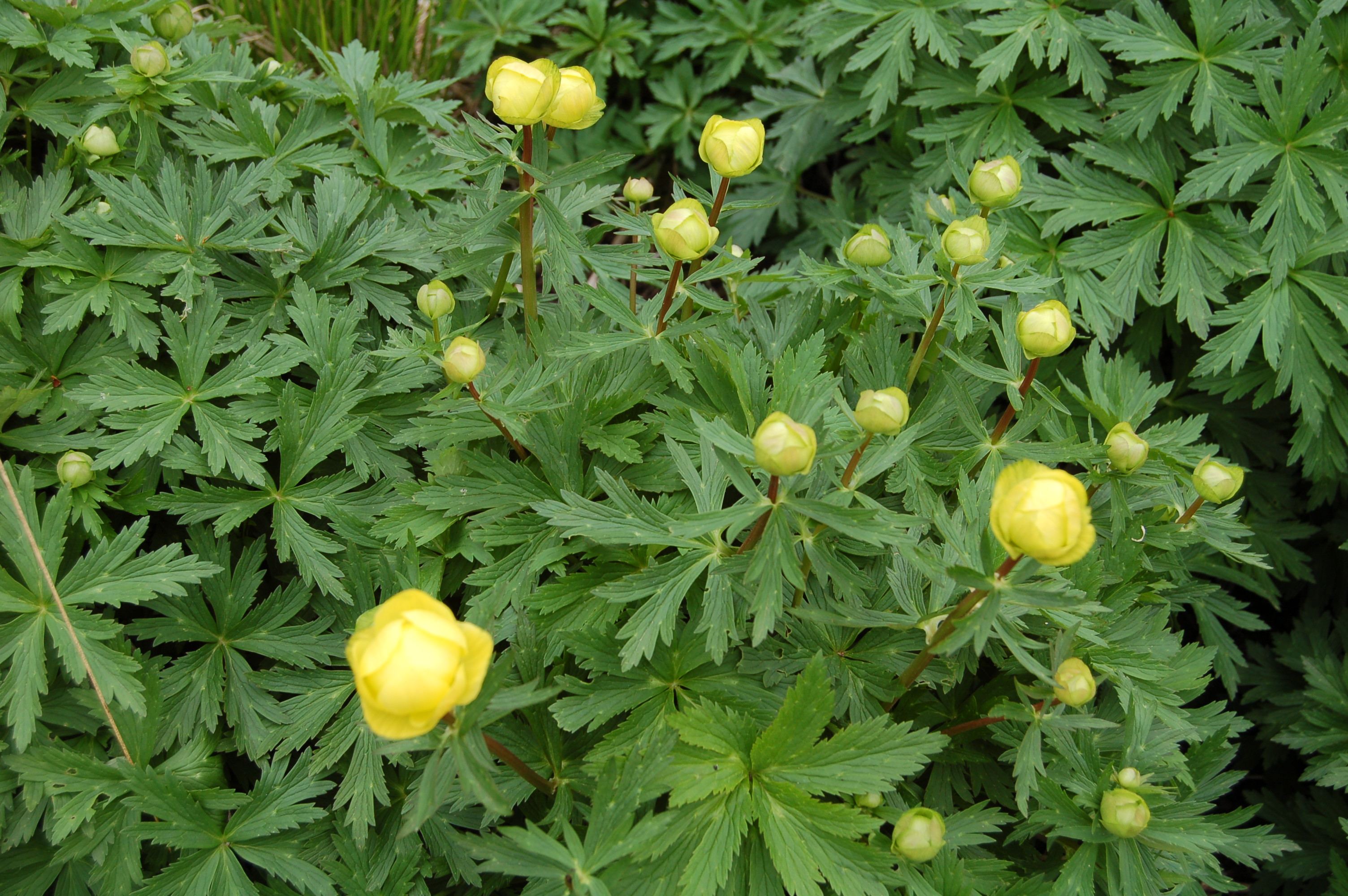
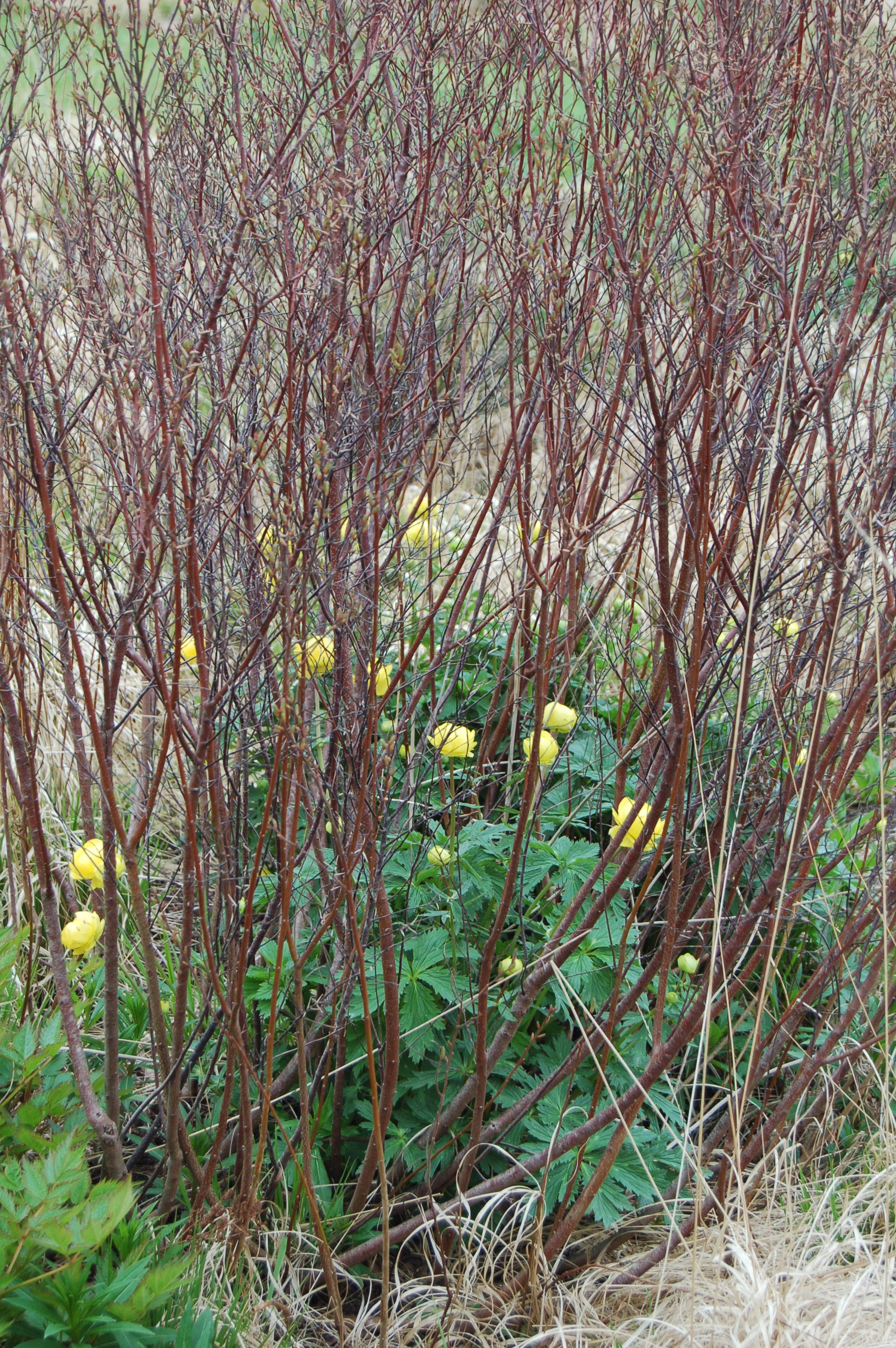
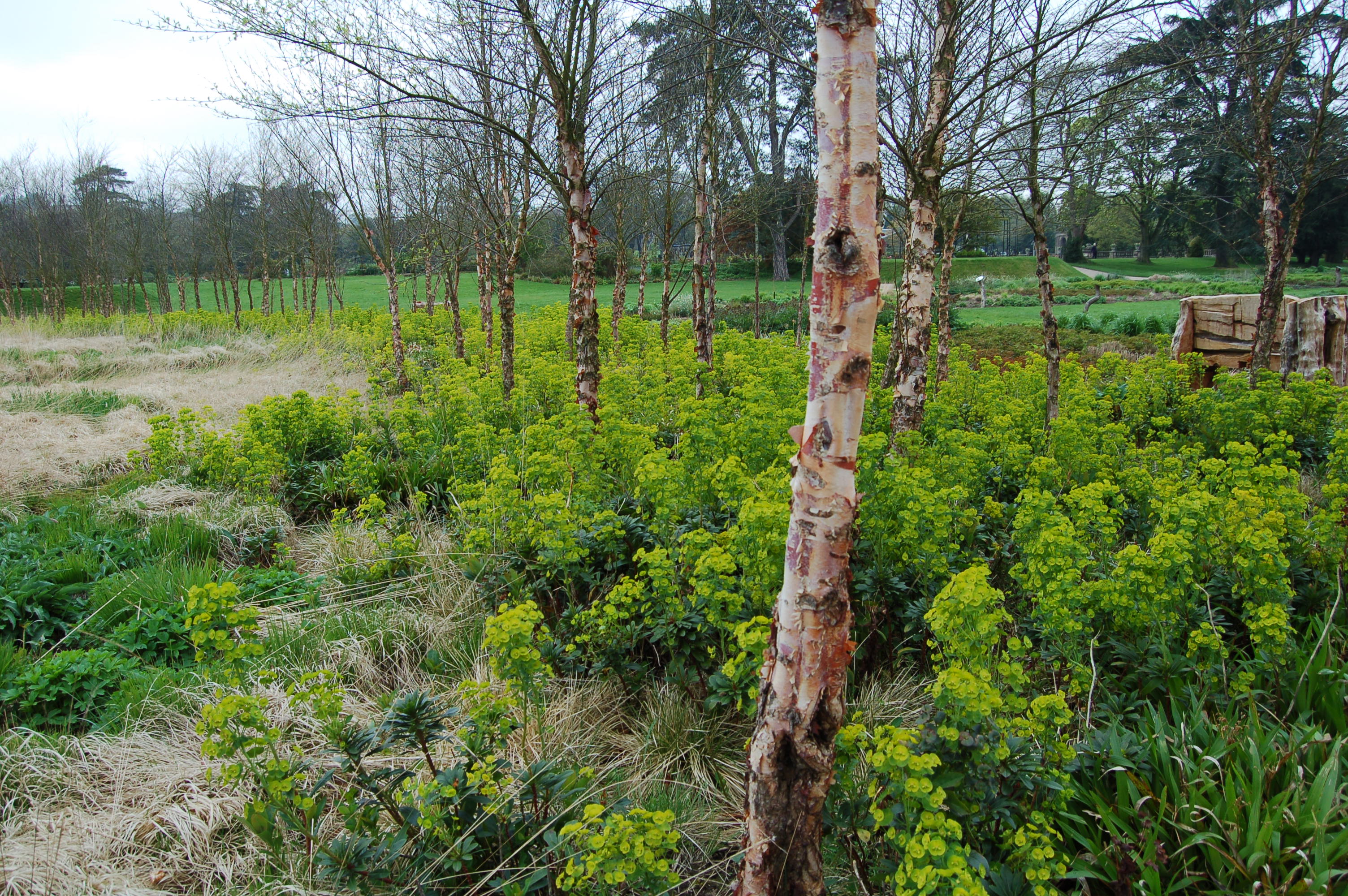
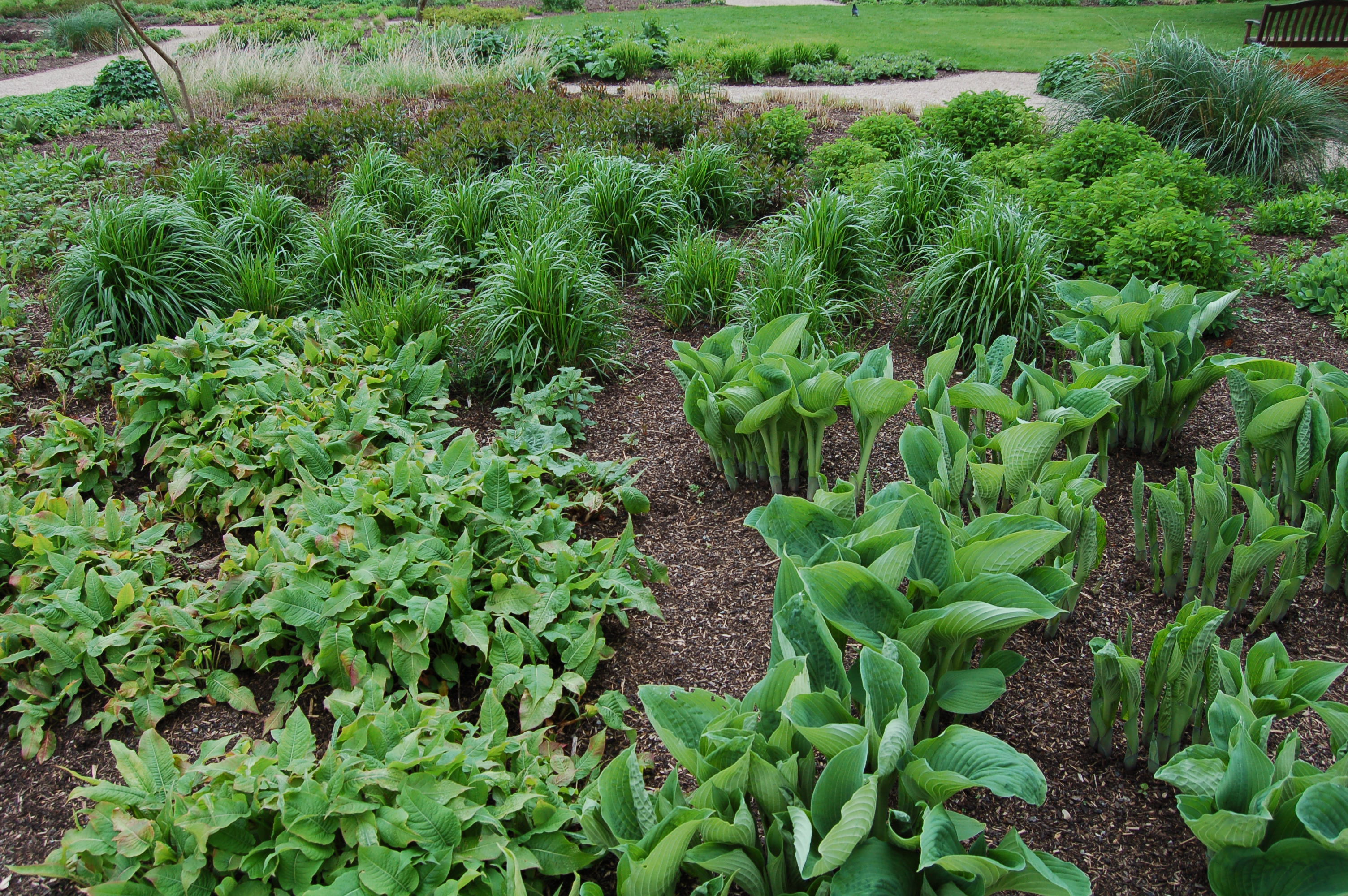
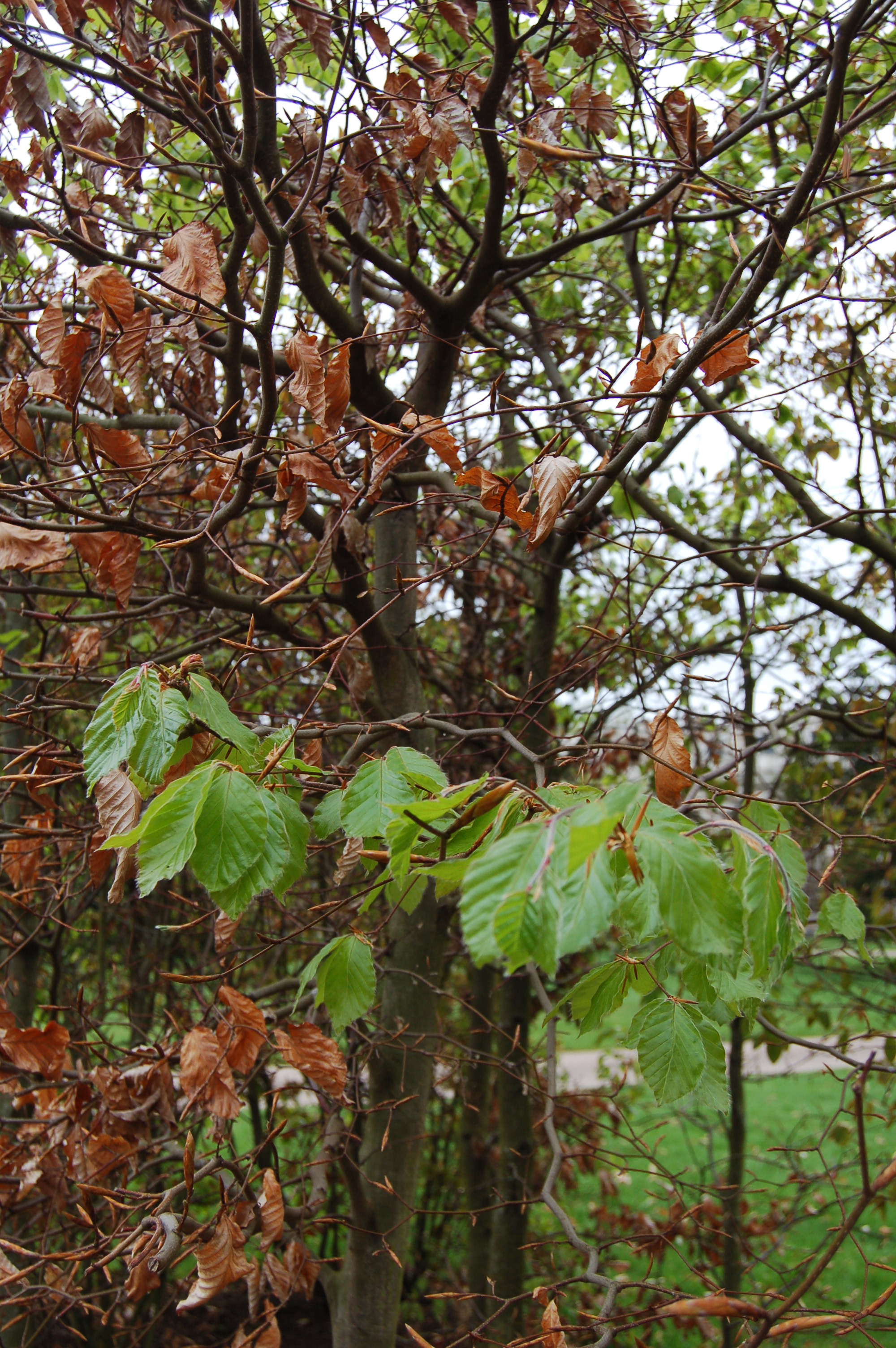
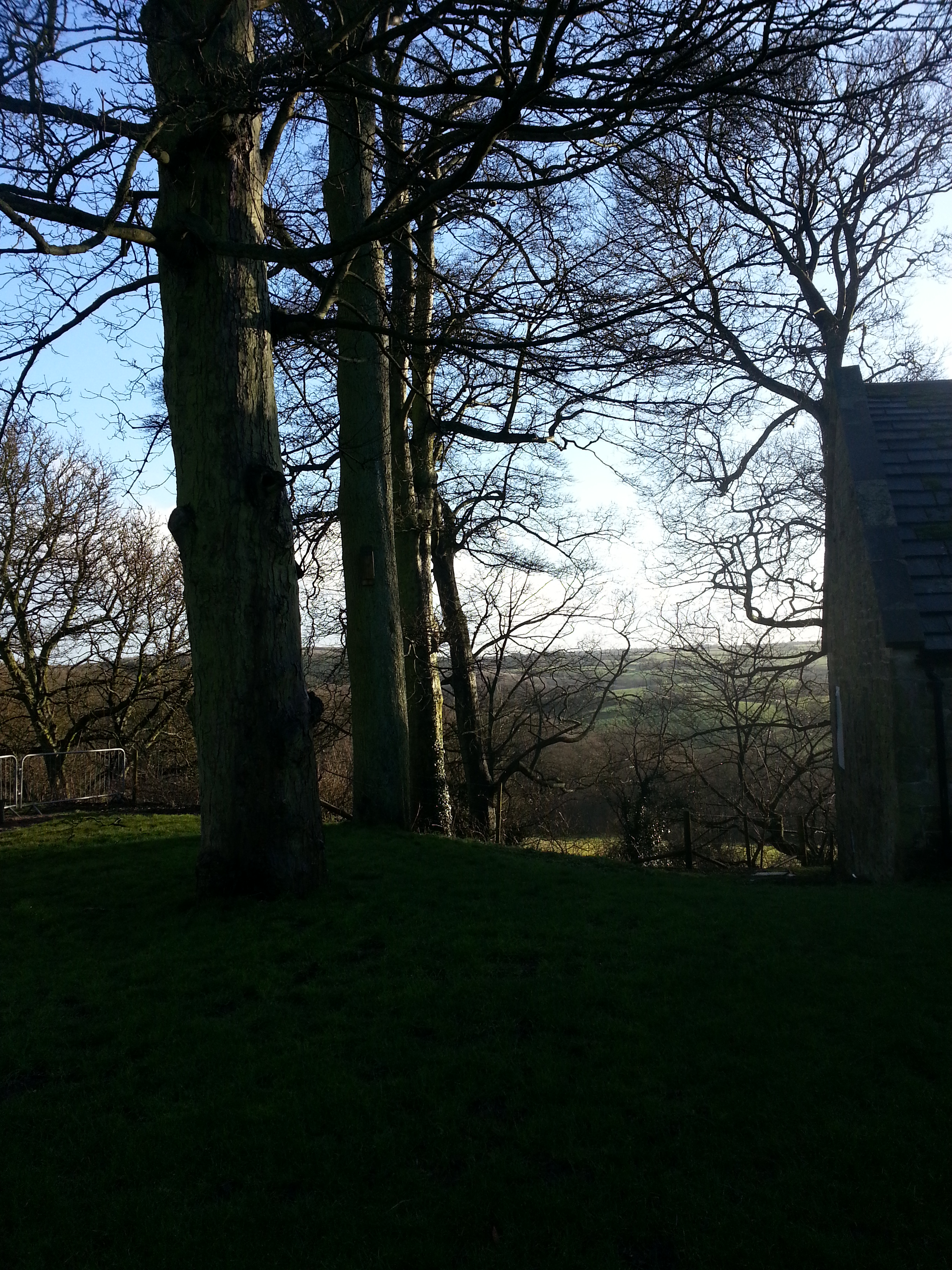
We immediately notice that the fresh growth of Spring is well underway. The grasses in the River of Grasses are no longer brown and dead but putting on strong bright green growth. The herbaceous growth huddled in the grasses is looking vigorous with Trollius adding splashes of gold. Euphorbias look vibrant under the river of birches. Leaf buds are bursting on all the deciduous trees.

2014 04 29_8789 2014 04 29_8788 2014 04 29_8790 2014 04 29_8791 2014 04 29_8792 2014 04 29_8793 2014 04 29_8794


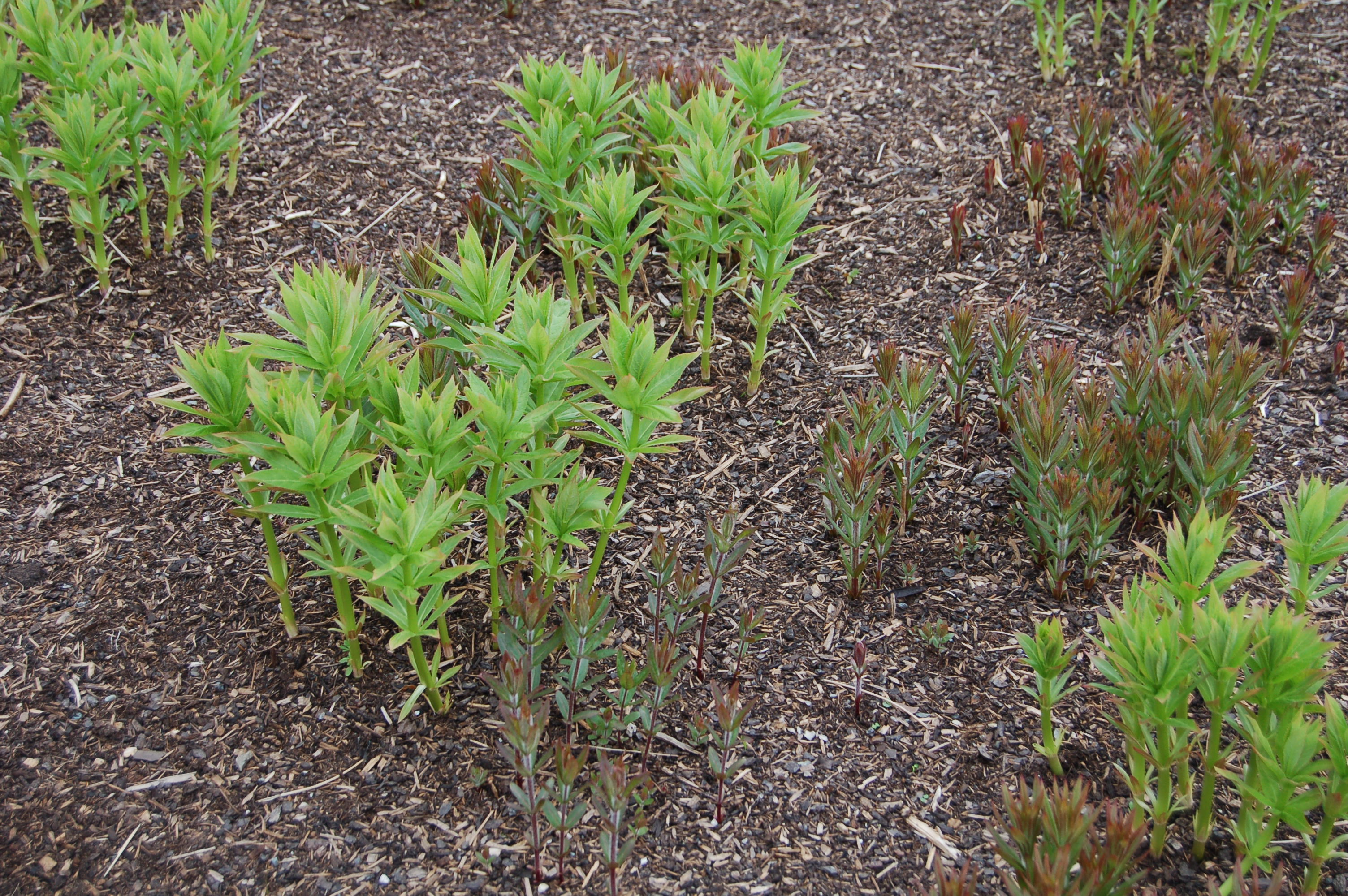
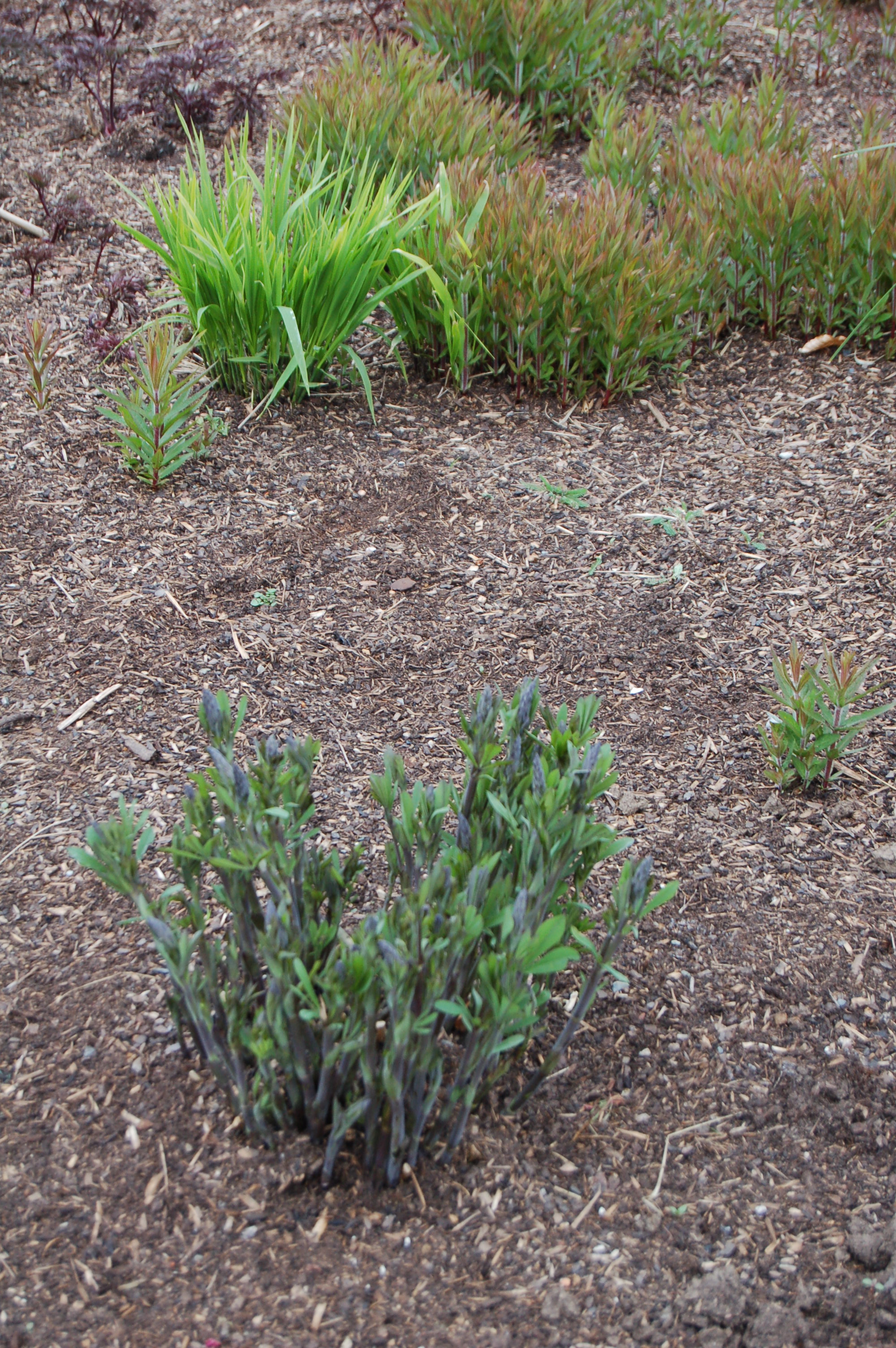
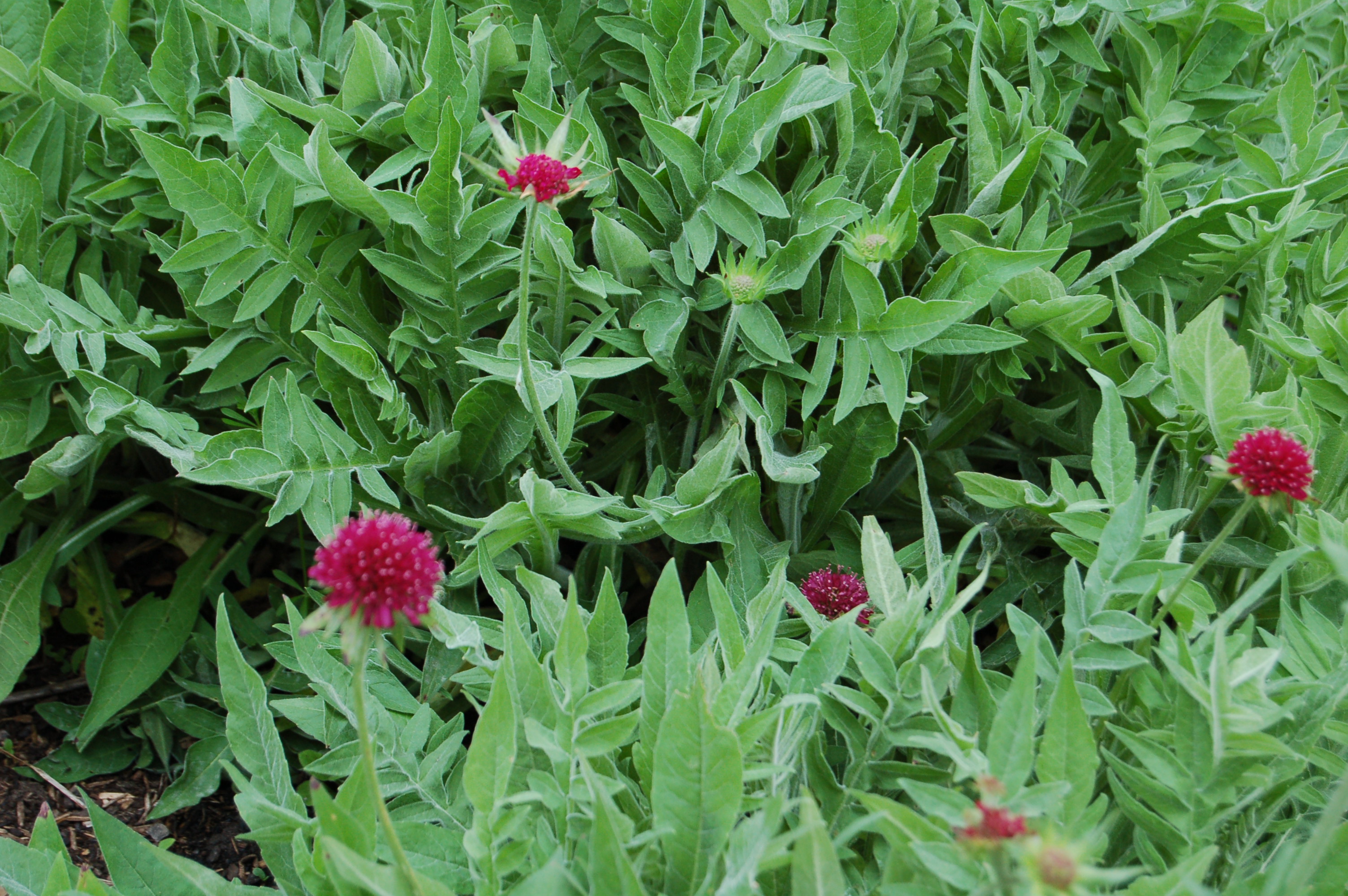
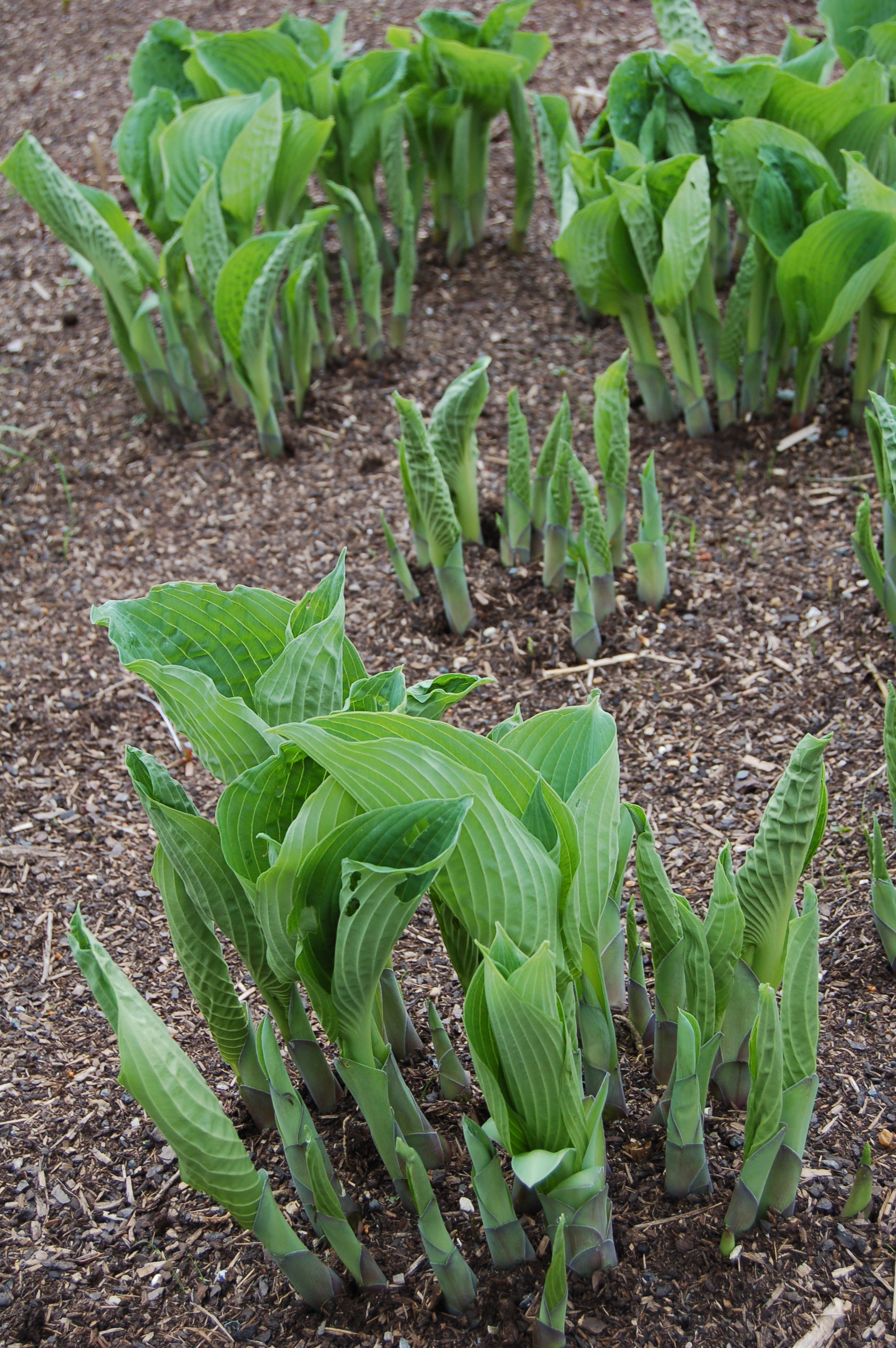
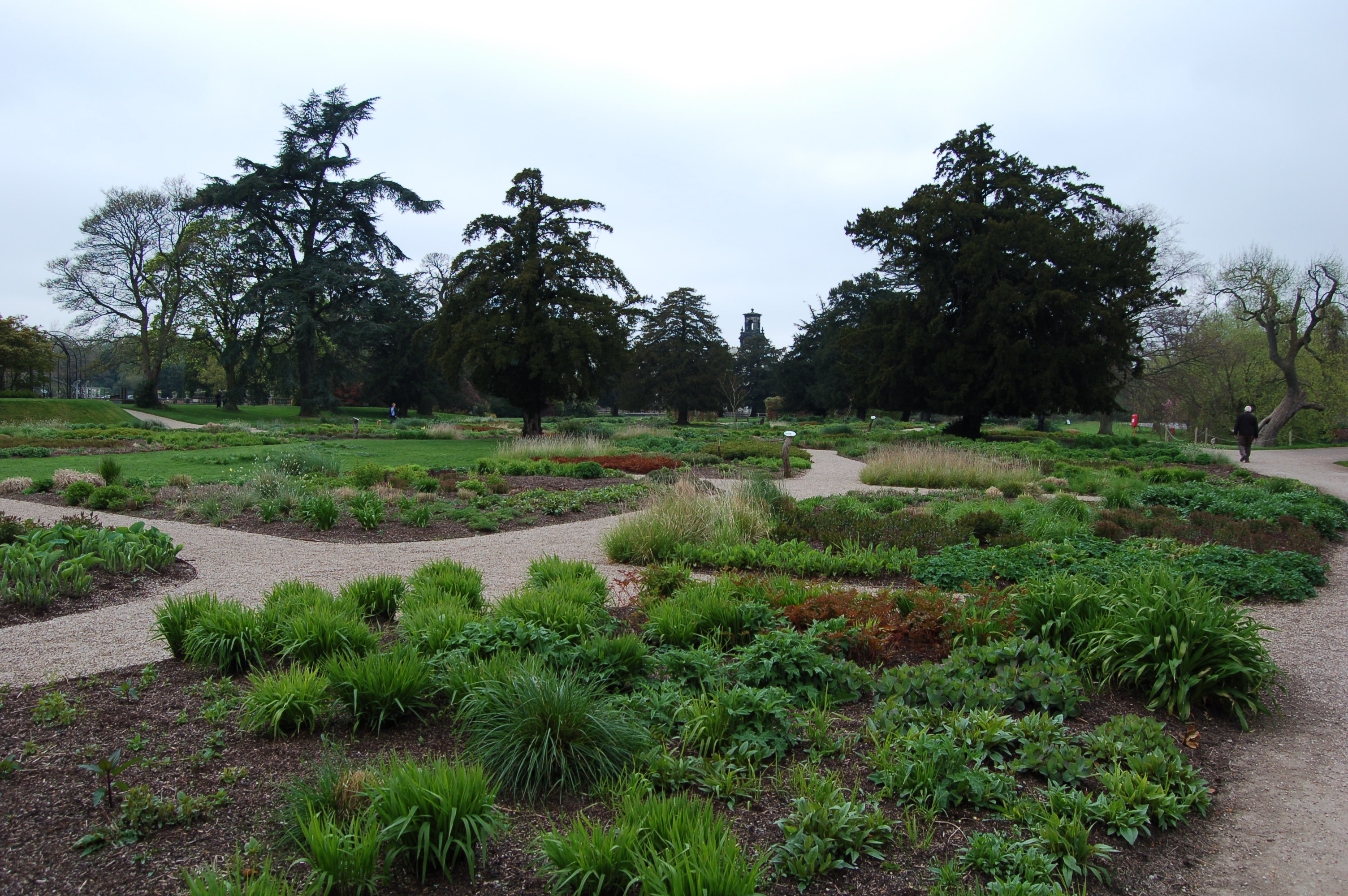
As we move into Piet Oudolf’s perennial prairie plantings some plants are well into growth where others have barely started. Thalictrum and Amsonias are looking particularly vibrant.
2014 04 29_8795 2014 04 29_8796 2014 04 29_8797 2014 04 29_8798 2014 04 29_8799 2014 04 29_8801 2014 04 29_8802 2014 04 29_8803 2014 04 29_8804 2014 04 29_8800

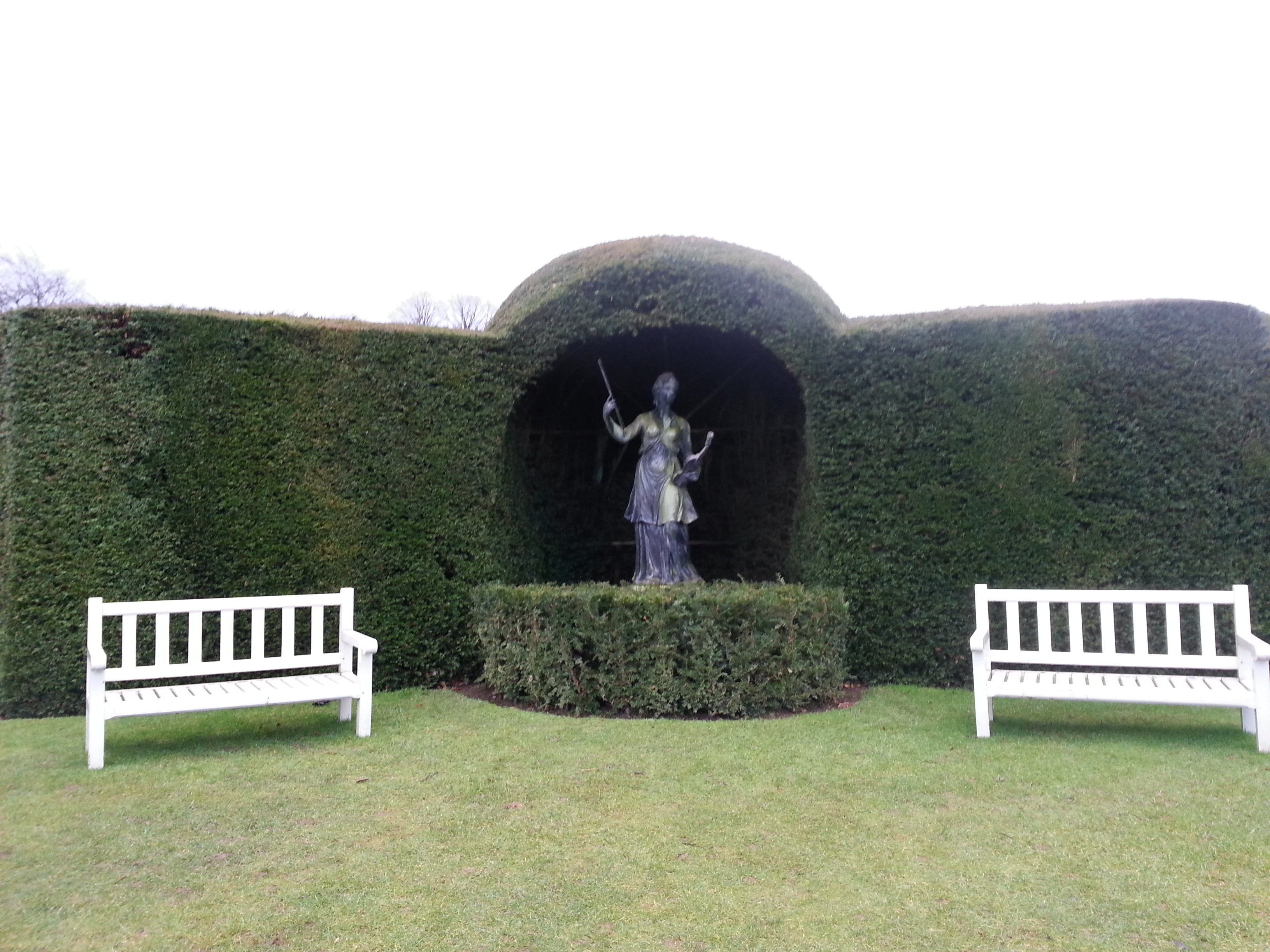
Leaving the Prairie area we immediately notice that the Hornbeam arbor has grown vigorously and is now looking like a big shaggy sheep. The bench is a great place to get a shaded, secret, quiet moment. The arbor looks like it could get up and walk away!

2014 04 29_8805


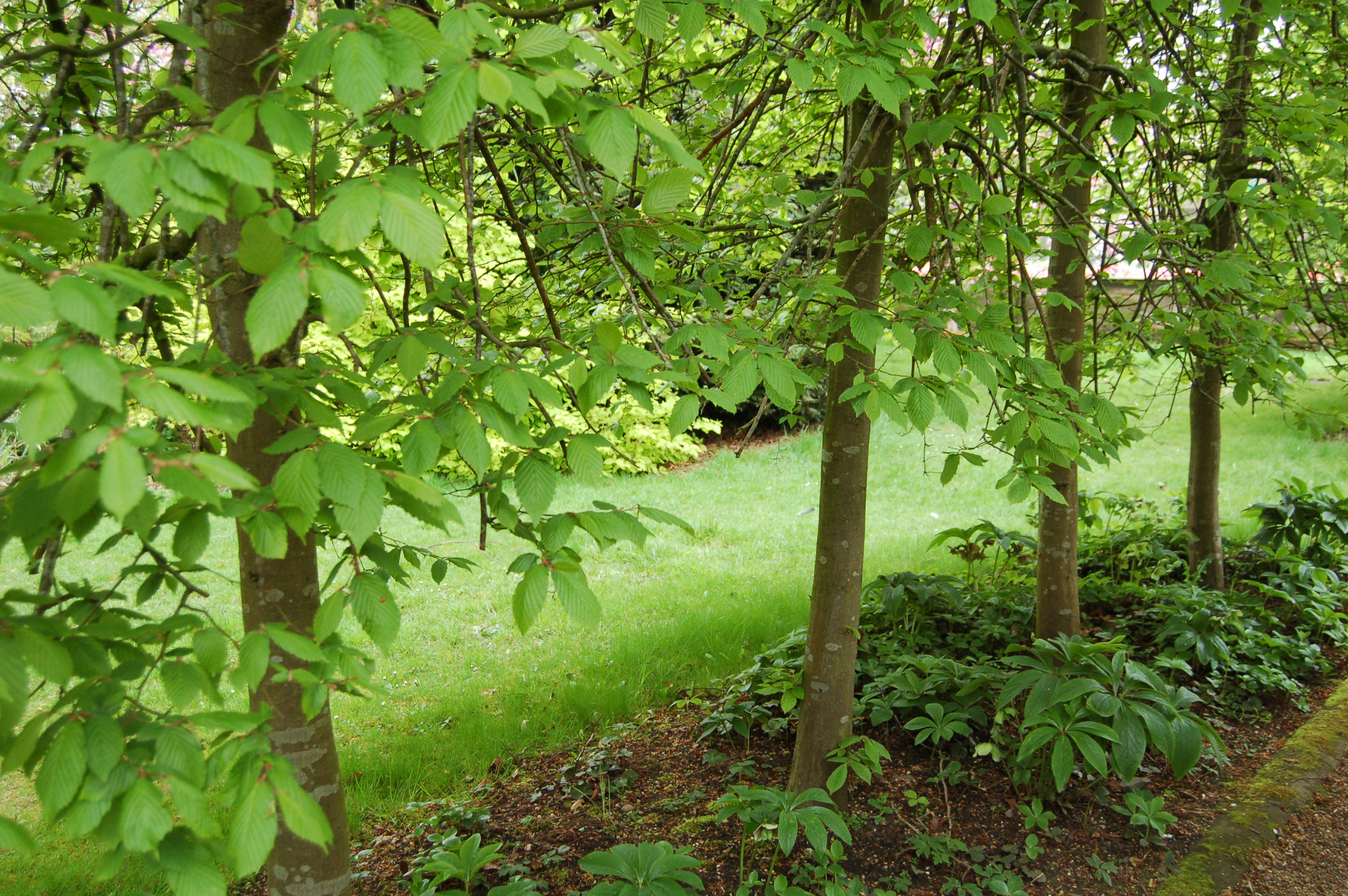
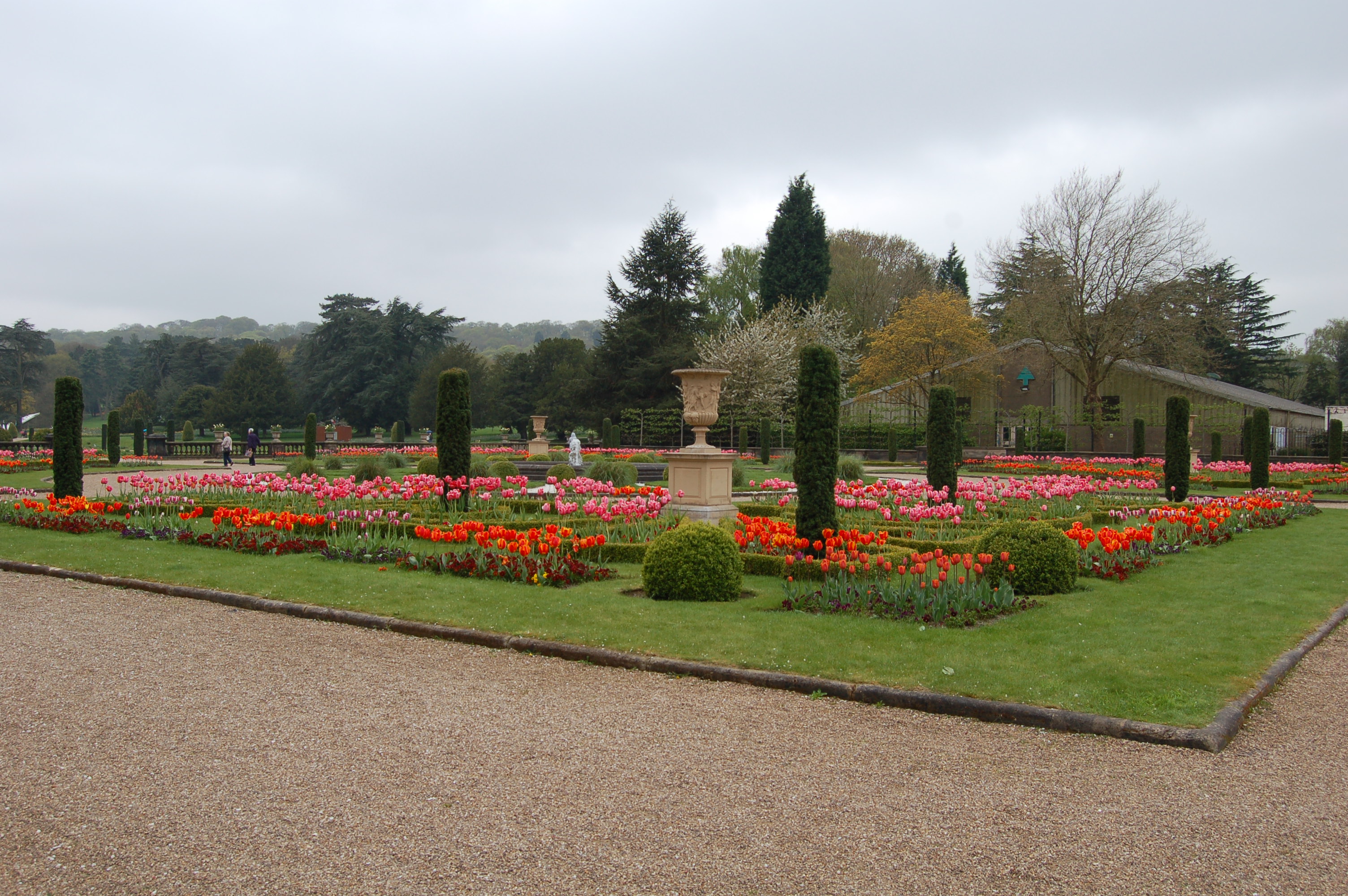
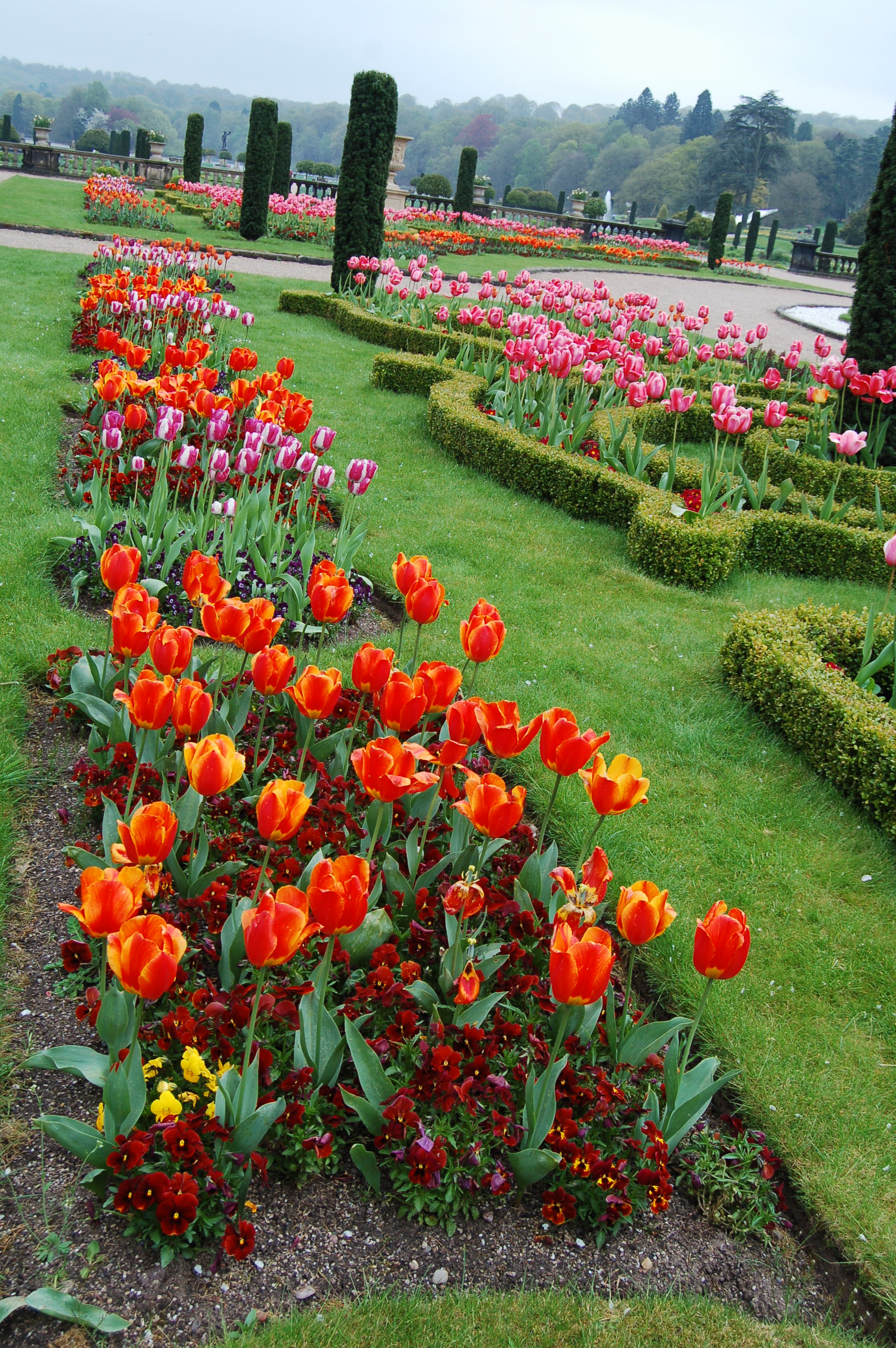
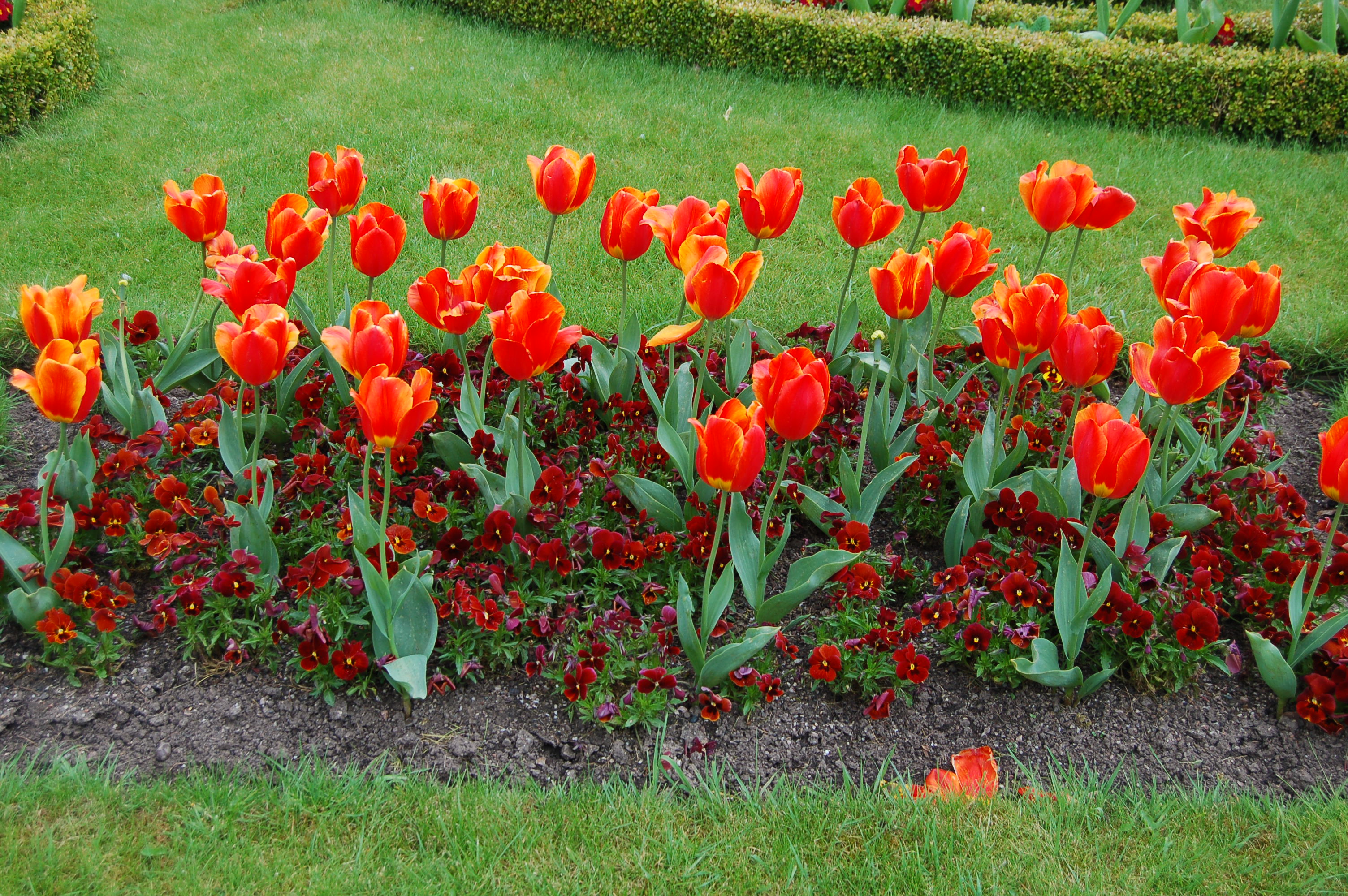
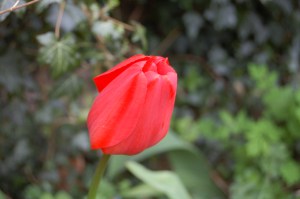
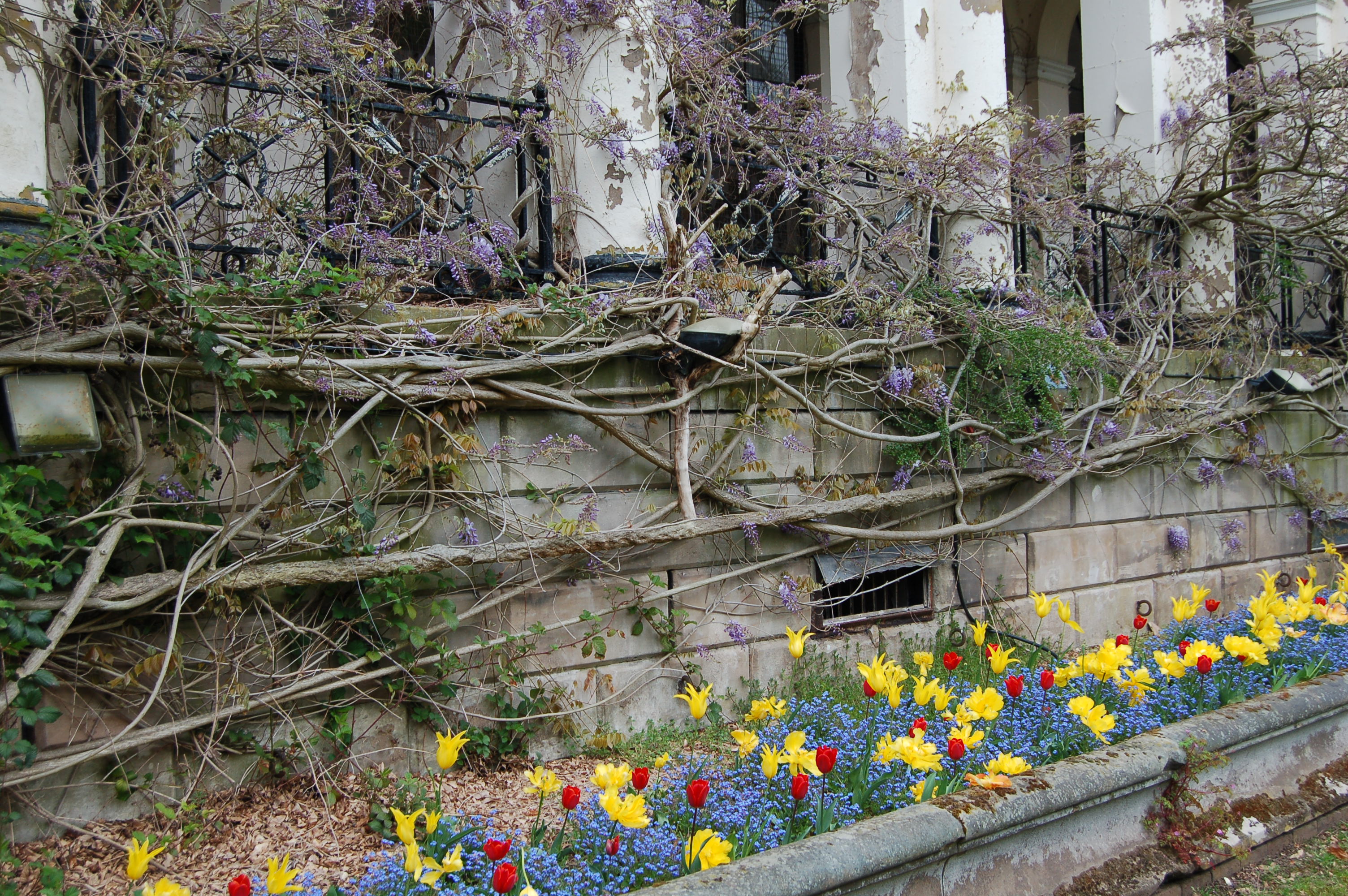
As you may remember from our earlier visits we move through grassed areas with shrub borders towards the Italian Garden, passing through an avenue of Hornbeam on the way. The tulips in this part of the garden are nothing short of startling! We are not sure at all of some of the colour combinations but they are definitely cheerful.

2014 04 29_8806 2014 04 29_8807 2014 04 29_8808 2014 04 29_8809 2014 04 29_8810 2014 04 29_8811 2014 04 29_8812

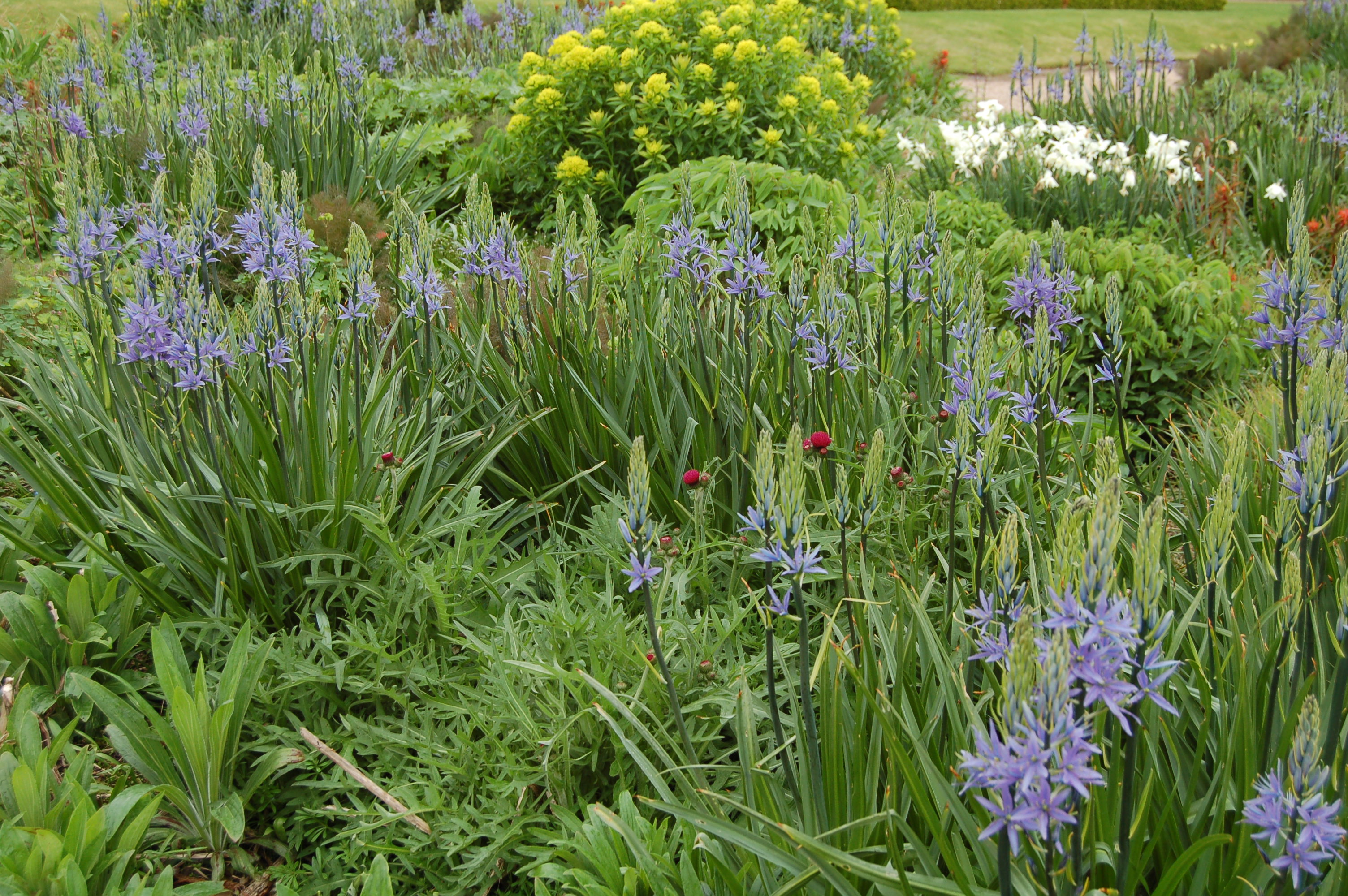
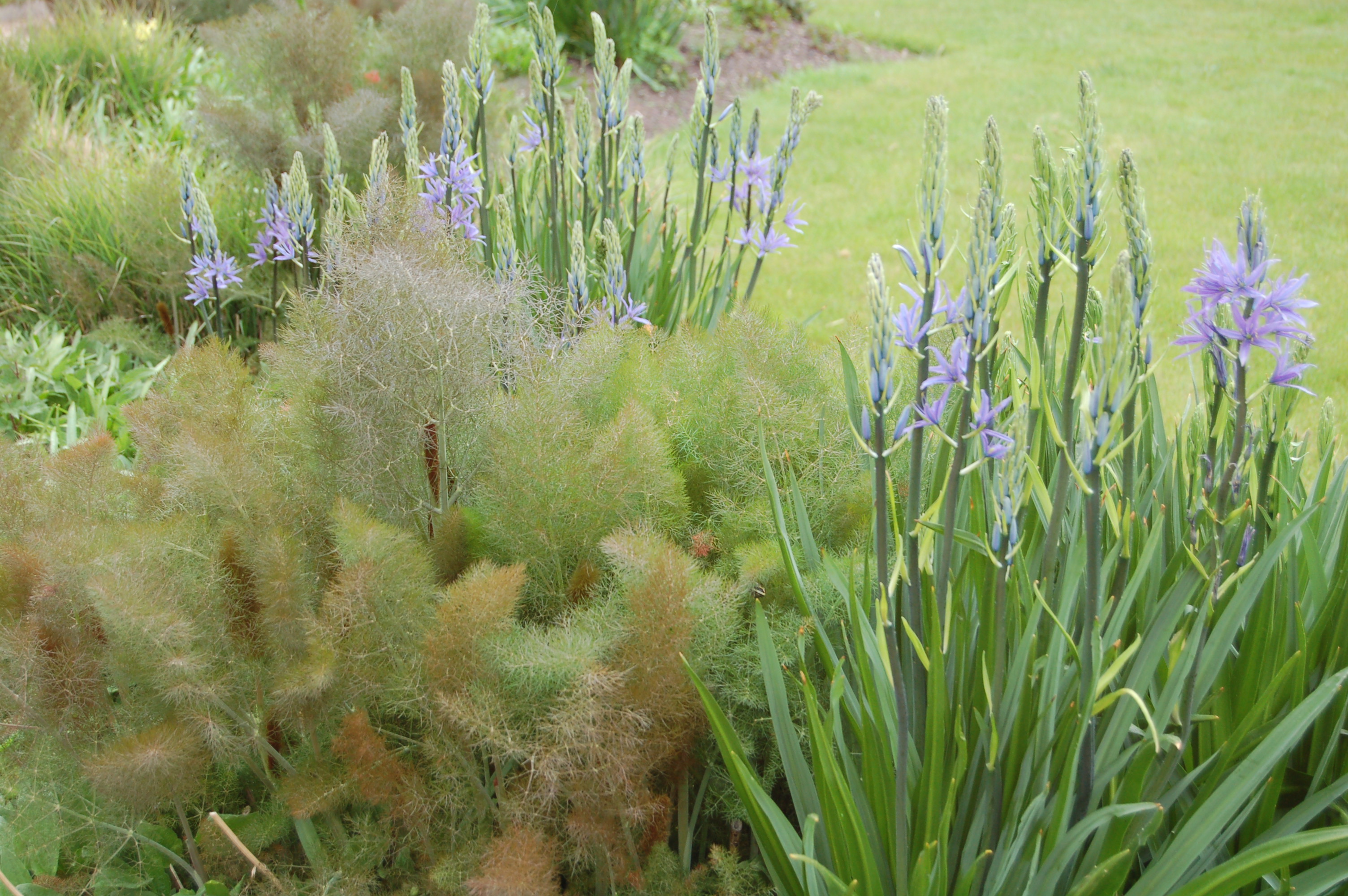
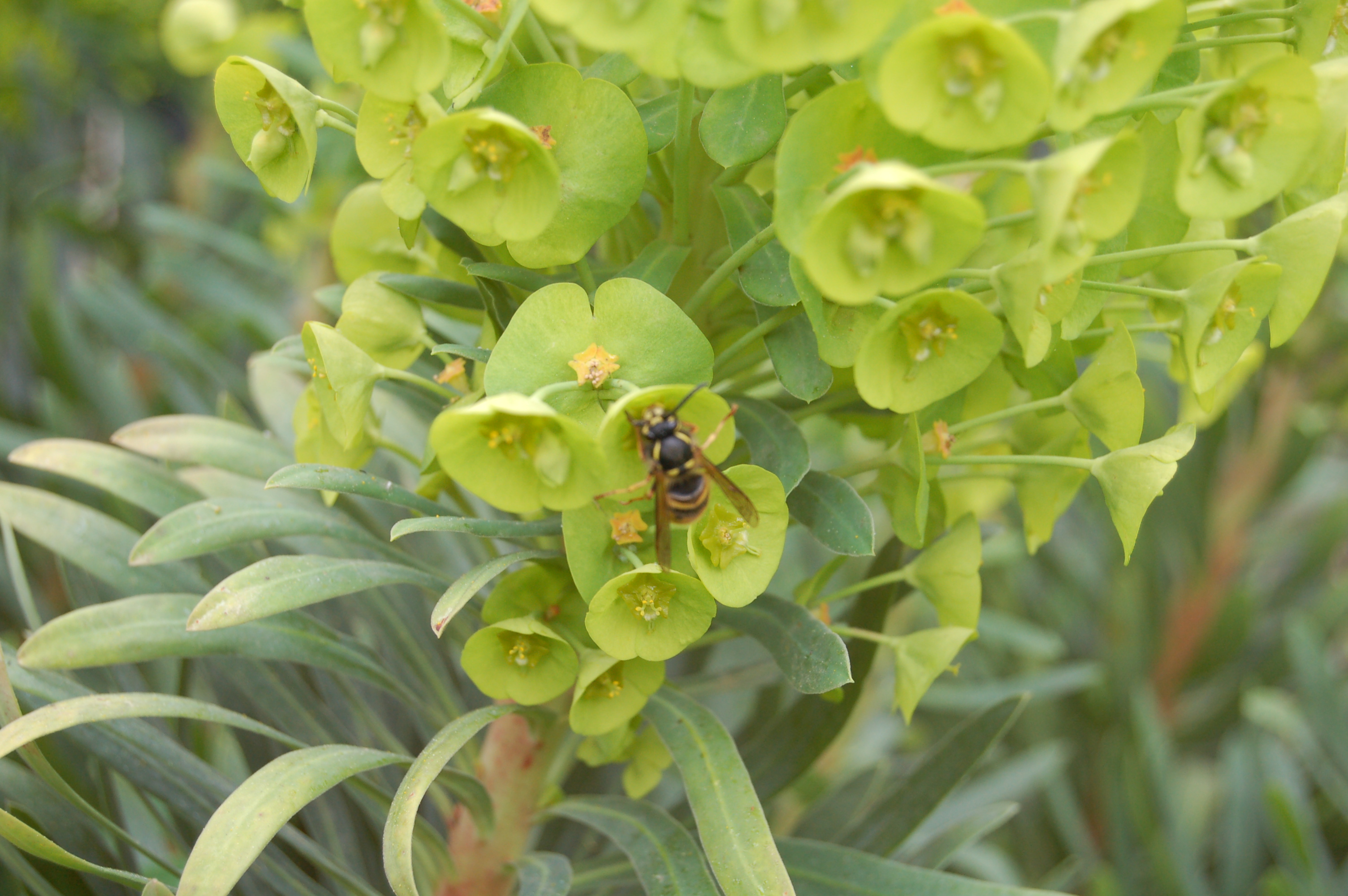
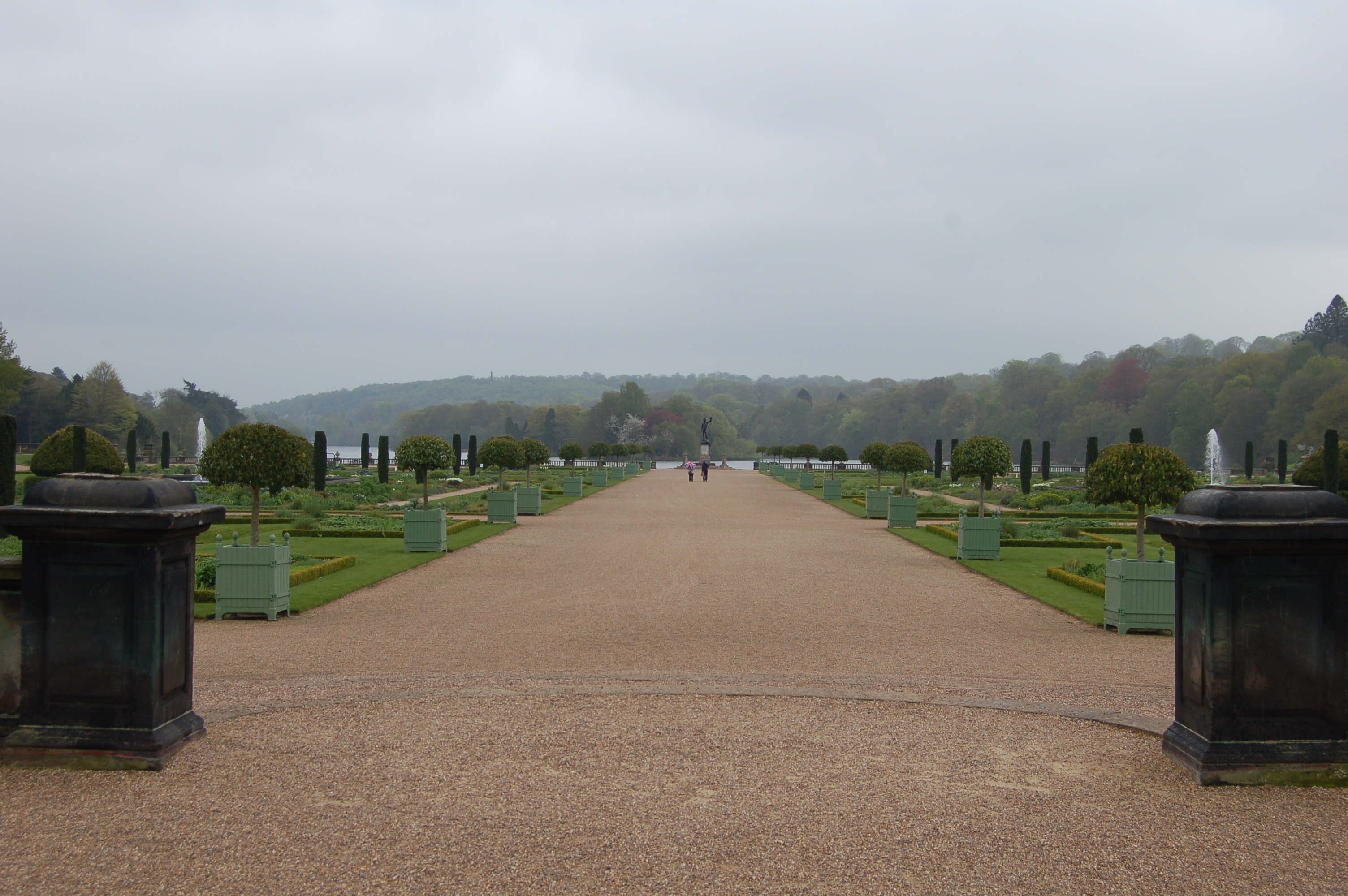
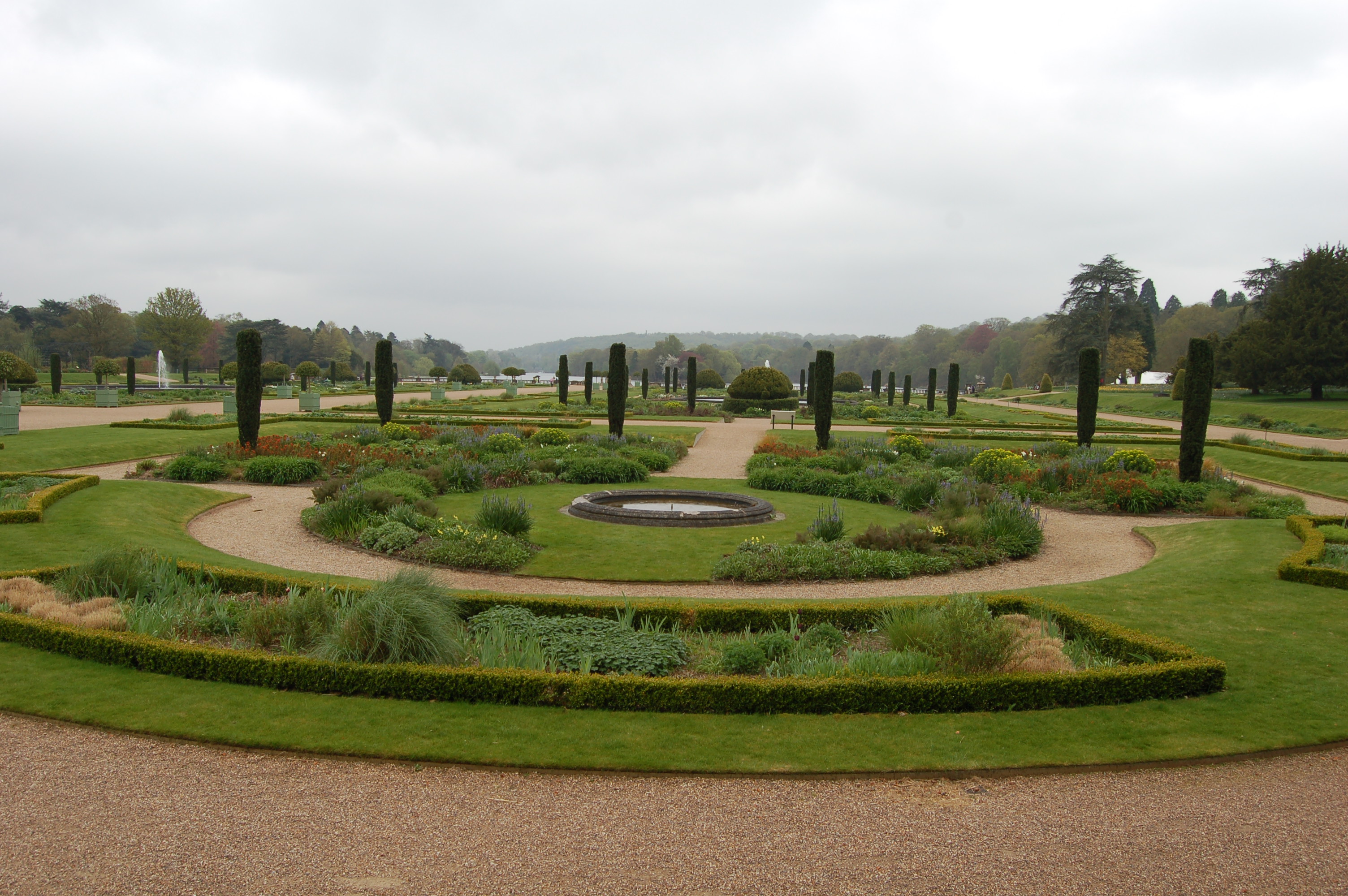
From here we take our usual look over Tom Stuart-Smith’s garden where bursts of colour mostly oranges and blues greet us. When we get closer we realise they are the colour is provided by Camassias and various Euphorbias.
2014 04 29_8813 2014 04 29_8814 2014 04 29_8815 2014 04 29_8816 2014 04 29_8817 2014 04 29_8818 2014 04 29_8819 2014 04 29_8820

Let us now have a closer look at some of the individual plants of interest.

Firstly the strange Primula like flowers of Dalmera peltata looking like pink lollypops on tall sticks. The flowers come before there is any sign of the leaves and the flower stem appears out of the rizomes which sit right on the surface of the soil. The leaves when they do appear are equally dramatic – big circular leaves held right off the ground.

2014 04 29_8821 2014 04 29_8822 2014 04 29_8823 2014 04 29_8825

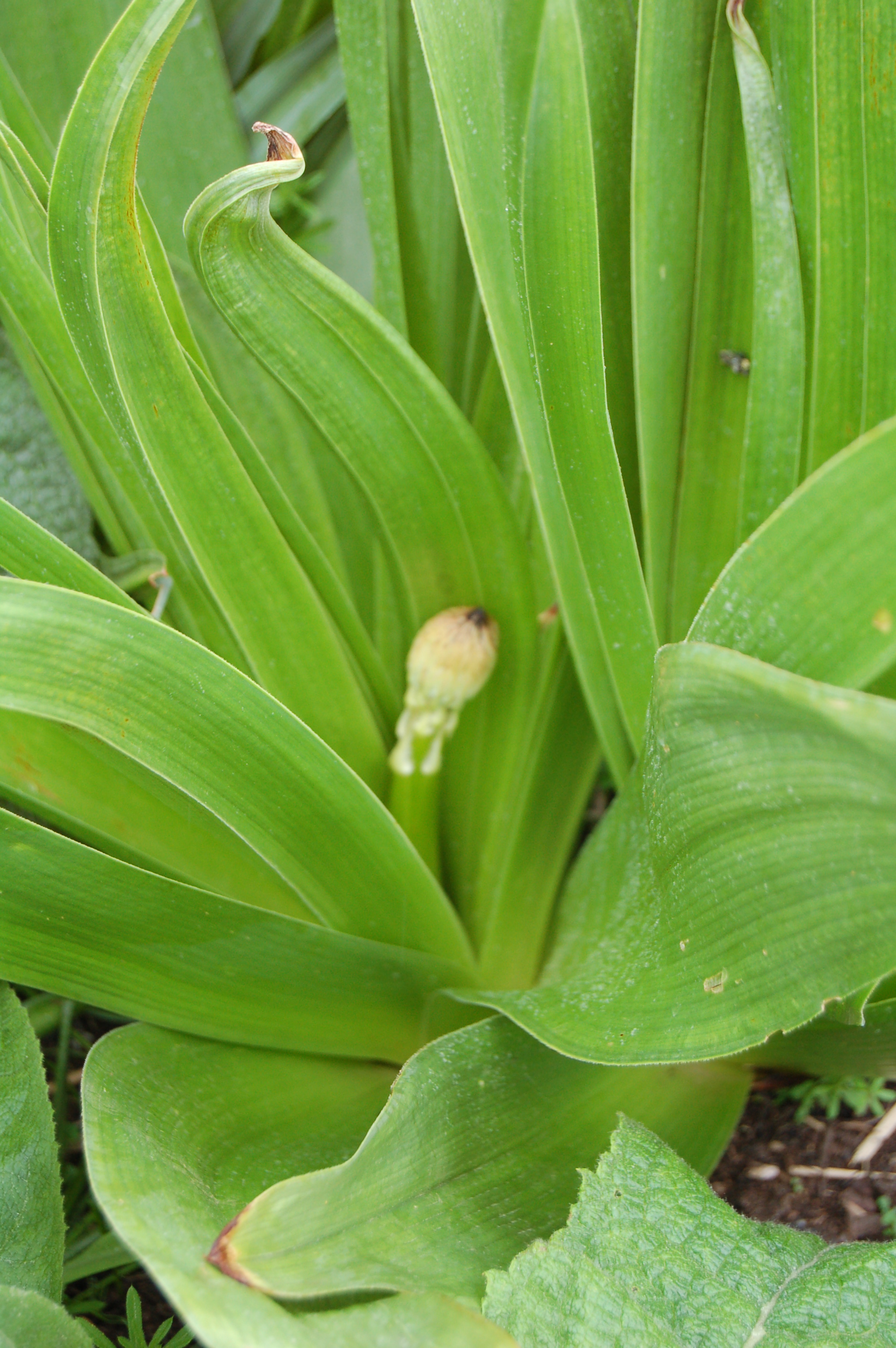
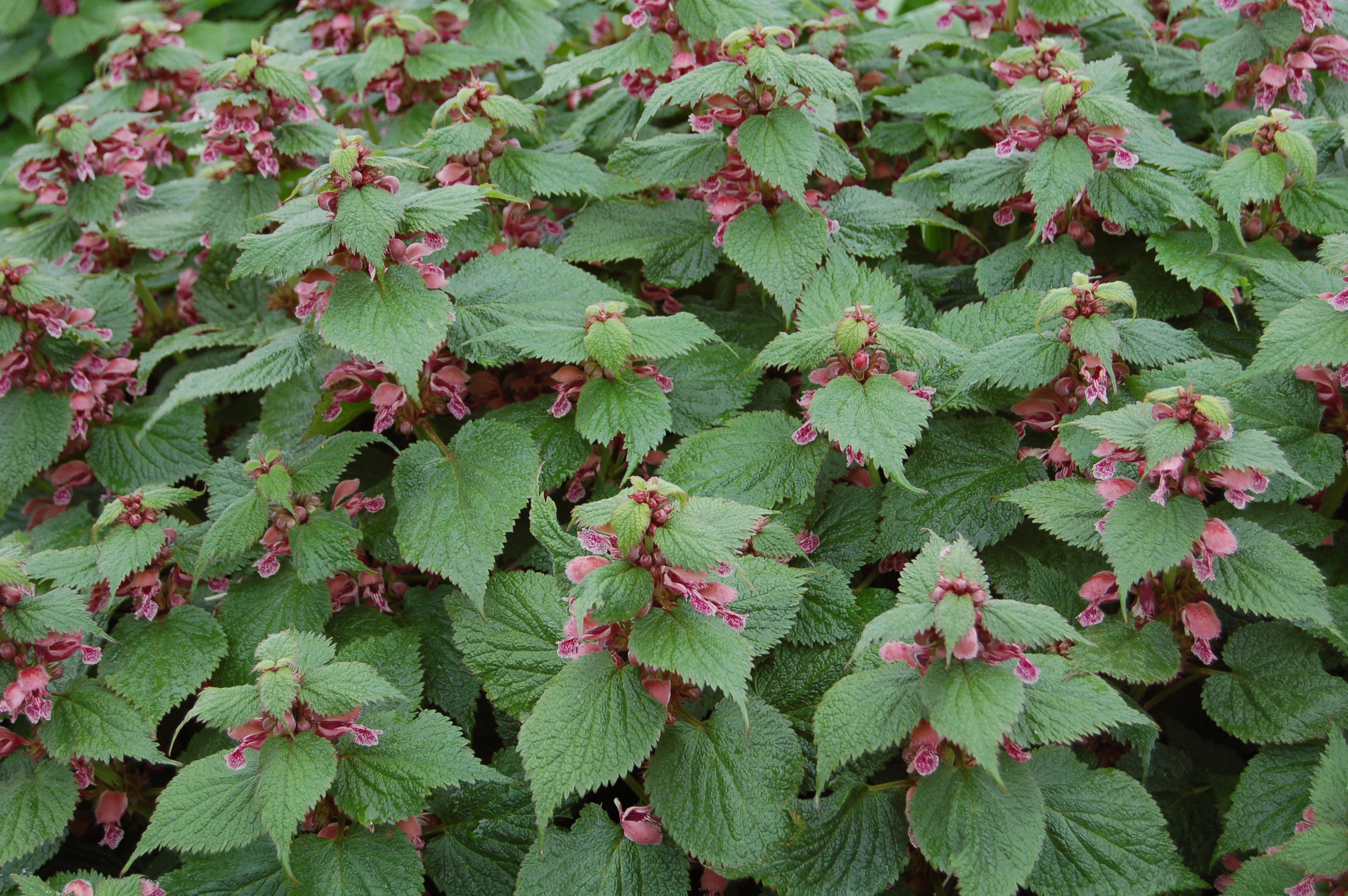
The flower shoots of Eremurus robustus, the Fox Tail Lily are appearing at the base of the whorl of leaves. These were the mystery leaves in last month’s visit. The grey-pink blooms of the Giant Red Deadnettle, Lamium orvala wrap themselves right up the stems between the leaf clusters.
2014 04 29_8826 2014 04 29_8827

The yellow pea flowers of  the Thermopsis montana, variously known as False Lupin, Golden Pea, Revonpapu and so on,  are just freshly out and blend nicely with the silvery green leaves.

2014 04 29_8828

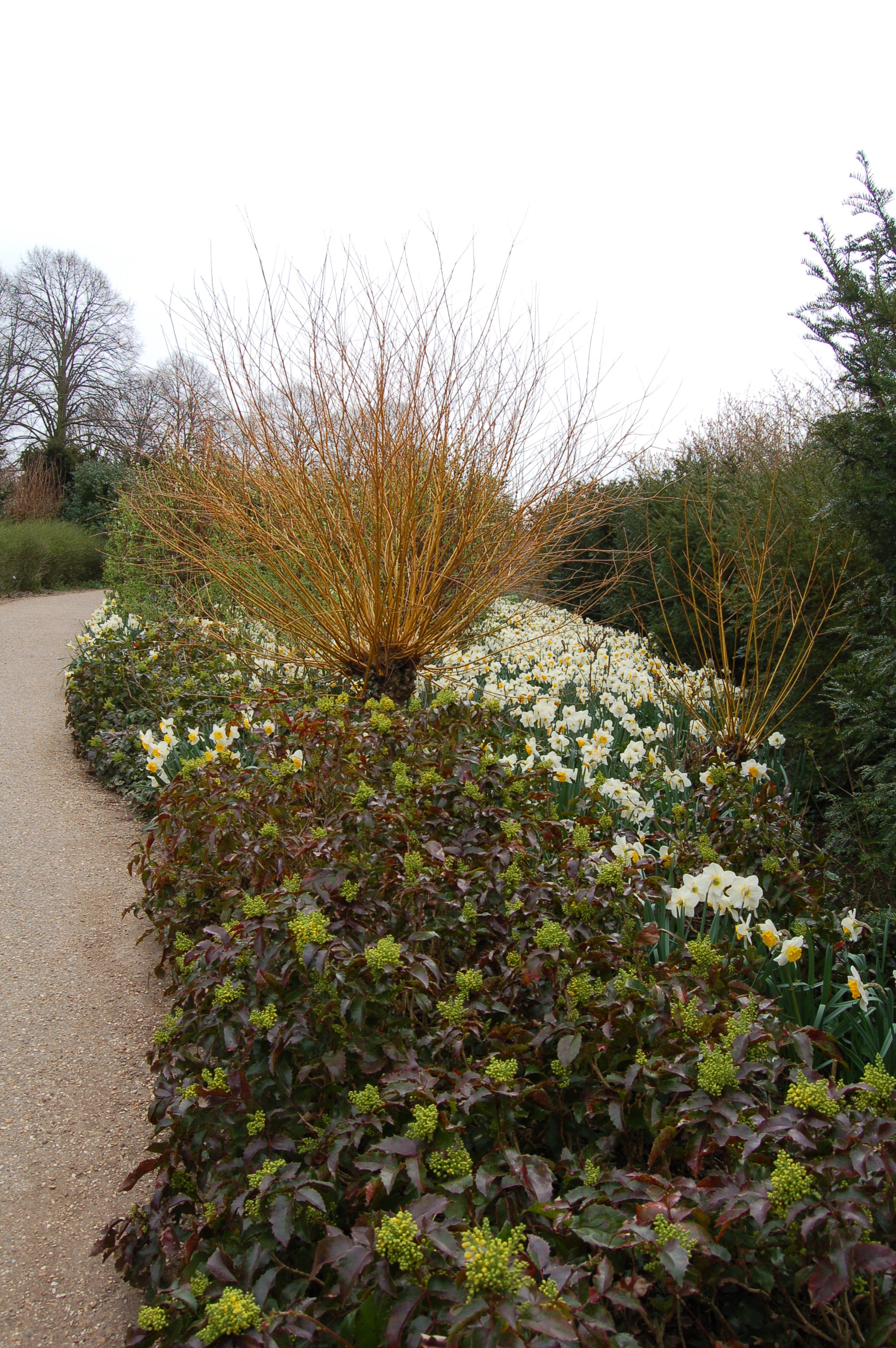
As we leave the Tom Stuart-Smith gardens we notice, as we follow the gravel pathway to the display gardens, that the daffodils in colour on our last visit are still presenting a haze of yellow.

2014 04 29_8829


2014 04 29_8830 2014 04 29_8831

2014 04 29_8832 2014 04 29_8833 2014 04 29_8834 2014 04 29_8835 2014 04 29_8836 2014 04 29_8837

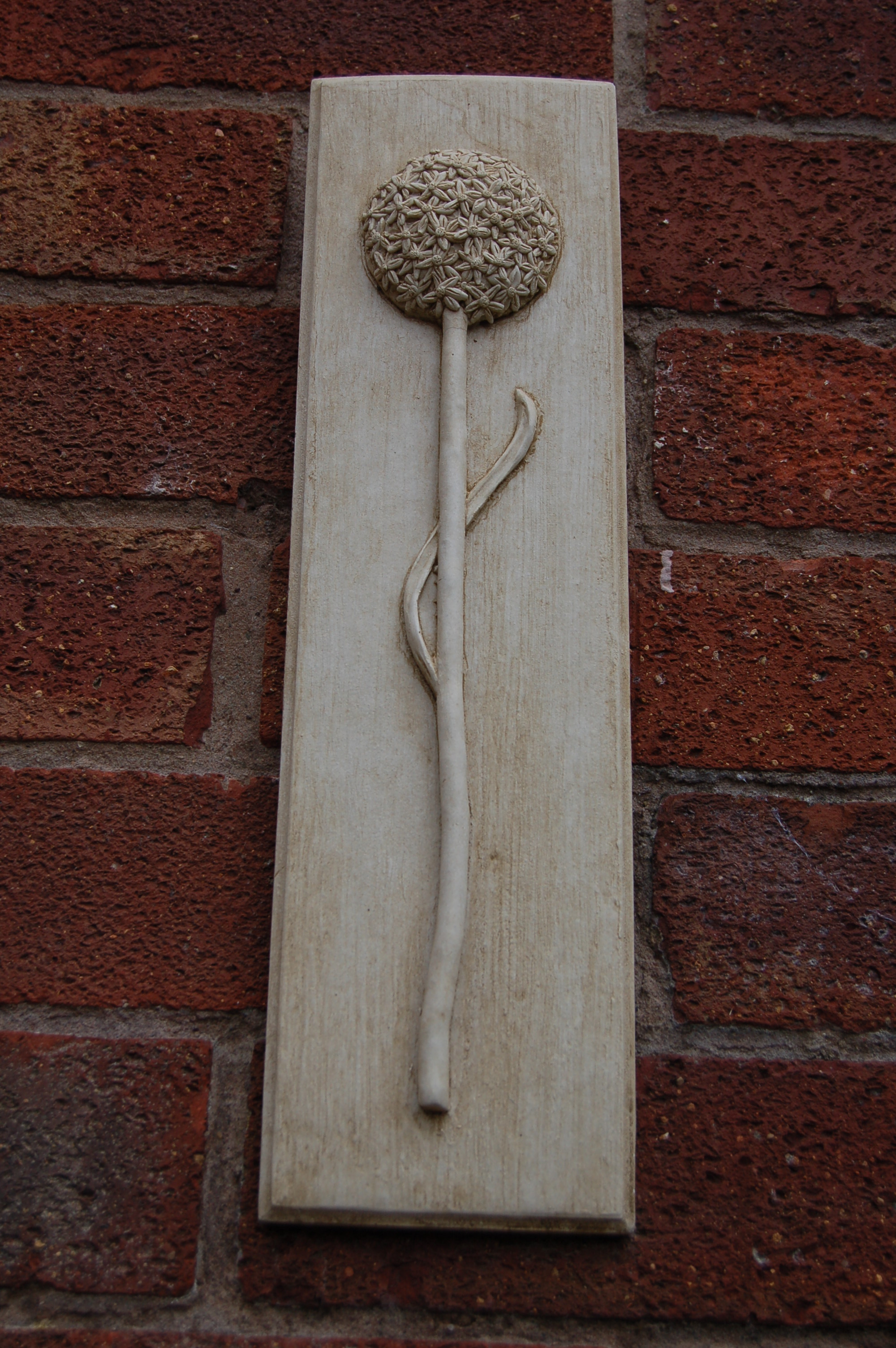
On our return journey through the garden we notice the newly emerging flower bud of this Allium, sitting like a table tennis ball in the centre of the three leaves. The fresh leaves on a deciduous tree stand out in sharp contrast to the dullness of its evergreen companion even in dull light.

2014 04 29_8838 2014 04 29_8839

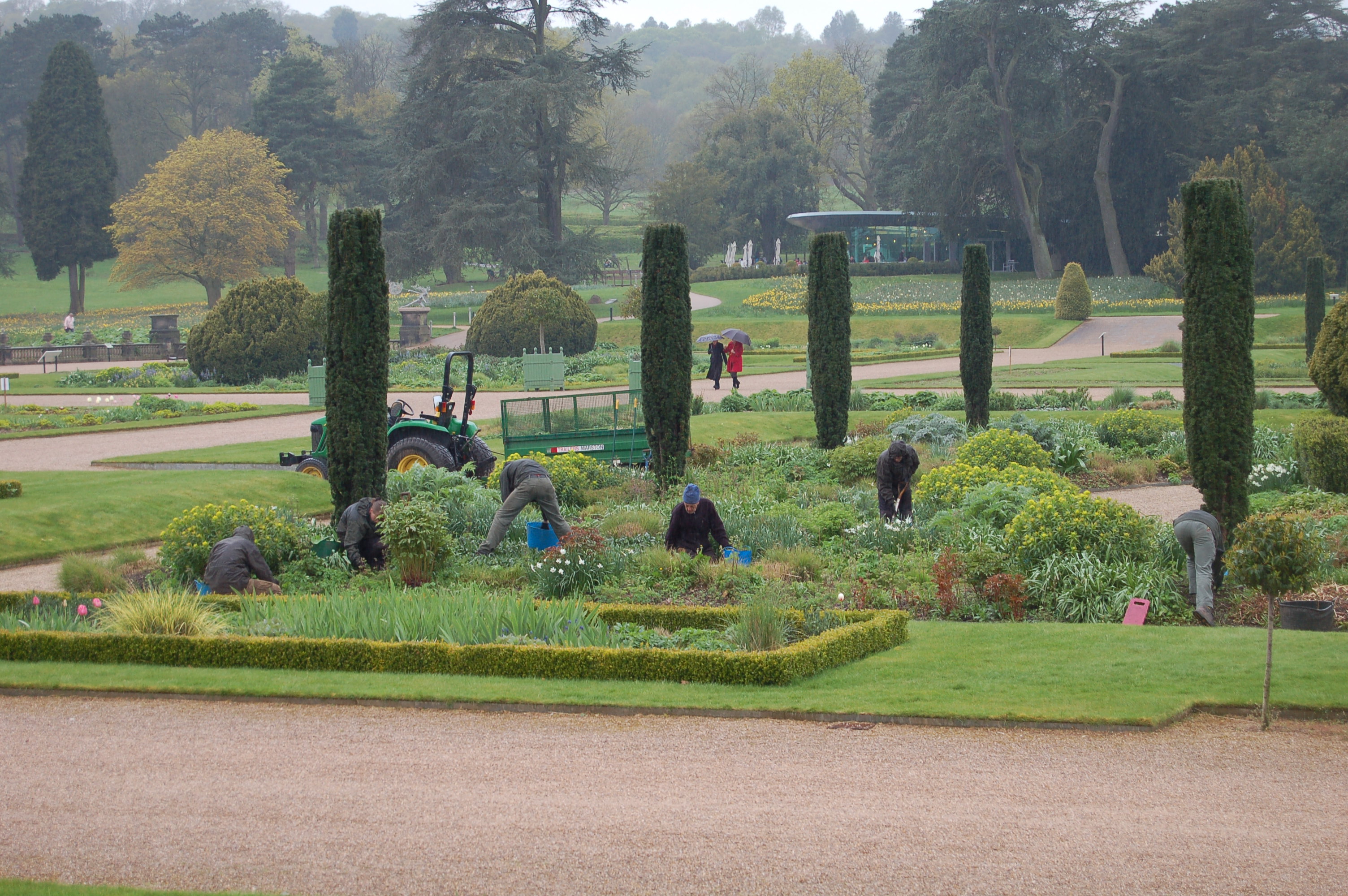
Tulips adorn the Rose Walk where the roses are budding strongly. From here we can look back on the team of gardeners beavering away heads down in their waterproof jackets.

2014 04 29_8840 2014 04 29_8841

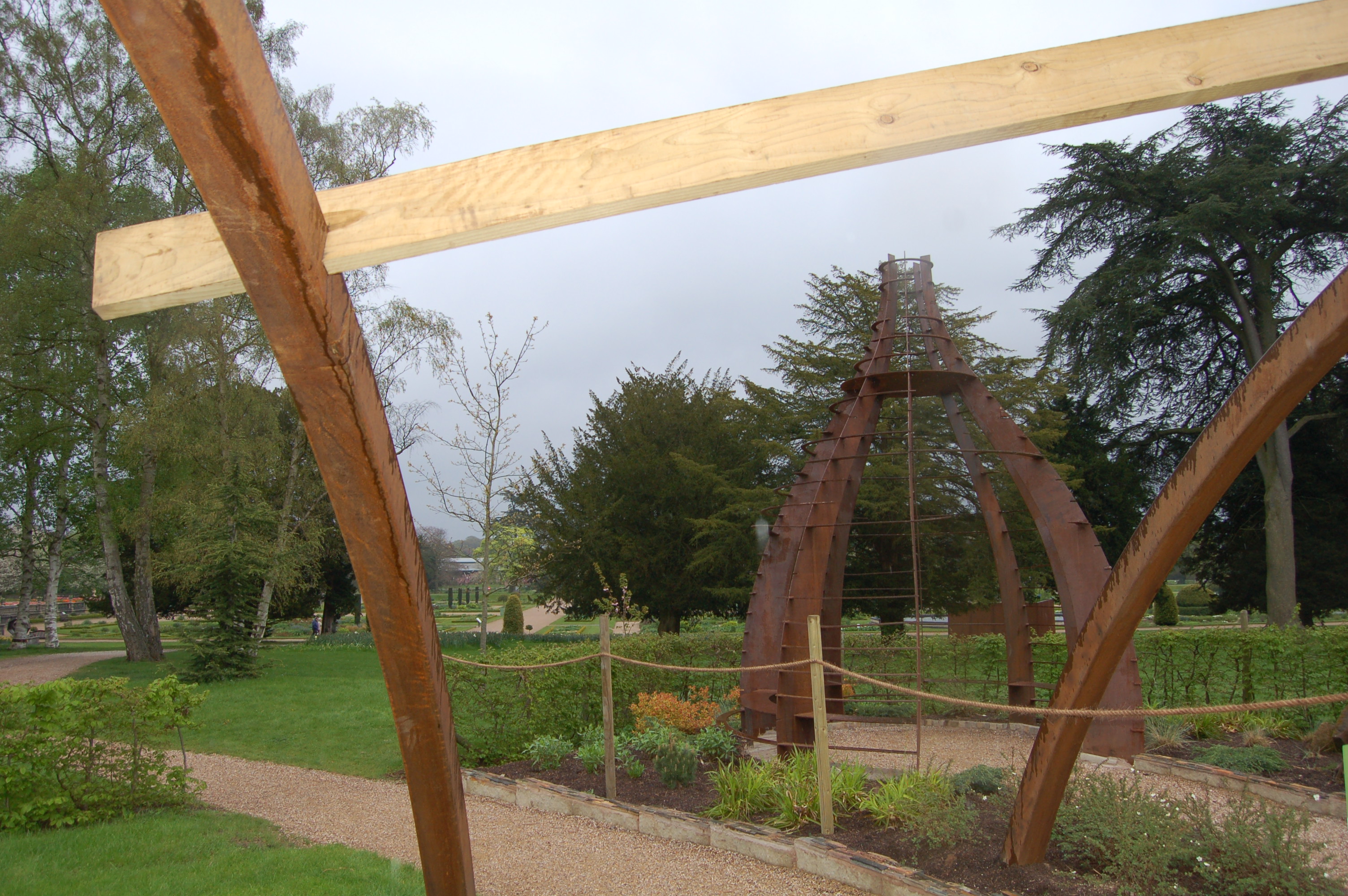
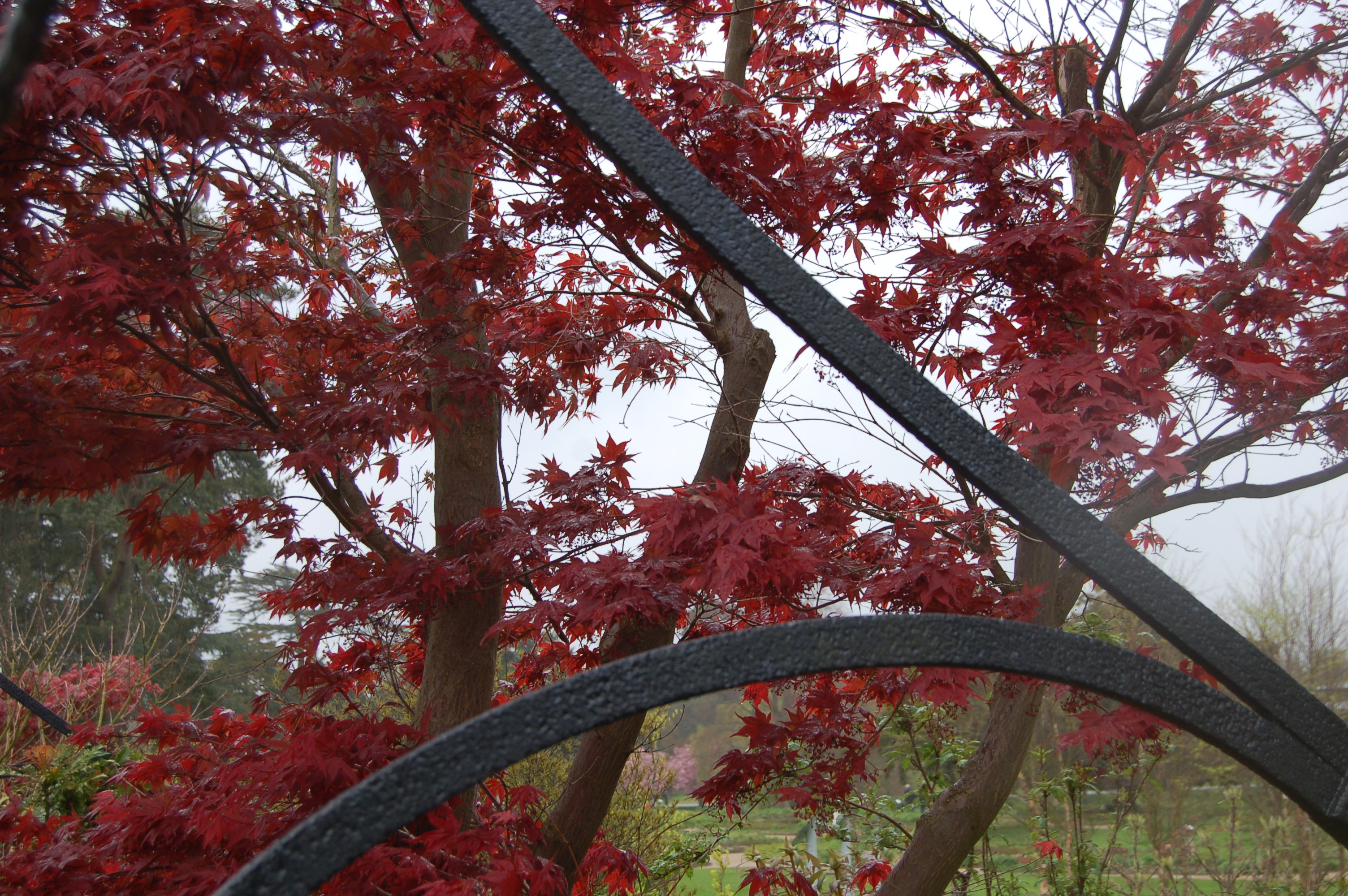
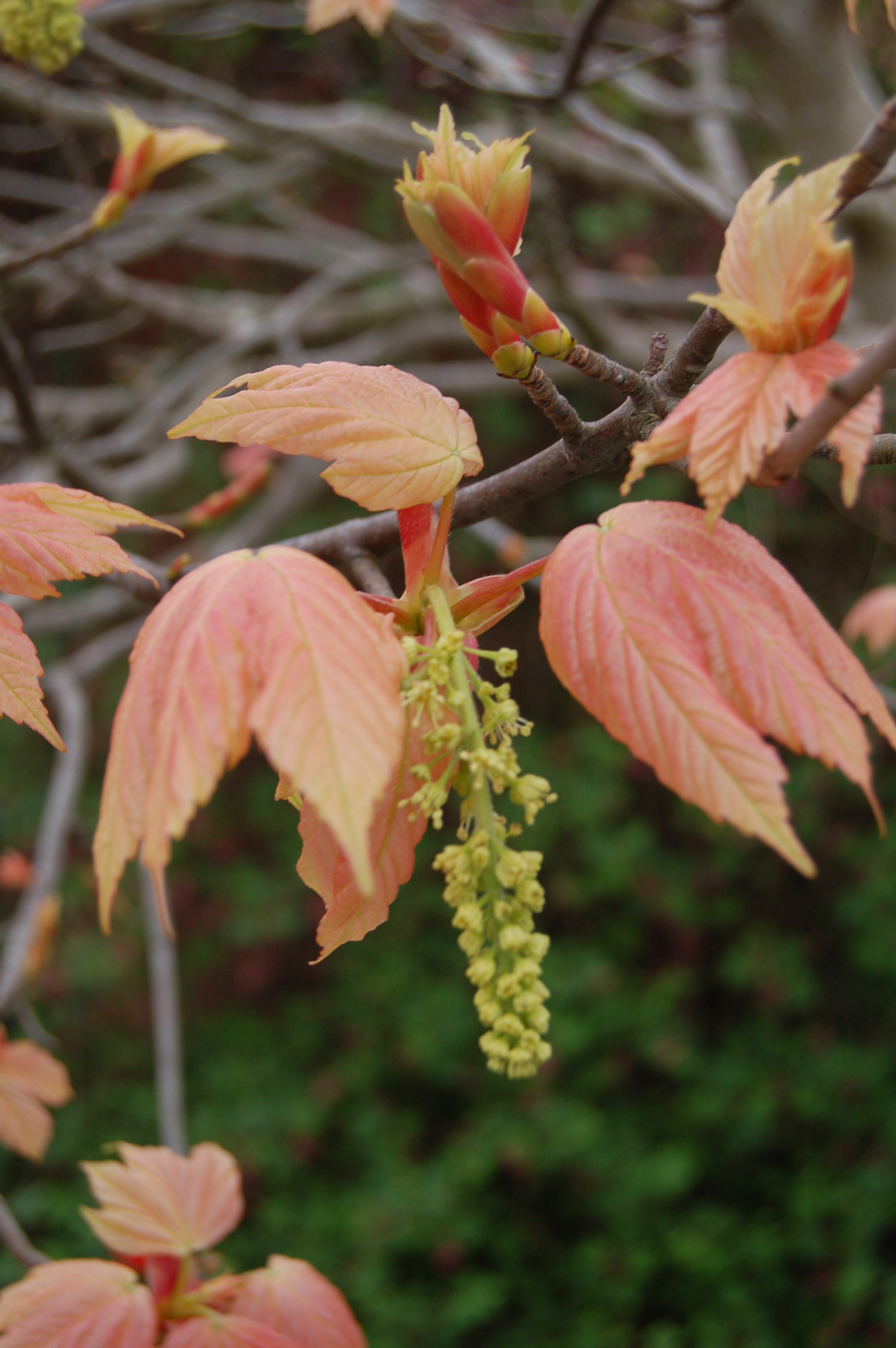
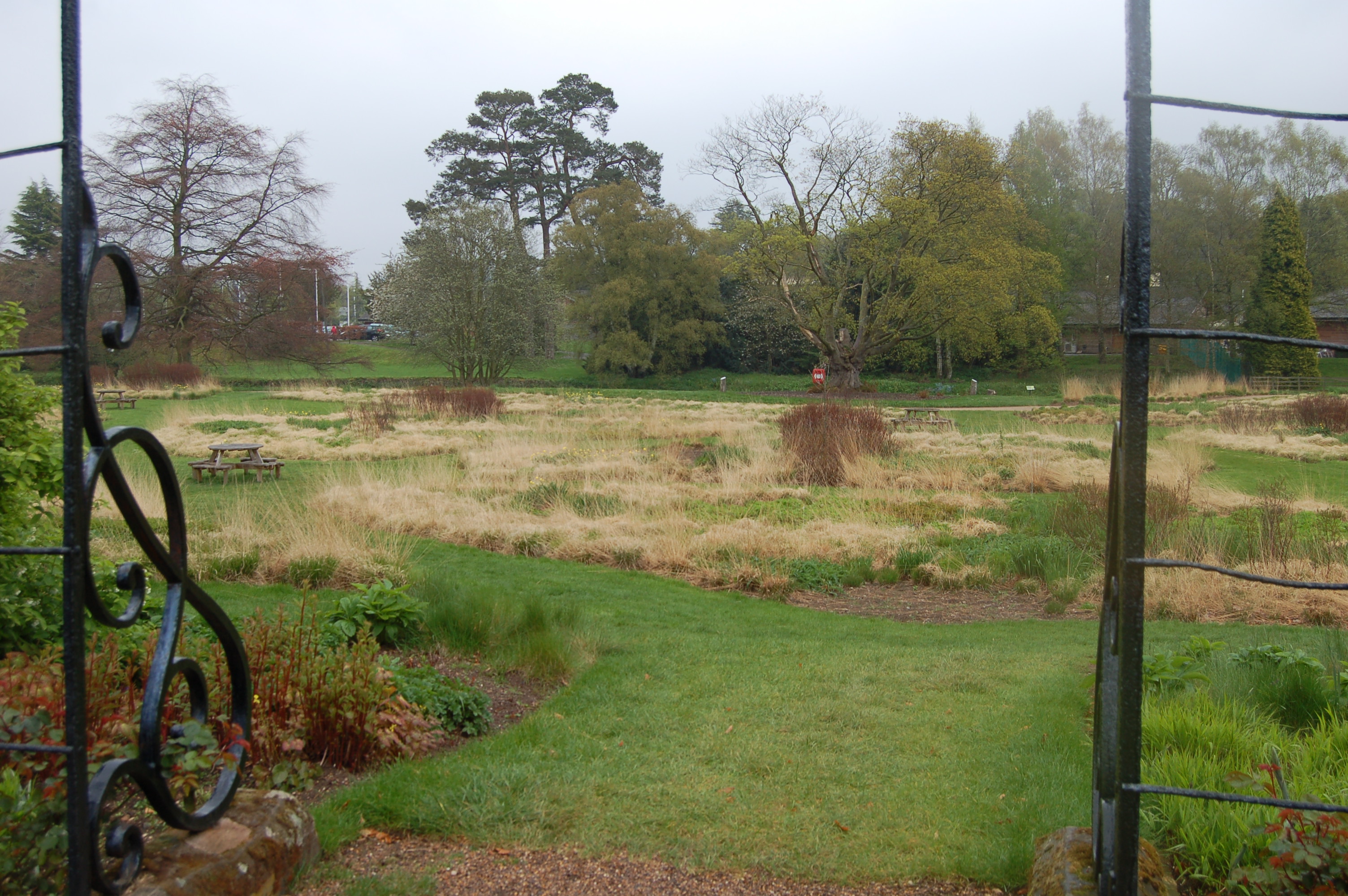
Looking through the rose pergola we can see the green growth in the River of Grasses. Alongside this path Corydalis is flowering at ground level whereas at a higher level the red leaves of the Acer manage to look cheerful in the rain.
2014 04 29_8842 2014 04 29_8843 2014 04 29_8844

So we leave Trentham in the rain yet again and look forward to our May visit when maybe we will see a little sunshine and a blue sky!

Categories
colours flowering bulbs garden design garden photography gardening gardens grasses hardy perennials ornamental grasses ornamental trees and shrubs spring bulbs The National Trust trees Winter Gardening winter gardens

Three Winter Gardens – Part Three – Anglesey Abbey

This, the third in my series of three posts looking at winter gardens, sees us at the most well known of all winter gardens, Anglesey Abbey.

2014 03 20_7479

Situated near Cambridge within the larger gardens and grounds of this National Trust property the winter garden here is often considered to be the best of all and a big influence on all others that follow. We shall look at further aspects of the gardens at Anglesey Abbey in future posts.

We visited the winter garden at Anglesey Abbey many years ago the first year it was open to the public so it was like meeting an old friend but one who has changed a lot in the intervening years.

2014 03 20_7376

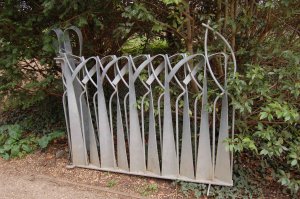
This set of gates welcomed us as we arrived at the start of the winter plantings.

2014 03 20_7367 2014 03 20_7368 2014 03 20_7369

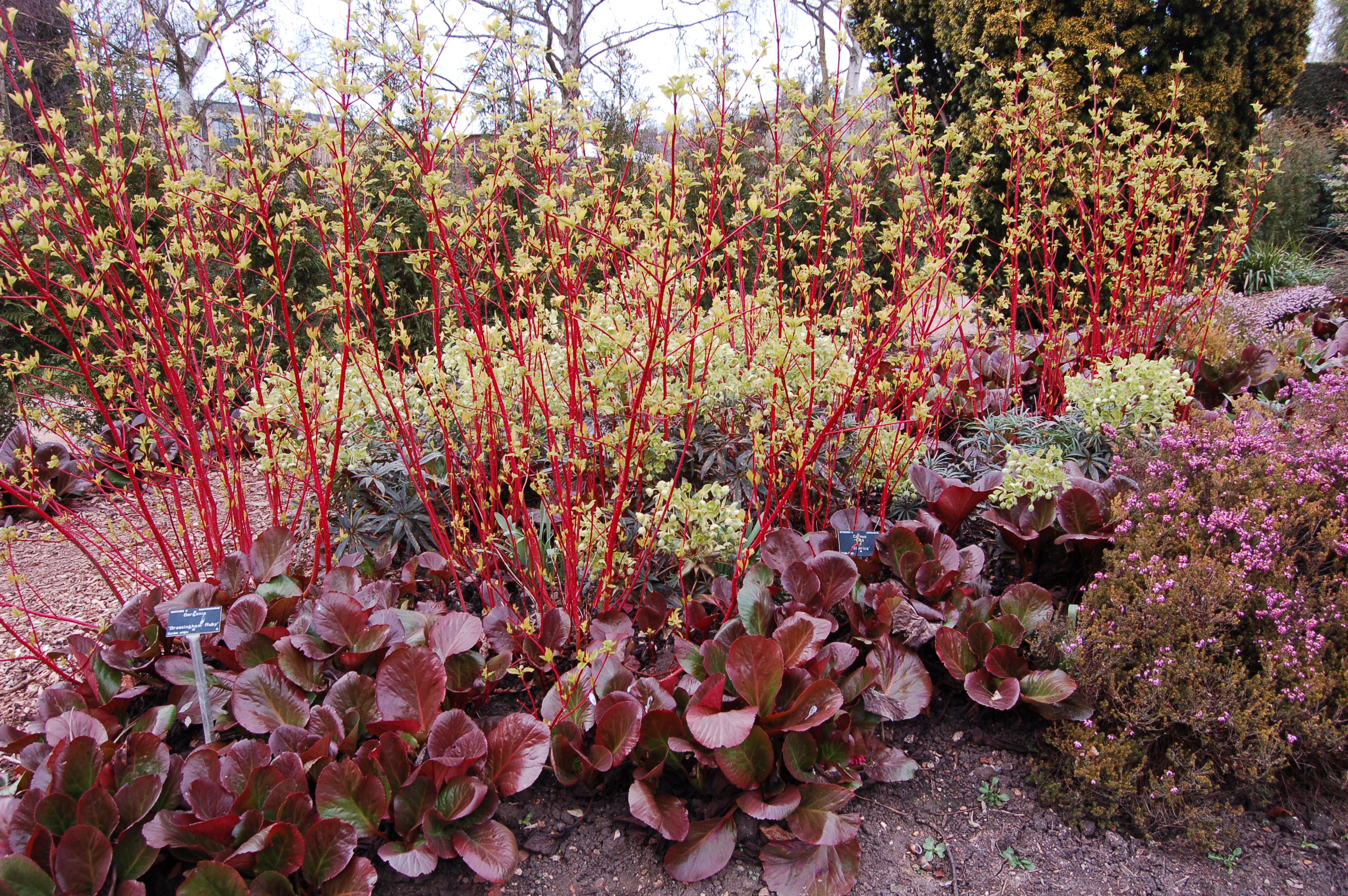
We soon met the friends we had seen in our other two winter gardens, the dogwoods, rubus and willows grown for their stem colour underplanted with hellebores and ivies. There was some wonderful pruning techniques on display here too.

2014 03 20_7370 2014 03 20_7372

2014 03 20_7371  2014 03 20_7373  2014 03 20_7375 2014 03 17_7274

2014 03 20_7378 2014 03 20_7379

2014 03 20_7390

Grasses featured strongly with their wonderful warm colours and strong structural shapes.

2014 03 20_7377 2014 03 20_7374

We were once again interested to see which plants the gardeners from Anglesey Abbey used as ground cover to help reduce weed growth. Various low growing grasses teamed up with Arum and Bergenias to perform this role.

2014 03 20_7380 2014 03 20_7381 2014 03 20_7382 2014 03 20_7383 2014 03 20_7384 2014 03 20_7385

All these plants acting out their roles as ground covering plants encouraged us to look down as we were seeking ideas for our allotment Winter Garden, but we were struck also by specimens higher up.

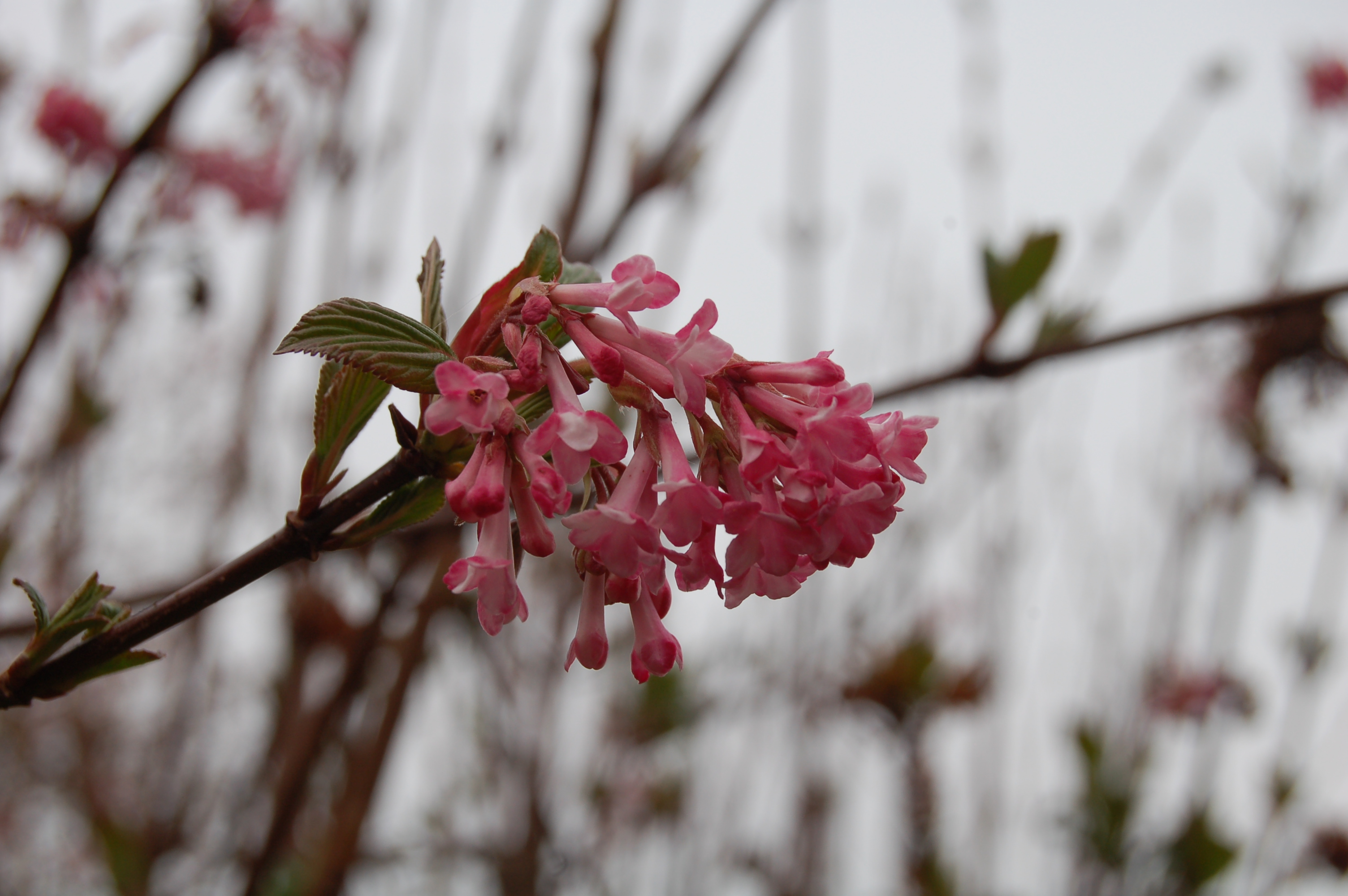
The Viburnum pictured below didn’t just look good it smelled sweetly too. The Pulmonaria has not just flowers of two colours but unusual foliage to catch the eye.

2014 03 20_7387 2014 03 20_7388


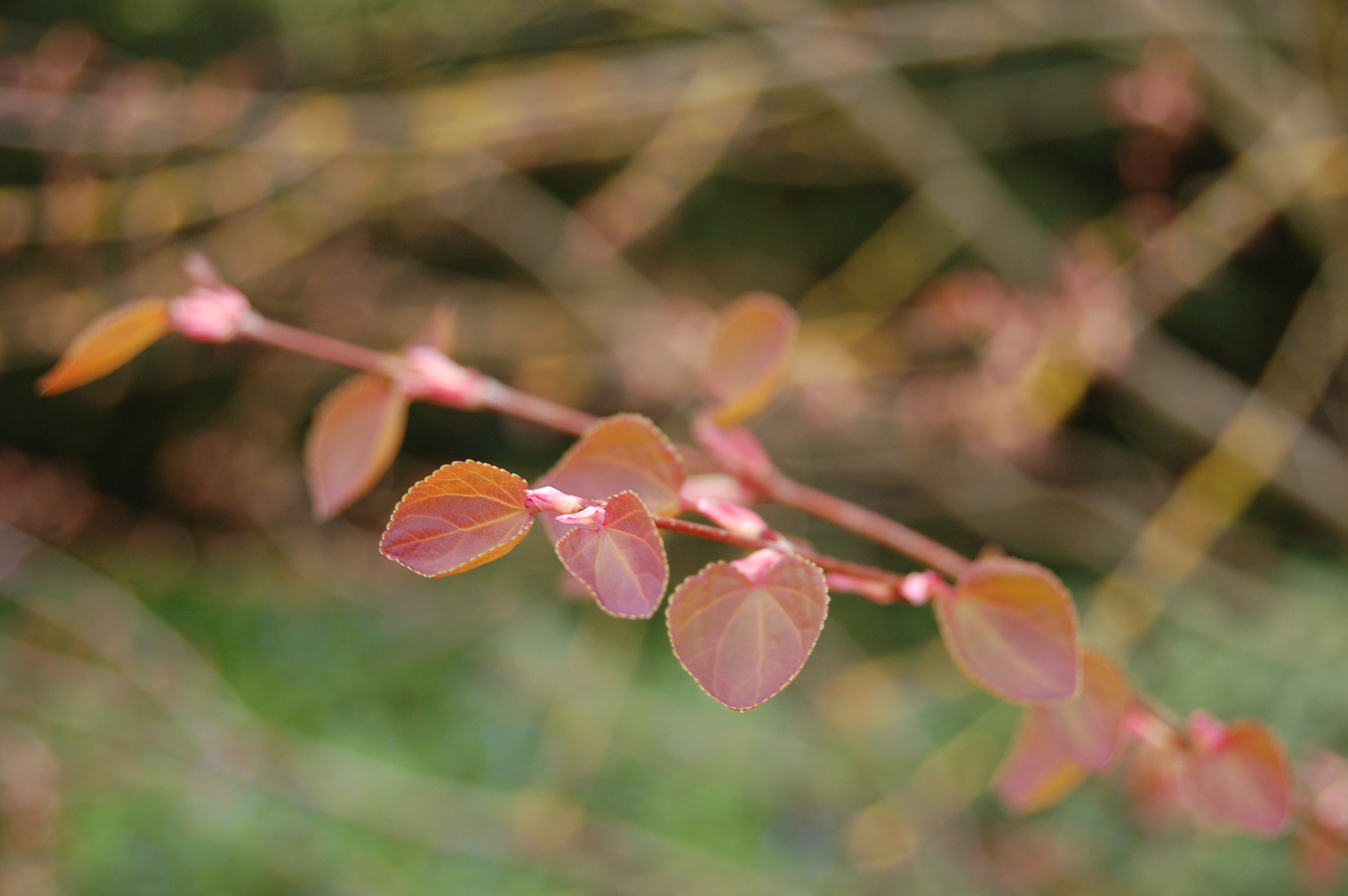
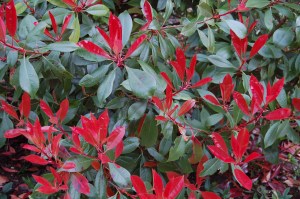
The fresh foliage of the Cercis had leaves of a delicate bronze which was a strong contrast to the much more brash reds of the Photinia “Red Robin”.

2014 03 20_7389  2014 03 20_7393

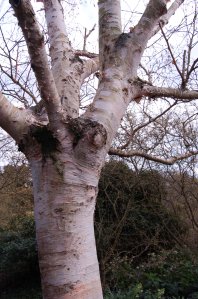
The white bark of the trunks of Betula utilis although now used in every winter garden still deserve to be centre stage. Here at Anglesey Abbey some had been “dressed” in bright colours for added humour.

2014 03 20_7408 2014 03 20_7412

2014 03 20_7410 2014 03 20_7409

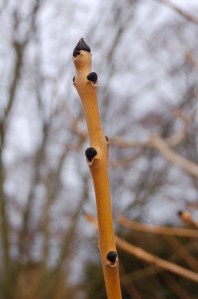
This golden stemmed ash is rarely seen in gardens but in the winter its black pyramidal buds strongly contrast with the golden stems. It is one of those plants that are simply too big for the average garden but when space allows it can be really attractive.

2014 03 20_7402

I have concentrated so far on the attributes of individual plants but we need to see how they fit in to the whole to fully appreciate their impact and the atmosphere of this amazing winter garden.

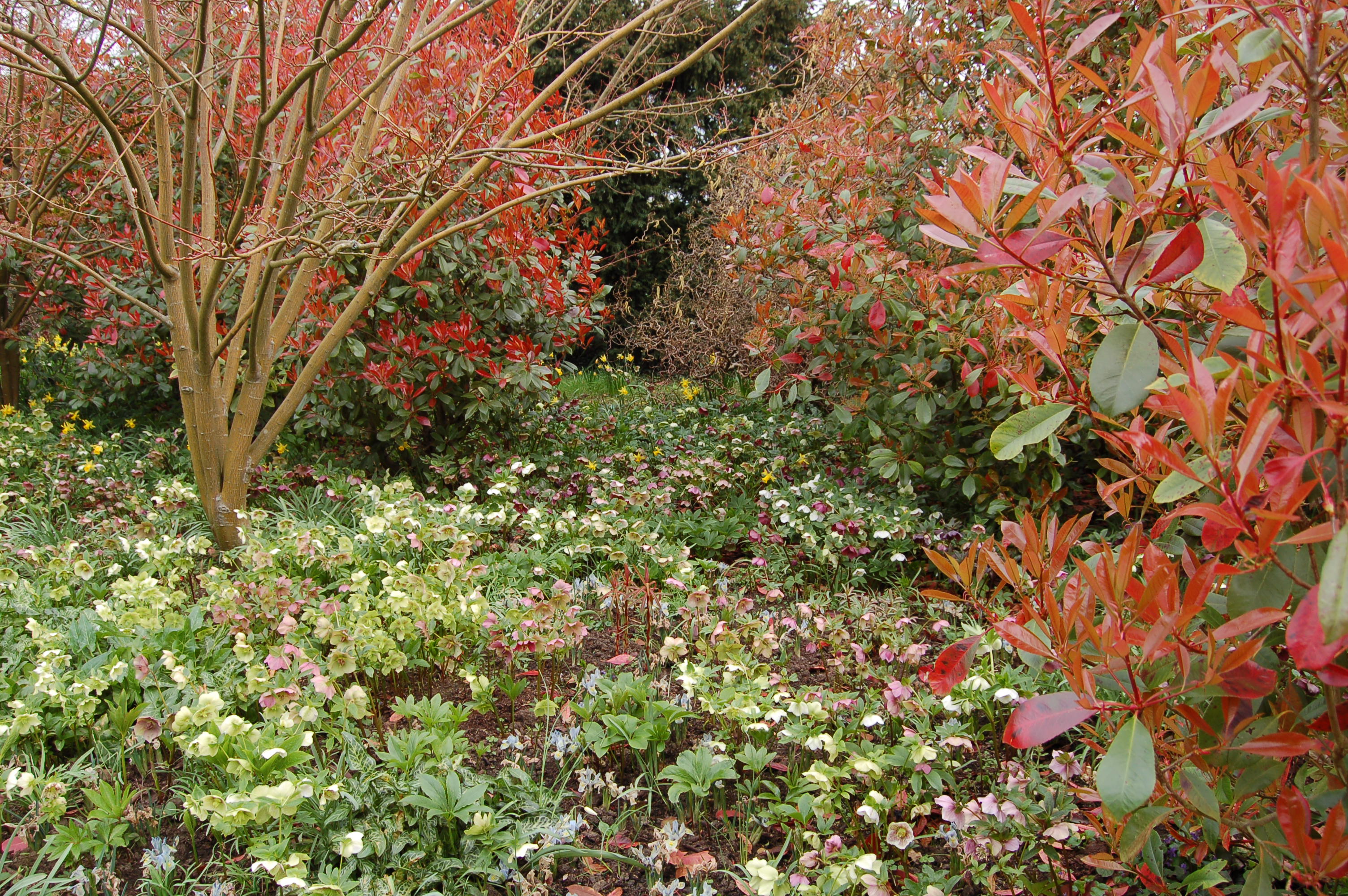
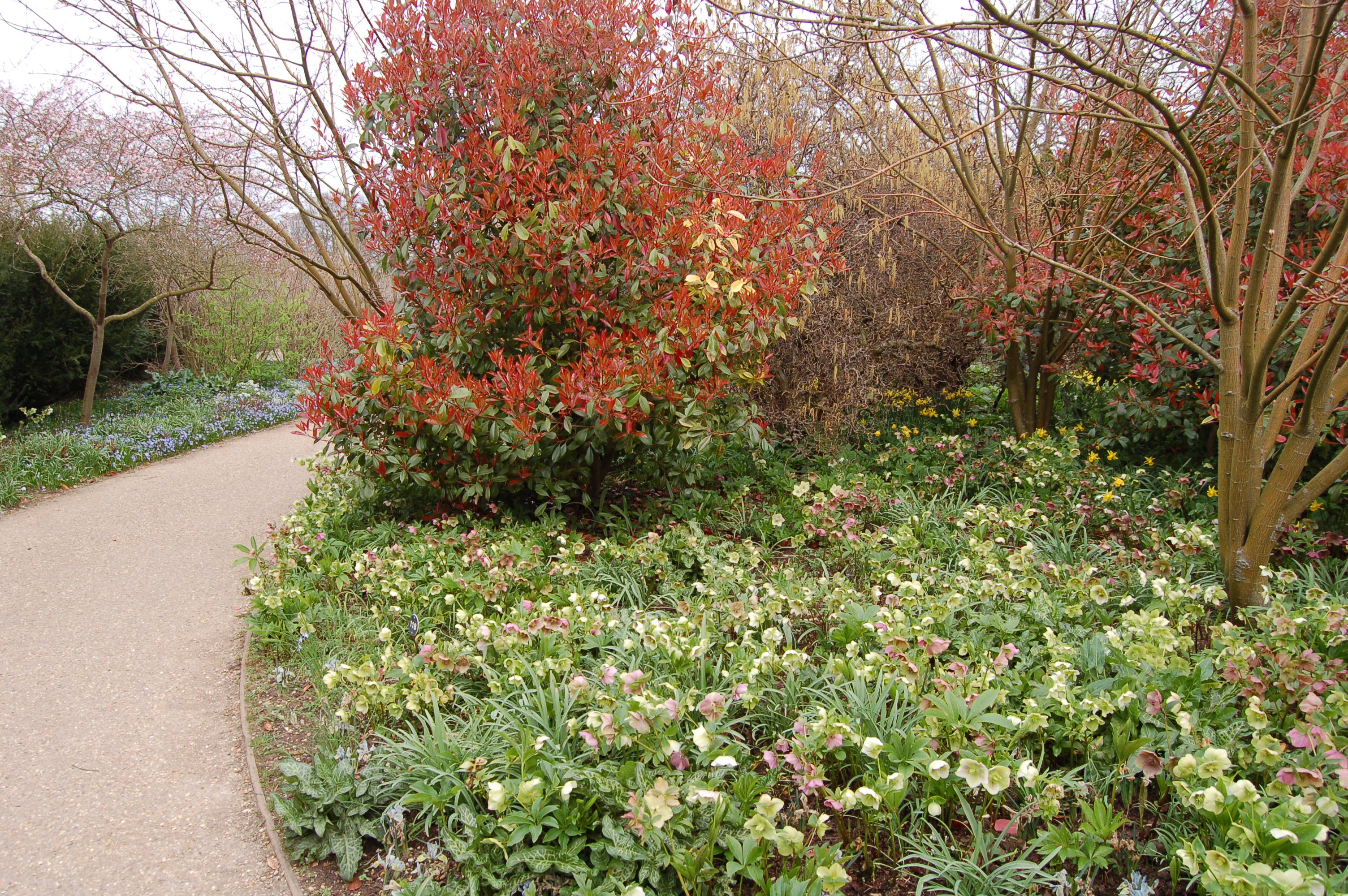
2014 03 20_7391 2014 03 20_7392  2014 03 20_7394 2014 03 20_7395 2014 03 20_7398 2014 03 20_7399 2014 03 20_7400 2014 03 20_7401

2014 03 20_7407  2014 03 20_7405 2014 03 20_7404 2014 03 20_7403

We entered the winter borders through interesting sculptural gates and we left through another. A quick look over the shoulder gave us a final chance to appreciate this brilliant garden.

So there we leave the series of three posts concerning winter gardens. Although Dunham Massey is the newcomer it looked good against the other two, but in the end it has to be said that the “original” winter garden at Anglesey Abbey remains my firm favourite.

2014 03 20_7413 2014 03 20_7406


Categories
colours garden design gardening ornamental trees and shrubs shrubs spring gardening trees village gardens

Fresh Foliage – our Acers

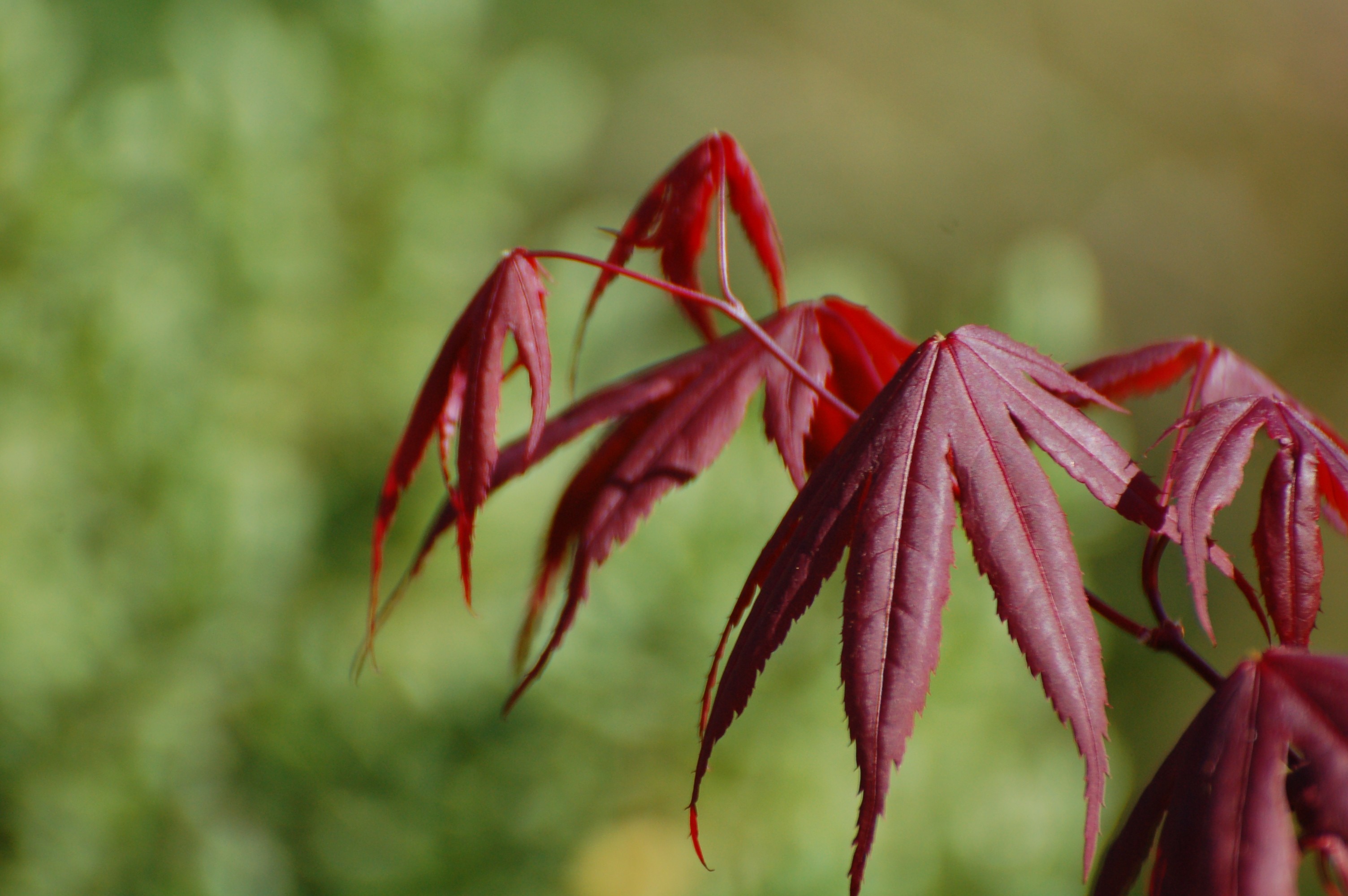
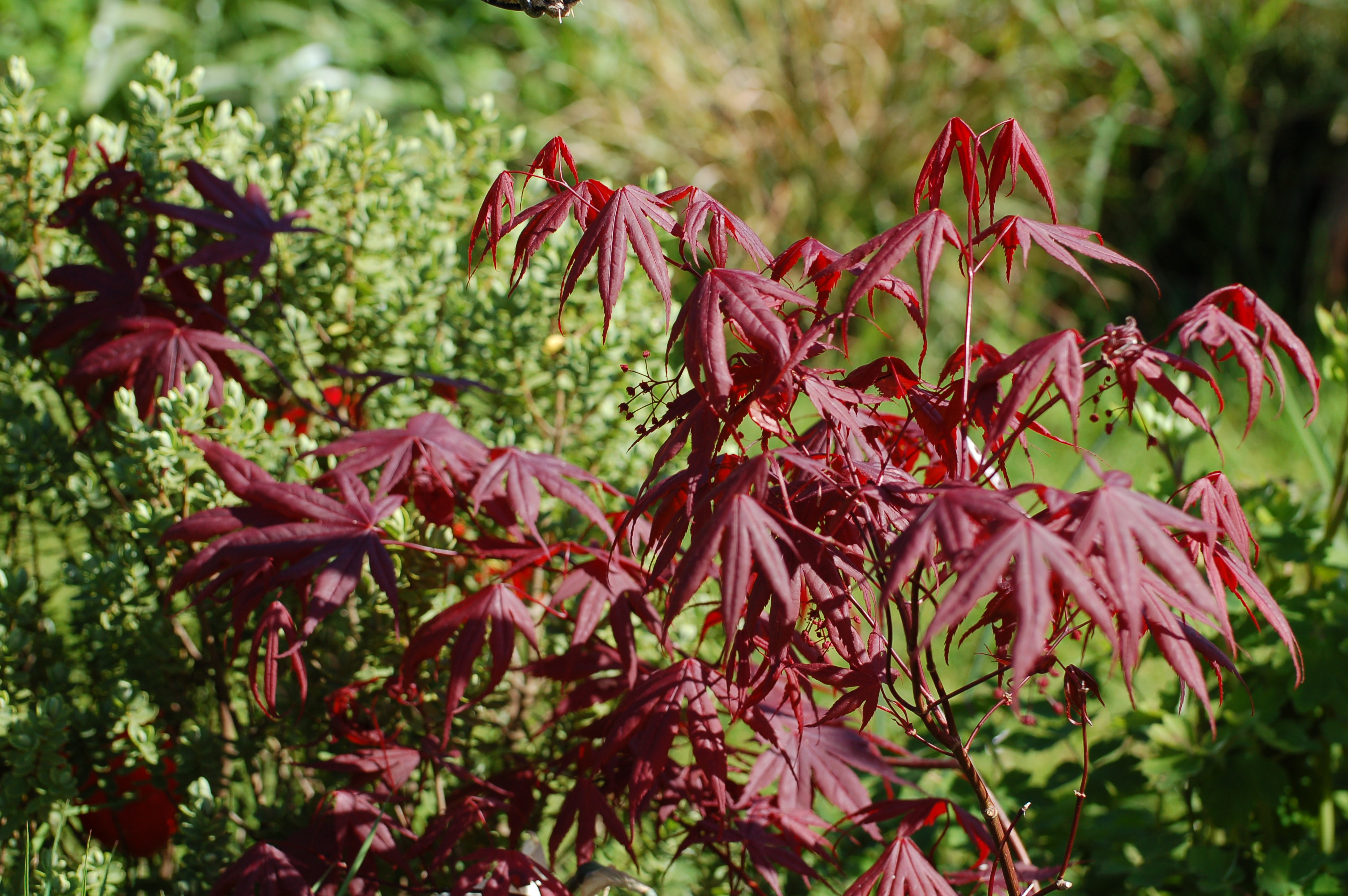
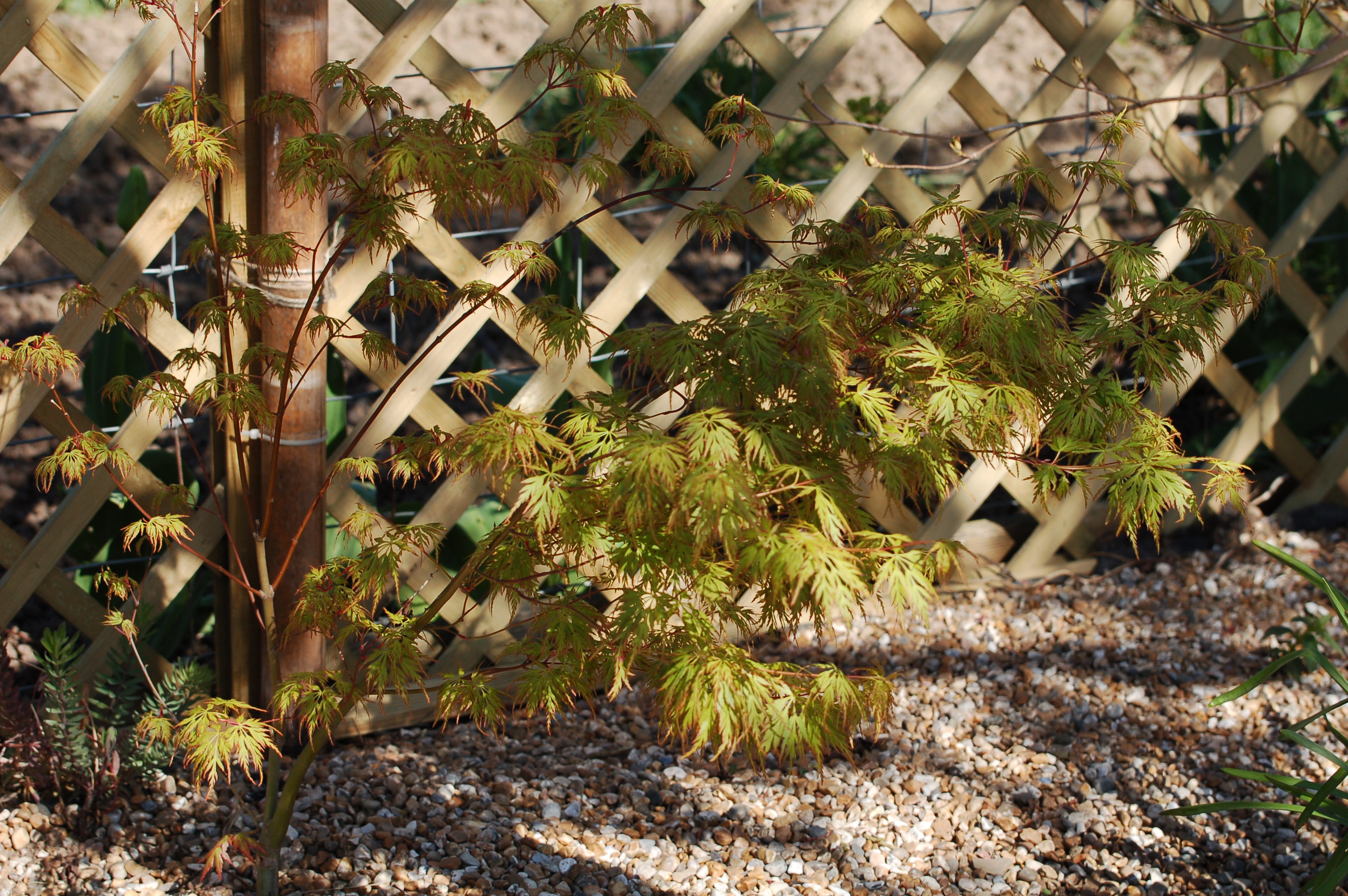
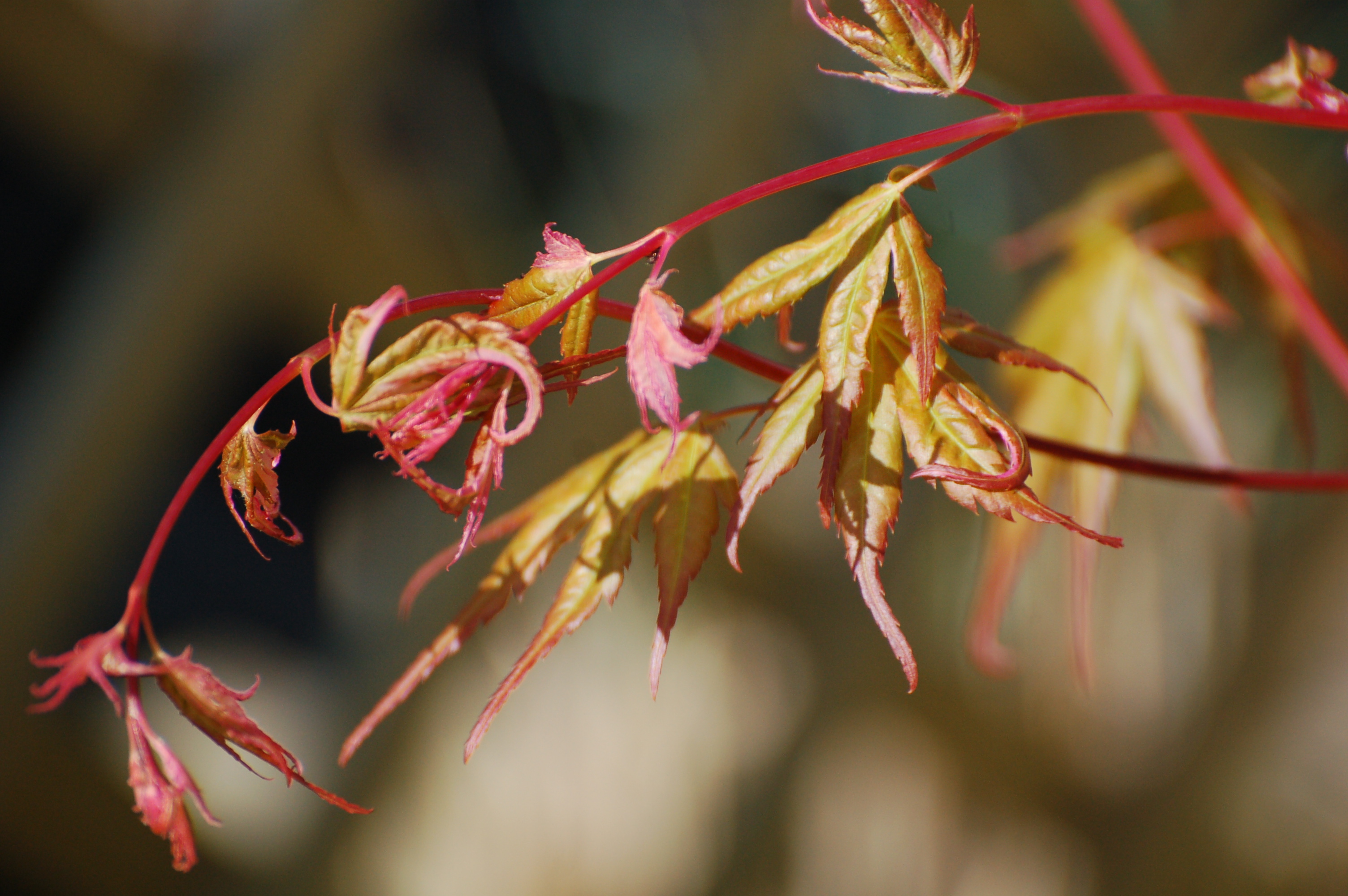
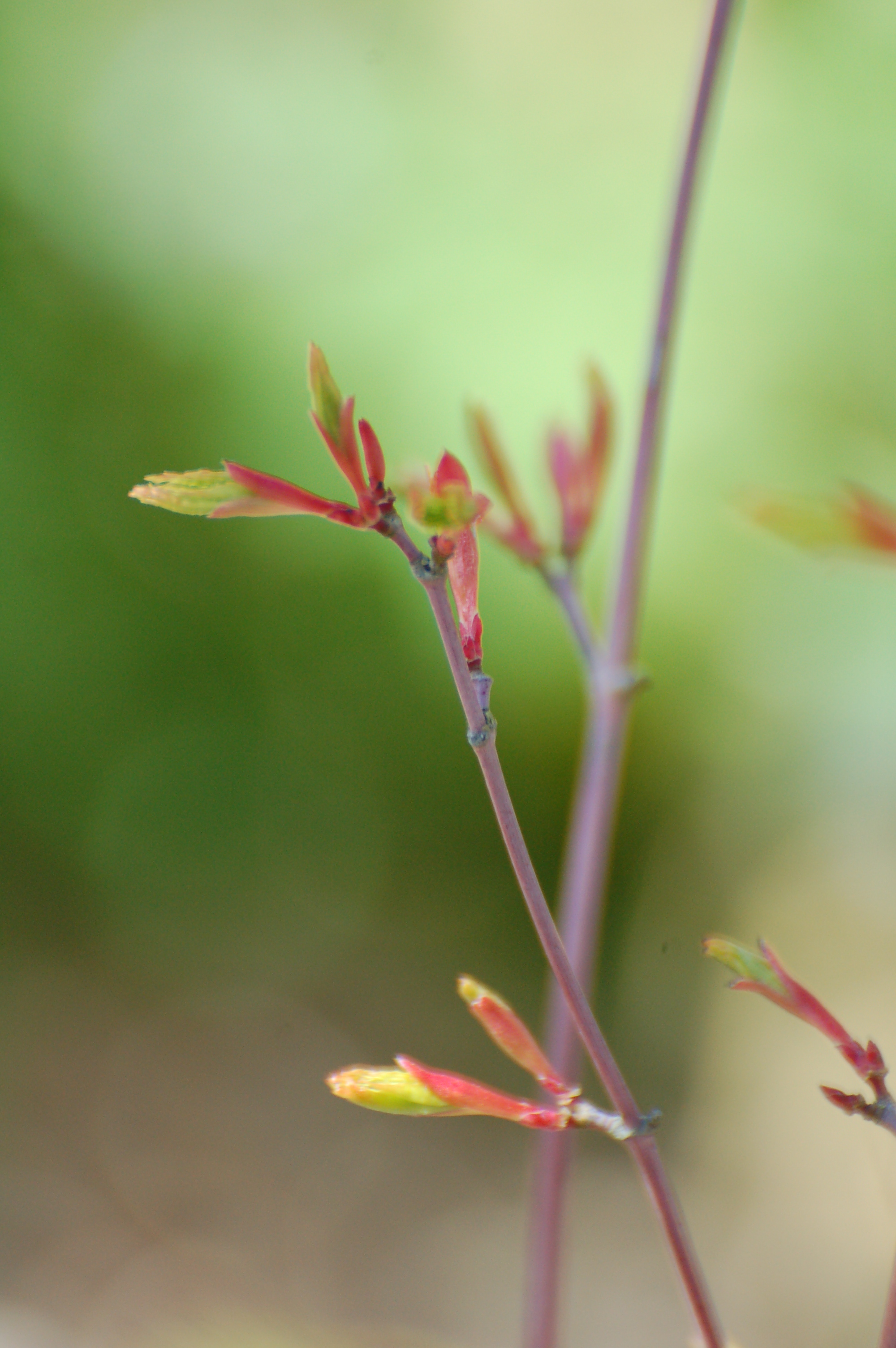
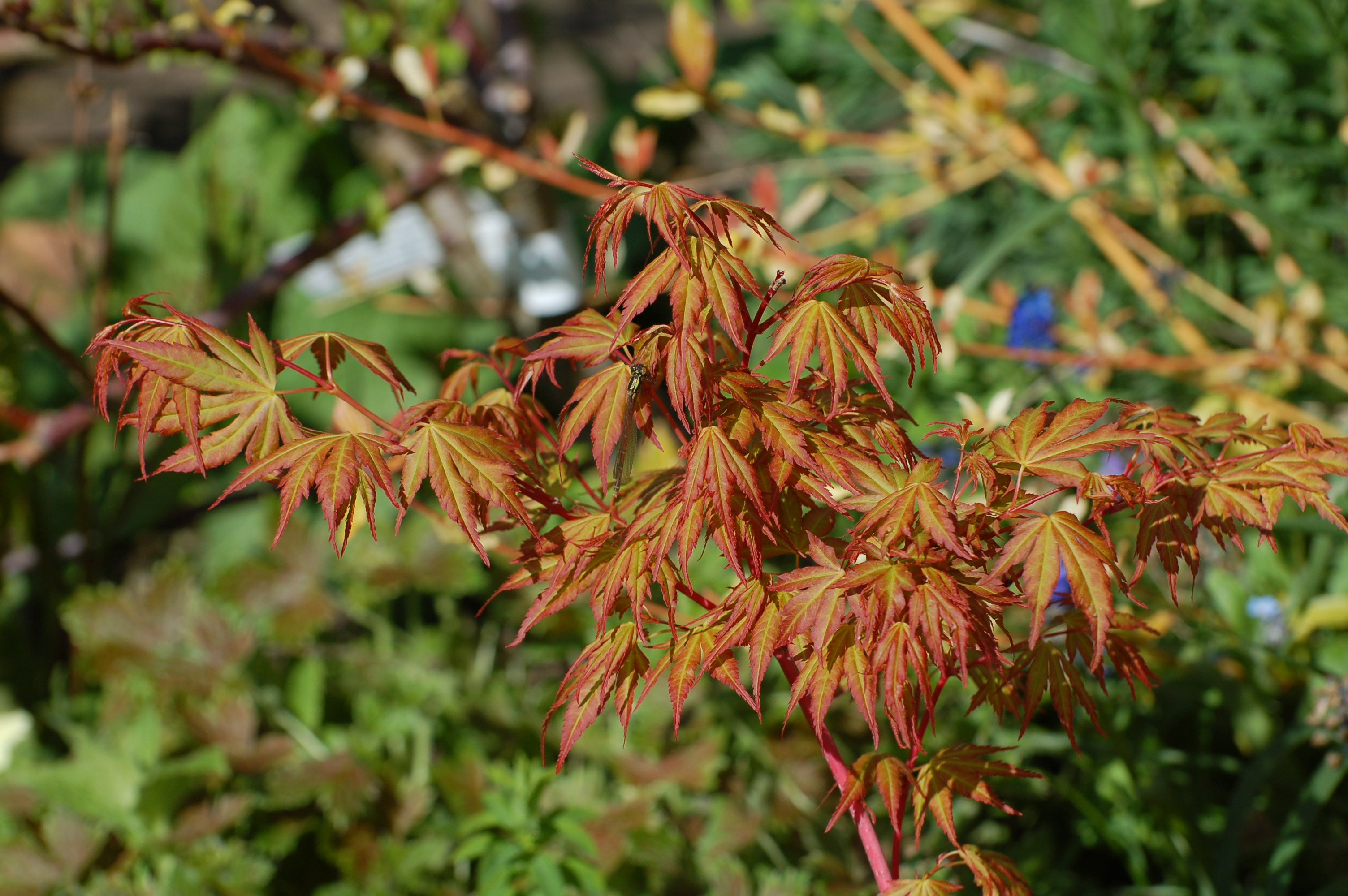
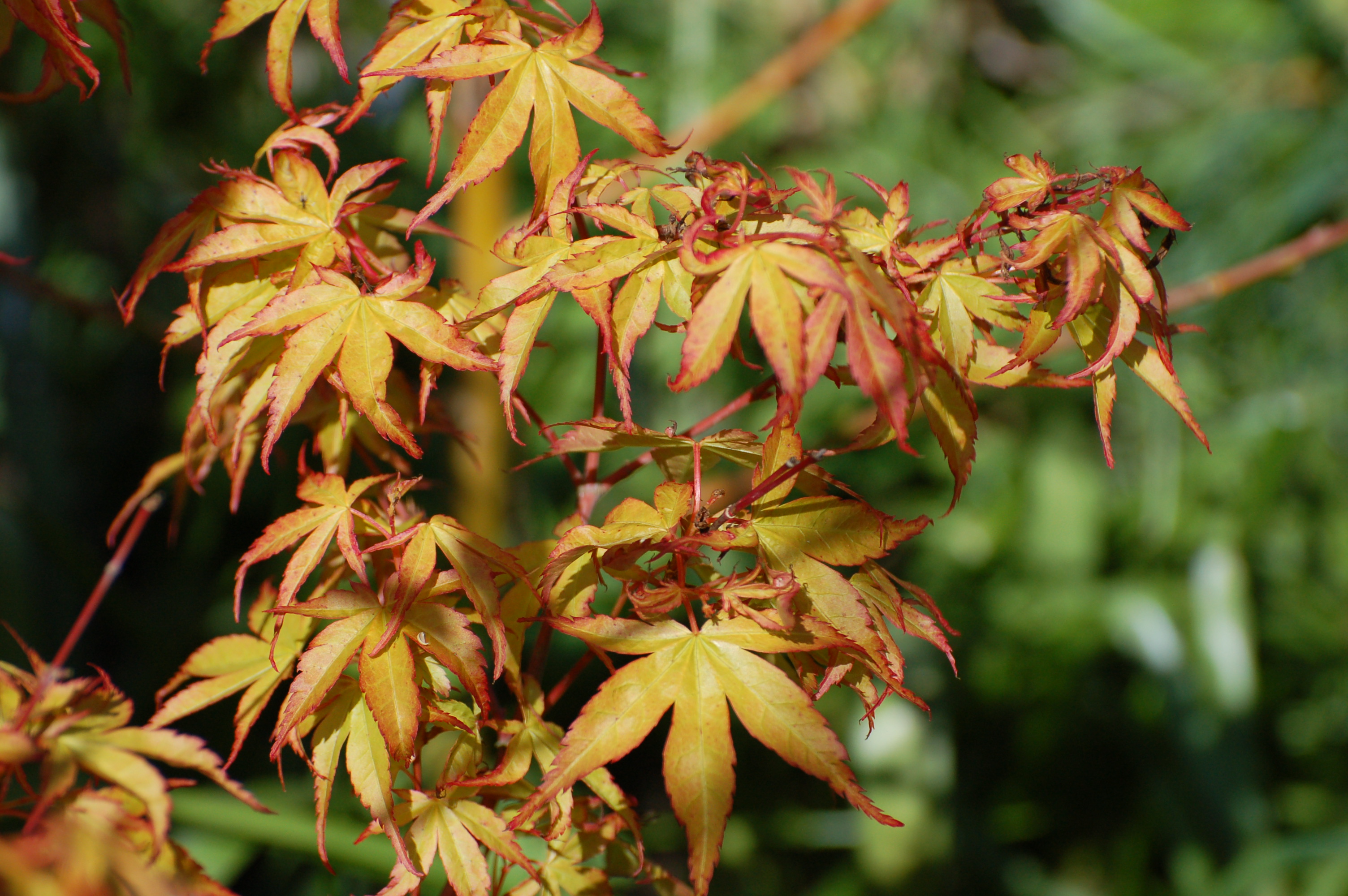
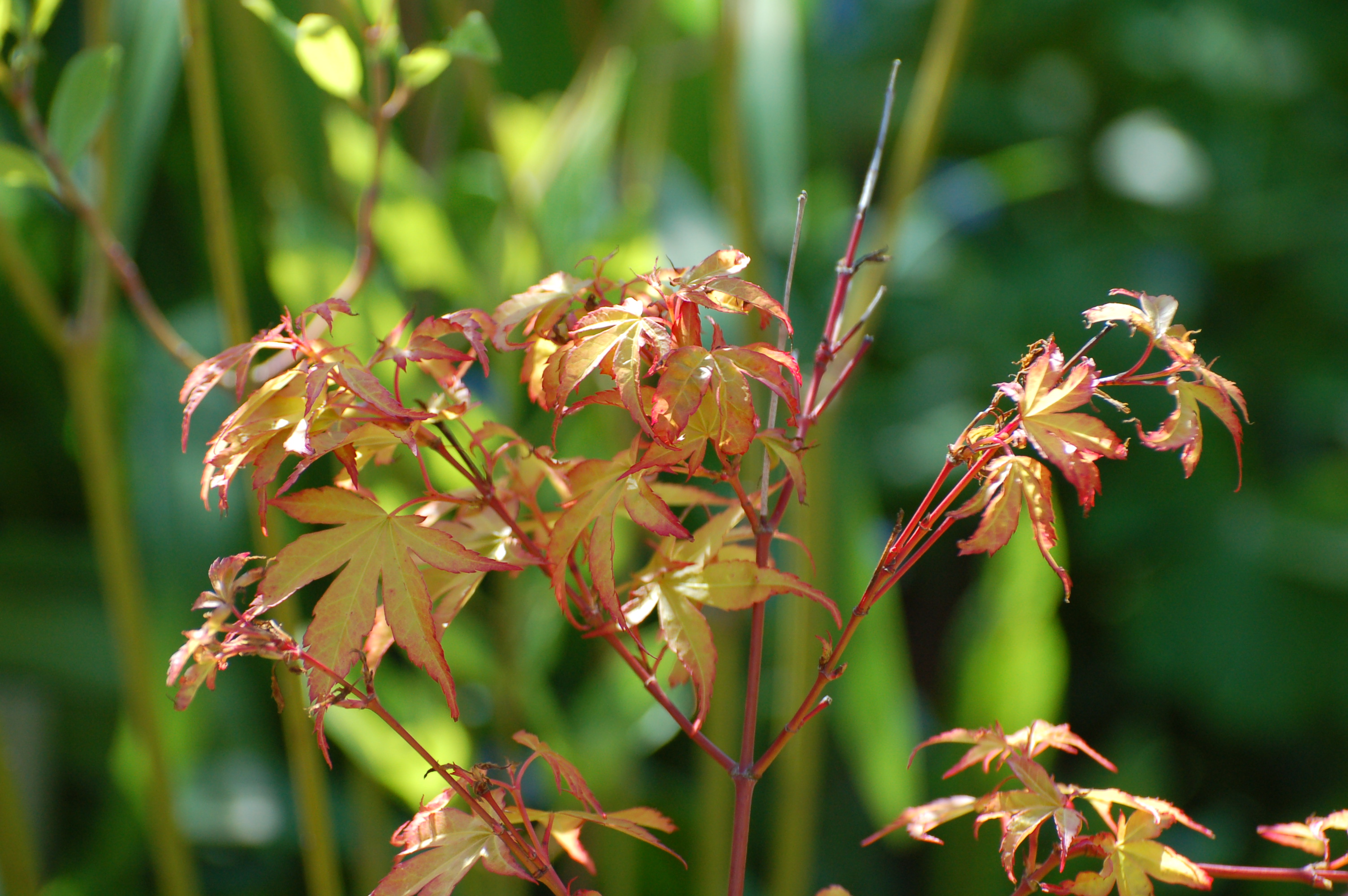
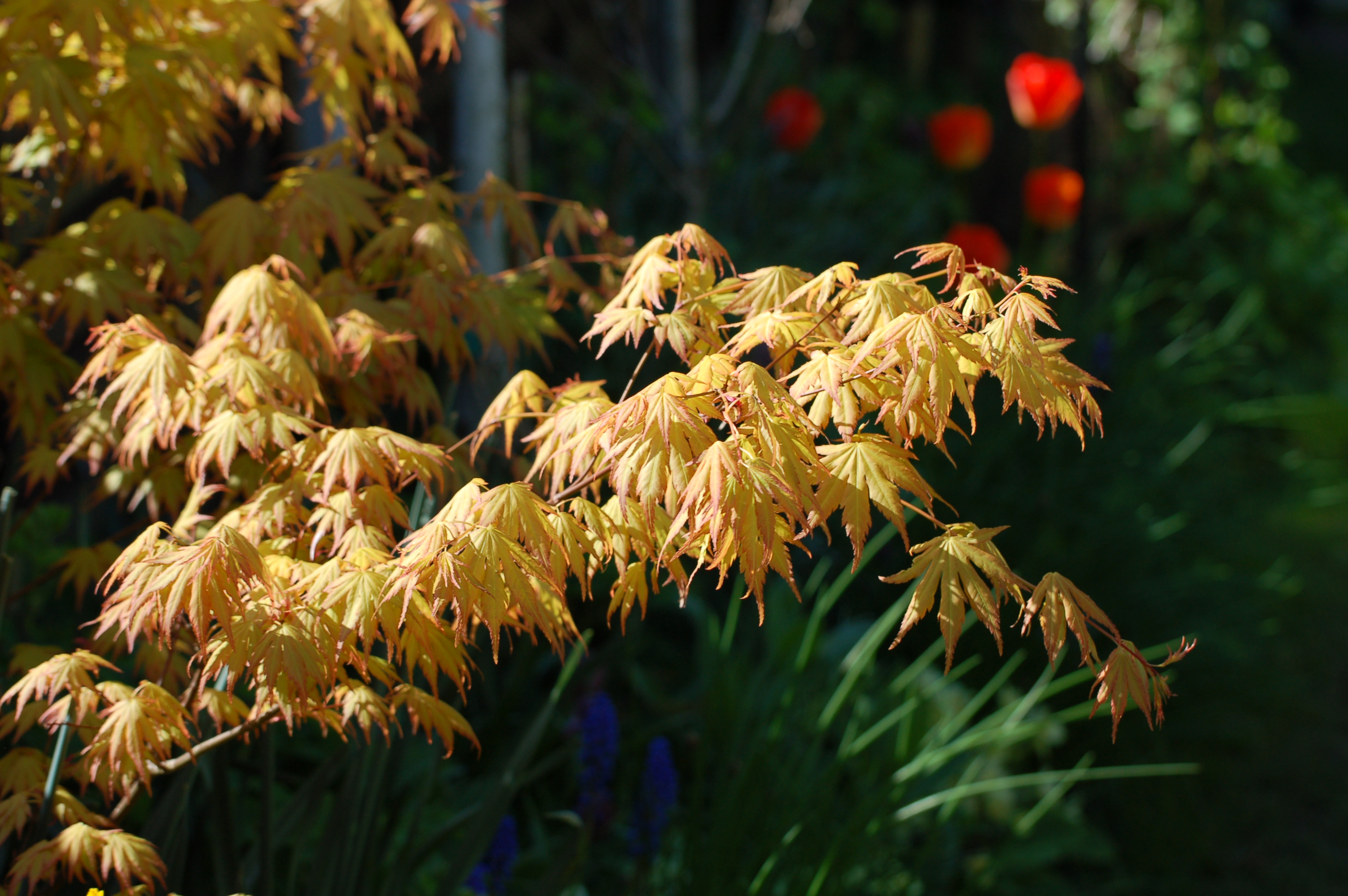
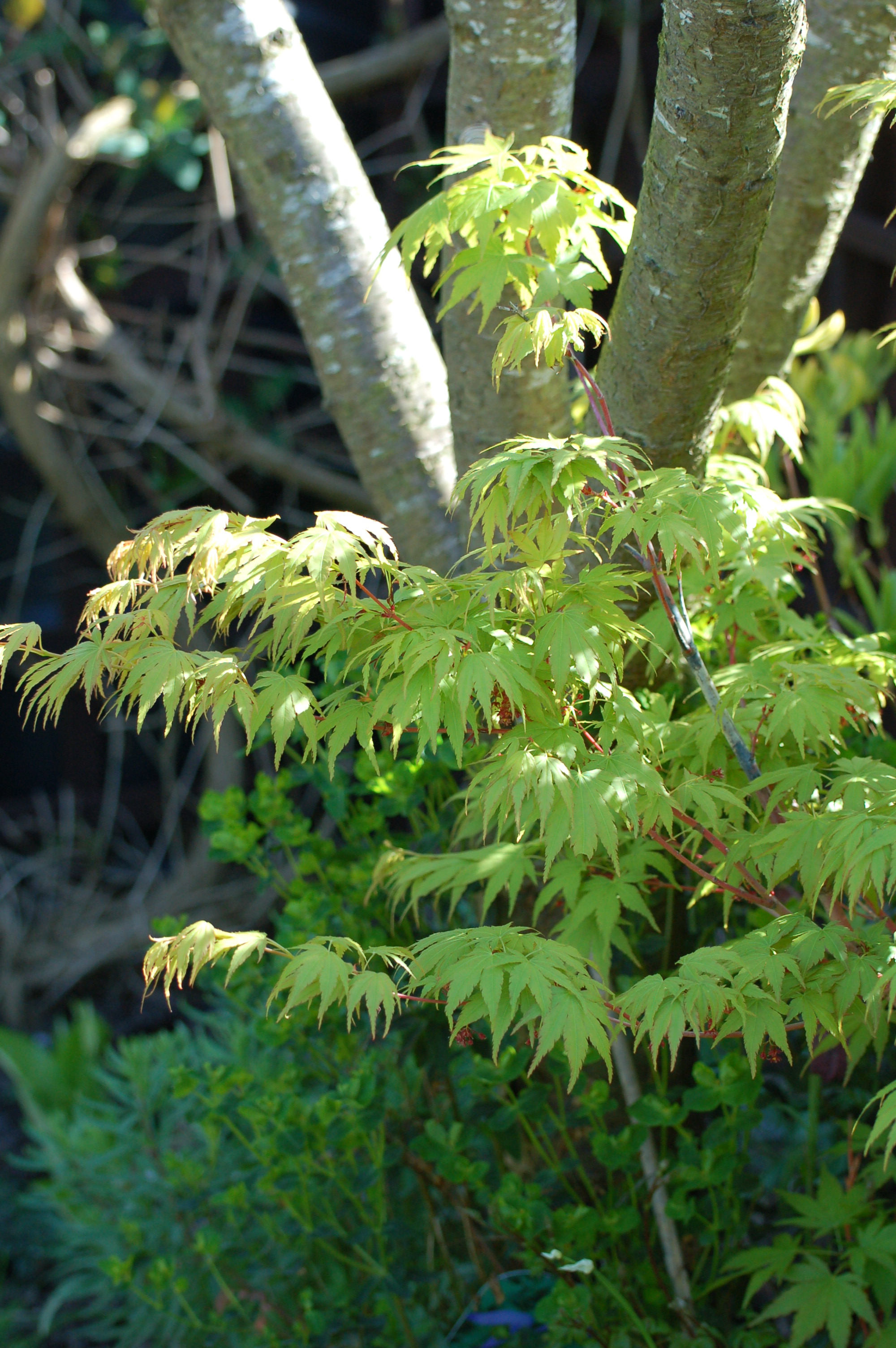
Over the last few years w have been gradually adding a selection of Japanese Acers to different areas of our garden to add year round foliage interest but with an emphasis on the spring and autumn seasons.

We already had a few different acers only one of which was a Japanese variety. The largest is a beautiful snake bark maple which looks over our Rill Garden and is a great all year round tree absolutely full of interest and it always receives admiration from any visitors to the garden.

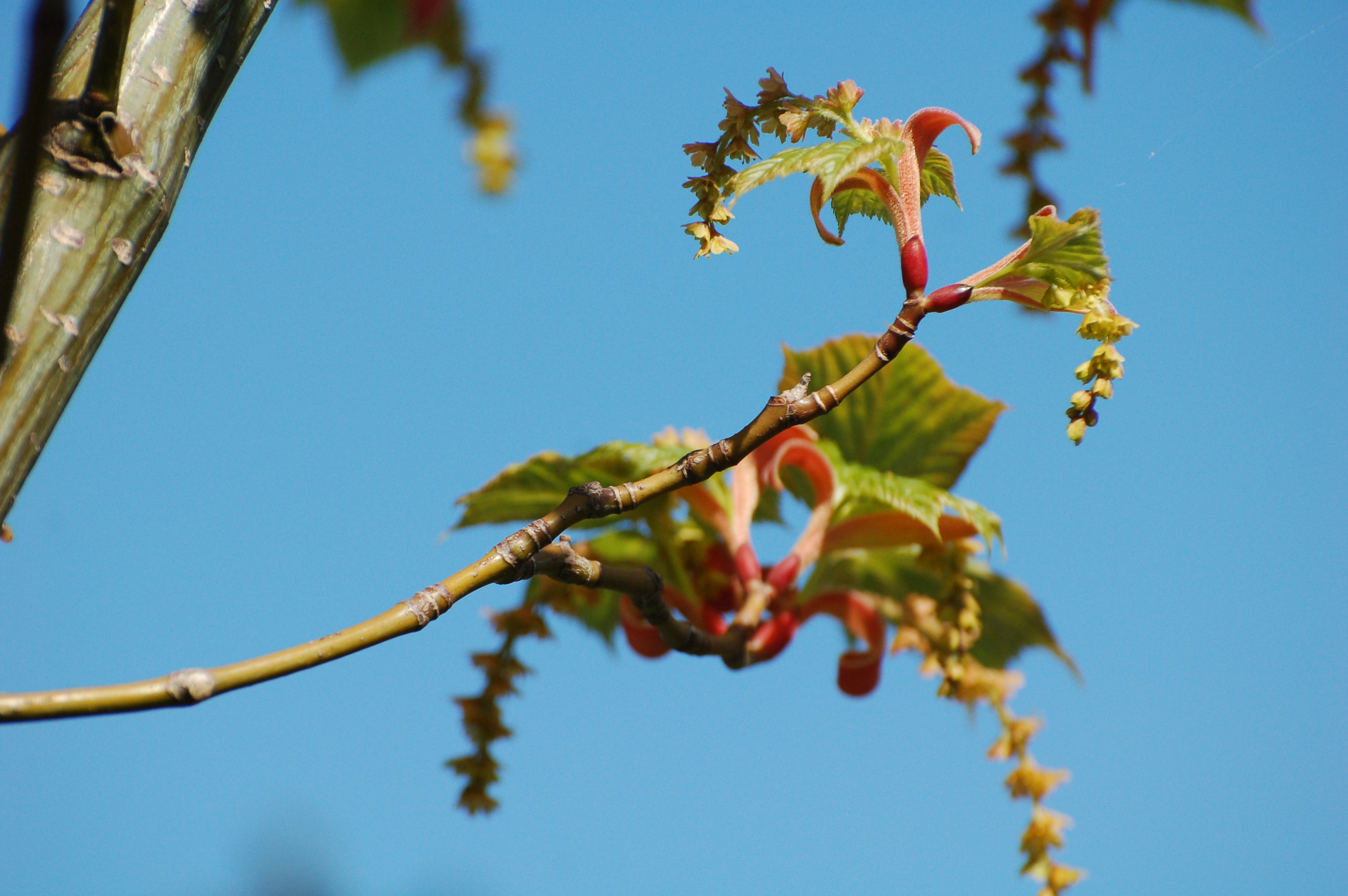
In mid April when I took these photos the flowers were just forming and the leaves just unfurling. The while pencil thin lines show up clearly on the smooth green bark.

2014 04 18_8185 2014 04 18_8186

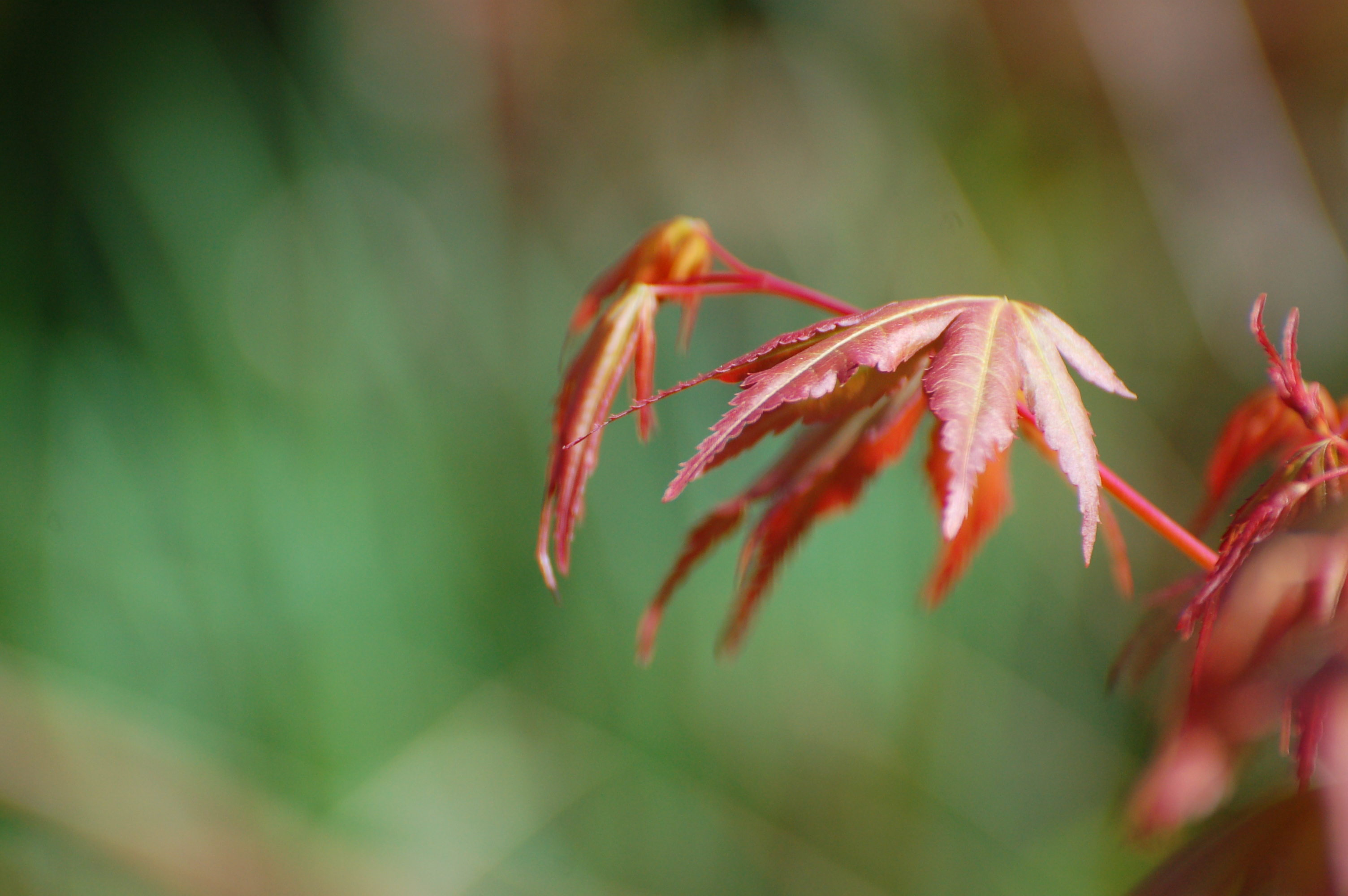
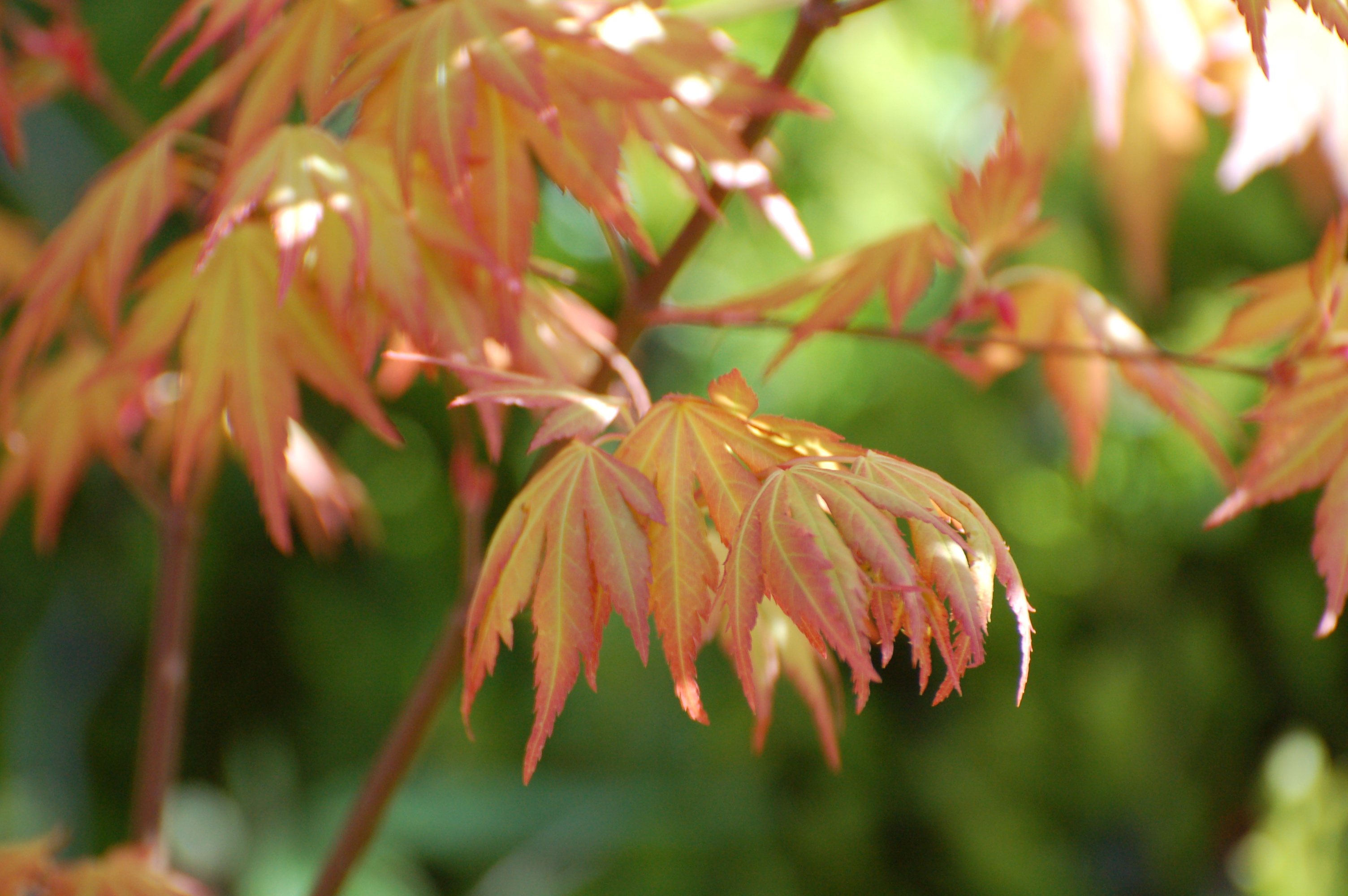
I took a mid-morning stroll around our garden with camera in hand to record what our Japanese Acers were up to. It is amazing how they are all at different stages of opening their foliage, with some almost fully out and others still in bud with only a hint of activity from within. Please come with me and enjoy what my camera saw. When I had finished my wander I realised just how many acers we had planted over the last few years, which was far more than I thought.

2014 04 18_8187 2014 04 18_8188 2014 04 18_8189 2014 04 18_8190 2014 04 18_8191 2014 04 18_8193 2014 04 18_8192 2014 04 18_8196

2014 04 18_8197 2014 04 18_8198 2014 04 18_8199 2014 04 18_8200 2014 04 18_8201 2014 04 18_8202 2014 04 18_8203 2014 04 18_8204

2014 04 18_8206 2014 04 18_8207 2014 04 18_8205 2014 04 18_8208 2014 04 18_8209 2014 04 18_8211 2014 04 18_8210 2014 04 18_8212 2014 04 18_8213 2014 04 18_8214 2014 04 18_8215 2014 04 18_8216

Categories
allotments colours flowering bulbs garden design garden photography gardening gardens hardy perennials ornamental trees and shrubs spring bulbs spring gardening trees village gardens Wales Winter Gardening

Anne’s Garden

It is always special to visit a friend’s garden for the first time. Today with fellow Shropshire Hardy Plant Society members we visited the garden of our group chairman, Anne. She lives just over the Welsh border so we had but a forty minute journey.

2014 04 17_8174

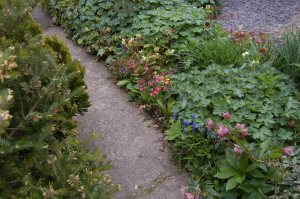
The pathway to the front door set the scene with plants jostling for position to make sure they were seen. I always believe this sort of way into a garden heightens the anticipation. You just know you are going to enjoy the garden and discover some real gems. This was just what happened.

2014 04 17_8151

Anne greeted us at her door and from then on we had a very enjoyable afternoon exploring her little garden, drinking tea and relishing cakes. The garden had pathways wriggling beneath trees and shrubs giving the atmosphere of a small copse.

Anne’s garden illustrated the importance of growing trees in small gardens. So many small gardens are full of small plants which just makes you look down. Anne’s patch had your eyes rushing around, upwards, downwards and seeking out the next corner to peer around.

In the front garden Cercis “Forest Pansy”, Pyrus salifolius pendula and a splendid specimen of Cornus “Midwinter Fire” held the garden together.

2014 04 17_8146 2014 04 17_8143

2014 04 17_8144


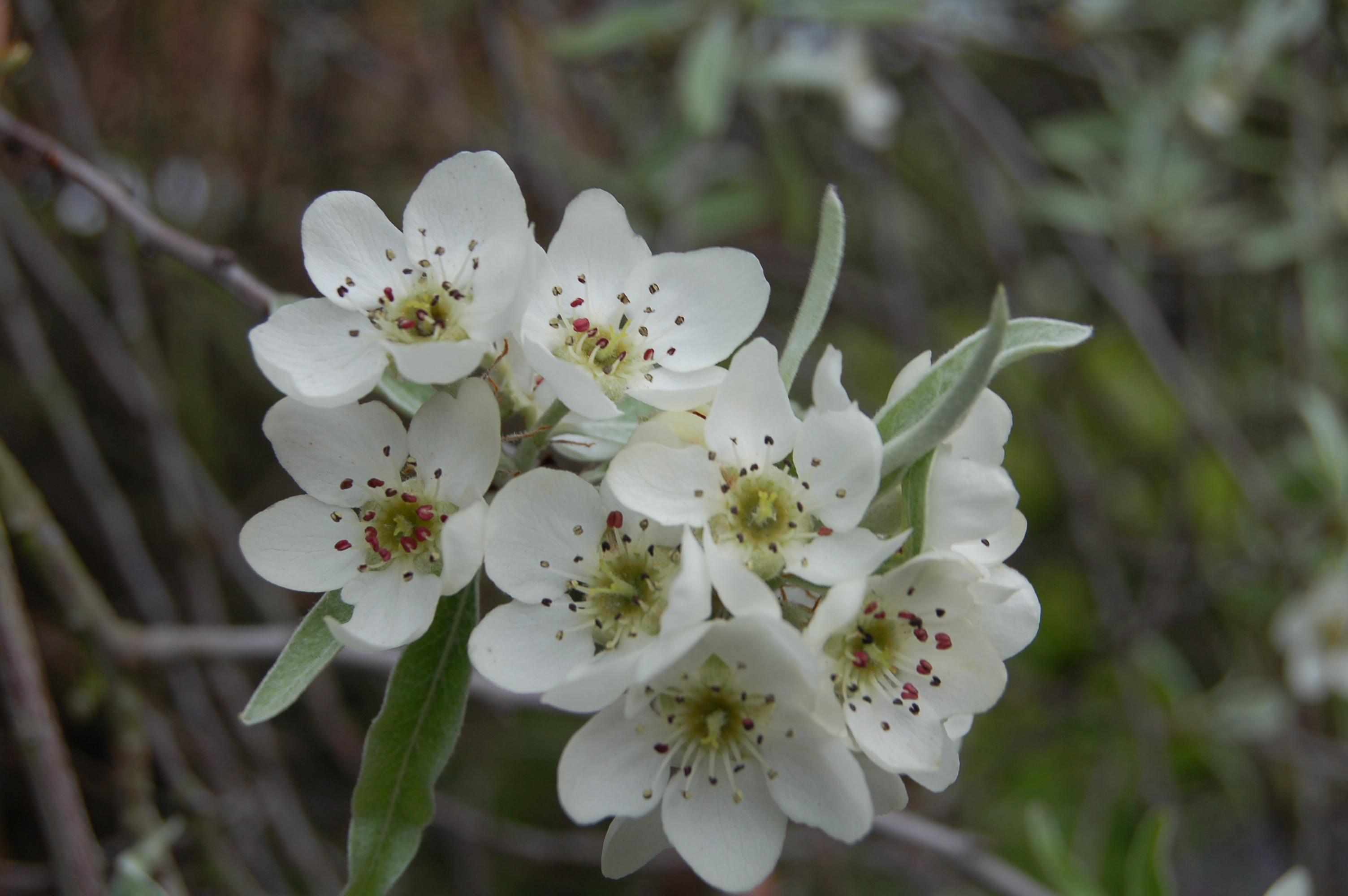
The weeping pear’s leaves were fully out and its pure white blossom showed off its black stamens. The Forest Pansy was way behind ,its bare black stems just starting to show bursting purple buds.

2014 04 17_8142


I enjoyed the way so many different leaf shapes, colours and textures juxtaposed so happily.


2014 04 17_8141 2014 04 17_8158

2014 04 17_8163 2014 04 17_8170

Being mid-April spring flowering bulbs added cheer to combat the grey skies of the day.

2014 04 17_8148 2014 04 17_8162

2014 04 17_8177 2014 04 17_8152

2014 04 17_8178 2014 04 17_8181

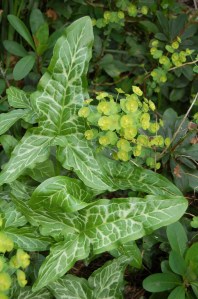
Whenever I visit a garden I spot one of my favourite families of plants, the euphorbias. Anne had some fine euphorbias including E. mellifera a variety that we grow but have to take in during the winter as it just couldn’t survive our winter weather. Anne’s happily lived outside all year.

2014 04 17_8145  2014 04 17_8149

2014 04 17_8182

Acers feature here too and mid-April is a good time to enjoy their fresh subtly coloured new foliage bursting from their buds.

2014 04 17_8153 2014 04 17_8154

2014 04 17_8164 2014 04 17_8171

2014 04 17_8165

We have been looking for small Hostas recently to plant around a water feature situated close to a corner where two path meet. We were really taken with those we found growing in pots in a little shaded courtyard. Luckily they had labels on giving us ideas for our own planting.

2014 04 17_8150 2014 04 17_8166

2014 04 17_8167

Anne’s garden is small in size but it has a mighty big heart! As the last set of photographs below show it is a garden full of interesting individual plants, original plant combinations and many appealing features. We had a great afternoon – thanks Anne.
2014 04 17_8155 2014 04 17_8157           2014 04 17_8168 2014 04 17_8169   2014 04 17_8172 2014 04 17_8173 2014 04 17_8175 2014 04 17_81562014 04 17_8176   2014 04 17_8179 2014 04 17_8180  2014 04 17_8183

Categories
colours flowering bulbs garden design garden photography gardening gardens gardens open to the public grasses hardy perennials irises ornamental grasses ornamental trees and shrubs shrubs spring bulbs trees Winter Gardening winter gardens

Three Winter Gardens – Part Two – Cambridge Botanic Gardens

We had never been to Cambridge before. Lots of people told us it is just like Oxford its parallel university city. We decided to put things right and find out for ourselves so spent a few days there. One day we spent in the University Botanic Gardens where we were keen to explore the winter garden as we had heard good things about it.

We were pleased we decided to visit both Cambridge and its botanic garden as we enjoyed both immensely. The Botanic Garden was good enough to make us plan to return in different seasons. If a garden impresses in winter then it will at any time.

So for part two of my “Three Winter Gardens” we shine the spotlight on Cambridge. Look out for a post in the near future looking at the rest of the garden in winter too.

We knew we were in for a treat for within the first 20 yards of our walk after passing through the gate we were mystified by a couple of plants we did not know.

2014 03 17_7183 2014 03 17_7179

Luckily they were both labelled and I shall say what they are in my post about the gardens in general but first off to the Winter Garden. We were particularly keen to see this seasonal patch as it had been created in 1989 so now it is well established. Many gardens now boast winter borders or winter gardens and we have even created one on our allotment site in the communal areas, but these are mostly immature.

2014 03 17_7254

Trees and shrubs give the impact in any winter garden often as here at Cambridge they are birches and willows.

2014 03 17_7255 2014 03 17_7277

2014 03 17_7258

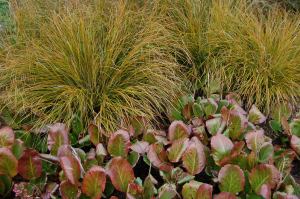
We were particularly impressed with the use of ground cover, an aspect we have not used very well in our allotment version. We were to learn so much and go home full of enthusiasm to develop effective ground cover in our allotment’s winter garden. Ivies, periwinkles and hellebores added so much. We already use hellebores but not ivies and periwinkles but they present so many opportunities, with all the varieties in leaf colour, variegation and shape in ivies and flower colours in the periwinkles. Bergenias and grasses together worked well in other places, because of their unusual foliage colours and contrasting leaf shape.

2014 03 17_7256  2014 03 17_7259 2014 03 17_7260 2014 03 17_7263

2014 03 17_7265

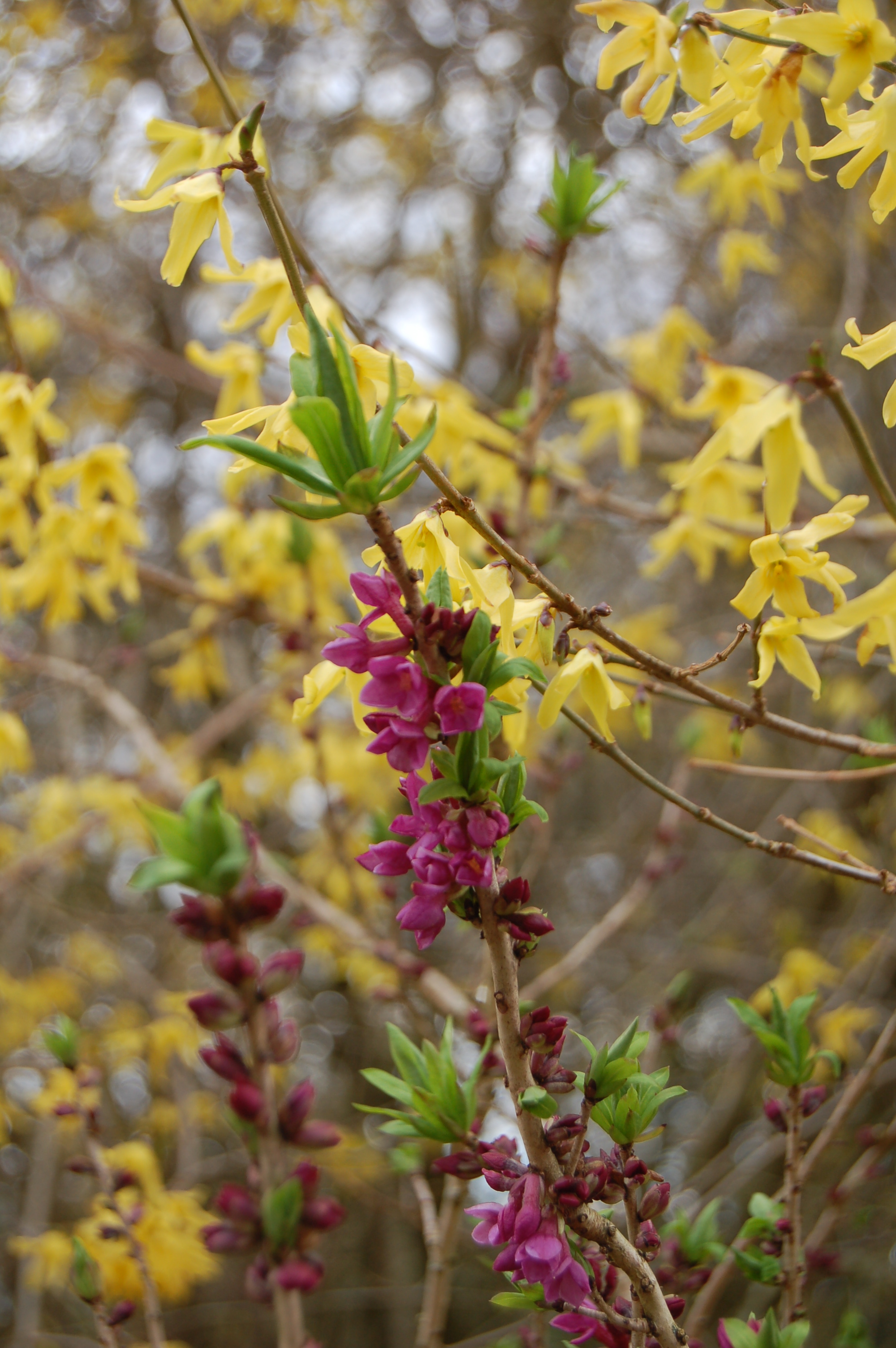
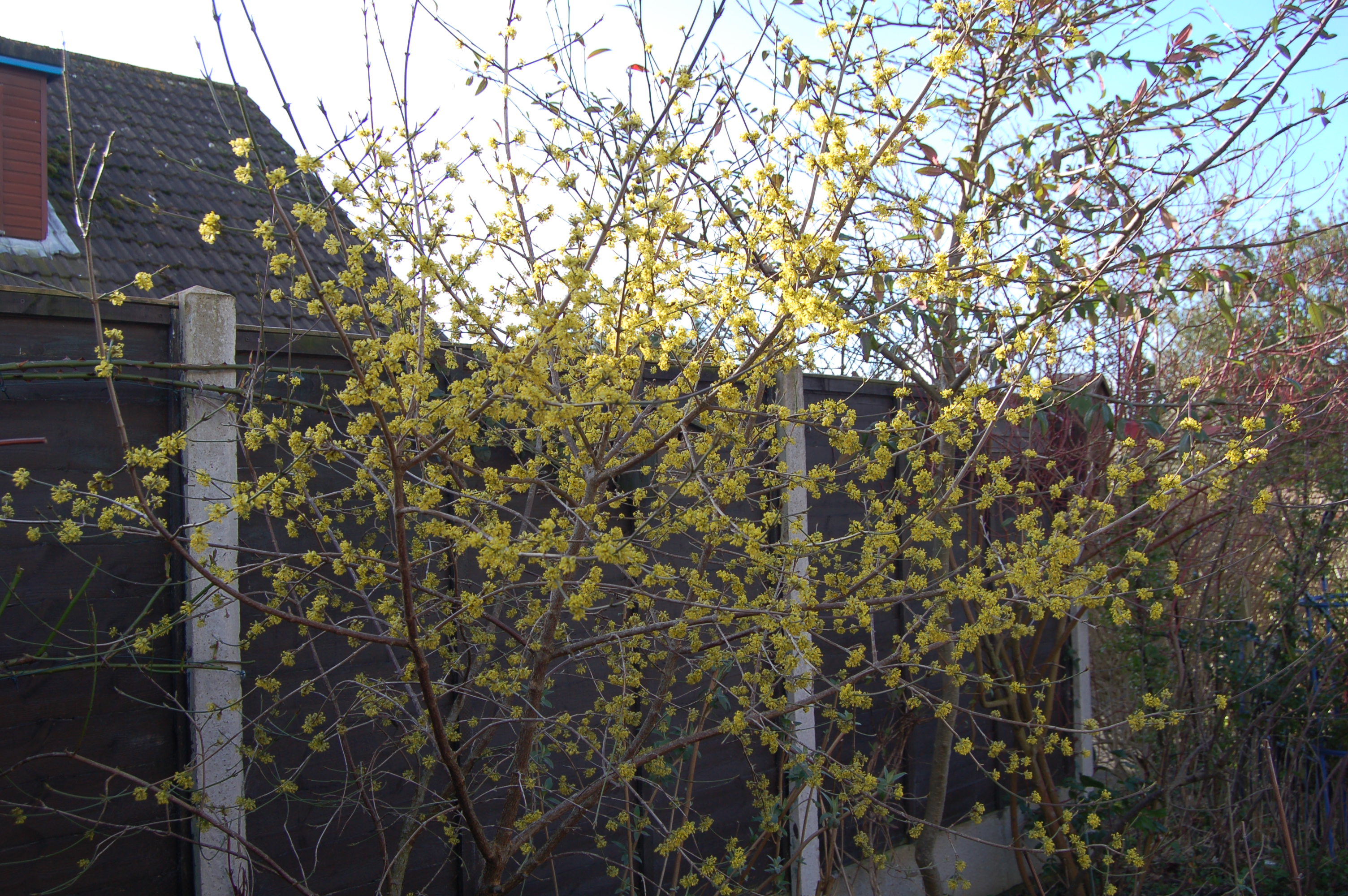
This was a very effective colour combination which in any other season probably wouldn’t have worked. Daphne mezereum and Forsythia Lynwood. Of course the daphne also provided that other essential of any winter border – sweet scent. The sweetest scent of all came from another Daphne, Jacquelin Postill.

2014 03 17_7261  2014 03 17_7262 2014 03 17_7272

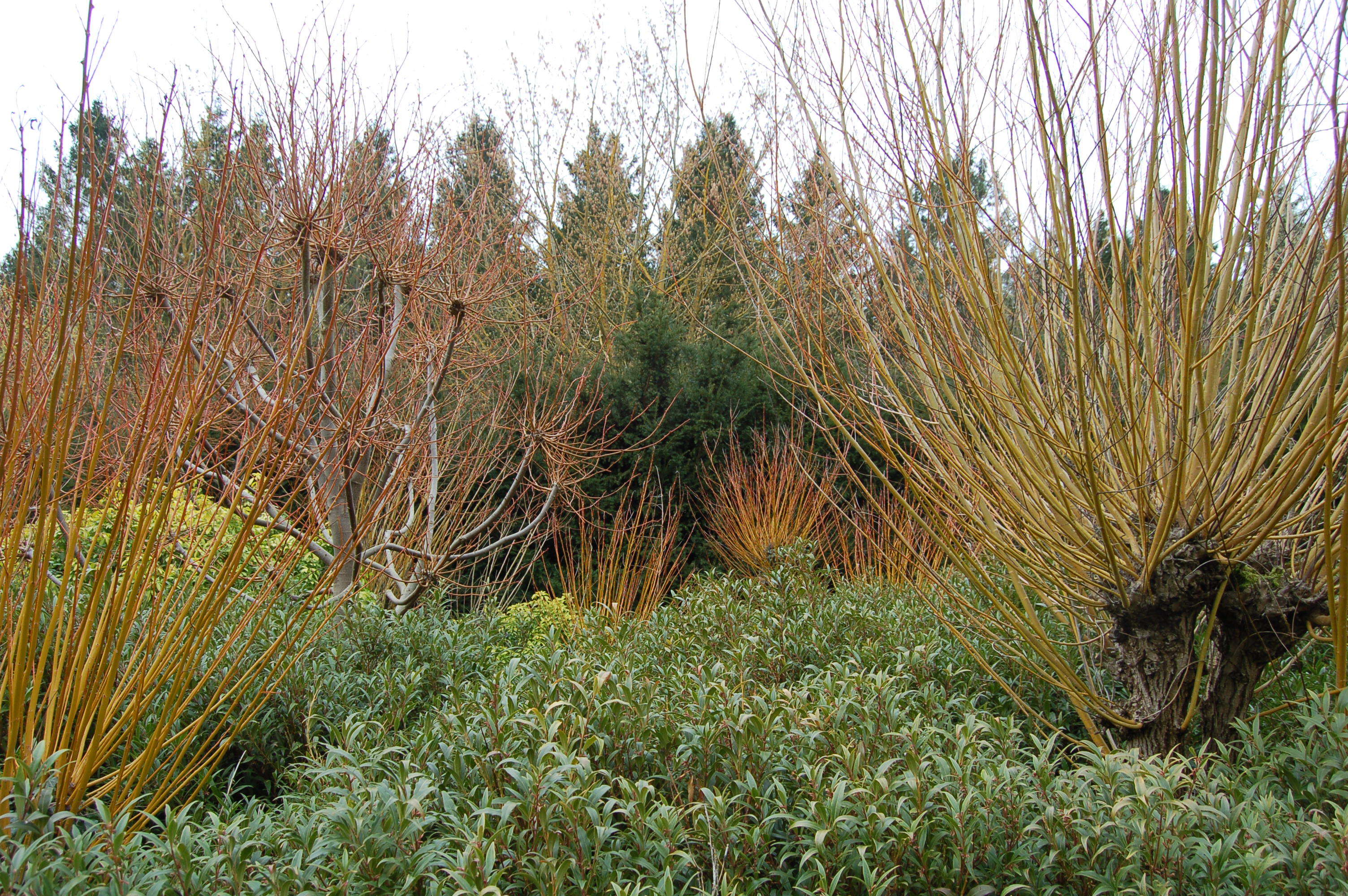
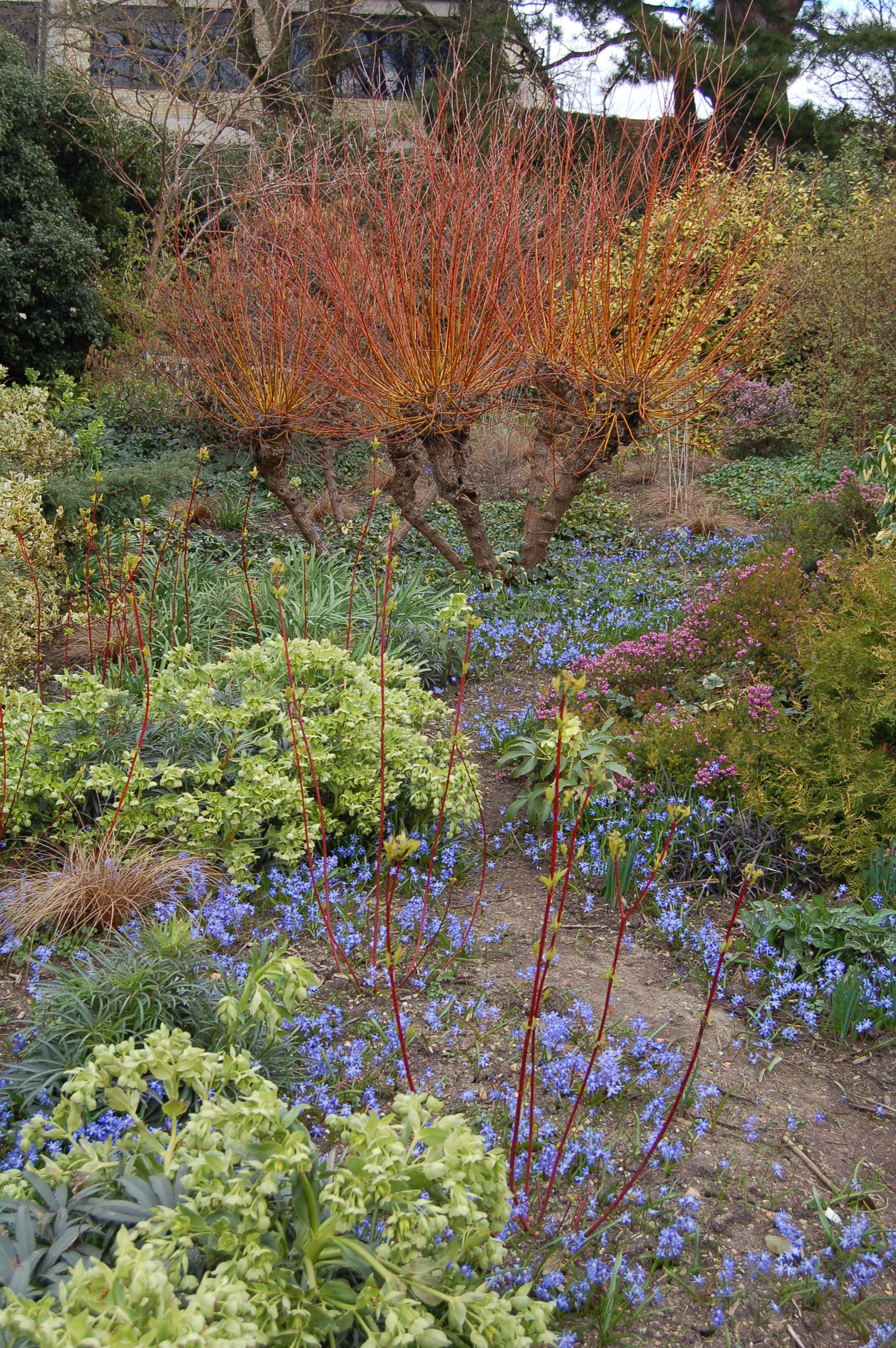
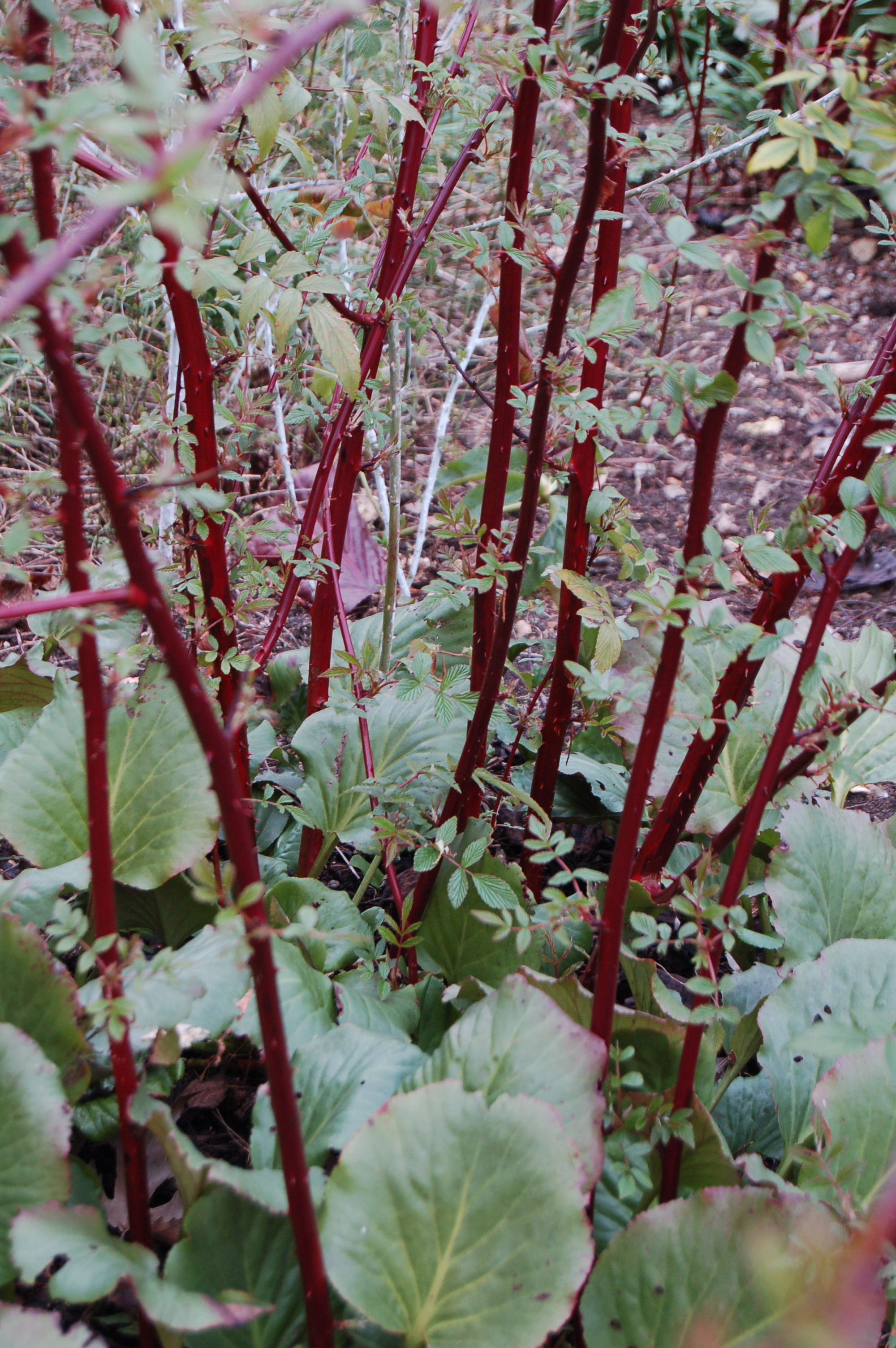
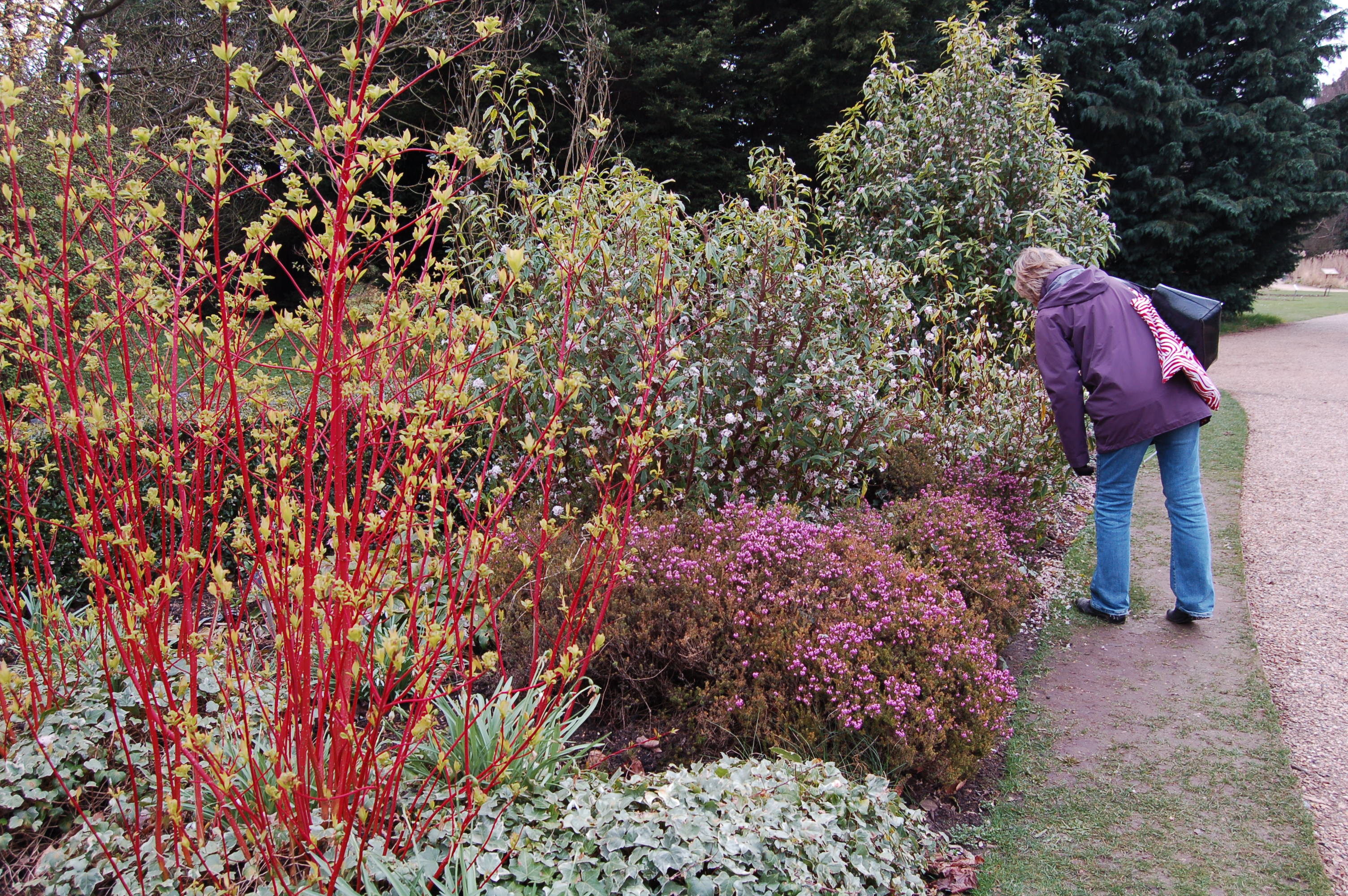
The coloured stems of coppiced and pollarded Cornus (dogwoods) and Salix (willows) have to star in any winter garden and they certainly did here along with Rubus.

2014 03 17_7264  2014 03 17_7266   2014 03 17_7269 2014 03 17_7270 2014 03 17_7271 2014 03 17_7274

2014 03 17_7273  2014 03 17_7275

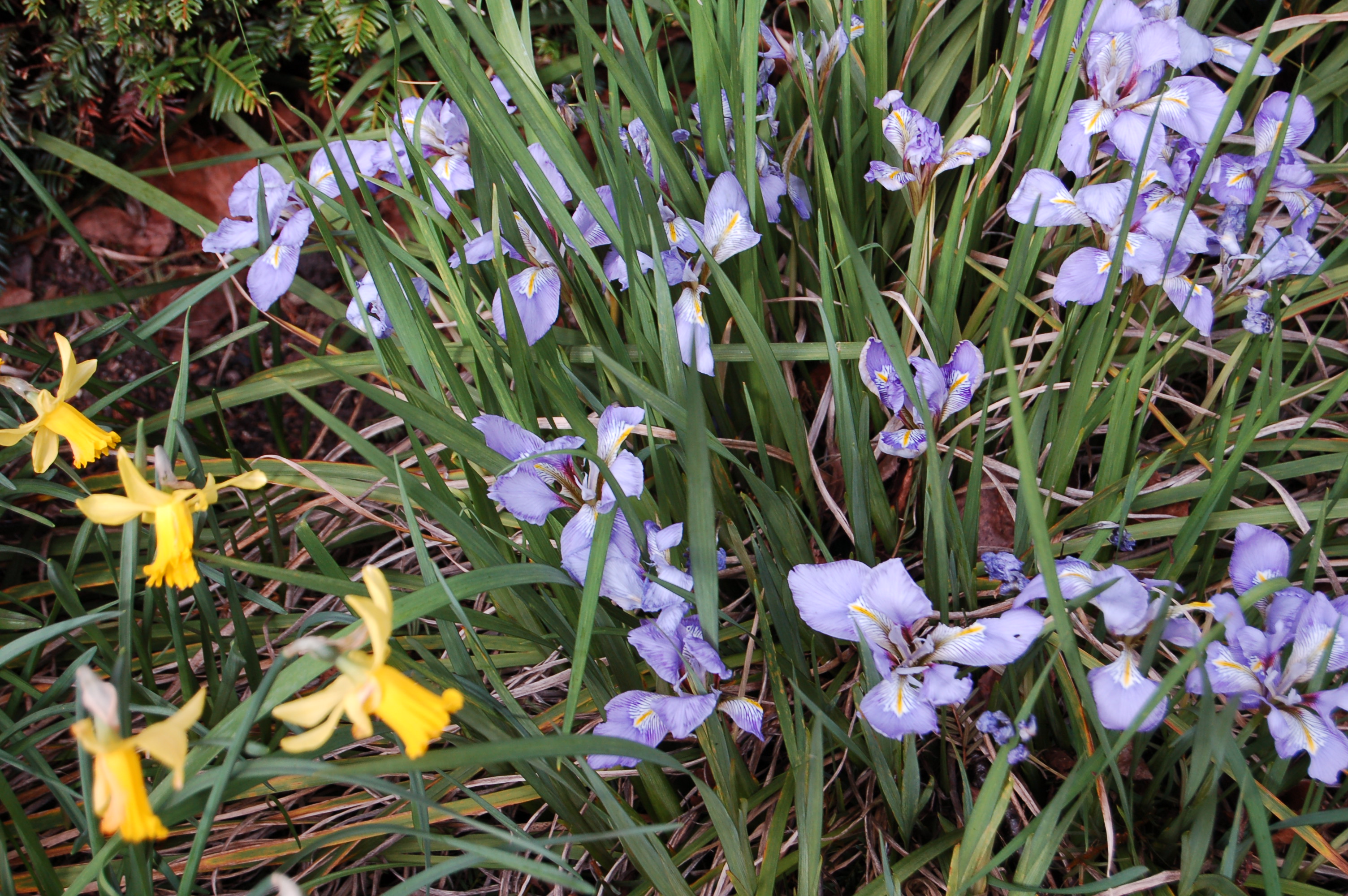
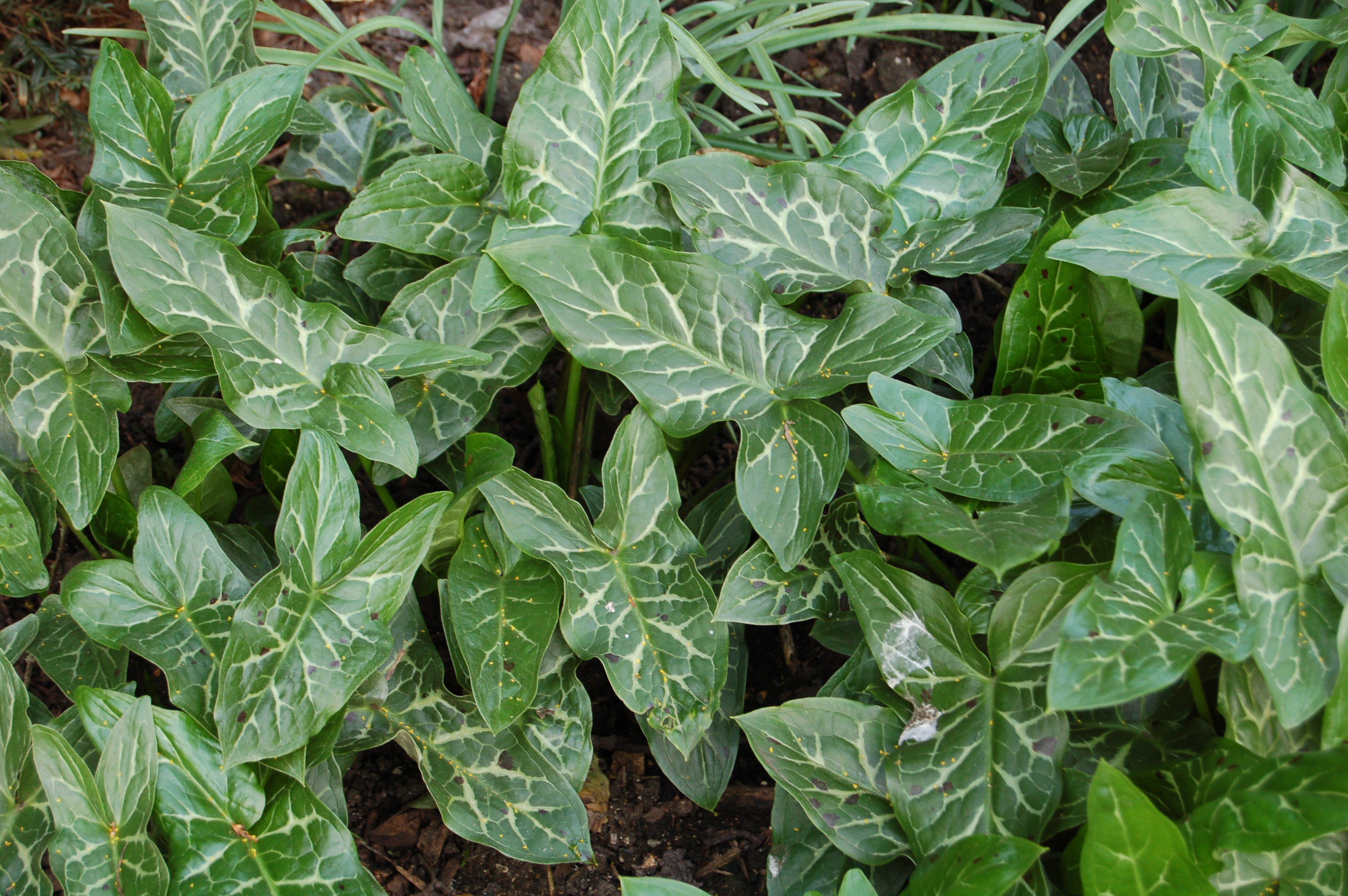
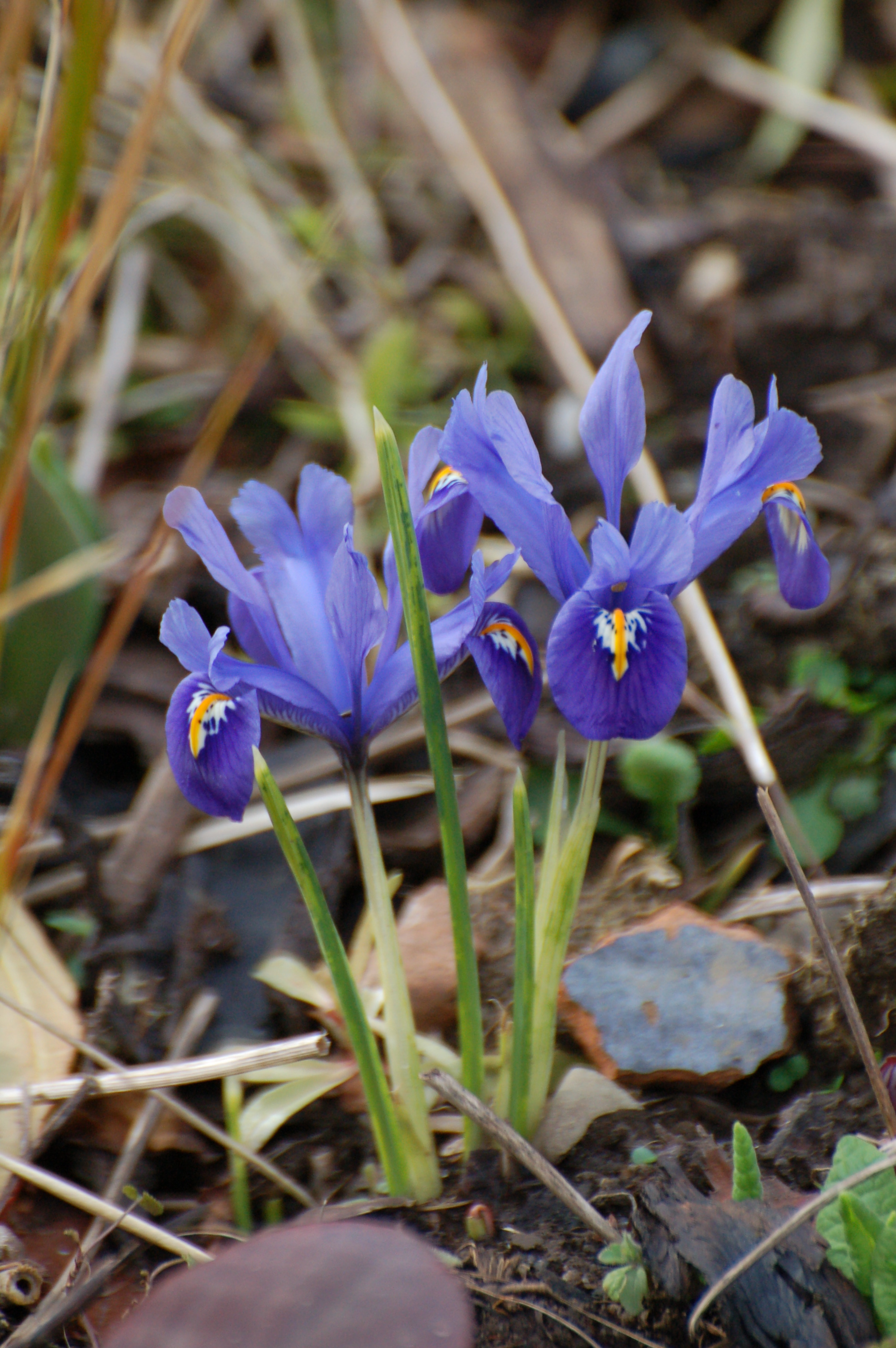
Two gems worth a special mention are the winter flowering iris and the wonderful leaves of Arum italicum marmoratum.

2014 03 17_7276  2014 03 17_7278

I shall finish with this photo looking back at the gently curving path through the winter border. The third of my winter garden visits will be to Anglesay Abbey, probably the best known and most polular of all the winter gardens in this country. We shall see if it deserves this accolade.

2014 03 17_7267

Categories
colours flowering bulbs garden design garden photography garden ponds garden pools gardening gardens grasses hardy perennials light light quality ornamental trees and shrubs photography shrubs spring bulbs spring gardening water in the garden

Aiming for a year round garden – early spring.

We looked at our garden in late winter to see if our aim of creating a garden with interest all year was paying off. Now in Early April things have changed a lot in the garden since our last look so I thought we could have a look at it in early spring. Are we getting there?

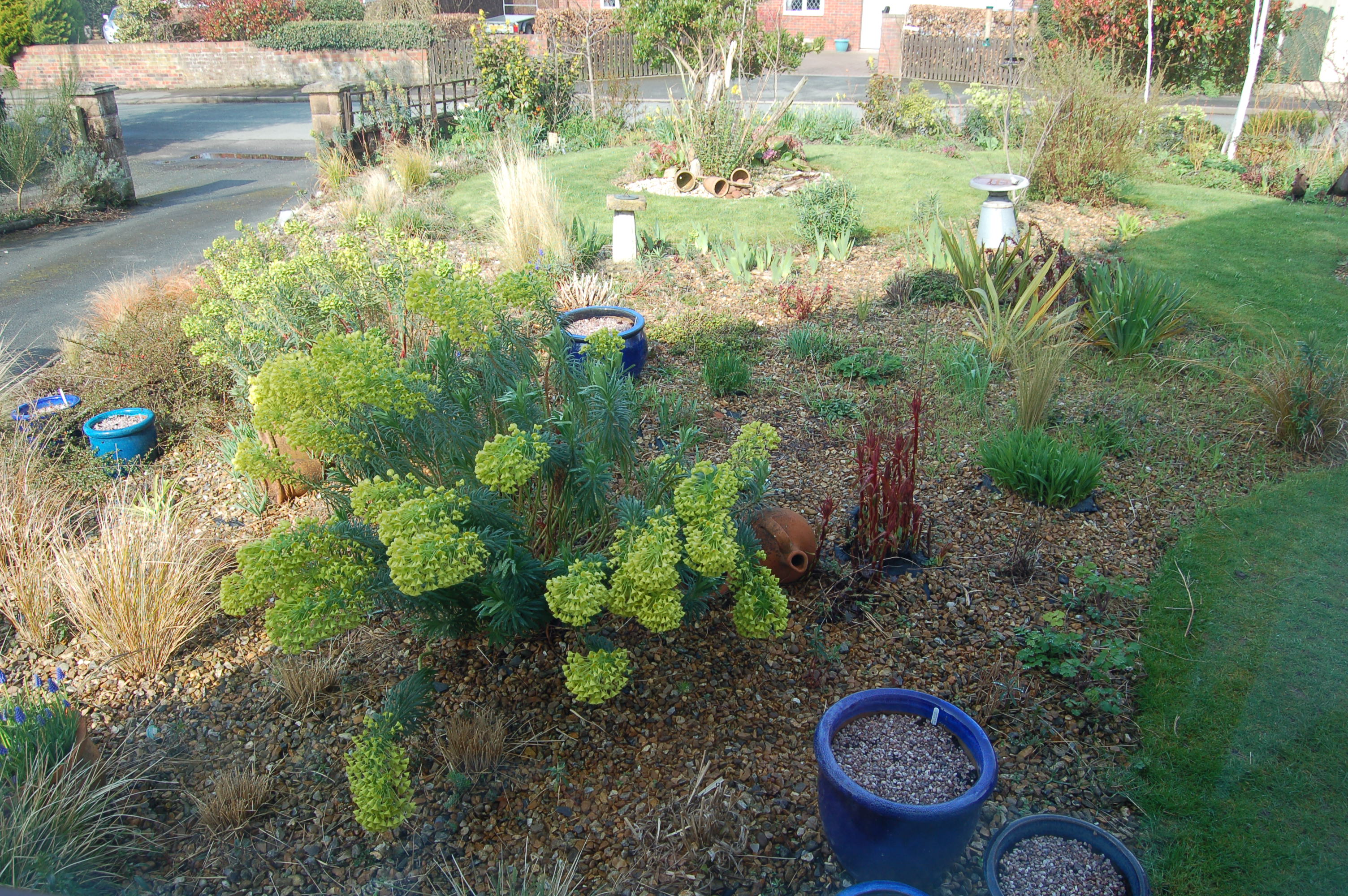
I shall start with a look out over our gravel garden, The Chatto Garden, which illustrates just how important Euphorbias are at this time of year. The second shot illustrates how our new border has developed since we planted it up earlier this year.

2014 03 30_7556 2014 03 30_7579

2014 03 30_7583 2014 03 30_7558

Foliage is still a key element in early Spring including fresh foliage of newly emerging herbaceous plants.

2014 03 30_7559 2014 03 30_7581

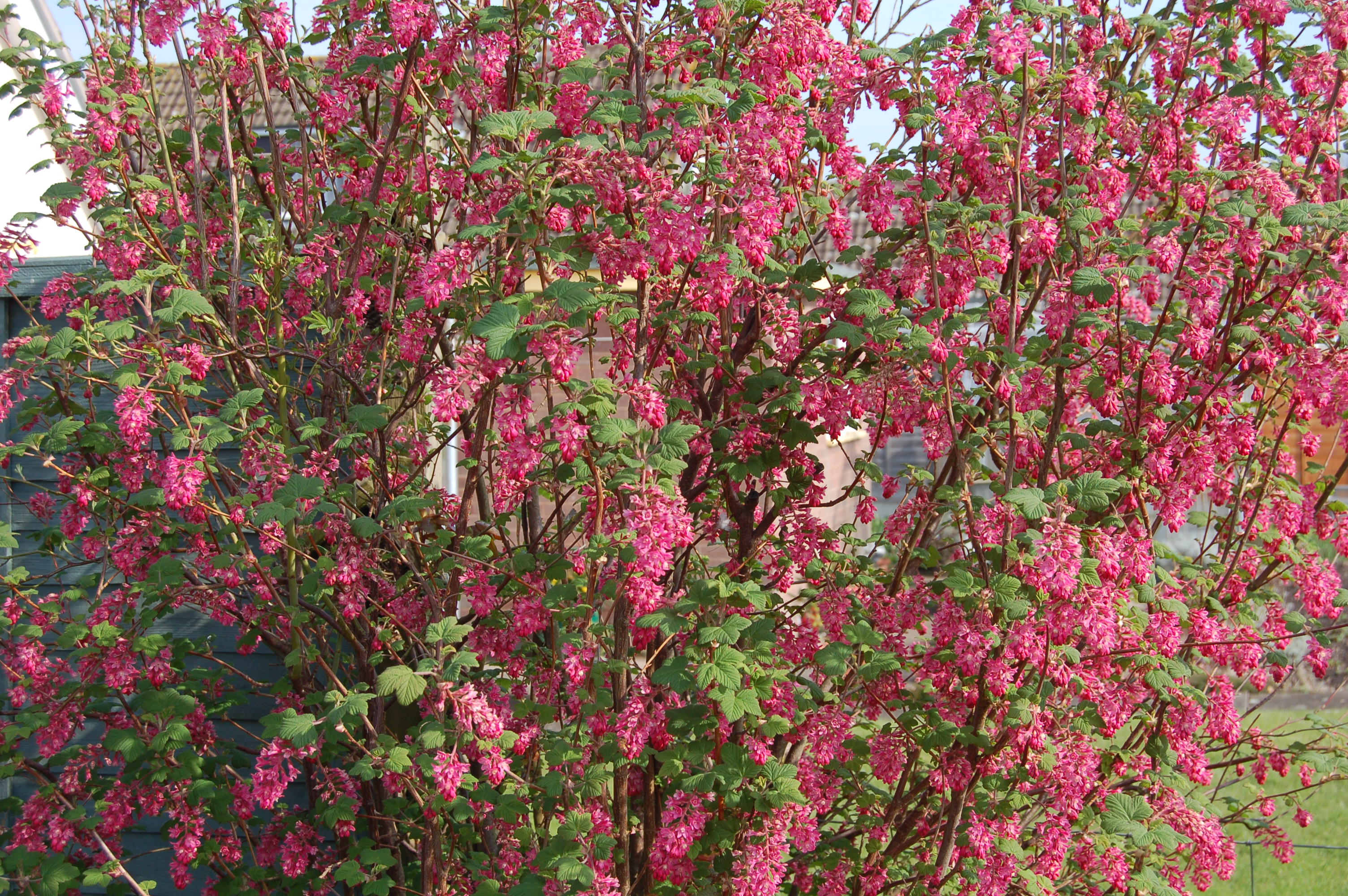
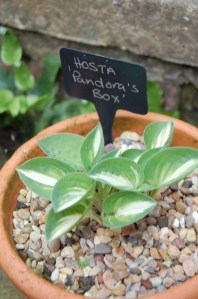
Plants don’t have to be new to be good! Just look at the old favourite shrub, the flowering currant – just ask the bees and they will say how important they are! And of course daffodils and muscari bring life to our spring gardens every year without fail. All bulbs give little splashes of colour to brighten the dullest spring day.
2014 03 30_7560  2014 03 30_7592

2014 03 30_7562 2014 03 30_7563 2014 03 30_7565

2014 03 30_7571 2014 03 30_7573

2014 03 30_7574 2014 03 30_7575

2014 03 30_7576 2014 03 30_7596

2014 03 30_7584 2014 03 30_7587

Our Hellebores are still going strong.

2014 03 30_7564

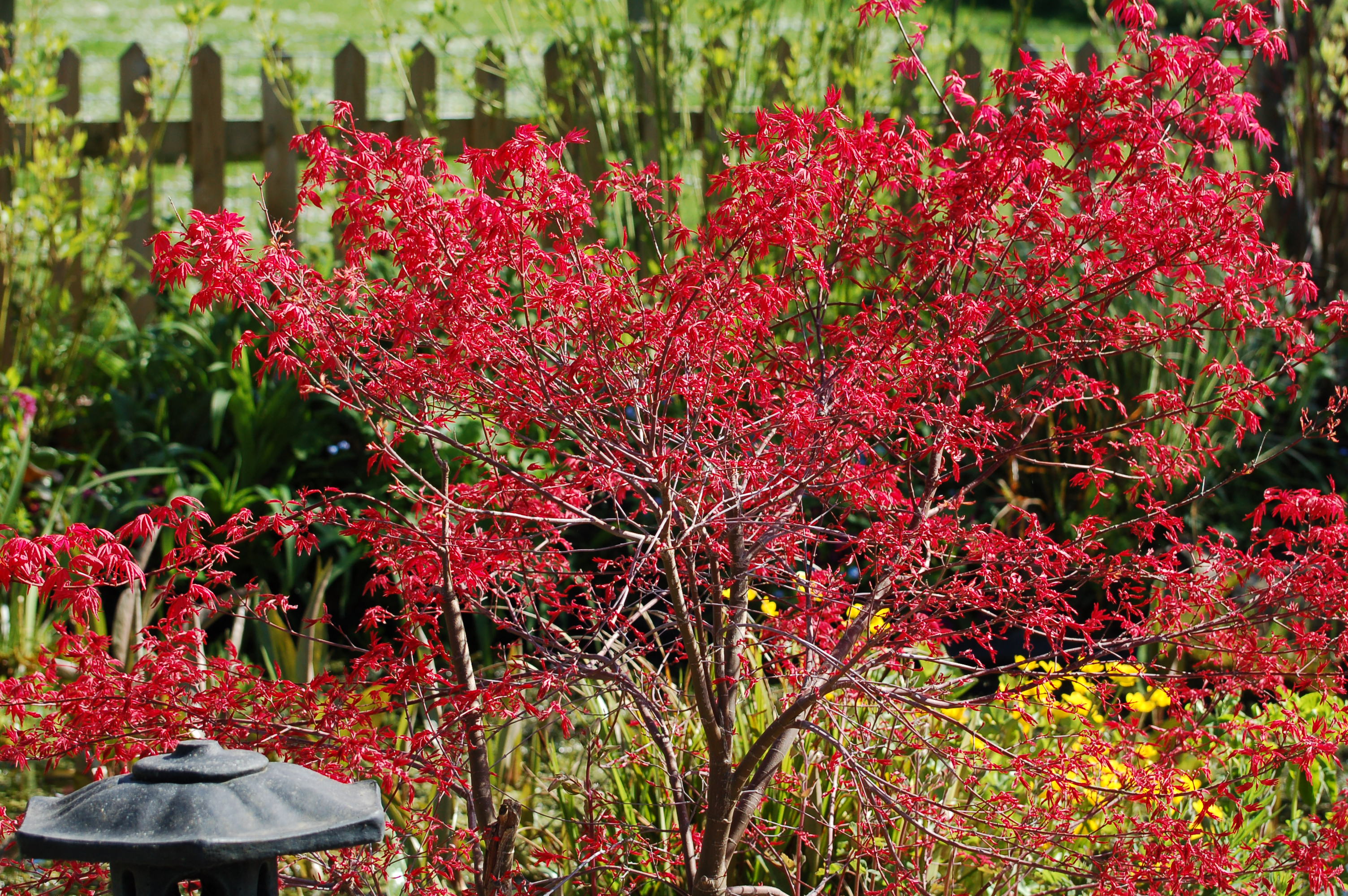
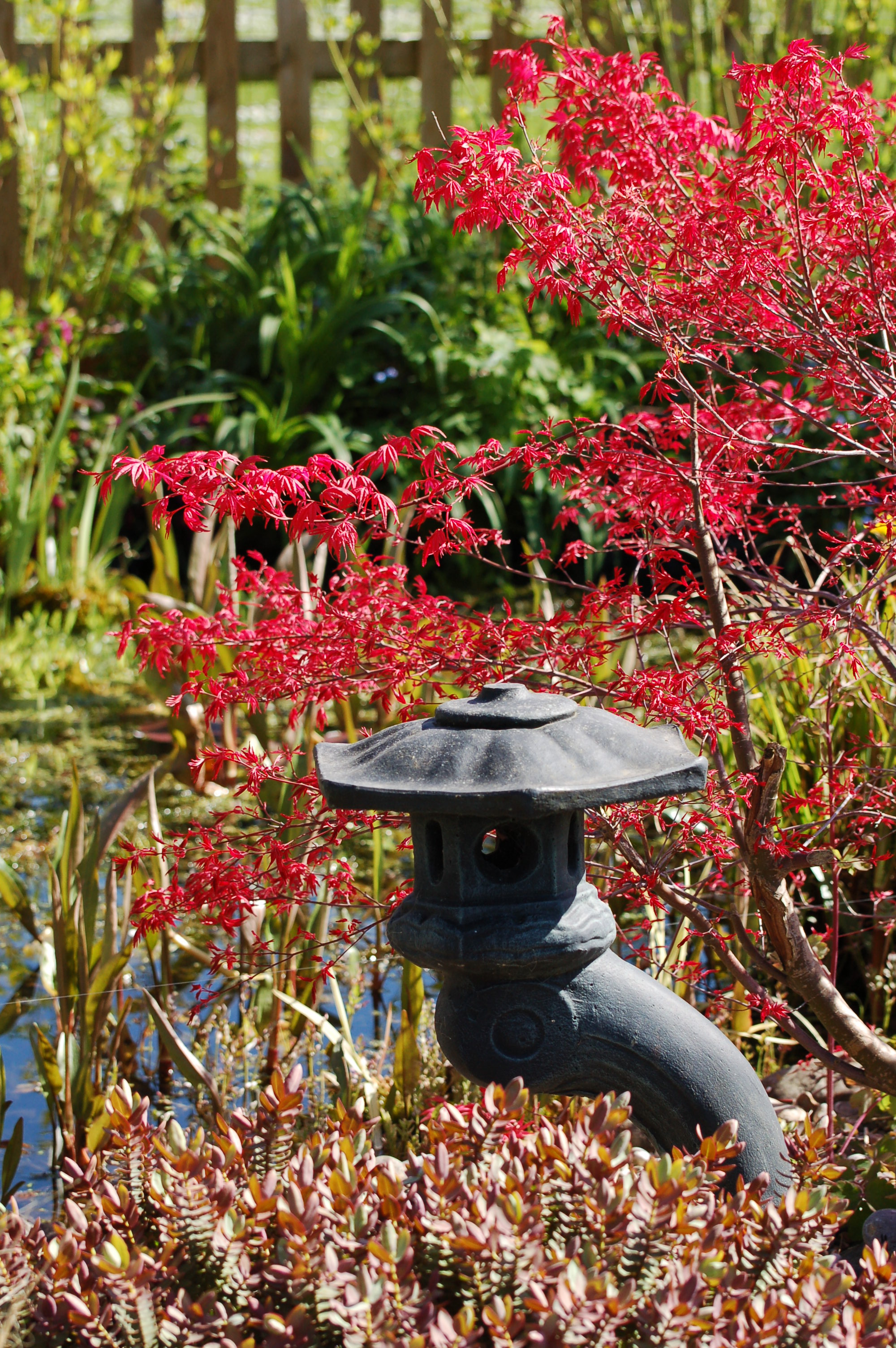
And now a quick visit to our Japanese Garden and the pond side border alongside. There is a lot of colour to find here.

2014 03 30_7566 2014 03 30_7567


2014 03 30_7568 2014 03 30_7570 2014 03 30_7569  2014 03 30_7572

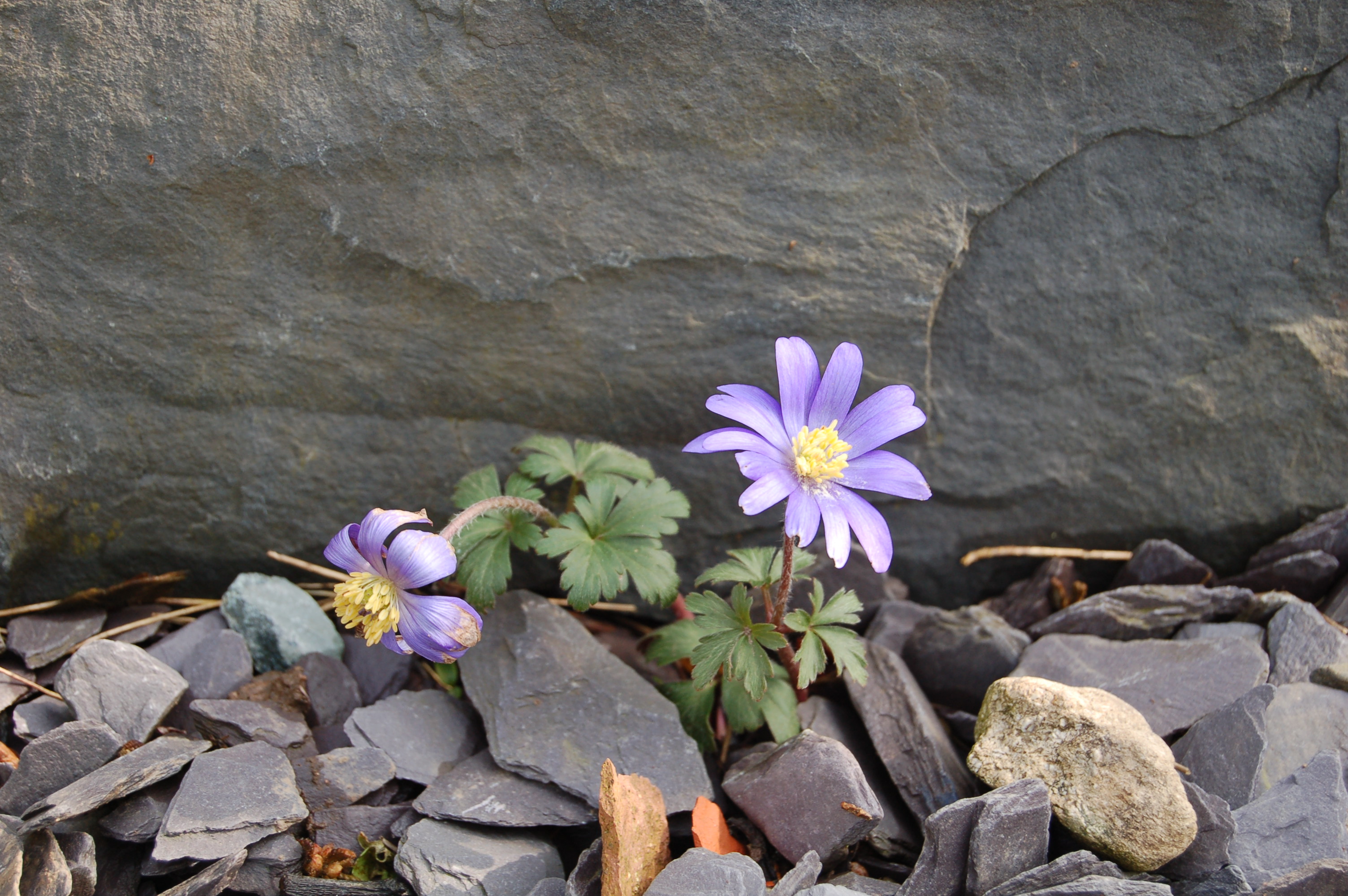
Our native Primrose is perhaps our favourite plant in our garden at this time of the year with the delicacy of its scent and colour. Other small flowers star before their larger neighbours take over the borders.

2014 03 30_7577 2014 03 30_7578

2014 03 30_7582 2014 03 30_7594

2014 03 30_7593 2014 03 30_7590

2014 03 30_7585 2014 03 30_7586

The star plant in our garden for early spring has to be the Chatham Island Forget-me-Not, Myosotidium hortemsium, with the flowers in a shade of blue that is so intense it is impossible to describe in words or give labels to. It lives in our Shade Garden so we have to make an effort to go and see it. It deserves our effort.

2014 03 30_7589

One part of the garden that we have given a spring clean to is the Seaside Garden which was in need of a face lift.

2014 03 30_7591

And for a promise of scent and colour soon to come  we need to turn to the Viburnum family.

2014 03 30_7595

There are just too many photos left so I shall move into a gallery for you to enjoy.

Categories
climbing plants colours flowering bulbs garden design garden photography garden wildlife gardening gardens grasses hardy perennials ornamental grasses ornamental trees and shrubs Shropshire spring bulbs trees Uncategorized Winter Gardening winter gardens

Aiming for a year round garden. Part One – The Winter

Over the last few years we have worked hard planning to make our garden look and feel good all year round. So today I took a wander with camera in hand to see how well we had done so far. See what you think. Are we getting there?

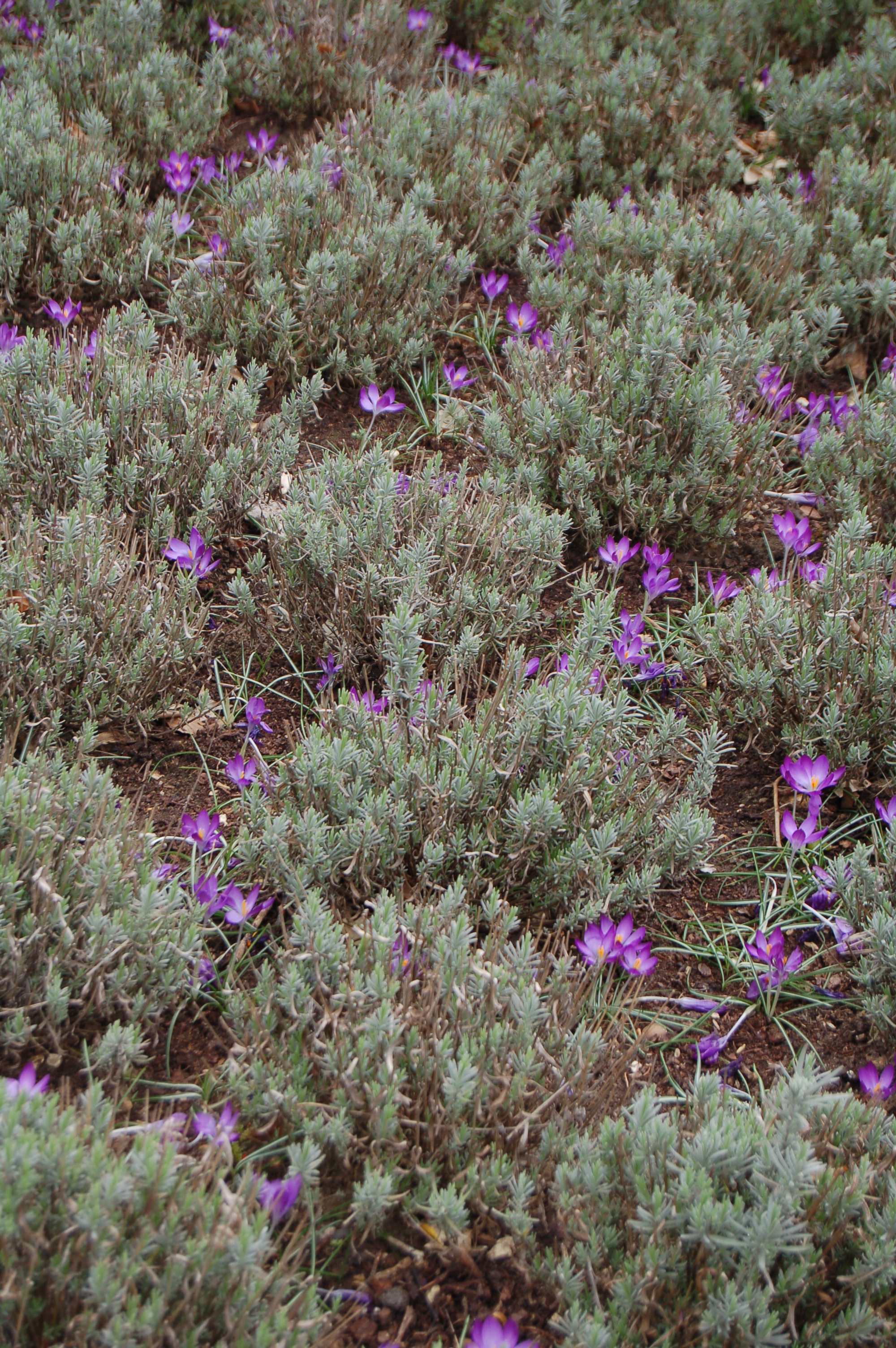
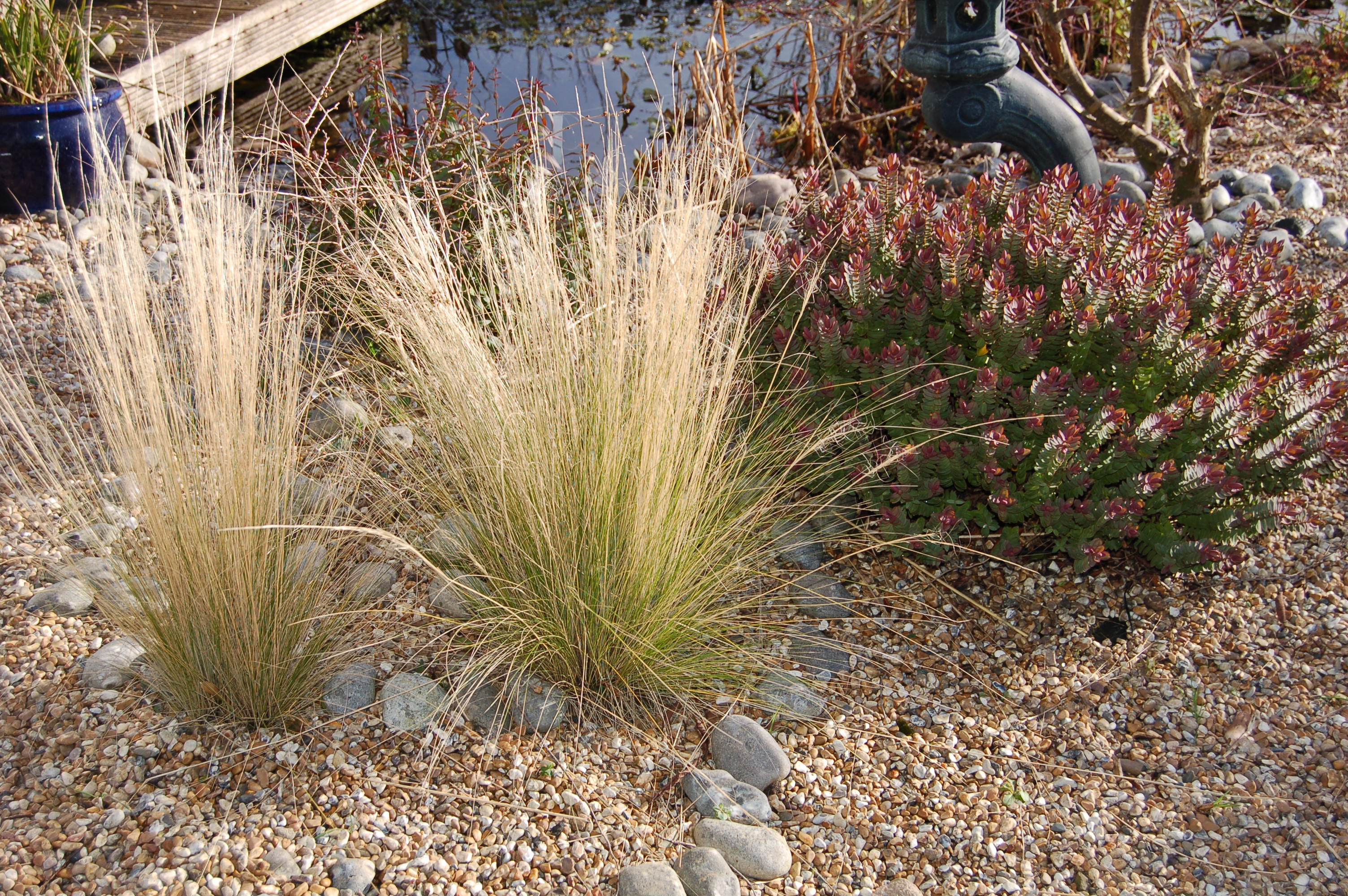
Of course flowering bulbs come into their own at this time of year and we now have a wide selection of crocus, muscari, miniature narcissi and Iris reticulata throughout the garden. Grasses are of equal importance but only recently have they been accepted as an essential element of the winter garden. The first photo shows how well our Pony Tails Grasses contrast with the foliage of Hebes. In the second crocus team up with grasses to create a great combination of colours and textures.

2014 03 03_6817 2014 03 03_6792

2014 03 06_6878 2014 03 06_6876 2014 03 06_6875 2014 03 06_6874

2014 03 03_6829 2014 03 03_6805

A have a soft spot for celandines, enjoying the glossy yellow native plant that lights up our hedgerow bases as well as the cultivated bronze leaved Brazen Hussey and the “Giant Celandine” in the photograph below.

2014 03 06_6868 2014 03 06_6867 2014 03 06_6866 2014 03 06_6865

2014 03 03_6788 2014 03 03_6789

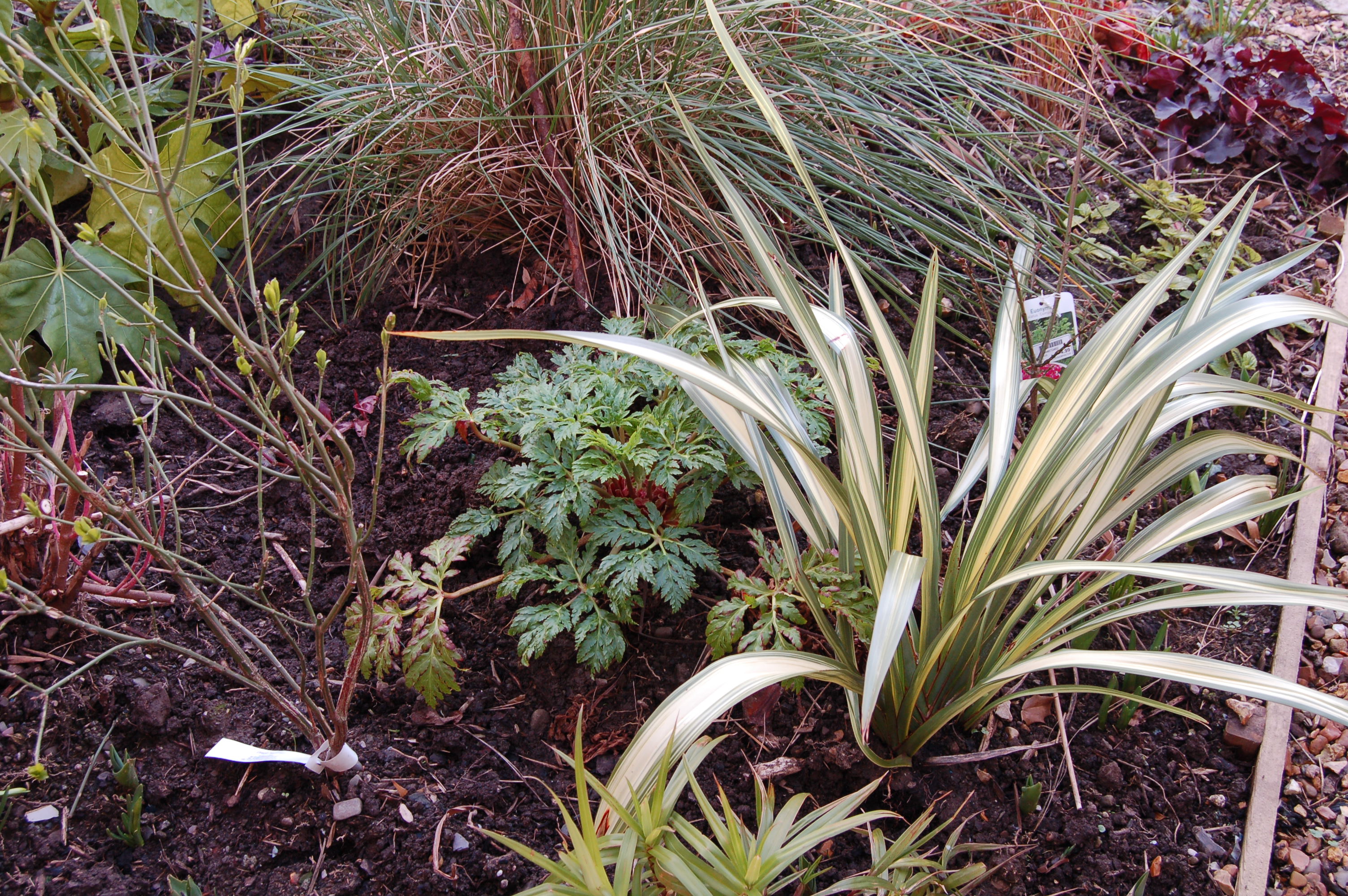
Euphorbias are another of those families of plants that are all year round essentials in our gardens but at this time of year their new bracts glow on overcast days. Foliage is perhaps more important than flowers in the winter garden as it provides variations of colour, pattern and texture. Phormiums, Heucheras and grasses are most effective.

2014 03 03_6832 2014 03 03_6806

2014 03 03_6831 2014 03 03_6830  2014 03 03_6828 2014 03 03_6827 2014 03 03_6811

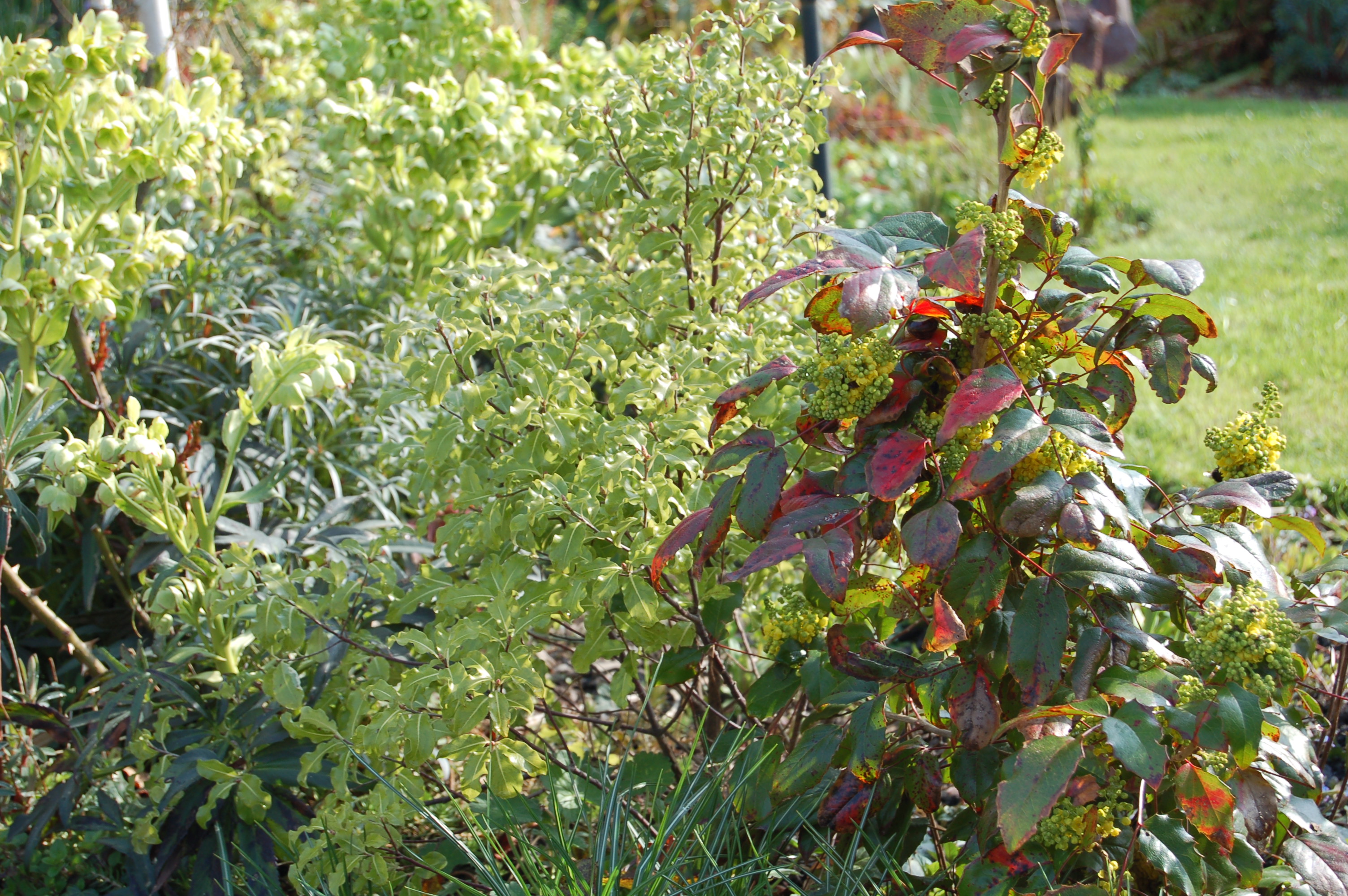
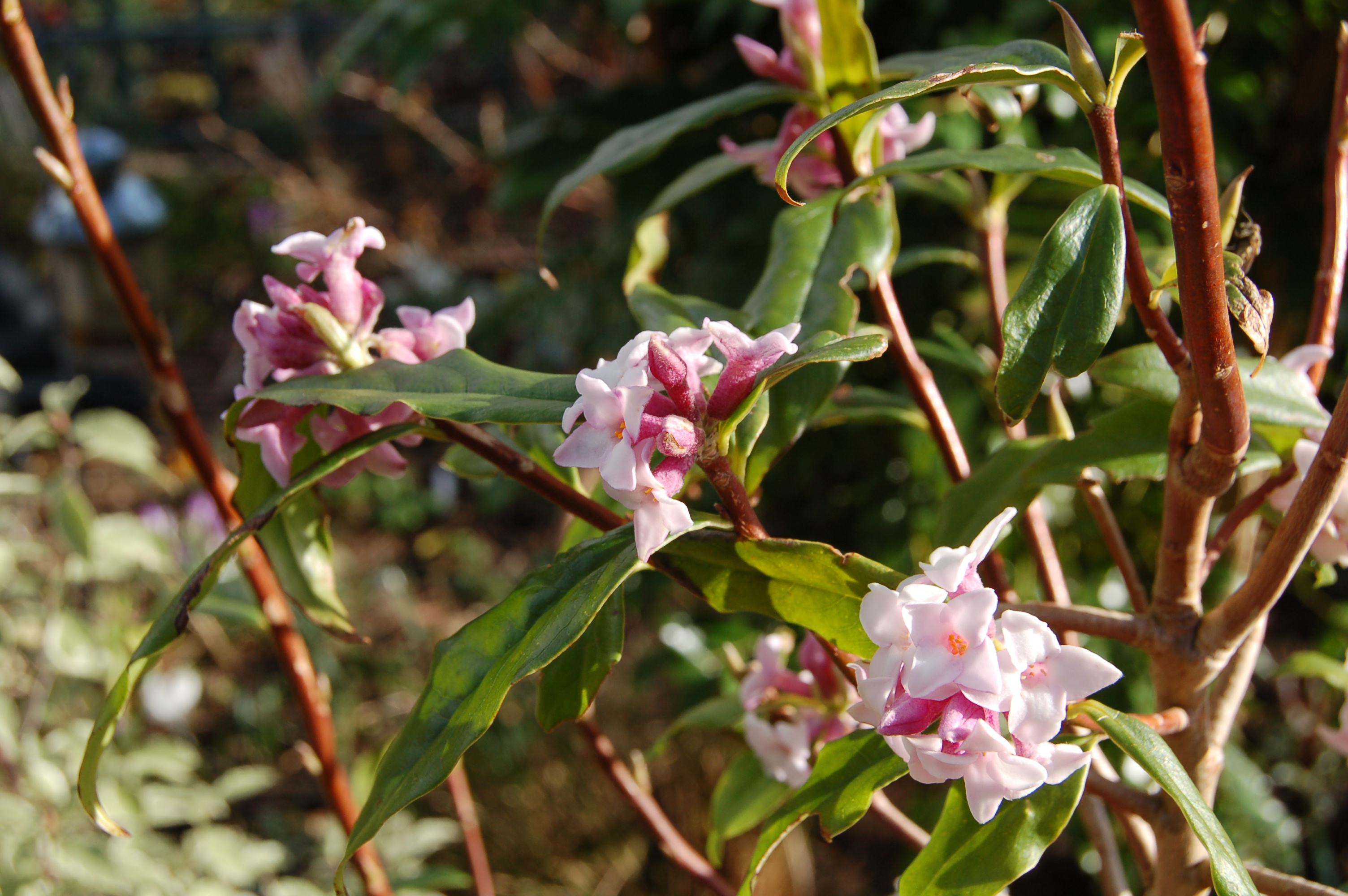
Scent can play its part as it pervades the calm air and delights us as we wander with the thought of brighter warmer days. Daphnes, Sarcoccocas, Cornus, Mahonias and Viburnums all perform well in our garden.

2014 03 03_6825 2014 03 03_6824 2014 03 03_6823 2014 03 03_6786

2014 03 03_6808 2014 03 03_6796

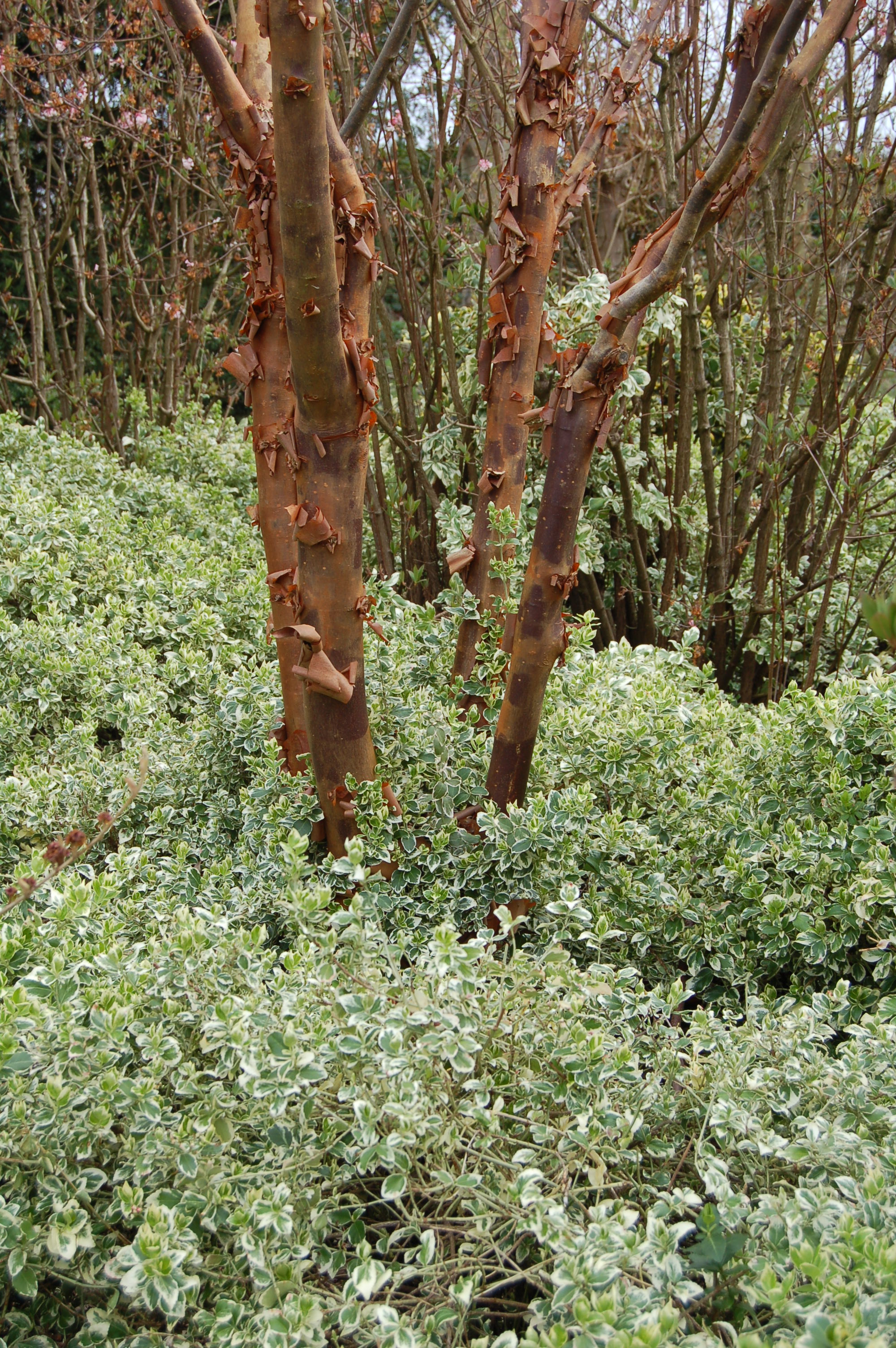
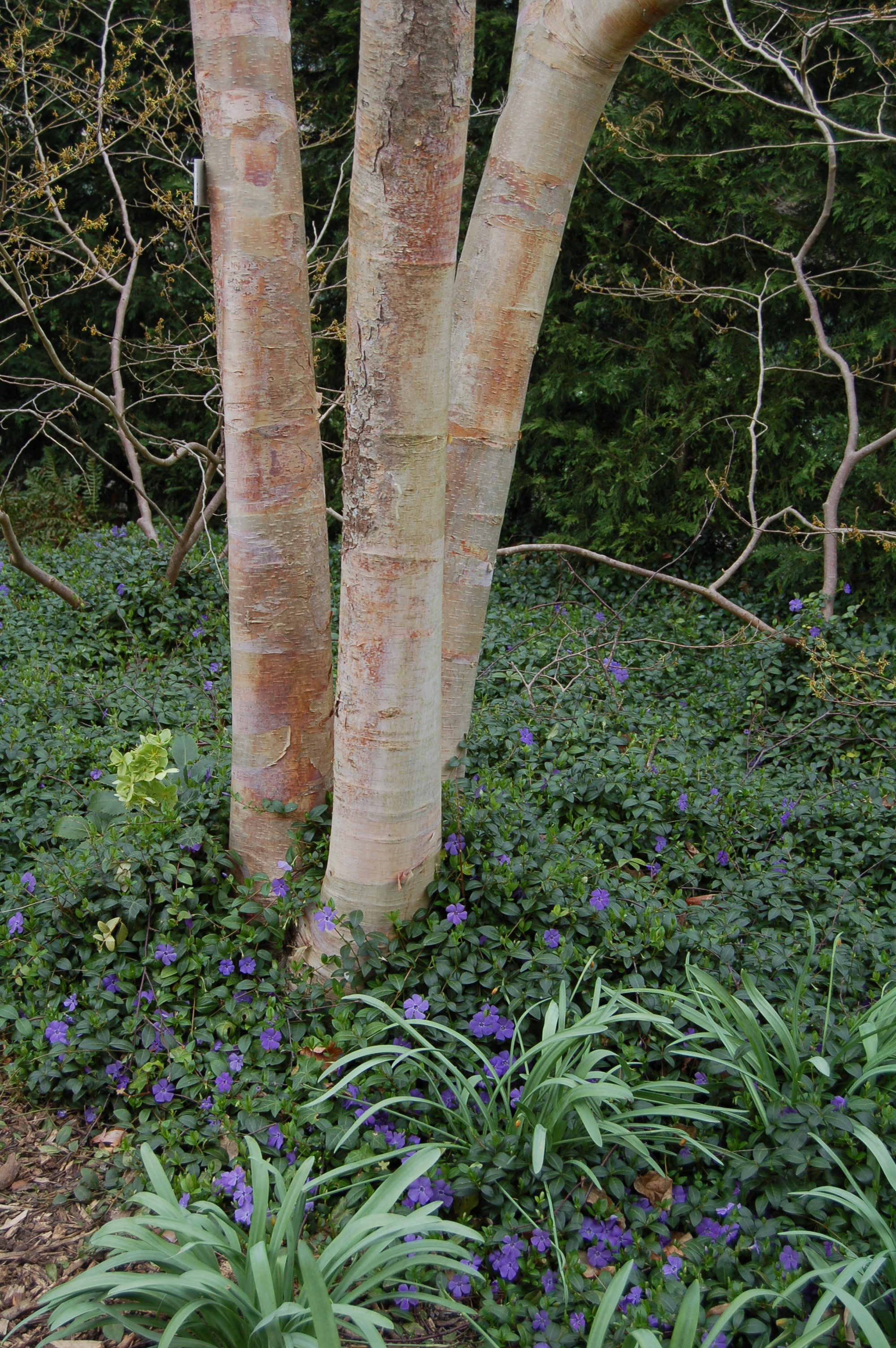
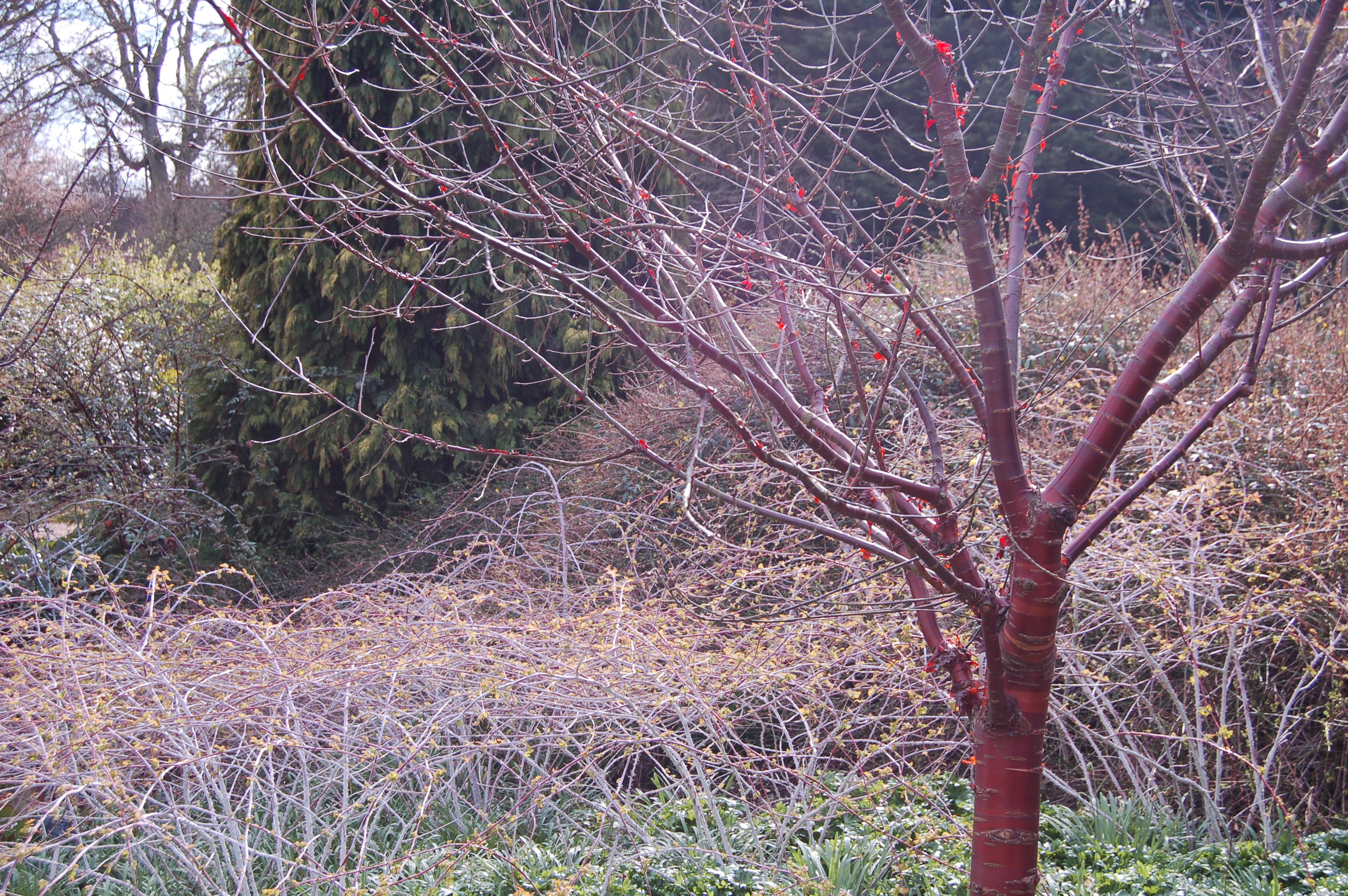
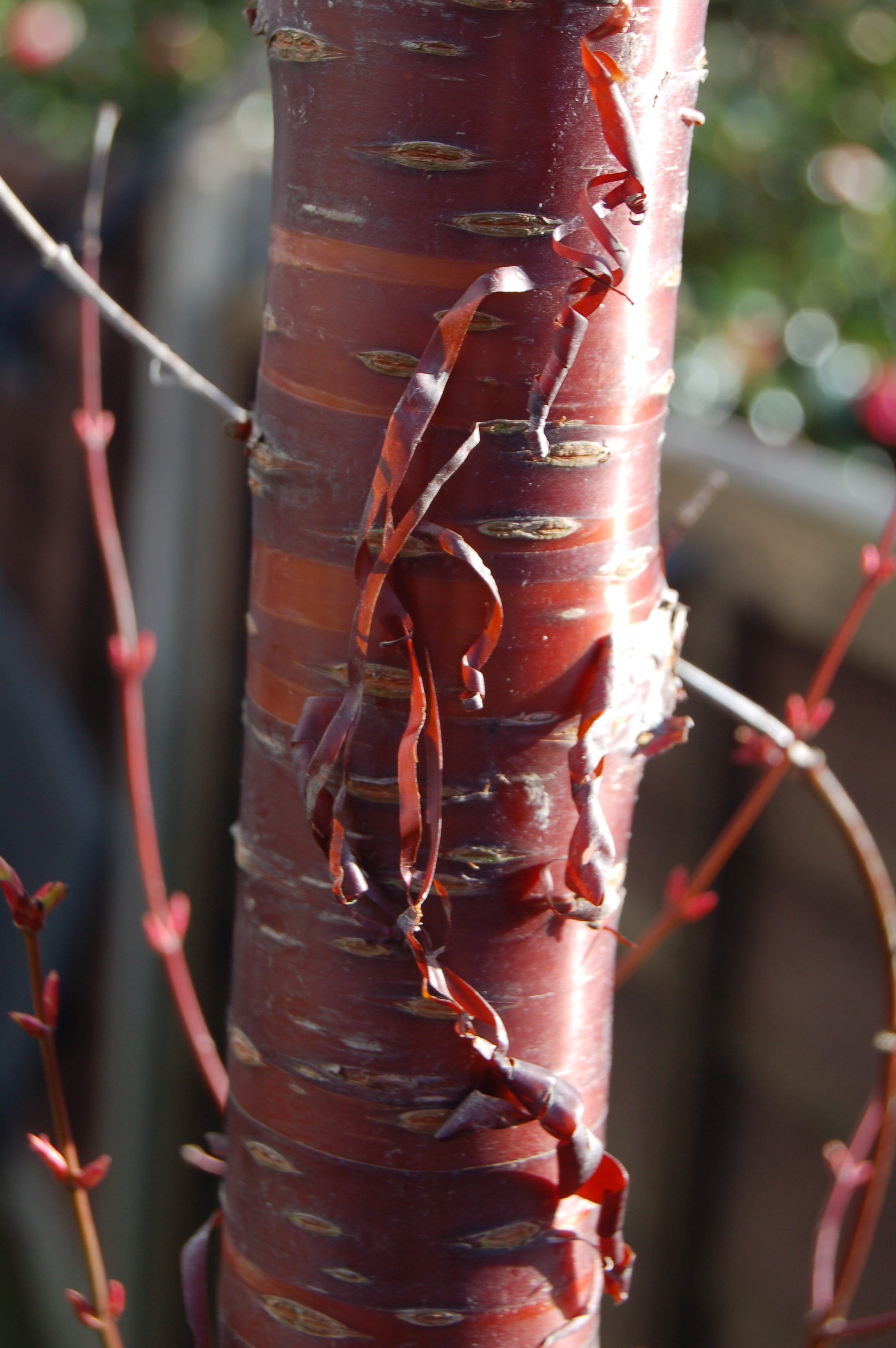
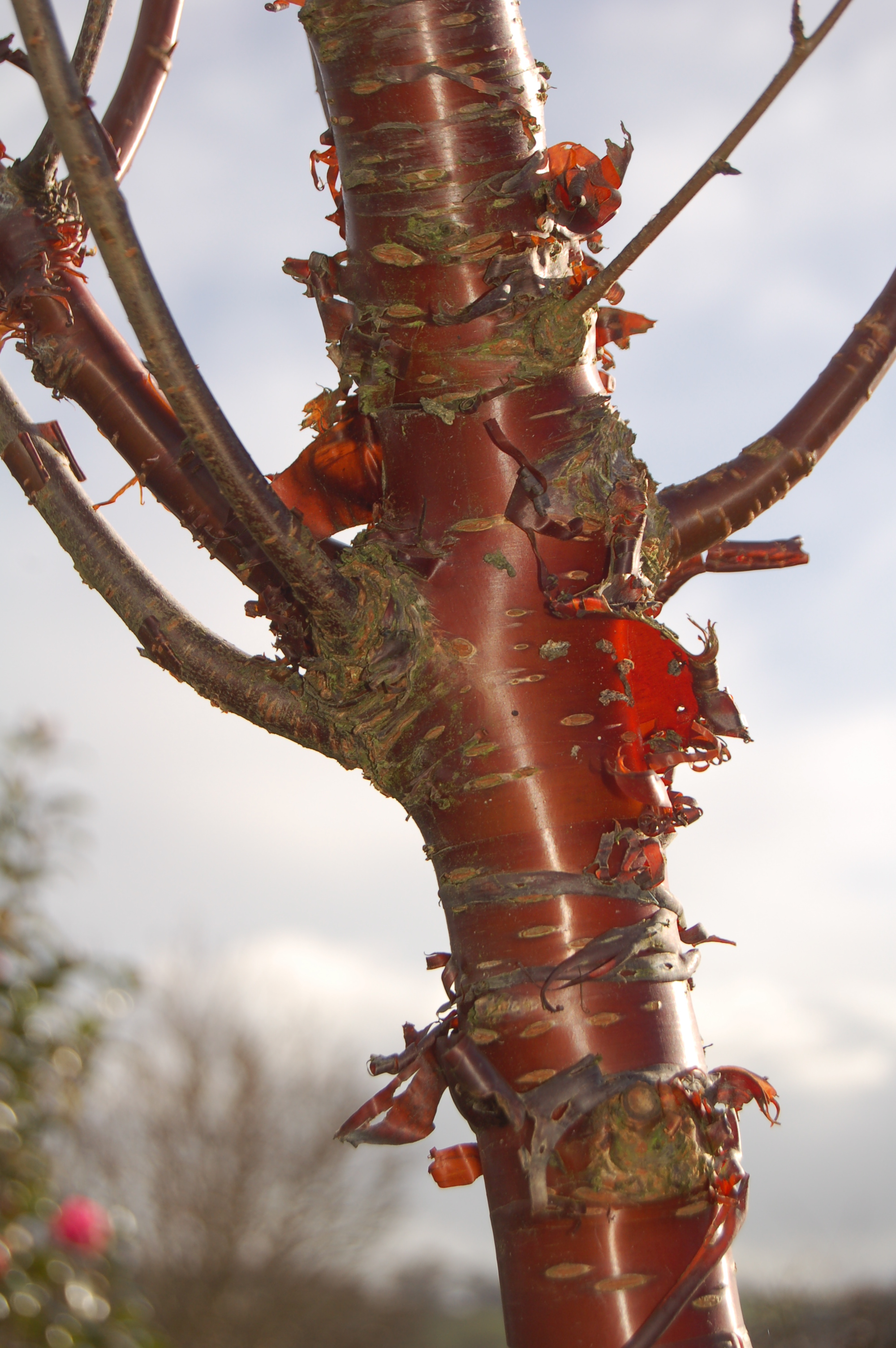
Textured bark on our trees in our Spring Border looks especially good in winter light. The peeling orange bark of the Prunus serrula and the birch is like slithers of brittle toffee.

2014 03 03_6821 2014 03 03_6820 2014 03 03_6819

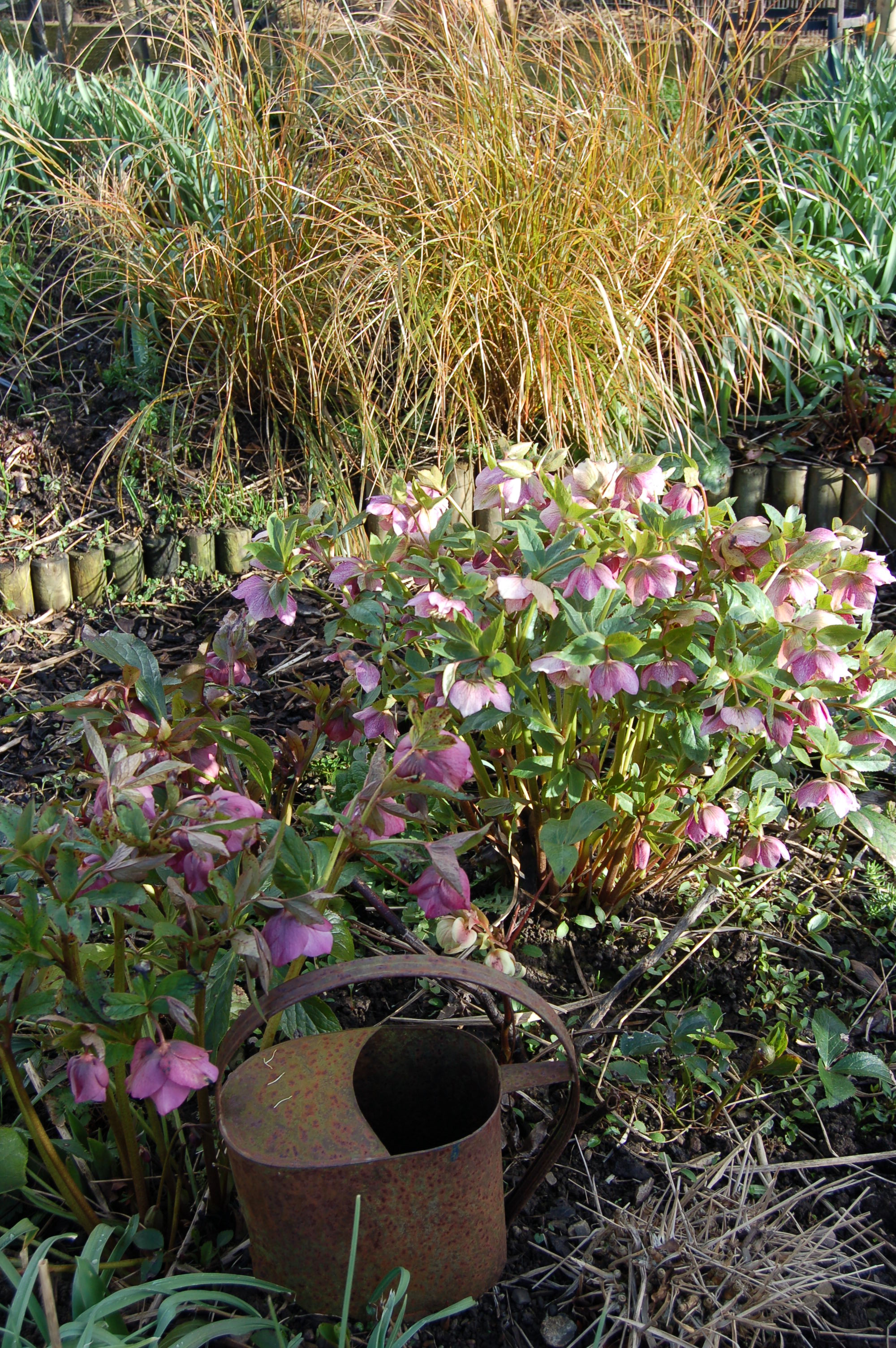
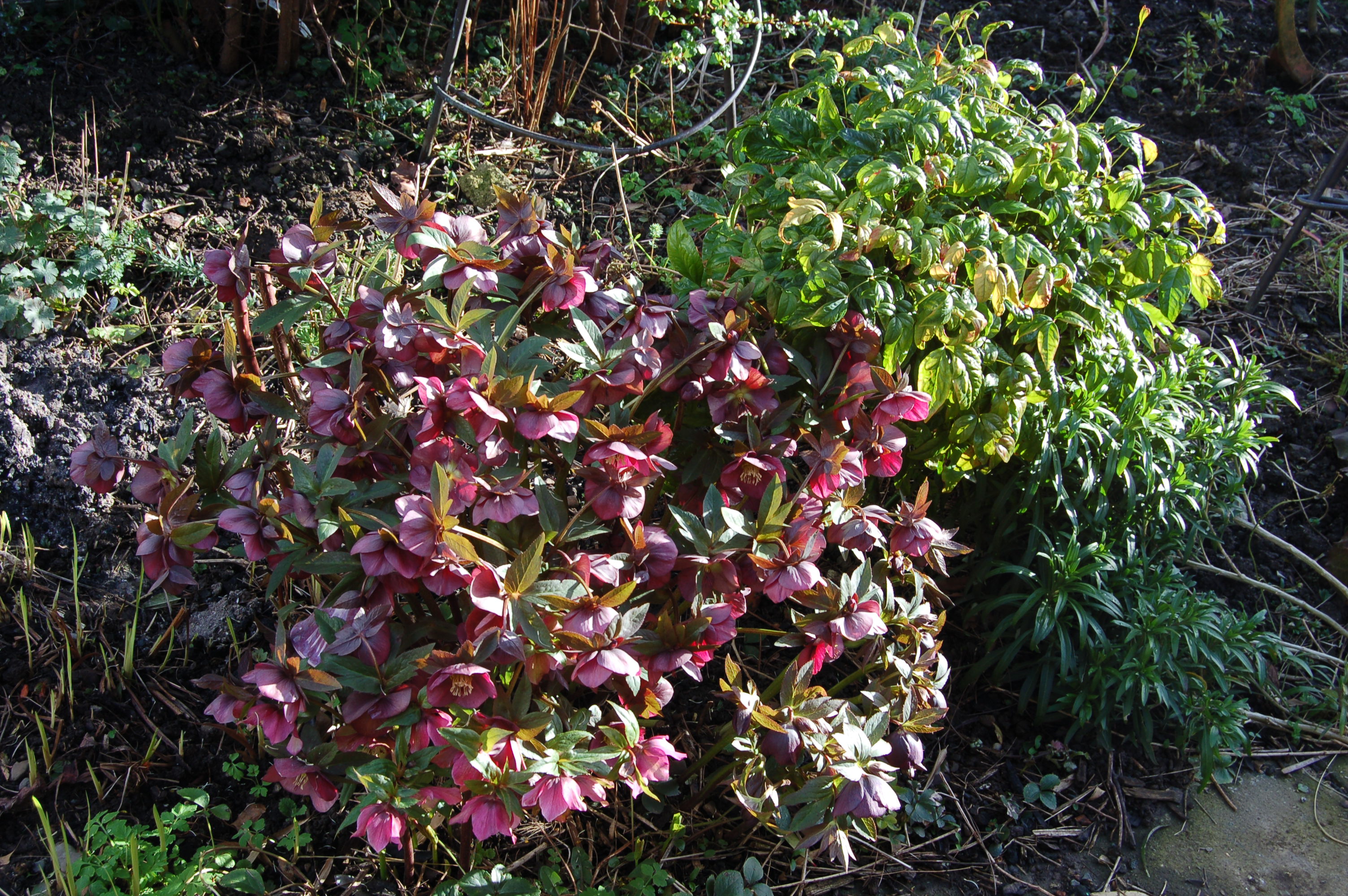
Hellebores star in most gardens in winters since so many wonderful easily grown specimens have become available in most garden centres and nurseries.

2014 03 03_6818 2014 03 03_6813

2014 03 03_6812 2014 03 03_6790

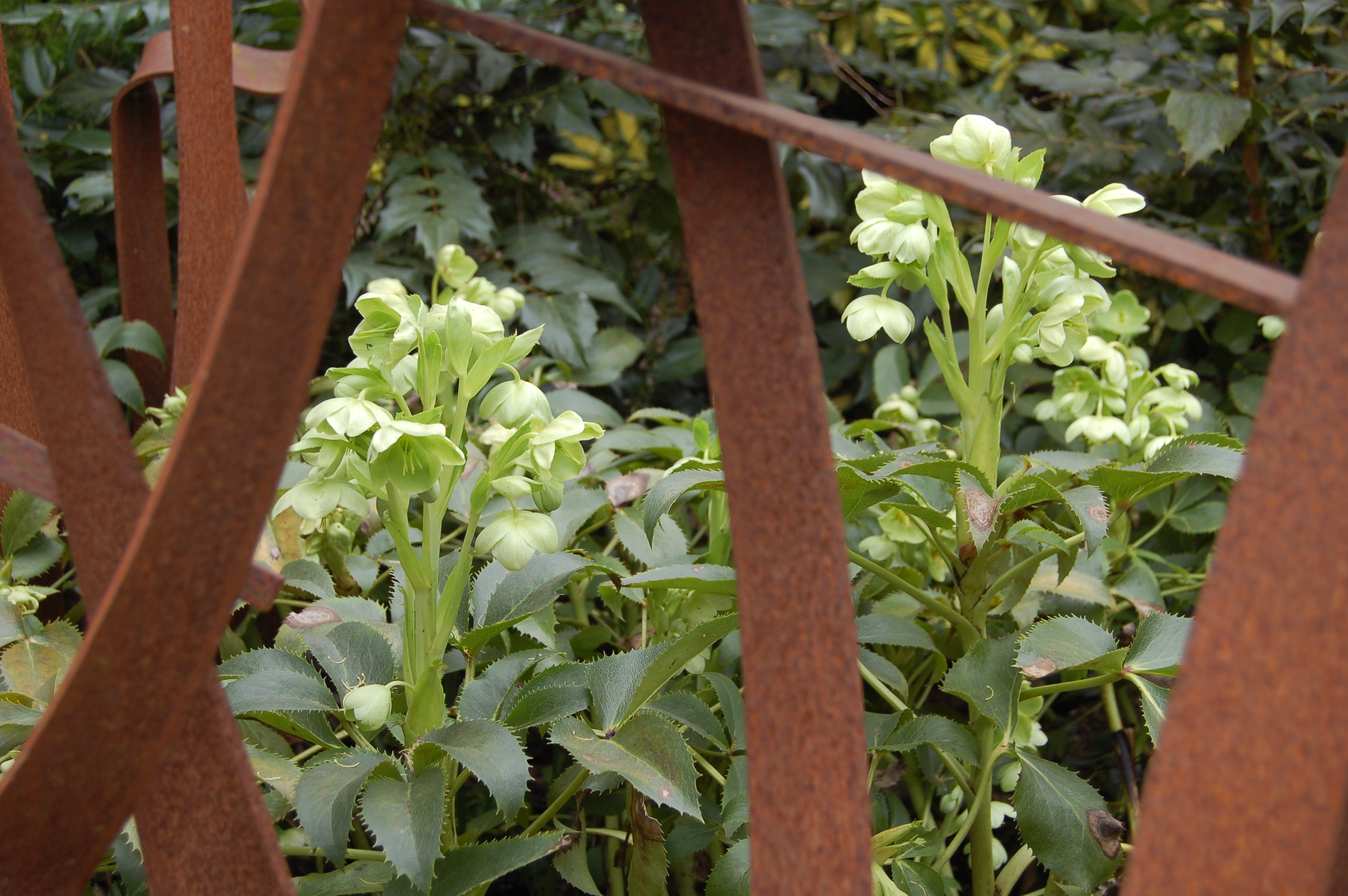
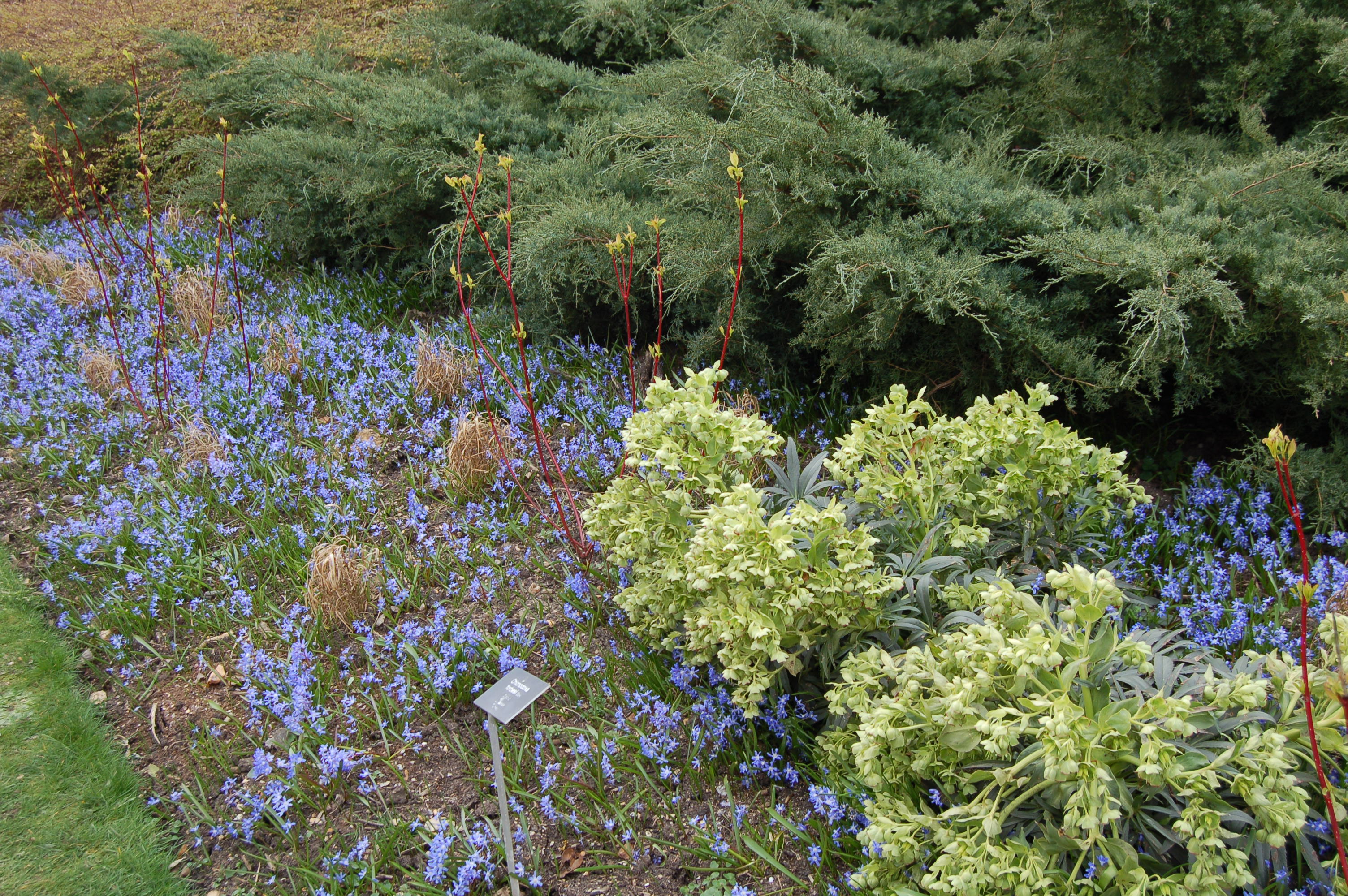
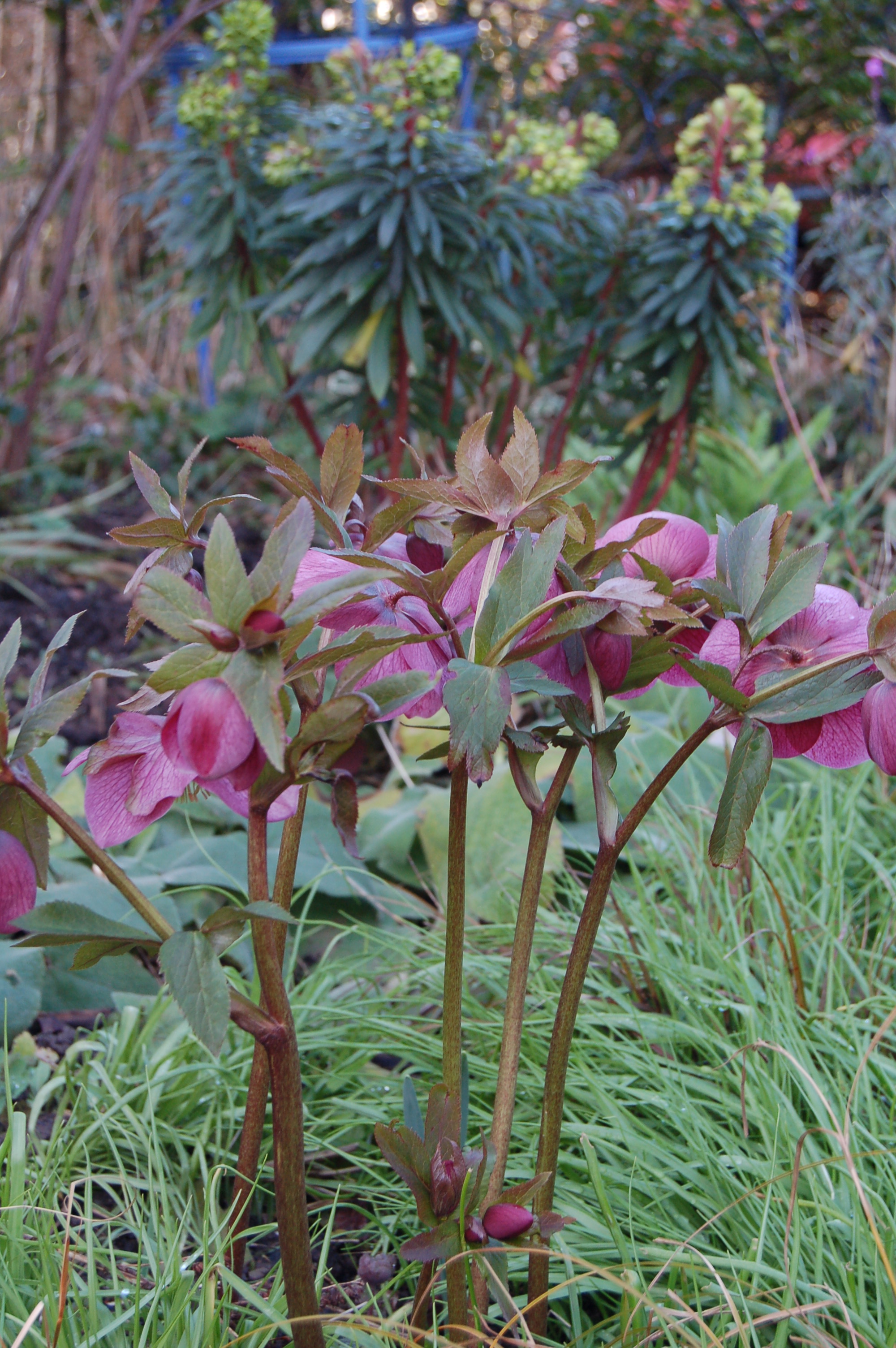
Here some of our many hellebores  are twinned with coloured stemmed cornus and salix.

2014 03 03_6809

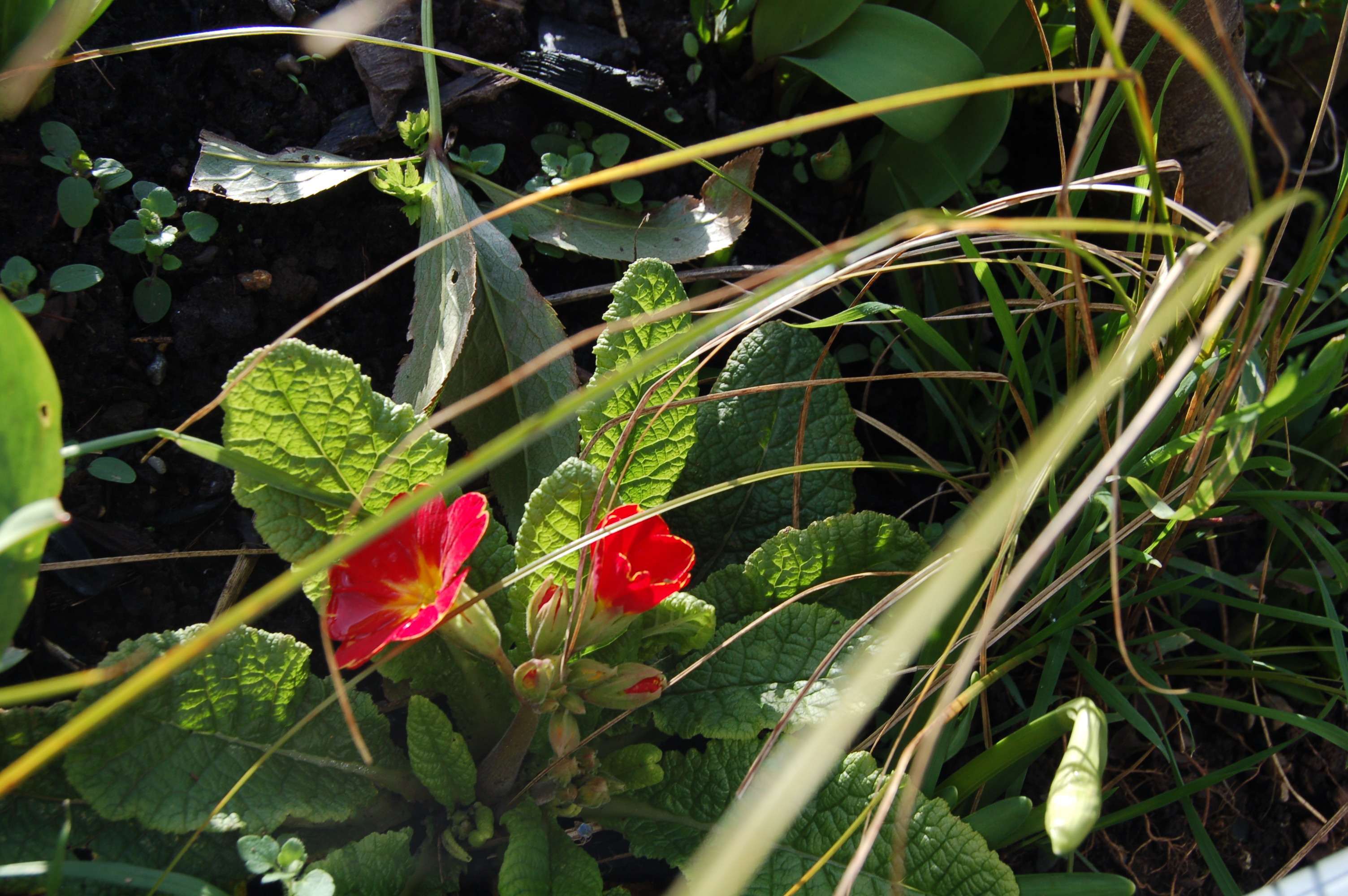
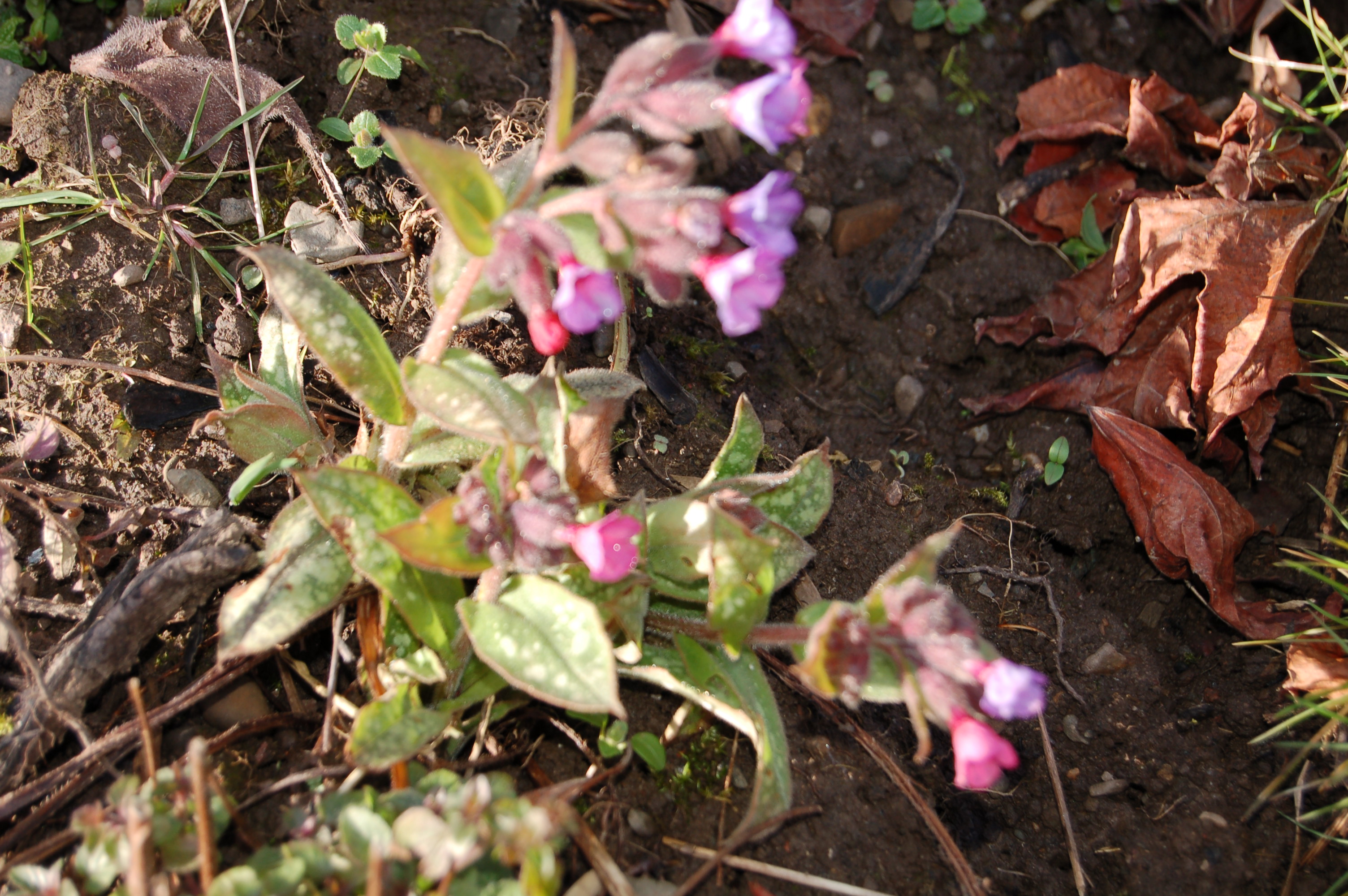
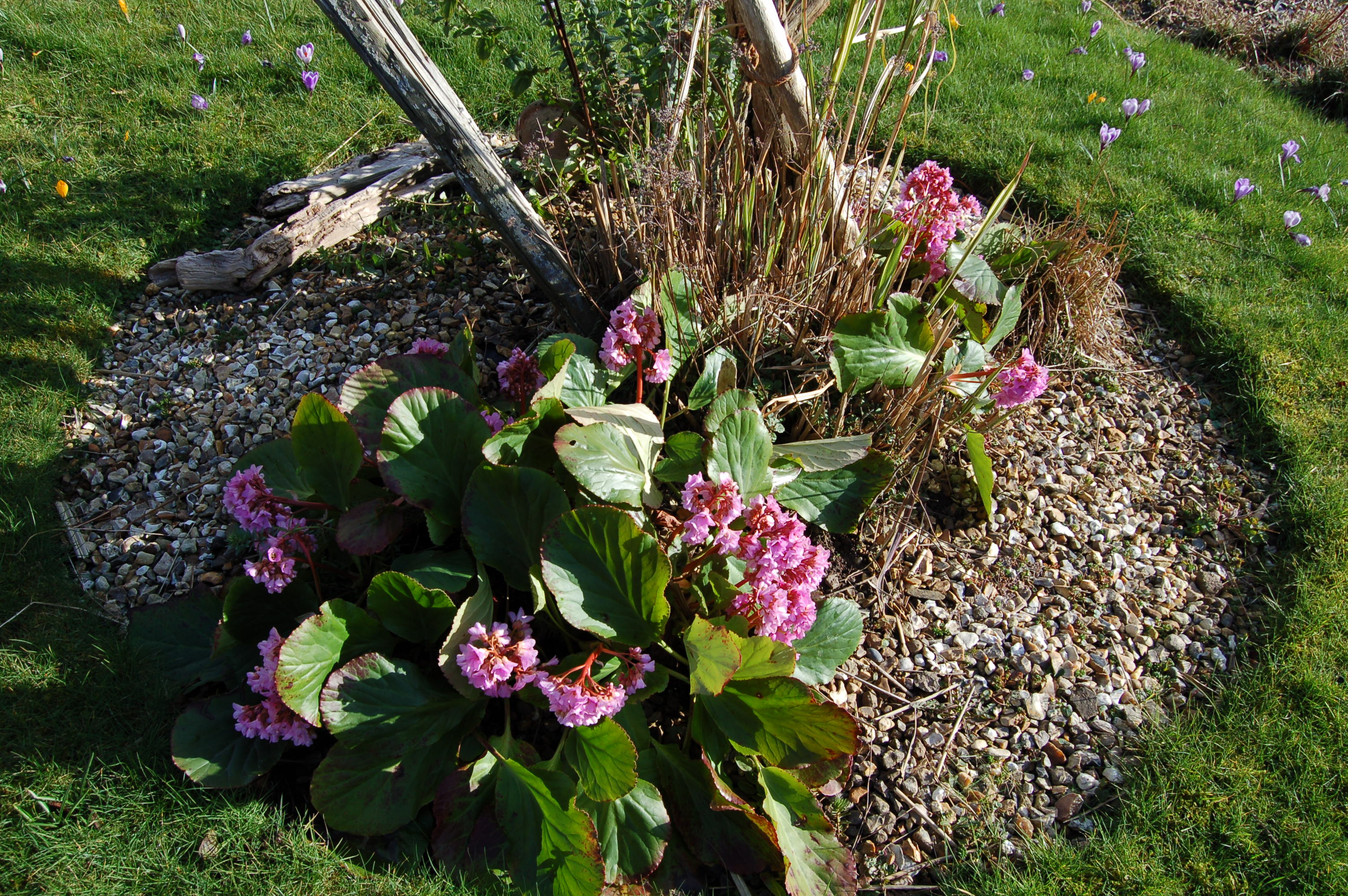
Any flower brave enough to appear in the winter is worthy of mention be they primulas, witch hazels, pulmonarias or bergenia. They would perhaps seem quite ordinary if they flowered among the stars of the summer garden but in the winter they are extraordinarily good garden plants.

2014 03 03_6816 2014 03 03_6815     2014 03 03_6810   2014 03 03_6807

2014 03 03_6797 2014 03 03_6799

2014 03 03_6798 2014 03 03_6791

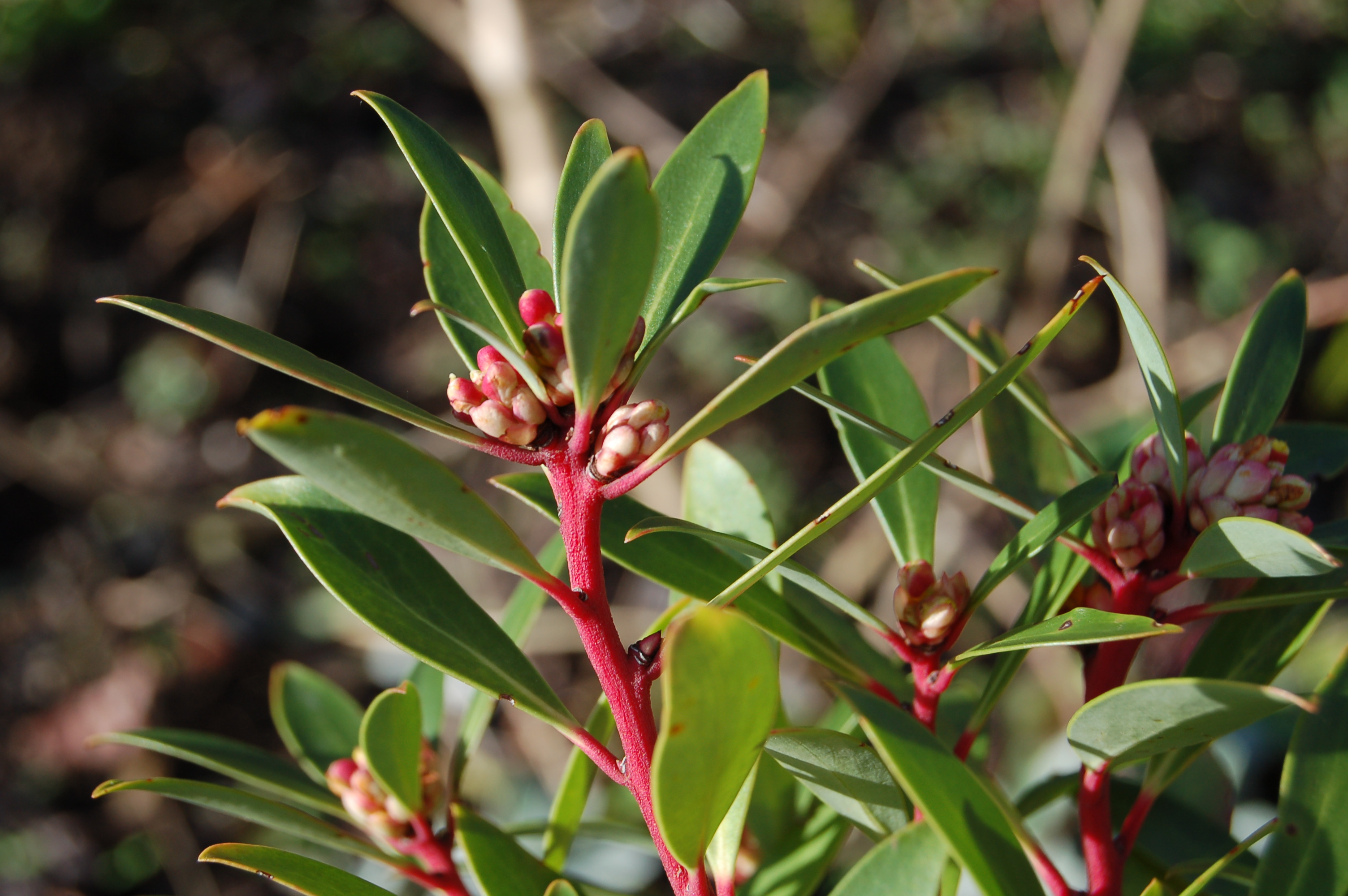
A recent discovery is the shrub Drimys with its red stems, glossy green foliage and buds looking fit to burst into life.

2014 03 03_6804  2014 03 03_6803

2014 03 03_6802     2014 03 03_6795 2014 03 03_6794 2014 03 03_6793

Structures such as our cloud pruned box hedge that lines our central path become much more important and noticeable in the emptier garden of winter. But we hope our garden is now richer in this the coldest and darkest of our seasons.

2014 03 03_6814

We must not forget the role our feathered friends play in adding colour, sound and movement to our garden in winter.

2014 03 03_6842

Part Two of our search for the all year round garden will consider our garden in Spring. Signs of that season are already giving hints of what is to come such as in the buds of the quince fruit tree.

2014 03 03_6822

Categories
garden photography gardens open to the public photography trees

The Survivor – Take One Tree

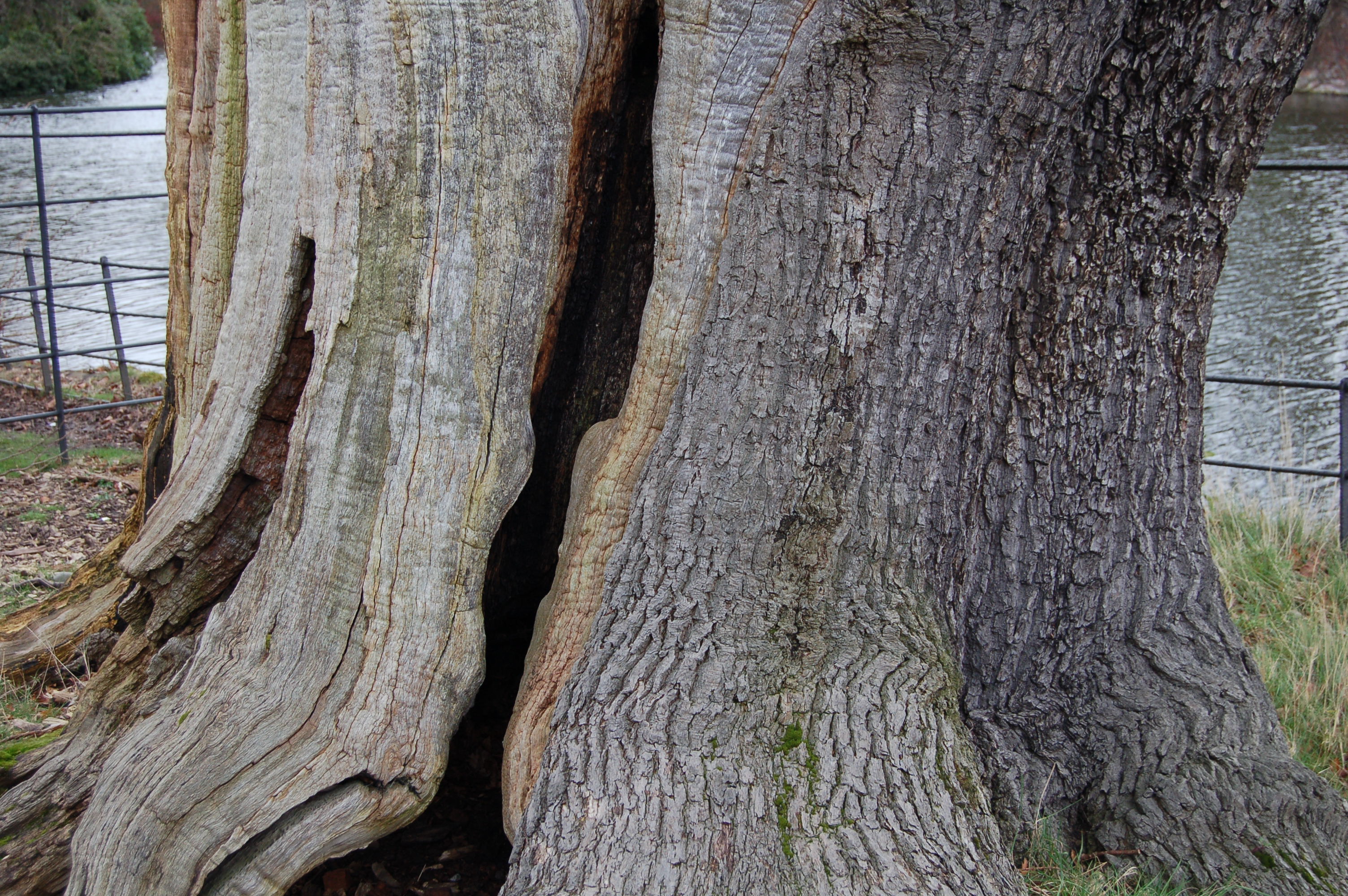
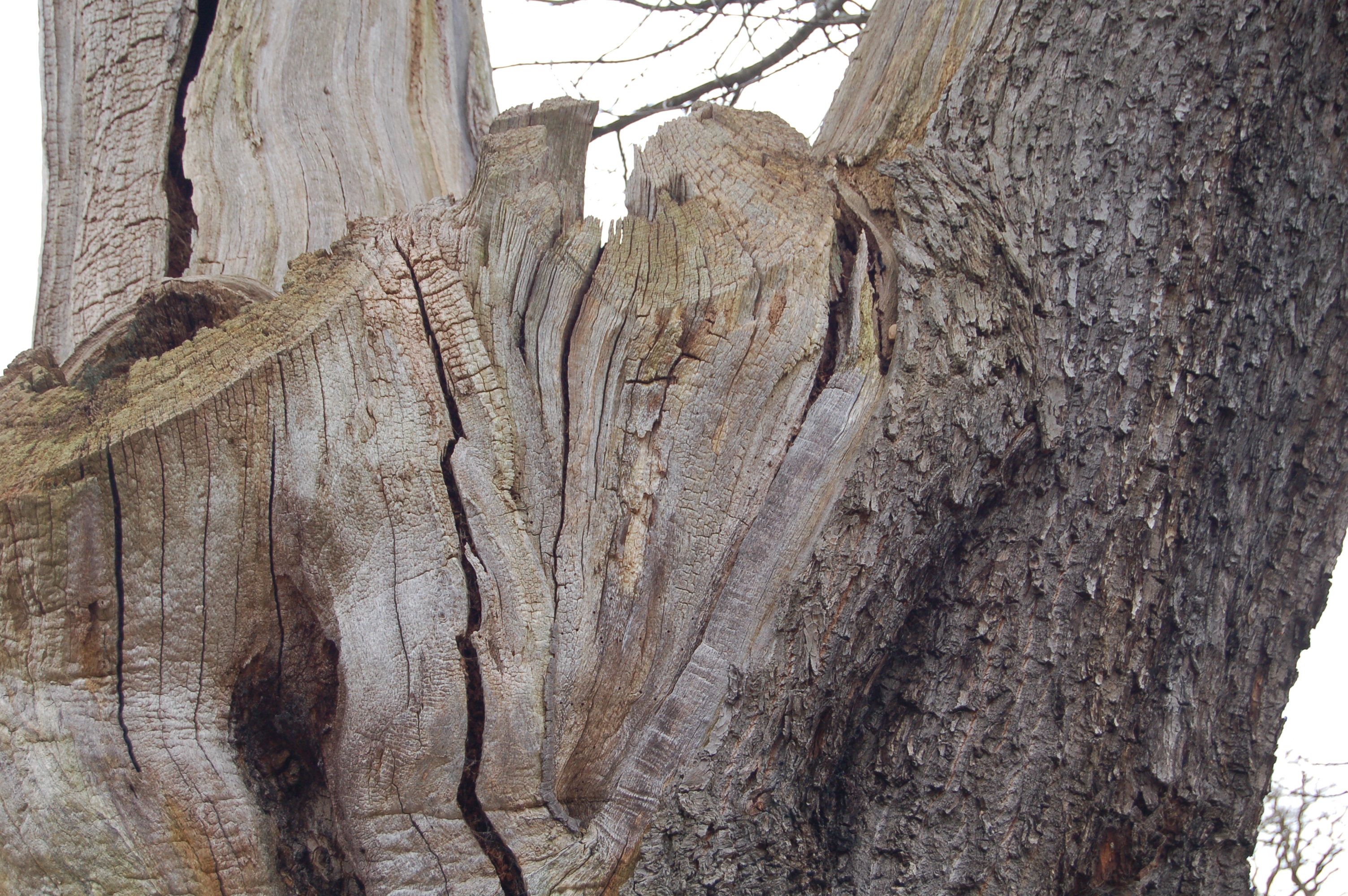
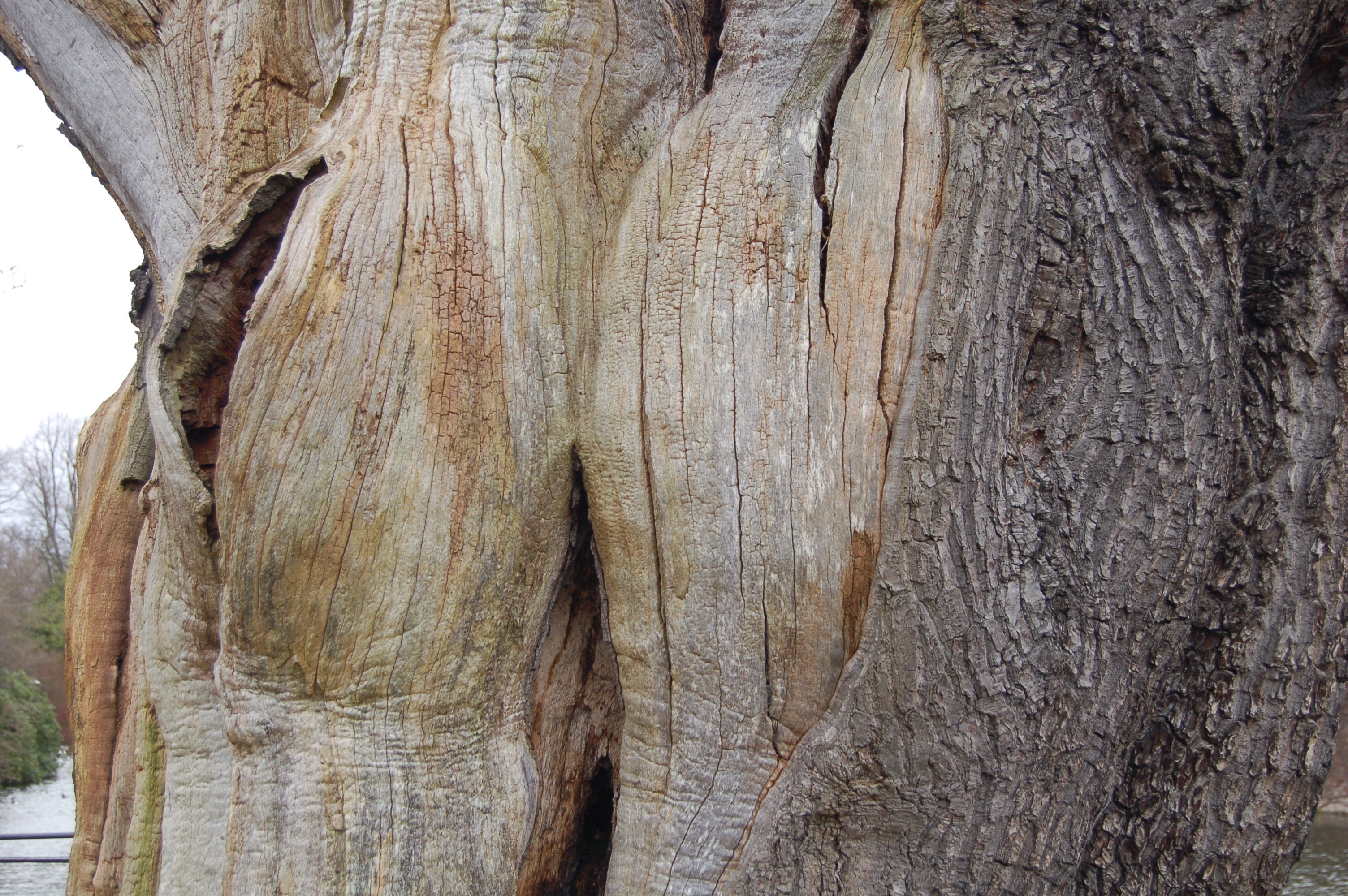
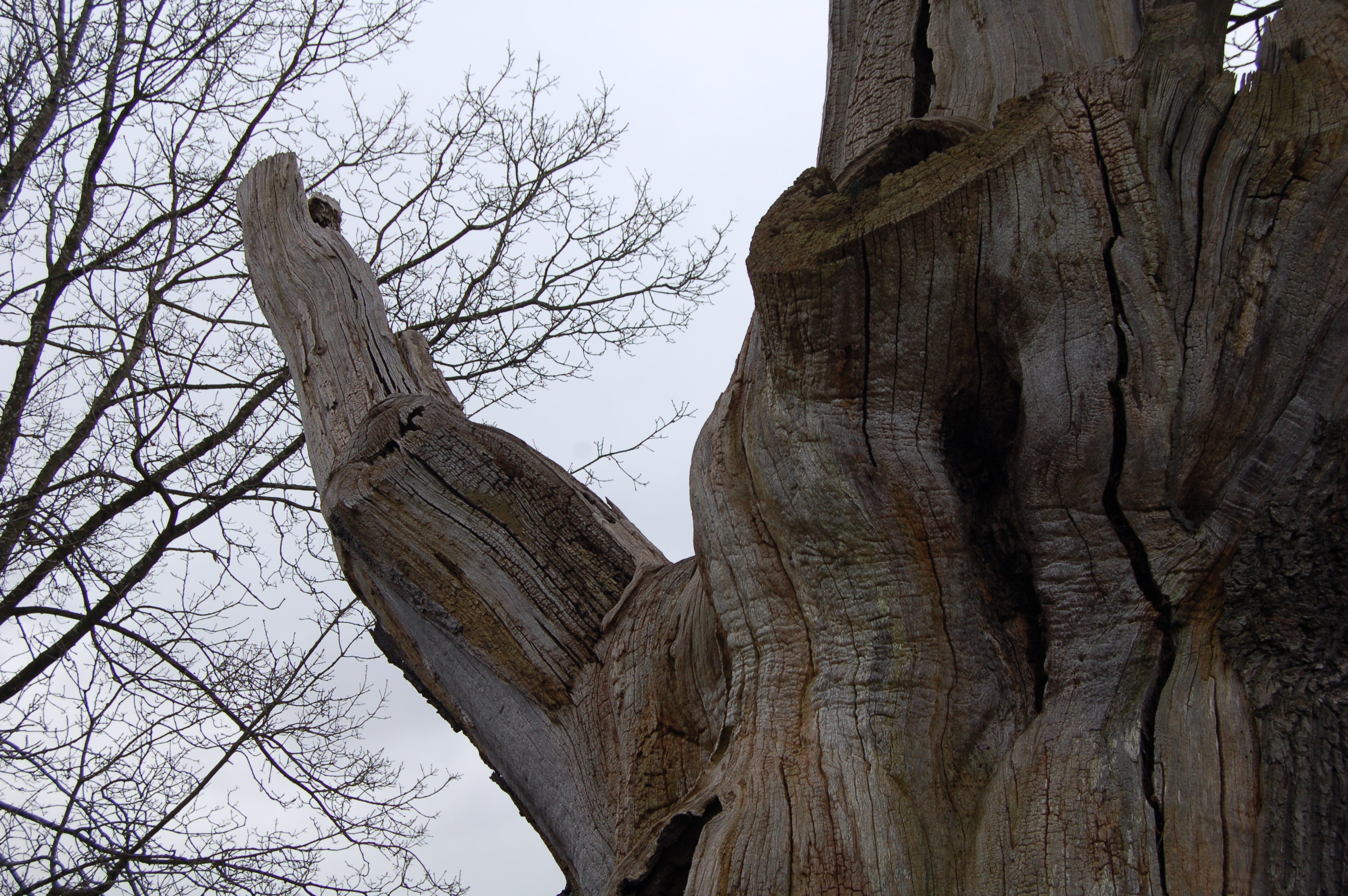
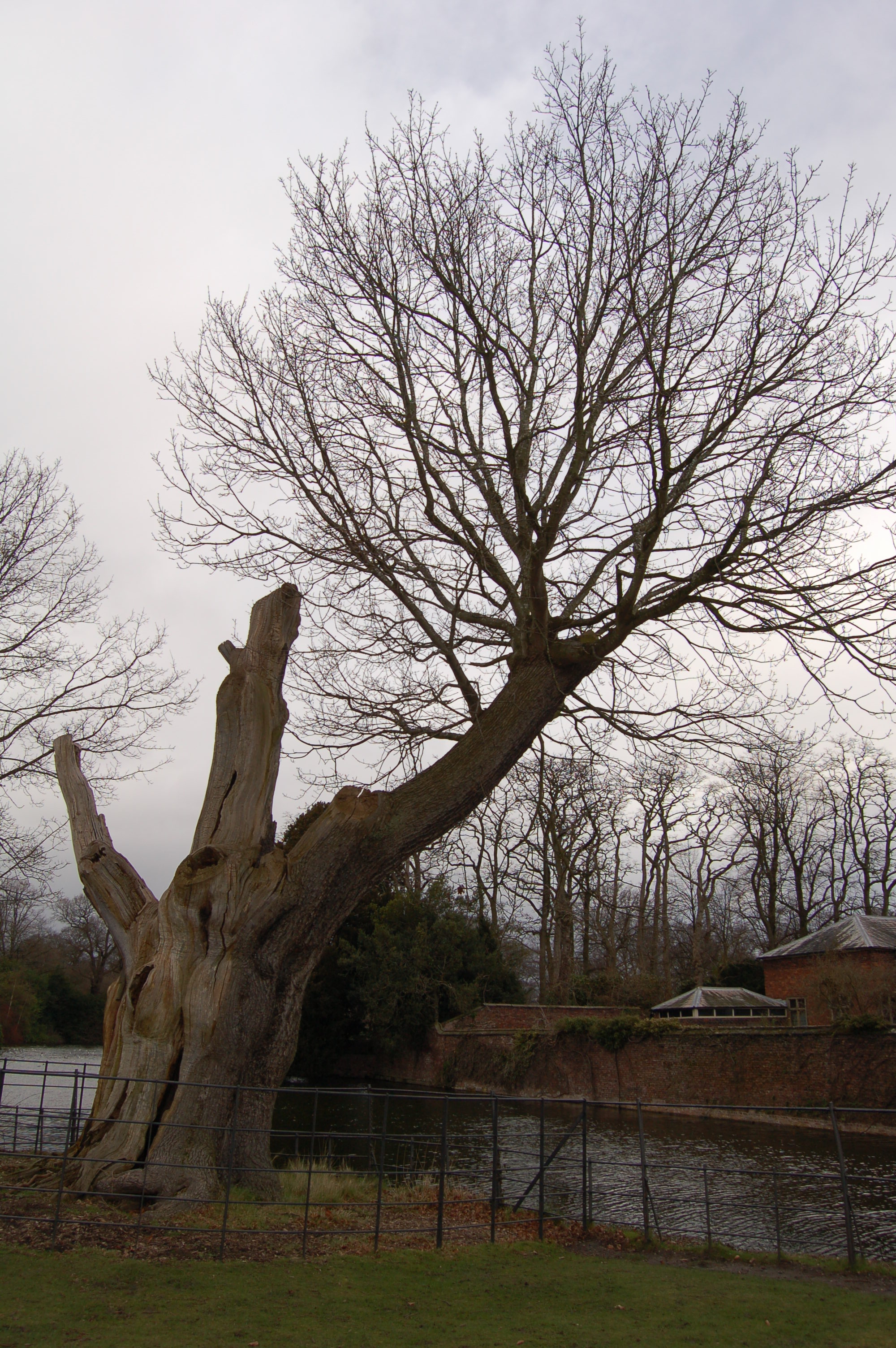
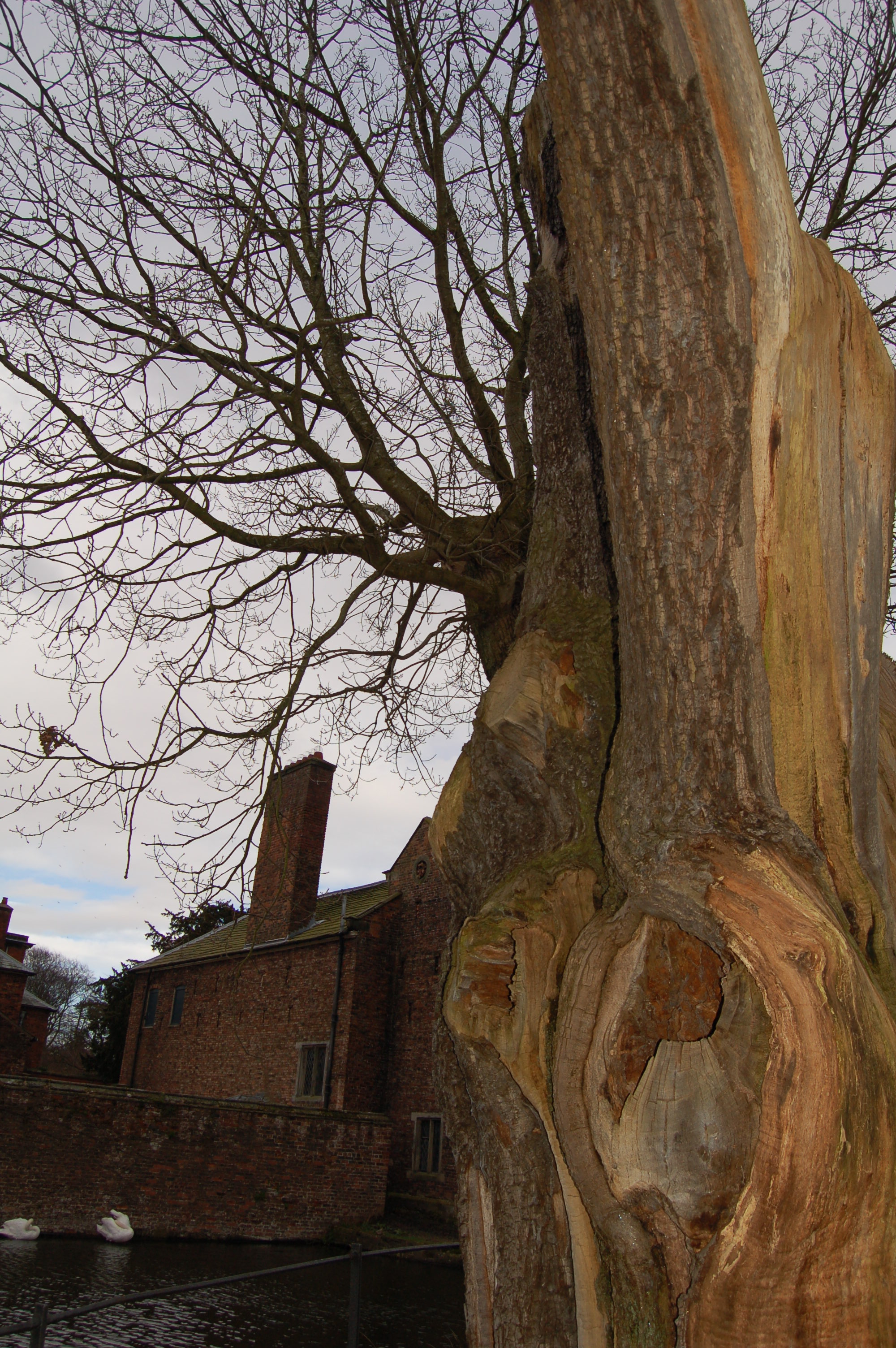
Whilst on a garden visit recently to the National Trust’s Dunham Massey, we came across an ancient tree just about hanging on to life. There was very little left of the main trunk and what was left was hollow and had lost its bark.

2014 02 25_6747  2014 02 25_6741 2014 02 25_6750  2014 02 25_6749  2014 02 25_6751 2014 02 25_6754   2014 02 25_6748

One branch had found enough life there to grow out from one side and produced  healthy looking growth. It gave the impression of  a young tree growing on top of the remains of a dead one.

2014 02 25_6746 2014 02 25_6753 2014 02 25_6752

I tried a few of the pics in black and white  to emphasise the textures.

t2014 02 25_6749_edited-1 2014 02 25_6751_edited-1 2014 02 25_6750_edited-1

Categories
garden photography gardening gardens open to the public grasses hardy perennials light light quality ornamental grasses ornamental trees and shrubs roses Winter Gardening winter gardens

A Garden in February – Trentham

As promised we made our promised return to the gardens at Trentham, near Newcastle-under-Lyme in Staffordshire, right on the edge of The Potteries.

The day promised good weather which would make a welcome change. On our last few visits to this garden we had been subjected to rain and often cold winds. For our February exploration the sky was blue and the car’s dashboard read out told us the temperature was 9 degrees. The aim of this return visit and indeed all the following monthly ones was to see how the garden had progressed, how things had changed, which plants were looking good and which ones were the stars.

As we passed over the gentle arch of the suspension bridge we could see the “River of Grasses” with the golden stubble of the grasses which had been trimmed down low. In contrast the close mown grass areas along the riverside were bright green decorated with strips of sparkling white snowdrops. I realise the life buoy is a safety requirement and realise it has to be red so that it is easily spotted in an emergency but it is really distracting!

2014 02 20_6498 2014 02 20_6497 2014 02 20_6496

As always the gently curving line of River Birches looked wonderful, with the bark peeling more than when we saw them in January. I liked the meandering line where the dried grass area joins the deep green foliage of the evergreen Euphorbia robbiae with pale green highlights created by their flowering bracts.

2014 02 20_6500

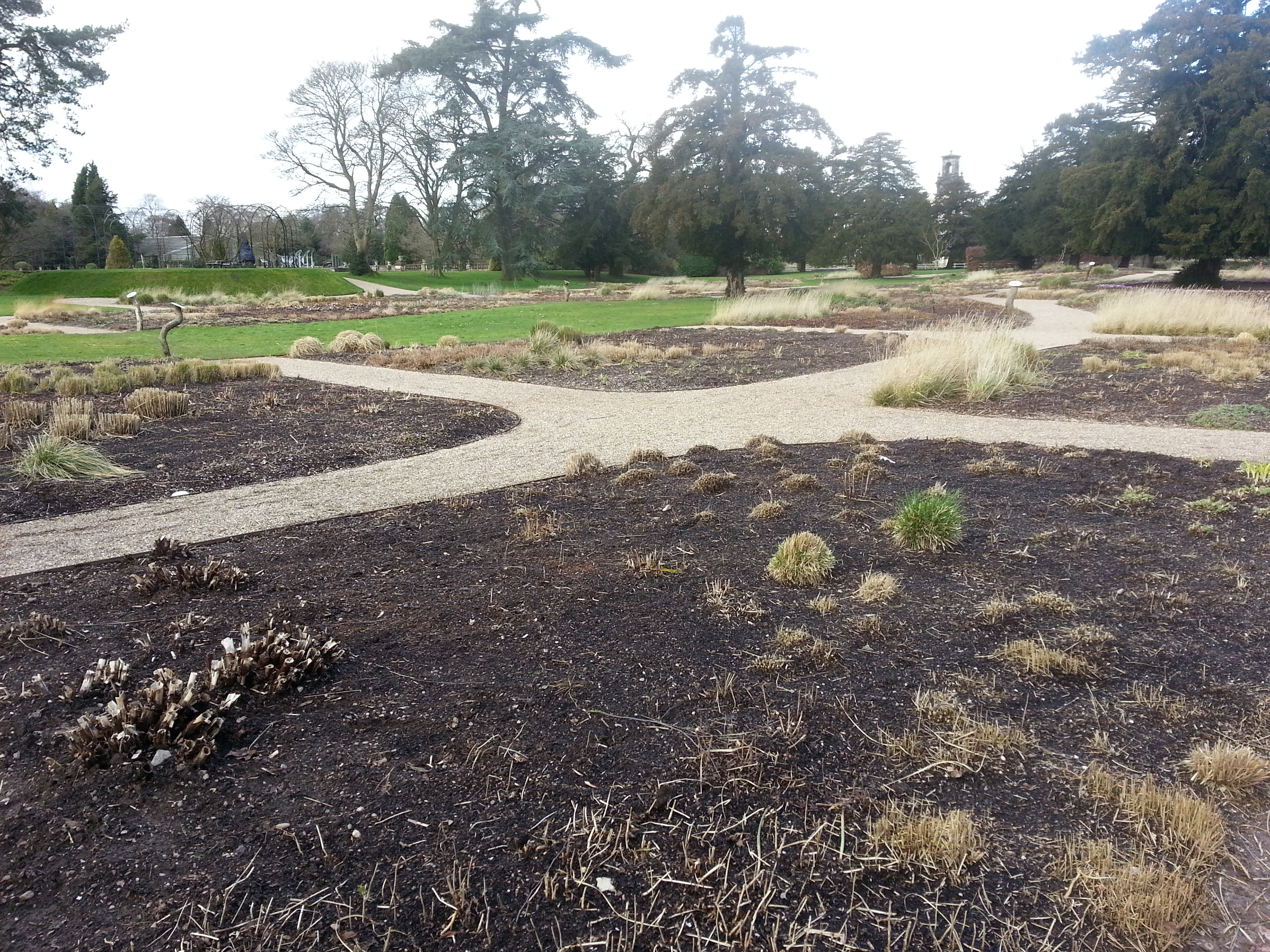
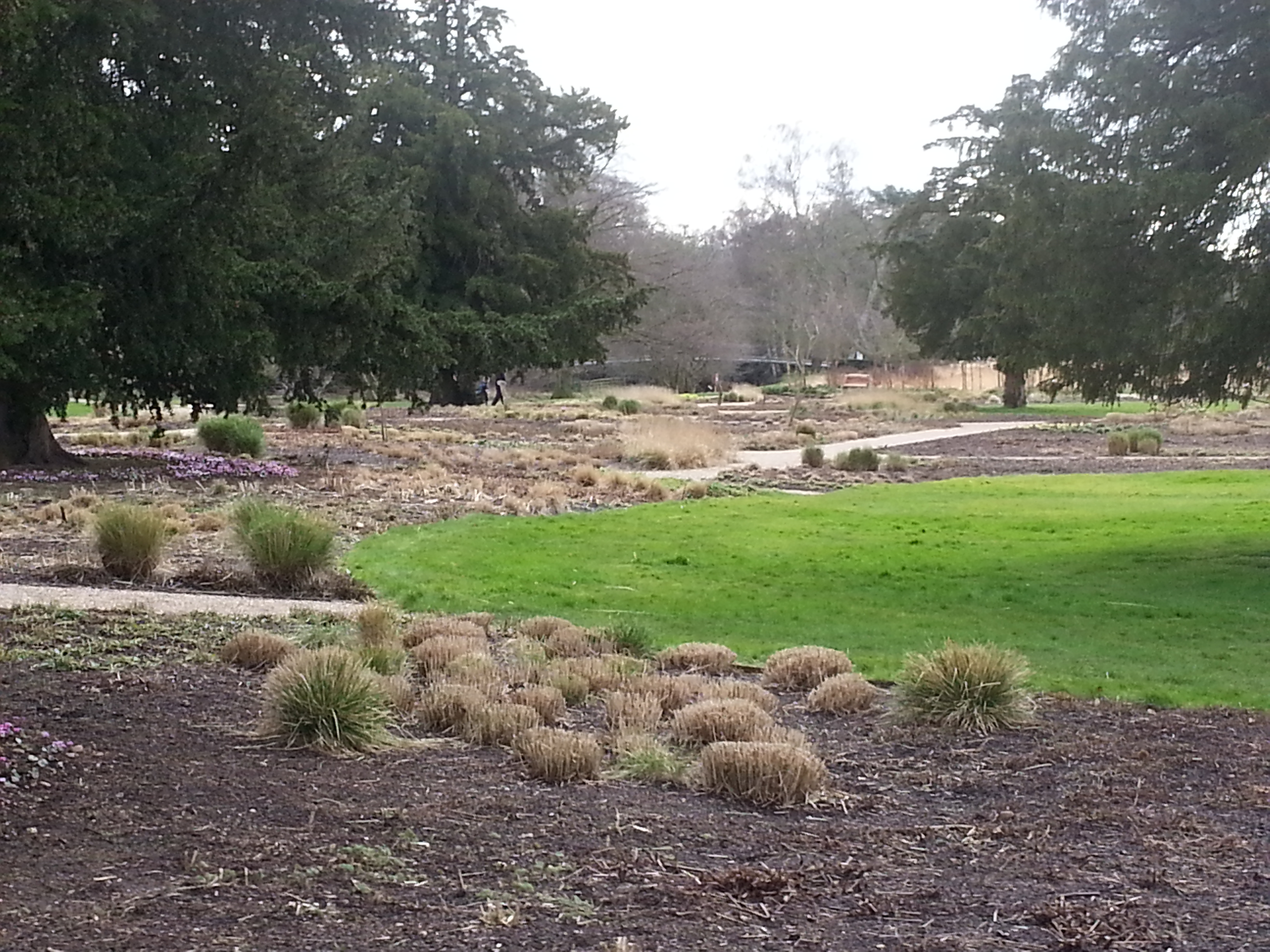
Once beyond the birches the perennial borders designed by Piet Oudolf looked very flat having been trimmed tight to the ground. This was in strong contrast to all the interesting seedheads and stems that decorated it in January. But with the clear view over the area we did spot this lovely wooden seat which we had totally missed in January. The bright green new growth of the Hemerocallis has progressed well since our January visit.

2014 02 20_6501 2014 02 20_6503

2014 02 20_6509 2014 02 20_6502

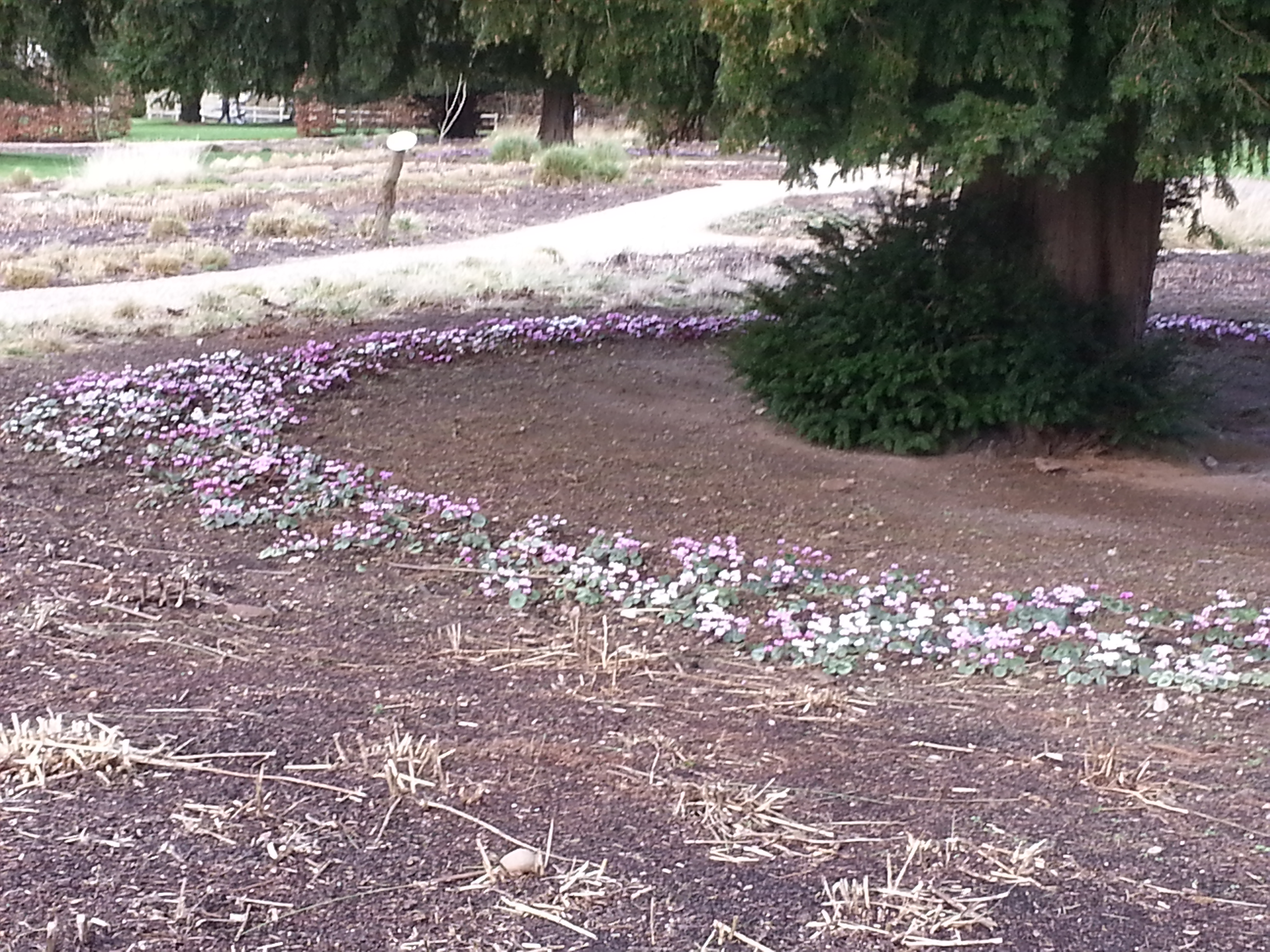
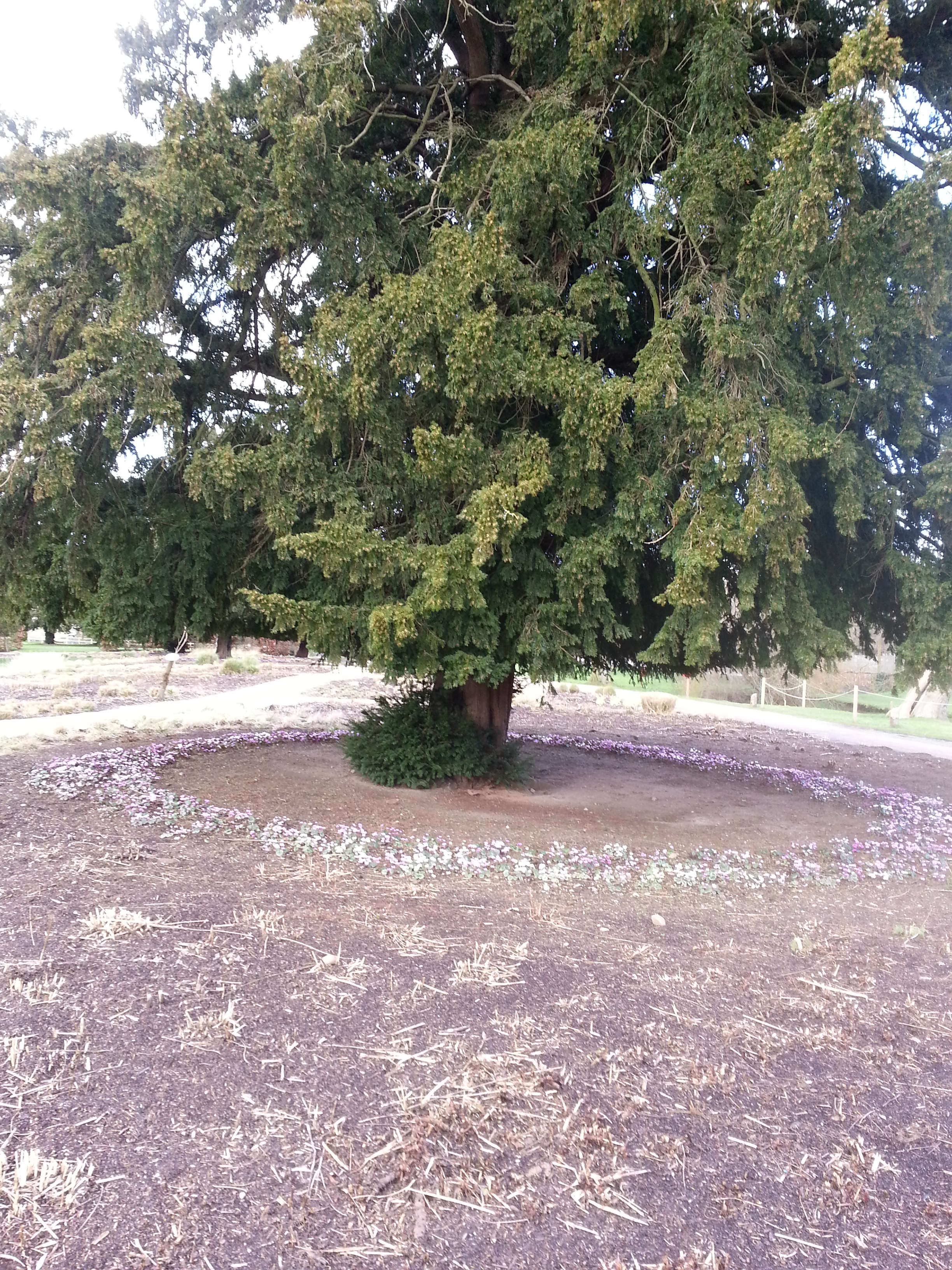
We enjoyed seeing that the rings of cyclamen were still flowering away happily beneath the Yews. They looked good in the sunshine, their colours seeming richer.

2014 02 20_6508   2014 02 20_6506 2014 02 20_6505 2014 02 20_6504

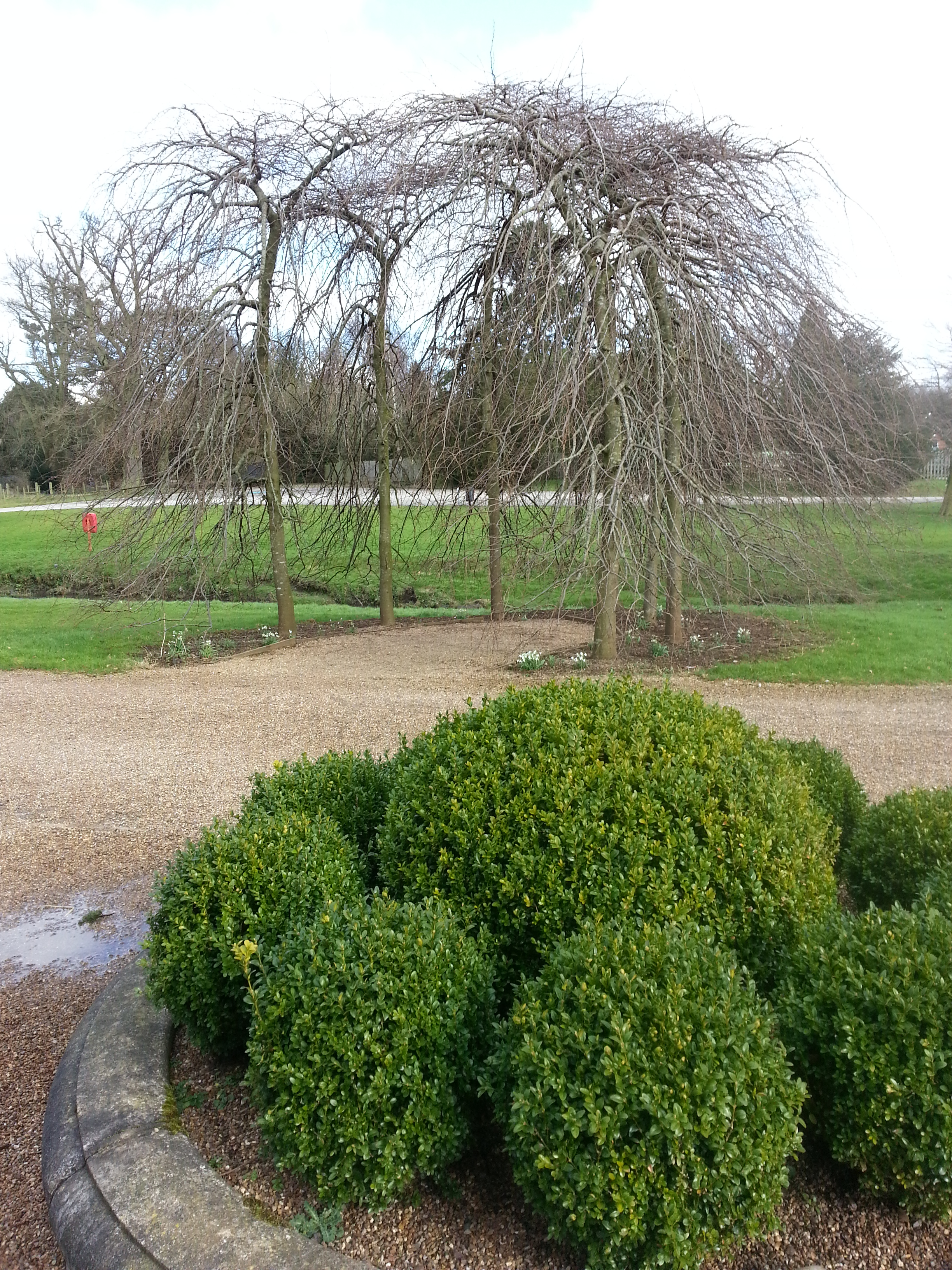
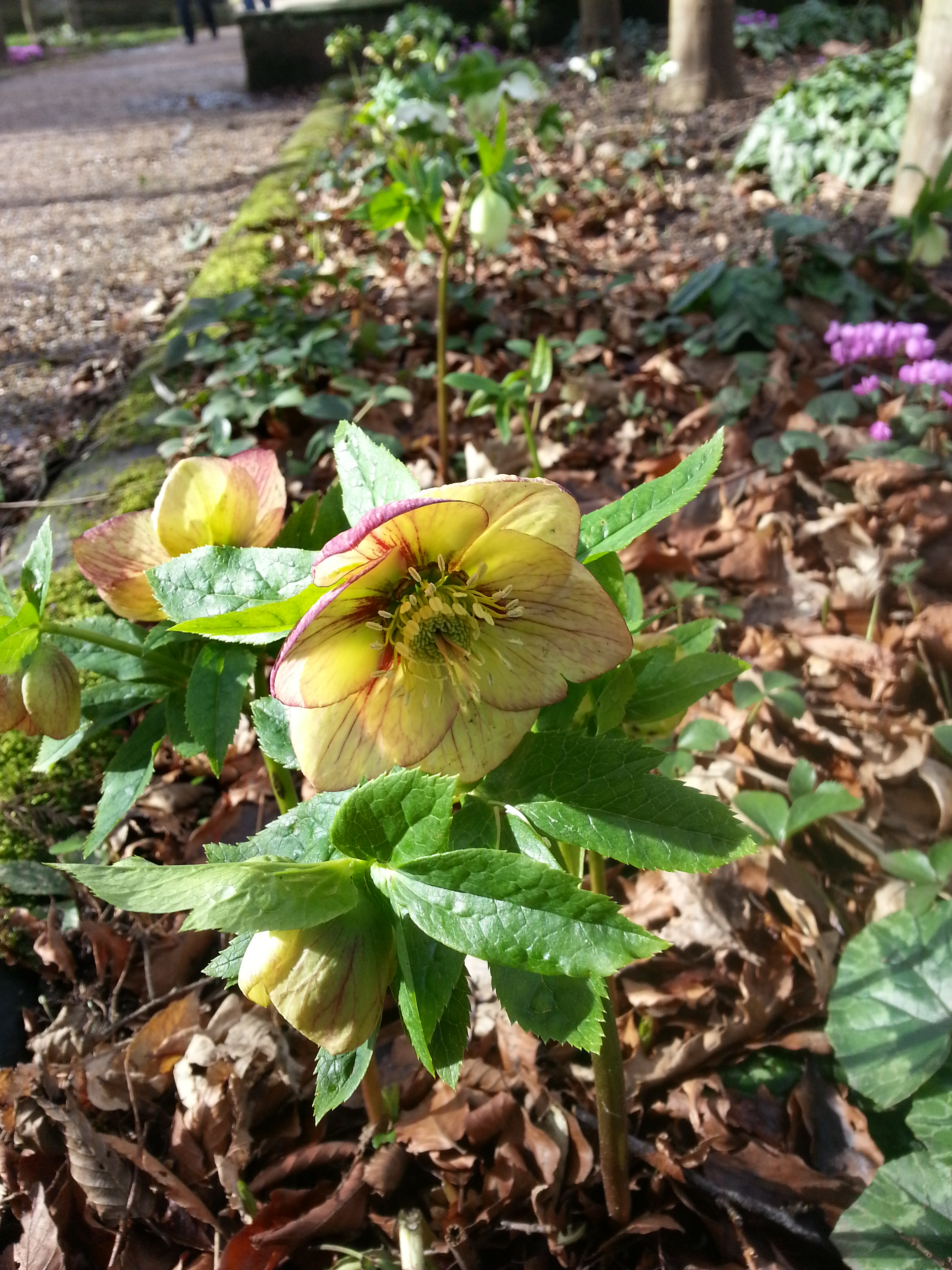
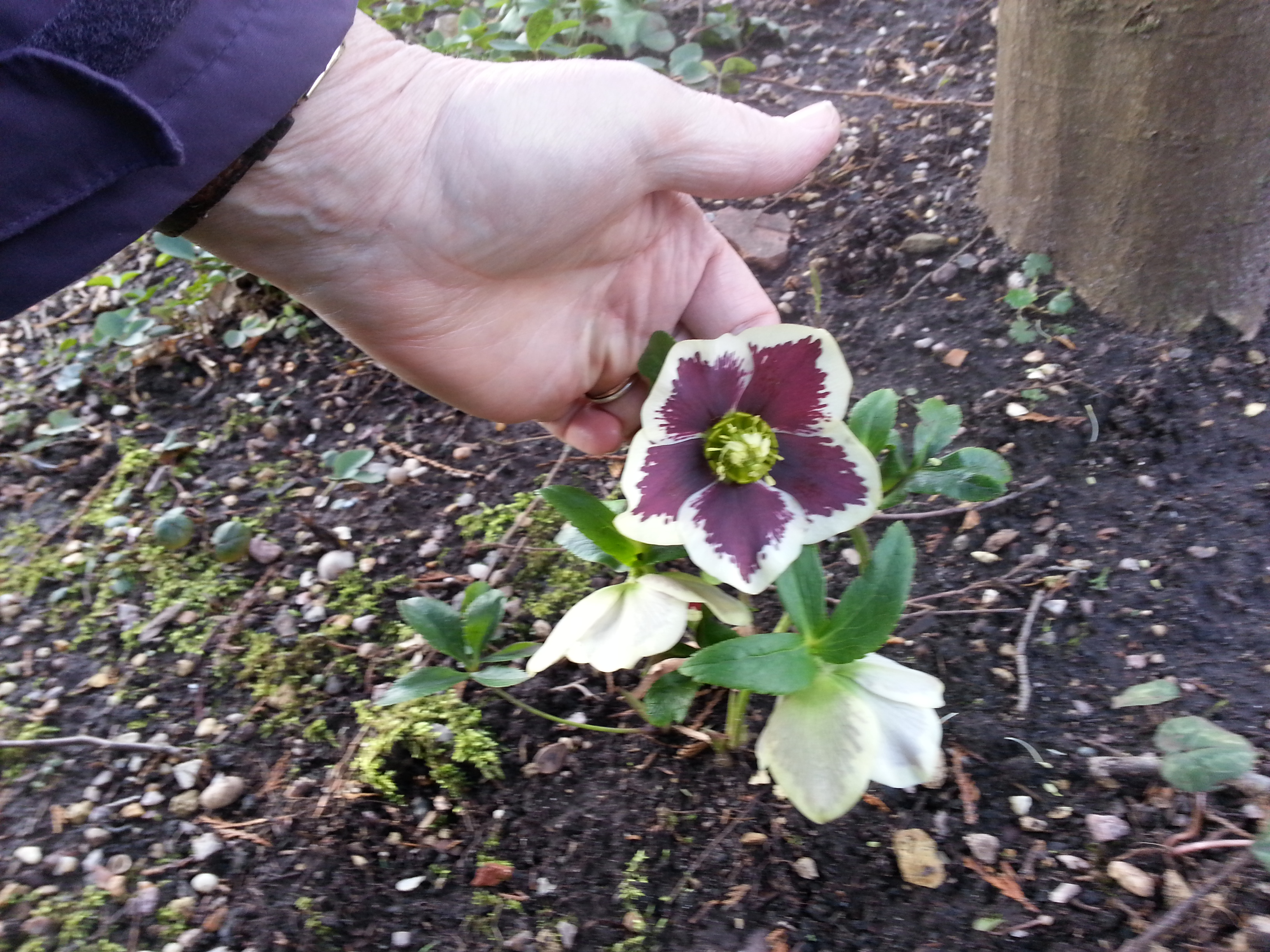
There was little change to be seen at the Hornbeam arbor but we did notice a few white sparkling Snowdrops around the base of their trunks. The trimmed box alongside is most noticeable at this time of year when such green sculptures become one of the stars of the garden. Some other stars of the Trentham gardens on this visit waited for us close by -Hellobores and Cyclamen in full colourful bloom. The Hellebores impressed with more than the colour range however, for they had really proud upright habit. They lit up the shade beneath an allee of Hornbeam.

2014 02 20_6510 2014 02 20_6520 2014 02 20_6515 2014 02 20_6516 2014 02 20_6513 2014 02 20_6517 2014 02 20_6518 2014 02 20_6519 2014 02 20_6521

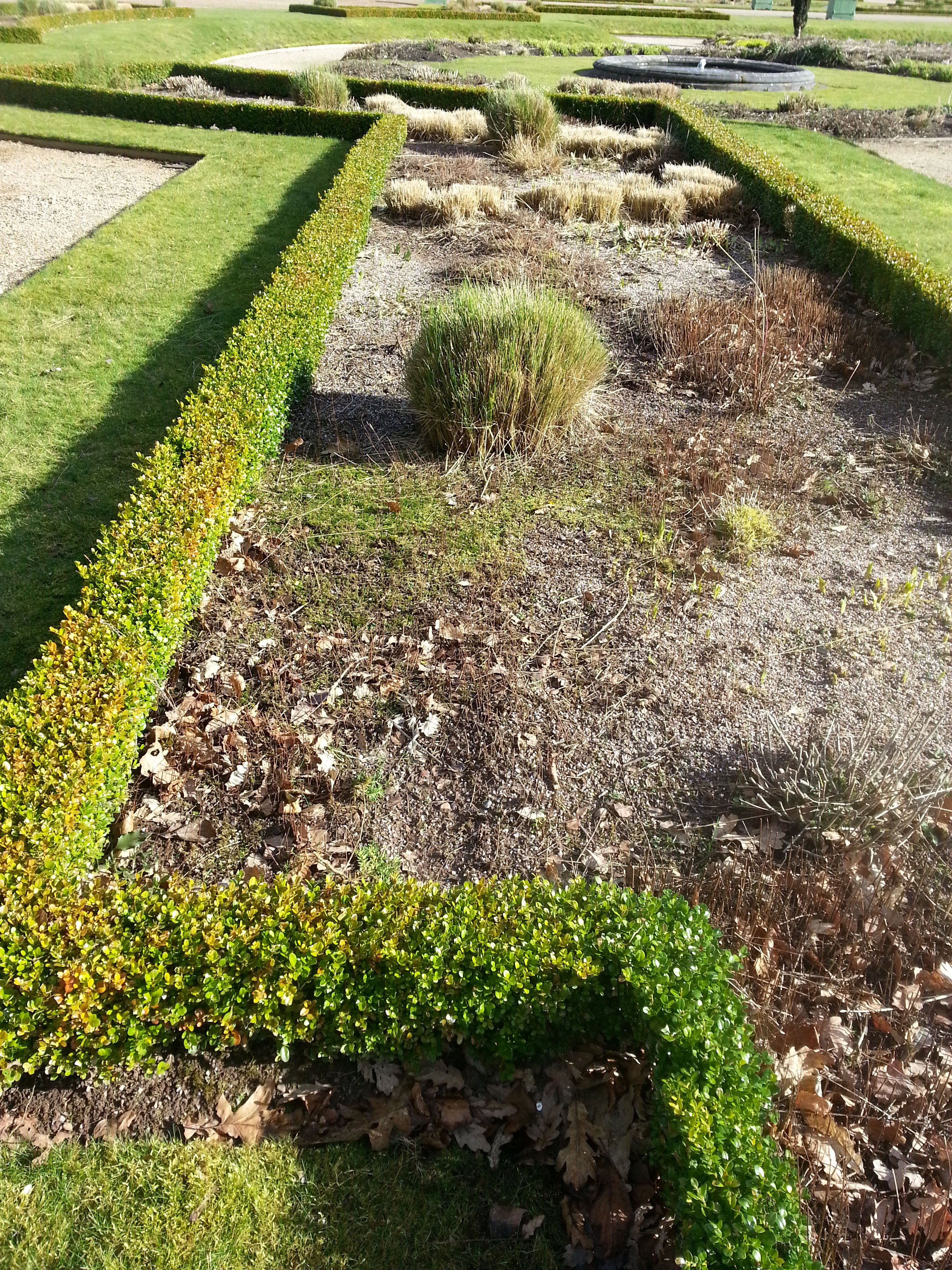
Leaving the Hornbeam allee we entered the old Italian Garden, with its rigidly symmetrical patterns of short cut grass, white chipping and smartly trimmed box edging. The low winter light emphasised this structure. It is not our favourite part of the garden but we always admire the skill taken to keep it looking so neat.

2014 02 20_6522

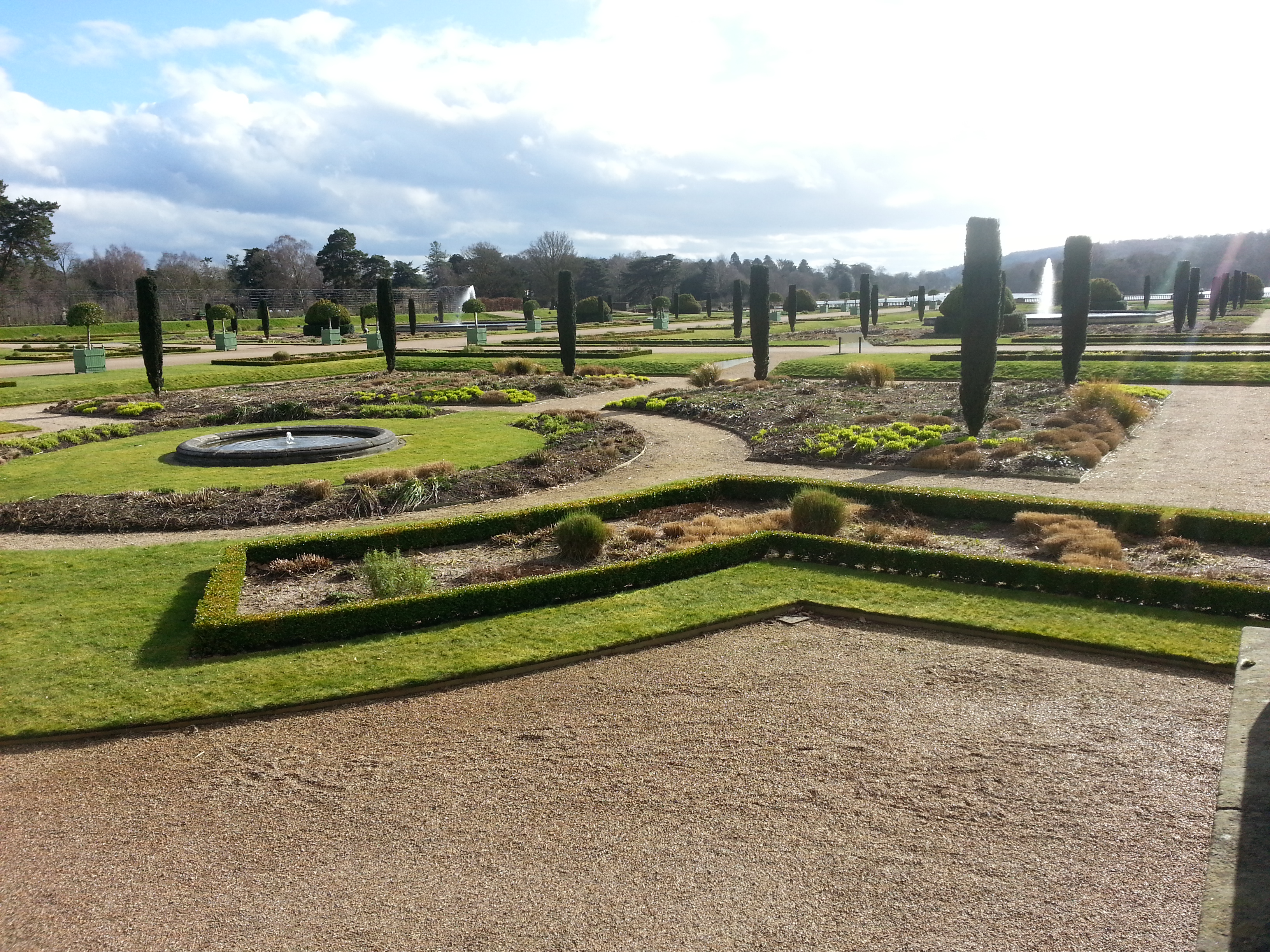
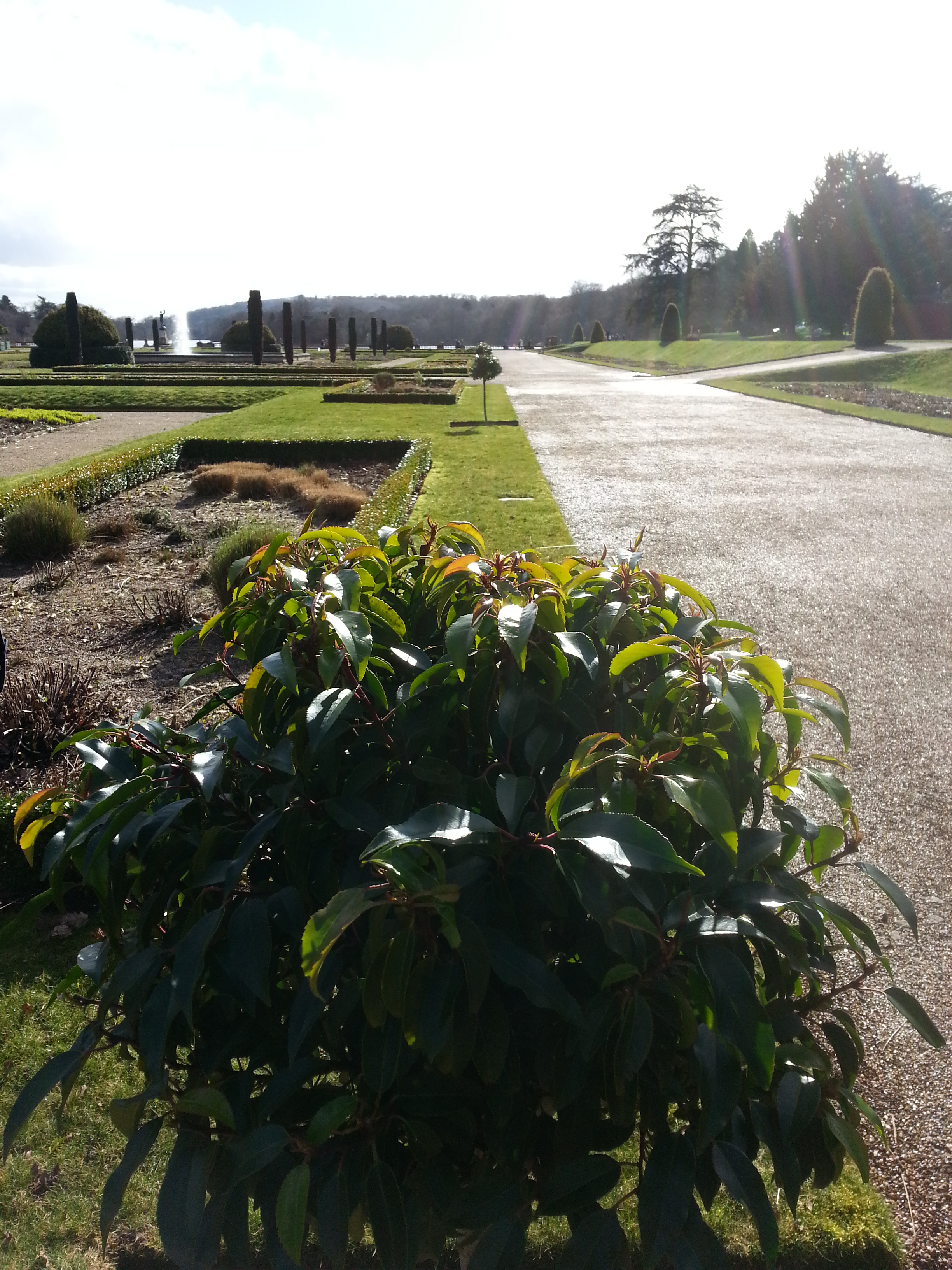
From here we could look out across the huge Italian Garden, re-designed by Tom Stuart-Smith. Since our last visit the perennials and grasses have been neatly and closely cut ready for the new growth that is sitting just below the soil surface ready to burst out.

2014 02 20_6523 2014 02 20_6524 2014 02 20_6525 2014 02 20_6526 2014 02 20_6527 2014 02 20_6529

Then after walking through these borders in waiting, we went off into the parkland where mature trees tower above the grassed slopes. Under the trees sits the coffee shop where we stopped for our statutory break. Some slopes appeared a bluer green than others and we discovered that the leaves here were of daffodils already with flower buds fit to burst.

Near the coffee house are areas for children and it was noticeable how busy they were. When here in January this area was deserted but on this visit there were lots of families with young children. It was the school half term holiday.

2014 02 20_6539 2014 02 20_6540

On the lake the swan sculptures presented sharp silhouettes taking off over the water.

2014 02 20_6538

Over in the display gardens the low bright light made the colours in foliage, flowers, stem and bark look extra bright.

2014 02 20_6541 2014 02 20_6542 2014 02 20_6543 2014 02 20_6547 2014 02 20_6548 2014 02 20_6550 2014 02 20_6551

We returned through the Tom Stuart-Smith gardens and walked along the rose pergola. The gardeners were busy pruning the roses, weeding and freshening up the soil surface.

2014 02 20_6566 2014 02 20_6568 2014 02 20_6569 2014 02 20_6571 2014 02 20_6573 2014 02 20_6575

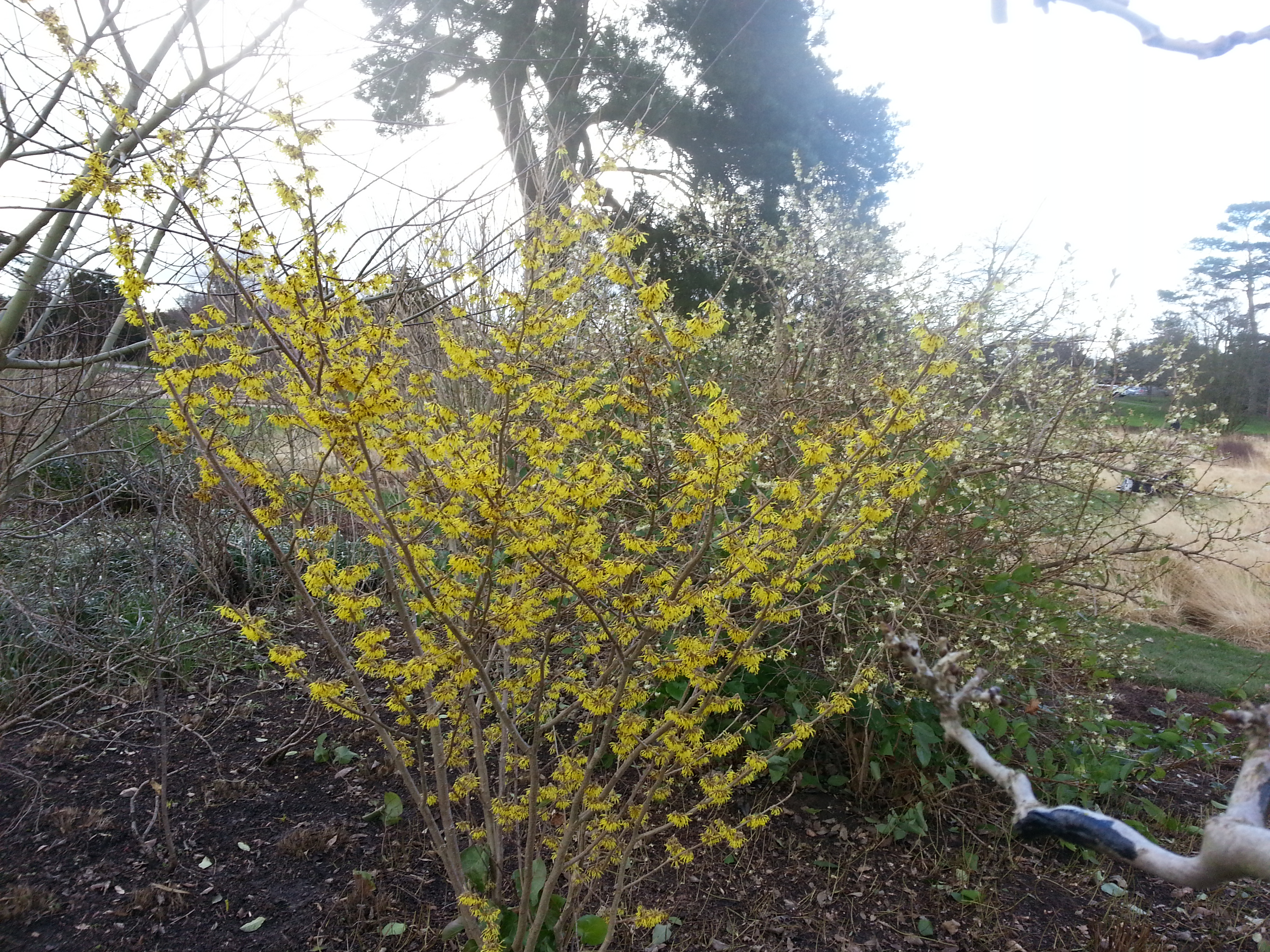
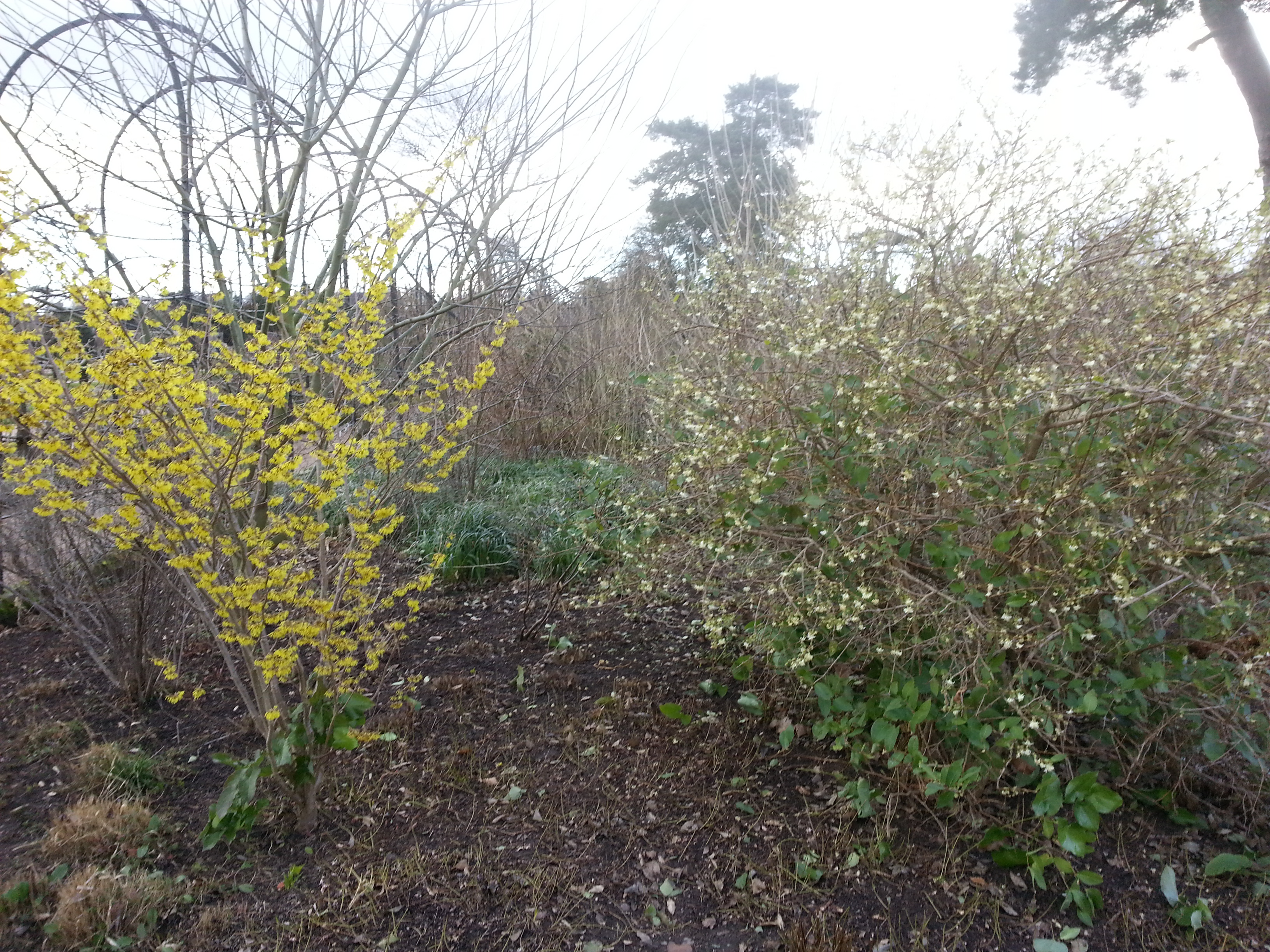
The shrub borders at the end of the rose pergola were showing signs of interesting things happening, the Witch Hazels were shining yellow and the scented but subtle winter flowering honeysuckle sitting along side it looked rather drab. So that finished our February visit to Trentham. The next blog in this monthly series will be in March. Things should be really livening up then.

2014 02 20_6576 2014 02 20_6577

Categories
architecture gardens gardens open to the public National Trust ornamental trees and shrubs outdoor sculpture recycling The National Trust

A Week of Culture – Part One – Hardwick Hall

We spent a few cold January days up in Derbyshire and Yorkshire for a culture fix. It was extremely cold and occasional rain and hail storms lashed us but we did not give in. We bravely went onward defying whatever the weather threw at us and enjoyed every moment. Day one of our winter adventure found us stopping off in Derbyshire at Hardwick Hall for a spot of architecture appreciation.

Although the day was a memorable one, not all the memories were happy ones as my trusty friend my Nikon DSLR packed up and it did not allow me to focus or use flash so it is now being looked at in the camera hospital at Nikon UK. Fingers crossed for a speedy recovery. Isn’t it devastating when your camera goes awry? So all the pics following are taken on my Samsung Galaxy Phone, which does have a quality camera, thank goodness.

2014 01 26_6255 2014 01 26_6259

2014 01 26_6267 2014 01 26_6271

2014 01 26_6269

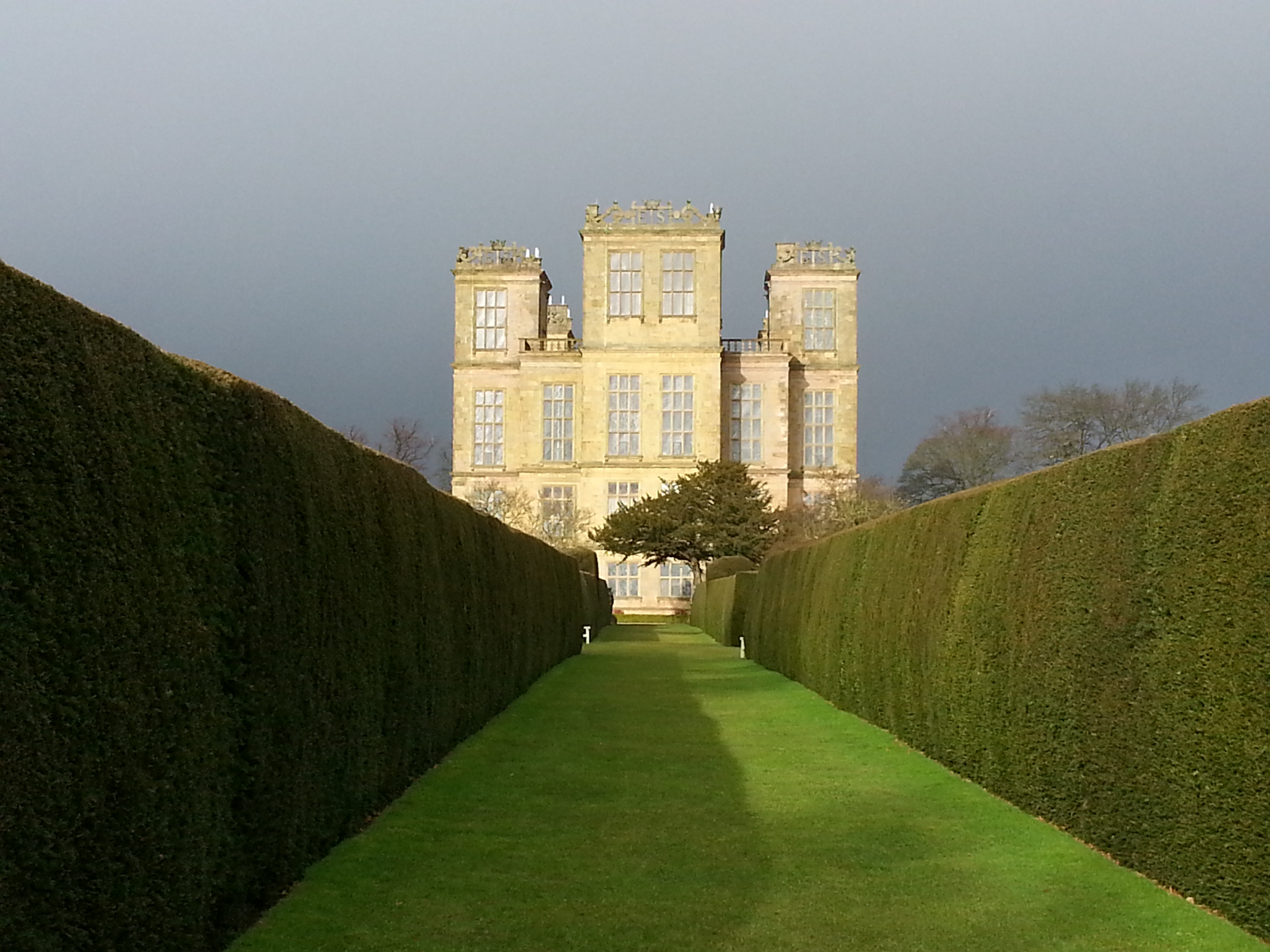
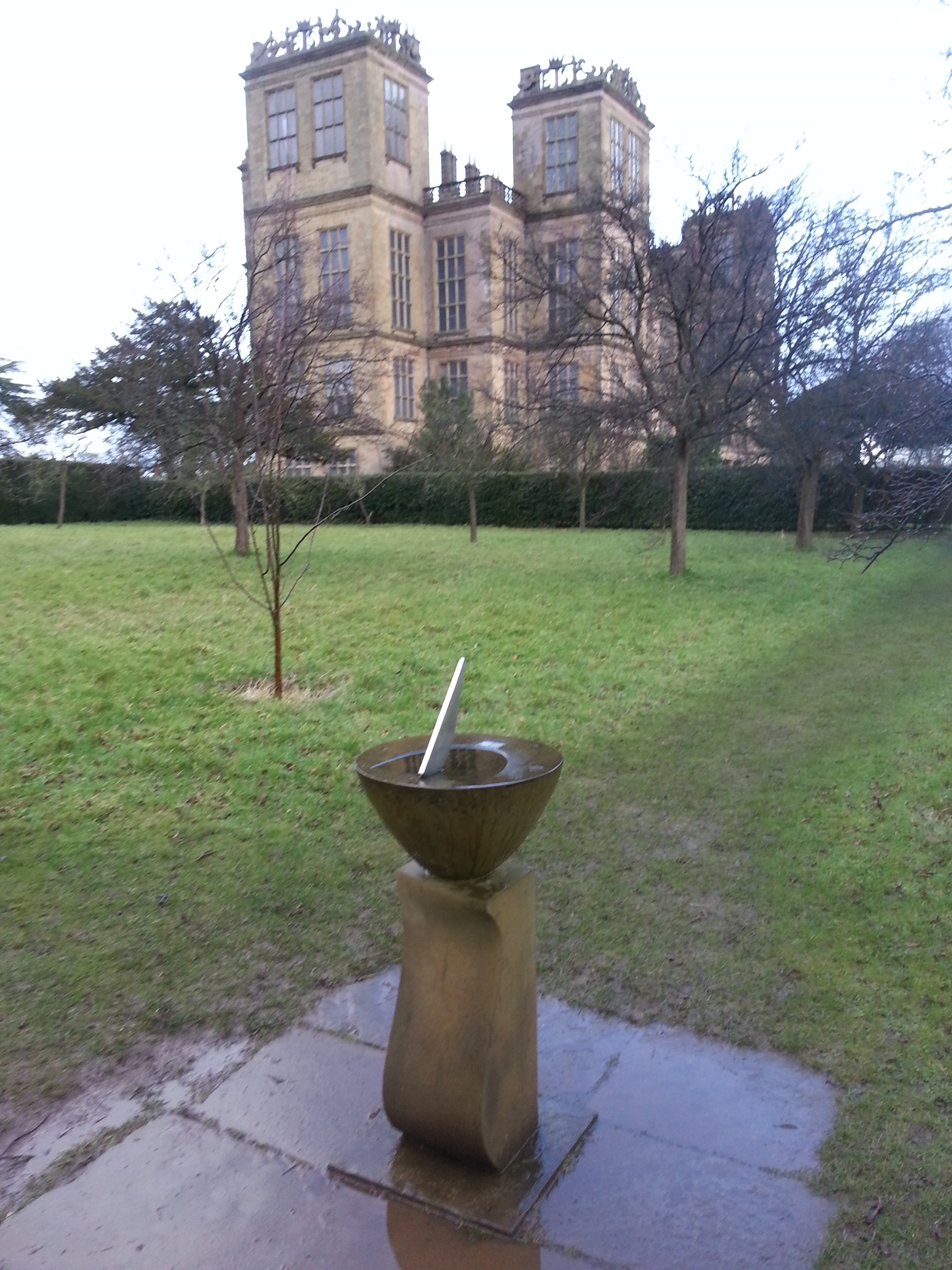
The grounds of Hardwick Hall , now under the auspices of the National Trust, is unusual in having two “big houses”. The newer hall was built in the late 1500’s by Bess of Hardwick, a powerful woman at a time when powerful women were few and far between.  She wanted everyone to now how important she was hence the size of Hardwick. She features her initials all over the building including huge letters along the top of the building The letter E refers  to her name Elizabeth and the S refers to Shrewsbury. She married George Talbot who was the Earl of Shrewsbury at the time making Bess Countess of Shrewsbury. No-one could have visited this place when she was there without knowing how powerful she was.

2014 01 26_6274

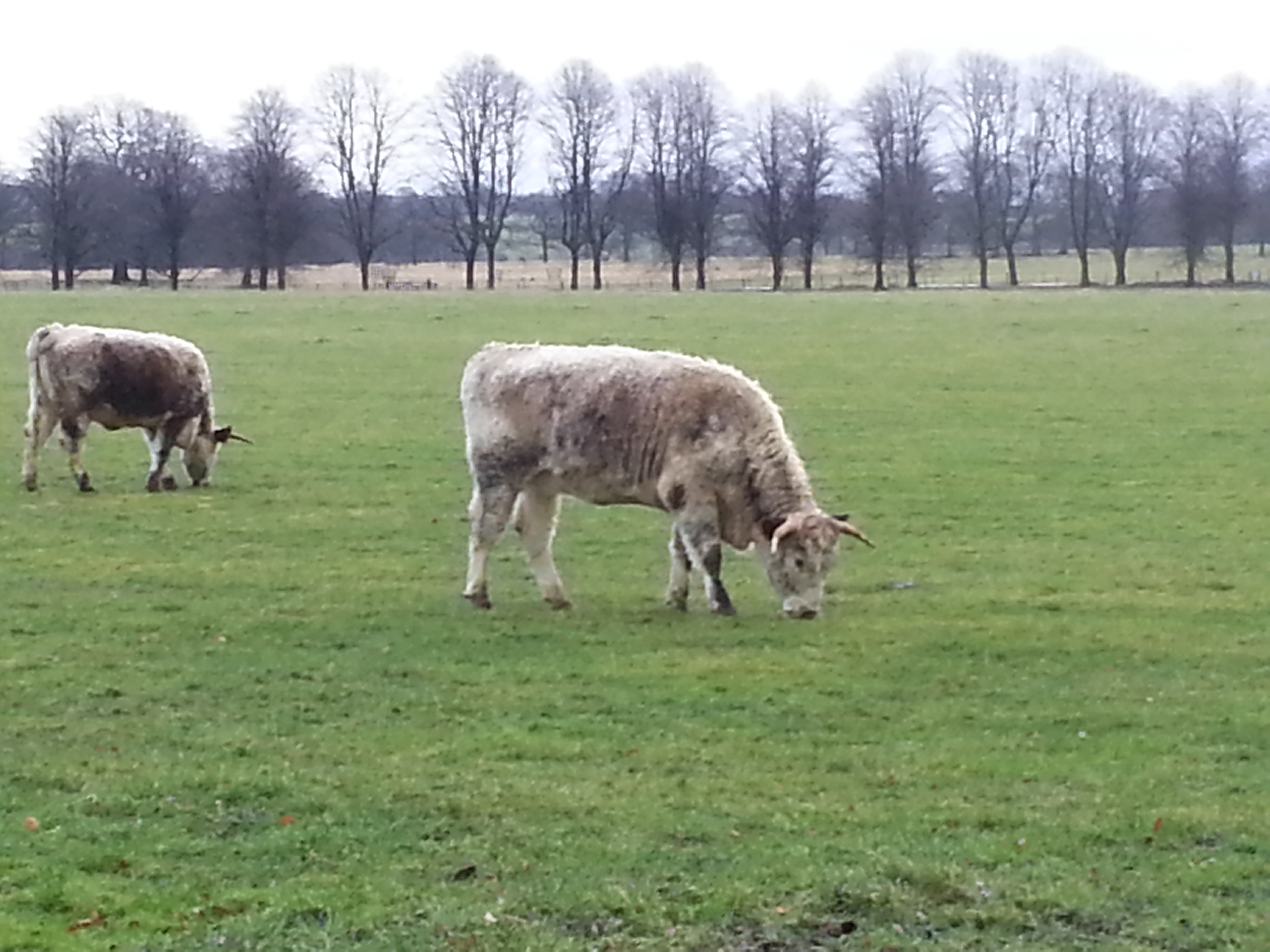
From the rear gardens we were able to appreciate close views of the heritage cattle, the Shorthorns.

2014 01 26_6272

The gardens are small but the parklands are impressive and extensive. A range of buildings once stable blocks, workers’ cottages and workshops have been lovingly restored and put to good use as holiday cottages, shop, restaurant etc.

2014 01 26_6315 2014 01 26_6316

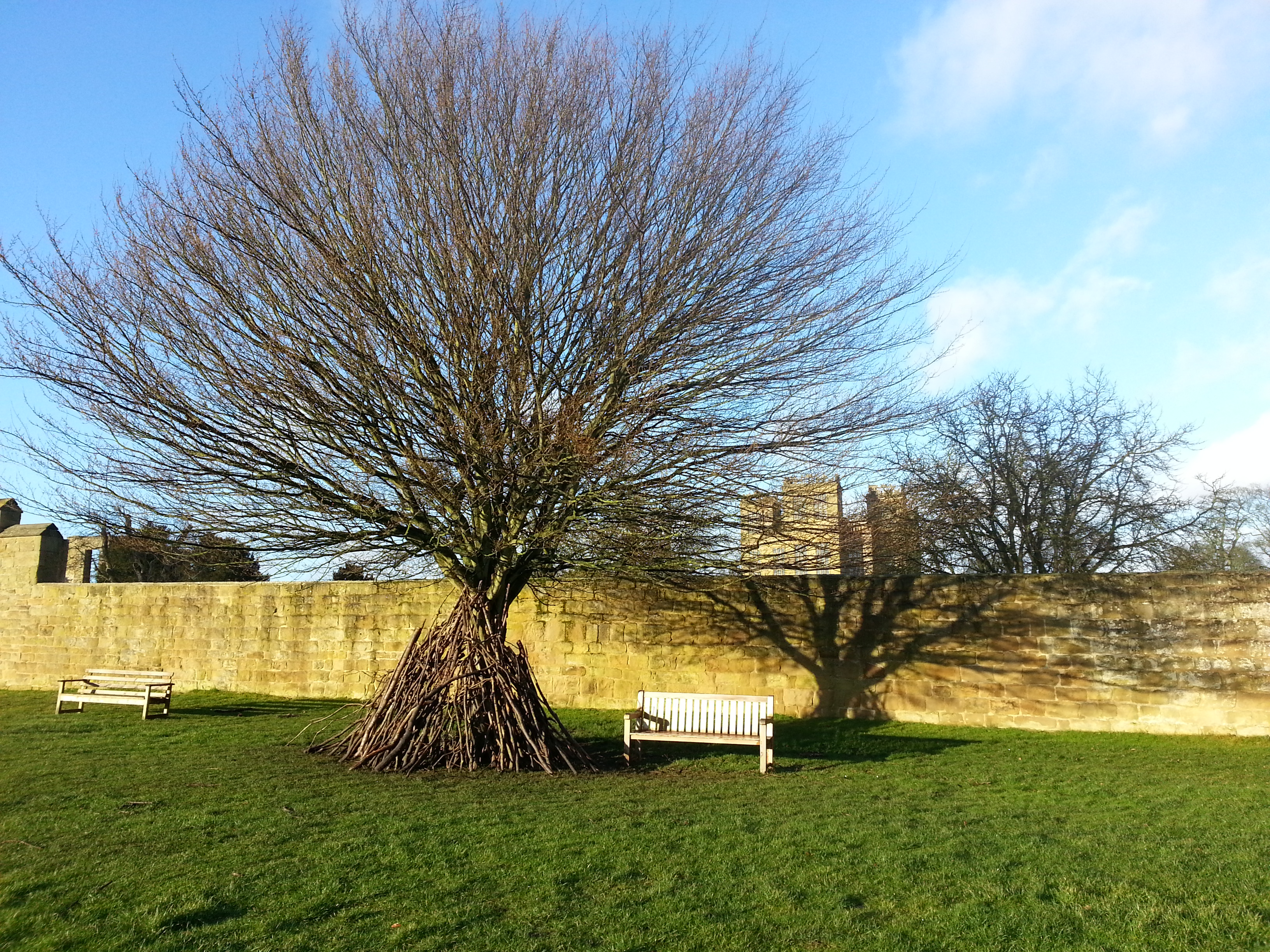
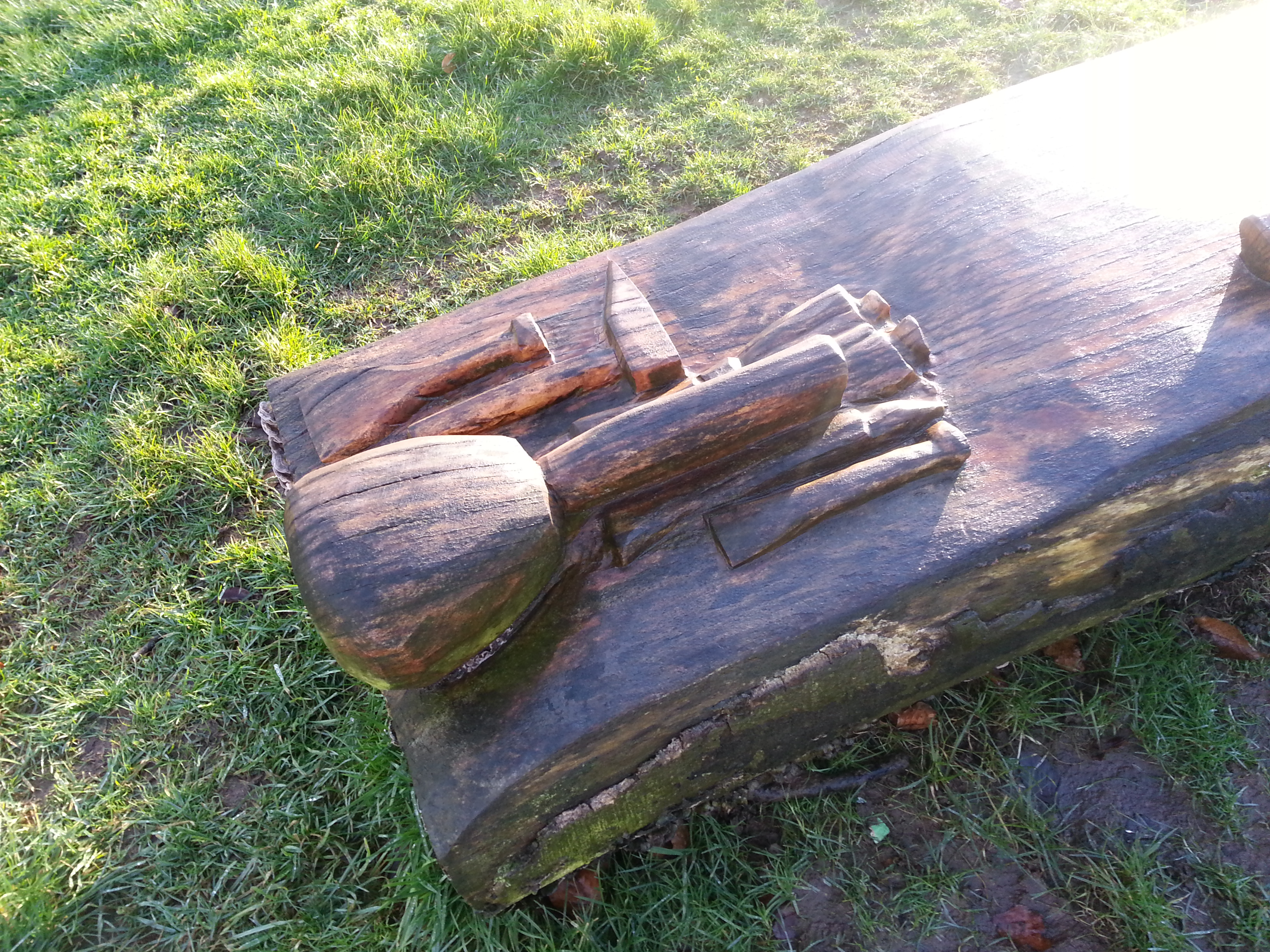
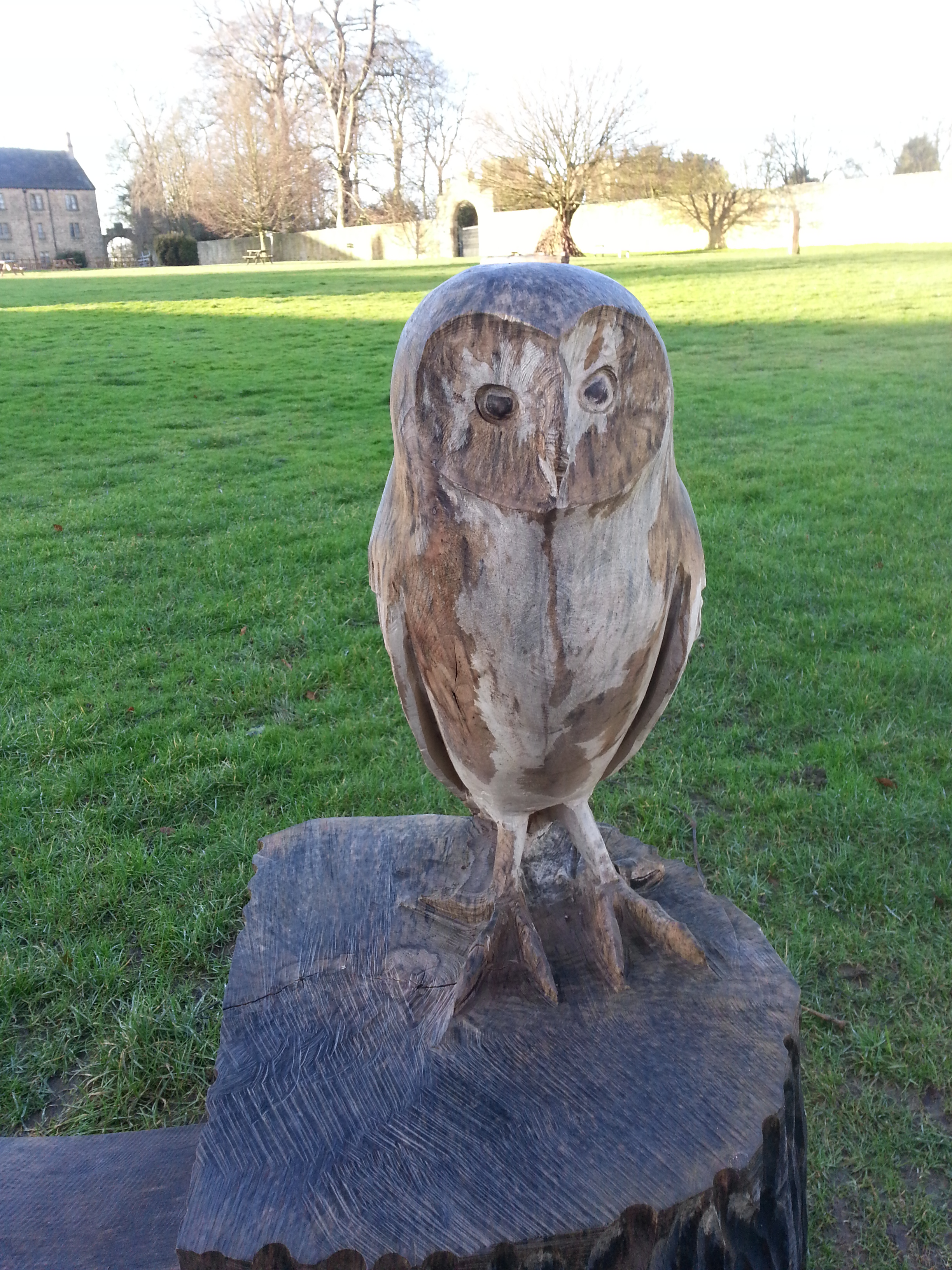
Signs of a recent den building activity day for children were in evidence in the grassed area enclosed by the stable block buildings, as were wood sculptures celebrating the skills of the craftsmen who would have helped to maintain the grounds at Hardwick. The carvings were created from trees that had been felled due to disease. Even the tables and chairs in one of the buildings celebrated the work of the estate millers.

2014 01 26_6319 2014 01 26_6320

2014 01 26_6321 2014 01 26_6322

2014 01 26_6323 2014 01 26_6324

We were highly impressed by the “green credentials” of the building revamp and felt it needed celebrating. Well done to the National Trust! As well as excellent insulation there are several innovative ideas in action. Water collected from the roofs is used to flush toilets, solar panels on the roofs pre-heats water to be used in the kitchen, heat generated by the condensers of the fridges and freezers is collected and the boiler is of a bio-mass type.

The more formal gardens are enclosed areas snuggly fitted close to the house surrounded by tall hedges so that each area is a surprise to the visitor. Some beautiful coppicing work in “The Nuttery” was evidence of the skilled gardeners here now. The trees here are Hazels, their prunings providing brash stacks for wildlife shelters.

2014 01 26_6257

2014 01 26_6261 2014 01 26_6262 2014 01 26_6264 2014 01 26_6265 2014 01 26_6263 2014 01 26_6266

We discovered some beautifully and skillfully trained and pruned plants, a rose and some Yew which brought a smile to our faces. It was cold day so a smile was most welcome! Just after taking these photos the sky turned black with heavy storm clouds, the temperature dropped, the wind speed increased and we were attacked by a ferocious hail storm. We took shelter in the entrance to the hall where I took these photos some showing the wet glossy paths to illustrate how wet it was.

2014 01 26_6270          2014 01 26_62812014 01 26_6282

2014 01 26_6286 2014 01 26_6287

2014 01 26_6285 2014 01 26_6288

     2014 01 26_6289

After sheltering out the time of the storm we looked for architectural details of the building and discovered these gems.

2014 01 26_6283 2014 01 26_6284

2014 01 26_6293 2014 01 26_6294

2014 01 26_6295

So let us have a look at a few shots of the “new” hall before we explore the old hall.

2014 01 26_6290 2014 01 26_6291 2014 01 26_6292

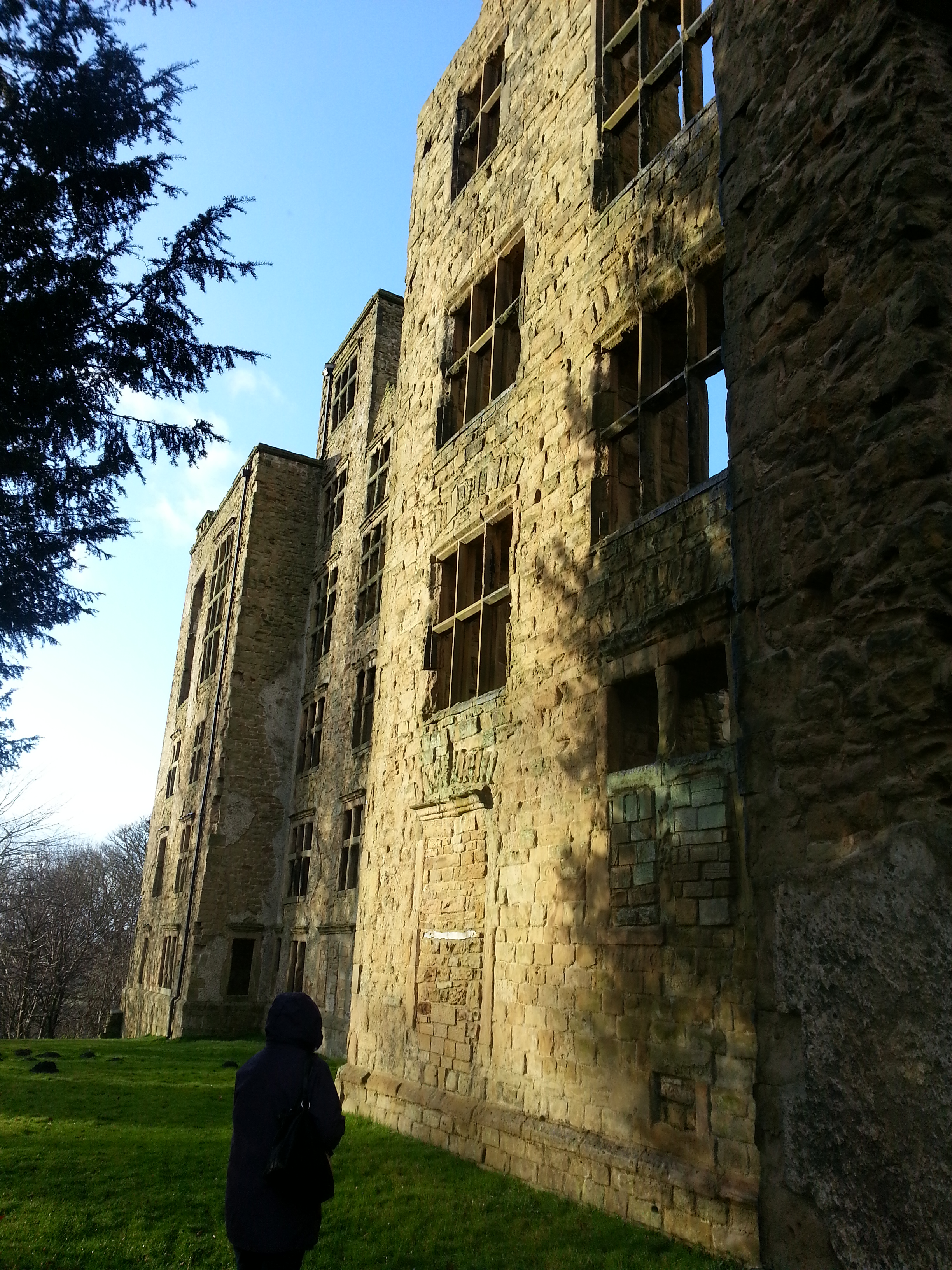
As we approached the old hall, which was the family home of Bess, our first view was in silhouette. As we moved around the building the detail revealed itself.

2014 01 26_6296 2014 01 26_6297

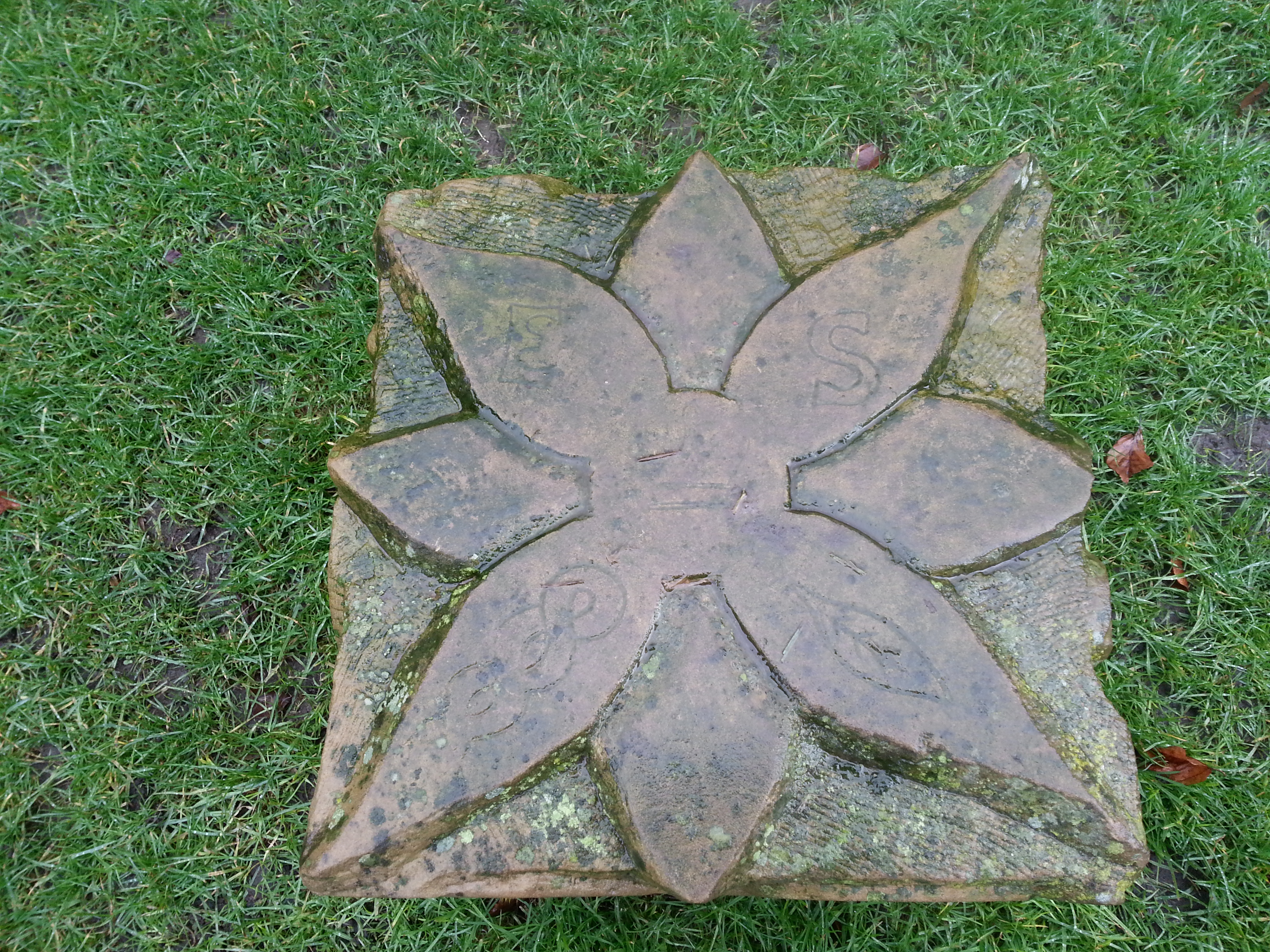
As we passed through the gateway we came across this piece of stonework. We had no idea what it was but were interested to find another set of Bess’ initials. You can just about see them if you look really carefully.

2014 01 26_6298 2014 01 26_6299

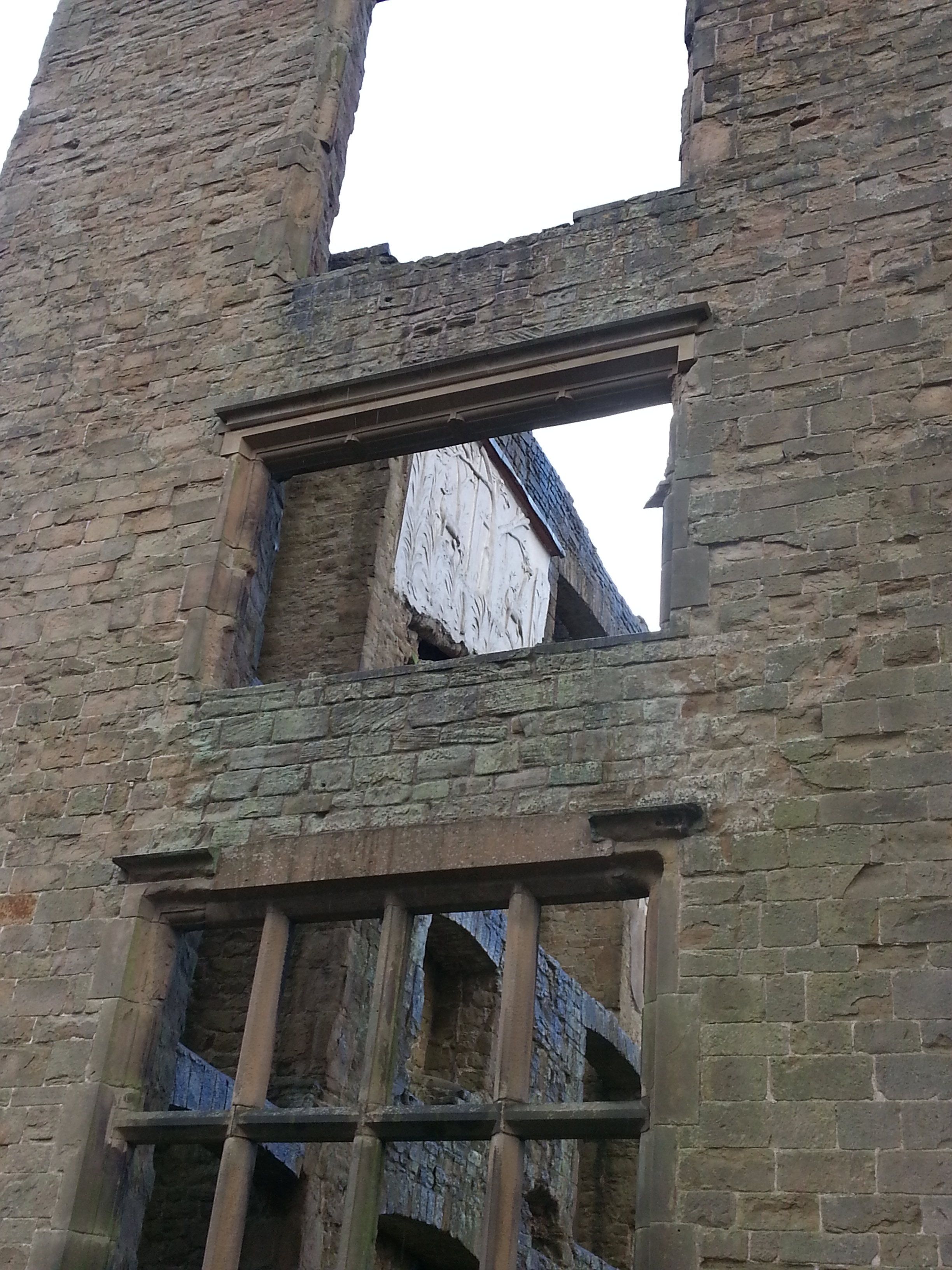
A close up look around the tall walls of the old hall showed how beautiful it must have been. It had a certain beauty even in decay.

2014 01 26_6300    2014 01 26_6304 2014 01 26_6305   2014 01 26_6308  2014 01 26_6310 2014 01 26_6311

We were drawn to the signs of old plaster work hanging on the inside walls.

2014 01 26_6312 2014 01 26_6302

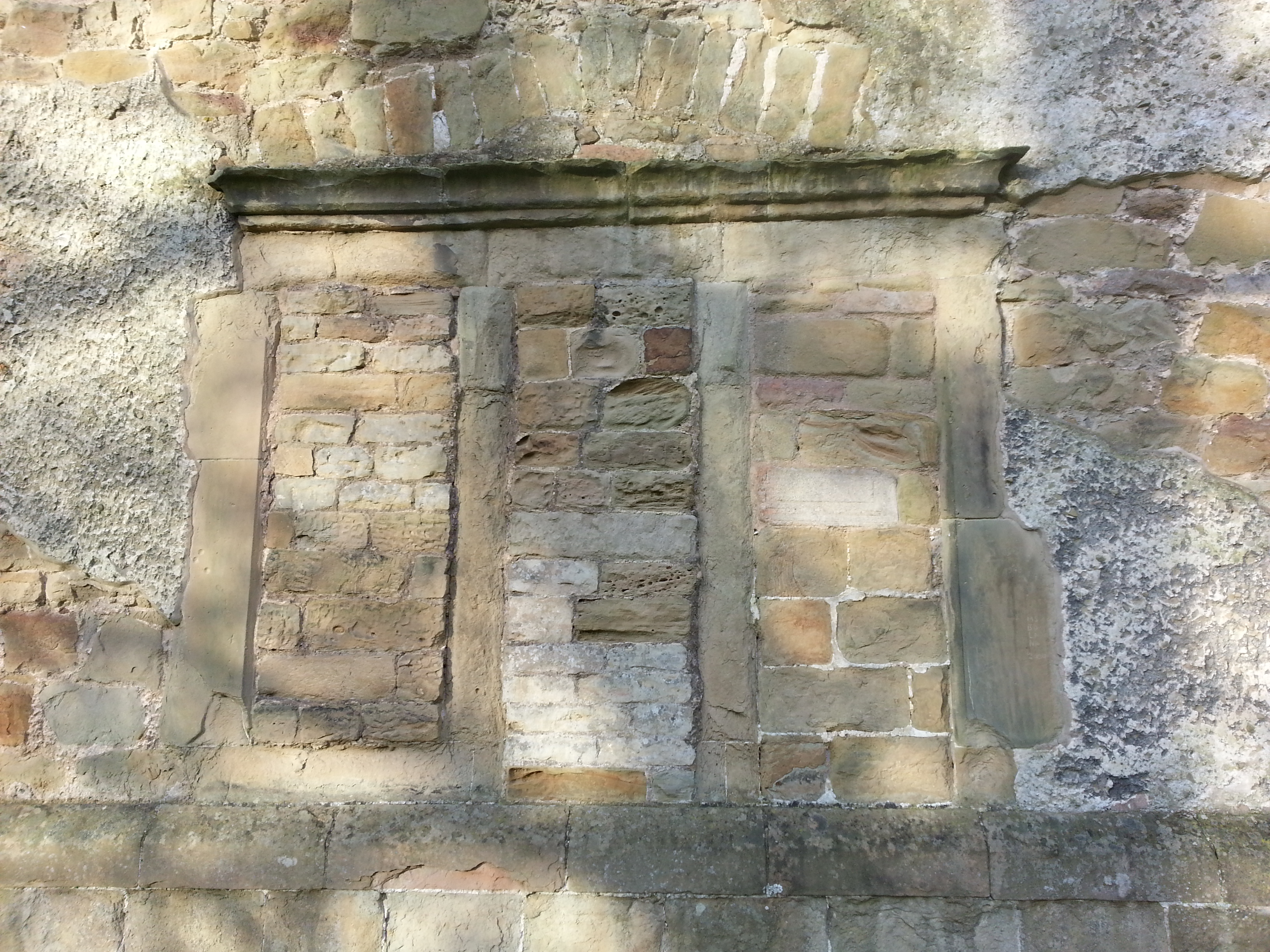
Many old windows and doors had been filled in at various times and this resulted in what appeared as framed textured paintings. Beautiful!

2014 01 26_6309 2014 01 26_6307

2014 01 26_6301 2014 01 26_6306

As we walked away from the old hall I looked back and took this shot of it as the sky cleared and the sun returned.

2014 01 26_6314

As we returned to the car park the sun was setting behind the tall trees alongside the path showing just how long we had been discovering the delights of the old halls at Hardwick. We also came across this stone sculpture based on seeds found in the grounds.

2014 01 26_6330 2014 01 26_6329

We travelled further North and made our way out of Derbyshire into Yorkshire where we stayed a few days in Wakefield. Here we would experience more of our culture fixes.

This Veggie Life

A Vegetarian | Nature Lifestyle Blog

Rambling in the Garden

.....and nurturing my soul

The Arch City Gardener

Journeys In St. Louis Gardening and Beyond

Garden Dreaming at Châtillon

Consult the genius of the place

Storyshucker

A blog full of humorous and poignant observations.

gardeninacity

Notes from a wildlife-friendly cottage garden

PlayGroundology

...an emerging social science

The Official Blog of British Wildlife

'The most important and informative publication on wildlife of our times' - The Independent. This blog is a member of The UK & Ireland Natural History Bloggers group: www.uknhb.blogspot.com

iGrowHort

Inspire - Cultivate - Grow Native Plants - Restore Landscapes

Bishops Meadow Trust

To create and protect a semi-natural wild space for the people of Farnham to enjoy and experience an array of British wildlife in our town

Gardening with Children

The www.gardeningwithchildren.co.uk Blog

UKbirdingtimeline

birding through the seasons, why birds matter and how to conserve them

NATURE WALKER

with a camera in hand

Jardin

Transform your outdoor space

Eva's space

My allotment, cooking and other interests

Old School Garden

my gardening life through the year

LEANNE COLE

Trying to live a creative life

fromacountrycottage

trying to live as lightly as possible on our beautiful planet

Good Life Gardening

Nature lovers from Leicester living the good life.

mybeautfulthings

Finding the beautiful in the everyday

mawsonmichelle

Michelle's Allotment

In and Out of My Garden

thoughts from and about my garden

Greenhousing

Big plans for a small garden

The Scottish Country Garden

A Walled Country Garden in South East Scotland

The Fruity Chicken

Life at the fruity chicken

willowarchway

Off grid living. Self sufficient. "PERMAGANICS RULE".

St Anns Allotments

Nottingham's Grade 2* Listed Allotments and Community Orchard

Manifest Joy Harvests

a journey in suburban vegetable gardening

Allotmental

The madness of growing your own

Penny's Garden: a harvest beyond my front door

A novel approach to vegetable gardening

arignagardener

Sustainable living in the Irish countryside.

NewEnglandGardenAndThread

Master Gardener, amateur photographer, quilter, NH native, and sometimes SC snowbird

dianajhale

Recent work and work in progress and anything else that interests me

planthoarder

a chaotic cottage gardener

Lens and Pens by Sally

a weekly blog that creates a personal philosophy through photographs and words

Dewdrops and Sunshine

Stories from a sassy and classy Southern farmbelle.

The Pyjama Gardener

Simple Organic Gardening & Seasonal Living

gettin' fresh!

turning dirt into dinner

JOY...

today the world is created anew

Garden Birds

Notes from a Devon garden

ShootAbout

Life Through The Lens

Adapting Pixels

A photography blog showcasing the best photography pictures and videos on the internet

Wildlifegardening's Blog

Just another WordPress.com site

naturestimeline

personal observations from the natural world as the search continues for a new approach to conservation.

LATEBLOOMERBUDS

The Wonders of Life through my Eyes, my Heart, my Soul