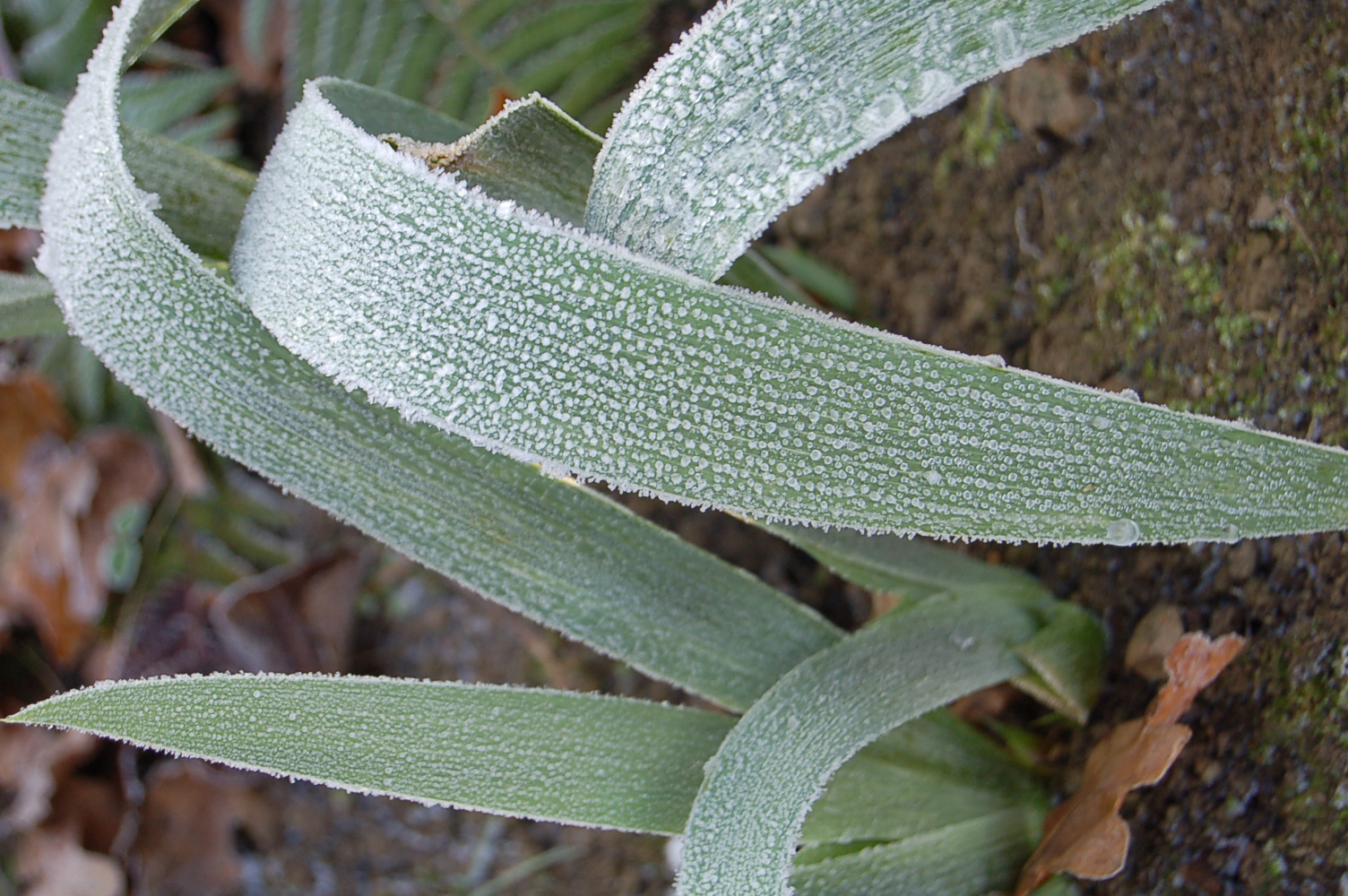
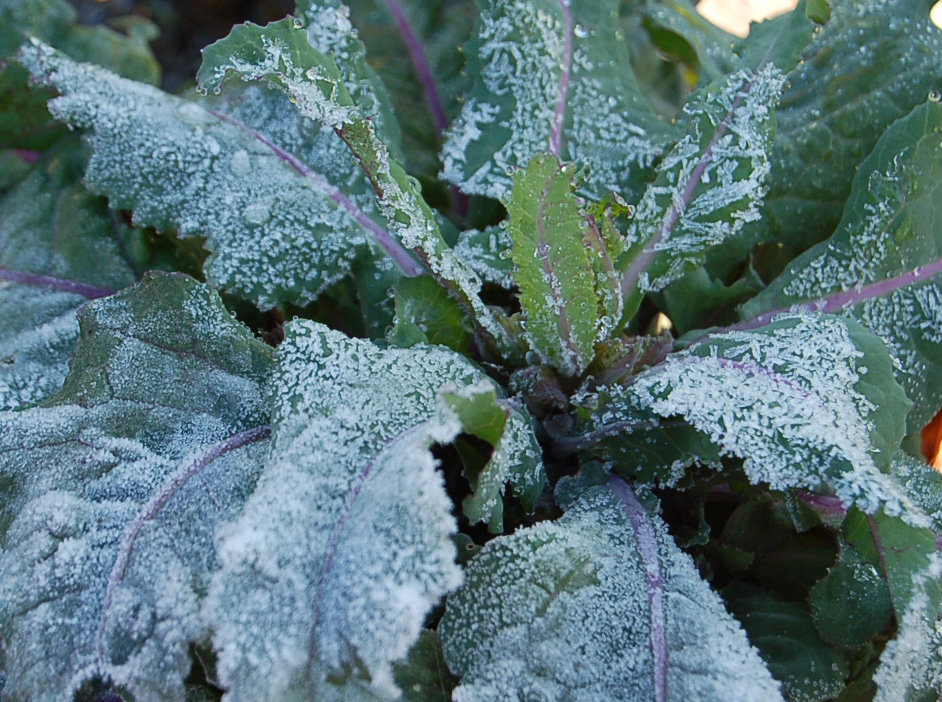
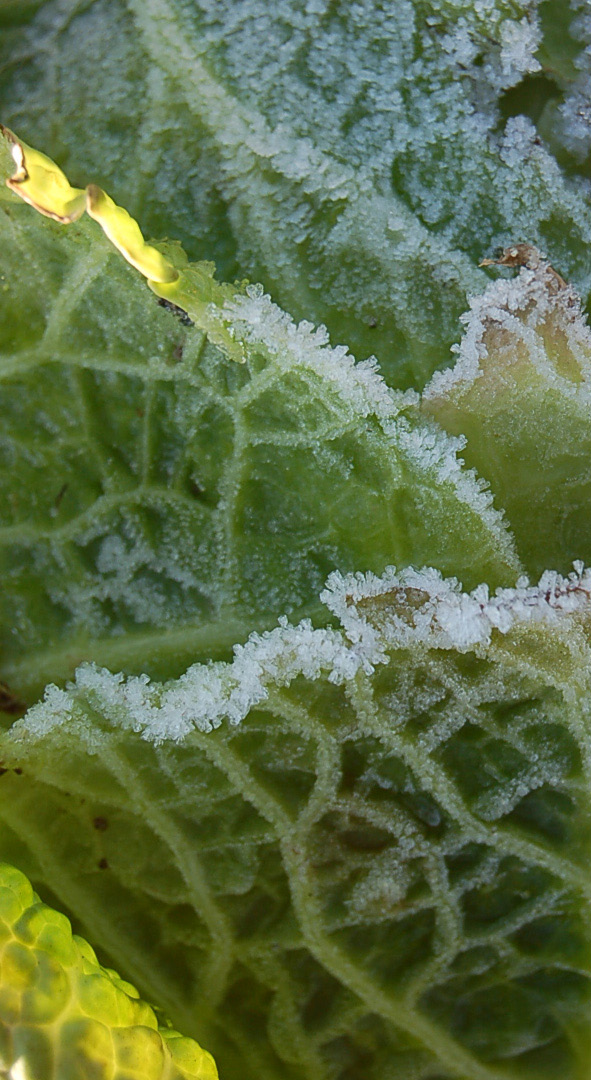
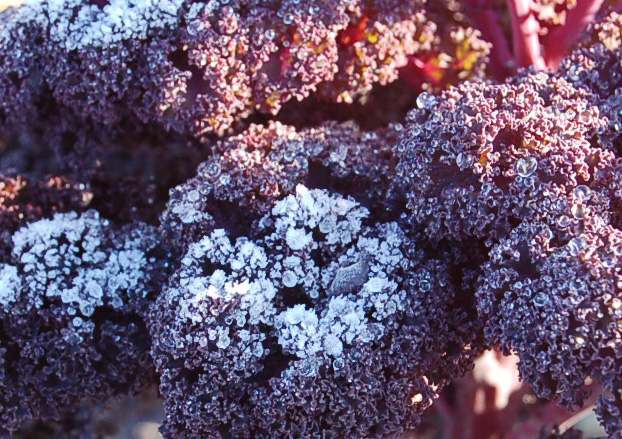
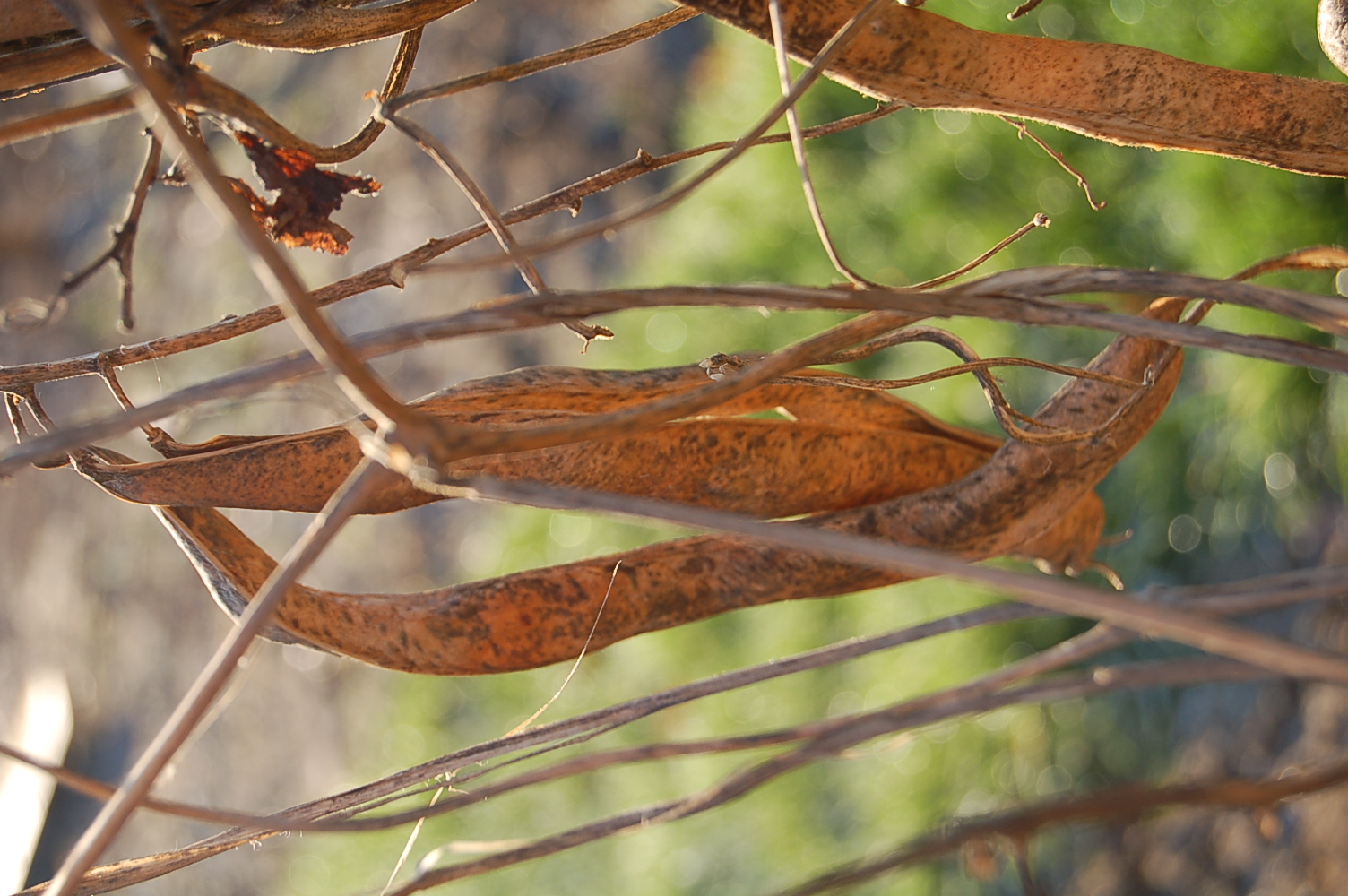
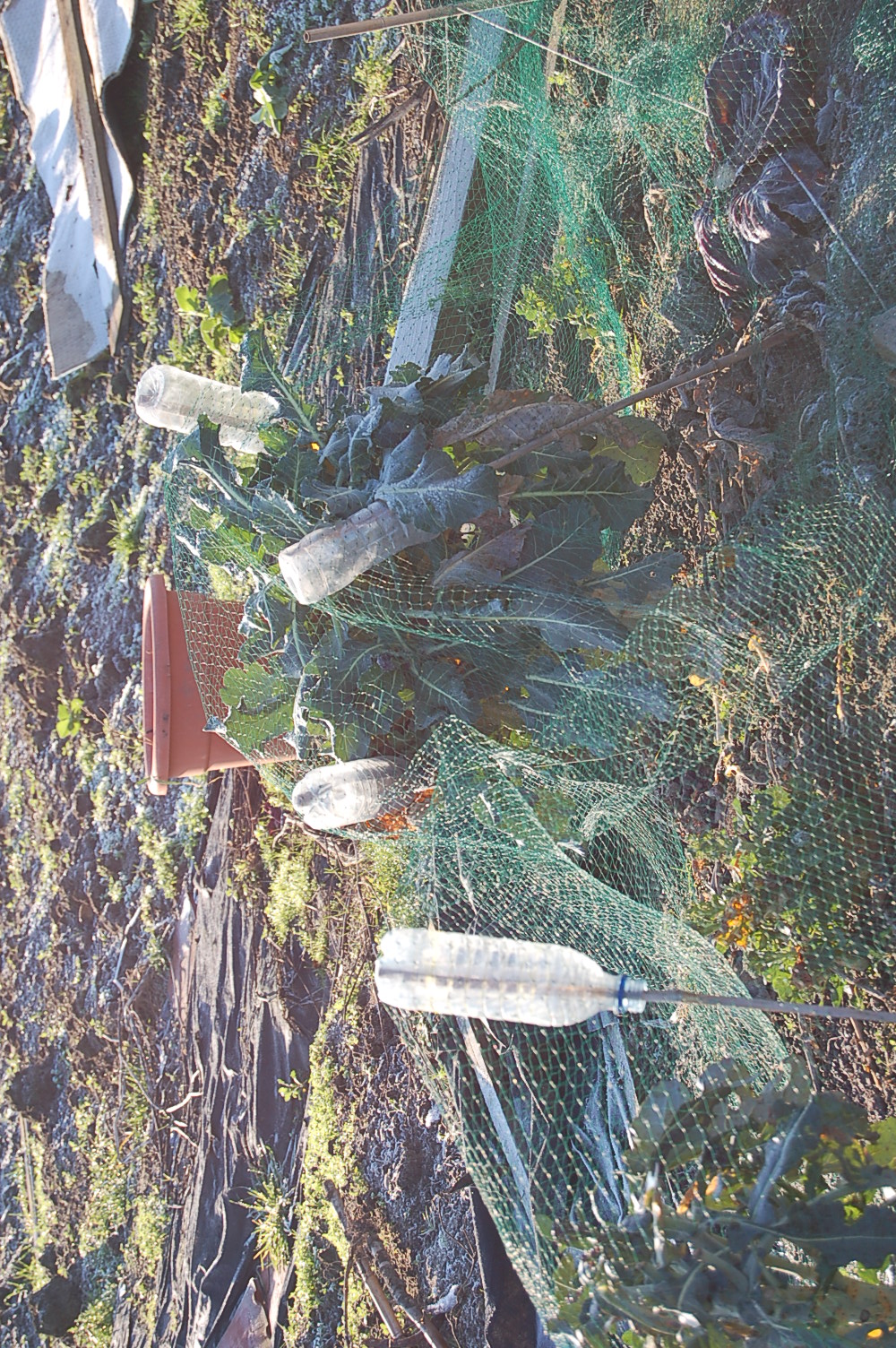
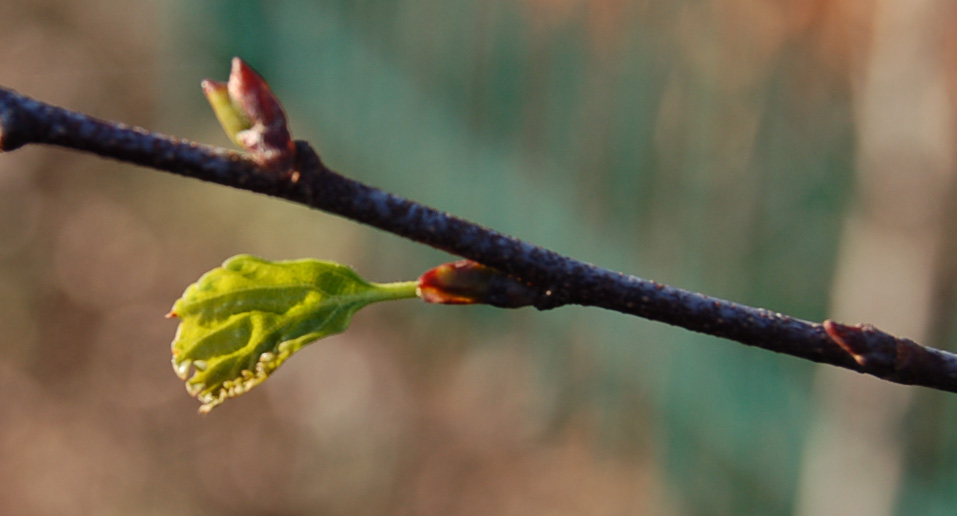
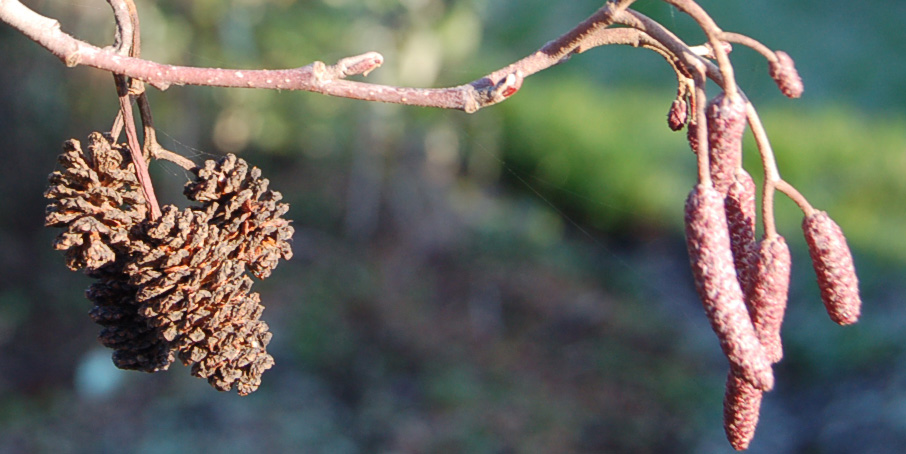
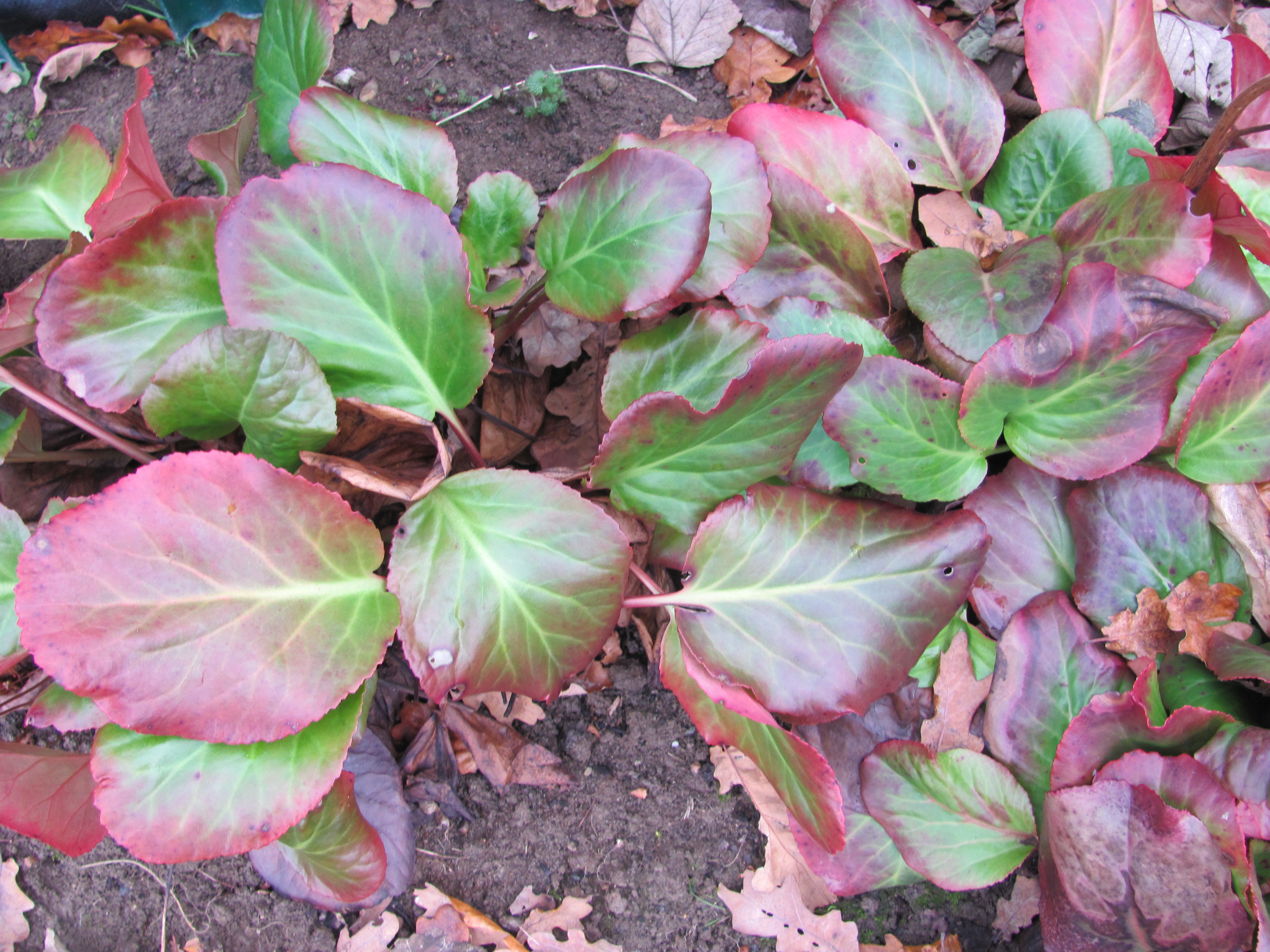
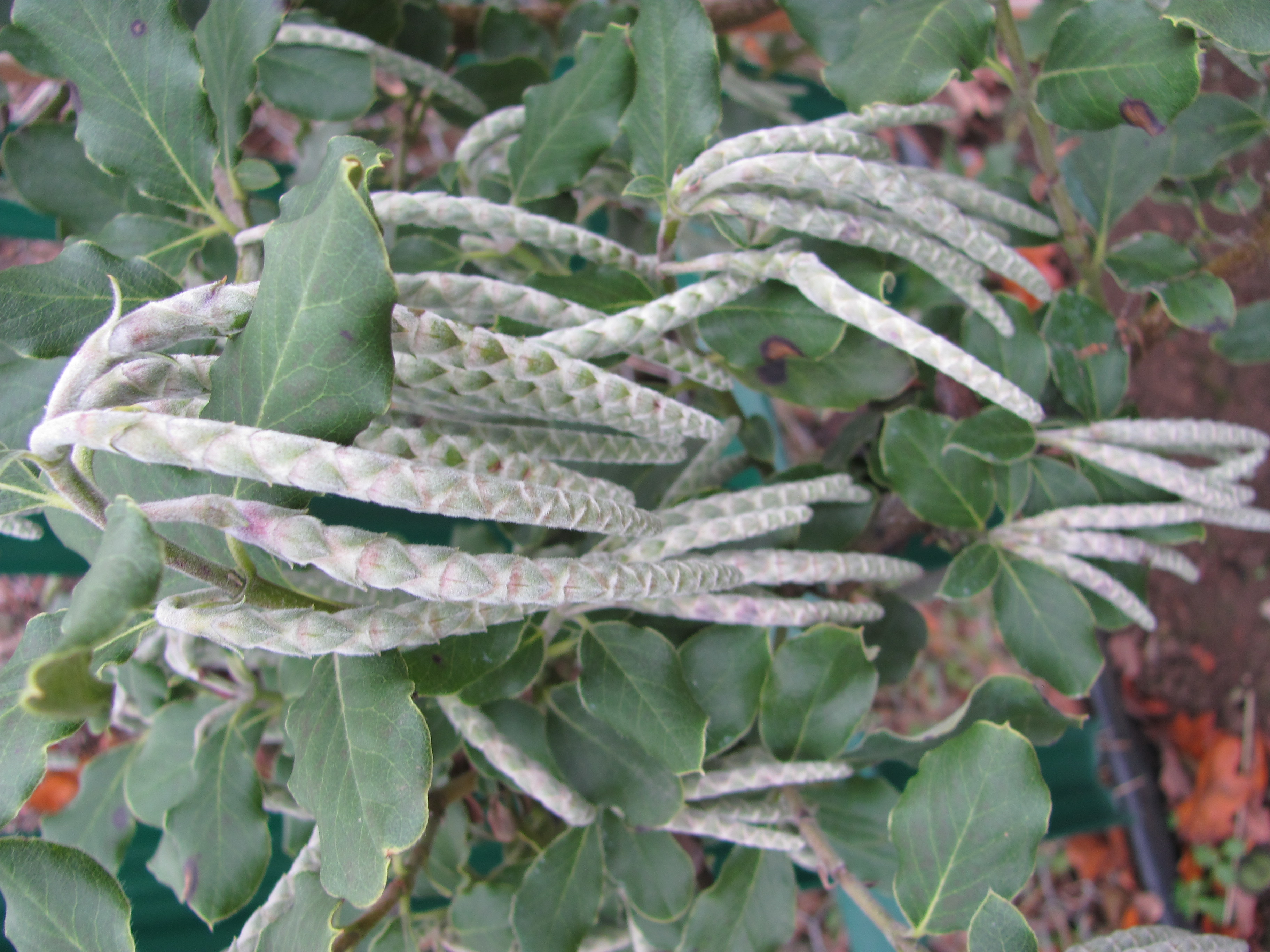
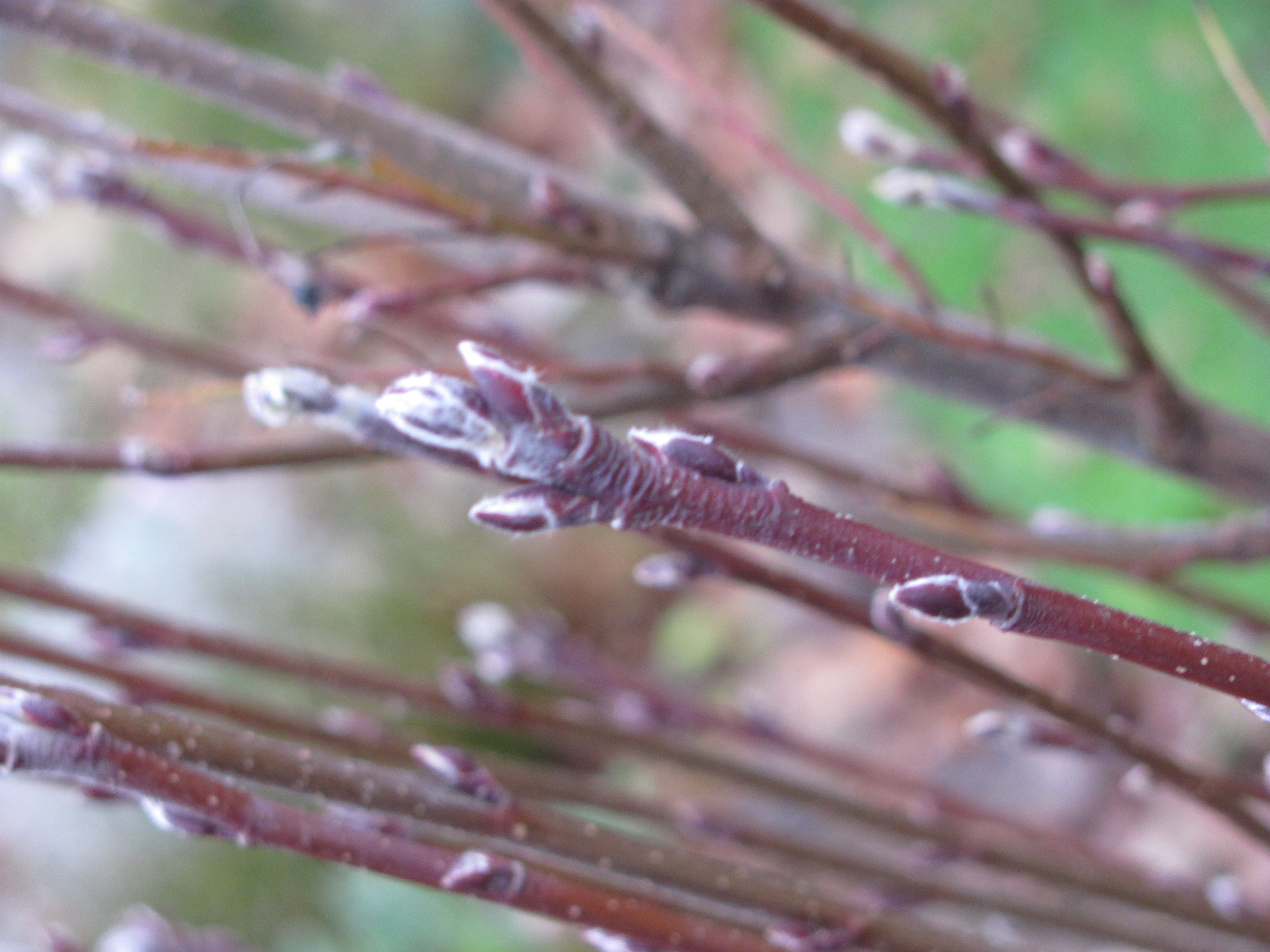
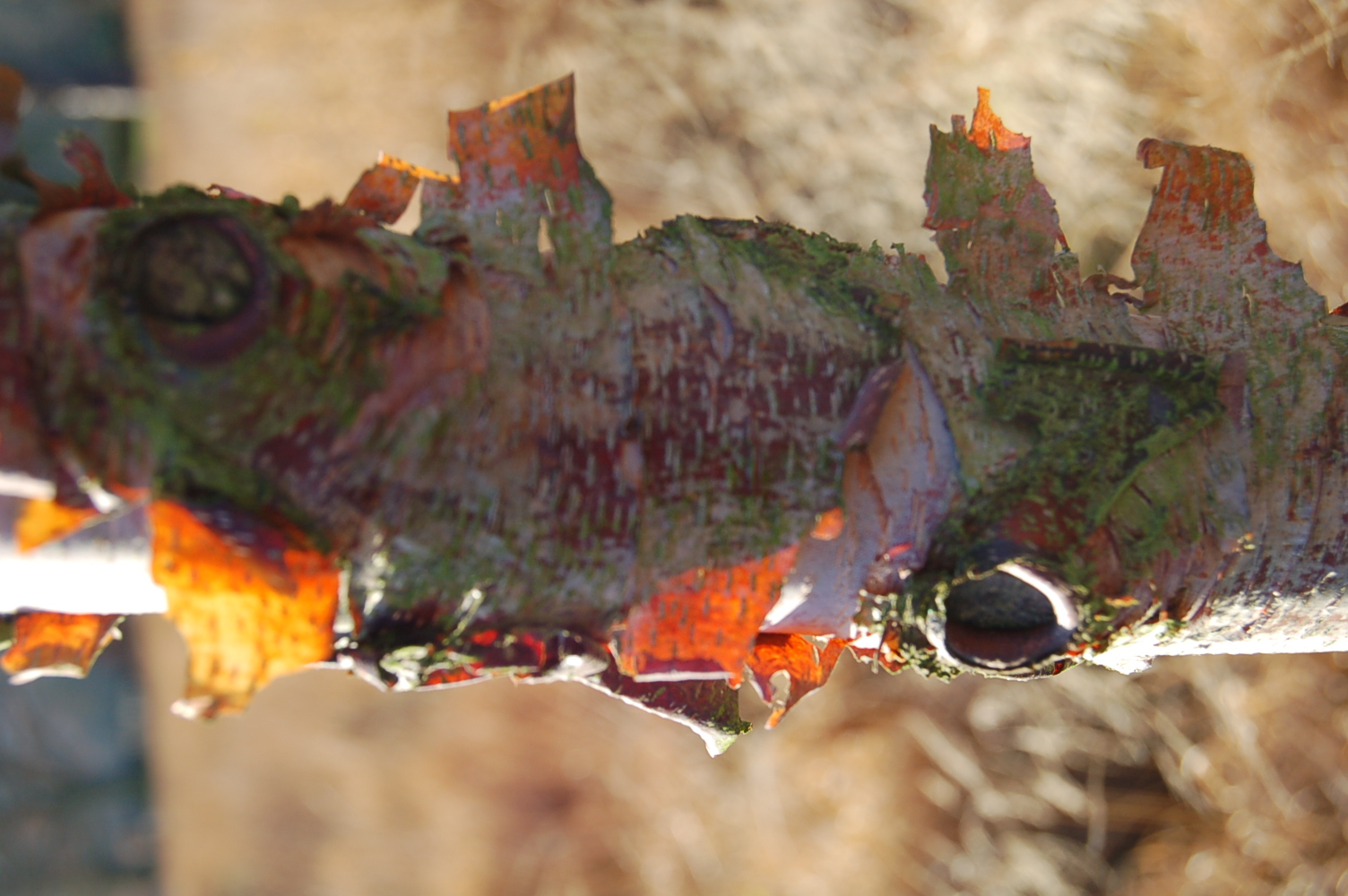
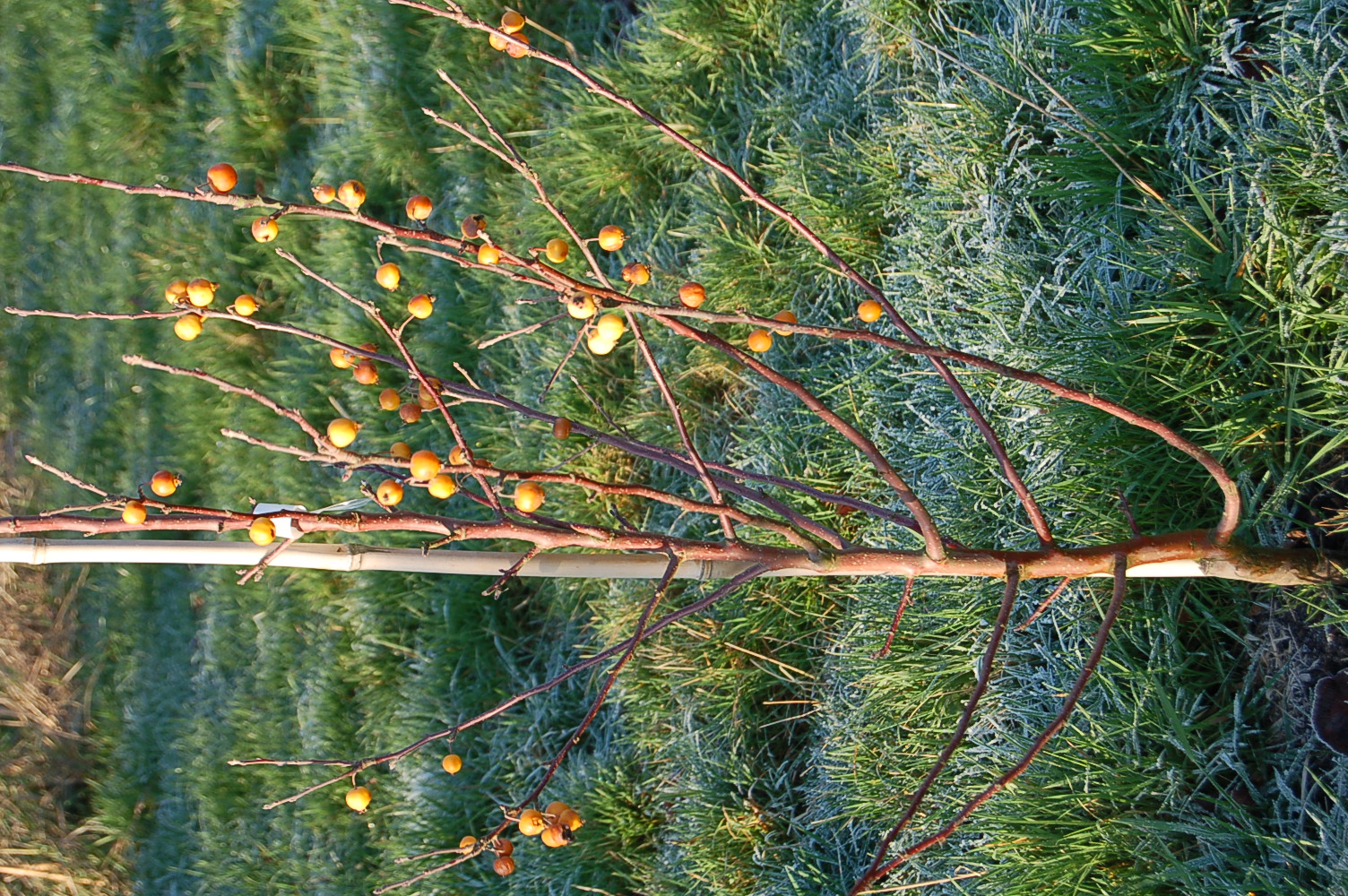
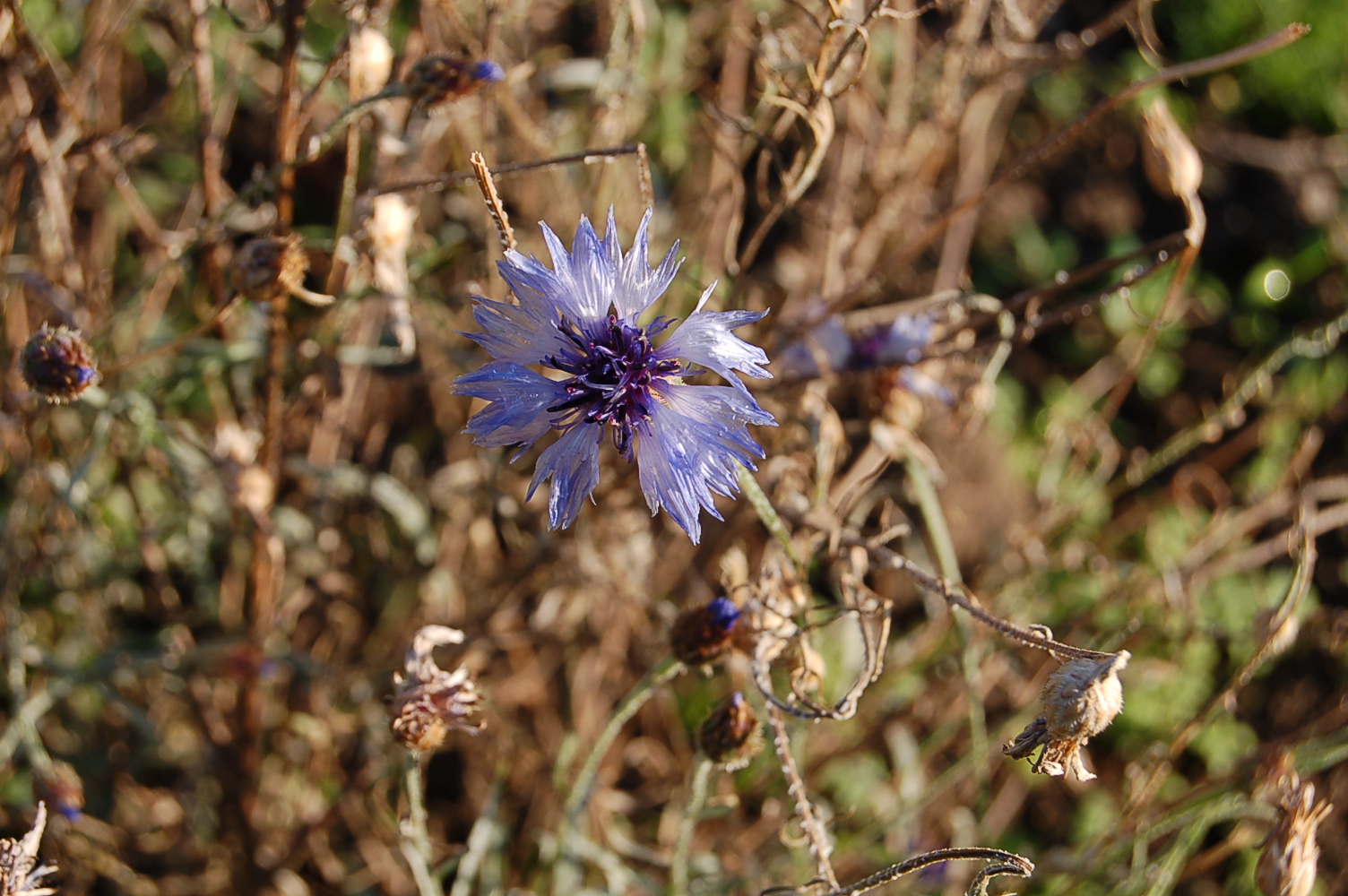
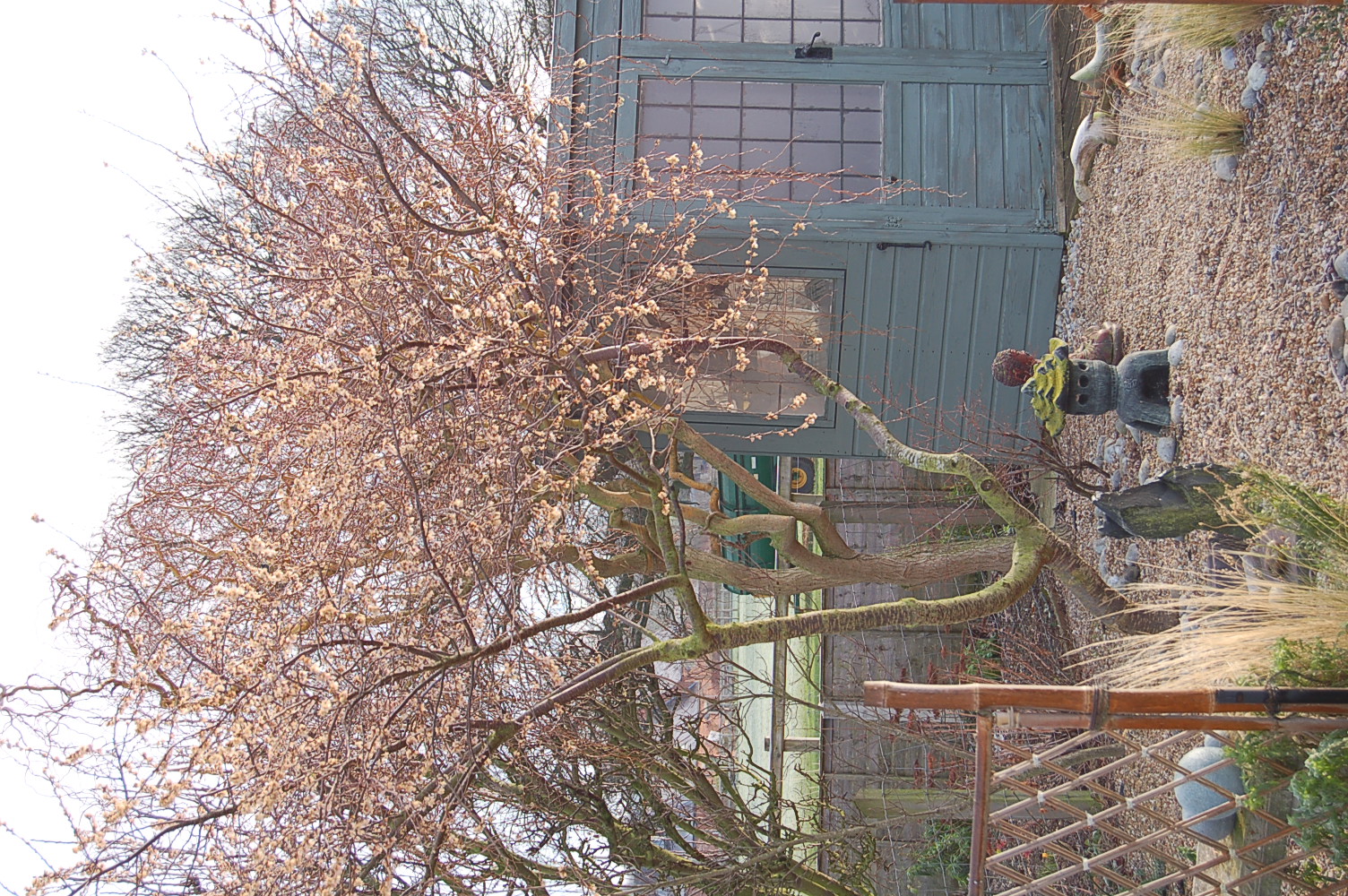
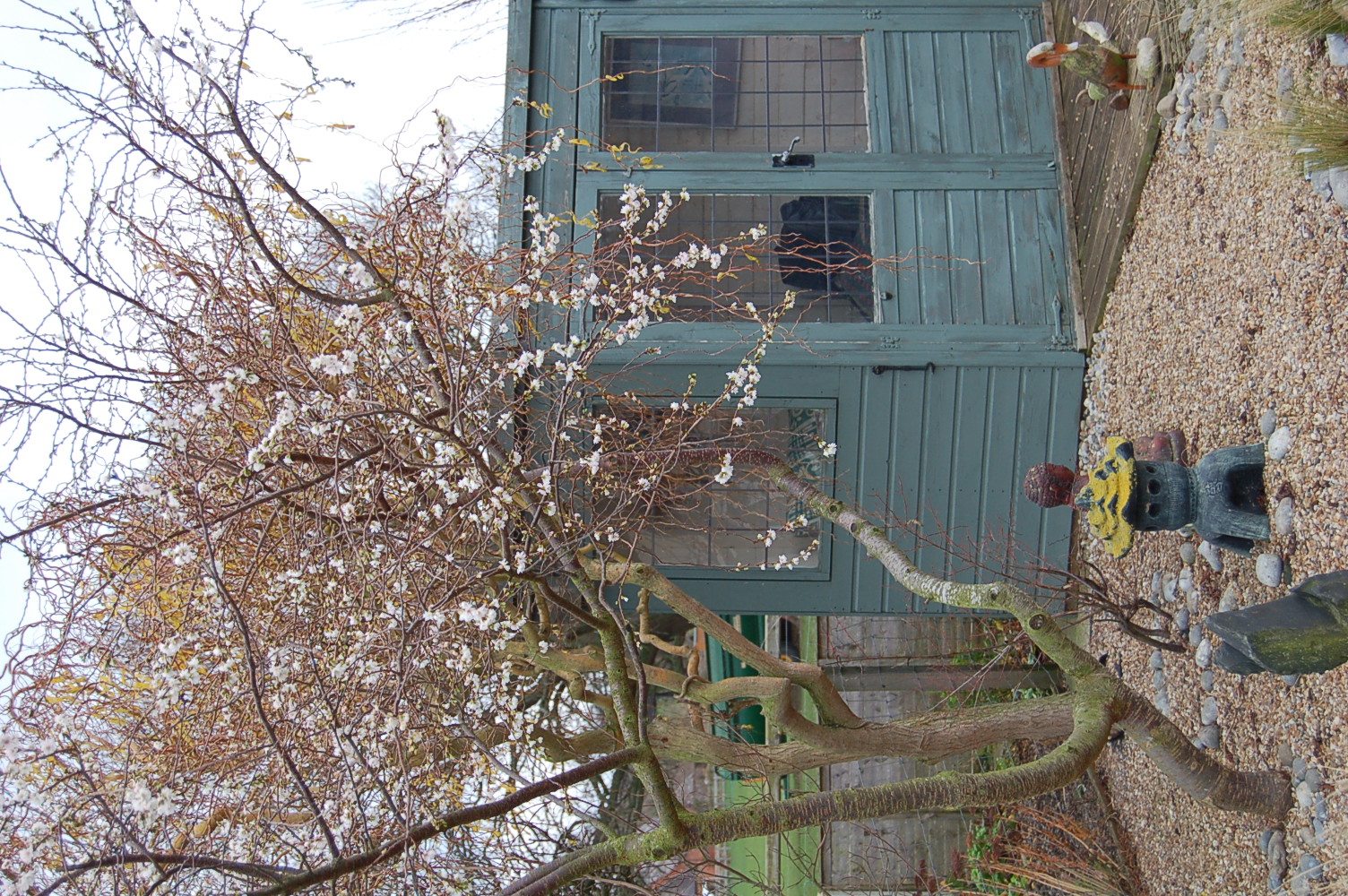
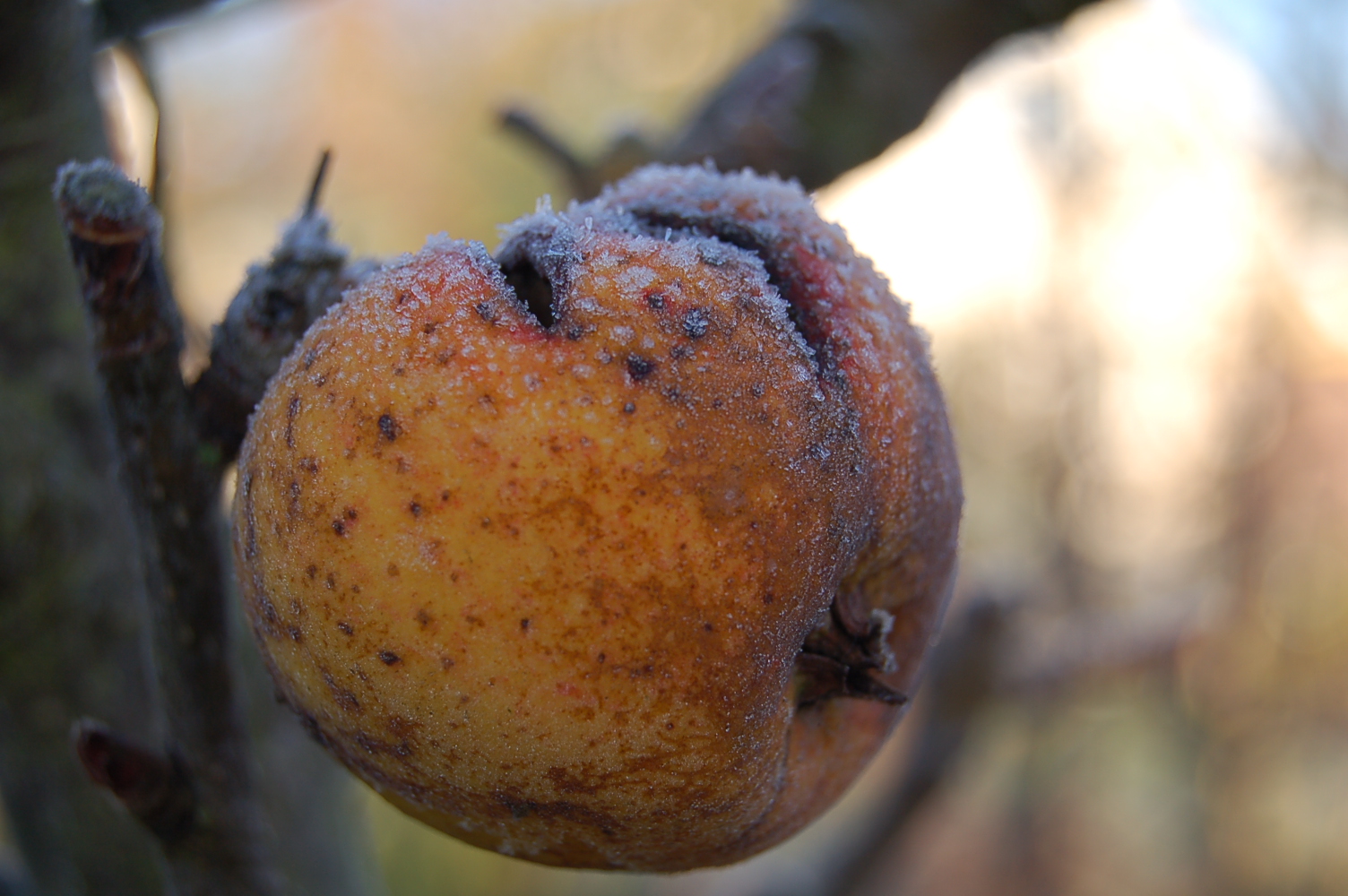
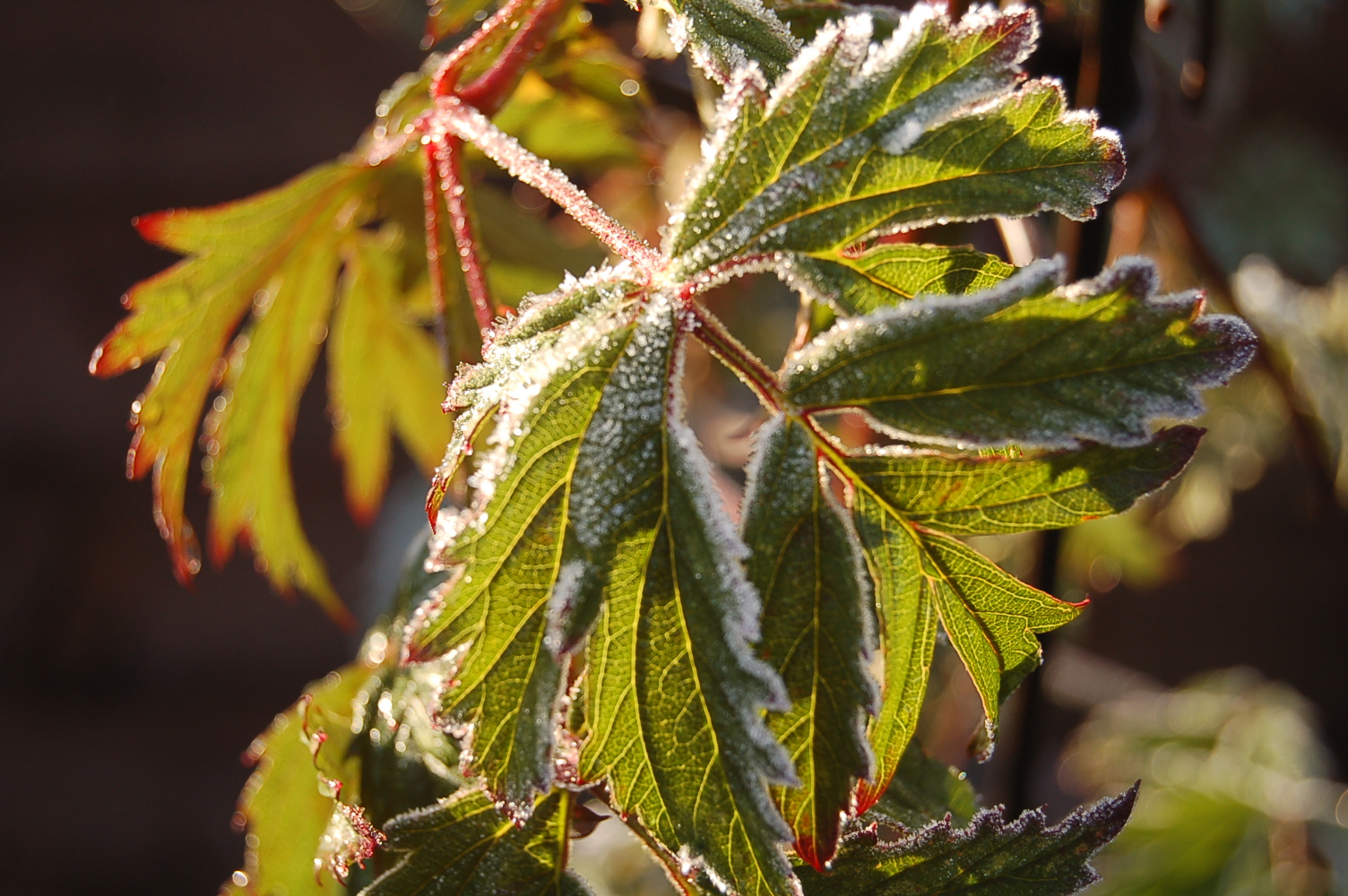
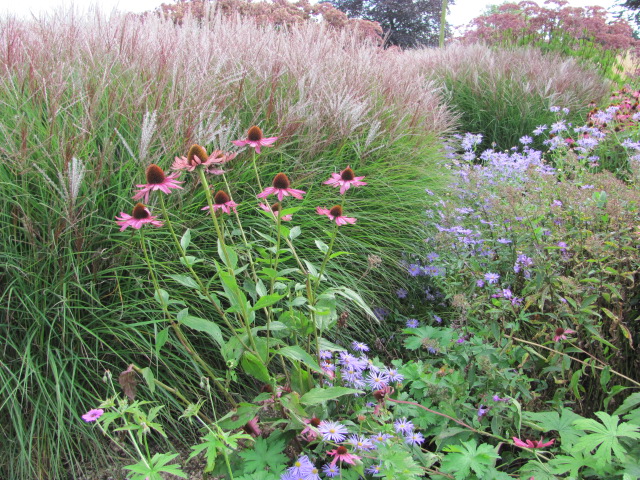
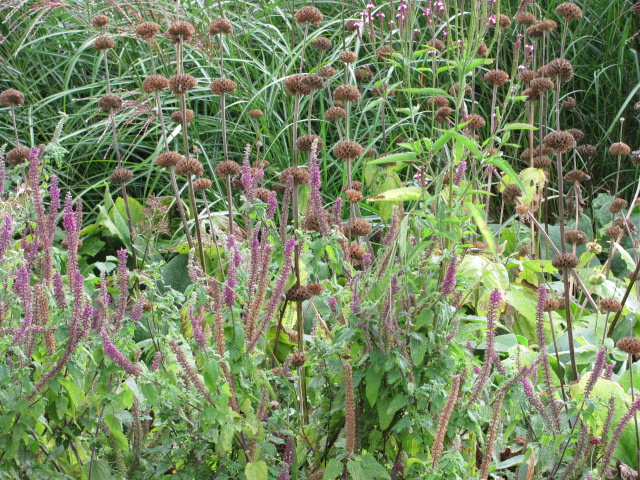
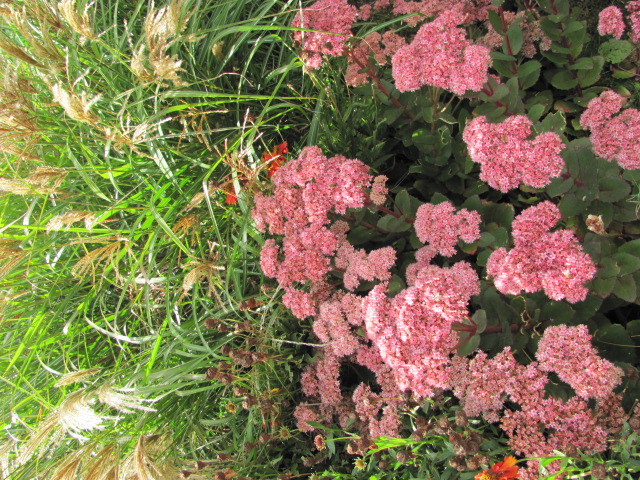
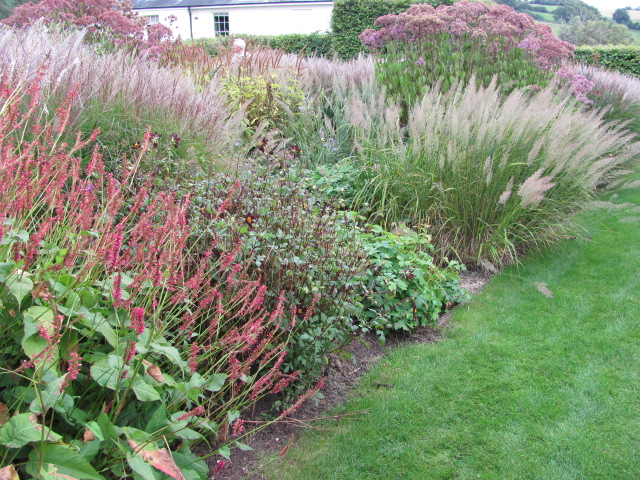
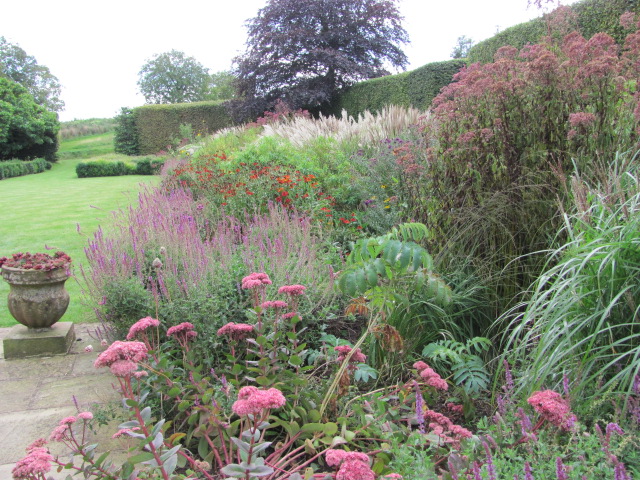
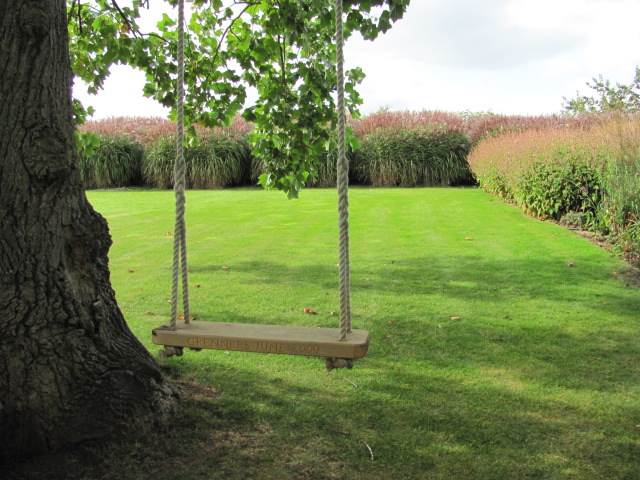
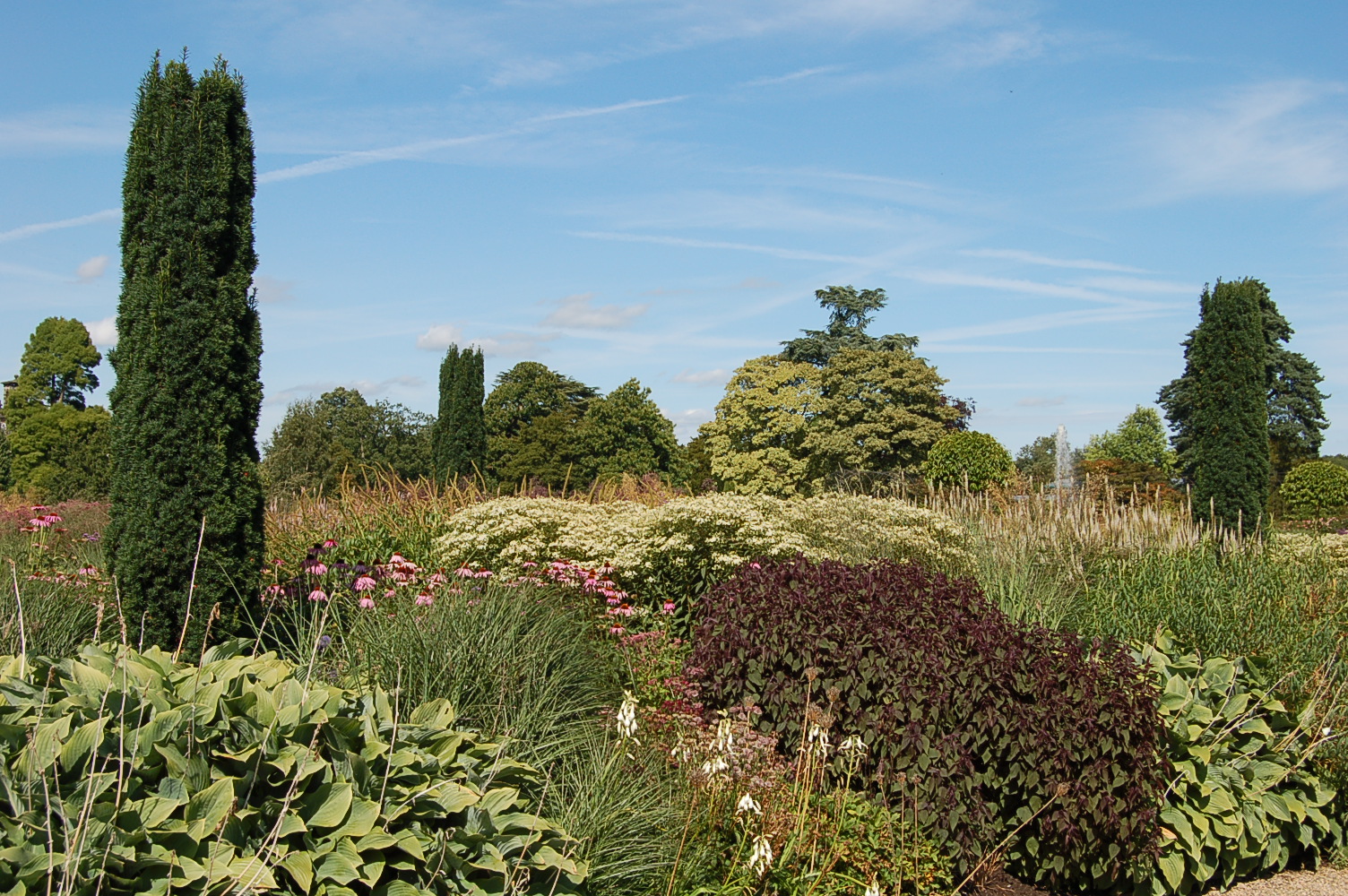
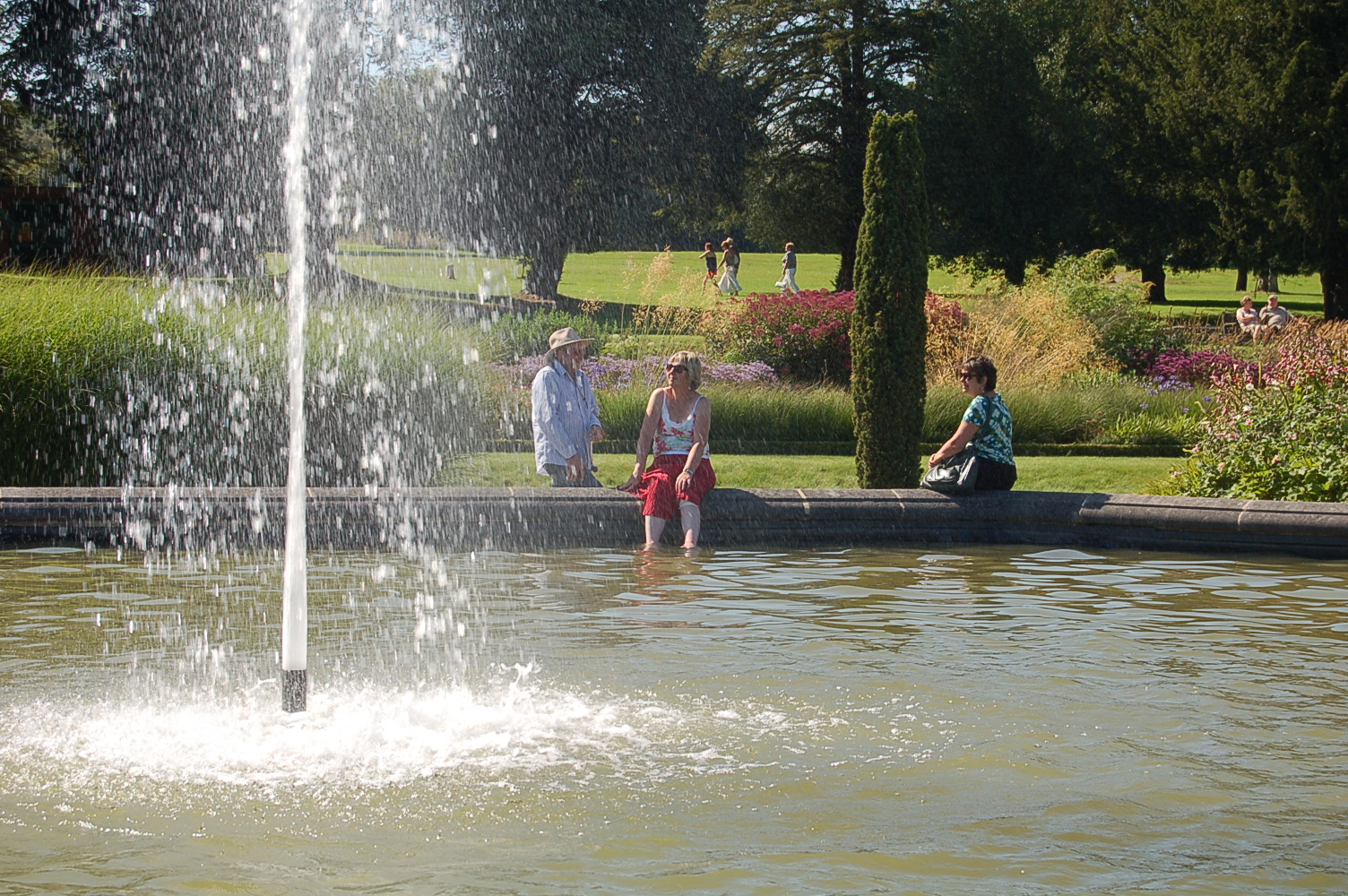
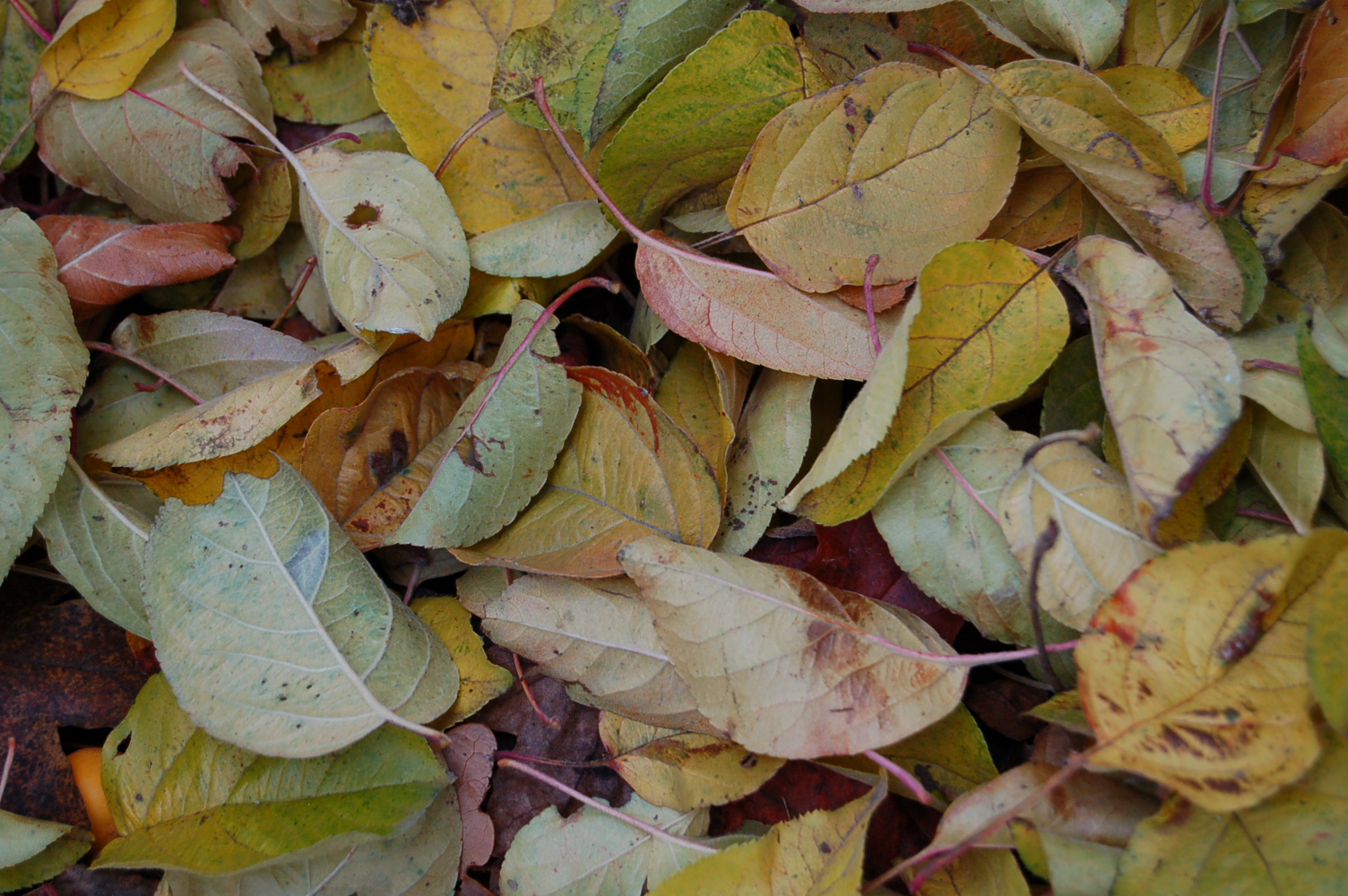
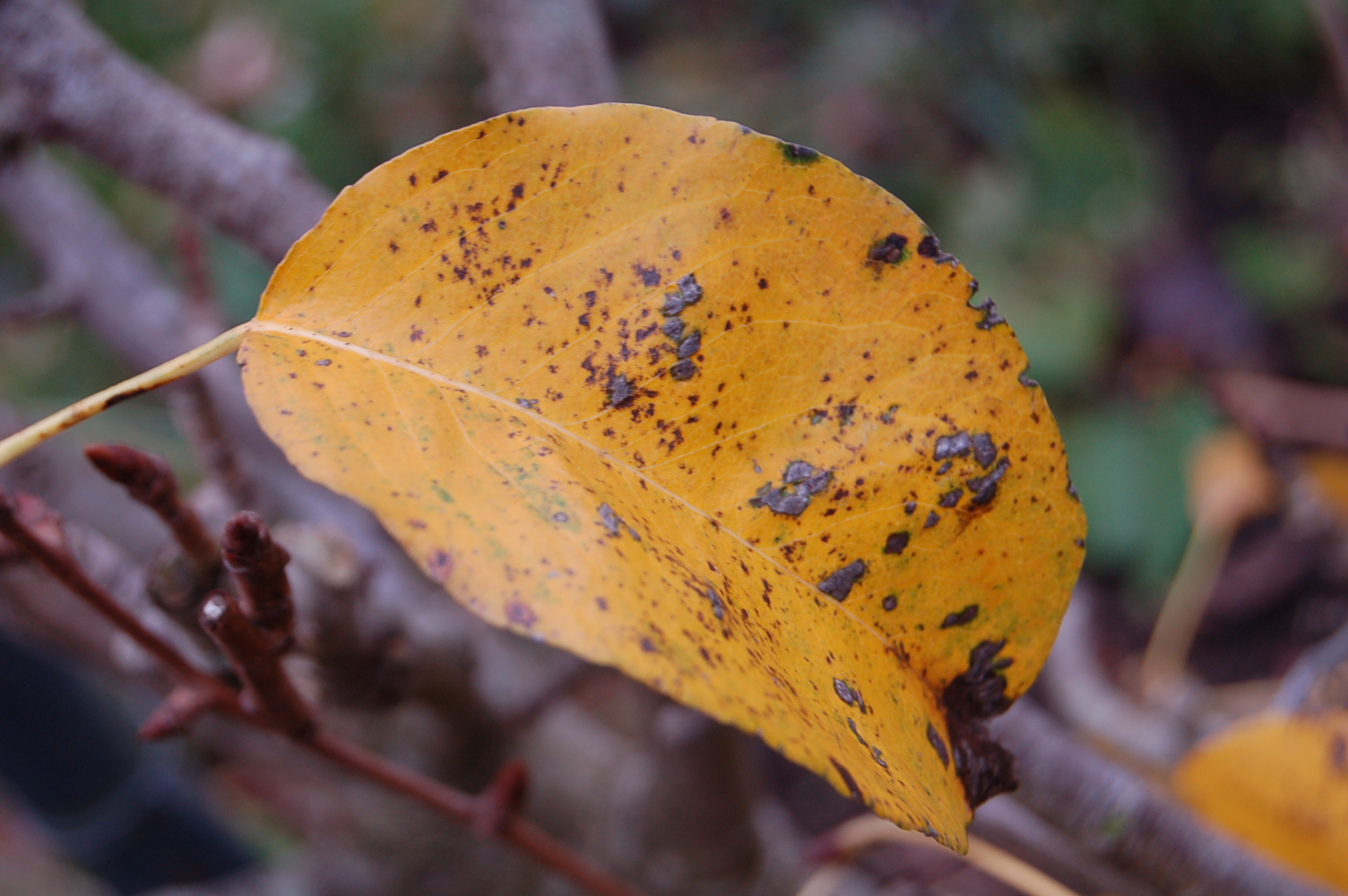
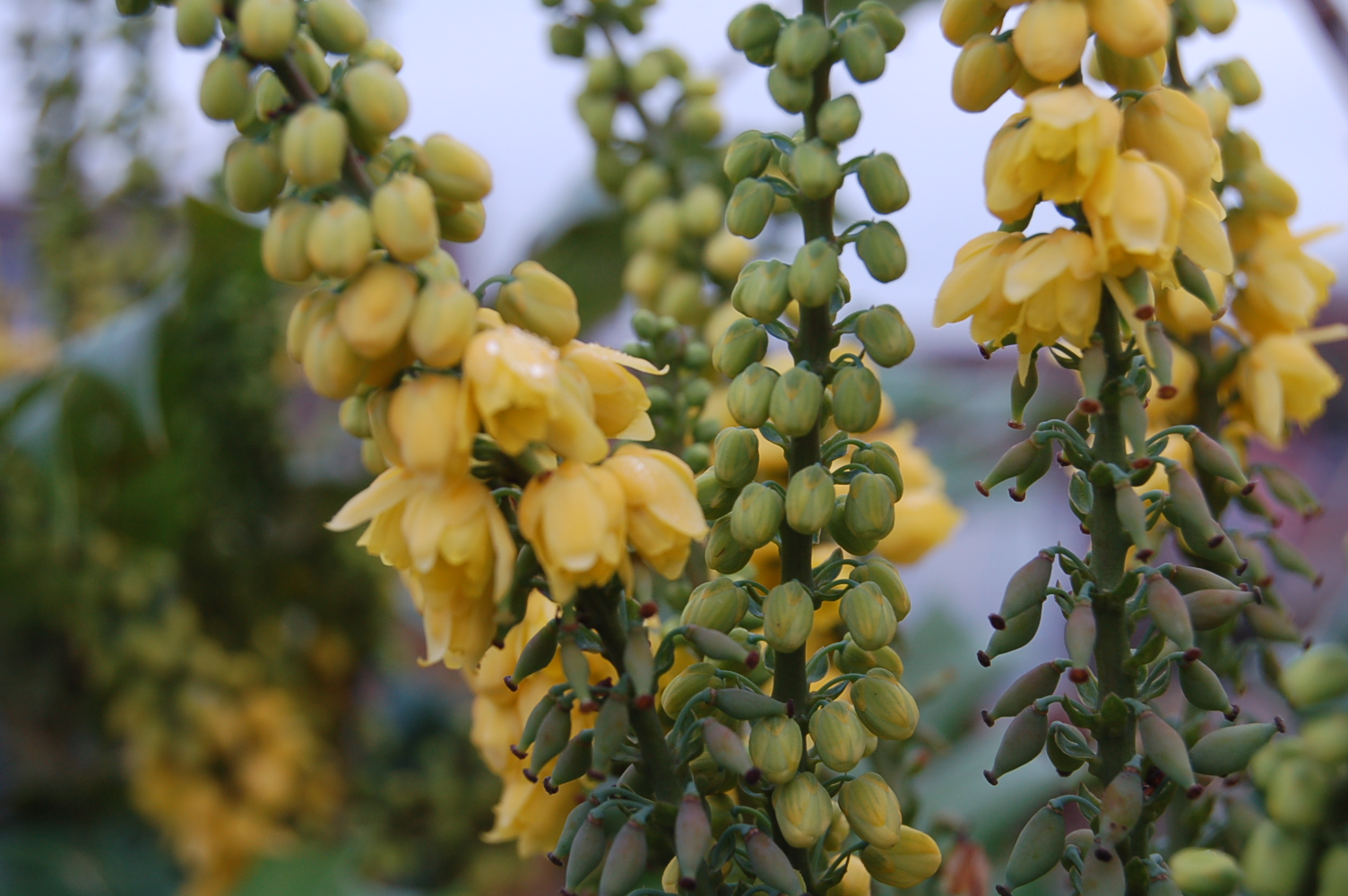
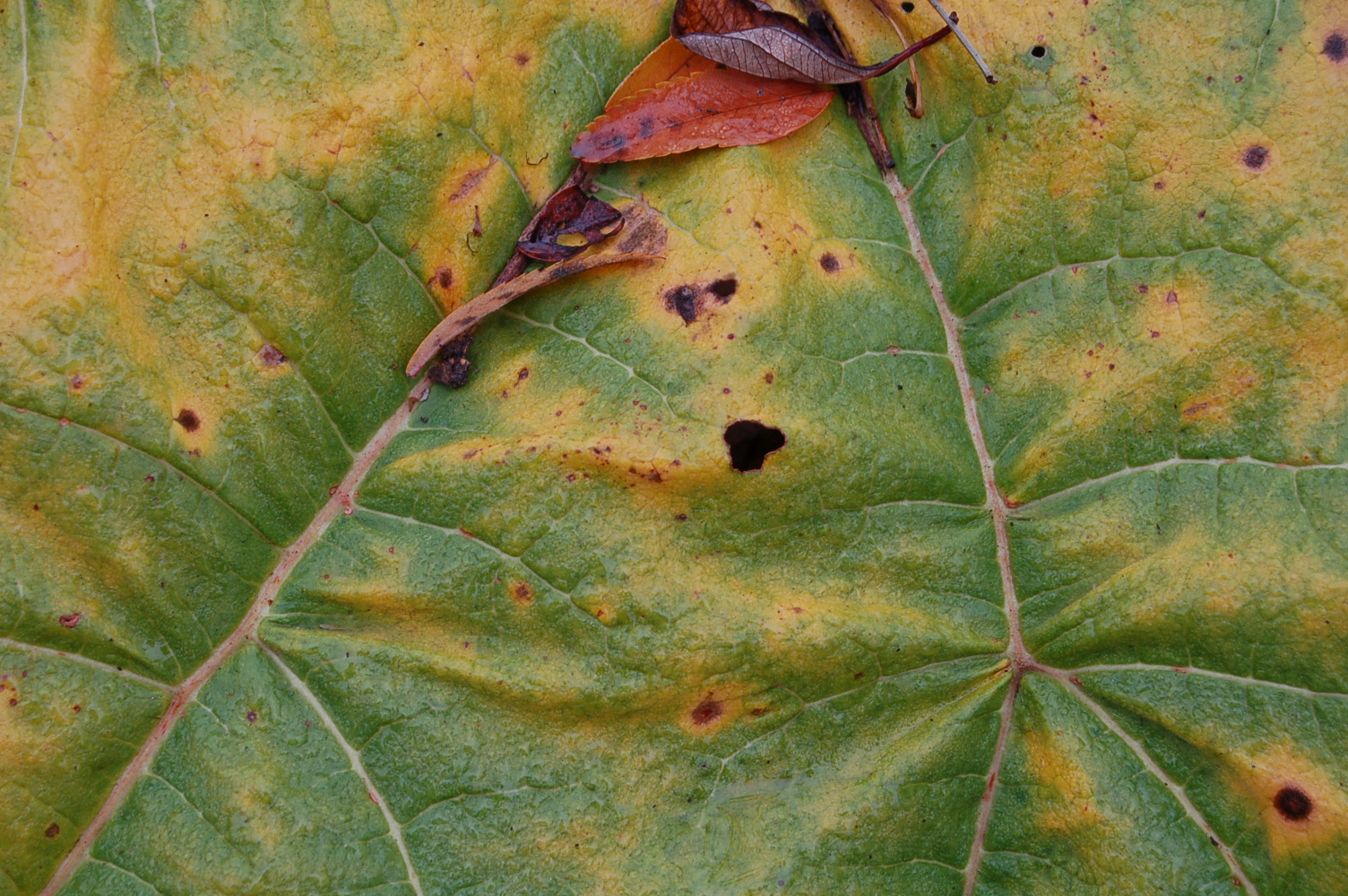
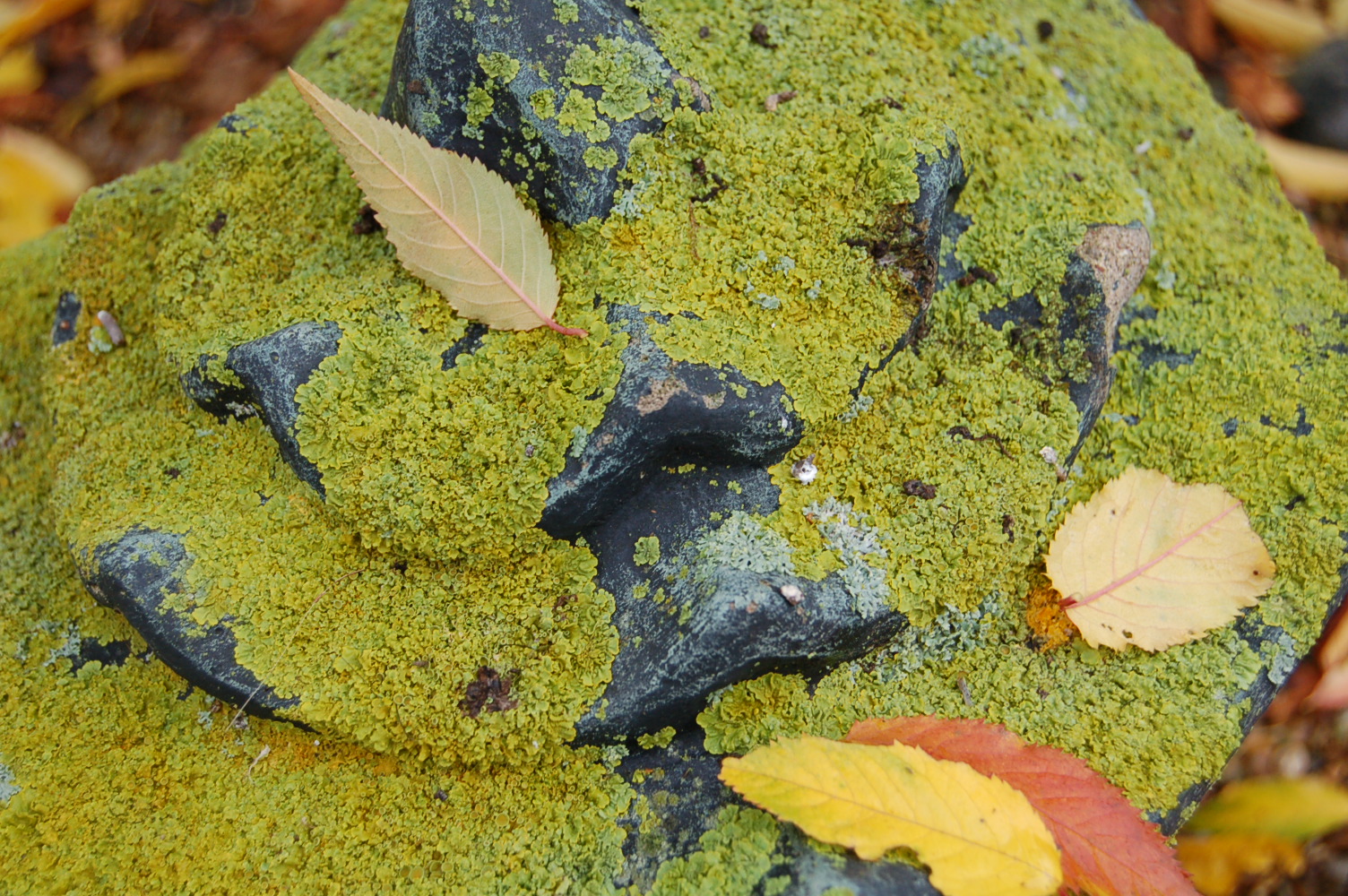
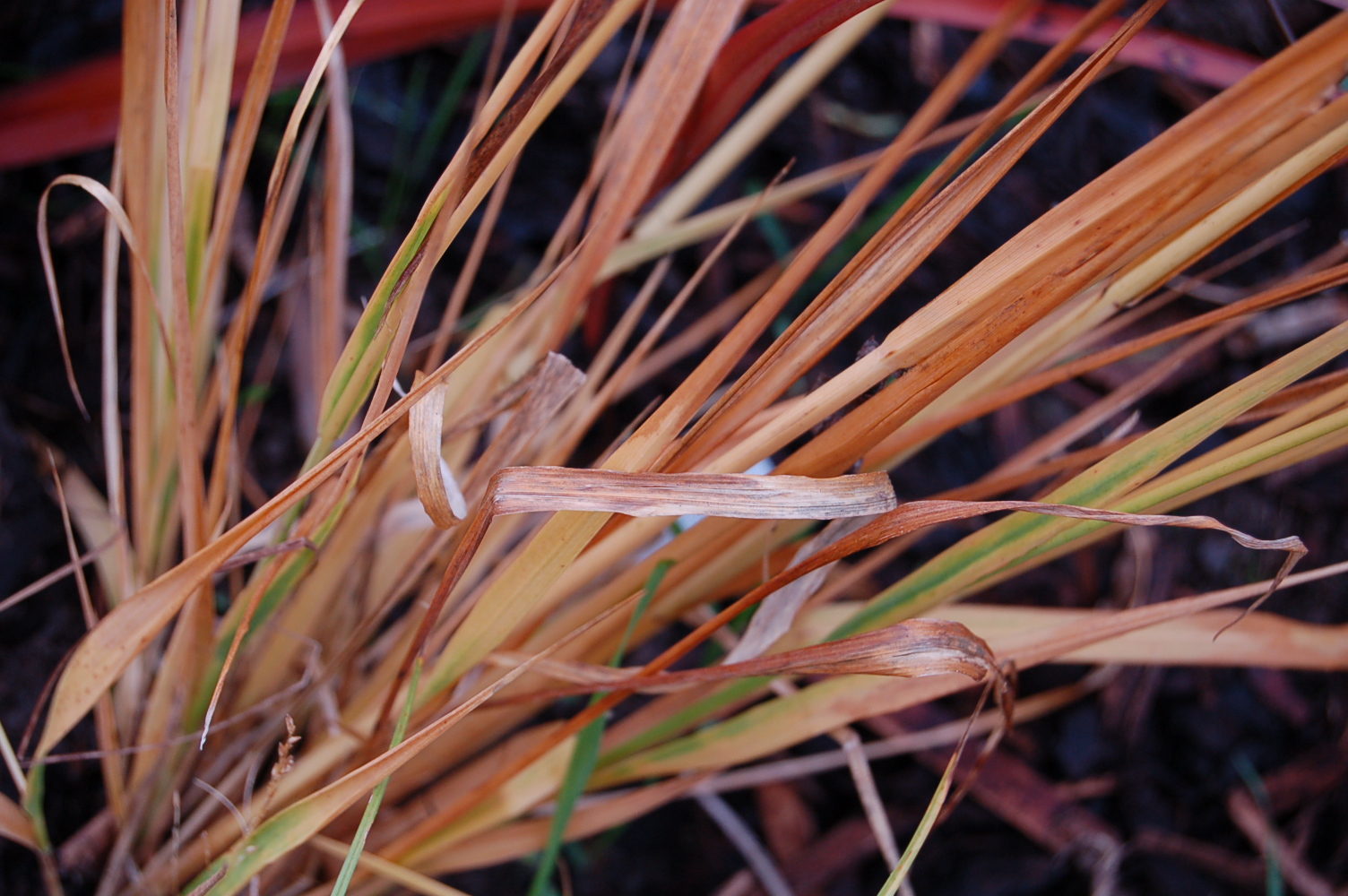
Whilst gardening today we were both amazed by how dominant the colour yellow seemed under a dark November sky – the yellow of foliage, late blooms and drying stalks. I’ll leave the photos to show what I mean.


Whilst gardening today we were both amazed by how dominant the colour yellow seemed under a dark November sky – the yellow of foliage, late blooms and drying stalks. I’ll leave the photos to show what I mean.


At our lottie site, Bowbrook Allotment Community (www.bowbrookallotments.co.uk) we have created gardens of the four seasons. The Winter Garden has surprised us with its exciting colours and textures during the autumn. Today we weeded this bed and mulched it with woodchip which as well as giving a tidy finish, should protect the surface from heavy rain, stop goodness leaching from the soil and keep down any late germinating weeds. The sun was out most of the time while we worked and shone through the grasses and dogwoods. Although I designed this as the Winter Bed it is showing itself off well in the autumn.
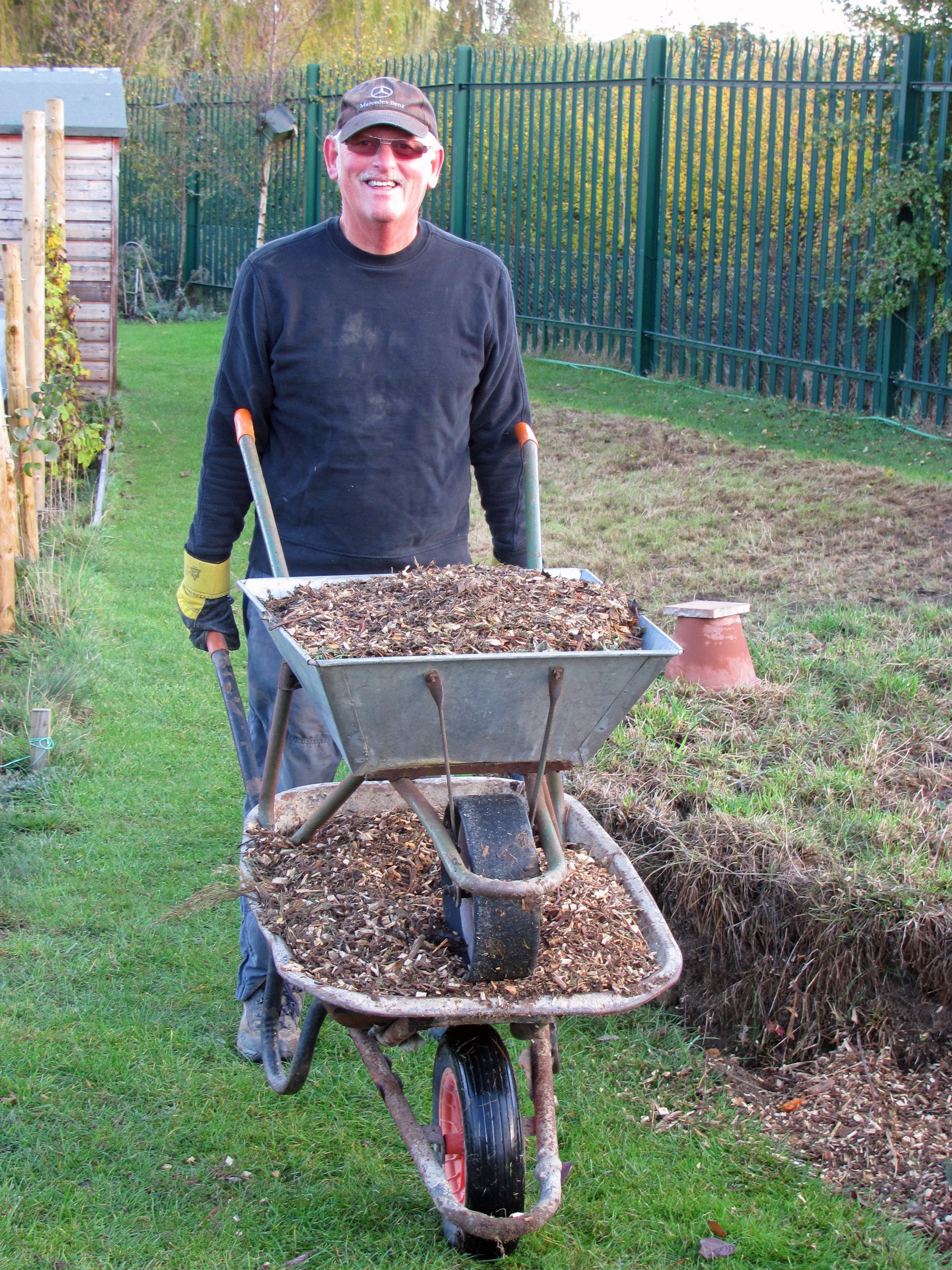
The woodchip was a long way off across the site so John, our lottie chairman, devised a double decker wheelbarrow carrying system. Good job there was no health and safety officer watching!
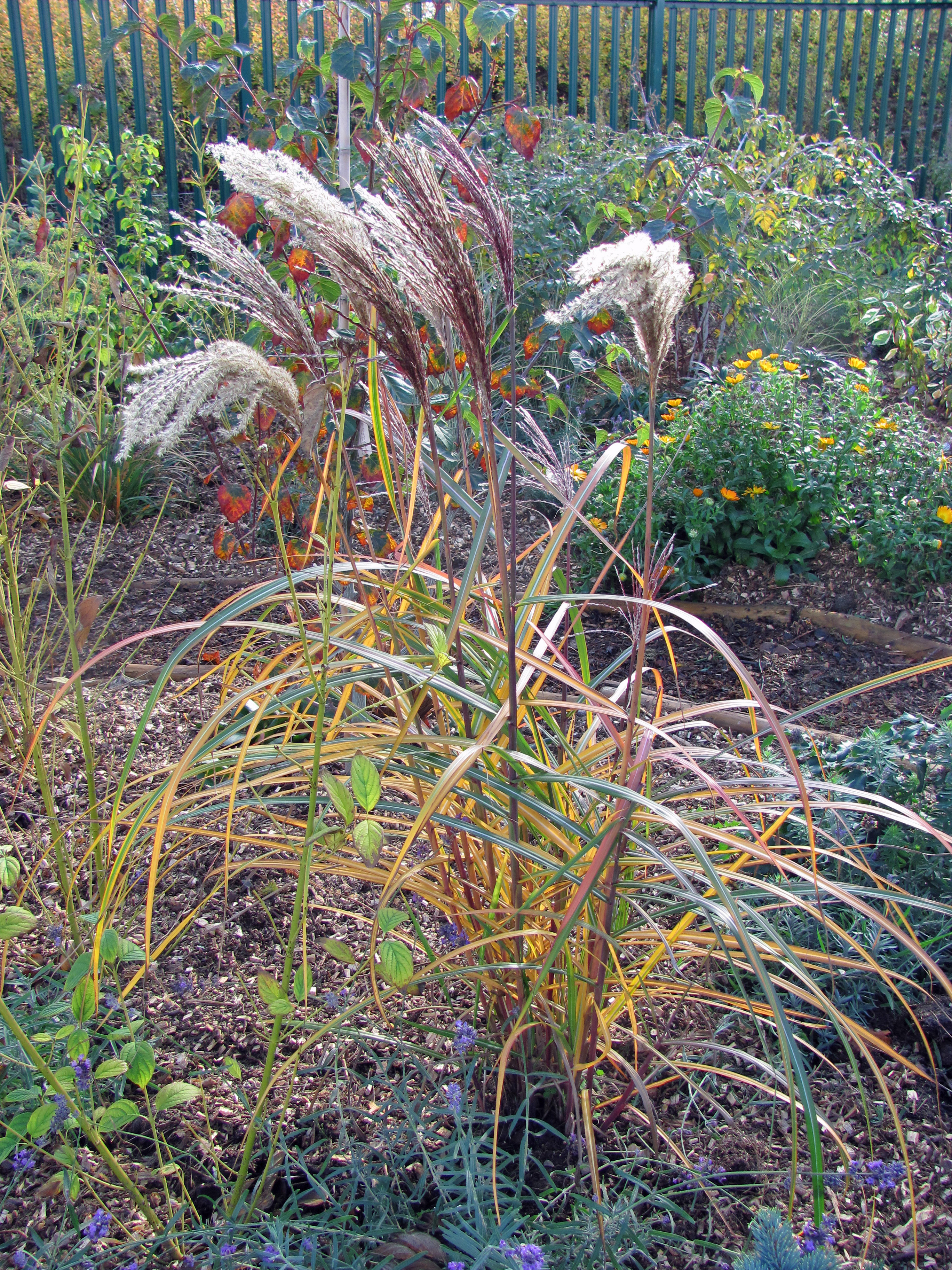
The miscanthus look amazing for most of the year and now in November their foliage is colouring up and the seed heads are aglow. They sway in the gentlest of breezes.
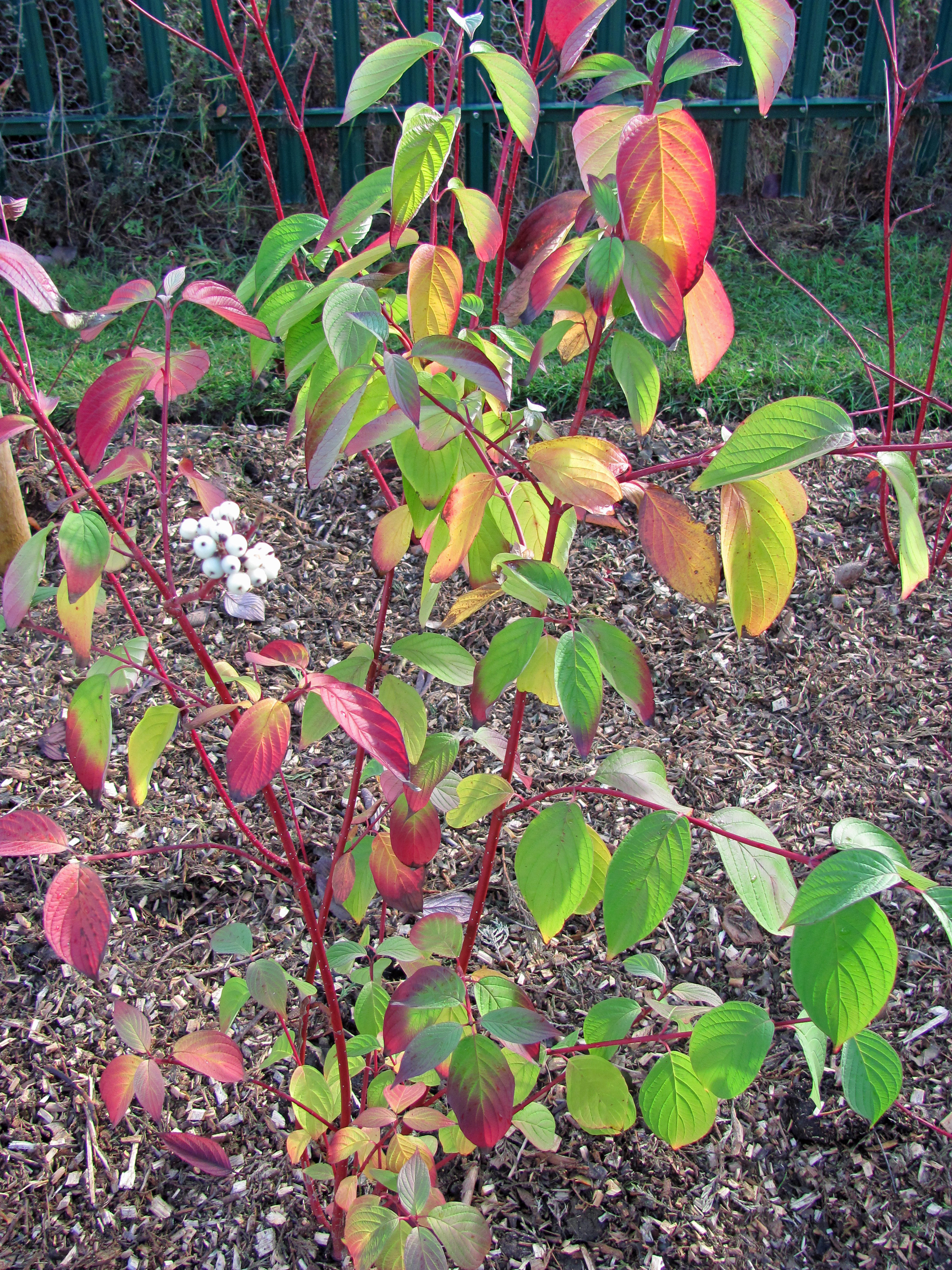
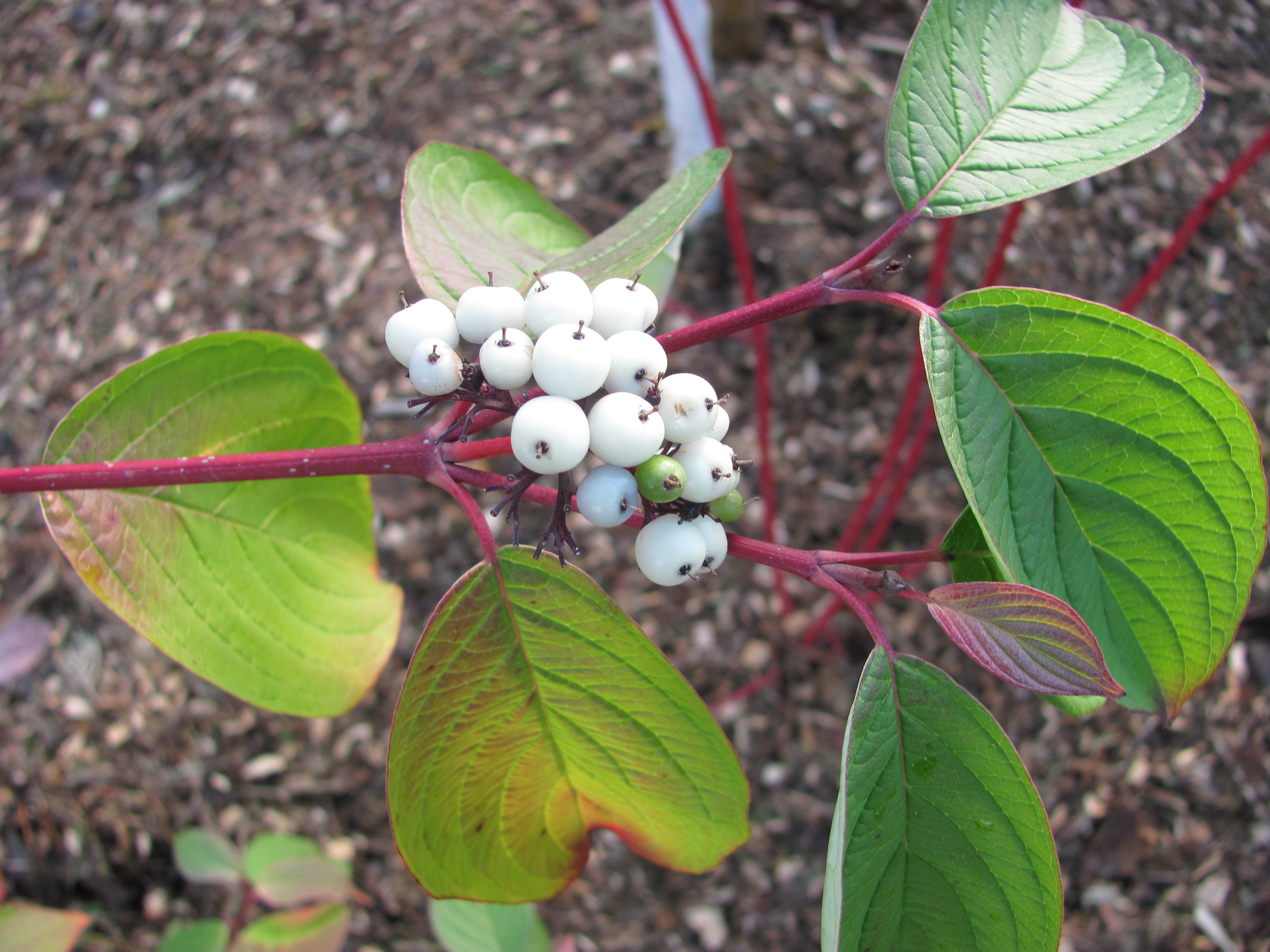
The dogwoods have been planted for their coloured stems which will be lit by the low rays of the winter sun, stems of red, green, yellow and black. In the autumn we enjoy the reds and golds of their foliage just before they fall. The white berries are a real bonus – little white dolls’ eyeballs.
As we worked we were entertained by small flocks of goldfinches, linnets and greenfinches which passed overhead with their high pitched calls breaking the silence. In stark contrast and much less enjoyable were the cronking of a pair of raven and the calls of a huge flock of gulls screeching away as they wheeled around like wild white kites against a blue sky trying to escape their strings.
A visit to Westonbirt Arboretum in mid-October should mean autumn richness of red, orange and yellow. But when we went this year we were too early. The spindles, birches and chestnuts disappointed. Some acers were showing colour and would have made the visit worthwhile anyway but the real treats of the day were totally unexpected – a berberis and a sorbus.
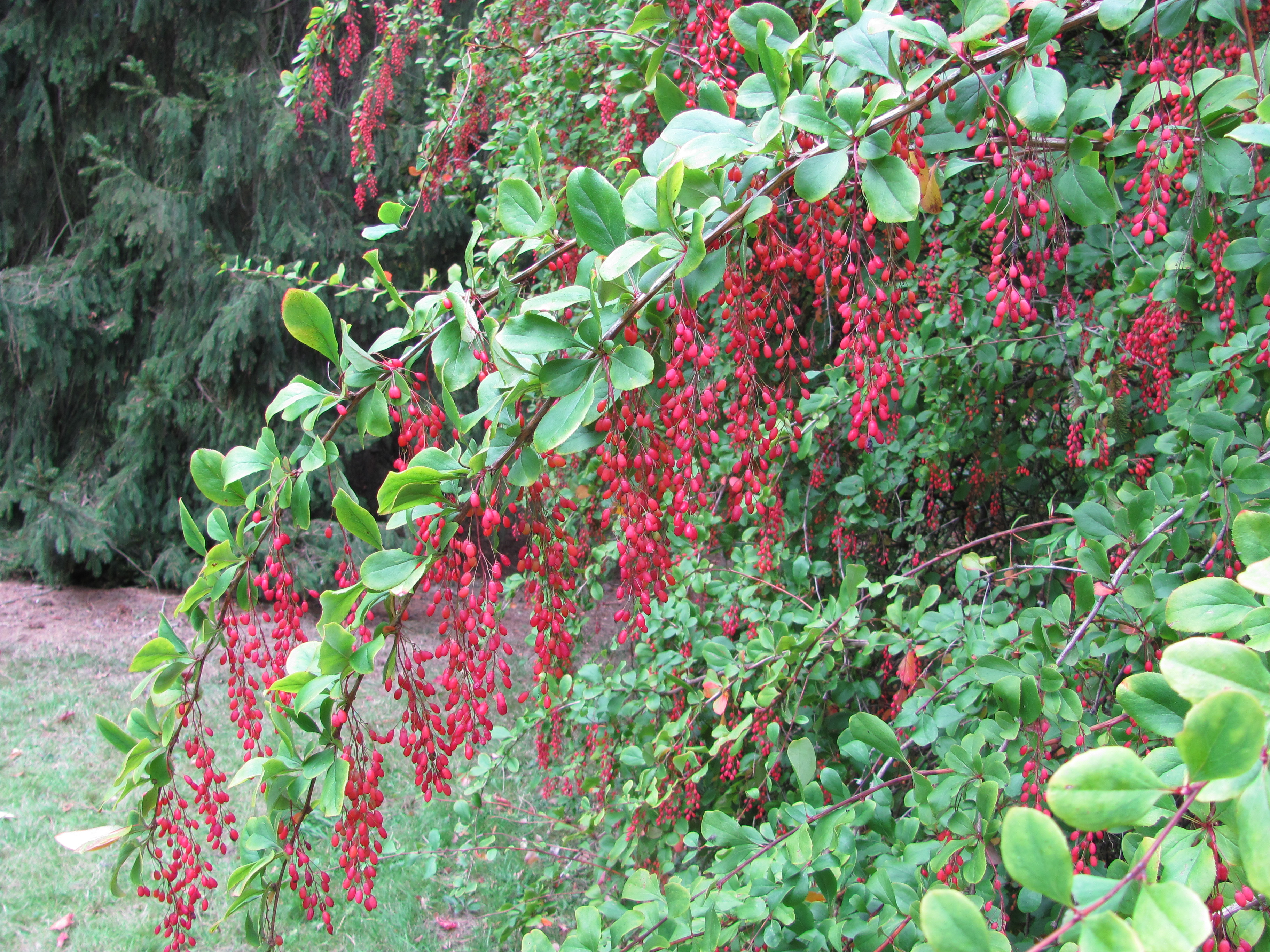
We spotted the lovely arching stems laden with red berries a long way from the main path. The sky was grey the day wet and dark but this berberis shone through it all. We made our way across wet grass to get a closer look and we met two other visitors doing the same. It was causing identification problems for everyone! The name Berberis julianae sprang to mind but I was unsure. Another visitor came over and asked if we knew what it was. She believed it to be Berberis julianae also. A Westonbirt gardener suggested Berberis concinna. But being unsure I checked in the RHS A-Z Encyclopaedia of Garden Plants as soon as we got home – we were all wrong. It was neither julianae or concinna. The mystery continued but an article in “The English Garden” showed a photo of a berberis with similar but less dense groups of pendulous berries – Berberis chitria – but I was still not convinced. As everyone was so taken aback by the large number of berries in each bunch perhaps it was just an exceptionally prolific year for it.
The RHS published an article on berberis in the November edition of their magazine “The Garden” and it presented another possibility – Berberis “Georgei”. It looks the best match so far!
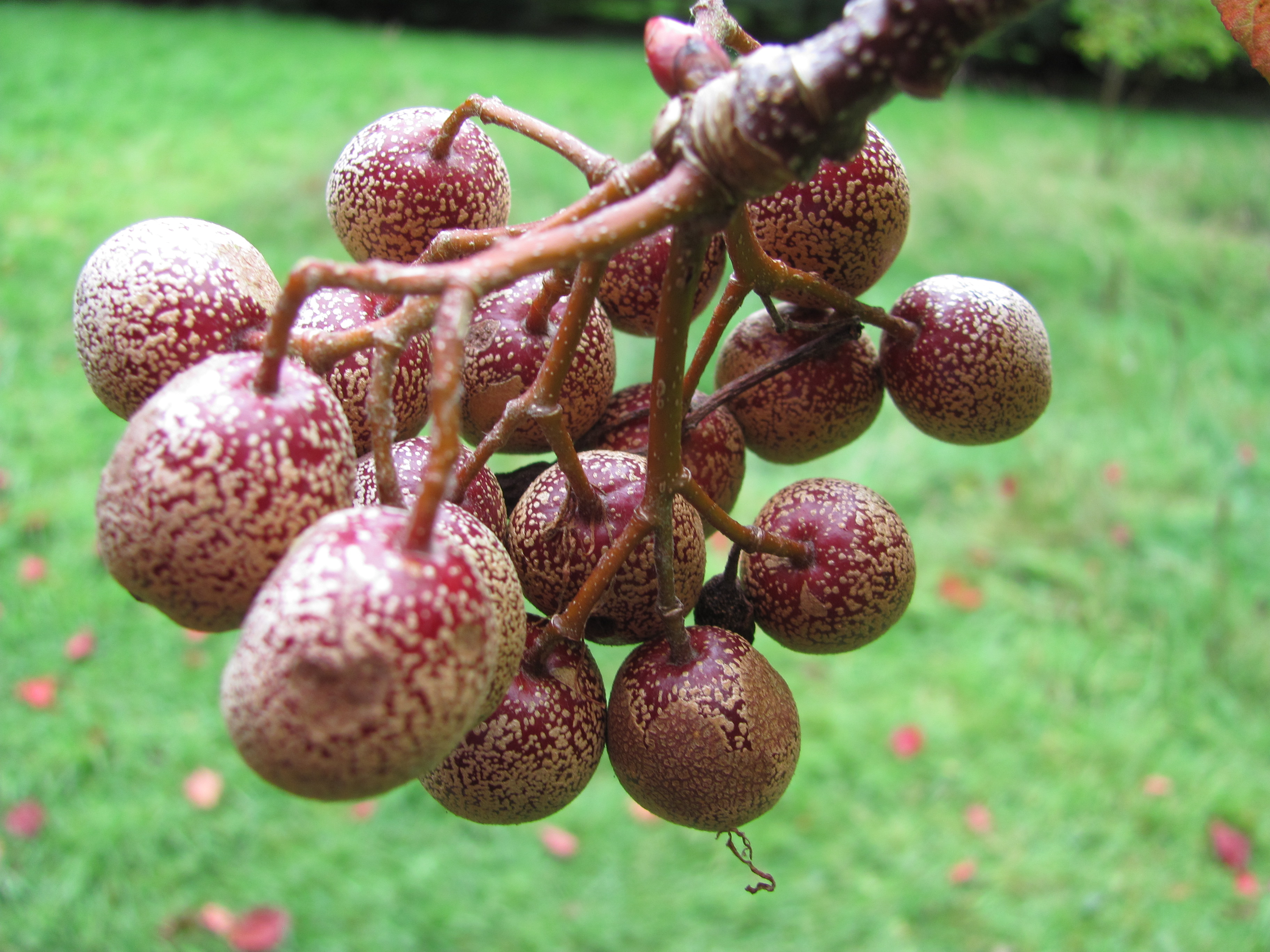
The berries of this sorbus were marble-sized and deep mahogany-red in colour overlaid with white. They felt as hard as conkers. This plant gave its identity up easily – it had a label telling us it was Sorbus megalocarpa from China.
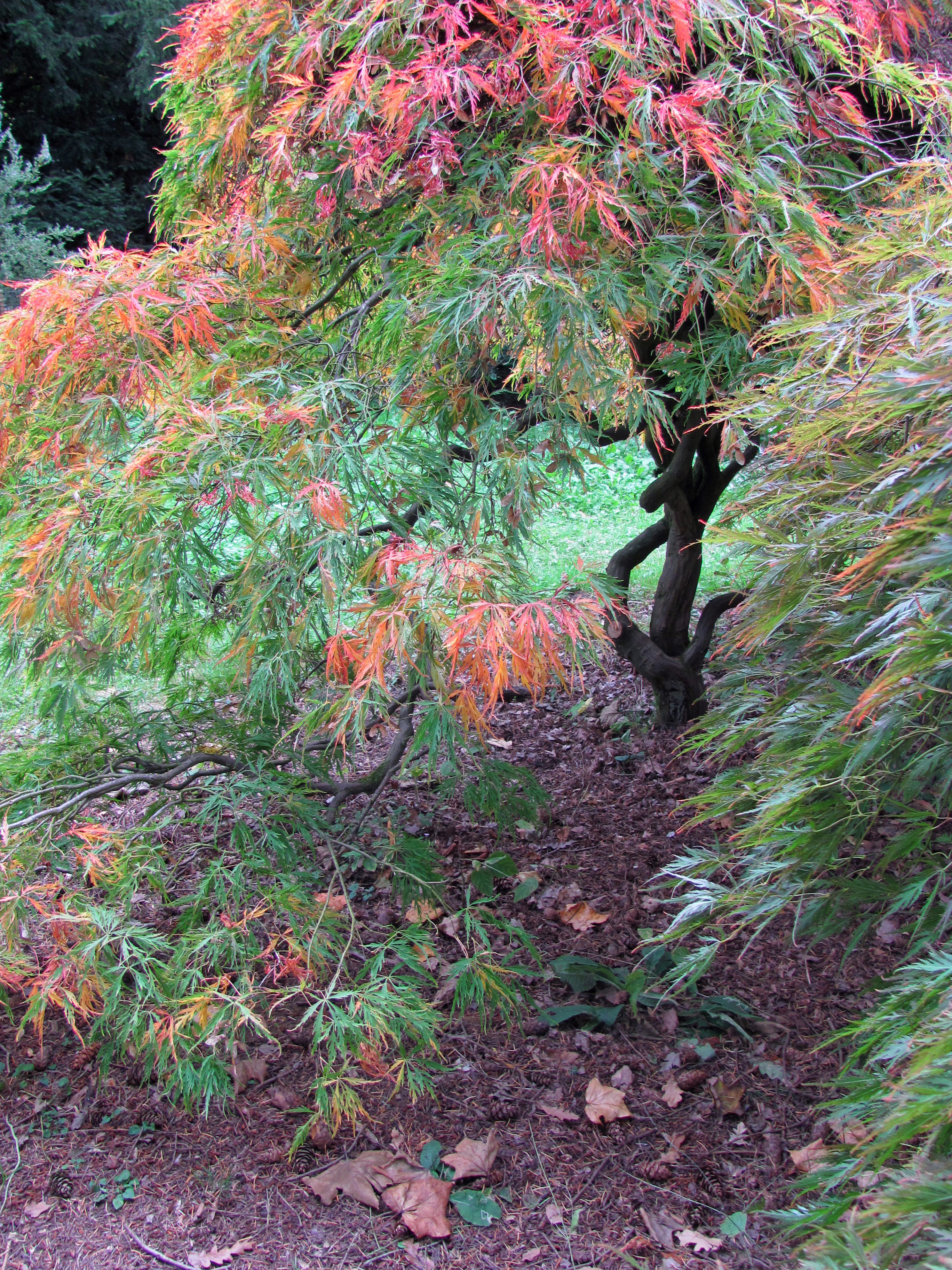
The expected autumn views of Westonbirt must not be forgotten though as some acers were dressed in their fire coloured clothes.
Oranges, yellows and reds are the colours of autumn but wandering around our patch today I was struck by the richness of the blues in the late blooms. The rich blue flowers of Ceratostigma plumbaginoides sit above its red tinted foliage. This is a plant to keep an eye on as the temperatures drop in the autumn because the red on its leaves intensifies and spreads. Such a beautiful plant with such an ugly name!
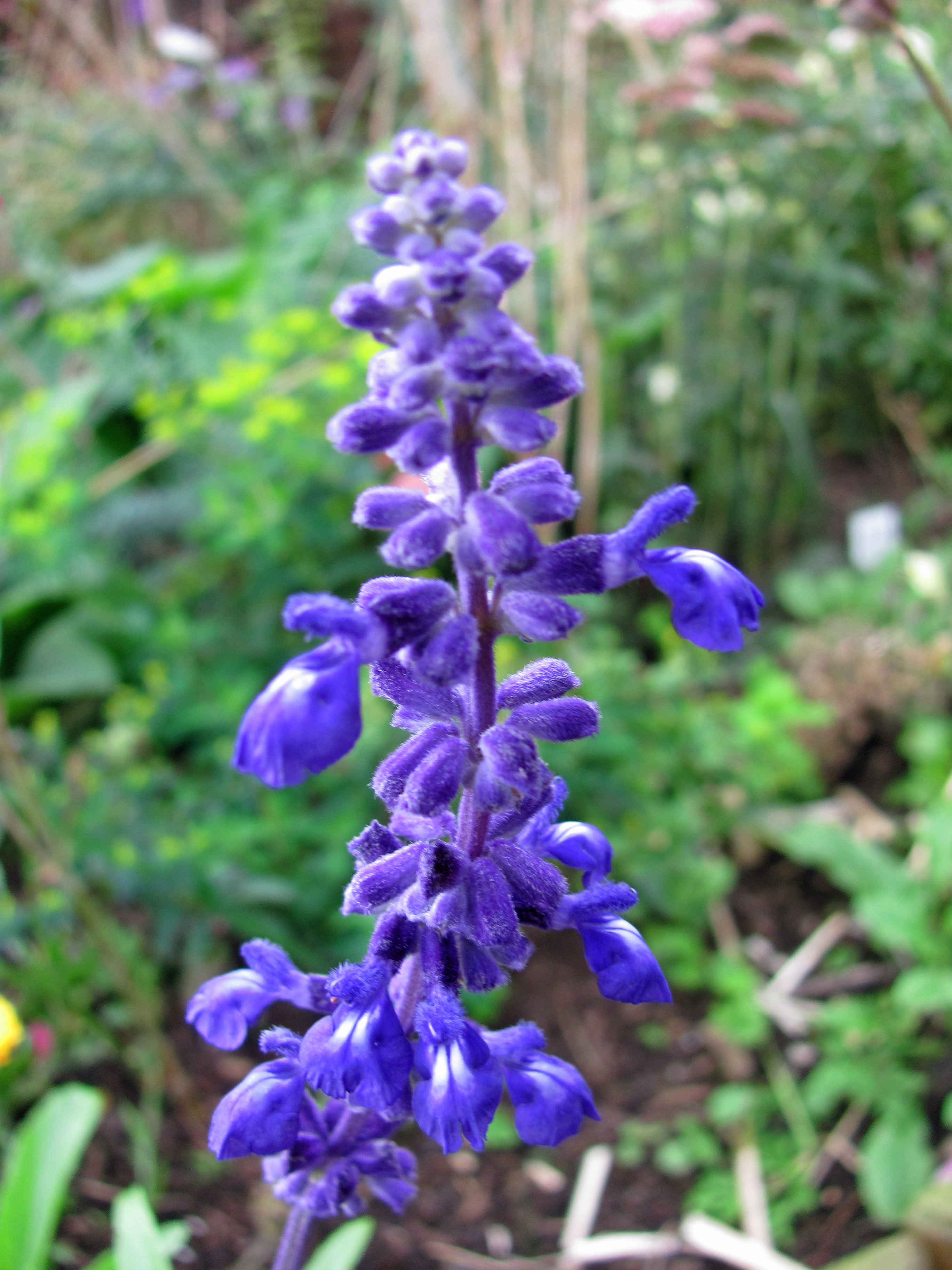
This is a hardy tough sub-shrub or woody perennial but the next blue flower is far from hardy – a salvia with intense blue spires atop dark blue stems with a metallic hue. We raised these from seed in the spring and have been enjoying their flowers since August. We must take cuttings to keep them over the winter.
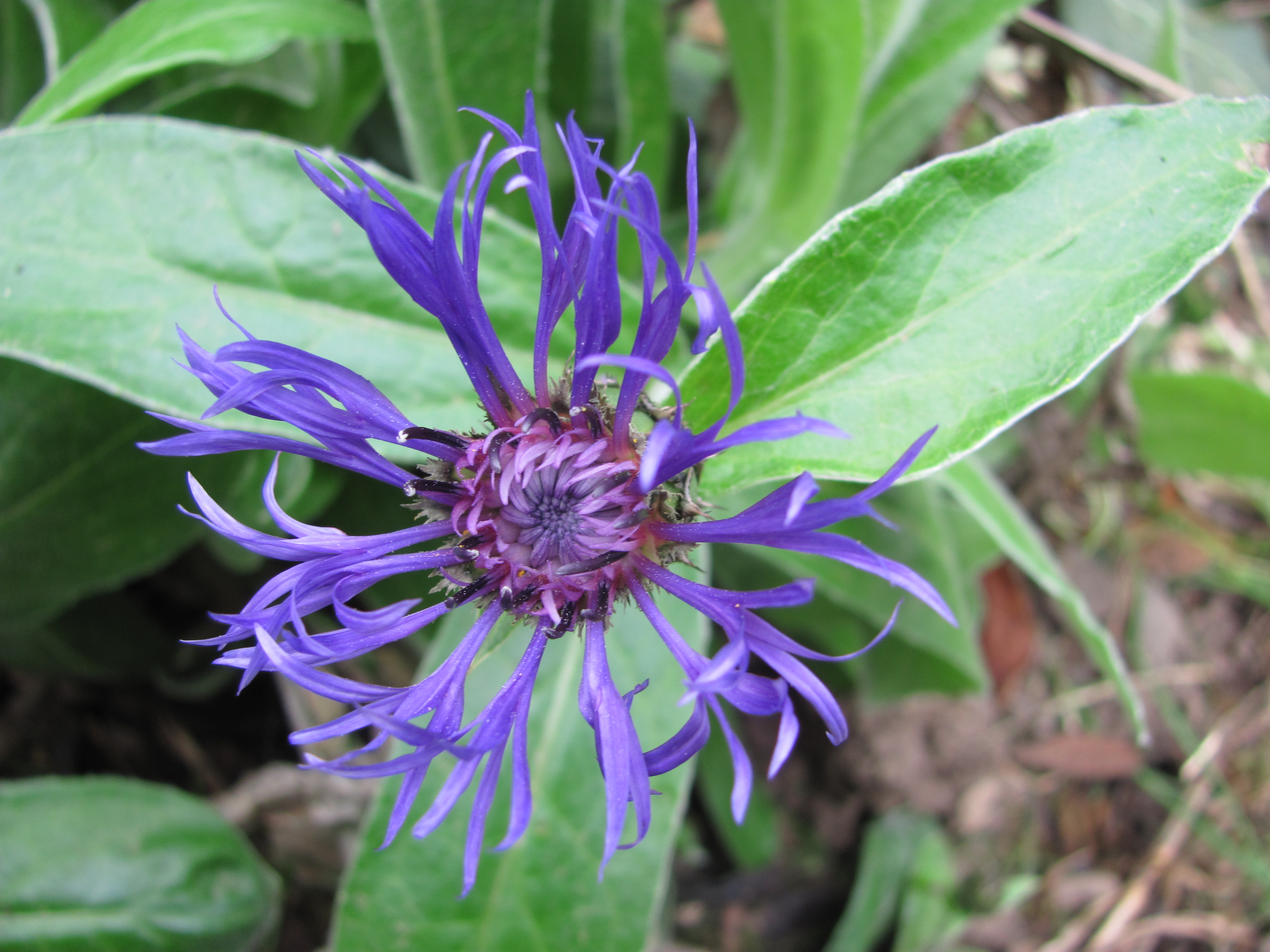
The blue flowers of the centaurea have been around for months with their delicately cut petals curling up from their dark purple centres above their soft hairy leaves.
We have just planted four hebes in an effort to replace some of those we lost last winter after months of the big freeze. We experienced night time temperatures of -21 for three nights on the trot. Too cold for hebes by far!
So we bought Hebe “Charming White”, Hebe “Wiri mist”, Hebe pinguifolia Sutherlandii and Hebe”Pastel Elegance”. The leaves of each one differ in colour and shape.
Charming White is actually in flower now as we plant it and what a delicately beautiful flower it is, white with a hint of purple at the very tip of each petal.
How about this for a nifty bit of recycling! A simple transformation from veggie box to coffee table for the garden. We were in search of something unusual to use in a newly created section of our garden so searched the web for wine boxes and came across this veg storage box.
The box was used by J &JH Goodley, fruit and veg growers from Upwell near Wisbech in Lincolnshire and is dated 1970. There is a red inked stamp on the side indicating that it was manufactured by W Groom Ltd, Boxmakers of Spalding also in Lincolnshire.
The box has a red ink note stamped onto its side indicating an 8 shillings deposit. This was a brilliant way to encourage re-use of packaging which seems to have faded away. Could it be a good time to re-introduce the idea?
I am a real tree lover. I enjoy them in every season – their fresh spring growth, their luxuriance in summer, the colours of autumn and the structure of their skeletons in winter. There are not many trees I really dislike but the one I most definitely do dislike is the monkey Puzzle Tree. They are just too rigid and characterless for me. This one however I did like -it was dead! I couldn’t resist photographing it to send to my brother who loves them!
Galictites tomentosa! What a name! But just look at the beauty and presence it brings to our gravel garden! The grey and silver foliage arranged in dramatic star-bursts.
The seed heads sit through the autumn and most of the winter providing interest for us particularly on frosty days and food for the goldfinches who sit atop the stalks and pull the seeds out. Luckily some are left to drop in readiness for warmer spring weather when they germinate in the gravel to give us next year’s plants. We can enjoy feasting our eyes on their fresh new foliage, summer flowers and statuesque stalks topped off with fluffy seedheads. But there has to be a drawback – weeding out the excess seedlings is a painful business as the spikes on the end of each leaf spike can give the unwary gardener a prickly shock. They need a warning – handle with care!
These two deep pinkish-red seed pods come from very different trees, the first is from our Judas Tree (Cercis) at home. They form after the pink flowers which appear early in the summer, bursting straight out from the bark, which is a unique habit as far as I know. (But I feel sure someone will know of others!)
The second we found under a Magnolia. Where the Judas seedpod was thin and partly see-through almost like a Mange Tout Pea, the Magnolia pod was rounded and almost waxy in texture. When they are ready to expell their seeds they dry up slightly, fissures open like dry lips and the bright orange seed is exposed.
We have now put the magnolia seeds to stratify in damp sand in the fridge for 2 or 3 months and then we shall sow them. And then wait a very long time!
We recently visited the National Trust’s Bodnant Garden in North Wales, a garden we had not seen for five years or more and we had heard that the new Head Gardener had made many changes for the better. We were blown away by their new hot border which is one of the first areas of the garden you encounter. On the opposite side of the gravel pathway is a border of very different mood and character. A gentle mix of Verbena bonariensis and Verbascum chaixii with highlights of Dahlia “Bishop of Llandaf” creates an atmosphere like a gentle summer’s day Their new Head Gardener has certainly made huge steps forward and the garden looks the best we can ever remember it being.
for people who want more than gardening from gardens
A Vegetarian | Nature Lifestyle Blog
.....and nurturing my soul
Journeys In St. Louis Gardening and Beyond
Consult the genius of the place
A blog full of humorous and poignant observations.
Notes from a wildlife-friendly cottage garden
...an emerging social science
'The most important and informative publication on wildlife of our times' - The Independent. This blog is a member of The UK & Ireland Natural History Bloggers group: www.uknhb.blogspot.com
Inspire - Cultivate - Grow Native Plants - Restore Landscapes
To create and protect a semi-natural wild space for the people of Farnham to enjoy and experience an array of British wildlife in our town
The www.gardeningwithchildren.co.uk Blog
birding through the seasons, why birds matter and how to conserve them
with a camera in hand
Transform your outdoor space
My allotment, cooking and other interests
my gardening life through the year
Trying to live a creative life
trying to live as lightly as possible on our beautiful planet
Nature lovers from Leicester living the good life.
Finding the beautiful in the everyday
Michelle's Allotment
thoughts from and about my garden
Big plans for a small garden
A Walled Country Garden in South East Scotland
Life at the fruity chicken
Off grid living. Self sufficient. "PERMAGANICS RULE".
Nottingham's Grade 2* Listed Allotments and Community Orchard
a journey in suburban vegetable gardening
The madness of growing your own
A novel approach to vegetable gardening
Sustainable living in the Irish countryside.
Master Gardener, amateur photographer, quilter, NH native, and sometimes SC snowbird
Recent work and work in progress and anything else that interests me
a chaotic cottage gardener
a weekly blog that creates a personal philosophy through photographs and words
Stories from a sassy and classy Southern farmbelle.
Simple Organic Gardening & Seasonal Living
turning dirt into dinner
today the world is created anew
Notes from a Devon garden
Life Through The Lens
A photography blog showcasing the best photography pictures and videos on the internet
Just another WordPress.com site
personal observations from the natural world as the search continues for a new approach to conservation.