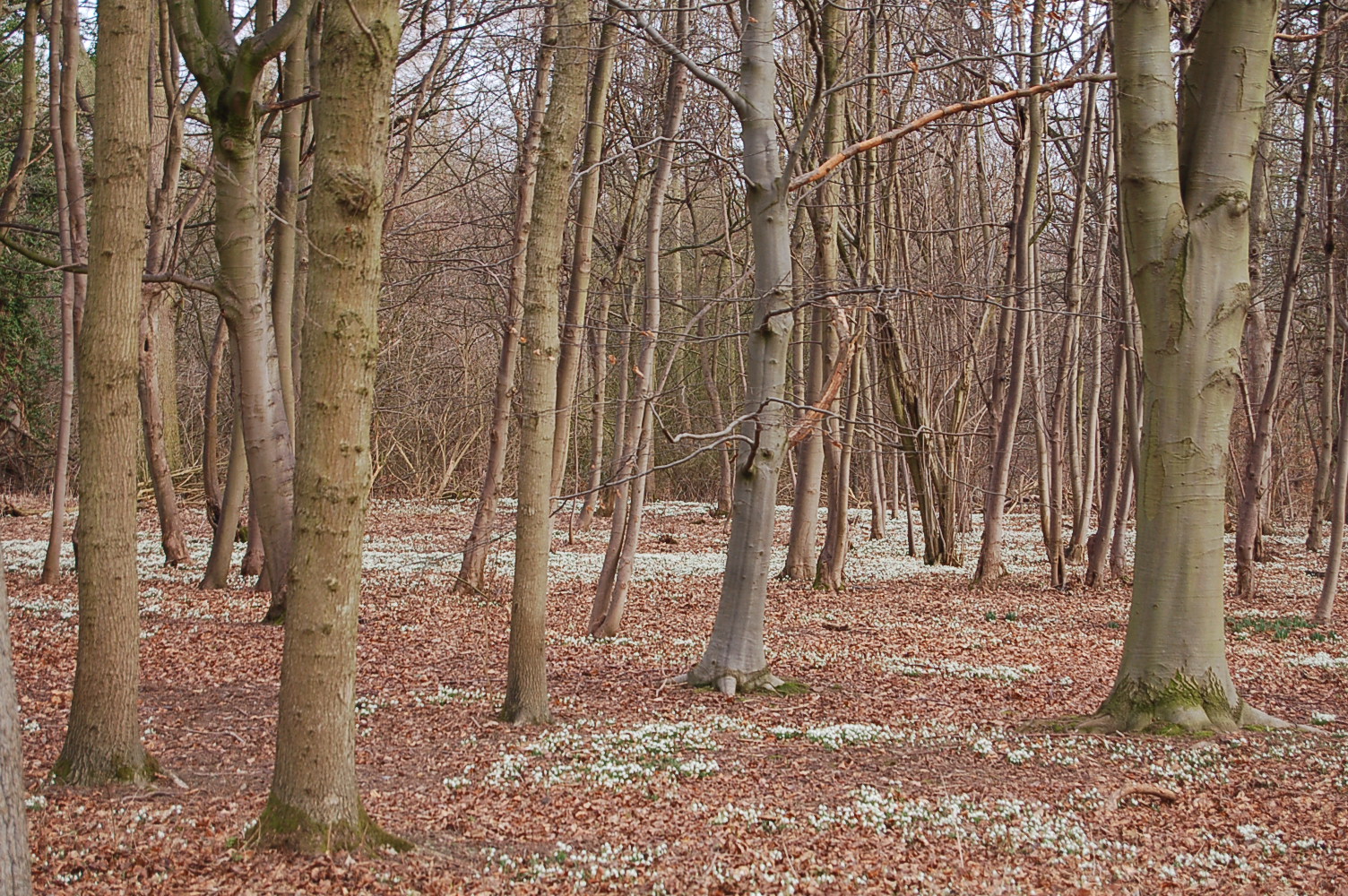
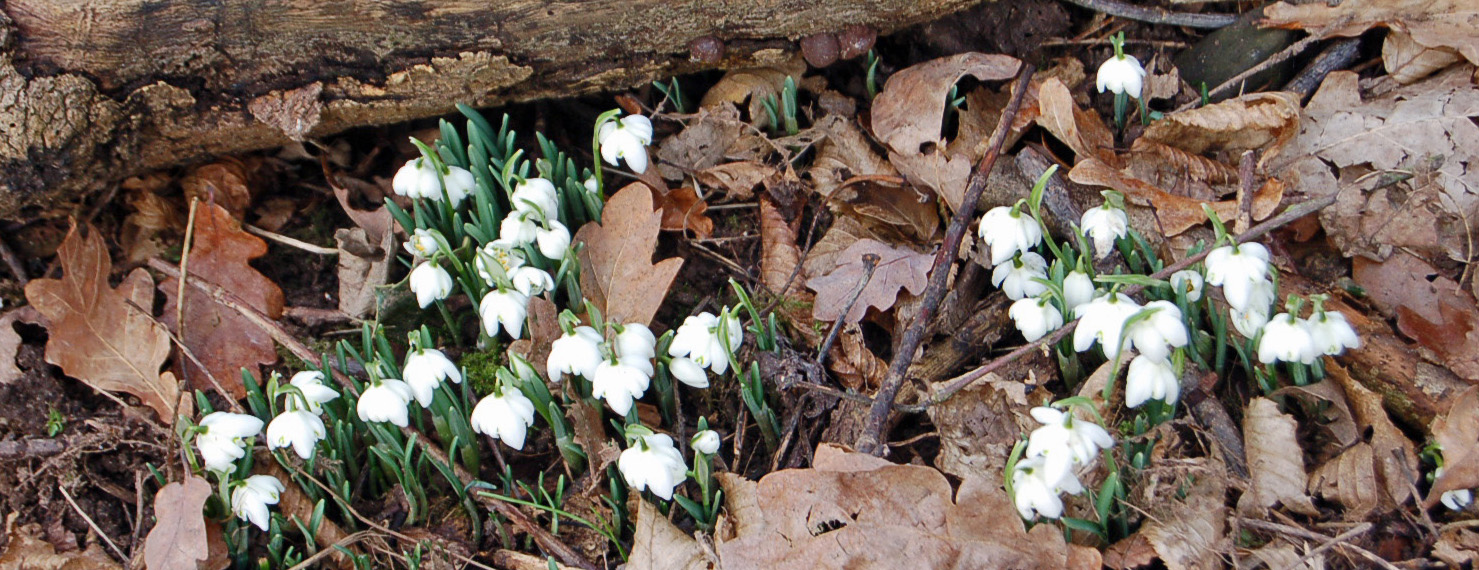
Today as the weather has warmed up and the sun is seeping through a thin cloud layer, we decided to take a twenty-minute drive out to Attingham Park for a walk through the woodlands where snowdrops are the stars in February. It was half-term so the woods were colourful, bright coloured anoraks, scarves and hats as families took to the paths. Every child seemed to have found a suitable rustic walking stick from the undergrowth. It was great to see young families out enjoying the natural world.
As we passed through the stable block the sound of vigorous hammering filled the air echoing around us. A noisy coffee break but we enjoyed watching youngsters wielding hammers busily constructing nest boxes. A great idea from the National Trust. Every family leaving Attingham today has at least one child clutching proudly a newly built nest box.
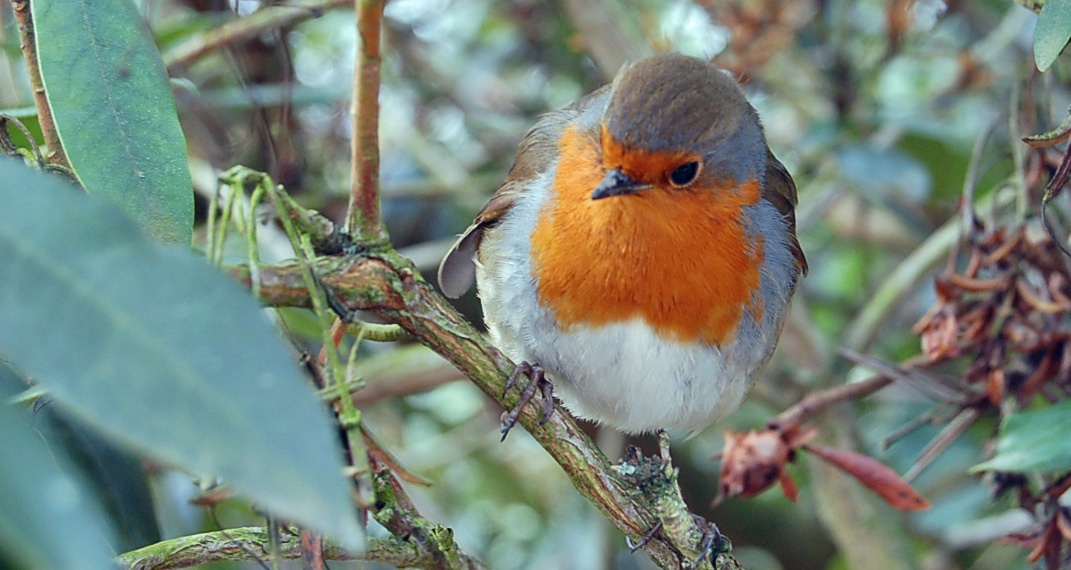
Once into the wood itself we seemed to be guided along by Robins who entertained us with their songs.
The snowdrops are small this year and very slow to develop. Many are just at the early bud stage and those that have come our sport small blooms. The swathes under the tall bare deciduous trees were far less vibrant than expected so the beauty was to be found in the little clumps hidden away deeper into the woods.
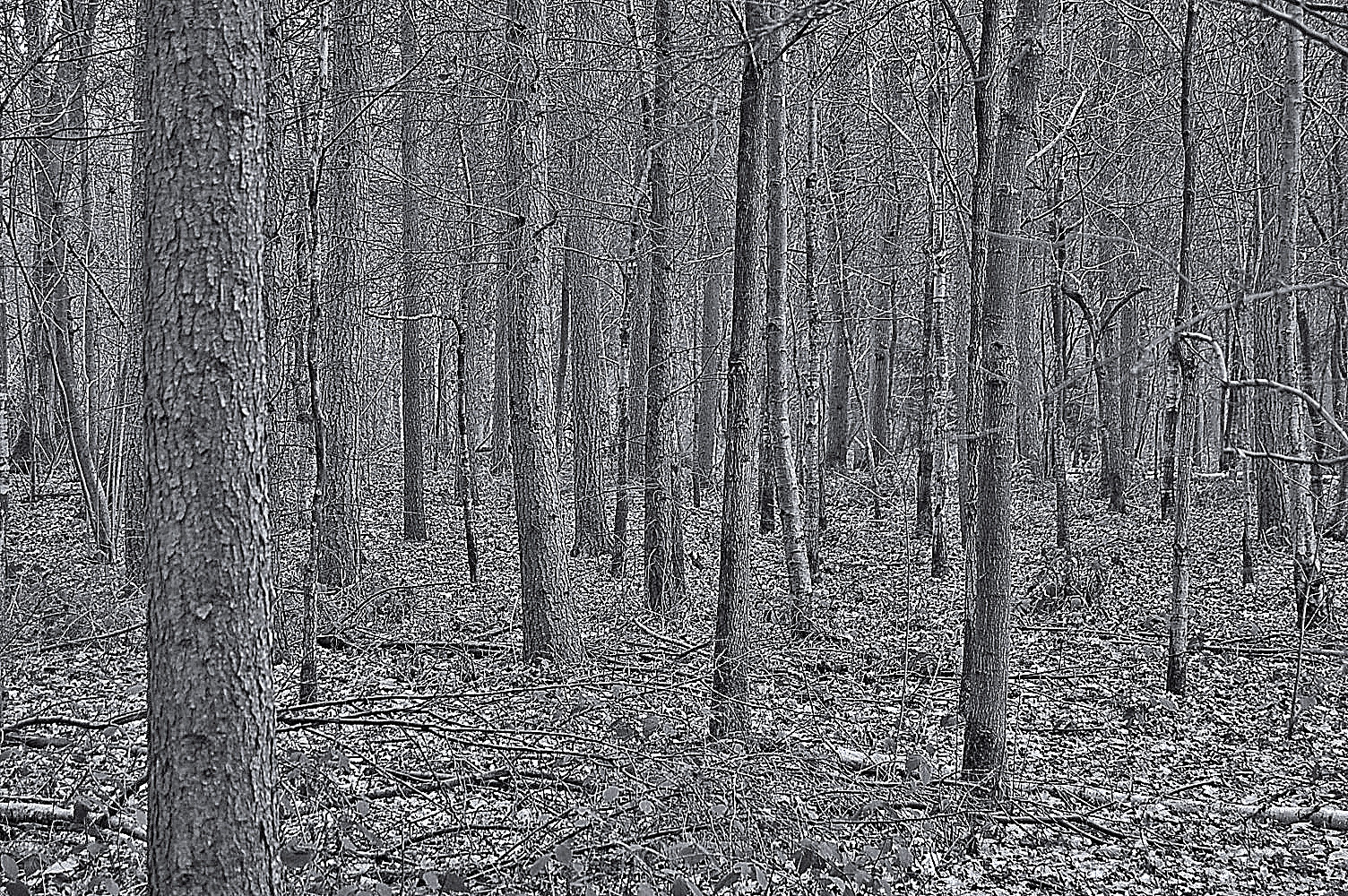
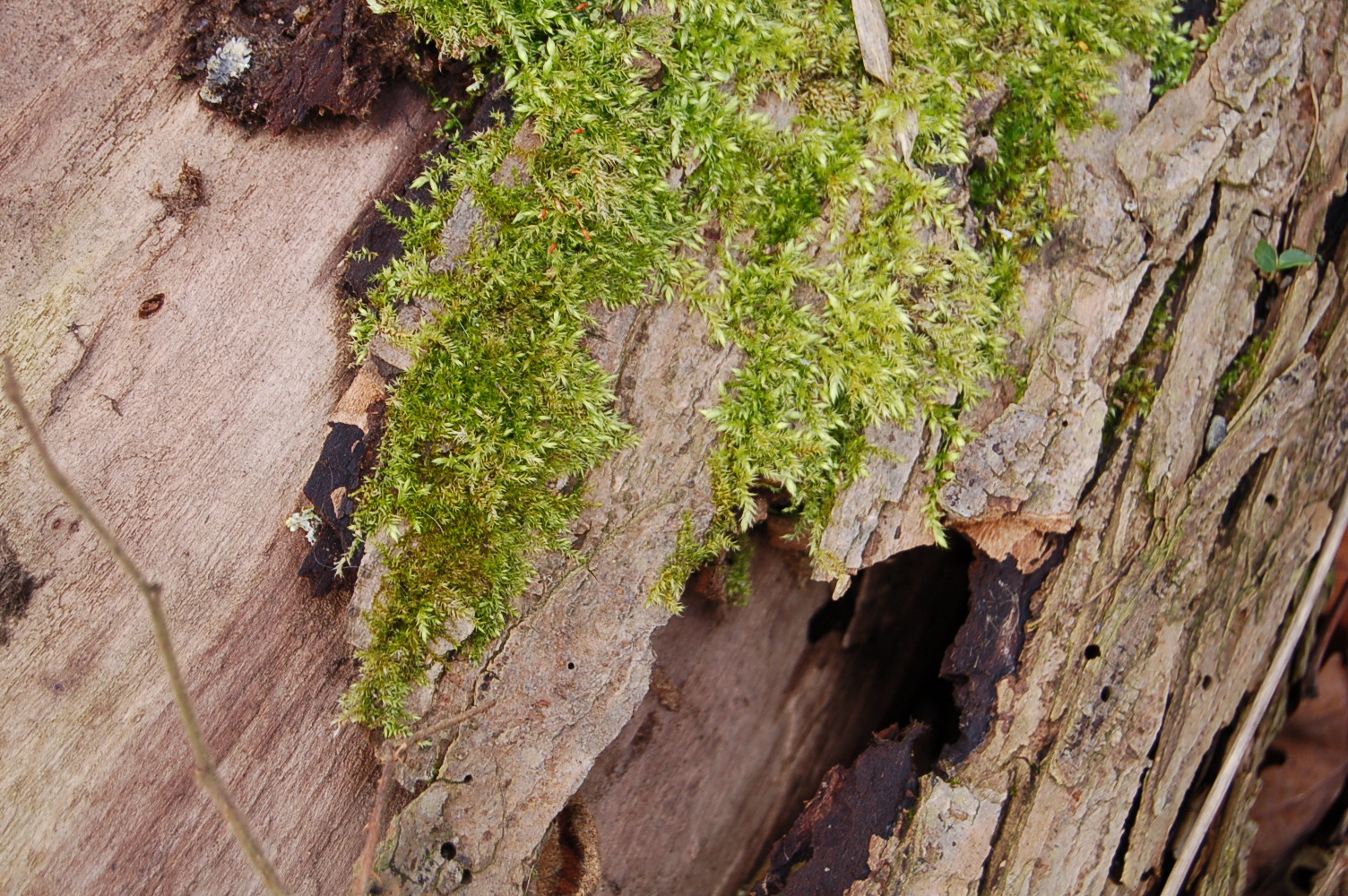
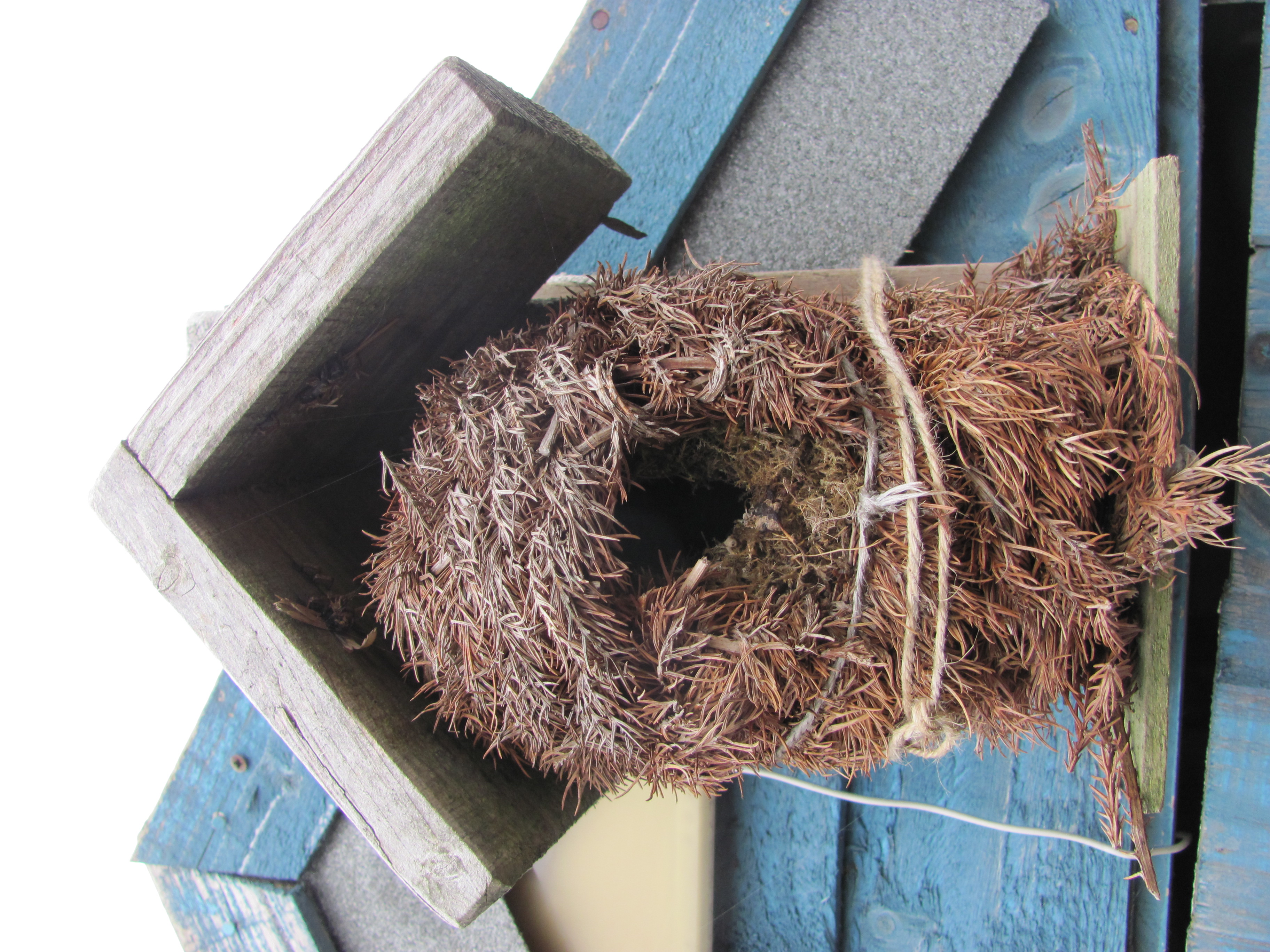
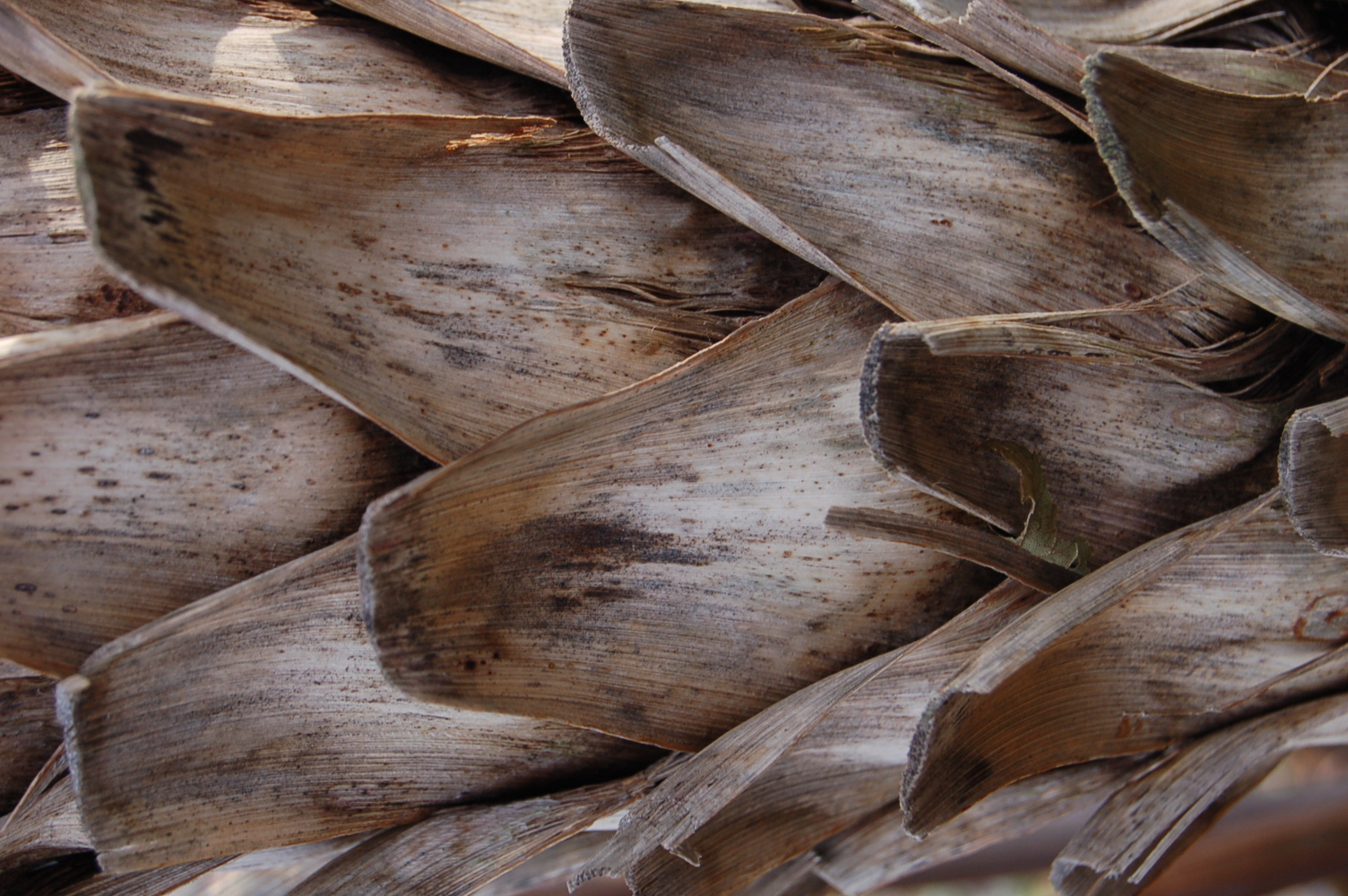
But there was far more to the woods than Snowdrops and the temptation to photograph the textures and patterns found there was easily given in to.
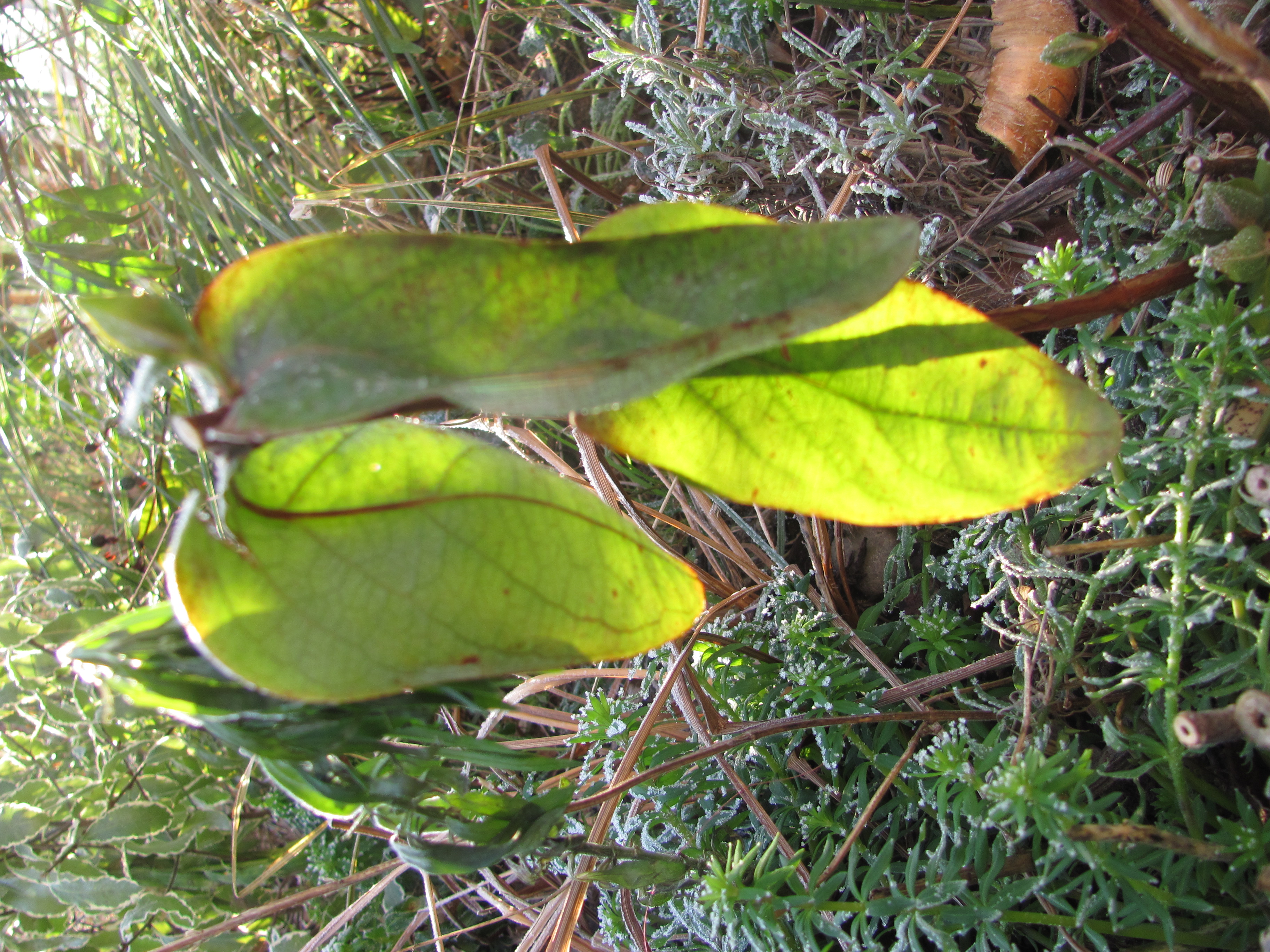
The earliest of woodland shade loving plants are beginning to appear taking advantage of the light filtering through the veil of bare branches above them. The arrow shaped leaves of the Cuckoo Pint are glossy and shine out amongst in the monochrome leaf litter.
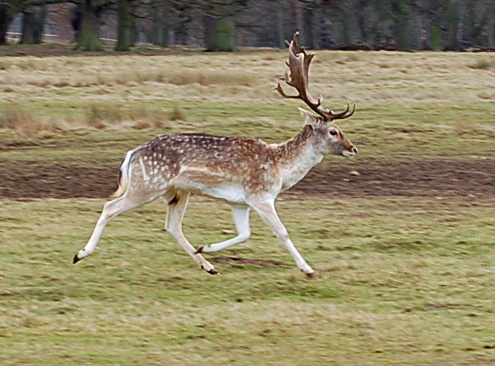
Leaving the woodland we took a track across the Deer Park. A warden appeared on a mini tractor closely followed by herds of excited deer. The tractor was pulling a trailer full of feed! This was an unexpected opportunity to see the park’s deer close up.
The deer may be the biggest and most obvious creatures here but the littlest are also of equal importance. Where the trust have been clearing dead and damaged trees they have taken the opportunity of creating habitats such as log piles, brash stacks etc to attract insects and invertebrates and small mammals. The woods here are now well-known for the population of Lesser Stag Beetles. In some places fallen branches and larger trunks are left to rot away to become hosts to fungi and multitudes of minibeasts.
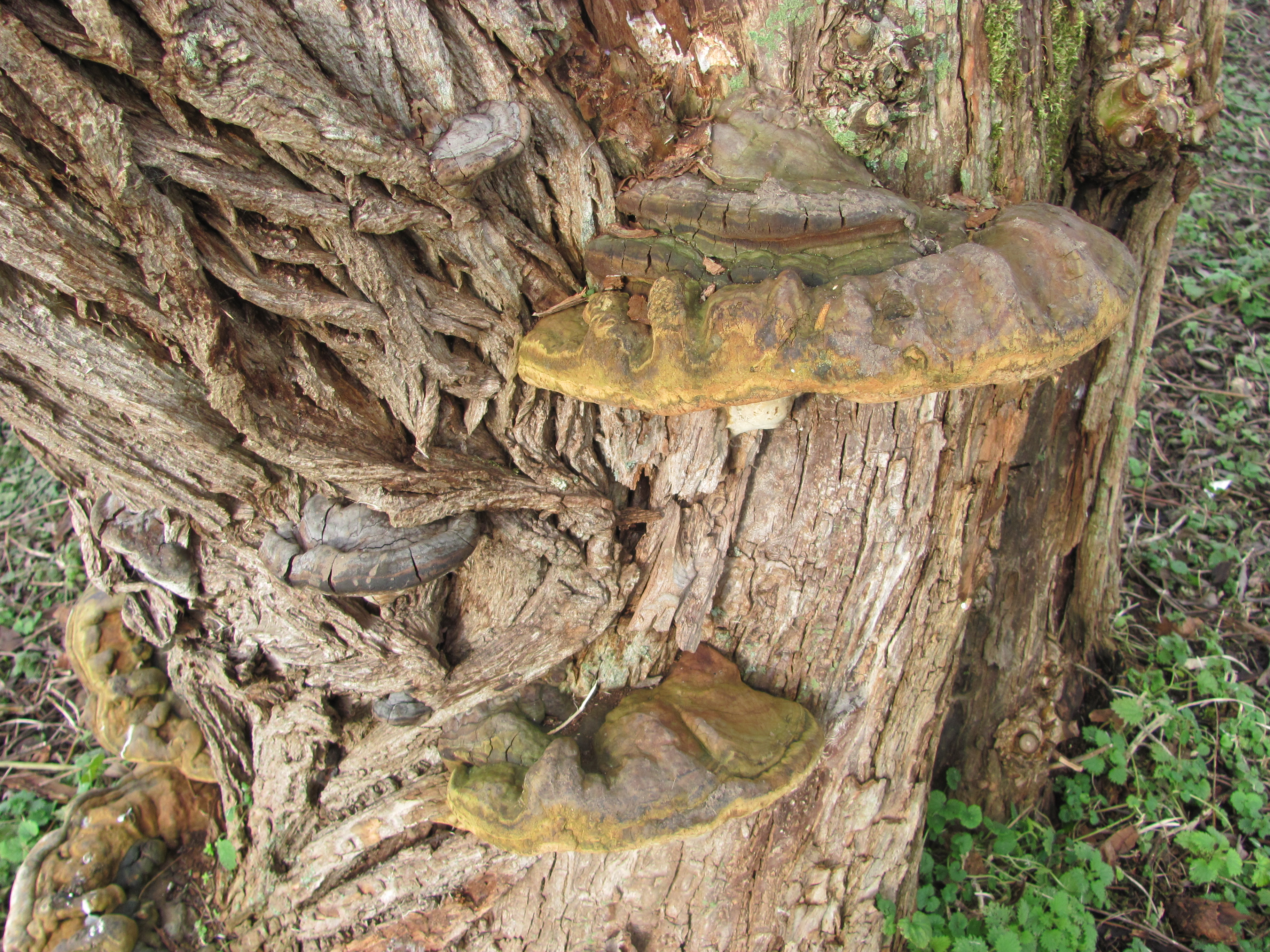
This fungus seems to be leaking from the cracks in the dead bark, like woodworker’s glue seeping from a joint.
This dead tree left standing for fungi, invertebrates and insects looks dramatic alone in a clear area of parkland. Woodpeckers will enjoy attacking the peeling bark and rotting wood in search of tasty morsels.
One of the highlights of enjoying your garden in winter is noticing things that you take for granted the rest of the year. Little special details. Lichen, mosses and algae.
In our Japanese Garden the low rays of the winter sun brighten up lichen, mosses and algae on the lanterns. The greens and greys create a mosaic of soft textures.
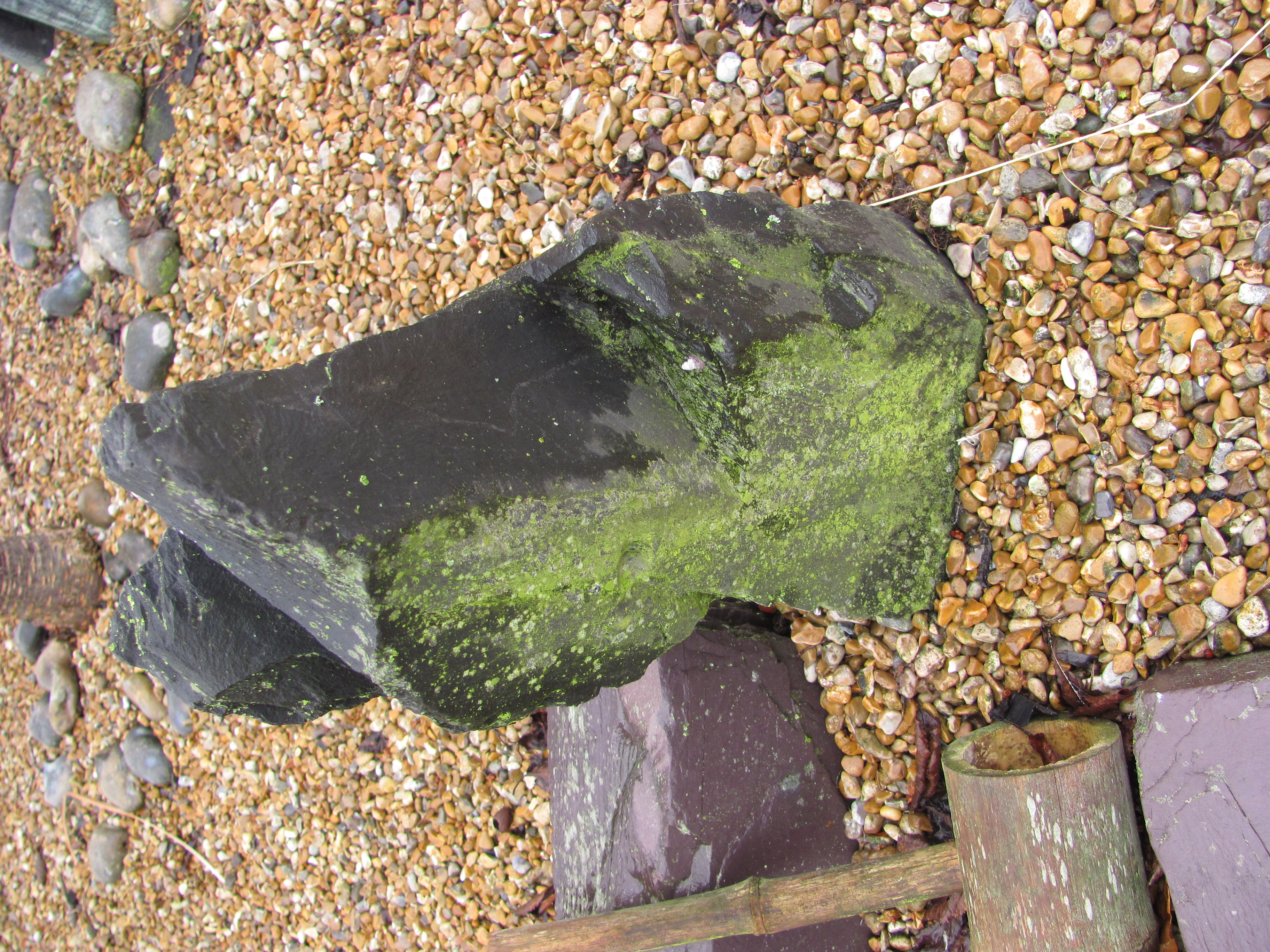
Tints of green add interest to the greys of our specimen slate stones.
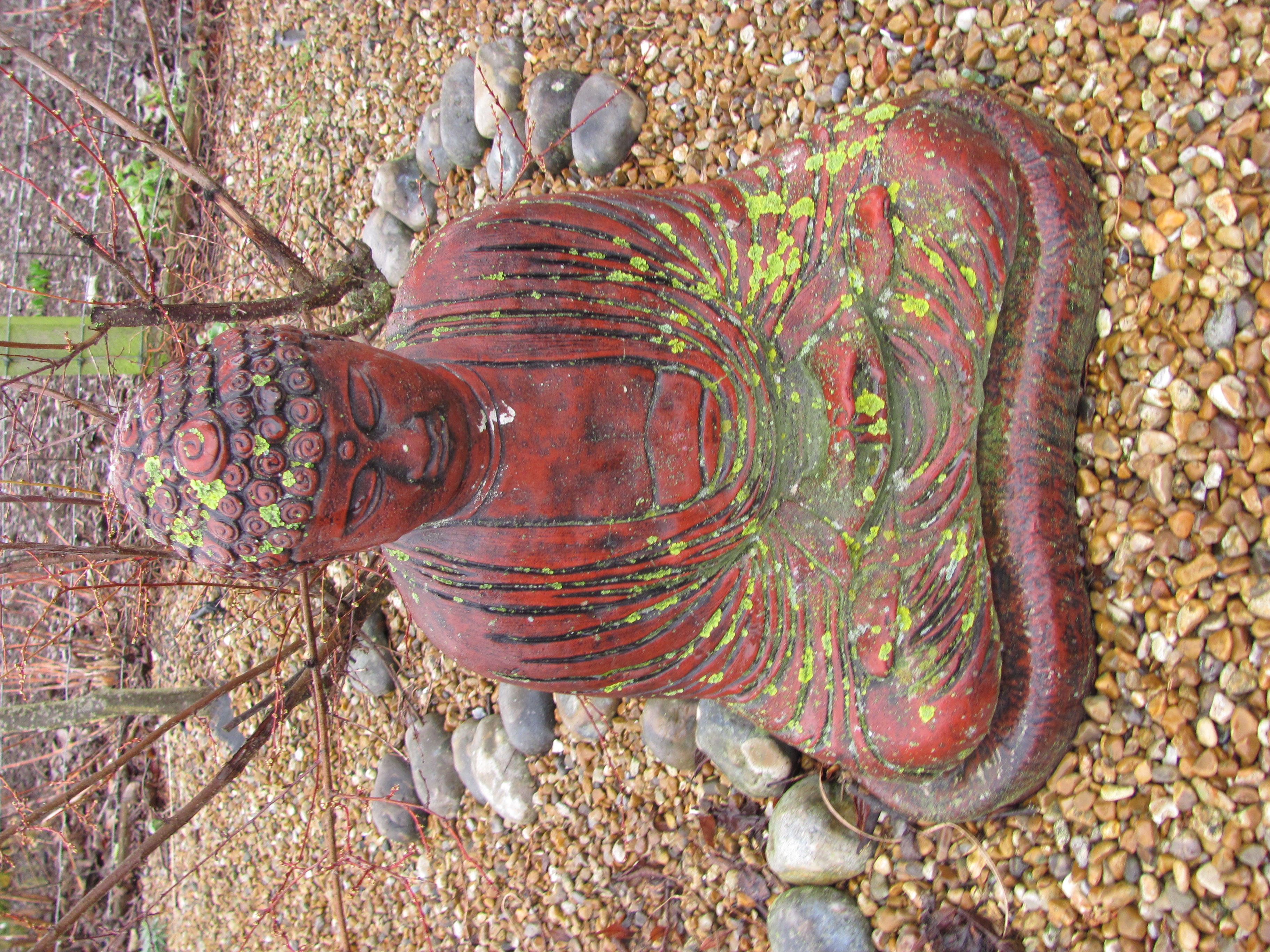
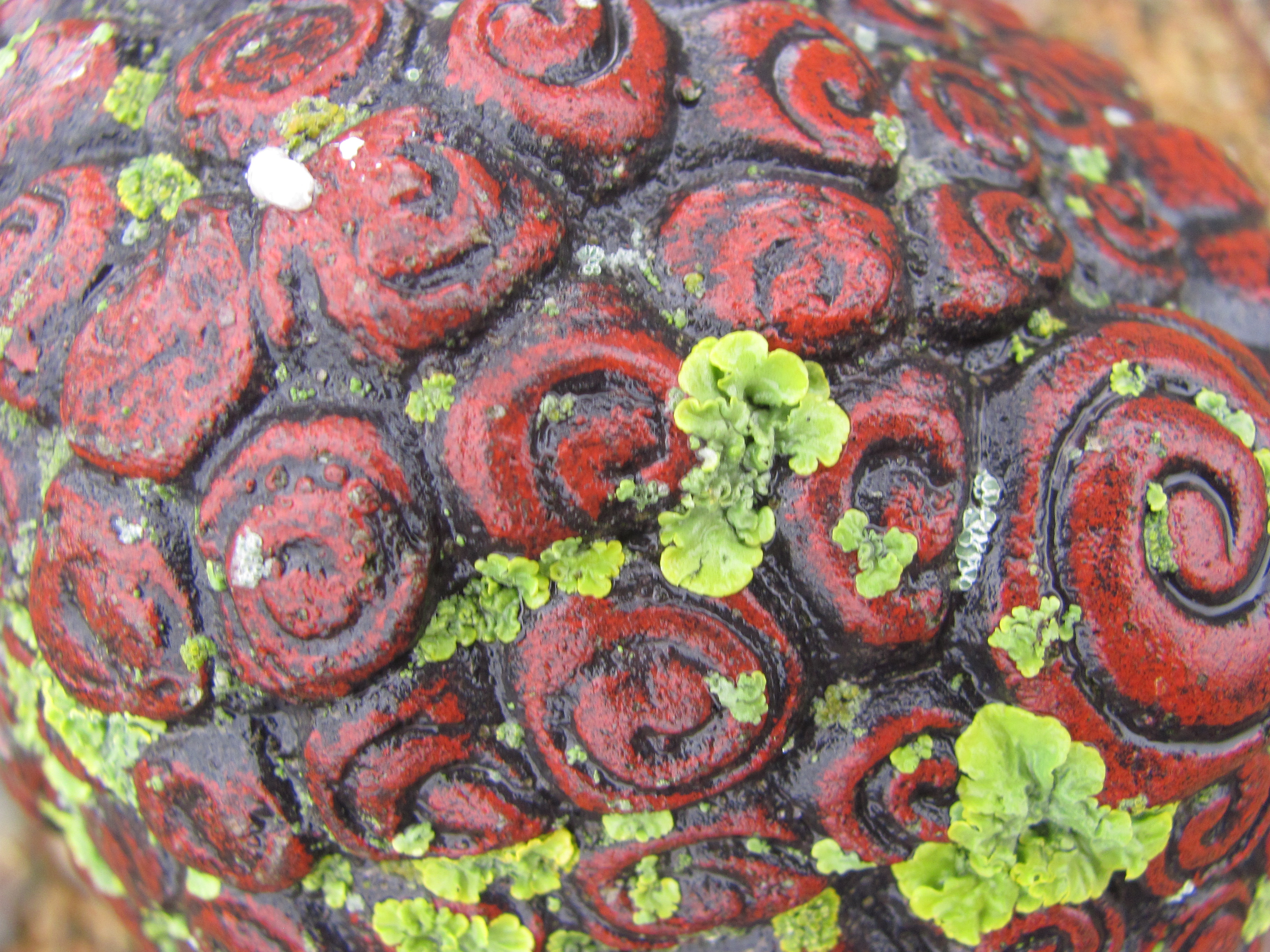
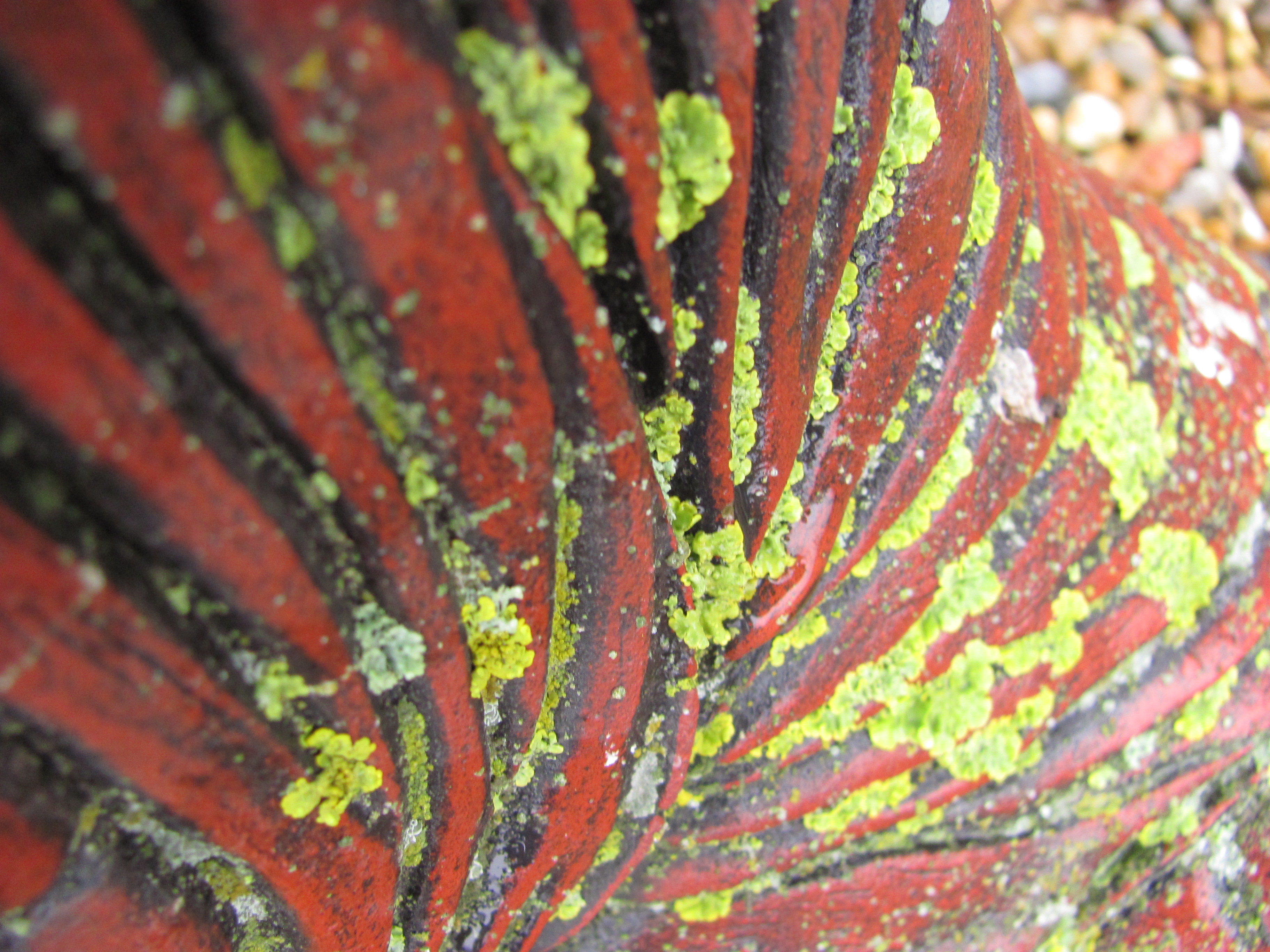
Even the Buddha is given a splattering of green emphasising the shapes of the fabric folds of the robe and curls of hair.
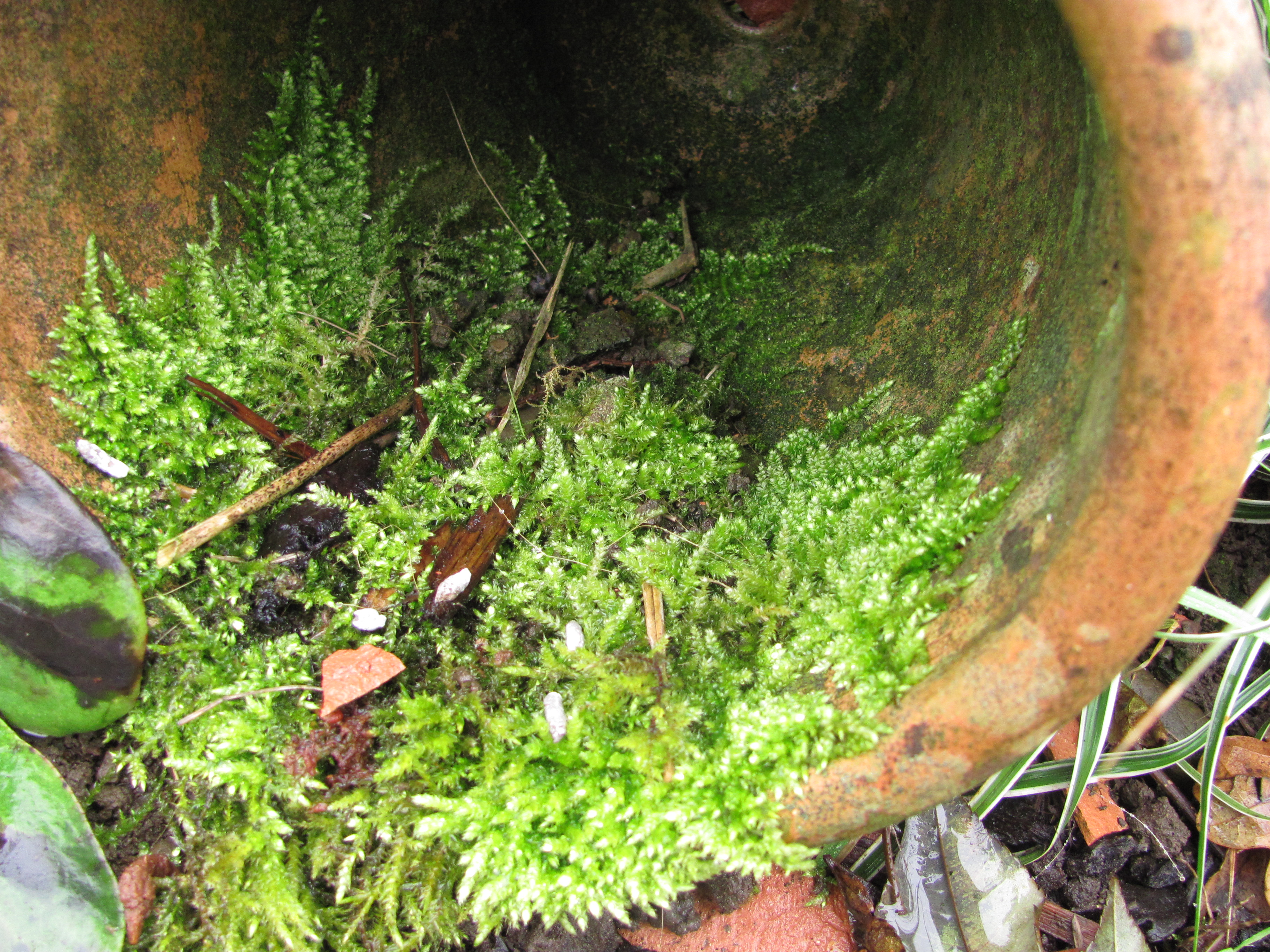
Lush green mosses find perfect conditions to flourish in side a terra-cotta flower-pot.
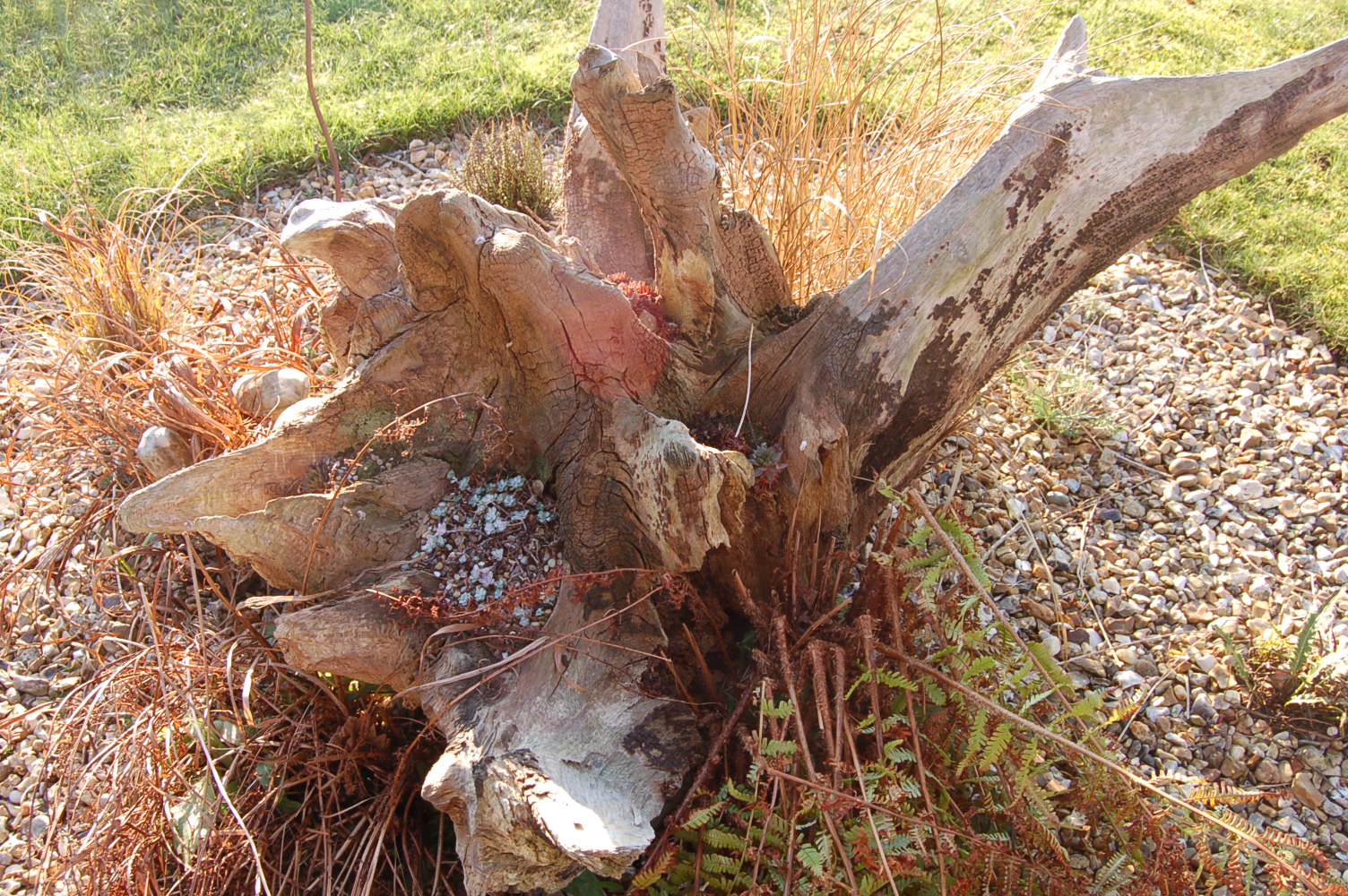
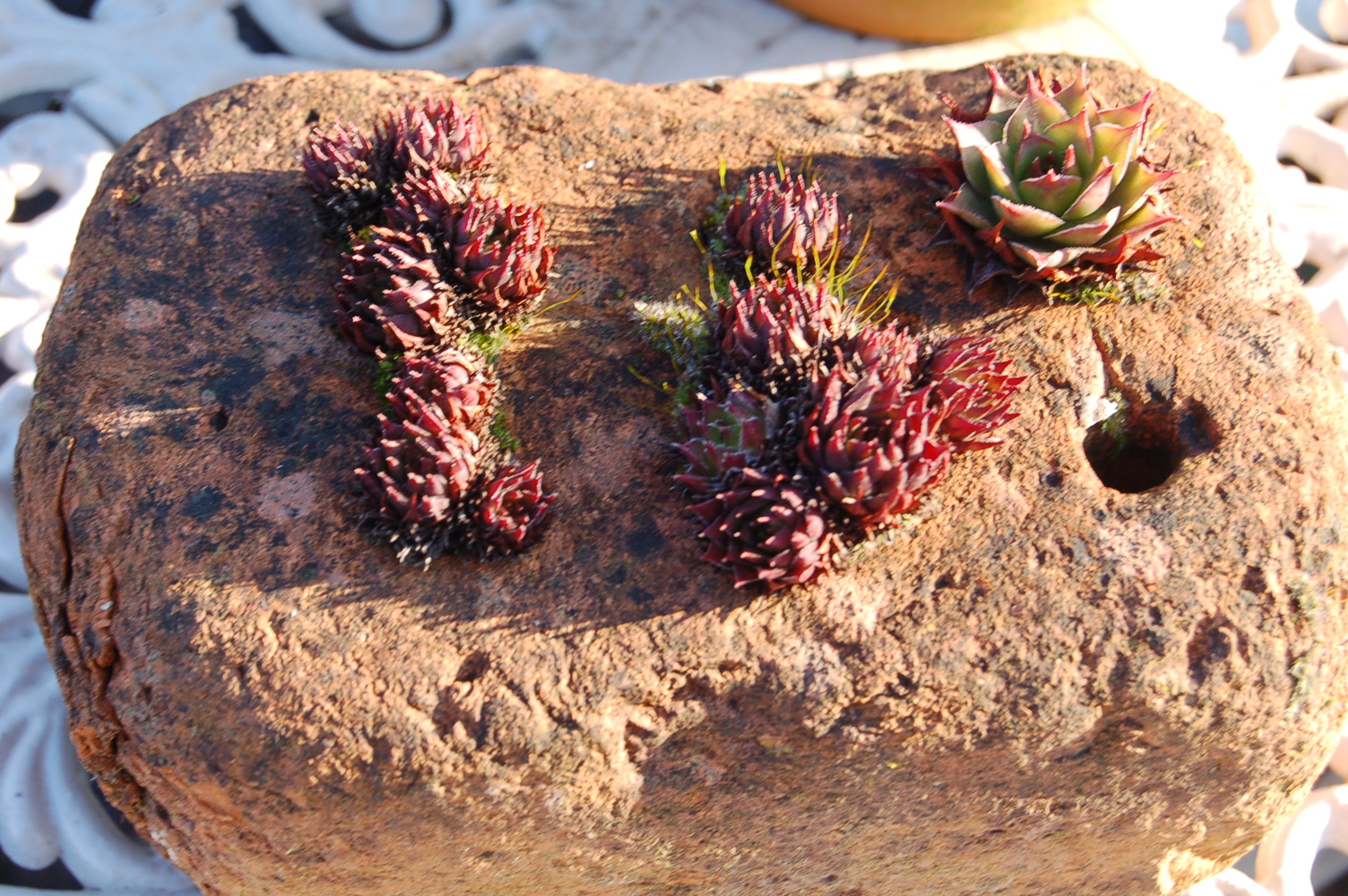
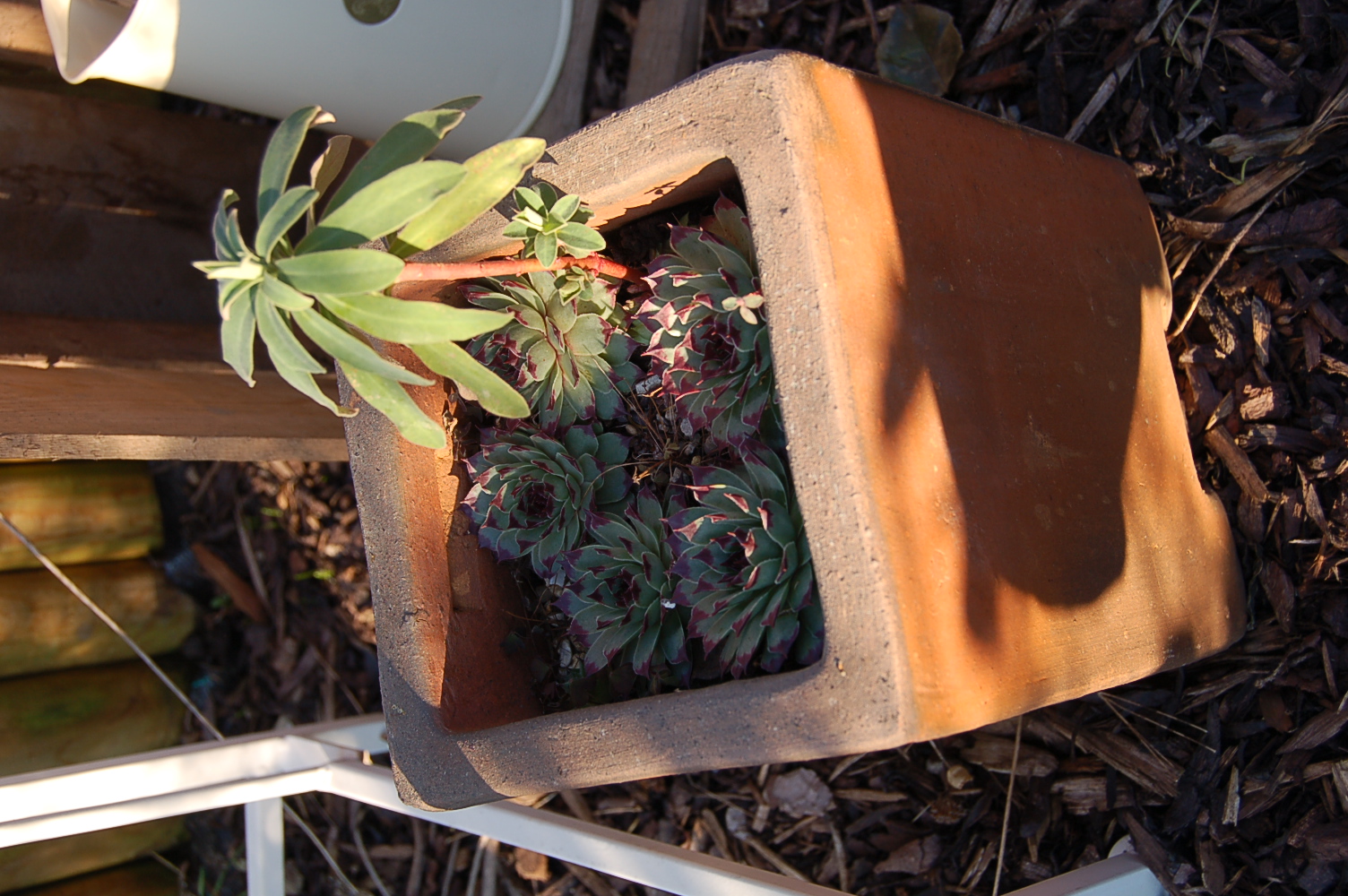
We love the humble Houseleeks. We grow them in pots, on the slate scree bed, in alpine troughs, on our old oak stump and even on an old brick. They are so simple, really just spiky little cabbages, but they have something special about them. Is it the subtle nature of their colours? Is it their reliability? Is it because they are there to delight the eye all year round? Or is it simply the variety? It certainly isn’t the flowers which grow up on oversized stalks and then make the plant fall over. They are called Houseleeks because people grew them on the roofs of their outside privies as they will tolerate such dry growing conditions. Perhaps the extra insulation helped too!
Just like the first Ford cars which you could buy in any colour as along as it was black, so with the Houseleeks you can have them in any colour as long as it is green. Green with varying depths and hints of red, black, purple or blue. And of course we mustn’t forget brown! Being succulents they like it dry and their colours seem richer in late summer when it is often at its driest in the garden.
The correct name for the Houseleek is Sempervivum and they originate from Europe and Asia. There are hundreds of named varieties but we choose them for their interesting colour or texture, not by name, as so many of them are so similar. We buy what we fancy. Some we choose because of their colours but others for their white spider’s web covering or fringing of bristles. Favourites are those with dark colours towards the points of the leaves.
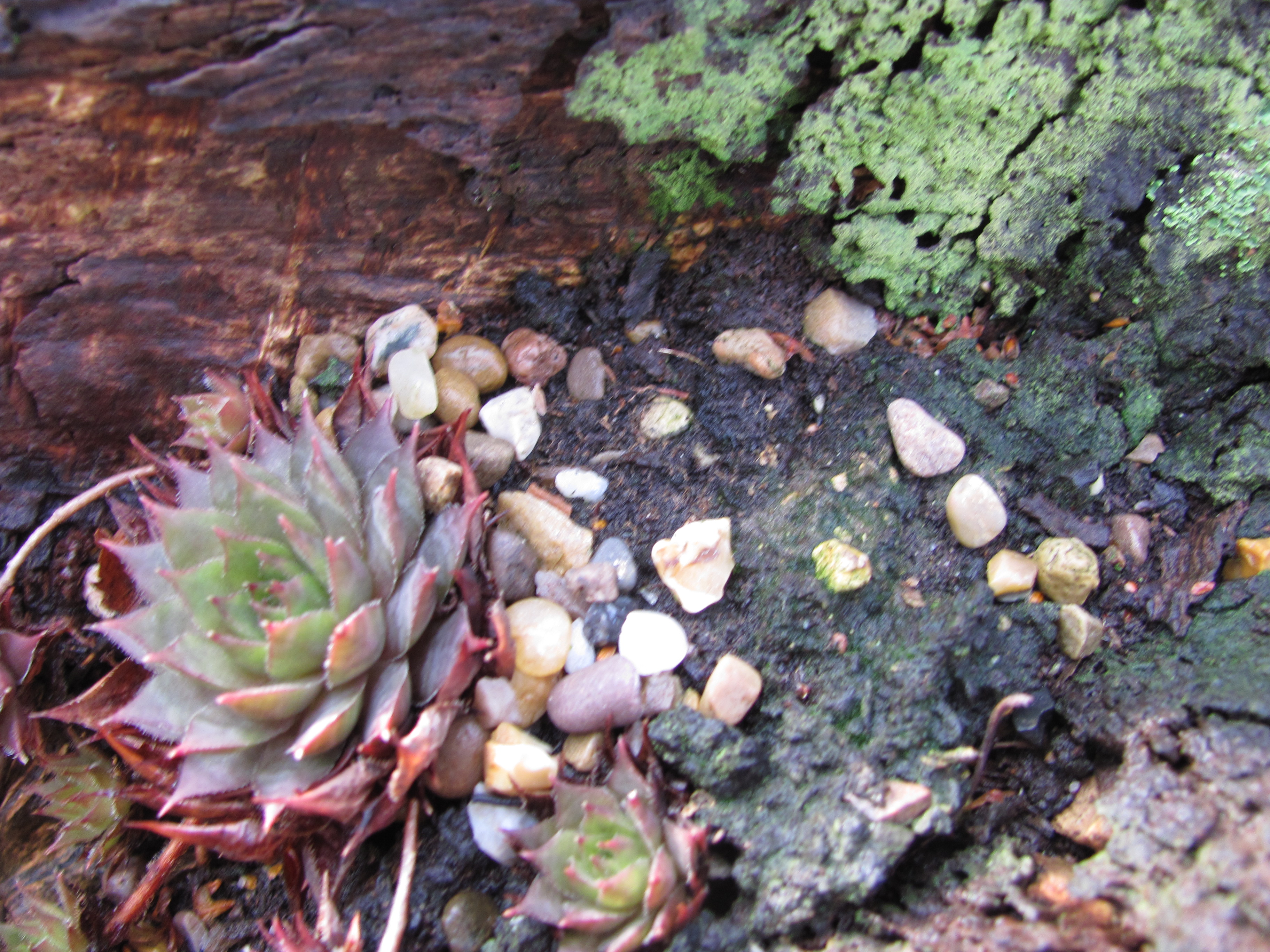
All the pictures in this blog were taken in February which shows how useful an addition to the winter garden these little plants are. There can’t be many succulents that are useful plants with winter interest. The first couple of photos show the Sempervivums growing on our stump, the first enjoying the company of an icy green lichen and the second with the dead brown fronds of a fern.
When a Sempervivum flowers, sending the tall stem from the centre of a rosette, it dies, but the dead rosette is soon replaced with new offsets. This plant on the slate scree bed is still holding on to its flower stem surging from the now-dead rosette. Soon we shall pull it out and in the spring new rosettes will fill the gap. We leave late flower stems on the plants as they provide interesting structure. The subtle colouring of its rosettes work beautifully with its slate grey background.
Now we take a photographic journey around the garden in search of more Houseleeks.
Awaiting planting, still in their pots, sit four new varieties. Will we ever stop being tempted?
This is the second of our monthly garden wanders designed to give an insight into what is going on each month. Our February wander will be a colder one so don those thermal gloves and woolly hats with silly bobbles and join us. We hope you enjoy what our garden offers in the second month of 2012.
The day dawns frosty but with a bright blue hat on. A lovely fresh winter’s day, with the quiet plaintive song of the Robin as company – he always comes around the garden with us and entertains us with a song. Overhead Buzzards call from their thermals high above the slope of the hill. It feels a perfectly calm day to us but these big, broad winged predators always find movement in the air. Why does the call of the buzzard always sound further away than the bird itself? Have they mastered the art of ventriloquy? We see them most days but we never lose the desire to watch them enjoying their freeform flight.
I fed the chucks and topped up their frozen water with some warm, before collecting their eggs from the nest boxes. Today the hens’ contribution to our larder had added benefits. Handwarmers! Holding these little warm parcels of food felt more special than usual. As I passed the shed on my way down to the chuck pen three Wrens burst out of their roosting pocket – late risers. A pair nested in here in the summer just a few inches above the shed door. They took no notice of our comings and goings. They filled the roosting pouch with moss, feathers and delicate grasses which now insulate them on cold nights.
Dual purpose roosting pouch.
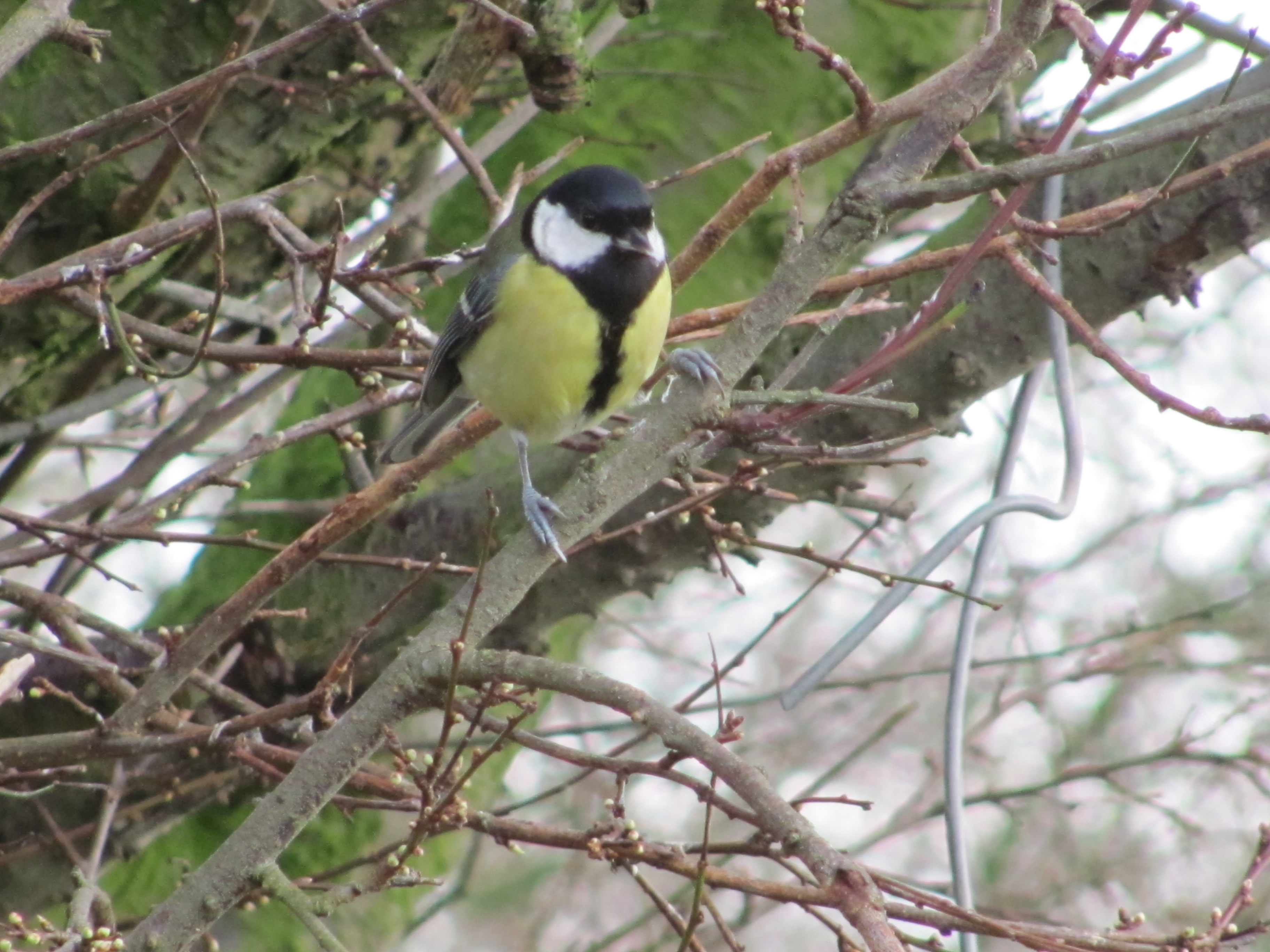
The garden is full of birds once more after a quiet few months. We were beginning to wonder where all the birds had gone, but today Goldfinches have reappeared in busy red and gold flecked flocks. mixed feeding flocks of titmice invade every tree and shrub and Linnets sit on the highest branches. Long Tailed Tits in groups of a dozen or more flit from tree to shrub and from feeder to feeder, never still, always fidgeting like a class of infant pupils awaiting a favourite story. The odd Bullfinch and Blackcap conduct their business more quietly.
On the feeders Jackdaws attack the peanuts dropping morsels for the Dunnocks and Chaffinches waiting below. Jackdaws are long-lived and today two old favourites are to be seen, one with a white wing and one with a wing that droops low when he settles. Overhead their much larger relatives pass over, a “cronking” trio of Raven flying effortlessly with outstretched fingers.
It is noticeable that the clusters of berries on the Hollies and Cotoneasters are much depleted as greedy groups of resident Blackbird and Mistle Thrush are joined by migrant members of the thrush family, the winter visiting Redwing and Fieldfare. The small yellow crab apples on Malus “Butterball” have now been stripped by these members of the thrush family.
Our horizontal cotoneaster is a favourite of Blackbirds, Redwing and Mistle Thrush.
There has simply been plenty of natural food for our avian friends this winter. It has been mild enough for insects to be on the wing, for invertebrates to be creeping and crawling, and the hedges and trees have heavy berry crops. We want to see them in our garden but we are being selfish. They come to us when they need to and not before!
The blackbirds have finally discovered the windfalls.
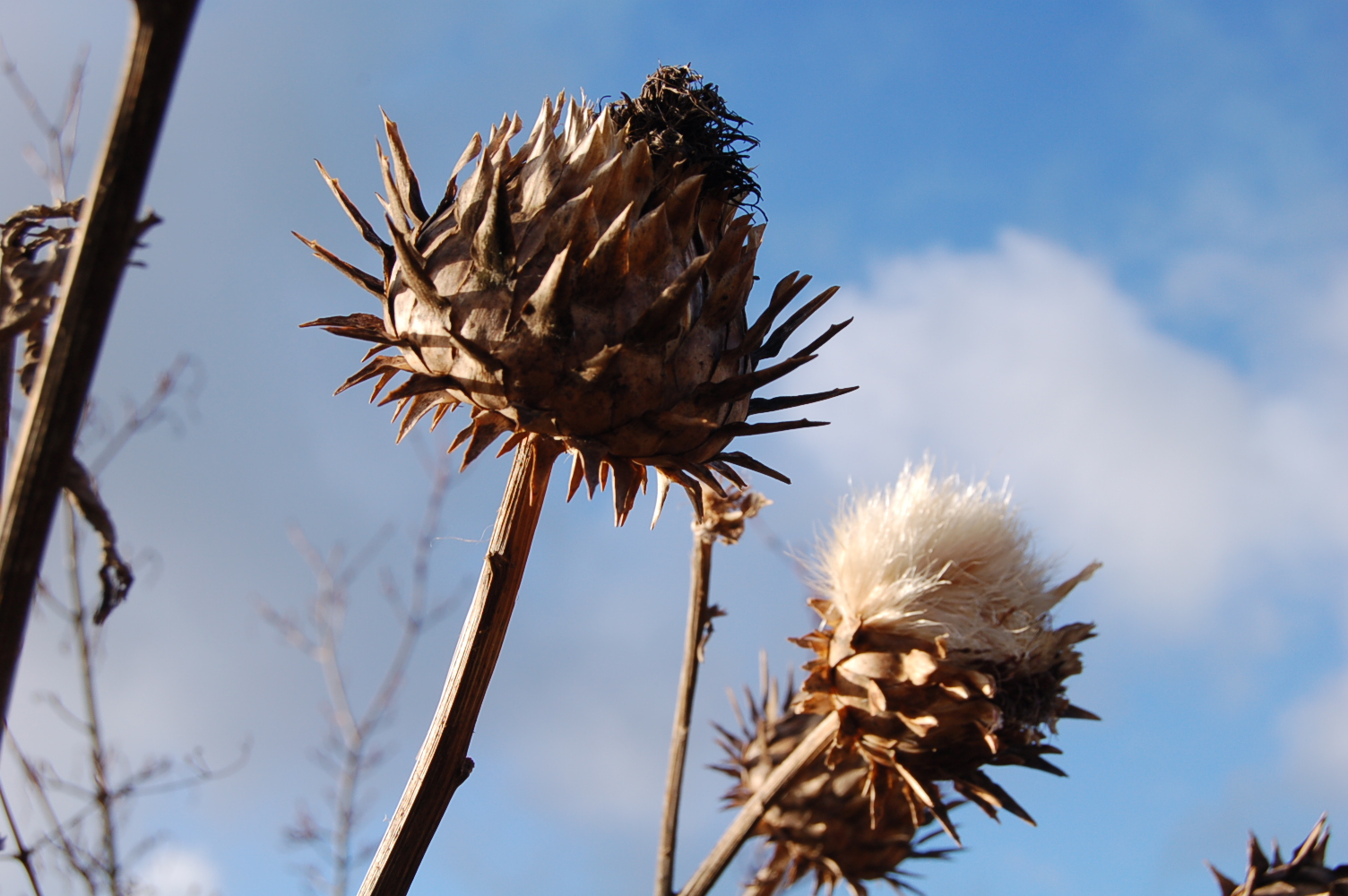
The re-appearance of the Goldfinches gives us close-up entertainment as close to the conservatory window grow Onopordon, the Scotch Thistle, and its seed heads tower into the blue sky. Goldfinches love them and soon dig in for seeds, bursting the heads open as they do so, and the white fluffy insides overflow like raw cotton.
Scotch Thistle seed heads towering into the blue.
The intensifying of the cold sucks structure from leaves and hardens the ground beneath them. The accompanying frost layers the ground and plants with lines and layers of frozen crystals. The blueness of the skies on a clear February day is more intense than earlier in the winter. The sunlight seems brighter.
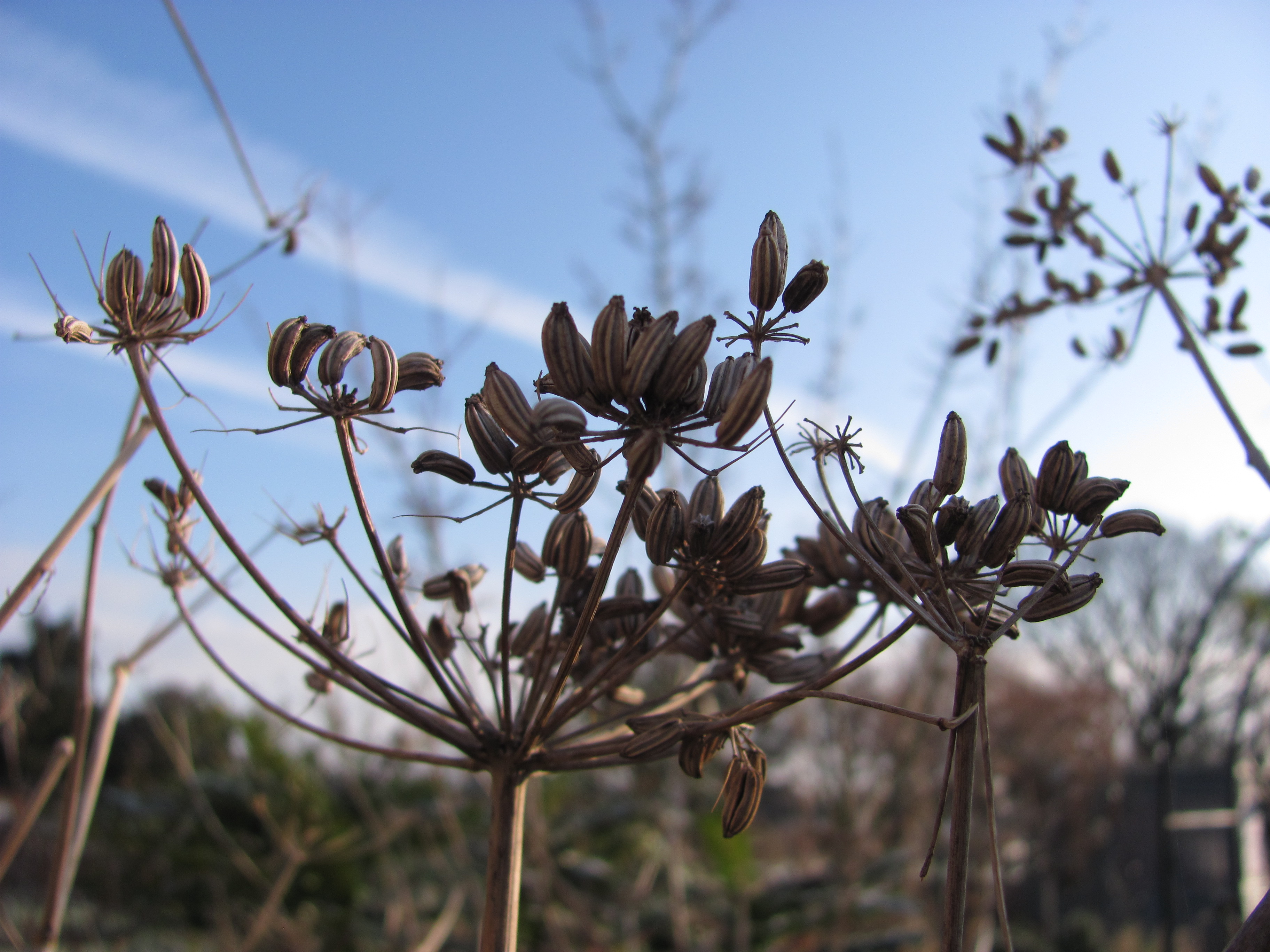
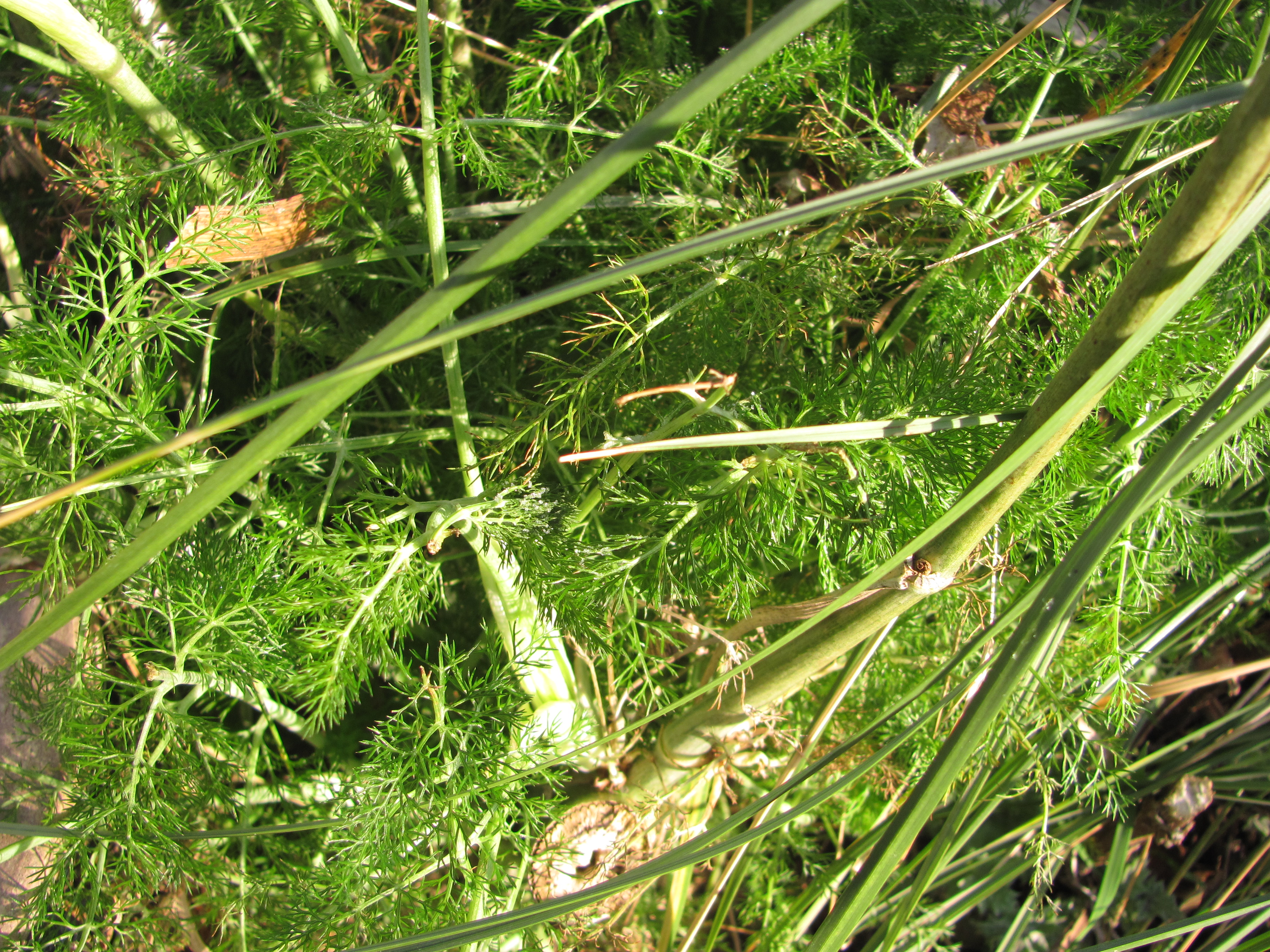
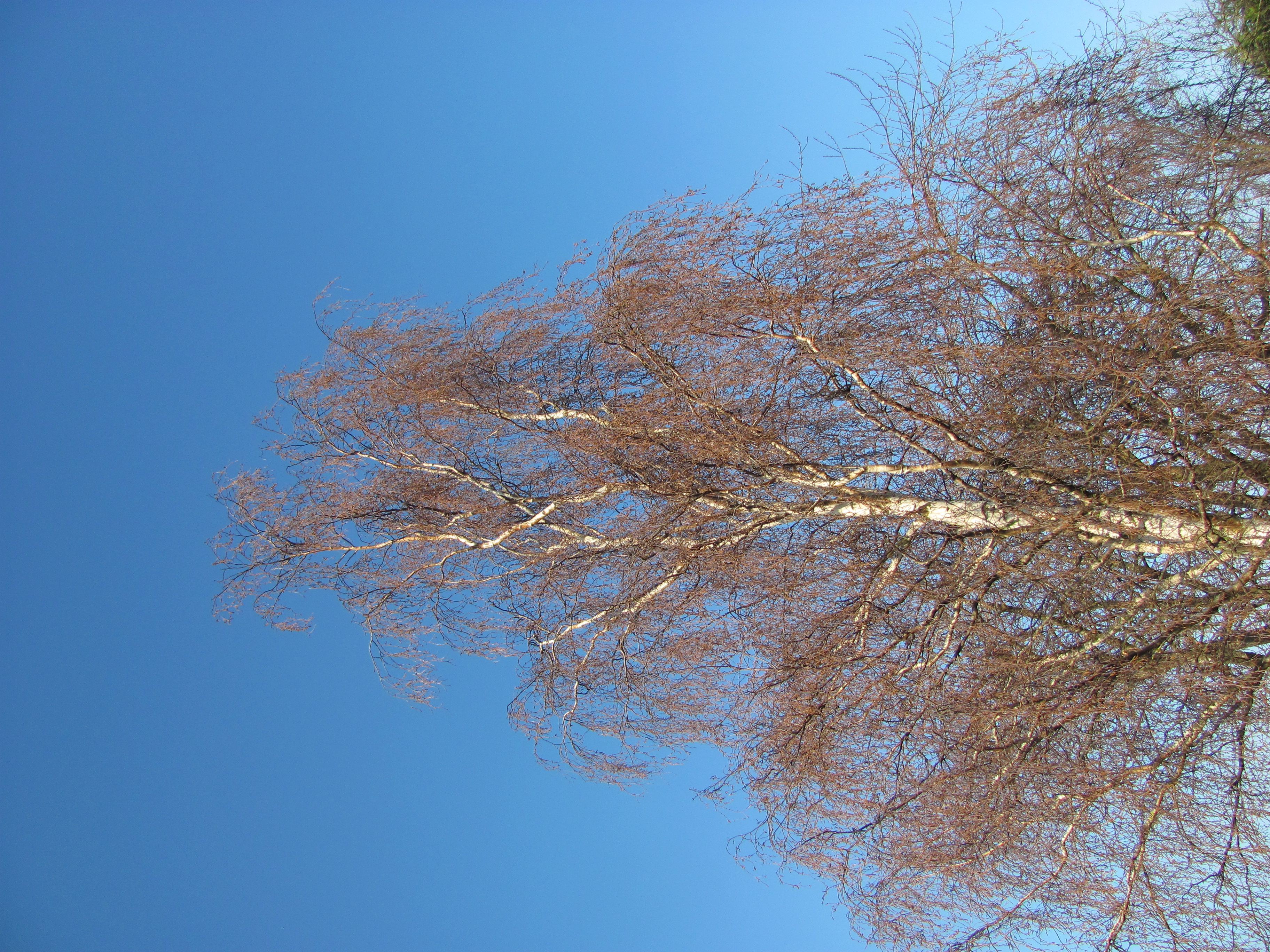
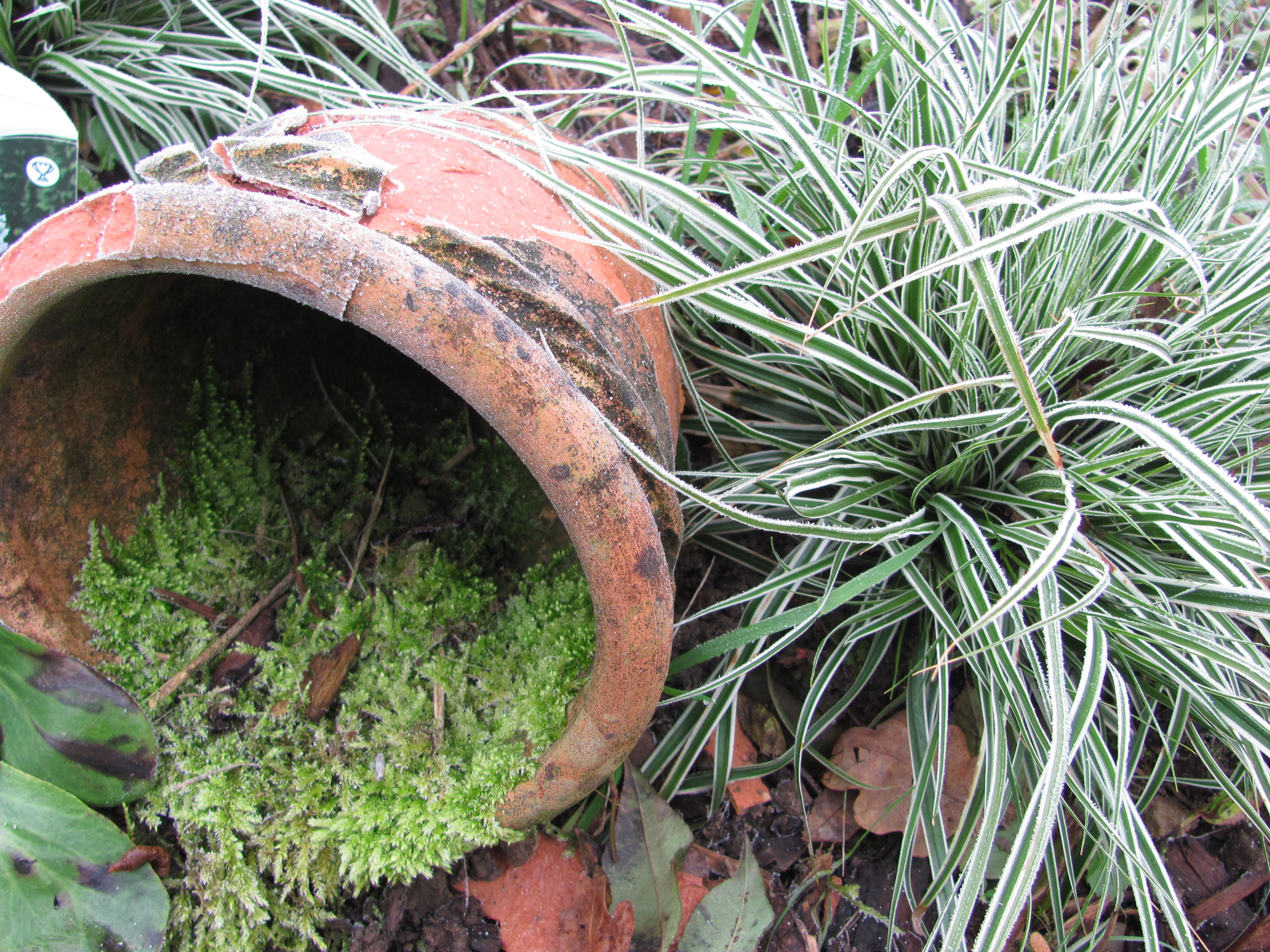
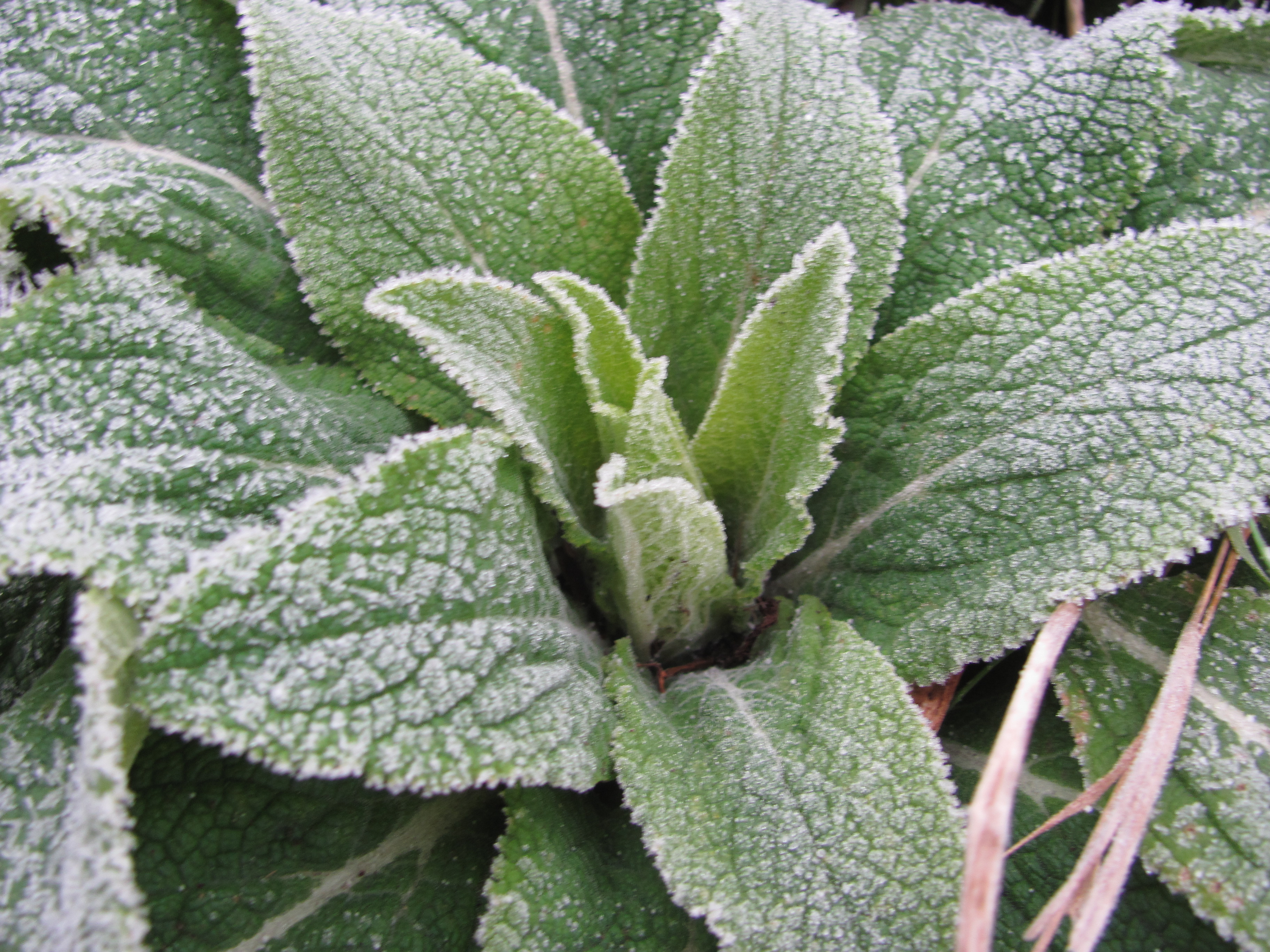
The deep cold has taken the structure out of the young self-seeded sunlit Hypericum.Fennel seed heads still stand strong while its delicate bright green seedlings shelter below.Sheltering Fennel seedlings.The deep blue February sky increases the purple tints in the tracery of the Birch's finest branches.The frost gives an extra line of silver along the leaf edges of these grasses.Icing sugared Foxglove leaves.Frost adds another layer of texture.
Something special happens to light in February. There is something about the quality of light that changes. It makes you feel better. It makes plants look better, their flower colours intensify. If, like both “The Undergardener” and I, you suffer from SAD (Seasonally Affected Disorder) then you will feel and experience this change. You feel the tunnel of winter has brightness at its end. Monty Don, in the book “Fork to Fork” refers to this improvement in light quality, writing that February displays a “tangible promise of a better time” and talks of a “surge of energy and hope running through the garden”. This will be tangible from about the middle of the month but even now the hint of that promise is in the air. It isn’t just S.A.D. gardeners who believe in the wonder of February however, as we have a pair of Blue Tits taking up residence in one nest box and a pair of House Sparrows in another. Spring is in the air! Well, maybe not! No, these two pairs are just like serious sun-bathers on a busy sandy beach, just getting there early to “bag” the best spots.
Nowhere is this new hope more obvious than in the flowering of the bulbs and the bright green signs of new growth of perennials. Snowdrops, Crocus and Aconite, the pearls of the month.
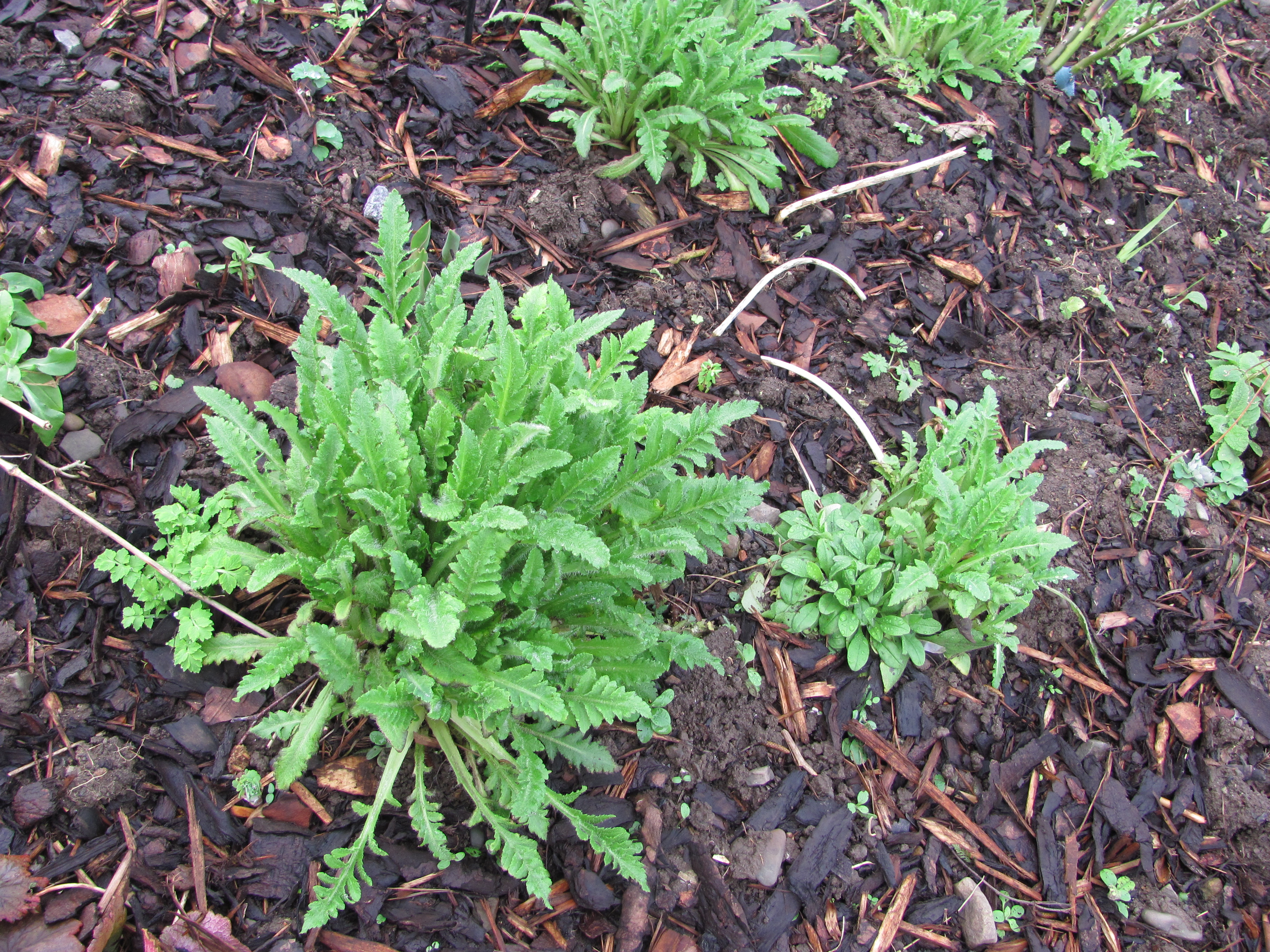
Winter Aconite Gold.So delicate but so tough.Marbled foliage of Cyclamen with golden flowers of Winter AconiteNew growth on the oriental poppies - promises!The leaves of Day Lilies spear the frozen mulch.
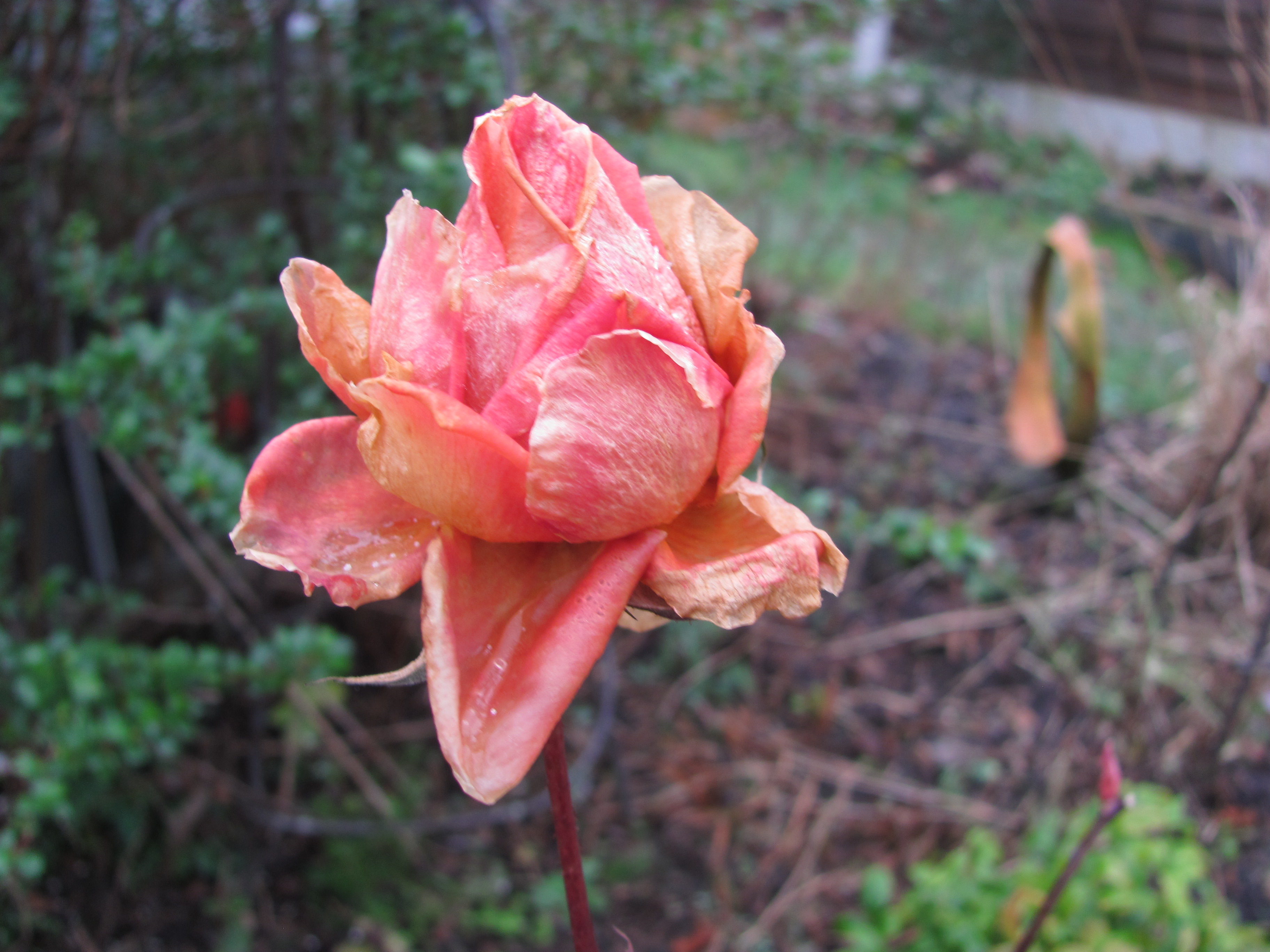
But some new life is out of sinc. Buds appear and surprise. The blue anemone with its metallic sheen on its indigo bud is a special treat and is reflected in the blue berries of the Viburnum davidii. The last of the rose buds however that gave promise of flowers have given in to winter’s grasp.
Out of Season AconiteBlue pearls.The promise of a rose flower stopped by the frost.
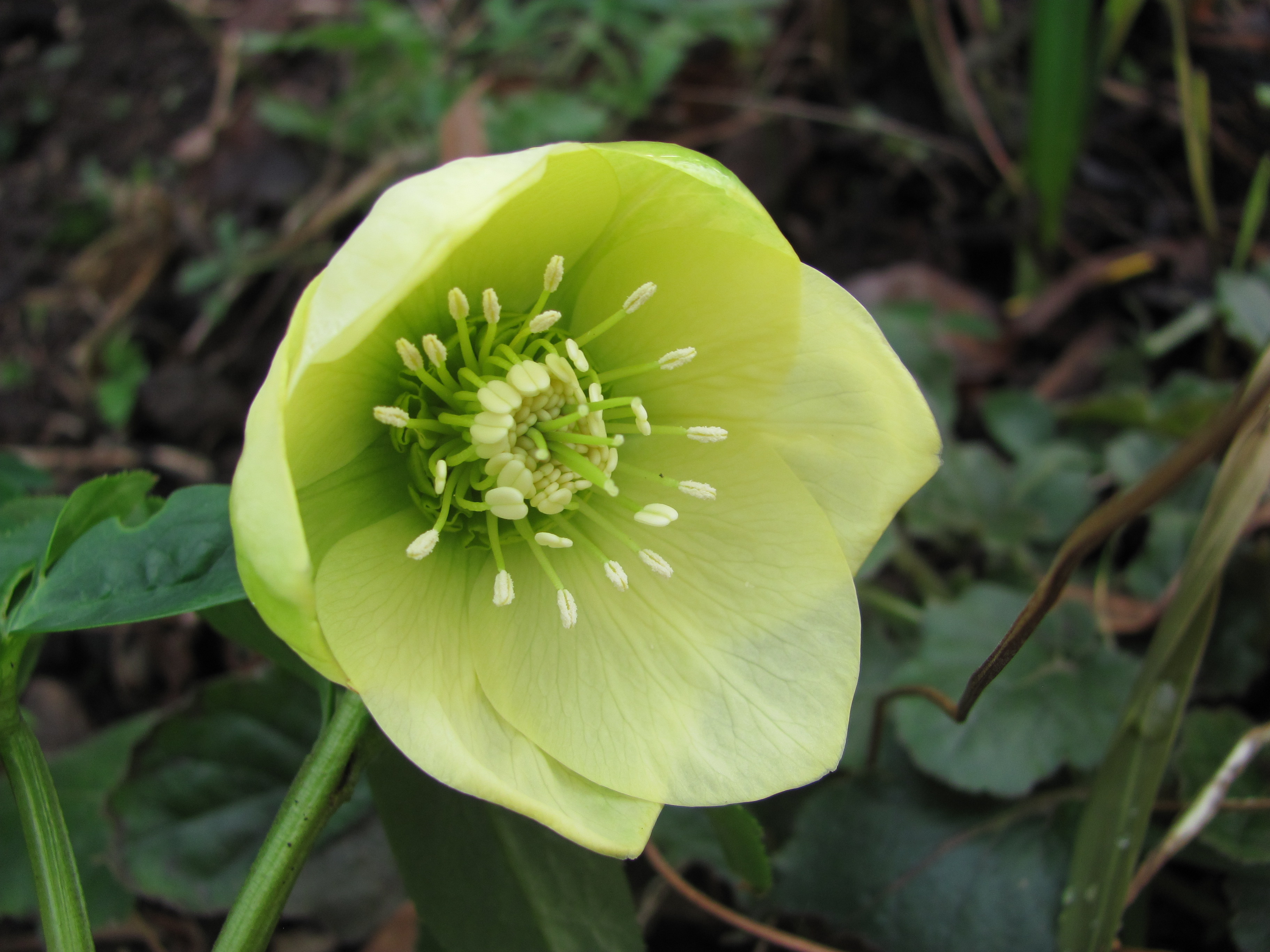
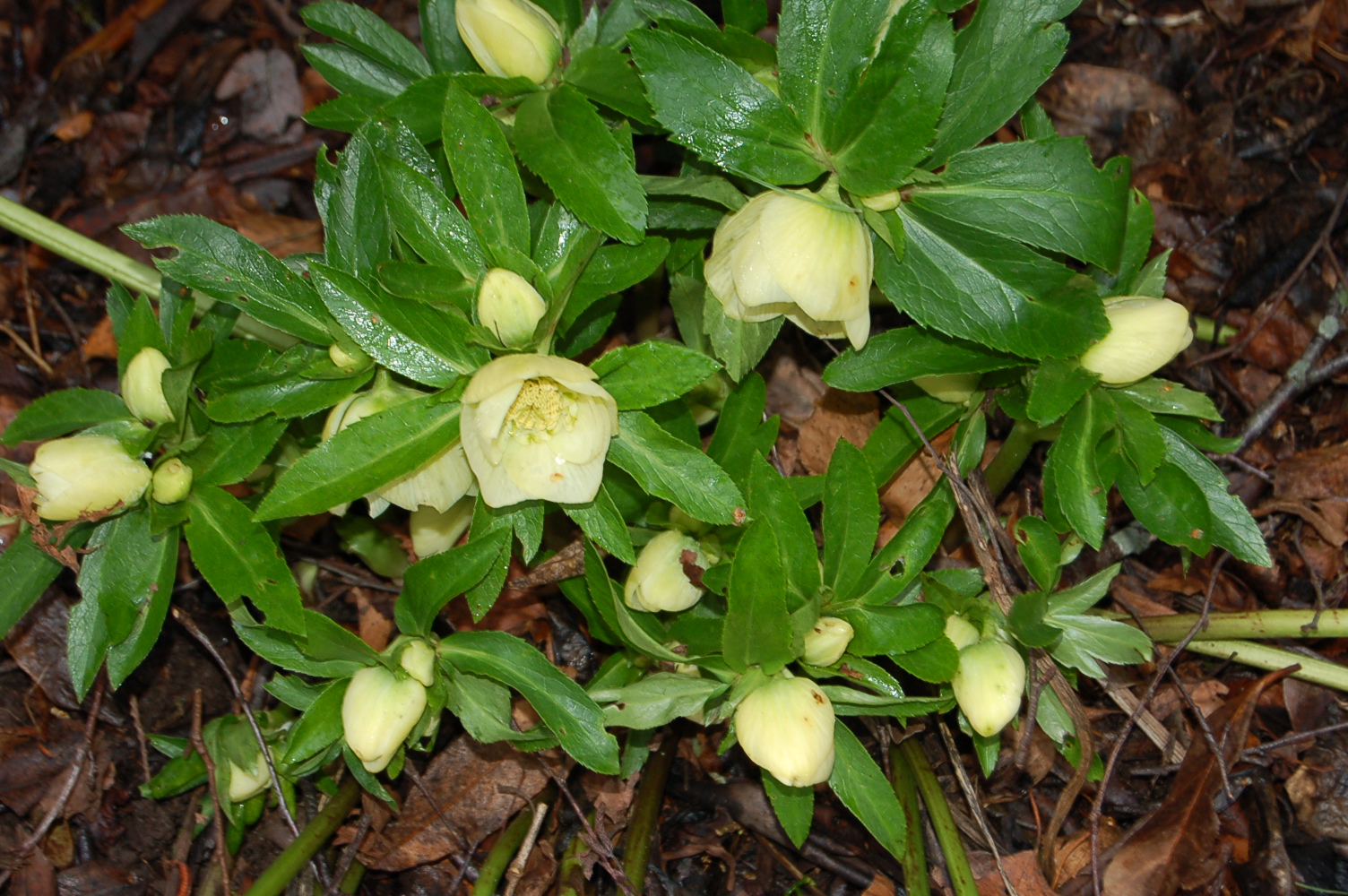
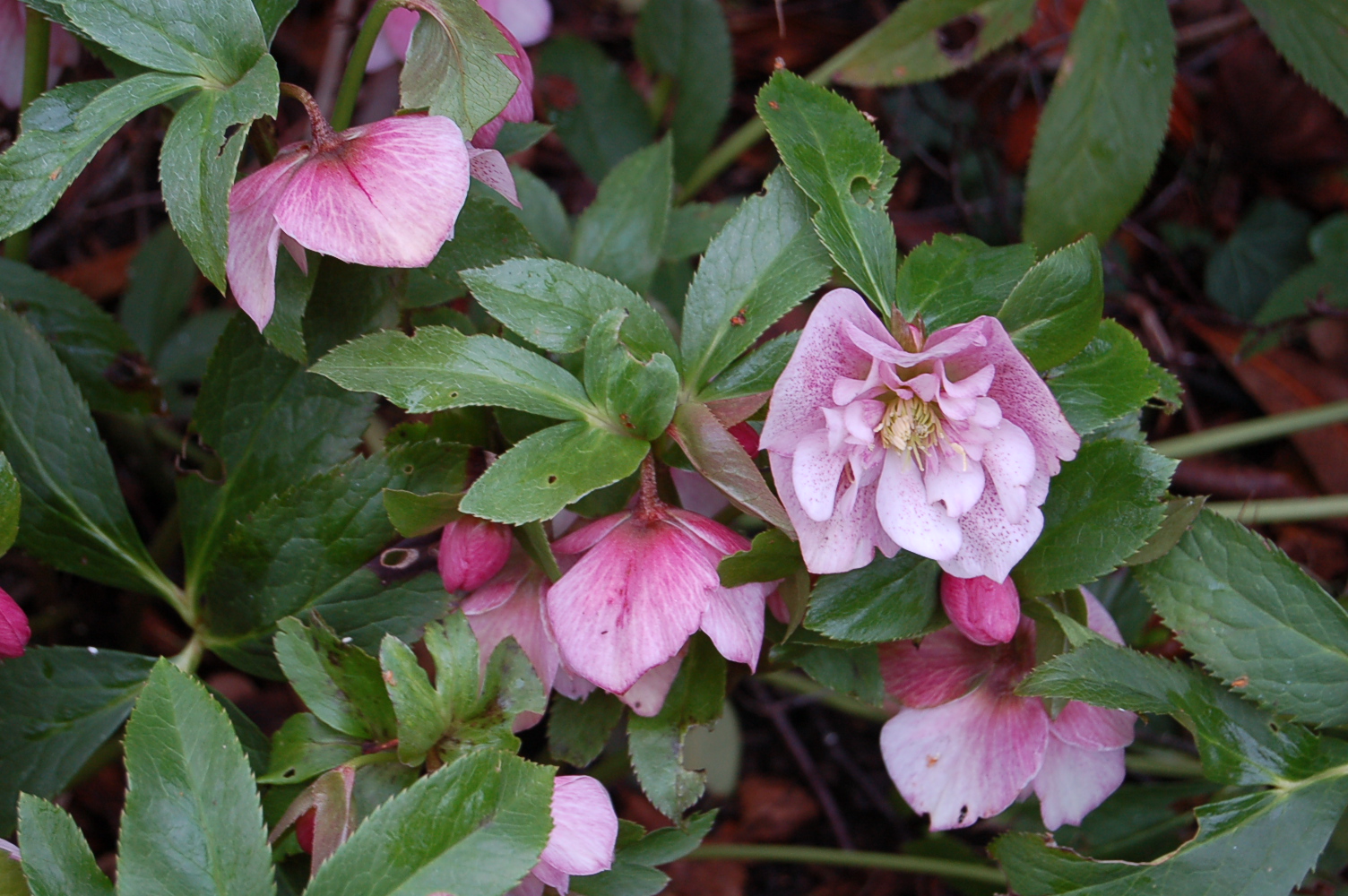
No February garden can be complete without Hellebores so here are just two of ours. But my true favourites to finish our February wander around our garden are the Witch Hazel “Jelena” and Cornus mas.
Upright growth and rich reds and purples make this a special Hellebore.Perfect primrose yellow cup.Witch Hazel "Jelena"Cornus mas, the Cornelian Cherry, a modest beauty.
And so we continue our gentle cold wander around the wintry splendour of Swallow Hayes …….
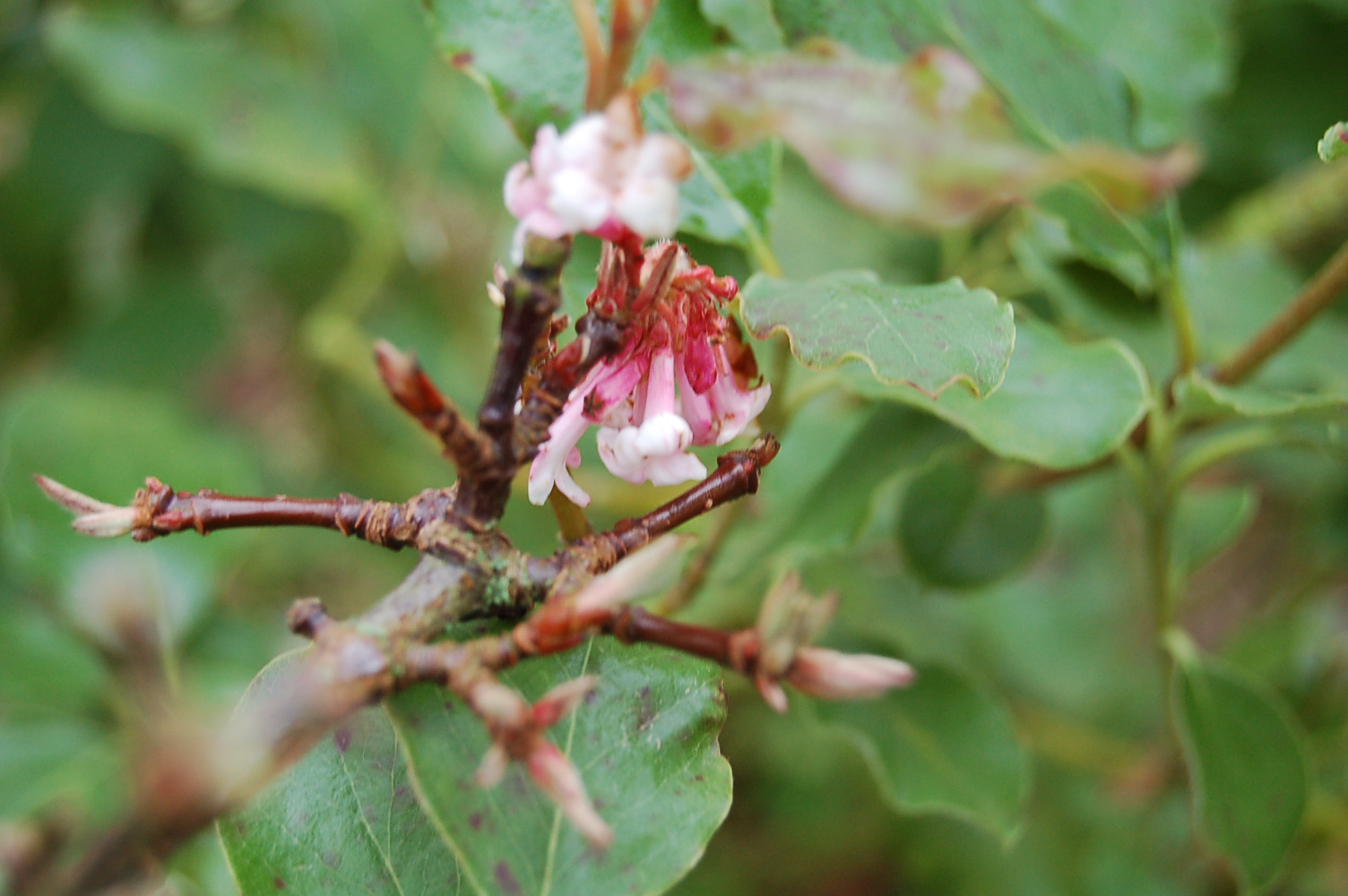
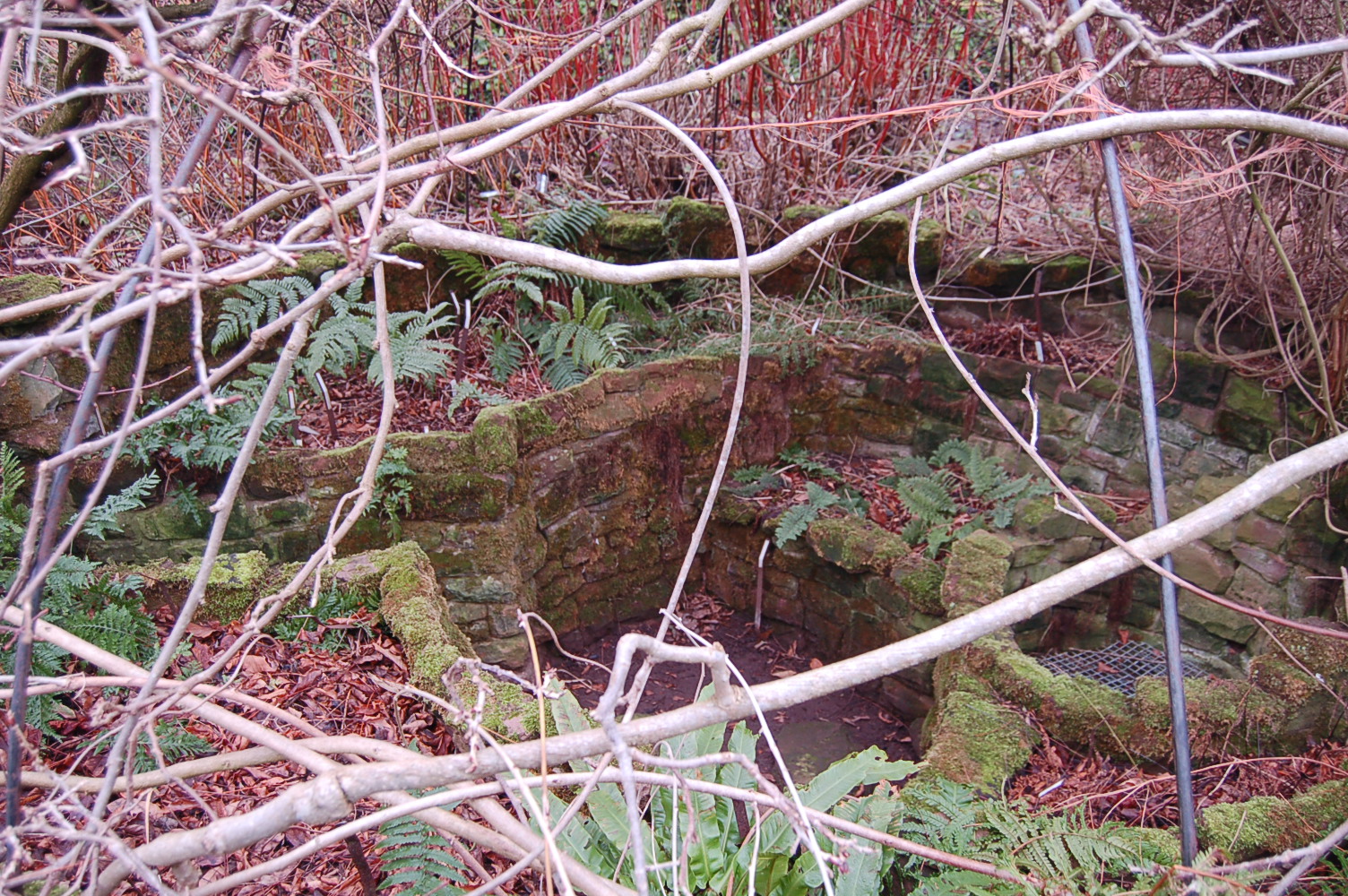
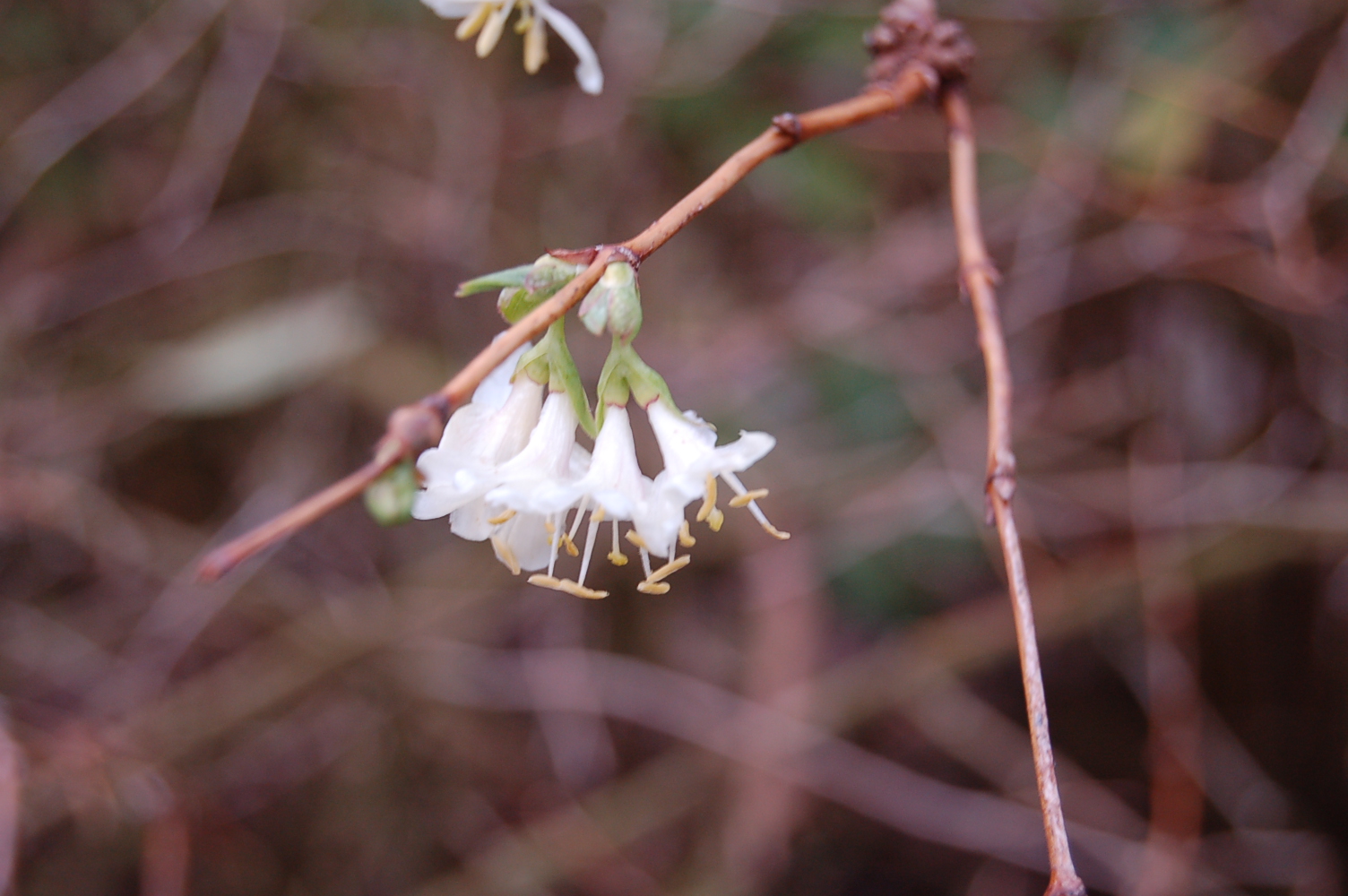
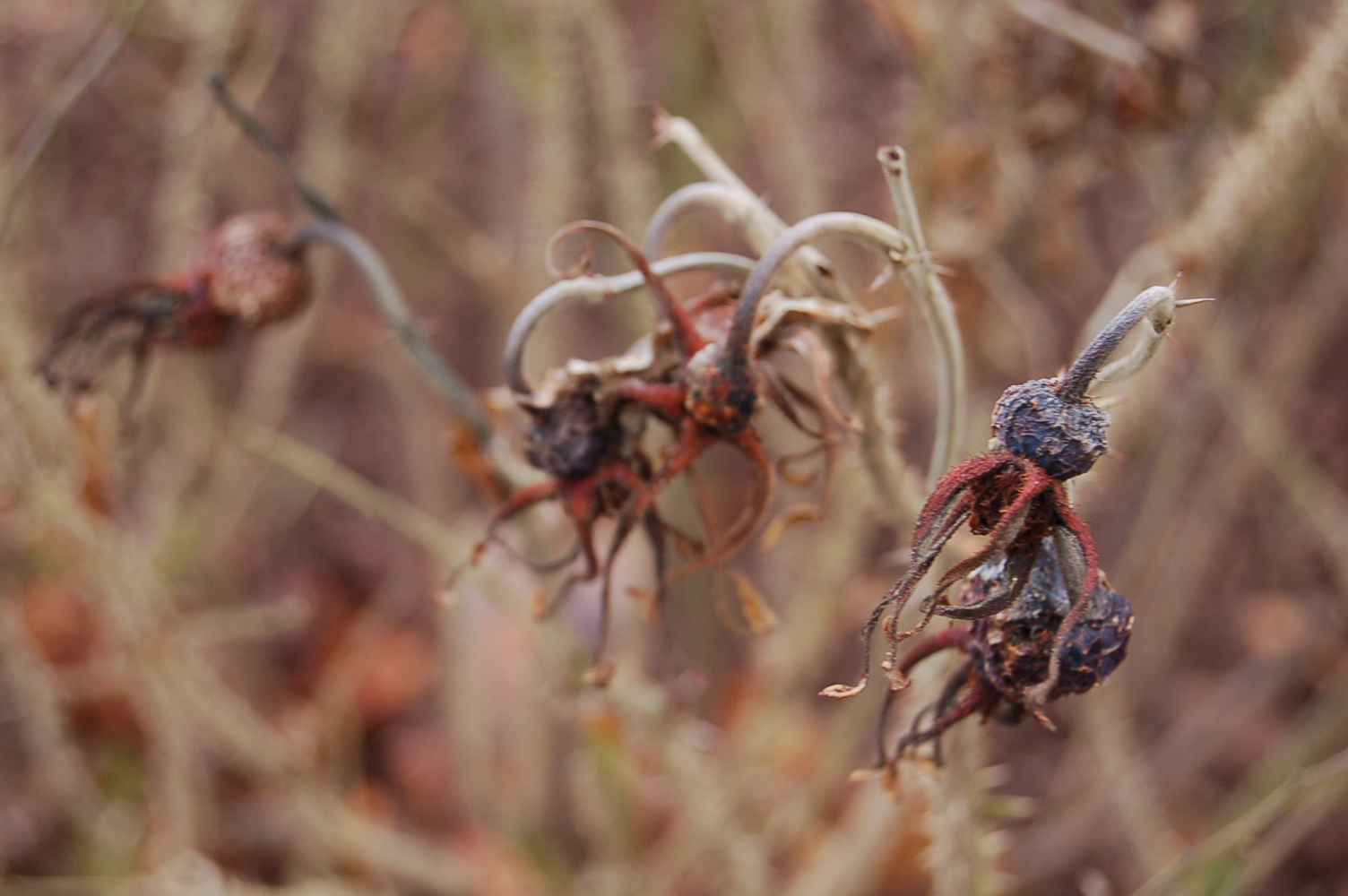
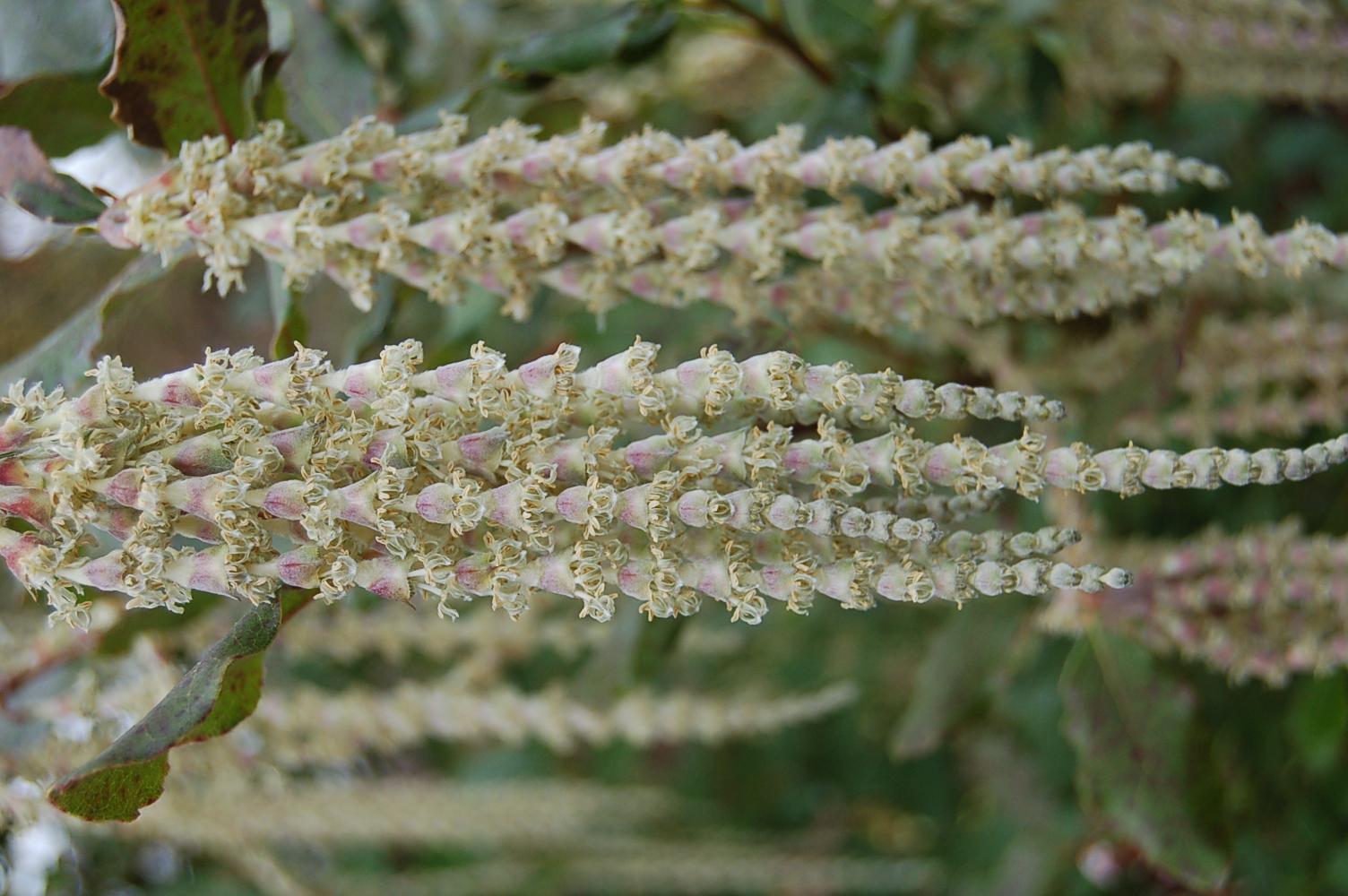
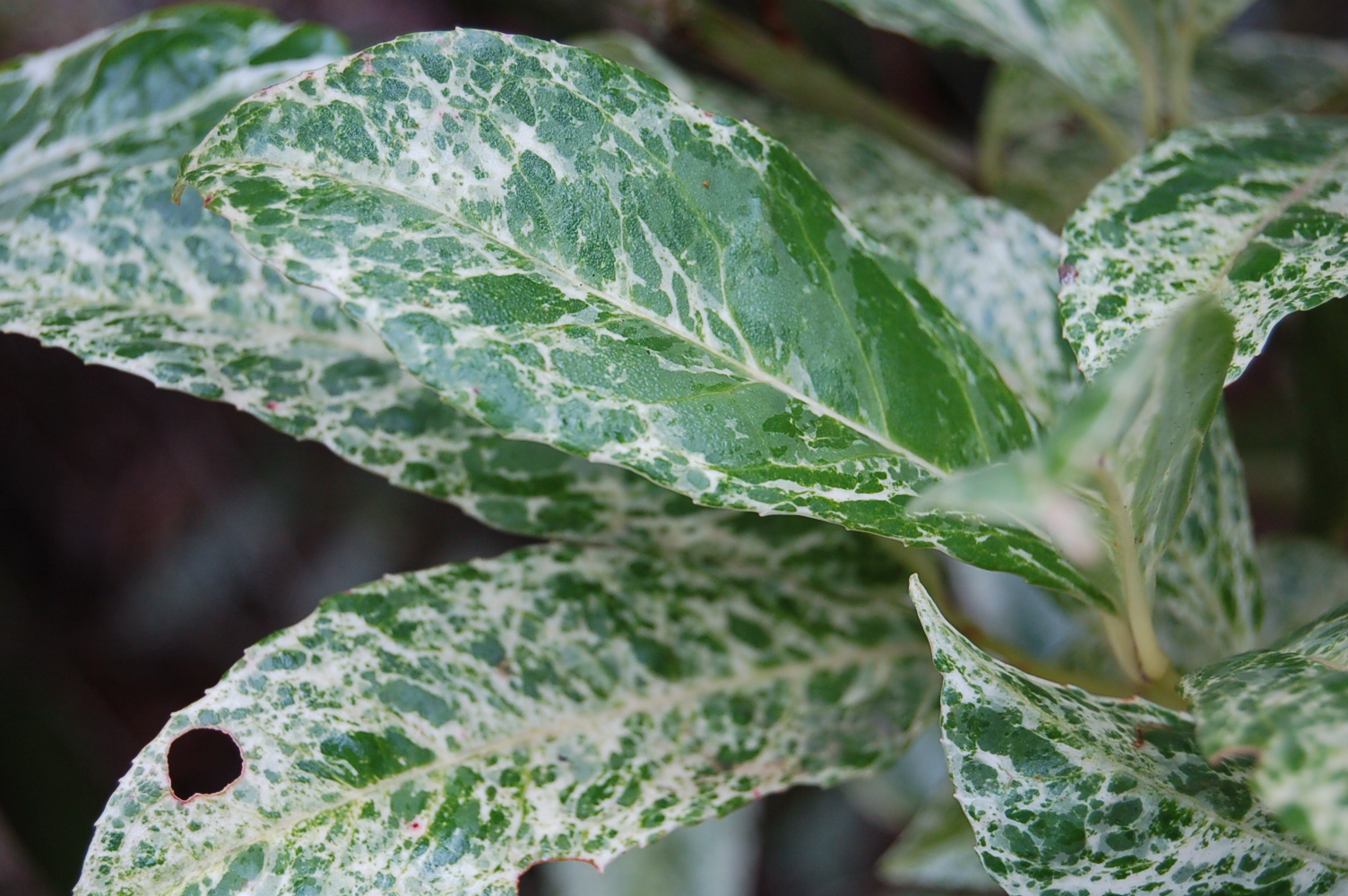
The promise of Viburnum bodnantense flowers.A secret, sunken garden for ferns shaded by a roof of climbers.Sweetly scented winter honeysuckle.Old rose hips curled and desiccated.The unusual combination of pale pink and green together in the tassels of Garrya elliptica.Primrose yellow cup-shaped flowers of a Hellebore.This pink-flowered Hellebore invites you to turn its flowers over for a close look inside.I am not a fan of Hellebores with double flowers but I was attracted to the colour of this one.Silvery marbled variegation like a spider's web.Paint splattered variegation.
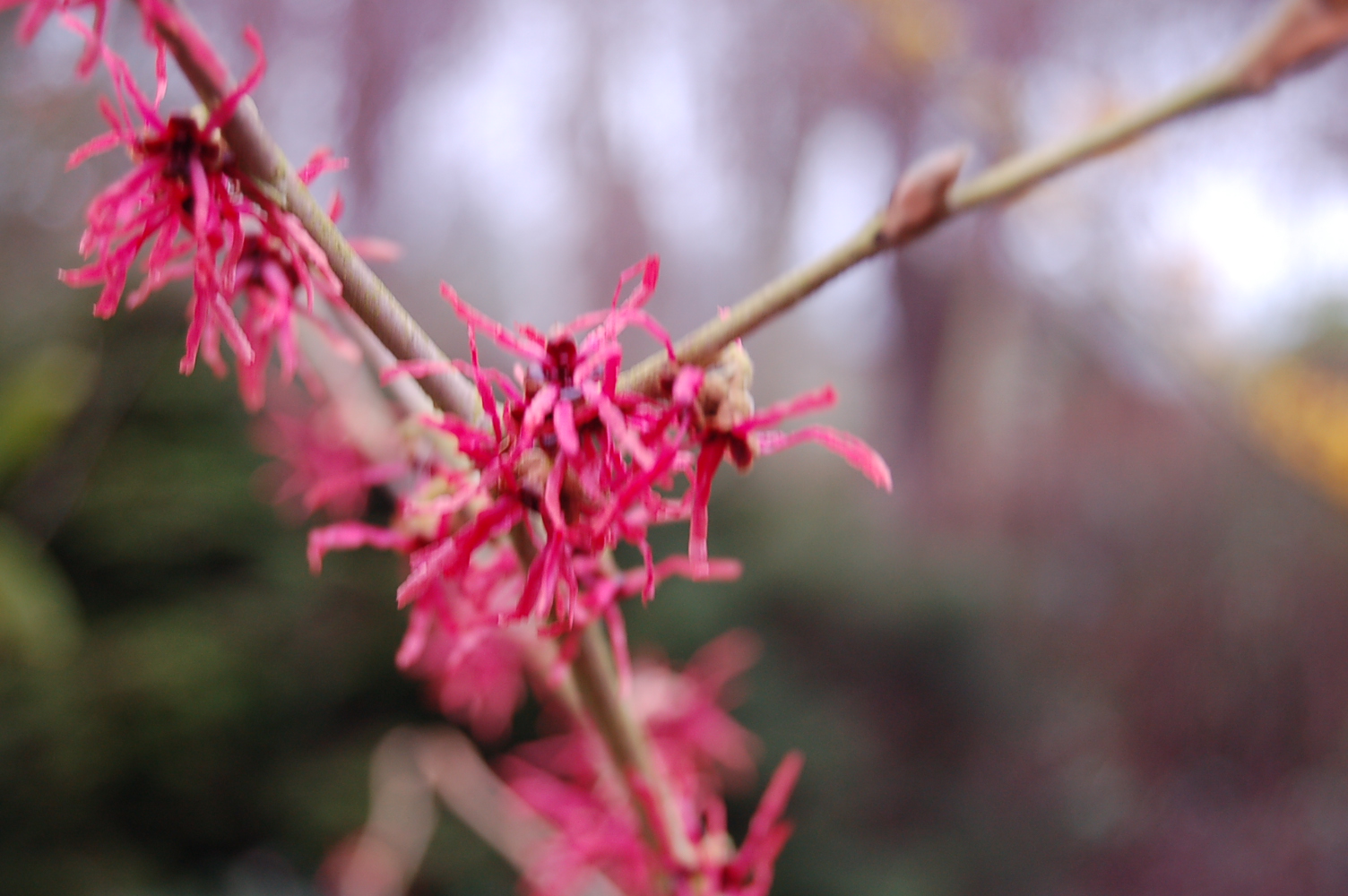
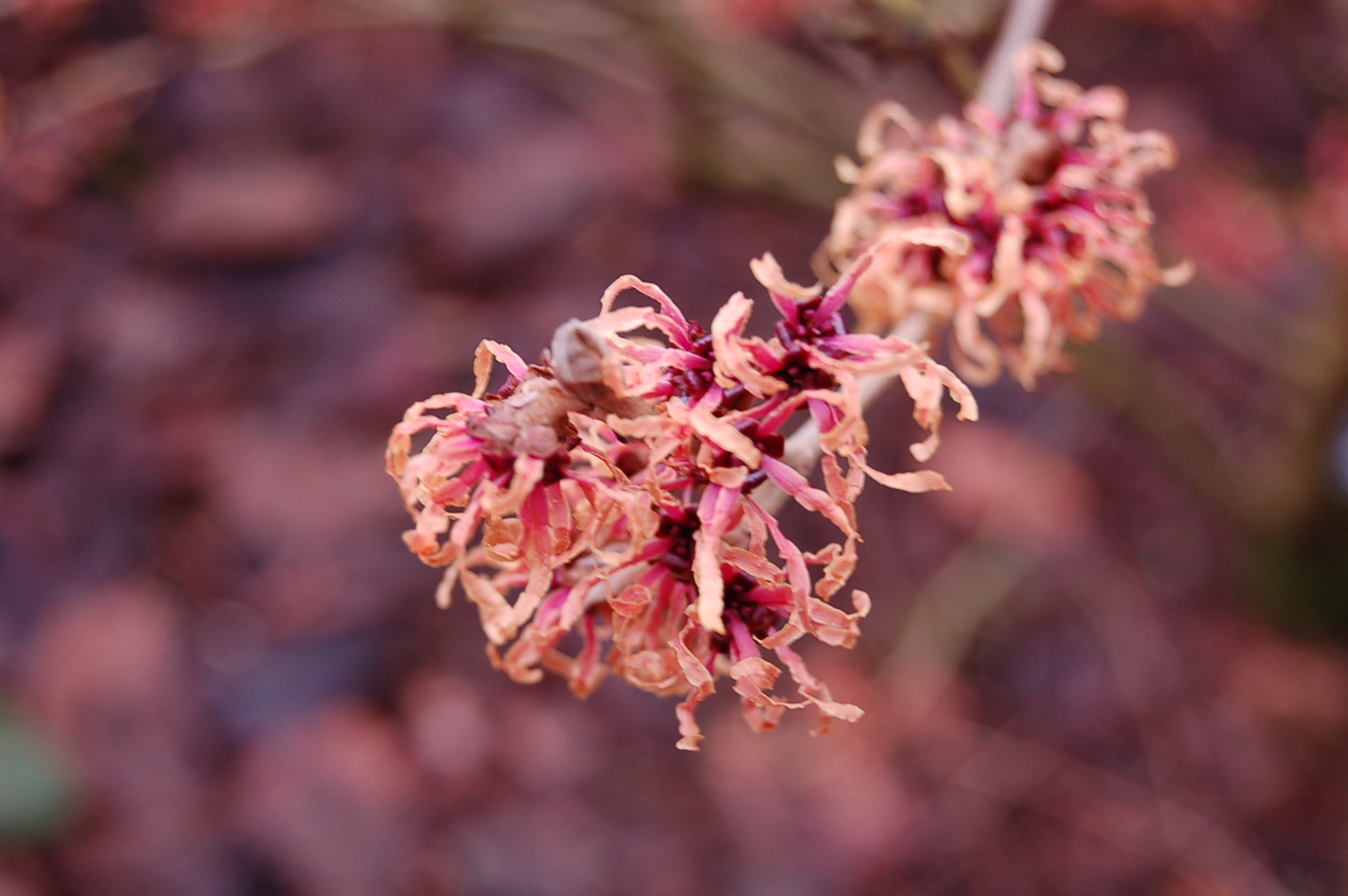
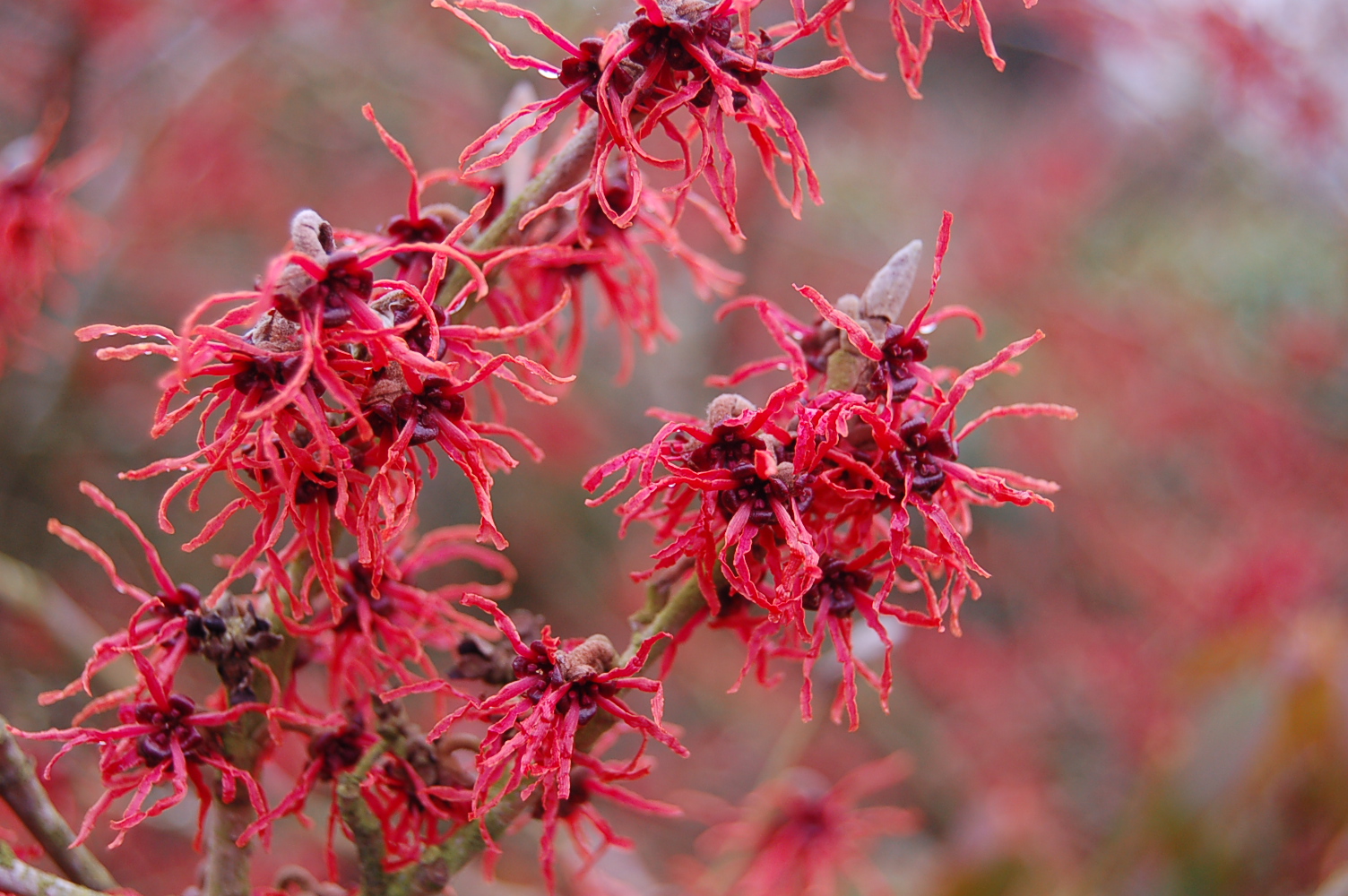
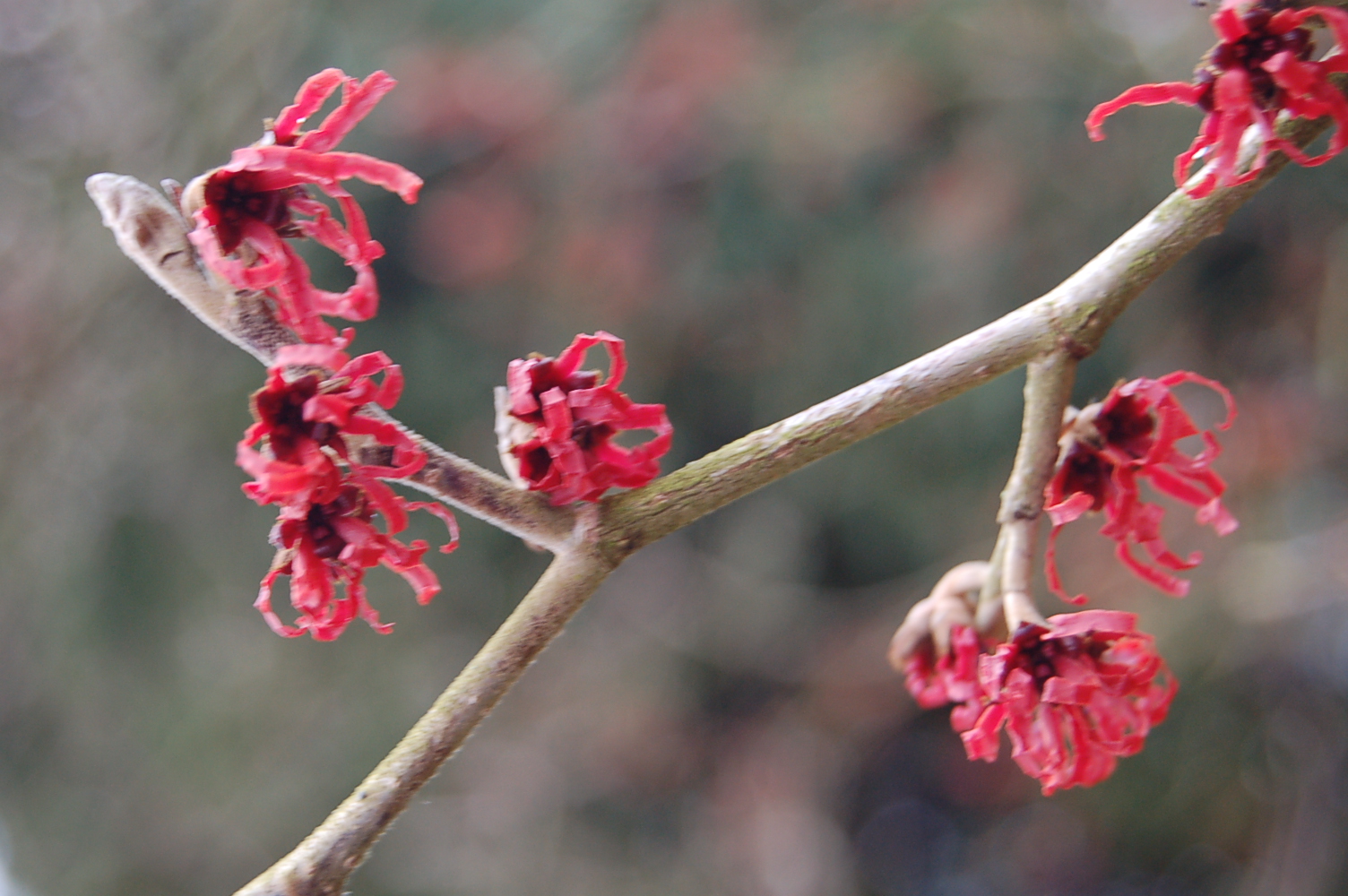
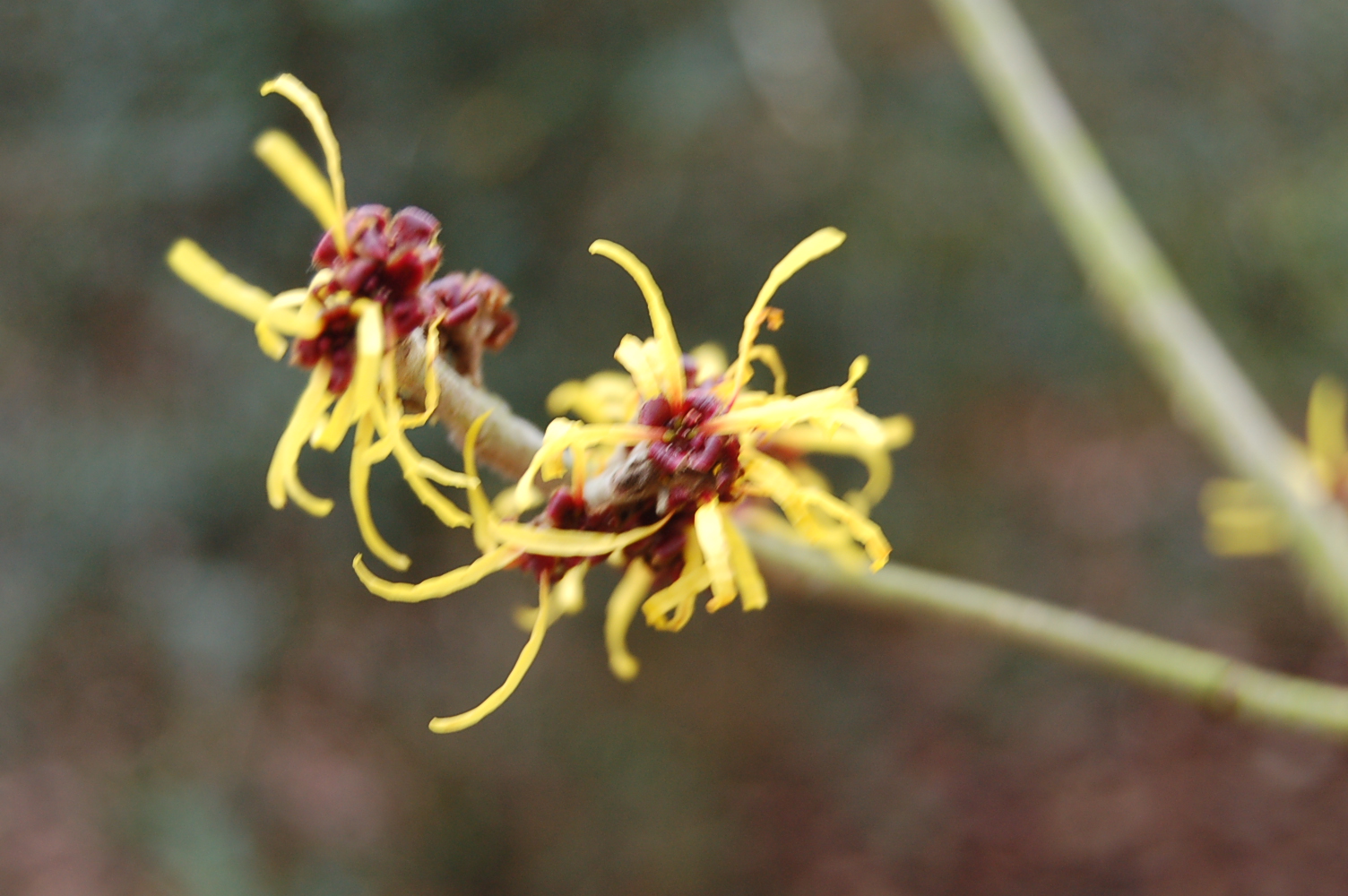
And now to those Witch Hazels! These are not Hazels at all, but related to Parrotias, Fothergillas and of course the Sycopsis we saw in the first Swallow Hayes blog. Their unusually shaped flowers are in every shade of yellow, orange and red and give warming scents in the winter garden. Witch Hazels are well-known for their medicinal properties and are used in aftershave as well as in the treatment of bruises and insect bites. So, beautiful and useful!
The flowers are made up of long, thin strips of petals like curling ribbons or spiders, and appear on bare stems. Several Witch Hazels available to us were bred in Kalmhout in Belgium and the first photo shows one with the unglamorous name of “Kalmhout 999”. Kalmhout is an arboretum in Belgium run by Jelena and Robert de Kelder. Jelena has given her name to my favourite Witch Hazel which you will see in my blog “A Wander around the Garden in February” which I will post in the next few days. Two more of their developments are “Diane”, named after their daughter and “Livia”, named after their granddaughter.
This Witch Hazel matches its colour to its scent, the flowers coloured orange and emitting an aroma of oranges.The aptly named "Ripe Corn"."Ripe Corn", "Livia" and "Strawberries and Cream"LiviaStrawberries and CreamOrange PeelAdventRubinDianeJermyns Gold
OK, so January isn’t a month normally associated with visiting gardens, but Swallow Hayes is different. It’s main feature is a huge collection of Witch Hazels, more than 70 types. The day of our visit was cold – teetering on freezing point all day – and a thin mist hung low over the land made cold by the heavy overnight frost. We wrapped up warm, wandered around this garden of winter, our fingers with just enough feeling left in them to take photos.
The garden here covers just two acres but they are two packed acres. There is so much to see here in January, leaf colour and variegation, blooms with scent to delight and patterns of tree bark for the eye to capture and the fingers to explore.
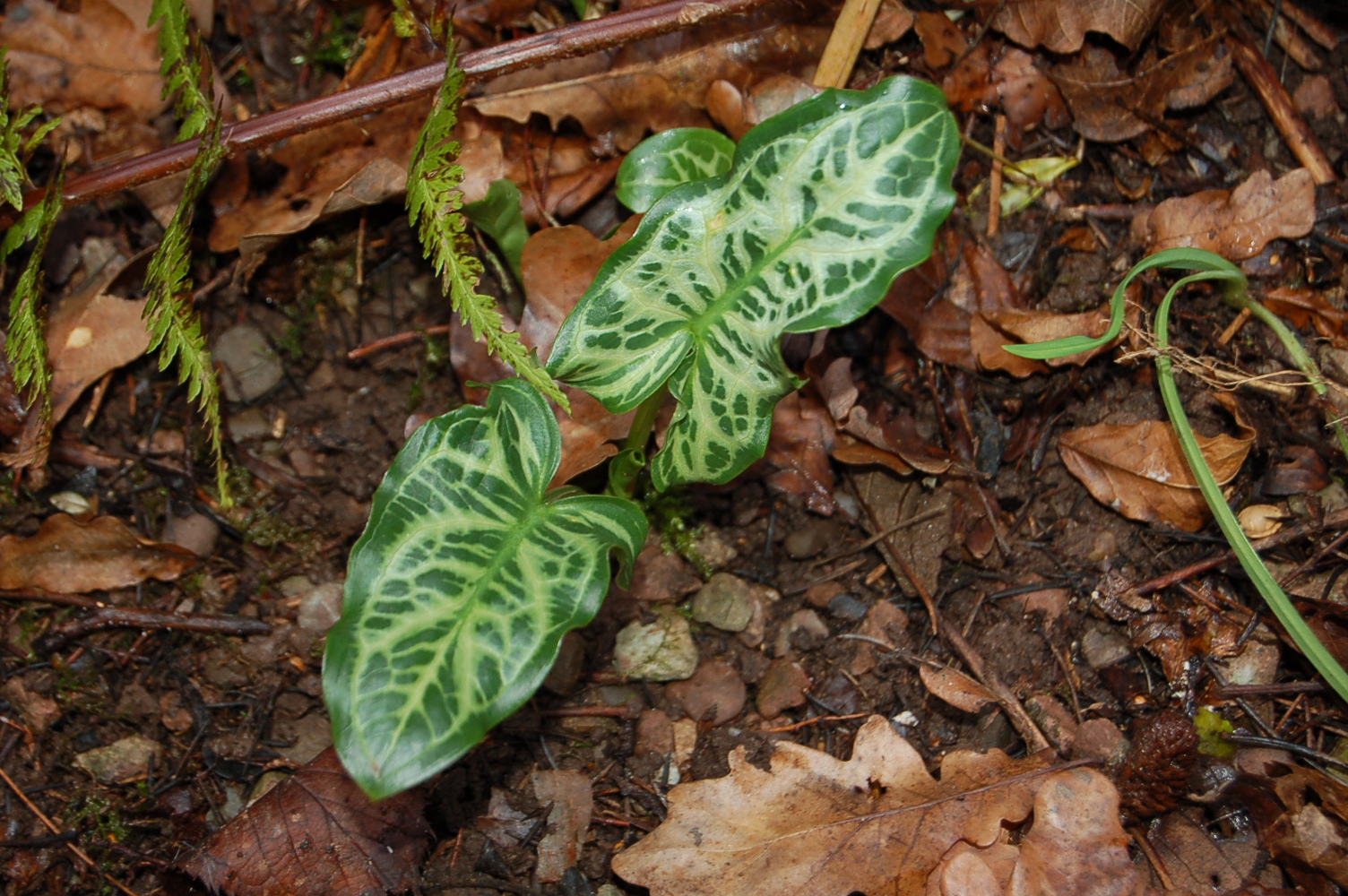
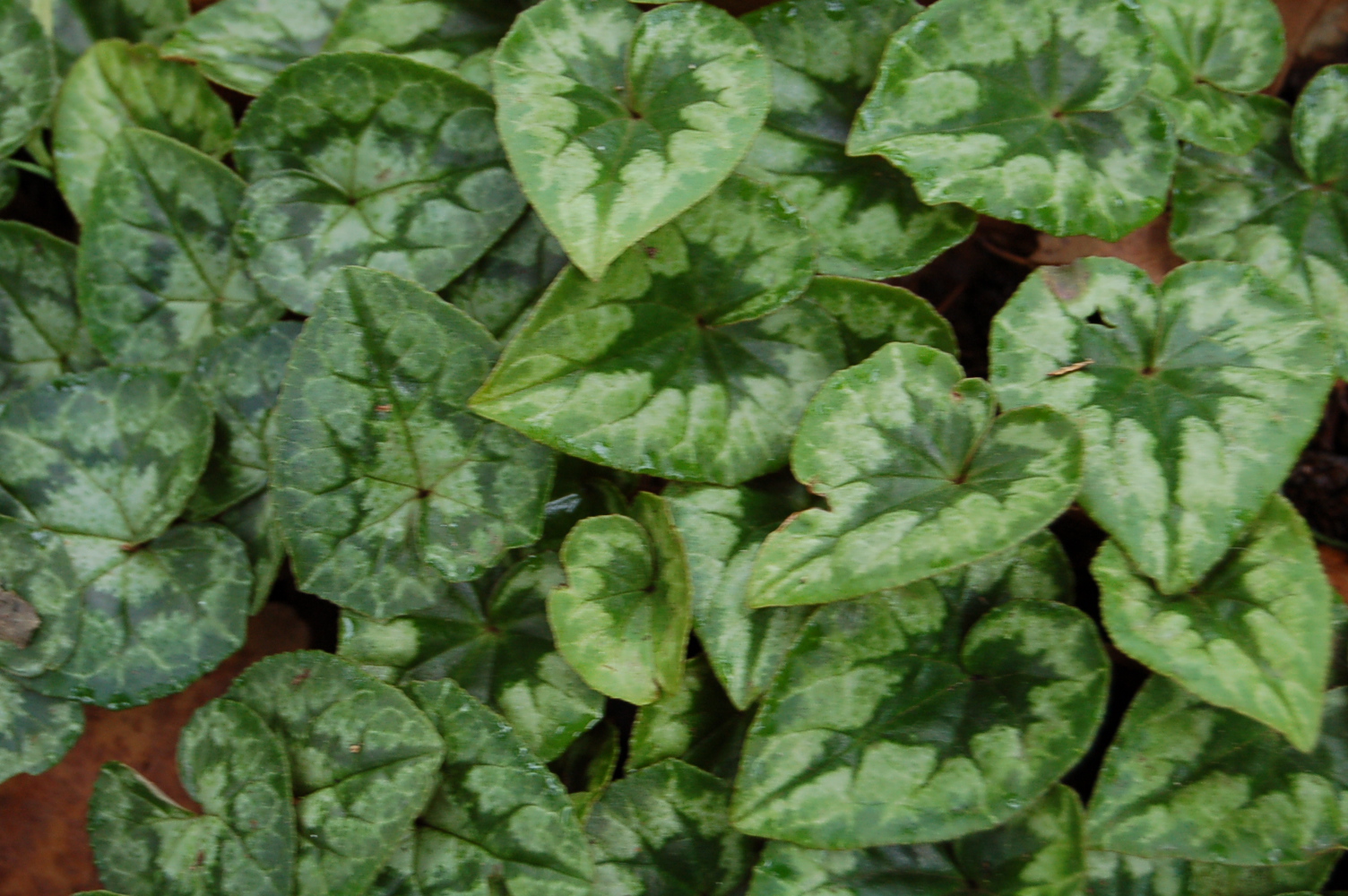
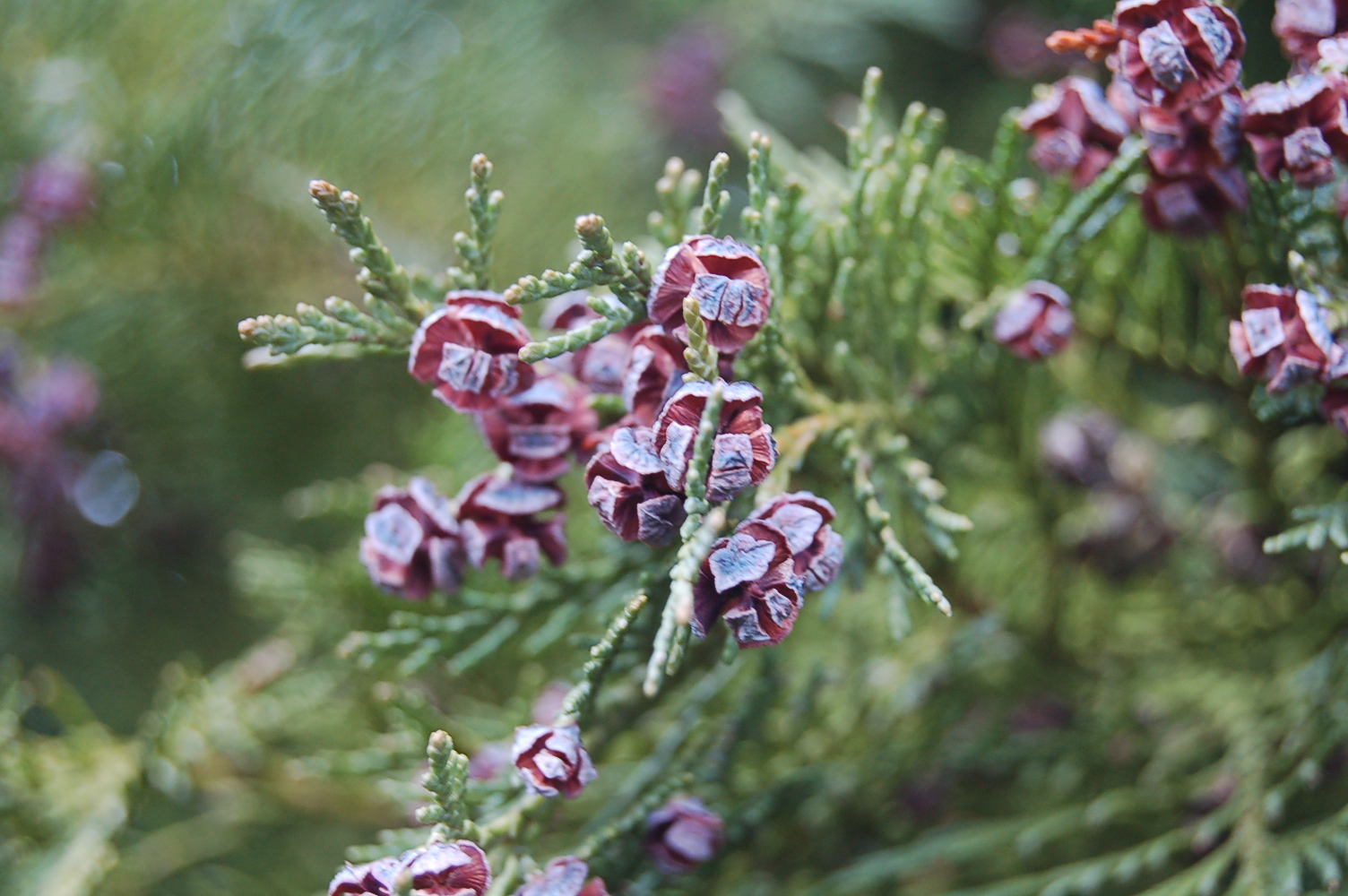
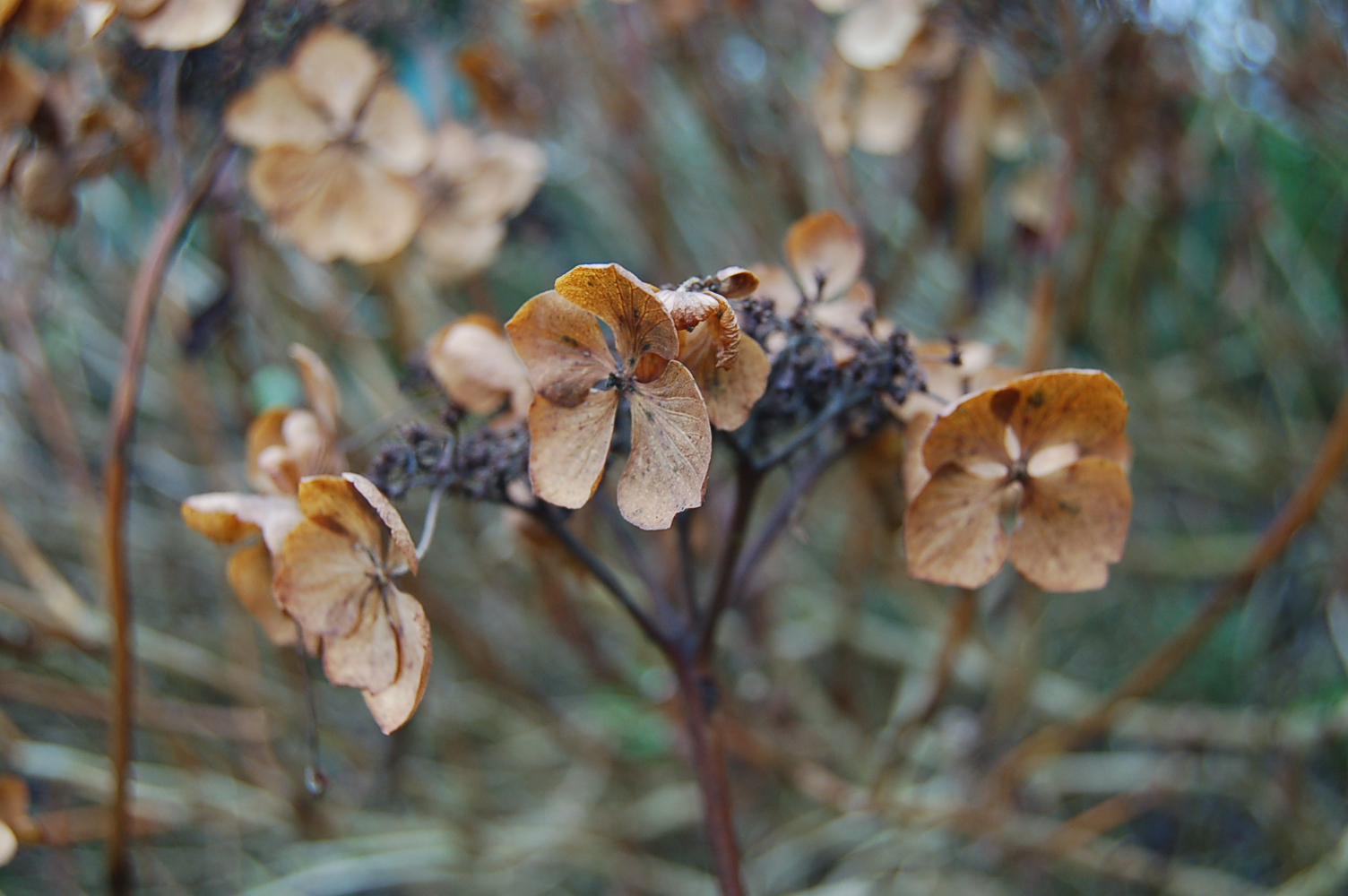
Felled by wind this branch of the blue-grey Cedrus atlantica glauca shone against the debris under the tree.Arum italicum marmoratum show leaf variegation at its best.A clump of beautifully marked Cyclamen enjoying the shade of a conifer.I am not a fan of conifers but I do appreciate them on dark winter days.Delicate deep pink berries of Berberis wilsoniae.Last year's Hydrangea flowers display structure and colour.Sparse berries hide amongst the strongly spotted variegated foliage of this Laurel.
Tree bark adds interest in winter gardens and here at Swallow Hayes Birch and Prunus add colour and texture.
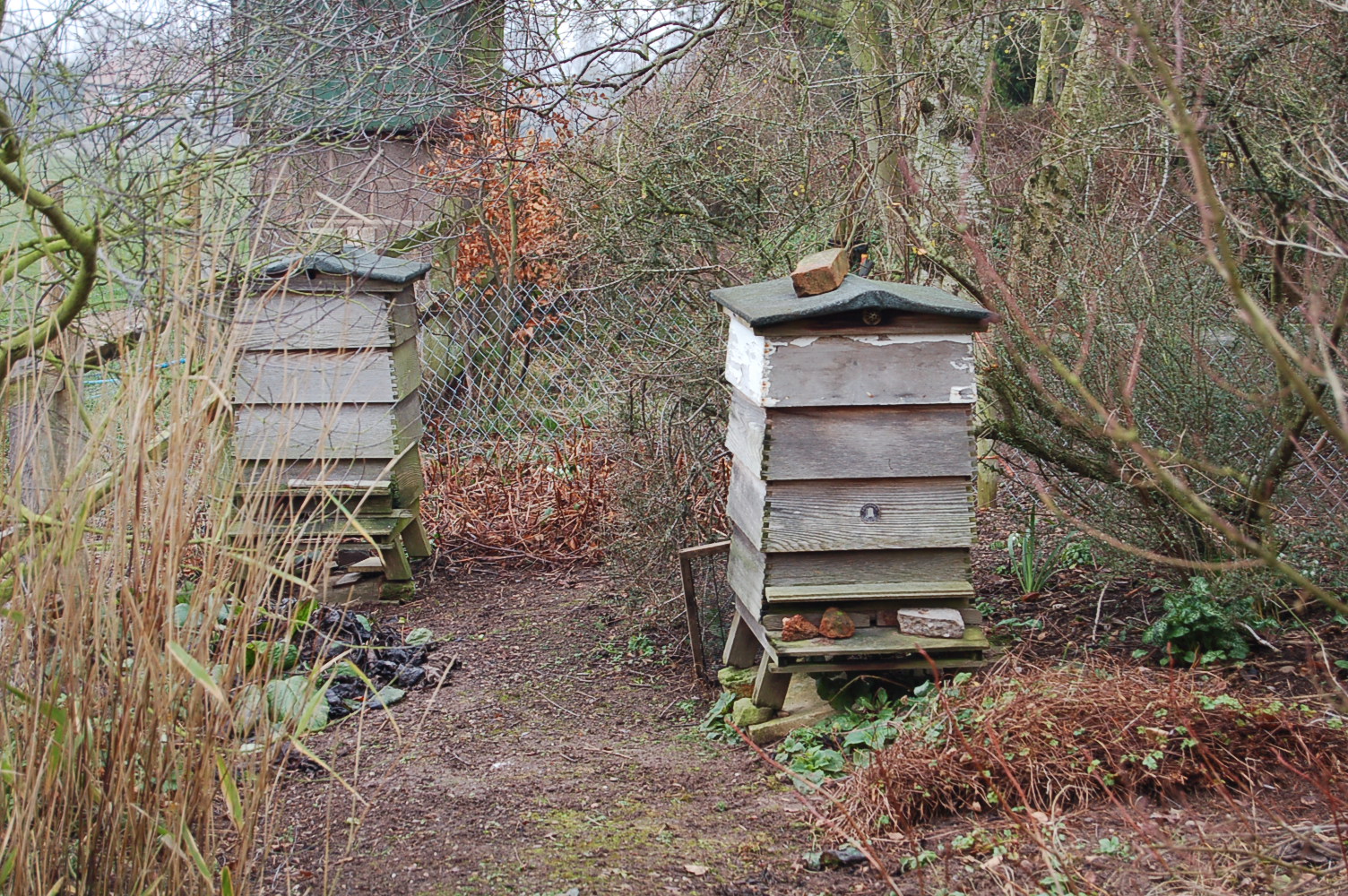
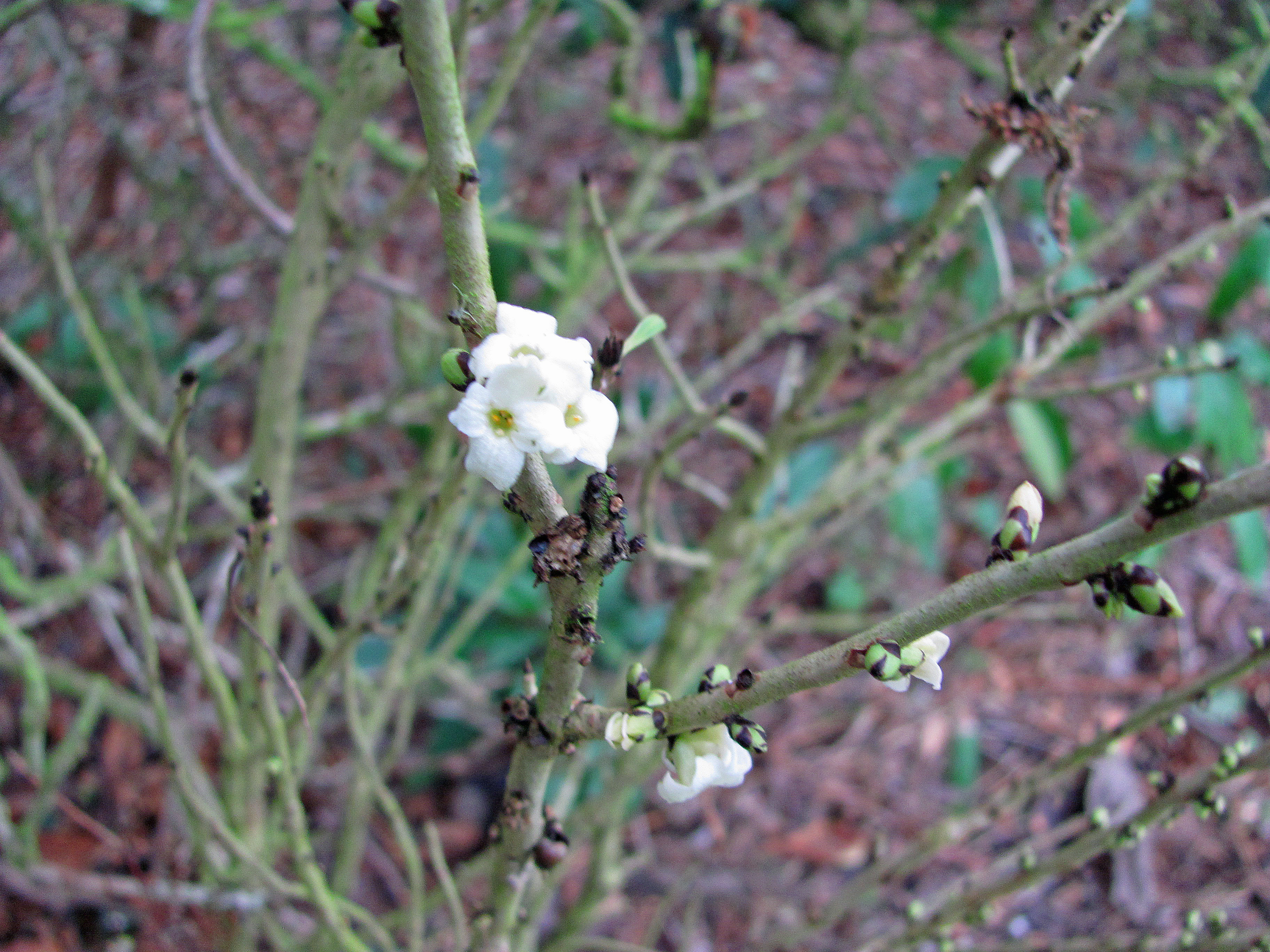
Peeling Birch bark reveals pink below the silver.Silky smoothness in deep shades of russet .Swallow Hayes' bees snug and safe in their hives.A relative of the Witch Hazels, this Sycopsis was unknown to us.Unusual white flowered DaphneLichen on Magnolia branches.Fresh shining purple growth of a hellebore looks full of promise.Fresh berries on an unusual ivy.
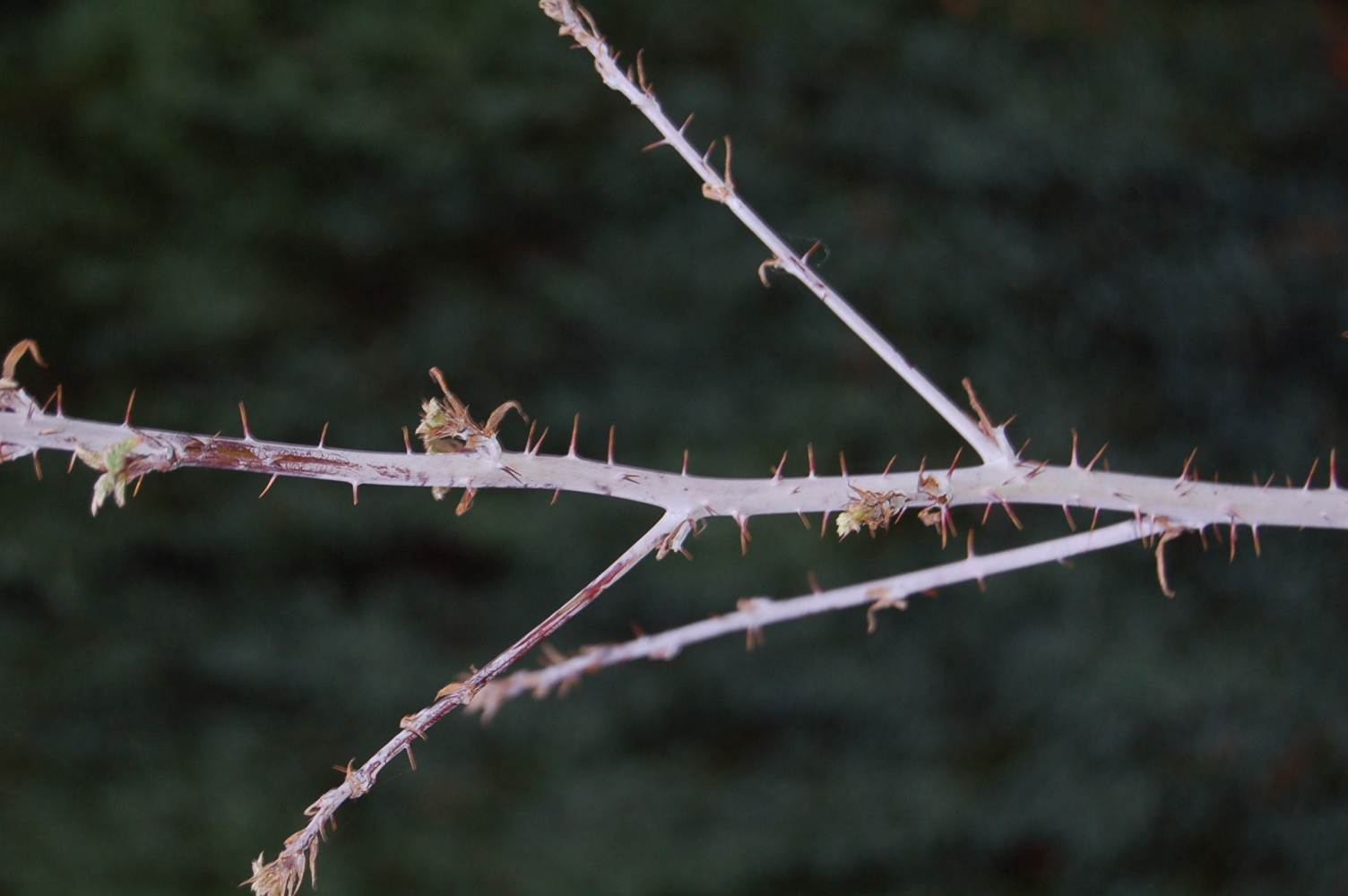
Startling white stems of Rubus.Long thin Euphorbia.
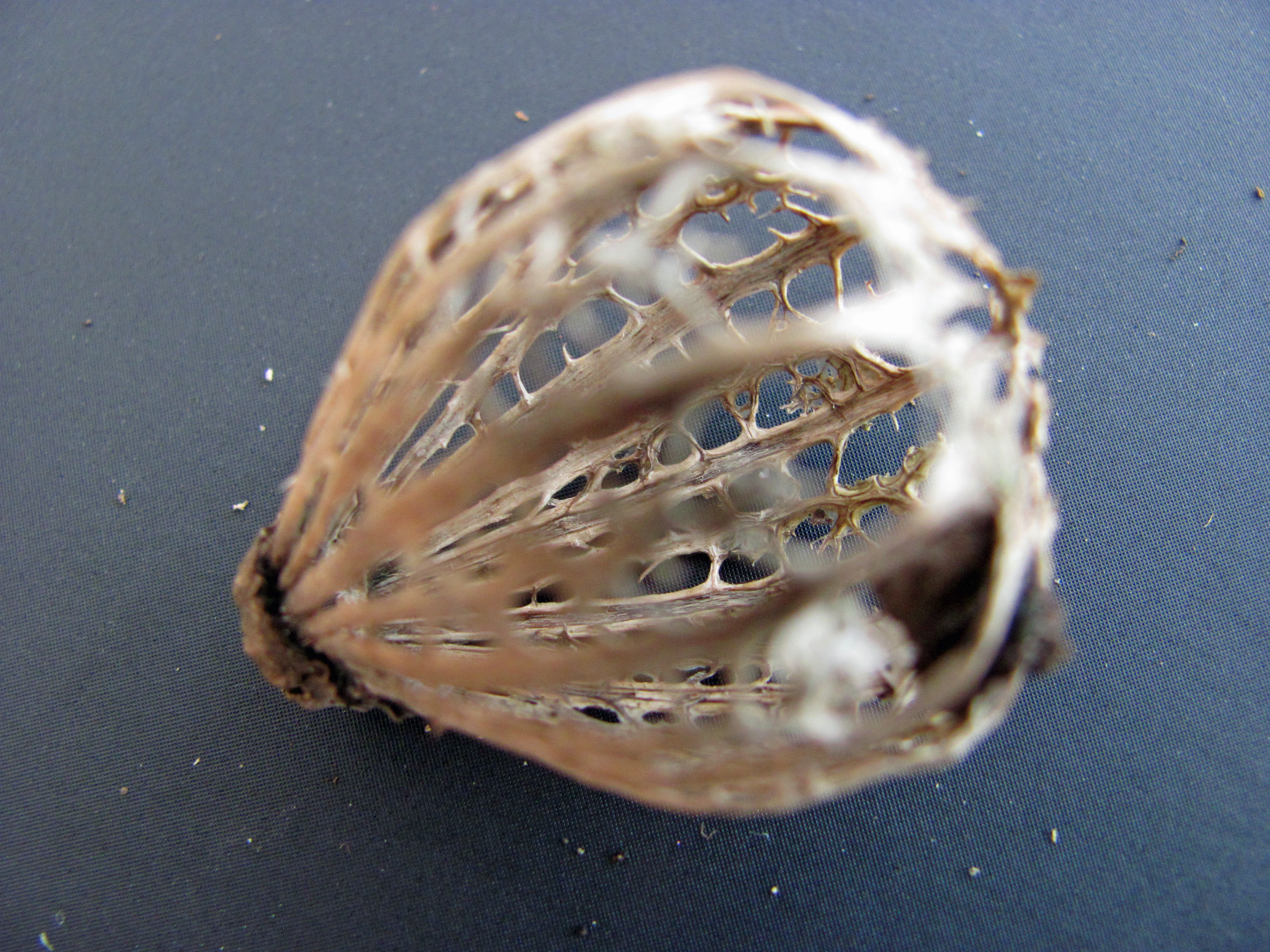
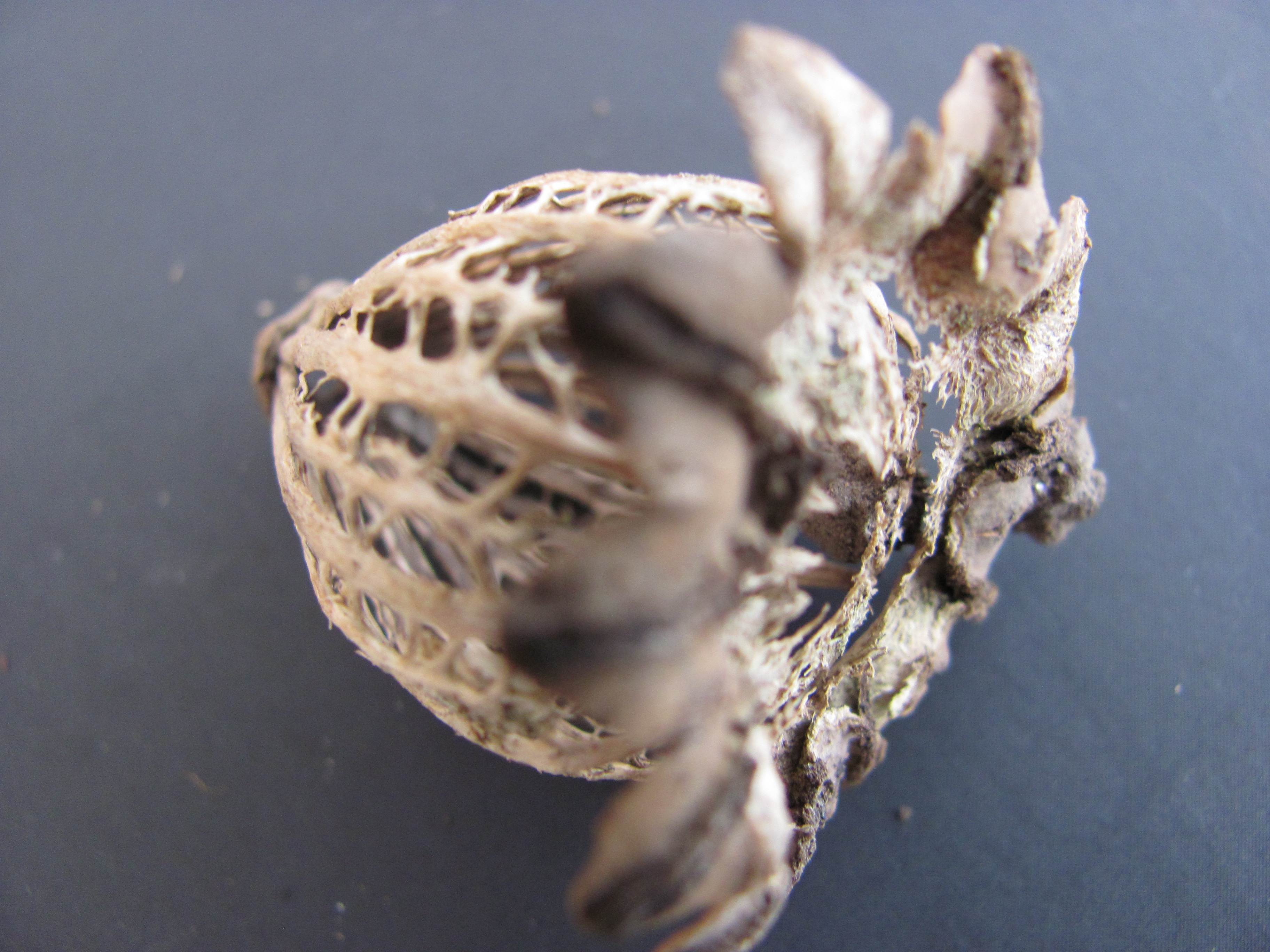
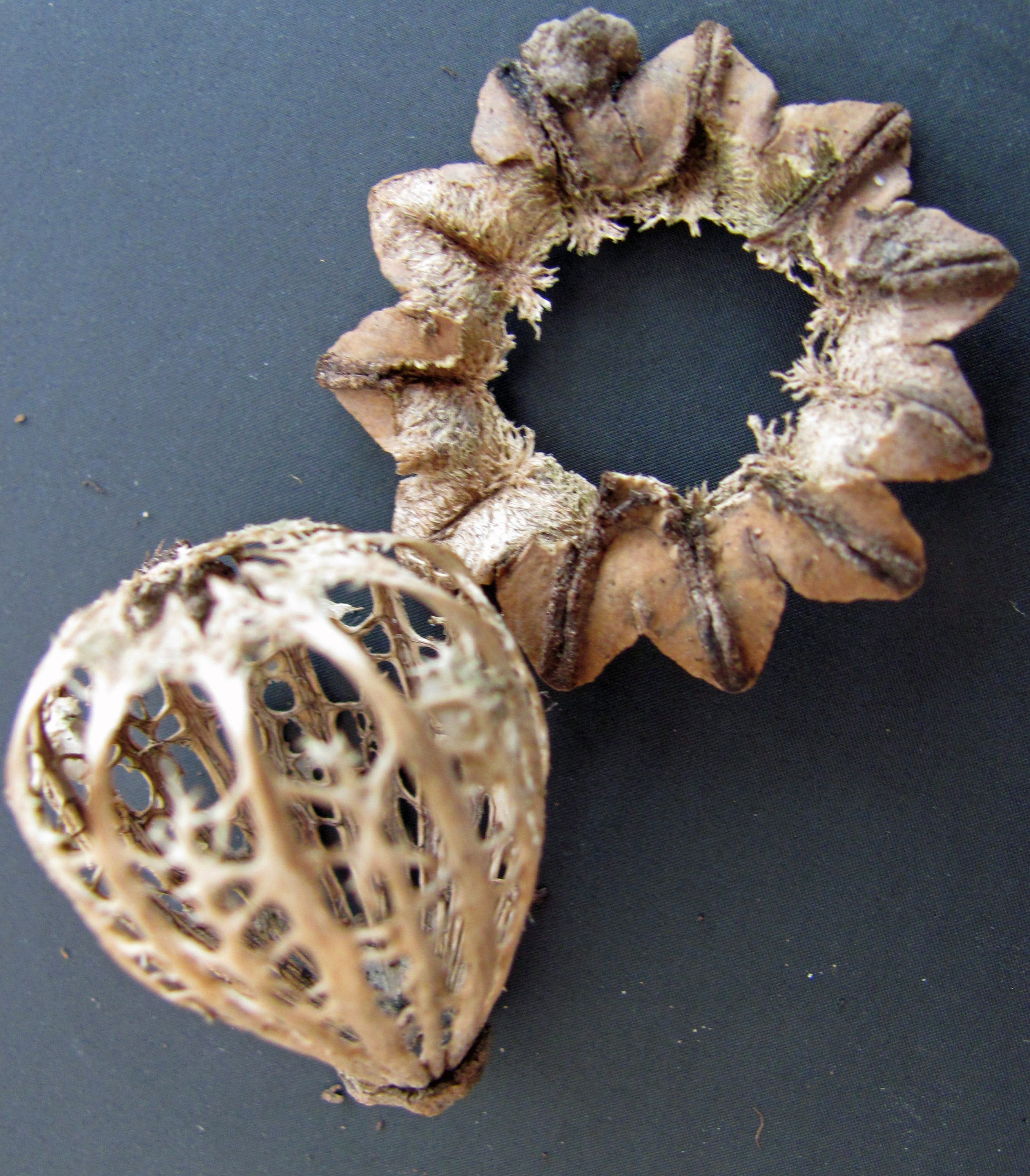
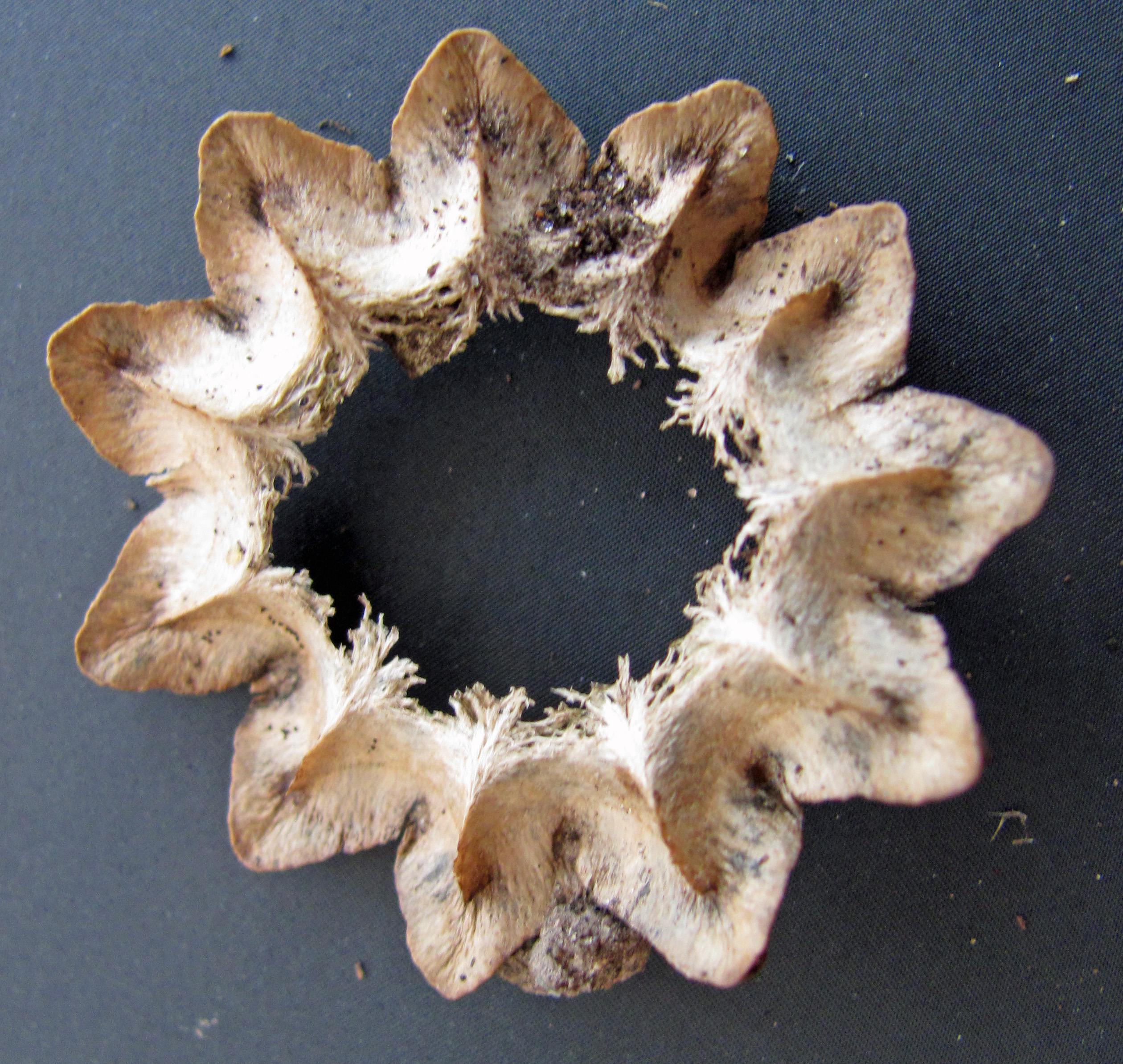
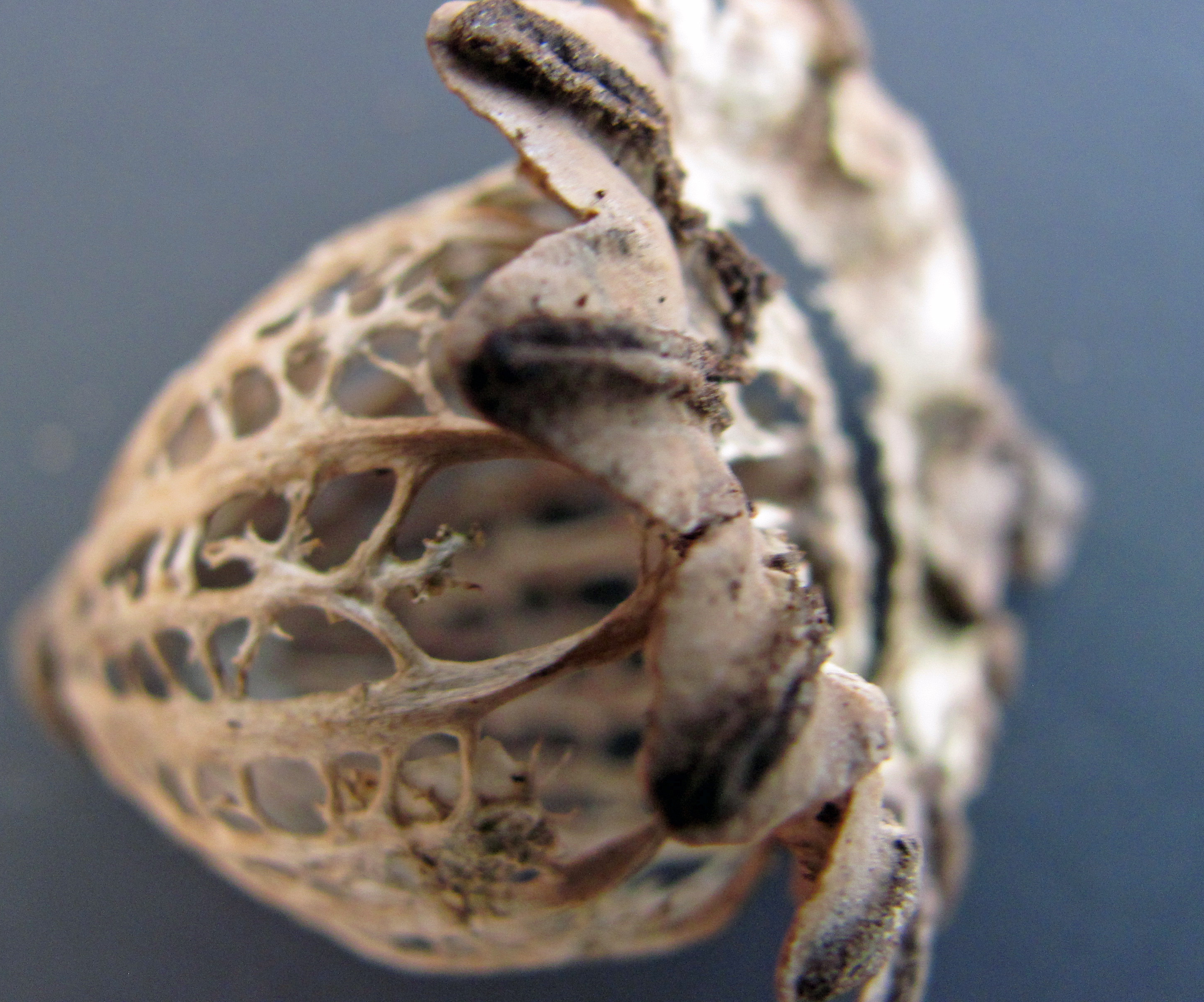
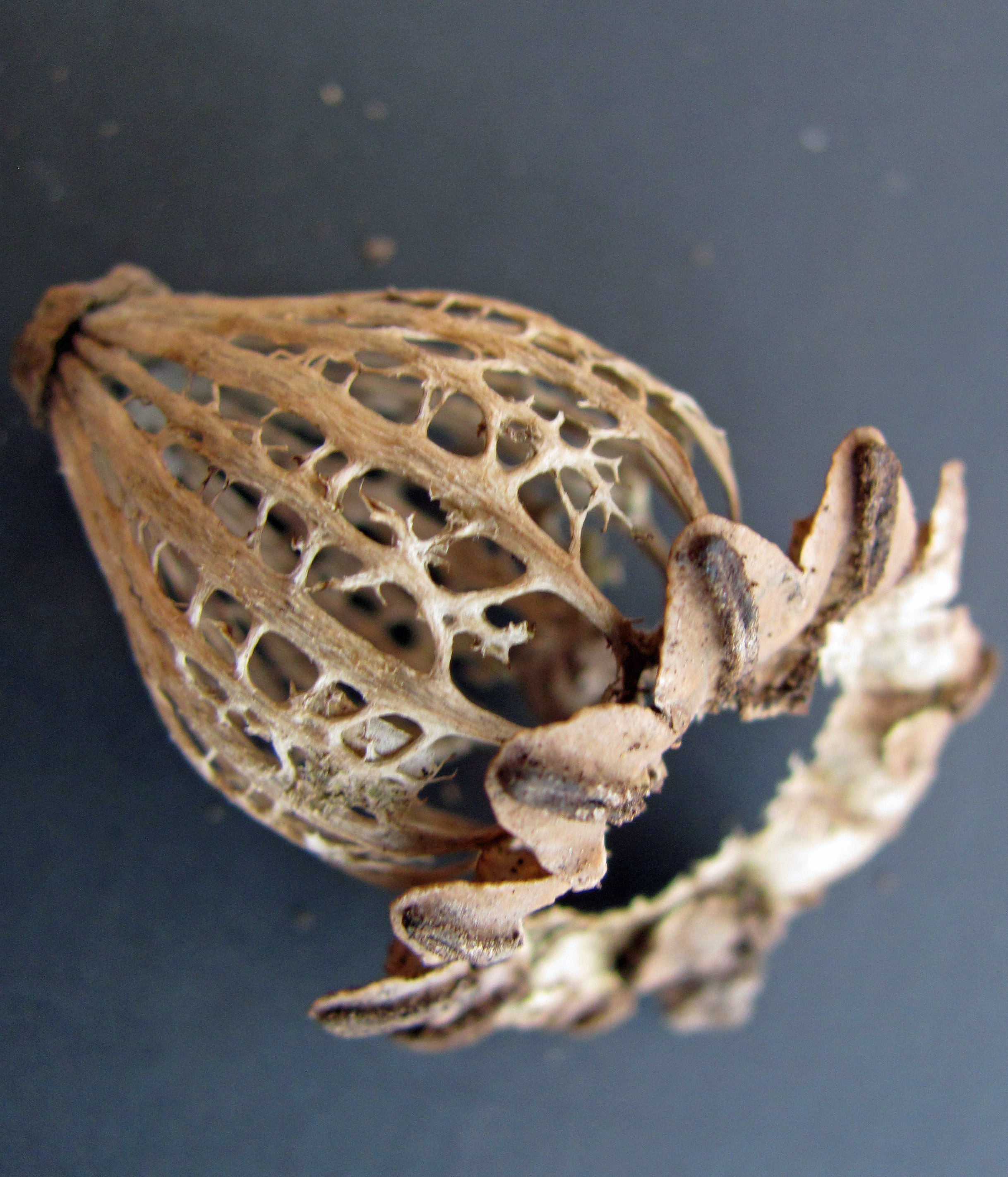
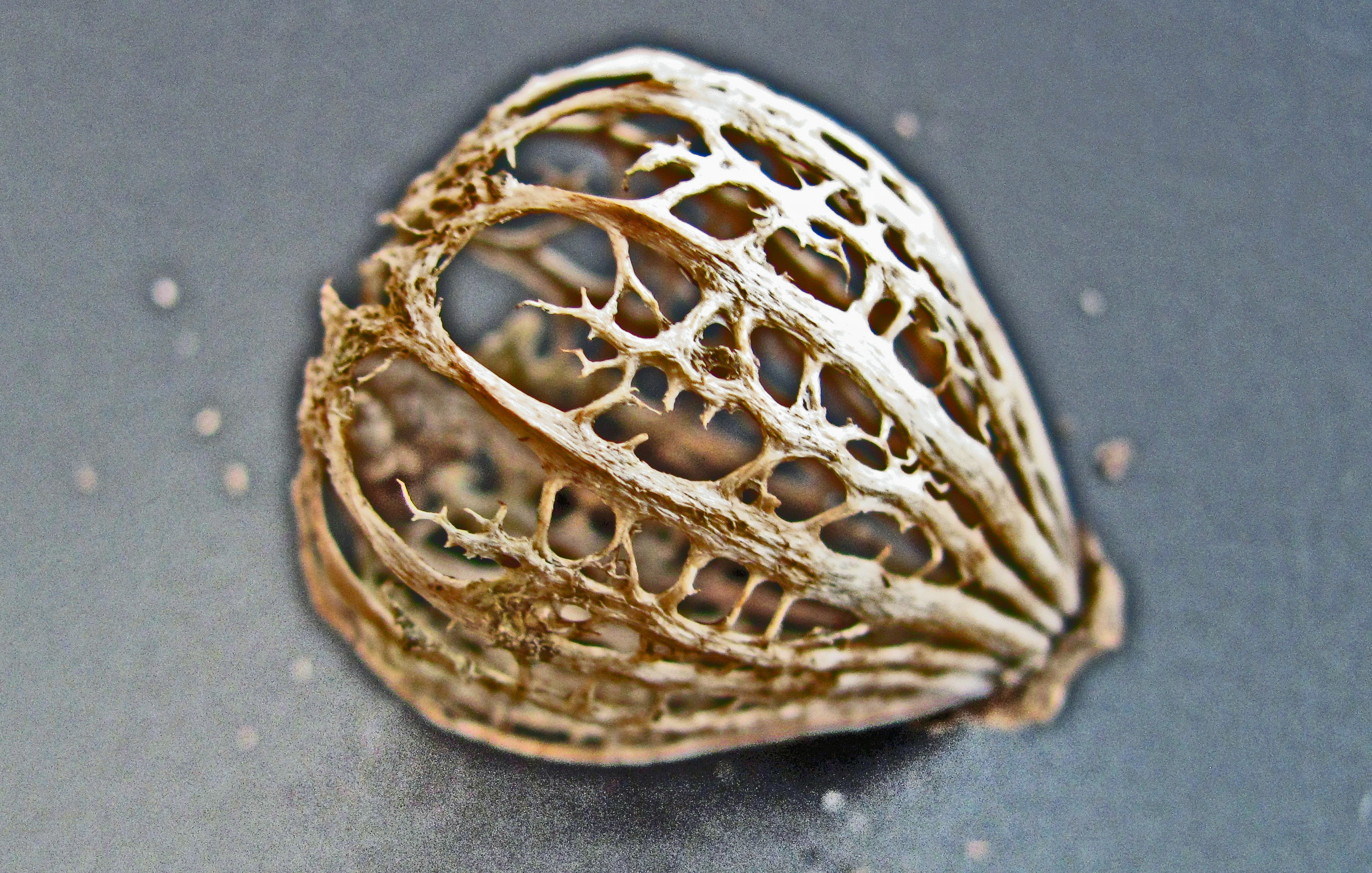
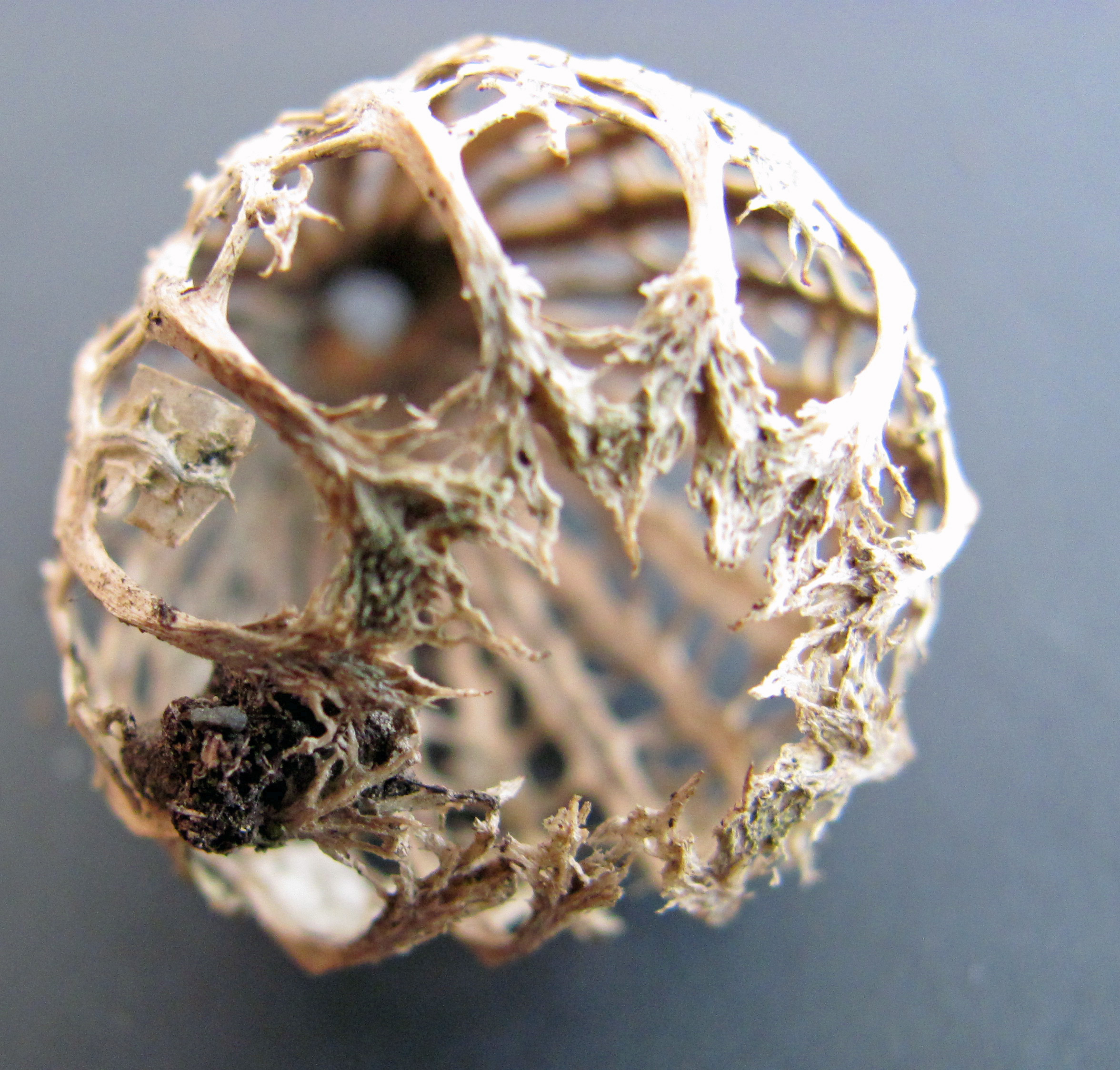
Sometimes the smallest and simplest of discoveries in the garden can blow you away. Pulling up a clump of small dandelion leaves to give to the chicks as a treat, I spied this seedhead of an oriental poppy. Nature had turned it into a skeletal sculpture. Rotting had revealed little windows through which patterns emerged.
It is hard to believe that these little capsules were but a few months ago hidden deep inside the bright orange over-sized blooms. Looking past this orange glare into the poppy’s secret centre, we could see a black core dusted with purple. Already the shape of the green seed head was evident. Once the floppy orange silk of the petals drooped lifelessly they fell to feed the soil beneath. Now the gaunt rigid stems were topped with the green seed heads which would dry to tinder in the following summer months. When dried, the capsules rattling with seeds, seeds by the million, turned pale biscuit. The rotting rains of autumn softened the stems which the winds then felled. The wetness of the ground rotted the capsule’s flesh away leaving these wonderful skeletal shapes.
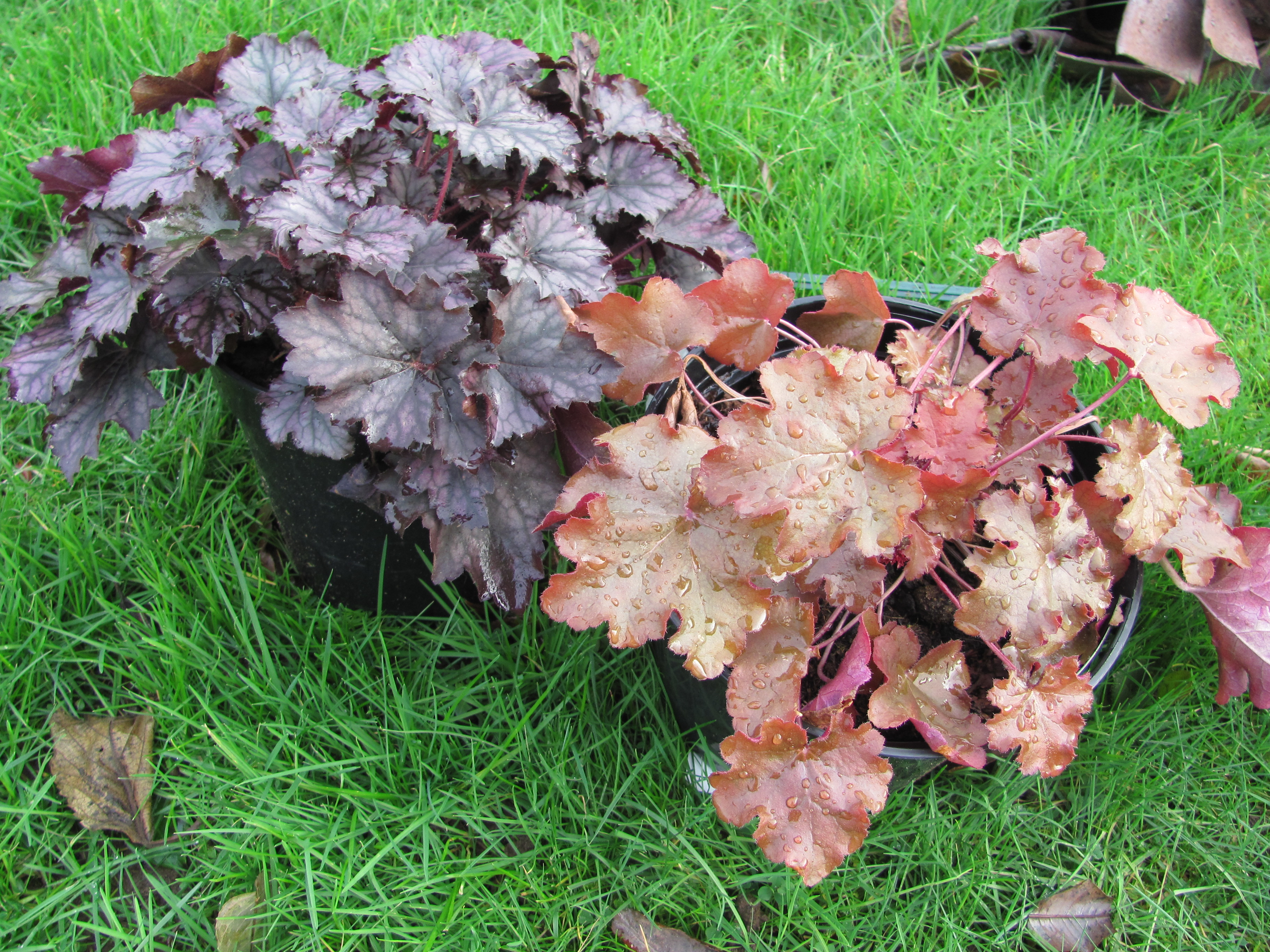
We hate shopping in town centres, retail parks and especially supermarkets. How can people refer to such unpleasant things as being any sort of therapy? But put us in a nursery and everything seems different – we get tempted every time! We have just visited two of our favourite nurseries half an hour from home just into the Welsh countryside outside Welshpool, The Dingle and its sister, The Derwin. We went to buy a couple of plants for a container that sits empty at the end of the central path in the back garden. It has long been crying out for some plants. We came back with a boot full of plants, some for that pot, some for another pot, some alpines, a couple of shrubs and some perennials. It happens to us all the time, but just look at our booty! We are definitely into coloured foliage.
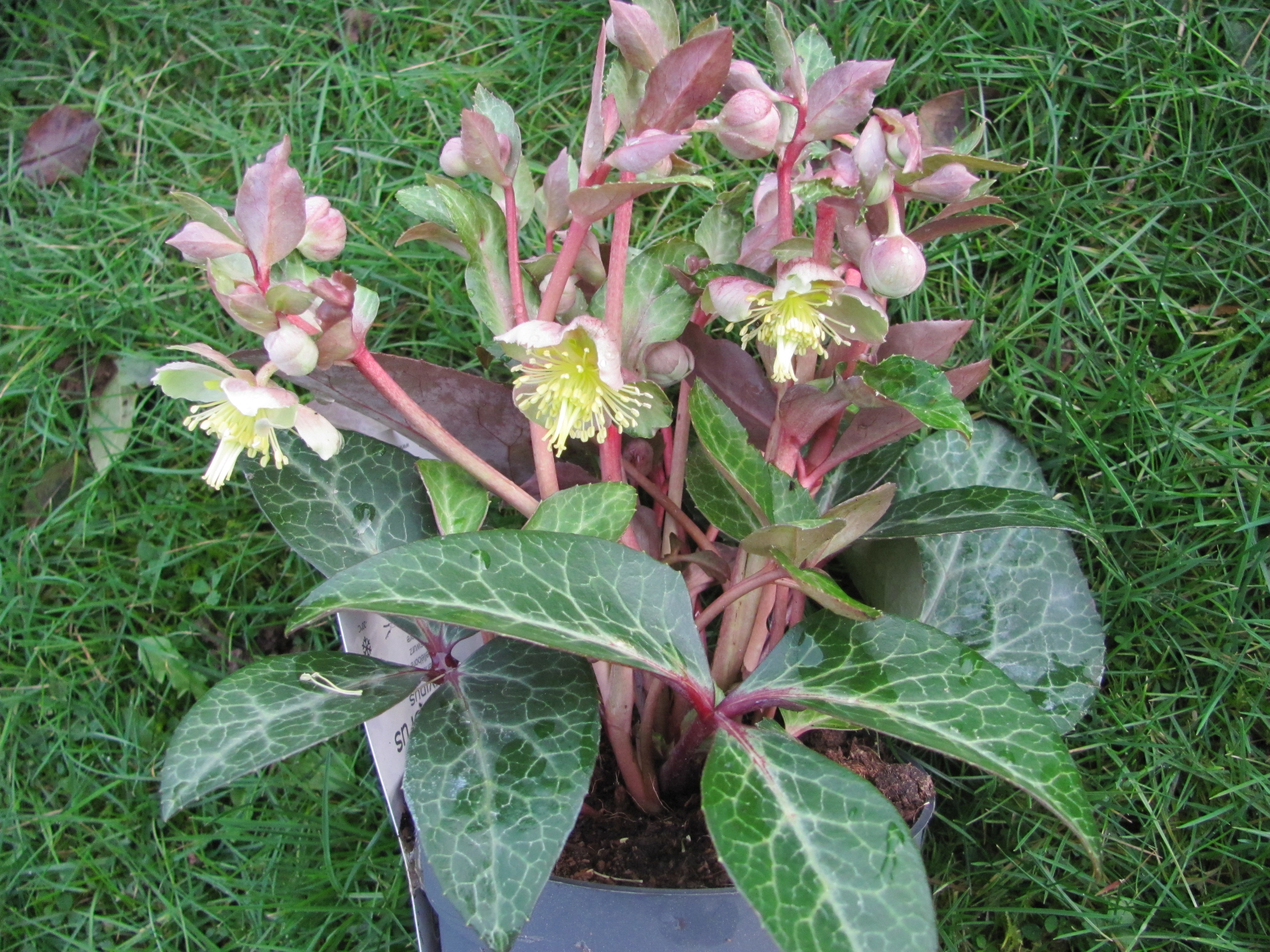
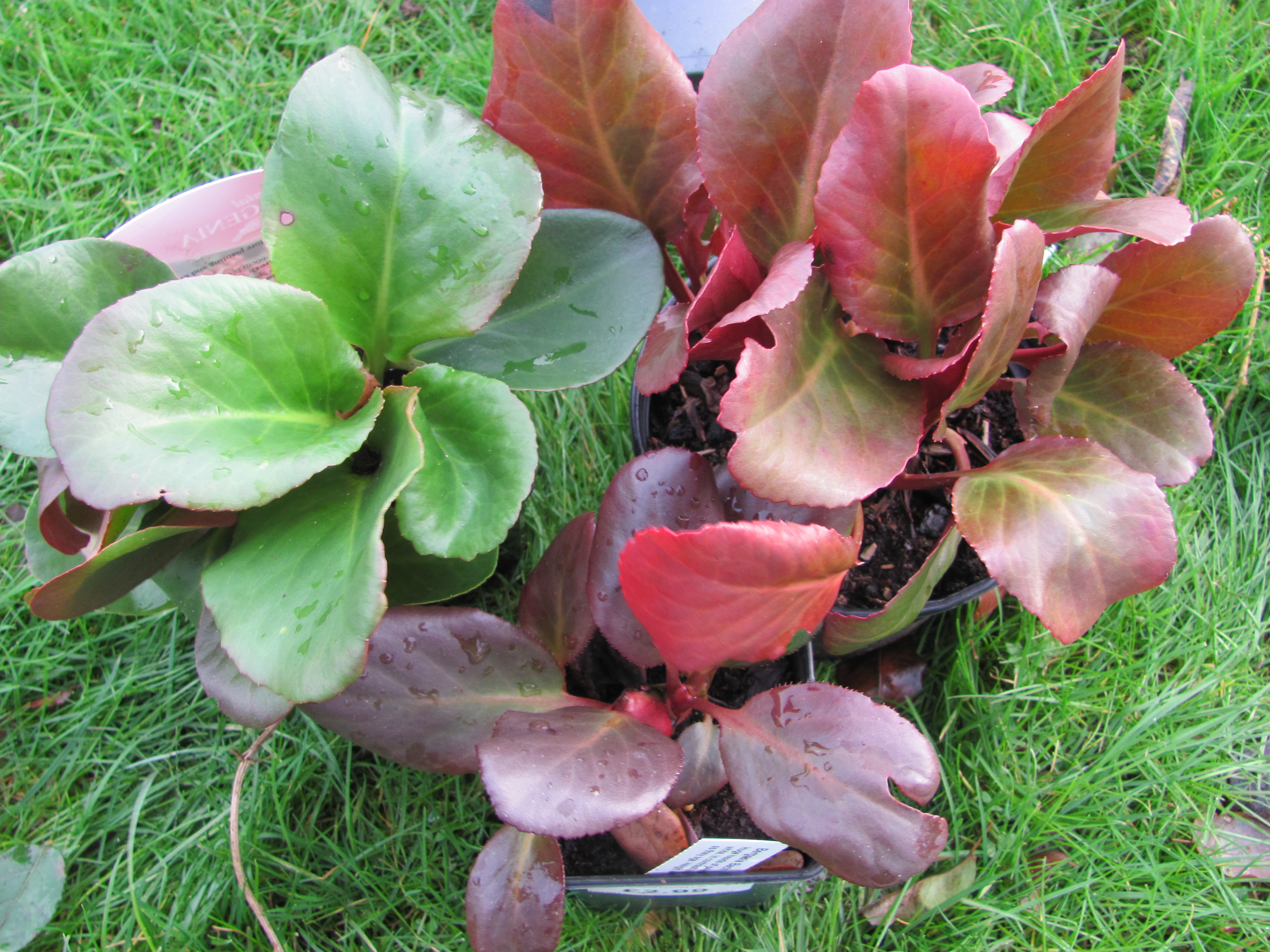
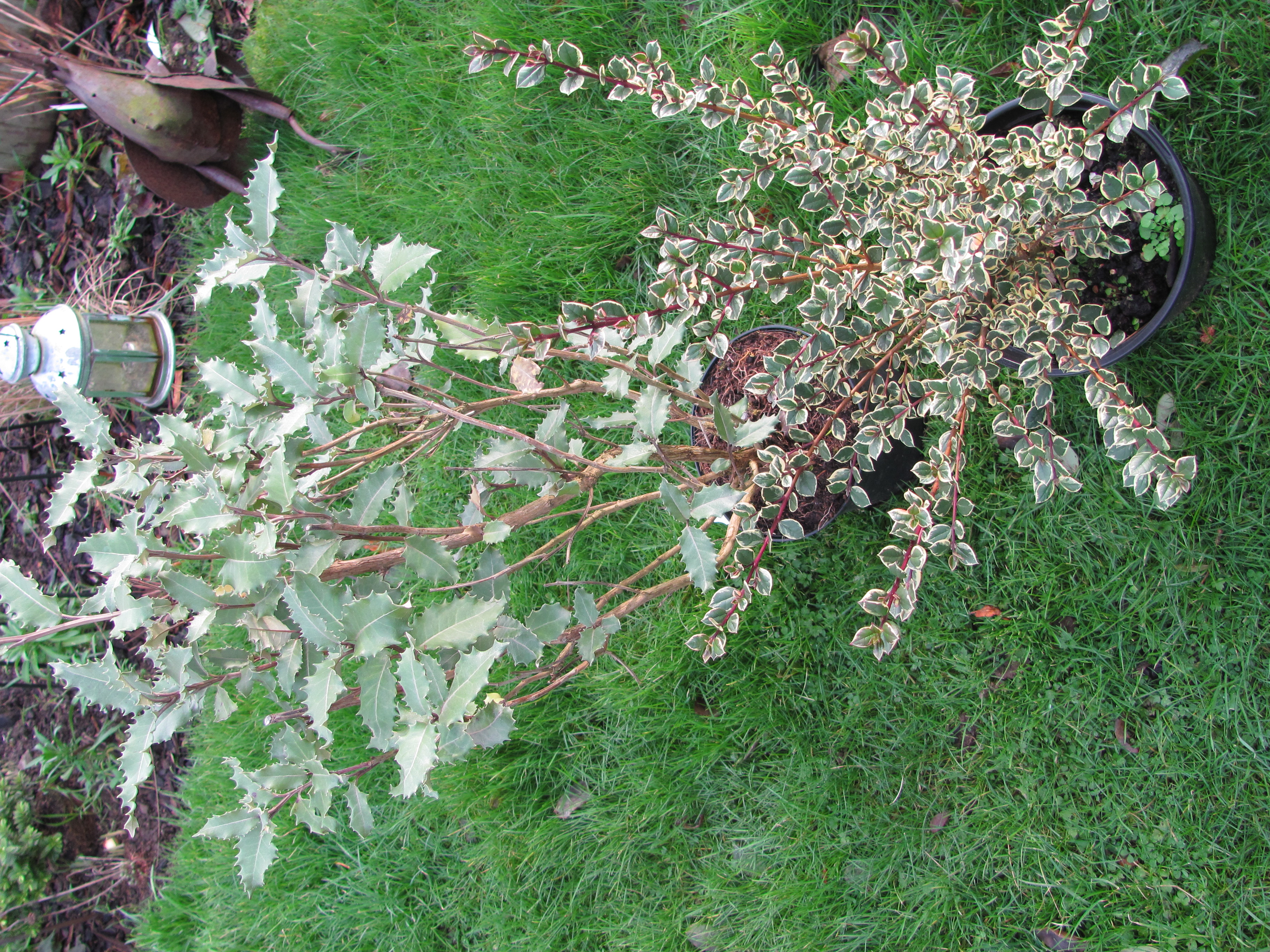
Euphorbia Silver Swan and Euphorbia Walberton's RudolfHeucheras Frosted Violet and MahoganyHellebore lividusBergenias - Bach, Winterglut and Winter Glow.Osmanthus x macrodonta and Luma apiculata "Glanleam Gold"
Our recent visit to Barnes, the WWT centre in London, reminded us that we hadn’t visited Slimbridge for a good few years. Bitterns were being spotted regularly so a relatively mild day in January seemed a good day to visit. A long and very slow drive down in the drizzle failed to dampen our enthusiasm. So having arrived an hour after we had planned a welcome cup of coffee was gulped down before we headed for the hides. Trouble is we had to begin by walking passed the flamingo enclosure – an assault on the eyes and ears. Not our favourite birds – the Dame Edna Everidges of the wildfowl world.
The walk to the first hide took us through wildfowl enclosures. We don’t stop here much but it was a favourite when our children were young, and is still a favourite for young families today. it is a great way to introduce youngsters to the joys of the bird world. It is safe to say that many children who marvel at the beautiful fowl from every corner of the world become birdwatchers – their interest is sparked here at Slimbridge.
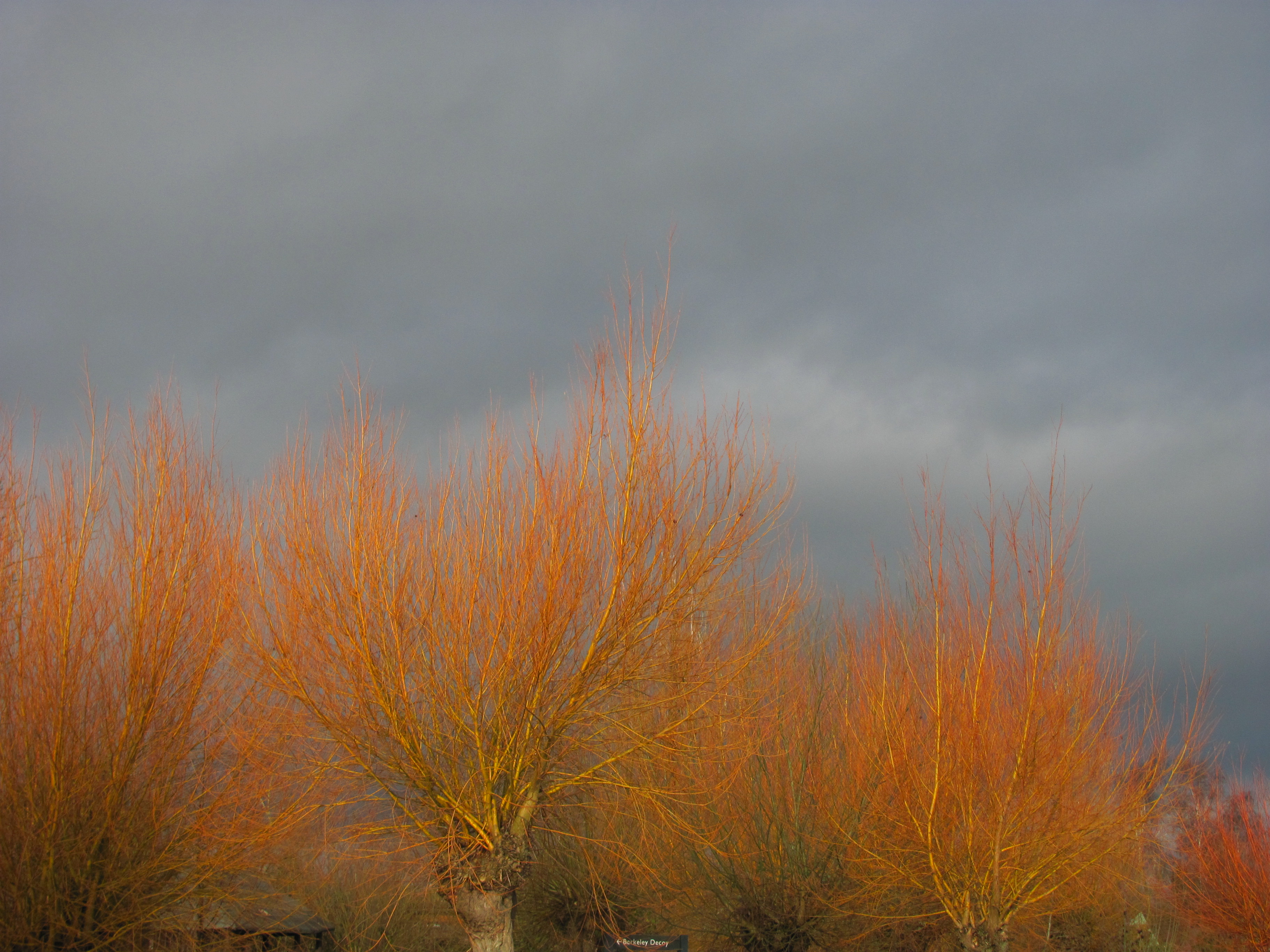
In this area pollarded willows with wands the colours of fire glow against the storm-laden sky. Some newly pollarded trees look like they are sporting designer stubble, others throw their stems rigidly into the air.
Flames of willow lapping the airforce blue sky.Winter light gives so much colour to a dull day.
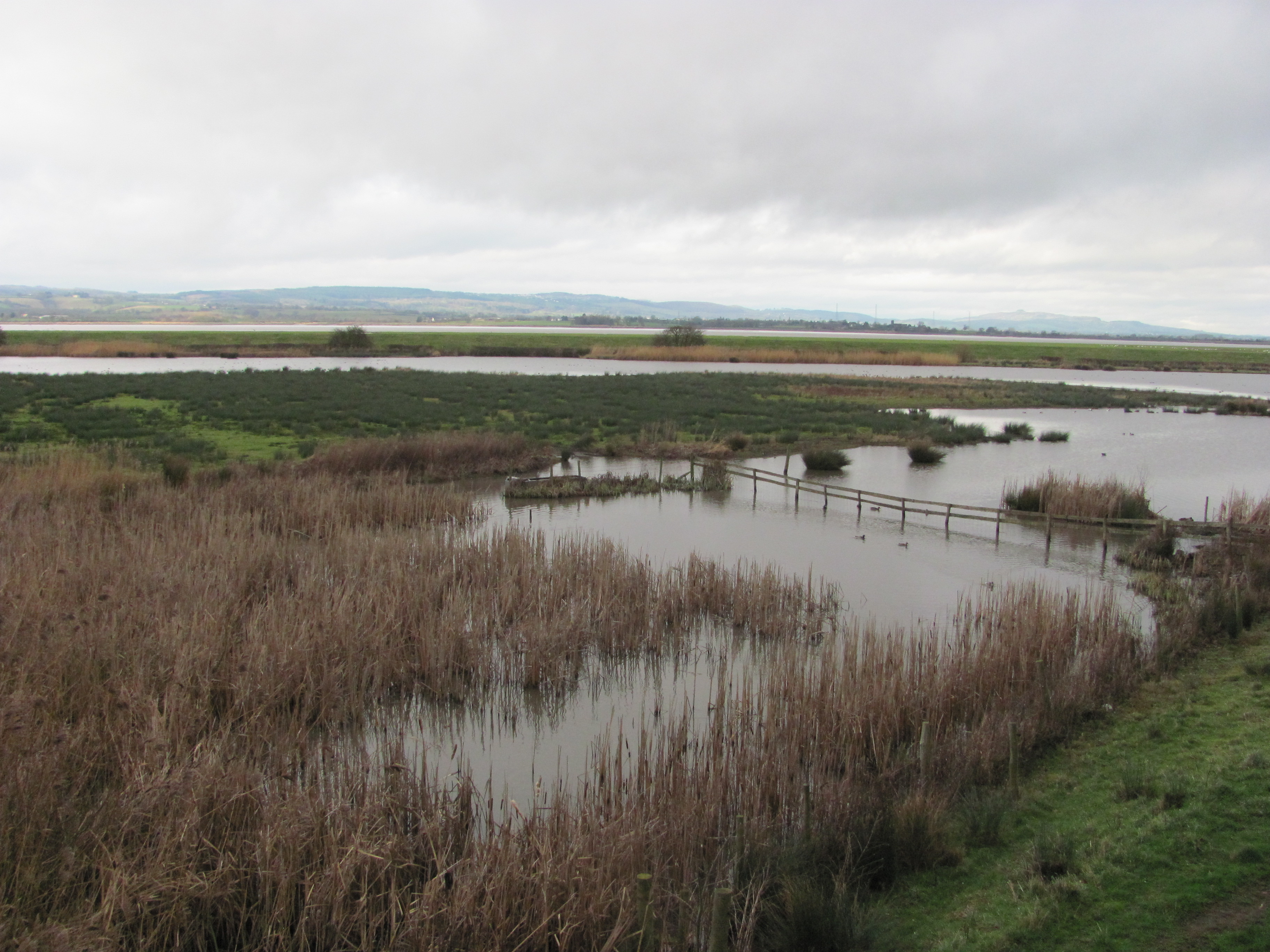
We arrived at the first hide after a twenty-minute walk through the wildfowl pens regularly distracted by the low winter sun and its magical effect on stems and stalks. The view from the hide was one of flat landscape of reedbed, river and shallow pools. Shelduck were relaxing on the grassy bank of a patch of cold looking water while mallard and teal flirted in the edge of the reed fringed pools. This was a quiet place with just the wind rustling the reeds, the whistling calls of the teal disrupted by the quarreling mallard. A small bird flitted from one reed seed head to another never settling, a brown backed warbler with rounded end to its tail – a cettis warbler. This is a sight worth the long journey to see. But Jude quietly whispered to me “I can see a bittern”. There it was, so hard to find and so easy to lose, skulking in the fringes of the reeds a few metres from the hide. Stripes of brown on warm beige, provided the perfect camouflage, the bittern moved so slowly like a clump of dried reeds. Jude saw it with head and neck stretched up – lucky lady!
Our view from the Zeiss Hide
We remained in this hide long enough to get cold and stiff after perching on the hard wooden seating, revived somewhat by regular coffees. Eyes soon become tired staring over such huge areas of wetland, so blinking and rubbing them was a necessity. But our tired eyes did see many delights, Pintails, Shovellers, Water Rail among multitudes of Pochard, Wigeon, mute swan mixed with Bewicks and the occasional heron flying in and landing on fenceposts. The only birds of prey we spotted were several buzzards all lined up on fence post on the edge of the river. Our eyes needed a rest and luckily the nearby Kingfisher Hide provides just this as the views are smaller, the birds more intimate. Here bird feeders hang in a tree just outside one of the hide’s windows. A half hour of close-up views of finches and tits while eating lunch is an enjoyable interlude.
Goldfinch enjoying nyger seed.
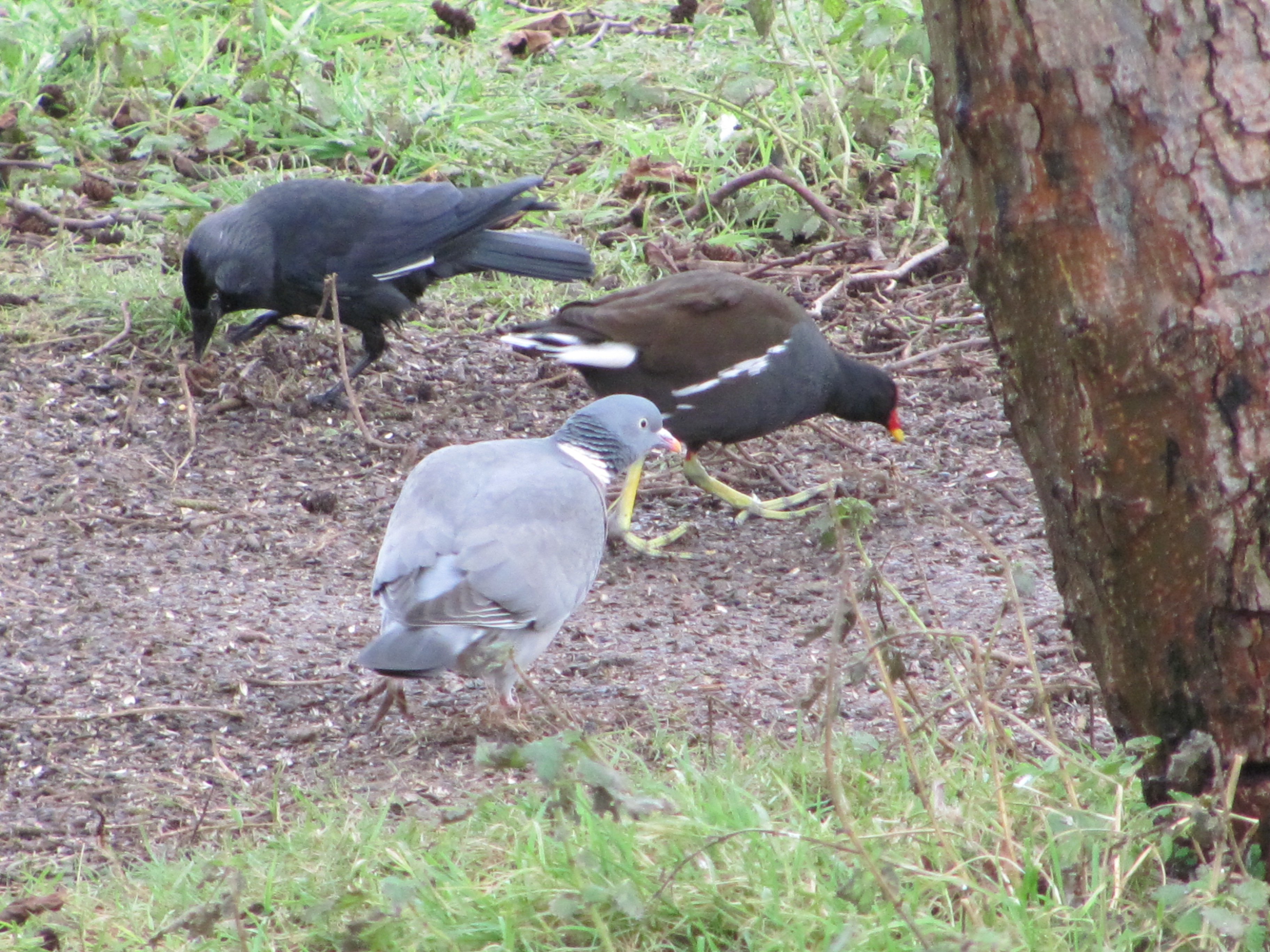
As Jude read an information board about kingfishers she informed me that they moved elsewhere during the winter but returned in March, but as she told me this one flew across the water low and purposefully. You can’t mis-identify a kingfisher, there is nothing else like it. Then it flew back across the water to prove he really was there. Beneath the feeders opportunist pigeons, blackbirds, moorhen and jackdaws joined by a squirrel picked up the seeds and peanut crumbs dropped by the messy small birds above. We enjoyed watching the antics of a Little Grebe as he swam around just feet from the hide, a delightful ball of feathers.
Greedy opportunists find easy pickings.
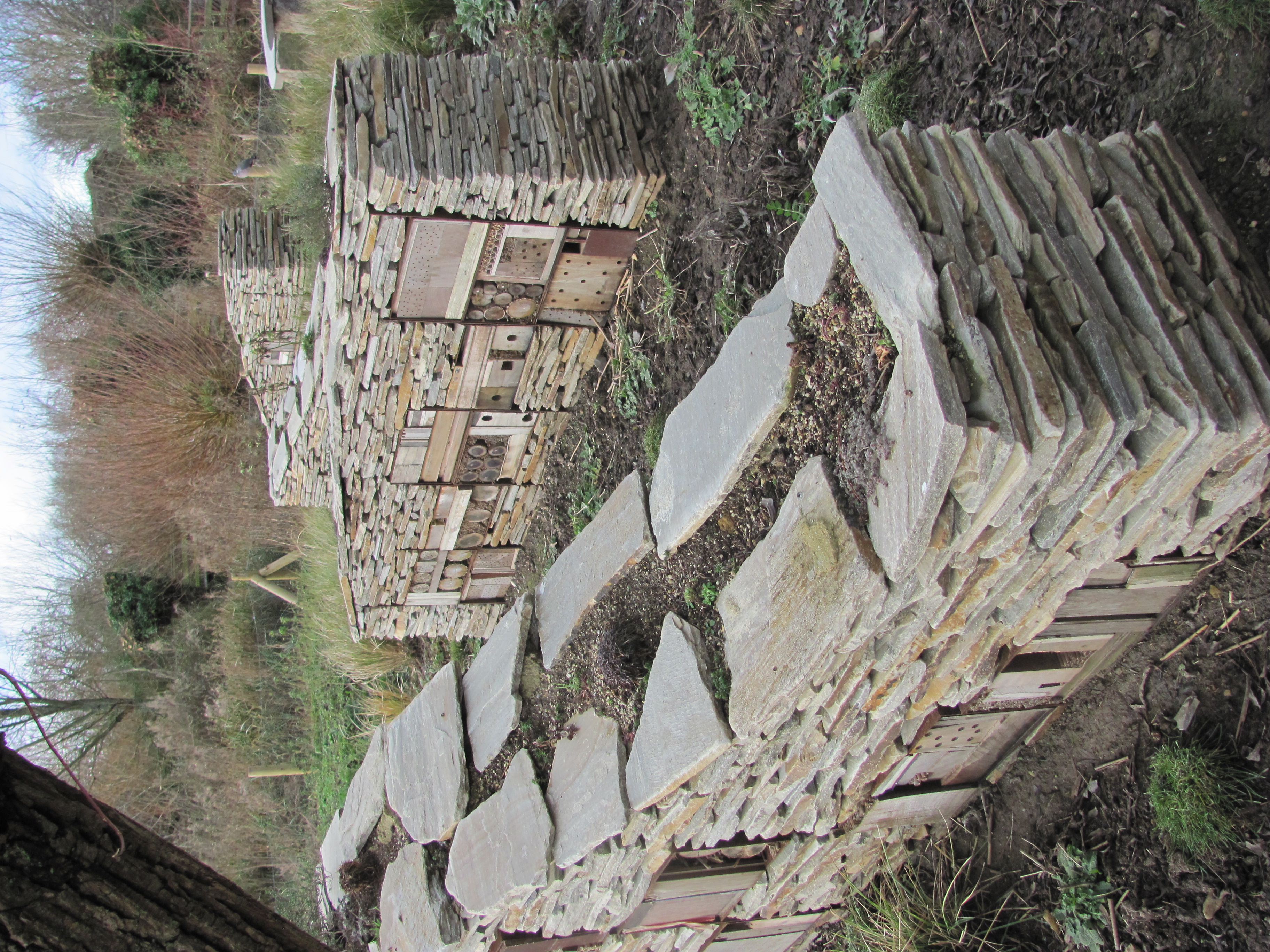
Picnic eaten and eyes rested we continued our tour of the site visiting smaller hides and enjoying the walkways in between. We passed the Rain Garden with the most wonderful, sculptural insect shelters.
The art of the dry-stone wall-builder provides shelter for wildlife.
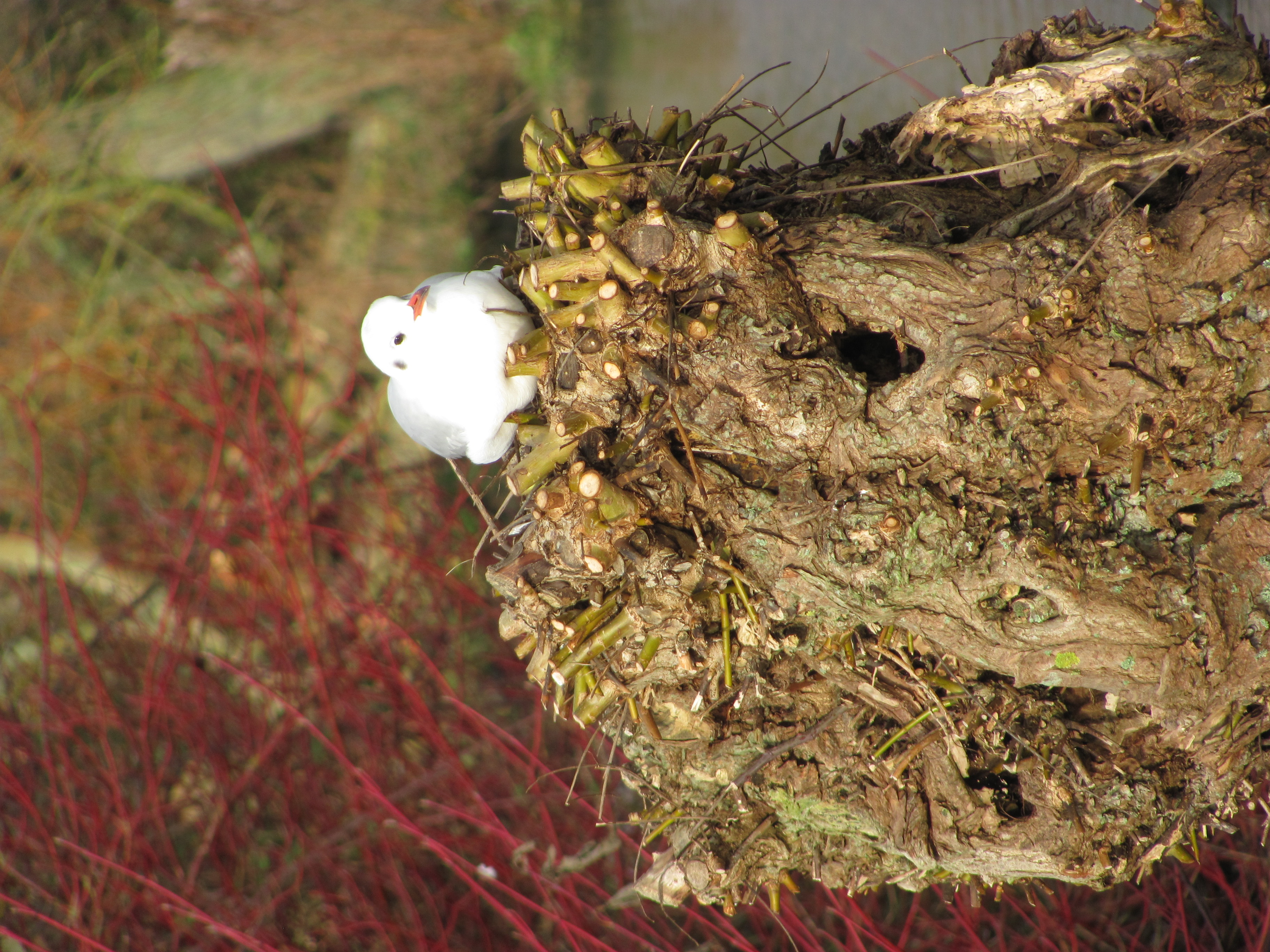
Many of the birds have become so used to human visitors that they let you take photos without huge telescopic lenses, just compact digital cameras like the one I carry in my pocket.
It's not just me that appreciates pollarded willow.The moorhen, common but beautifully marked and subtly coloured.The coot creating his own patterns in the water.
It was between some of the smaller hides that we spotted the first good-sized clump of snowdrops of the winter so far bursting from the leaves that had dropped in the autumn to give the ground a warming duvet. Nearby gnarled old bracket fungi clung to equally gnarled old willow bark.
Bright lights in the gloom under the bare stemmed trees.Such varied texture and so many shades of brown.
We reached the Holden tower as the poor light was fading further. The multitude of waders, geese and ducks were almost in silhouette now. A flock of Tufted Ducks had taken over one small pond exclusively, but the other pool was busy with Lapwing by the hundred interspersed by a scattering of their cousins the Golden Plover. Out on the far estuary Pintails could be seen feeding in the margins and Curley in the muddy banks. A real treat was spotting a female Reed bunting close to the hide atop a twiggy bush. She was a bird of subtle beauty. Completely unlike the black hooded male, she sported black and cream streaks all over.
Our view from the Holden Tower
The fading light that makes the afternoons in January too short, made us hurry to the South Lakes for a final half-hour bird spotting. Gulls, waders and ducks galore greeted us, unaware that they were being watched by a Buzzard in one tree and a Peregrine in its neighbour. We were entertained by a group of Black Tailed Godwit feeding in the shallows close to us and Lapwing moving across the shallower water feeding incessantly. Scanning the Lapwing flock with the telescope, I spied a small gang of Redshank, easily identified by their red legs. But amongst them was a different character, a slightly longer and down-turned beak and marked eye stripe and more marked plumage identified it as a Spotted Redshank. What an end to the day! Our time watching and appreciating the waders on the South Lake was forshortened when the Peregrine launched itself from its tree top perch. The waders disappeared.
But it is not just the rarities that it is possible to see at Slimbridge, and we certainly revelled in seeing our Water Rail, Spotted Redshank, Bittern and Cettis Warbler, that makes this such a wonderful place to visit but is the enjoyment of seeing the commonest of birds in such a varied range of habitats. Journeying home we looked back on a day when we spotted over 50 species of birds some of them in their hundreds and satisfied with a short glimpse of the ubiquitous Bittern.
My morning wander to feed the chickens this morning – a frosty one again- saw me take my camera as usual. I took shots of the patterns found in the garden both in nature and in the structures we have created.
Cordaline TrunkCriss Cross Twigs of Cornus "Midwinter Fire"Decking Stripes - Wood and FrostJack Frost on the Summerhouse Windows
'The most important and informative publication on wildlife of our times' - The Independent. This blog is a member of The UK & Ireland Natural History Bloggers group: www.uknhb.blogspot.com