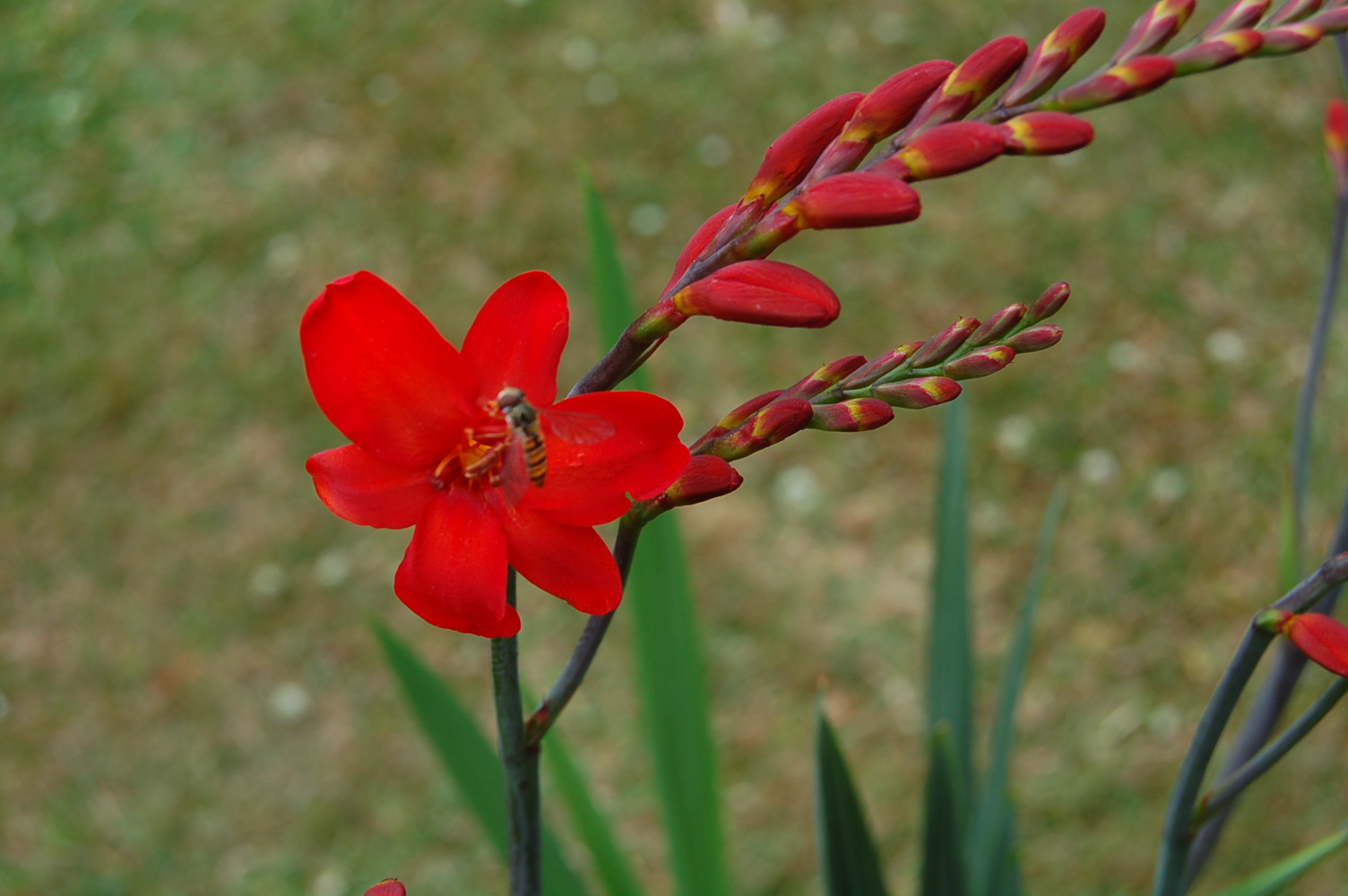
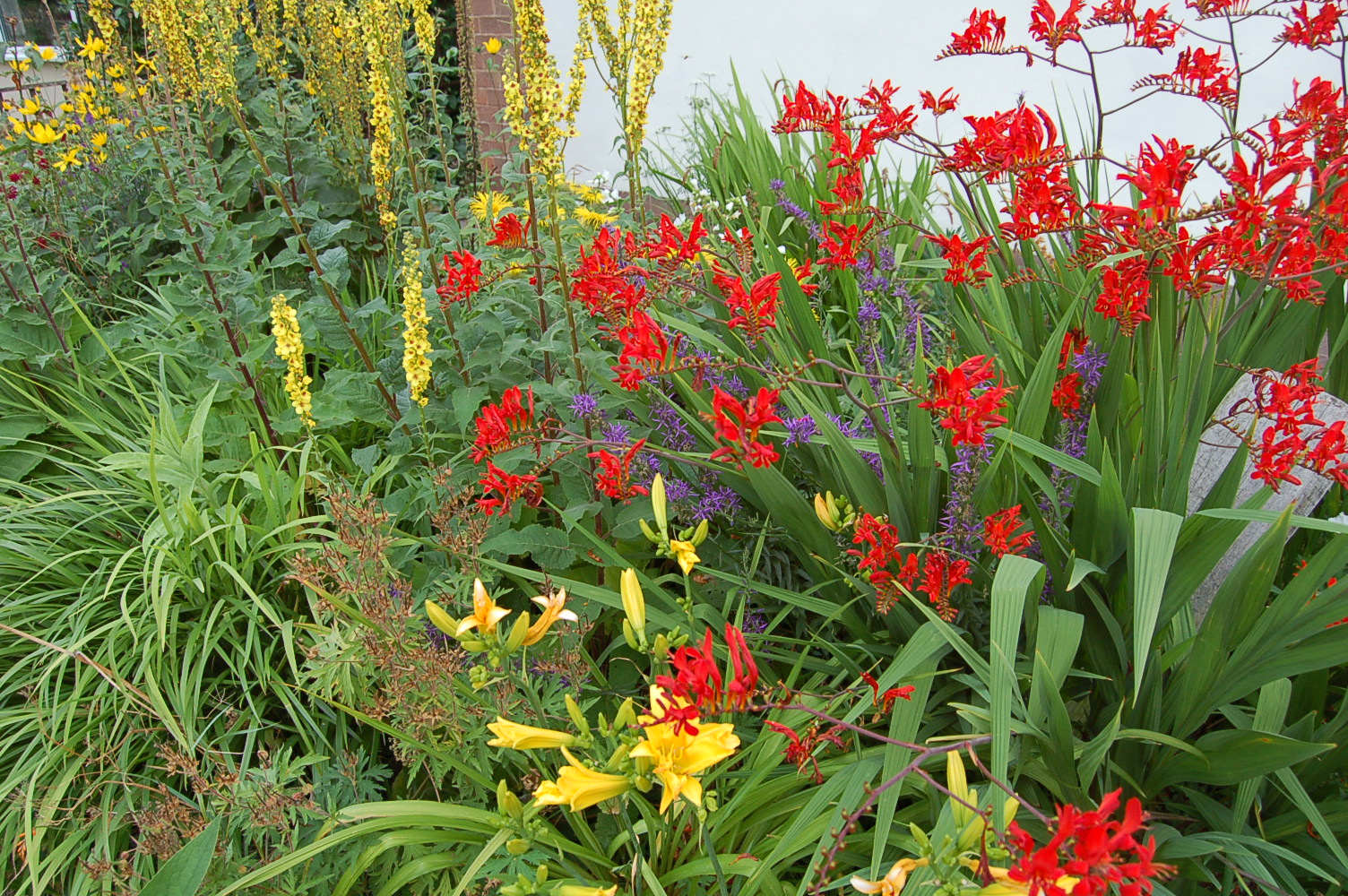
We have added more red to our Hot Border for extra zing! This extra red was provided by a crocosmia called “Walbertons Red”. The “Walberton” part of the name refers to the nursery in Arundel, West Sussex who introduced it. The nursery’s best-know introductions are probably Lavender Silver Edge and Scabious Butterfly Blue. We also bought Crocosmia “Walbertons Yellow” and both these crocosmias are richly coloured and flower strongly.
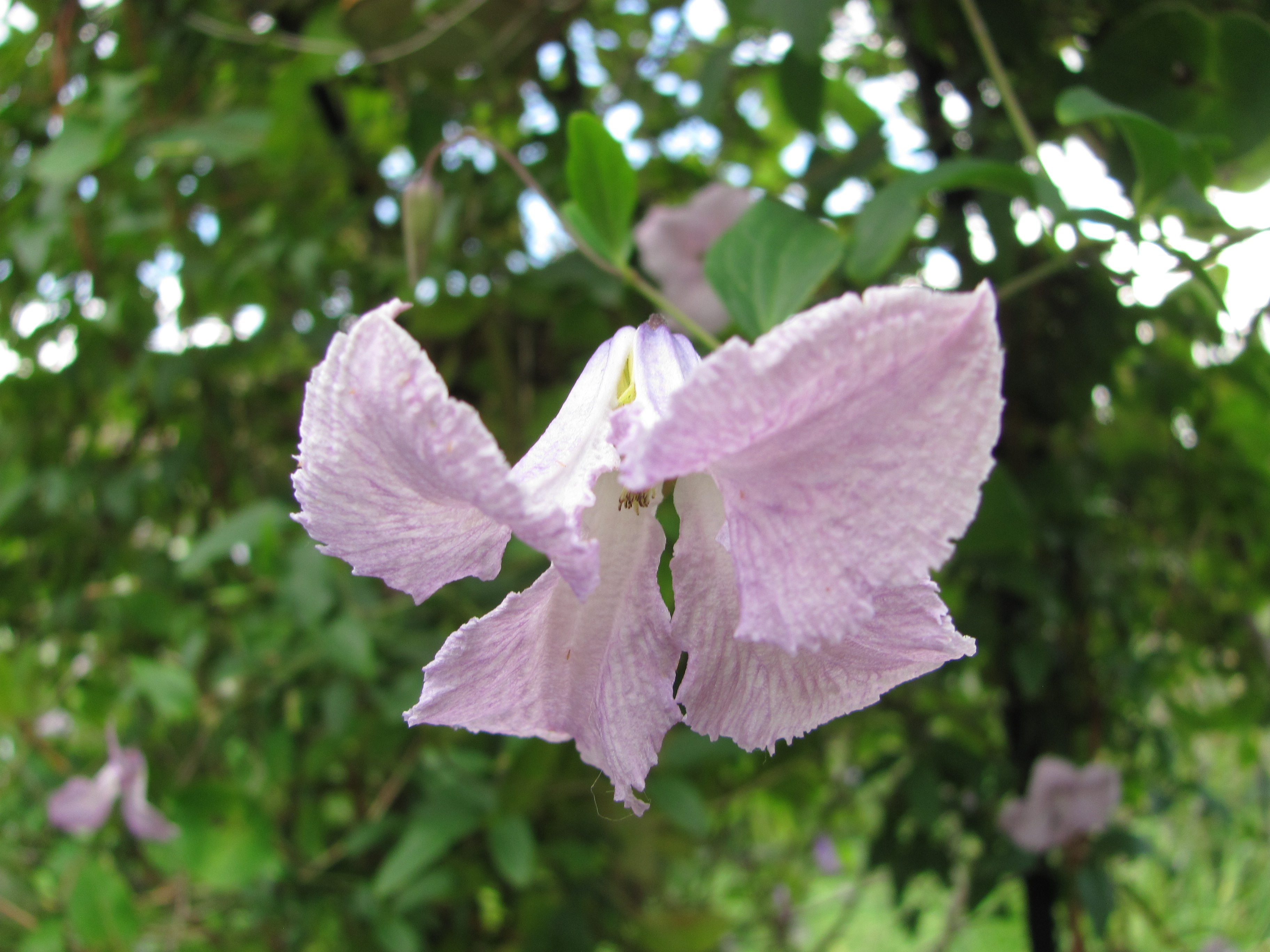
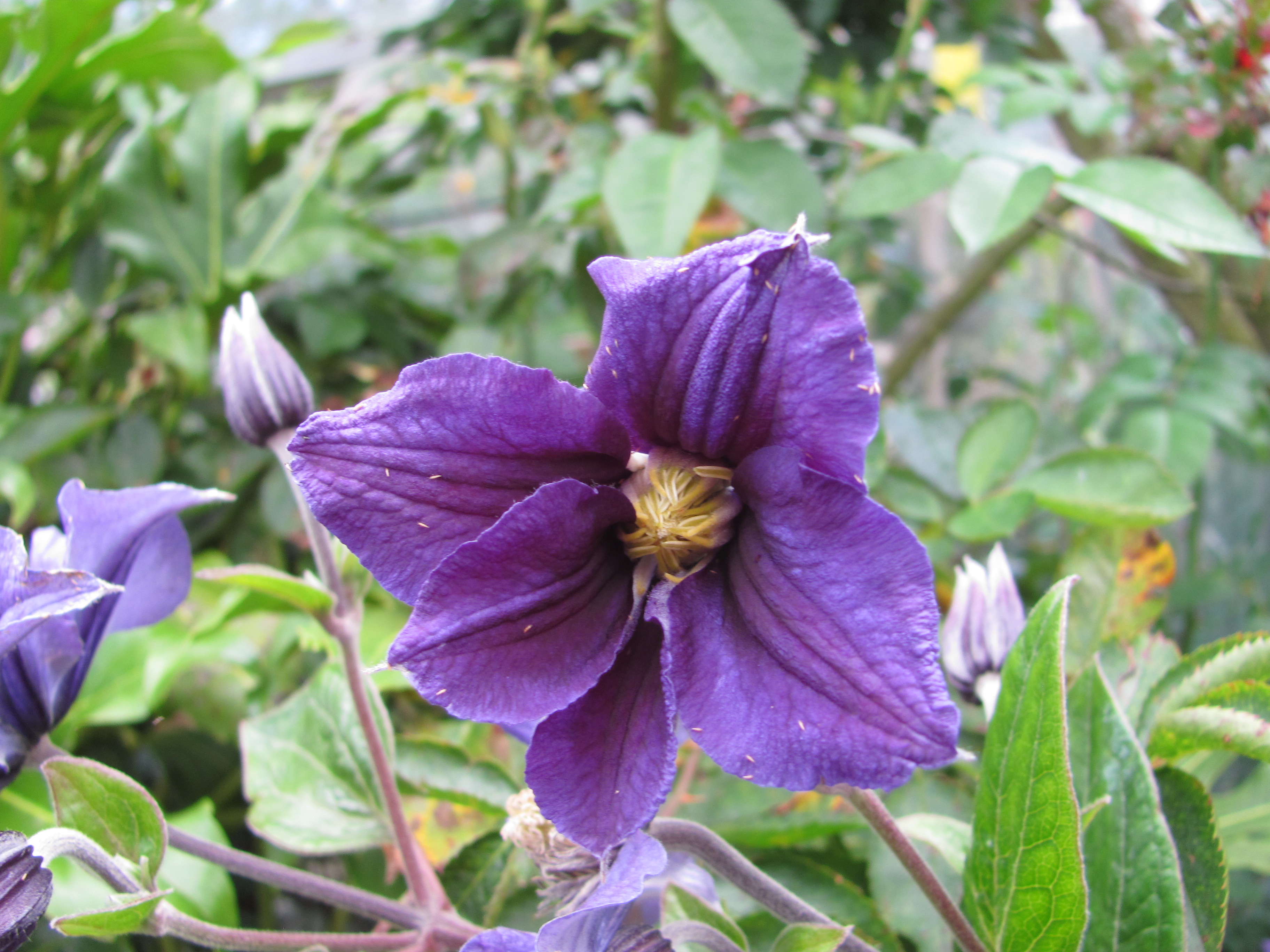
Should 2011 have been “The Year of the Clematis”? All ours have flowered so well and for so long, be they the usual climbers or the less-often grown and less well known herbaceous varieties. Just look at the photos! The first is a climber and the second an herbaceous type.
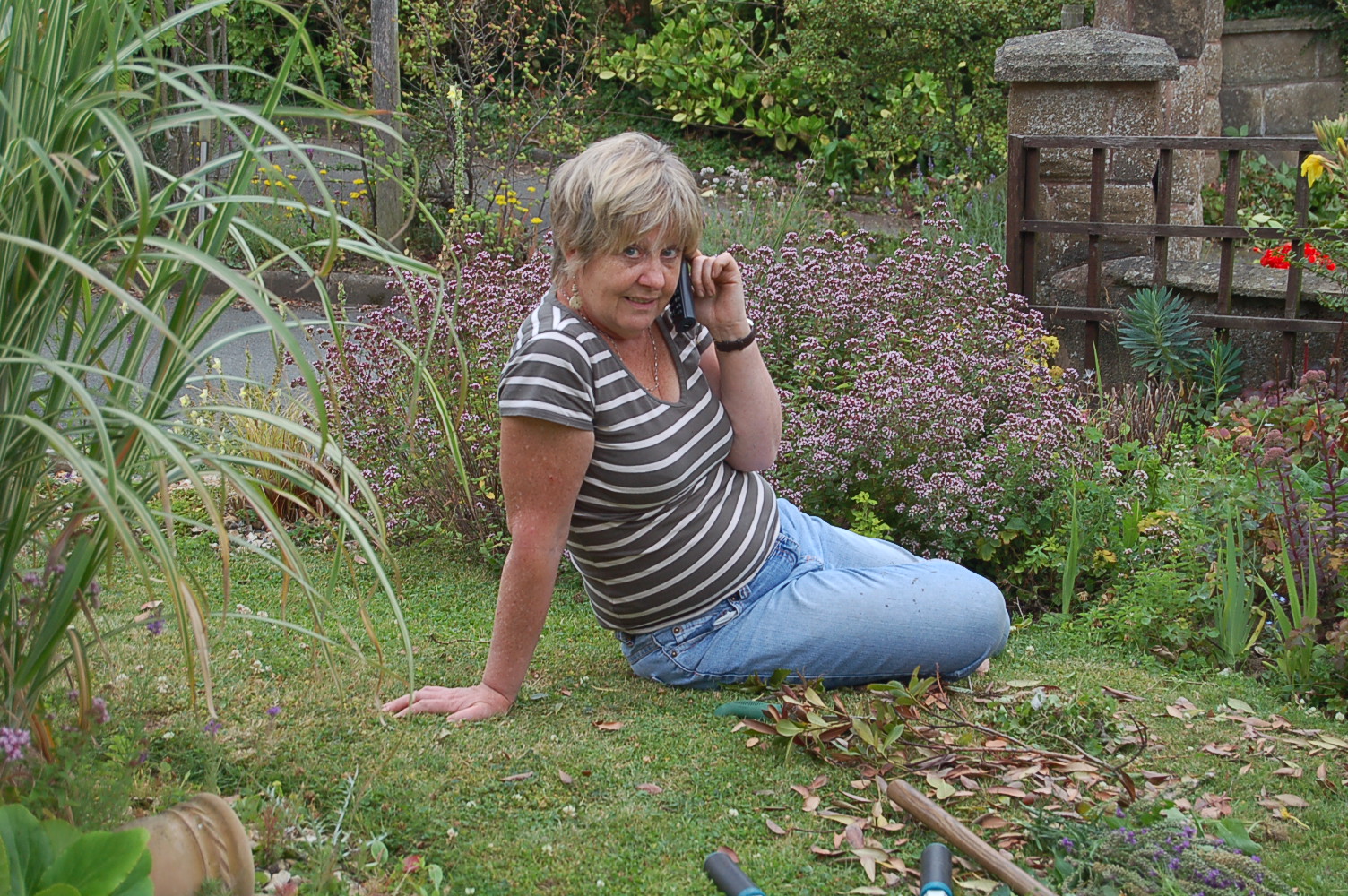
Most of the hard work in the Avocet garden is done by Jude the under-gardener. She does the digging, weeding and humping around while I have the ideas and do the glamorous jobs like planting new acquisitions.
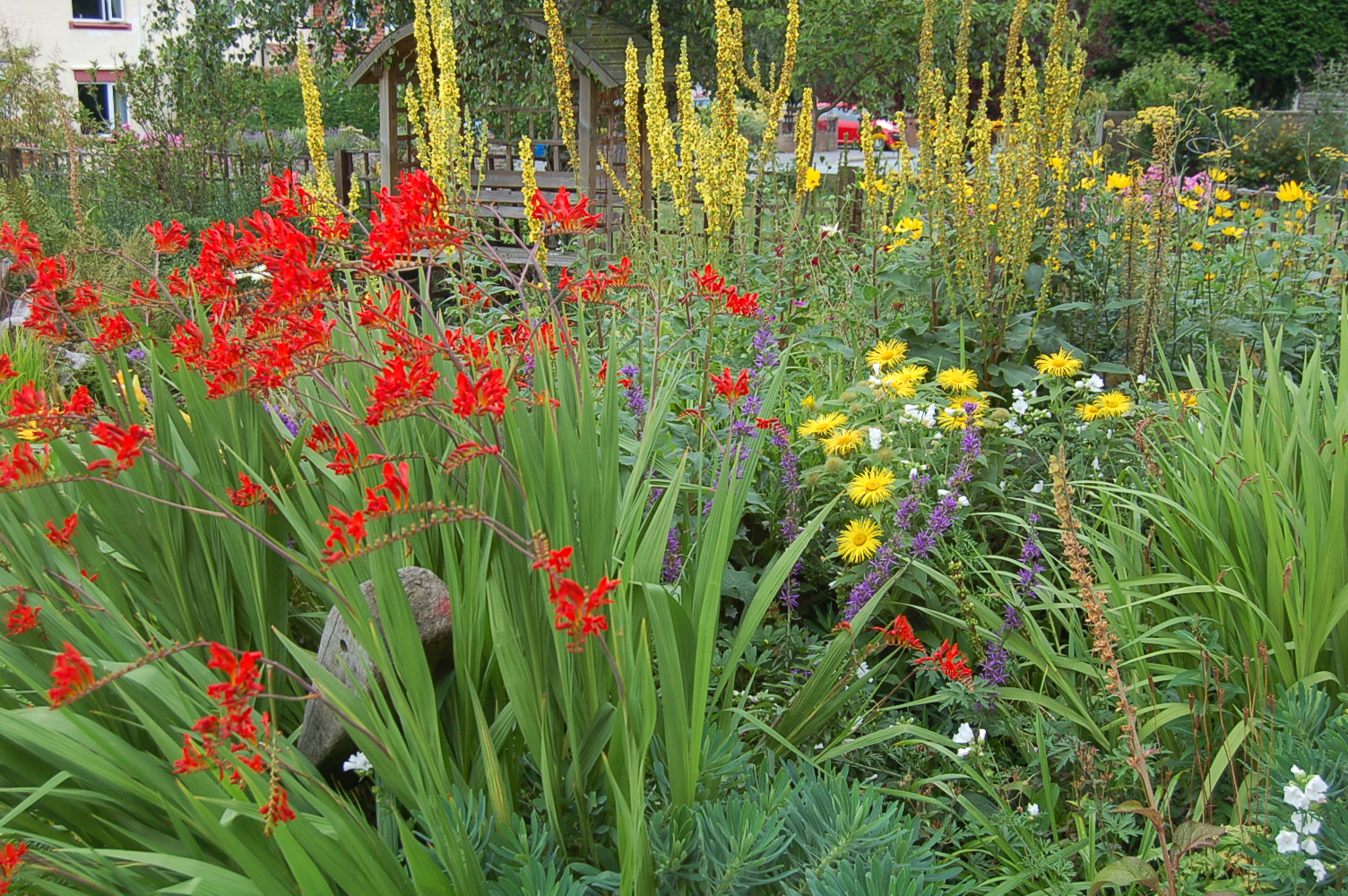
The hot border in our front garden at our home plot is looking good! Hot! Hot! Hot!
The rich colours of fire dominate – yellows, oranges and reds with splashes of warm blues and the occasional white highlight. But without plenty of green to act as a foil and enrich the colours it would look less effective.
But we still need more red at one end as we have a predominance of yellows.
In the foreground in the first photo the deepest red of Crocosmia “Lucifer” dominates while spires of verbascum send their yellow flames into the air, while in the second photo it is the trumpets of a daylilly that blast through the red.
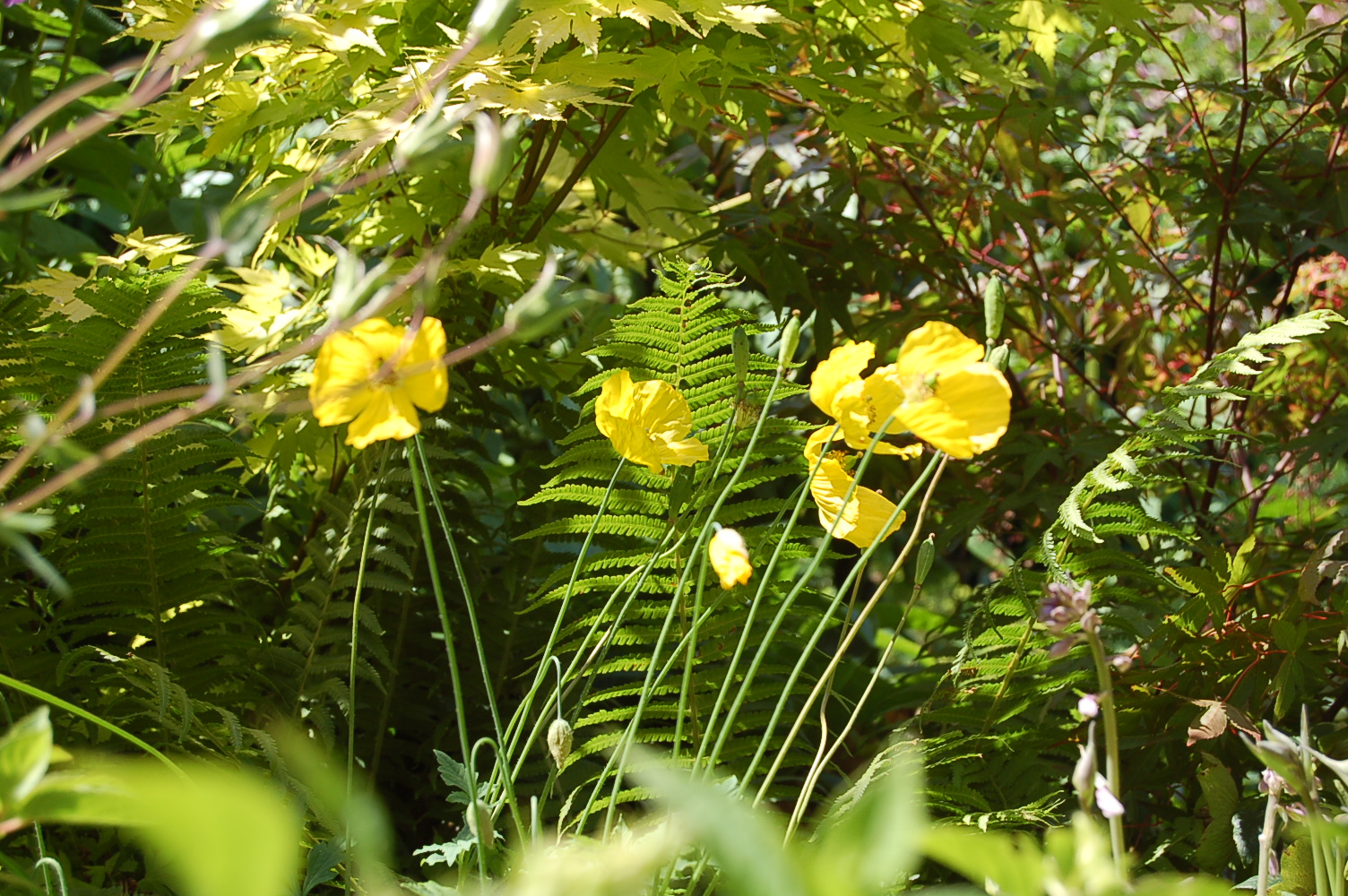
Sometimes the simplest and most common of plants are the stars of the garden. This yellow Welsh Poppy, Meconopsis cambrica, comes to life in the low-angled rays of sunshine at the beginning and end of the day. Considered by many gardeners to be a weed because it happily and freely self-seeds wherever it is happy, this diminutive gem has the knack of placing itself brilliantly. We wouldn’t be without it.
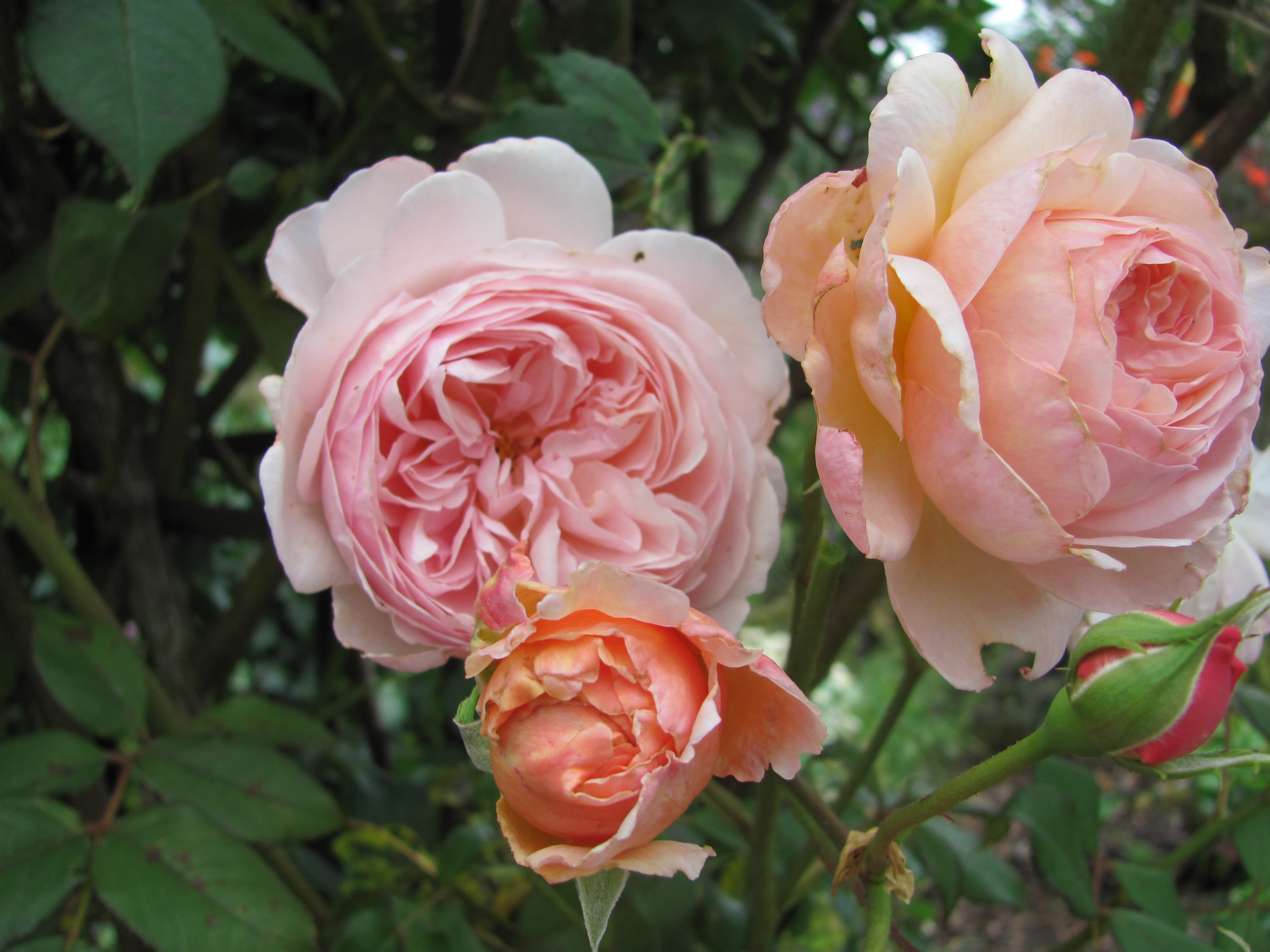
A warm humid day brings out the best scent in the garden and roses are often considered the best blooms for sweet scents. But not all roses perform, with many hybrid teas completely without odour. When we began our garden in Plealey we wanted the best and most varied scented blooms so all our roses are New English varieties bred by David Austin. Luckily his nursery and trial grounds are not far away. The display gardens are amazing and give you the chance to fully experience the sight and scent of each variety. So chosing roses for our garden is so easy. We simply take a half hour drive, wander around the roses sniffing the blooms as we go and then make our final choice over a cup of tea served in cups decorated with paintings of roses of course.
We now enjoy here in our patch at Avocet “A Shropshire Lad”, “Falstaff”, “Teasing Georgia”, “Graham Thomas” and “Wenlock”. We grow them close to paths – close enough to enjoy their scents but not so close that we suffer from their thorns.
So what will the greenbenchramblings be? The green bench is a rather old faded green plastic garden bench. It is a little brittle now and suffering from age. Its feet are chipped and cracked but it is where I sit to write in my special notebook. This notebook is a “Moleskine” with inviting cream pages inside its soft black cover, and in here I write my thoughts on “green things” – my lottie, my garden, wildlife and conservation.
The green bench currently lives on our allotment at Bowbrook Allotment Community on the outskirts of Shrewsbury, and it moved with us when we gave up our lottie on the far side of town.
It is where I take my rests, drink my tea and coffee during my very frequent breaks and where I nibble my fruit at lunchtime. When I sit I look and think and when thoughts come to me I pencil them into my “Moleskine”.
I have been making greenbenchramblings for a few years now so sometimes my ramblings will be retrospective. So welcome to my ramblings – enjoy them.
'The most important and informative publication on wildlife of our times' - The Independent. This blog is a member of The UK & Ireland Natural History Bloggers group: www.uknhb.blogspot.com



 greenbenchramblings