Categories
Uncategorized

A Monthly Wander Around the Gardens at Oakgate Nursery and Garden – October

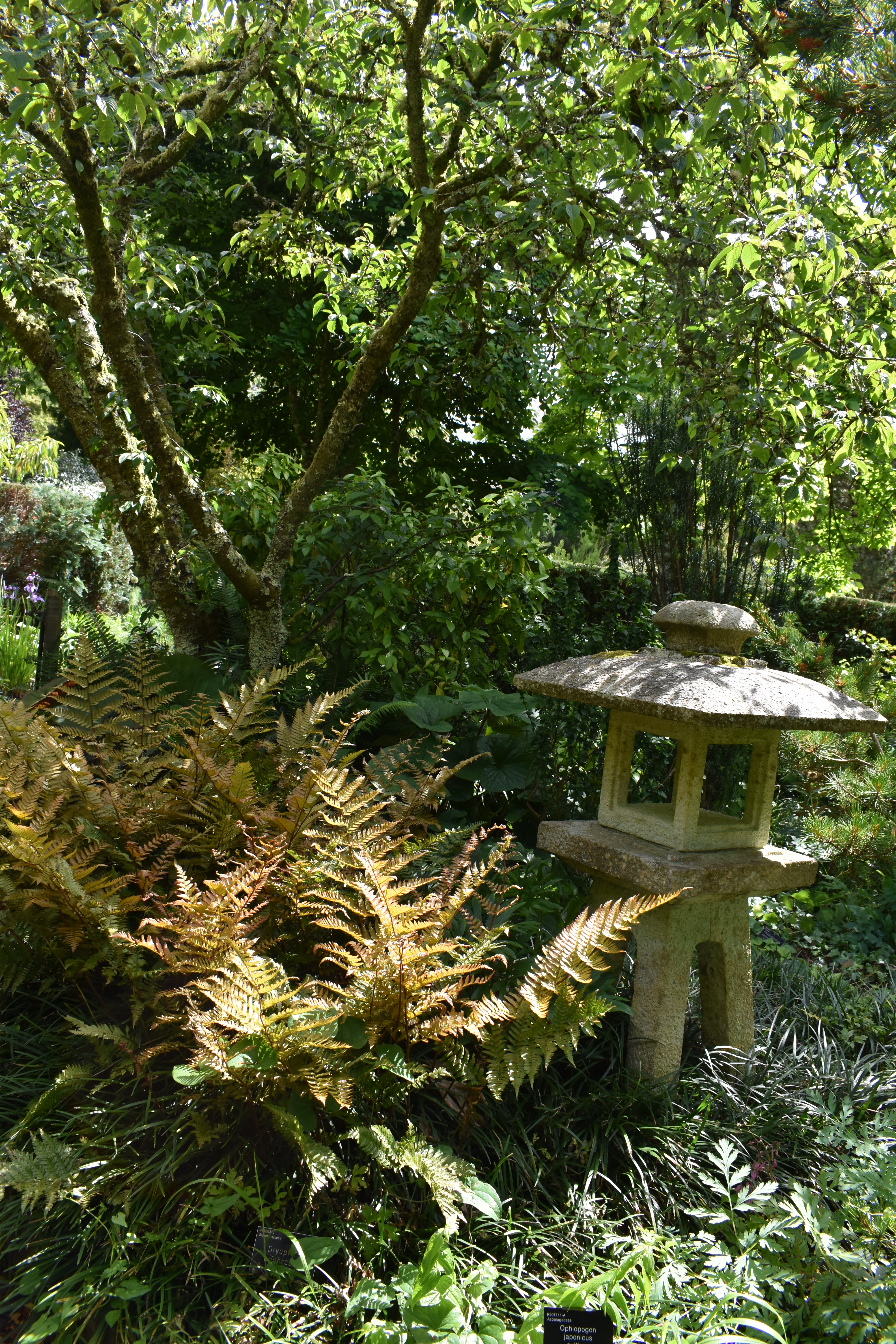
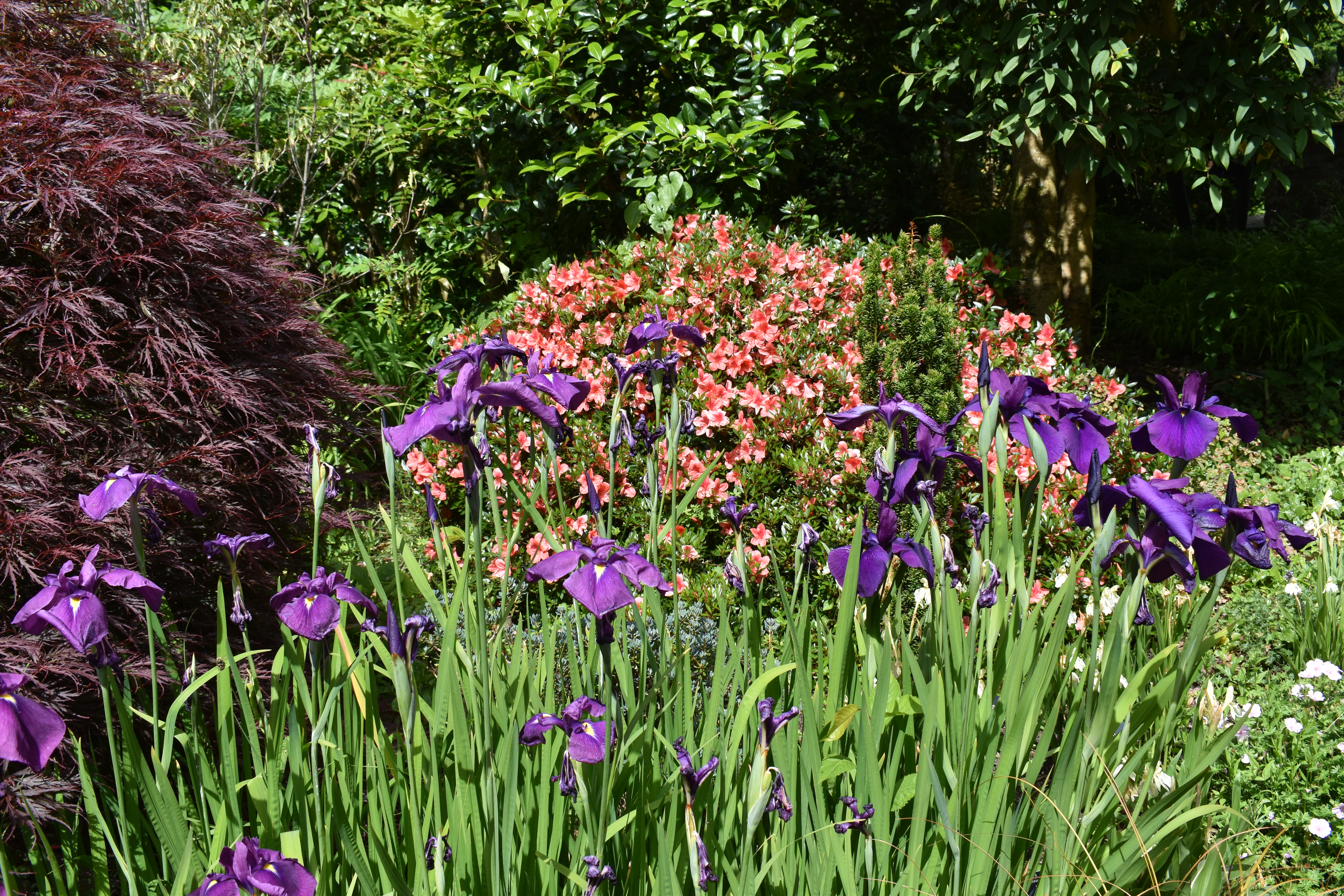
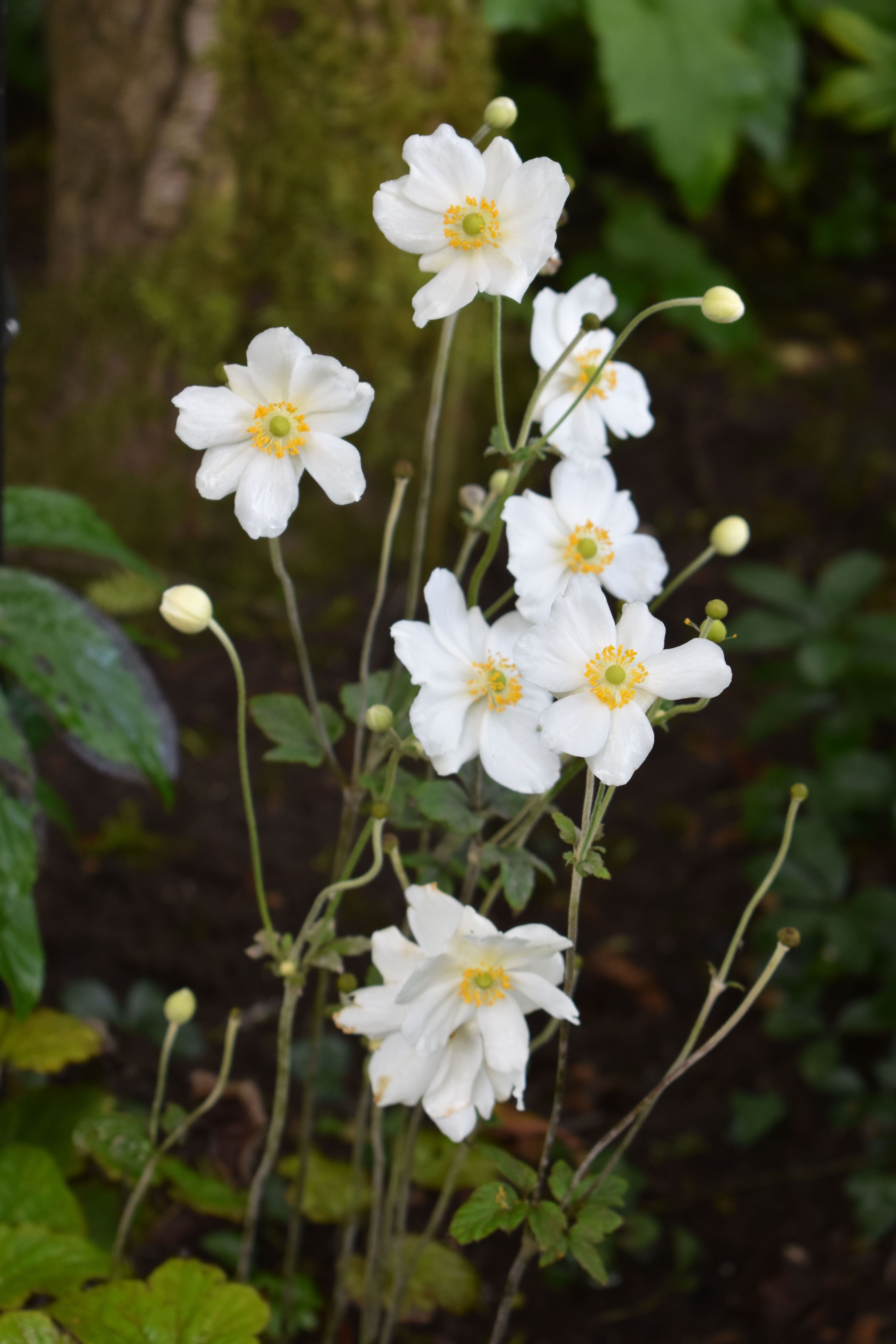
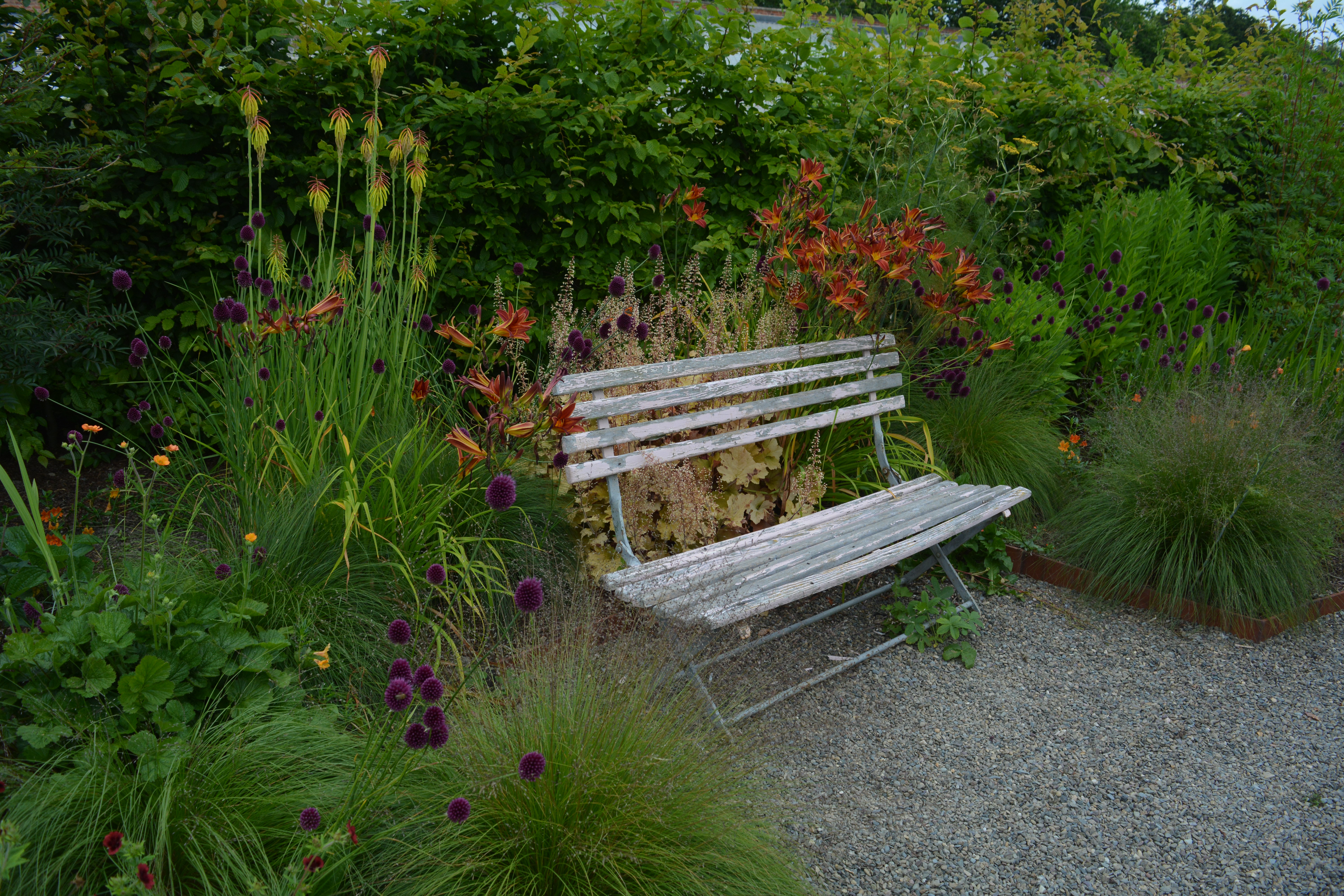
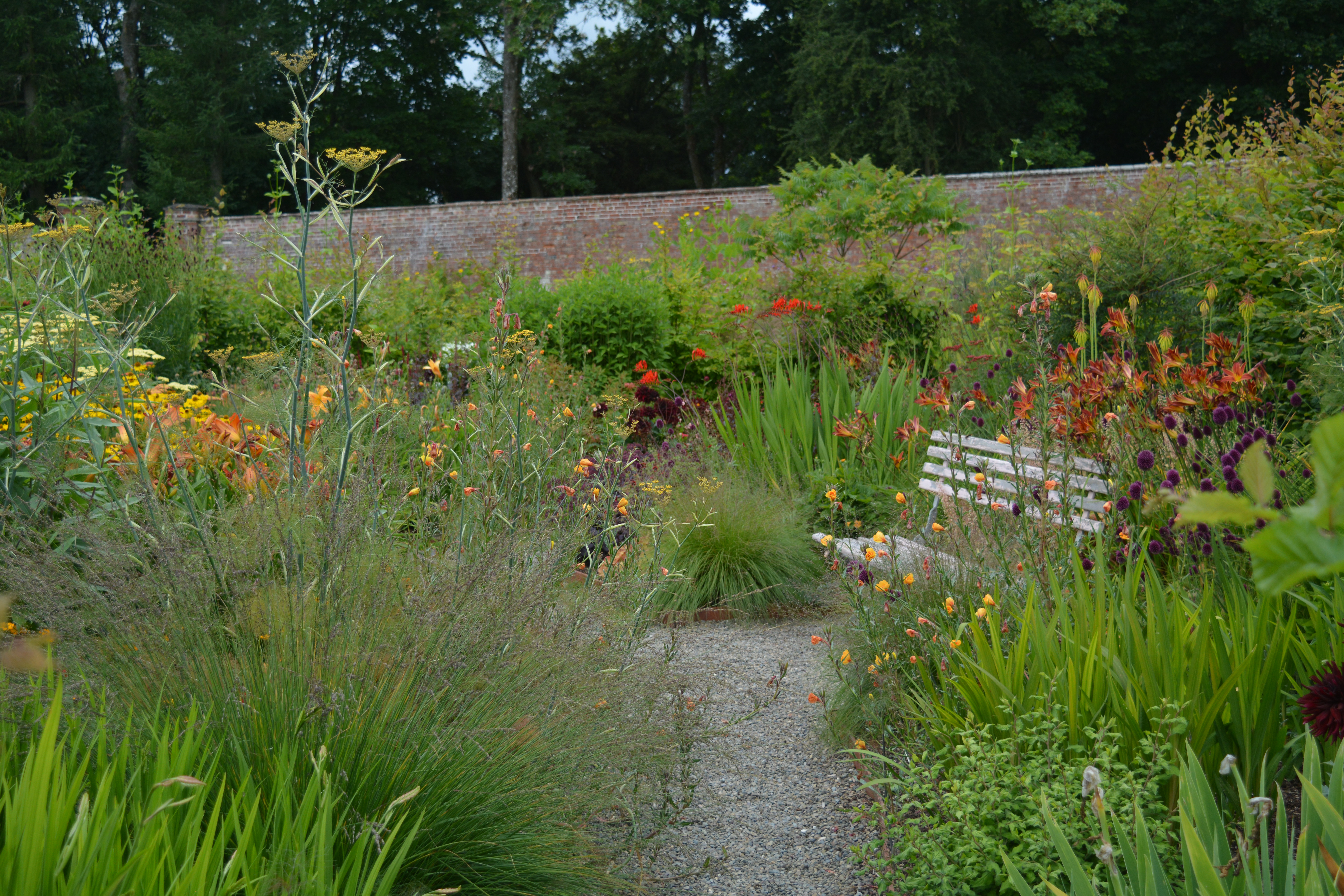
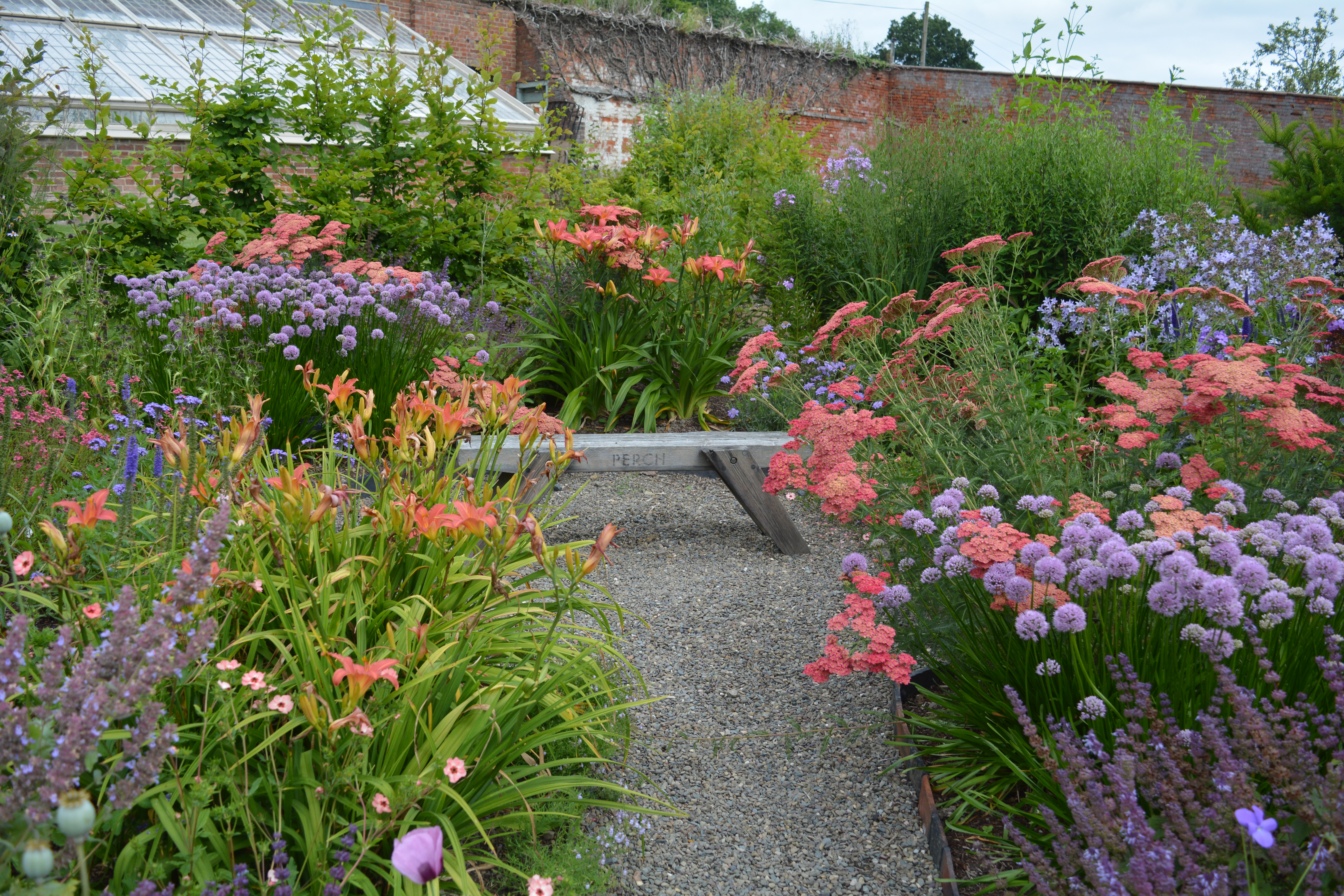
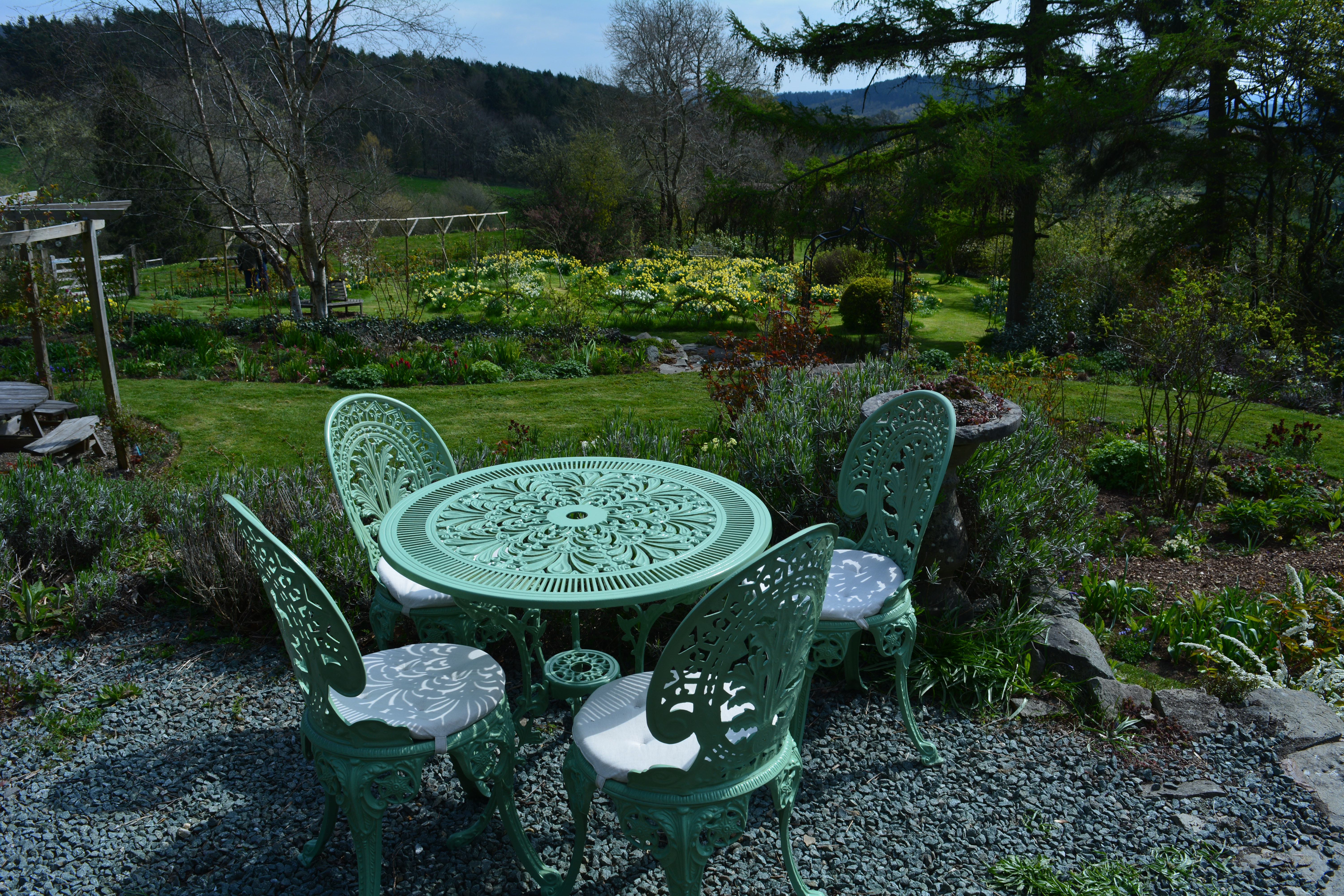
Mid-October and we visited Oakgate Nursery and Garden in order to purchase a few new plants, asters and grasses for our Prairie Garden which we are currently revamping.

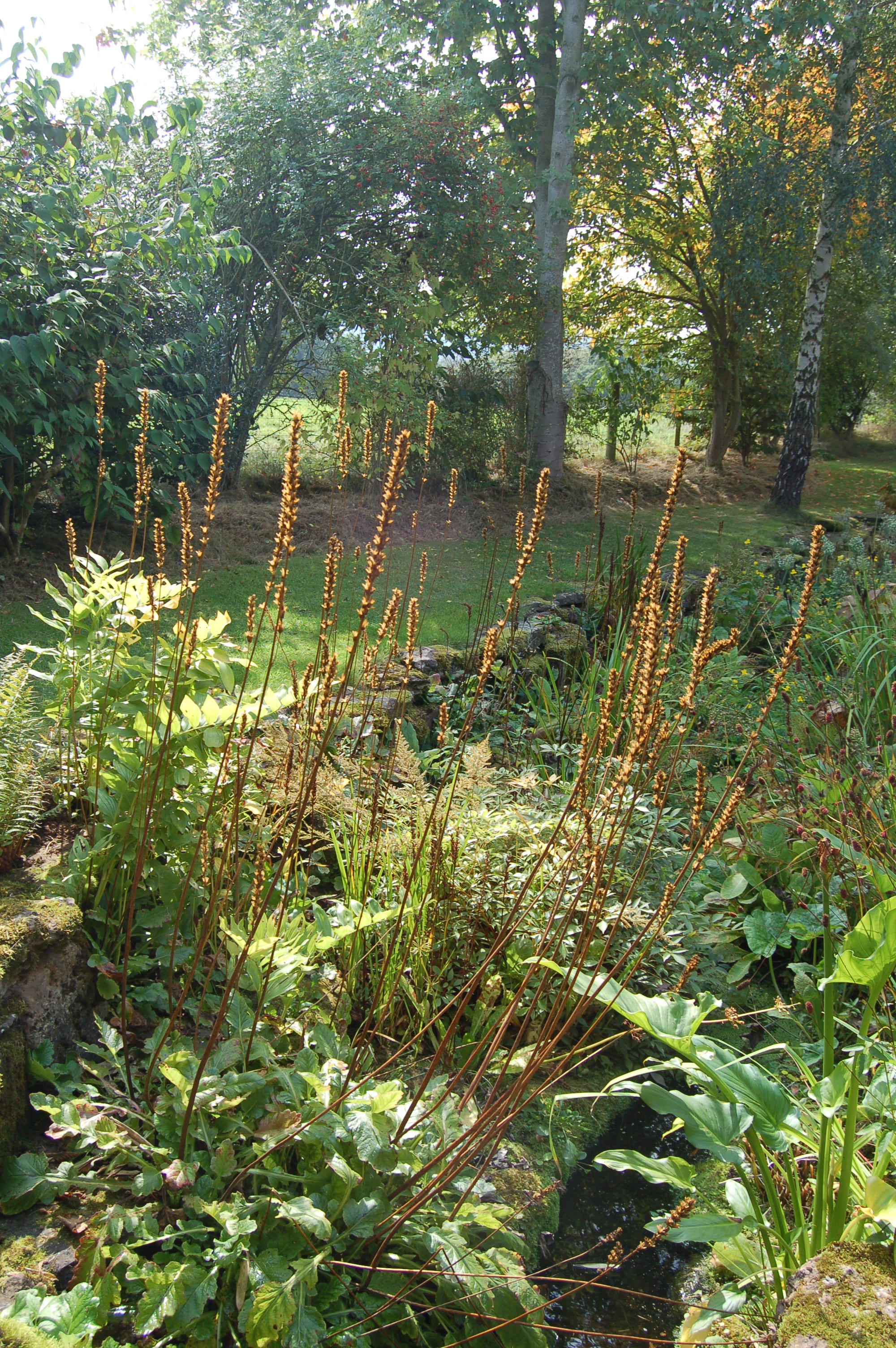
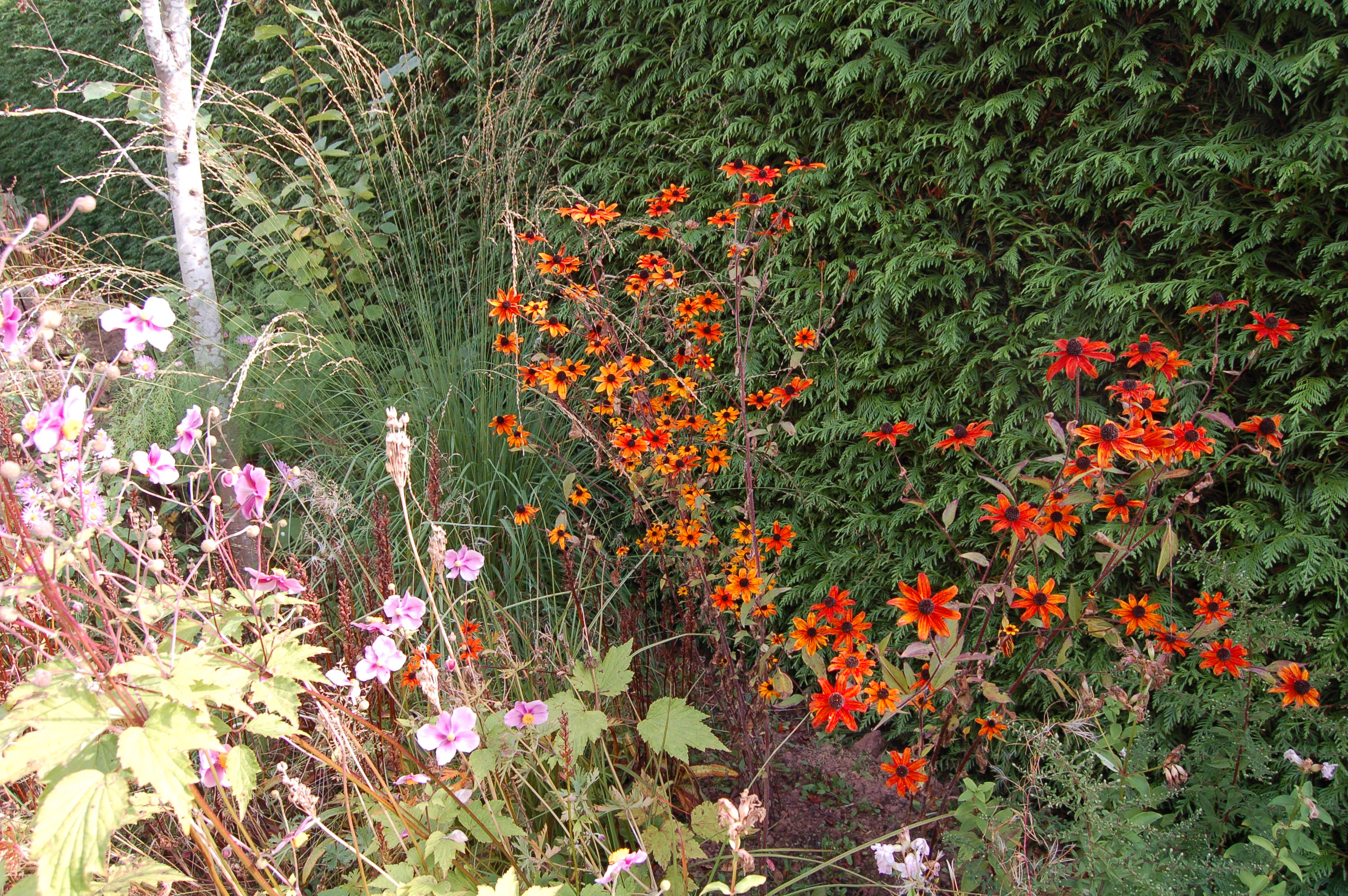
It was so good to see salvias still looking so floriferous. They seem to grow really well in the garden here. We were hoping to see some early signs of autumn so we looked out for shrubs and trees showing early rich coloured foliage. We also hoped to see plenty of flowers around as every month manages to produce some flower colours.

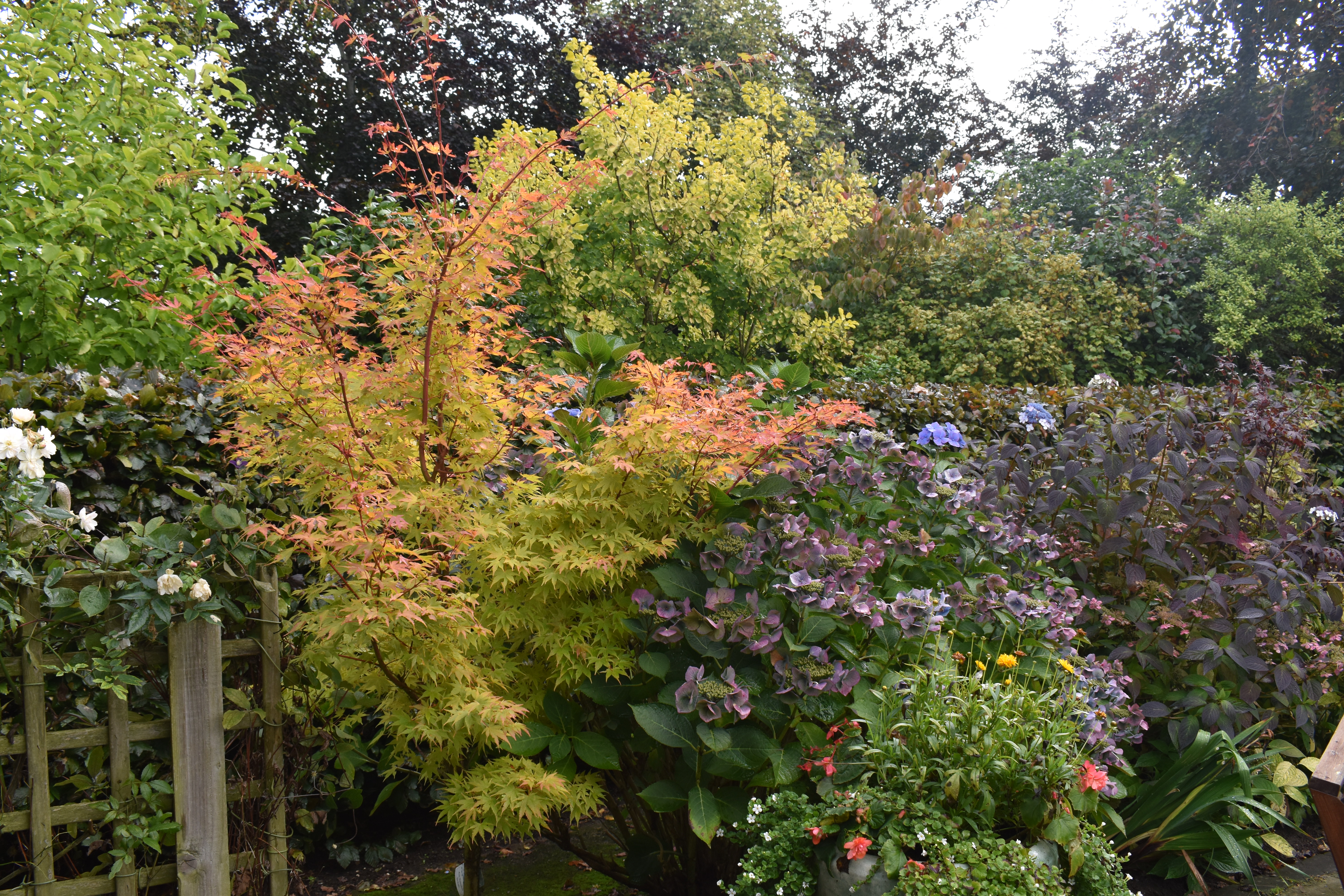
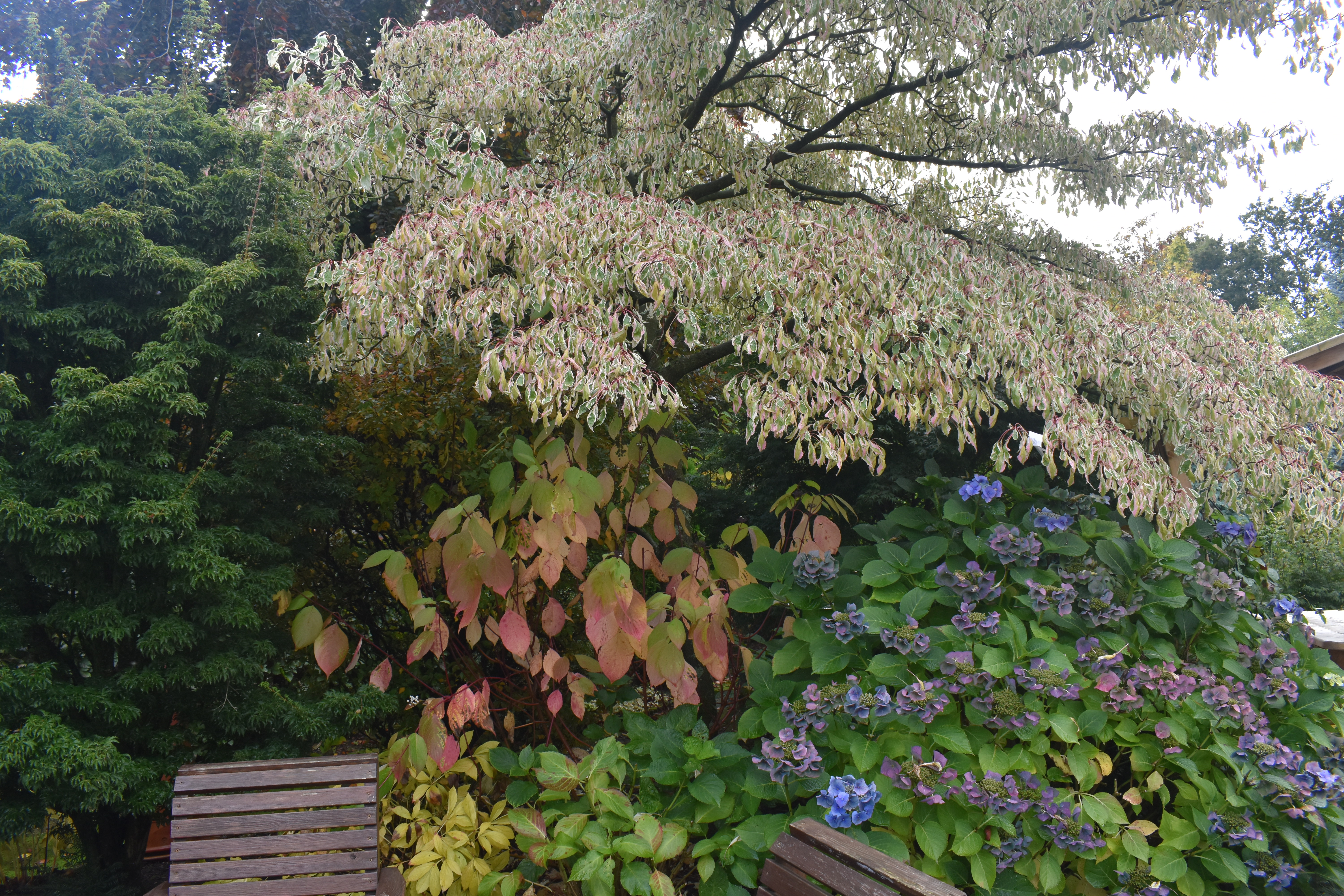
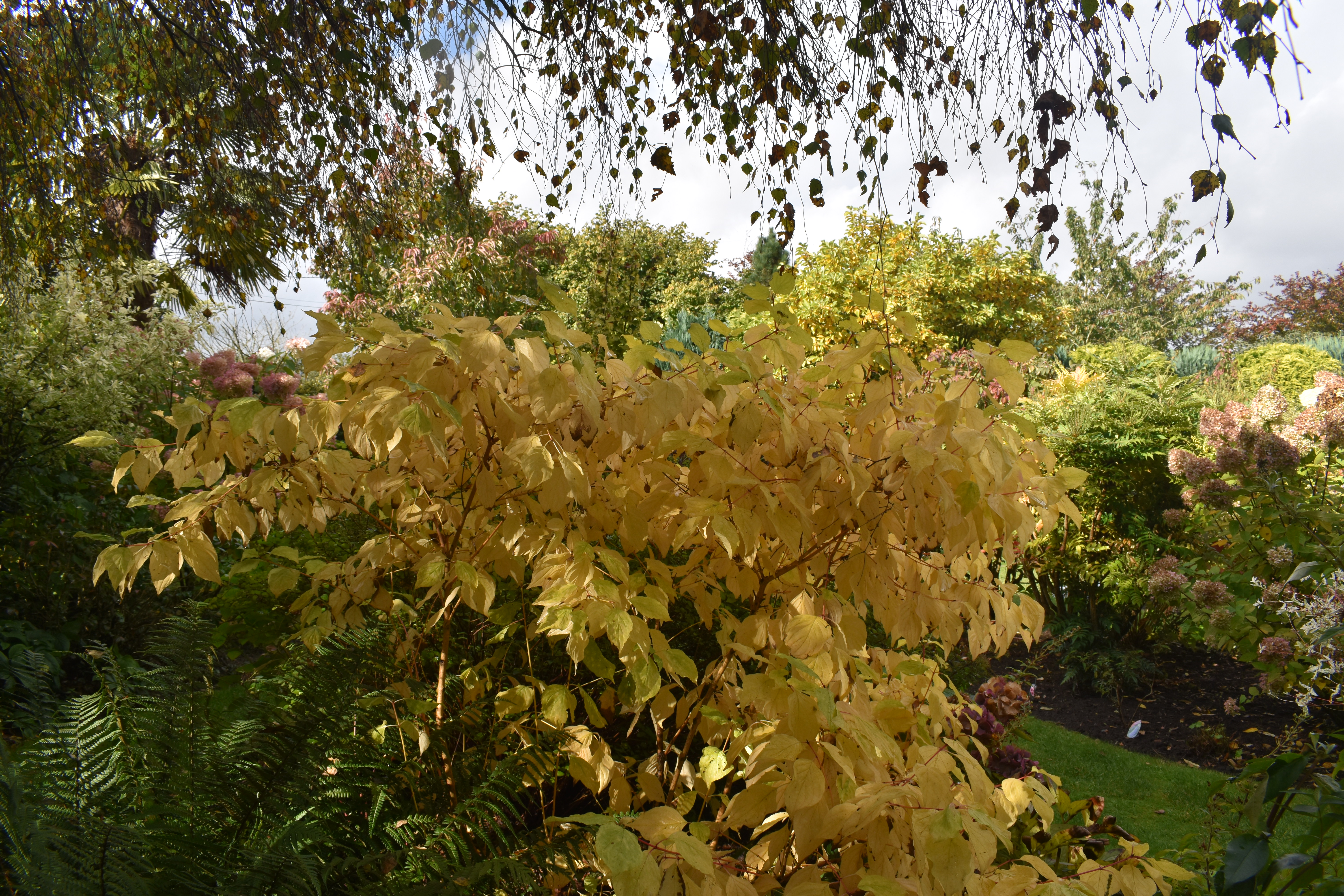
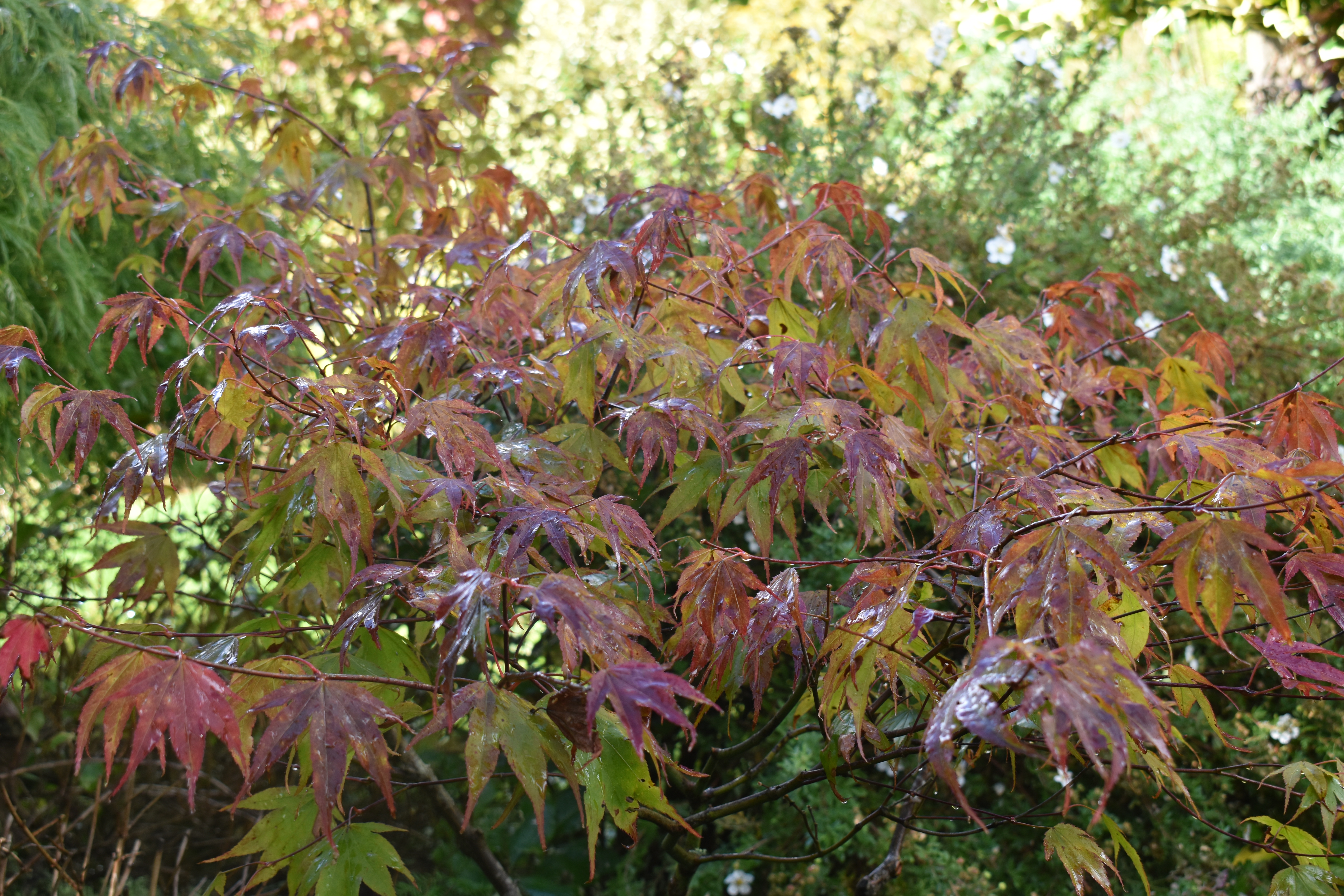
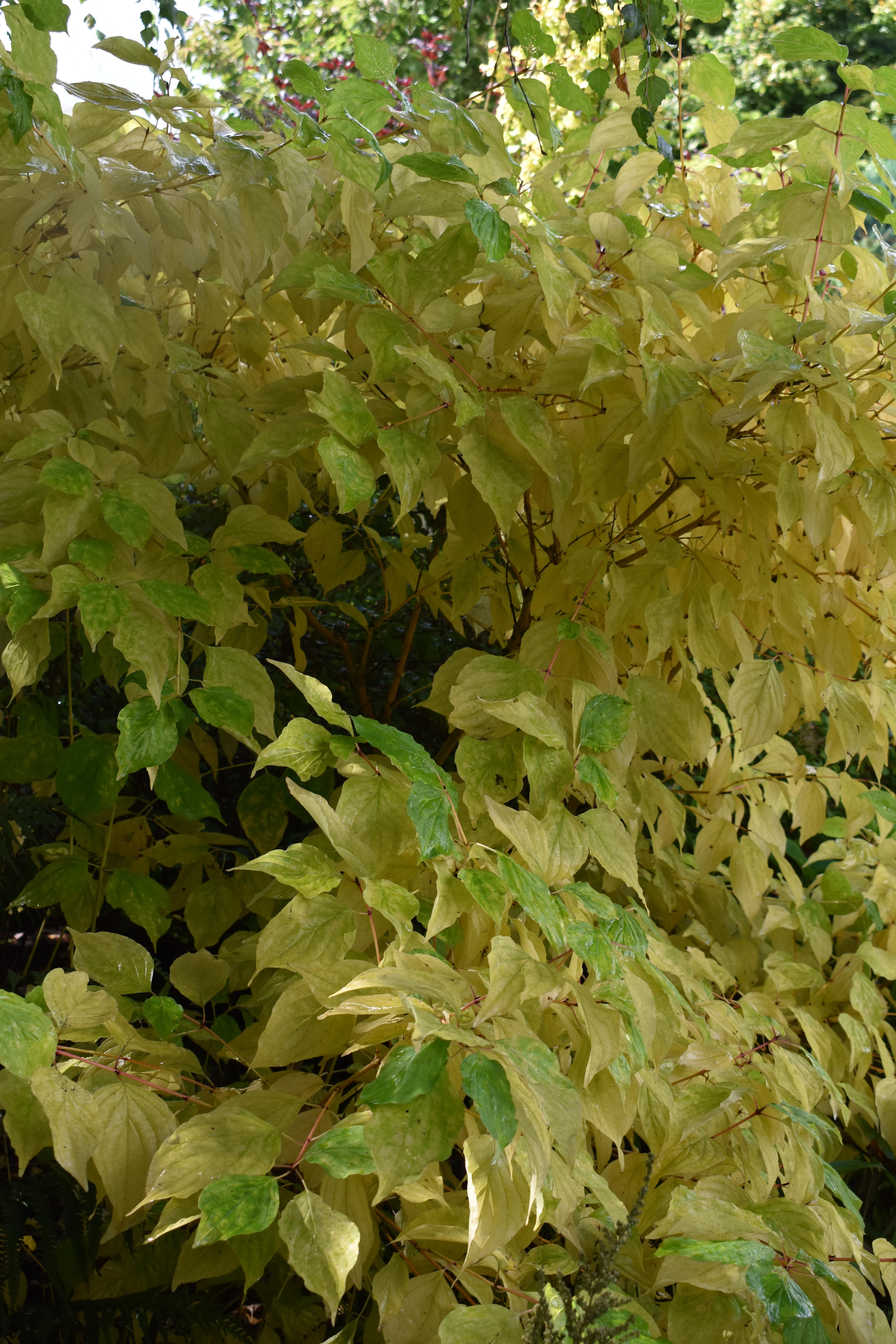
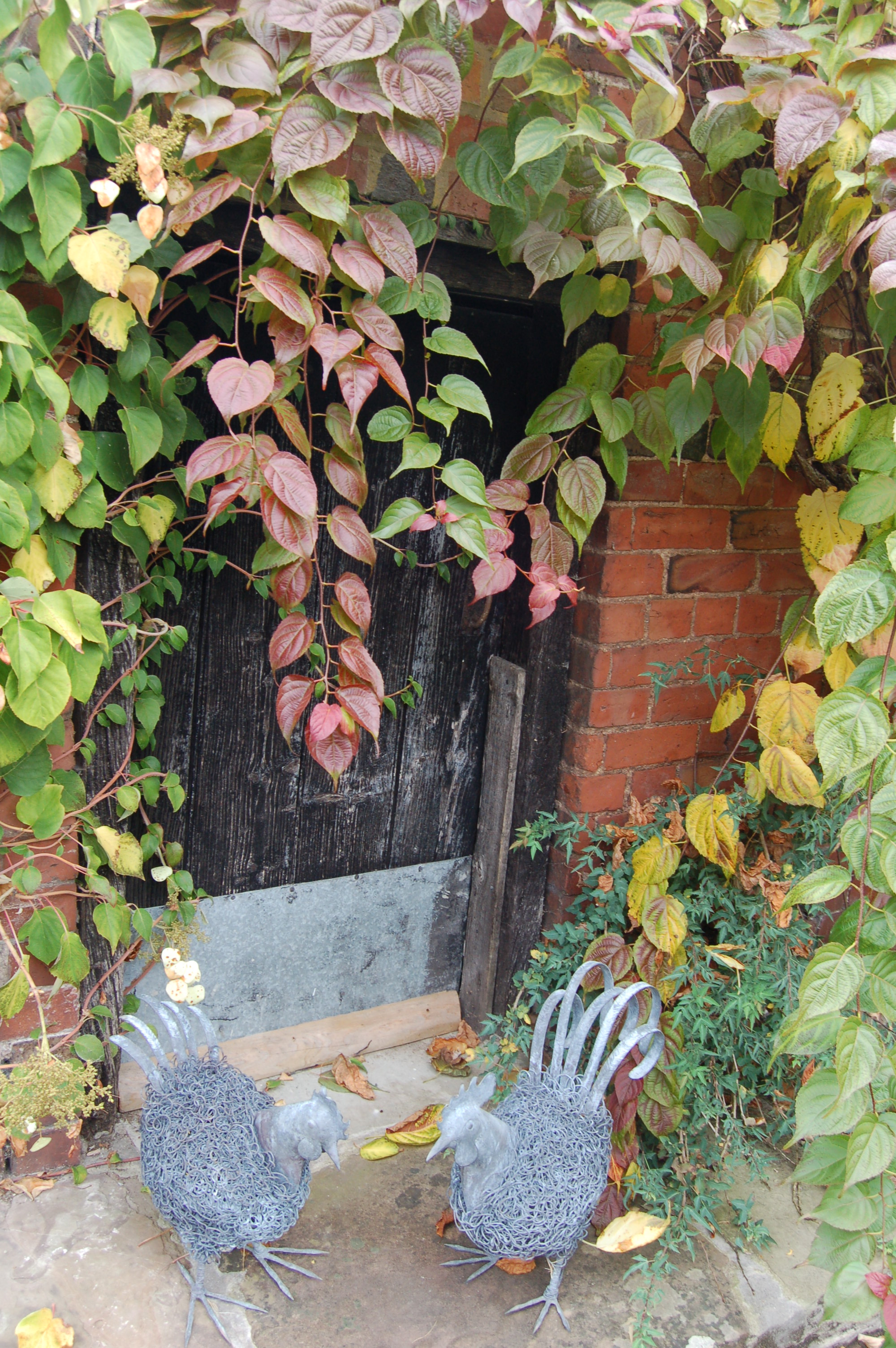
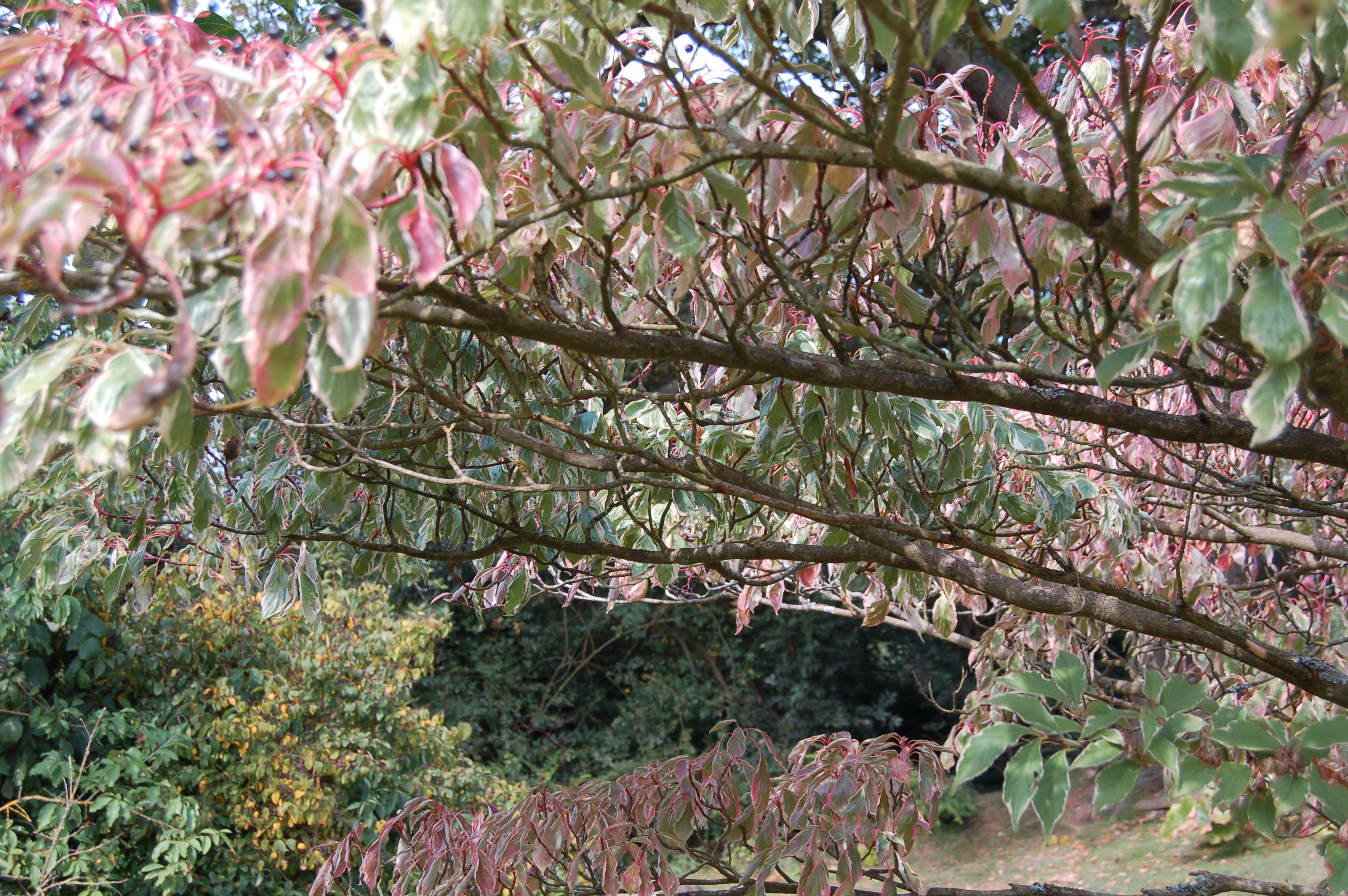
Around the outdoor seating areas for the cafe, autumn had arrived with Acers and Cornus contraversa ‘Variegata’ commonly called ‘The Wedding Cake Tree’ showing extra colour on their foliage. Hydrangeas were still flowering well!

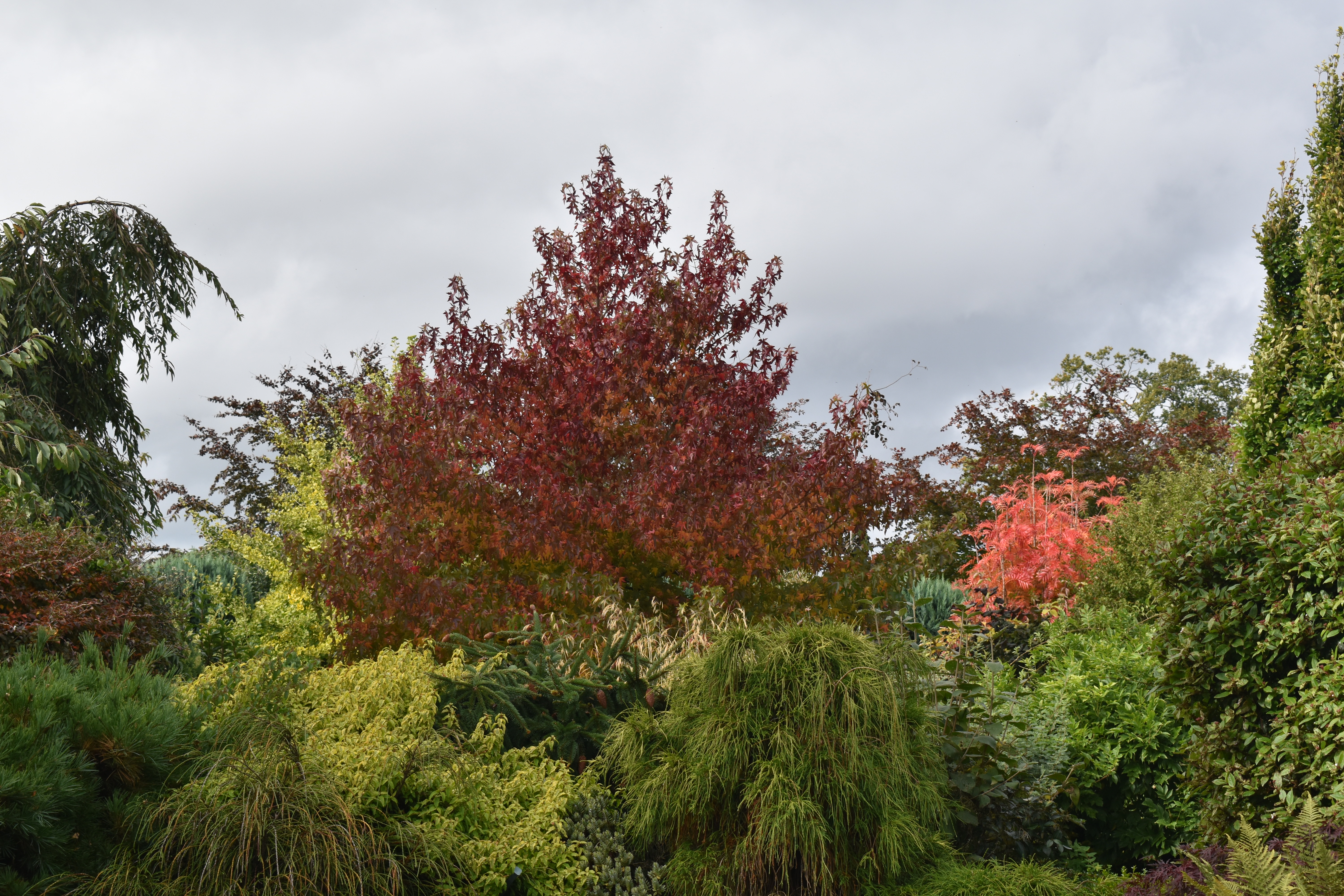
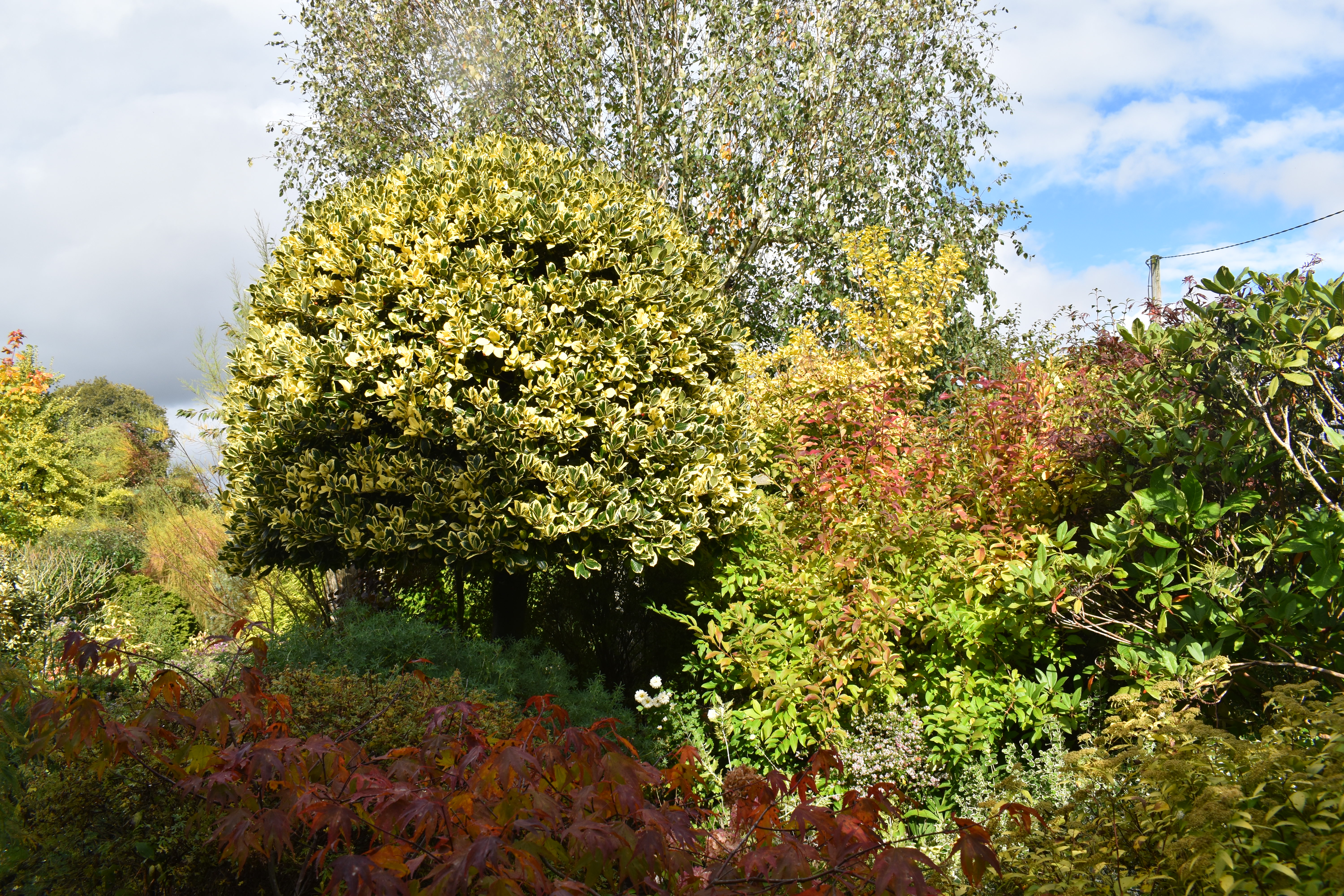
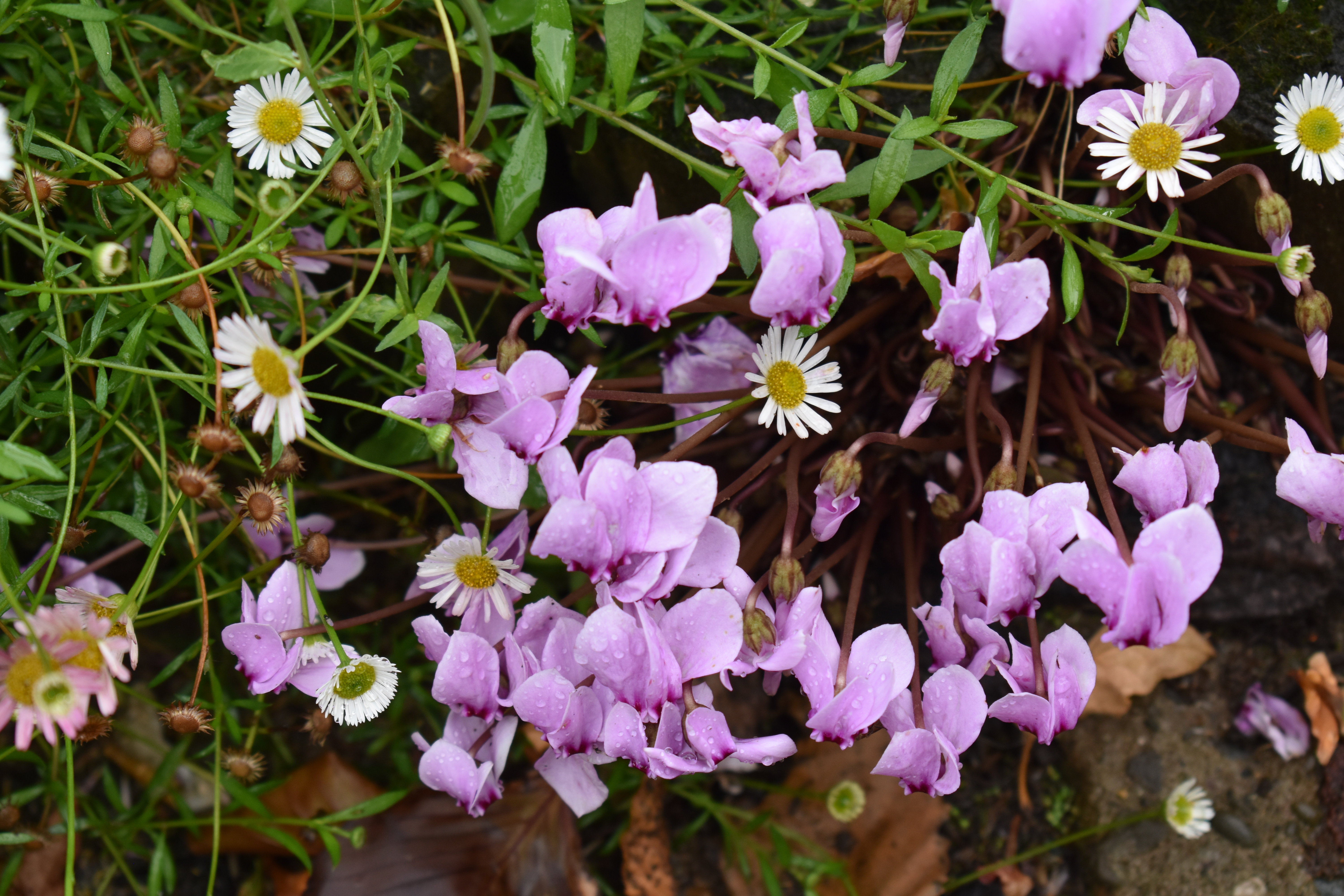
A general view across the first part of the garden showed how foliage colour can add so much interest, while looking downwards just in front of our feet this lovely circle of cyclamen was flowering well.

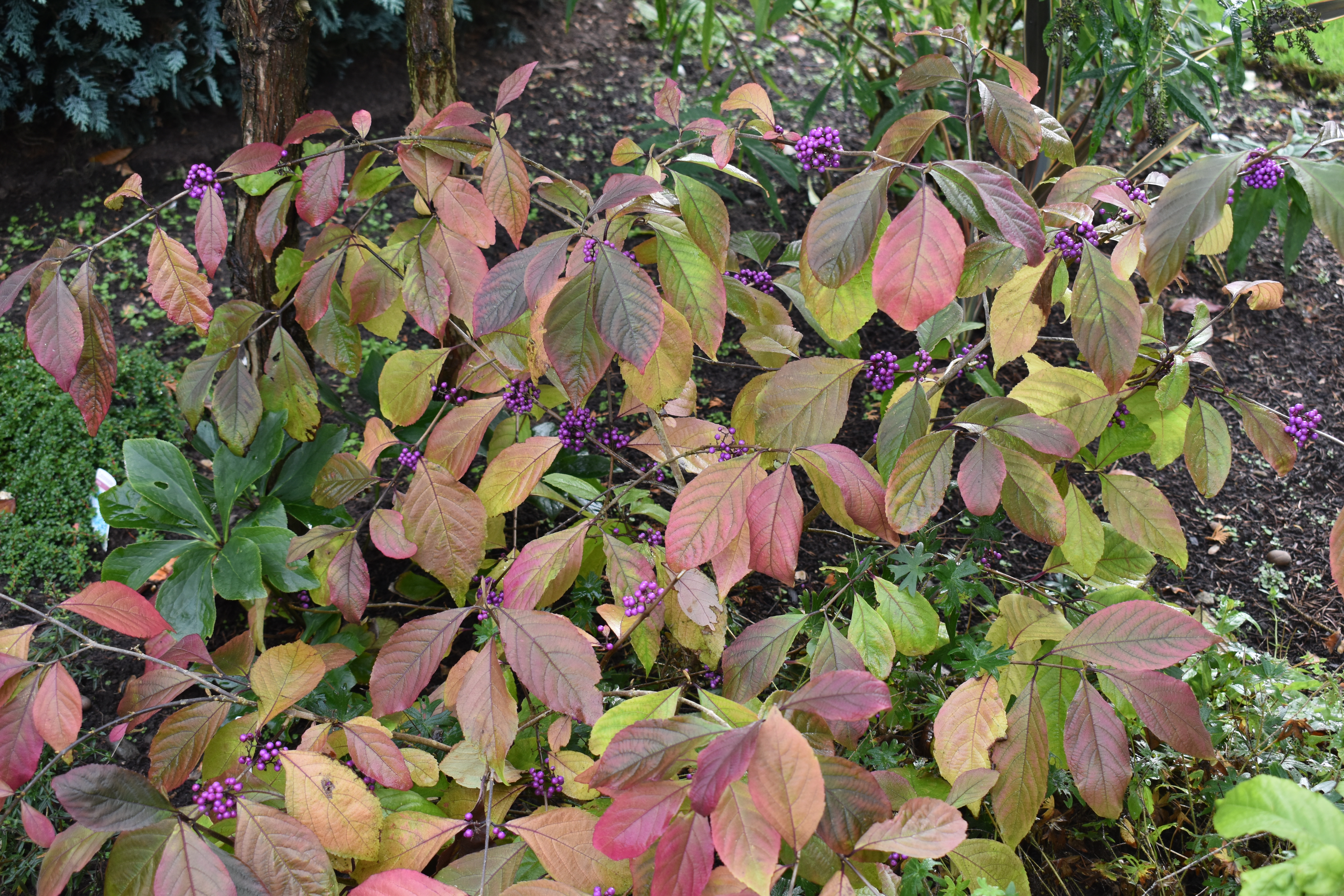
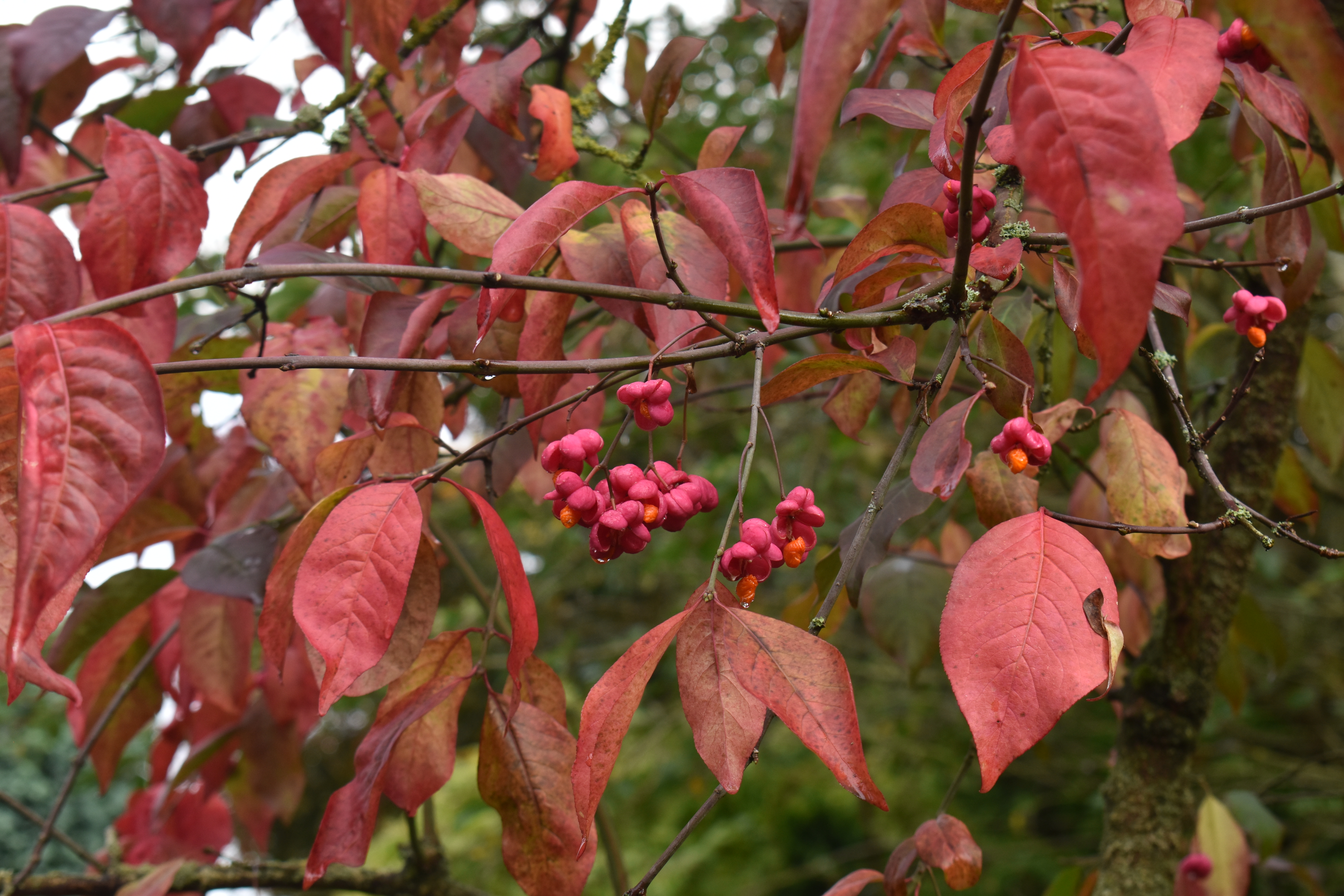
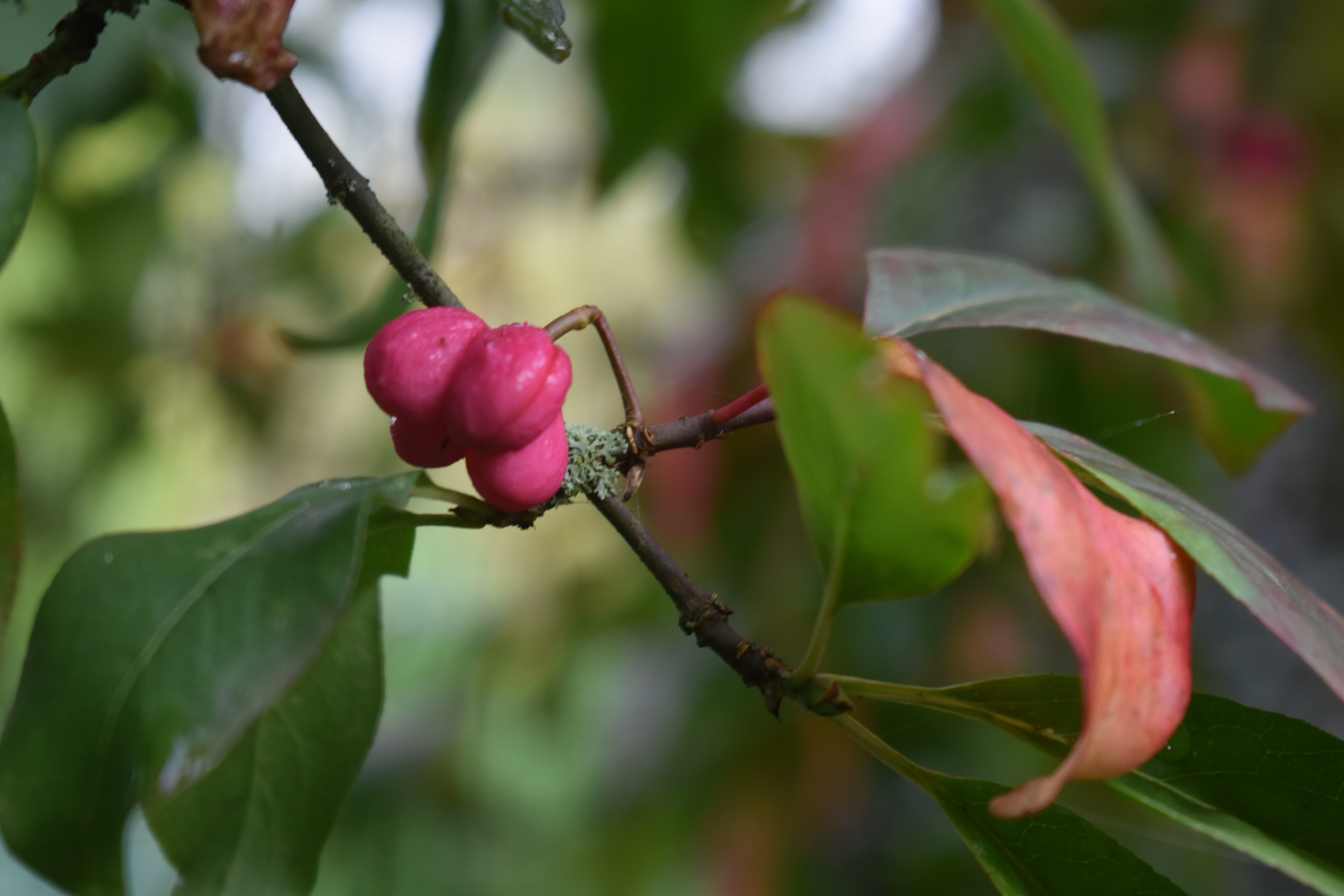
On our October visit we also witnessed several shrubs and trees displaying berries, such as Callicarpa bodinieri and Euonymous alata with its startling orange and deep pink berries

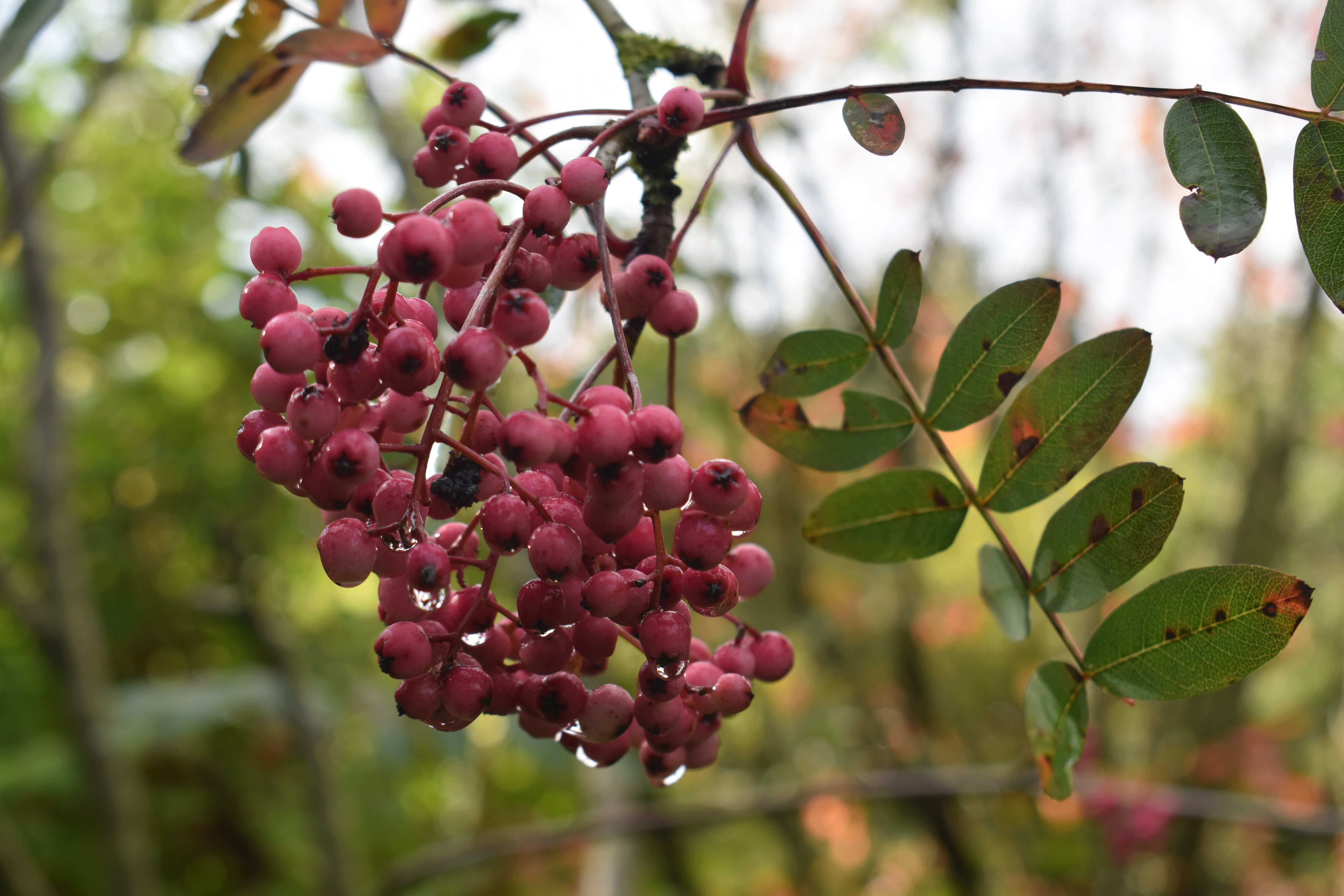
And berrying trees are performing well this year especially Sorbus. Each cultivar has its own berry colour.

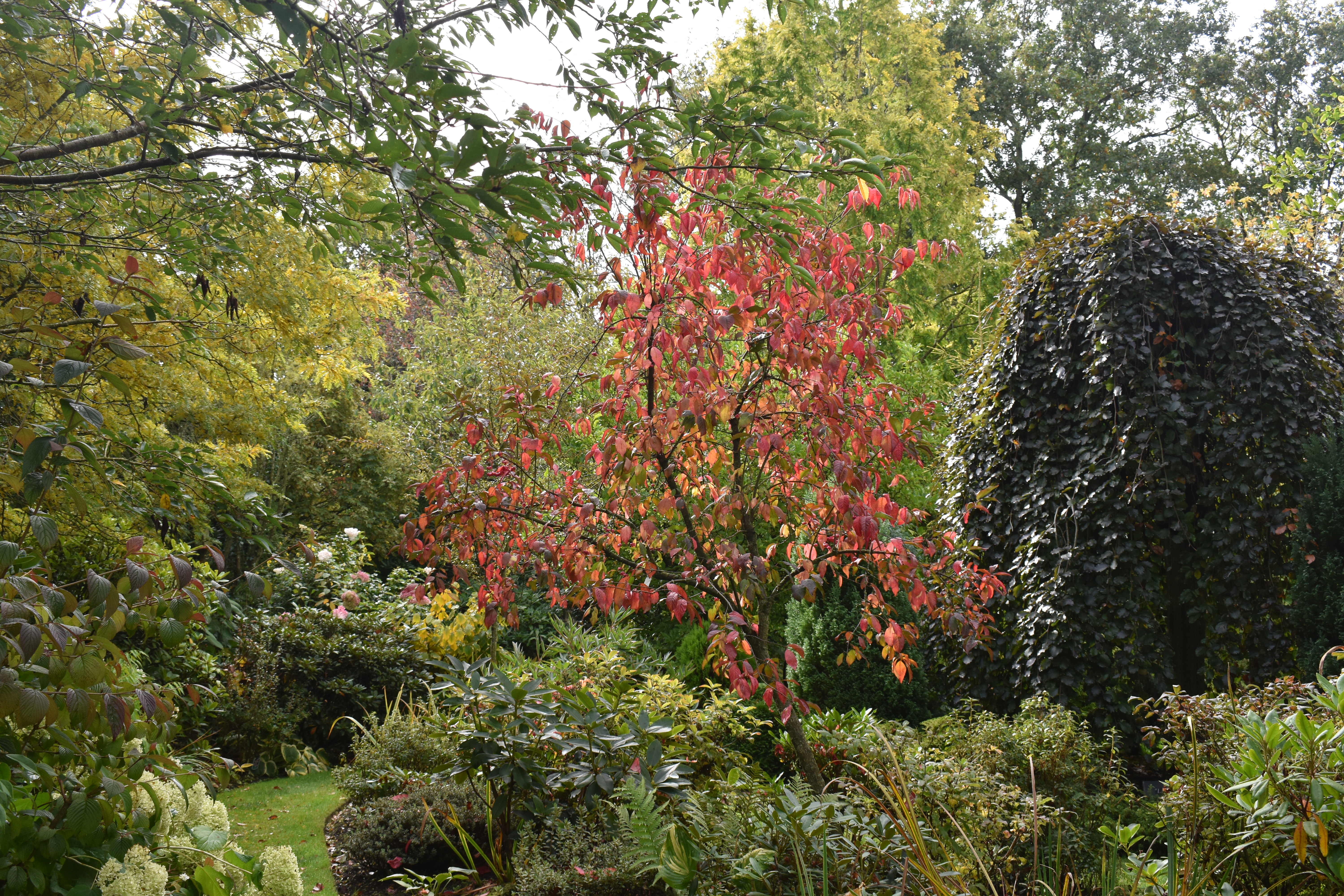
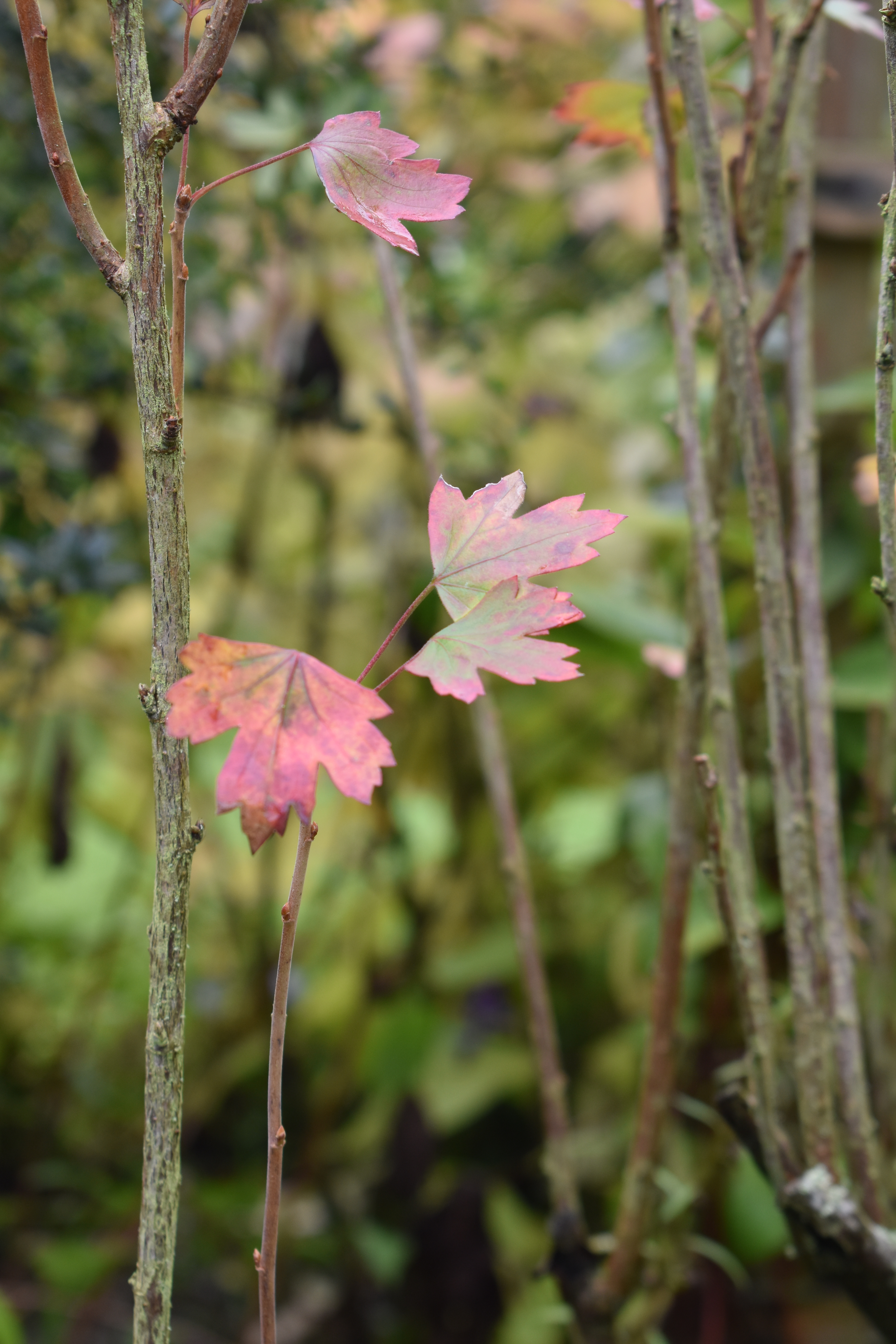
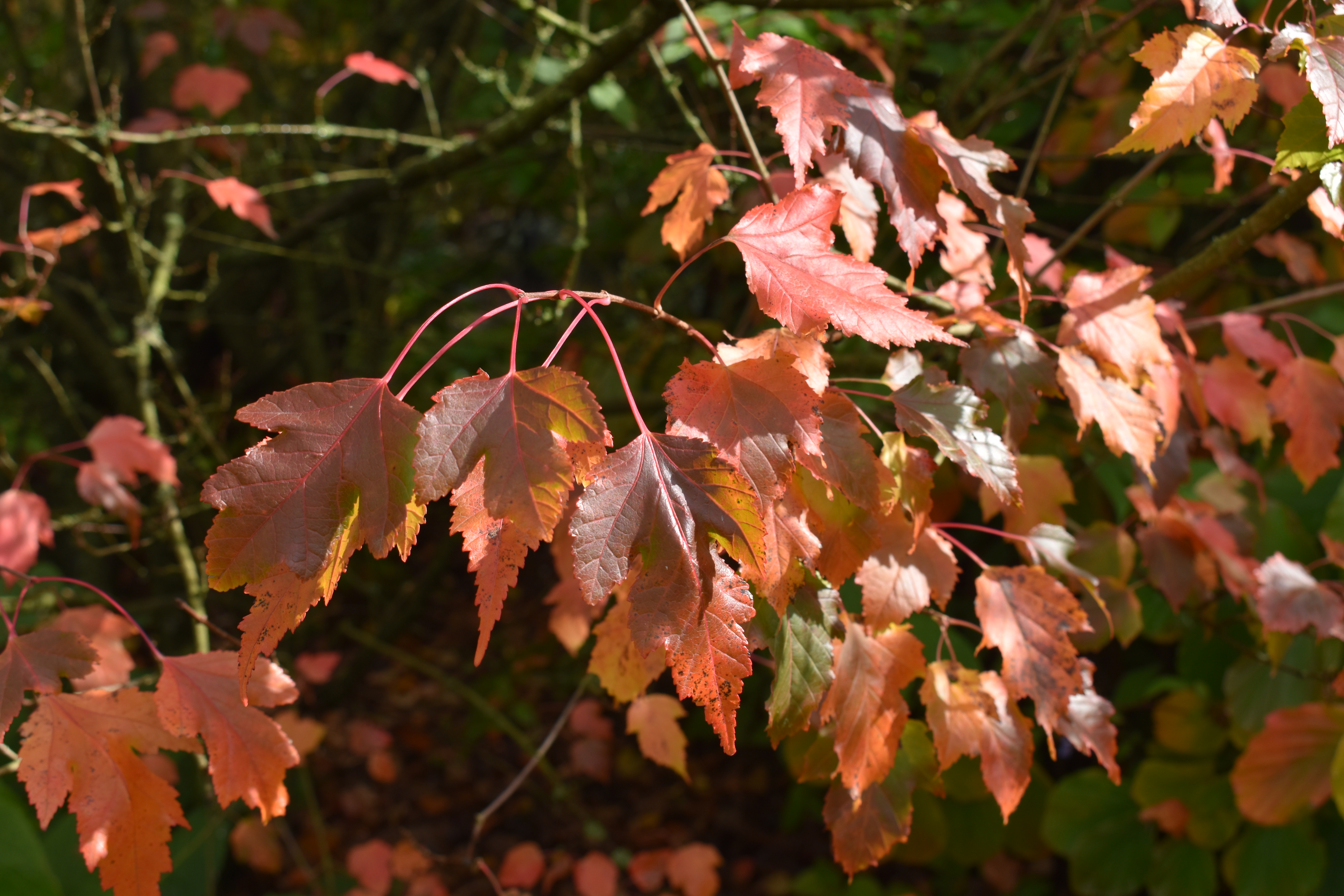
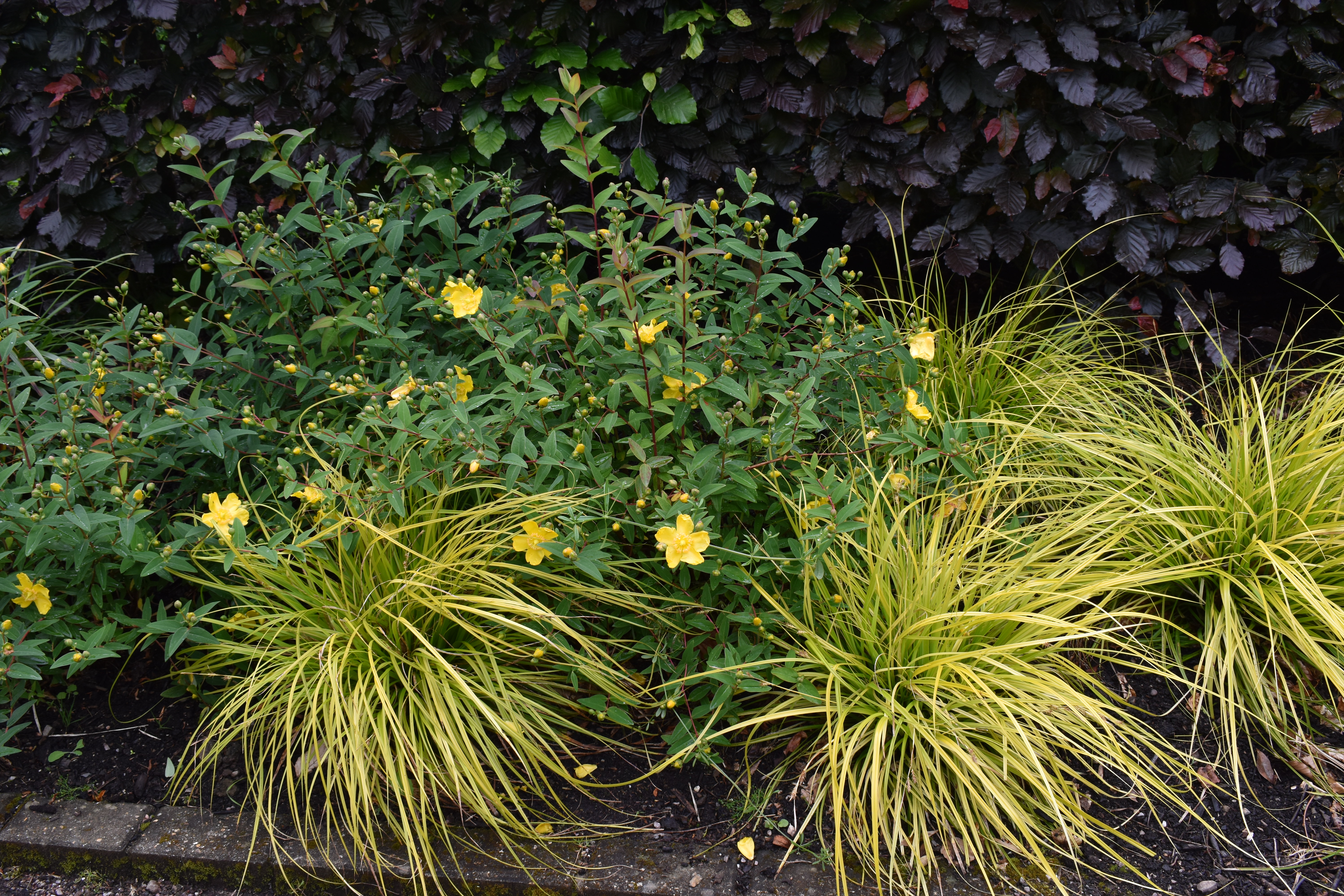
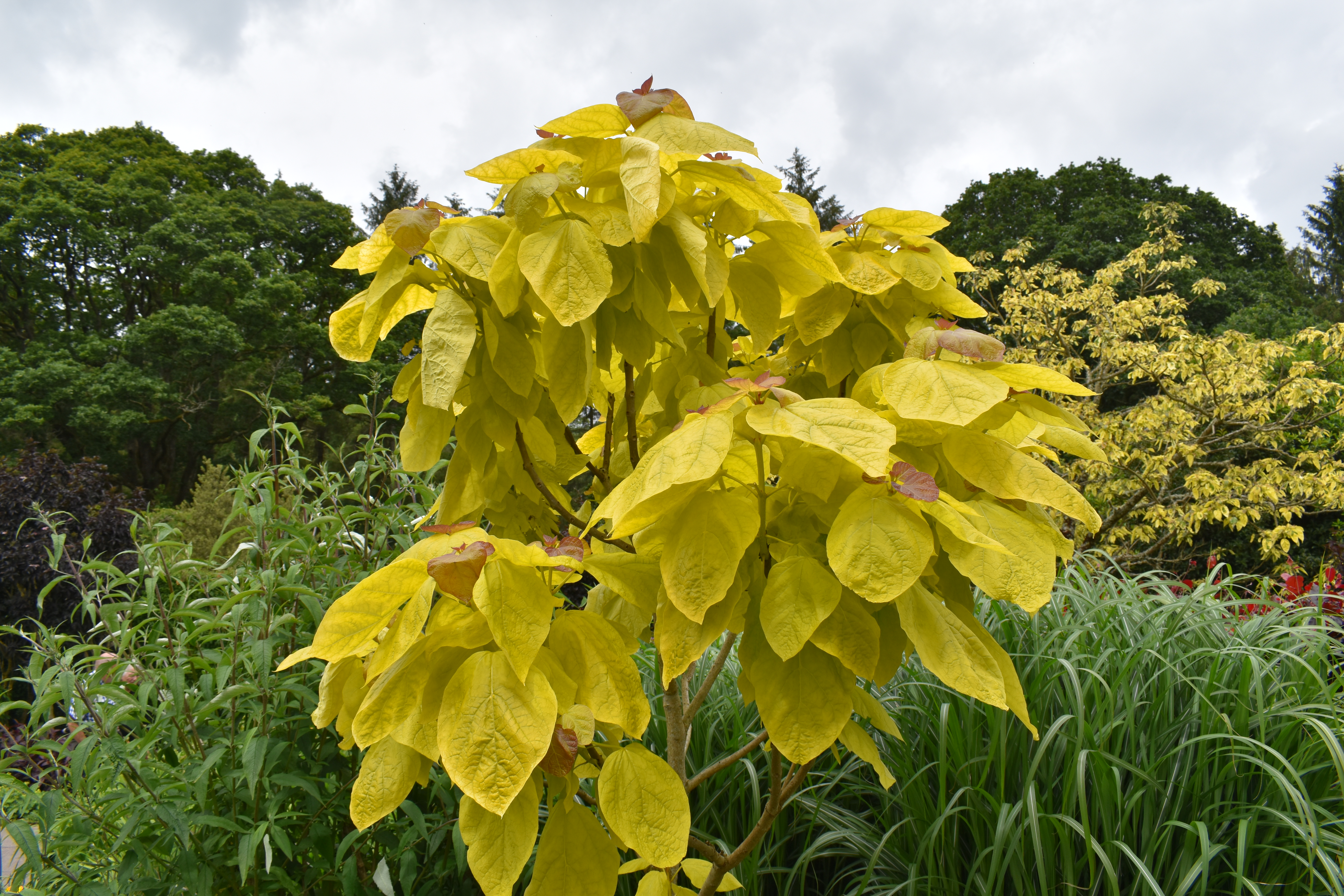
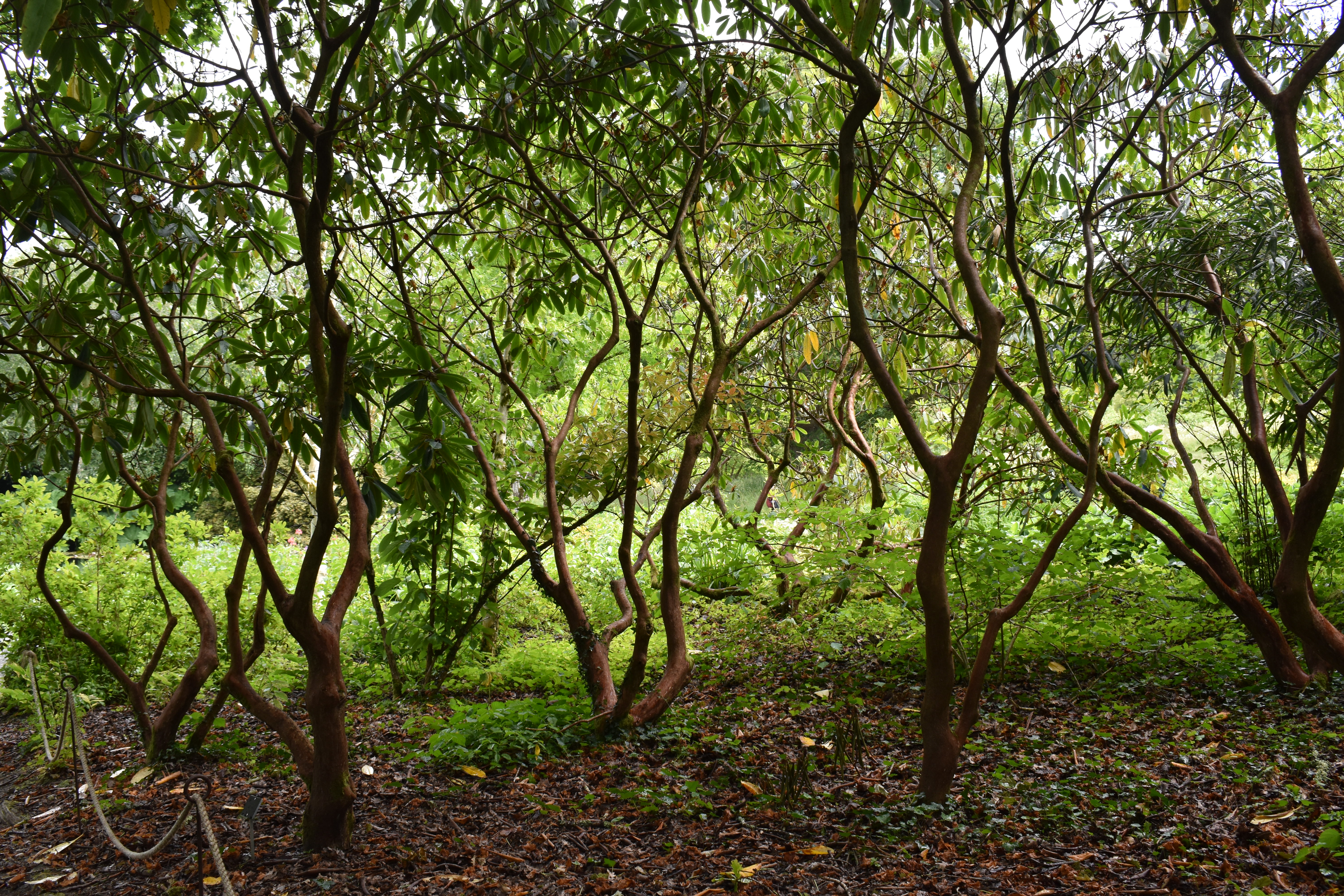
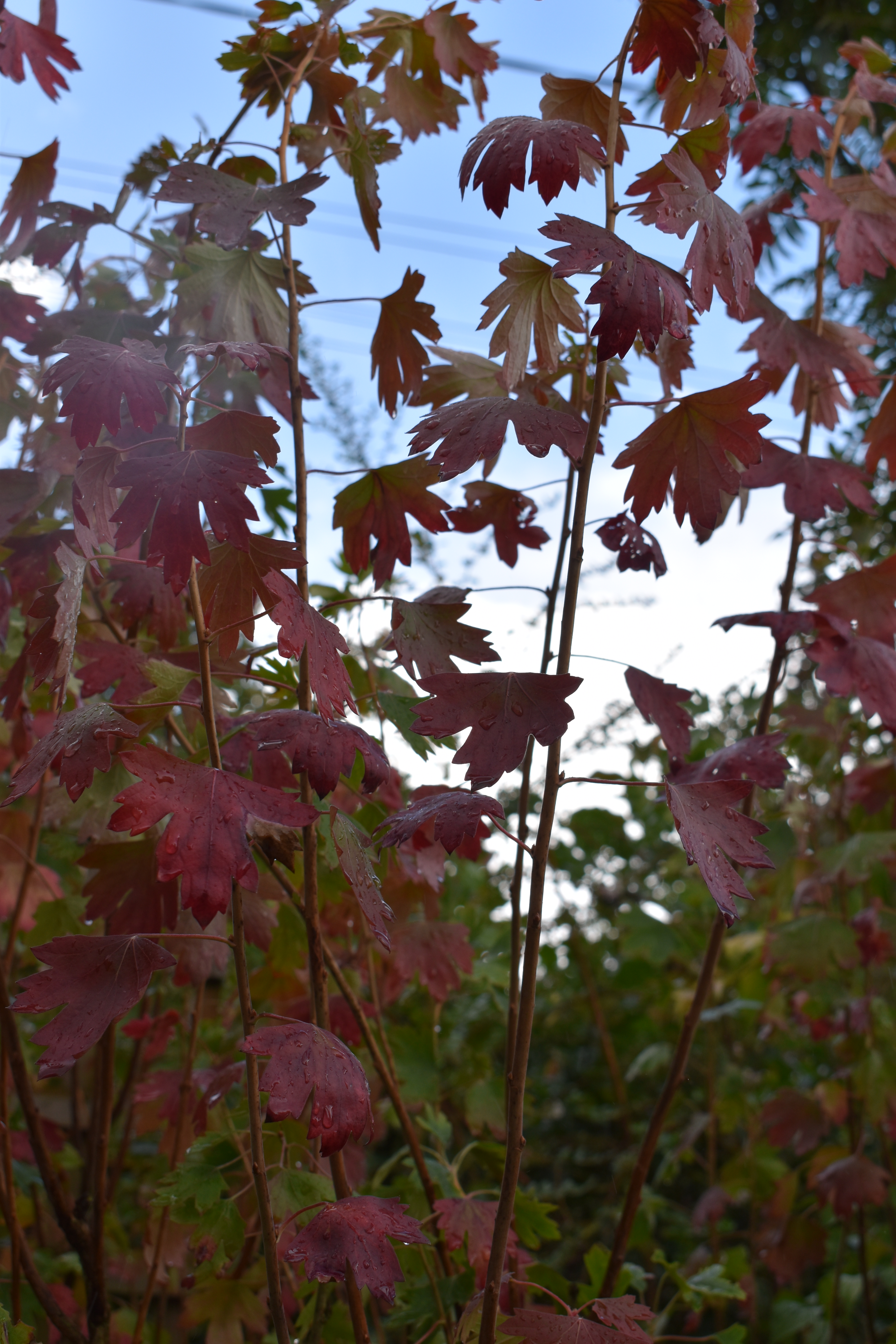
Other shrubs were showing that autumn has arrived by developing their leaf colours into yellows, oranges and reds and occasionally pink.

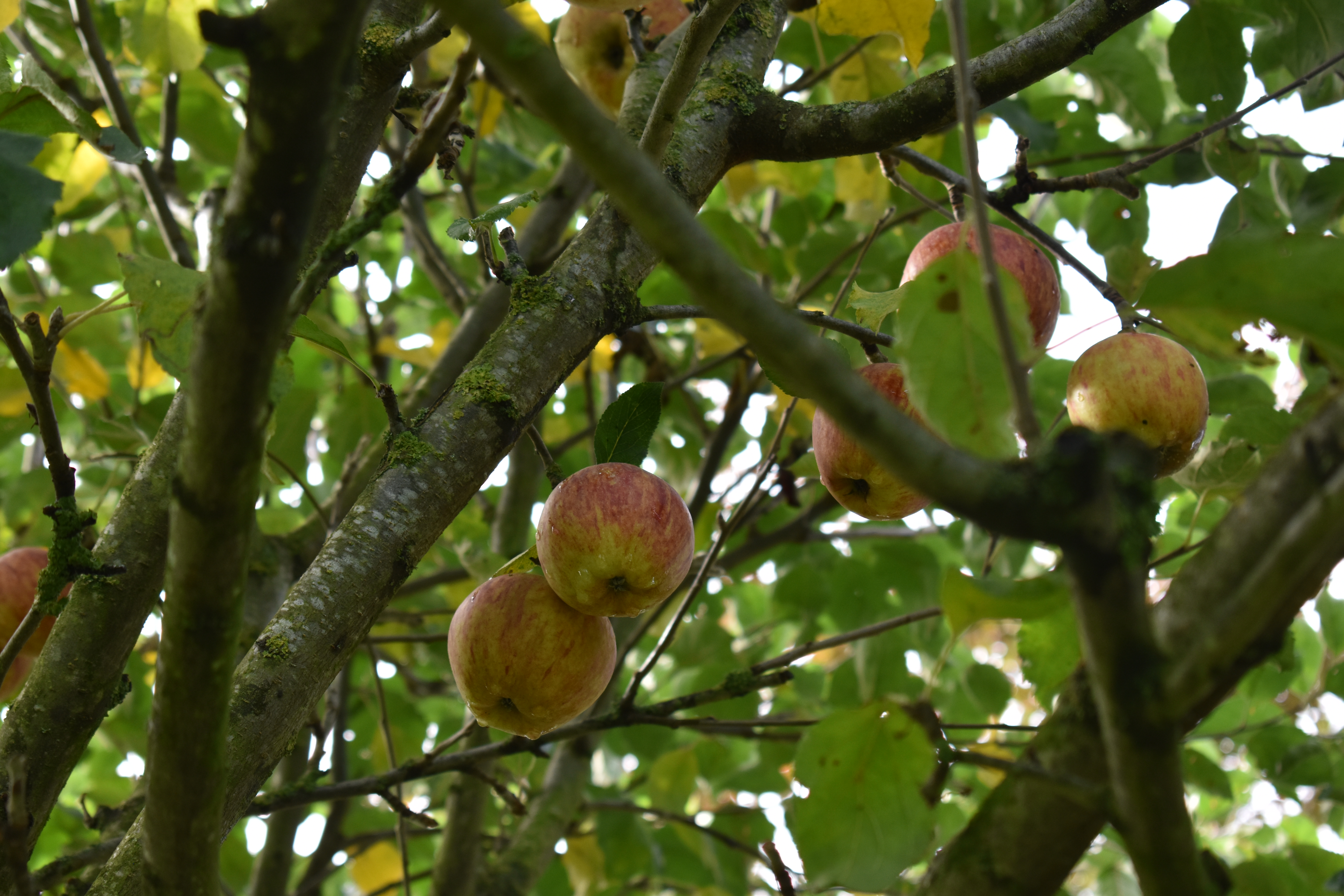
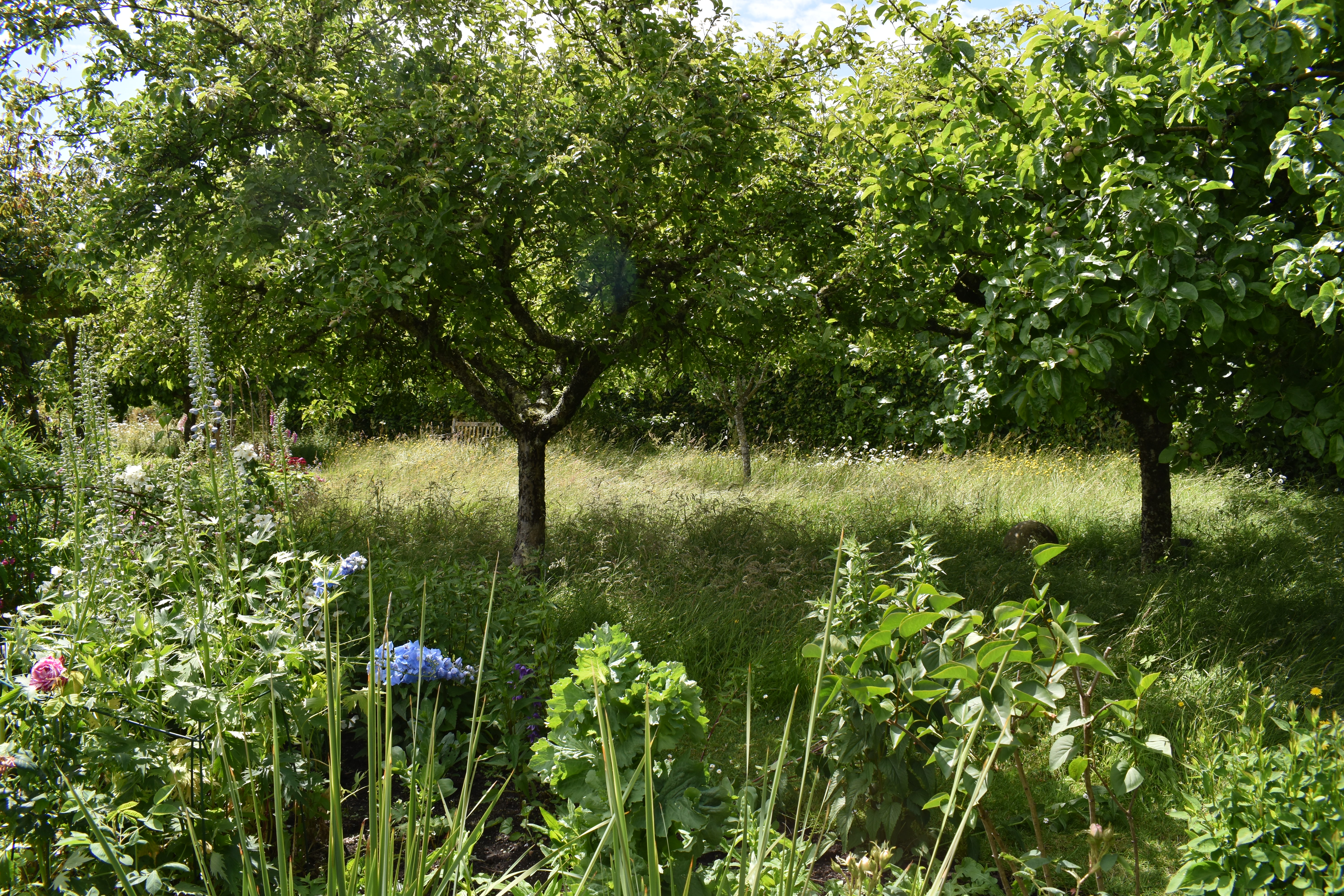
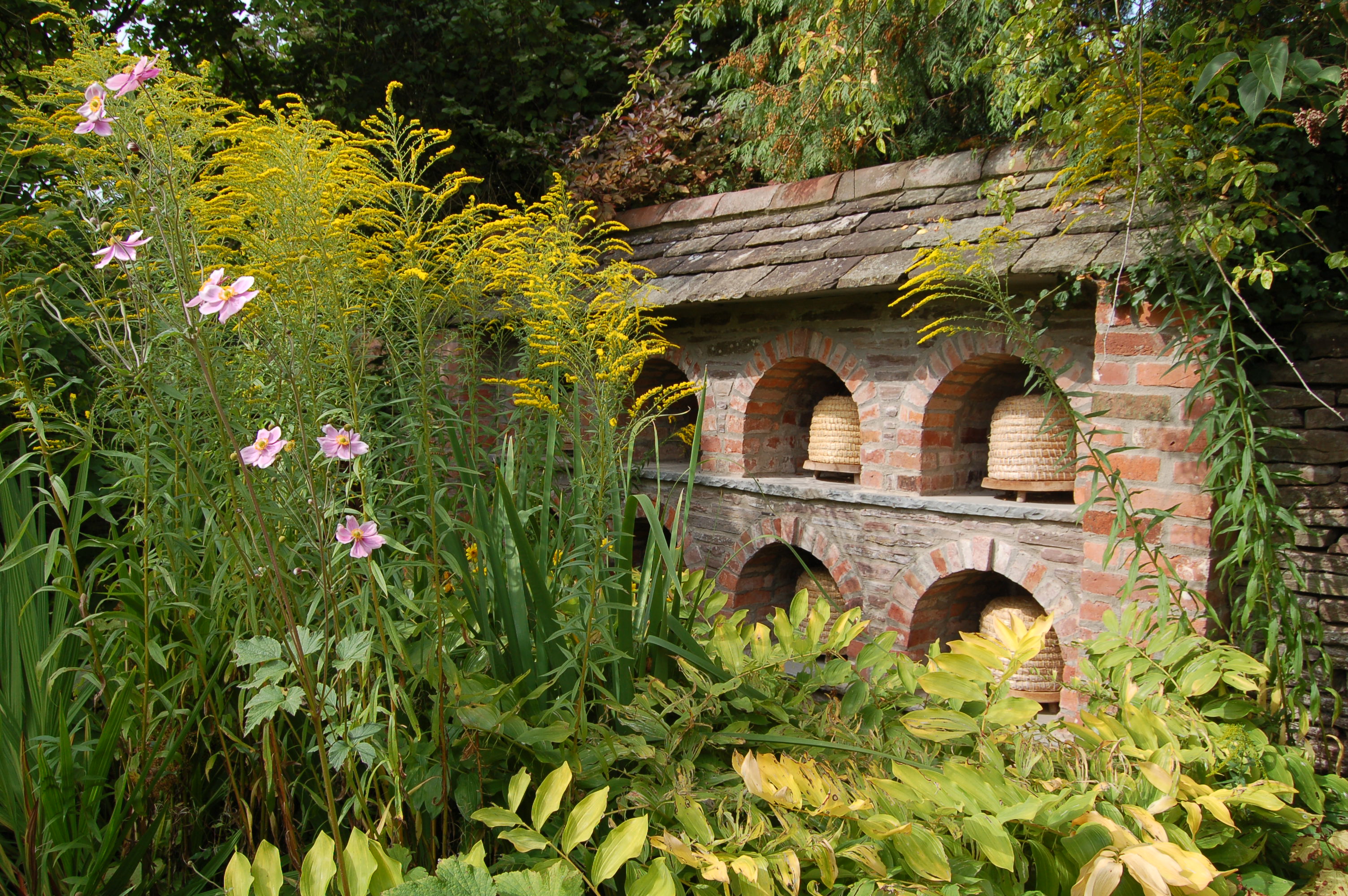
Taking a small path through a wide border and then a coniferous hedge we realised how the orchard trees were full of fruit, mostly apples but also a medlar.

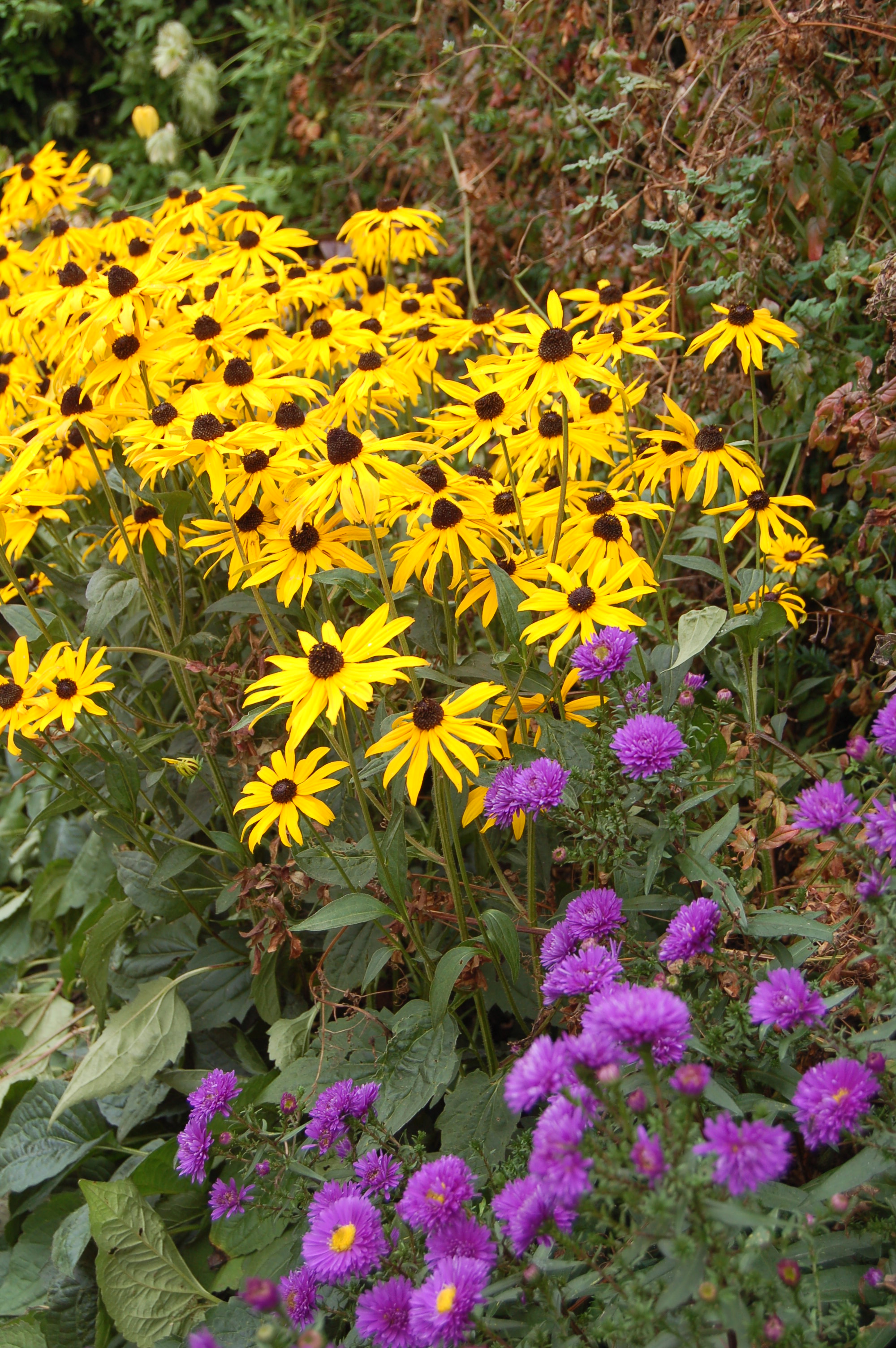
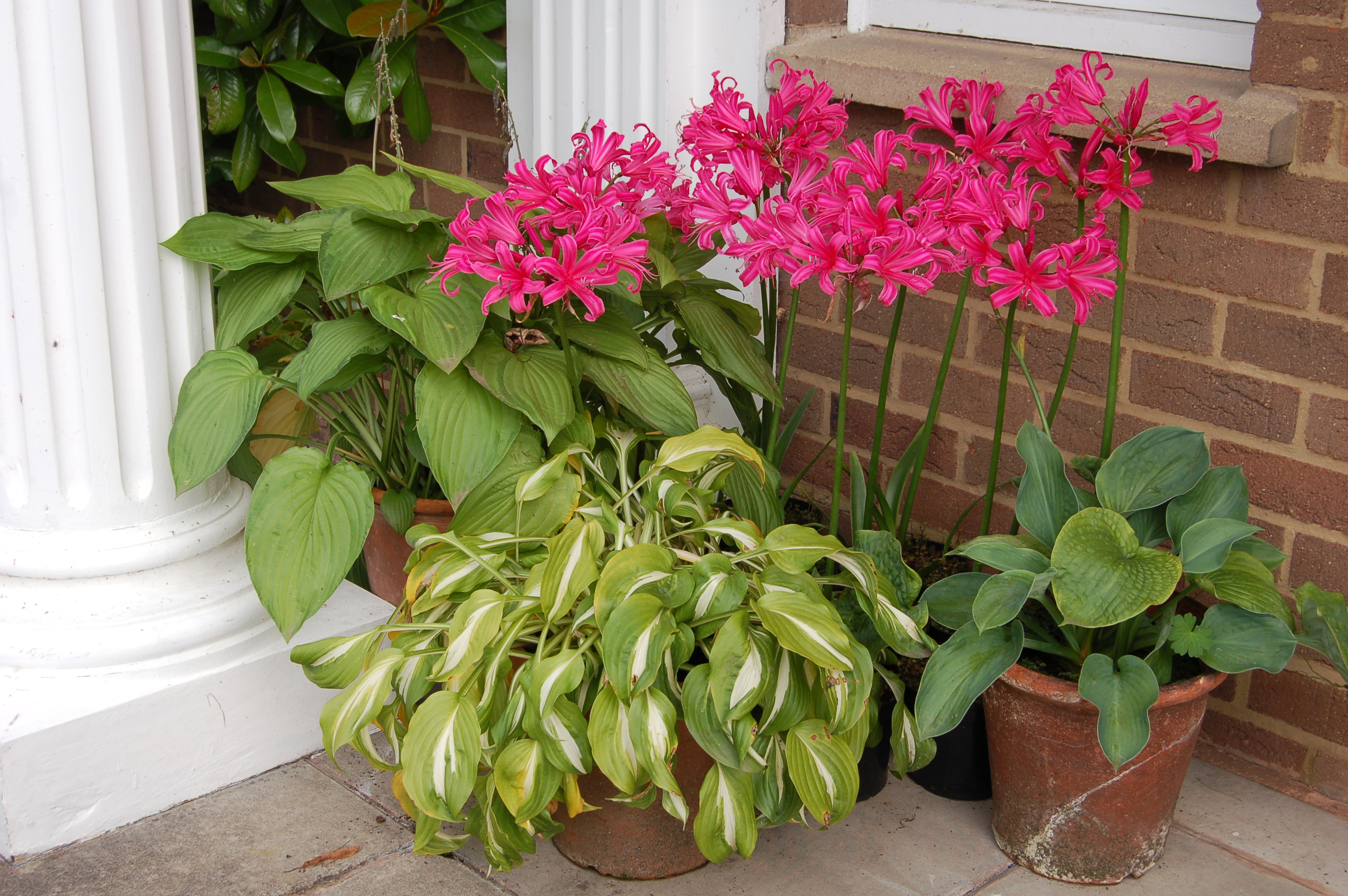
The Rose Garden presented us with a surprise as there were so many roses in flower and bud. There were a few other flowers around giving welcome colour to the border.

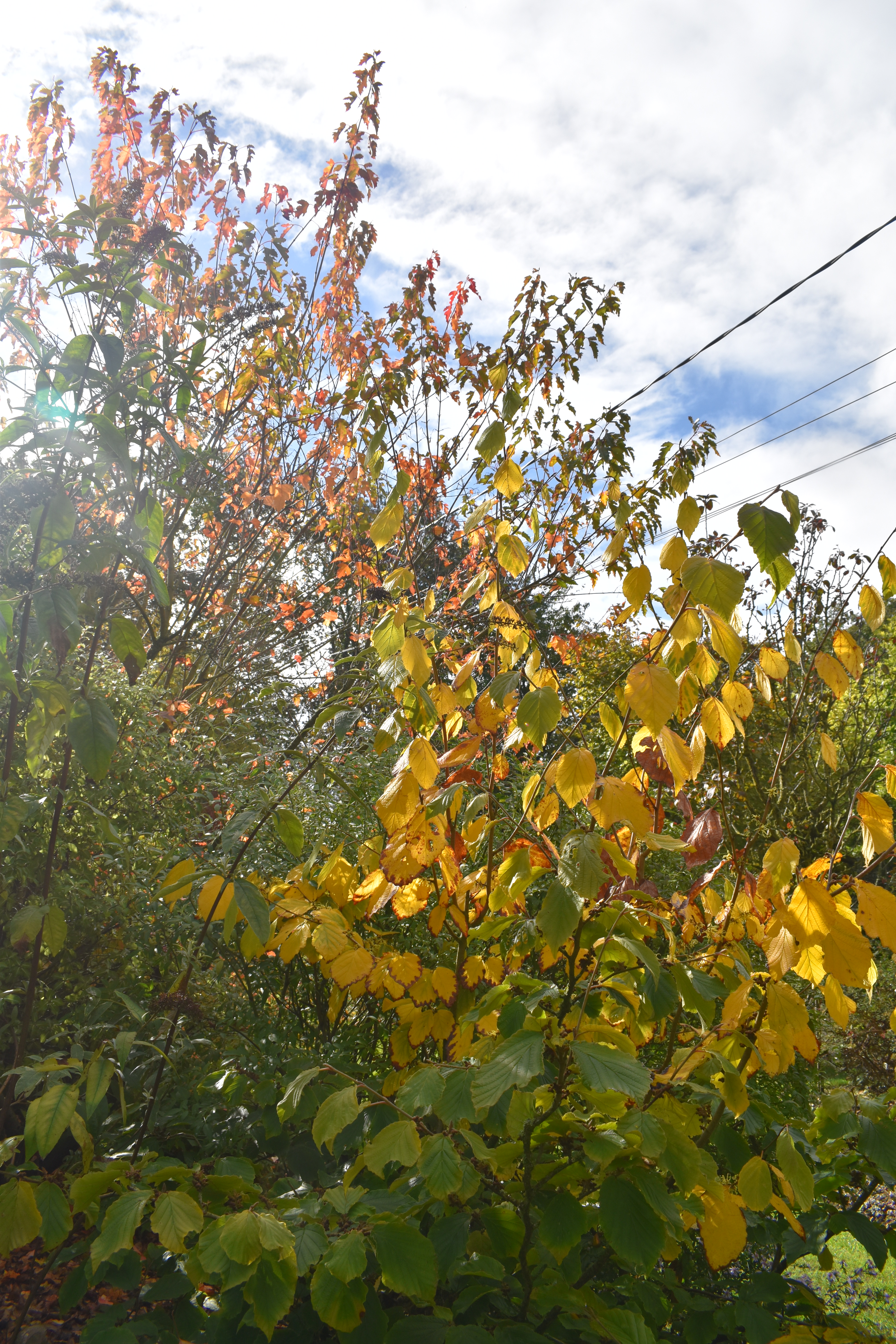
A good way to finish this look at Oakgate gardens is a gallery of photos showing autumn foliage colours.

Categories
Uncategorized

My Garden Journal 2024 September

Some people think that September is the first month of autumn, but I like to tag it onto summer in the hope that we get an ‘Indian Summer’ which is always such a treat.

Sadly September this year failed us in that regard, as it was colder and wetter than usual. But there was still plenty to look at in our garden.

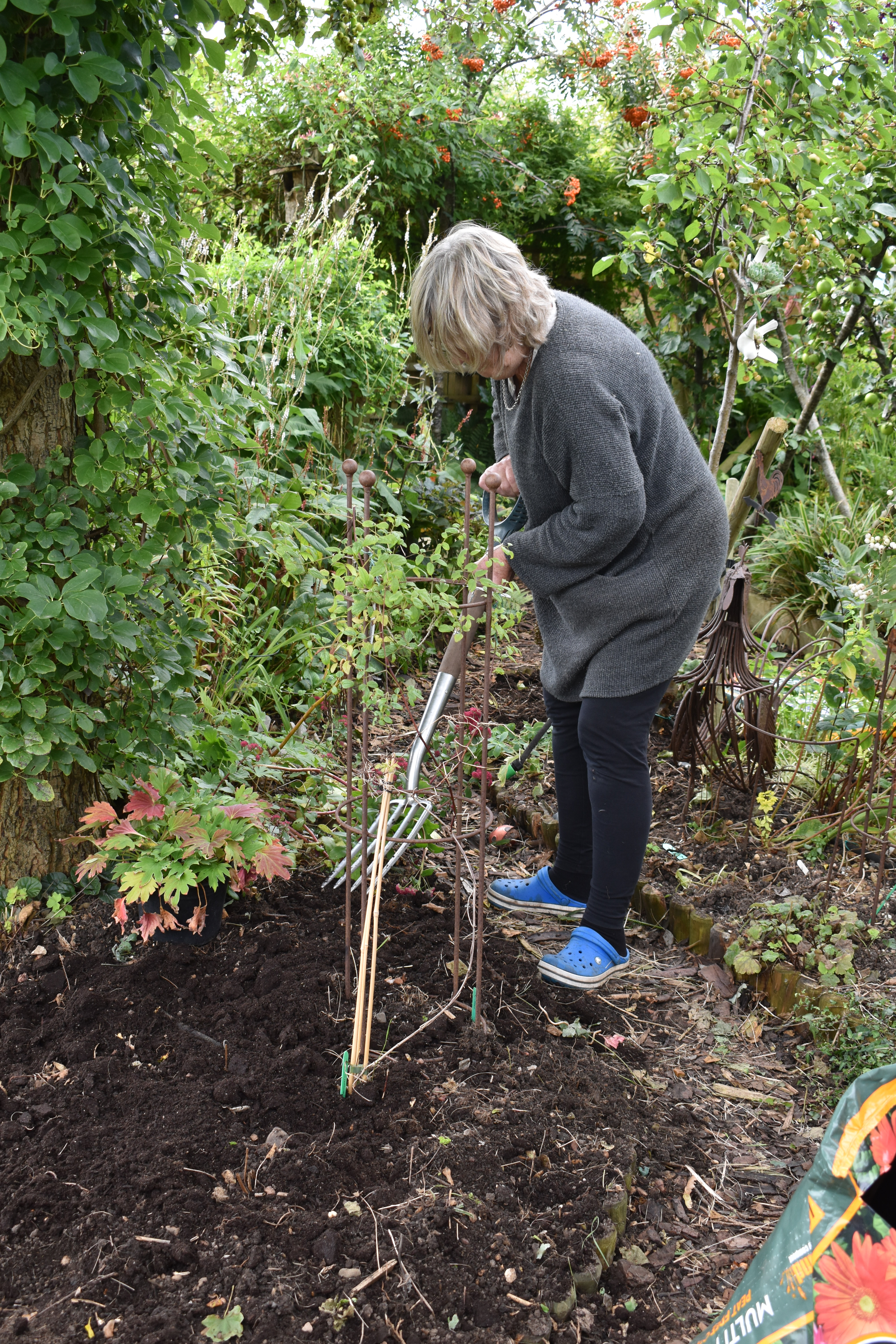
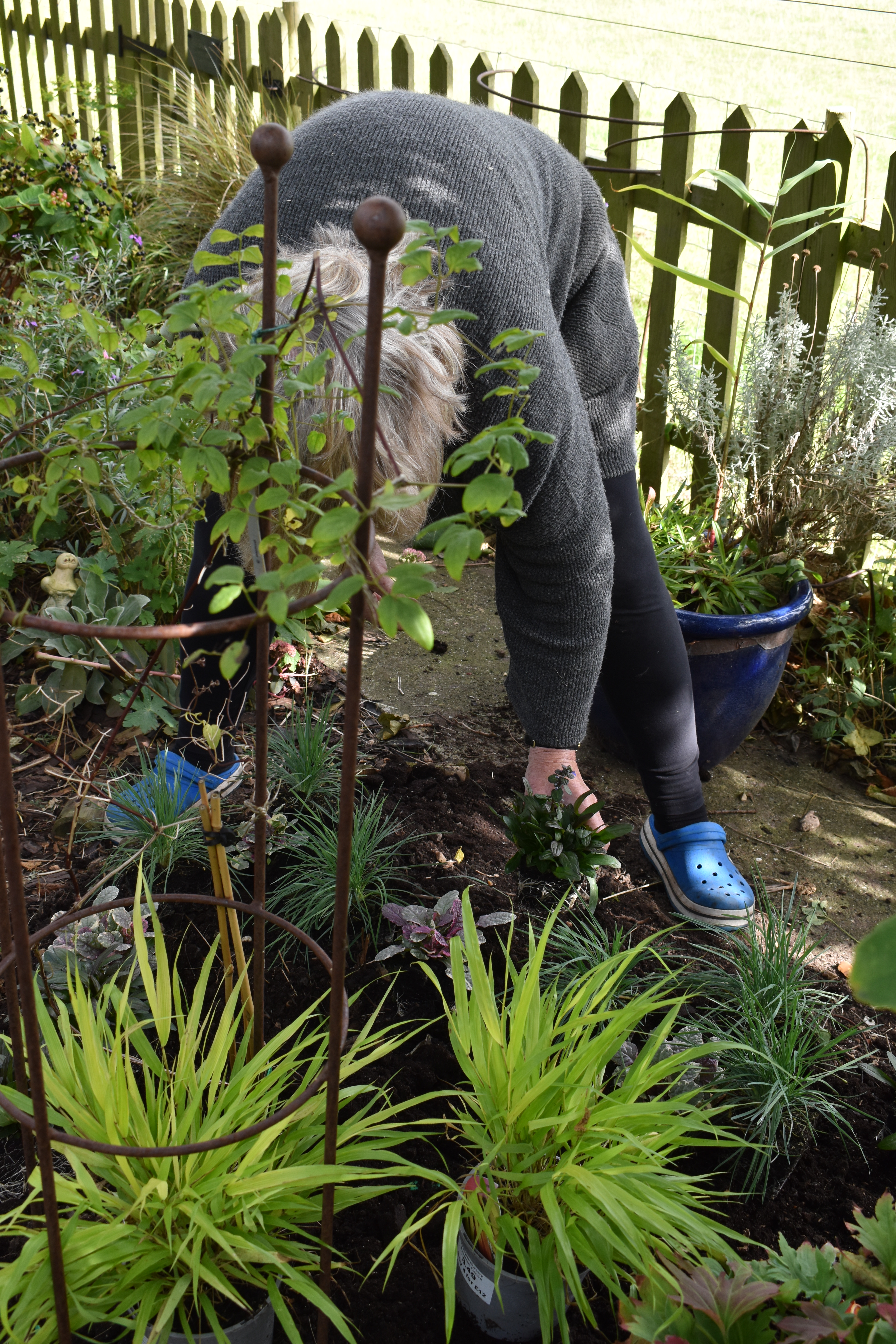
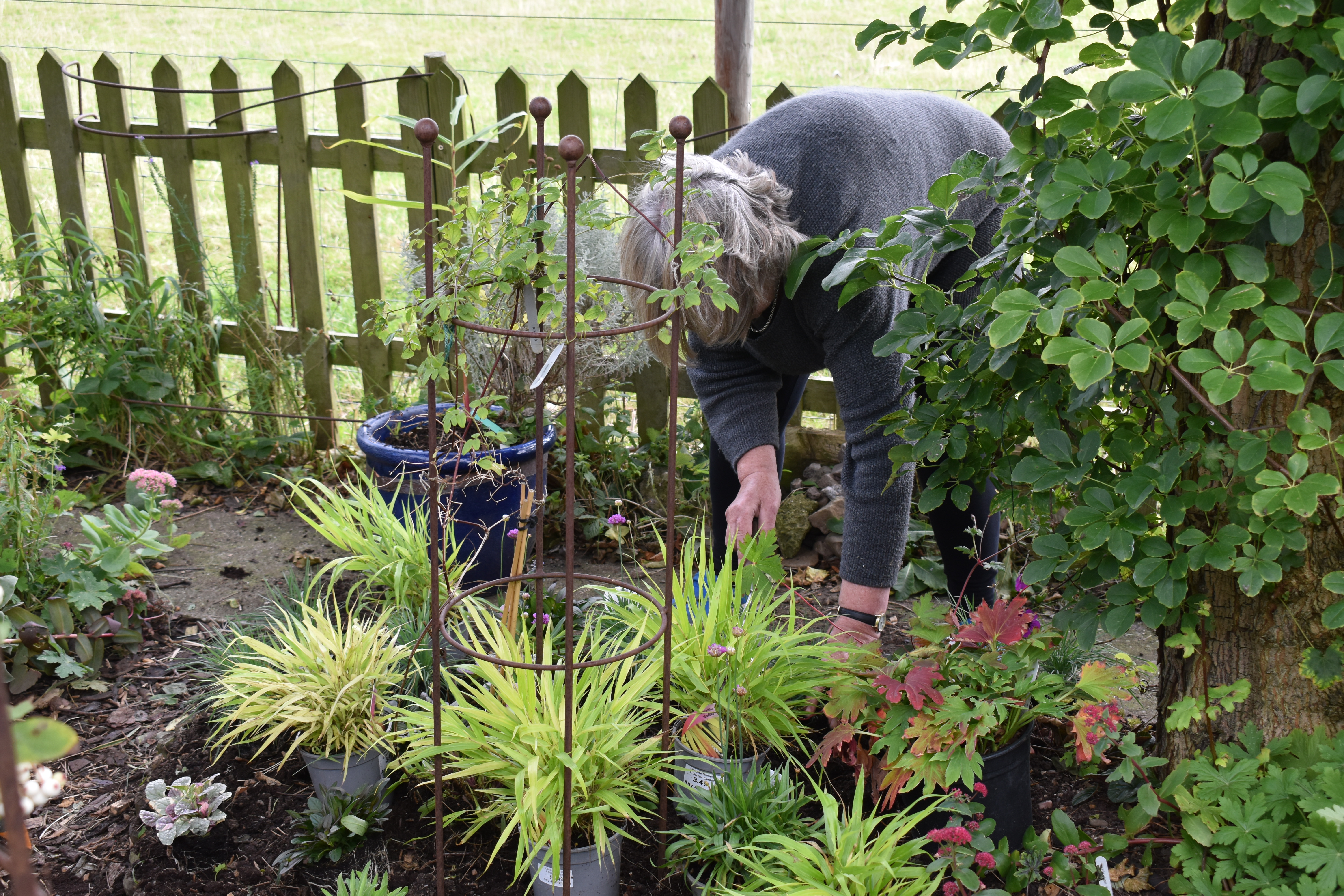
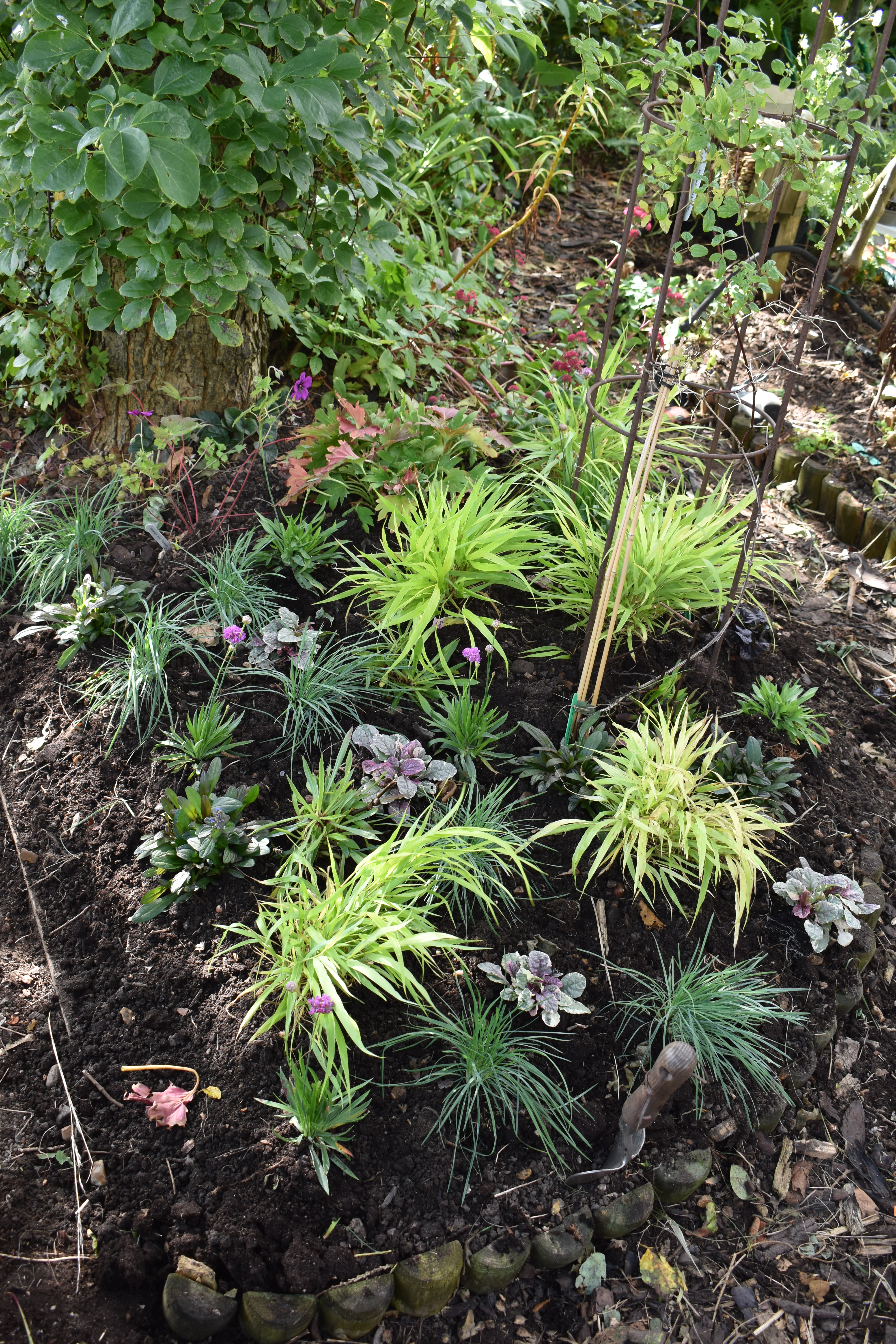
There were plenty of jobs to do too! We decided to revamp Arabella’s Garden, the garden we made for our granddaughter. We began by clearing the areas we had become uncomfortable with. Once clear we improved the soil with compost and set the plants out where we wanted them to go to check the layout looked okay.

The key plant was a bright greenish-yellow grass, a hakonochloa. We added some ajuga with variegated foliage and a muckendenia. The idea was to keep the overall planting height quite low, so other plants would sit among the hakonechloa neatly.

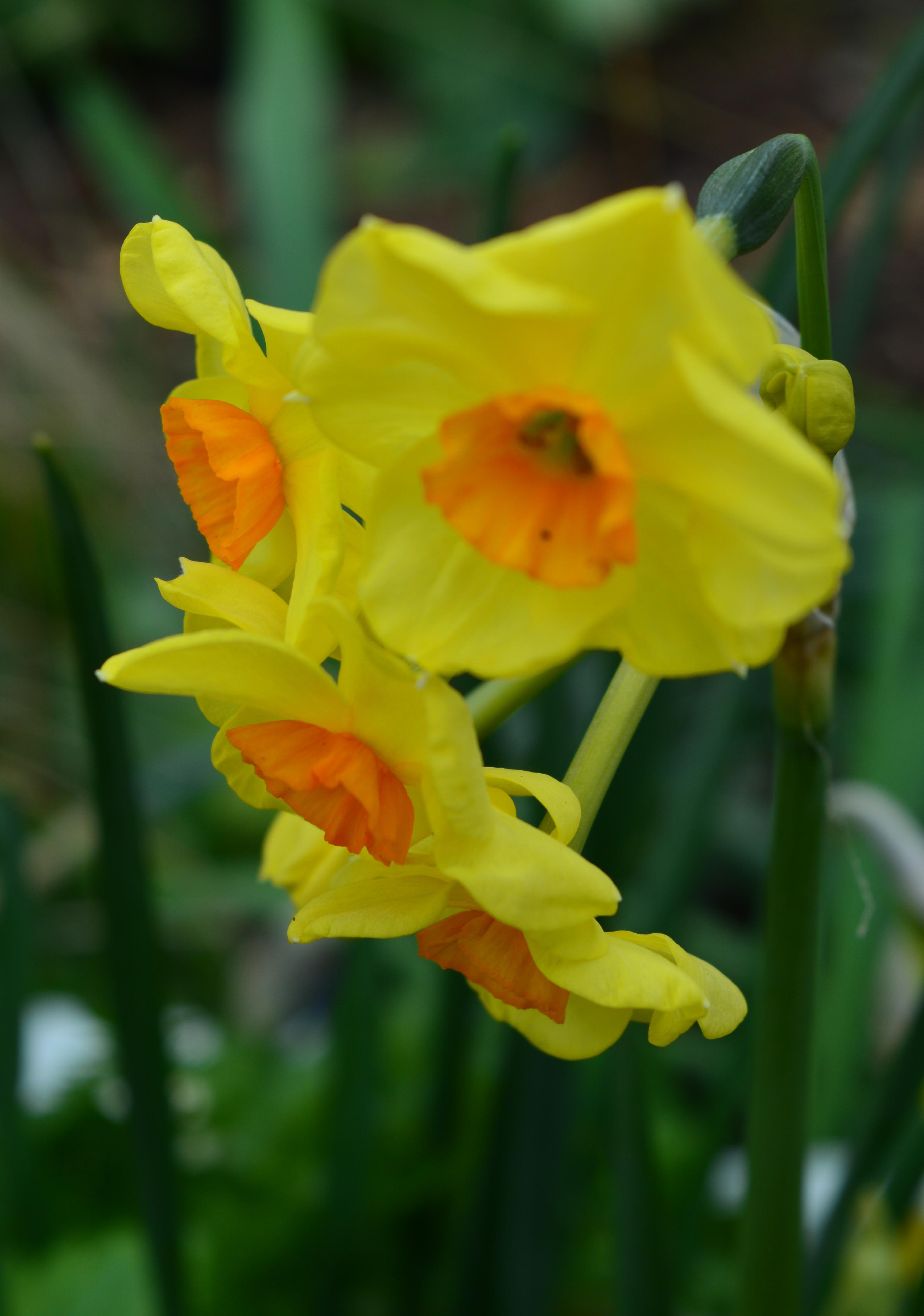
We planted low growing bulbs too, Anemone blanda and Narcissus golden bells.

I ordered from Ebay 10 tiny baby plantlets of Kalanchoe daigremontiana so planted them into cells to get them started.

While moving a succulent in a terracotta pot I noticed this rather handsome moth with beautiful markings, in particular its pale yellow ‘Y’ shape on each wing. Using my Apple mobile phone I found out it’s called a ‘Silver Y’ but on my specimen the ‘Y’ shapes definitely look yellow. The rest of its colours and patterns are in shades of grey with some chocolate brown markings. The ‘Silver Y’ is a migratory moth and is likely to be the commonest of our migrators.

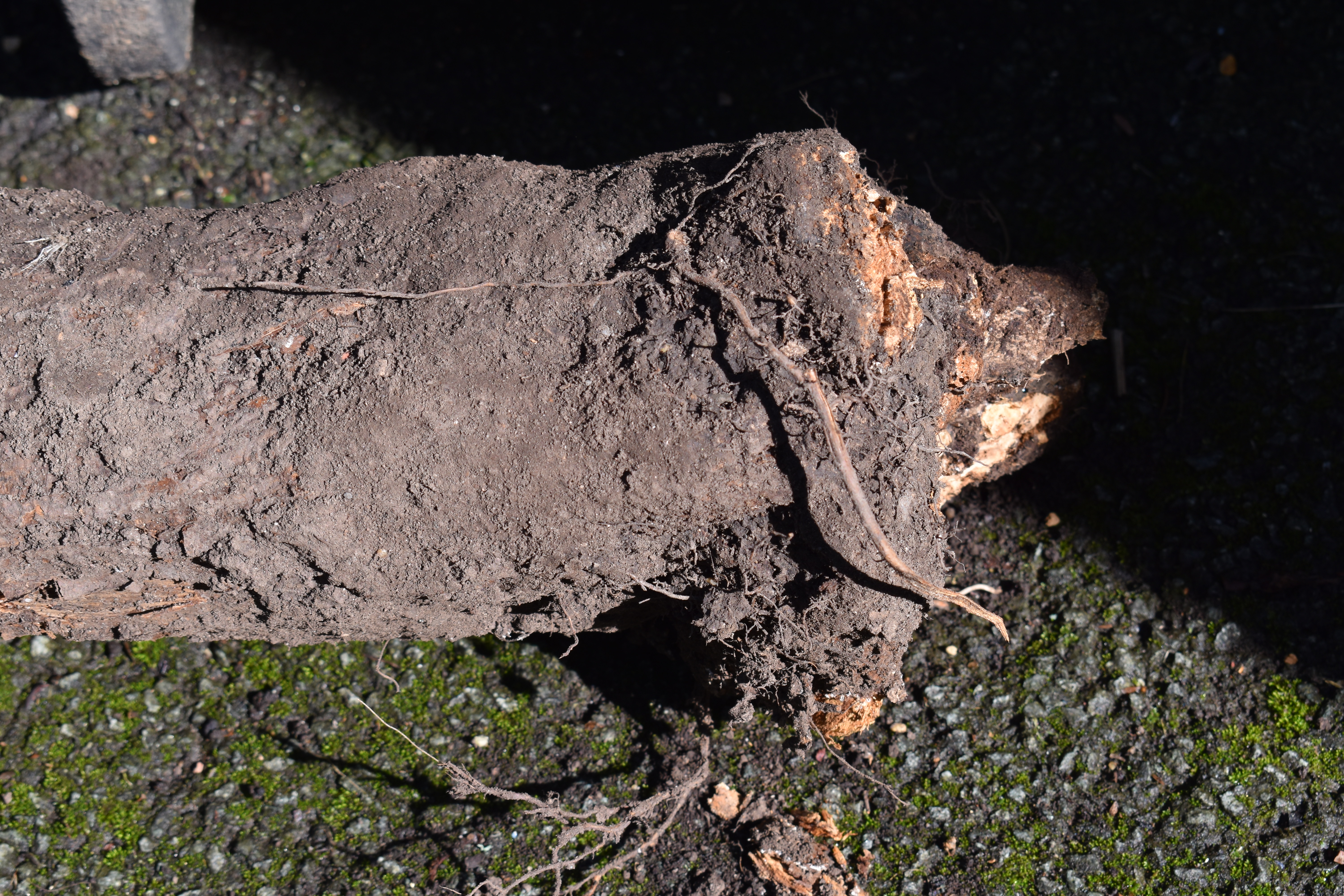
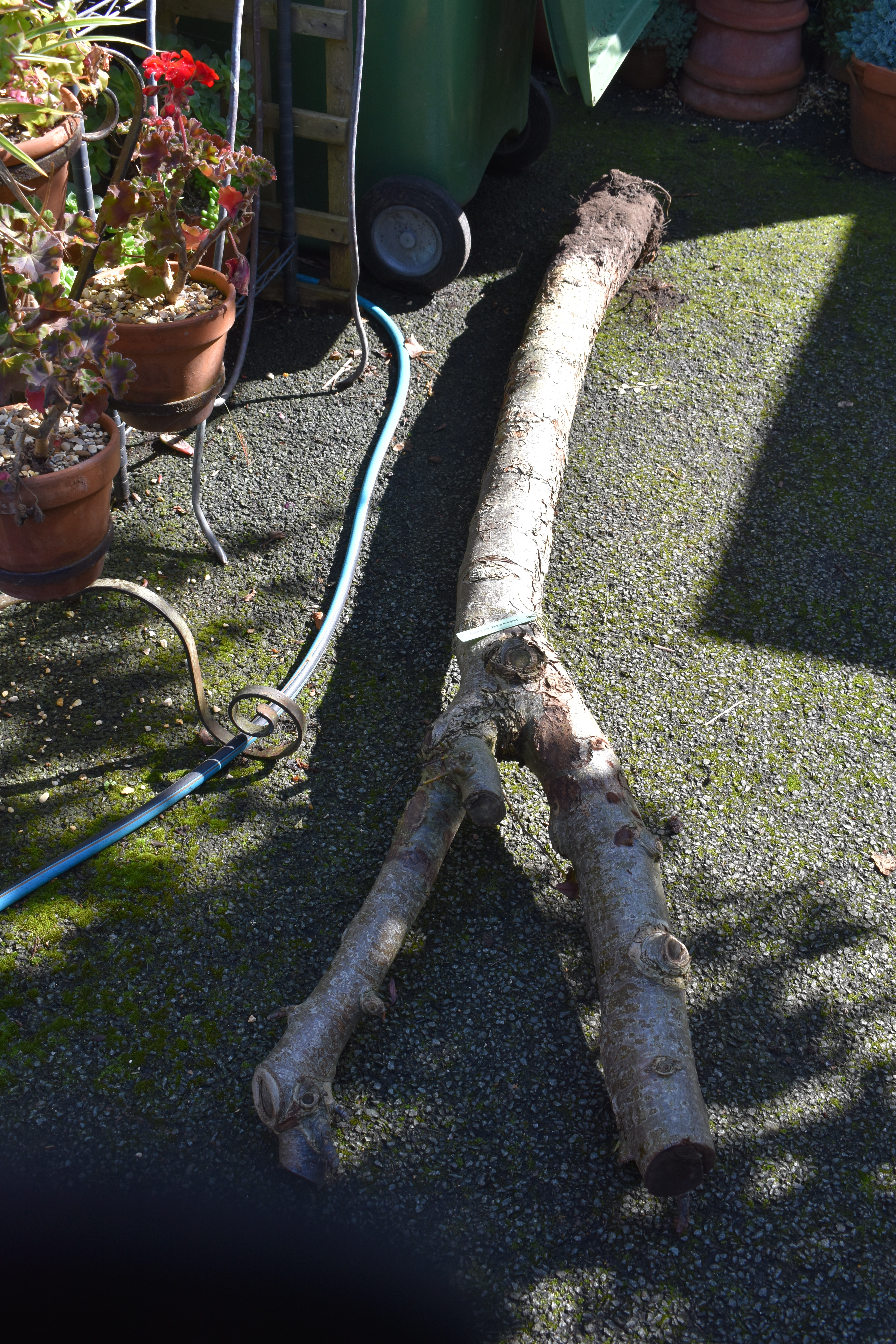
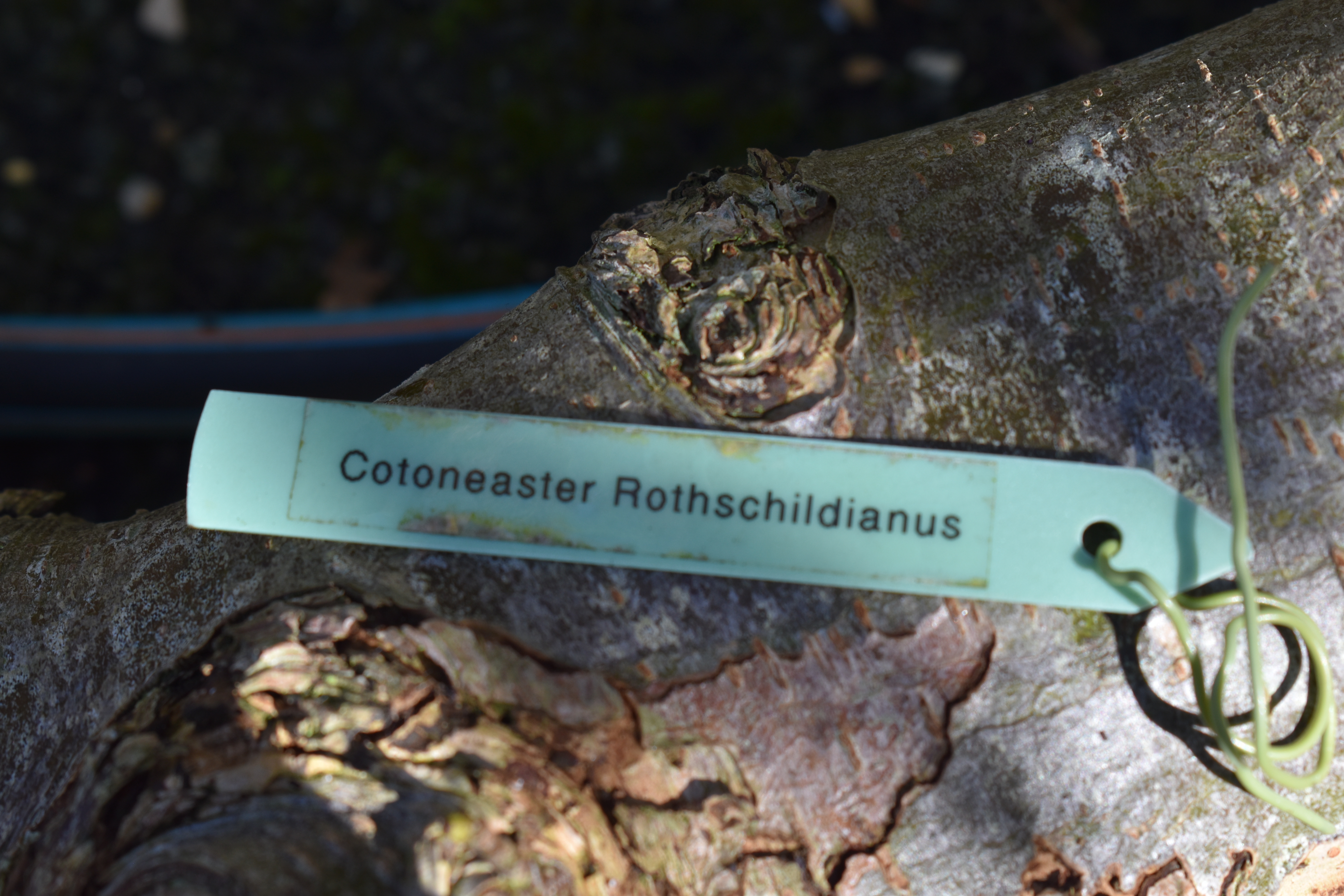
Sadly throughout 2024 our unusual cotoneaster, the yellow berried Cotoneaster rothschildianus has been looking increasingly unhealthy until late summer when it lost all its foliage and looked dead. On close inspection we found this to be the case, so Ian our gardener and I worked together to take it up.

The photo below left shows the place where roots should have been but they are completely missing.

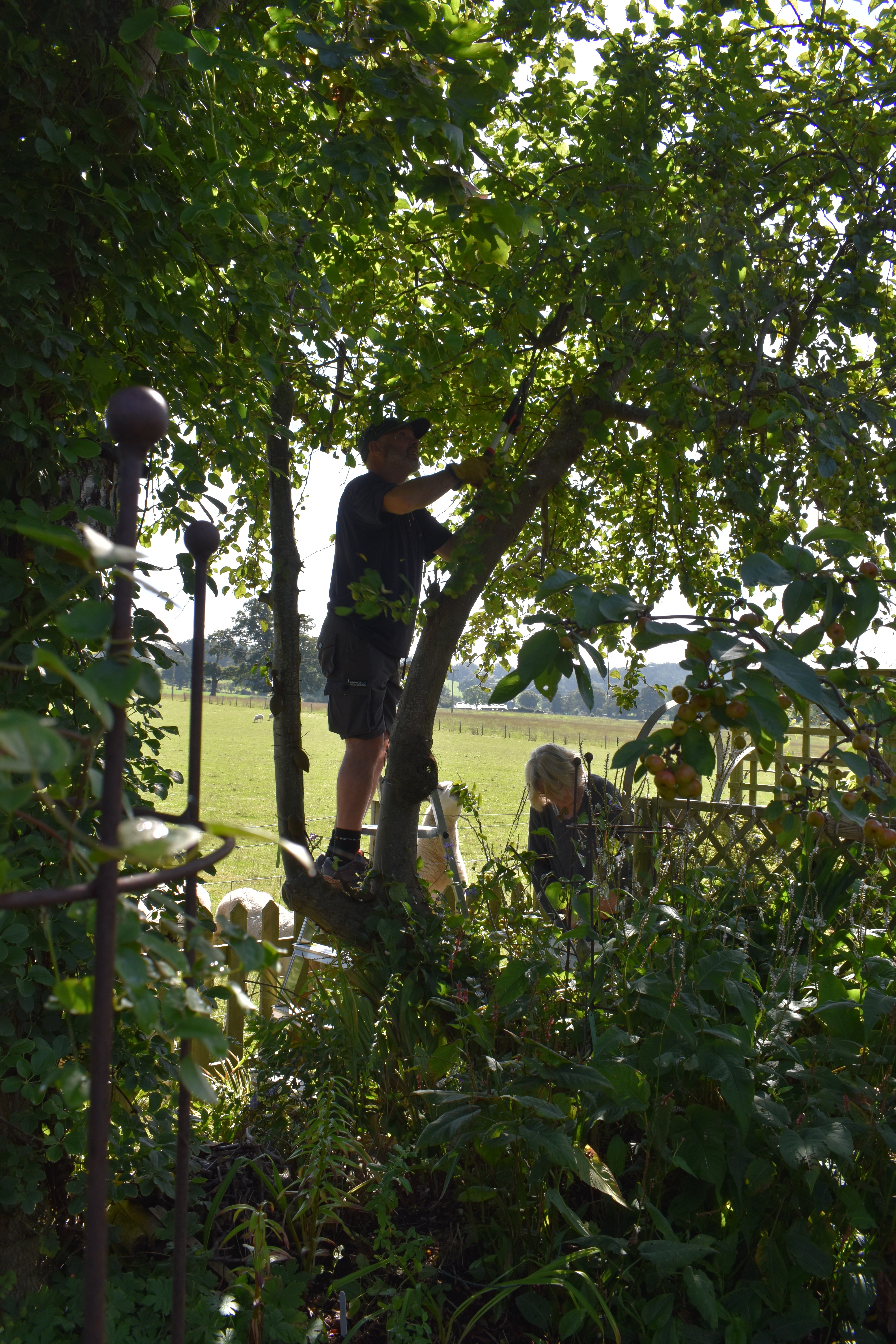
An important task to be done at this time of the year is to thin out the branches of our Malus ‘Butterball’ so Ian set about thinning out badly shaped, crossing branches as well as any dead or diseased ones.

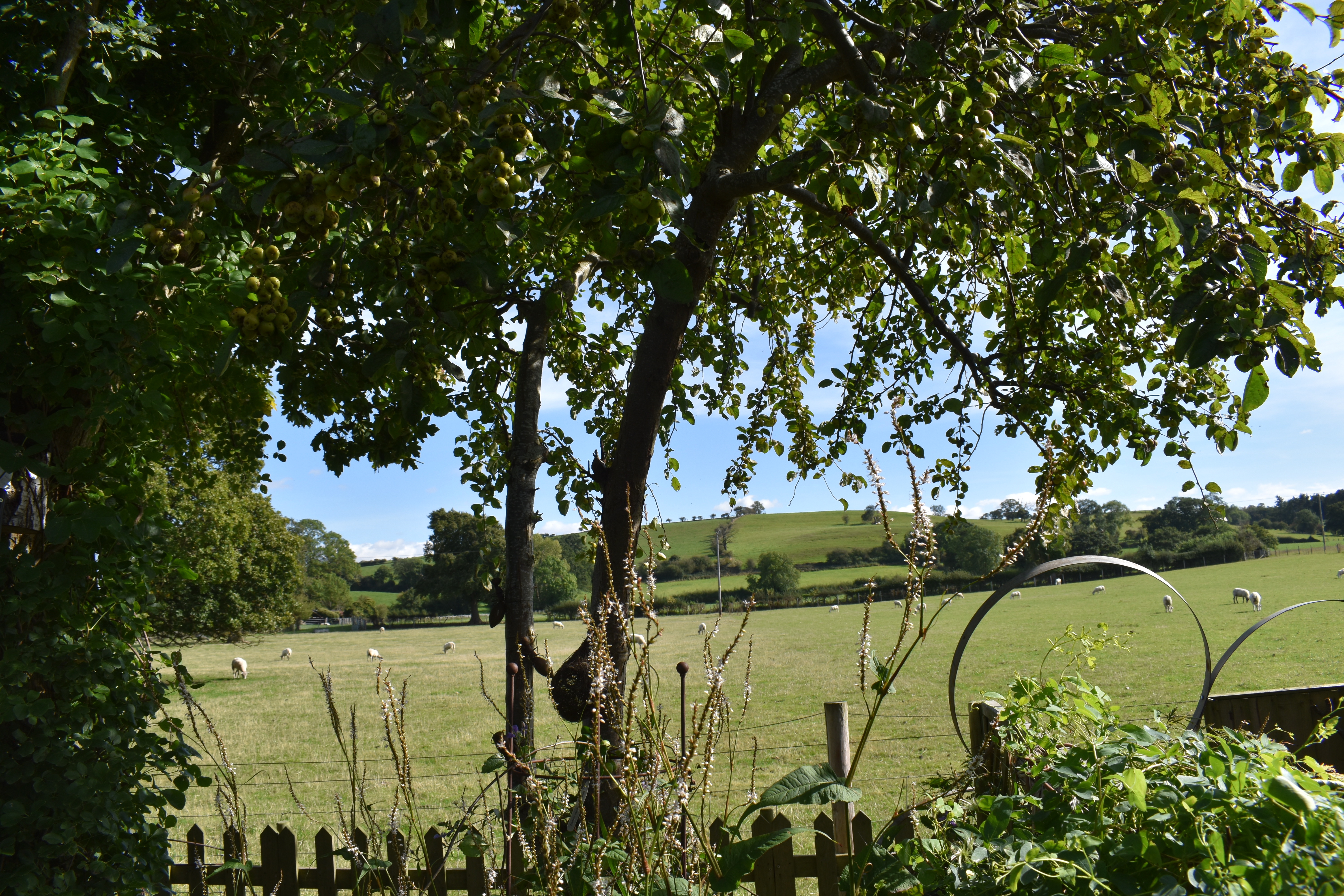
We soon had an audience of very nosey sheep who fancied a nibble of the malus leaves, sometimes pulling branches from us or having a sort of tug of war trying to pull branches through the fence.

The view outwards once the butterball was cleaned up was more open and we could see the hills better than before.

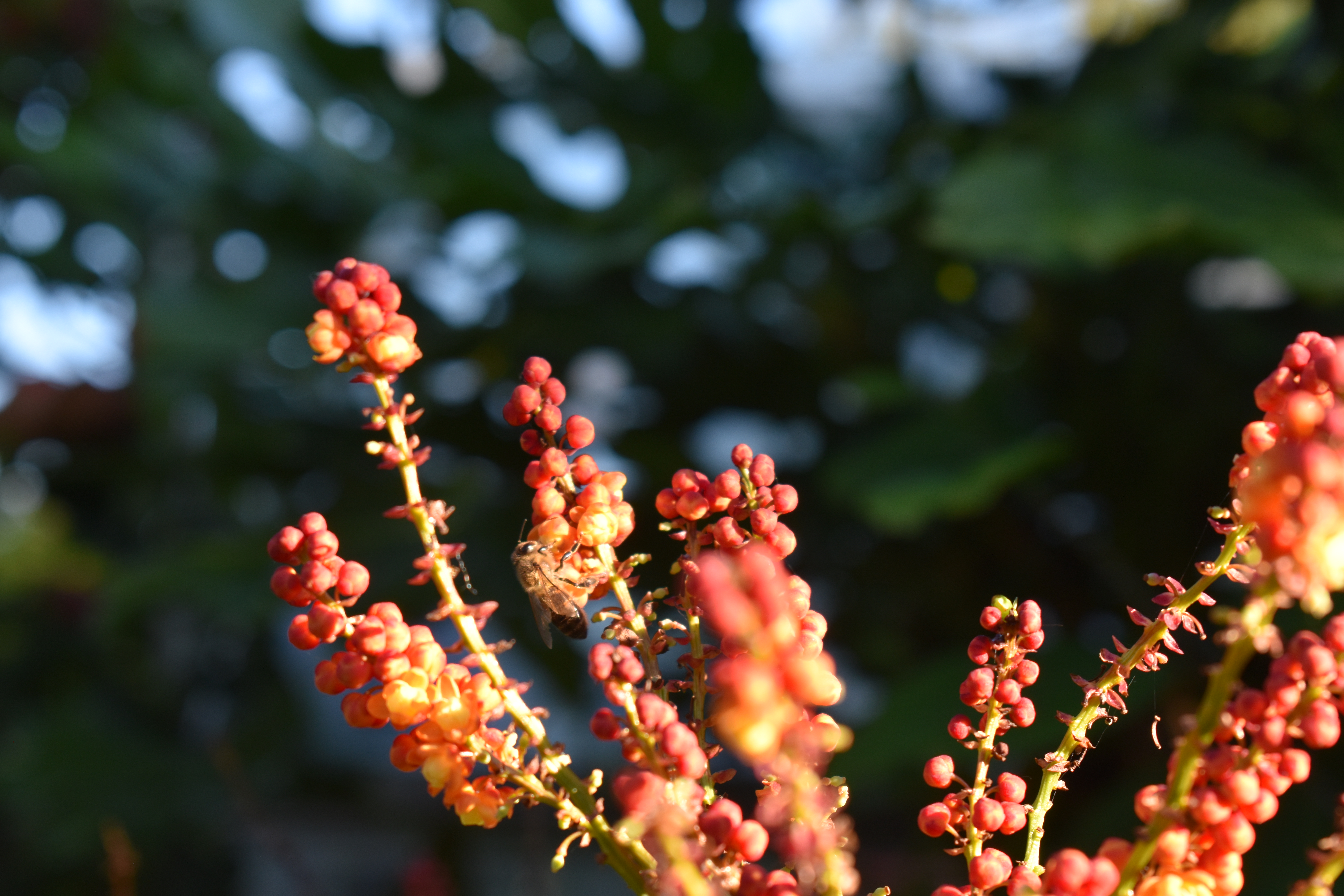
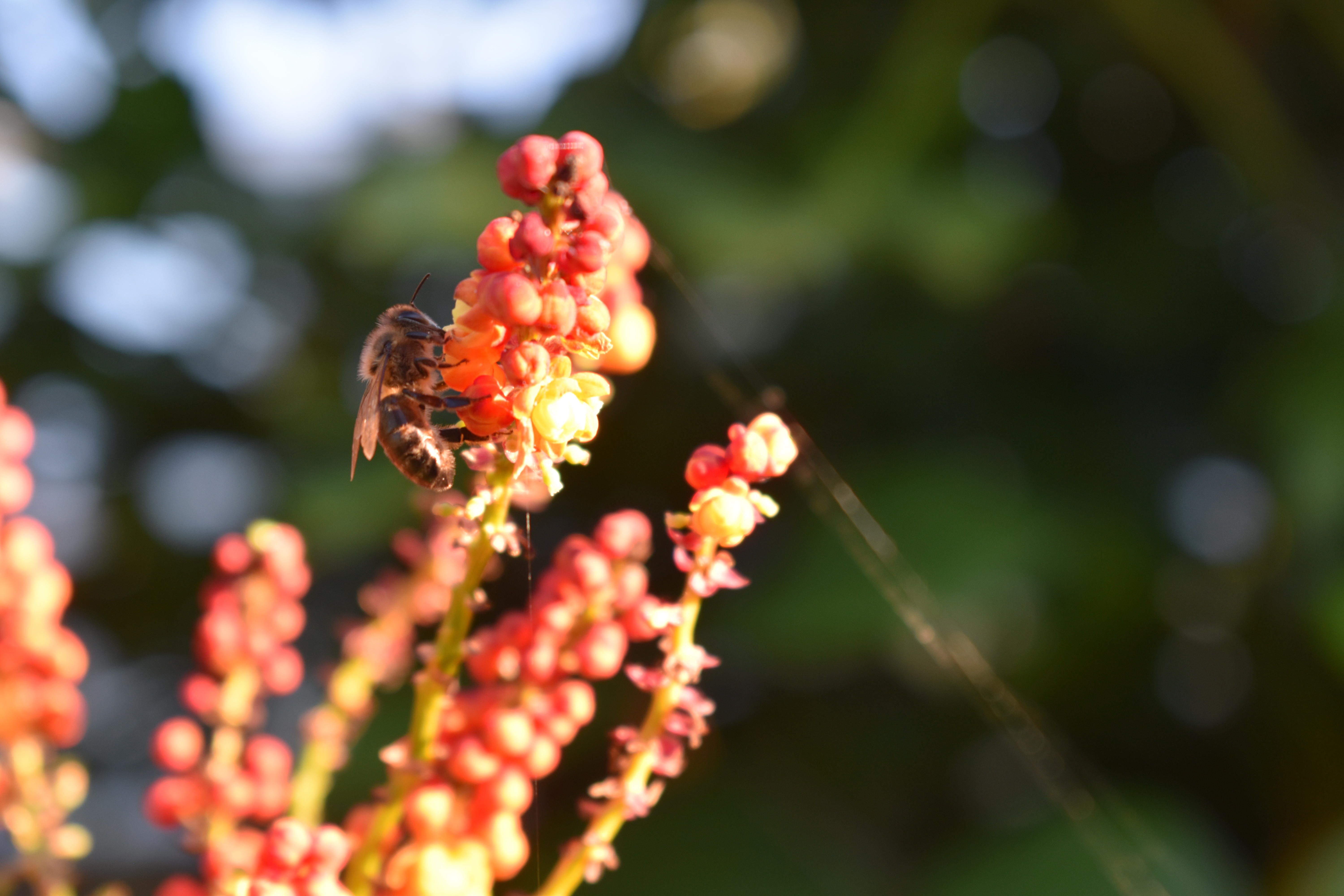
One of the brightest flowering plants in our September garden is this orange, yellow and red Mahonia called Mahonia nitens ‘Cabaret’. It attracts so many pollinators that it buzzes with sounds of bees, wasps and hoverflies.

So that was September in our Avocet garden. Fingers crossed that October is kinder to us and the garden.

Categories
Uncategorized

A Short Break in Devon – RHS Garden Rosemoor Part 2 Looking at the Themed Gardens

As neither of us are keen on rose gardens, preferring to see roses used as shrubs in mixed borders, we missed out the “Queen’s Mother’s Rose Garden” and the “Shrub Rose Garden”. As the Winter Garden had been redesigned by well-known garden designer Jo Thompson it was in the middle of a rebuild so we had to miss out that garden too.

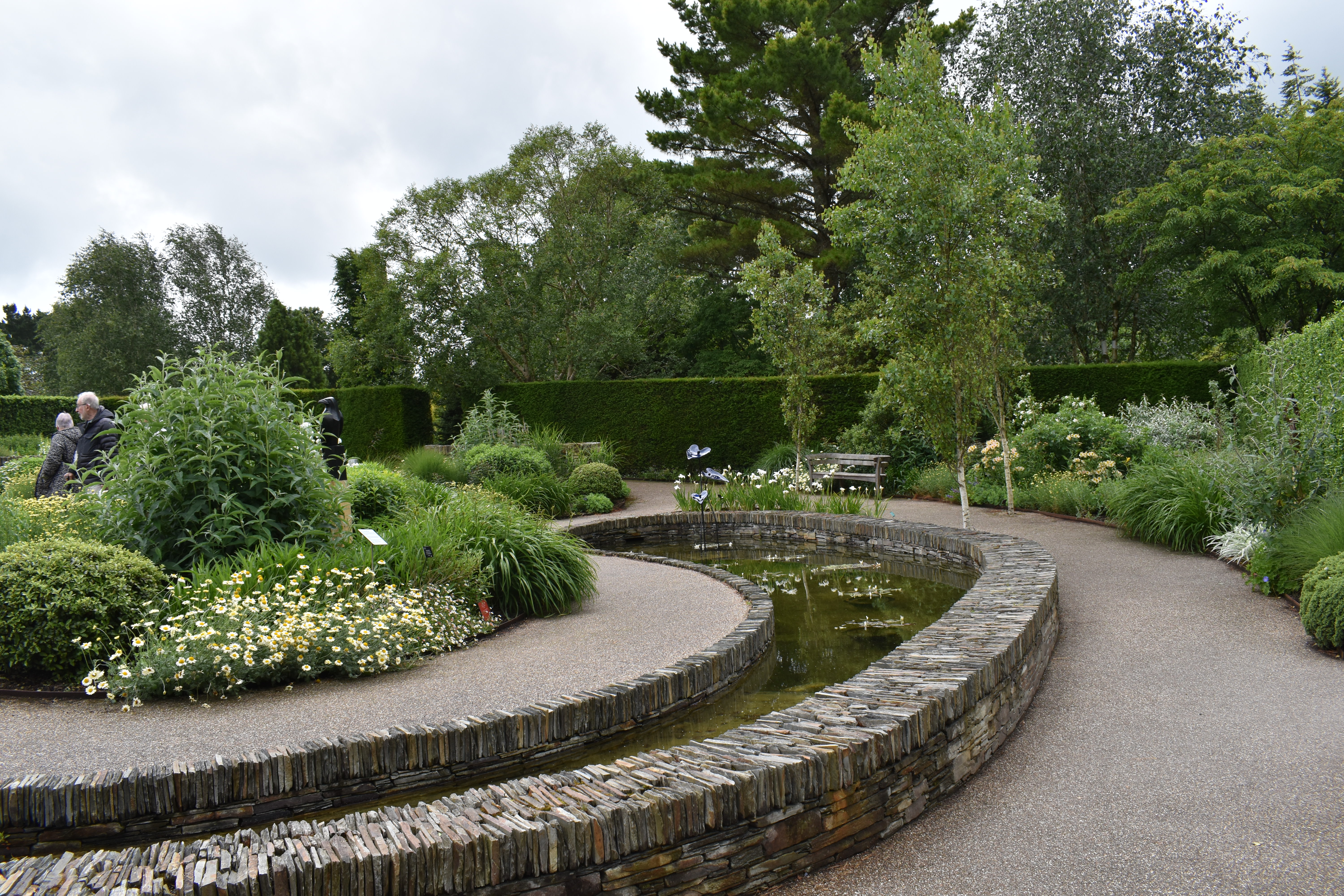
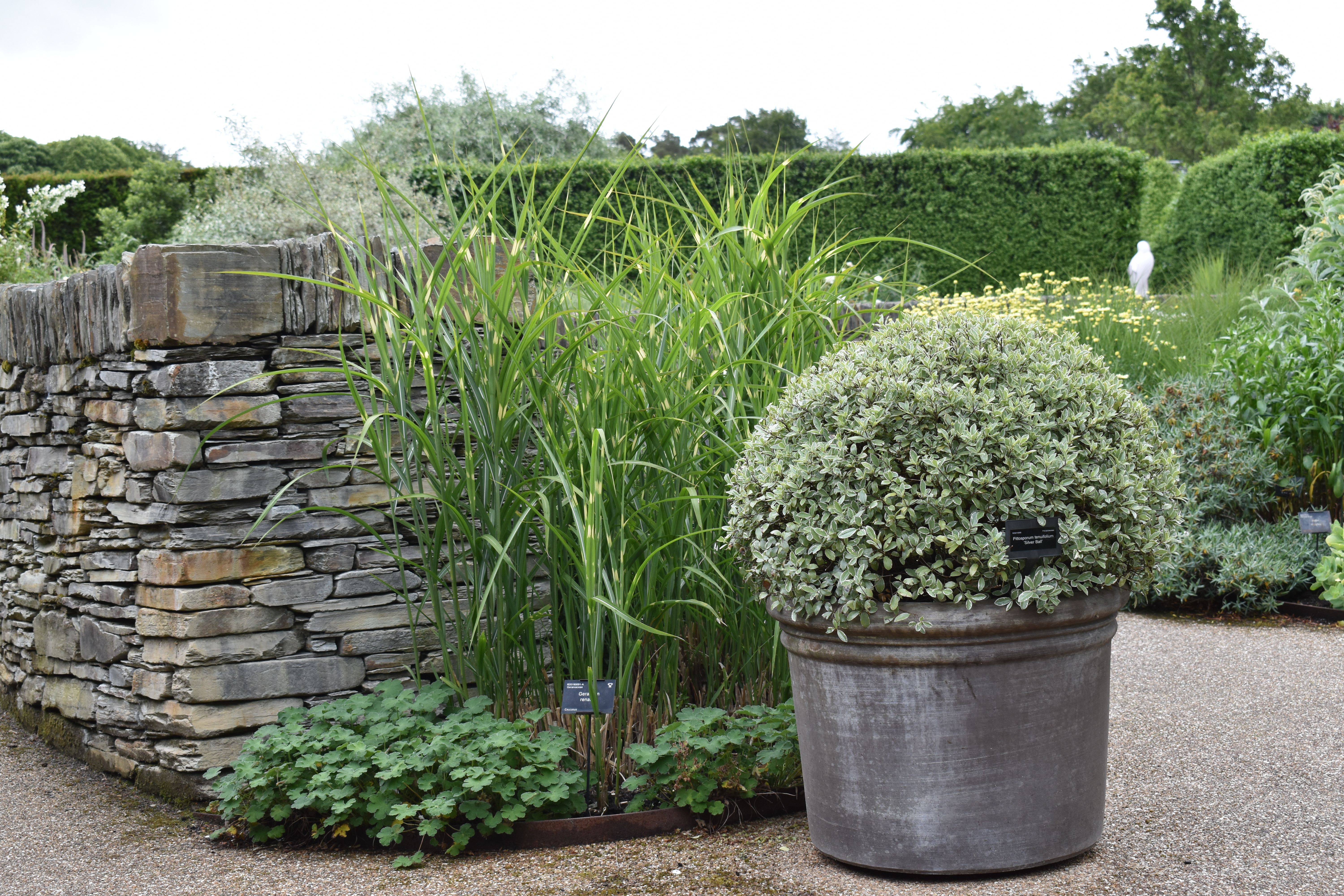
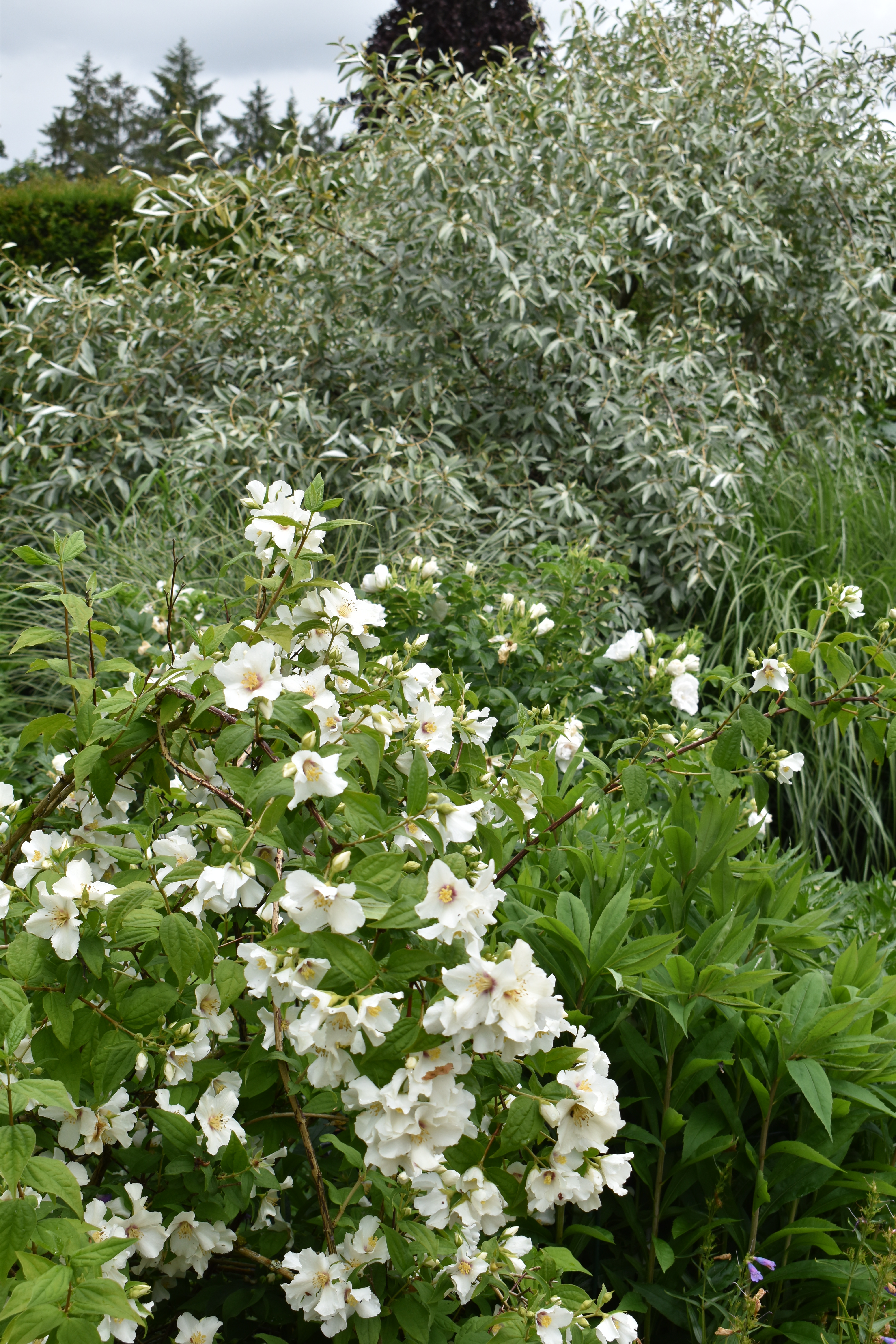
Thus the first of the themed gardens we explored was the “Cool Garden” designed in 2019 by Jo Thompson and was based on imaginative use of water rills lined with granite setts with curved stone walls. The planting features grey foliage and blue, white and pastel flowers.

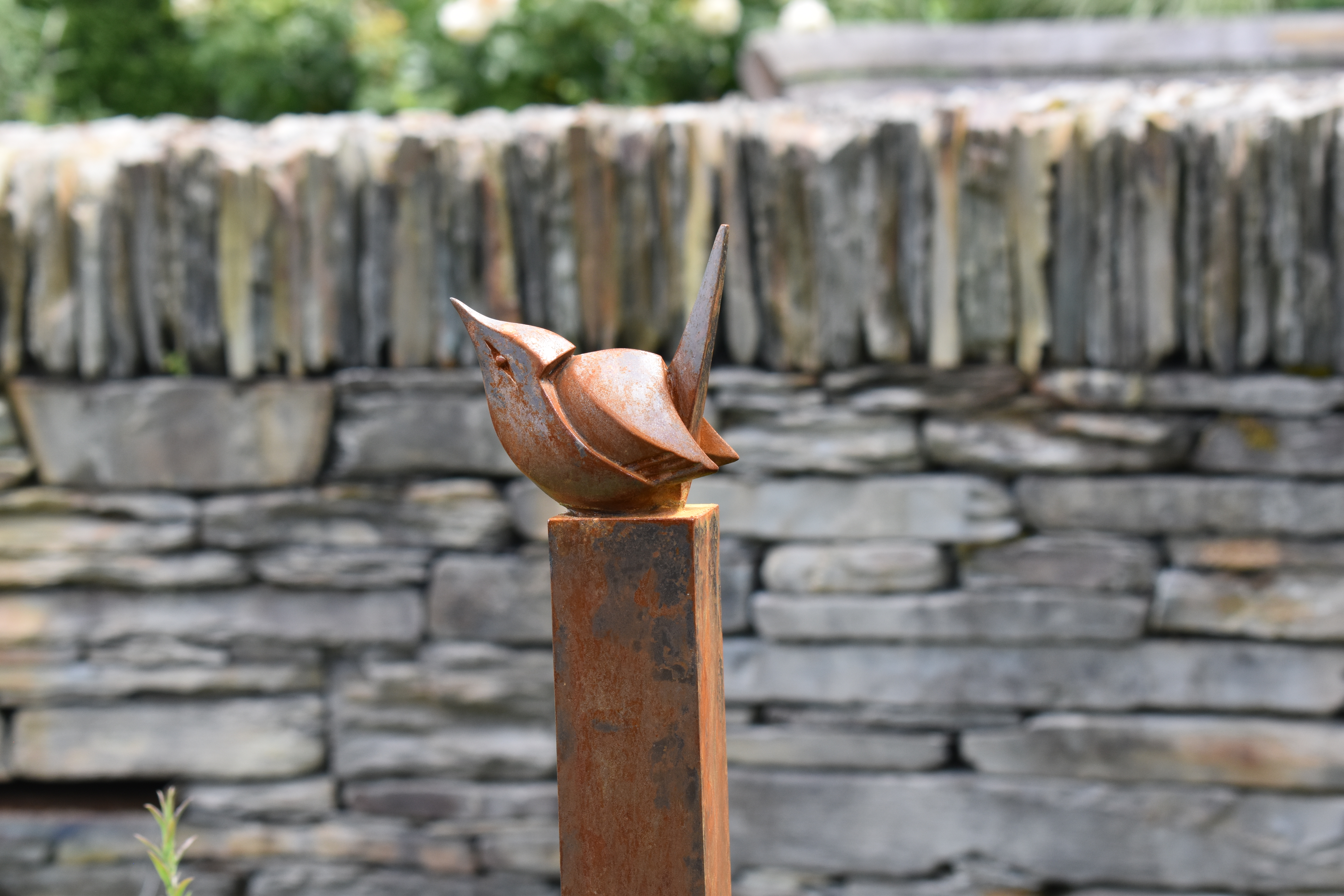
Sculptures of birdlife added liveliness and extra beauty to the Cool Garden. The wren added a strong contrast to the birds of prey.

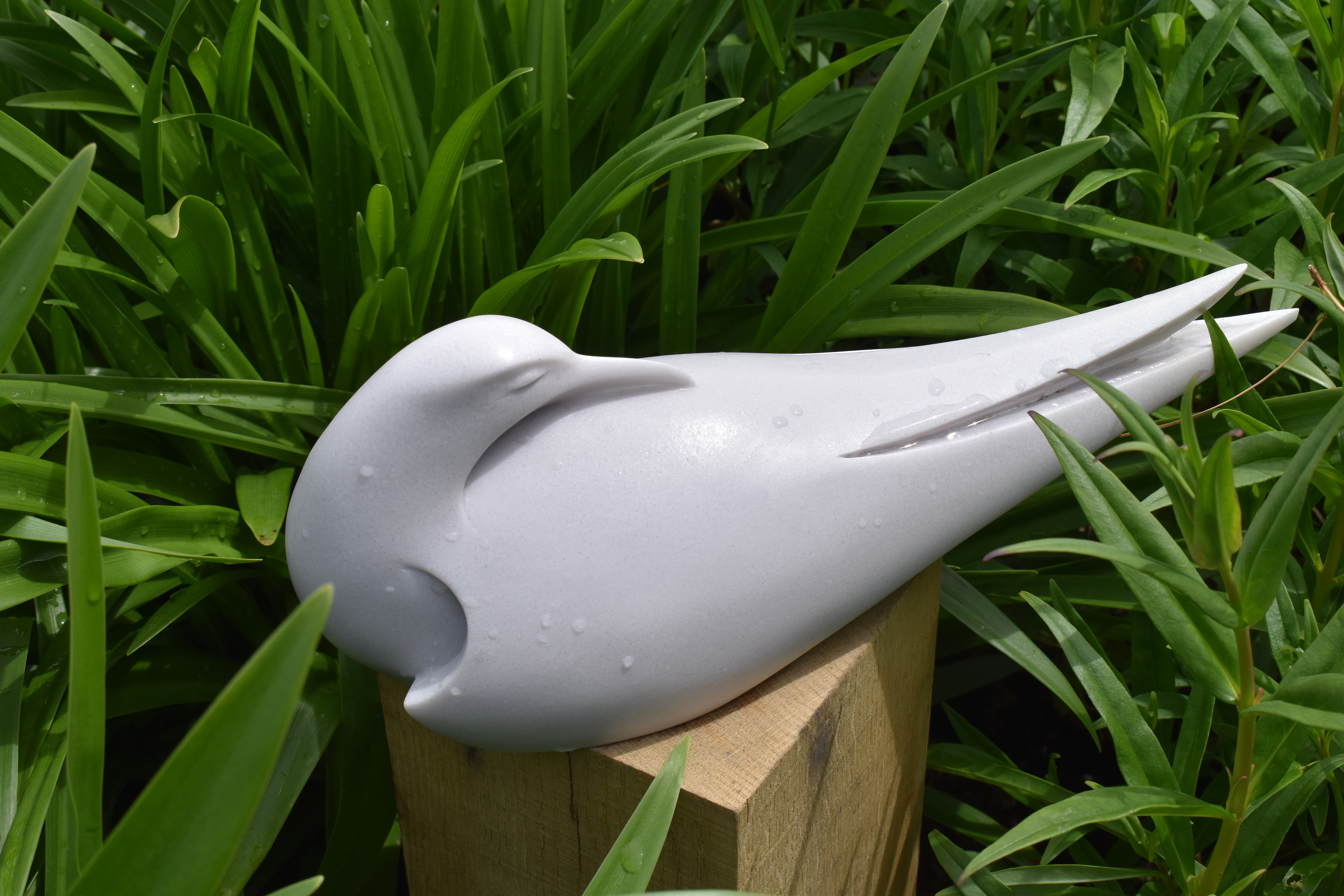
We also enjoyed how the crisp white pieces featuring seabirds and a barn owl sat within the greenery.

It never ceases to amaze me how sympathetically sculpture fits into gardens. The RHS is very good at exhibiting sculptural pieces in their gardens and over the years we have enjoyed several.

The next garden room we entered was a strong contrast to “The Cool Garden” being “The Hot Garden”. The planting was so different as was the feel of the garden. It was a clever decision placing these two gardens next door to each other.

There was a strong contrast in the planting within “The Hot Garden” utilising stronger, brighter colours.

Another of the themed gardens here at Rosemoor that we have always enjoyed is the Cottage Garden, so I will share some photos of that area next. On the way to the cottage Garden we stopped to have a look at this lovely wildflower bank and these two strongly coloured, cheerful looking roses.

The Cottage Garden itself was full of interesting plant combinations and some old apple trees.

I will finish off looking at RHS Rosemoor with a gallery of photographs taken as we explored these wonderful, inspirational gardens.

We will be visiting other RHS gardens before too long and we know we will really appreciate the expertise of the staff and volunteers.

Categories
Uncategorized

A Monthly Wander around the Garden at Oakgate Nursery and Garden – September

On a dark sky day with frequent showers, some of them very heavy, we visited Oakgate Nursery and Garden as we needed some plants to redo a section of our garden and some compost.

As usual we started off with coffee and cake and while doing so the heavens opened and hefty storms followed closely one after another. We were hoping for a break in the clouds so that we could get out into the garden or nursery.

Eventually a time came when the rain became much lighter so we decided we would don waterproof jackets and go into the nursery. Further storms broke up our perusal of the plants so we took refuge in the covered areas. We were eventually successful in making our purchases. Then as the rain stopped we quickly took off on a wander around the gardens.

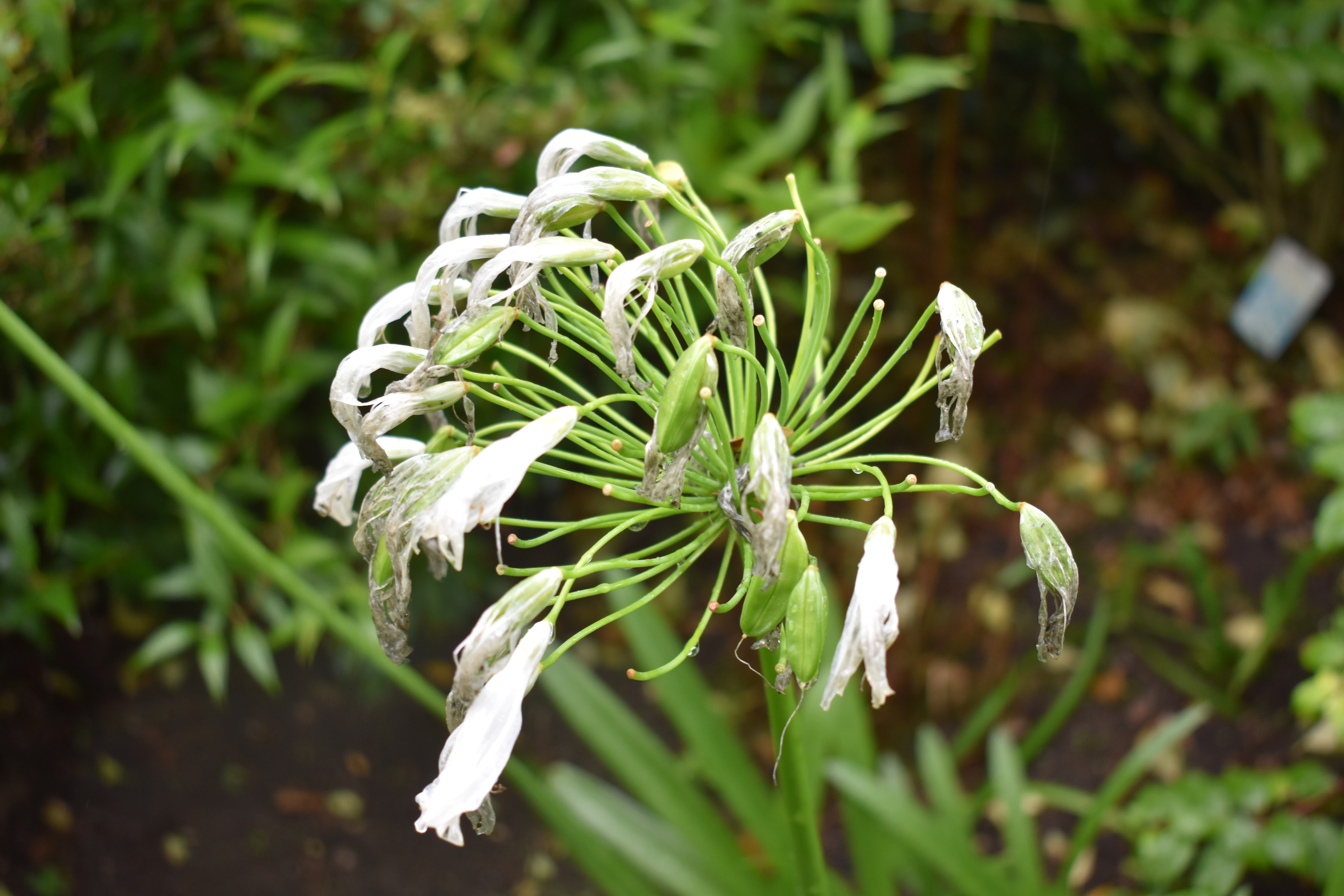
Many perennials were showing early signs of autumn, seed pods were forming and petals drooping and beginning to dry.

Other perennials were just beginning their flowering periods, those autumn flowering plants that give extra colour at autumn time.

Foliage on some trees and shrubs were showing premature signs of autumn colours in their foliage.

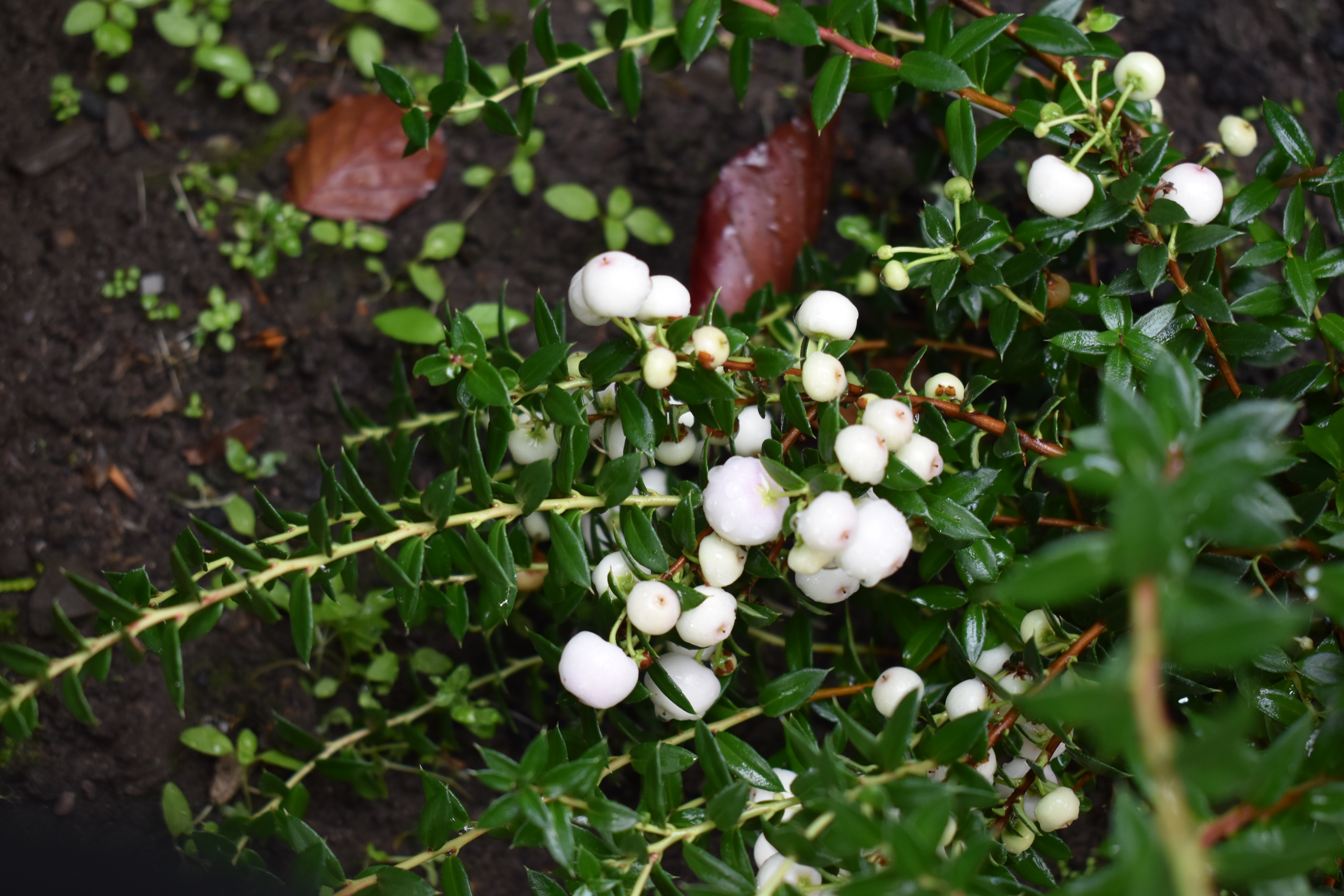
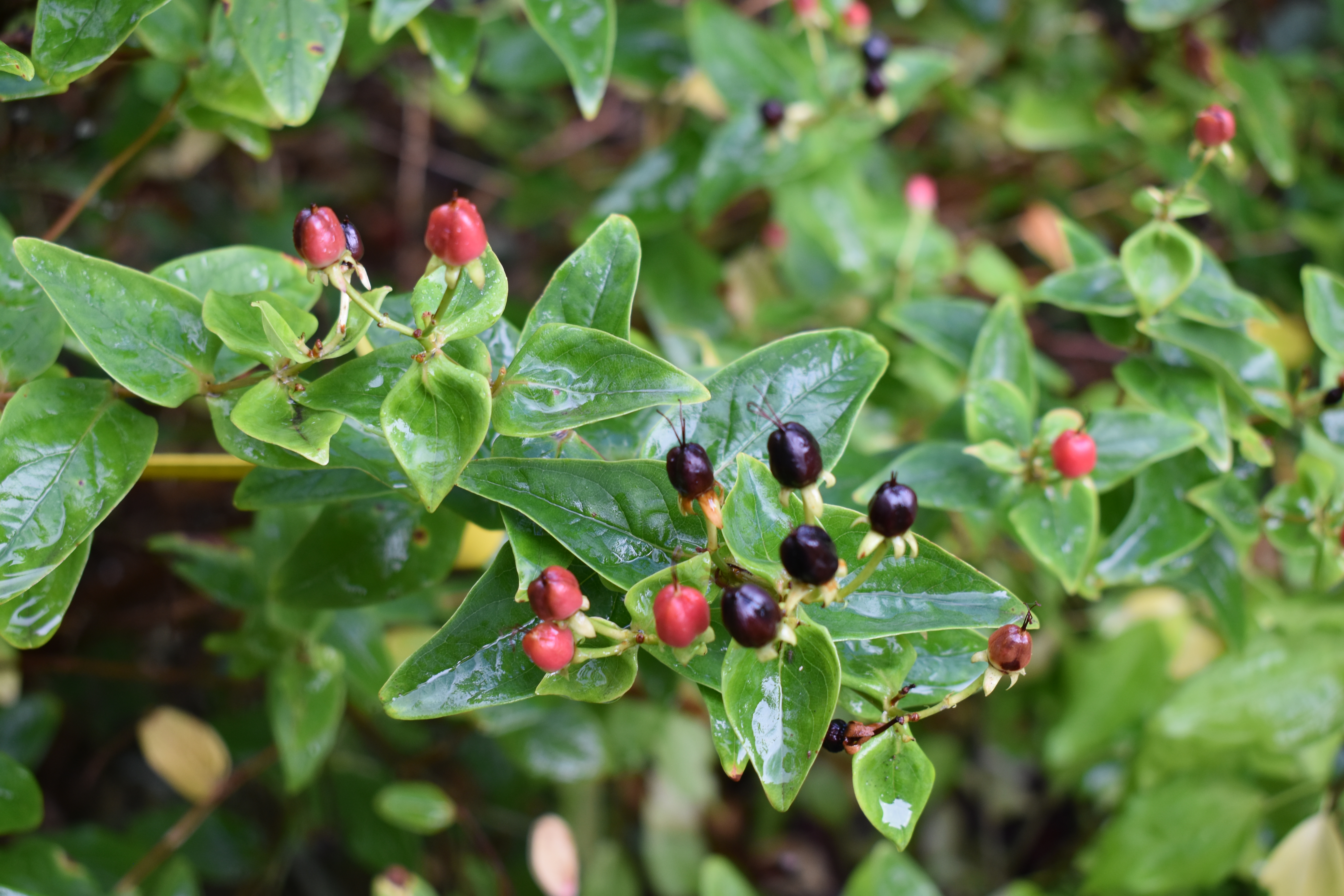
One change in gardens at this time of year which is appreciated by ourselves and even more so by birds and mammals is the appearance of berries.

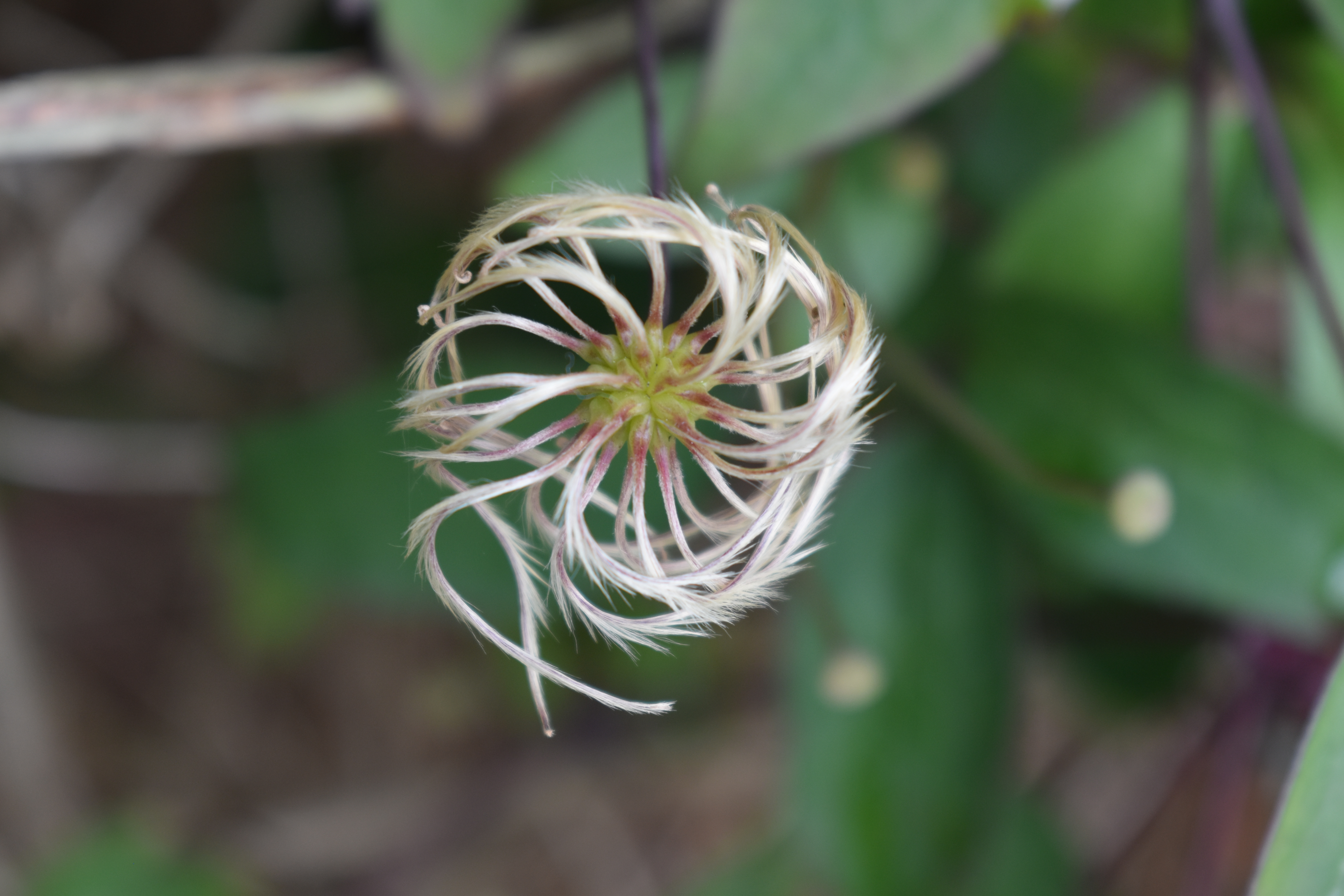
One of our favourite features of gardens at this time of year is the spiral seed-heads of clematis. I will finish off this report of our September exploration of the Oakgate Gardens with a couple of photographs of these seed-heads.

Categories
Uncategorized

A Short Break in Devon – part one – RHS Rosemoor

In mid-June this summer we took off southwards for a long drive down the motorways for a mid-week break in Devon, taking in some visits to 3 gardens, RHS Rosemoor, Wildside and Yeo Valley Organic Garden. The weather forecast promised heavy rain!

Day one saw us breakfasting at the restaurant at the RHS garden Rosemoor, which we have visited a few times before.

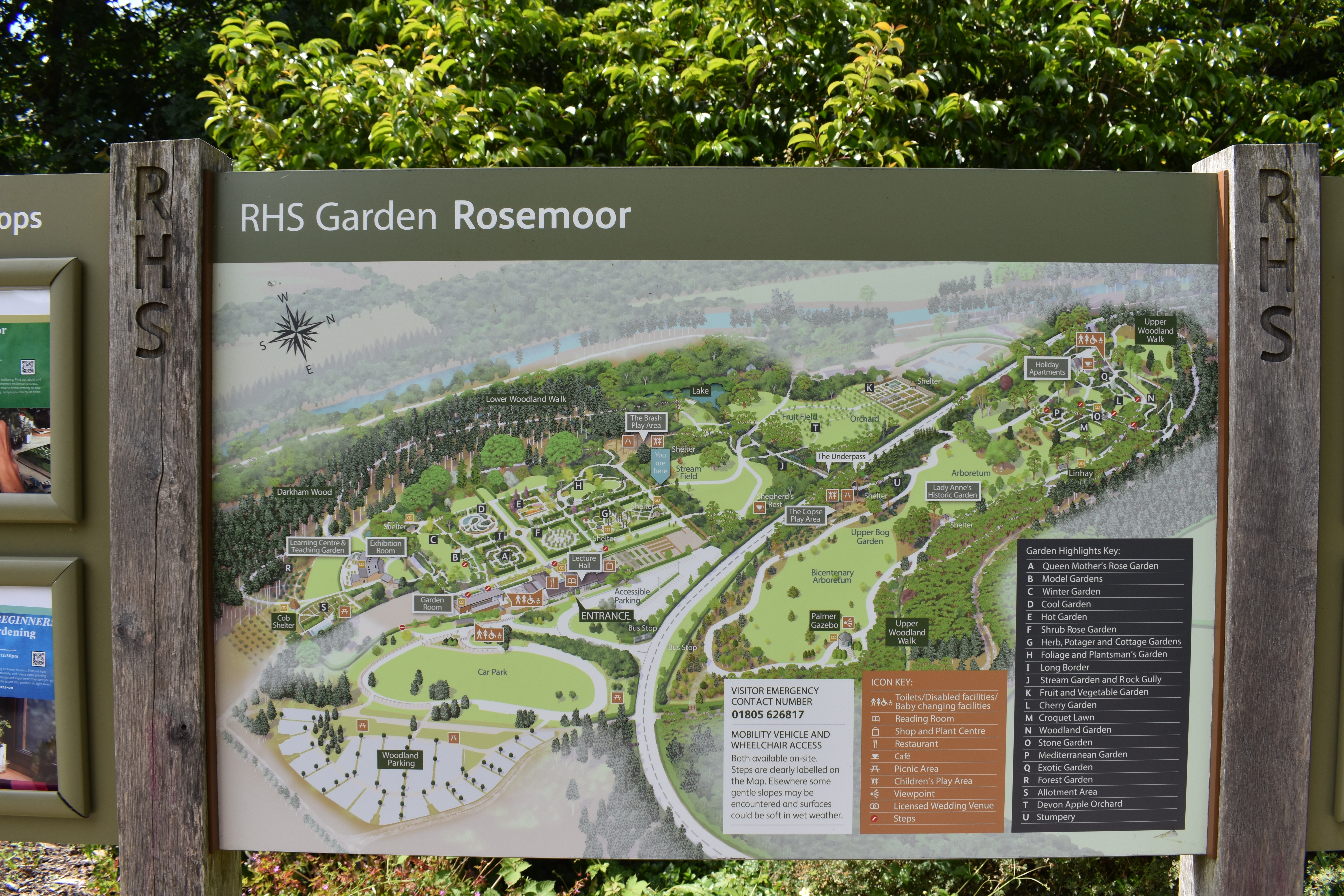
There is so much to see at Rosemore that we never know where to start or which route way around the many acres to follow. The above rather beautiful map helped us in planning our route.

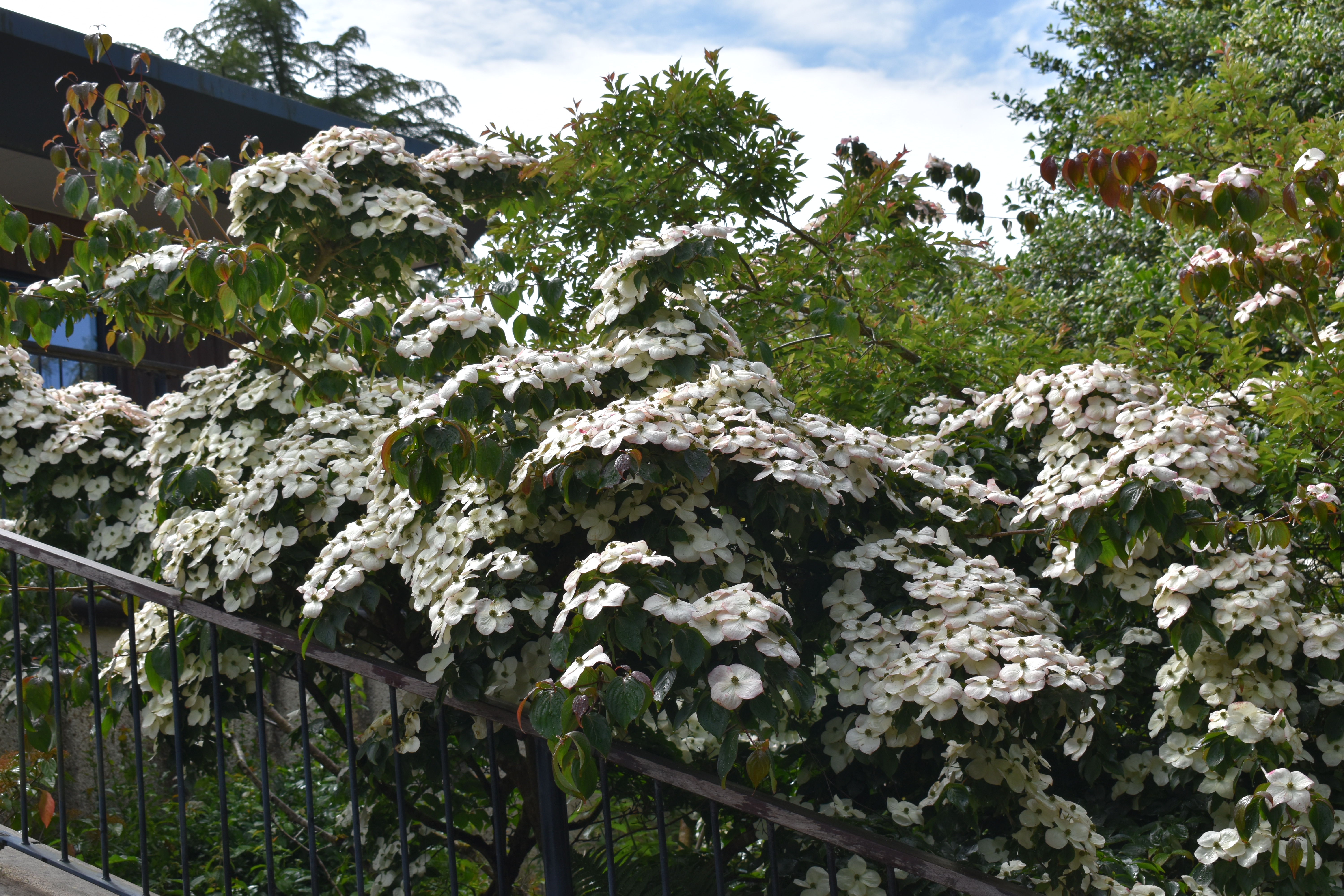
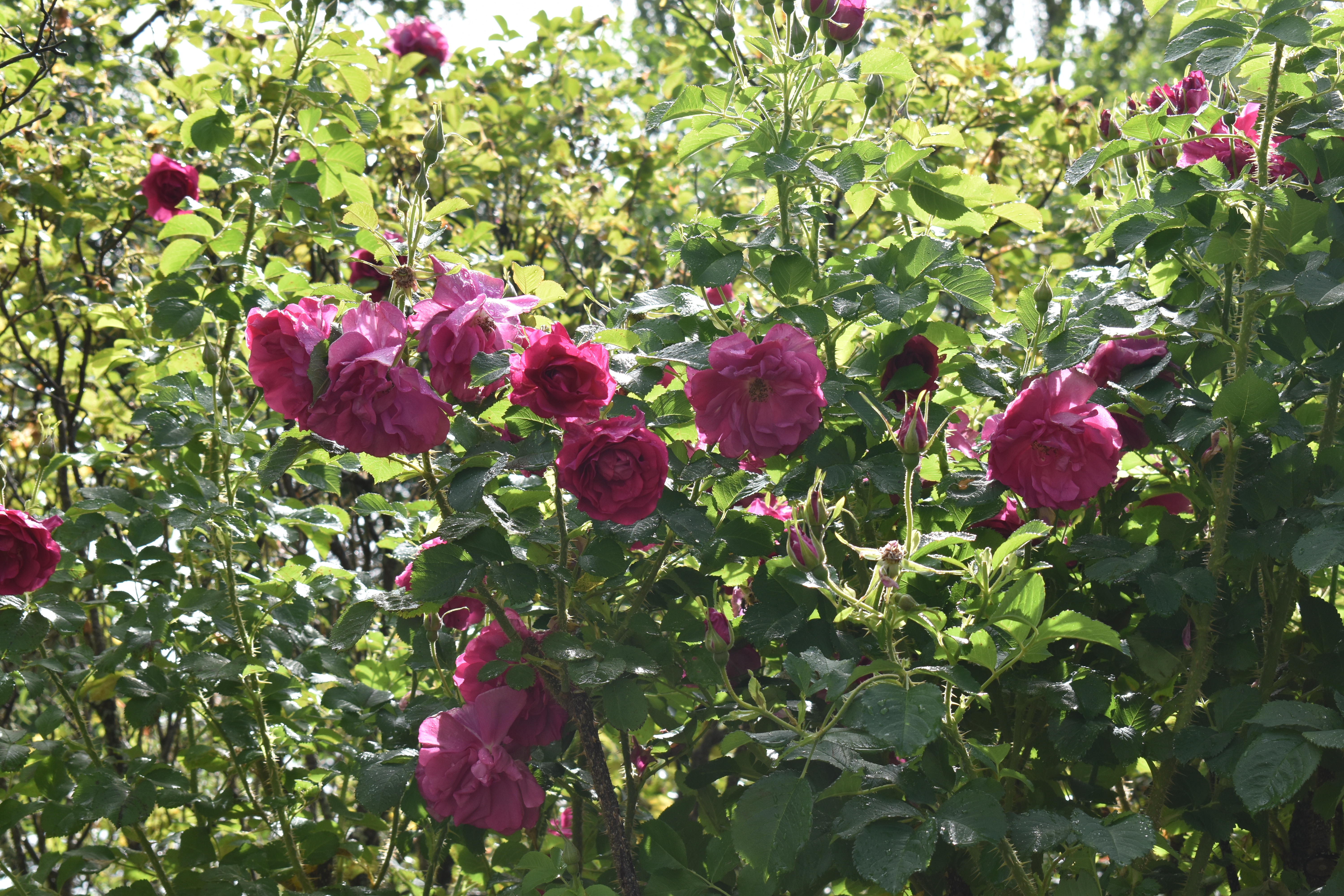
We made our way towards the woodland area passing some beautiful plants along the way such as this Cornus kousa and deeply coloured rose.

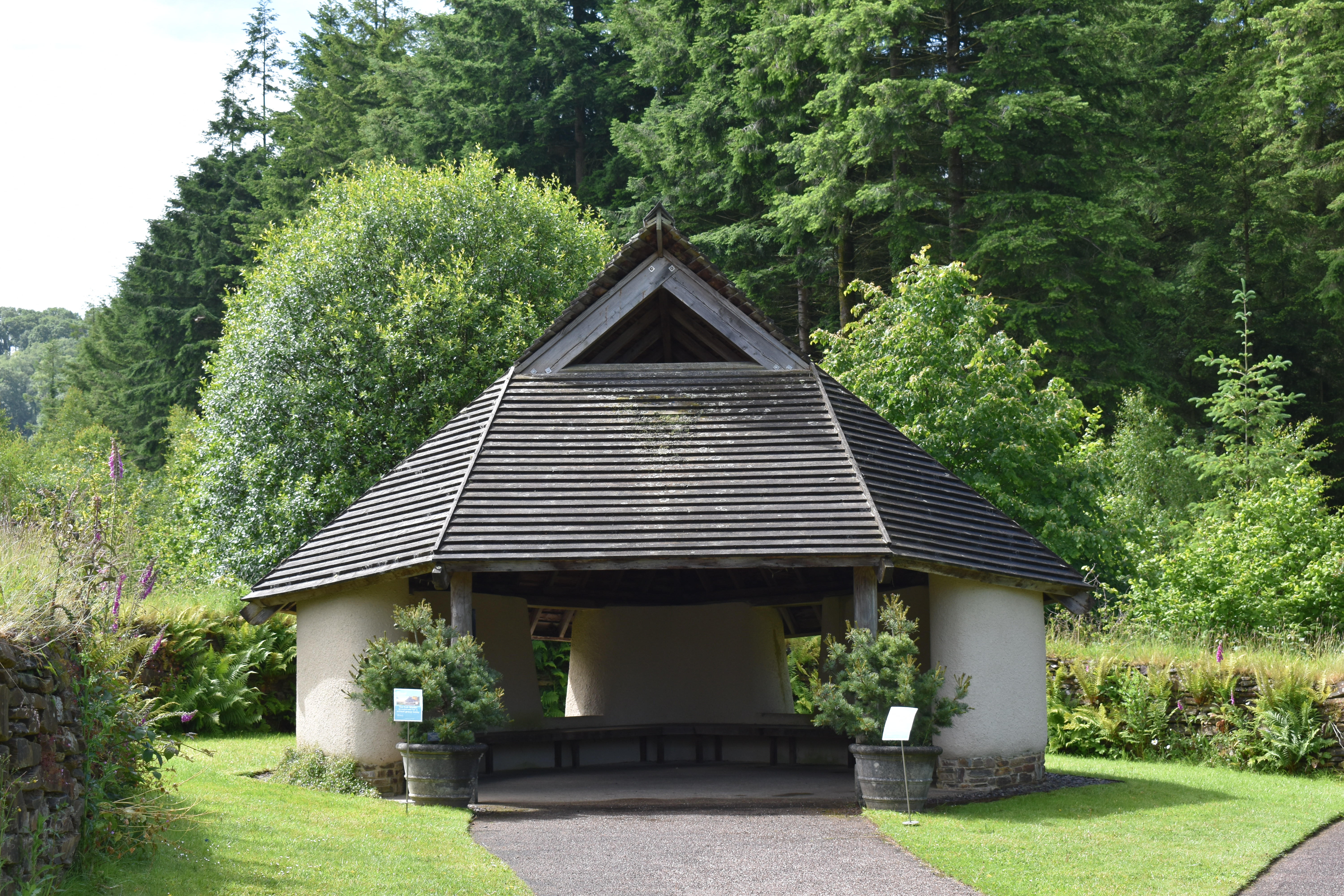
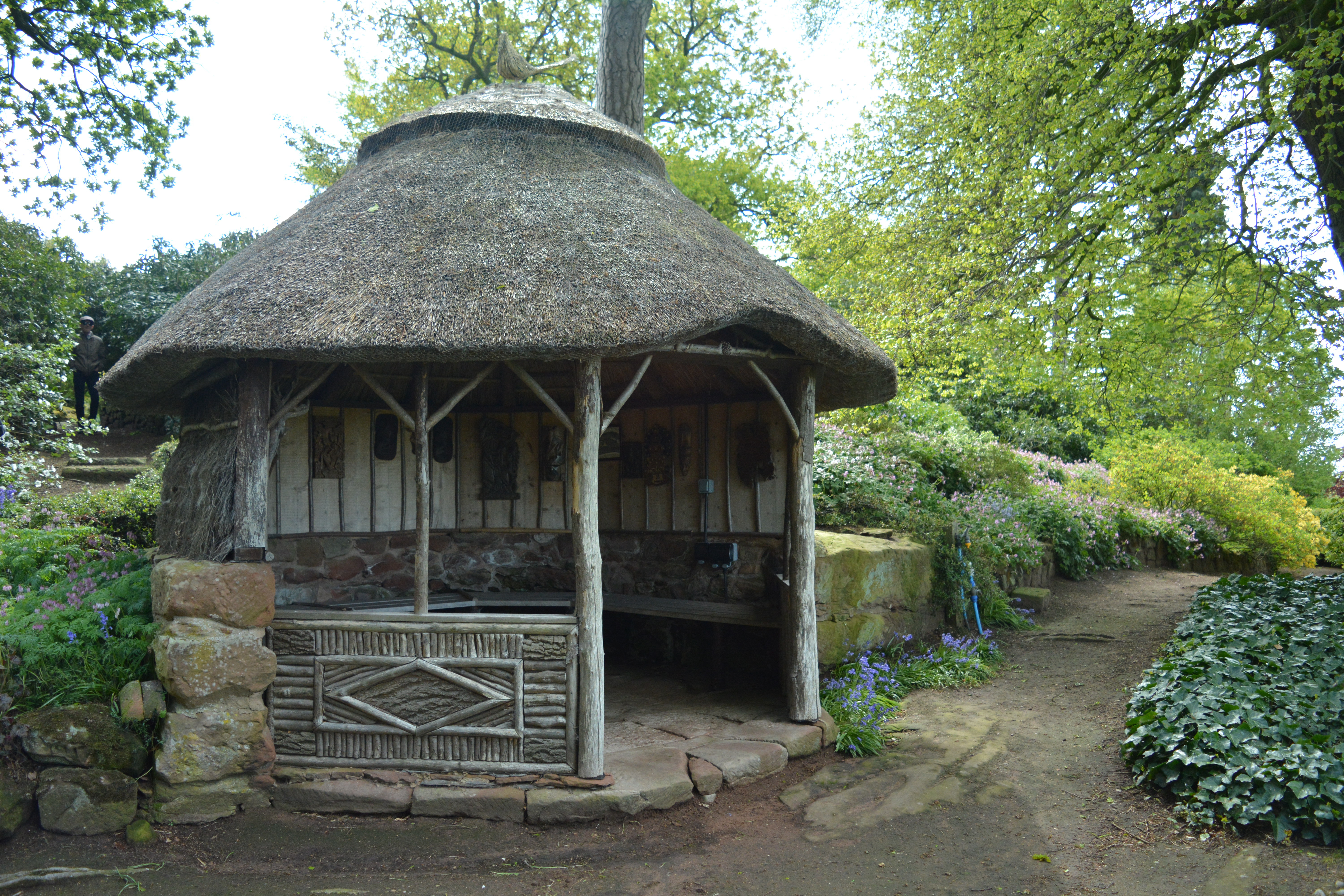
Just as we reached the woodland edge we were surprised to find this beautiful rustic building.

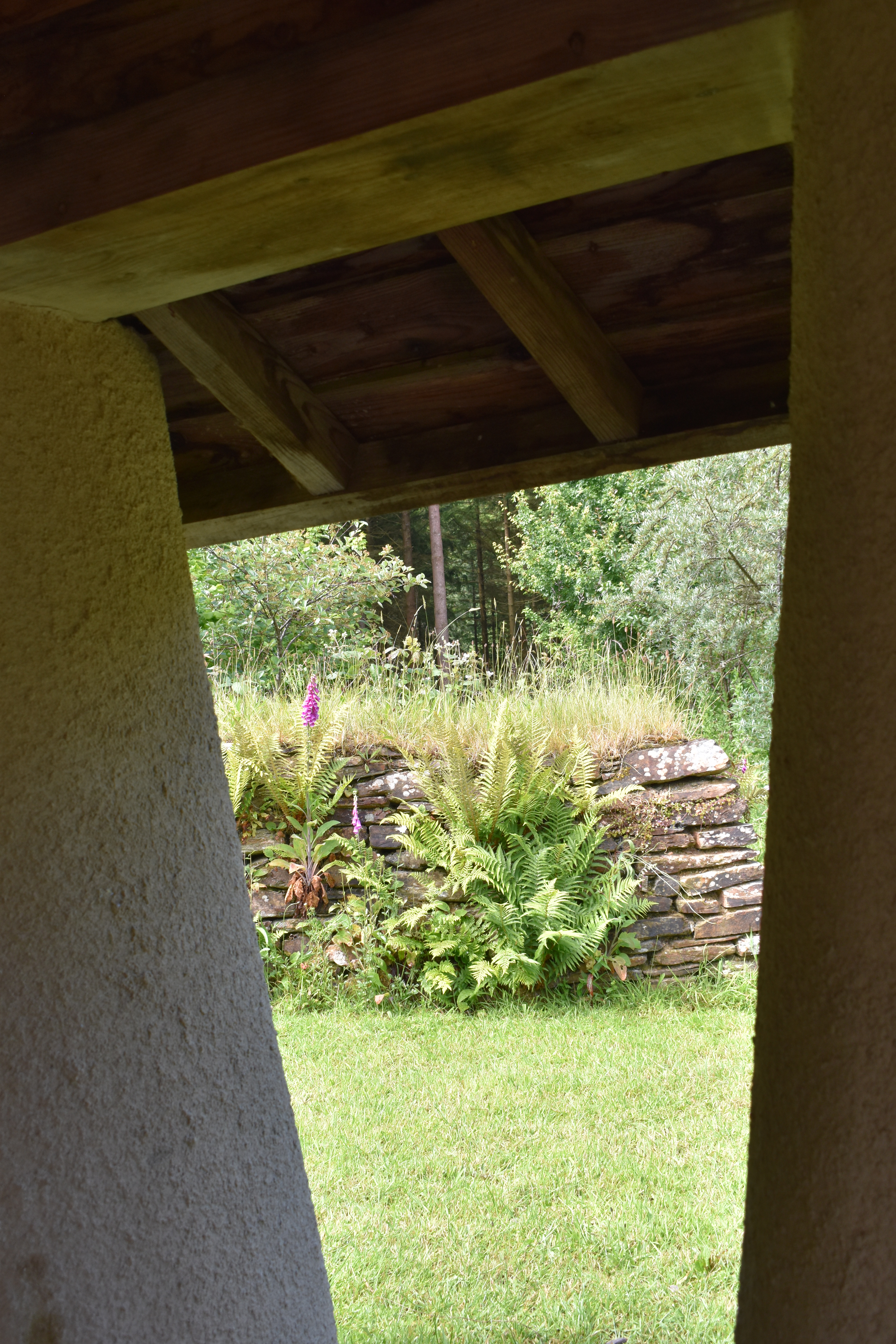
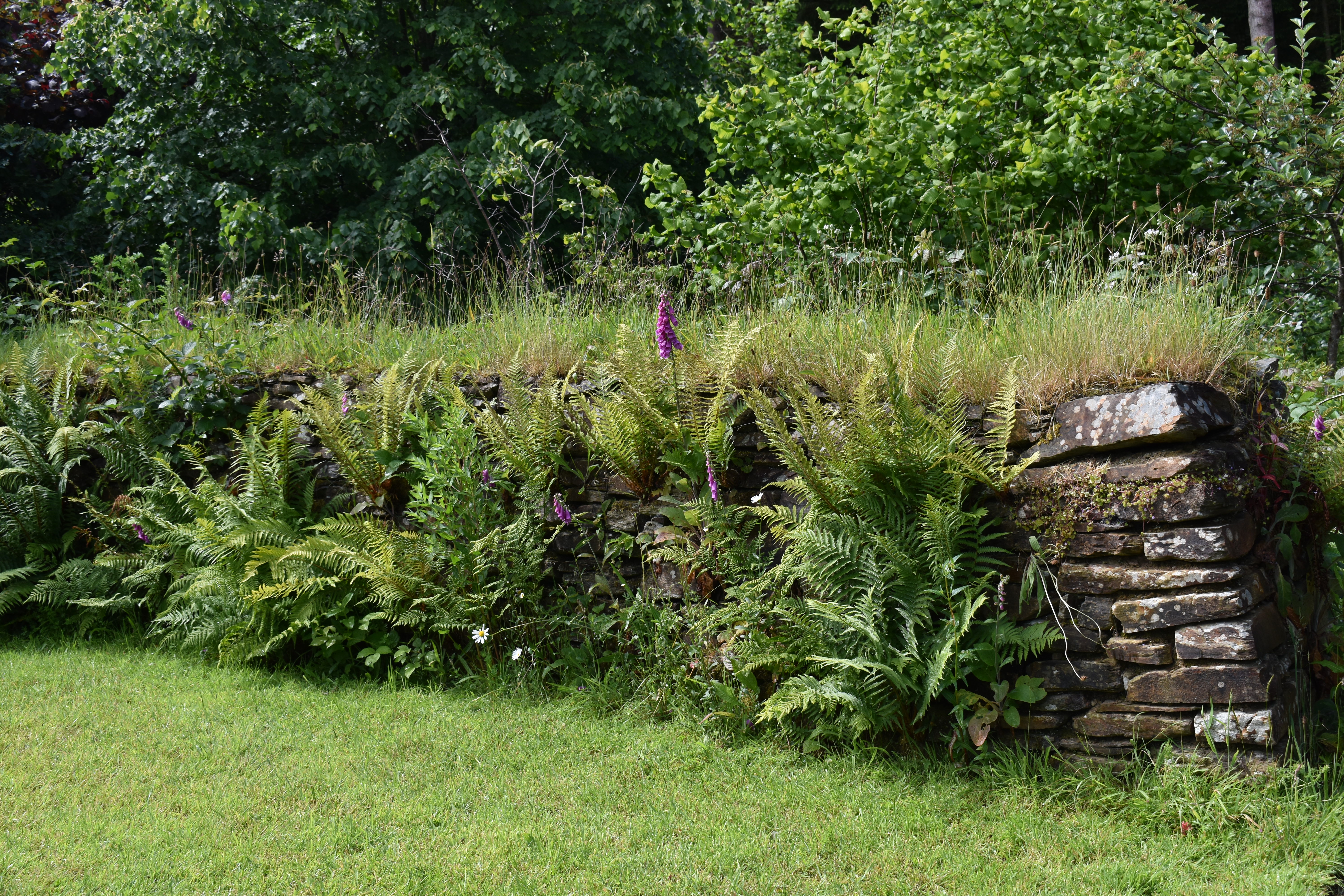
Behind the building a stone wall covered in plants acted as the boundary to the woodland.

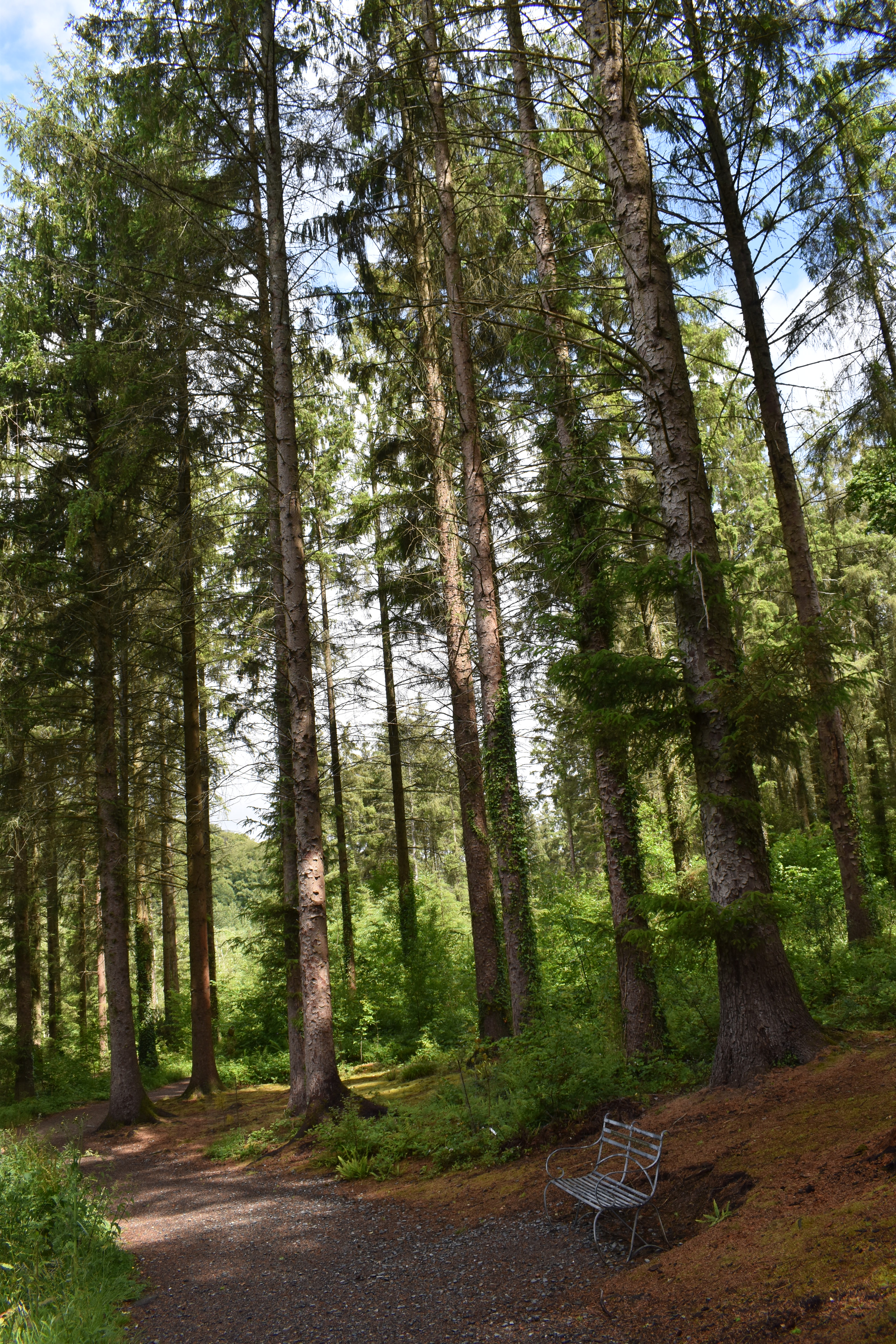
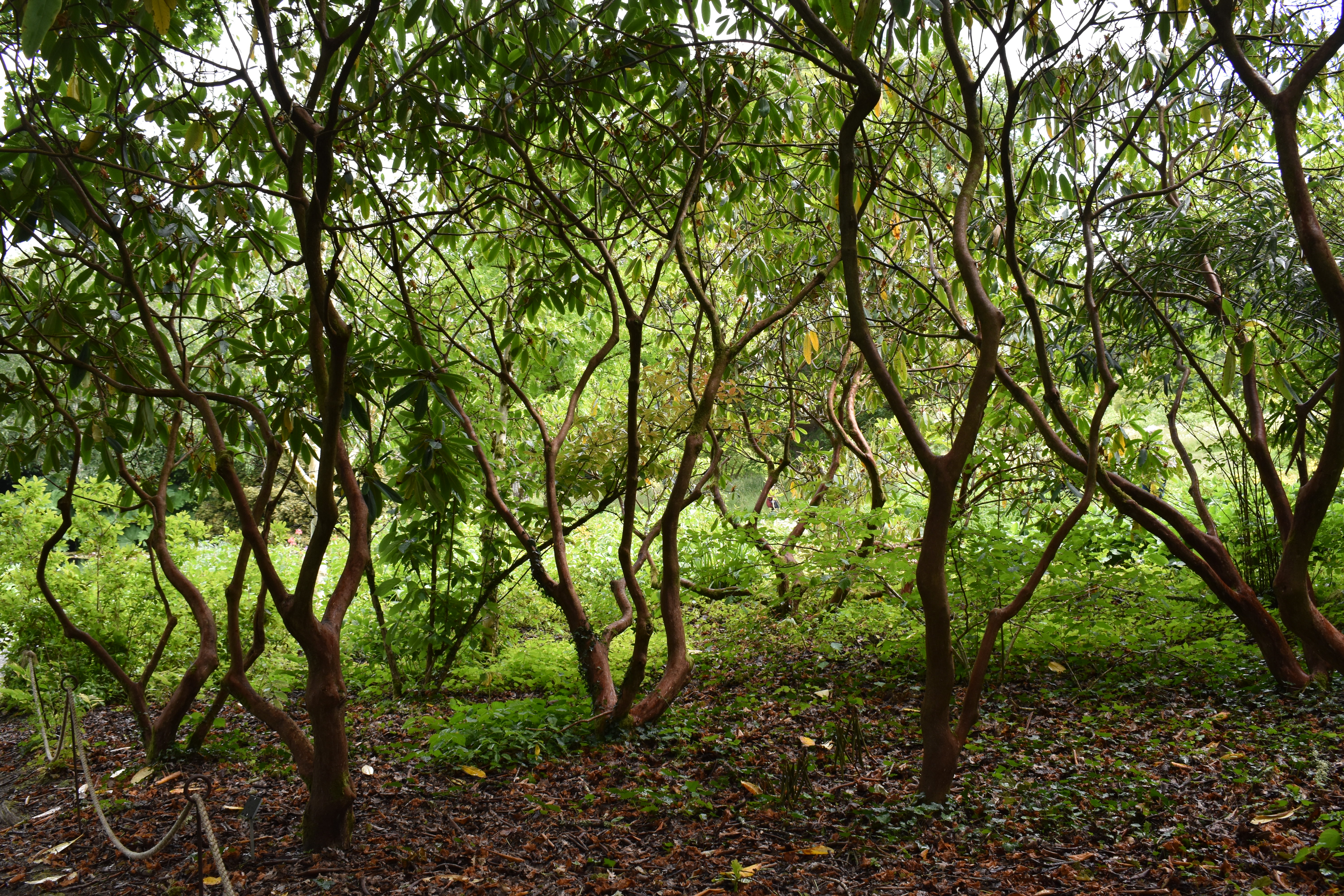
We enjoyed wandering along the footpaths through the cool calm woodland, an antidote to the warm humidity outside.

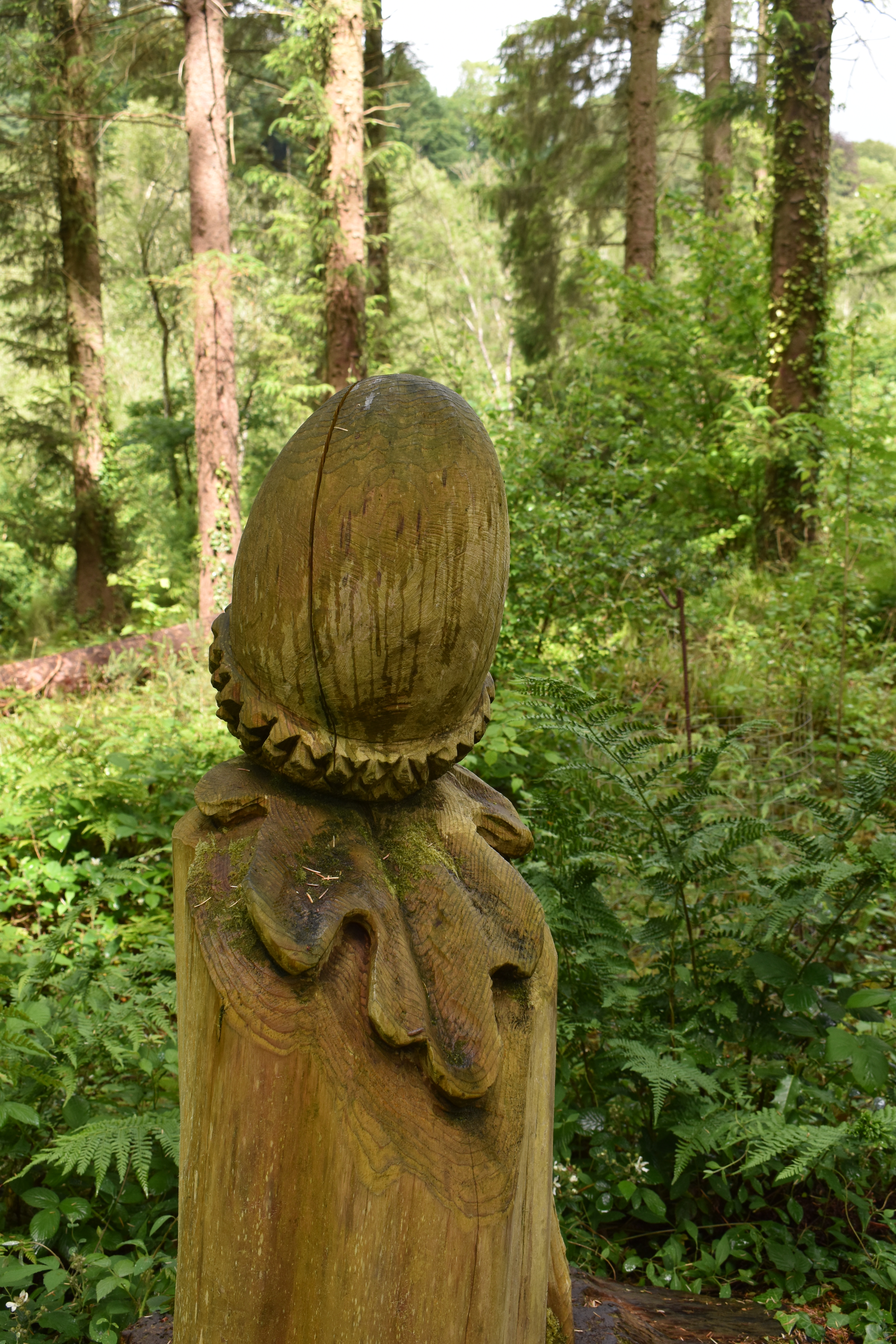
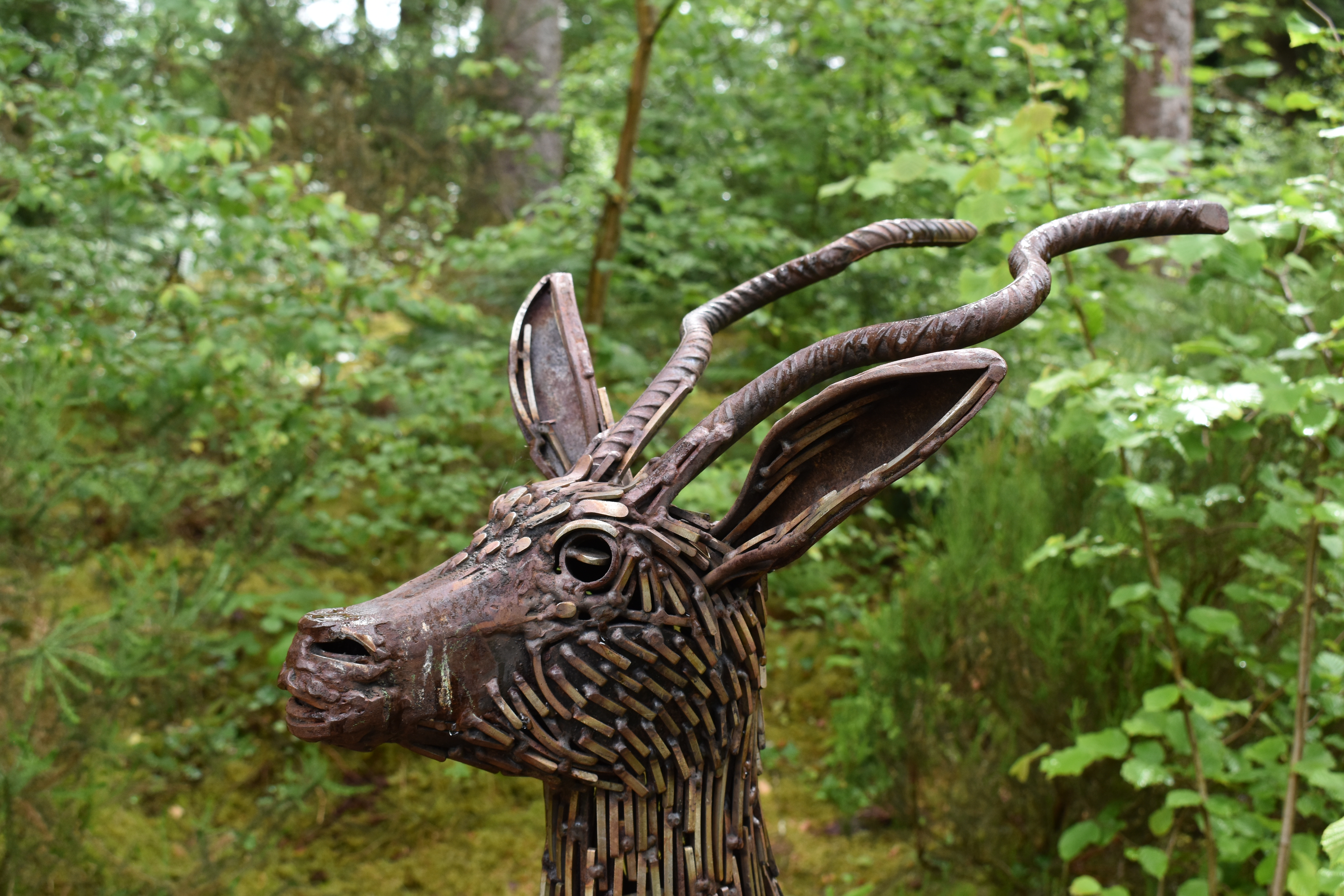
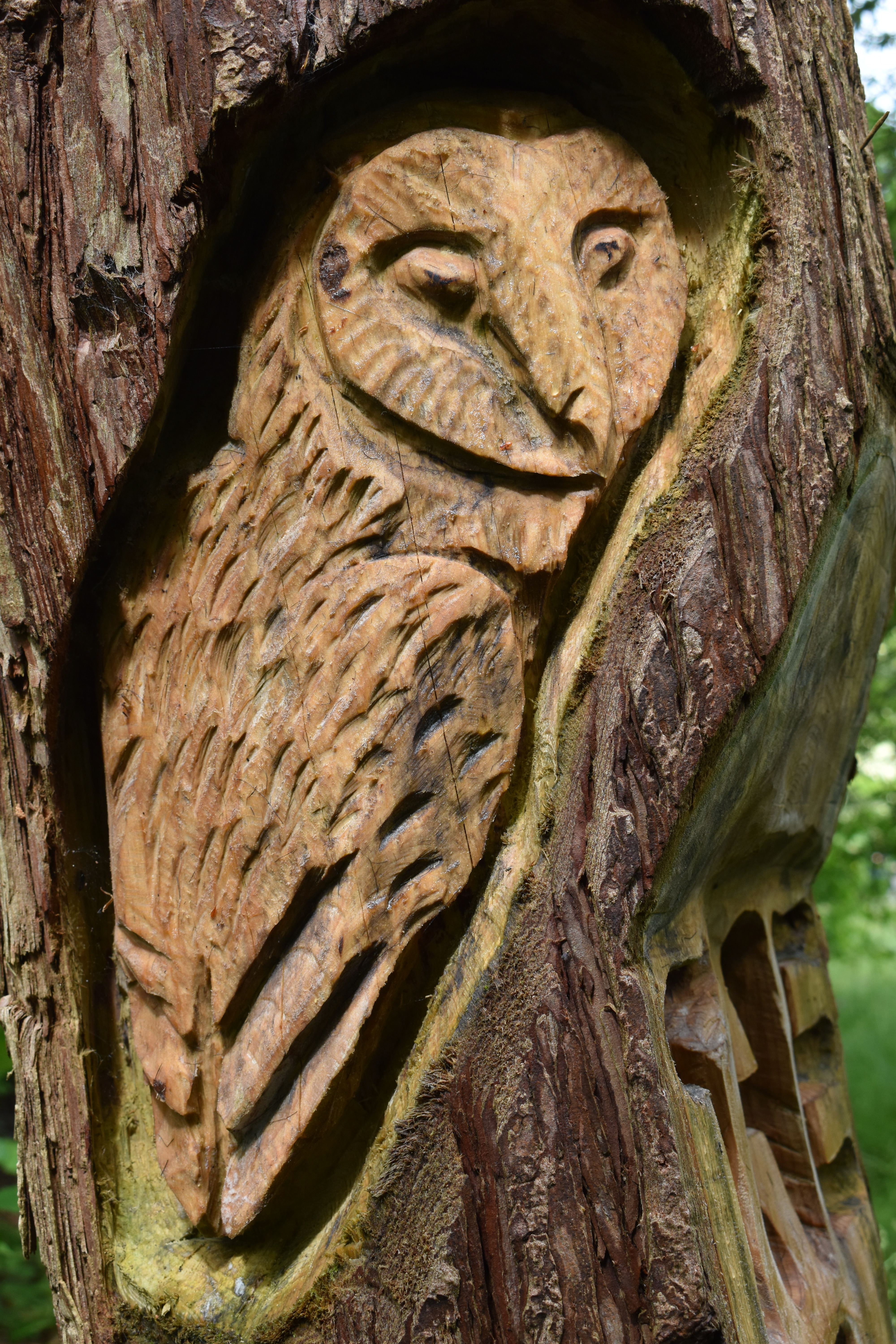
In the woodlands we came across some sculptural pieces, starting with the wood carving of an acorn above, and still within the trees a bronze deer, a wooden cone and an owl carved into the trunk of a dead tree.

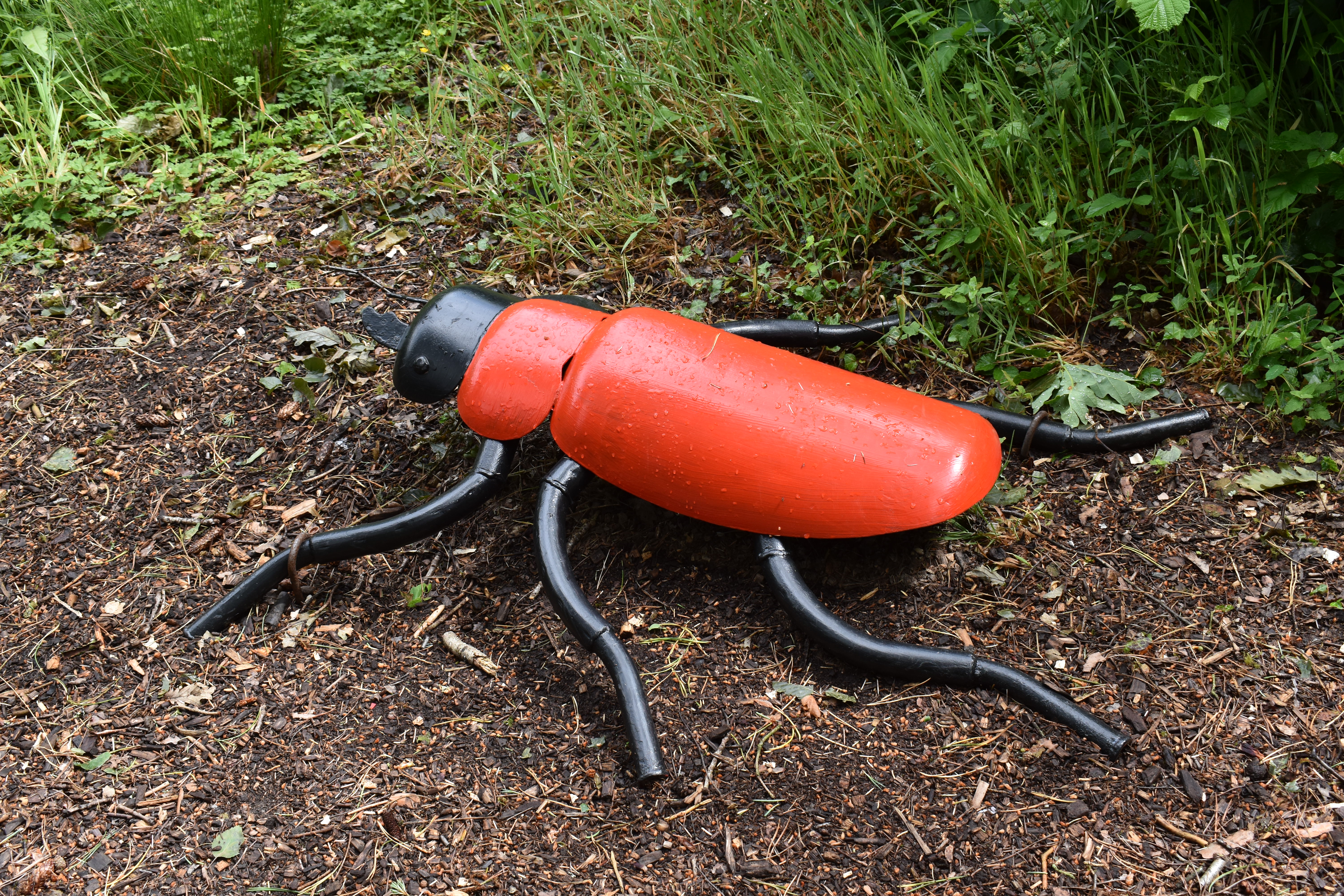
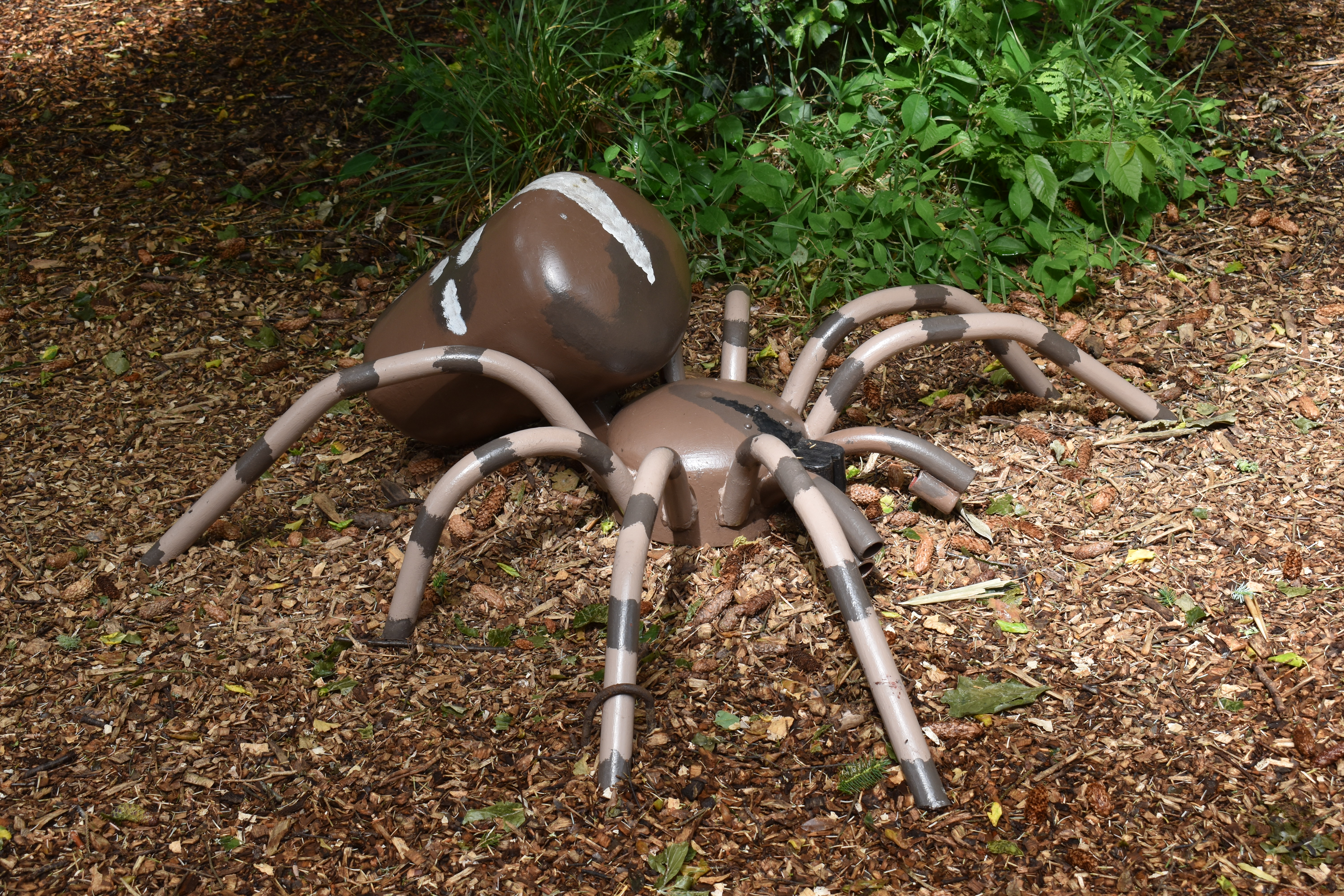
In the children’s woodland play area were large metal sculptures of insects and invertebrates.

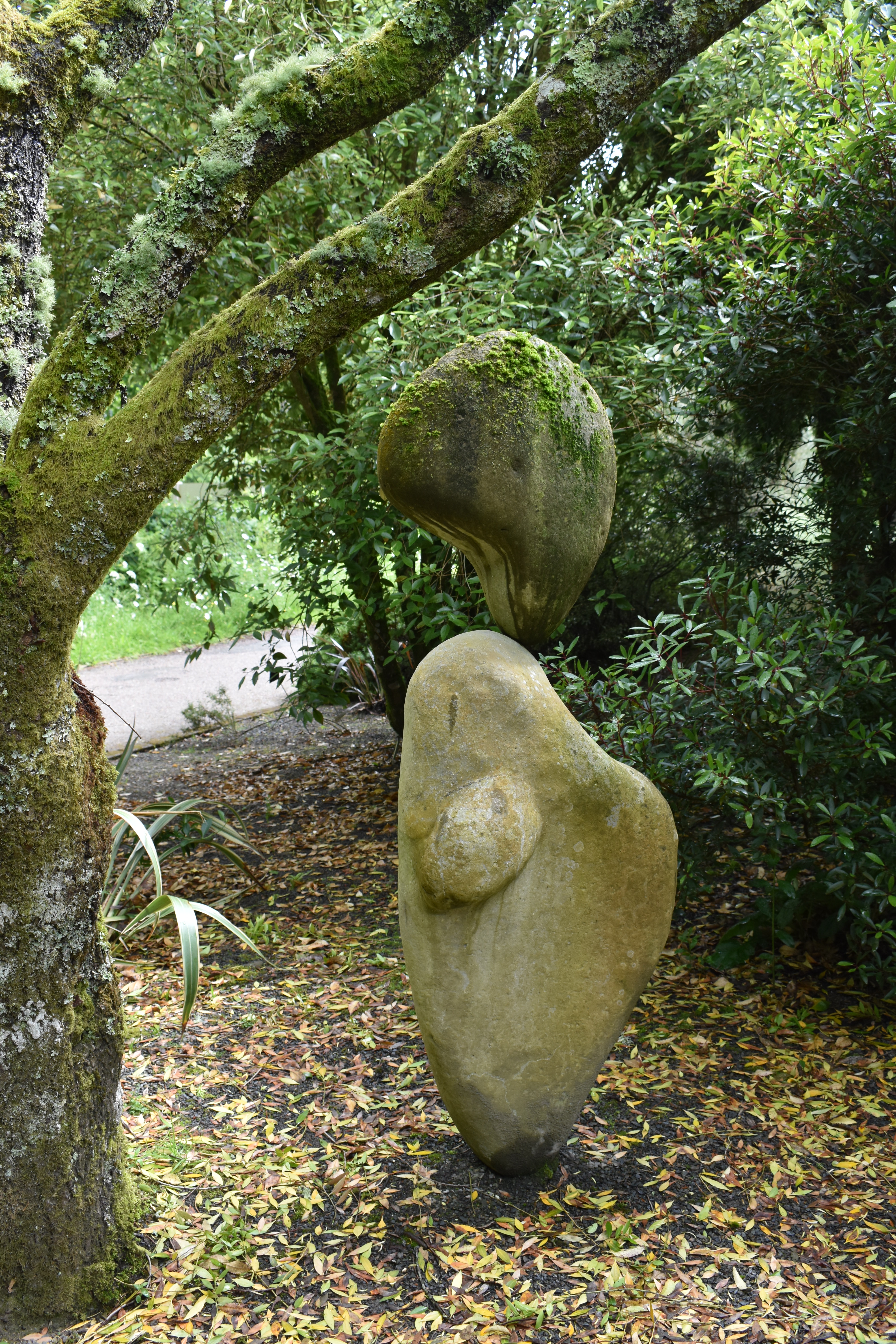
We discovered other sculptures in wood and stone, the one stone piece being a balancing work.

It wasn’t long before we met the first of the themed gardens which we were looking forward to exploring as they had been developed since. we last visited. I will continue with these themed gardens in the next Rosemore post. As weather often seems to be at the forefront of gardeners’ minds I will look at the Cool Garden and the Hot Garden.

Categories
garden design garden furniture garden photography garden seat garden seating gardening gardens

Are You Sitting Comfortably – no 20 in an occasional series

We reach the milestone post in this occasional series featuring the amazing variety of garden seats we find and enjoy sitting on as we reach no 20.

I will start with a couple of very different seats located very near each other in an NGS garden we visited in May, the gardens of  “The Citadel”.

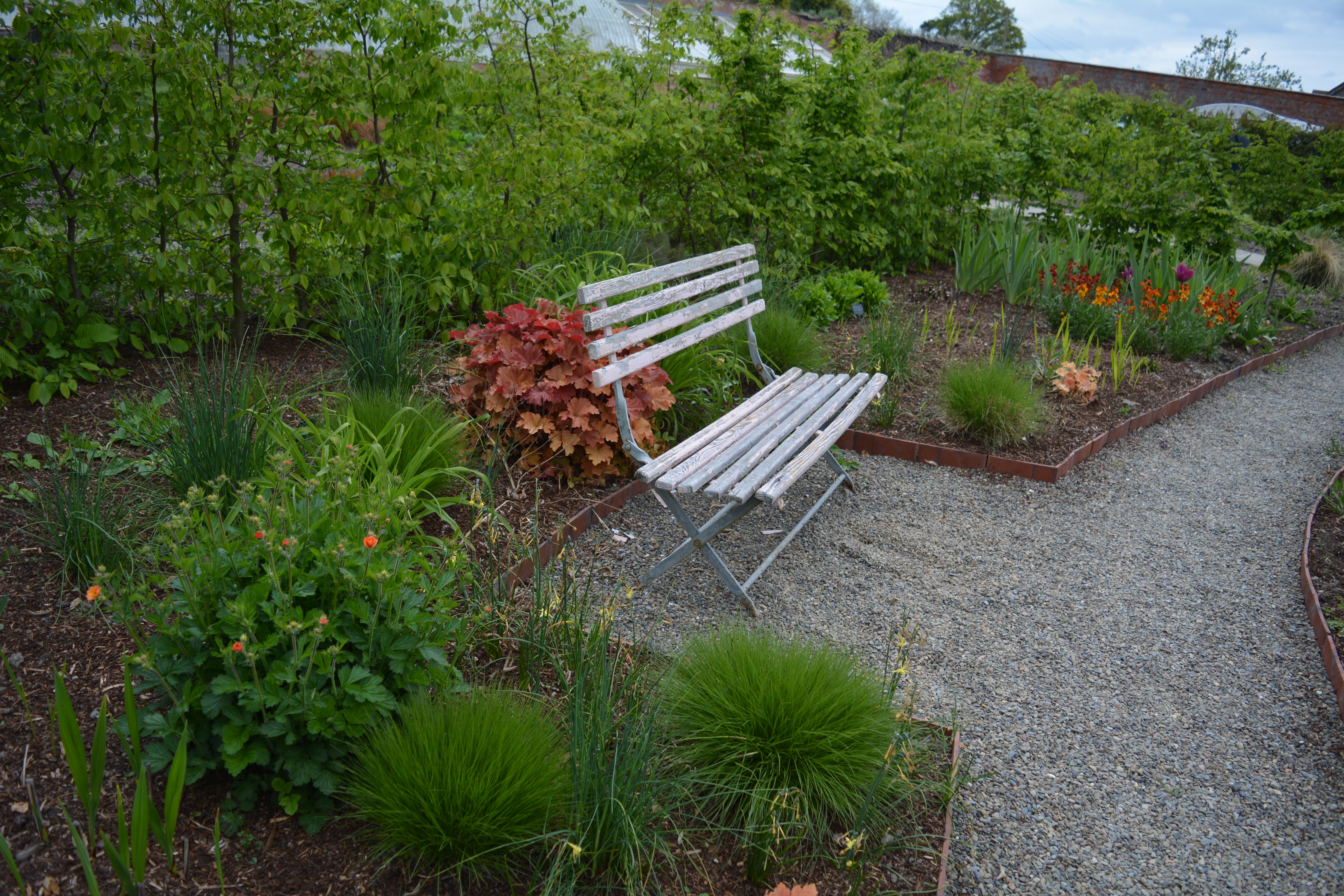
This next set is of seats we found while exploring one of our favourite walled gardens and nurseries in Shropshire, Wildegoose Nursery and Garden.

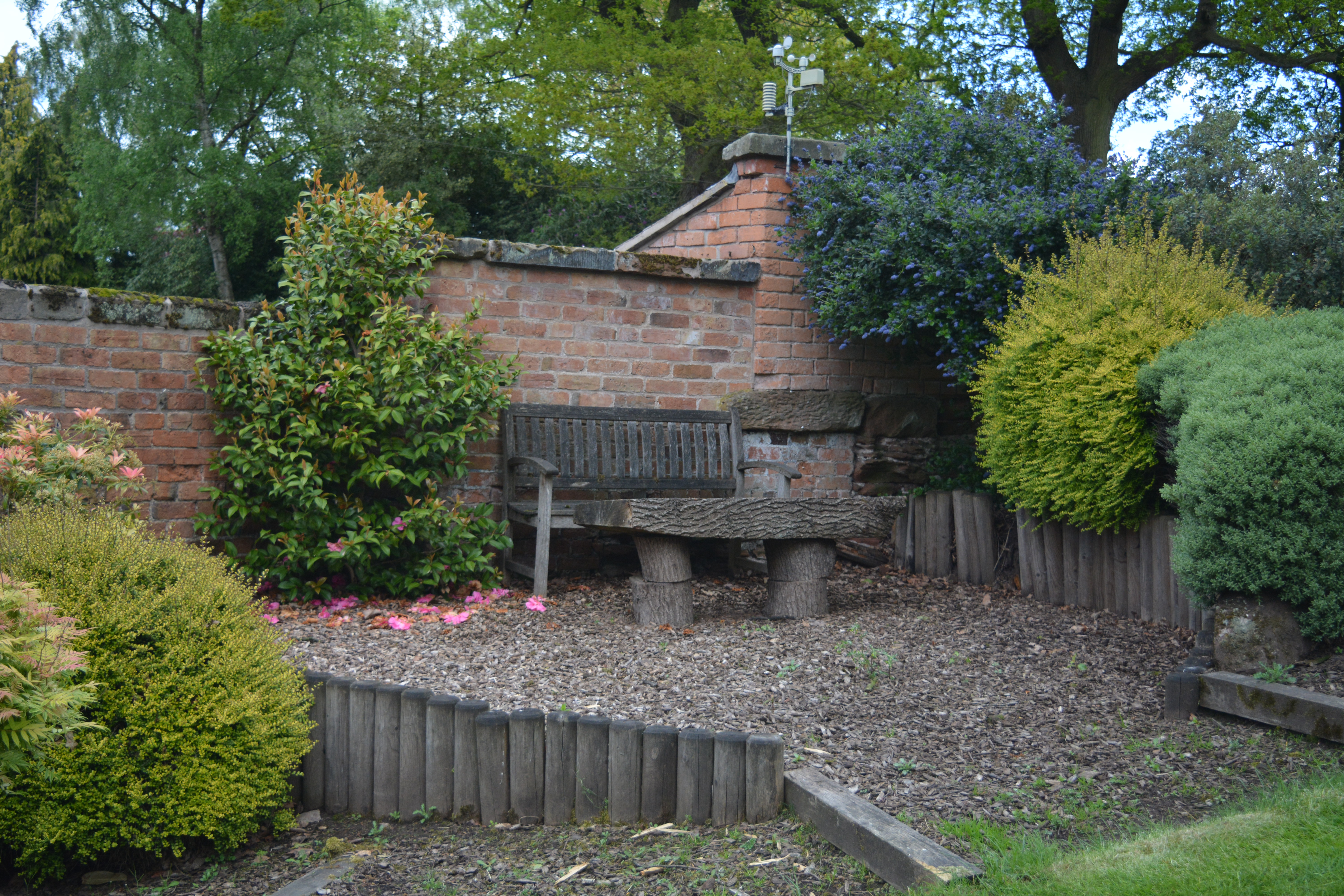
These next few are from another NGS Yellow Book garden, the wildlife friendly patch at Gorsty Bank just a half hour or so drive from home.

So that is it for this selection of garden seats but another selection will follow soon.

Categories
garden design gardens

Garden Walls and Steps – No 5 in a very occasional series

This is only the fifth post in my very occasional series all about the garden walls and steps we spot on our garden visits, so here is my latest selection.

This selection of walls consists almost entirely of stone built specimens looking good in informal, modest settings. The first photo shows a natural looking wall that backs a garden pond and looks good in its coat of lichen and mosses. Its companion to the right is again a natural looking wall holding back a raised bed of mixed planting.

This next wall is the home to a collection of insect homes, the residents of which will act as predators and pollinators. The dry stone wall provides homes for wildlife within its structure.

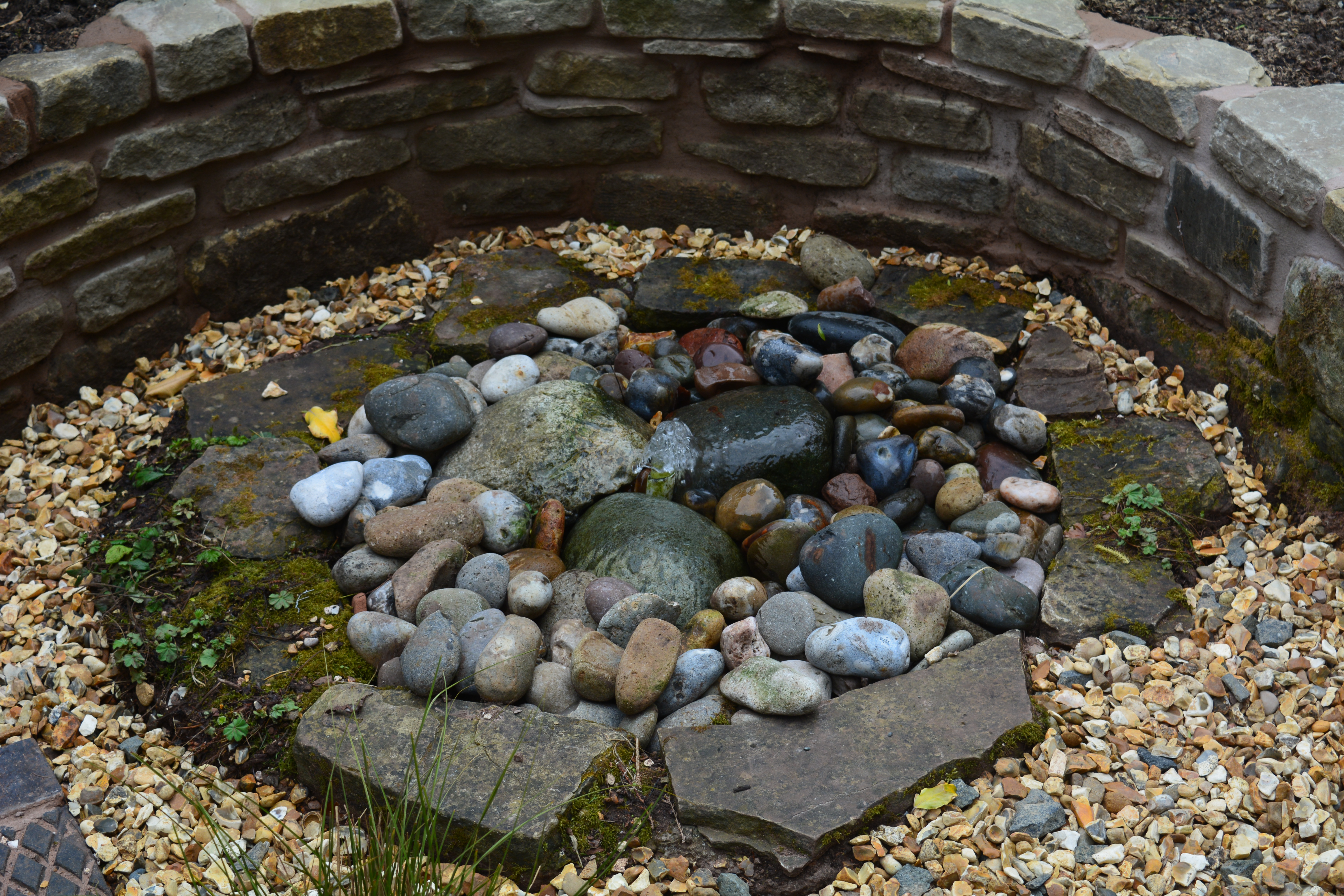
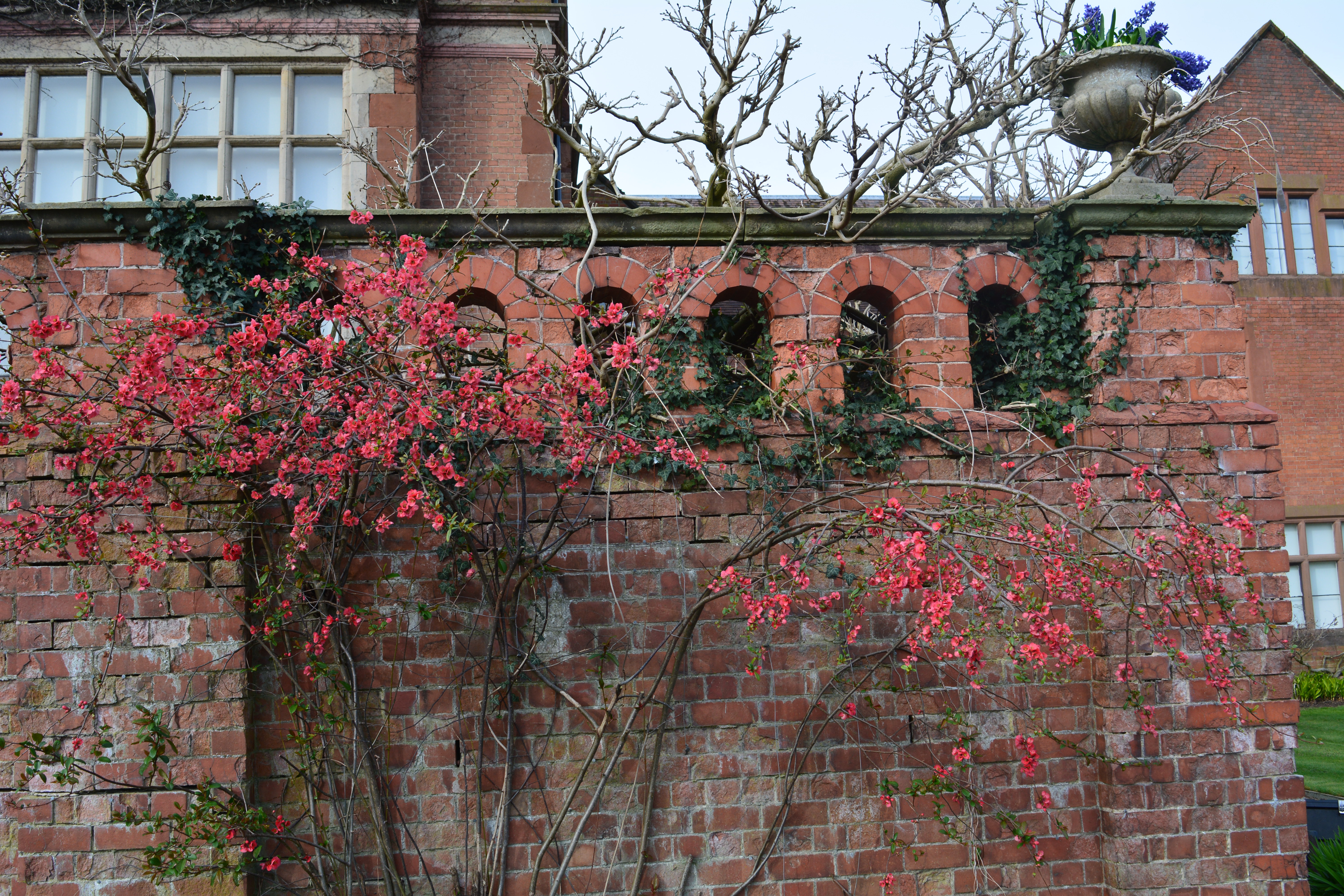
Below are two very different walls, one constructed of stone and surrounds a natural looking water feature, whereas the tall red-brick built wall acts as a retaining wall to formal gardens on the terrace behind.

Ferns love walls and often find homes on them, growing from spores that settled into cracks where they found sufficient moisture and soil to become established.


From photos of walls I shall now move on to share my photos of garden steps, beginning with a variety from Whitlenge Garden and Nursery in Worcestershire.

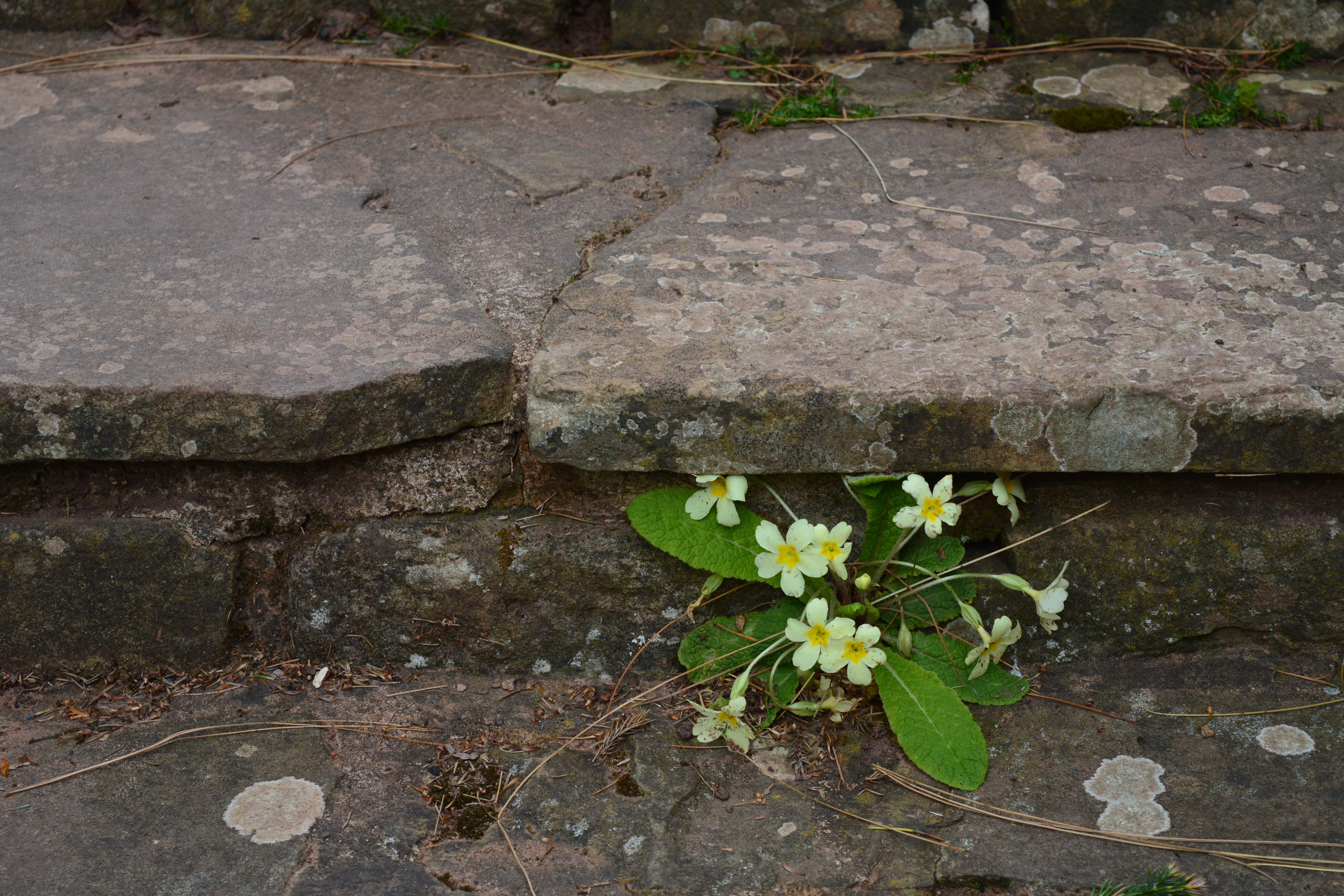
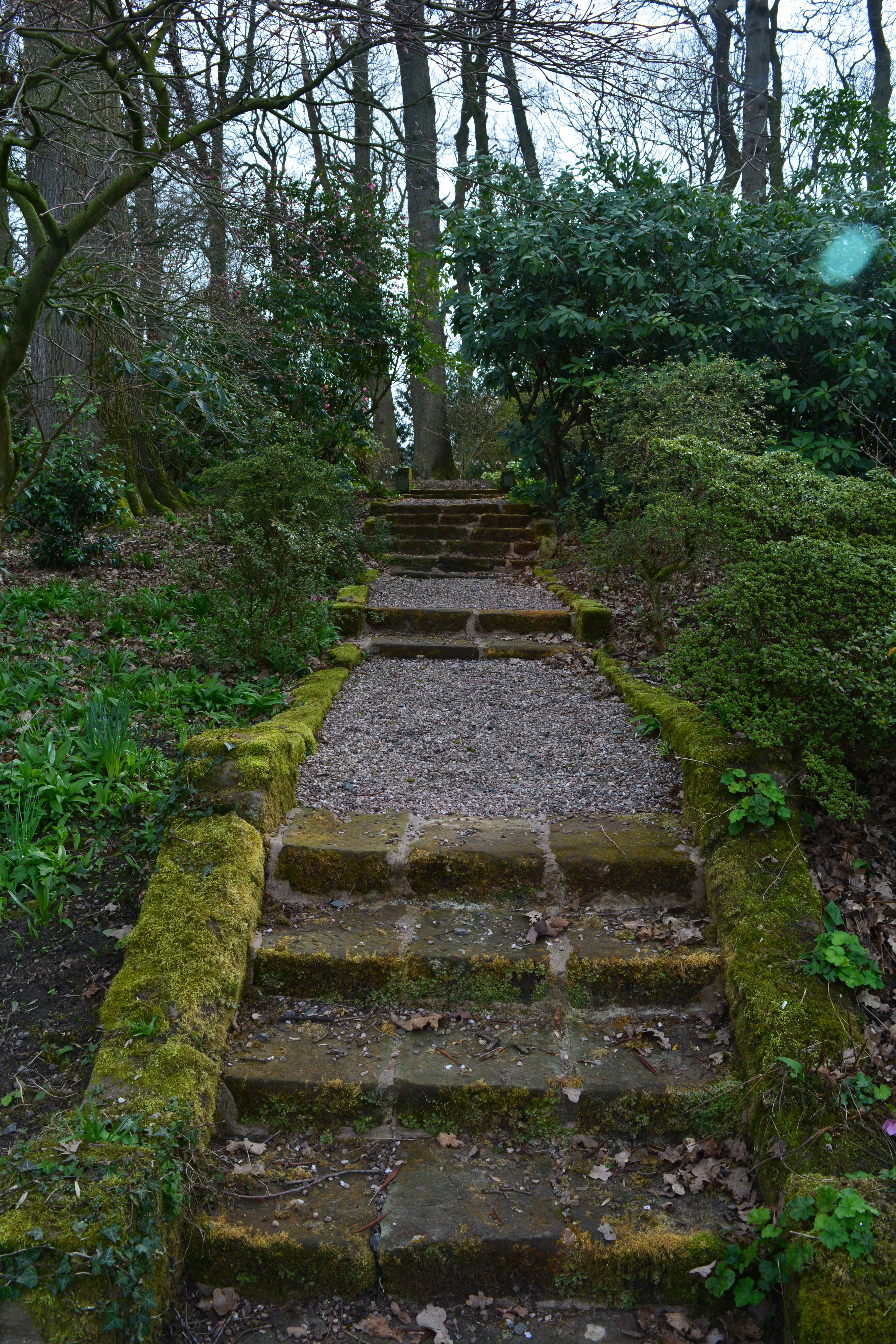
The first steps are constructed of stones and stone slabs but beautifully decorated by Mother Nature who donated a lovely Primrose. The rest are from recent garden visits we have made this spring. I hope you enjoy the variety of designs and materials that people choose to use.

I hope you have enjoyed this selection of garden walls and steps. I shall start collecting photos for no. 6 in this very occasional series.


Categories
colours flowering bulbs garden design garden photography gardening gardens hardy perennials ornamental trees and shrubs Shrewsbury Shropshire shrubs spring bulbs spring gardening

My Garden Journal 2019 – April

April is one of our busiest months in our Avocet patch, a month when we are busy, our wildlife colleagues are busy and the plants are growing apace. We have tasks to complete as well as usual garden routines.

As I often do in my journals I began with the weather and wrote, “April burst onto the scene with a crazy few days of weather. The first day, April Fools’ Day, was bright and mild after a frosty start which gave us hope for a few good days for gardening. Sadly this was far from the reality as during the following few days the weather treated us to rain, sleet, snow, hail and freezing winds! Not good for gardening!” I added a few photos of frozen rain after it had settled on the garden.

Frozen rain on the garden was an unexpected event.
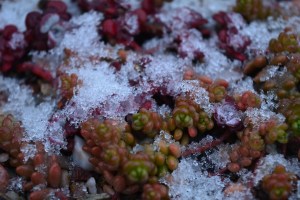
 

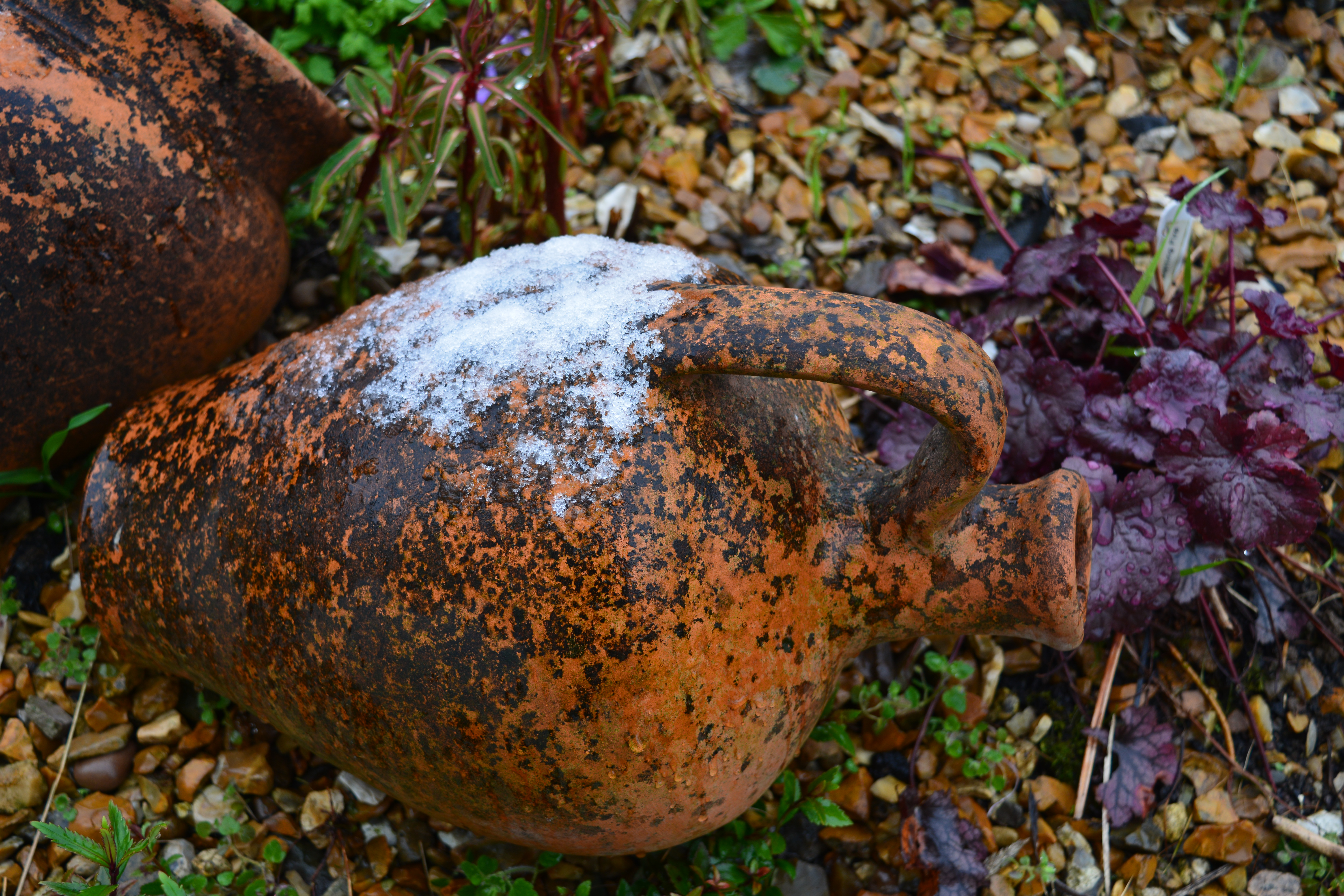
“Succulents love hot dry areas but look good with hats of snow and ice.”
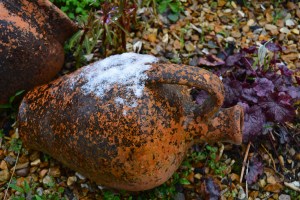
 

“Pitcher with snow and black lichen.”

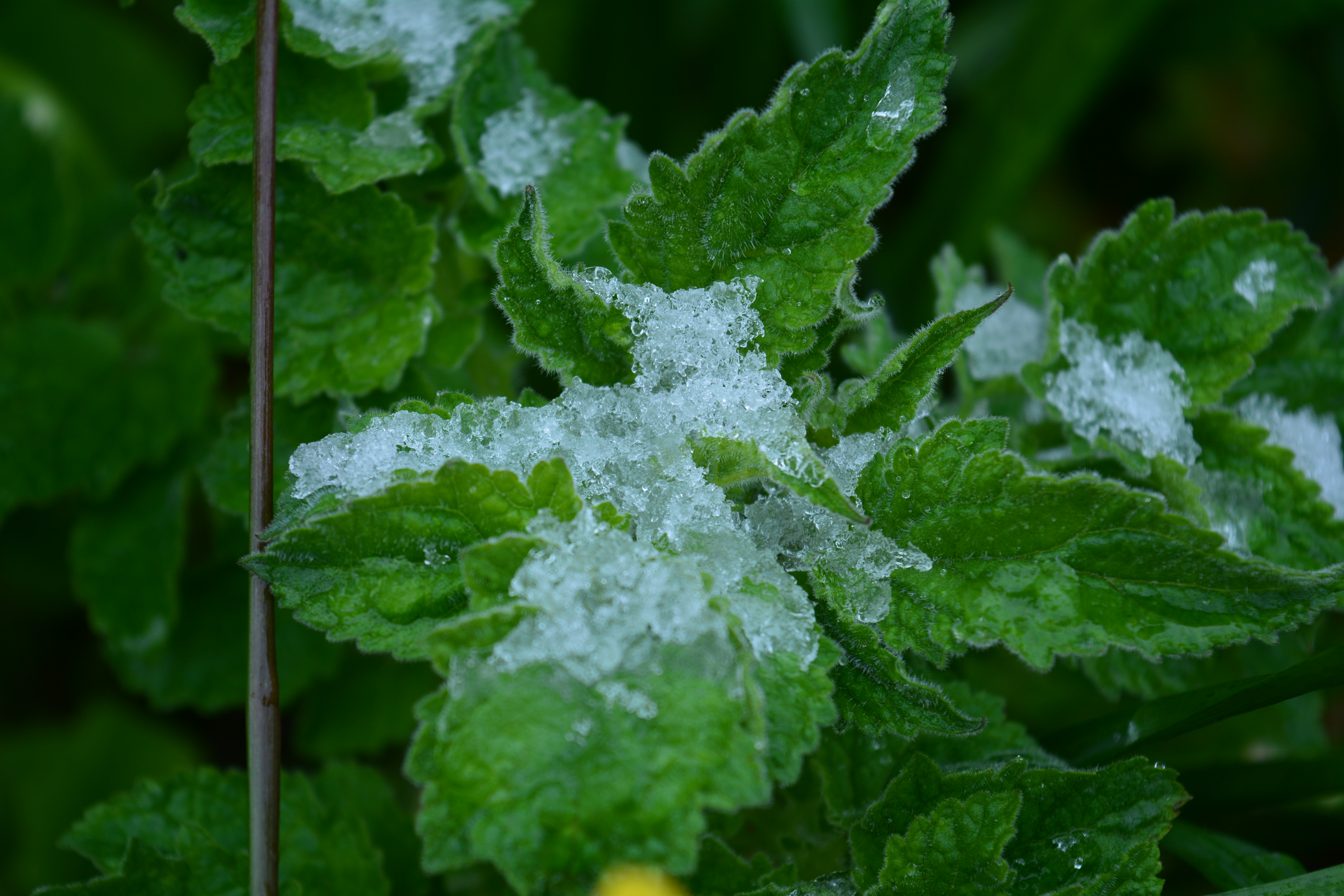
“Frozen rain on fresh herbaceous foliage.”

On the page opposite my weather report I considered some of our flowering shrubs that add a fresh dimension to the spring garden.

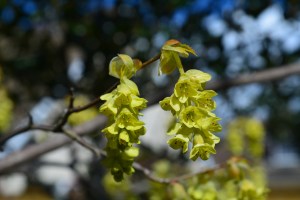
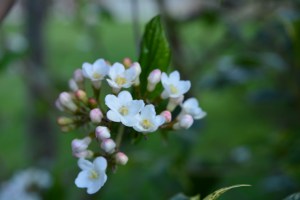
“April seems to be the month when our collection of flowering shrubs come into their own, many of them will continue to give colour for weeks on end and then delight us with their foliage in summer and autumn and also the addition of berries.” I then shared a set of photos of a few of our spring flowering shrubs.


Next I shared a few of our spring tasks around the garden

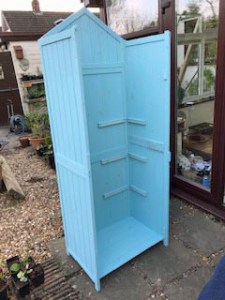
I wrote, “Our list of “non-plant” jobs continued well into the spring, when we made a new shed, in a bright blue painted sentry-box style, specially to fit in our seaside garden.”

“The flat-packed shed arrived in a box and we soon opened it up and lined up all the pieces in readiness.”

“It took longer to make than expected and the finished shed was a bit flimsier than we would have liked so I will add more structural wooden struts to it.”

On the opposite page I looked at other jobs we undertook in April.

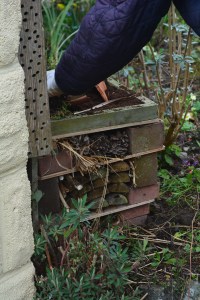
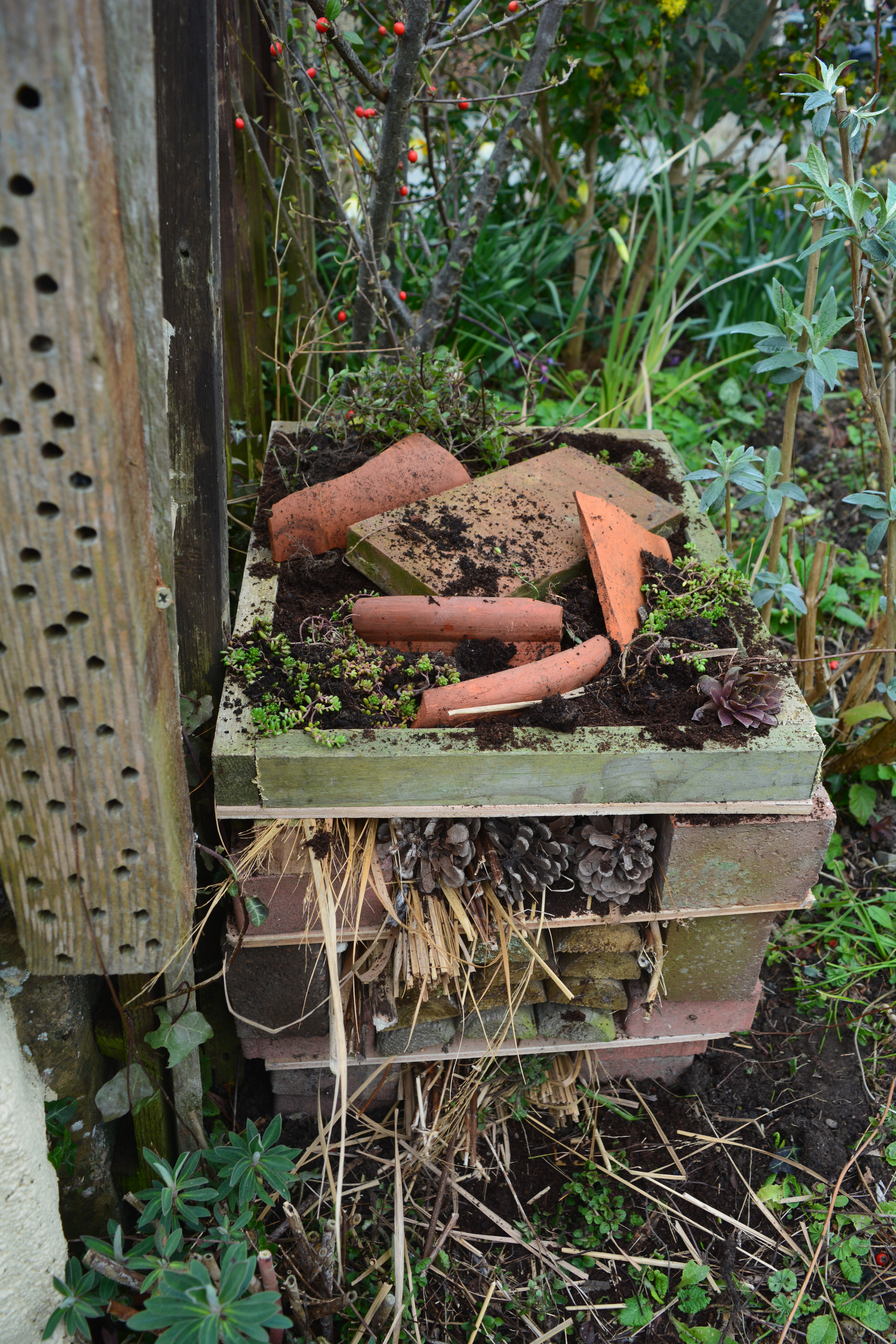
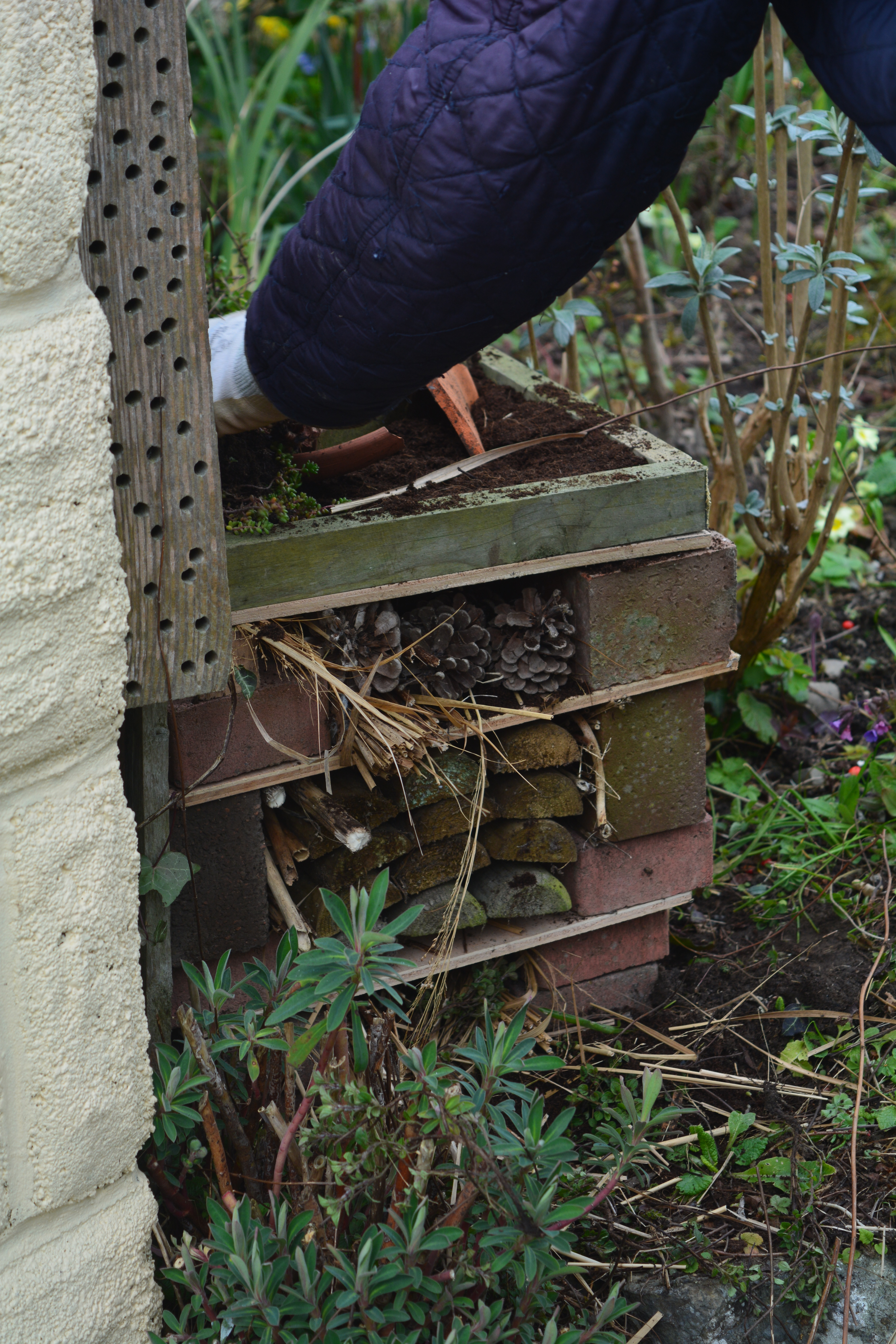
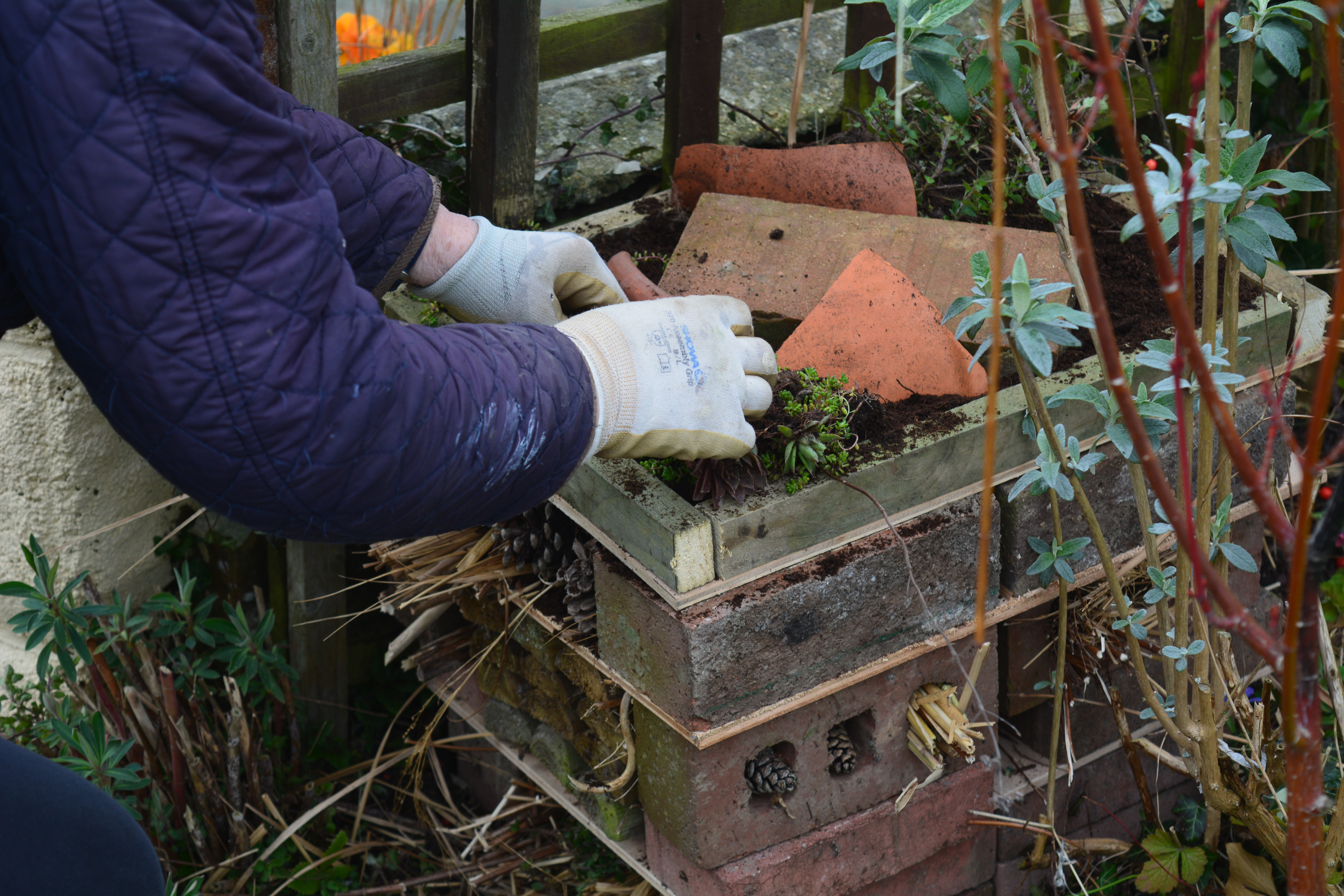
“More jobs to launch a new month ….. Jude created a new insect hotel.”

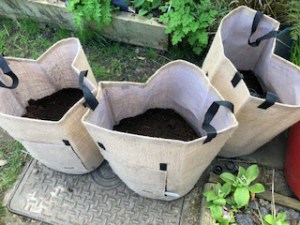
“We planted potatoes in bags.” “We sowed wildflowers in Arabella’s Garden.”
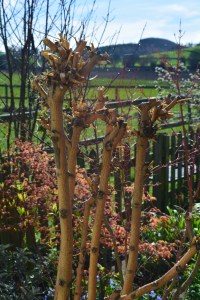
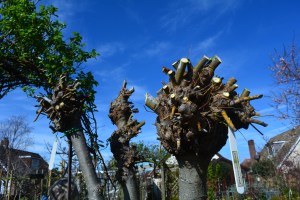
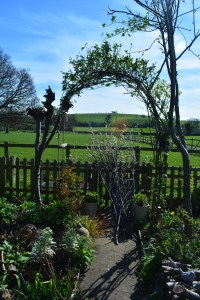
“Roses on arches needed a trim and some shrubs needed pollarding.”
 

When we turn over the page we see that the next two pages are all about those special flowers of spring, flowering bulbs.
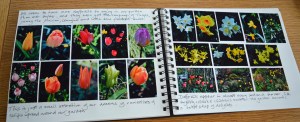
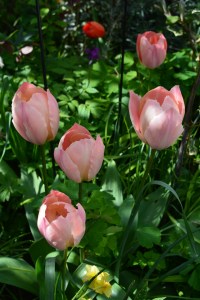
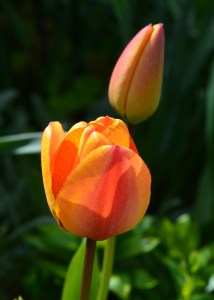
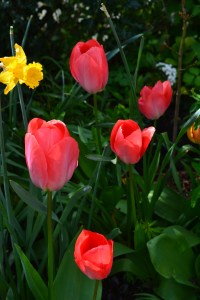
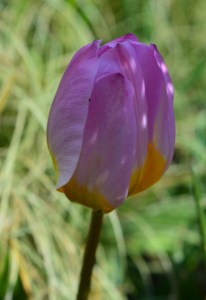
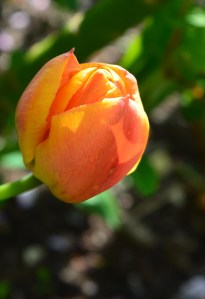
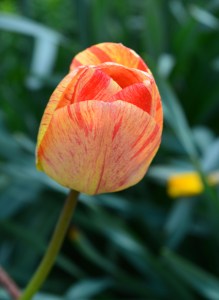
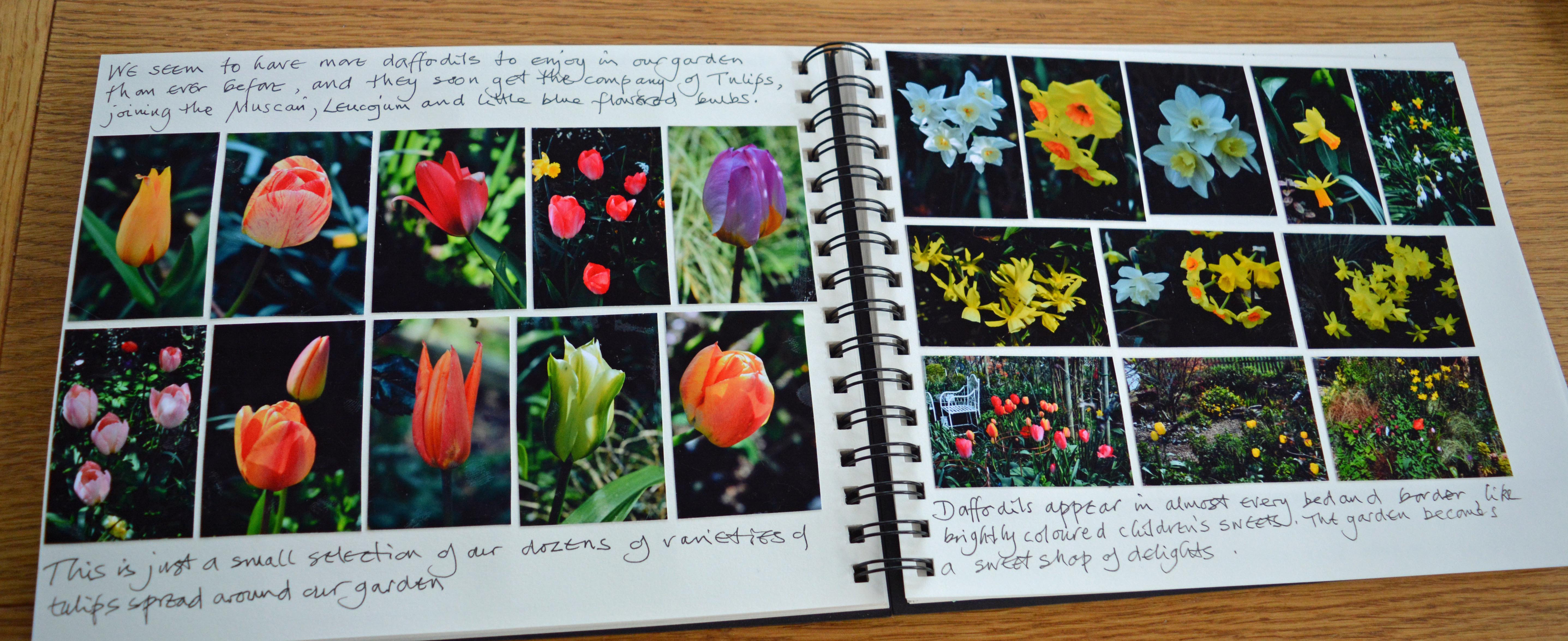
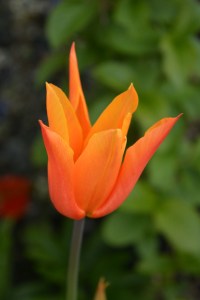
I wrote, “We seem to have more daffodils to enjoy in our garden than ever before, and they soon get the company of tulips joining the Muscari, Leucojum and the little blue flowered bulbs.”

I shared a collection of photos of our tulips on one page and of our daffodils on the opposite page.

“This is just a small selection of our dozens of varieties of tulips spread around our garden.”
   

“Daffodils appear in almost every bed and border, like brightly coloured children’s sweets. The garden becomes a sweet shop of delights.”

Over to the next double page spread we return to the garden tasks we performed during April.
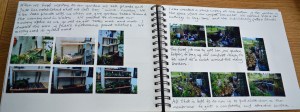
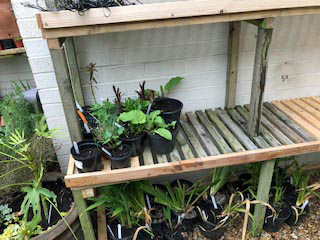
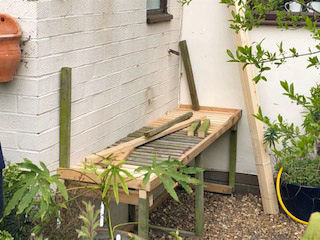
I wrote, “When we host visitors to our garden we sell plants and Jude has established what we call her ‘micro nursery’. We also take plants with us when we give garden talks around counties close to us and in neighbouring Welsh counties. We needed to increase our nursery space as we go out to give talks more and more. I doubled the size of Jude’s herbaceous plant sales shelves. We mostly used re-cycled wood.”

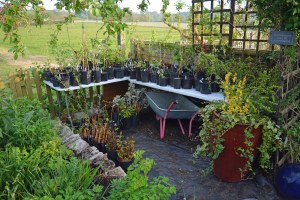
I carried on to the next page saying, “I also created a shrub nursery at the bottom of the garden in the space where our compost was made. We needed space for cuttings in ‘long tom pots’ and the individually potted shrubs.”

“The first job was to get Ian, our garden helper, to bag up our compost ready to be used as a mulch around the many borders.”

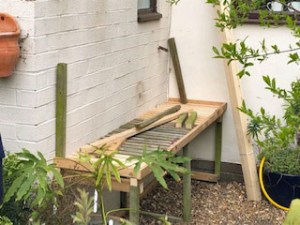
“We put up tables to show our shrubs on and put membrane down underfoot.”
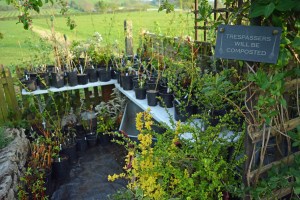
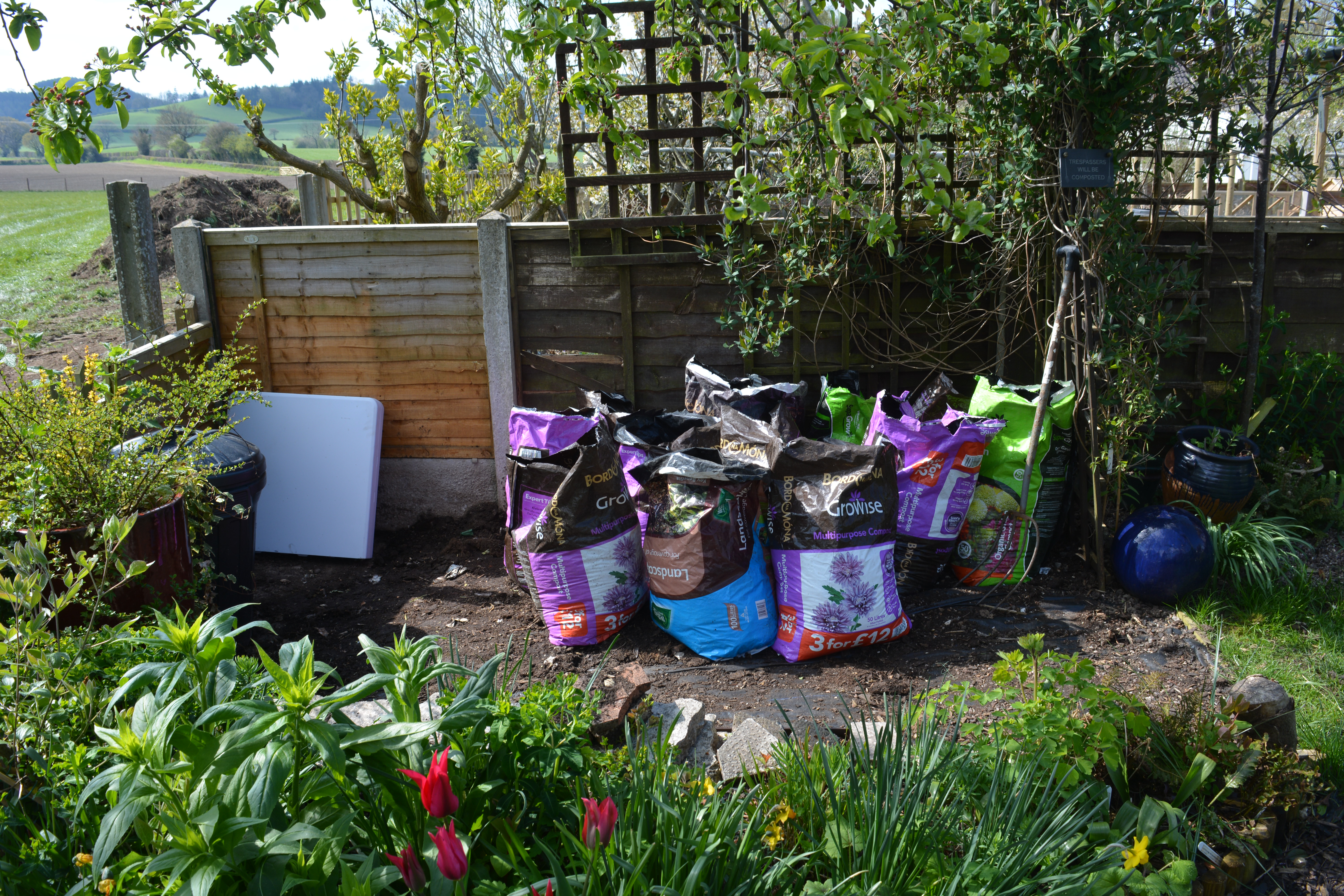
“All that is left to do now is to put slate down on the membrane to give a comfortable and attractive surface.” That is a job to be done when we revitalize our central path, replacing slate that has been down for several years so now has a bit too mush soil mixed in, with fresh clean slate mulch. Watch this space!

So once again turning the page the next double page spread features bluebells and Primula auriculas. I wrote of bluebells, “Towards the end of the month the first of our native Bluebells come into flower. They give us a shot of bright blue and enrich the air with their sweet aroma.”

I then shared a couple of i-Pad drawings I attempted to show the vitality of these amazing flowers of spring.

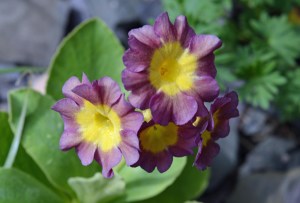
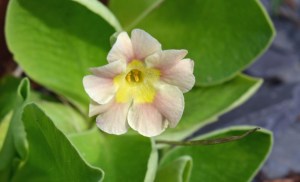
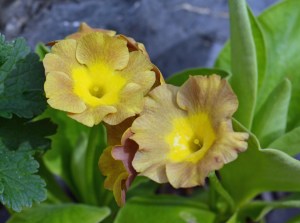
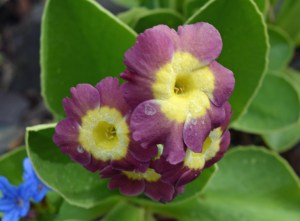
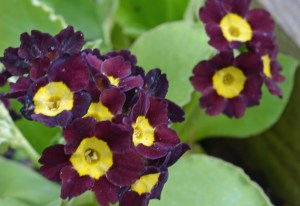
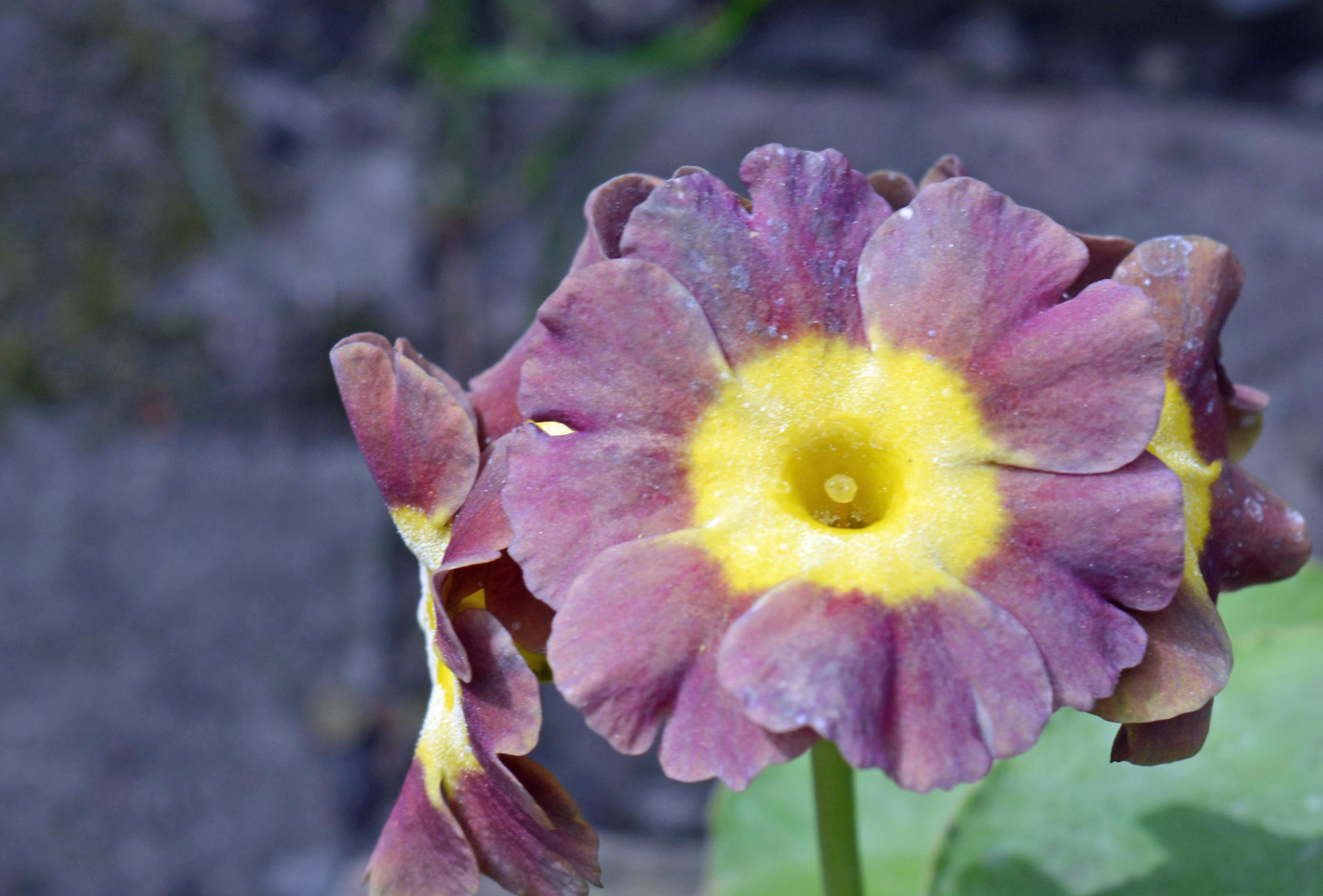
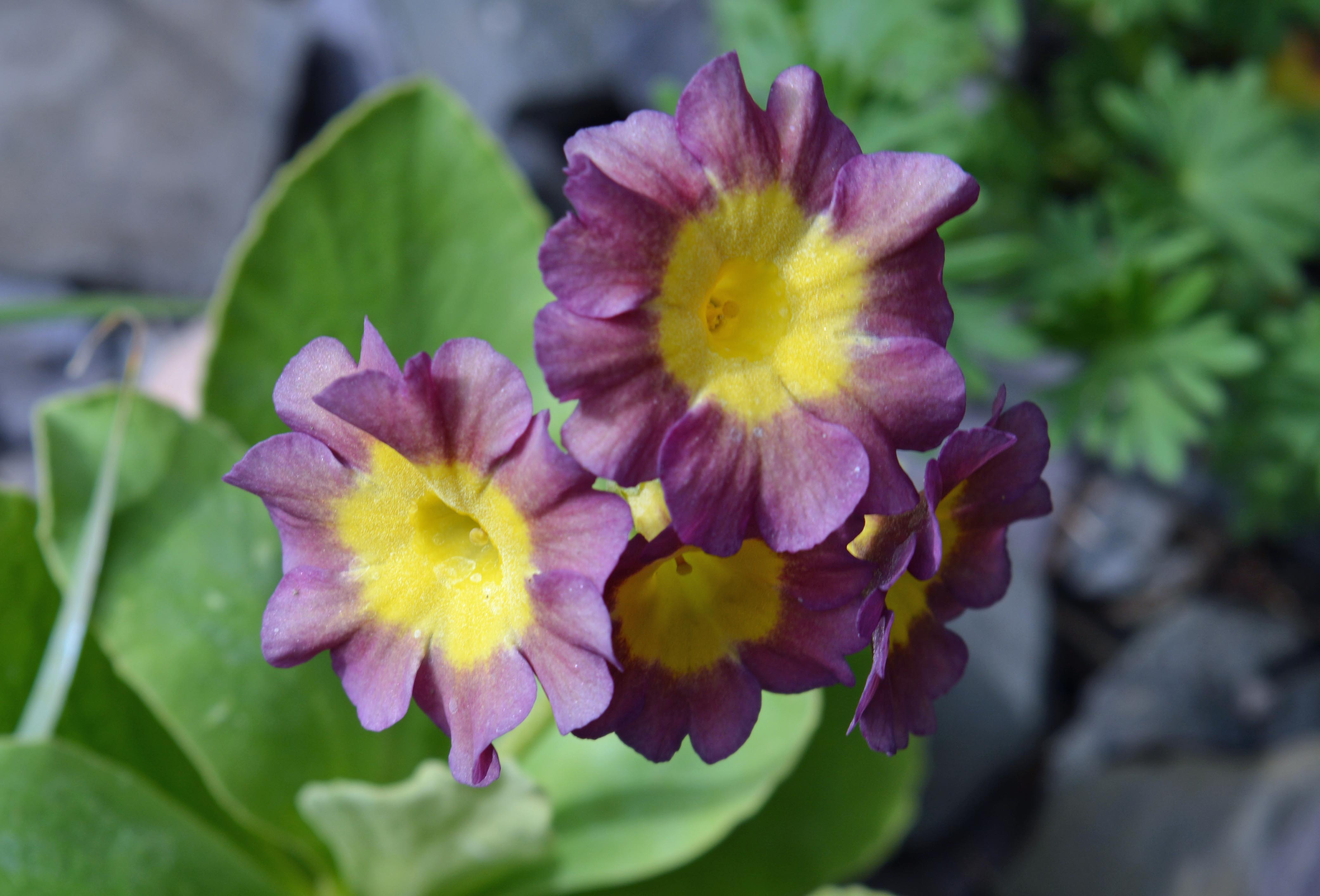
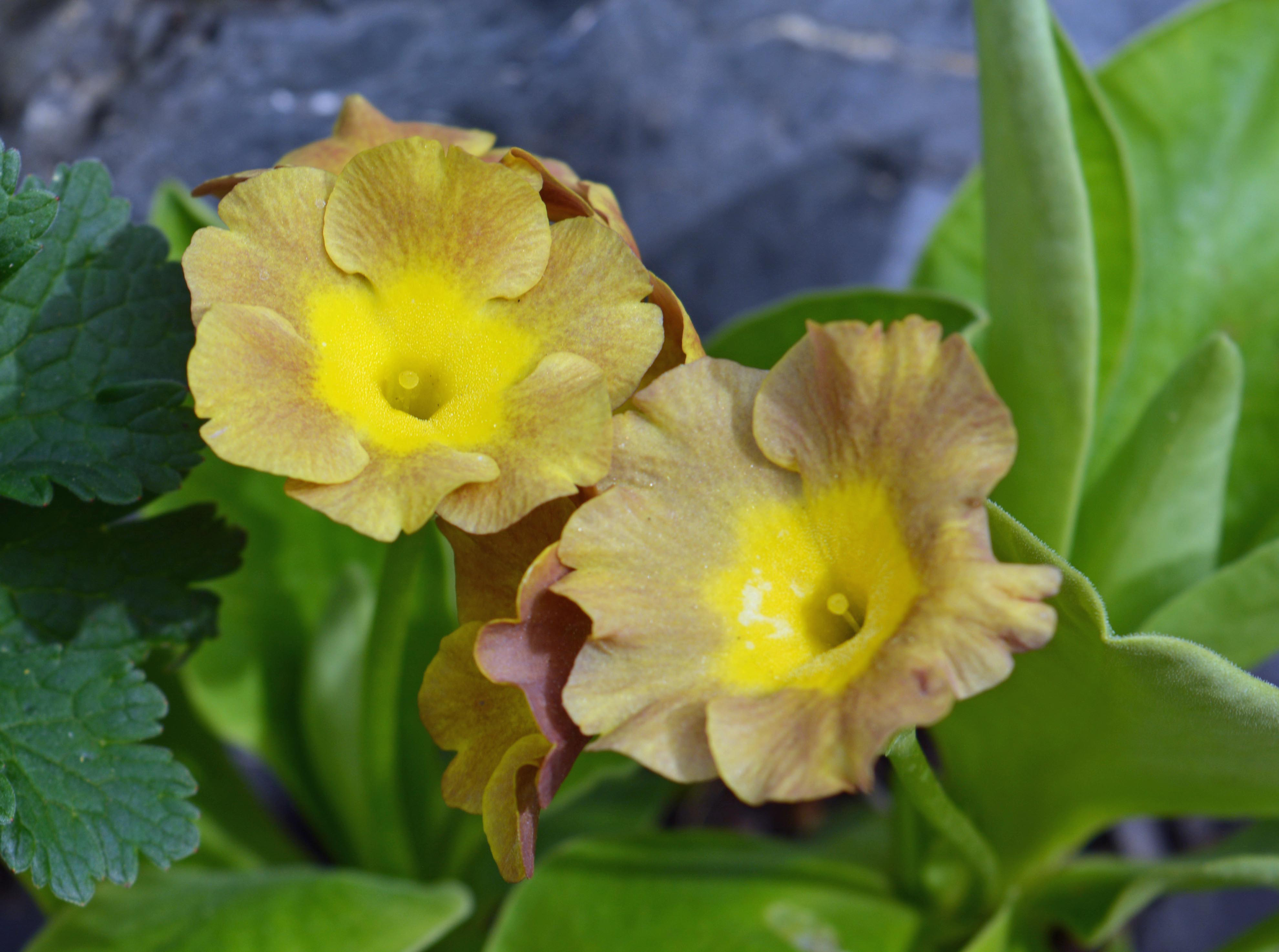
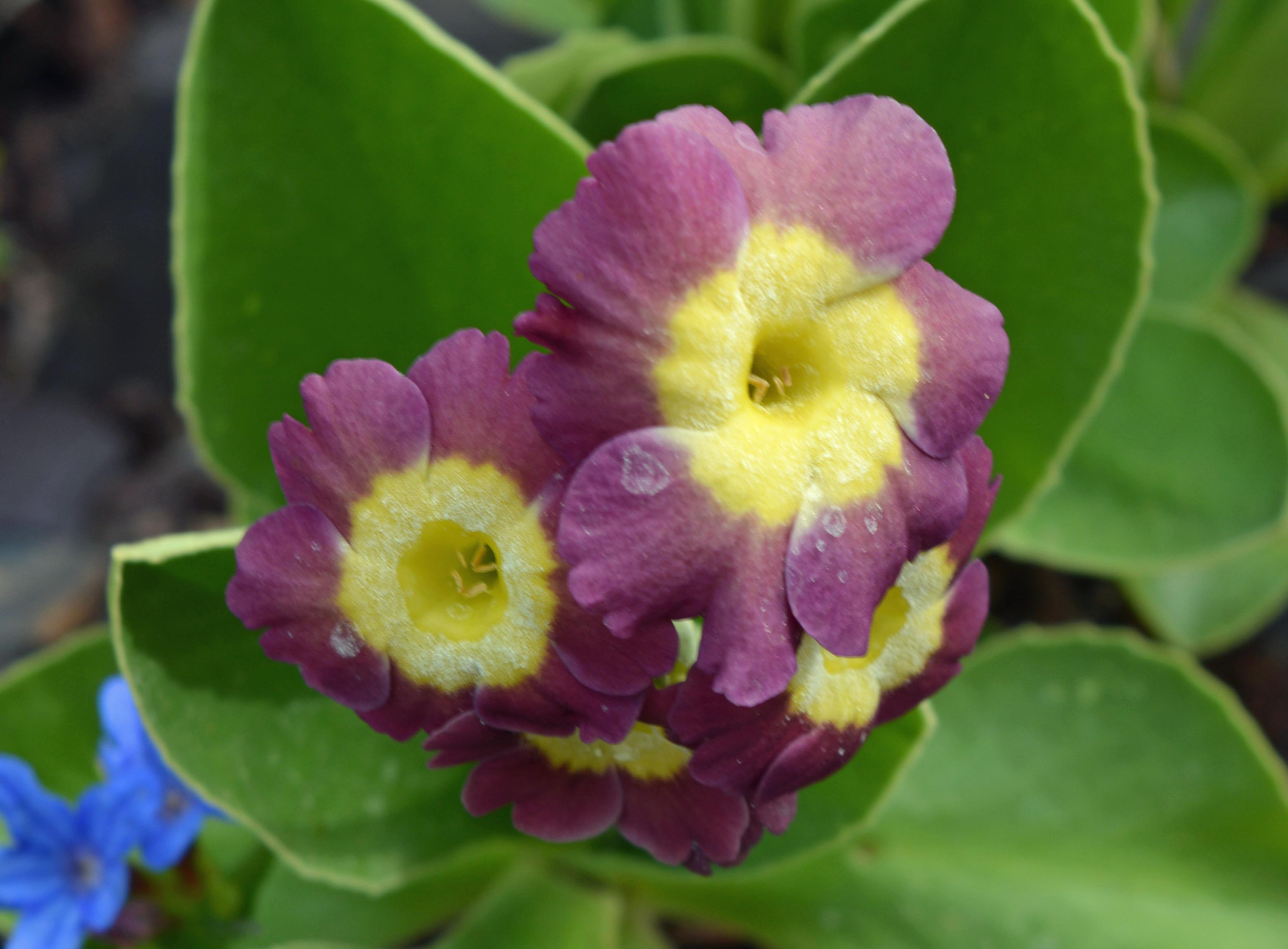
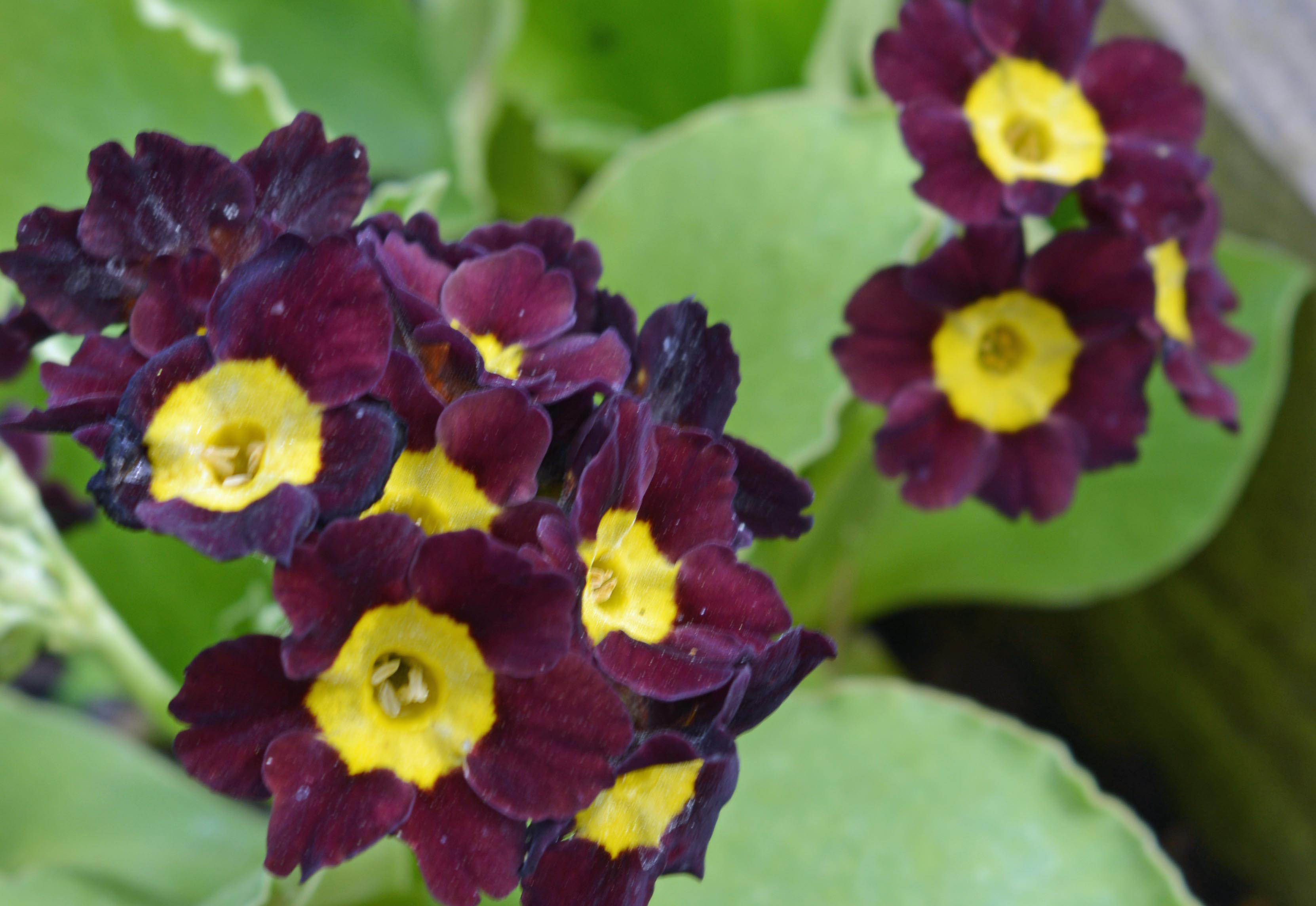
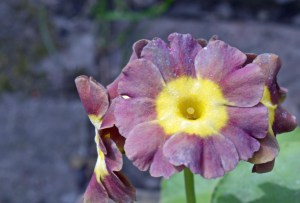
On the page opposite the bluebells I looked at some of our Auriculas, with their unique colour range and combinations. I wrote, The wide range of unique colour combinations, sometimes enriched with a fine ‘meal’, seen in the flowers of Primula auricula are what made these flowers appeal to the enthusiasts and show men in their hayday. Today they are grown more as alpines. Jude bought a tray of mixed seedlings a few years ago and she has selected out some special ones.”
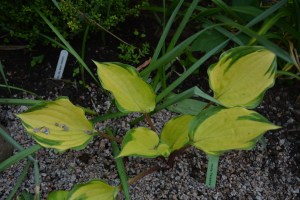
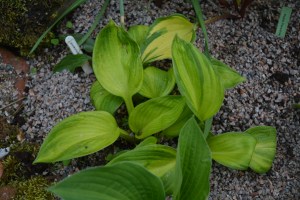
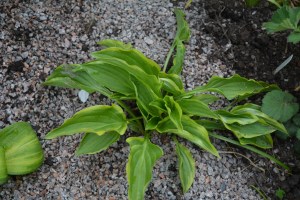
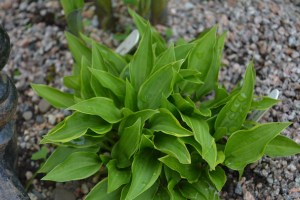
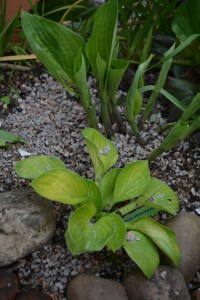
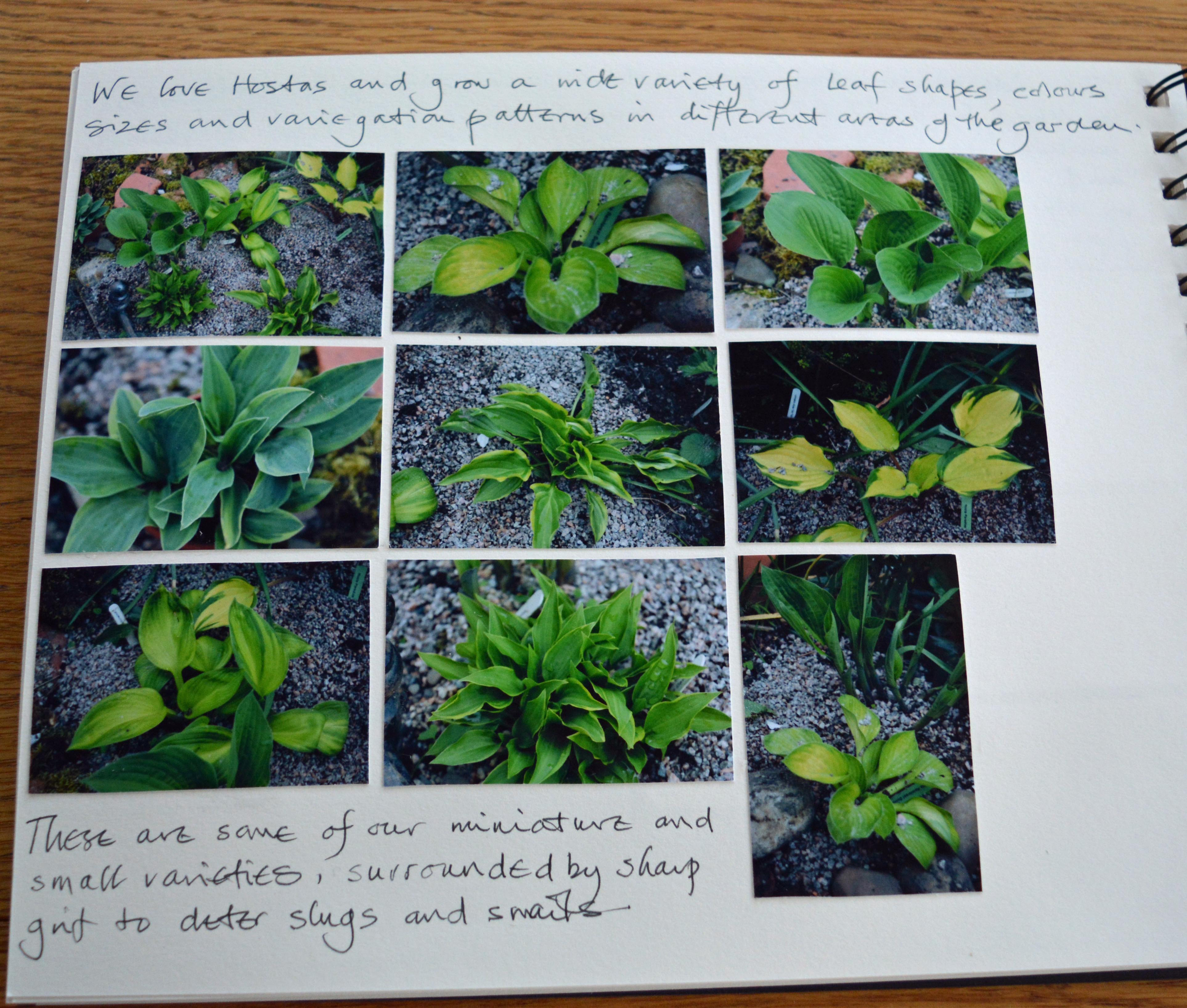
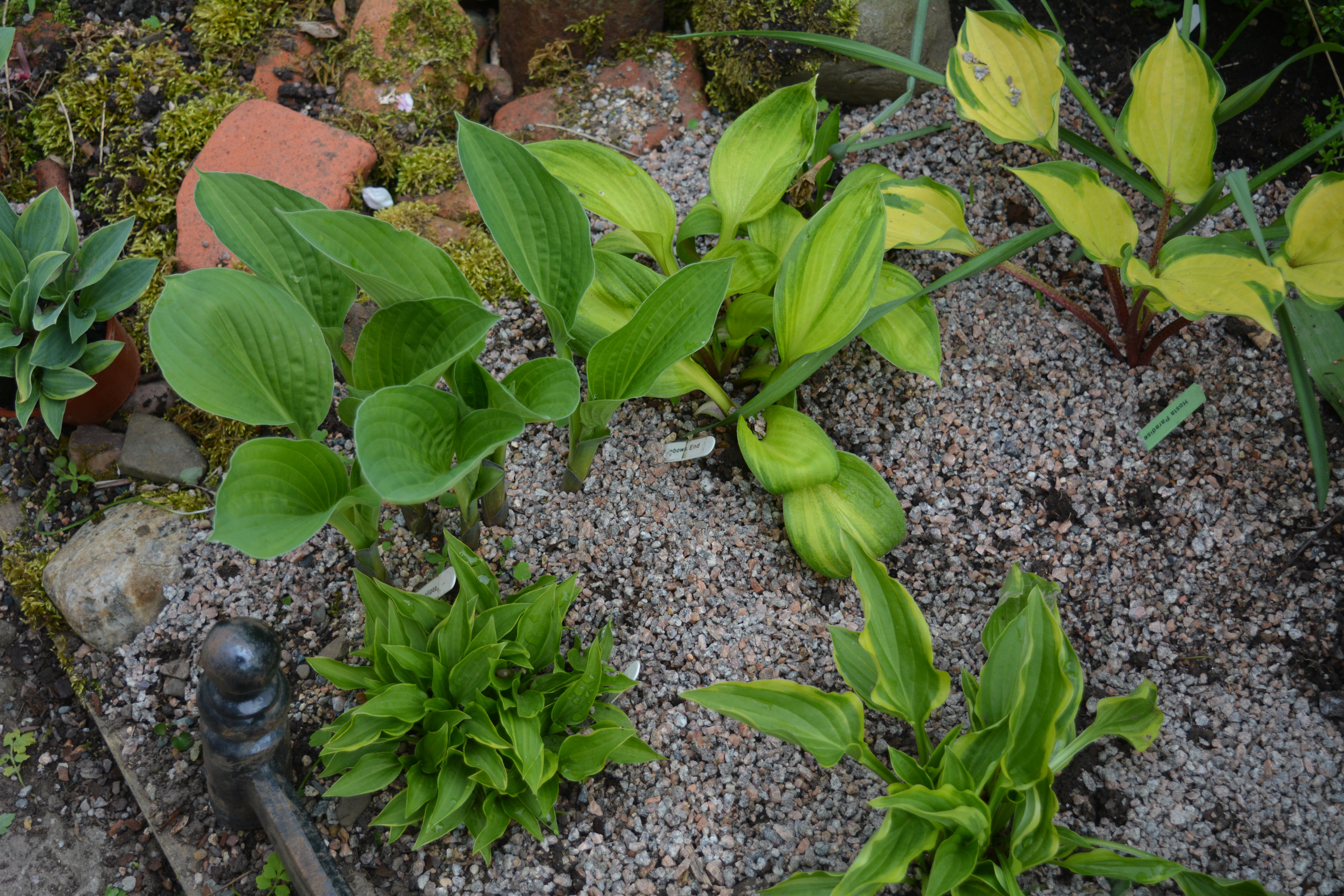
The final page for my journal in April features another popular collectors’ plant, the Hostas, “We love Hostas and grow many with a wide variety of leaf shapes, colours, sizes and variegation patterns in different areas of the garden.”
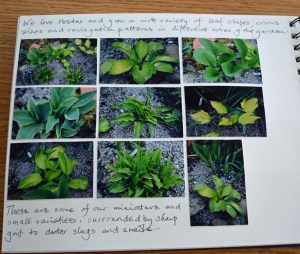
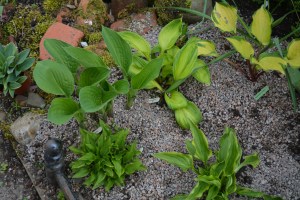
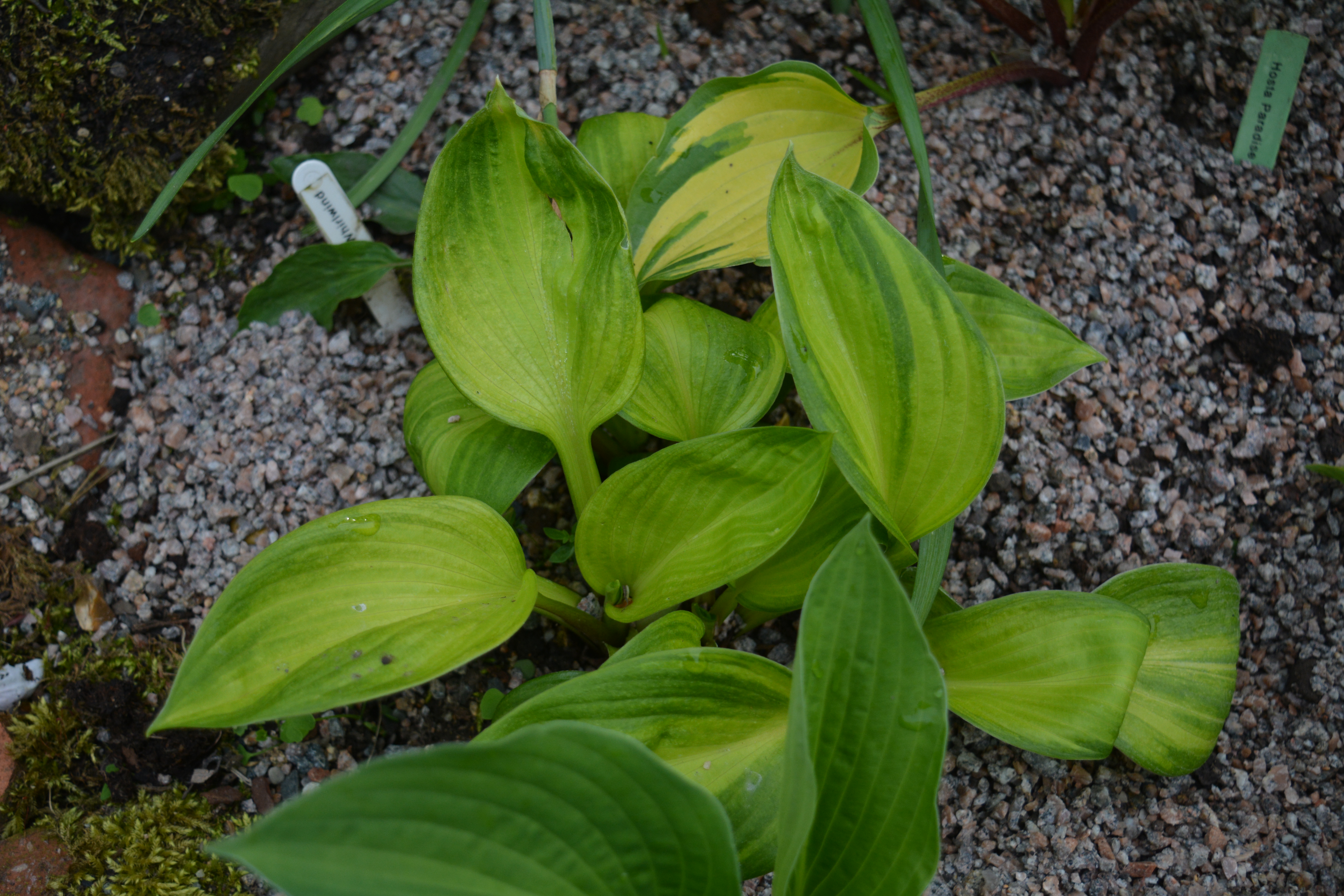
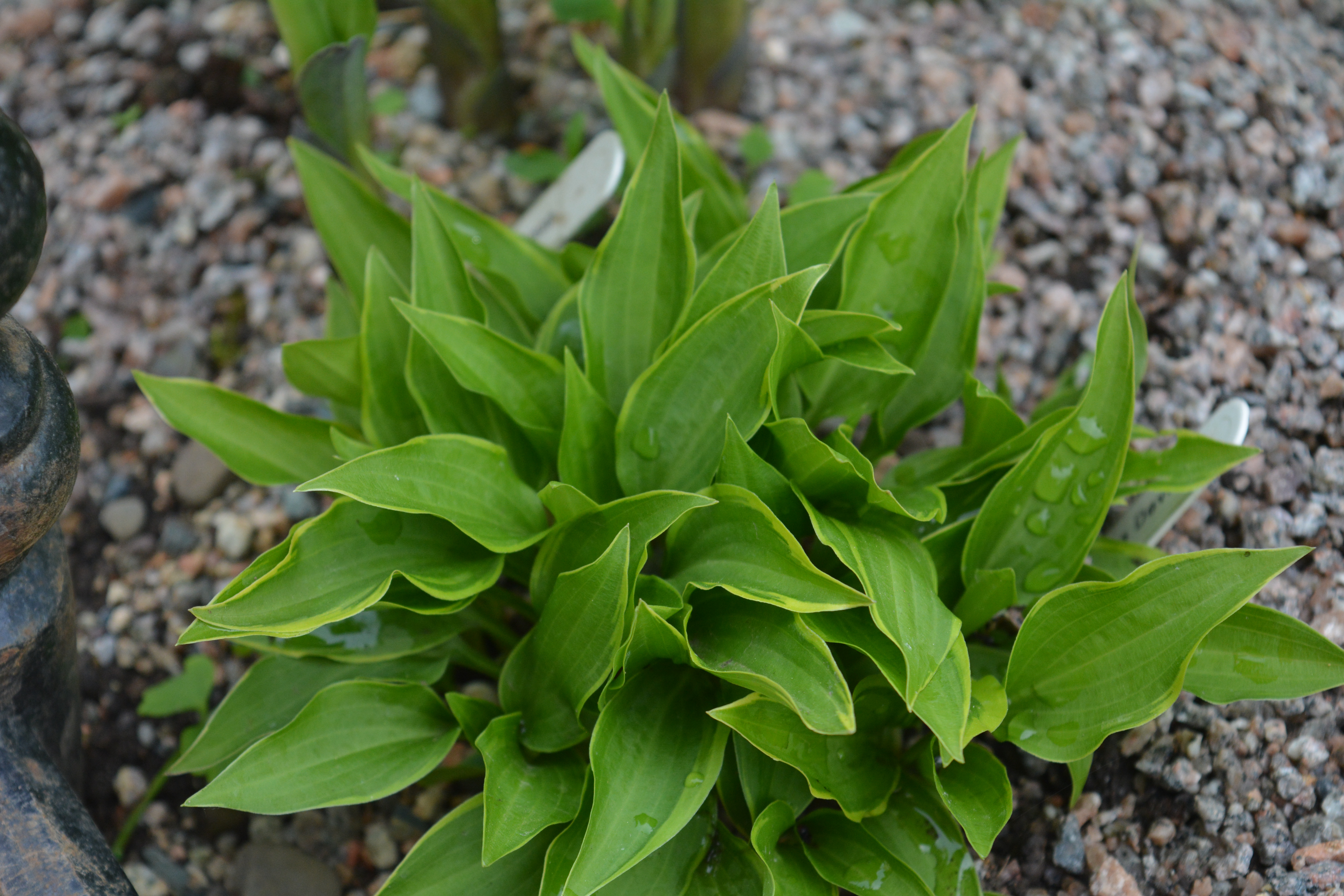
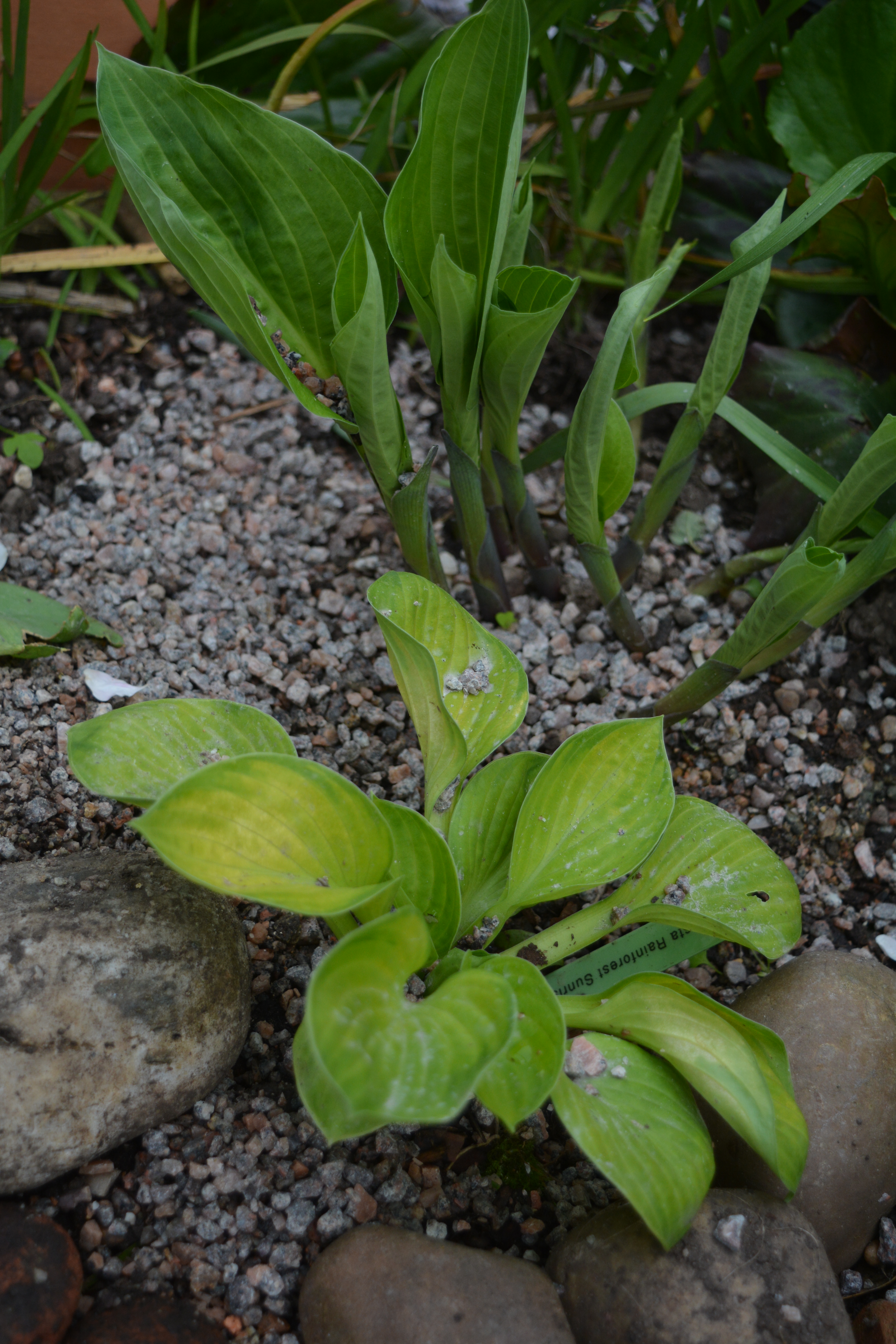
 “These are some of our miniature and small varieties, surrounded by sharp grit to deter slugs and snails.”

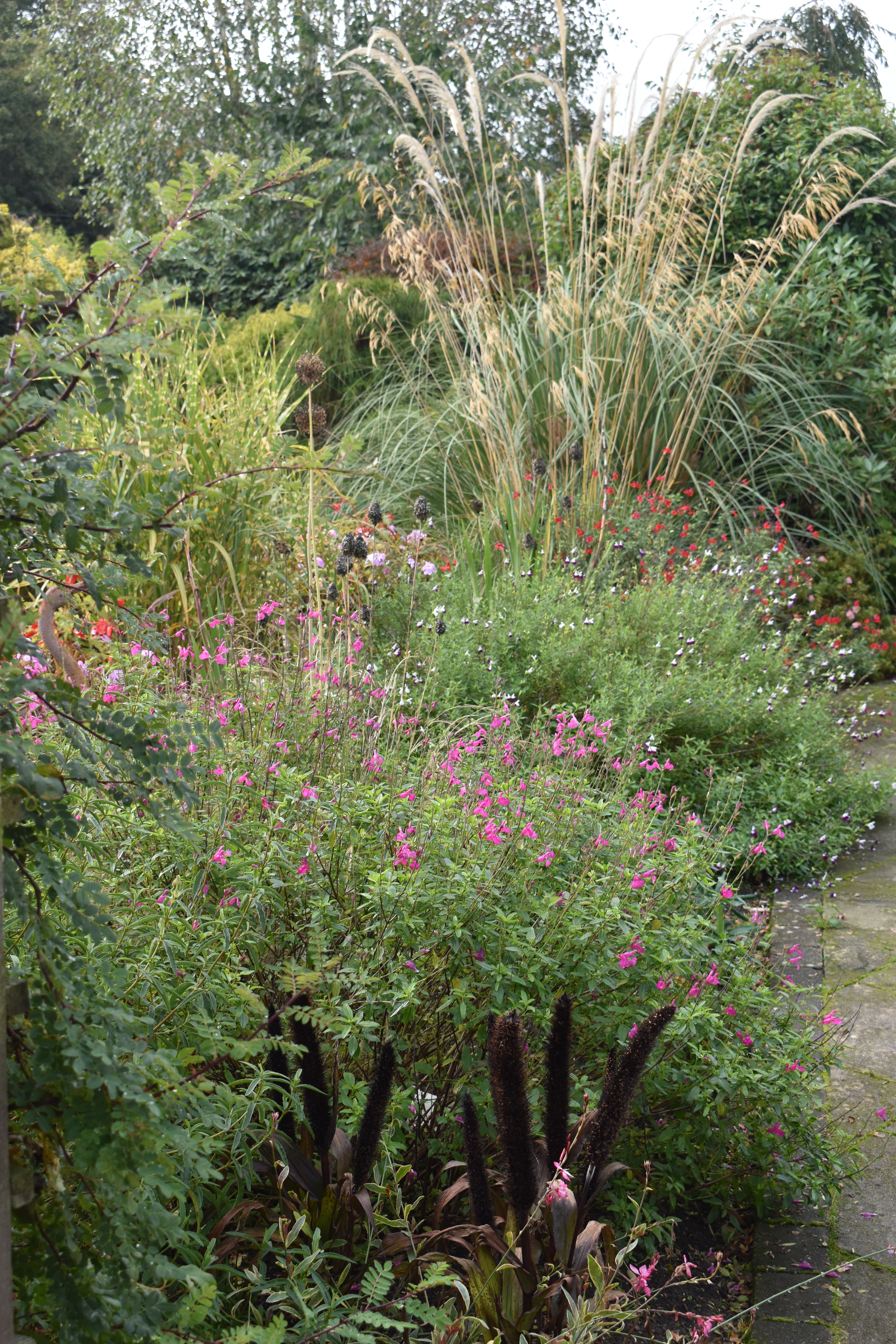
And that is where my April entries into my garden journal came to a conclusion. The next visit to its pages will be in May when the garden should be looking even better.

 

← Back

Thank you for your response. ✨


Categories
climbing plants colours fruit and veg garden buildings garden design garden photography garden ponds garden pools gardening gardens gardens open to the public grow your own half-hardy perennials hardy perennials Herefordshire kitchen gardens ornamental trees and shrubs water in the garden

Garden Revisiting Part One – The Garden in a Cider Orchard

We are so lucky to have so many great gardens that we can visit in a day from home. I thought a week of posts all about revisiting gardens would prepare us well for the warmer weather and get our creative gardening juices flowing again.

There are many in our home county Shropshire itself and we have easy access to Herefordshire and Powys where there are even more. Several of our favourite gardens we like to visit every year or so, so that we can see how they develop over time and change with the seasons. In this occasional series we shall do just that. I shall be featuring those gardens that we like to keep going back to.

For the first of these we travel down the trunk road southwards, the A49 which will take us through South Shropshire and into the Herefordshire border. It is just a few hundren yards from this road that we find the gardens of Stockton Bury which are described as the “Gardens in the Orchard”. The garden was born in 1900 and has never stopped developing. The present gardener, Raymond Treasure has developed it into rich tapestry of unusual trees, perennials and even a few follies, all wrapped around the old farm buildings.

2014 09 20_50882014 09 20_5068 2014 09 20_5069 2014 09 20_5070 2014 09 20_5071 2014 09 20_5073 2014 09 20_5074 2014 09 20_5075 2014 09 20_5076 2014 09 20_5077 2014 09 20_5078 2014 09 20_5079 2014 09 20_5080

It is a garden with a surprise around every corner, and however many times you visit this still happens. A living garden!

2014 09 20_5081

The mixed borders are rich in perennial plants that the wildlife enjoy.

2014 09 20_5082 2014 09 20_5084 2014 09 20_5085 2014 09 20_5086 2014 09 20_5087  2014 09 20_5089 2014 09 20_5090 2014 09 20_5091

At any turn in the path you can find a surprise, brightly coloured planting, secret rooms, unusual plants you can’t name,

2014 09 20_5094 2014 09 20_5095 2014 09 20_5098 2014 09 20_5099 2014 09 20_5101 2014 09 20_5103 2014 09 20_5104 2014 09 20_5106 2014 09 20_5108 2014 09 20_5109 2014 09 20_5110 2014 09 20_5111

Please enjoy this special place by browsing through my gallery of photos. There are probably too many but Stockton Bury is such a photogenic location it becomes hard to edit your shots.

2014 09 20_5113 2014 09 20_5114 2014 09 20_5115 2014 09 20_5116 2014 09 20_5117 2014 09 20_5118 2014 09 20_5119 2014 09 20_5120 2014 09 20_5121 2014 09 20_5122 2014 09 20_5123 2014 09 20_5124 2014 09 20_5125 2014 09 20_5126 2014 09 20_5127 2014 09 20_5128 2014 09 20_5129 2014 09 20_5130 2014 09 20_51312014 09 20_5133 2014 09 20_5135 2014 09 20_5136 2014 09 20_5137 2014 09 20_5138 2014 09 20_5139 2014 09 20_5140 2014 09 20_5143 2014 09 20_5144 2014 09 20_5145 2014 09 20_5146 2014 09 20_5147 2014 09 20_5148 2014 09 20_5153

Our return visit to Stockton Bury was as special as the first we ever made, full of special plants, secrets and surprises and touches of humour.

2014 09 20_5154 2014 09 20_5156


Categories
birds flowering bulbs garden wildlife gardening gardens irises natural pest control spring bulbs spring gardening trees

My Garden Journal 2018 – March

Into the third month of the year and we should now be seeing the cheerful signs of early spring. Spring should start the birds singing afresh. We should expect to see green returning to the garden as freshly-burst buds bring life to our patch. Let us see what my Garden Journal for March actually shows.

I began by recording, “March begins as February leaves off, freezing temperatures day and night often dipping into minus figures. The soil is solid, frozen and unworkable. Snow, sleet and frozen rain showers are frequent visitors. The Met Office count March as the first month of Spring but us gardeners know that it is the last of Winter. Dan Pearson in “Natural Selection” writes, “A cold start t the month always feels more appropriate to me, because it is better to go slow when there is so much to do and so much to take in. I prefer the feeling of caution that is generated when there is a beast waiting in the wings – it takes away the assumption that this might be the start of Spring.”

Nevertheless we carry on doing garden wildlife jobs, repairing and repainting nest boxes.”


Opposite I looked at one of my favourite spring bulbs, Iris reticulata and shared my Japanese brush paintings I enjoyed doing so much. I noted, “Iris reticulata bulbs are one of our first to come into flower following on from Snowdrops and Winter Aconites. Their rich blues and purples look good with Carex.

These Irises are native to Russia, the Caucasus and Northern Iran, but we grow them in our temperate gardens where they thrive if planted deeply. Our favourites are Iris r. George and “Harmony” but neither of us are keen on the “washed out” look of “Katherine Hodgkin”.


After looking at my Iris paintings we can turn over to a double page spread concerning firstly snow and then the wildlife in our Avocet garden.

“As we pass the mid-point of March we awake to the third appreciable snow fall of the winter. Luckily this fall has not been sculpted into drifts so we hope that when it melts we are left unscathed. It will however prevent us from getting out there and enjoying our early year jobs.”
  

“Wildlife is busy in March with frogs cavorting in our wildlife pond and leaving large clumps of spawn among the plants that sit in the water close to the edge. Birds are pairing up, displaying, singing and carrying nesting materials to their nests under construction. We have a pair of  Robins nesting in our woodstore and House Sparrows have taken up residence in the nest boxes we recently re-furbished for them. We watched them pulling grass stems out of the snow and taking them into the boxes. We have created lots more bee homes and repaired any damaged older ones.”

We discovered our brightest coloured frog we have ever seen – a lime green bellied frog.”

Over the next page we look at some of the important jobs we have been busy carrying out during the month of March.


“March is a busy month for us gardeners and because of this it is a month we really look forward to. Each week we create a “to do” job list and get busy preparing for the year to come and of course ensuring our patch is up to scratch for our visitors this year.”

“We cut comfrey leaves for liquid feed, pruned leaves off the Epimedium to help us see their fresh flowers and topped up the log edging around our wildlife pond.”


“We fed our trees with wood ash from our woodburner and checked tree stakes and tree ties.”


“A big project is developing our new fern garden, a raised bed to fill the gap left by the removal of our oil tank. We came up with this crazy idea and hope it works! Planks of wood became a raised fern garden.”


Turning over to the next double page spread I wrote about buying new plants and I shared my paintings of a surprise find below the snow. I wrote, “We have been in plant buying mode often this March, some Hebes to replace some that have gone too woody and untidy, Ferns to add to our collection and stock our new “raised fernery” and more Ivies to cover concrete fence posts.”

“Hebes “Purple Shamrock”, Bronze Glow” and “Mrs Winder” and Ferns, “Polystichum setiferum “Plumosum Densum”, Dryopteris affinis “Polydactyla Dadds”, “Dryopteris austriaca “Crispa Whiteside” and Cyrtomium falcatum.”

“We have also been busy dividing perennials such as Sedums.”

“Secret beneath the snow! When the snow drifts melted and once again our golden flint gravel could shine in our Beth Chatto Garden, we found a sad looking perennial stem and its seedheads. It usually stands firmly upright as a statuesque reminder of its summer and autumn beauty. Eryngium pandanifolium can grow to 7ft tall, its spiny flower stem rising from a grass-like batch of equally spiky foliage. The flowers are coloured a strange dusky maroon colour.”

I painted this secret with water-colour pencils and artist pens in greys and blacks.

My final page in my entries for March features a quotation from a nature writer, John Lewis-Stempel and considered how it relates to our own patch.

“The nature writer, John Lewis-Sempel, in his new book titled “The Wood” wrote of March, “Robin sings with gusto, trying different refrains, experimenting. He is the philosophical songbird. 

Hedgehogs now out of hibernation from their watertight nests of grass and moss. As I’m sitting in my chair one shuffles absentmindedly over my wellingtoned feet.

The wood is “filling out”. There are no longer clear views through the trees. Gone is the sense of space, and light. The trees are crowding in.

The blackbird has finished her nest in the Elm. The nest is a perfect bowl, of grass, straw and twigs and plastered inside with mud. Years will pass, but the mud cup will last.”

                                                                                                                                   (March 2017)

Here at our Avocet garden we have virtually no fresh leaves open yet just bursting buds on just a few shrubs and trees. House Sparrows are nesting vigorously now collecting nest materials and at the end of the month we observed a Robin busy building a nest in a Robin nesting box we had made and put up in the Shade Garden.

In every other way Spring is slow to show any enthusiasm.

Our next visit to my garden journal will be in April when we hope Spring may have made some effort to get underway.


This Veggie Life

A Vegetarian | Nature Lifestyle Blog

Rambling in the Garden

.....and nurturing my soul

The Arch City Gardener

Journeys In St. Louis Gardening and Beyond

Garden Dreaming at Châtillon

Consult the genius of the place

Storyshucker

A blog full of humorous and poignant observations.

gardeninacity

Notes from a wildlife-friendly cottage garden

PlayGroundology

...an emerging social science

The Official Blog of British Wildlife

'The most important and informative publication on wildlife of our times' - The Independent. This blog is a member of The UK & Ireland Natural History Bloggers group: www.uknhb.blogspot.com

iGrowHort

Inspire - Cultivate - Grow Native Plants - Restore Landscapes

Bishops Meadow Trust

To create and protect a semi-natural wild space for the people of Farnham to enjoy and experience an array of British wildlife in our town

Gardening with Children

The www.gardeningwithchildren.co.uk Blog

UKbirdingtimeline

birding through the seasons, why birds matter and how to conserve them

NATURE WALKER

with a camera in hand

Jardin

Transform your outdoor space

Eva's space

My allotment, cooking and other interests

Old School Garden

my gardening life through the year

LEANNE COLE

Trying to live a creative life

fromacountrycottage

trying to live as lightly as possible on our beautiful planet

Good Life Gardening

Nature lovers from Leicester living the good life.

mybeautfulthings

Finding the beautiful in the everyday

mawsonmichelle

Michelle's Allotment

In and Out of My Garden

thoughts from and about my garden

Greenhousing

Big plans for a small garden

The Scottish Country Garden

A Walled Country Garden in South East Scotland

The Fruity Chicken

Life at the fruity chicken

willowarchway

Off grid living. Self sufficient. "PERMAGANICS RULE".

St Anns Allotments

Nottingham's Grade 2* Listed Allotments and Community Orchard

Manifest Joy Harvests

a journey in suburban vegetable gardening

Allotmental

The madness of growing your own

Penny's Garden: a harvest beyond my front door

A novel approach to vegetable gardening

arignagardener

Sustainable living in the Irish countryside.

NewEnglandGardenAndThread

Master Gardener, amateur photographer, quilter, NH native, and sometimes SC snowbird

dianajhale

Recent work and work in progress and anything else that interests me

planthoarder

a chaotic cottage gardener

Lens and Pens by Sally

a weekly blog that creates a personal philosophy through photographs and words

Dewdrops and Sunshine

Stories from a sassy and classy Southern farmbelle.

The Pyjama Gardener

Simple Organic Gardening & Seasonal Living

gettin' fresh!

turning dirt into dinner

JOY...

today the world is created anew

Garden Birds

Notes from a Devon garden

ShootAbout

Life Through The Lens

Adapting Pixels

A photography blog showcasing the best photography pictures and videos on the internet

Wildlifegardening's Blog

Just another WordPress.com site

naturestimeline

personal observations from the natural world as the search continues for a new approach to conservation.

LATEBLOOMERBUDS

The Wonders of Life through my Eyes, my Heart, my Soul