Categories
fruit and veg garden buildings garden photography gardening gardens gardens open to the public grow your own hardy perennials kitchen gardens National Trust ornamental trees and shrubs Shrewsbury Shropshire shrubs The National Trust walled gardens walled kitchen gardens woodland woodlands

A Walk in the Park – Attingham Park July

Here we are back at Attingham Park for another wander, this time to see what is going on in the walled garden and woodland pleasure gardens in July.

We arrived in the rain and carried on regardless. Foliage was glossy with moisture because of the steady drizzle, and large puddles had formed on the path.


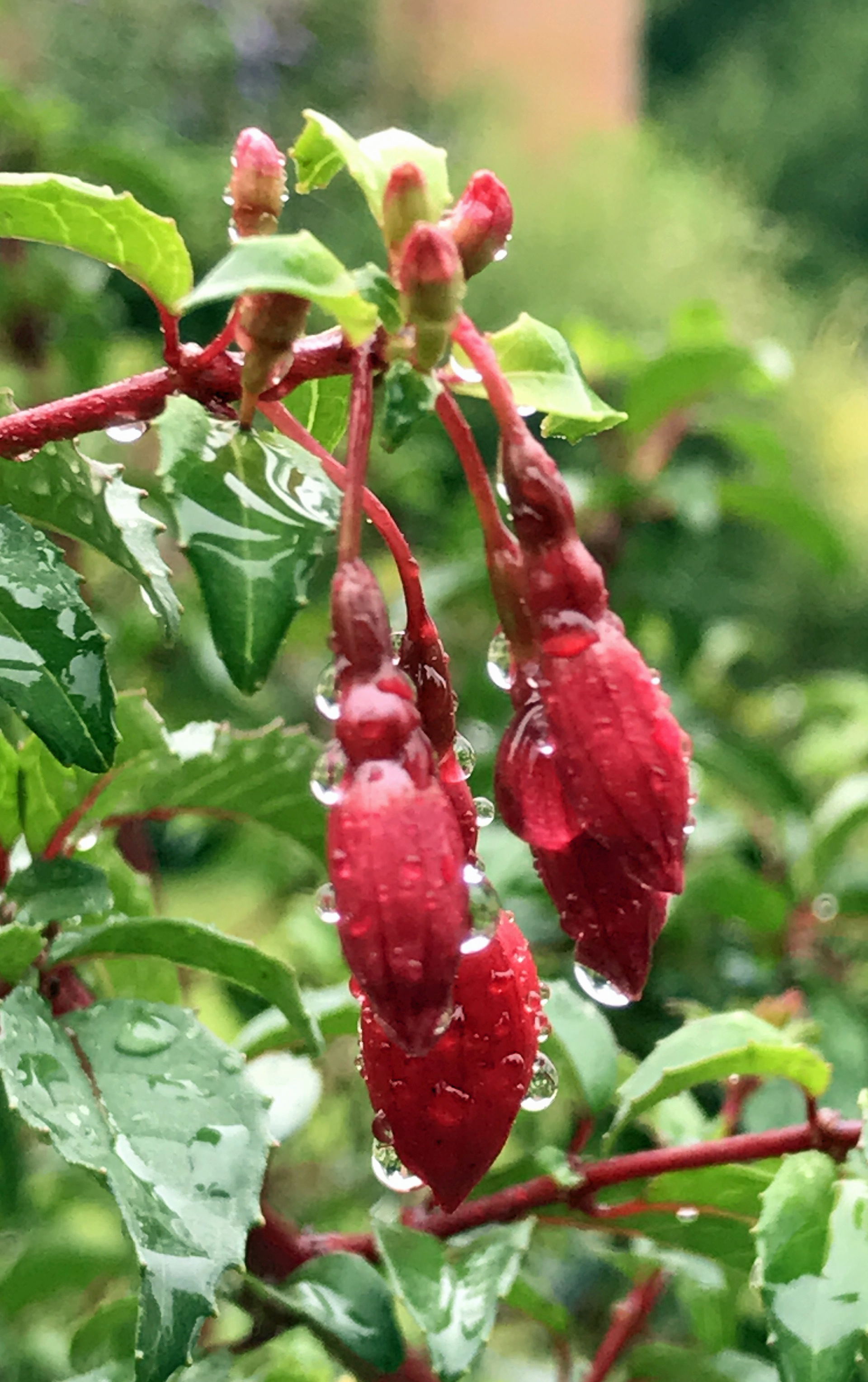
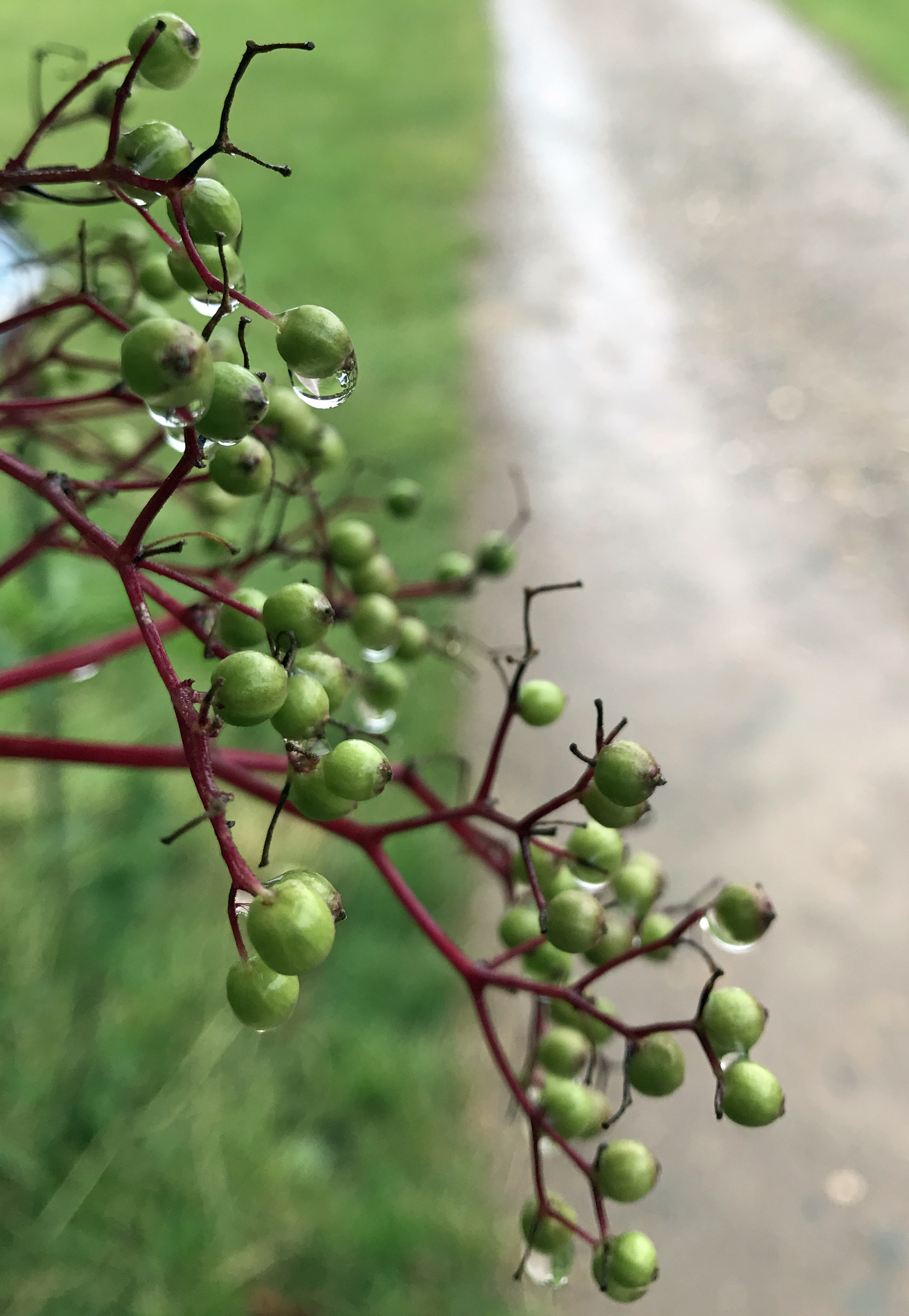
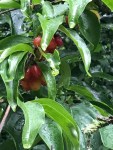
The gardener’s cottage garden gave a little colourful cheer to the day, and water droplets hung on flowers and berries. The heritage rare breed cattle in the field at the start of the track ignored the drizzle and continued tearing at the grass heads down.


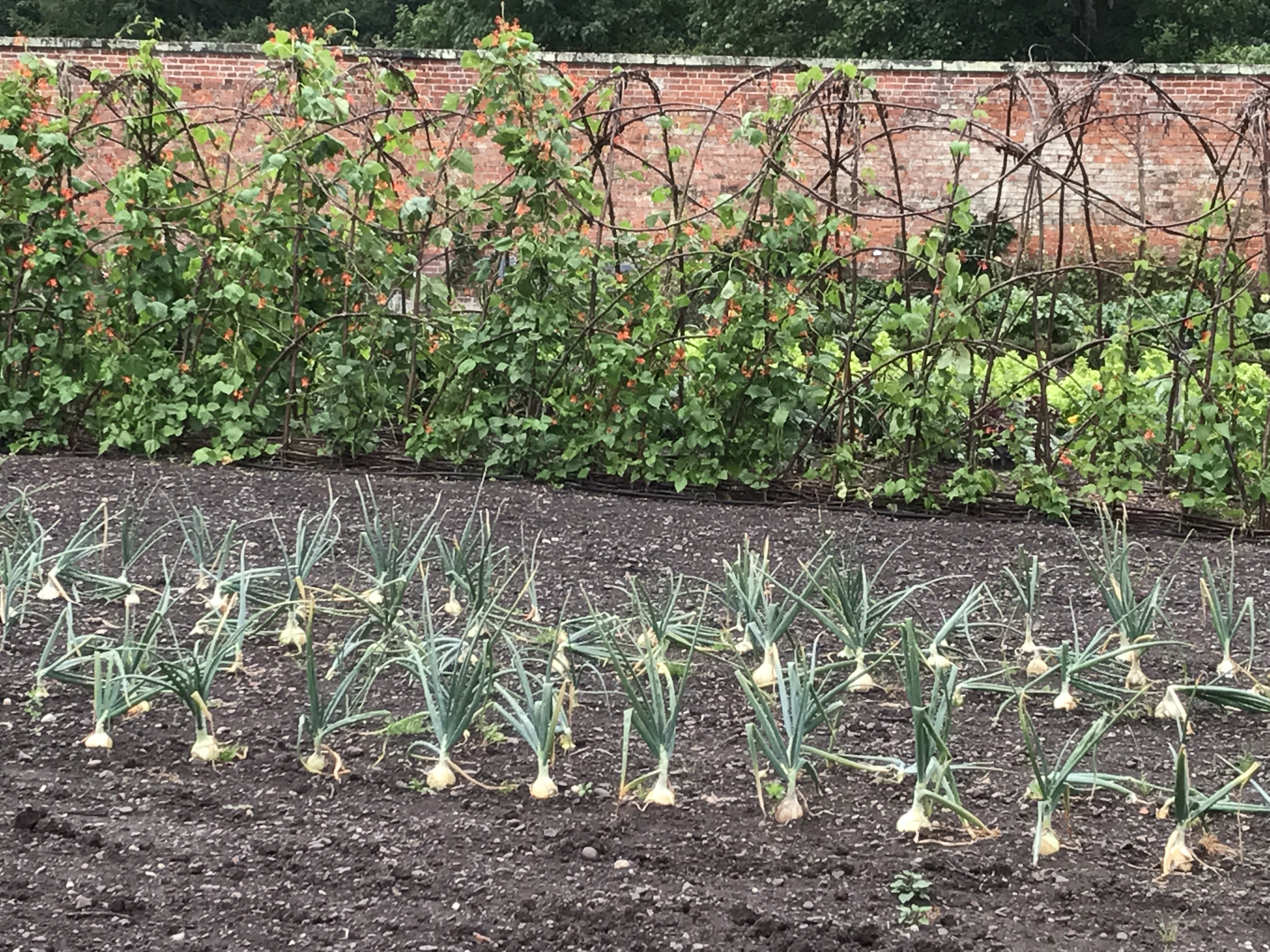
The walled garden gave protection and the day began to feel a little warmer as the rain stopped.


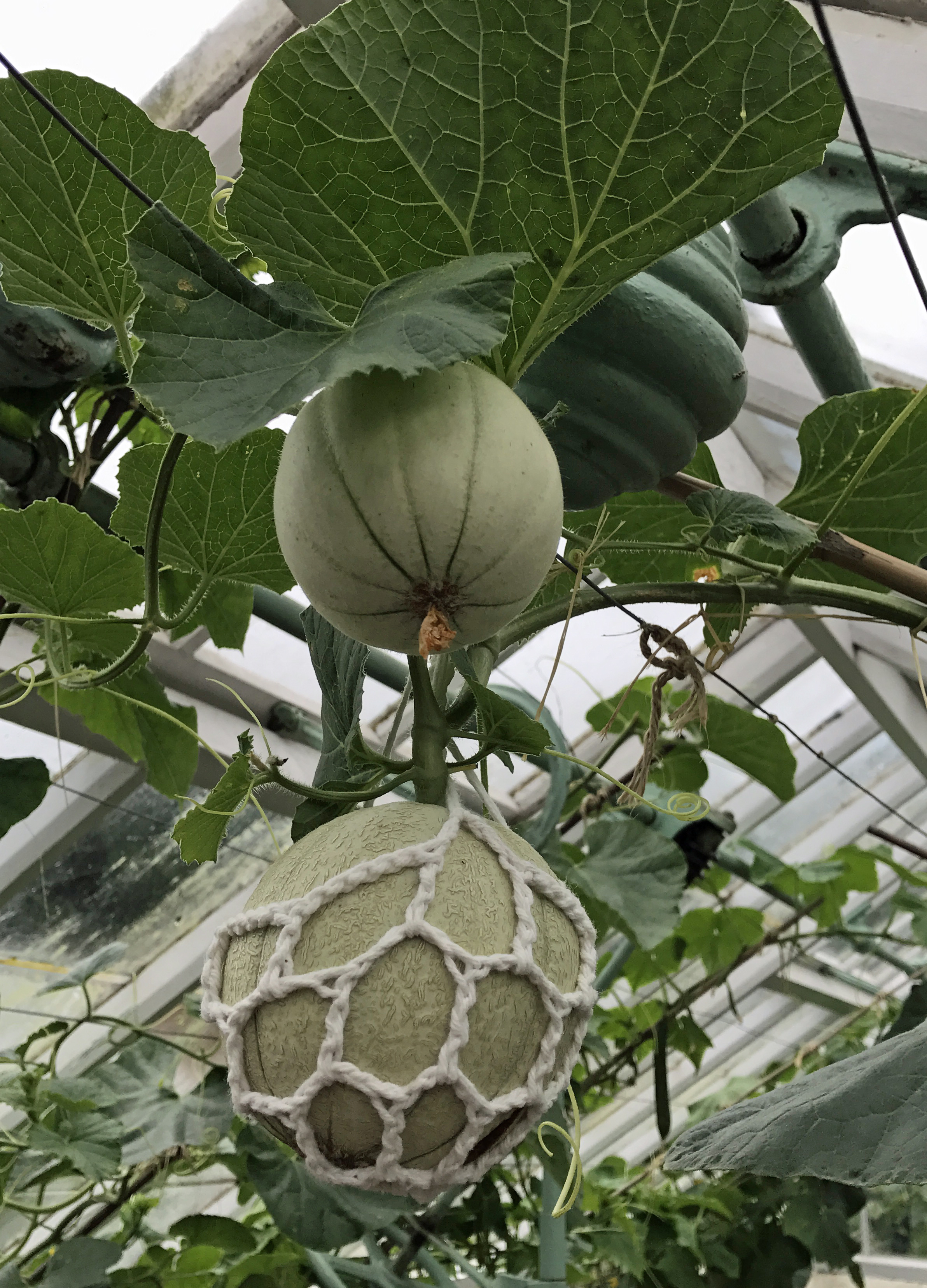
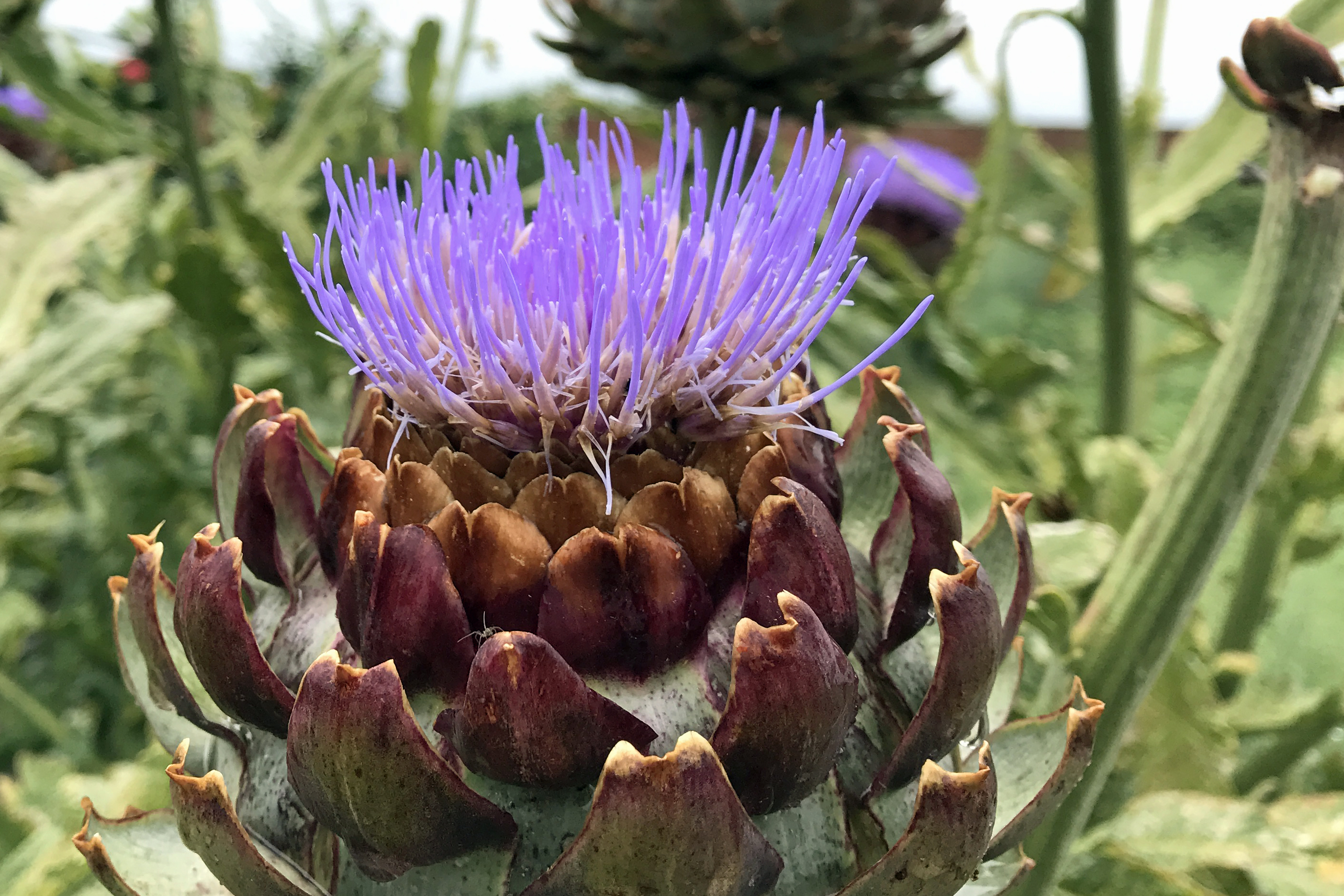
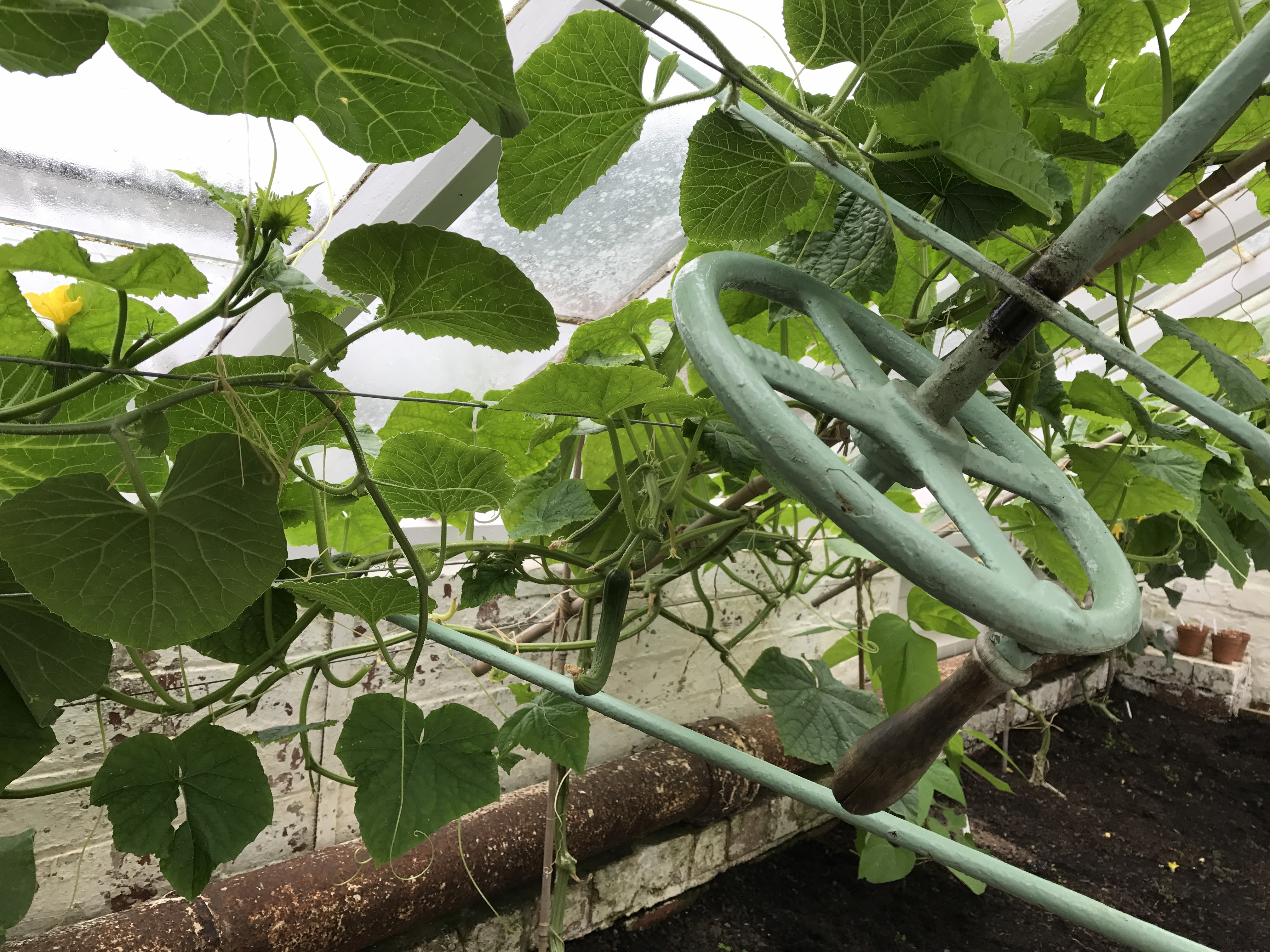
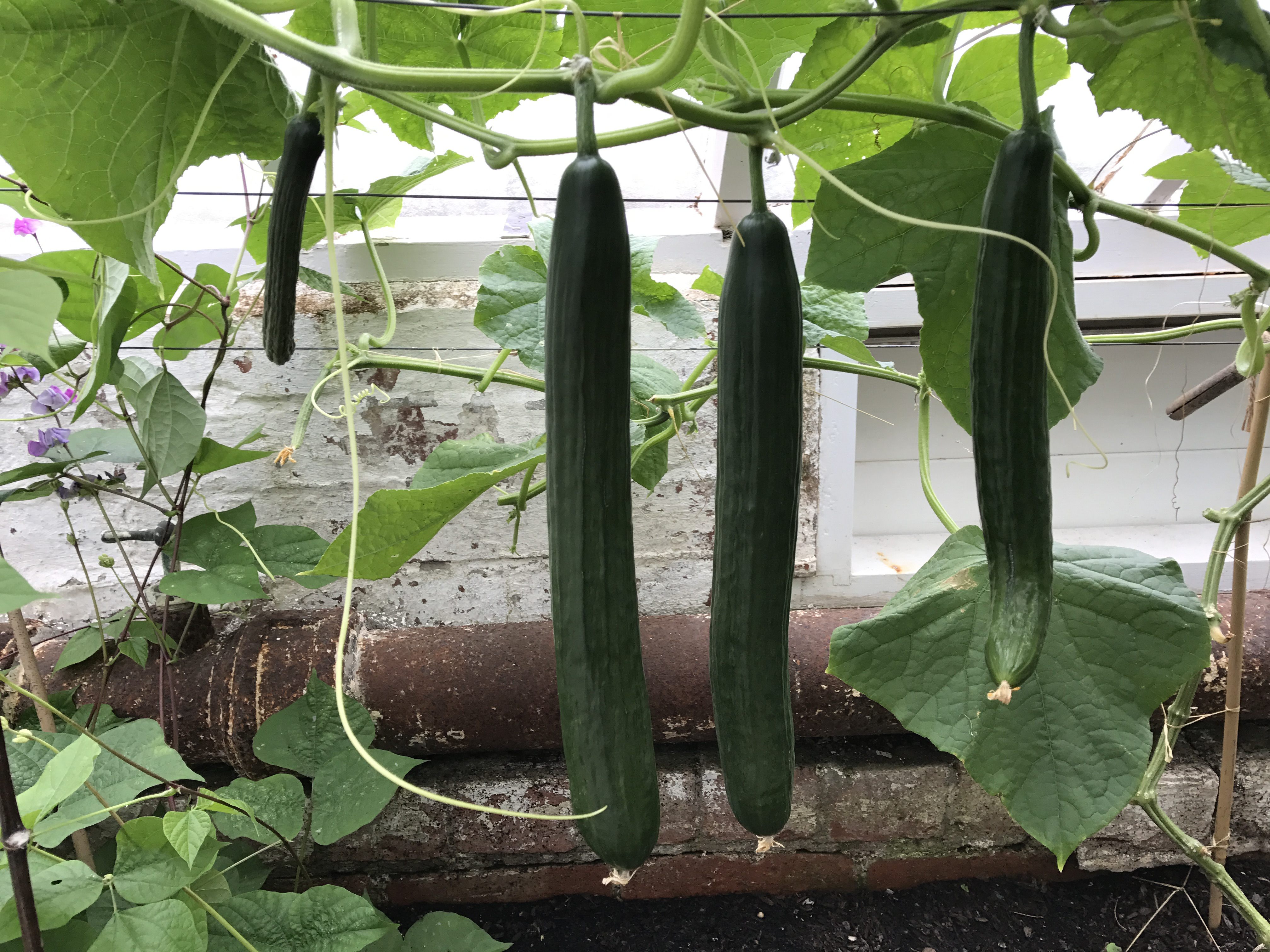
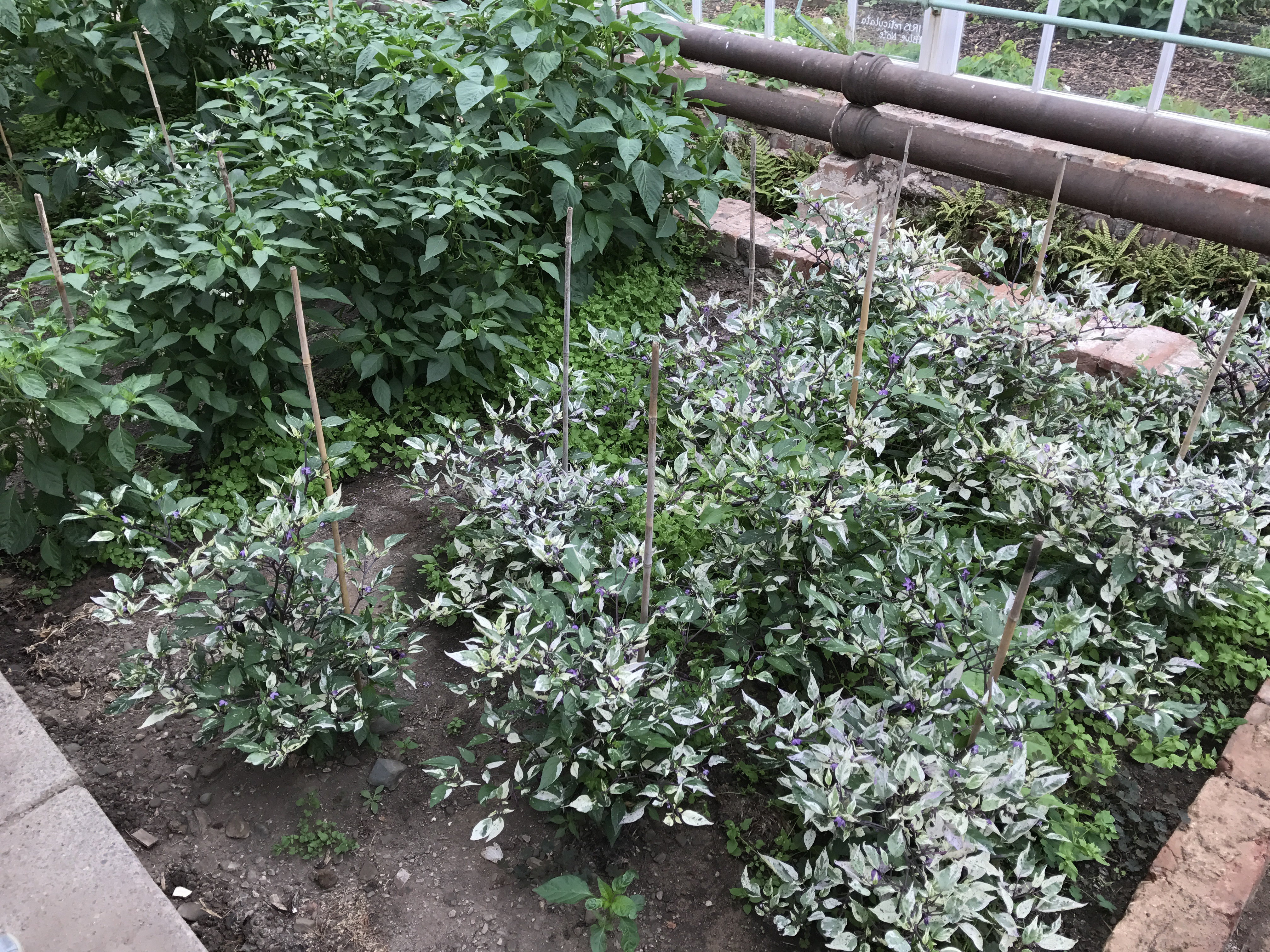
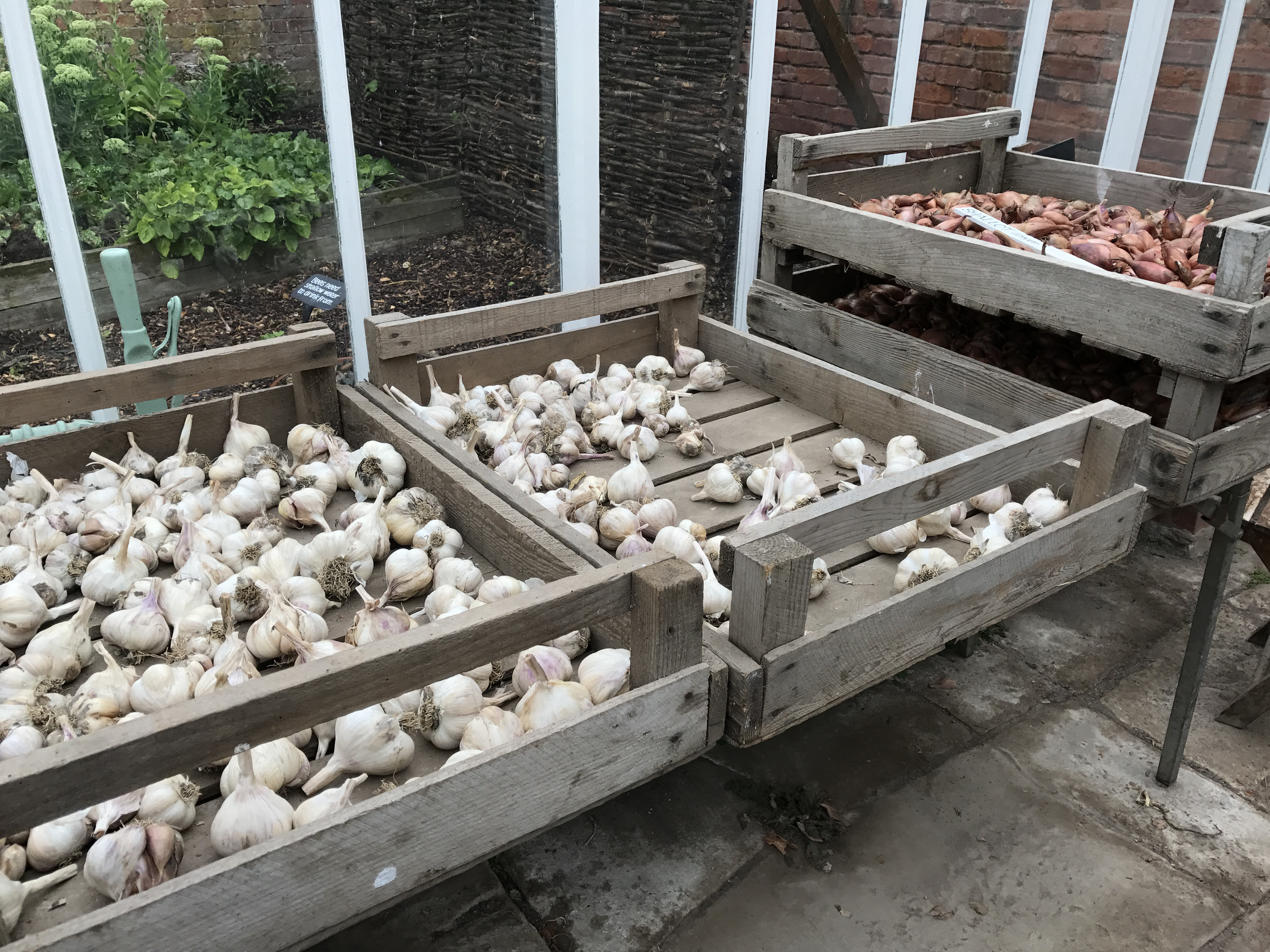
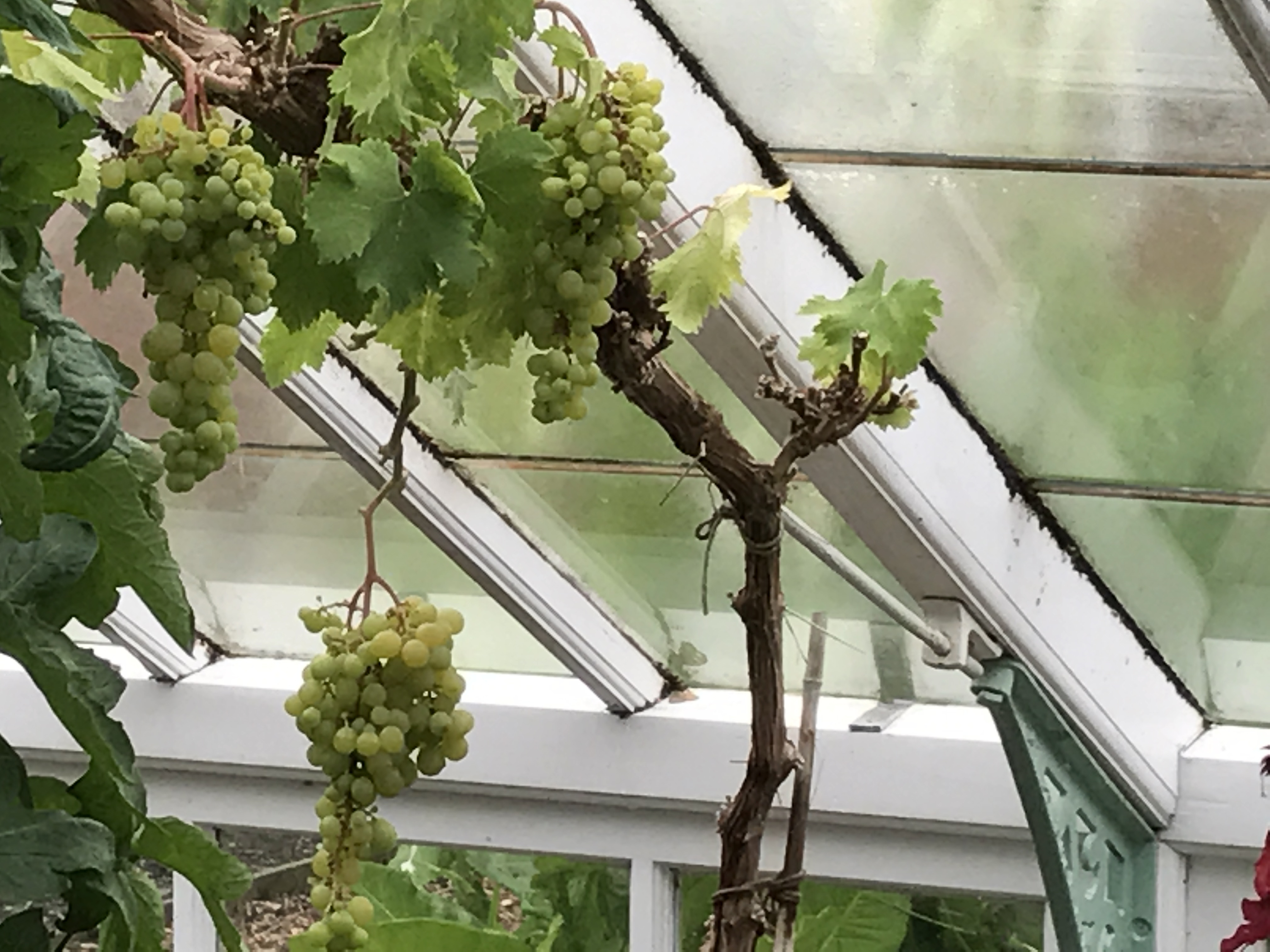
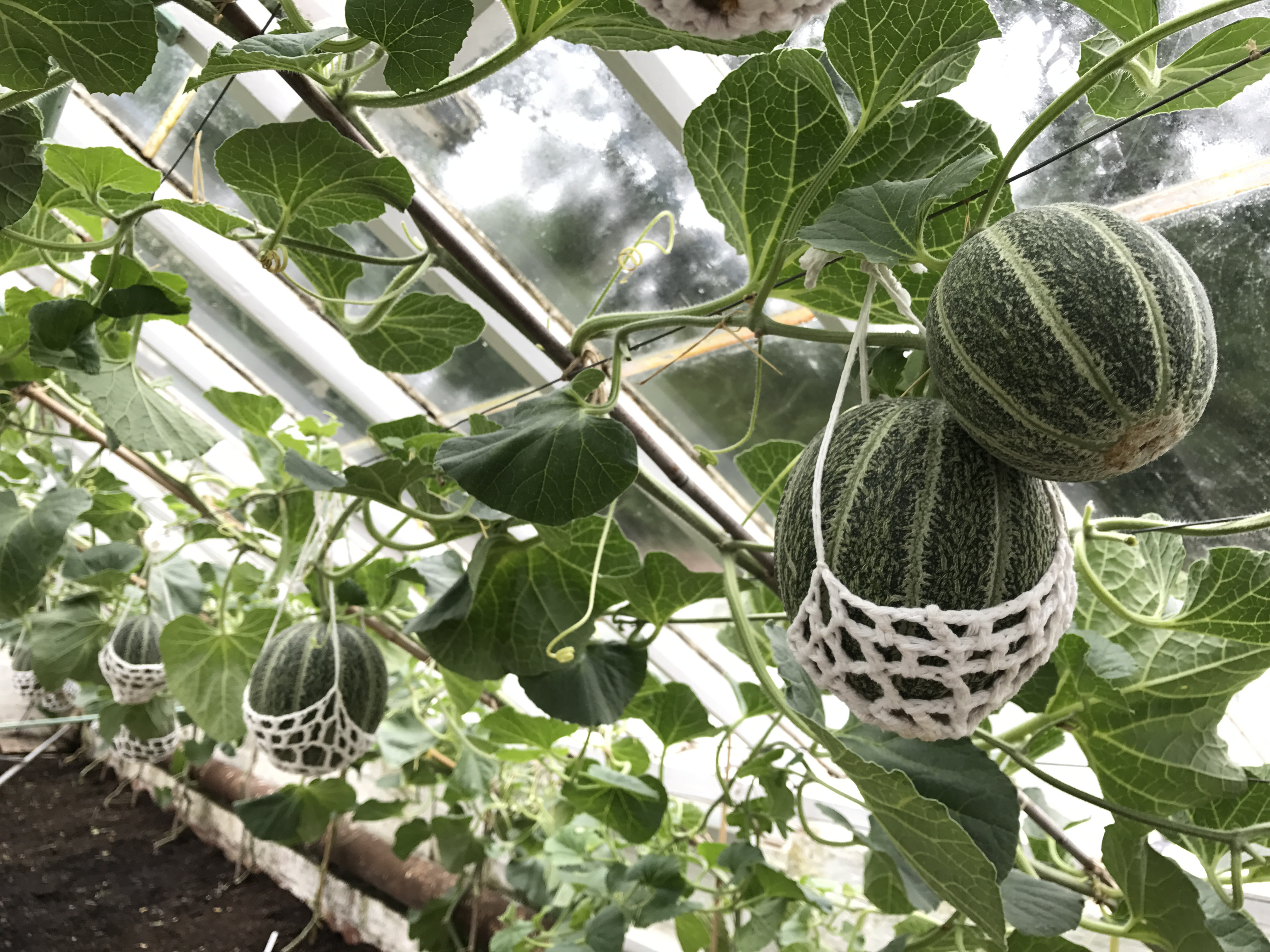
The beautiful, recently restored, vintage glasshouses are now becoming productive with melons, grapes, tomatoes, chillies and cucumbers.


We particularly liked the amazing textures of this melon and its subtle mix of greens.


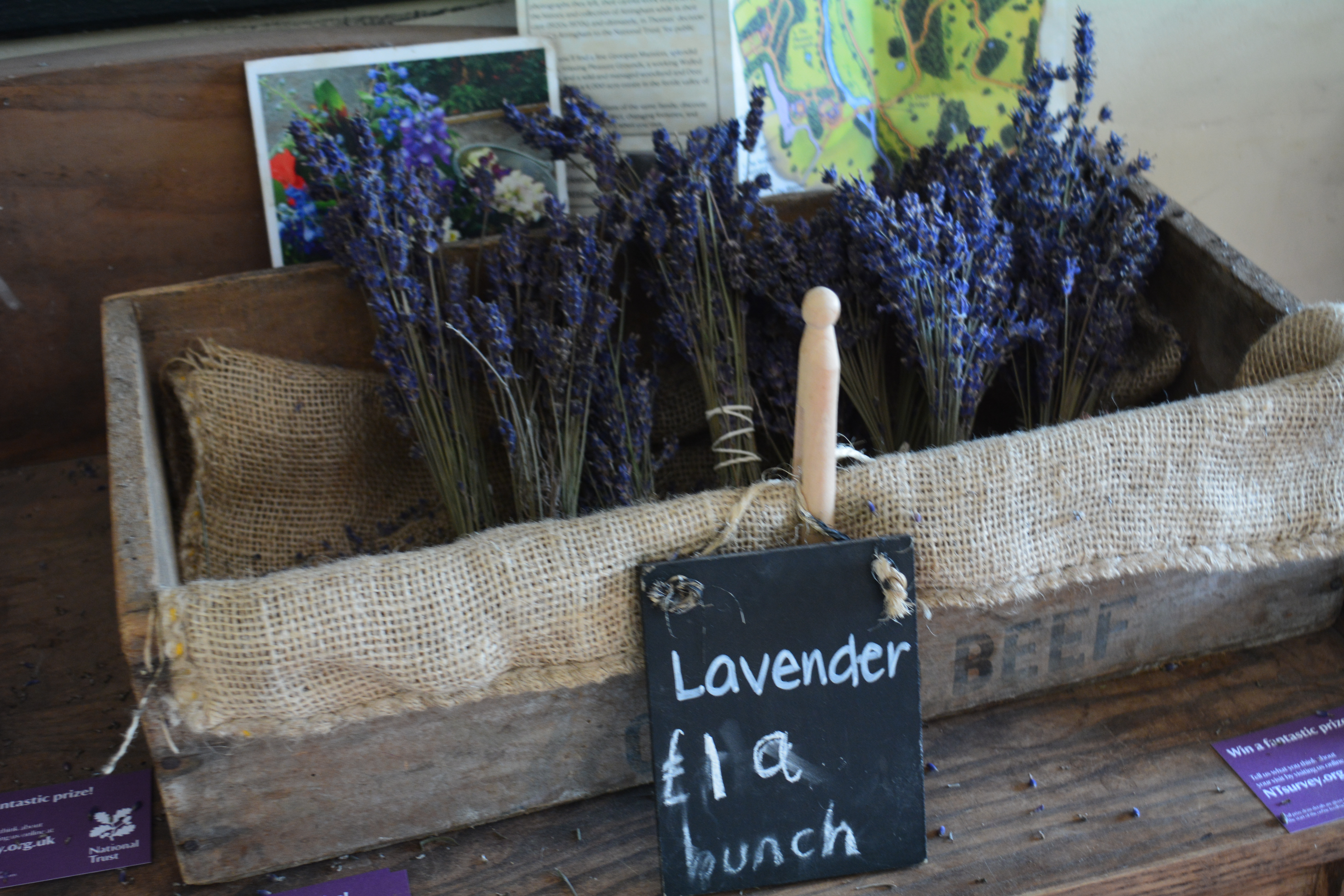
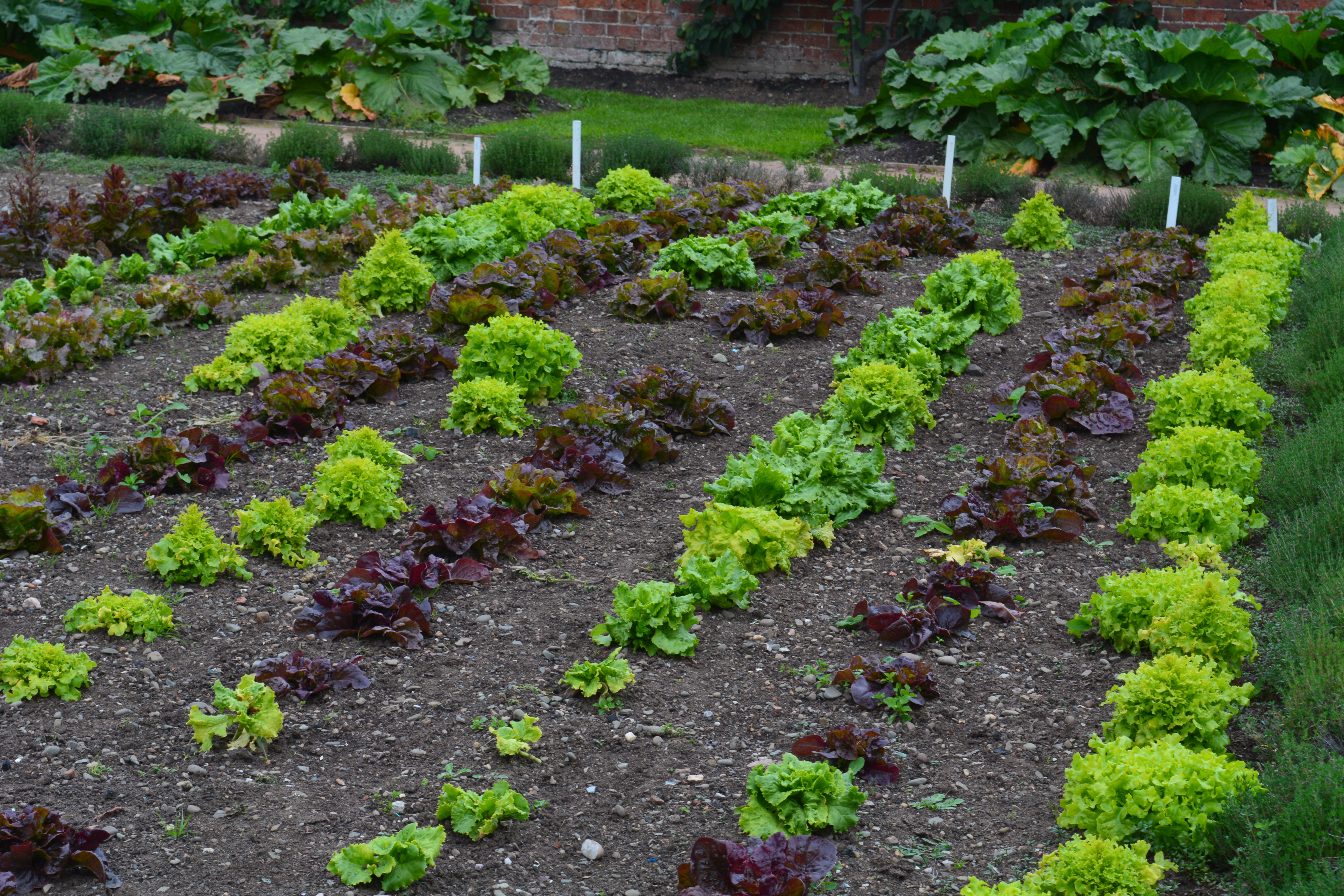
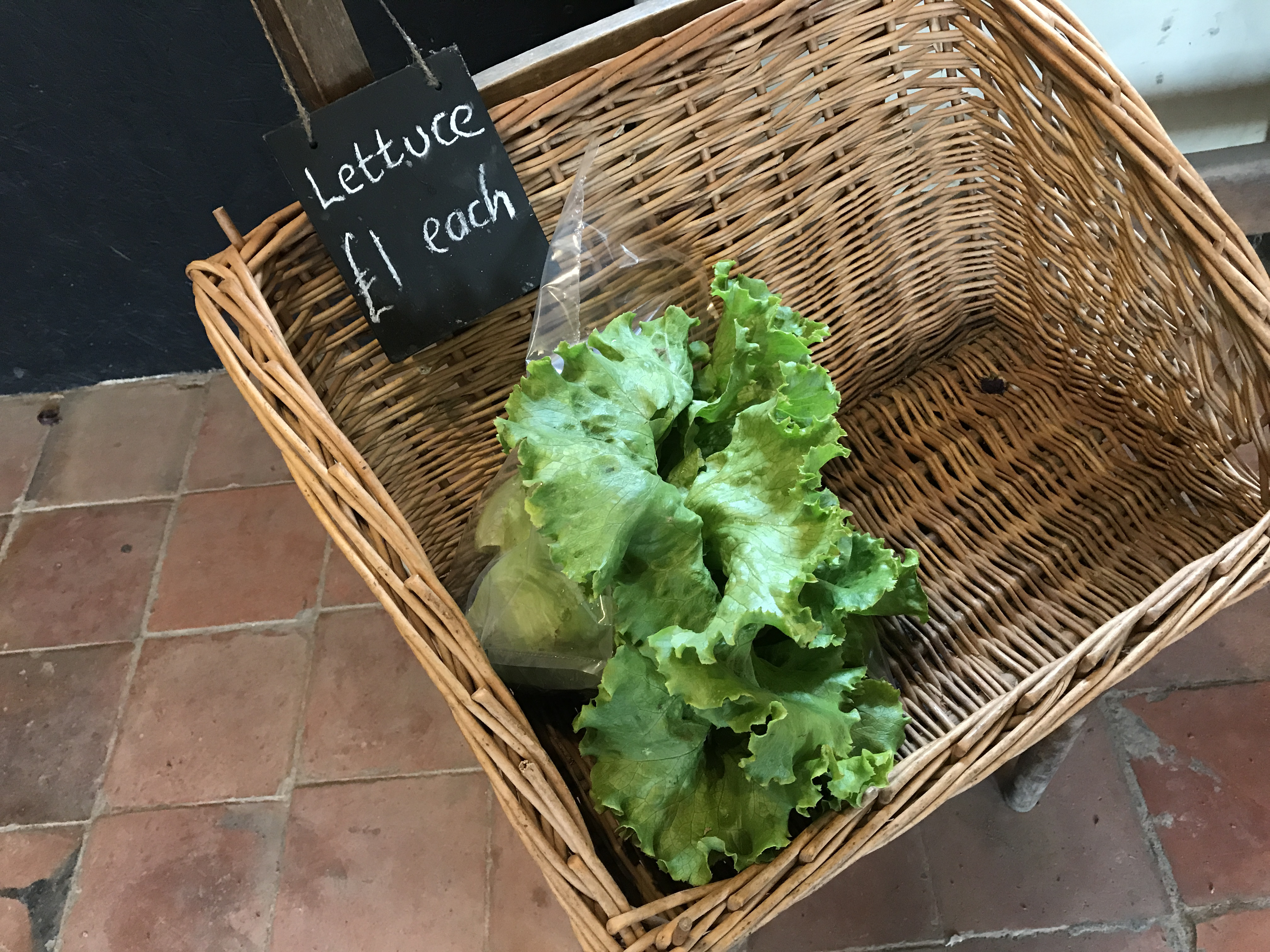
As we entered the gardeners’ bothy we could instantly enjoy the fresh uplifting aroma of bunches of freshly picked lavender, and the sight of simple flower arrangements and freshly harvested lettuces.


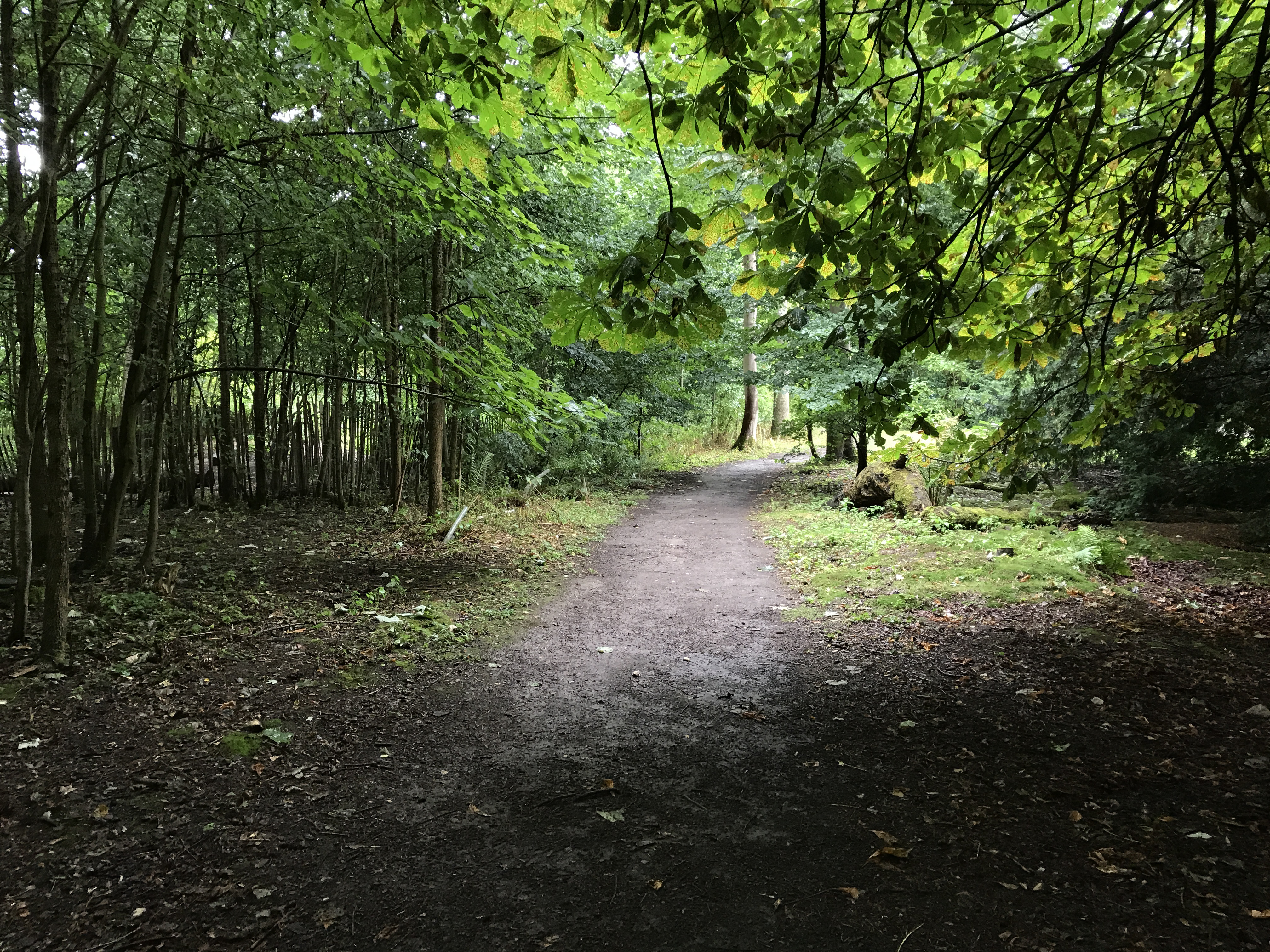
After taking in the sights, scents and sounds offered by the walled garden we continued on our wanders, following the One Mile Walk trail.


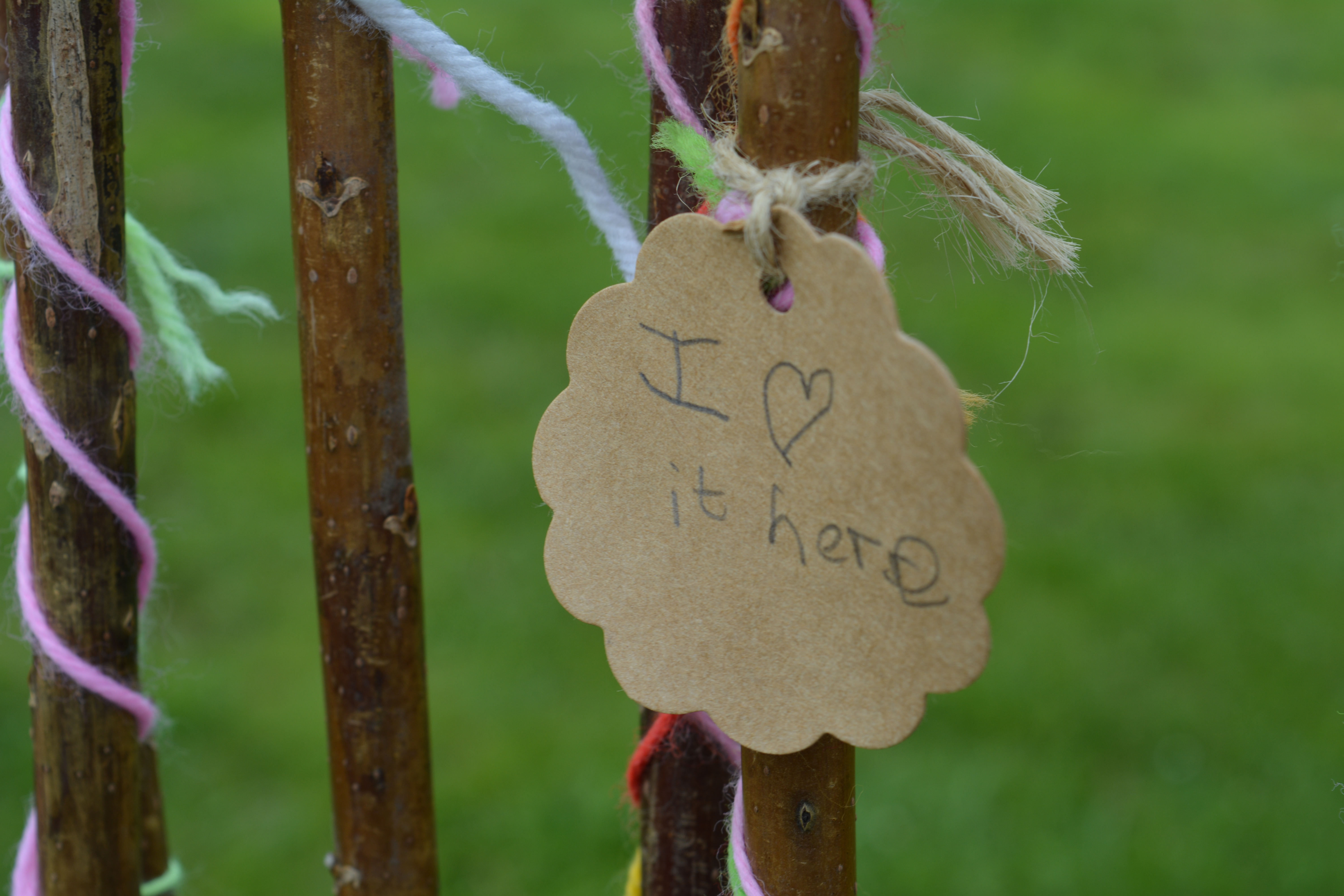
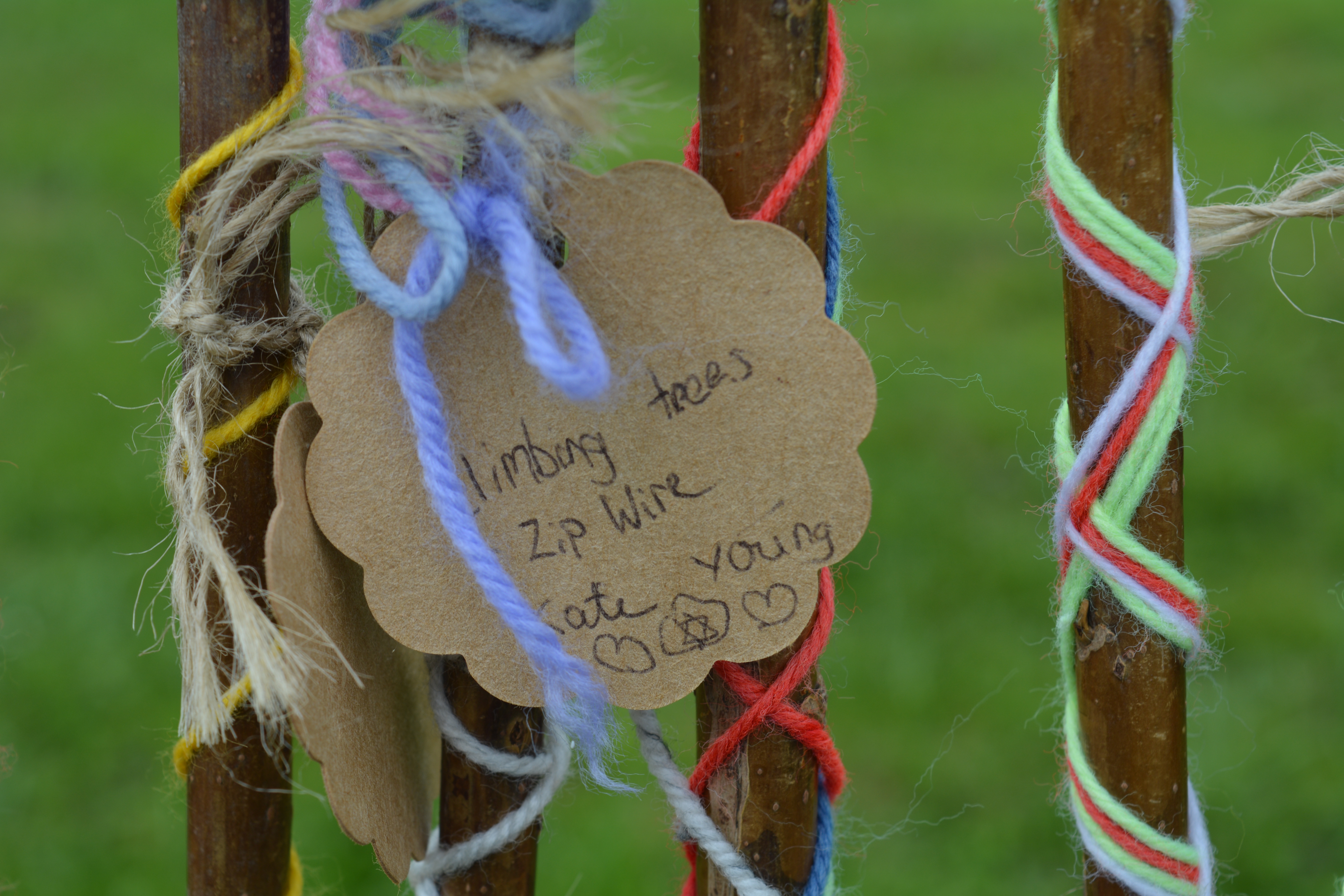
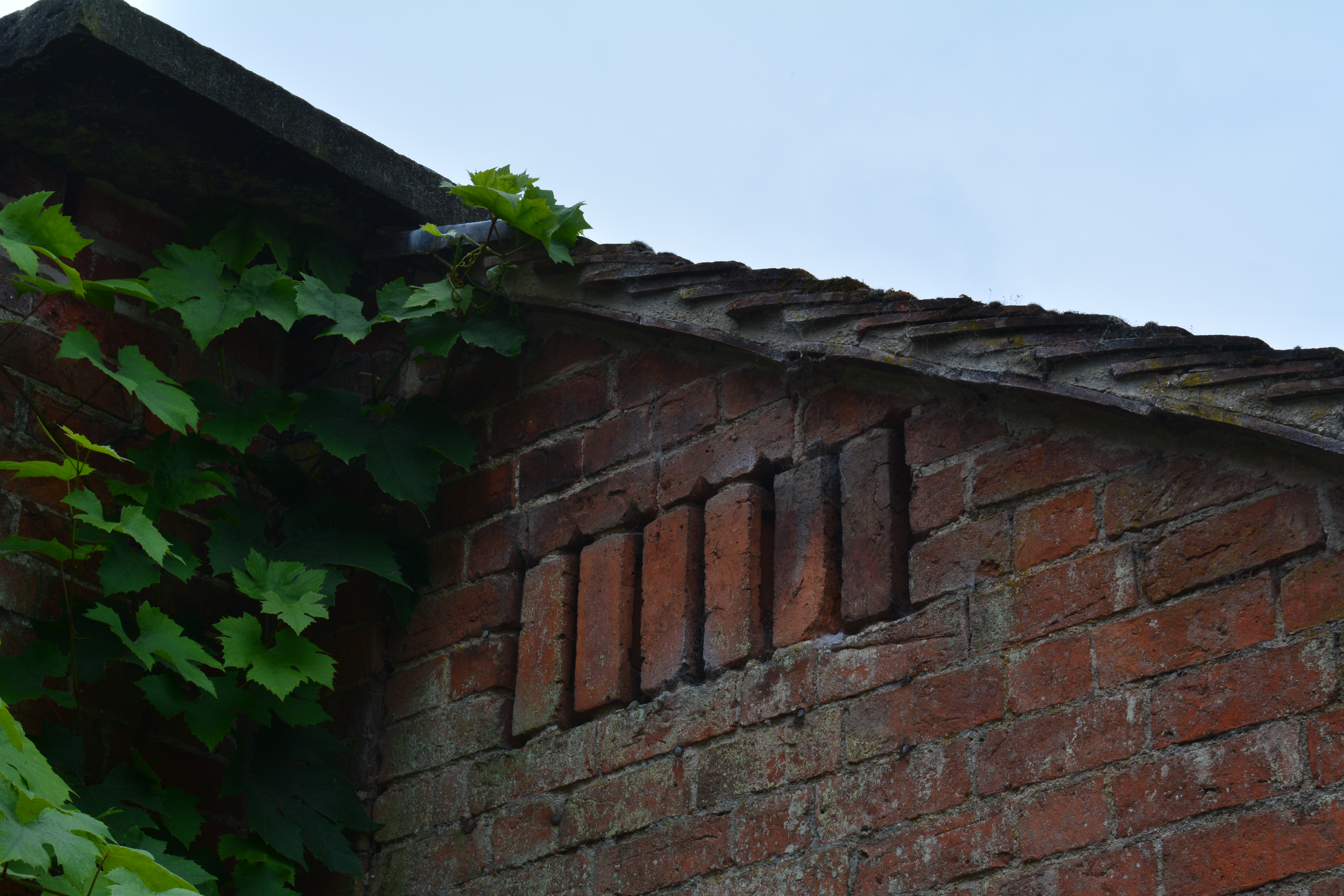
Come with us as we take you along this track in a gallery of photos. As usual click on the first and navigate with the arrows. We will return for another wander in August.


Categories
colours garden design garden photography gardening gardens gardens open to the public grasses hardy perennials ornamental grasses outdoor sculpture sculpture

Sussex Prairie Garden – a prairie garden in Sussex

This is a garden I have been reading about and admiring in photographs for several years and I have enjoyed watching it develop. Imagine our surprise when we were on a mid-week break in September and discovered that we were staying in a hotel not too far from the Sussex Prairie Garden. We couldn’t miss this opportunity so it soon found a slot in our schedule. The big question was “Can it really be as good as we are expecting?” and this stayed in my mind as we drove out to visit it. Surely we wouldn’t be disappointed!

We weren’t and we knew immediately that we wouldn’t be by the welcoming entrance, an unusual, quirky and humorous way in, coupled with a distinctive and beautifully designed garden sign.

sus-5 sus-3  sus4-5 sus-6

We also loved the simple stylized plan of the garden and the welcome notes on the back.

sepj-01

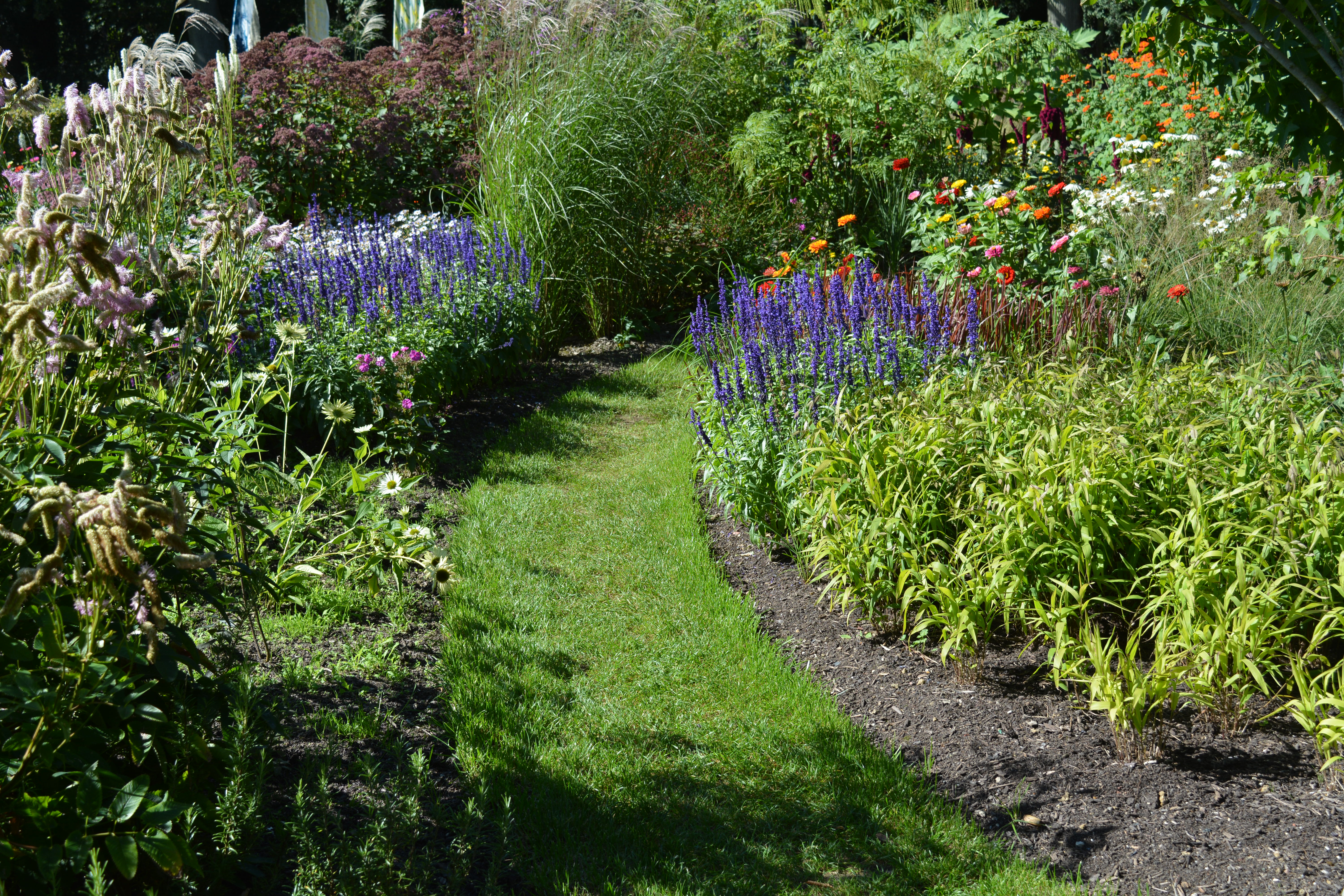
The leaflet described the garden as an “extraordinary garden features huge borders of sumptuous planting combinations that inspire and immerse you in an ever changing wave of texture, colour and form.”

To get to the main garden and tea shop we diverted to follow a path through the cutting garden. This area was to prepare us for the wonderful main garden we would explore after our tea and cakes.

sus5-02 sus5-03 sus5-04 sus5-05 sus5-06 sus5-07 sus5-08 sus5-09

There are 8 acres of naturalistically planted prairie garden containing over 50 ooo plants of over 1000 varieties and these are a magnet for wildlife. The only way to share such an exciting garden with you is to create a gallery for you to follow. As usual please click on the first photo and then navigate with the arrows.

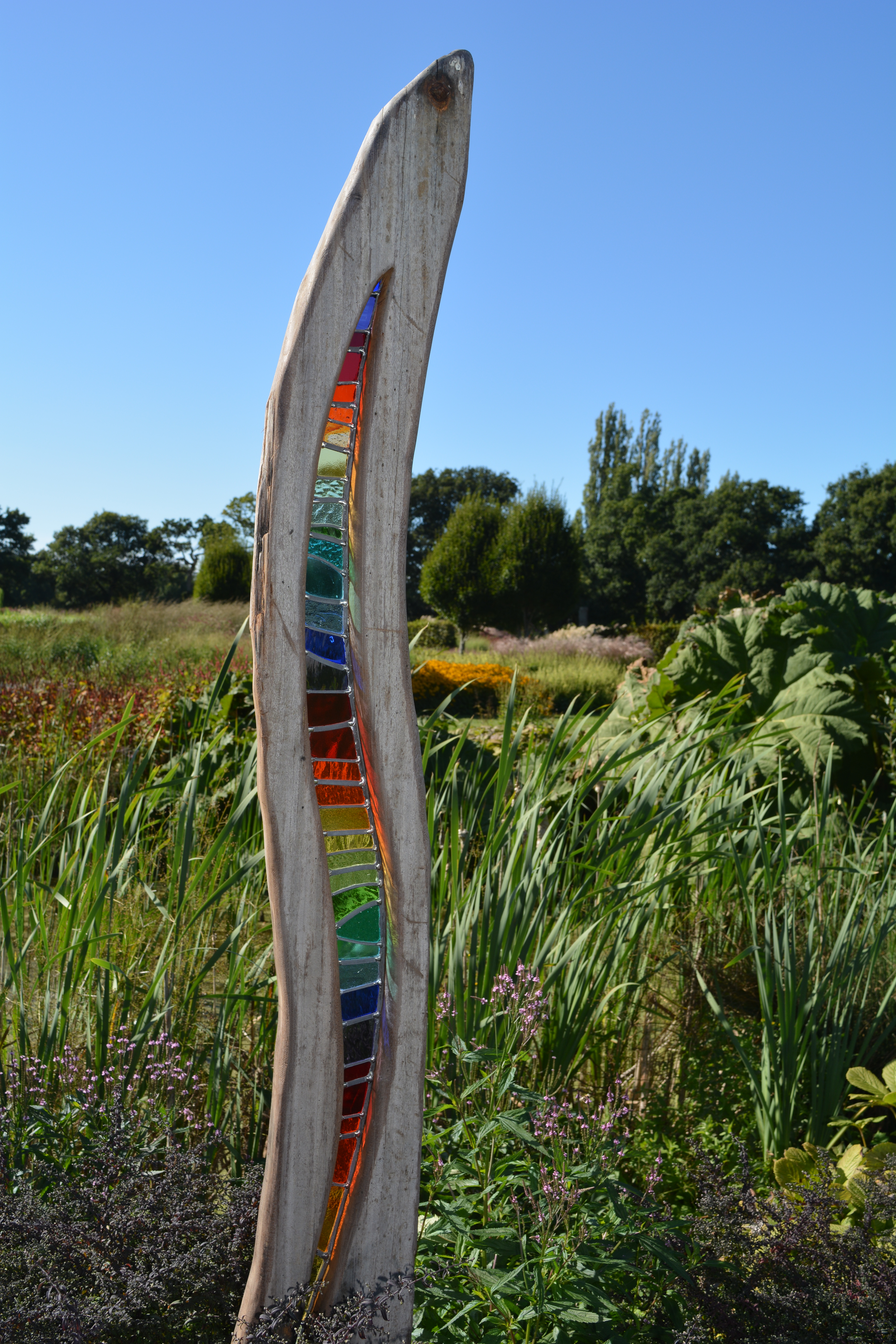
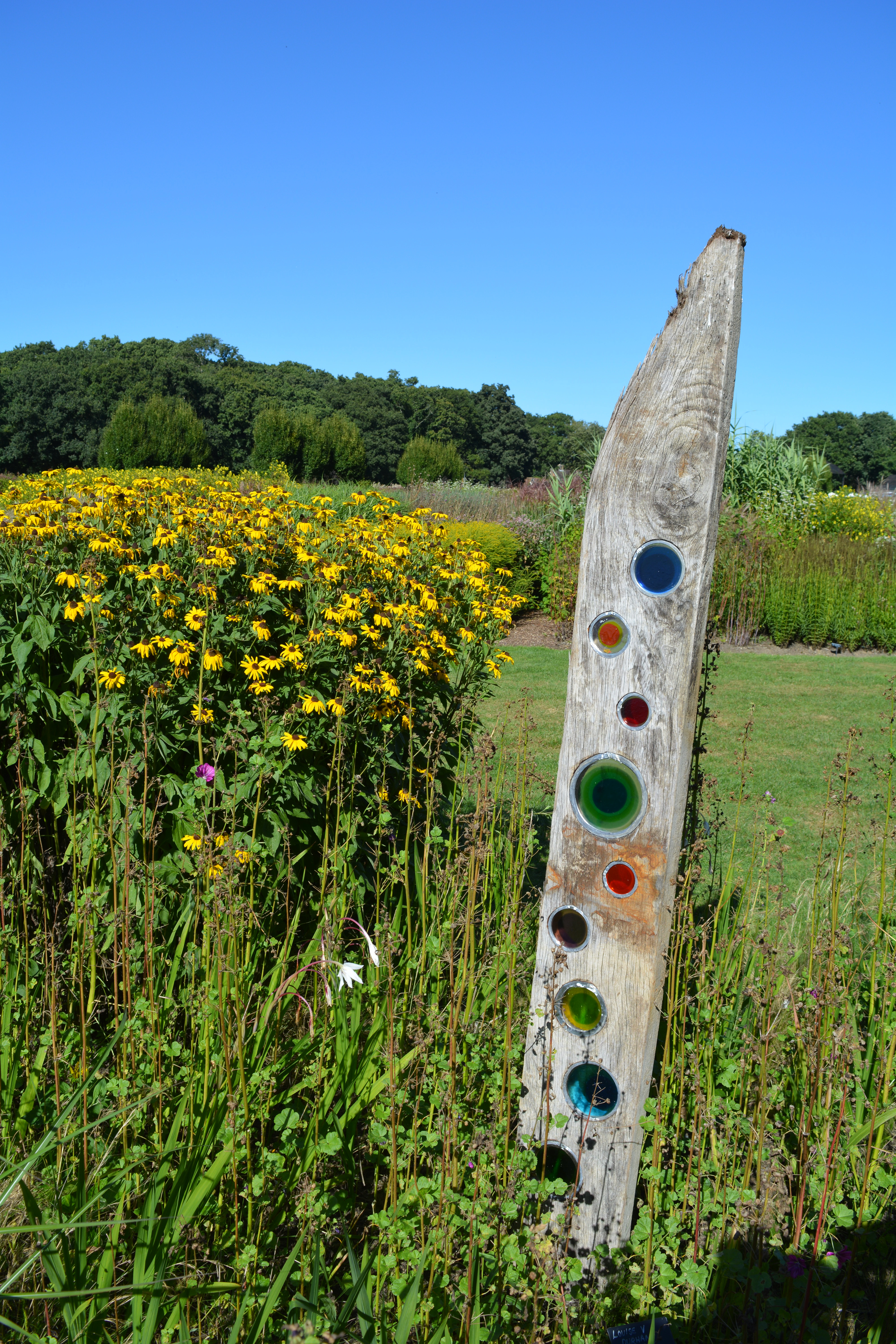
We love sculpture in the garden and here at the Sussex Prairie Garden it was used very well, integrated beautifully into the planting areas and on open areas of mown grass.

sus2-31 sus2-14 sus2-11sus2-13 sus2-10 sus2-09 sus2-23 sus2-08 sus2-07 sus2-25 sus2-06  sus2-18 sus2-20sus2-22 sus2-21 sus2-17 sus2-15 sus2-16 sus2-05  sus2-03

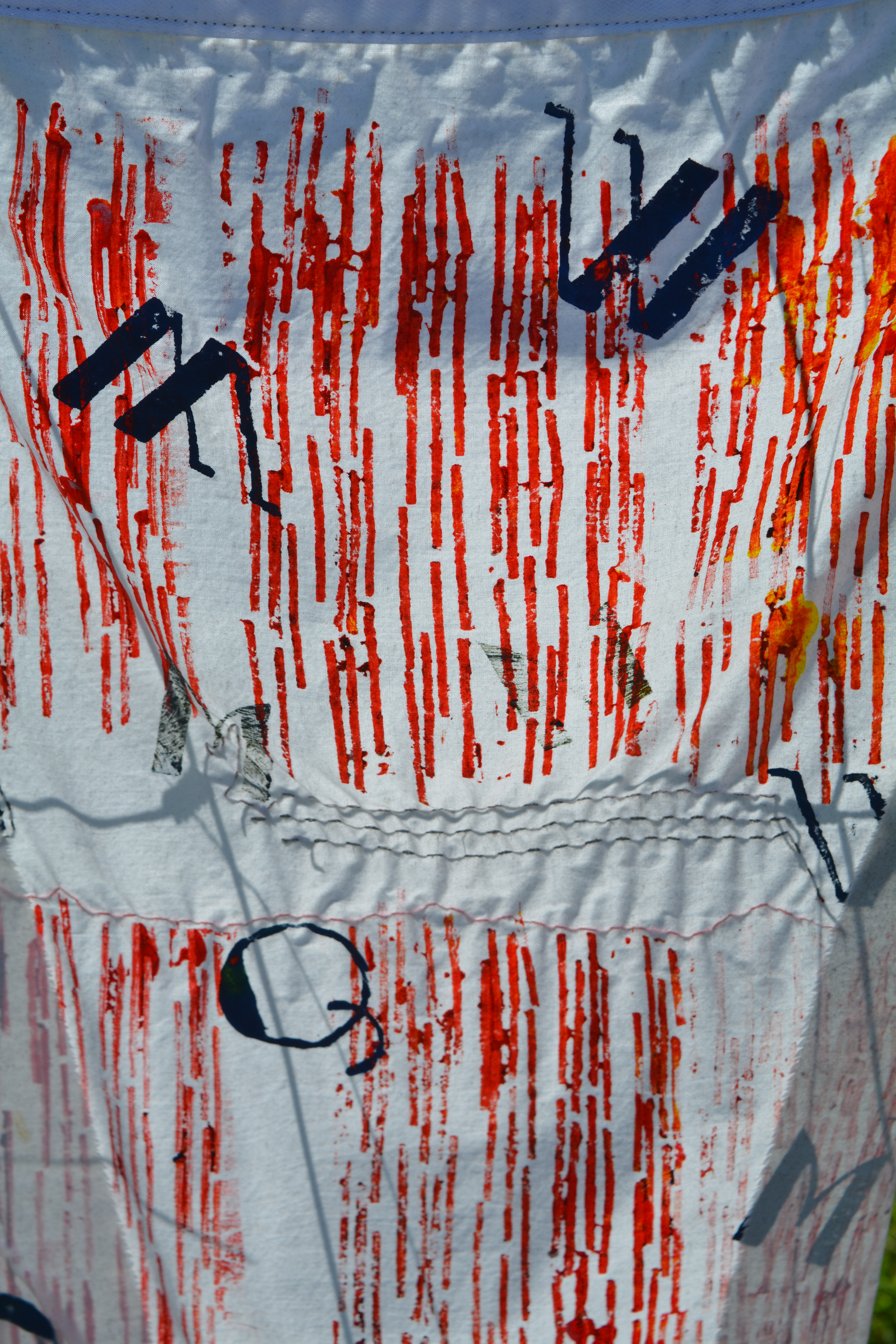
As we reached the furthest point in the garden from the entrance we were in for a colourful surprise before we continued on our wanderings, beautiful fabric hangings on the fence.

sus3-4 sus3-1 sus3-2 sus3-3

So the Sussex Prairie was as good as we had hoped, the planting and design was remarkable. We must return again perhaps in the autumn season.


Categories
colours flowering bulbs garden design garden photography gardening hardy perennials light light quality National Garden Scheme NGS ornamental grasses ornamental trees and shrubs outdoor sculpture Shropshire South Shropshire succulents swallows village gardens Yellow Book Gardens

My Garden Journal in August

My August entries in my Garden Journal 2016 see me beginning Volume Two. On the first page I look back to my original garden journal’s August entries.

au-01

“I made my first ever entries for our new garden in August 2003. We moved to “Avocet” our Plealey home on 8th August. I wrote, “The garden needs our love and attention after 6 years of neglect. It is a garden of straight lines and loneliness, lacking in wildlife and its inherent vitality. It lacks colour.” Things are very different now 13 years later. The garden is now full of wildlife, full of calming atmosphere and peace. It is a garden that attracts many visitors each year and people enjoy hearing our talks about it.”

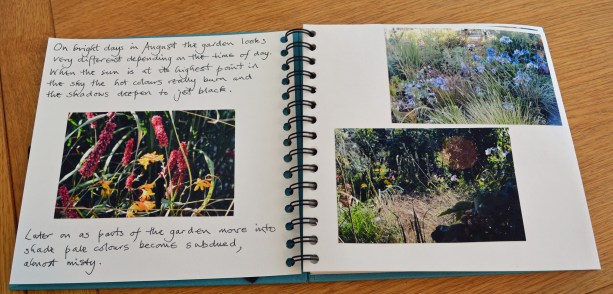
Over the page I considered the way light in August changes the look of the garden.

au-02

“On bright days in August the garden looks very different depending on the time of day. When the sun is at its highest point in the sky the hot colours really burn and shadows deepen to jet black.

au2-2 au2-1au2-3

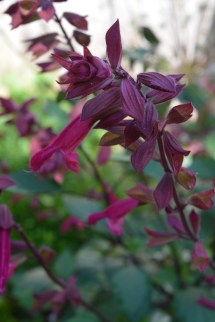
I then looked at Salvias and share photographs of some of those we are growing in our patch.

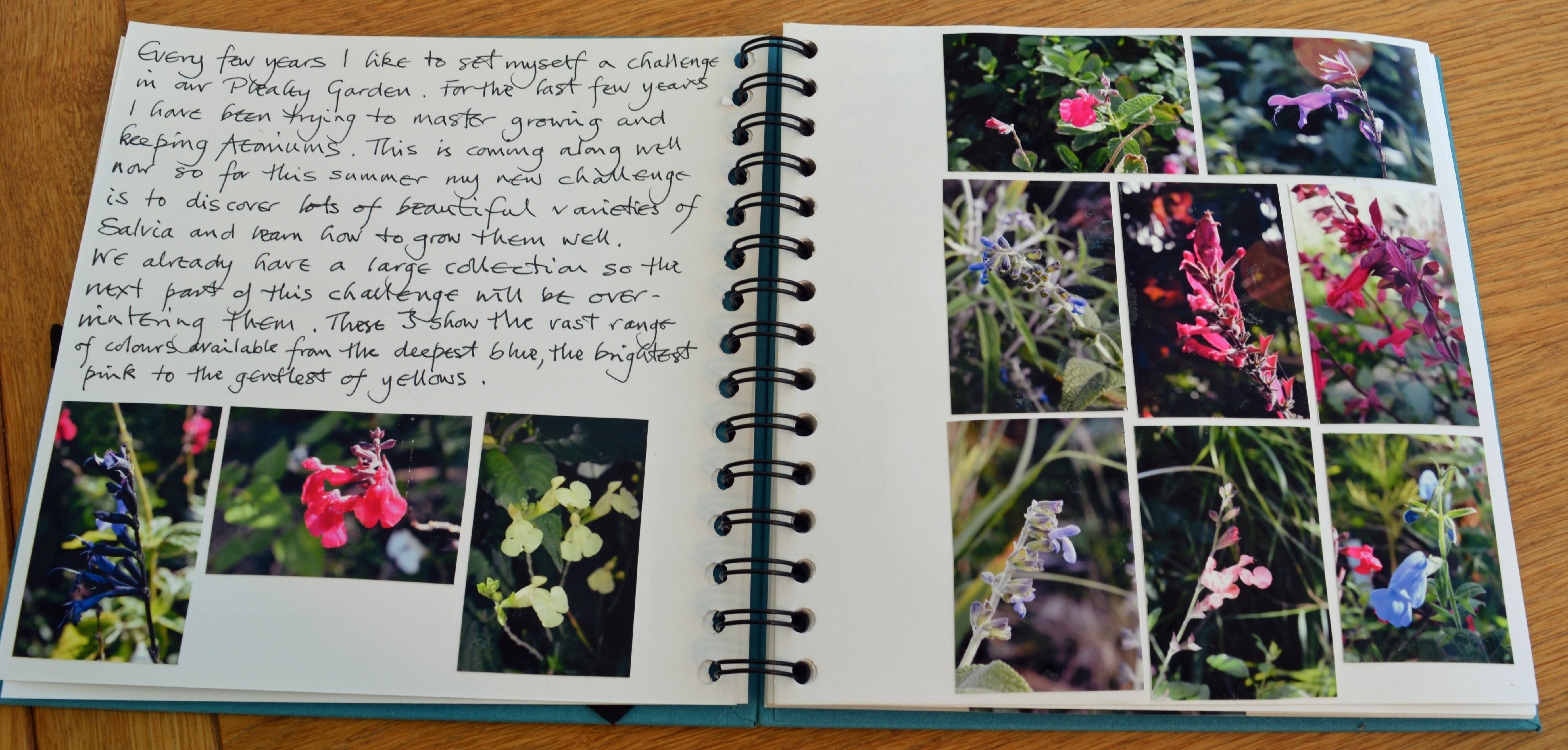
“Every few years I like to set myself a challenge in our Plealey garden. For the last few years I have been trying to master growing and keeping Aeoniums. This is coming along well now so for this summer my new challenge is to discover lots of beautiful varieties of Salvias and learn how to grow them well. We already have a large collection so the next part of this challenge will be over-wintering them. These three (in the photos below) show the vast range of colours available from the deepest blue, the brightest pink to the gentlest of yellows.”

au3-32 au3-33 au3-36

On the opposite page I featured a selection of eight of the Salvias in flower in our patch in August. I have included a couple more here too for you to enjoy and to help us appreciate the variety we have.

au-03

au3-53 au3-30au3-05 au3-31 au3-50au3-35 au3-37au3-54au3-51 au3-52

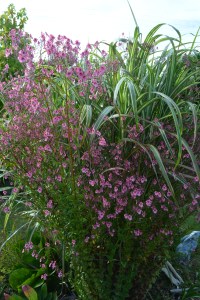
I move on in my journal then to look at very special and very unusual perennial plant, a Diascia. On the page opposite I share a few of our new sculptural pieces in the garden.

au-04

One plant that always attracts admiring glances is this pink gentle giant, an evergreen Diascia, which is called D. personata “Hopleys”. It is an exceptionally good garden performer, growing to a tall six feet and flowering from May to December in a good year.”

au1-03 au1-02au1-05 au1-04

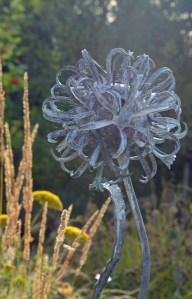
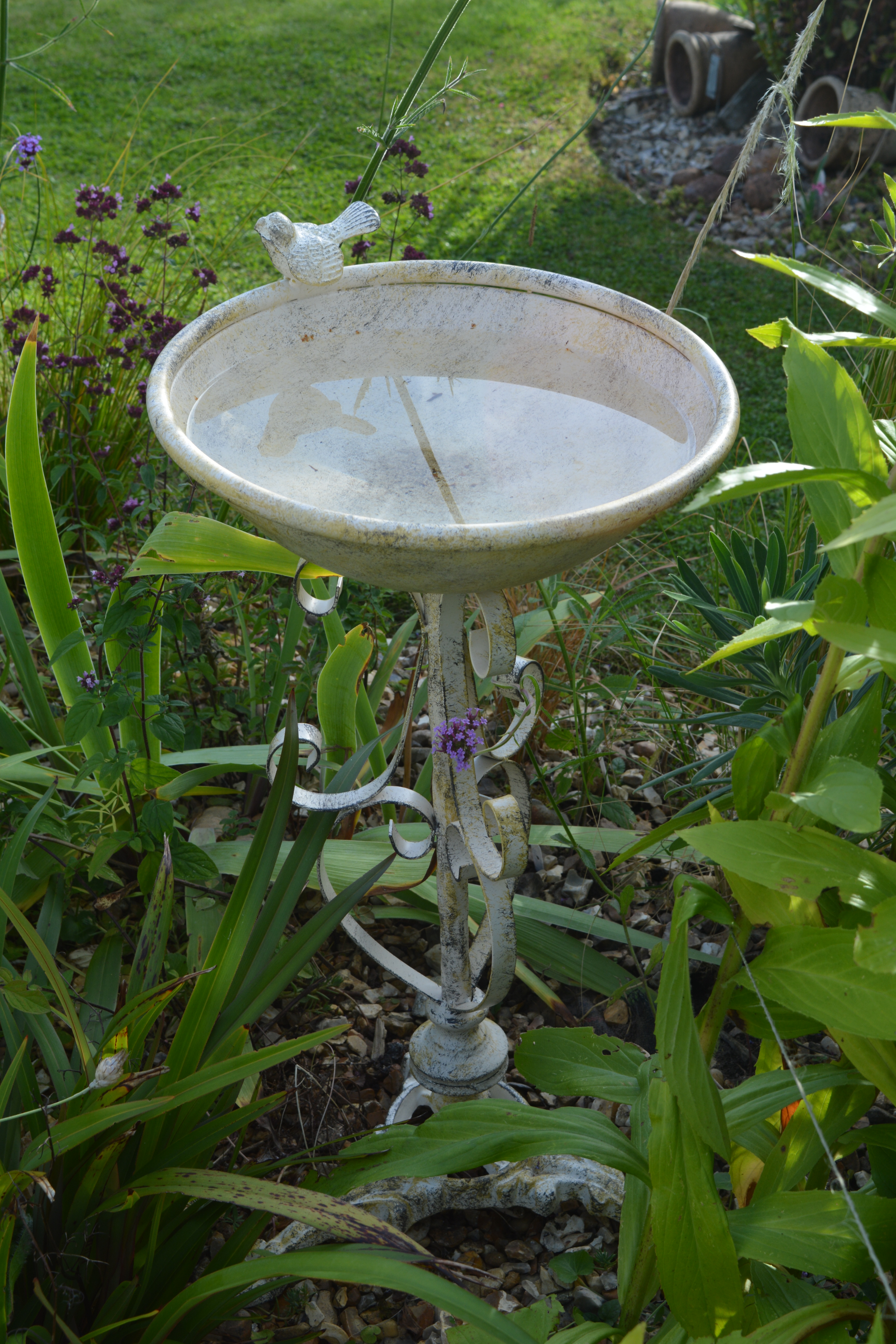
“We love sculpture in the garden and in our patch”Avocet” in Plealey we mostly choose metal or stoneware pieces as these enhance the planting rather that dominate. Recently we have added four new new iron work pieces, two based on seed heads – Clematis and Allium – plus a new bird bath.” 

Here are three of them, the fourth appears later.

au1-12 au1-08 au1-07

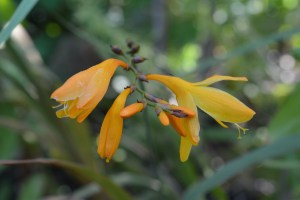
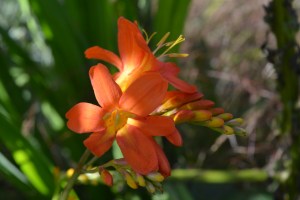
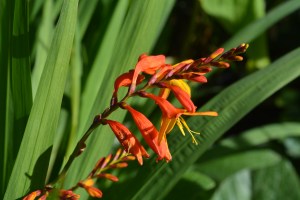
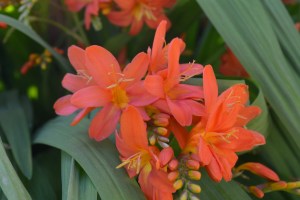
I then move on to one of the brightest of garden perennials to grace borders in the UK, the Crocosmias.

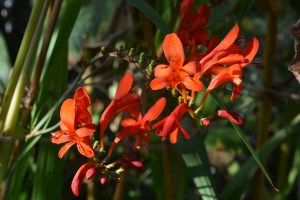
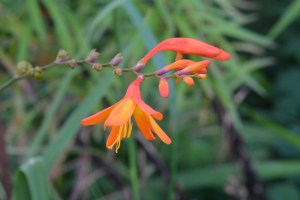
“Various Crocosmias feature throughout the patch and in August many come into their own, showing off their yellows, oranges and reds. We have dozens of different varieties. Here are a few ……….. “

au-05

Firstly the yellows ………….

au3-15 au3-10au3-45 au3-48au3-34 au3-46

…………………….. and then the oranges and reds.

au3-49 au3-41au3-26 au3-19au3-40 au3-43au3-21 au3-25

Returning to the sculptural pieces we have recently added to our garden collection, I introduced another 5 pieces.

au-06

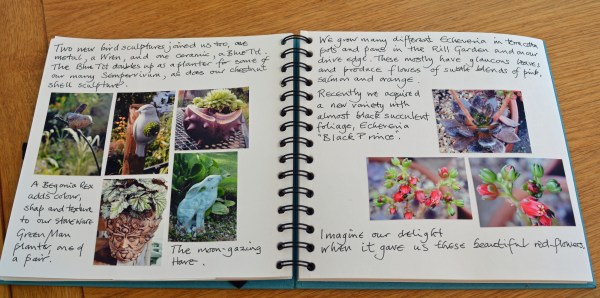
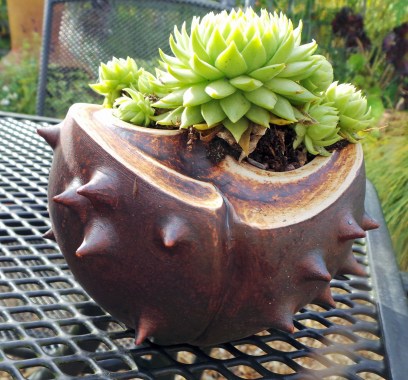
“Two new bird sculptures joined us too, one metal, a Wren, and one ceramic, a Blue Tit. The Blue Tit piece doubles up as a planter for some of our many Sempervivum, as does our chestnut shell sculpture.”

au1-09 au1-13 au1-01

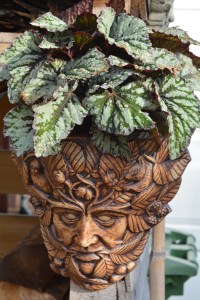
“A Begonia Rex adds colour, shape and texture to our stoneware Green Man planter, one of a pair.”

au1-10 au1-11

“The moon-gazing Hare.”

au1-06

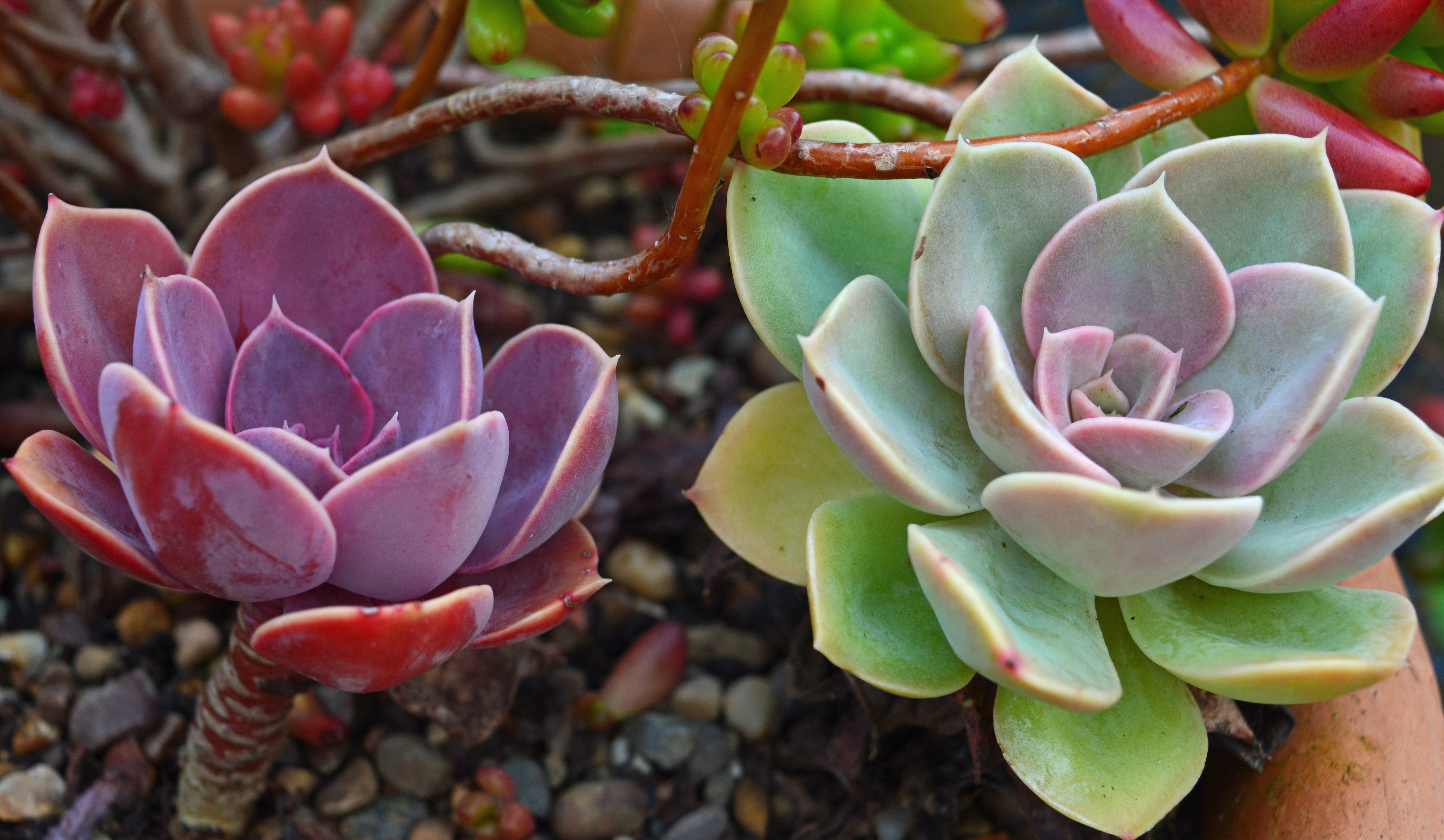
“We grow many different Echeveria in terra-cotta pots and pans in the Rill Garden and on our drive edge. These mostly have glaucous leaves and produce flowers of subtle blends of pink, salmon and orange. Recently we acquired a new variety with almost black succulent foliage, Echeveria “Black Prince”. Imagine our delight when it gave us these beautiful red flowers.”

au1-16 au1-14au1-15

“For this month I have decided to paint two delicately coloured flowers, a yellow Linaria dalmatica and the china blue climber and scrambler Clematis jouianiana.

au-07

au-08 au-10 au-09 au-11

On the opposite page I finish off my entries for August by looking at some of our newly acquired plants.

“We are always adding new plants to the garden at Avocet and indeed a few found their way in during August. Here is a selection ………. “

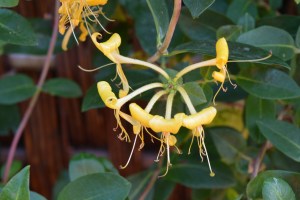
“New Honeysuckles to clamber up our new willow hurdles.”

au3-29 au3-28

“A white Physostegia to accompany our pink one.”

au3-17 au3-18

“Crocosmia “Okavango” and “Salvia leucantha “Eder”.

au3-02 au3-03

And there ends my journal entries for the month of August. Our next visit to look at it will be in September a month that the meteorological office places in autumn but us gardeners tag it onto summer – a much better and more accurate idea. We move into a much quieter period now as we have completed our NGS open days for this year and have received the last of our visiting groups.


Categories
colours garden design garden photography garden wildlife gardening gardens hardy perennials ornamental trees and shrubs village gardens wildlife

My Garden Journal in June

Half way through the year and we are also at the half way point of my garden journal. Here is my journal for June – I hope you enjoy it!

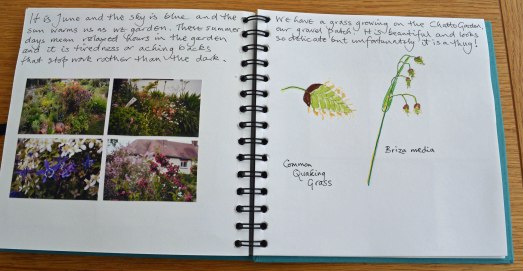
It is June and the sky is blue and the sun warms us as we garden. These summer days mean relaxed hours in the garden and it is tiredness or aching backs that stop work rather than the dark.”

junejournal-01

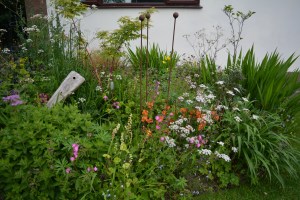
I added four photos of general garden views below the first paragraph.

junejournal-1-1 2-42-1 2-3

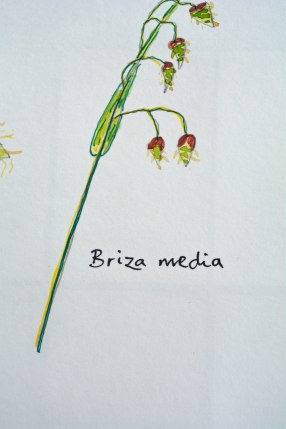
On the opposite page I featured a tiny simple grass, a favourite but also a bit of a nuisance. It is the Common Quaking Grass. It moves in the slightest breeze.

“We have a grass growing on the Chatto Garden, our gravel patch. It is beautiful and looks so delicate but unfortunately it is a thug!”

junejournal-02junejournal-03junejournal-04

Turn over the page and we find two pages mostly of photographers.

junejournal-05

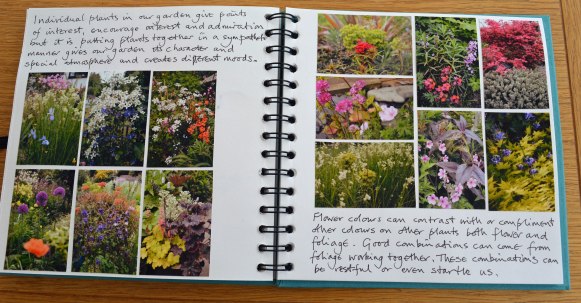
“Individual plants in our garden give points of interest, encourage interest and admiration but it is putting plants together in a sympathetic manner gives our garden its character and special atmosphere and creates different moods.”

jj-3 jj-5 jj-6 jj-2 junejournal-3-1 jj-1

“Flower colours can contrast with or compliment other colours on other plants both flower and foliage. Good combinations can come from different plants’  foliage working together. These combinations can be restful or even startle us!”

junejournal-3-2 junejournal-2-2junejournal-2-3 junejournal-1-4 j-1 j-2 junejournal-1-3

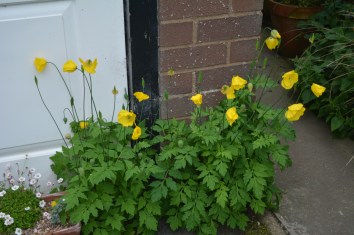
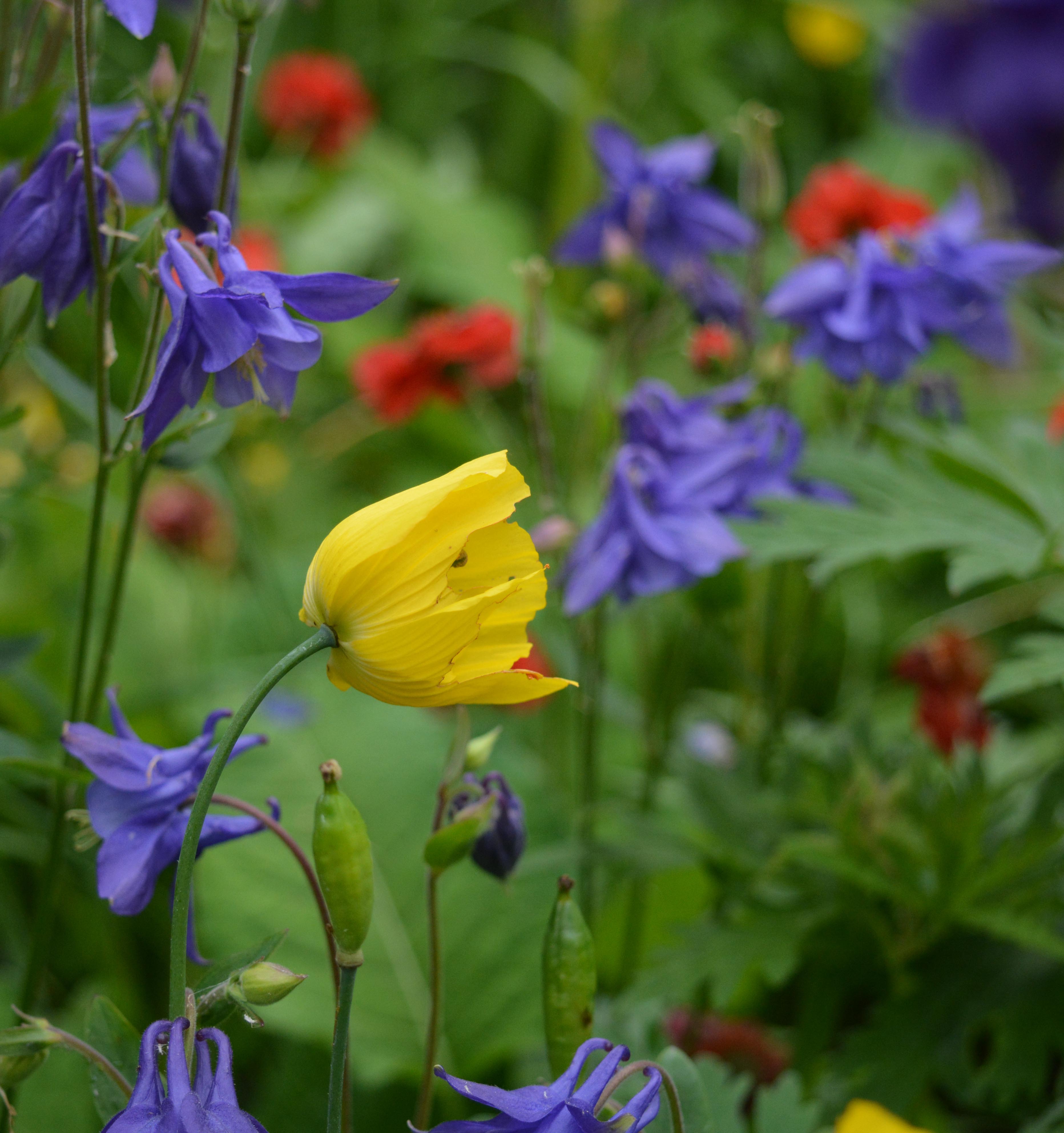
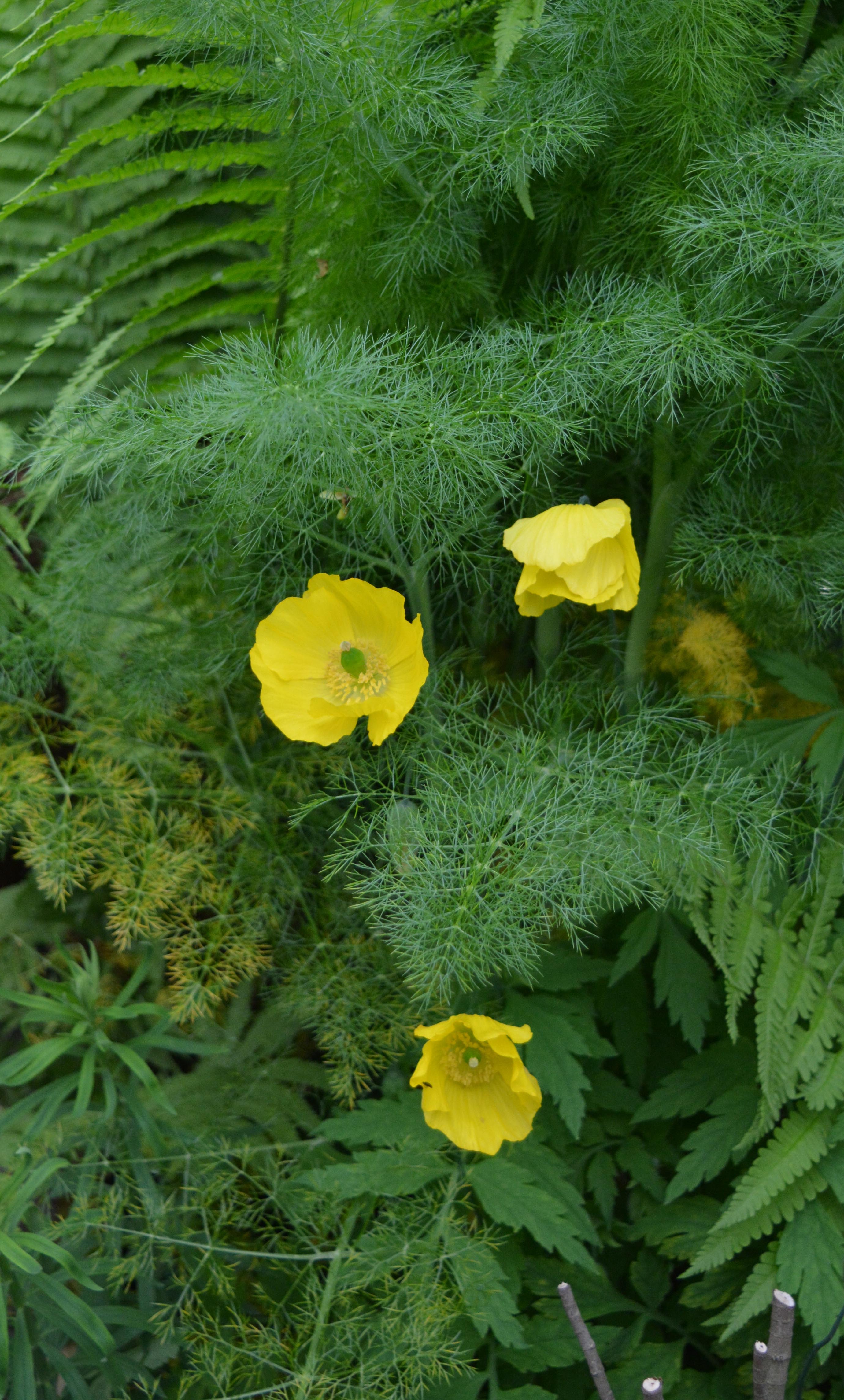
Over the next page I talk about two yellow flowering plants, the Welsh Wanderer, the Welsh Poppy and an aquilegia.

junejournal-06

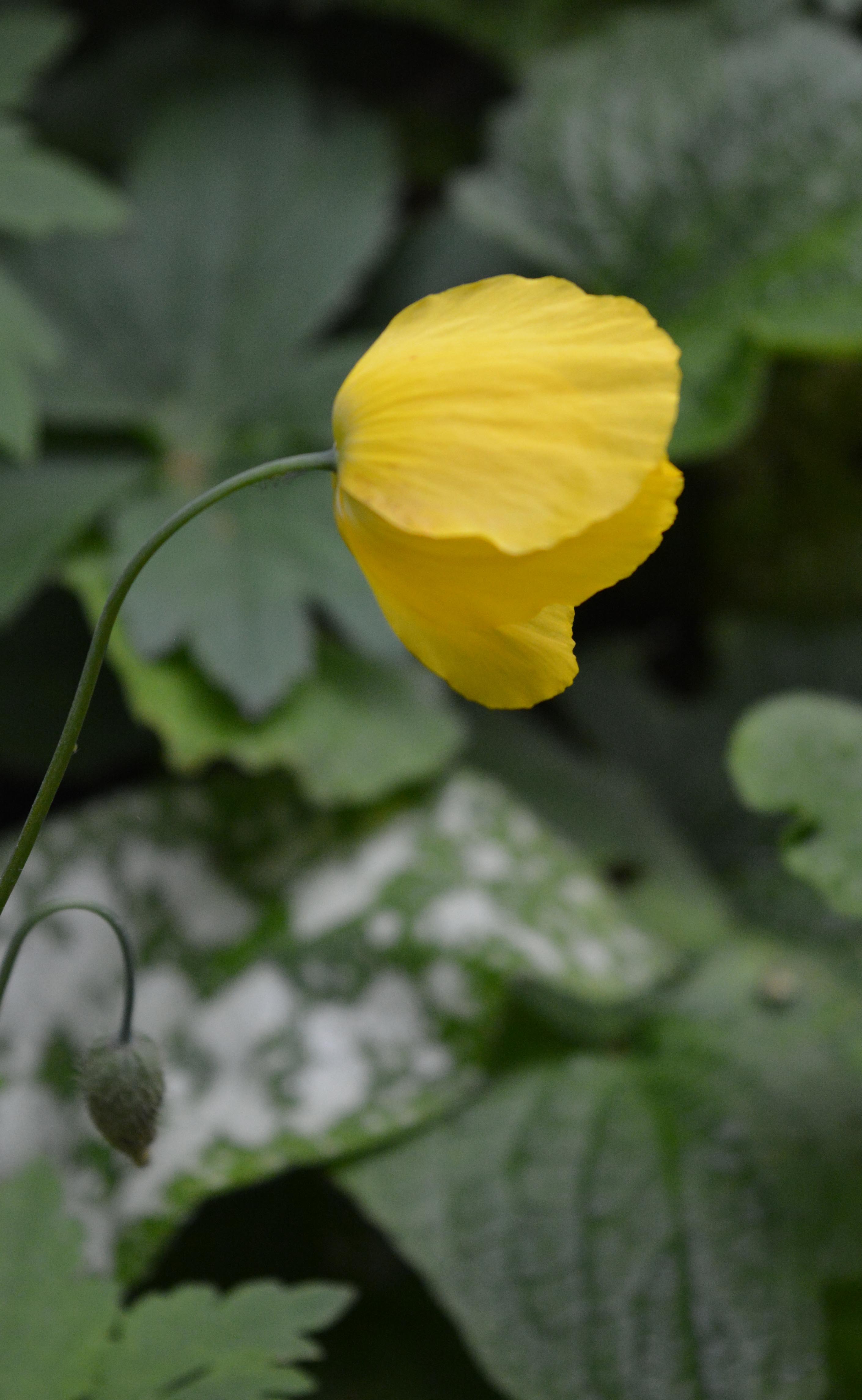
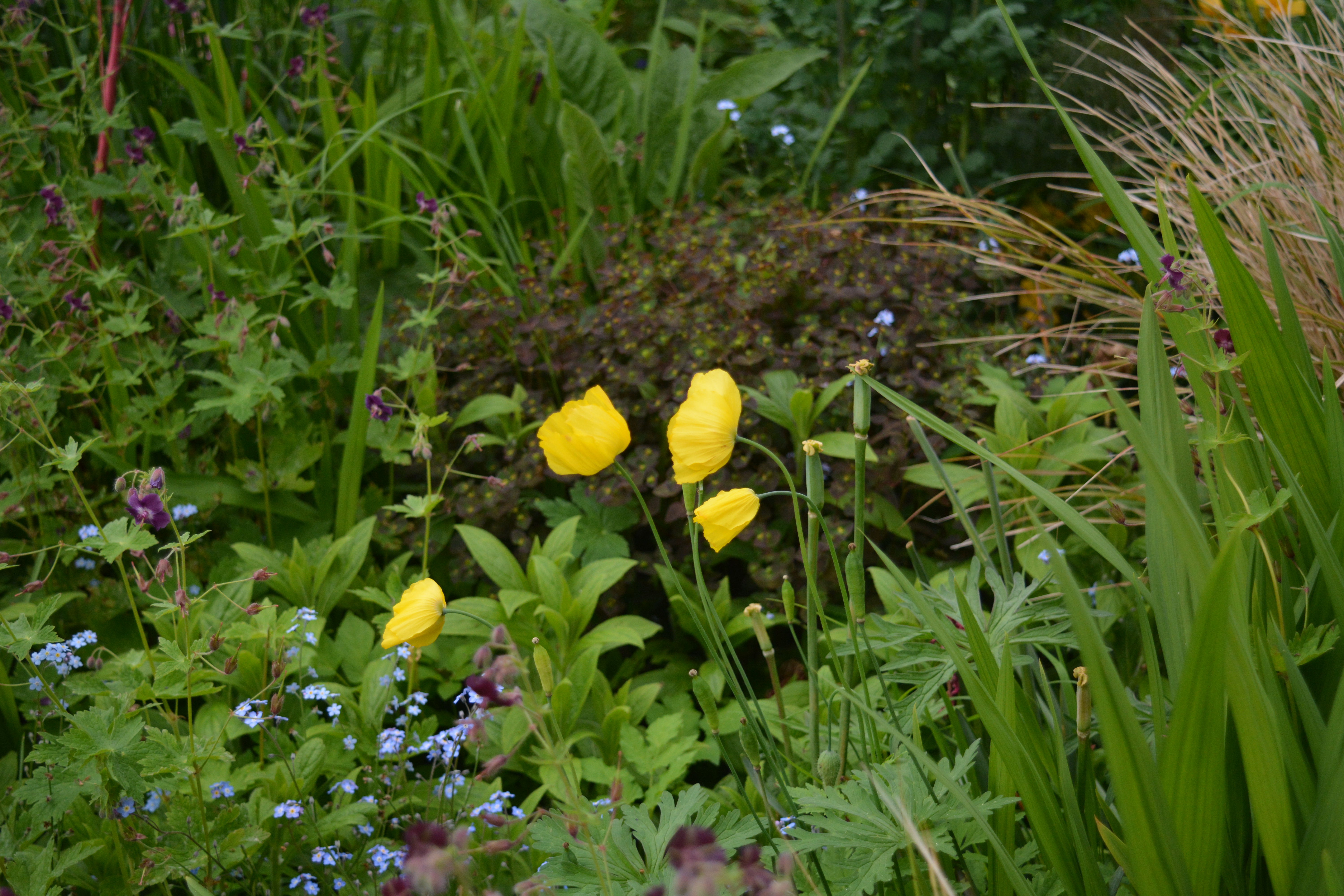
“Welsh Wanderer – Meconopsis cambrica, decides each year where it will set up home. It is a champion self-seeder!”

junejournal-5-1 junejournal-3-3junejournal-2-4 junejournal-1-5 jun-1 jun-2 jun1-1

“Aquilegia chrysantha is a beautiful tall aquilegia with flowers of various yellow tints.”

junejournal-07

I finish off my June entries in my Garden Journal with a look at some of the tiny creatures who live in our garden with us.

junejournal-08

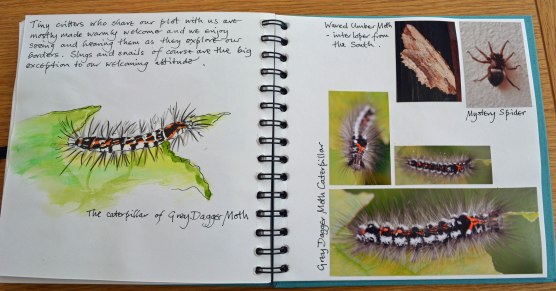
“Tiny critters who share our plot with us are mostly made warmly welcome and we enjoy seeing and hearing them as they explore our borders. Slugs and snails of course are the big exception to our welcoming attitude!”

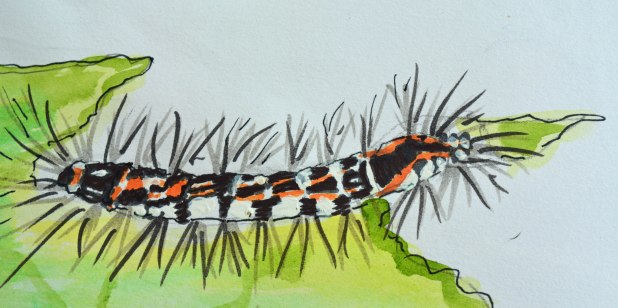
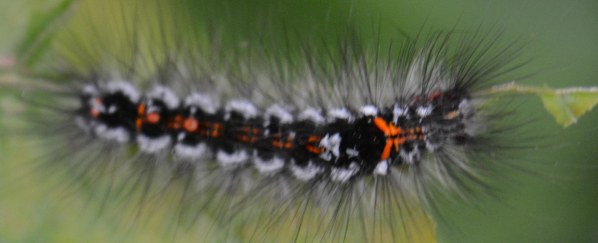
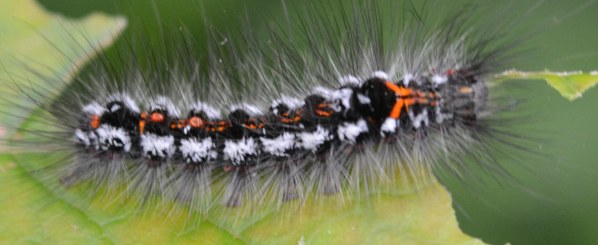
I painted the caterpillar of the Grey Dagger Moth in watercolours and artist colour pens. It was a big challenge to show how hairy and brightly coloured it was.

junejournal-09junejournal-6-1 junejournal-1-6junejournal-5-2junejournal-2-5junejournal-3-4

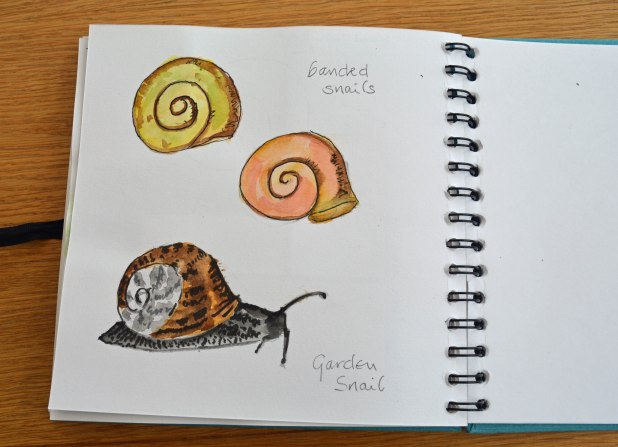
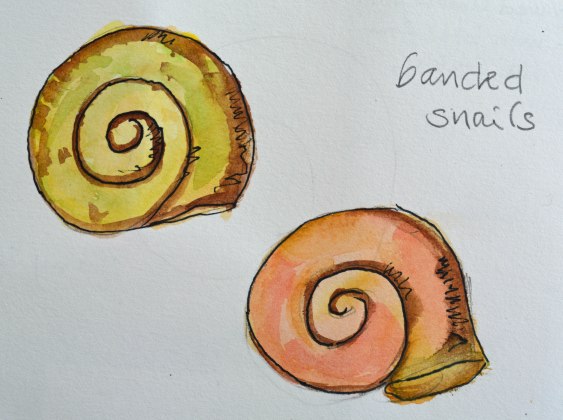
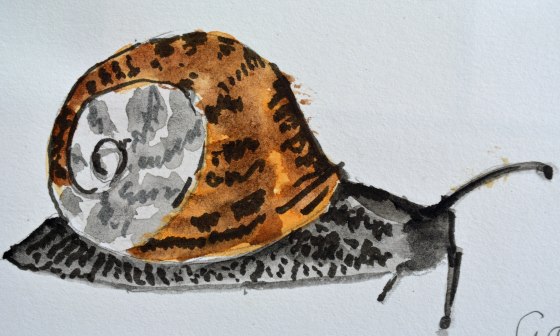
For the final page in June I painted some of our common snails, the Banded Snails that come in a mixture of colours and the Garden Snail. Again I used a mixture of watercolours and artists pens.

junejournal-10junejournal-12junejournal-11

For my next visit to my Garden Journal we will move into the second half of the year and into mid-summer.

Categories
gardening National Trust outdoor sculpture

A few words of garden wisdom

We always enjoy reading plaques in gardens when they contain words of wisdom. There are so many plaques around aimed at gardeners that are simply too twee and really of no use in the garden.

I thought you may like to see the few we have displayed throughout our patch.

First off is this simple phrase. If “Life’s Good in the Garden” is not true in your patch then you are probably due a rethink!

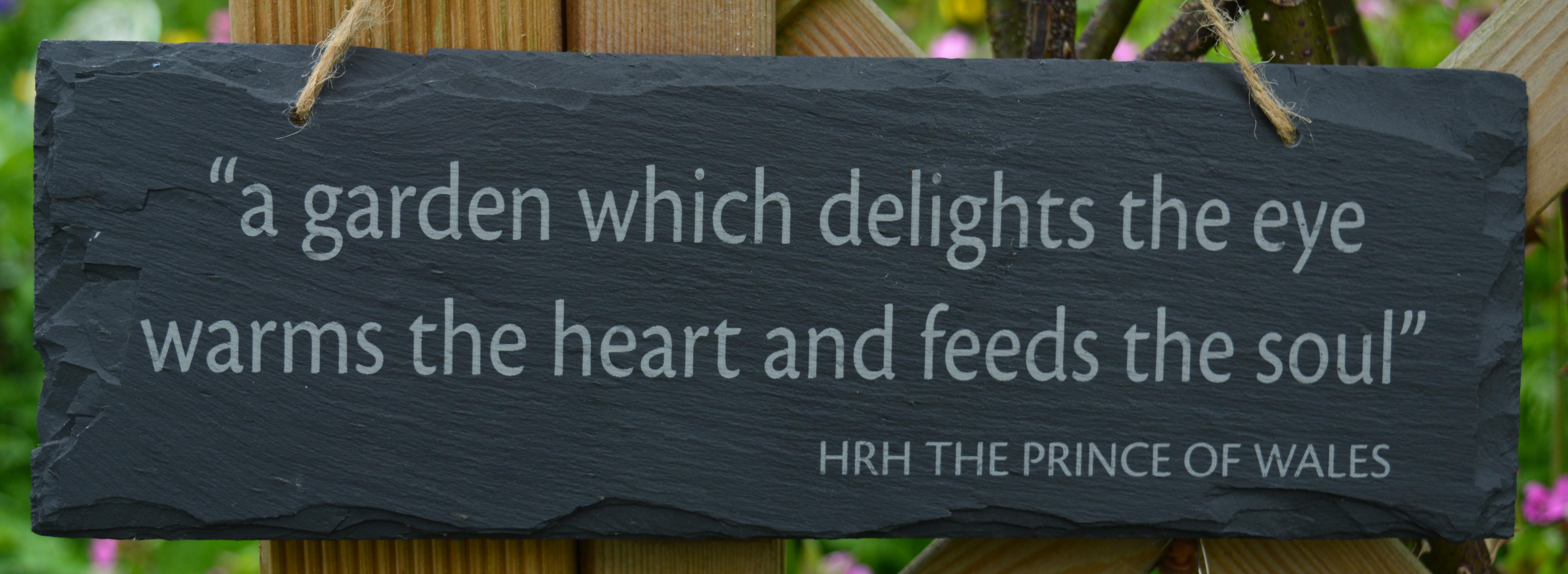
This next plaque was bought from Prince Charles’ garden when we visited last week. It is certainly true of his garden at Highgrove and we hope our garden at Avocet is also “a garden which delights the eye warms the heart and feeds the soul”. 

maygarden-2

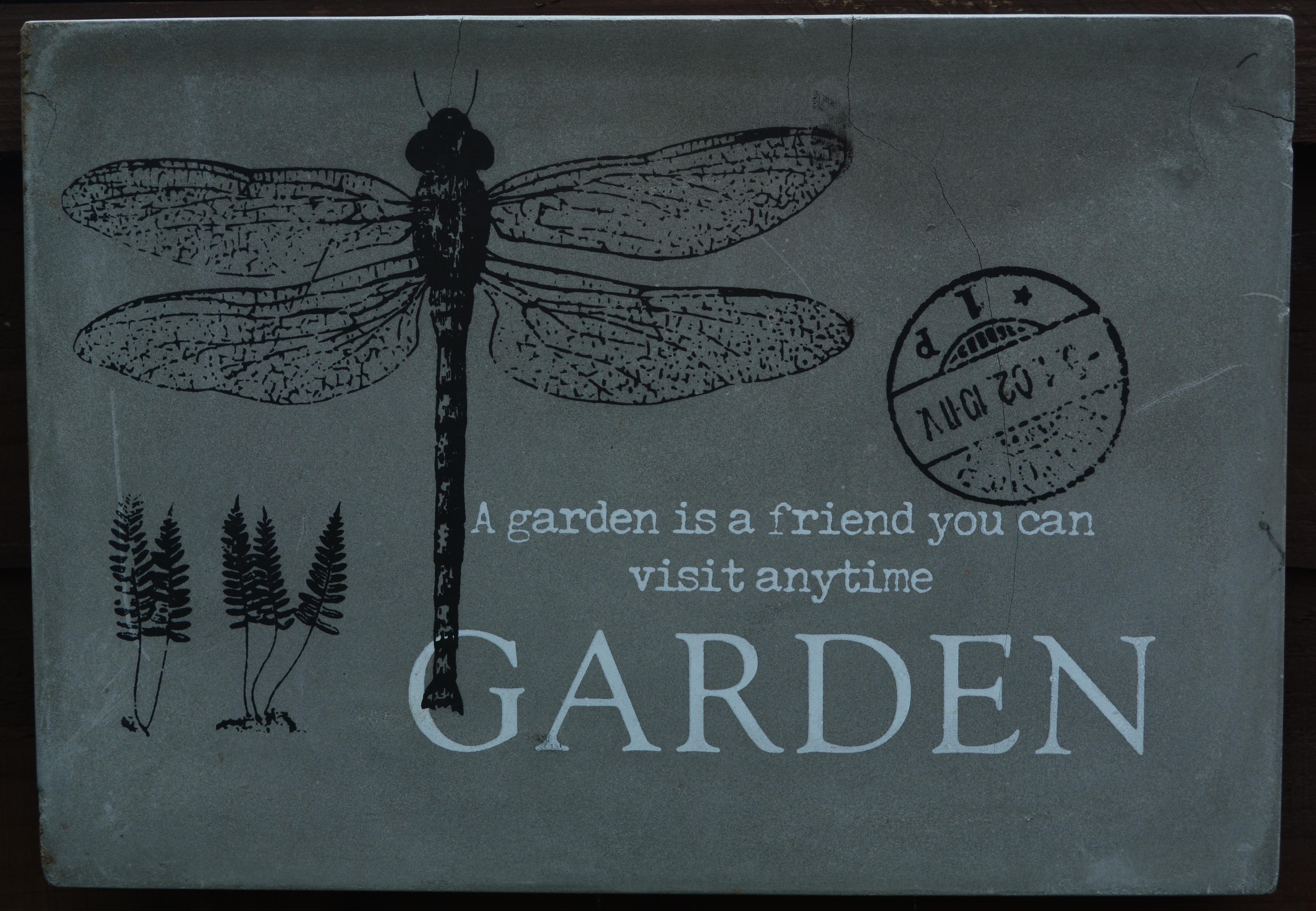
This larger plaque was discovered in the shop of a National Trust garden we recently visited and we both warmed to it. We love its sentiment, “A garden is a friend you can visit anytime.”  We love the idea of our garden being a friend and we visit it every day.


maygarden-3

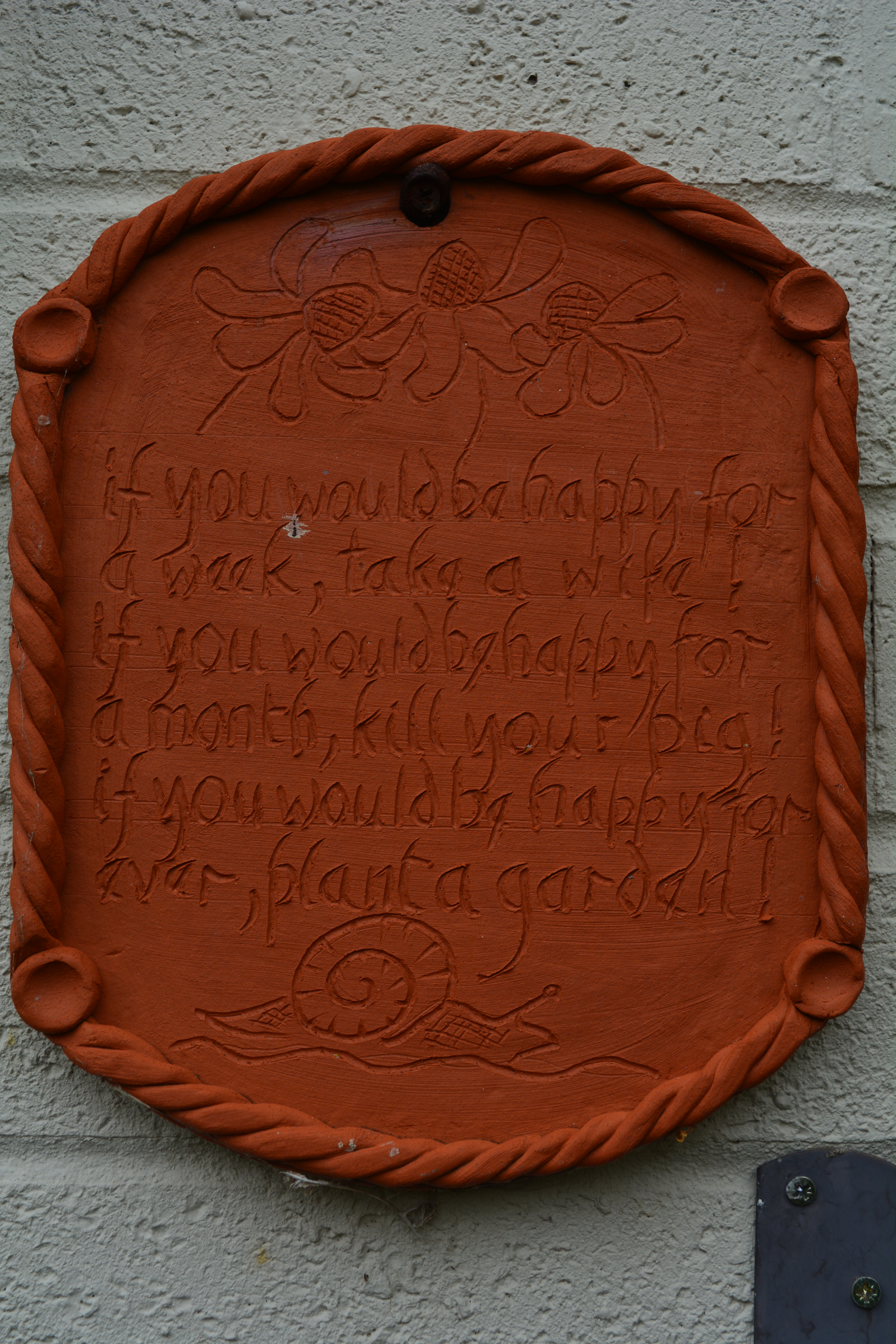
The final plaque is a terracotta piece created by my brother Derrick and I believe the text is from an Indian philosopher. “If you would be happy for a week take a wife. If you would be happy for a month kill your pig. If you would be happy forever plant a garden.”

I definitely agree with the the third idea but definitely not the first two!


maygarden-5

Categories
allotments garden wildlife natural pest control wildlife

The insect hotels in our garden

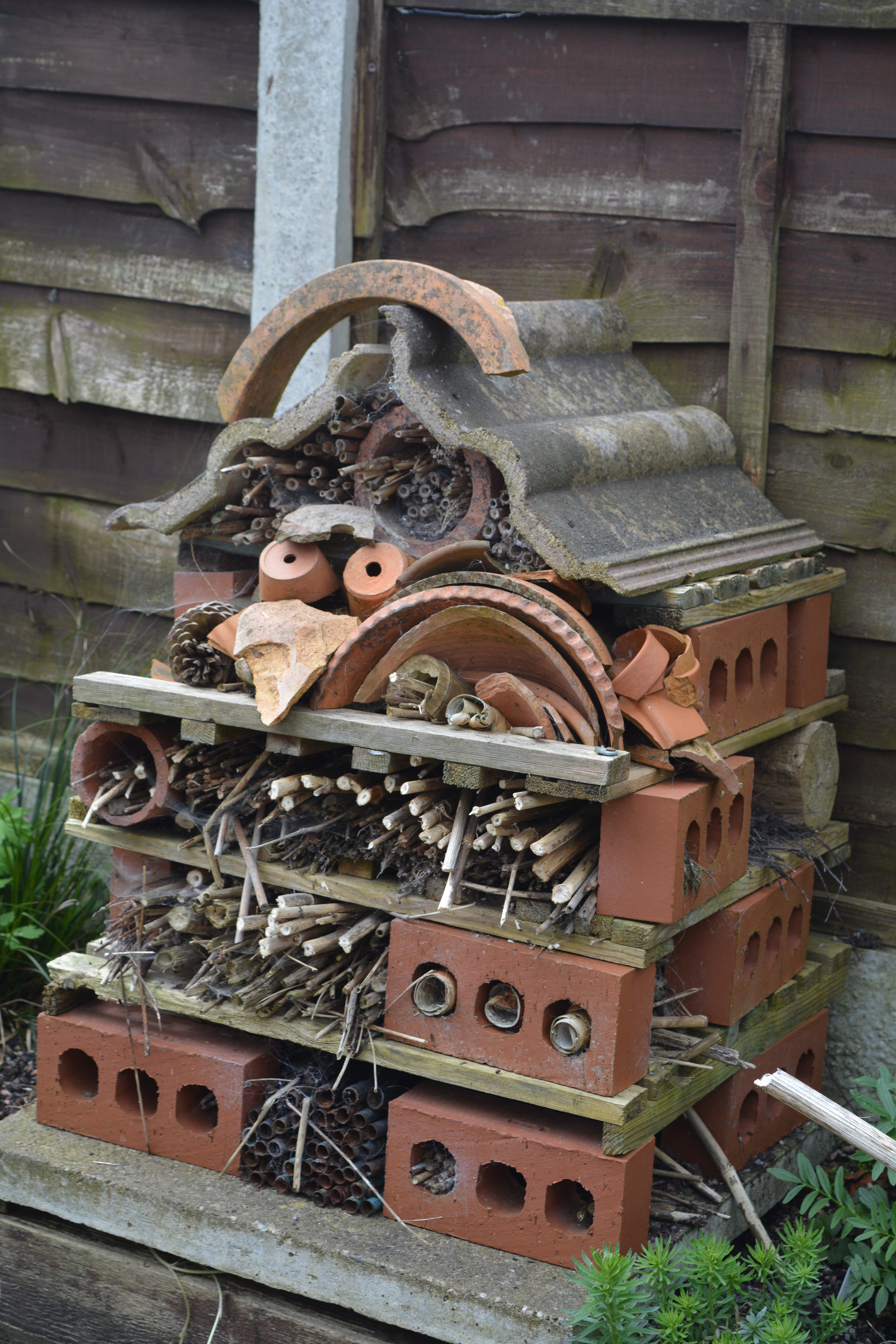
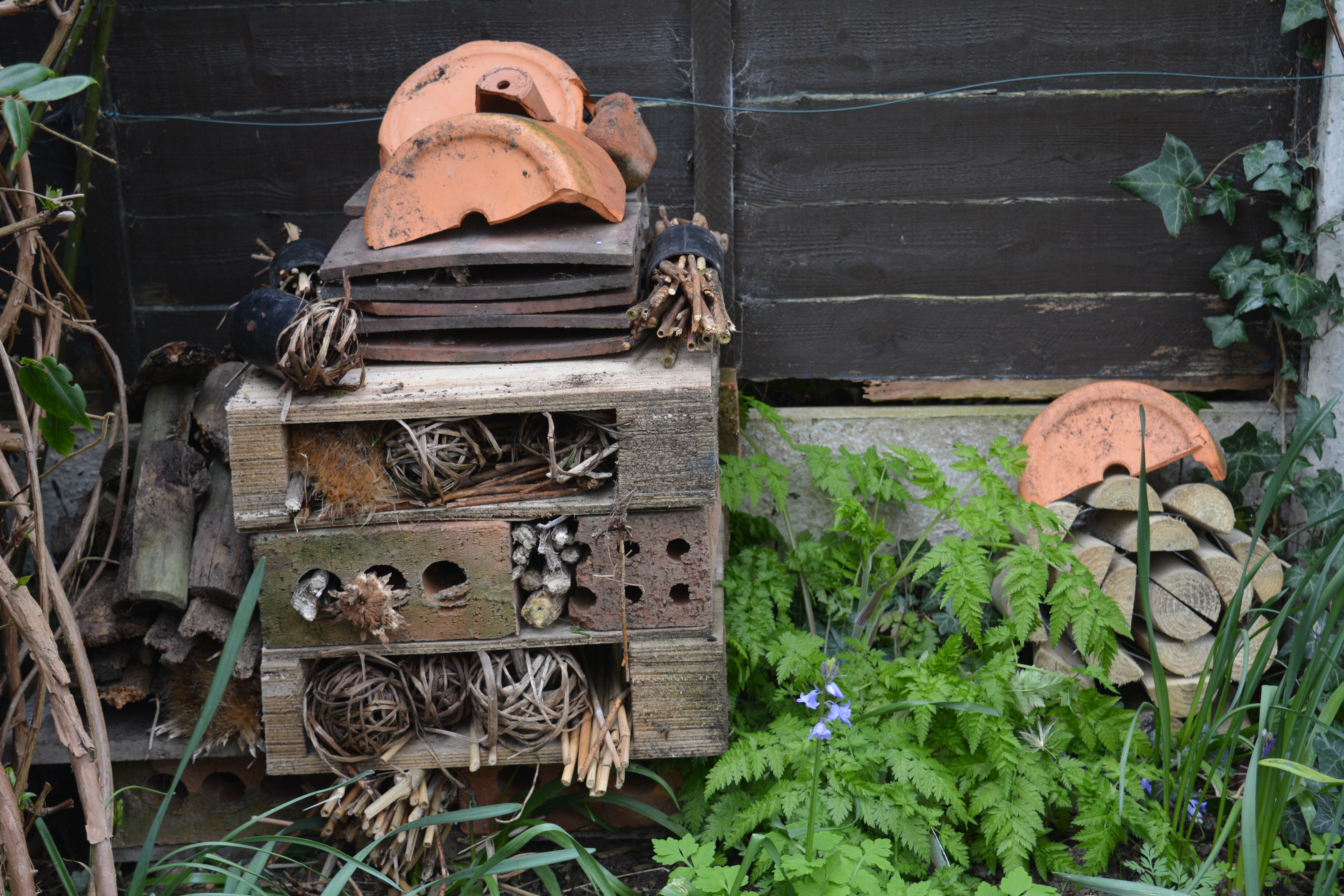
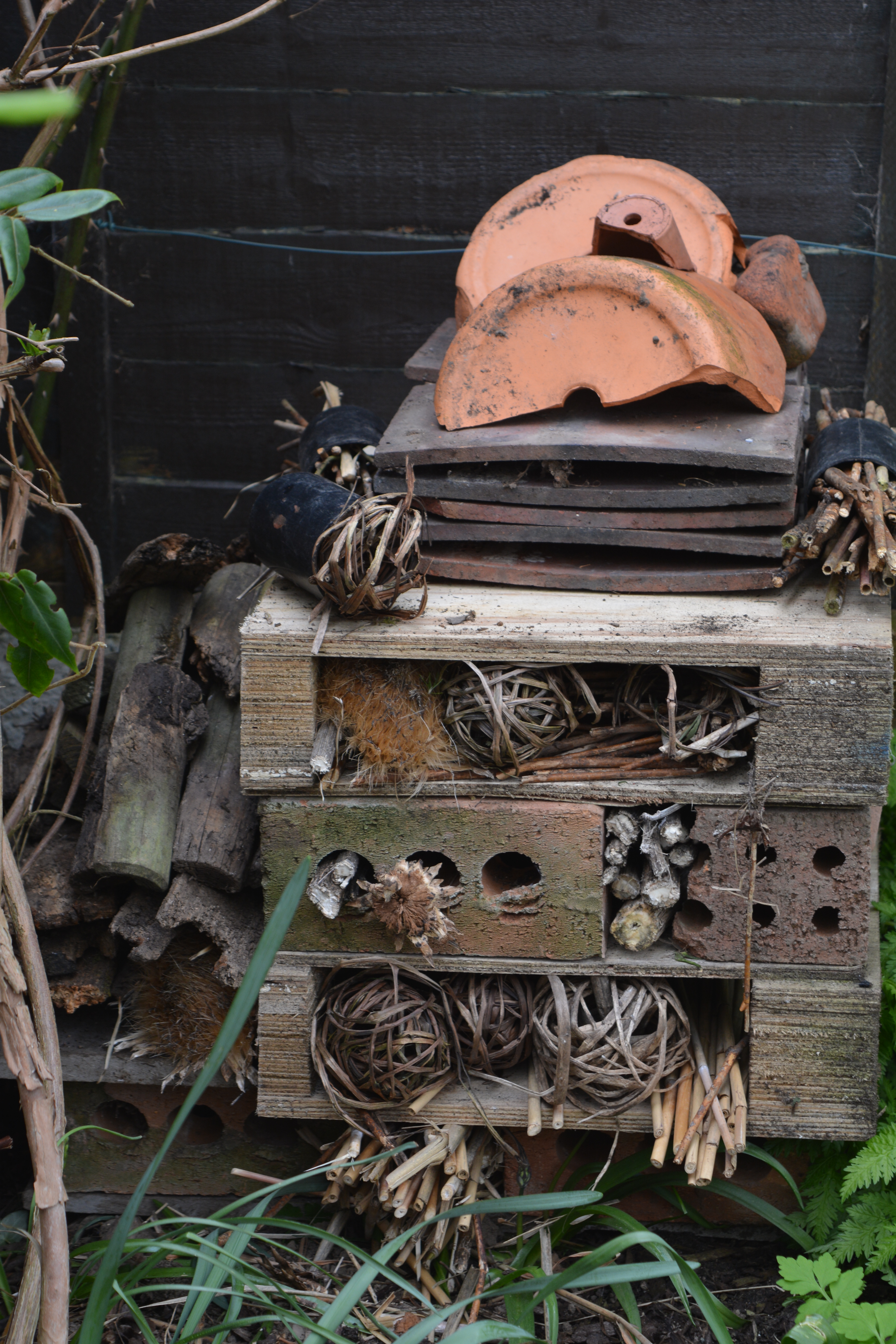
We recently made a new insect hotel and revamped one of the older ones, so I thought I would share them with you. This post is particularly for the follower who asked about insect hotels and adding green roofs to them. Apologies for not getting back to you sooner and more personally – no excuse except a bad memory.

This is the first one we built in our garden and it has proved very successful with plenty of minibeast visitors but it also gave us some surprises! Last year a Dunnock nested on one of the layers and at the end of the year we discovered that a Goldcrest had nested in one of the holes in a brick.

winchester-1

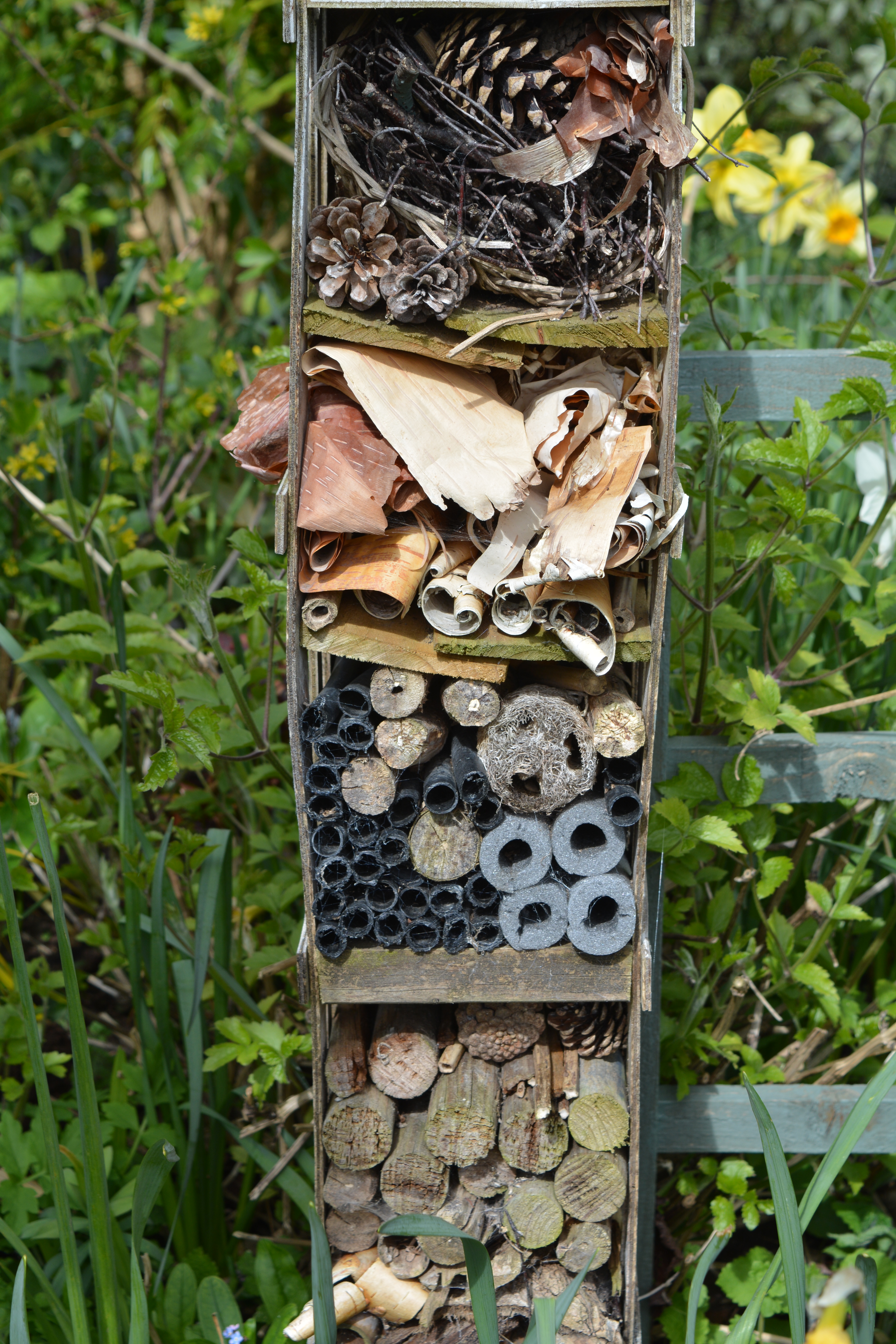
We then built a second hotel for our garden critters in our Spring Border and this one was created from an old wooden vegetable box. This one had a surprise for us too as at the end of last summer we found an old nest of a Dunnock.

winchester-6

We next made a smaller insect hotel from a wine box and placed it in the Crescent Garden. So far no bird has nested in it but there are lots of “minibeasts” especially Ladybirds living in it and hibernating there through the colder months. Sitting on top of it though is one of our pieces of sculpture, a thoughtful young girl.

winchester-8 winchester-7

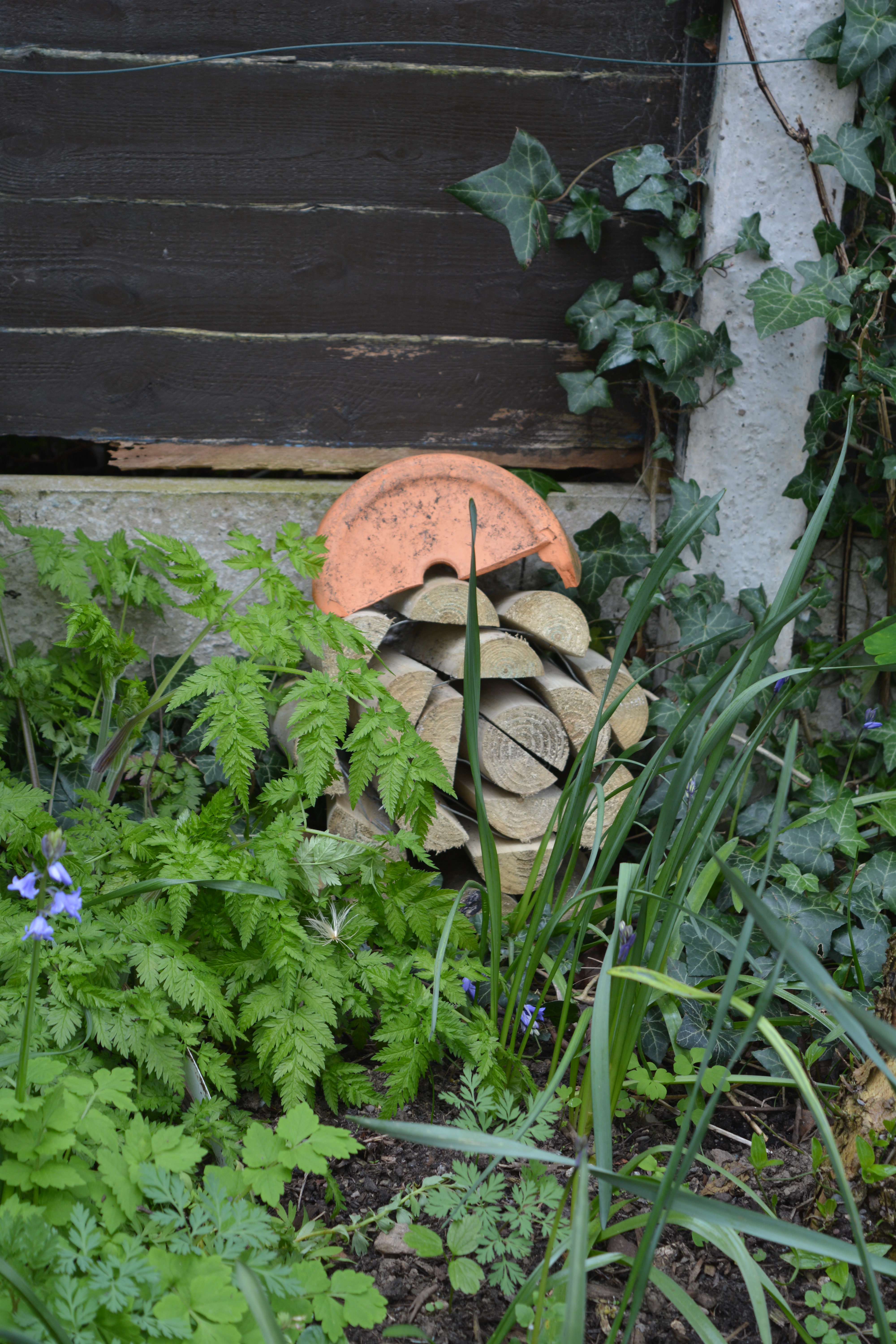
And then this spring we added yet another insect hotel, this time we constructed it in our Freda Garden and placed two small log piles on each side of it to attract Violet Ground Beetles who we hope will eat the slug eggs in the ground.

winchester-2  winchester-3 winchester-4-1

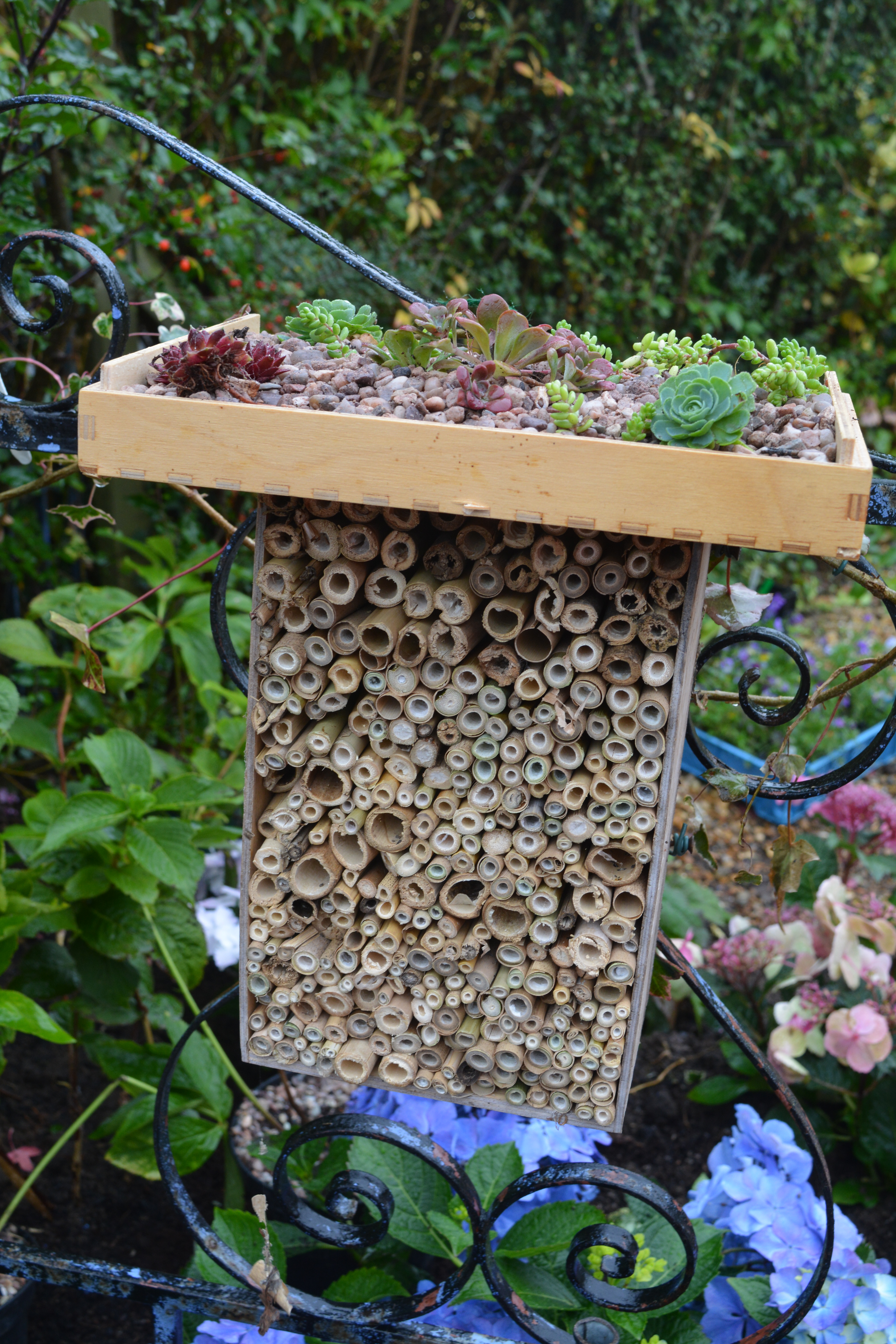
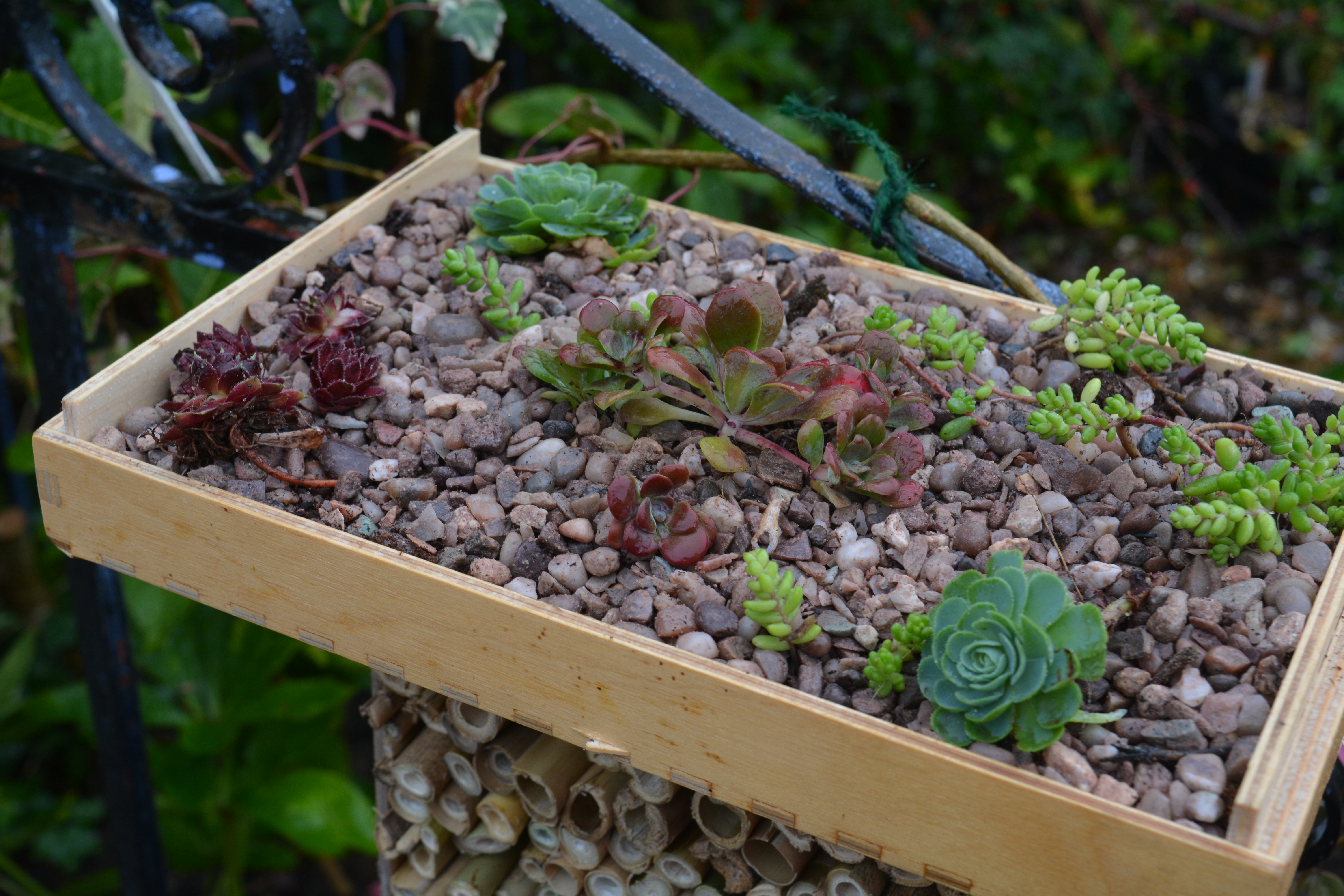
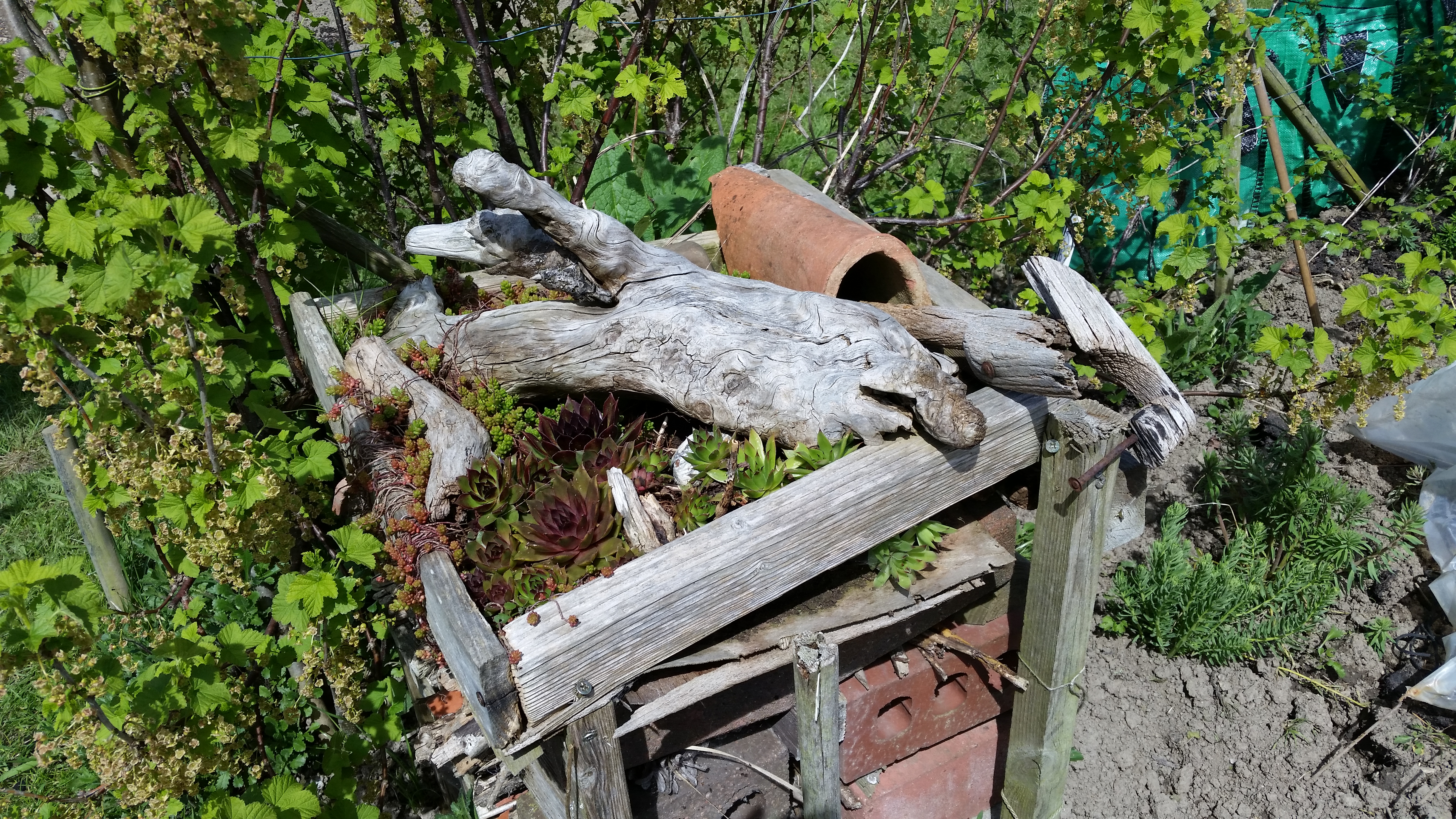
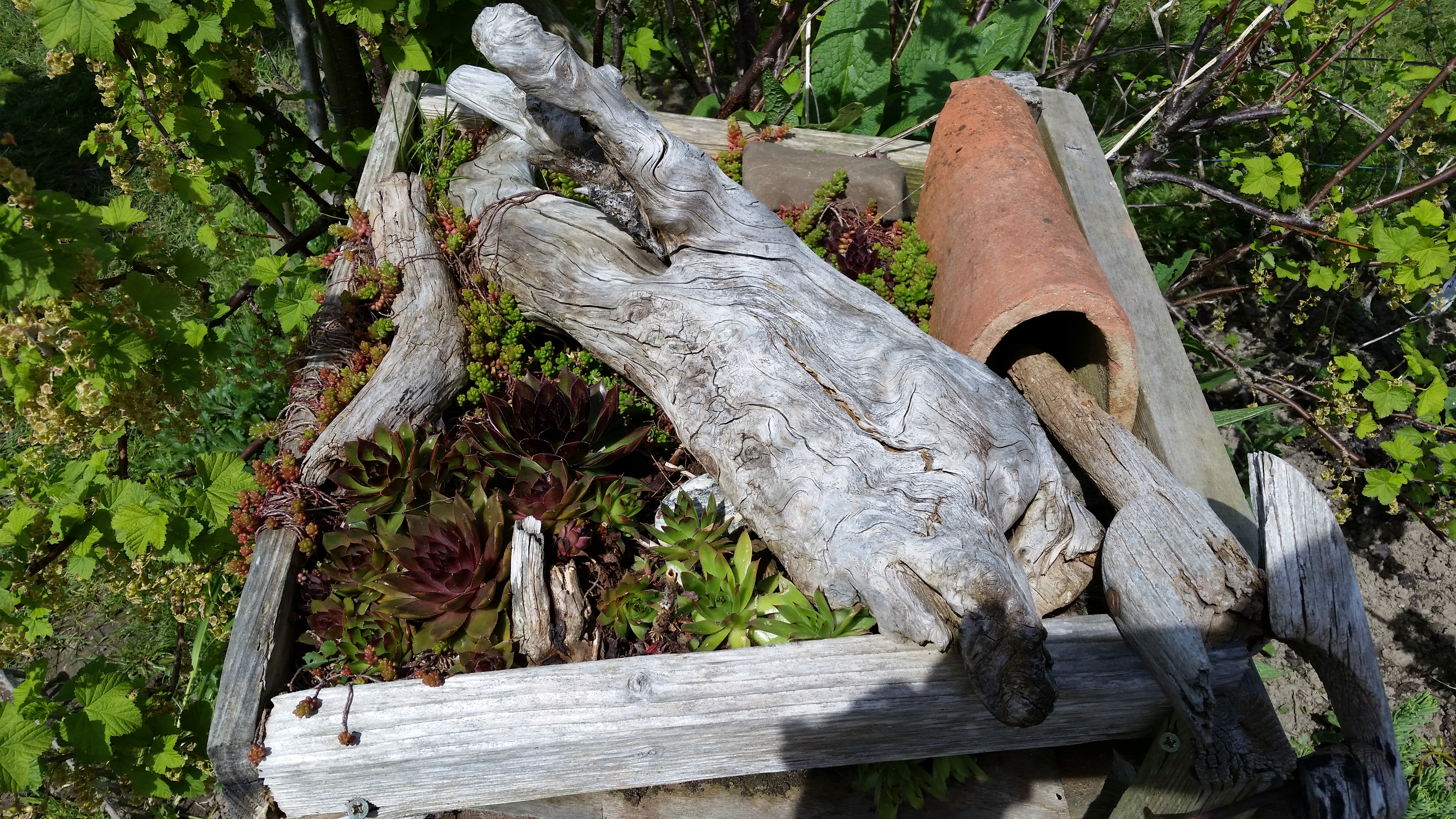
On our allotment we made an insect home with a green roof to add further interest and another habitat. We grow succulents, Sedums and Sempervivums on top of our insect hotel as they have tiny flowers loved by insects especially bees. The secret is to make a tray which sits on top and supported by 4 posts banged into the ground at each corner of the hotel. This means the posts support the green roof rather than putting weight on the insect hotel itself.

winchester-2-2 winchester-1-2

Each spring on warm, calm days we enjoy seeing the Ladybirds emerging and resting on the driftwood pieces to absorb the warmth of the sun.

winchester-2-3

Categories
garden design garden furniture garden photography gardening

Garden Entrances and Archways – No 1 of a very occasional series.

This will be another occasional series, similar to my “Are you sitting comfortably?”series which has been around for quite a long while now. Here I shall share with you those little features in gardens which entice us to take a particular routeway through a garden, enter a garden room or tempt us to follow a path or open a gate.

These features can be a beautifully crafted arch of metal or wood, perhaps even with a seat included to encourage us to sit and ponder what lays ahead ……………

2015 09 07_5032 2015 09 07_50312015 06 23_3085

….. or simply a path framed by trees or borders to entice you onward …………..

2015 06 23_3033 2015 06 23_3044  2015 06 23_3074 2015 09 02_4927

……. or even just a gap between two beautiful apple trees or a narrow pathway to a comfortable seat.

2015 09 02_4950 2015 09 07_5034

Categories
birds colours flowering bulbs garden photography garden wildlife gardening grasses half-hardy perennials hardy perennials ornamental grasses ornamental trees and shrubs outdoor sculpture roses shrubs succulents Winter Gardening winter gardens

My Garden Journal – December

To celebrate the moving from 2015 into 2016 I thought an appropriate post to publish would be my final monthly garden journal entries for 2015.

This is the final month of reporting on my garden journal where I have been keeping track of what has been happening in our Avocet garden. December should be a month of cold nights, frosts and wintry showers but this year it has been a month of strong winds and rain accompanying mild temperatures. We have still only had one frost in this last bit of the year. Our Dahlias remain outside as we move into the first week of December as we are waiting for frosts to blacken their foliage which would allow us to prepare them for their winter rest.

Opening up my garden journal onto the first pages for December reveals photos of berries which are such a strong feature of our winter garden.

2015 12 28_7595_edited-1

My first entry for December reads, “The berries of our trees and shrubs give bright splashes of colour in the Winter Garden.”

My photos show berries of Hypericum, Sarcoccoca, various Hollies and one of our Sorbus.

2015 12 01_7338 2015 12 01_73362015 12 01_7334 2015 12 01_73552015 12 01_7363 2015 12 01_7366

We have many different Cotoneasters throughout the garden giving shiny berries in many red shades – ruby, scarlet, crimson – and one even has yellow berries. They are so easy to grow but add so much to the garden. Each variety has a different habit and foliage in different shades of green, different sizes, shapes and textures. But what is common to them all is that they are true favourites of our berry eating thrushes.”

2015 12 01_7354 2015 12 01_7357 2015 12 01_7358 2015 12 01_7362 2015 12 01_7364 2015 12 01_73682015 12 01_7377 2015 12 01_7340 2015 12 01_7365

The greenhouse features next in my December Journal as it is during this month that it fills up with tender plants which we want to overwinter.

“The greenhouse is very full and busy in December. Our Fuschia thalia after flowering outdoors for months is still full of bloom now but in the sheltered environment of the greenhouse. Accompanying this special Fuschia, our succulents are also sitting out winter under shelter, after spending the summer and autumn in the Rill Garden.” 

2015 12 28_7596_edited-12015 12 01_7323 2015 12 01_7322

I tried to show the uniqueness of the Fuschia and its incredibly bright colour with watercolours.

2015 12 28_7597_edited-1

My final quote for 2015 from the little book by Jenny Joseph, “Led by the Nose” appears as we turn the next page.

2015 12 28_7598_edited-1

Fragrance outdoors in this season is not so much a twinkle in the eye as a sniff in the nosmic imagination. You will see the tips of bulbs and look forward to being overcome by spring.” 

Below these words I share photos of a few of the flowers that are sharing their scent with us this month, roses and perennial wallflowers.

2015 12 01_7343 2015 12 01_7384 2015 12 01_7361_edited-1 2015 12 01_7398 2015 12 01_7376_edited-1 2015 12 01_7372

“Roses and Perennial Wallflowers invite us to get our noses close to their blooms so that we can enjoy the sweetest of scents. Other plants need us to rub their leaves before they share the secrets of the scent with us.” 

The accompanying pictures show two such plants, salvias and mints.

2015 12 01_7319 2015 12 01_73812015 12 01_7320

The colour yellow can cheer up the garden in the deep dark days of December, so I moved on to see what plants were giving us these golden tints.

2015 12 28_7599_edited-1

“On gloomy days in December when there is no sign or chance of sunshine, we really are grateful to plants that give us cheerful yellow flower and foliage.”

2015 12 01_7382 2015 12 01_7383 2015 12 01_7412 2015 12 01_7406 2015 12 01_7347  2015 12 01_7352_edited-1

Opposite my tour of our garden yellows I make mention of the members of the ?thrush family that share our garden with us in the winter.

“Let me introduce you to our Winter Thrushes, drawn in a stylised fashion.”  I hope you enjoy them.

2015 12 28_7600_edited-1

We next turn from the colour yellow to bright pinks, Nerines.

2015 12 28_7606_edited-1

“Nerine bowdenii is the shocking pink of winter. It is difficult looking at these dry bulbs to think that such bright and wonderfully shaped flowers can burst from them.”

2015 12 16_7522 2015 12 01_7339

Seed heads are the theme of the page opposite the Nerines.

“Seedheads on perennials and grasses play such an important part in our Winter garden. We have even bought ourselves a trio of seedhead sculptures made from stoneware.”

2015 12 01_7353 2015 12 01_73492015 12 01_7350 2015 12 01_7392_edited-1

2015 12 01_7360 2015 12 01_7359

So now we turn the page to the very last entry in my 2015 Garden Journal.

2015 12 28_7607_edited-1

As December slowly comes to an end for 2015, we are already looking ahead. Jude’s little nursery is well-stocked with young plants which we will sell on our open days and to garden clubs who visit Avocet. The greenhouse keeps our tender plants warm and snug. They are patiently awaiting Spring 2016.”

2015 12 01_7317 2015 12 01_7318   2015 12 01_7333

Young plants that we are growing on for sale at next year’s open days are sheltering in a plastic mini-greenhouse to encourage them to grow strong and healthy ready for next year. They look pretty sad through the winter though as most are herbaceous perennials.

2015 12 01_7337


Categories
autumn autumn colours birds colours flowering bulbs garden photography garden wildlife gardening grasses half-hardy perennials hardy perennials house martins light light quality migration ornamental grasses ornamental trees and shrubs Shropshire swallows trees

My Garden Journal – September

The September pages of my garden journal sees the first signs of autumn creeping in, colours changing, light creeping in at a lower level and our summer migrant birdlife disappearing. The skies are empty and quiet now that the Swallows and Martins have left us for warmer climes. We are missing the sight and sounds of Warblers flitting among the trees and shrubs but hopefully some Garden Warblers and Chiffchaffs will decide to stay with us. Climate change seems to be encouraging more migrants to remain in the UK all year through.

2015 10 22_6619_edited-1

Being a British gardener I start by talking about the weather! “The “Met Office” weathermen tell us that September is the first month of Autumn, but we hope it will be the continuation of Summer. This year September is unlike Summer, and is not even an Indian Summer. It is a dismal month of heavy skies and rain. Every flower that fights its way through the gloom is a ray of sunshine.”

Next comes my usual piece of writing from Jenny Joseph’s little book, “Lead by the Nose”.

For September, it is harvesting and clearing what is there on the one hand, with a great deal of sharp acrid savoury smells from dead-heading, disentangling, weeding, cutting down leaf and stalk, digging up roots.”

2015 10 22_6620_edited-1

I move on to consider a special group of plants which Jude and I love in our garden, the airy, whispy plants that can’t help but move in the gentlest of breezes, the “Windcatchers”.

“September has been a windy month, which has accentuated the part played by the “Windcatchers”, those special plants which display the ability to catch the slightest breeze and dance in it. These are the tall grasses, Stipa gigantea, Miscanthus sinensis and the Molinias and Calamagrostis, the airy flowering perennials especially Verbena bonariensis and Gaura lindheimeri. Gauras have variety names that suggest their windcatching skills, “Whirling Butterflies” and “Summer Breeze”. 

The photos below show what a beautiful plant Verbena bonariensis is with its bright purple flower heads nodding in the breeze atop its stiff thin stems. It is a true wildlife magnet too attracting Butterflies and Moths, Bees and Hoverflies and many other flying insects. As the light fades in the evening the flowers glow and their scent intensifies to attract night flying insects and a miriad of Moths.

2015 10 24_6629 2015 10 24_6628

The movement of grasses and their big cousins the Bamboos also adds sounds to our garden, rustling, tinkling and sounds like those of the seashore, shifting sands, rolling pebbles and retreating waves.”

Grasses are such an important element in our garden and help create an all year round garden. From their fresh green leaves emerging in the spring right through to their flowers and on to their seedheads which stand right through the winter.

2015 10 10_5937 2015 10 10_5938 2015 10 10_5943  2015 10 10_5935 2015 10 10_5929 2015 10 10_5930 2015 10 10_5928

Surprises are the subject of my next page.

Surprises are always fun in the garden, those little things not planned for or expected. Here are two surprises for September in our garden.

We were pleasantly surprised at the rich autumnal colours of our Euphorbia griffithii “Dixter” which grows in our Beth Chatto garden, and how this damaged Verbascum repaired itself.”

2015 10 22_6621_edited-1

2015 10 10_5942 2015 10 10_5919 2015 10 10_5920

My watercolour paintings of Acer rufinerve and Phlomis russeliana feature on the next page titled “Seedpods for September”. These seeds are capsules of promise, time capsules. The wing-like Acer seeds are shaped and moulded to allow a gentle descent in the wind, each maple key parachuting down to find a place to germinate. The pompom seedheads of the Phlomis are tightly packed balls of rough textured seeds designed to stick to any passing creature who will wander off and drop it away from the parent plant where it can find space to become a herbaceous plant with hairy heart shaped leaves and yellow-orange balls of flowers. 

2015 10 22_6623_edited-1

We now move on to the end of the month when the weather surprised us as it changed for the better, change to good gardening weather and good weather for appreciating gardens.

2015 10 22_6624_edited-1

“As the month came to its end we were suddenly treated to an “Indian Summer”. The skies were clearest blue, the sun shone and temperatures went back up. The garden loved it as much as the gardeners! Our two varieties of Schizostylus, “The Major” and “Alba”are flowering better than ever before.”

2015 10 10_5944 2015 10 10_5926 2015 10 10_5925

“Two real stars of the autumn garden are our two Salvias that are too tender for us to leave out over our winters, so we grow them in pots and bring them indoors as soon as the cold nights appear. They are Salvia “Amistad” with its bright purple and black flowers and Salvia confertiflora with its long spikes of red and salmon flowers.”

2015 10 10_5952 2015 10 10_5953 2015 10 10_5954

So that is my journal all about our garden in September. I am already writing and painting my entry for October so that will be the next episode of “My Garden Journal”.

Categories
colours garden design garden photography gardening gardens gardens open to the public grasses hardy perennials light light quality National Garden Scheme NGS ornamental grasses ornamental trees and shrubs outdoor sculpture photography Yellow Book Gardens

Aulden Farm – another Yellow Book garden

We open our garden under the auspices of the National Garden Scheme and love to see our garden in its famous Yellow Book. But we also love to visit other gardens from the Yellow Book.
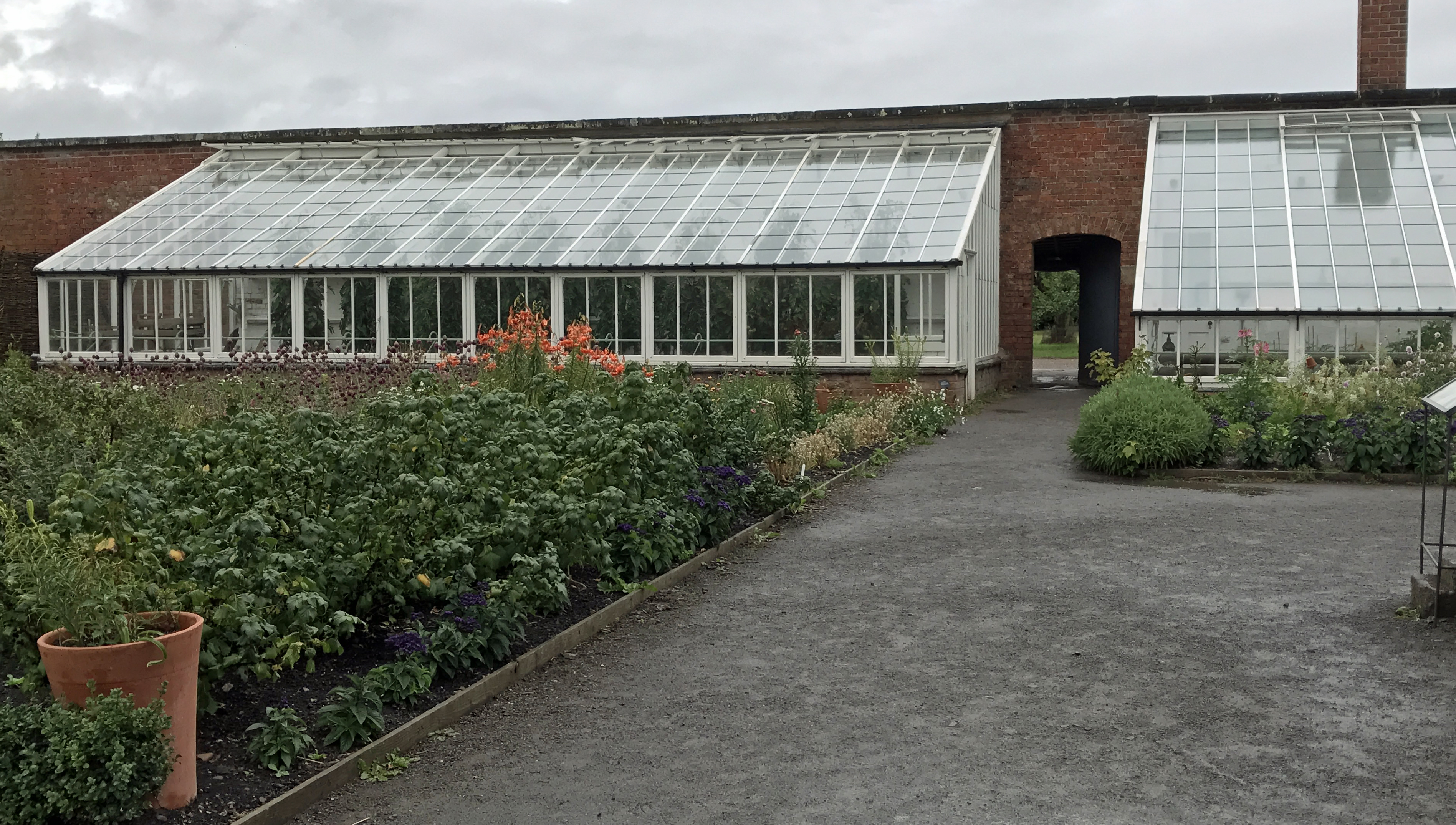
We recently visited Aulden Farm which is in Herefordshire, our neighbouring county and we were particularly keen to wander around this garden as it has a similar description to our own in their Yellow Book entry although it is much larger! “Informal country garden surrounding old farmhouse, three acres planted with wildlife in mind. Emphasis on structure and form, with a hint of quirkiness, a garden to explore with eclectic planting.”

We had a lovely drive through beautiful countryside before parking on the grass verge and wandering up the gravel drive leading to Aulden Farm’s garden. A gravel area surrounded by interesting planting was a great place to enjoy tea and homemade cakes.

2015 09 07_5027 2015 09 07_5028

Alongside the tea courtyard was a gravel garden in front of a beautiful barn close to tumbling down. Verbena bonariensis was the star in this garden and the afternoon lit it up dramatically. Butterflies were attracted to it as much as me and my camera. This was an area full of texture and interest too good for any photographer to miss.

2015 09 07_5029 2015 09 07_50302015 09 07_5168 2015 09 07_51622015 09 07_5177 2015 09 07_51782015 09 07_5173 2015 09 07_51662015 09 07_5174 2015 09 07_51702015 09 07_5169 2015 09 07_5171

2015 09 07_5165 2015 09 07_5161

We eventually left behind our tea, cakes, verbenas and butterflies and wandered, suitably refreshed, through the shade garden where the low rays of the sun created pools of light and shade. from here we could choose different routes through the garden described in its own leaflet as “very relaxed, tranquil and some even say romantic, but that is for you to decide”. So we couldn’t wait to find out for ourselves.

2015 09 07_5035 2015 09 07_5036

2015 09 07_5037 2015 09 07_5038 2015 09 07_5040 2015 09 07_5042 2015 09 07_5044 2015 09 07_5047 2015 09 07_5048

Now come for a walk with us around this beautiful garden by enjoying my gallery. Please click on the first photo and navigate with the arrows.

I hope you enjoyed this photographic journey around this wonderful garden. Is it romantic? Yes, definitely so! This is a garden with atmosphere.

We left with an invitation to return whenever we wanted – bliss.

In my next couple of posts about Aulden Farm gardens I will share my images of two special families of plants that caught the beautiful light that day and my imagination, Persicarias and Rudbeckias and also a look at some of the wide ranging sculpture we enjoyed there.


This Veggie Life

A Vegetarian | Nature Lifestyle Blog

Rambling in the Garden

.....and nurturing my soul

The Arch City Gardener

Journeys In St. Louis Gardening and Beyond

Garden Dreaming at Châtillon

Consult the genius of the place

Storyshucker

A blog full of humorous and poignant observations.

gardeninacity

Notes from a wildlife-friendly cottage garden

PlayGroundology

...an emerging social science

The Official Blog of British Wildlife

'The most important and informative publication on wildlife of our times' - The Independent. This blog is a member of The UK & Ireland Natural History Bloggers group: www.uknhb.blogspot.com

iGrowHort

Inspire - Cultivate - Grow Native Plants - Restore Landscapes

Bishops Meadow Trust

To create and protect a semi-natural wild space for the people of Farnham to enjoy and experience an array of British wildlife in our town

Gardening with Children

The www.gardeningwithchildren.co.uk Blog

UKbirdingtimeline

birding through the seasons, why birds matter and how to conserve them

NATURE WALKER

with a camera in hand

Jardin

Transform your outdoor space

Eva's space

My allotment, cooking and other interests

Old School Garden

my gardening life through the year

LEANNE COLE

Trying to live a creative life

fromacountrycottage

trying to live as lightly as possible on our beautiful planet

Good Life Gardening

Nature lovers from Leicester living the good life.

mybeautfulthings

Finding the beautiful in the everyday

mawsonmichelle

Michelle's Allotment

In and Out of My Garden

thoughts from and about my garden

Greenhousing

Big plans for a small garden

The Scottish Country Garden

A Walled Country Garden in South East Scotland

The Fruity Chicken

Life at the fruity chicken

willowarchway

Off grid living. Self sufficient. "PERMAGANICS RULE".

St Anns Allotments

Nottingham's Grade 2* Listed Allotments and Community Orchard

Manifest Joy Harvests

a journey in suburban vegetable gardening

Allotmental

The madness of growing your own

Penny's Garden: a harvest beyond my front door

A novel approach to vegetable gardening

arignagardener

Sustainable living in the Irish countryside.

NewEnglandGardenAndThread

Master Gardener, amateur photographer, quilter, NH native, and sometimes SC snowbird

dianajhale

Recent work and work in progress and anything else that interests me

planthoarder

a chaotic cottage gardener

Lens and Pens by Sally

a weekly blog that creates a personal philosophy through photographs and words

Dewdrops and Sunshine

Stories from a sassy and classy Southern farmbelle.

The Pyjama Gardener

Simple Organic Gardening & Seasonal Living

gettin' fresh!

turning dirt into dinner

JOY...

today the world is created anew

Garden Birds

Notes from a Devon garden

ShootAbout

Life Through The Lens

Adapting Pixels

A photography blog showcasing the best photography pictures and videos on the internet

Wildlifegardening's Blog

Just another WordPress.com site

naturestimeline

personal observations from the natural world as the search continues for a new approach to conservation.

LATEBLOOMERBUDS

The Wonders of Life through my Eyes, my Heart, my Soul