Categories
birds flowering bulbs garden wildlife gardening gardens irises natural pest control spring bulbs spring gardening trees

My Garden Journal 2018 – March

Into the third month of the year and we should now be seeing the cheerful signs of early spring. Spring should start the birds singing afresh. We should expect to see green returning to the garden as freshly-burst buds bring life to our patch. Let us see what my Garden Journal for March actually shows.

I began by recording, “March begins as February leaves off, freezing temperatures day and night often dipping into minus figures. The soil is solid, frozen and unworkable. Snow, sleet and frozen rain showers are frequent visitors. The Met Office count March as the first month of Spring but us gardeners know that it is the last of Winter. Dan Pearson in “Natural Selection” writes, “A cold start t the month always feels more appropriate to me, because it is better to go slow when there is so much to do and so much to take in. I prefer the feeling of caution that is generated when there is a beast waiting in the wings – it takes away the assumption that this might be the start of Spring.”

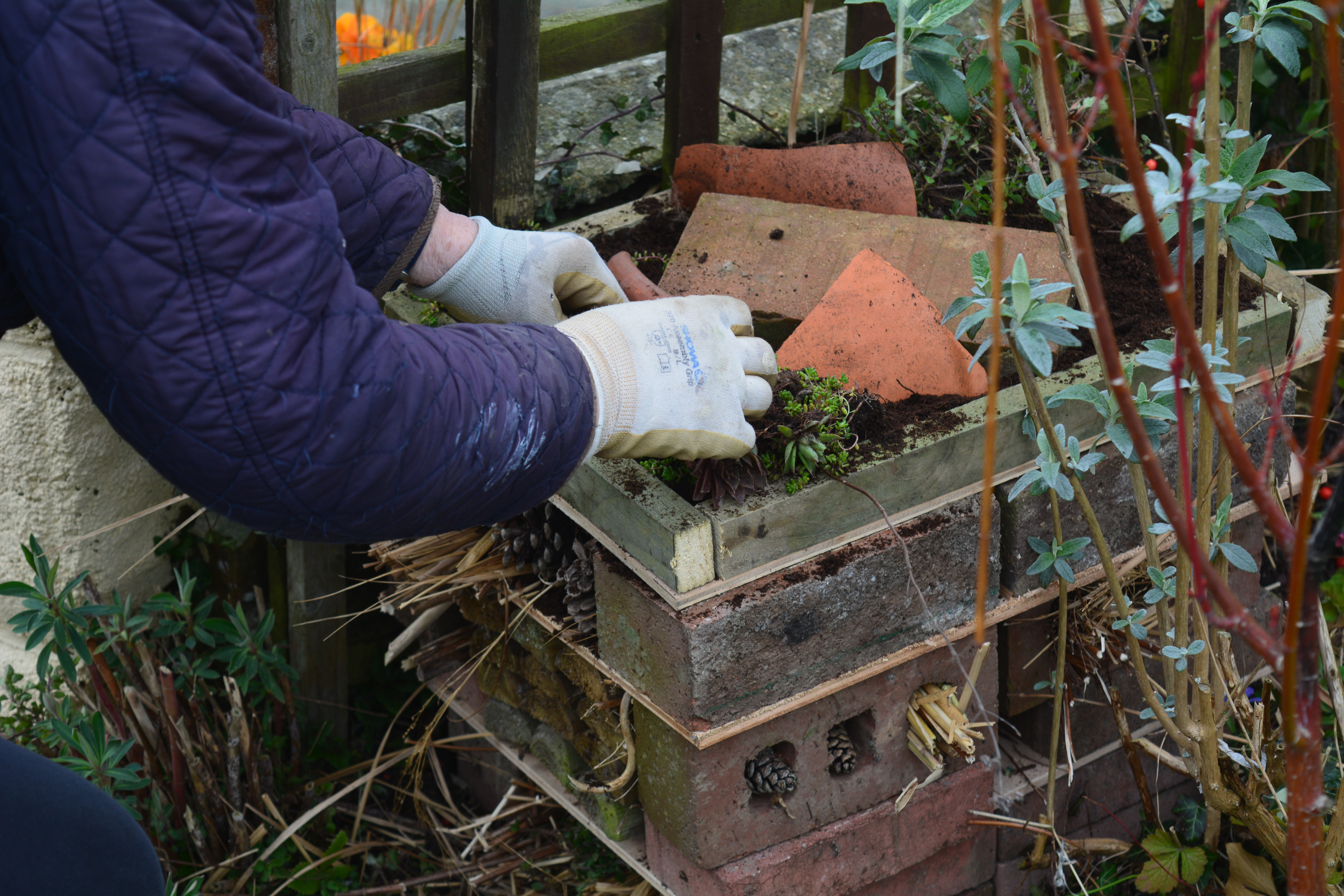
Nevertheless we carry on doing garden wildlife jobs, repairing and repainting nest boxes.”


Opposite I looked at one of my favourite spring bulbs, Iris reticulata and shared my Japanese brush paintings I enjoyed doing so much. I noted, “Iris reticulata bulbs are one of our first to come into flower following on from Snowdrops and Winter Aconites. Their rich blues and purples look good with Carex.

These Irises are native to Russia, the Caucasus and Northern Iran, but we grow them in our temperate gardens where they thrive if planted deeply. Our favourites are Iris r. George and “Harmony” but neither of us are keen on the “washed out” look of “Katherine Hodgkin”.


After looking at my Iris paintings we can turn over to a double page spread concerning firstly snow and then the wildlife in our Avocet garden.

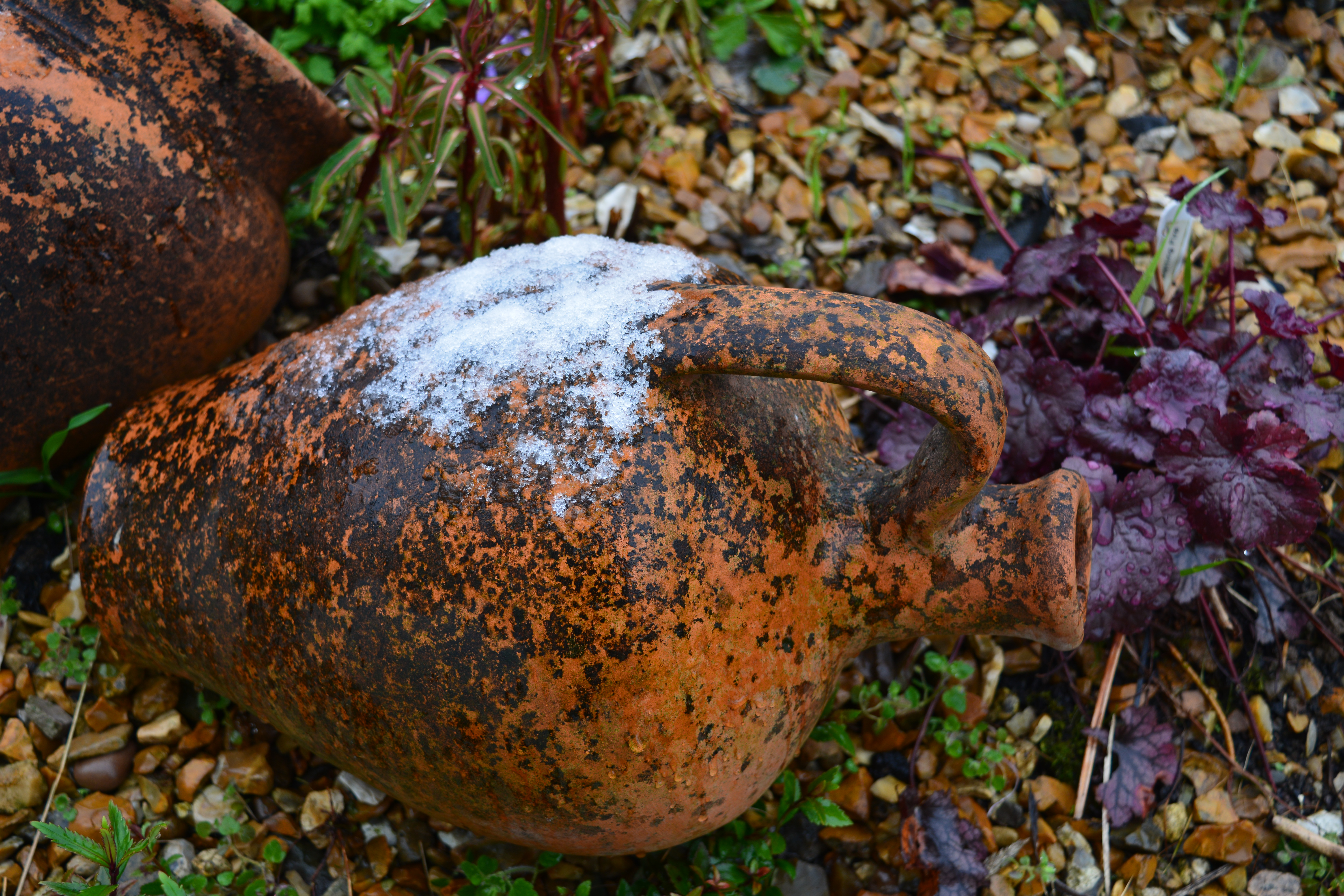
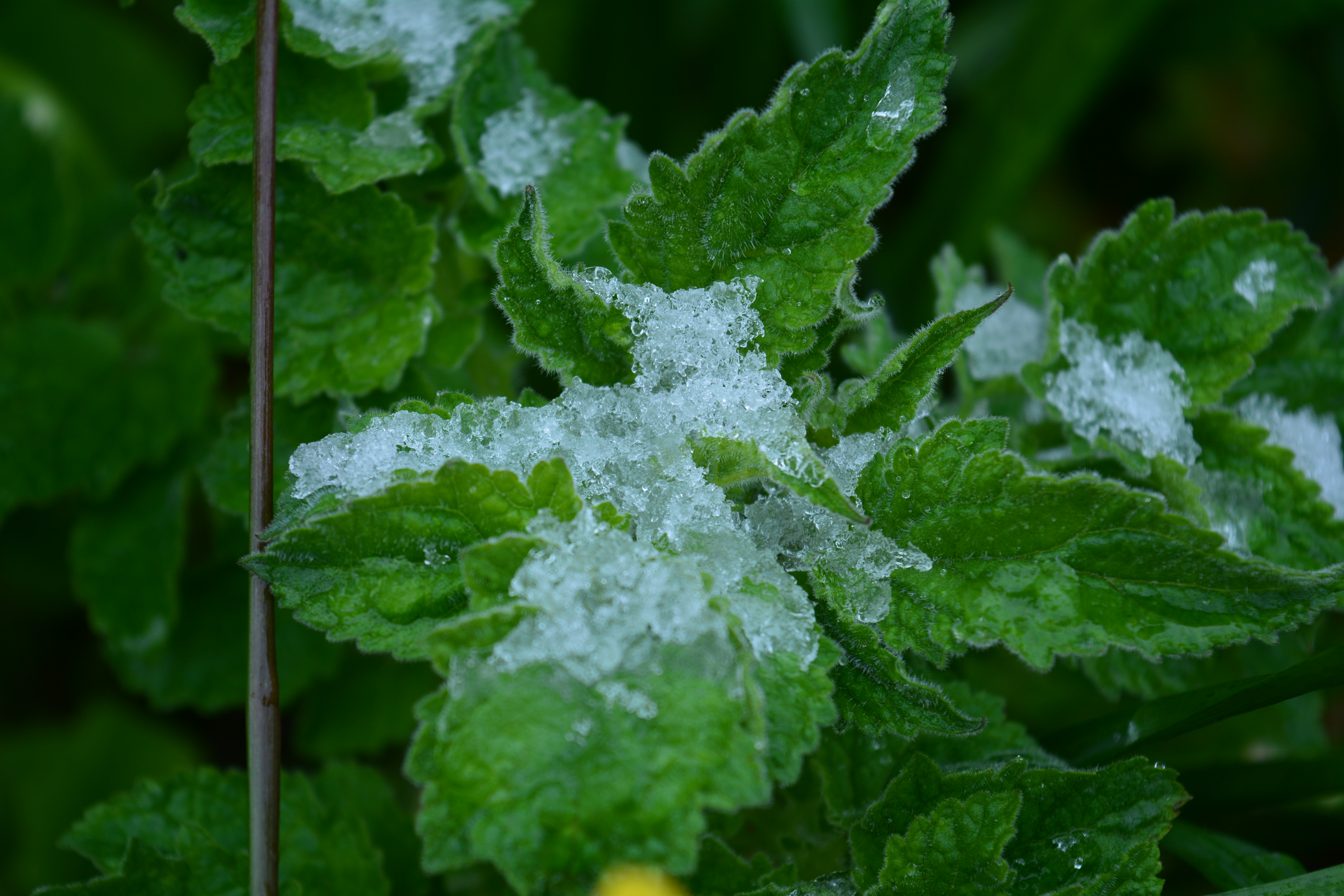
“As we pass the mid-point of March we awake to the third appreciable snow fall of the winter. Luckily this fall has not been sculpted into drifts so we hope that when it melts we are left unscathed. It will however prevent us from getting out there and enjoying our early year jobs.”


“Wildlife is busy in March with frogs cavorting in our wildlife pond and leaving large clumps of spawn among the plants that sit in the water close to the edge. Birds are pairing up, displaying, singing and carrying nesting materials to their nests under construction. We have a pair of  Robins nesting in our woodstore and House Sparrows have taken up residence in the nest boxes we recently re-furbished for them. We watched them pulling grass stems out of the snow and taking them into the boxes. We have created lots more bee homes and repaired any damaged older ones.”

We discovered our brightest coloured frog we have ever seen – a lime green bellied frog.”

Over the next page we look at some of the important jobs we have been busy carrying out during the month of March.


“March is a busy month for us gardeners and because of this it is a month we really look forward to. Each week we create a “to do” job list and get busy preparing for the year to come and of course ensuring our patch is up to scratch for our visitors this year.”

“We cut comfrey leaves for liquid feed, pruned leaves off the Epimedium to help us see their fresh flowers and topped up the log edging around our wildlife pond.”


“We fed our trees with wood ash from our woodburner and checked tree stakes and tree ties.”


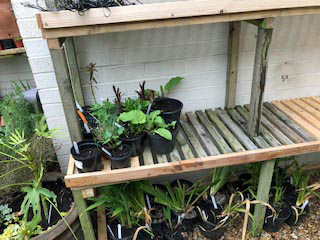
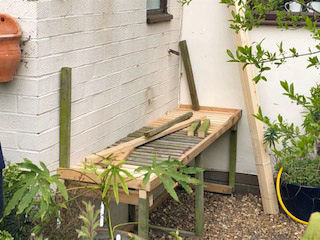
“A big project is developing our new fern garden, a raised bed to fill the gap left by the removal of our oil tank. We came up with this crazy idea and hope it works! Planks of wood became a raised fern garden.”


Turning over to the next double page spread I wrote about buying new plants and I shared my paintings of a surprise find below the snow. I wrote, “We have been in plant buying mode often this March, some Hebes to replace some that have gone too woody and untidy, Ferns to add to our collection and stock our new “raised fernery” and more Ivies to cover concrete fence posts.”

“Hebes “Purple Shamrock”, Bronze Glow” and “Mrs Winder” and Ferns, “Polystichum setiferum “Plumosum Densum”, Dryopteris affinis “Polydactyla Dadds”, “Dryopteris austriaca “Crispa Whiteside” and Cyrtomium falcatum.”

“We have also been busy dividing perennials such as Sedums.”

“Secret beneath the snow! When the snow drifts melted and once again our golden flint gravel could shine in our Beth Chatto Garden, we found a sad looking perennial stem and its seedheads. It usually stands firmly upright as a statuesque reminder of its summer and autumn beauty. Eryngium pandanifolium can grow to 7ft tall, its spiny flower stem rising from a grass-like batch of equally spiky foliage. The flowers are coloured a strange dusky maroon colour.”

I painted this secret with water-colour pencils and artist pens in greys and blacks.

My final page in my entries for March features a quotation from a nature writer, John Lewis-Stempel and considered how it relates to our own patch.

“The nature writer, John Lewis-Sempel, in his new book titled “The Wood” wrote of March, “Robin sings with gusto, trying different refrains, experimenting. He is the philosophical songbird. 

Hedgehogs now out of hibernation from their watertight nests of grass and moss. As I’m sitting in my chair one shuffles absentmindedly over my wellingtoned feet.

The wood is “filling out”. There are no longer clear views through the trees. Gone is the sense of space, and light. The trees are crowding in.

The blackbird has finished her nest in the Elm. The nest is a perfect bowl, of grass, straw and twigs and plastered inside with mud. Years will pass, but the mud cup will last.”

                                                                                                                                   (March 2017)

Here at our Avocet garden we have virtually no fresh leaves open yet just bursting buds on just a few shrubs and trees. House Sparrows are nesting vigorously now collecting nest materials and at the end of the month we observed a Robin busy building a nest in a Robin nesting box we had made and put up in the Shade Garden.

In every other way Spring is slow to show any enthusiasm.

Our next visit to my garden journal will be in April when we hope Spring may have made some effort to get underway.


Categories
autumn colours climbing plants colours flowering bulbs garden design garden photography garden wildlife gardening gardens half-hardy perennials hardy perennials irises light light quality log piles logs natural pest control ornamental trees and shrubs roses Shrewsbury Shropshire shrubs South Shropshire spring bulbs succulents trees

My Garden Journal 2017 – November

The penultimate visit to my garden journal for 2017 is here – hope you enjoy it. I began by referring back to a development we started in the garden back in September which we finished off in November. We are very pleased with how it has turned out and look forward to seeing the new plants flourish.
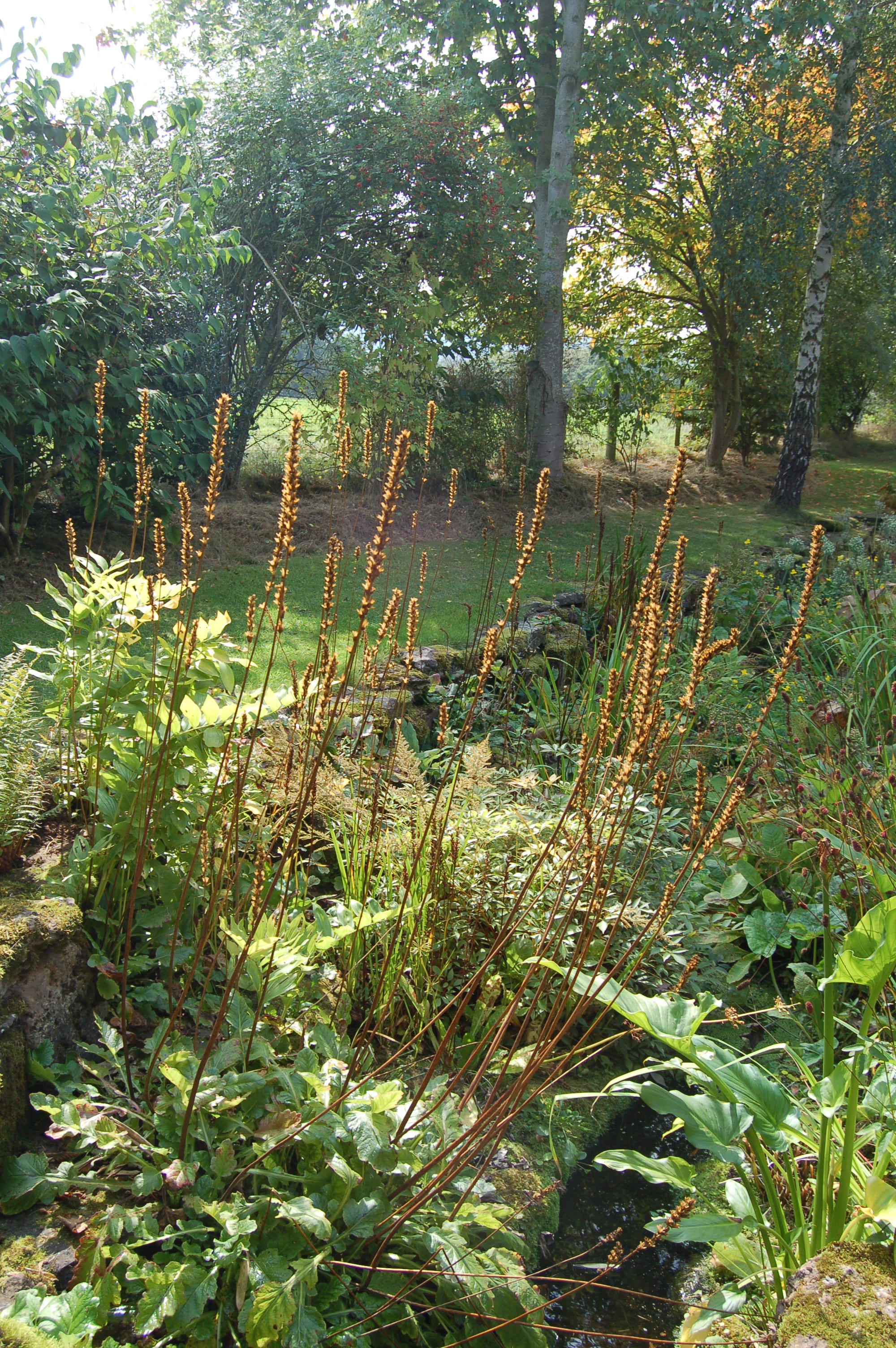
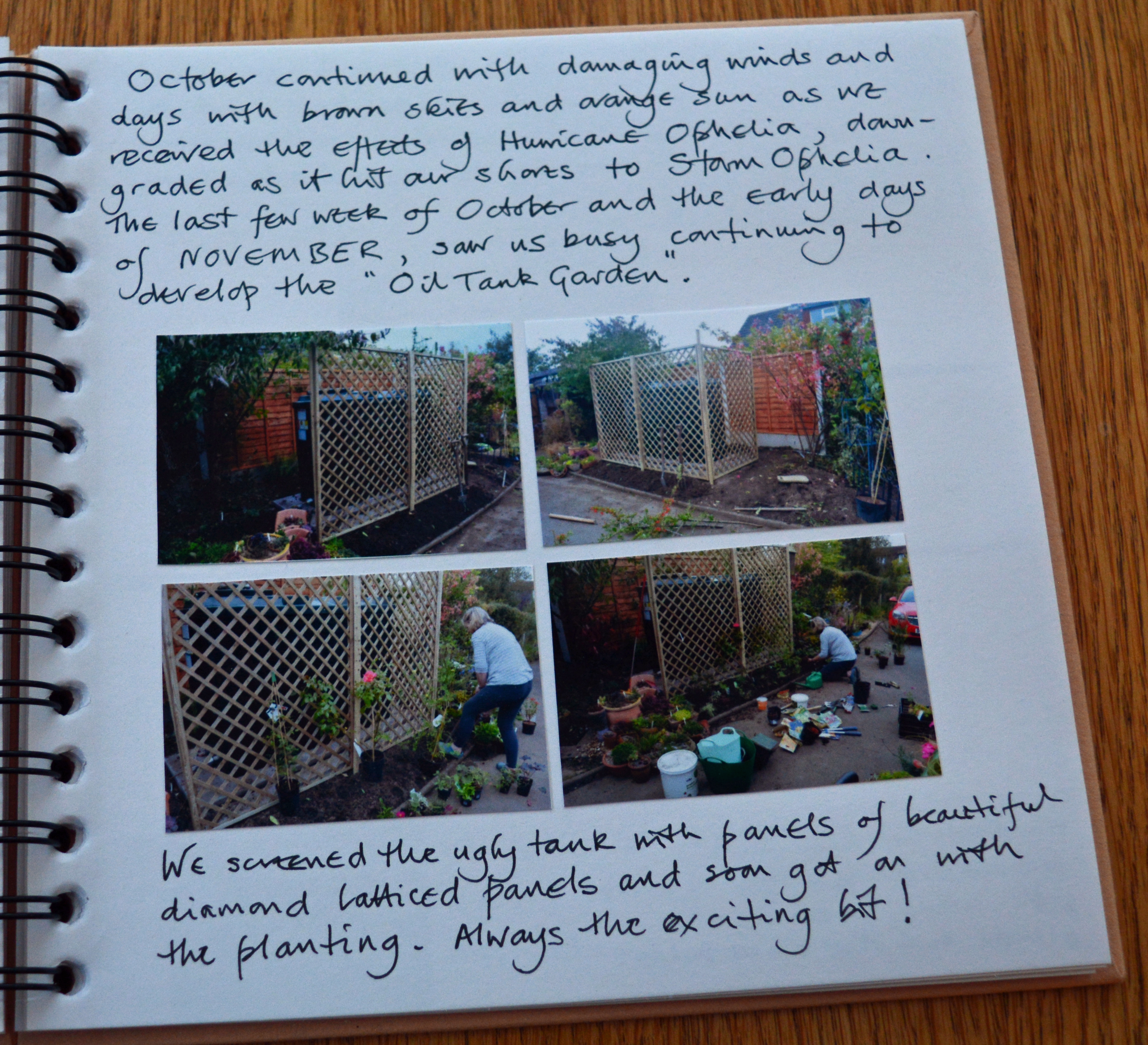
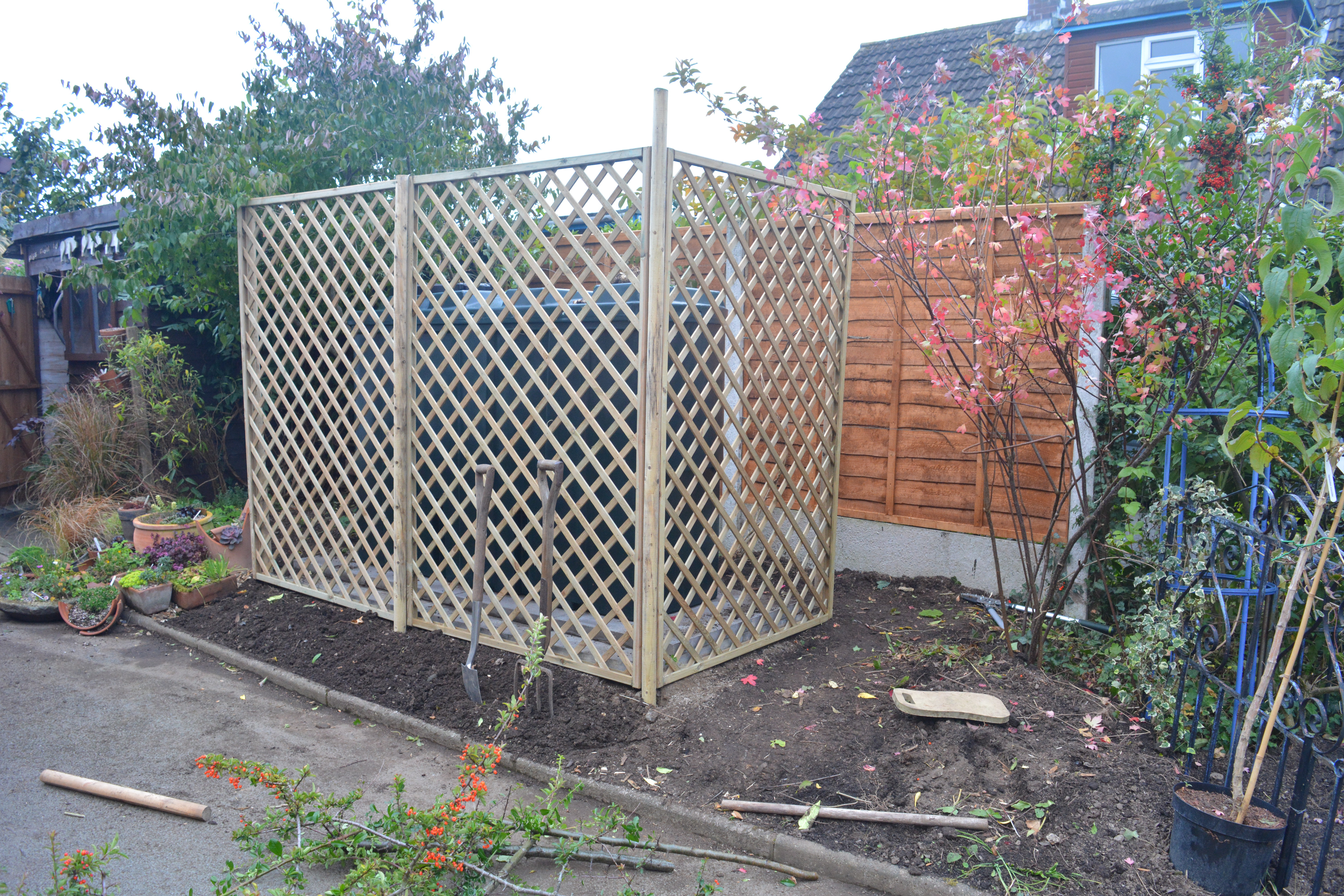
“October continued with damaging winds and days with brown skies and orange sun as we received the effects f Hurricane Ophelia, downgraded to Storm Ophelia as it hit our shores. The last few weeks of October and the early days of November, saw us busy continuing develop our “Oil Tank Garden”.


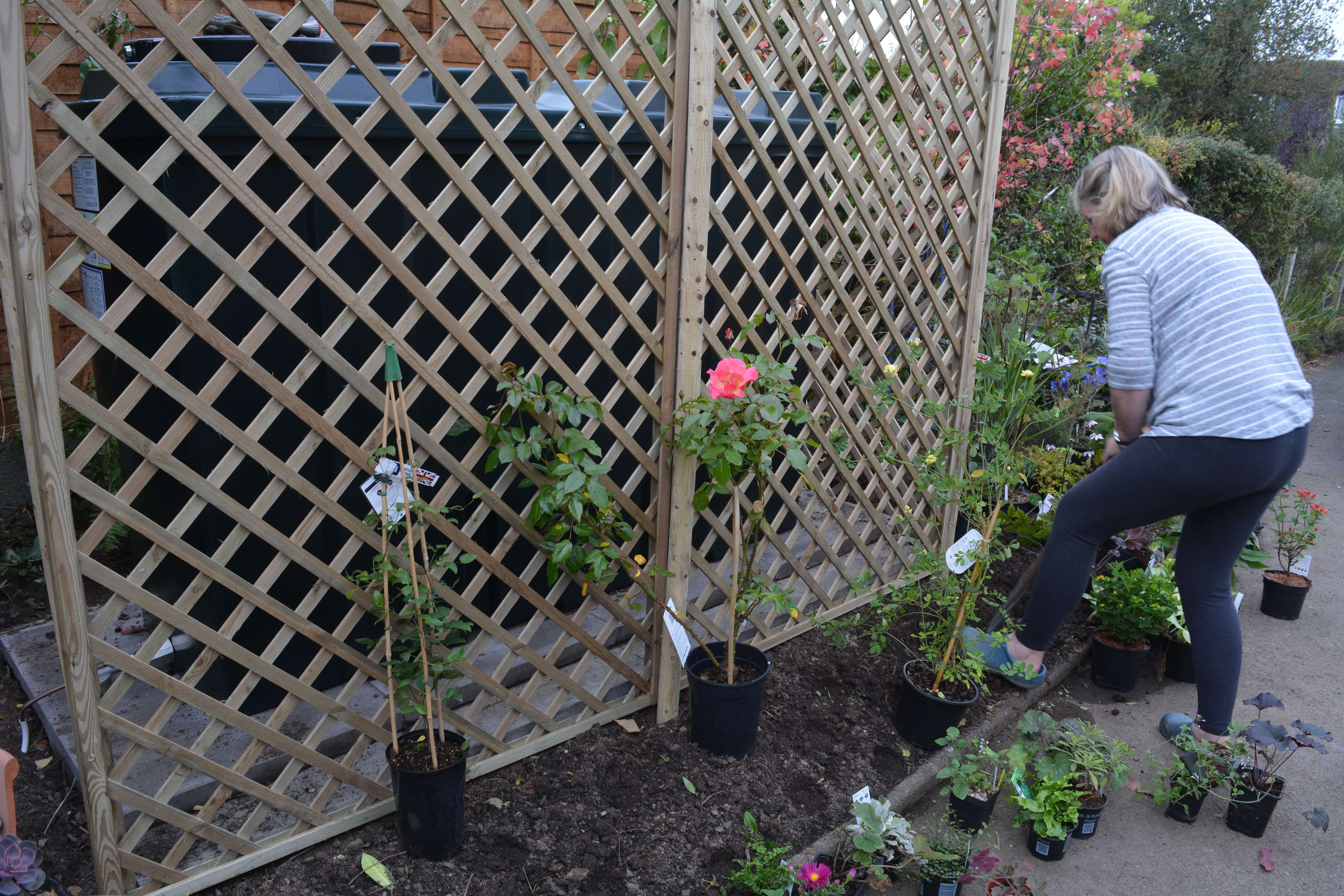
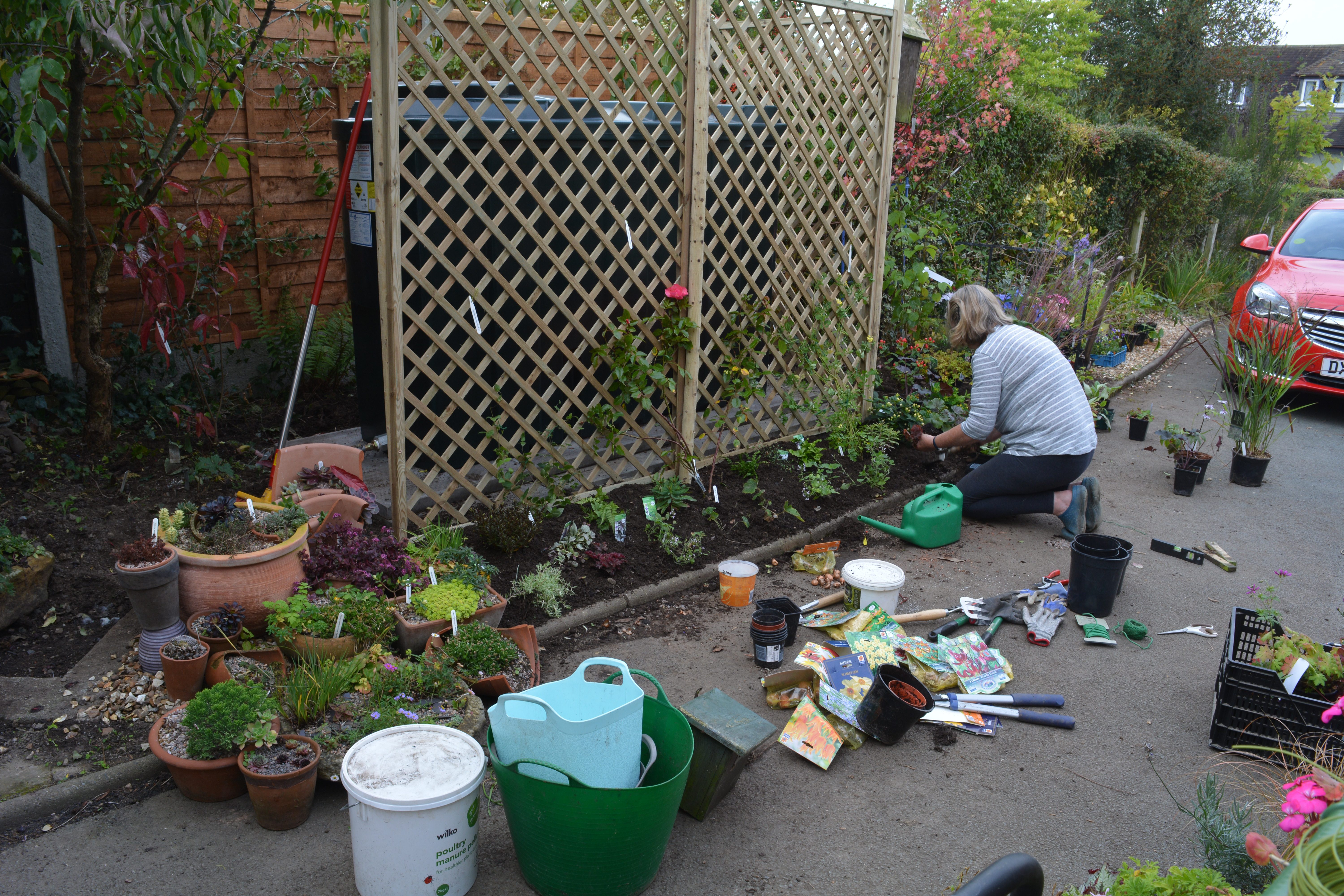
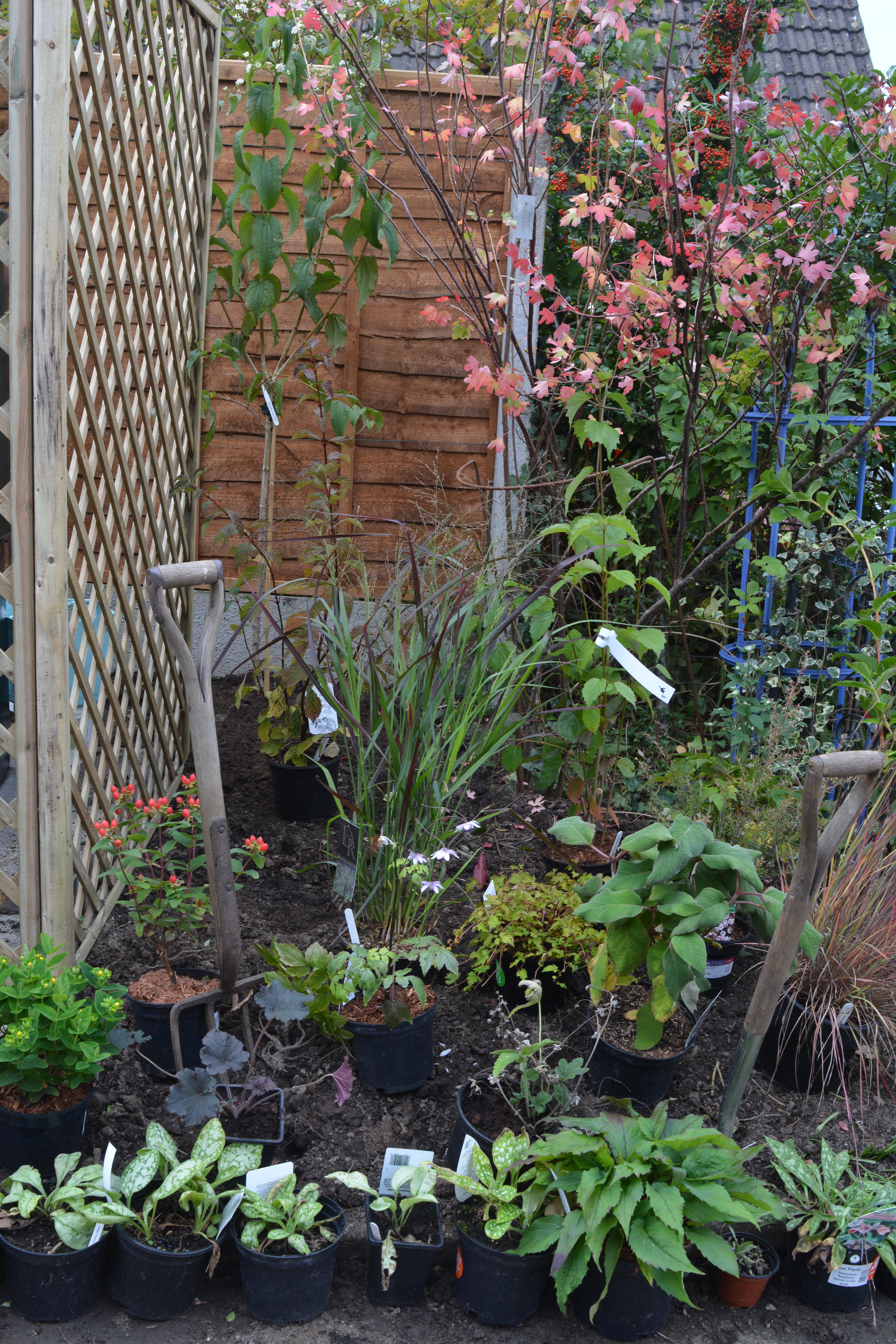
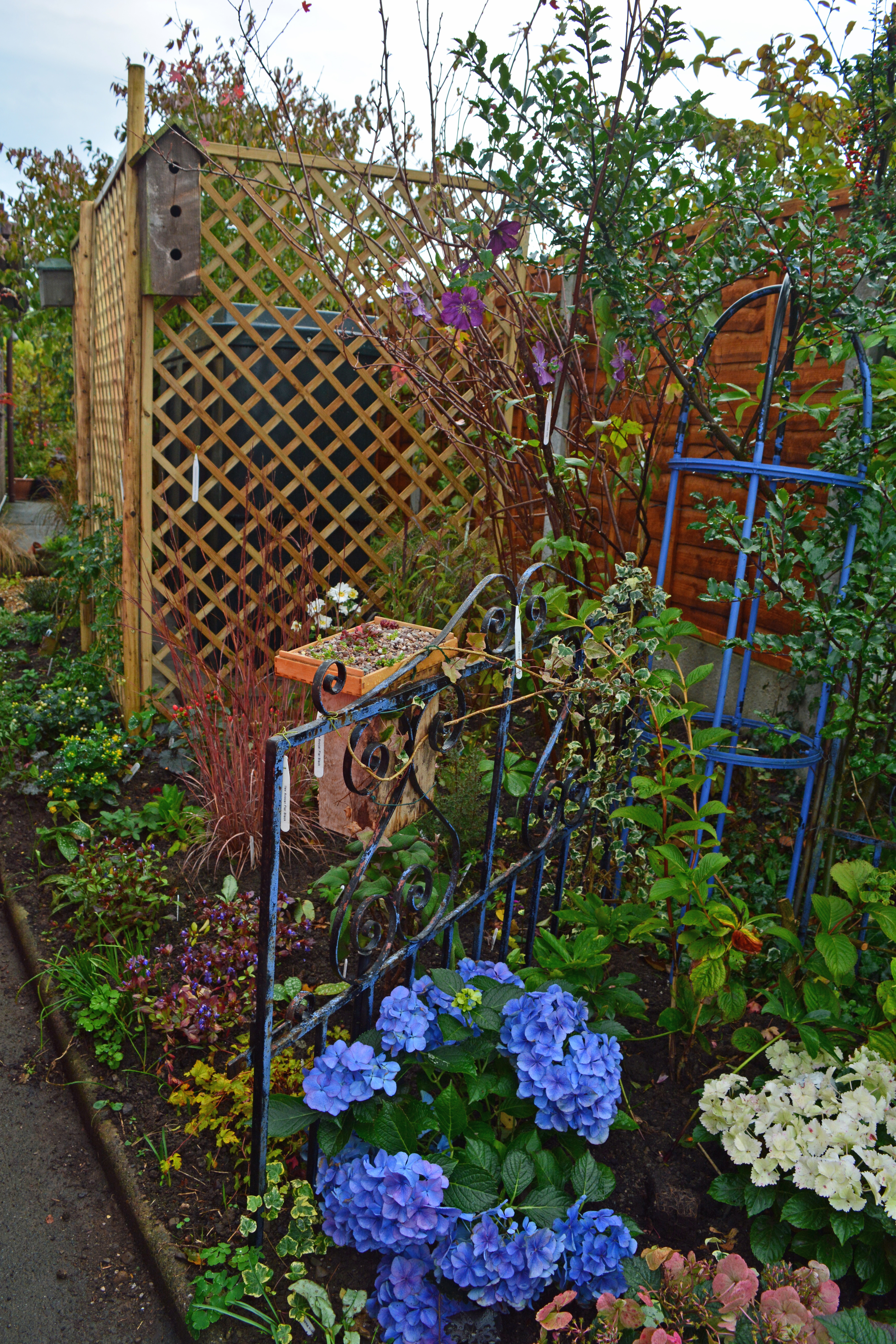
“We screened the ugly tank with panels of beautiful diamond latticed panels and soon got on with the planting. Always the exciting bit!”

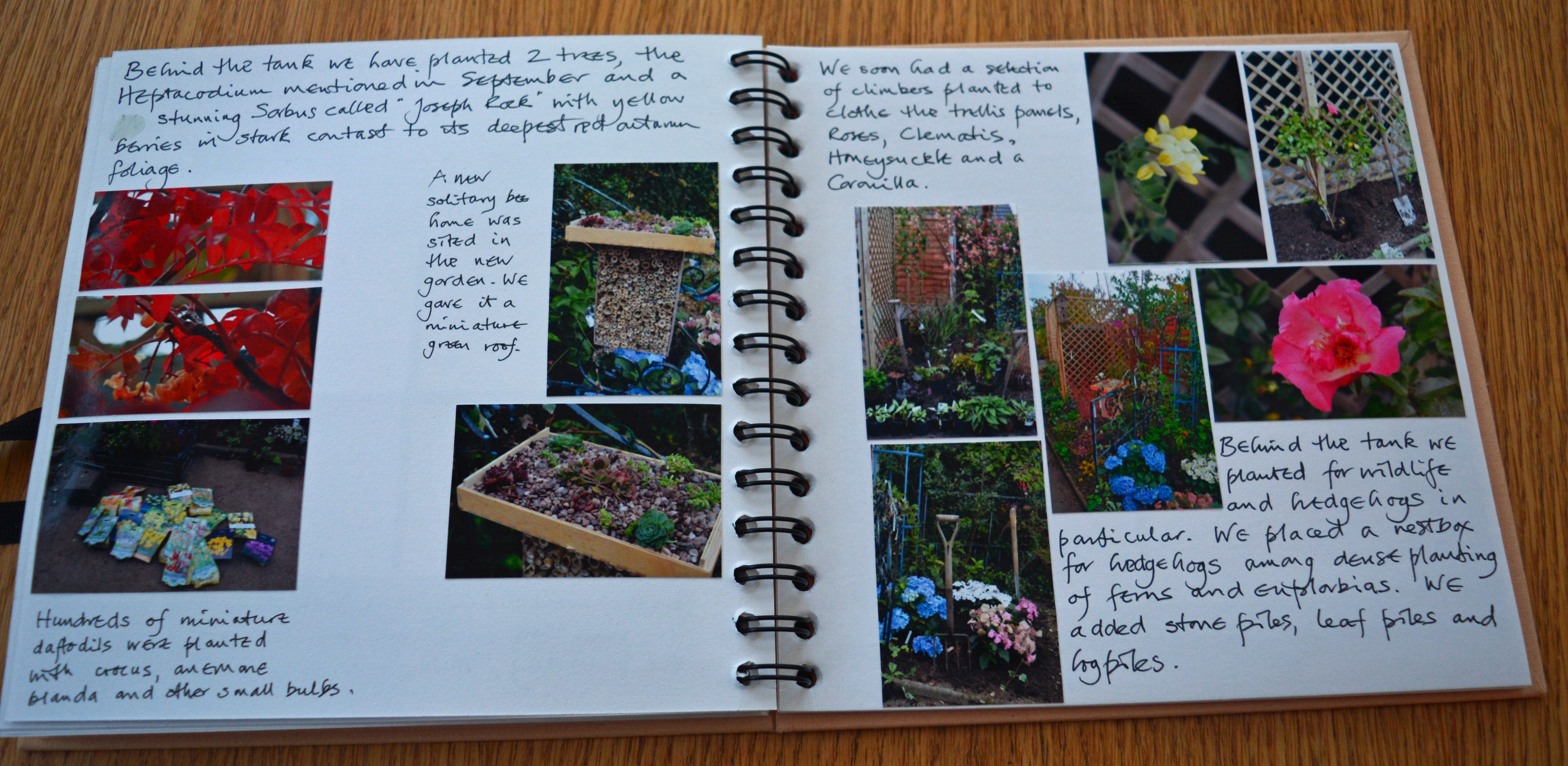
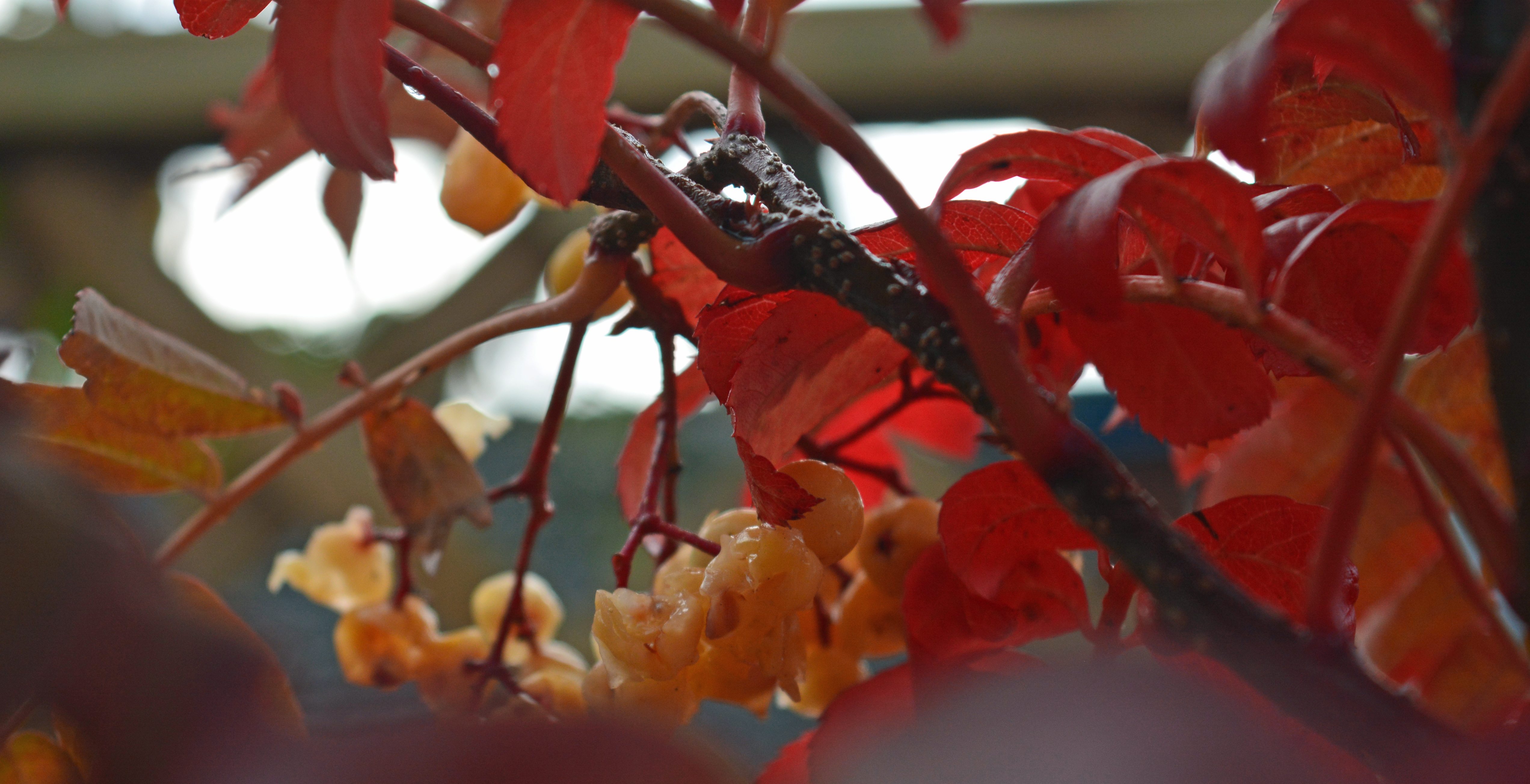
Over the page I continue to describe our development of this border and wrote “Behind the tank we have planted two trees, the Heptacodium mentioned in September and a stunning Sorbus called Joseph Rock with yellow berries in stark contrast to its deepest red autumn foliage.


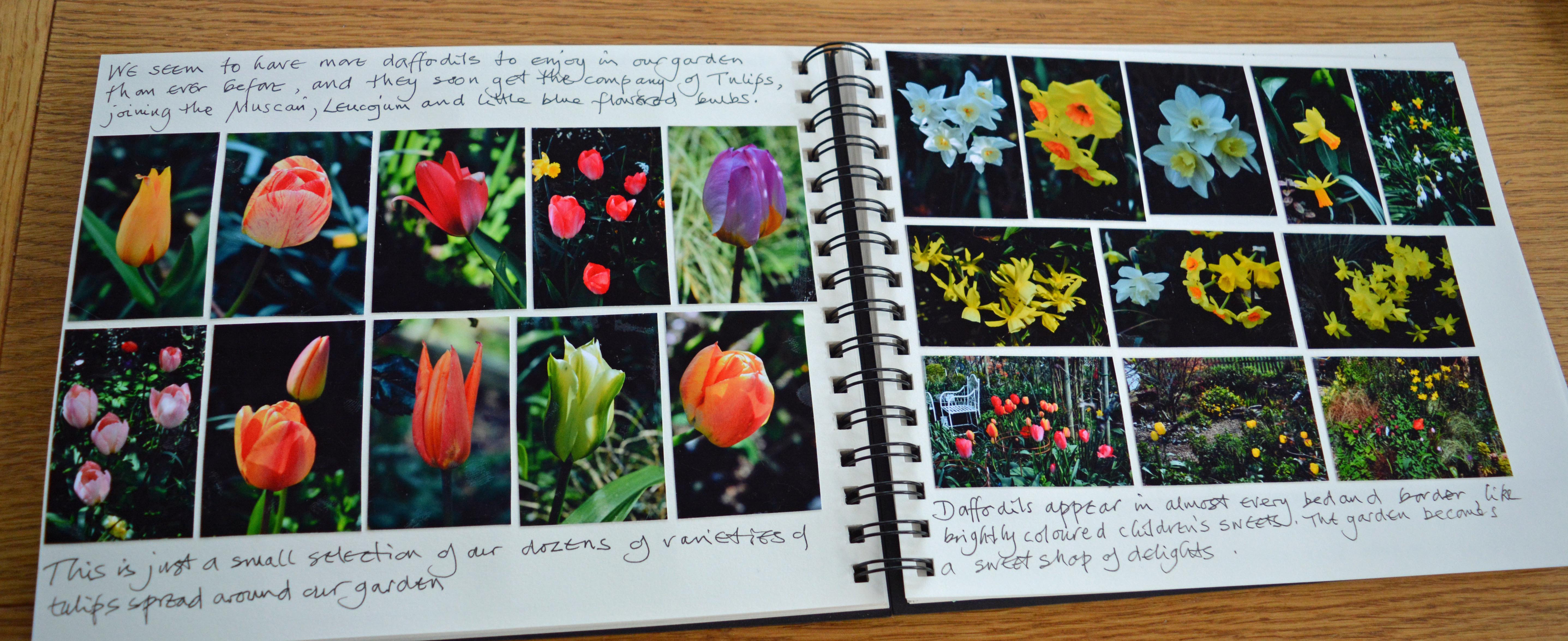
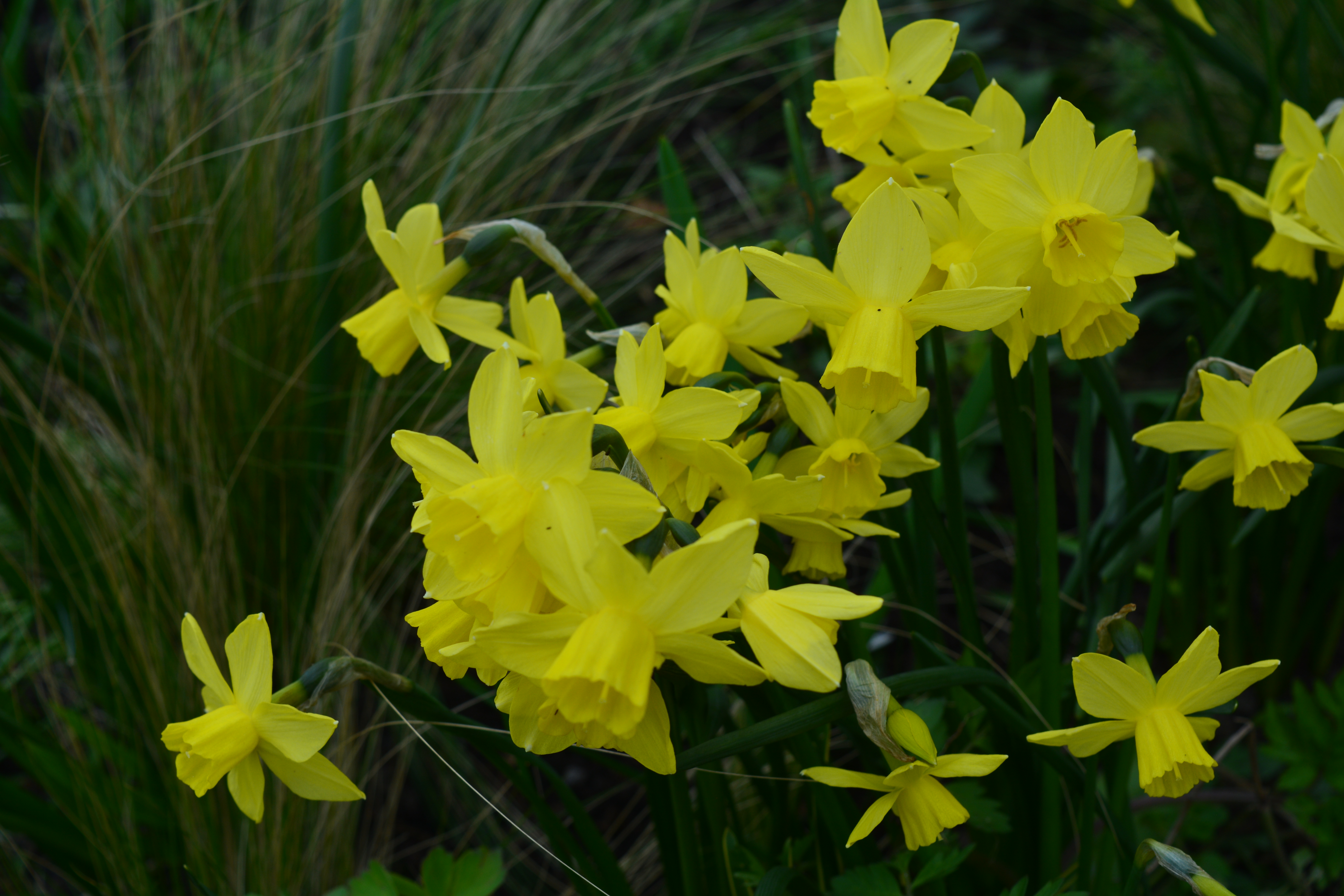
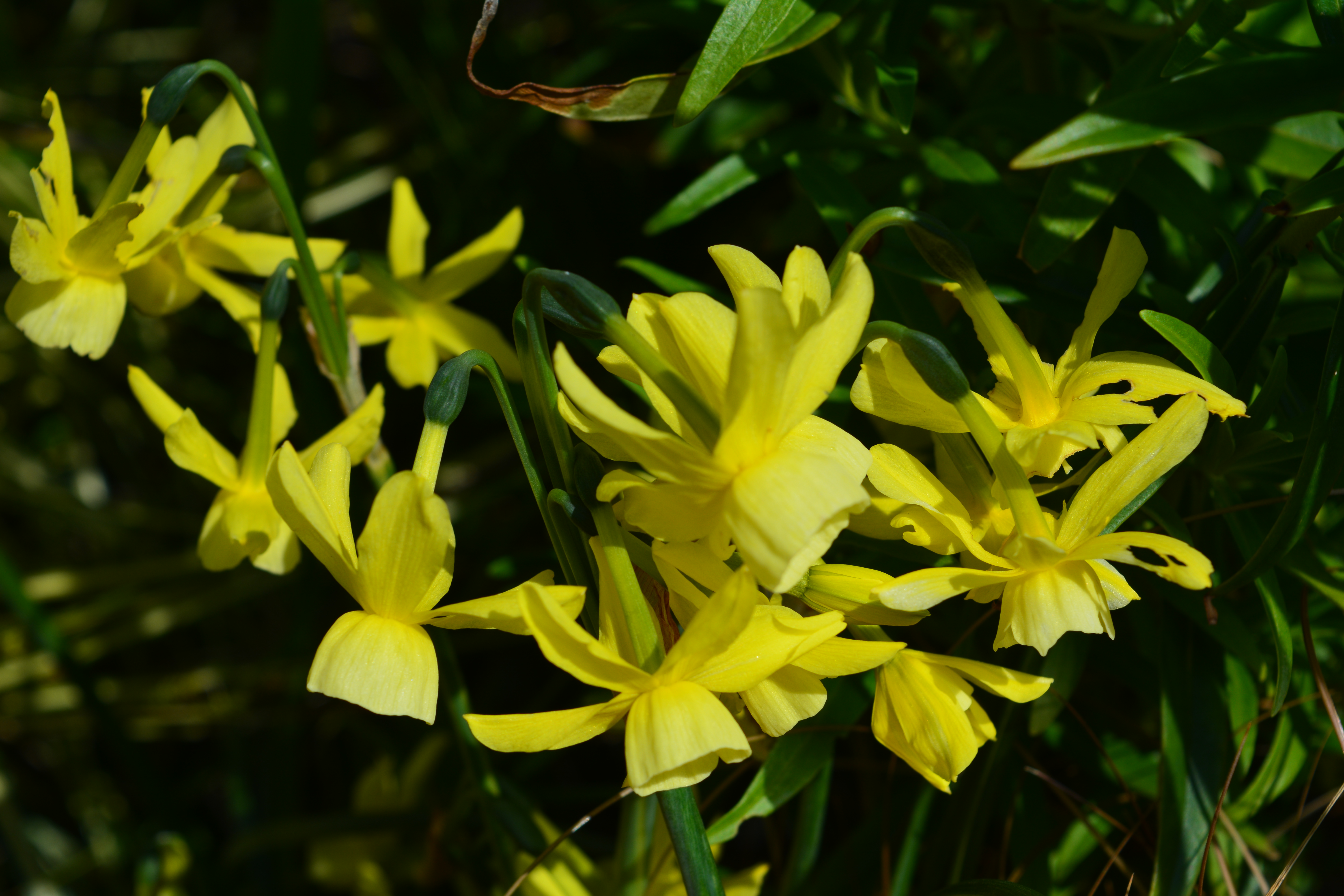
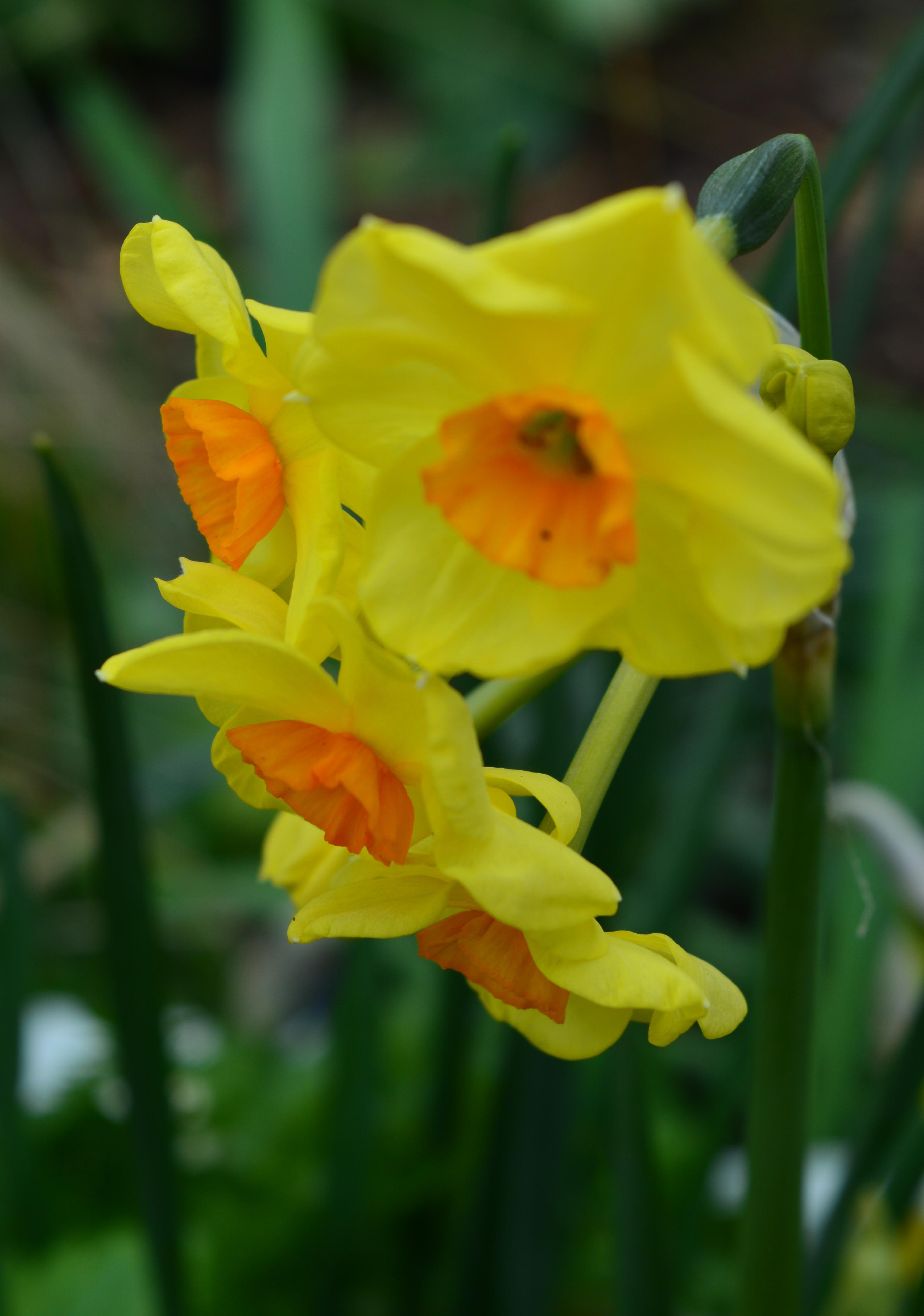
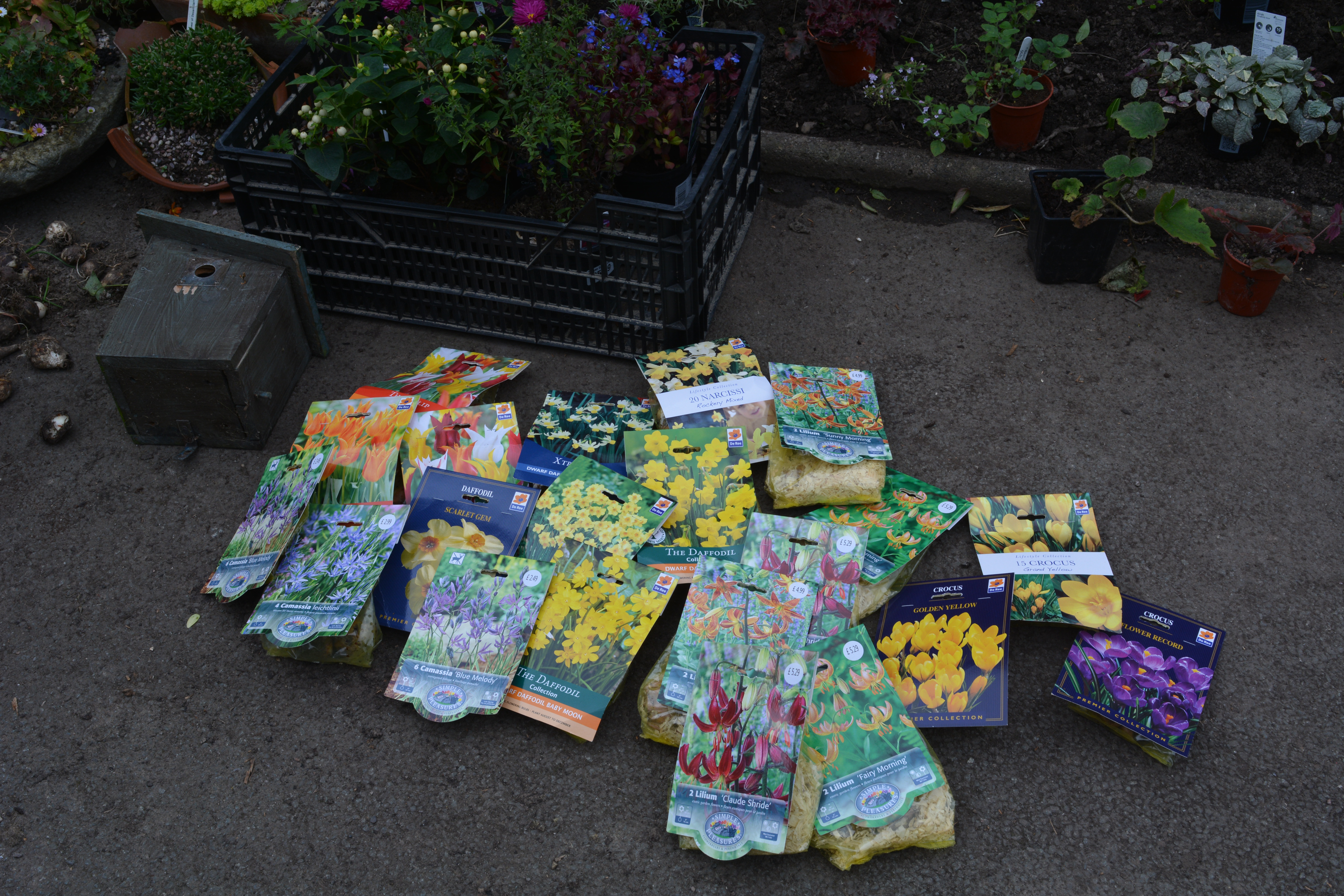
“Hundreds of miniature daffodils were planted with crocus, Anemone blanda and other small bulbs.”

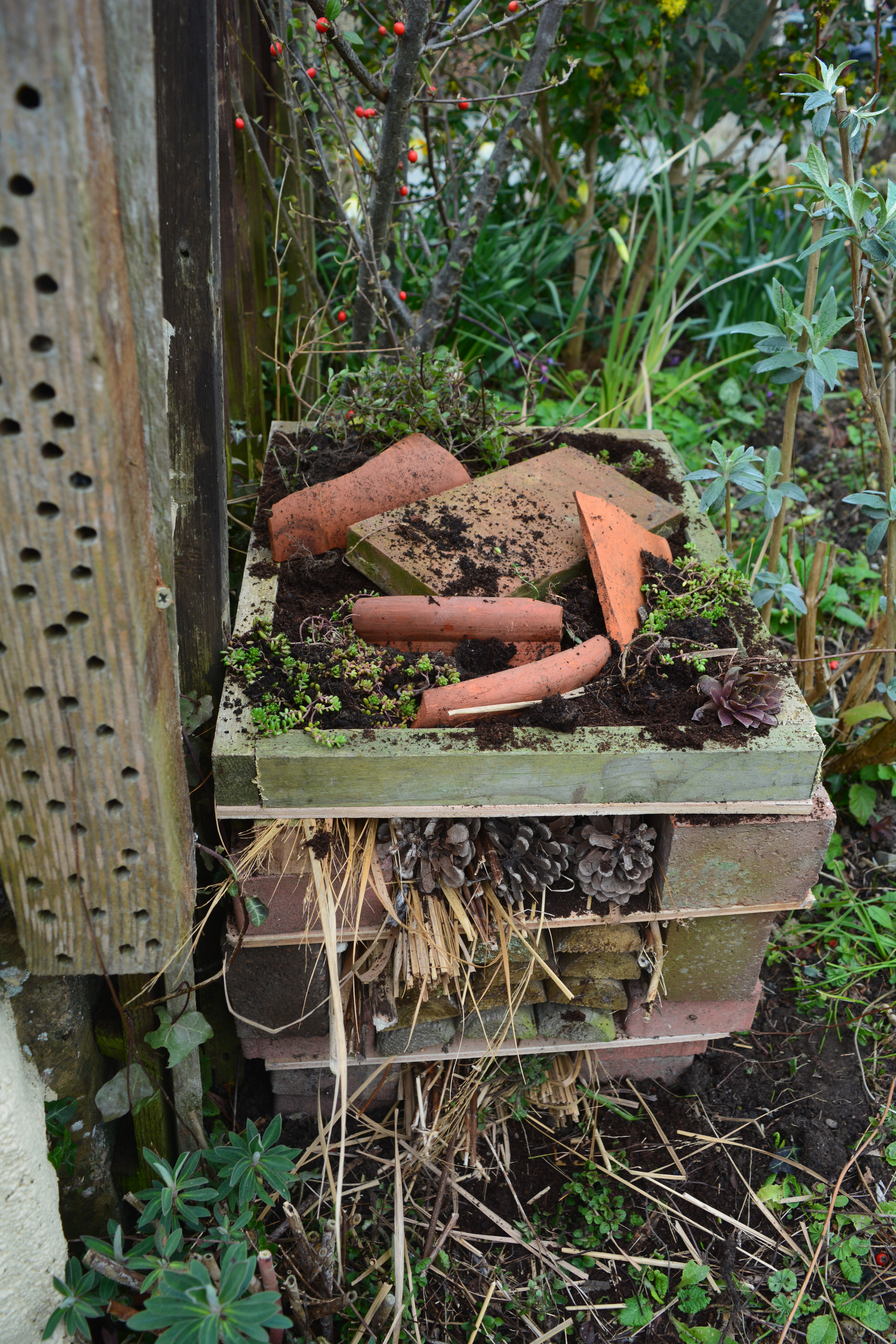
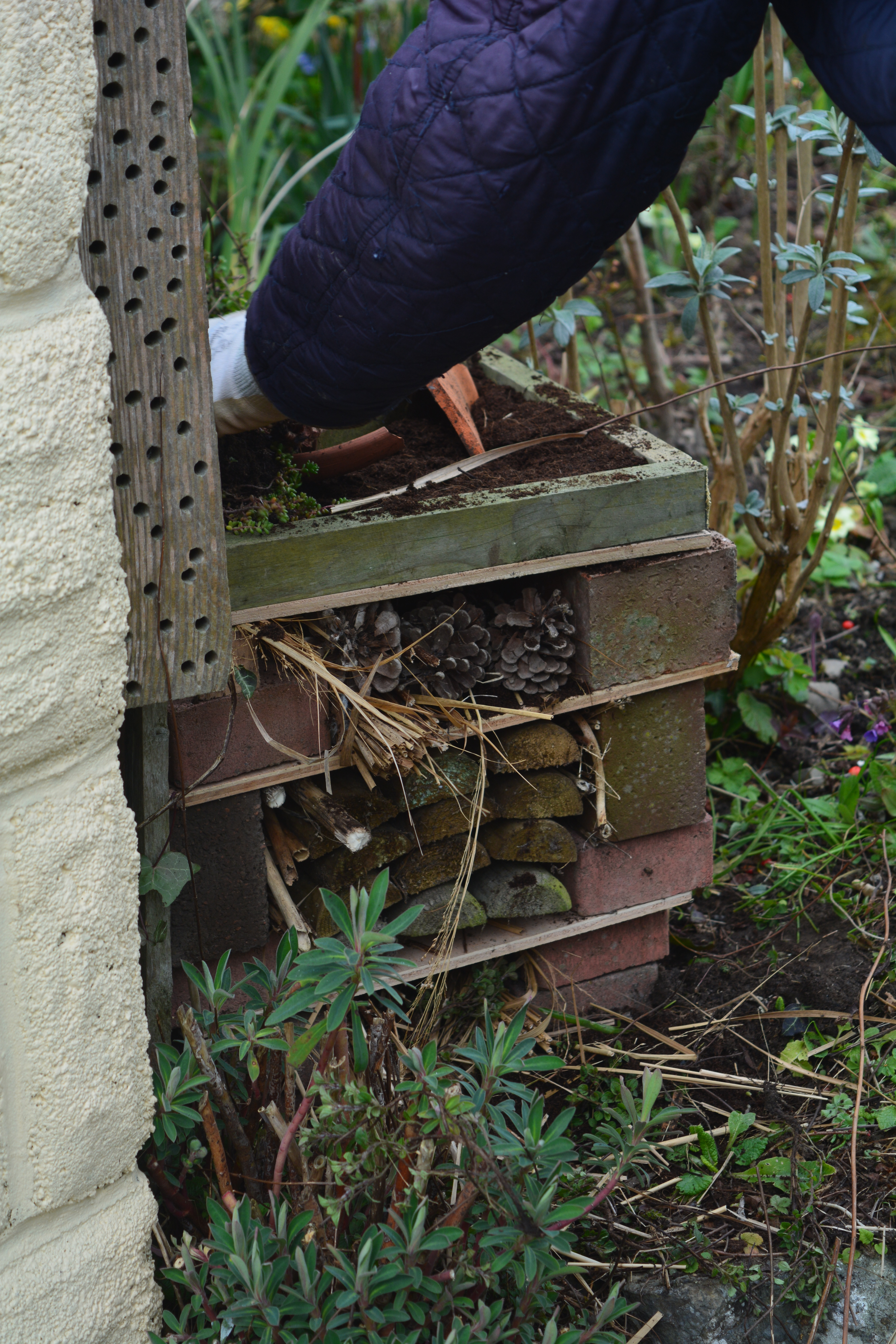
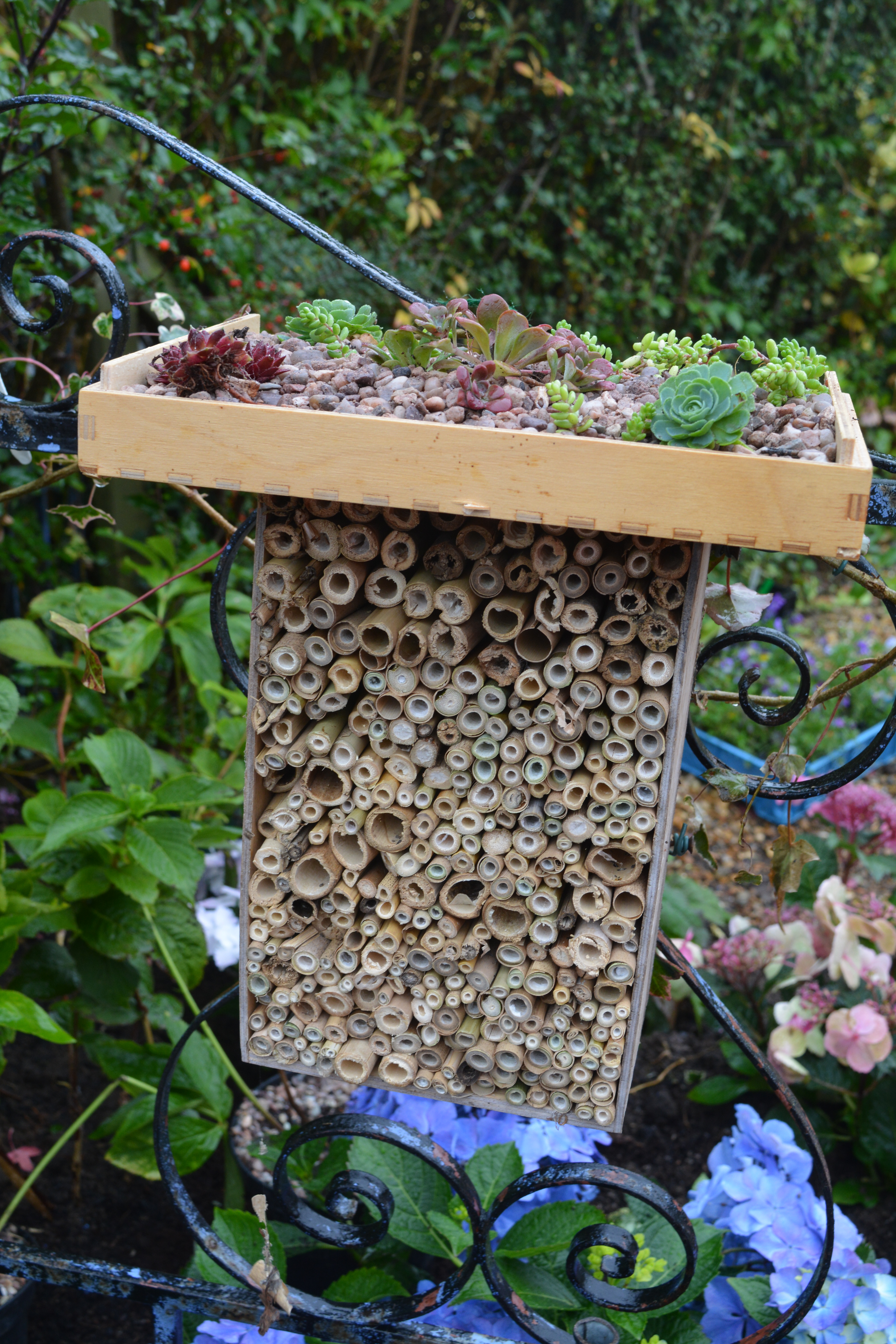
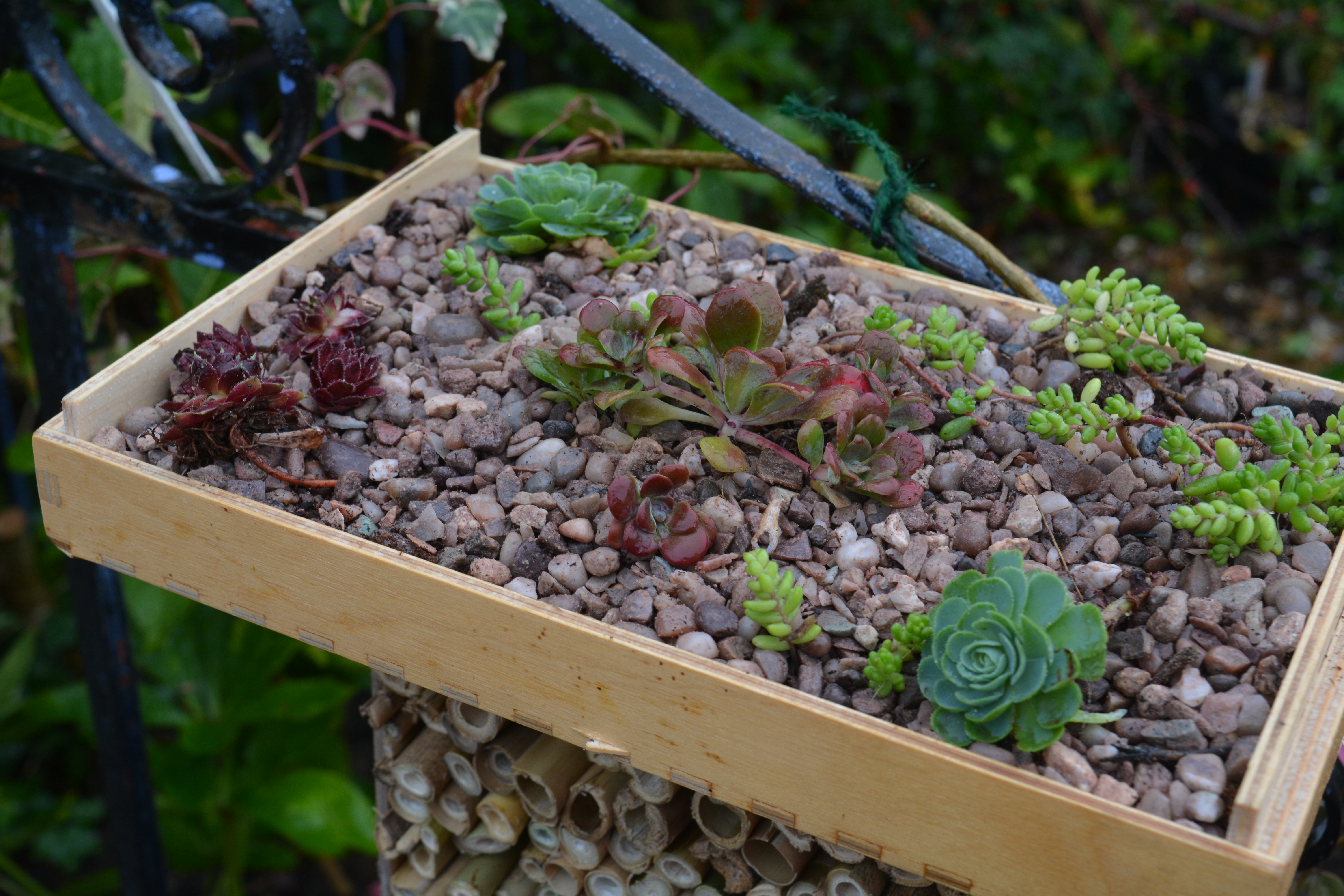
“A new solitary bee home was sited in the new garden. We gave it a miniature green roof!”

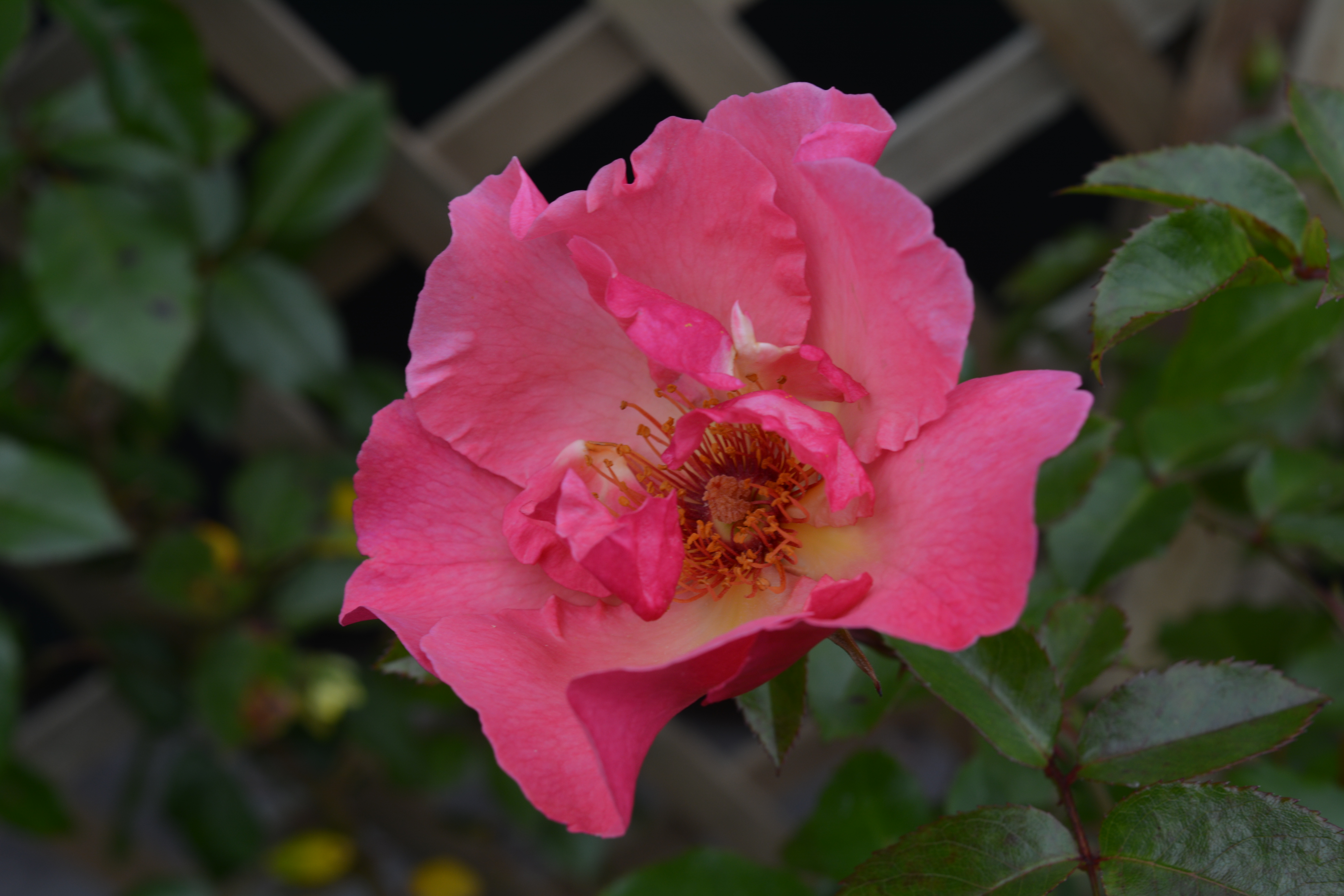
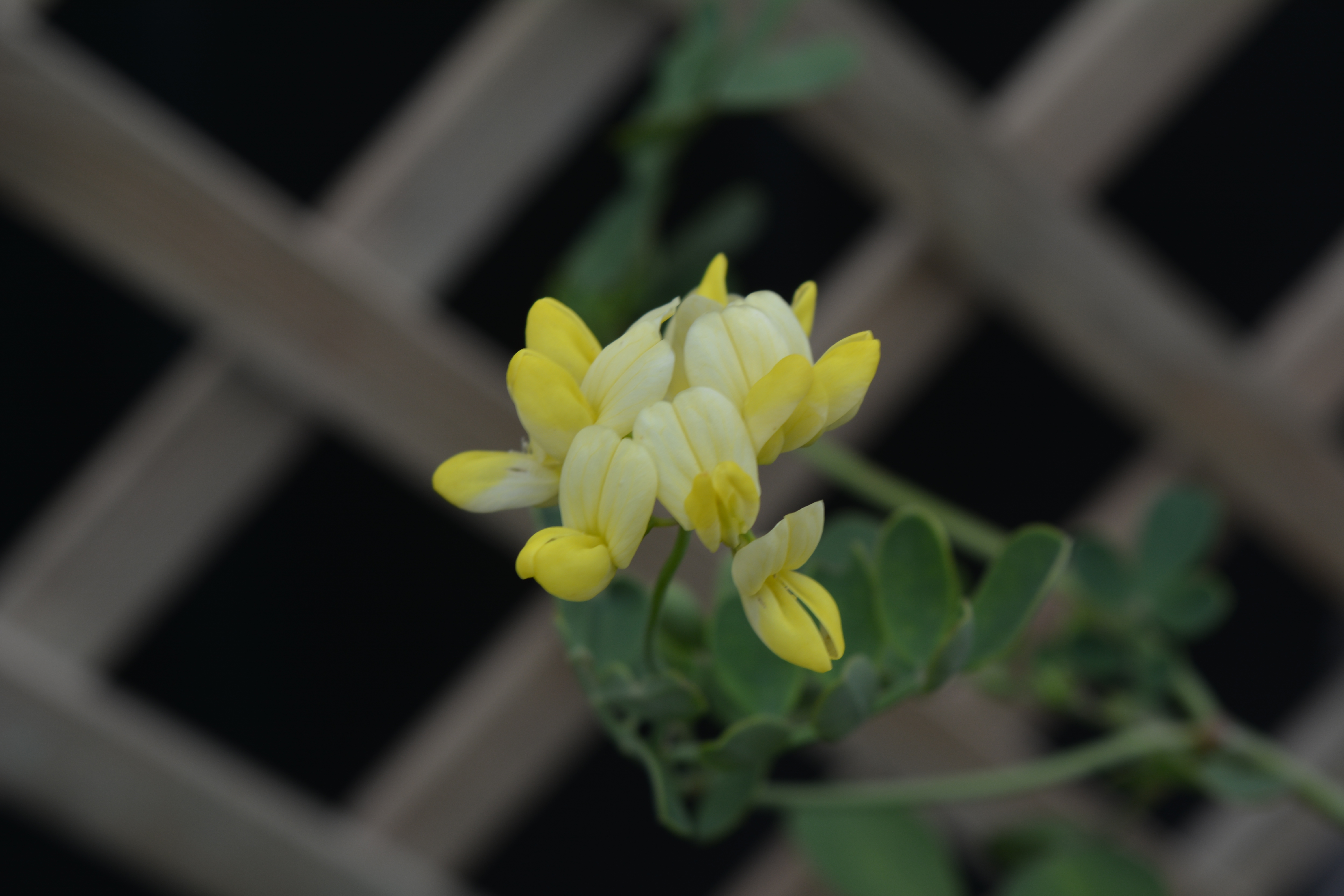
“We soon had a selection of climbers planted to clothe the trellis panels, Roses, Clematis, Honeysuckle and a Coronilla”.


“Behind the tank we planted for wildlife and hedgehogs in particular. We placed a nestbox for hedgehogs among dense planting of ferns and Euphorbias. We added stone piles, leaf piles and log piles.”

Turning over another page I featured some words by Dan Pearson and looked at some autumn flowering plants.

“Taking a look at Dan Pearson’s writings about Autumn in his “Natural Selections” book he wrote,

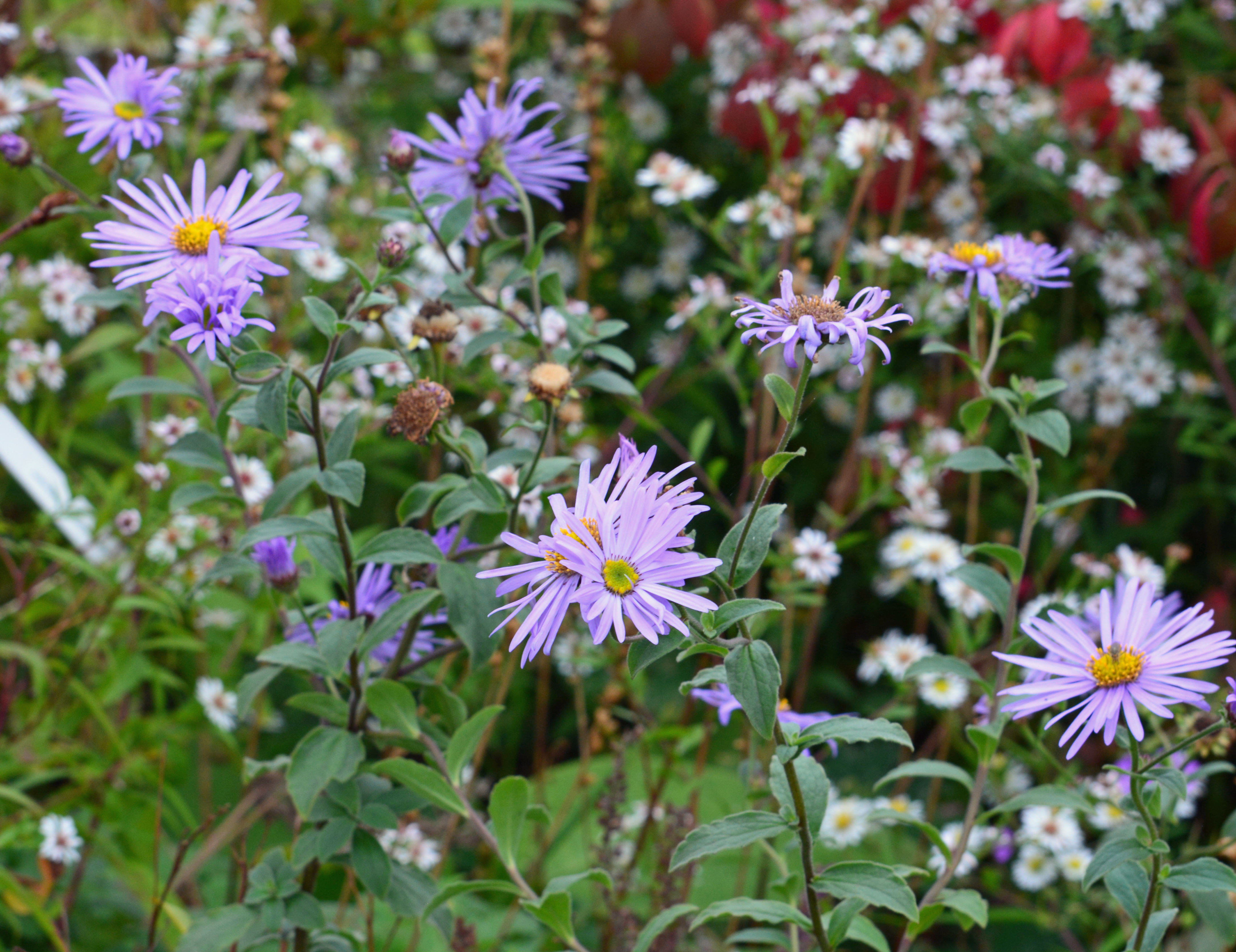
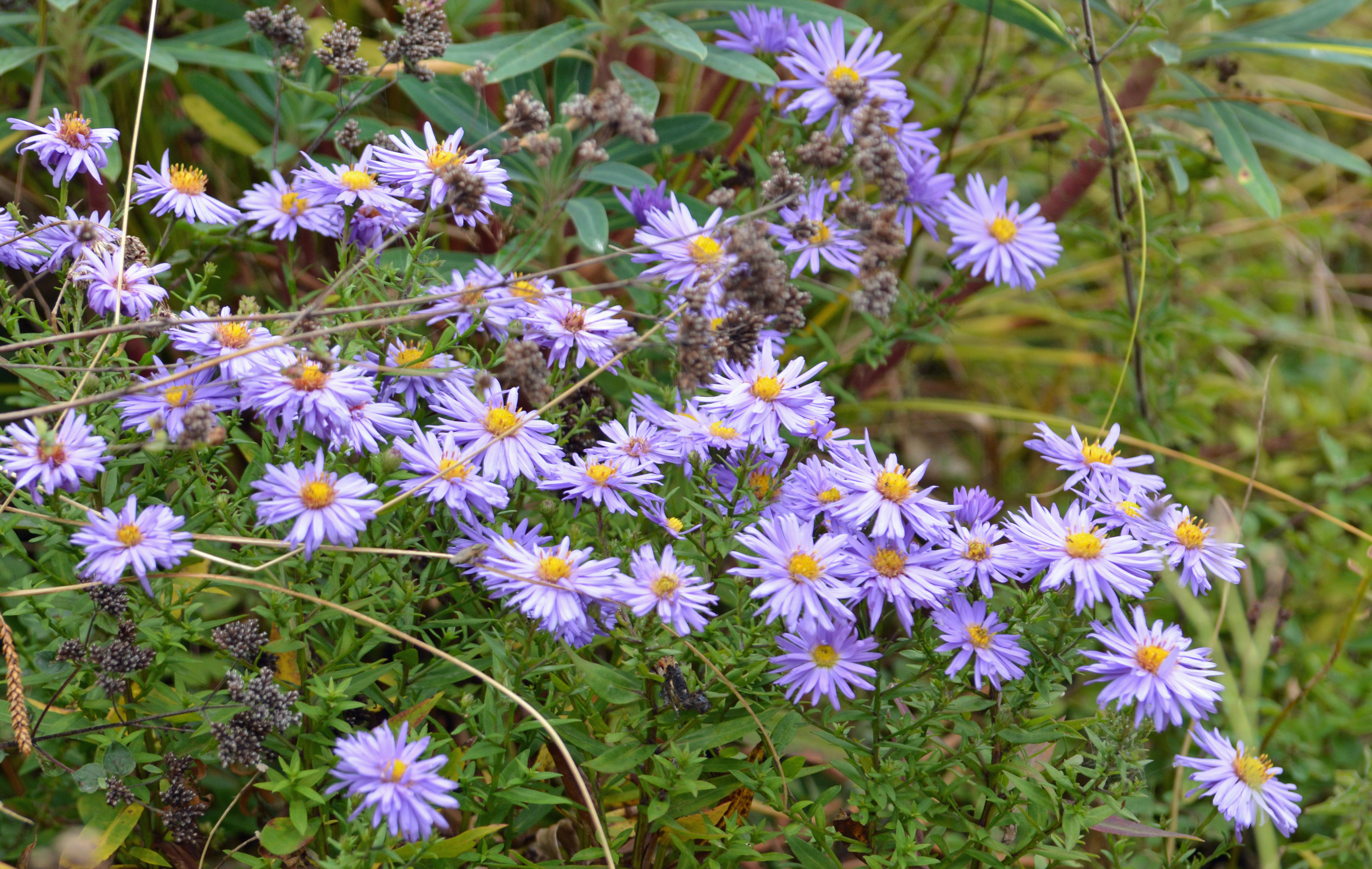
I want to invite the seasons into the garden, vividly and in layers. I use asters, autumn crocus and gentians at ground level, and shrubs that perform for this season to take the eye up and away, to straighten the back. I weave berrying trees and shrubs into the garden as much for their jewel-like fruit as for the birds which flock down to gorge when the fruit is ready for feasting upon.”

We aim to do exactly the same in our Avocet patch. Below are a few of our Asters which feature in our “Shrub Border”,  a border that brings Autumn in.”


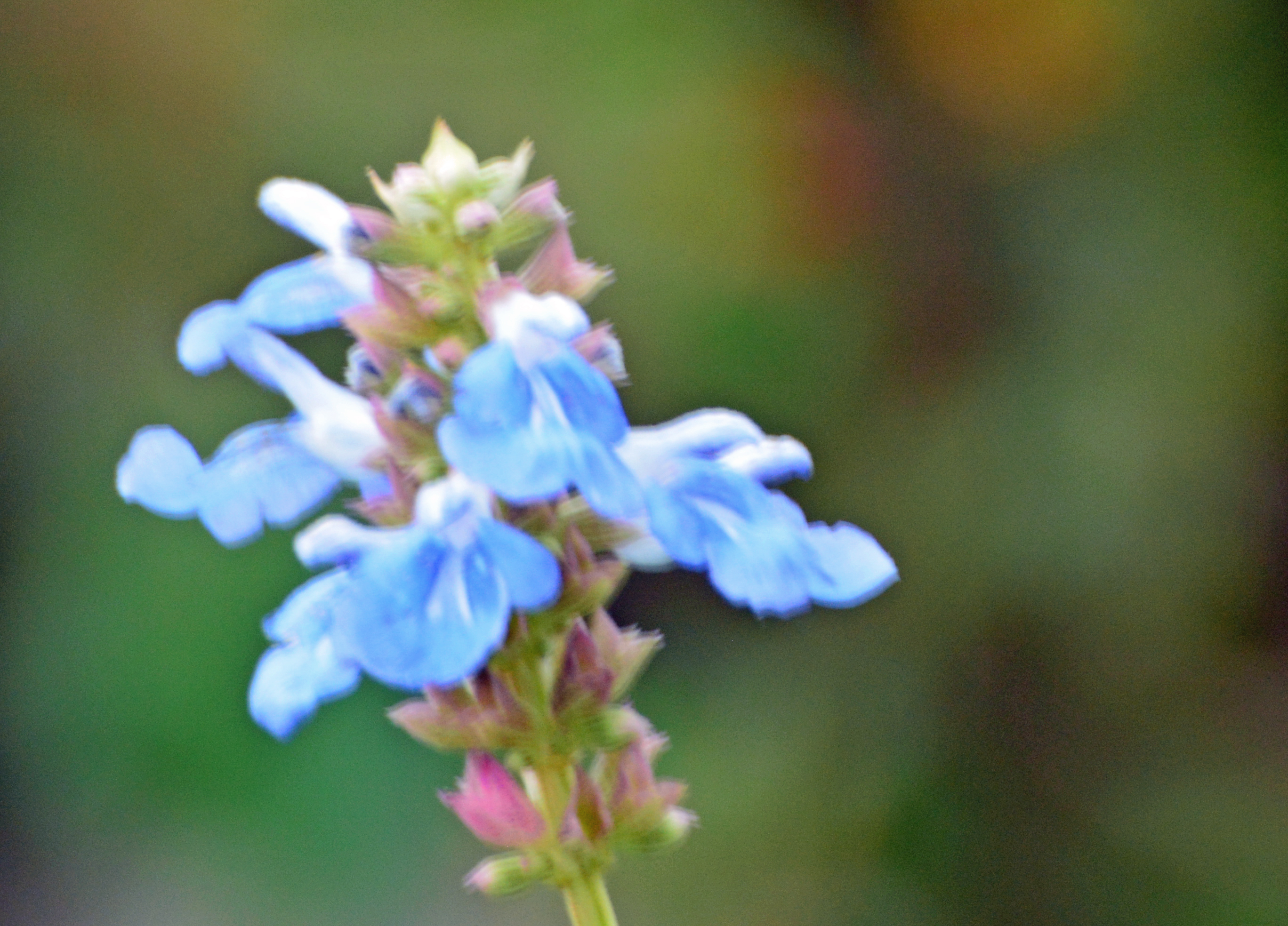
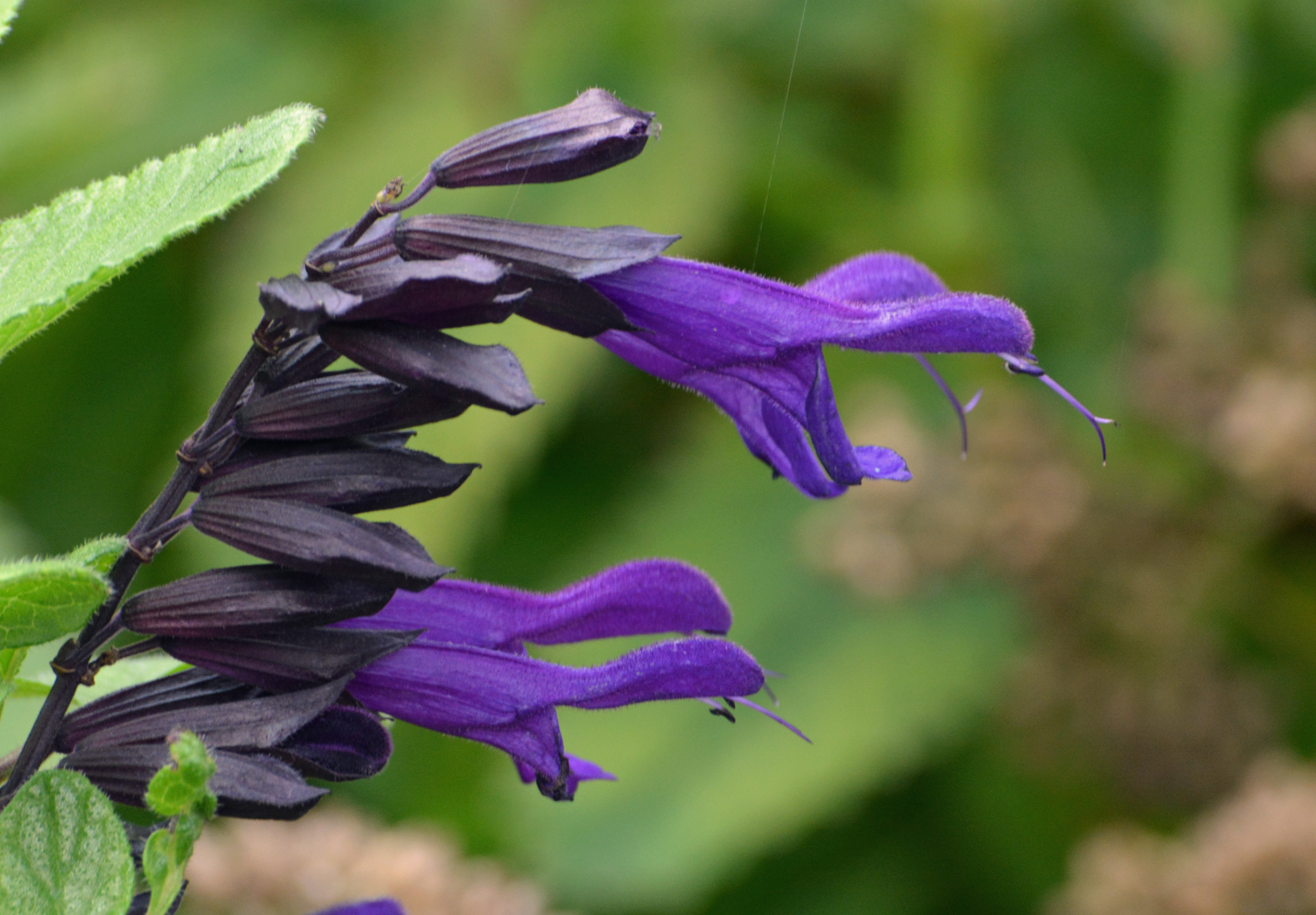
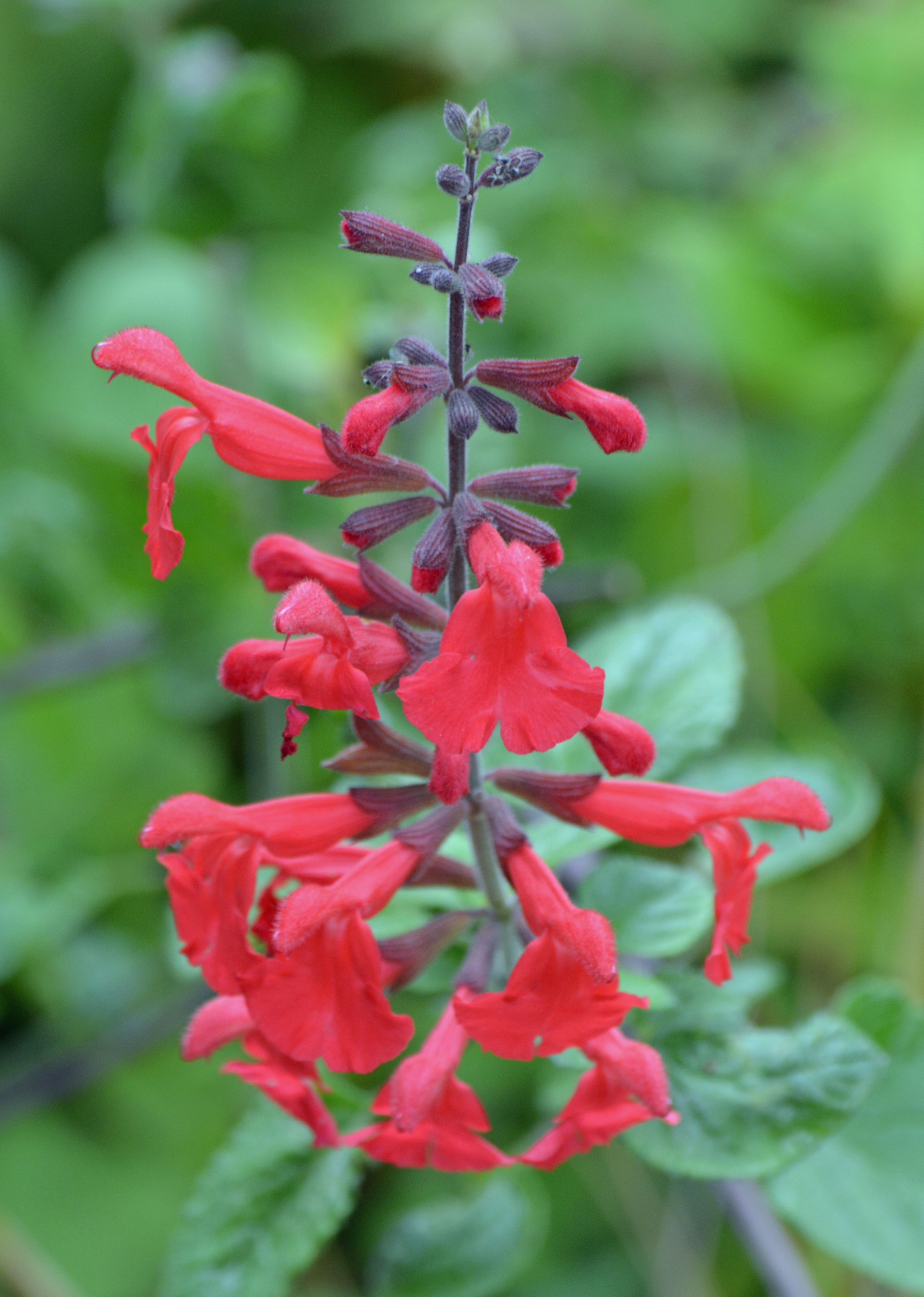
“Another herbaceous perennial that features strongly in our November garden are the Salvias. We leave a few to over-winter in the garden but most will be brought into the cool greenhouse.”


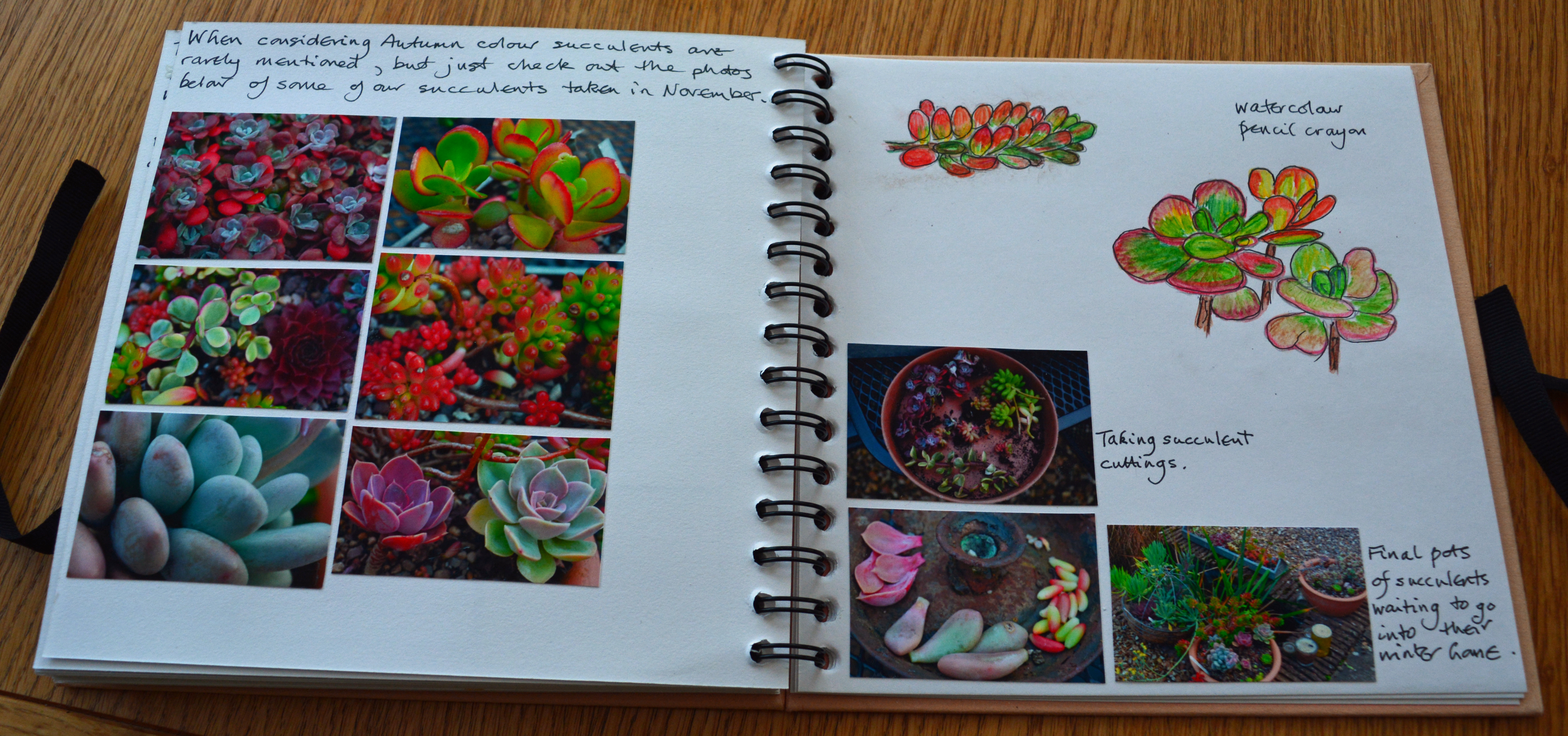
Turning over again I take a look at succulents, plants rarely mentioned in the context of the autumn garden.

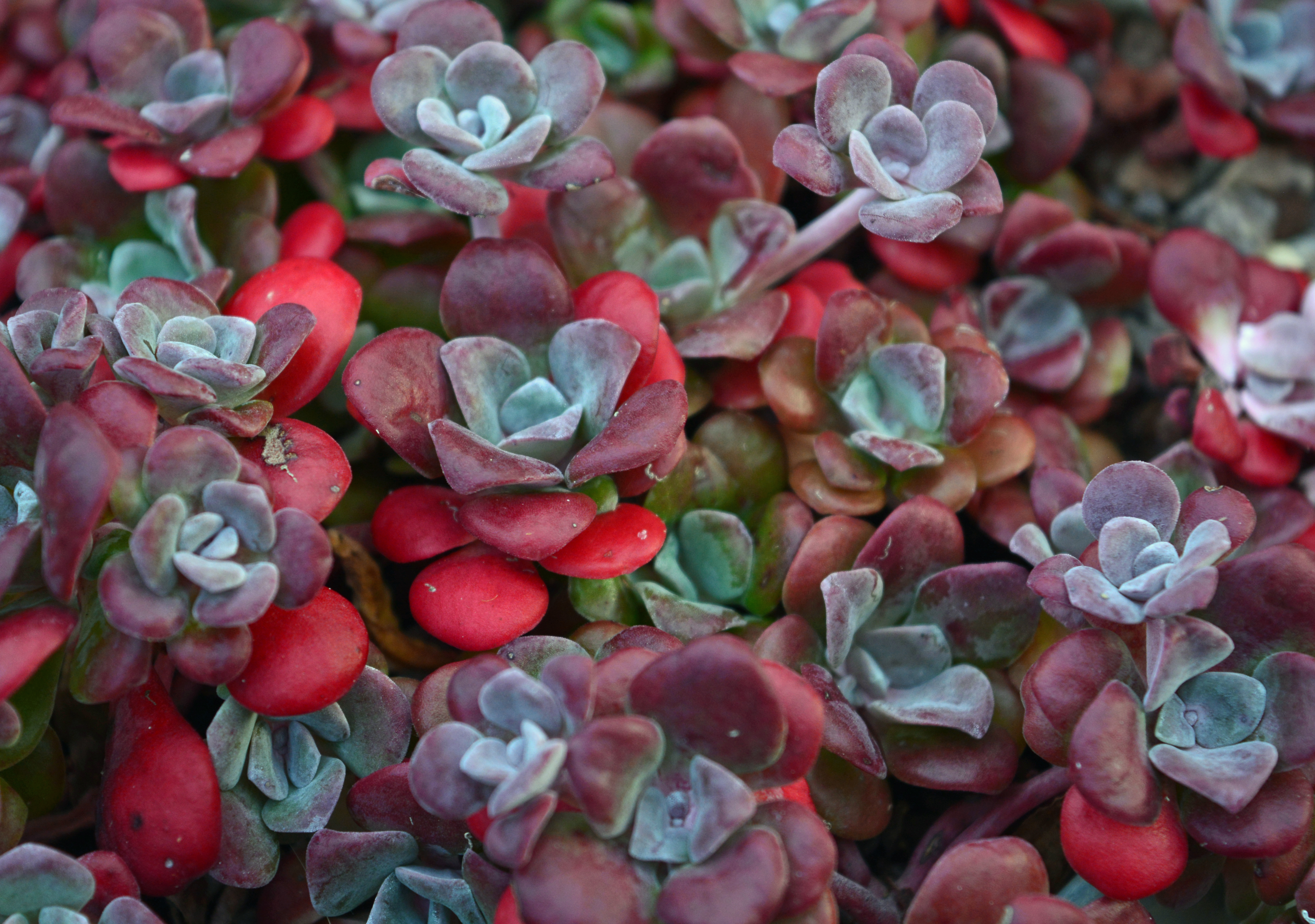
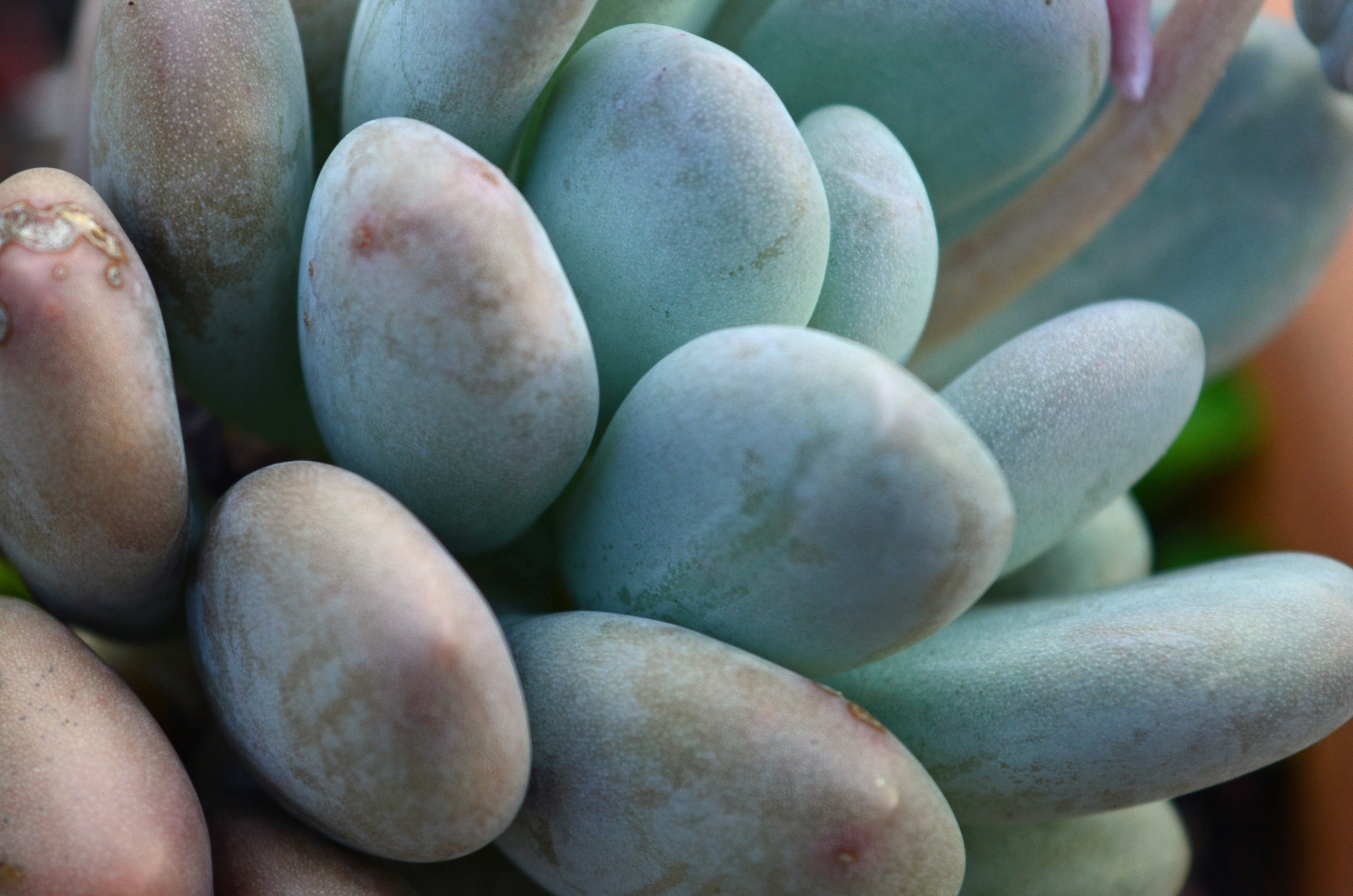
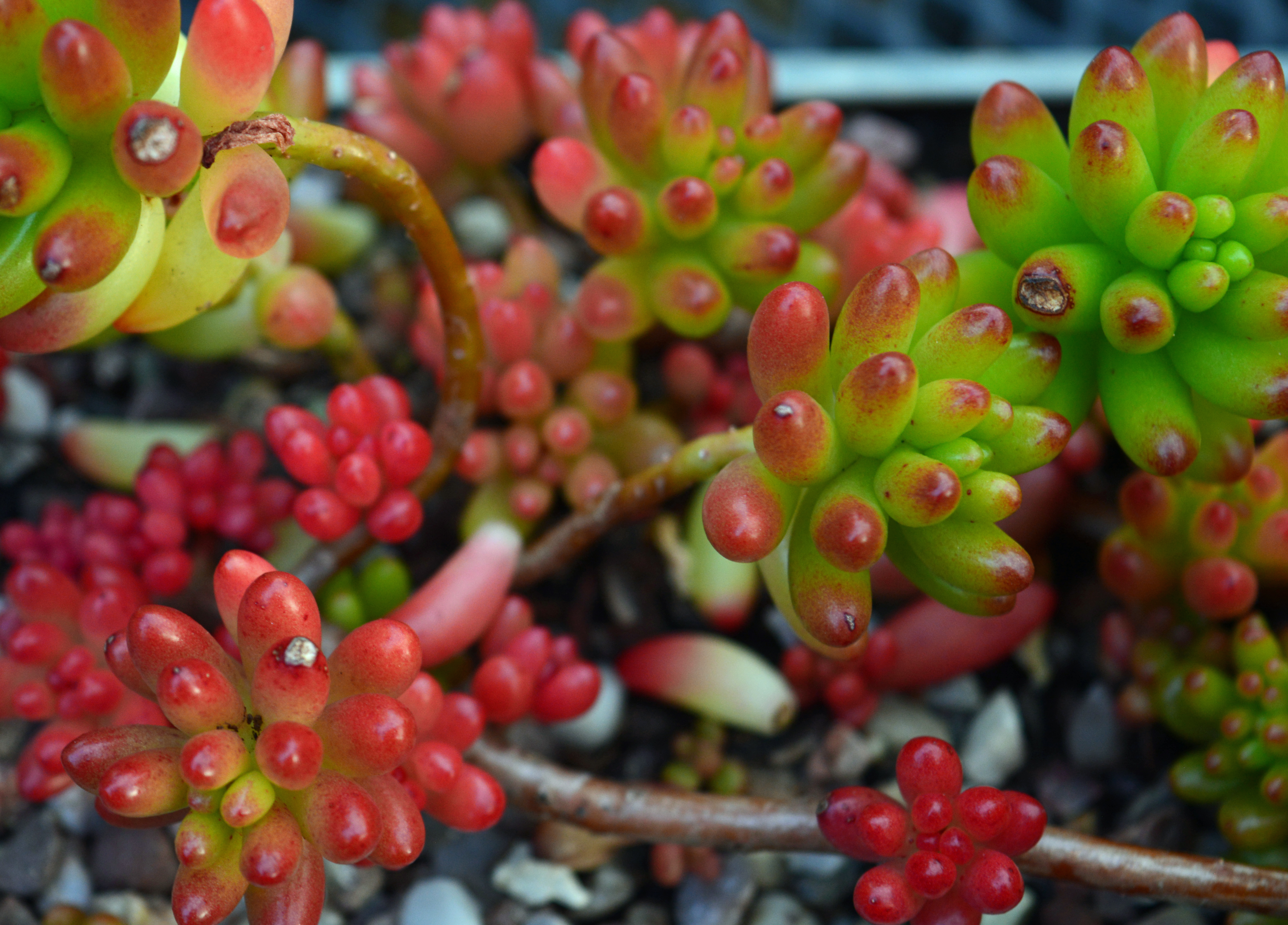
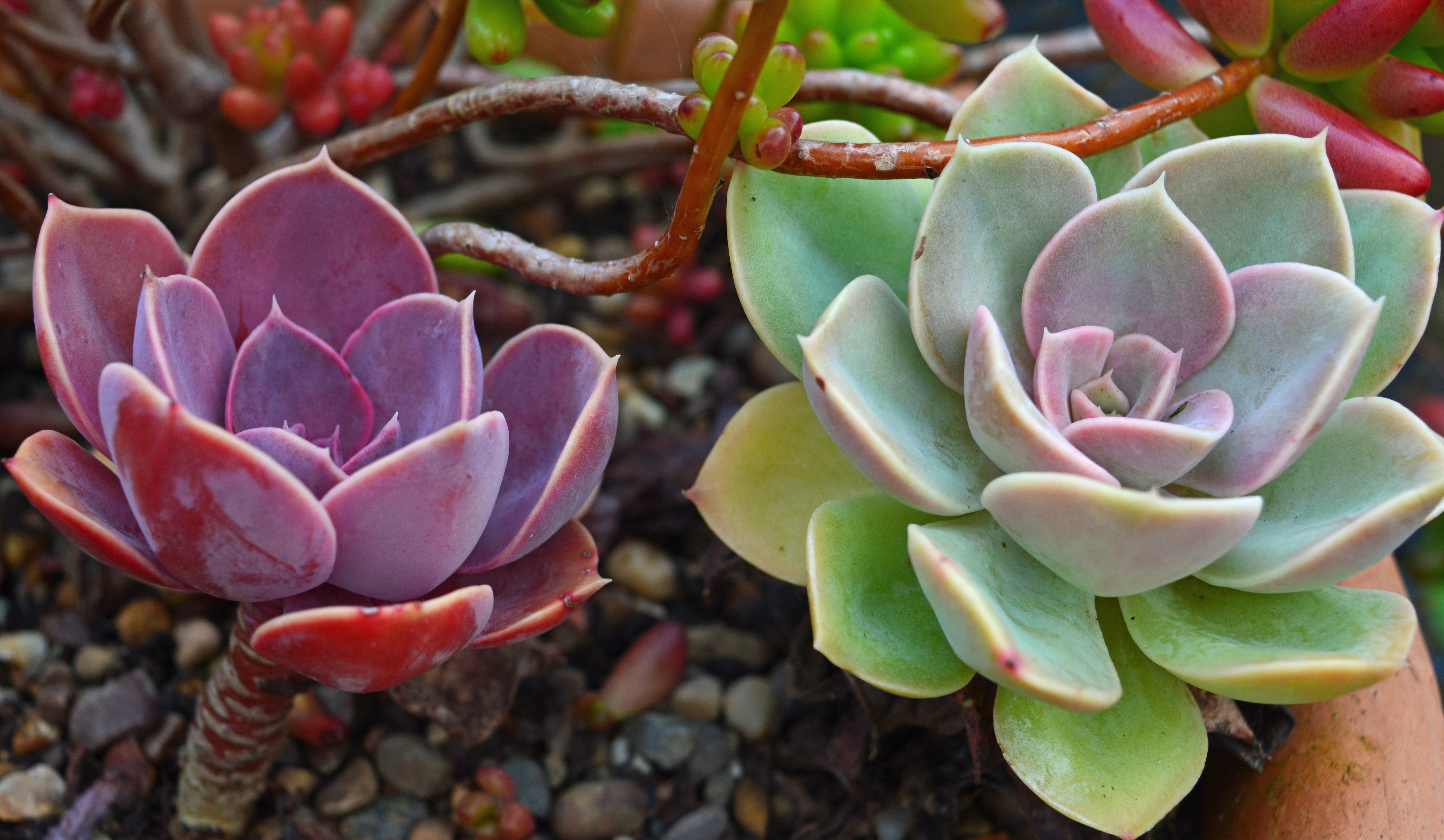
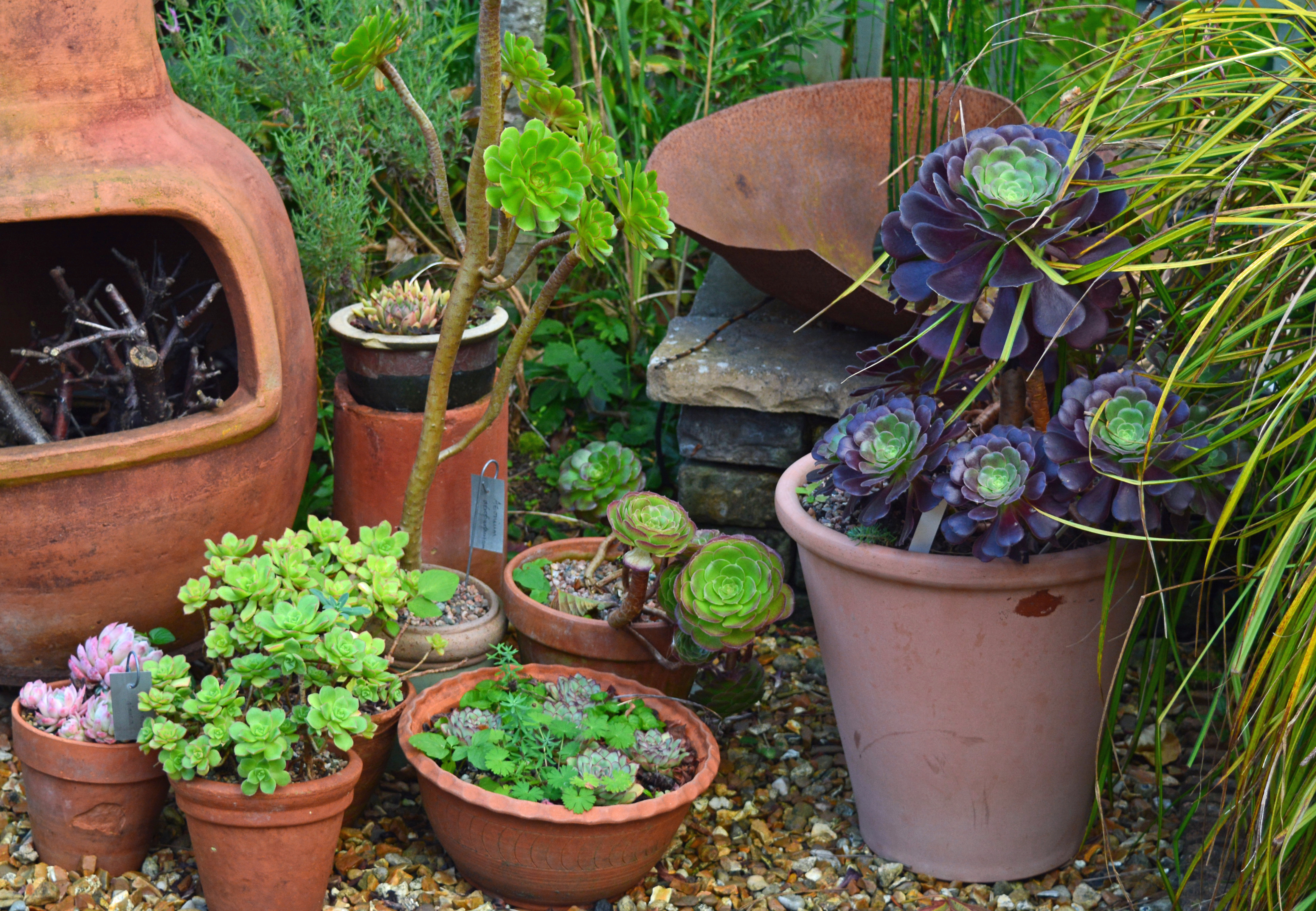
“When considering Autumn colour, succulents are rarely mentioned, but just check out the photos below of some of our succulents taken in November


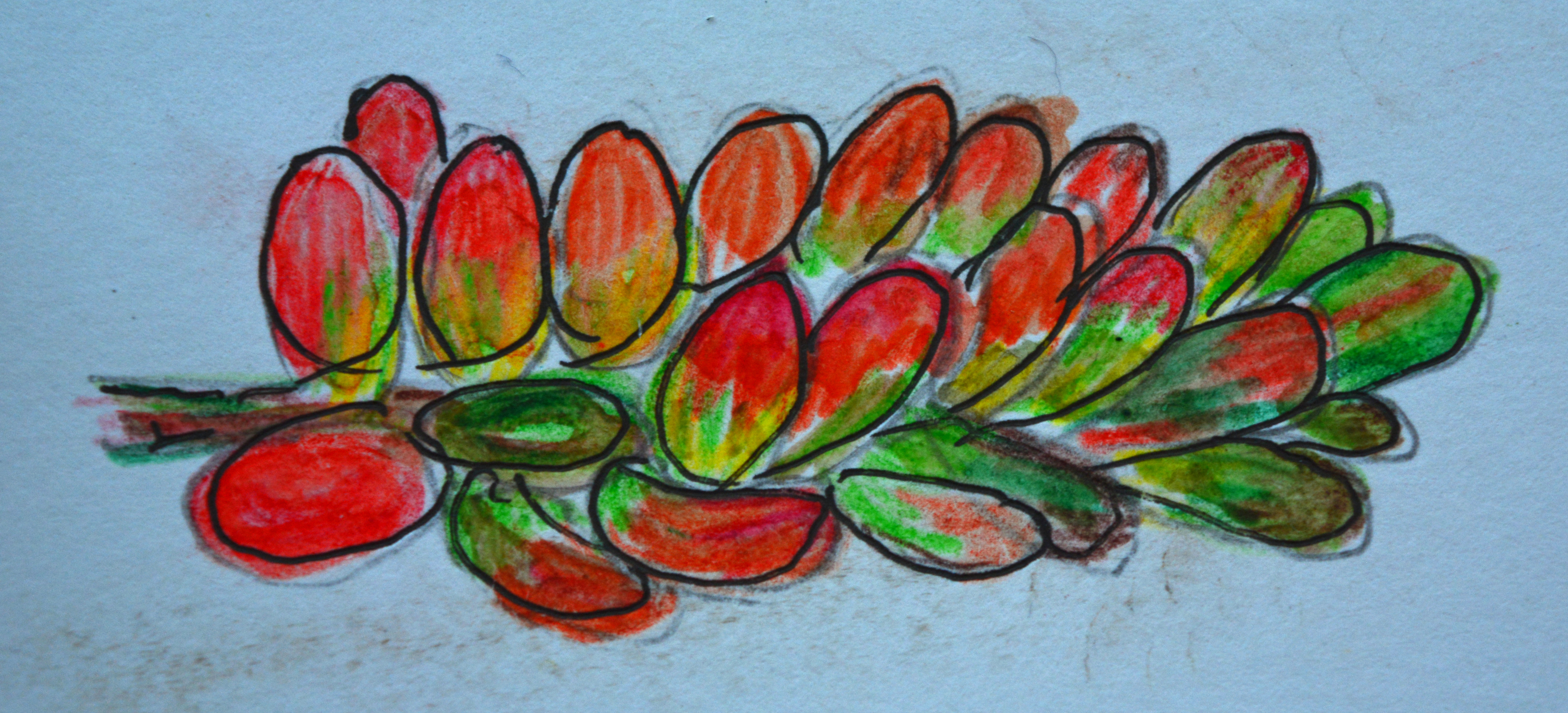
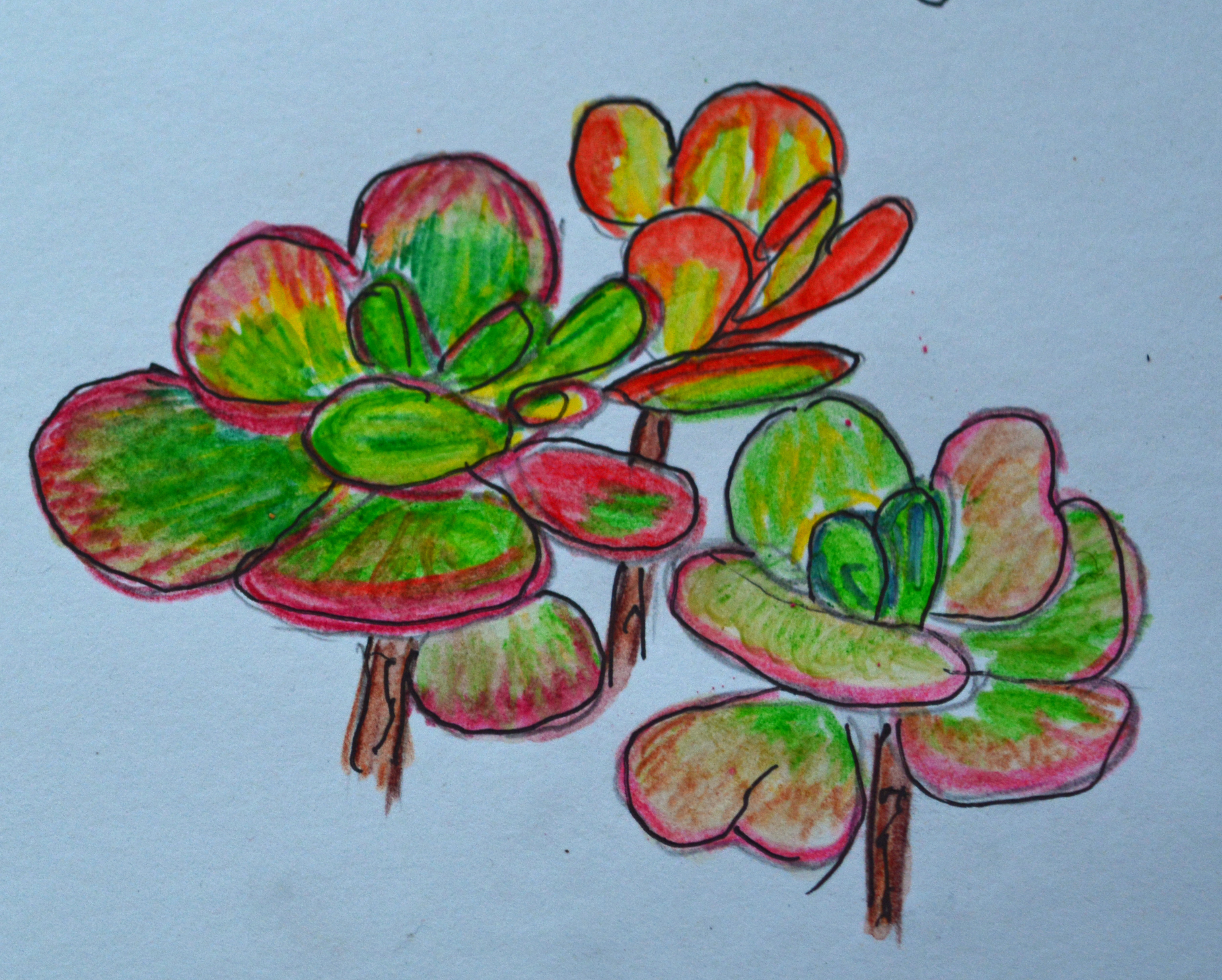
Below are my paintings/drawings of two multi-coloured succulent stems which I created with water soluble pencil crayons.

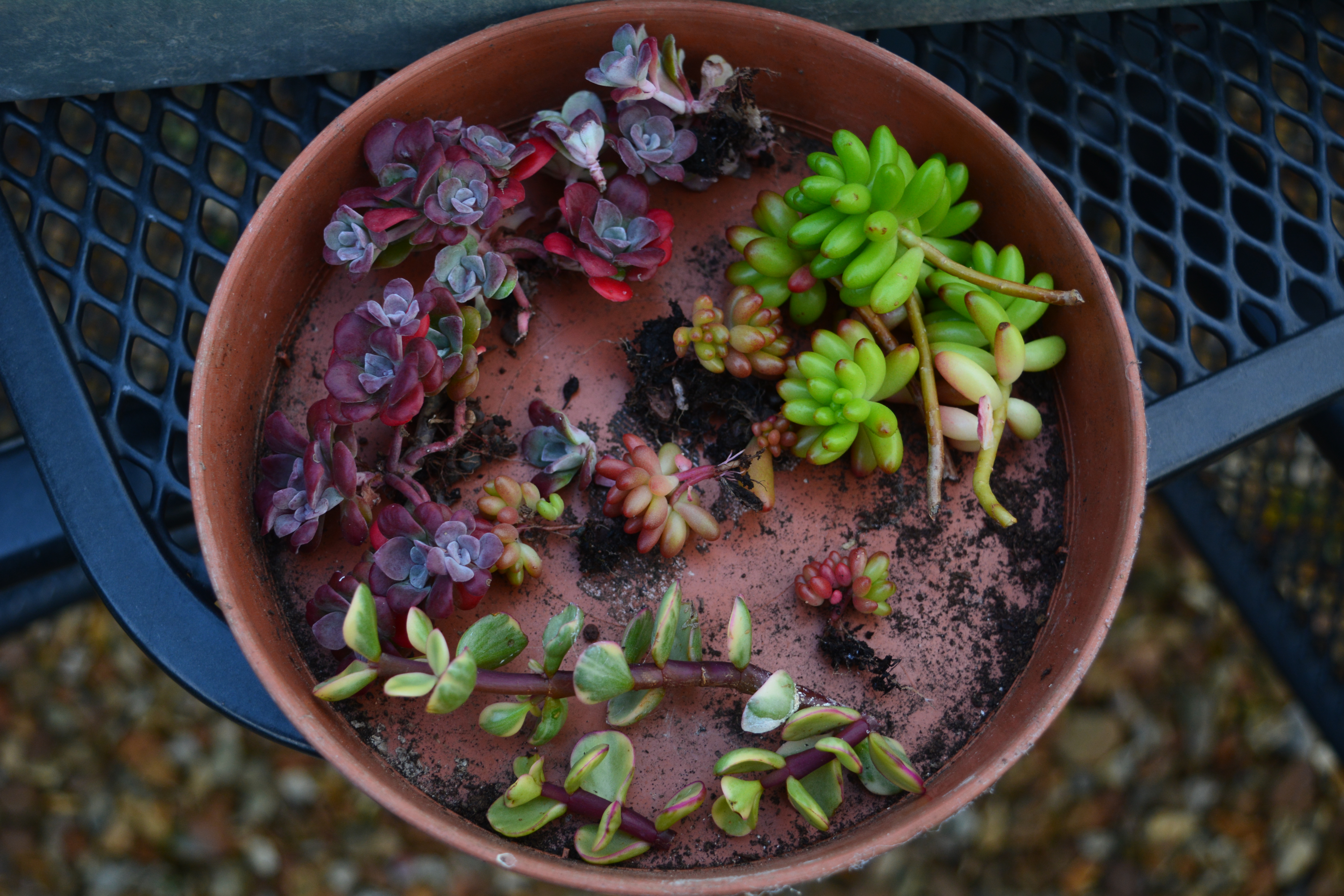
“Taking succulent cuttings.”


“Final pots of succulents waiting to go into their winter home.”


The final page of my November entries in the Garden Journal celebrates my “Plant of the Month”, which is one of only two Irises native to the UK, Iris foetidissima.


The next visit to look at my Garden Journal in 2017 will be the last one for the year, December.

Categories
architecture Cheshire garden design garden paths garden photography garden ponds garden pools garden seat garden seating gardening gardens gardens open to the public grasses hardy perennials ornamental trees and shrubs trees

The Most Romantic Garden in England – Cholmondeley Castle

Many visitors believe that the gardens at Cholmondeley Castle are the most romantic in England, and after each visit we have made it is hard to disagree. Jude, the Undergardener and I visited in mid-September with a group of college friends, every one of whom loved it for its atmosphere. The “Cheshire’s Gardens 2017″ leaflet describe the gardens as “Romantic, beautiful and wild”.

The Cholmondeley family have lived on the site since 1200 but the castle we saw was built in the early 19th Century. Today the gardens feature the Folly Garden, a Lily Pond, a woodland area, as well as smaller borders such as the grass borders. The wide sweeping lawns encourage visitors to wander freely between the borders and enjoy long views.

As we walked these inviting paths, enjoying wide vistas and clumps of mature trees we stopped frequently when our eyes rested upon some fine planting, beautiful individual plants and imaginative groupings.


We had a great day at Cholmondeley Castle discovering what the romantic garden had to offer. It certainly did have a romantic atmosphere!


Categories
garden photography garden wildlife

After the Rain

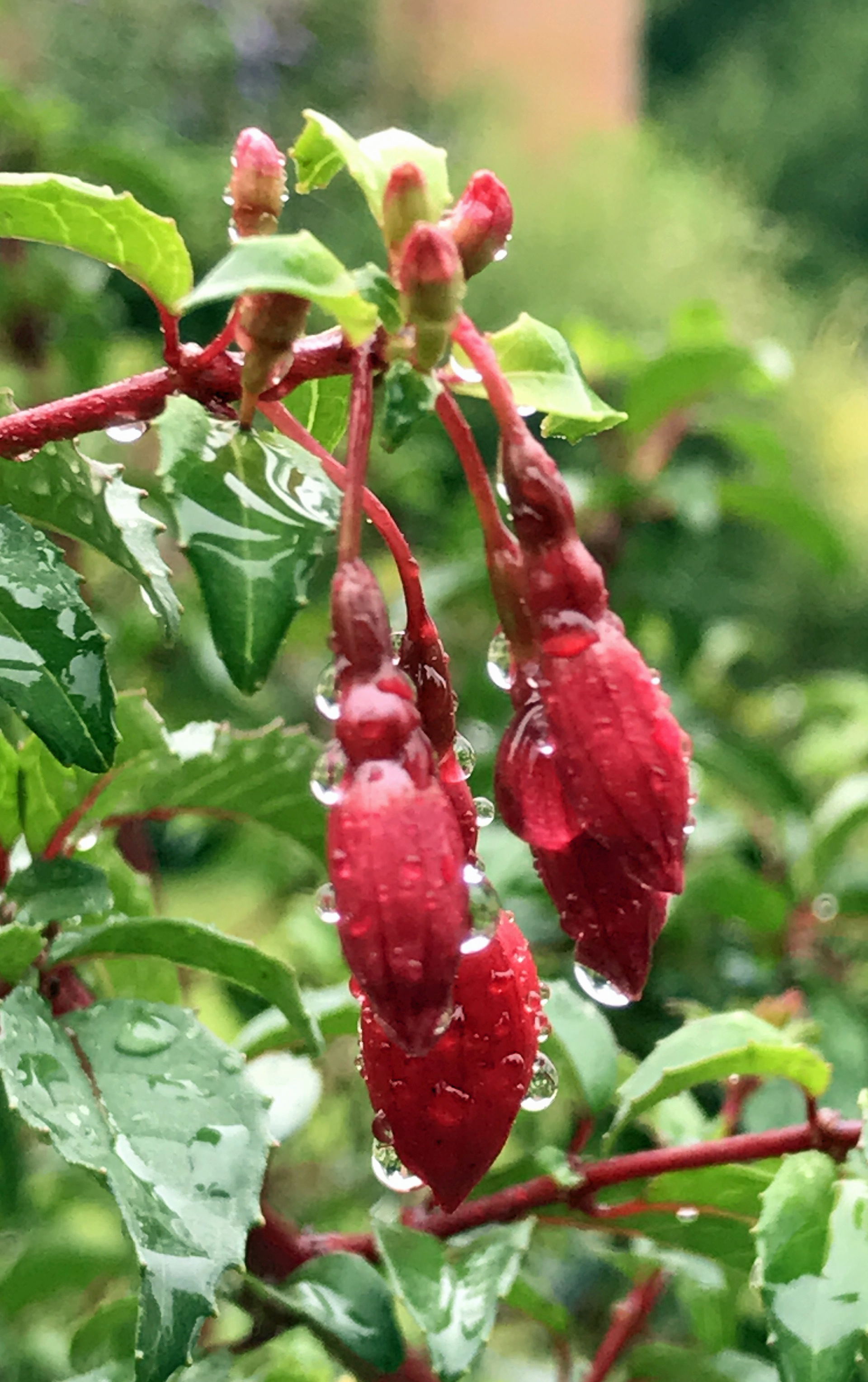
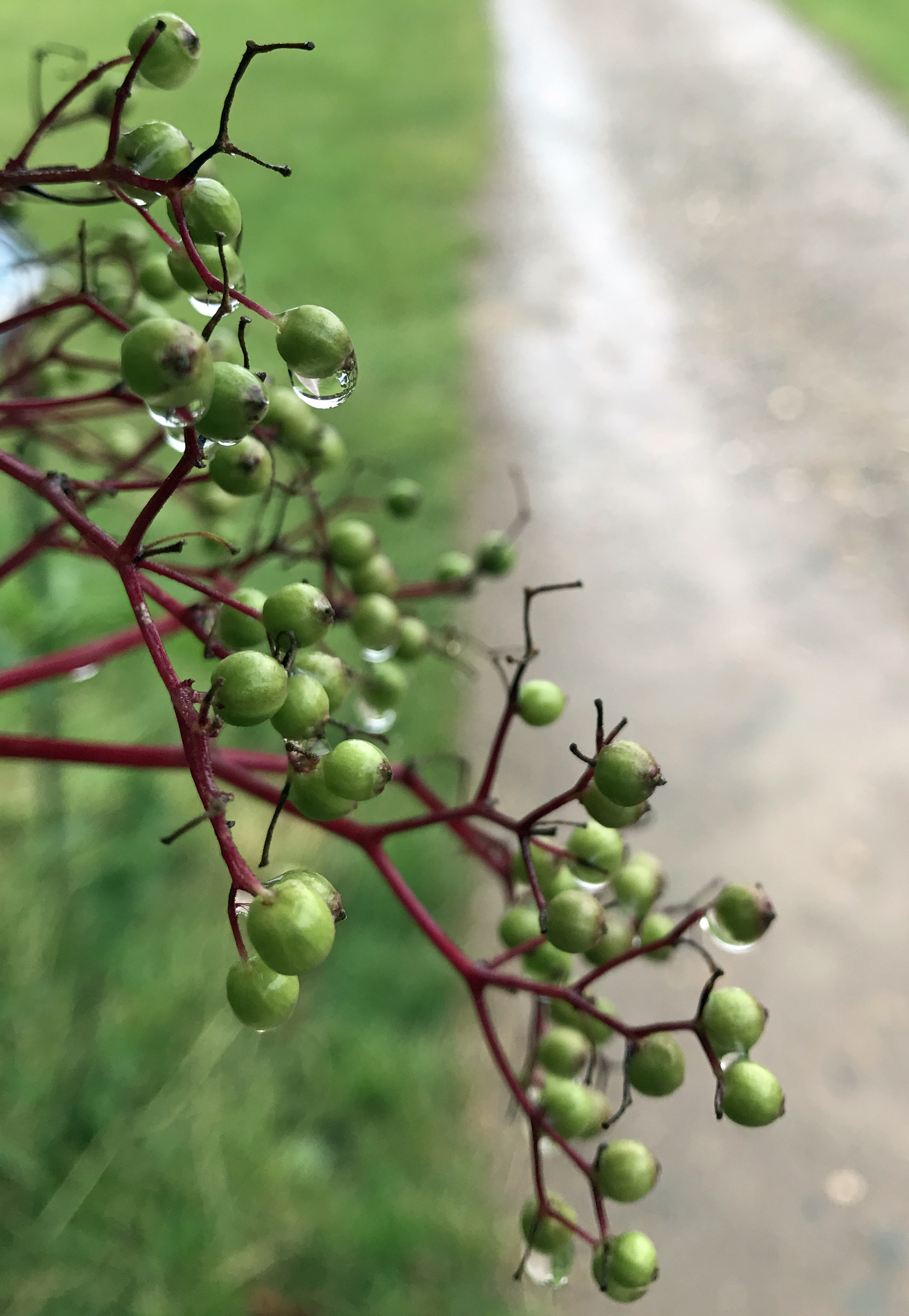
There is a special time just after rain has stopped. It is a moment of silence when Blackbirds and Robins are preparing to burst into excited song after a period when song is stilled by rain. Light has a special quality – it catches any droplet of moisture hanging from foliage or flower. Recently I managed to capture just such a moment with camera in hand and snapped away joyfully. I even shared the unique time with our garden when bird song descended over it engulfing its atmosphere.

You can share this time by following the gallery. click on the first pic, navigate with the arrows and simply enjoy.

Categories
colours fruit and veg garden design garden photography gardening gardens gardens open to the public hardy perennials kitchen gardens National Trust roses Shrewsbury Shropshire The National Trust walled gardens walled kitchen gardens

A Walk in the Park August- Attingham Park – Part 2

As promised, I now return to Attingham Park to look at the creative feature and the walled garden. I shall start with the “creative feature” we found and which fascinated us. In the children’s play field which adjoins the orchard we spotted a colourful feature at a distance which demanded a closer look.


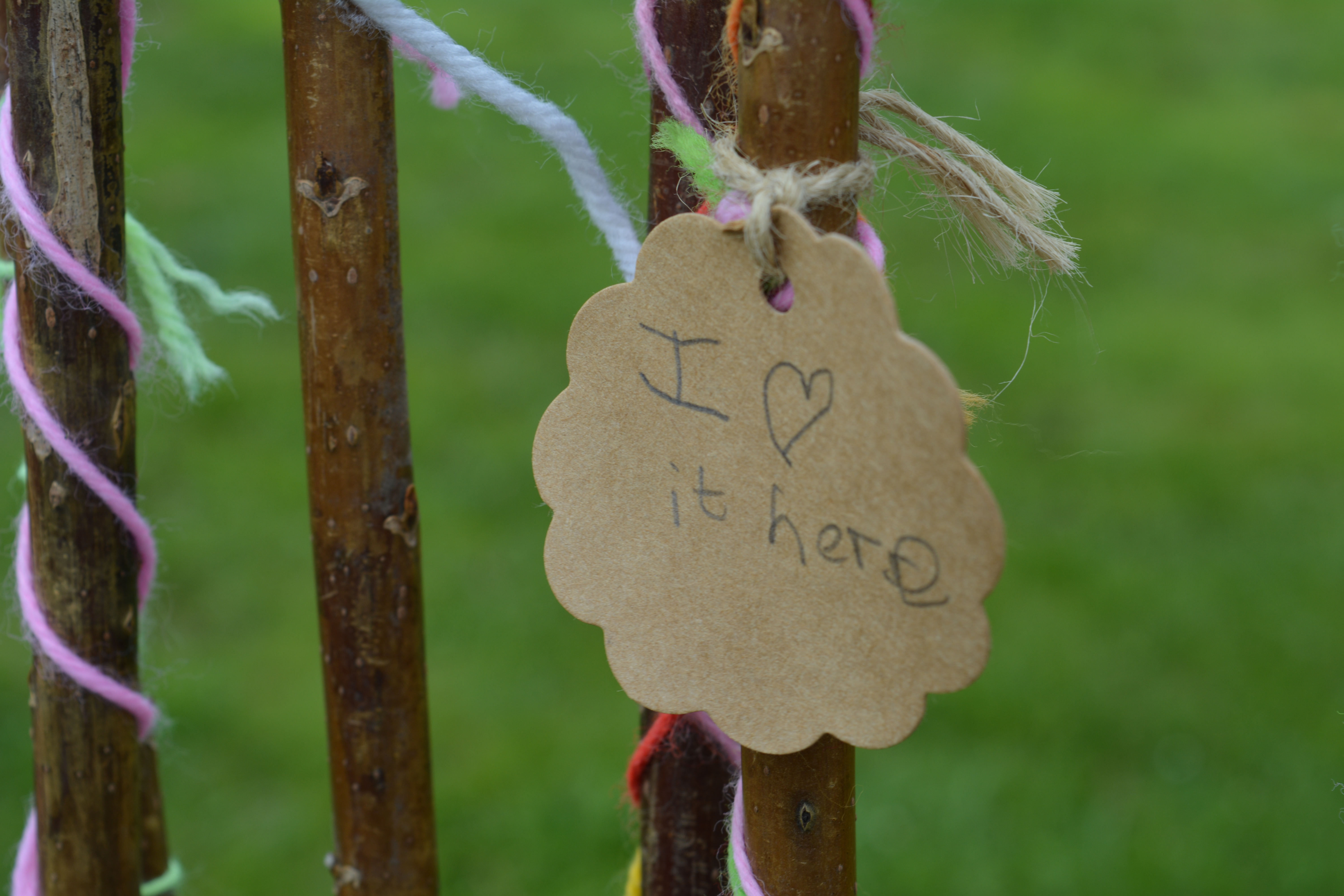
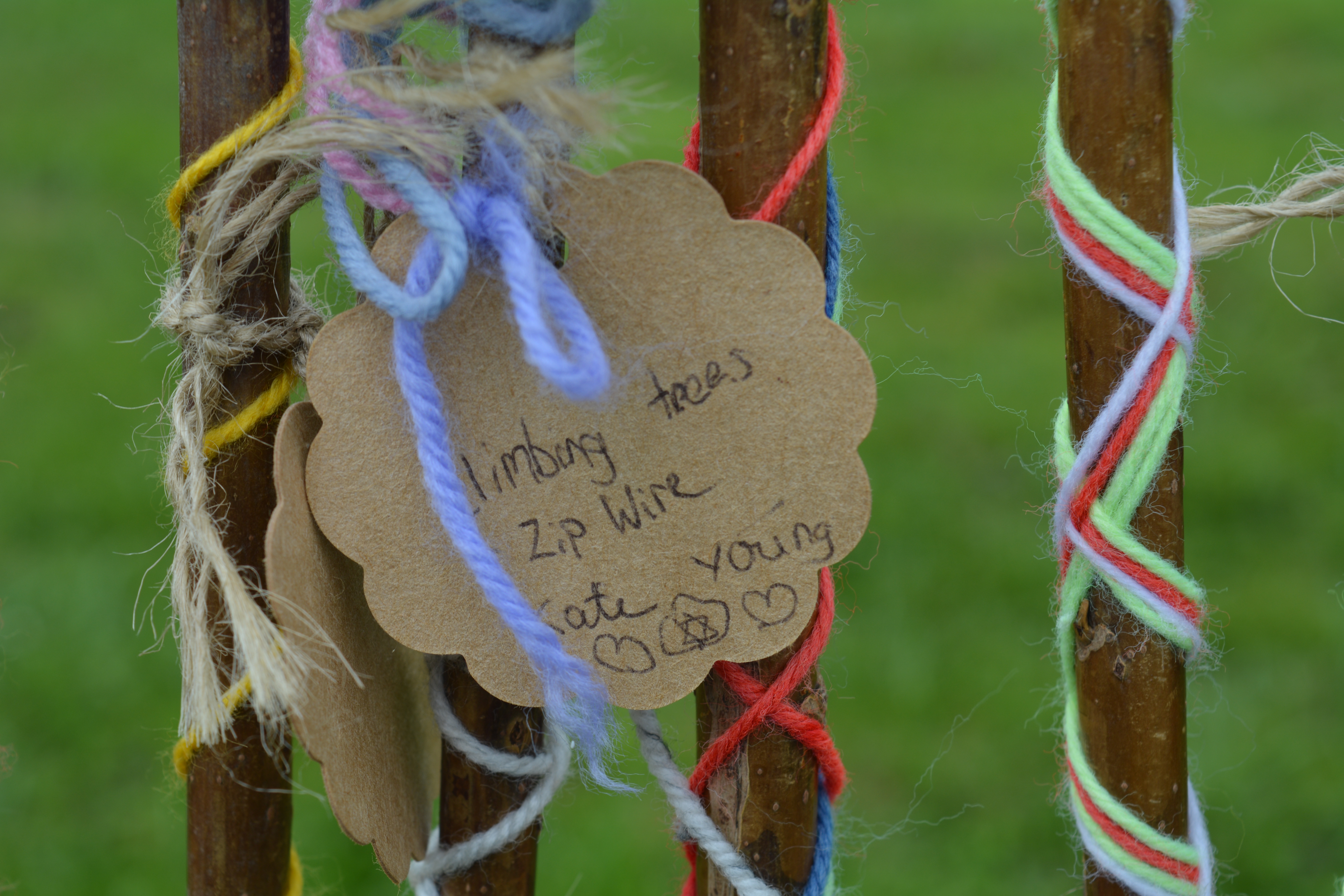
Tall willow wands were attached to a wooden fence and they were decorated with coloured wall. Children had written their thoughts about Attingham Park on card labels and tied them to the uprights. We enjoyed reading them greatly.


We wandered through the orchard towards the Walled Garden and first off had a look around the bothy.


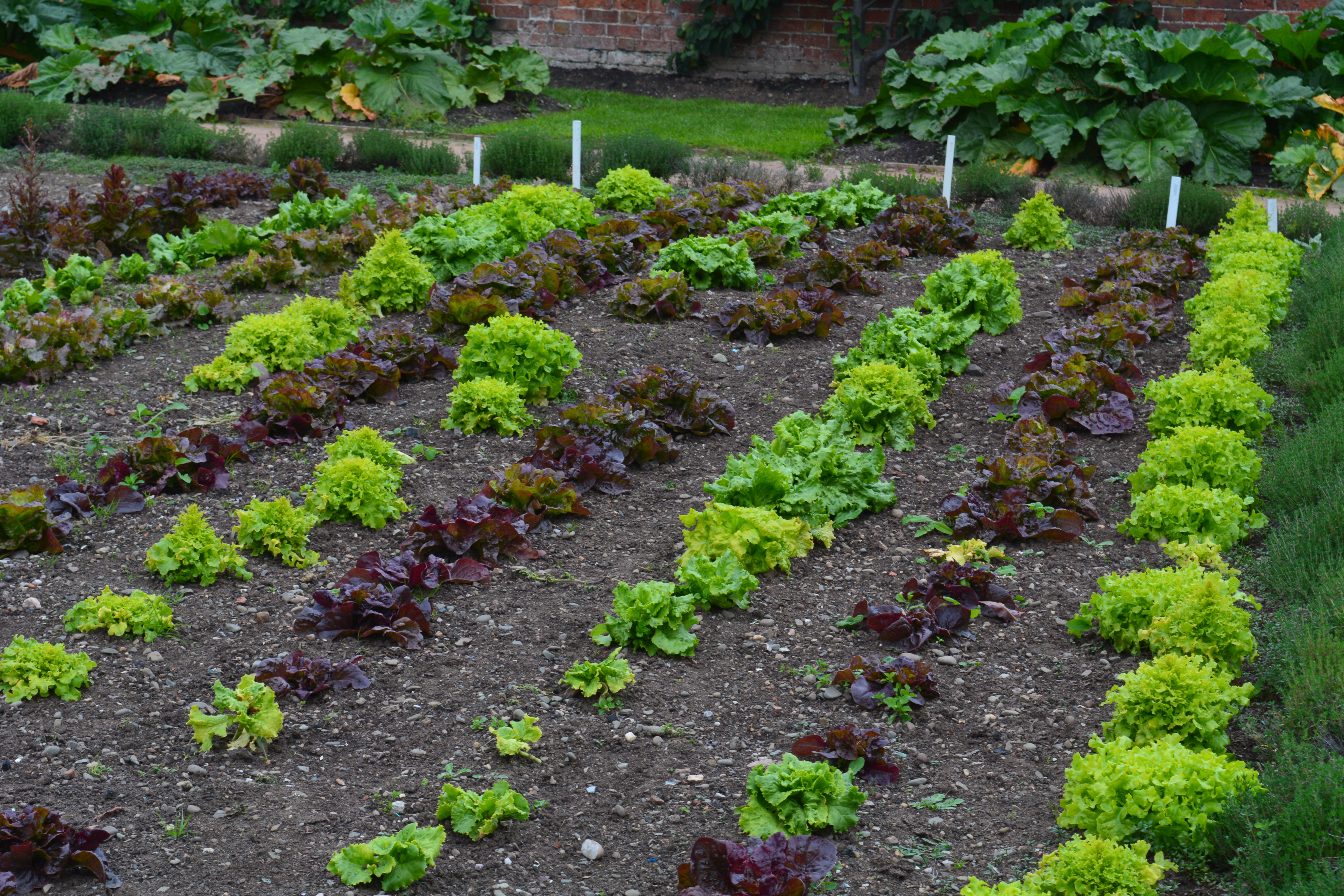
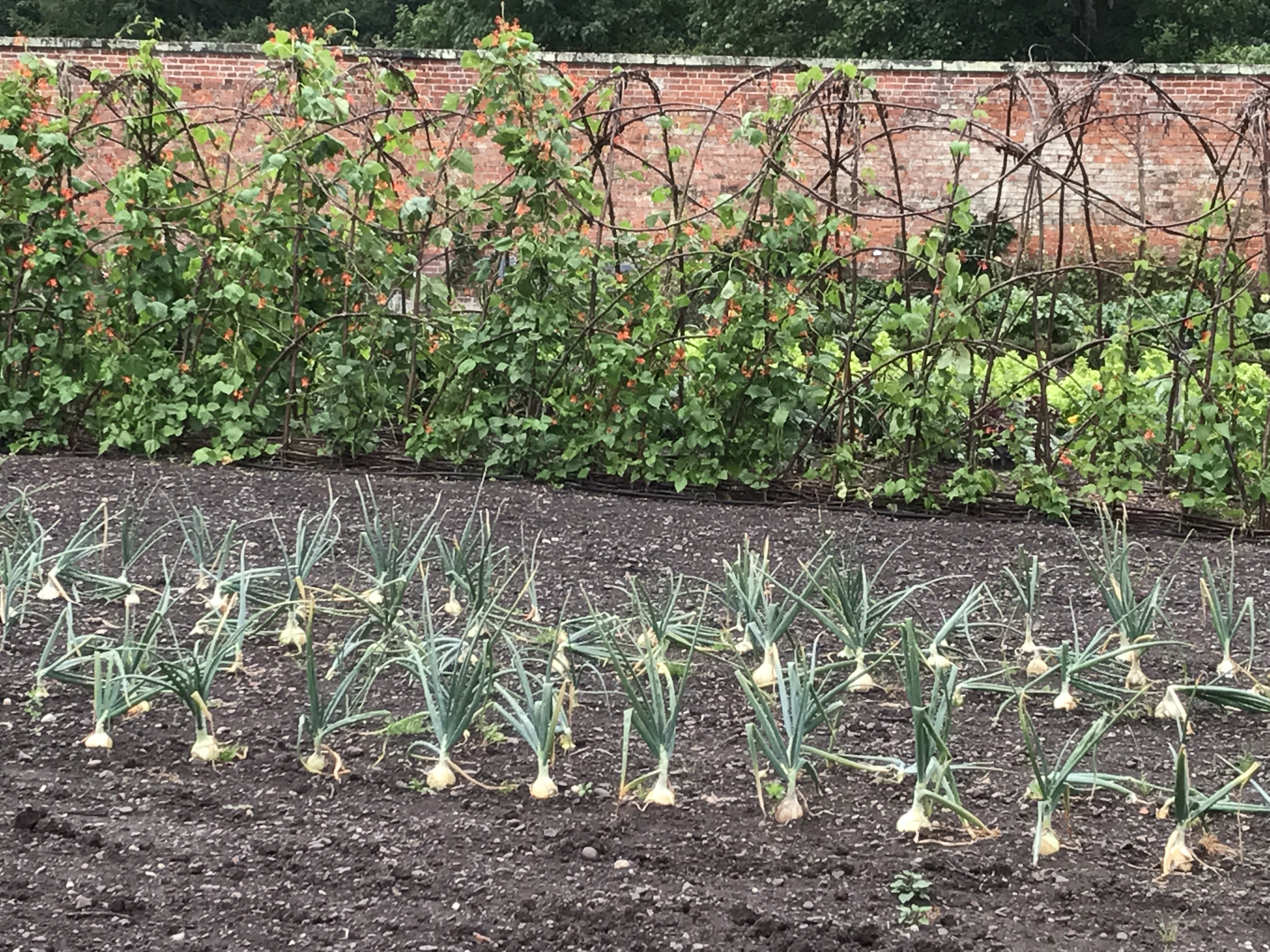
The vegetable and fruit crops were looking very fresh and healthy and the staff and volunteers were busy weeding and thinning out the rows of crops.


The most colourful crop of all though was the cut flower section where row upon row of flowers grown to display in the hall or for sale to visitors added stripes of colour to the walled garden.


Wandering through the gateway in the brick wall separating the two sections of the walled garden colour was everywhere we looked whatever direction we glanced in.


So the next visit we will be making for a wander around Attingham Park will be in October when Autumn will be making an appearance.


Categories
fruit and veg garden buildings garden photography gardening gardens gardens open to the public grow your own hardy perennials kitchen gardens National Trust ornamental trees and shrubs Shrewsbury Shropshire shrubs The National Trust walled gardens walled kitchen gardens woodland woodlands

A Walk in the Park – Attingham Park July

Here we are back at Attingham Park for another wander, this time to see what is going on in the walled garden and woodland pleasure gardens in July.

We arrived in the rain and carried on regardless. Foliage was glossy with moisture because of the steady drizzle, and large puddles had formed on the path.


The gardener’s cottage garden gave a little colourful cheer to the day, and water droplets hung on flowers and berries. The heritage rare breed cattle in the field at the start of the track ignored the drizzle and continued tearing at the grass heads down.


The walled garden gave protection and the day began to feel a little warmer as the rain stopped.


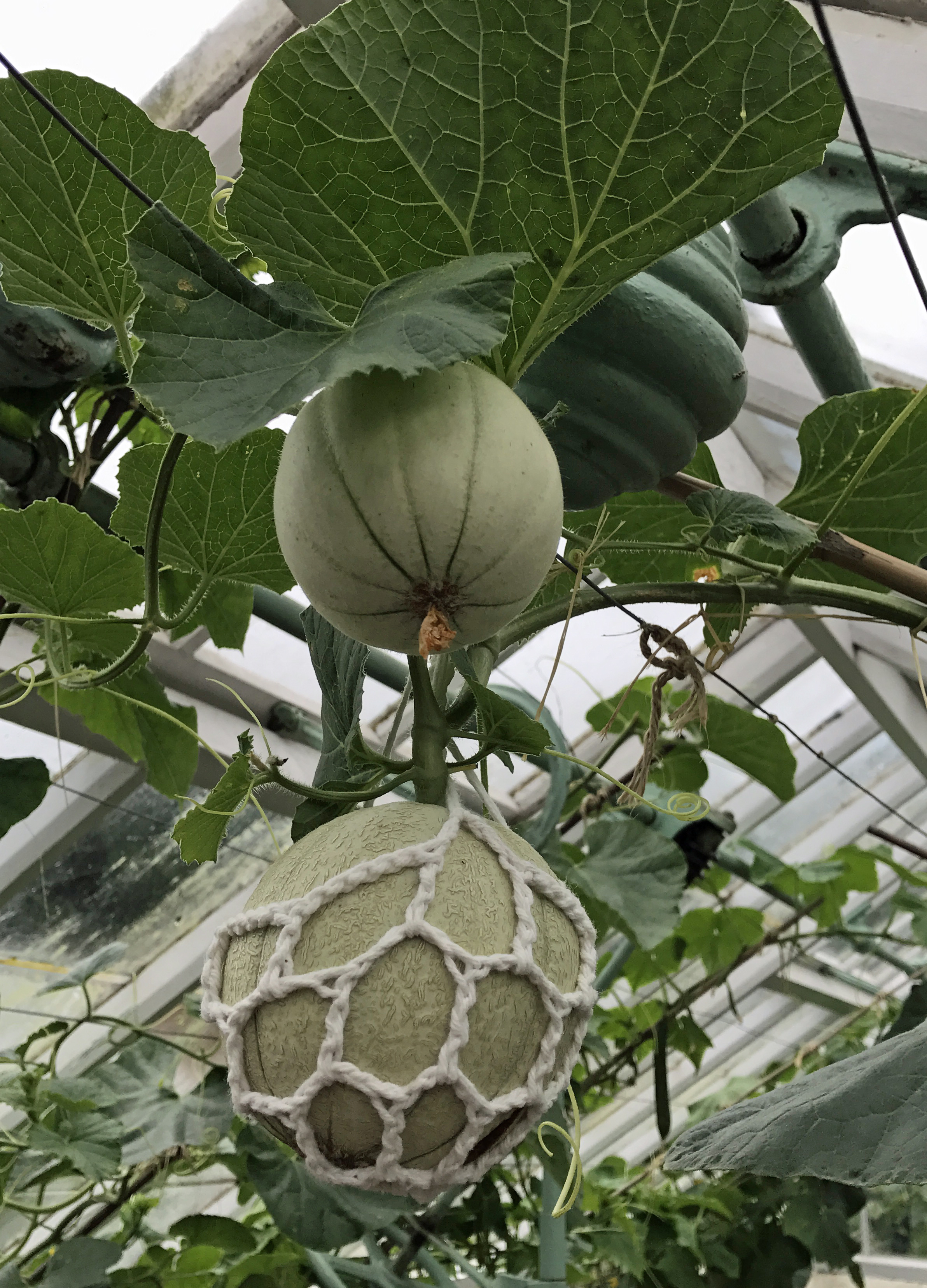
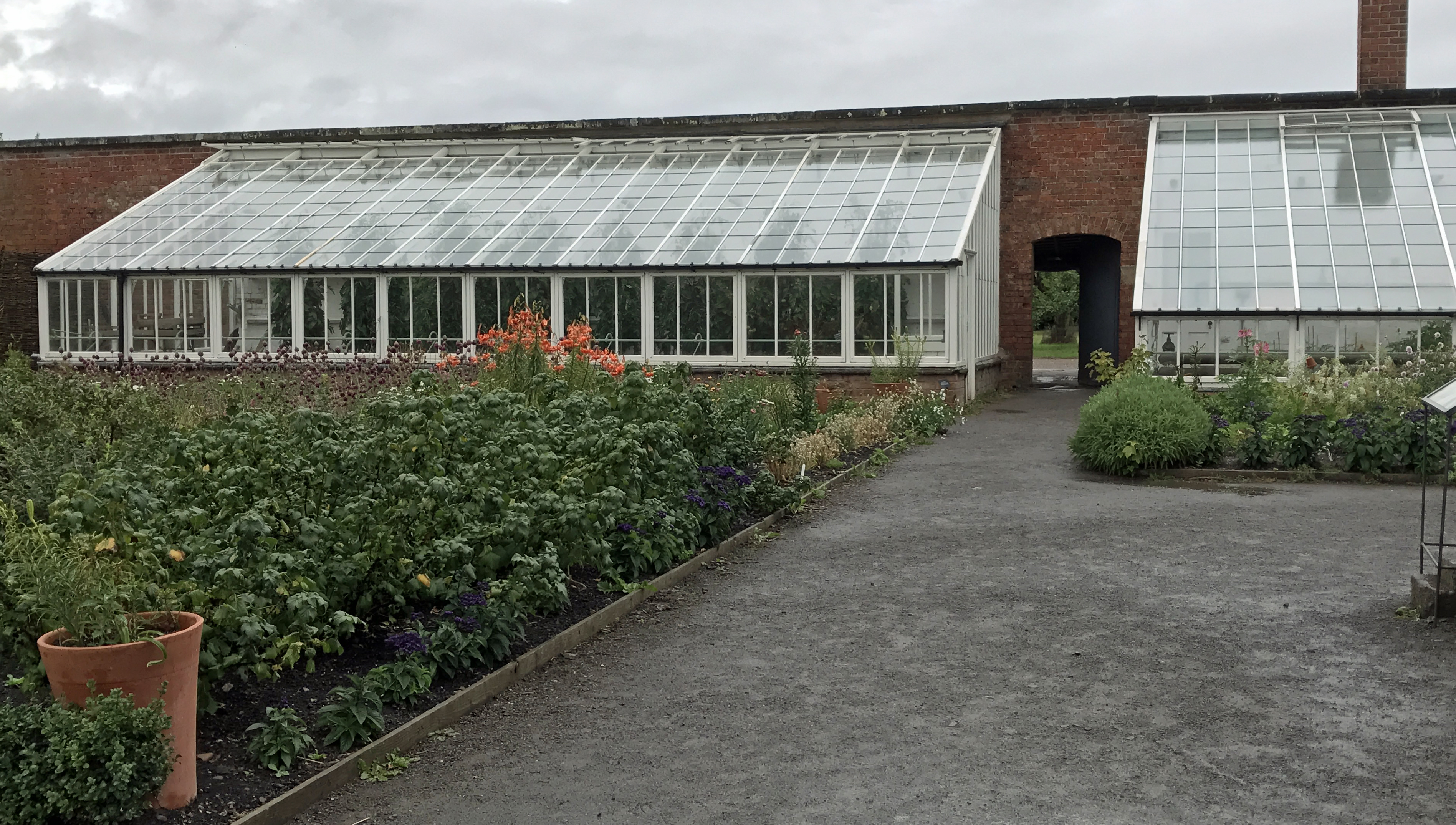
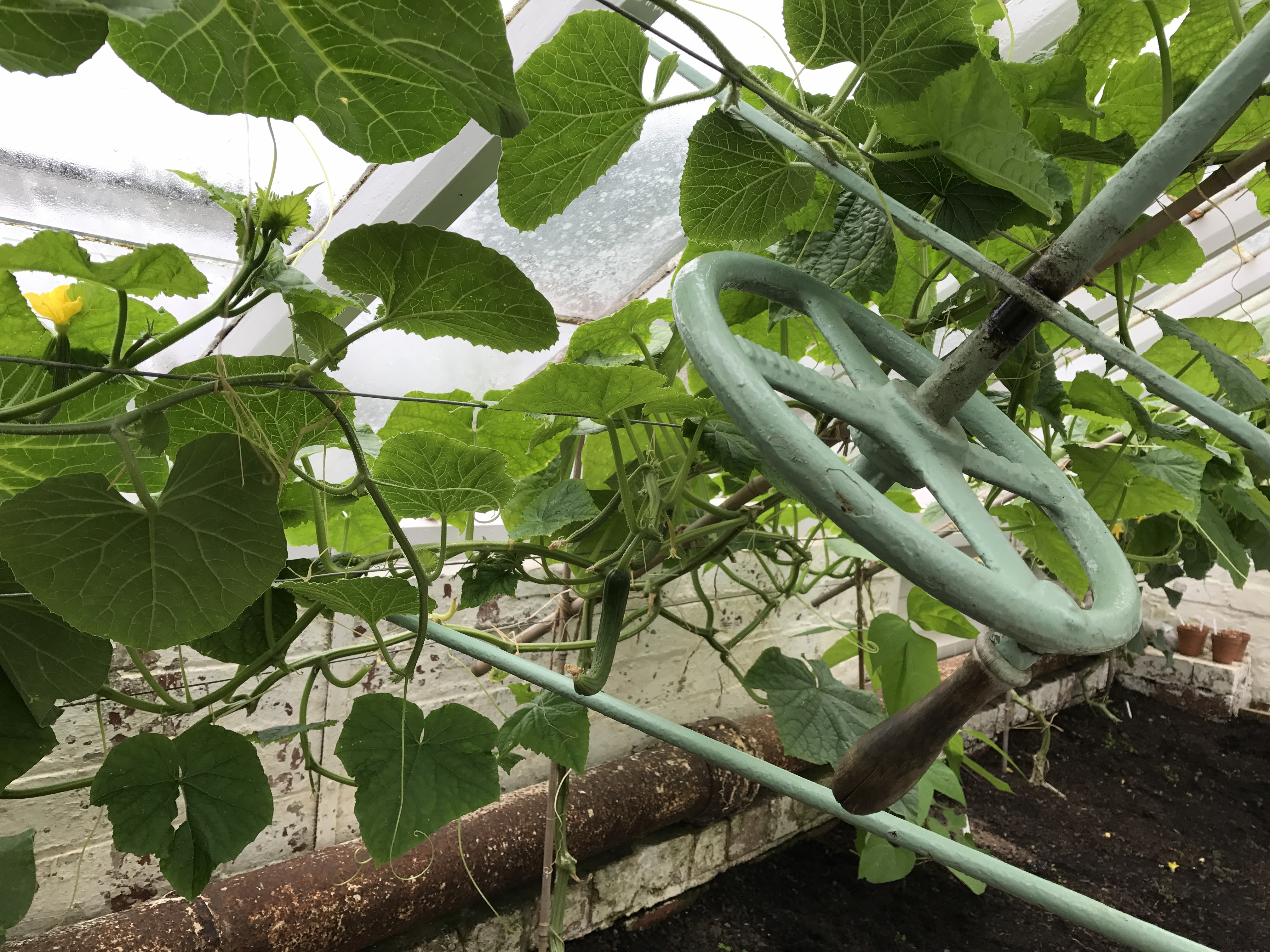
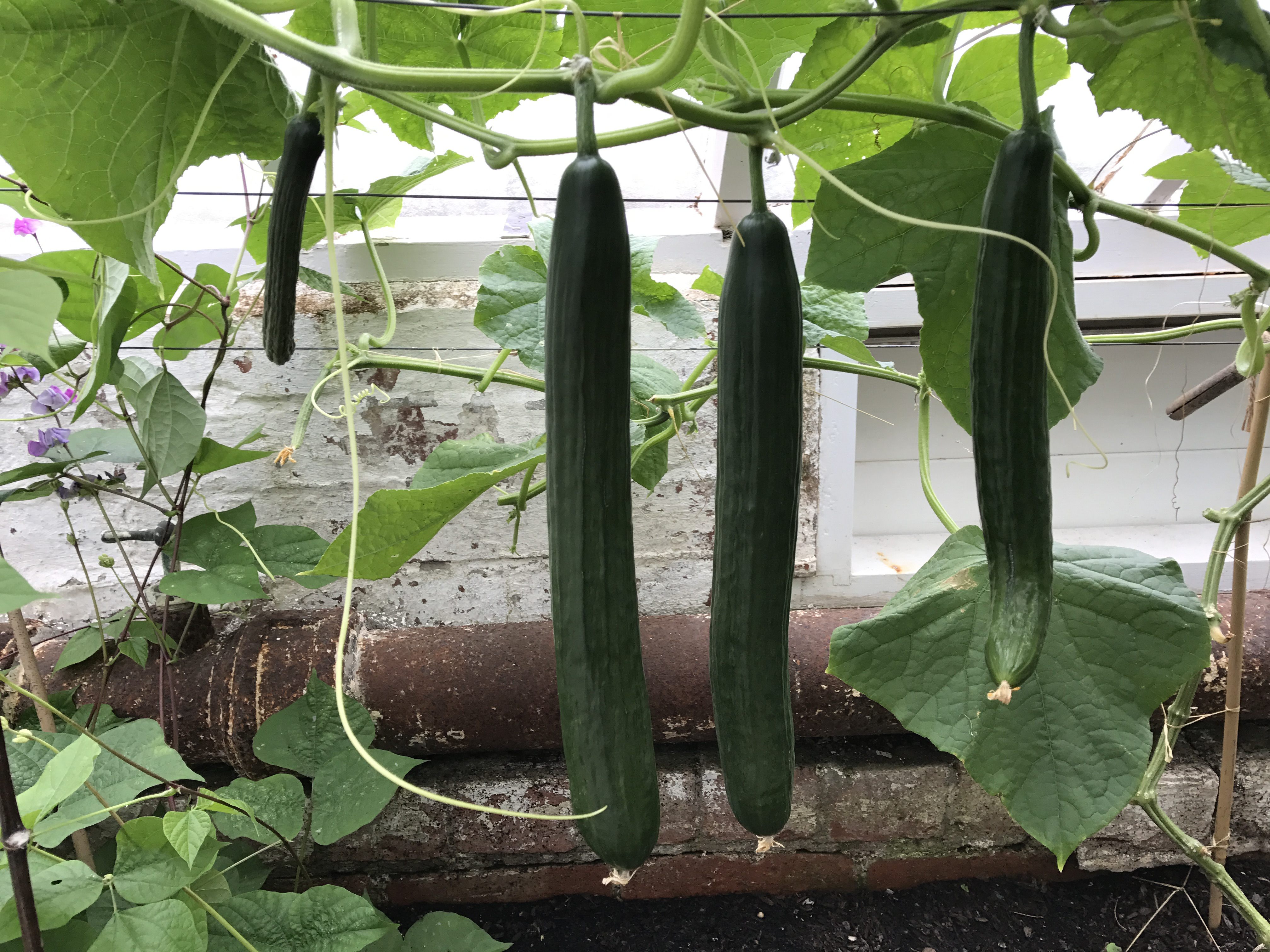
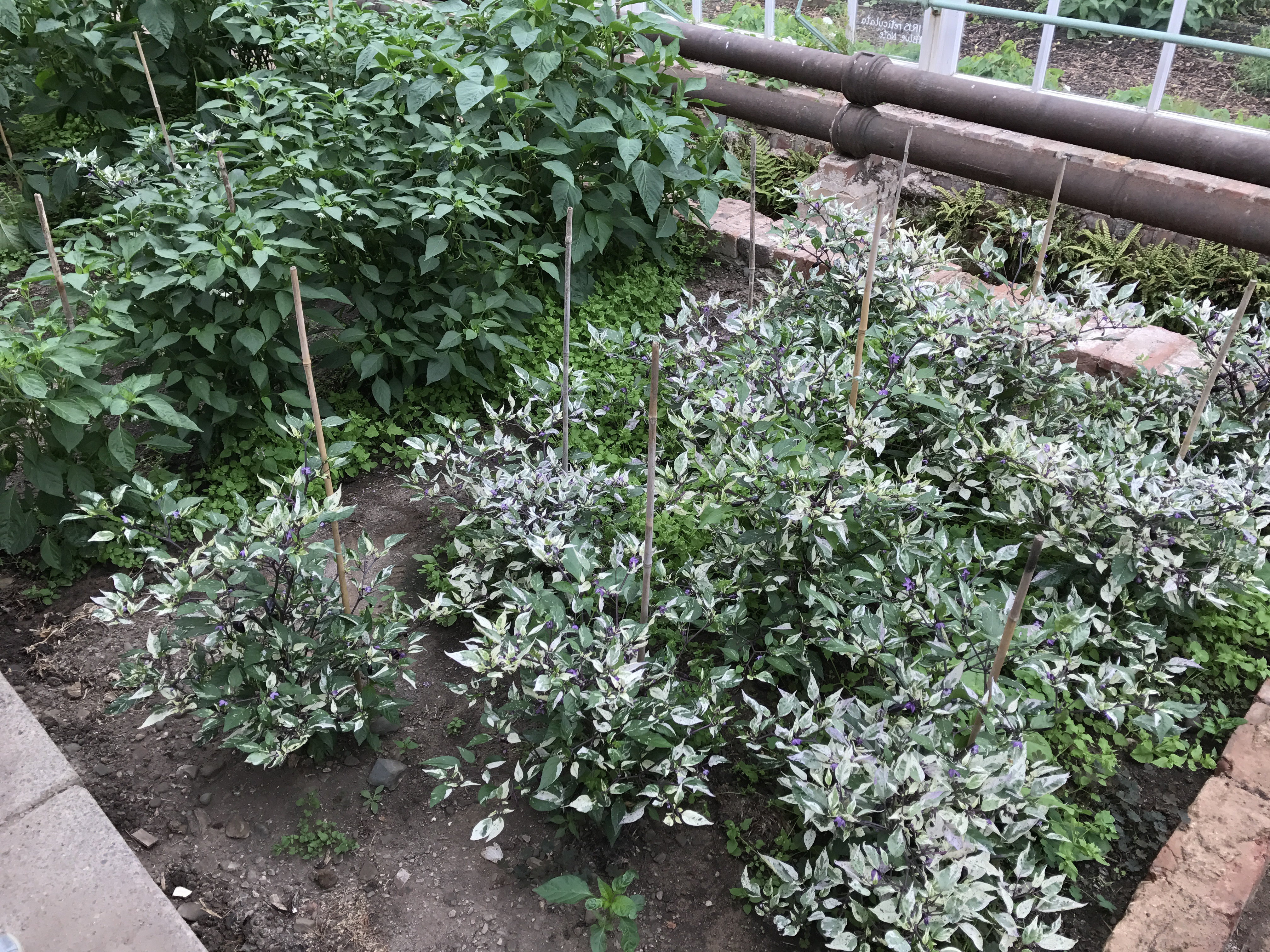
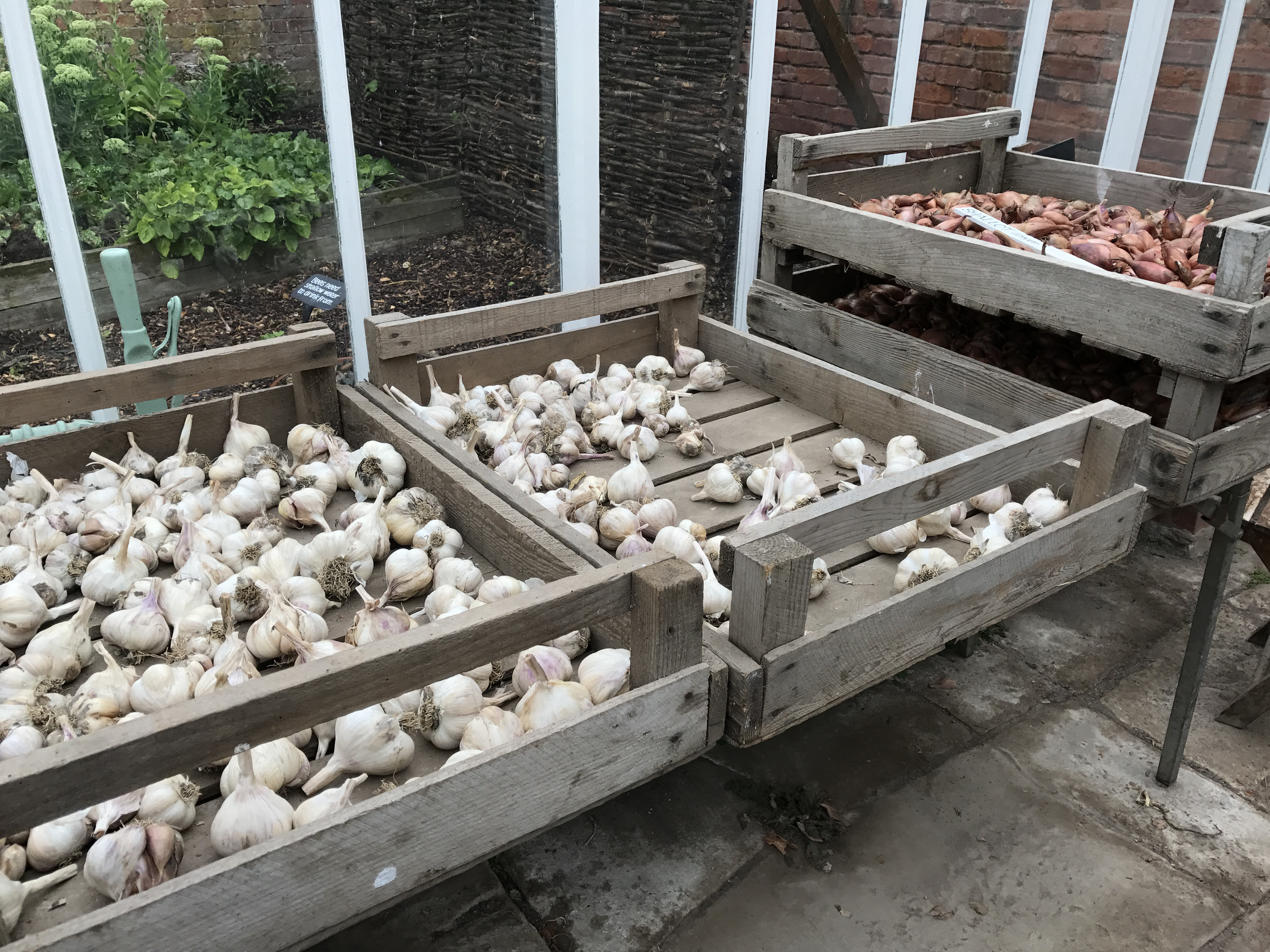
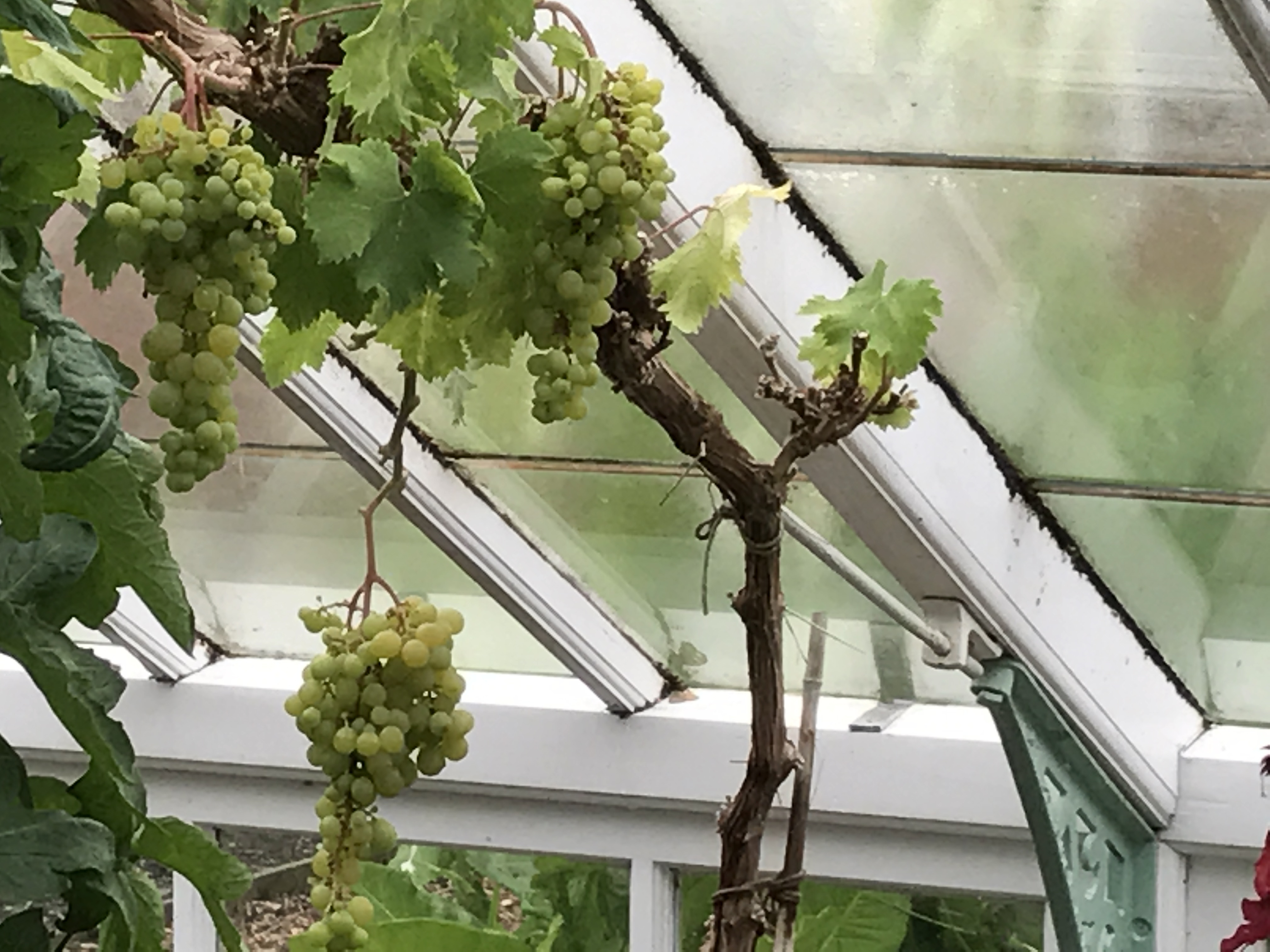
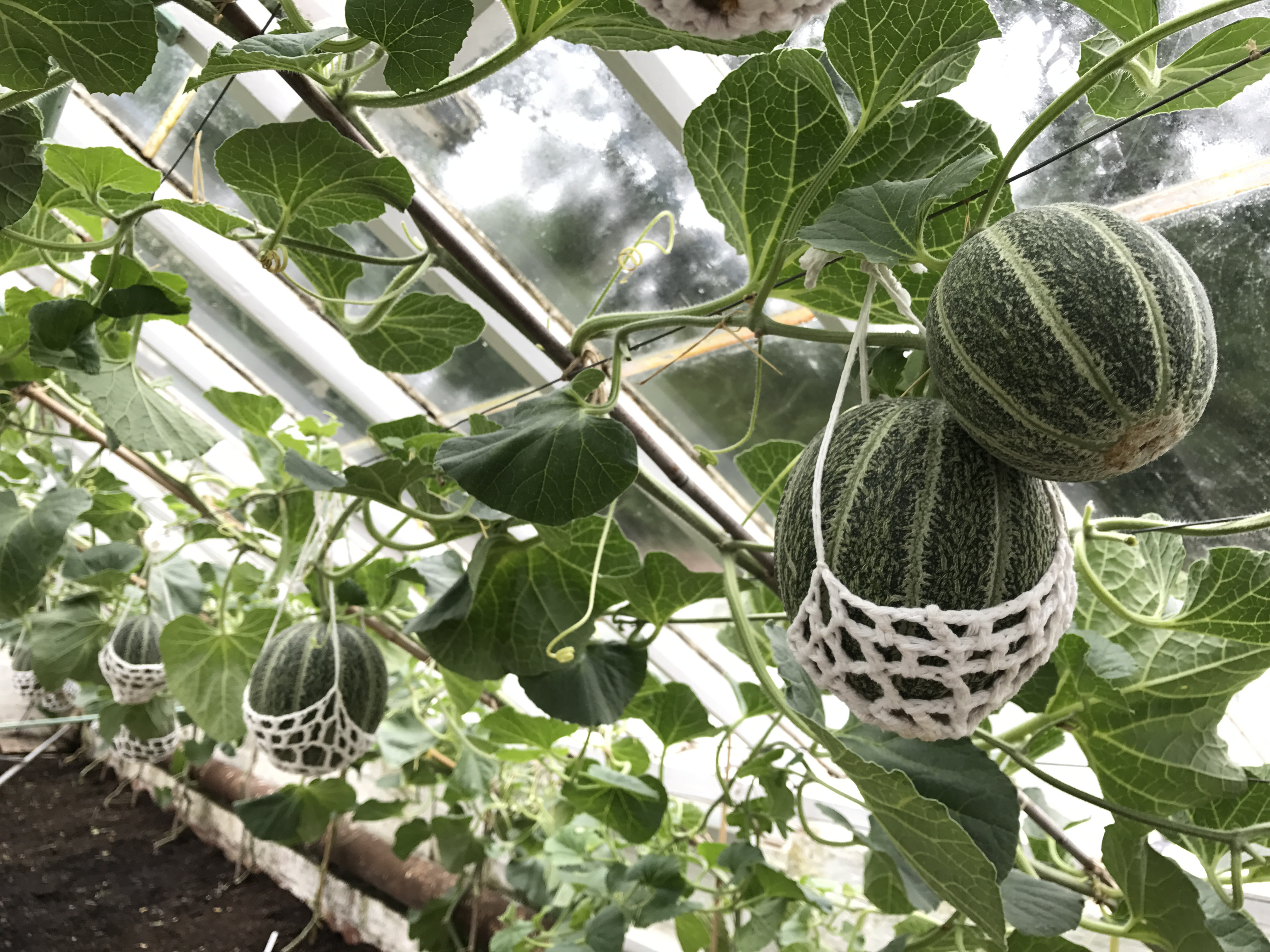
The beautiful, recently restored, vintage glasshouses are now becoming productive with melons, grapes, tomatoes, chillies and cucumbers.


We particularly liked the amazing textures of this melon and its subtle mix of greens.


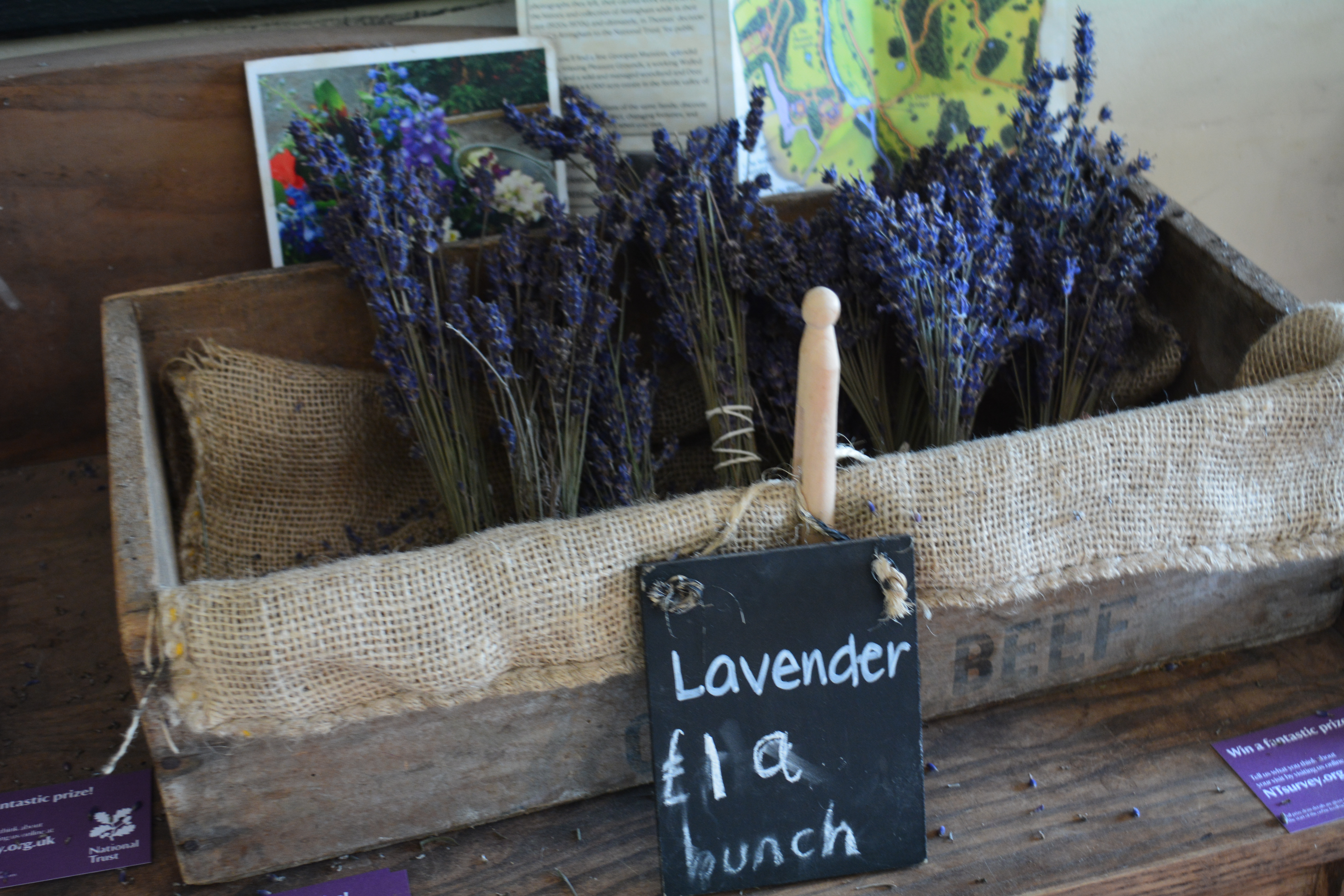
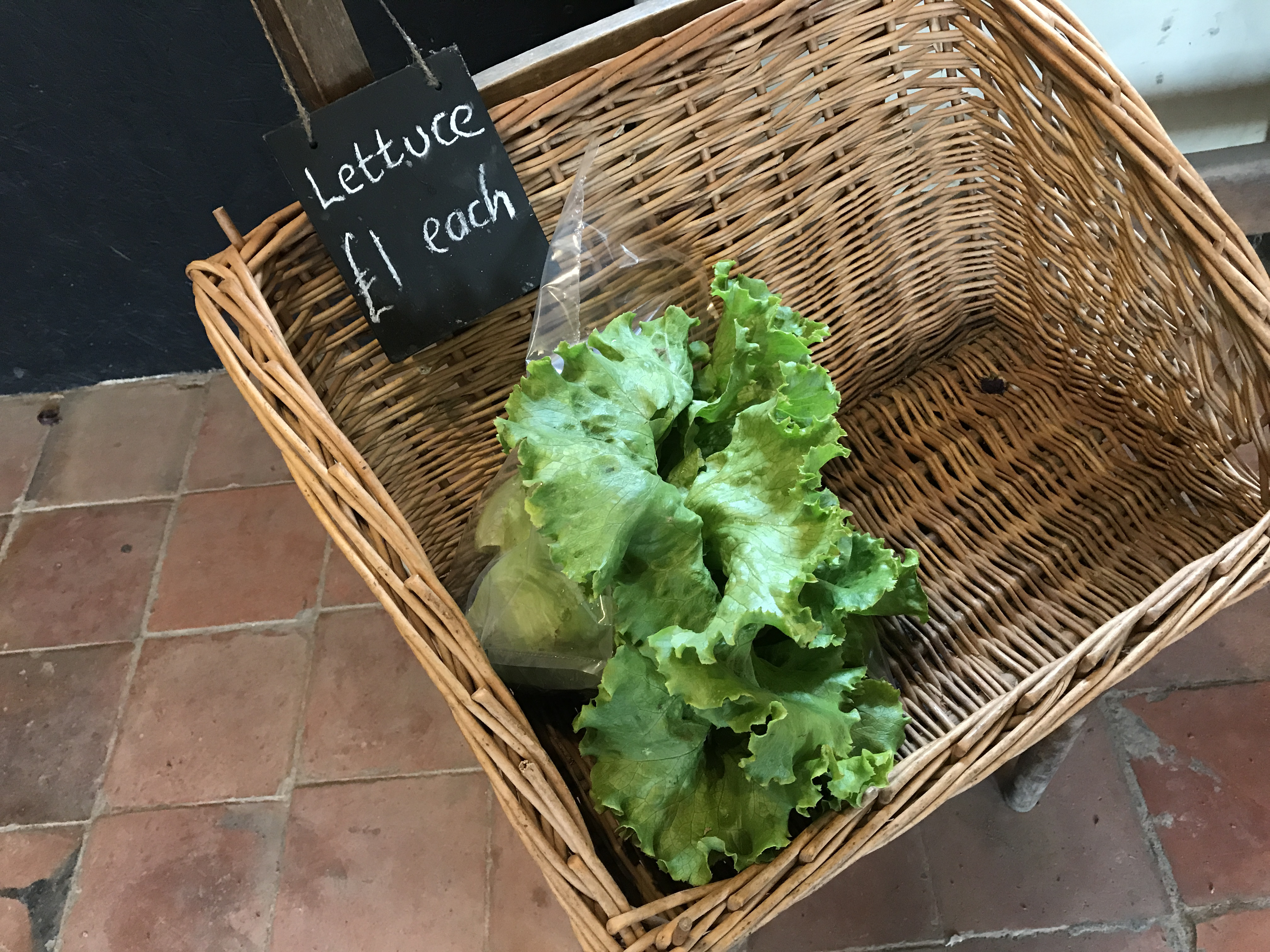
As we entered the gardeners’ bothy we could instantly enjoy the fresh uplifting aroma of bunches of freshly picked lavender, and the sight of simple flower arrangements and freshly harvested lettuces.


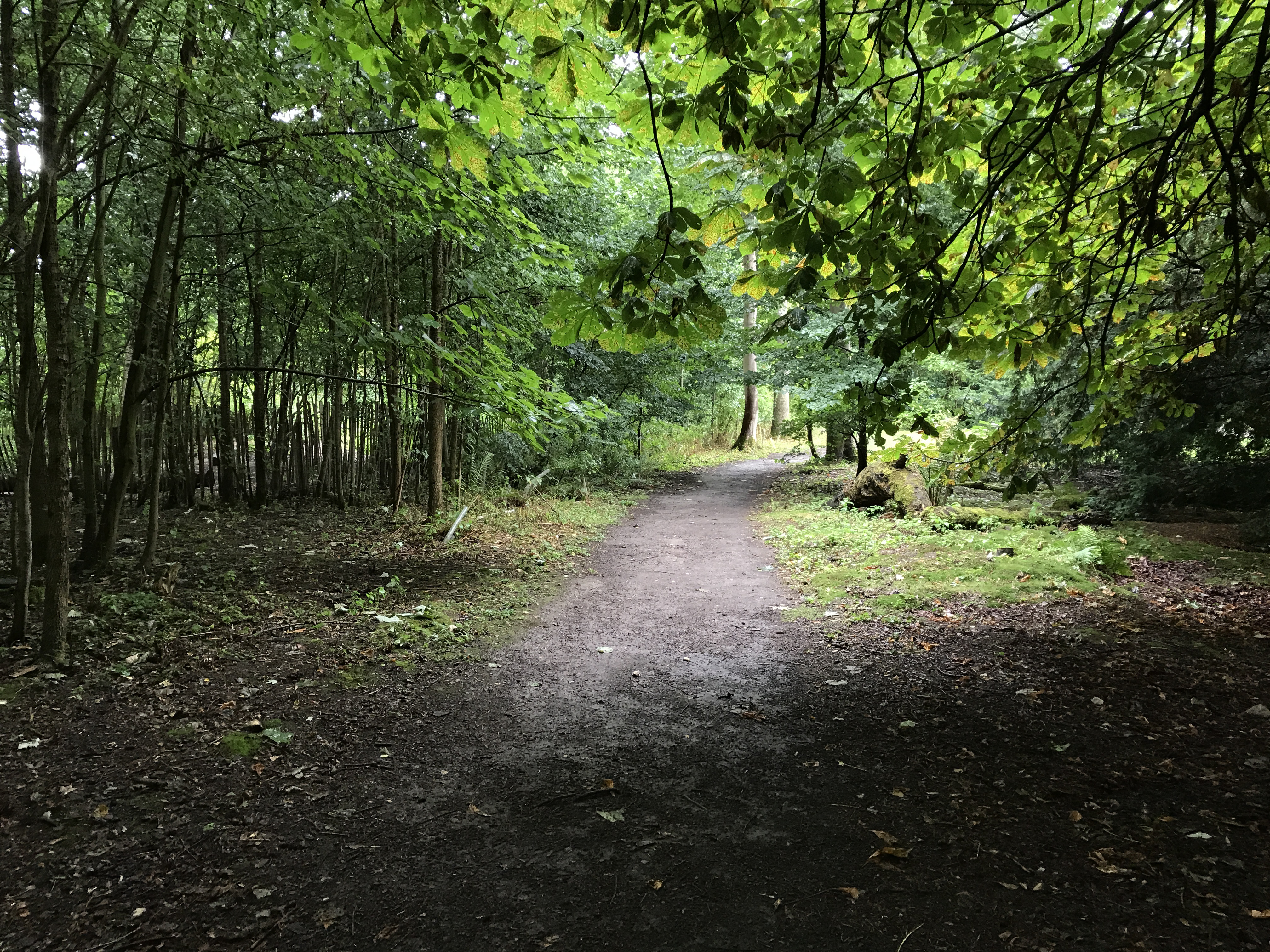
After taking in the sights, scents and sounds offered by the walled garden we continued on our wanders, following the One Mile Walk trail.


Come with us as we take you along this track in a gallery of photos. As usual click on the first and navigate with the arrows. We will return for another wander in August.


Categories
colours garden design garden photography gardening gardens gardens open to the public grasses hardy perennials ornamental grasses outdoor sculpture sculpture

Sussex Prairie Garden – a prairie garden in Sussex

This is a garden I have been reading about and admiring in photographs for several years and I have enjoyed watching it develop. Imagine our surprise when we were on a mid-week break in September and discovered that we were staying in a hotel not too far from the Sussex Prairie Garden. We couldn’t miss this opportunity so it soon found a slot in our schedule. The big question was “Can it really be as good as we are expecting?” and this stayed in my mind as we drove out to visit it. Surely we wouldn’t be disappointed!

We weren’t and we knew immediately that we wouldn’t be by the welcoming entrance, an unusual, quirky and humorous way in, coupled with a distinctive and beautifully designed garden sign.

sus-5 sus-3  sus4-5 sus-6

We also loved the simple stylized plan of the garden and the welcome notes on the back.

sepj-01

The leaflet described the garden as an “extraordinary garden features huge borders of sumptuous planting combinations that inspire and immerse you in an ever changing wave of texture, colour and form.”

To get to the main garden and tea shop we diverted to follow a path through the cutting garden. This area was to prepare us for the wonderful main garden we would explore after our tea and cakes.

sus5-02 sus5-03 sus5-04 sus5-05 sus5-06 sus5-07 sus5-08 sus5-09

There are 8 acres of naturalistically planted prairie garden containing over 50 ooo plants of over 1000 varieties and these are a magnet for wildlife. The only way to share such an exciting garden with you is to create a gallery for you to follow. As usual please click on the first photo and then navigate with the arrows.

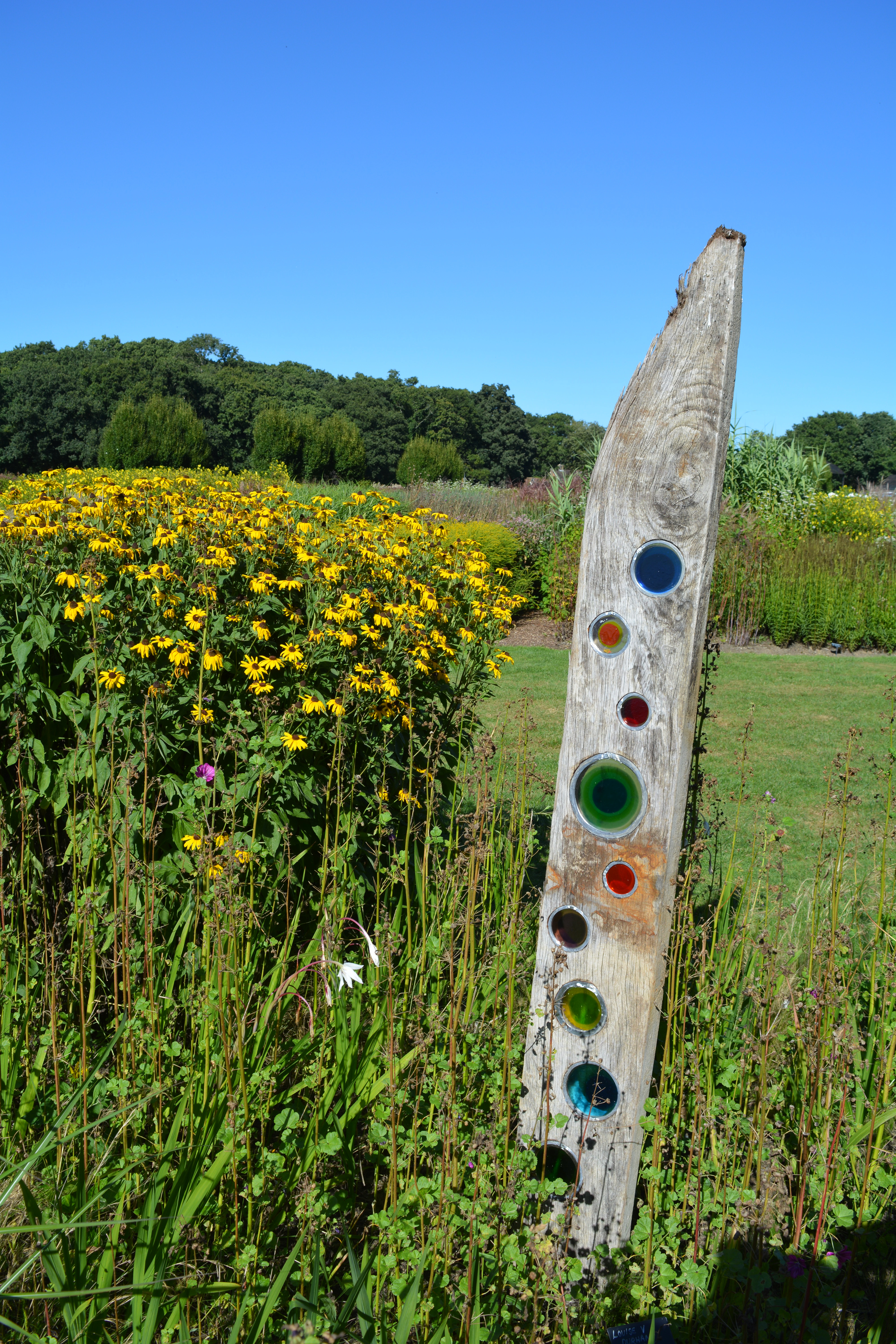
We love sculpture in the garden and here at the Sussex Prairie Garden it was used very well, integrated beautifully into the planting areas and on open areas of mown grass.

sus2-31 sus2-14 sus2-11sus2-13 sus2-10 sus2-09 sus2-23 sus2-08 sus2-07 sus2-25 sus2-06  sus2-18 sus2-20sus2-22 sus2-21 sus2-17 sus2-15 sus2-16 sus2-05  sus2-03

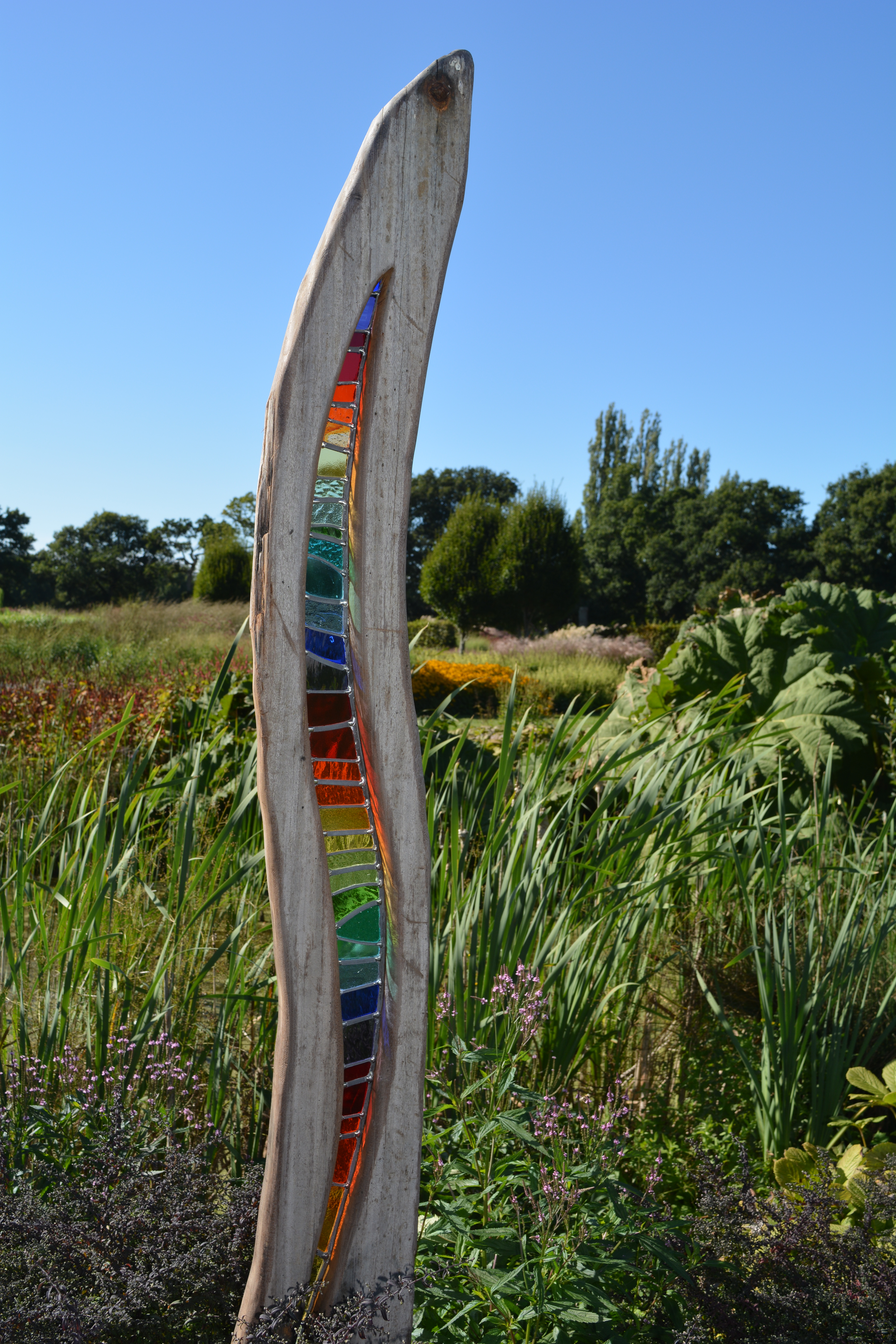
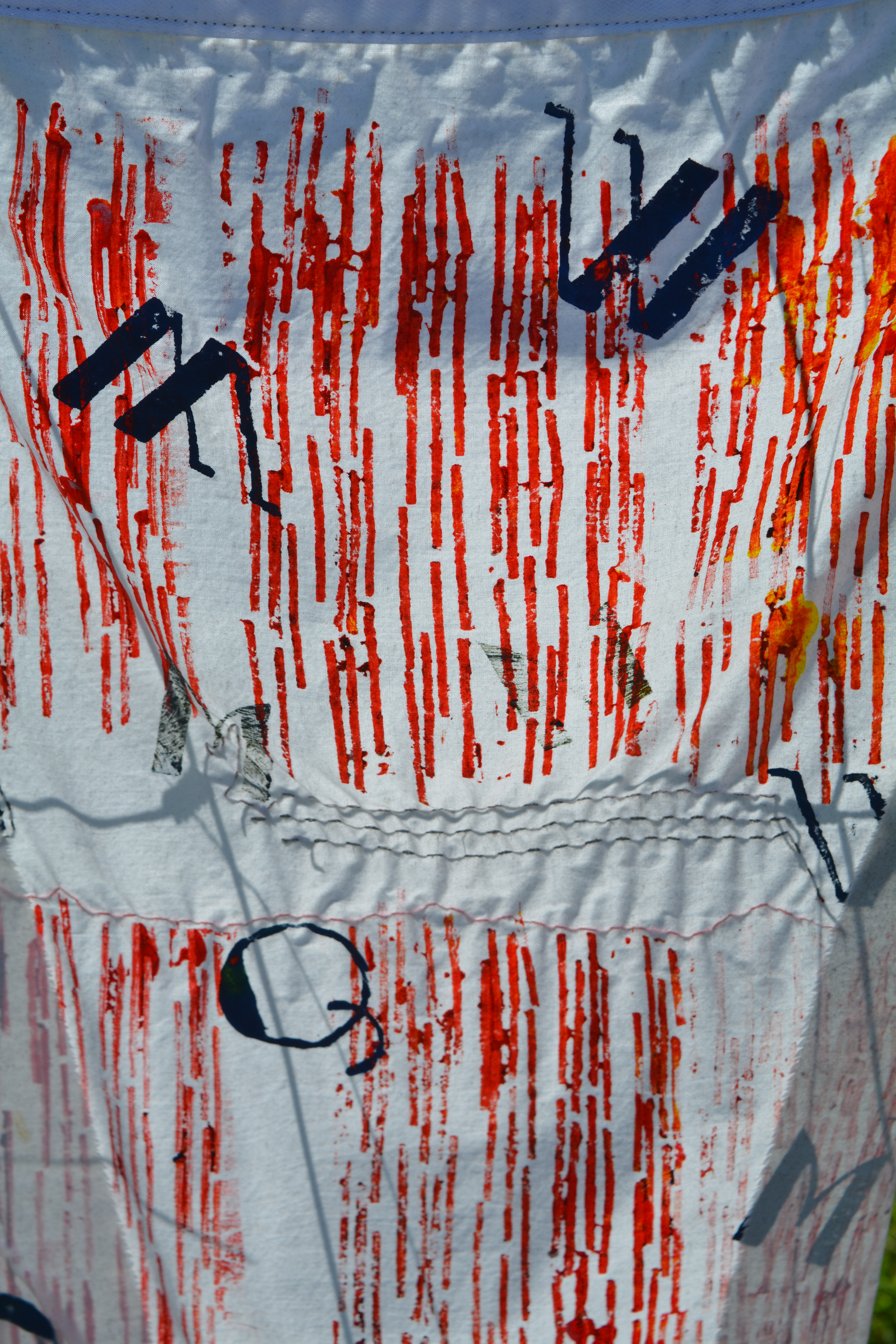
As we reached the furthest point in the garden from the entrance we were in for a colourful surprise before we continued on our wanderings, beautiful fabric hangings on the fence.

sus3-4 sus3-1 sus3-2 sus3-3

So the Sussex Prairie was as good as we had hoped, the planting and design was remarkable. We must return again perhaps in the autumn season.


Categories
colours flowering bulbs garden design garden photography gardening hardy perennials light light quality National Garden Scheme NGS ornamental grasses ornamental trees and shrubs outdoor sculpture Shropshire South Shropshire succulents swallows village gardens Yellow Book Gardens

My Garden Journal in August

My August entries in my Garden Journal 2016 see me beginning Volume Two. On the first page I look back to my original garden journal’s August entries.

au-01

“I made my first ever entries for our new garden in August 2003. We moved to “Avocet” our Plealey home on 8th August. I wrote, “The garden needs our love and attention after 6 years of neglect. It is a garden of straight lines and loneliness, lacking in wildlife and its inherent vitality. It lacks colour.” Things are very different now 13 years later. The garden is now full of wildlife, full of calming atmosphere and peace. It is a garden that attracts many visitors each year and people enjoy hearing our talks about it.”

Over the page I considered the way light in August changes the look of the garden.

au-02

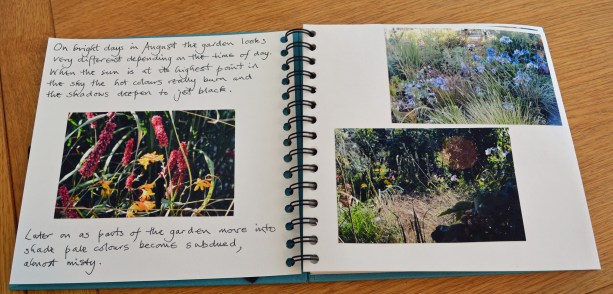
“On bright days in August the garden looks very different depending on the time of day. When the sun is at its highest point in the sky the hot colours really burn and shadows deepen to jet black.

au2-2 au2-1au2-3

I then looked at Salvias and share photographs of some of those we are growing in our patch.

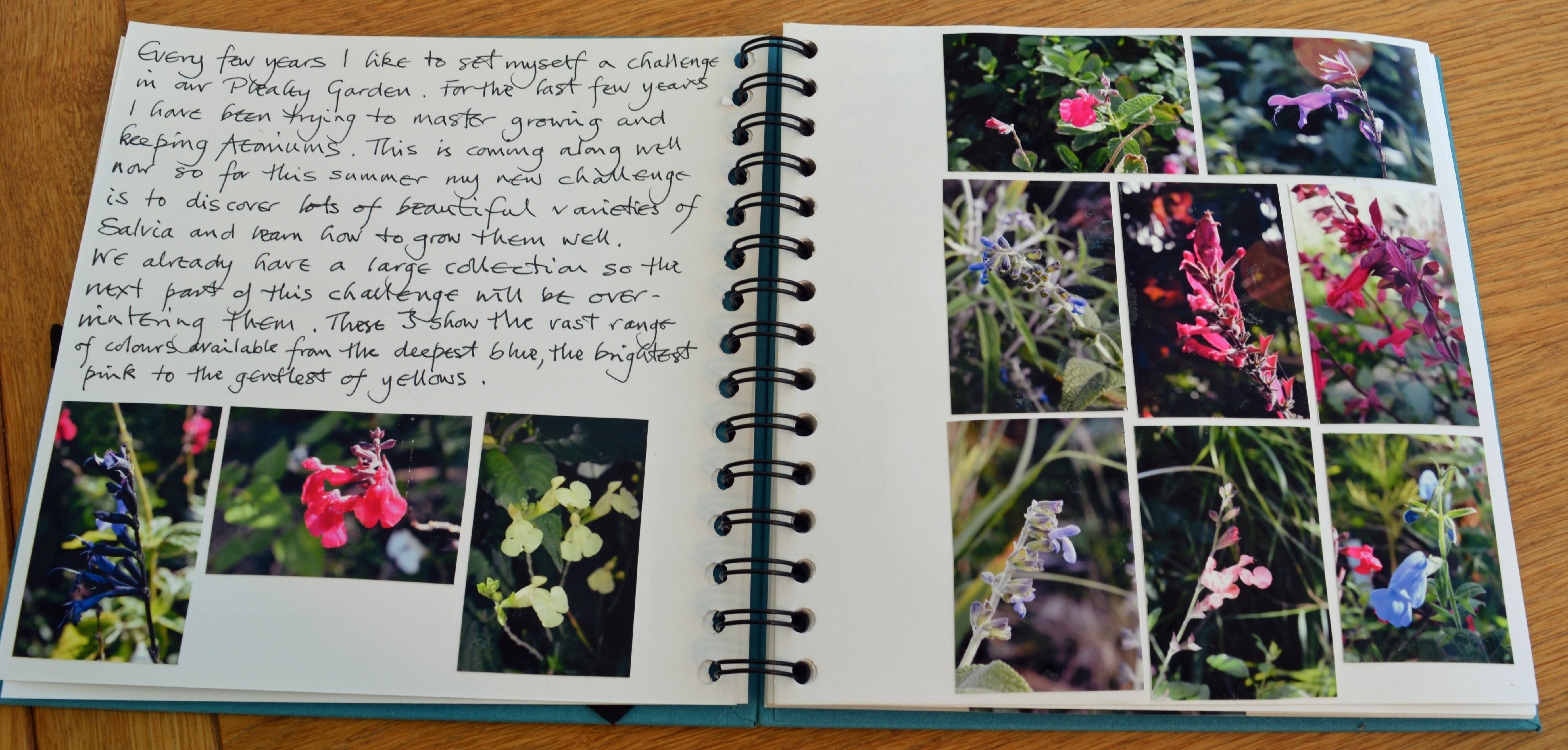
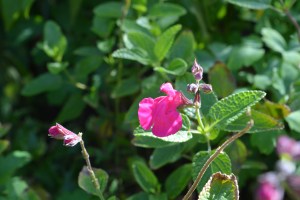
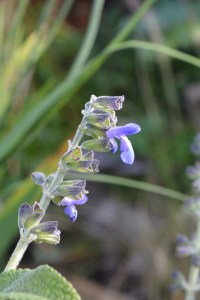
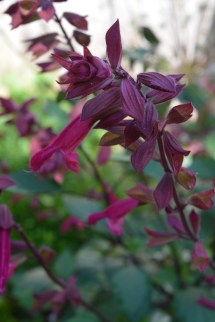
“Every few years I like to set myself a challenge in our Plealey garden. For the last few years I have been trying to master growing and keeping Aeoniums. This is coming along well now so for this summer my new challenge is to discover lots of beautiful varieties of Salvias and learn how to grow them well. We already have a large collection so the next part of this challenge will be over-wintering them. These three (in the photos below) show the vast range of colours available from the deepest blue, the brightest pink to the gentlest of yellows.”

au3-32 au3-33 au3-36

On the opposite page I featured a selection of eight of the Salvias in flower in our patch in August. I have included a couple more here too for you to enjoy and to help us appreciate the variety we have.

au-03

au3-53 au3-30au3-05 au3-31 au3-50au3-35 au3-37au3-54au3-51 au3-52

I move on in my journal then to look at very special and very unusual perennial plant, a Diascia. On the page opposite I share a few of our new sculptural pieces in the garden.

au-04

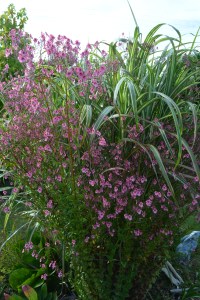
One plant that always attracts admiring glances is this pink gentle giant, an evergreen Diascia, which is called D. personata “Hopleys”. It is an exceptionally good garden performer, growing to a tall six feet and flowering from May to December in a good year.”

au1-03 au1-02au1-05 au1-04

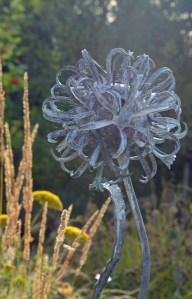
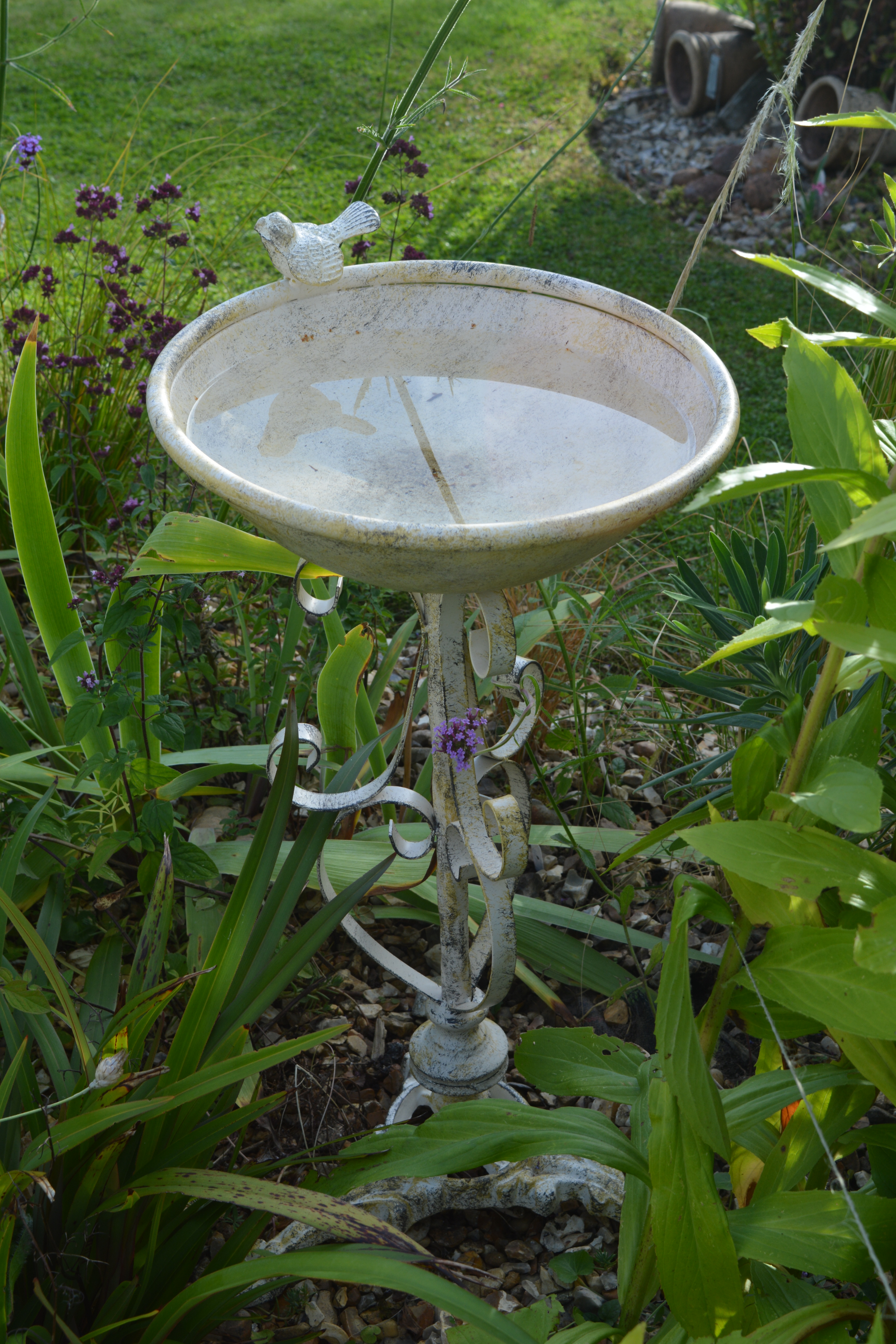
“We love sculpture in the garden and in our patch”Avocet” in Plealey we mostly choose metal or stoneware pieces as these enhance the planting rather that dominate. Recently we have added four new new iron work pieces, two based on seed heads – Clematis and Allium – plus a new bird bath.” 

Here are three of them, the fourth appears later.

au1-12 au1-08 au1-07

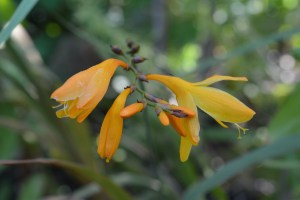
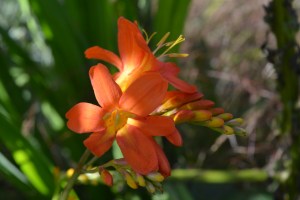
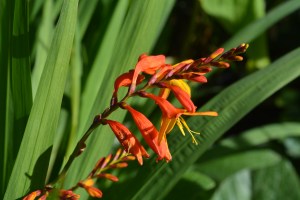
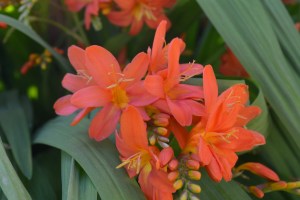
I then move on to one of the brightest of garden perennials to grace borders in the UK, the Crocosmias.

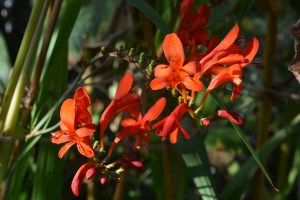
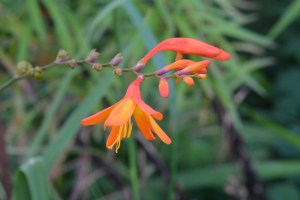
“Various Crocosmias feature throughout the patch and in August many come into their own, showing off their yellows, oranges and reds. We have dozens of different varieties. Here are a few ……….. “

au-05

Firstly the yellows ………….

au3-15 au3-10au3-45 au3-48au3-34 au3-46

…………………….. and then the oranges and reds.

au3-49 au3-41au3-26 au3-19au3-40 au3-43au3-21 au3-25

Returning to the sculptural pieces we have recently added to our garden collection, I introduced another 5 pieces.

au-06

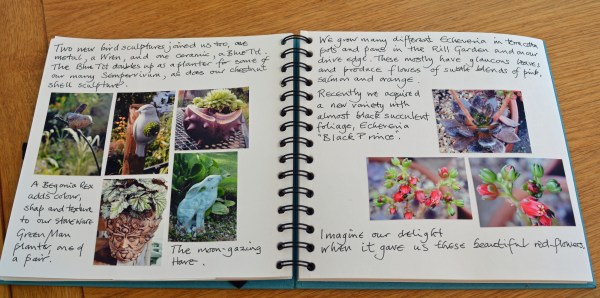
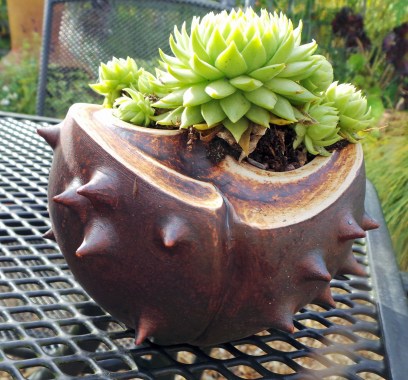
“Two new bird sculptures joined us too, one metal, a Wren, and one ceramic, a Blue Tit. The Blue Tit piece doubles up as a planter for some of our many Sempervivum, as does our chestnut shell sculpture.”

au1-09 au1-13 au1-01

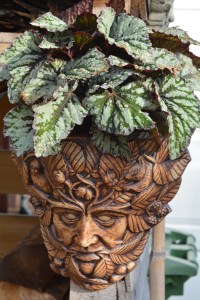
“A Begonia Rex adds colour, shape and texture to our stoneware Green Man planter, one of a pair.”

au1-10 au1-11

“The moon-gazing Hare.”

au1-06

“We grow many different Echeveria in terra-cotta pots and pans in the Rill Garden and on our drive edge. These mostly have glaucous leaves and produce flowers of subtle blends of pink, salmon and orange. Recently we acquired a new variety with almost black succulent foliage, Echeveria “Black Prince”. Imagine our delight when it gave us these beautiful red flowers.”

au1-16 au1-14au1-15

“For this month I have decided to paint two delicately coloured flowers, a yellow Linaria dalmatica and the china blue climber and scrambler Clematis jouianiana.

au-07

au-08 au-10 au-09 au-11

On the opposite page I finish off my entries for August by looking at some of our newly acquired plants.

“We are always adding new plants to the garden at Avocet and indeed a few found their way in during August. Here is a selection ………. “

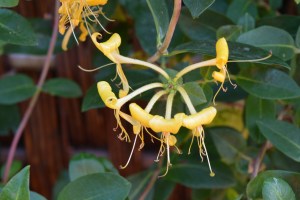
“New Honeysuckles to clamber up our new willow hurdles.”

au3-29 au3-28

“A white Physostegia to accompany our pink one.”

au3-17 au3-18

“Crocosmia “Okavango” and “Salvia leucantha “Eder”.

au3-02 au3-03

And there ends my journal entries for the month of August. Our next visit to look at it will be in September a month that the meteorological office places in autumn but us gardeners tag it onto summer – a much better and more accurate idea. We move into a much quieter period now as we have completed our NGS open days for this year and have received the last of our visiting groups.


Categories
colours garden design garden photography garden wildlife gardening gardens hardy perennials ornamental trees and shrubs village gardens wildlife

My Garden Journal in June

Half way through the year and we are also at the half way point of my garden journal. Here is my journal for June – I hope you enjoy it!

It is June and the sky is blue and the sun warms us as we garden. These summer days mean relaxed hours in the garden and it is tiredness or aching backs that stop work rather than the dark.”

junejournal-01

I added four photos of general garden views below the first paragraph.

junejournal-1-1 2-42-1 2-3

On the opposite page I featured a tiny simple grass, a favourite but also a bit of a nuisance. It is the Common Quaking Grass. It moves in the slightest breeze.

“We have a grass growing on the Chatto Garden, our gravel patch. It is beautiful and looks so delicate but unfortunately it is a thug!”

junejournal-02junejournal-03junejournal-04

Turn over the page and we find two pages mostly of photographers.

junejournal-05

“Individual plants in our garden give points of interest, encourage interest and admiration but it is putting plants together in a sympathetic manner gives our garden its character and special atmosphere and creates different moods.”

jj-3 jj-5 jj-6 jj-2 junejournal-3-1 jj-1

“Flower colours can contrast with or compliment other colours on other plants both flower and foliage. Good combinations can come from different plants’  foliage working together. These combinations can be restful or even startle us!”

junejournal-3-2 junejournal-2-2junejournal-2-3 junejournal-1-4 j-1 j-2 junejournal-1-3

Over the next page I talk about two yellow flowering plants, the Welsh Wanderer, the Welsh Poppy and an aquilegia.

junejournal-06

“Welsh Wanderer – Meconopsis cambrica, decides each year where it will set up home. It is a champion self-seeder!”

junejournal-5-1 junejournal-3-3junejournal-2-4 junejournal-1-5 jun-1 jun-2 jun1-1

“Aquilegia chrysantha is a beautiful tall aquilegia with flowers of various yellow tints.”

junejournal-07

I finish off my June entries in my Garden Journal with a look at some of the tiny creatures who live in our garden with us.

junejournal-08

“Tiny critters who share our plot with us are mostly made warmly welcome and we enjoy seeing and hearing them as they explore our borders. Slugs and snails of course are the big exception to our welcoming attitude!”

I painted the caterpillar of the Grey Dagger Moth in watercolours and artist colour pens. It was a big challenge to show how hairy and brightly coloured it was.

junejournal-09junejournal-6-1 junejournal-1-6junejournal-5-2junejournal-2-5junejournal-3-4

For the final page in June I painted some of our common snails, the Banded Snails that come in a mixture of colours and the Garden Snail. Again I used a mixture of watercolours and artists pens.

junejournal-10junejournal-12junejournal-11

For my next visit to my Garden Journal we will move into the second half of the year and into mid-summer.

Categories
gardening National Trust outdoor sculpture

A few words of garden wisdom

We always enjoy reading plaques in gardens when they contain words of wisdom. There are so many plaques around aimed at gardeners that are simply too twee and really of no use in the garden.

I thought you may like to see the few we have displayed throughout our patch.

First off is this simple phrase. If “Life’s Good in the Garden” is not true in your patch then you are probably due a rethink!

This next plaque was bought from Prince Charles’ garden when we visited last week. It is certainly true of his garden at Highgrove and we hope our garden at Avocet is also “a garden which delights the eye warms the heart and feeds the soul”. 

maygarden-2

This larger plaque was discovered in the shop of a National Trust garden we recently visited and we both warmed to it. We love its sentiment, “A garden is a friend you can visit anytime.”  We love the idea of our garden being a friend and we visit it every day.


maygarden-3

The final plaque is a terracotta piece created by my brother Derrick and I believe the text is from an Indian philosopher. “If you would be happy for a week take a wife. If you would be happy for a month kill your pig. If you would be happy forever plant a garden.”

I definitely agree with the the third idea but definitely not the first two!


maygarden-5

thinkinGardens

for people who want more than gardening from gardens

This Veggie Life

A Vegetarian | Nature Lifestyle Blog

Rambling in the Garden

.....and nurturing my soul

The Arch City Gardener

Journeys In St. Louis Gardening and Beyond

Garden Dreaming at Châtillon

Consult the genius of the place

Storyshucker

A blog full of humorous and poignant observations.

gardeninacity

Notes from a wildlife-friendly cottage garden

PlayGroundology

...an emerging social science

The Official Blog of British Wildlife

'The most important and informative publication on wildlife of our times' - The Independent. This blog is a member of The UK & Ireland Natural History Bloggers group: www.uknhb.blogspot.com

iGrowHort

Inspire - Cultivate - Grow Native Plants - Restore Landscapes

Bishops Meadow Trust

To create and protect a semi-natural wild space for the people of Farnham to enjoy and experience an array of British wildlife in our town

Gardening with Children

The www.gardeningwithchildren.co.uk Blog

UKbirdingtimeline

birding through the seasons, why birds matter and how to conserve them

NATURE WALKER

with a camera in hand

Jardin

Transform your outdoor space

Eva's space

My allotment, cooking and other interests

Old School Garden

my gardening life through the year

LEANNE COLE

Trying to live a creative life

fromacountrycottage

trying to live as lightly as possible on our beautiful planet

Good Life Gardening

Nature lovers from Leicester living the good life.

mybeautfulthings

Finding the beautiful in the everyday

mawsonmichelle

Michelle's Allotment

In and Out of My Garden

thoughts from and about my garden

Greenhousing

Big plans for a small garden

The Scottish Country Garden

A Walled Country Garden in South East Scotland

The Fruity Chicken

Life at the fruity chicken

willowarchway

Off grid living. Self sufficient. "PERMAGANICS RULE".

St Anns Allotments

Nottingham's Grade 2* Listed Allotments and Community Orchard

Manifest Joy Harvests

a journey in suburban vegetable gardening

Allotmental

The madness of growing your own

Penny's Garden: a harvest beyond my front door

A novel approach to vegetable gardening

arignagardener

Sustainable living in the Irish countryside.

NewEnglandGardenAndThread

Master Gardener, amateur photographer, quilter, NH native, and sometimes SC snowbird

dianajhale

Recent work and work in progress and anything else that interests me

planthoarder

a chaotic cottage gardener

Lens and Pens by Sally

a weekly blog that creates a personal philosophy through photographs and words

Dewdrops and Sunshine

Stories from a sassy and classy Southern farmbelle.

The Pyjama Gardener

Simple Organic Gardening & Seasonal Living

gettin' fresh!

turning dirt into dinner

JOY...

today the world is created anew

Garden Birds

Notes from a Devon garden

ShootAbout

Life Through The Lens

Adapting Pixels

A photography blog showcasing the best photography pictures and videos on the internet

Wildlifegardening's Blog

Just another WordPress.com site

naturestimeline

personal observations from the natural world as the search continues for a new approach to conservation.