Categories
birds climbing plants flowering bulbs garden photography garden ponds garden pools garden wildlife gardening hardy perennials ornamental trees and shrubs trees water in the garden wildlife

My Garden Journal – August

Here we are with part 8 of my monthly series looking at what I have put into my garden journal. August has been a disappointing month weatherwise, with winds, rain and dull skies, and the plants have responded with short flowering periods and even our roses have failed to repeat flower.

I began my August entries, “The month of school holidays when families make their way to the seaside, is not a holiday in the garden. We have to keep dead-heading and tidying to make sure it looks its best.” and continued with my monthly quote from Jenny Joseph“August is a time of vegetables and smells of leaves and roots as we clear: dusty, musty smell of old growth. What flowers we have in August depends on how diligent you’ve been at dead-heading earlier.”

I continued, “We dead-head our Roses most days in an attempt to keep them in bloom, and cut back dying perennials to encourage both fresh blooms and fresh growth from below.” 

2015 09 03_5007_edited-1

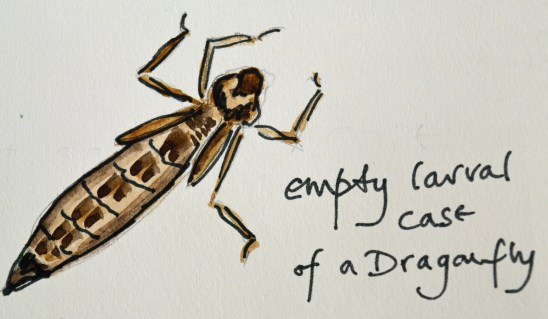
I next referred to our fun activity which takes us back to our childhoods, pond dipping, “An early dip in the pond with our net revealed that young Newts are still very much in evidence. We discovered the shell of a Dragonfly larva and a strangely bodied surface dwelling insect, its shape like an elongated diamond.” I wonder what a pond dipping session will reveal in September as autumn will then be creeping in.

2015 09 03_5014_edited-1 2015 09 03_5015_edited-1

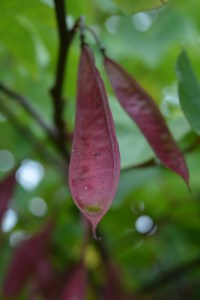
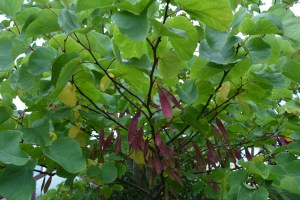
Our Cercis siliquastrum tree featured again as we turn the page of my journal just as it has done in my May entries.

2015 09 03_5008_edited-1

“Discovering new points of interest in the garden is always refreshing. We have always loved our Cercis siliquastrum for its mass of pink flowers in May, but this year we have rows of seed pods hanging from branches like celebratory bunting or prayer flags from Tibet.”

2015 08 10_4637 2015 08 10_4636 2015 08 10_4639 2015 08 10_4638

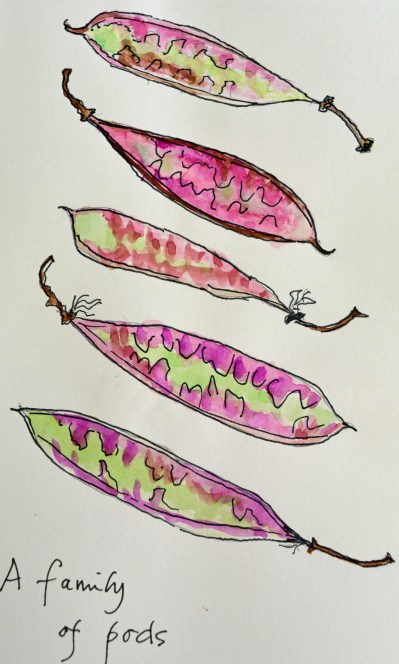
I attempted to paint a watercolour of a selection of pods and this proved to be a real challenge with the subtle variations of green and pink from pod to pod.

2015 09 03_5016_edited-1

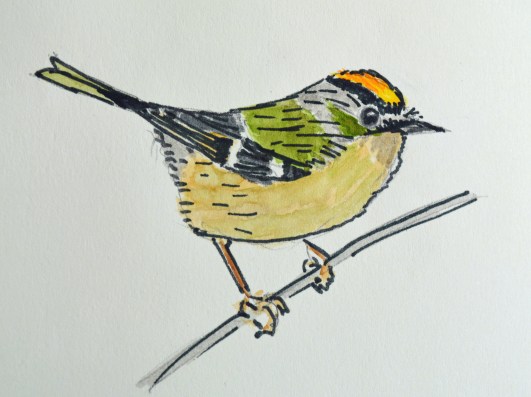
Further notes about the wildlife in our August garden followed on at the turn of the next page, where I noted, “Gardening in August is done with the sounds of Swallows and House Martins wheeling over our heads. Two very contrasting wildlife sounds add to the soundtrack, the deepest croaking grunt of our Toads and the highest pitched song of all our garden birds, the diminutive Goldcrest.” In my painting I tried to capture the character of the Goldcrest, cheerful, jittery and sparkling with life.

2015 09 03_5009_edited-12015 09 03_5018_edited-1

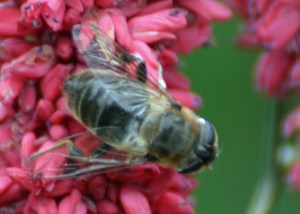
More sounds featured on the facing page, “Gentle, almost inaudible sounds emit from every border, the sounds of Hoverflies. Gentle humming from above flowers, rapid beats make wings almost invisible, the Hoverfly moves in sudden sharp changes of direction. They can be wasp-like, bee-like or fly-like, masters of mimicry and disguise”. I love taking photos of the wildlife that shares our garden and insects and have hundreds in my Photoshop storage space. I have found a few featuring a few of the many different species of Hoverfly to share with you.

2015 08 27_4717-1 2015 08 27_4718_edited-1-12015 08 27_4719_edited-1-1 2015 08 27_4720_edited-1-12015 08 27_4714_edited-1-1

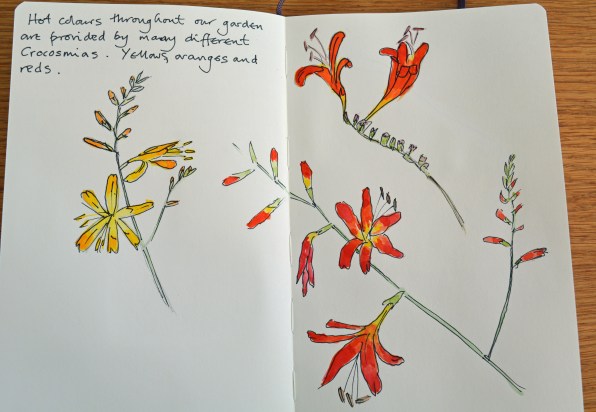
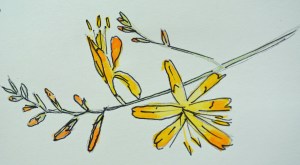
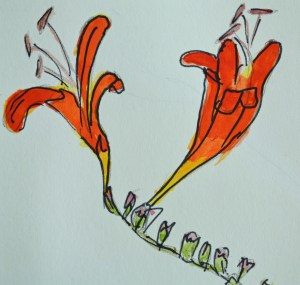
It is one of my favourite families of plants that I featured on the next double page spread, the Crocosmias. “Hot colours throughout our garden are provided by many different Crocosmias. Yellows, Oranges and Reds.” I enjoyed the challenge of creating watercolour paintings of three of our cultivars.

2015 09 03_5019_edited-12015 09 03_5020_edited-1 2015 09 03_5021_edited-1

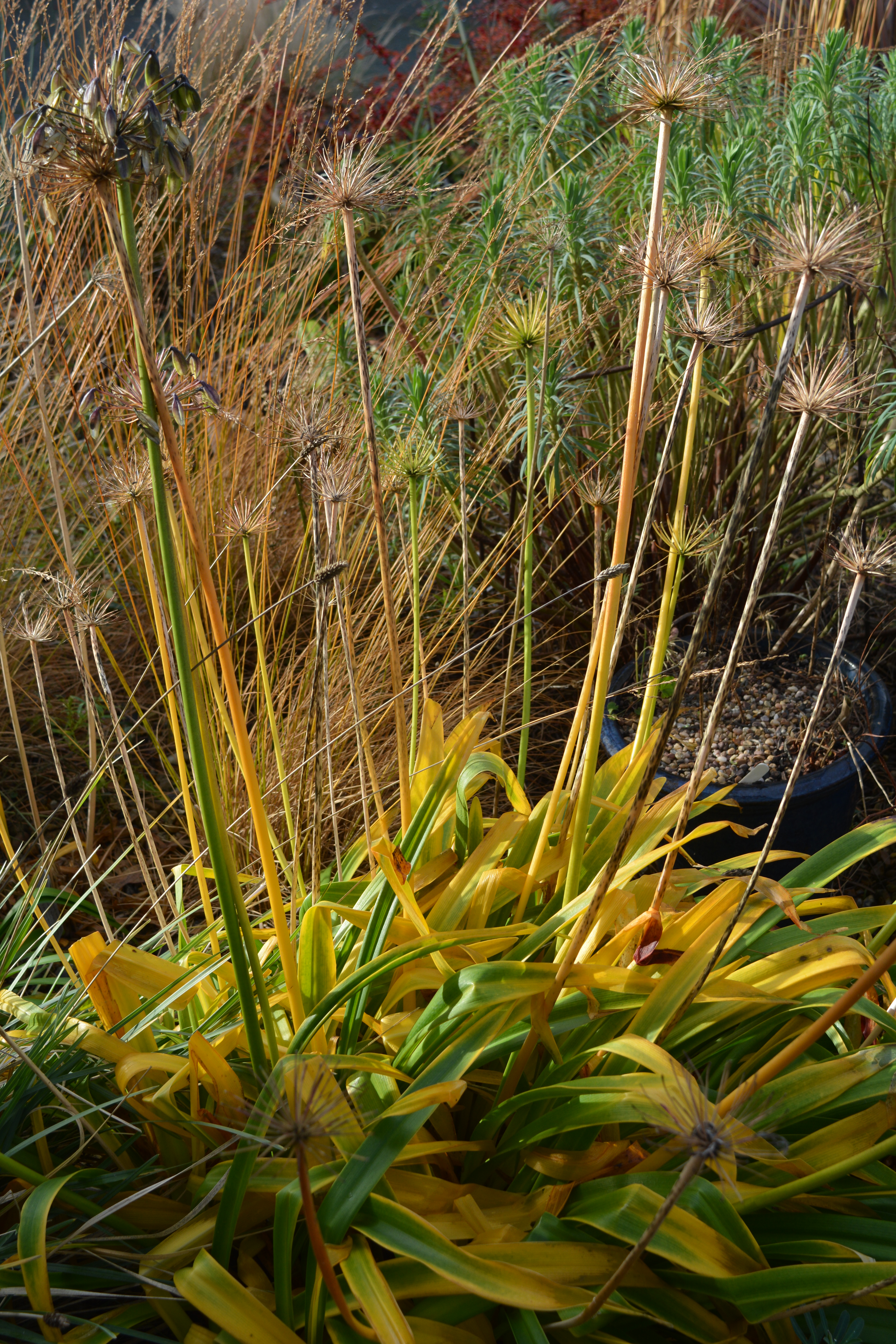
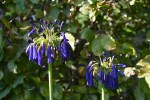
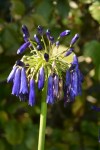
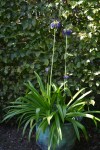
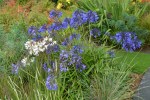
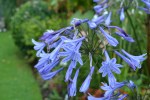
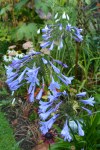
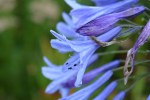
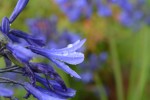
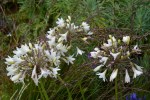
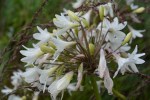
From one bulbous rooted plant to another, from Crocosmias to Agapanthus. “Remember those Aganpanthus buds of July? Well, just look at them now!”

2015 09 03_5011_edited-1

I hope you enjoy this little gallery of photos of our Agapanthus. Just click on the first photo and use the arrows to move on through.

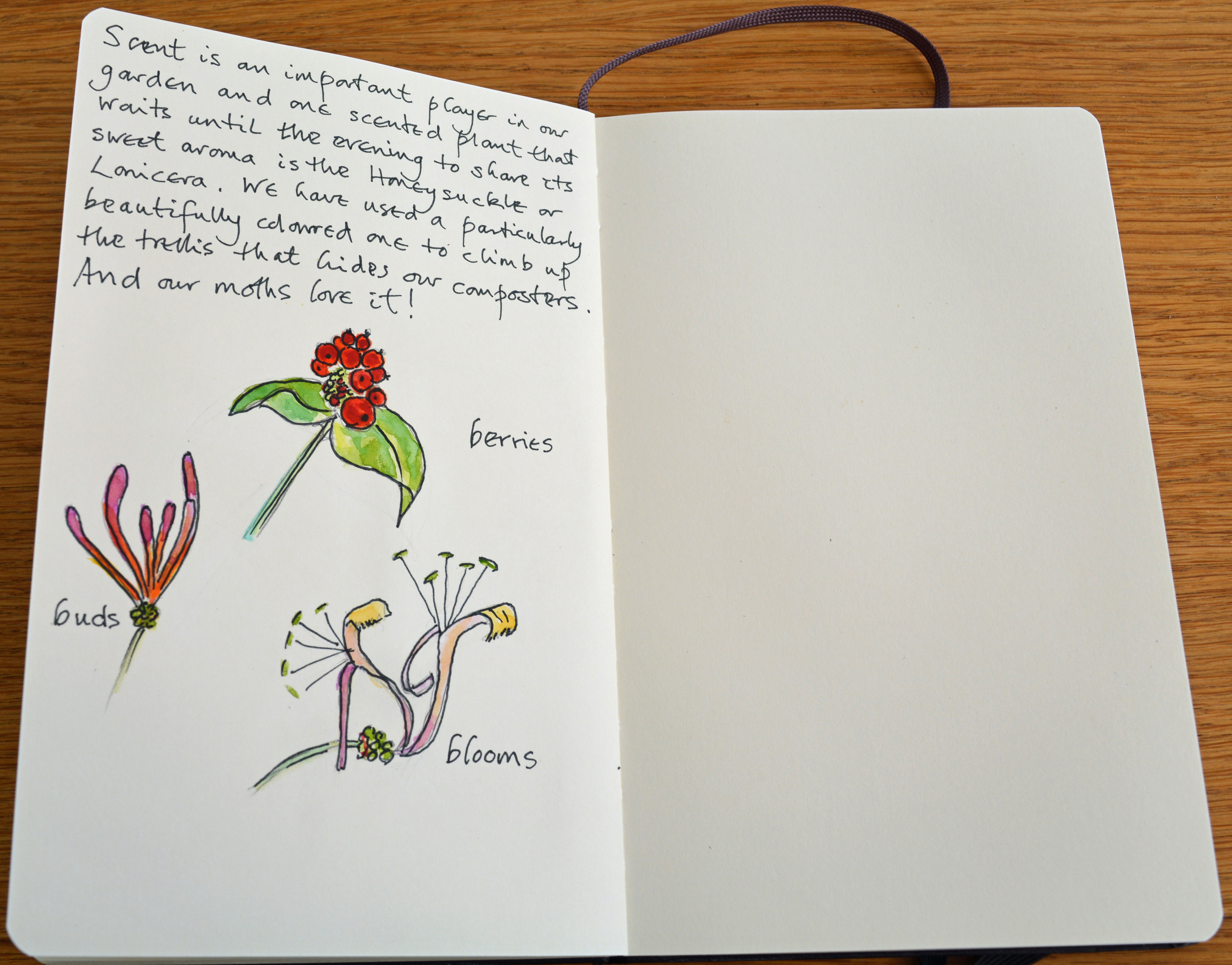
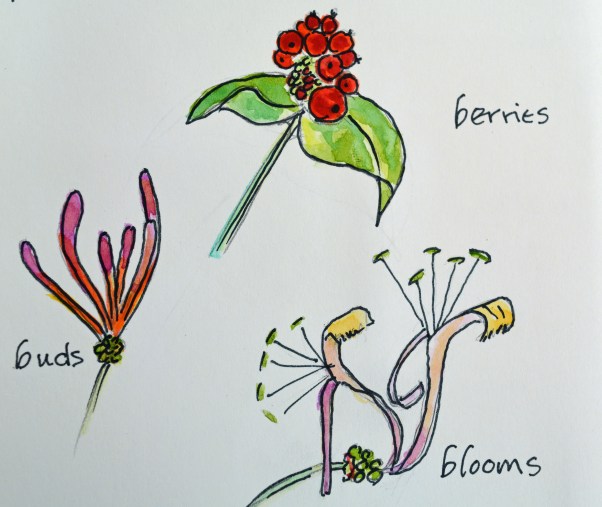
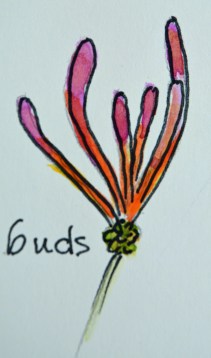
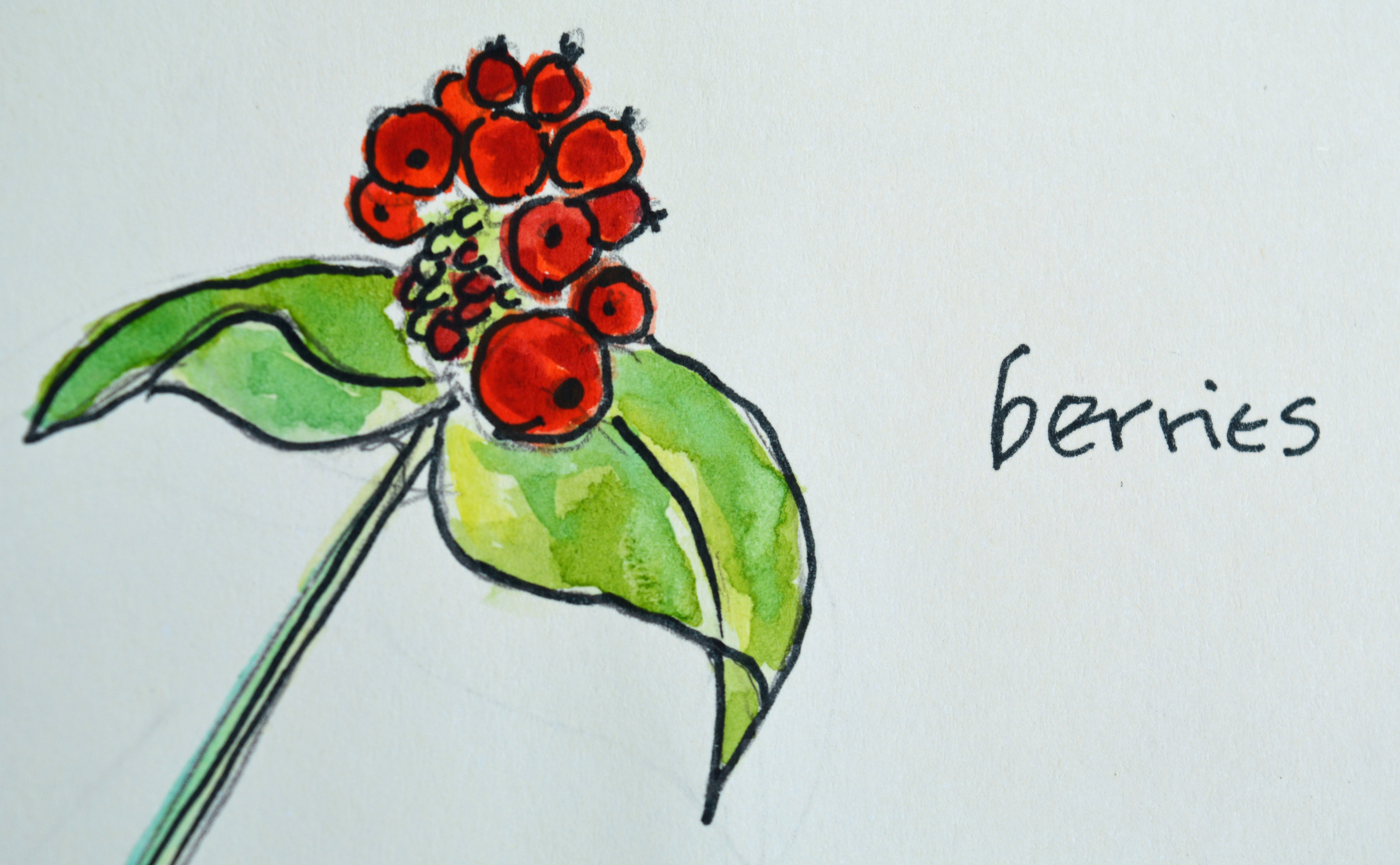
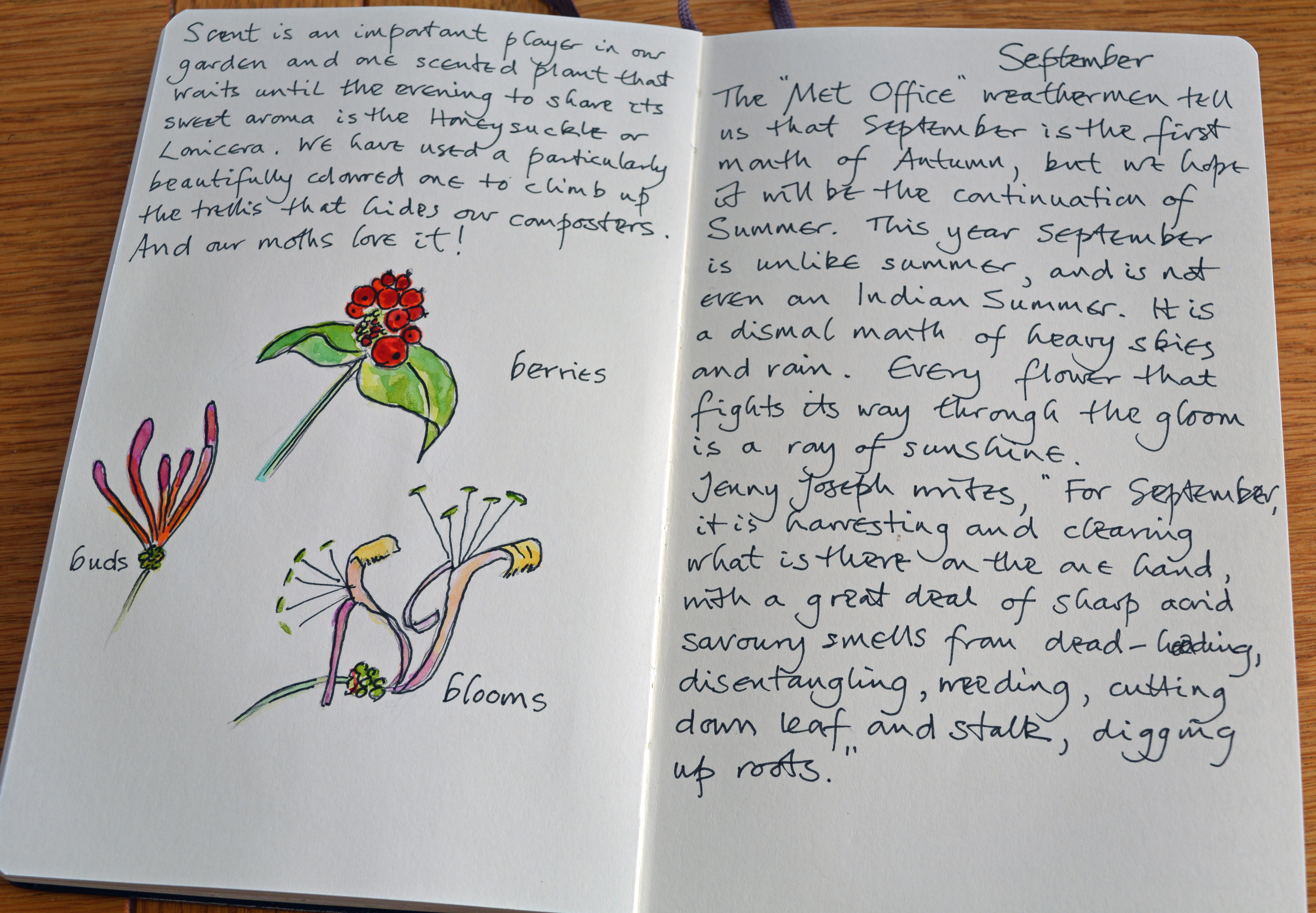
My final page for August featured another garden favourite, this time a climber, the Honeysuckle. I wrote “Scent is an important player in our garden and one scented plant that waits until the evening to share its sweet aromas is the Honeysuckle or Lonicera. We have used a particularly beautifully coloured one to climb up the trellis that hides our composters. And our moths love it!” I turned once again to my beautiful wooden box of watercolour paints to create a little series of pictures of the buds, blooms and berries of the Honeysuckle.

2015 09 03_5012_edited-1   2015 09 03_5025_edited-12015 09 03_5024_edited-1 2015 09 03_5022_edited-1 2015 09 03_5023_edited-1

The next look at my garden journal will be in September when we may be seeing the early signs of Autumn.

Categories
architecture colours garden buildings garden design garden photography garden pools gardens gardens open to the public hardy perennials National Garden Scheme NGS ornamental trees and shrubs outdoor sculpture roses shrubs trees water in the garden Yellow Book Gardens

Miserden Park, a Gloucestershire Garden

We were journeying south towards Hampshire and searched for a place to break our journey. We were pleased to discover Miserden Park was close to the road we travelled. We expected it to be easy to find as we knew which village it was on the outskirts of but poor signage directing us firstly to the village and then to the garden itself made it difficult.

When we saw the house at Miserden we were impressed with the way the gardens around it helped it sit so comfortably in the landscape. The pale blue planting looked so good with the pale limestone of the building.

2015 06 21_2889 2015 06 21_2890

We soon realised that this was one of those gardens which impressed with the tiny details of individual plants and colour combinations but also with the bigger pictures it presented.

2015 06 21_2896 2015 06 21_2893

2015 06 21_2887 2015 06 21_2894

2015 06 21_2888

Metalwork impressed us from the imposing gates to the intimate seats.

2015 06 21_2886 2015 06 21_2884

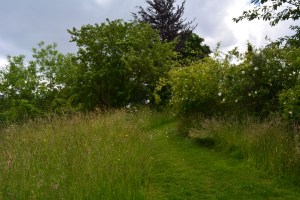
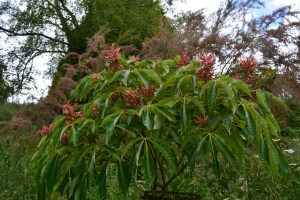
We loved the contrast between the formal gardens and the wilder “Robinsonian” areas. Paths mown through the long grass in these wilder areas led us to surprise plants to appreciate such as this Aesculus.

2015 06 21_2891 2015 06 21_2892

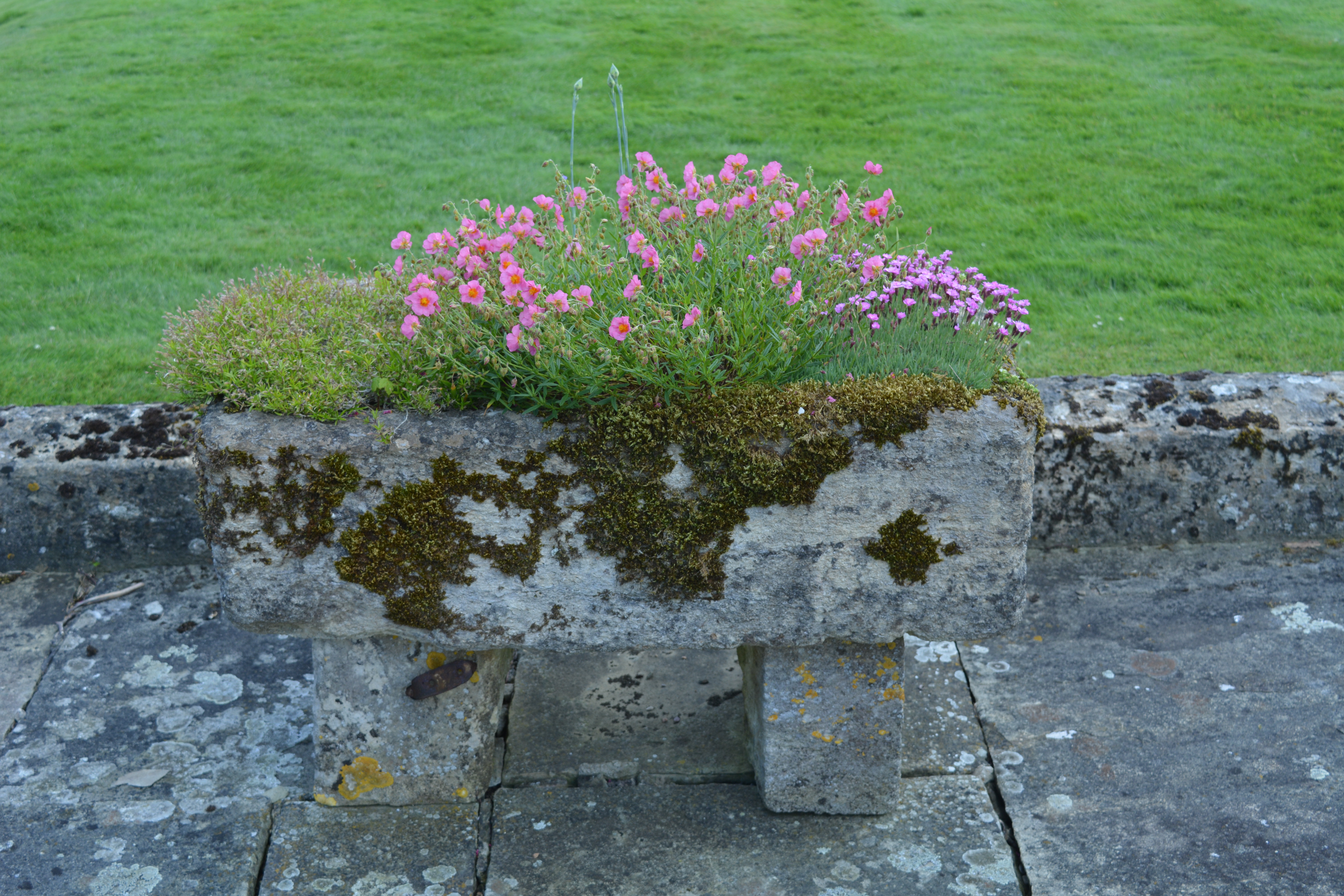
On the paved area which surrounded the house containers planted up with gently coloured plants enhanced the colour of the stonework.

2015 06 21_2911 2015 06 21_2898 2015 06 21_29012015 06 21_2900

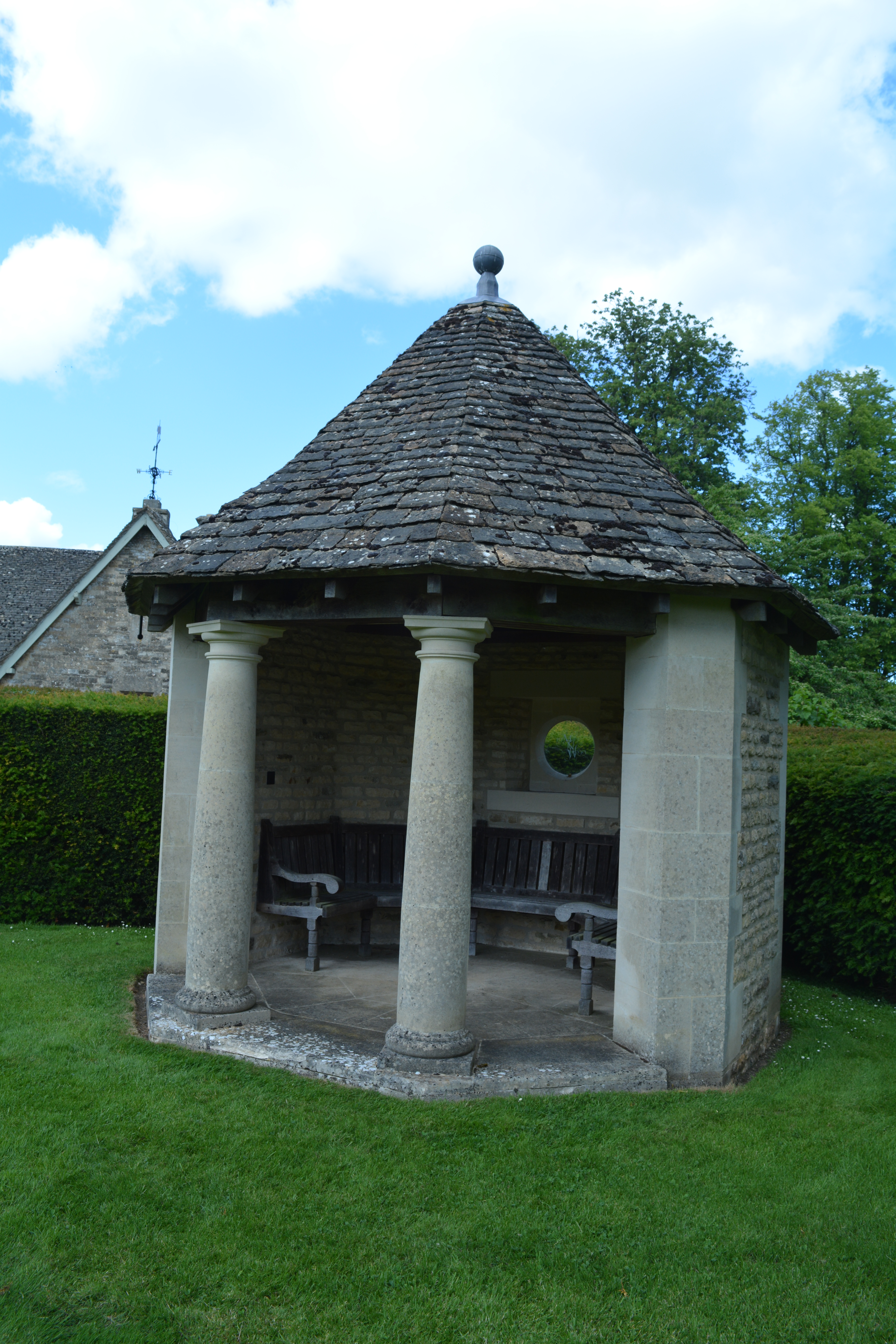
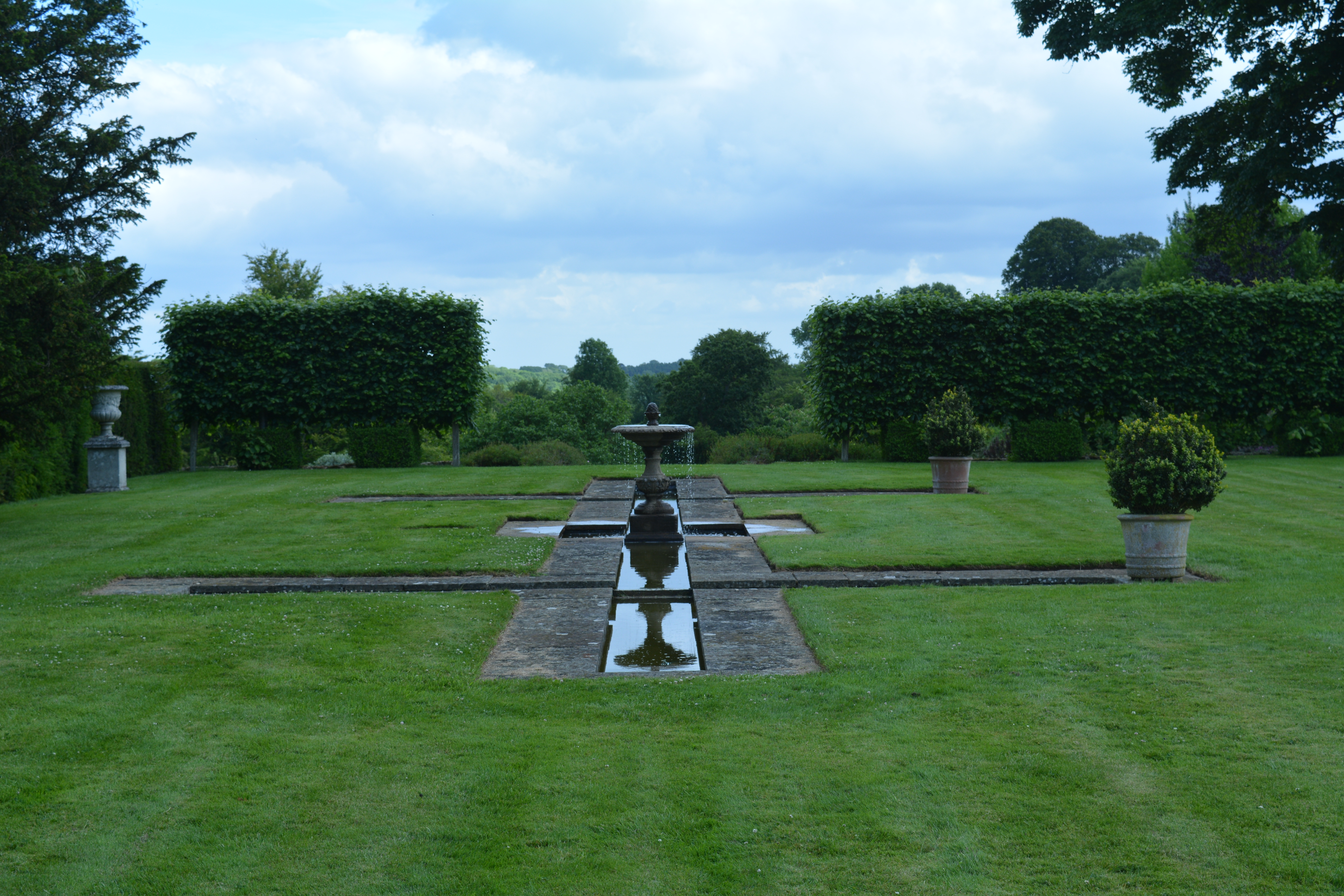
An unusual rill garden had been created to celebrate the Millenium and a nearby conveniently positioned summer house gives visitors a good chance to rest awhile and admire it.

2015 06 21_2907 2015 06 21_2905


2015 06 21_2909 2015 06 21_2910

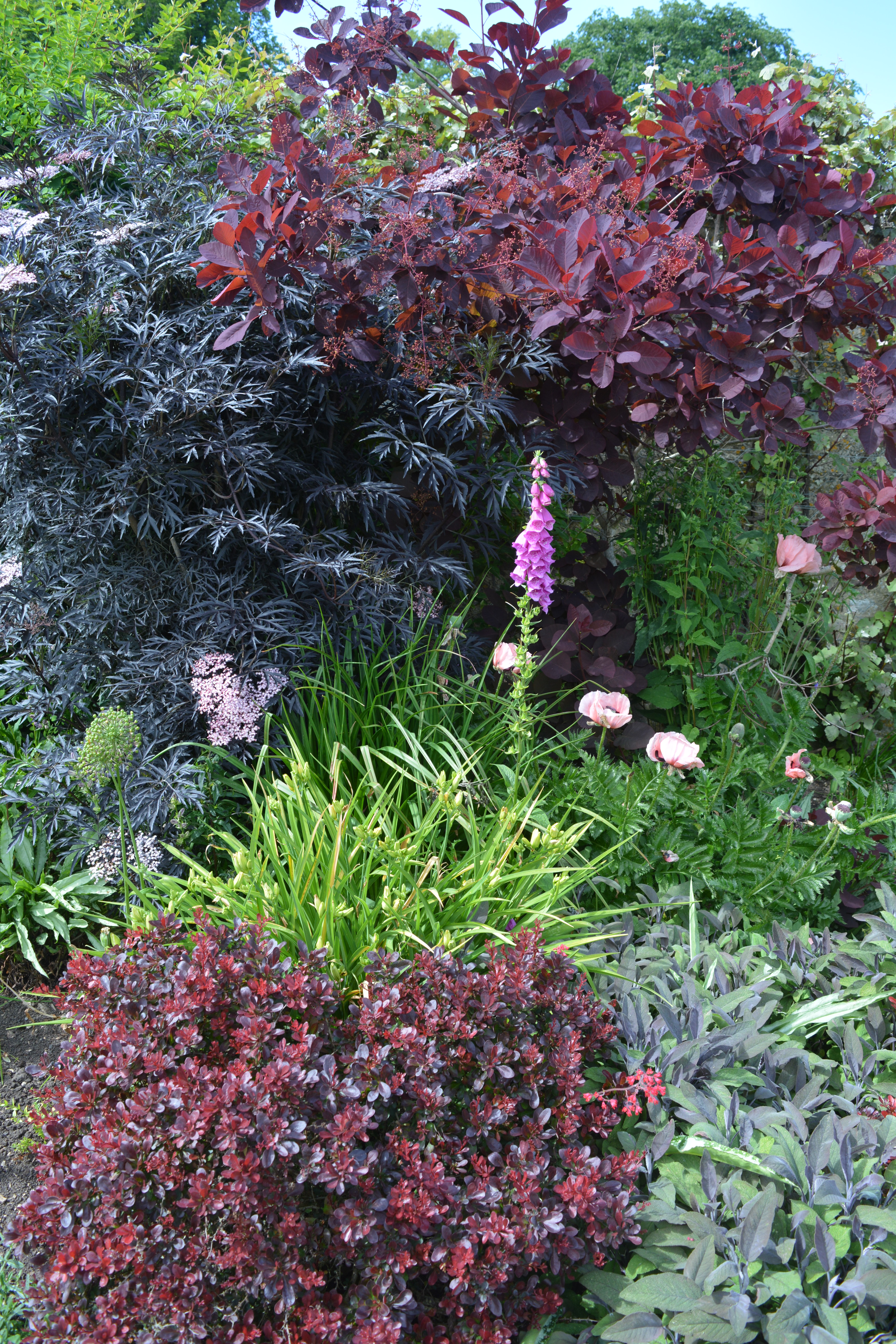
A shrub border full of deep purple leaves provided a rest for the eyes after studying brighter coloured plantings.


2015 06 21_2912 2015 06 21_2915

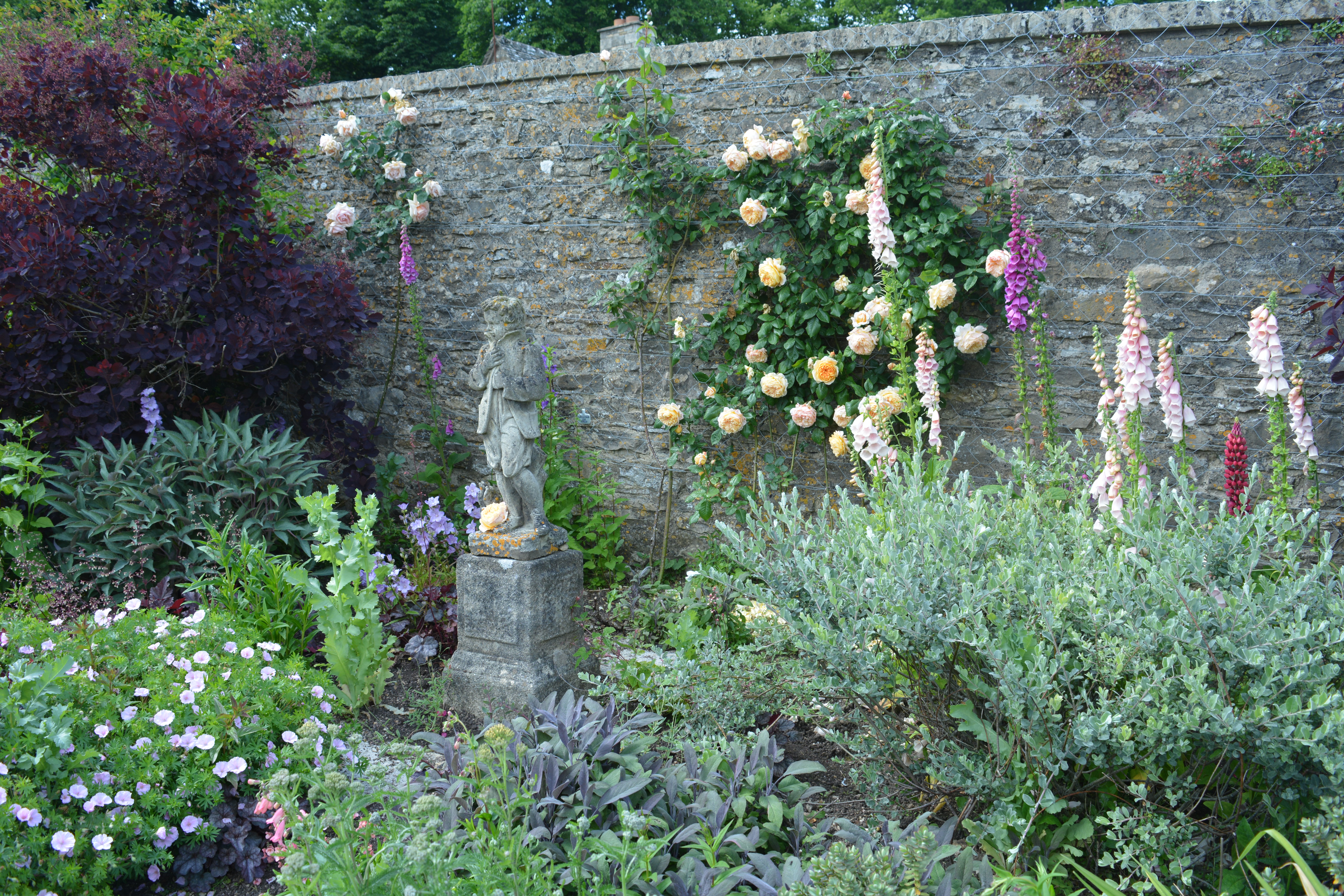
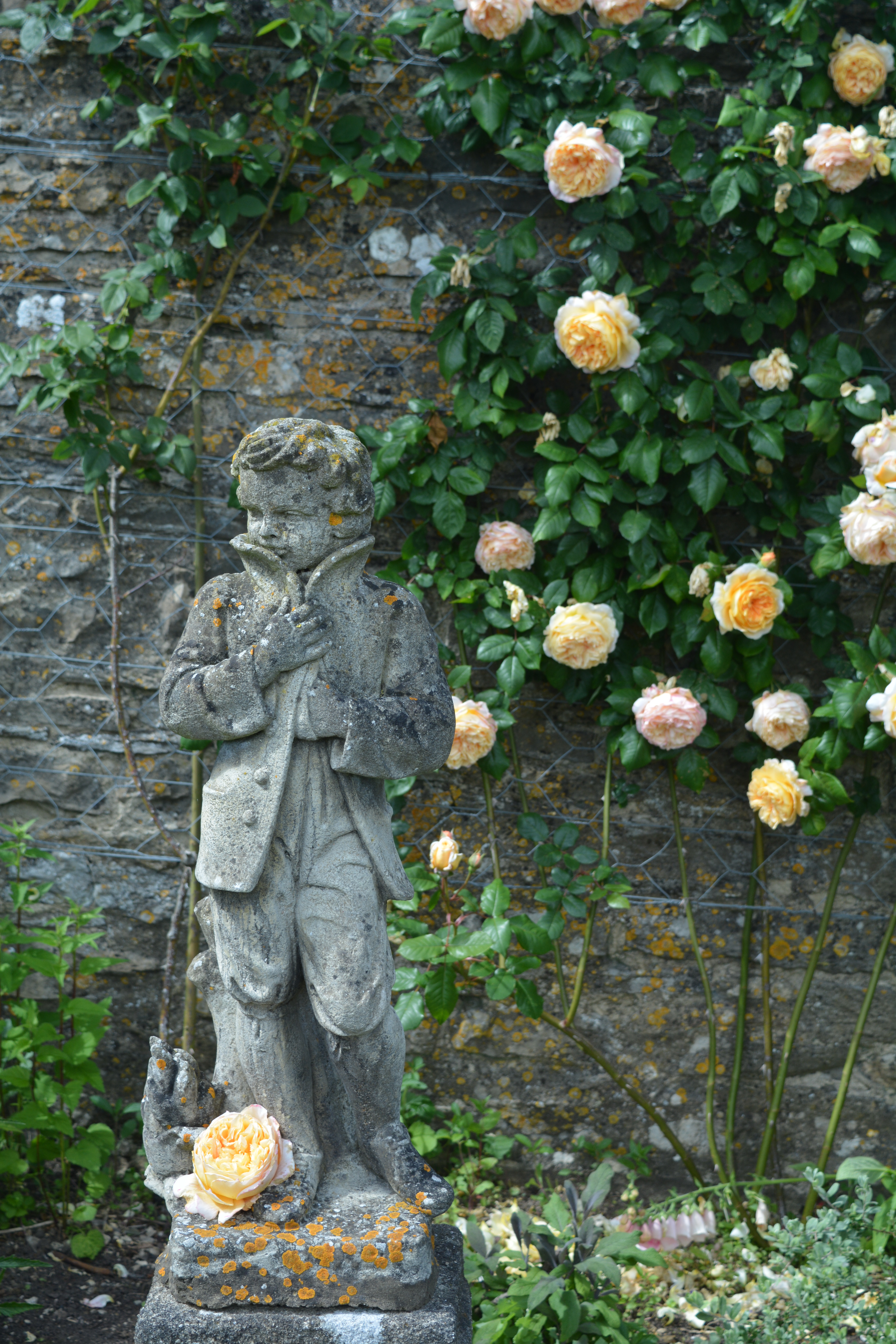
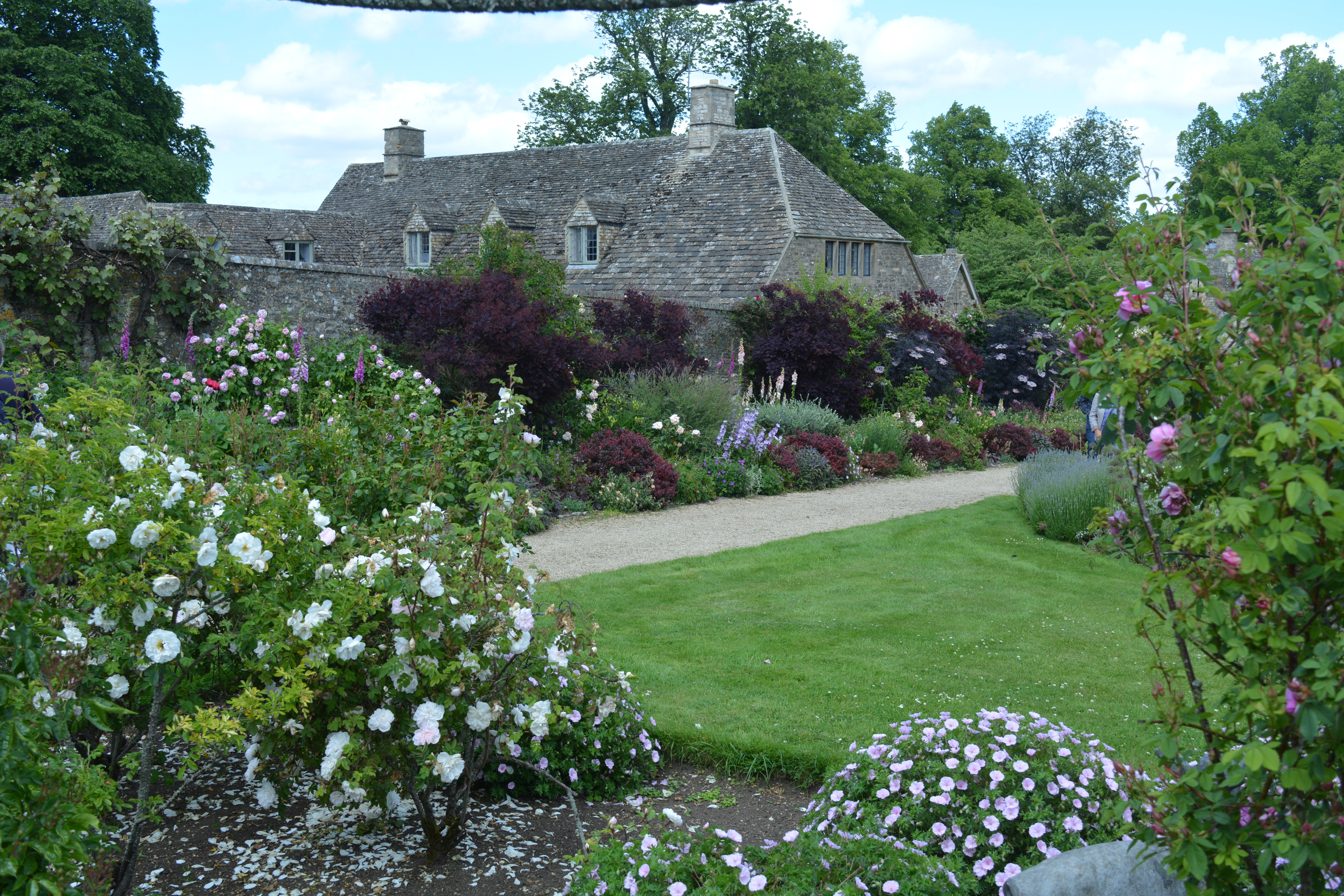
The grey stone walls of local limestone were a perfect foil for gentle coloured roses.


2015 06 21_2916 2015 06 21_2917


One area had been developed much more recently and afforded impressive contrasts of style.

2015 06 21_2918 2015 06 21_2919 2015 06 21_2920 2015 06 21_2921

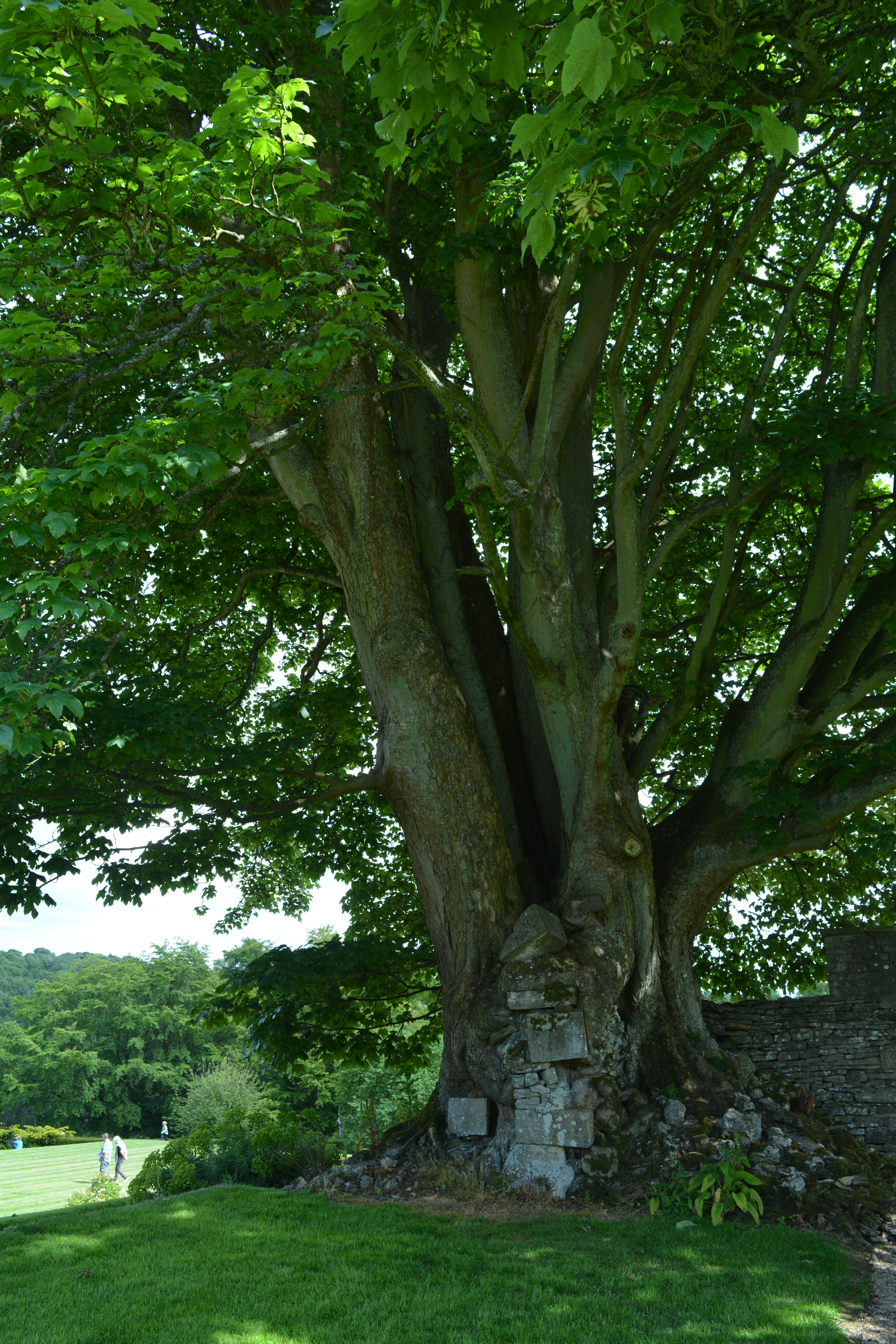
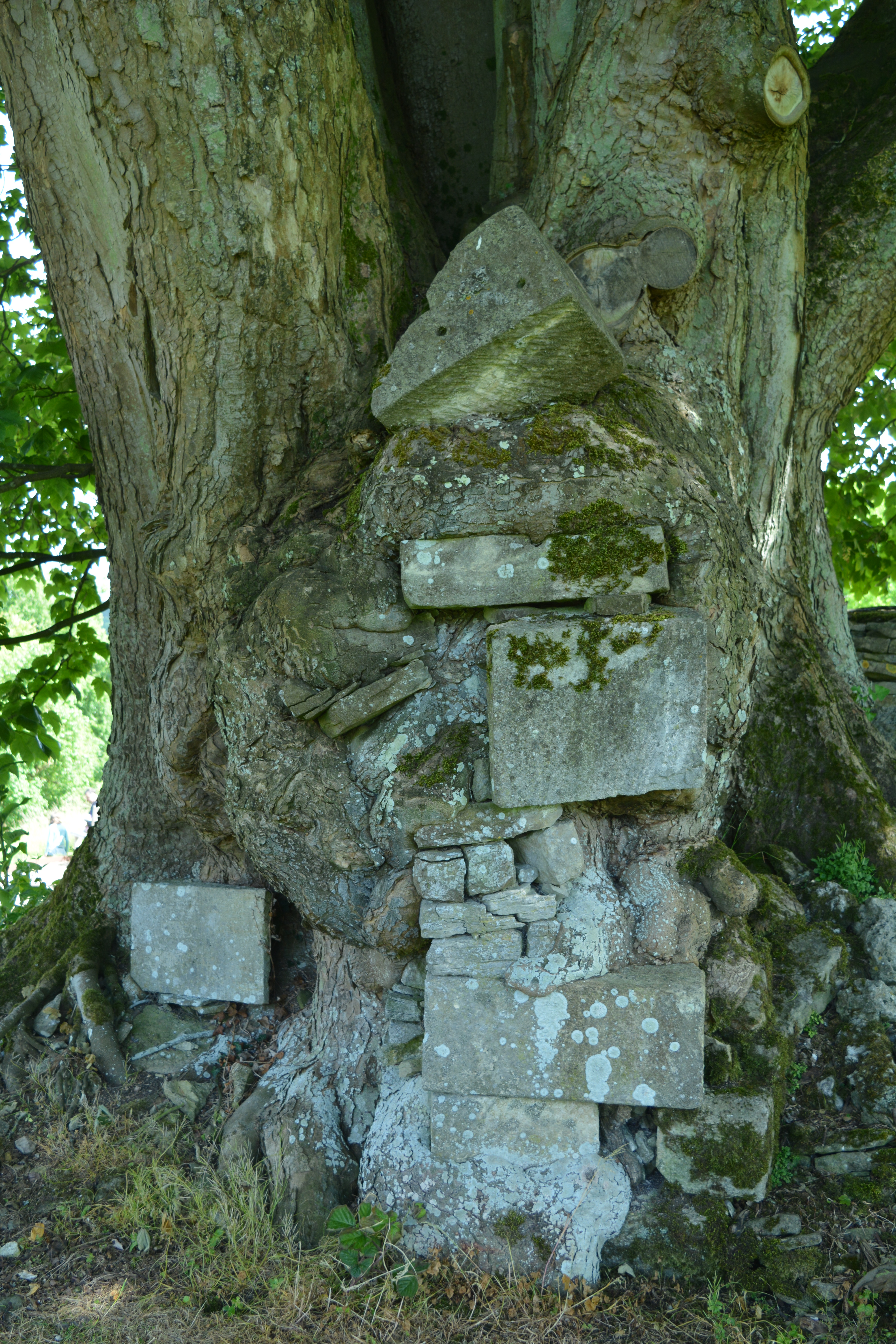
We couldn’t really work out what this strange stonework integrated into the base of an ancient tree was all about.

2015 06 21_2923 2015 06 21_2924

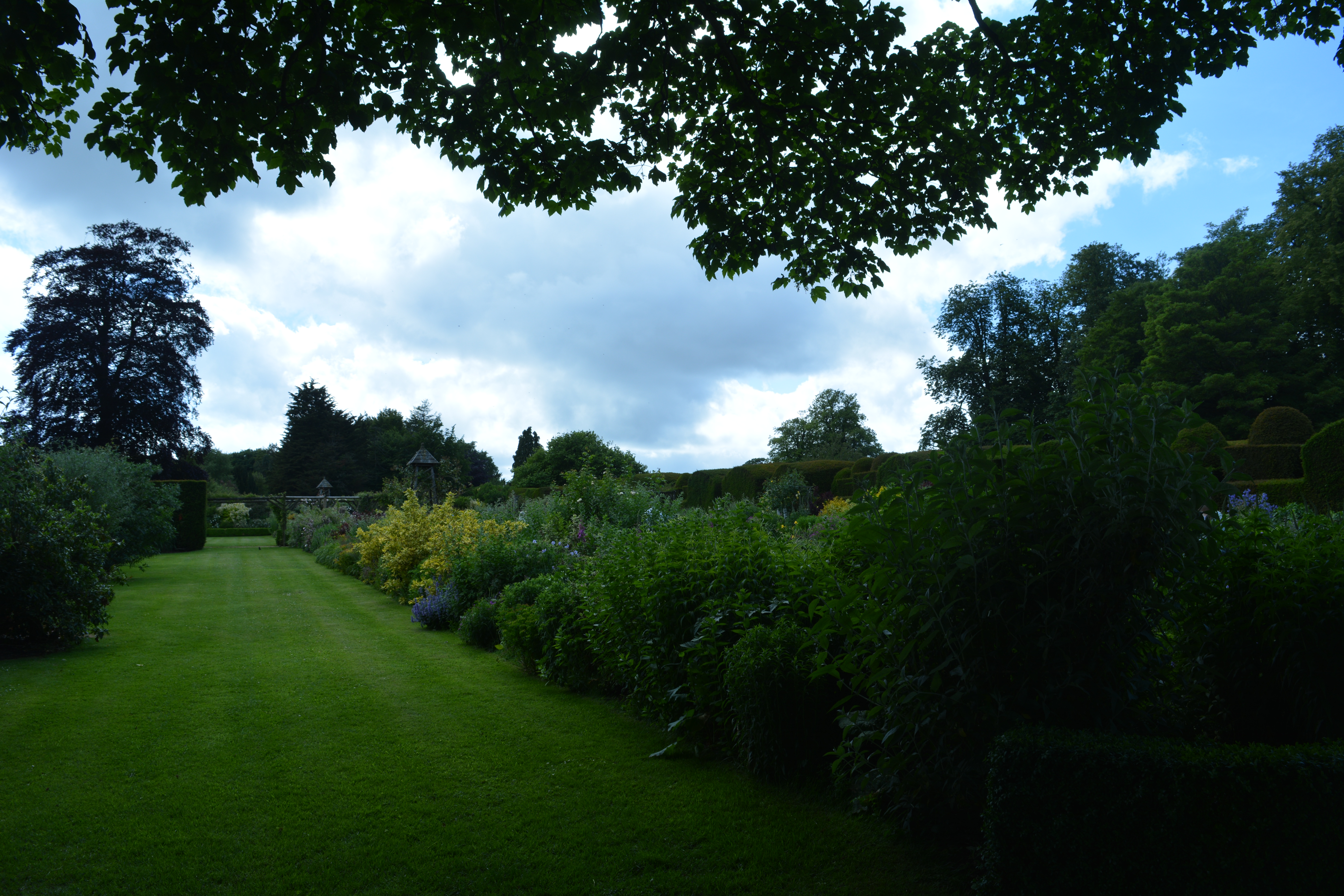
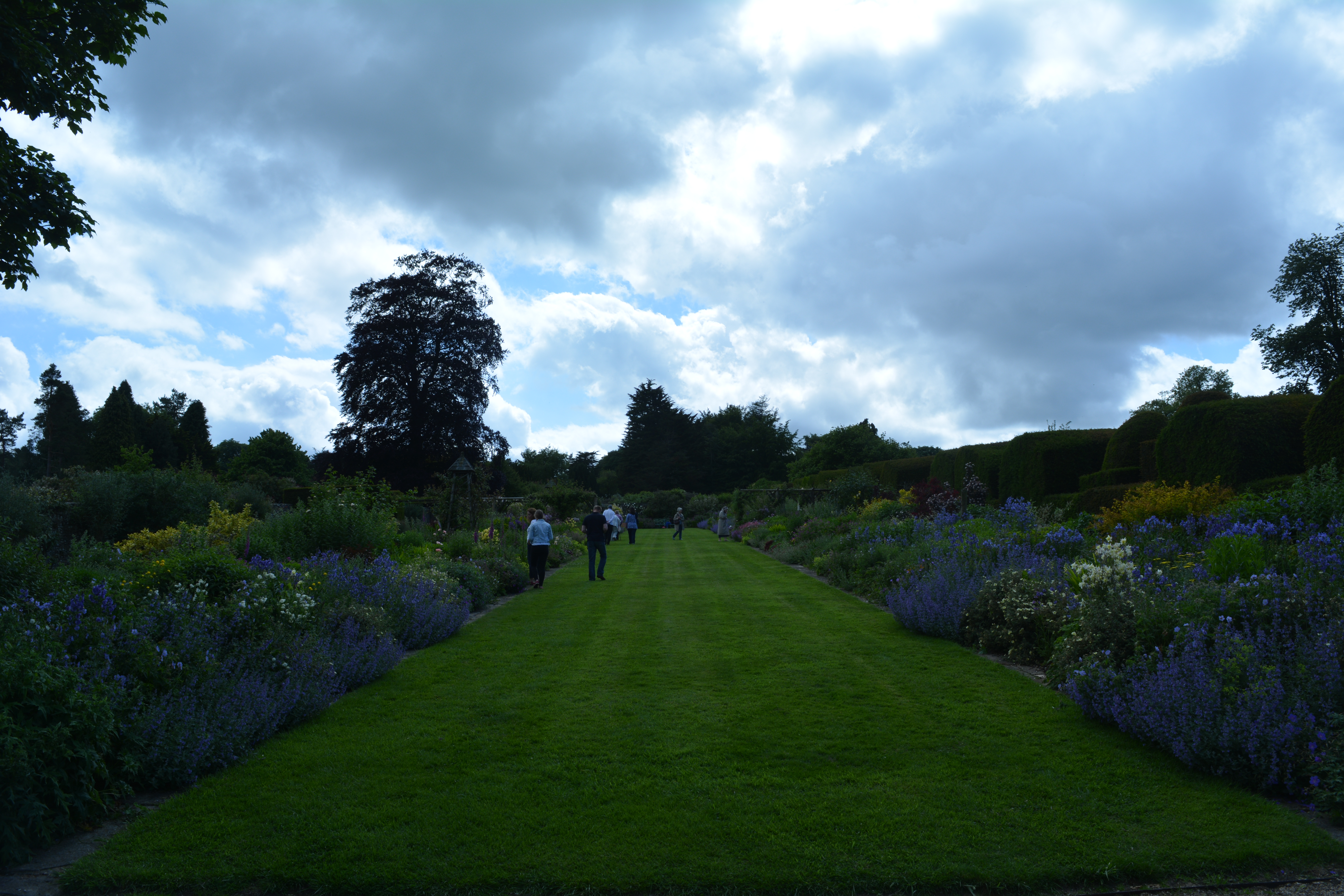
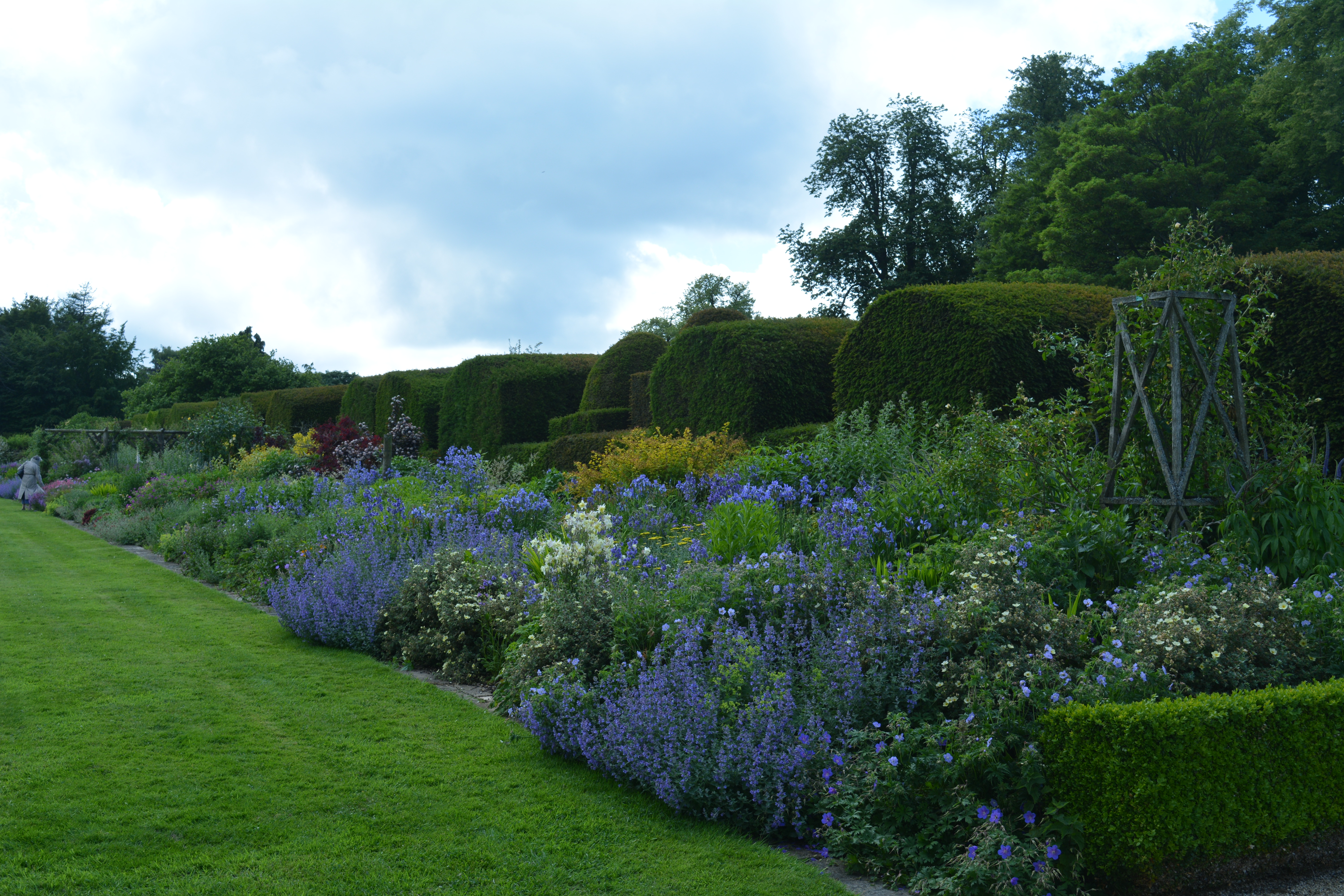
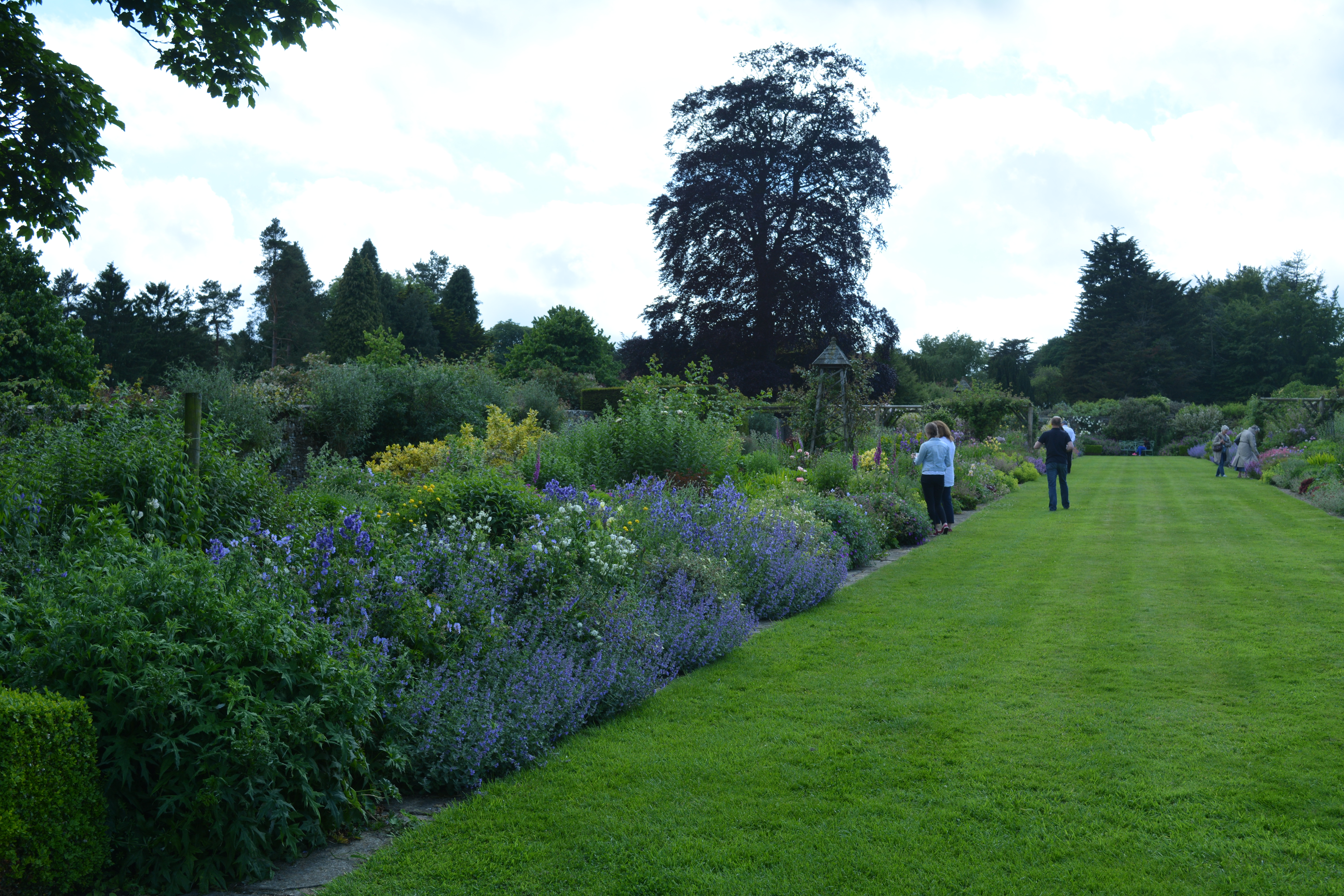
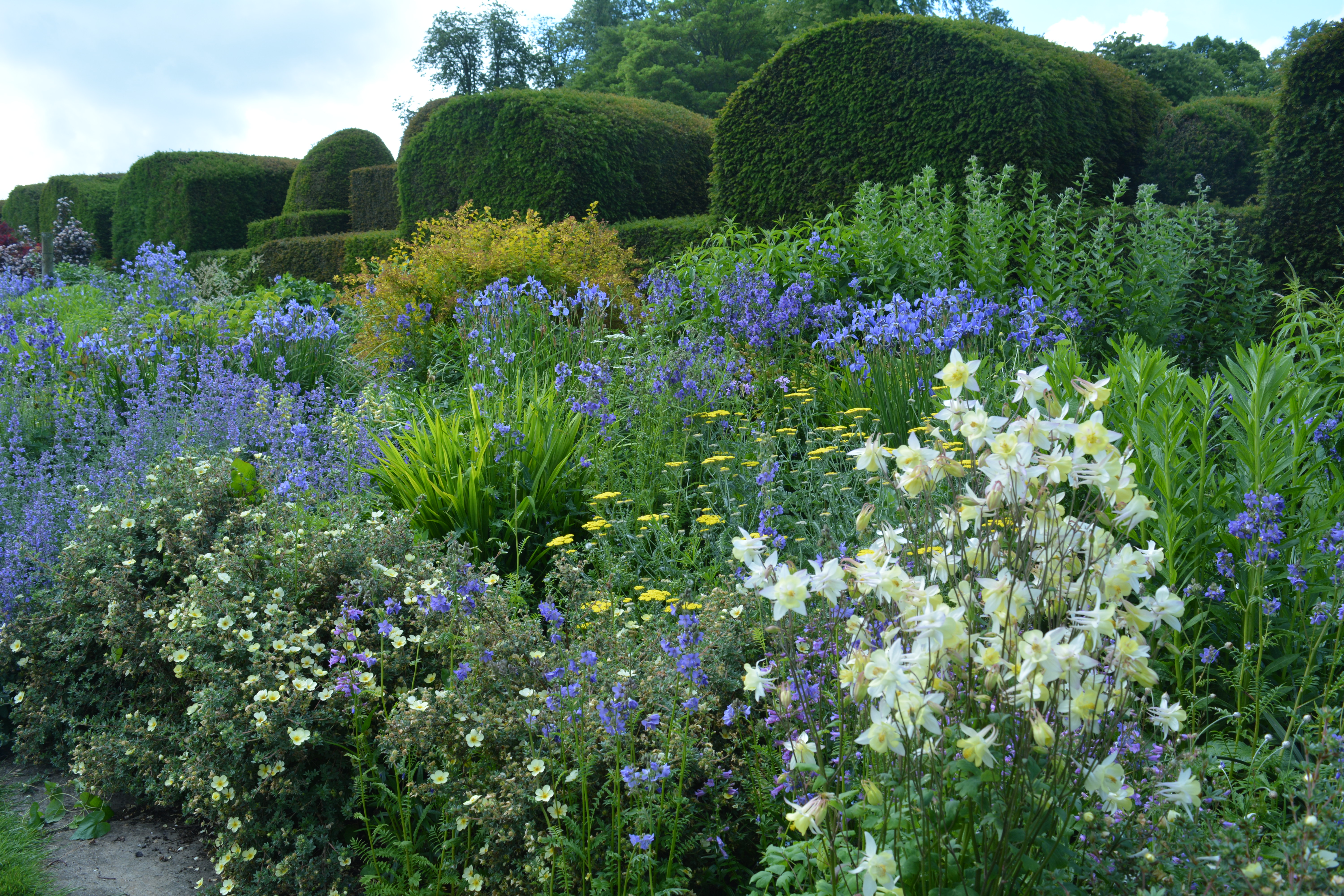
We finished our tour of the gardens at Miserden with a long slow walk along the double herbaceous borders.


2015 06 21_2925 2015 06 21_2926 2015 06 21_2927 2015 06 21_2928 2015 06 21_2929 2015 06 21_2930 2015 06 21_2931 2015 06 21_2932


It is always a bonus to visit a good garden when taking a break in a journey further afield. Miserden was well worth stopping to explore.

Categories
buildings gardens gardens open to the public ornamental trees and shrubs outdoor sculpture roses The National Trust trees

Roses, roses and yet more Roses – Mottisfont.

We had planned to visit the National Trust garden at Mottisfont to see its rose garden for many years so took advantage of being in Hampshire for a short break in June. Little did we know that hoards of others were planning the same visit! The car park was overflowing when we arrived but we managed to find a space. Why had we not realised that this garden is famous for roses so most people would visit in the month of roses, June?

2015 06 23_31542015 06 23_3217

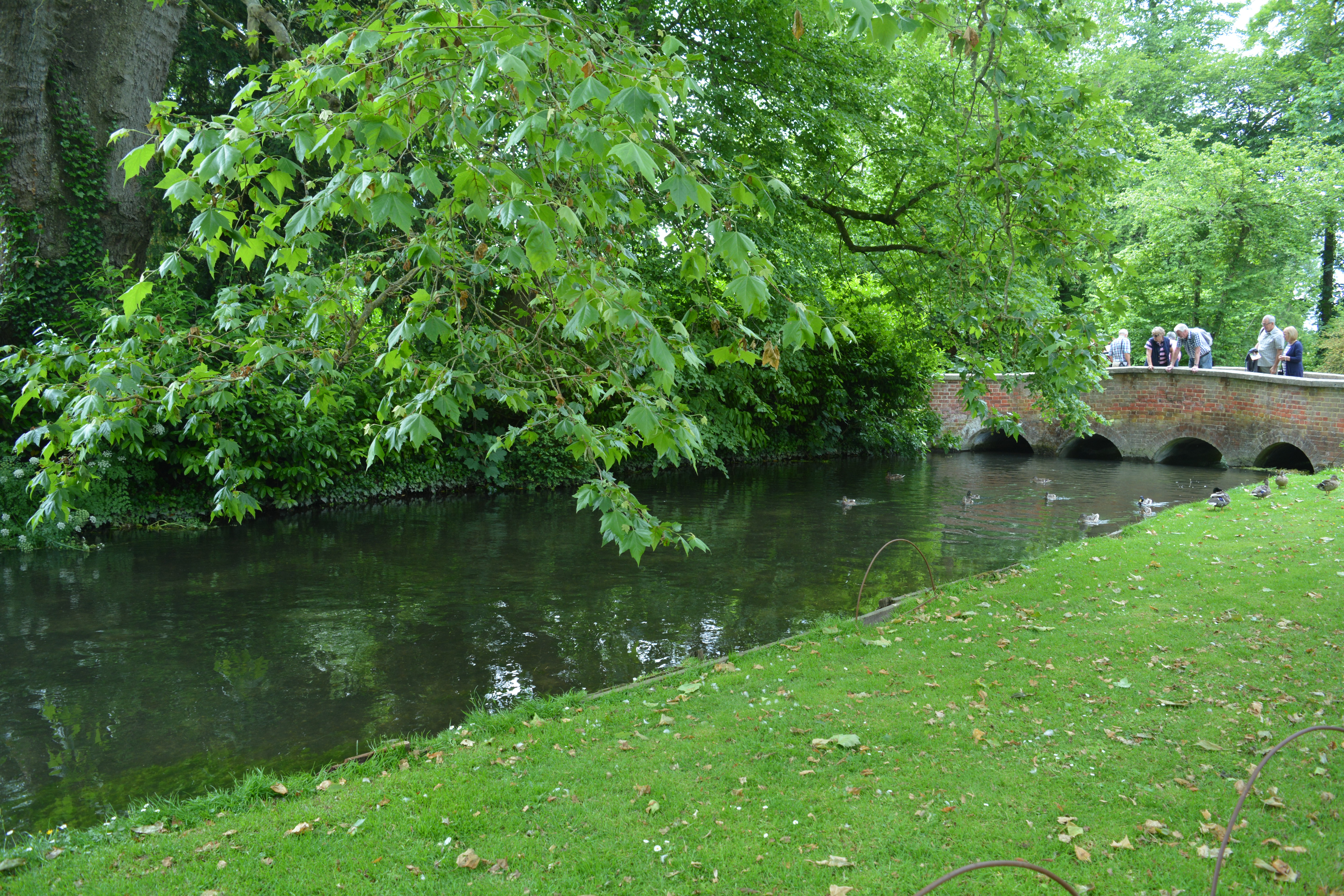
A short wander from the car park into the garden took us over the River Test via an old stone bridge. As a fisherman seeing the River Test is an exciting thing! Peering down from the bridge we spied big Brown Trout seeking out flies and other insects right below us. These were “Brownies” that anglers dream of!

2015 06 23_3142 2015 06 23_3143

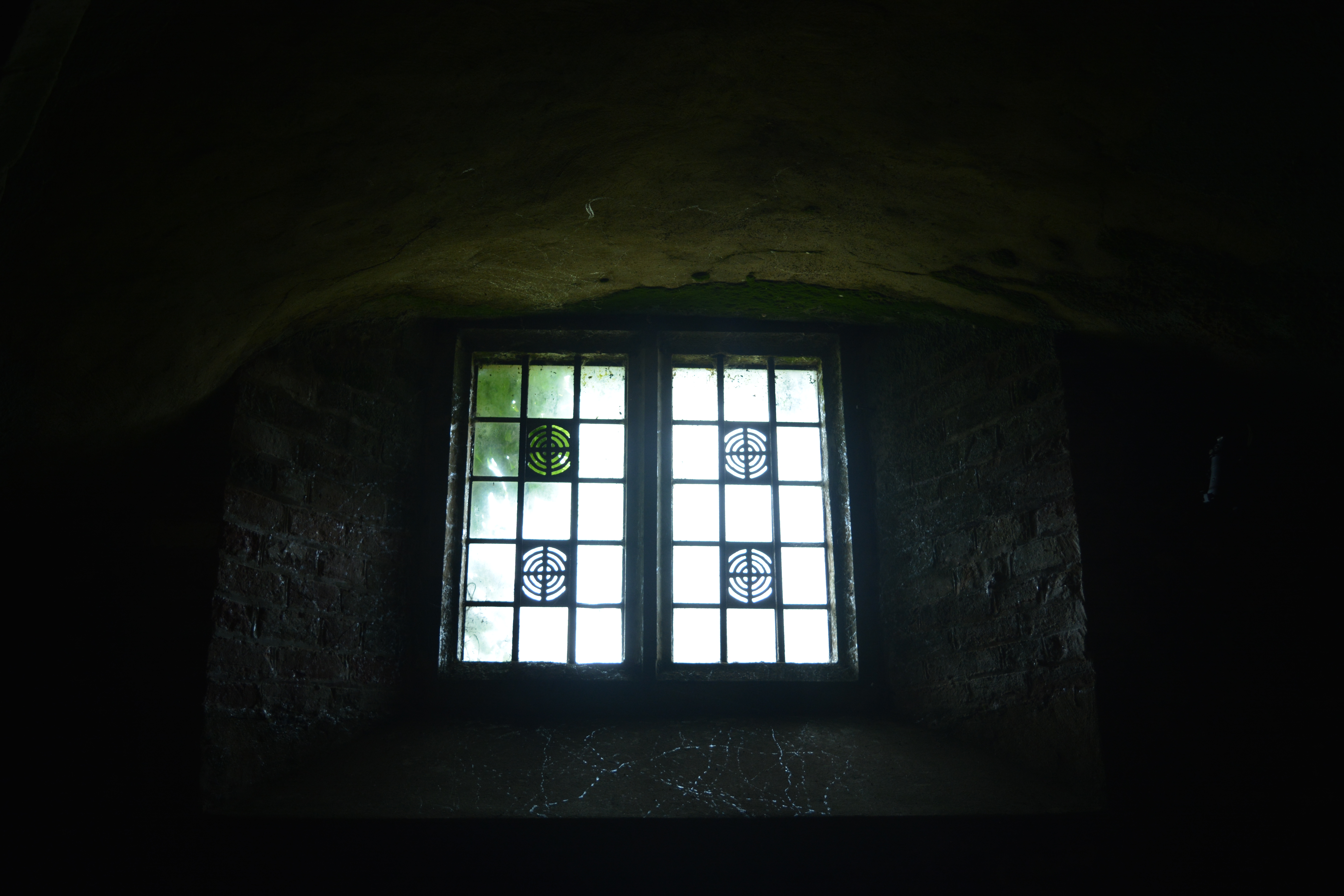
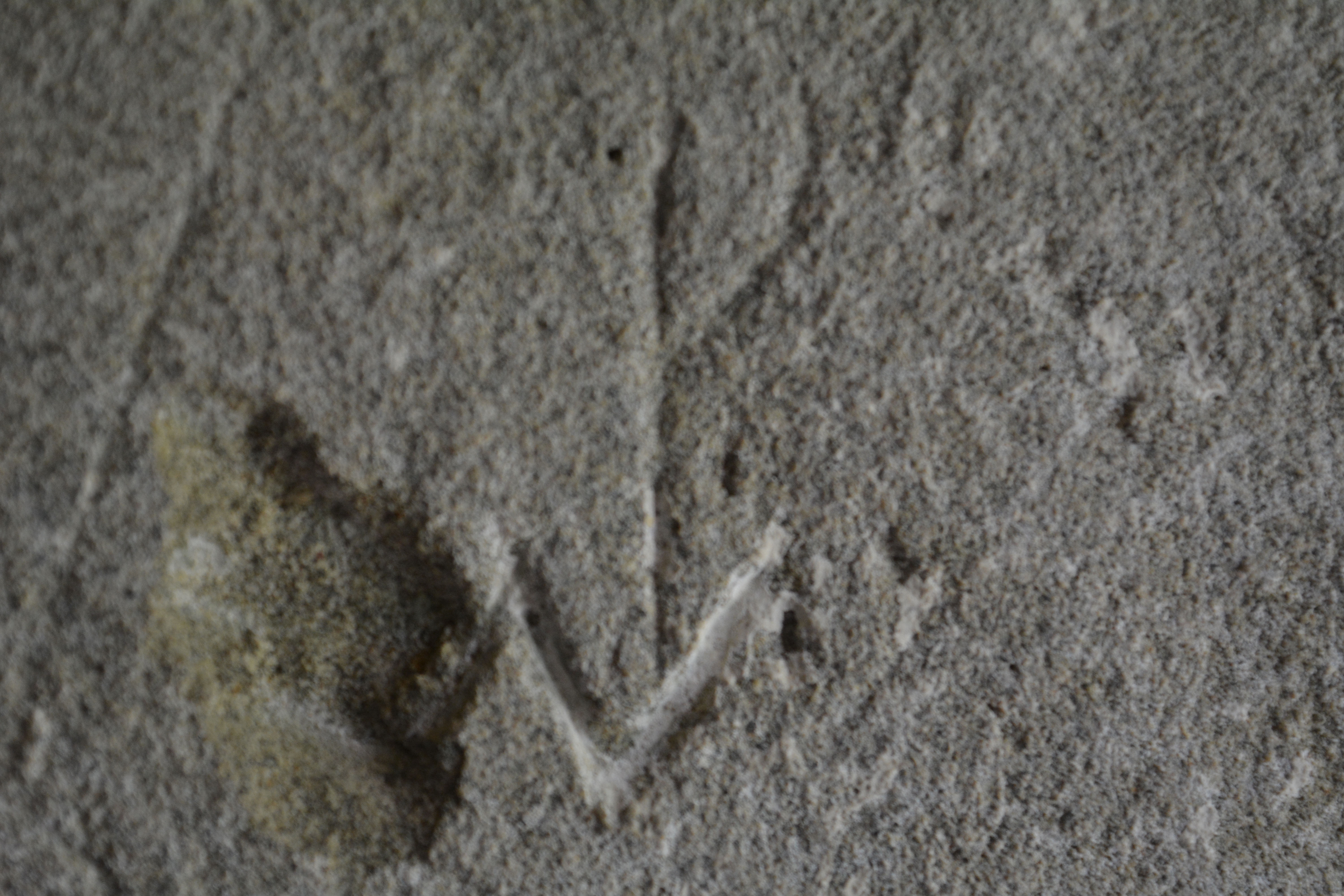
The building at Mottisfont was originally a monastery and a quick look inside soon revealed its past. We found ancient dark vaulted cellars and even a mason’s mark. Outside roses clambered over the ruins of stone buildings.

2015 06 23_3144 2015 06 23_3145 2015 06 23_3146 2015 06 23_3147

A  mosaic decorated a section of wall created by the artist Boris Anrep to depict the likeness of the mistress of the house Maud Russell in the 1930’s. The style was far from modern.

2015 06 23_3148 2015 06 23_3149

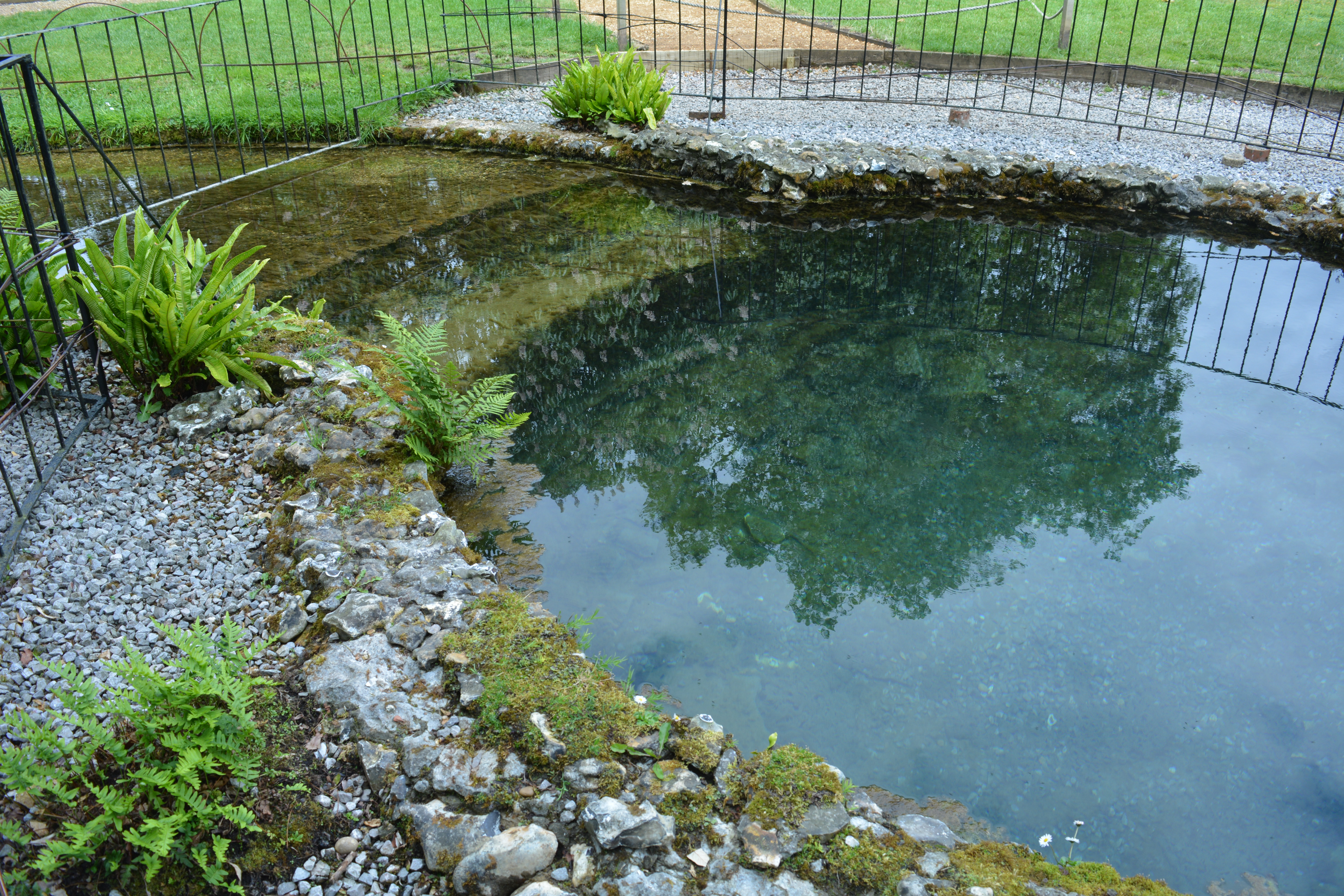
We made our way towards the walled garden where Mottisfont’s collection of roses is grown. On the way we found a dipping well fed by a tiny clear stream, a diversion from the Test.

2015 06 23_3151 2015 06 23_3152

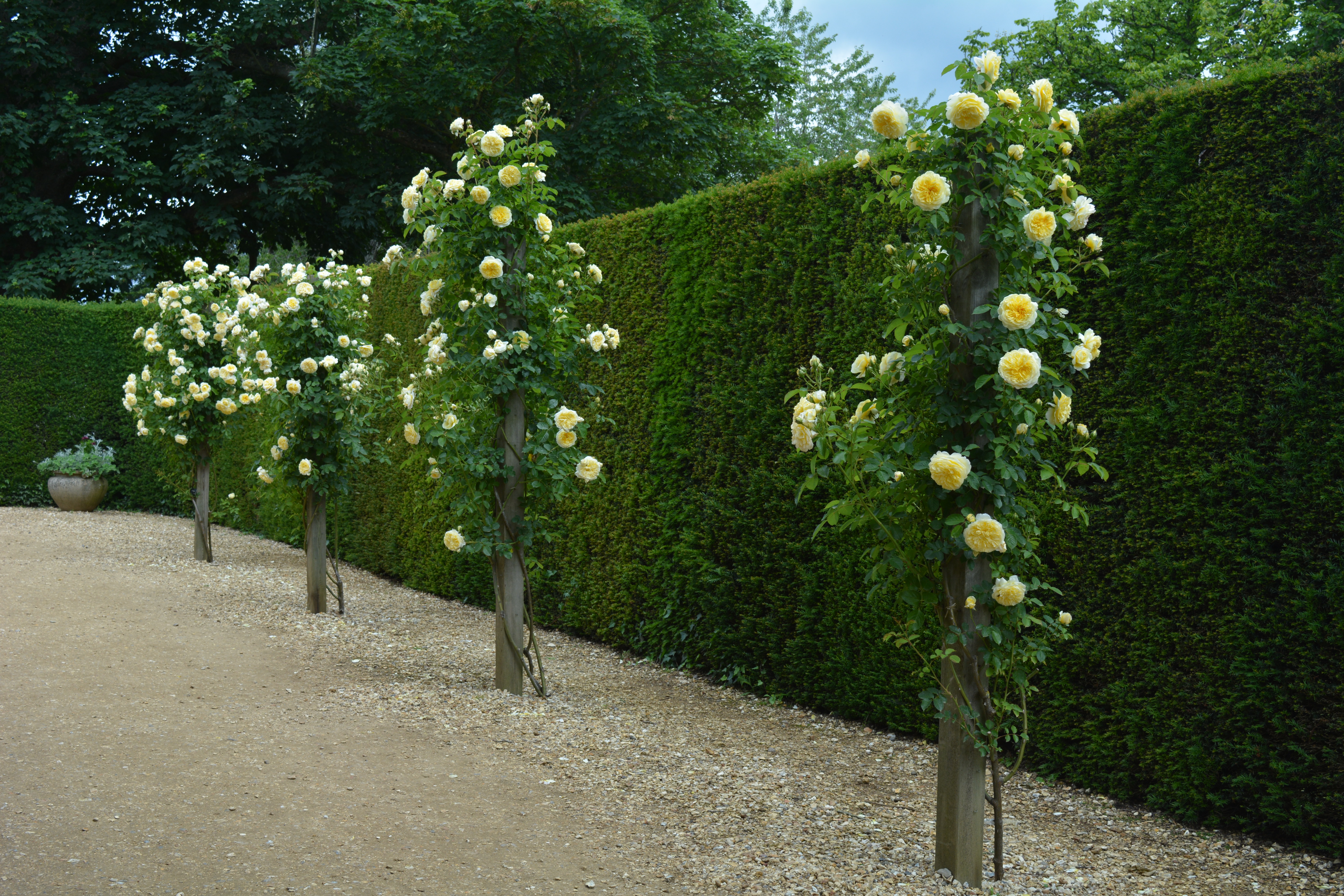
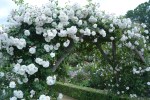
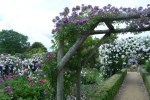
A walkway featuring cream coloured roses trained up pillars took us into the richly coloured and scented rose garden. Insects found the roses as appealing as the visitors and we enjoyed spotting all the bees and hoverflies feeding delicately on the nectar and pollen.

Luckily there were plenty of herbaceous perennials to add variety of shape and colour and give the nose a break from the scents.

2015 06 23_3155 2015 06 23_3156

Please enjoy my gallery of roses. There were so many people looking at and smelling the roses that taking these pics was a real challenge. Click on the first photo and take a tour by clicking on the arrows.

The walled garden was not only full of roses but also of people. We were not the only visitors who thought it a good time to make the journey to Mottisfont! After a while we found the volume of people just too much and left the Roses in search of other interesting things. Surely there must be more than Roses!

We decided to make our way back towards the River Test and follow the riverside walk. As we left the Rose Garden the gentle colours of this group of perennials was a relief after too many roses. This was just the first of several interesting features here beyond the Rose Garden.

2015 06 23_3204

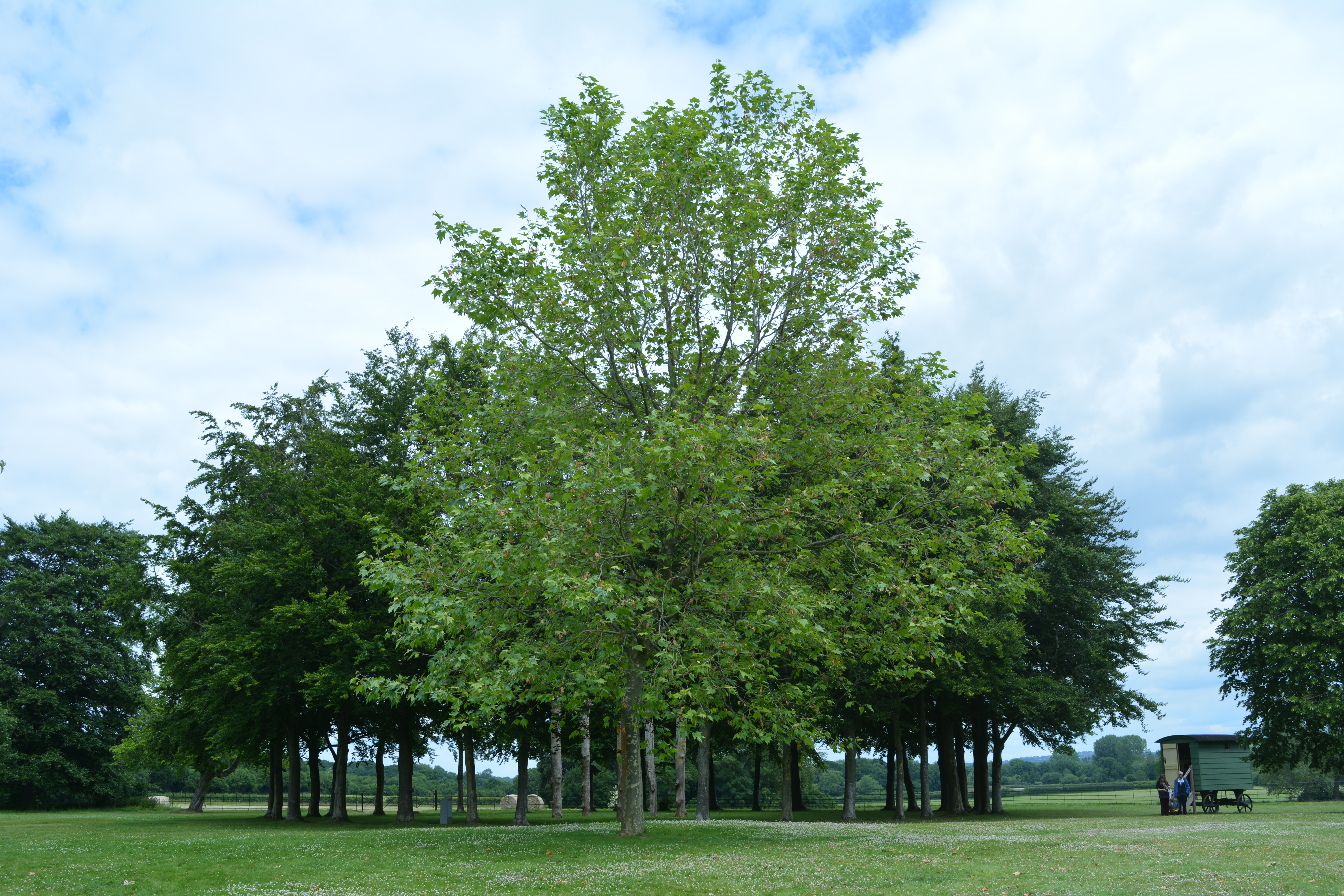
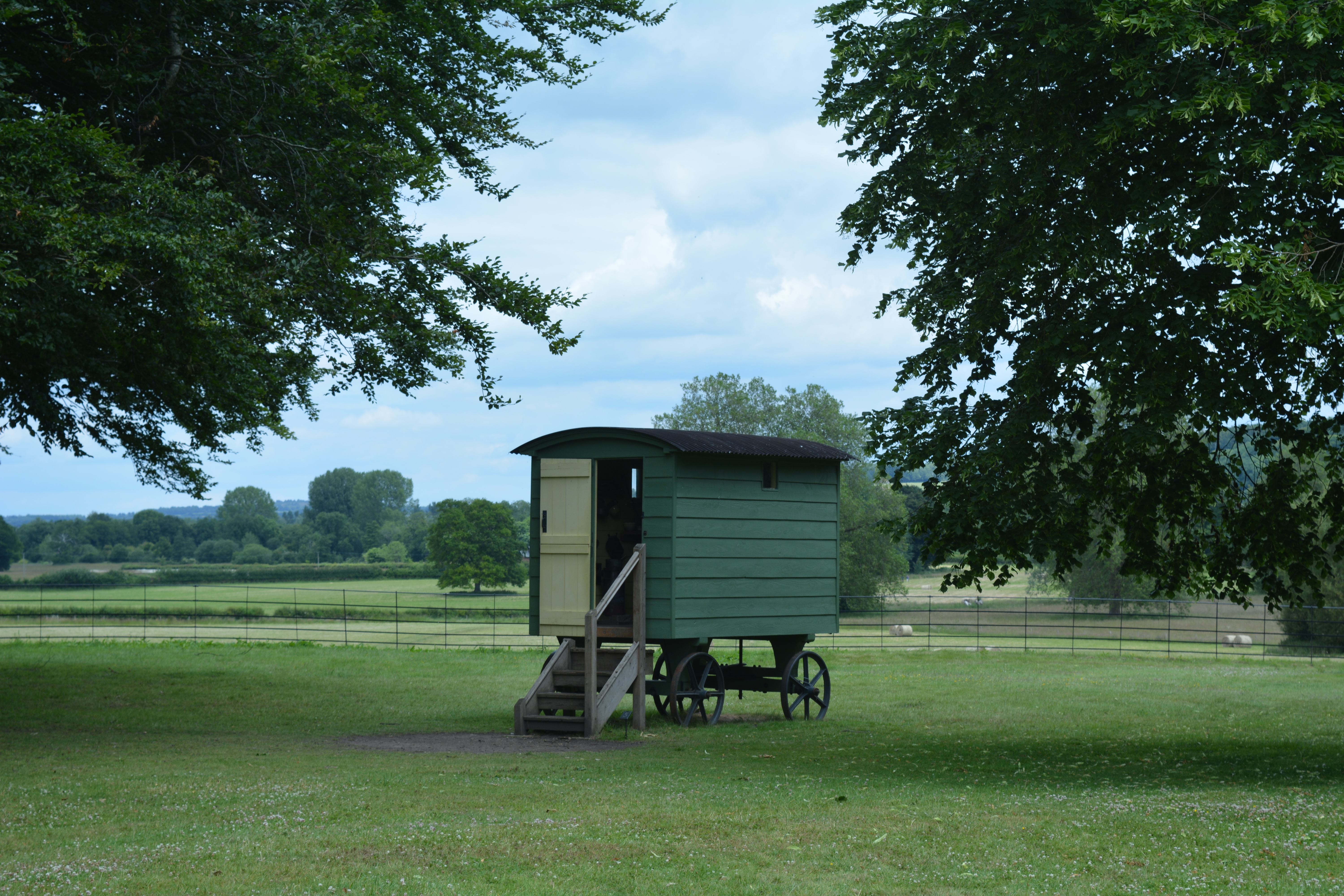
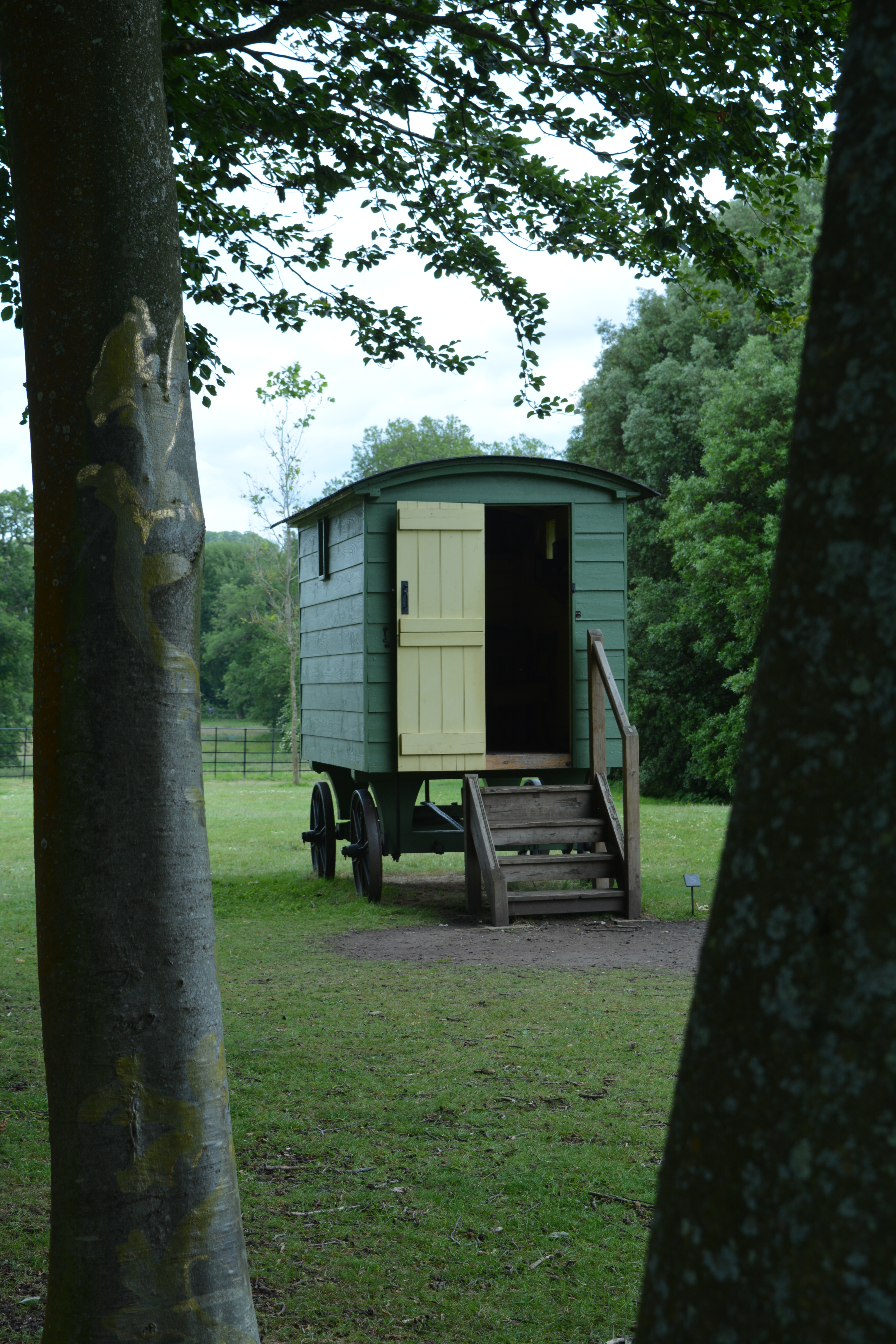
Walking away from the walled garden we spotted in a large area of lawn this intriguing group of trees and to its right an old wooden trailer.


2015 06 23_3205 2015 06 23_3207

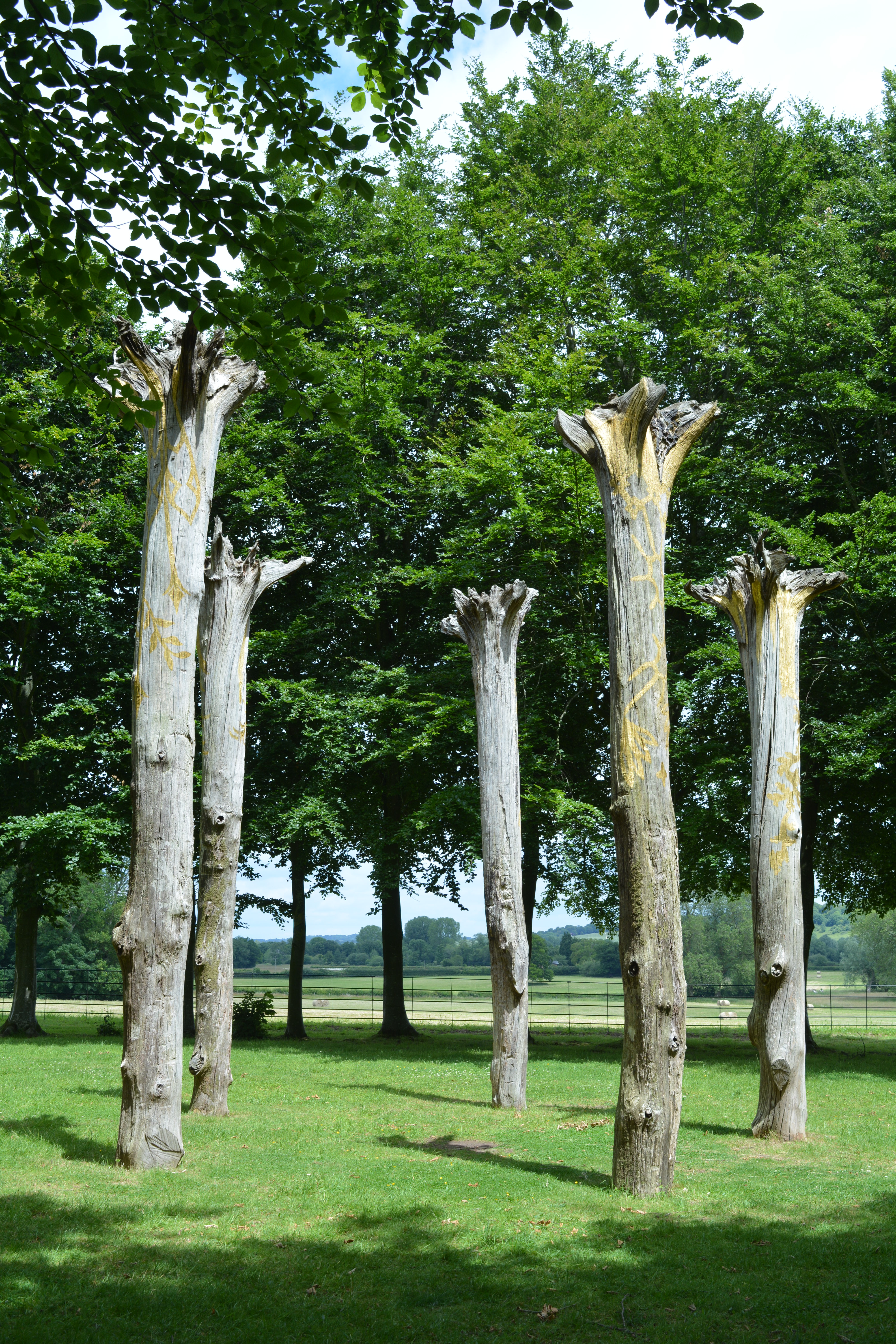
A wide circle of tall, mature trees encircled a smaller circle of dead trees inserted upside down in the earth. Some were decorated with gold leaf.


2015 06 23_3208 2015 06 23_3209 2015 06 23_3210 2015 06 23_3211

The little wooden caravan turned out to be a shepherd’s hut used during lambing time. It contained a bed, heater, stove and all the basic home comforts.


2015 06 23_3212 2015 06 23_3213 2015 06 23_3214


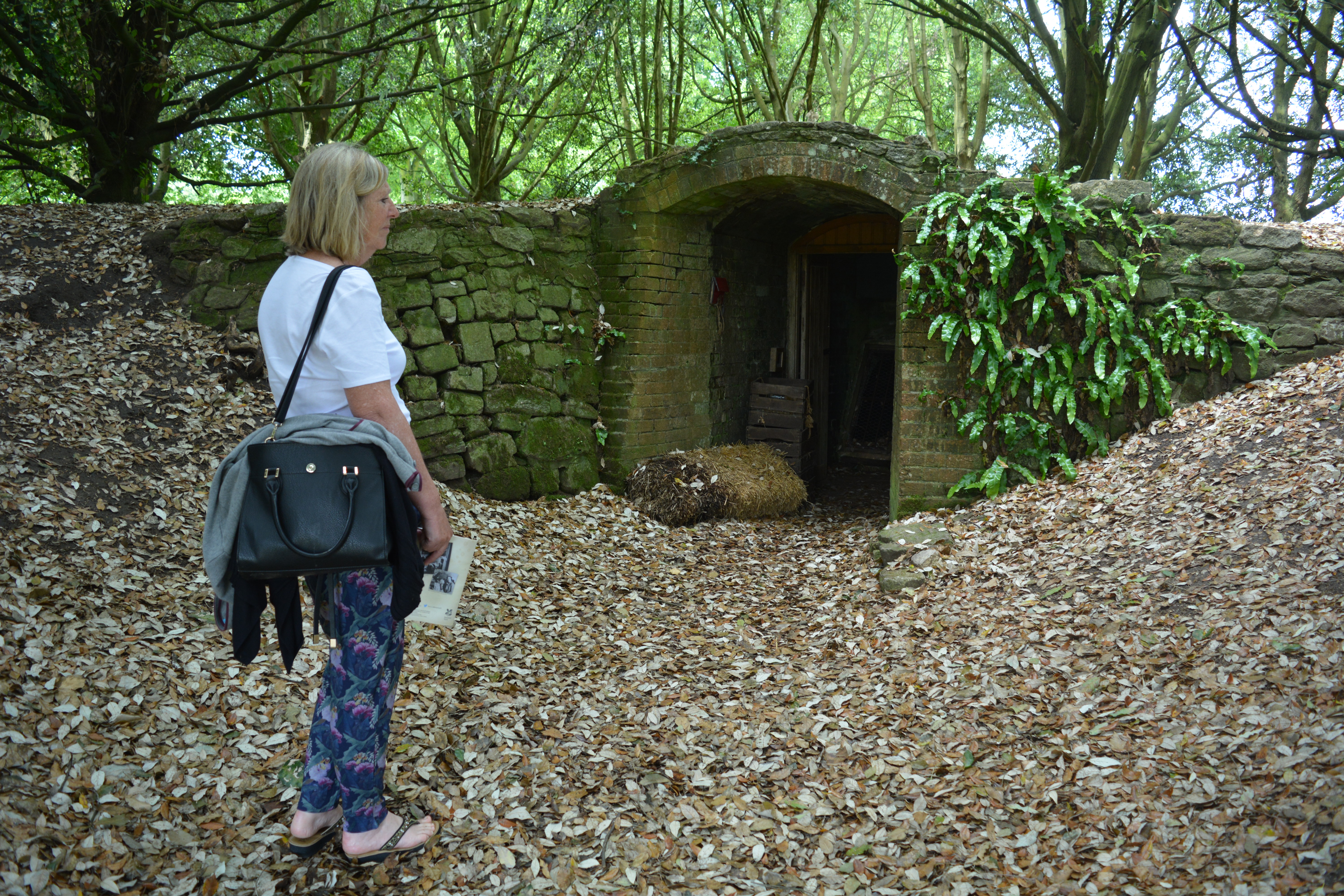
The Ice House was hiding in a group of trees whose shade added a few degrees of cooling. The storage area was much larger than we expected and as we peered inside we could feel the coolness which was used to keep food cool and to keep ice frozen for a while.

Leaving the Ice House we passed a neatly planted avenue and continued on our way towards the riverside walk.


2015 06 23_3215 2015 06 23_3216

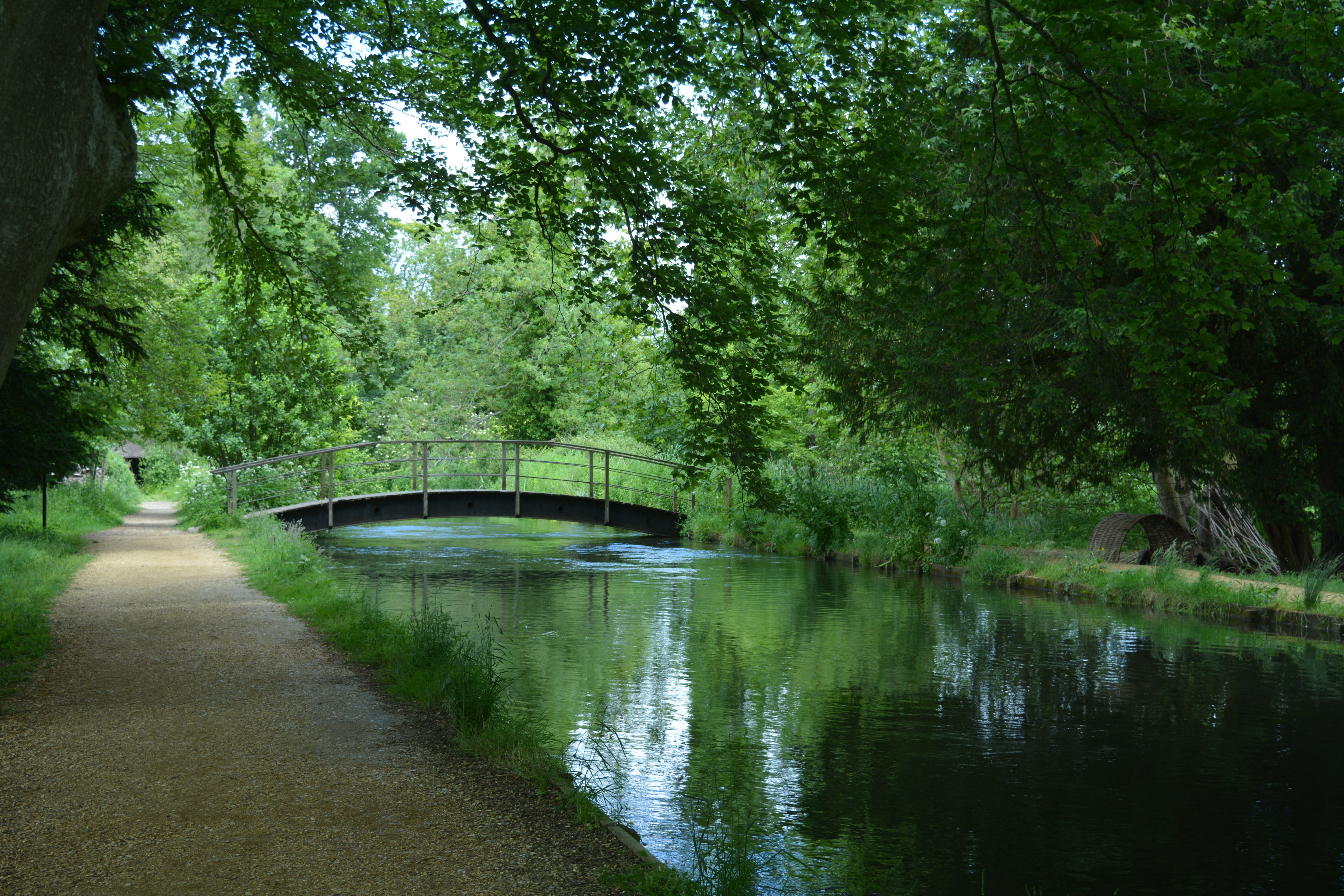
The cool shade afforded by the trees along each bank of the Test was welcome after the heat out in the open. We wandered alongside the clear waters of the fast moving river enjoying occasional glimpses of impressively sized Brown Trout leaping for flies passing overhead. Can you spy this big old Brownie hanging in the flow of the river?

2015 06 23_3232


This was the home of dry fly fishing and considered by most anglers to be the best fly-fishing river in the world.

2015 06 23_3218 2015 06 23_3219

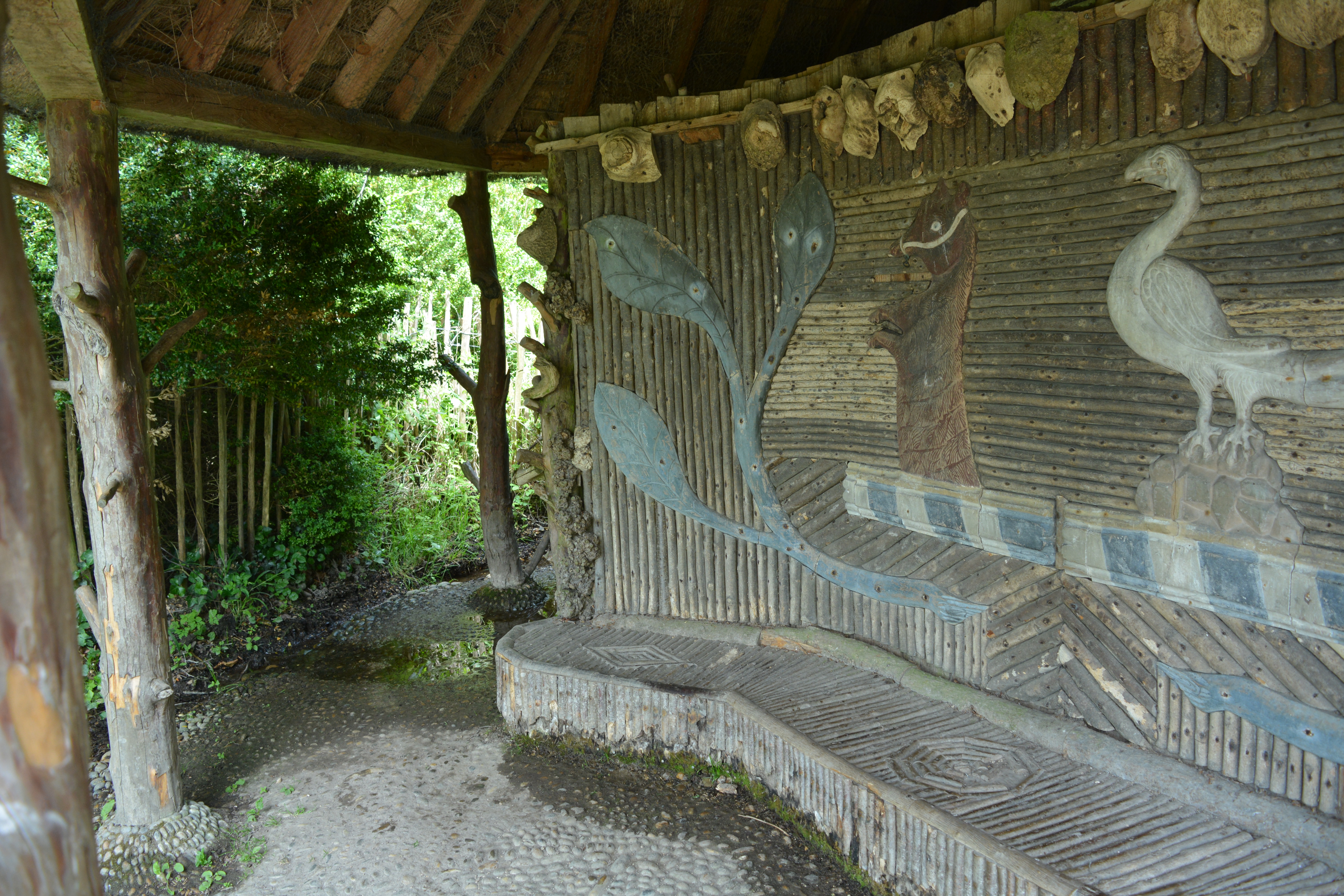
It felt like touching angling history to explore the old fisherman’s lodge. An old creel hang from the wall among other fishing memorabilia.


2015 06 23_3220 2015 06 23_3221 2015 06 23_3222 2015 06 23_3223

We found interesting objects such as these two very different but equally impressive chairs made from willow harvested from the river banks.


2015 06 23_3224   2015 06 23_3227 2015 06 23_3228 2015 06 23_3226

As much as we enjoyed the roses at Mottisfont we were delighted to find there was lots more to see and appreciate.

Categories
garden design garden photography gardening succulents Uncategorized

Succulents in Pots

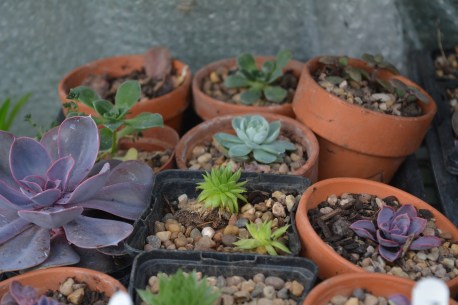
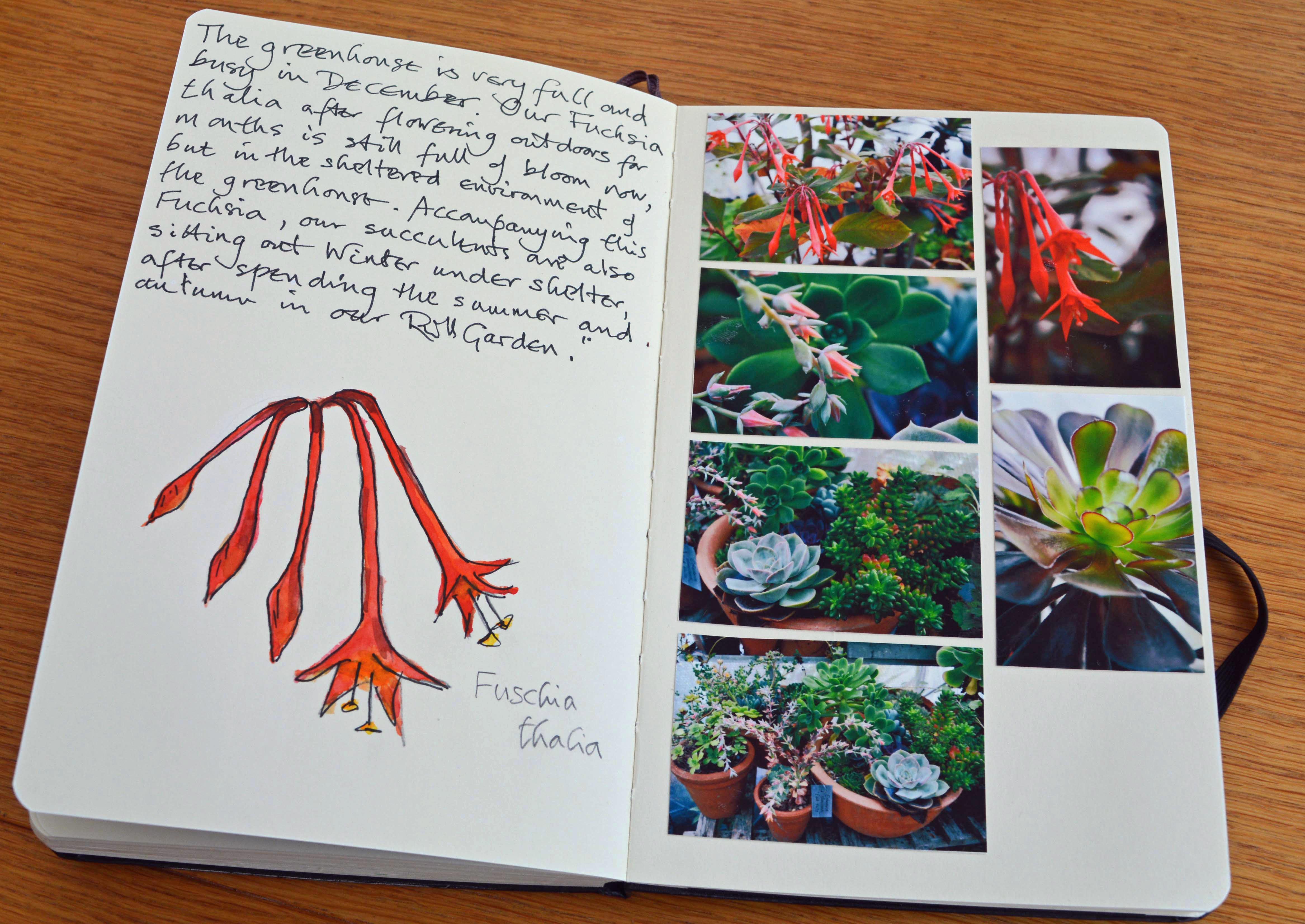
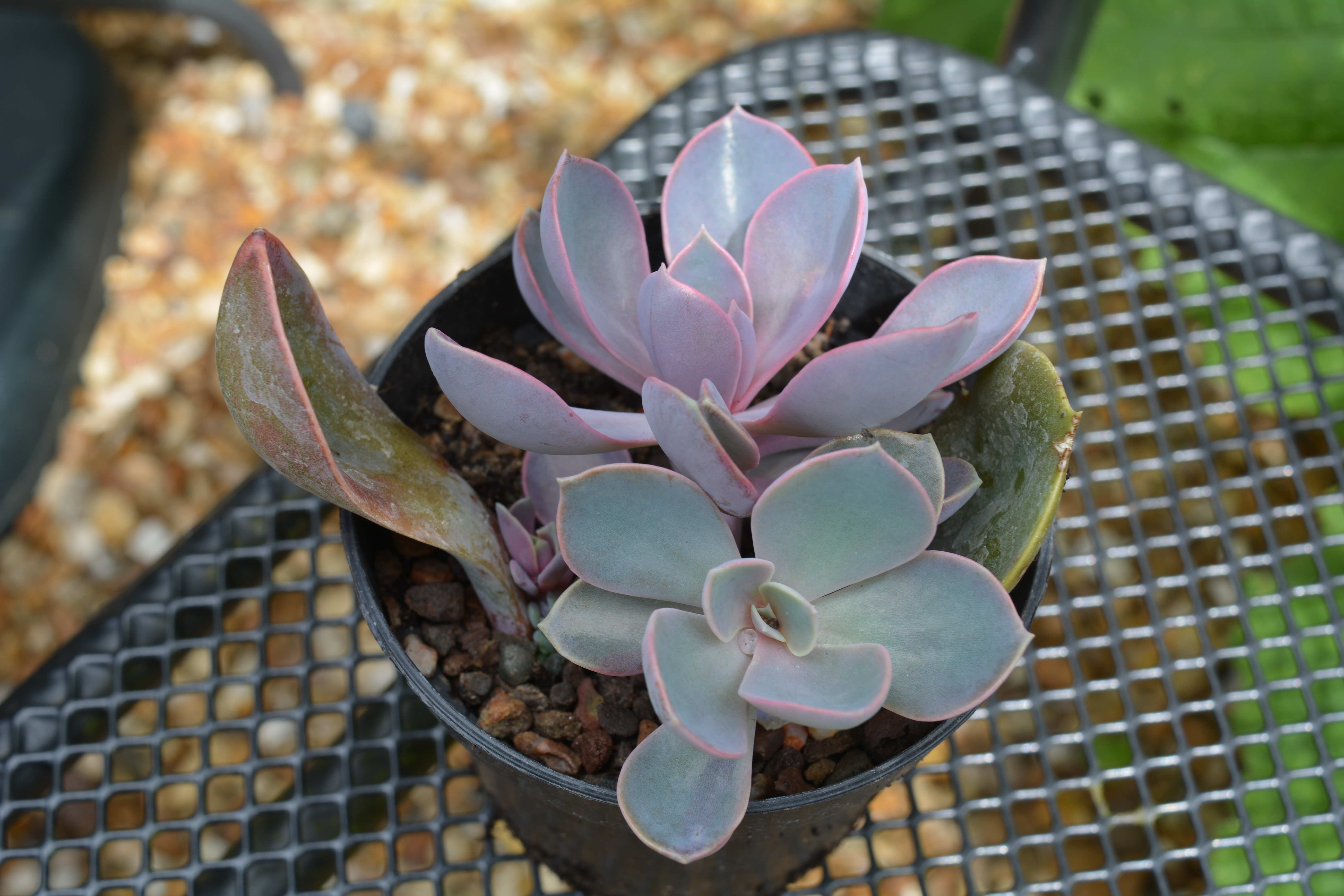
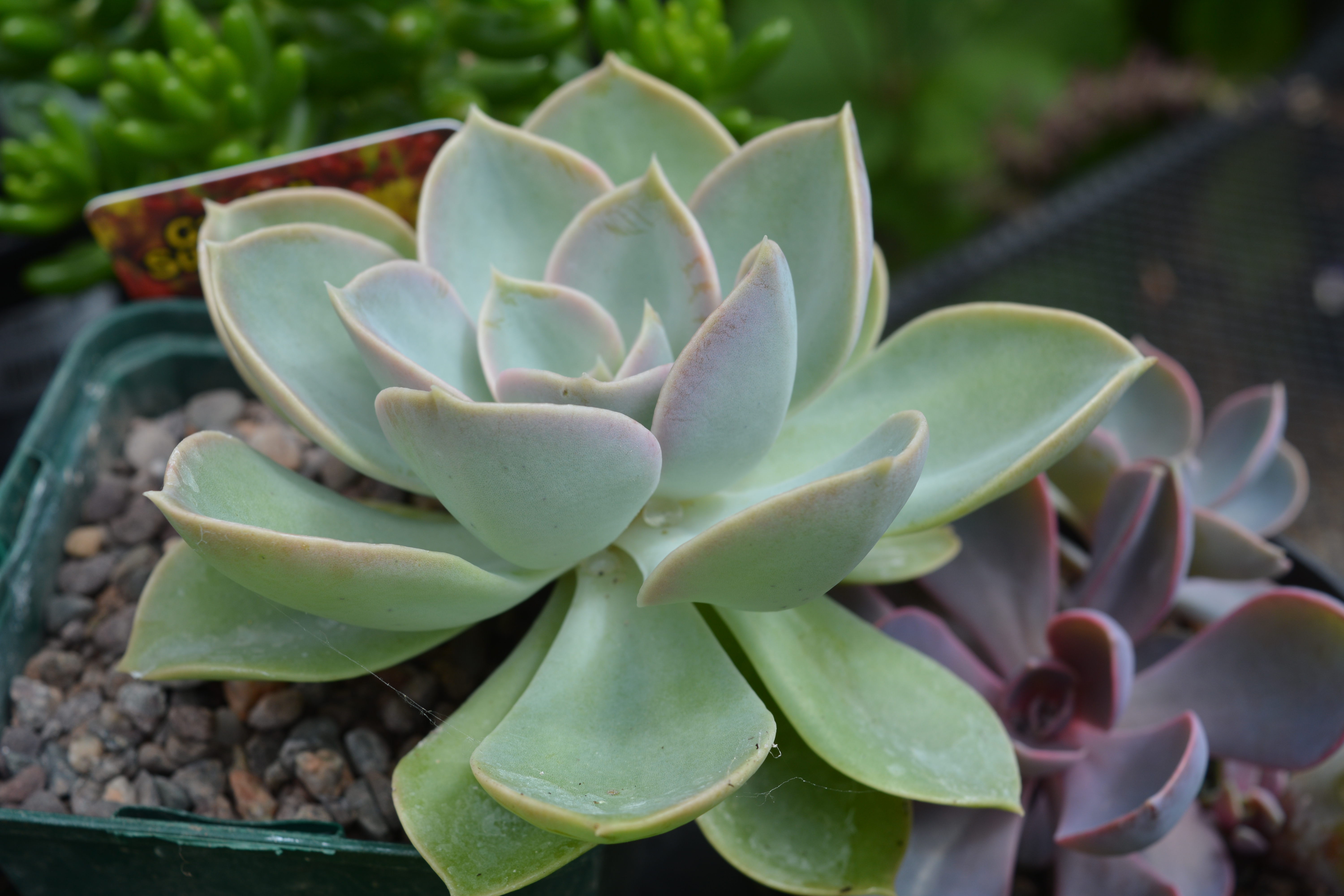
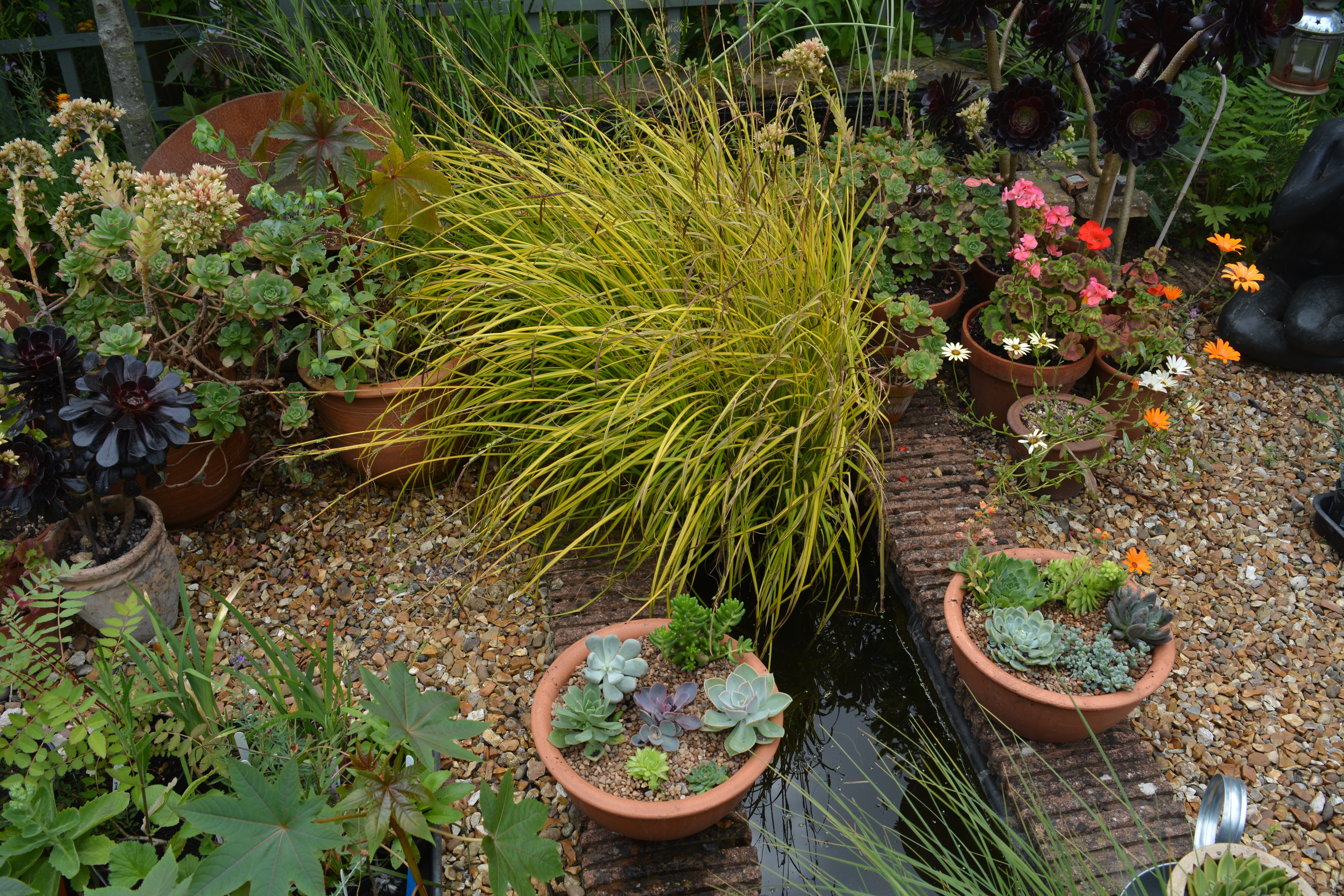
It is always good to have little projects to get on with in the garden. My latest little project was to create a pair of succulent pots. We already have pots of succulents dotted or hopefully arranged around our Rill Garden. Here we feature several different Aeoniums, Echeverias and Sempervivum. They grow happily here because it is south facing and gets extra light reflected off the glass of our garden room.

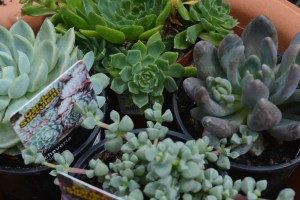
We thought it about time we introduced some more succulents for added interest for our garden visitors on our open days, so bought a pair of beautifully shaped terracotta bowl-shaped pots and went off to our local nursery, Love Plants, to get an interesting selection of  different succulents. We looked for different leaf colours, textures and shapes. A few had the bonus of brightly coloured flowers too. They have such wonderful names too – much too difficult to remember, Oscularia deltoides, Sempervivum jovibarba alionii, Echeveria elegans, Pachyphytum “Dark Red”, Pachyphytum bracteosum and Sedum x rubrotinctum.

2015 07 06_36402015 07 06_3643

So we gathered together everything we needed on the table in the Rill Garden and got to work.

2015 07 06_3637

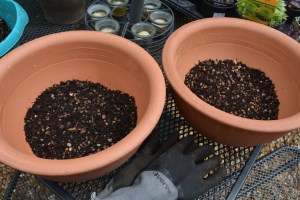
We mixed up a suitable growing medium by combining equal quantities of a soil based compost and horticultural grit. We hoped this would be free draining while just holding enough moisture to keep the plants happy.

2015 07 06_3638

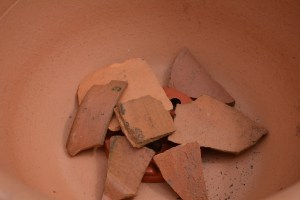
We then covered the drainage hole with crocks and added a shallow layer of my compost mix, ready to arrange the plants to their best advantage.

2015 07 06_3639 2015 07 06_36442015 07 06_3645 2015 07 06_3646

Some of the plants we put in the pots were our own cuttings. The picture on the left shows how new plants have grown from leaf cuttings. The plant on the right was grown from an offset.

2015 07 06_3642 2015 07 06_3641

Once satisfied with the arrangement we filled in between the plants with the compost mixture and topped it off with a mulch of horticultural grit.

2015 07 06_3647 2015 07 06_36482015 07 06_3651

Whenever you deal with succulents bits fall off and each bit can become a cutting. Other pieces we deliberately took as cutting material.

2015 07 06_3649

The photo below shows a leaf cutting taken from an Echeveria which is now forming tiny plants at its base. This is an easy way to make new plants albeit rather slow. It is a process requiring a lot of patience but not much skill.

2015 07 06_3650

And here they are in situ, alongside our rill, our new succulent planters.

2015 07 06_3652

Categories
climbing plants colours garden design garden photography gardening gardens hardy perennials irises light National Garden Scheme ornamental trees and shrubs Shropshire trees Yellow Book Gardens

My Garden Journal – May

May has now finished so it is time to present my entries for that month in my Garden Journal. Gardening was totally at the behest of the weather, which was to say  disappointing.

2015 06 10_2769

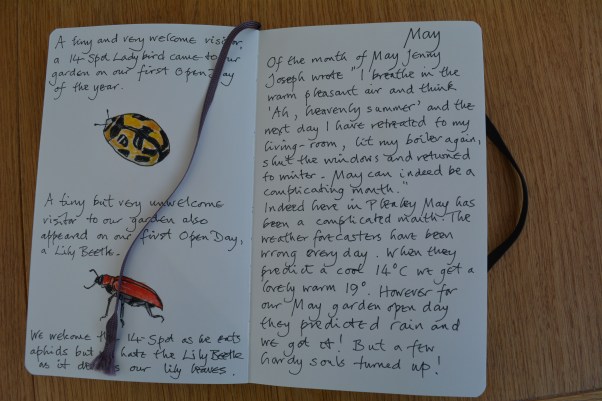
As usual my first page for the month of May included my chosen quotation from Jenny Joseph’s little book “Led by the Nose – A Garden of Smells”. Concerning May she wrote, “I breathe in the warm pleasant air and think “Ah, heavenly summer” and the next day I have retreated to my living-room, lit my boiler again, shut the windows and returned to winter. May can indeed be a complicating month.”

I wrote, “Indeed here in Plealey, May has been a complicated month. The weather forecasters have been wrong every day. When they predict a cool 14 C we get a lovely warm 19 C. However for our May garden open day they predicted rain and we got it! But a few hardy souls turned up!

Many visitors to our garden are amazed by our Judas Tree, Cercis siliquastrum. Early in the month its buds are beautiful in colour and shape.”

2015 06 10_2770

2015 05 21_1846-1 2015 05 21_1855-1

2015 05 21_1856-1 2015 05 21_1857-1

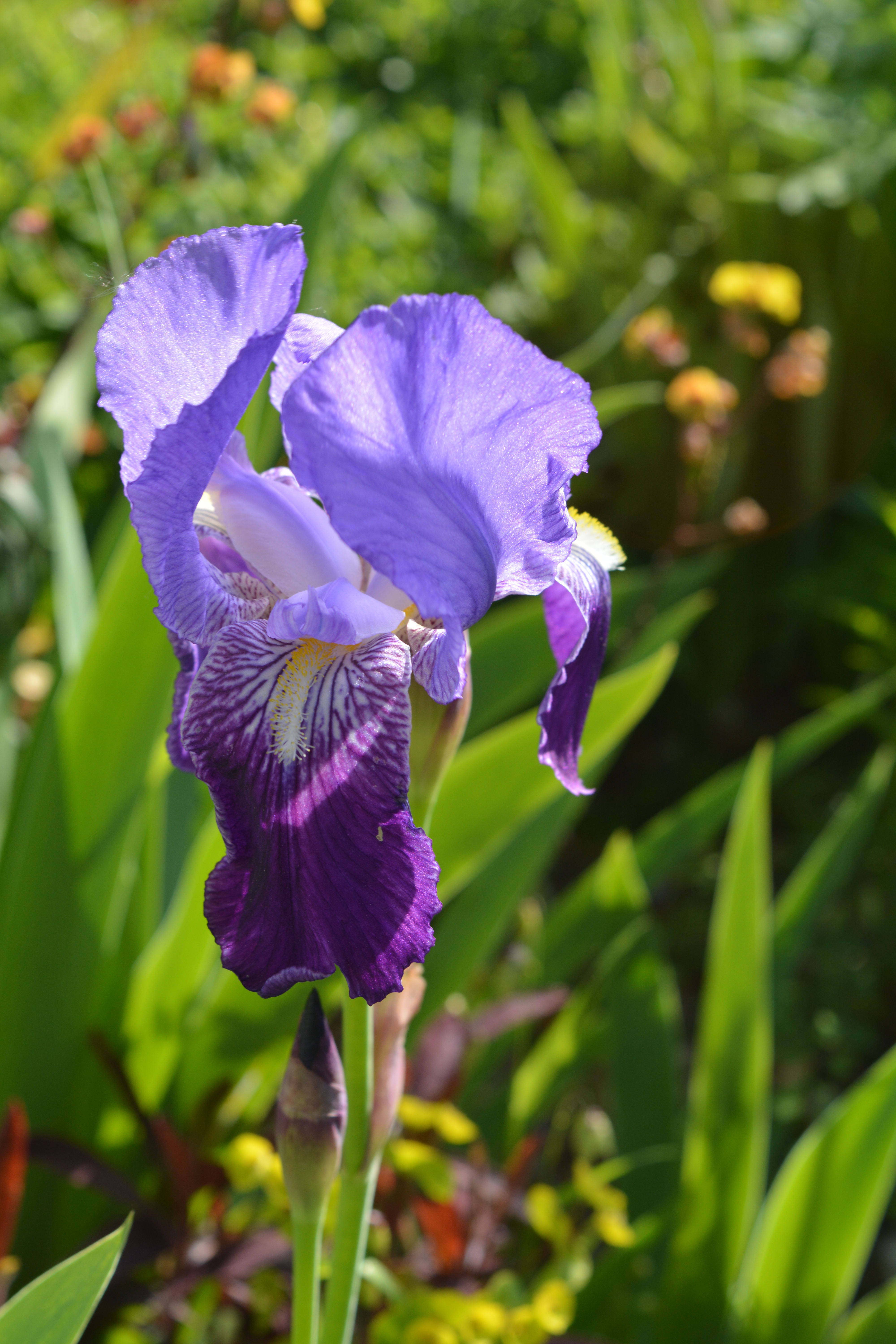
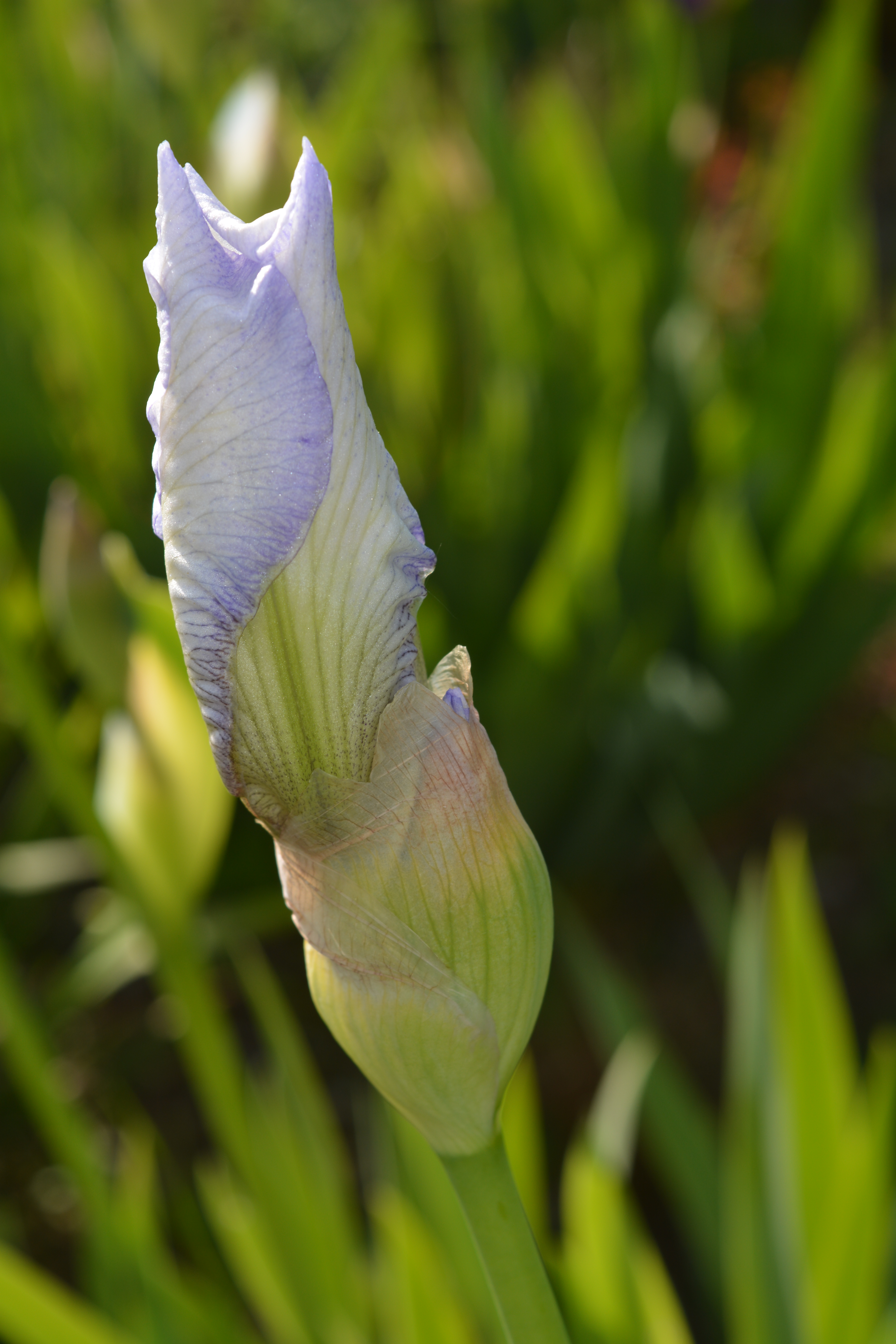
I moved on to write “May is the month that our Irises come out to play, to show off their colourful, wonderfully shaped flowers and glow whenever the sun makes an appearance. The palest colours always come first.

2015 05 31_2028 2015 05 26_2020 2015 05 26_2017 2015 05 26_2016 2015 05 26_2015 2015 05 26_2014


Turn over the page and we find my first watercolour painting and the return to the Judas Tree.

2015 06 10_2771_edited-1

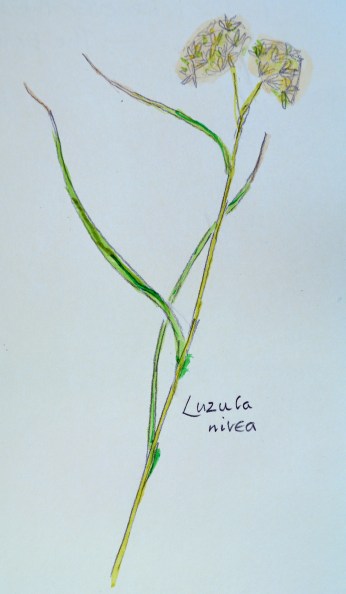
My painting is of one of our favourite grass-like plants, a rush called Luzula nivea. A real challenge to express its subtlety in paints. I wrote “In amongst the bright colours of May little subtle plants can amaze us.”

2015 06 10_2772_edited-1

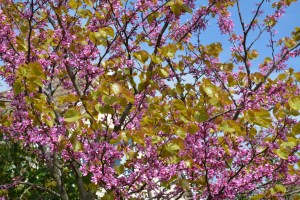
Concerning the Judas Tree, Cercis siliquastrum, I wrote “By the middle of the month, our Judas Tree is in full bloom.” A selection of photos followed.

2015 05 21_1848-1 2015 05 21_1854-1

2015 05 21_1849-1 2015 05 21_1850-1

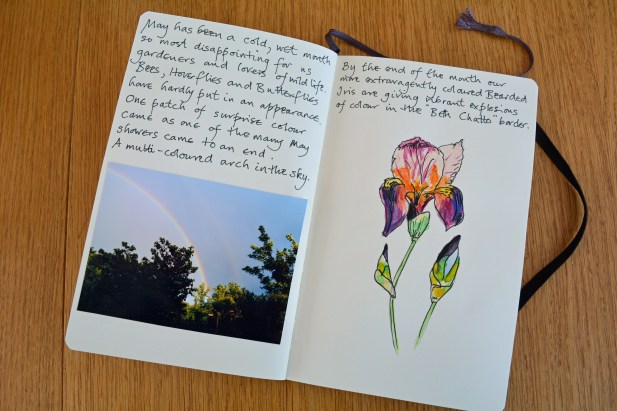
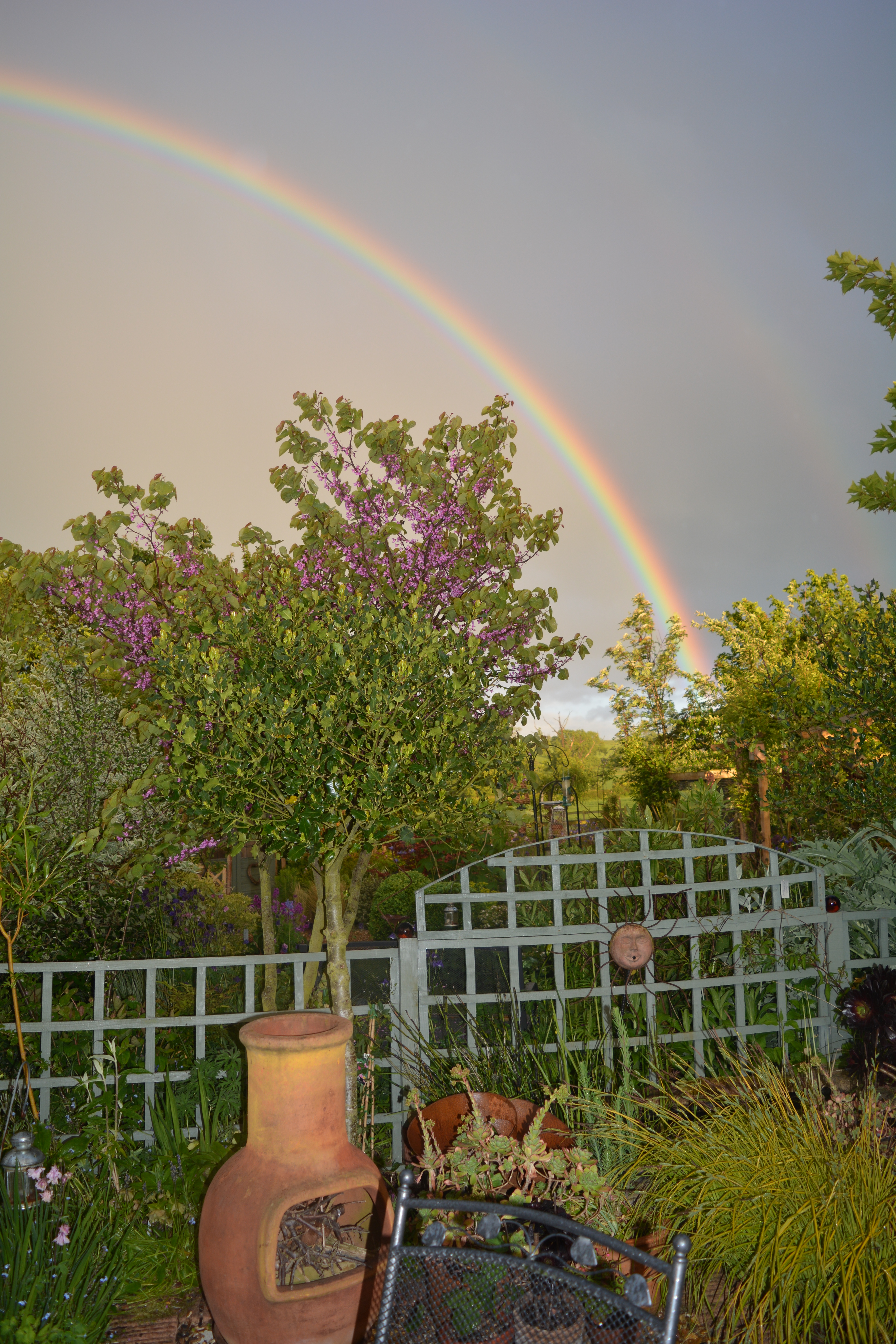
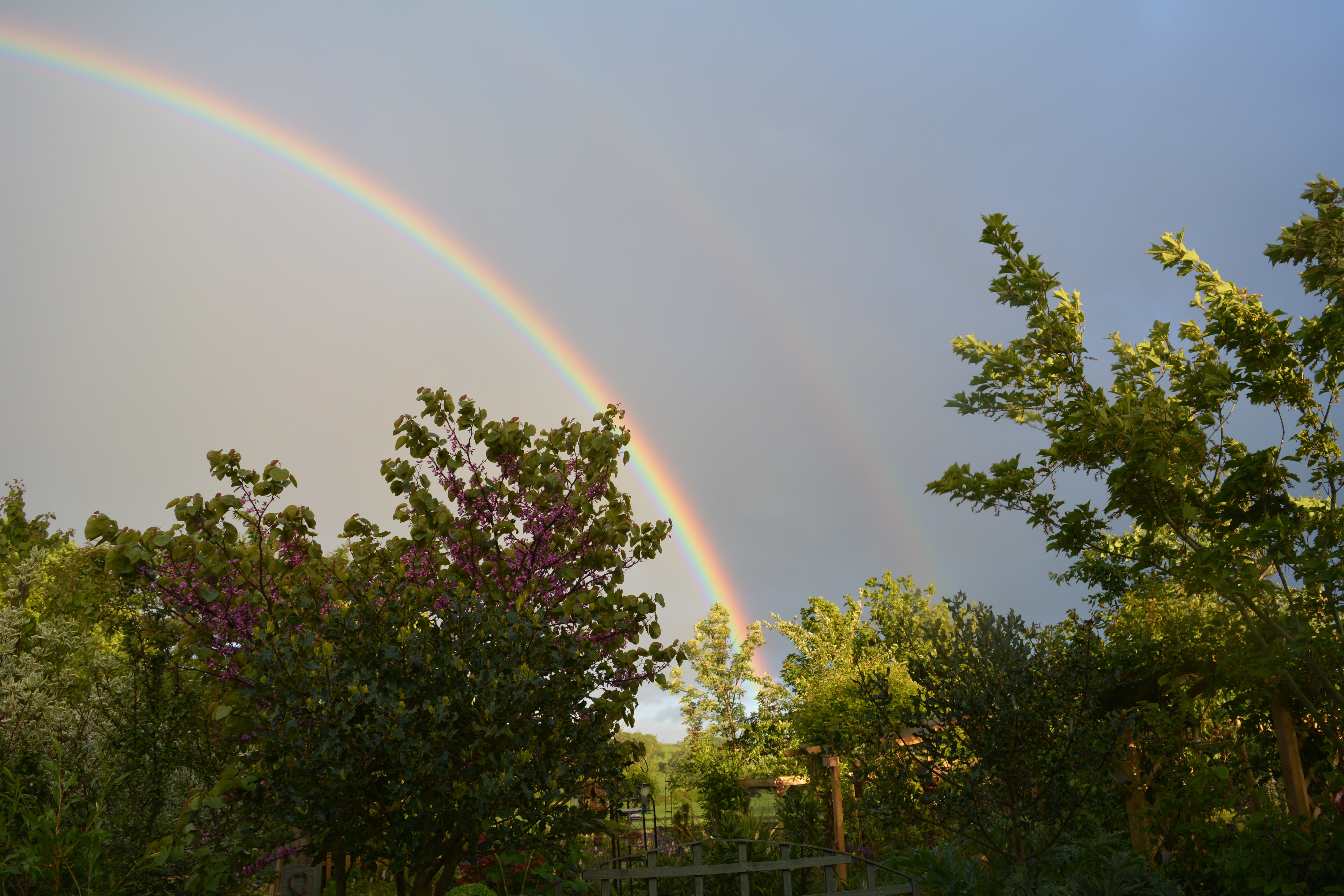
Over the page I wrote “May has been a cold, wet month so most disappointing for us gardeners and lovers of wildlife. Birds, Hoverflies and Butterflies have hardly put in an appearance. One patch of surprise colour came as one of the many May showers came to an end. A multi-coloured arch in the sky.”

2015 06 10_2773_edited-1

2015 05 31_2037 2015 05 31_2036 2015 05 31_2034

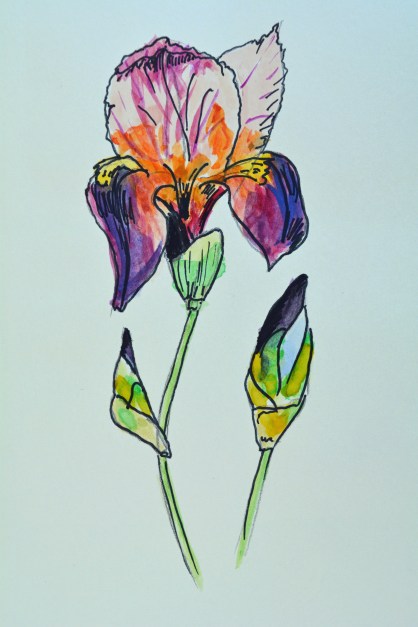
Alongside the page about the rainbow was a second page about our Irises, where I wrote “By the end of the month our more extravagently coloured Bearded Irises are giving vibrant explosions of colour in the Beth Chatto border.” Below these words was my second painting for May depicting one of our more brightly coloured Irises.

2015 06 10_2774_edited-1

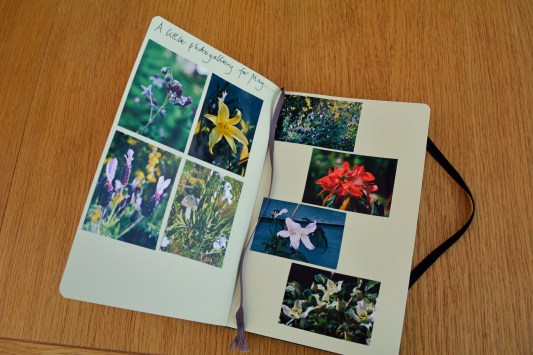
My final entry for my Garden Journal in May  was a little gallery of photos.

2015 06 10_2775_edited-1

To see larger images click the first thumbnail photo and use the arrows to negotiate through the gallery. Enjoy!


Categories
gardening recycling spring gardening

Mary’s mini-garden

Towards the end of 2014 our great friend Mary gave us two old butler sinks to make into miniature alpine gardens. Soon after this a sudden illness took Mary from us. We turned the sinks into gardens just as she wanted us too, so we now think of them as Mary’s Mini-Gardens.

We gathered together a few big chunks of slate, a bag of slate pieces, a bag of John Innes No 3 compost, a bag of horticultural grit and one of horticultural sand together with a lump hammer and bolster chisel. The horticultural grit and sand were mixed with the compost in equal parts to create our growing medium.

2015 04 05_0437-1

We were lucky to have found two large pieces of slate with holes in to add a sculptural element to our mini-gardens.

2015 04 05_0435-1 2015 04 05_0436-1

One piece of slate had beautiful colour and texture to it to add further interest. It looked like a mountain range in miniature!

2015 04 05_0438-1

We added the growing medium to the sinks and put a mulch of grit on top for extra drainage around the base of the plants. We then played around with positioning the large slate pieces until we thought they formed the best arrangement we could manage.

2015 04 05_0440-1 2015 04 05_0441-1

We then began arranging the plants and once we felt they were in the best positions we planted them up.

2015 04 05_0439-1  2015 04 05_0446-1 2015 04 05_0442-1 2015 04 05_0450-1

When we opened our garden in mid-April for the National Garden Scheme they were beginning to look colourful and drew some complimentary comments from our visitors.

2015 04 17_0781-1 2015 04 20_09142015 04 05_0447-1

Here they are in mid-May. We really enjoyed the project and feel sure Mary would have enjoyed them. Good example of recycling in the garden too!

2015 05 21_1843  2015 05 21_1845 2015 05 21_1844


Categories
colours fruit and veg garden ponds garden pools garden seating gardens gardens open to the public grow your own kitchen gardens National Garden Scheme ornamental trees and shrubs outdoor sculpture poppies recycling sculpture shrubs trees walled gardens water garden water in the garden Yellow Book Gardens

Yellow Book Gardens – 4 – Upper Shelderton Hall

We set out to visit our fourth Yellow Book garden on a cloudy day that promised showers and with a chill in the air. However as we drove down through the Shropshire countryside the skies cleared and the temperature rose. We left the main road and traveled down lanes that got more narrow as we got closer to our destination, the village of Shelderton.

The garden at Upper Shelderton Hall spread to over 6 acres and was mostly a wooded garden with areas of Rhodendrons and borders of herbaceous plantings. As usual we began with tea and cake which we enjoyed sat in the strangest walled garden we had ever experienced. The walls were a truly original creation. Each section was a sculpture in its own right made from a conglomeration of found or collected bricks and stones and ephemera.

2015 05 25_1966 2015 05 25_1964 2015 05 25_1987

From our seat where we enjoyed our refreshment we could enjoy these amazing walls and also take in glimpses of the kitchen garden nearby. An old water trolley now unused sat alongside.

2015 05 25_1965 2015 05 25_19882015 05 25_1990

After a wander around the fruit and veg beds we made our way towards a border that glowed with bright yellows, oranges and reds. We discovered that the bright blooms were those of a collection of deciduous Rhodendrons. Our noses were also delighted by these shrubs as the yellow ones had the richest sweetest of fragrances.

2015 05 25_19672015 05 25_1977 2015 05 25_19782015 05 25_1979

We wandered on through the shade of wooded areas with the sound of a stream wandering through it and the scent of Bluebells following our every step.

2015 05 25_19762015 05 25_1970 2015 05 25_1969

Leaving the shade of the tall trees we stumbled across a beautifully planted pond with crystal clear water. On one bank we discovered a lovely little stone carving, the first of several interesting pieces of sculpture we were to find in the gardens.

2015 05 25_19732015 05 25_1975 2015 05 25_1972 2015 05 25_19852015 05 25_1971 2015 05 25_1989

On the edge of the main garden was an area of more mature woodland of mixed deciduous and coniferous specimen trees. Beneath them larger evergreen Rhodendrons provided splashes of colour.

2015 05 25_1986 2015 05 25_1983 2015 05 25_19802015 05 25_1981 2015 05 25_19822015 05 25_1984

This comfortable set of table and chairs was simply too enticing for us. We just had to have more teas and cakes in order to try them out!

2015 05 25_1963

As we enjoyed our refreshment we also enjoyed the colourful planting around us.

2015 05 25_1991 2015 05 25_1992 2015 05 25_1996

We also looked up to spy this imposing cockerel windvane.  Once we had enjoyed our refreshment we left the gardens of Upper Shelderton Hall having enjoyed yet another brilliant Yellow Book garden. We can’t wait for the next!

2015 05 25_19942015 05 25_1993


Categories
gardening grasses

Rakes Progress

Thought this might be of interest to those gardeners who like us love their grasses. Herbaceous ornamental grasses fall basically into two categories, the first are totally herbaceous and to prune these we simply cut them down close to the ground in early spring being careful not to cut out any extra early fresh growth. The other group the evergreens are more difficult to deal with. They do need some tidying up in early spring in order to remove dead stalks. Books and magazines simply instruct us to comb through the plant with gloved hands but we never feel totally happy with this so we decided to find an alternative.

We thought a rake of some sort would be the answer. We tried normal garden rakes and lawn rakes but they were not really satisfactory. We scoured the internet to find something better and found two possibilities, both small rakes. The one on the right of the photo was sold as a “shrub rake” and the left one as a “moss rake”.

2015 03 20_0058

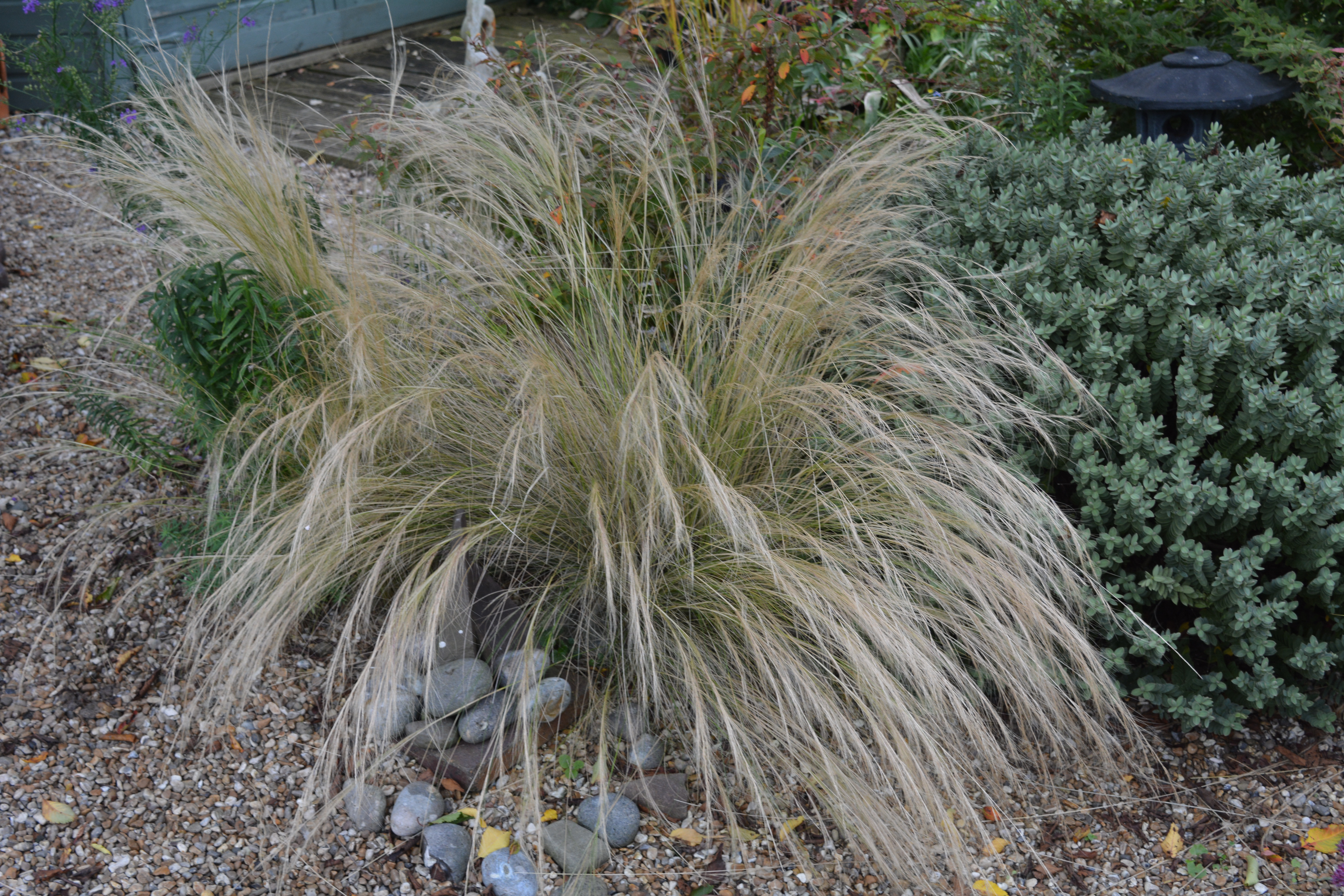
So Jude the Undergardener tried them both on our most difficult grass to keep tidy, Stipa gigantia. This grass tends to drape over its fellow border plants so needs a good tidy up.

2015 03 20_0048 2015 03 20_0039 2015 03 20_0038

So in the end the moss rake won hands down. The photo below shows really well how it out performed its rival. So we have found the answer to our problem. The moss rake worked really well but sadly the shrub rake was a bit of a wash out but it will prove useful in the autumn when we need to clear fallen leaves from the borders.

2015 03 20_0041

Categories
Church architecture colours flowering bulbs garden photography gardening gardens gardens open to the public irises light light quality ornamental trees and shrubs shrubs spring bulbs The National Trust walled gardens winter gardens

Croft Castle month by month – part two – February

So here we are back at Croft Castle for the second wander in 2015 around the grounds for my February post. We thought we would find that little would have changed since our January visit, but we found plenty to see and really enjoyed our wander. Fresh buds looked ready and waiting to burst into new life when temperatures rise and light values increase. Droplets of rain from a recent shower caught the light where they lay upon the leaves of a Hypericum.

2015 02 21_9601 2015 02 21_9602

In the long mixed border beside the tall walls which enclose the walled garden the first flowers of the year had opened, the delicate blooms of the snowdrops, Galanthus nivalis and a few pink blooms dotted amongst the marbled foliage of the Cyclamen coum.

2015 02 21_9603 2015 02 21_96052015 02 21_9604

Gardeners had recently discovered a cobbled path running diagonally beneath the lawn close to the gateway to the walled garden. We imagined the excitement when the first signs appeared or perhaps the chink of a spade heard as it hit a cobble. When fully excavated no doubt it will join up with the network of cobble path to be found throughout the garden and grounds.

2015 02 21_9606

Inside the walled garden the temperature rose noticeably and we were well protected from the cold of the winter winds. Enjoy this batch of photos showing what we found within the walls.
2015 02 21_9608 2015 02 21_9609 2015 02 21_9610 2015 02 21_96172015 02 21_9626 2015 02 21_96342015 02 21_9625 2015 02 21_9637

The foliage of two different Epimedium plants looked good together, one with its coat of glossy green the other a rich shining bronze.


2015 02 21_9631 2015 02 21_9632


This old willow with branches rambling haphazardly and randomly caught our attention as its silver catkins shone out in its dark corner of the walled garden. Some branches were severely affected by fasciation causing them to be deformed and tightly curled. Others were subject to gall growths caused by gall wasps.
 

2015 02 21_96182015 02 21_9619 2015 02 21_9620 2015 02 21_9623 2015 02 21_96212015 02 21_9624


The blue gate that had enticed us to pass through it in January was open again, and we diverted easily to see what was happening in the bothy and greenhouses.


2015 02 21_9611 2015 02 21_96122015 02 21_9613 2015 02 21_9614 2015 02 21_9615

Snowdrops found the shelter under every tree within the walls and encircled their trunks in white bracelets.

2015 02 21_9627 2015 02 21_9628 2015 02 21_9629 2015 02 21_9636 2015 02 21_9640 2015 02 21_9641

We left the protection of the walled garden and wandered around the borders closer to the castle. We were amused by the sight of this caterpillar up a tree. He was a part of a children’s trail discovering the delights of Alice in Wonderland.


2015 02 21_9642

2015 02 21_9643 2015 02 21_9644 2015 02 21_9645 2015 02 21_9646 2015 02 21_9647 2015 02 21_9648 2015 02 21_9649 2015 02 21_9650

When we had skirted most of the castle we reached the little church which on our last visit was covered in scaffolding due to being subject to renovation. We were glad to find the builders had left the little building in peace.


2015 02 21_9652 2015 02 21_9651  2015 02 21_9653 2015 02 21_9654 2015 02 21_9655


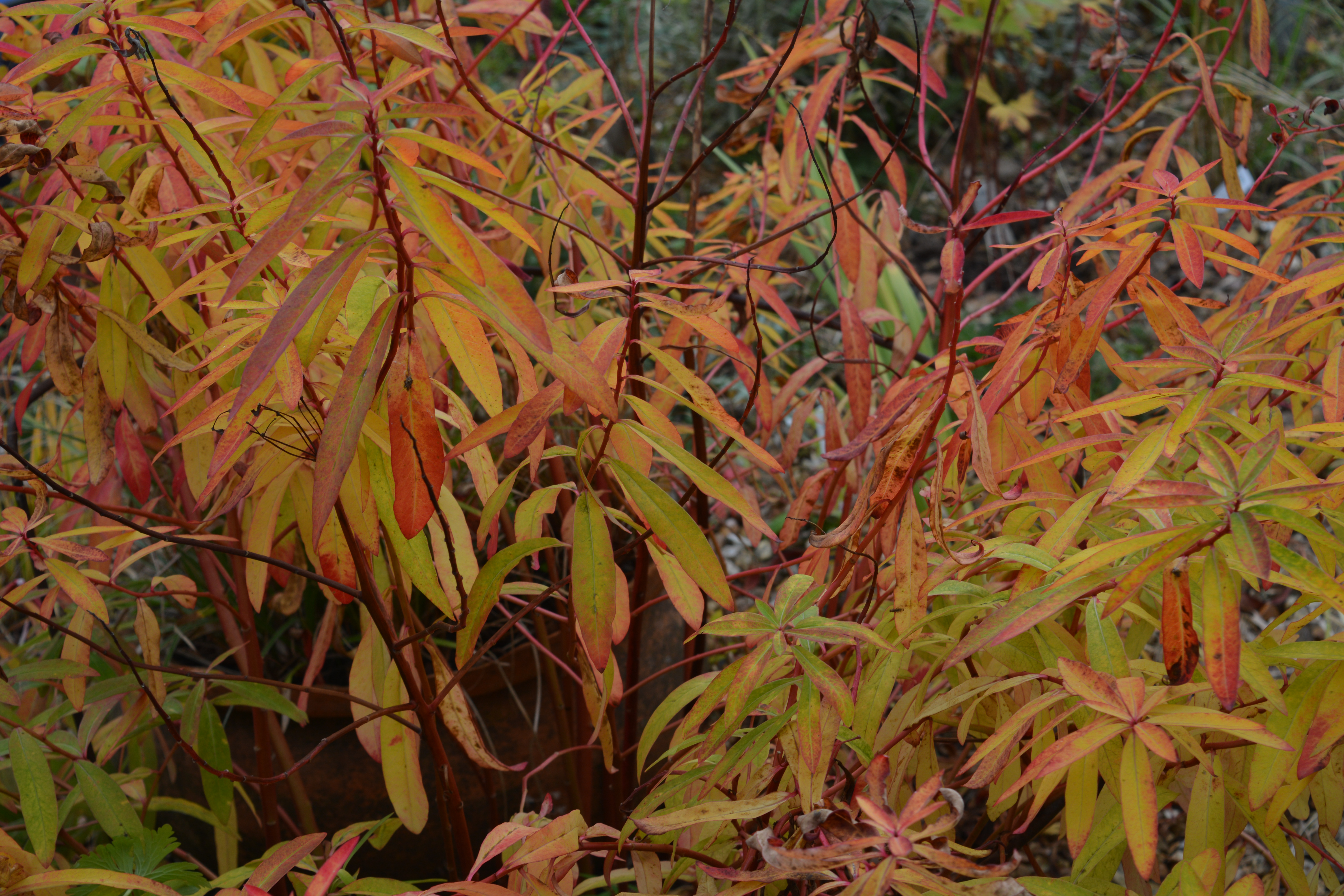
Little narrow borders feature in the grounds of the church and looked full of promise. For now though we had to be content with the display put on by this wonderfully colourful Euphorbia.

From there we returned to the car park to make our way home. On our next visit to Croft Castle we will hopefully discover many more signs of spring.

2015 02 21_9657

Categories
colours garden design garden photography garden seating gardening gardens grasses hardy perennials ornamental trees and shrubs outdoor sculpture photography Yellow Book Gardens

Aiming for an all year round garden – our garden in December.

The final chapter! December. We have followed the journey through the months of 2014 looking at our garden trying to decide whether we have succeeded in our aim of creating a garden with interest in every month of the year.

2014 12 03_7986-1

So here we are on our final wander of 2014 to see how the garden is looking in December. Next year we open our garden for charity throughout the spring and summer so we hope we have succeeded in our aim for creating an all year garden. The day I decided to go for my wander with camera in hand coincided with the day of the first proper frost. But it didn’t last long and had little affect on the plants. The grapes are now well past their sell by date, but the chickens and the local Blackbird population seem to enjoy them anyway. Frost brings out the texture in leaves and seed heads.

2014 12 16_8881 2014 12 16_8883


2014 12 16_8885 2014 12 16_8888


2014 12 16_8890 2014 12 16_8894

2014 12 03_7968-1 2014 12 03_7967-1 2014 12 03_7966-1 2014 12 03_7969-1  2014 12 03_7977-1 2014 12 03_7976-1 2014 12 03_7975-1 2014 12 03_7970-1

2014 12 03_7972-1 2014 12 03_7979-1

The Blackbirds and Mistle Thrushes are enjoying the variety of berries we grow for them, but once the winter migrant thrushes arrive they have more competition.

2014 12 03_7974-1 2014 12 03_7973-1

As the frost melts away it has a translucent look where it sits on the leaves of this Hypericum.

2014 12 03_7981-1 2014 12 03_7982-1

Garden ornaments and furniture both play a more important role as the plant life dies down over the winter months.

2014 12 03_7980-1 2014 12 03_7984-1

2014 12 03_7988-1

Our Hellebores are coming into flower far too early this winter. We usually enjoy them in February and March. But the Prunus subhirtella autumnalis can blossom anytime from November to March, so to see it this good in December is no surprise.

2014 12 03_7983-1 2014 12 03_7991-1

2014 12 03_7994-1 2014 12 03_7993-1

Our trees show off their wonderful silhouettes now they are bereft of leaves. The bark texture shows up sharply in winter light.

2014 12 03_7987-1 2014 12 03_7995-1

Some of our Japanese Acers are hanging onto their leaves still so give us plenty of colour to admire.

2014 12 03_7992-1 2014 12 03_7998-1

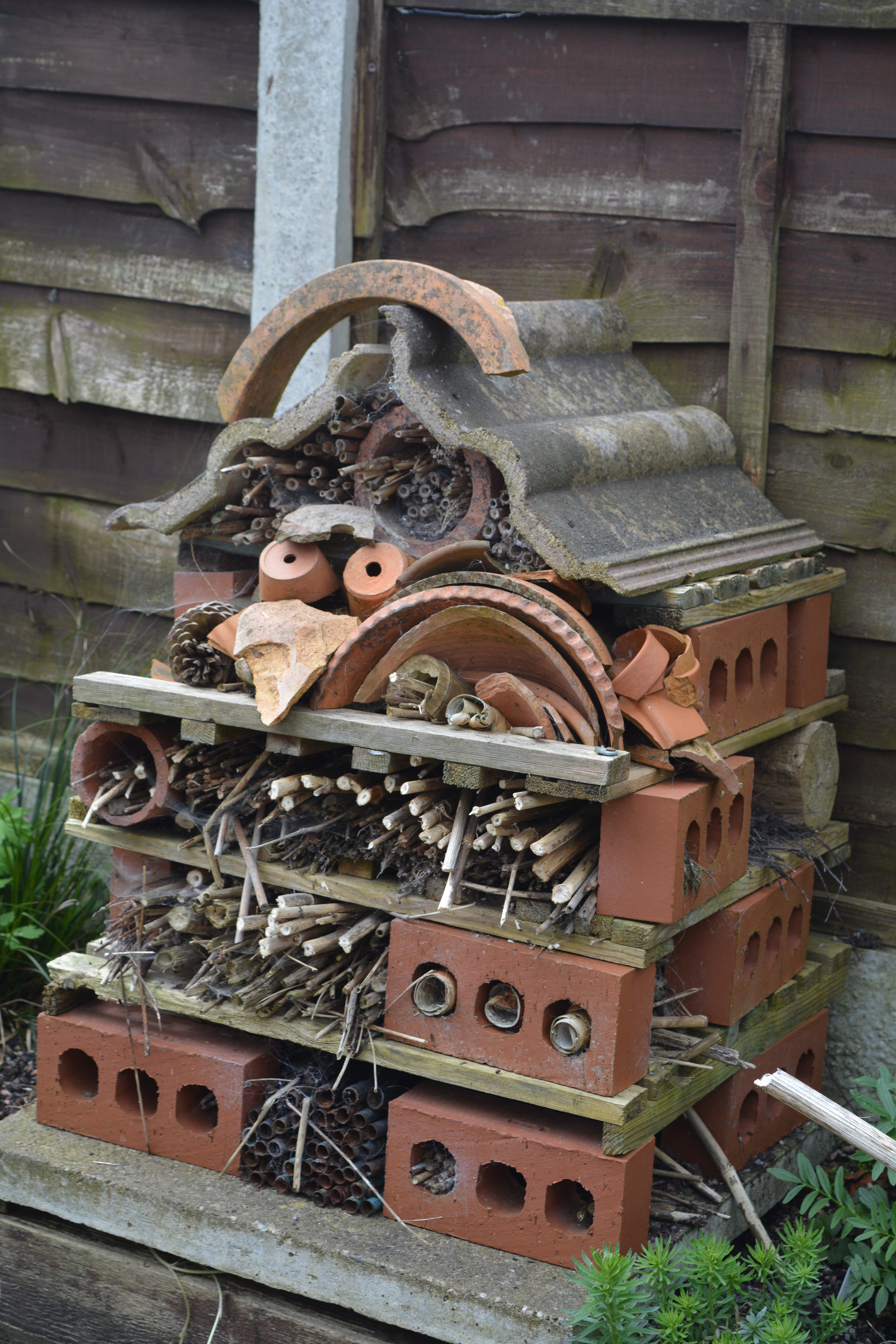
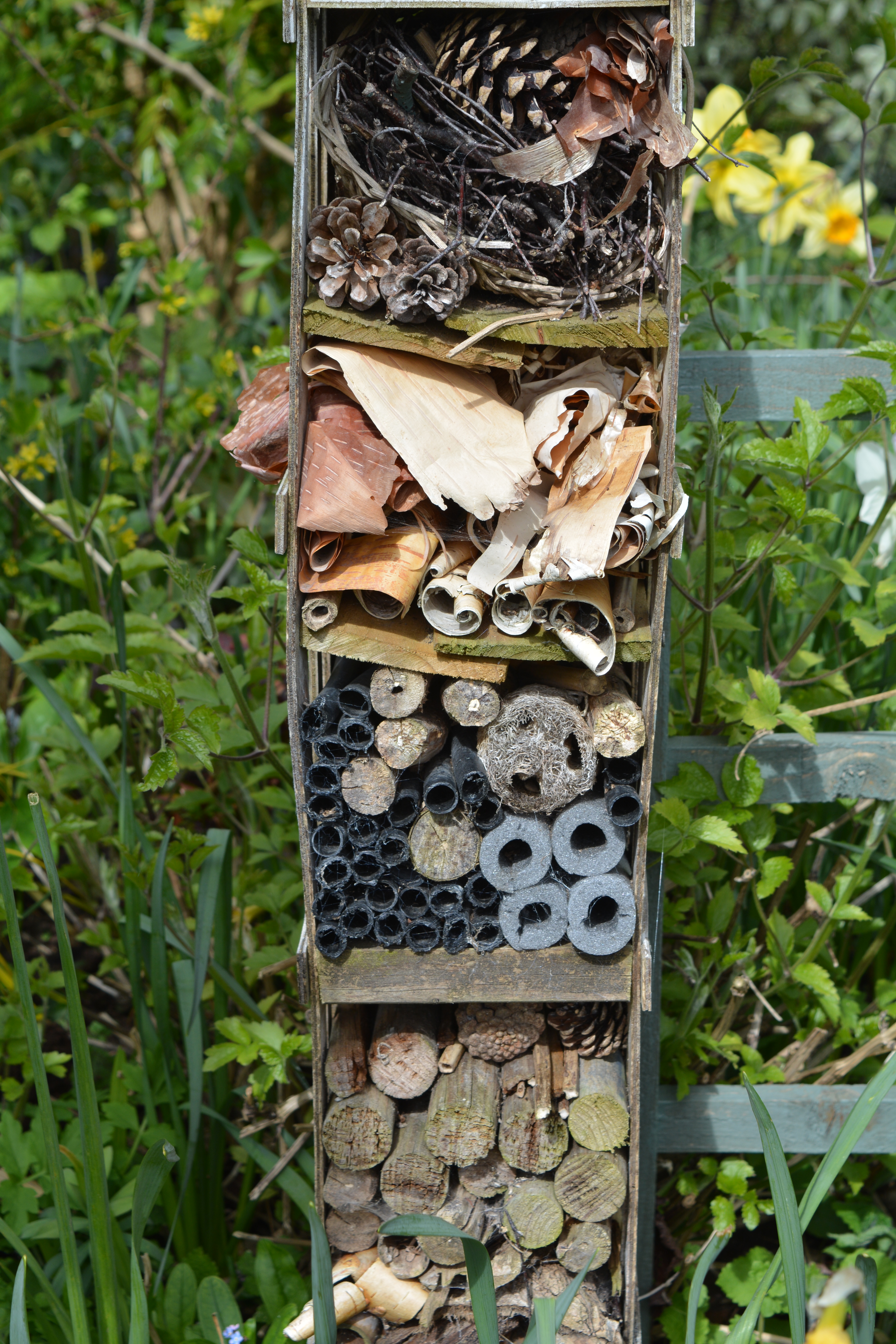
As trees are now largely leafless and much of the perennial growth has died down other features of the garden gain prominence. Just look at the curled up Birch bark in one of our insect hotels and the hanging glass globe.

2014 12 03_7999-1 2014 12 03_8001-1

The poppy seed heads have shed their seeds long ago and are now very delicate but extremely beautiful.

2014 12 03_7997-1 2014 12 03_7996-1

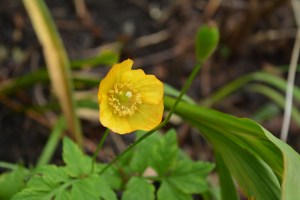
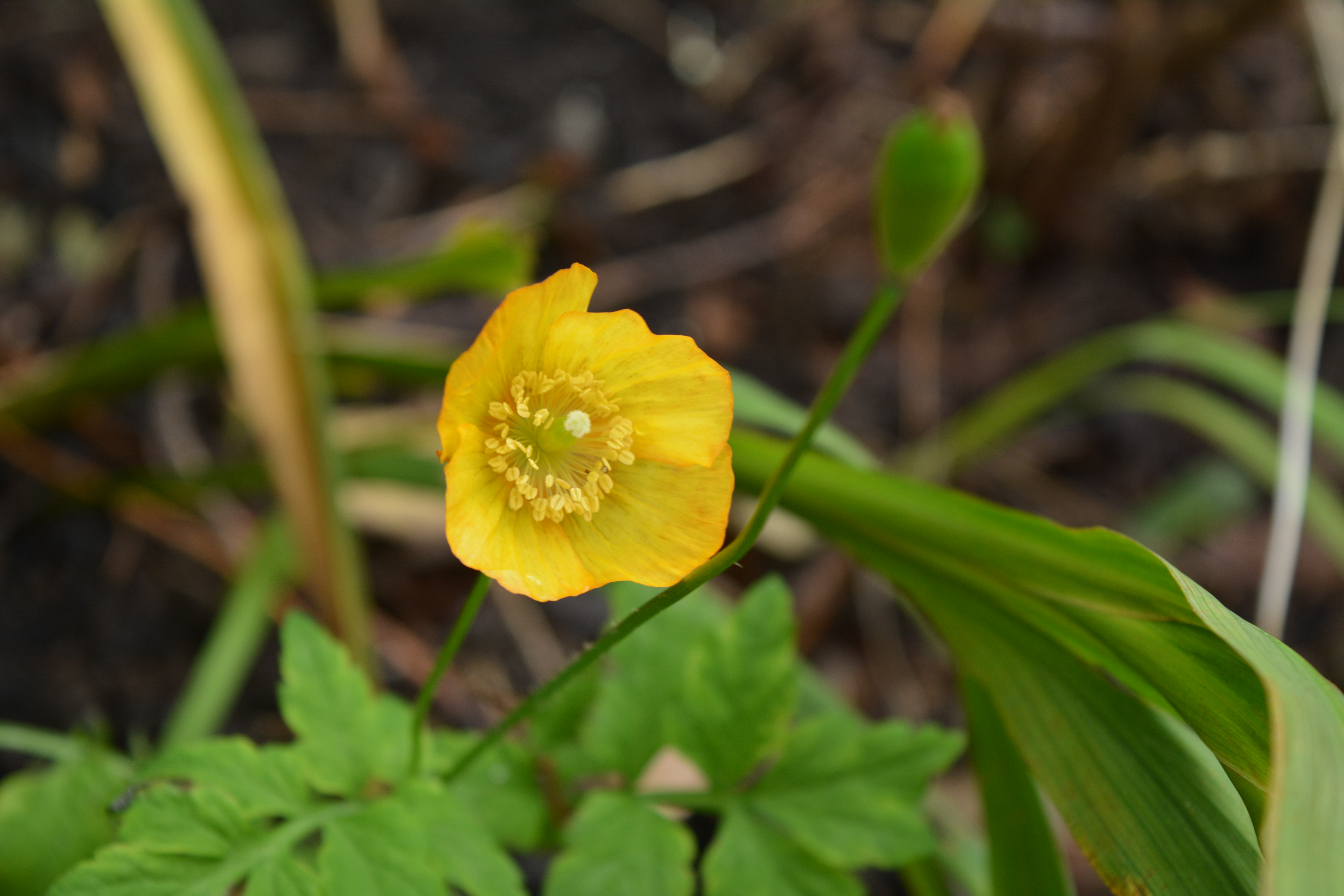
We have a few flowers alone and out of season,  the last Sweet Peaand a single Calendula struggling to stand upright in the cold, but other flowers coming out now seemingly enjoy the cold and poor light. Violas with cheerful faces welcome visitors. It seems that the perennial Wallflower and the Welsh Poppy can send out an odd flower in any month of the year but in the depths of winter they seem to glow more than a any other time.

2014 12 03_8000-1 2014 12 16_8892


2014 12 16_8886 2014 12 16_8900


2014 12 16_8898 2014 12 16_8893


Hebe “Great Orme” is still flowering well after many months and shows no sign of giving up. The last seedhead of our many Crocosmias still glows a russet-ginger in the low light. The viburnum is just beginning its long display of honey scented blossom.


2014 12 16_8906 2014 12 16_8899

2014 12 16_8905


The last few leaves of the Ricinus in sheltered spots retain their glossy texture like well-polished shoe leather. Some curl at the edges and glow orange. Veins deepen to the darkest blood red.

2014 12 03_8006-1 2014 12 03_8005-1


2014 12 03_8004-1 2014 12 03_8003-1

So that is it. Another year in the life of our quarter acre plot here at Avocet. We have had a great gardening year with plants performing outstandingly, our first open day and the first magazine article featuring our garden. Next year looks set to be just as busy!

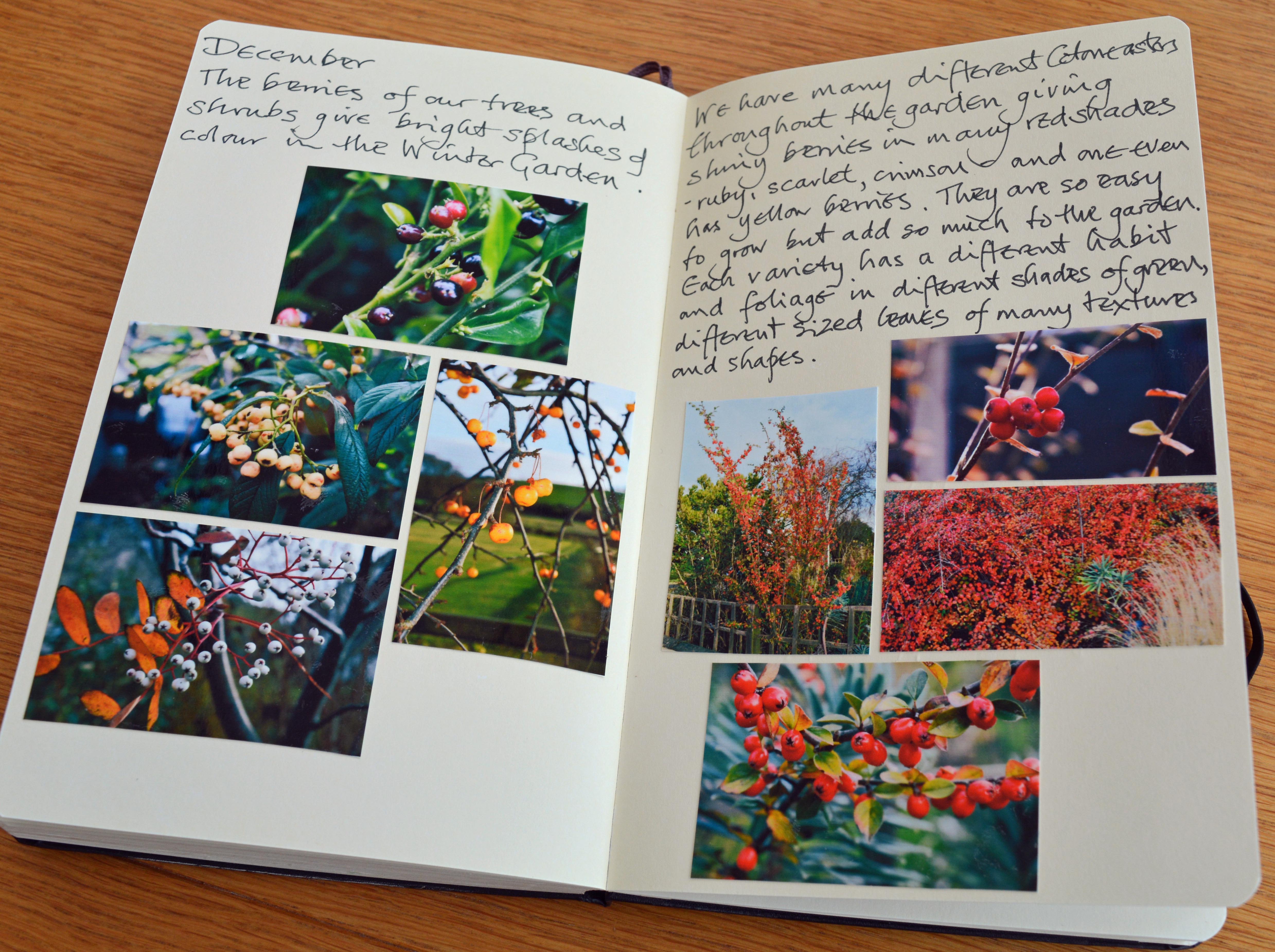
I am going to begin a new series in January – my garden journal – featuring words, paintings, drawings, photos and I hope some i-pad art too.

Below is a further small selection of shots taken in mid-December on a day the sun shone. They celebrate the year in our garden and give promises for the year to come.

2014 12 16_8882 2014 12 16_8884 2014 12 16_8895 2014 12 16_8896 2014 12 16_8901 2014 12 16_8902 2014 12 16_8903 2014 12 16_8904


This Veggie Life

A Vegetarian | Nature Lifestyle Blog

Rambling in the Garden

.....and nurturing my soul

The Arch City Gardener

Journeys In St. Louis Gardening and Beyond

Garden Dreaming at Châtillon

Consult the genius of the place

Storyshucker

A blog full of humorous and poignant observations.

gardeninacity

Notes from a wildlife-friendly cottage garden

PlayGroundology

...an emerging social science

The Official Blog of British Wildlife

'The most important and informative publication on wildlife of our times' - The Independent. This blog is a member of The UK & Ireland Natural History Bloggers group: www.uknhb.blogspot.com

iGrowHort

Inspire - Cultivate - Grow Native Plants - Restore Landscapes

Bishops Meadow Trust

To create and protect a semi-natural wild space for the people of Farnham to enjoy and experience an array of British wildlife in our town

Gardening with Children

The www.gardeningwithchildren.co.uk Blog

UKbirdingtimeline

birding through the seasons, why birds matter and how to conserve them

NATURE WALKER

with a camera in hand

Jardin

Transform your outdoor space

Eva's space

My allotment, cooking and other interests

Old School Garden

my gardening life through the year

LEANNE COLE

Trying to live a creative life

fromacountrycottage

trying to live as lightly as possible on our beautiful planet

Good Life Gardening

Nature lovers from Leicester living the good life.

mybeautfulthings

Finding the beautiful in the everyday

mawsonmichelle

Michelle's Allotment

In and Out of My Garden

thoughts from and about my garden

Greenhousing

Big plans for a small garden

The Scottish Country Garden

A Walled Country Garden in South East Scotland

The Fruity Chicken

Life at the fruity chicken

willowarchway

Off grid living. Self sufficient. "PERMAGANICS RULE".

St Anns Allotments

Nottingham's Grade 2* Listed Allotments and Community Orchard

Manifest Joy Harvests

a journey in suburban vegetable gardening

Allotmental

The madness of growing your own

Penny's Garden: a harvest beyond my front door

A novel approach to vegetable gardening

arignagardener

Sustainable living in the Irish countryside.

NewEnglandGardenAndThread

Master Gardener, amateur photographer, quilter, NH native, and sometimes SC snowbird

dianajhale

Recent work and work in progress and anything else that interests me

planthoarder

a chaotic cottage gardener

Lens and Pens by Sally

a weekly blog that creates a personal philosophy through photographs and words

Dewdrops and Sunshine

Stories from a sassy and classy Southern farmbelle.

The Pyjama Gardener

Simple Organic Gardening & Seasonal Living

gettin' fresh!

turning dirt into dinner

JOY...

today the world is created anew

Garden Birds

Notes from a Devon garden

ShootAbout

Life Through The Lens

Adapting Pixels

A photography blog showcasing the best photography pictures and videos on the internet

Wildlifegardening's Blog

Just another WordPress.com site

naturestimeline

personal observations from the natural world as the search continues for a new approach to conservation.

LATEBLOOMERBUDS

The Wonders of Life through my Eyes, my Heart, my Soul