Categories
Uncategorized

Plas Cadnant – Anglesey’s Hidden Garden

We visit Anglesey often because it has a unique atmosphere and a beautiful coastline in places not unlike Pembrokeshire. The most recent visit was near the end of April earlier this year.

We first saw a small sign on the roadside for the “Hidden Garden” as we travelled the road to Beaumaris. It was a few years later when we first decided to find the hidden garden. We were so glad we did! Recently we visited again and so enjoyed the developments that had been made.

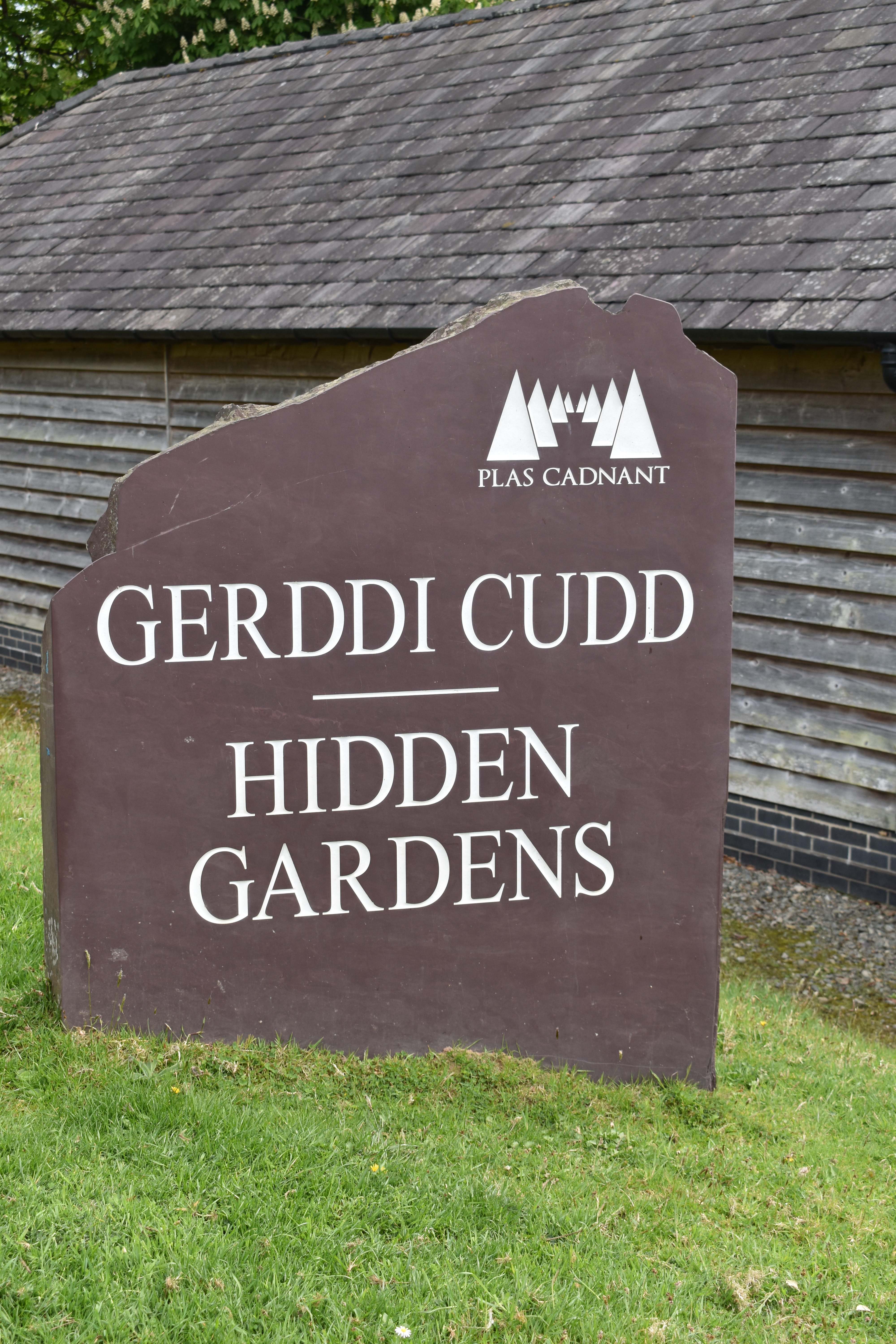
After driving up a tree lined driveway we were welcomed by a beautiful slate sign. This set the tone for the welcome buildings, the cafe, shop and nursery.
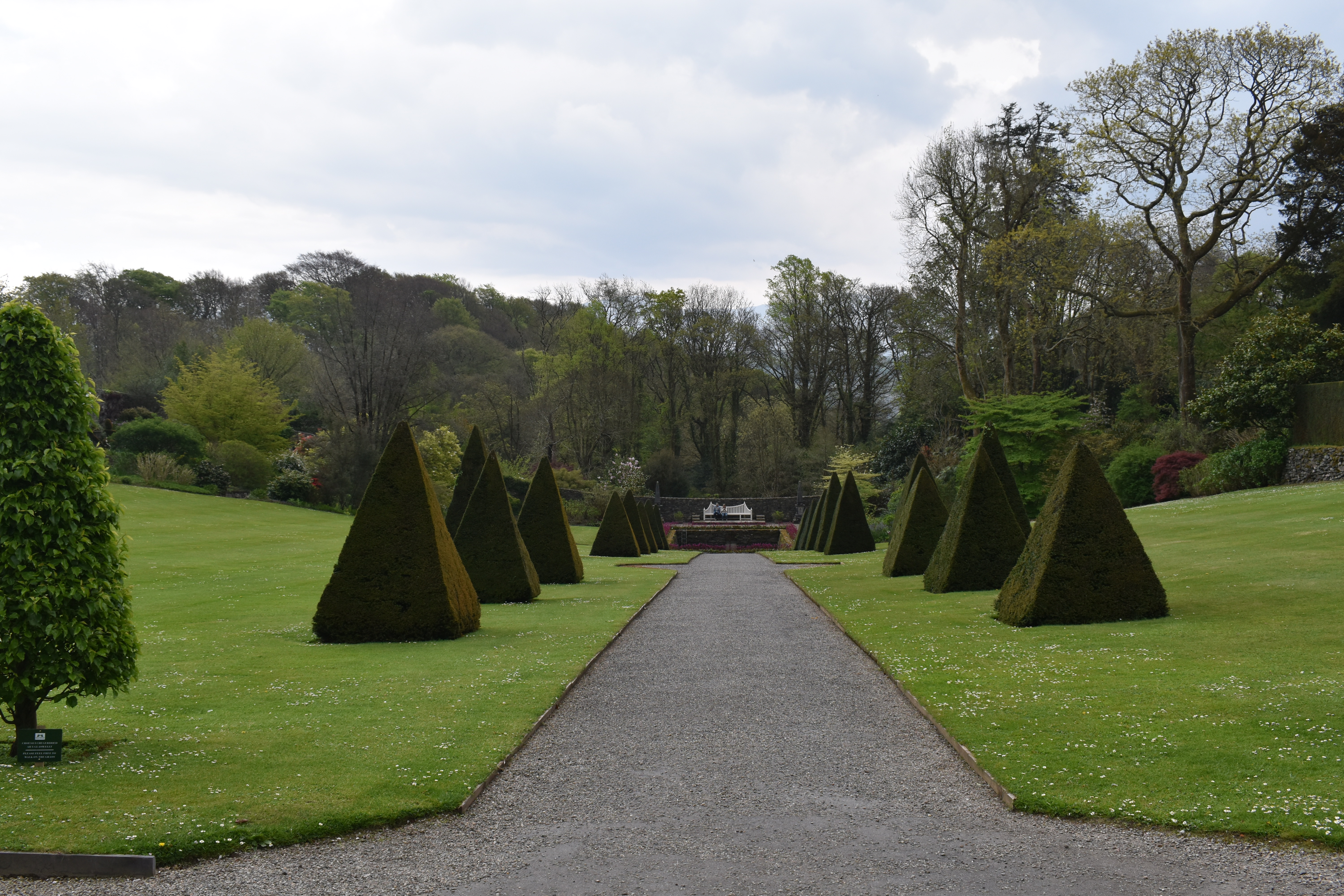
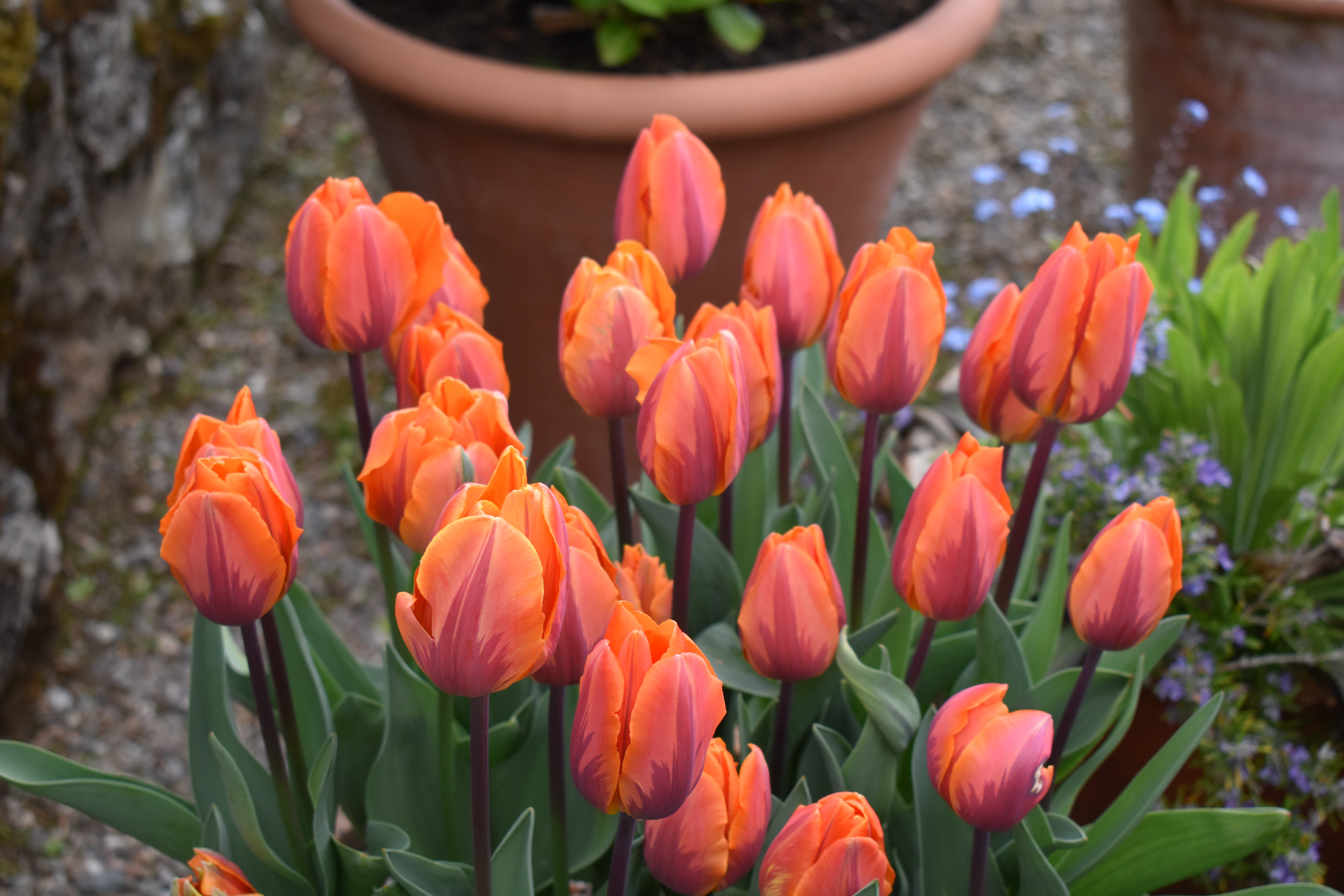
The first view of the garden showed its long sweeping undulating lawn and neat topiary. Trained fruit trees adorned the area directly in front of the cafe windows. But there were some well composed pots of tulips all around the buildings.
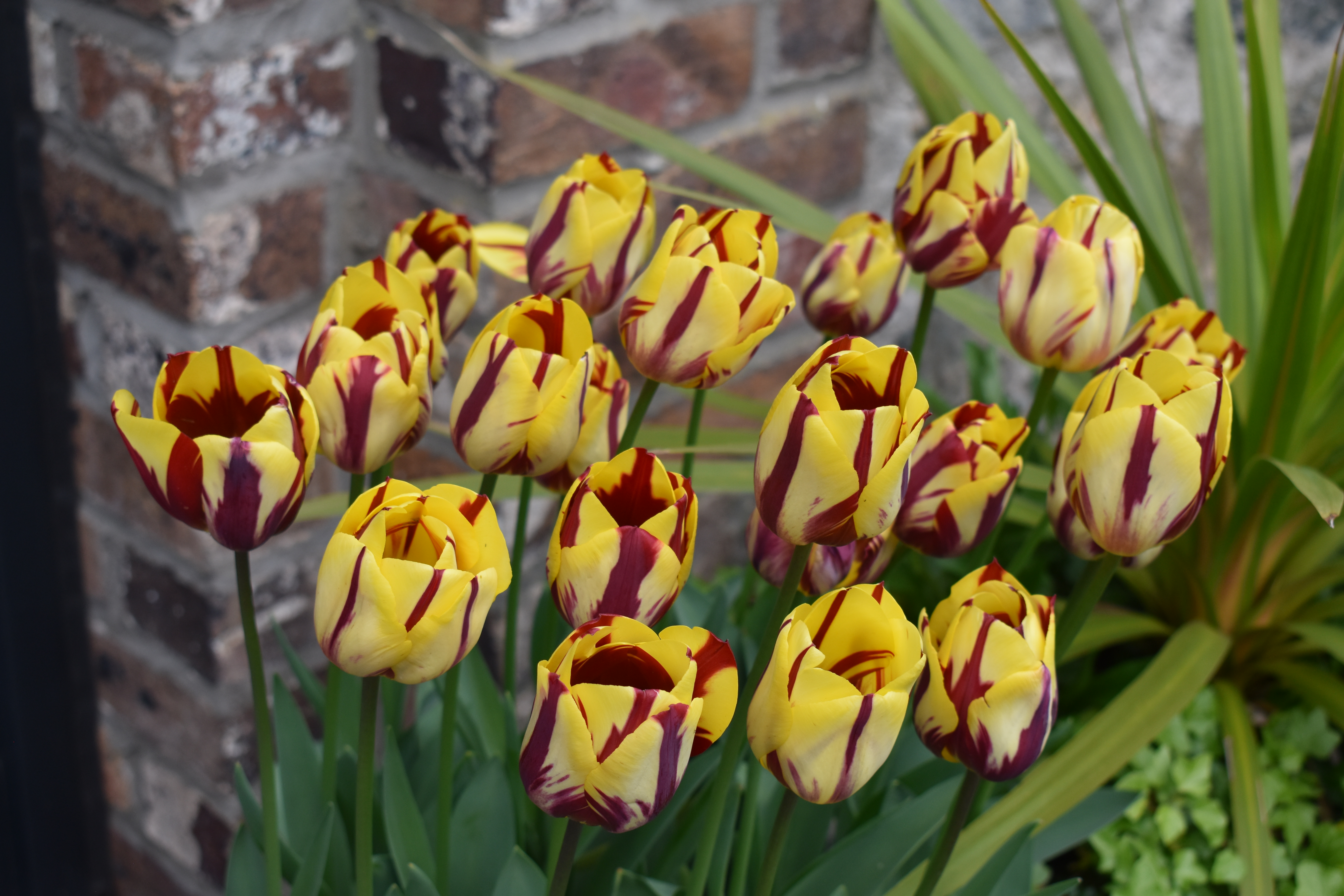
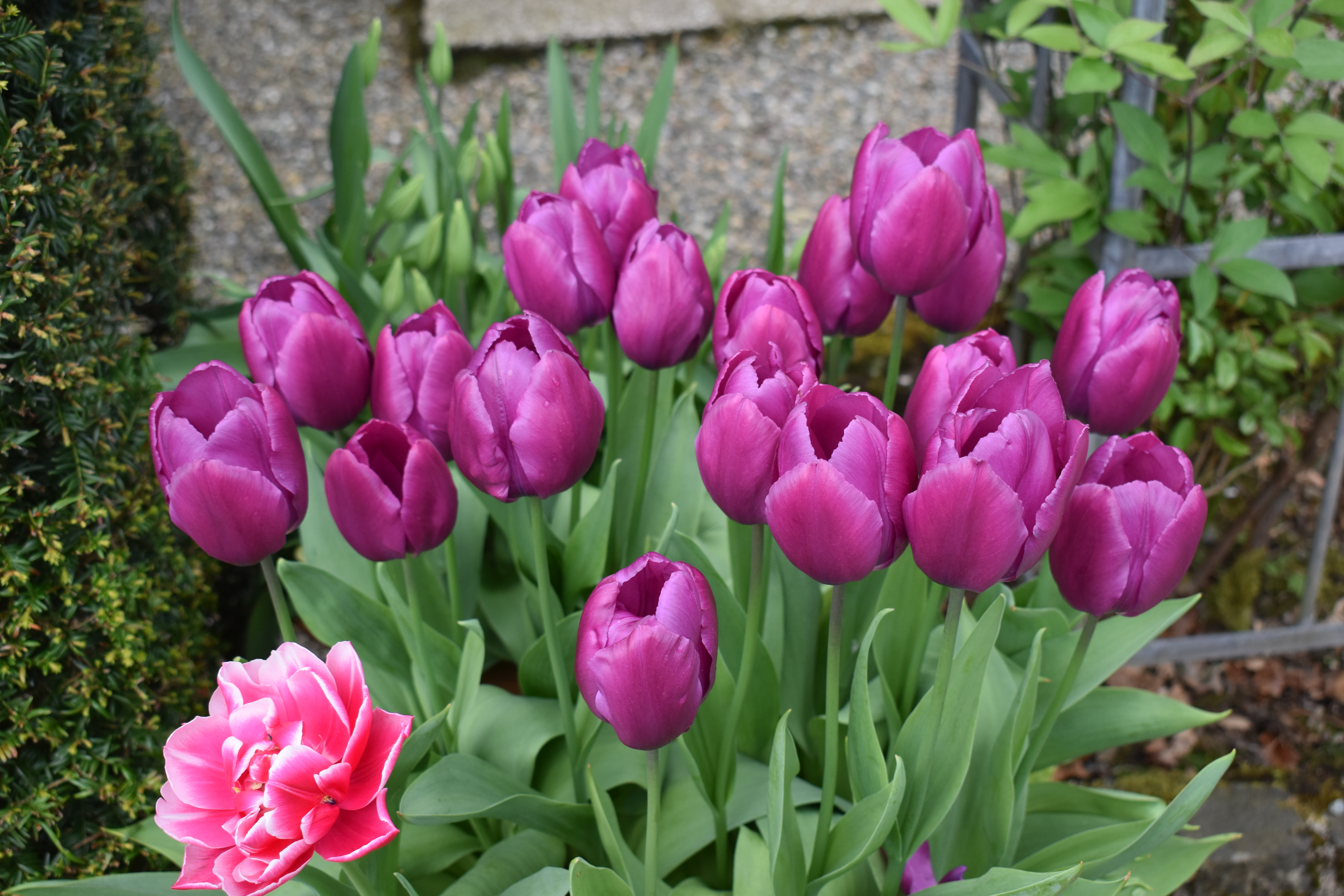
We usually follow a clockwise route around a garden but the way the garden map was numbered led us in the opposite direction for a change. We soon arrived at a long, narrow rectangular garden which took us alongside the grass area. The planting here was interesting and contrasted well with the formality of the early views we had enjoyed. More beautiful pots, many with bright tulips, provided extra colour.
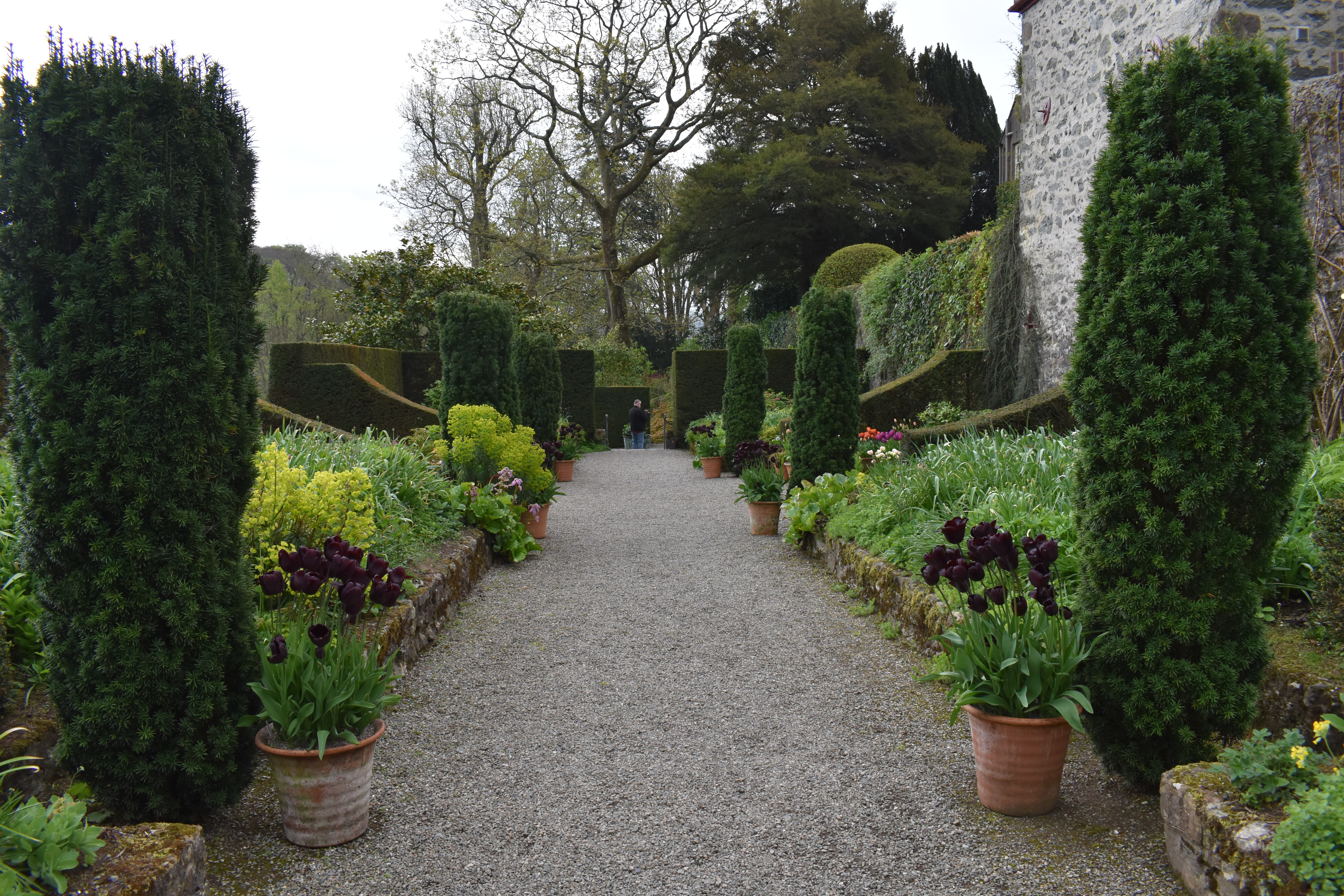
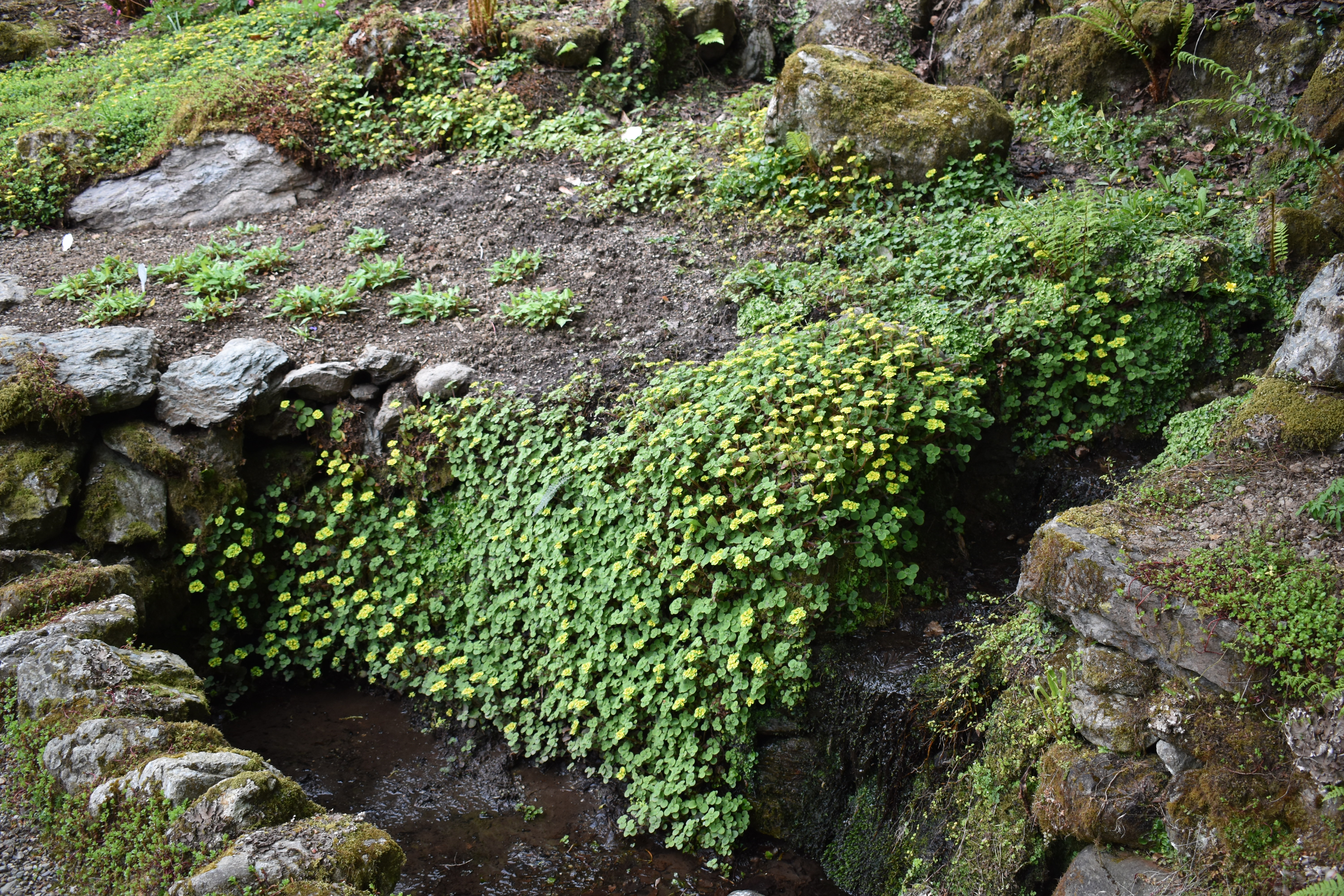
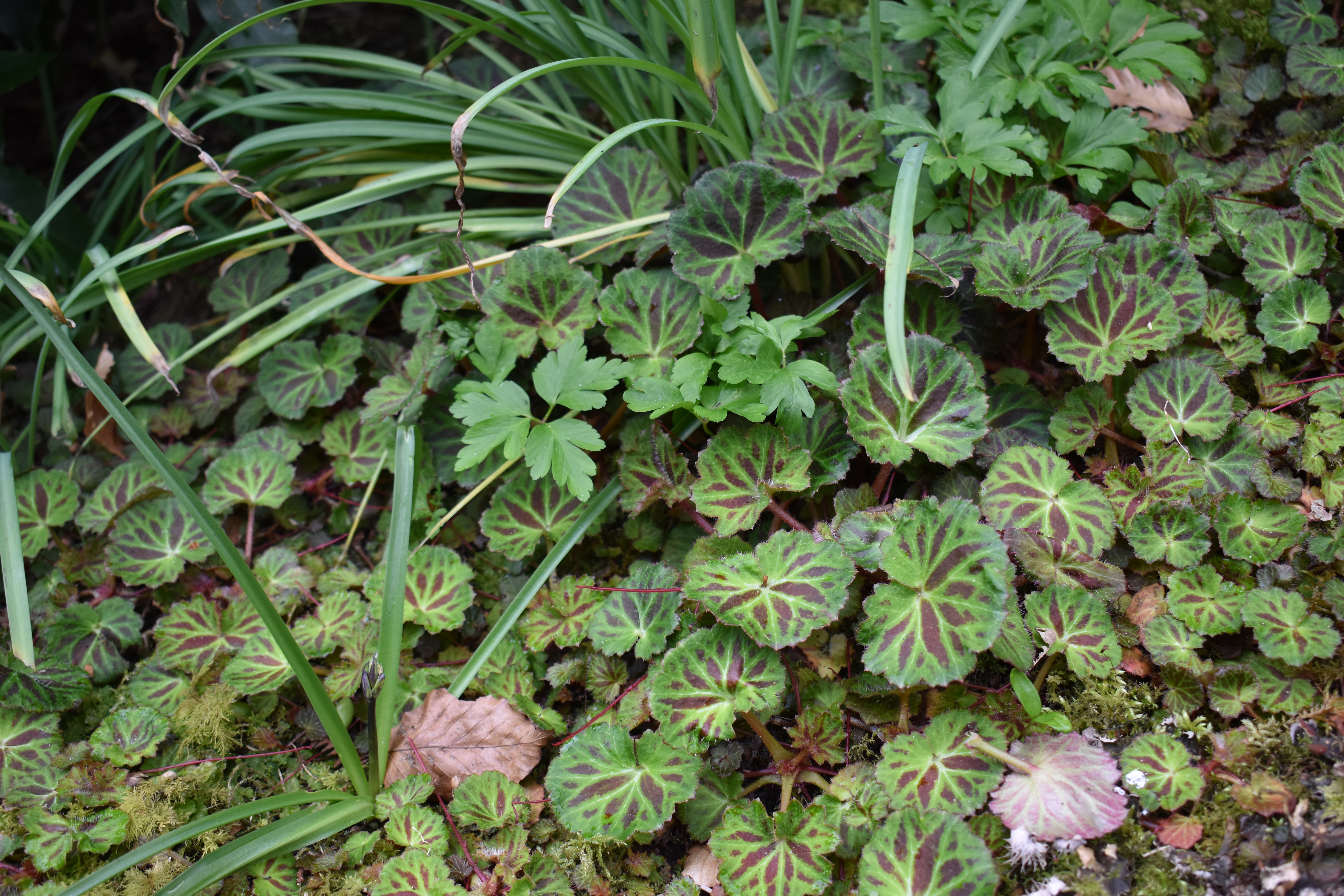
From this area a winding gravel path took us through ‘The Jungle’ beneath a large specimen of Yew and over a tiny stream. It was a slow time as I struggled with my walking stick and Jude supporting me and helping on the slopes and steps. But the planting made it oh so worthwhile with all sorts of plants from tiny alpines to tall trees above.

Having to move slowly here gave us the opportunity to study plants and appreciate them in detail. The area around the little stream was a great place for looking closely.

Carrying on down, several short but steep flights of stone steps slowed us right down but there was so much to see.
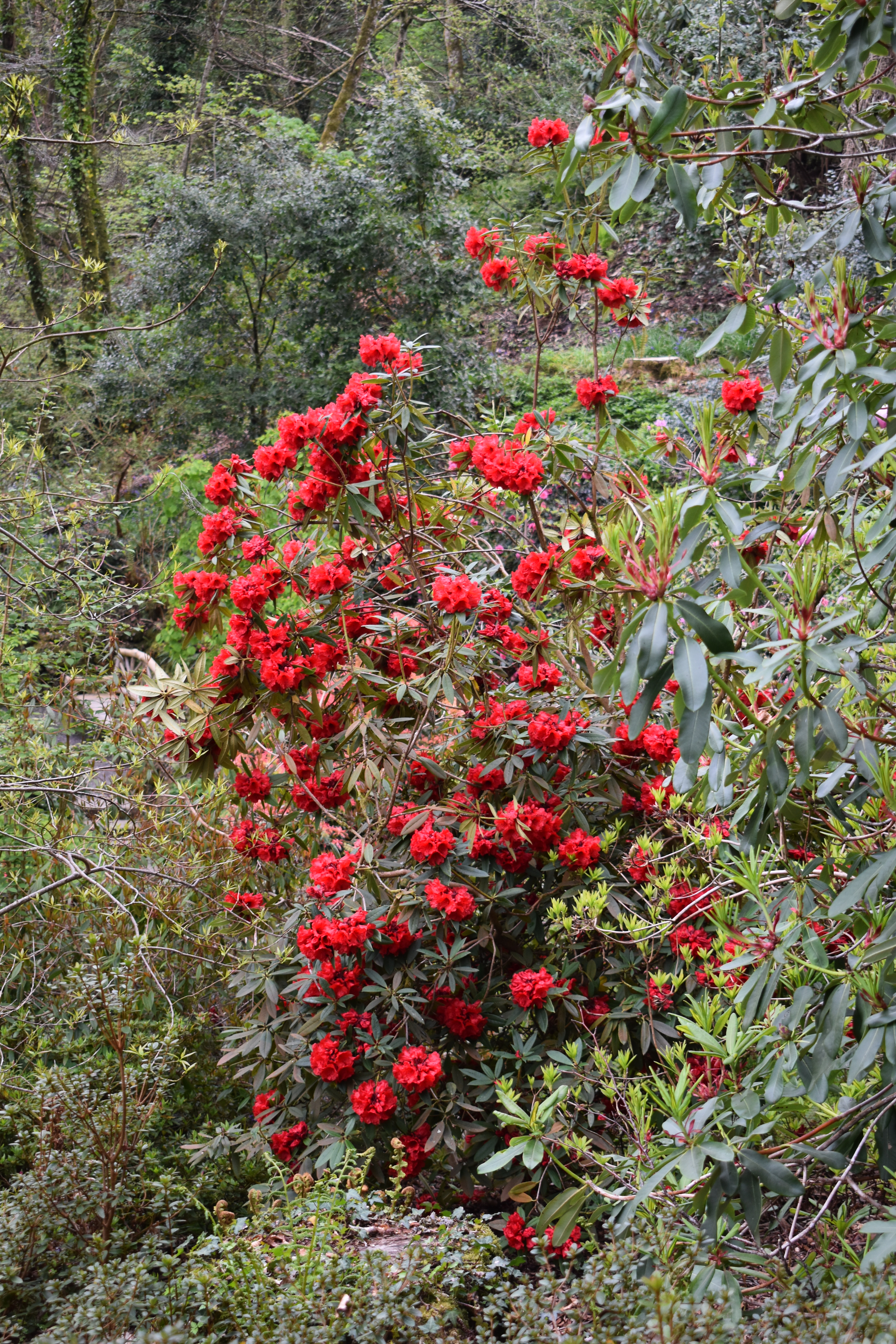
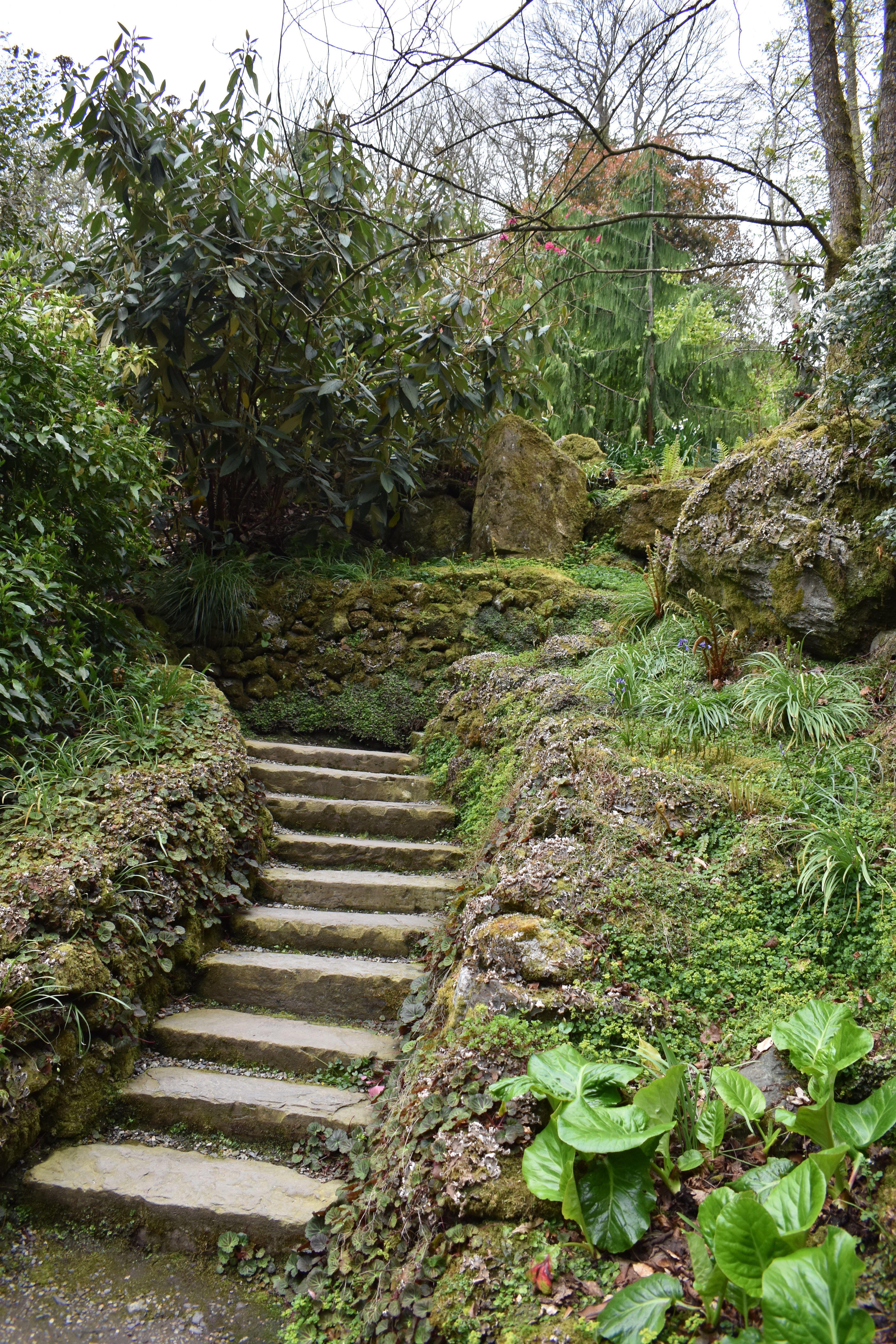
As we approached the bottom of the slope we got close to one of my favourite parts of the garden, the pond and streamside. So this is a good time to end part one of my report on our day at Plas Cadnant, the Hidden Garden. In part two we will consider the pond and streamside gardens and the walk back to the beginning.

Categories
Uncategorized

The Walled Garden at Croft Castle

We hadn’t visited Croft Castle for a few years. We set off this morning with low expectations of the day’s weather which we had gleaned from various weather apps. We were expecting a cold day with the possibility of a few showers and cold winds. But we were surprised to see the sun appearing and with it a little warmth.

We decided to have a quick coffee followed by a wander around the walled garden and then an amble up the gently sloping hillside beyond the cafe.

The walled garden has long been the favourite part of this National Trust property and we have seen many changes over the years. We were expecting to see changes on this visit too.

On the short walk from the cafe to the walled garden we followed alongside a broad border between the pathway and a tall brick wall. The border has different ground covering plants throughout the seasons and interesting views all around. If we turn around we get completely views.

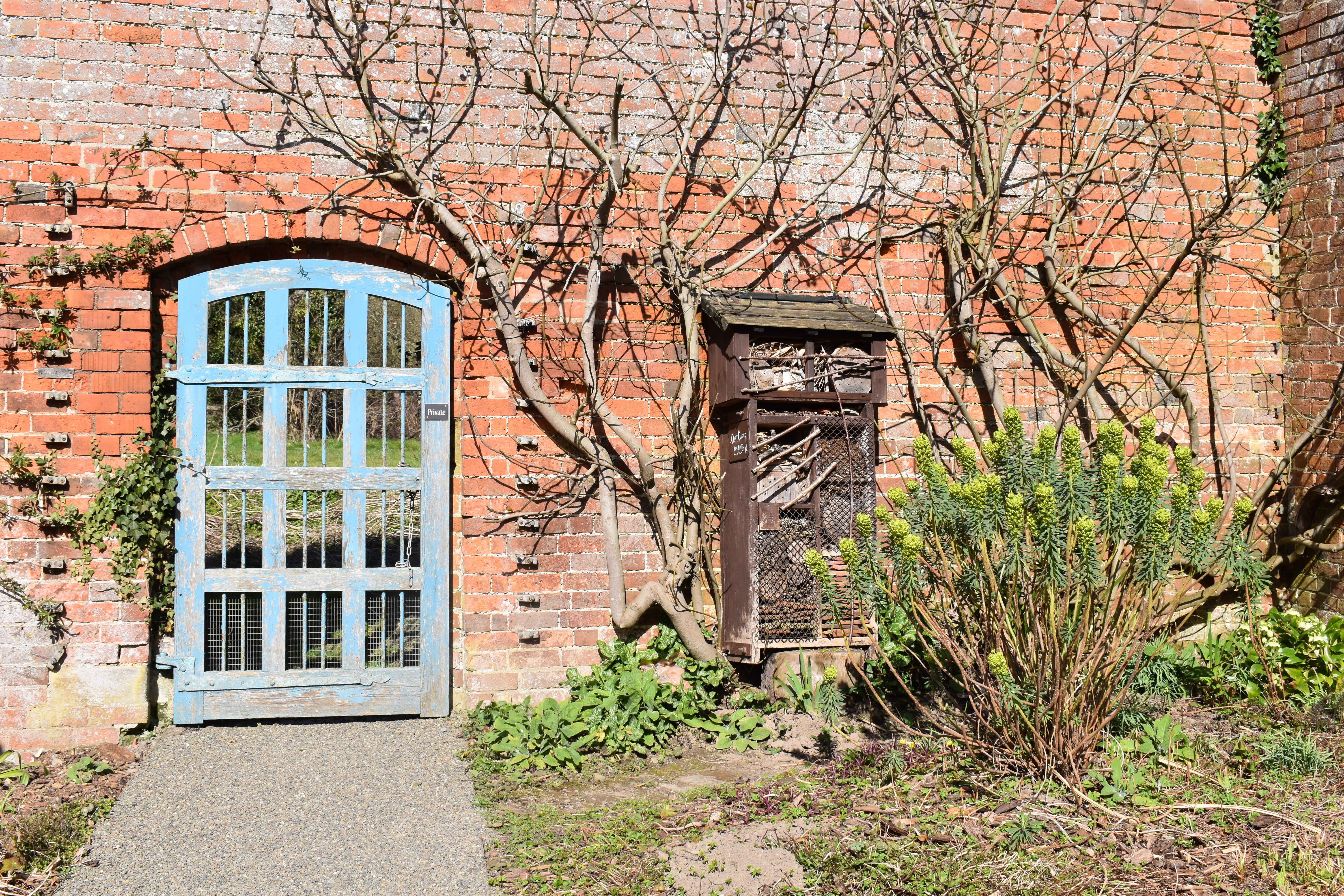
We entered the walled garden through a blue gate in the brick wall.

We always follow the same route around the walled garden.We turn right once we enter through the gate and basically look at all four wall borders. Once we have looked at all the walls then we look inwards to study the borders in the central area.

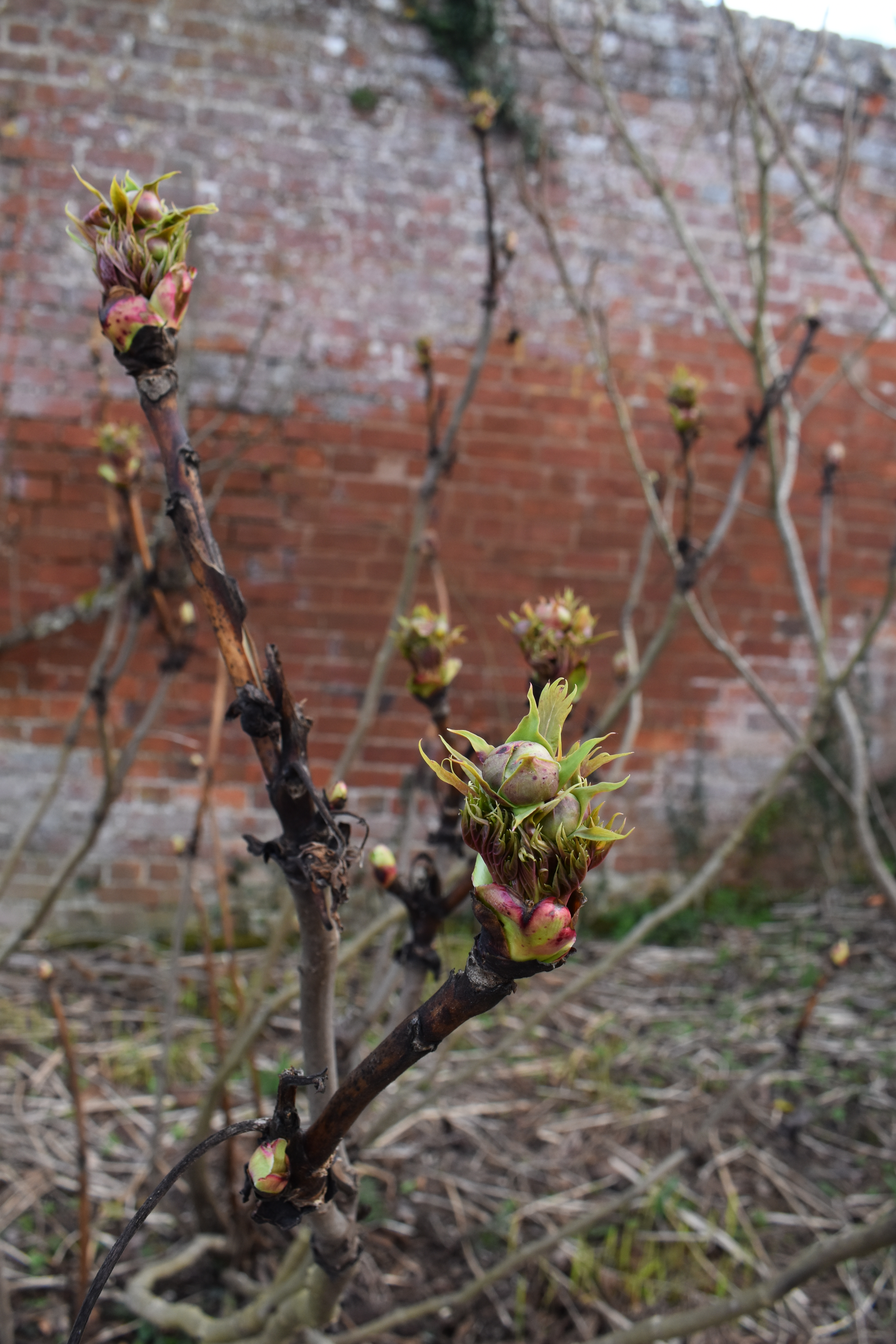
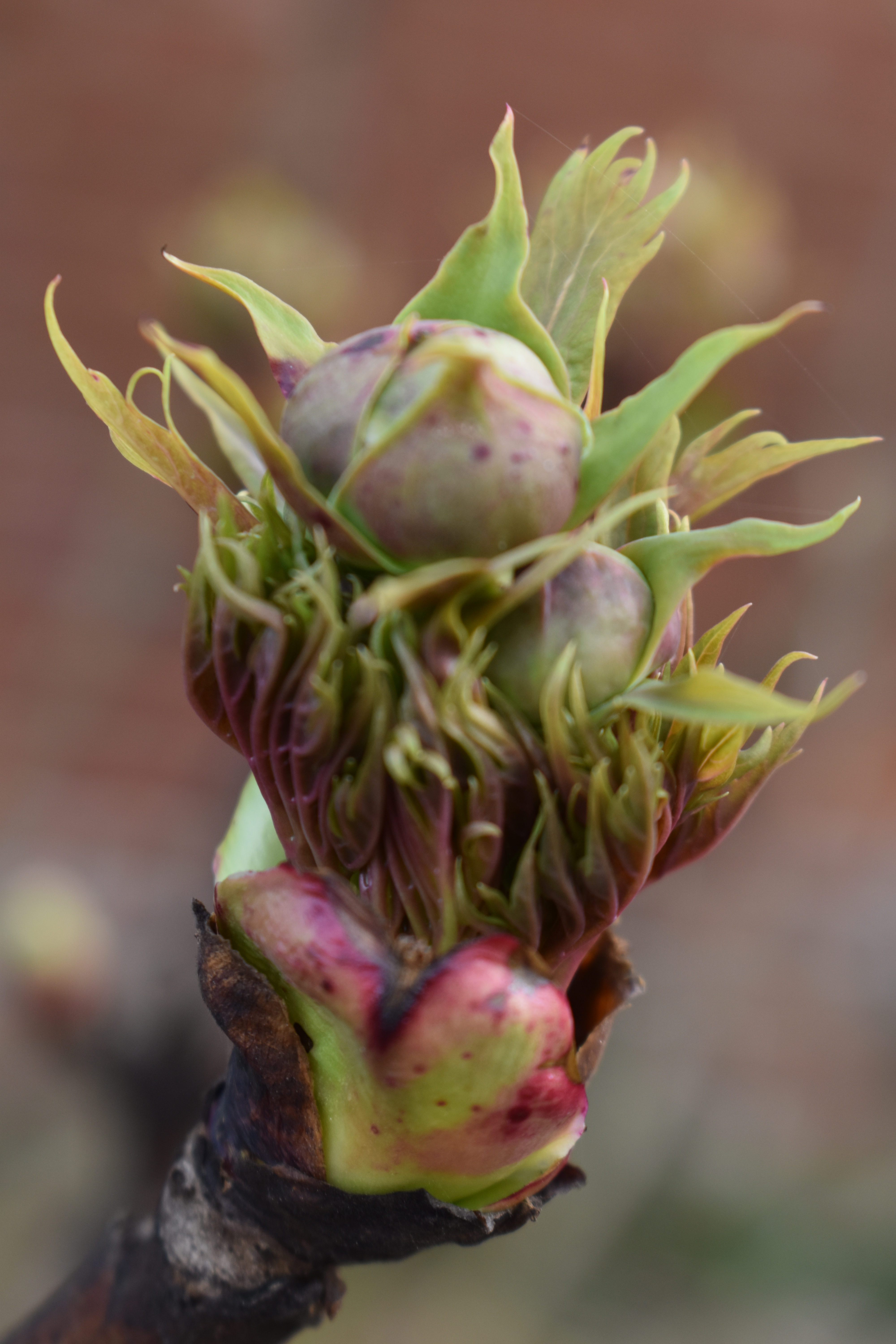
As we began to look along the first wall the first plant that caught our eyes was this tree peony, with its large buds fattening up as it gets ready to open and allow the petals within to unfurl.

Euphorbia short and tall.

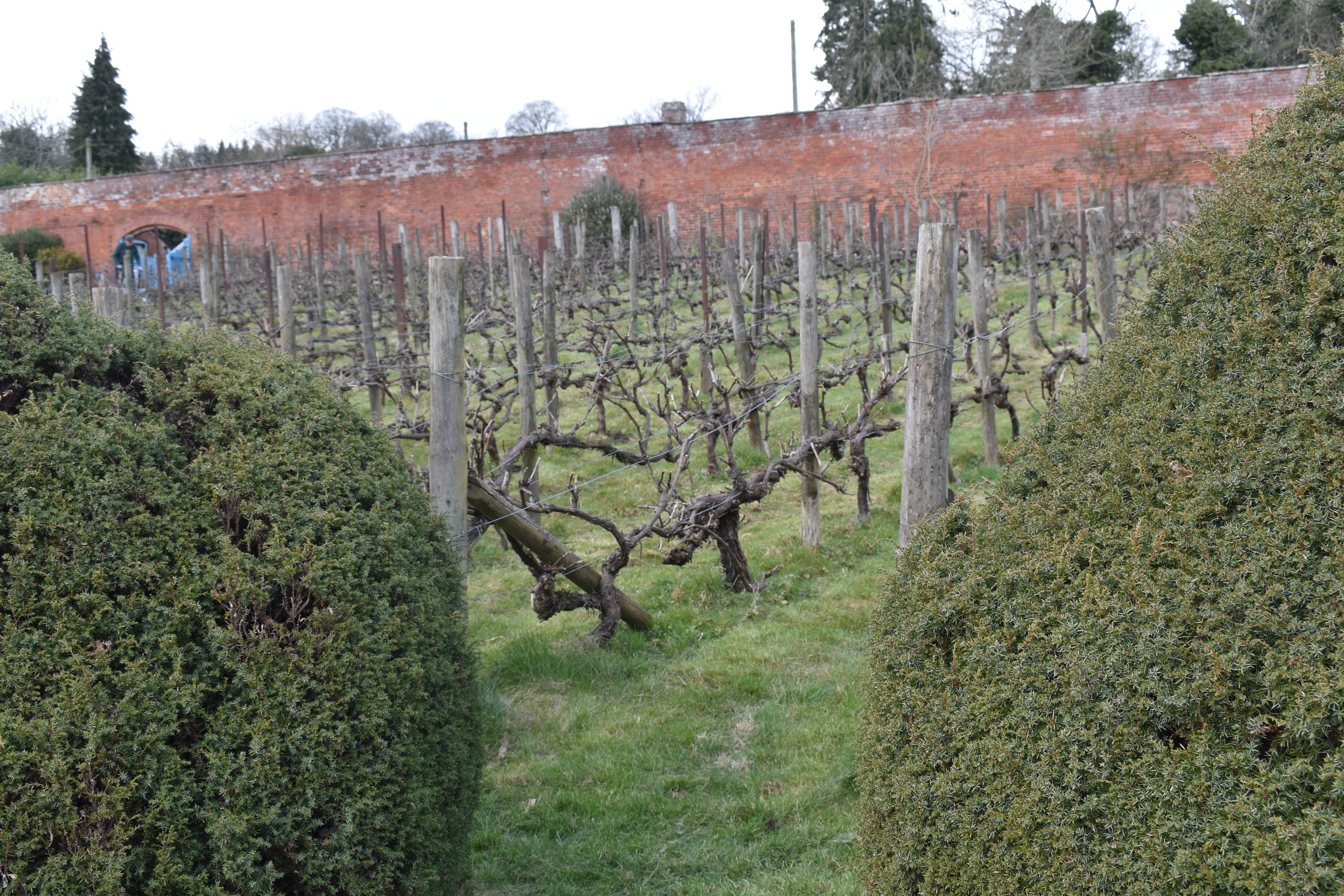
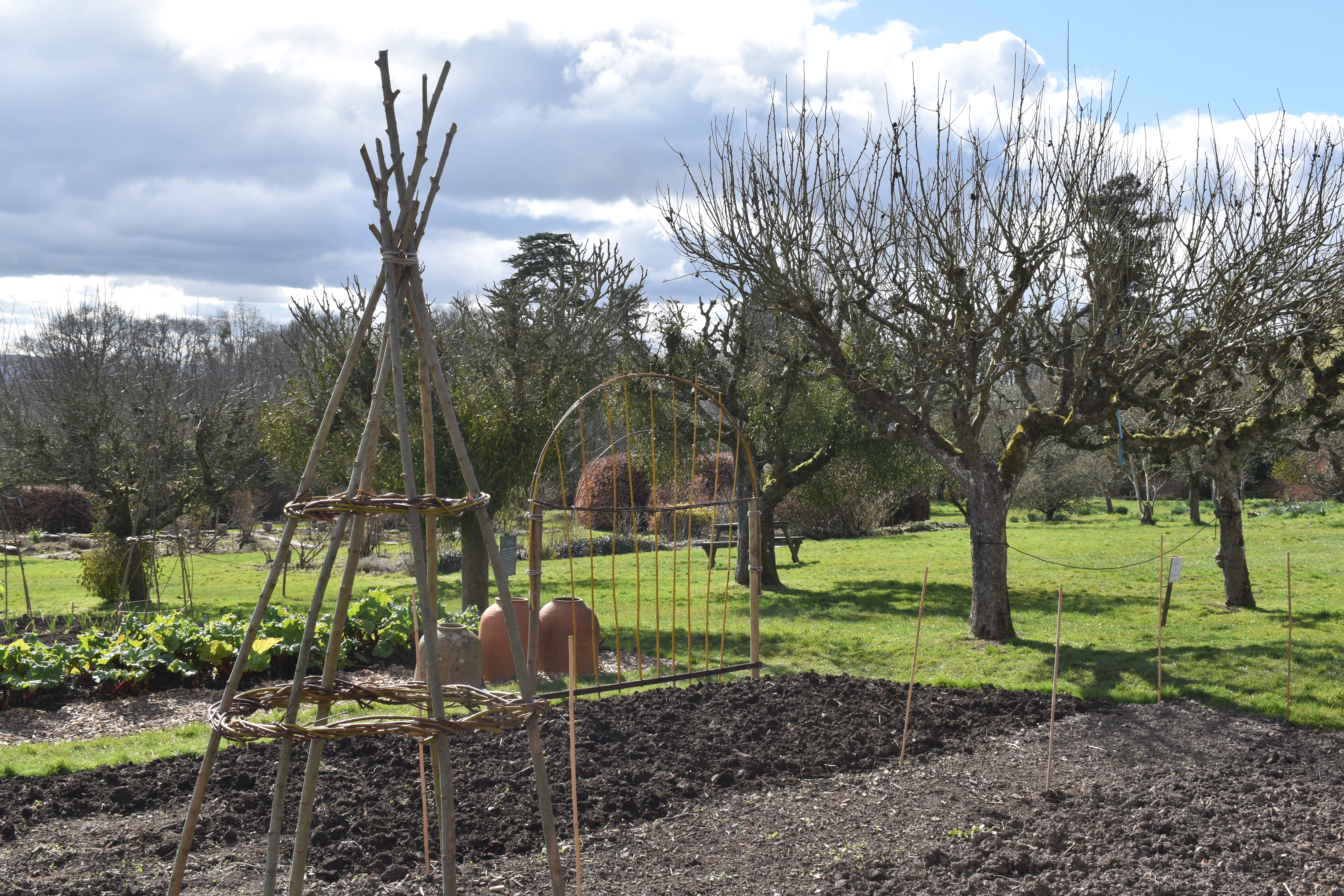
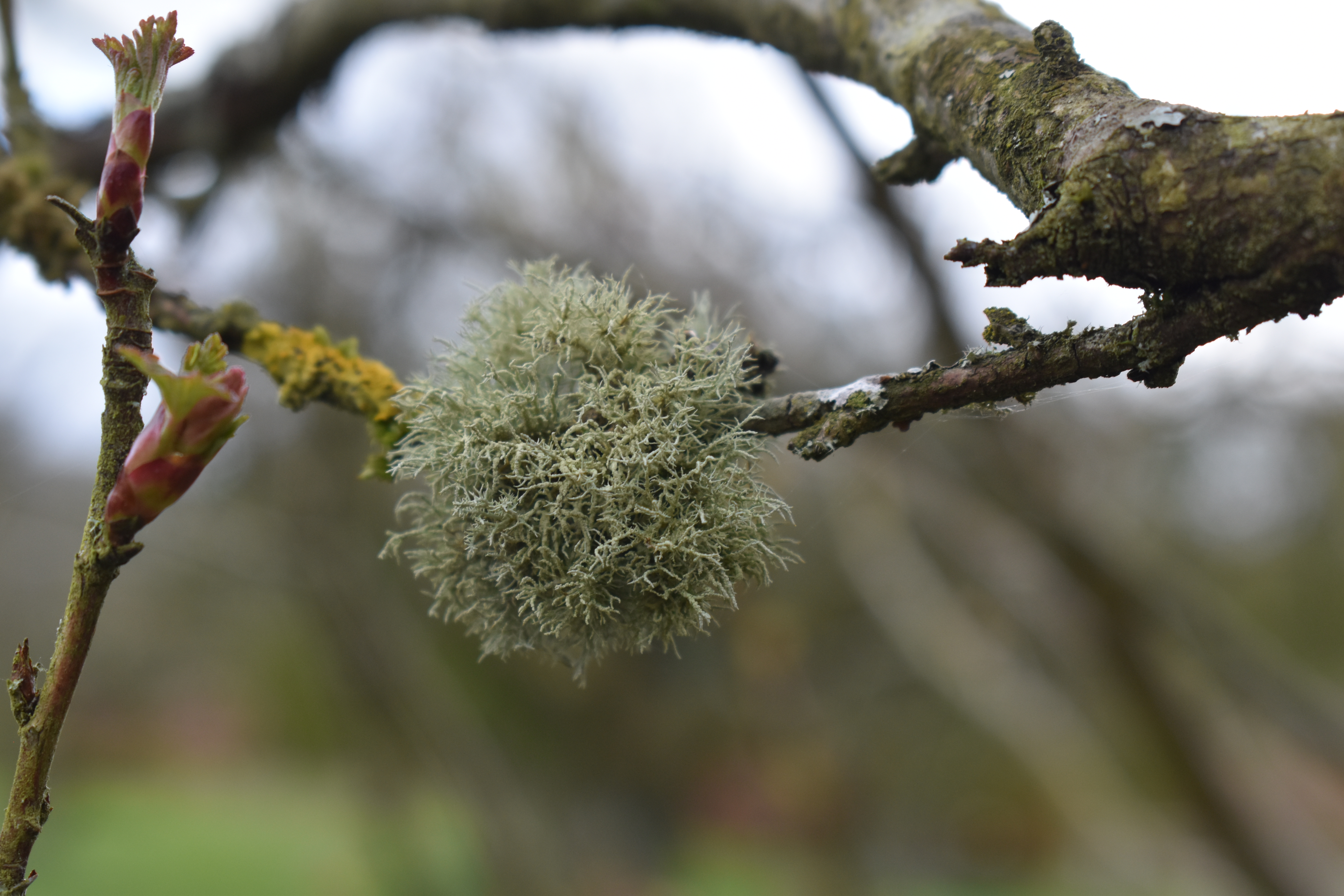
The sloping ground of the walled garden, presumably south facing, supports an impressively organised vineyard. In complete contrast on the other side of the garden is an orchard with old, lichen covered apple trees.

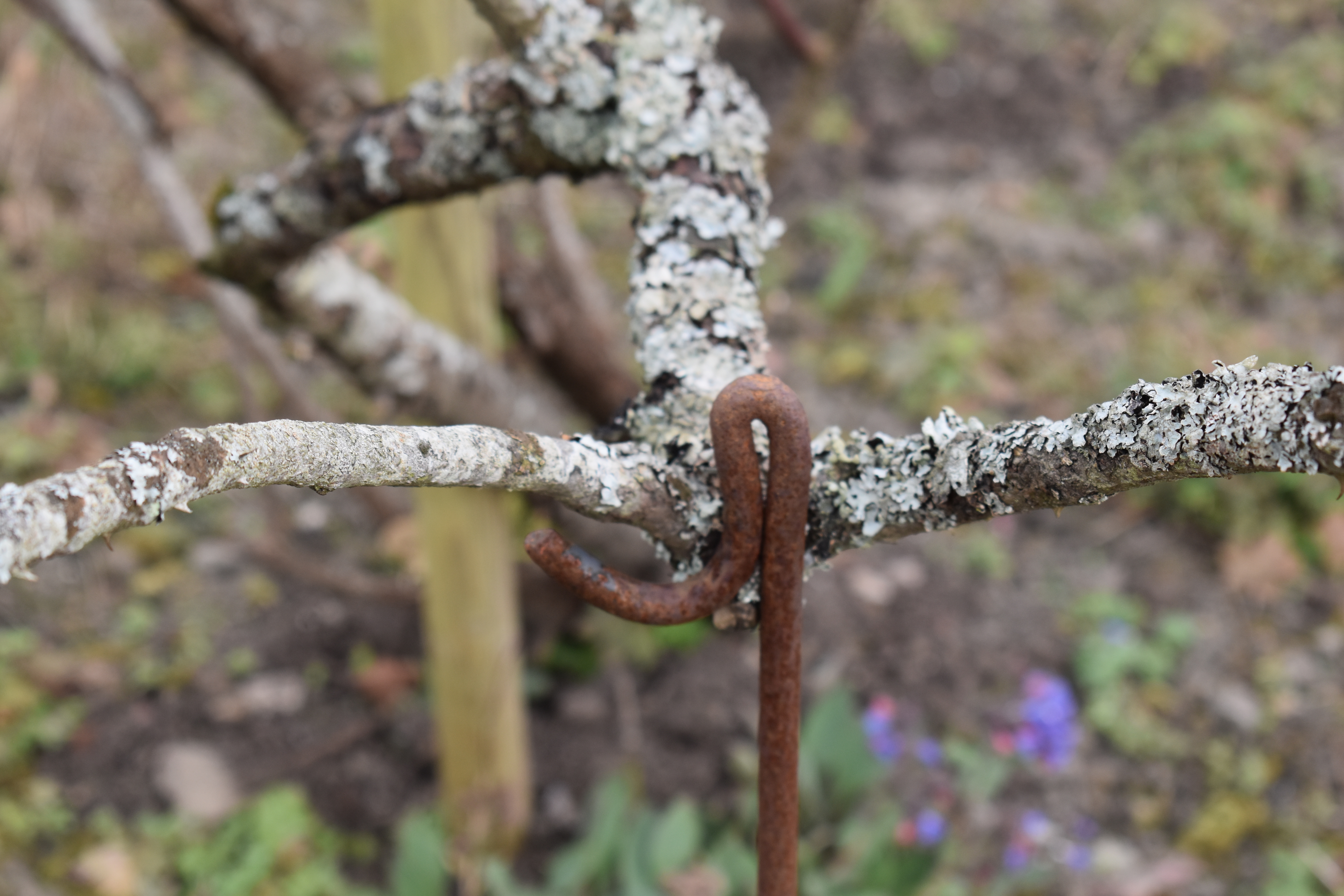
Rustic plant supports made by the gardeners fit into the walled garden well.

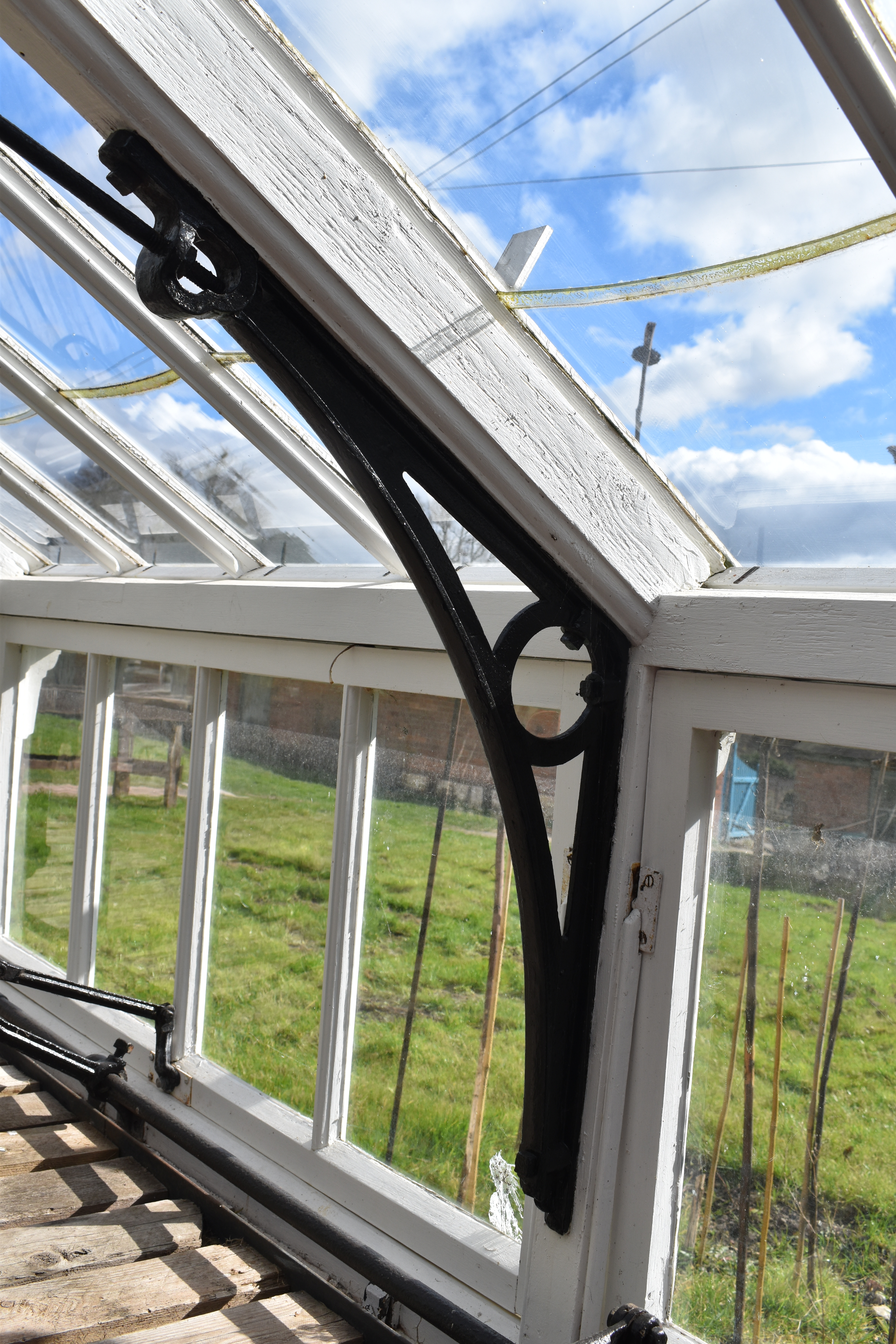
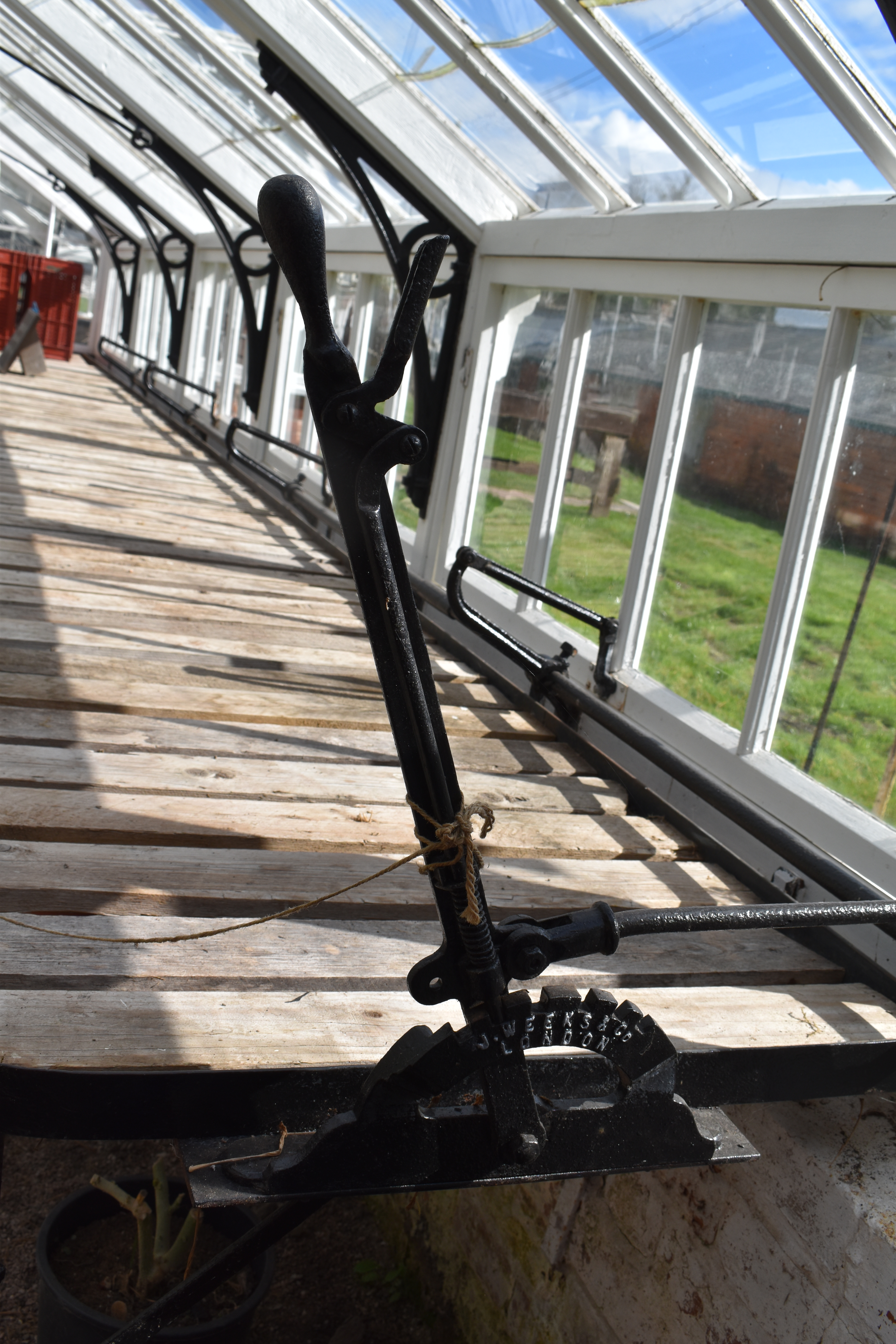
Blue painted doors and gates are a feature of the gardens at Croft. The Victorian glasshouse has been refurbished so looks good as we explored its features.

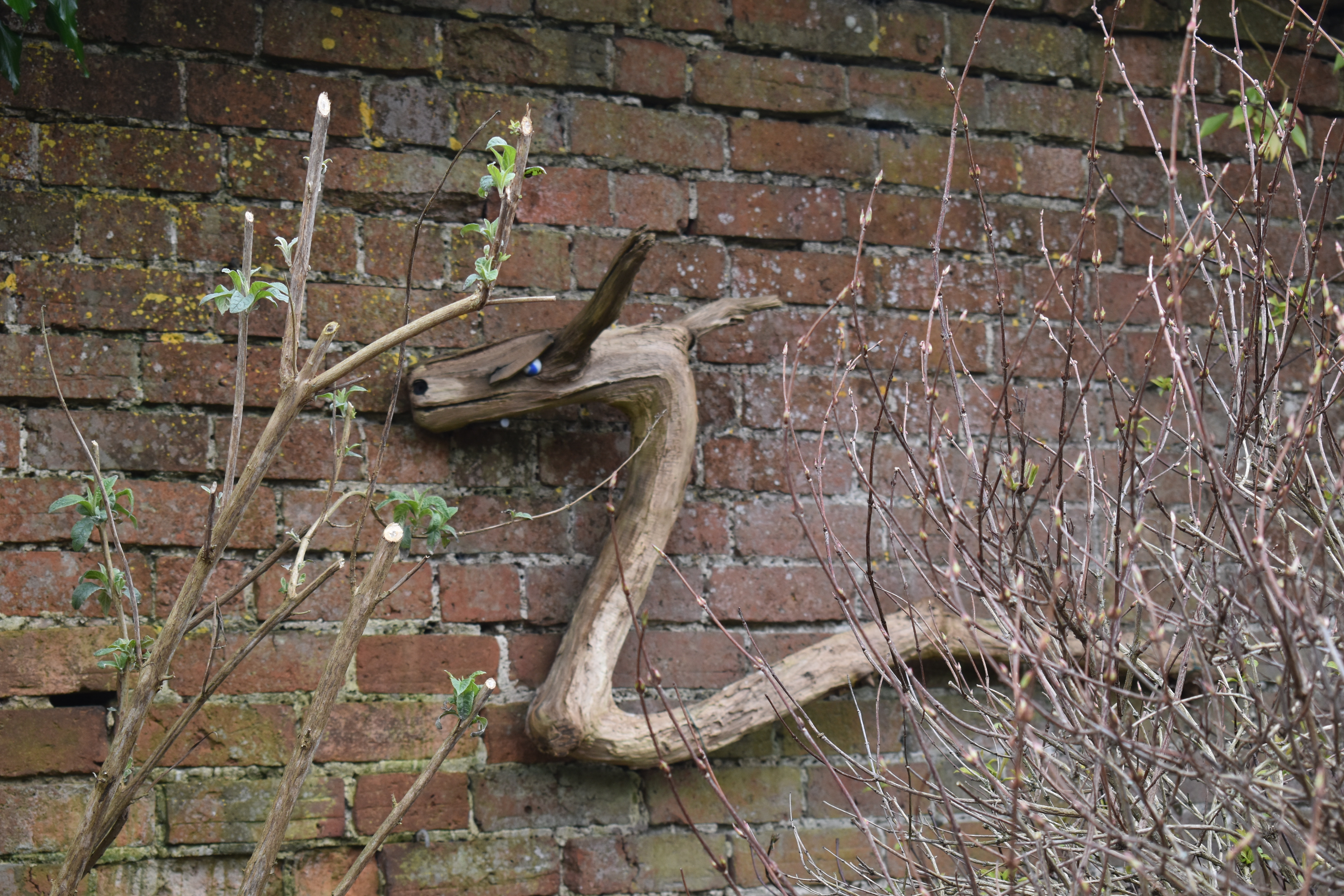
Returning back into the main walled garden we continued to find interesting plants in the borders. In places the gardeners have used interestingly shaped pieces of wood to become features on the walls and borders.

After wandering around the walled garden and discovering interesting artefacts and plants beginning to show spring growth, we made our way back to the sloping ground that was home to ancient oaks and sweet chestnuts. That will be the subject of my next posting.

Categories
Uncategorized

Visiting Mary’s Garden

Our mini subgroup of the Hardy Plant Society Shropshire Group, drove down to Clun at the bottom of South Shropshire to visit a fellow member, Mary’s garden.

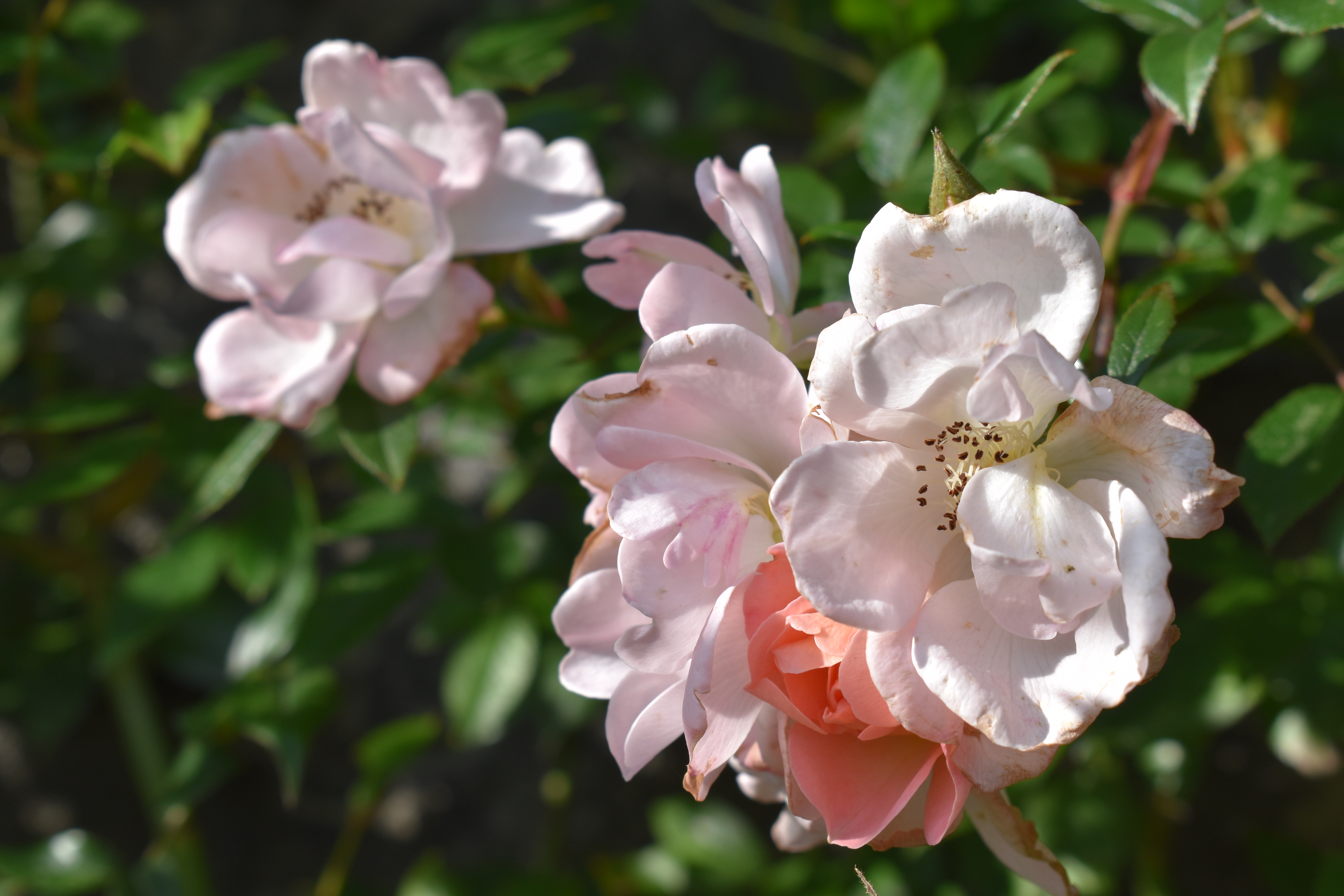
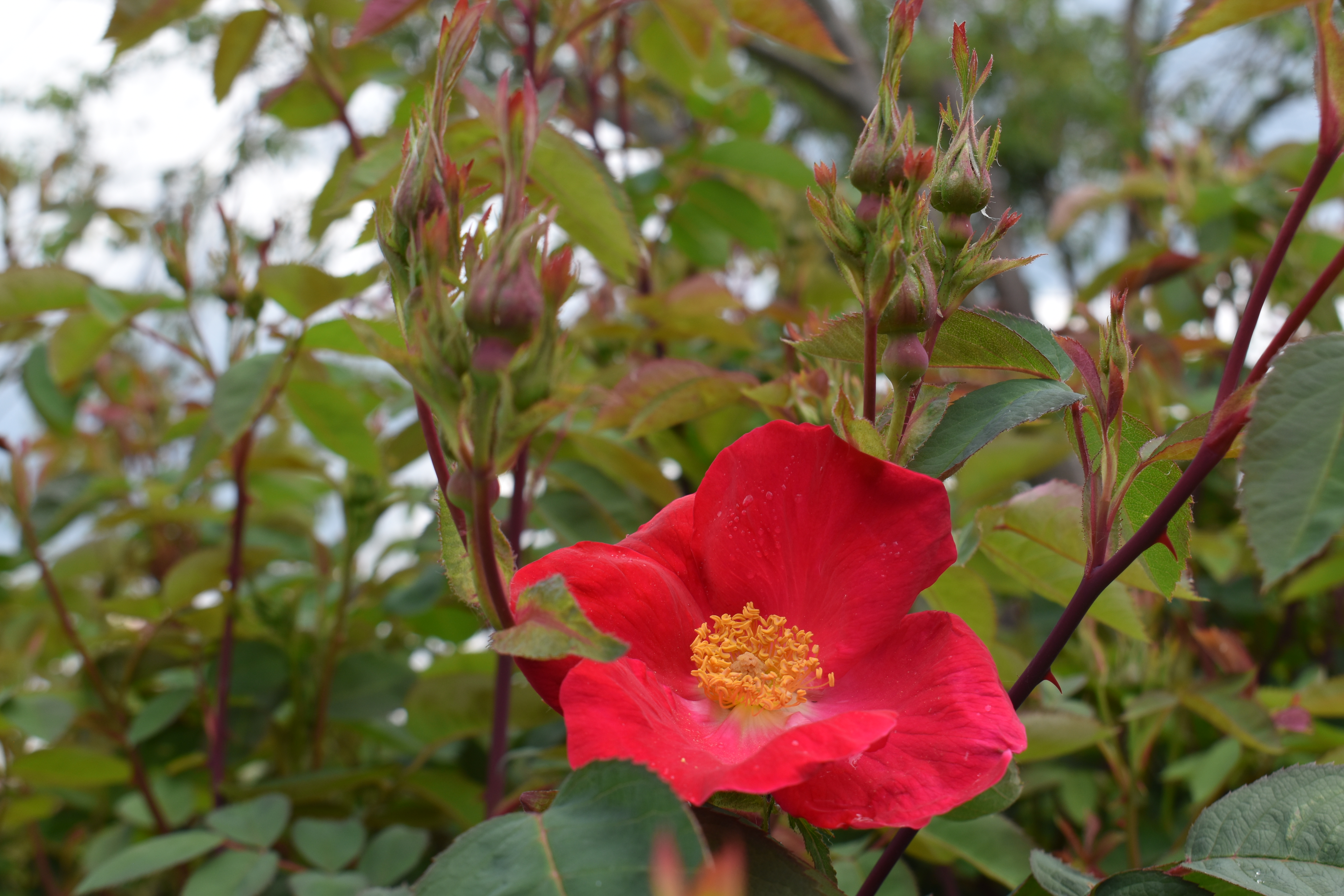
Her garden is wrapped around an interestingly designed bungalow, so presented us with plenty of corners to turn around and view new areas of planting. We found a wonderful rambling rose on the fence even before we had entered. There were other beauties all around the garden.

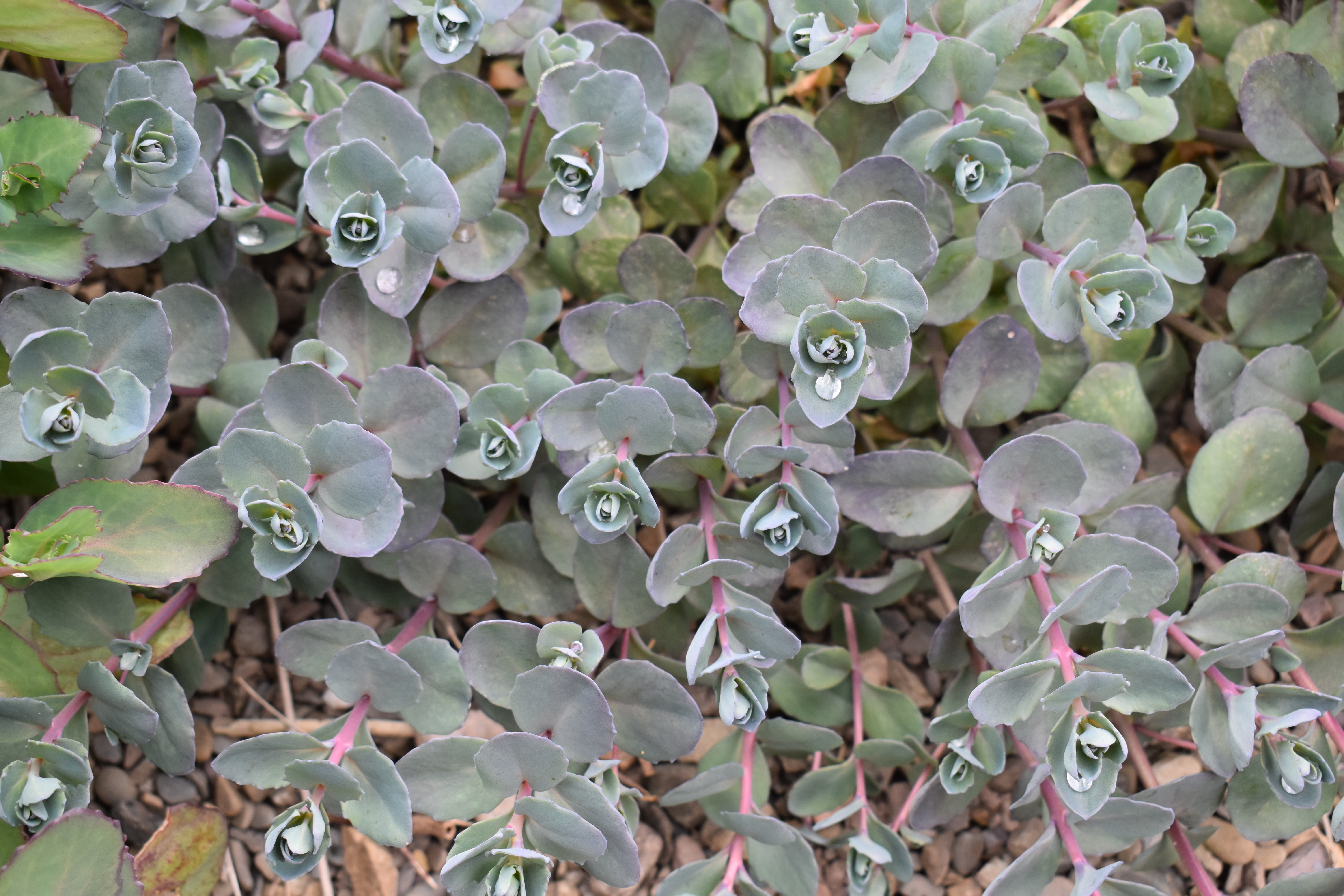
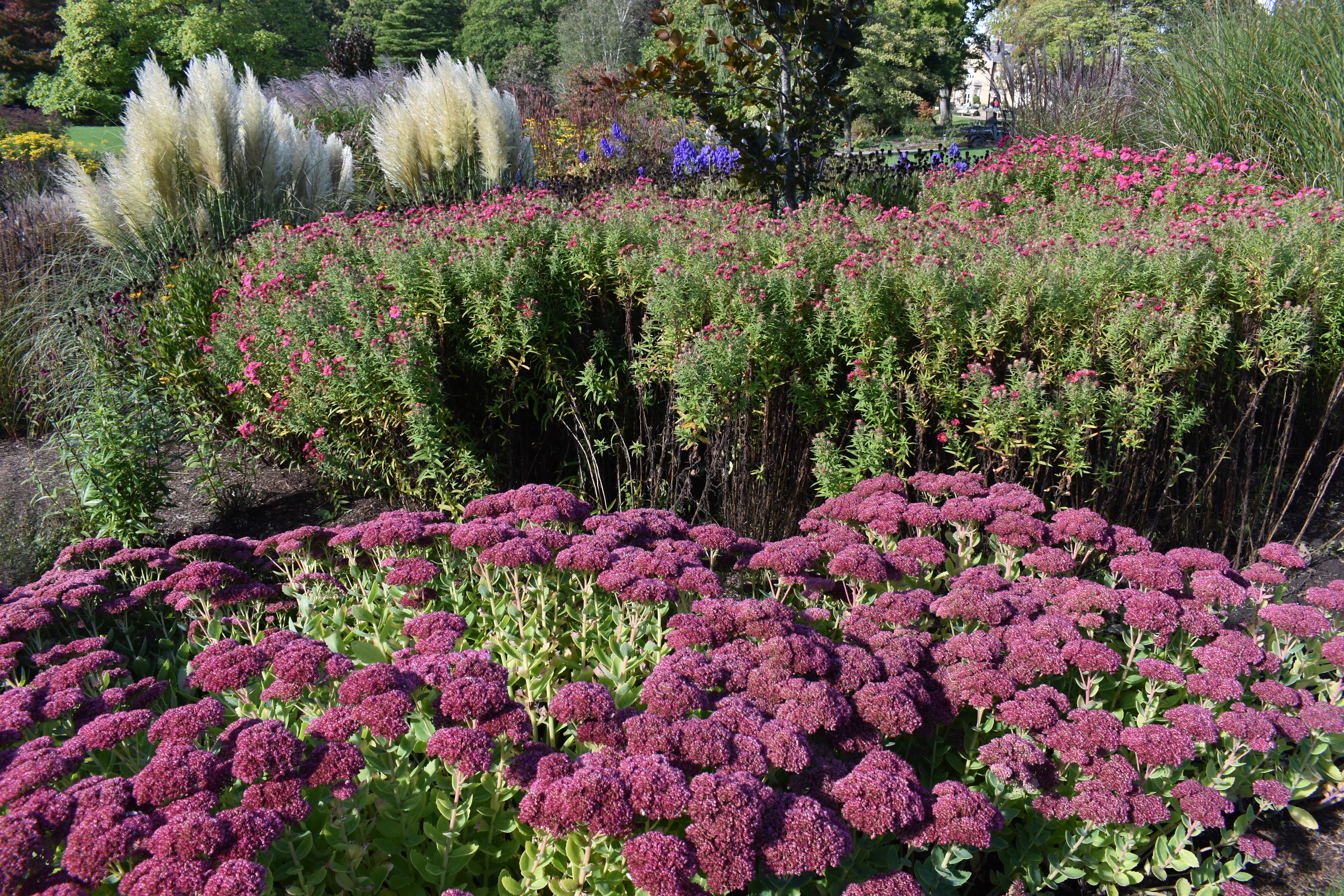
We started our wanderings by going to to the left of the property where we enjoyed having close looks at some interesting plants including sedums, some holding onto droplets of rain in their own special way.

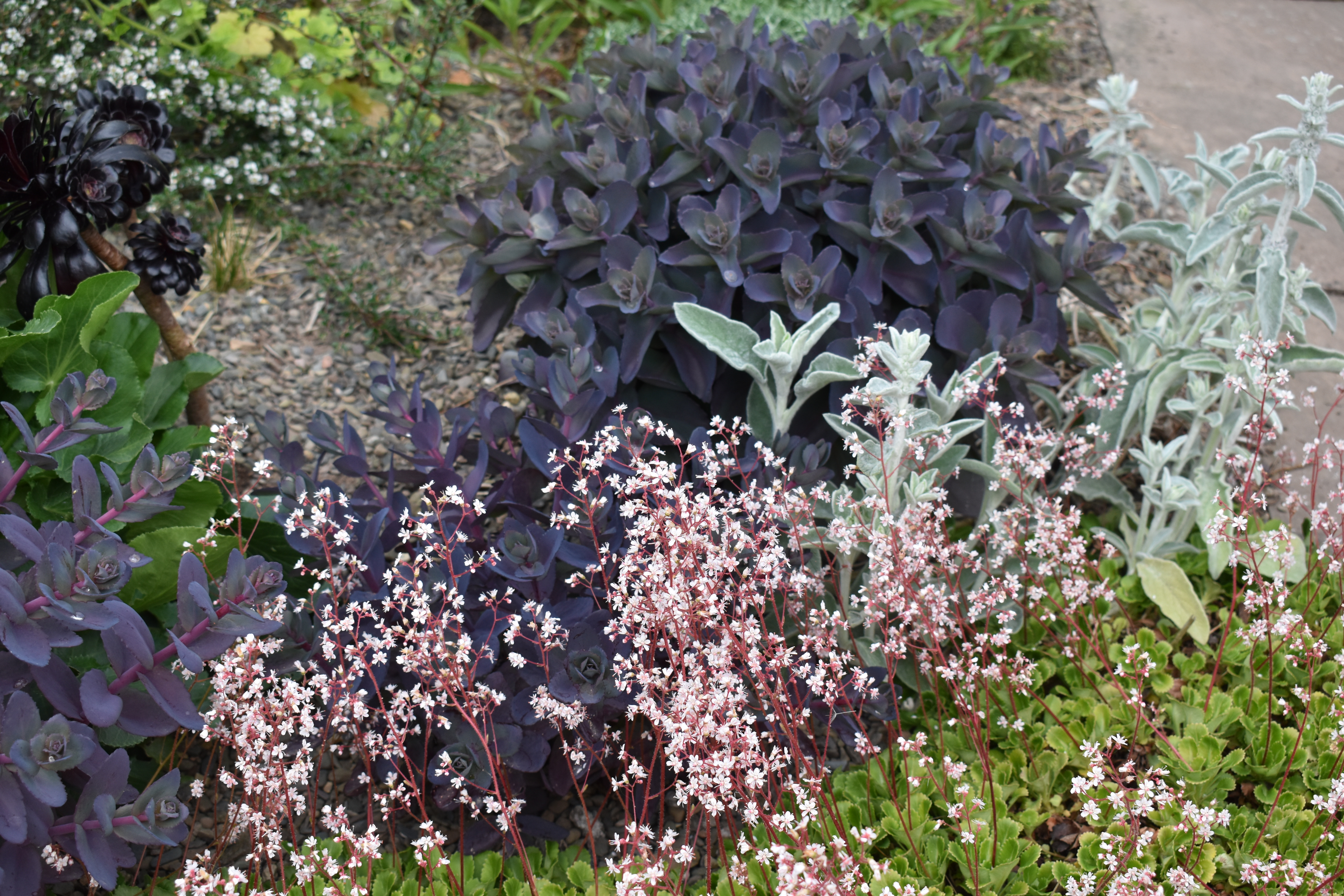
There were plenty more plants of interest in this area, some growing in clever combinations.

To get to the rear garden we passed beautiful wood stacks which always look and smell so good. A view of the main garden greeted us as we turned around the next corner of the bungalow. We could see colourful mixed borders, a pond and differential mowing.
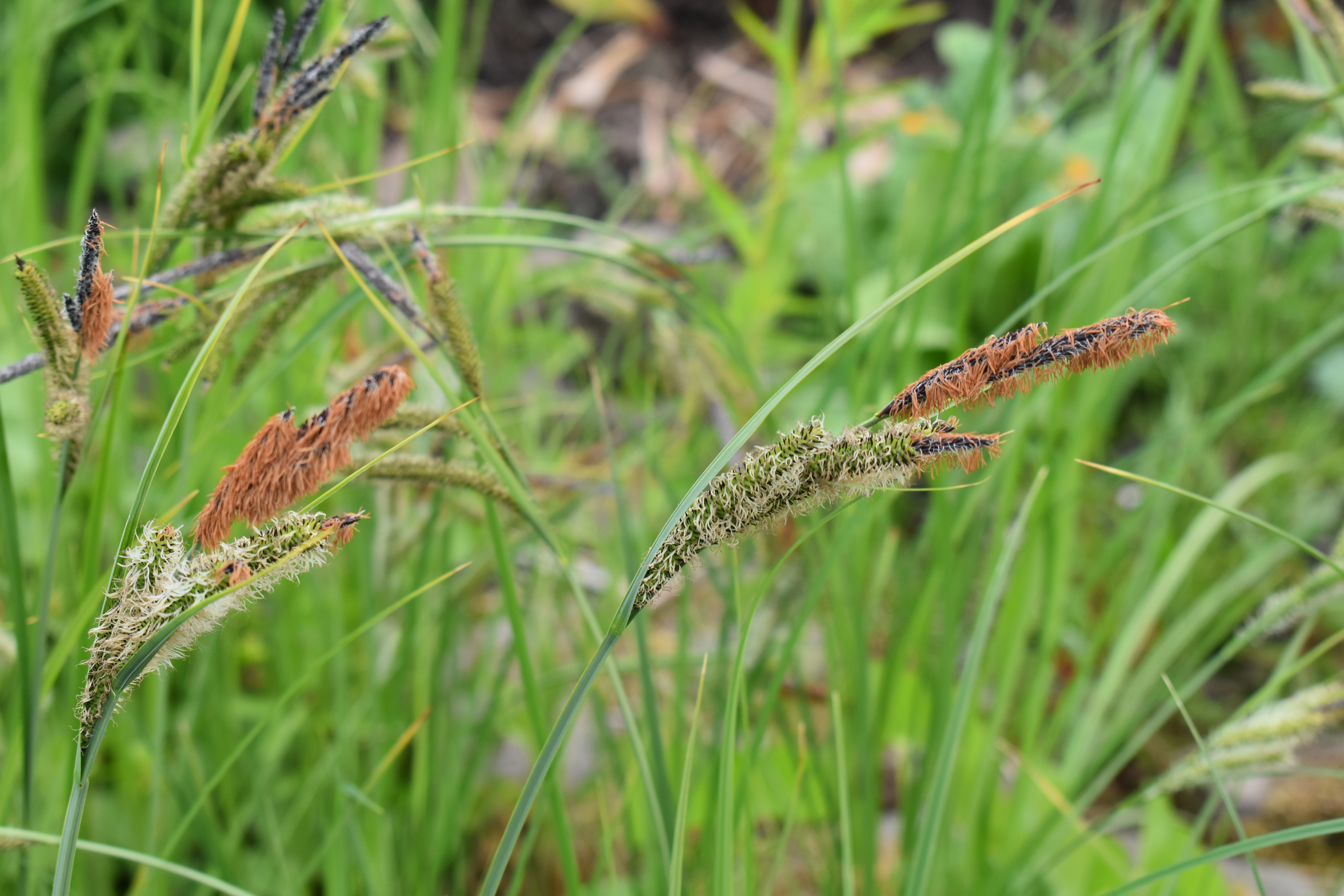
The pond fitted neatly into one end of the main border and there we found this flowering carex.

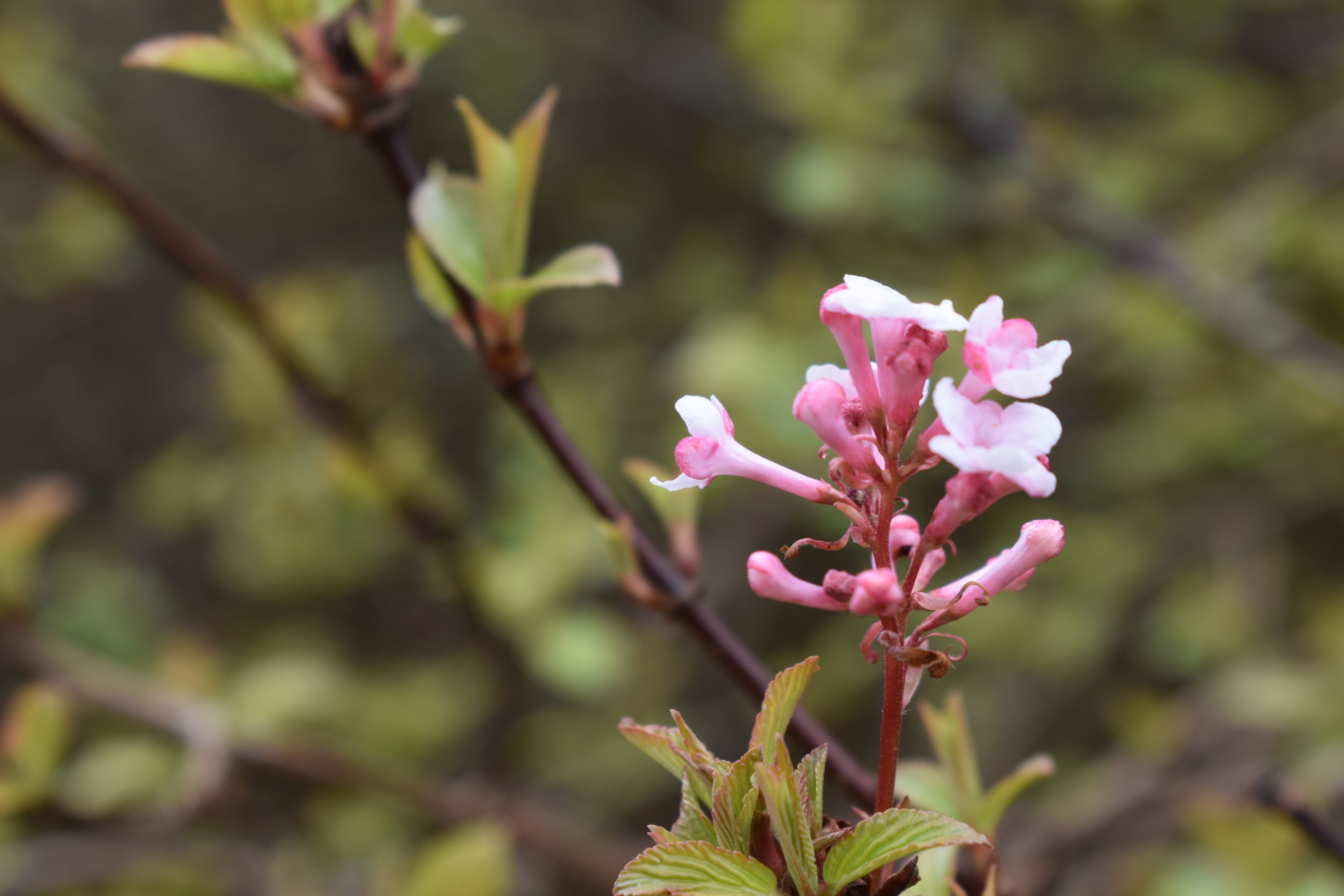
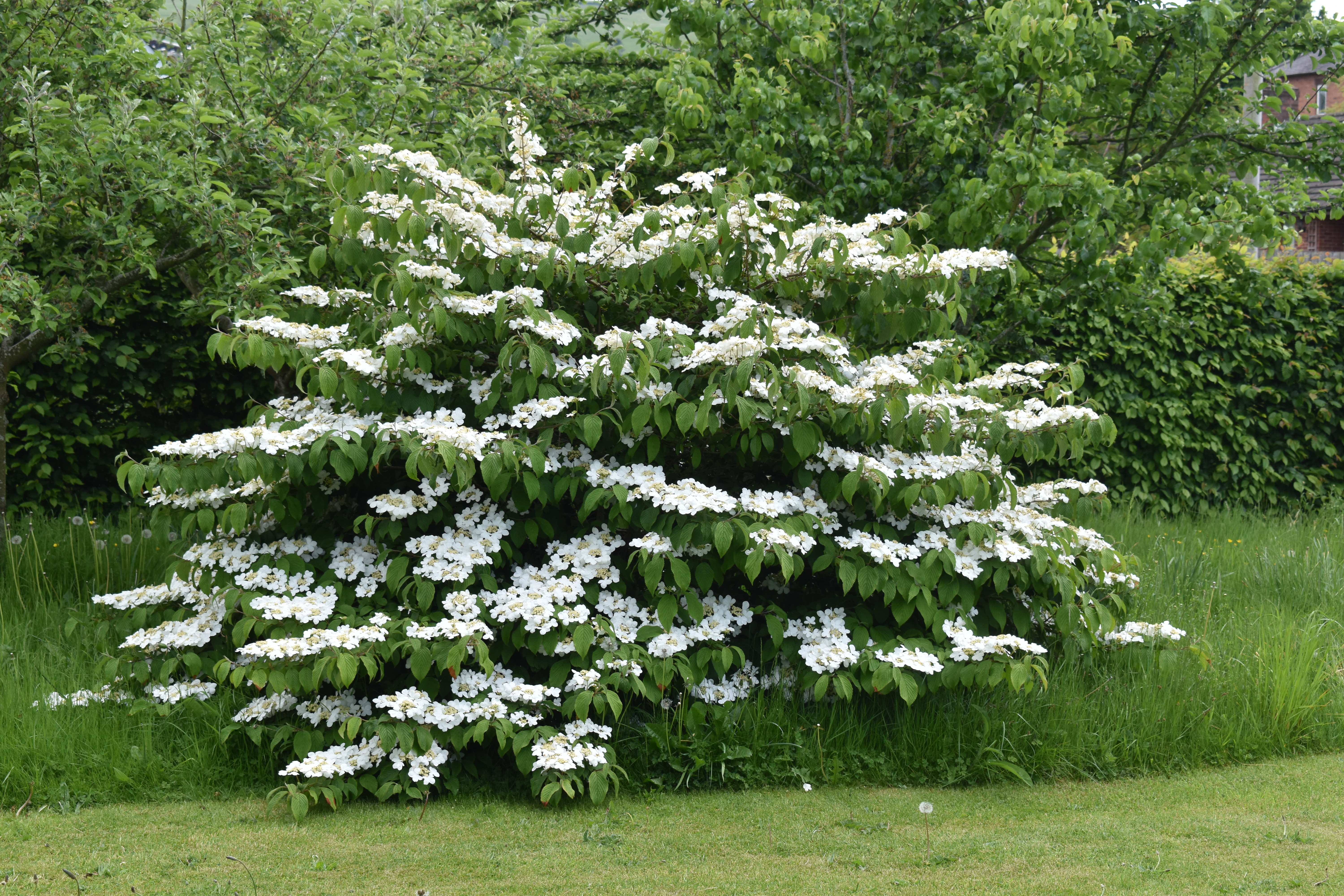
But it was not all mixed borders here as there were plenty of shrubs and small trees to attract our attention, including this very floriferous viburnum. We all admired its flowers and its incredible layered effect. It looked so at home planted just off to one side of mown grass and in an area of longer meadow.

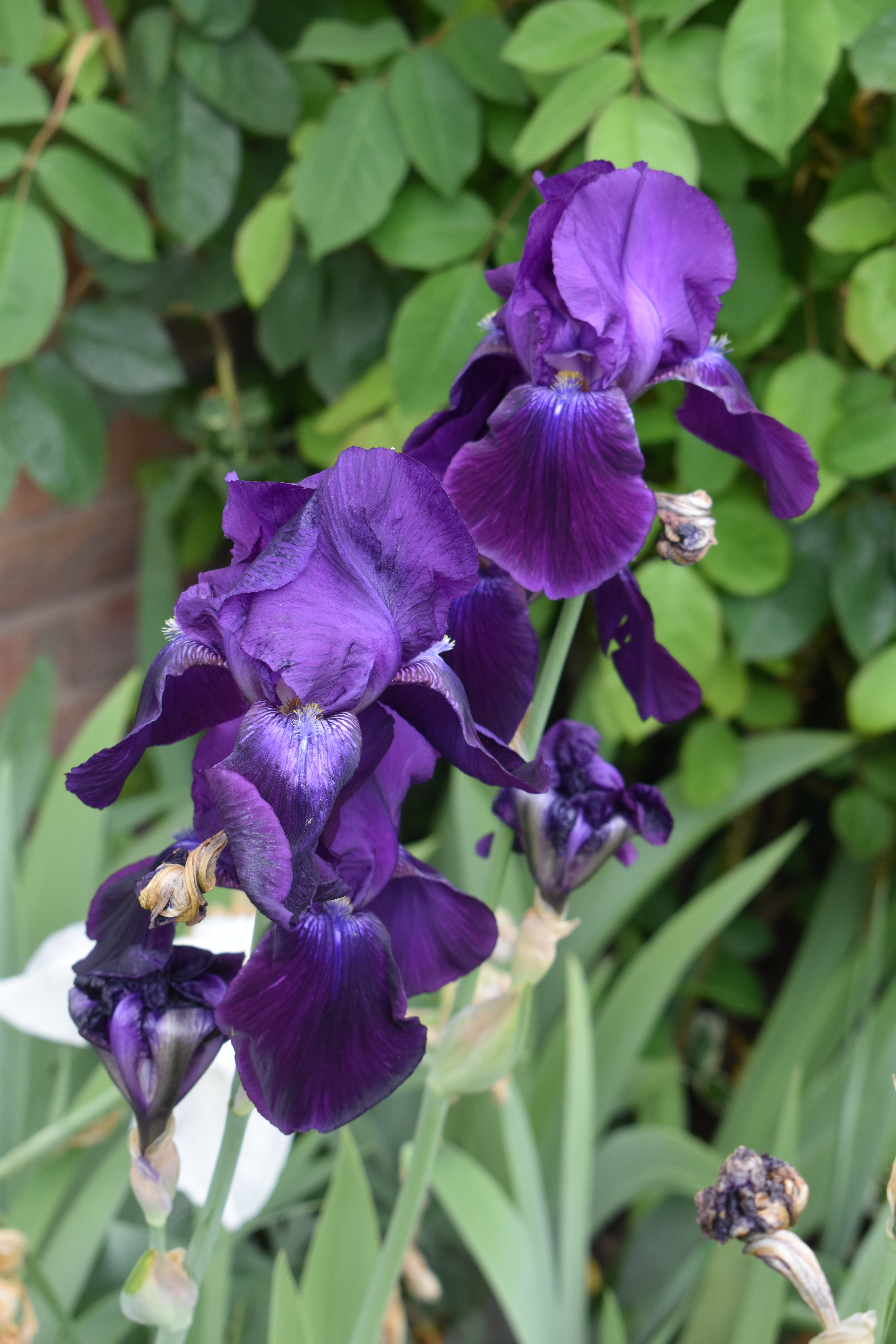
Even as we returned to our cars after our goodbyes we found one last patch of garden, with irises growing beneath the front window.

So, thanks for the invitation to visit your wonderful garden Mary. As they say “a good time was had by all”. The coffee and cakes were much appreciated and topped off the afternoon so well.

Categories
Uncategorized

Wildgoose Garden and Nursery in Summer

Wildgoose Garden and Nursery is one of our favourite gardens and very convenient for us as it is situated in South Shropshire as we are too. We have been at least once a year since it opened. The planting is a variation on the prairie style and thus is good throughout the summer, autumn and winter. Planting consists of tall perennials coupled with unusual annuals and grasses.

The garden is explored by following the gravel paths that meander throughout. There is no real lawn except for a few grass patches because the garden is owned and run by two true plants people, Jack and Laura.There is a wonderful cafe selling beverages and home made cakes, alongside a selection of quality gardening books and some Niwaki tools. A collection of pots all beautifully planted up welcome visitors to the cafe.

Leaving the refreshments behind we took off on our journey of discovery, following paths that lead us to patches of colour.

Wildgoose has a special atmosphere that relaxes you and gives a feeling of peace and calmness. This is best illustrated by sharing some general shots of the garden.

Sometimes as you wander you will come across wonderful pairings of perennials.

Jack and Laura were trialling single flowered dahlias for their colour and their attractiveness to pollinators. The ones we saw were beautiful and the insects were there in abundance.

Once you have taken a few steps into Wildgoose you feel like you are in a different world, a world of peace and quiet except for the sounds of insects and birds.

I have just read an article about new nurseries in the January edition of Gardens Illustrated and Wildgoose was included. Jack and Laura said that they wanted their garden to be a ‘……. genuinely restorative place.’ I believe they have succeeded!

Categories
Uncategorized

Back to RHS Harlow Carr

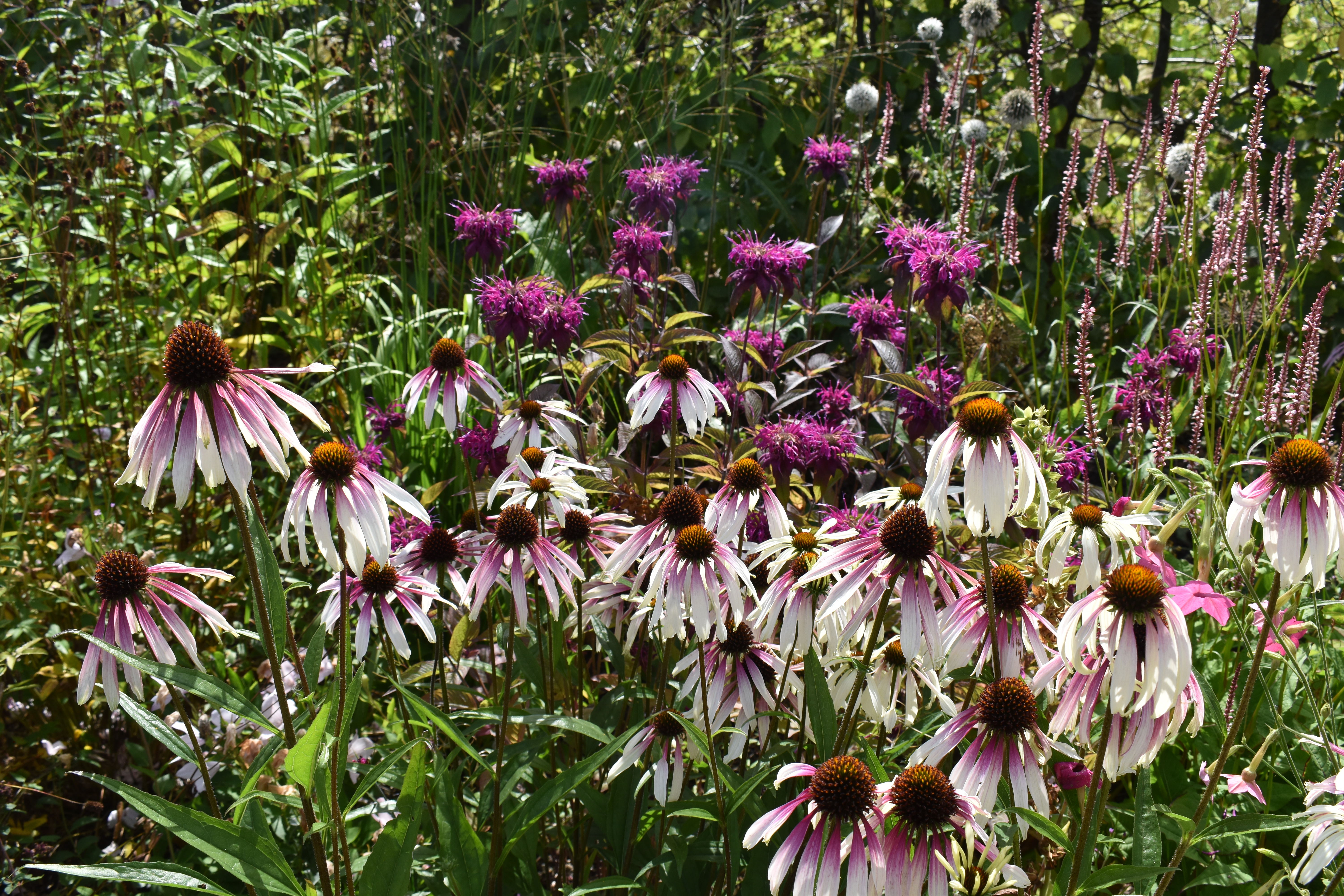
We have visited the RHS gardens at Harlow Carr near Harrogate several times now and it must be one of our favourite gardens of all times. It is a garden that never stands still but is always having new borders or gardens created and established areas redeveloped. We visited once again last year in October.

As usual, after staying overnight in a hotel in Harrogate, we arrived as it opened and started off with breakfast. We enjoyed our breakfast in a newly opened restaurant in the Harrogate Arms Cafe. We were given a map as we arrived and we used it to decide on a routeway around when we finished eating.

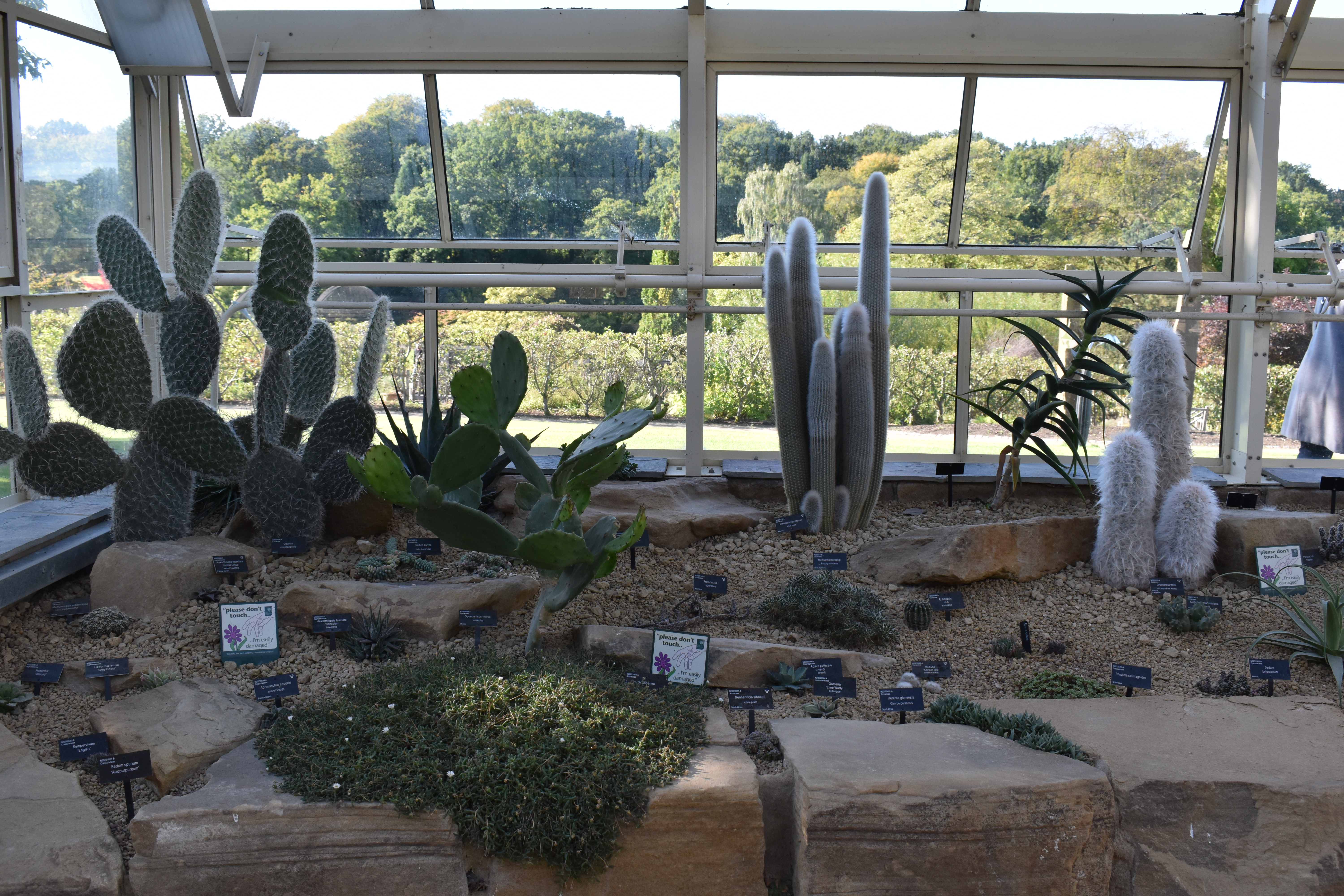
We then made our way towards the Alpine House passing through the Sub Tropical Garden on route where we enjoyed many plants too delicate for us to grow in our garden in chilly Shropshire. It was a garden with patches of shade and sunny areas in between.

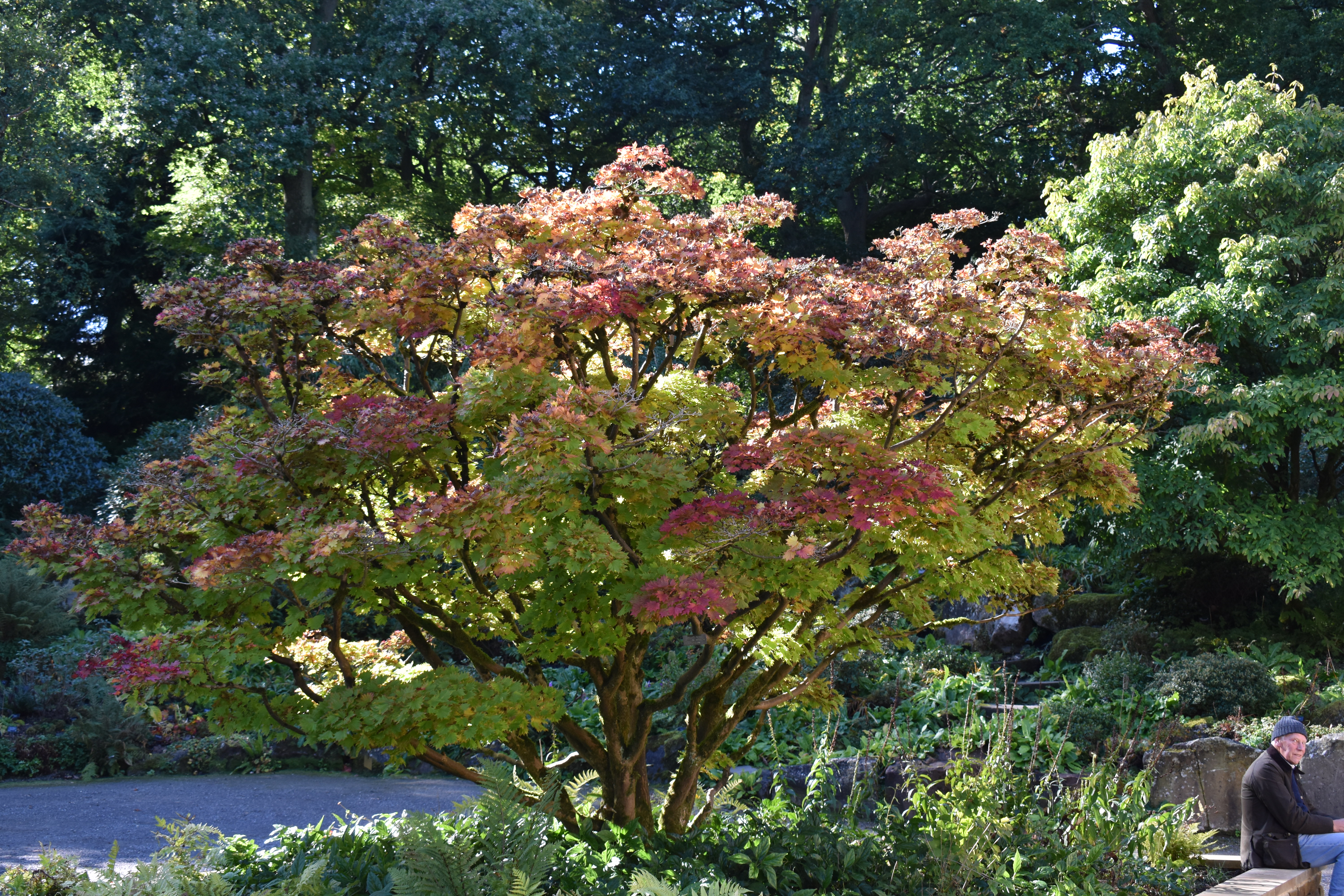
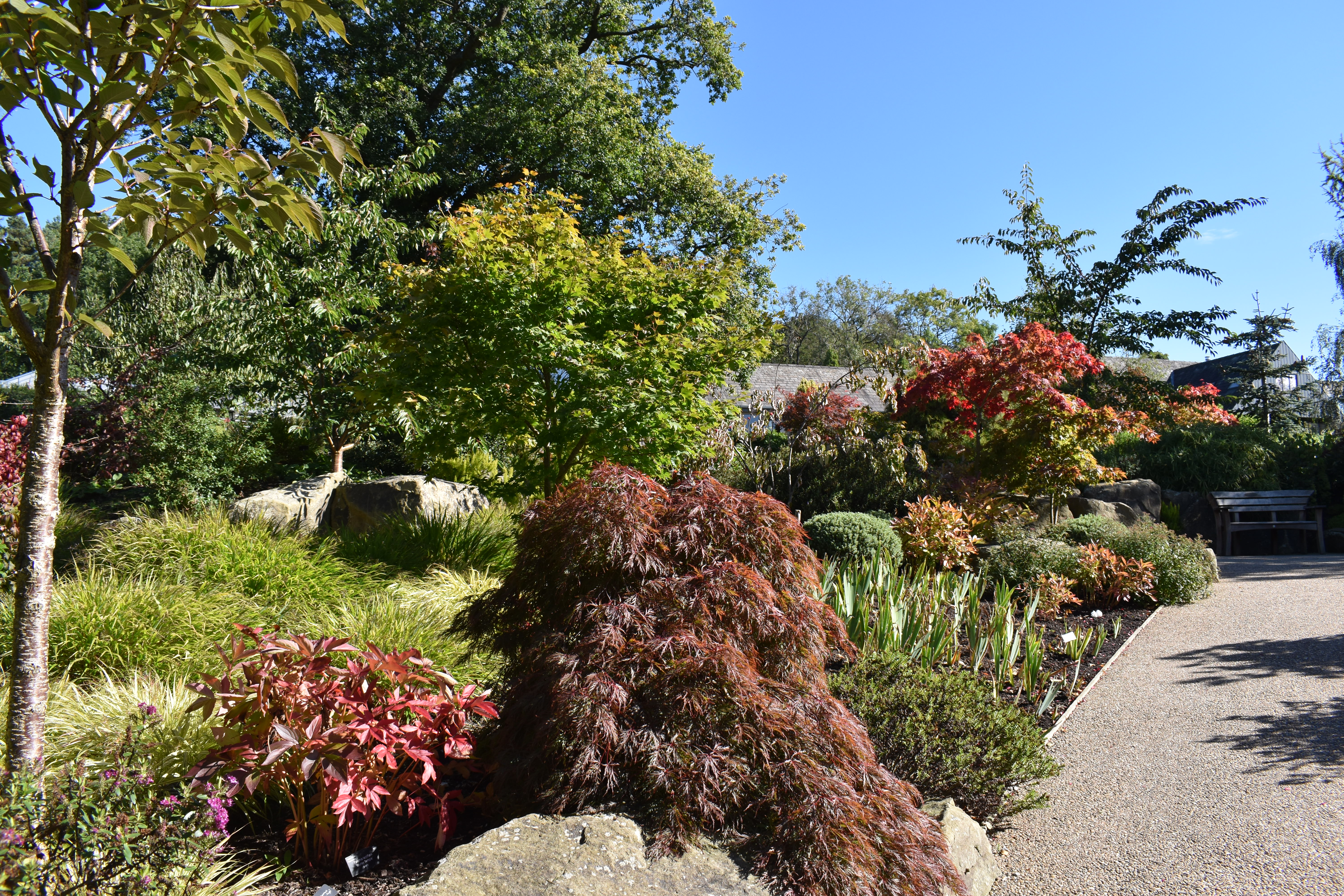
It is always exciting to find plants we do not know, such as the two trees below, on the left a Cornus kousa ‘Wolf Eyes’ and the right a variety of a richly coloured Liquidamber we had never seen before.

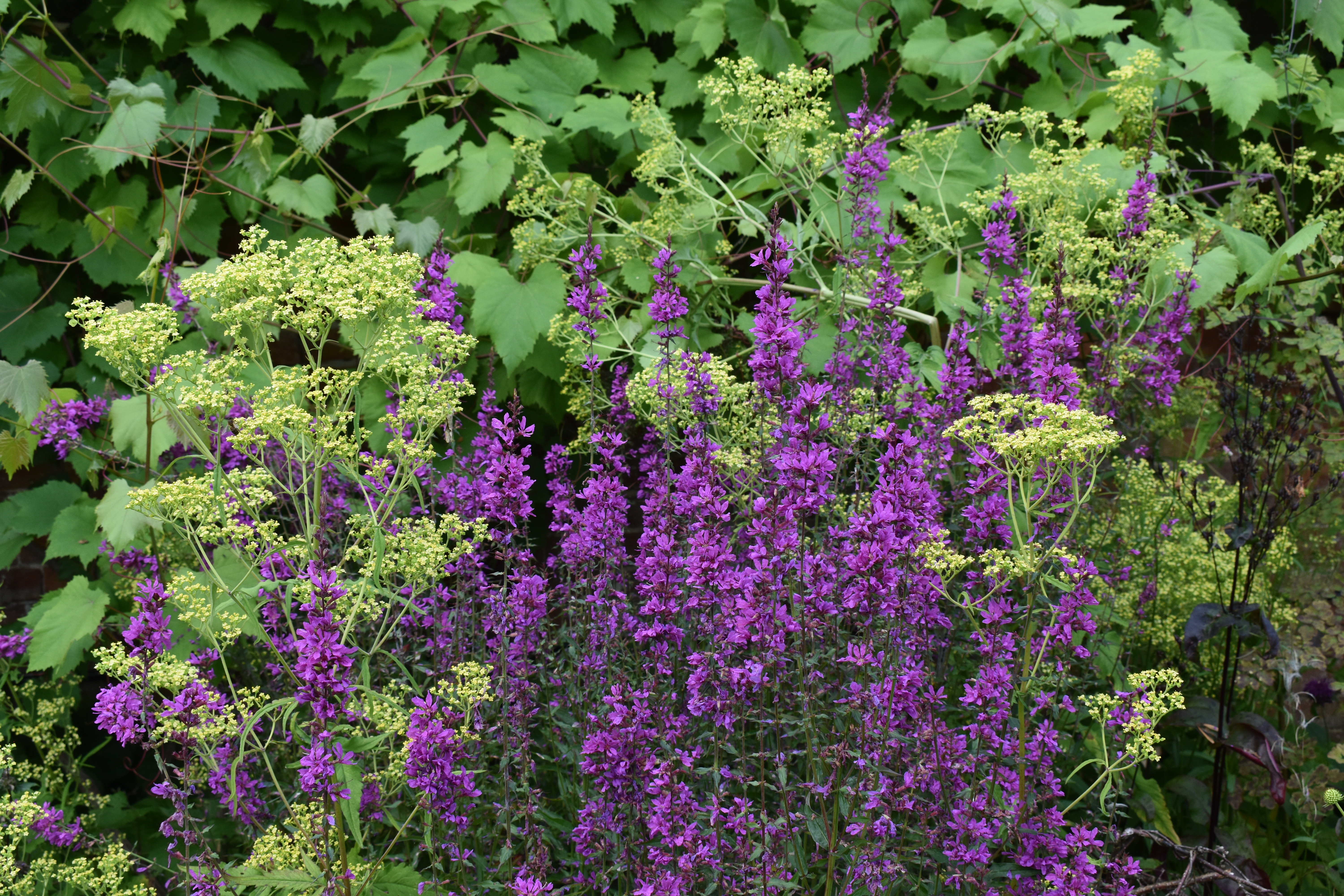
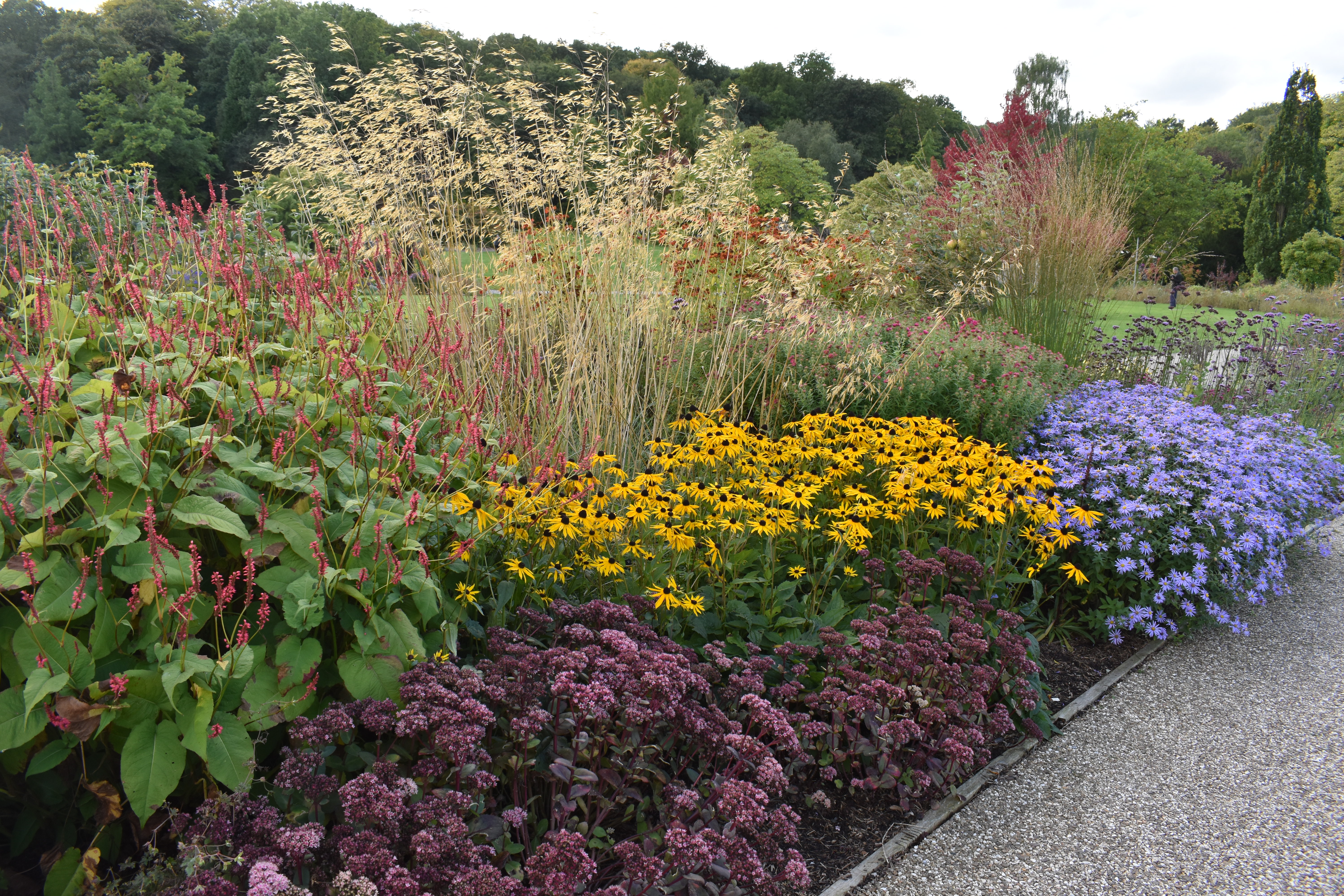
My favourite part of Harlow Carr are the Main Borders which are always so colourful and designed in the prairie garden style. The gardeners here are always finding improvements to make to these borders.

As we are soon to revamp our prairie border at home we looked for plants that may work for us and came away with our heads full of ideas.

I shall finish off now with a gallery of photos from the rest of the gardens.

This was our third RHS garden that we have visited this year and this garden at Harlow Carr is still our firm favourite.

Categories
Uncategorized

Three Great Garden Visits in November -Part 1 – John Ravenscroft’s “Cherry Tree Arboretum”

John Ravenscroft was a TV gardener decades ago and the founder of one of the UK’s largest garden centres, Bridgemere. He developed the centre for years and we used to visit quite frequently always making for the “Rare and Unusual Trees and Shrubs” section first of all.

He sold up to a national string of garden centres and still lives on neighbouring land alongside the garden centre, where he has developed the 56 acre ‘Cherry Tree Arboretum’. The arboretum opens occasionally for the National Garden Scheme and we visited on the day of its last opening for 2024.

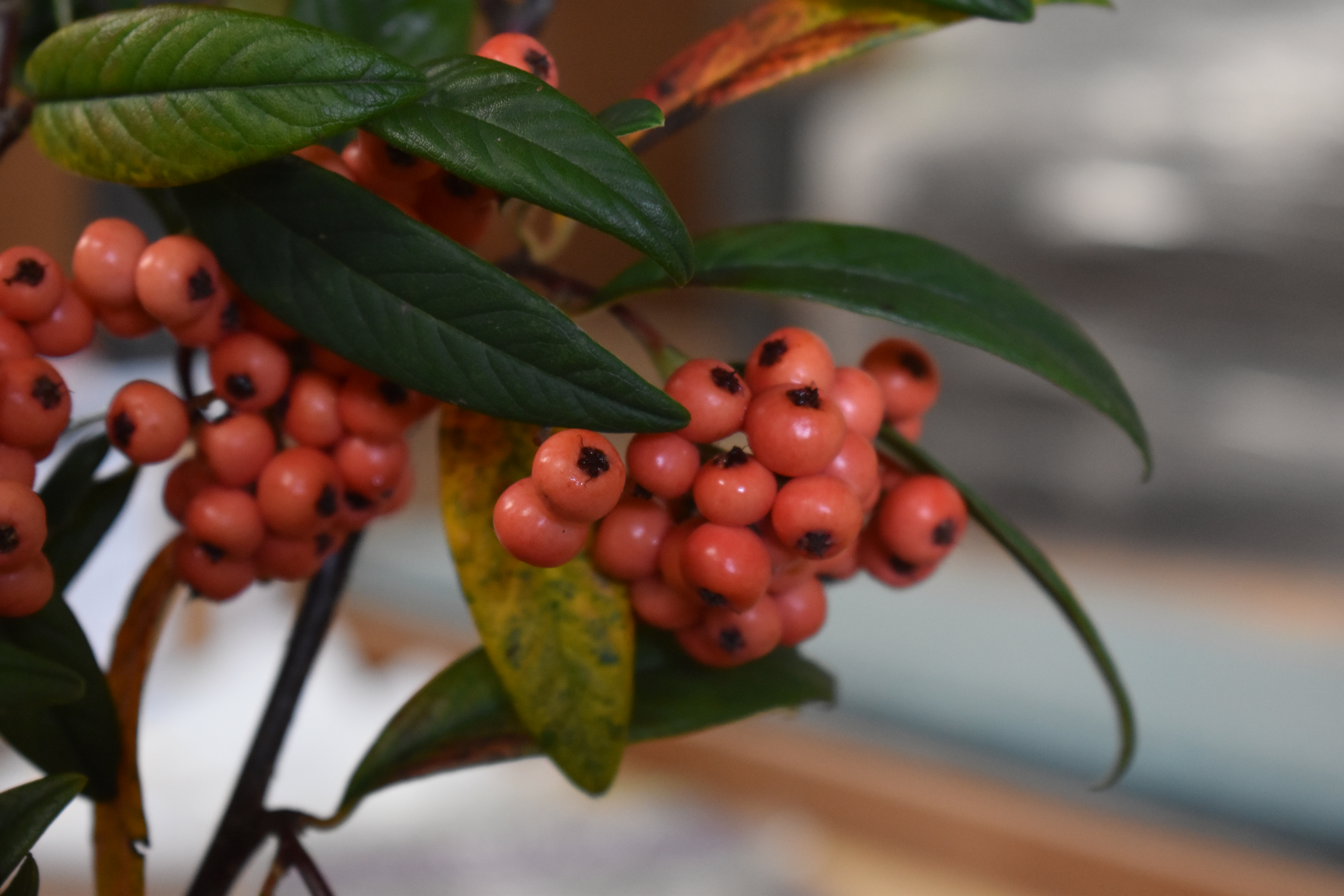
We knew we would find some interesting trees and shrubs here when we spotted this cotoneaster with beautiful and unusual coloured berries.

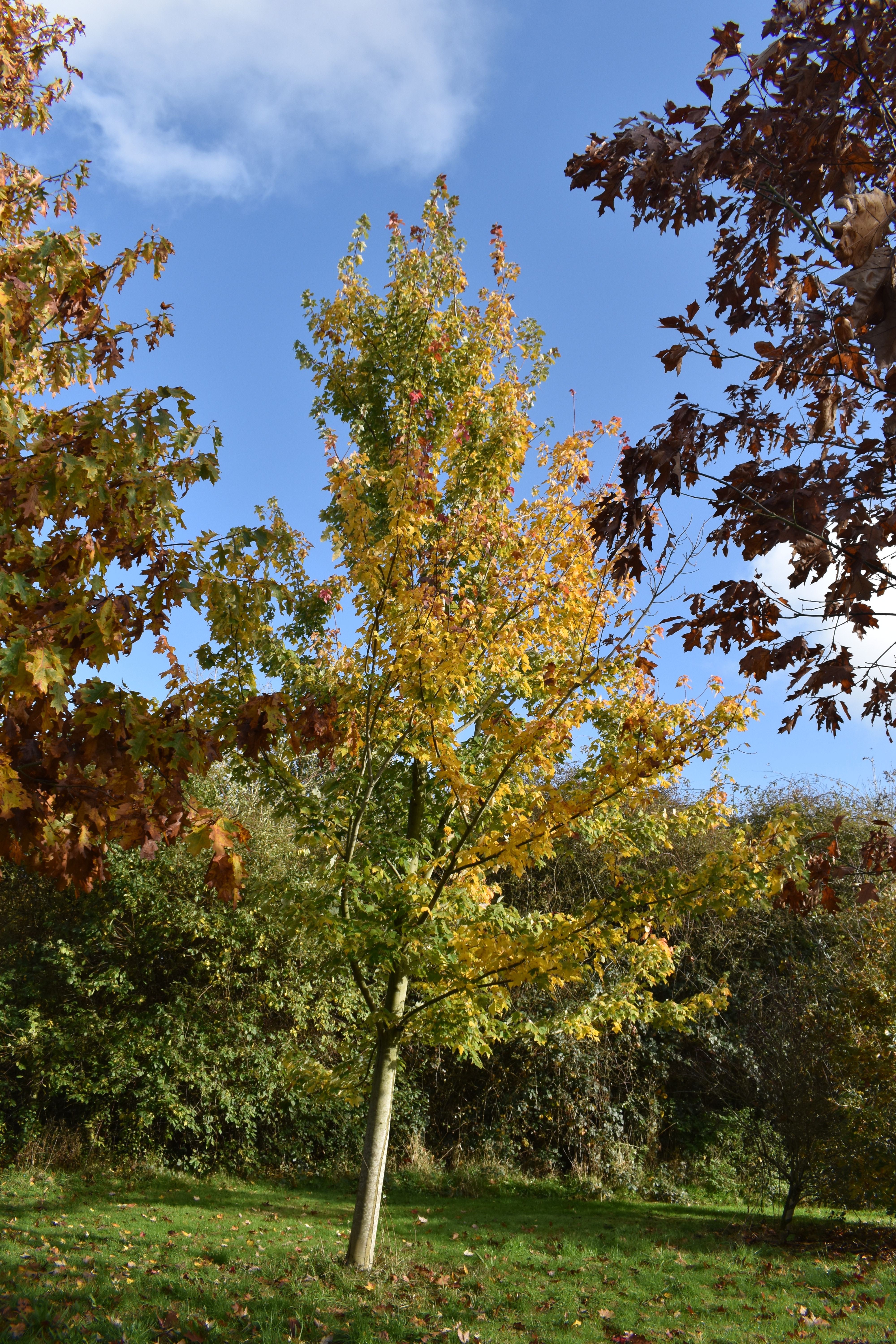
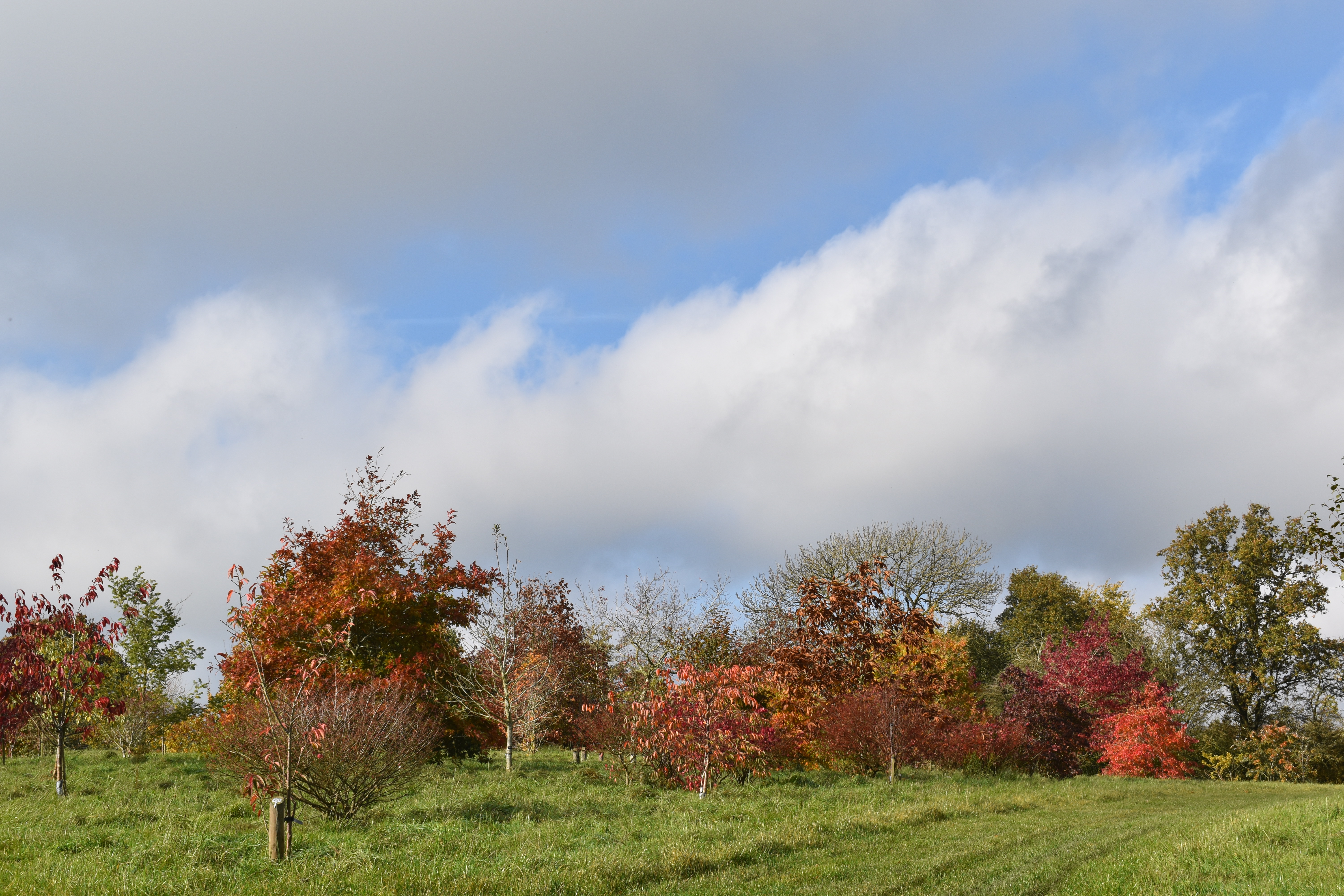
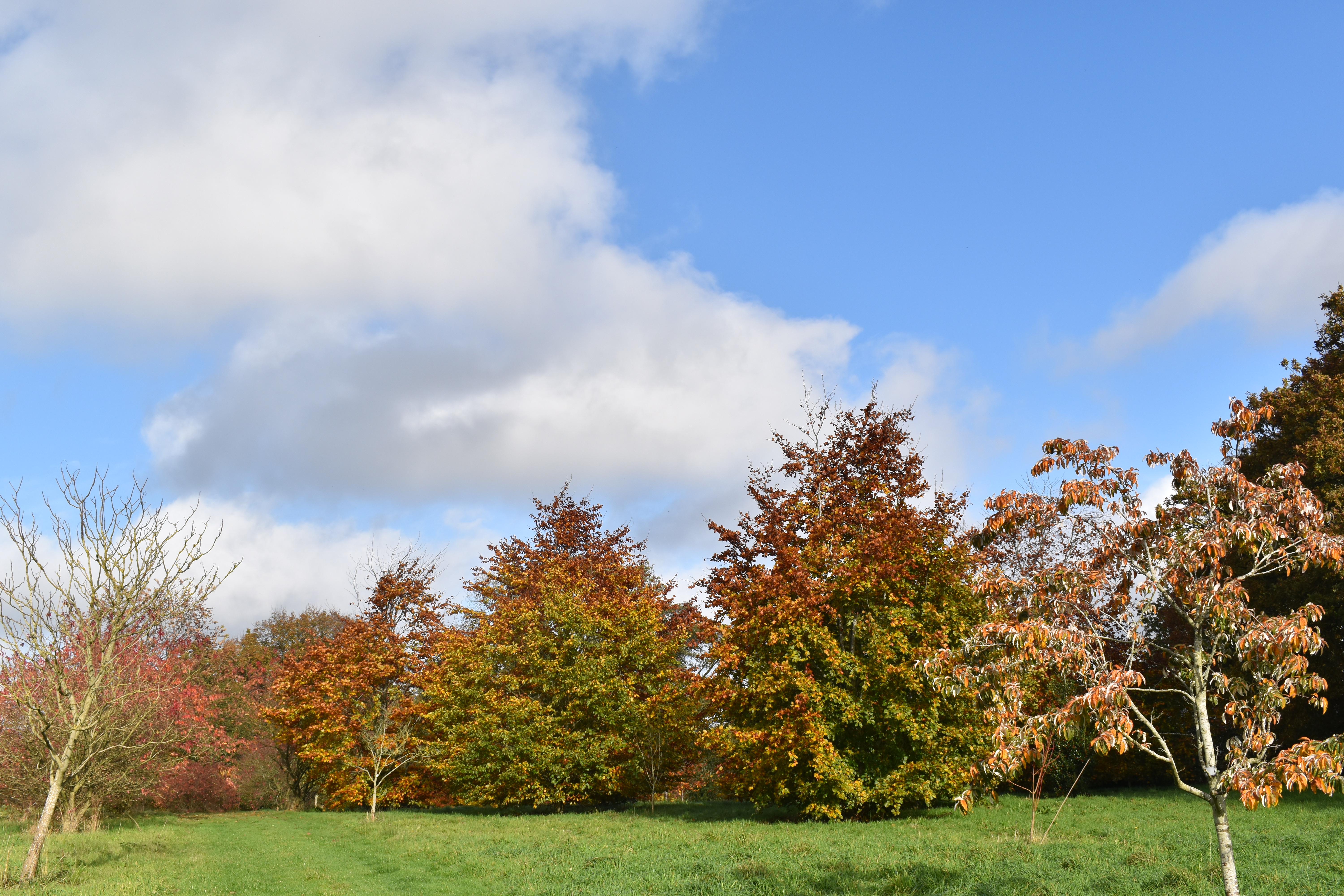
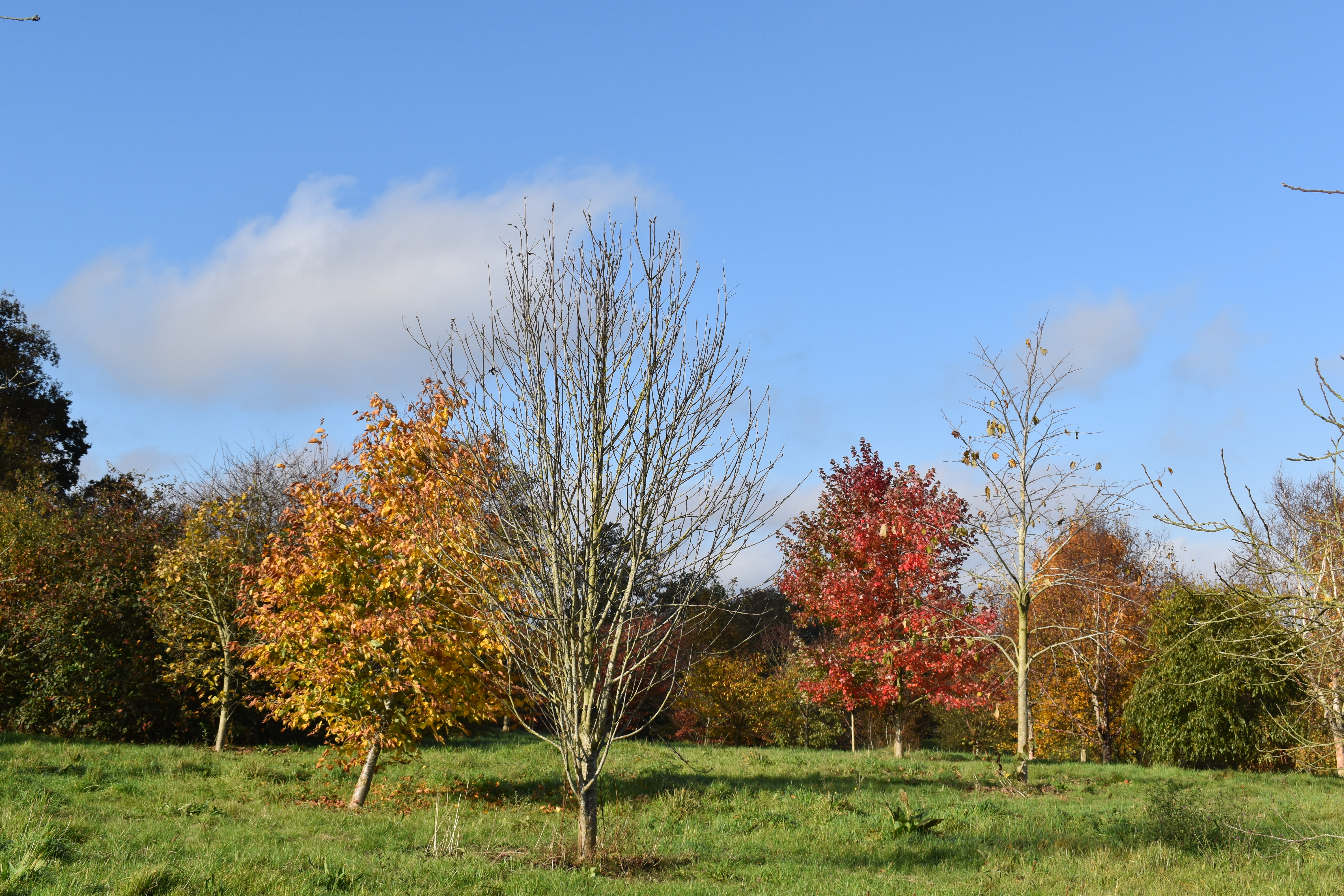
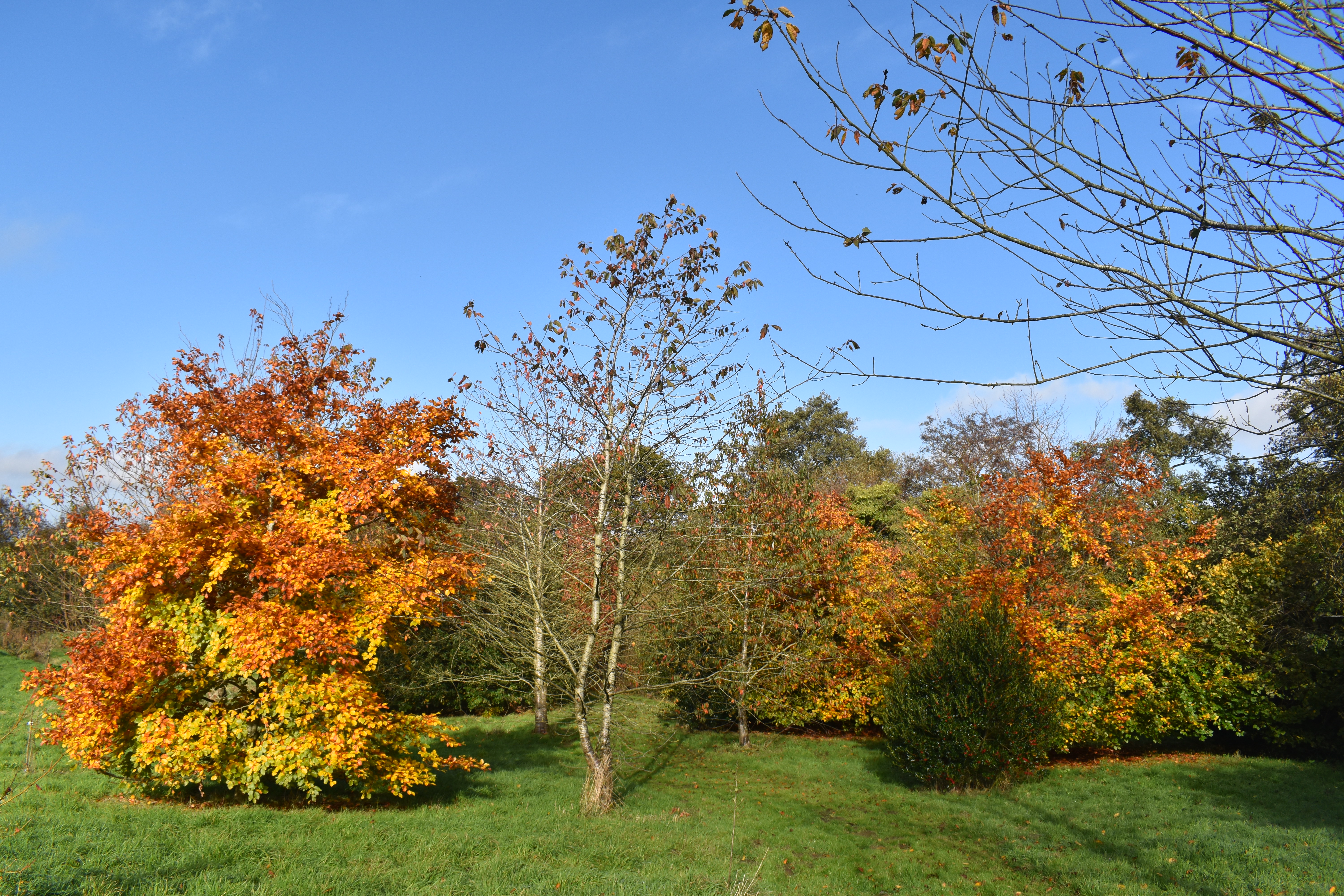
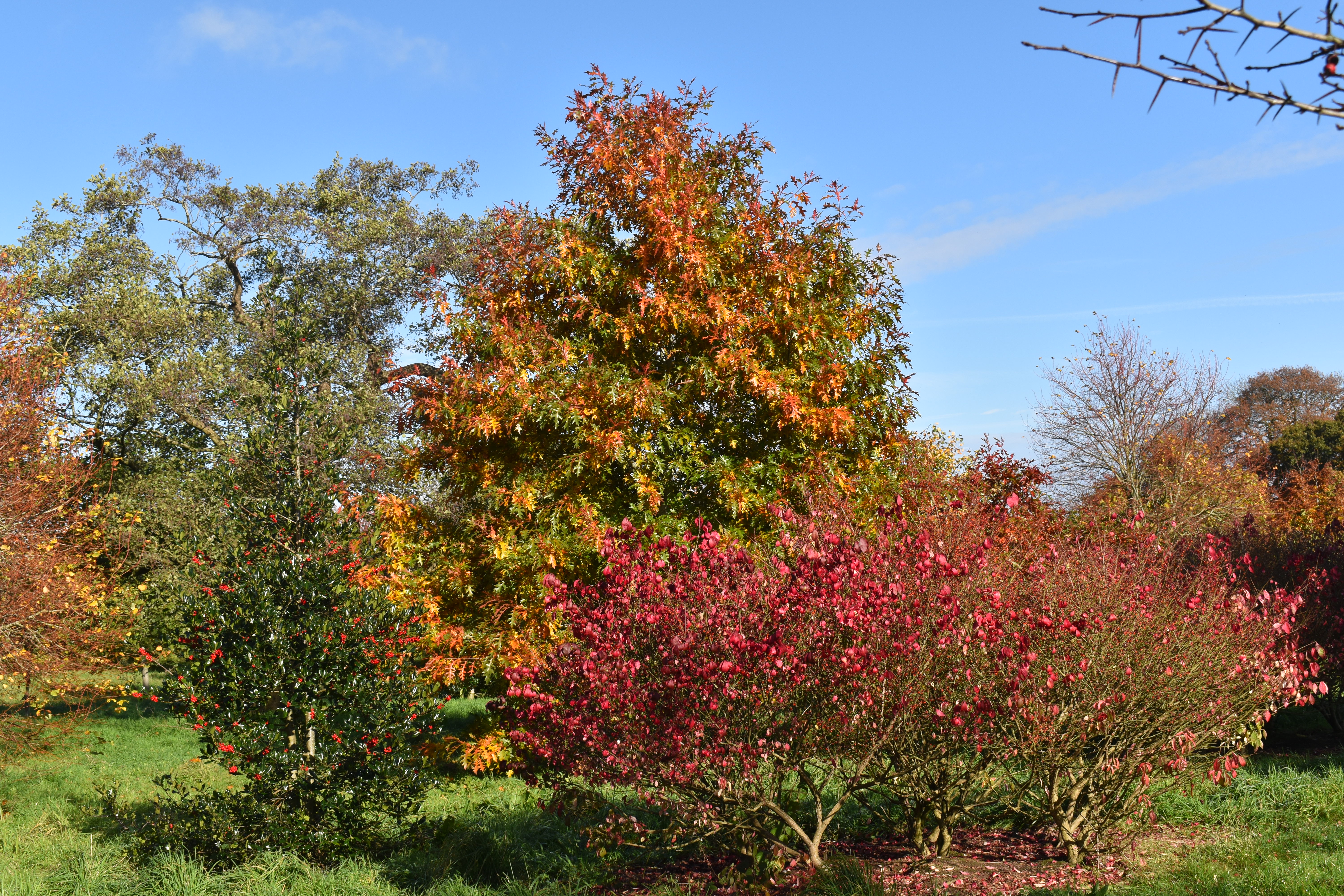
We were here to appreciate unusual plants but also the range of autumn colours in the landscape. We were not disappointed! Even as we walked a few hundred yards of gravel trackway taking us to the more open areas we found such an array of unusual and beautiful plants. Each one stopped us in our tracks for a closer look.

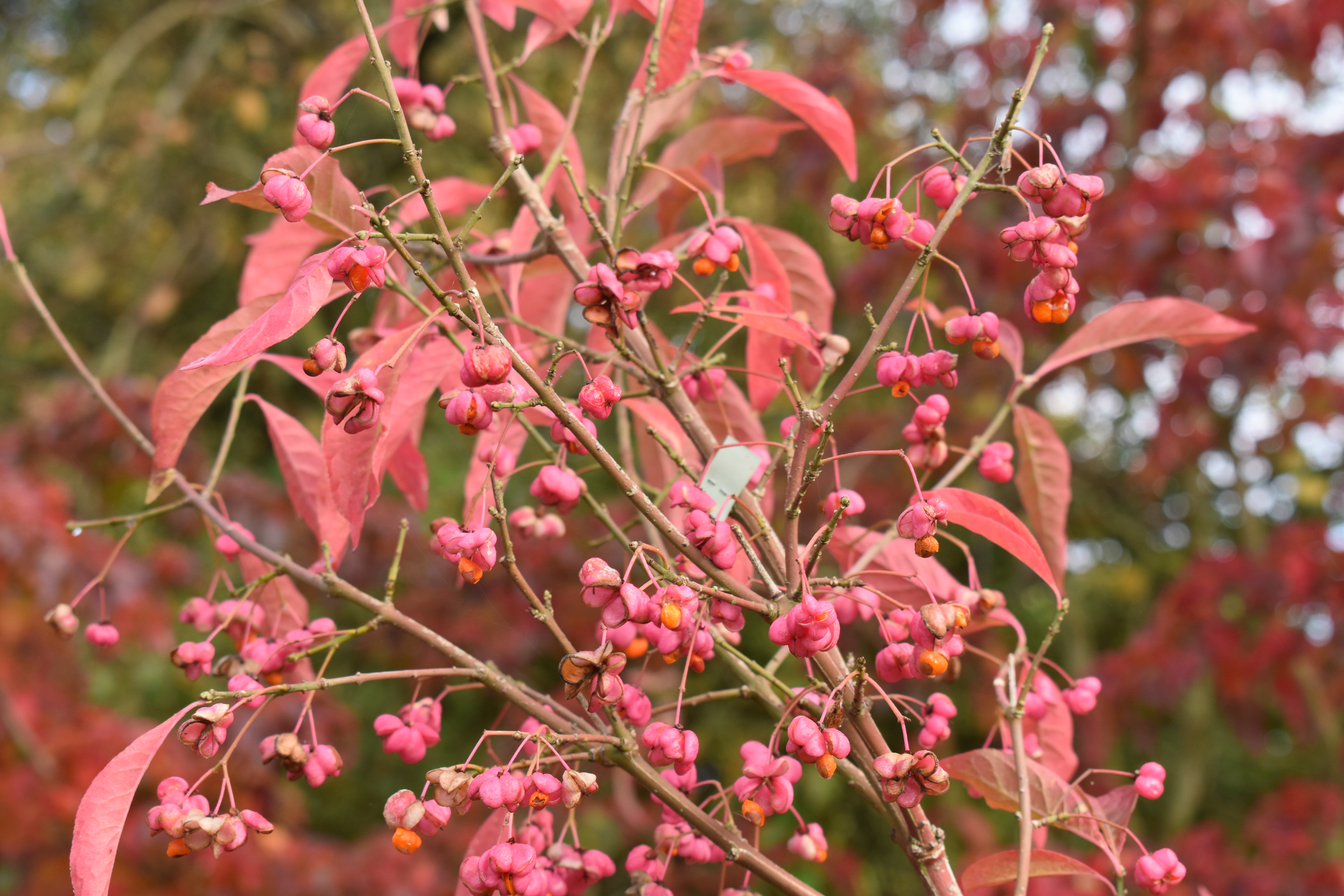
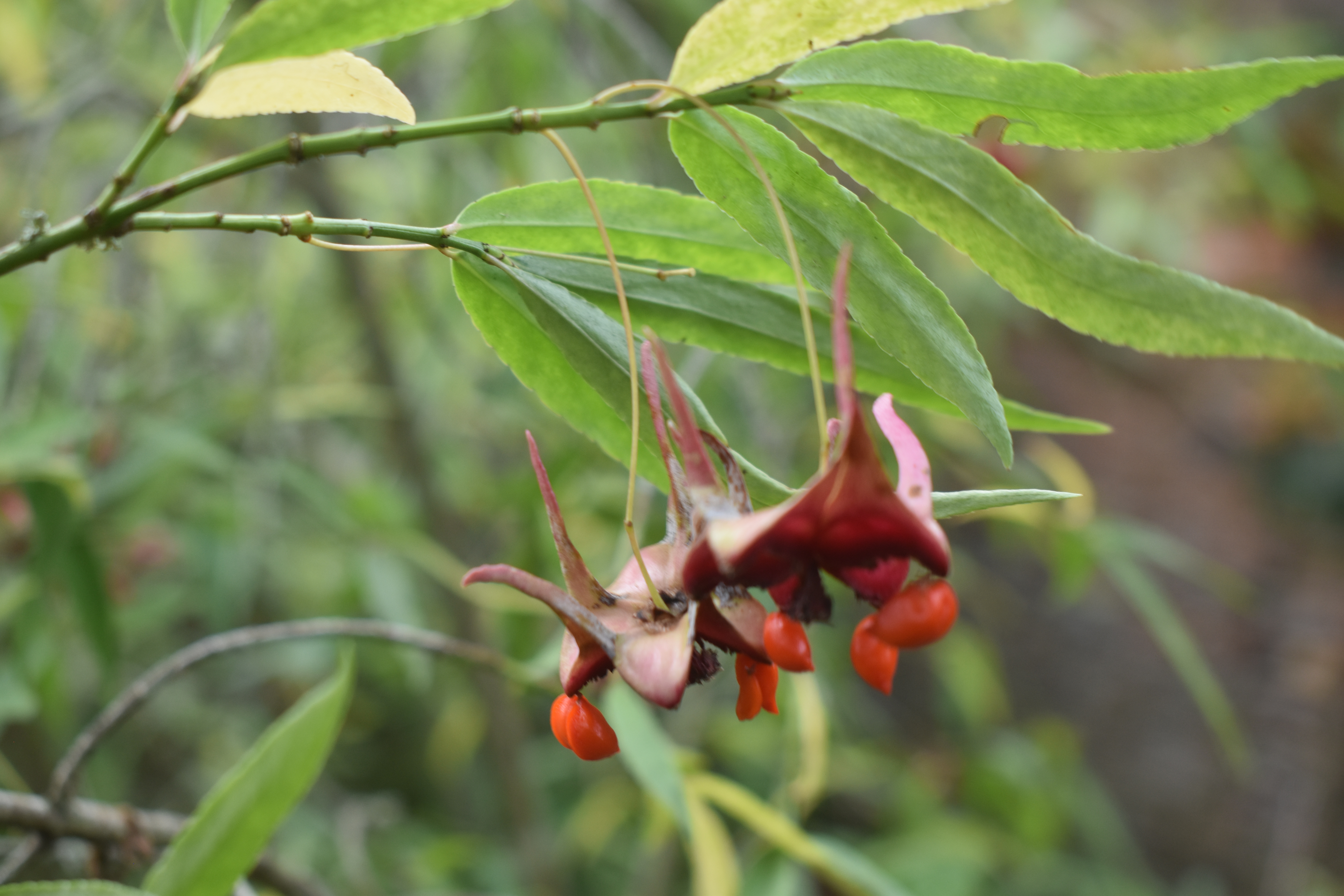
We soon became aware that John is a serious lover of deciduous Euonymus with their colour foliage and unusually structured flowers and fruits.

Jude and I have long been fans of deciduous Euonymus and grow several in our garden, so it was a great surprise to find one here we had never seen before, the pale rather ghostly white, lemon and orange E. hamiltonianum ‘Koi Boy’.

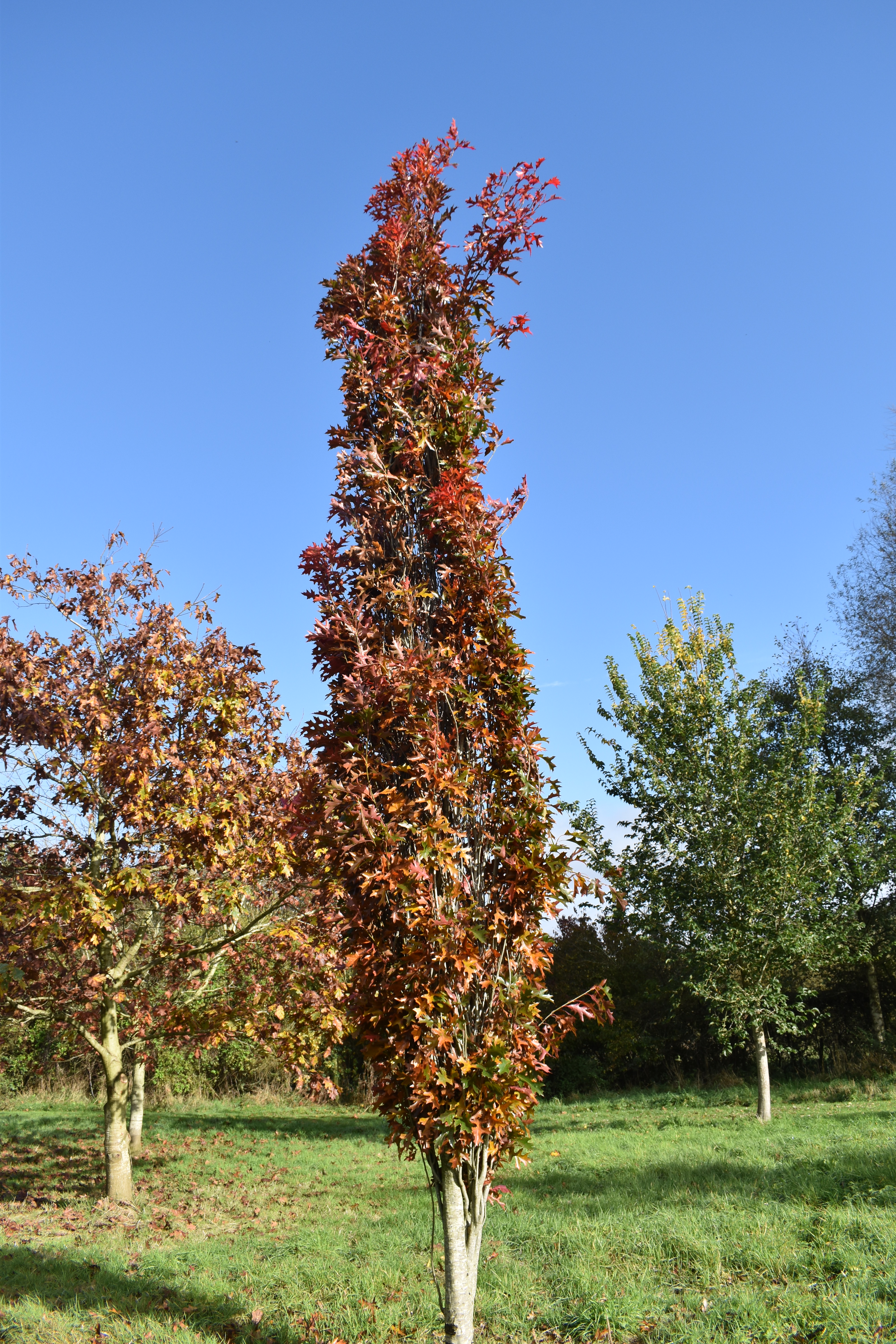
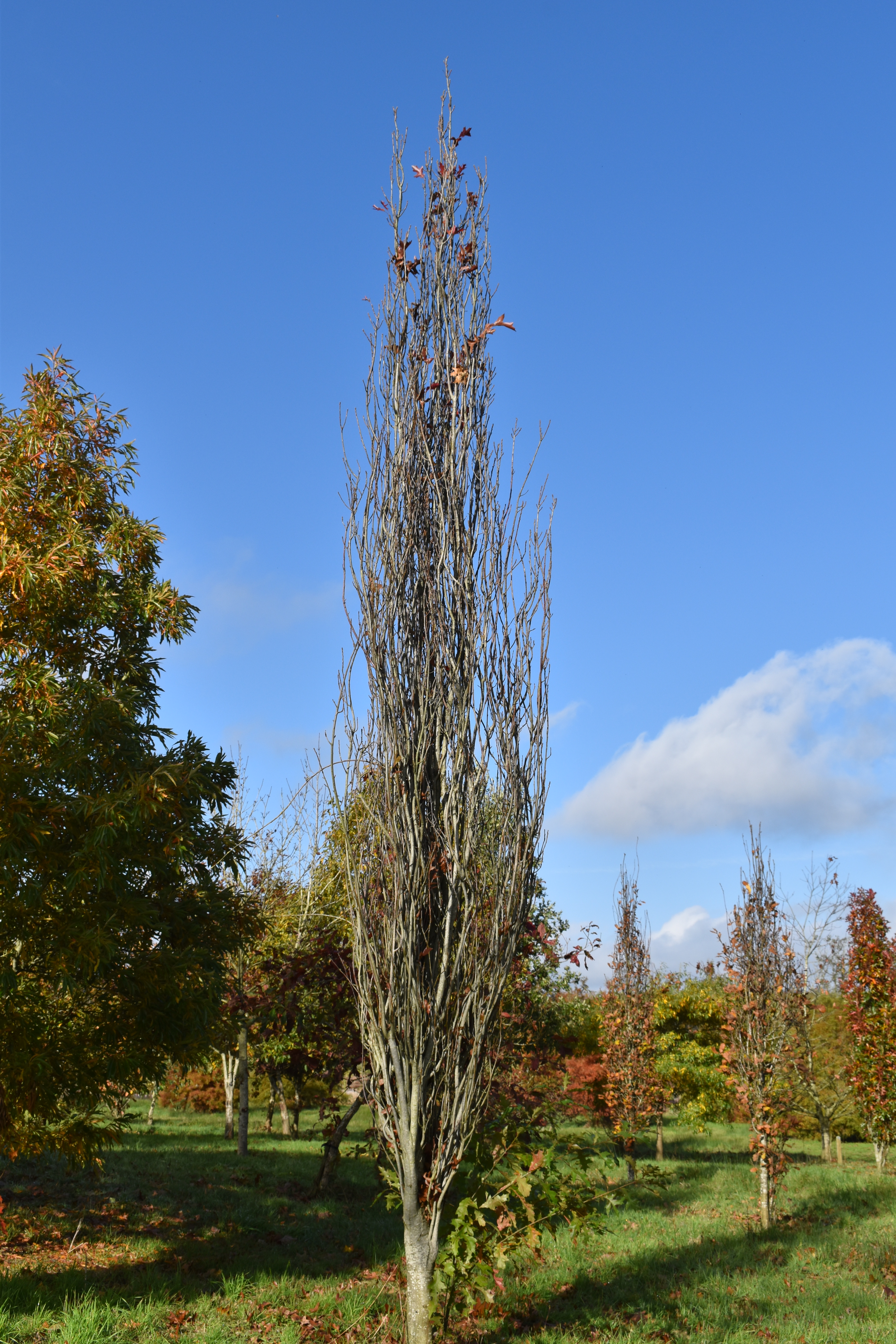
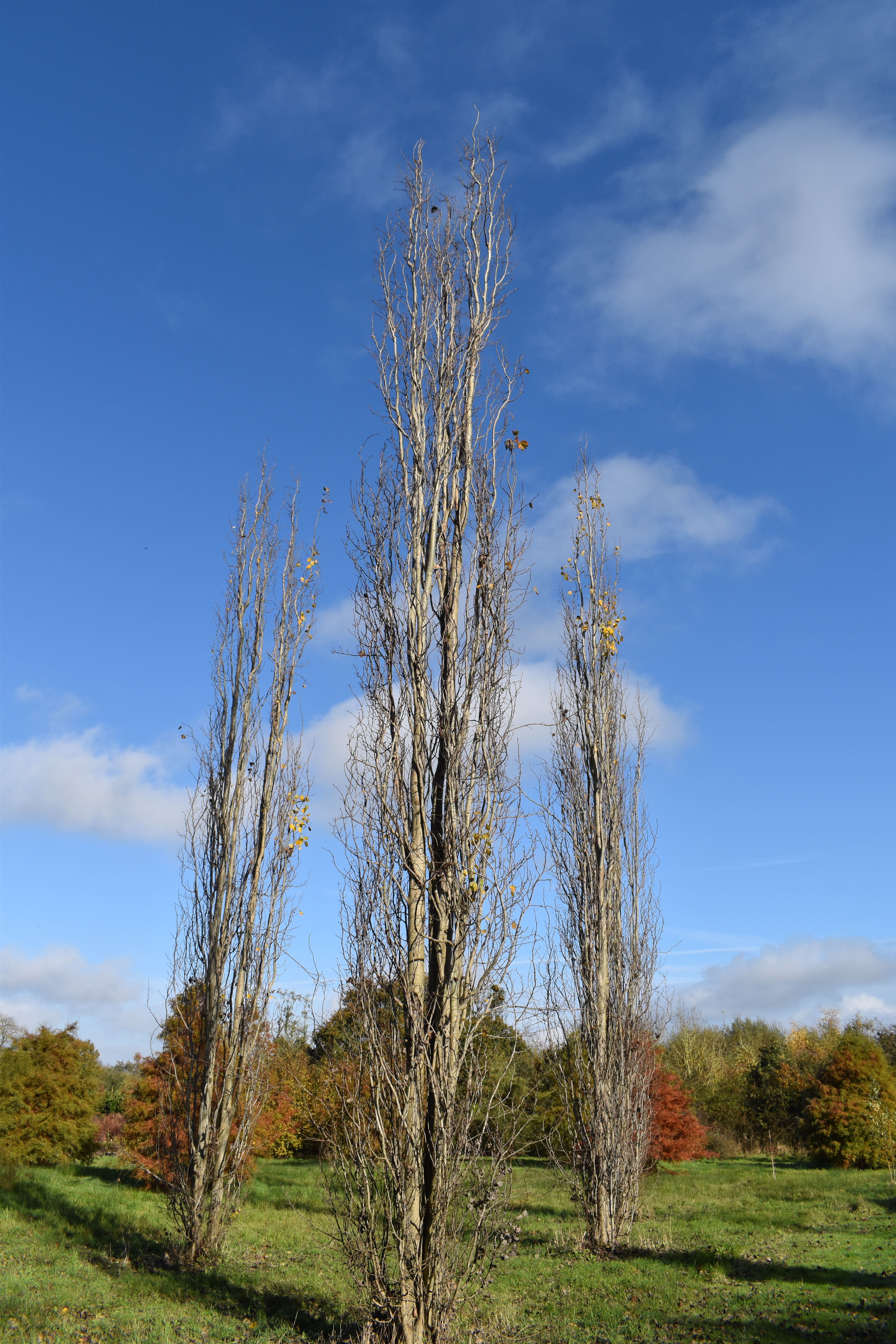
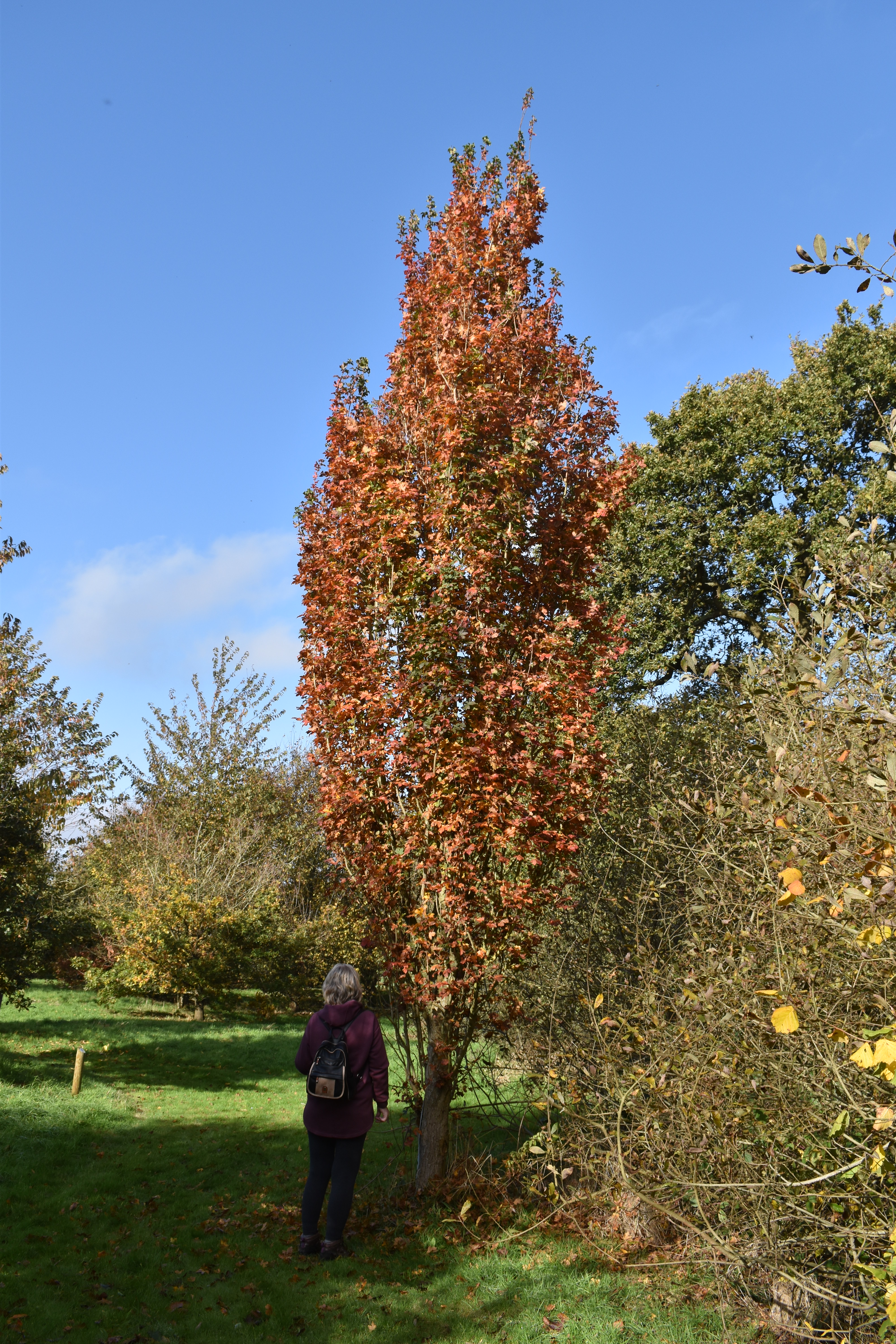
John is also a fan of one group of trees with the common factor being more to do with shape and structure than foliage and fruits, and that is fastigiate cultivars of trees. We grow several at home including Oak, Amelanchier, Crab Apple and Sorbus. All small compared with the specimens at Cherry Tree.

Now for a look at wider views showing the variety of trees and shrubs, foliage colour, shapes of trees and groups of trees and shrubs.

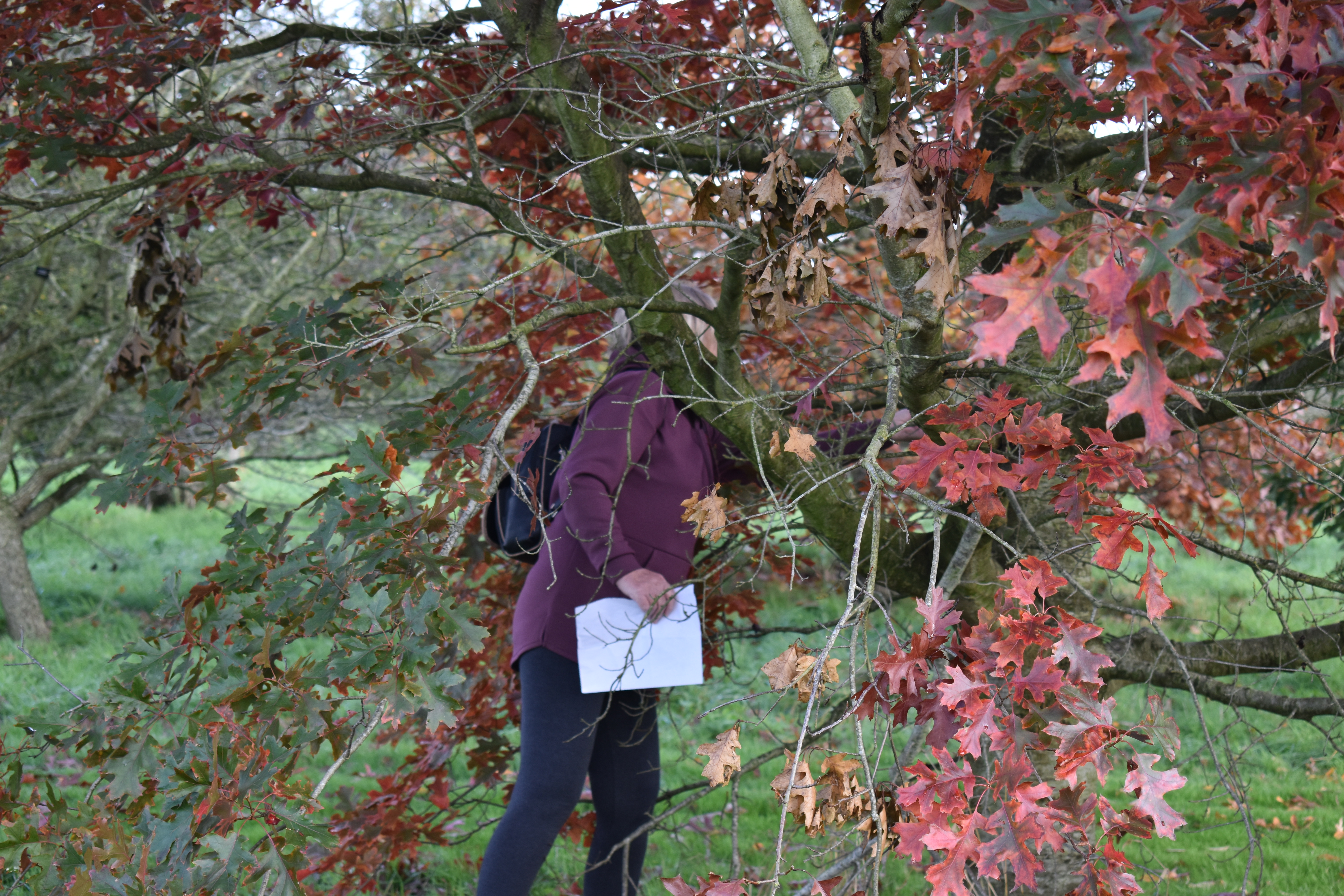
We spent plenty of time searching for labels!

What a remarkable arboretum! So glad to have visited at last.

Categories
Uncategorized

Our Week in the North York Moors – Scampston Walled Garden and Parklands

We have visited Scampston Walled Garden once before not long after it was redesigned by Piet Oudolf one of our favourite garden designers who is also recognised as one of the best in Europe if not the world. He is very influential as a designer and we have several of his best in the UK. Our garden has hints of his influence in several areas, especially his use of grasses and hardy perennials.

We have visited Trentham Park which he designed, part of, Pentsthorpe Water Park gardens, The Oudolf Borders at RHS Wisley and the Oudolf Garden at Hauser and Wirth Galleries in Somerset.

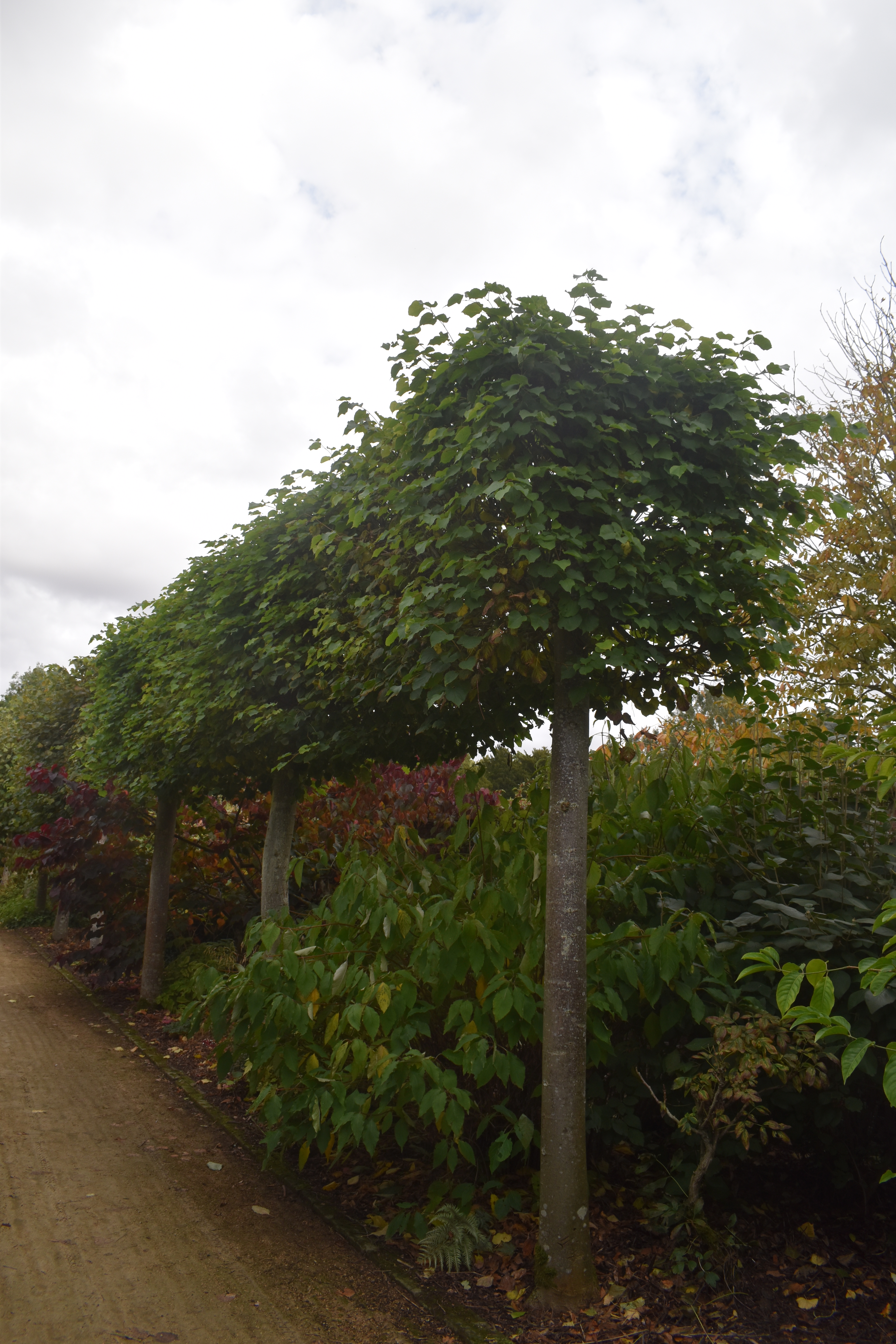
In order to enter the main area of the Scampston Walled Garden we had to follow a pathway around three sides of the walled garden a border of interesting shrubs and perennials. Along one section was a wonderful hedge on stilts.

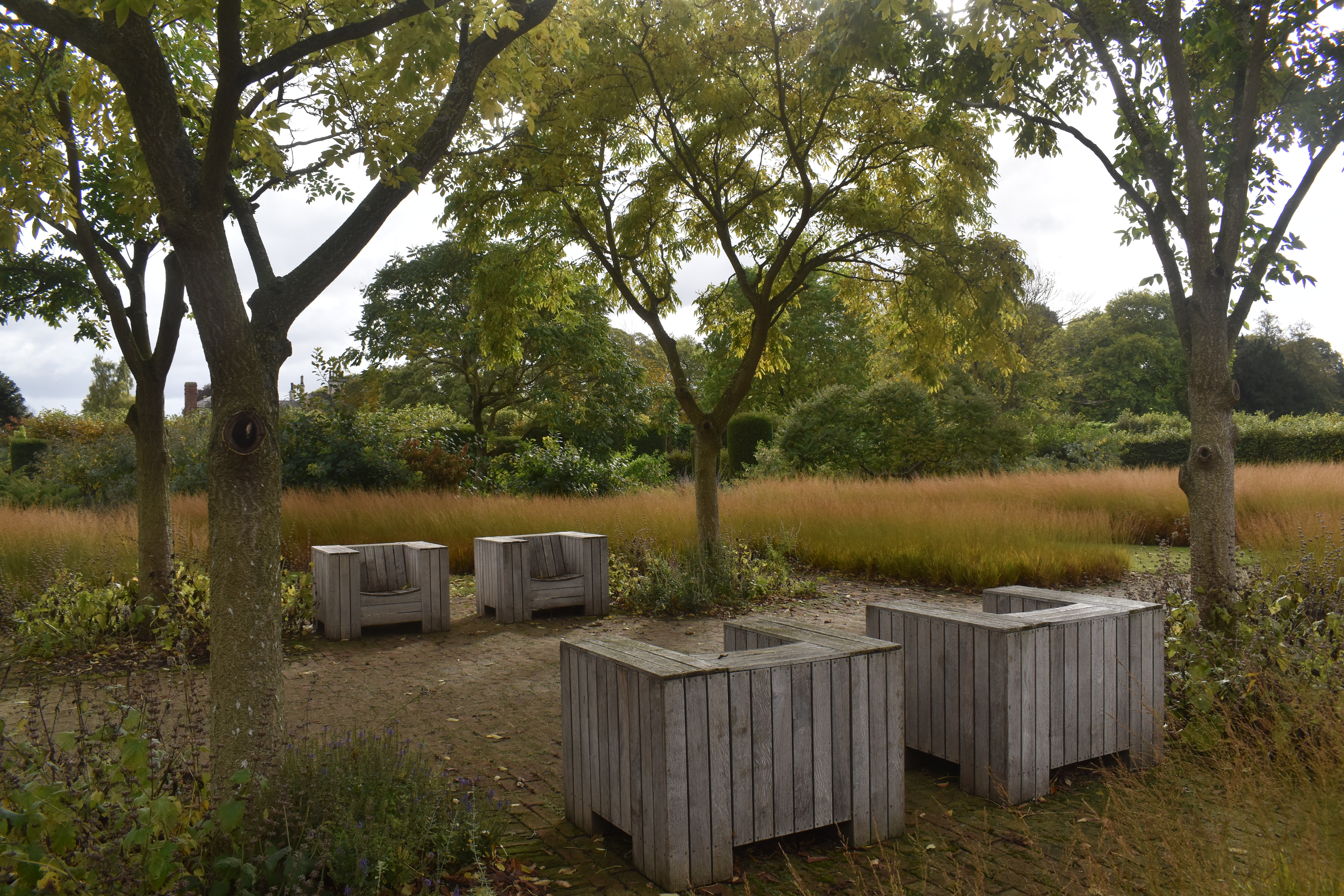
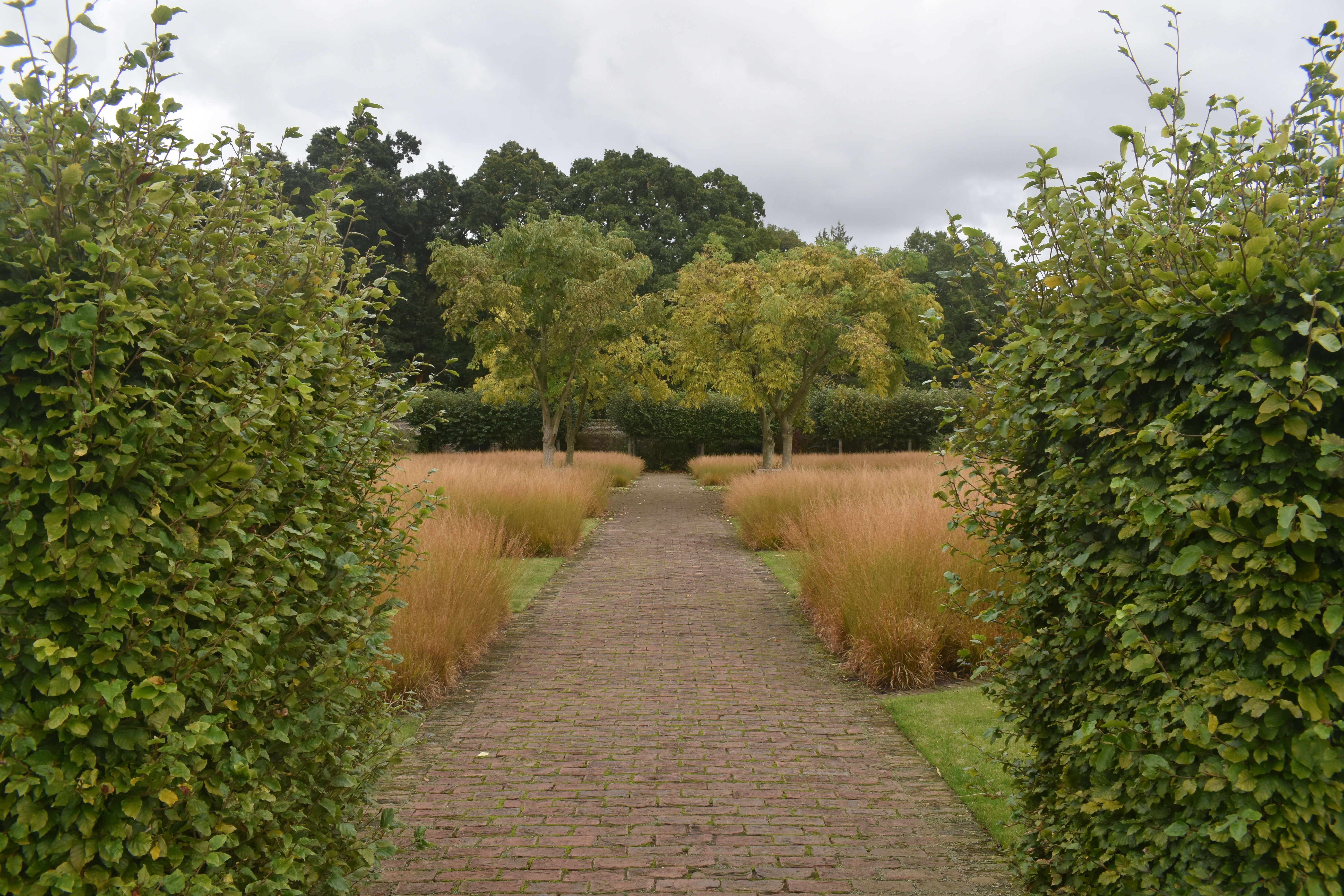
We followed the pathway until we reached the way in where we entered the Serpentine Garden featuring grasses called Molinia ‘Poul Petersen’ which are grown in parallel swathes within neatly mown lawn grass. In the centre four beautiful wooden seats sit below four trees, Phellodendron chinensis surrounded by Salvia verticillata ‘Purple Rain’. Such a simple but brilliant design!

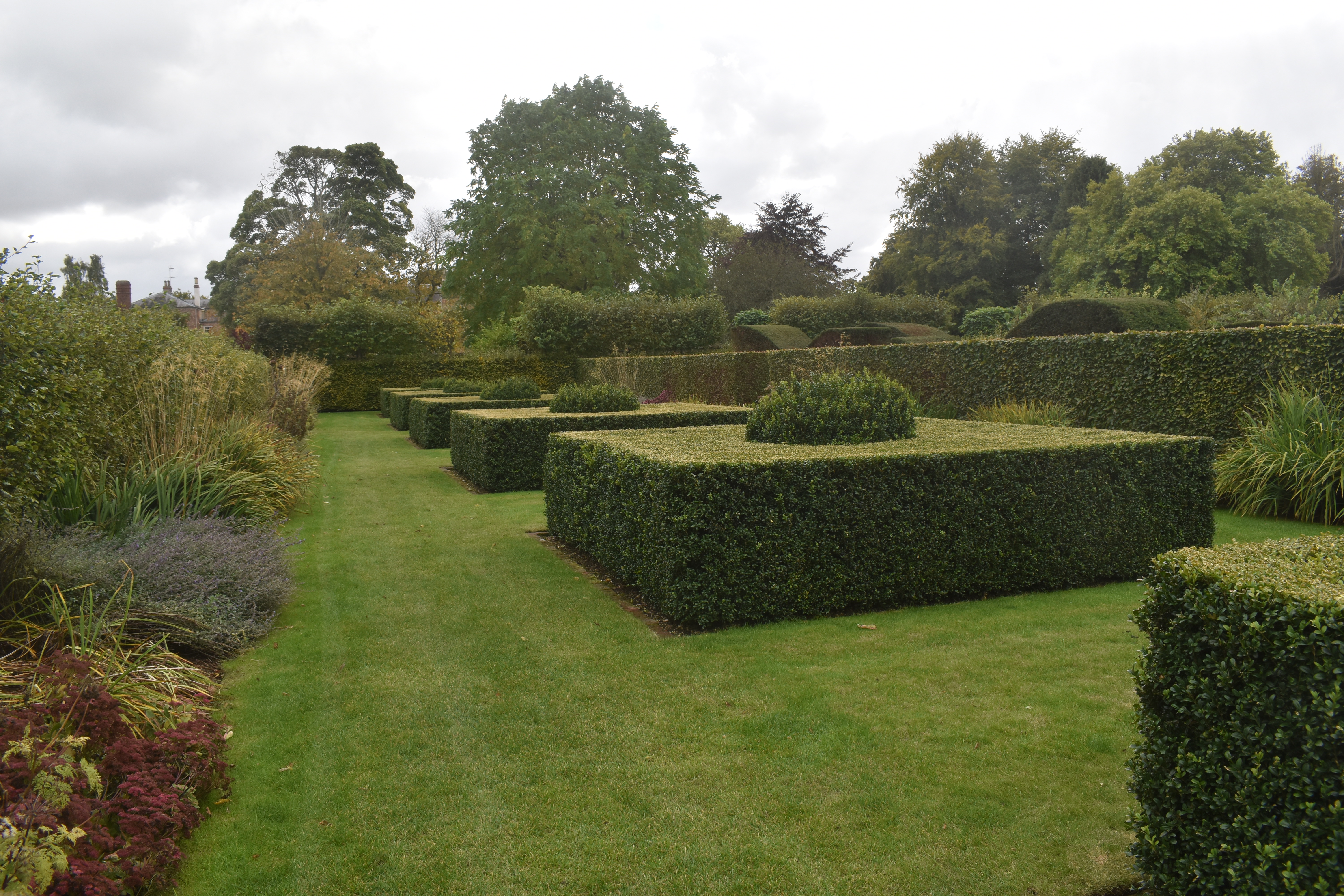
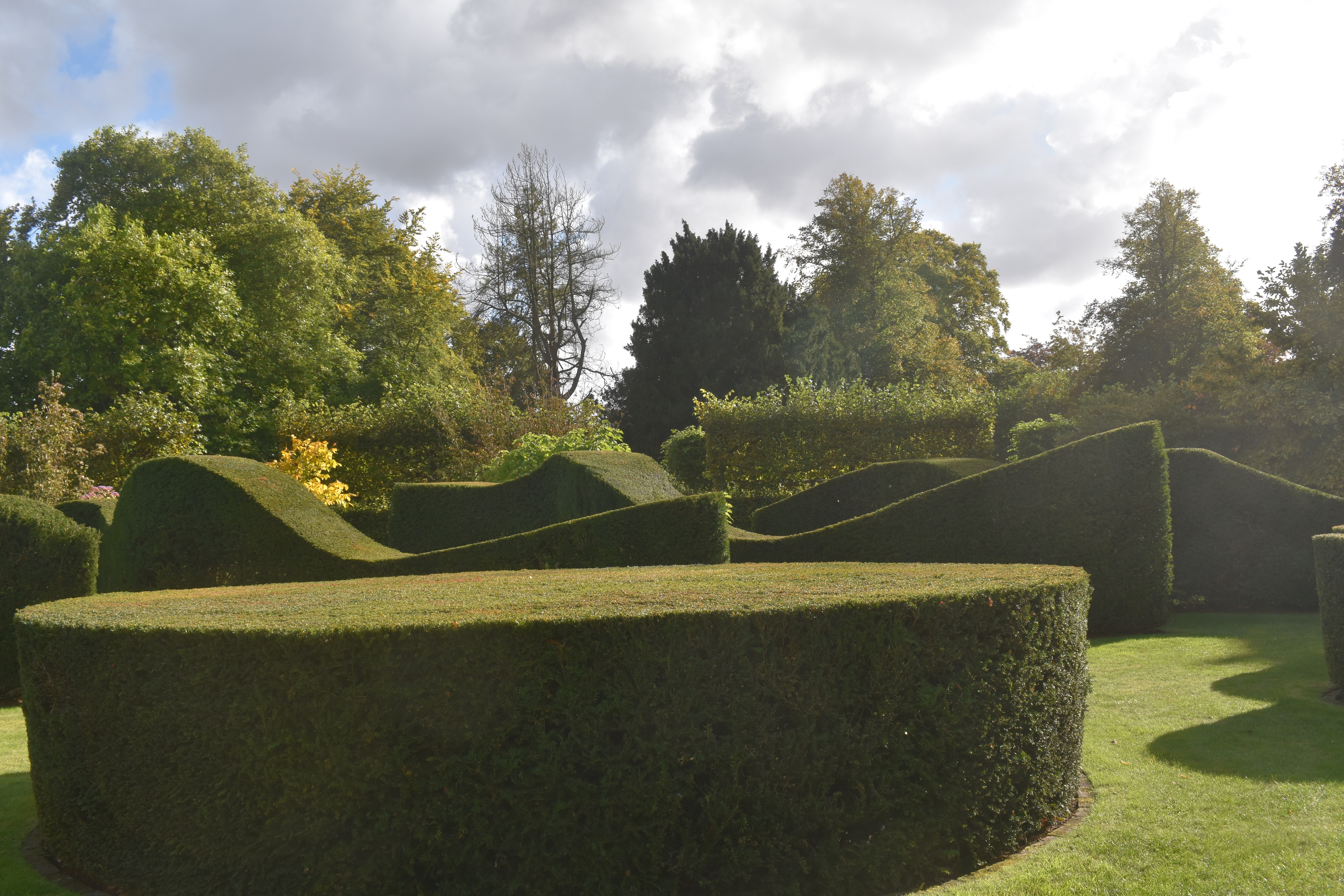
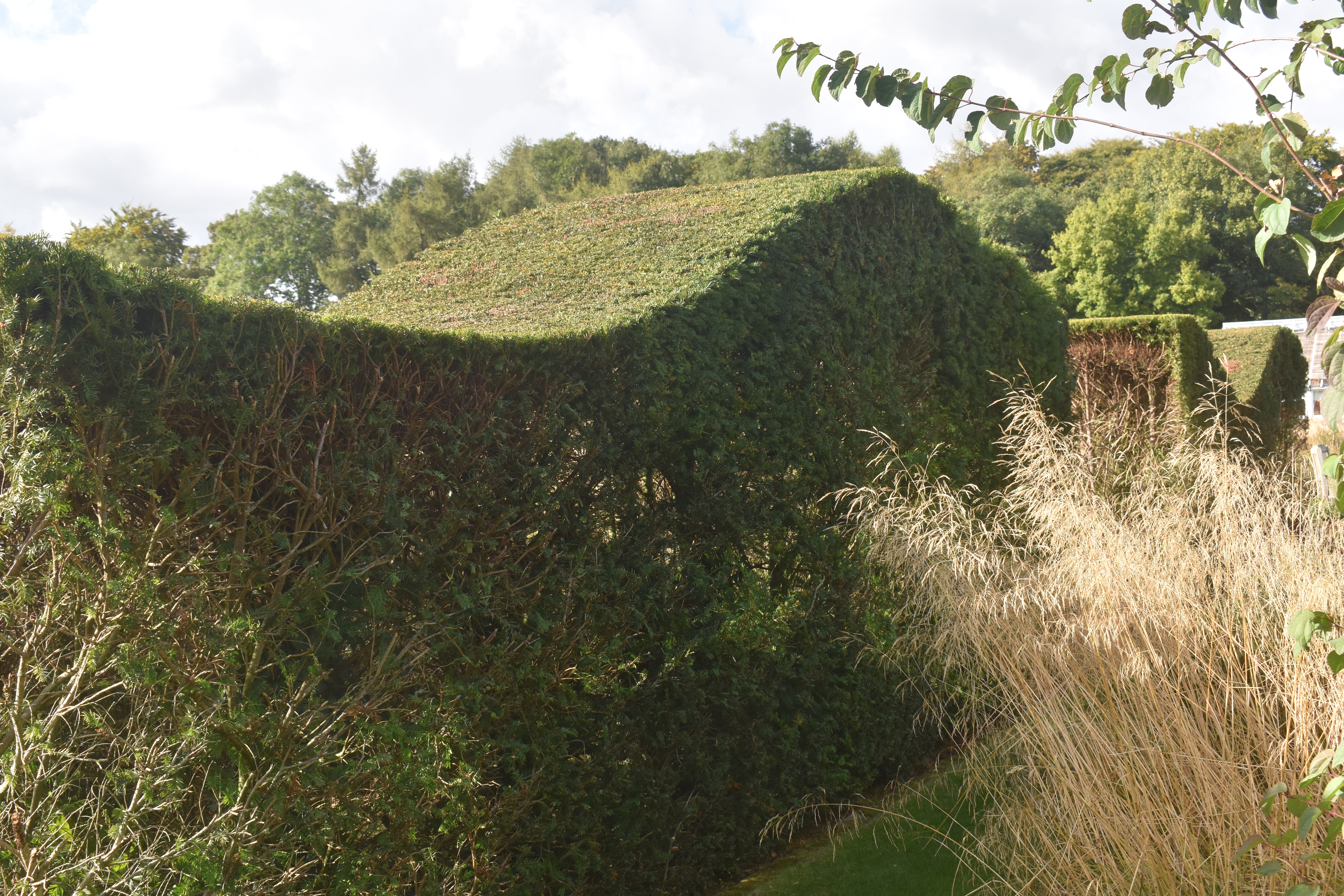
Oudolf created topiary with yew to form square blocks and undulating hedges.

From this quiet space with its sculptural hedges we moved into the Perennial Meadow where the seedheads of perennials were the stars. At its centre is an old dipping pond.

Scampston was as good as we expected and has matured beautifully.

Categories
Uncategorized

Our Week in the North York Moors – The Gardens at Yorkgate

A garden we have always wanted to visit is Yorkgate on the northern edge of Leeds. Thus on our homeward journey after our week in the North Yorks Moors we took a short detour to allow us the chance to visit. The garden is now maintained by the charity, Perennial which ensures it has a healthy future.

The planting alongside the driveway to the carpark set the scene nicely for us. Naturally our first stop was the cafe where we had coffee and breakfast.

We were handed a simple plan of the garden so after leaving the restaurant we set off to discover what the garden had to offer.

Firstly I will create a small gallery of interesting plants.

The following selection of interesting plants is all about perennials, deserving of a close up look, the only exception is the rose and the miscanthus grass below.

Yorkgate is a garden where you must keep an eye out for longer views giving interest possibly group of plants but equally unusual garden features.

The garden presented us with surprises too, such as the way this shrub was shaped in such an unusual way. Later we found a similarly shaped climbing shrub on the gable end of a building.
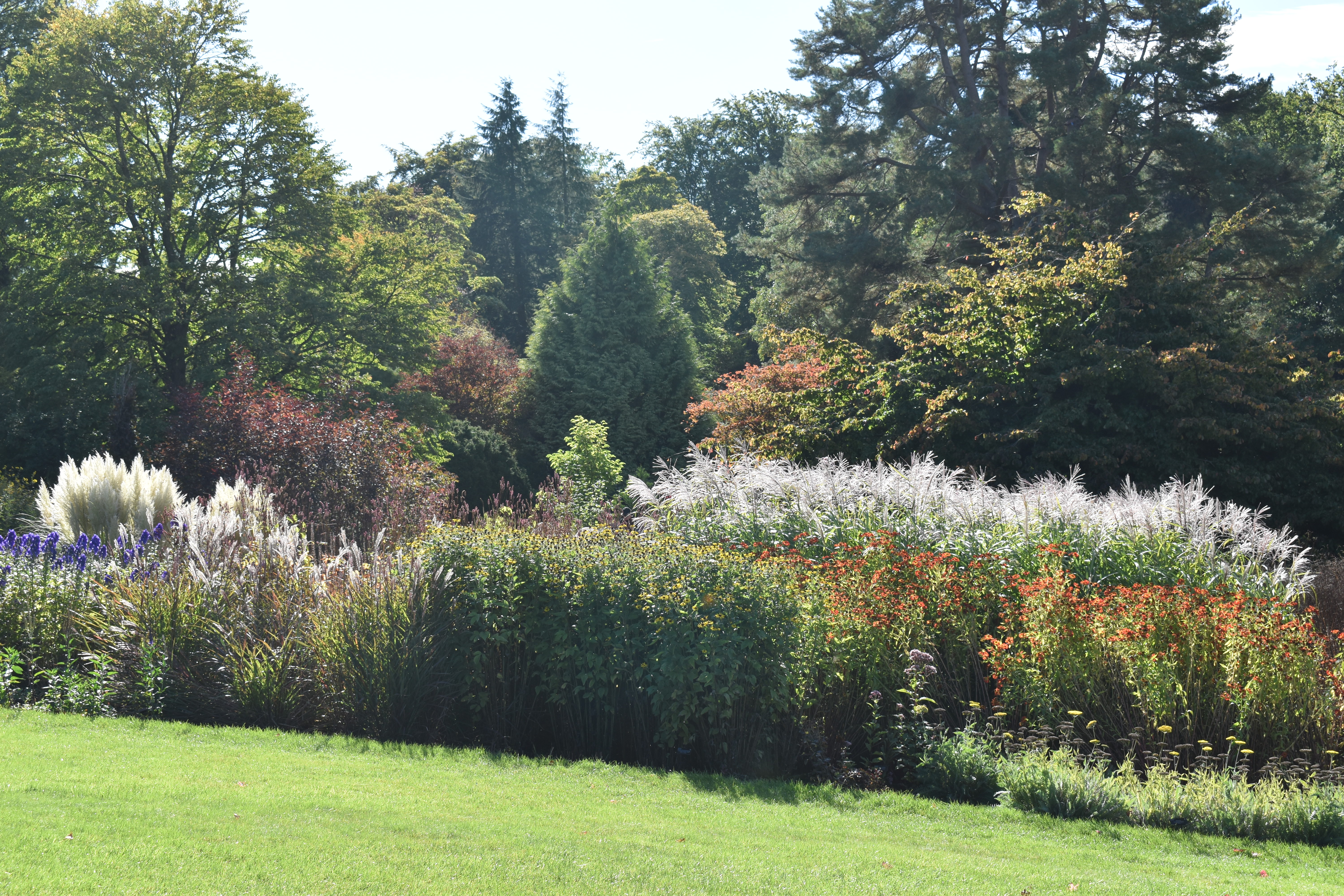
A selection of garden cameos which lift a garden above the normal are found here frequently as we explore.

After waiting so long to visit the garden at Yorkgate, it was as good as we had anticipated. There are so many design and plant ideas, that it doesn’t matter how experienced a gardener you are, there is plenty to look at and lots of ideas to take away with you.

Categories
Uncategorized

A Short Break in Devon – A Walk on the Wildside

Our short break in Devon in mid-June presented us the chance of visiting a garden I had wanted to visit since it was first open, Wildside, the creation of the well-known horticulturalist Keith Wiley. Keith was originally head gardener of the nearby Garden House, a garden we really liked when we visited several years ago.

Keith moved to a flat site on which he and his wife would develop a garden and build a house. Sadly his wife died before the garden was completed, but Keith carried on with their plans. The key to his design ideas was to shape the land into hills and valleys, which created more habitats for planting.
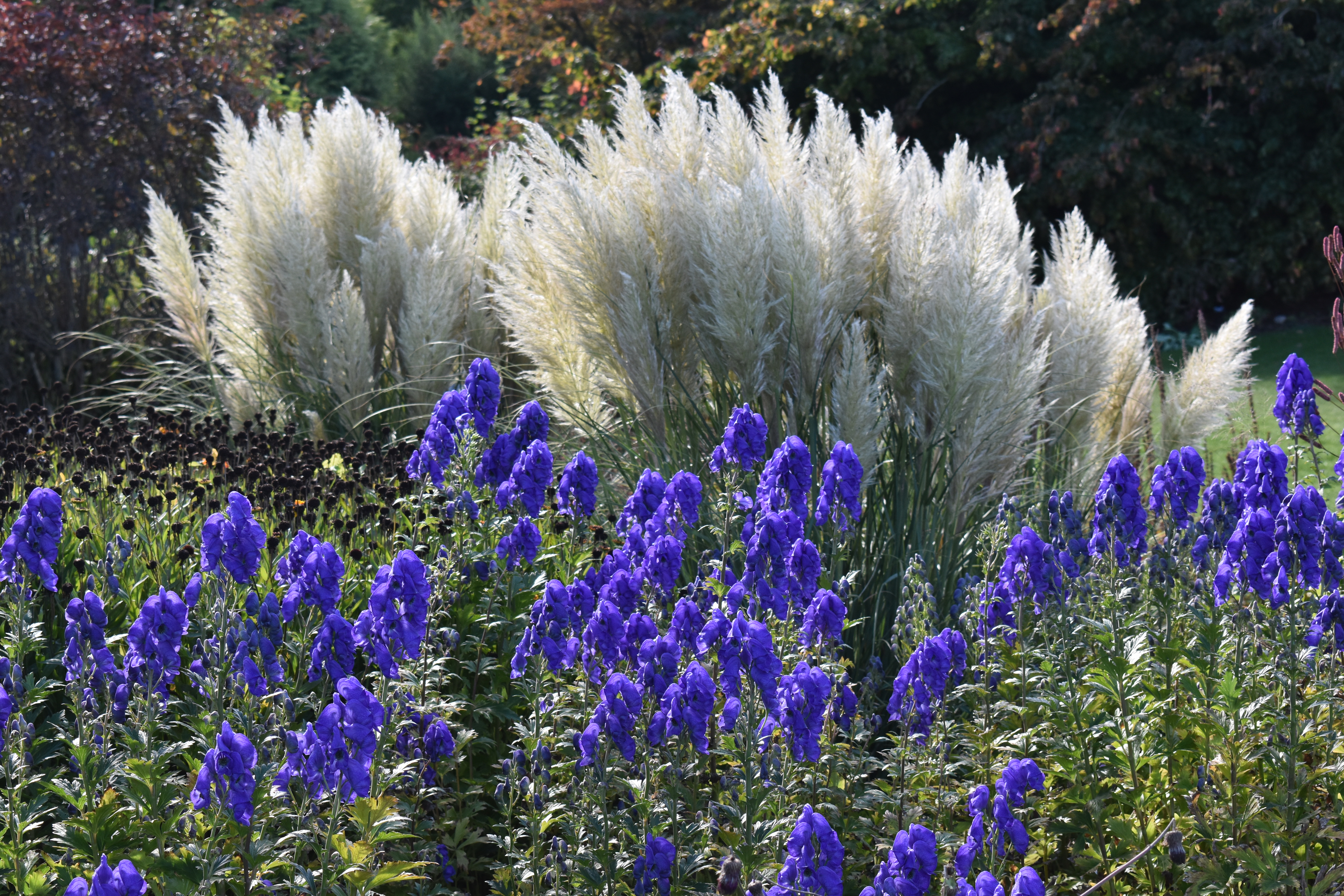
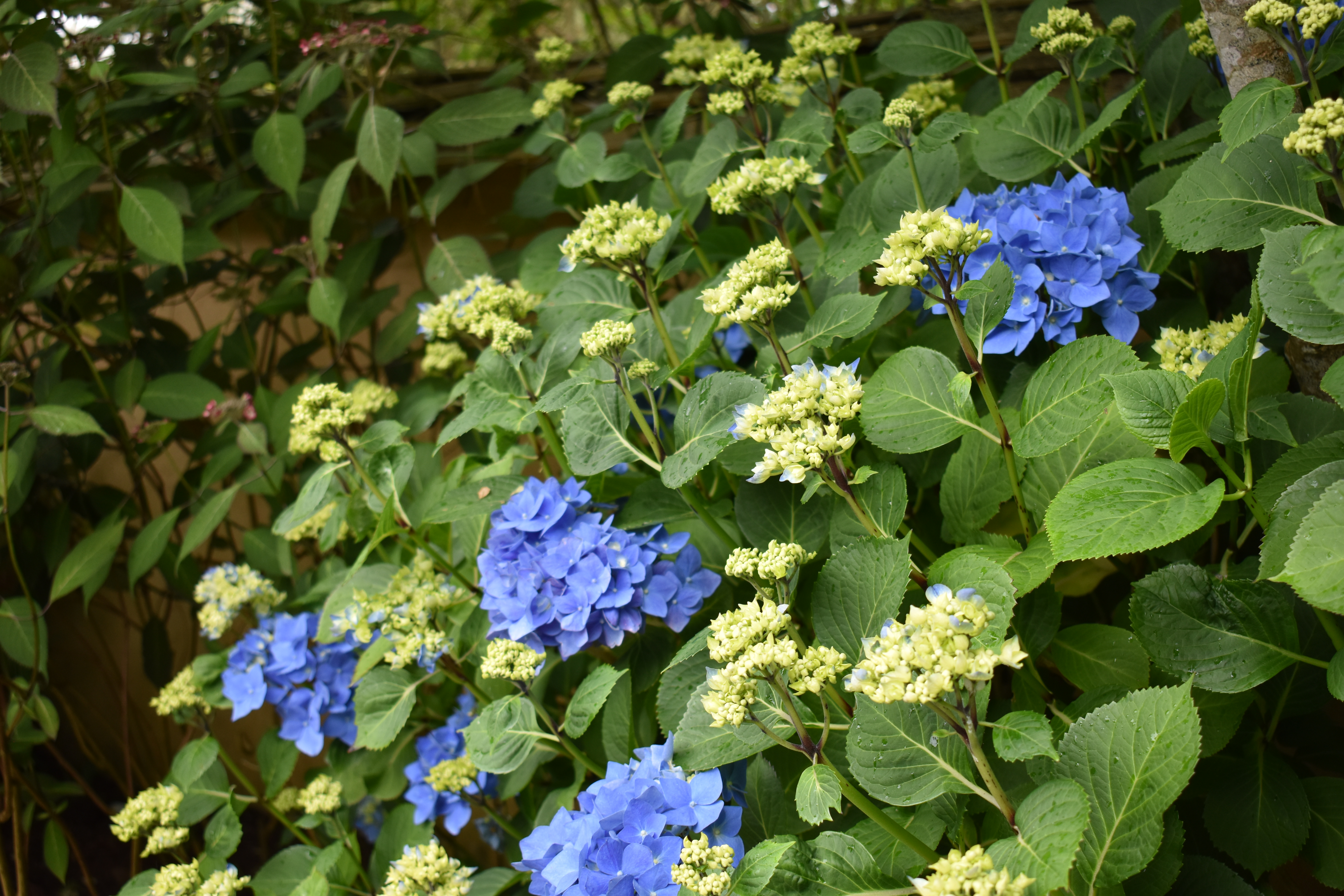
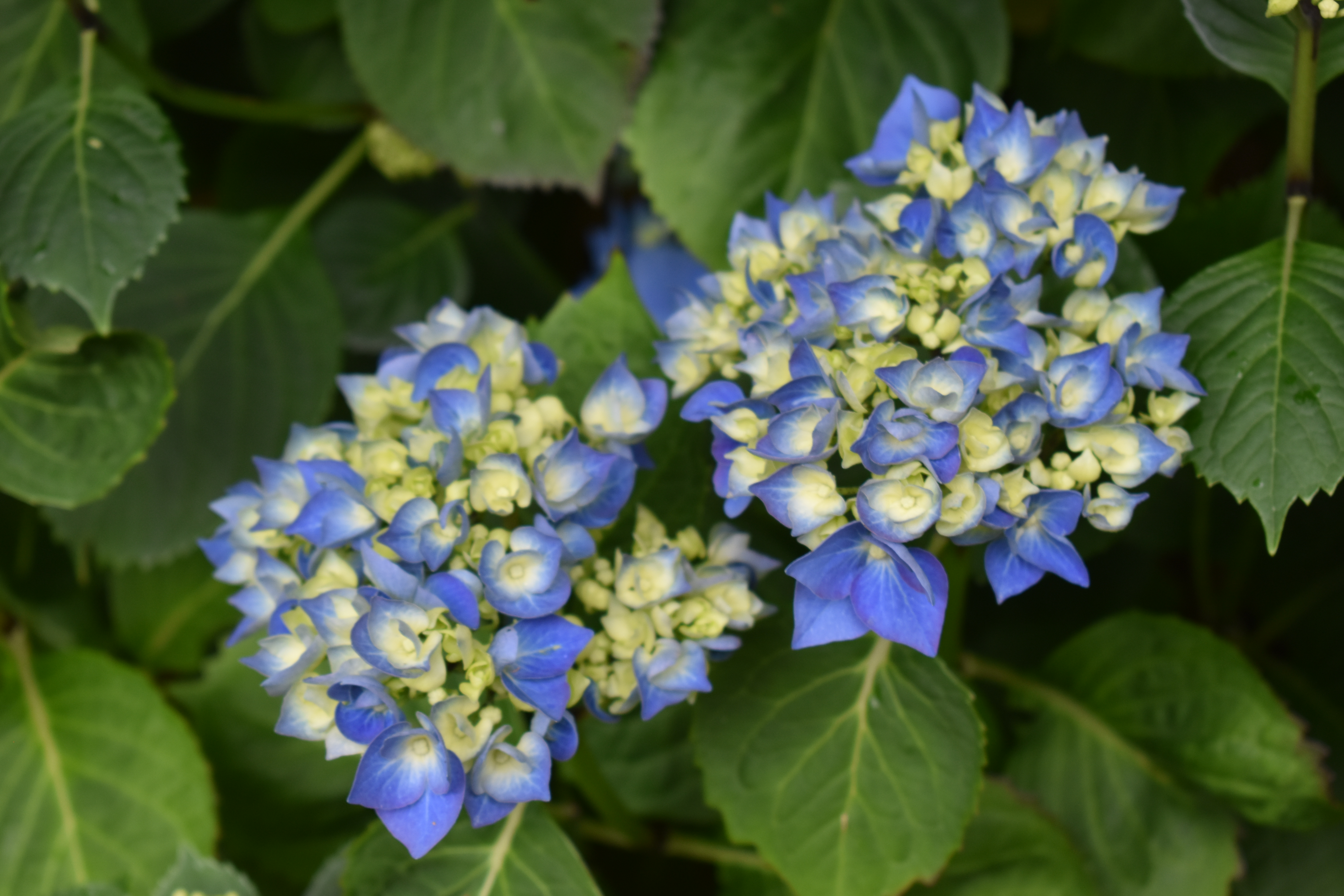
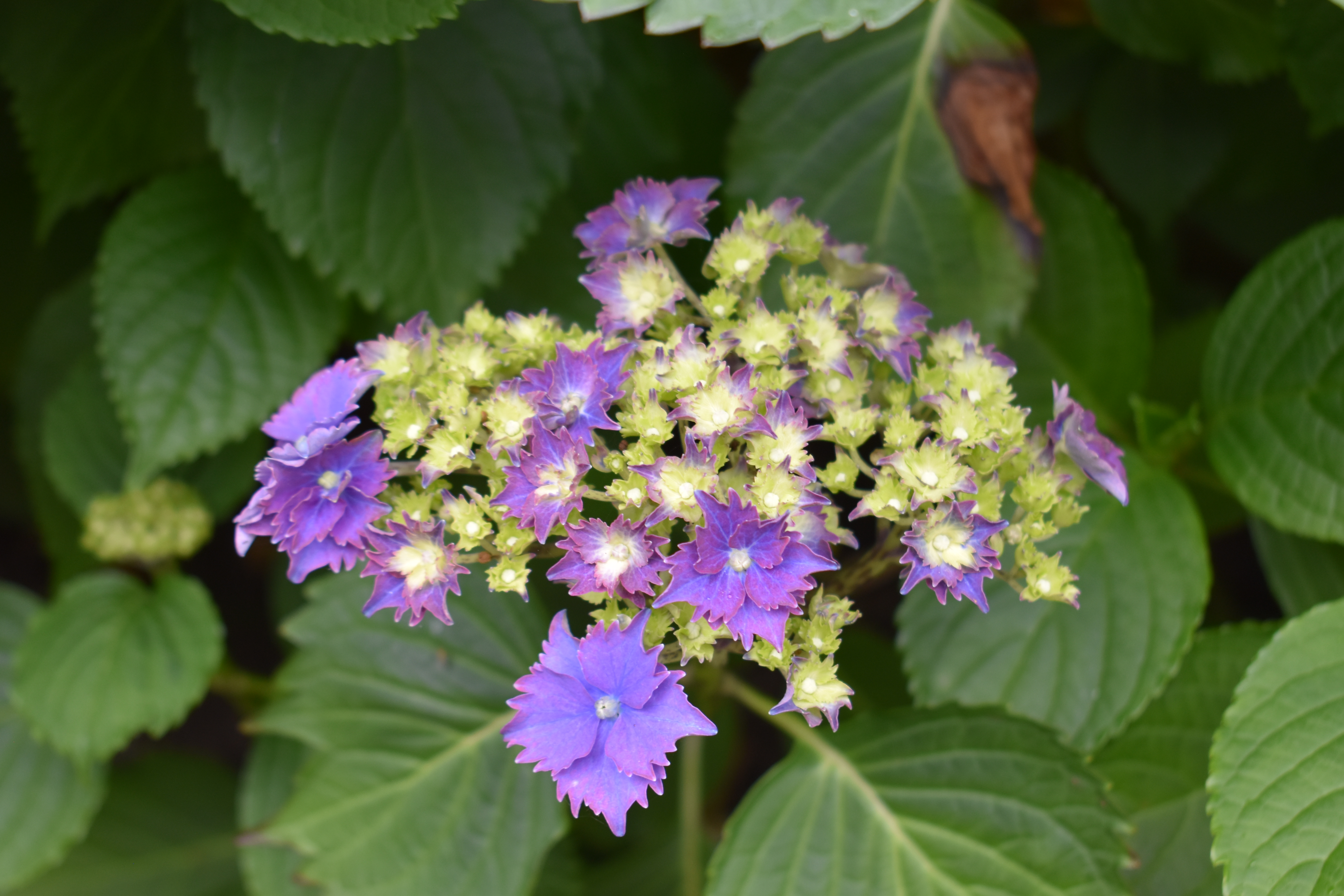
Even on the short walk walk from the carpark to the garden entrance we found these stunning hydrangeas in flower.
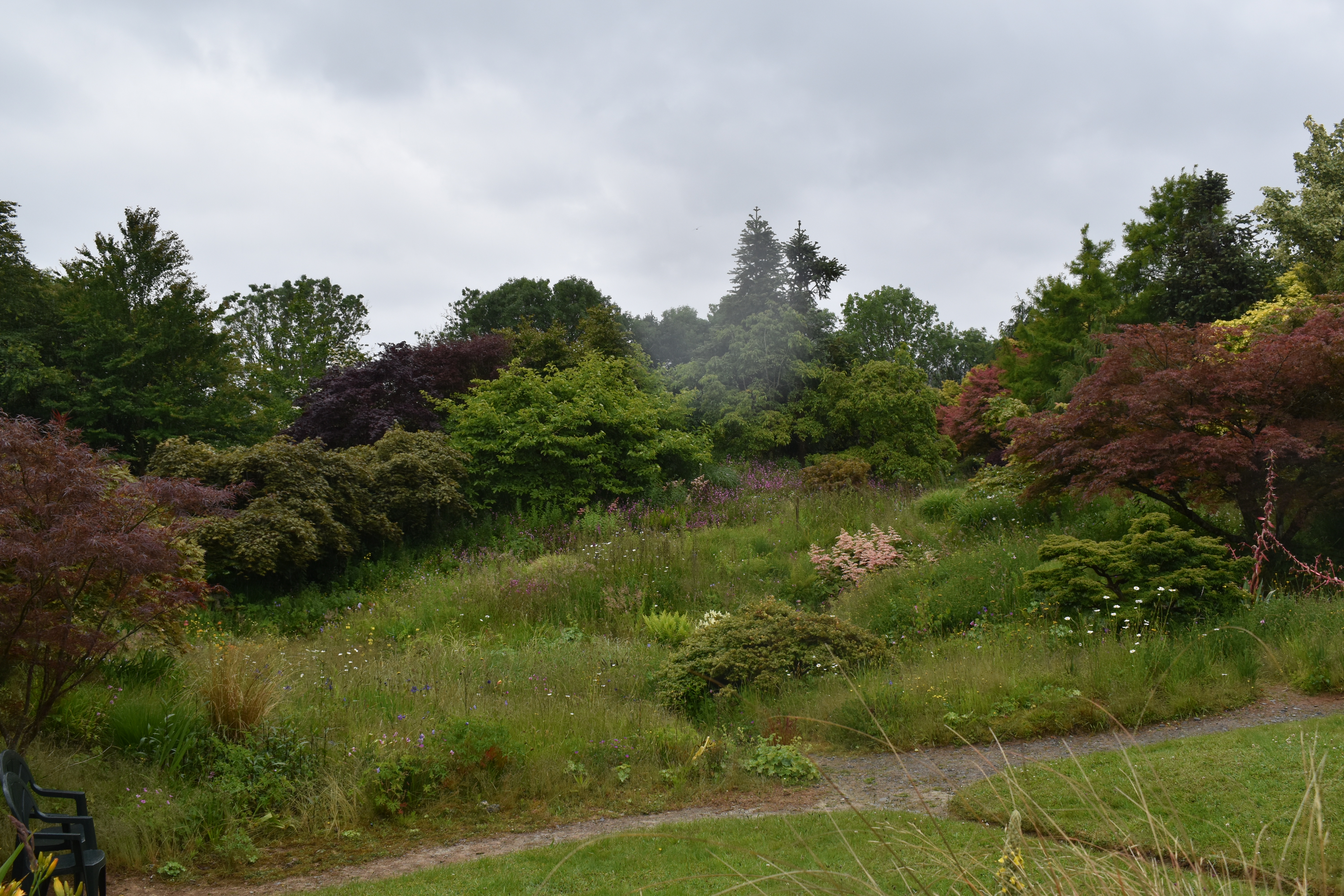
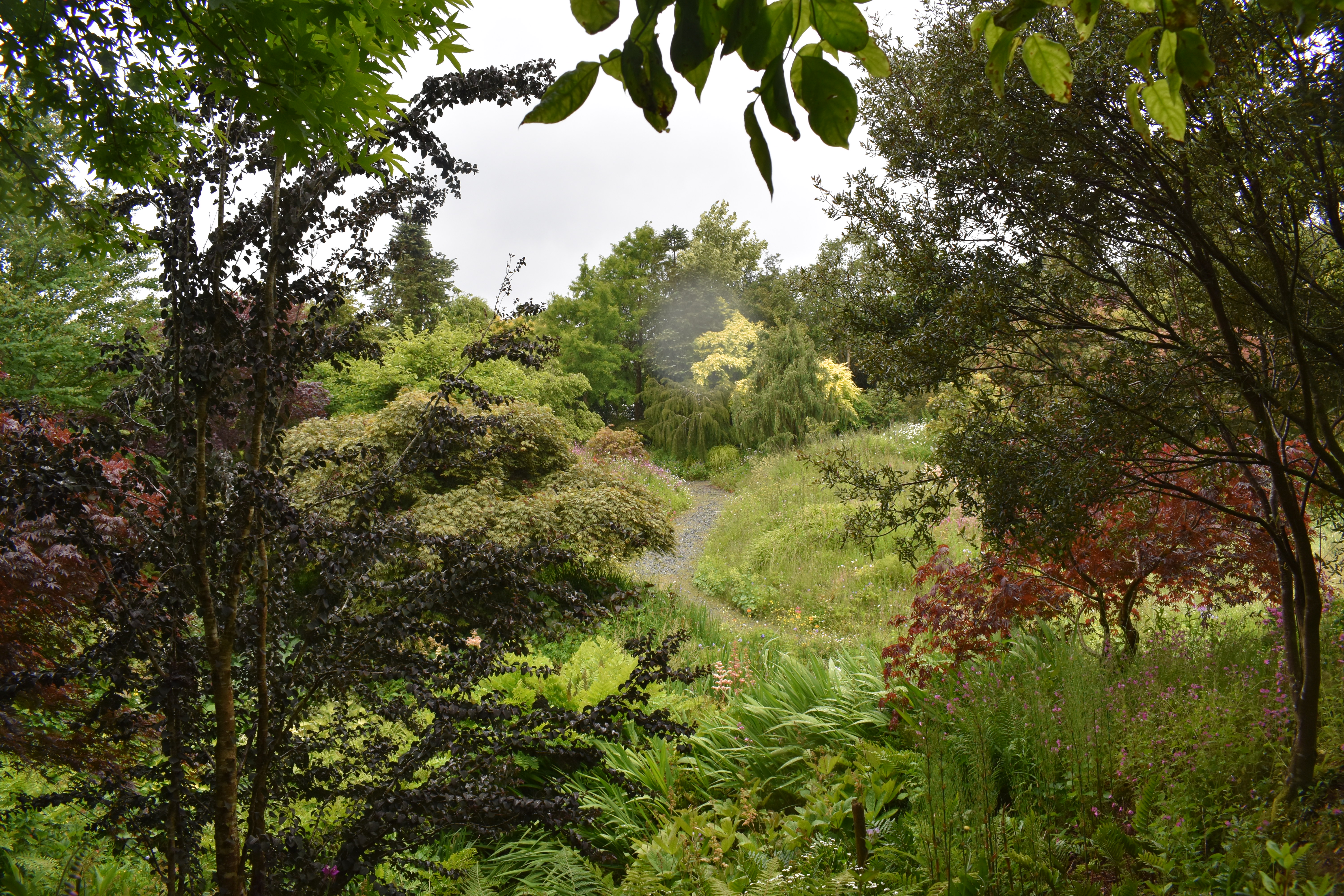
Keith’s first purchase had been a small JCB style digger which allowed him to shape the land and start planting trees and shrubs. Gravel pathways meandered throughout the landscaped areas enabling us to see so much of his planting close up.

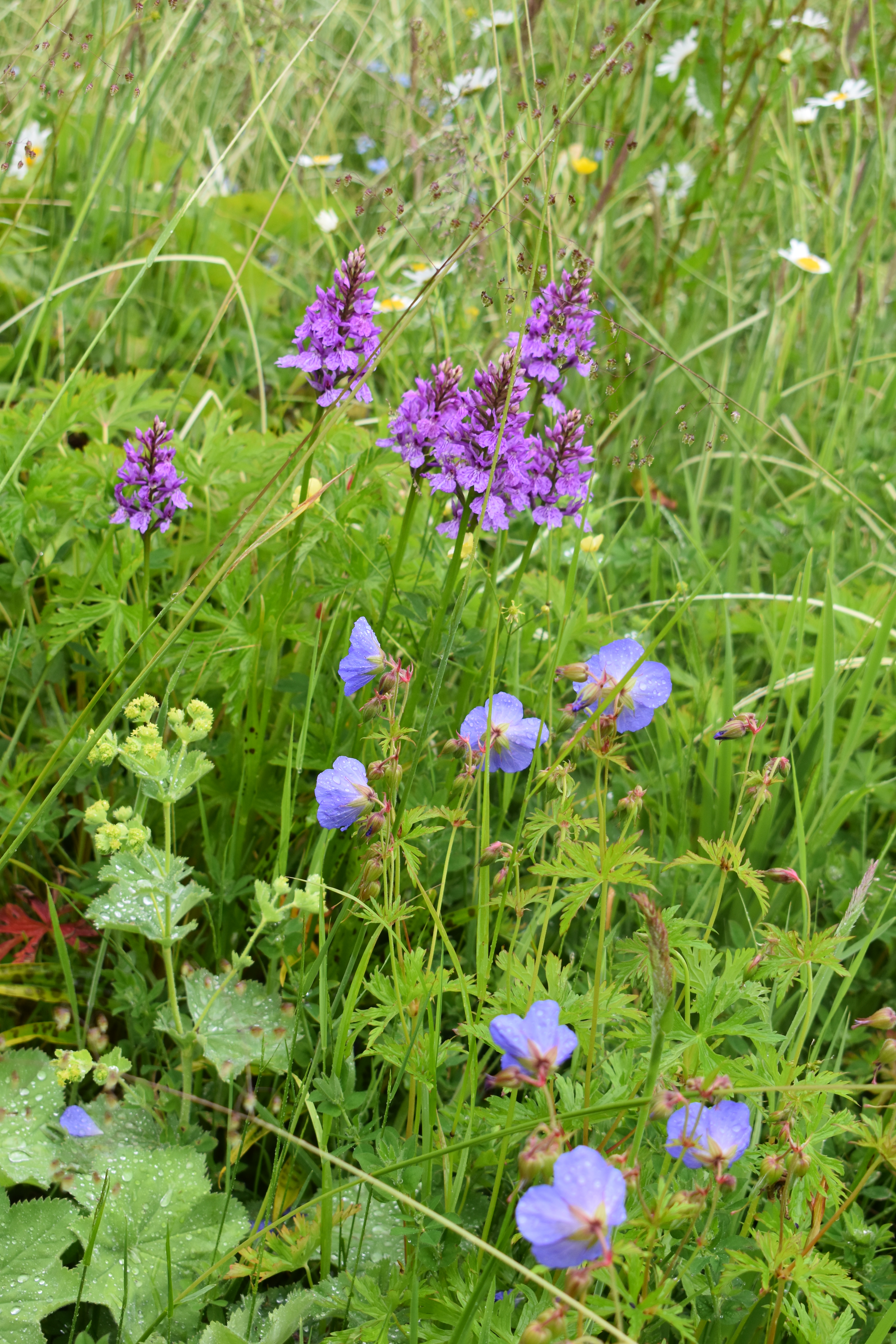
We arrived in torrential rain which just refused to stop or even give over a little, so it was no surprised that we were the only visitors. But this did mean that we were greeted by Keith himself. He gave us a lot of his time, telling us about how he had developed the garden and advised us on the best routes to take to enjoy what was currently looking at its best. The planting was on different layers with herbaceous plants looking colourful beneath shrubs and small trees.

We returned to the the garden entrance before exploring the opposite side of the garden following more instructions from Keith who suggested areas that we just had to see. Several parts of the garden on this side were planted to remind him of his travels.

The furthest parts of the garden illustrated just how serious some of the earthmoving exploits were.

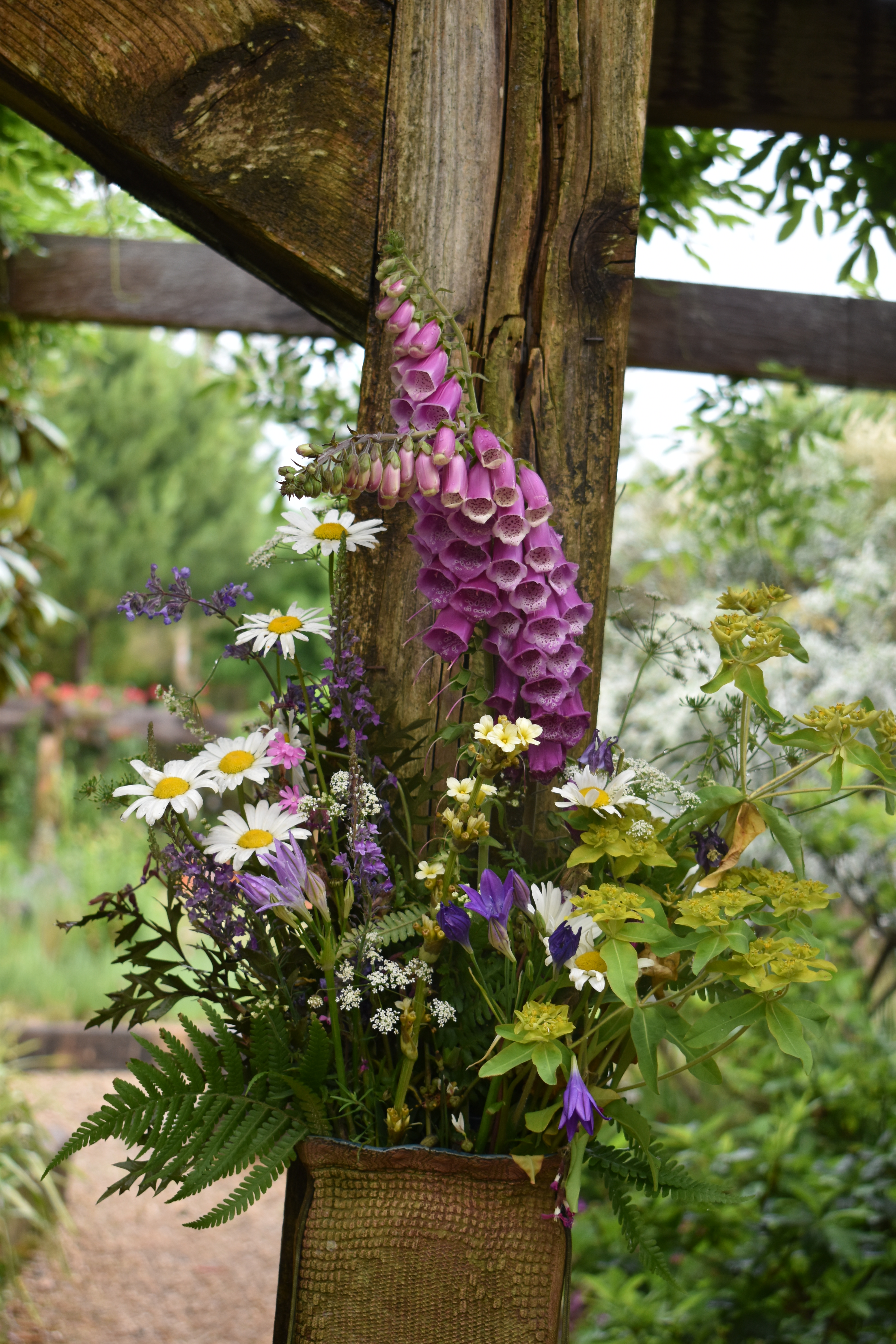
As we were wandering around these parts of the landscape the winds increased and the rain became even stronger so we returned to the garden entrance and made our way back to the car. At the garden entrance we admired flower arrangements using materials from the garden.

Categories
Uncategorized

A Short Break in Devon – part one – RHS Rosemoor

In mid-June this summer we took off southwards for a long drive down the motorways for a mid-week break in Devon, taking in some visits to 3 gardens, RHS Rosemoor, Wildside and Yeo Valley Organic Garden. The weather forecast promised heavy rain!

Day one saw us breakfasting at the restaurant at the RHS garden Rosemoor, which we have visited a few times before.

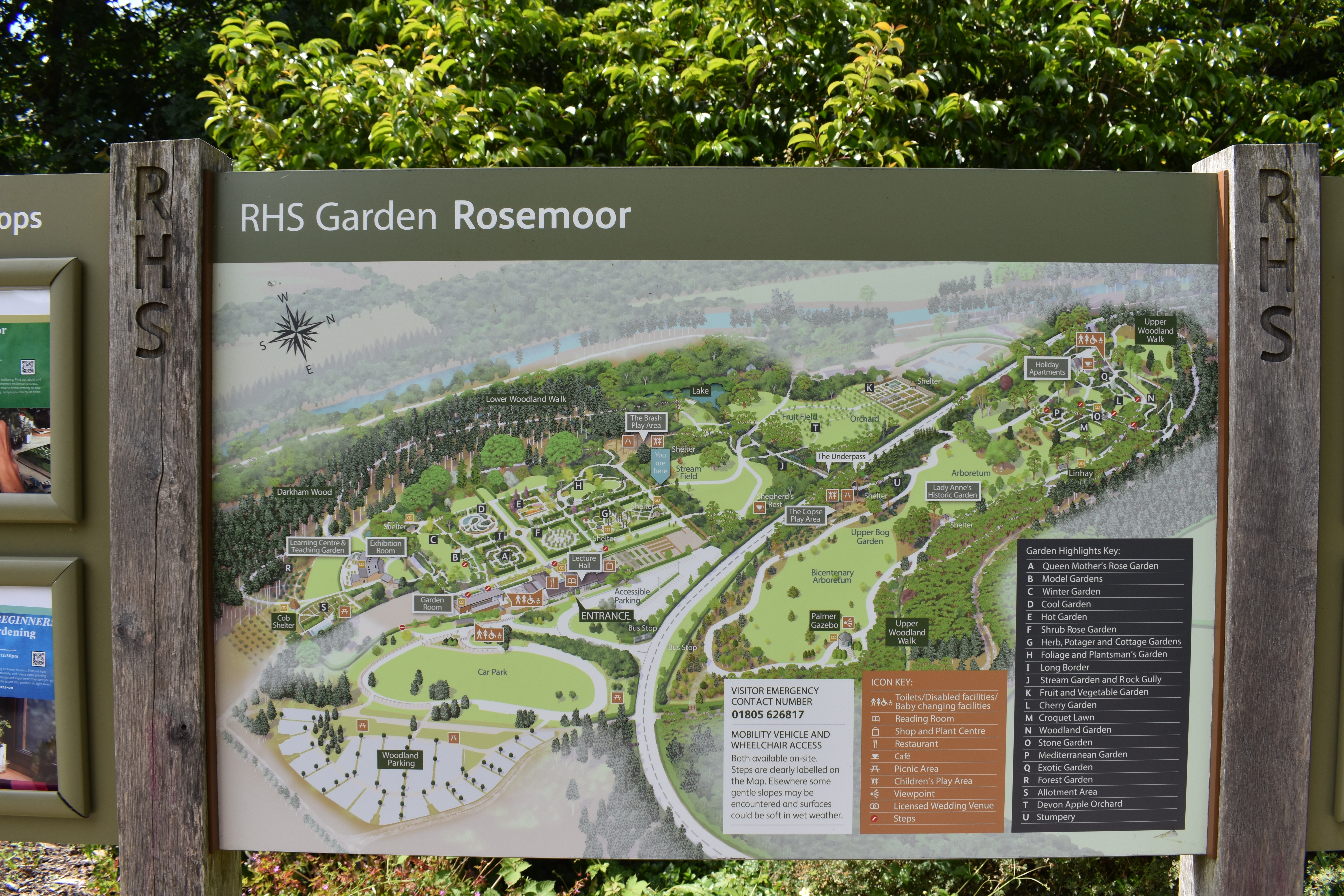
There is so much to see at Rosemore that we never know where to start or which route way around the many acres to follow. The above rather beautiful map helped us in planning our route.

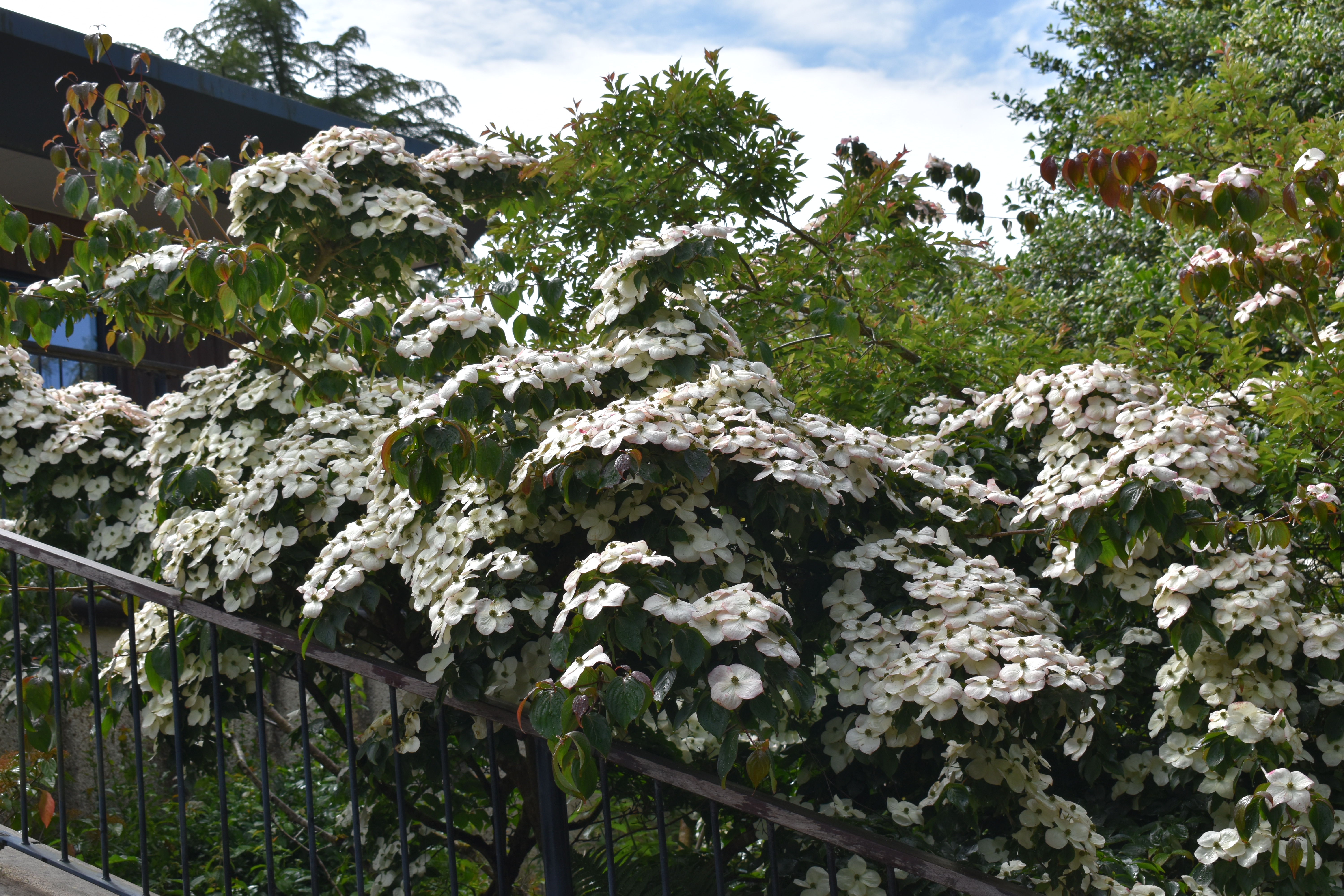
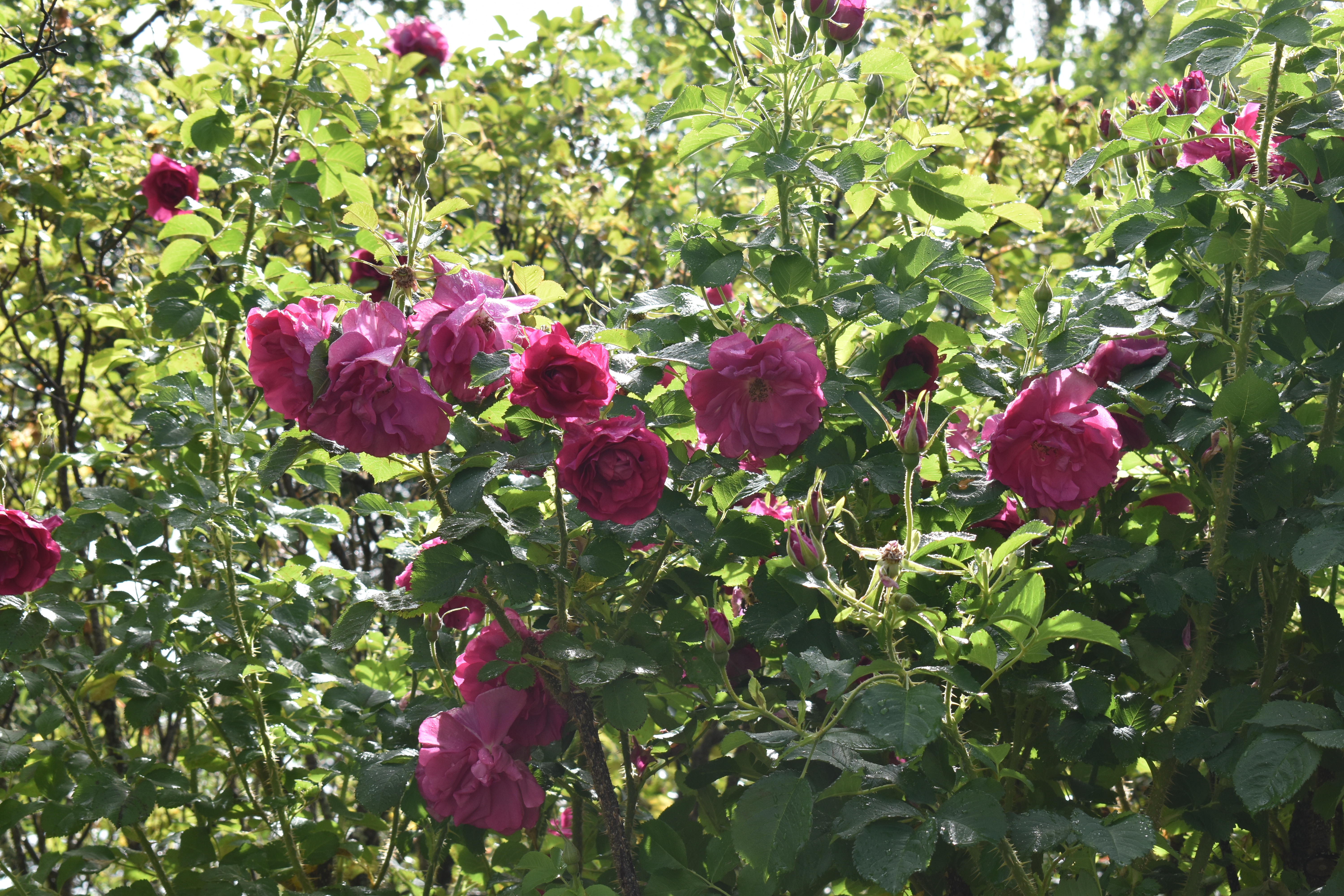
We made our way towards the woodland area passing some beautiful plants along the way such as this Cornus kousa and deeply coloured rose.

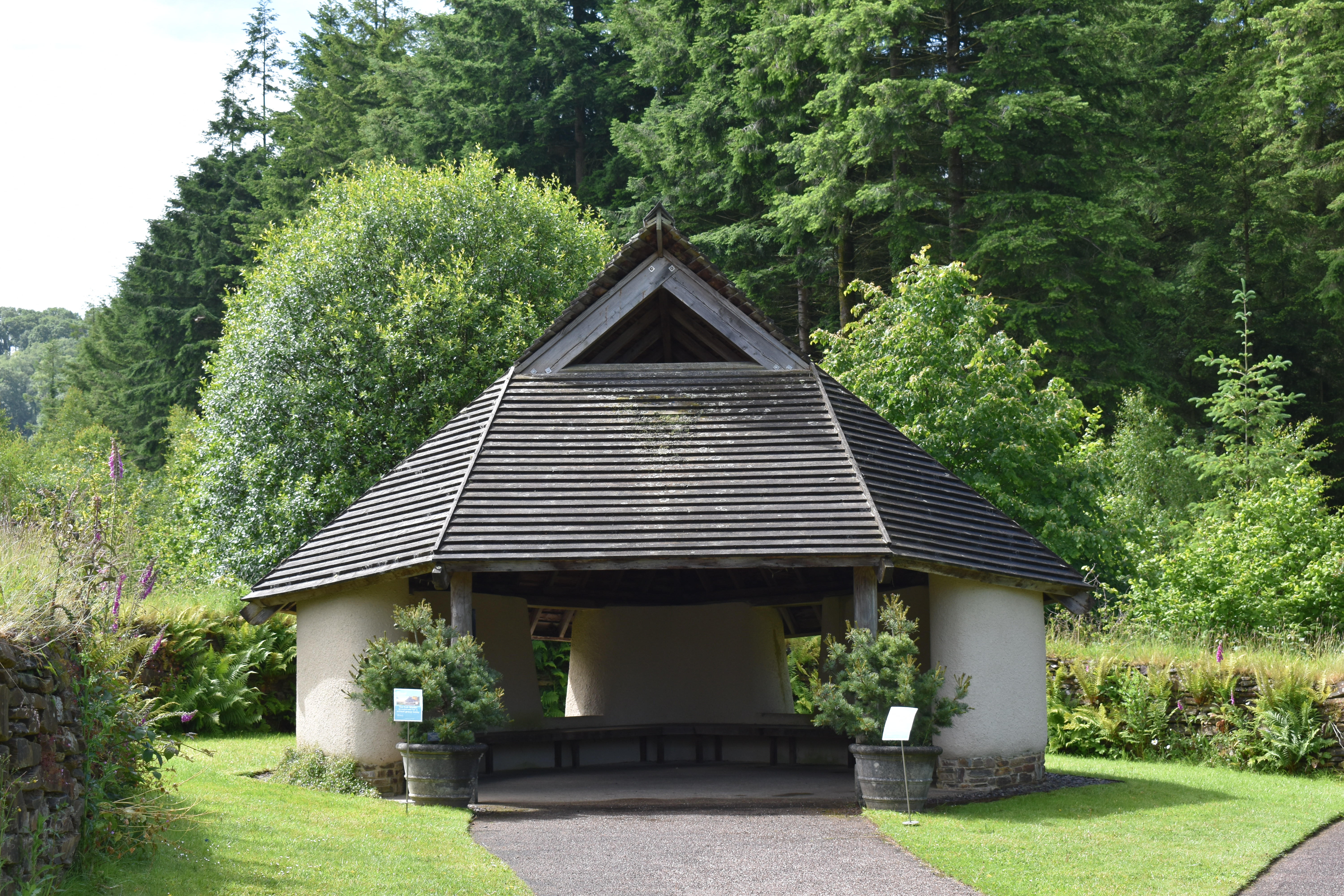
Just as we reached the woodland edge we were surprised to find this beautiful rustic building.

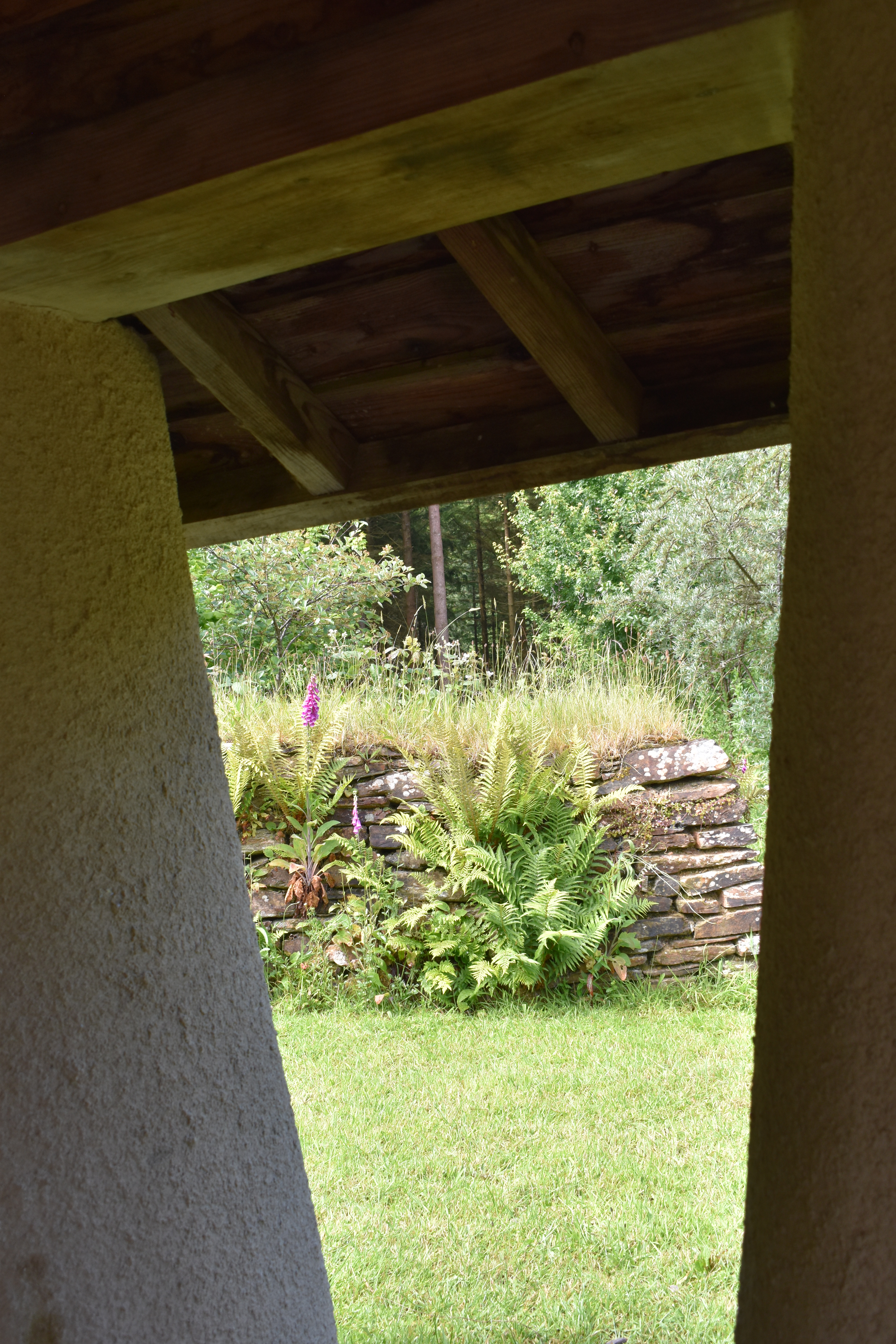
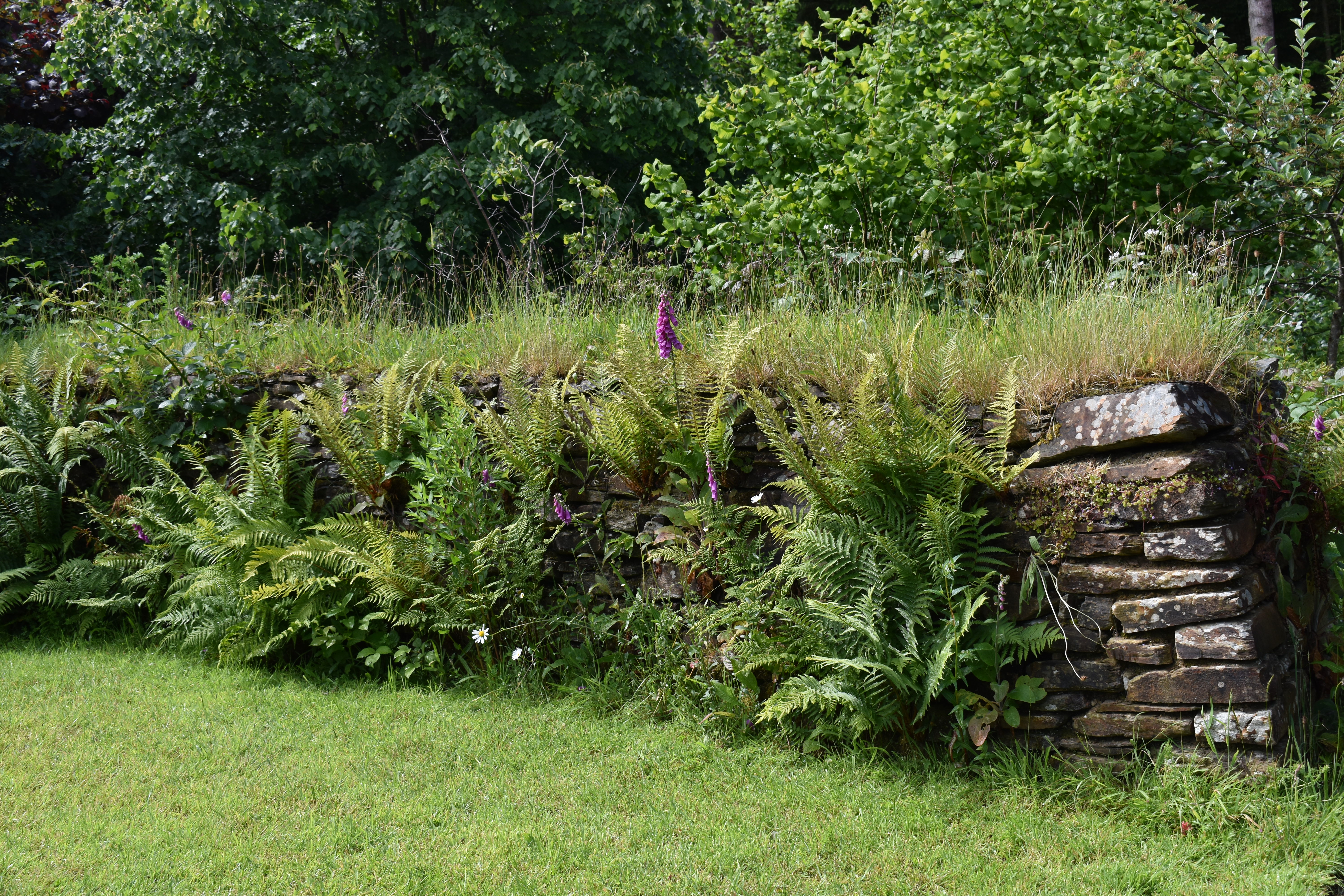
Behind the building a stone wall covered in plants acted as the boundary to the woodland.

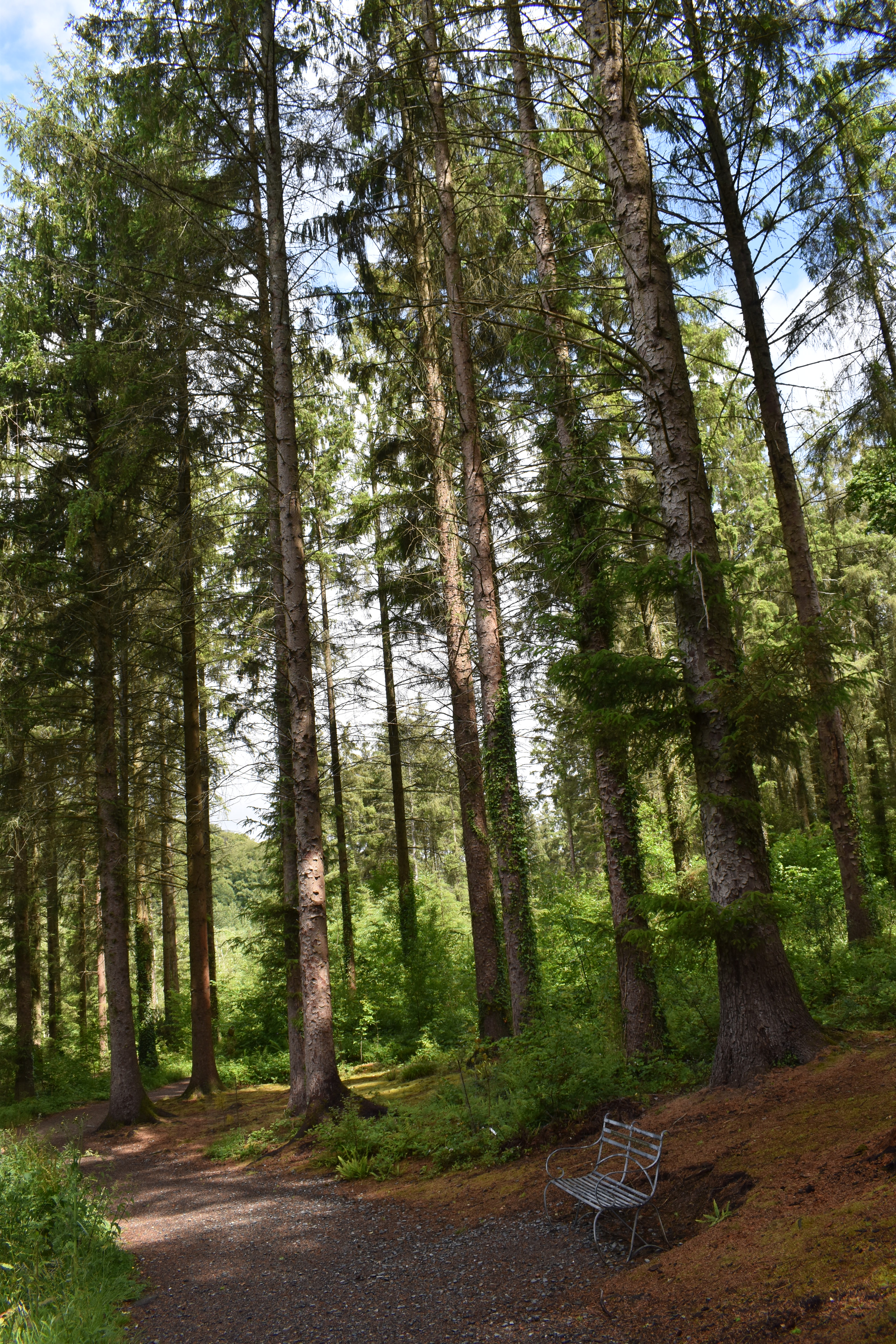
We enjoyed wandering along the footpaths through the cool calm woodland, an antidote to the warm humidity outside.

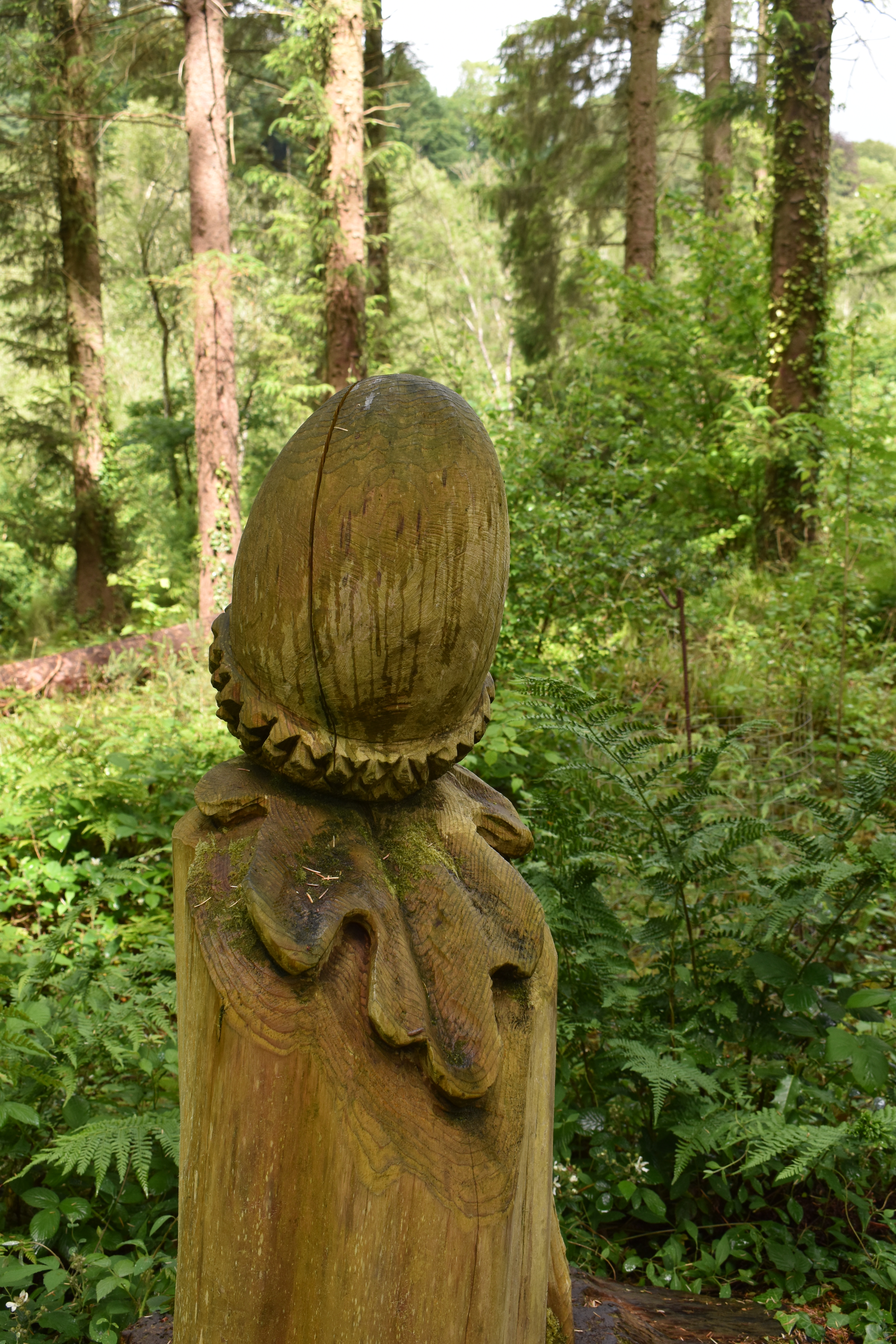
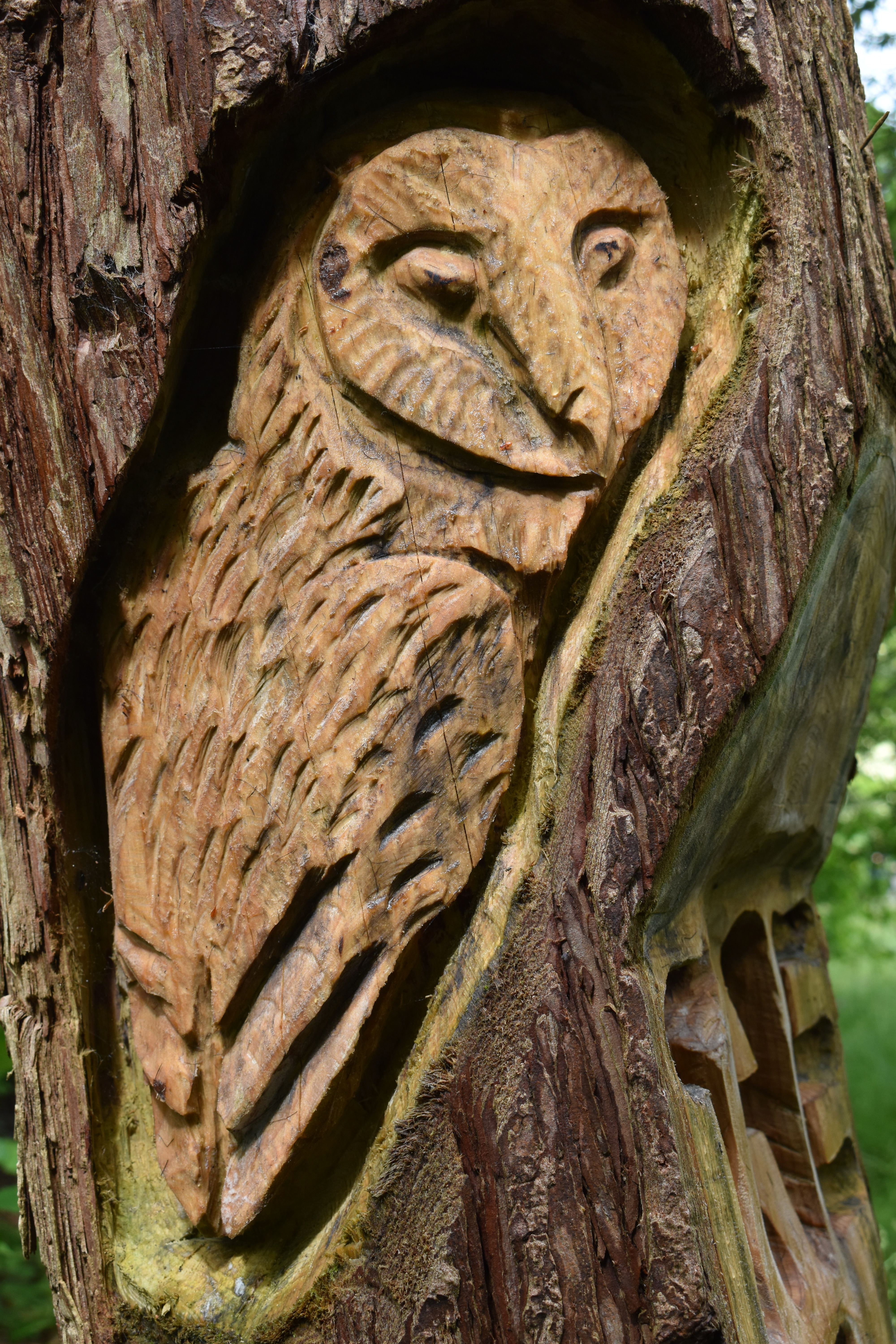
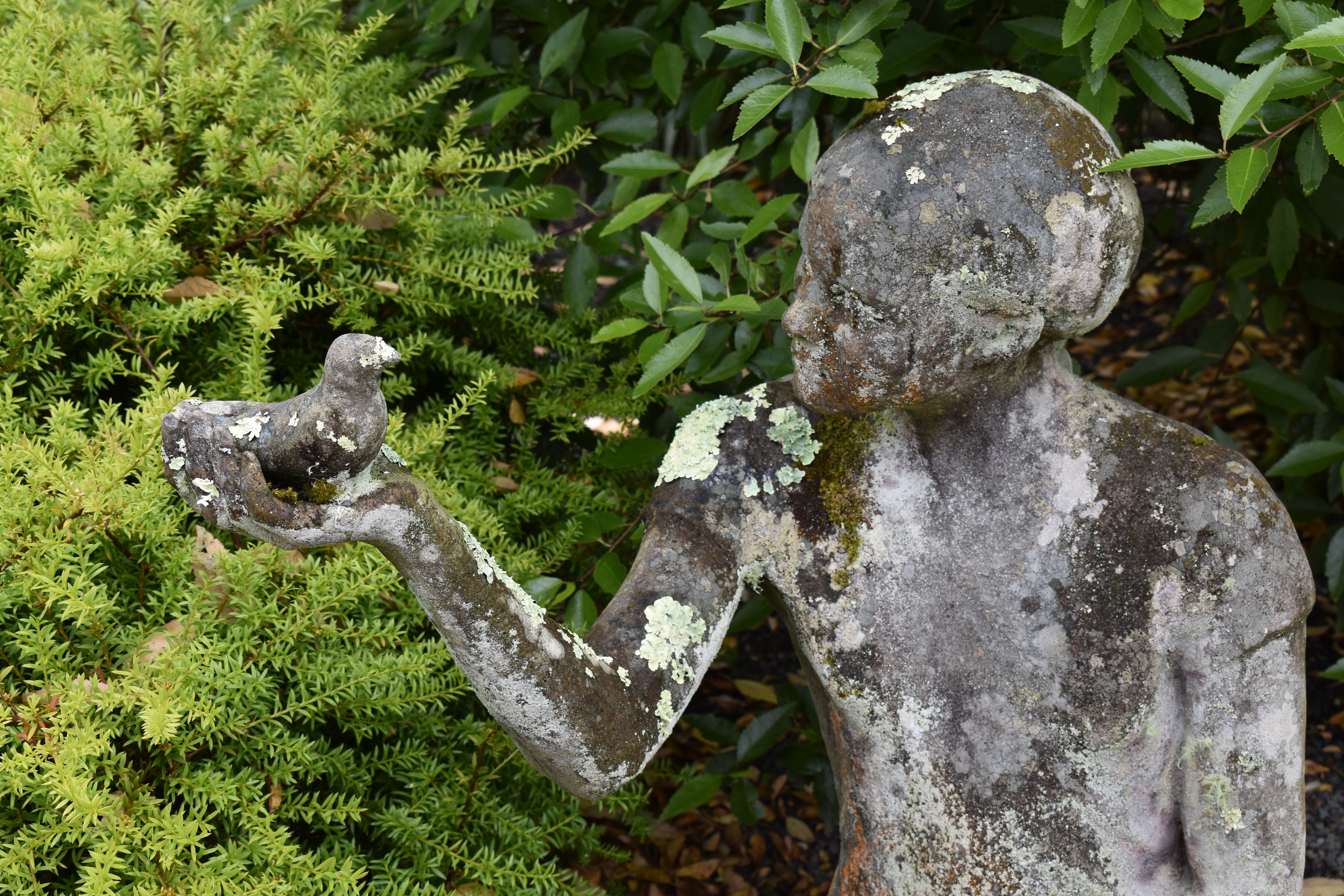
In the woodlands we came across some sculptural pieces, starting with the wood carving of an acorn above, and still within the trees a bronze deer, a wooden cone and an owl carved into the trunk of a dead tree.

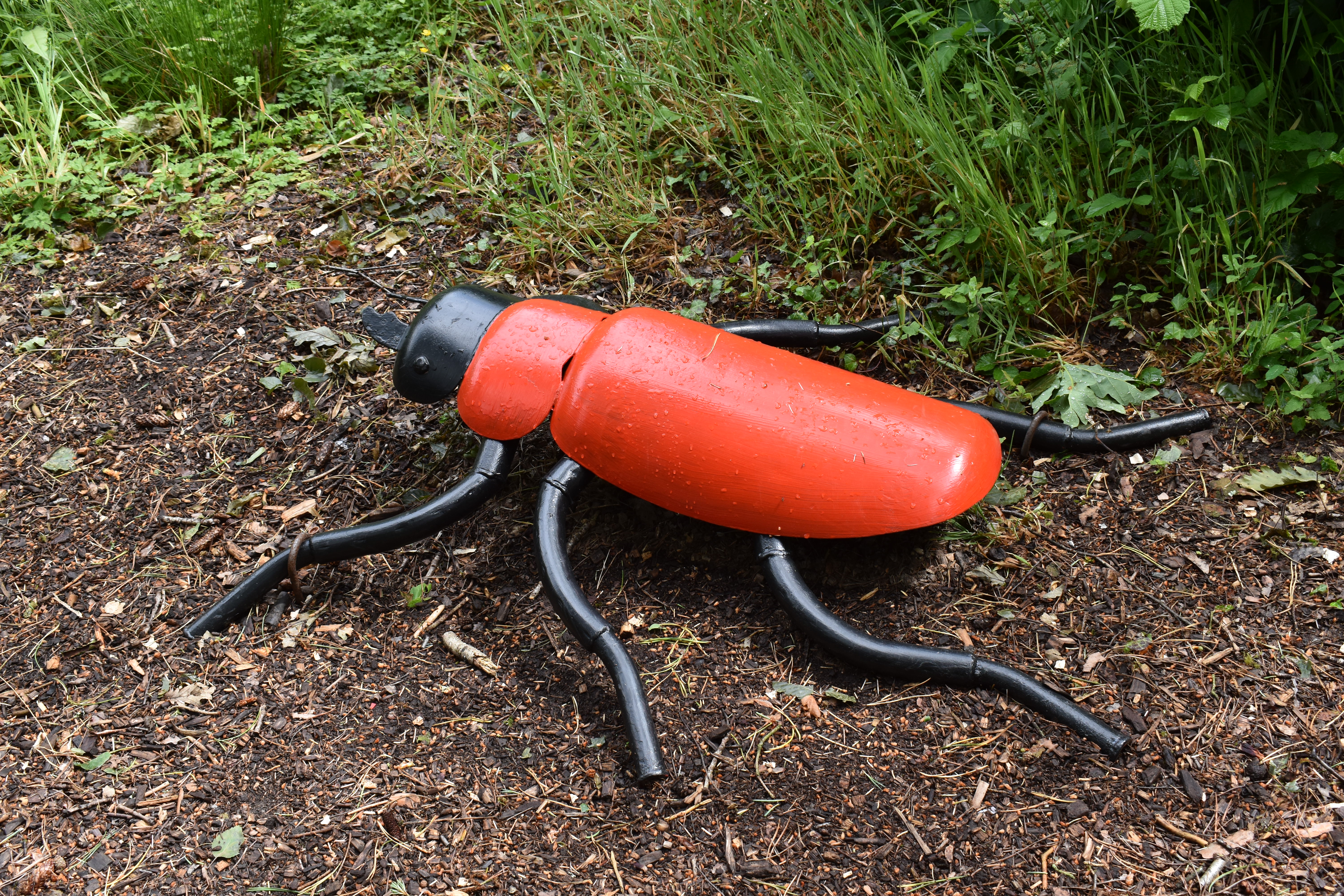
In the children’s woodland play area were large metal sculptures of insects and invertebrates.

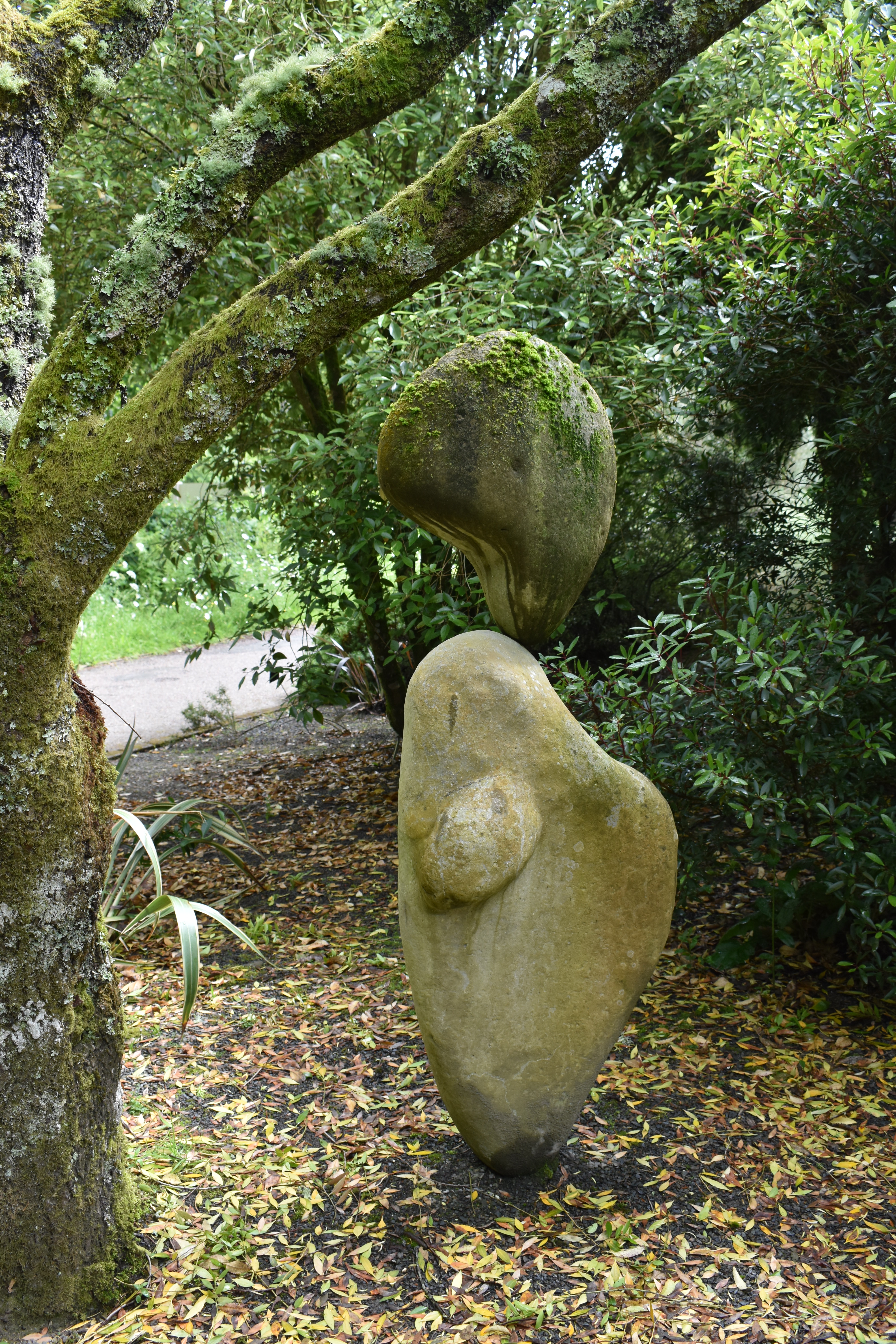
We discovered other sculptures in wood and stone, the one stone piece being a balancing work.

It wasn’t long before we met the first of the themed gardens which we were looking forward to exploring as they had been developed since. we last visited. I will continue with these themed gardens in the next Rosemore post. As weather often seems to be at the forefront of gardeners’ minds I will look at the Cool Garden and the Hot Garden.

This Veggie Life

A Vegetarian | Nature Lifestyle Blog

Rambling in the Garden

.....and nurturing my soul

The Arch City Gardener

Journeys In St. Louis Gardening and Beyond

Garden Dreaming at Châtillon

Consult the genius of the place

Storyshucker

A blog full of humorous and poignant observations.

gardeninacity

Notes from a wildlife-friendly cottage garden

PlayGroundology

...an emerging social science

The Official Blog of British Wildlife

'The most important and informative publication on wildlife of our times' - The Independent. This blog is a member of The UK & Ireland Natural History Bloggers group: www.uknhb.blogspot.com

iGrowHort

Inspire - Cultivate - Grow Native Plants - Restore Landscapes

Bishops Meadow Trust

To create and protect a semi-natural wild space for the people of Farnham to enjoy and experience an array of British wildlife in our town

Gardening with Children

The www.gardeningwithchildren.co.uk Blog

UKbirdingtimeline

birding through the seasons, why birds matter and how to conserve them

NATURE WALKER

with a camera in hand

Jardin

Transform your outdoor space

Eva's space

My allotment, cooking and other interests

Old School Garden

my gardening life through the year

LEANNE COLE

Trying to live a creative life

fromacountrycottage

trying to live as lightly as possible on our beautiful planet

Good Life Gardening

Nature lovers from Leicester living the good life.

mybeautfulthings

Finding the beautiful in the everyday

mawsonmichelle

Michelle's Allotment

In and Out of My Garden

thoughts from and about my garden

Greenhousing

Big plans for a small garden

The Scottish Country Garden

A Walled Country Garden in South East Scotland

The Fruity Chicken

Life at the fruity chicken

willowarchway

Off grid living. Self sufficient. "PERMAGANICS RULE".

St Anns Allotments

Nottingham's Grade 2* Listed Allotments and Community Orchard

Manifest Joy Harvests

a journey in suburban vegetable gardening

Allotmental

The madness of growing your own

Penny's Garden: a harvest beyond my front door

A novel approach to vegetable gardening

arignagardener

Sustainable living in the Irish countryside.

NewEnglandGardenAndThread

Master Gardener, amateur photographer, quilter, NH native, and sometimes SC snowbird

dianajhale

Recent work and work in progress and anything else that interests me

planthoarder

a chaotic cottage gardener

Lens and Pens by Sally

a weekly blog that creates a personal philosophy through photographs and words

Dewdrops and Sunshine

Stories from a sassy and classy Southern farmbelle.

The Pyjama Gardener

Simple Organic Gardening & Seasonal Living

gettin' fresh!

turning dirt into dinner

JOY...

today the world is created anew

Garden Birds

Notes from a Devon garden

ShootAbout

Life Through The Lens

Adapting Pixels

A photography blog showcasing the best photography pictures and videos on the internet

Wildlifegardening's Blog

Just another WordPress.com site

naturestimeline

personal observations from the natural world as the search continues for a new approach to conservation.

LATEBLOOMERBUDS

The Wonders of Life through my Eyes, my Heart, my Soul