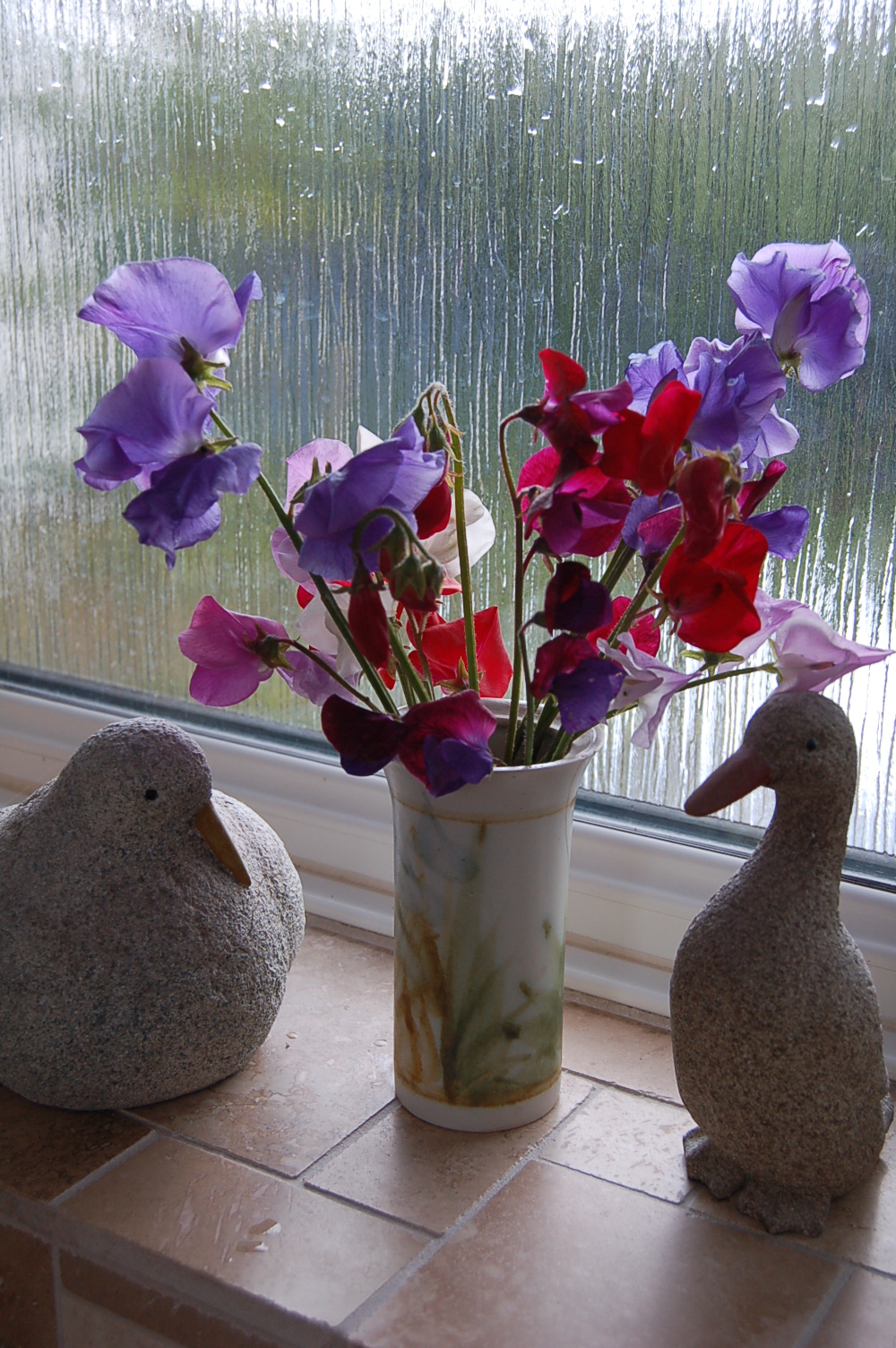
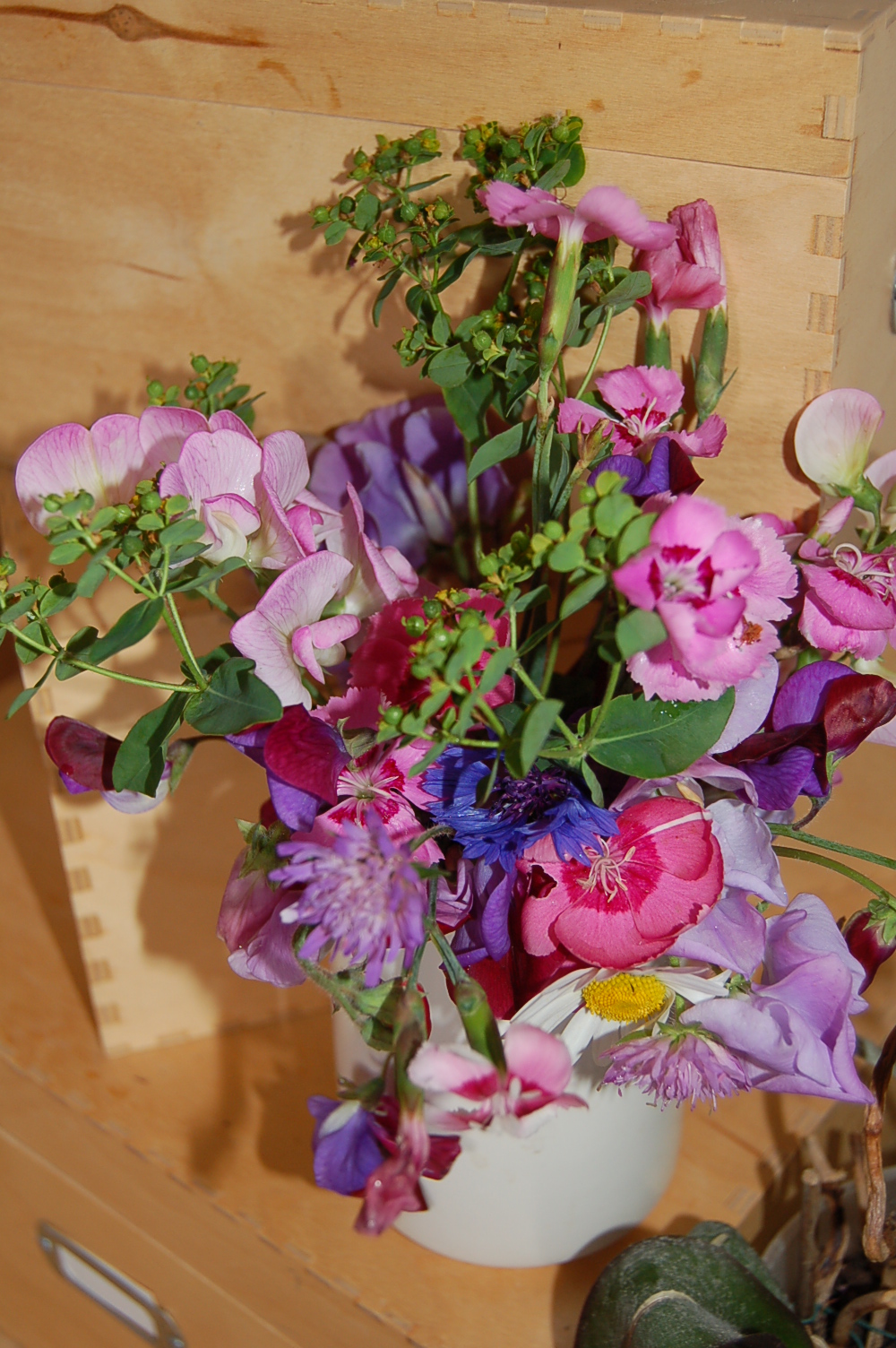
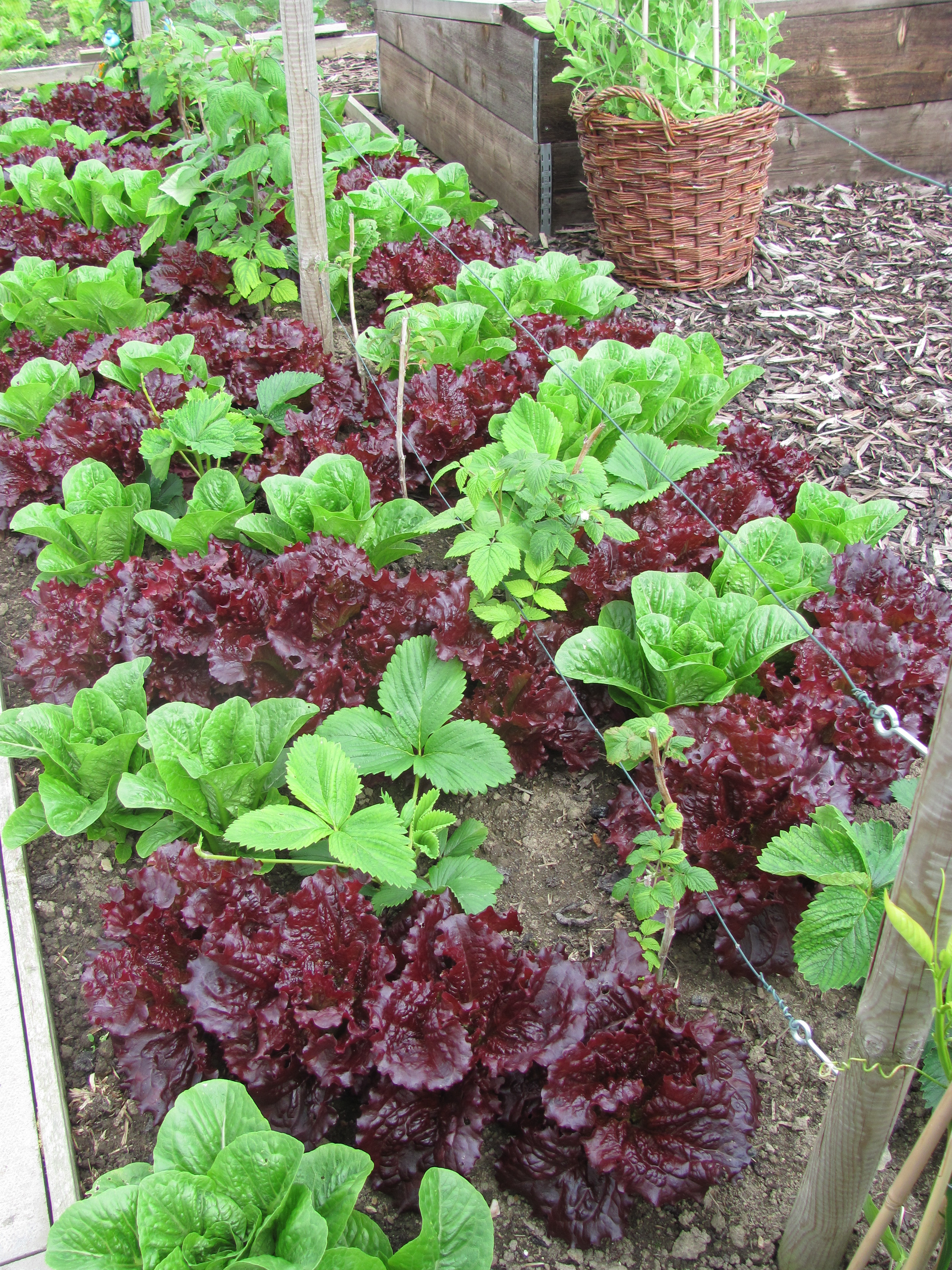
Today we visited the lottie to harvest veggies to use fresh and to store in the freezer for use in the less productive days of the winter and early spring, together with bunches of Sweet Peas and Dianthus.
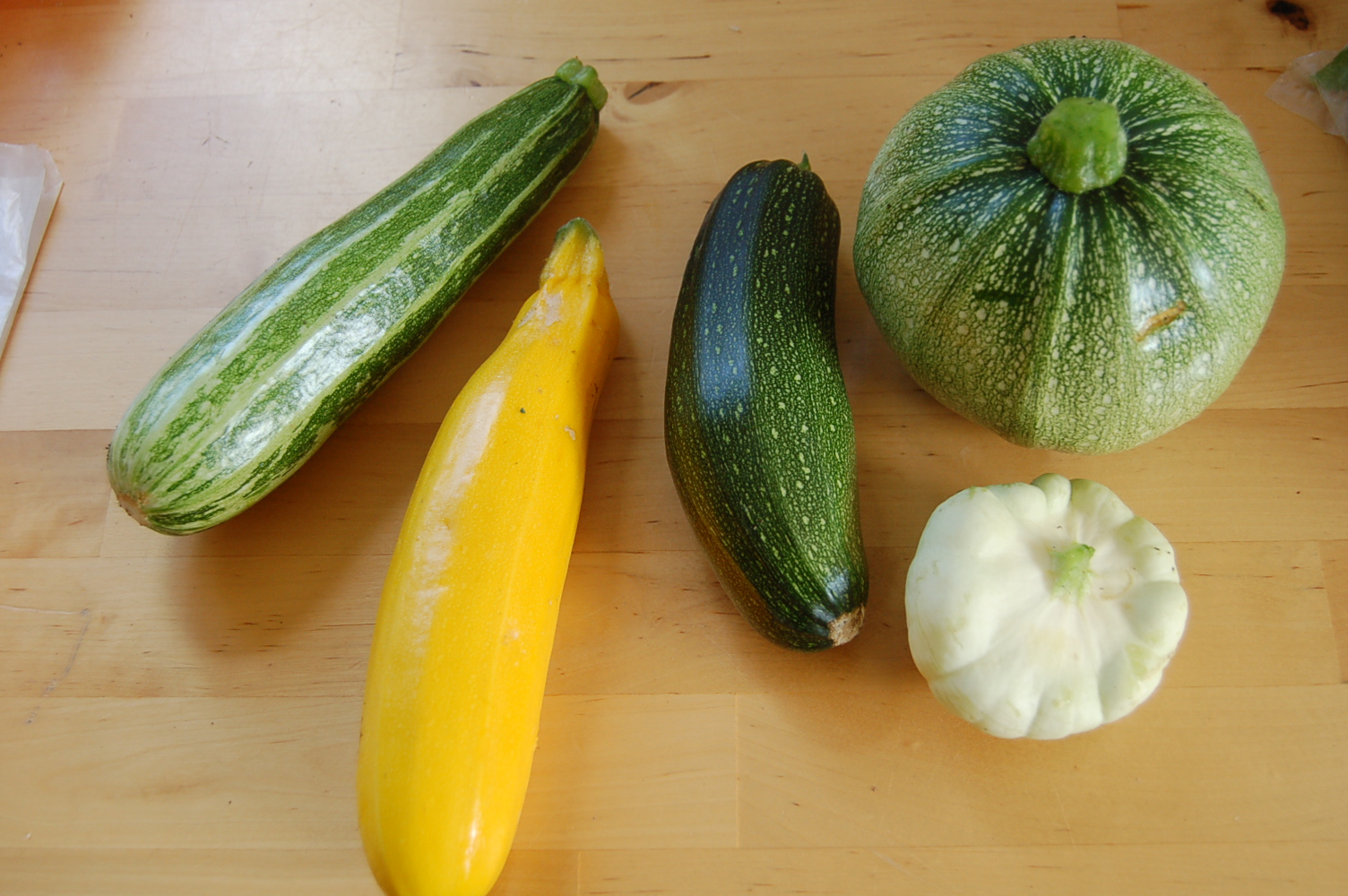
This year we have grown four different Courgettes including this round one, and little saucer-shaped patty pan squashes.
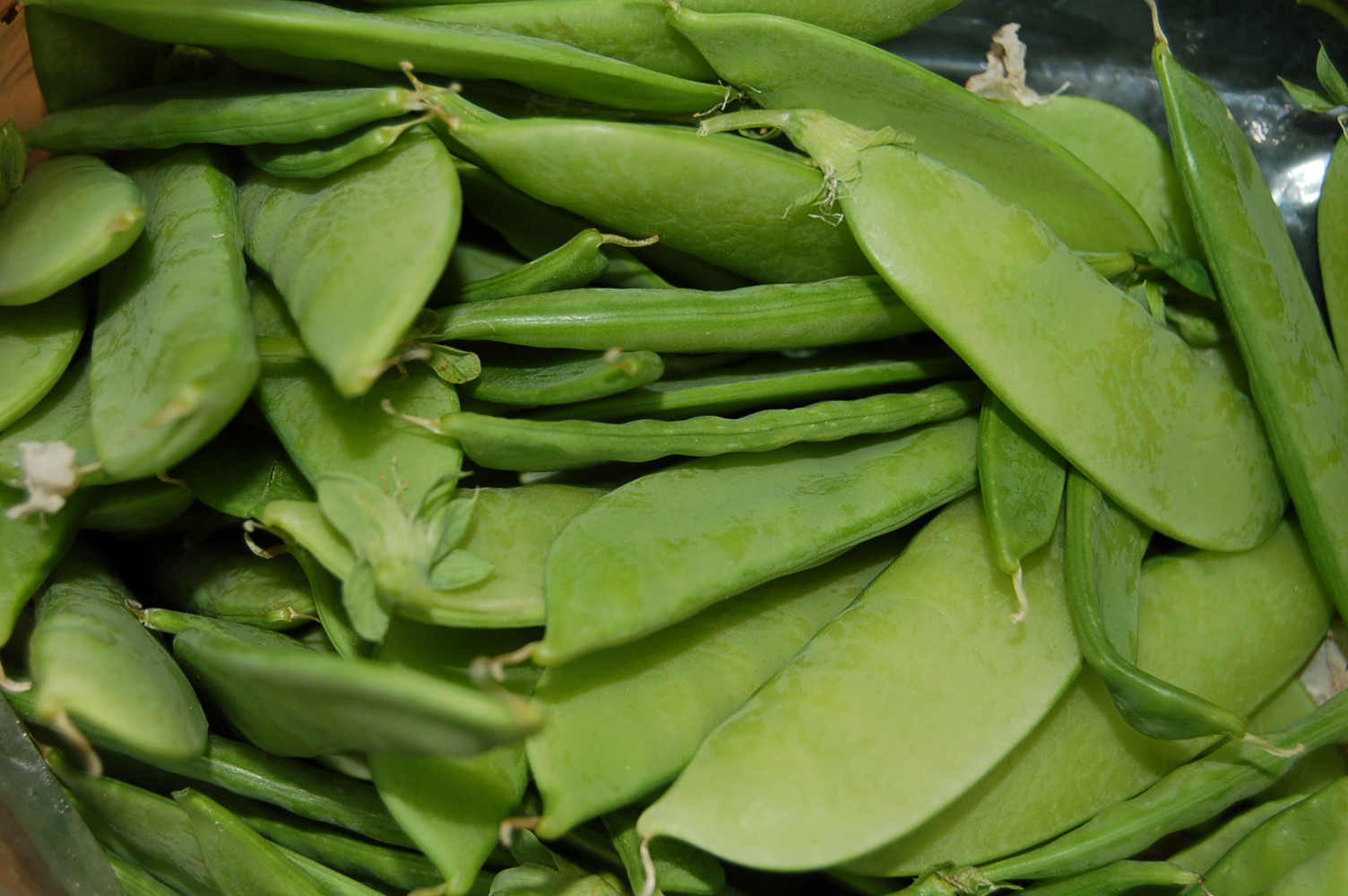
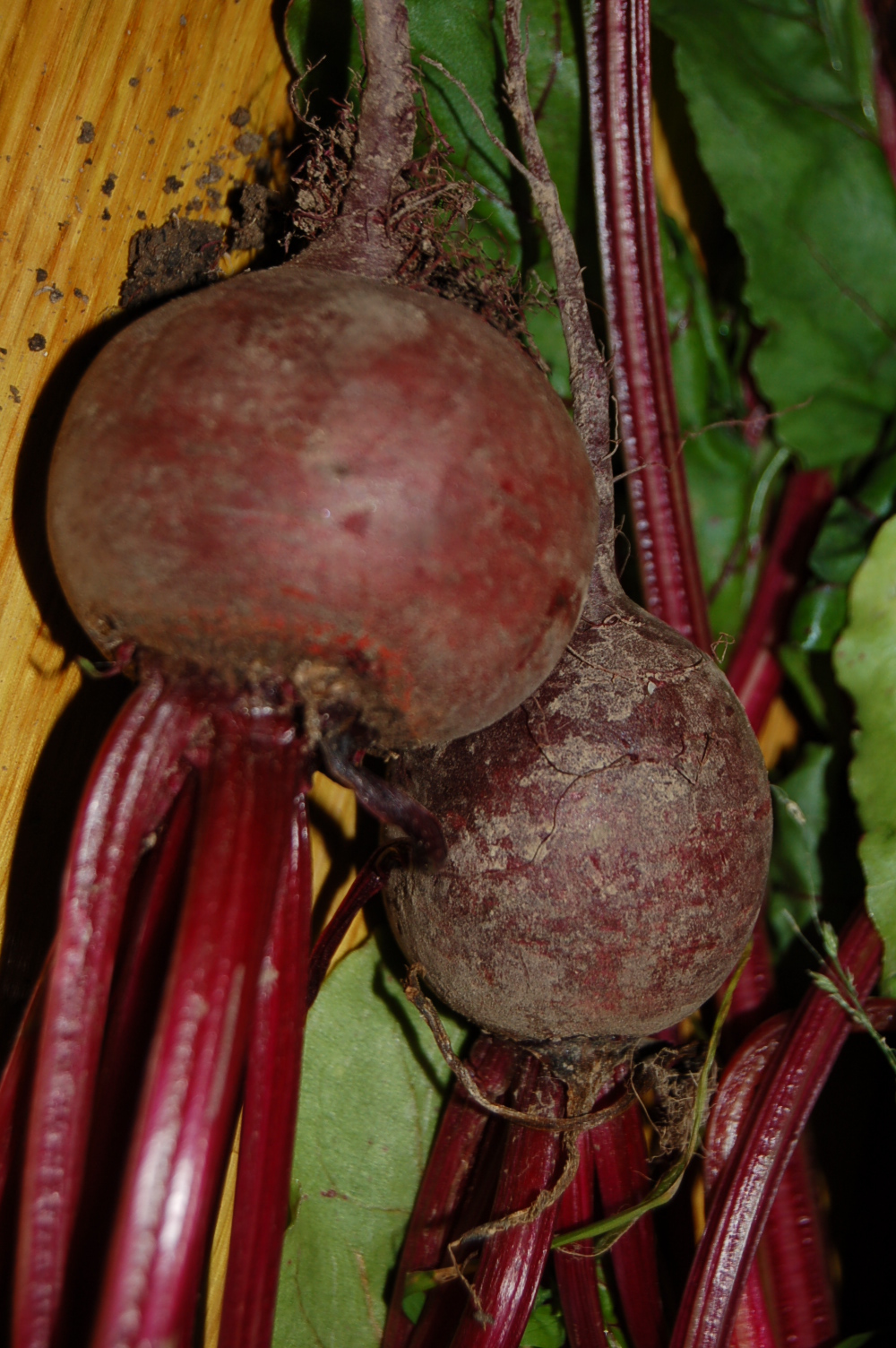
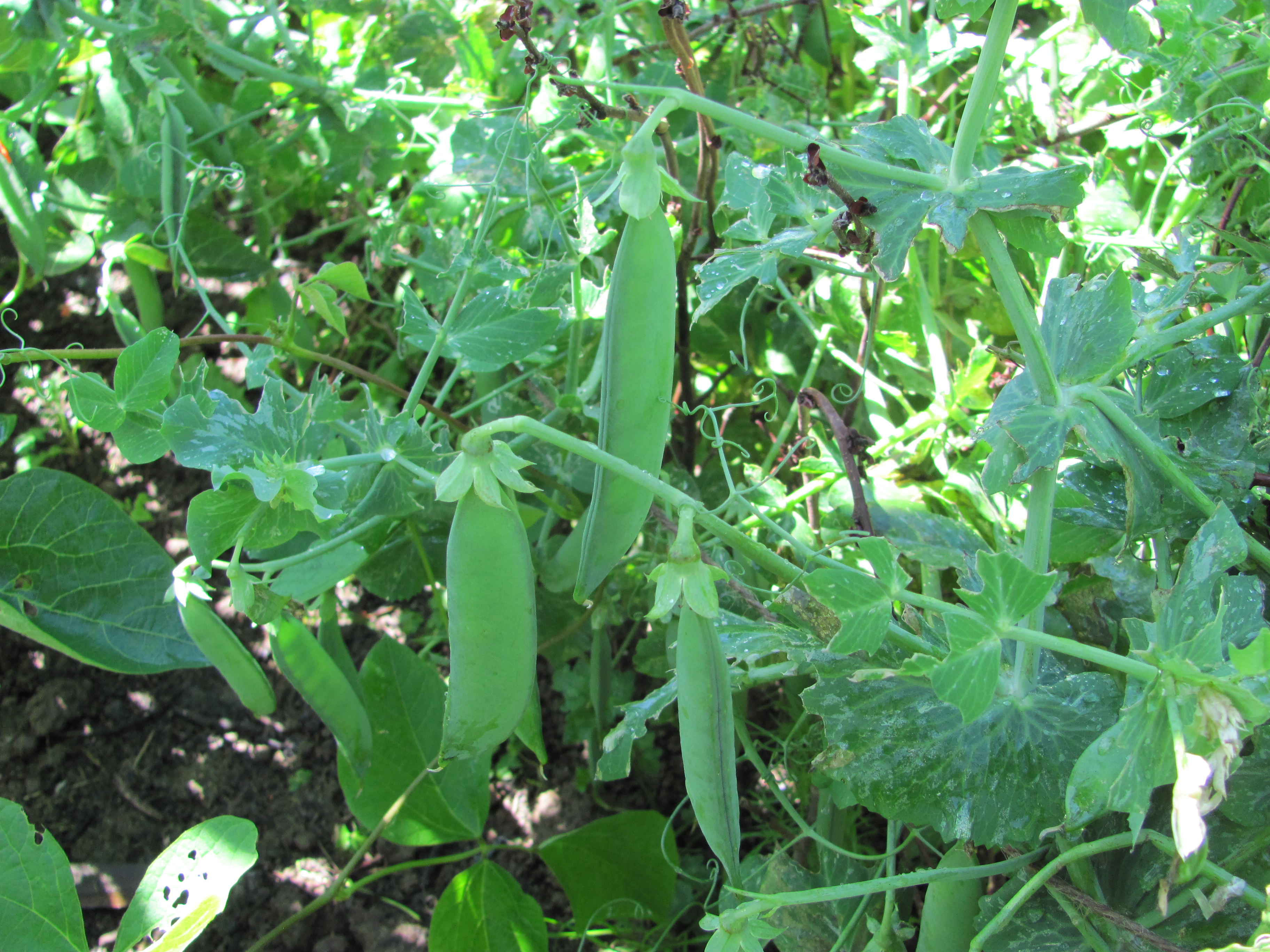
These sweet green peas are eaten in their pods and are wonderfully crunchy and juicy to eat raw or cooked. The dark purple roots of Beetroot are great boiled and used in salads or pickled to use in the winter. They are also ingredients for the sweetest of cakes and relishes. The Broad Beans are a variety called Green Windsor which gives green succulent beans to eat now or freeze for later.
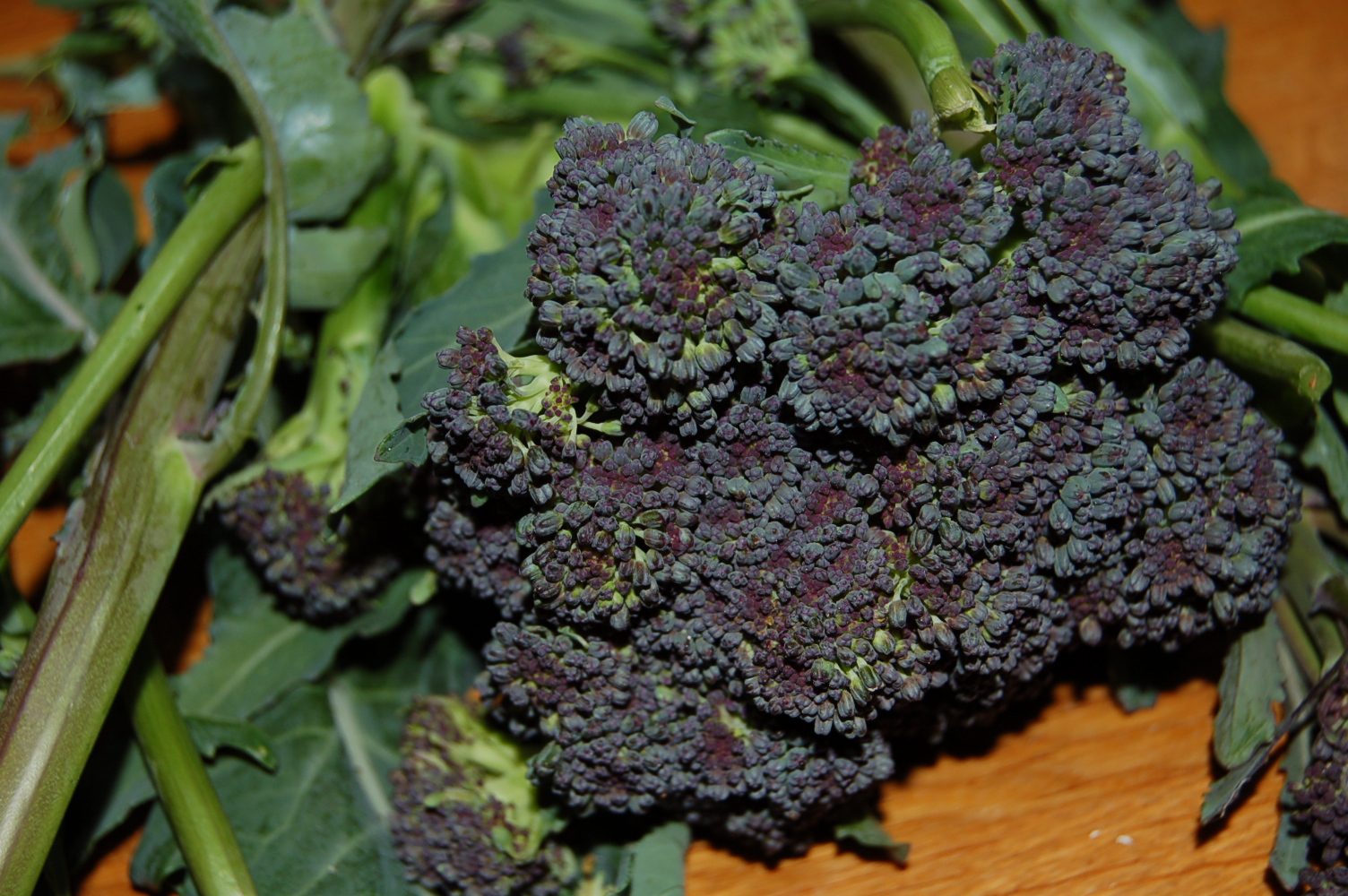
Purple Sprouting Brocolli is one of our favourite crops on the lottie but this year they are ready so early. We usually harvest them from December to April but have already been picking them for a month or so. Strange season!
The last harvest this year off our Rhubarb. The plants have served us well this year and we have enjoyed rhubarb pies and crumbles, and have lots in the freezer to make jam. We tend to freeze lots of our fruit to use in jams, relishes and chutneys, which we make when the weather deteriorates and we can’t get in the garden.
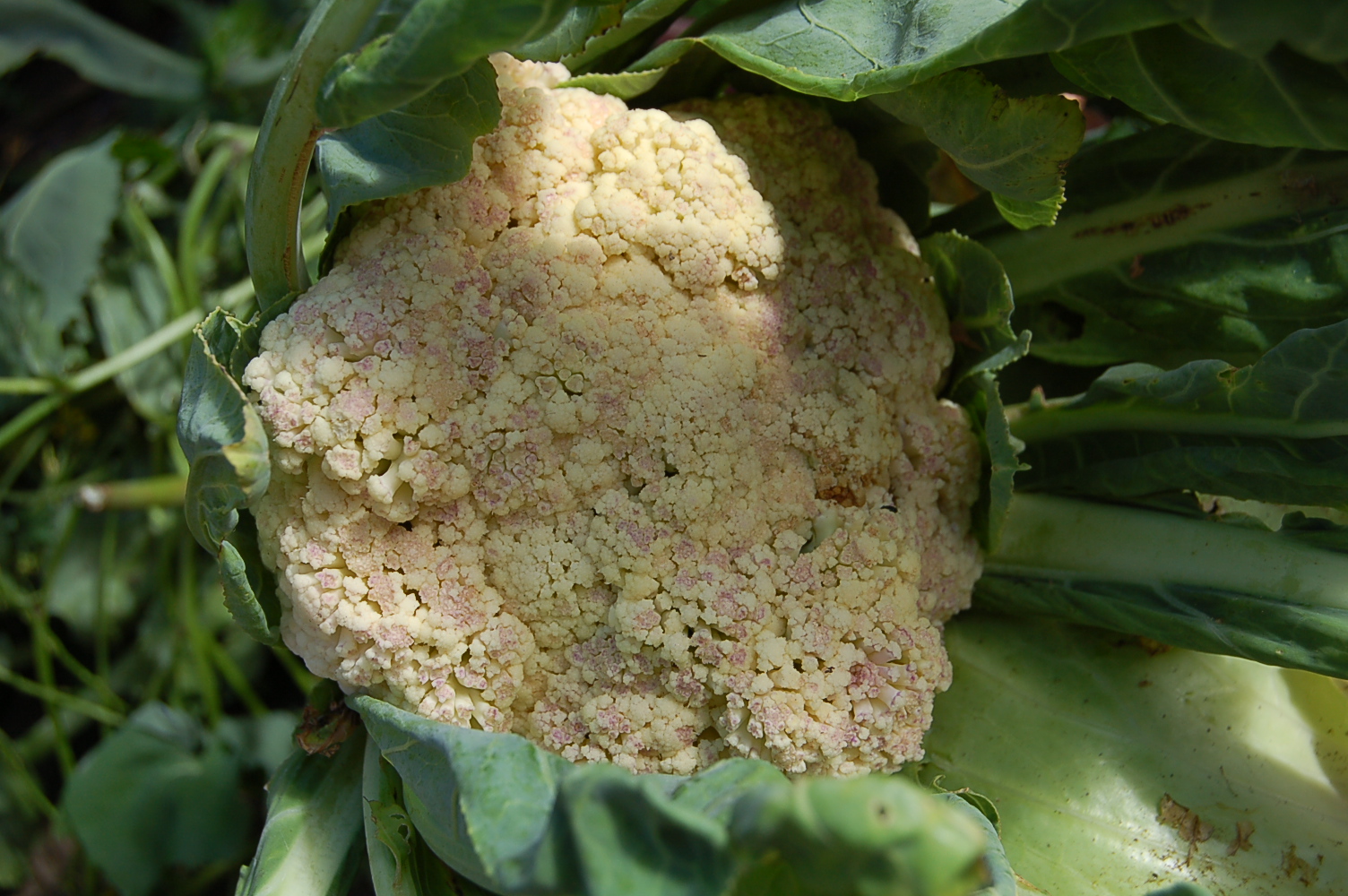
A lovely big, crunchy, sweet white cabbage and a failure of a cauliflower – a bit small and not very white!
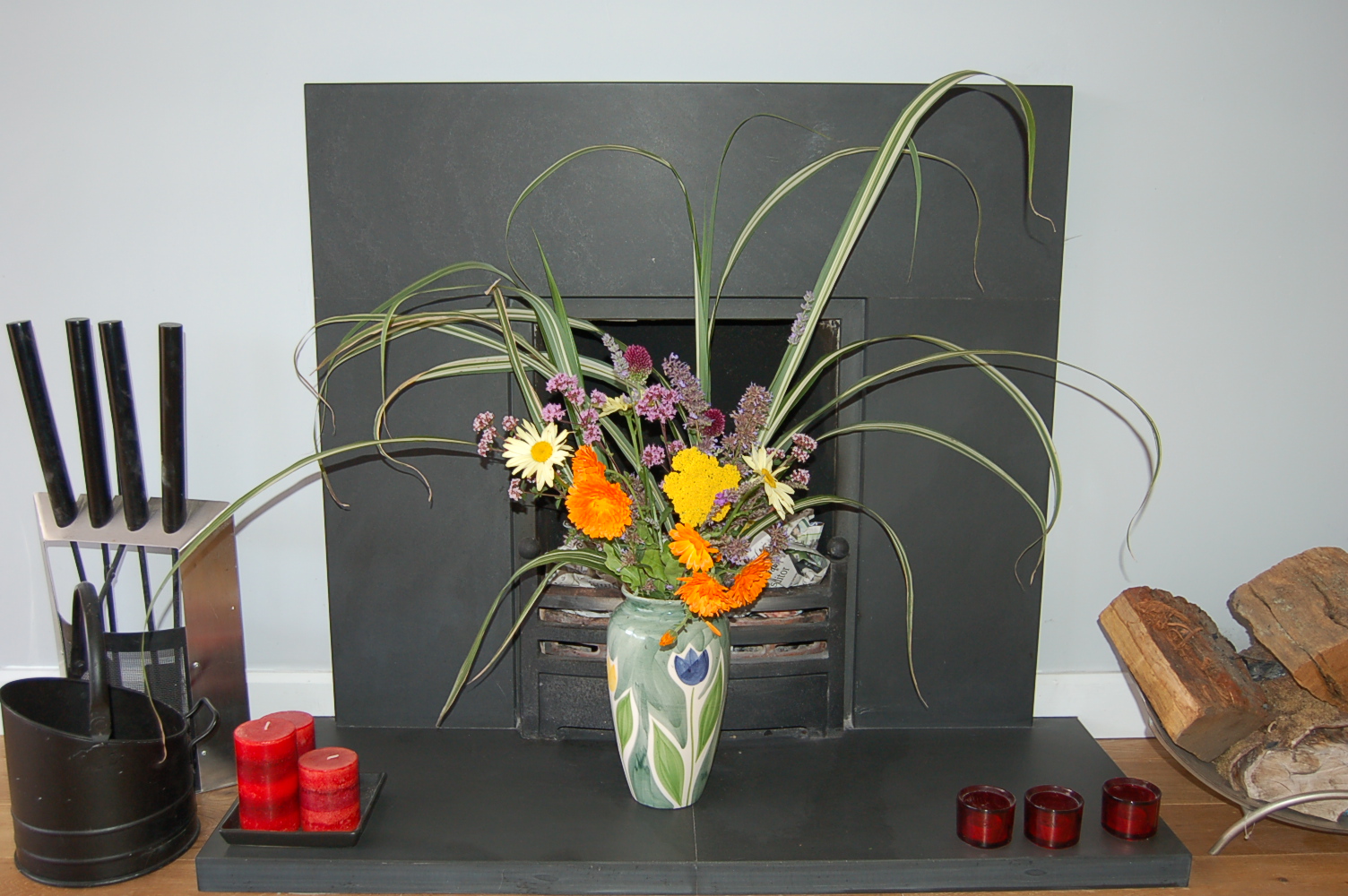
Once we returned home after a welcome refreshing cup of tea, and then took to the garden to pick a flowery harvest. Dramatic grasses and bright blooms of Calendula, Achillea and Anthemis mingle with purples of Alliums, Marjorams and Nepetas to give us a wonderful bouquet for our lounge fireplace.
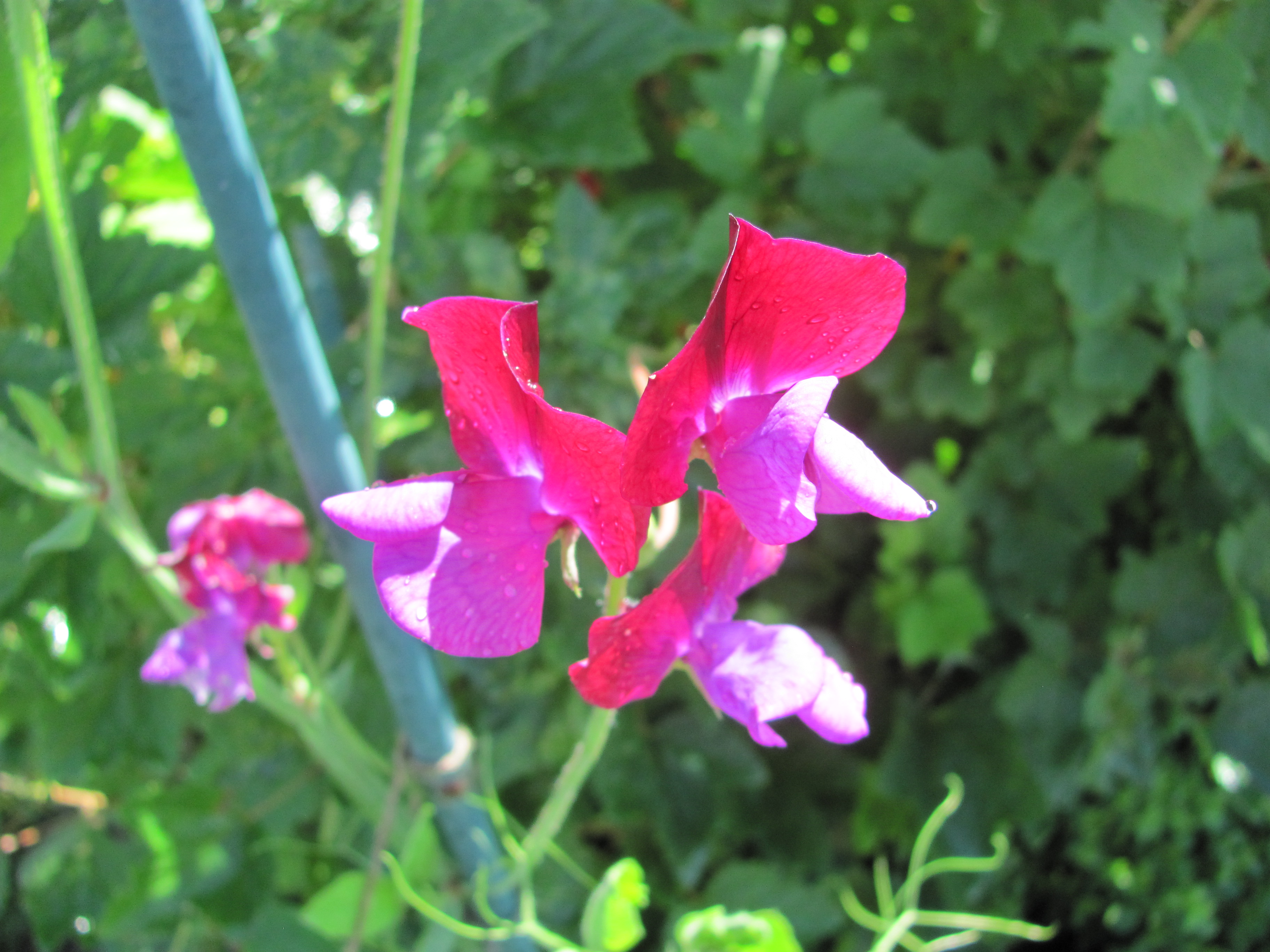
Sweet Peas and Dianthus scent the house, their sweet and clove-like aromas permeating every nook and cranny.
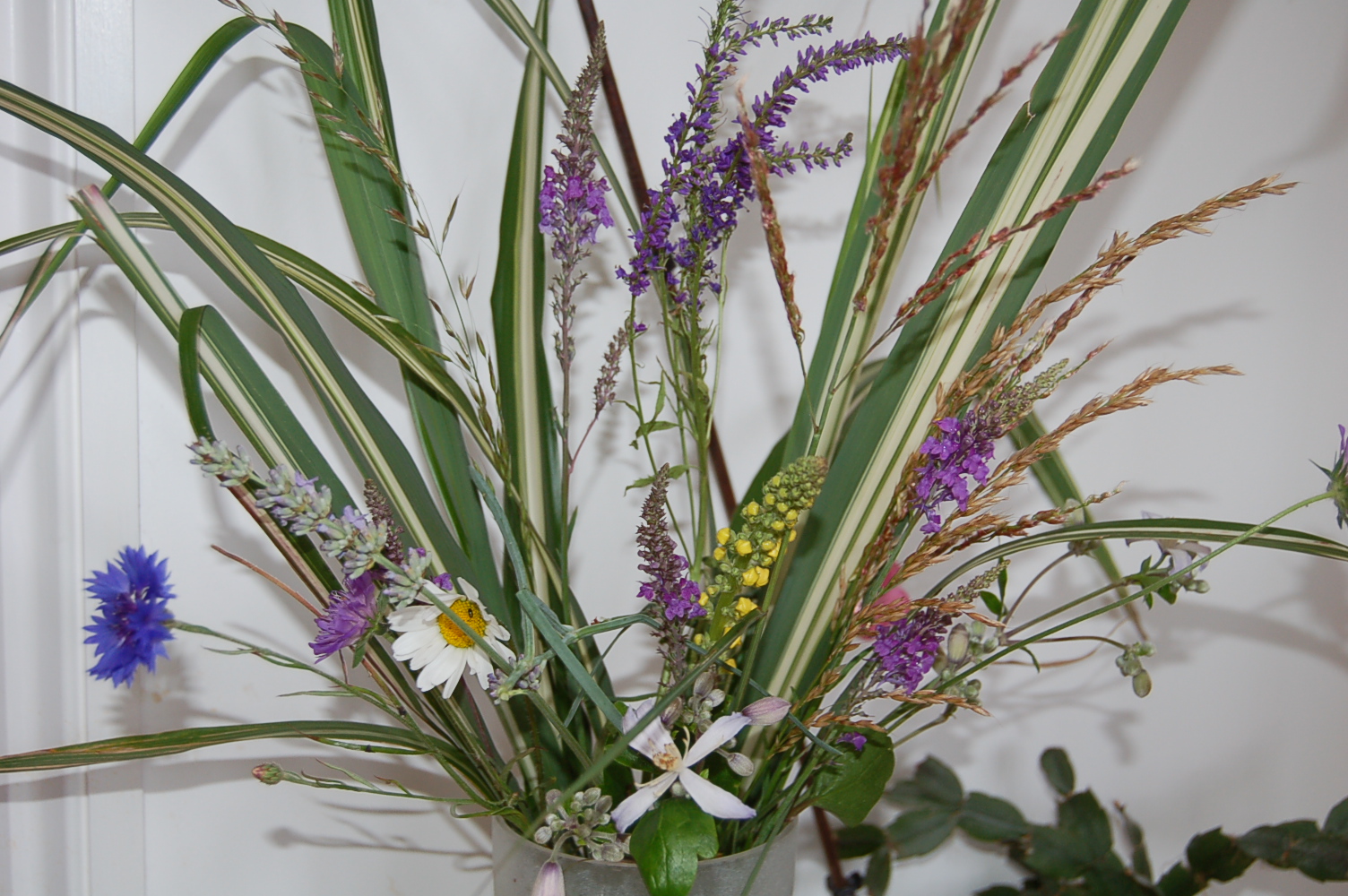
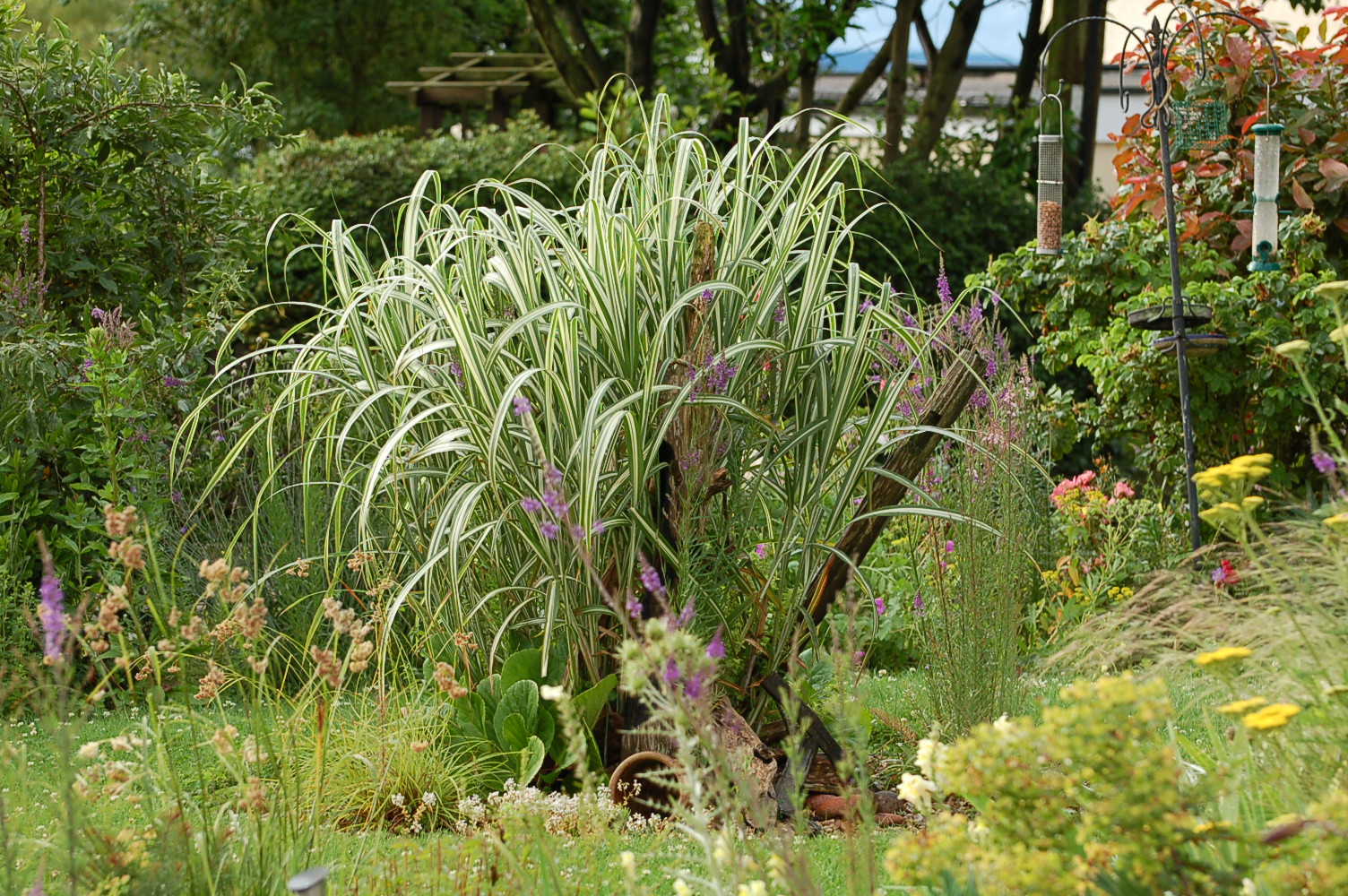
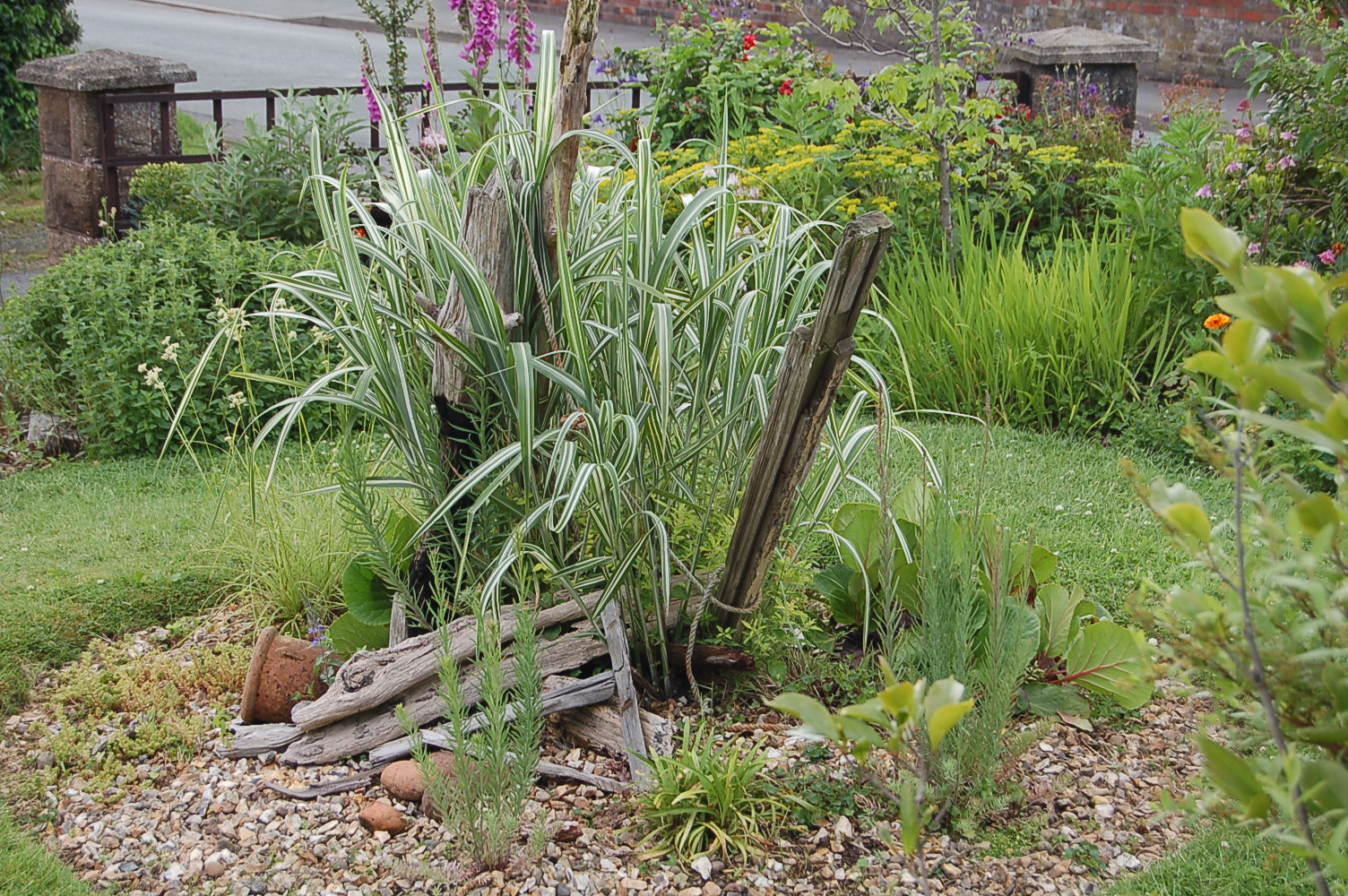
This very natural soft display links the long leaves of grass, Arundo donax variegata, with Lavenders, Linarias, Verbascum, delicate smaller grasses and daisies.
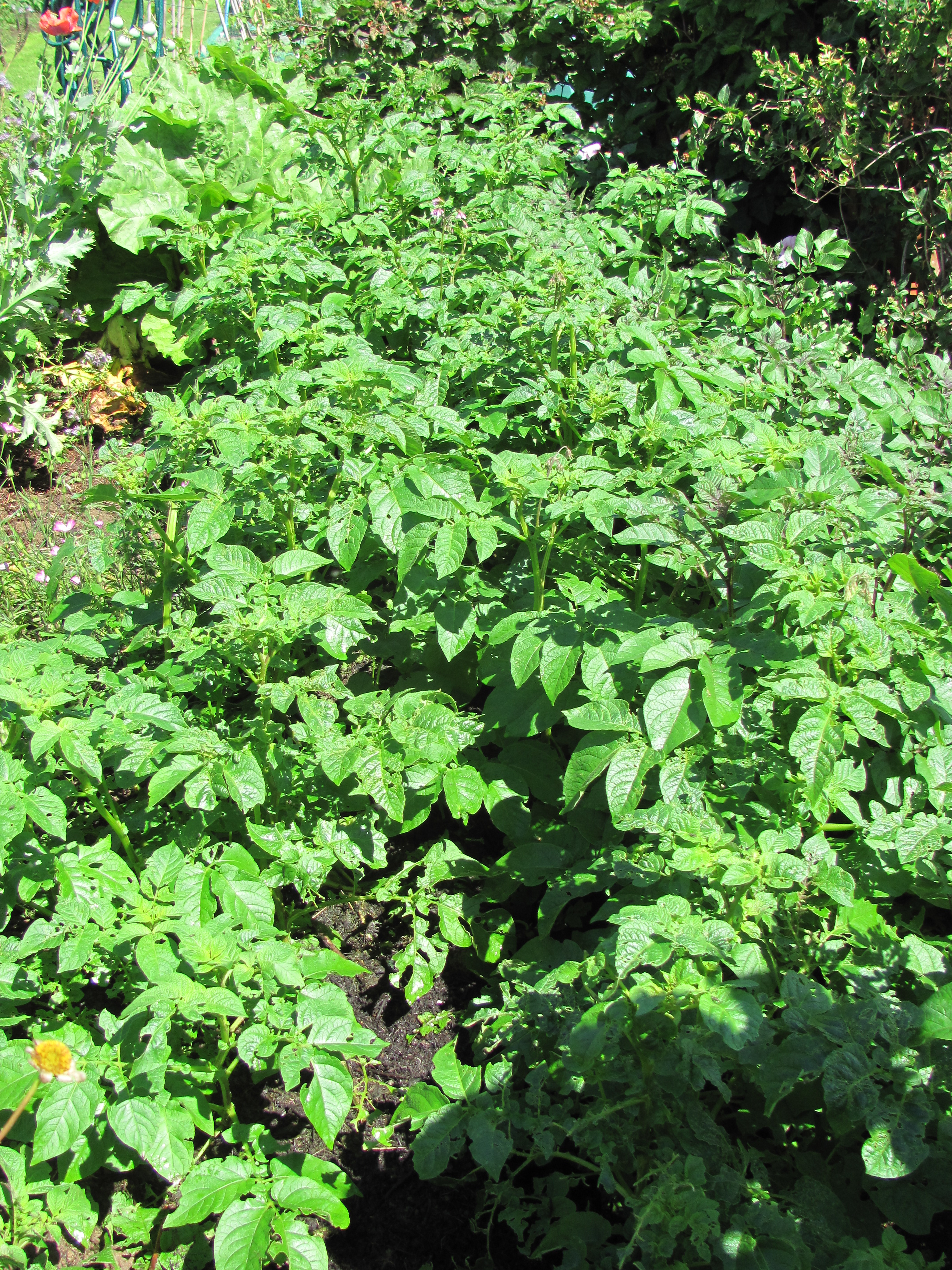
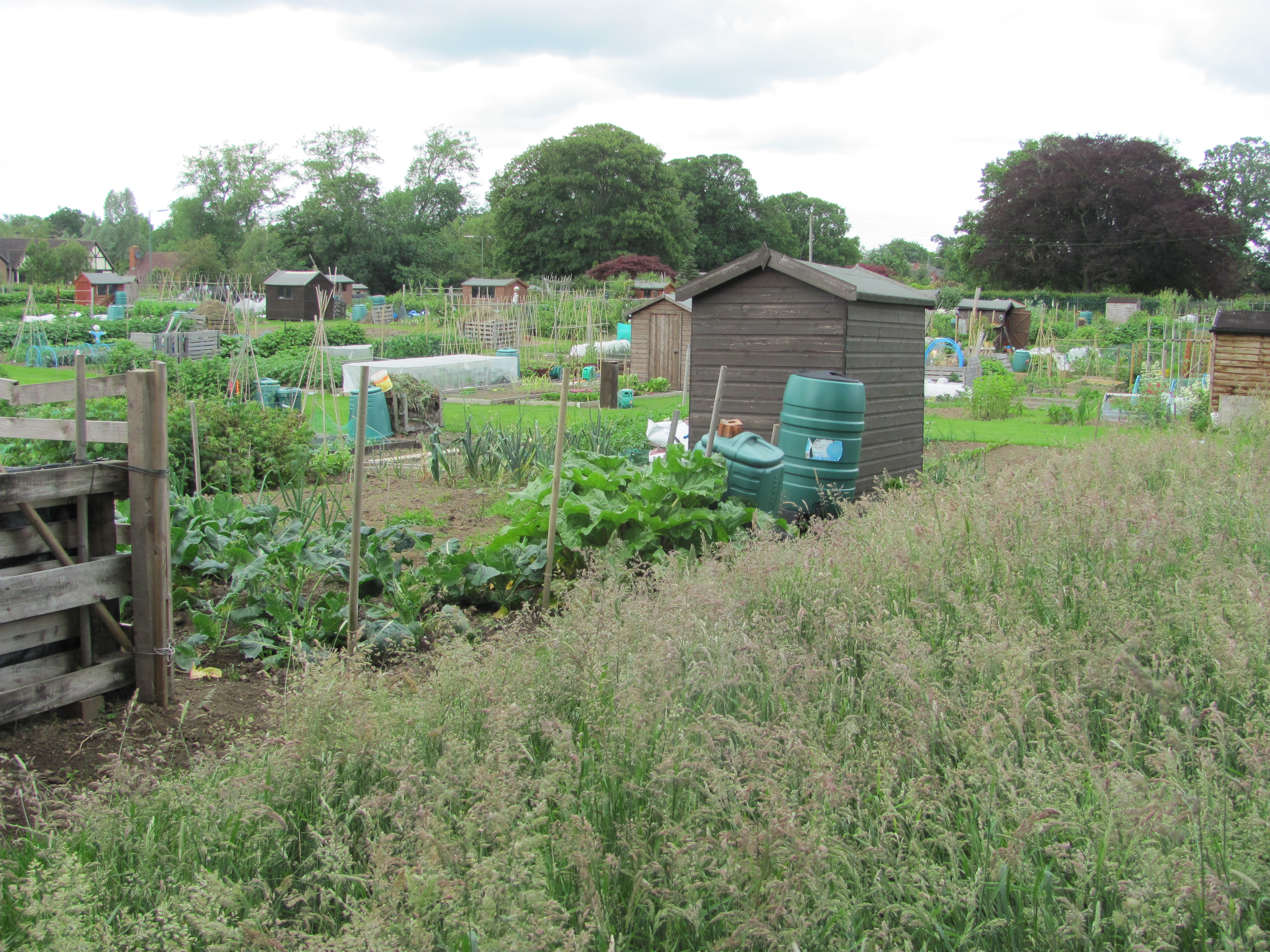
July on our allotment site has been a month of rain resulting in regular flooding. Now as the rain has disappeared for a while things are drying out. Amazingly potatoes are being dug up out of flooded plots and have given reasonable crops but on others crops have rotted below ground. On our own plot we have been harvesting good crops of carrots, beetroot, garlic, cabbages, broccoli, broad beans, peas and salad leaves. We regularly pick tayberries, rhubarb and gooseberries. Strawberries however are rotting before we get to pick them and even the blackbirds are missing out.
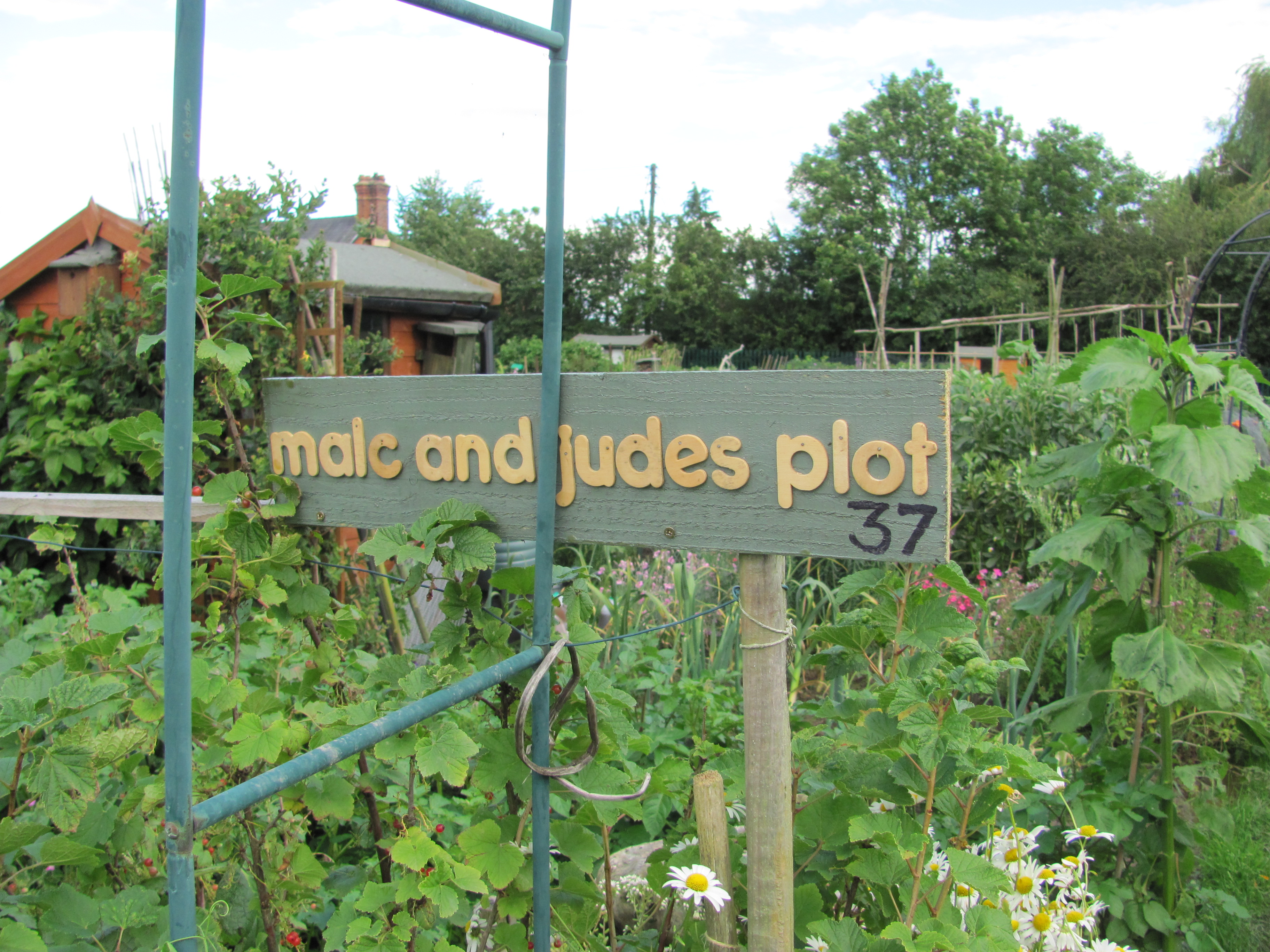
We shall as usual start our lottie wander on our own plot to see what is going on and with our new sign, the old one having fallen apart.
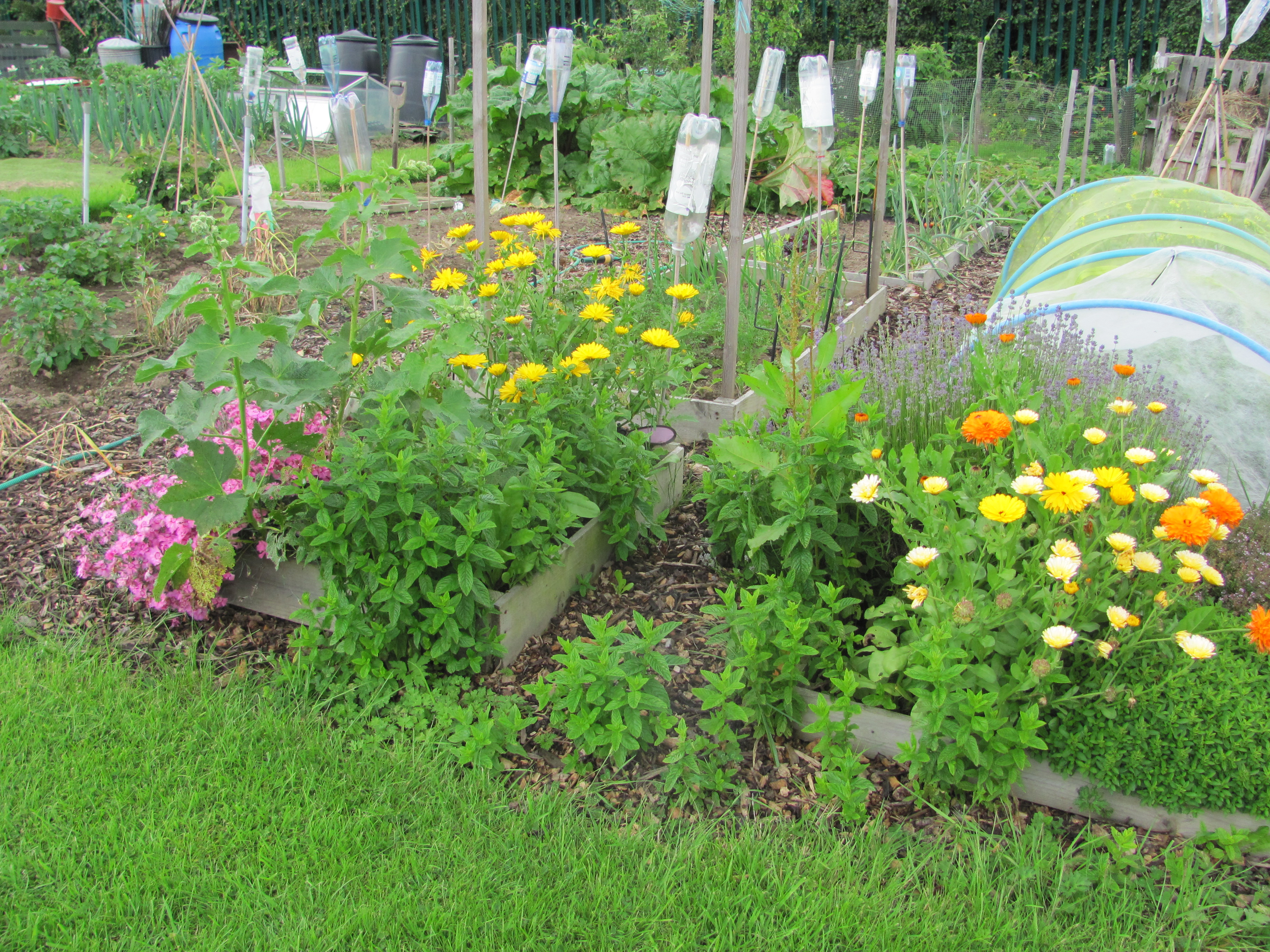
Our crops are mostly looking well and the “Bug Borders” bursting with colourful flowers, alive with bees, hoverflies and lots of other useful insects.
But in between the colourful lush plantings of veg, fruit and flowers standing water sat getting stagnant.
And this is our poor grass path.
Things are getting easier though and we have managed to get on the soil without damaging the structure too badly, so we cleared any weeds, loosened up the soil surface and sowed more crops such as beetroot and radish and planted out our seedling leeks.
Now we can start our wander around the site looking at what is happening on other plots and in the communal areas.
The Spring Garden and Summer Garden have come through the terrible weather with flying colours.
Of course the Willow features have enjoyed the wet around their feet and look so green and fresh, but they need a lot of pruning to keep them in trim shape.
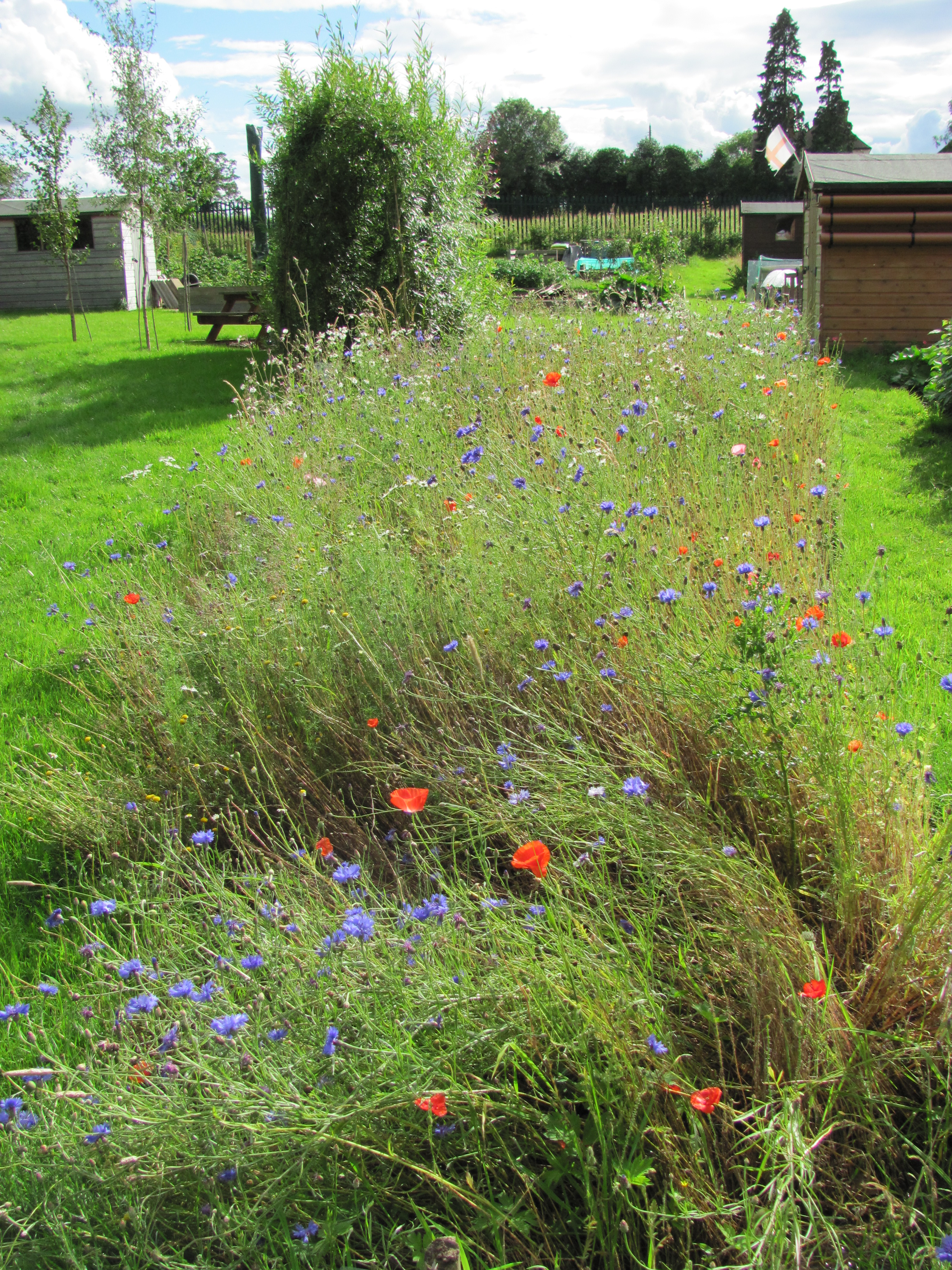
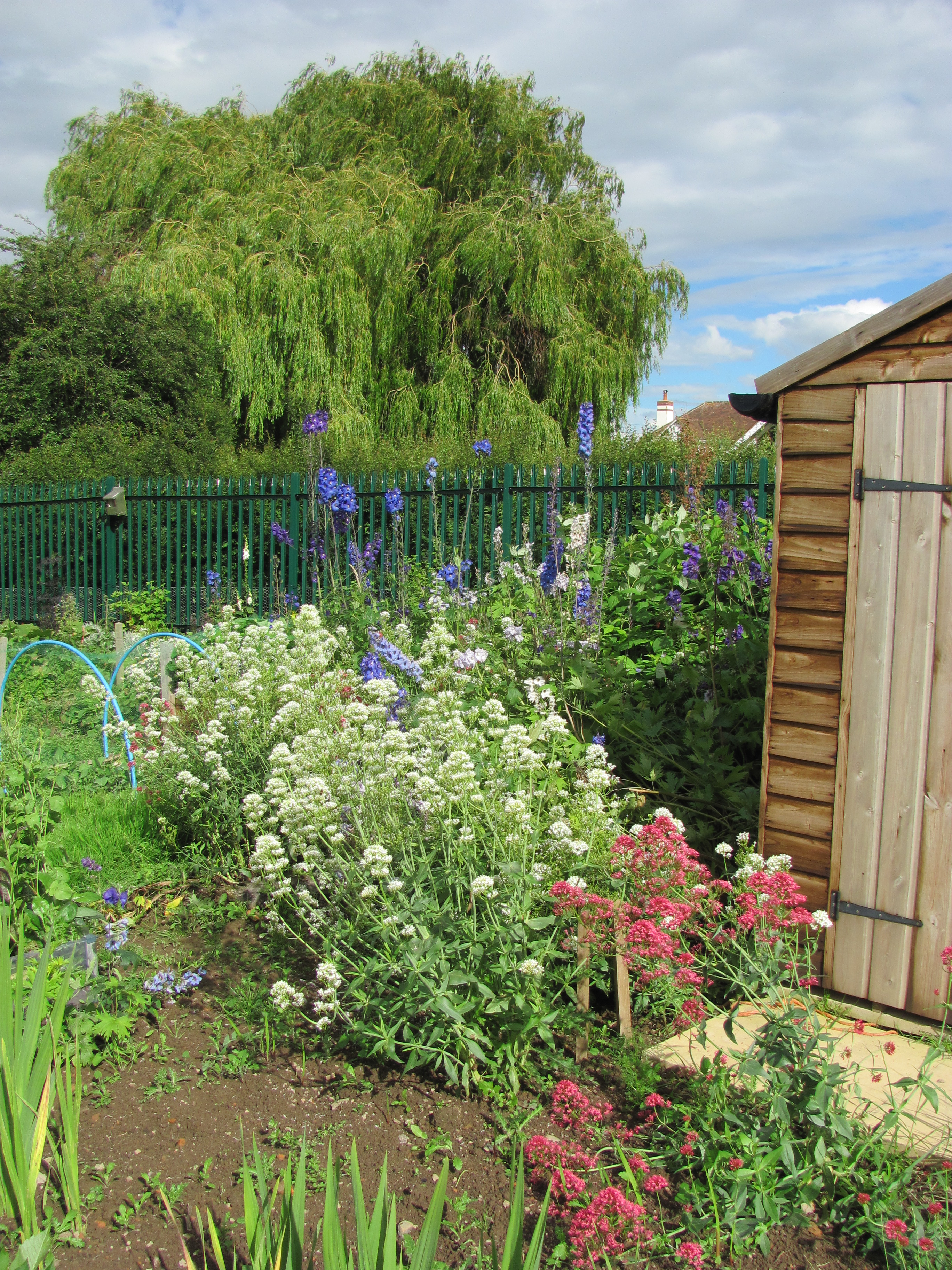
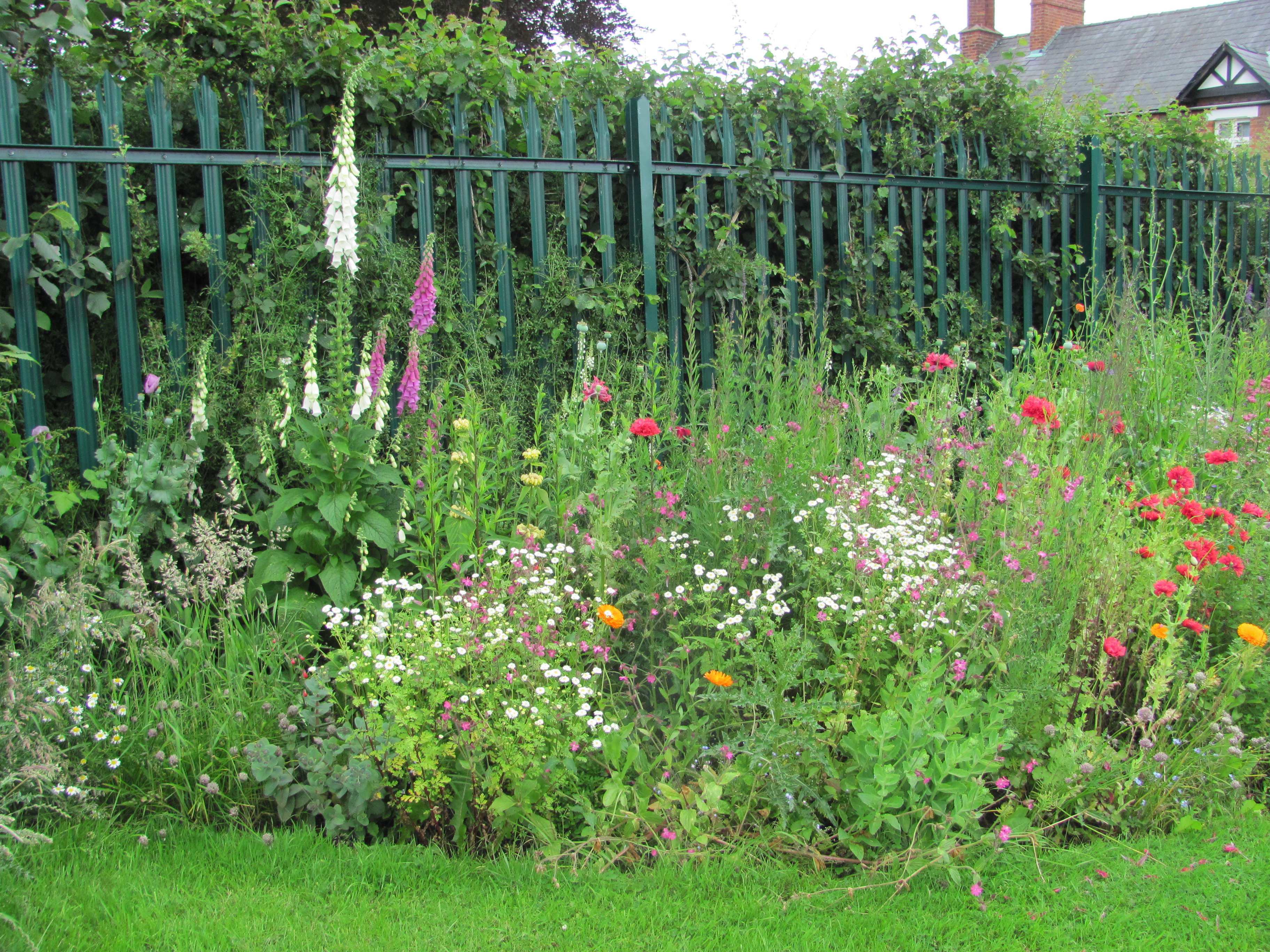
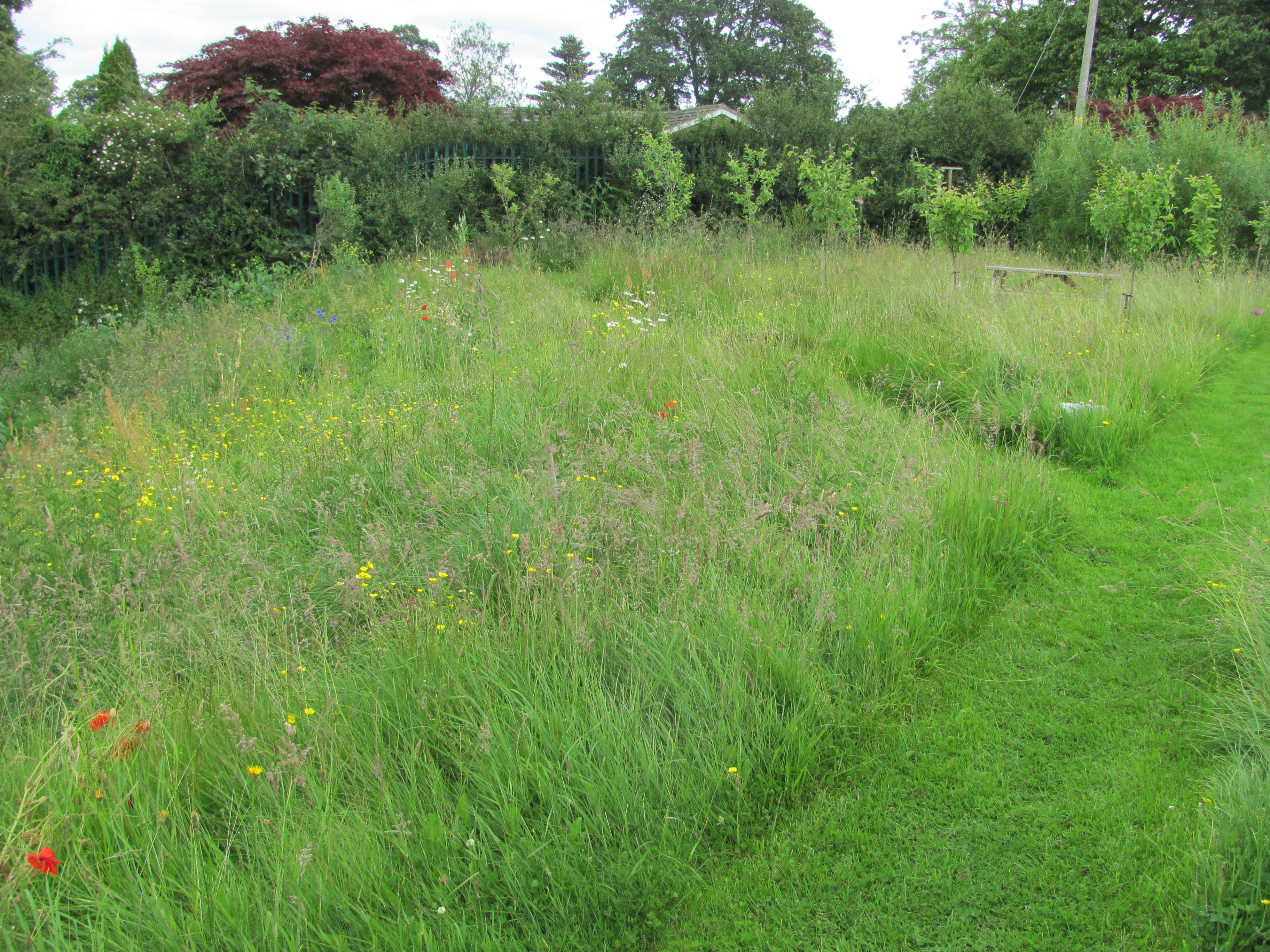
The meadows are flowering nicely now and flowers are giving colour on lots of the plots.
I shall finish this wander with a good idea. How about this for an idea for trying to foil the dreaded carrot rootfly – simply grow them up in the air hopefully above their maximum flight height.
July in the garden so far has carried on where June left off – rain! The grass paths squelch as you wander, trees drip on you and herbaceous plants soak your legs. The plants have loved it relishing in the warmth and dampness. They grow tall and lush too quickly and do so without gaining strength. As a result they get knocked over in windy spells and any heavy showers.
As rain persists each day from dawn till dusk a moment of light and dry gave me an opportunity to take photos for my July wander. After waiting all day I finally took the following pics just before 9:00 in the evening.
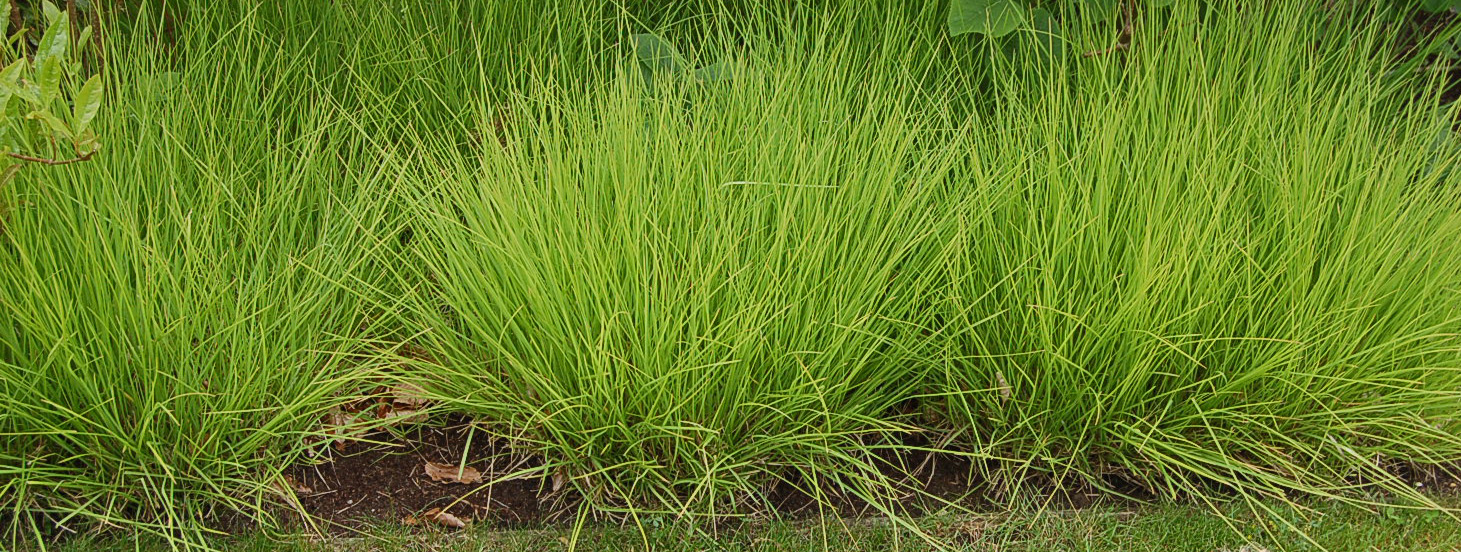
One plant that never fails is this wonderful tall grass with striped leaves. It is a good four foot tall and the long leaves are popular with the “Undergardener” to cut for flower arranging.
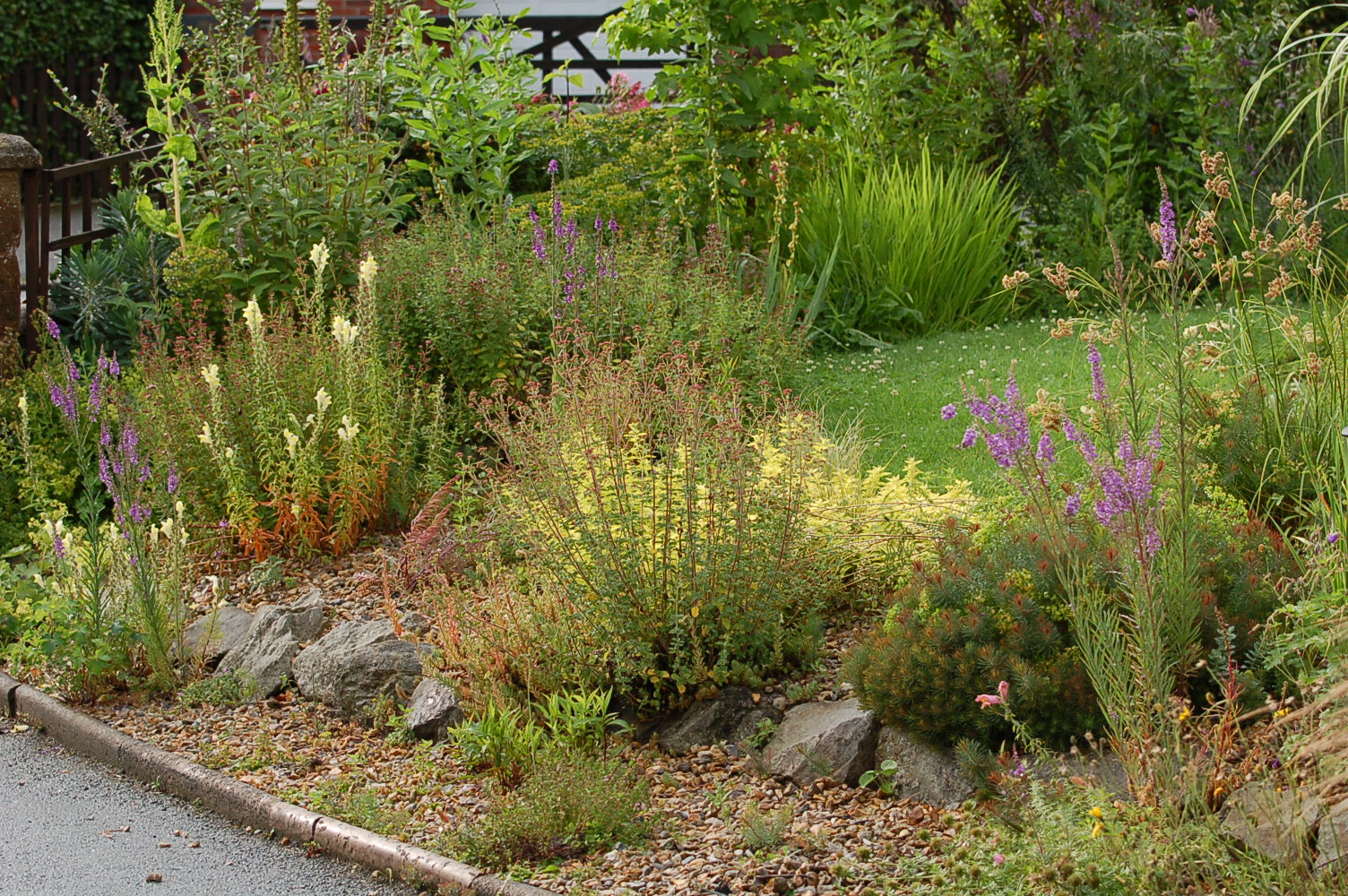
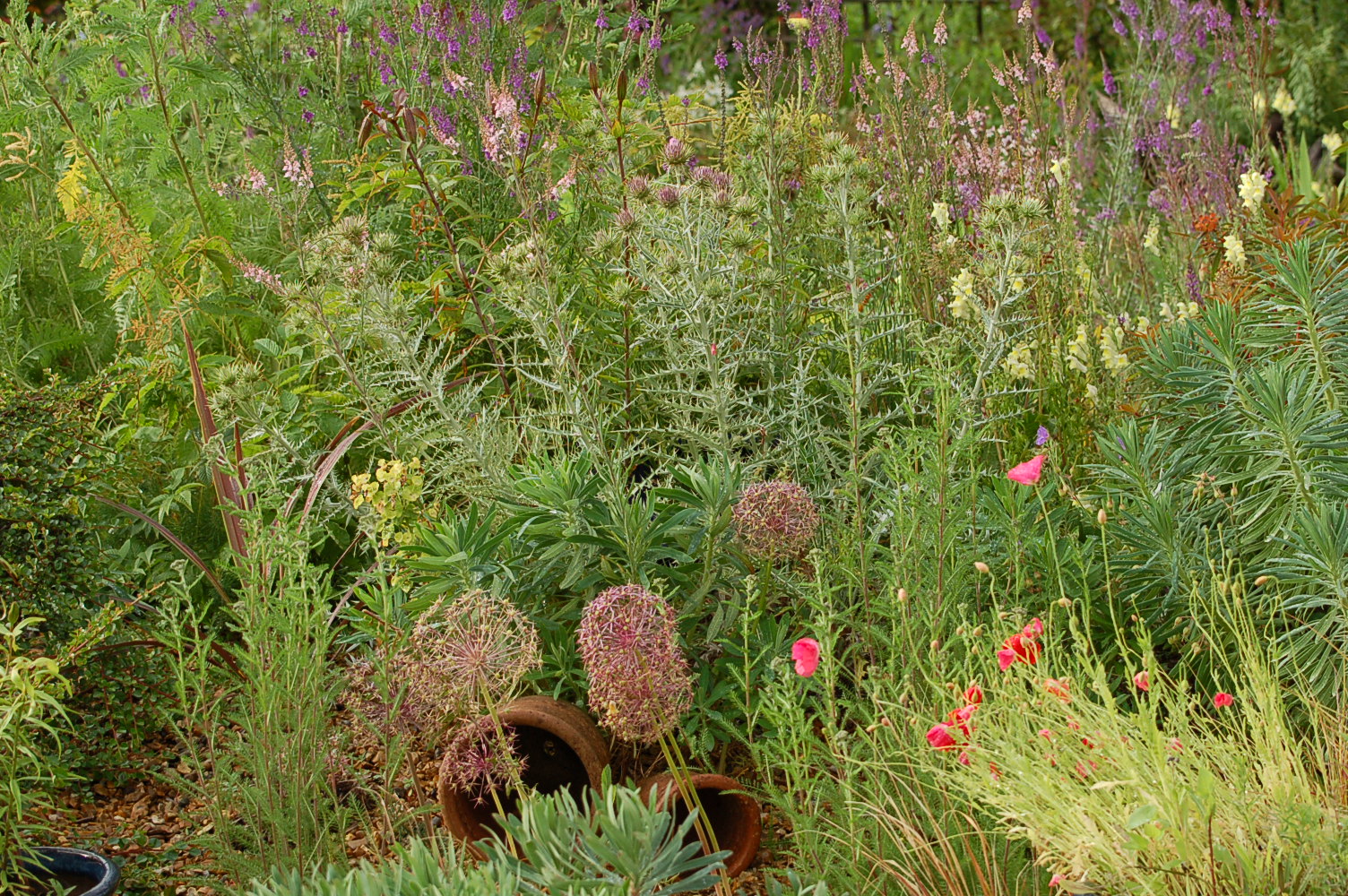
Our gravel garden, The Chatto Bed, is now full of colour, gentle yellows, pinks and purples. When the sun does come out for its short sessions the gravel bed is buzzing with bees. They are having a hard time this year with all this rain and wind.
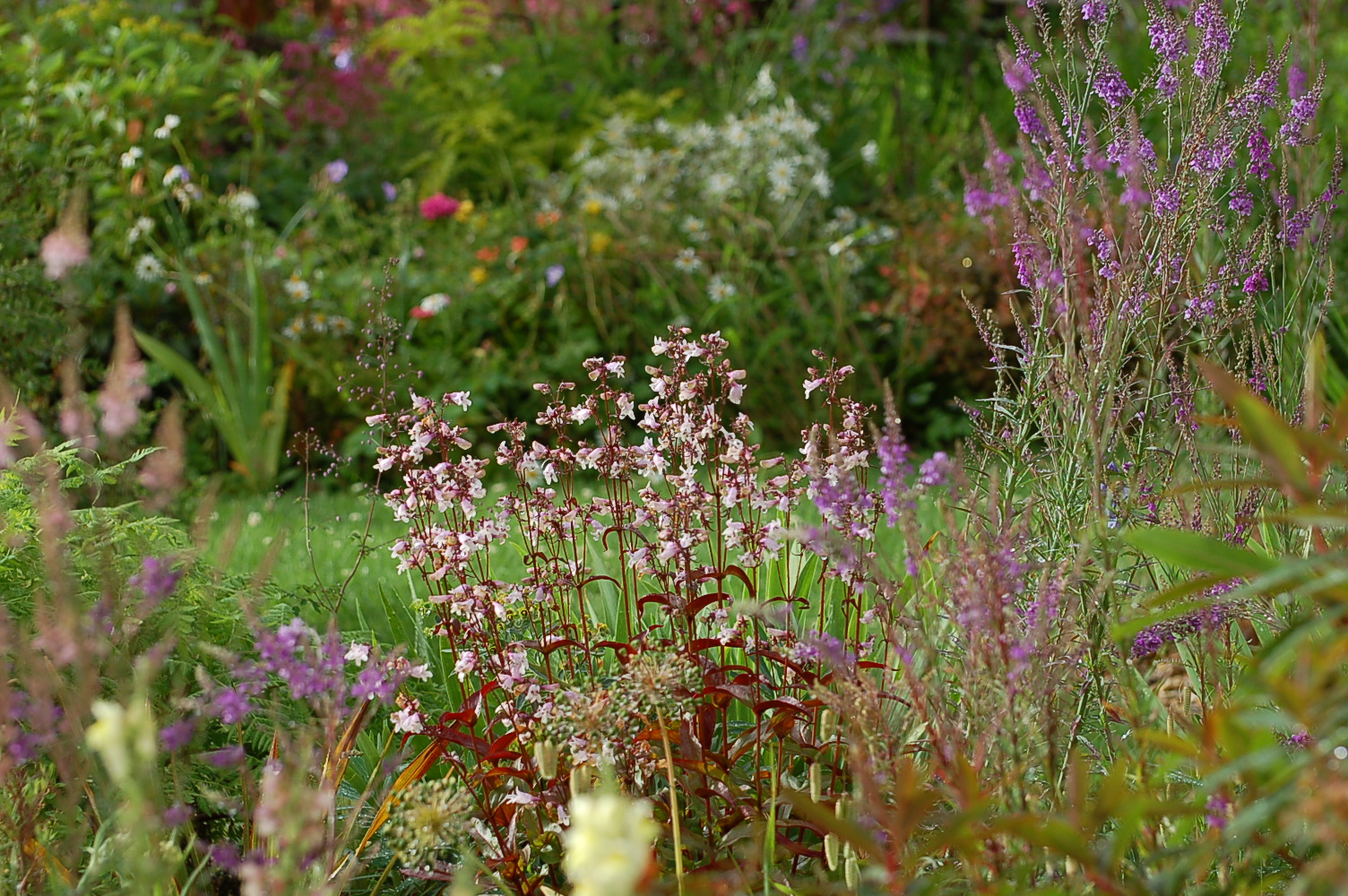
The Huskers Red Pentstemon is now at its best – what a beautiful plant it is – coloured foliage, dark stems and delicate contrasting pale flowers. Having grown this from seed sown a few years ago it feels good to see it looking so good.
The Quaking Grass, Briza maxima is also known as Nodding Grass and Sparrow Grass, presumably because it simply can’t stay still in the slightest breeze.
Jude’s Border is a rich combination of purple-leaved shrubs and contrasting perennials.
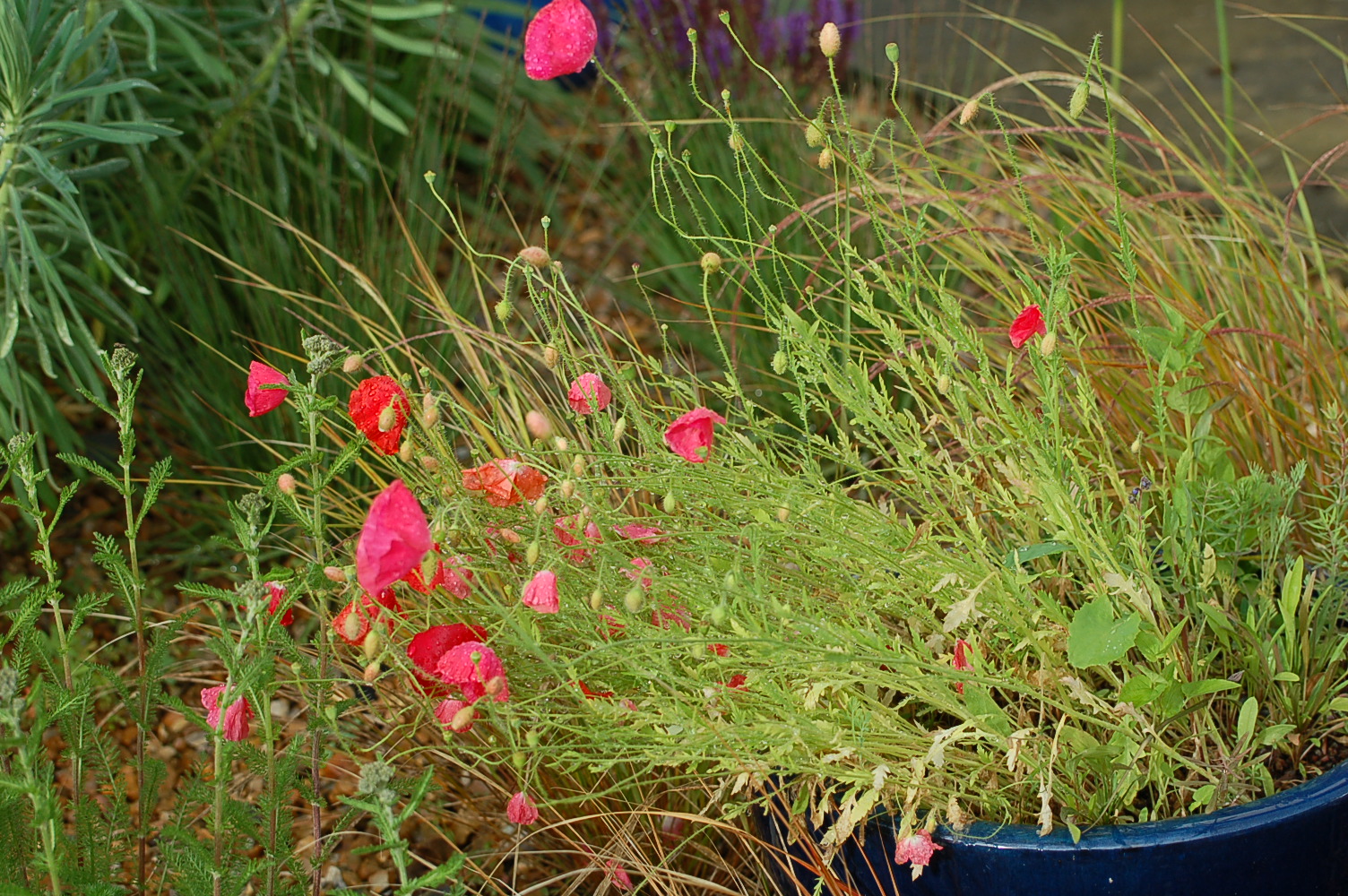
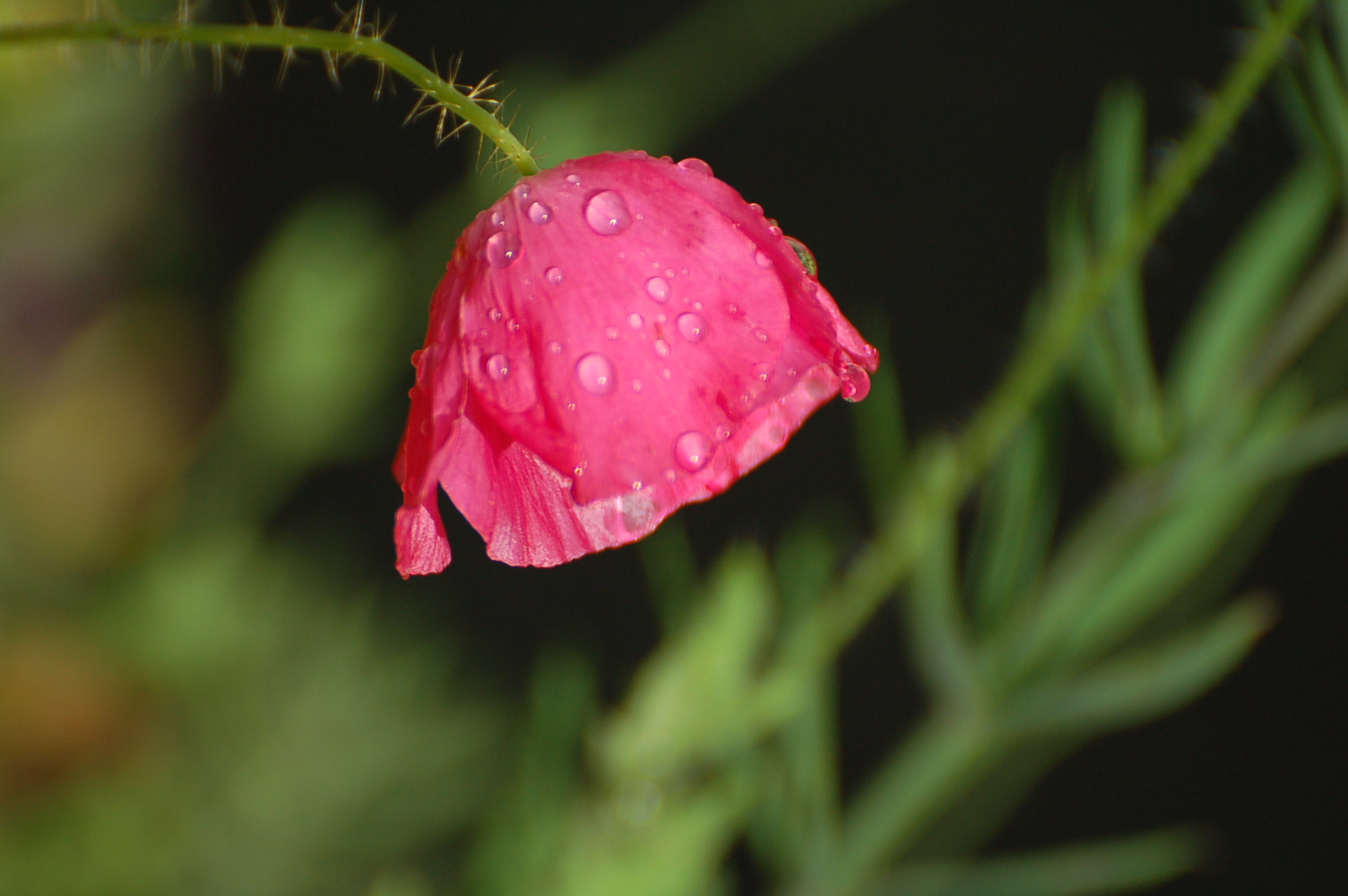
Our mini-meadows sown in terra-cotta pots have been very successful. Different flowers appear each day. The pink poppy glows in the dullest of weather – a “dayglo” poppy.
By our front door the “Freda Border” continues to provide colour in the perennials and gentle variegated foliage in the shrubs.
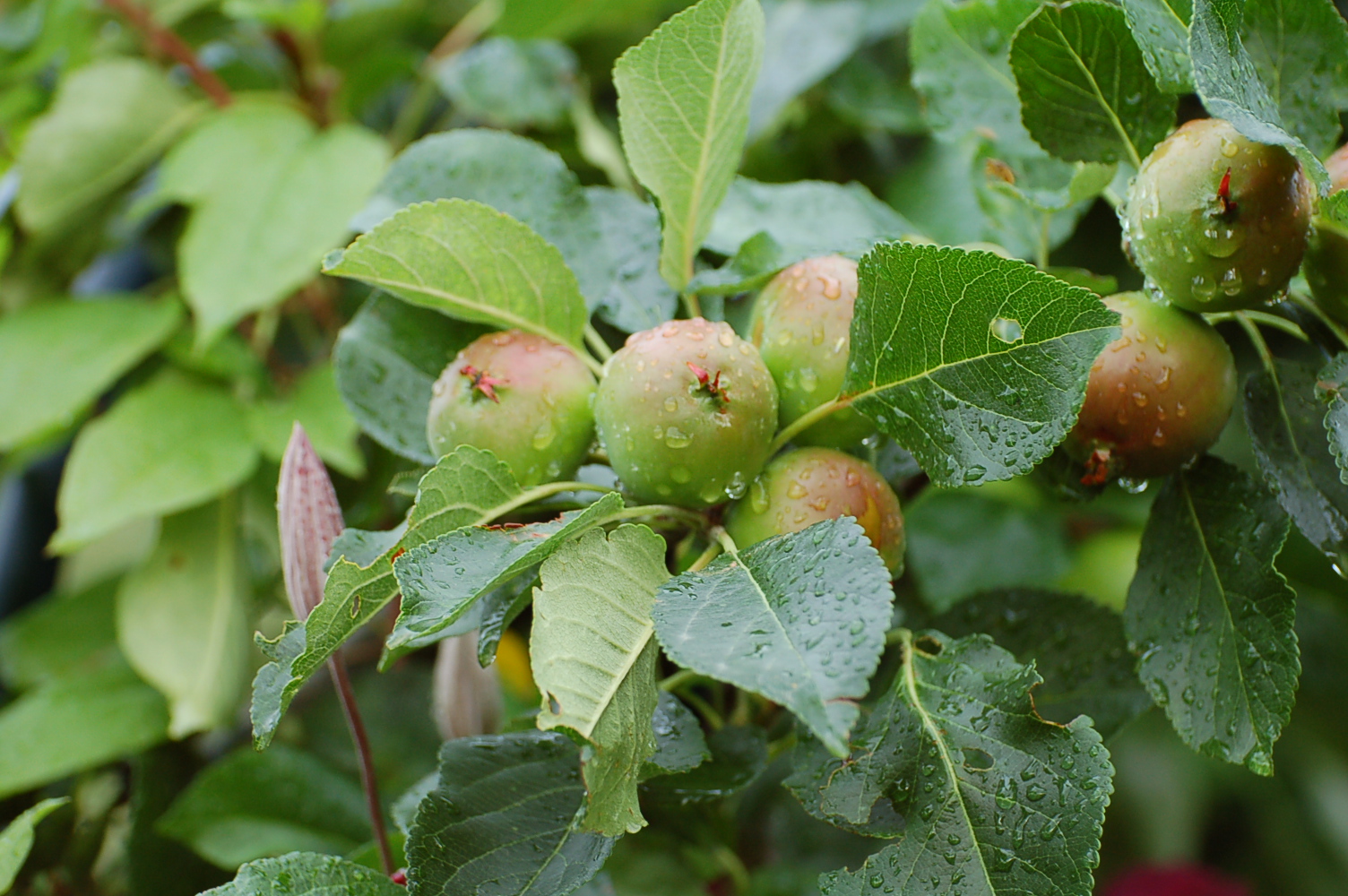
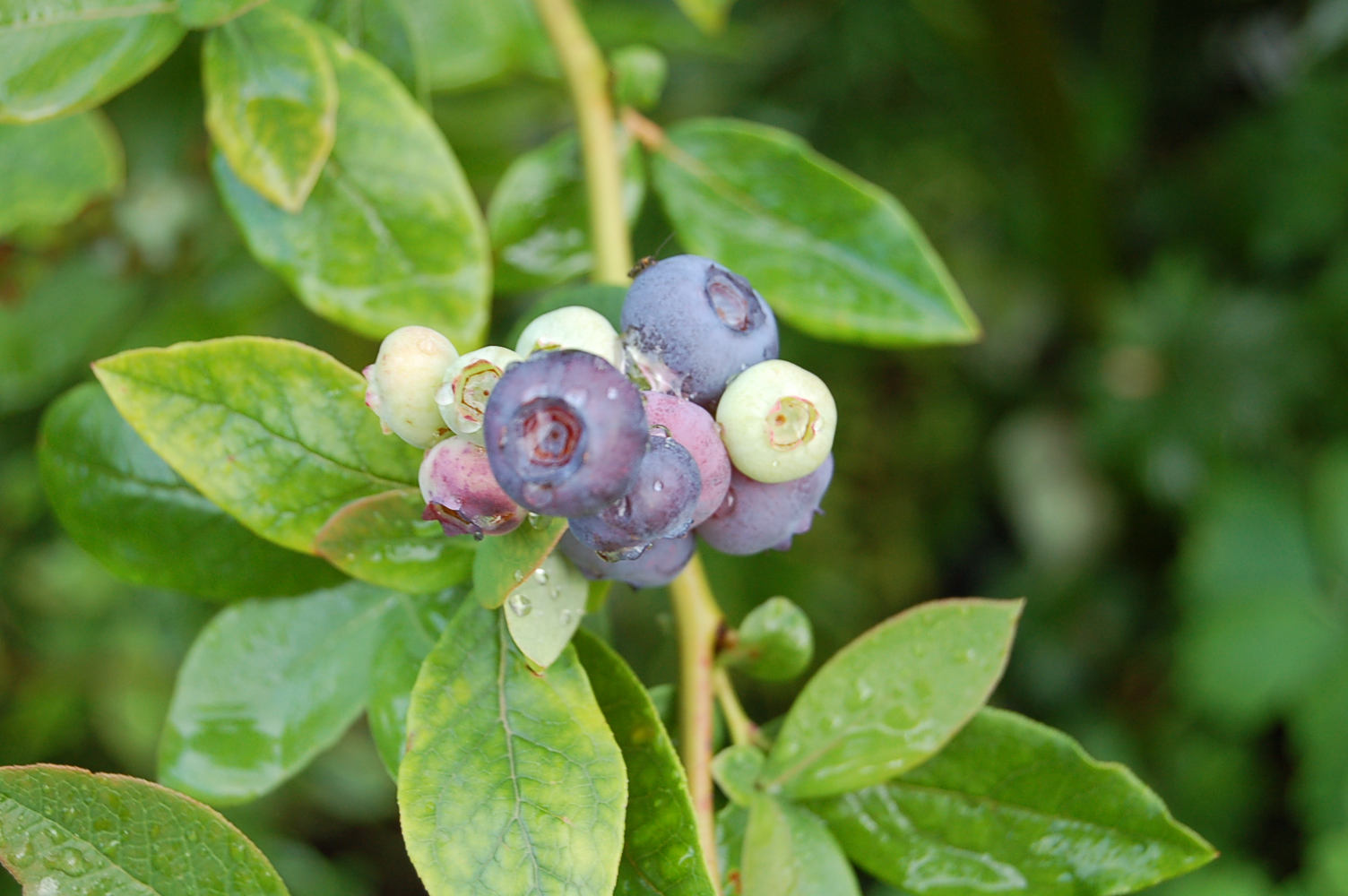
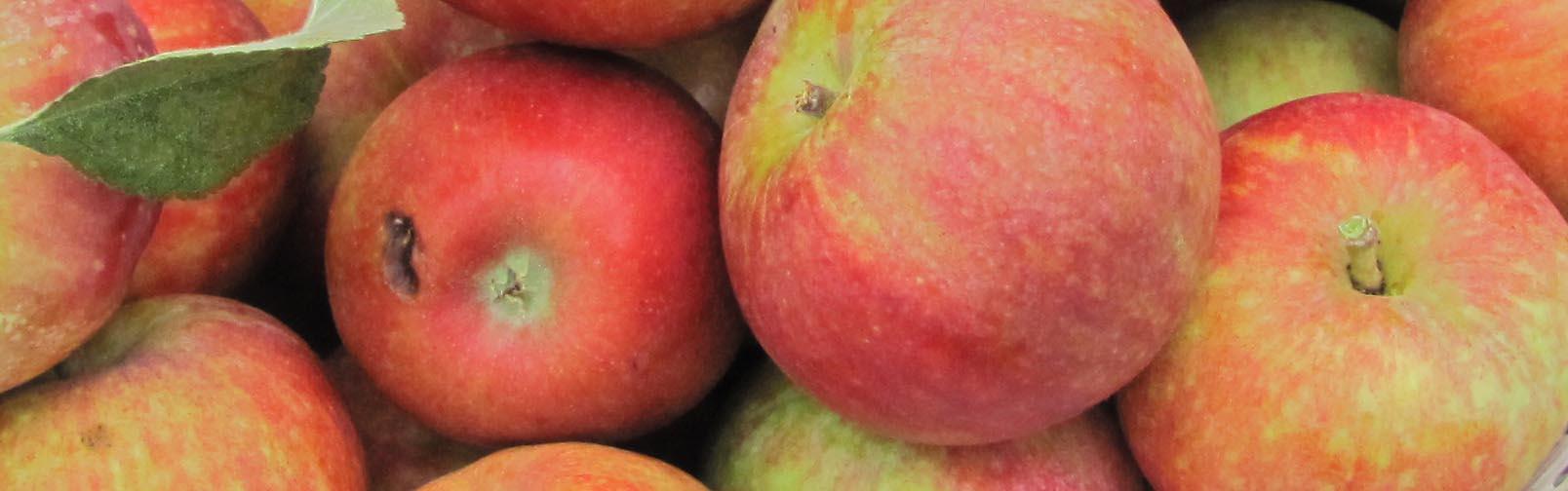
Let us now wander into the back garden and see what’s going on. Our apples are filling in nicely now and even getting a little rosiness as they start to ripen, while the Blueberries change from green to blue.
The secret garden is probably the most colourful patch at the moment.
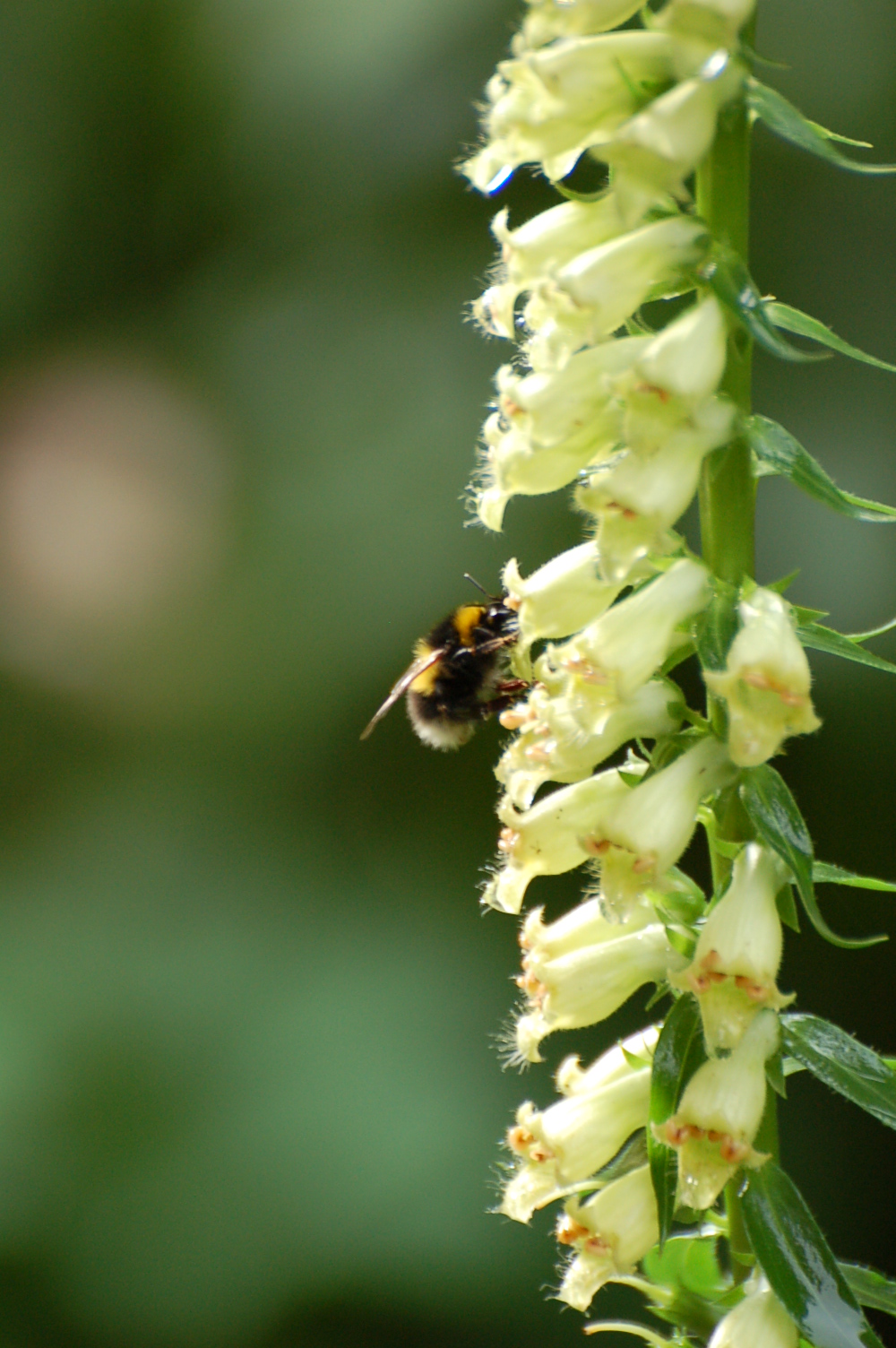
The “Chicken Garden” although less colourful at the moment as the alliums are losing their colour, has an impressive show of perennial foxgloves, favourites of the bees.
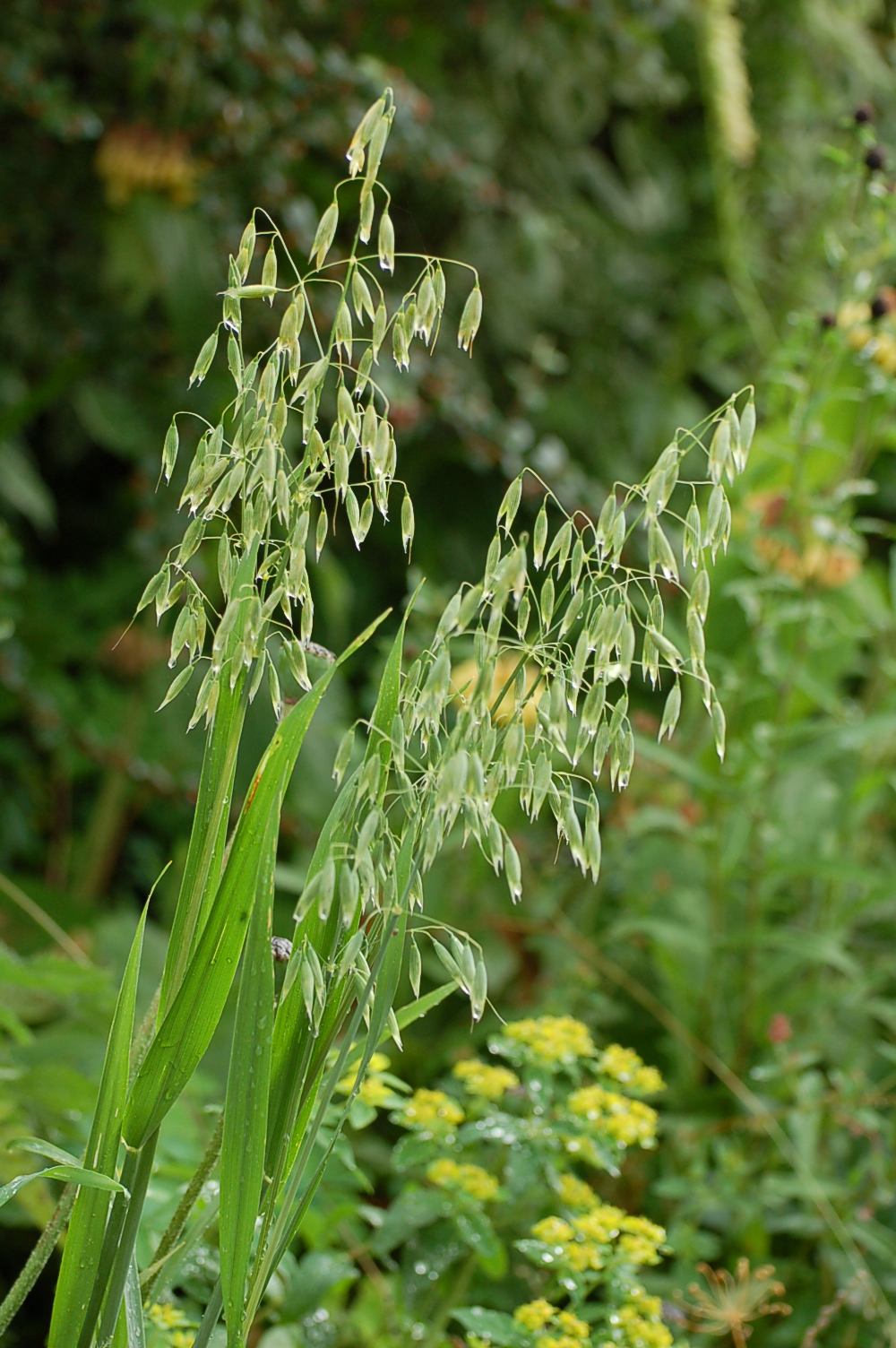
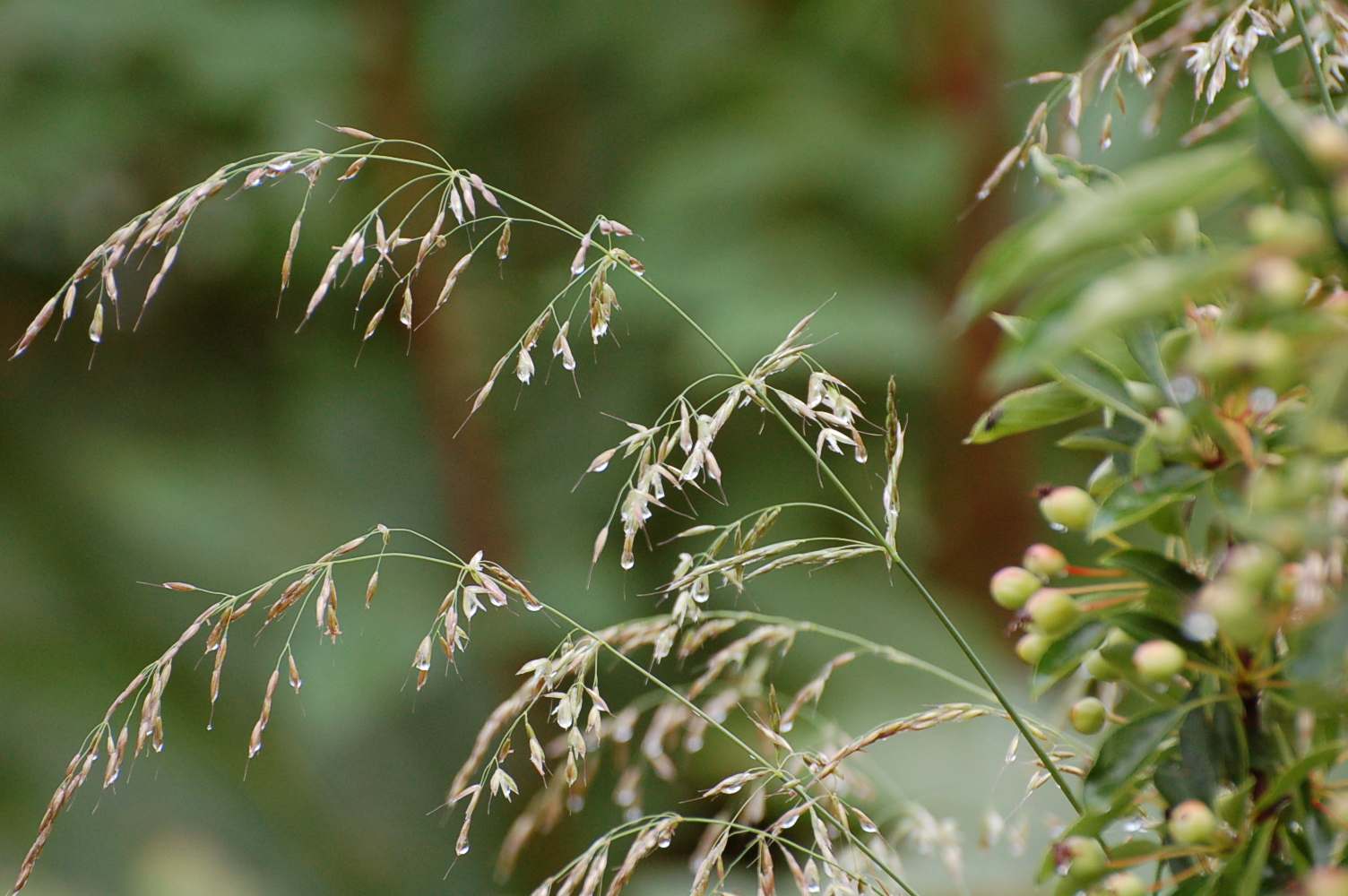
Grasses are flowering delicately in all the borders and often after a storm hold onto rain drops. The droplets of moisture act as prisms as light finds them.
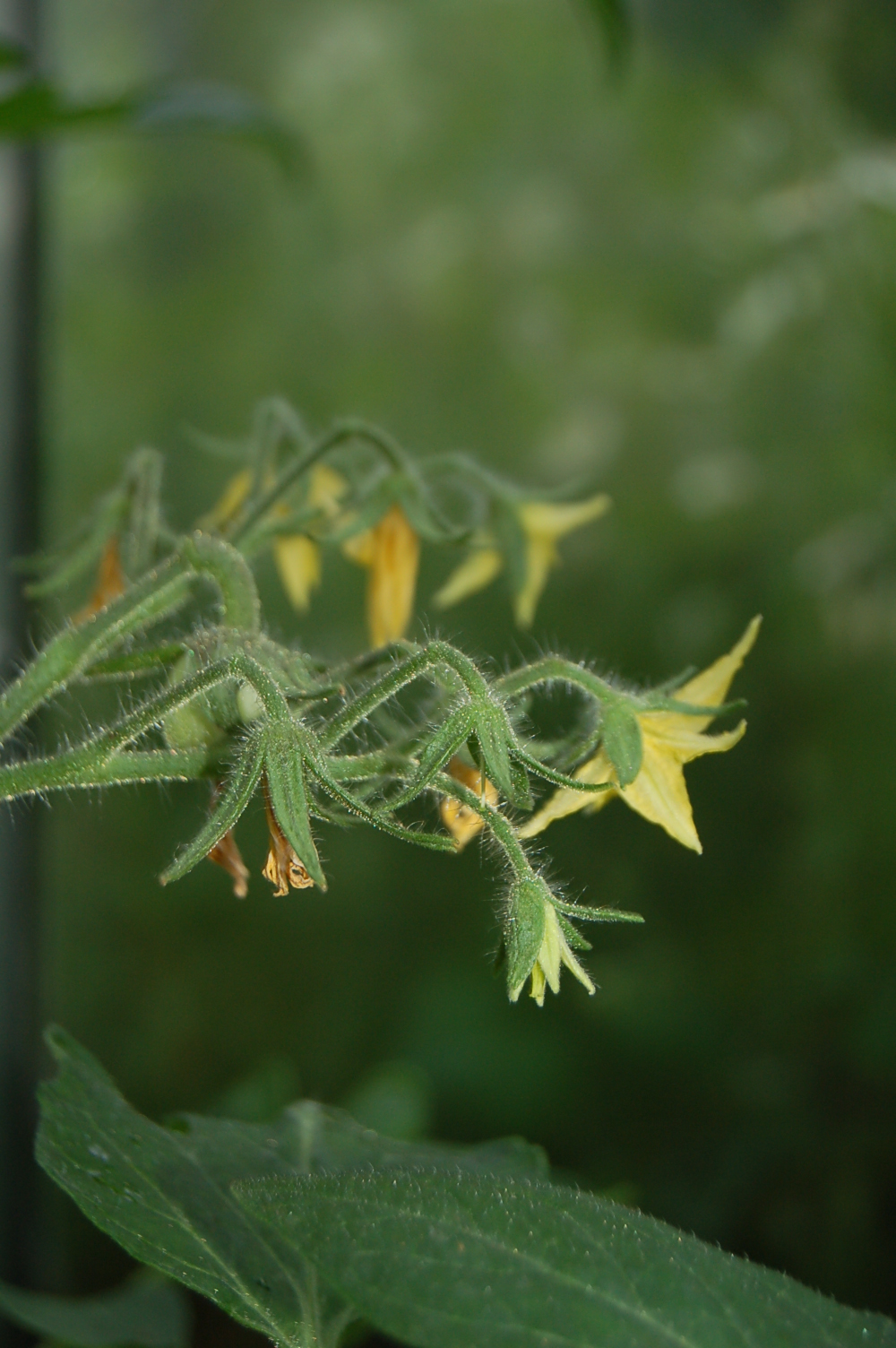
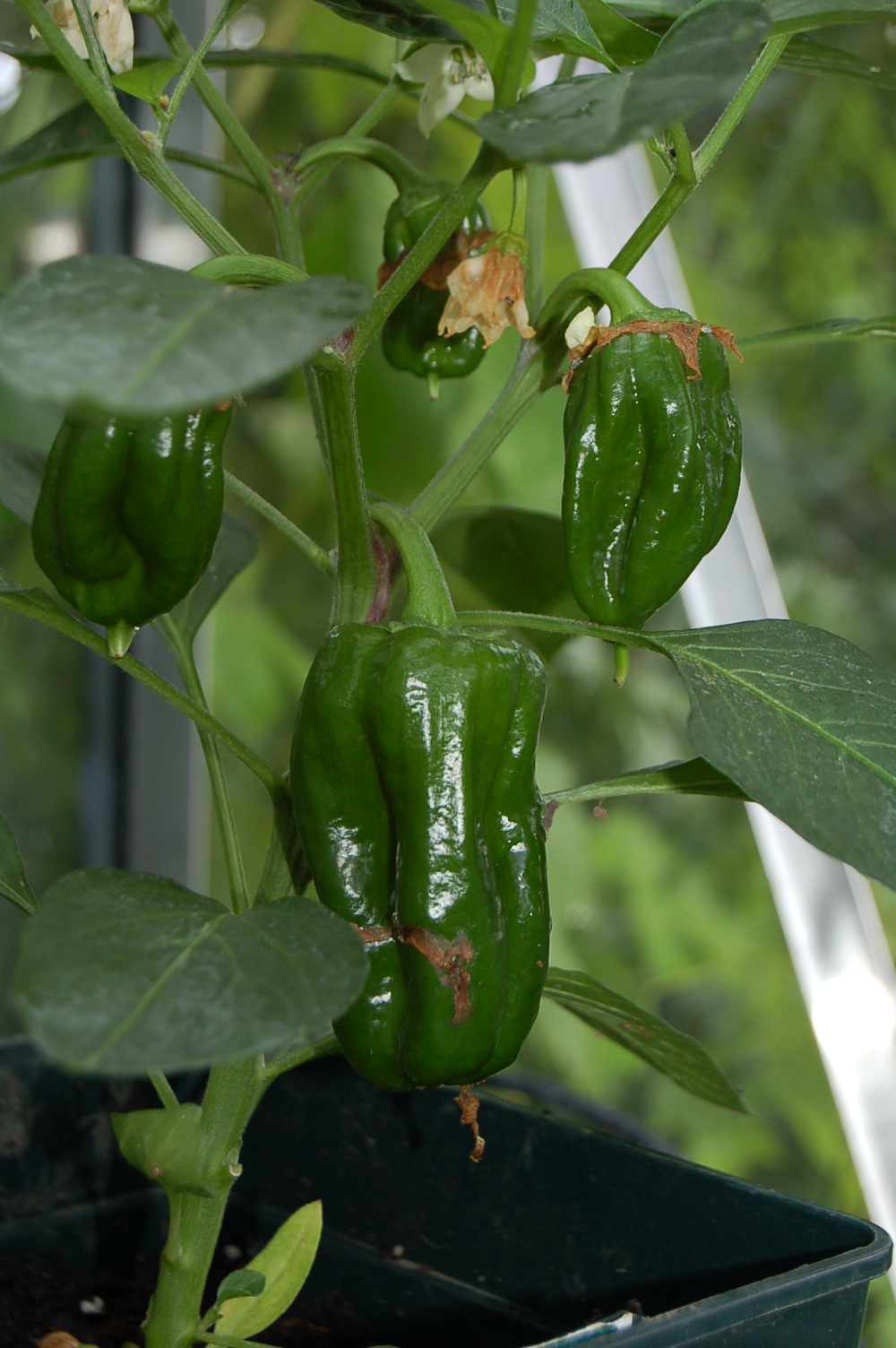
In the greenhouse tomatoes are forming on their trusses and further flowers open from their buds. Peppers like glossy green boxes promise sweetness to come.
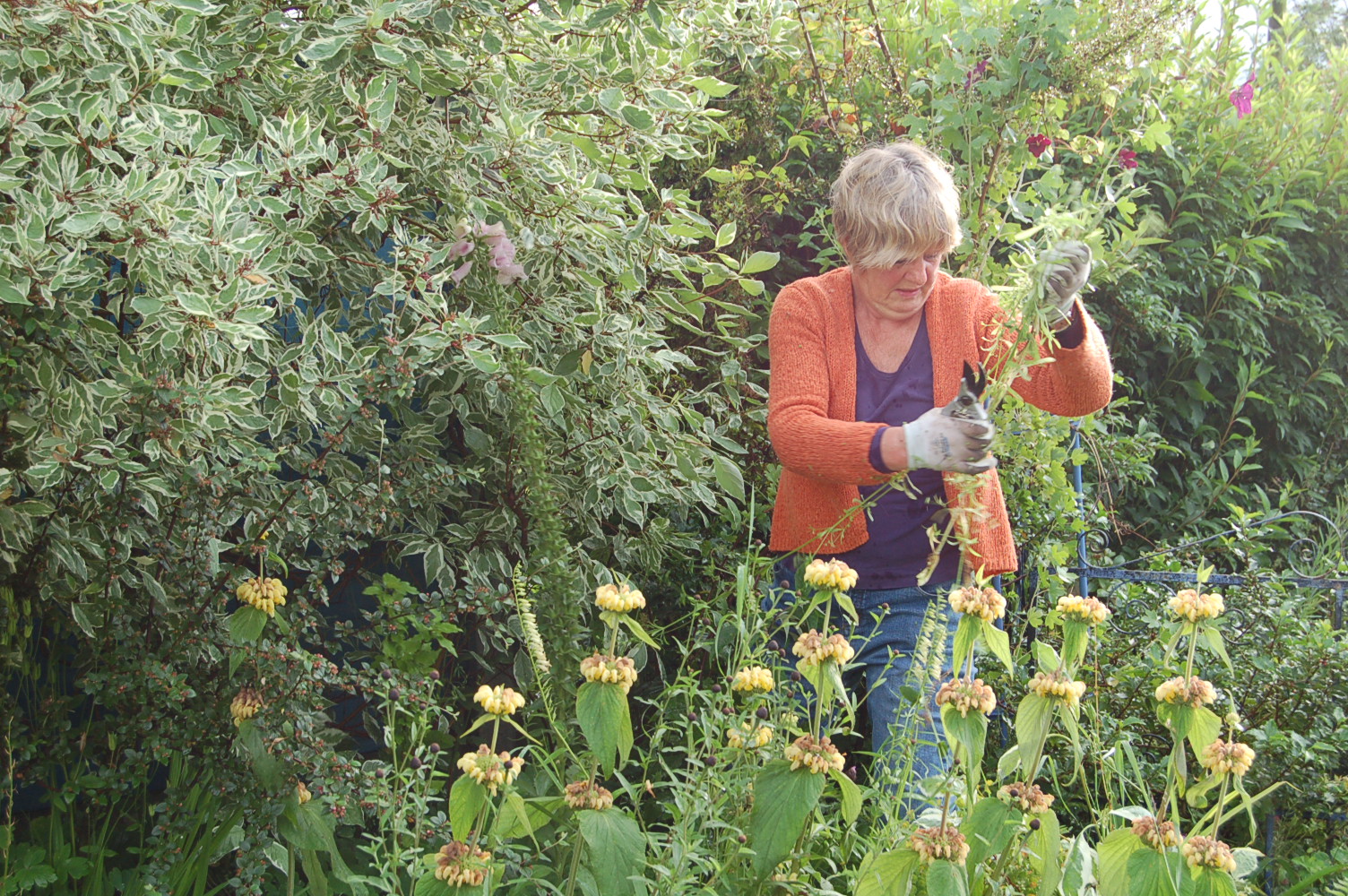
As we approach the middle of July we can but wonder what the rest of the summer can have in store for us. So far we have had the wettest summer months on record – it is hard to imagine that summer will truly arrive. It has been hard to keep up with maintenance in the garden this summer. There is so much growth that herbaceous plants need frequent deadheading and thinning and shrubs pruned to stop them overpowering the plants beneath. Jude, “The Undergardener” is pruning back the lower branches of the variegated dogwood to let light into the smaller plants below.
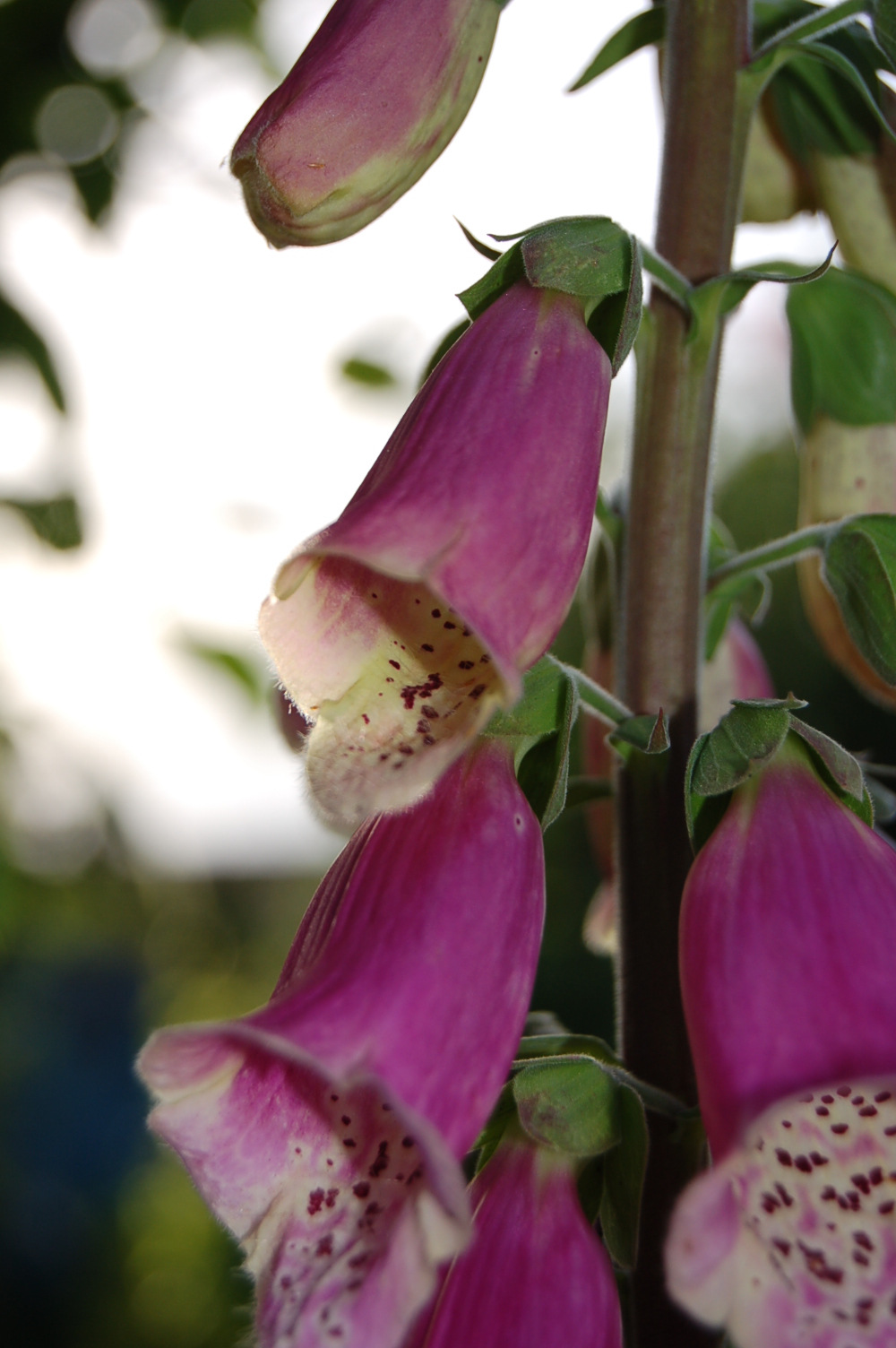
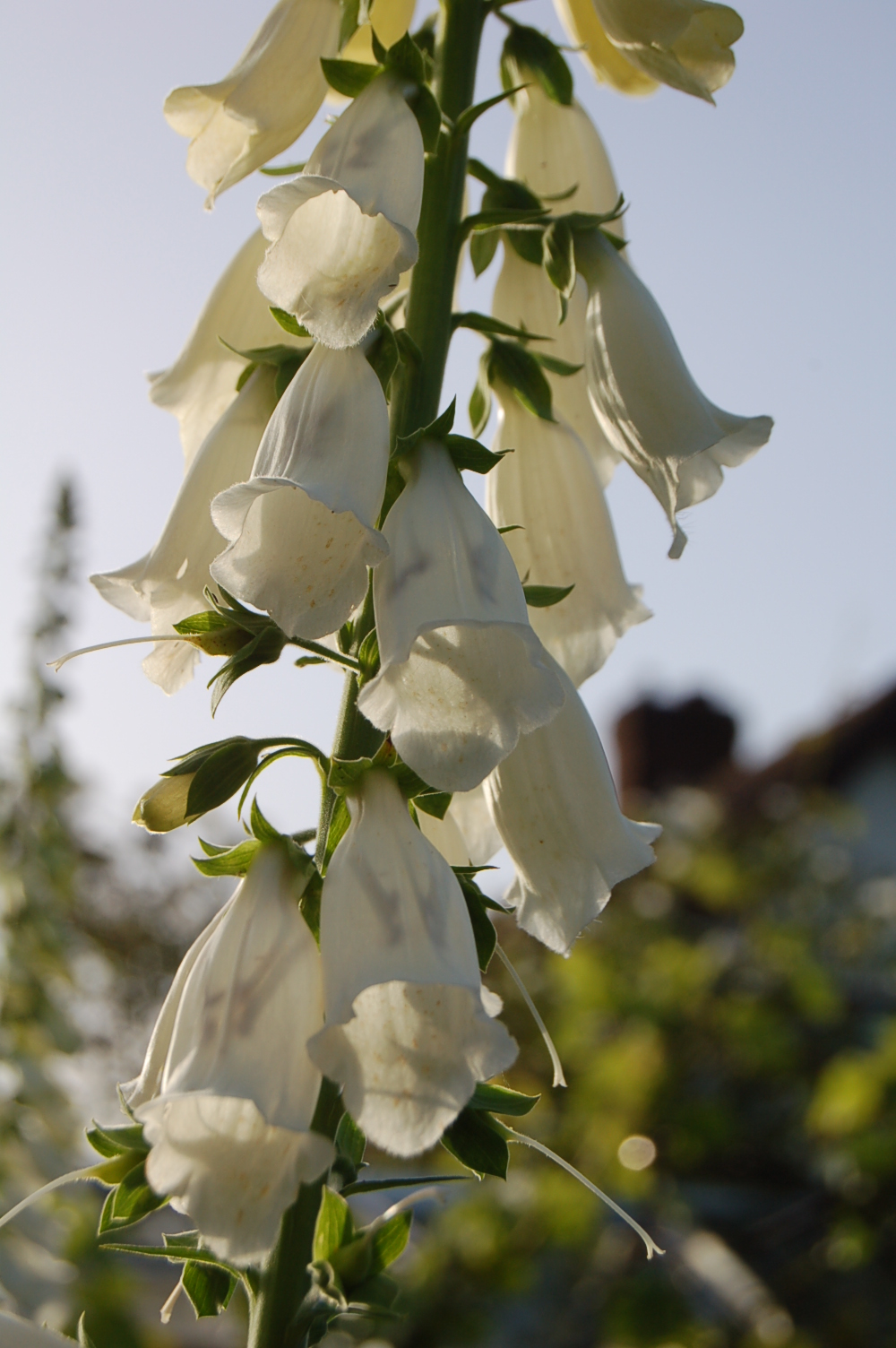
As the light began to fade I took a few photos to show it glowing through foxgloves.
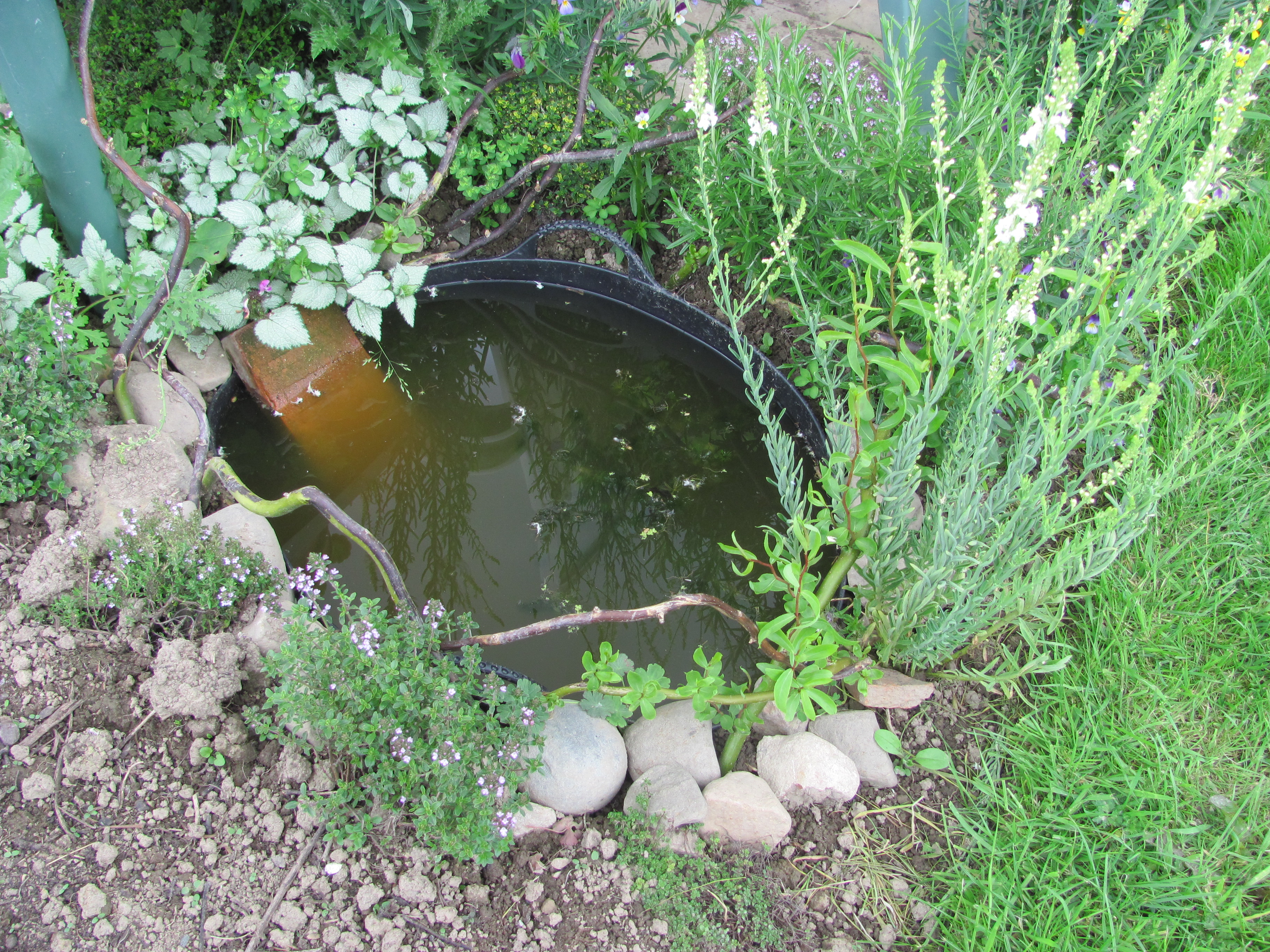
Here we are at the half way point of the year in the June allotment wanderings. As usual we shall start on our own plot to see what has been going on. Our little wildlife pond is beginning to look more established and the tadpoles are growing well. We hope the frogs stay on our plot and eat up all the slugs. As you can see we provided a little wooden ramp to help them get in and out of the water.
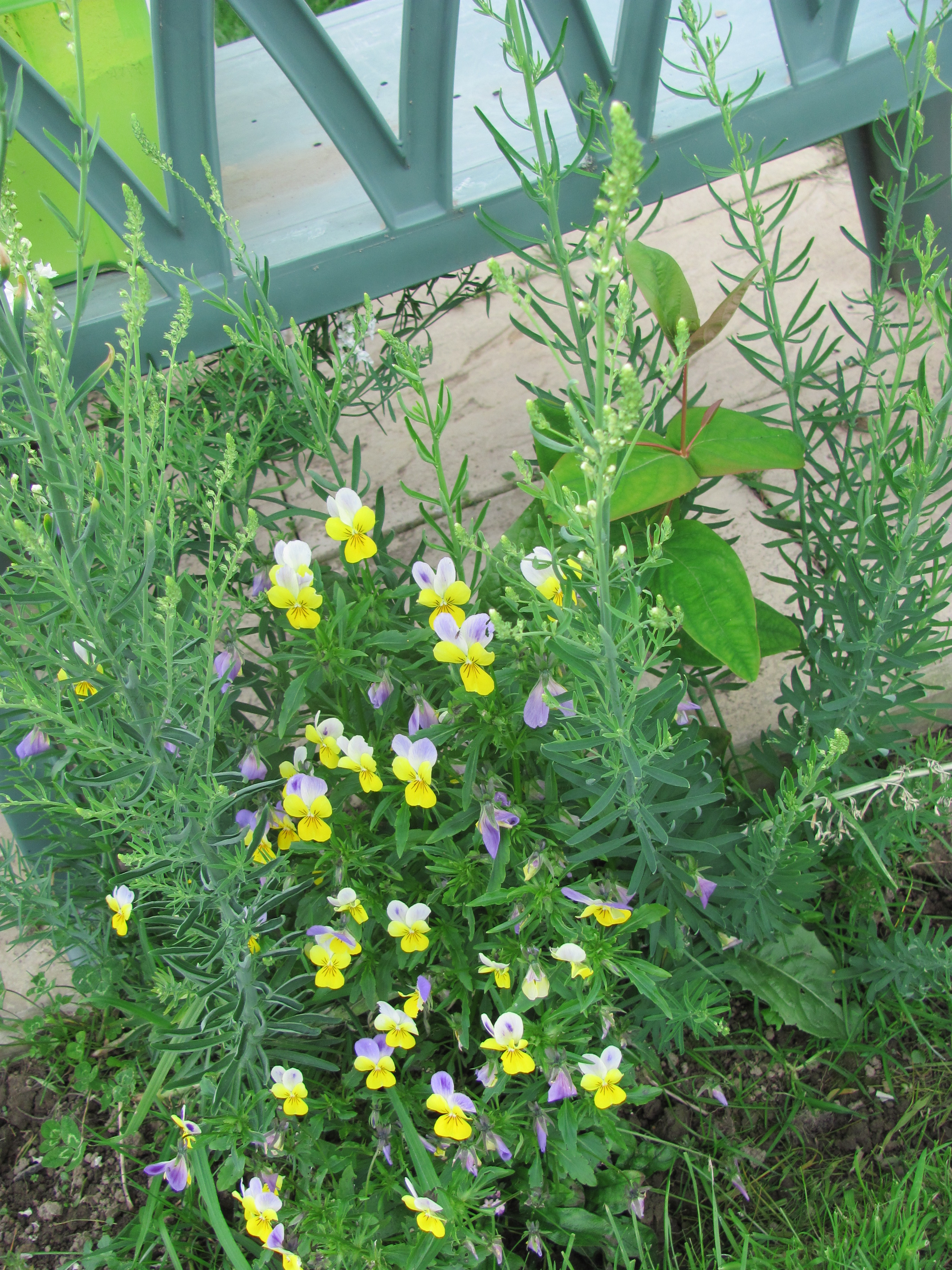
Heartsease self seed around the plot sometimes landing in suitable places arriving in a wide range of colours. This one seeded into the soil behind the green bench.
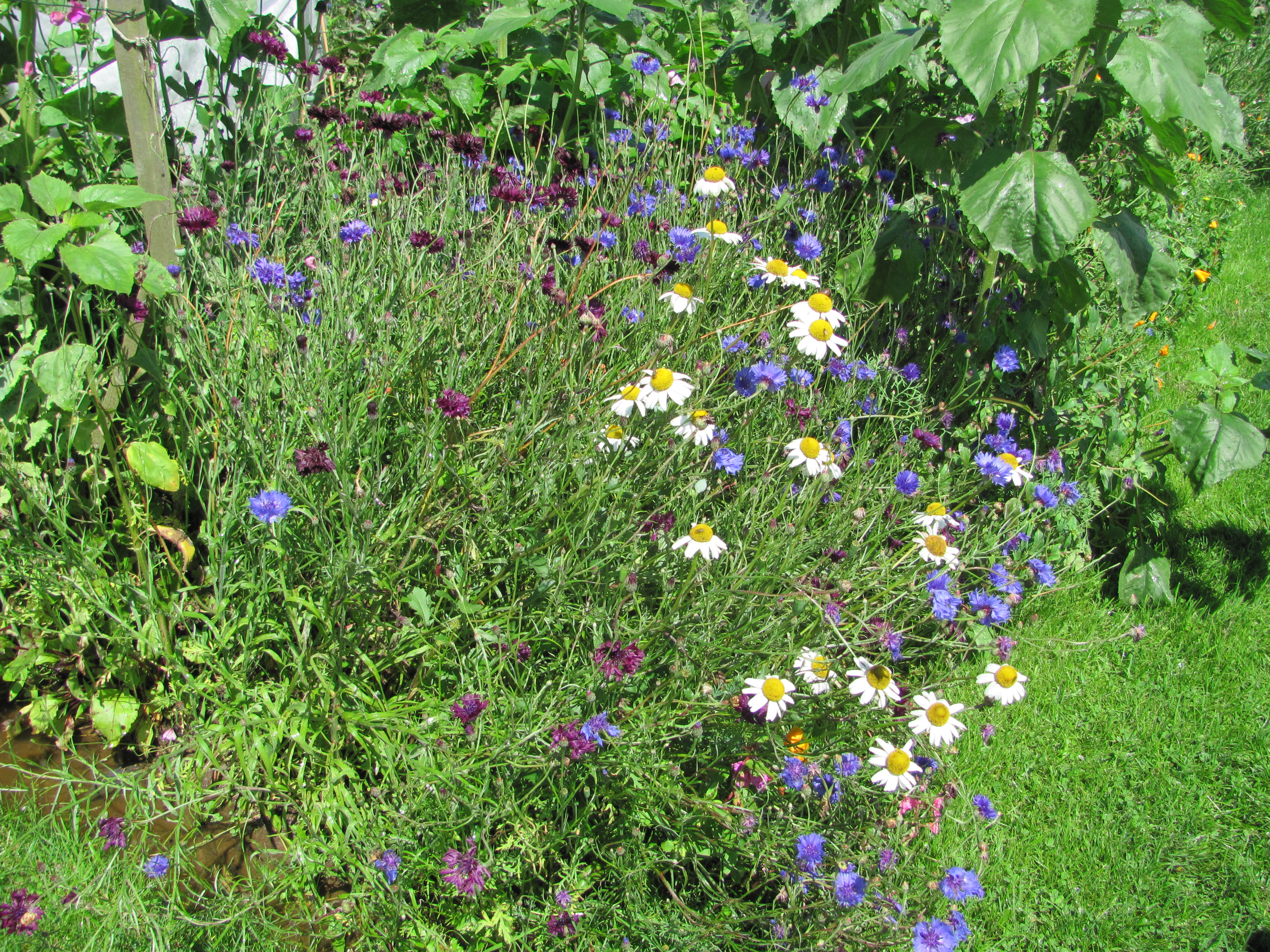
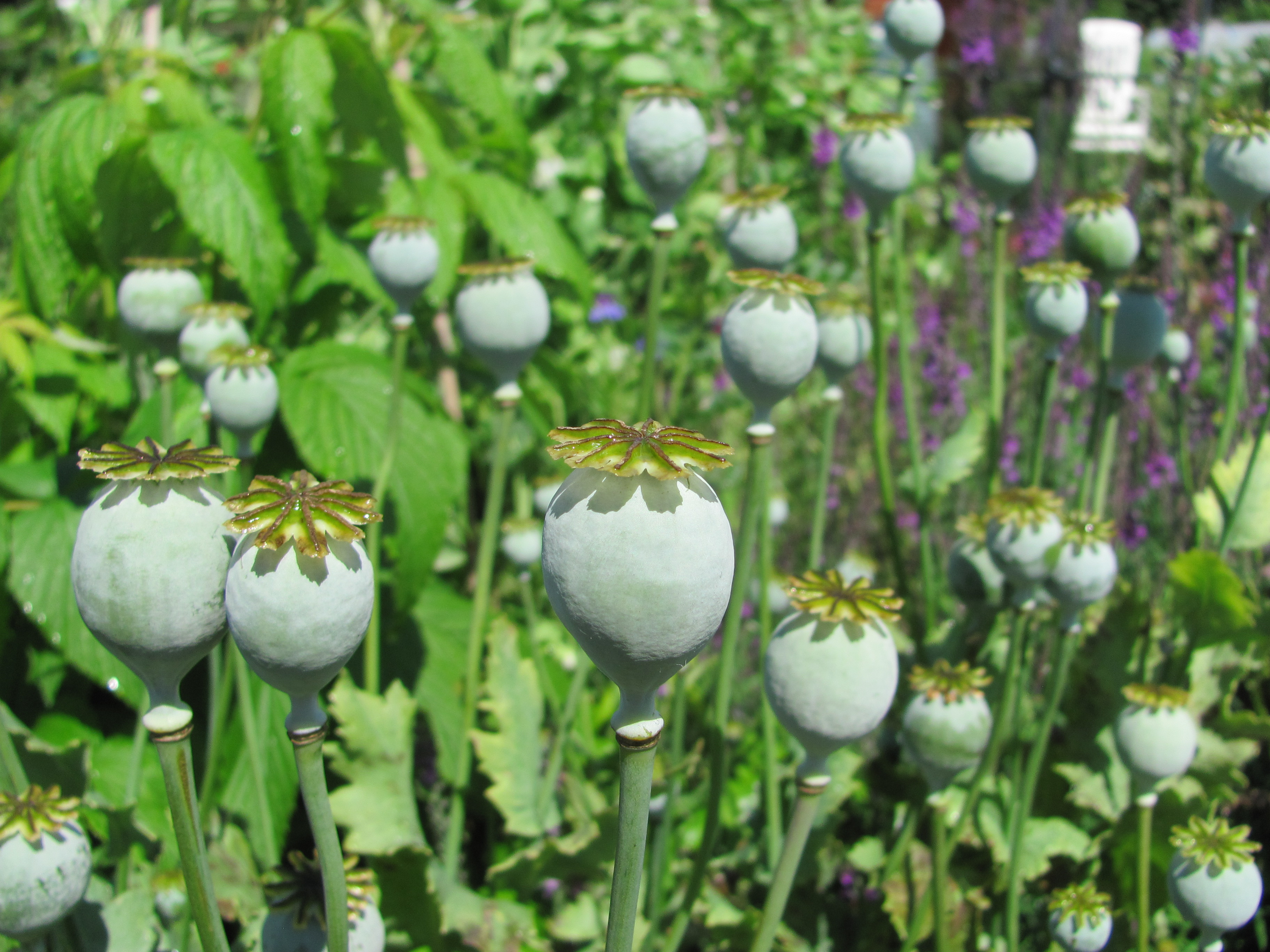
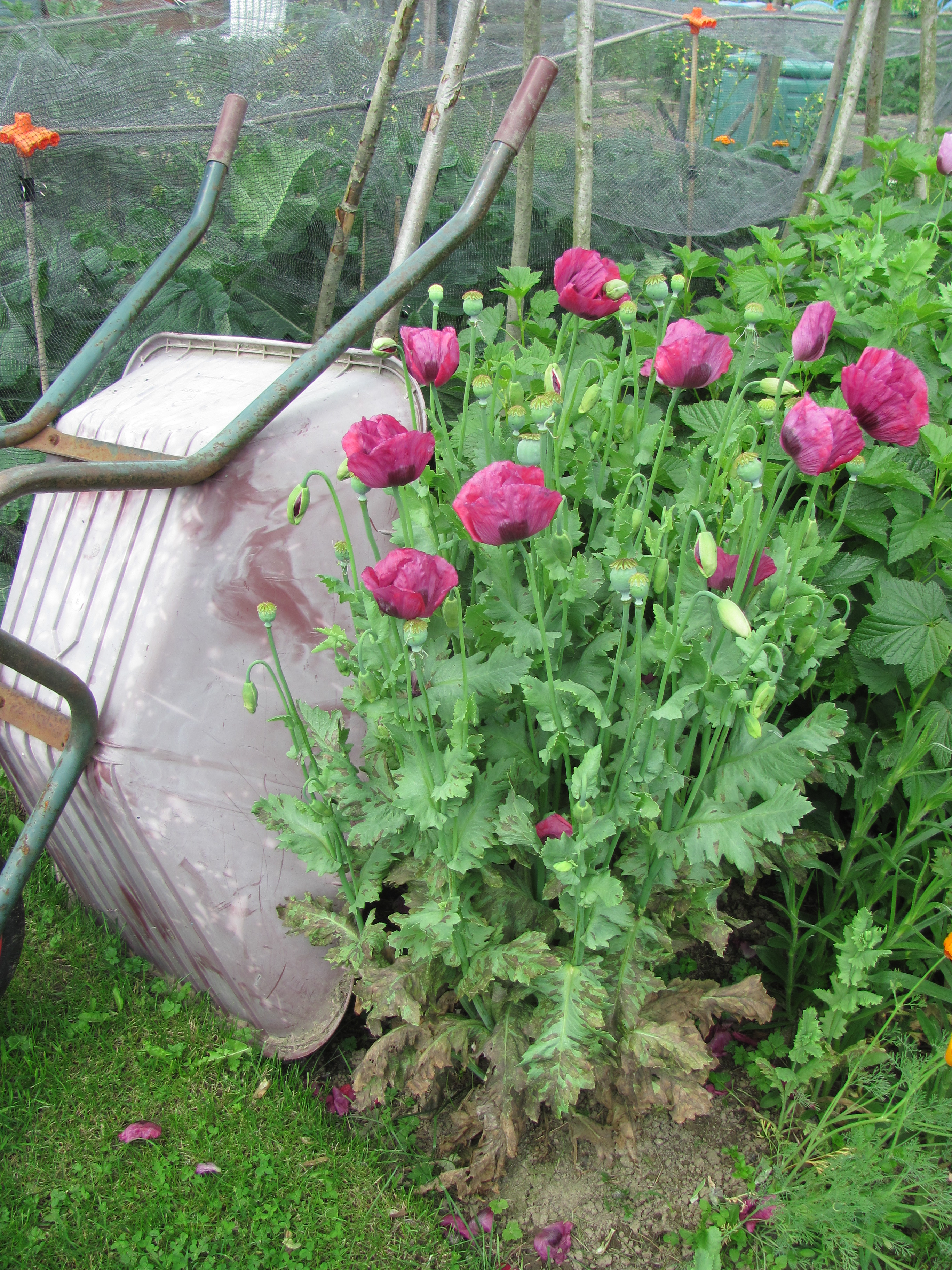
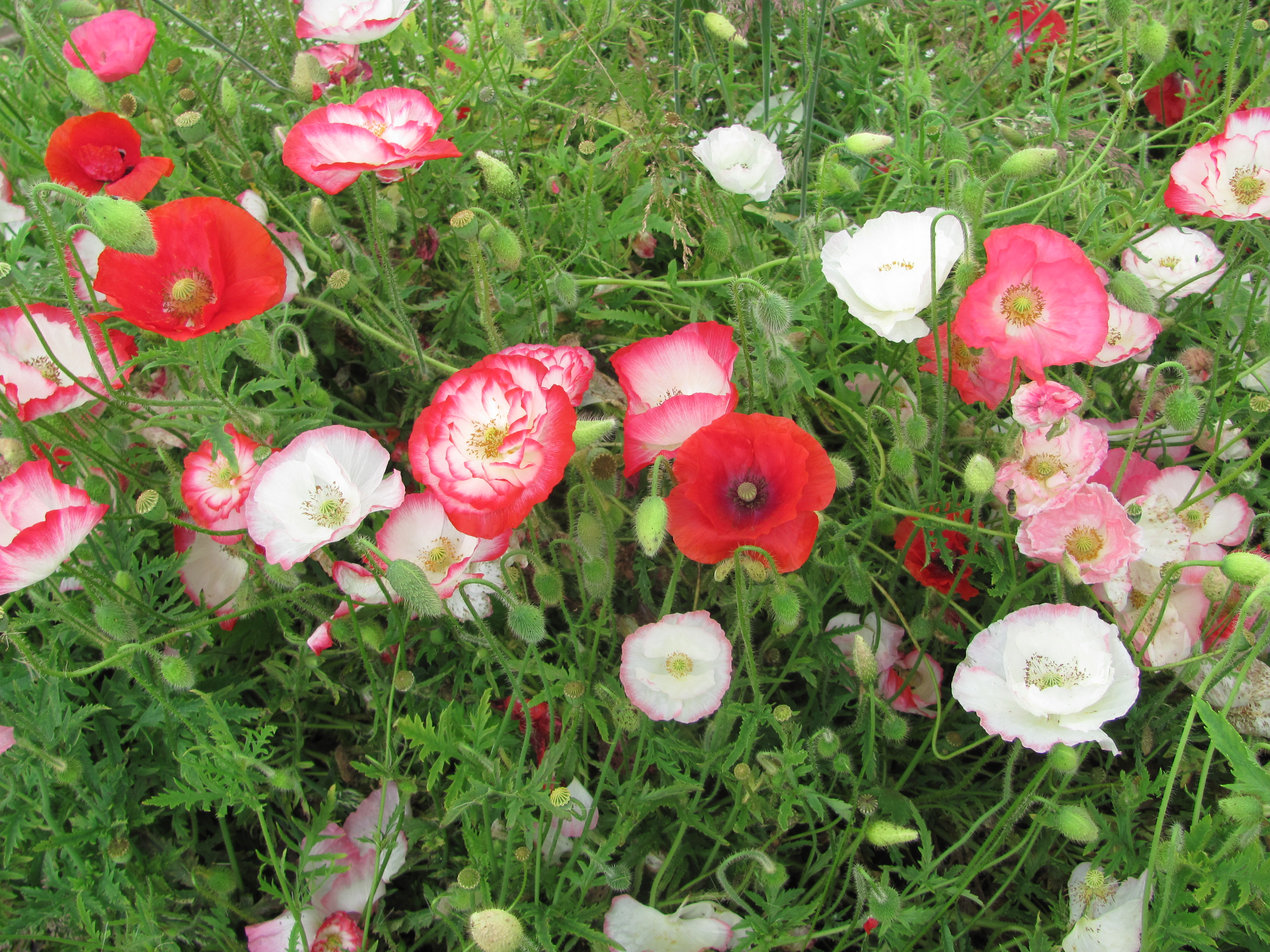
Our strip of wildflowers, a little piece of meadow, is beginning to flower. This Opium Poppy surprised us with its deep pink coloured petals.
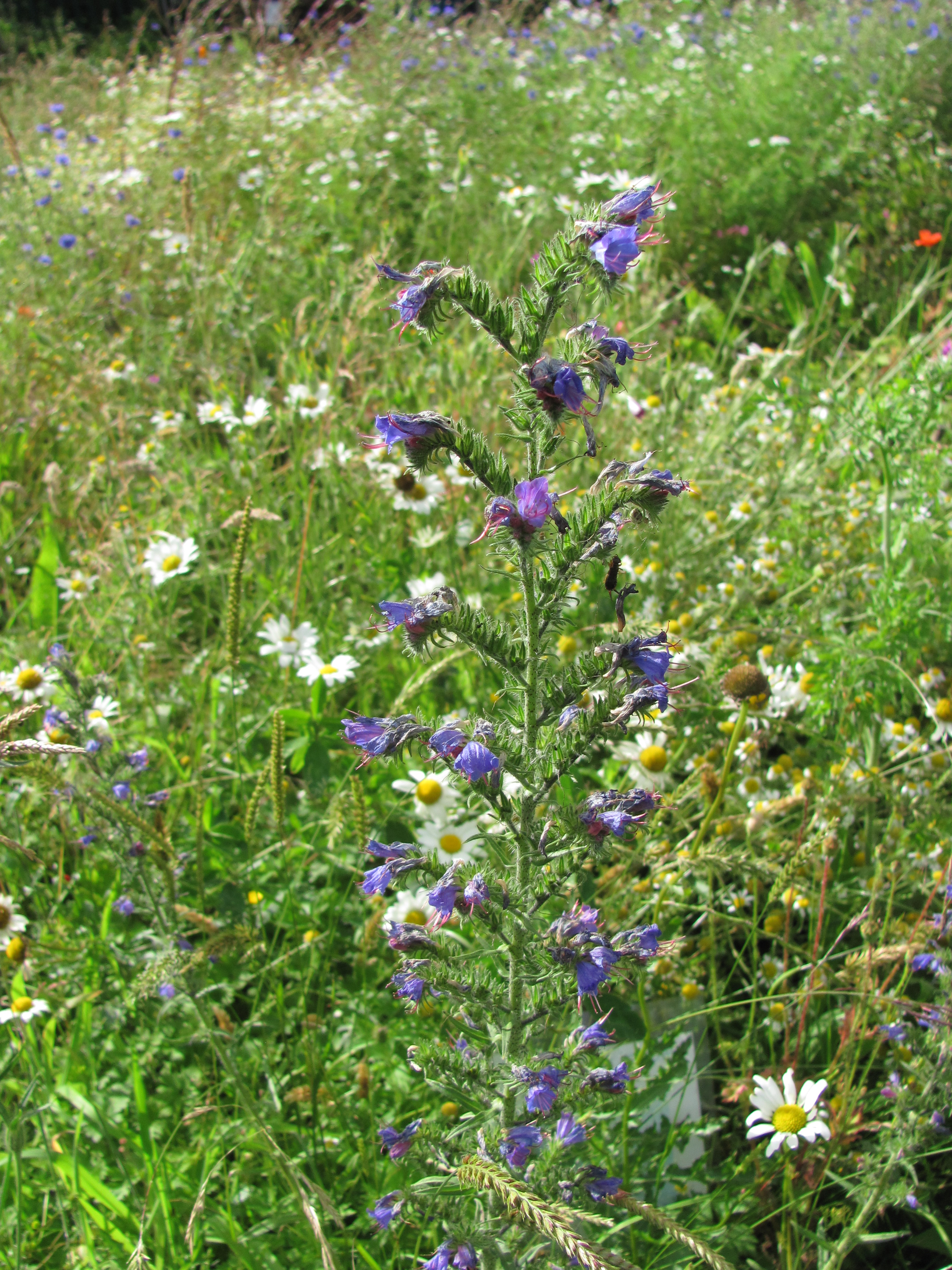
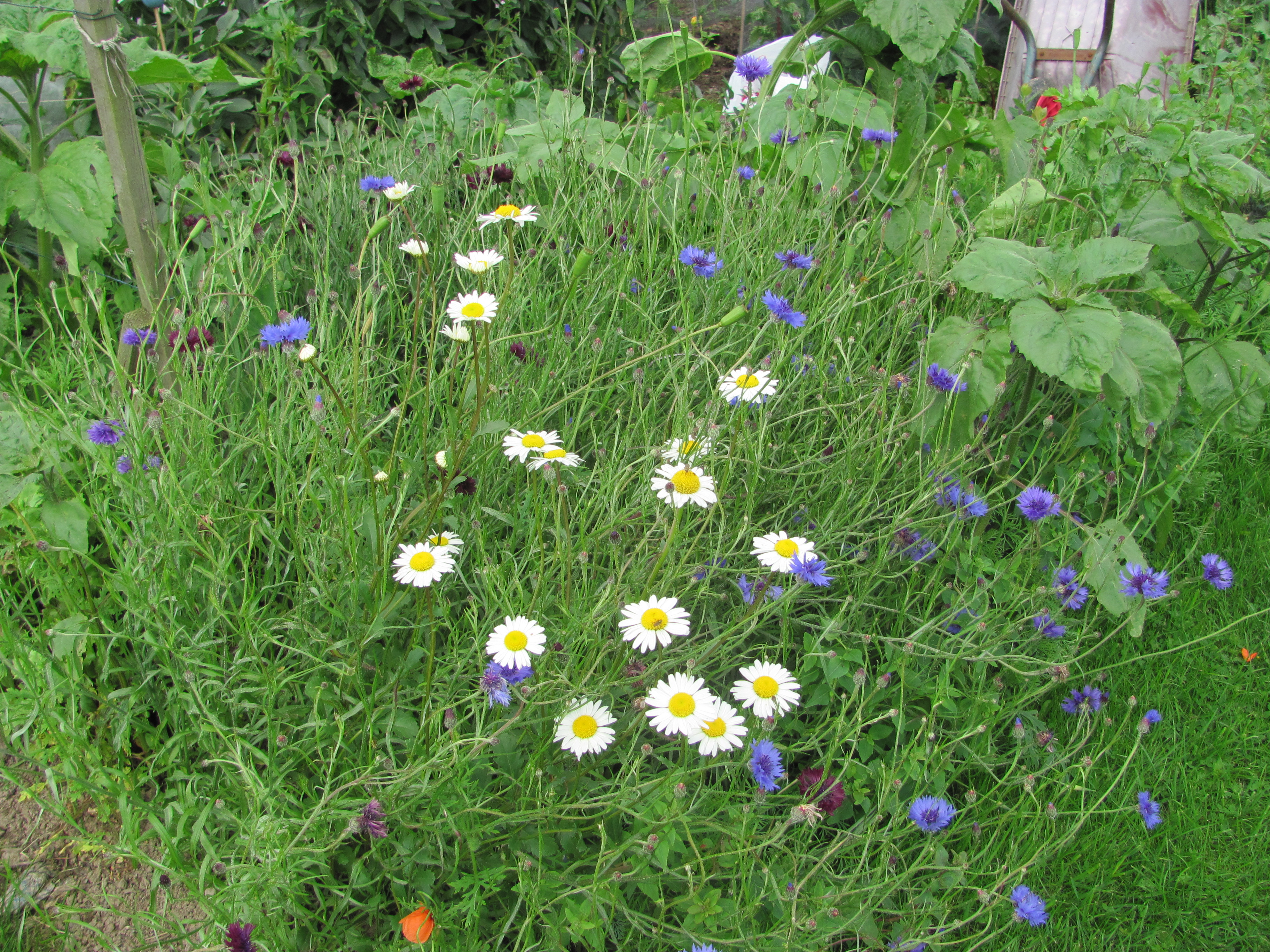
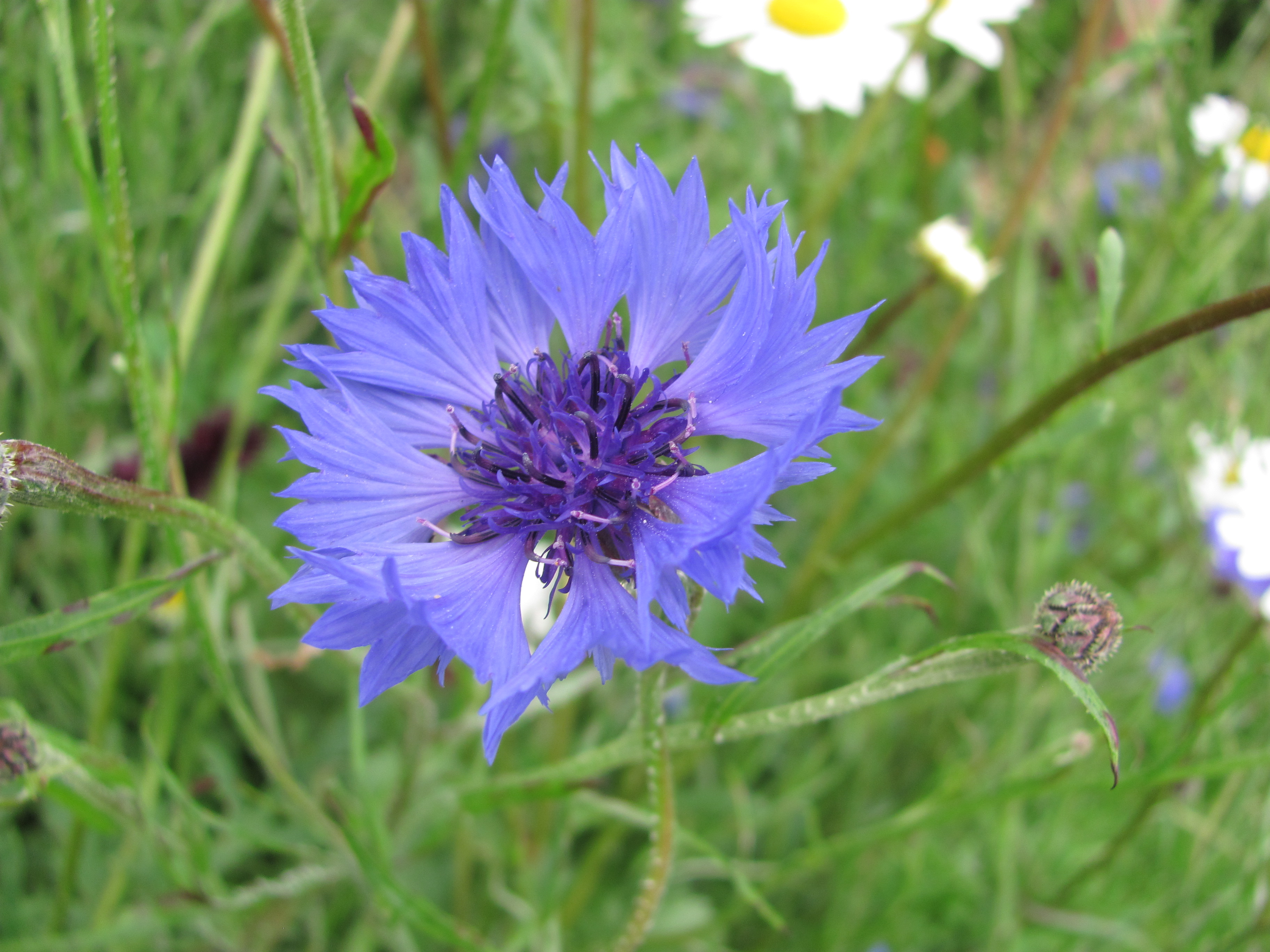
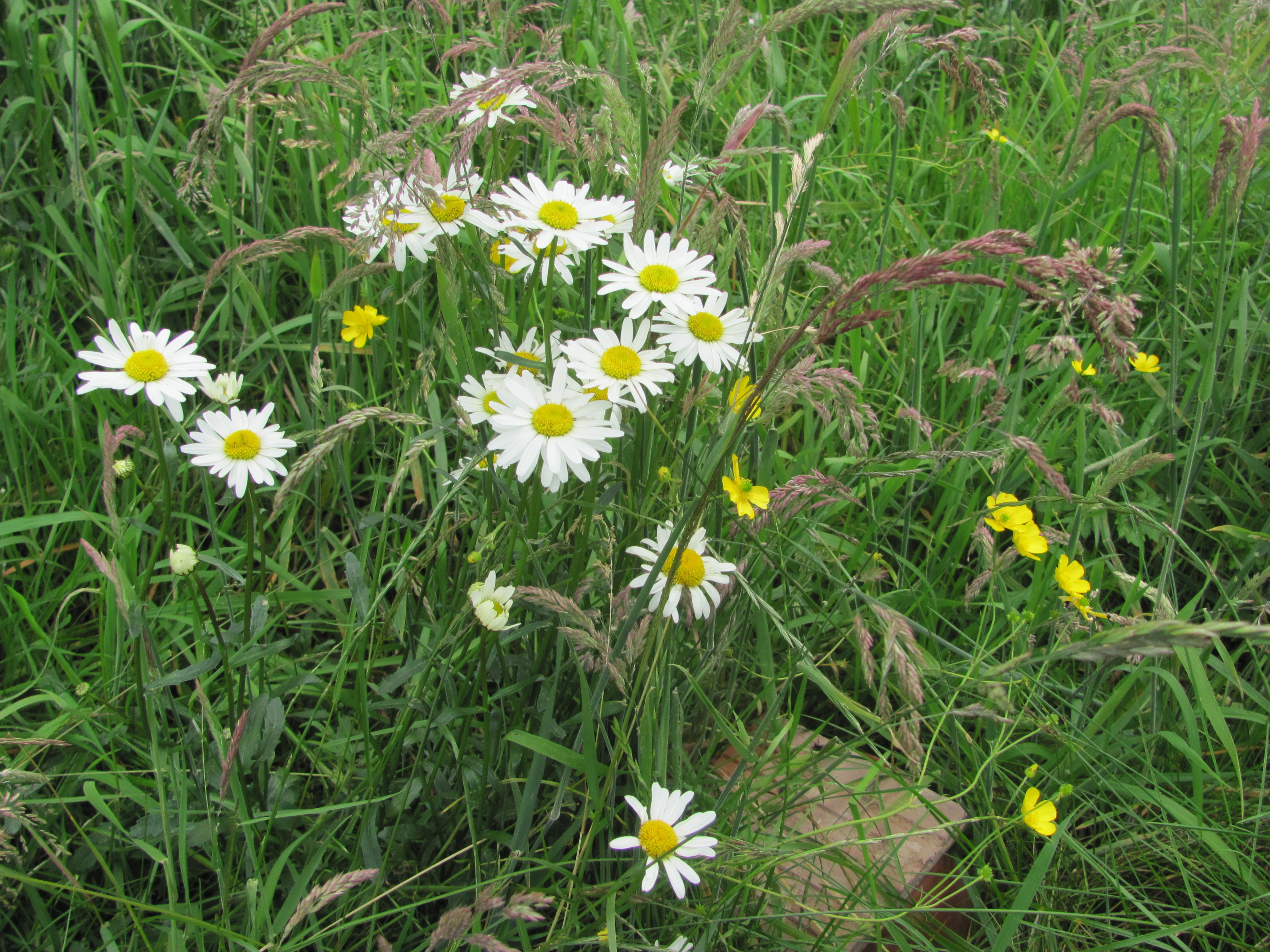
Moon Daisies and Cornflowers.
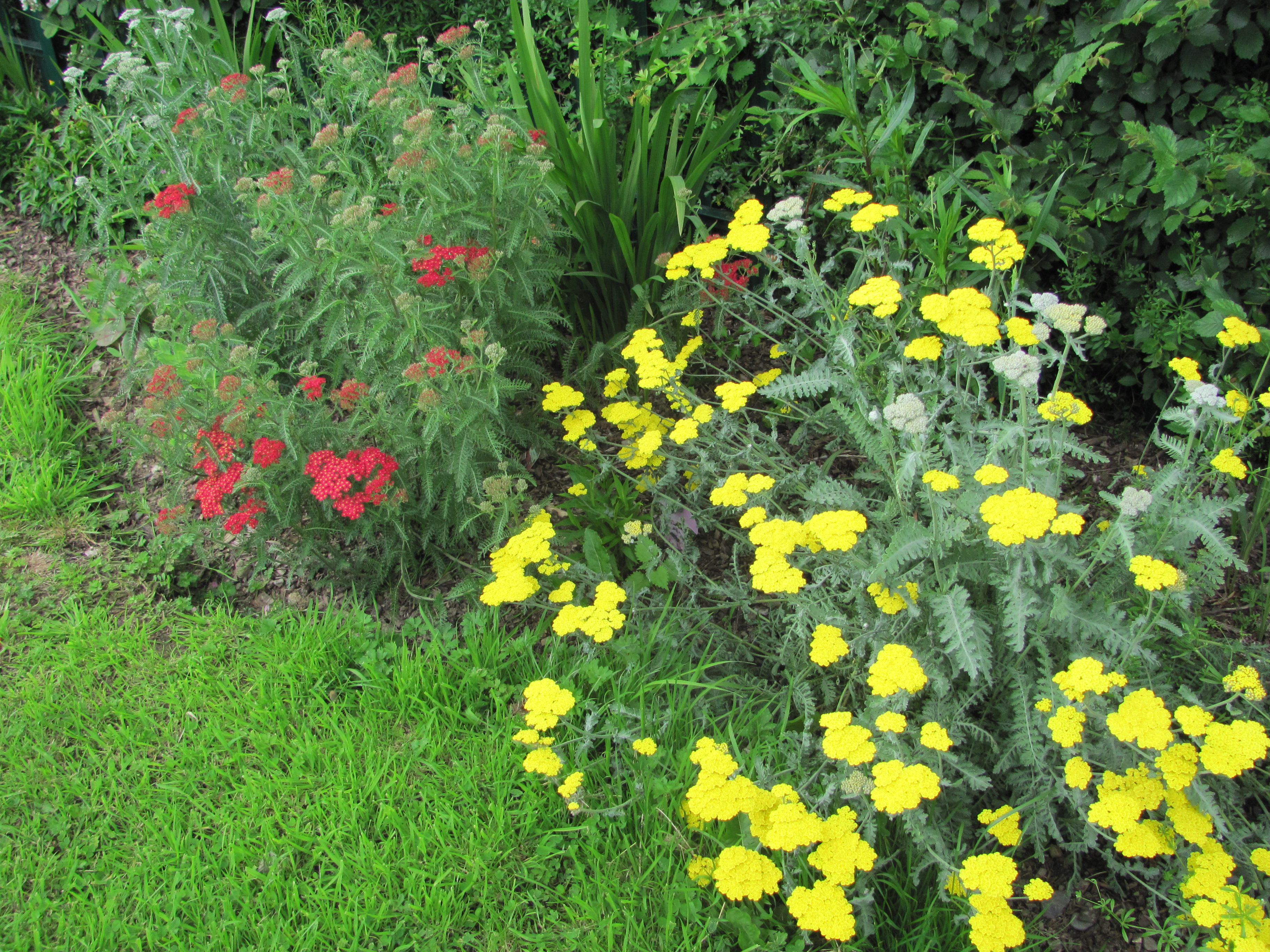
Just as flowers feature strongly on our own plot so they do on other members’ plots and in the Green Space borders. In the Autumn Garden Achilleas are the stars.
Calendulas feature on many plots as they look so good, and work hard as part of companion planting helping to attract beneficial insects.
Our first “Buddleja Bed” planted to attract wildlife now looks colourful and full of life. After losing some of our Buddlejas in the dry last year when Shropshire experienced months of drought after two extremely cold winters, the name for these borders currently looks a little inappropriate.
Our wildflower bank sloping up towards one of our orchards is now looking more established as we have added plants that members have donated to add interest.
The Edible Hedge is now fruiting providing sustenance to birds and small mammals. Flowers in the borders at the base bring in bees, butterflies and beneficial insects. Beetles enjoy the long grass and we like them to be there as they feed on slugs.
The most colourful garden on site at the moment is the Spring Garden which still displays much interest as we move into the summer months. This garden is maintained by volunteers, Jill and Geoff who spend many an hour planting, dead heading and weeding.
Geoff and Jill’s plot is renown for its weed free neatness and precision planting.
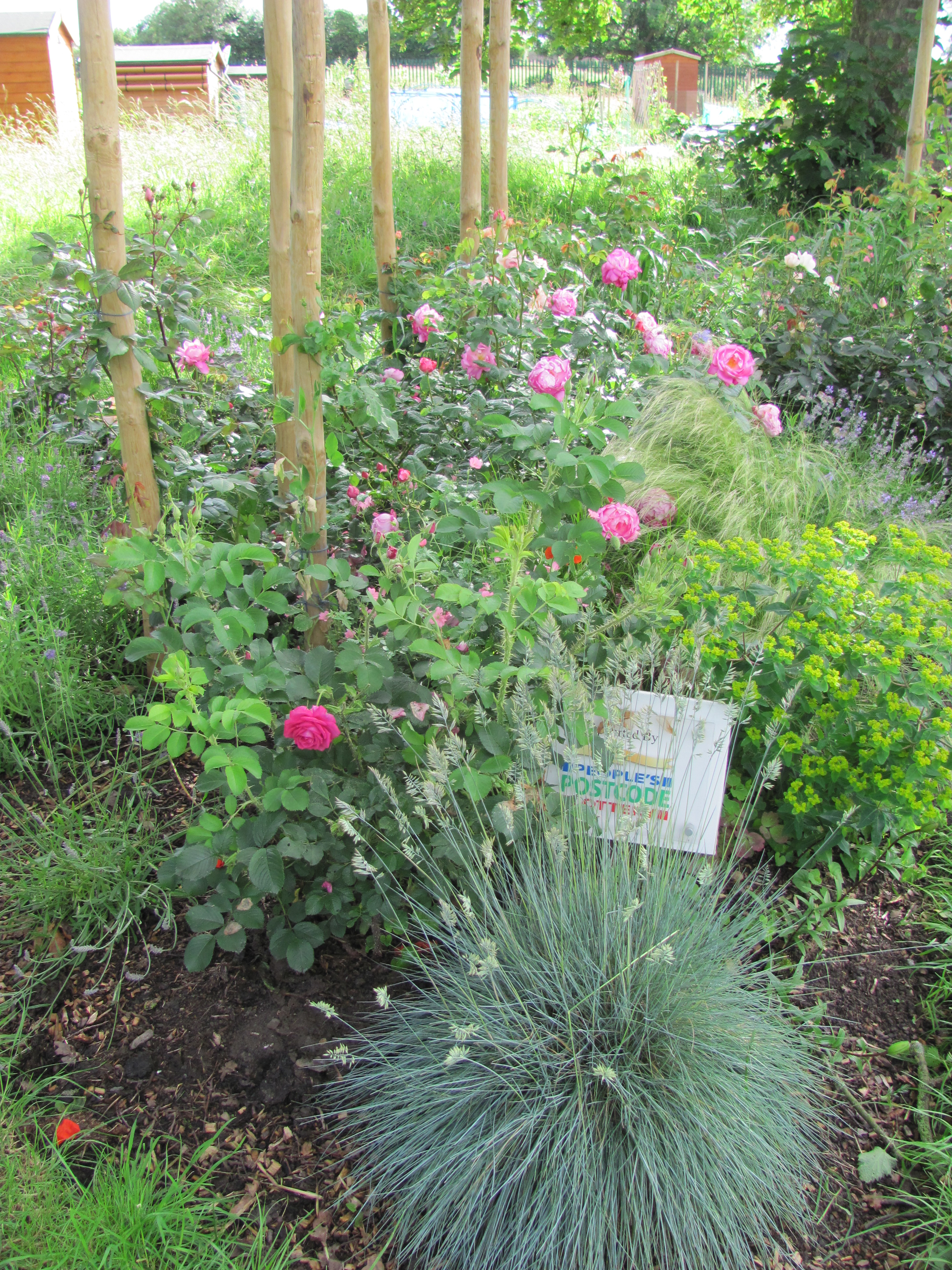
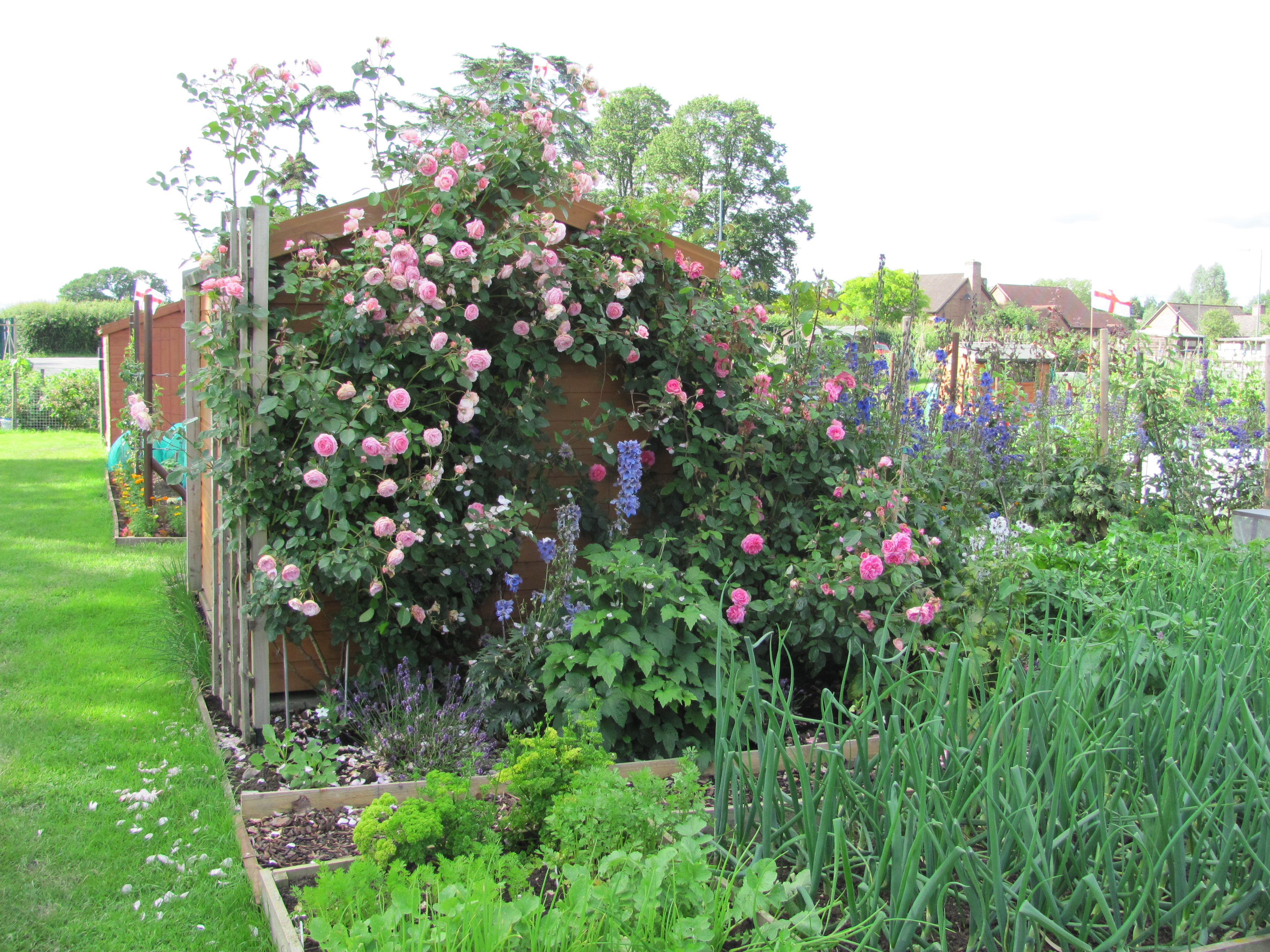
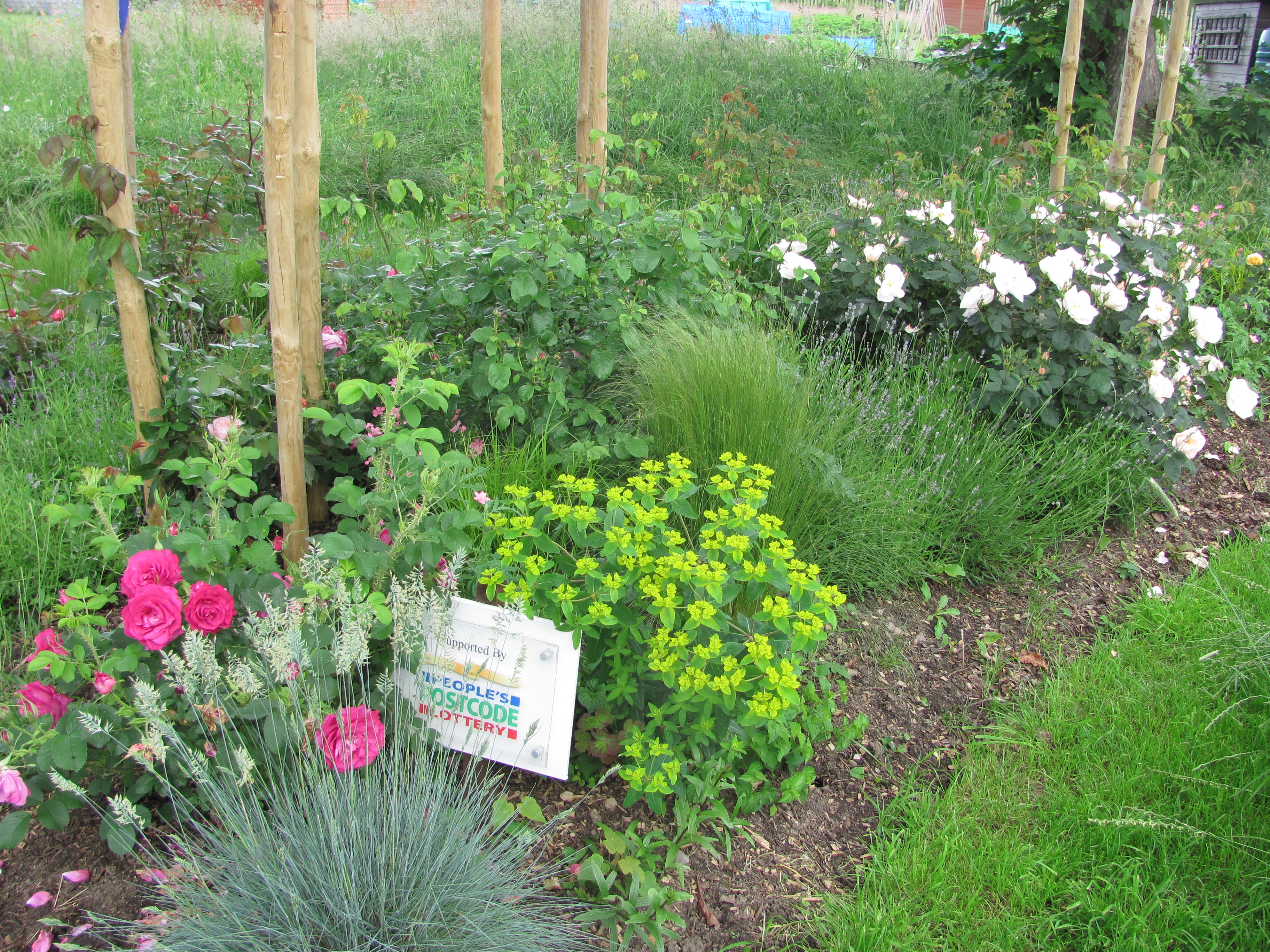
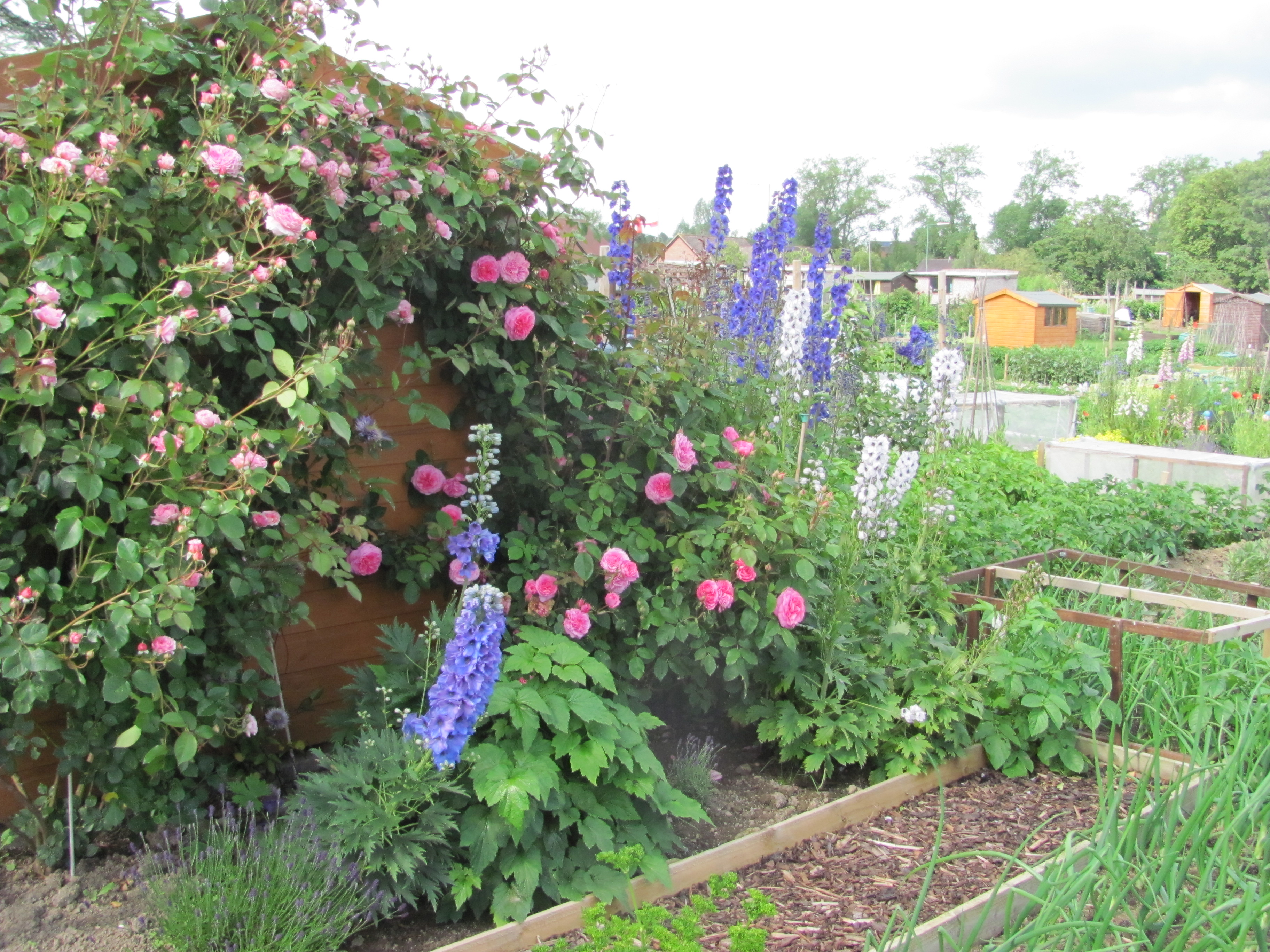
The Summer Garden is not to be outdone though as the roses are coming into flower and beautiful scents greet us as we sit on the nearby picnic benches. The lavenders, geraniums and grasses planted between the roses add further interest and textures.
As June moves towards July our meadows really come into their own. Plot holders love to walk through them and a wide variety of birds, bees, butterflies, grass hoppers and every sort of mini-beast visit.
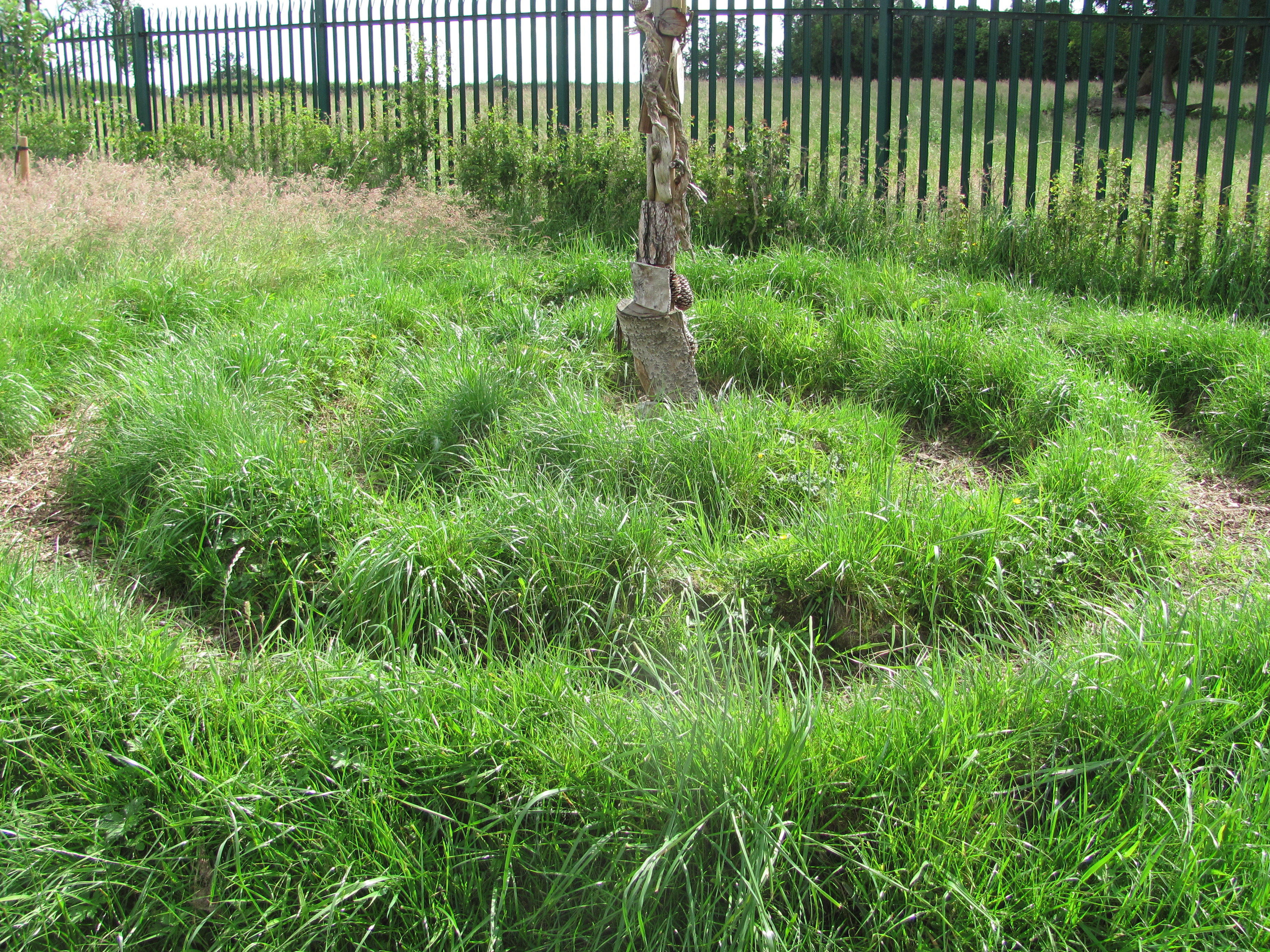
I shall finish with a shot of the plot we have nominated for this year’s Shrewsbury Town Allotment Competition and one of our grass spiral which currently looks most inviting.
Throughout May and into early June we have been involved in creating two new features of our Green Spaces on our allotment site, Bowbrook Allotment Society (www.bowbrookallotments.co.uk). Around the site we have four special gardens called “The Gardens of the Four Seasons” and we added a further bed to the Autumn Garden. The beds were developed with the aid of a grant from the Peoples Postcode Trust who support us so generously.
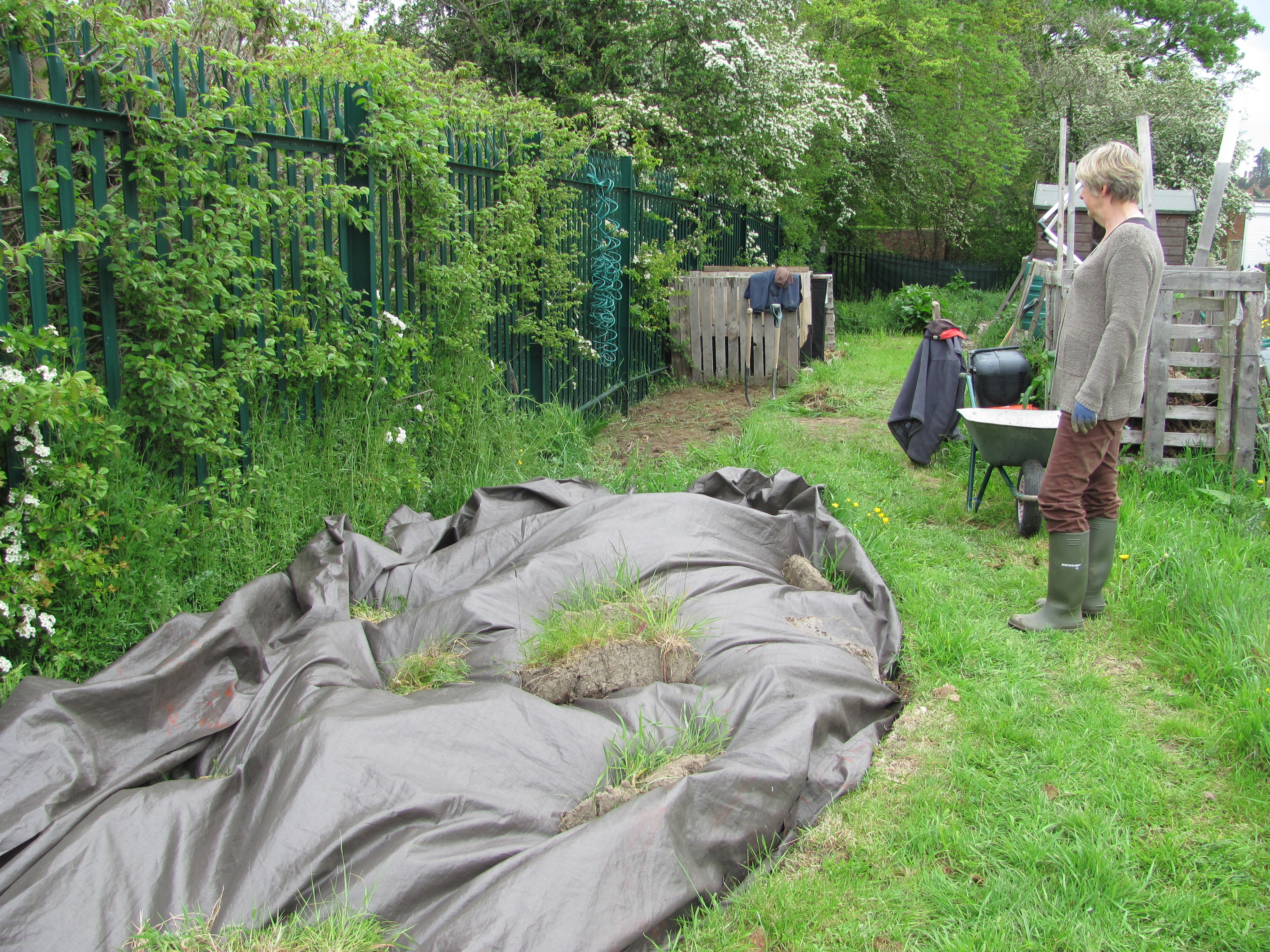
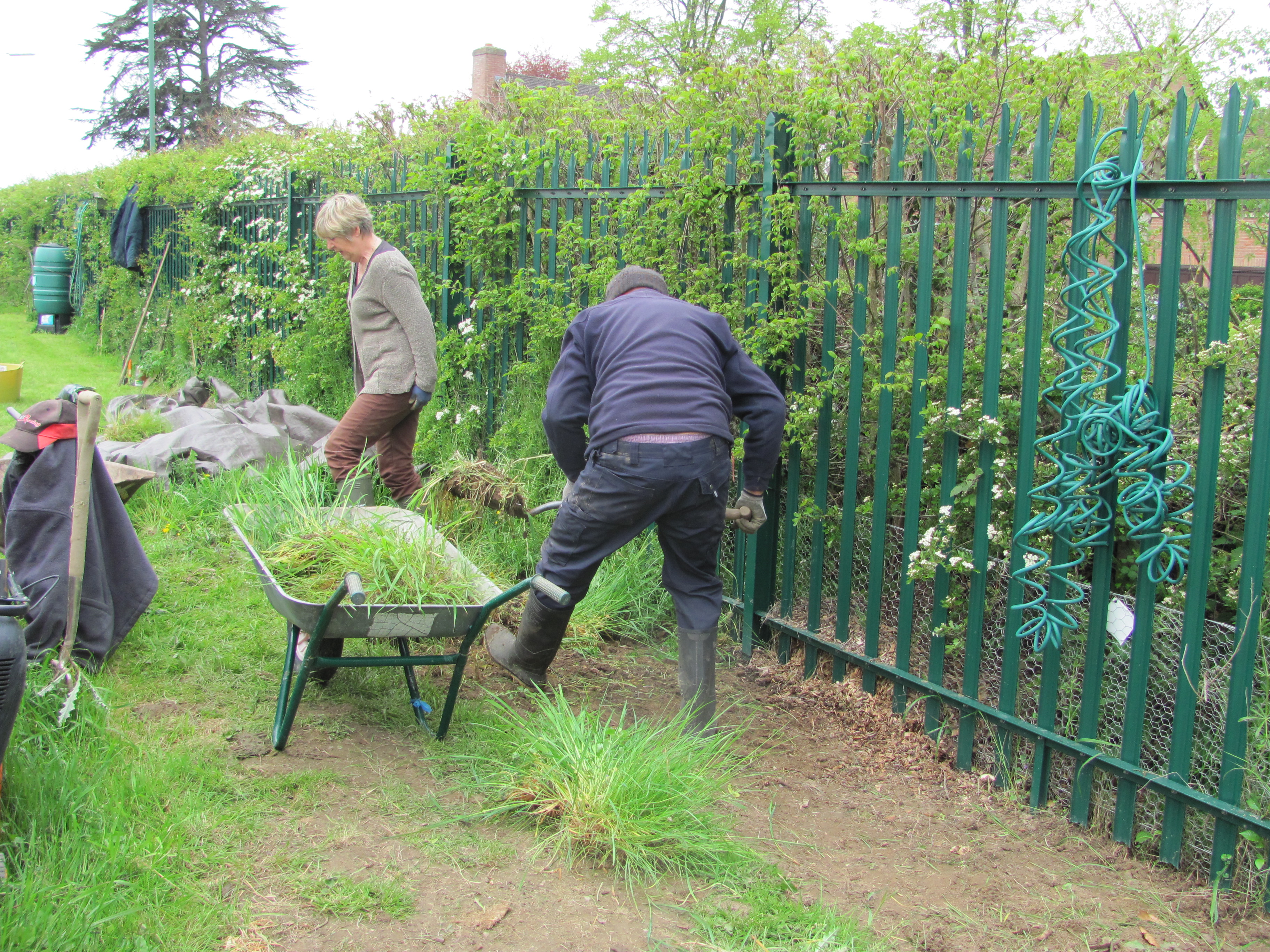
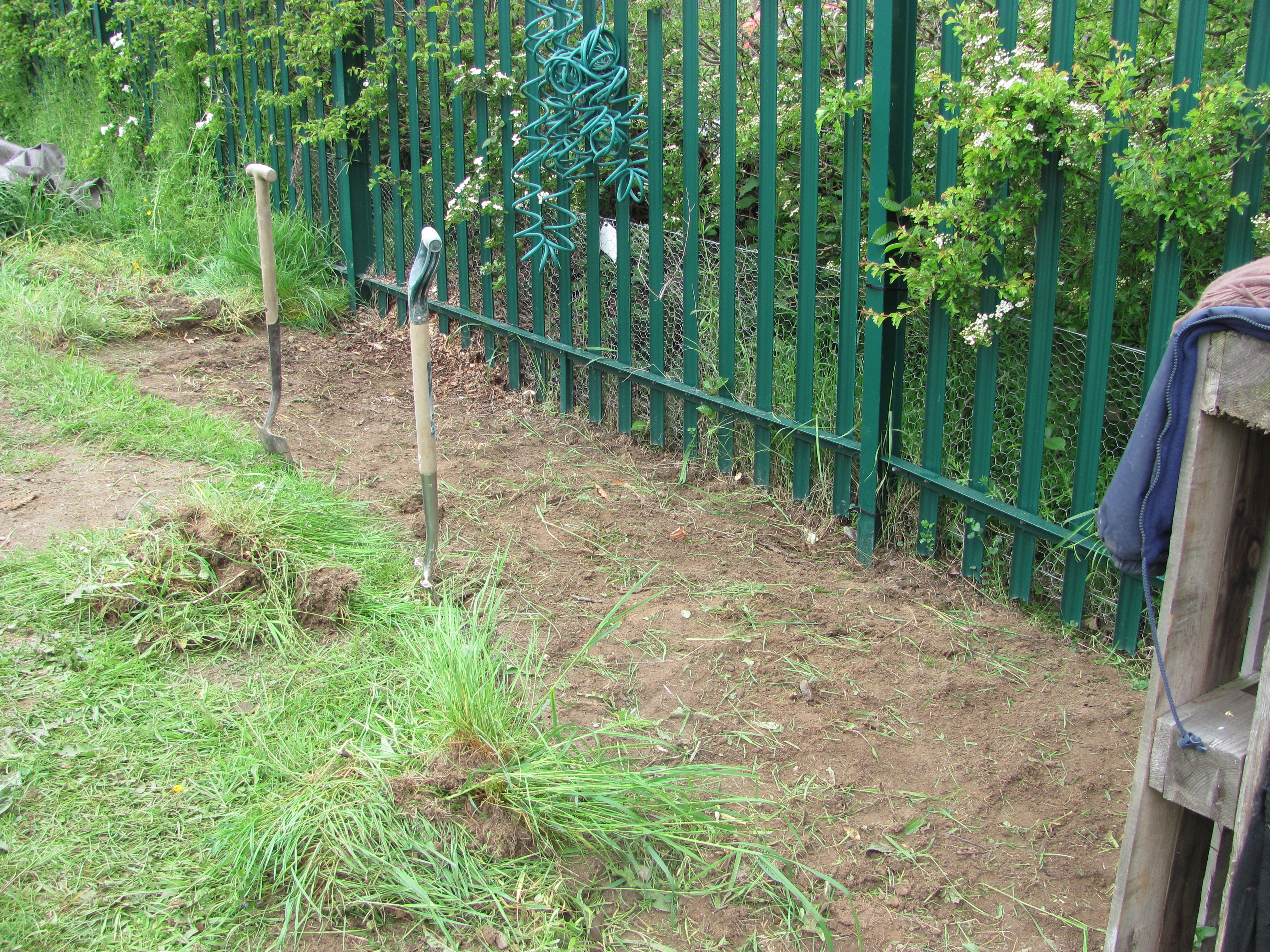
We made the new bed on an area of rough grassland between plots and the boundary hedge. The patch was full of tough weeds and stones. The first task was to clear the vegetation off, some of this going into compost heaps and some to help level a rough area. This fits in with our aim of removing as little natural material as possible from site, and our aim to reduce, re-use and recycle.
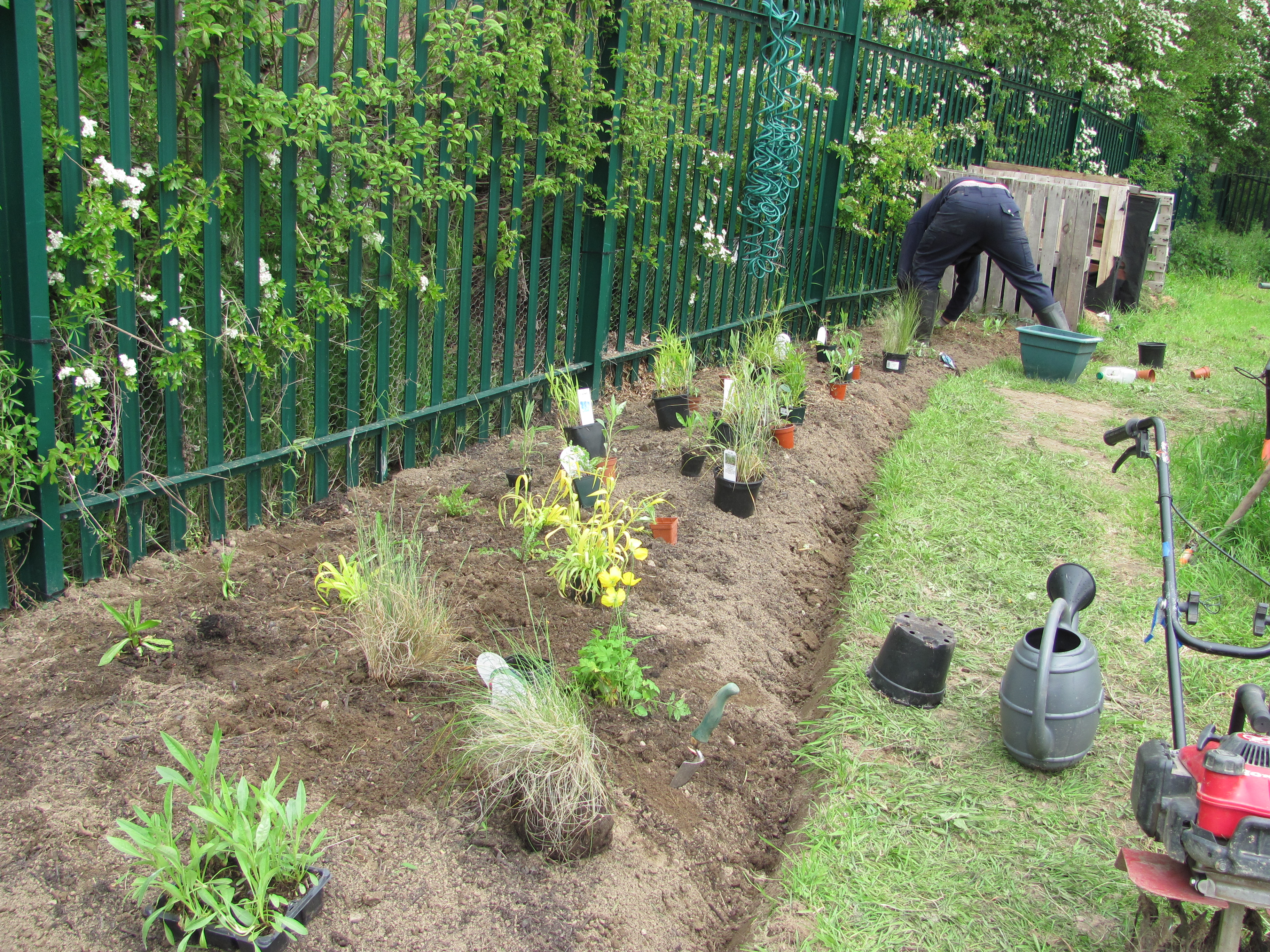
Once roughly dug over the bed was rotovated and raked level in readiness for planting up with ornamental grasses and flowering perennials which peak in the autumn season. Many of the plants were donated by allotment community members or were bought with a community grant. We can now look forward to years of colour.
When we first starting clearing the patch of land we part covered it in tarpaulin to stop the weeds growing any more.
The first task and the most difficult was removing the thick layer of tough grass and weeds. Once cleared we dug over the area roughly before rotovating in readiness for planting.
Two thirds of the weeds removed.We added compost and broke up the surface with a rotovator in readiness for planting.
Plants were then arranged to test out the best arrangements. We moved them about many times before we were satisfied enough to get on with the planting.
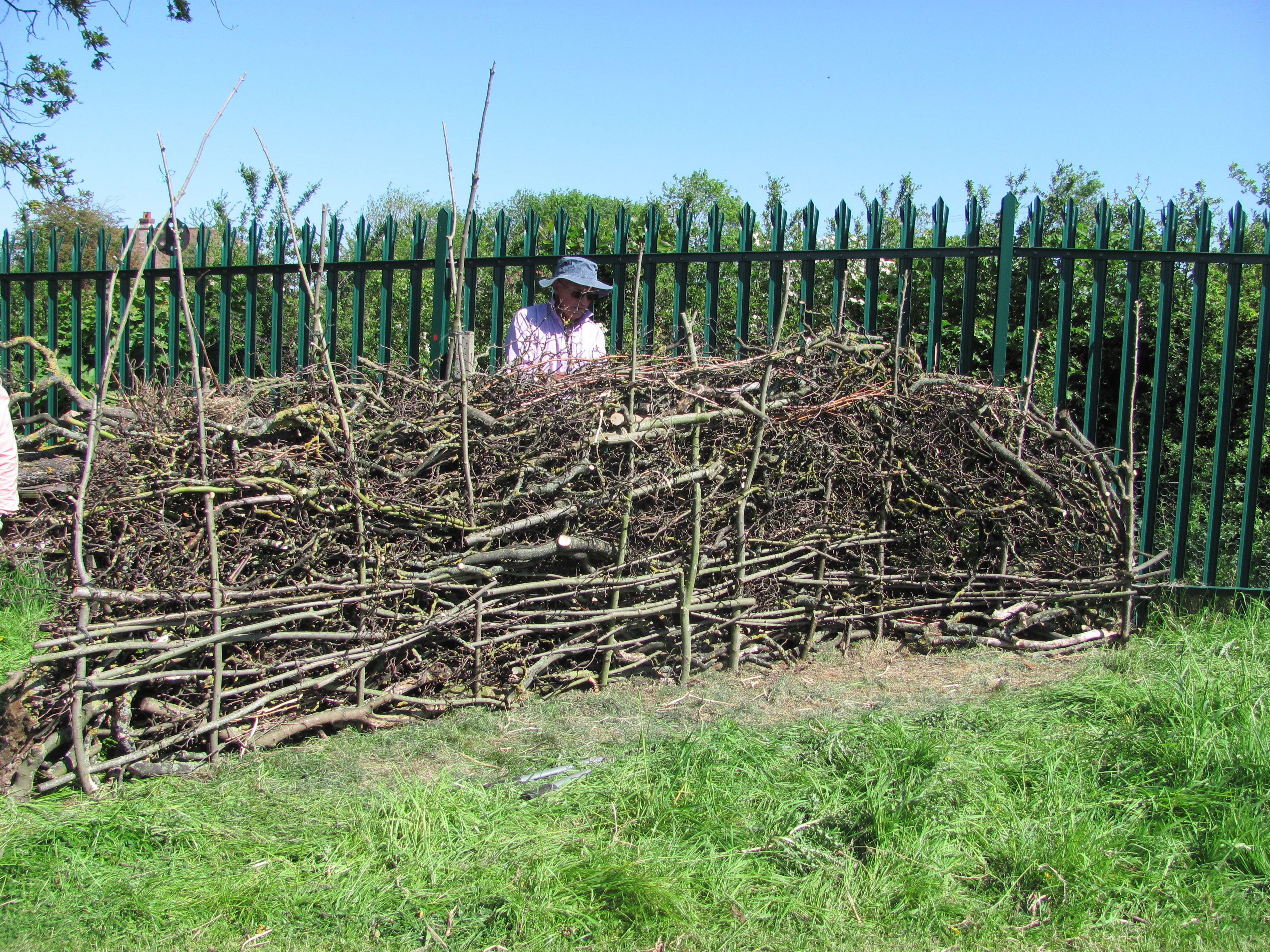
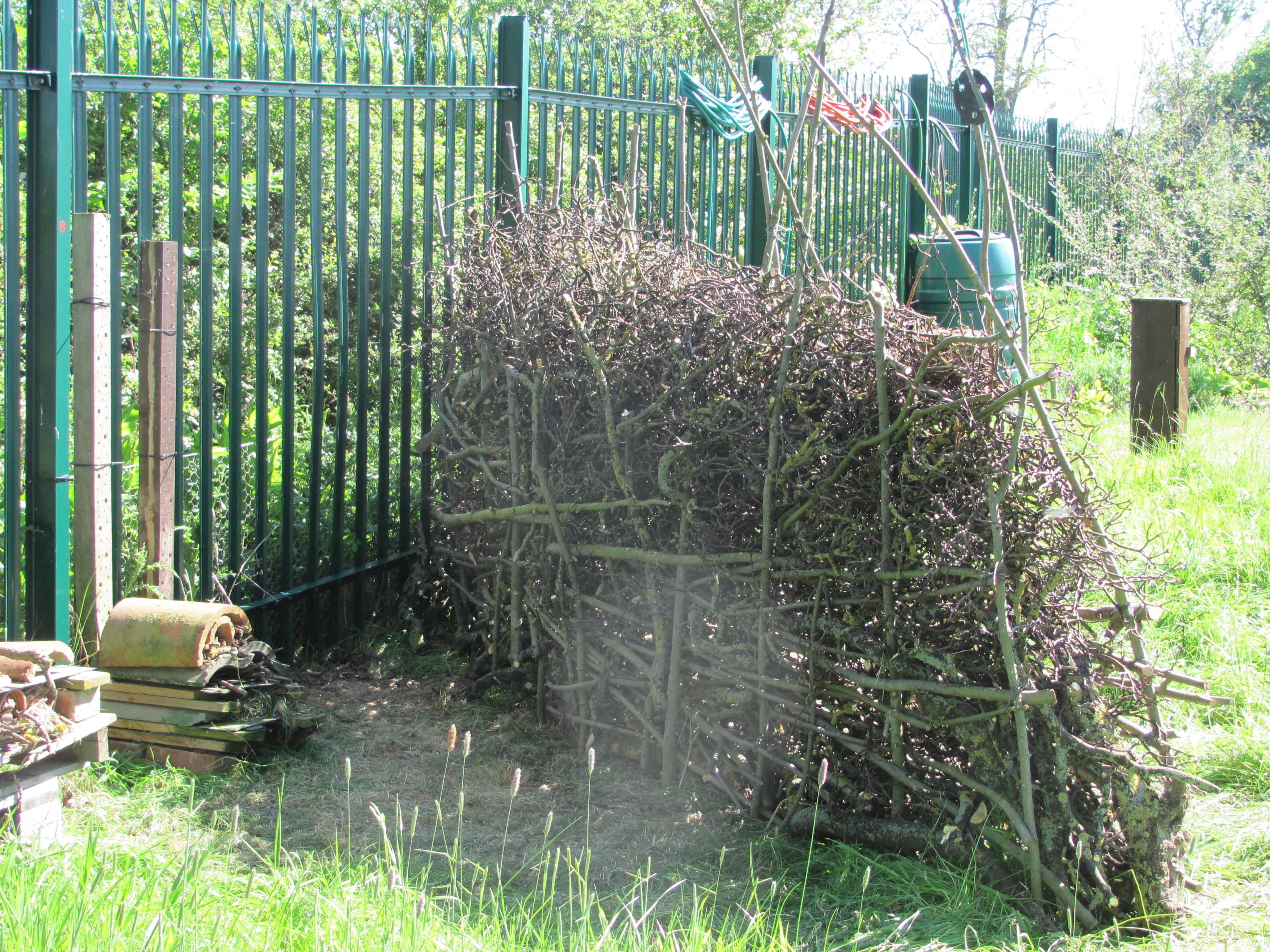
The second new feature was created during our May Working Party on a hot humid day so we were so glad that this work was planned for an area within the mottled shade provided by our big Oak tree. A few months ago we had tree surgery work administered to our mature trees and we were left with huge piles of branches and logs of all shapes and sizes from Oak, Ash and Sycamore. Once again to reflect our reduce, re-use, recycle ethos and being determined not to remove natural materials from site we designed a feature to use all this tree material and create a new wildlife feature. We wished to make a “dead hedge” to attract beetles, insects, birds and fungi. At our last Green Spaces Committee we decided it needed a name and came up with “dedge” – a shortening of dead hedge. We knew others existed in other wildlife gardens in the UK but could not find a name for them., so we think we have not just created a new feature but also a new word.
We began with a pile of brush wood and logs,
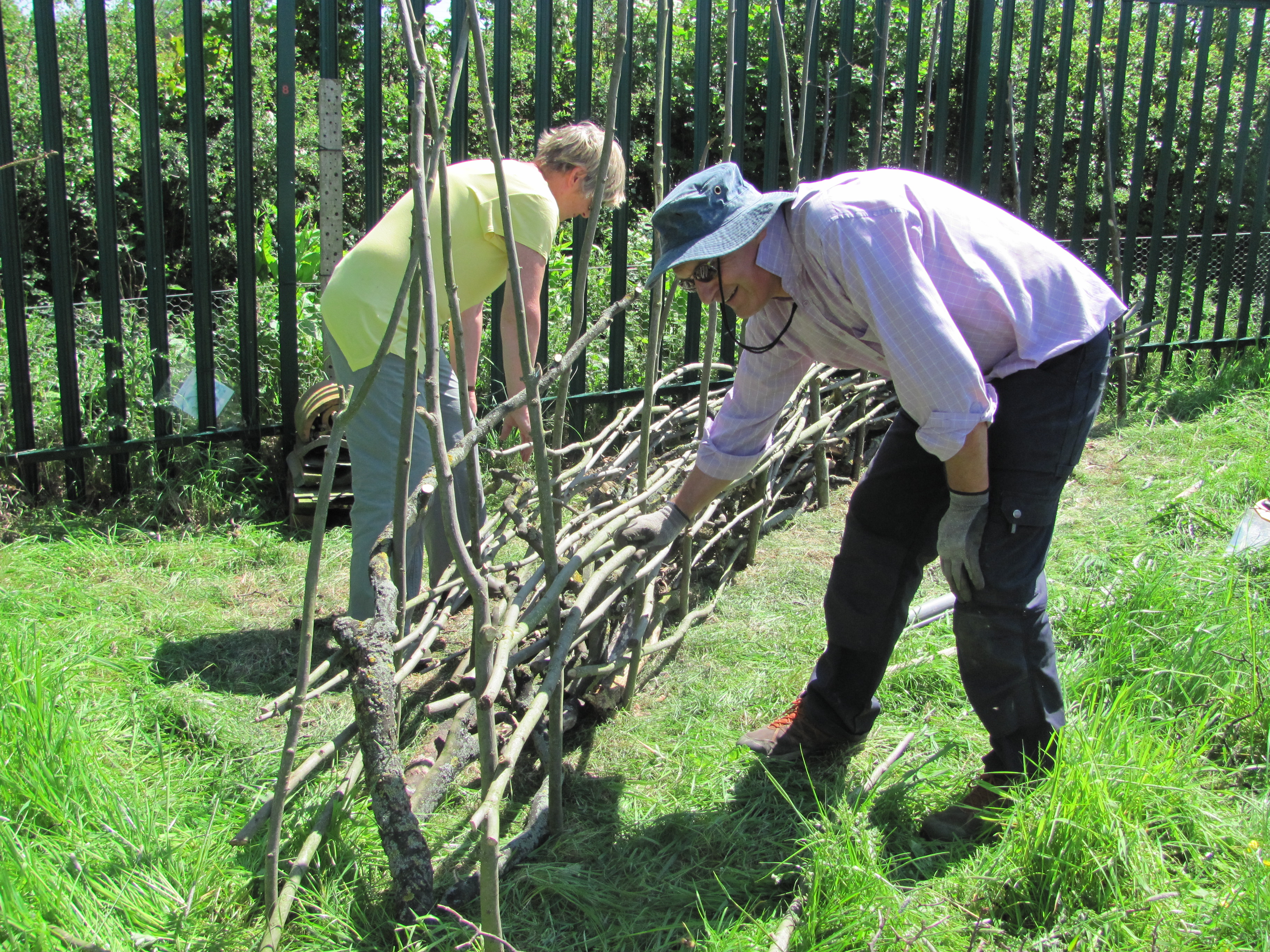
and began to build our “dedge” by hammering in uprights of freshly cut hazel rods,
and filling in between with logs, branches and twigs.
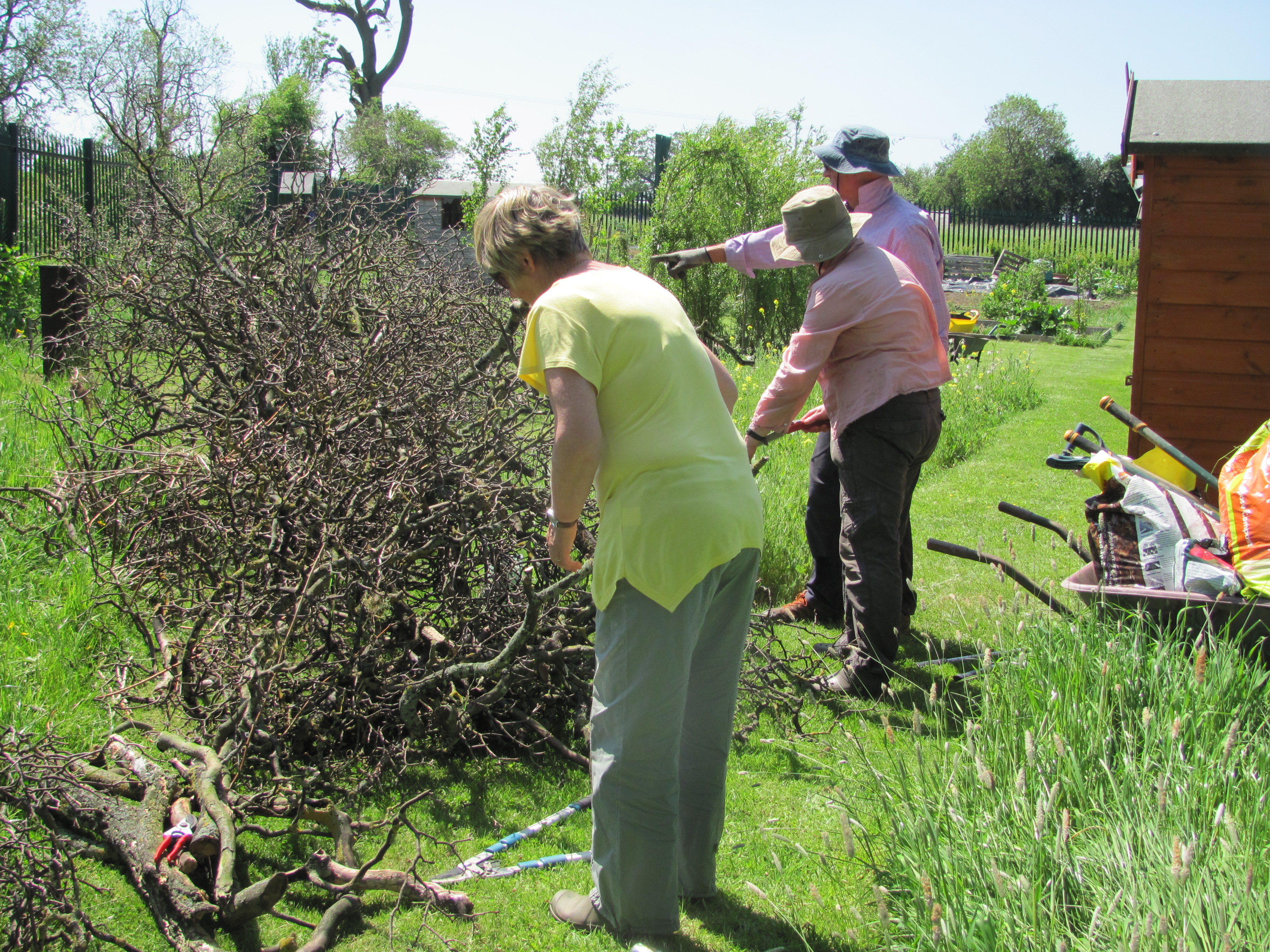
Meanwhile the pile of brash was being pruned into smaller pieces,
Almost there,
Eventually there were no logs or branches left in the pile and the “Dedge” had reached a good height and felt strong.
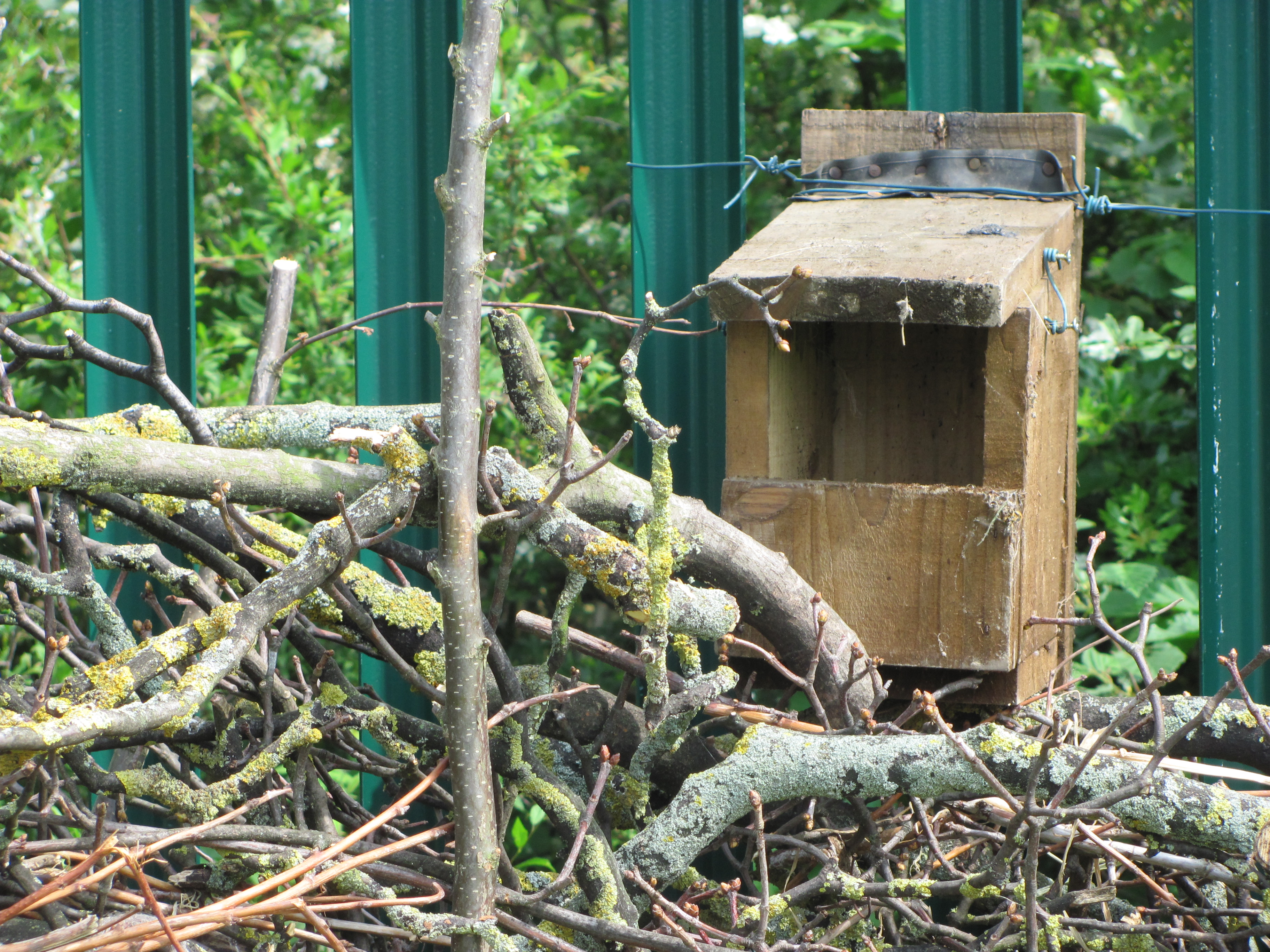
The final touch was the addition of a Robin nest box.
Greenbenchramblings is one year old today! Yes, I have been rambling away from my old green bench on my allotment for a year to the day. Each time I celebrate a birthday with a nought in it I give myself a challenge. When I was 30 I decided to get up before first light, taking a not so willing family with me, travel to a nearby area of deciduous woodland and await the dawn chorus. It was pure magic! The song of each bird as it awoke joined in the chorus until the wood reverberated with song celebrating the new day. The atmosphere was electric – an unforgettable experience.
When I reached 40 I decided to buy some new walking boots as a stimulus to get out into the beautiful Shropshire countryside more.
At 50 I began studying a garden design course.
A year ago I reached 60 and decided to start my Greenbenchramblings blog, to record my musings and photos related to our garden, our allotment, gardening and wildlife. So Happy Birthday Blog! I have been delighted with the response to it, enjoyed the comments and feel I have met new friends from almost every continent. I share all my gardening visiting, my lottie gardening, the development and maintenance of the garden at home and the walks in the countryside with Jude, also known as The Undergardener or Mrs Greenbenchrambler.
The surprise of the blogging year was when Willow Cottage Gardeners nominated my blog for a Versatile Blogger Award, hence the rather handsome green logo on the top right of my blogs. As a part of this award I have to write a list of 7 things about myself that readers of my blog might not know and suggest 15 blogs for nomination for the award.
So here goes with the 7 things you might not know about me;
1.Forty years ago I had an altercation with a lorry and the lorry came out best. I was put back together and I am now registered “Bionic”.
2,My favourite gardeners are Beth Chatto, Dan Hinckley, Carol Klein and Monty Don.
3.I have had allotments for over 20 years.
4.I have been a fisherman since I was 4 years old. When I retired my ambition was to catch a 30 pound carp. The biggest so far is 29 pound 15 ounces.
5.I talk to my chickens and they talk back.
6.My favourite garden designers are Dan Pearson, Piet Oudolf, Tom Stuart-Smith and Cleve West.
7.If I could choose anywhere in the world to live it would be in the South Shropshire Hills. I live in the South Shropshire Hills!
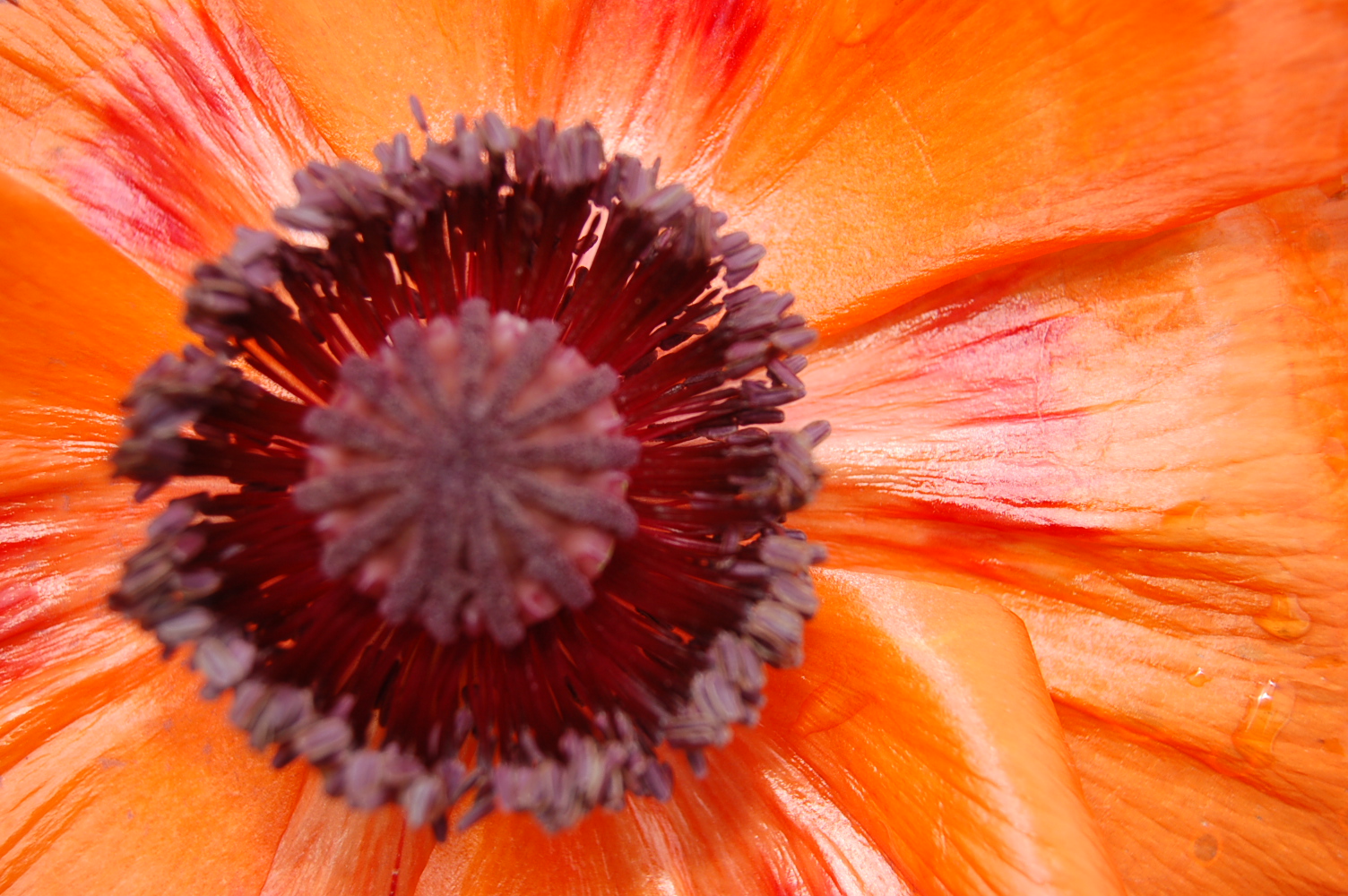
As followers of greenbenchramblings know I carry a camera around with me wherever we go and my favourite subjects are plants, especially plant portraits, allotment gardening, and the creatures who live in our gardens, on our allotment and on the plants. It seems apt to finish this One Year On posting with a few pics of these favourite subjects.
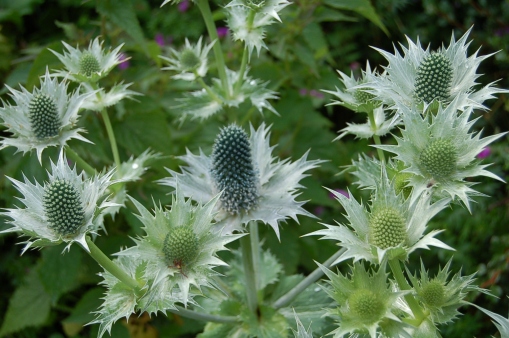
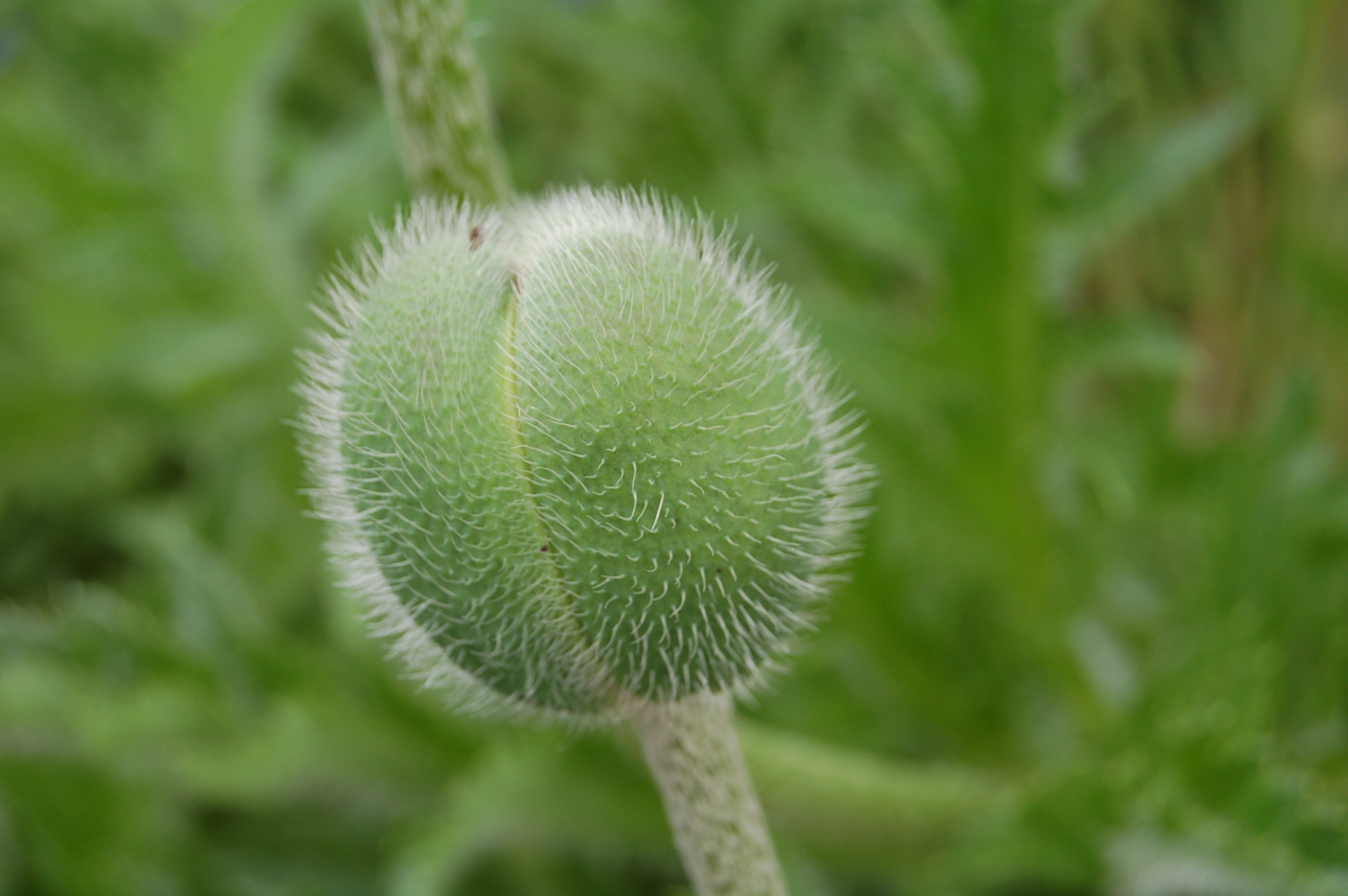
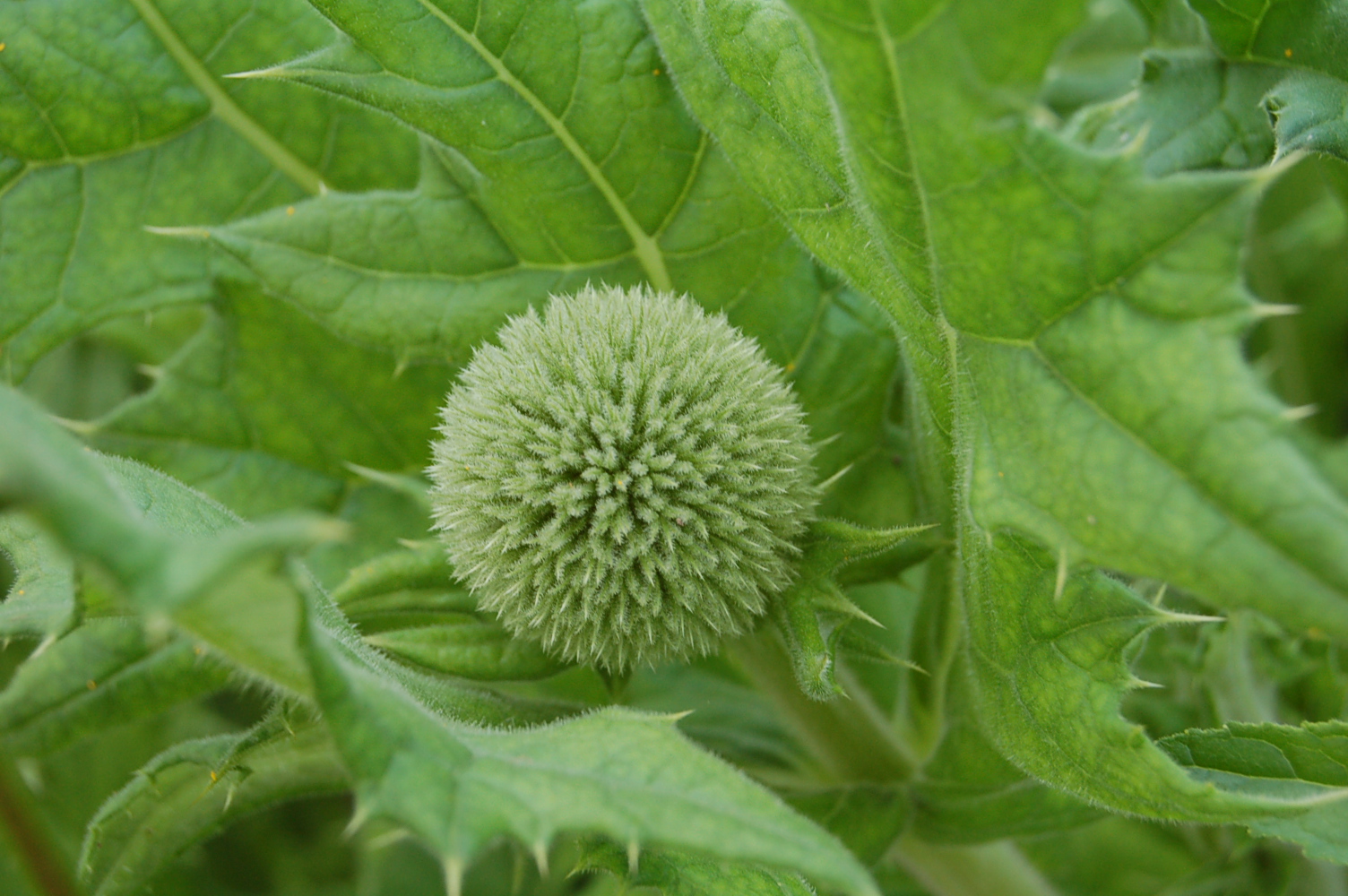
We can start the second part of our wander by looking again at the front garden. Buds give us hints of blooms to come in midsummer, Phlomis, Oriental Poppies, Erygiums and Echinops. Promises of yellows, reds and steely blues.
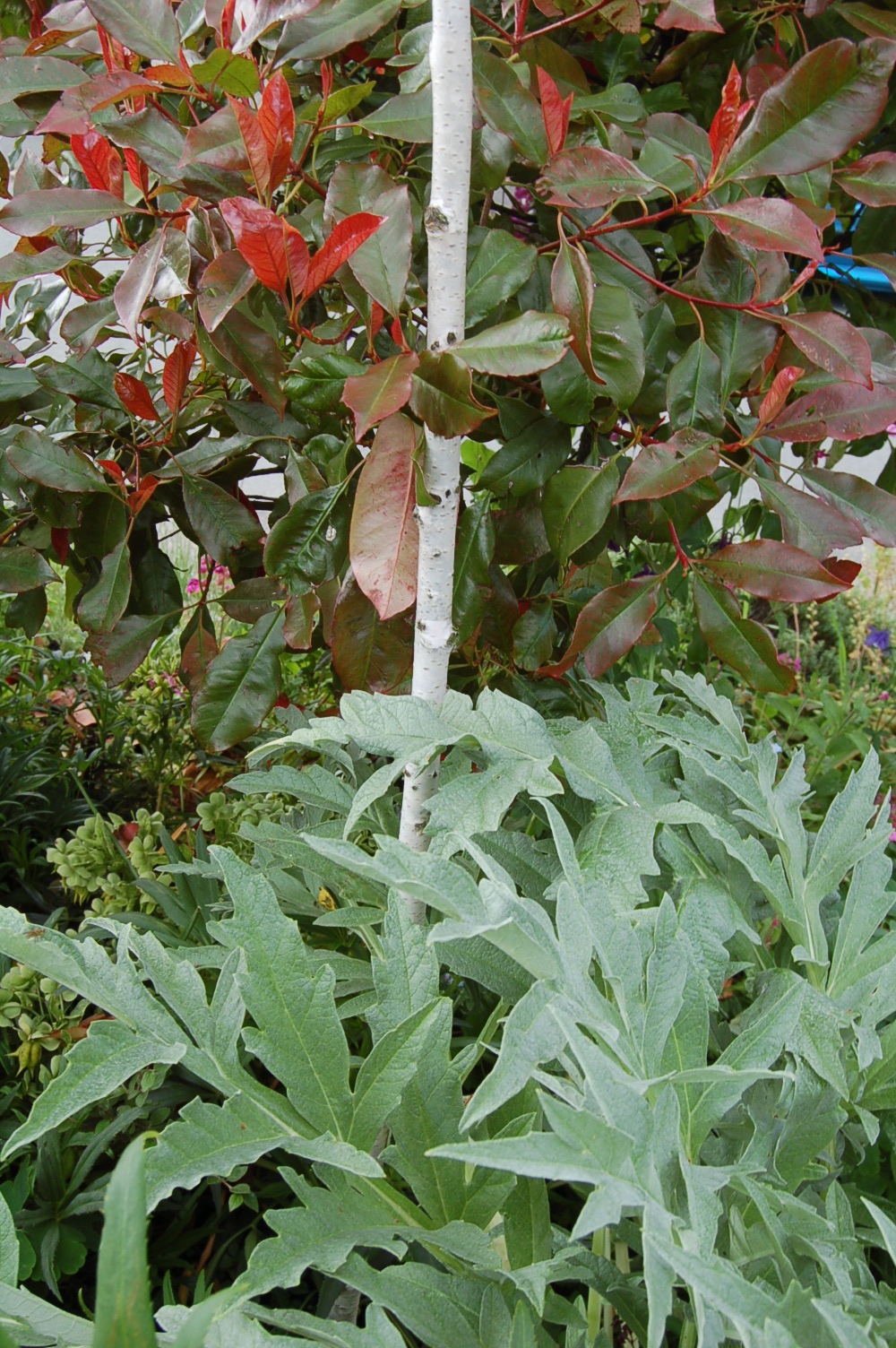
Foliage colour and texture can be as striking as the most colourful of flowers.
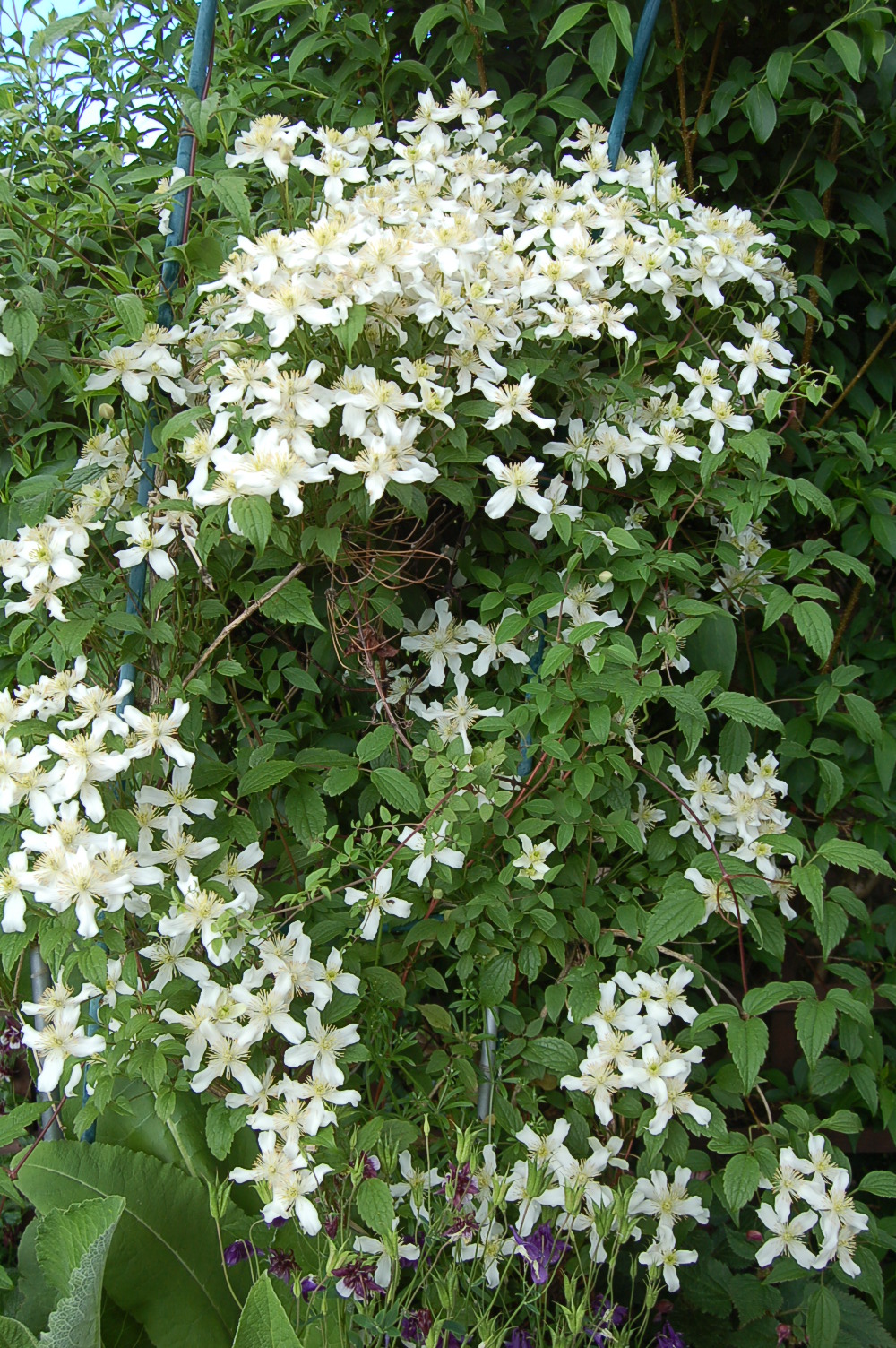
Our collection of Clematis are beginning to flower and others are covered in robust buds.
Flower colours have been so important during the first few weeks of this month simply as an antidote to dull days and dark skies. It matters not whether it is a gaudy cerise beauty or a subtle green or white.
Blue on blue.
Another view of our Freda Border.
Our mini-meadows in their pots are developing well. We think we may be onto a winner.
The Shed Bed created on the site of an old shed which we demolished when we moved in, is really pleasing as below the shed we found just rubble, gravel, broken pots and sand. We added wheelbarrows of compost to improve it and now every little flower is a true gem.
A vine grows over one end of the greenhouse acting as a natural shading agent as well as feeding the gardeners. The startlingly red flowering currant has hitched a lift along it so the vine drips with red droplets.
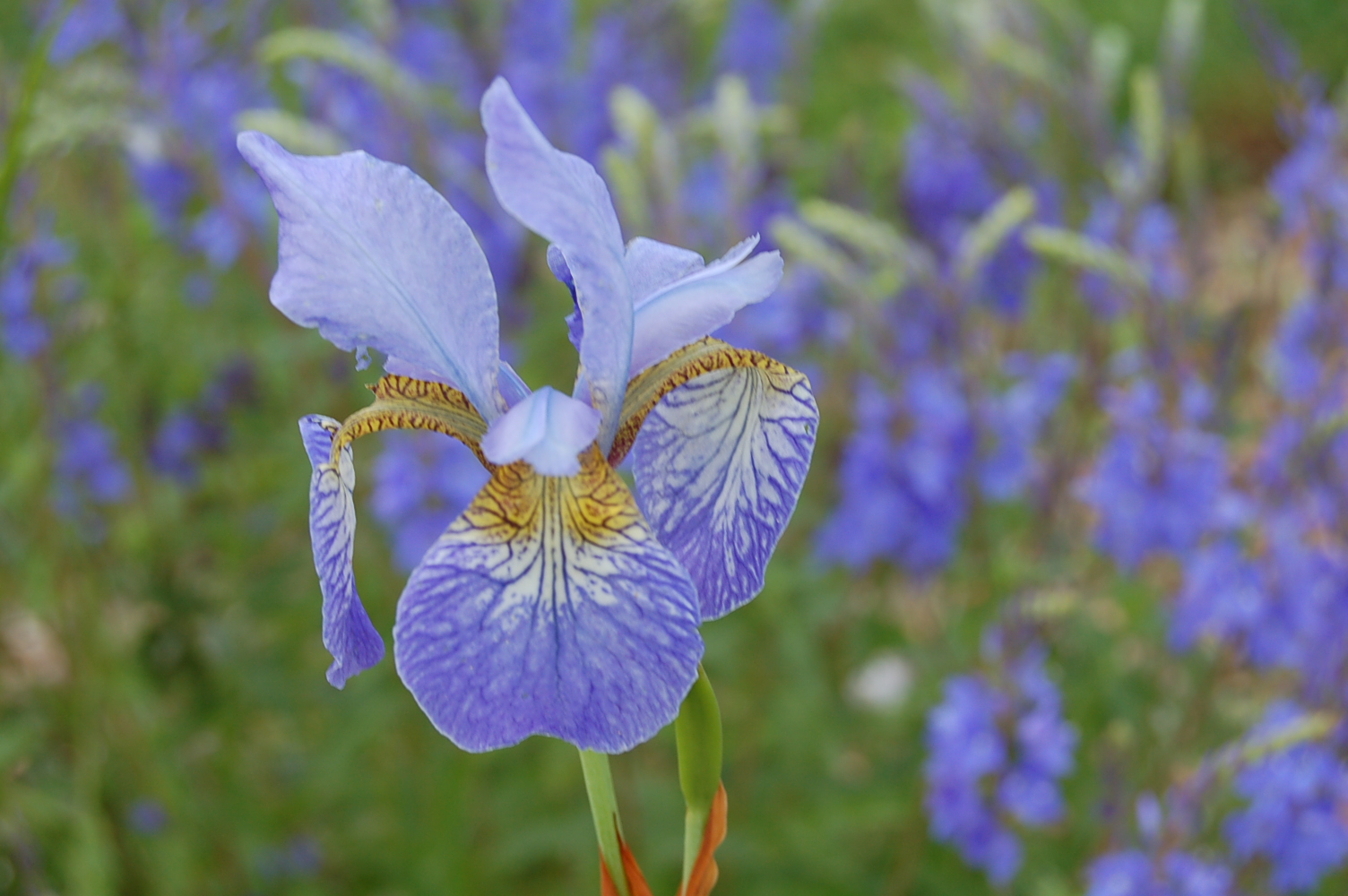
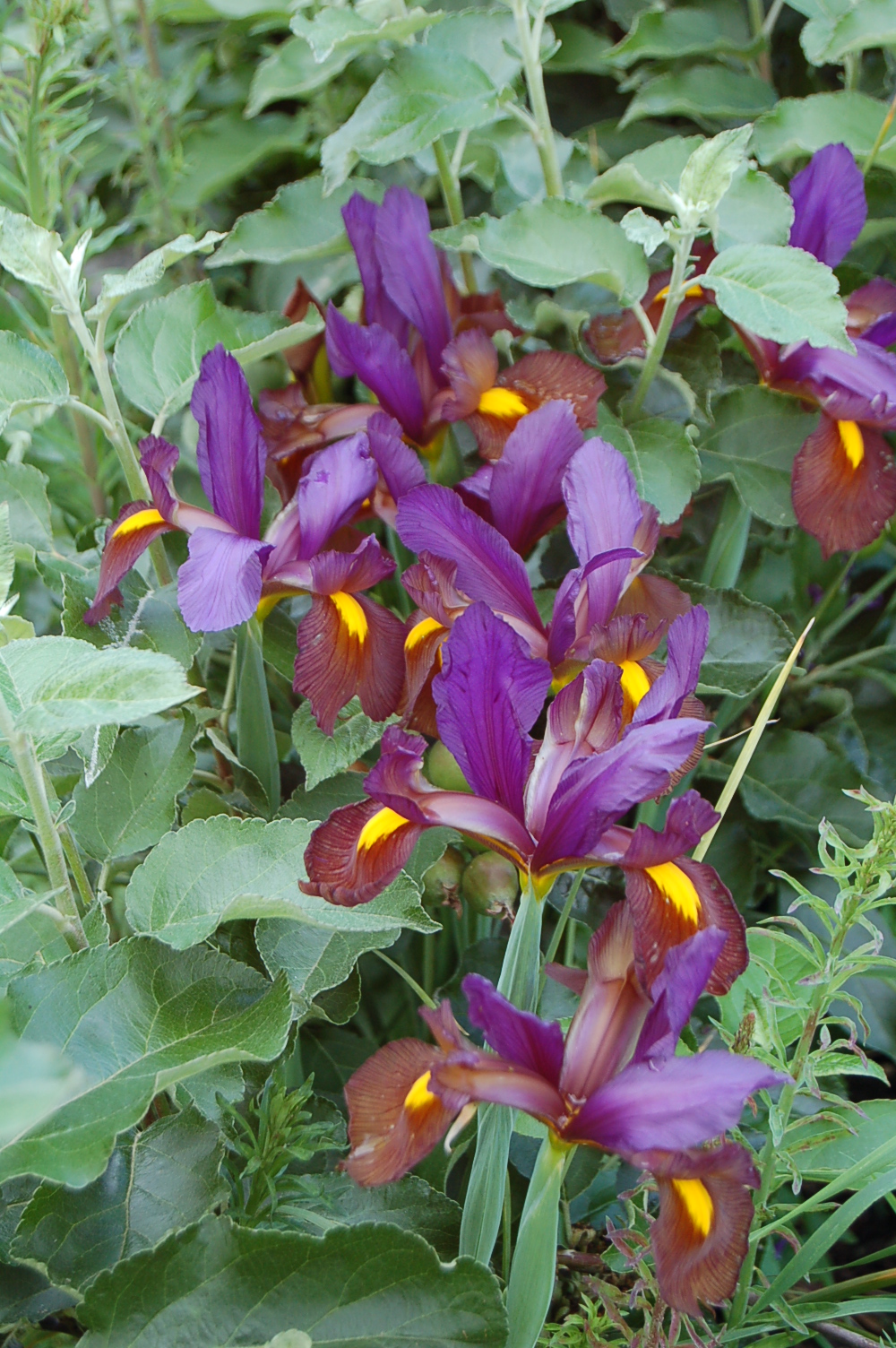
We enjoy these irises as cut flowers but bees take advantage of them before we pick them. This clump is growing through our stepover apples. Double harvesting – cut flowers followed by apples.
The planting around the pool has closed in and made it an intimate area. Nearby the Prairie Garden is bursting with fresh blooms.
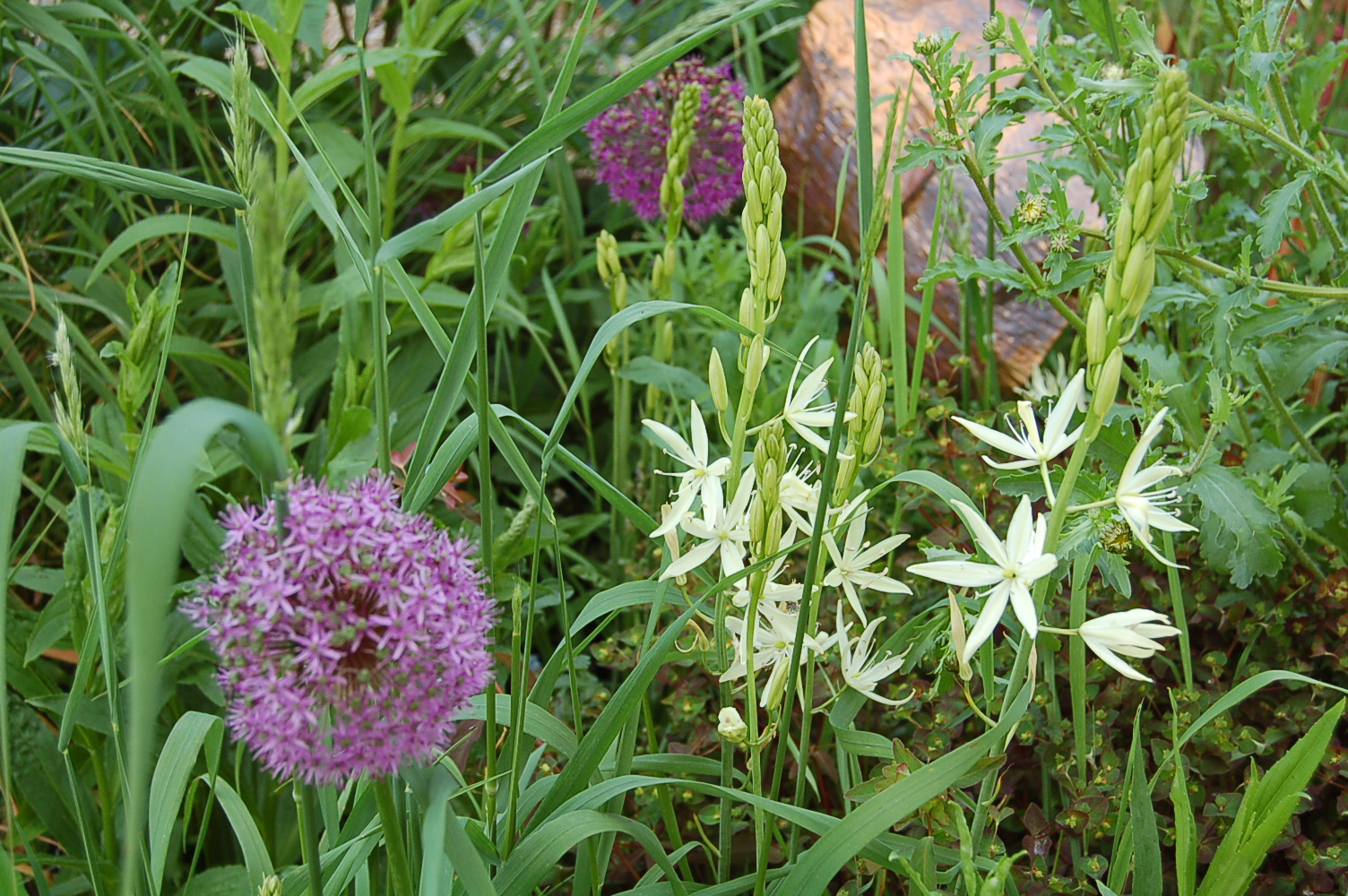
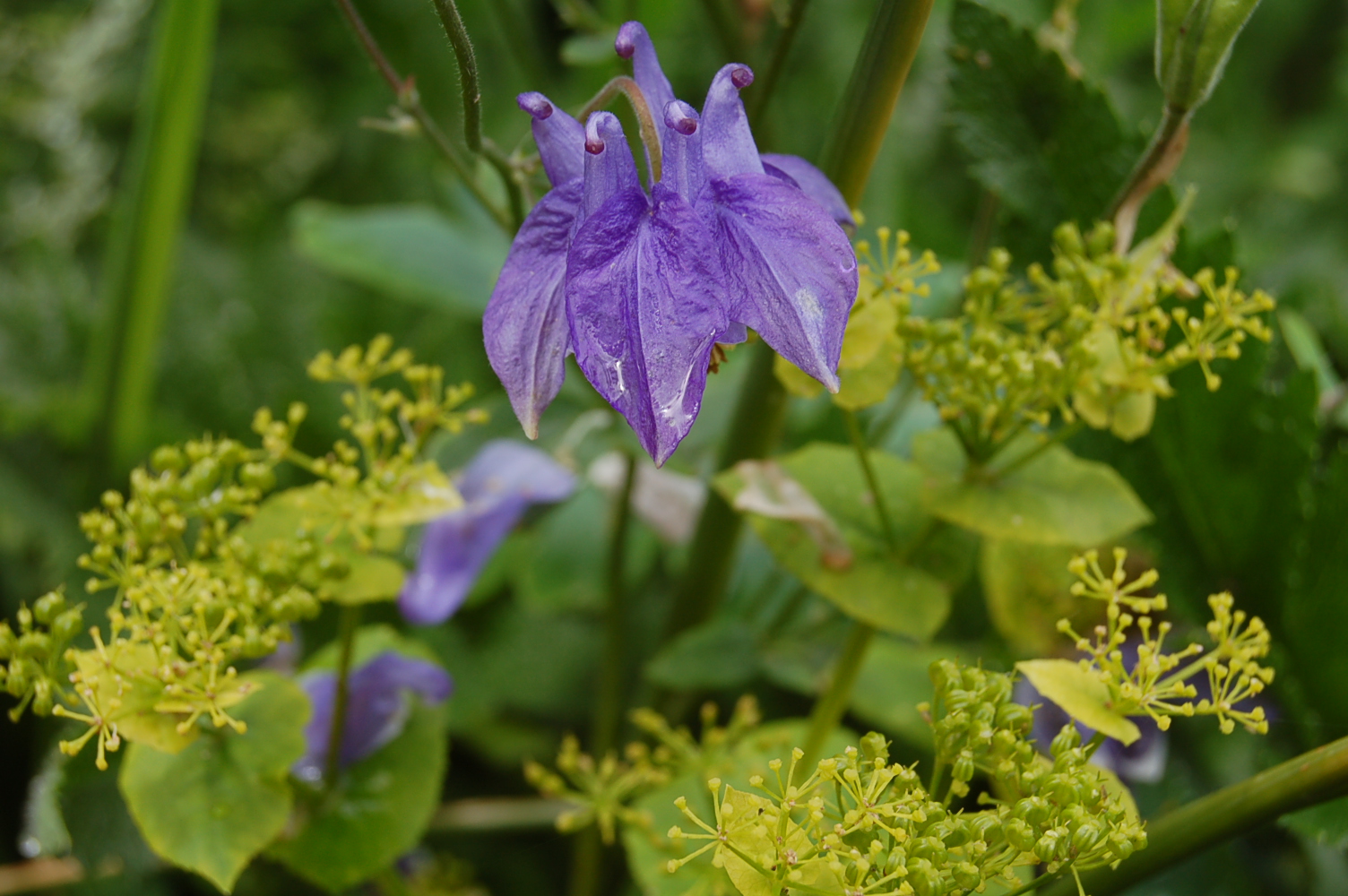
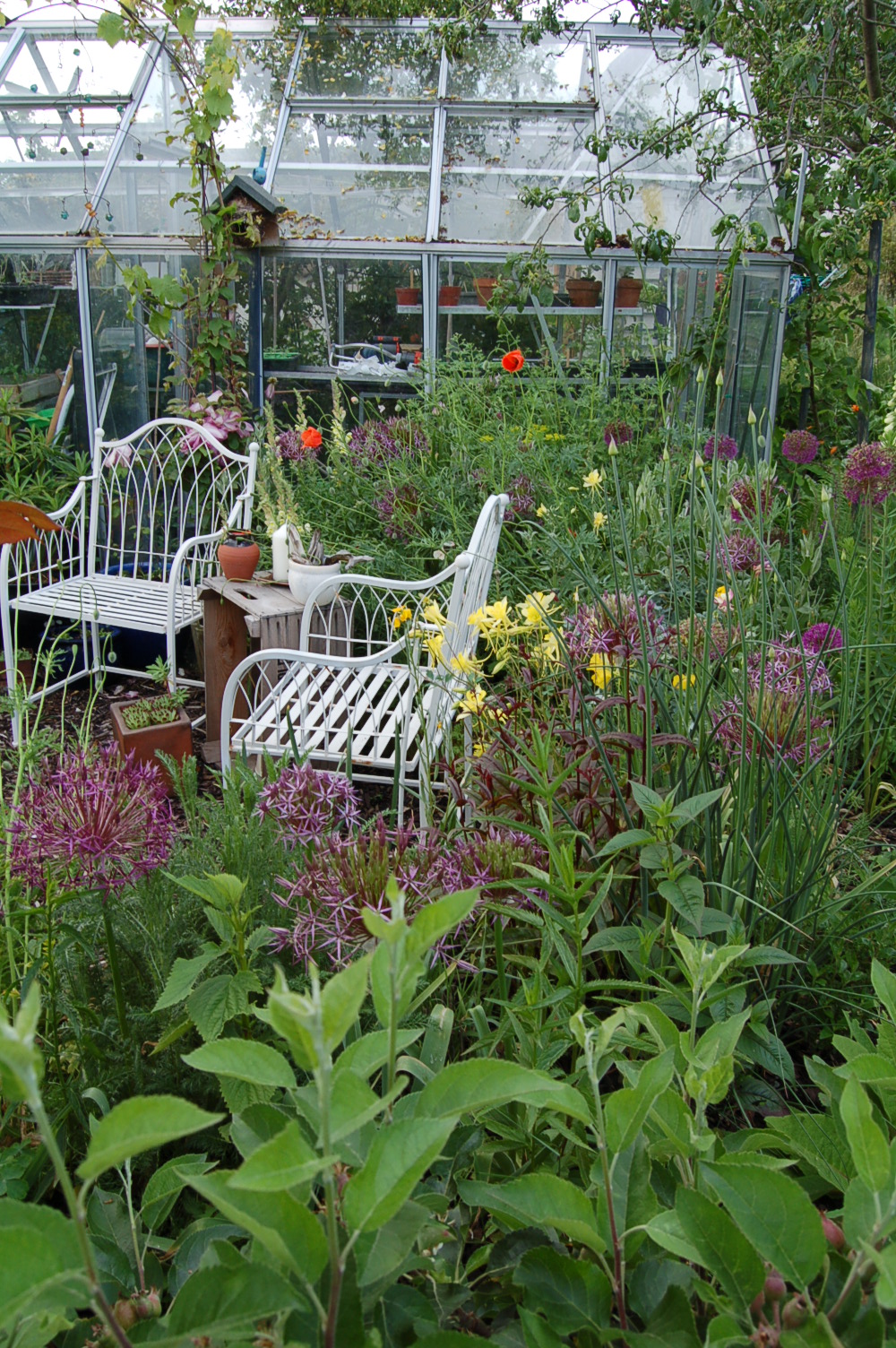
In the Secret Garden Aquilegias and Alliums look good alongside the purple foliage of Pentstemon Huskers Red.
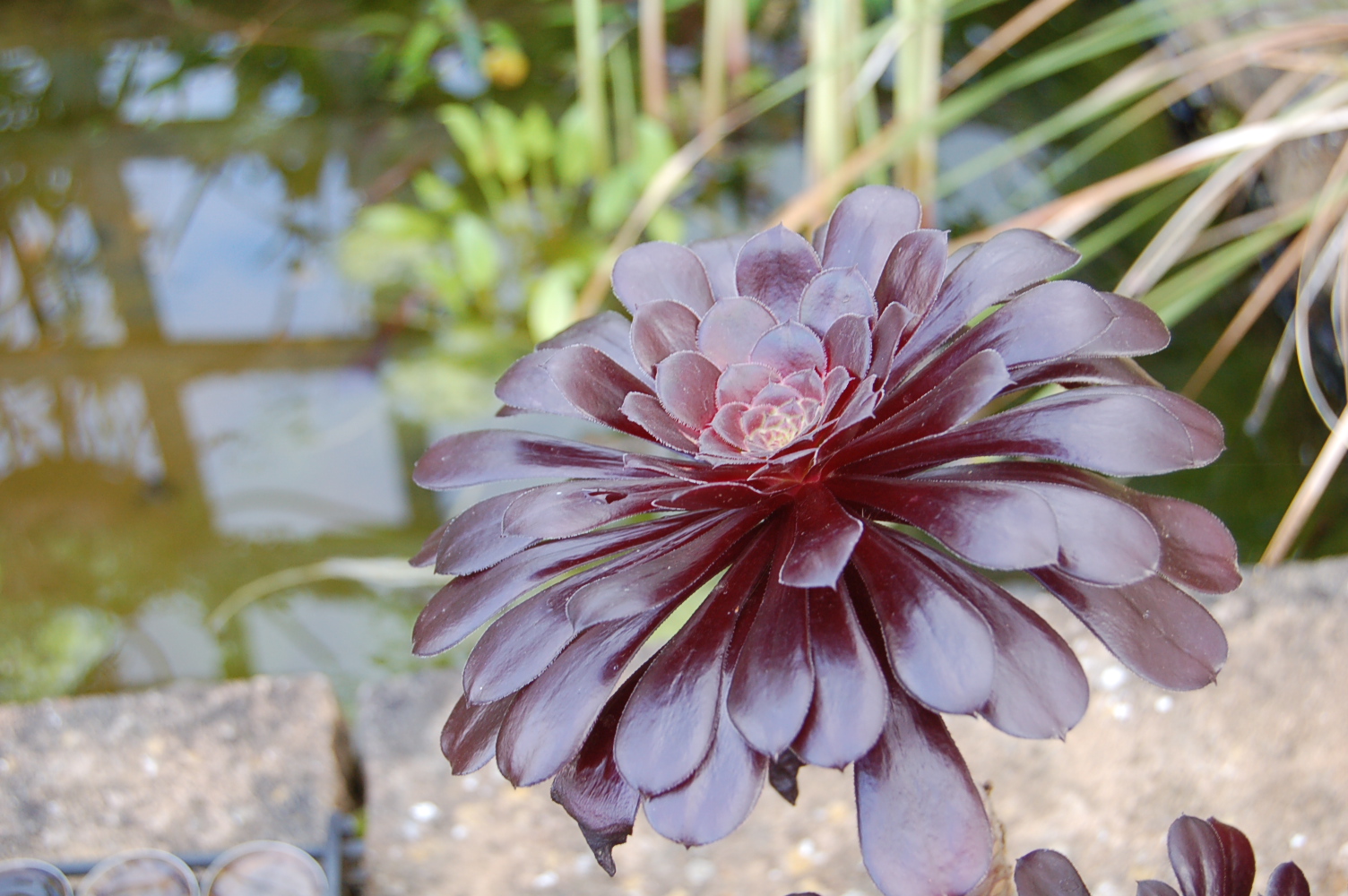
These aeonium enjoy the hottest part of the garden, the Rill Garden.
To one side of the rill we grow a snake bark maple, with silver and green striped bark, cream and red seed capsules and in autumn it has amazing rich red foliage. A wonderful specimen tree to finish this garden wander underneath.
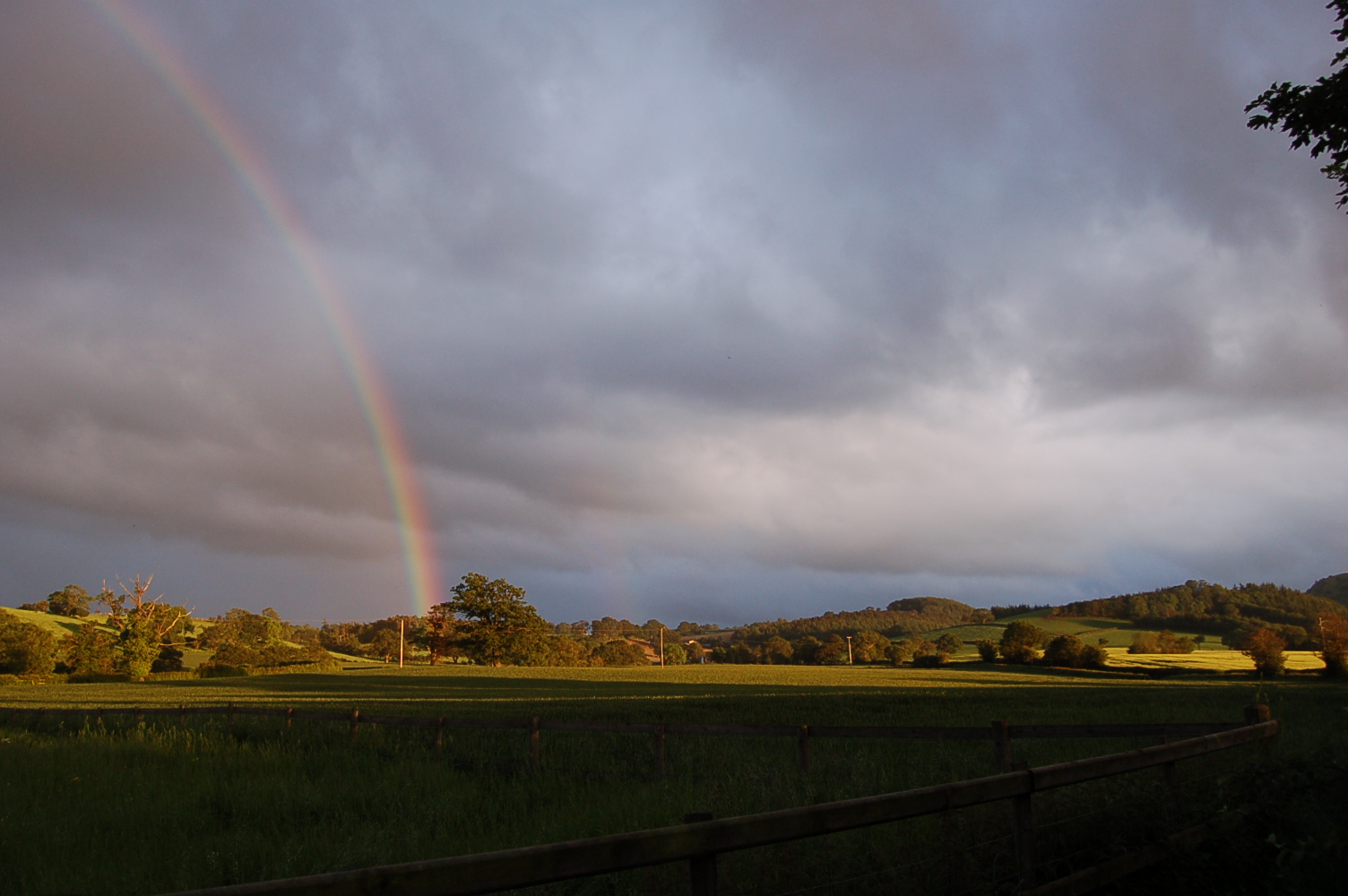
Half way through the year already where these monthly garden wanders are concerned. It should be warm and sunny as befits the Summer season but it has mostly been raining. We get occasional dry, pleasant days but they have been few and far between. Just look at this interesting early evening light colouring the landscape beyond our garden gate. One field is in the spotlight, I wonder why it was chosen?
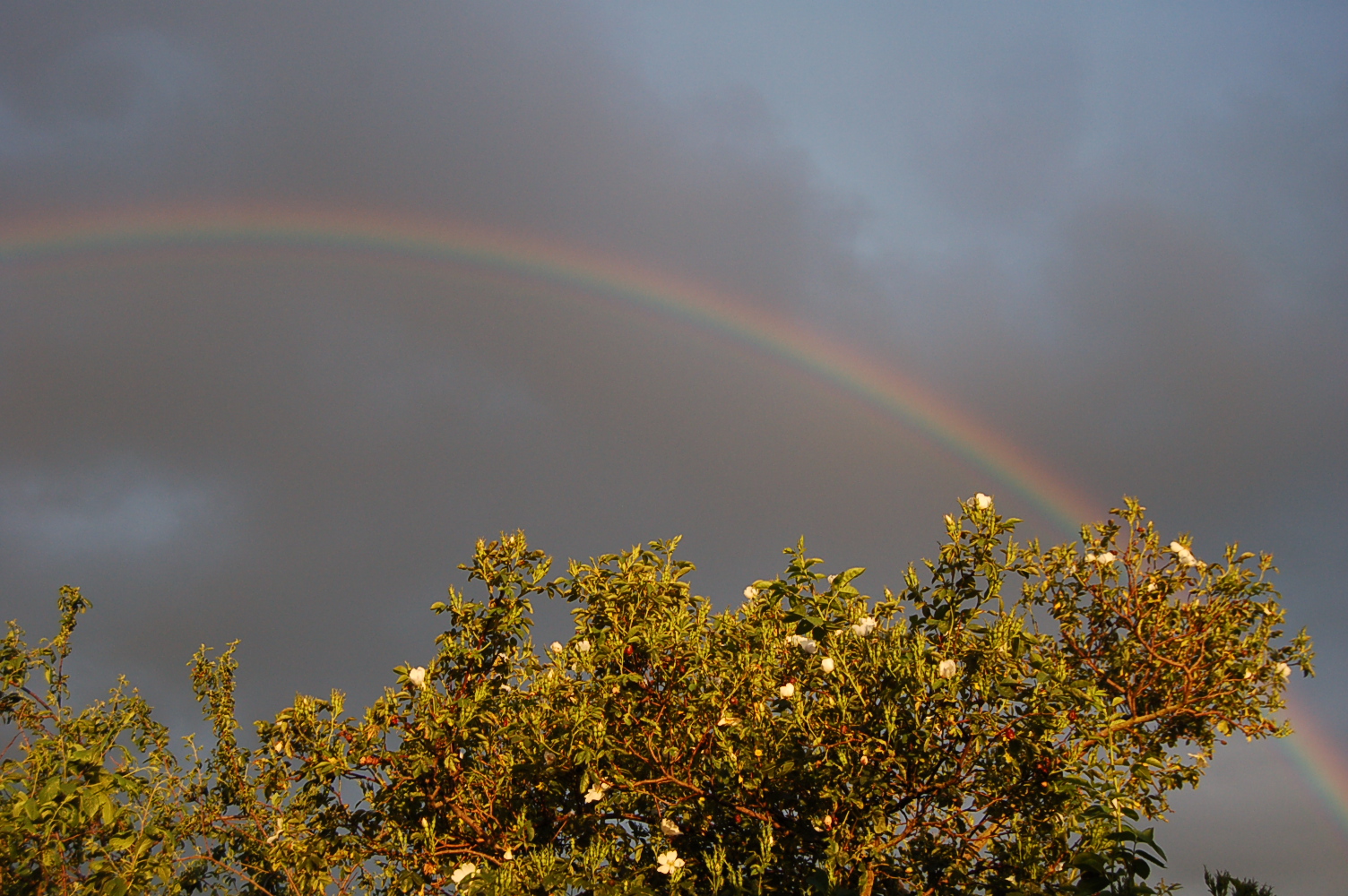
In the garden I shot this photo looking up at the sky above our big, white-flowered rambling rose.
But, one afternoon as the rain went quiet for a while out I went camera in hand to follow my garden wander. The borders are burgeoning, blooms are getting bigger and brighter by the day and we enjoy every moment in our June garden.
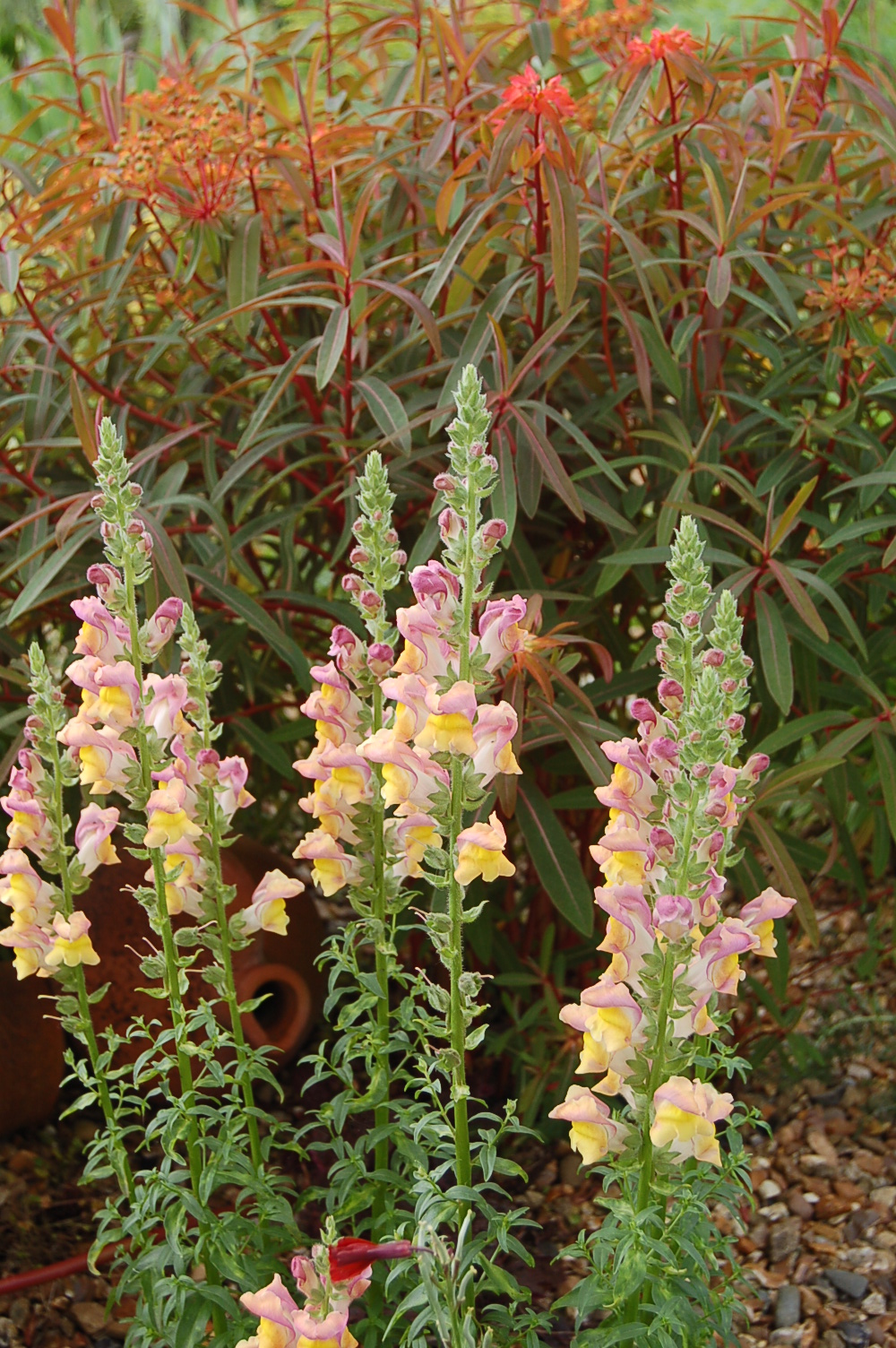
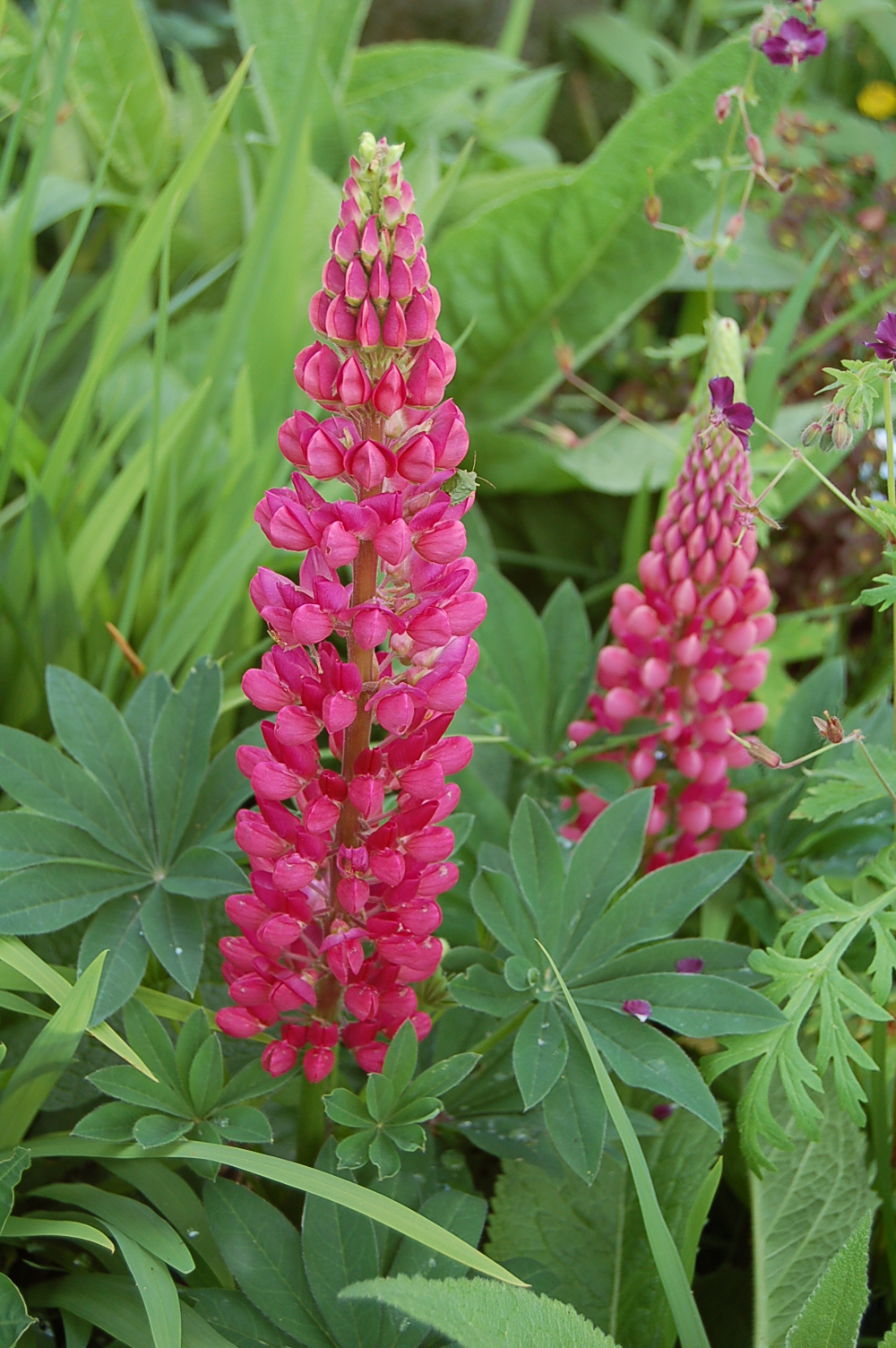
Spires reach for the sky in every border, Foxgloves, Antirhinums and Lupins.
Let us visit the front garden and see how the borders have developed since our May post. There is far less gravel visible now as foliage increases sideways and upwards.
The ferns in the Stump Circle have grown considerably and the grasses in our other circle are now a good 4 feet tall.
The Hot Border is full to the brim with colour, rich colours against vibrant greens.
Jude’s Border is also full of colour from the blooms of shrubs such as this Weigela and Syringa.
The Shade Garden continues to glow with colours against vibrant greens.
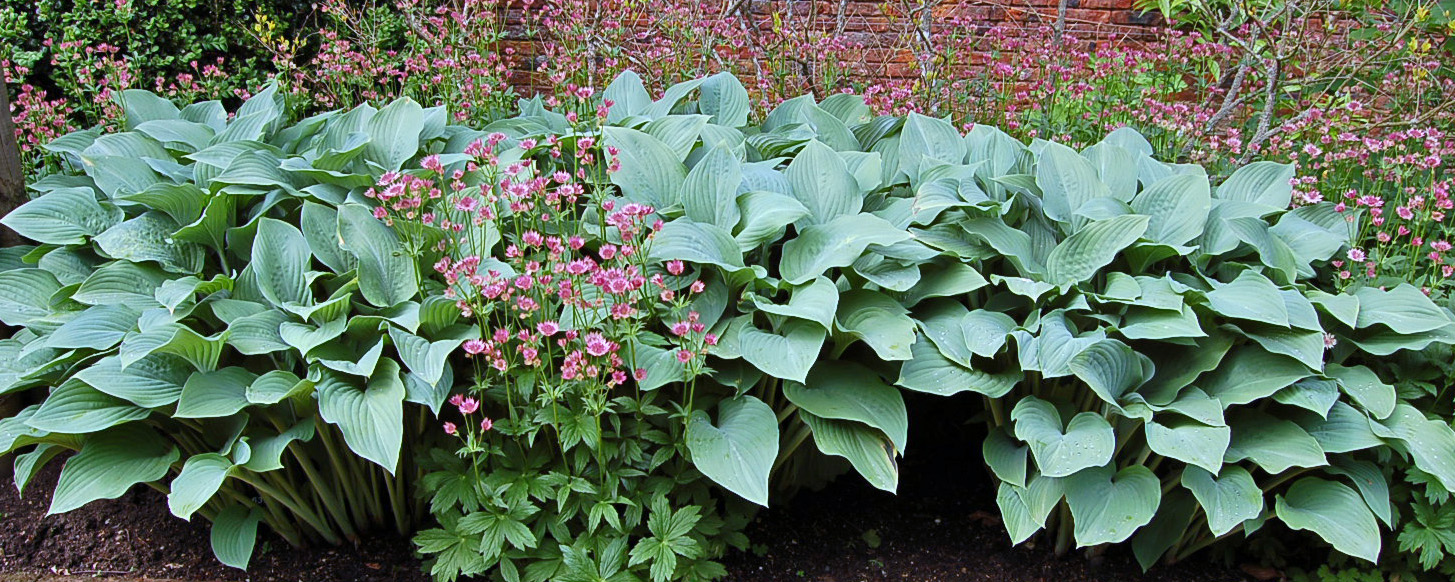
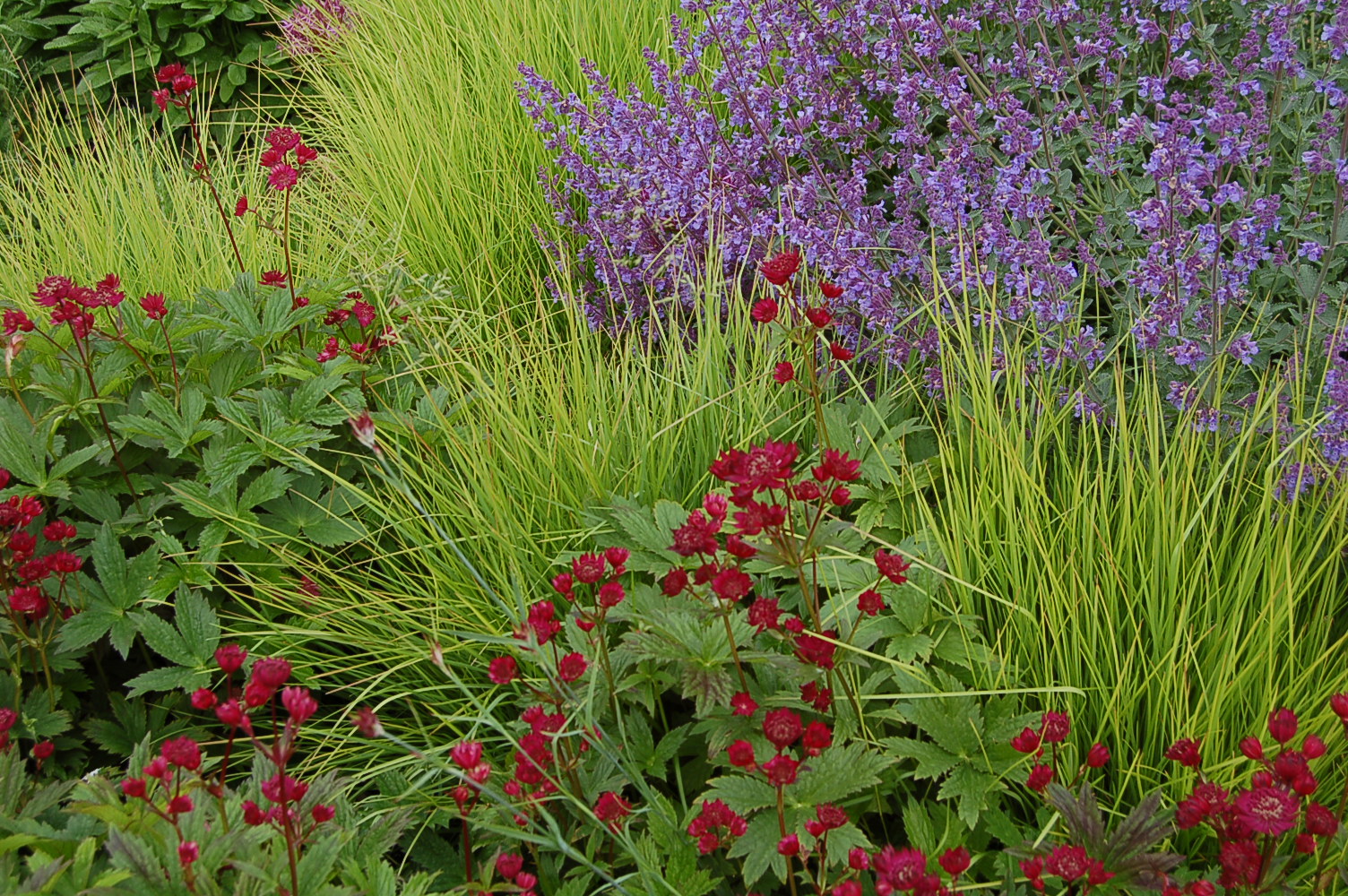
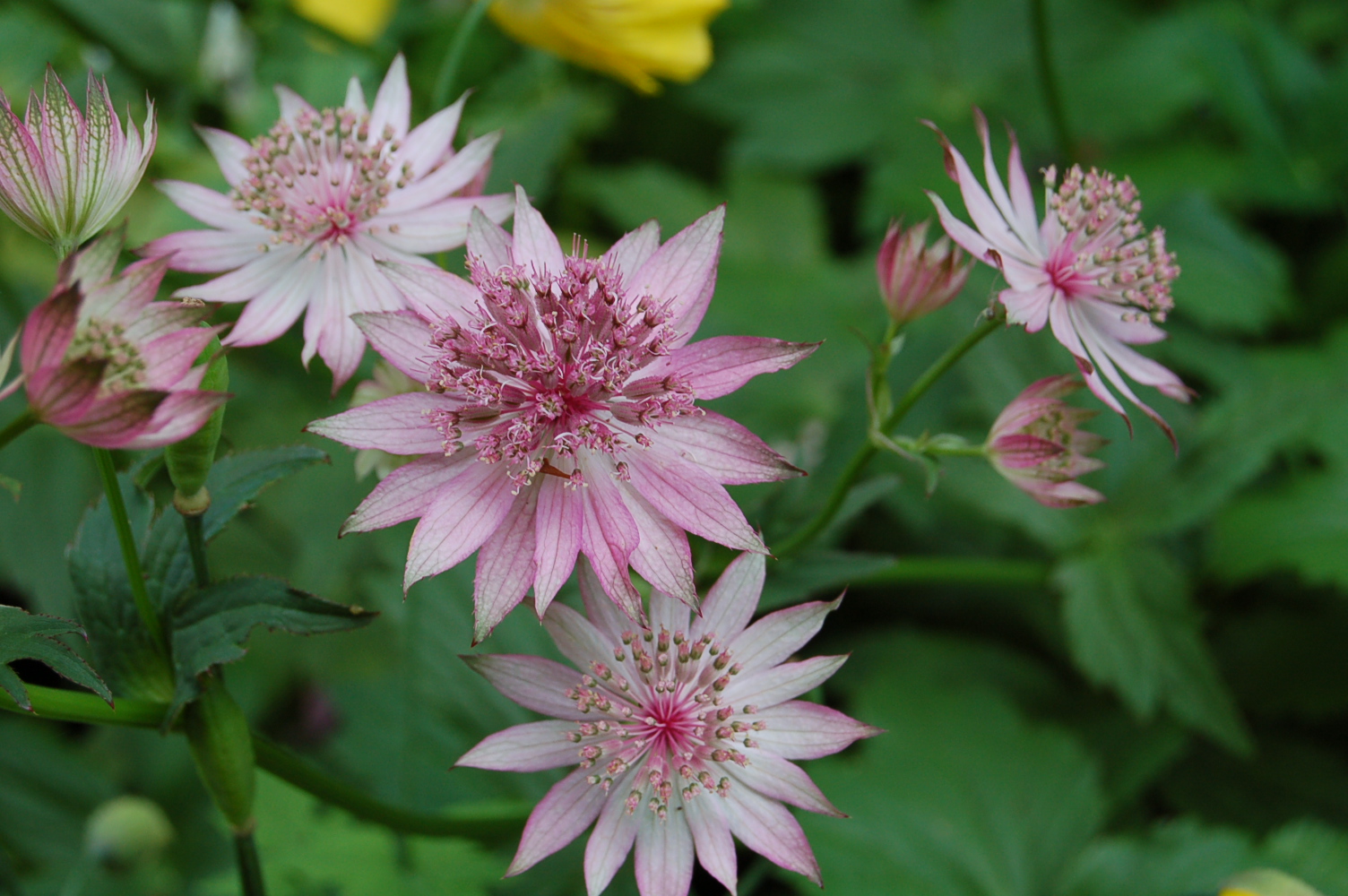
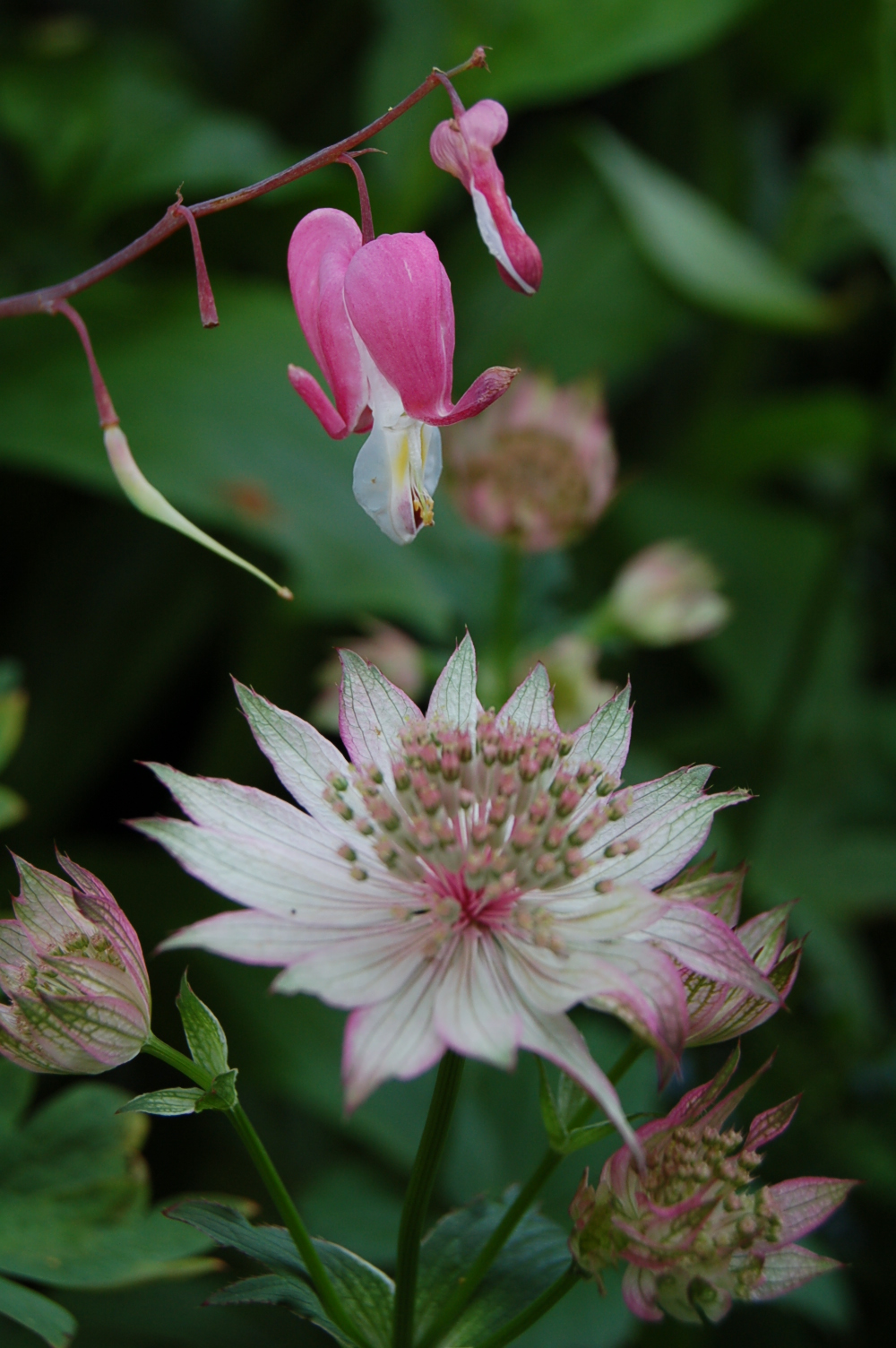
Anstrantias love it here in the shade but we do grow them throughout the garden. They flower best in the shade and grow taller. There are so many to choose from starting with whites through all different shades of pink to the deepest reds.
The Freda Garden is at its peak in June, when our orange-flowered Honeysuckle creeps along the fence top, the Pyracantha and Weigela flower together, and the border is full of Oriental Poppies, Foxgloves, Aquilegias and Euphorbias all doing their own thing.
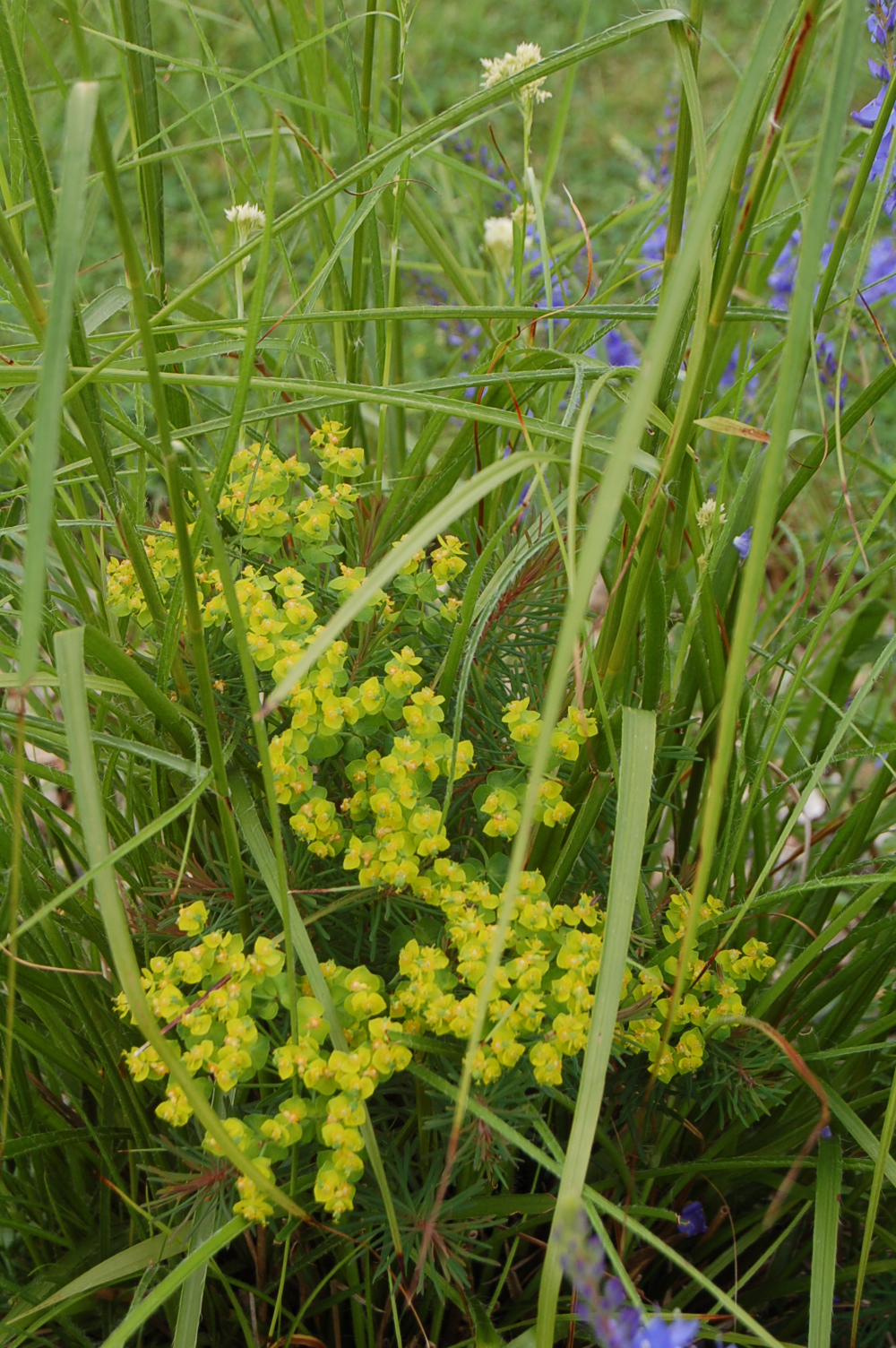
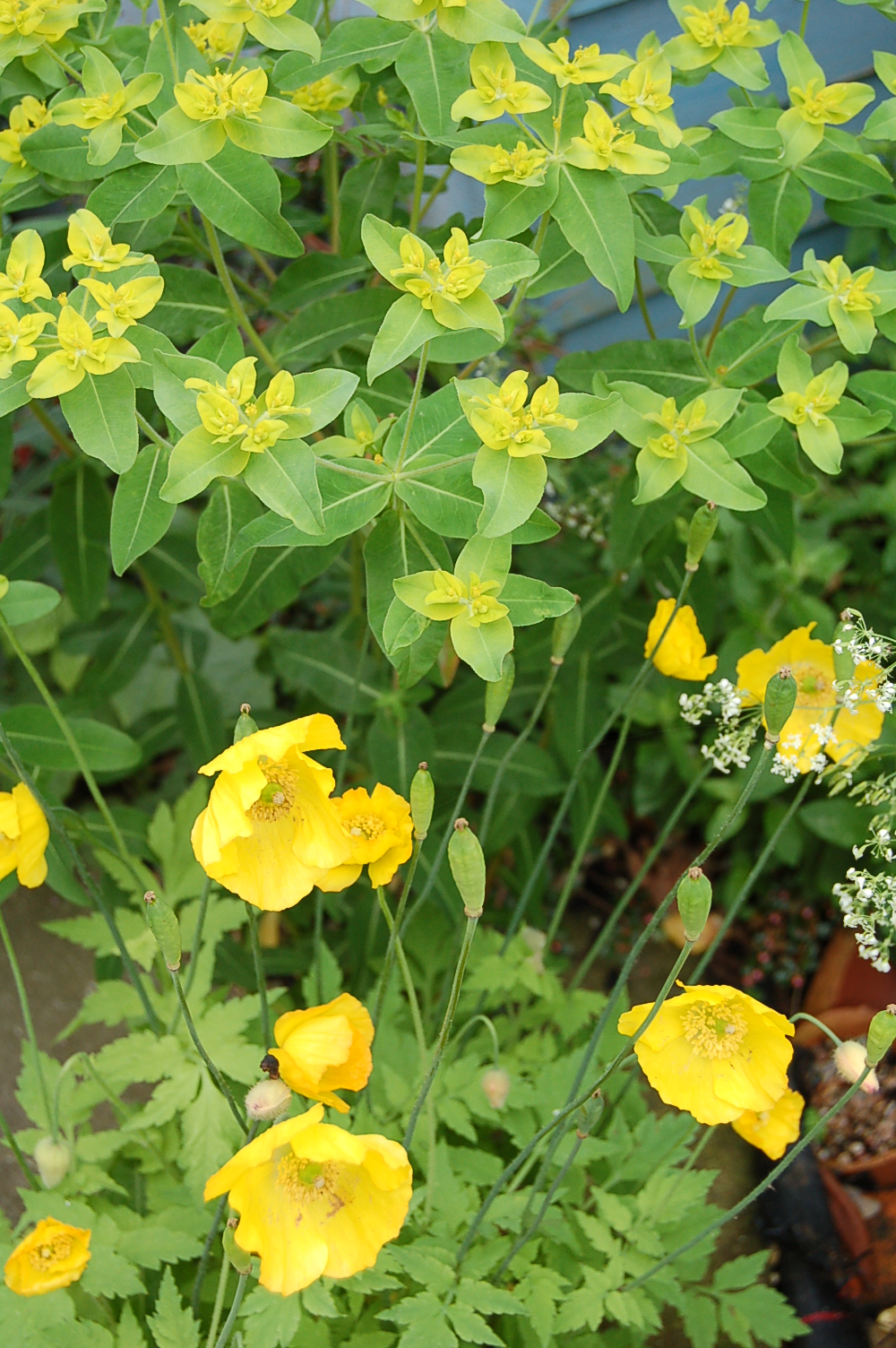
Throughout the garden the promiscuous Aquilegias self seed and create new plants in various colours, shapes and sizes. Now this little white one was a surprise! At just 1 cm across it is the tiniest I have ever seen – a true gem! And to top it all it grew alongside this Euphorbia.
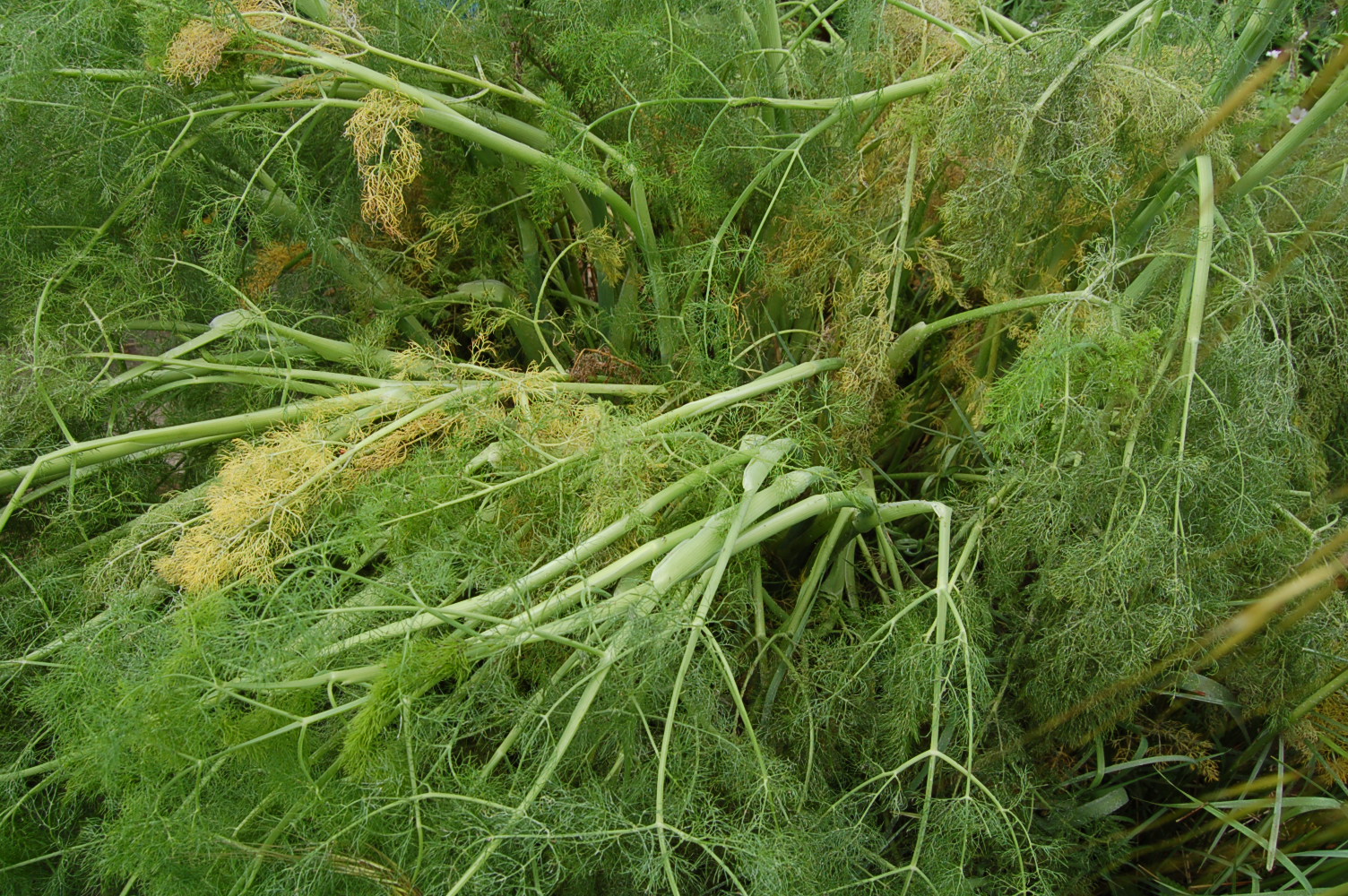
When I had finished my garden wander and taken all the photos to select from, the weather deteriorated, heavy rain and strong wind lashed our garden. The Fennel in the picture below was tall and healthy around 5 feet tall but the weather bent all the stems down. The fresh stems of our rambling and climbing roses which would carry blooms next year were snapped off at the base. I only hope they have time and energy to make up some new growth.
All the borders in the back garden are full of interesting foliage with varied texture and colour as a foil for the plethora of flowering perennials.
The most beautiful plant must be our miniature chestnut (Aesculus) which is now 3 feet tall, a third of its final height, covered in blooms, spires of salmon.
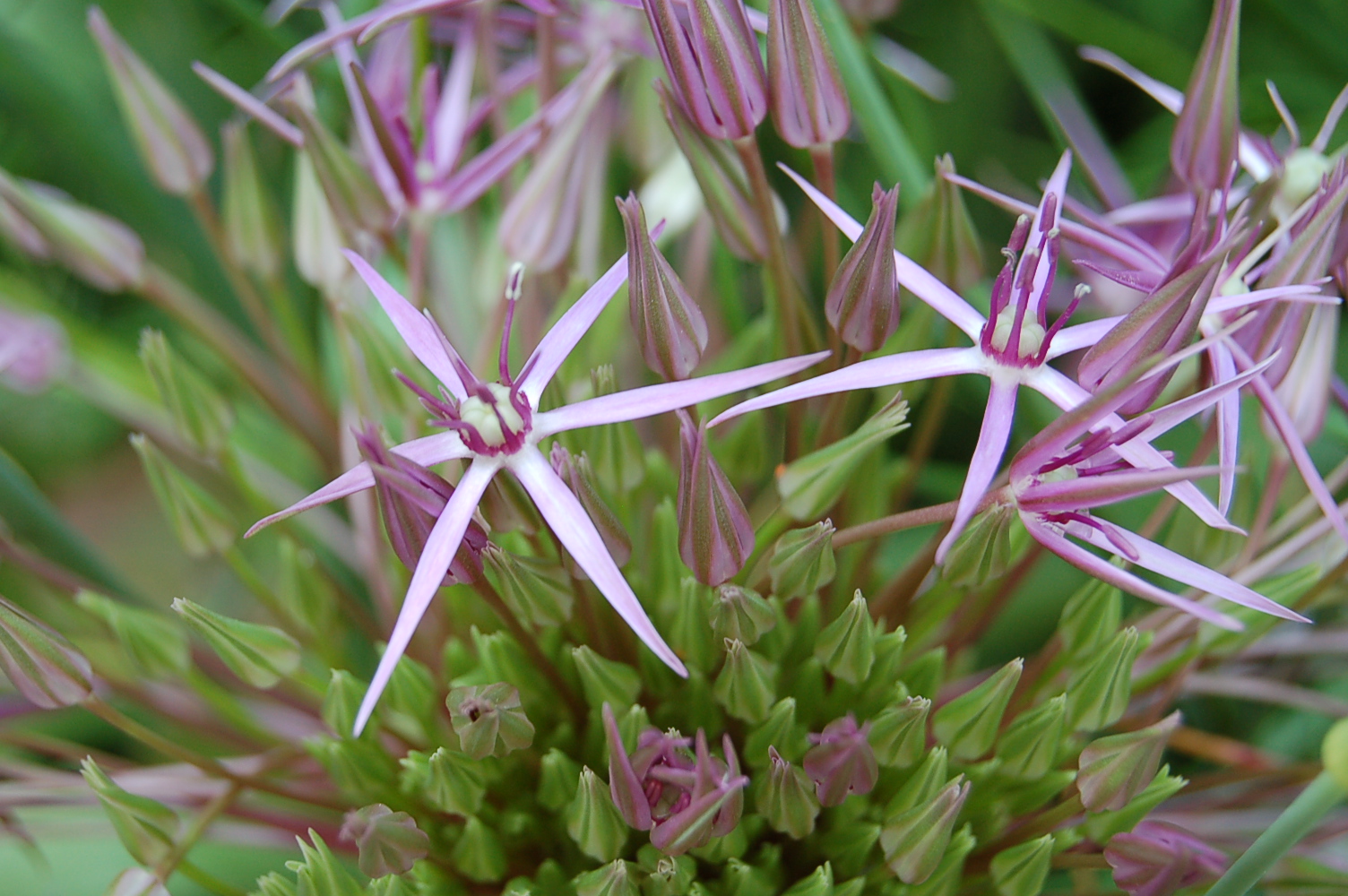
Alliums are stars throughout the back garden. They have only been in a few years and are so happy they are spreading like wildfire. They really need thinning out!
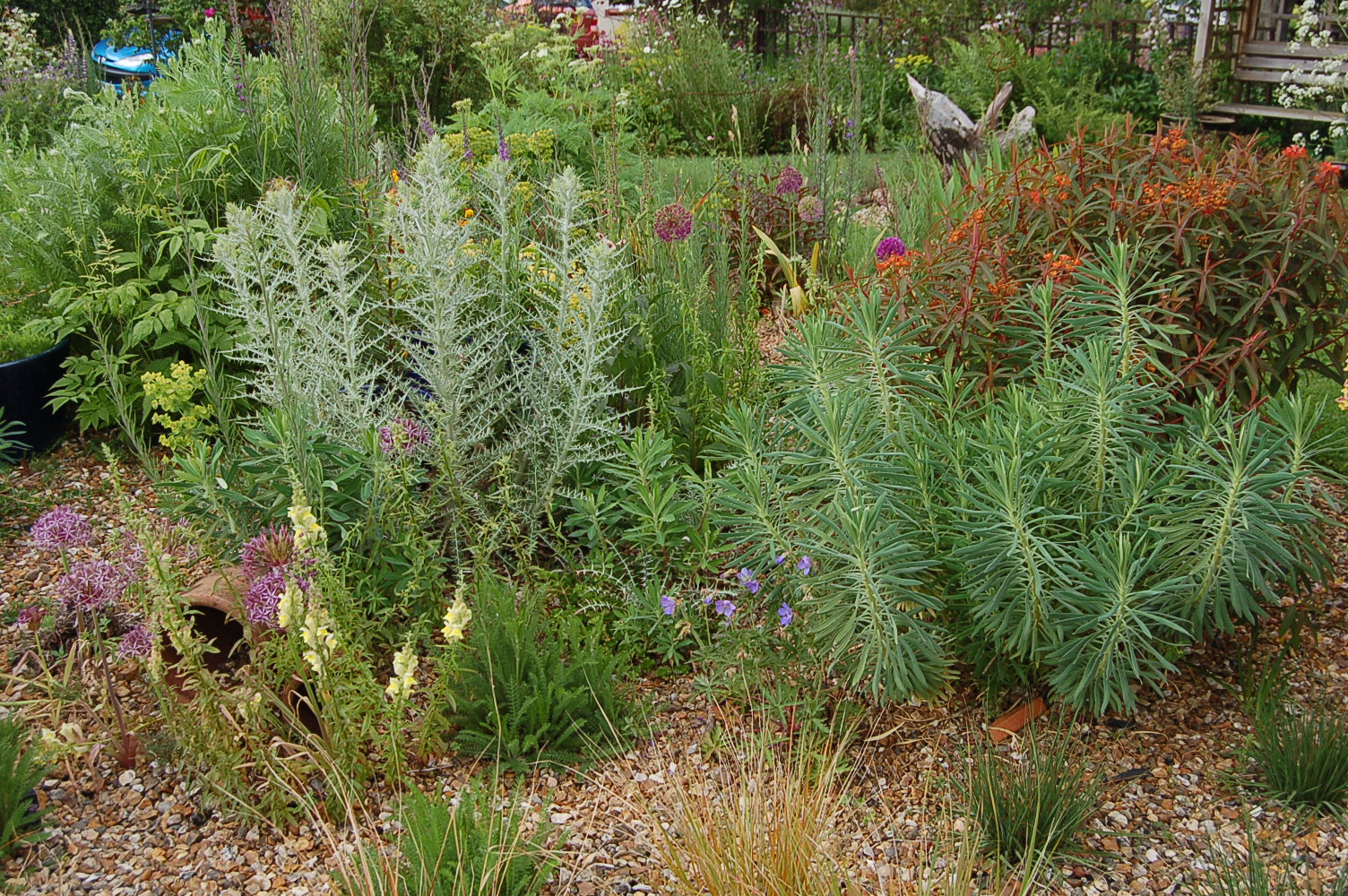
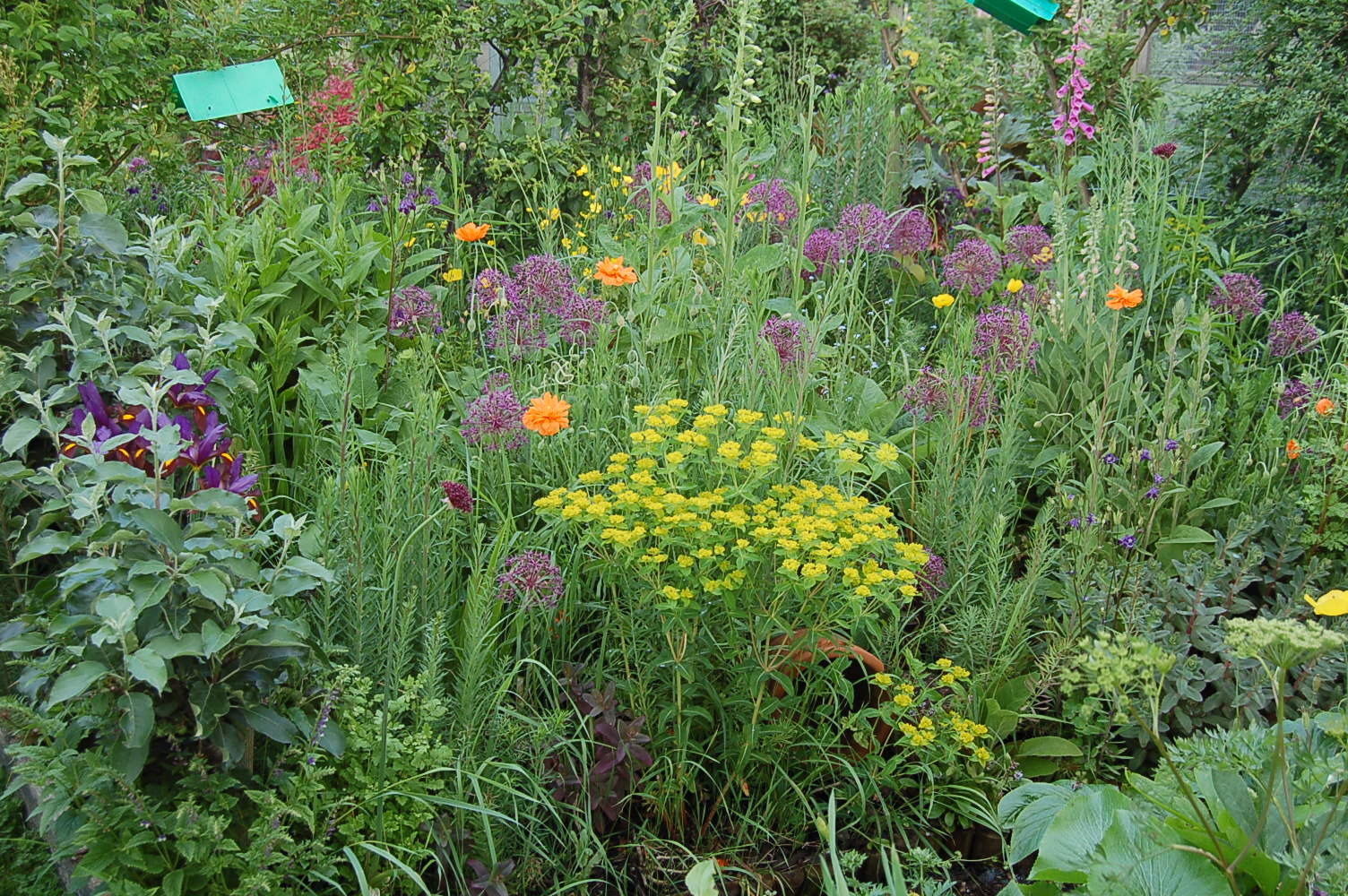
I shall finish this garden wander with a few shots of some of the borders, as a taster for my next blog, “Another Wander Around our Garden in June”. There is simply too much to show, too much I want to share.
It is already into the fourth month of the year and so this is the fourth in this monthly series of garden wandering posts. So much happens in April, so many plants start into growth, so many seeds are sown and the weather changes so often. Frost, hail, sun, mild, cold, windy, calm – everything comes randomly and we gardeners get caught out inappropriately clothed. Wildlife is equally confused, with bees, hoverflies, butterflies and wasps appearing on warmer days and disappearing as soon as it cools down again.
Taking advantage of some bonus sunshine.
Some spring bulbs are going over while others are in full swing, some tree blossoms are going over while others are just coming into flower. There is so much to do in the garden, productive or ornamental, and it feels good to be out there doing it.
How red can a flower be!
As soon as April arrives we know the garden will look and feel differently every day. Come around our garden with me and my camera and see what is going on.
The front garden glows in the afternoon sunshine, with every shade of green in new herbaceous growth splattered with the many colours of bulbs.
The Hot Border.Euphorbias below white-stemmed birches.
The Shade Garden is soon to reach its peak time, with its fresh leafy growth and the tiny, pale jewels of flowers. Pulmonarias, Dicentras, Anemones, Arums and Corydalis are all budding up and beginning to flower while the ferns are hardly showing any signs of awakening.
The Shade Garden bursting into life.China blue pulmonaria.Pale pink pulmonaria.Silver splashed Arum leaves.Primrose yellow Anemone.
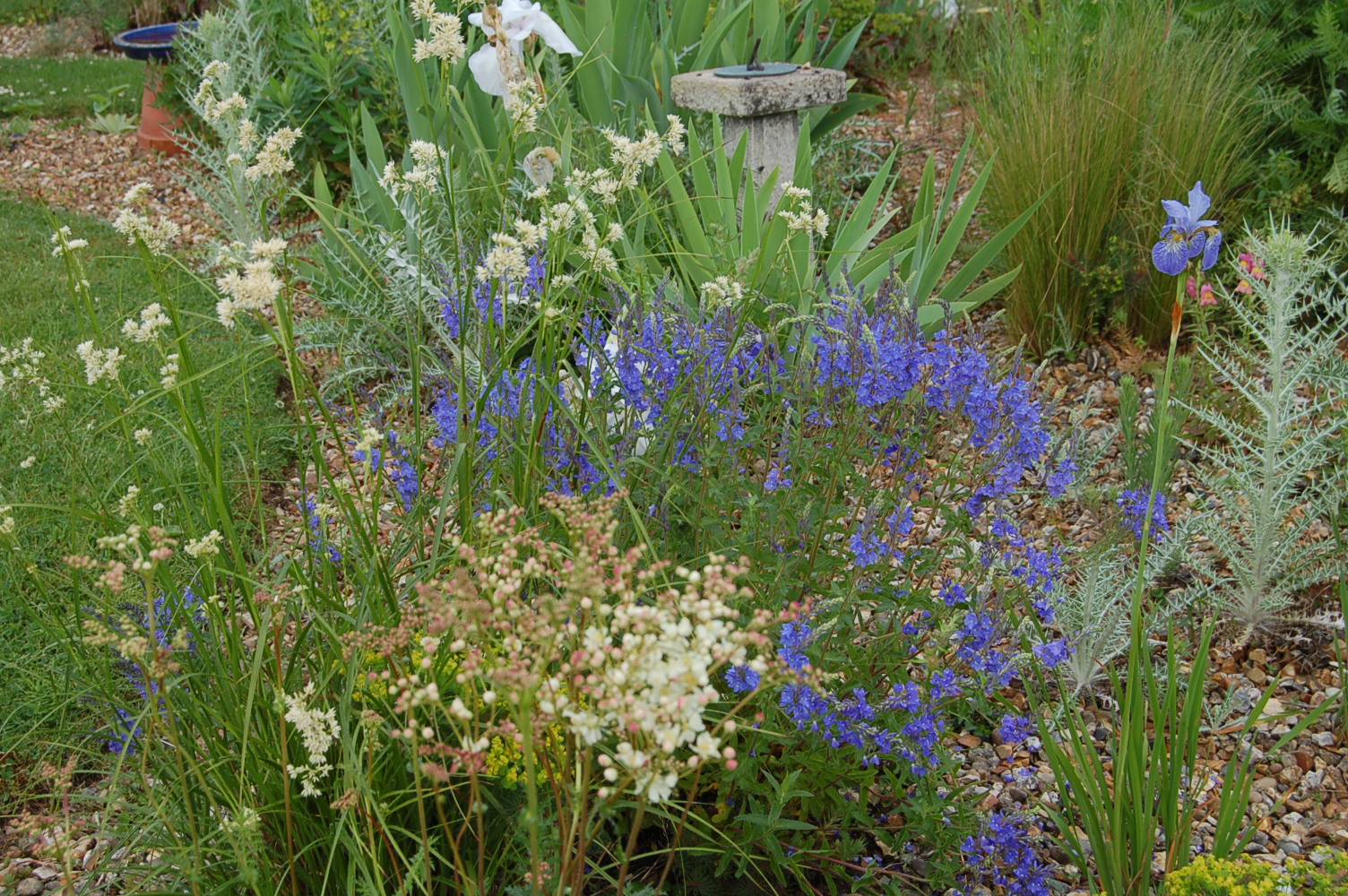
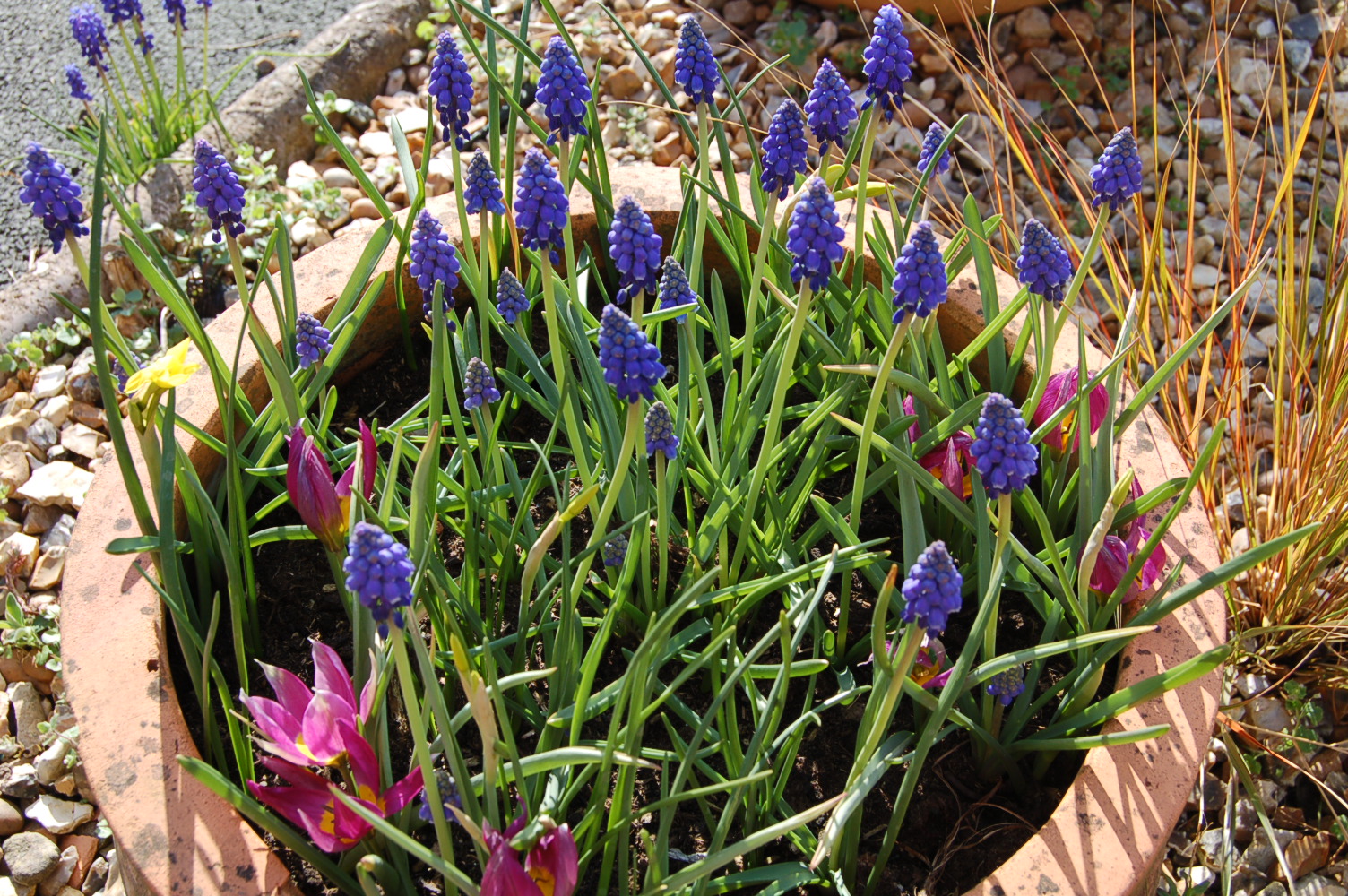
On the gravel patch, which we call our “Chatto Garden”, new foliage is bursting through. Irises, Euphorbias are starting into healthy growth. The large terra-cotta pot of bulbs is bubbling over with the blue of Muscari and a sprinkling of tiny mauve species Tulips.
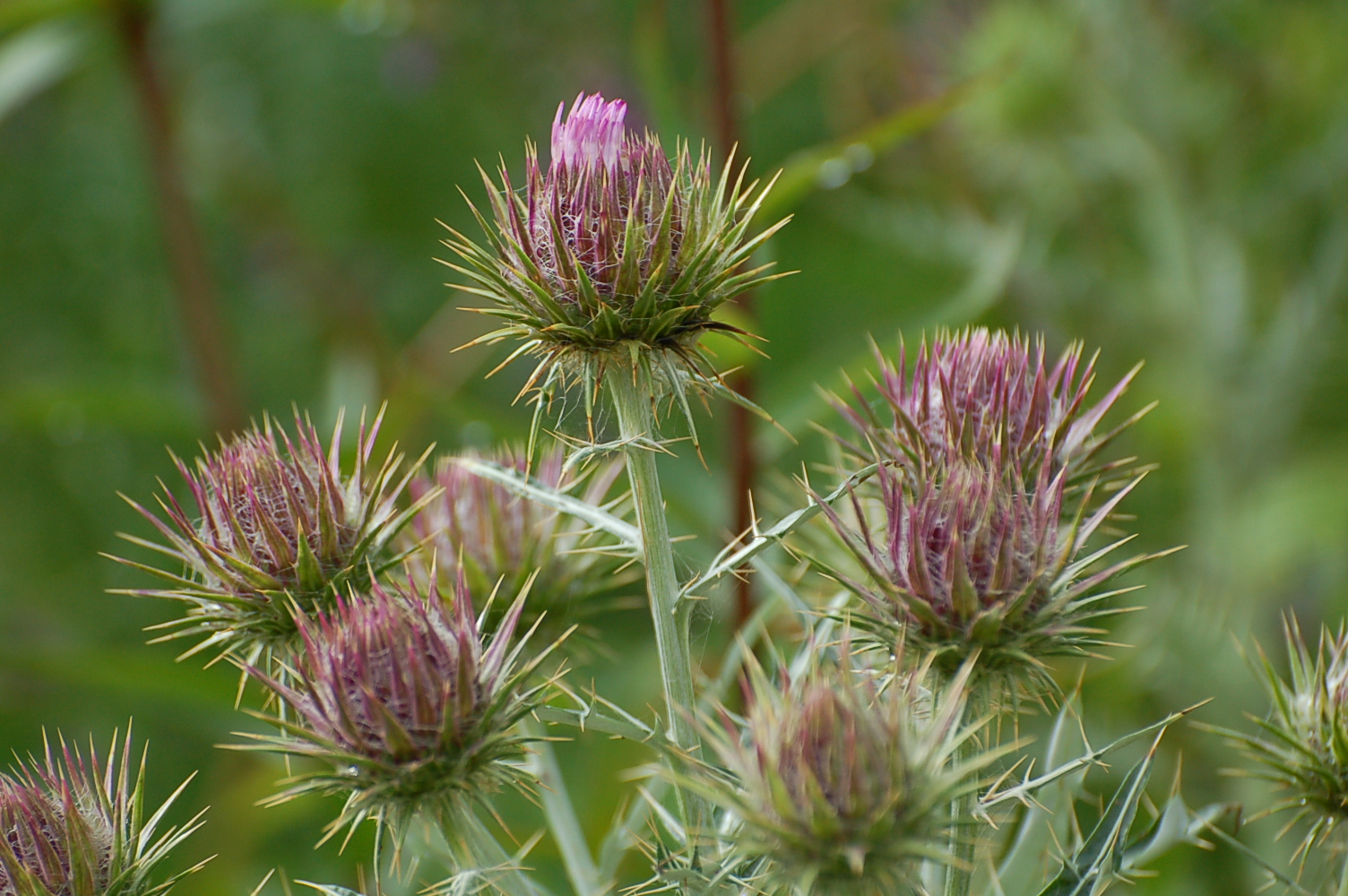
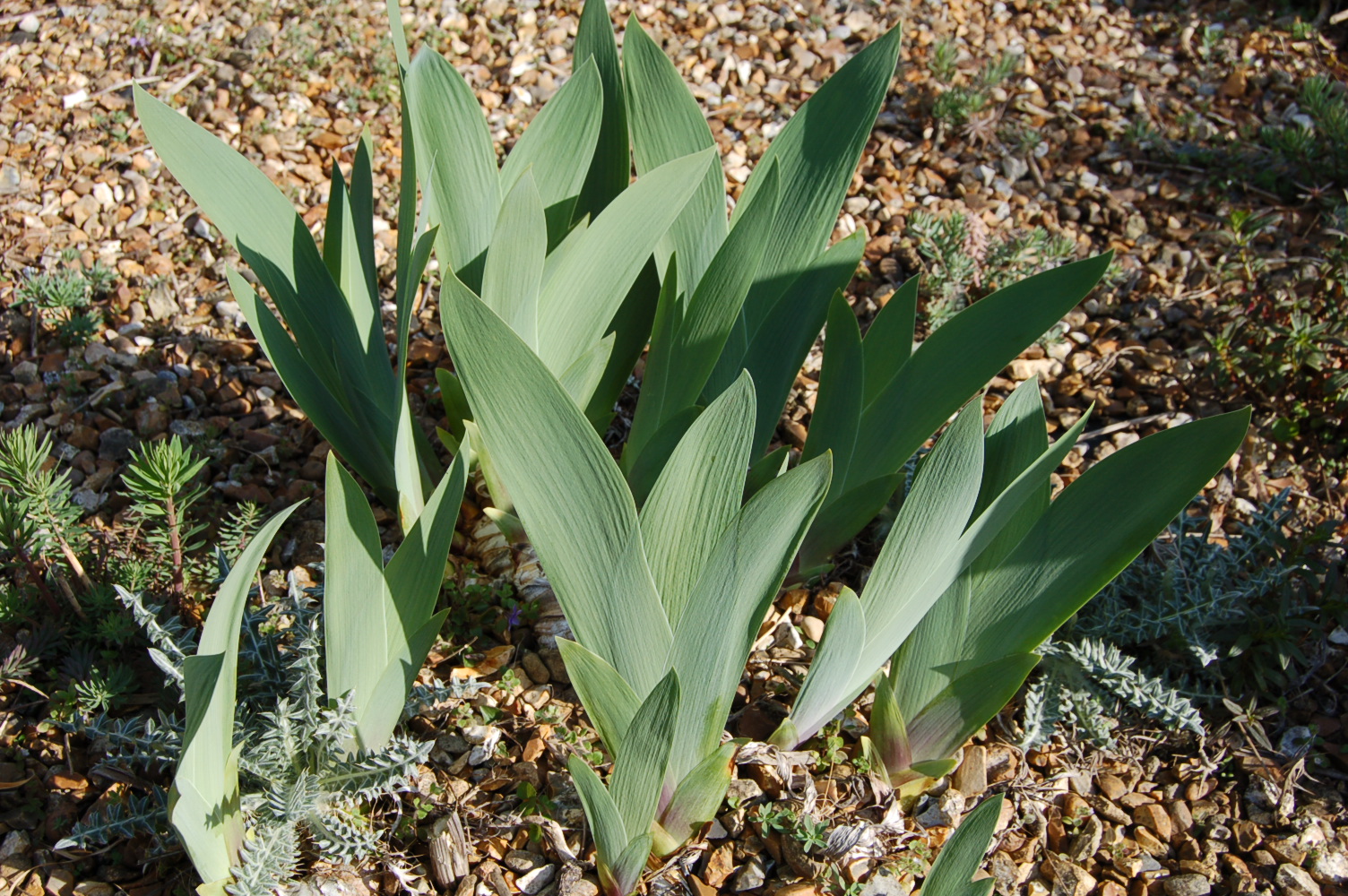
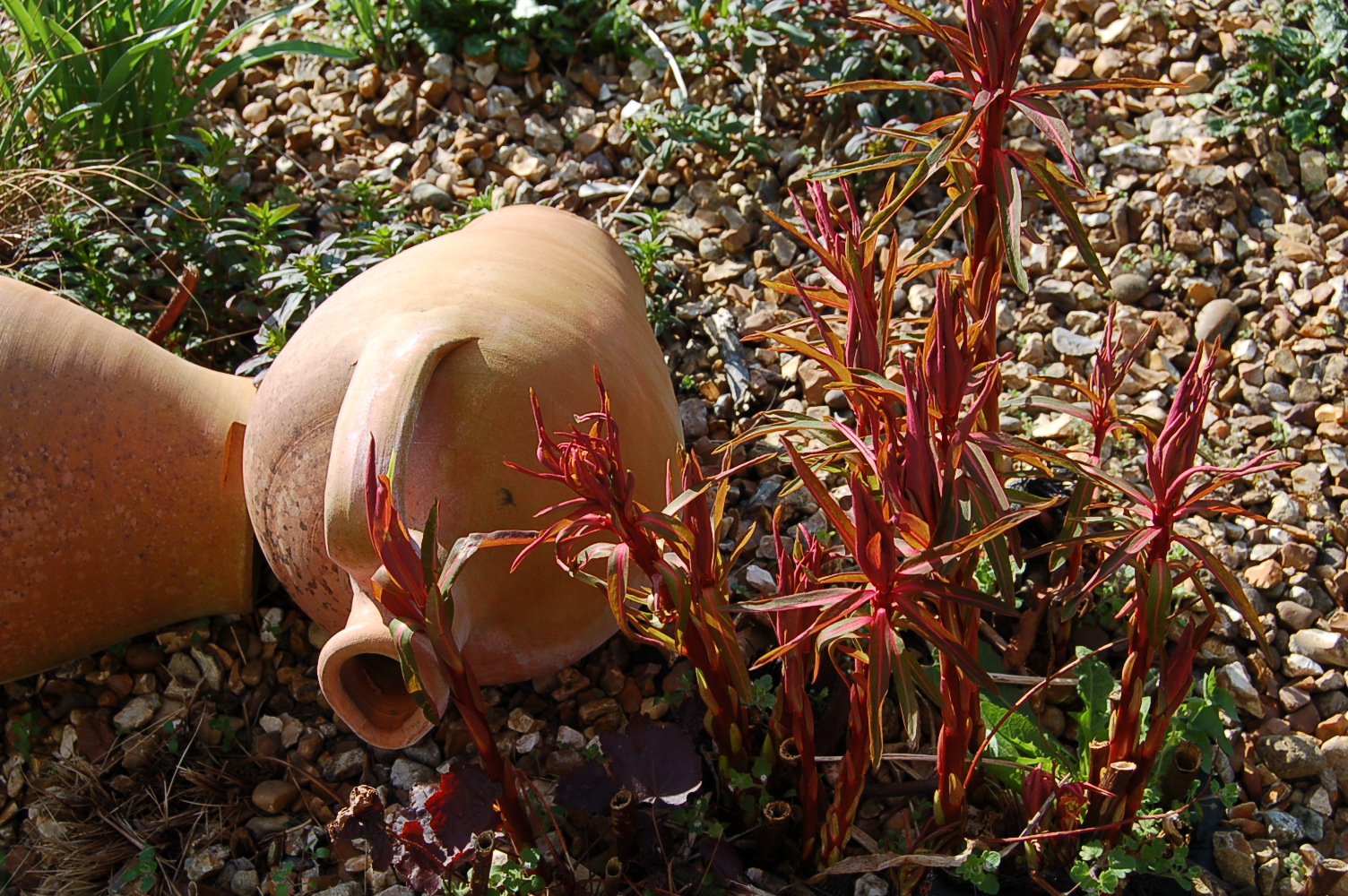
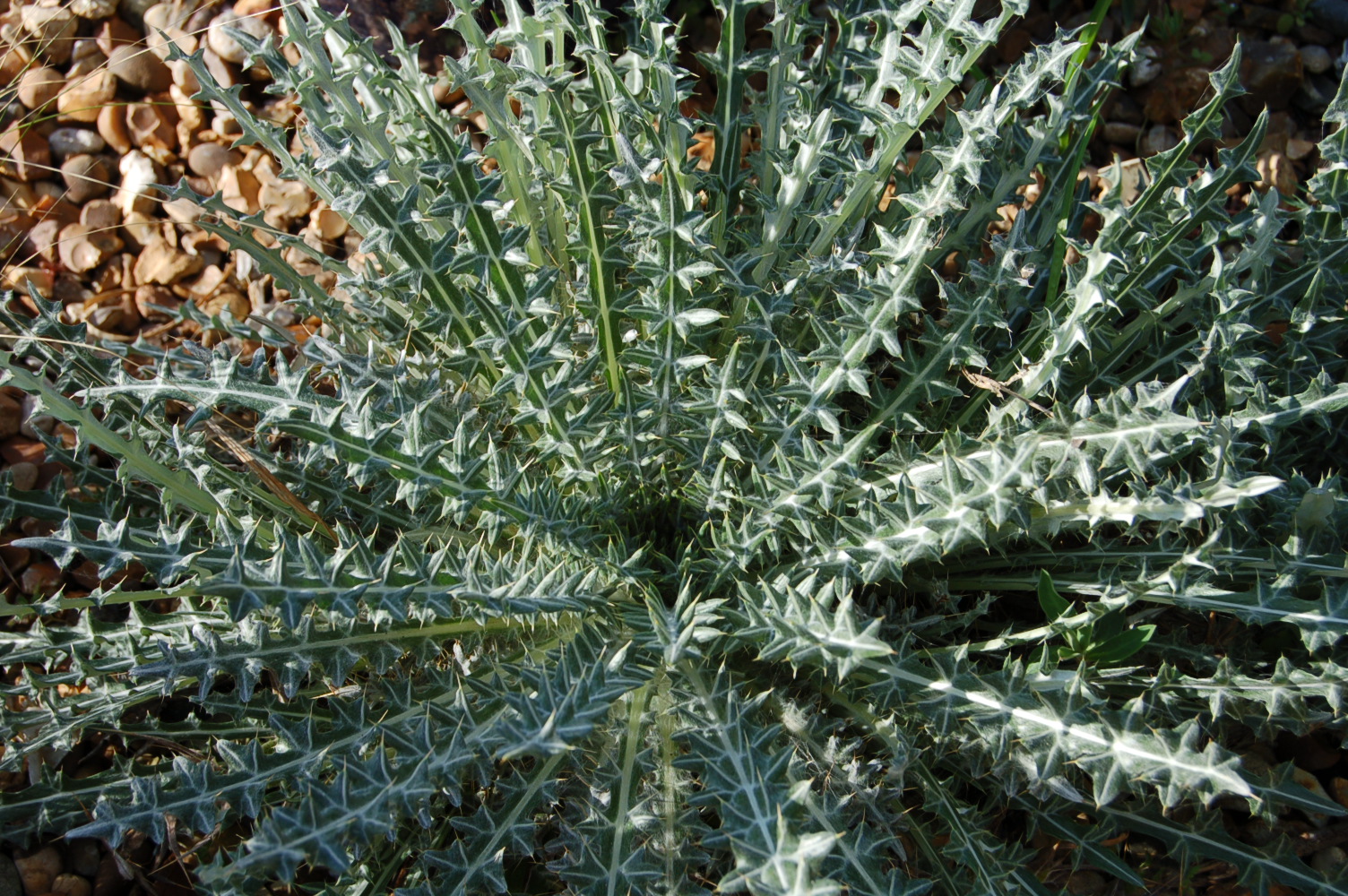
The glaucous sword shaped iris leaves.Spears of Euphorbia griffithii "Dixter" piercing the gravel.The thistle like spiked and variegated Galactites tomentosa.Muscari blue and tulip mauve give a gentle colourway to the big pot.Bright welcome at the gate - yellow Mahonia and red Cydonia.
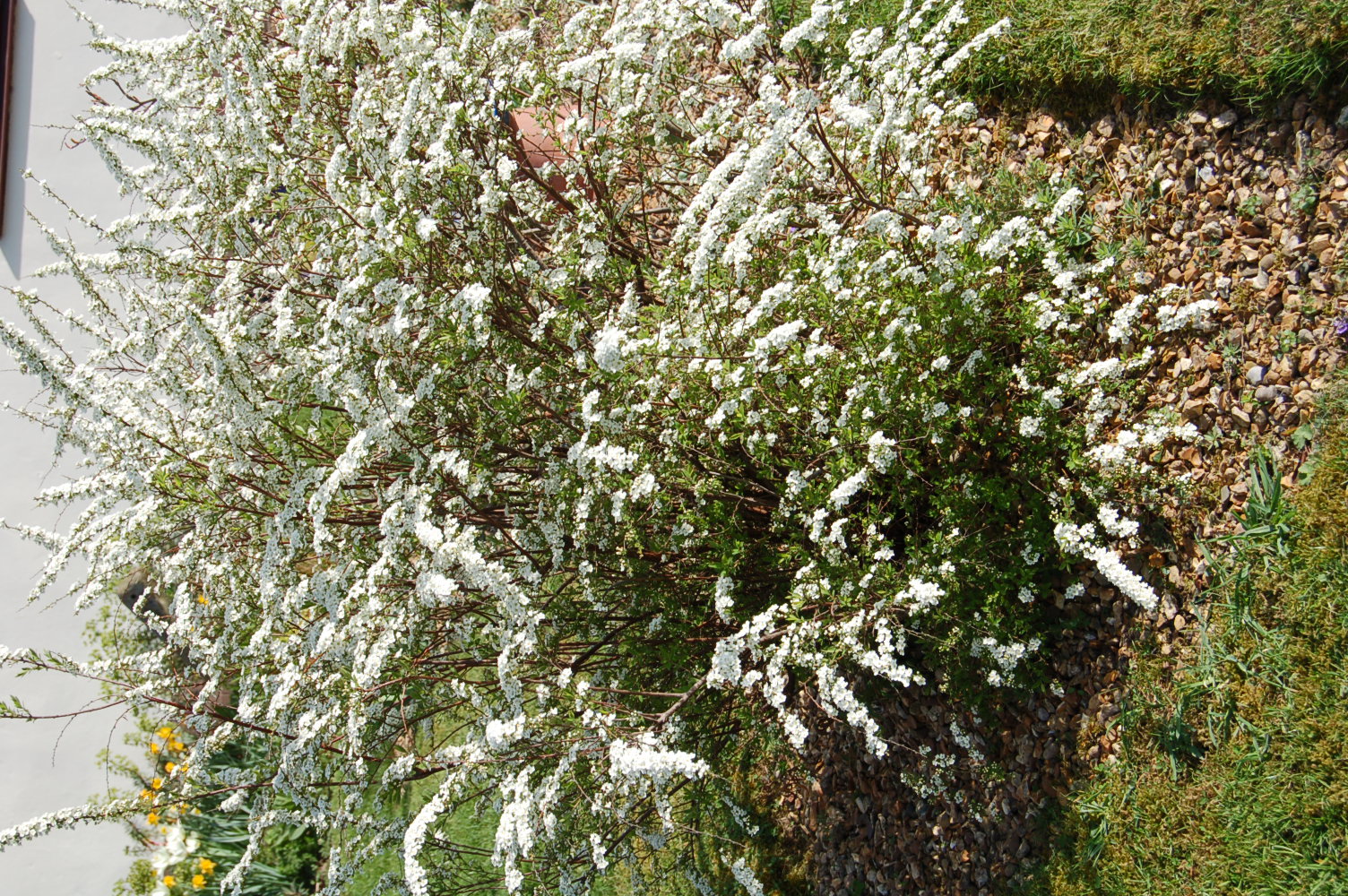
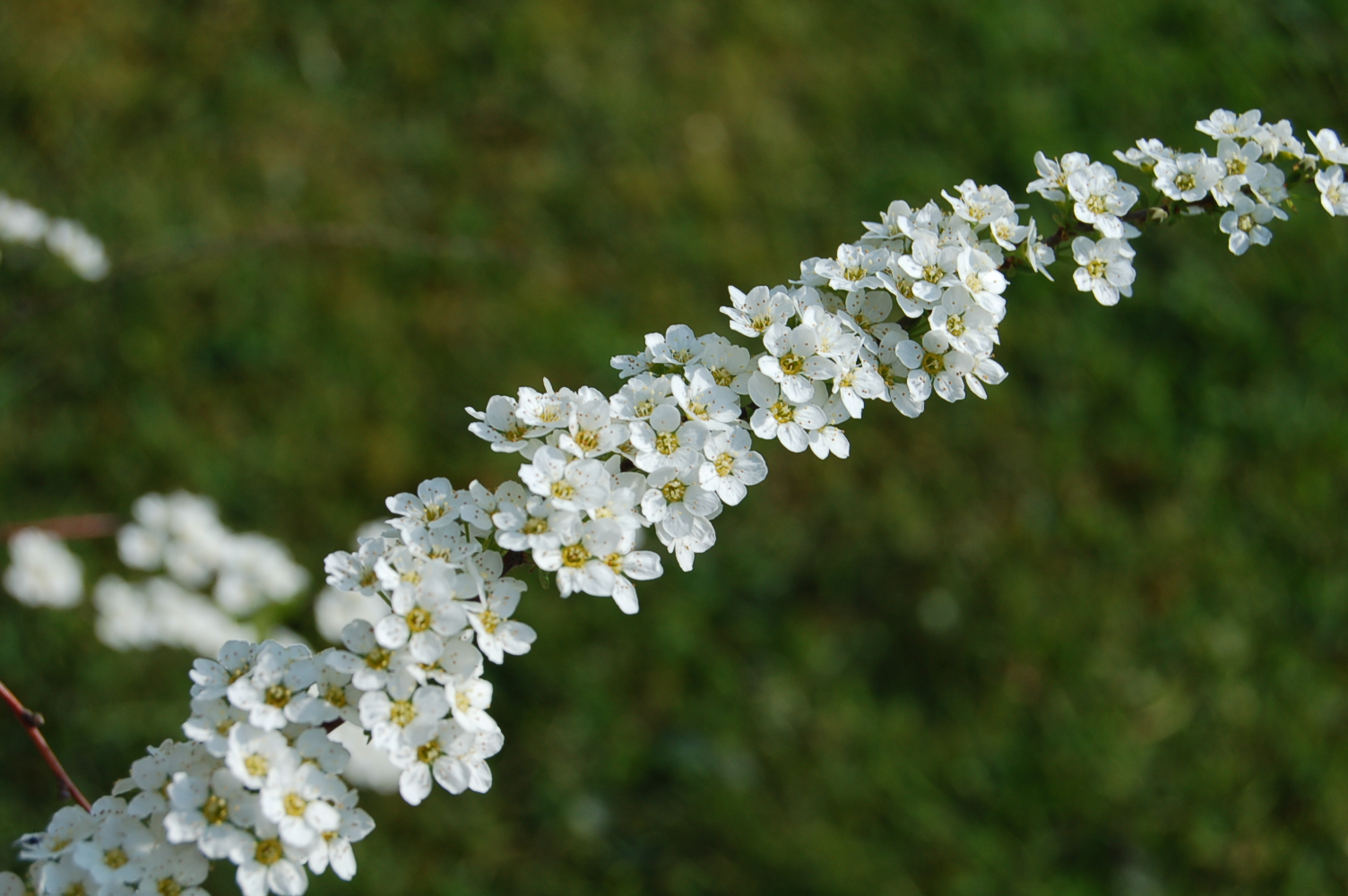
Trees and shrubs are a little later coming to life in the spring, the miniature Chestnut’ sticky buds are only just bursting while the Amelanchier lamarckii and Spiraea “The Bride” are in their full white ball gowns.
"The Bride" is always such a good arching shape.The long arching raceme of Spiraea.Amelanchier blossom like delicate stars.Chestnut buds burst out in salmons, russets and reds.
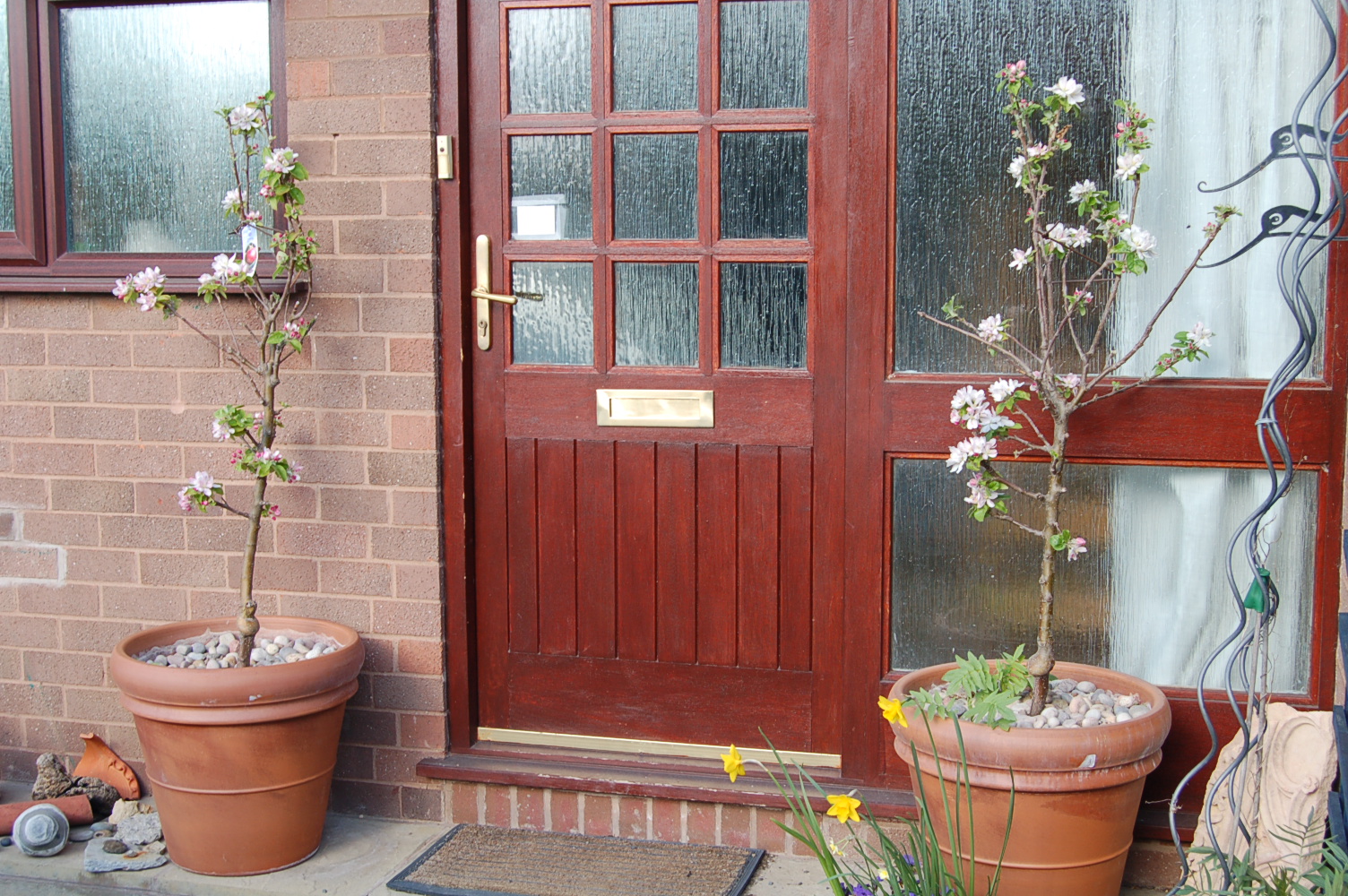
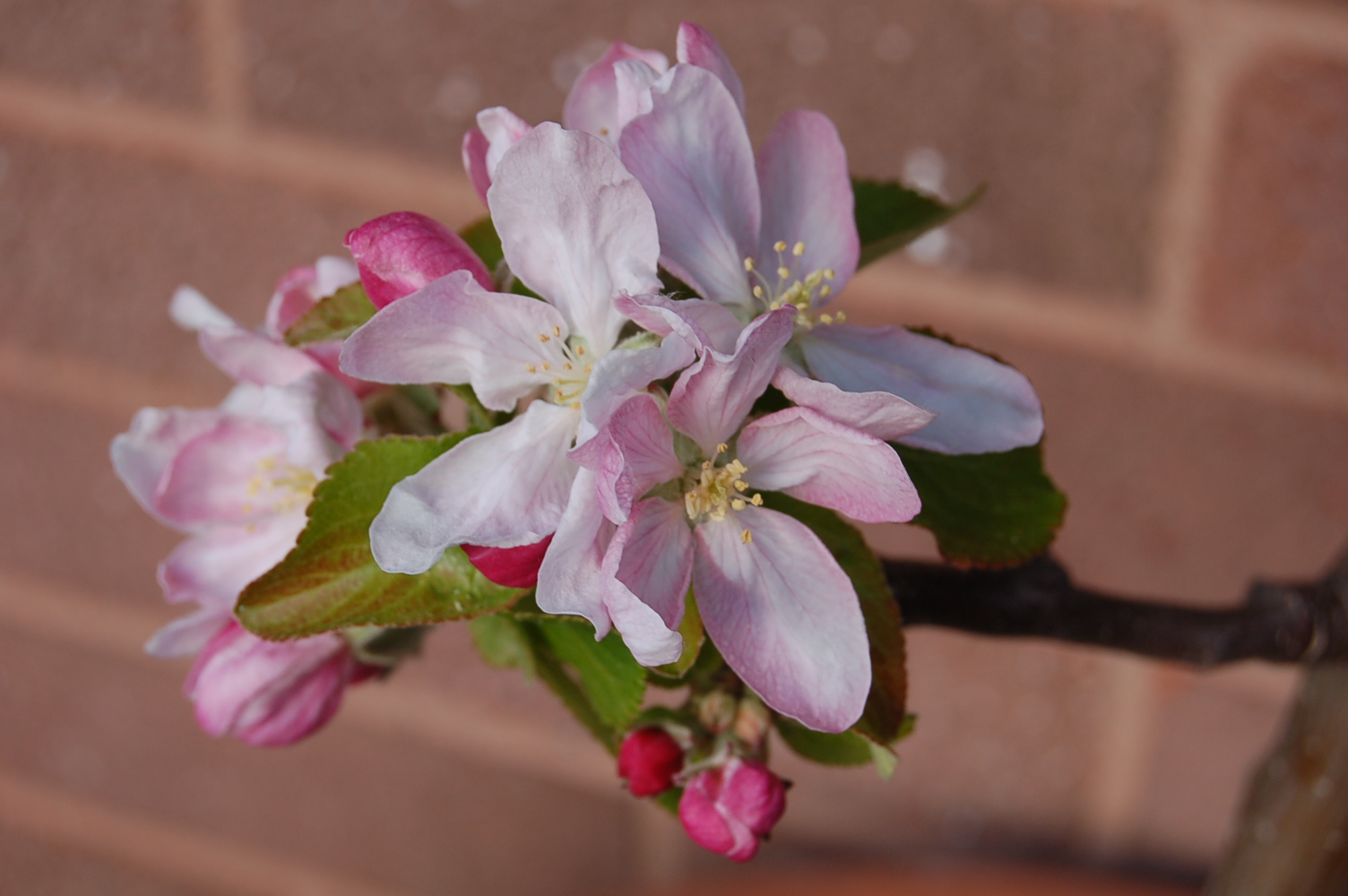
In the side garden by our main entrance the two potted apple trees are in full flower, with blossoms of many shades of pink, promising lots of juicy fruit to enjoy. We have added a second House Sparrow nesting box giving six nest holes altogether and hopefully a little less noisy bickering. The new box is apartment living as opposed to the terraced original. Right by our doorstep is a pot of violas in an unusual colour combination of blue and brown. In front of the garage door our replanted alpine troughs are beginning to come to life.
Our miniature apple trees welcome callers.Apple blossoms - pink beauties.Sparrow city.Alpine troughs protected from the cold winds.Unusual colour combination.
Wandering into the back garden it is hard to know where to point the lens first as so much is happening. The fruit trees are in blossom, tulips add their jewel colours in every border and new leaves are appearing on most shrubs and perennials.
A mass of Damson blossom against a blue sky.Jude, "The Undergardener" at work in the "Shed Bed".
The garden is full of sound, scents and movement. In the pools Pond Skaters perform their dances on the surface and tadpoles wriggle in black masses in the shallow pebble bay. Around each flowering shrub bees and hoverflies flit and buzz. In nearby fields Skylarks sing their “high in the sky” songs and the haunting call of Curlews reach us from the damp land alongside the nearby fishery. But the strangest sound of all is the regular sound of Tawny Owls calling to each other – have they lost their biological clocks? The calling starts mid-afternoon on most days.
Lush growth at the pool side.
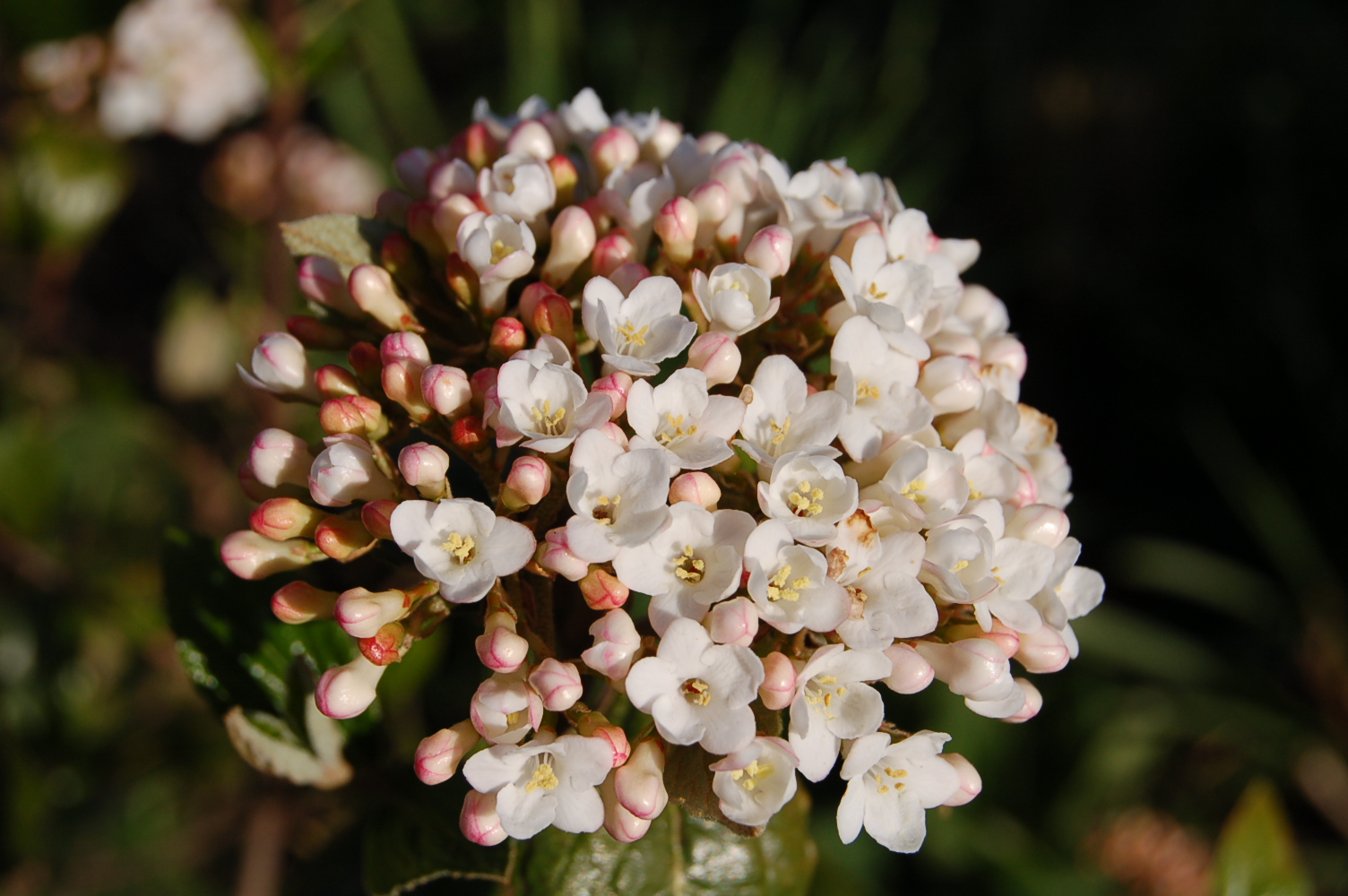
Scent is provided by Viburnum, Mahonias, Wallflowers, Flowering Currants, Hyancinths, Daffodils and the last of the flowers on the Daphnes. Herby scents come with the new fresh greens of the mints, thymes, marjorams and fennel.
Strong in scent beautiful in colour, the last flowers on the Daphne.The complex flower head of a viburnum.
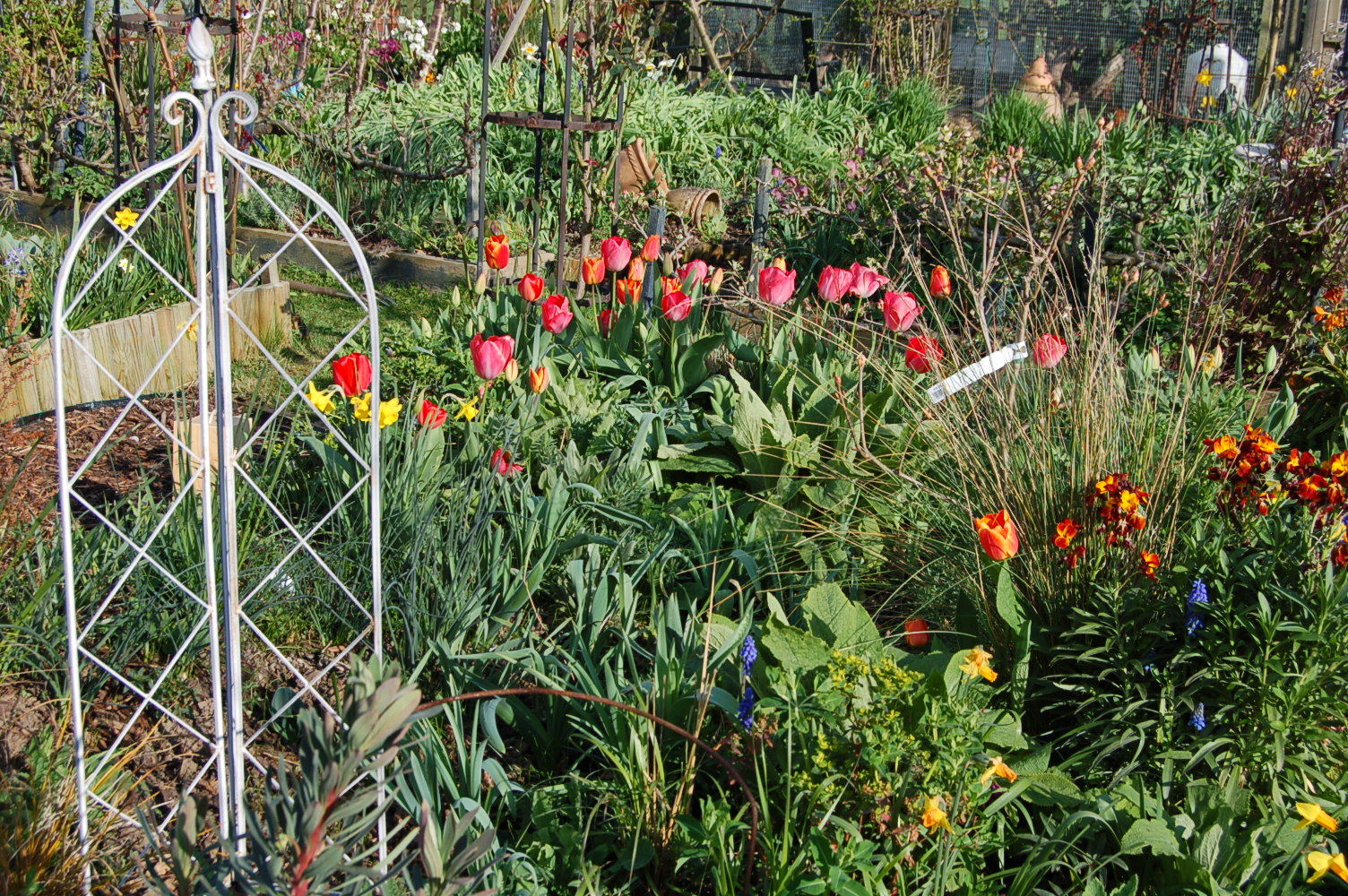
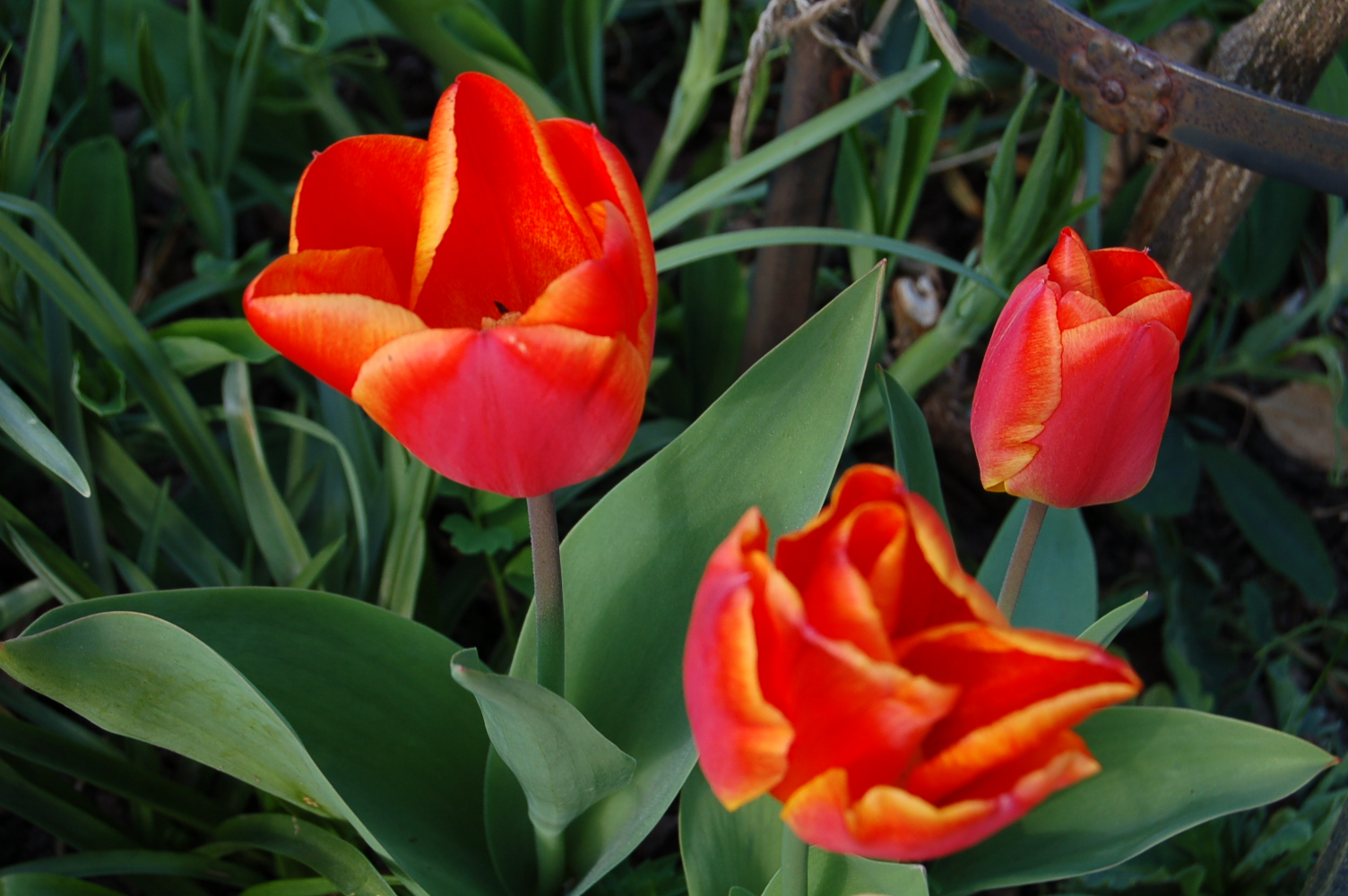
In the Secret Garden it is the tulips that take centre stage, in so many colours and shapes.
The Secret Garden awakens in Spring.The darkest orange tulip.
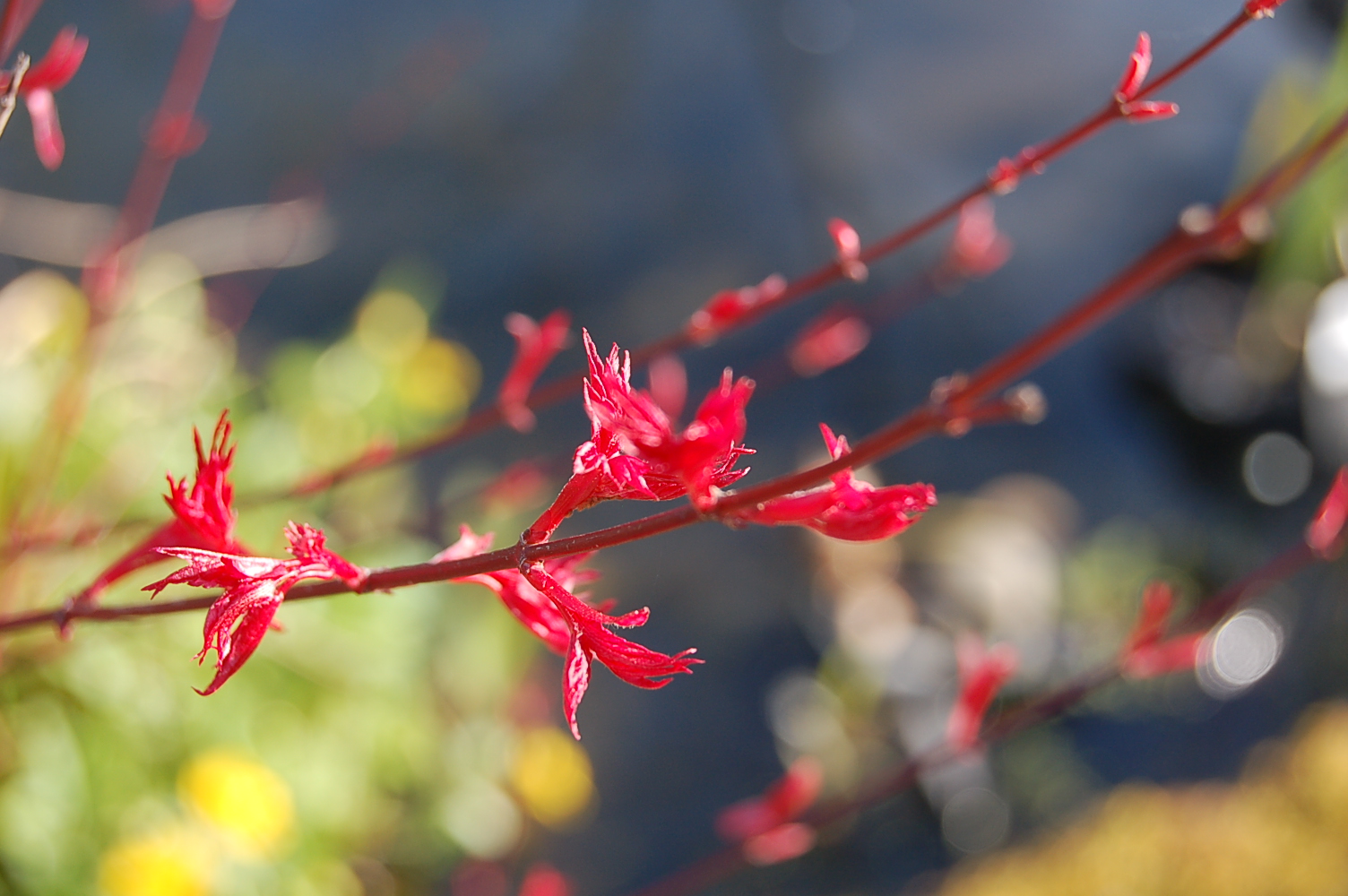
Some of the most impressive new foliage is to be found on our acers, growing under the trees we grow as a wind break, acid green, lemon yellow, flaming orange and salmon.
New brightly coloured foliage shines in mottled shade.Glowing red fresh, new leaves.
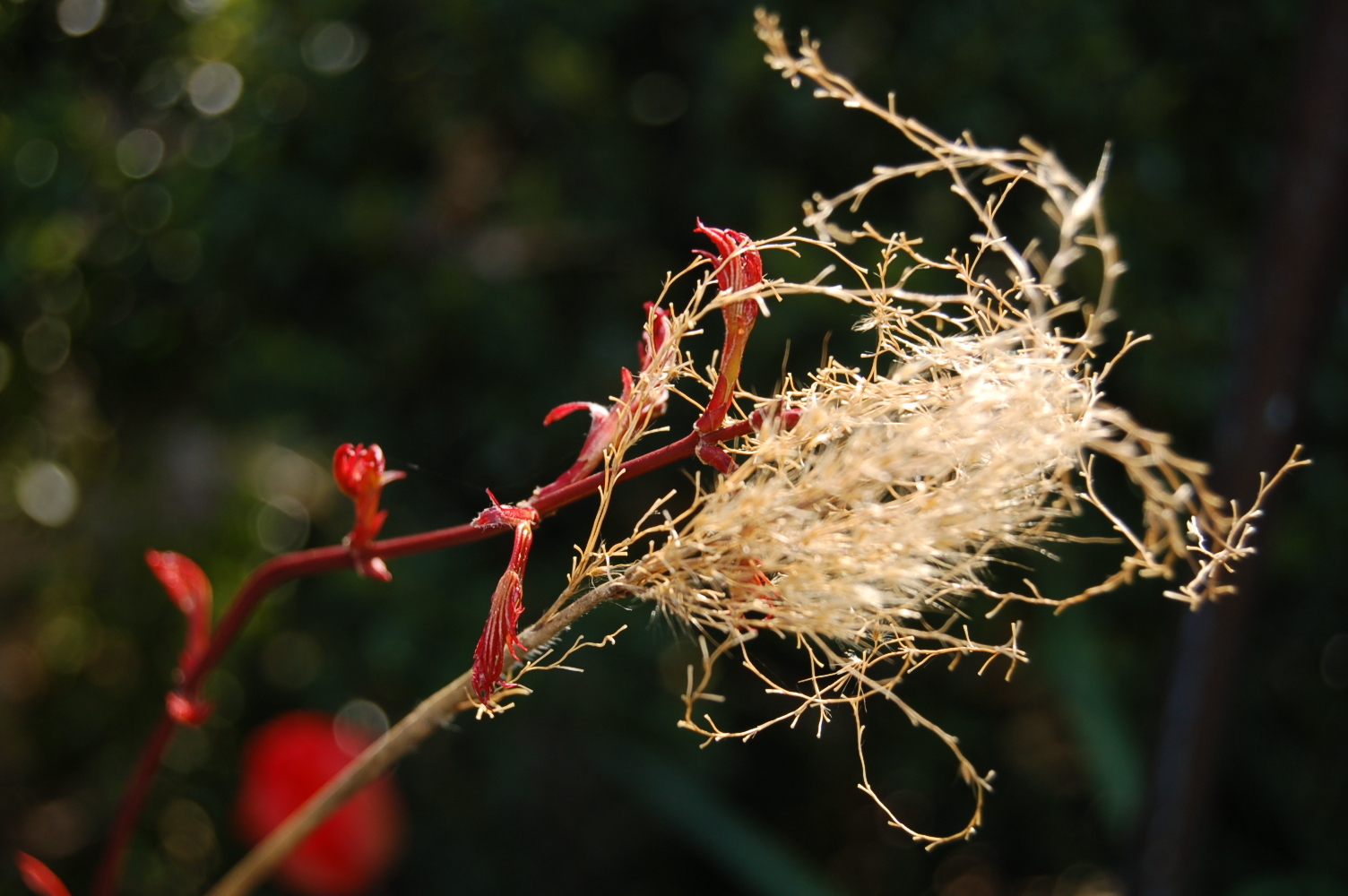
We have eventually relented and cut down the last of our many grasses. We leave them as late as possible and often leave some too late and end up cutting new growth coming up within the old. This Miscanthus napalensis was left until last, understandably.
Old grass and new acer.
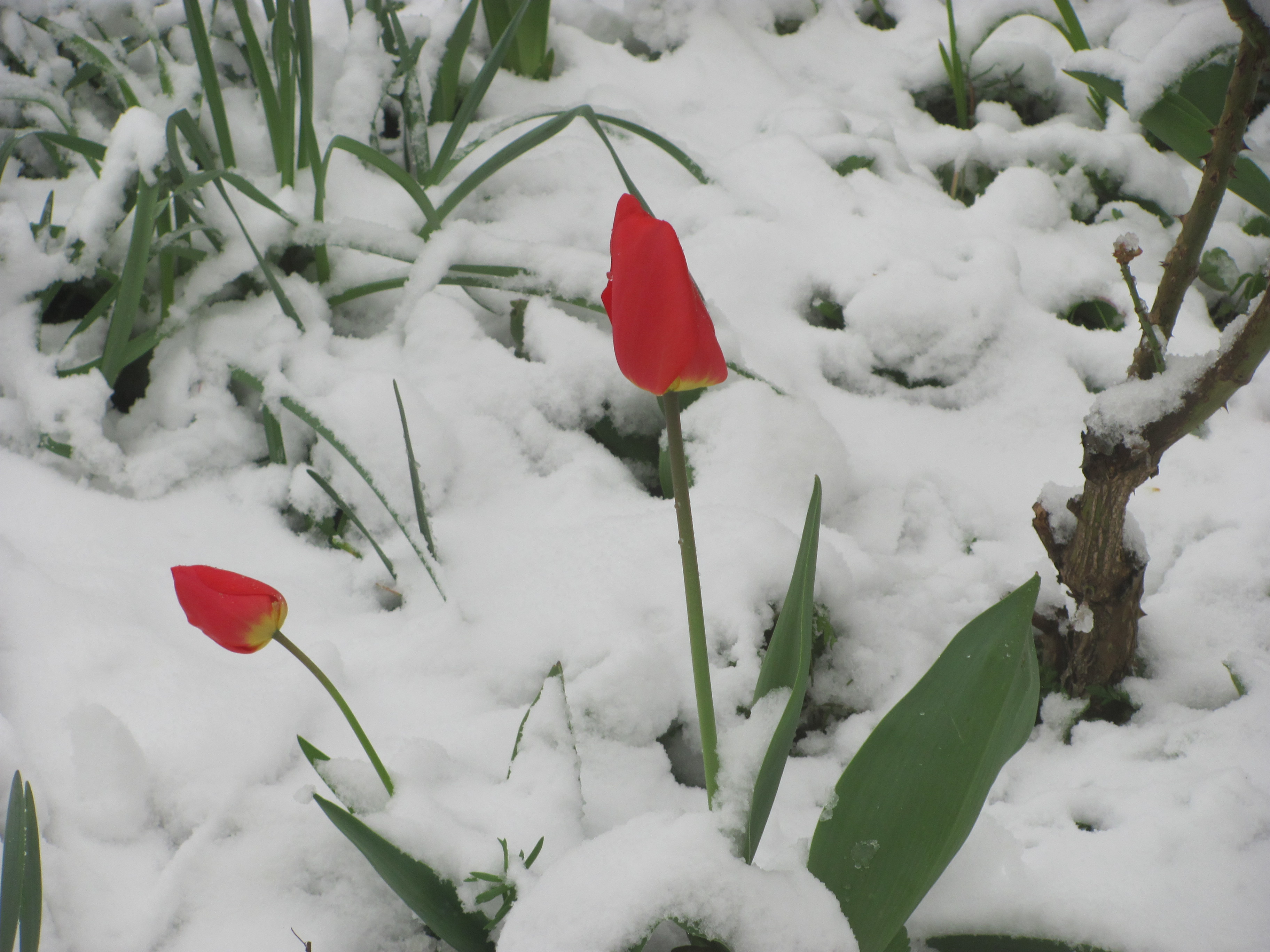
Just to show how fickle the month of April can be, the day after I took the photos for this blog we woke to three inches of snow and large flakes continued to fall all morning. Many tulips and daffodils were flattened and our clump of Black Bamboo was pinned to the ground by the sheer weight of snow.
Iris swords piercing the snow.
I shall finish with two shots – one before the snow and one after. This lovely old oak tree root is our miniature stumpery – all we have room for!
As part of the development of the shared community spaces at Bowbrook Allotment Community we have created “Gardens of the Four Seasons”. We did this with the support of “The Peoples Postcode Trust” who awarded us a generous grant for the purchase of plants. In early 2011 we began work on the Winter Garden and now we are beginning to see some results of our labours. The work was carried out by allotment holders who attend regular working parties (look out for future blog about our working parties) and the gardens are maintained by members. Much work is also done outside working parties by individuals or small groups.
I designed the garden and presented the plan to the management committee and informed other members by e-mail, asking for comments, further suggestions and ideas. The basic idea was to create a garden full of trees, shrubs, grasses, bulbs and perennials that looked good in the winter, for their stem colour, bark colour and texture, their flowers, their scents. Movement and sound was also considered so we included many grasses and some trees with rustling stems.
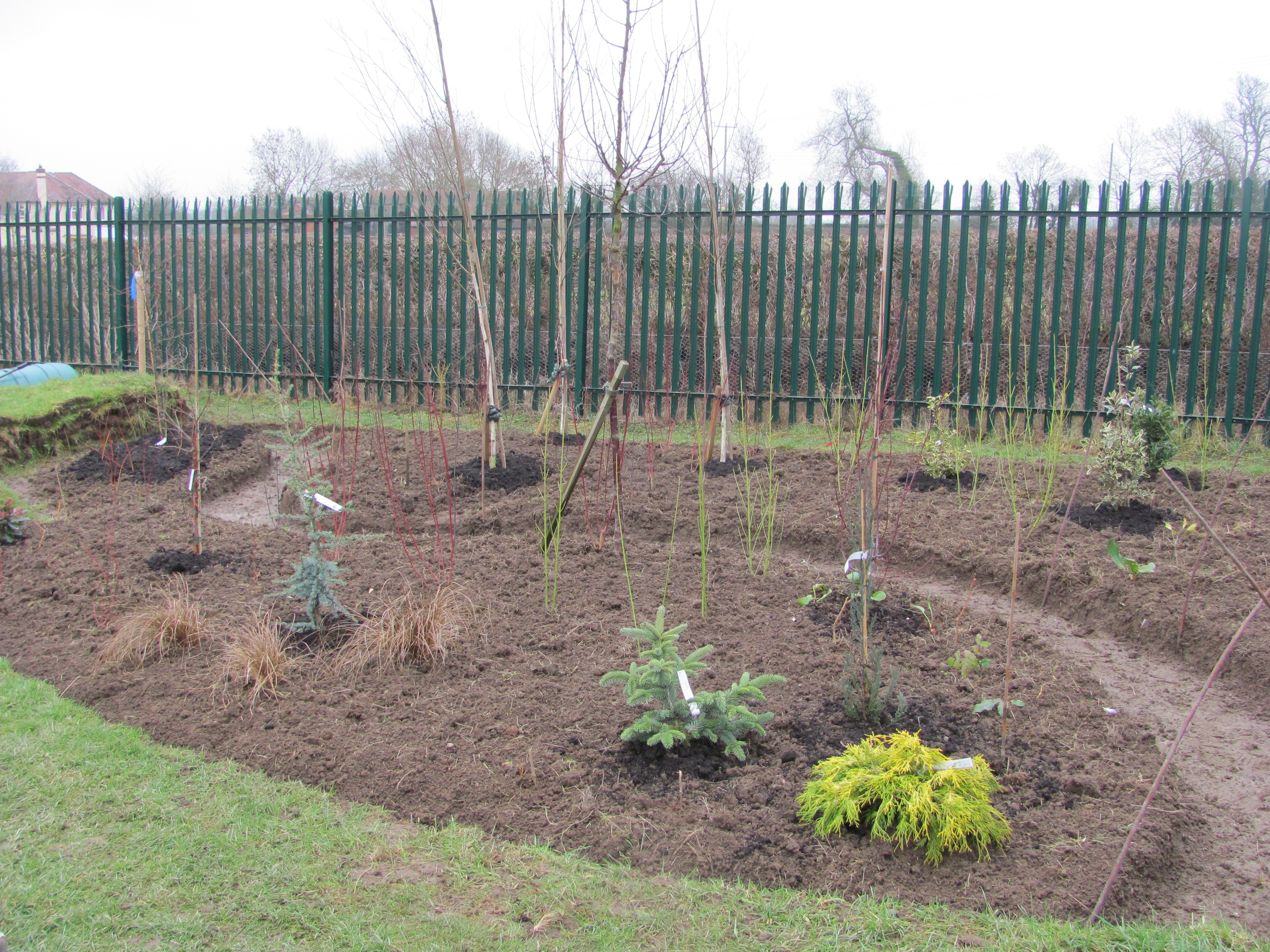
It is now a year since we began the groundwork. The preparation was completed by the end of February 2011 and the main framework of planting by the end of March.
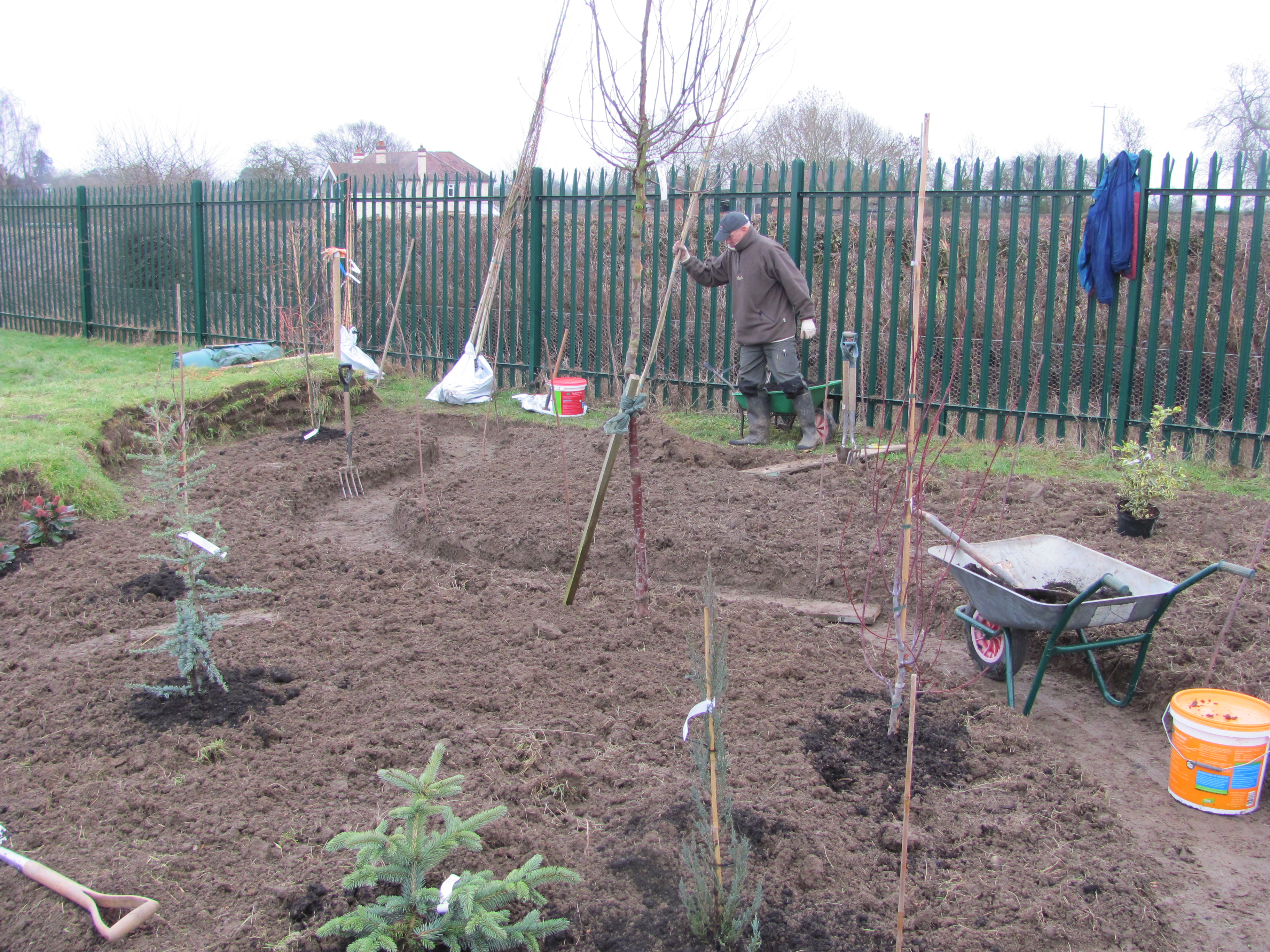
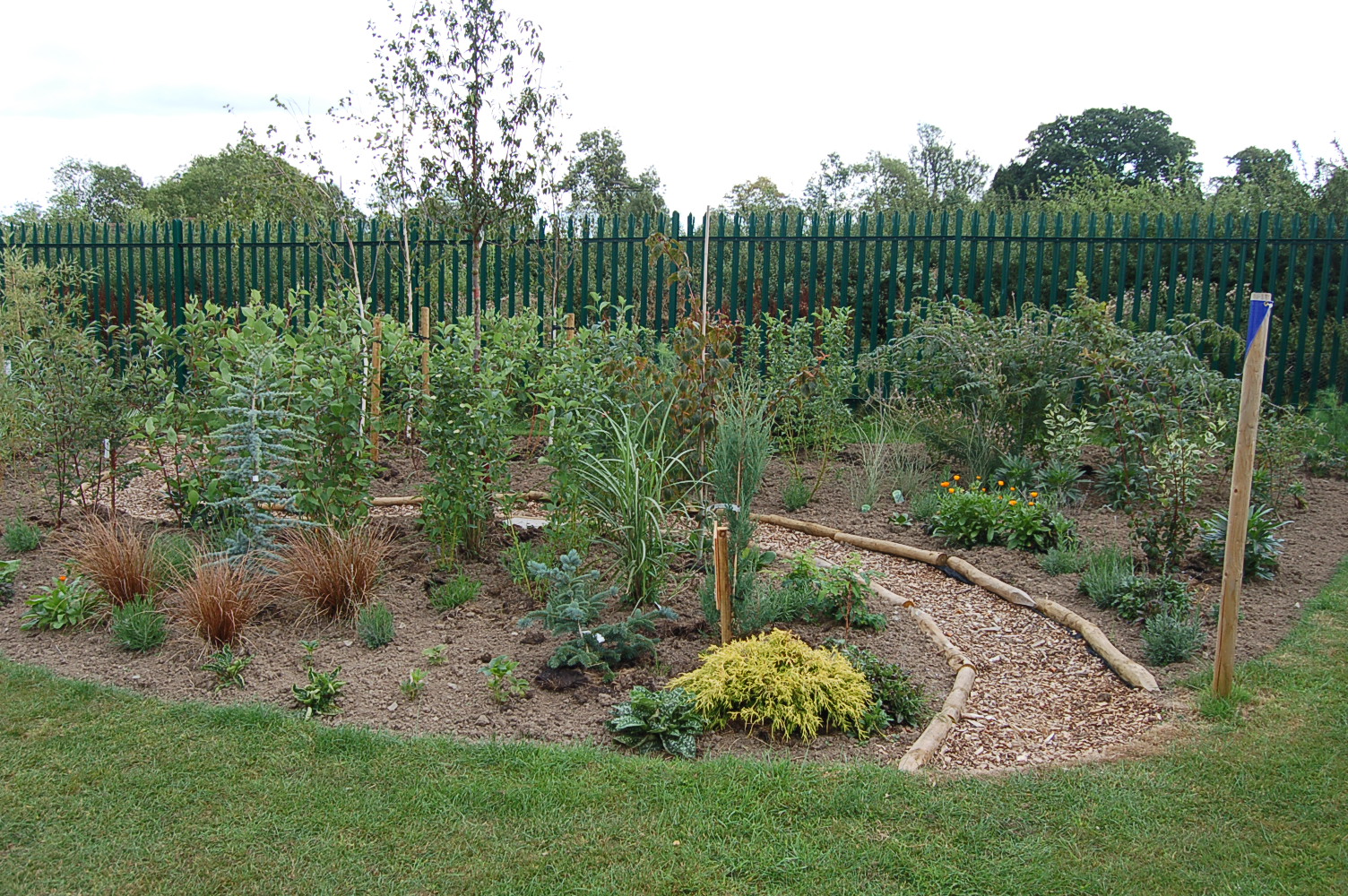
The first step was to rotovate the land, almost triangular in shape, in the corner of the site furthest from the huts, about 10 x 20 metres. We then added manure and rotovated once more. We dug out a path shaped as a serpentine curve, which cut the border in two, edged it with logs and gave it a deep layer of bark. It proved soft and comfortable to walk on. A thick layer of compost was added to the planting areas and raked level and we were prepared for planting.
Our Winter Garden is situated in a corner of the site. A water-butt is ready to be placed conveniently for watering in dry periods. In front is one of our wildlife banks.
Trees and shrubs were delivered by The Dingle Nursery from Welshpool, who had proved so helpful in helping us to select the best when we visited them to place our order. Unloading the truck and unpacking the plants was an exciting time, full of anticipation. Transporting them across the site took longer than expected involving three plot-holders with wheelbarrows. Some of the trees were just too long to stay put. After an hour of laughter and regular rescuing of dropped goods, we finally began planting. It was to take a few days.
Trees in place.
Bulbs and herbaceous plants arrived by post and were added to our structural planting of trees and shrubs. a selection of grasses was added later. We now had trees with coloured bark, shrubs with coloured stems and a winter flowering time, perennials such as Hellebores and Pulmonaria and grasses to give movement and beautiful seed heads.
Plot holder Pete busy planting.
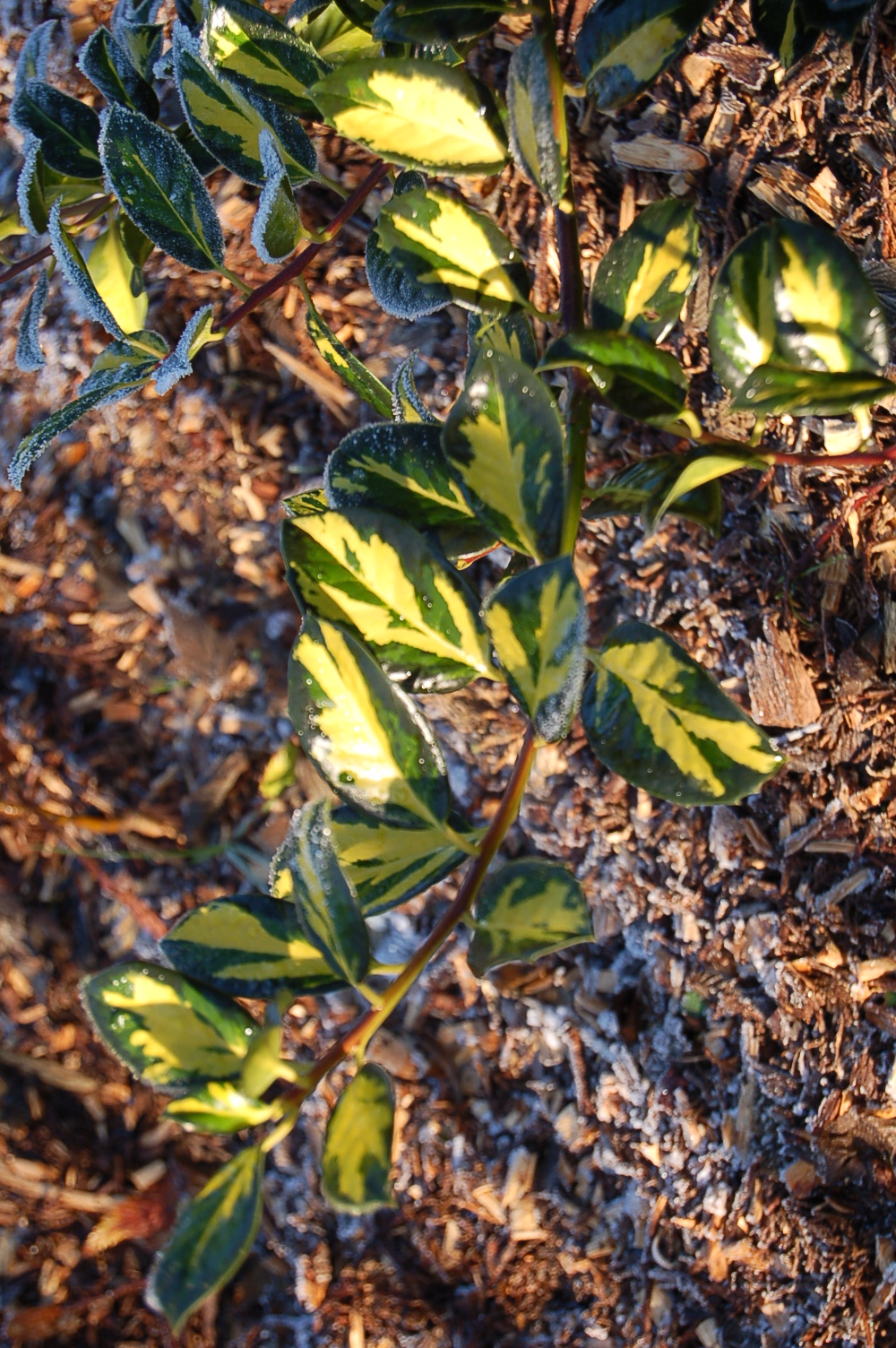
In pride of place are our three silver-barked Birches, Betula utilis “Jacquemontii” planted as 3 metre tall specimens, along with similarly sized Prunus serrula with its shining gingery-bronze bark. Smaller specimens of Acer davidii (a snake bark maple), Acer griseum appreciated for its peeling red bark and a selection of variegated Hollies completed the structural planting.
Key plants in place.
For bark colour we planted dozens of Cornus, Salix and Rubus tibeticanus to give an airy network of colour all winter and early spring. We interplanted these with patches of Lavender to give some summer interest, to attract butterflies, bees and hoverflies and to provide gentle bluish foliage colour all year. For winter flowering interest and scent we planted Cornus mas and Viburnum bodnantense “Dawn”.
In order to maintain all year interest with greatest emphasis of interest we added evergreens. As well as the Hollies we included Viburnum tinus and several conifers chosen for the variety of foliage colour, texture and habit of growth – Picea pungens Procumbens, Pinus sylvestris, Chamaecyparis “Boulevard” and to top it off John, our committee’s chairman donated a lovely specimen of Cedrus atlantica glauca. As a contrast we also planted a Larix decidua a conifer that is deciduous.
When we planted the trees and shrubs, following the allotment site’s organic policy, we gave them a sprinkling of bonemeal in the planting holes and top-dressed with blood fish and bone fertiliser before mulching with manure. We plan to give the bed regular mulching of compost and manure to give a slow-release nutrient regime.
Working parties and individual volunteers worked throughout the year to keep weeds at bay.
Volunteers at work tidying and weeding.
By late summer the garden was showing lots of healthy growth and we could see much promise for the future.
Full of promise.
In the autumn we gave the garden a mulch of chipped bark to protect it from the ravages of winter and to slowly break down releasing nutrients and improving humus levels ans soil texture.
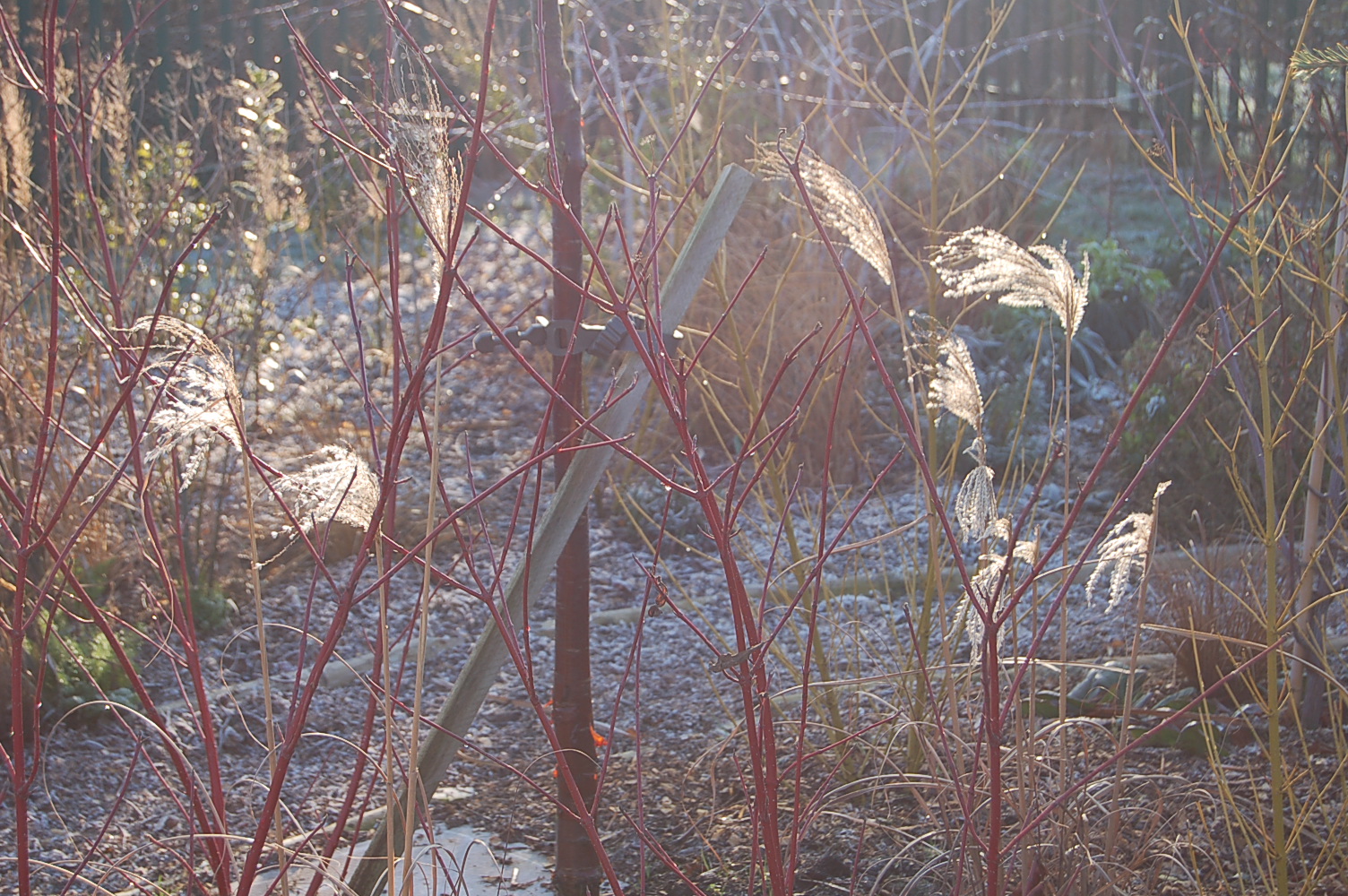
This week three of us weeded the bed over, tidied, pruned and loosened up the soil. It was amazing to look at progress and realise how the garden had developed in less than a year. Bulbs were flowering, the trees and shrubs have made good growth and in particular the willows and dogwoods are showing strongly coloured stems.
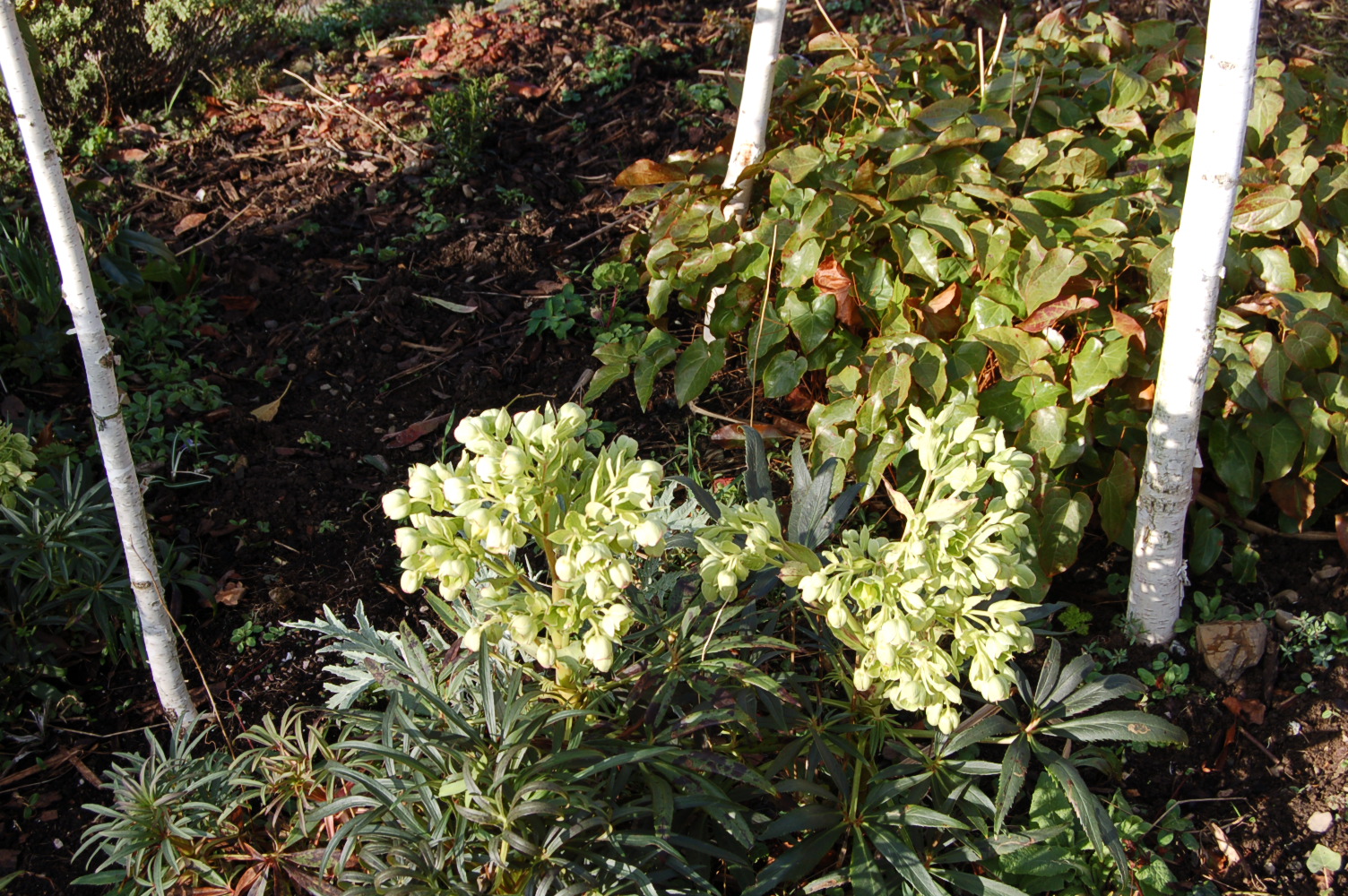
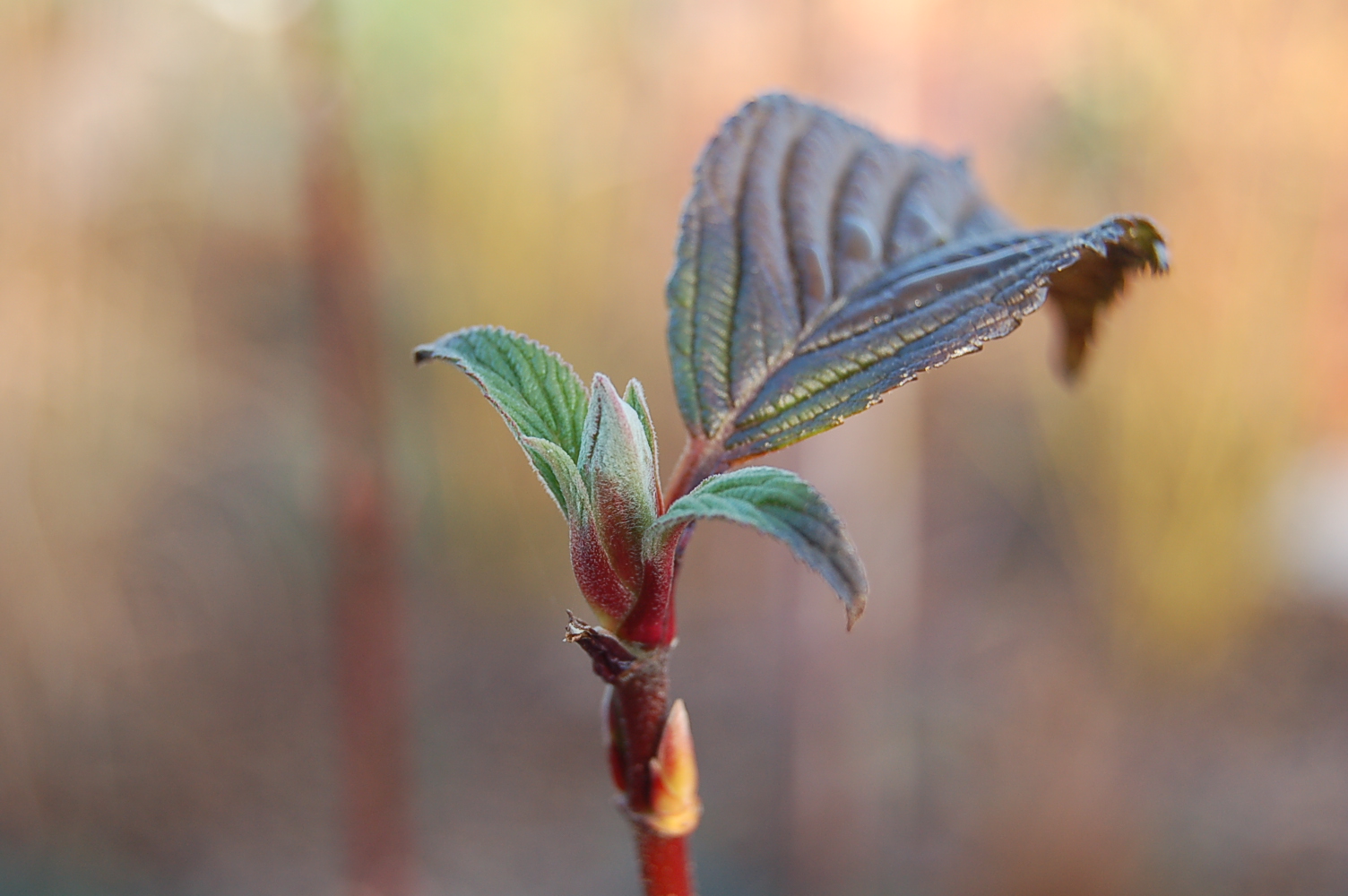
Winter sunlight through Miscanthus and Cornus.Stripes of fence shadows fall across a variegated holly.Blood red dogwood stems.Peeling bark like brittle toffee.Green flowered hellebore with striped shadows.Premature bud burst on Viburnum.Striped snake bark maple.
With so much to see after such a short time, we can but wonder at what our Winter Garden will bring us in the future. It was great fun creating it and judging from comments from plot holders it is already bringing much joy!
'The most important and informative publication on wildlife of our times' - The Independent. This blog is a member of The UK & Ireland Natural History Bloggers group: www.uknhb.blogspot.com
























































































 greenbenchramblings