Categories
bird watching birds climbing plants colours conservation fruit and veg garden design garden photography garden wildlife gardening grasses hardy perennials ornamental grasses ornamental trees and shrubs photography roses Shropshire village gardens wildlife

A Garden Bouquet for August

It is time I took up my camera and took photos of the delights our garden has to offer. This is a particularly important set of photos as we have decided on August 3rd as the date we are going to open our garden for the National Garden Scheme next year. We keep looking for gaps or places in need of improvements be it little tweaks or bigger tasks such as re-laying our main central path in the back garden.

So I went off around the garden with my zoom lens attached to see what’s what in our patch. As it panned out there was so much to see in the back garden that all this month’s photos were taken there. Please enjoy the journey and feel the damp, cool morning air which acted like a soft lens filter giving a delicate misty blue atmosphere to some of the shots.

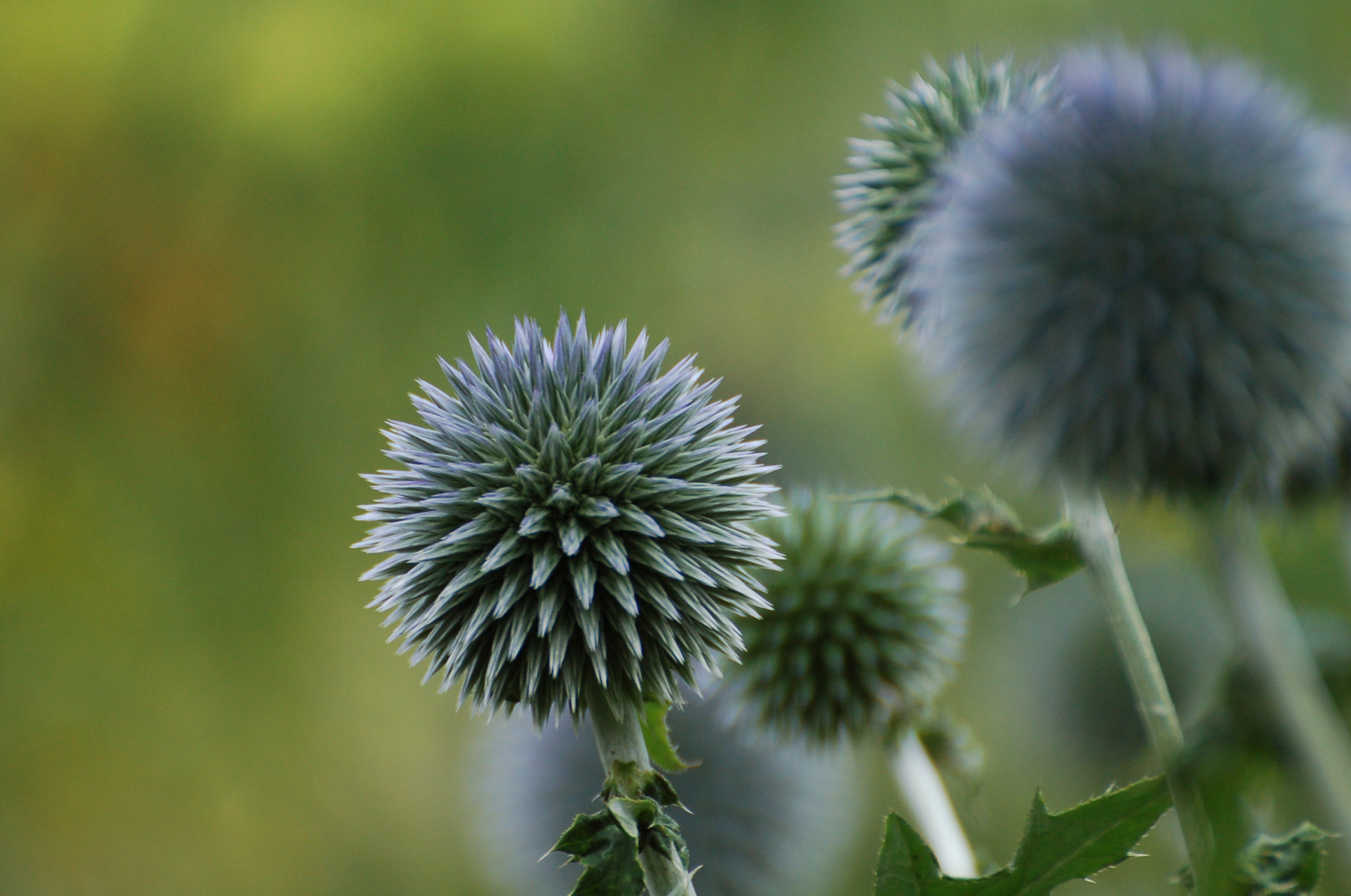
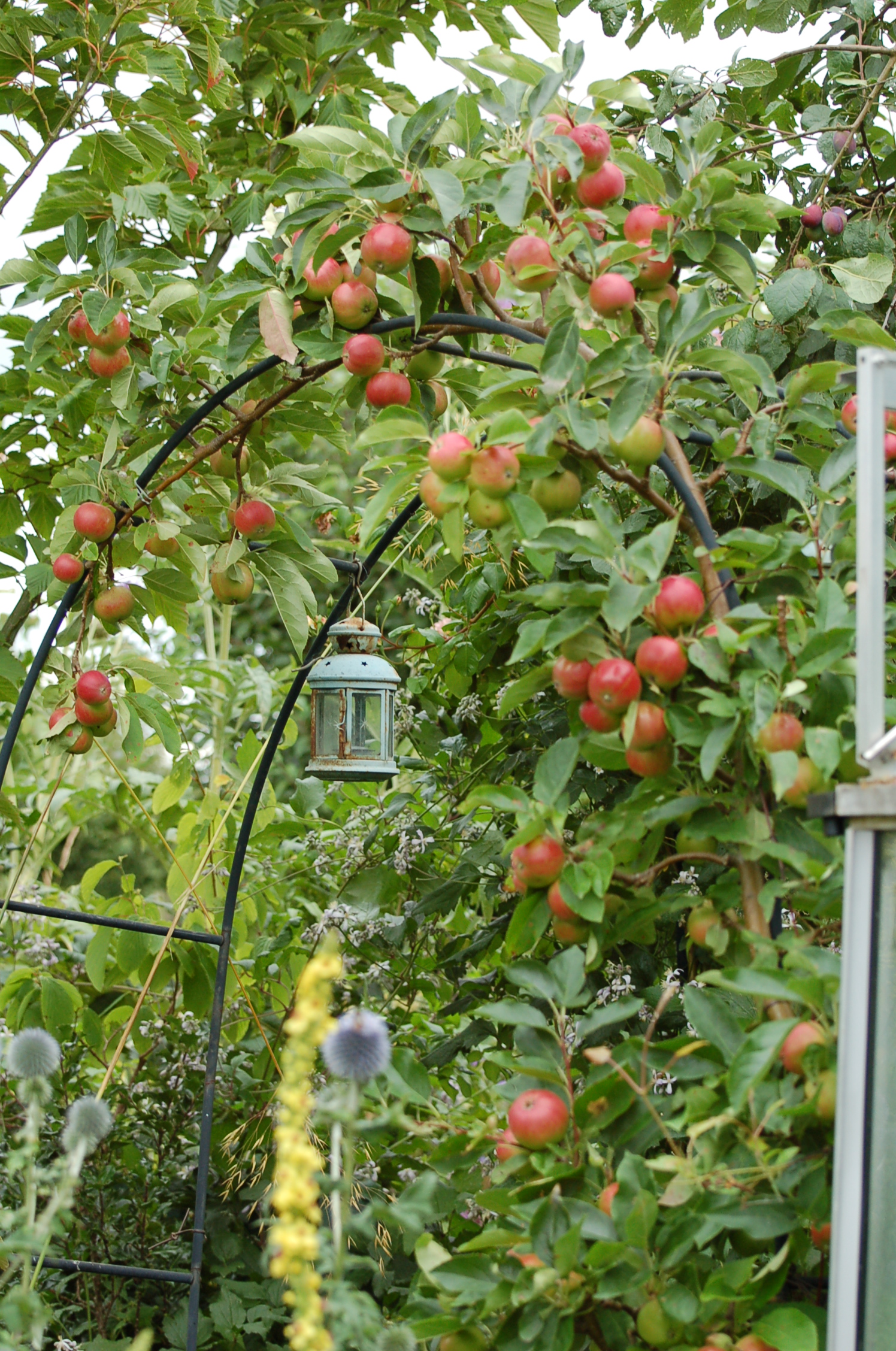
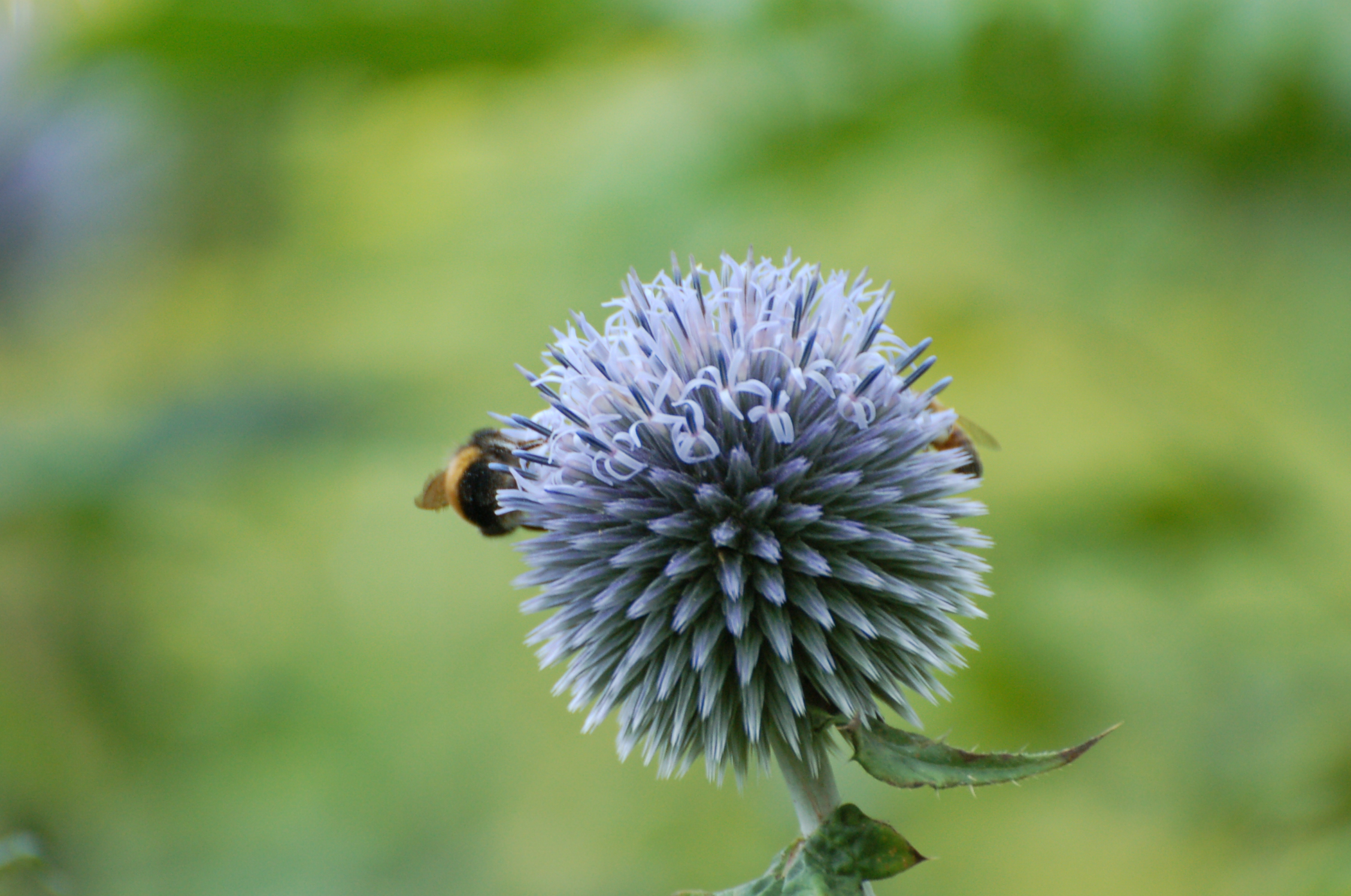
In the “Shed Bed” the delicate china blue flowers popping out of the spiky spheres of the echinops provide sustenance for our bees and the apple tree trained over an arch will provide sustenance for us. The odd white flowers come from the gentle creamy colours of the hydrangea heads.

2013 08 22_2847 2013 08 22_2926 2013 08 22_2927

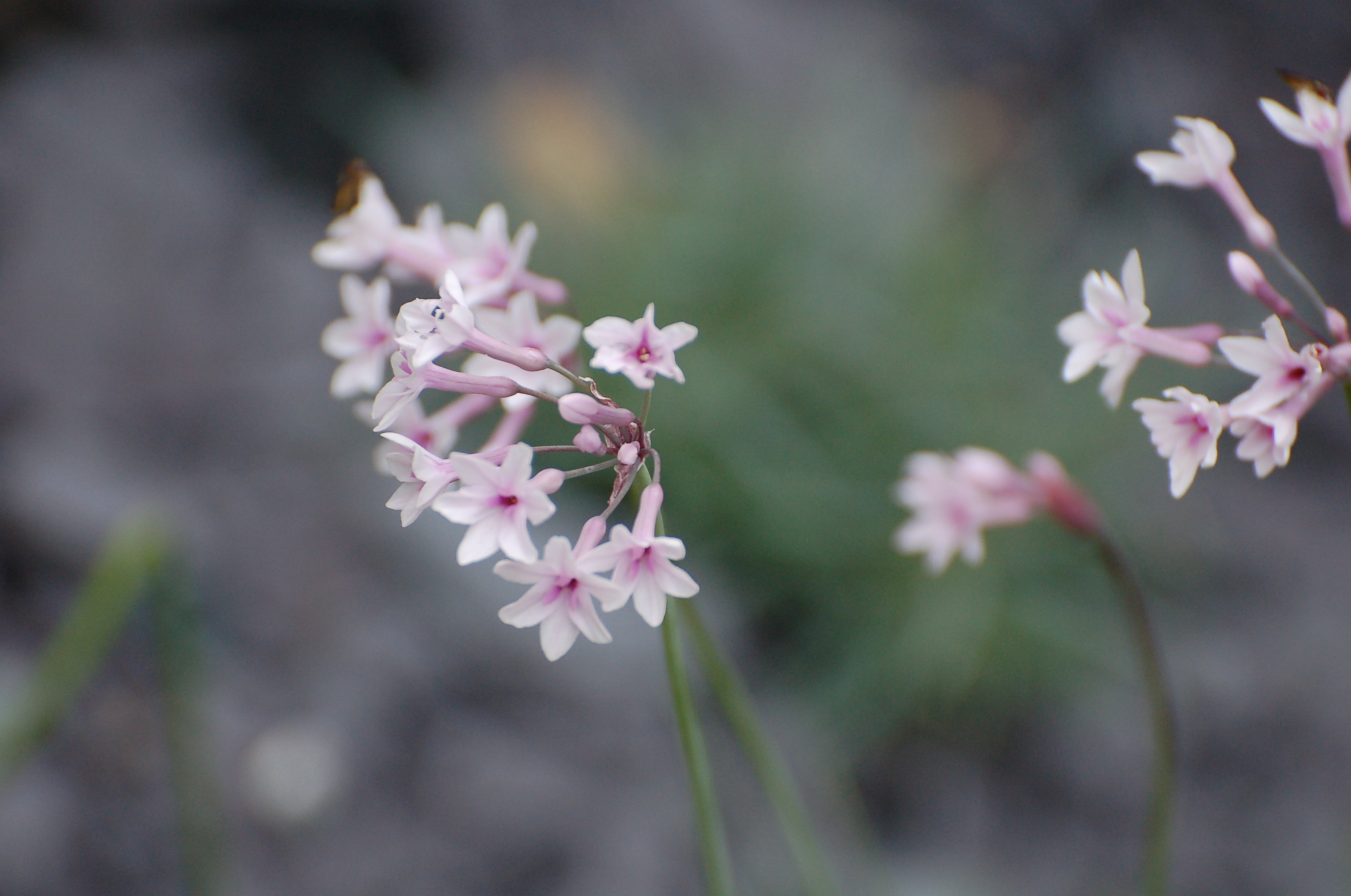
Our tulbagias continue to flower in the new slate garden close by and above them the purple sedum foliage hangs from the old gypsy kettle on our old ladder.
2013 08 22_2928 2013 08 22_2929 2013 08 22_2930 2013 08 22_2931

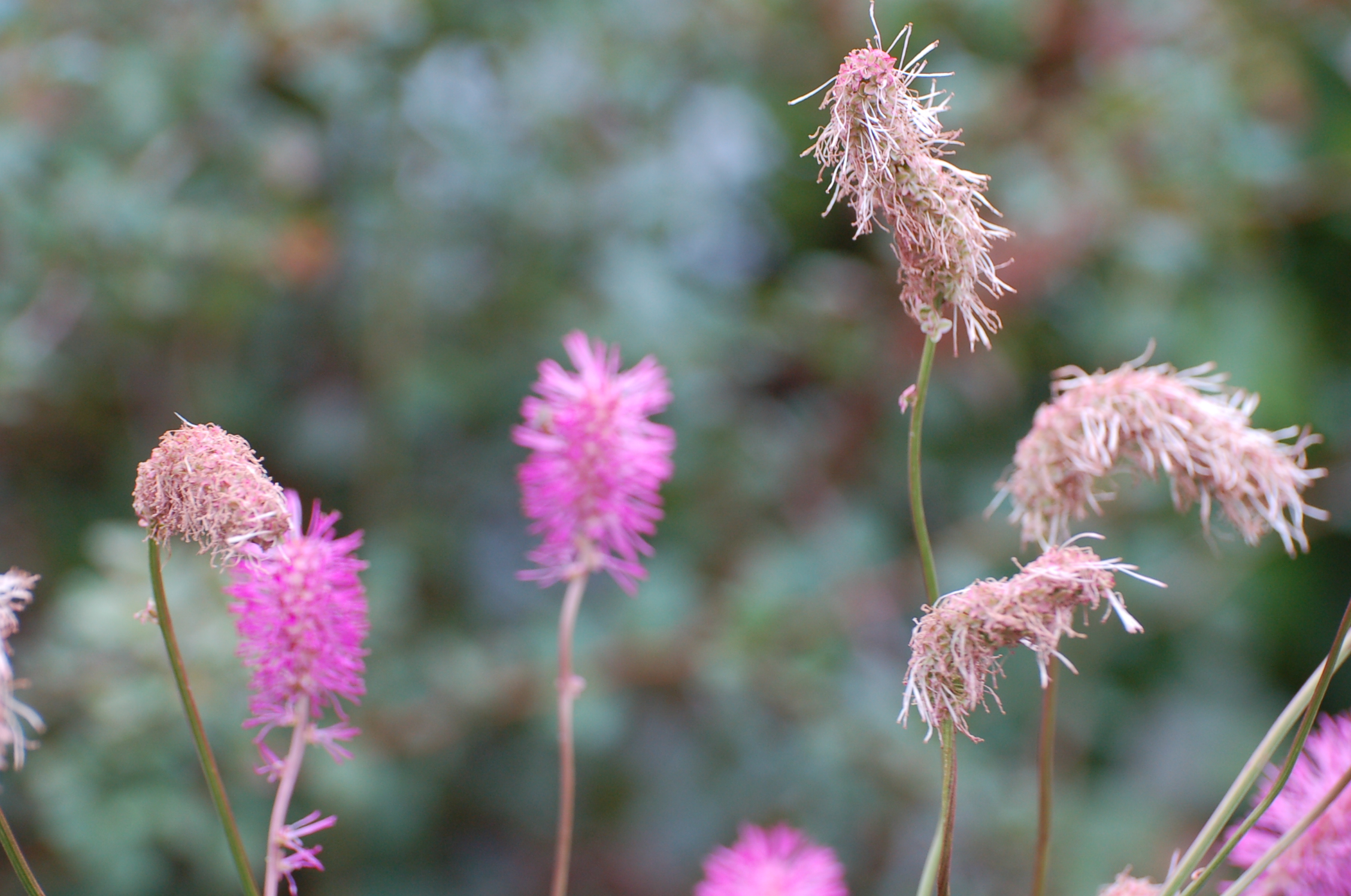
There are lots of plants to look at around the end of the greenhouse where the vine is dripping with grapes awaiting late summer sun to ripen them and paint them in purple and black. The Quince vranga tree has a few fruits hanging at the tips of the branches and the soft pink curled flowers of Sanguisorba “Pink Elephant” brighten the border below.

2013 08 22_2857 2013 08 22_2933 2013 08 22_2935 2013 08 22_2936

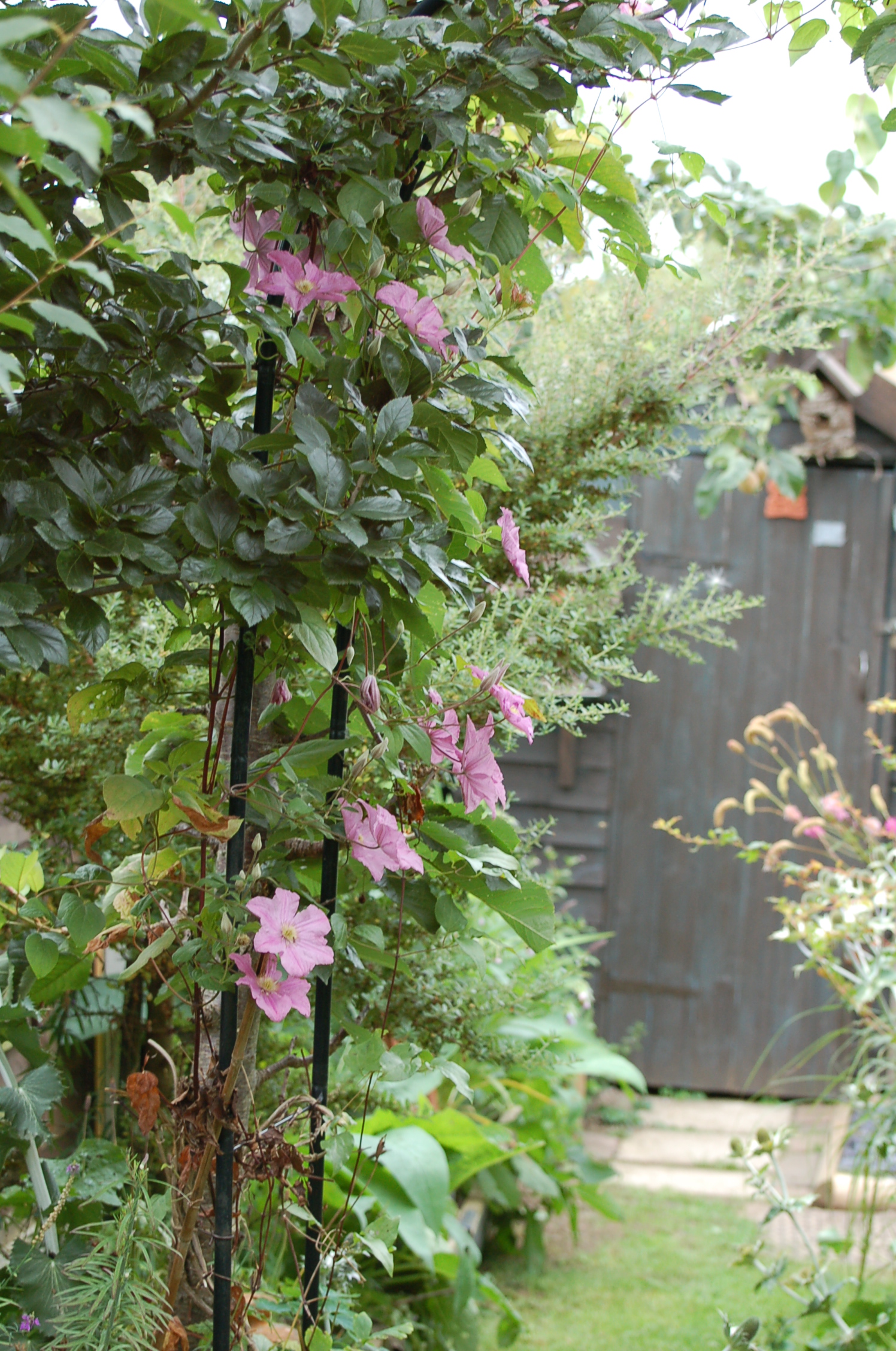
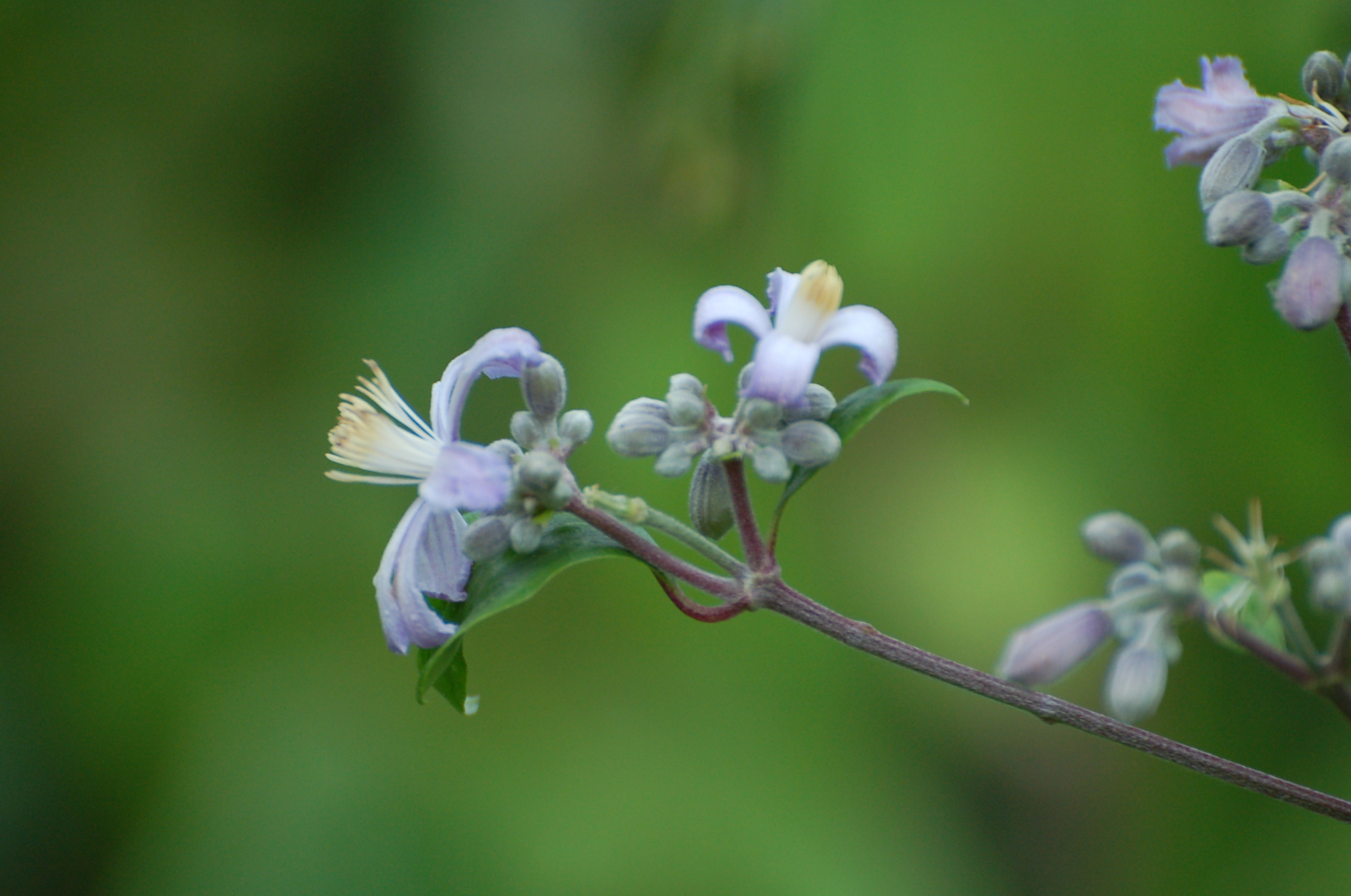
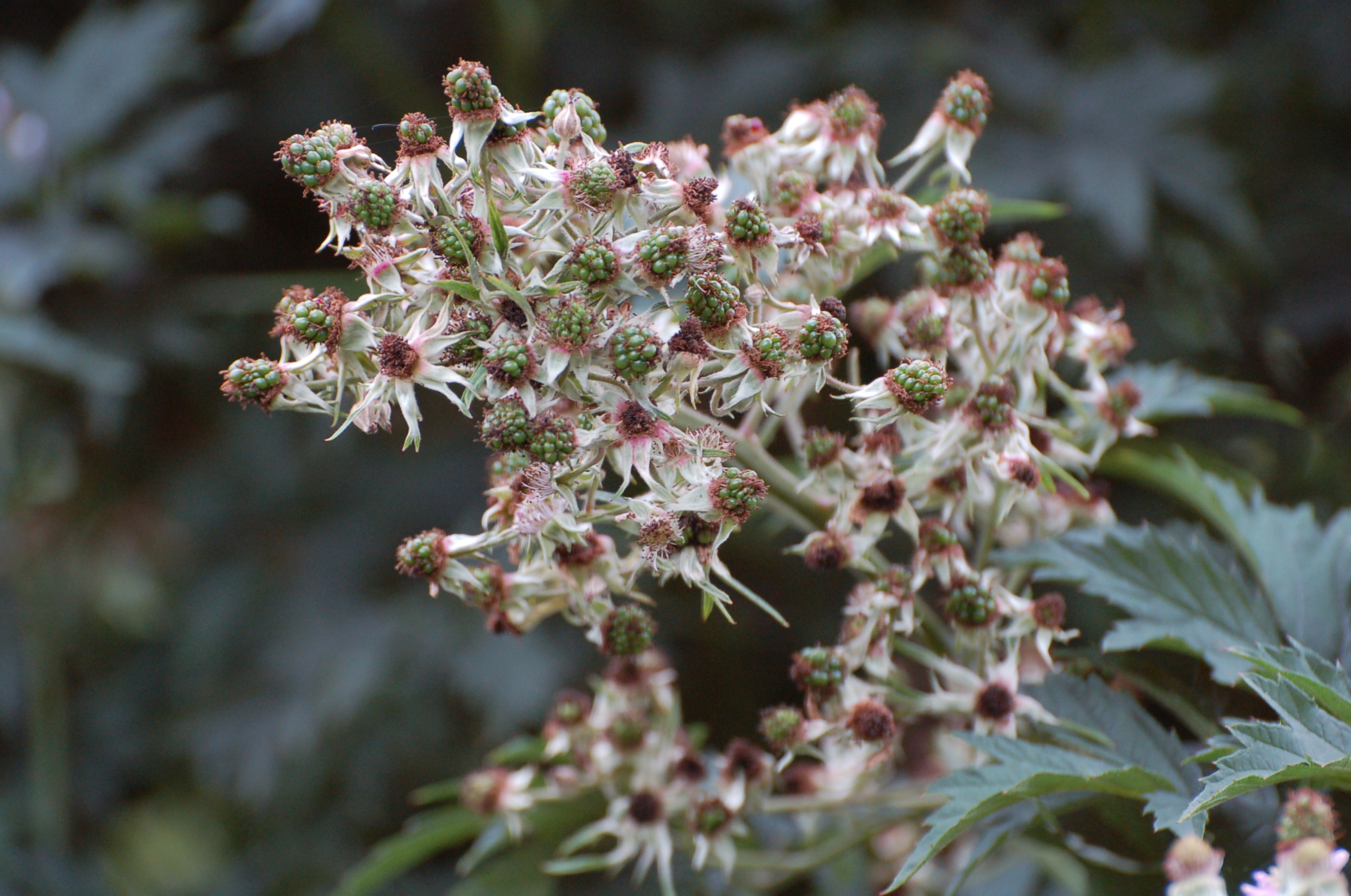
In the long “Tree Border ” this lilac flowered clematis is dripping with flowers and the thornless blackberry is heavy with young unripe fruits.

2013 08 22_2862 2013 08 22_2938

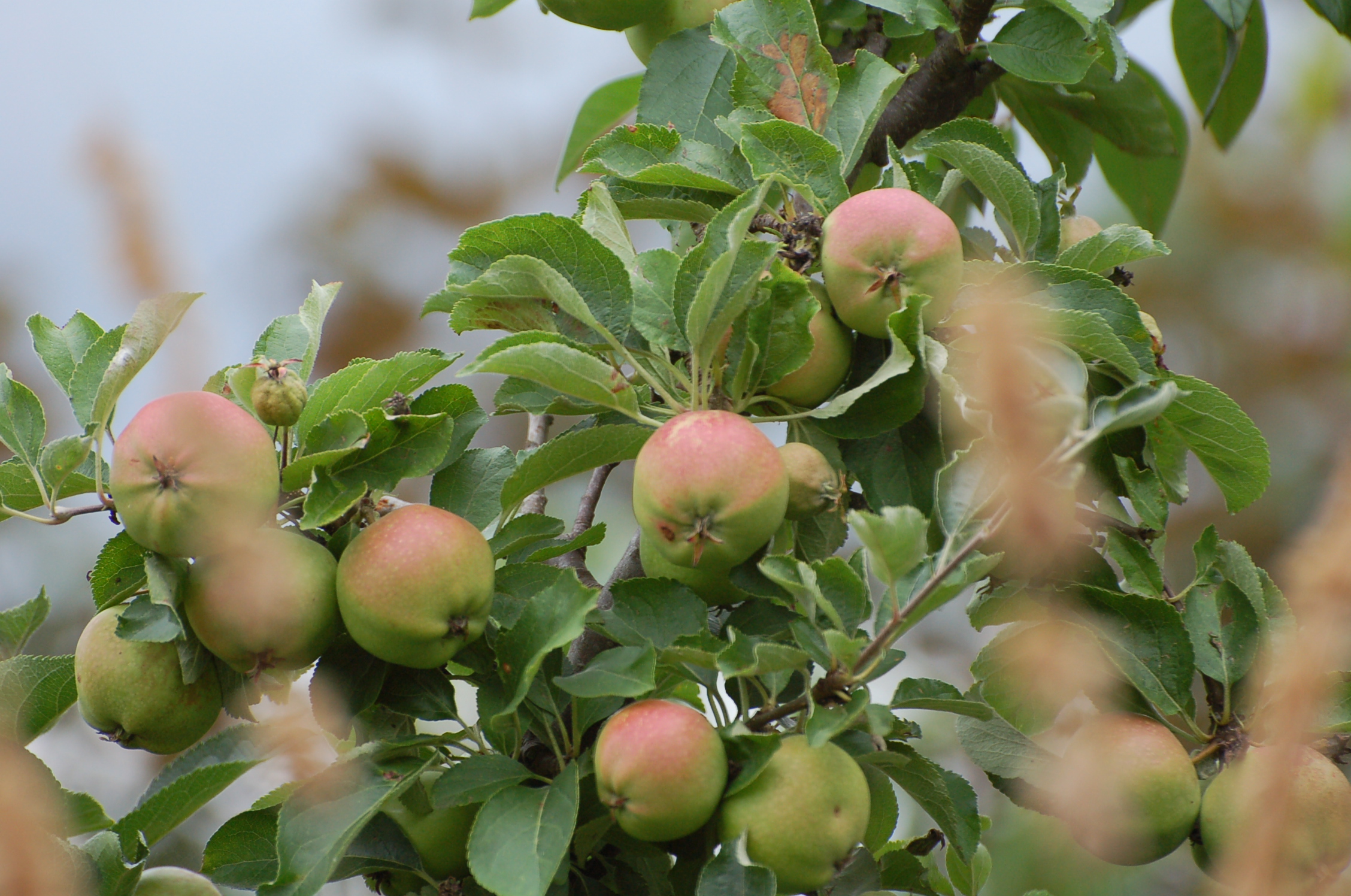
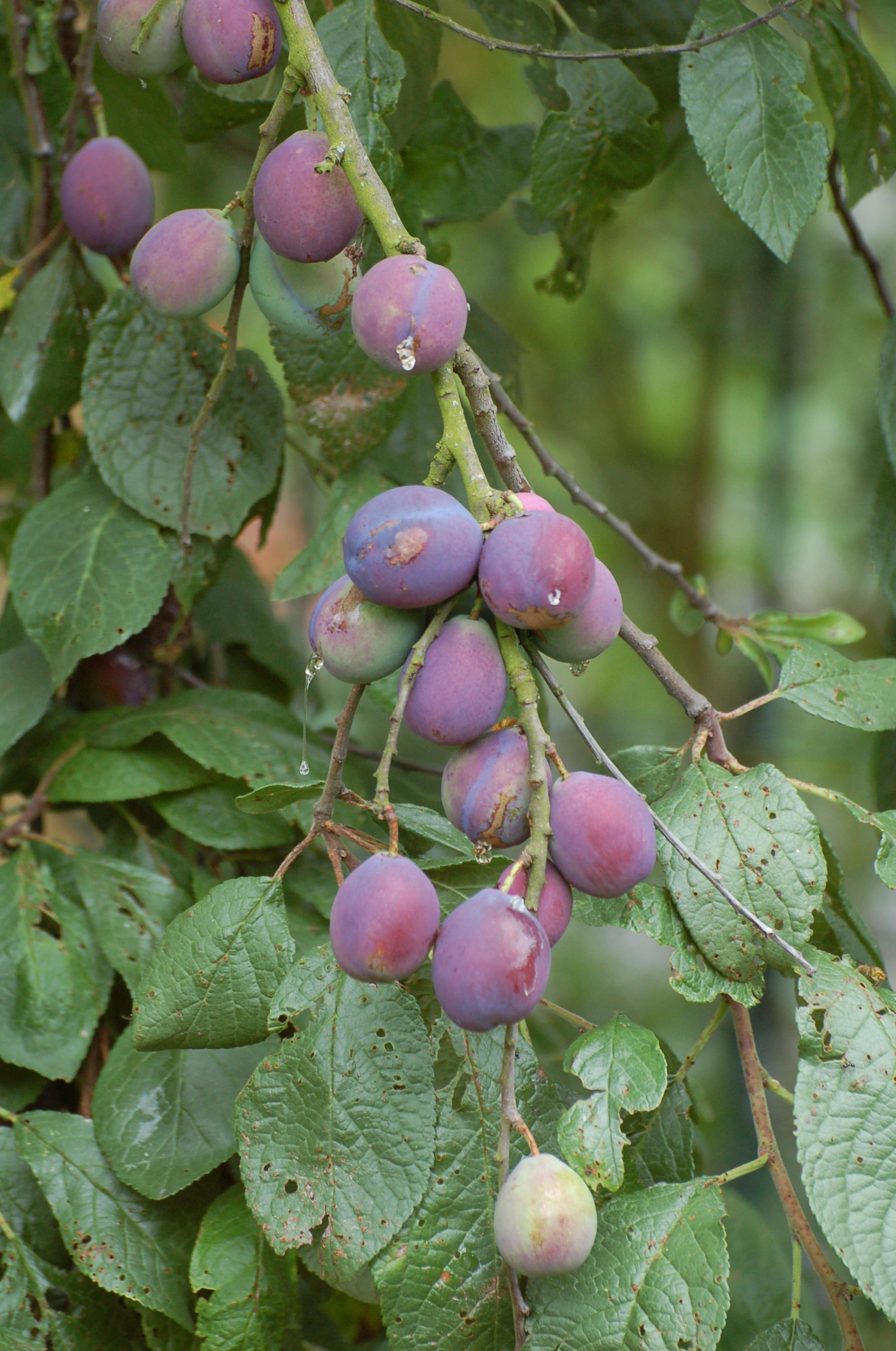
The Secret Garden and the Chicken Garden are at their best, blooming brightly with the cordon apples full of ripening fruit acting as a backdrop, many of which are just beginning to develop a flush in their cheeks. The Shropshire Damson tree overhangs one border and its deep purple fruits are weighing down its branches so heavily that the fruits look like they are reaching out to hold hands with the flowers.

2013 08 22_2939 2013 08 22_2940 2013 08 22_2941 2013 08 22_2867 2013 08 22_2944 2013 08 22_2945 2013 08 22_2946 2013 08 22_2872 2013 08 22_2873 2013 08 22_2949

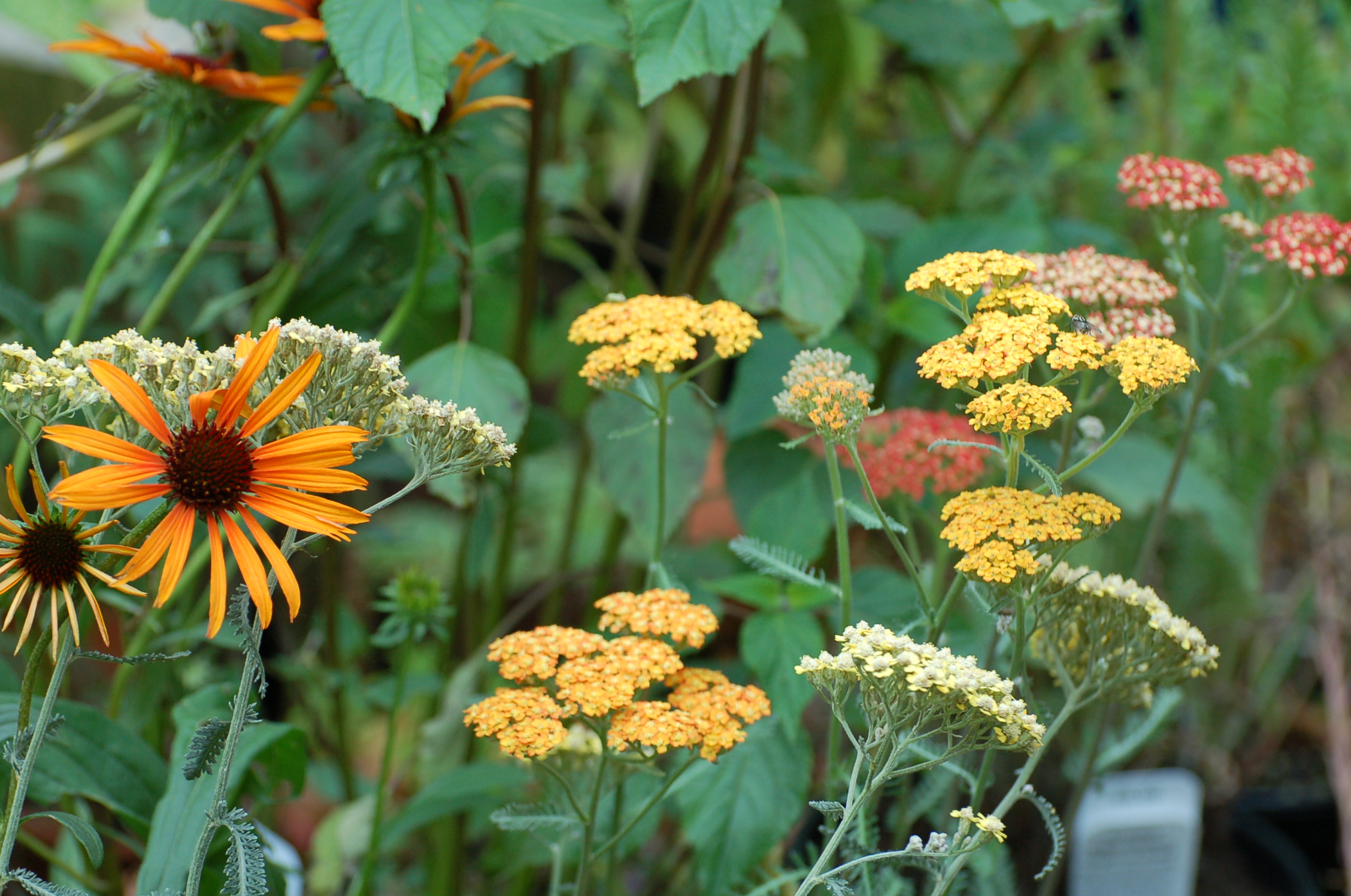
A few new plants are waiting, still in their pots, in the Secret Garden while we decide where to plant them. They seem to be the colours of citrus fruits!

2013 08 22_2950 2013 08 22_2951

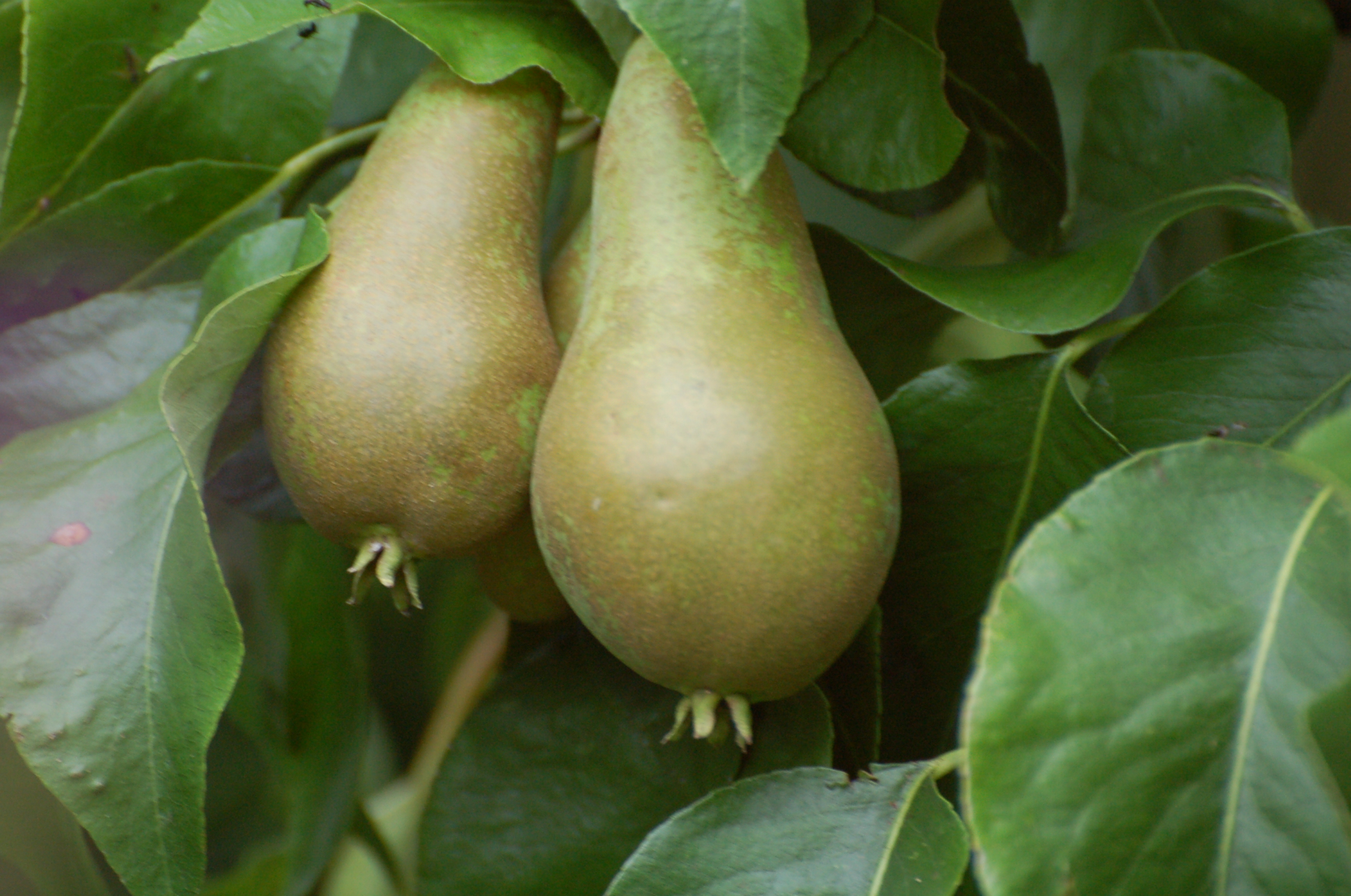
Along the central pathway our pears are close to their peak picking time. As I pass each day I look longingly to see if a couple are ready. Surely this is the ultimate gardening experience, eating a juicy, scented pear still warm from the sunshine just seconds from leaving the branch. The few plums look sad and lonely – from all four cordons we have just one clump of fruit. A poor year!

2013 08 22_2878 2013 08 22_2877 2013 08 22_2955 2013 08 22_2956

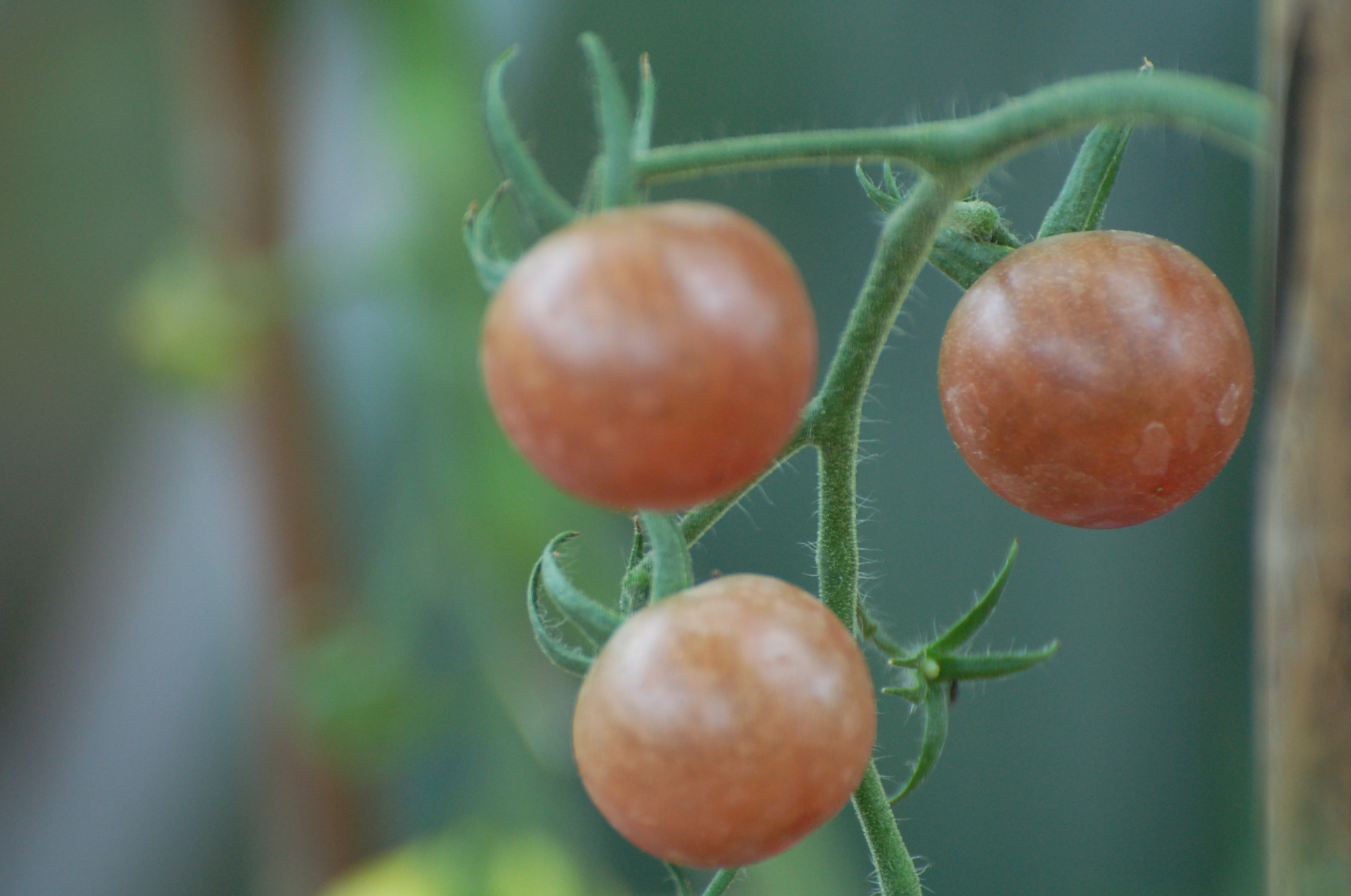
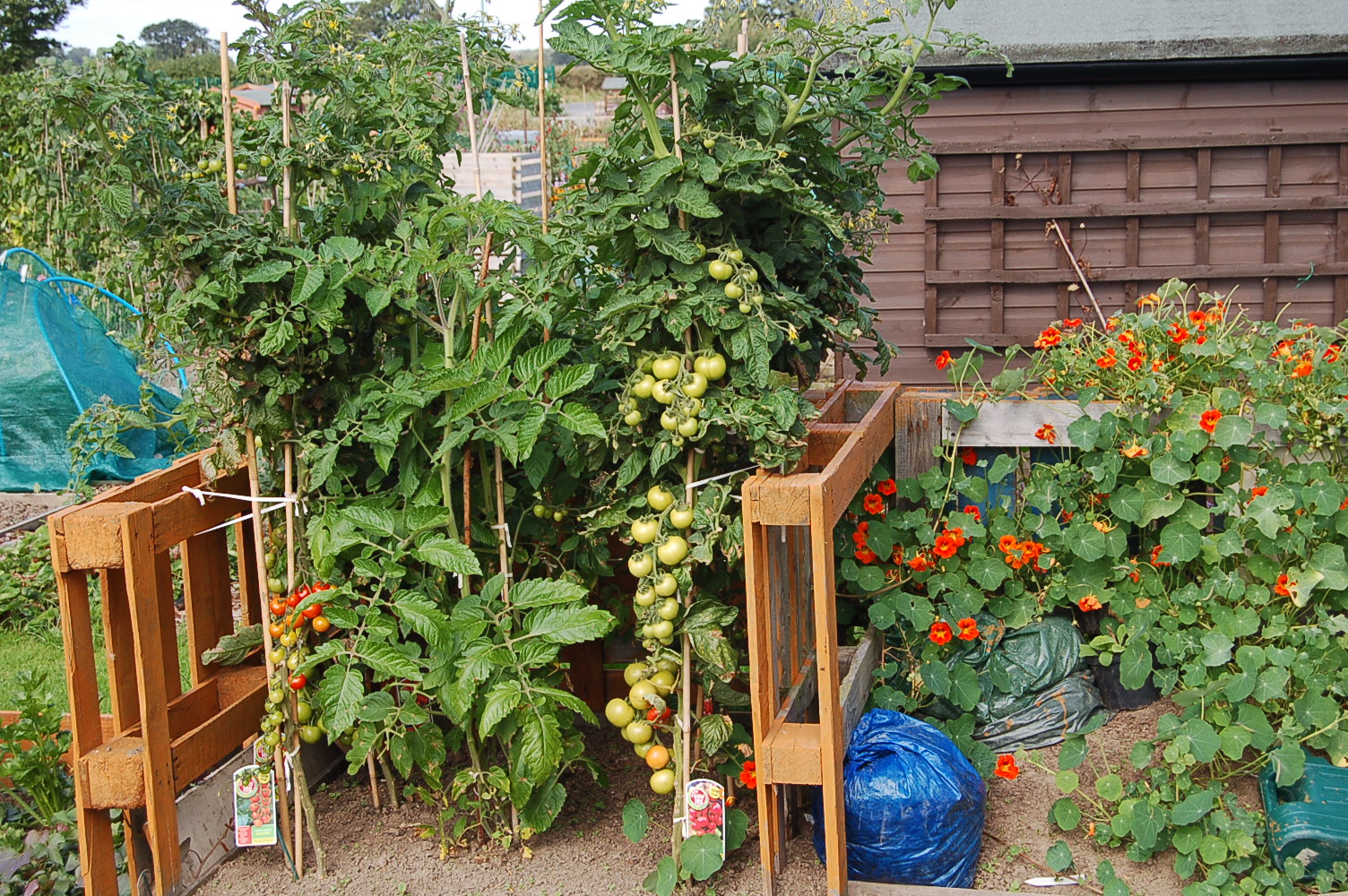
In the greenhouse the tomatoes are producing prolific amount of fruit in shades of yellow, red and purple. We are picking and enjoying them daily and adding some to the store of produce in the freezer. In the late autumn we shall make them into chutney coupled with our onions and apples.

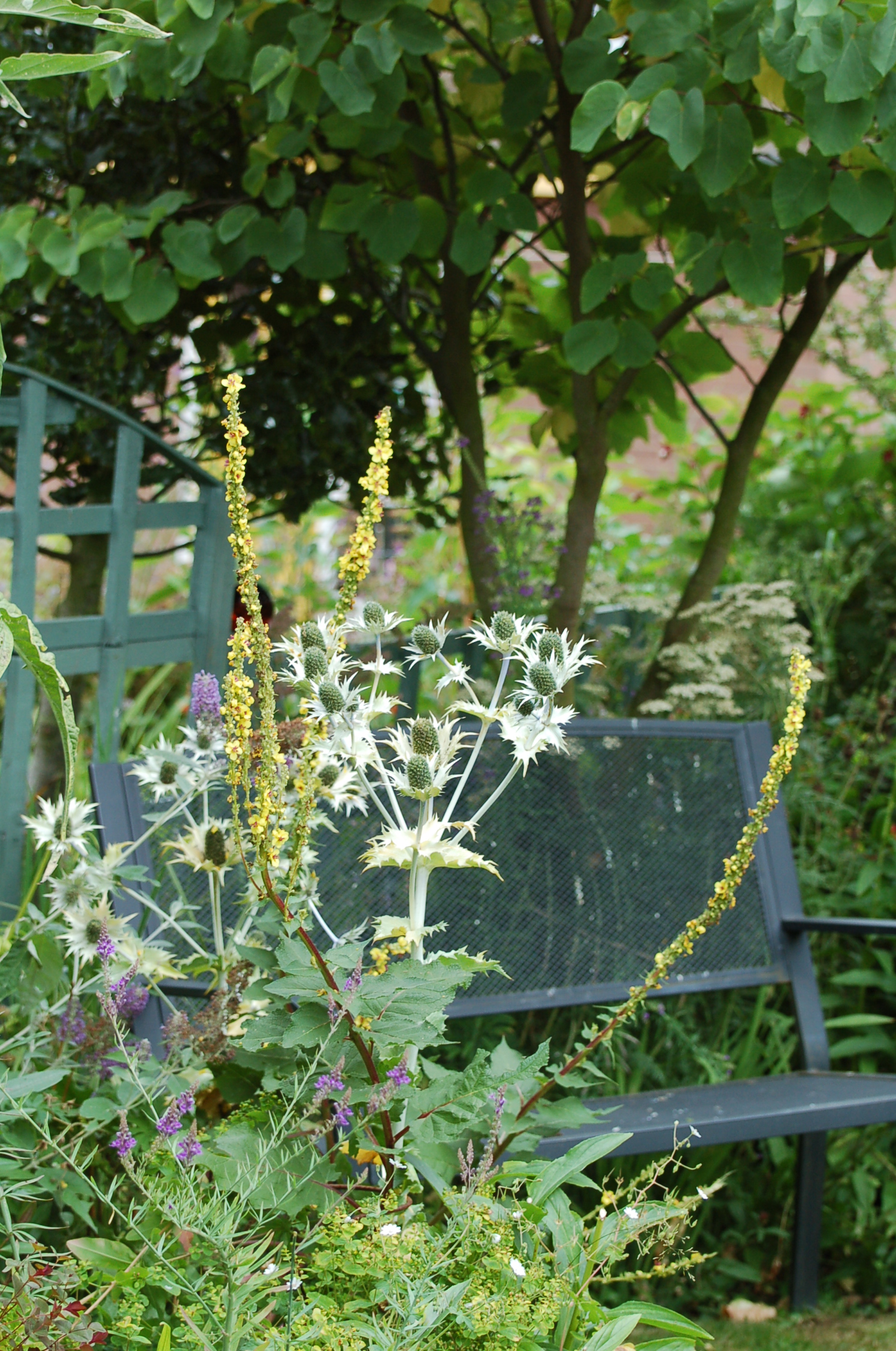
From the greenhouse door I can look out across the “L Bed” and the “Long Border” through an arch draped in richly scented roses and a delicate china blue clematis. This is a herbaceous clematis rather than a climber, but it does enjoy a good scramble over everything in its path.

2013 08 22_2958 2013 08 22_2960 2013 08 22_2961

2013 08 22_2963 2013 08 22_2964 2013 08 22_2965 2013 08 22_2967 2013 08 22_2968 2013 08 22_2970

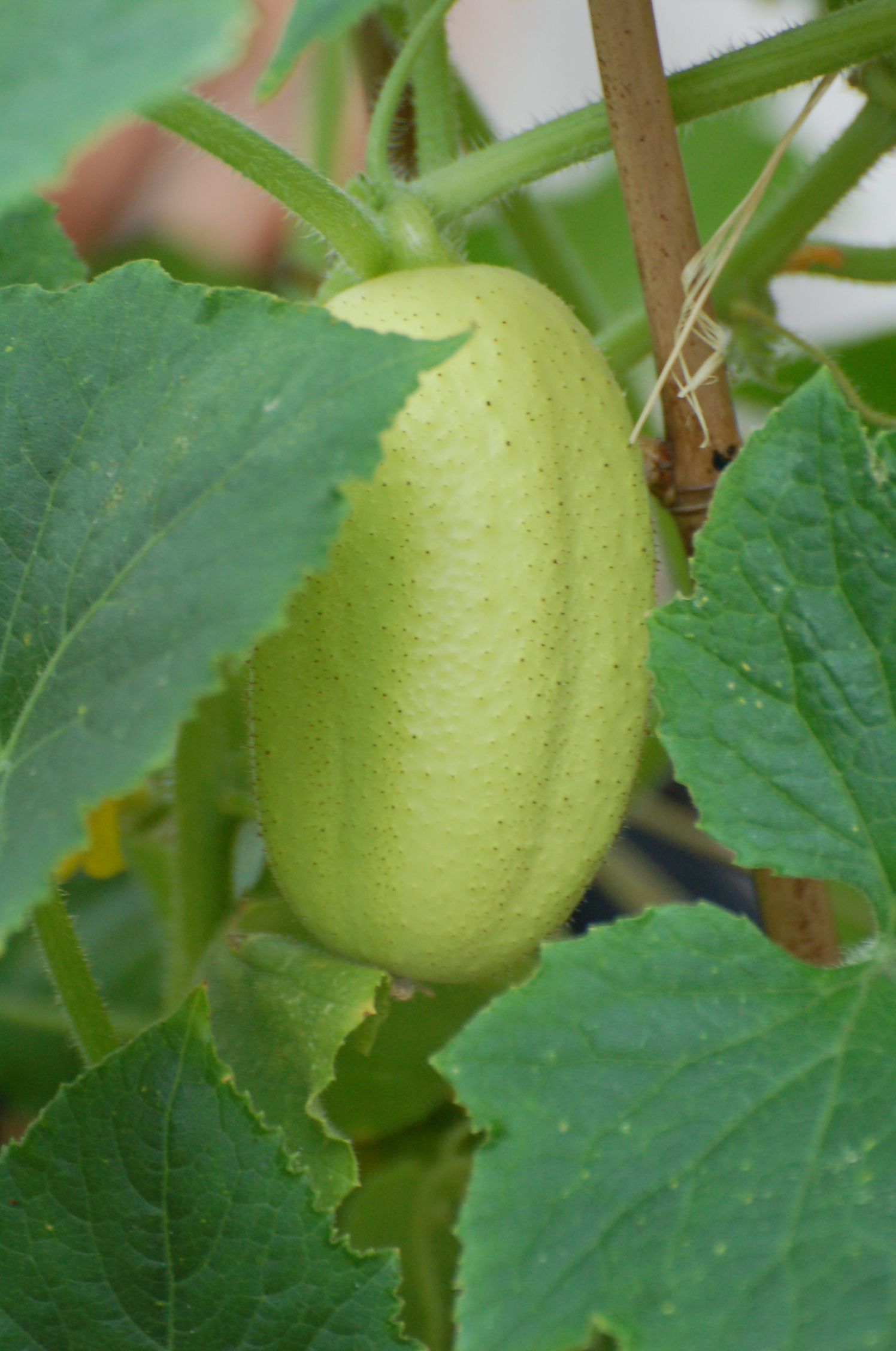
This strange fruit is a heritage cucumber called Booths Blond, which Jude the Undergardener tells me is very tasty. I don’t eat them, they are one of the few fruits and veggies I don’t enjoy. This variety certainly looks very different to the long straight regimental cucumbers sold in supermarkets.
2013 08 22_2971

We have been concerned about the lack of butterflies and bees this year but recently they have come back in good numbers. Honey bees, bumble bees and solitary bees are all feeding furiously on any simple flowers. The butterflies are particularly tempted by the buddlejas and the marjorams. We garden with wildlife in mind particularly in the choice of plants we grow. Our flowers tend to be simple and  open, just the sort preferred by pollinating insects. We rely on our insects and birds to look after our garden for us. We garden totally organically relying on wildlife to do our pest controlling and pollinating of our crops.

2013 08 22_2897 2013 08 22_2969

As I am writing this the sky is full of House Martins and Swallows gathering together in readiness for their long migratory journey to the African continent. There they will find flies to feed on while here in the UK the insect population will disappear with the onset of winter. These acrobatic flying little birds seem to be celebrating a good English summer!

In the shrubs and trees warblers and titmice are busy feeding up after a period of moult. August and September are when we tend to see our warblers, Willow, Garden and this year even a Grasshopper Warbler. Chiffchaff and Whitethroat tend to be with us most of the year.
Categories
allotments fruit and veg garden wildlife gardening grow your own July kitchen gardens National Garden Scheme natural pest control NGS Shrewsbury

A lottie visit.

It seems a long while since I featured our allotment plot in Greenbenchramblings and it was from the old green bench on the lottie that my blog was launched, so when I was nominated for a pair of blogging awards I thought it would be a good time to say thank you by taking  you for a quick look around our plot.

Firstly thanks to aristonorganic for the 2Awards in 1! I am not a competitive person but I do feel privileged to know that someone appreciates my blog. It brings a smile to my face.

The awards are “Shine On” and “Very Inspiring Blogger Award”.

By accepting them I promise to tell you 7 things about myself and pass on the nomination to other bloggers I enjoy reading.

7 Things About Me

1 I am registered “Bionic”.

2 I want to know what is going on in our garden at night so have just got a live moth trap.

3 I keep a flock of hens at the bottom of my garden and talk to them regularly. I think they talk back!

4 I enjoy our monthly trip to jazz club.

5 I garden with wildlife in mind.

6 I am chairman of our allotment community.

7 I enjoy watching 20/20 cricket.

Bloggers who I wish to nominate are

mybeautifulthings

The Scottish Country Garden

lensandpensbysally

Penny’s Garden

grandparentsplus2

Catherine Howard’s Garden

pbmgarden

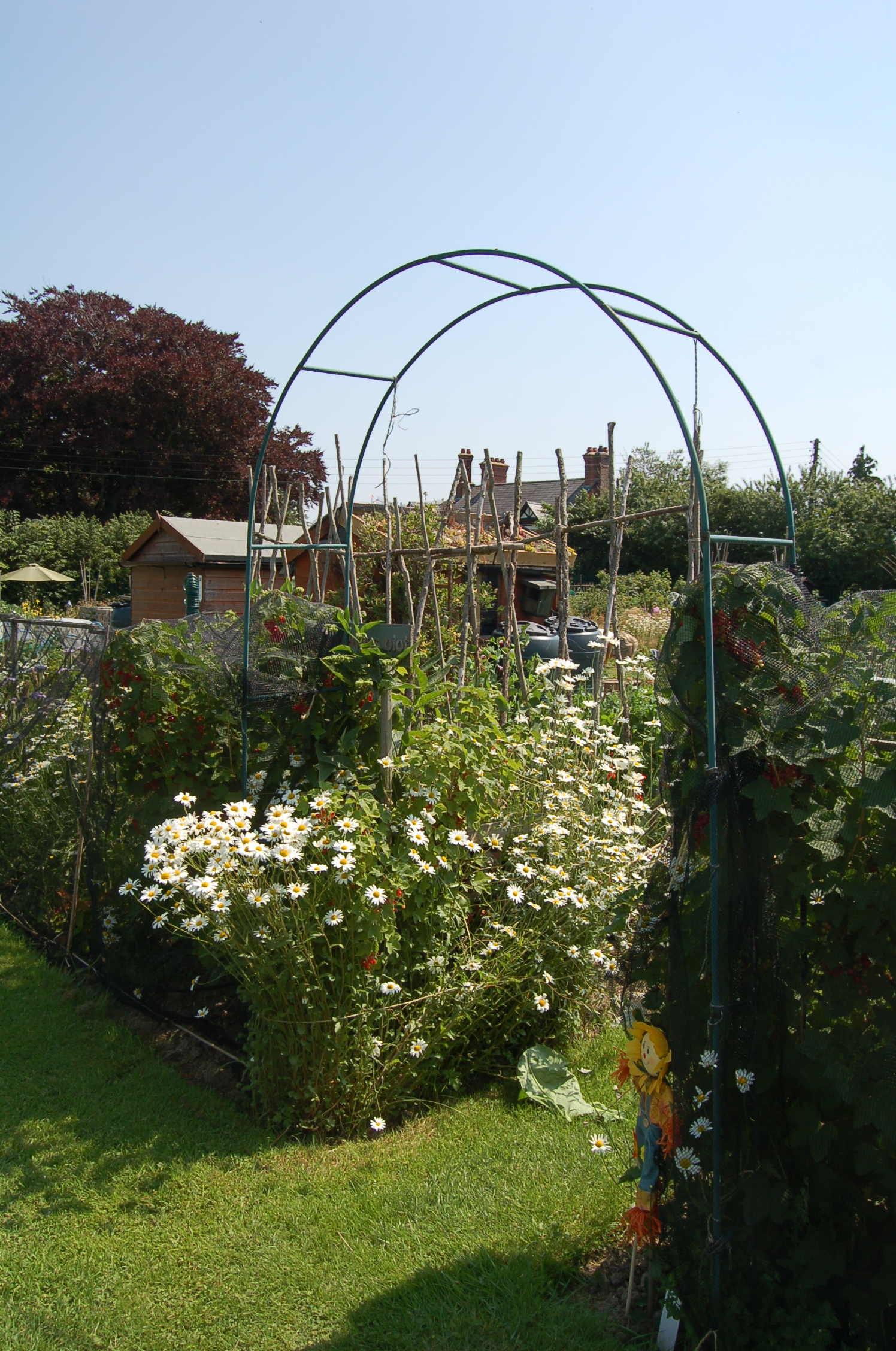
So let us go for a wander around our lottie plot. We welcome you through an archway where a “meeter-greeter” awaits your arrival.

2013 07 09_1825 2013 07 09_1824

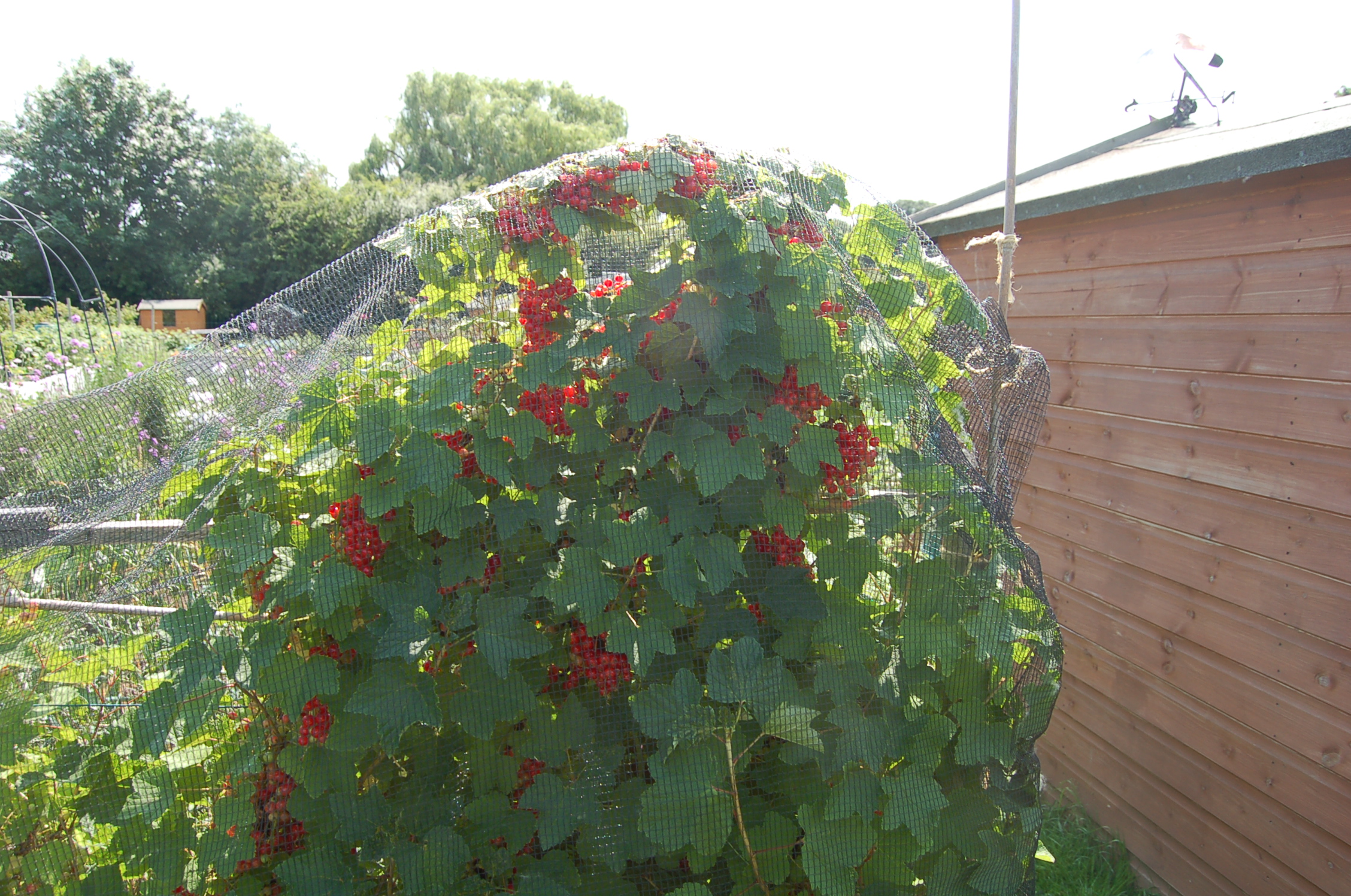
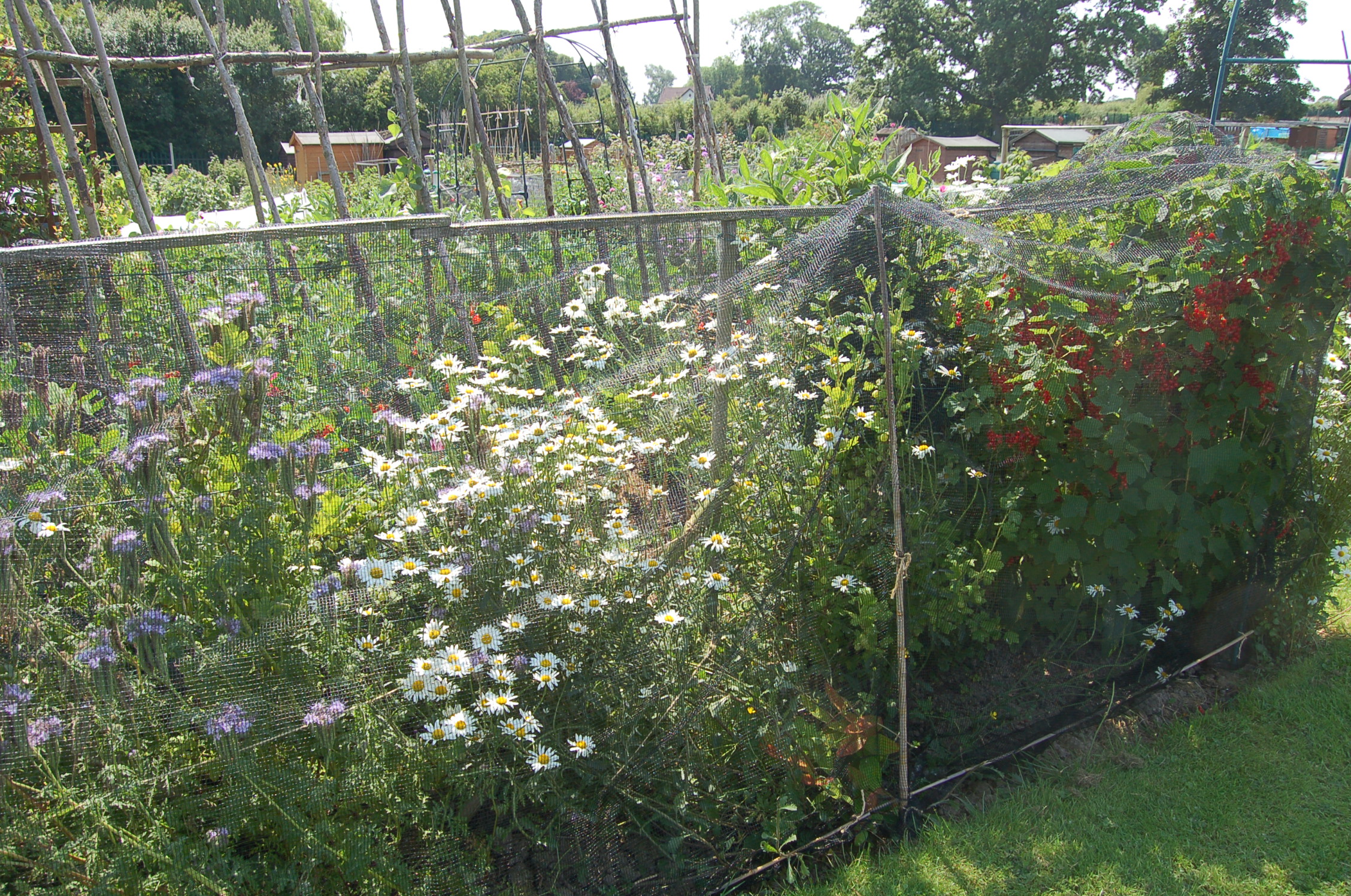
Fruit grown as cordons line our paths and here red currants, almost ready to pick, are netted against the attentions of the local blackbird population. We grow flowers with our fruit to bring in beneficial insects which act as pest controllers and pollinators.

2013 07 09_1826 2013 07 09_1823

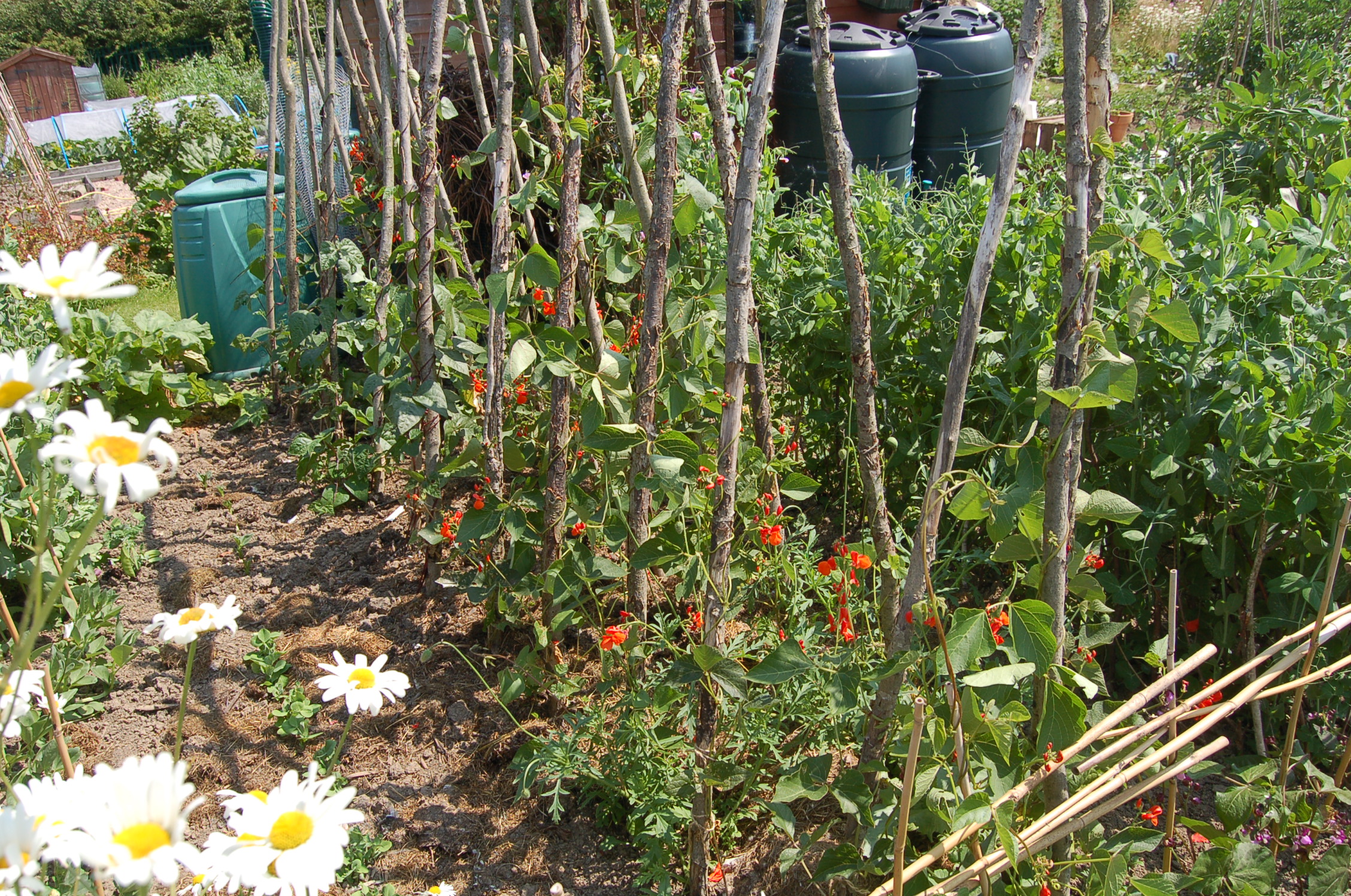
Our Runner Beans are in flower providing bright splashes of red whilst below them French Beans give us purples and mauves to enjoy.

2013 07 09_1827 2013 07 09_1828

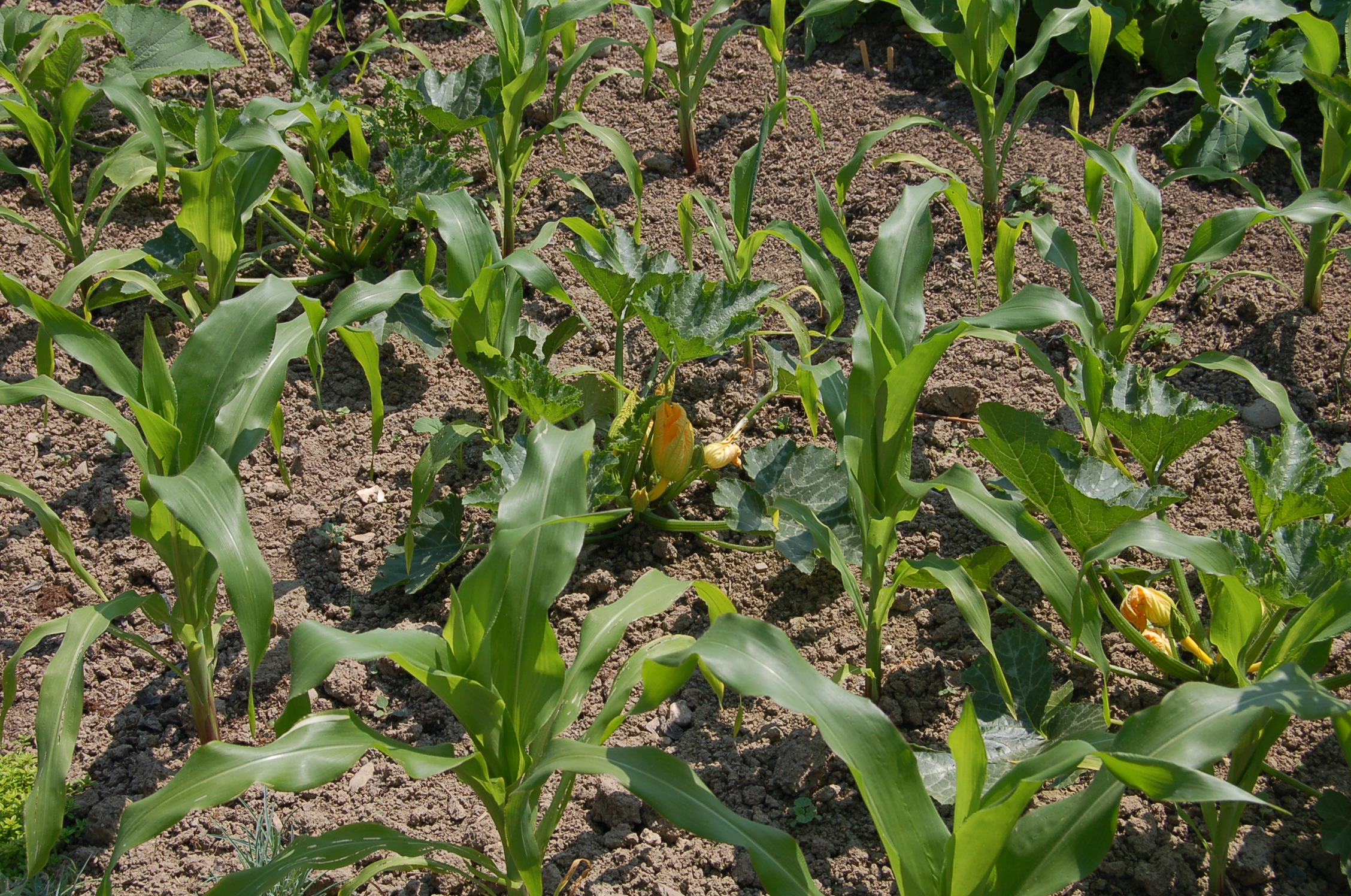
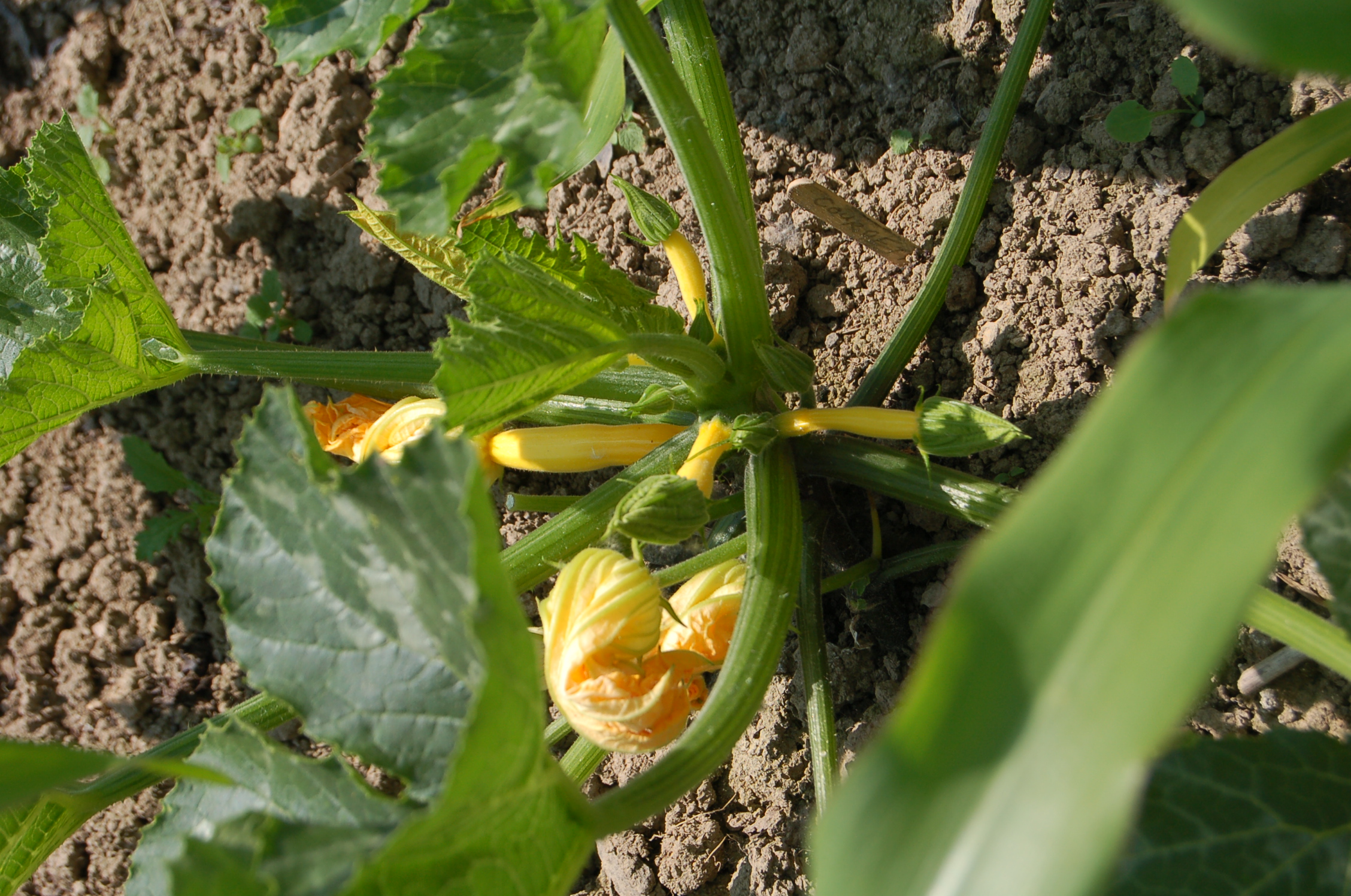
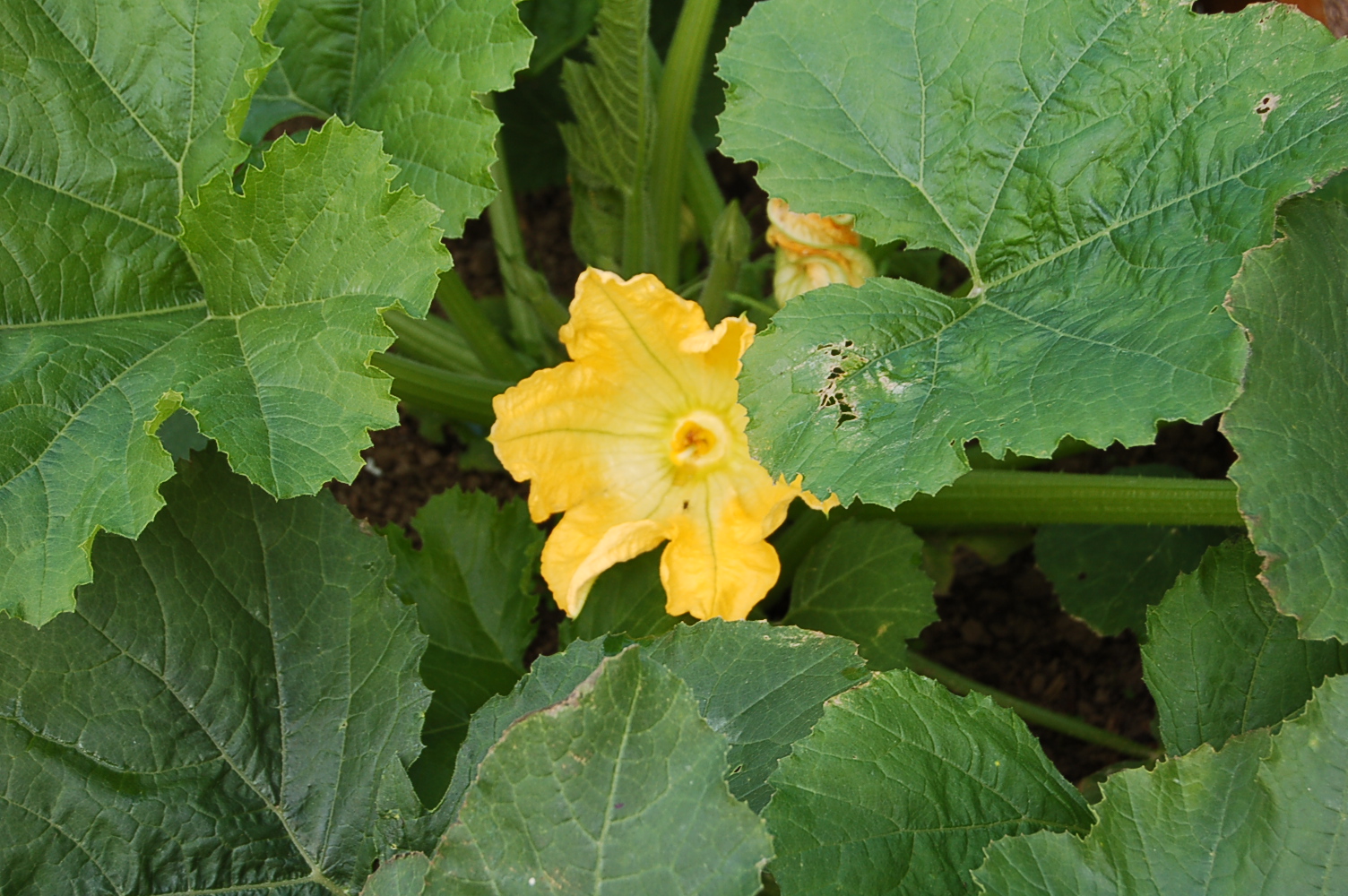
We grow Sweetcorn and Courgette together as they are good companions. The large leaves of the Courgettes provide ground cover holding moisture in the soil and creating a cool root run for the corn. Of course it saves space too!

2013 07 09_1830 2013 07 09_1832

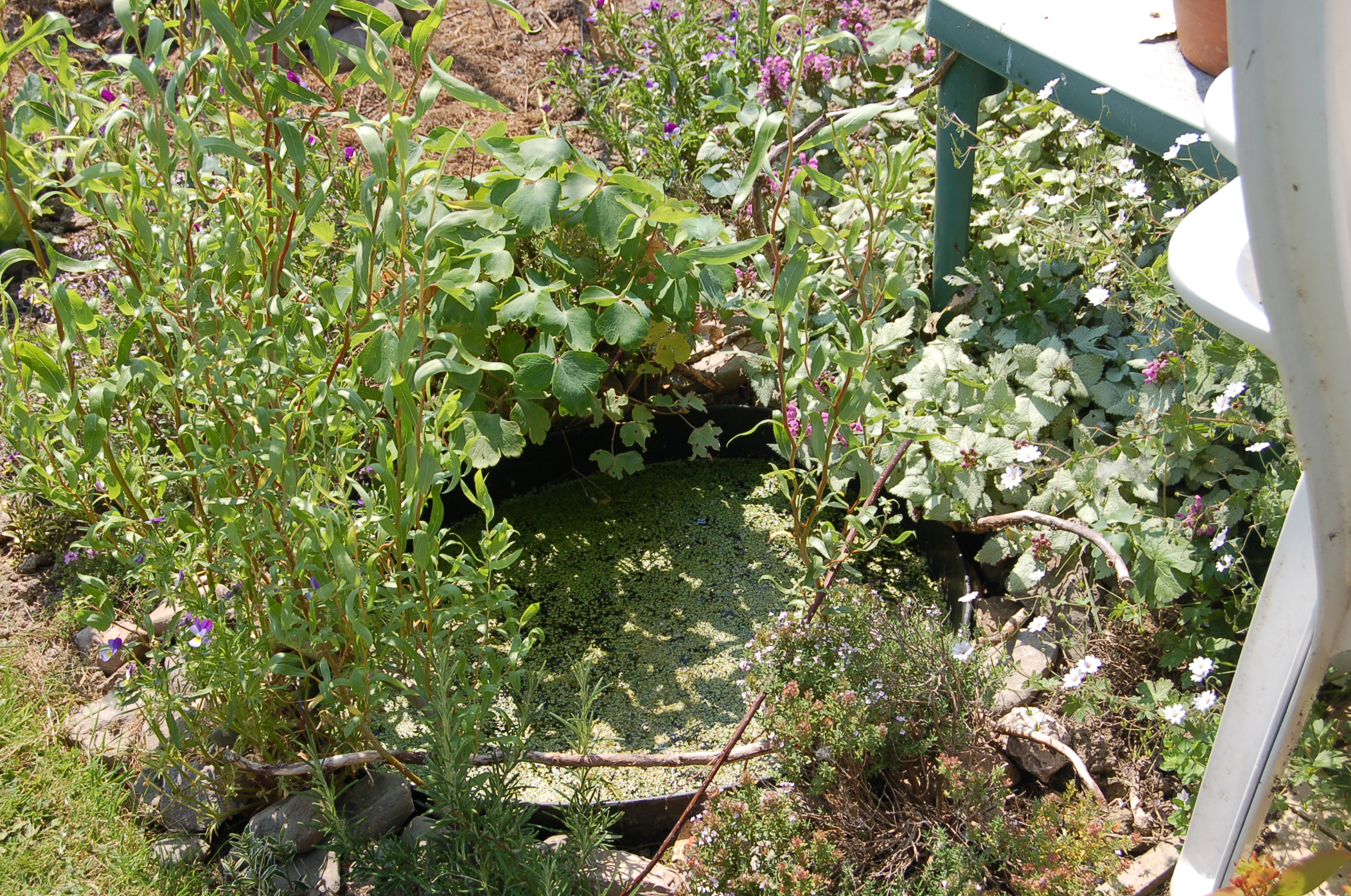
We welcome wildlife onto our plot to benefit us as gardeners and for us to enjoy watching and listening to. Our little pool is alongside our seats. We have little insect hotels dotted around to help us keep our crops healthy and free of pests.

2013 07 09_1840 2013 07 09_1839

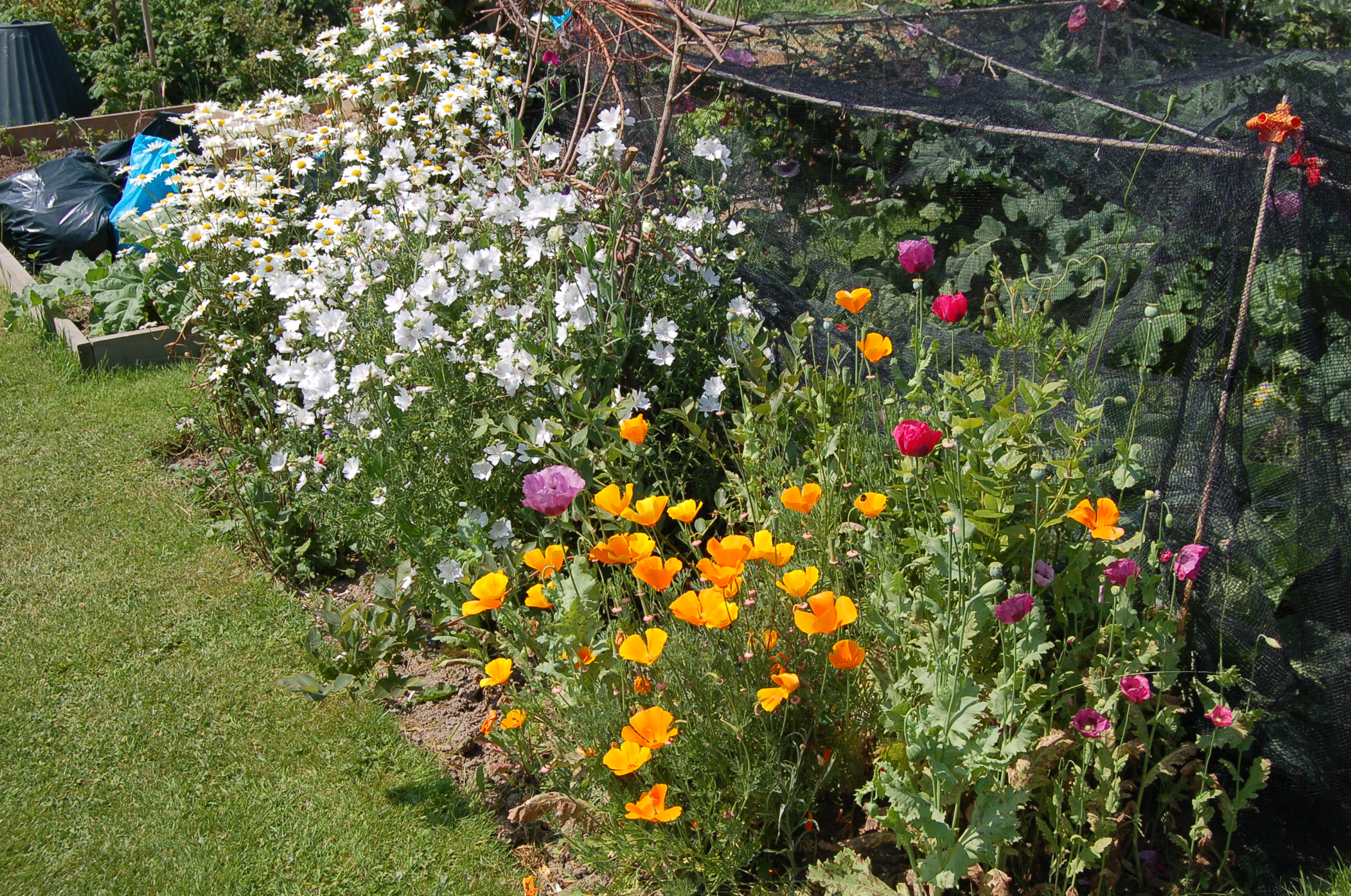
We have a couple of wildflower strips to help our Brassica crops and Blackcurrants.

2013 07 09_1836 2013 07 09_1838

2013 07 09_1837

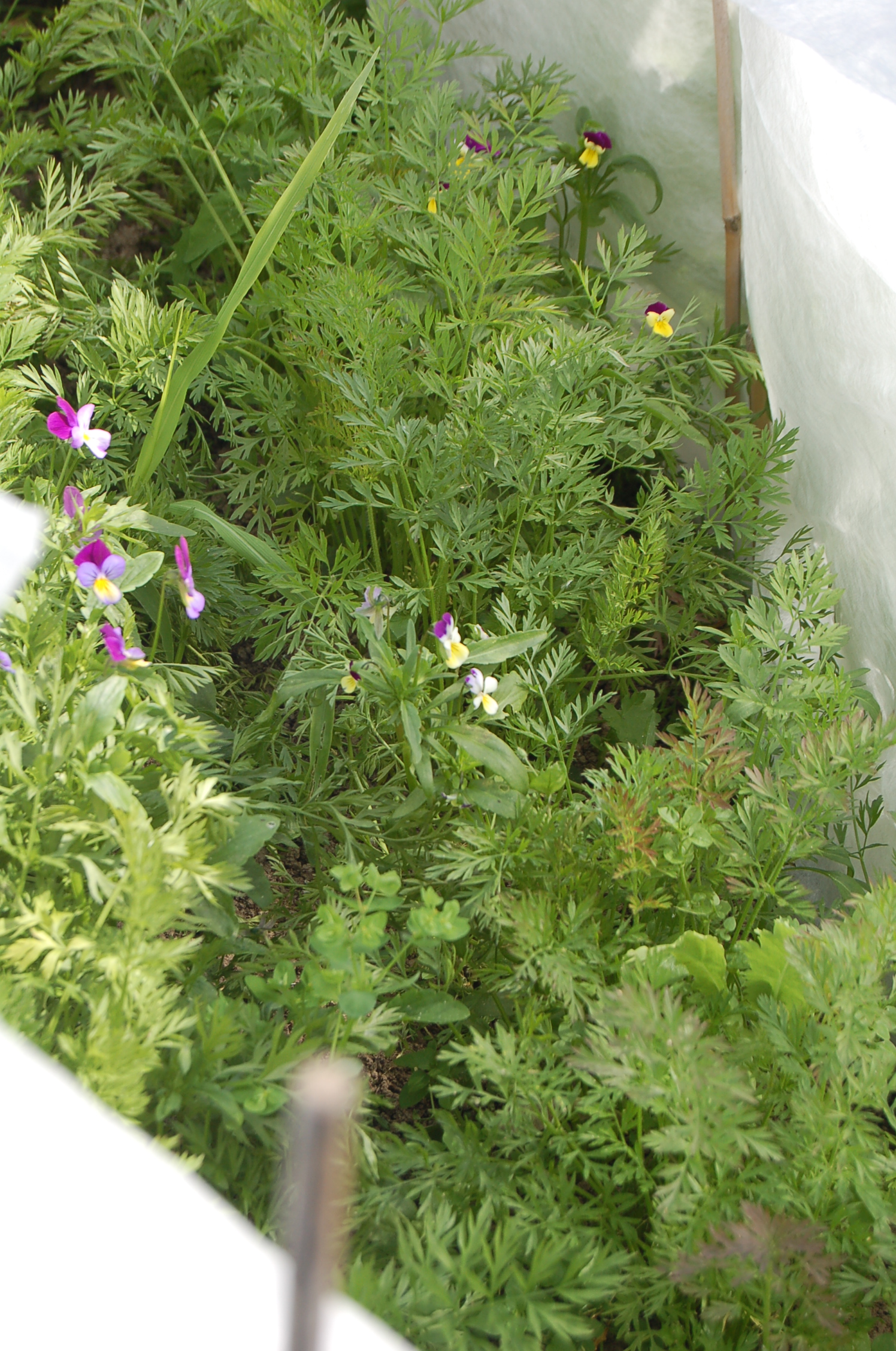
A barrier of fleece keeps Carrot rows free from the attentions of Carrot Rootfly and the flowers of Heartsease bring in beneficial insects. Growing members of the Allium family close by also helps fool them by emitting strong scents to mask the sweet aroma of Carrots.

2013 07 09_1835 2013 07 09_1829

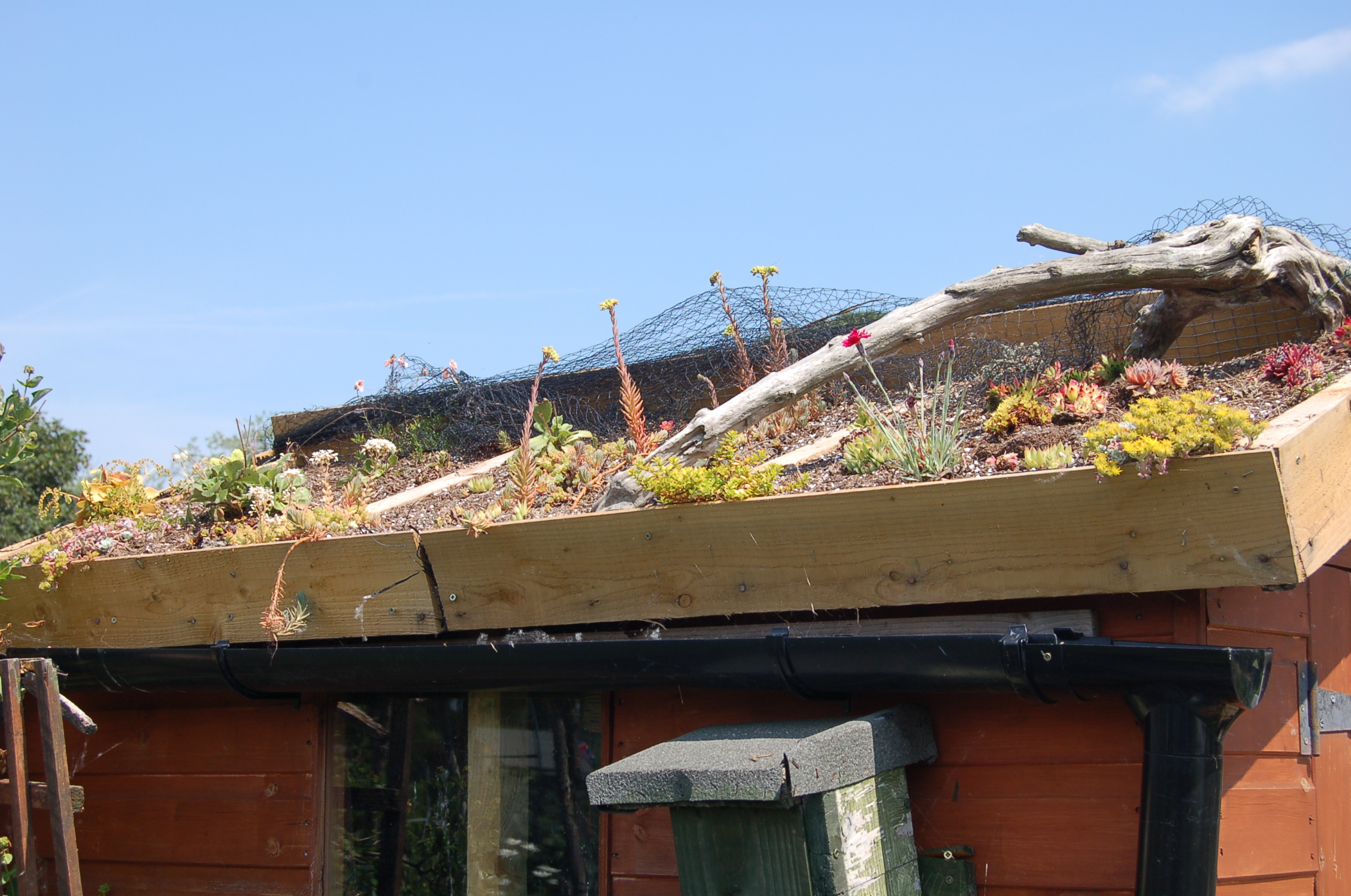
You may remember me telling you about making our green roof atop our shed in a post a few months ago and as you can see it is slowly getting established. On the communal spaces near our plot we have at last got the willow dome complete. It has grown enough to train growth over to form a full roof. It is lovely and quiet, cool and shaded in there and it is a popular place for children to sit and read or to look through the woven window and watch the birds on the feeders. We hold our open day at the allotments this weekend, when we open for charity, under the auspices of the NGS, so we can proudly call ourselves a “Yellow Book Garden”.

2013 07 09_1833   2013 07 09_1845

Categories
bird watching birds countryside landscapes meadows trees wildlife woodland

A wander in the Oxfordshire countryside

DSC_0081

We were in Oxfordshire for a few days last week mainly because it was my birthday and as a treat Jude the Undergardener arranged for us to visit a garden designed by one of my favourite garden designers, Tom Stuart-Smith. (If you are a regular reader you will already know that!) He had designed a part of a much bigger garden which we discovered included two of our favourite features, meadows and an arboretum. But that is the subject of my next post so you have to wait for that treat!

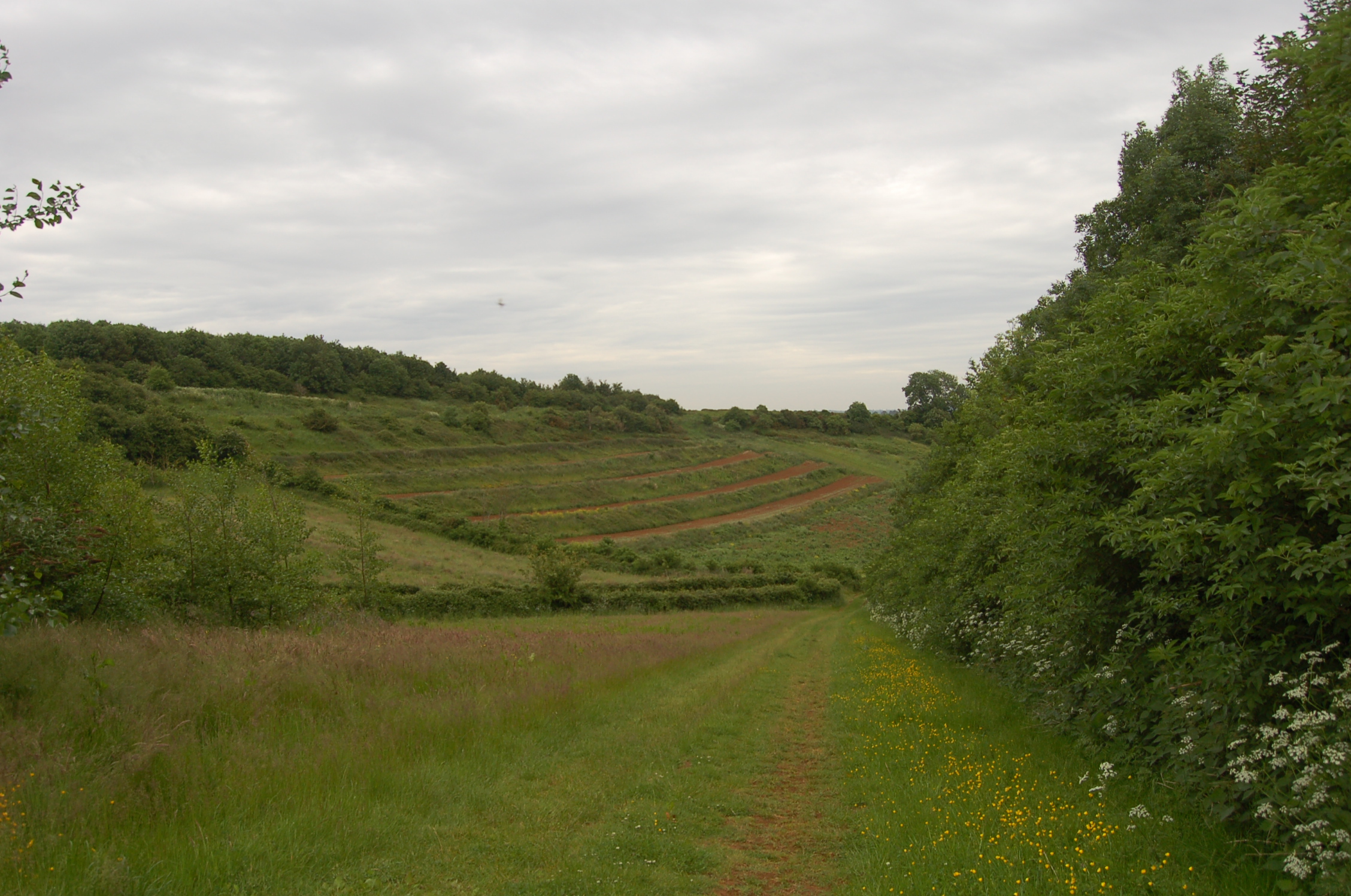
A mile or two from out hotel was a nursery specialising in herbs (The National Herb Centre) and it had the added benefit of being in farmland to which visitors had access. We did enjoy looking at the huge variety of herbs especially the mints, lavenders and thymes but we mostly wanted to get into that countryside.

DSC_0082-10 DSC_0085

We wandered through wet grassland where even the cut paths were saturated from the heavy overnight rain. As rain still threatened and dark clouds loomed overhead we headed for the woods in the bottom of a valley. We were glad we did as the air was thick with birdsong. It was so loud and there were so many birds there, that it brought back memories of country childhoods where this volume of birdsong resounded everywhere. Sadly it is now rare. So rare that it stopped us in our tracks. Blackbirds, Dunnocks  Wrens, Robins and Song Thrushes. These resident birds provided the main chorus but the solos were performed by the summer visitors, the warblers. Blackcaps, Whitethroats, Chiffchaffs, Wood Warblers and Redstarts.

DSC_0089 DSC_0088 DSC_0086 DSC_0075 DSC_0087-8

DSC_0090 DSC_0091-6

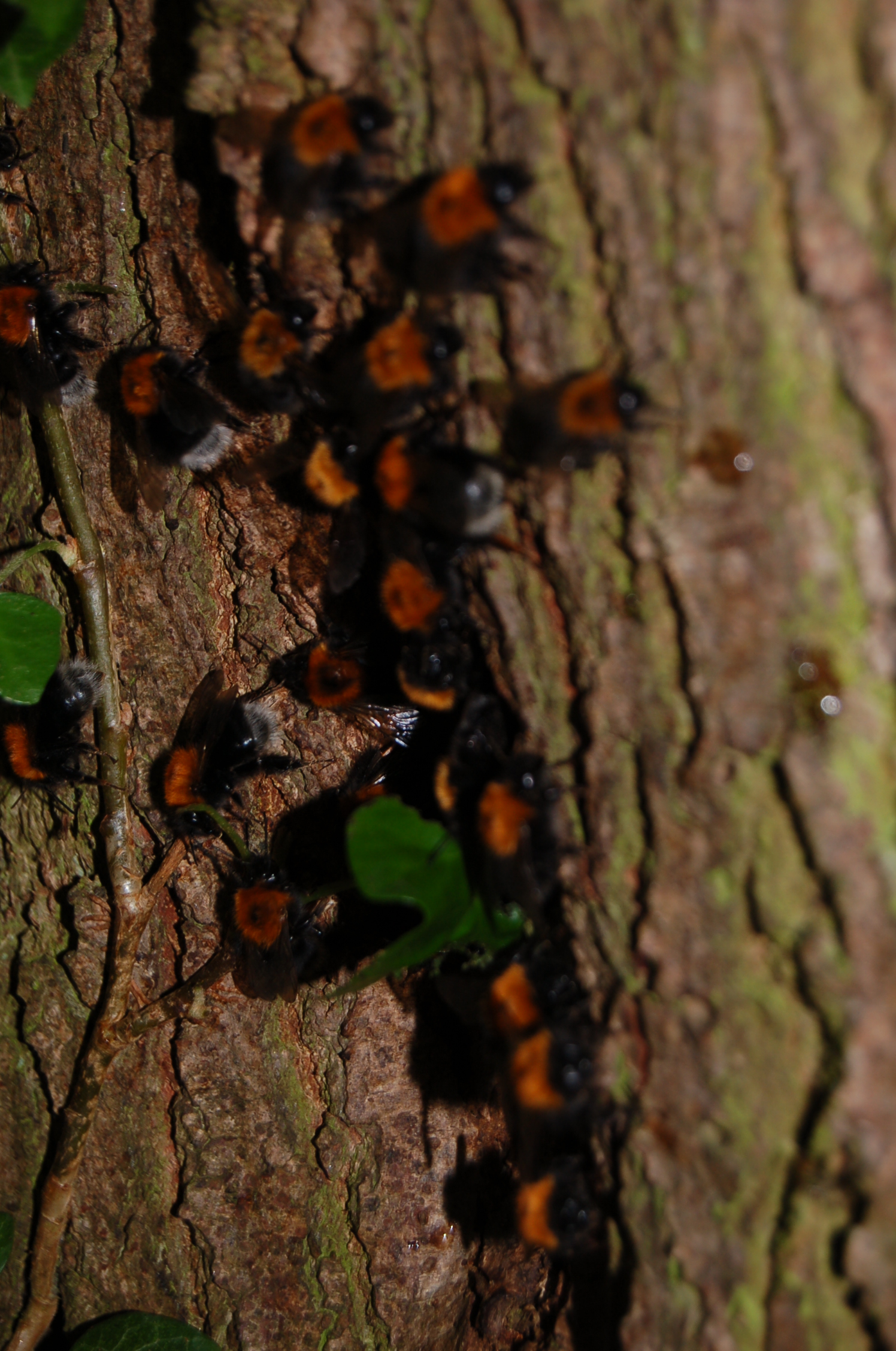
A loud buzzing sound emanating from behind a notice on a tree trunk made us stop and investigate. Dark bodied bees were busy around a crack in the bark and in the shelter of the notice. They seemed calm so I moved in close to take a photo and they didn’t seem to mind. However they changed their tune when the camera flash went off, their gentle buzzing sounded more urgent and aggressive so we moved away rapidly.

DSC_0074-8

Leaving the shelter of the wood we were pleased that the rain had stopped and the world looked a lot brighter so we followed a path around the meadows which we discovered were very damp so in patches were covered in that most ancient of plants the Mares Tail, always a sign of damp ground. Anywhere that the ground dipped a pool had formed.

DSC_0083 DSC_0084

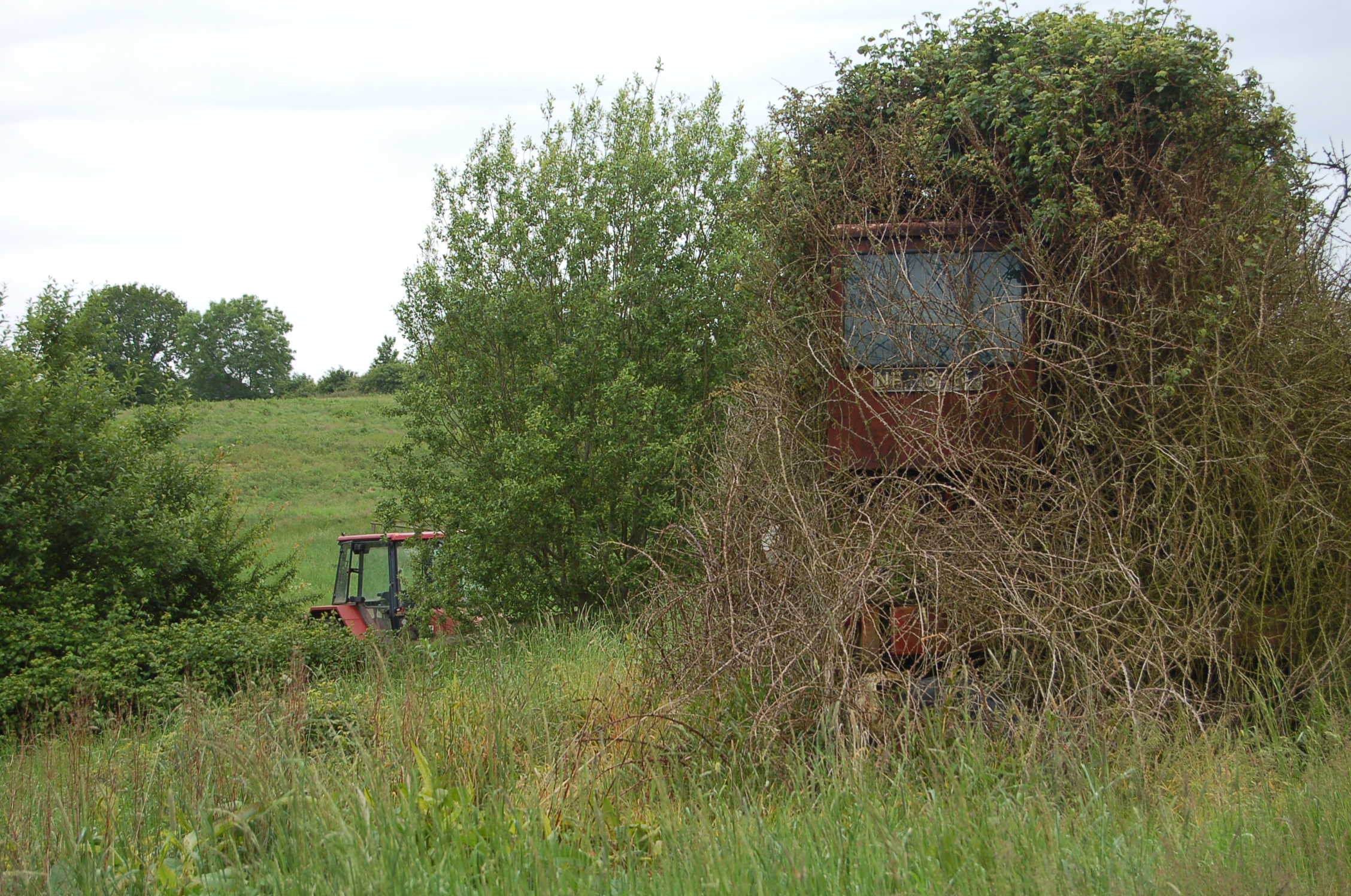
Between two of these pools a surprise awaited us. Look at the next photo and see if you can work out just what lurks in the greenery.

DSC_0076

Have a look at this second view taken a few steps further back and there is a clue.

DSC_0077

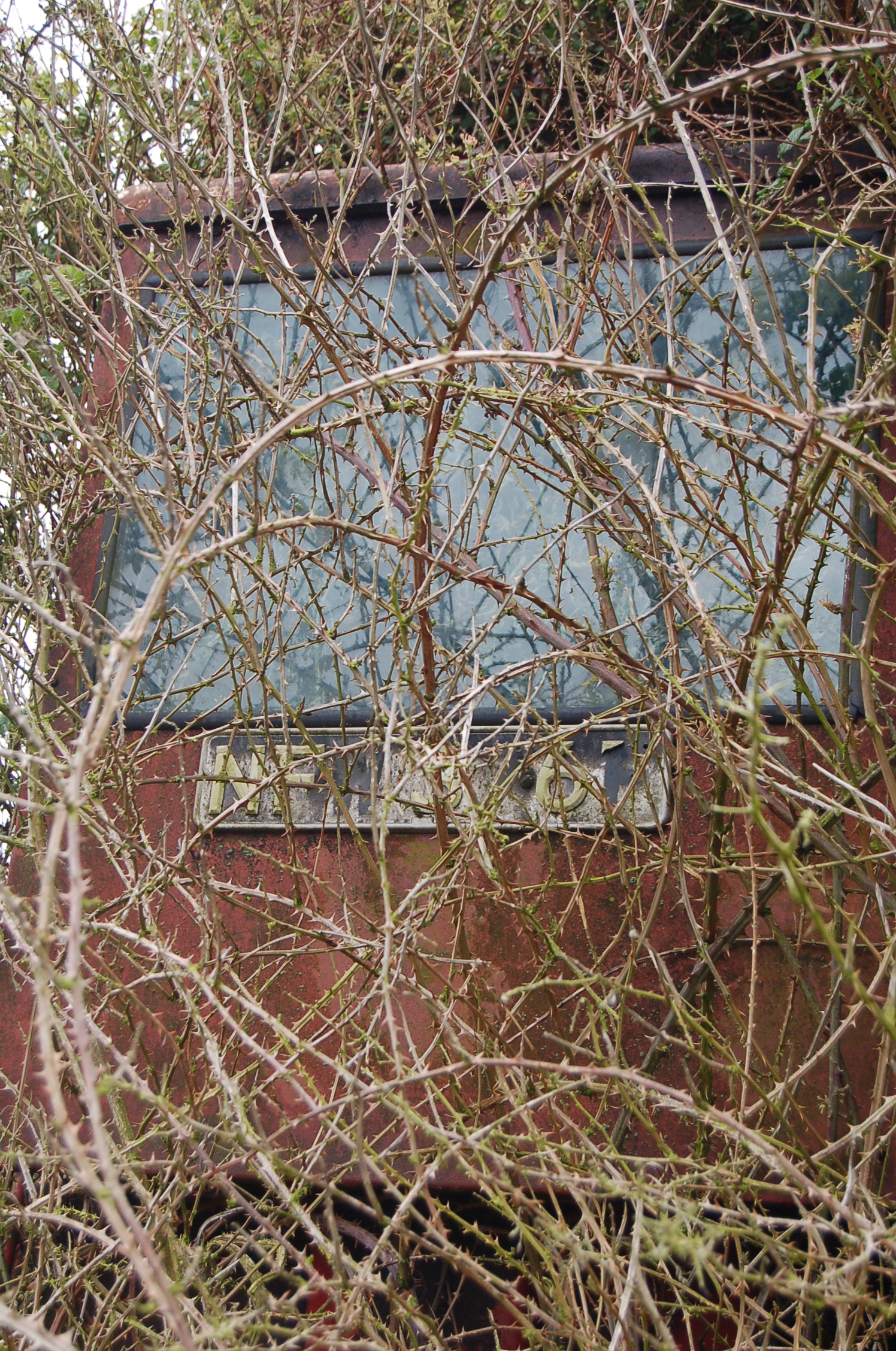
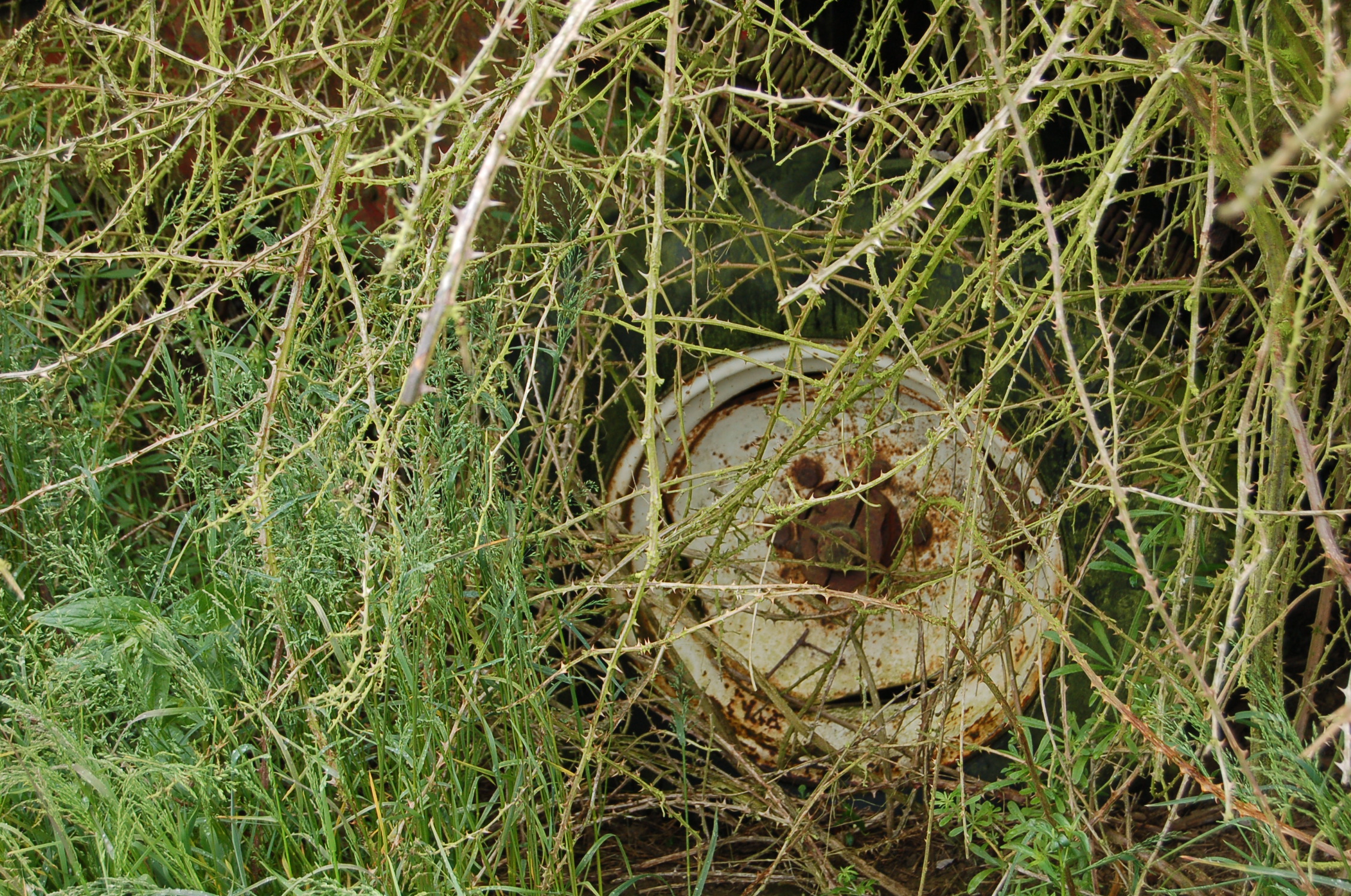
Yes, here in the soggy ground between two pools the farmer had abandoned a pair of old tractors. The one deep in the undergrowth would never pull a plough to turn the earth but with a little persuasion the second might. The amount of wildlife living in the oldest of the two must have been vast. The bodywork was host to mosses, lichen and algae and spiders had crafted their webs from the wing mirrors. But the biggest surprise of all was that a pair of Bullfinches, surely one of our most colourful native birds were feeding a nest of young within its heart. So there was plenty of life in the old tractor still!

DSC_0078-10 DSC_0079 DSC_0080

Of course once we had finished enjoying wandering around the fields we returned to the garden centre for a coffee and to purchase a few choice plants. Who could ask for more?

Categories
colours flowering bulbs fruit and veg garden design garden photography garden wildlife gardening grasses hardy perennials Land Art ornamental grasses ornamental trees and shrubs outdoor sculpture photography Shropshire shrubs spring bulbs spring gardening wildlife

A Bouquet for April

At last spring has arrived in the garden and taken it by storm. Buds are bursting, birds are nesting and bees buzzing searching the blooms.

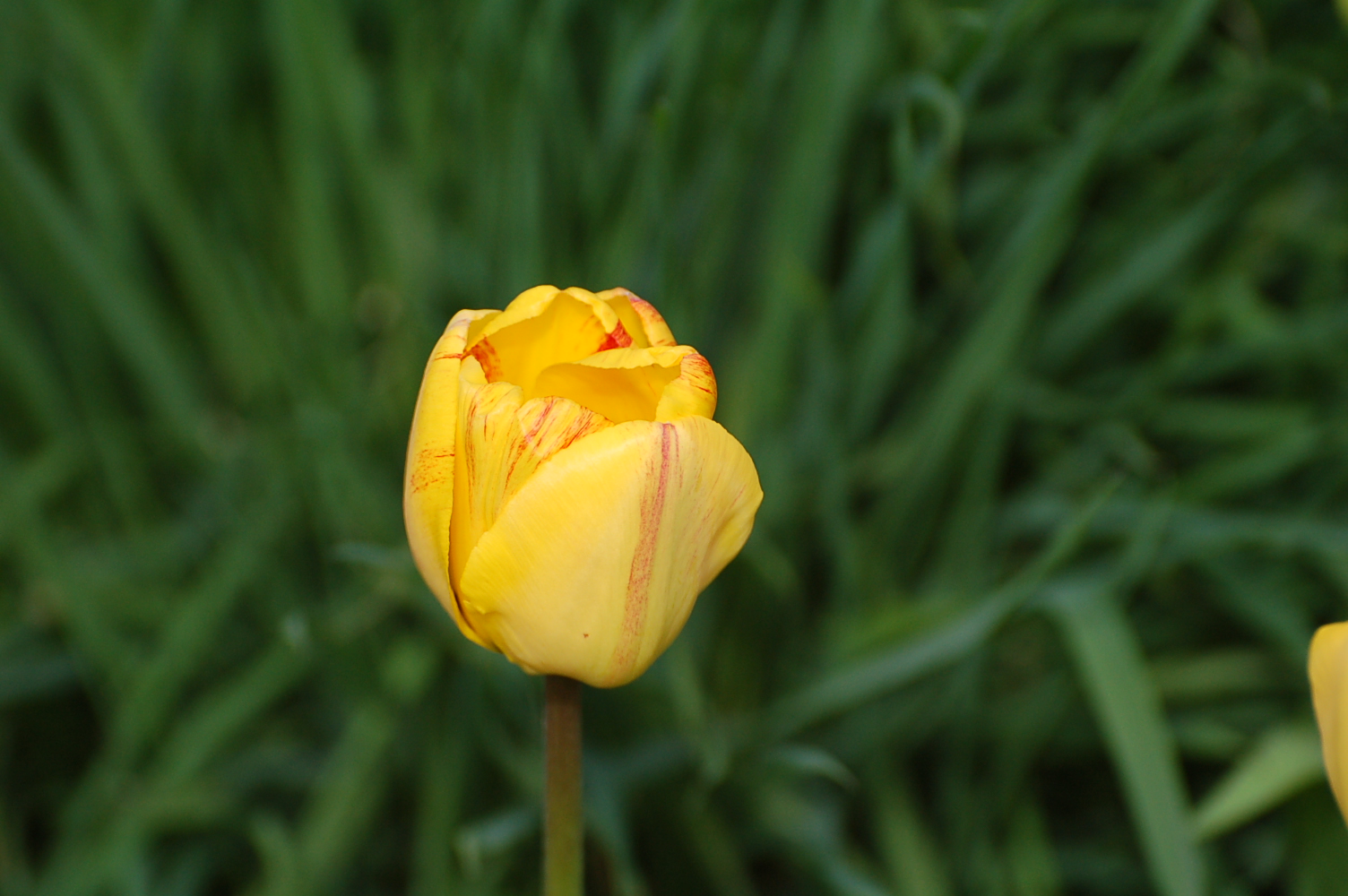
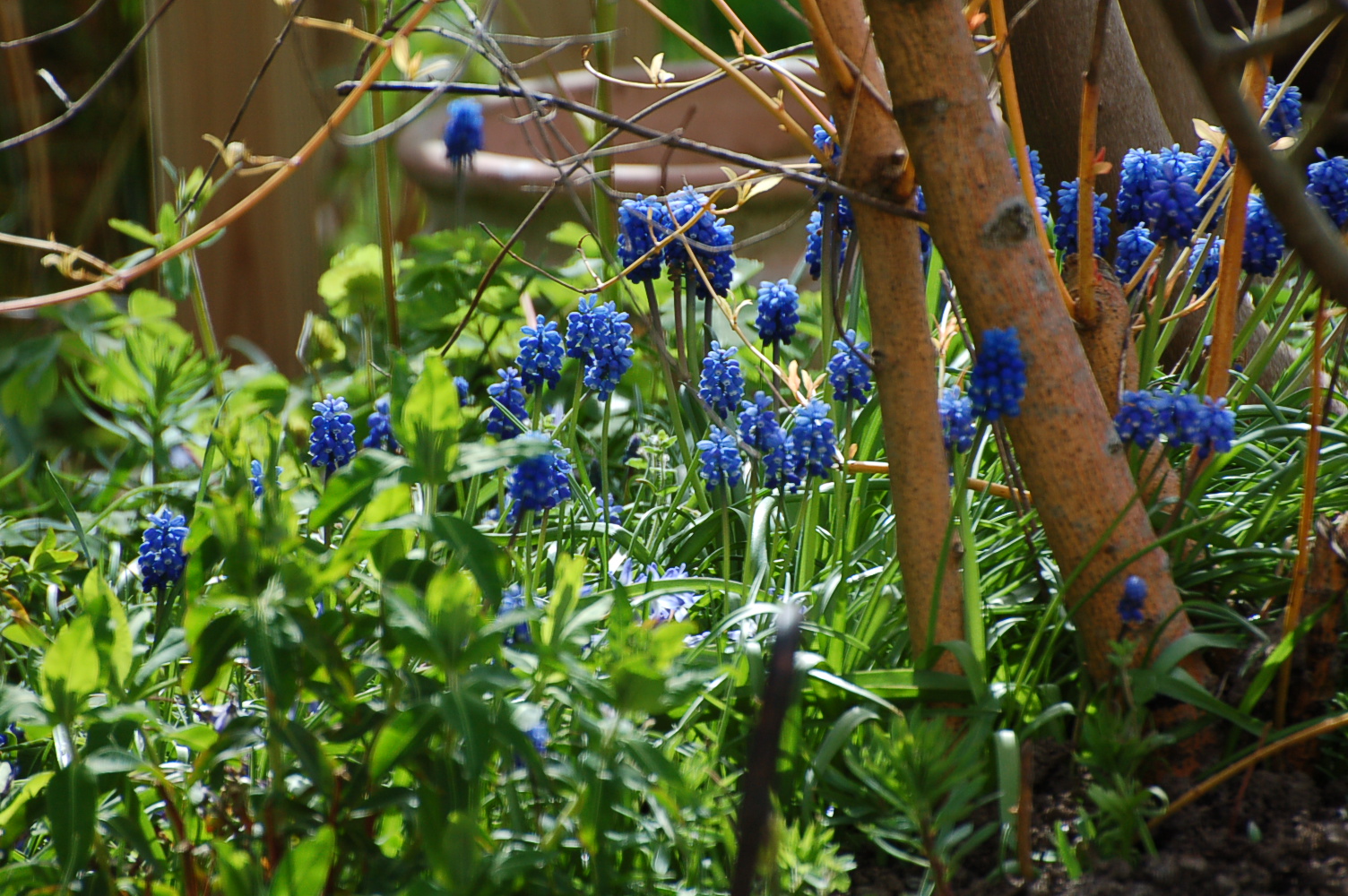
Any bouquet for April will have to embrace flowering bulbs.

DSC_0002   DSC_0001  DSC_0007-15  DSC_0008

DSC_0012  DSC_0021-11

DSC_0015-11

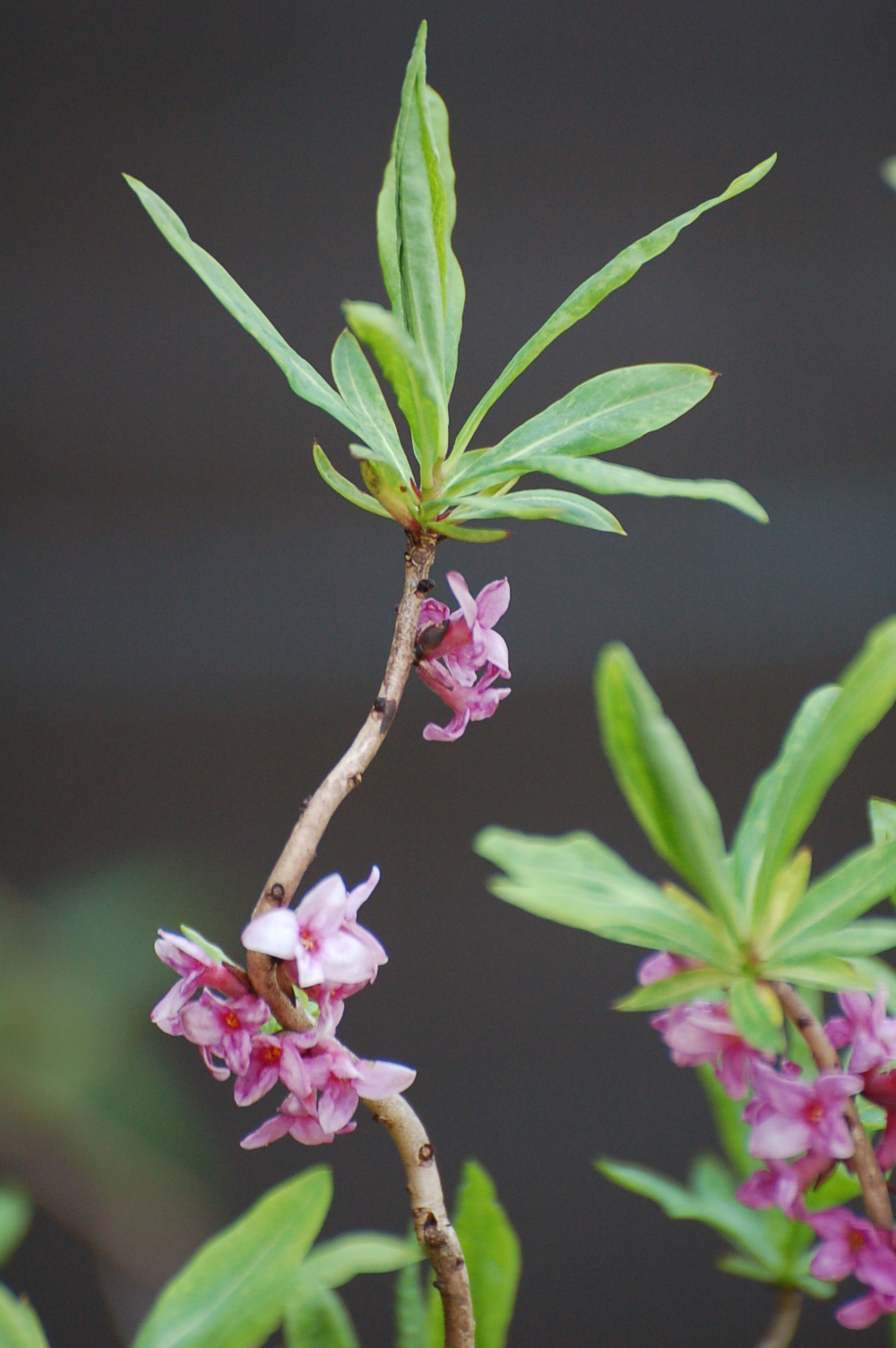
And how about adding a few bursting buds of trees and shrubs? Our miniature chestnut, the sweetly scented daphne flowers and the froth of snow-white amelanchier flowers.

DSC_0004  DSC_0017-8

DSC_0019-10

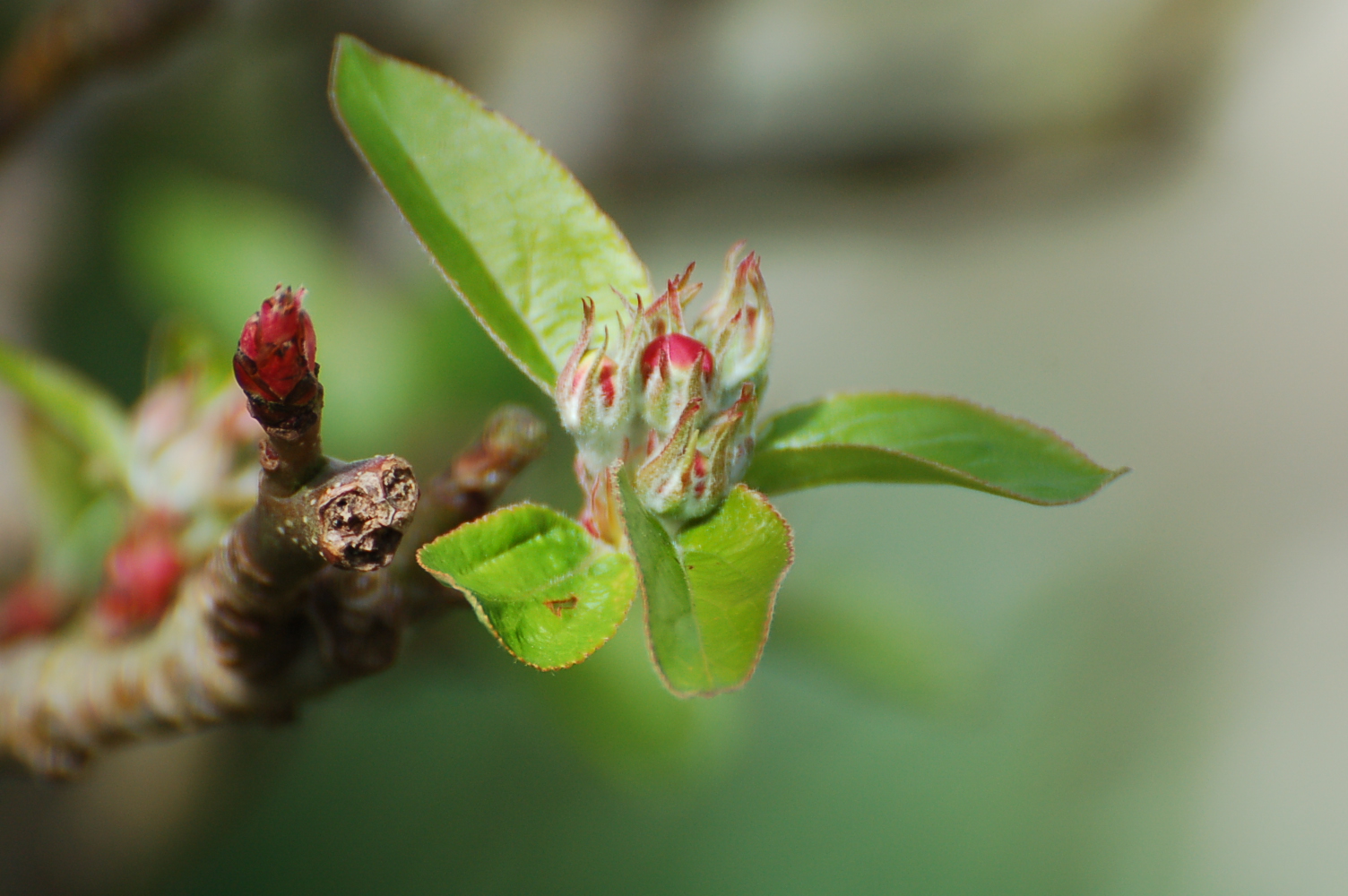
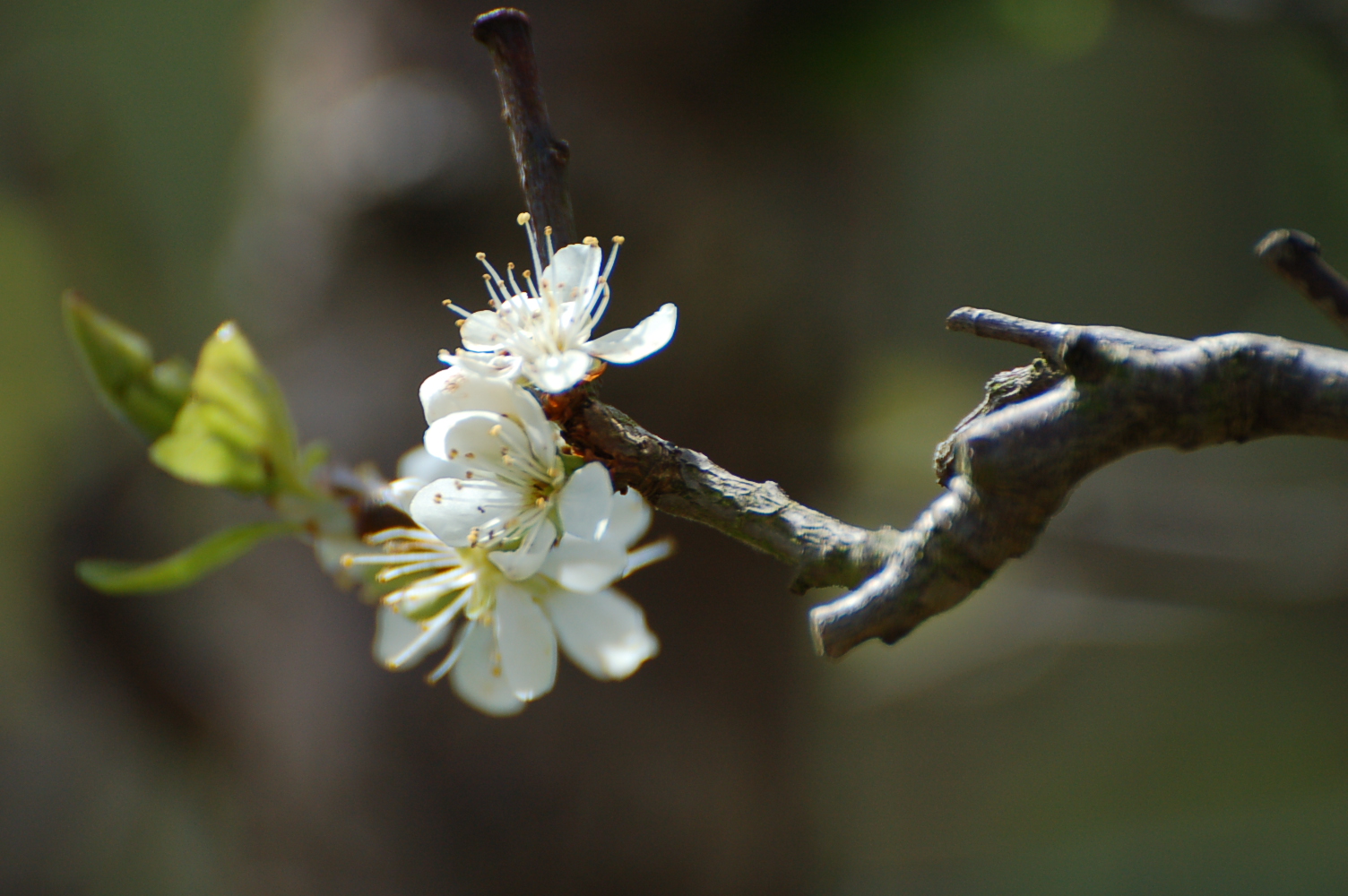
All around the garden fresh fruit blossom promise beautifully scented and delicious, delicate flavours. The pinks of apple blossom and whites of plums. Oh so tasty!

DSC_0016  DSC_0006

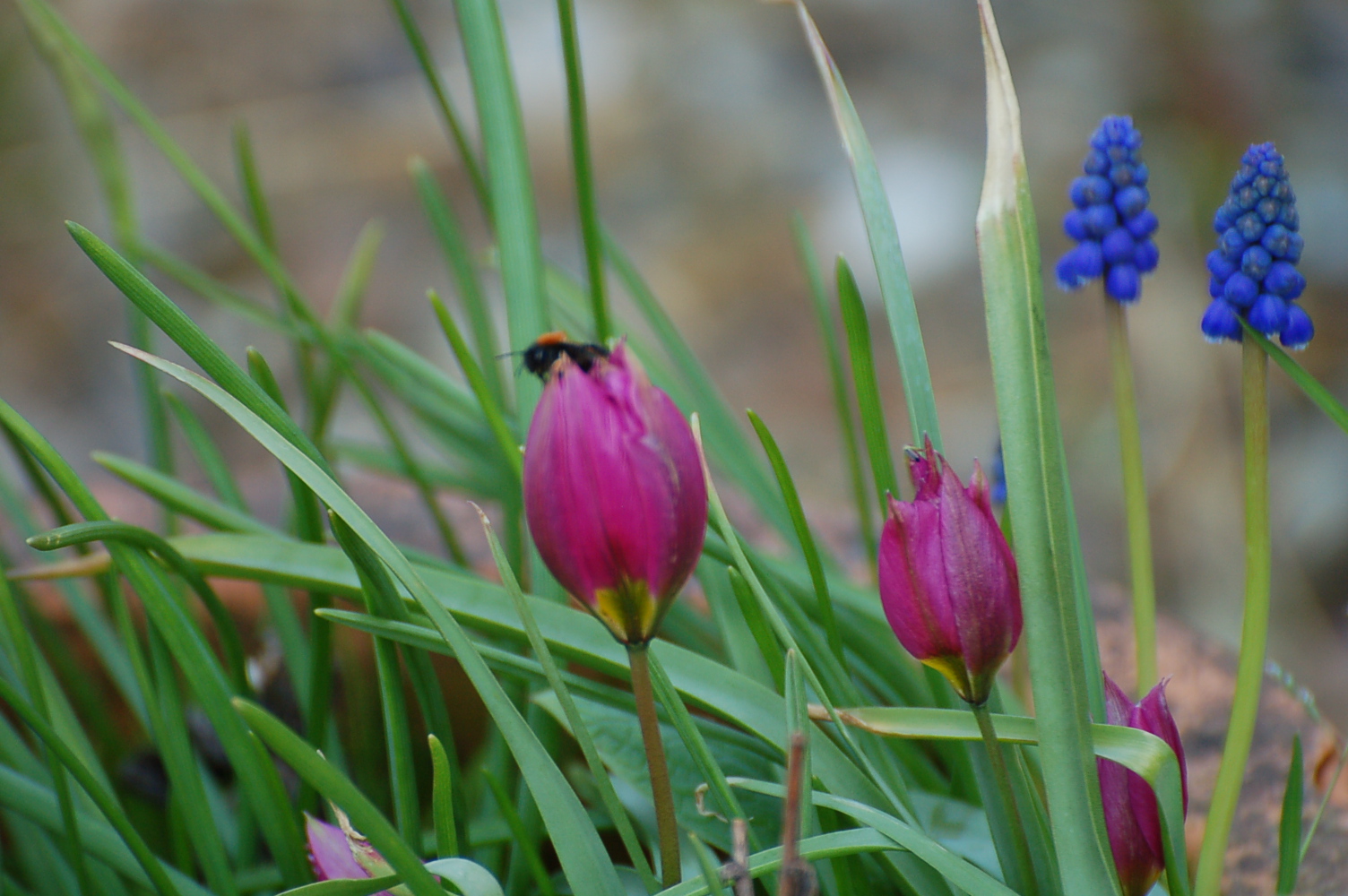
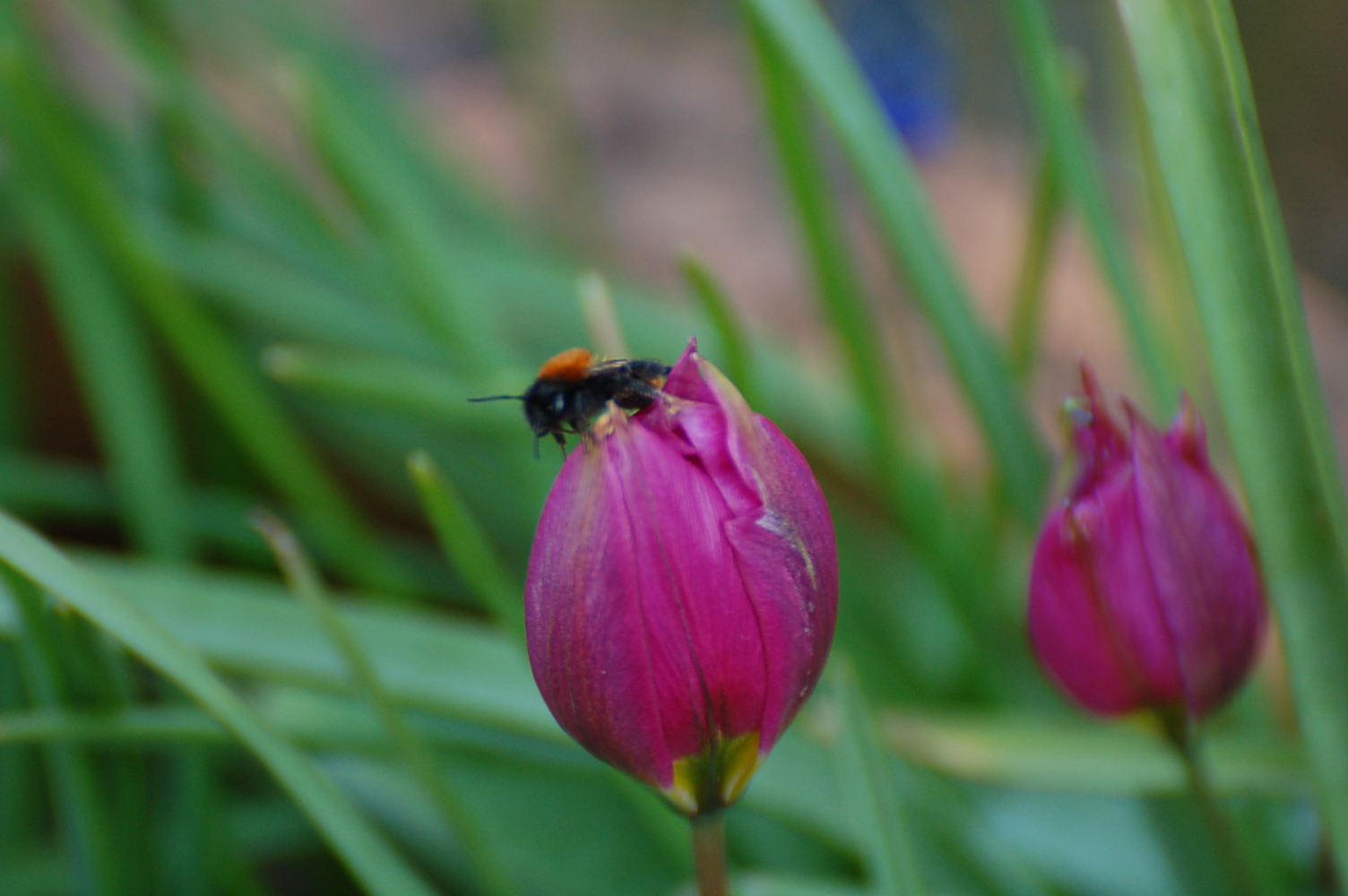
The insects are appreciating these new signs of life too, in particular the  bees and  butterflies. This little bee knows that there is something good awaiting him inside the tulip once it opens. He is just a centimetre or so long and coloured a rich gingery orange.

DSC_0022 DSC_0023-10

I shall finish off by inviting you to enjoy a little gallery of garden delights taken on the last day of April.

Categories
birds colours garden photography garden wildlife gardening natural pest control outdoor sculpture photography Winter Gardening winter gardens

The Garden’s got its hat on, hip hip hip hooray ……

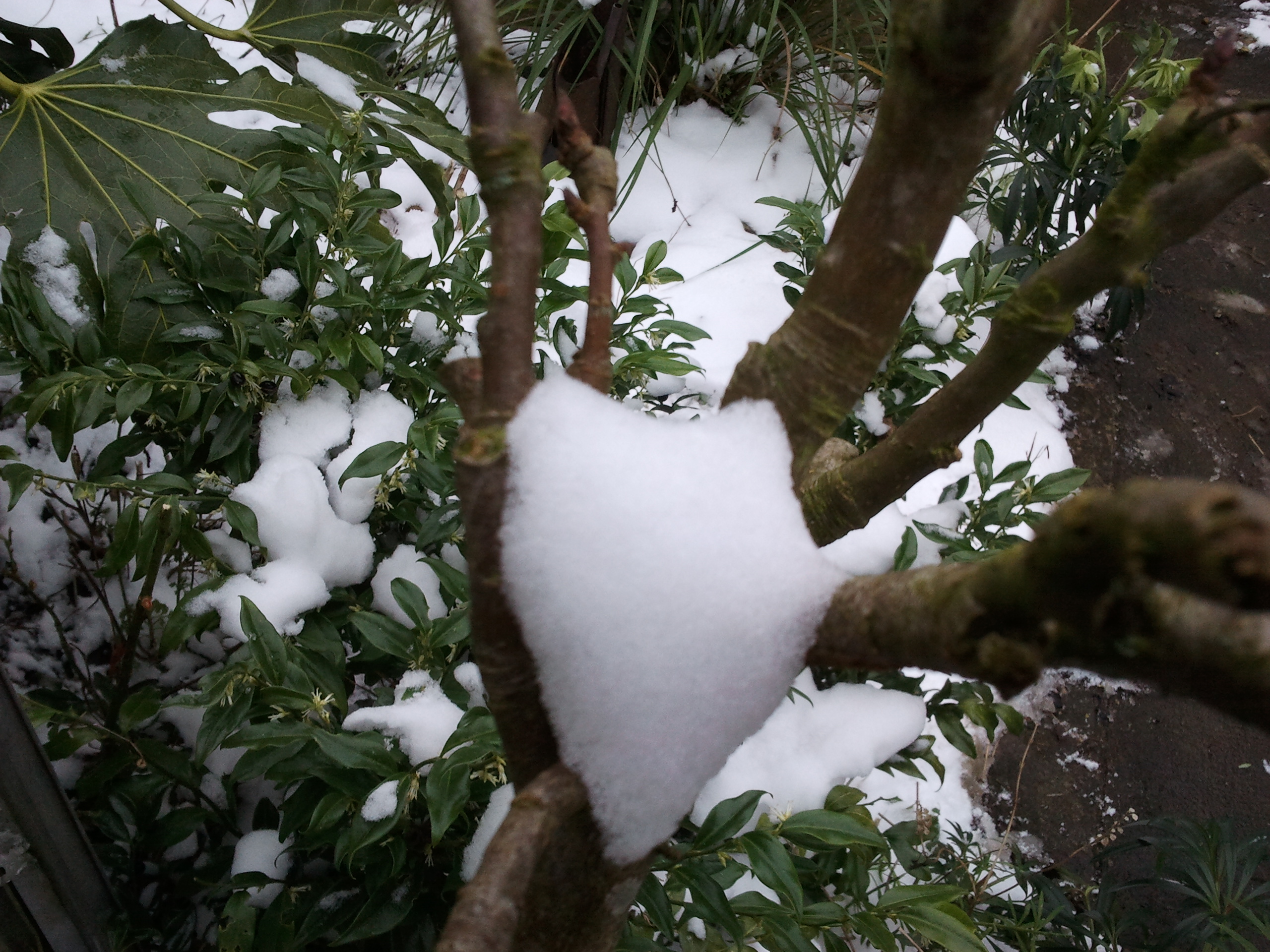
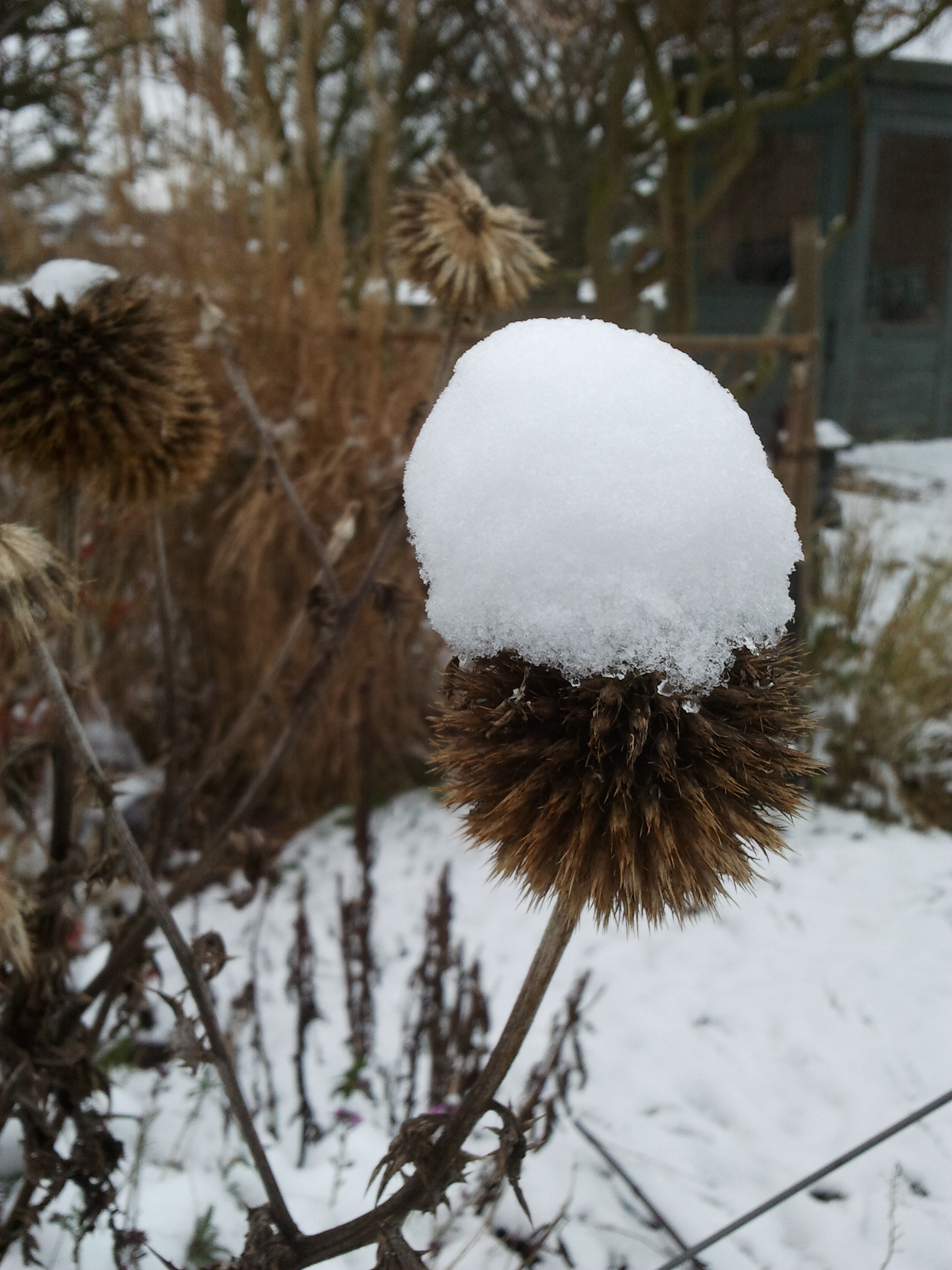
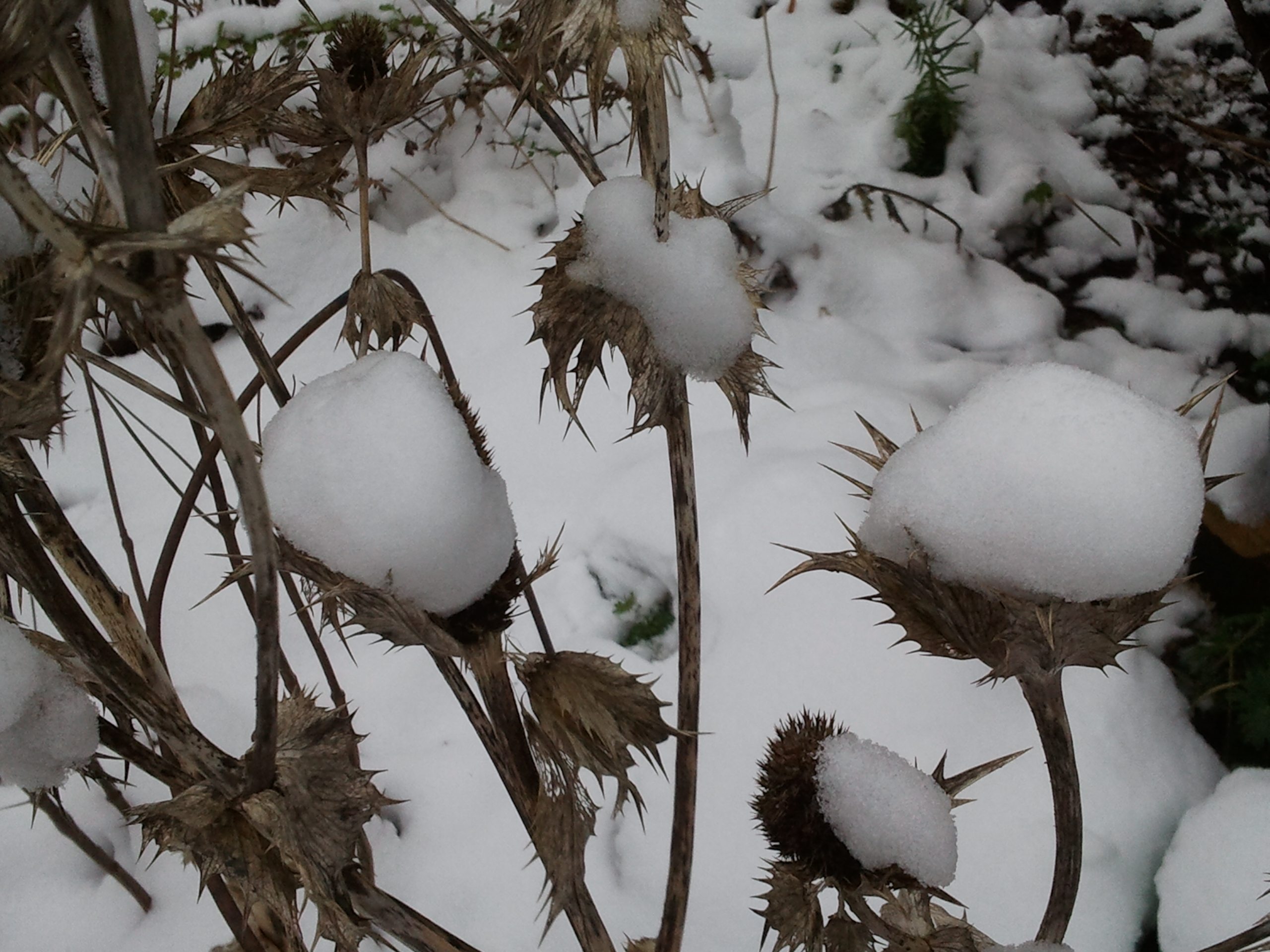
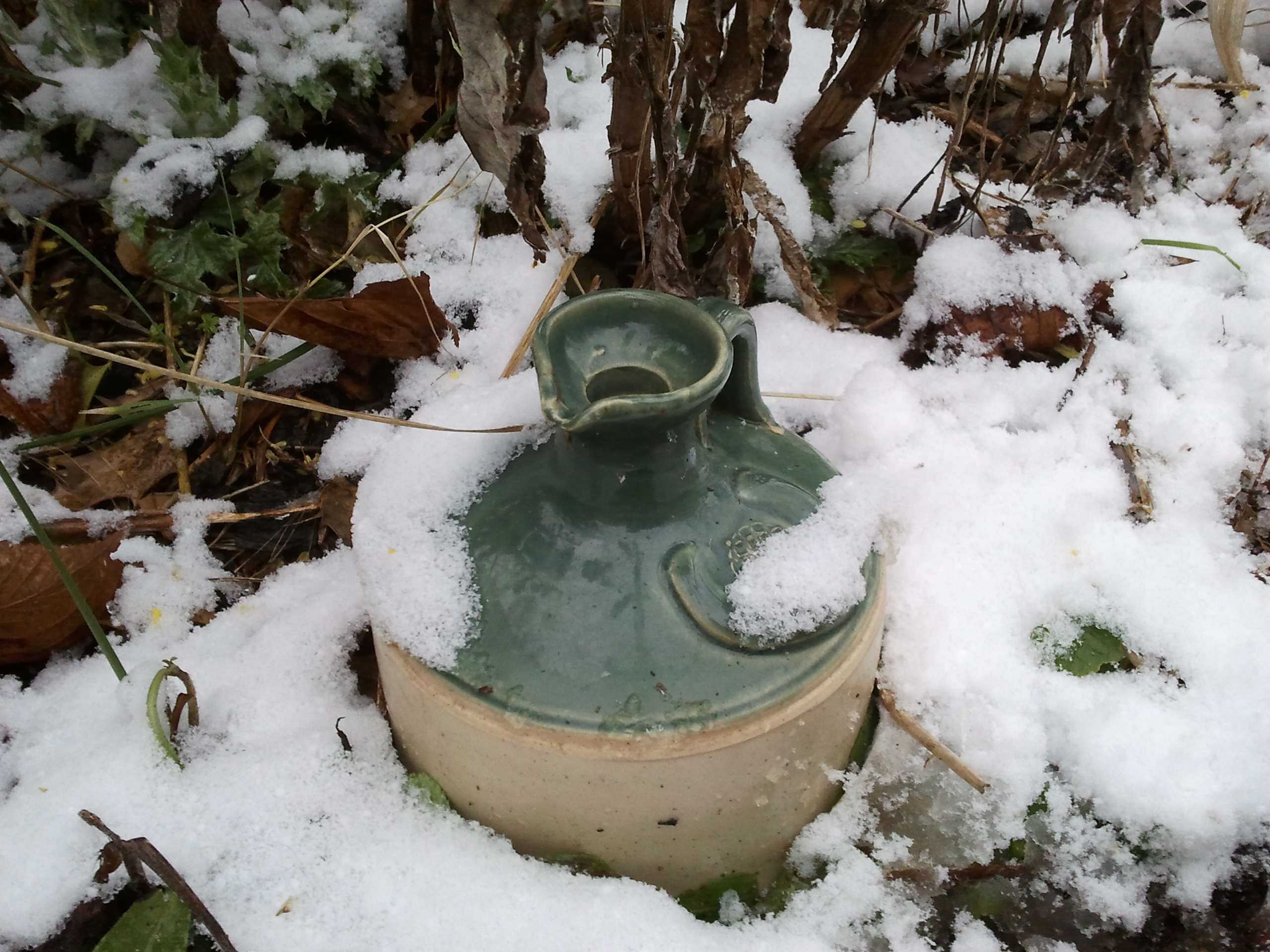
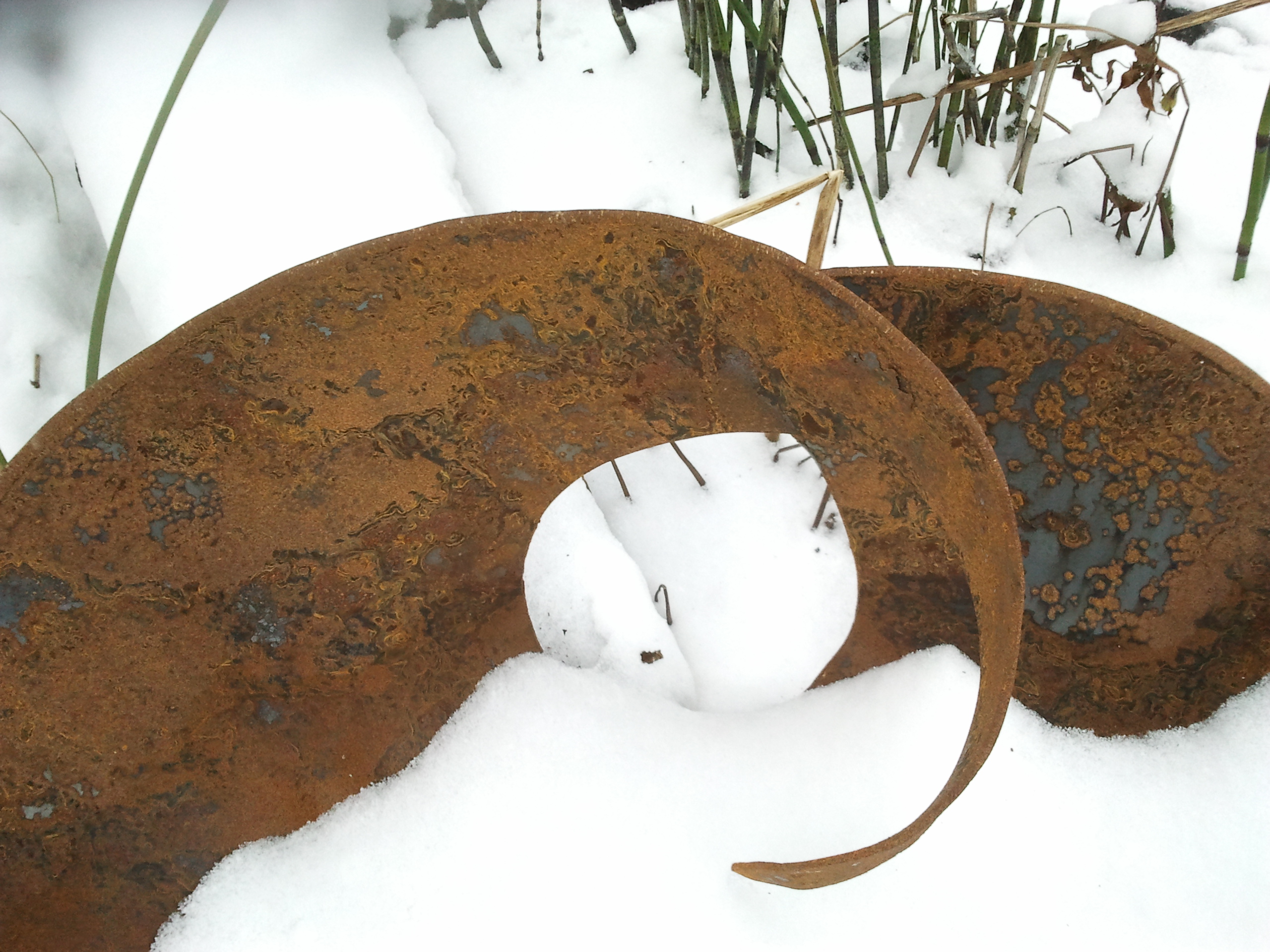
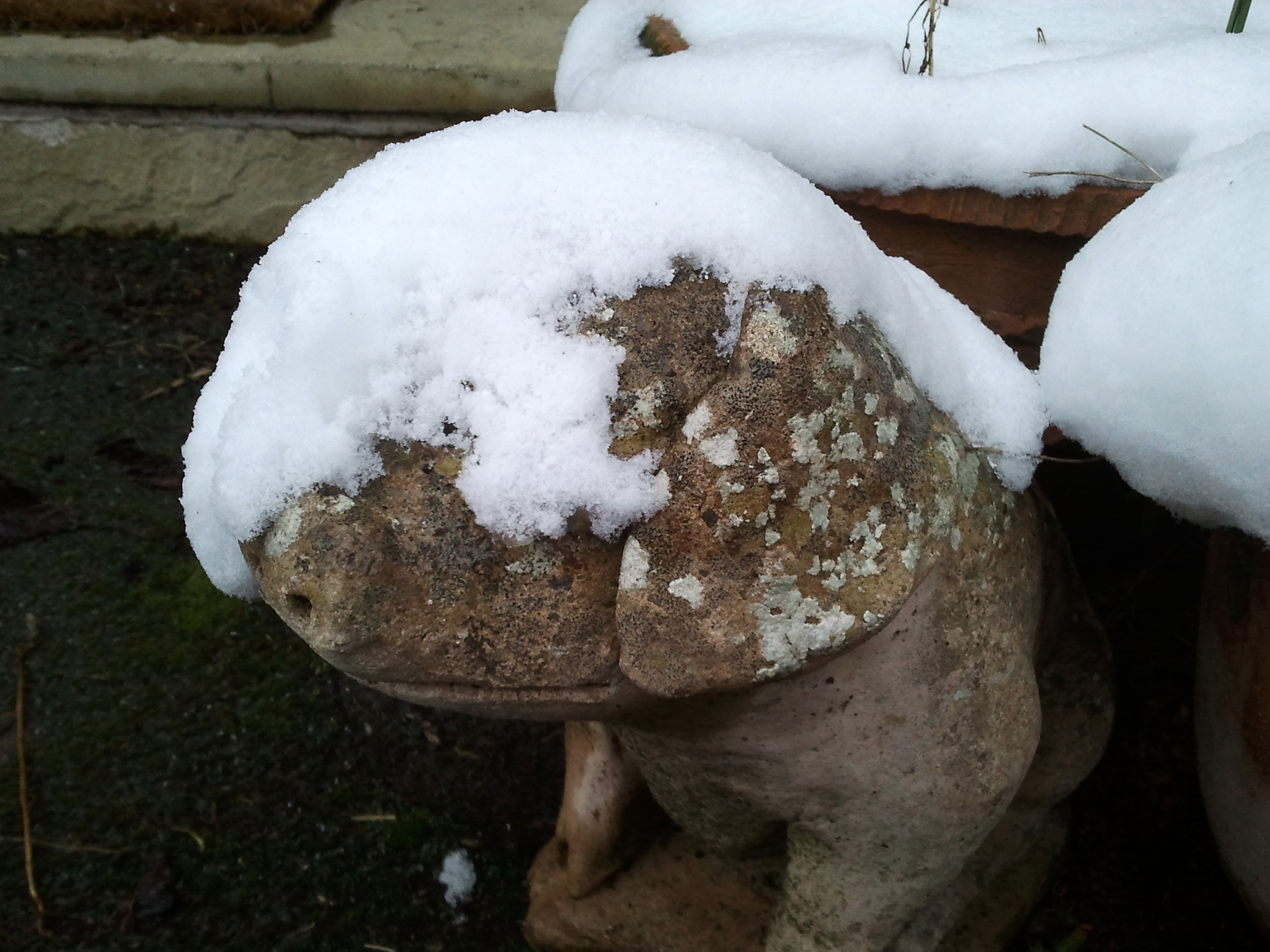
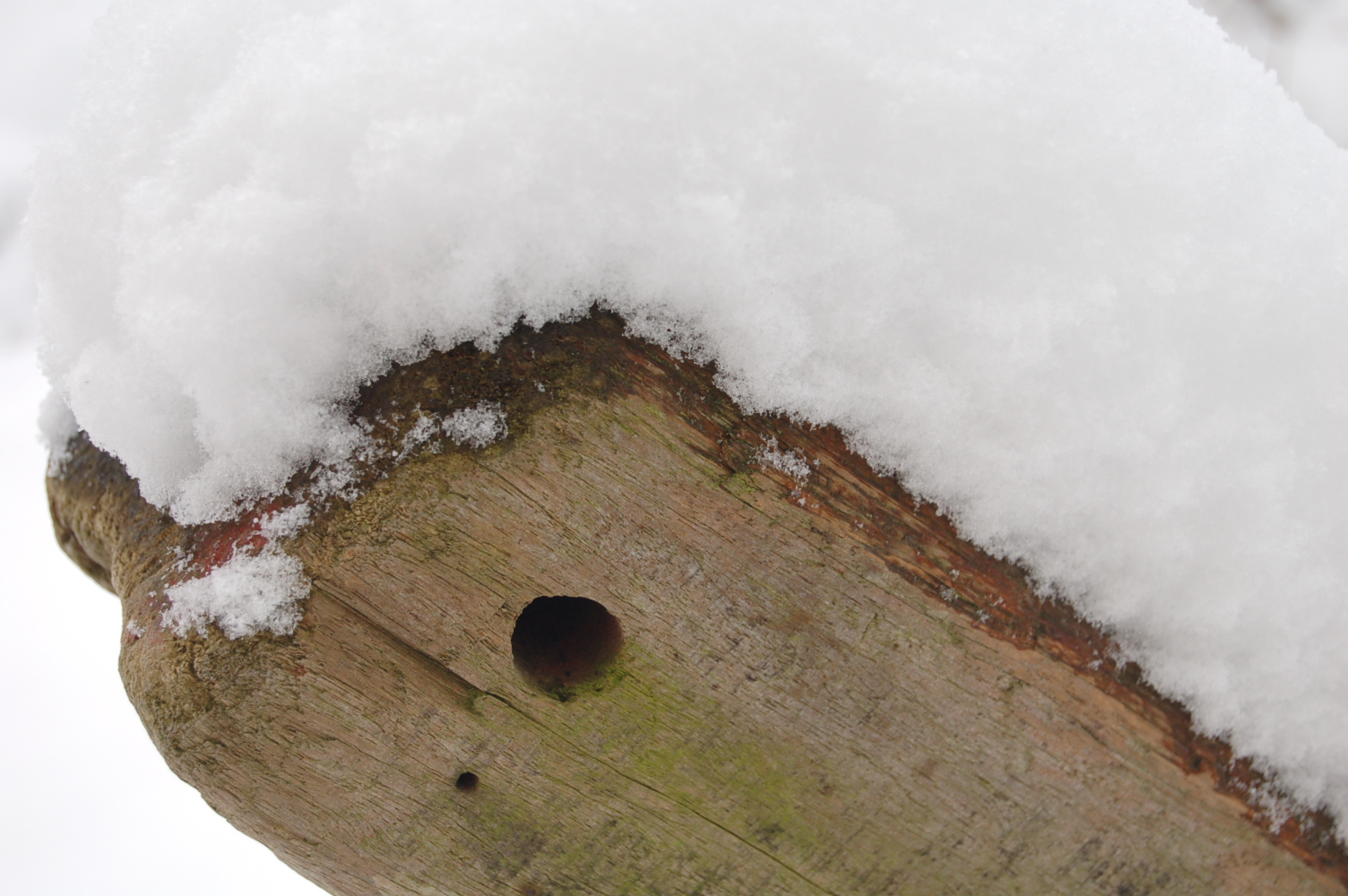
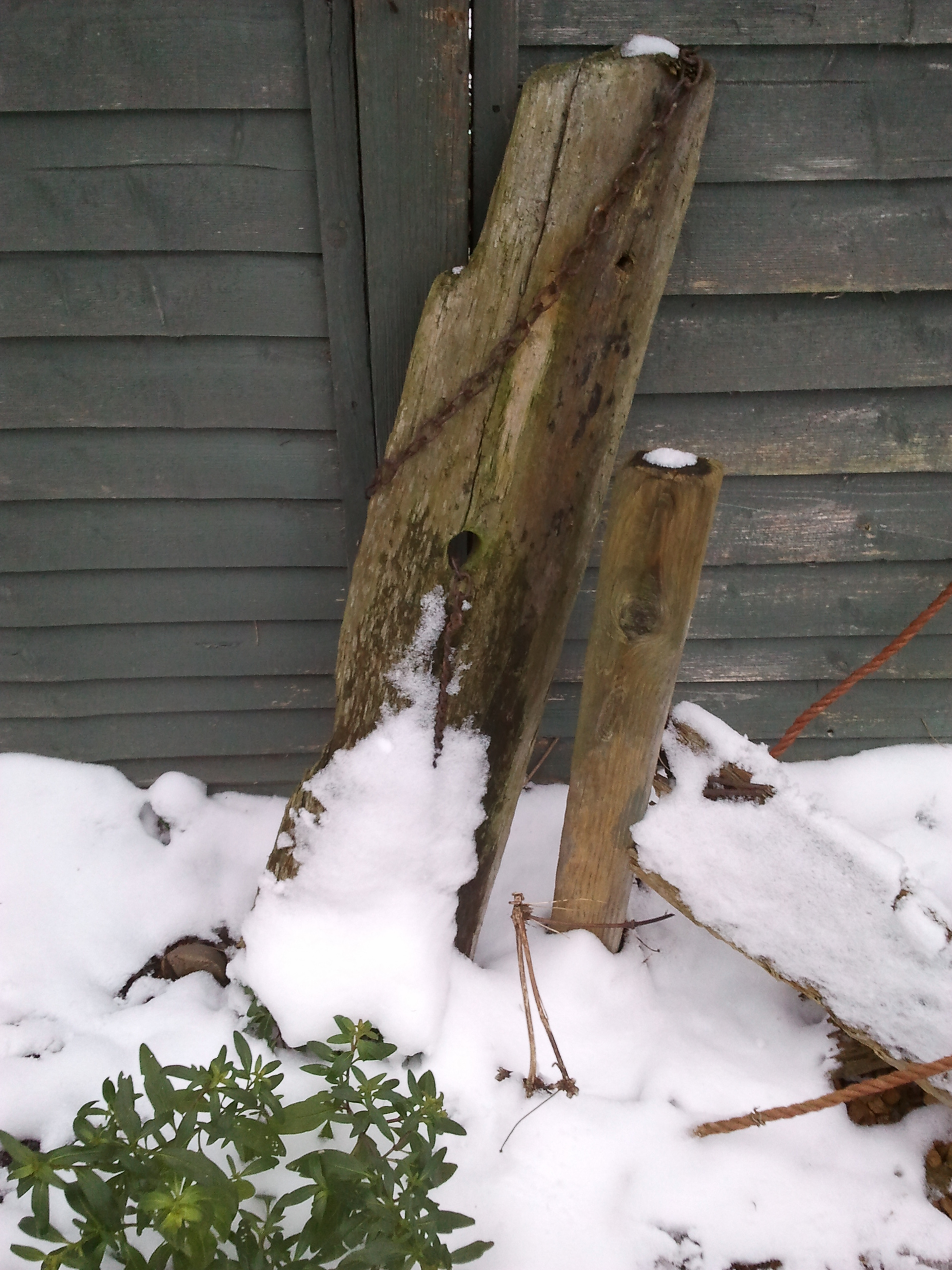
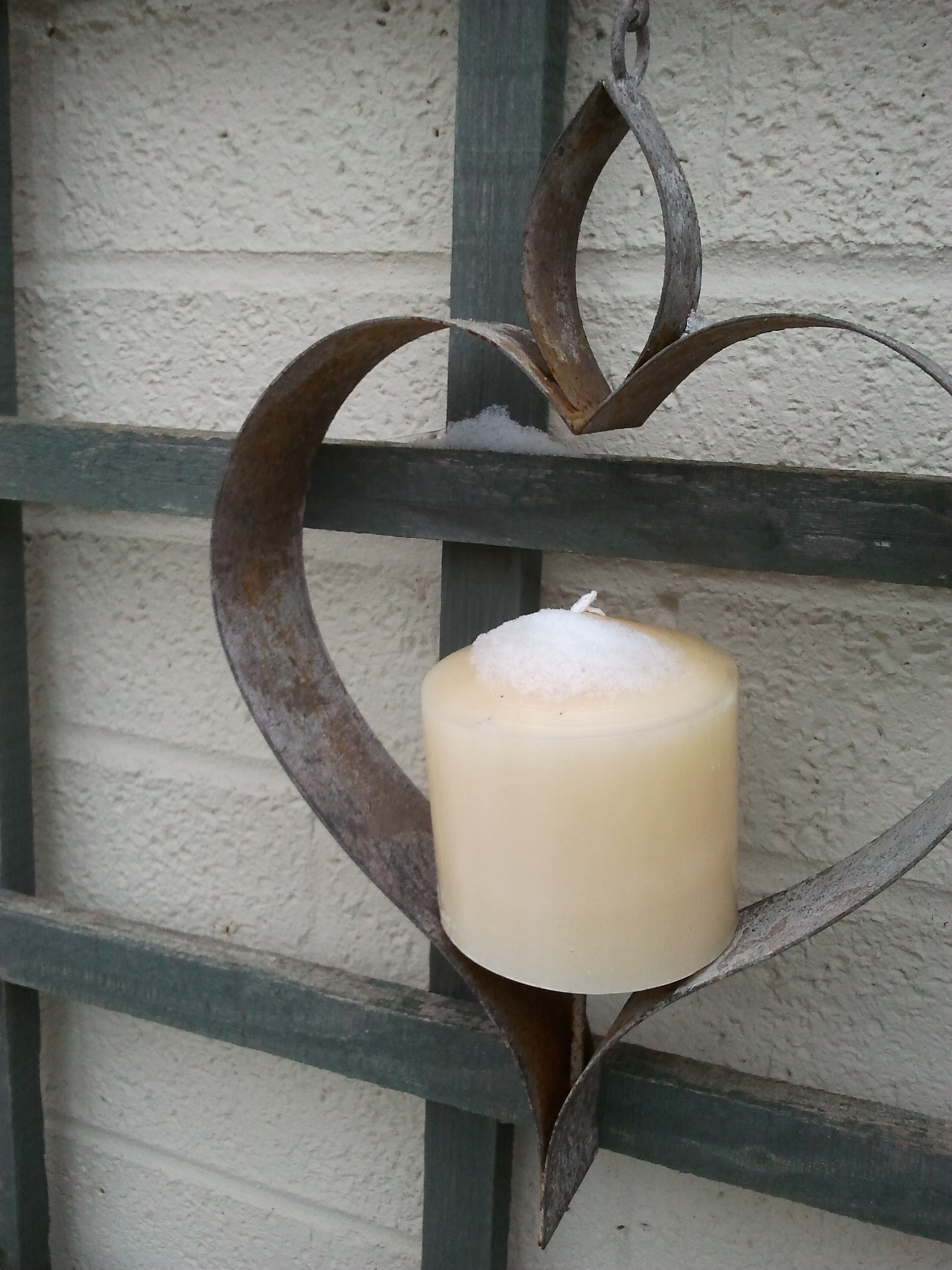
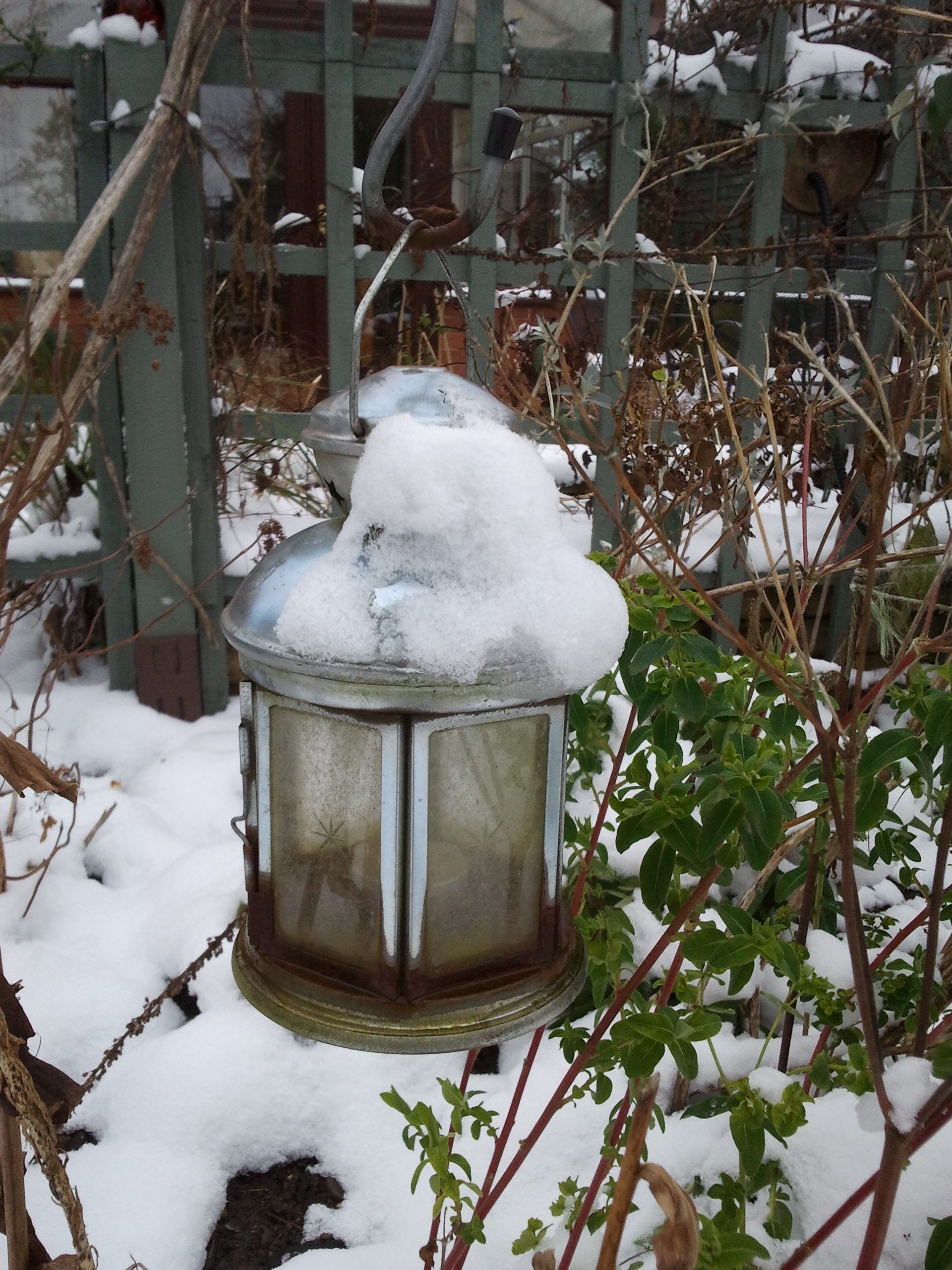
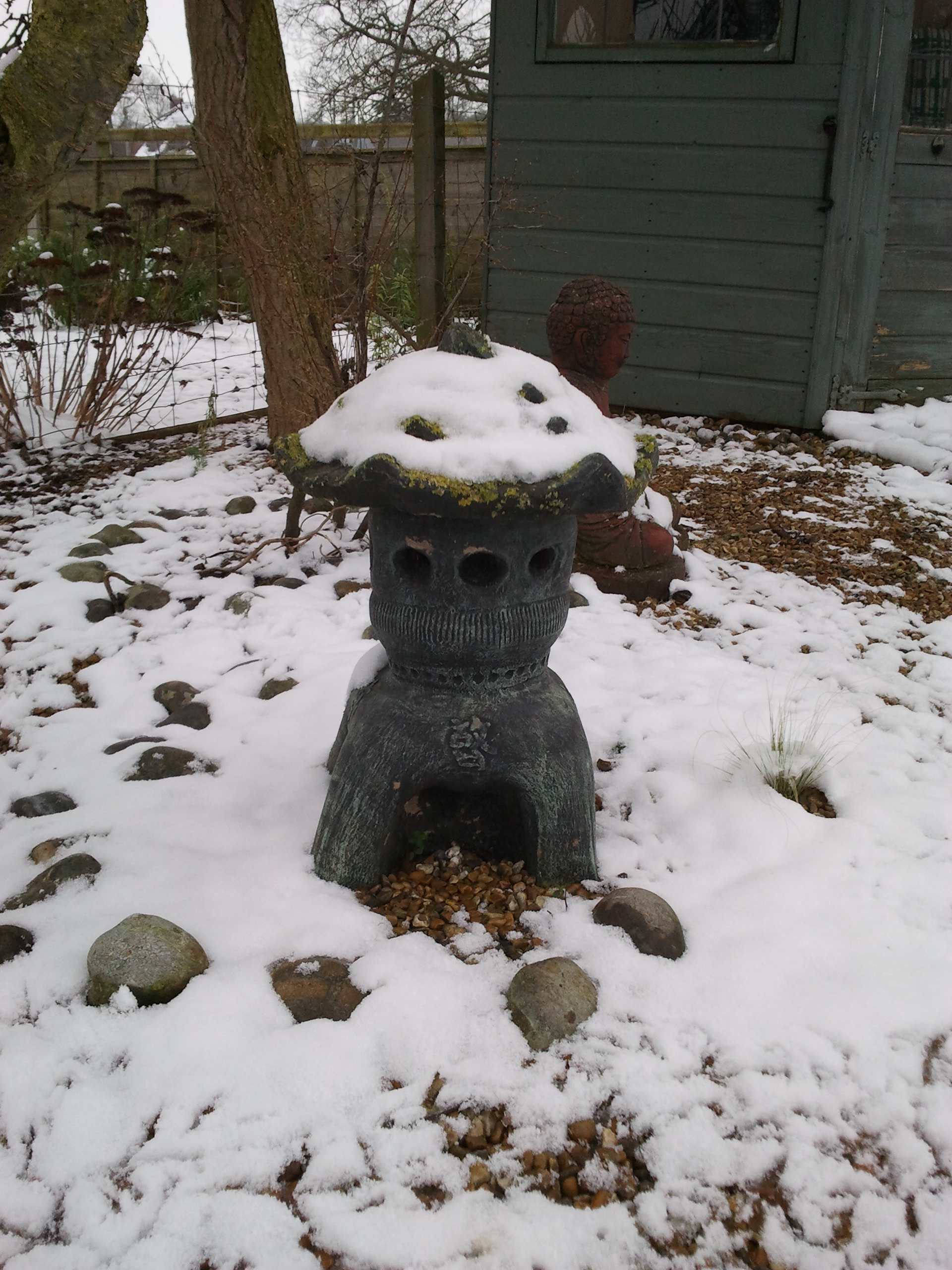
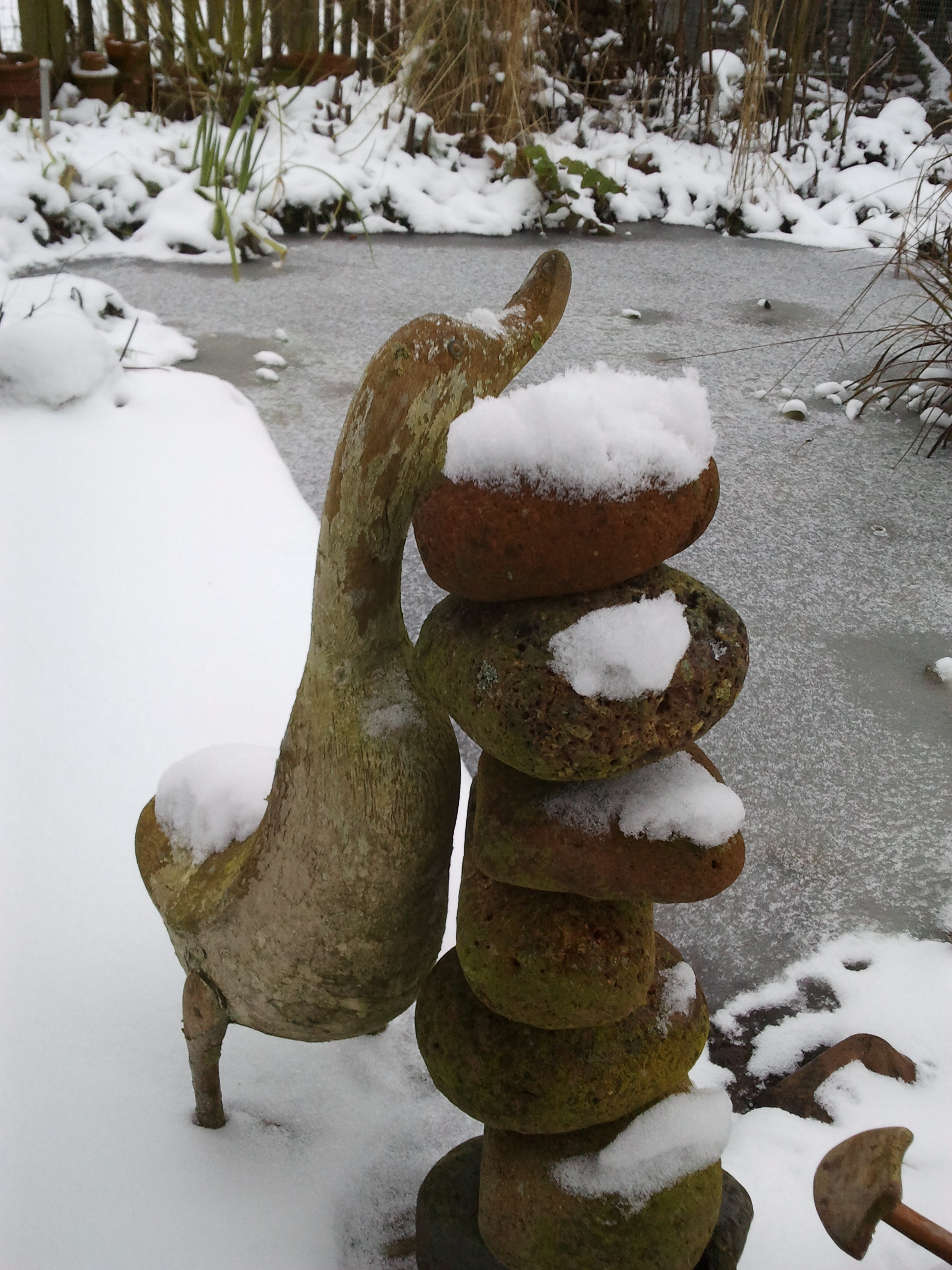
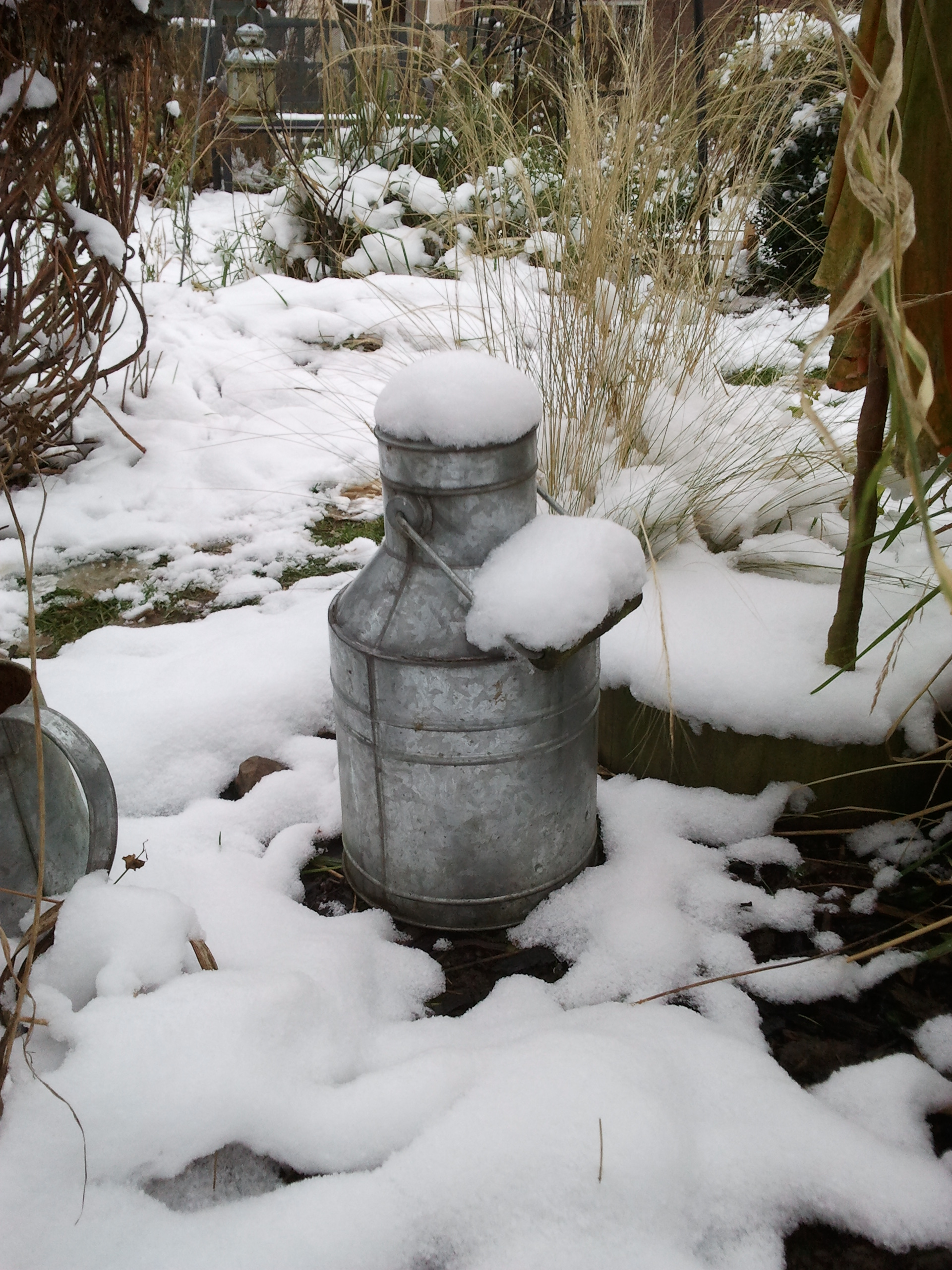
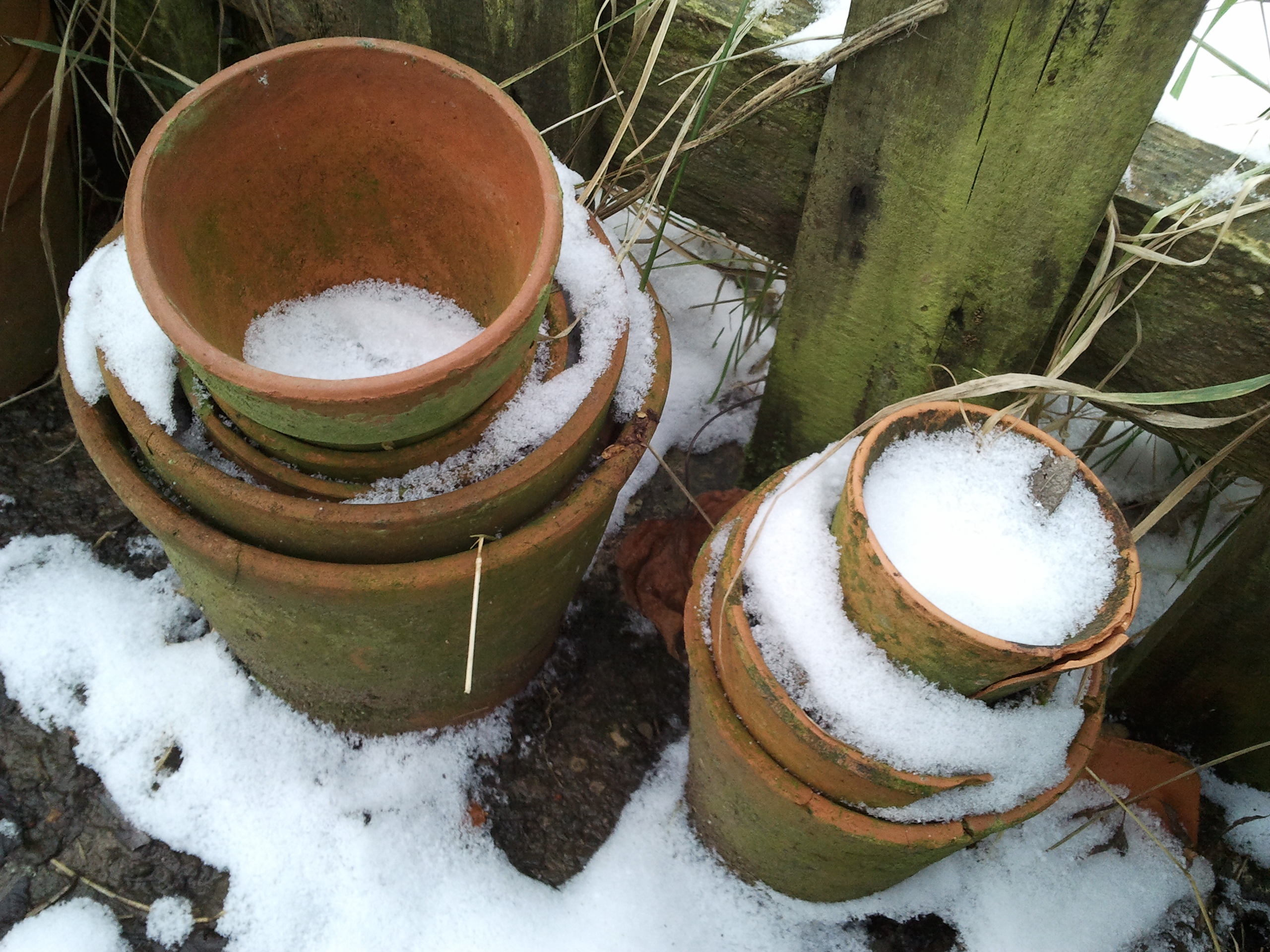
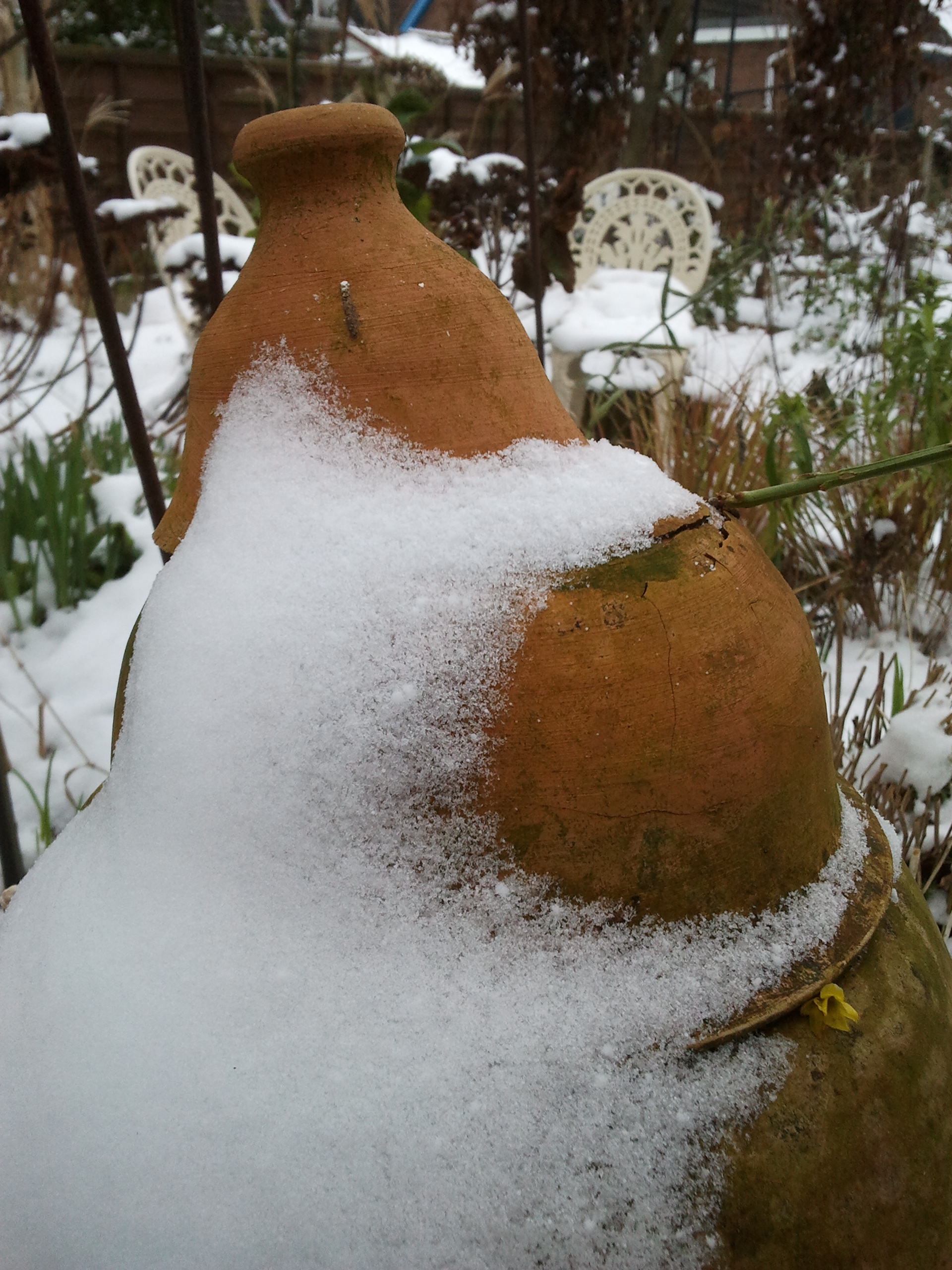
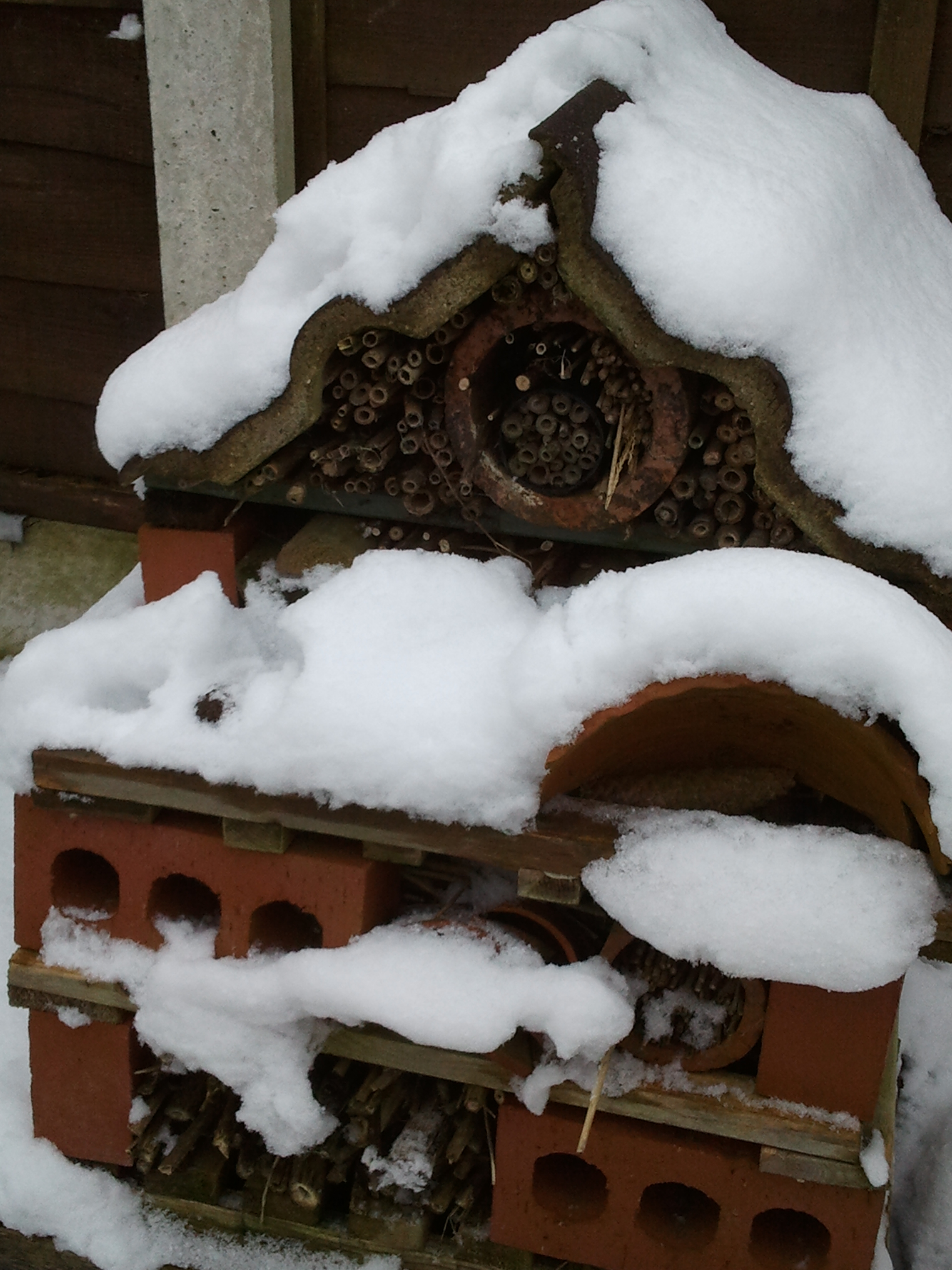
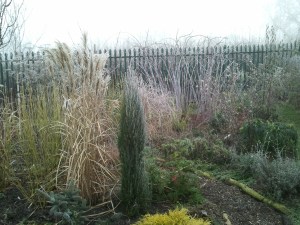
The garden has its hat on – a hat of snow.

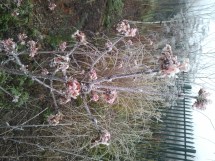
Plants are sporting their new white headgear.
SAMSUNG SAMSUNG SAMSUNG SAMSUNG

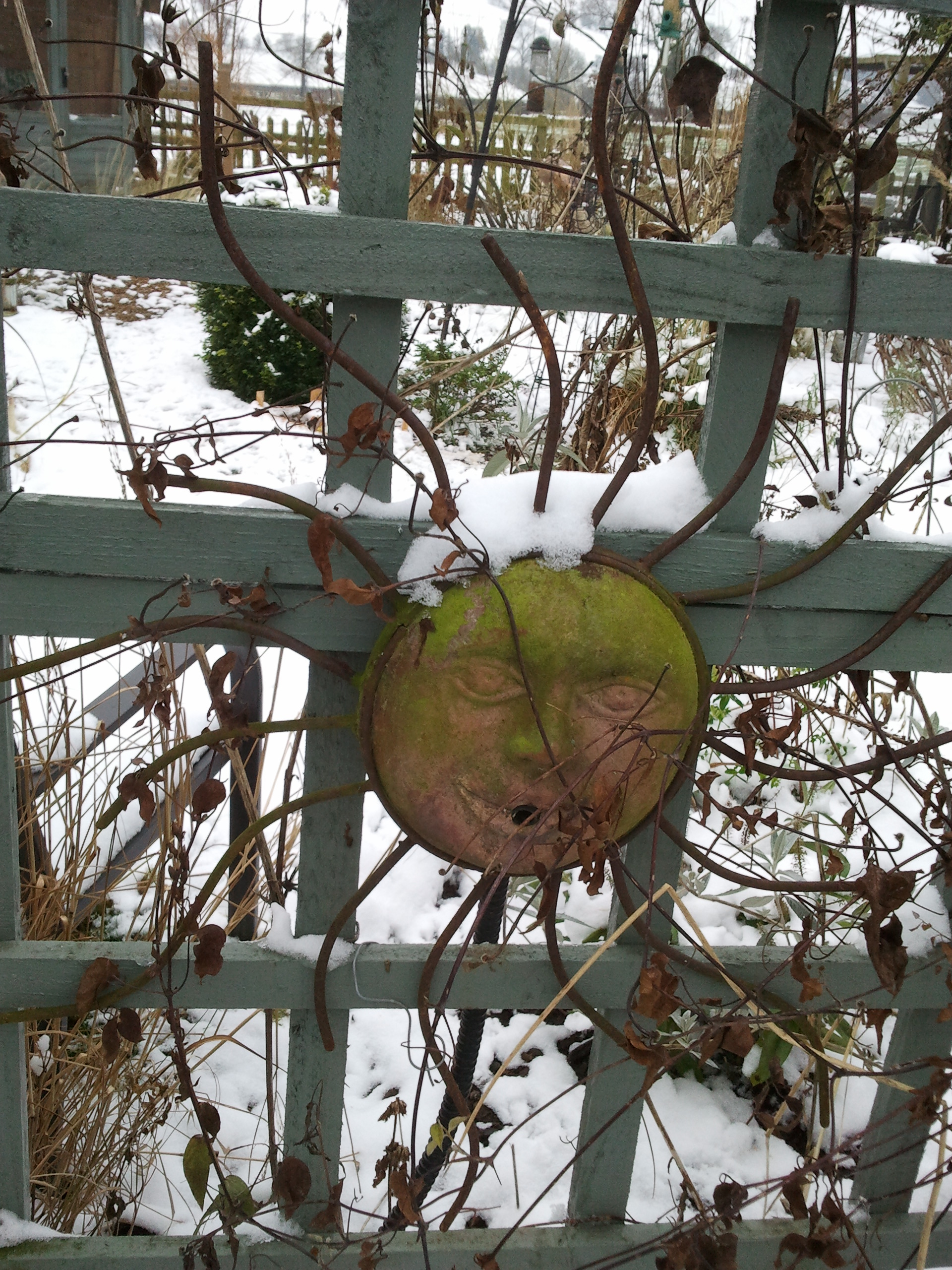
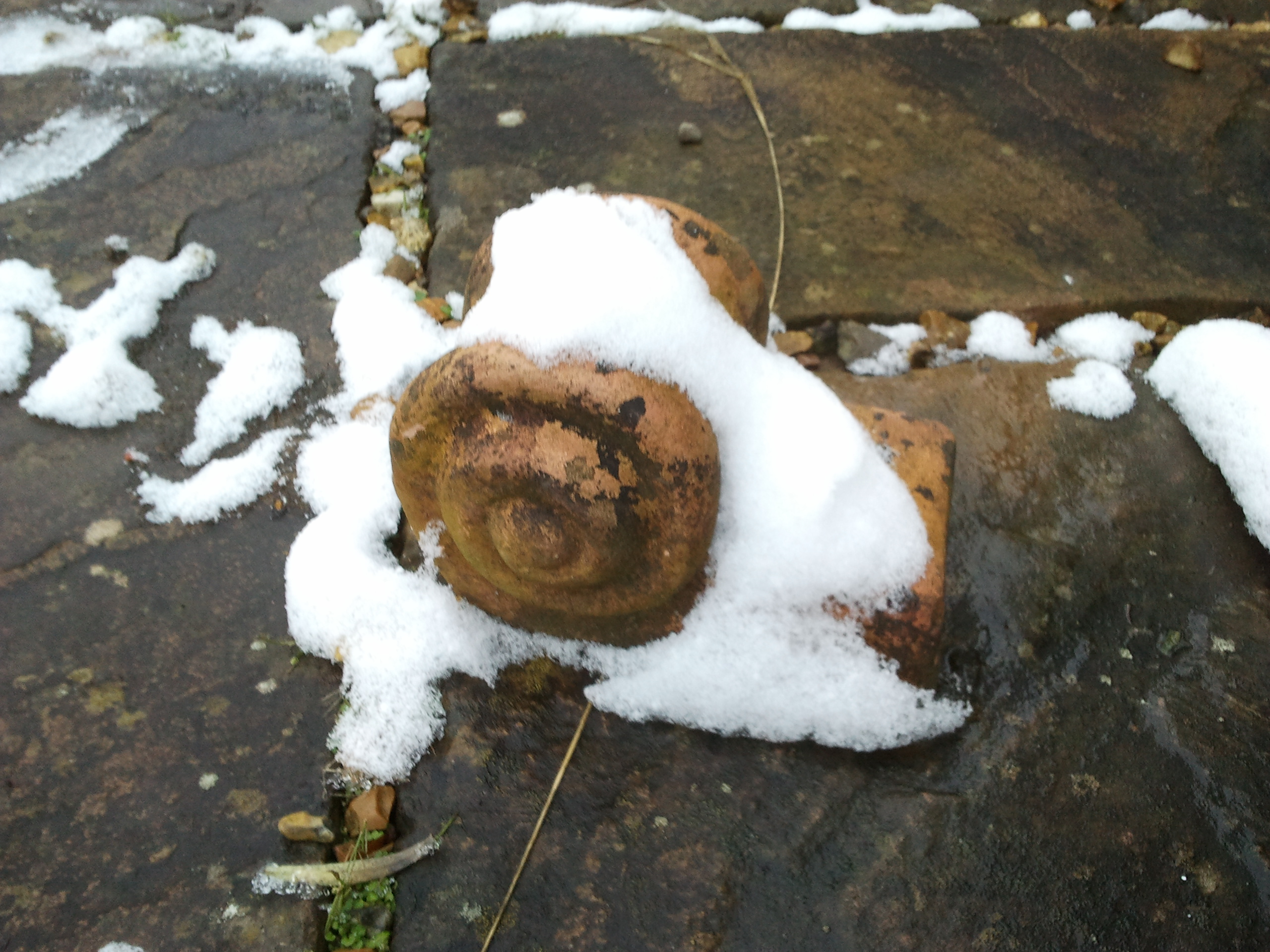
All sculptures and ornaments are wearing their ermine hats and coats.

SAMSUNG SAMSUNG SAMSUNG SAMSUNG SAMSUNG DSC_0001-17DSC_0003-18

SAMSUNG SAMSUNG SAMSUNG SAMSUNG SAMSUNG SAMSUNG SAMSUNG SAMSUNG SAMSUNG SAMSUNG SAMSUNG

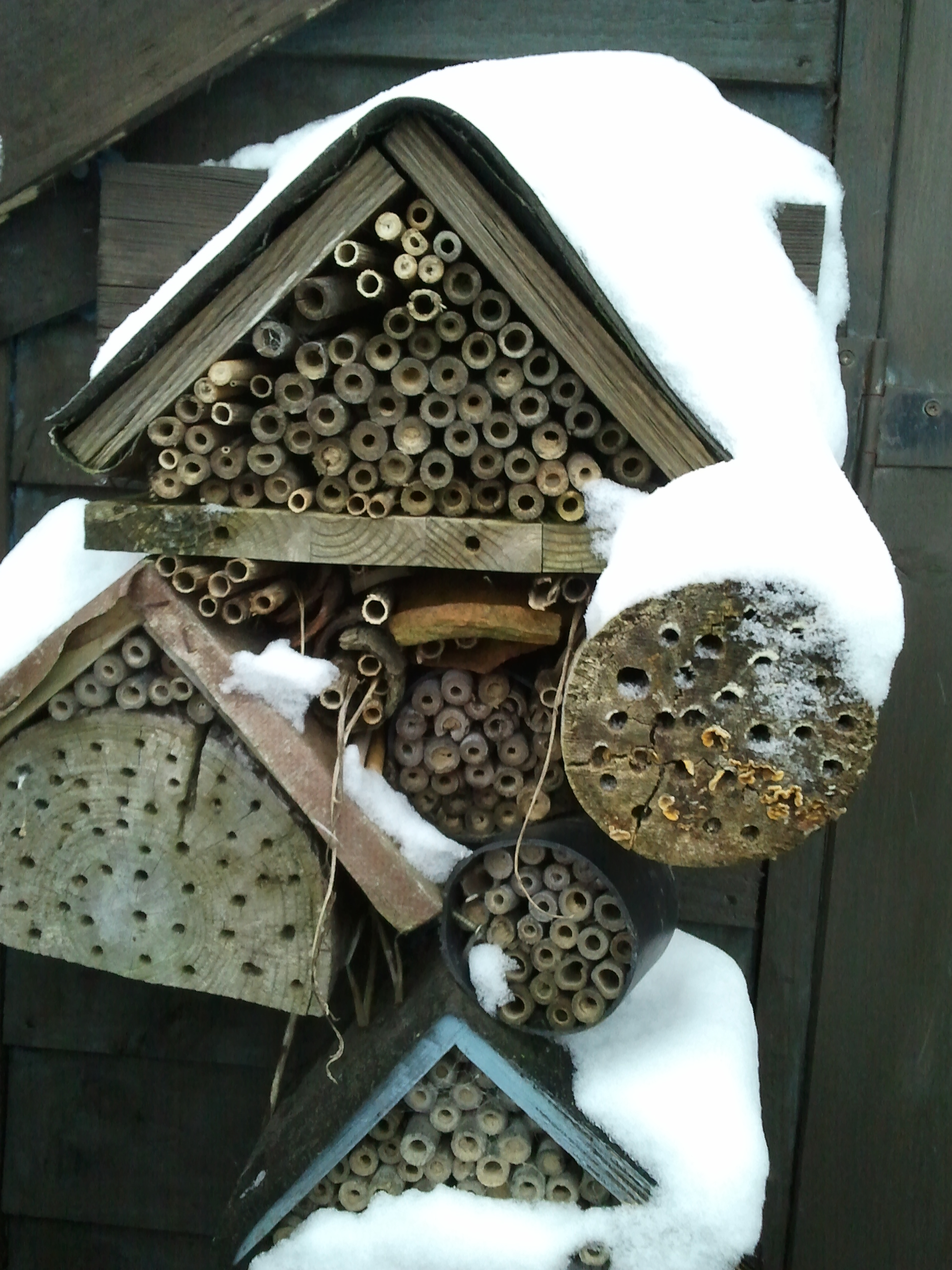
The insects are warm in their homes, hopefully hibernating safely, but we will not know until the spring. Each night the little Jenny Wrens queue up to roost in their wicker basket.

SAMSUNG SAMSUNG SAMSUNG

Categories
allotments autumn colours birds community gardening conservation garden wildlife gardening grow your own hardy perennials meadows ornamental trees and shrubs trees wildlife

A Wander around the Allotments in December

December hasn’t afforded us many days suitable for lottie gardening, sending us too much rain and flooding the site again for a while early on in the month . In fact the first attempt at working on our plot this month resulted in that too well-known sinking feeling. Algae has turned the soil green again.

We arranged to meet council officers and contractors on site one morning to start sorting out the flooding issues. It was of course raining when we met! Four trucks full of machinery and fluorescent coated workers arrived soon after, champing at the bit to start. Sods law came into play. The floods reappeared and water began lapping at our feet and at the wheels of the vehicles. One tractor got stuck in the mud!

The weather won the first round as work was abandoned even before it started, but at least everyone knows what to do now. We were promised that work would commence as soon as the weather allowed.

Things had improved a little by the end of the first week of the month, enough to arrange a day for Jude and I to meet our friend Pete to get some site tasks done in the communal gardens. We planted trees that had been donated by members in the new coppice we are developing, plus two others in the Autumn Garden. These were purchased with the prize money we had received when we won an award as the Best Community Garden in Shropshire by the National Garden Scheme.

SAMSUNG

As Pete looks after the Autumn Garden he chose the trees. Two great specimens arrived in the back of his car, an Acer rubra and a Gleditsia Sungold.  In the photo above Pete is planting the Gleditsia and below is the Acer with its red stems. We can now look forward to the golden foliage of the Gleditsia and the red petioles of the Acer which contrast so well with the yellow autumn leaf colour.

SAMSUNG

We also transplanted some wild flowers and wildlife friendly plants kindly donated by a member, Dee. They were on her plot and we transplanted them to the meadows and orchards. Wild Hypericum, Red and White Campion, Mallows, Plantain, Foxgloves and Teasles plus a selection of Verbascum. In the picture below Jude is busily planting verbascum in the orchard meadows. The insect homes look so much bigger when plants die down for the winter. We just hope they are full of our friends, the overwintering pest controllers.

SAMSUNG

In the first few days of December I completed constructing the Tawny Owl nesting box which I had started weeks ago. It is by far the biggest nest box I have ever attempted to make. Each year I ask members to donate their spare wood for nest box construction and plenty came in this year so I hope to make several boxes. My next challenge is to make a box for House Sparrows.

SAMSUNG

On our own plot we have dug over the plot and given it a deep duvet mulch of manure. Now we will let the worms and other little critters get to work on it. We have pruned our fruit bushes and brambles, and are mid-point through cutting down and digging up a blackberry which refuses to produce any fruit. We gave it our “three chance and out” treatment which we allow every failing plant in our gardens.

At the mid-point of December the weather turned cold with clear ” blue-skied” days and deep frosty nights. The workers came back to get started on the flood prevention work. They are getting on well. We met them early one morning to sort things out and I took advantage of the bright conditions to get some photos taken. Having just my Samsung Galaxy with me the rest of the pics in this post are taken with its camera – a great camera for a phone.

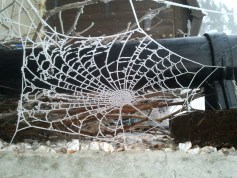
Spiders appeared to have been industrious all through the hours of darkness creating works of art for Jack Frost to add the finishing touches. In the first pic we can admire how they have decorated a shed’s gable end and the second and third show where they have added a feature to the Communal Hut.

SAMSUNG

SAMSUNG

SAMSUNG

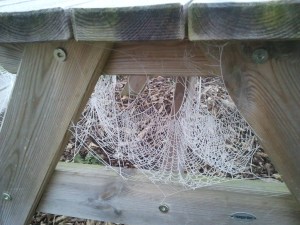
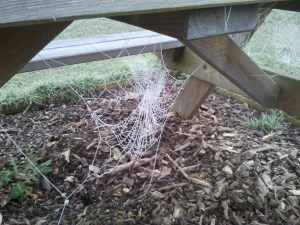
It looks as though the spider population of the lotties have taken to using the picnic benches when it is too cold on the rear end for us gardeners to enjoy our coffee breaks on them.

SAMSUNG

SAMSUNG

On Wendy’s plot Jack Frost had iced the rose hips.

SAMSUNG

We have had some beautiful new trees delivered to the site ready for planting when the soil is not frozen. At the moment we would not get a spade in. We have been given a Weeping Silver Lime which we selected to celebrate the Queen’s Jubilee Year, plus two crab apples Malus “Evereste” and Malus “Golden Hornet” to plant, one in each orchard to improve fruit pollination, and two ornamental Hawthorns.

SAMSUNG

The individual plots are looking bare and forgotten. Some have been well dug for the winter, others await better weather. Where water sits in puddles it had frozen solid. On one plot a double digging session had been interrupted by the weather.

SAMSUNG

SAMSUNG

SAMSUNG

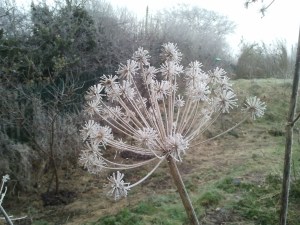
On one plot next to the new coppice area the seed heads of Angelica, left for the Goldfinches and Bullfinches to feast upon, were covered in frost.

SAMSUNG

SAMSUNG

In the coppice area itself, our newly planted Hollies had attracted spiders.

SAMSUNG

The communal gardens  looked monochrome  with frost covering the herbage.

SAMSUNG

SAMSUNG

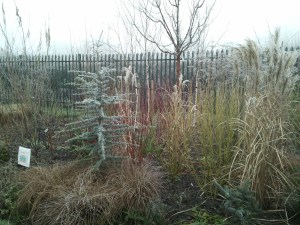
As befits the season, our Winter Garden is looking good! Pete was with me as I took these photos and he and I created this garden less than two years ago, so we keep admiring our handy work.

SAMSUNG

SAMSUNG

SAMSUNG

Splashes of colour sprang up to shine out in the gloom of the misty grey day, the fruit of the Malus “Evereste”, and the fire-coloured leaves of a Hawthorn in the hedge and a Raspberry on a plot.SAMSUNG

SAMSUNG

SAMSUNG

As we wandered taking these pictures we were followed around by the resident Robins who were waiting for us to start work turning soil over and exposing bugs for them to pounce upon. But no gardening was done, the soil being too solid with frost so no sod could be turned. We found time to top up the bird feeders in our feeding stations. These are busy with tits, finches, Nuthatches and Woodpeckers.

Categories
allotments community gardening fruit and veg garden design garden photography garden wildlife gardening grow your own hardy perennials natural pest control

A Wander Around the Allotments in September

This is the month of harvesting and preparing the soil recently vacated by crops that have been dug, cut, pulled and picked,ready for next year’s new crops.

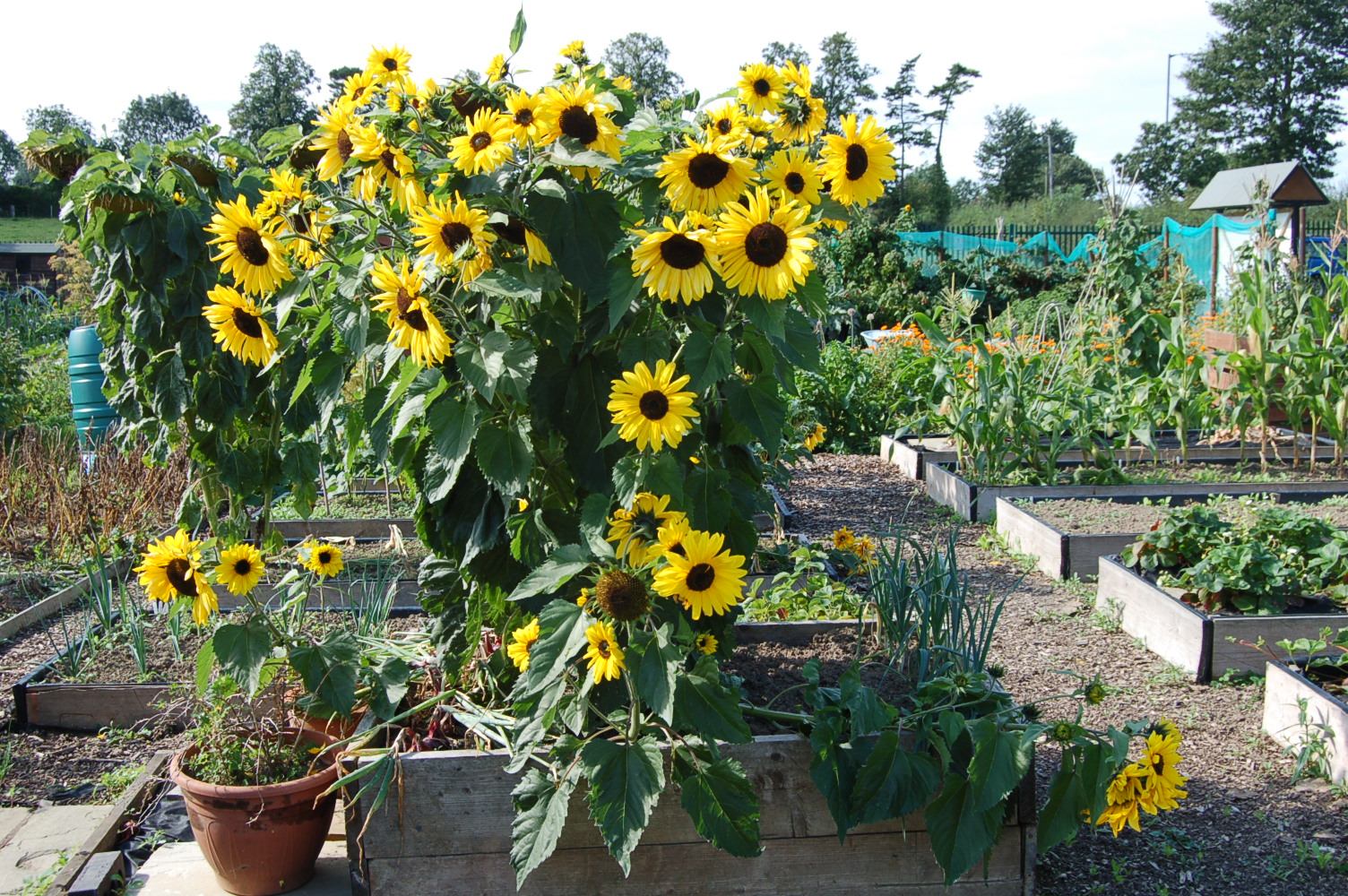
As we wander around the allotments now it is noticeably colourful – flowers abound with almost all plot holders growing some for picking, to enhance their plot or to attract beneficial predatory or pollinating insects.

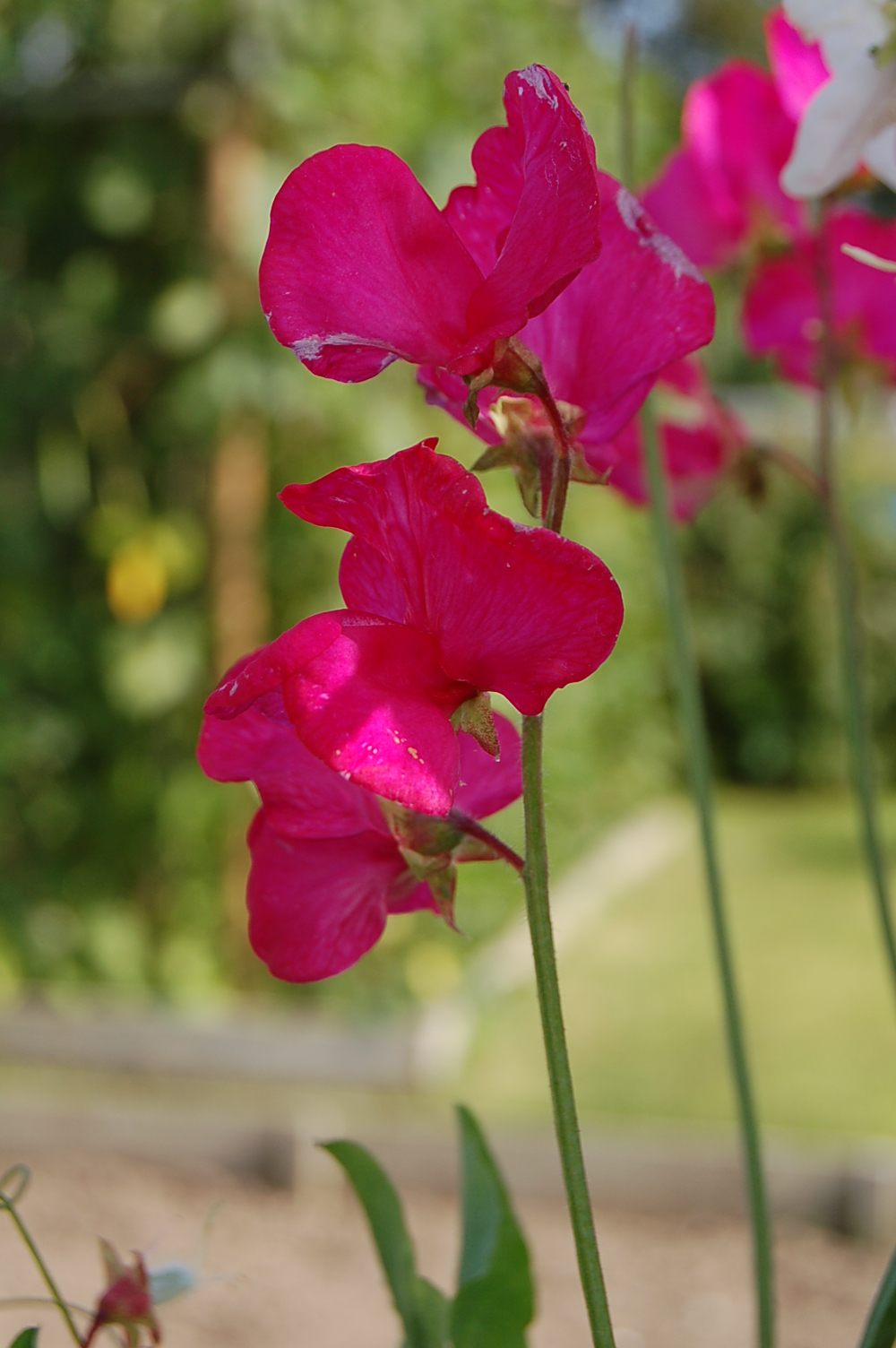
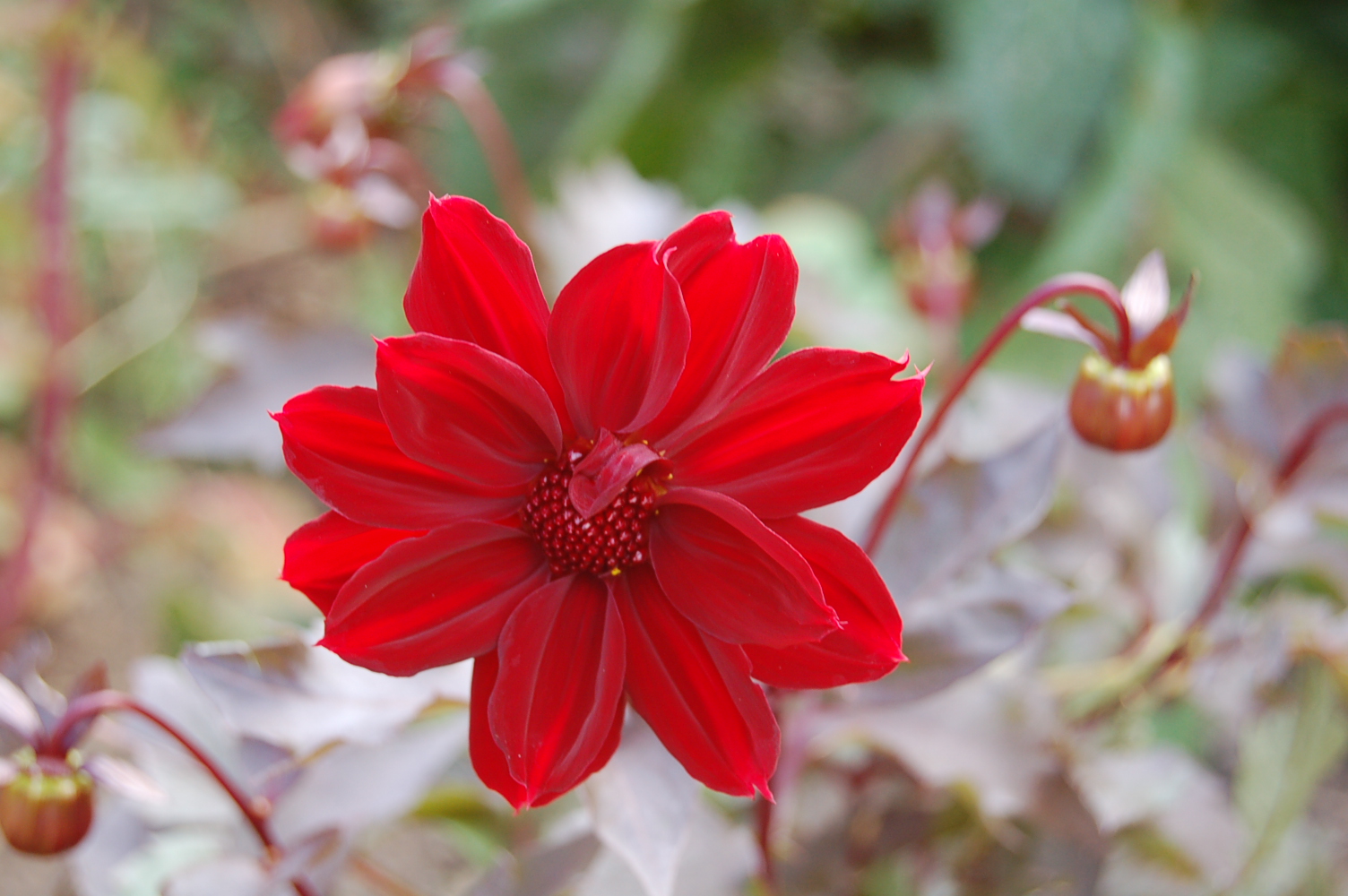
Some plots feature the more expected allotment flowers grown for cutting, such as Sweetpeas, Dahlias. Chrysanths and Gladioli.

And of course productive plants give floral displays before the fruit, pods and berries appear.

Many plot holders grow a variety of flowering plants as companion plants to attract beneficial insects, both as pollinators and predators,  or to benefit crops or act as barriers.

In our communal borders, designed to look good for the plot holders and visitors as well as serving to attract wildlife, late summer flowers are adding a feast of colour and scent.

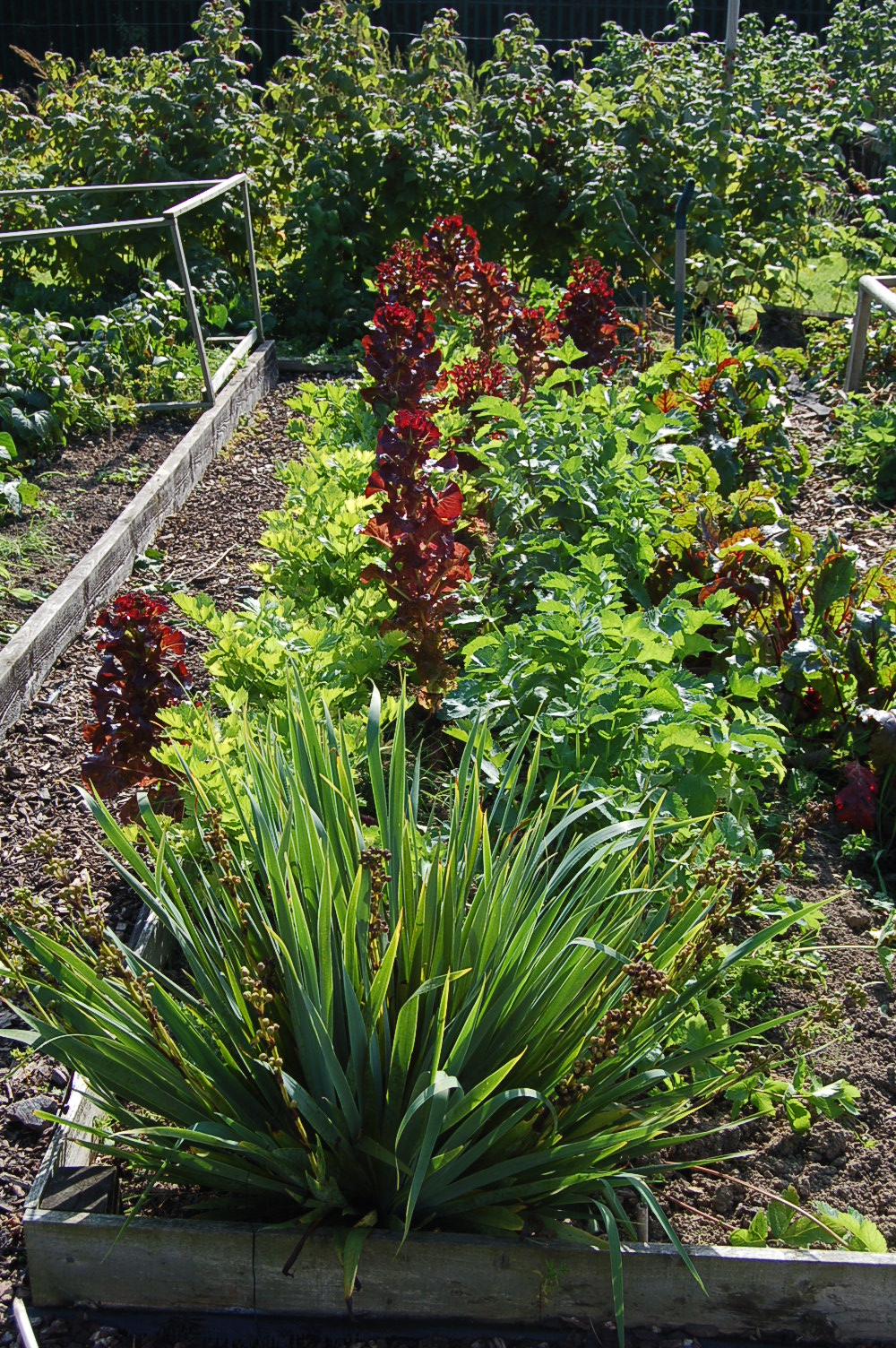
On some plots the gardeners have such a good sense of design that their vegetable raised beds look structured and colourful without the need of flowers.

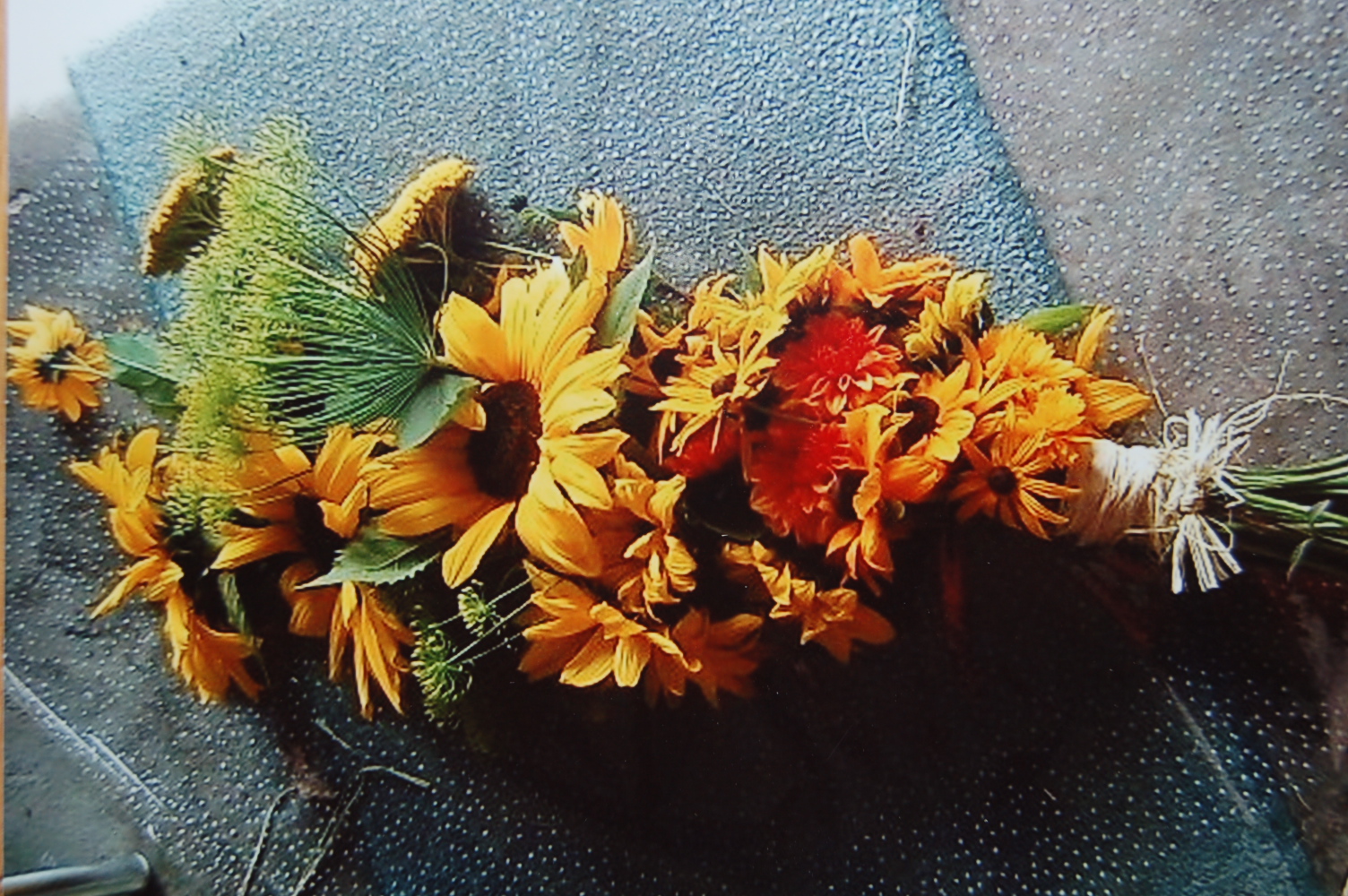
Some flowers on our lottie site had to serve a very different purpose recently. Annie, one of our neighbouring plot holders sadly passed away after a long illness. It was decided that as Annie loved the allotments so much that Jill, who represented the site at the funeral, should create a big bouquet made up of flowers cut from the plots. It was a bright, colourful, cheerful and summery and perfectly reflected Annie’s personality. We will miss her.

Categories
allotments fruit and veg garden design garden photography garden wildlife gardening grow your own hardy perennials ornamental grasses ornamental trees and shrubs outdoor sculpture photography roses trees wildlife

Barnsdale – a garden of memories

We return to Barnsdale Gardens every few years on a trip down memory lane. Barnsdale was the garden of TV gardener Geoff Hamilton the nation’s  favourite gardener for many years. He was the gardener on the BBC’s “Gardeners World” programme so he visited many gardeners’ homes every Friday evening for years. He was the first truly organic TV gardener and as such he promoted these sound garden principles and backed them up by conducting experiments and sharing the results on his show.
As well as Gardeners World he made several series of gardening programmes based on making gardens such as “The Cottage Garden” and “The Paradise Garden”.

He sadly died at a young age when taking part in a sponsored cycle ride for charity, but he has never been forgotten.

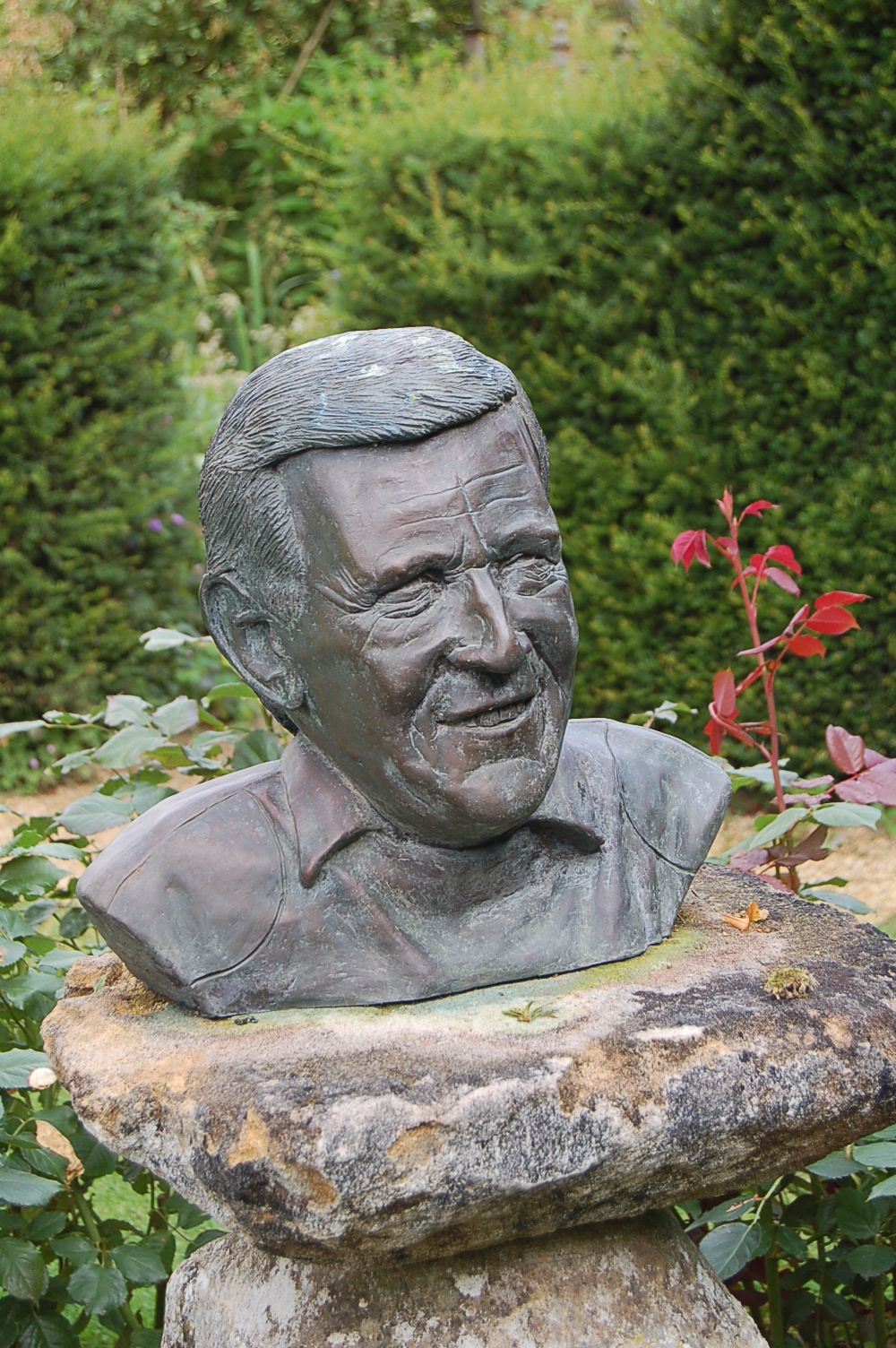
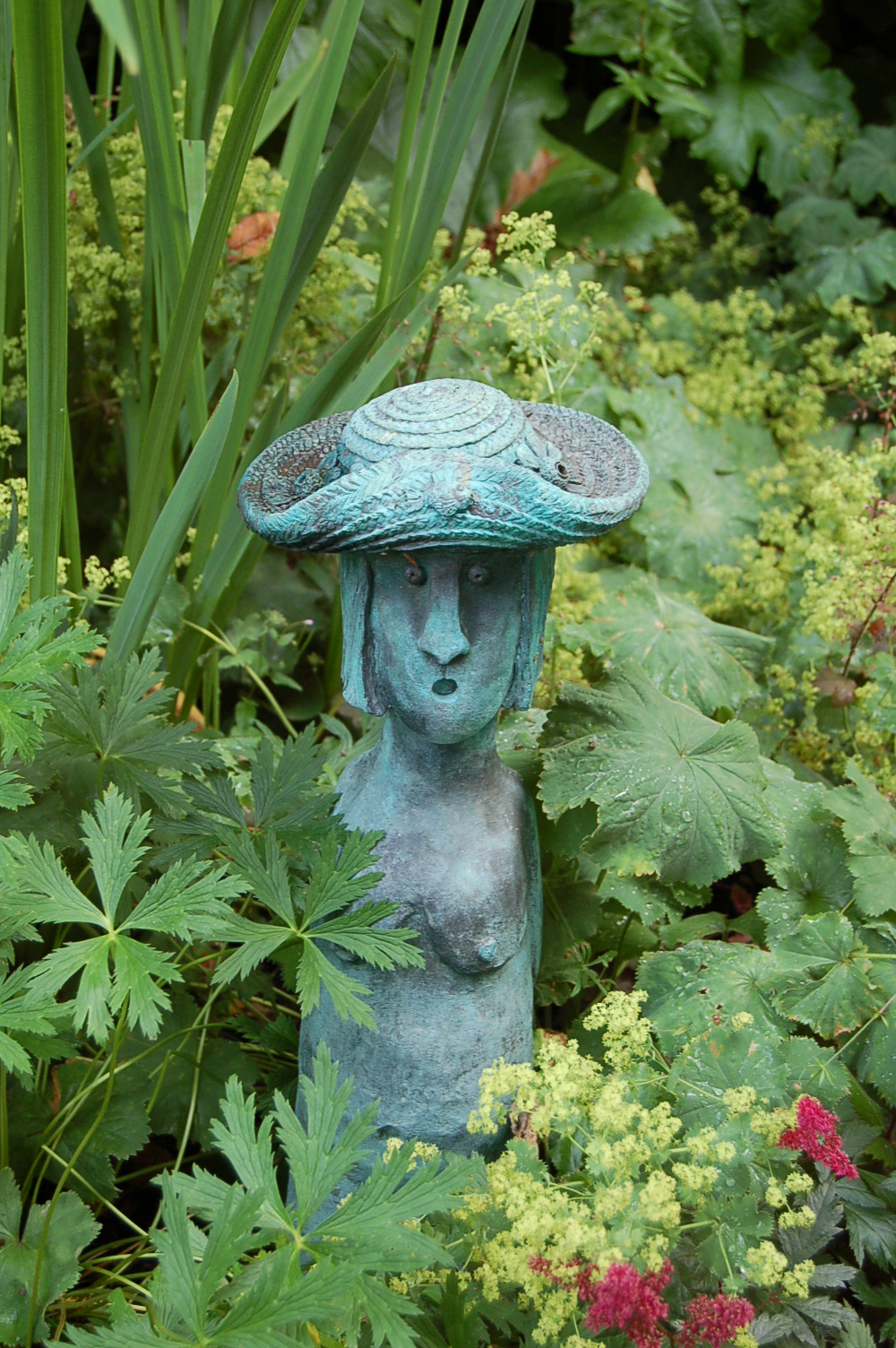
The Barnsdale Gardens still display all the model gardens Geoff made and others have been added since his death. The garden and the nursery attached  are run by his son and daughter-in-law. His other son created this bronze sculpture that graces the garden.

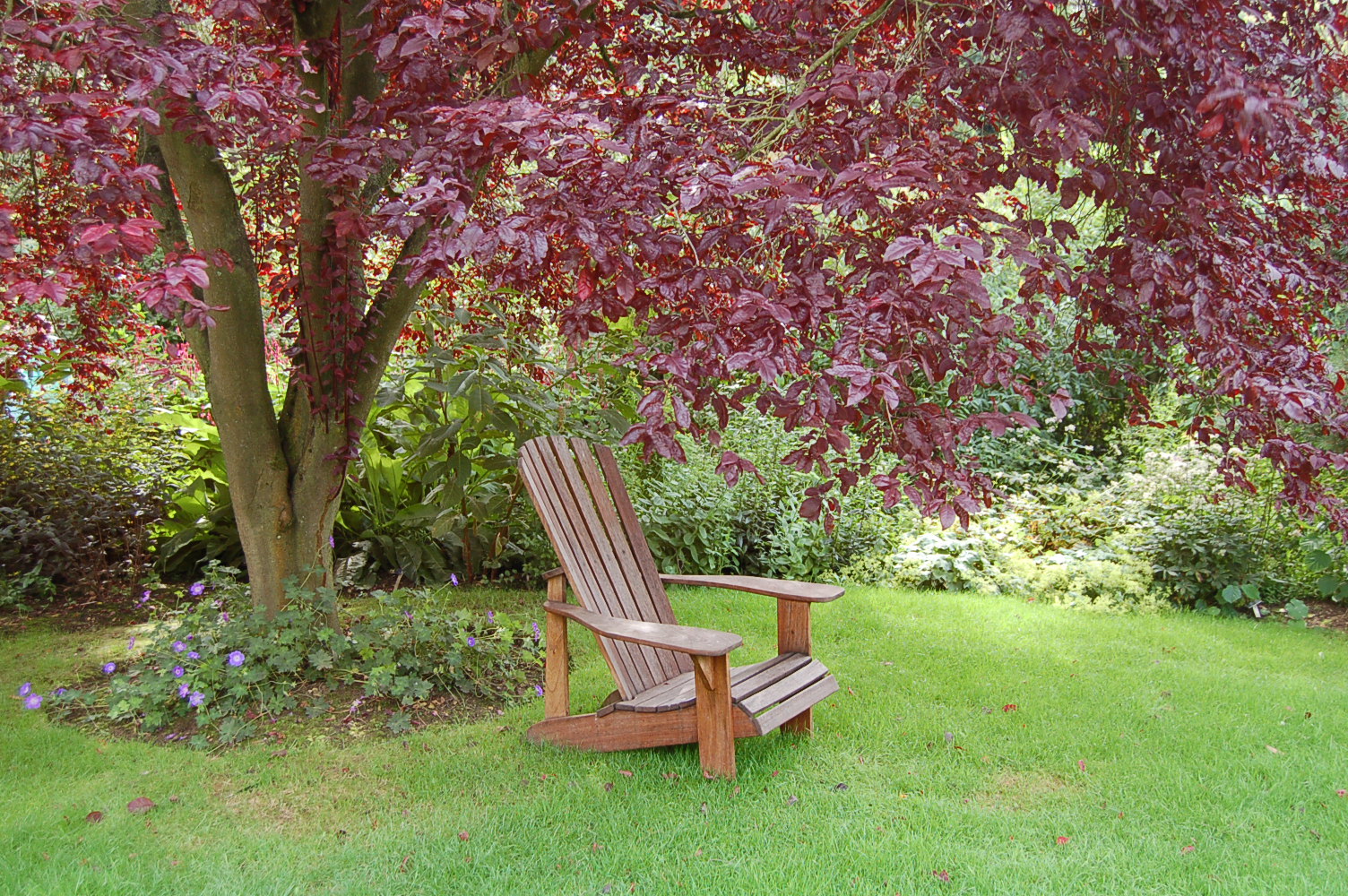
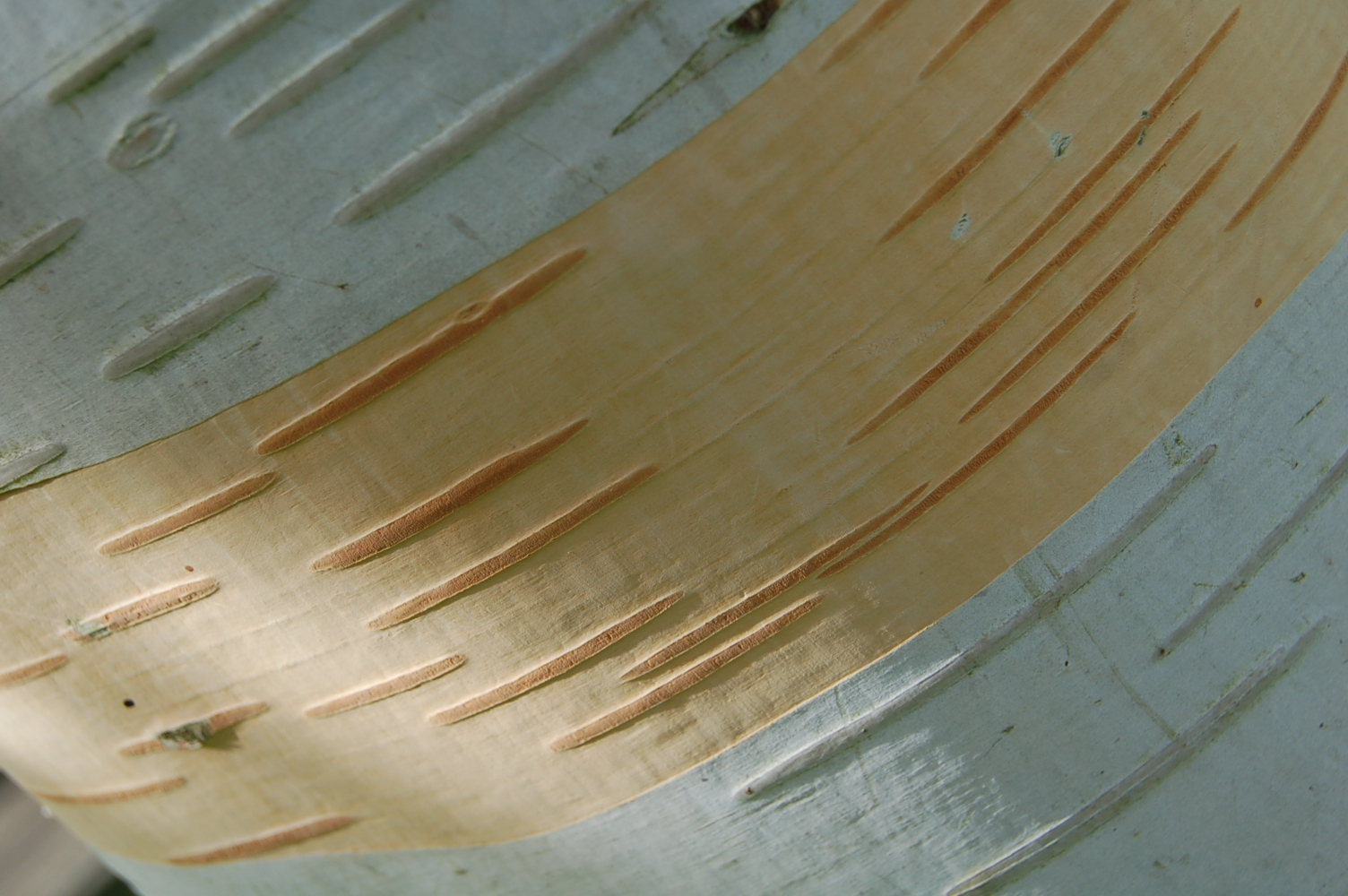
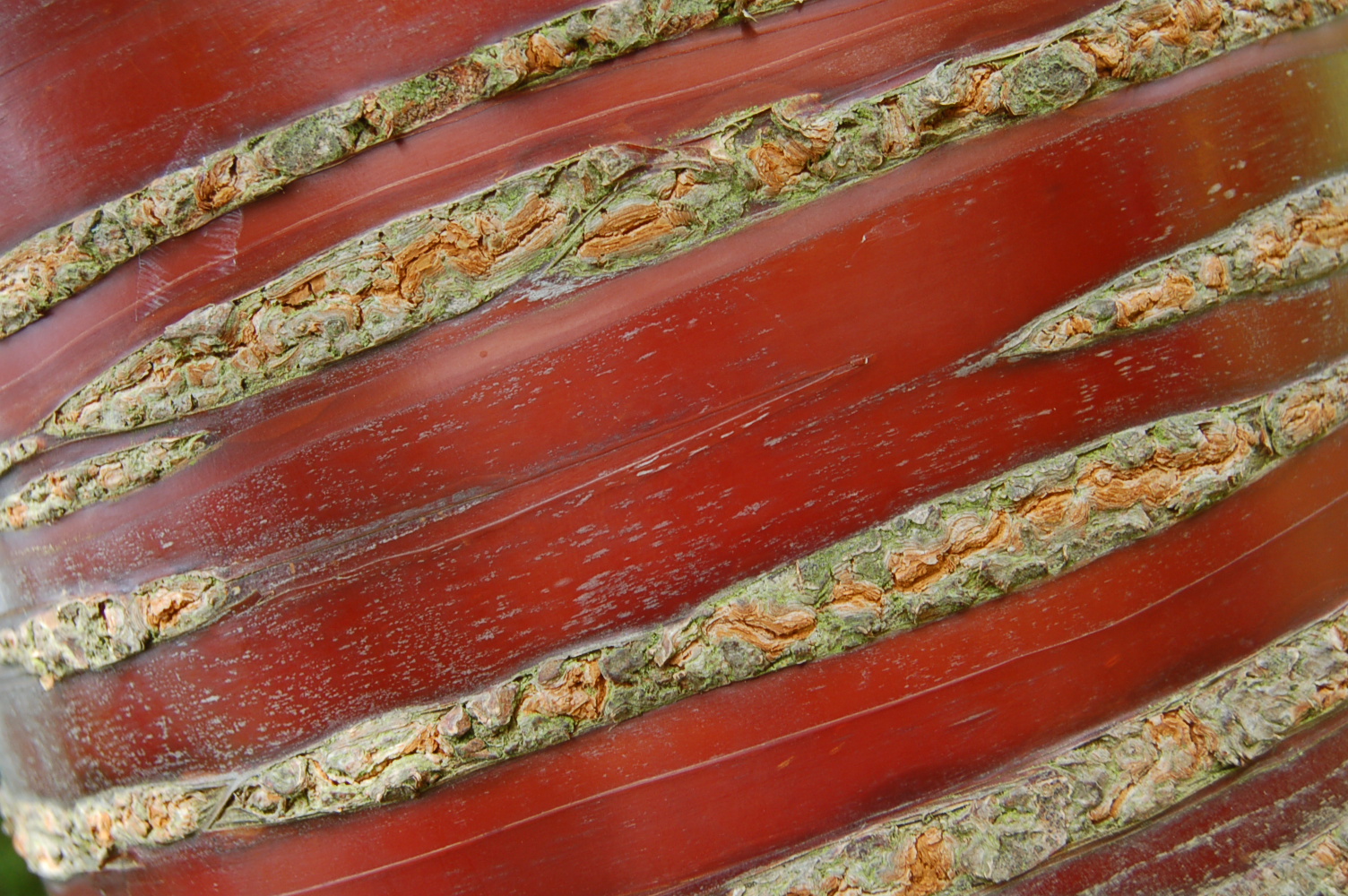
The trees that we saw Geoff plant many years ago are now impressive specimens and display interesting bark colours and textures.

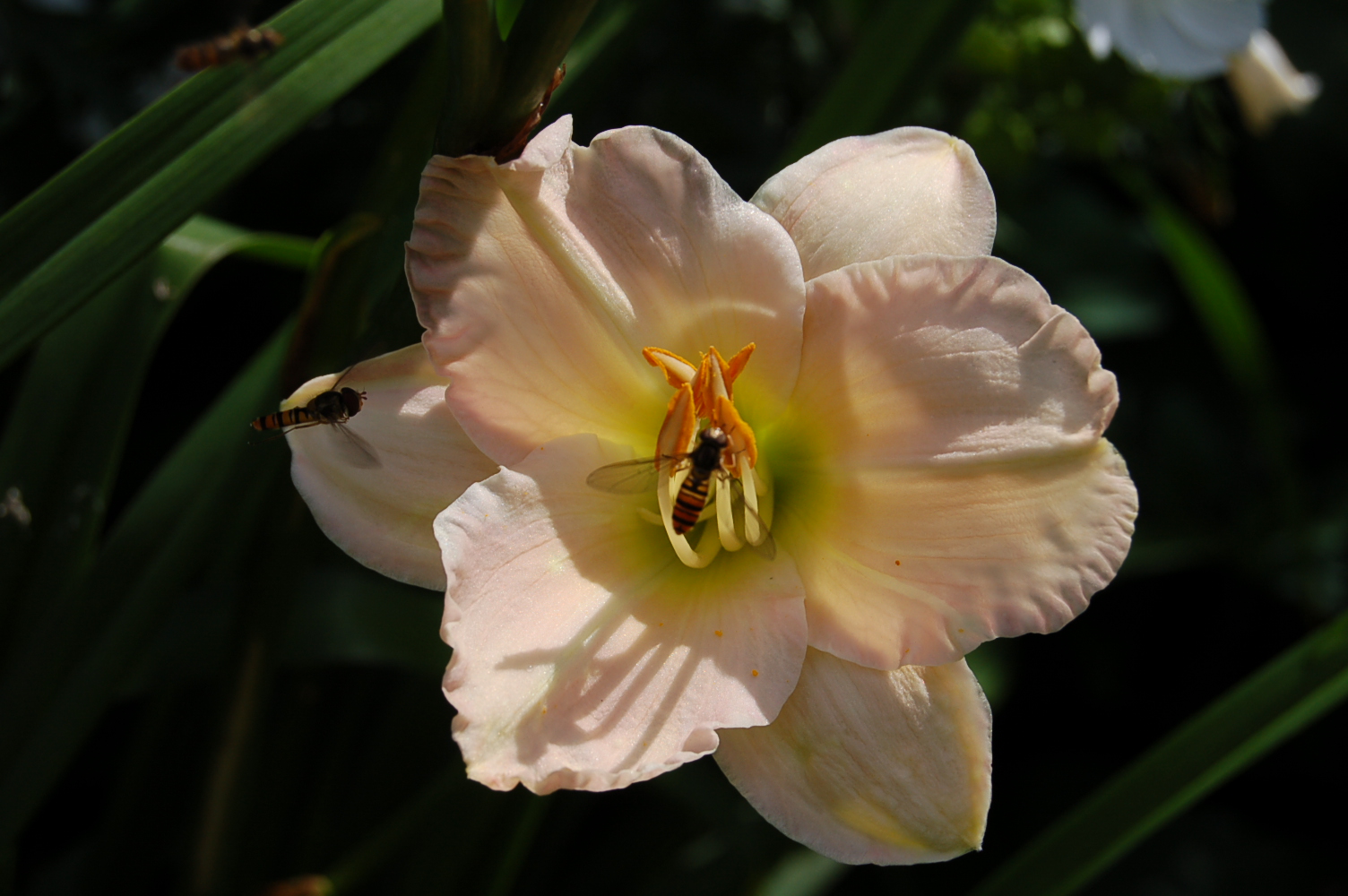
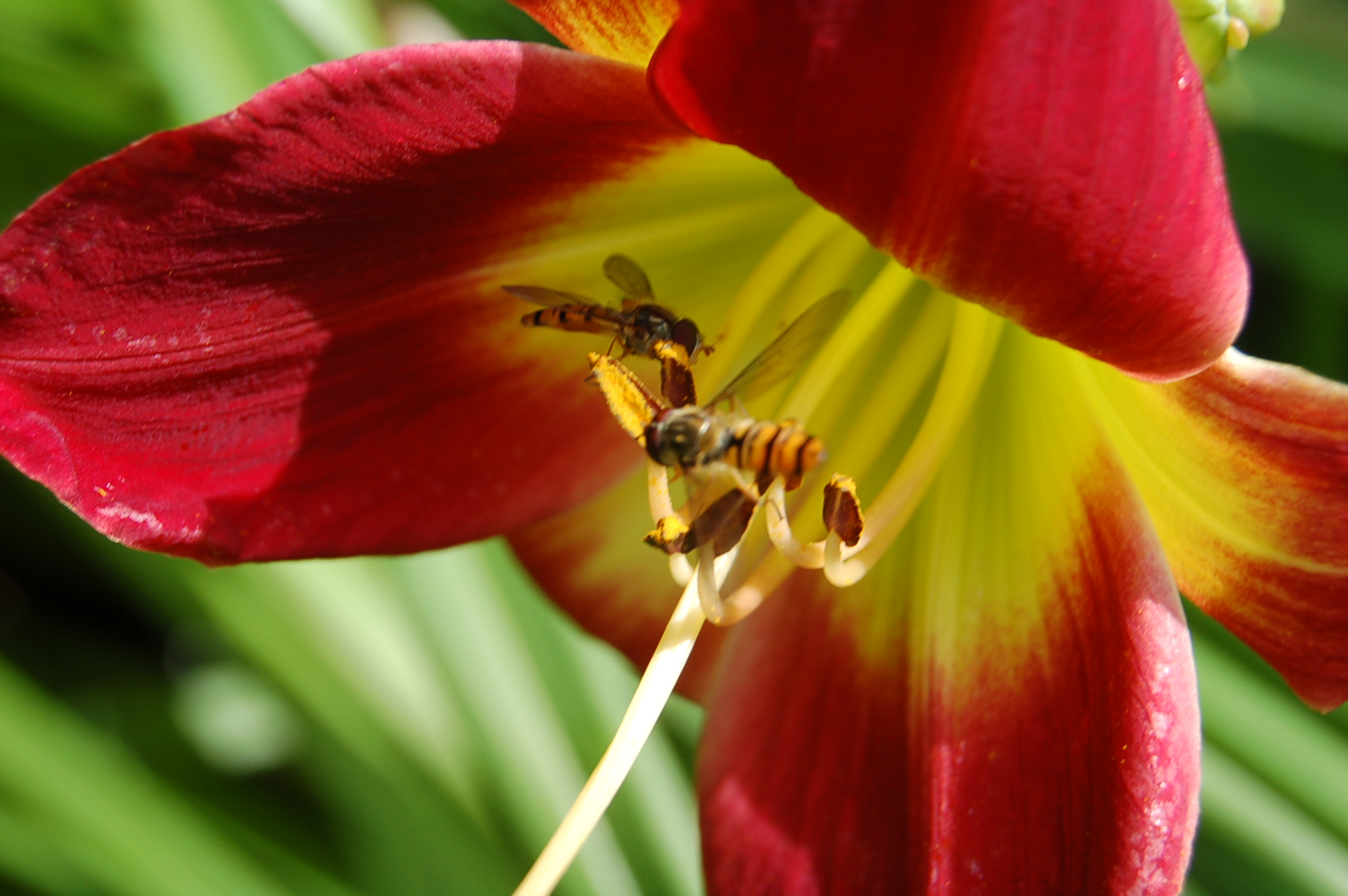
One of his favourite flowers was the Day Lily and many remain in the gardens still. Coming a close second as his most popular garden plant must be the rose.

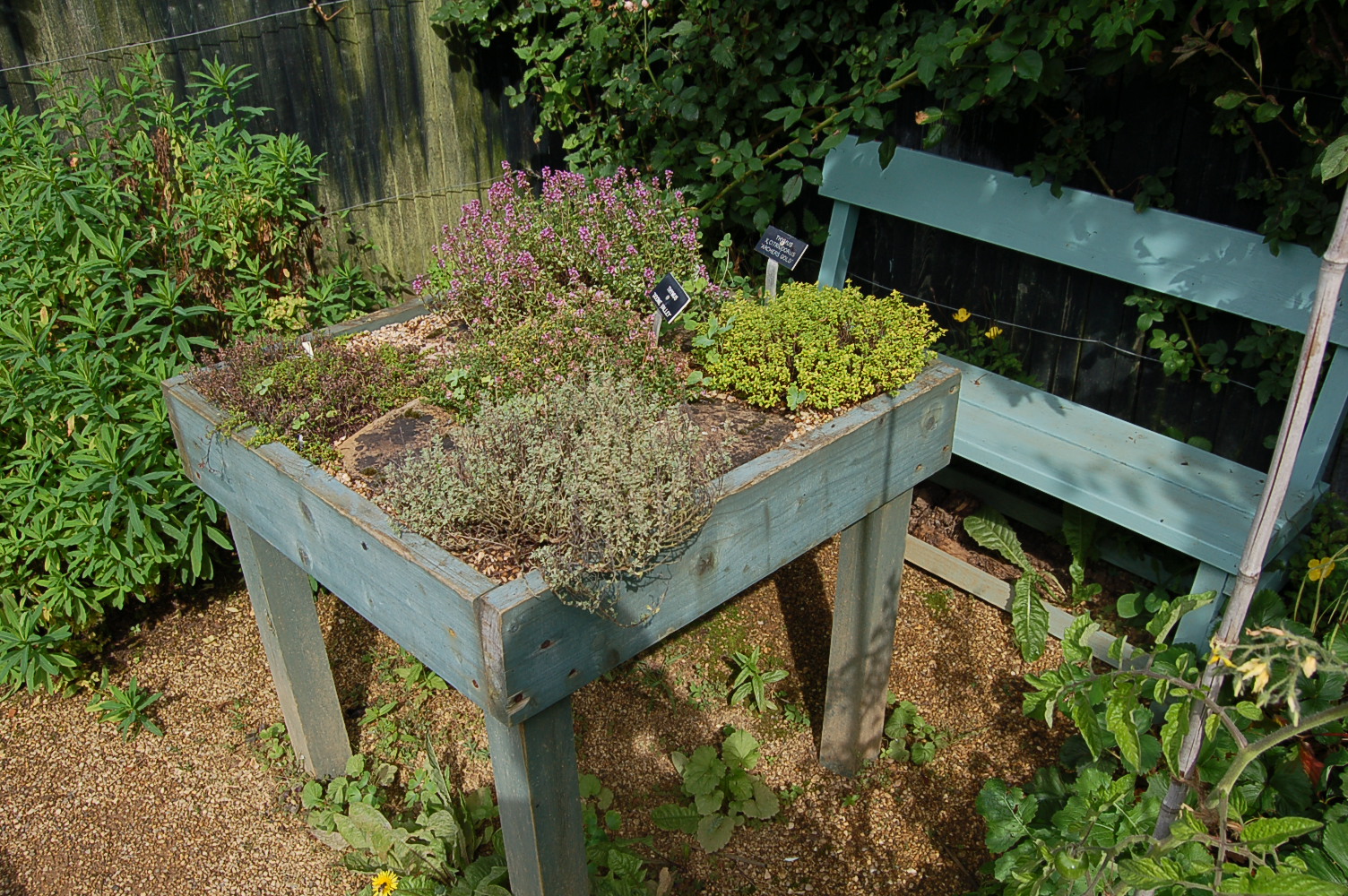
A popular feature of “Gardeners World” was Geoff’s do-it-yourself projects – he was always making furniture and garden features, to try to save his viewers money. Below is his garden bench with matching herb coffee table made from recycled pallets with old roof slates built in as coasters.

He also constructed this compost bin disguised as a beehive and accompanying garden store, both created from recycled wood.

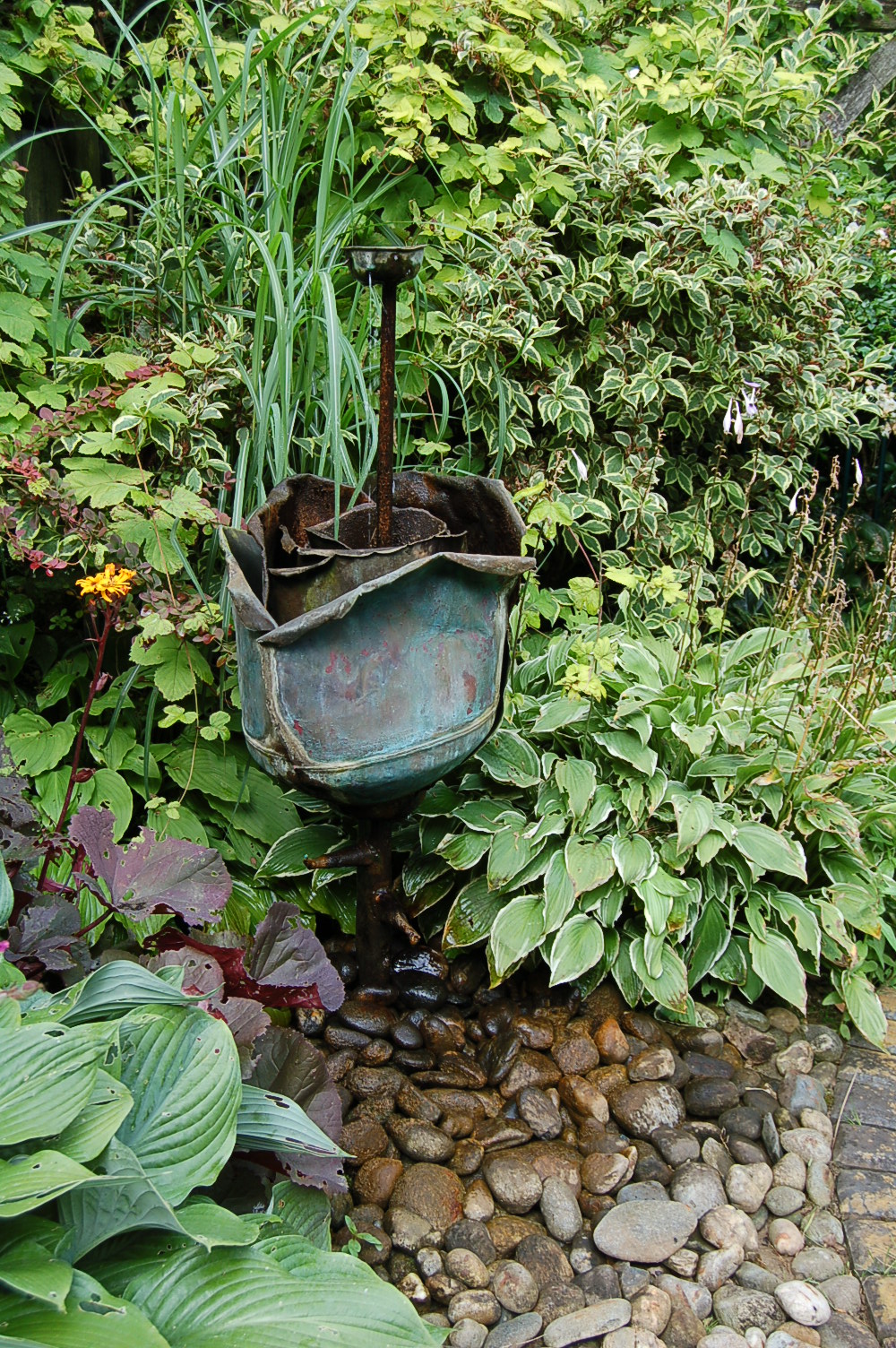
He even made a water feature from an old copper water cylinder!

Although he encouraged gardeners to construct things for their own gardens he also extolled the virtues of craftsmen and his garden diaplays many works by craftsmen local to Barnsdale. In particular he brought locally made furniture into the garden.

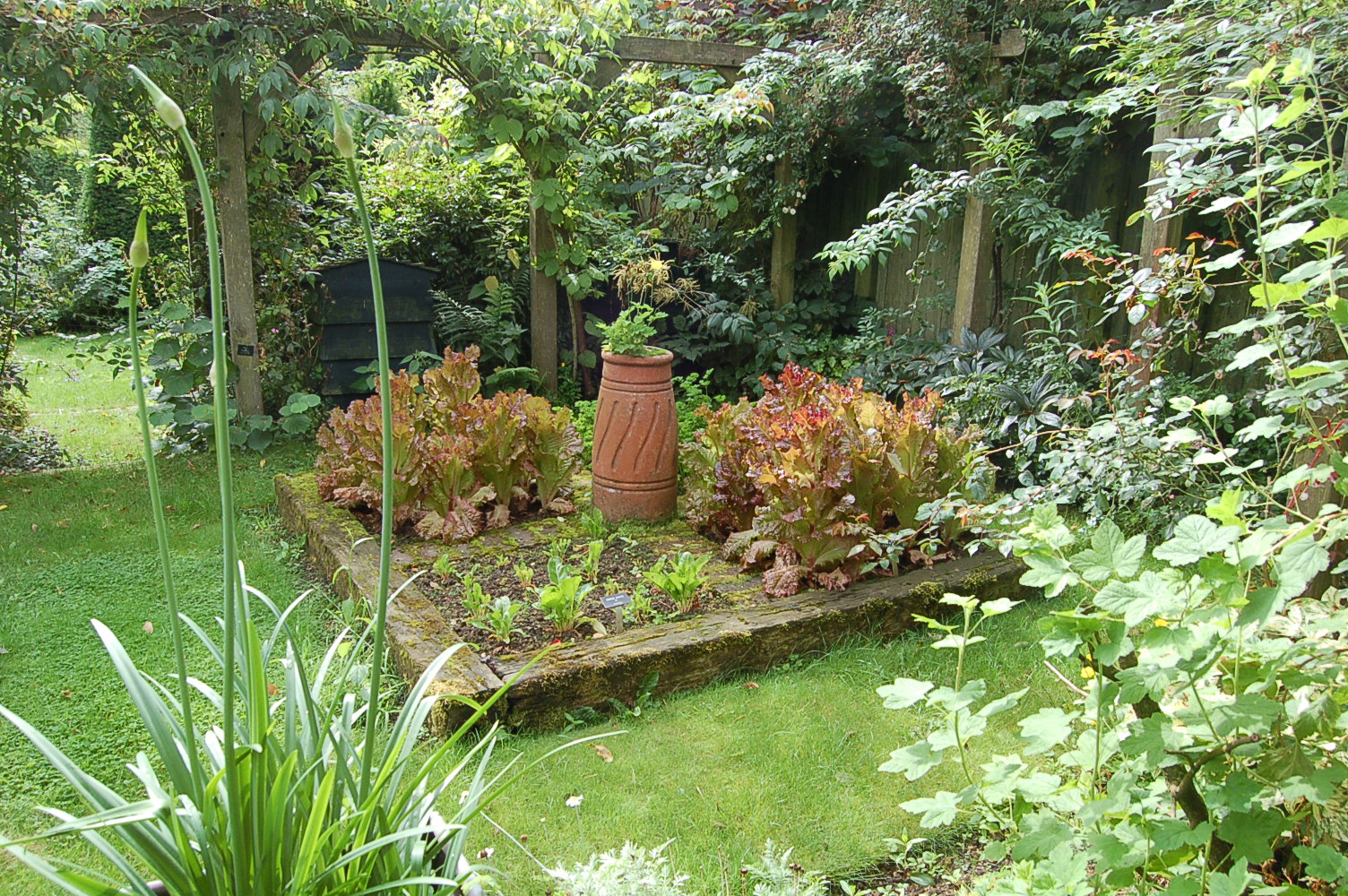
Productive gardening – fruit, veg and herbs – played a big part in his programmes, magazine articles and books. Several of his productive plots are still at Barnsdale, such as an allotment, the Ornamental Kitchen Garden, an Elizabethan Vegetable Garden. the Fruit Orchard, an Apple Arch and Herb Garden.

Geoff was definitely ahead of his time, encouraging organic principals and attracting insects into the garden. he recognised them as pollinators and predators of garden pests.

He featured plants such as Achilleas, Heleniums and other hot coloured flowers, and using lots of different grasses. These are all popular now.

Since Geoff’s untimely death the garden has continued to develop. His son, Nick and daughter-in-law have created new gardens so now Barnsdale is described as “39 inspiring gardens, all in one place”

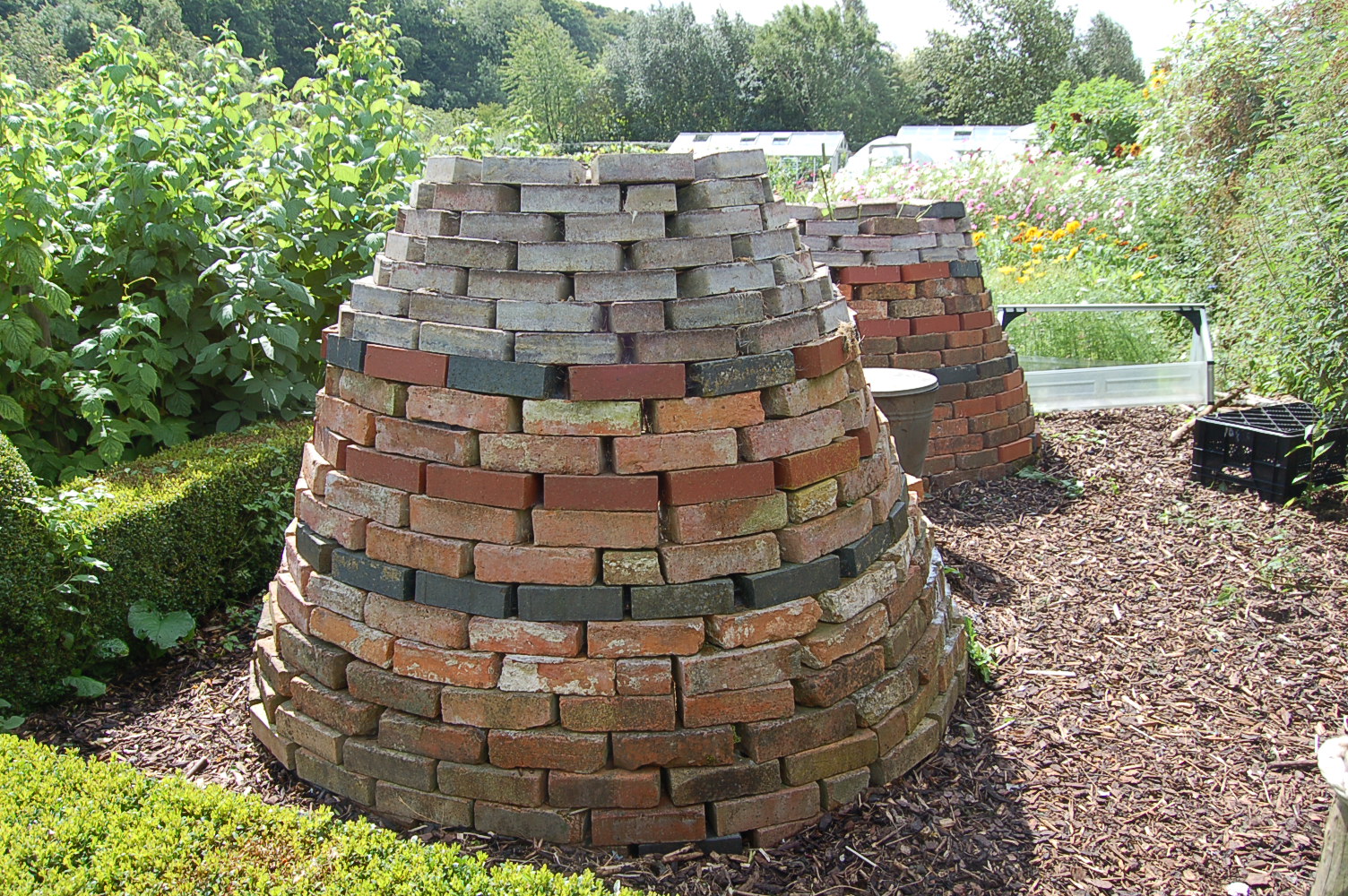
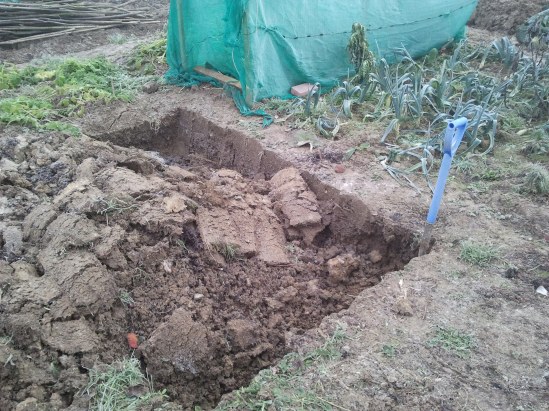
A sign of just how popular and influential Geoff Hamilton was is the fact that his book on Organic Gardening is still in print and has been updated and revised on several occasions. He was a great believer in the importance of compost and found all sorts of ways of making it efficiently. How about this brick-made composter. The bricks would absorb warmth from the sun and heat up the composting material inside and speed up its decomposition.
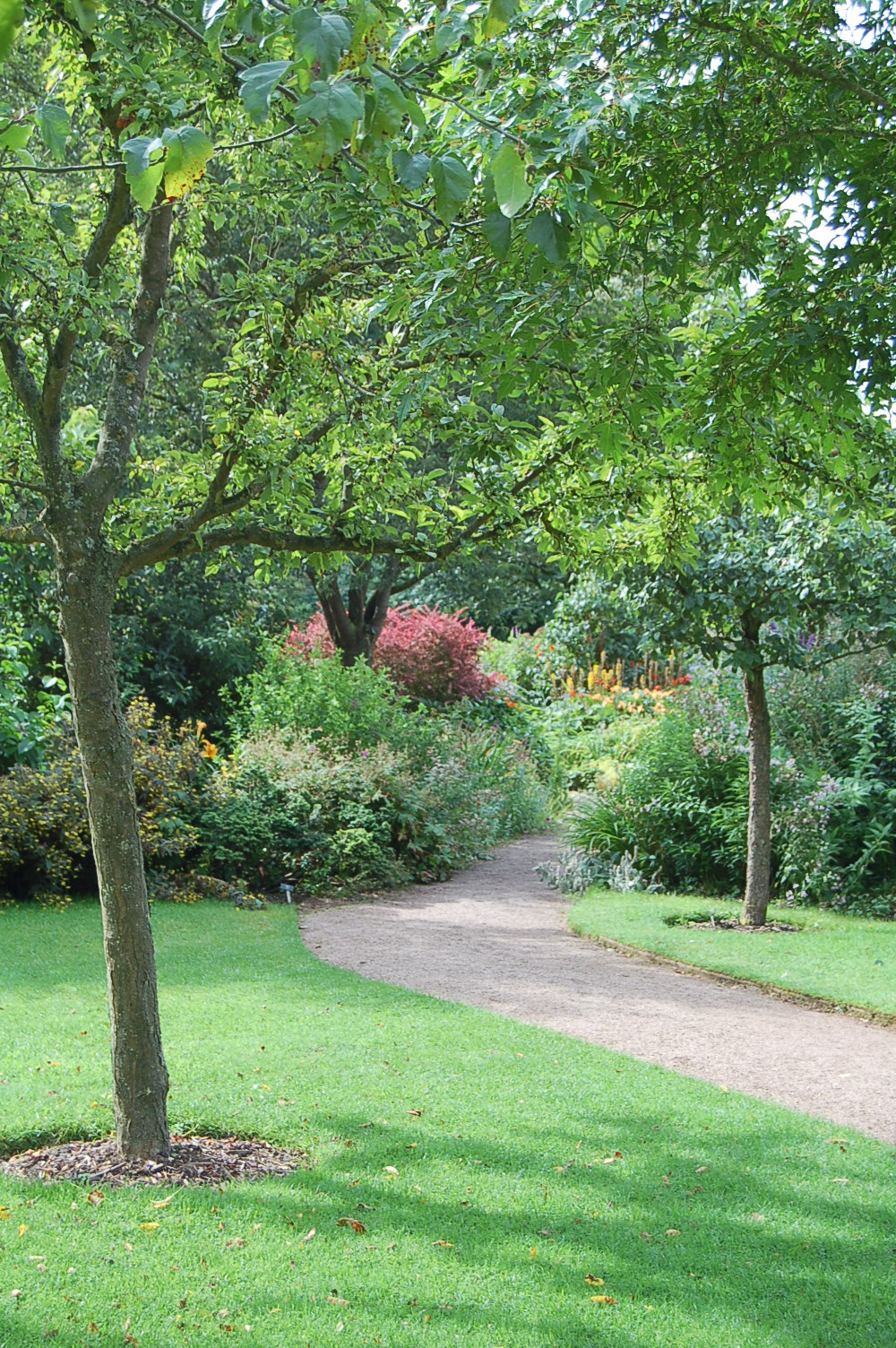
I shall end this visit to Geoff Hamilton’s Barnsdale with a few more views of the garden.

Categories
birds climbing plants photography Shropshire trees wildlife woodland

Through the Garden Gate – part two – getting lost!

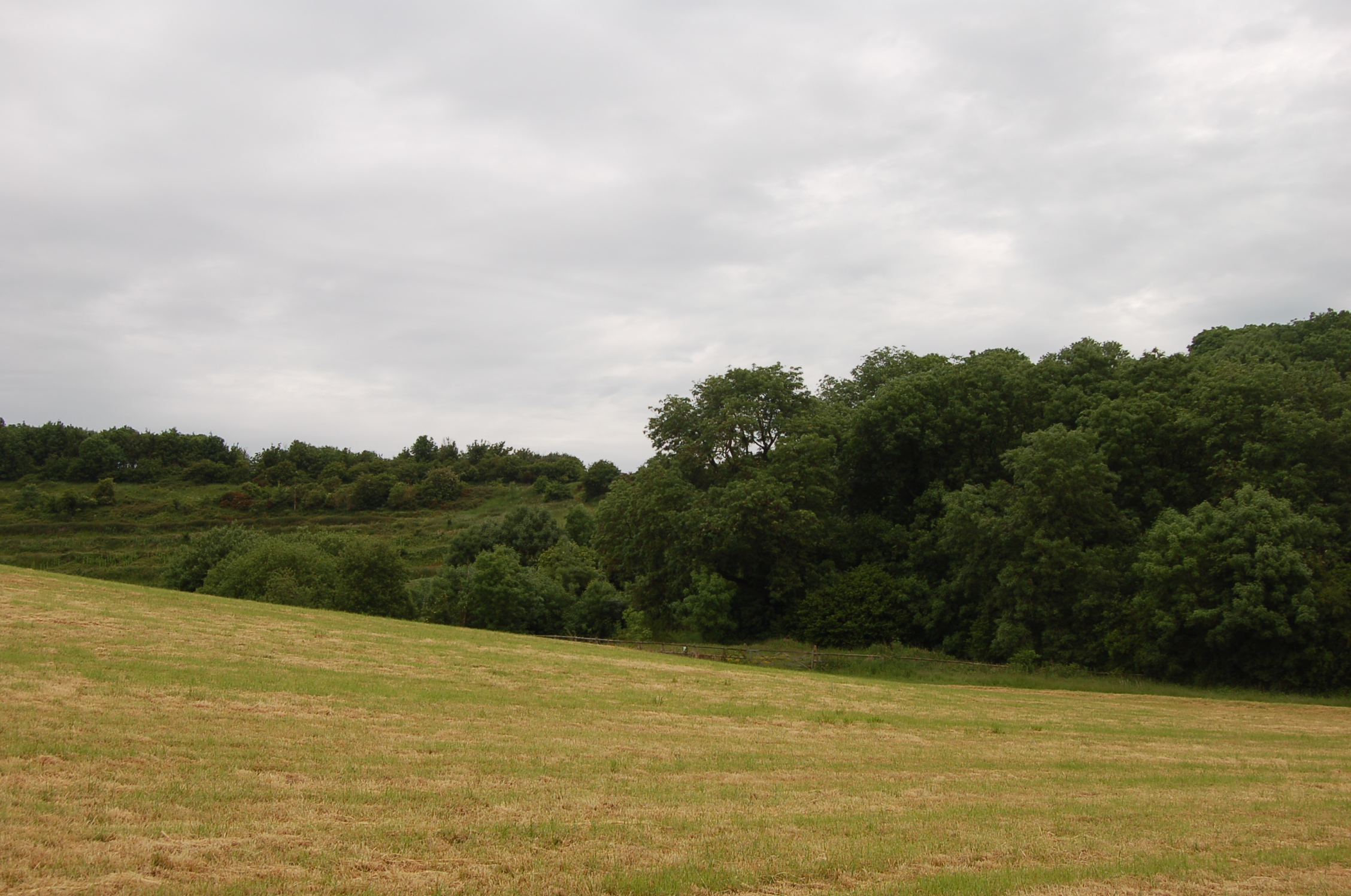
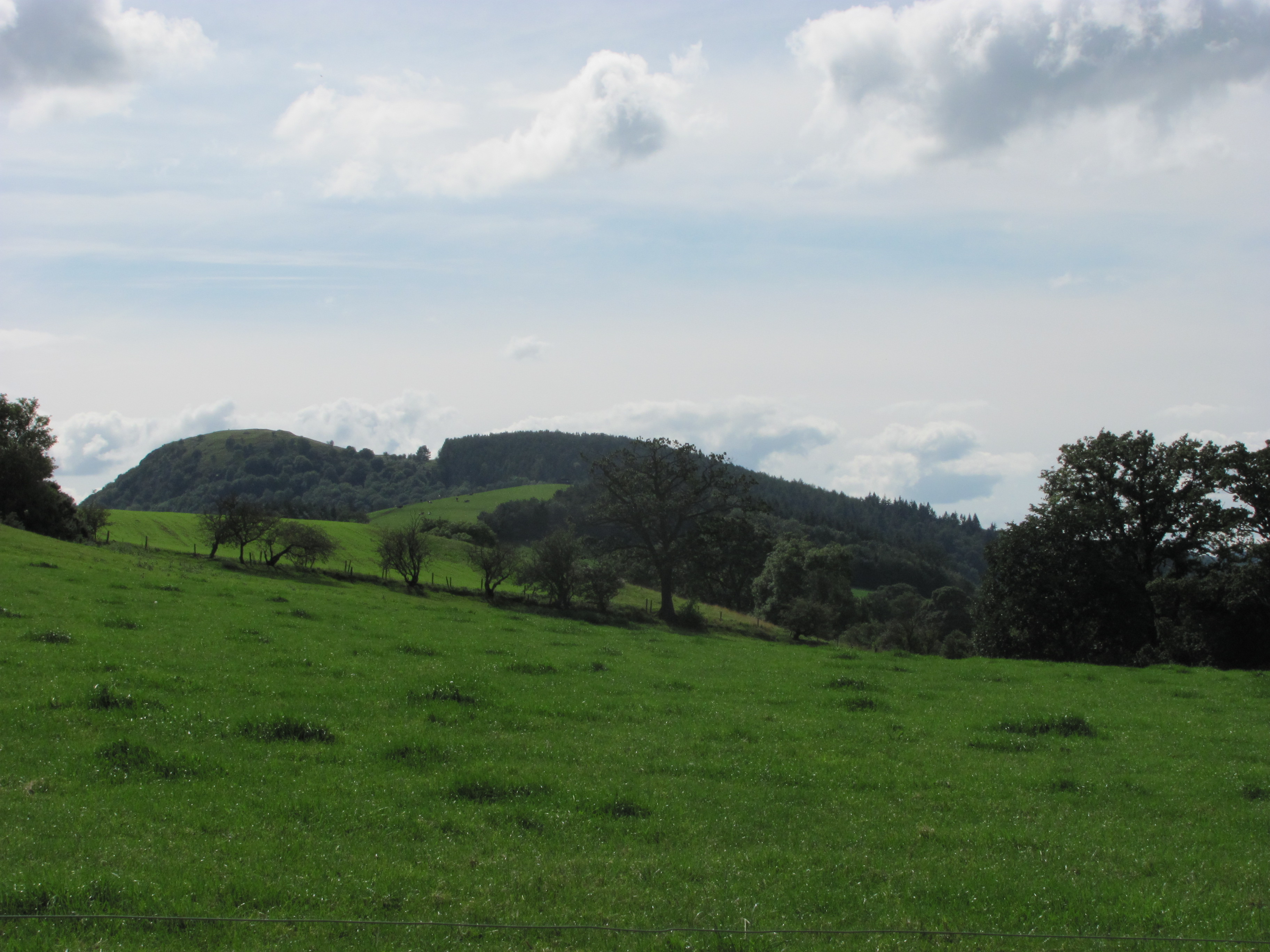
From the pool we could look back at the wood we had just left and enjoy a different view of the hill that we usually look at from our garden and over which we watch Buzzards riding the thermals created by its slopes.

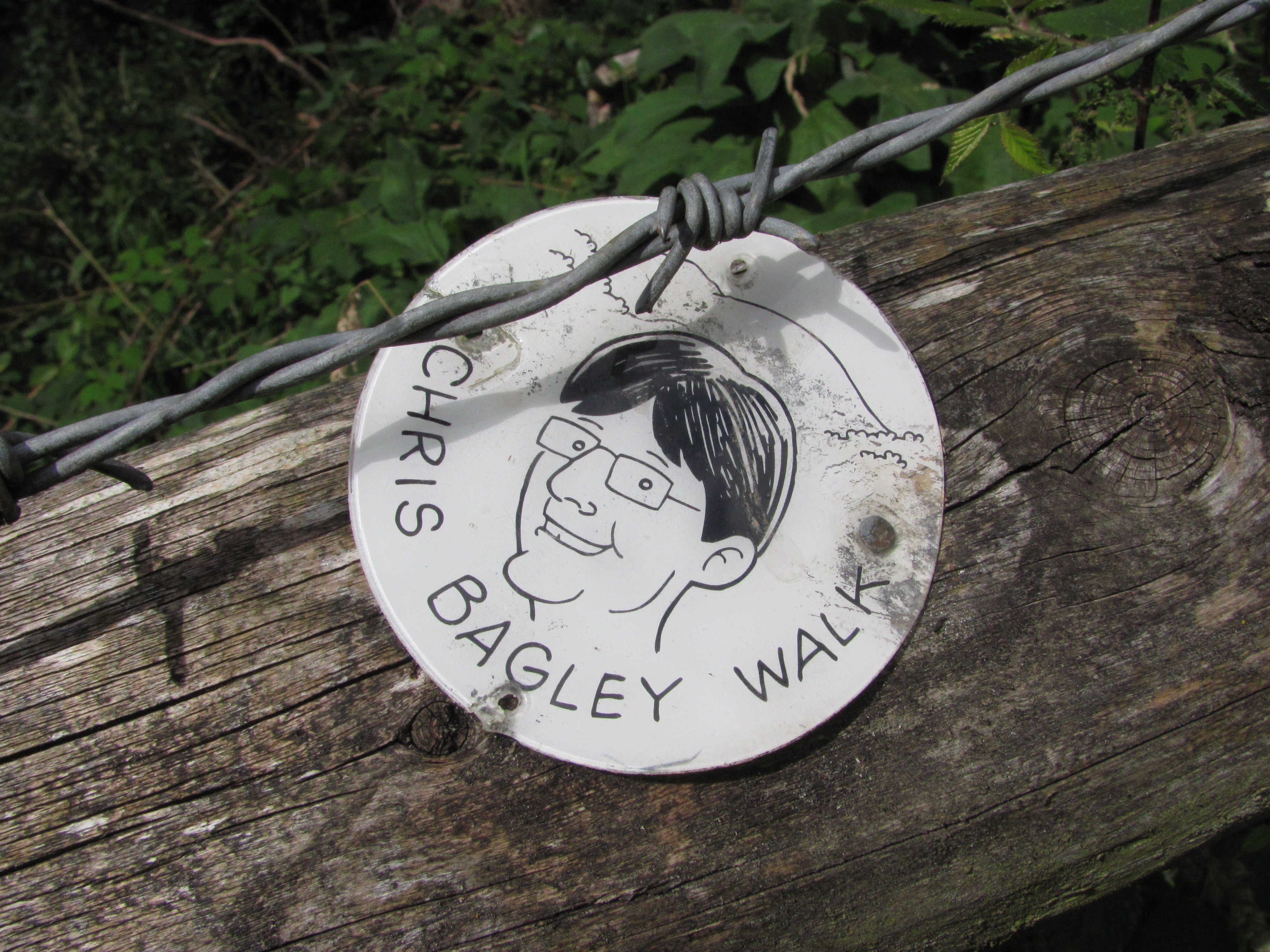
Well we may never have been more than a mile from home on this walk from our garden gate, but we did manage to get lost. The footpath signs kept disappearing, or that is our excuse. Our wander took us along sections of the long distance path, “The Shropshire Way” and on a local path “The Chris Bagley Walk”.

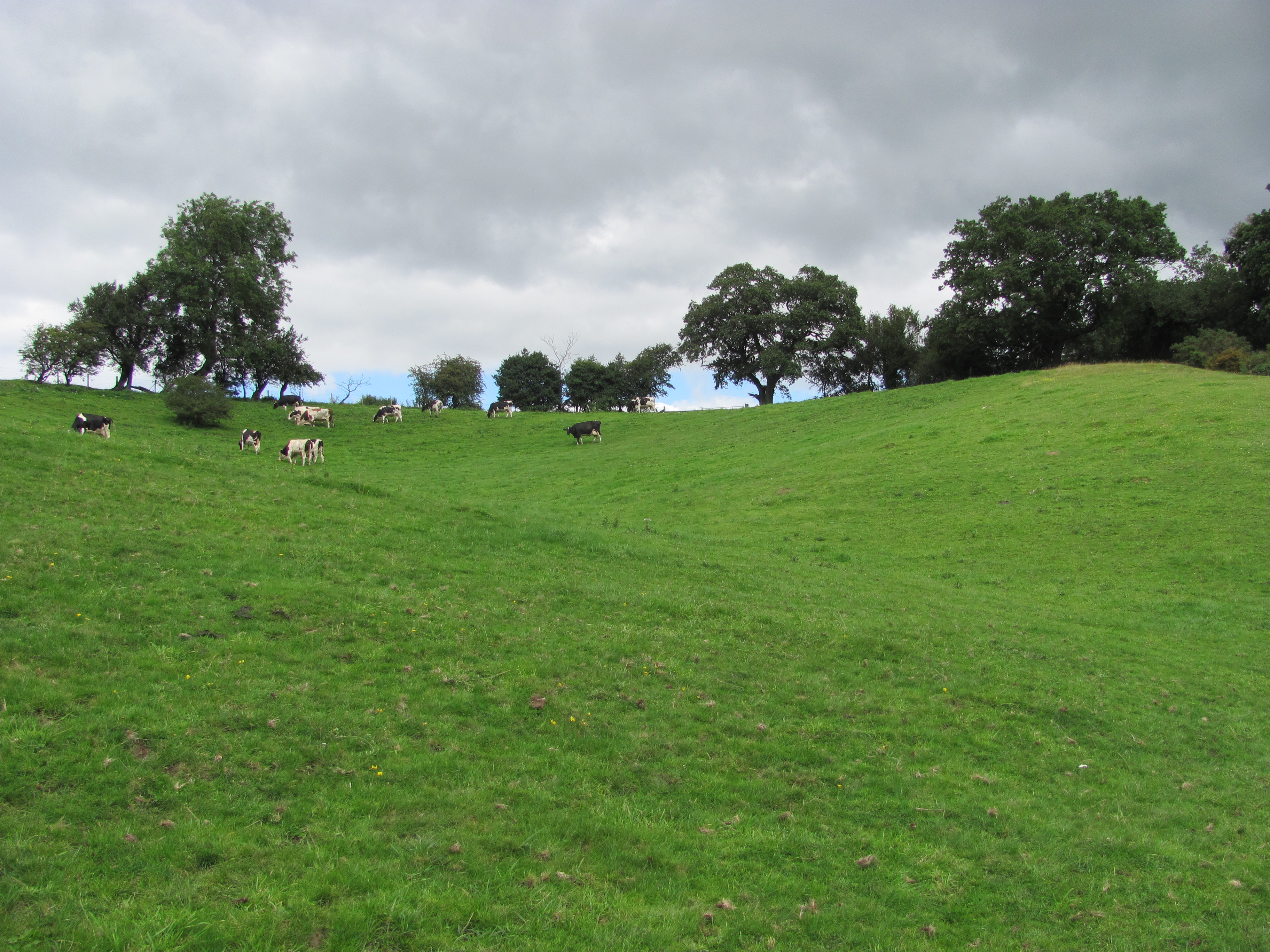
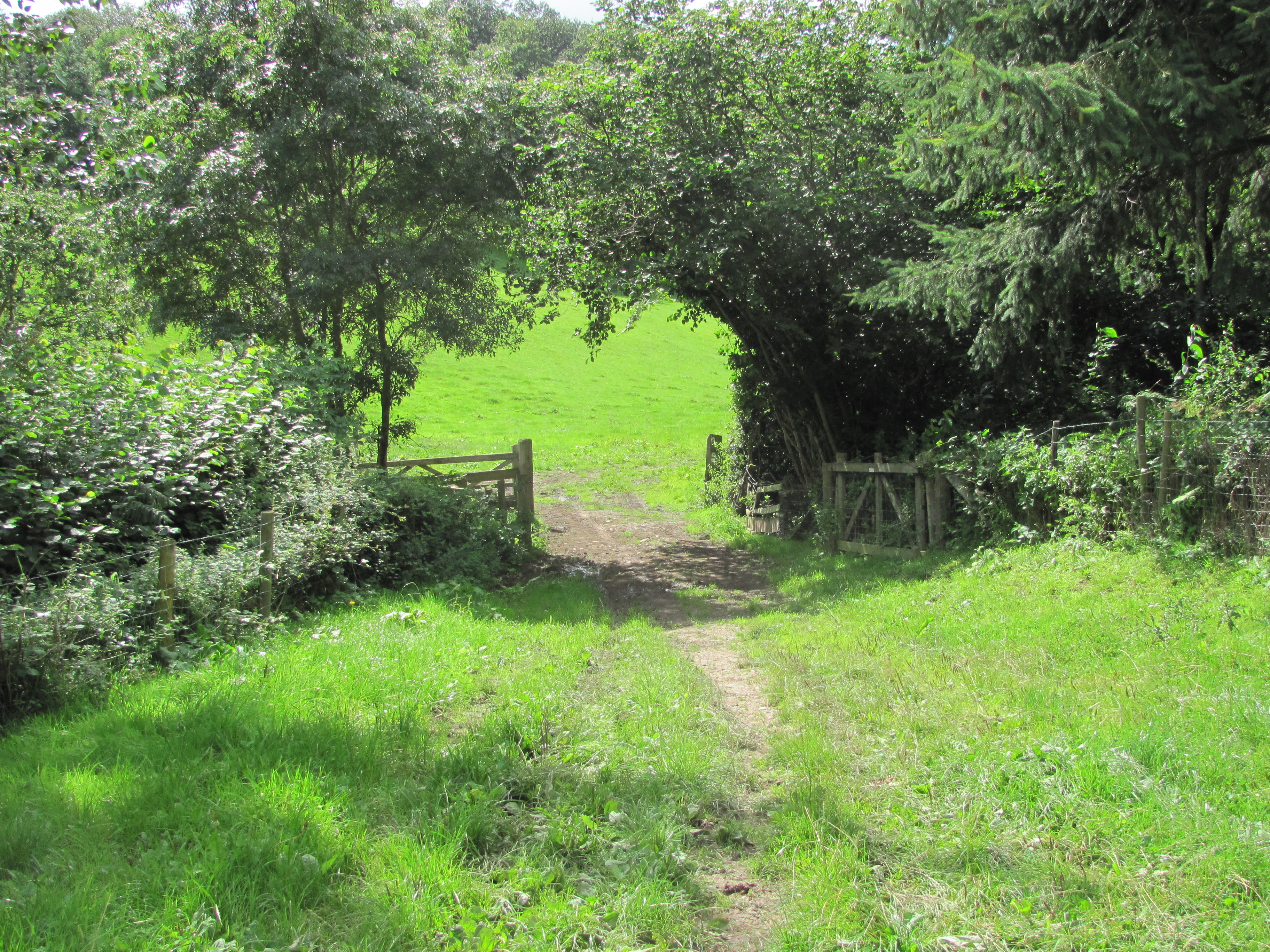
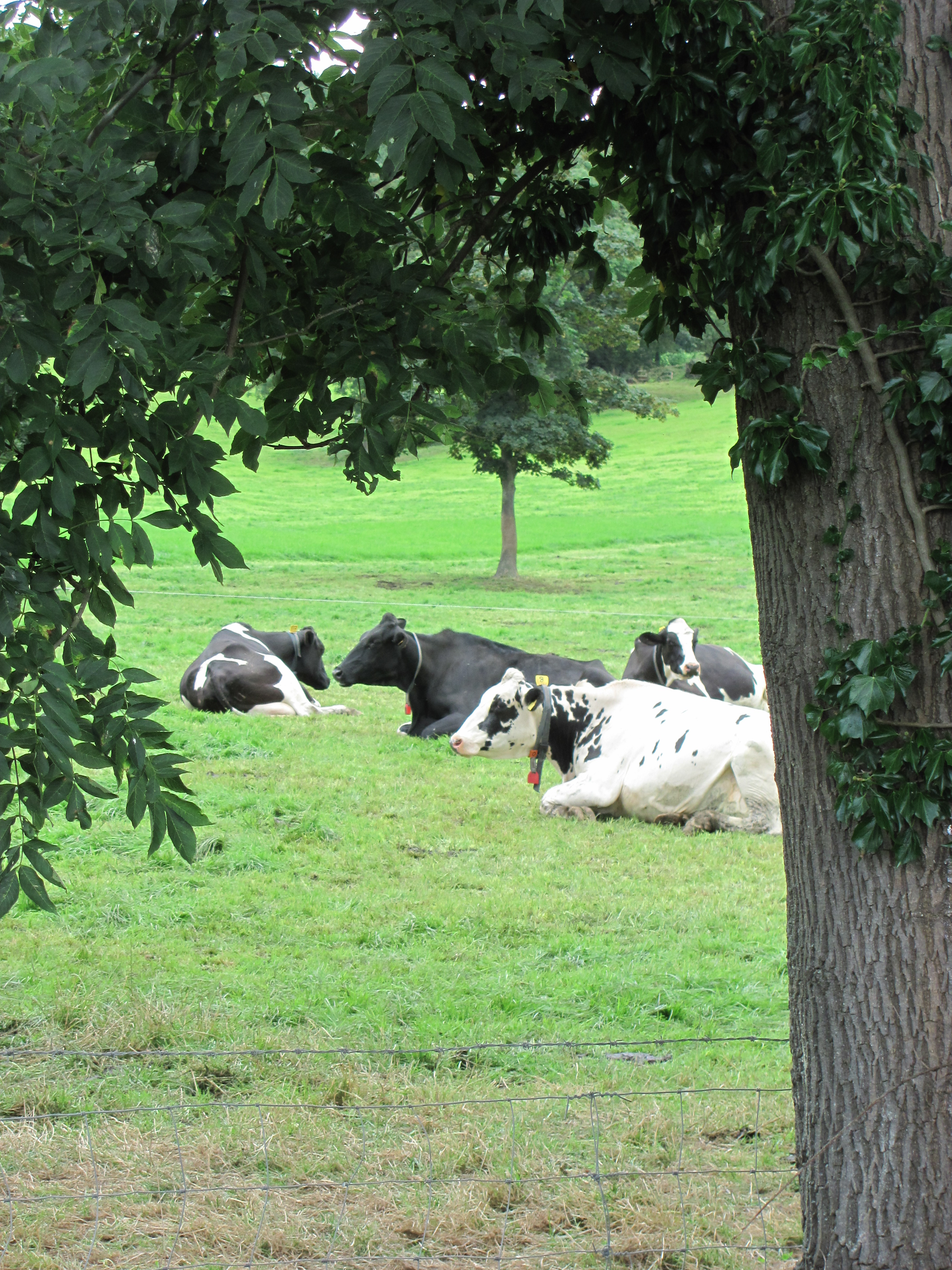
Leaving the fishing pool we followed the valley of the stream that fed it. The grassland here was rich and was being enjoyed by dairy calves, who watched our every move as we passed close to them.

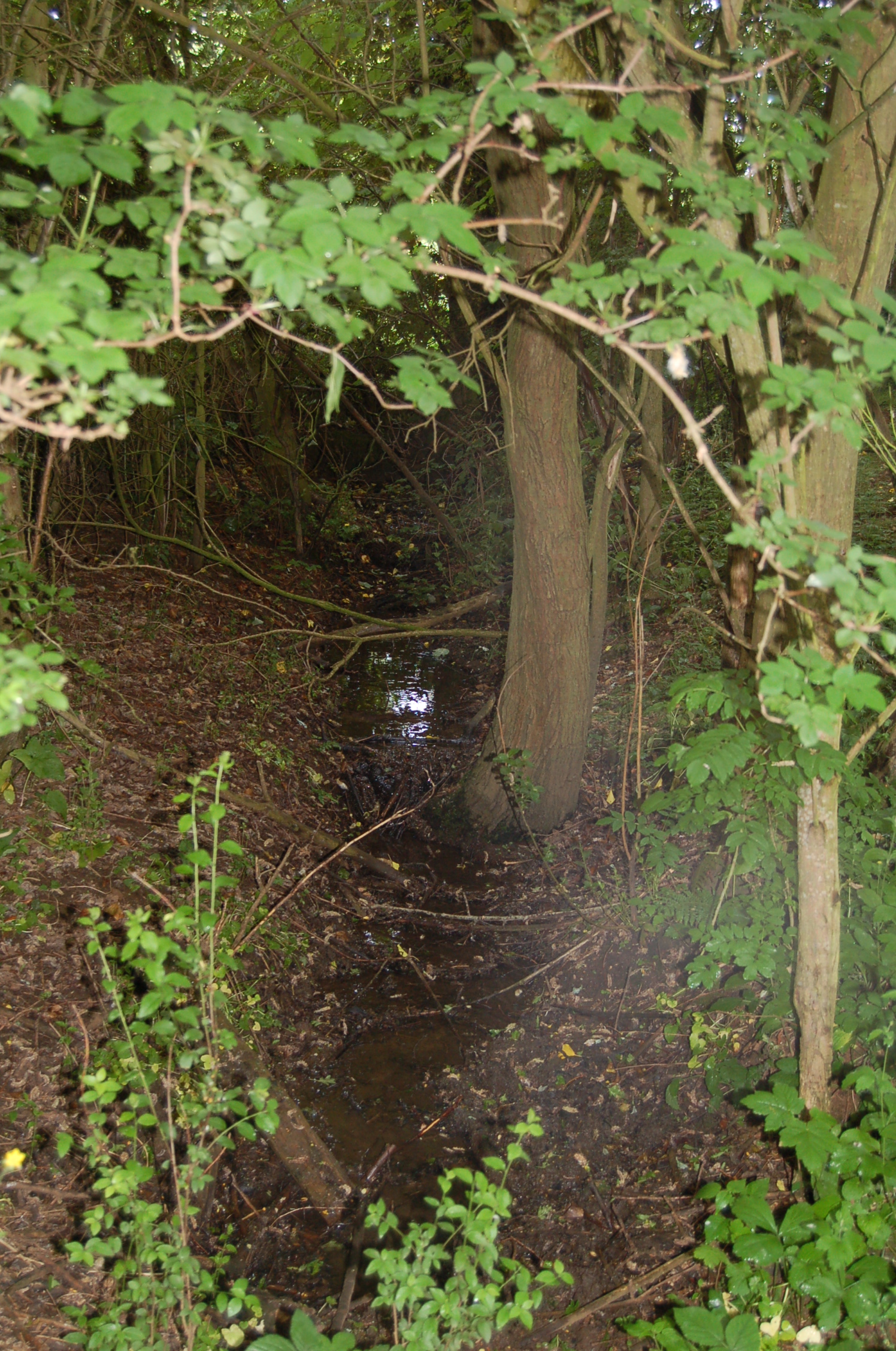
The valley widen out but the wooded slopes and tiny stream running through it kept it intimate. The fields of grass on which the calves fed was a lush green but was devoid of wild flowers, a sad sign of modern farming practices. we followed the path until it took us up a gentle slope away from the stream and up into a wood which was partly coppiced.

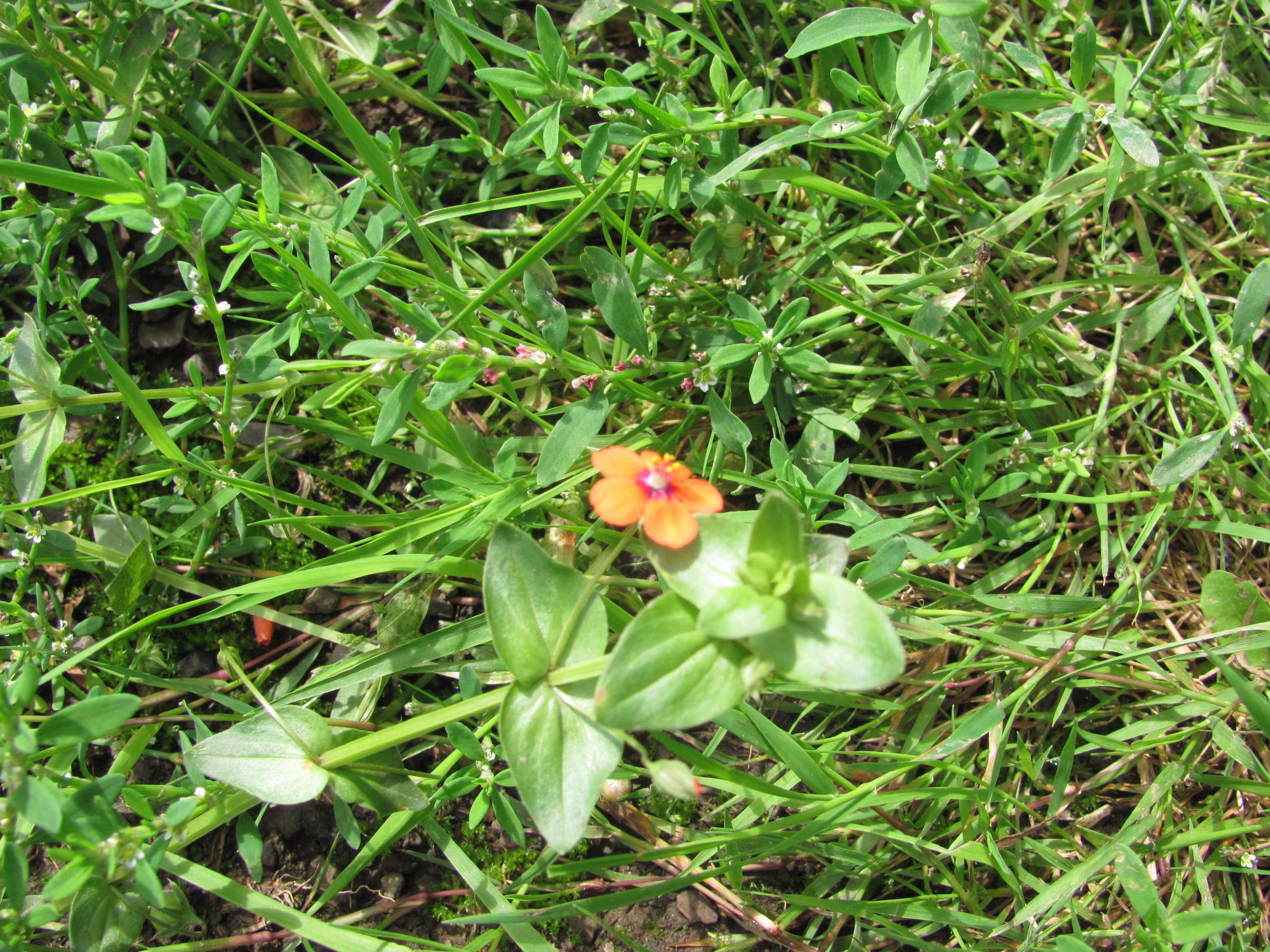
On the slope up to the wood we spotted this Scarlet Pimpernel in flower on the pathway beneath our feet. Although only a tiny flower its orange petals glow so it can be seen from a distance. We now lost the footpath and had to consult maps on the smart phone, which rescued us nicely.

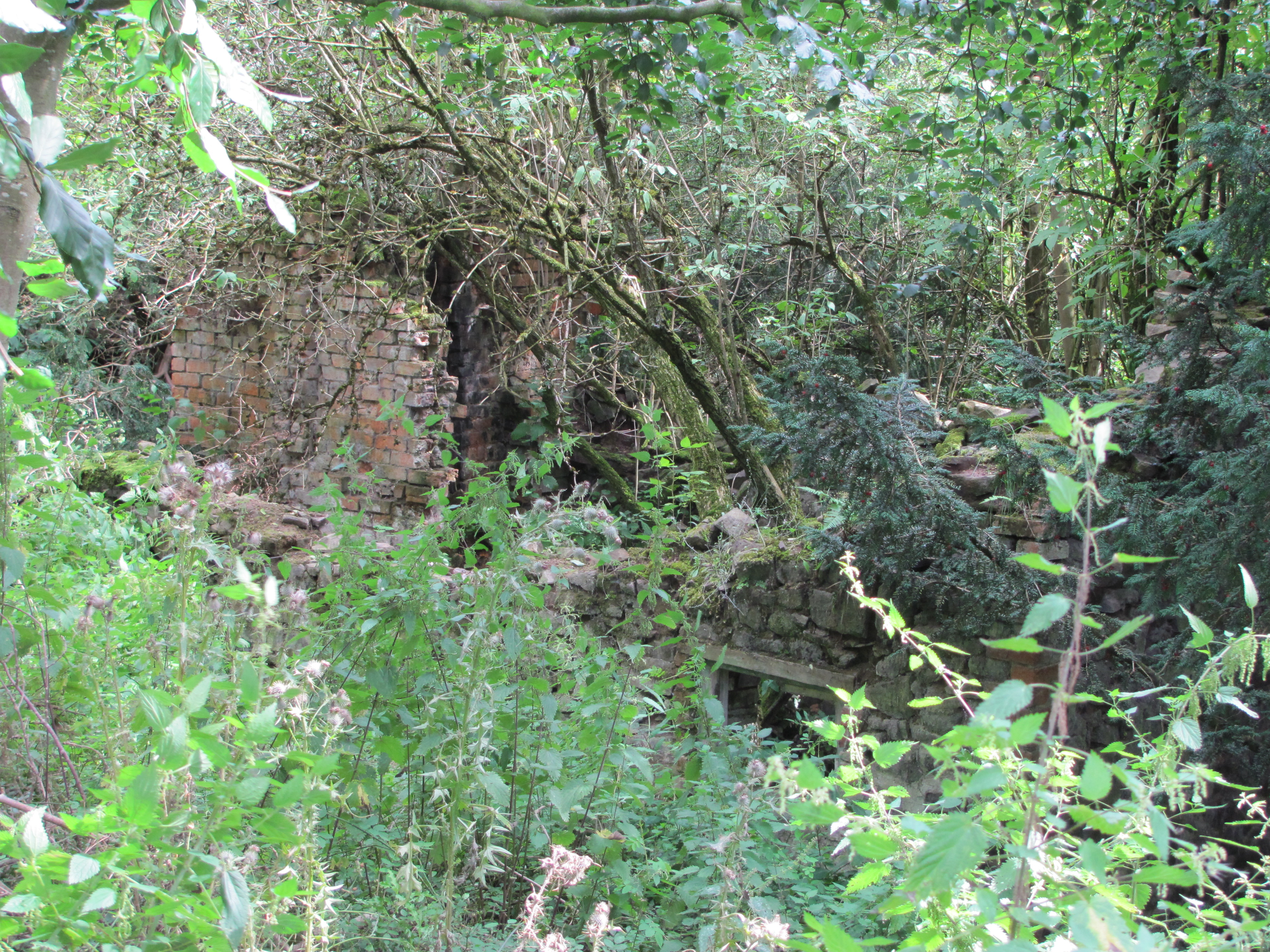
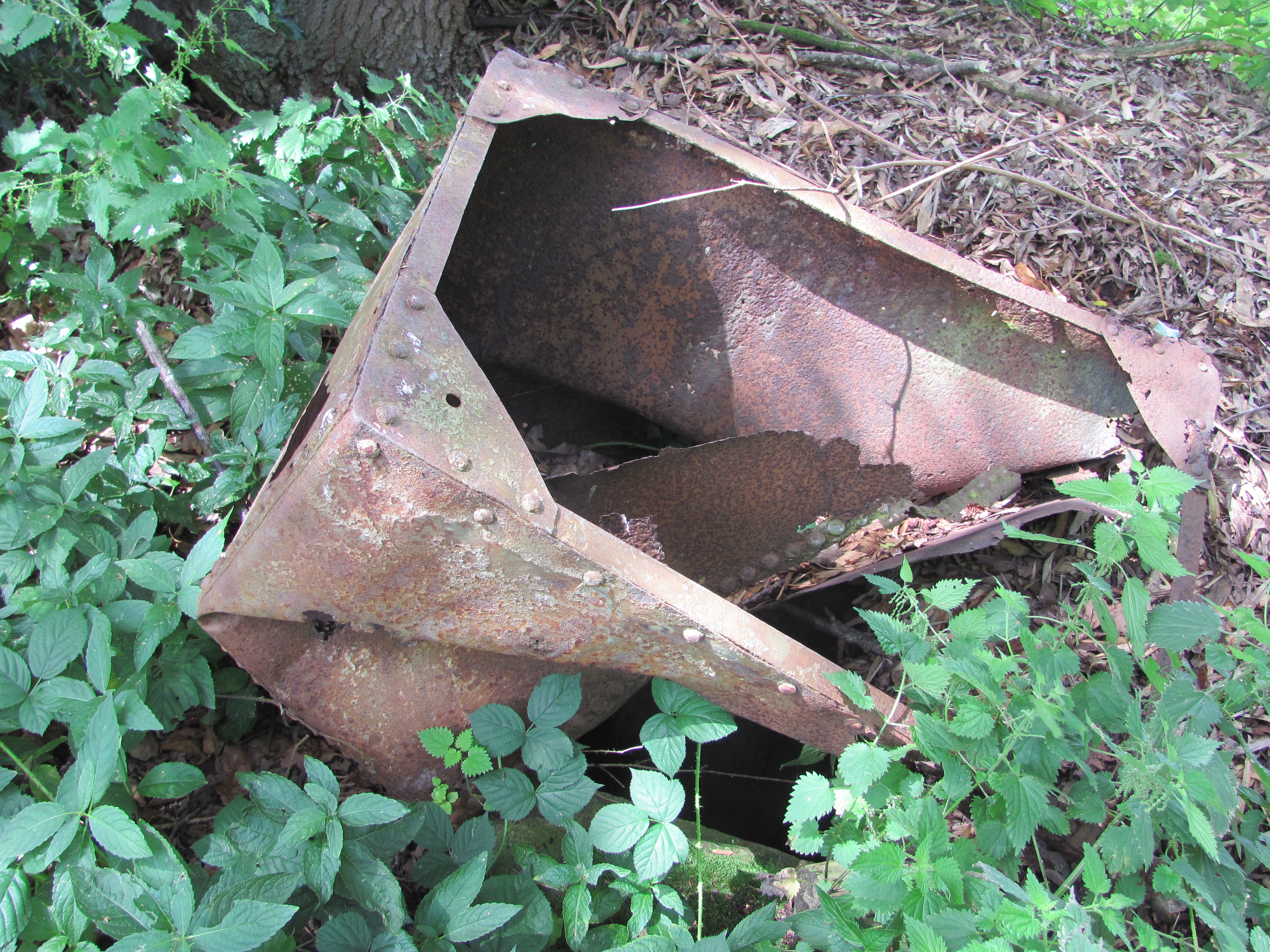
The wood gave away its past. Signs of the work of woodlanders abound. Their homes were now mere ruins covered in Ivy as Mother Nature reclaims her woodland. A clearing showed signs of coppicing.

The darkness of the wood and its cooler atmosphere was in stark contrast to the brightness and warmth that greeted us as we left it behind and returned to farmland. The path narrowed and took led us around a field edge where the sterility and silence of the arable farming on our left clashed with the natural exuberance of the hedge and the wildflower filled verges.

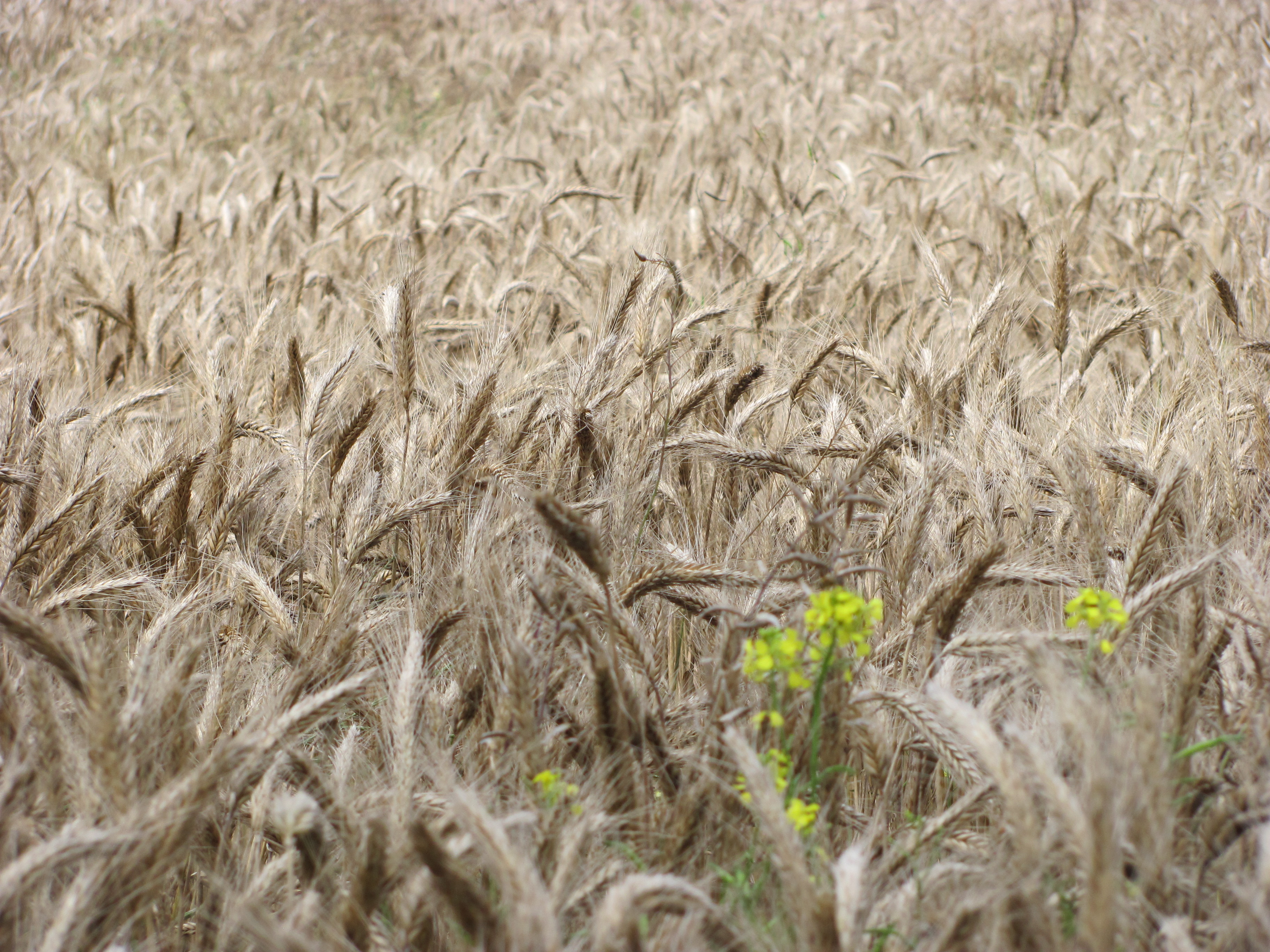
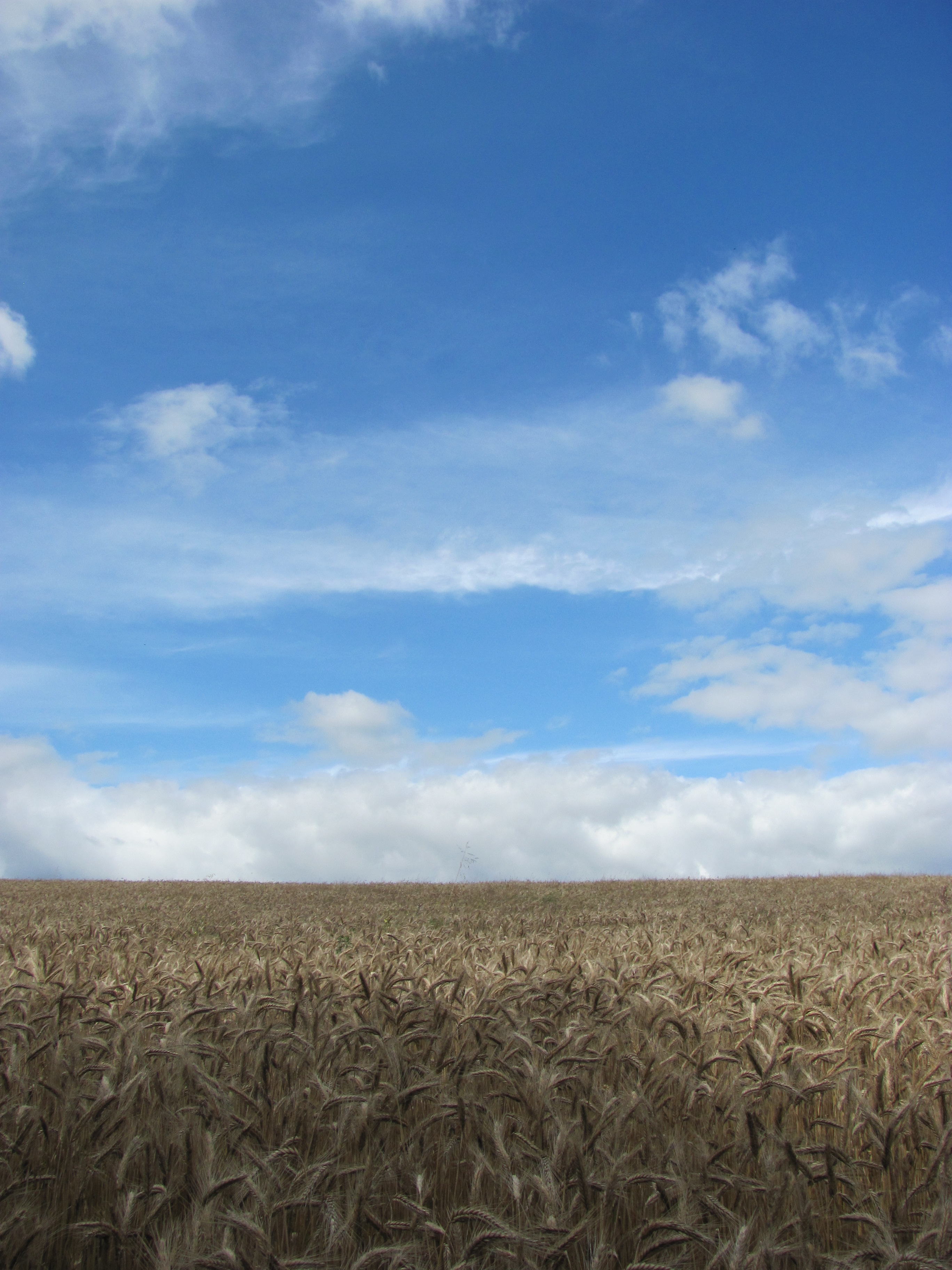
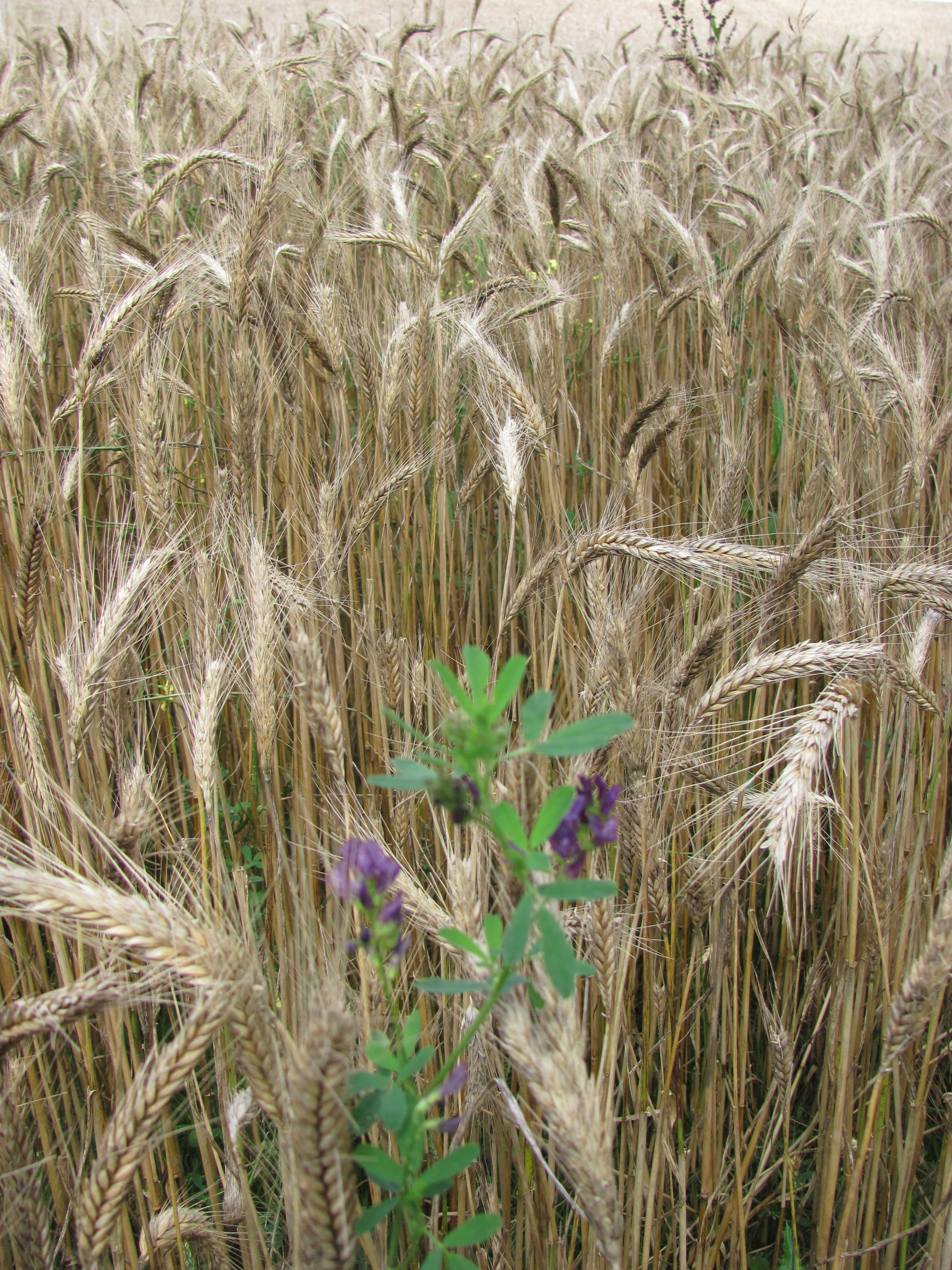
This was modern agricultural practice at its worse. We crossed over several of these fields and saw no signs of life apart from two Wood Pigeons flying overhead. The only flowers were a few yellow Rape plants from a previous crop and brave purple flowered Vetches attempting to clamber the Barley stalks close to the path. Years of pesticide and herbicide use coupled with monoculture has wiped out wildlife from these acres of land. To illustrate the point a small group of Swallows flew over the crop in search of insects, but it was in vain and they quickly moved on. At least until the footpath signs disappeared once more and we relied again on the smart phone maps to rescue us.

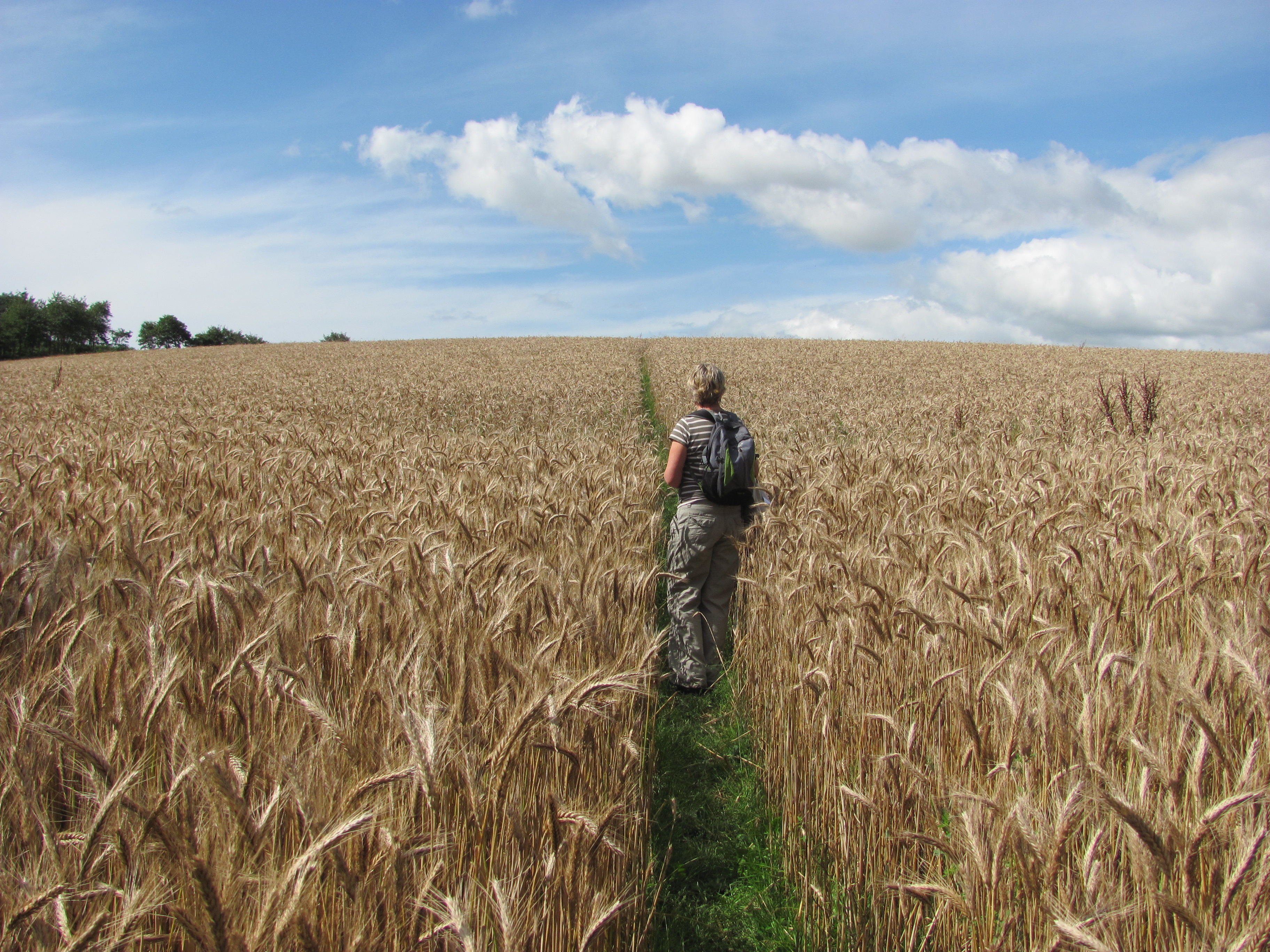
The path crossed one of these fields creating a narrow band of green which cut through the drab grey-yellow of the Barley. The only good part of crossing this desert was the rattling sound that the ears of Barley made as our elbows brushed past them.

Walking across the field we aimed for a style in the distant hedge. It seemed a long way across as there was little to look at or to listen to. The style in the hedge turned ou to be a double style, one each side of a thick, dense, tall hedge. there was a different world awaiting us on the other side. The grassland here was full of clovers and there were many different grasses, not just the ryegrass we had walked through earlier.

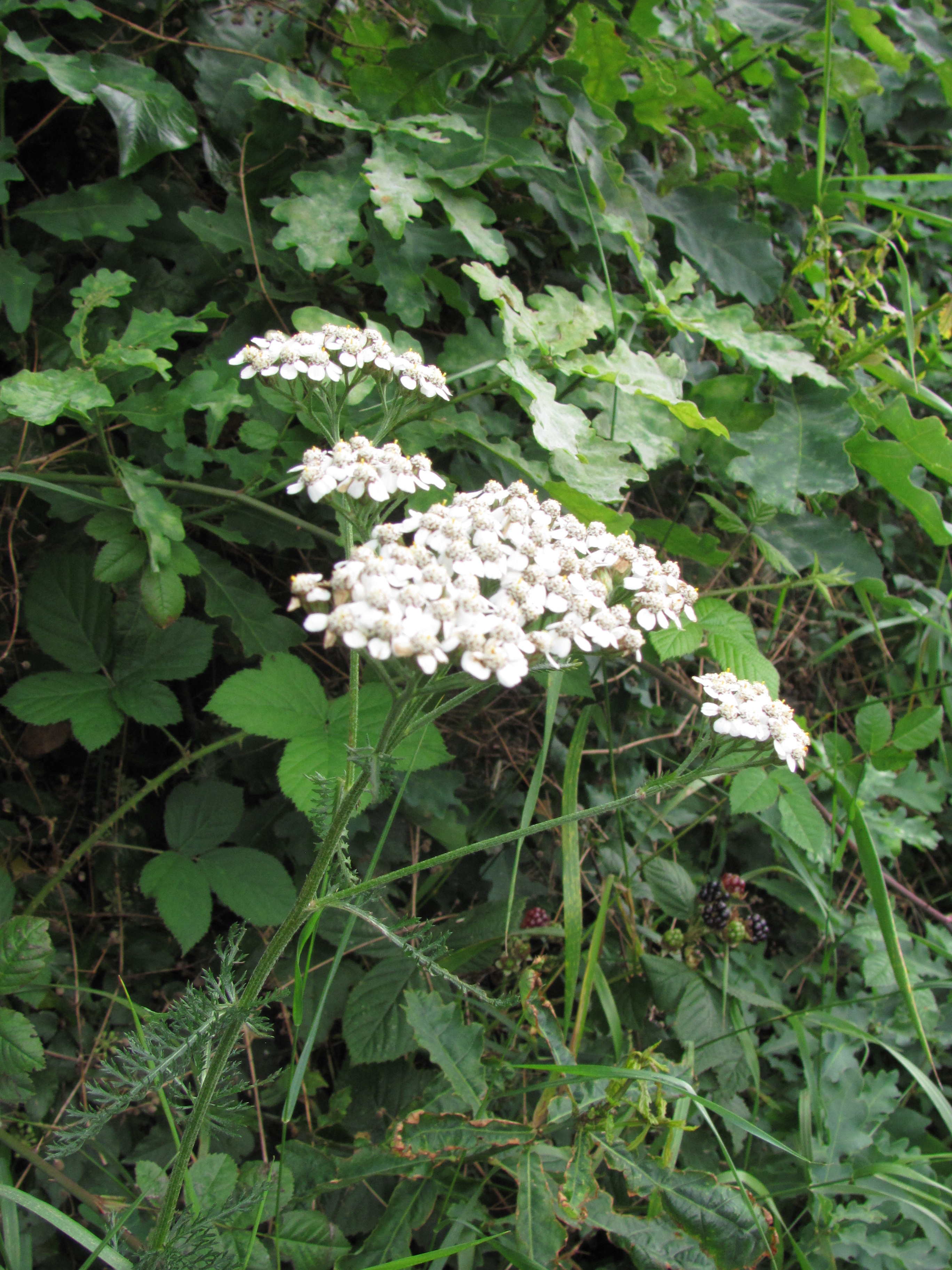
We were now within the land of our local organic dairy farmer. The hedgerows had deep verges full of wildlflowers, thistles, mallows and vetches. No hedges had been removed and the fields were much smaller.

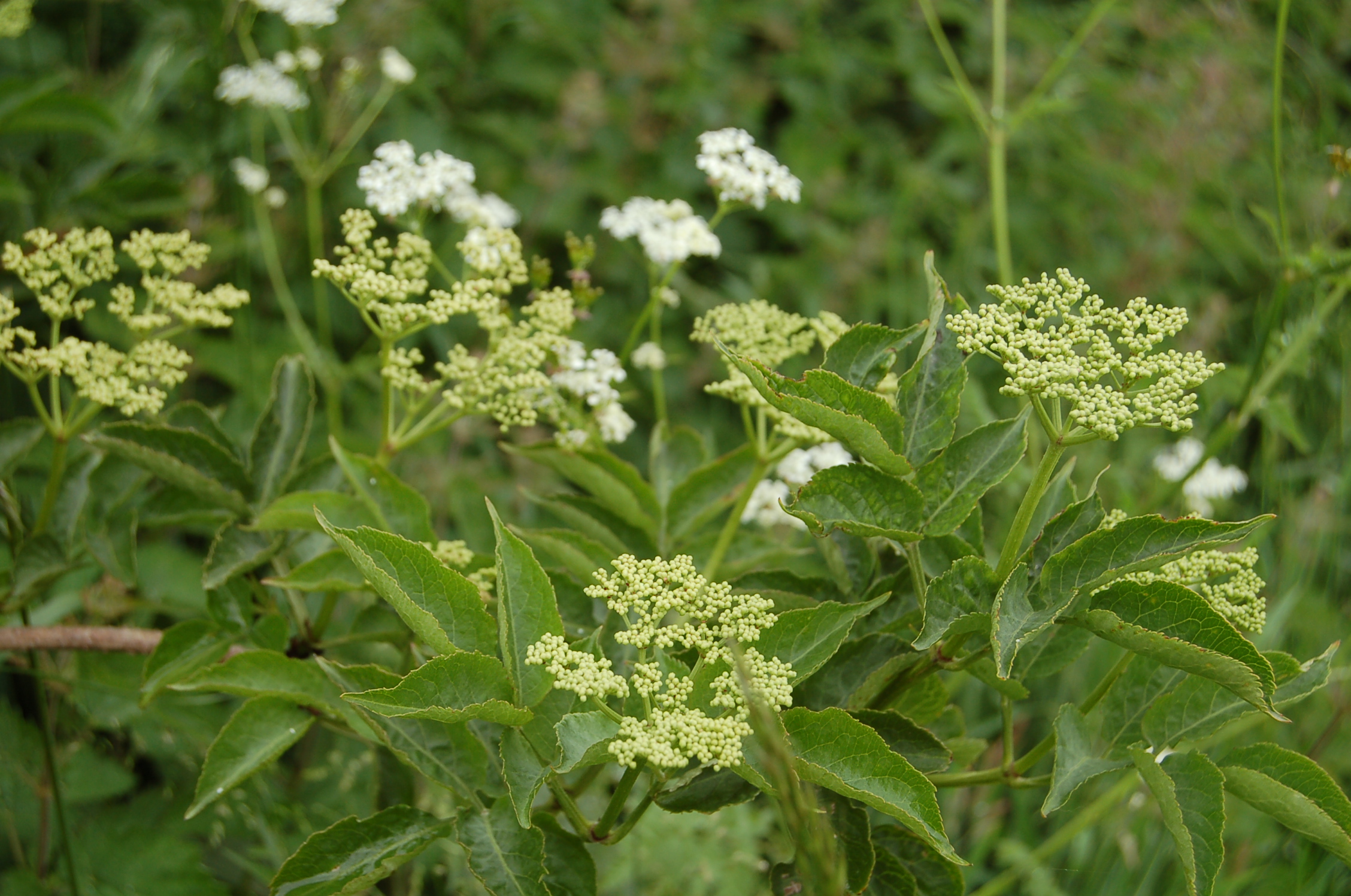
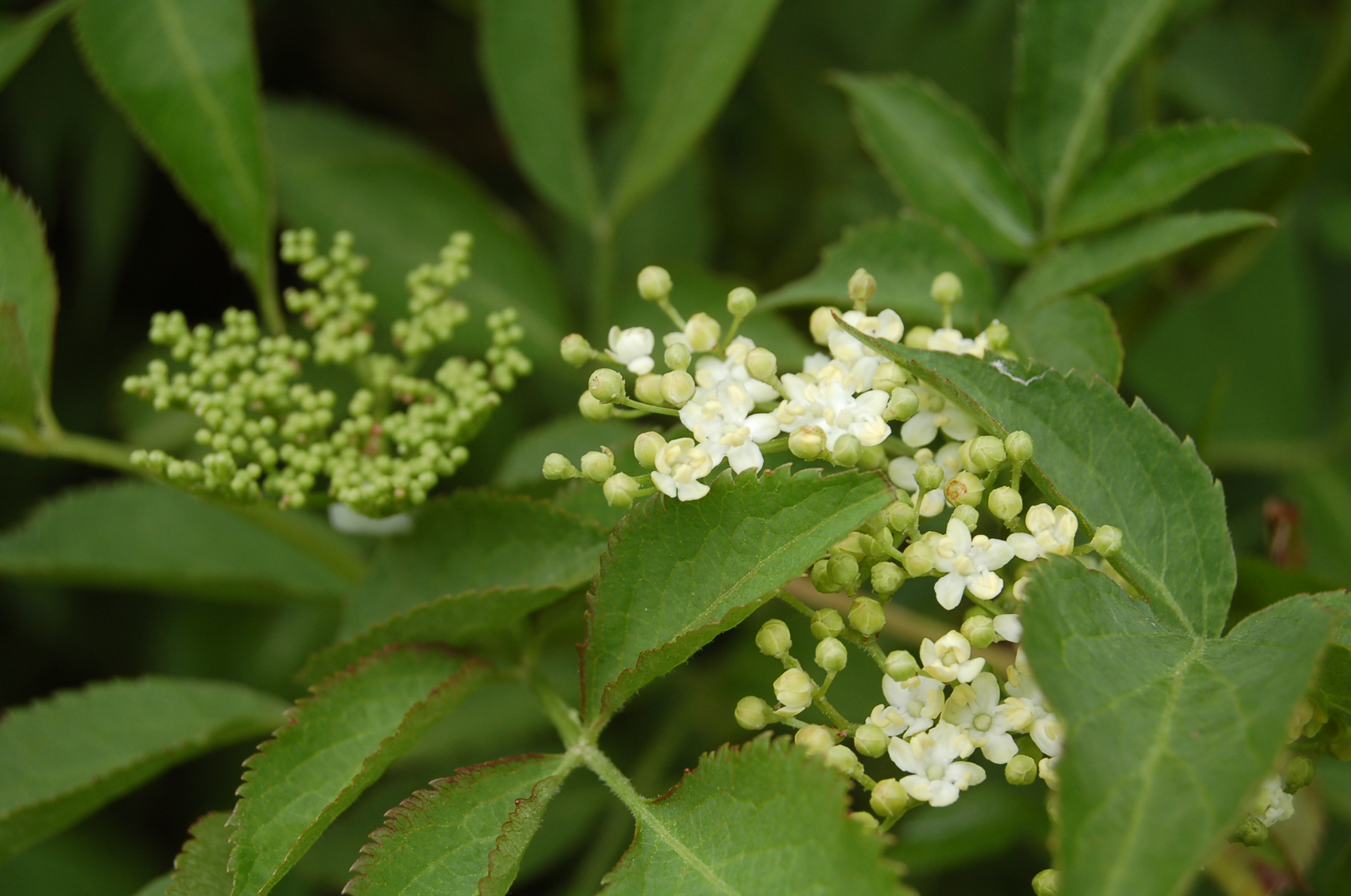
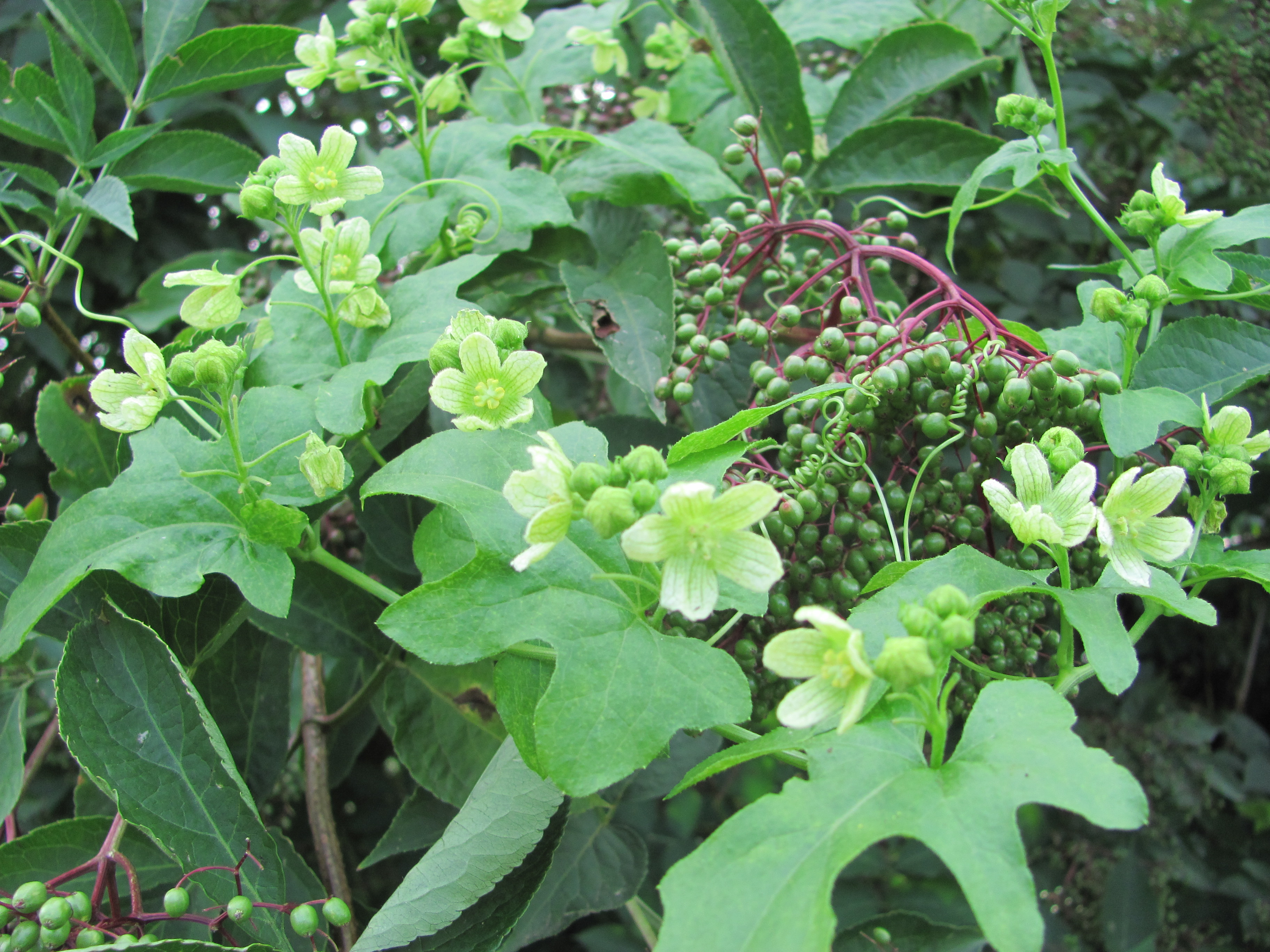
As we passed through to another field we were hit by a sweet. rich aroma from the hedge. It took us a while to find the source – a Sweet Bryony clambering over an Elder.

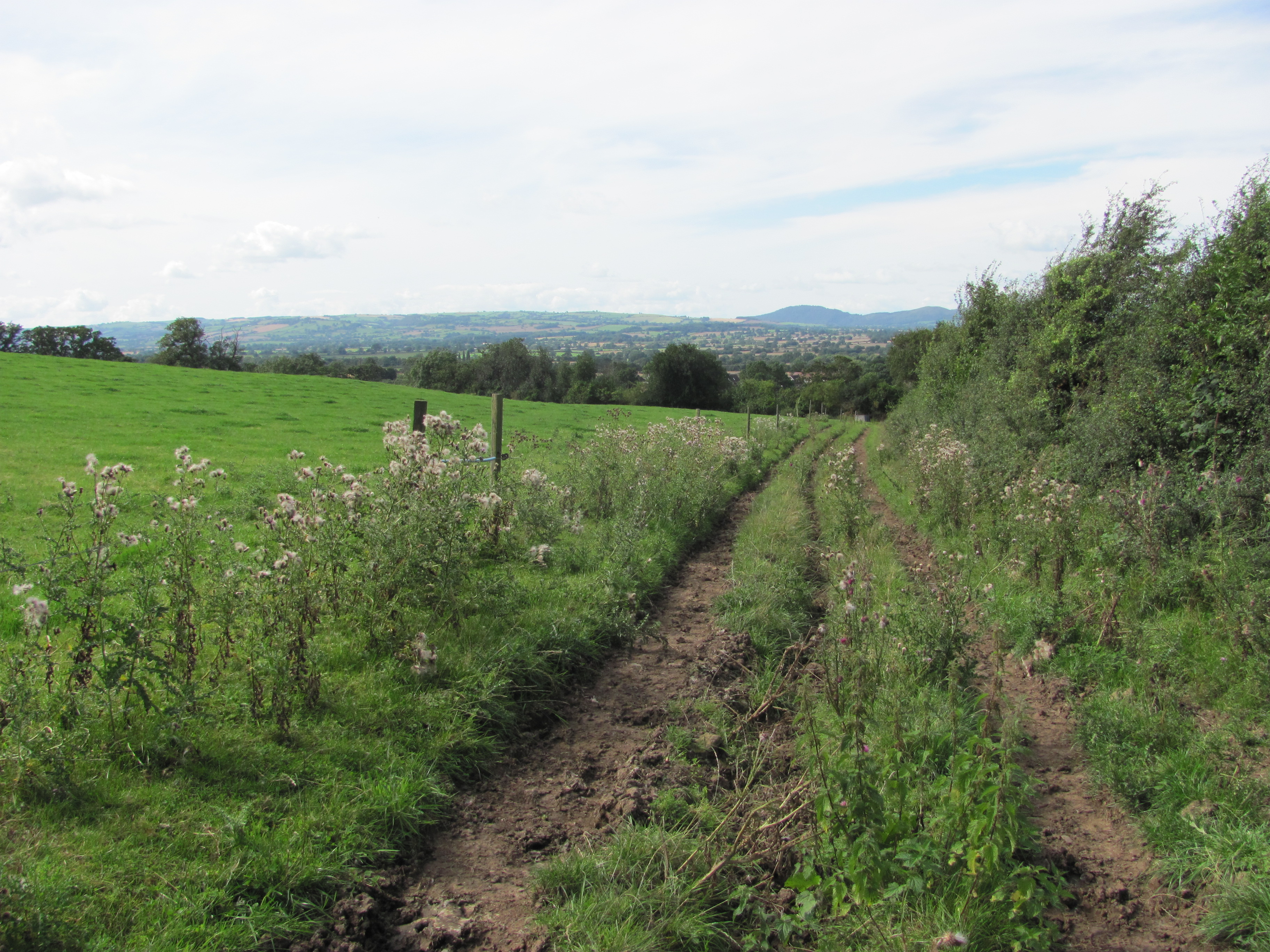
It was downhill now all the way home and we enjoyed lovely views through gaps in the tall hedges.

As we left the final field of pastureland we spied our house across the hayfield. We had to pass our big old oak tree which we admire from out back garden. As we walked along the fence to the garden gate we called out to the chickens. They looked totally confused – we were the wrong side of the fence.

Categories
birds meadows photography Shropshire trees wildlife woodland

Through the Garden Gate – part one – to the Pool.

This post features a wander in the countryside beyond our garden gate. We literally walk down to the bottom of the garden, past the chucks, go through the wooden gate and enter our borrowed landscape. We ambled for four hours spending much of the time standing, looking and listening or sitting and taking in the atmosphere. At no time were we more than a mile from our home.

An alternative title for the post could be “Why we live where we live and why we love where we live.” Join us as we wander around our local patch, our own personal bit of countryside.

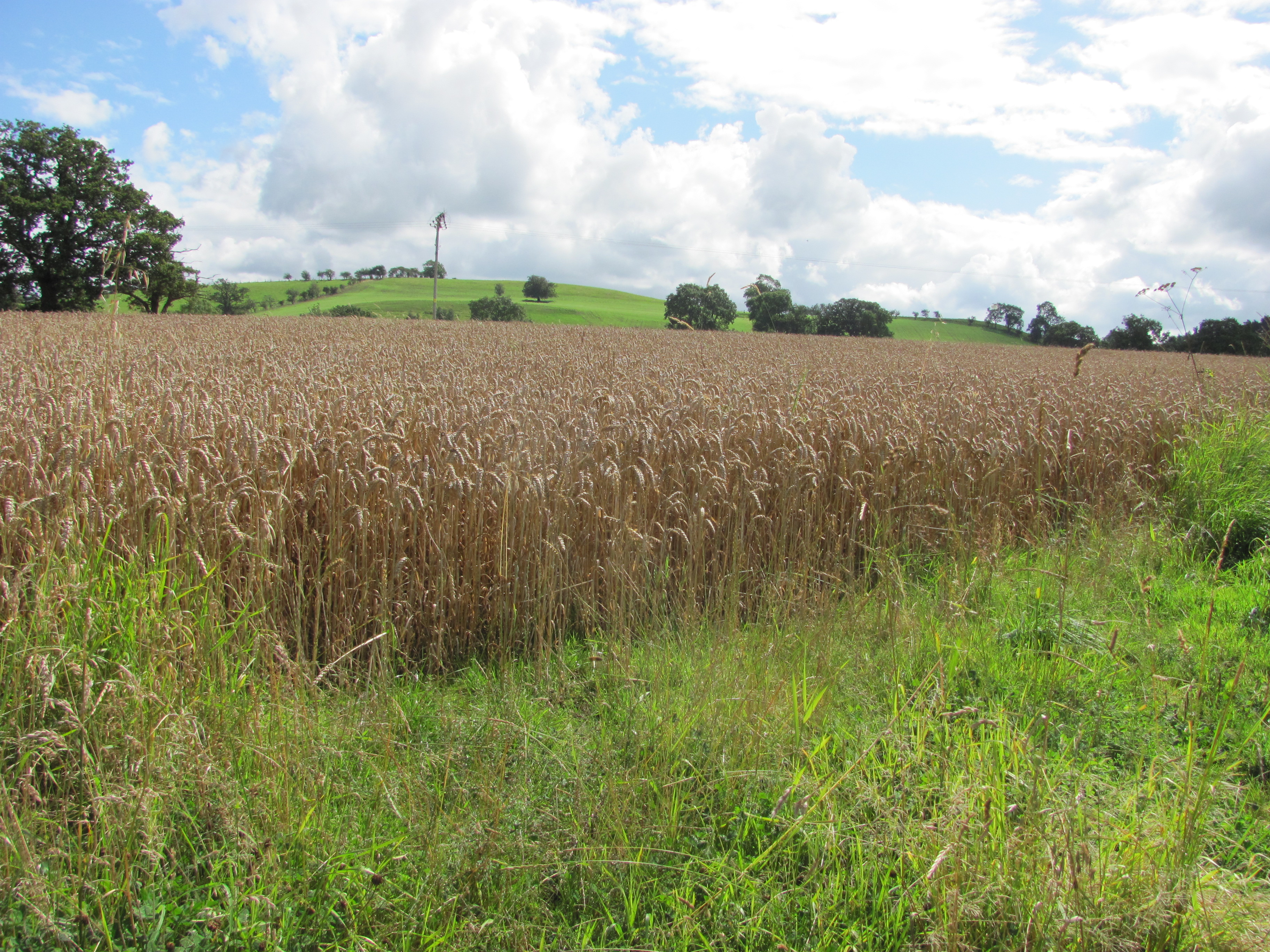
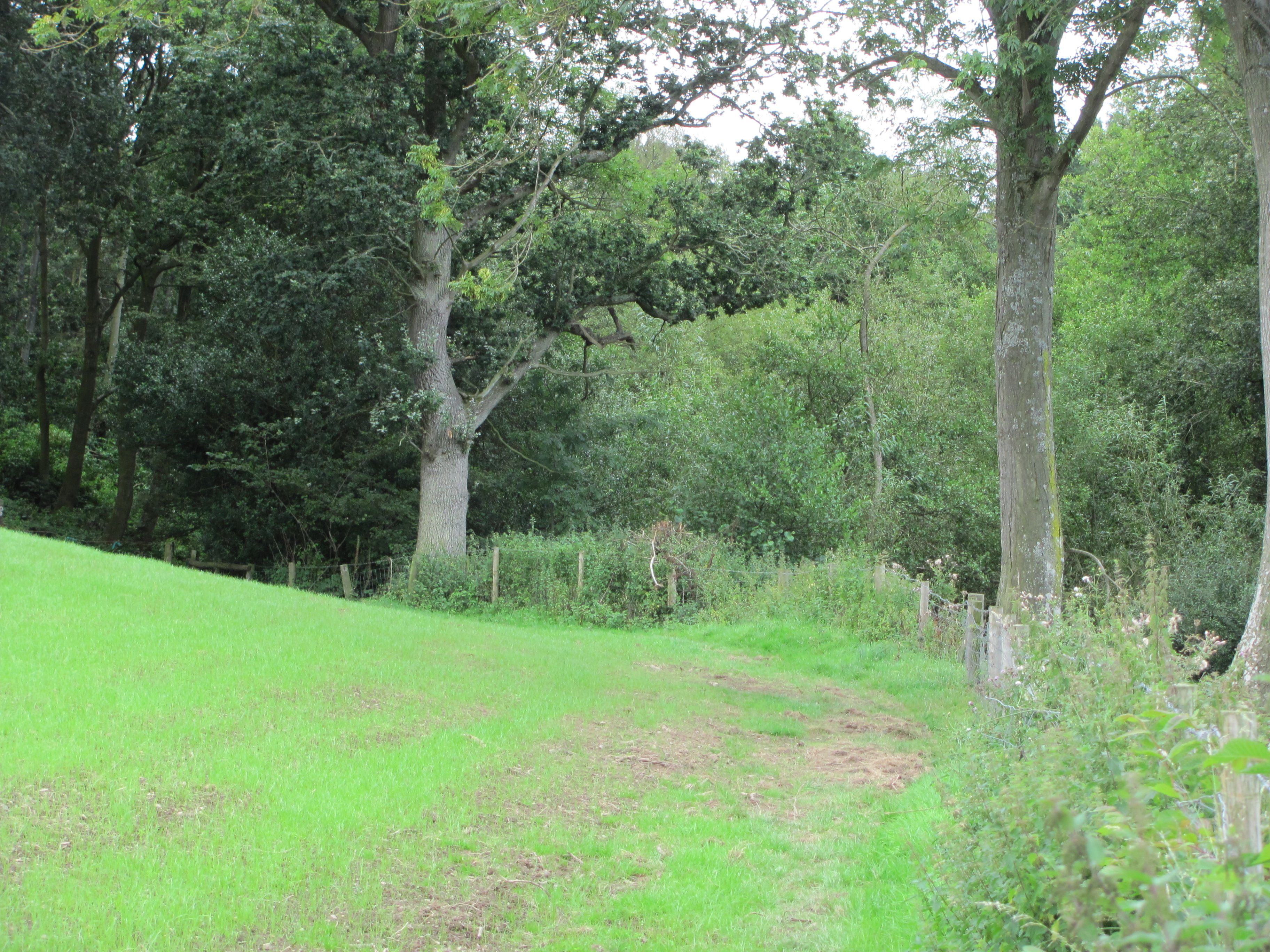
We walked alongside the fence line along the paddock to join the public footpath which led us diagonally across a field of winter wheat. Reaching the far side of the field we looked back to get a view of our home snuggled within the short row of houses.

Looking back across the field we have just crossed gives us a different view of one of the hills we can see from the garden.

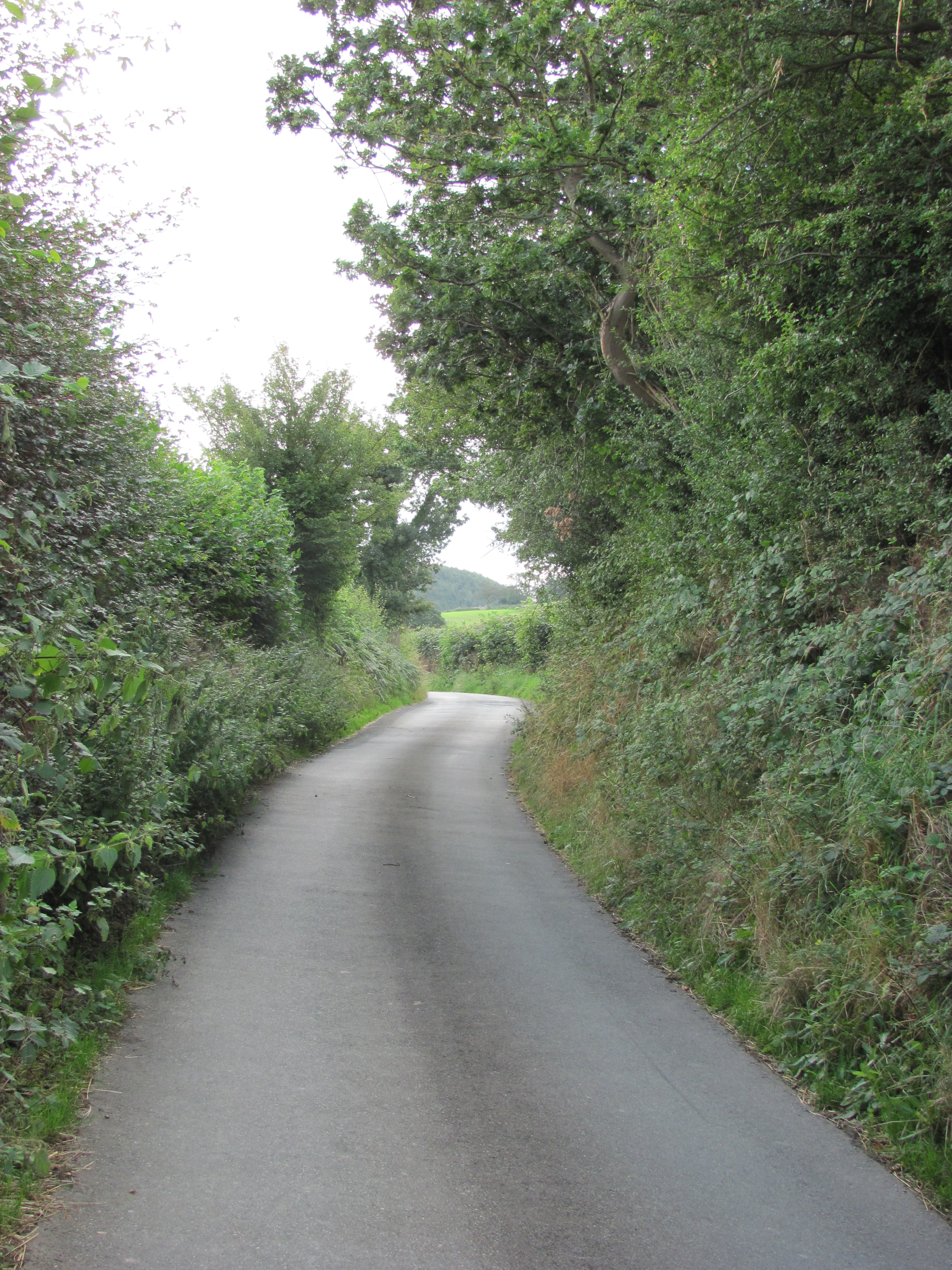
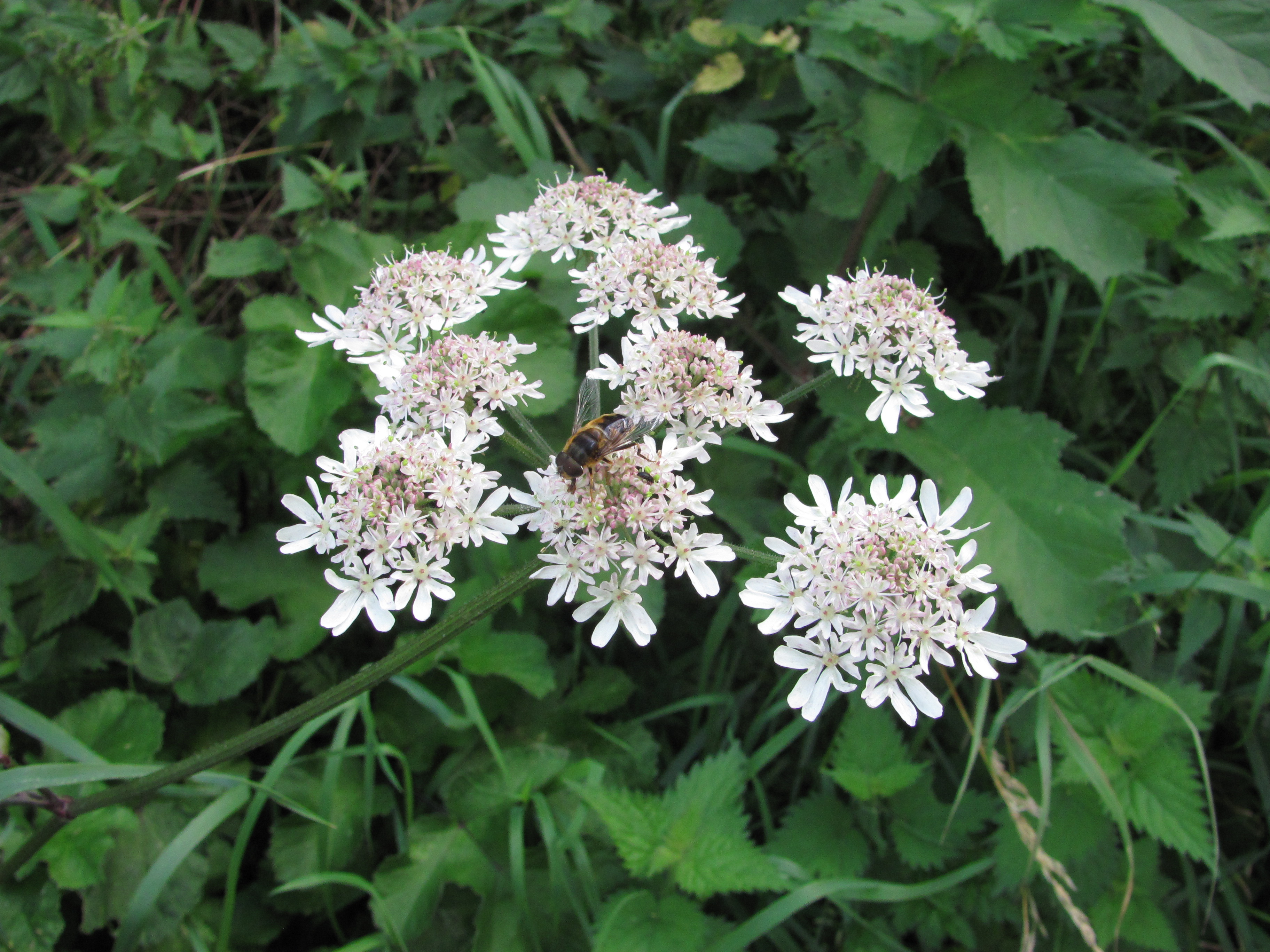
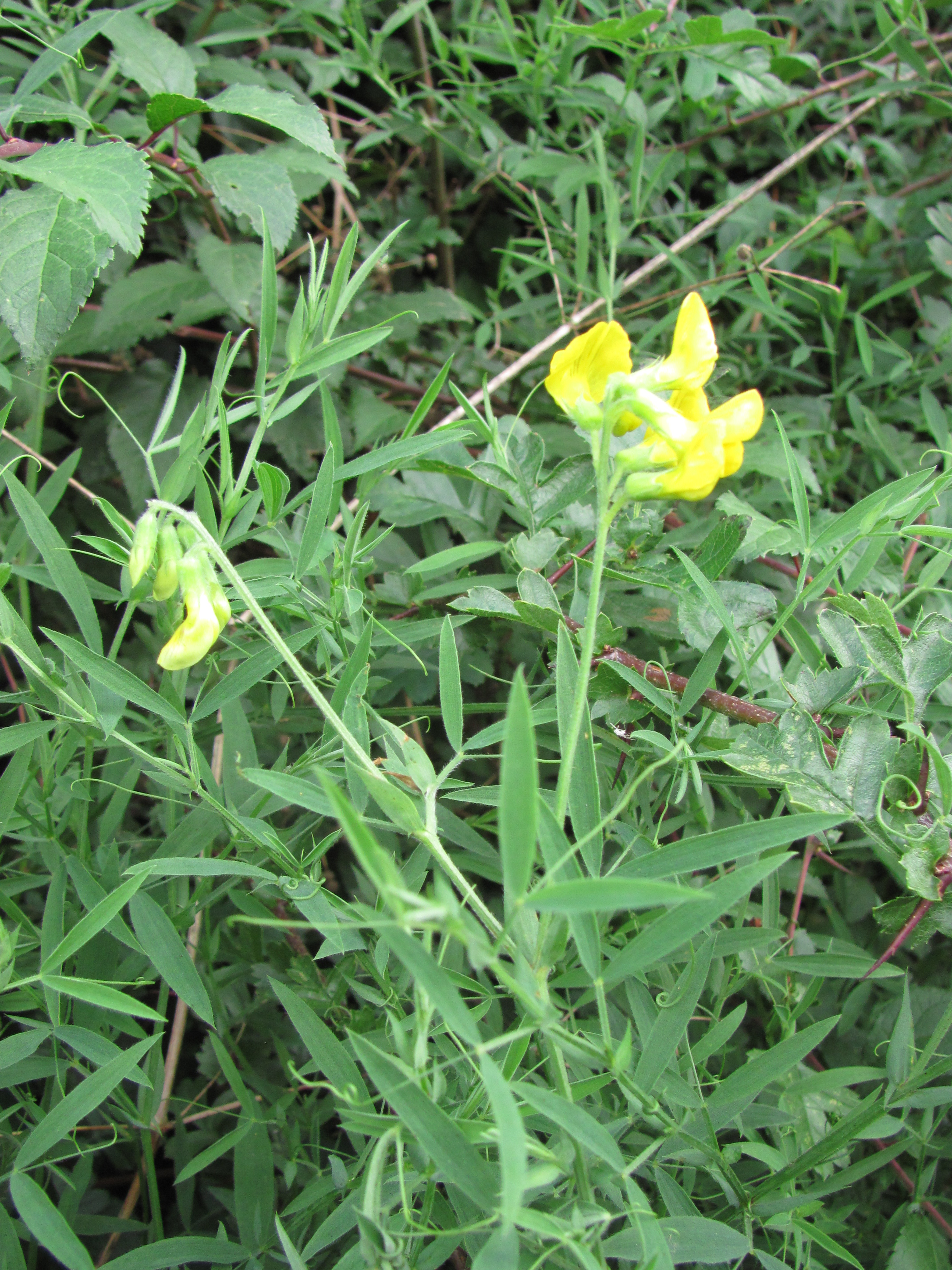
We needed now to walk along a lane for a while, a narrow lane with high hedges on each side and verges full of wildflowers. Climbers clambered over the hedging bushes.

A bonus was the appearance of the first ripe blackberries. We enjoyed them and thanked the blackbirds for sharing their larder with us.

Luckily this gently uphill trek on tarmac was short-lived and we soon clambered over the hedge via a wooden style and revelled in walking with the feel of soft grass beneath our feet. Here the land is rich pastureland enjoyed by dairy cattle. The cows here were all lazily sitting down chewing their cud.

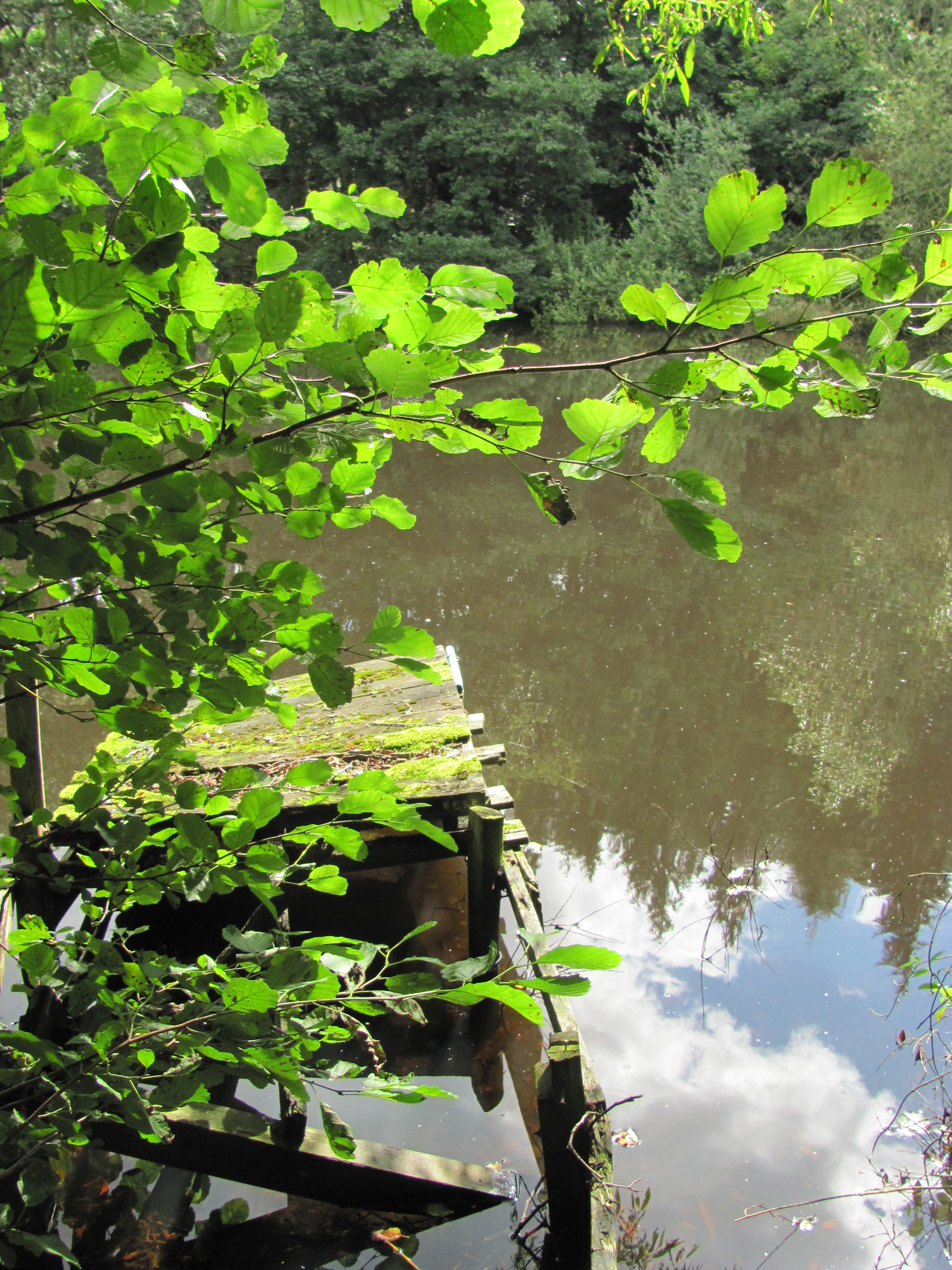
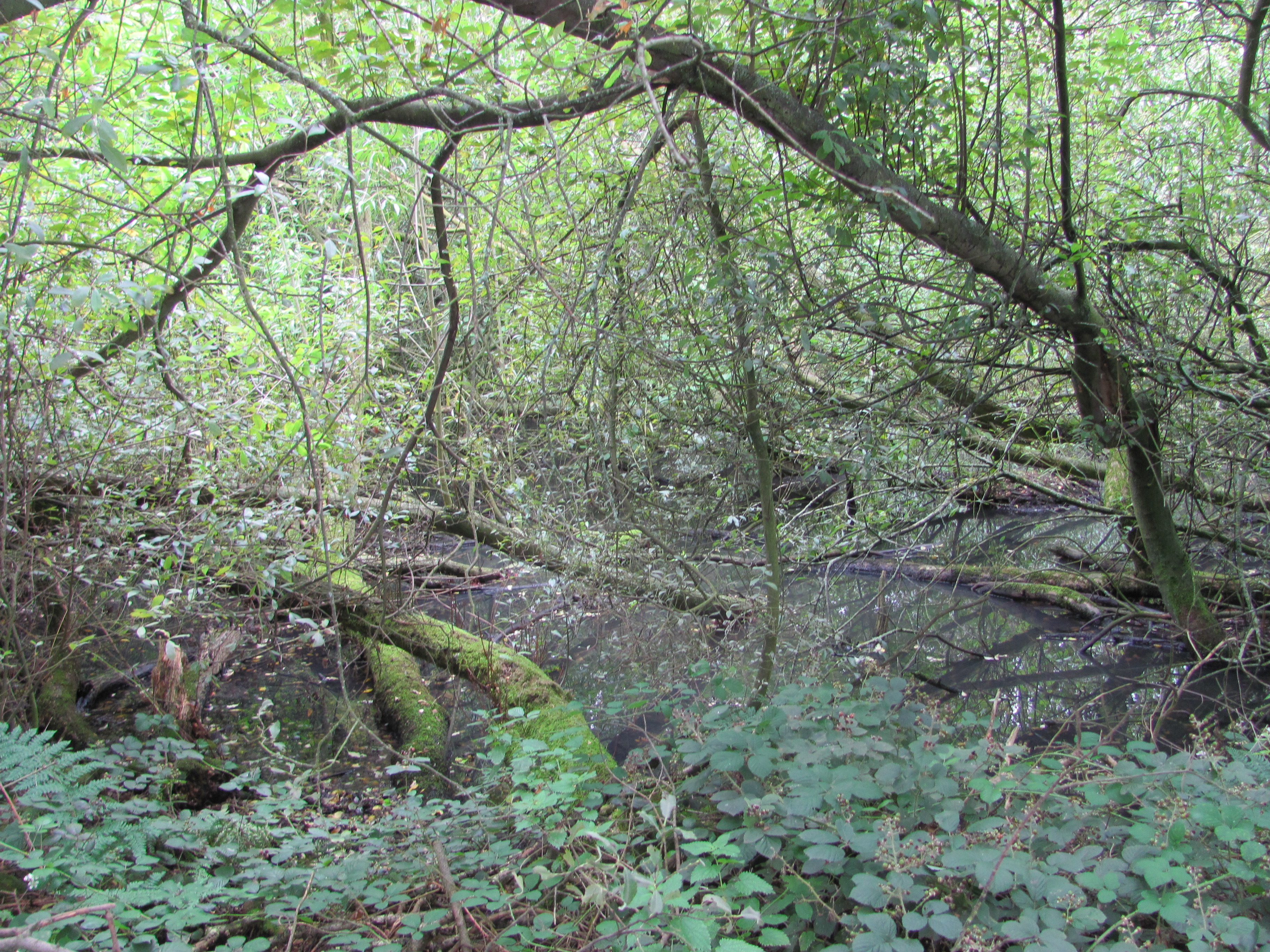
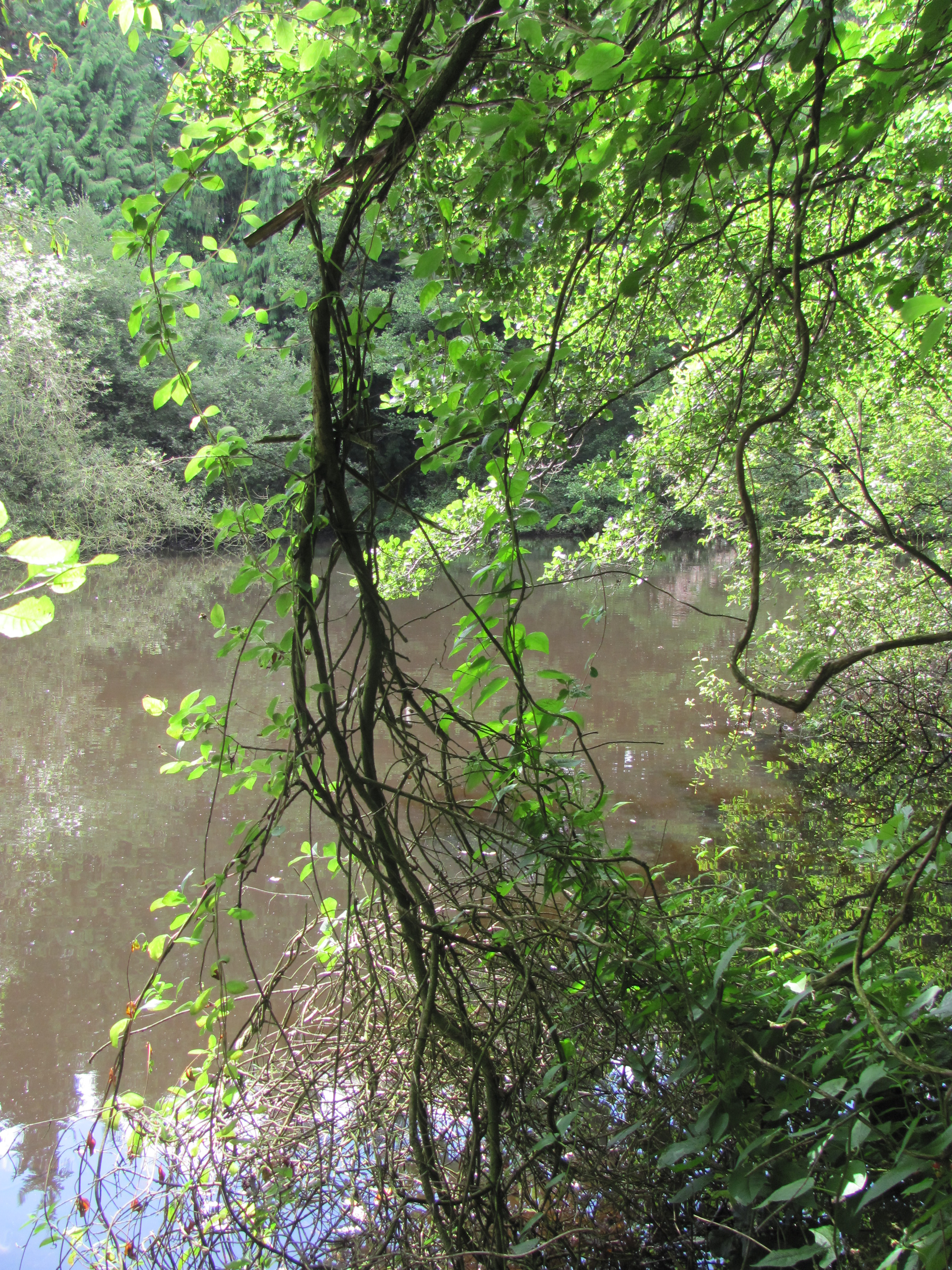
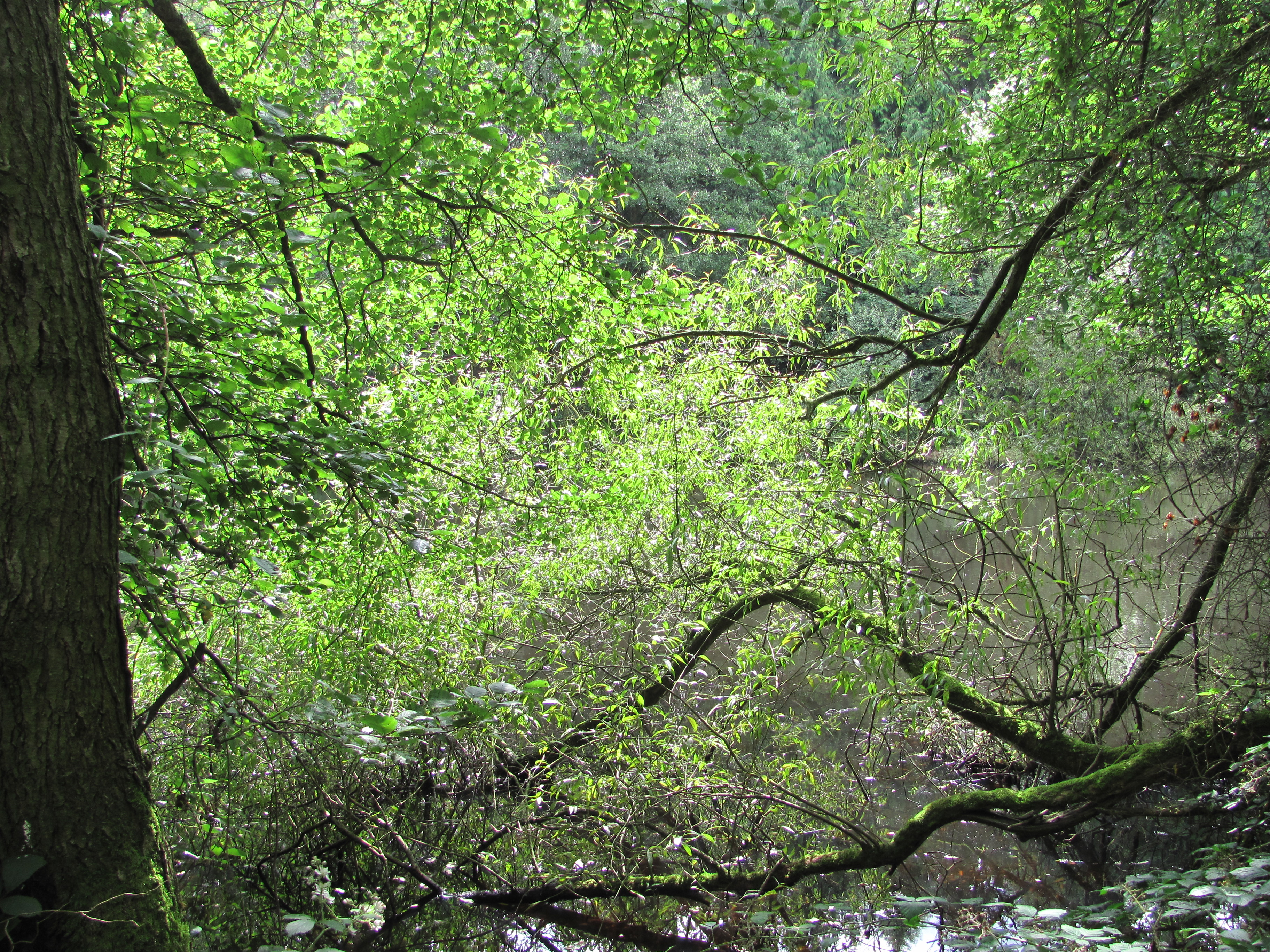
A tiny stream acted as our guide across the pasture and to the edge of our secret wood with abandoned fishing pools now overgrown and in places looking more like swamp land.

Whenever we walk this wood, whatever the time of year and whatever the weather, the light has a special quality which lights up the overgrown pools and turns trees and bushes into silhouettes.

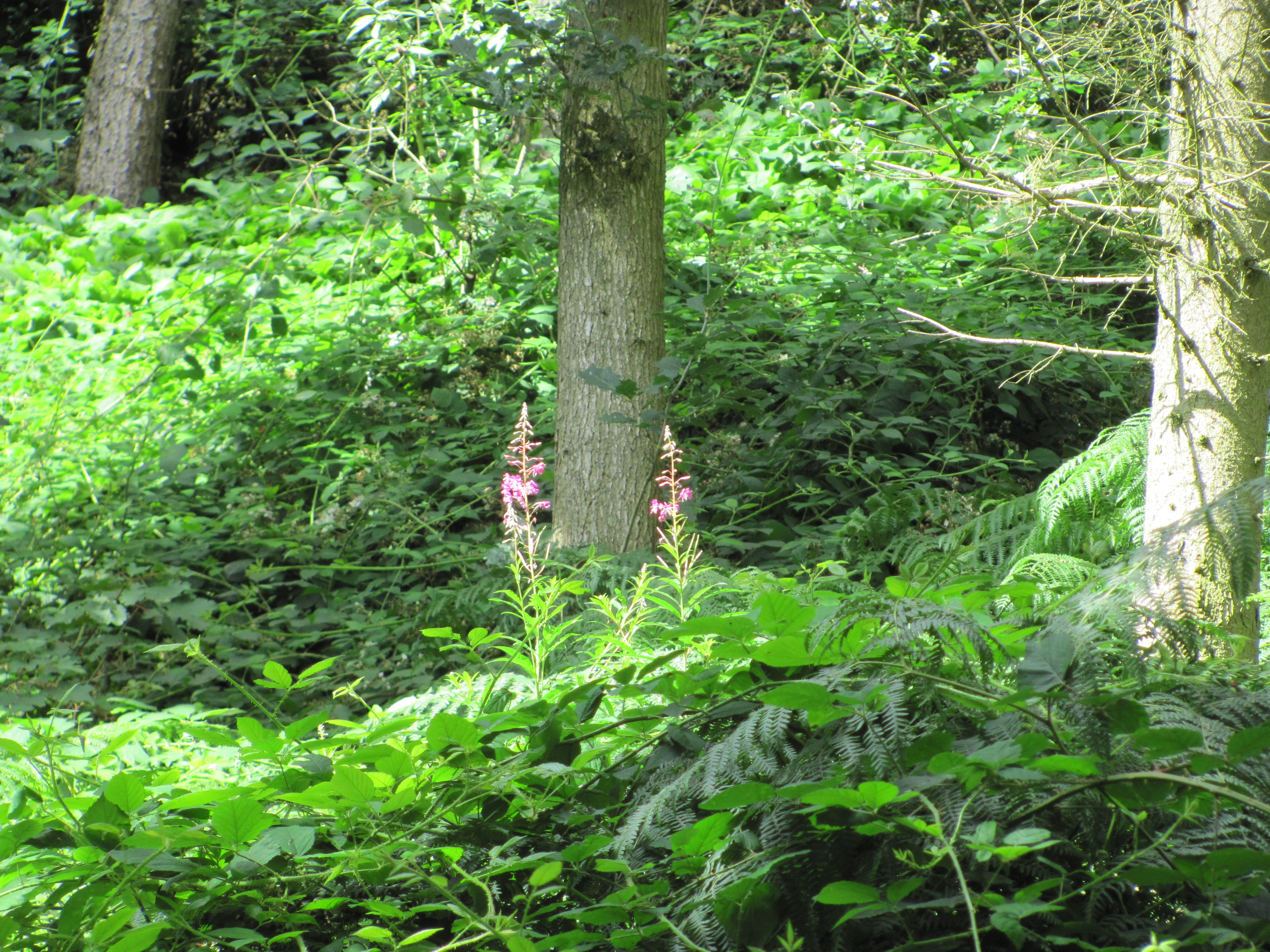
We can look up into the tree canopy of the steep valley sides as we walk along the water’s edge and appreciate just how tall some of the trees are. Below them is a thick carpet of brambles displaying their white flowers with hints of pink and their glossy, black fruits. Occasionally a tall rose-coloured flower spike of Rosebay pushes up through the bramble carpet. The trees are busy with mixed feeding flocks of Warblers and Titmice, the brambles resonating to the powerful song of Wrens and Dunnock.

As we reached the end of the wood walk an old wooden gate invited us back into open countryside. Jude the Undergardener glimpses the next part of our walk leaning on the gate as she waits for me as I finish taking photos.

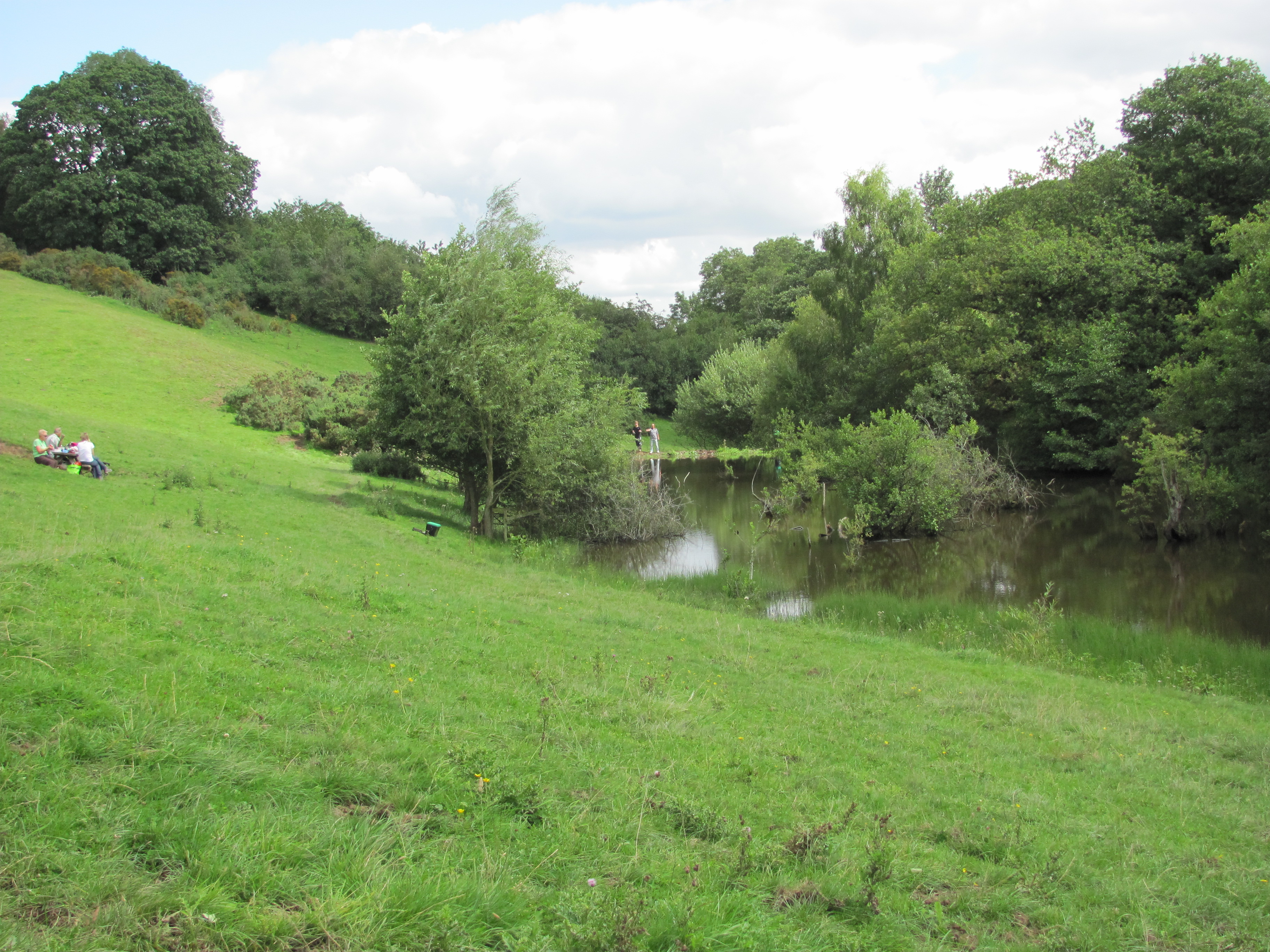
A walk across a sloping field on ground churned up by the feet of cattle takes us to the fishing pool, our halfway point and the perfect place to sit on the grass slope and enjoy our usual fruit and coffee. By the pool the farmer has provided a picnic bench and today a family are enjoying a picnic and three generations are doing a spot of fishing.

This Veggie Life

A Vegetarian | Nature Lifestyle Blog

Rambling in the Garden

.....and nurturing my soul

The Arch City Gardener

Journeys In St. Louis Gardening and Beyond

Garden Dreaming at Châtillon

Consult the genius of the place

Storyshucker

A blog full of humorous and poignant observations.

gardeninacity

Notes from a wildlife-friendly cottage garden

PlayGroundology

...an emerging social science

The Official Blog of British Wildlife

'The most important and informative publication on wildlife of our times' - The Independent. This blog is a member of The UK & Ireland Natural History Bloggers group: www.uknhb.blogspot.com

iGrowHort

Inspire - Cultivate - Grow Native Plants - Restore Landscapes

Bishops Meadow Trust

To create and protect a semi-natural wild space for the people of Farnham to enjoy and experience an array of British wildlife in our town

Gardening with Children

The www.gardeningwithchildren.co.uk Blog

UKbirdingtimeline

birding through the seasons, why birds matter and how to conserve them

NATURE WALKER

with a camera in hand

Jardin

Transform your outdoor space

Eva's space

My allotment, cooking and other interests

Old School Garden

my gardening life through the year

LEANNE COLE

Trying to live a creative life

fromacountrycottage

trying to live as lightly as possible on our beautiful planet

Good Life Gardening

Nature lovers from Leicester living the good life.

mybeautfulthings

Finding the beautiful in the everyday

mawsonmichelle

Michelle's Allotment

In and Out of My Garden

thoughts from and about my garden

Greenhousing

Big plans for a small garden

The Scottish Country Garden

A Walled Country Garden in South East Scotland

The Fruity Chicken

Life at the fruity chicken

willowarchway

Off grid living. Self sufficient. "PERMAGANICS RULE".

St Anns Allotments

Nottingham's Grade 2* Listed Allotments and Community Orchard

Manifest Joy Harvests

a journey in suburban vegetable gardening

Allotmental

The madness of growing your own

Penny's Garden: a harvest beyond my front door

A novel approach to vegetable gardening

arignagardener

Sustainable living in the Irish countryside.

NewEnglandGardenAndThread

Master Gardener, amateur photographer, quilter, NH native, and sometimes SC snowbird

dianajhale

Recent work and work in progress and anything else that interests me

planthoarder

a chaotic cottage gardener

Lens and Pens by Sally

a weekly blog that creates a personal philosophy through photographs and words

Dewdrops and Sunshine

Stories from a sassy and classy Southern farmbelle.

The Pyjama Gardener

Simple Organic Gardening & Seasonal Living

gettin' fresh!

turning dirt into dinner

JOY...

today the world is created anew

Garden Birds

Notes from a Devon garden

ShootAbout

Life Through The Lens

Adapting Pixels

A photography blog showcasing the best photography pictures and videos on the internet

Wildlifegardening's Blog

Just another WordPress.com site

naturestimeline

personal observations from the natural world as the search continues for a new approach to conservation.

LATEBLOOMERBUDS

The Wonders of Life through my Eyes, my Heart, my Soul