Categories
Uncategorized

Wildgoose Garden and Nursery in Summer

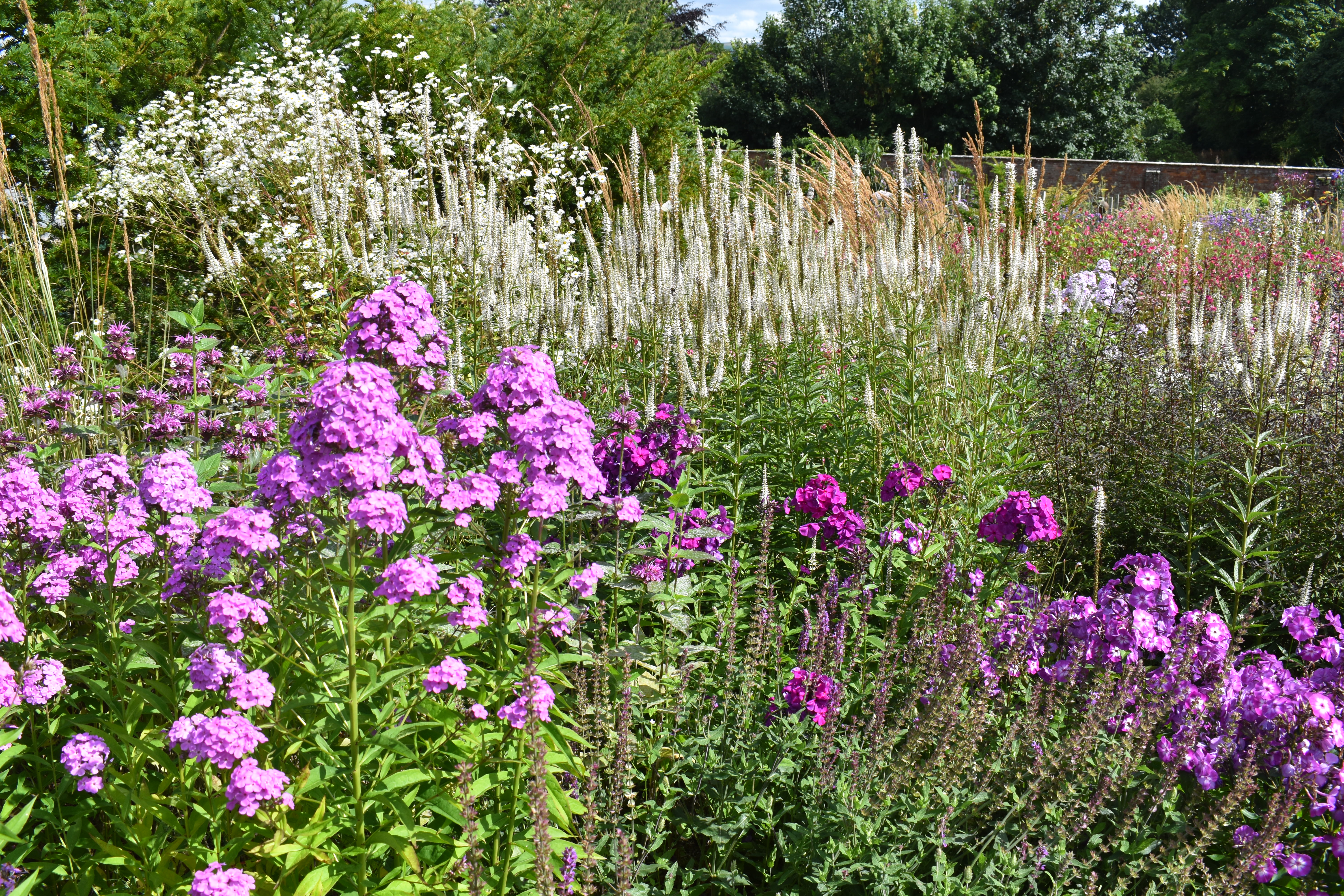
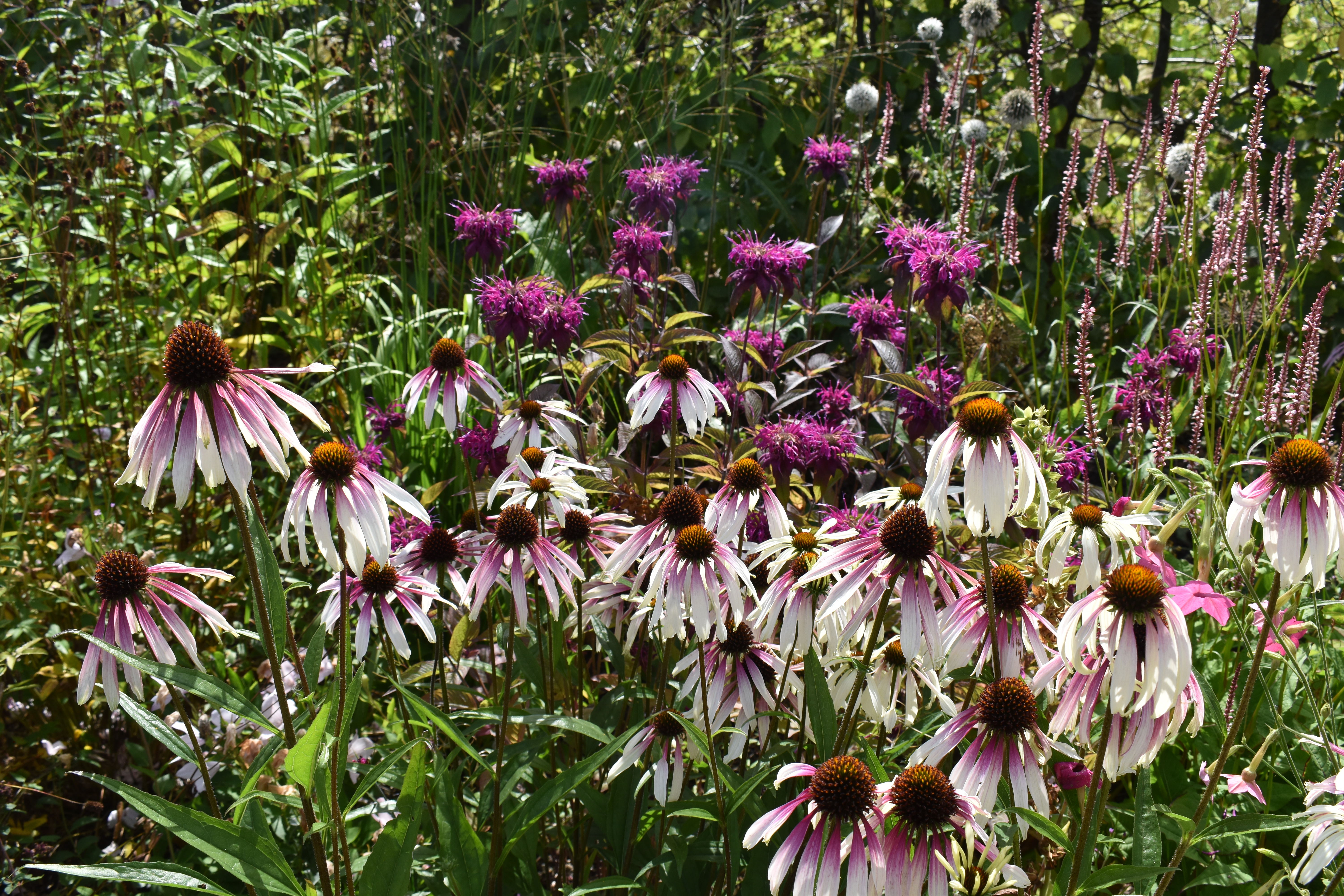
Wildgoose Garden and Nursery is one of our favourite gardens and very convenient for us as it is situated in South Shropshire as we are too. We have been at least once a year since it opened. The planting is a variation on the prairie style and thus is good throughout the summer, autumn and winter. Planting consists of tall perennials coupled with unusual annuals and grasses.
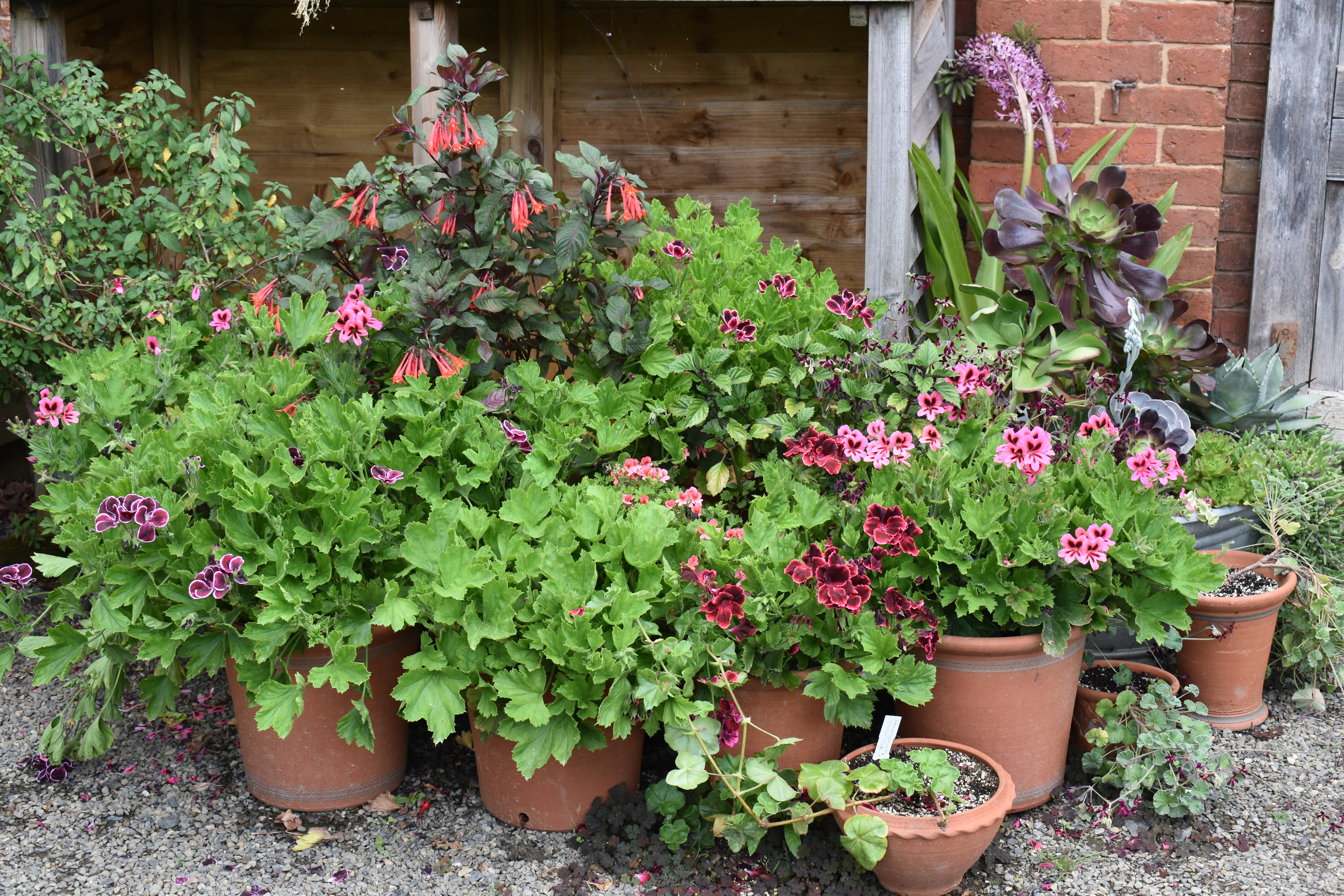
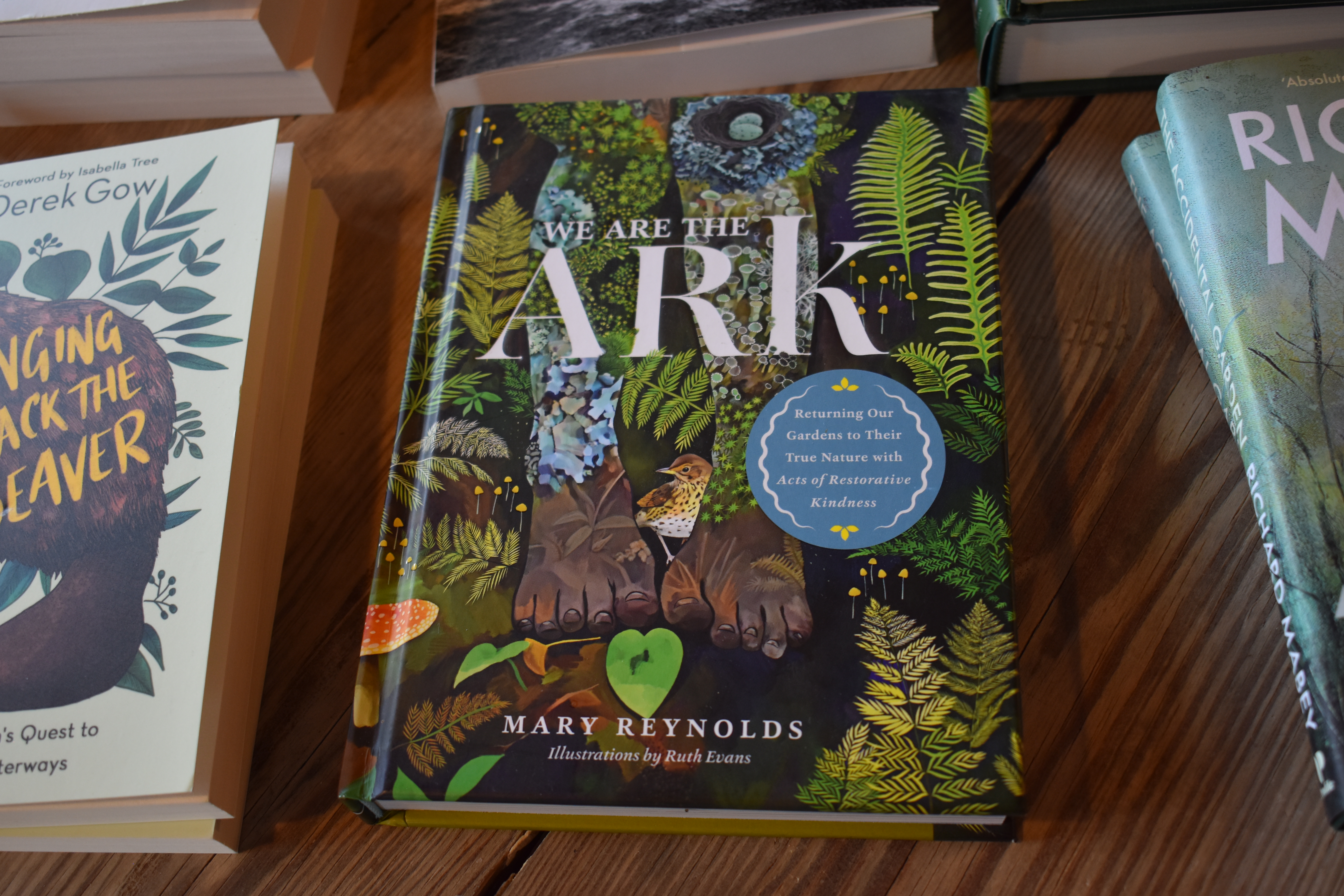
The garden is explored by following the gravel paths that meander throughout. There is no real lawn except for a few grass patches because the garden is owned and run by two true plants people, Jack and Laura.There is a wonderful cafe selling beverages and home made cakes, alongside a selection of quality gardening books and some Niwaki tools. A collection of pots all beautifully planted up welcome visitors to the cafe.

Leaving the refreshments behind we took off on our journey of discovery, following paths that lead us to patches of colour.

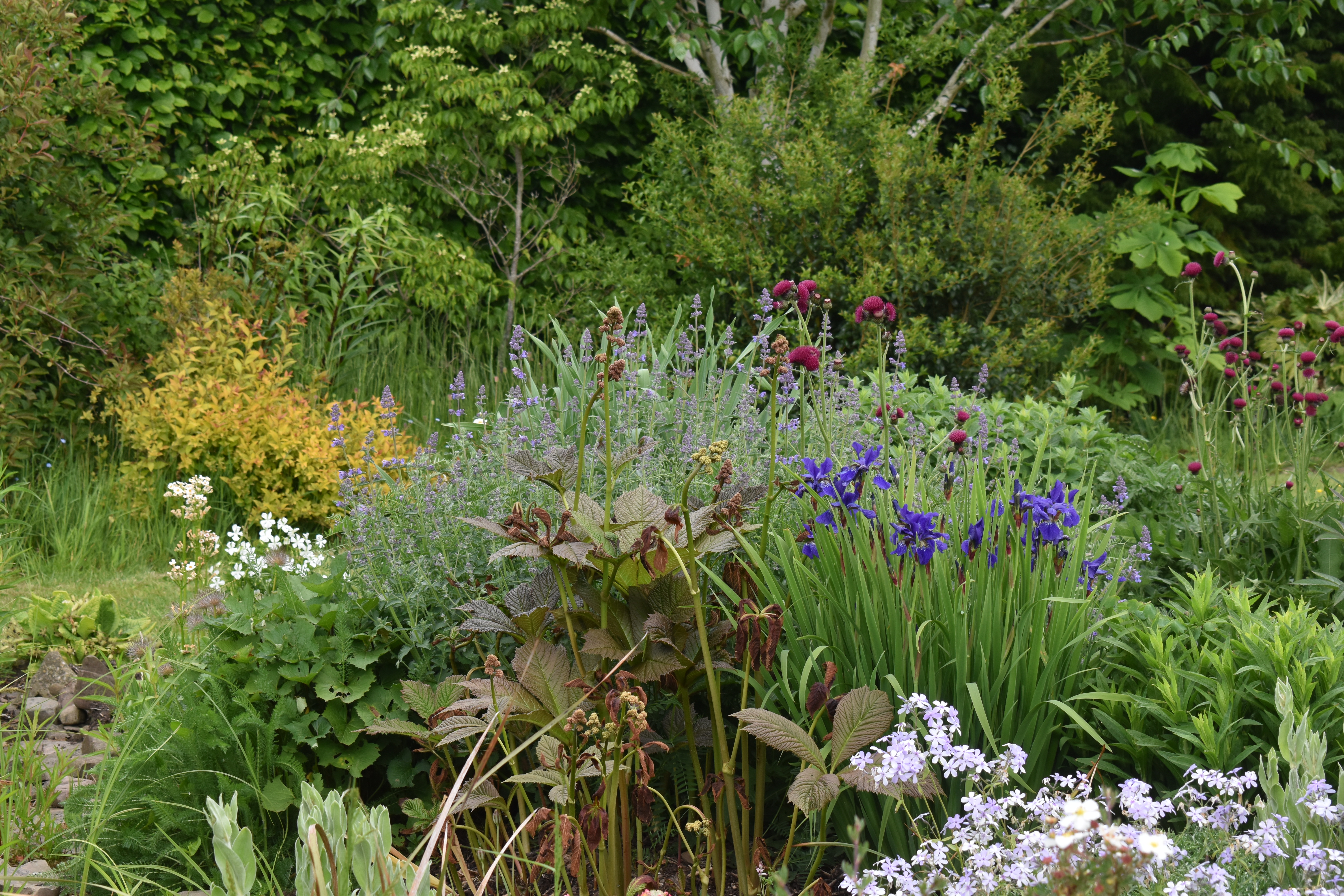
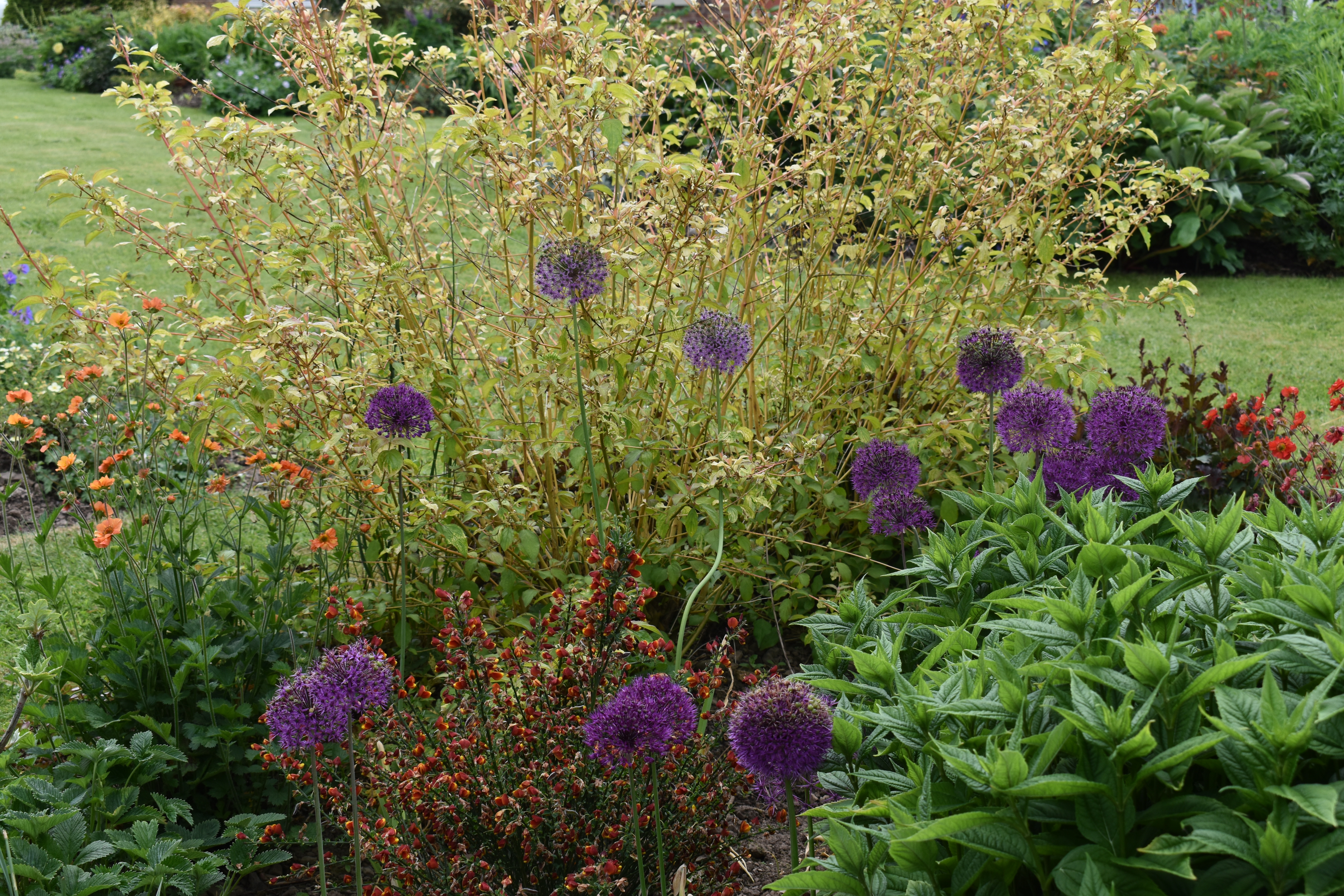
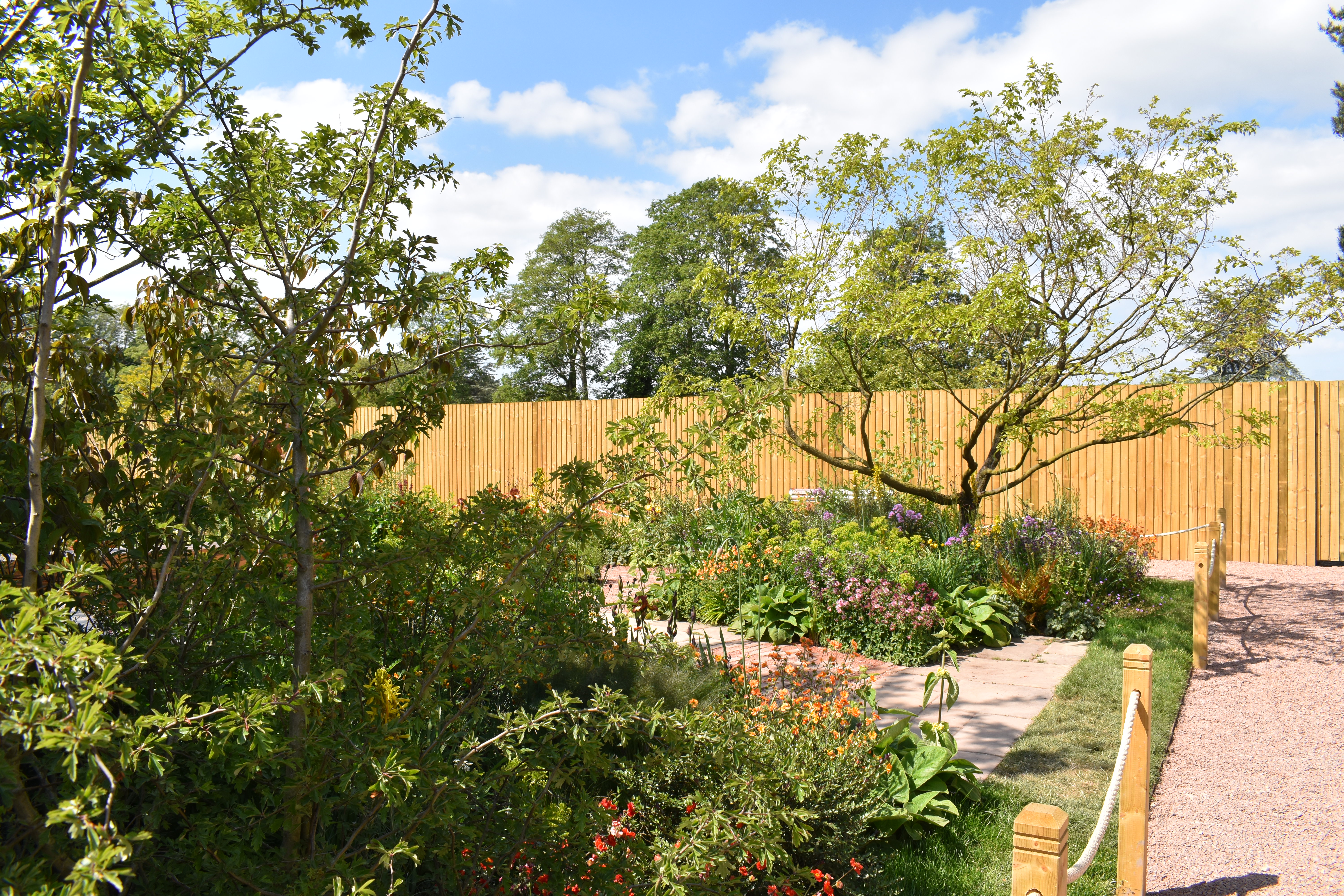
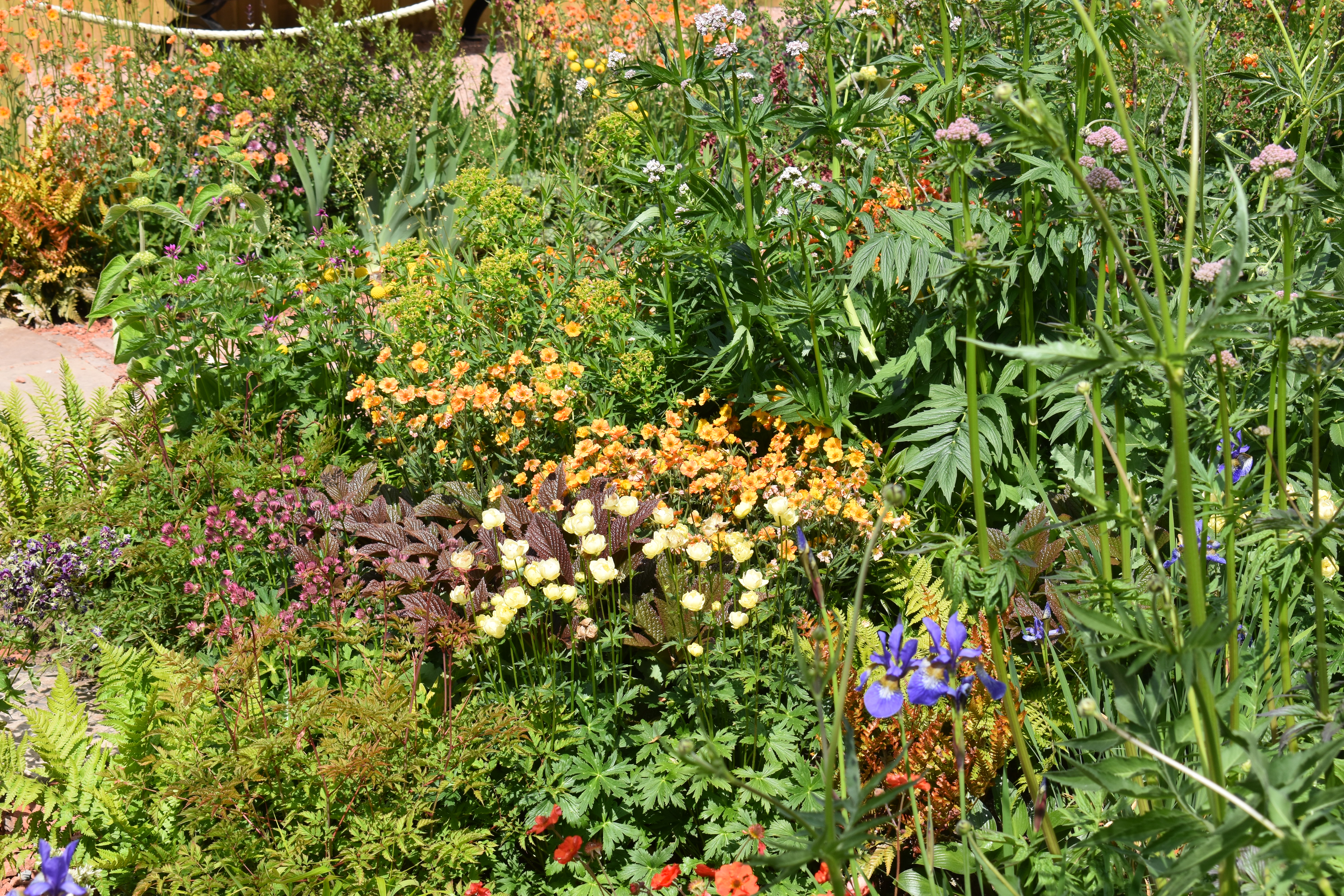
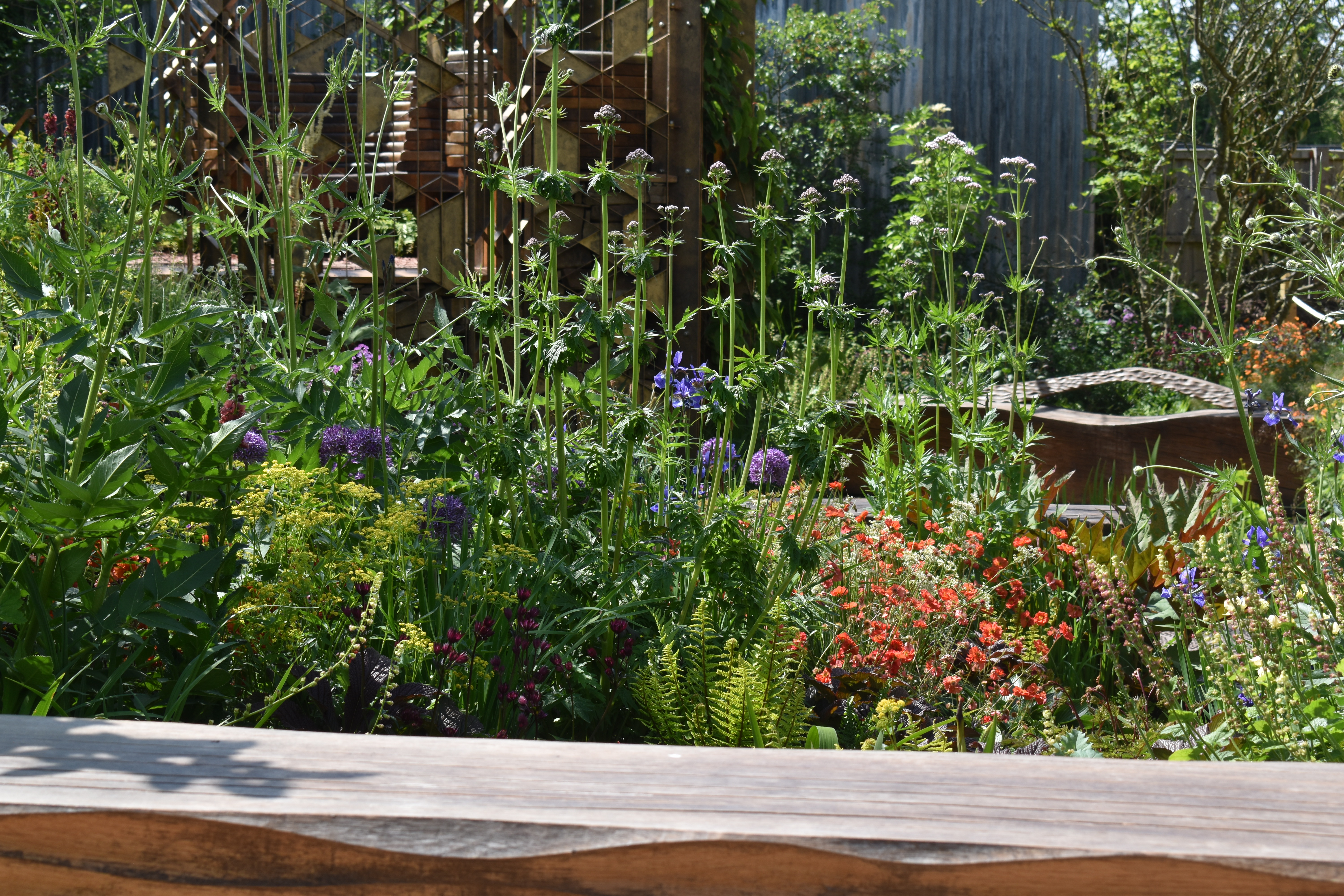
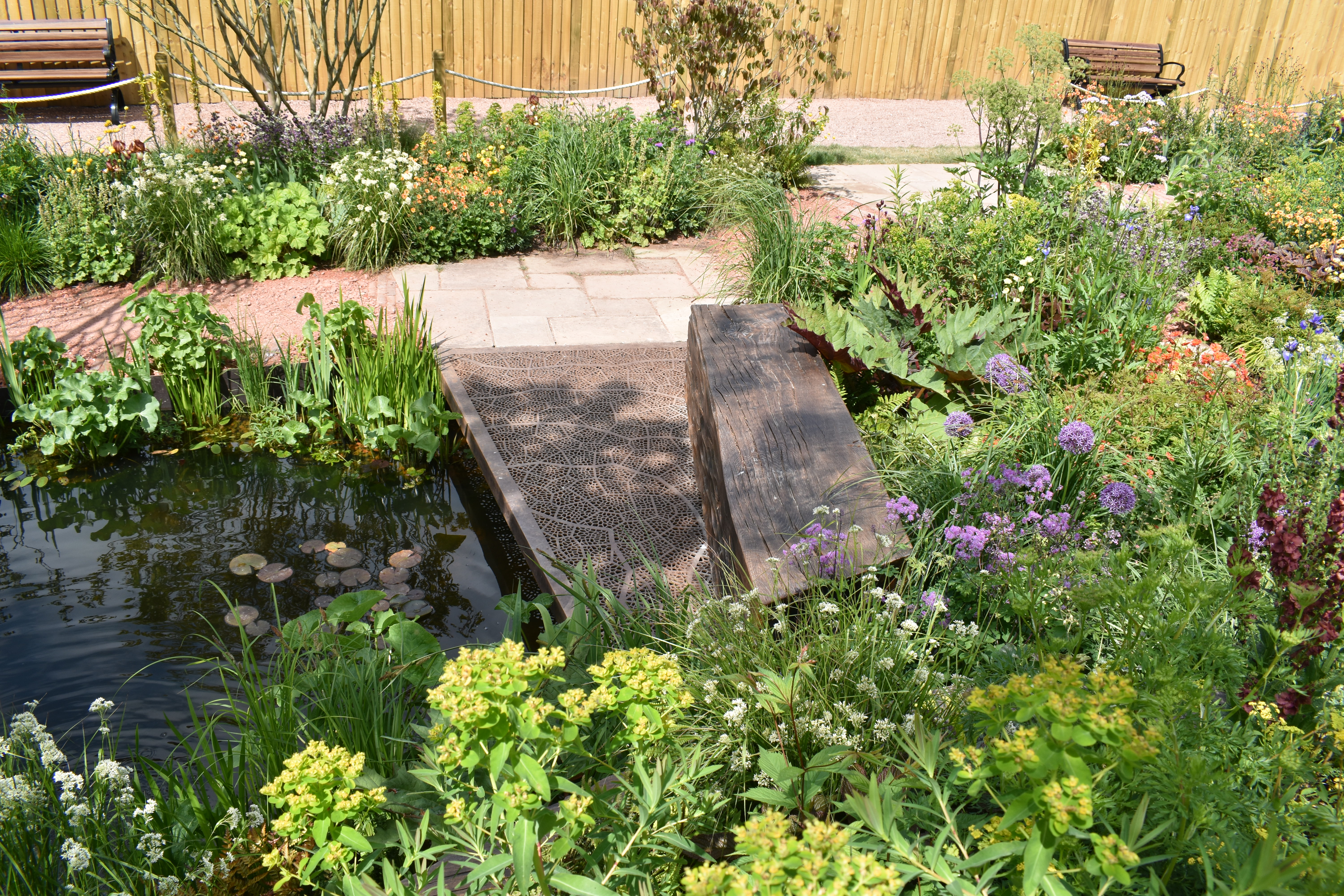
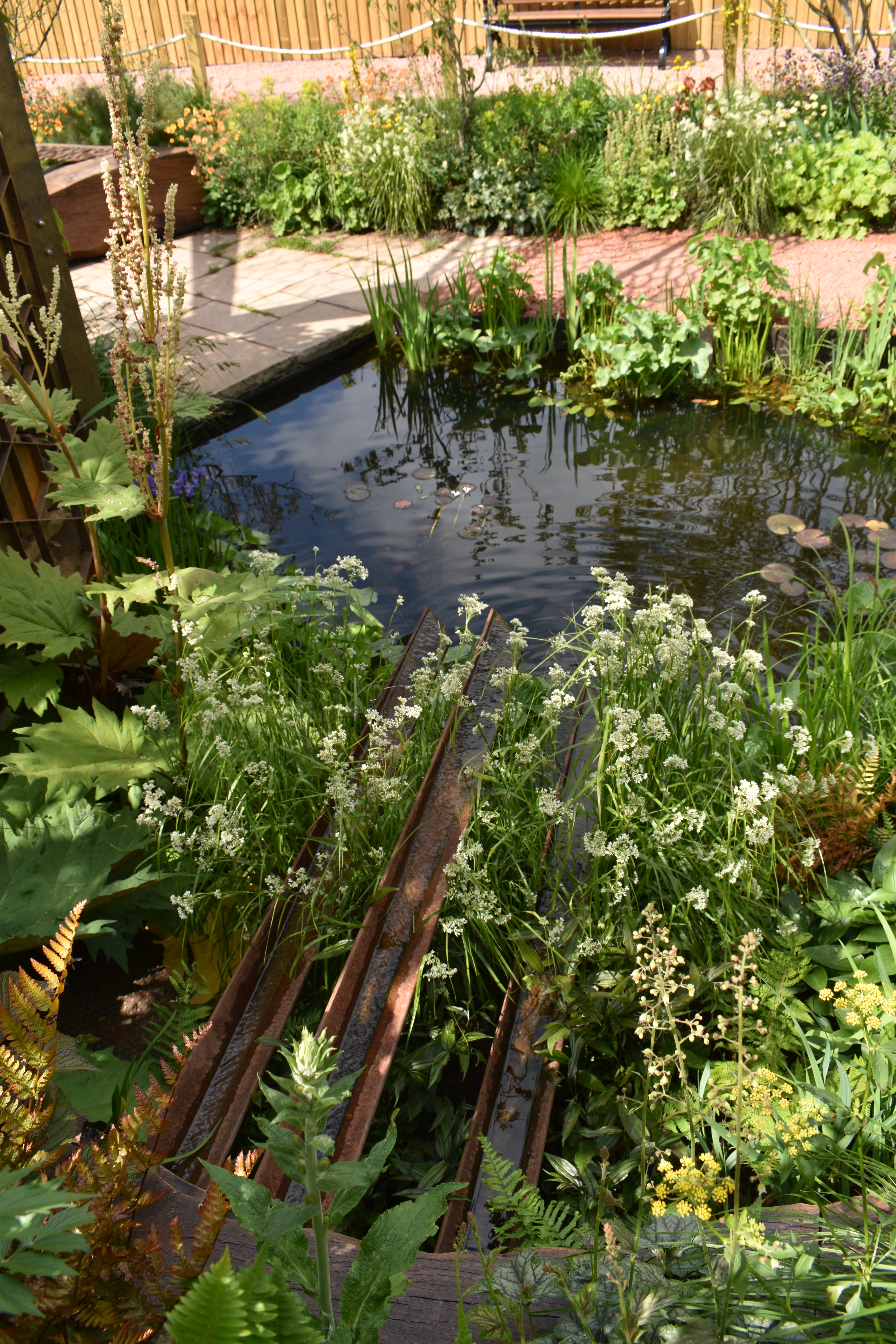
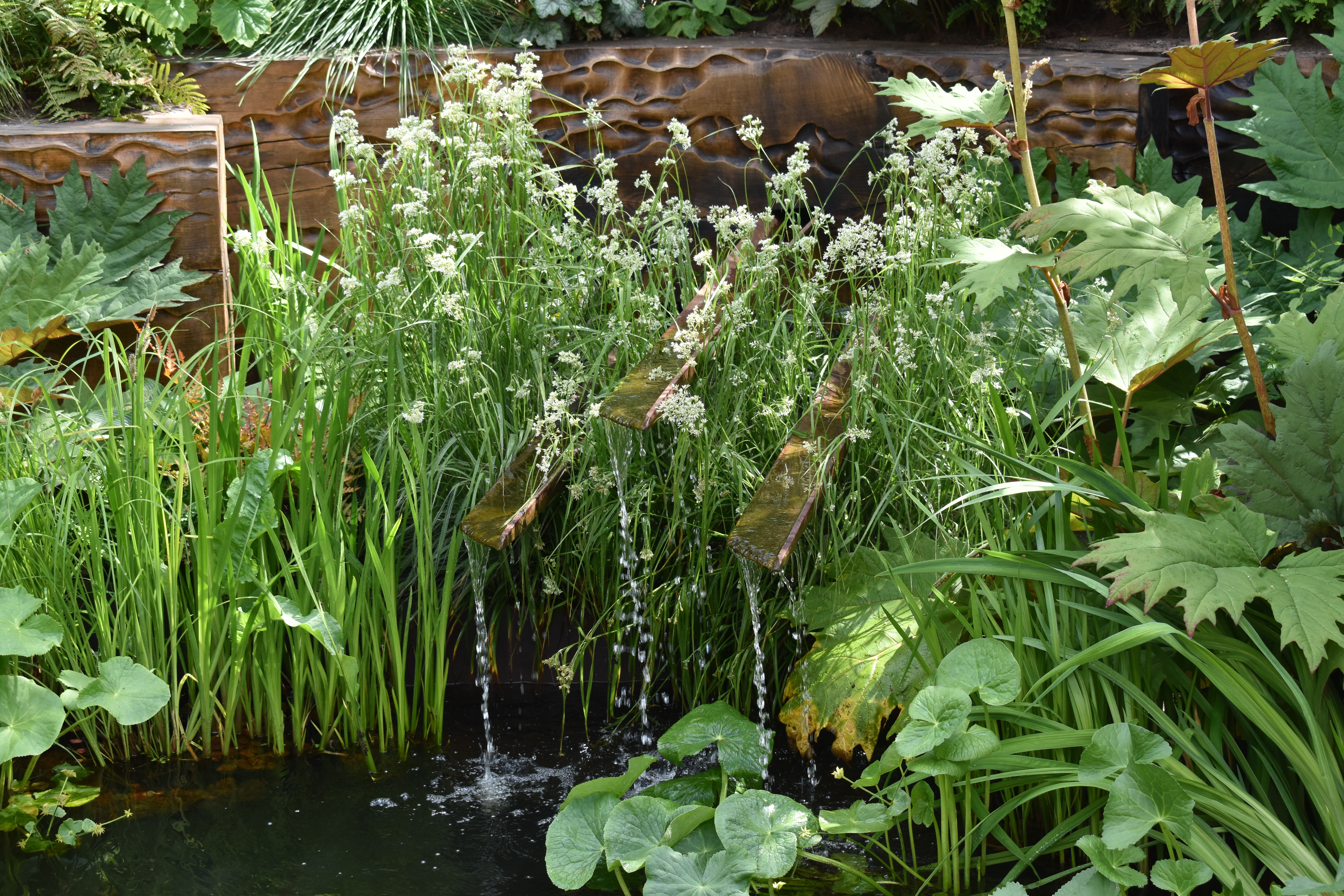
Wildgoose has a special atmosphere that relaxes you and gives a feeling of peace and calmness. This is best illustrated by sharing some general shots of the garden.

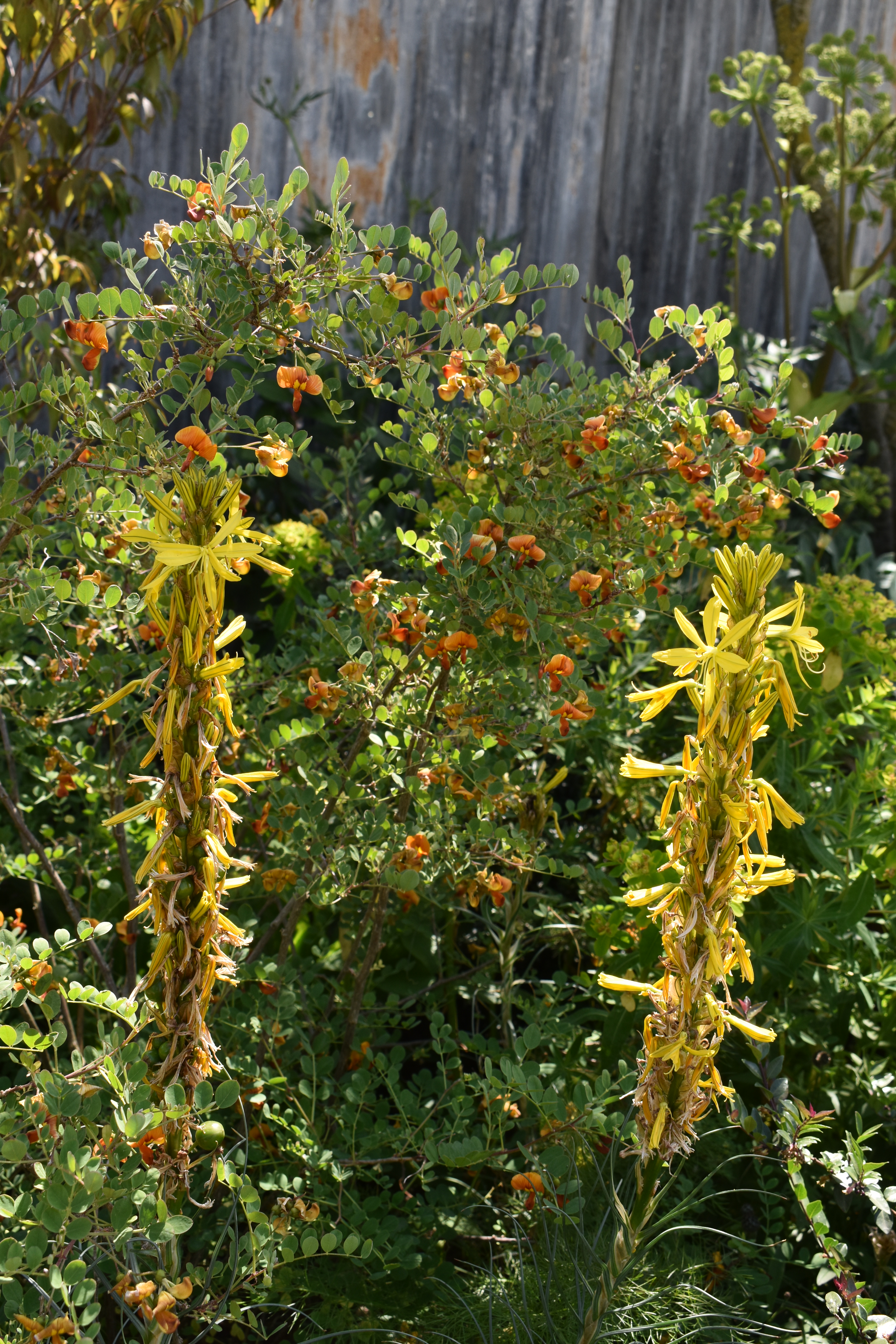
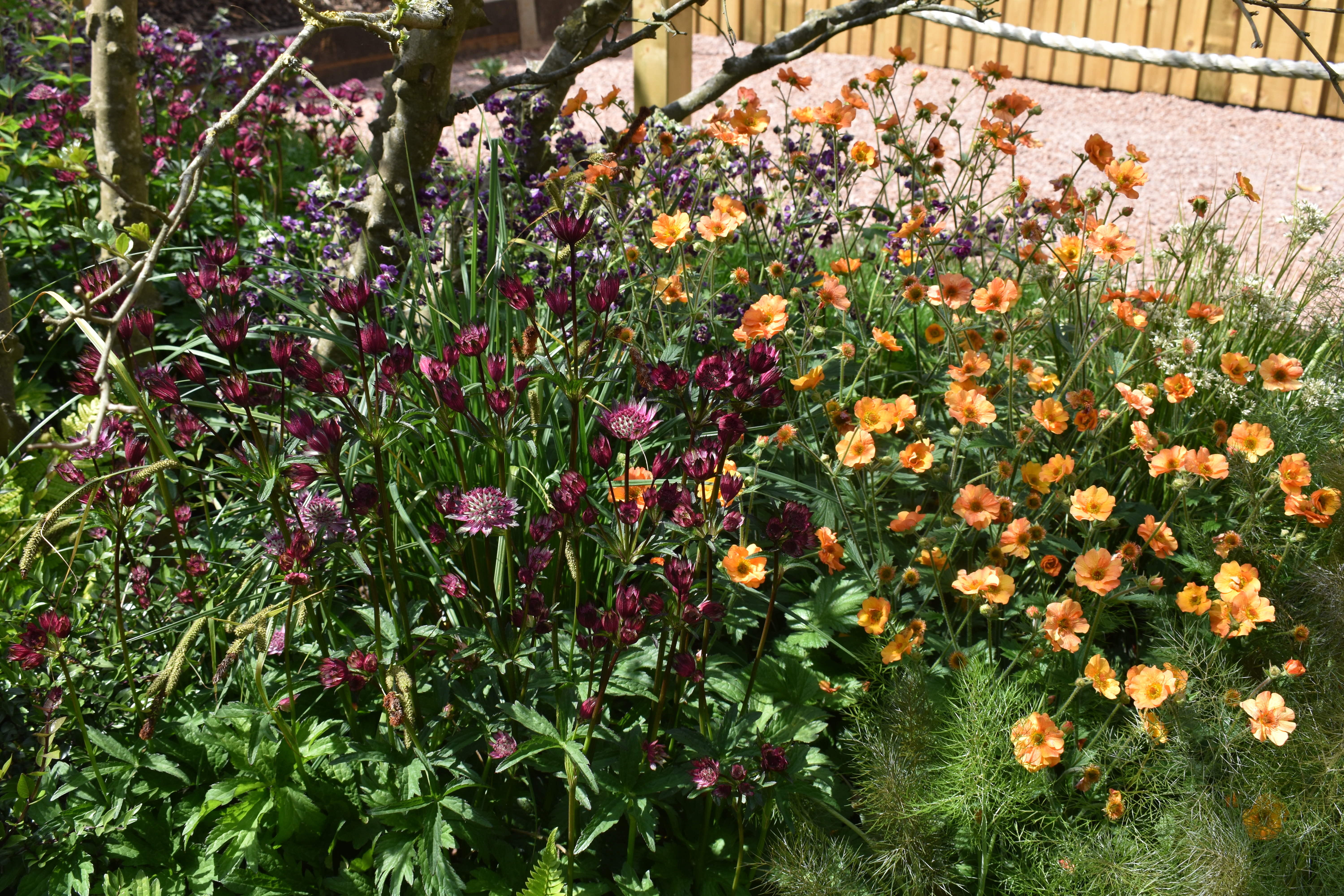
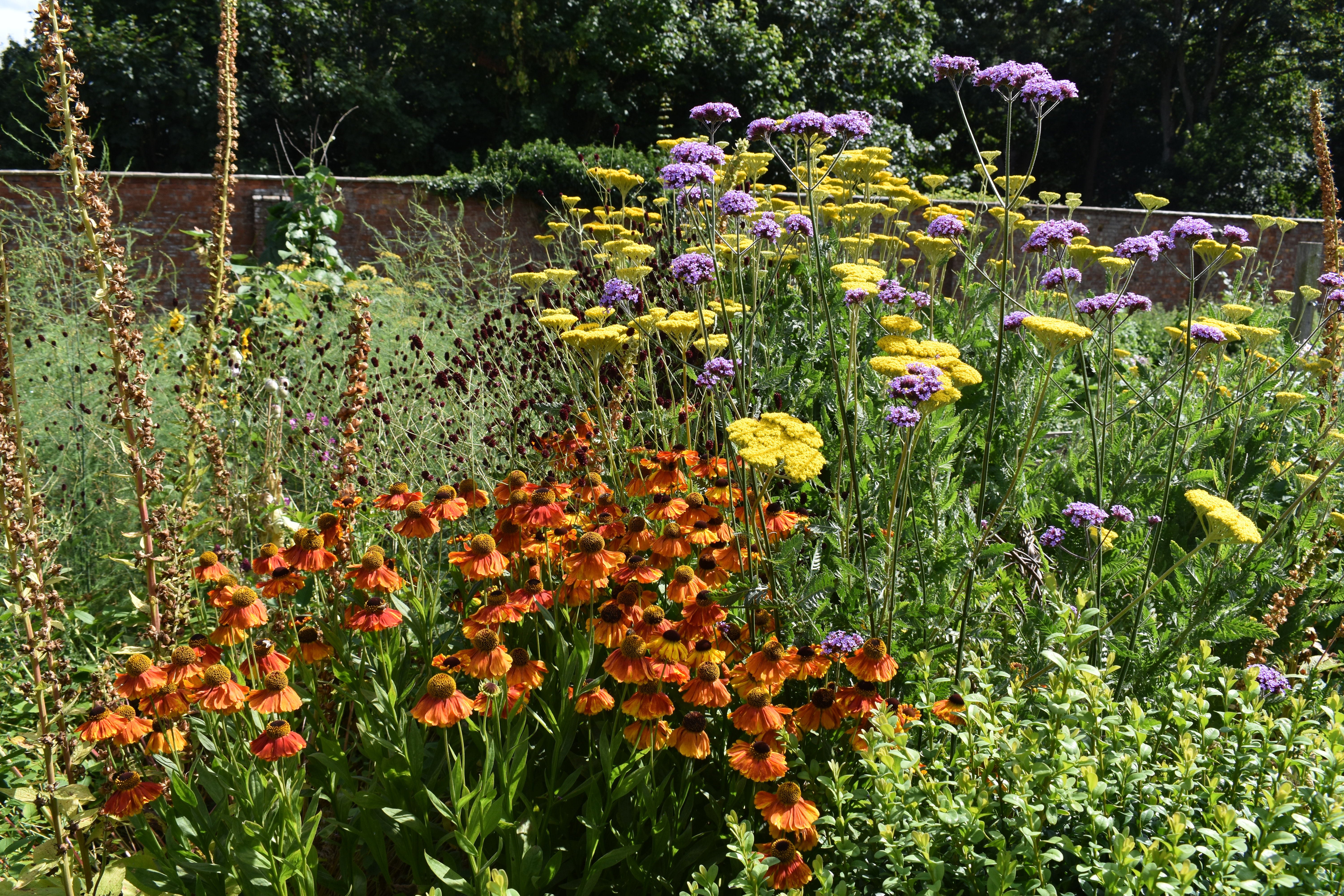
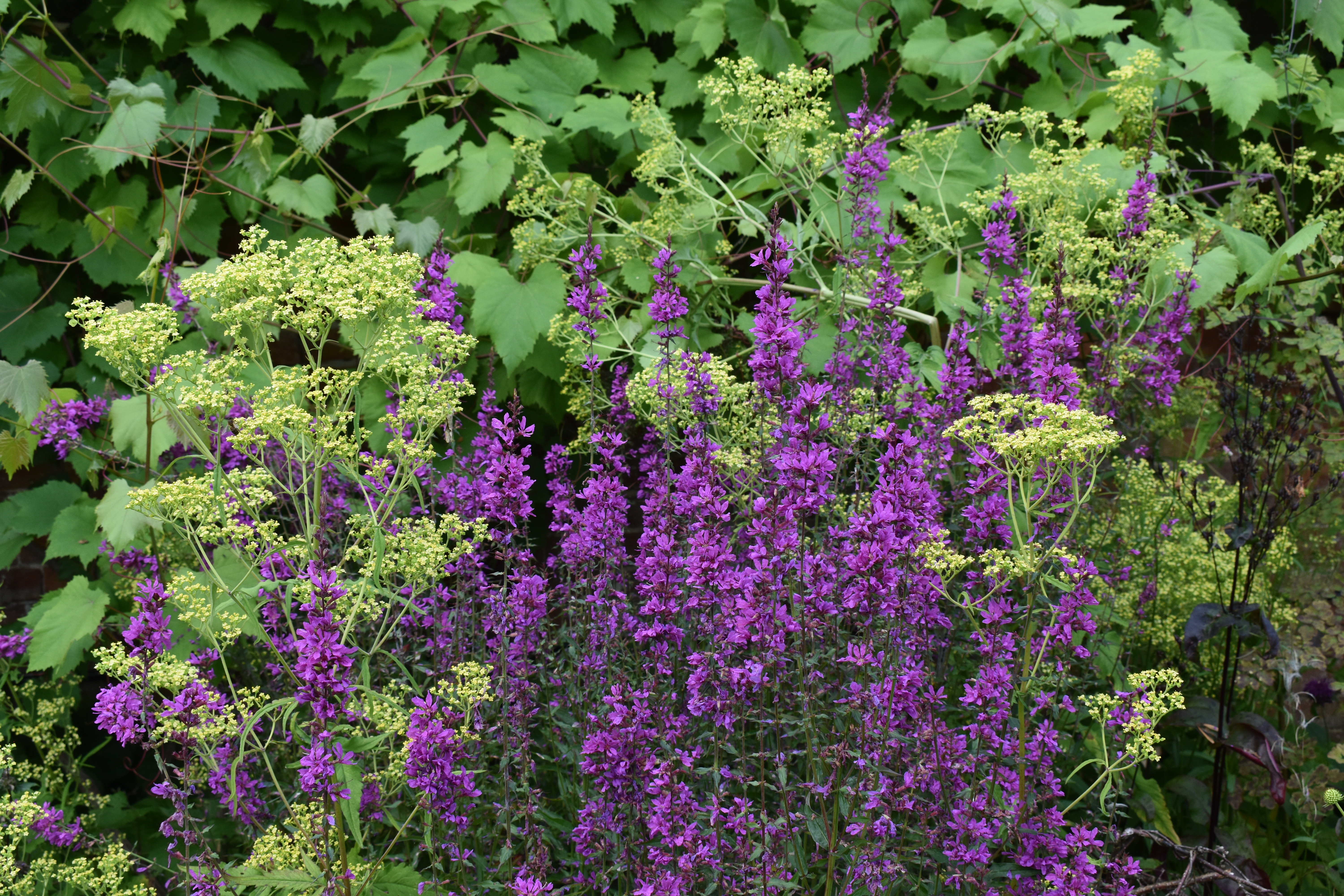
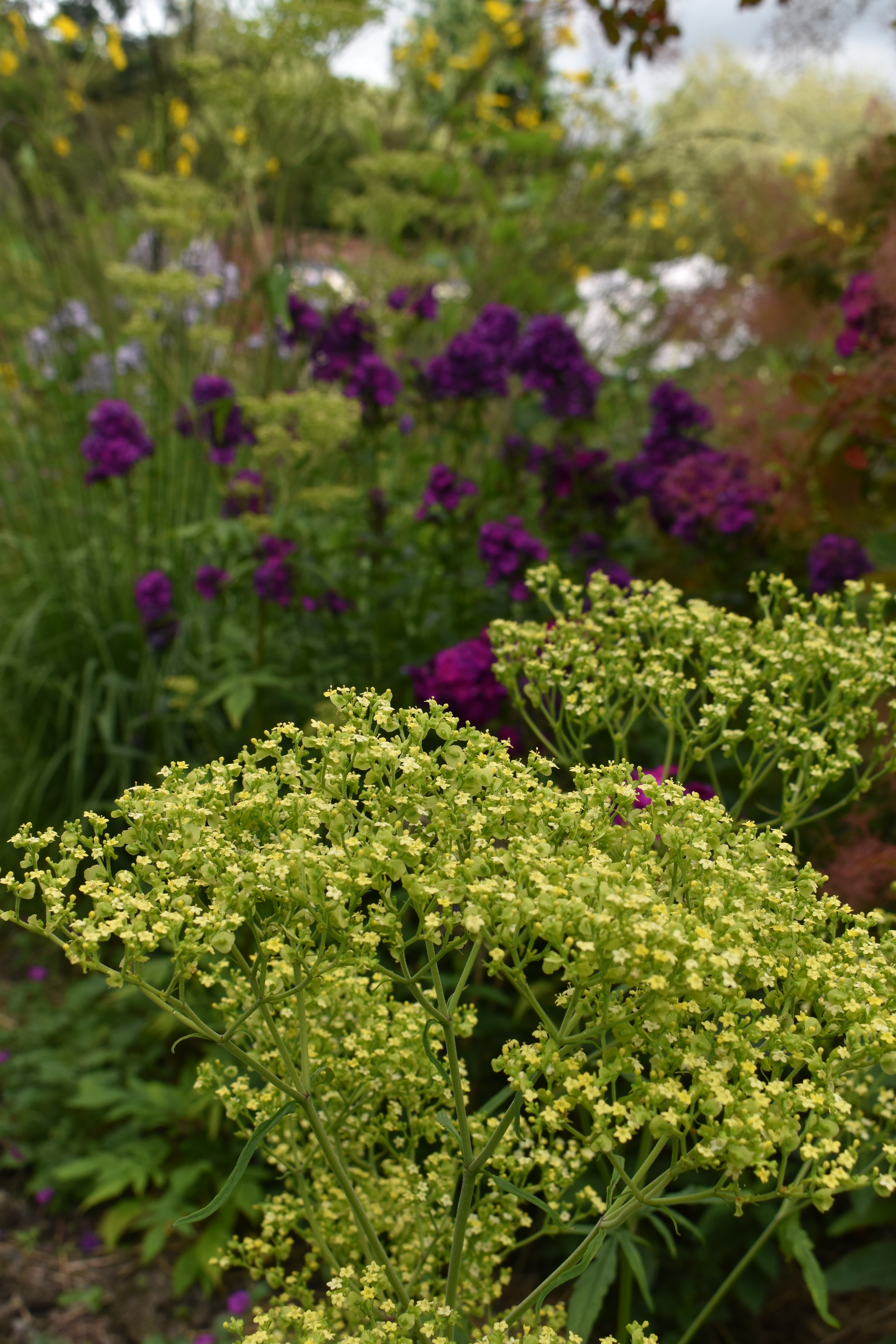
Sometimes as you wander you will come across wonderful pairings of perennials.

Jack and Laura were trialling single flowered dahlias for their colour and their attractiveness to pollinators. The ones we saw were beautiful and the insects were there in abundance.

Once you have taken a few steps into Wildgoose you feel like you are in a different world, a world of peace and quiet except for the sounds of insects and birds.

I have just read an article about new nurseries in the January edition of Gardens Illustrated and Wildgoose was included. Jack and Laura said that they wanted their garden to be a ‘……. genuinely restorative place.’ I believe they have succeeded!

Categories
Uncategorized

Calke Abbey in the Mist

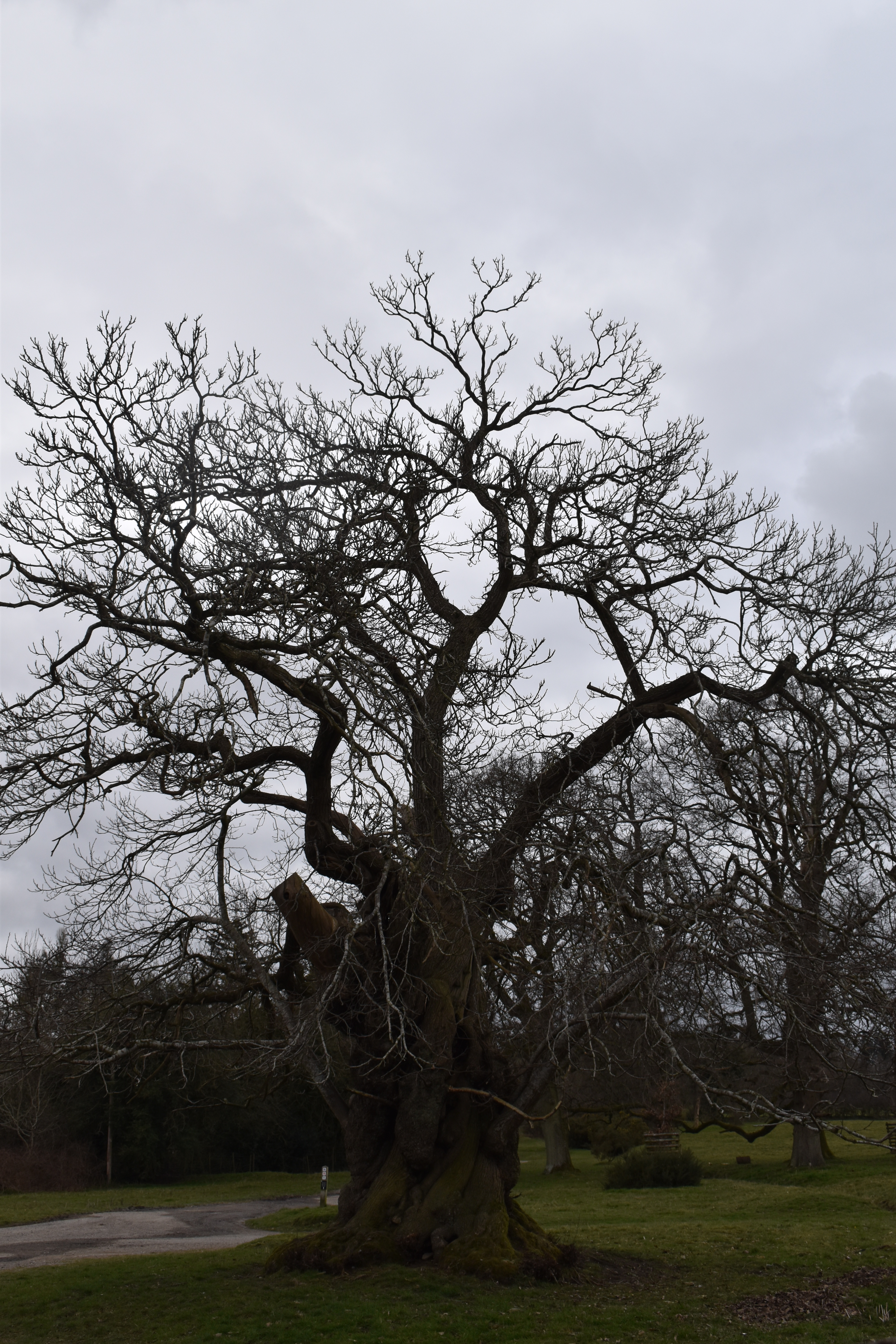
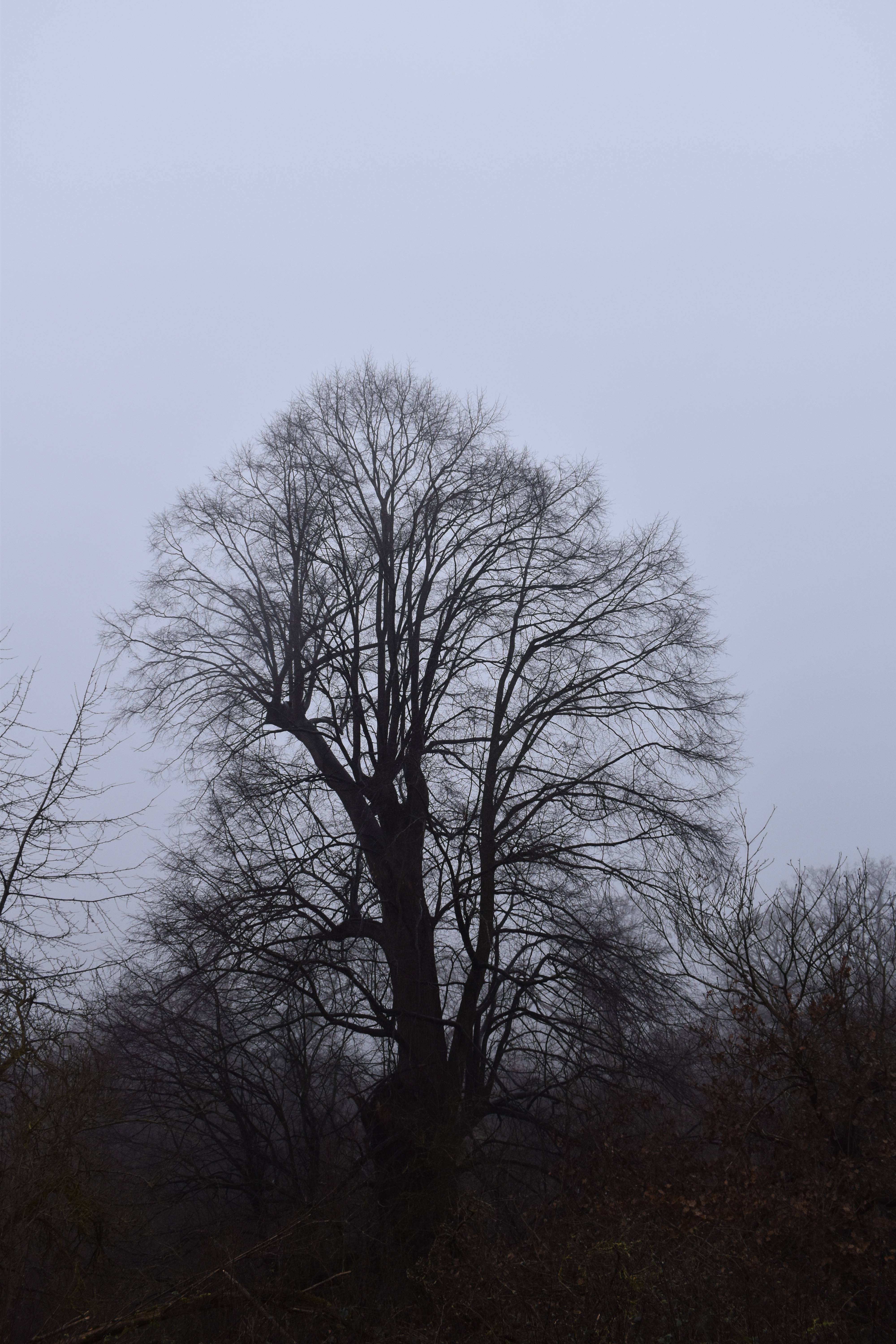
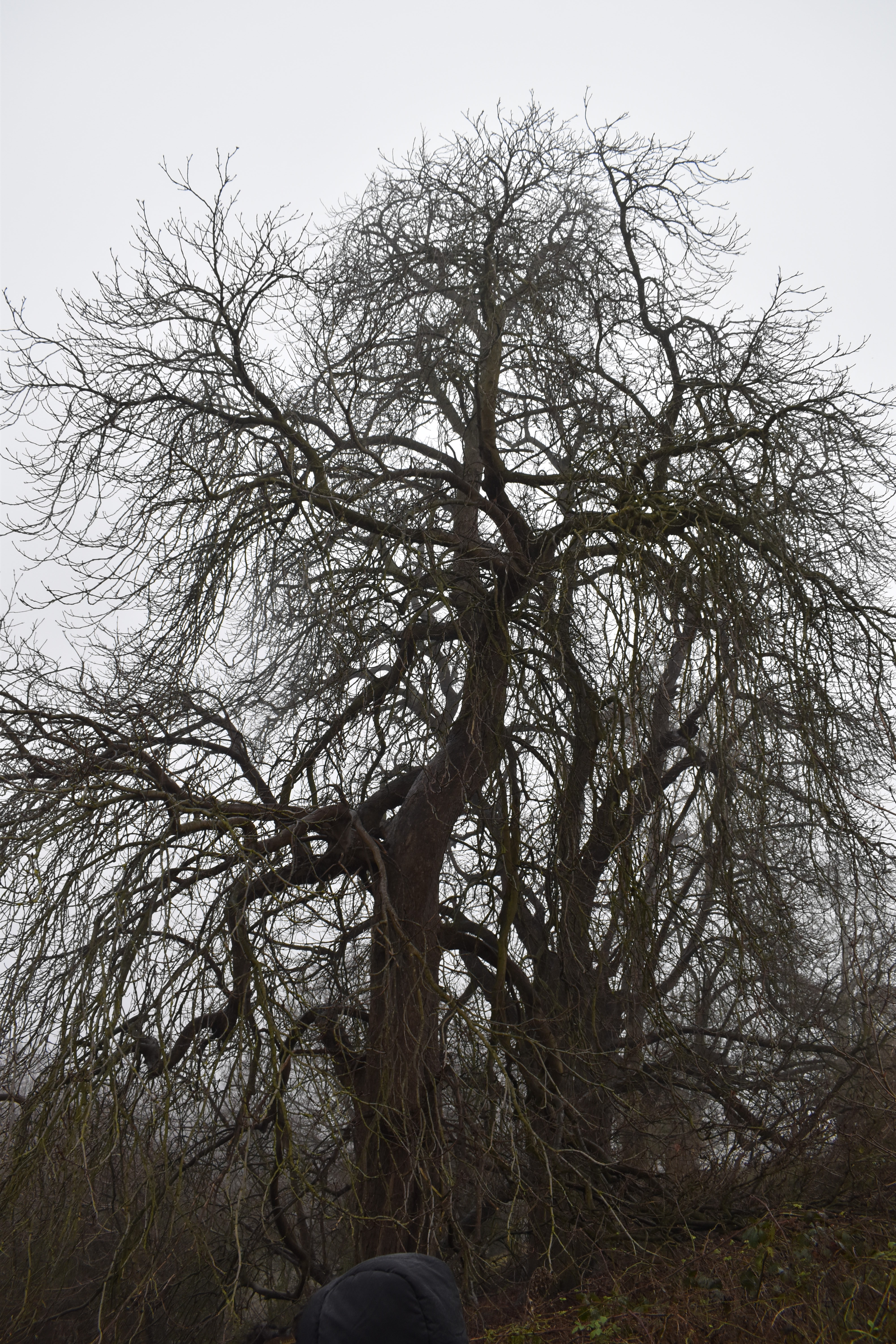
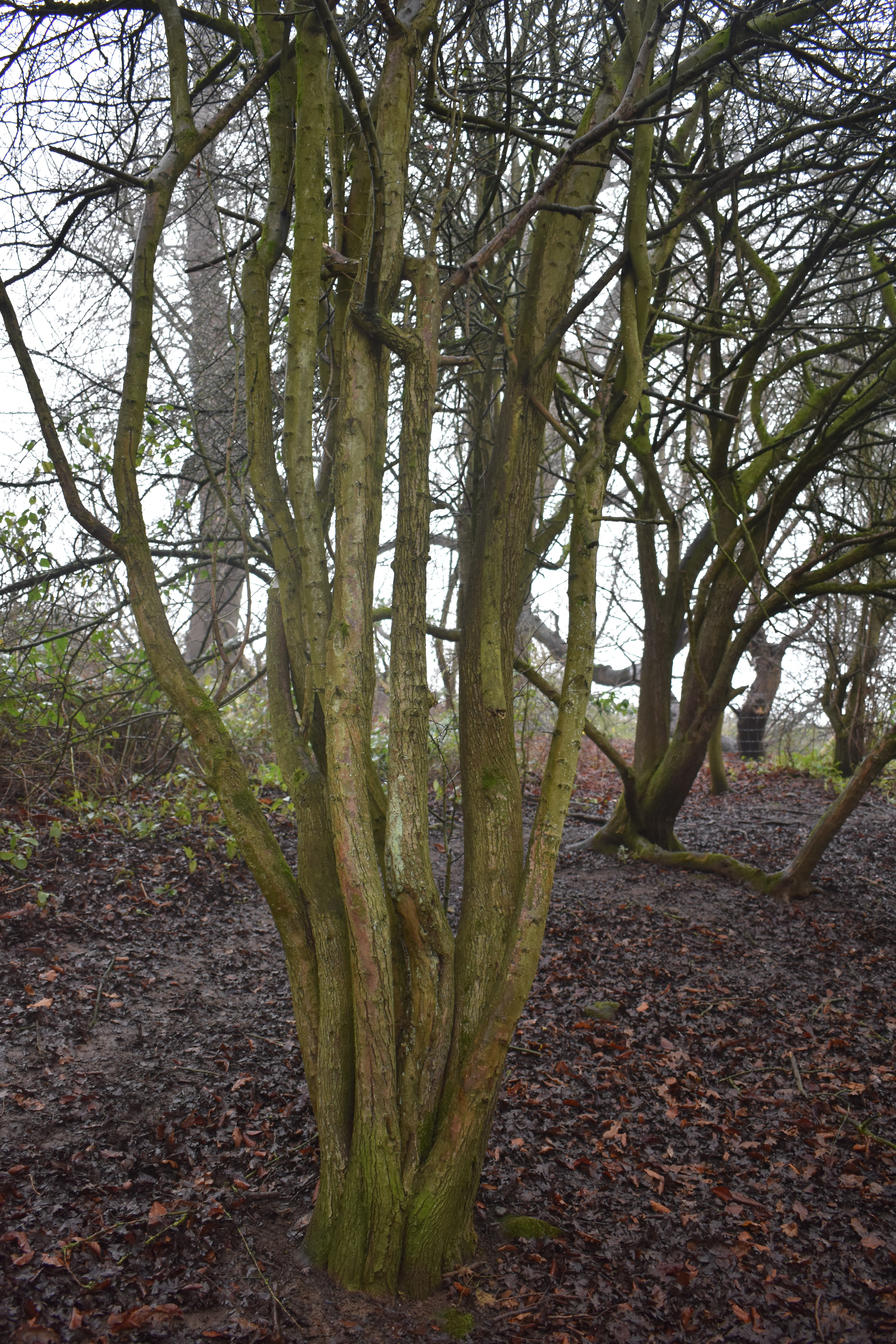
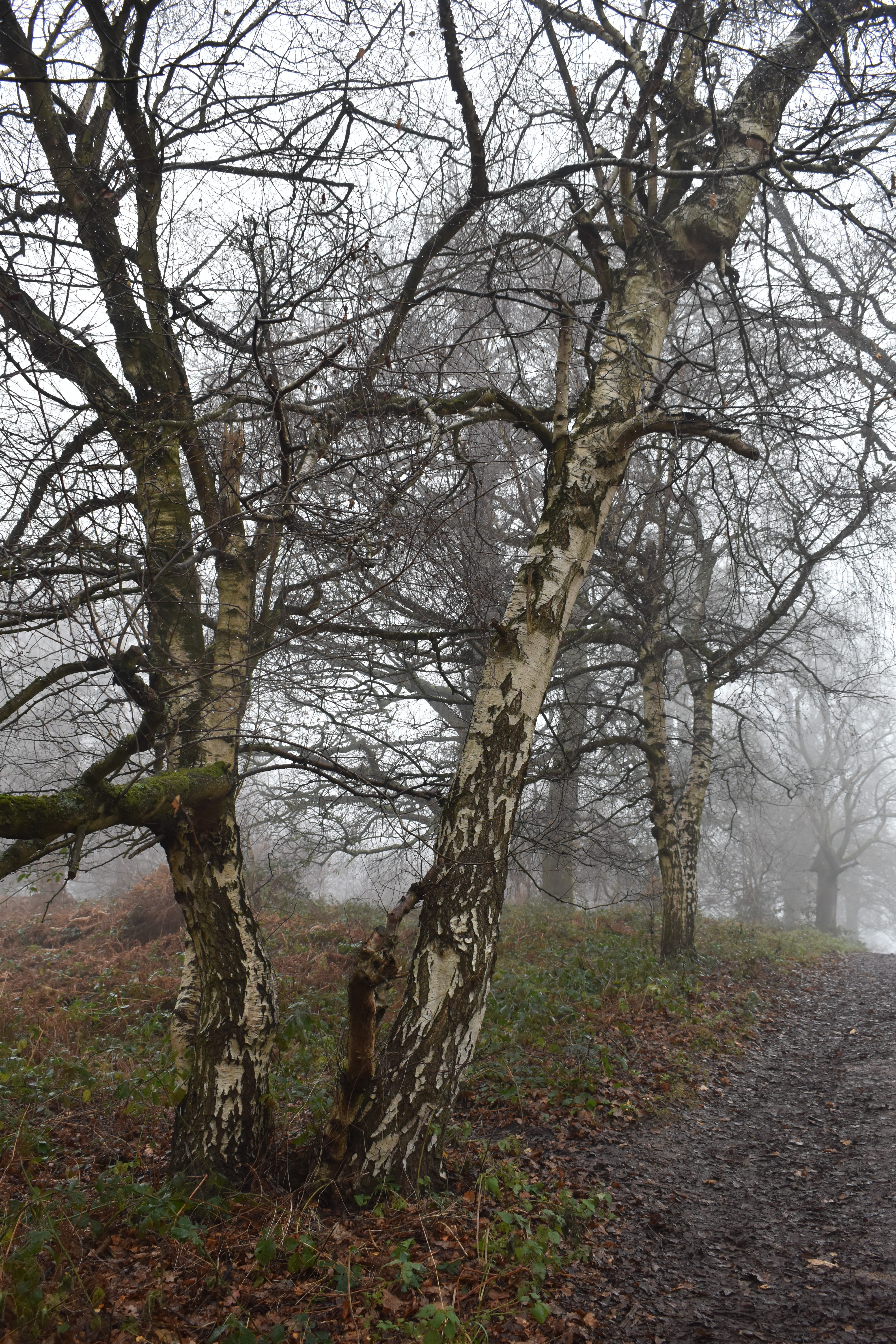
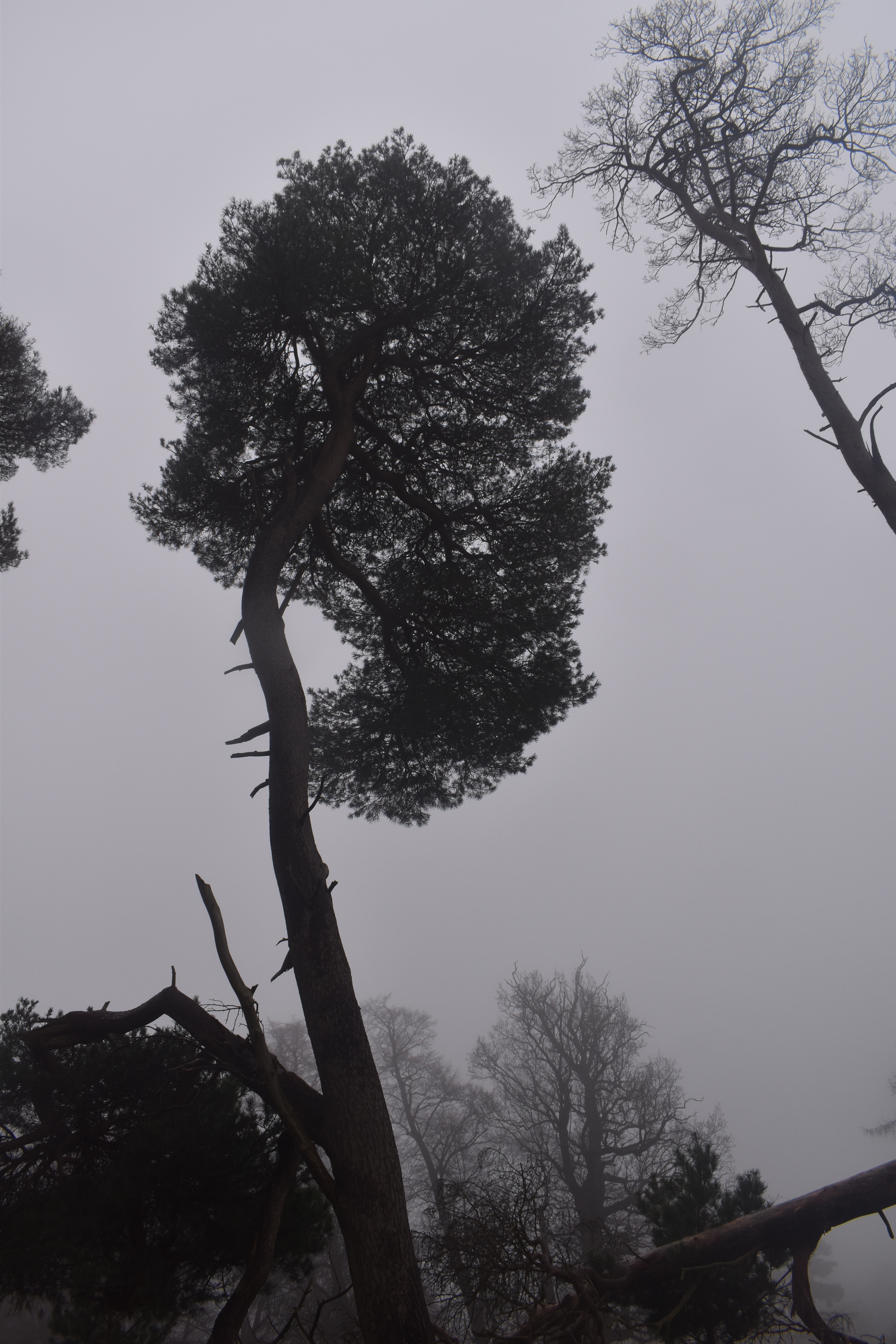
On a misty day this month we walked a couple of miles around one of the marked trails at Calke Abbey to take photos of tree silhouettes now that their leaves had long fallen to the ground. It was a cold day and misty which made walking a little uncomfortable but the strange light certainly enhanced views of the trees.

Coppiced trees give a different look to their silhouette as they tend to be in copses close to their neighbours.

The walk took us downhill for a while meaning the horizon was above us so we looked up through the trees against a sky of grey mist. Some of the park’s deer wandered along the sloping horizon line.

Walking around the Deer Park keeping to the fenceline we could look into the area spotting different tree shapes and silhouettes with occasional sightings of the deer including odd white and black ones.

Sometimes trees closer to the perimeter fence allowed us to see through their filigree of smaller branches. The two photos below show the big lake behind the trees along one bank.

Distant views highlight long lines of trees often along the horizon.

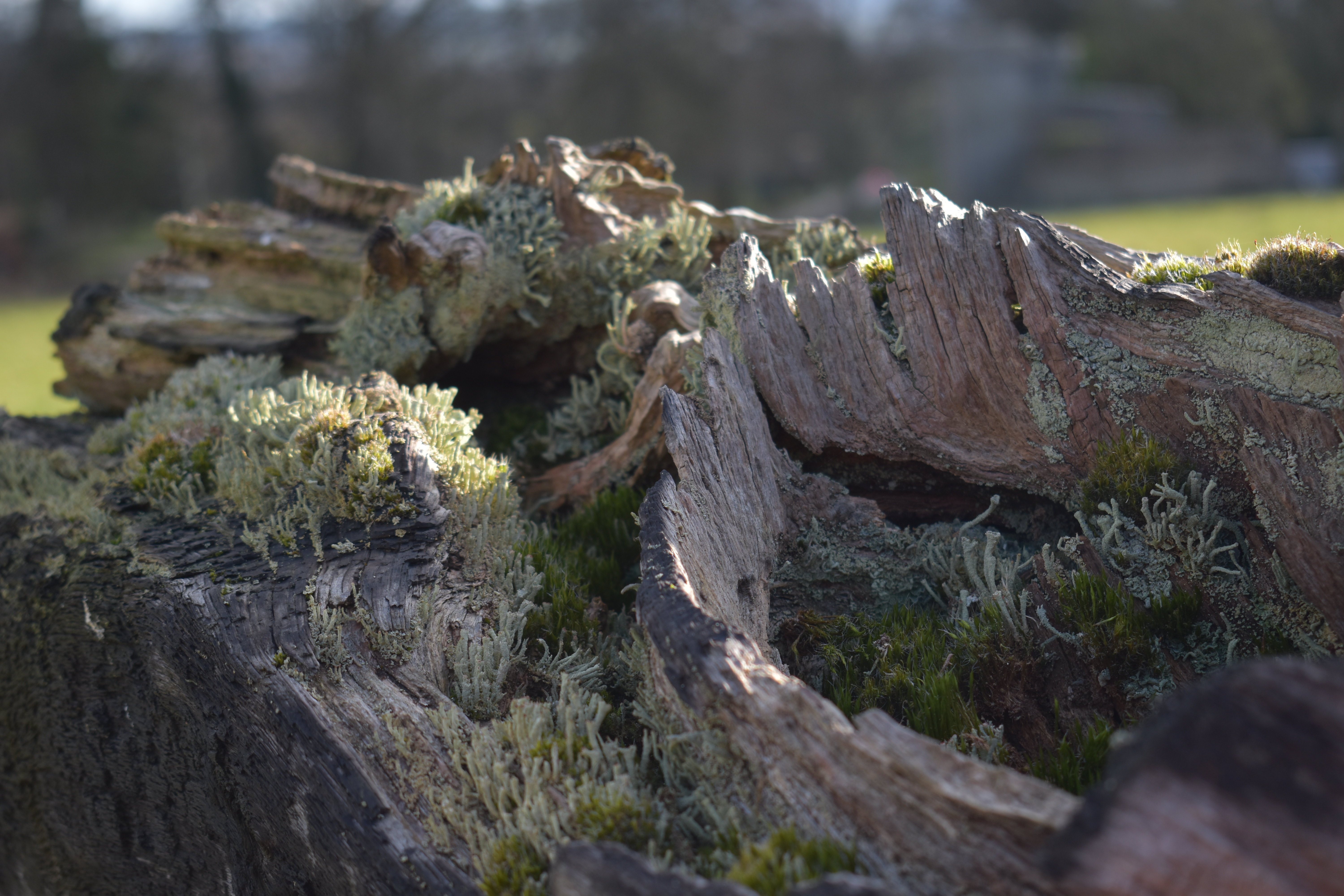
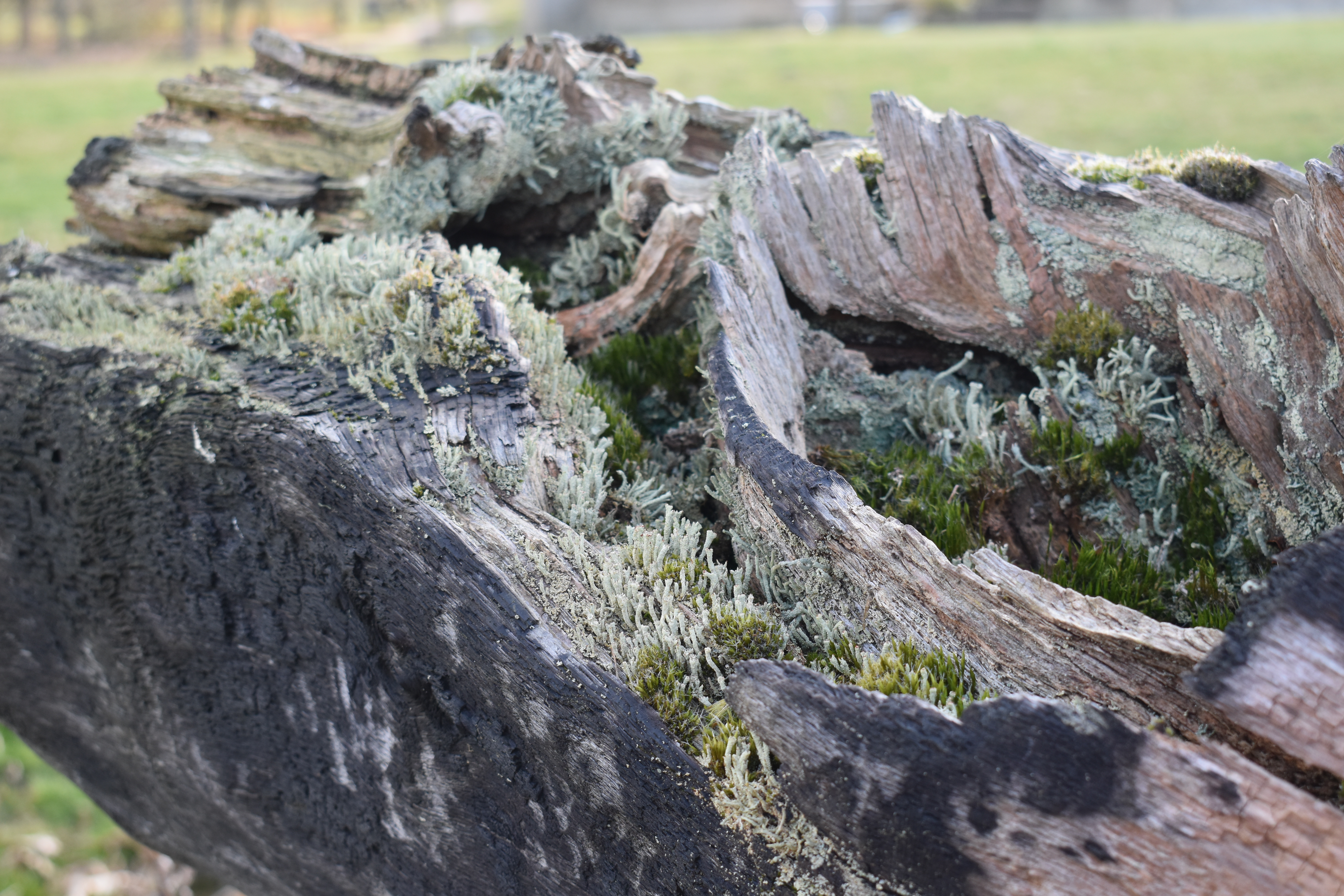
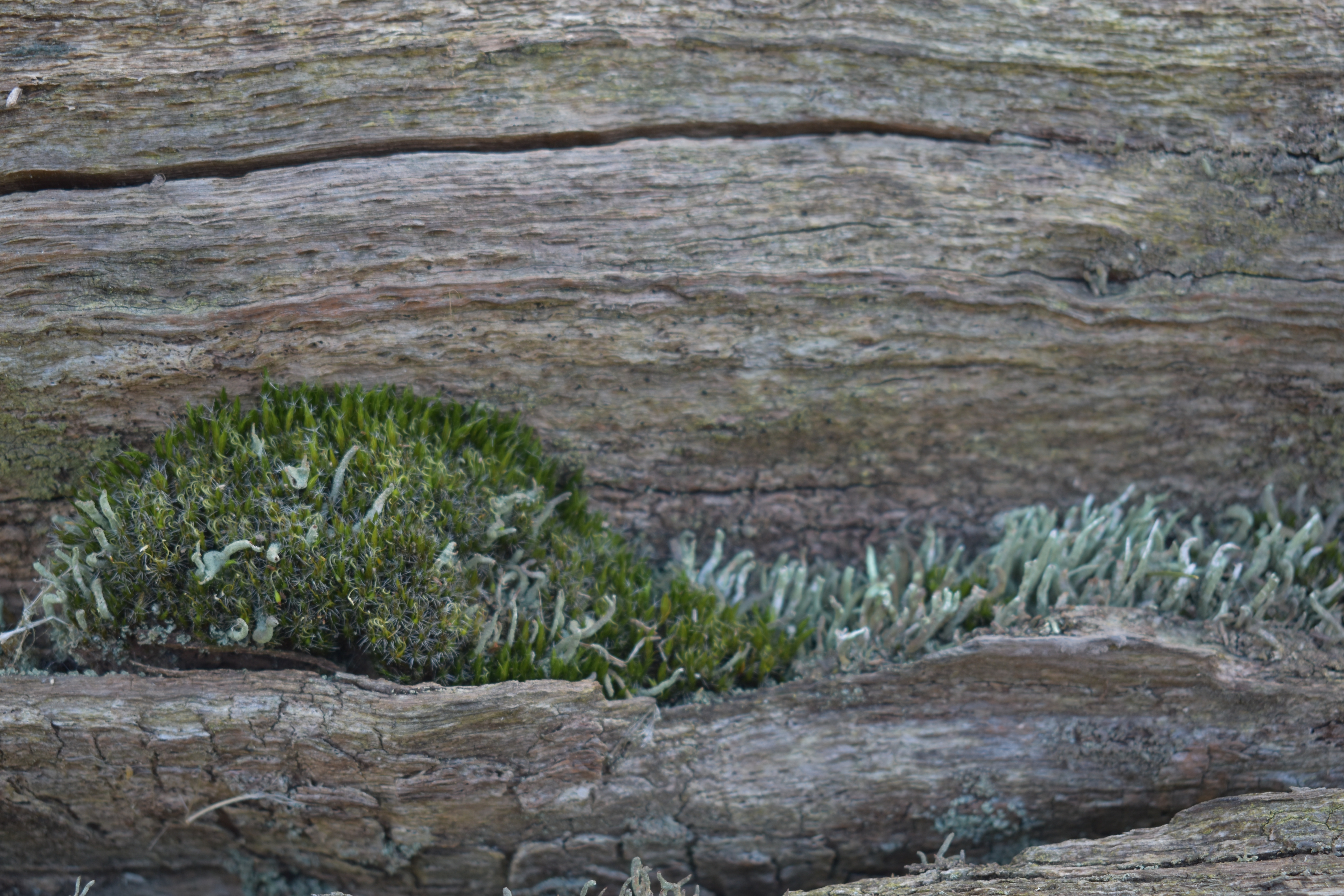
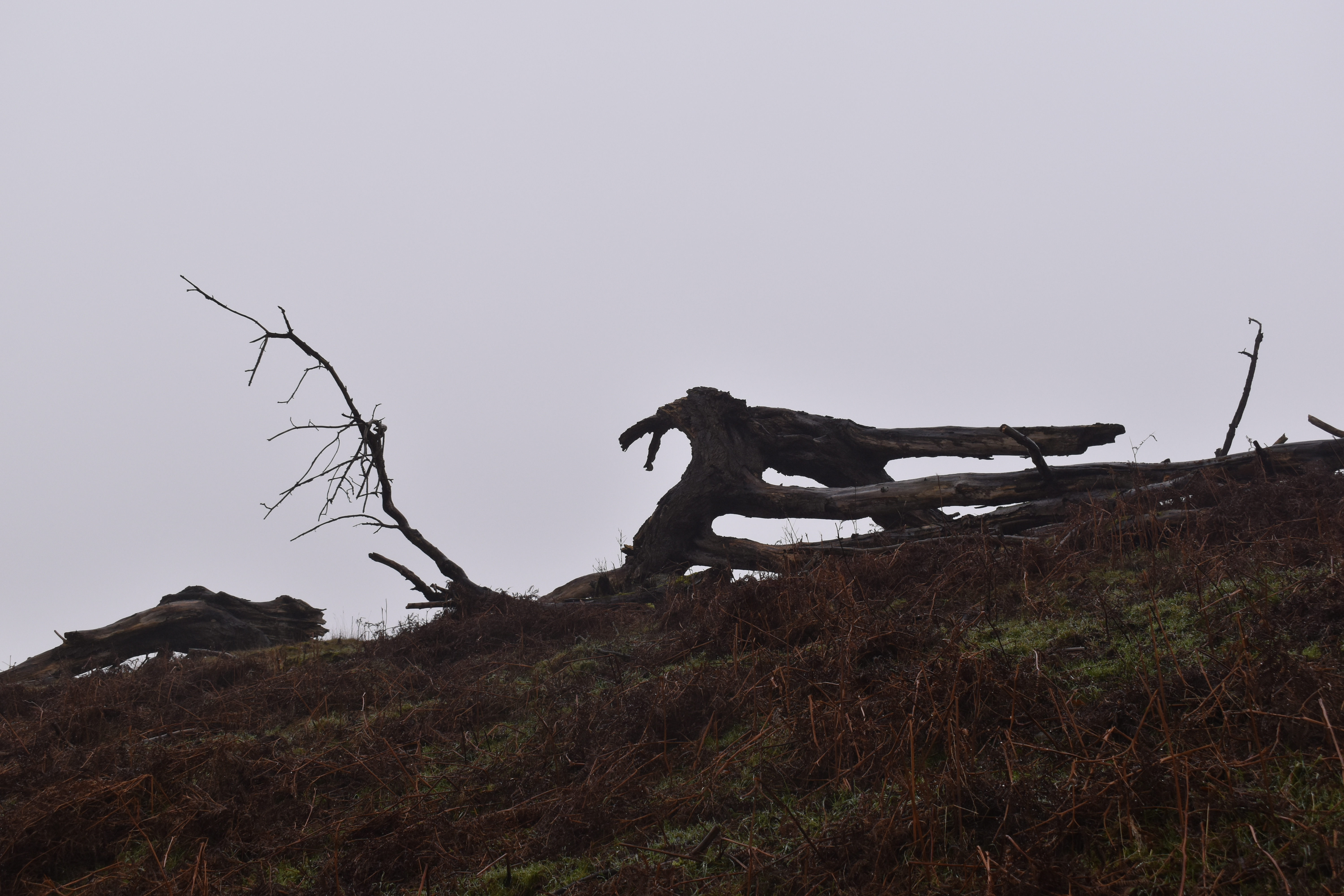
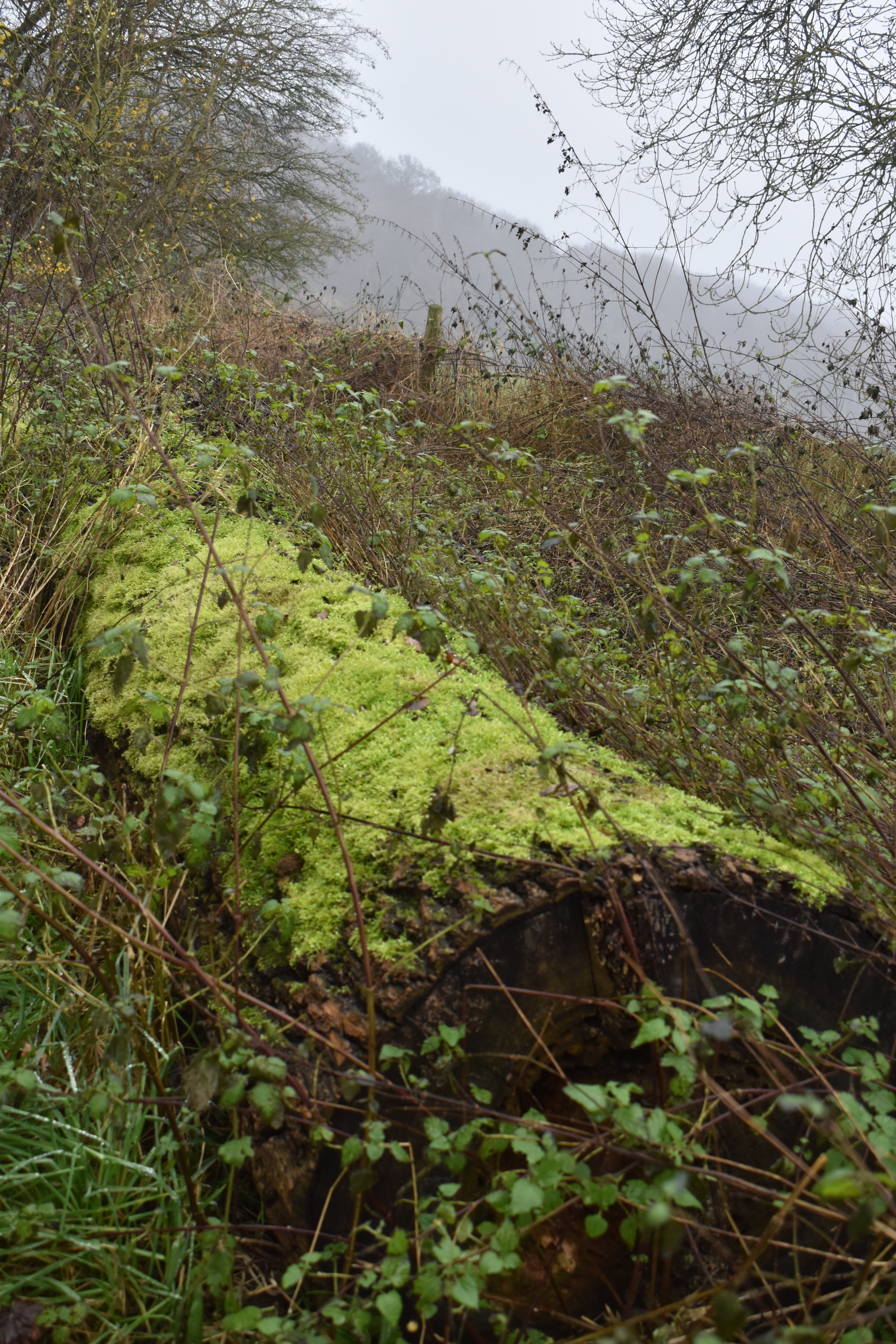
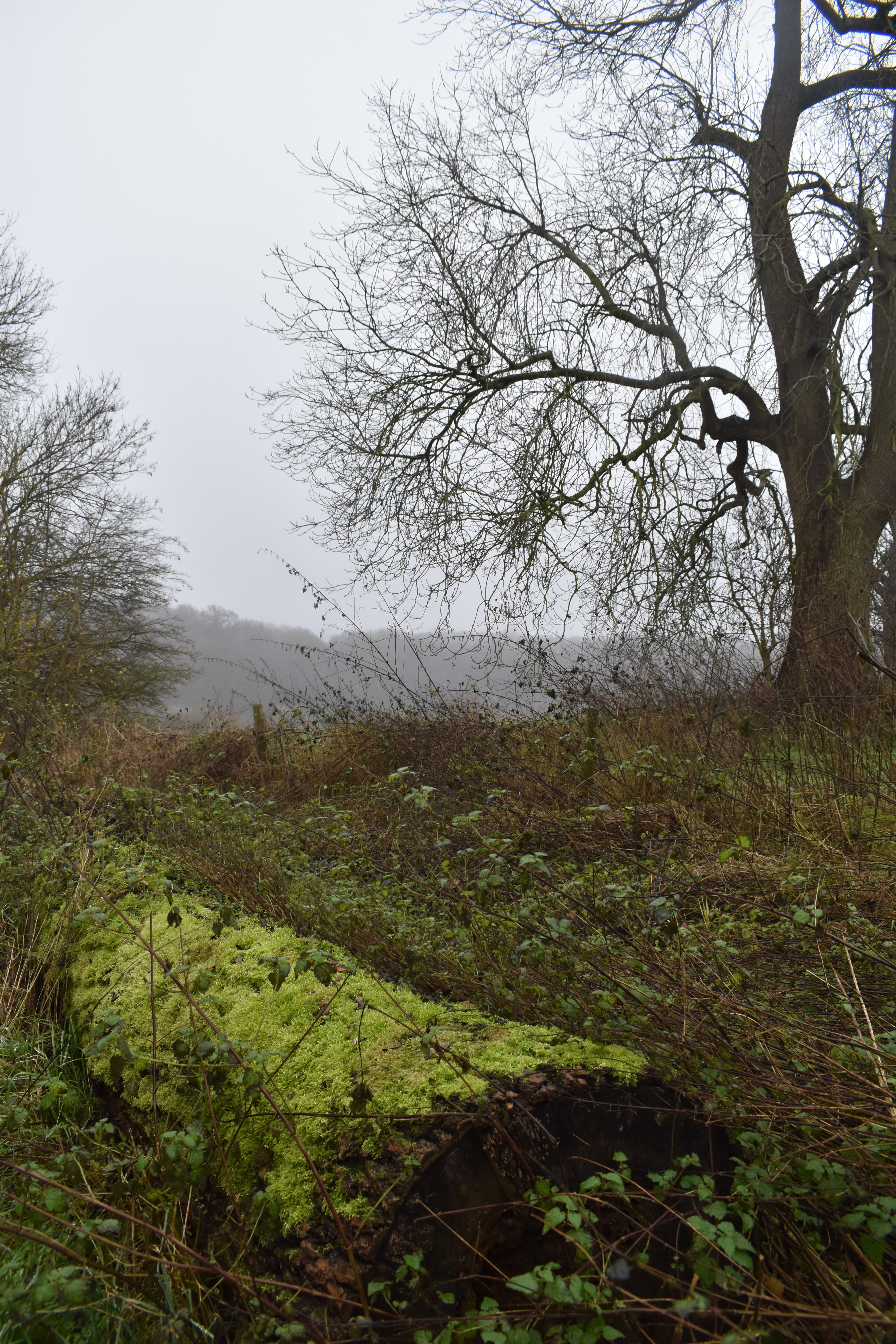
The National Trust once used to tidy away any fallen trees of large boughs but now these are left for the good of wildlife. This fallen tree trunk is now carpeted in bright green moss which will be home to so many insects and invertebrates. These little creatures will then attract birds.

So what we thought might be an unpleasant day due to the cold and the mist, turned out to be a most enjoyable experience.

Categories
Uncategorized

My Garden Journal 2025 February

I began my February journal by writing,”January always feels so long a month, whereas February is nice and short. Just 28 days!”

Below a set of four photos I wrote, “Winter flowering bulbs and perennials add shots of colour close to ground level. Crocosmia show off their fresh bright green shoots. Our Calamagrostis and other grasses have new shoots too.”

I then looked at the new shoots of our Sedum and shared two photos of new shoots at the base of Sedum spec. ‘Stardust’ and Sedum ‘Mojave Jewels Ruby’.

The third photo in the trio of photos above features the seed head of a large specimen Sedum ‘Autumn Joy’. About this I wrote, “The flower heads of Sedum turn to seed heads in late summer and early autumn. Looking carefully at these seed heads we can see ginger, brown, biscuit, grey, orange and pale blue.”

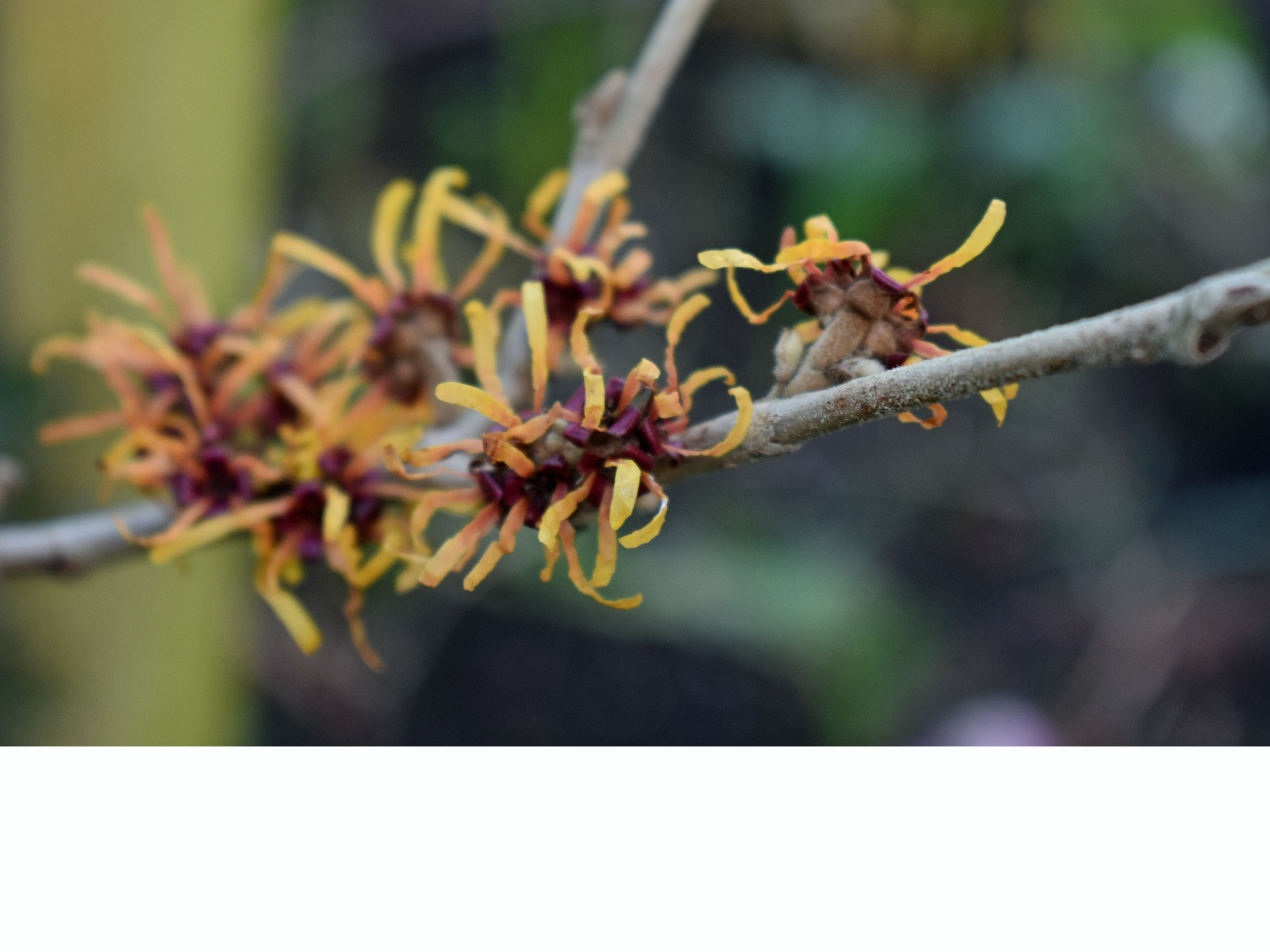
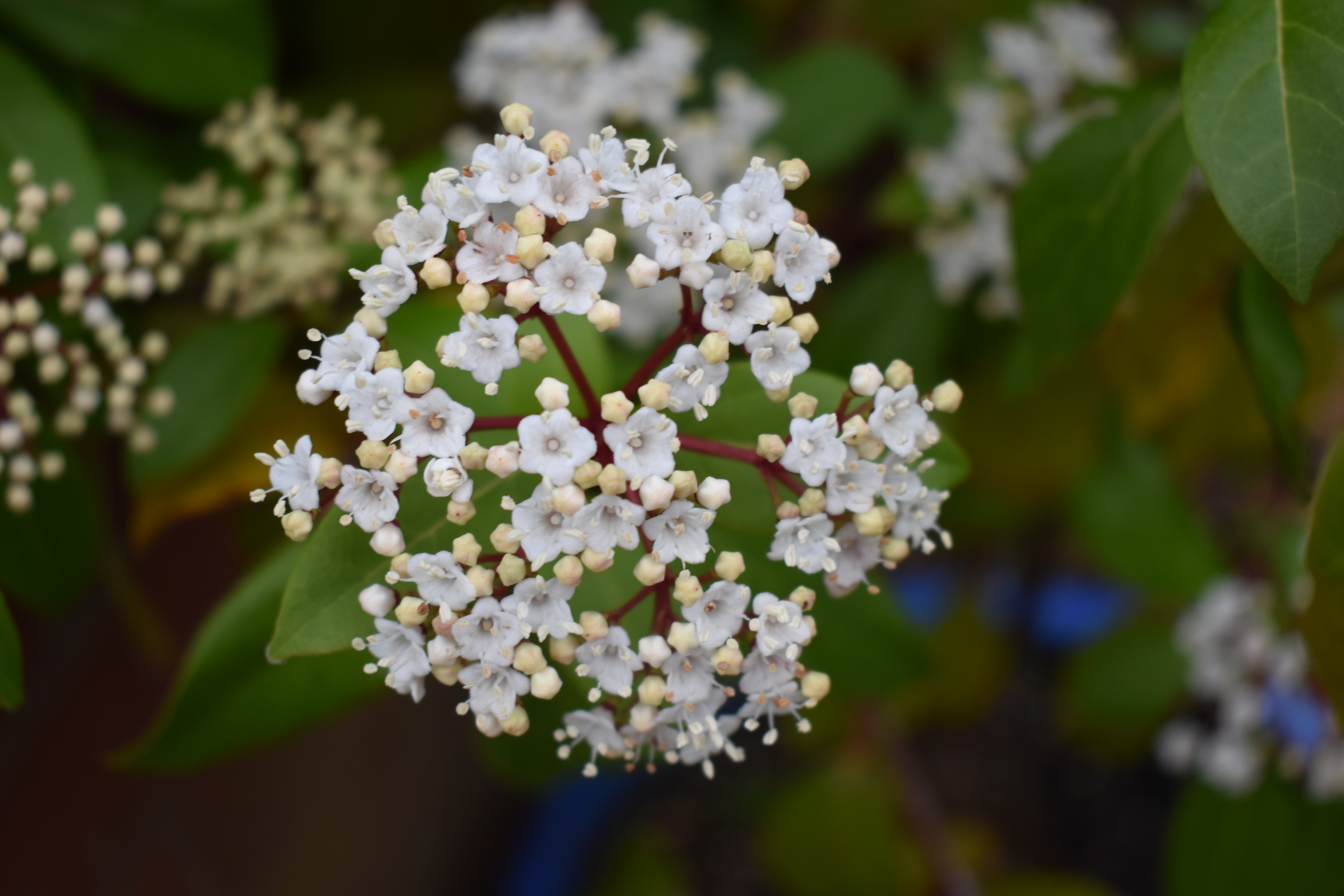
Over the page we find a double page spread featuring on the lefthand side scented winter flowering shrubs and on the righthand page I looked at more spring bulbs and willow catkins. I noted that, “Scented shrubs are a special feature of our February borders.”

Daphne bhuloa “Jacqueline Postill”

Hamamelis ‘Harry” Sarcococca confusa

Viburnum tinus

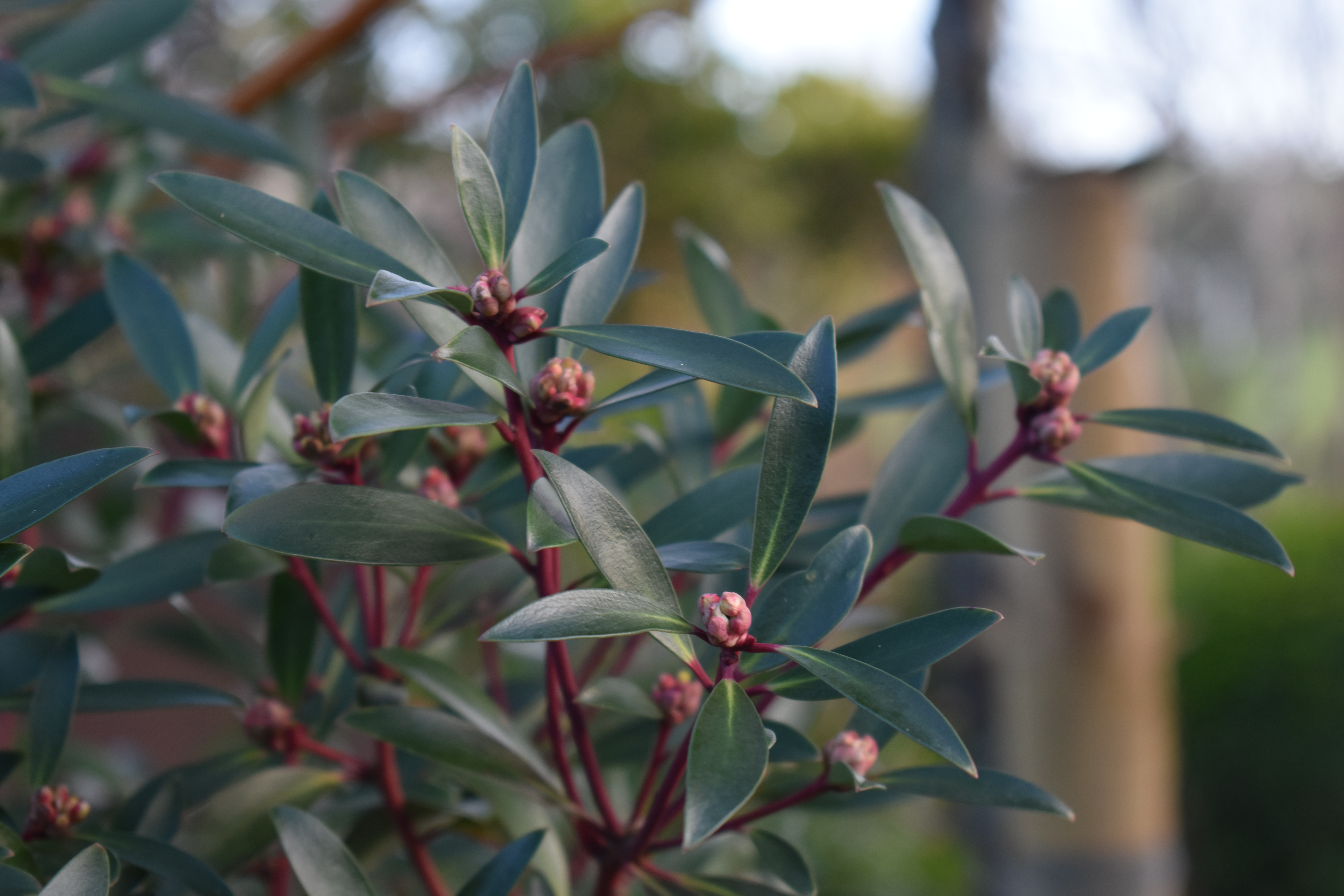
“The buds on our Drymis will soon open and reveal little lemon coloured and lemon scented little flowers. Its foliage and stems work together so well and look good all year round.”

Most shrubs that flower in winter are also heavily scented and this is because there are far fewer insects around to be attracted.

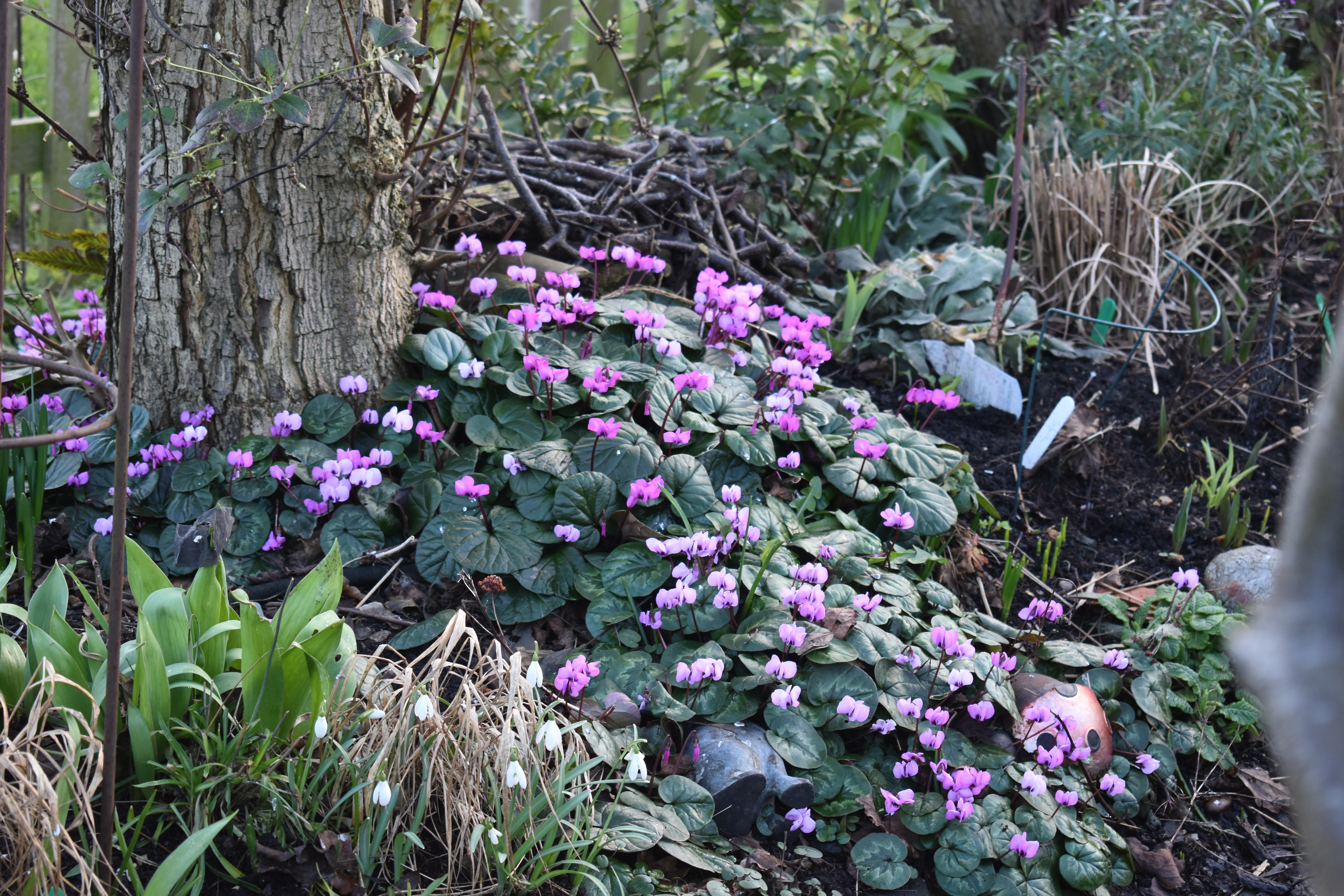
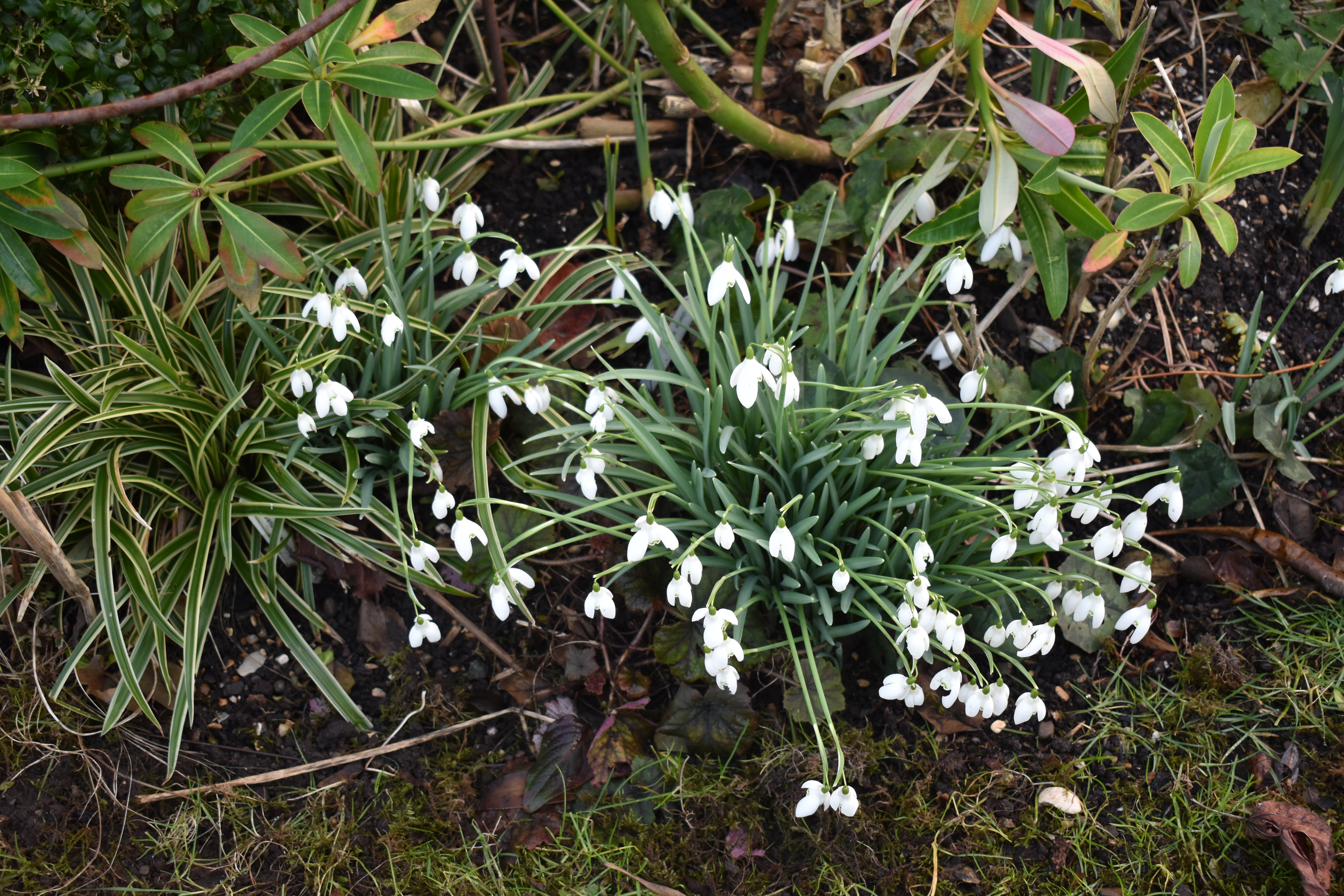
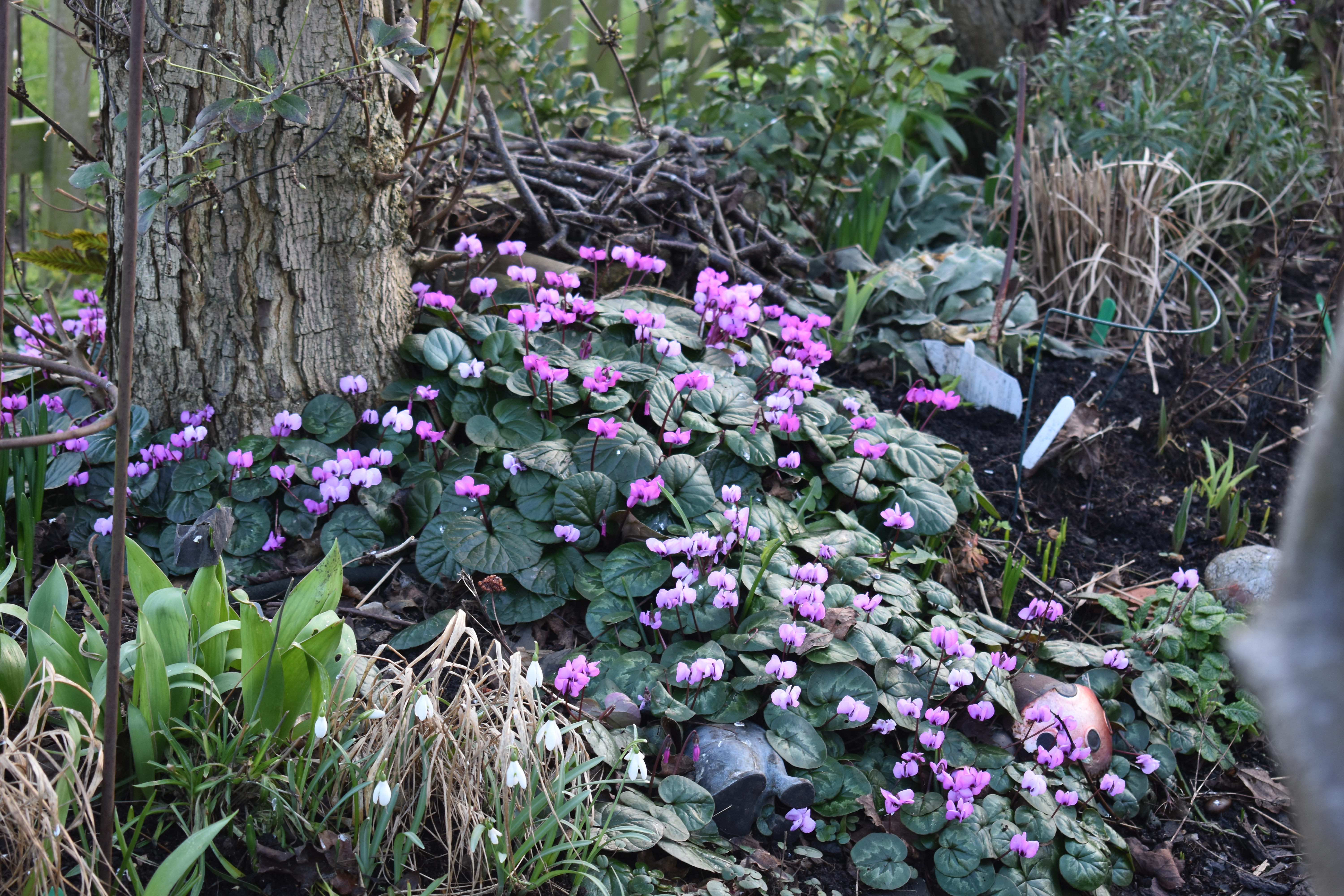
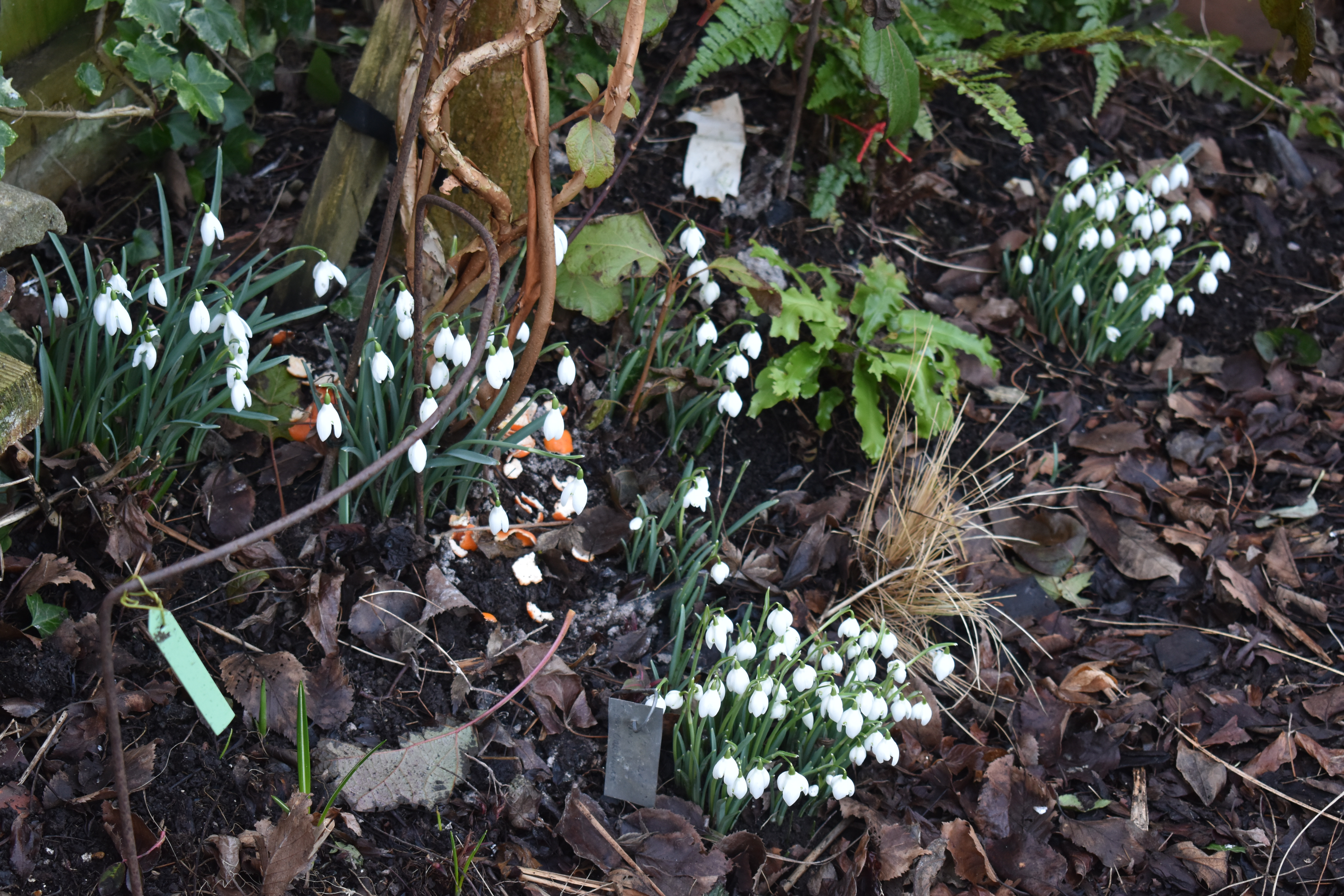
On the opposite page I looked at spring bulbs and willow catkins. Concerning spring bulbs, I wrote, “Our spring bulbs are giving us plenty of colour at ground level between shrubs and the emerging bright green leaves of some perennials.”

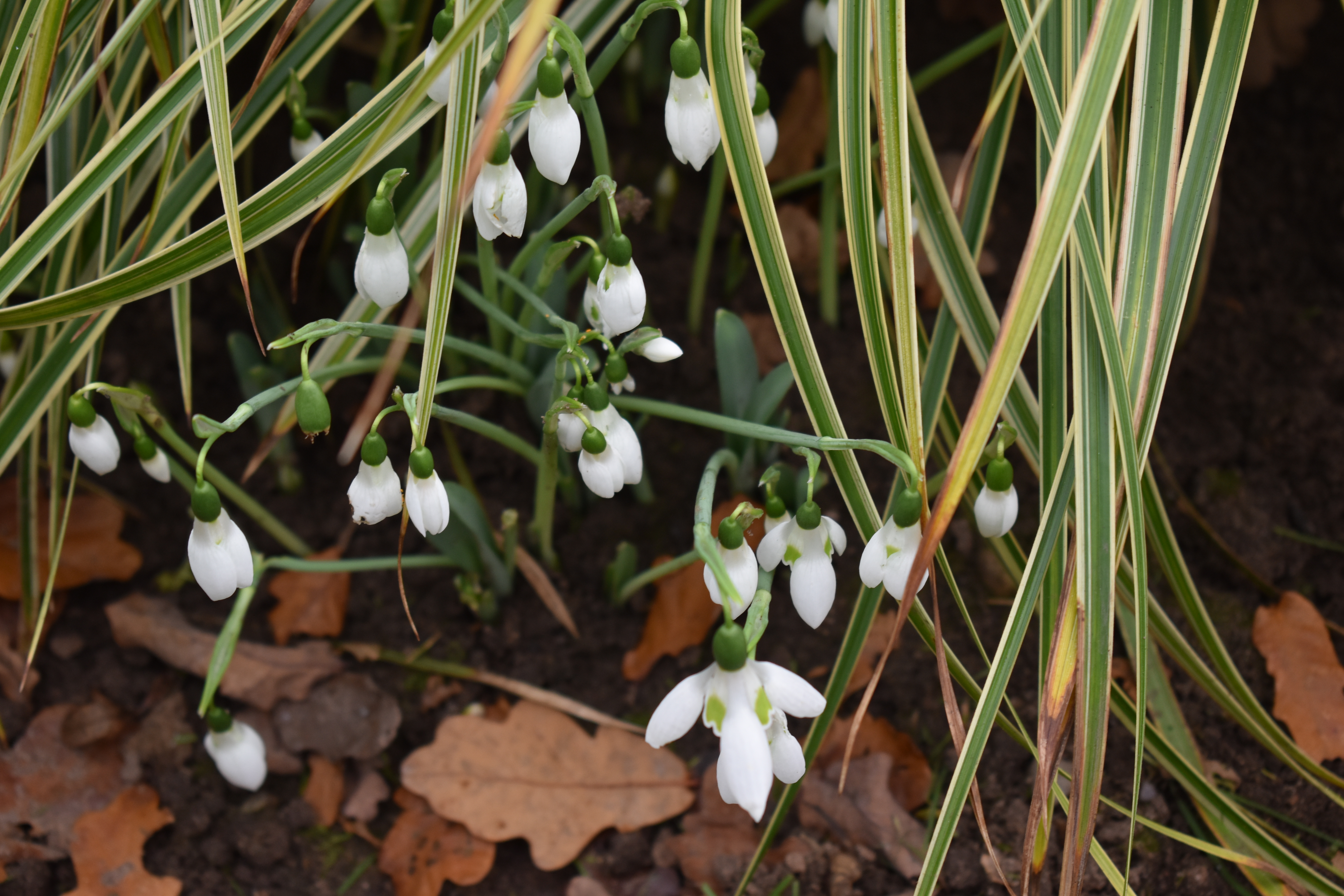
A waterfall of cyclamen below the Acer campestre. Snowdrops flowering among ferns.

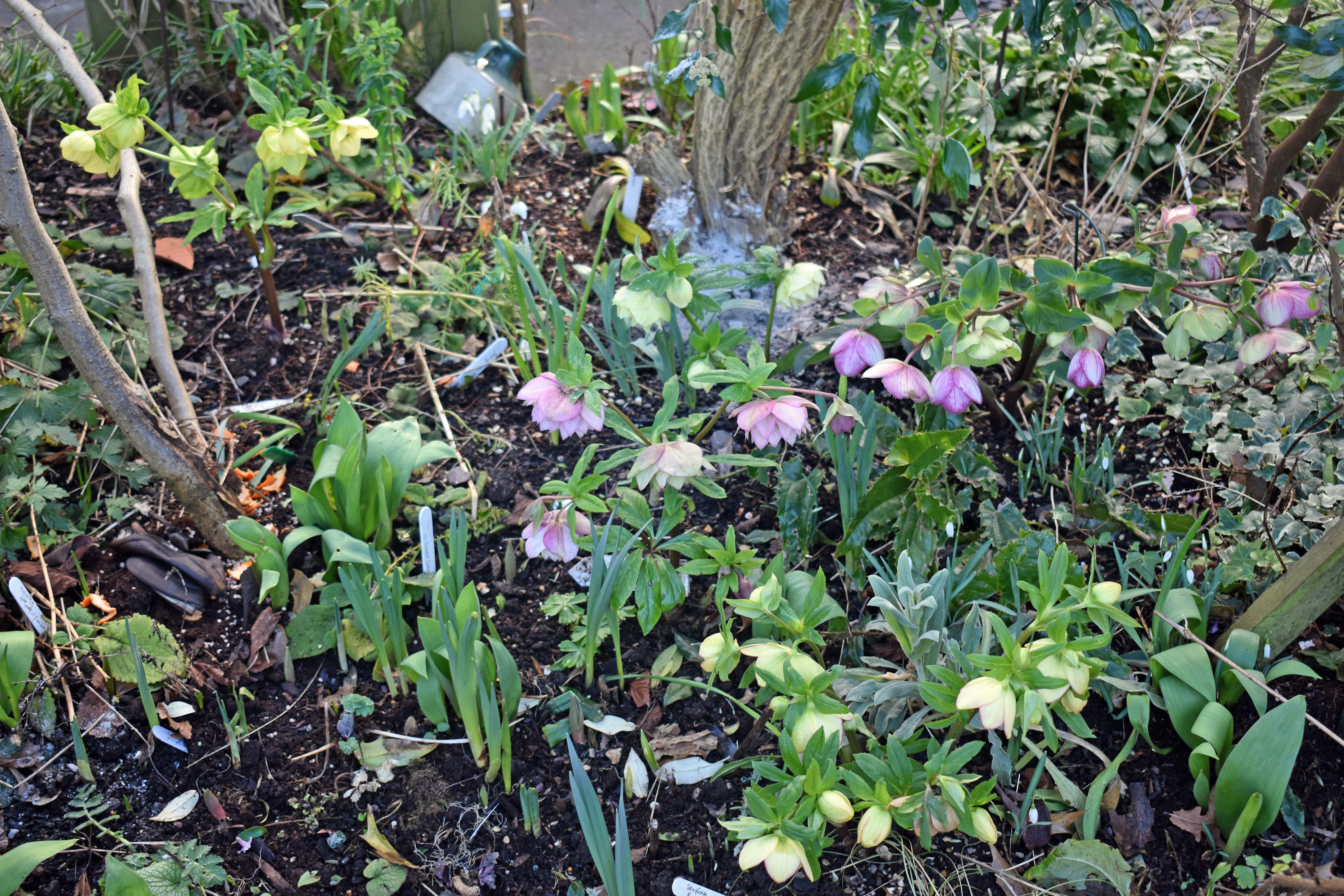
“Eranthis hyemalis also known as Winter Aconite with emerging crocosmias.” A mix of our hellebores in our ‘Winter Border’.”

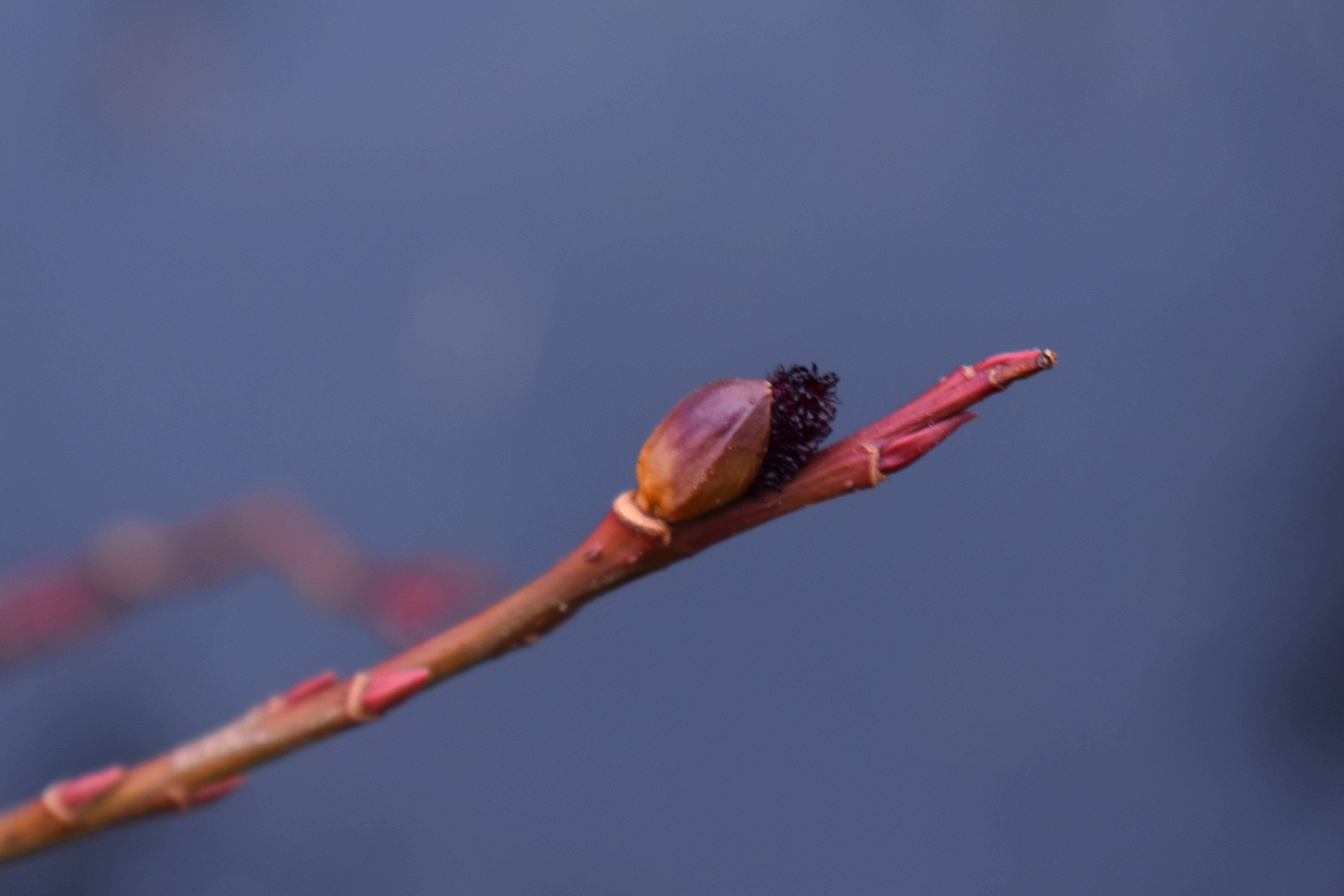
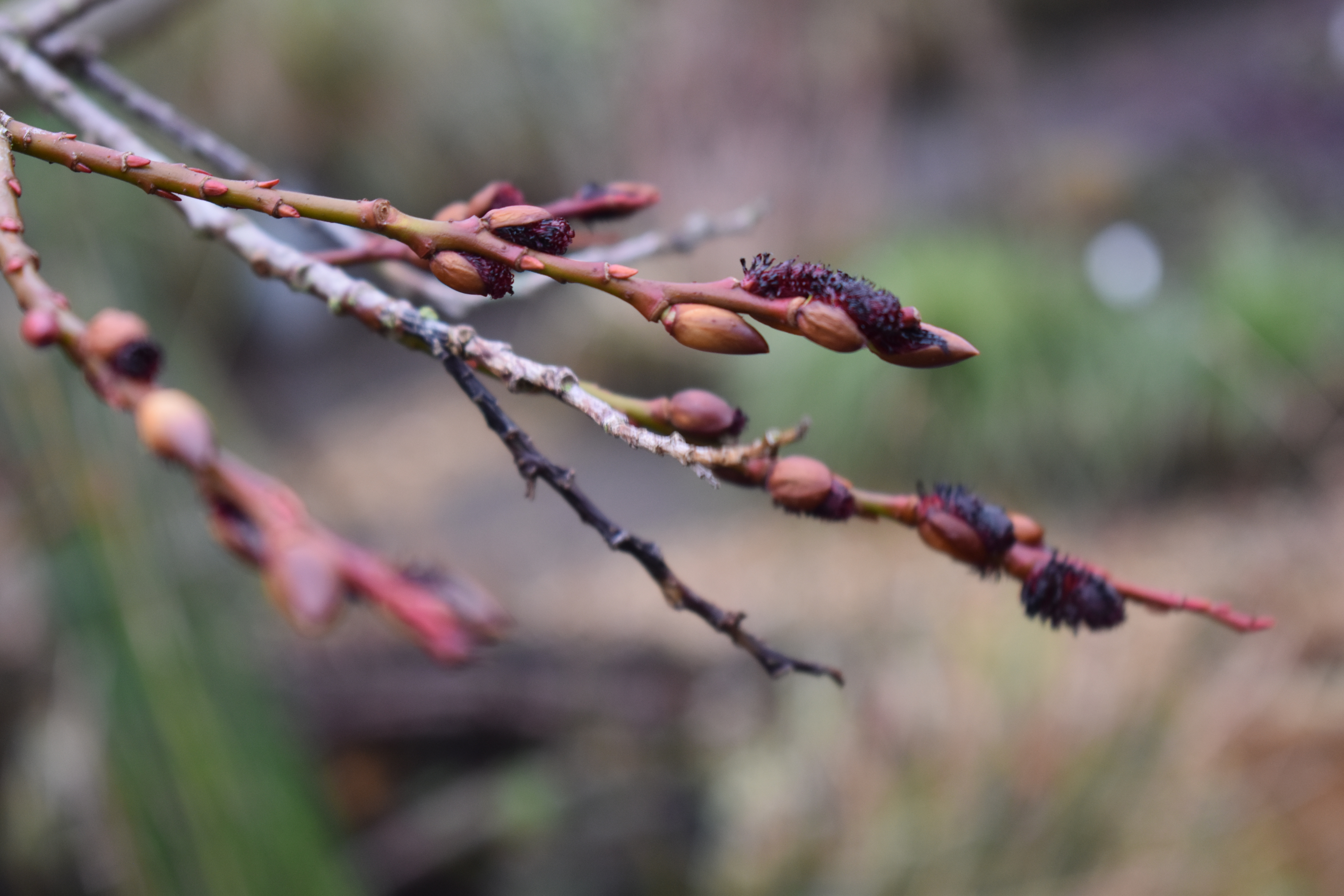
“Three of our Salix (willows) varieties now have catkins.”

Salix daphnoides S.gacilistyla ‘Melanostachys’

Salix gracilistyla ‘Melanostachys’ S.grac. ‘Mount Aso’

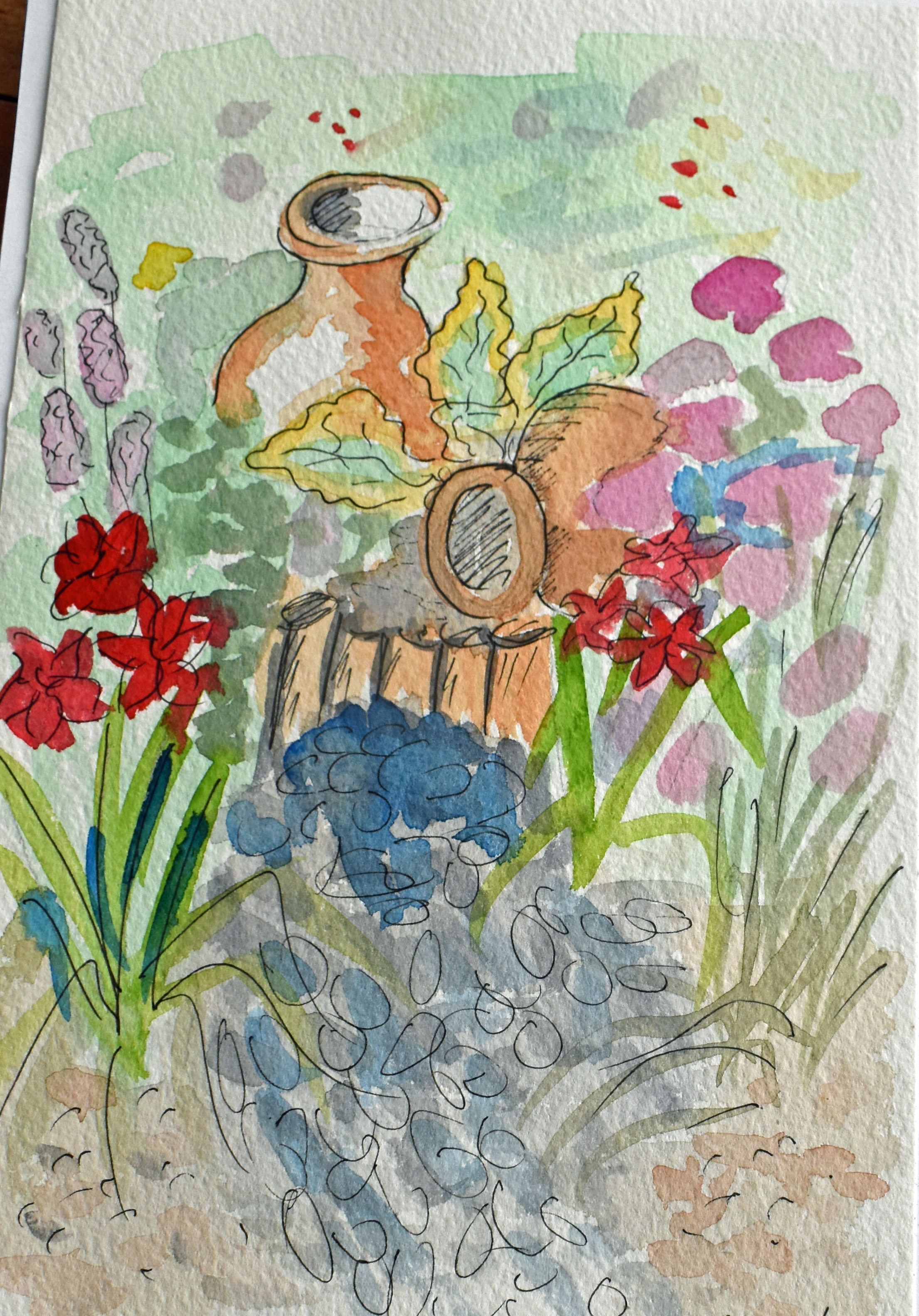
Turn over the page and find a watercolour sketch of a part of our garden from September 1997, which I thought may be of interest.

“While sorting out some papers we came across one of my watercolor sketches of the garden , painted in 1997.”

We also found a photo of the front door area from way back, so I tried to photograph the same view as it looks today.

Then Now

On the opposite page I mentioned a few garden jobs that we tackled this month and I wrote “Even though we have a while to go before spring arrives, we take advantage of any good days to get out in the garden or in the glasshouse.”

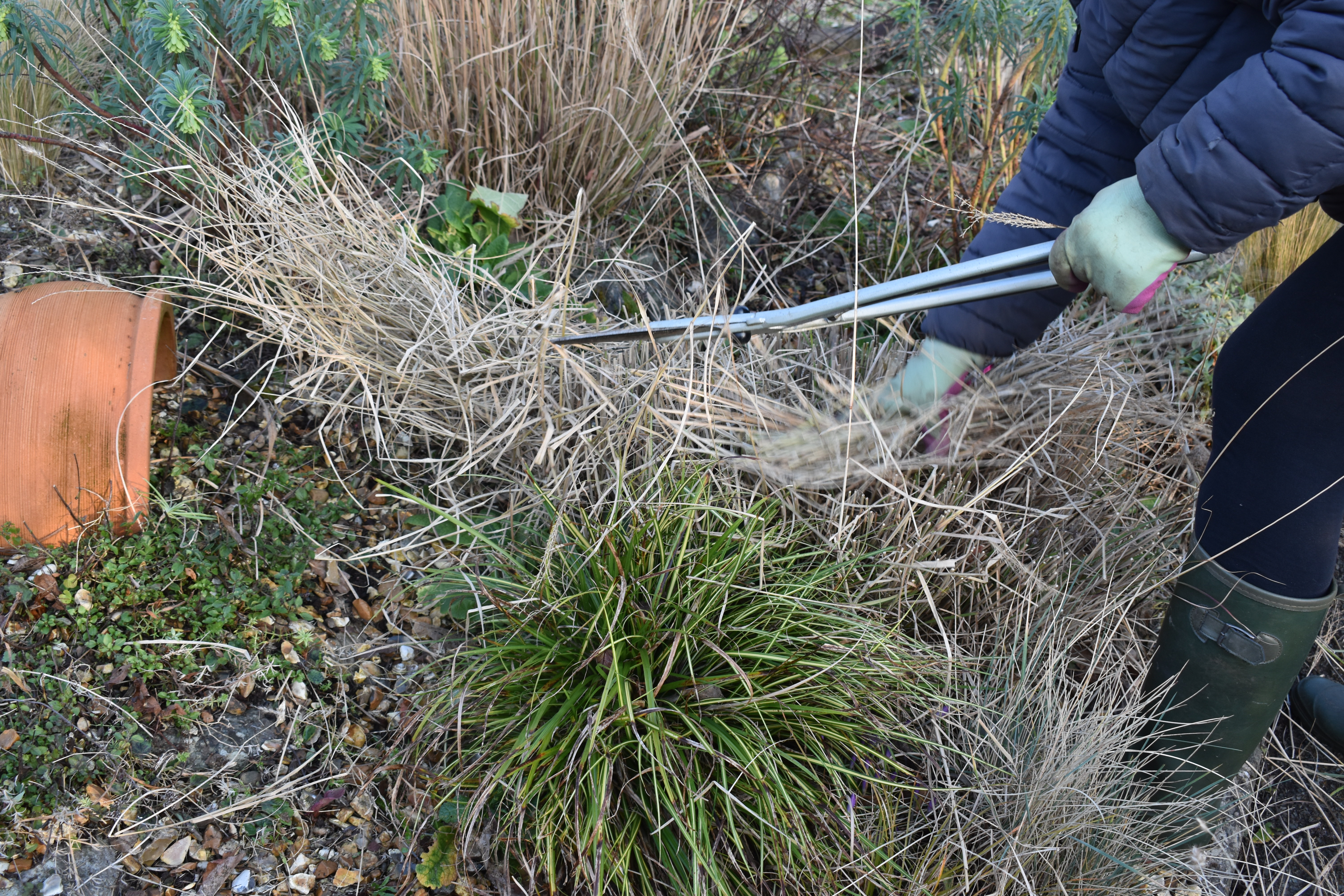
We have made a start cutting down grasses.

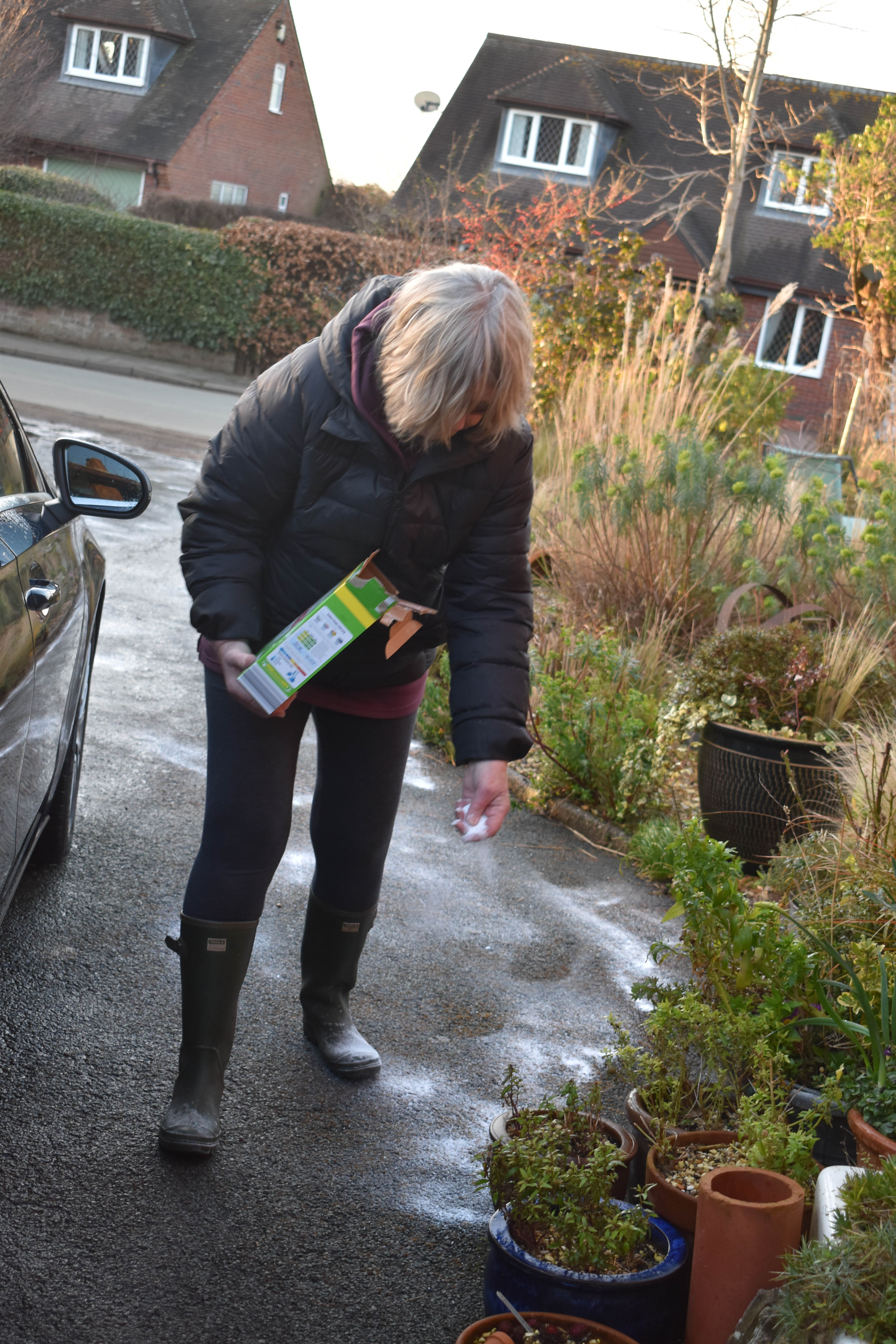
Replacing a rotten tree stake, trying to rid the drive of algae and tying in this year’s blackberry boughs.

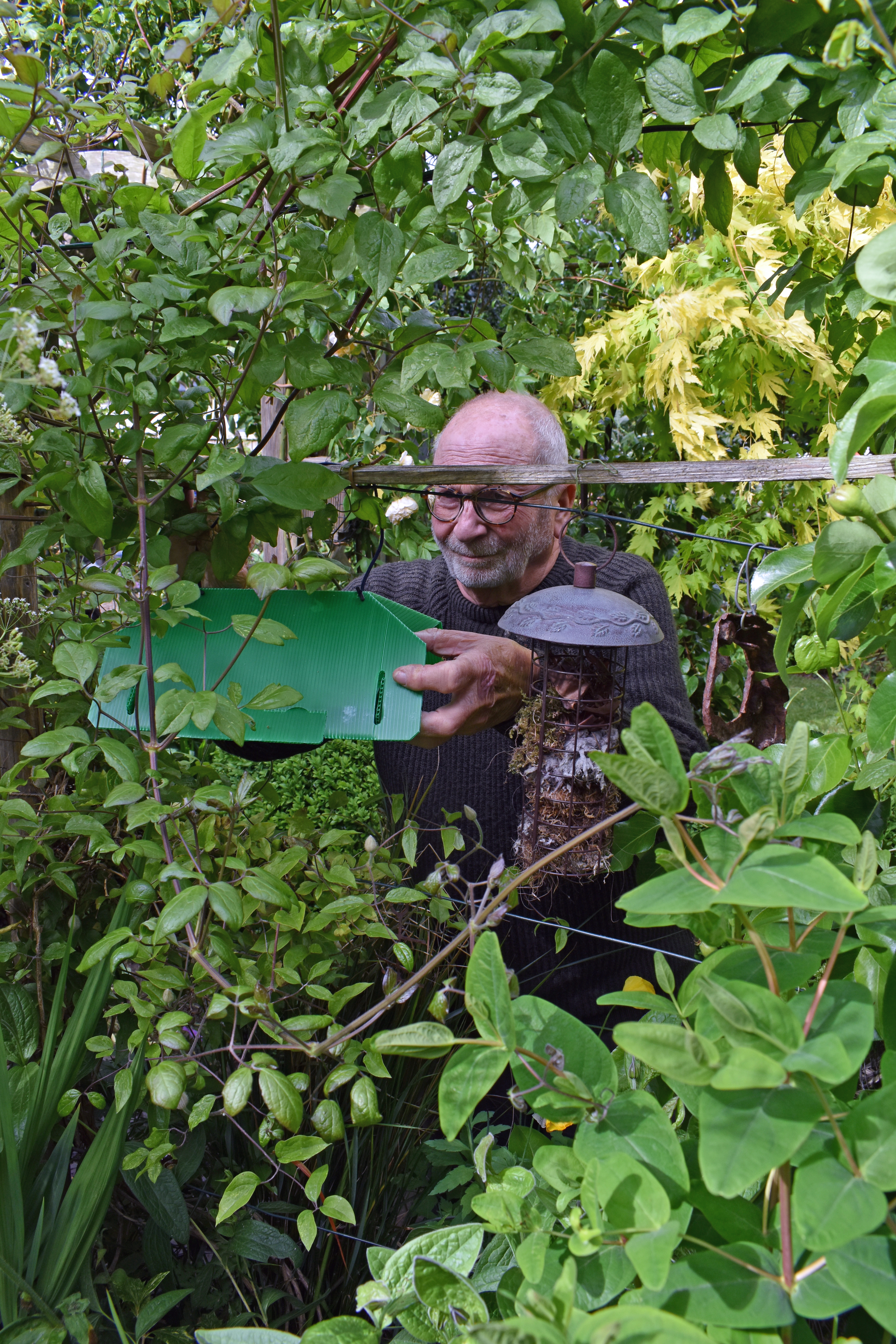
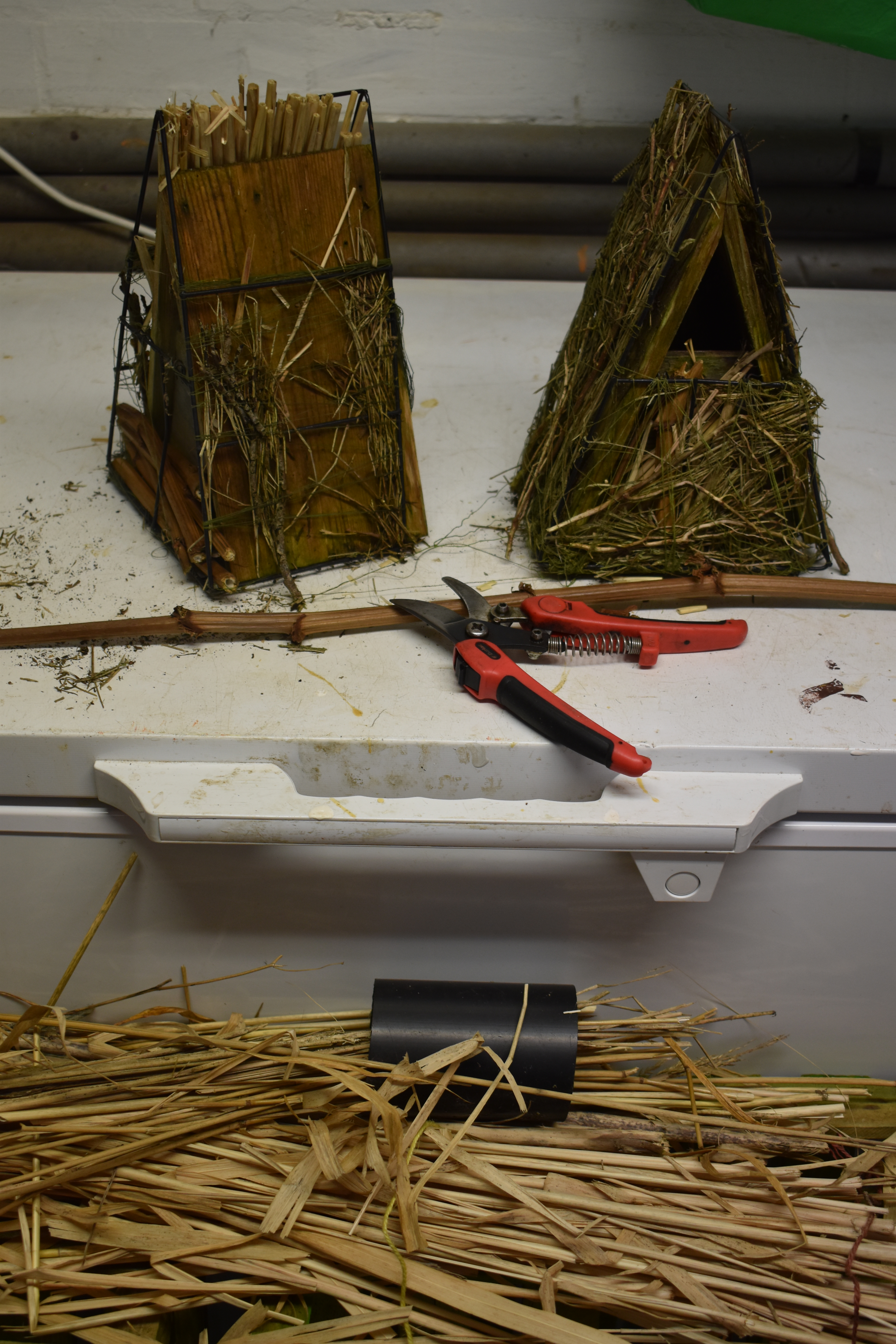
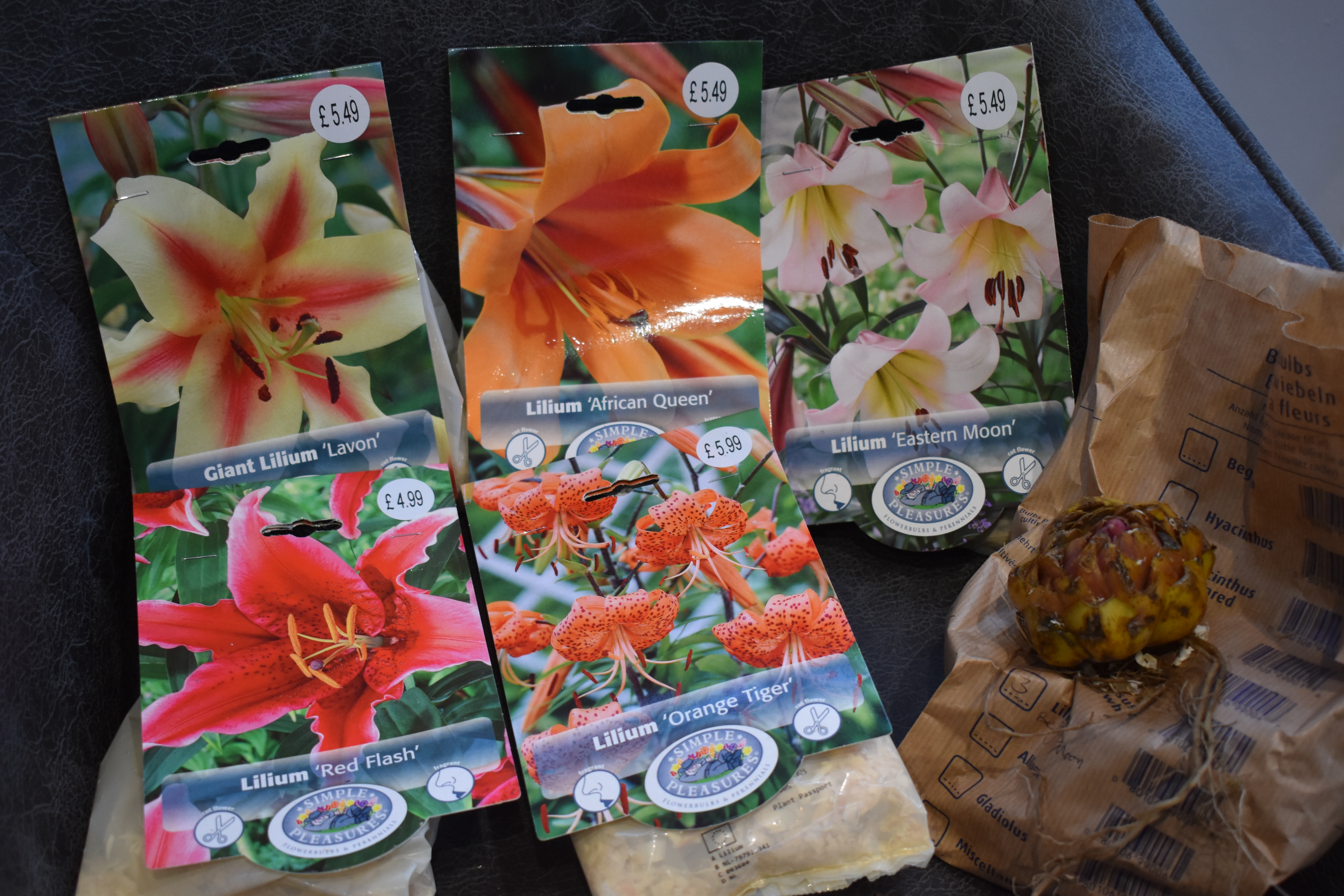
Repairing two wren boxes.We have bought more lilies to plant next month.

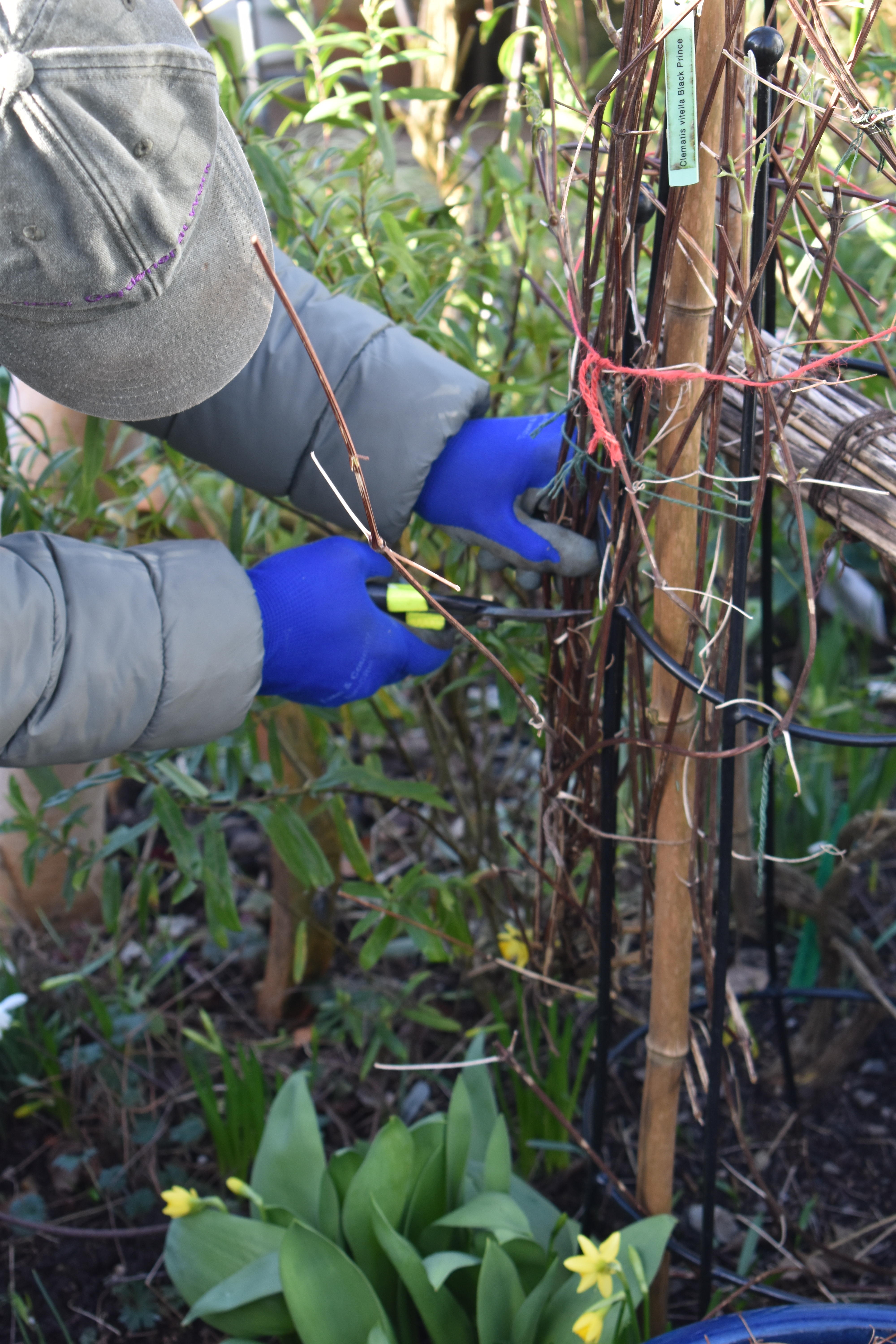
Over the page I continued looking at some of our gardening tasks and began by writing, “We are enjoying our winter flowering clematis and at the same time we have to prune our Group 3 clematis.”

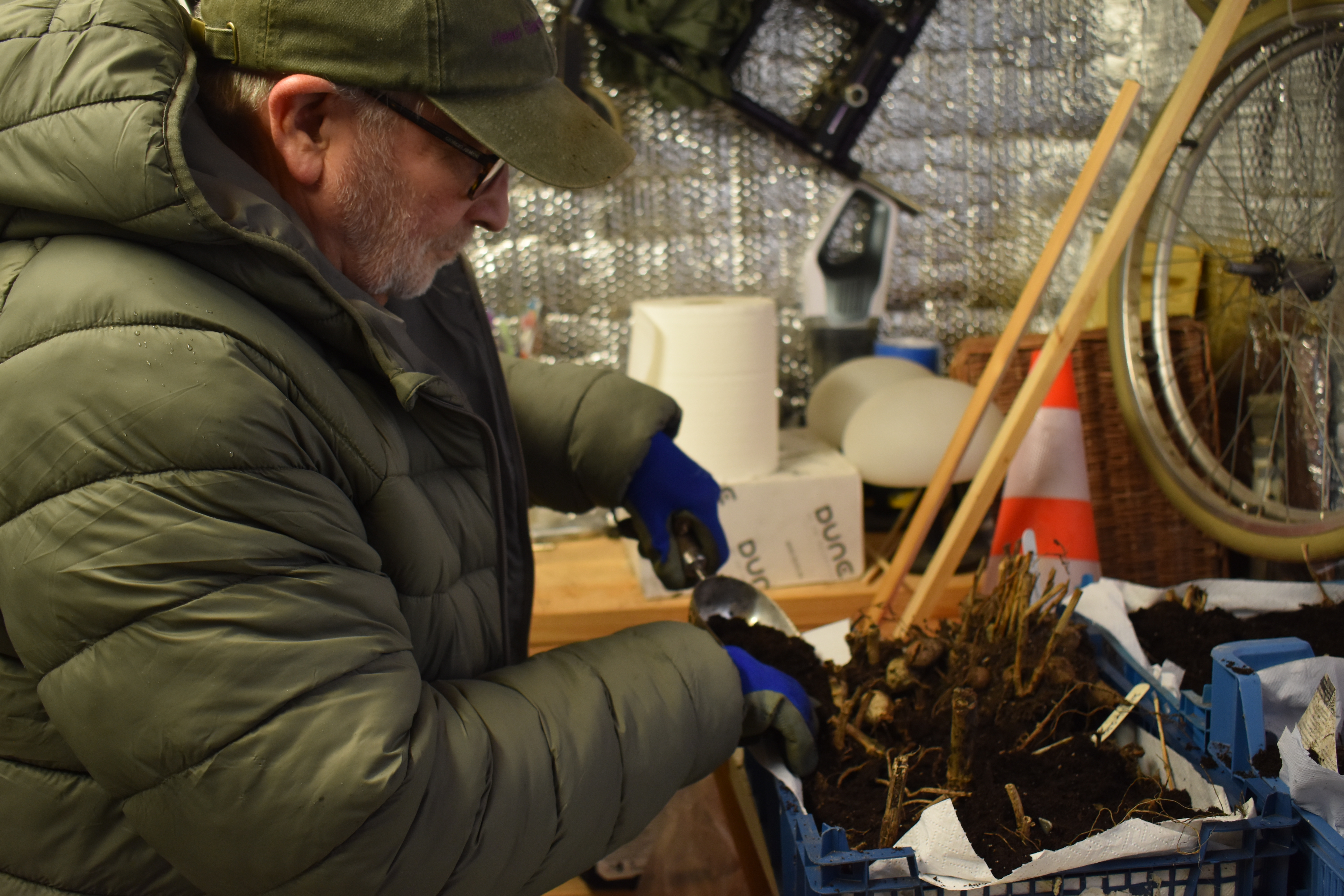
Cleaning up our dahlia tubers. Dahlia tubers ready to shoot.

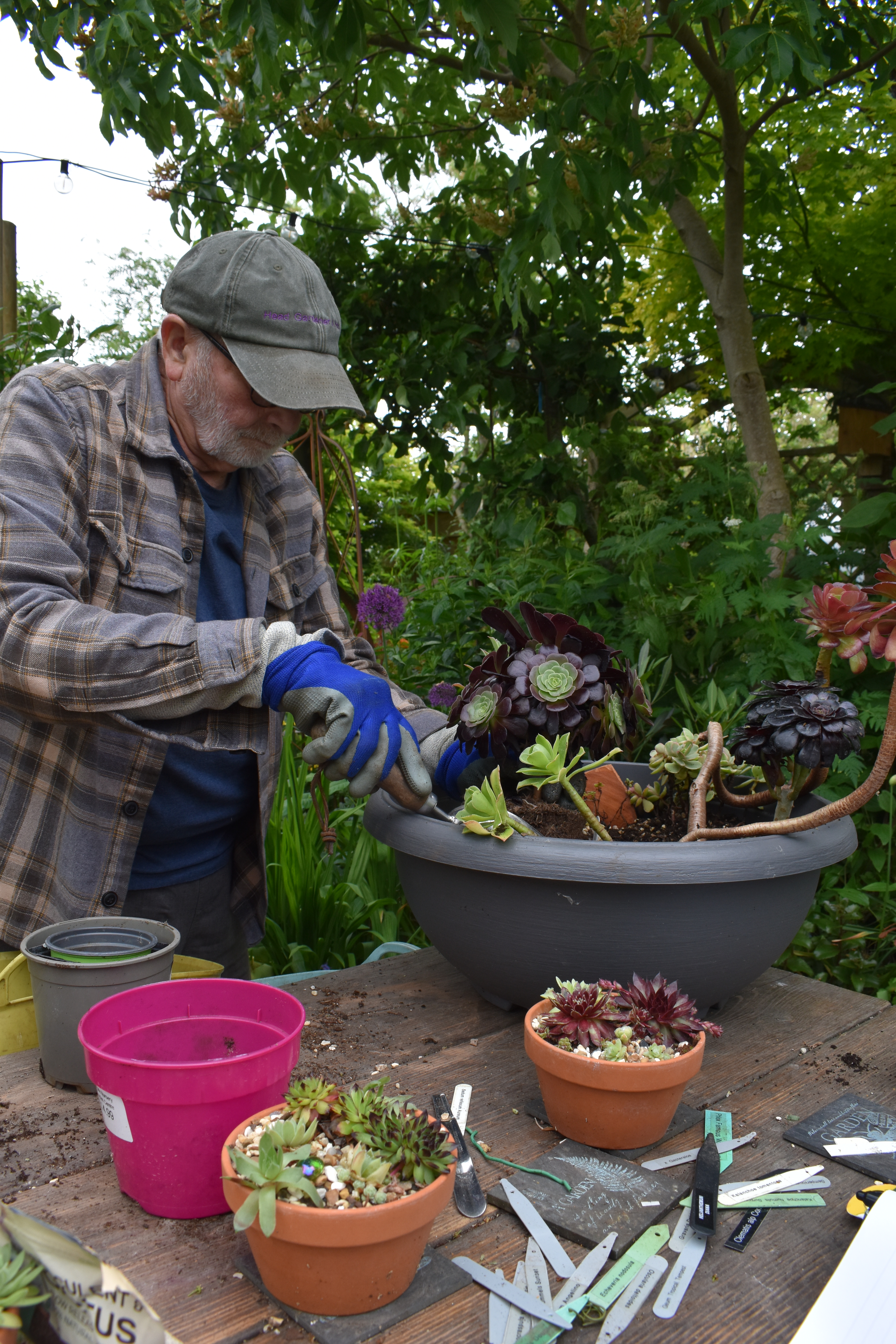
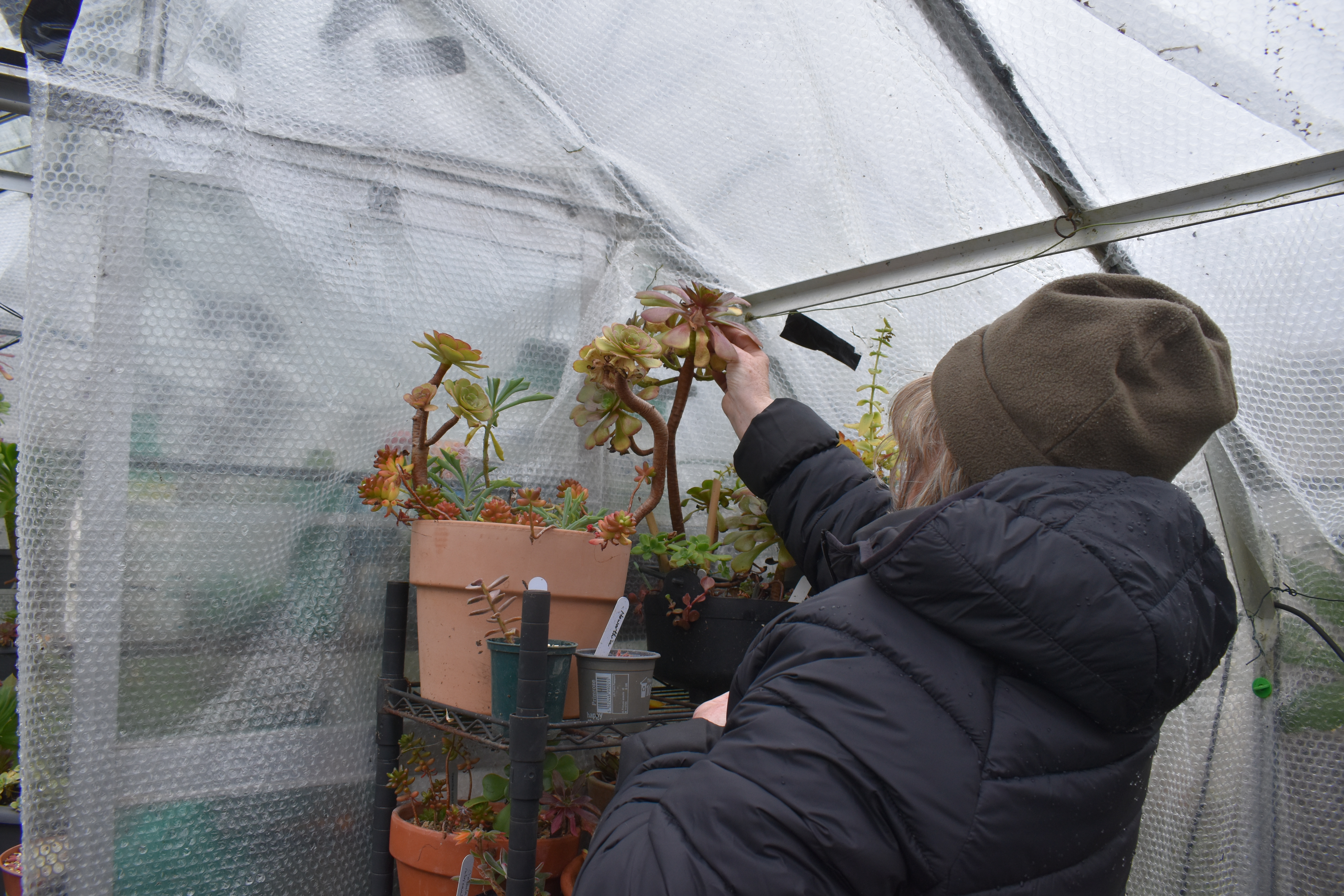
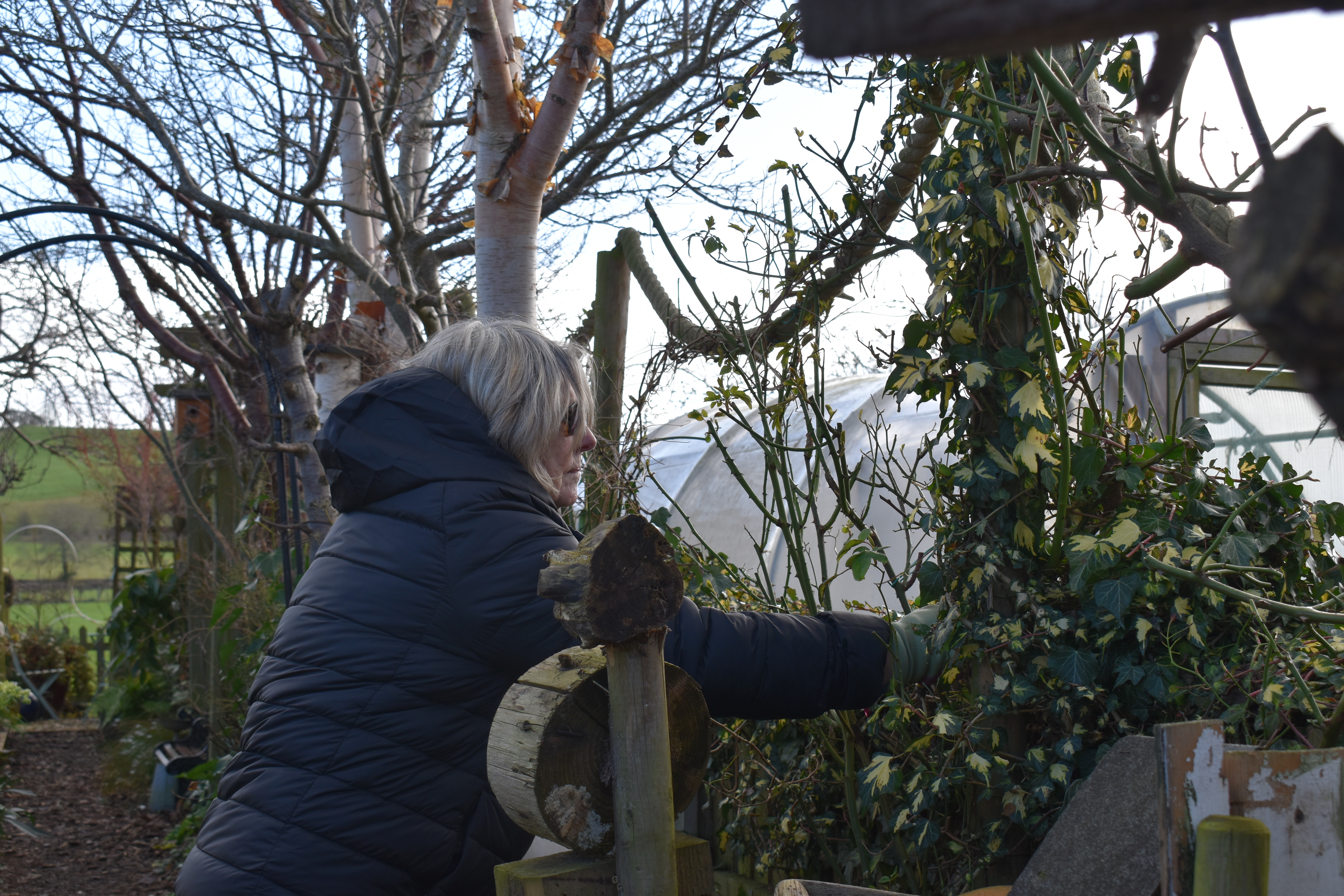
Tidying up the succulent collection. Pruning roses on the swags.

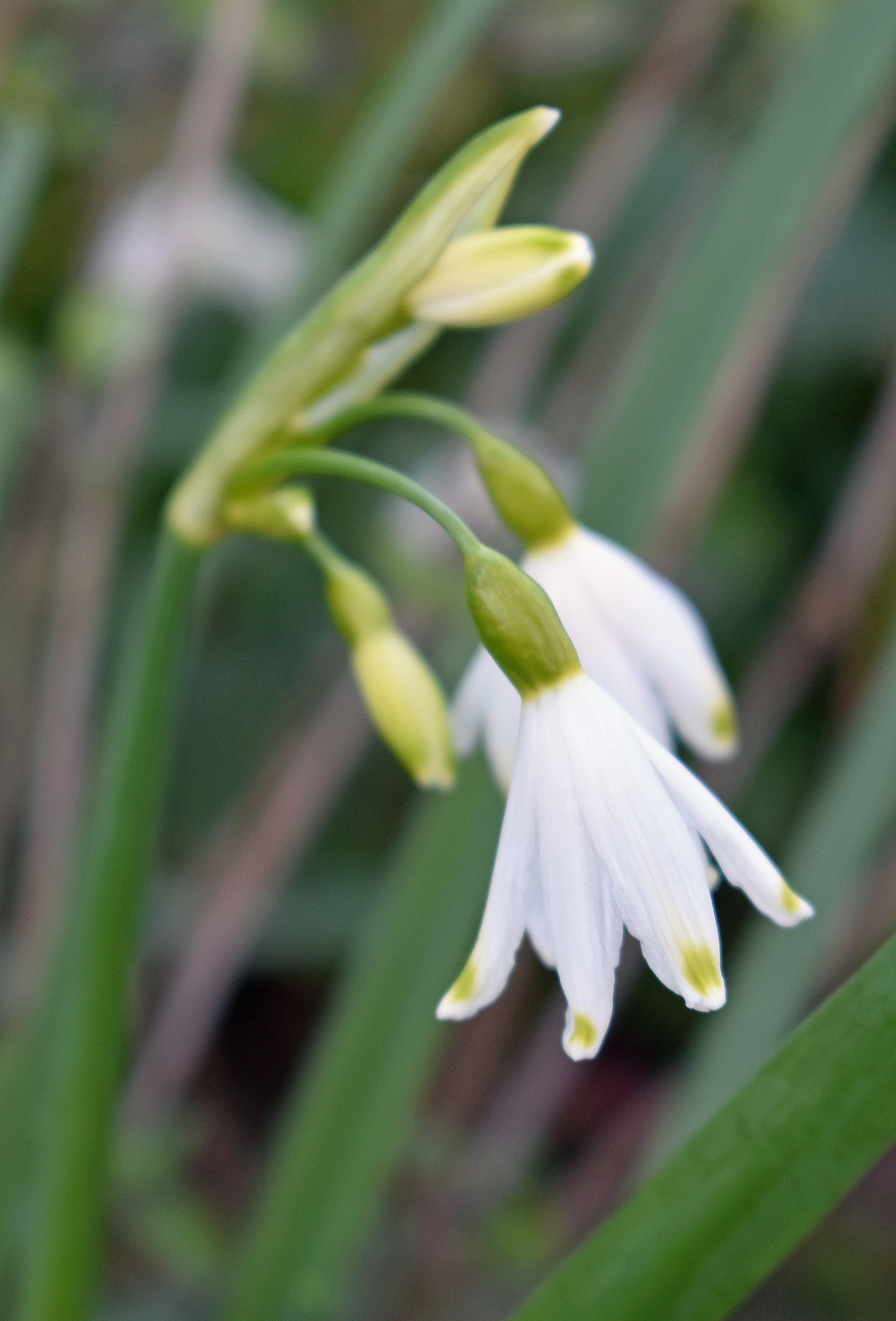
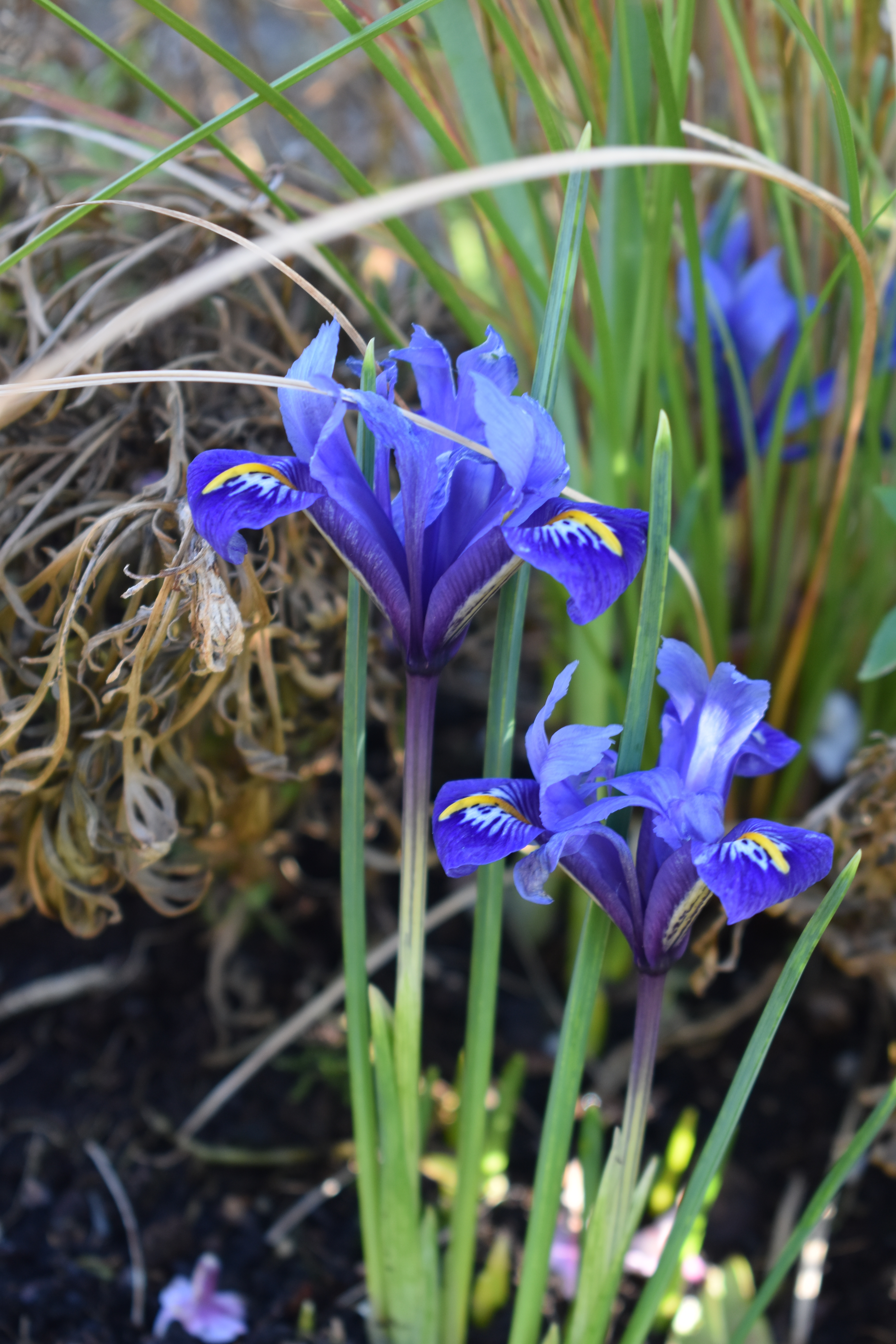
The final page for February features yet more flowering spring bulbs. I wrote,“And yet more flowering spring bulbs adding more colour to the borders.”

Leucojum Iris reticulata

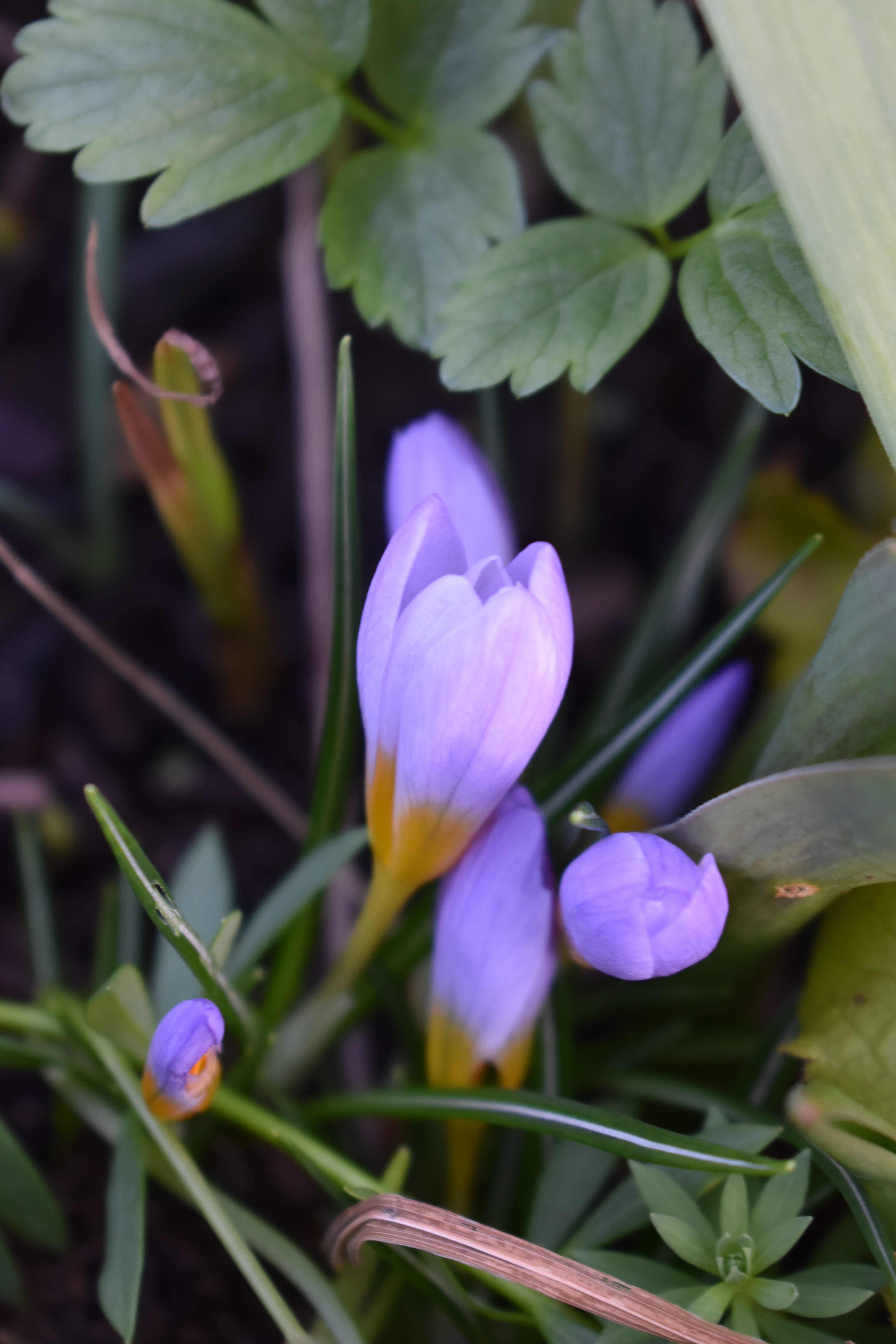
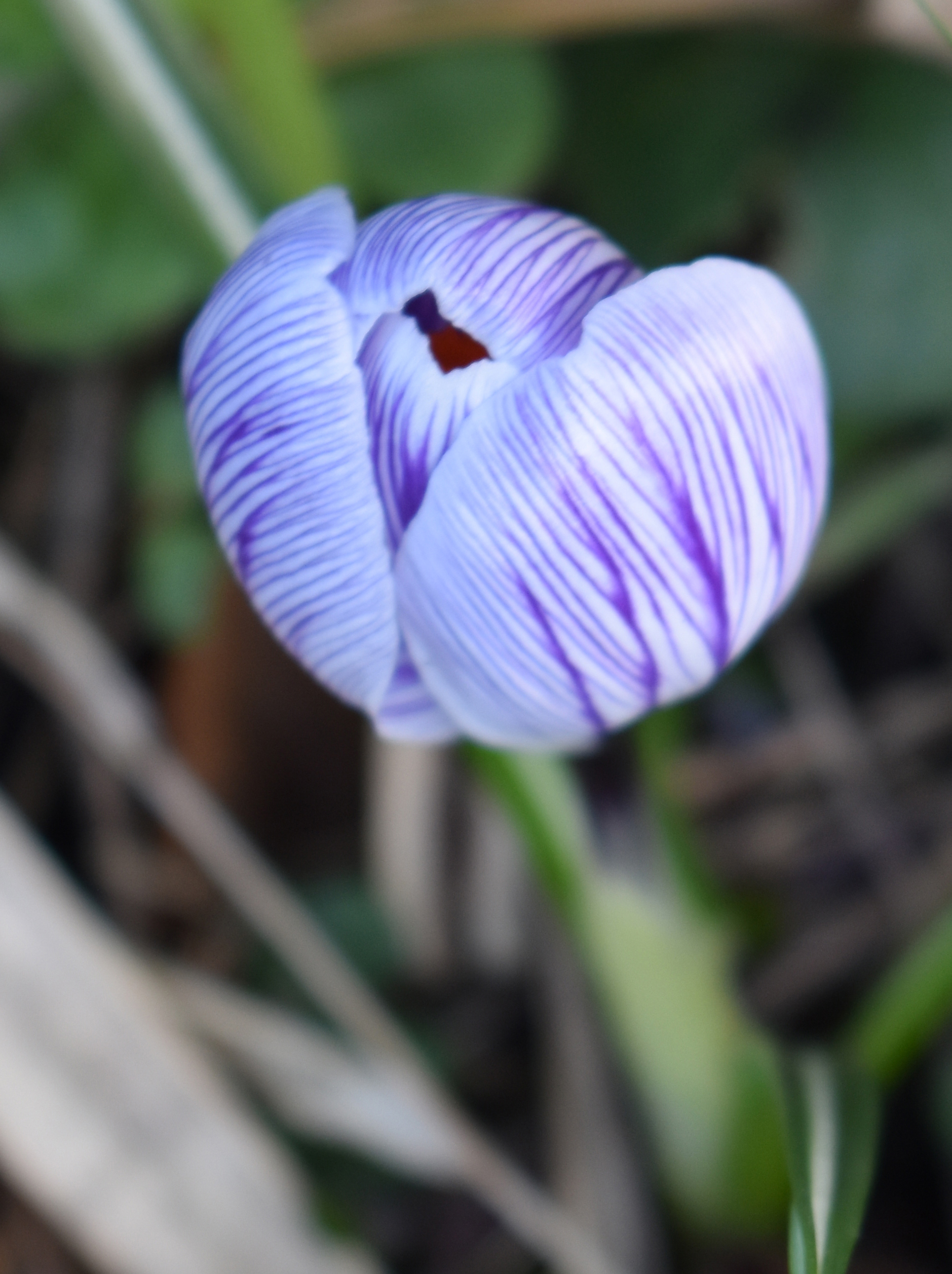
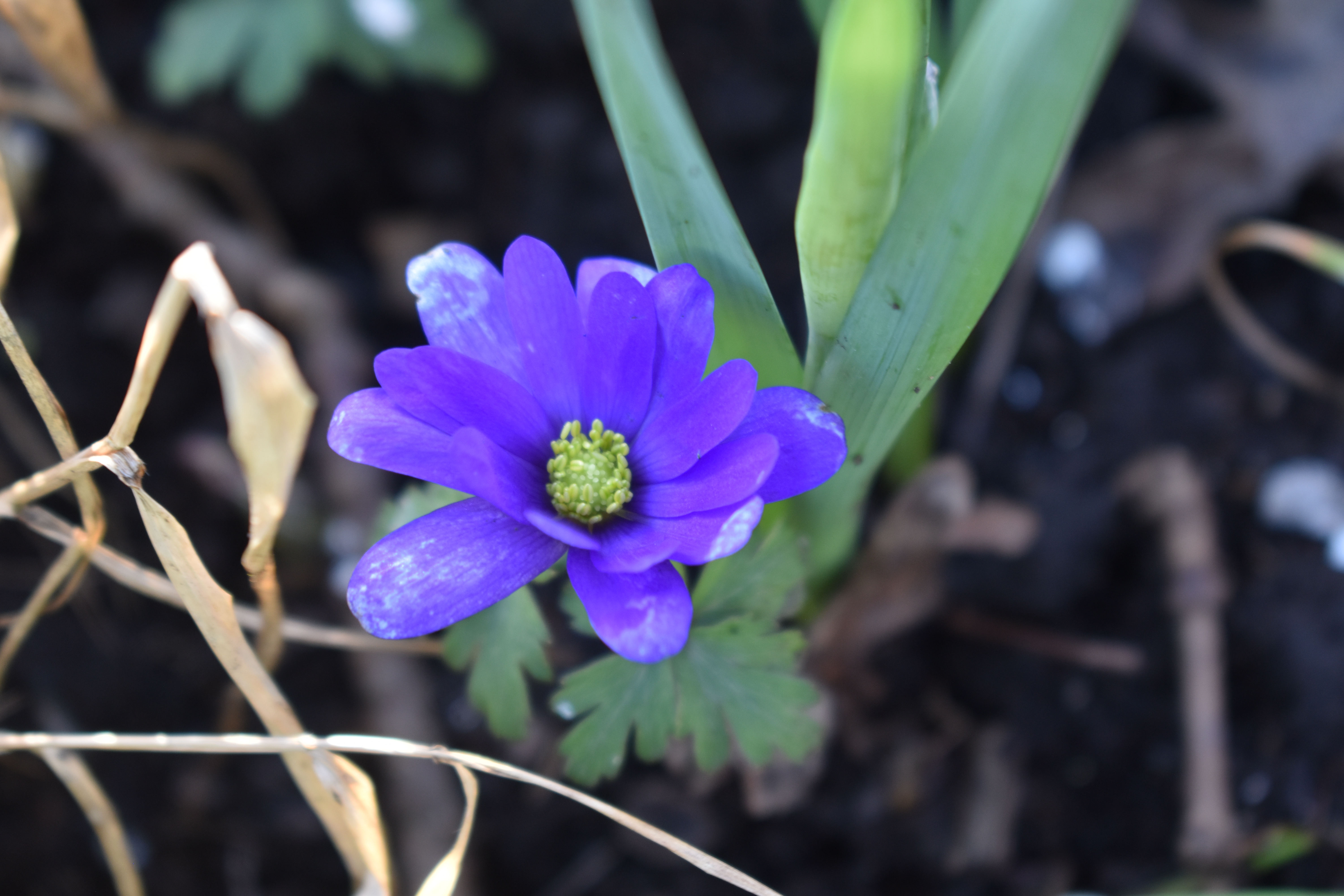
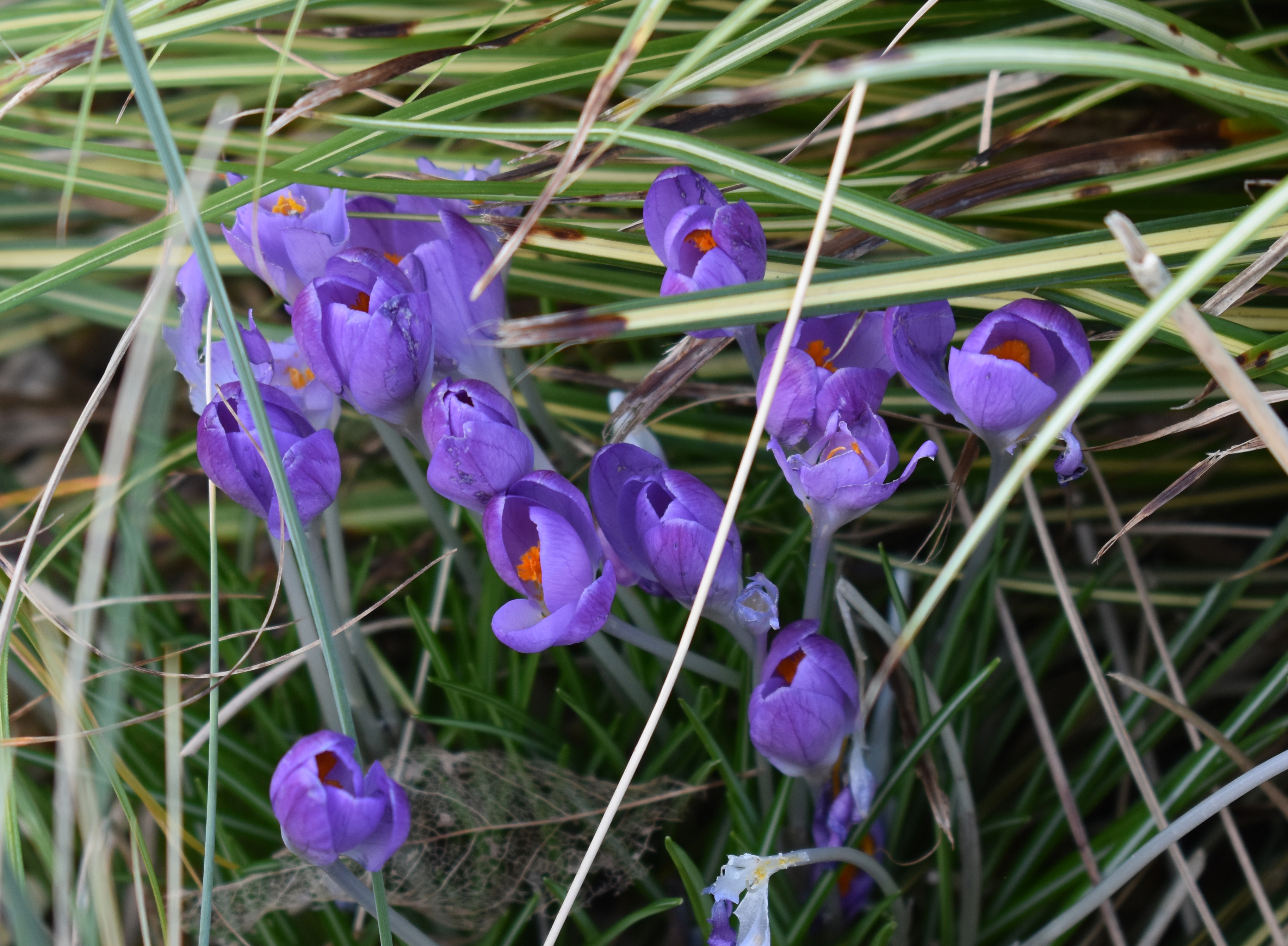
Crocus Anemone blanda (above)

Categories
Uncategorized

Three Great Garden Visits in November -Part 1 – John Ravenscroft’s “Cherry Tree Arboretum”

John Ravenscroft was a TV gardener decades ago and the founder of one of the UK’s largest garden centres, Bridgemere. He developed the centre for years and we used to visit quite frequently always making for the “Rare and Unusual Trees and Shrubs” section first of all.

He sold up to a national string of garden centres and still lives on neighbouring land alongside the garden centre, where he has developed the 56 acre ‘Cherry Tree Arboretum’. The arboretum opens occasionally for the National Garden Scheme and we visited on the day of its last opening for 2024.

We knew we would find some interesting trees and shrubs here when we spotted this cotoneaster with beautiful and unusual coloured berries.

We were here to appreciate unusual plants but also the range of autumn colours in the landscape. We were not disappointed! Even as we walked a few hundred yards of gravel trackway taking us to the more open areas we found such an array of unusual and beautiful plants. Each one stopped us in our tracks for a closer look.

We soon became aware that John is a serious lover of deciduous Euonymus with their colour foliage and unusually structured flowers and fruits.

Jude and I have long been fans of deciduous Euonymus and grow several in our garden, so it was a great surprise to find one here we had never seen before, the pale rather ghostly white, lemon and orange E. hamiltonianum ‘Koi Boy’.

John is also a fan of one group of trees with the common factor being more to do with shape and structure than foliage and fruits, and that is fastigiate cultivars of trees. We grow several at home including Oak, Amelanchier, Crab Apple and Sorbus. All small compared with the specimens at Cherry Tree.

Now for a look at wider views showing the variety of trees and shrubs, foliage colour, shapes of trees and groups of trees and shrubs.

We spent plenty of time searching for labels!

What a remarkable arboretum! So glad to have visited at last.

Categories
Uncategorized

My Garden Journal 2024 November

In my Garden Journal 2024 I have reached November, where I began by writing, “November is all about leaves from its beginning, leaves turning shades of yellow, orange and red, leaves falling creating multi-coloured carpets covering the bark paths.”

Then I shared eight photos of November foliage.

Then we have a double page spread featuring one of my quick watercolour sketches of hypericum berries as they begin to go over, a few already being glossy black. On the opposite page I celebrate those plants that still give colour through their flowers.

“All these beautiful varied hypericum berries are slowly turning black so I decided to sketch the last berries still showing colour.”

I wrote, “In November it’s easy to concentrate on leaf colours and bright berries but we must not forget that many plants are still flowering.”

I then showed nine photos of just such flowers.

Over the next double page spread I take a look at some garden tasks and then consider grasses.

I wrote, “As the weather becomes drier but colder we remain as busy as ever. We finished off Arabella’s Garden and pollarded the quince.”

“Grasses come into their own as the light levels are lower. Our many grasses provide highlights of biscuit, ginger, brown and ivory in their seed heads. The top three photos below show different cultivars of miscanthus.

Panicum “North Wind” (left)

Molinia caerulea ssp. arundinacea ‘Transparent’ (Right)

Hackonechloa macra ‘Nicholas’ no name Stipa tenuissima

Over the page we have another double page featuring more autumn coloured foliage and opposite we look at surprise weather which covered the garden.

I wrote,“In the second half of the month the rich colours of autumn became much brighter.”

The weather is the subject of the final page of my November entries in my Garden Journal 2024.

I noted that, “Within a week of taking the photos on the previous page, the stunning colours were hidden by a fall of snow, first of the season.”

“The garden turns monochrome.”

Hopefully the snow will be short lived and we can defy cold temperatures and get outside again.

Categories
Uncategorized

A Short Break in Devon Yeo Valley Organic Garden

On the final day of our break in Devon we visited the organic gardens at Yeo Valley. The weather was far drier and warmer than the previous two so this visit seemed so much more casual.

The garden here was divided into several different ‘rooms’, each with its own atmosphere, design and planting choices. Quirkiness however featured throughout so it was a garden of surprises.

The beautiful planting throughout the gardens is full of inspiration. Planting combinations are a real feature of the garden.

Sculpture has a big part to play in making the gardens at Yeo Valley as interesting as they are. The pieces are in many different styles and are positioned to enhance the spaces around them and vice versa.

Several of the different planting areas featured large clumps or blocks of one or two plants, such as the grass border and this meadow. This makes for strong planting design.

Equally single plants can attract us in the same way. These individuals draw you in and entice you to take their portraits.

After we had explored what we thought was most of the garden, we discovered a couple of completely different areas, a meadow with a yurt and a gravel garden affording the opportunity to grow such different plants. We continued to come across more pieces of sculpture.

The gravel garden covered a larger area than most of the other areas giving opportunities to plant many different and interesting plants.

We enjoyed this garden because it was full of fun ideas, interesting planting and joyful sculptural pieces. We were so glad we finally made it to the Yeo Valley Organic Gardens. They were as good as we expected them to be!

Categories
Uncategorized

My Garden Journal 2024 October

When starting my garden journal for October 2024 I wrote “October is when autumn really gets going and evidence of the new season is all around us in our garden and in the countryside. The most obvious changes to look out for are changes in leaf colour and ripening fruits.

The main fruit for eating that we pick this month is the apple. We have 20 different apple varieties in the garden, 4 trained over arches, 4 stepovers and 12 cordons.”

“Crabapples are in our garden for their decorative qualities, but they also help desert apples to get pollinated effectively.”

“Autumn colours are starting to develop early in the month.”

Onto the next page where I looked at some of our sorbus varieties all in berry. I wrote, “Sorbus give the garden so many different coloured berries and autumnal leaves all together. They are closely linked to our native Rowan or Mountain Ash.”

On the page opposite I looked at other berried trees and shrubs where I wrote, “But it is not just sorbus that have coloured berries. There are plenty more – cotoneaster, lonicera, hypericum, holly and arum lily

Next page featured some of our hardy fuchsia and I noted that, “It’s amazing how you can discover plants that you have ignored for years. This is what happenedto us when we started to grow fuchsias again. This happened when we found plants F. “Thalia” and F’ microphylla at Stocktonbury Bury and Croft Castle respectively.”

The final photo in the set above we grow mostly for its unusual blue-grey foliage. It is almost worth growing just for its long name which I can never remember the whole of! Fuschia microphylla ssp. hemsleyana ‘Silver Lining’.

On the page oppsite the fuschias I feature roses! I wrote, “In some years some roses seem to keep flowering out of season, usually to the end of December. Hips are now getting fatter and redder. Sadly October’s strong winds snap off whole branches loaded with flowers and hips.”

Then I shared six photos of late flowers.

Next page ,which is the final page for this month, shows some of the garden tasks we found time to do. I noted that, “October has been a very difficult month with so much rain that the ground has been saturated. We had several jobs planned and then delayed by wind and rain. We had to repair wind damaged branches and tie in wild shoots. In the first photo Jude is tying in a wild rose branch. The other photos show us emptying and re-planting the Prairie Garden.”

I finished off the October entries into my garden journal with the words, “We now have to wait to find out if our work has been successful.”

Categories
Uncategorized

A Monthly Wander Around the Gardens at Oakgate Nursery and Garden – October

Mid-October and we visited Oakgate Nursery and Garden in order to purchase a few new plants, asters and grasses for our Prairie Garden which we are currently revamping.

It was so good to see salvias still looking so floriferous. They seem to grow really well in the garden here. We were hoping to see some early signs of autumn so we looked out for shrubs and trees showing early rich coloured foliage. We also hoped to see plenty of flowers around as every month manages to produce some flower colours.

Around the outdoor seating areas for the cafe, autumn had arrived with Acers and Cornus contraversa ‘Variegata’ commonly called ‘The Wedding Cake Tree’ showing extra colour on their foliage. Hydrangeas were still flowering well!

A general view across the first part of the garden showed how foliage colour can add so much interest, while looking downwards just in front of our feet this lovely circle of cyclamen was flowering well.

On our October visit we also witnessed several shrubs and trees displaying berries, such as Callicarpa bodinieri and Euonymous alata with its startling orange and deep pink berries

And berrying trees are performing well this year especially Sorbus. Each cultivar has its own berry colour.

Other shrubs were showing that autumn has arrived by developing their leaf colours into yellows, oranges and reds and occasionally pink.

Taking a small path through a wide border and then a coniferous hedge we realised how the orchard trees were full of fruit, mostly apples but also a medlar.

The Rose Garden presented us with a surprise as there were so many roses in flower and bud. There were a few other flowers around giving welcome colour to the border.

A good way to finish this look at Oakgate gardens is a gallery of photos showing autumn foliage colours.

Categories
Uncategorized

A Short Break in Devon – RHS Garden Rosemoor Part 2 Looking at the Themed Gardens

As neither of us are keen on rose gardens, preferring to see roses used as shrubs in mixed borders, we missed out the “Queen’s Mother’s Rose Garden” and the “Shrub Rose Garden”. As the Winter Garden had been redesigned by well-known garden designer Jo Thompson it was in the middle of a rebuild so we had to miss out that garden too.

Thus the first of the themed gardens we explored was the “Cool Garden” designed in 2019 by Jo Thompson and was based on imaginative use of water rills lined with granite setts with curved stone walls. The planting features grey foliage and blue, white and pastel flowers.

Sculptures of birdlife added liveliness and extra beauty to the Cool Garden. The wren added a strong contrast to the birds of prey.

We also enjoyed how the crisp white pieces featuring seabirds and a barn owl sat within the greenery.

It never ceases to amaze me how sympathetically sculpture fits into gardens. The RHS is very good at exhibiting sculptural pieces in their gardens and over the years we have enjoyed several.

The next garden room we entered was a strong contrast to “The Cool Garden” being “The Hot Garden”. The planting was so different as was the feel of the garden. It was a clever decision placing these two gardens next door to each other.

There was a strong contrast in the planting within “The Hot Garden” utilising stronger, brighter colours.

Another of the themed gardens here at Rosemoor that we have always enjoyed is the Cottage Garden, so I will share some photos of that area next. On the way to the cottage Garden we stopped to have a look at this lovely wildflower bank and these two strongly coloured, cheerful looking roses.

The Cottage Garden itself was full of interesting plant combinations and some old apple trees.

I will finish off looking at RHS Rosemoor with a gallery of photographs taken as we explored these wonderful, inspirational gardens.

We will be visiting other RHS gardens before too long and we know we will really appreciate the expertise of the staff and volunteers.

Categories
Uncategorized

A Short Break in Devon – part one – RHS Rosemoor

In mid-June this summer we took off southwards for a long drive down the motorways for a mid-week break in Devon, taking in some visits to 3 gardens, RHS Rosemoor, Wildside and Yeo Valley Organic Garden. The weather forecast promised heavy rain!

Day one saw us breakfasting at the restaurant at the RHS garden Rosemoor, which we have visited a few times before.

There is so much to see at Rosemore that we never know where to start or which route way around the many acres to follow. The above rather beautiful map helped us in planning our route.

We made our way towards the woodland area passing some beautiful plants along the way such as this Cornus kousa and deeply coloured rose.

Just as we reached the woodland edge we were surprised to find this beautiful rustic building.

Behind the building a stone wall covered in plants acted as the boundary to the woodland.

We enjoyed wandering along the footpaths through the cool calm woodland, an antidote to the warm humidity outside.

In the woodlands we came across some sculptural pieces, starting with the wood carving of an acorn above, and still within the trees a bronze deer, a wooden cone and an owl carved into the trunk of a dead tree.

In the children’s woodland play area were large metal sculptures of insects and invertebrates.

We discovered other sculptures in wood and stone, the one stone piece being a balancing work.

It wasn’t long before we met the first of the themed gardens which we were looking forward to exploring as they had been developed since. we last visited. I will continue with these themed gardens in the next Rosemore post. As weather often seems to be at the forefront of gardeners’ minds I will look at the Cool Garden and the Hot Garden.

This Veggie Life

A Vegetarian | Nature Lifestyle Blog

Rambling in the Garden

.....and nurturing my soul

The Arch City Gardener

Journeys In St. Louis Gardening and Beyond

Garden Dreaming at Châtillon

Consult the genius of the place

Storyshucker

A blog full of humorous and poignant observations.

gardeninacity

Notes from a wildlife-friendly cottage garden

PlayGroundology

...an emerging social science

The Official Blog of British Wildlife

'The most important and informative publication on wildlife of our times' - The Independent. This blog is a member of The UK & Ireland Natural History Bloggers group: www.uknhb.blogspot.com

iGrowHort

Inspire - Cultivate - Grow Native Plants - Restore Landscapes

Bishops Meadow Trust

To create and protect a semi-natural wild space for the people of Farnham to enjoy and experience an array of British wildlife in our town

Gardening with Children

The www.gardeningwithchildren.co.uk Blog

UKbirdingtimeline

birding through the seasons, why birds matter and how to conserve them

NATURE WALKER

with a camera in hand

Jardin

Transform your outdoor space

Eva's space

My allotment, cooking and other interests

Old School Garden

my gardening life through the year

LEANNE COLE

Trying to live a creative life

fromacountrycottage

trying to live as lightly as possible on our beautiful planet

Good Life Gardening

Nature lovers from Leicester living the good life.

mybeautfulthings

Finding the beautiful in the everyday

mawsonmichelle

Michelle's Allotment

In and Out of My Garden

thoughts from and about my garden

Greenhousing

Big plans for a small garden

The Scottish Country Garden

A Walled Country Garden in South East Scotland

The Fruity Chicken

Life at the fruity chicken

willowarchway

Off grid living. Self sufficient. "PERMAGANICS RULE".

St Anns Allotments

Nottingham's Grade 2* Listed Allotments and Community Orchard

Manifest Joy Harvests

a journey in suburban vegetable gardening

Allotmental

The madness of growing your own

Penny's Garden: a harvest beyond my front door

A novel approach to vegetable gardening

arignagardener

Sustainable living in the Irish countryside.

NewEnglandGardenAndThread

Master Gardener, amateur photographer, quilter, NH native, and sometimes SC snowbird

dianajhale

Recent work and work in progress and anything else that interests me

planthoarder

a chaotic cottage gardener

Lens and Pens by Sally

a weekly blog that creates a personal philosophy through photographs and words

Dewdrops and Sunshine

Stories from a sassy and classy Southern farmbelle.

The Pyjama Gardener

Simple Organic Gardening & Seasonal Living

gettin' fresh!

turning dirt into dinner

JOY...

today the world is created anew

Garden Birds

Notes from a Devon garden

ShootAbout

Life Through The Lens

Adapting Pixels

A photography blog showcasing the best photography pictures and videos on the internet

Wildlifegardening's Blog

Just another WordPress.com site

naturestimeline

personal observations from the natural world as the search continues for a new approach to conservation.

LATEBLOOMERBUDS

The Wonders of Life through my Eyes, my Heart, my Soul