Categories
birds climbing plants photography Shropshire trees wildlife woodland

Through the Garden Gate – part two – getting lost!

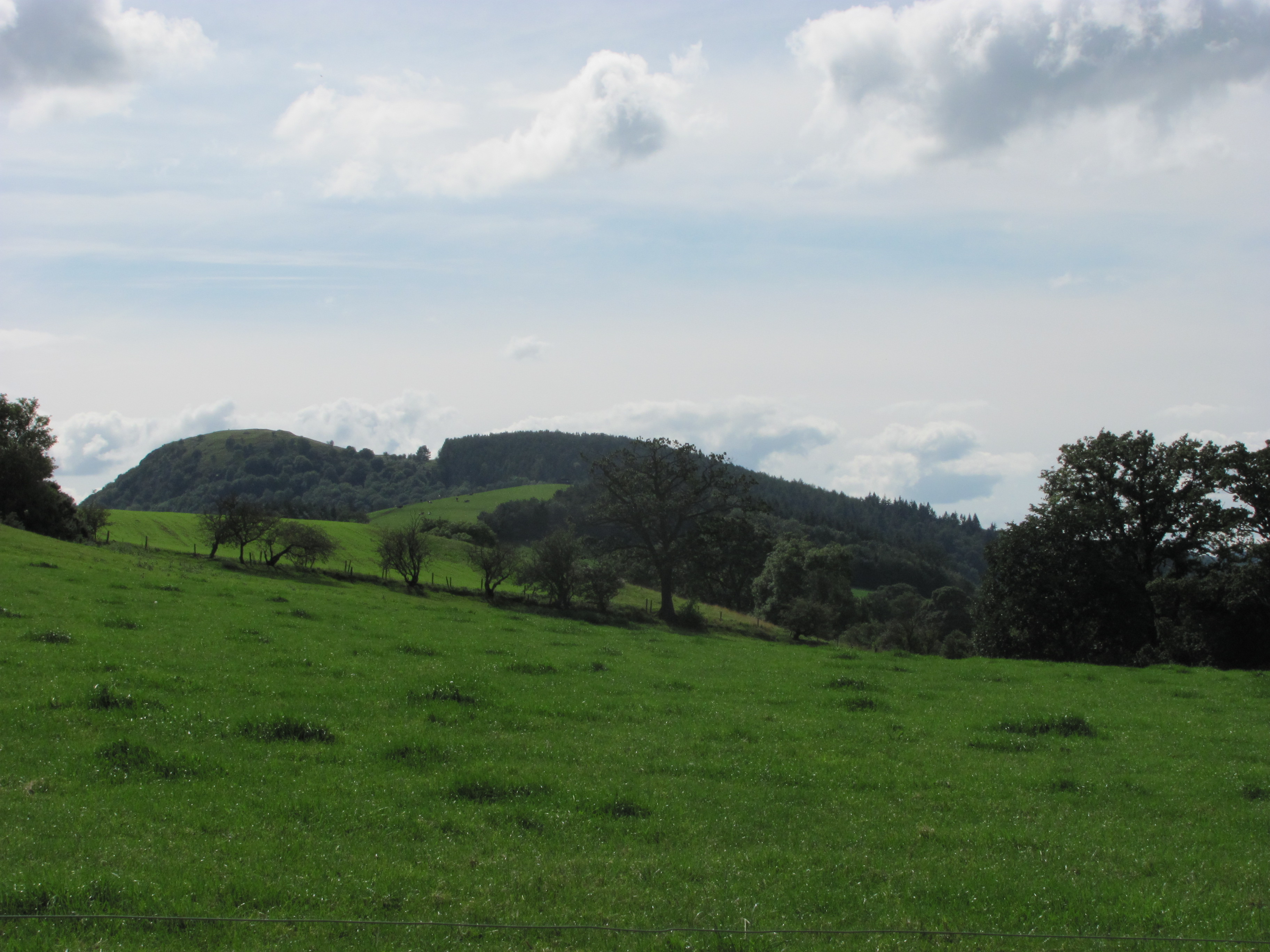
From the pool we could look back at the wood we had just left and enjoy a different view of the hill that we usually look at from our garden and over which we watch Buzzards riding the thermals created by its slopes.

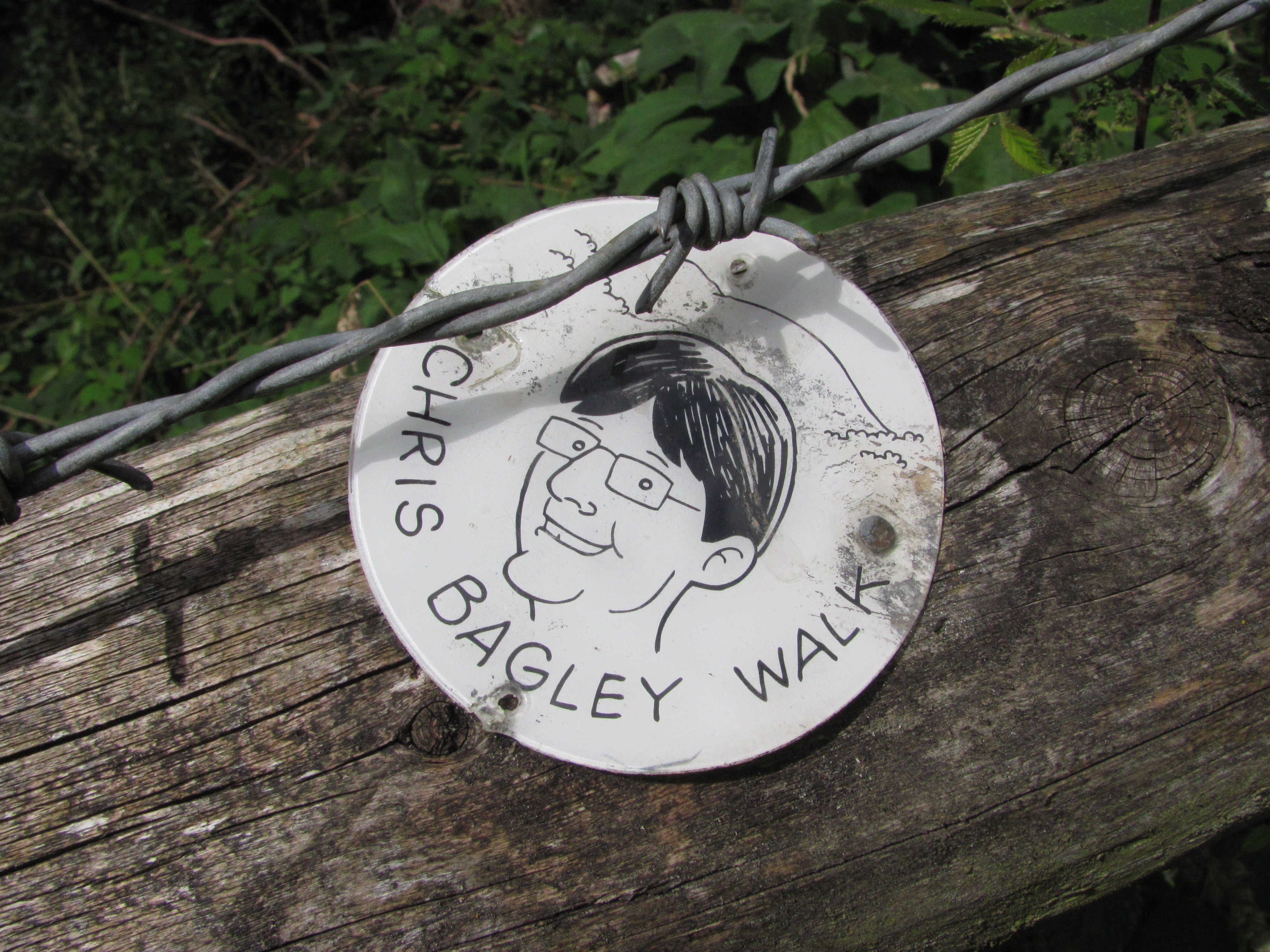
Well we may never have been more than a mile from home on this walk from our garden gate, but we did manage to get lost. The footpath signs kept disappearing, or that is our excuse. Our wander took us along sections of the long distance path, “The Shropshire Way” and on a local path “The Chris Bagley Walk”.
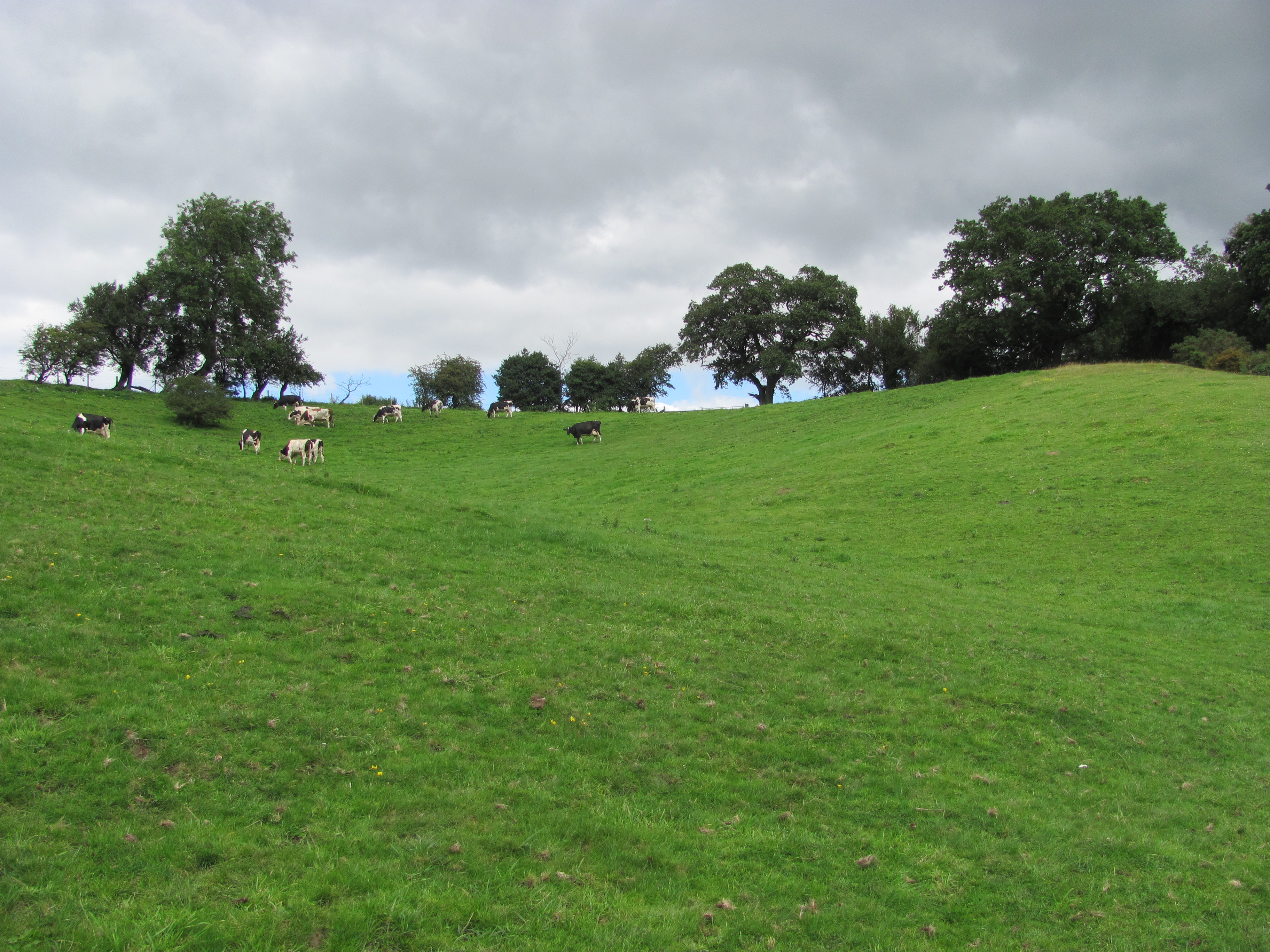
Leaving the fishing pool we followed the valley of the stream that fed it. The grassland here was rich and was being enjoyed by dairy calves, who watched our every move as we passed close to them.
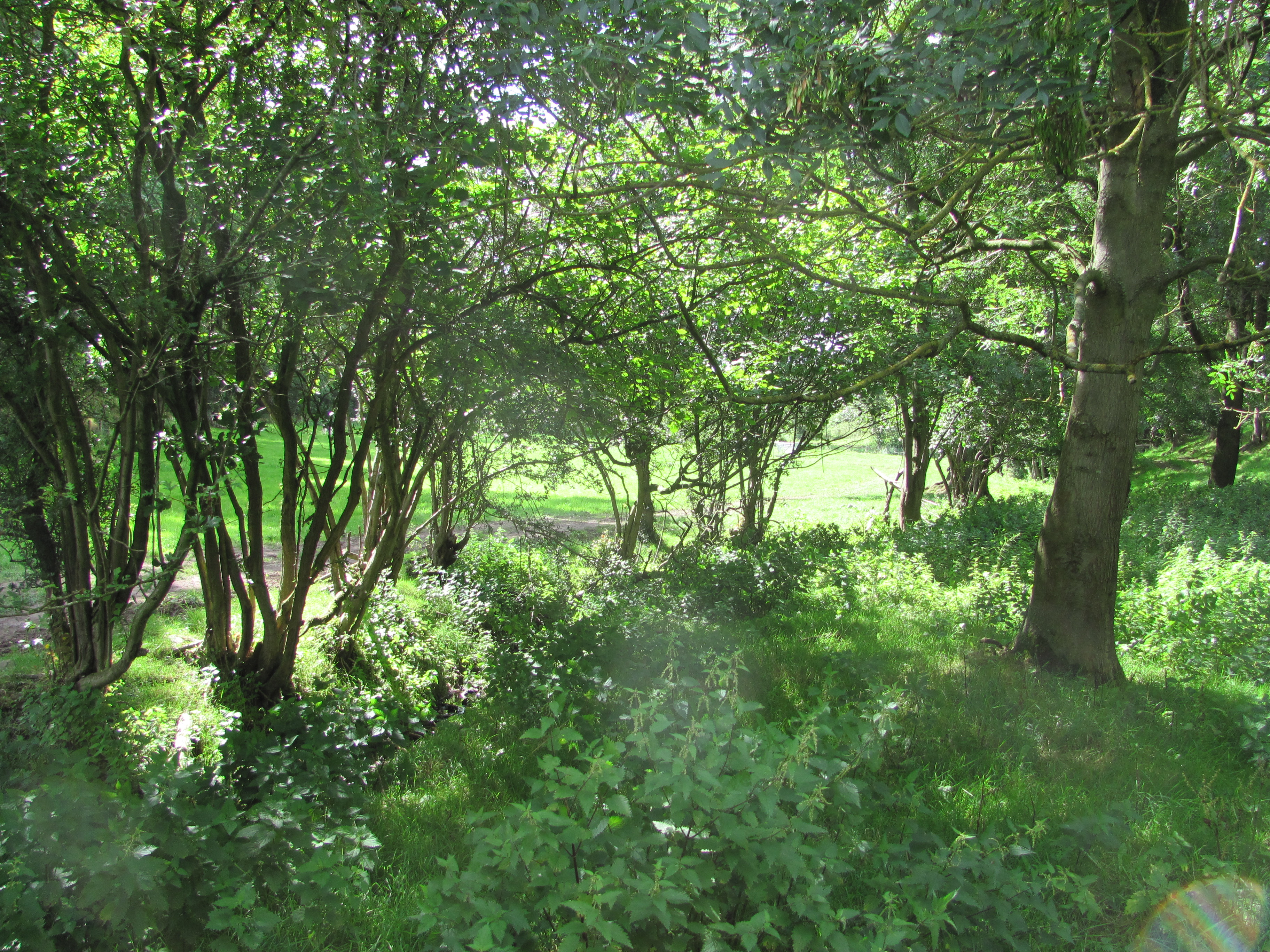
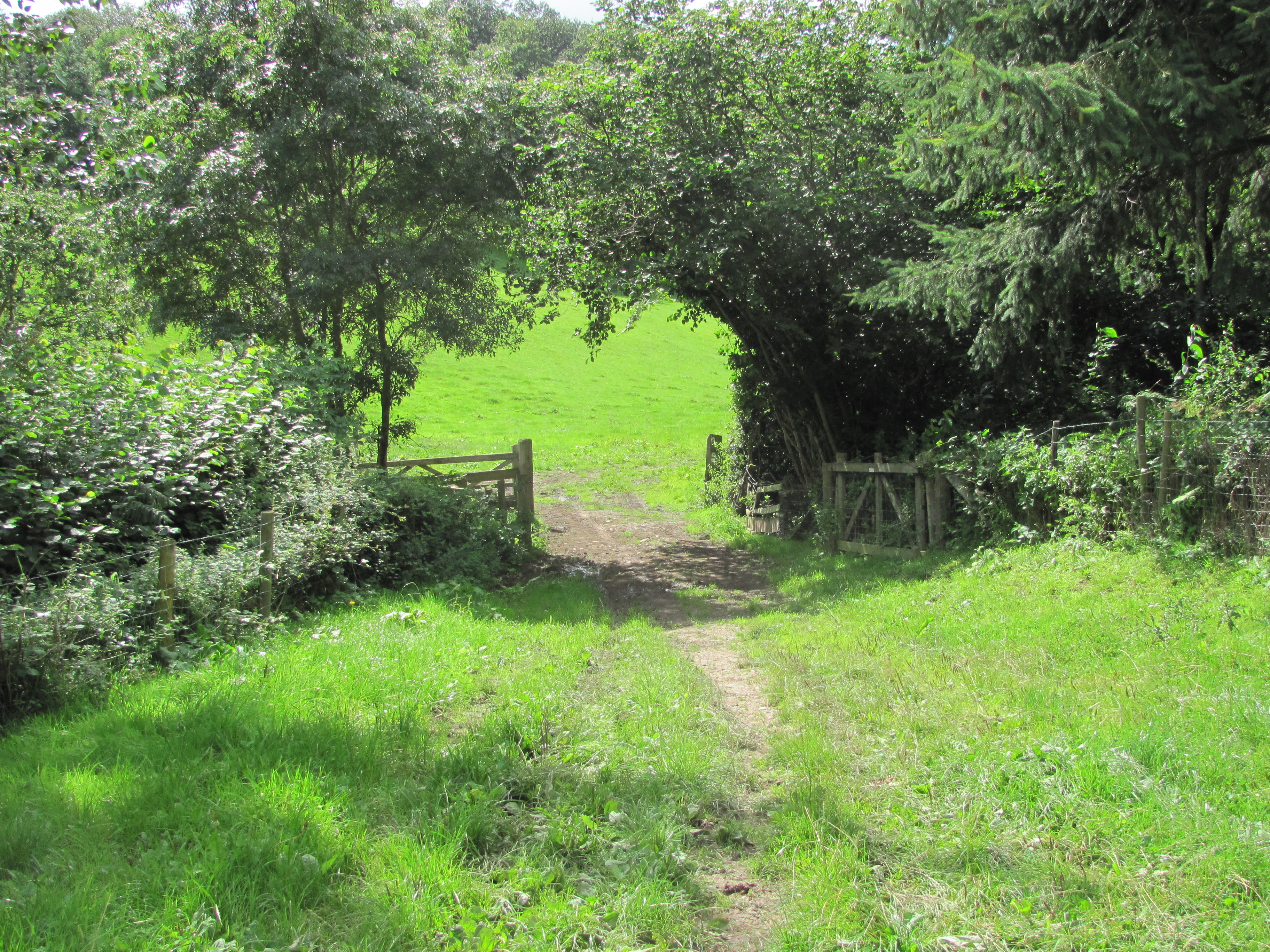
The valley widen out but the wooded slopes and tiny stream running through it kept it intimate. The fields of grass on which the calves fed was a lush green but was devoid of wild flowers, a sad sign of modern farming practices. we followed the path until it took us up a gentle slope away from the stream and up into a wood which was partly coppiced.
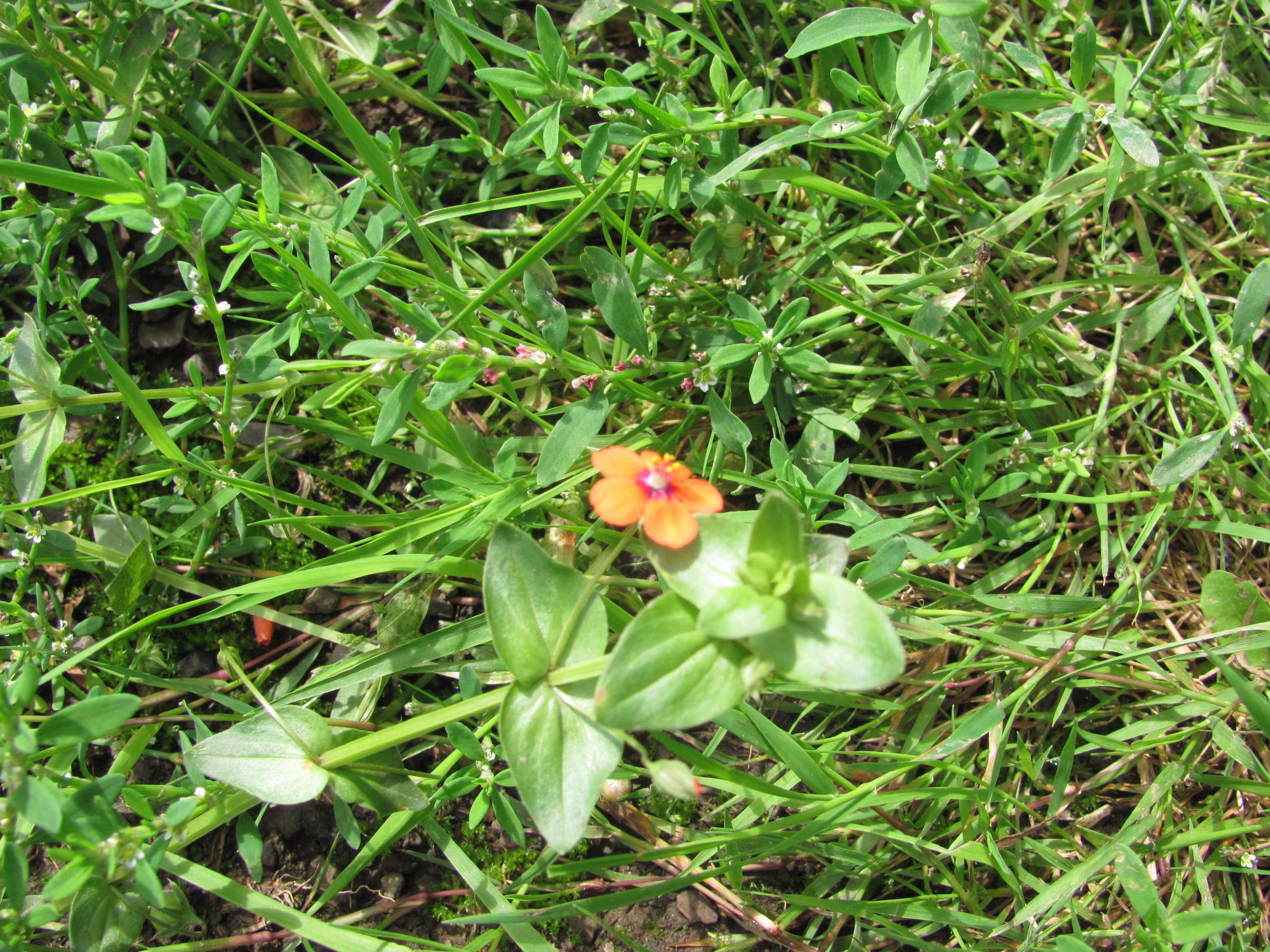
On the slope up to the wood we spotted this Scarlet Pimpernel in flower on the pathway beneath our feet. Although only a tiny flower its orange petals glow so it can be seen from a distance. We now lost the footpath and had to consult maps on the smart phone, which rescued us nicely.
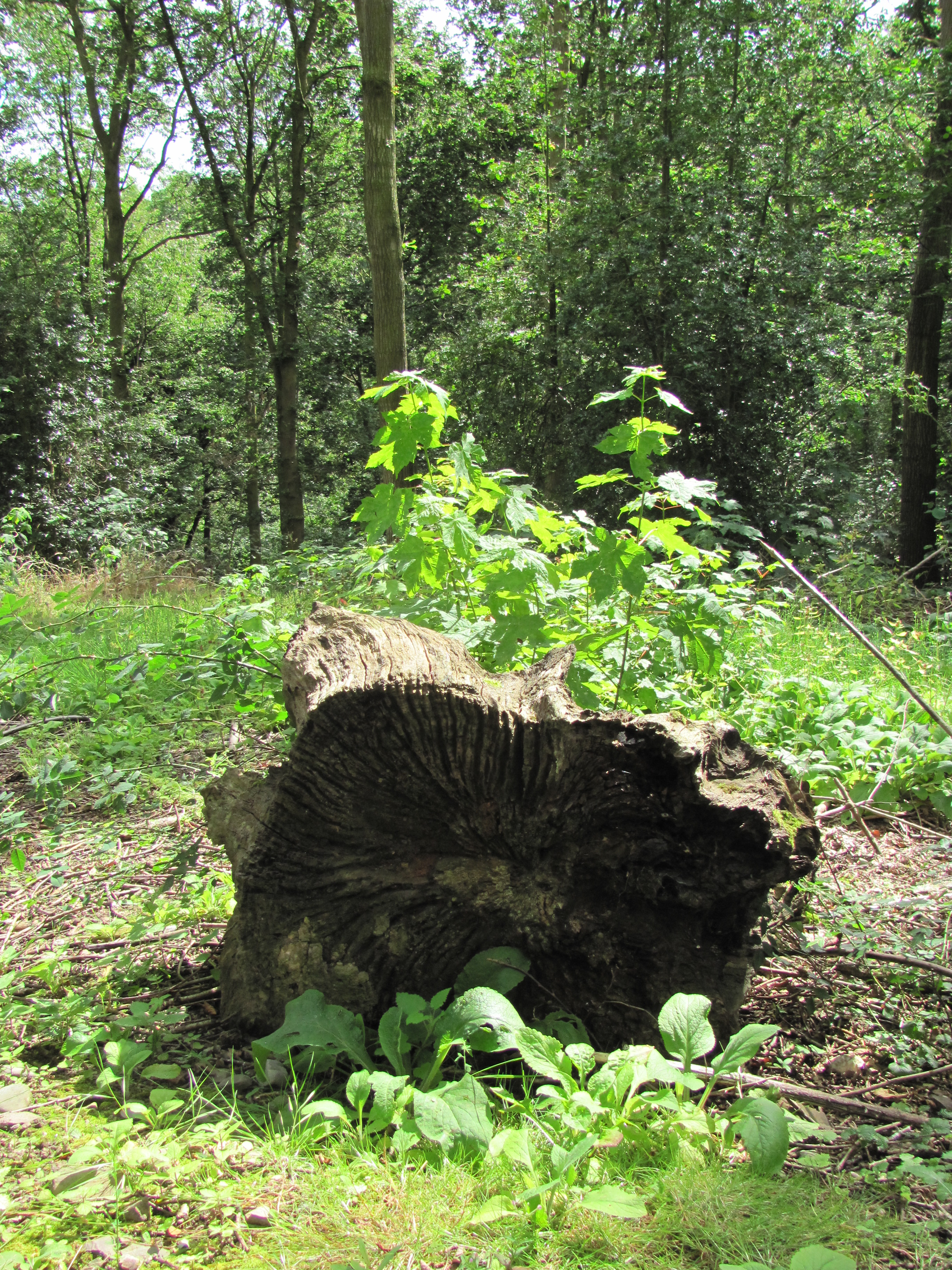
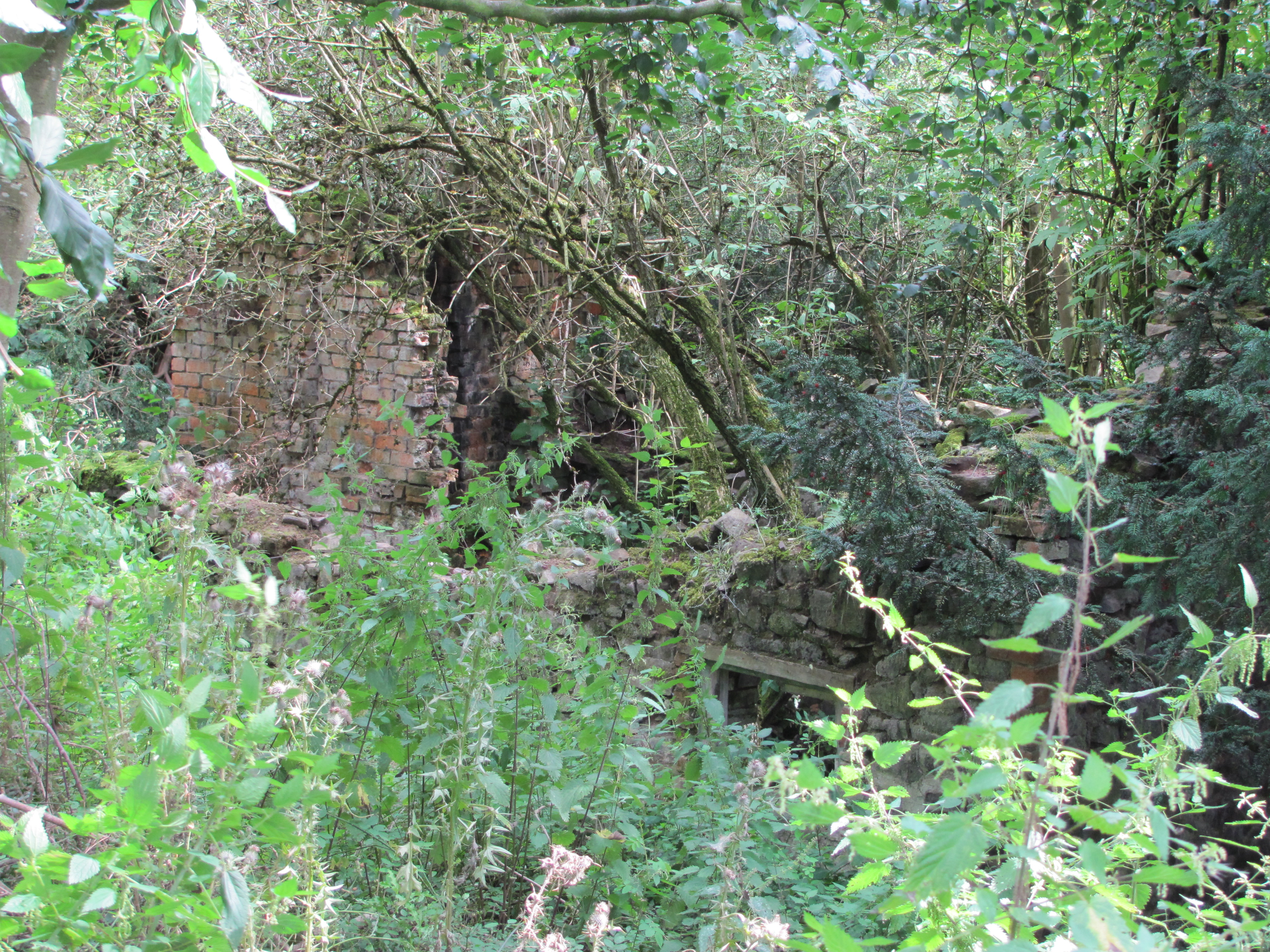
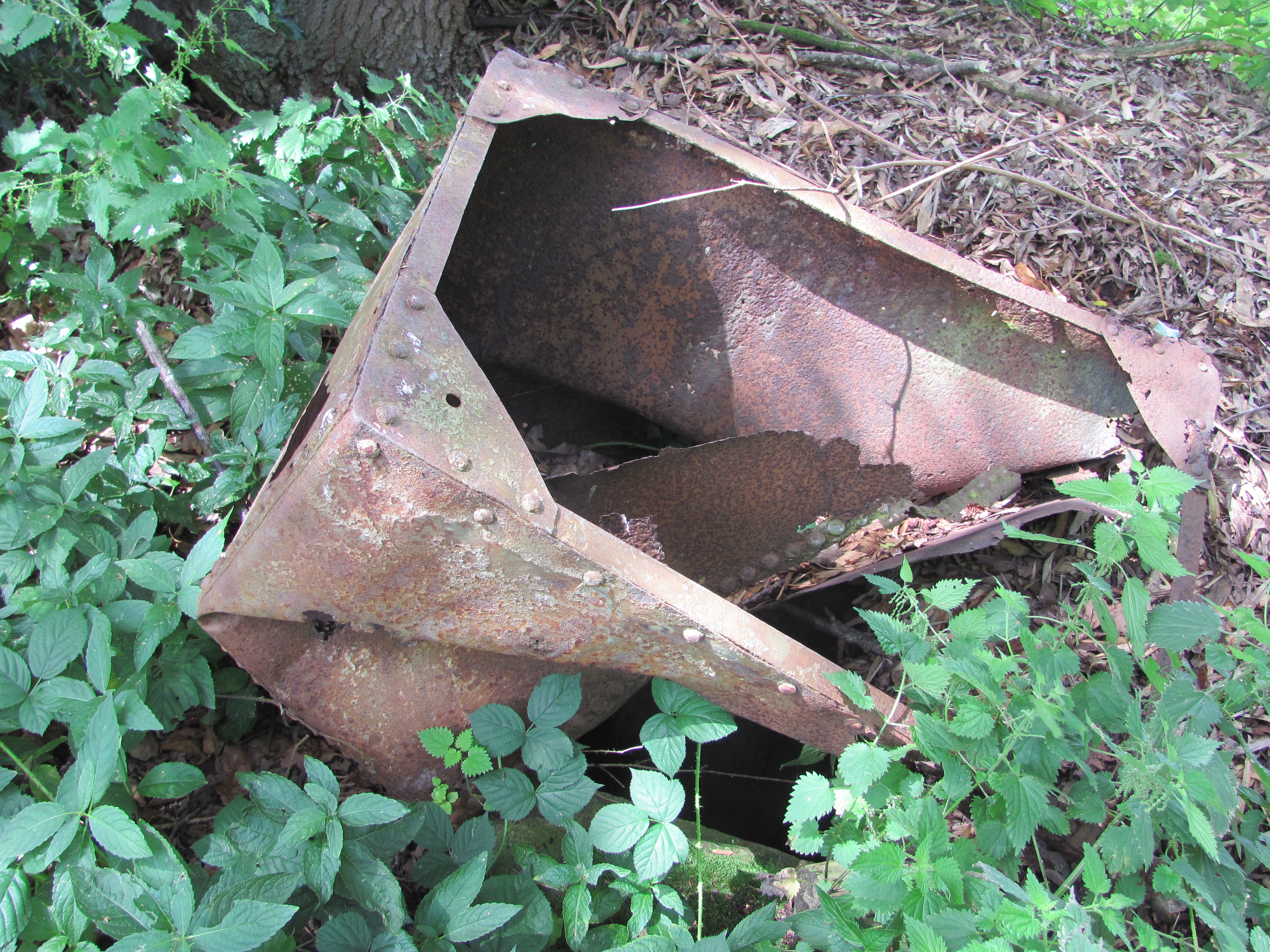
The wood gave away its past. Signs of the work of woodlanders abound. Their homes were now mere ruins covered in Ivy as Mother Nature reclaims her woodland. A clearing showed signs of coppicing.
The darkness of the wood and its cooler atmosphere was in stark contrast to the brightness and warmth that greeted us as we left it behind and returned to farmland. The path narrowed and took led us around a field edge where the sterility and silence of the arable farming on our left clashed with the natural exuberance of the hedge and the wildflower filled verges.

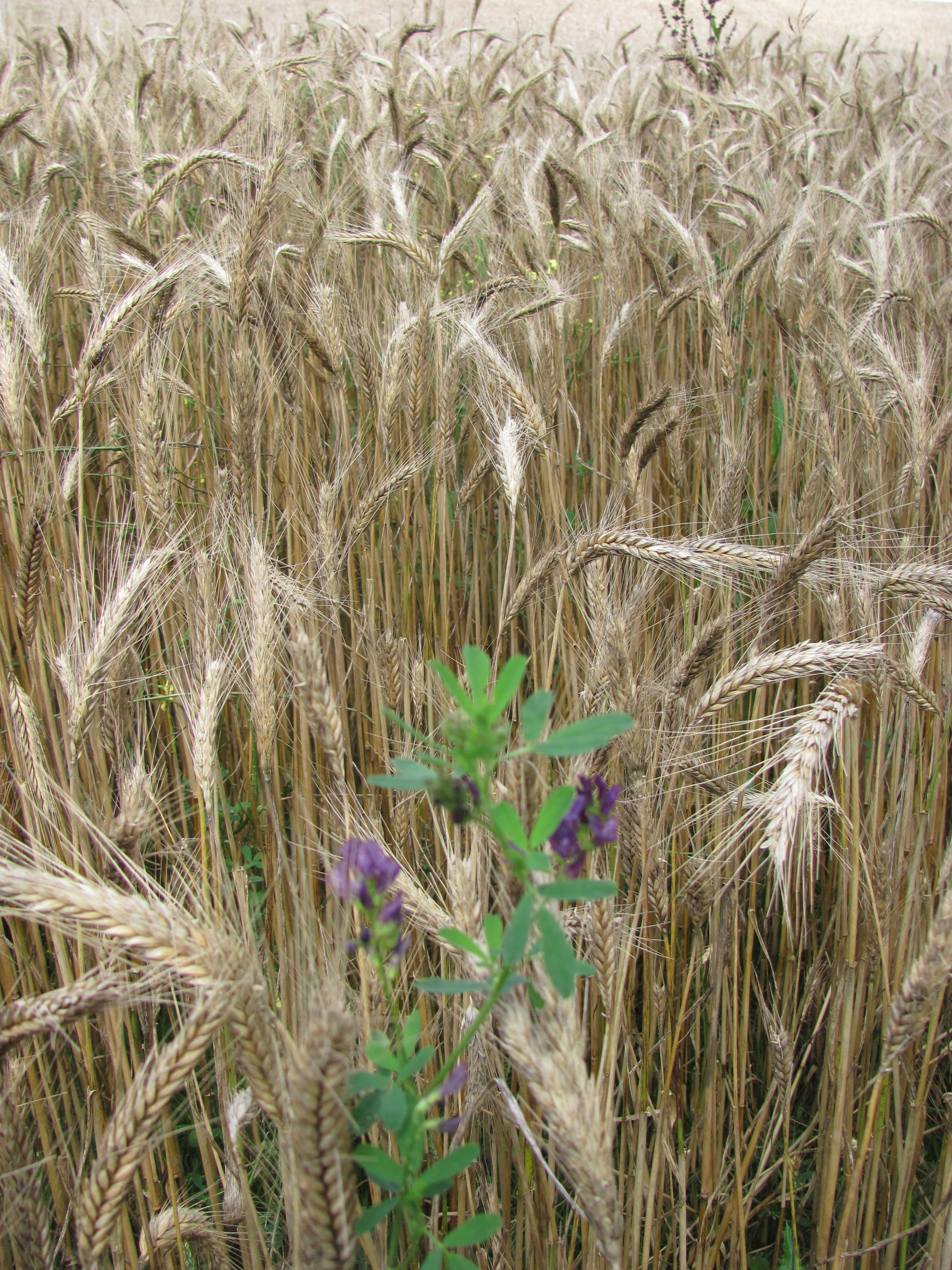
This was modern agricultural practice at its worse. We crossed over several of these fields and saw no signs of life apart from two Wood Pigeons flying overhead. The only flowers were a few yellow Rape plants from a previous crop and brave purple flowered Vetches attempting to clamber the Barley stalks close to the path. Years of pesticide and herbicide use coupled with monoculture has wiped out wildlife from these acres of land. To illustrate the point a small group of Swallows flew over the crop in search of insects, but it was in vain and they quickly moved on. At least until the footpath signs disappeared once more and we relied again on the smart phone maps to rescue us.
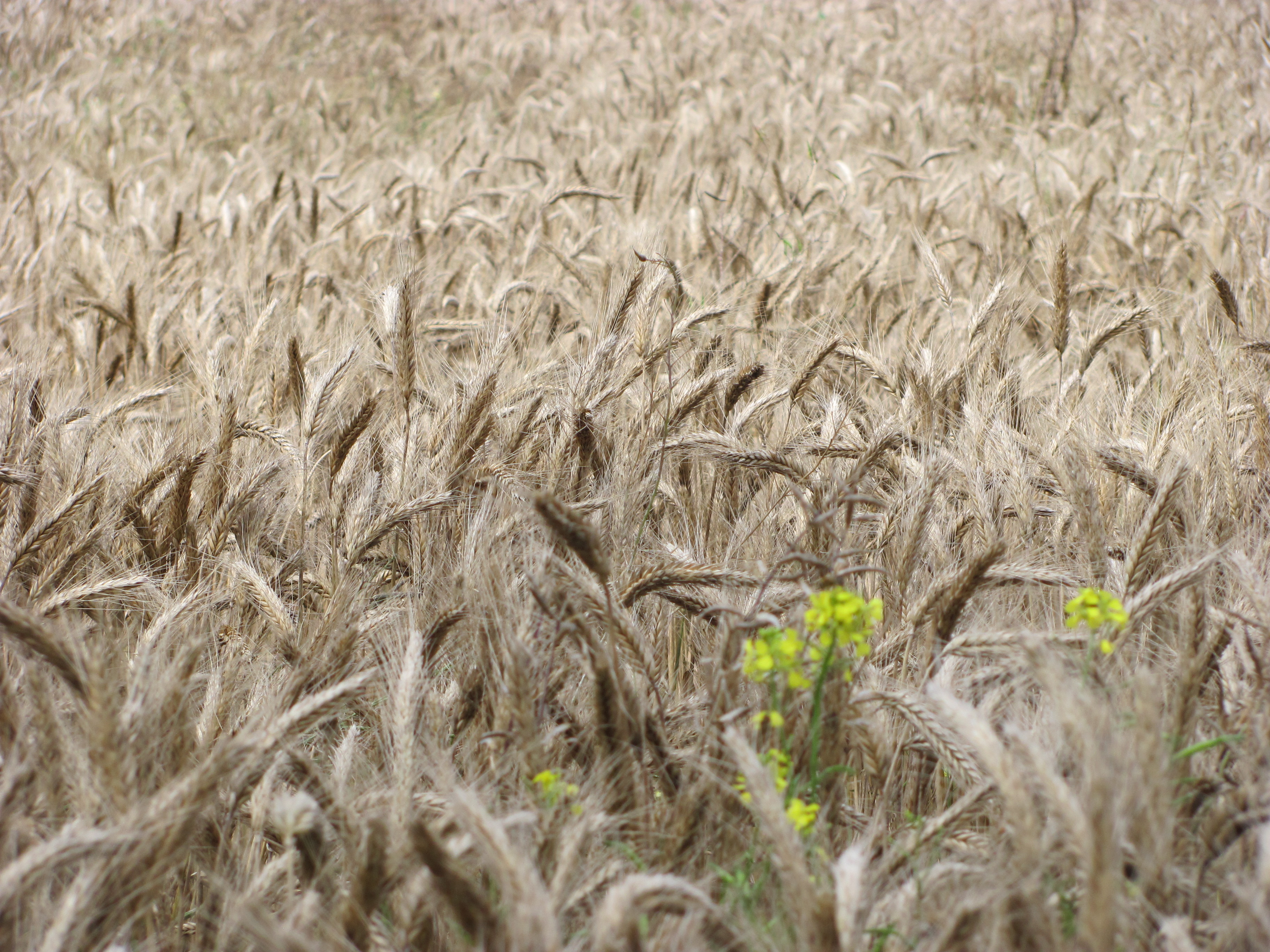

The path crossed one of these fields creating a narrow band of green which cut through the drab grey-yellow of the Barley. The only good part of crossing this desert was the rattling sound that the ears of Barley made as our elbows brushed past them.

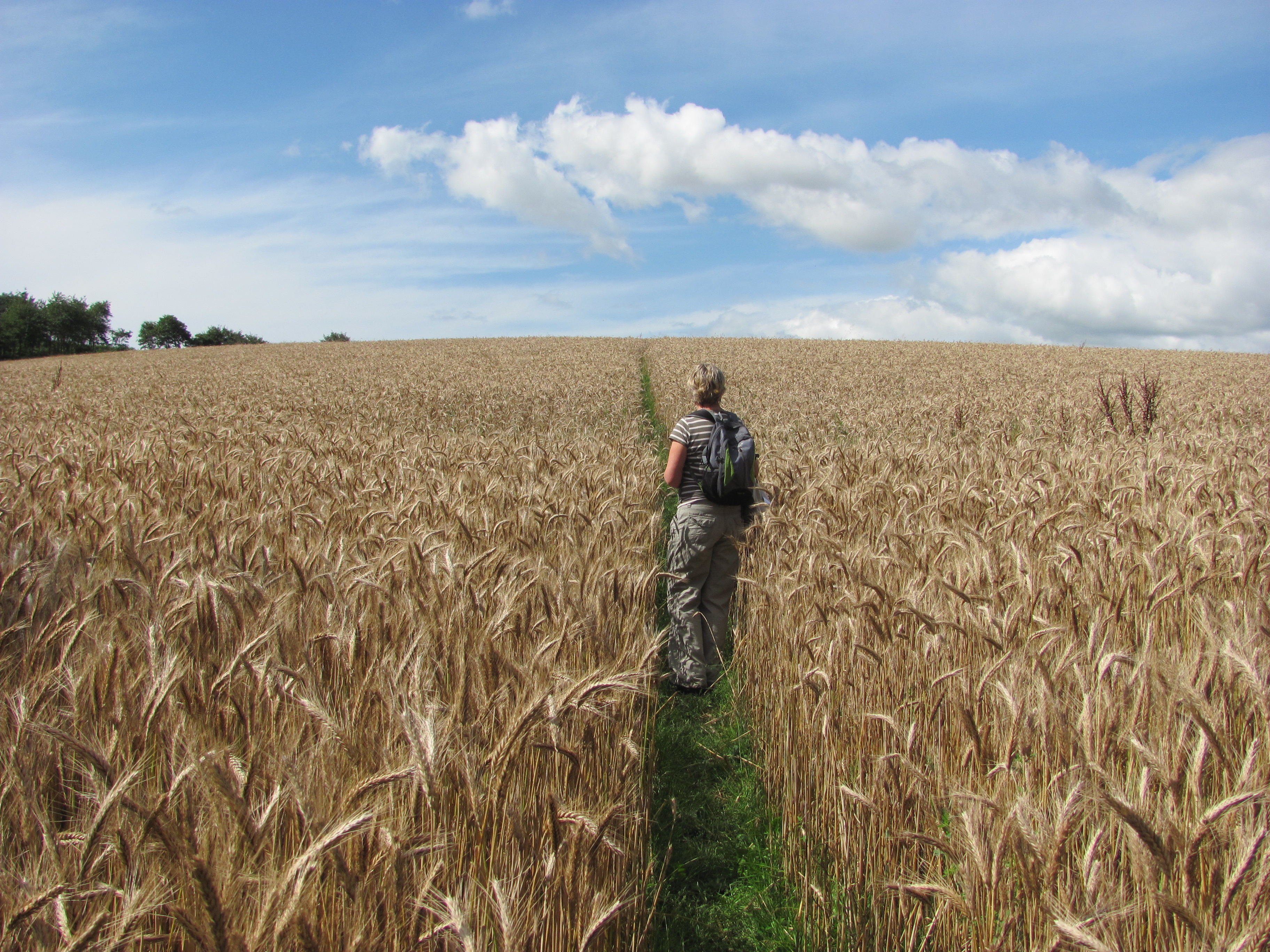
Walking across the field we aimed for a style in the distant hedge. It seemed a long way across as there was little to look at or to listen to. The style in the hedge turned ou to be a double style, one each side of a thick, dense, tall hedge. there was a different world awaiting us on the other side. The grassland here was full of clovers and there were many different grasses, not just the ryegrass we had walked through earlier.

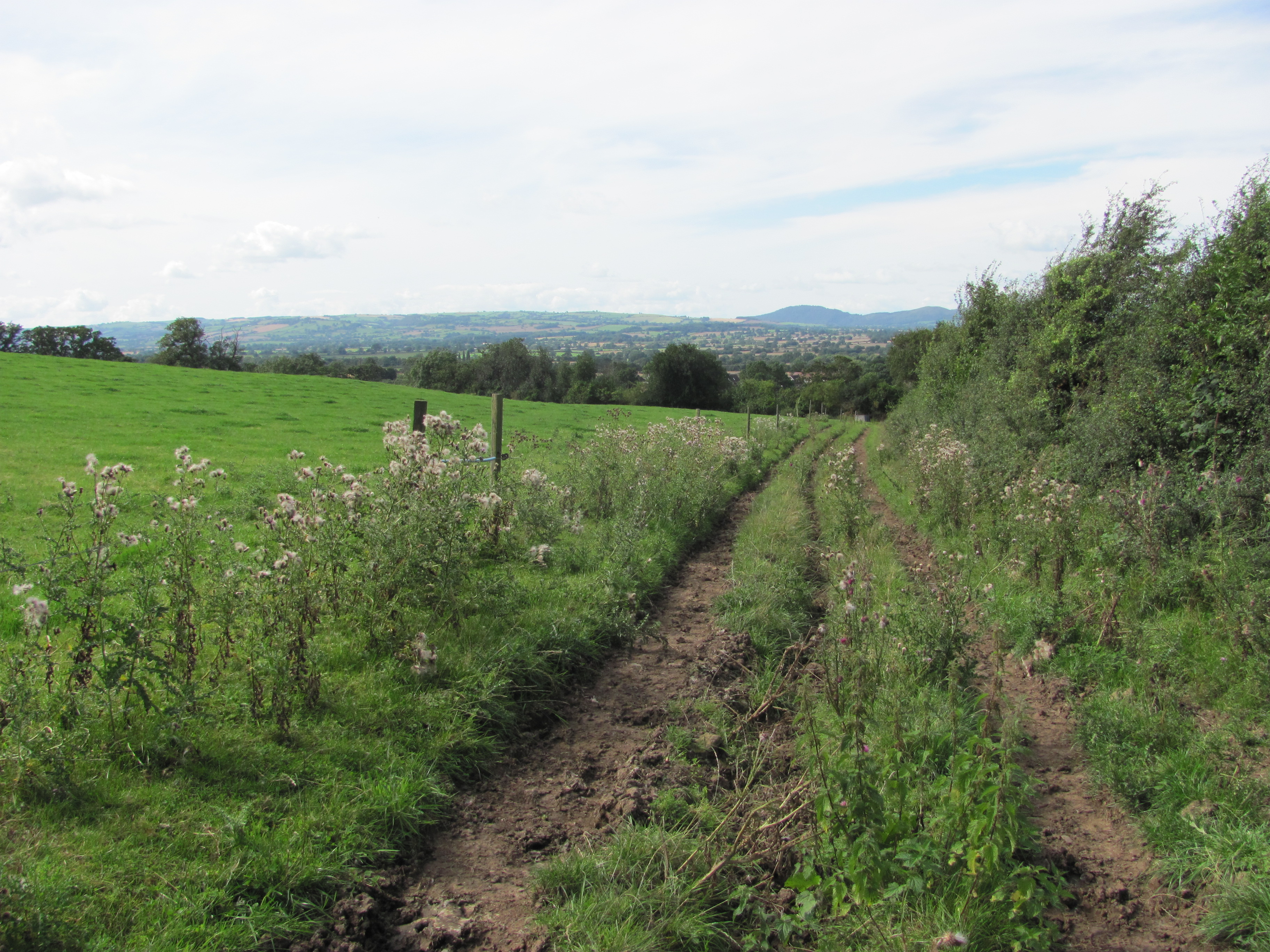
We were now within the land of our local organic dairy farmer. The hedgerows had deep verges full of wildlflowers, thistles, mallows and vetches. No hedges had been removed and the fields were much smaller.
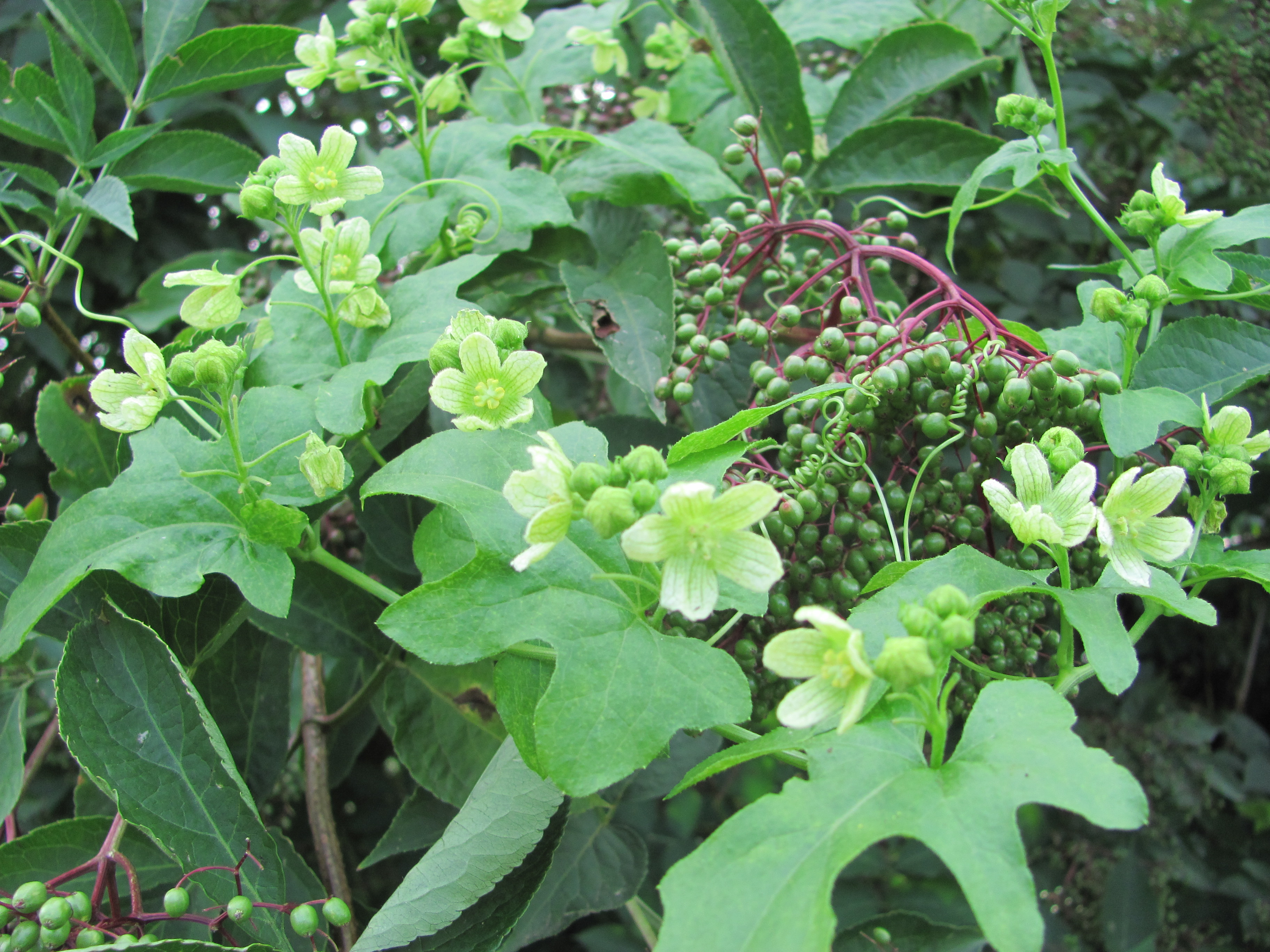
As we passed through to another field we were hit by a sweet. rich aroma from the hedge. It took us a while to find the source – a Sweet Bryony clambering over an Elder.
It was downhill now all the way home and we enjoyed lovely views through gaps in the tall hedges.
As we left the final field of pastureland we spied our house across the hayfield. We had to pass our big old oak tree which we admire from out back garden. As we walked along the fence to the garden gate we called out to the chickens. They looked totally confused – we were the wrong side of the fence.

Categories
birds climbing plants garden design garden photography garden wildlife gardening hardy perennials ornamental grasses ornamental trees and shrubs photography Shropshire trees village gardens wildlife

A Wander around our Garden in August

Our garden in August is a bright, colourful place full of lush growth, rich scent and so much wildlife to enjoy. Our wild birds are mostly quiet at present as August is the time when they hide away as they go through their annual moult. They have gone to ground and gone silent.

Above our heads however avian activity is busy and exciting. The Swallows and House Martins are feeding up in anticipation of their migration south. The sky is full of them, but the screaching of Swifts is absent as they began their own long journey a few weeks ago. For a few days there is a gap in the sounds – we miss them for their excited calls and aerial displays.

The calls of the young Buzzards can be heard above the Swallows and Martins, as they excitedly search out thermals and discover the joy of riding them. The Peregrines have reappeared now that their breeding season is over so we can watch the adult pairs rising in ever-higher circles until they disappear from view. Our eyes become incapable of seeing them as they become smaller, become dots and are then gone. They have the luxury of far better long distance vision than us – they will see the movement of their prey from hundreds of feet up in the air. A real treat is to spot them as they stoop, travelling down at speeds of over 200 miles per hour with a pigeon in their sights.

Yesterday when deadheading in one of our borders we were surprised by a low-flying, high speed Green Woodpecker who zoomed close to us, just a few feet away. A real treat!

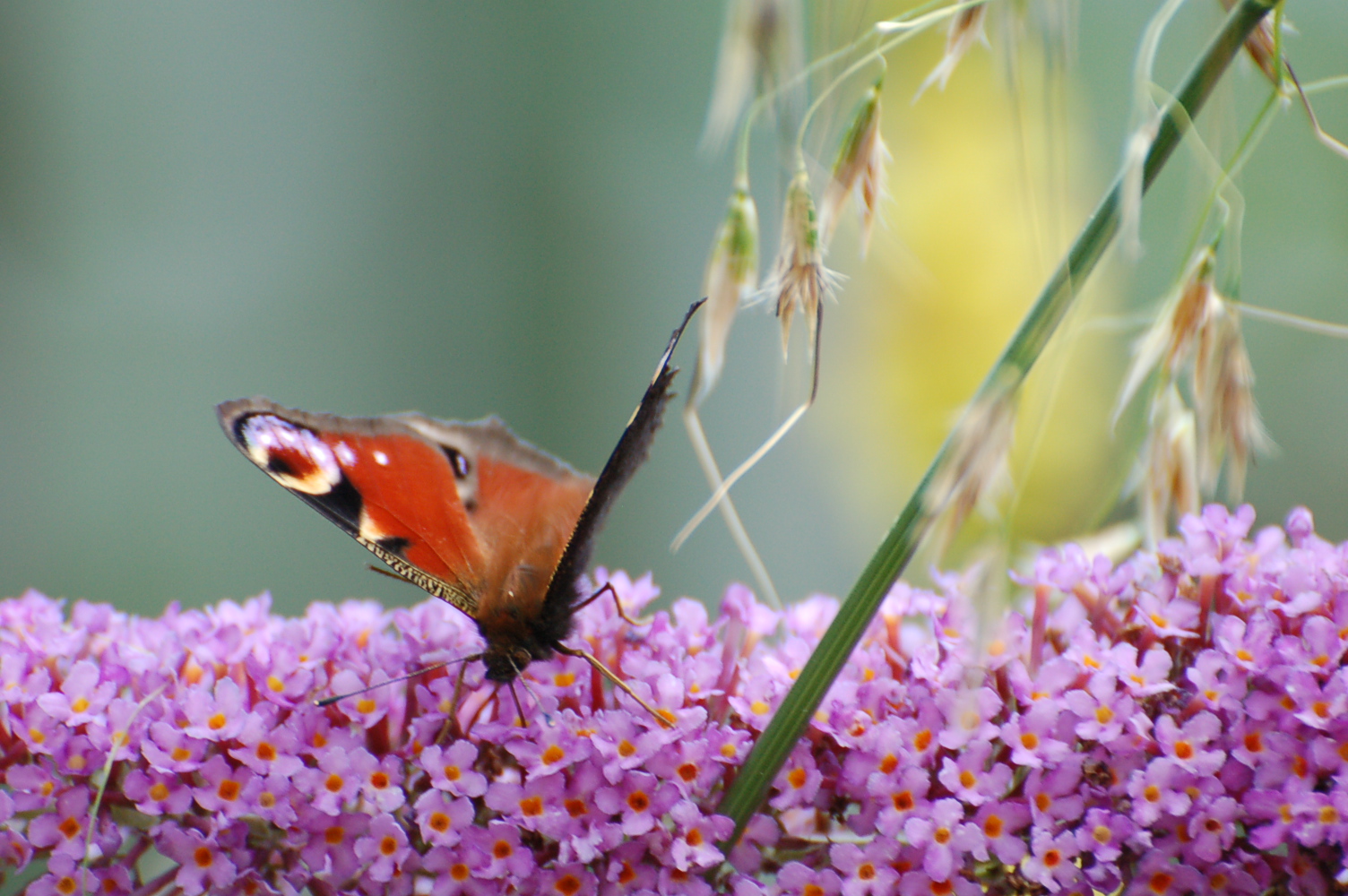
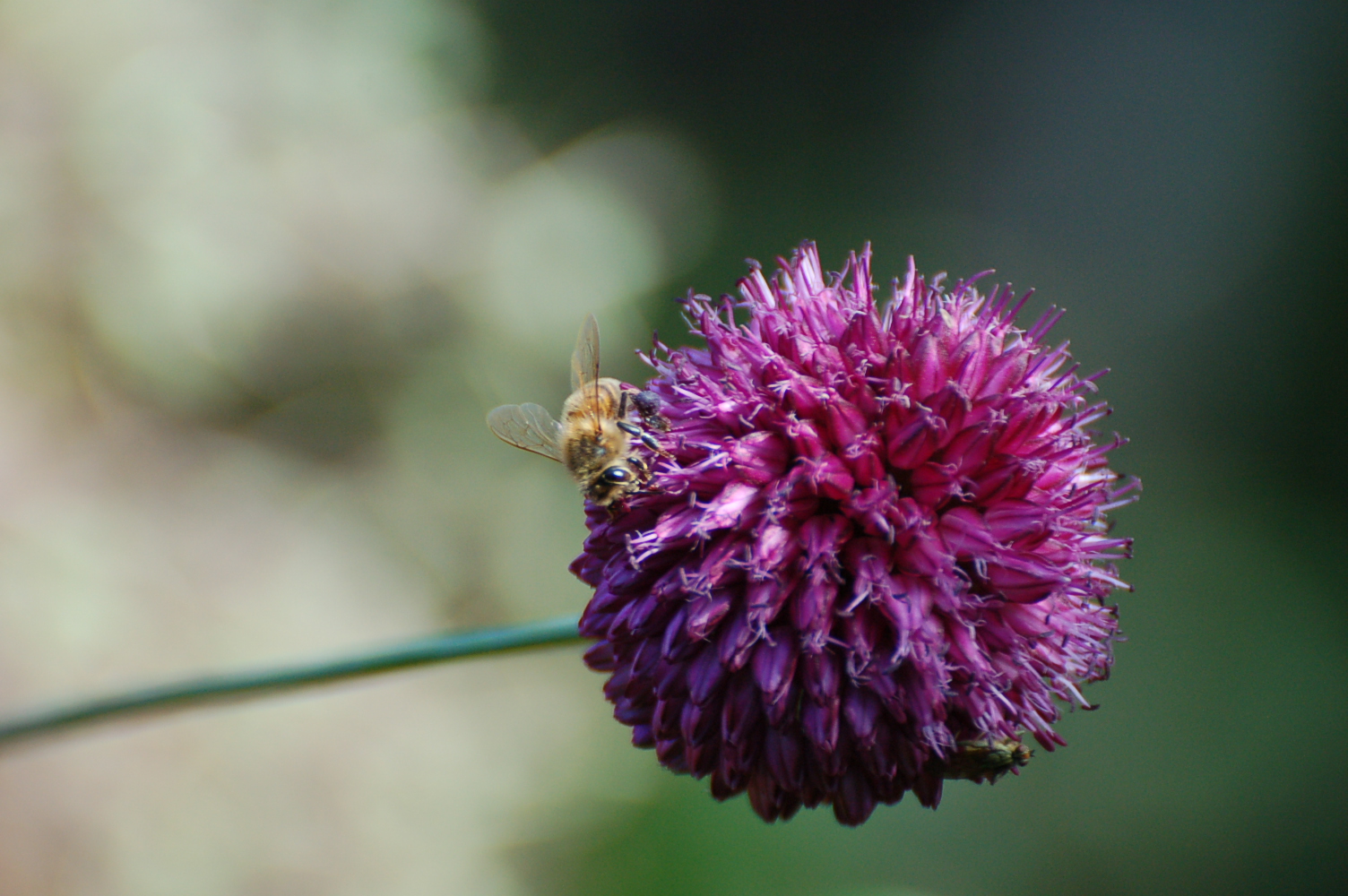
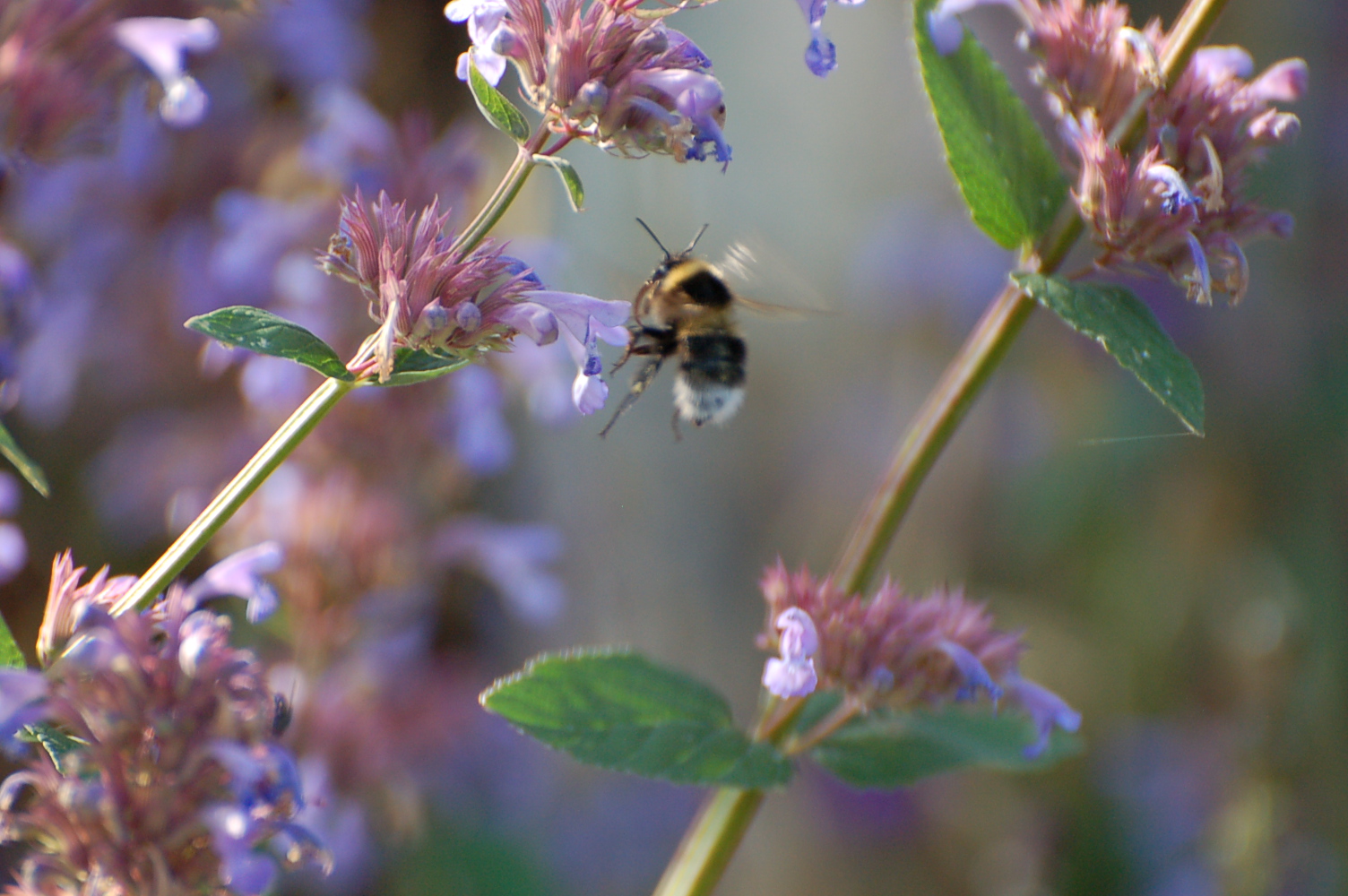
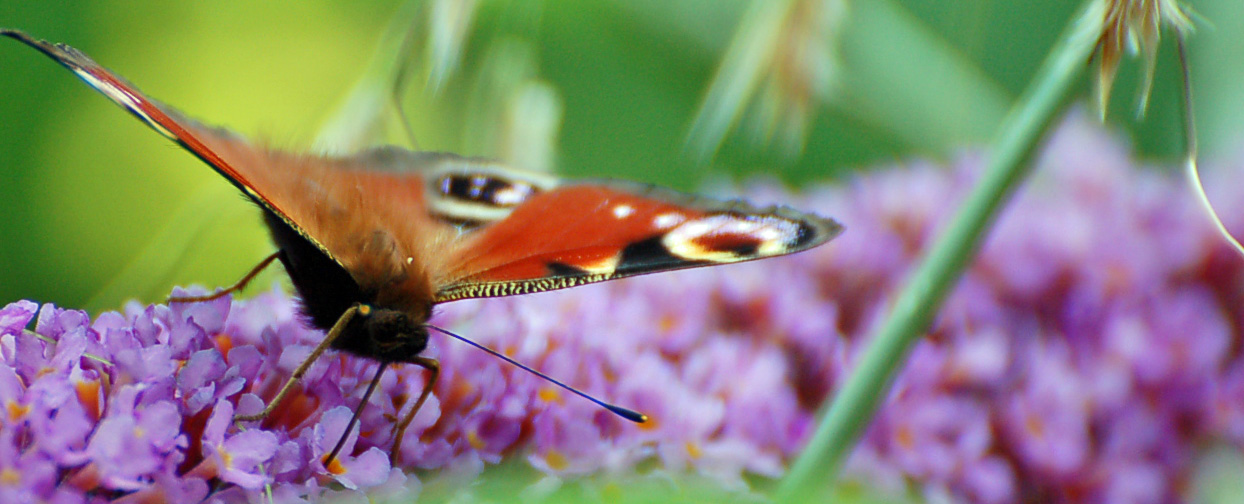
Insect life is flourishing. On any warm bright day a variety of insects can be seen hunting out nectar and pollen. Butterflies, bees and hoverflies are attracted to Buddleias, Alliums, Salvias, Nepetas, Lavenders and Echinops. There are so many Peacock Butterflies around at the moment but you can’t have too many of them. The Holly Blues are much scarcer and flit continuously rarely seeming to settle.

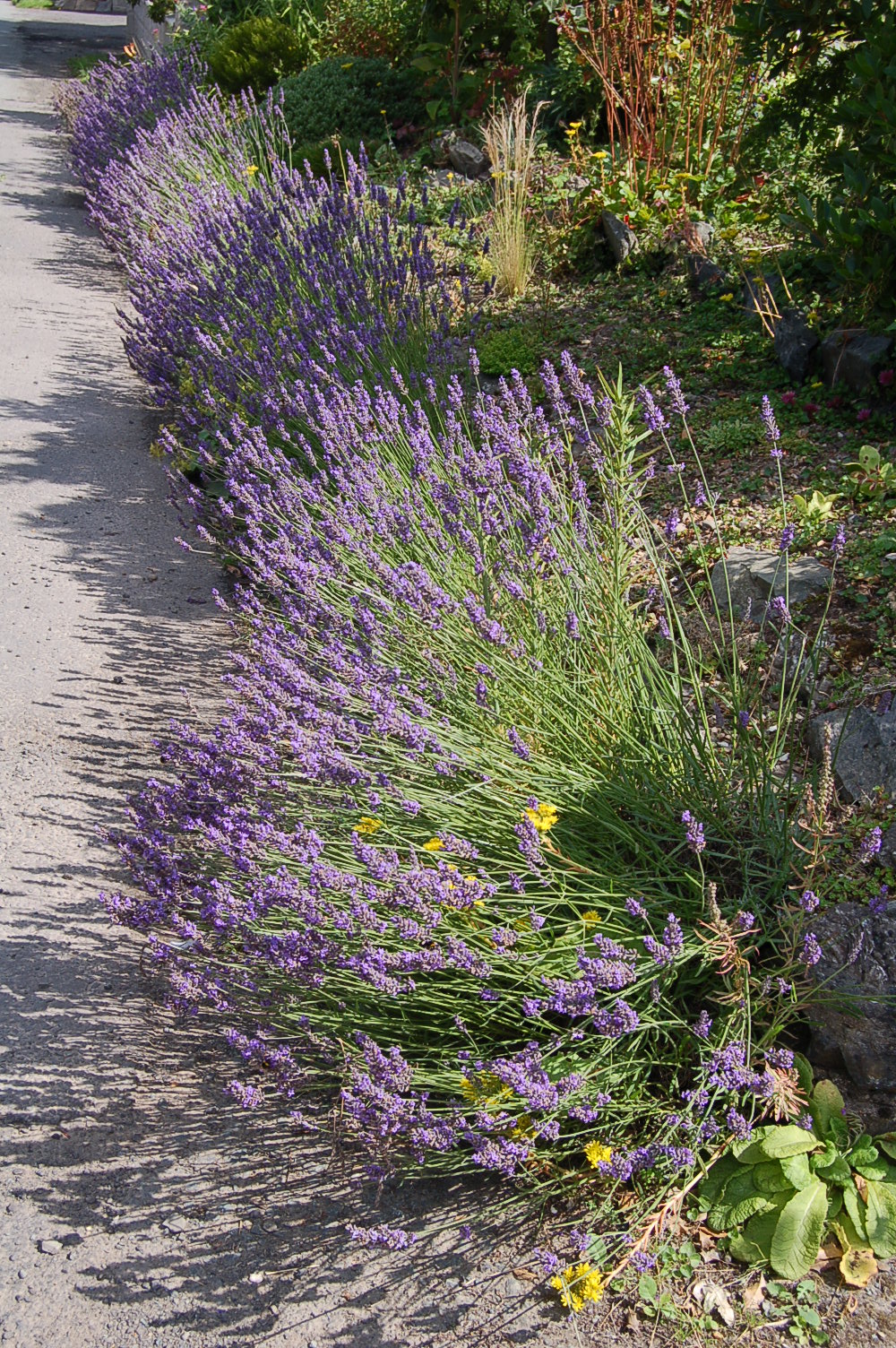
Bees and hoverflies are attracted to our Lavender hedge which borders the lane which passes in front of our garden.

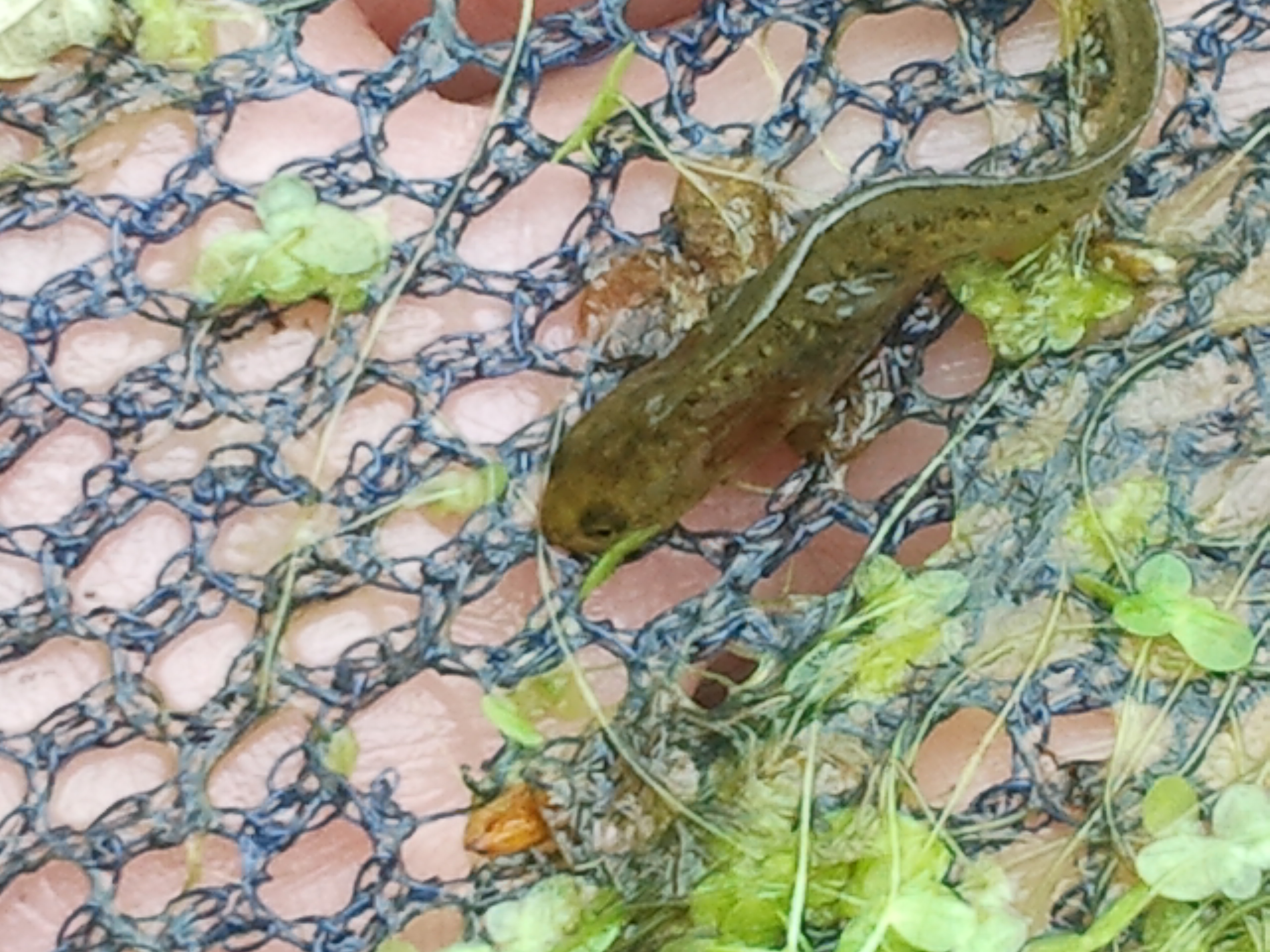
The ponds are full of life with shoals of young fish basking in the shallows, diving Beetles and Boatmen moving up to the surface and back to the bottom regularly. On the surface Pondskaters pace out the length and breadth of the pond surface. Young newts regularly appear at the surface take a gulp of air and drop back down. When Jude the Undergardener nets the duckweed and blanket weed from the pond she catches newts every time. She is delighted with every newt that graces her net. I am convinced that removing the weed is an excuse for her newt catching exploits. In August the majority of newts Jude catches are youngsters.

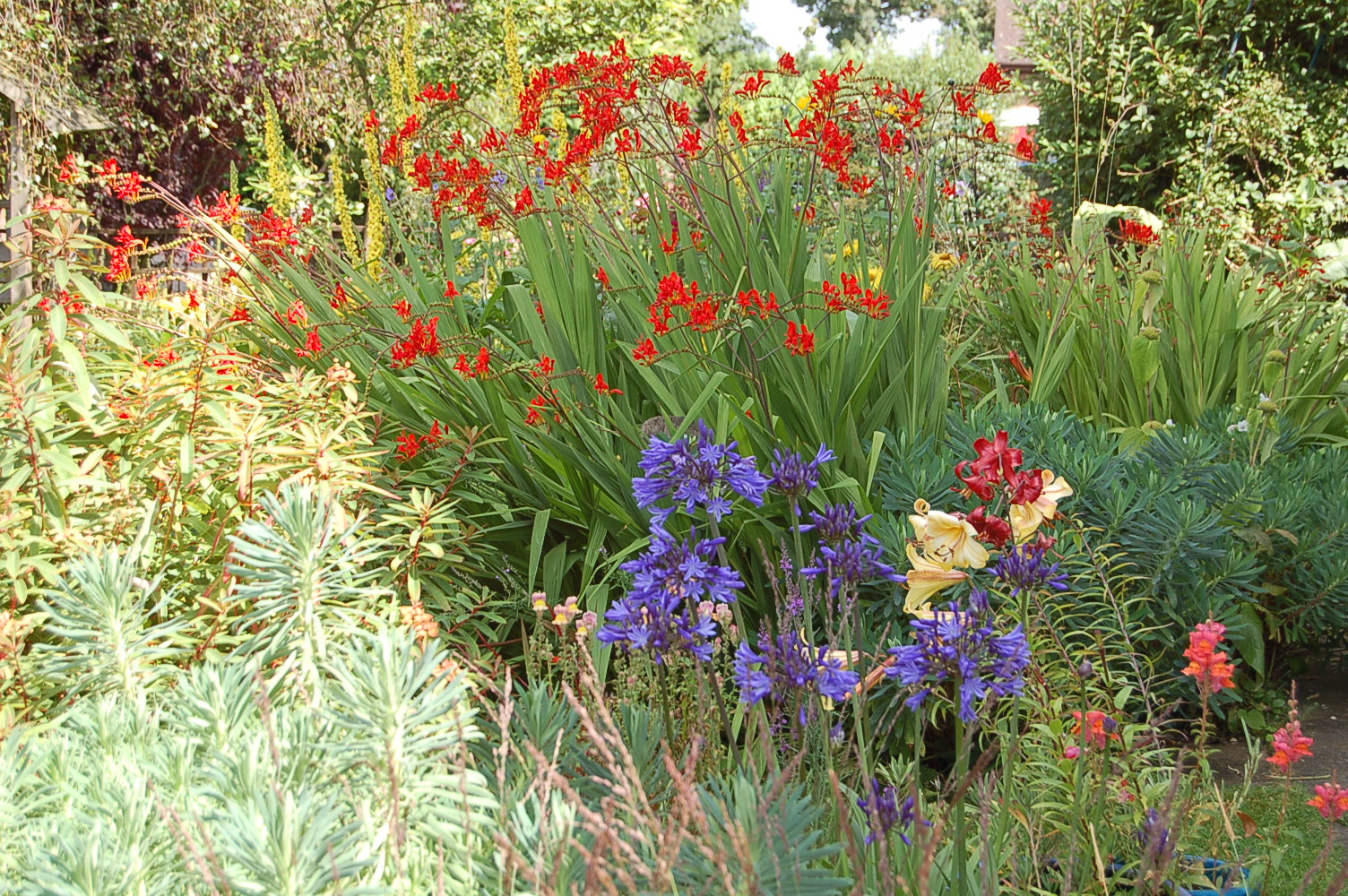
The front garden is looking good! So much colour! The Hot Border is HOT!

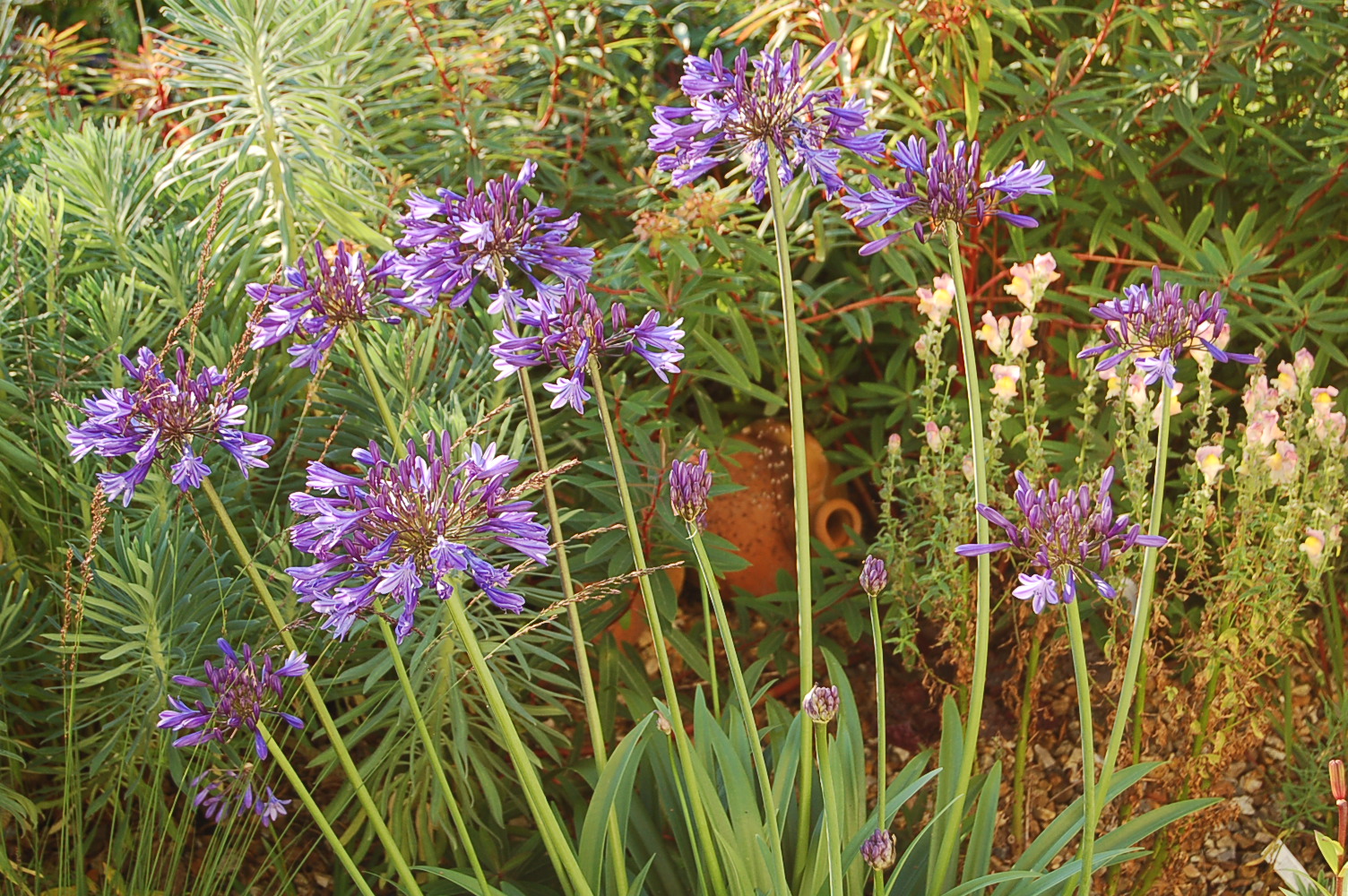
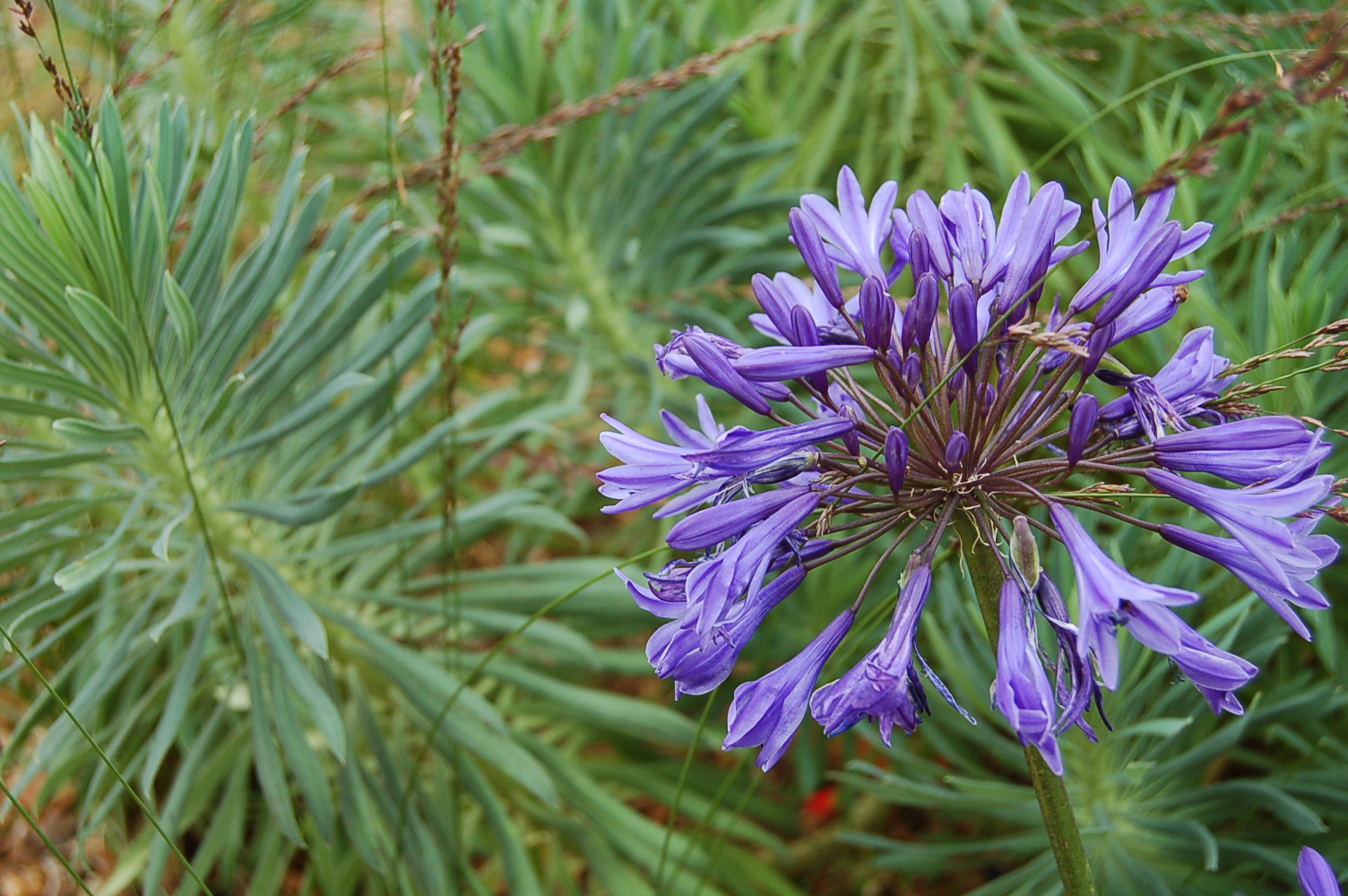
The “Beth Chatto Garden”, our gravel garden, is full of interest with Agapanthus taking centre stage. These Agapanthus were actually bought from the Beth Chattos Gardens nursery.

Early in August the front garden was dominated by yellow – even Jude the Undergardener was wearing yellow – but after a few weeks all the other colours caught up.

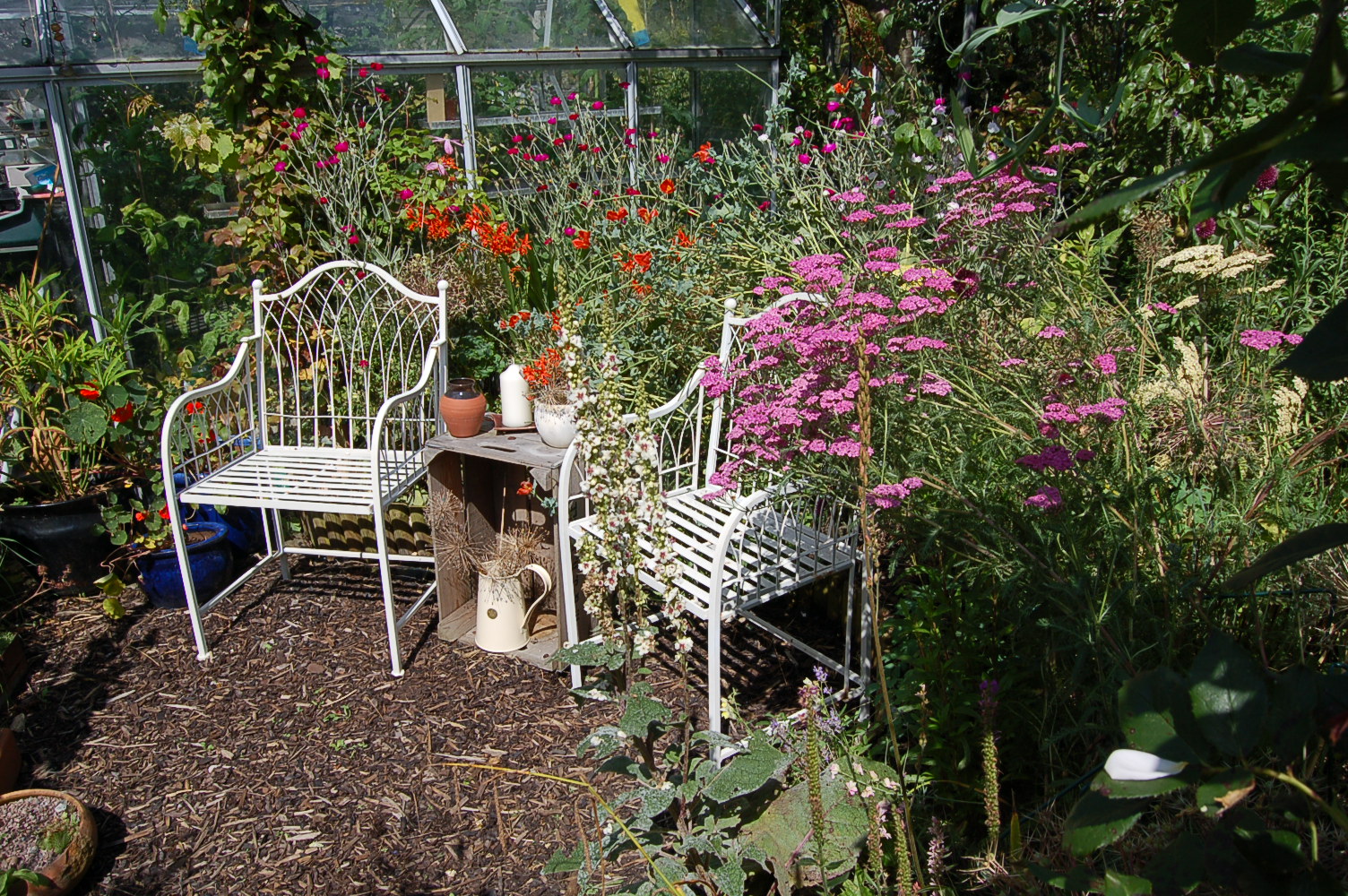
In the back garden the growth in our Secret Garden is exuberant to say the least. The foxgloves are going over but the achilleas, lychnis and alliums are still giving us a full performance.
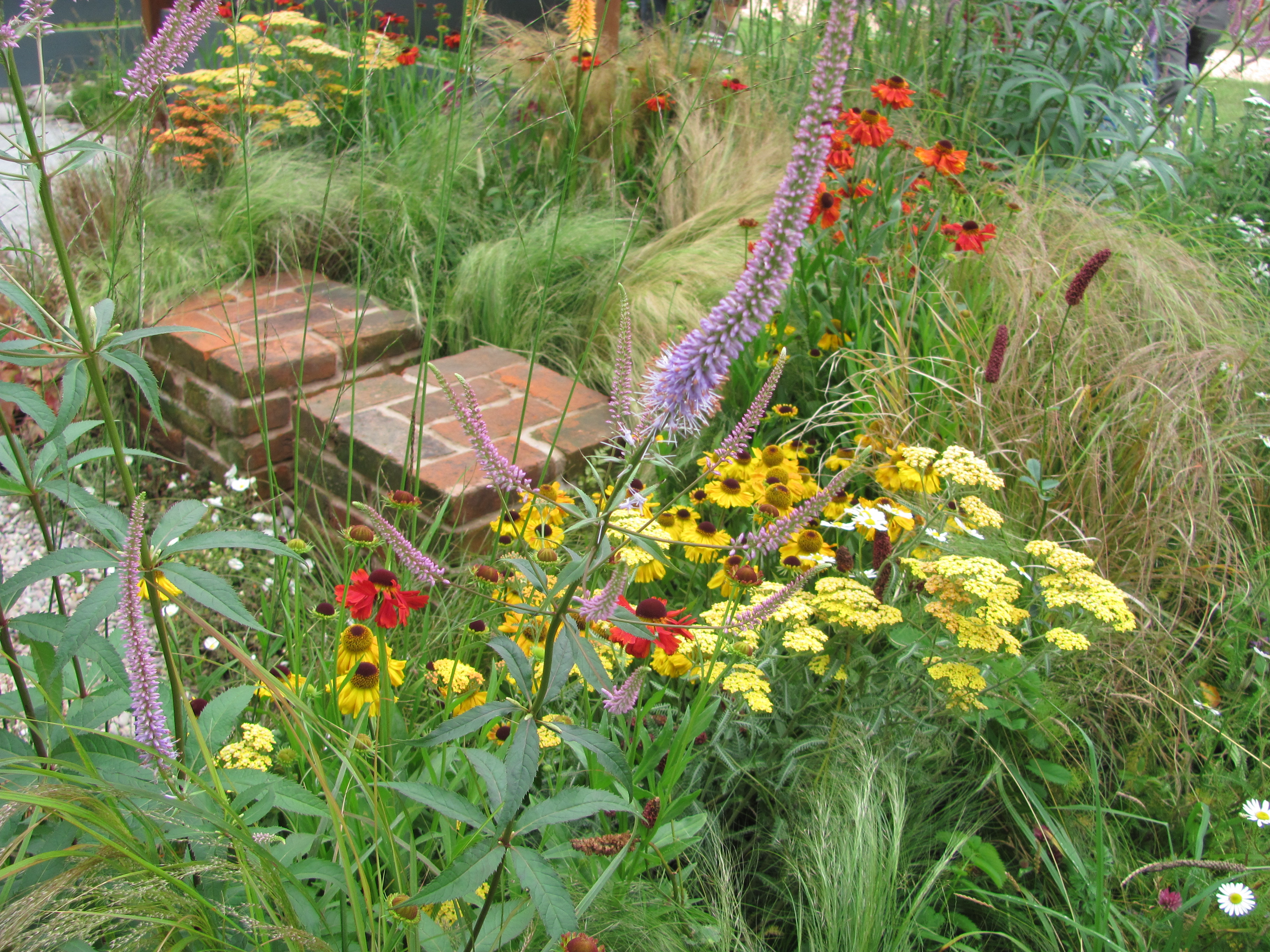
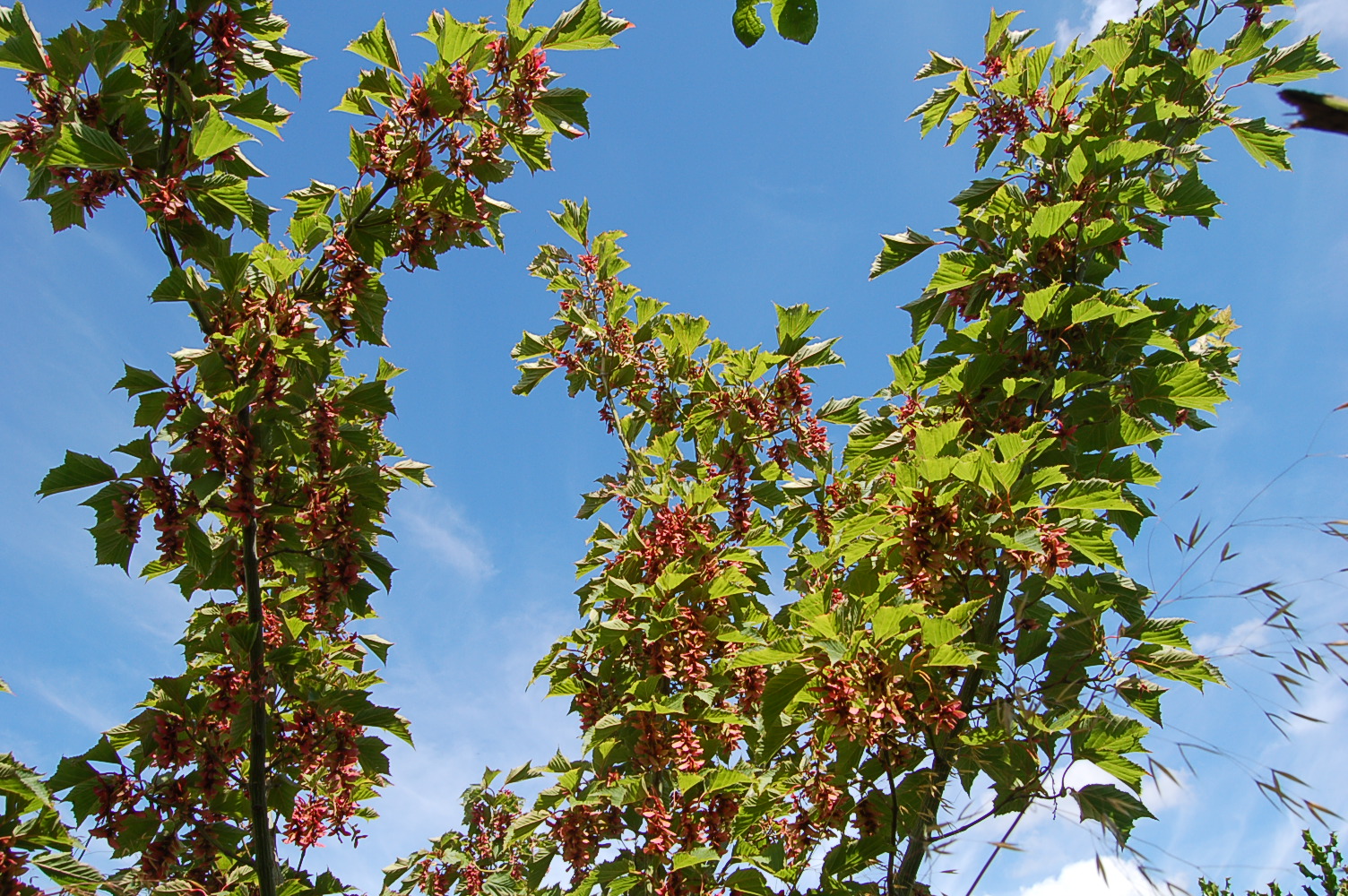
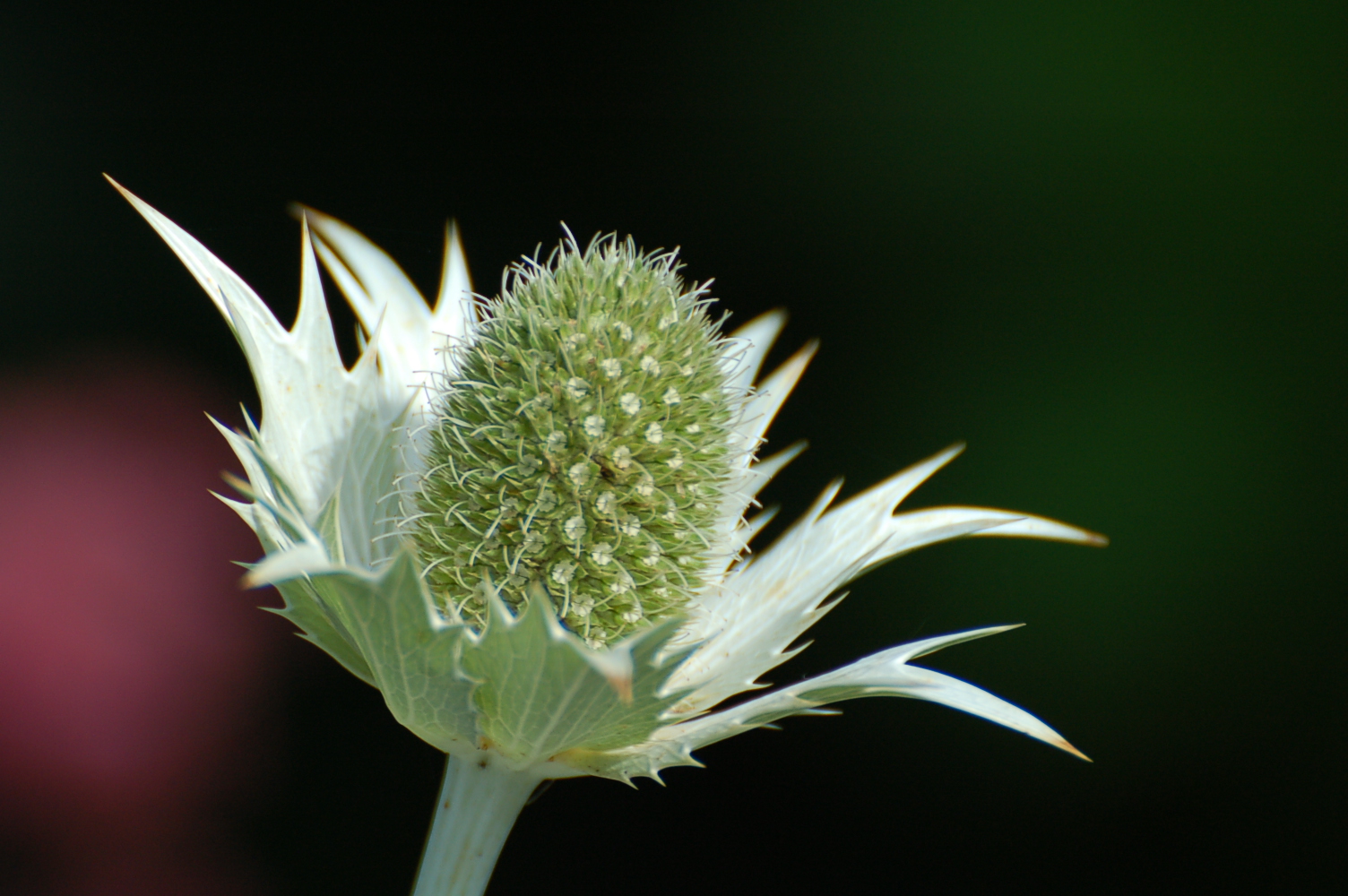
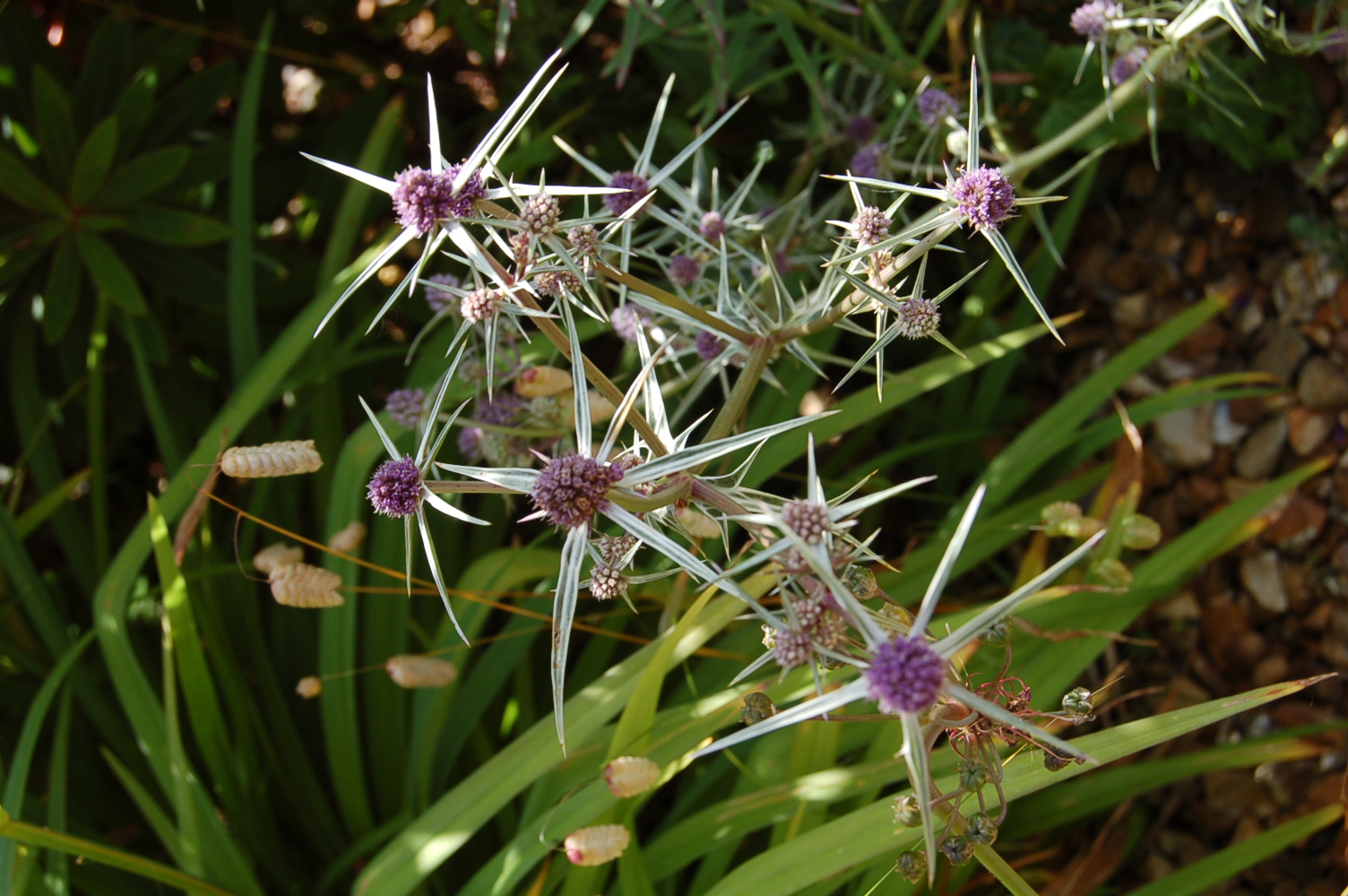
Elsewhere in the borders of the back garden the seedheads of our Snakebark Acer add rich reds, Crocosmias give every shade of yellow, orange and red, Achilleas add subtlety and the spiky Erigeron flowers provide silver.

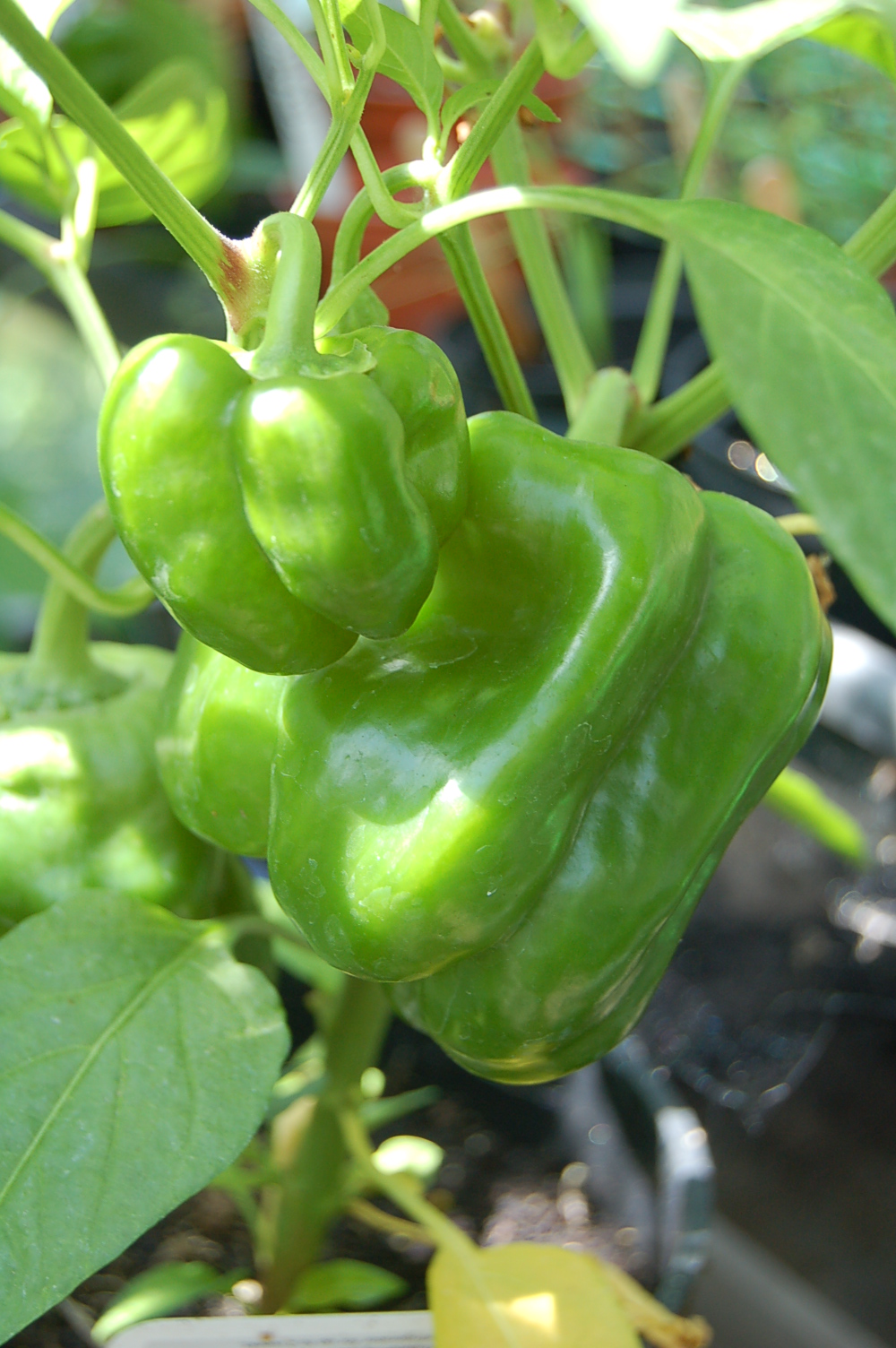
In the greenhouse tomatoes, cucumbers and capsicums are adding sweetness and freshness to the cut-and-come-again mixed leaves of ours summer salads.

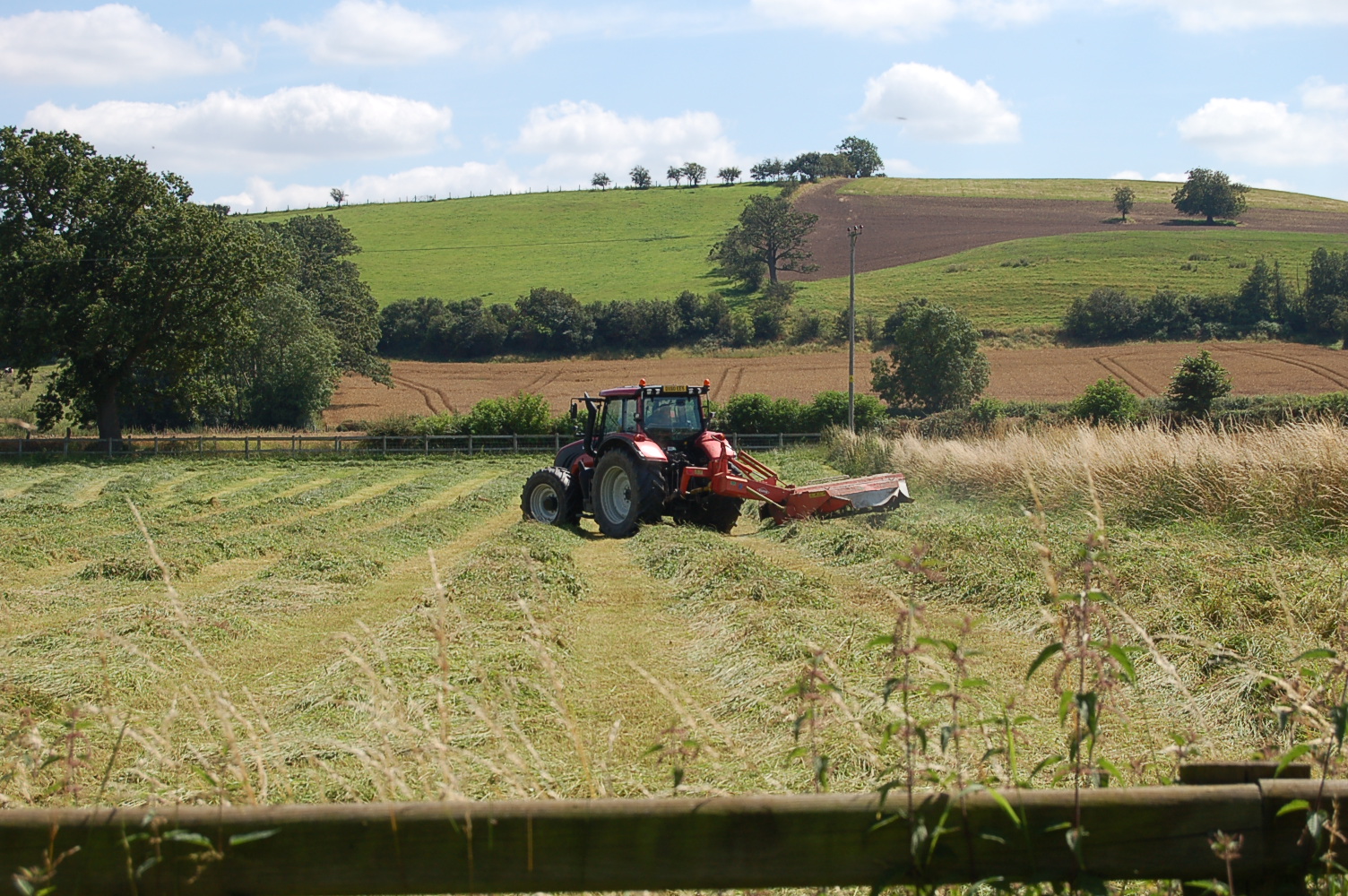
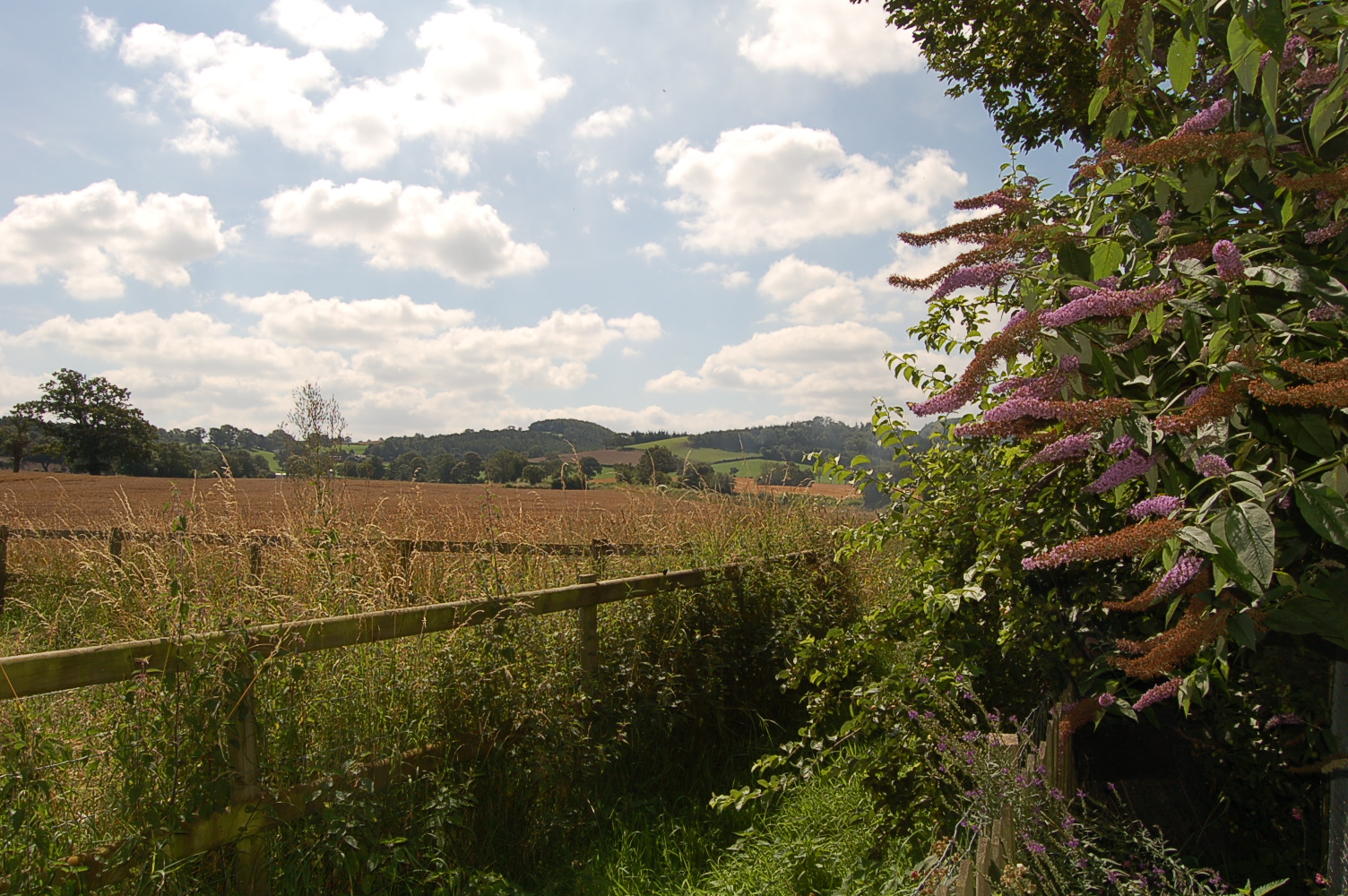
The world beyond our garden is changing this month as in our borrowed landscape the hay in the paddock has been cut and baled and the wheat fields turn gold and are being harvested one by one. By the time my September garden wander comes around the skys will seem empty as the Swallows and Martins will be on their way to warmer climes, but the garden will be getting busier with mixed feeding flocks of titmice and Goldcrests, and others of mixed finches.

Categories
conservation flower show garden design garden photography garden wildlife gardening hardy perennials July meadows ornamental grasses ornamental trees and shrubs photography RHS The National Trust wildlife

A Day at the RHS Flower Show Tatton Park

We have been to the Chelsea Flower Show, Harrogate Flower Shows and The Autumn and spring Malvern Flower Shows but the one we enjoy the most is always the one set in the grounds of Tatton Park. Luckily this is the RHS show closest to home. Although Chelsea is often called the greatest flower show, having visited once we have no desire to go again. But we frequently go to Tatton.

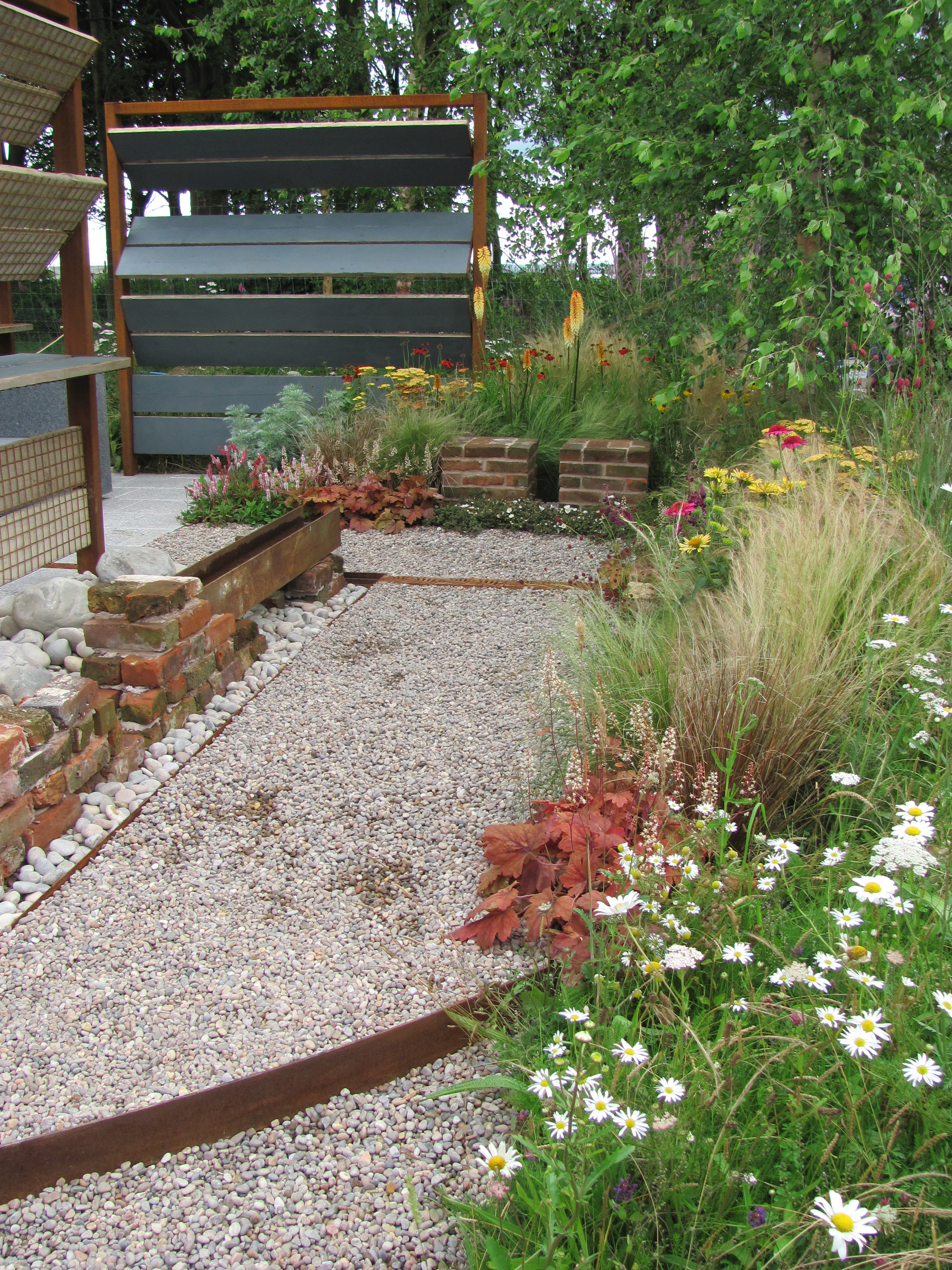
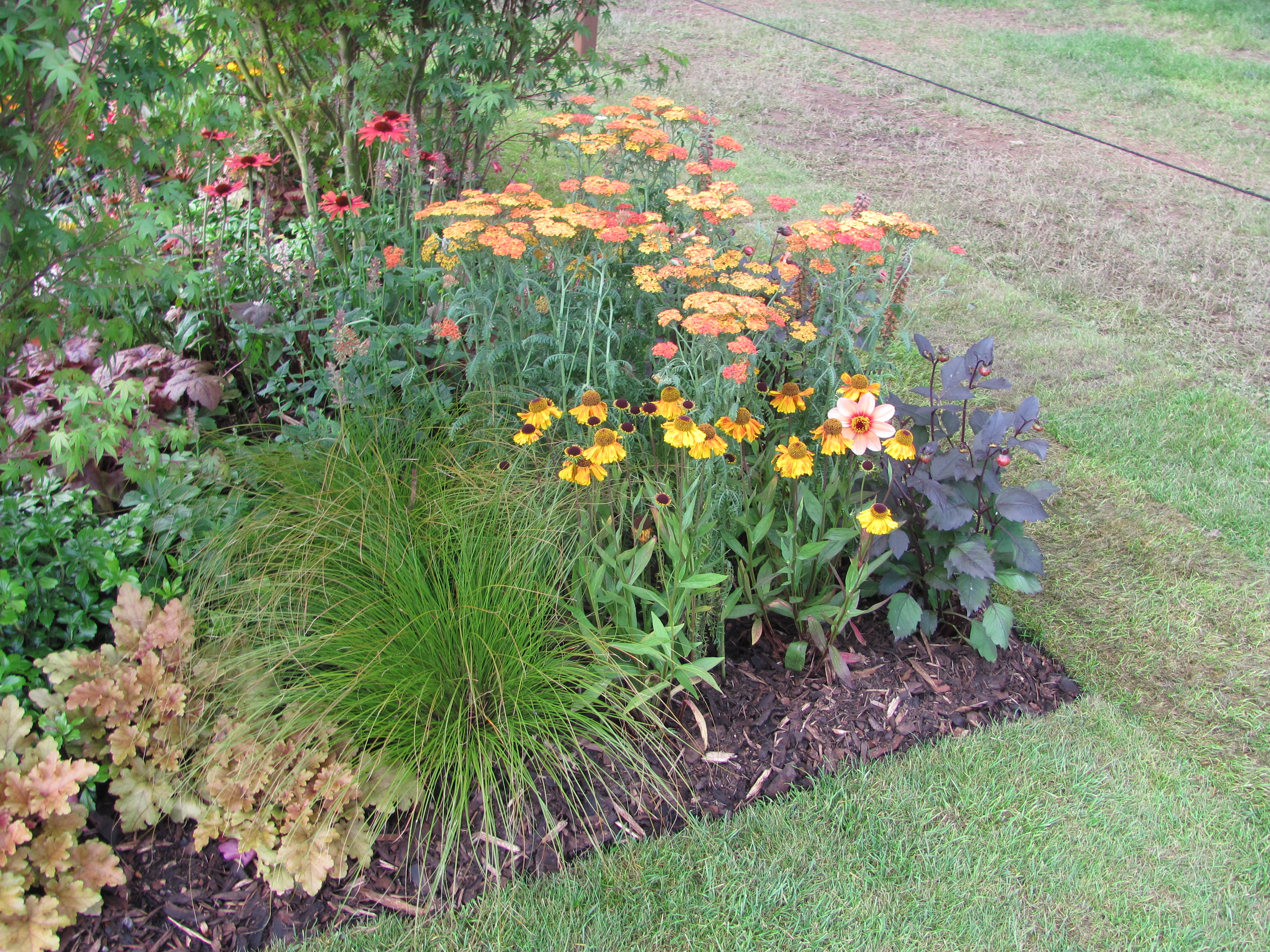
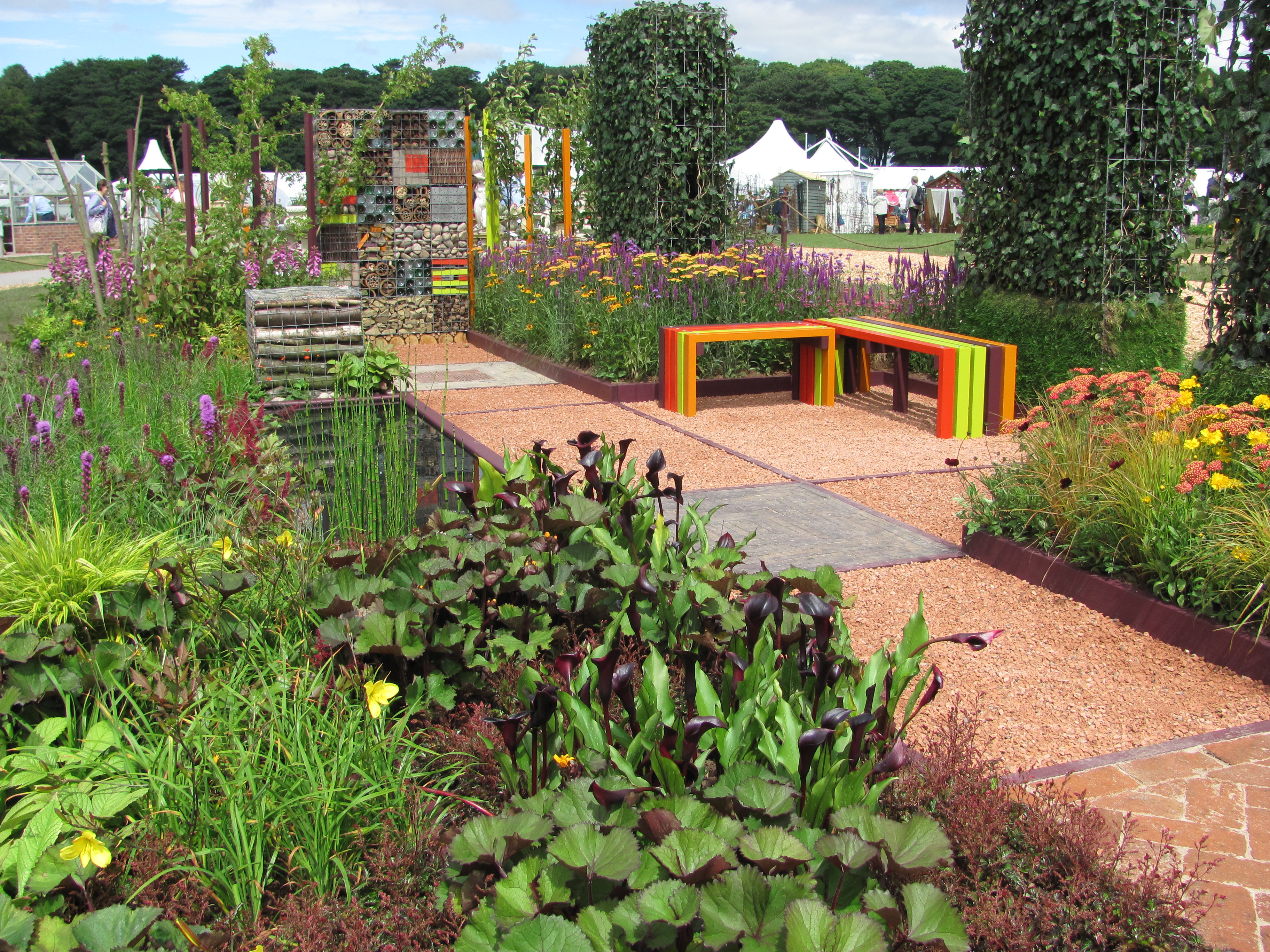
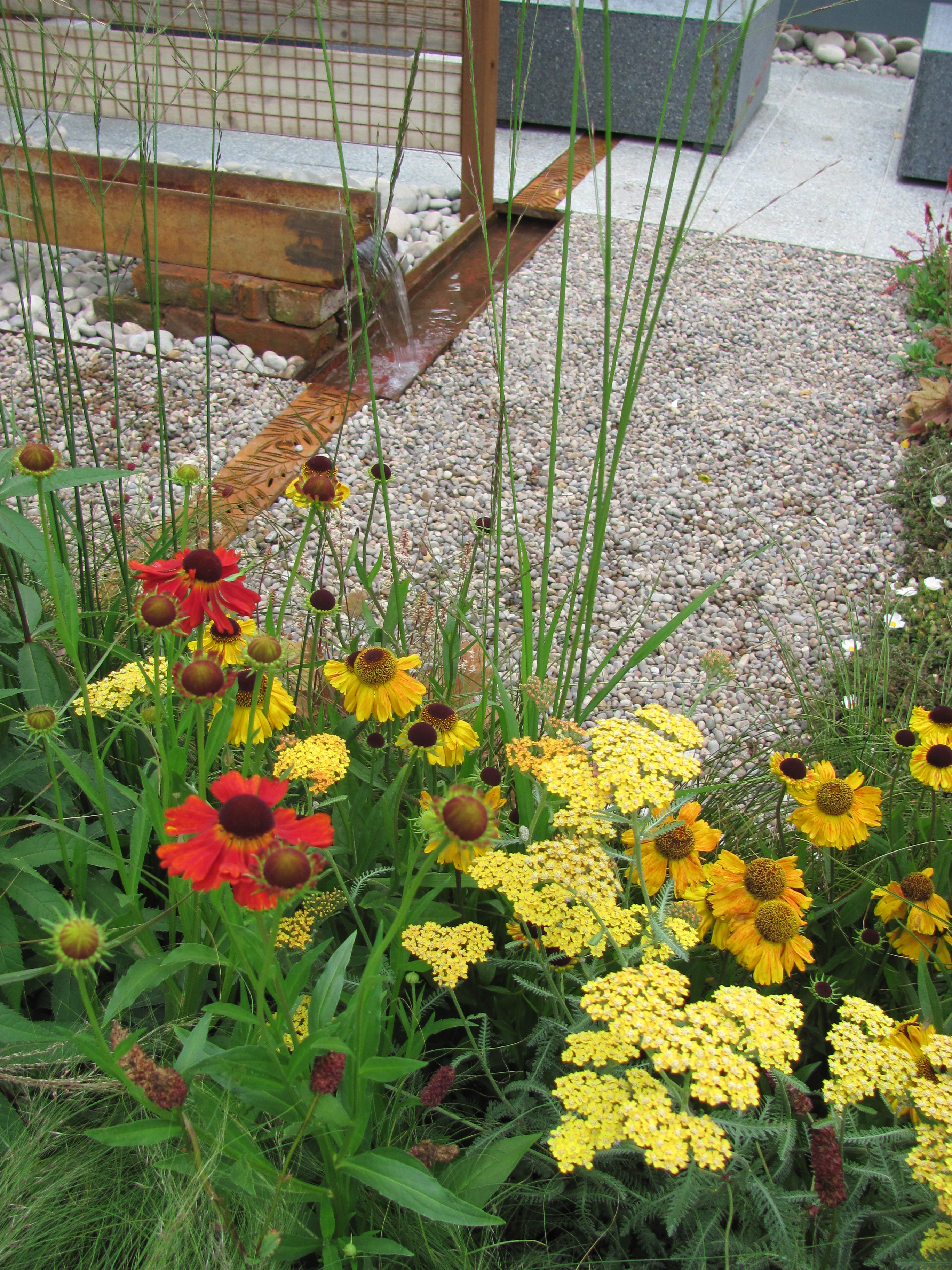
Tatton Park Show is described as “the North’s greatest garden party”. We enjoy its large show gardens, its “Back to Back” gardens and children’s gardens but most of all those designed by young garden designers. This is where the UK’s garden designs of the future lie and the standards are always so high. The designers have to be under 28 and this year their brief was to design a garden based on the theme of “colour”. We were so pleased when we learnt that the designer of our favourite one of these gardens had won the accolade of “RHS National Young Designer of the Year”. Tristen Knight designed this garden using recycled materials and it was full of interesting and original ideas and design feature. The colour of his planting of perennials and grasses was beautiful, all orange and biscuit. He studied for a BA in Industrial Design and Technology before training in garden design at Writtle College. He spoke with great enthusiasm and excitement about his garden and he told us about the materials he had chosen and how they were all items from building sites. For example the rill was formed from a an “H” beam and the flexible screening was created from scaffolding boards. I found it hard to take photographs that did justice to this brilliant young designer’s work. We enjoyed his garden and talking to him about it.

We moved on to the main large garden show gardens, some of which we liked whereas others we did not like at all. But that I suppose is what design is all about. If we all liked the same plants and designs wouldn’t gardens be boring?

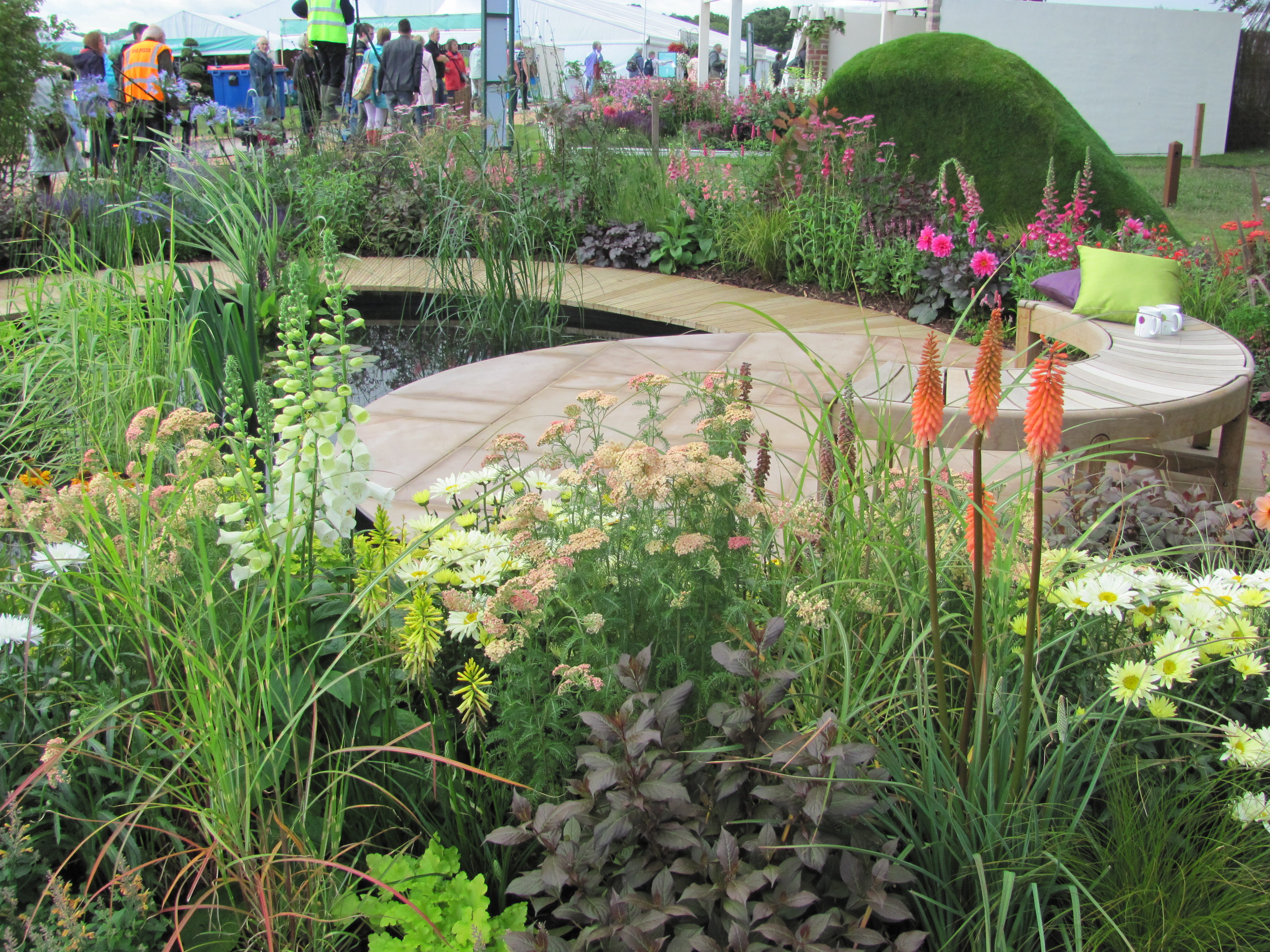
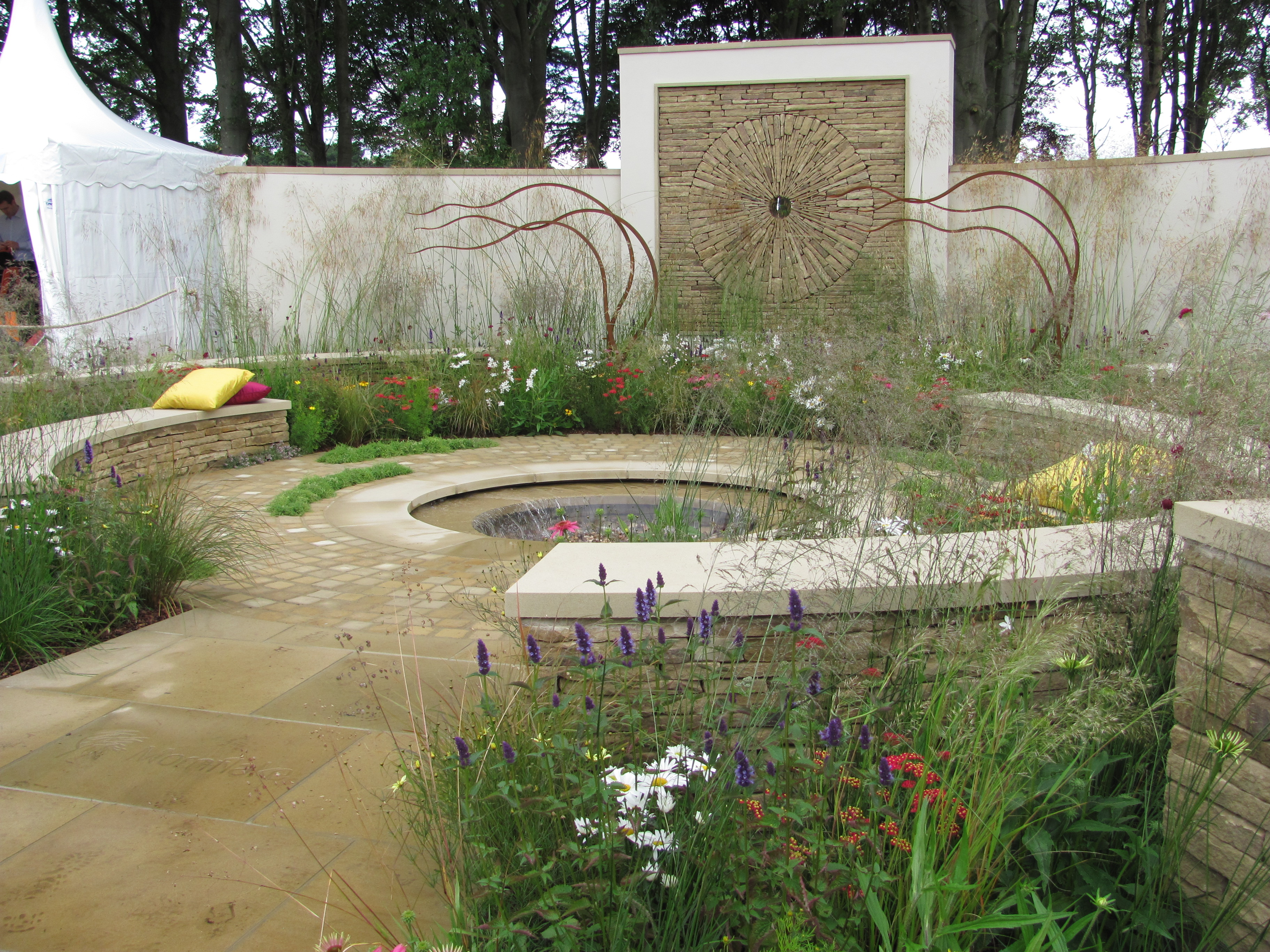
I begin looking at this set of gardens by featuring our favourite, a garden based on circles achieving a wonderful peaceful atmosphere through the planting which was light and wispy. It relied heavily on grasses to do so, with one planting area consisting of just grasses and one variety of allium.

It received the Best in Show award!

This show garden featured decking curves and colourful planting choice.
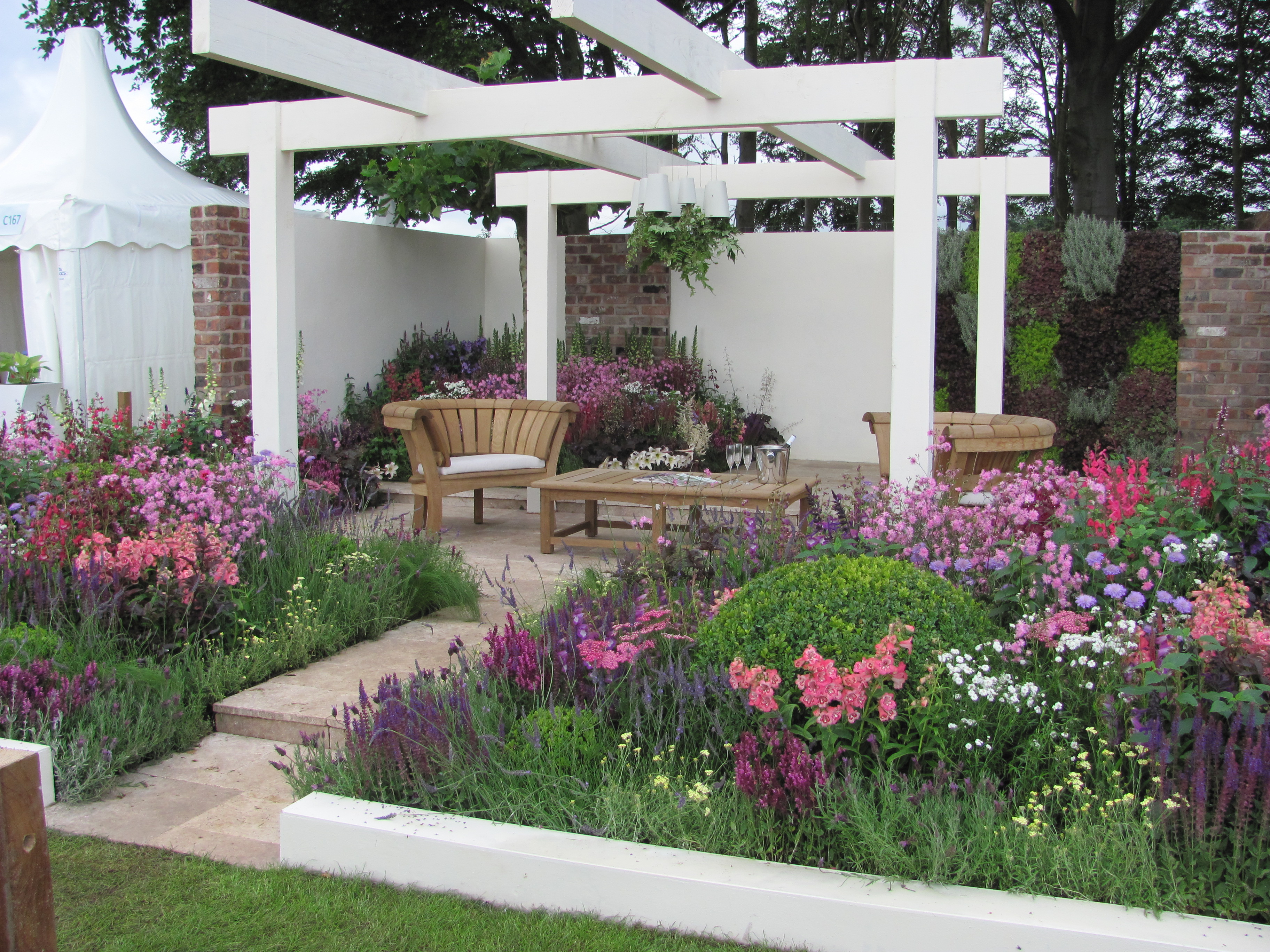
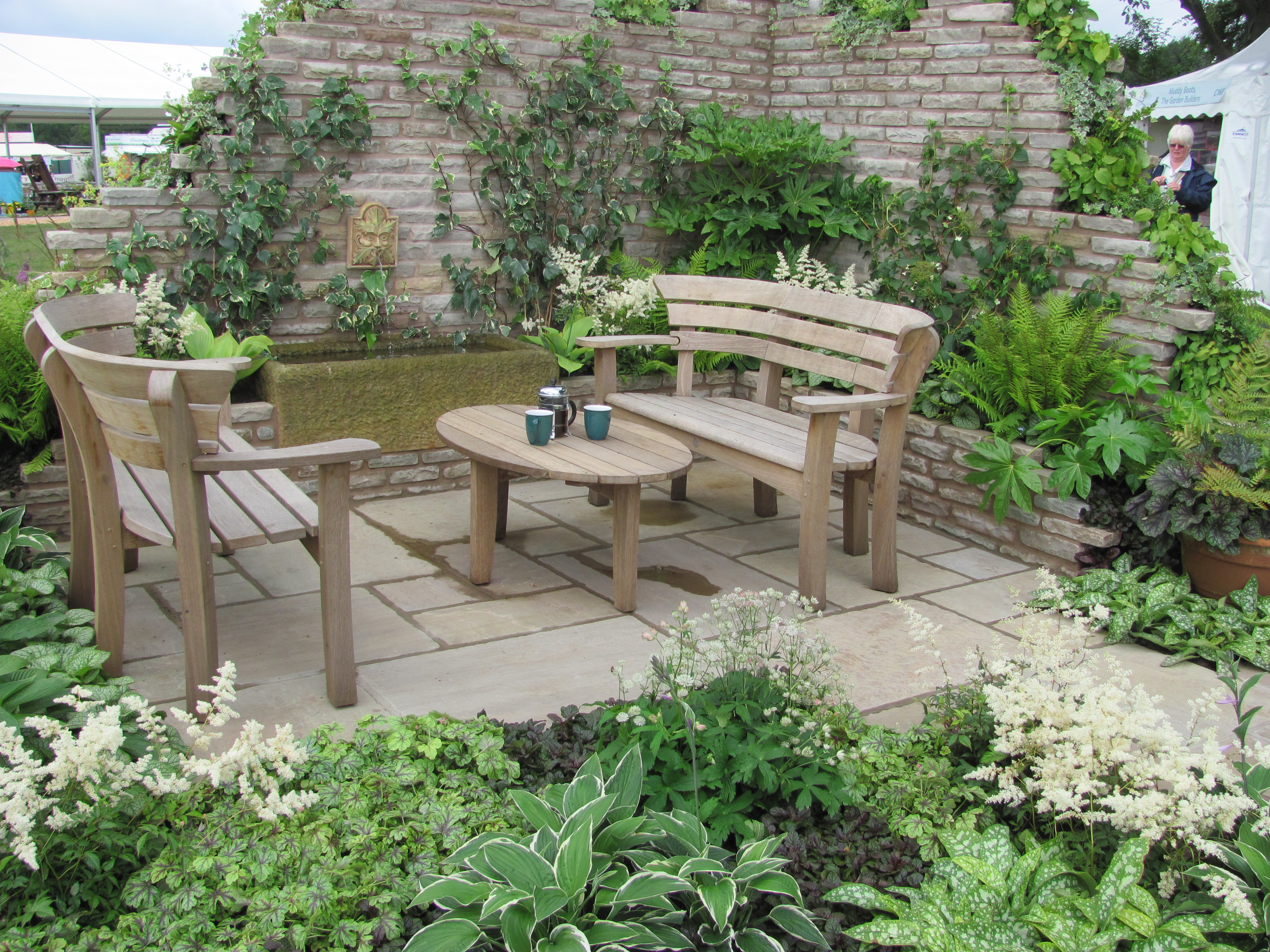
The next sequence of photos illustrates the wide variety of show gardens at Tatton. Enjoy the tour.

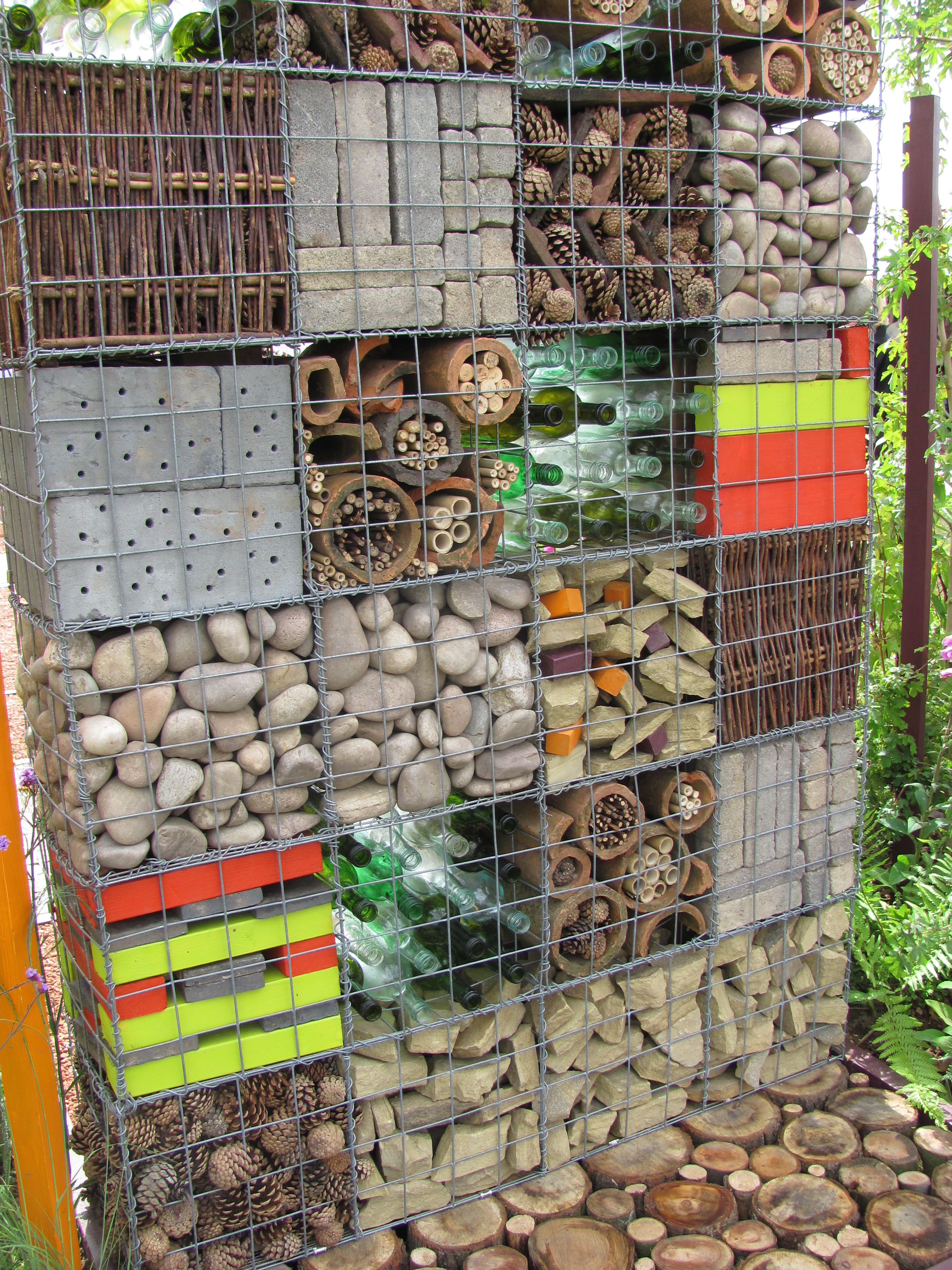
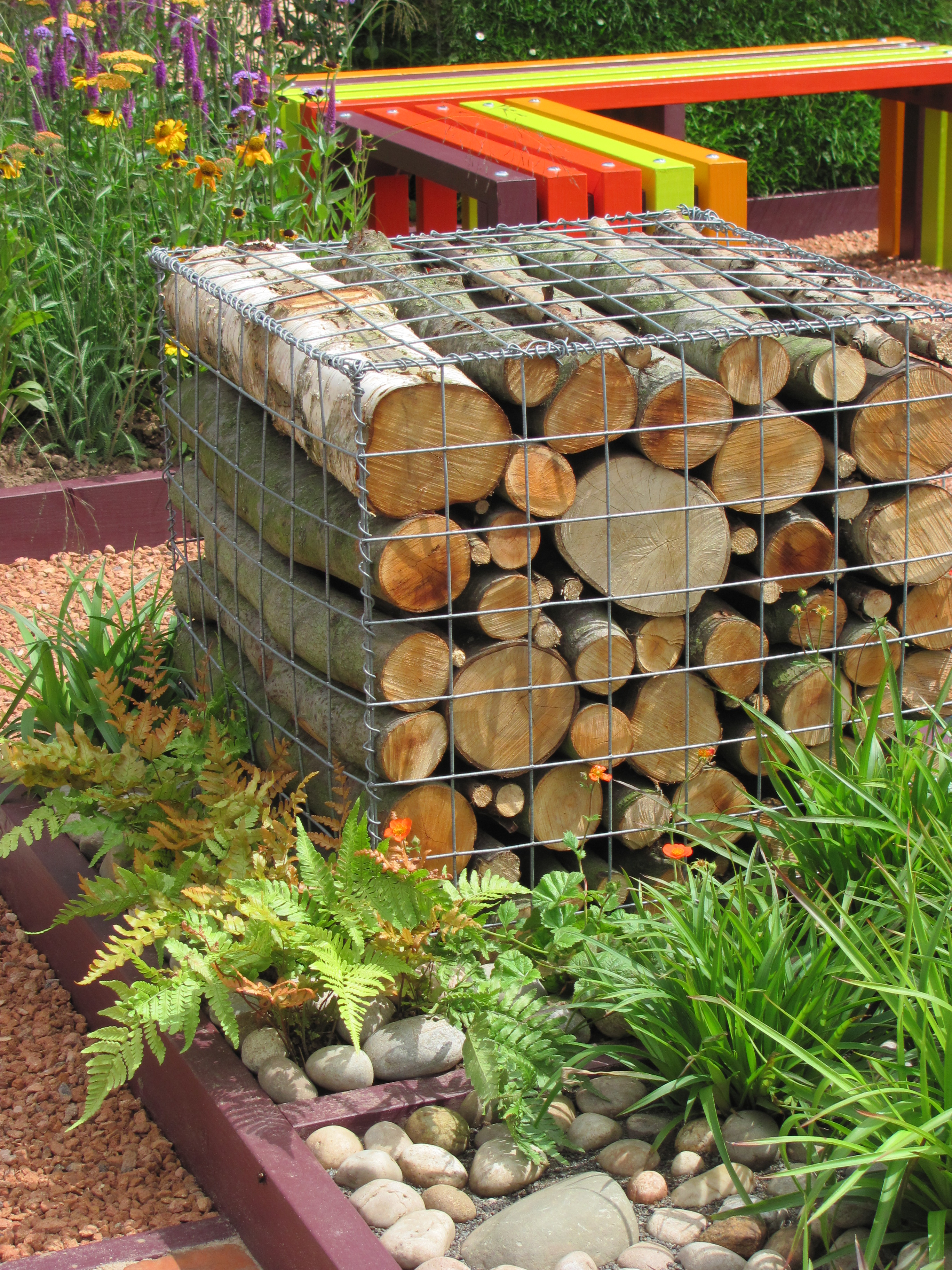
Once we had enjoyed the large show gardens we made a bee line for the garden designed by students and staff of Reaseheath College, partly because their garden is always so interesting with elements of attracting wildlife but also because this is the college where I followed some of my horticulture training several decades ago. This year their garden excelled, with such vibrancy in the planting and in its features. Again the design integrated beautiful features created to attract wildlife.
To finish my first post about the RHS Tatton Park Flower Show I want to share a couple of photos of children’s gardens celebrating the Queen’s Jubilee. In the next post we shall visit the Floral Marquee and the smaller show gardens.

Categories
allotments community gardening fruit and veg garden photography garden wildlife gardening grow your own July meadows natural pest control photography roses Shropshire

A Wander around the Allotments in July.

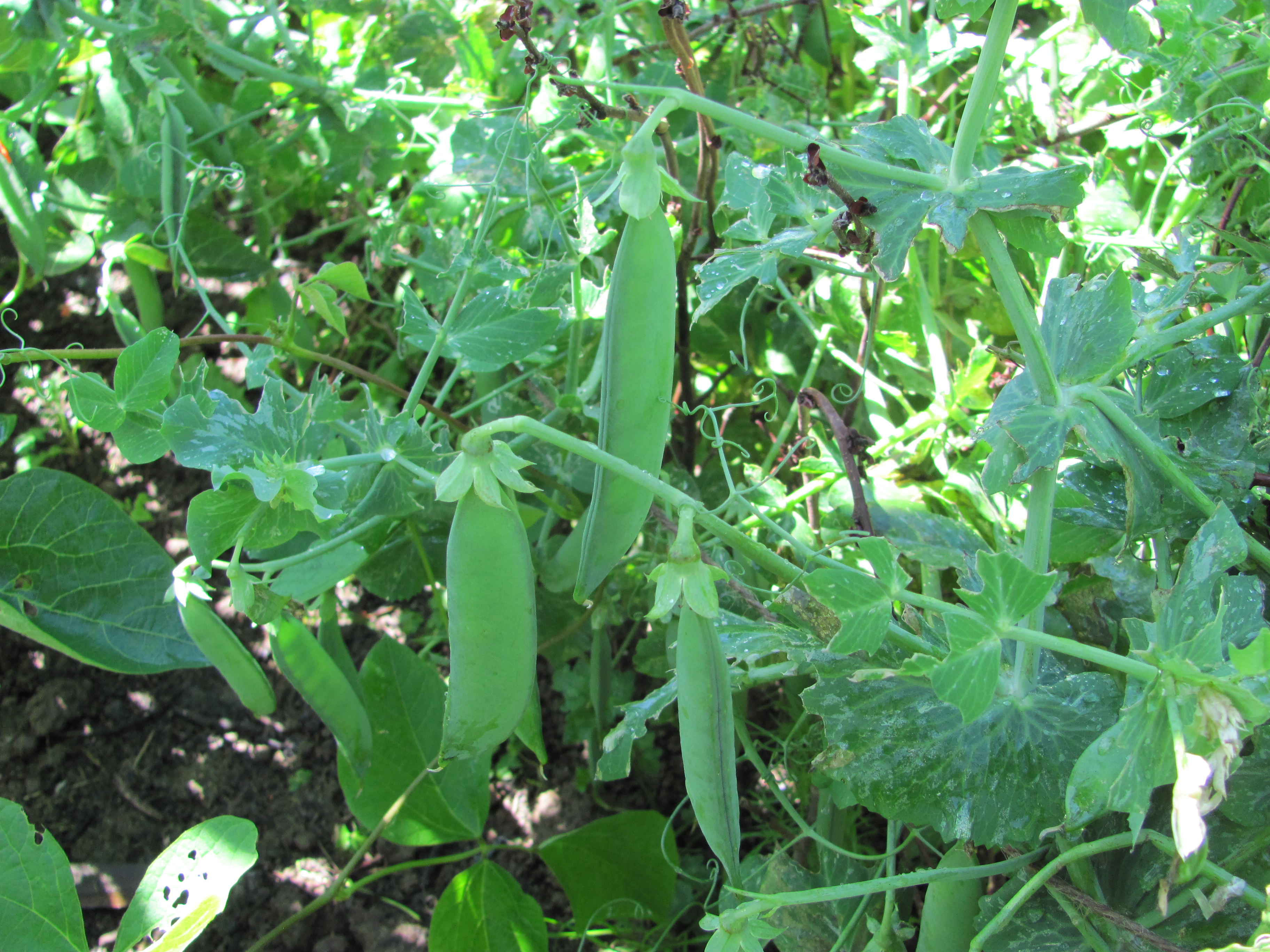
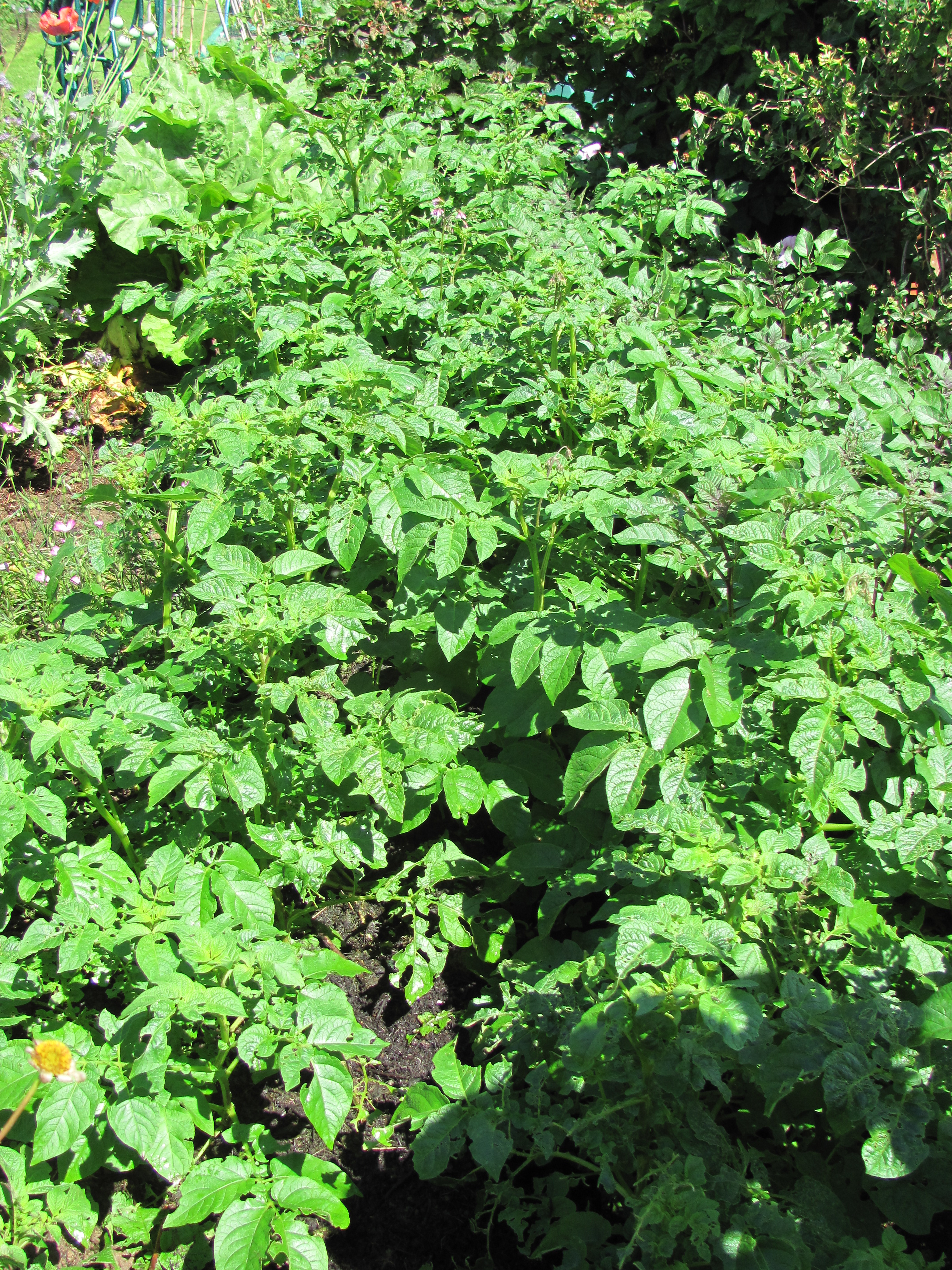
July on our allotment site has been a month of rain resulting in regular flooding. Now as the rain has disappeared for a while things are drying out. Amazingly potatoes are being dug up out of flooded plots and have given reasonable crops but on others crops have rotted below ground. On our own plot we have been harvesting good crops of carrots, beetroot, garlic, cabbages, broccoli, broad beans, peas and salad leaves. We regularly pick tayberries, rhubarb and gooseberries. Strawberries however are rotting before we get to pick them and even the blackbirds are missing out.

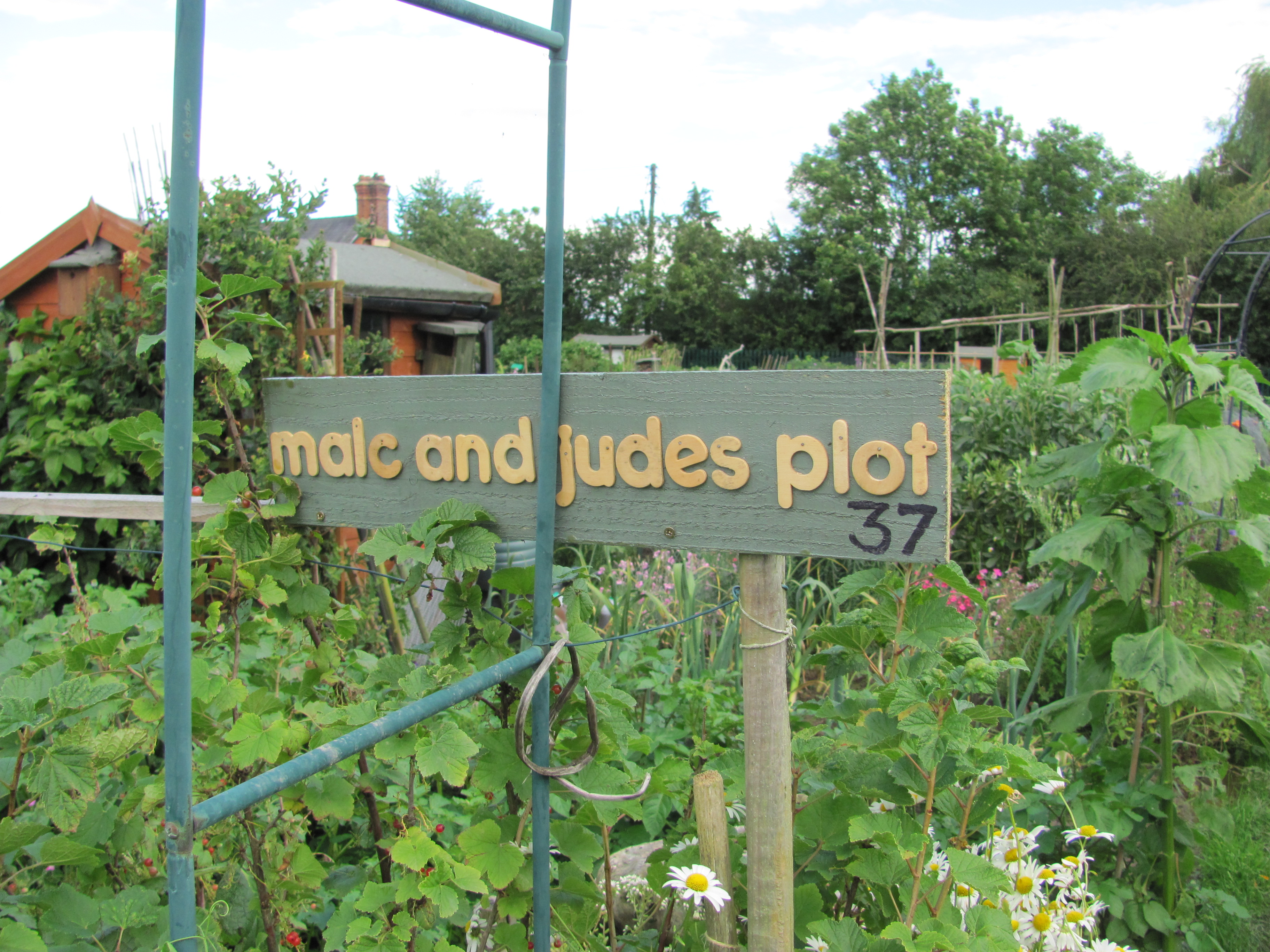
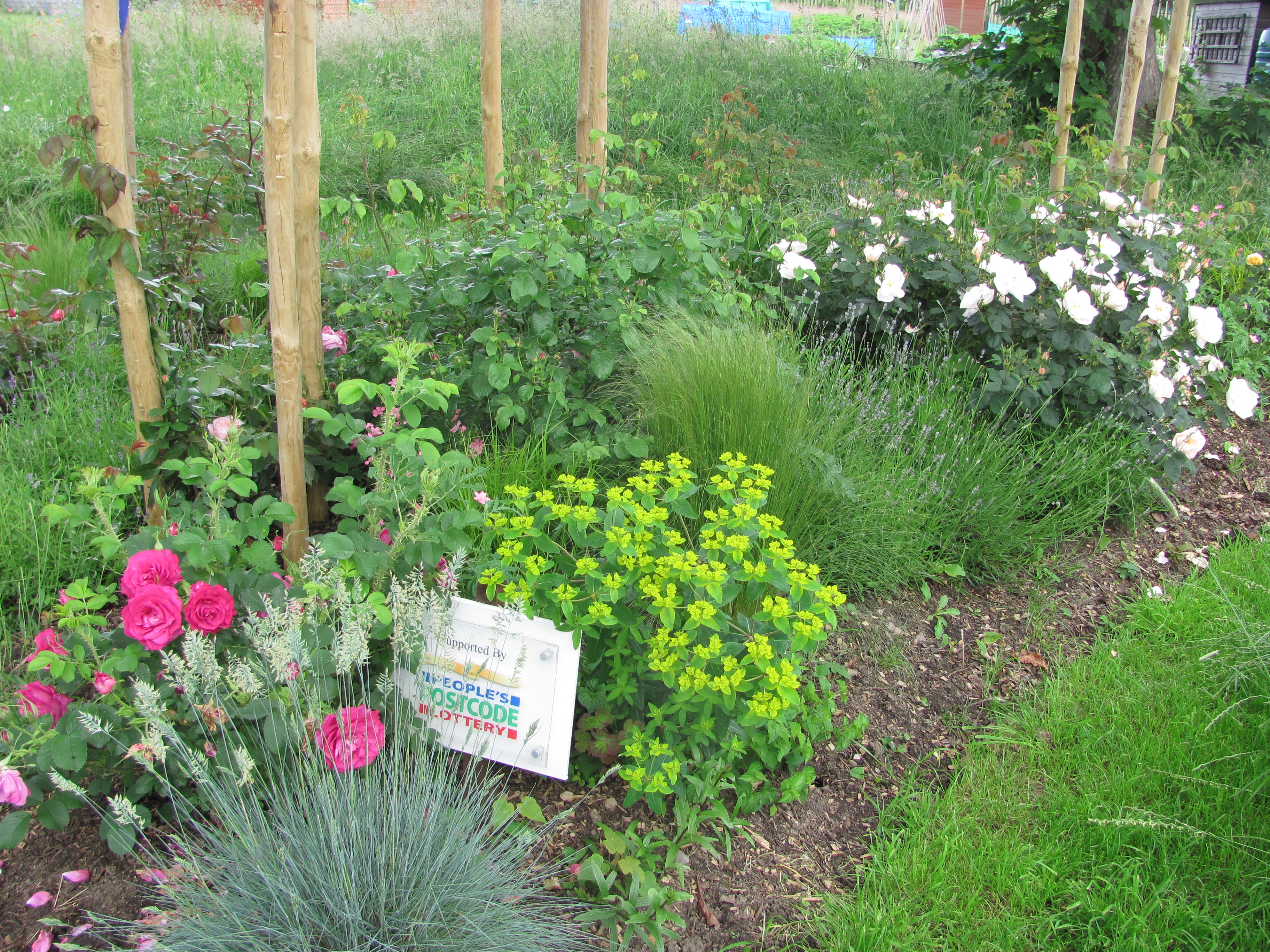
We shall as usual start our lottie wander on our own plot to see what is going on and with our new sign, the old one having fallen apart.

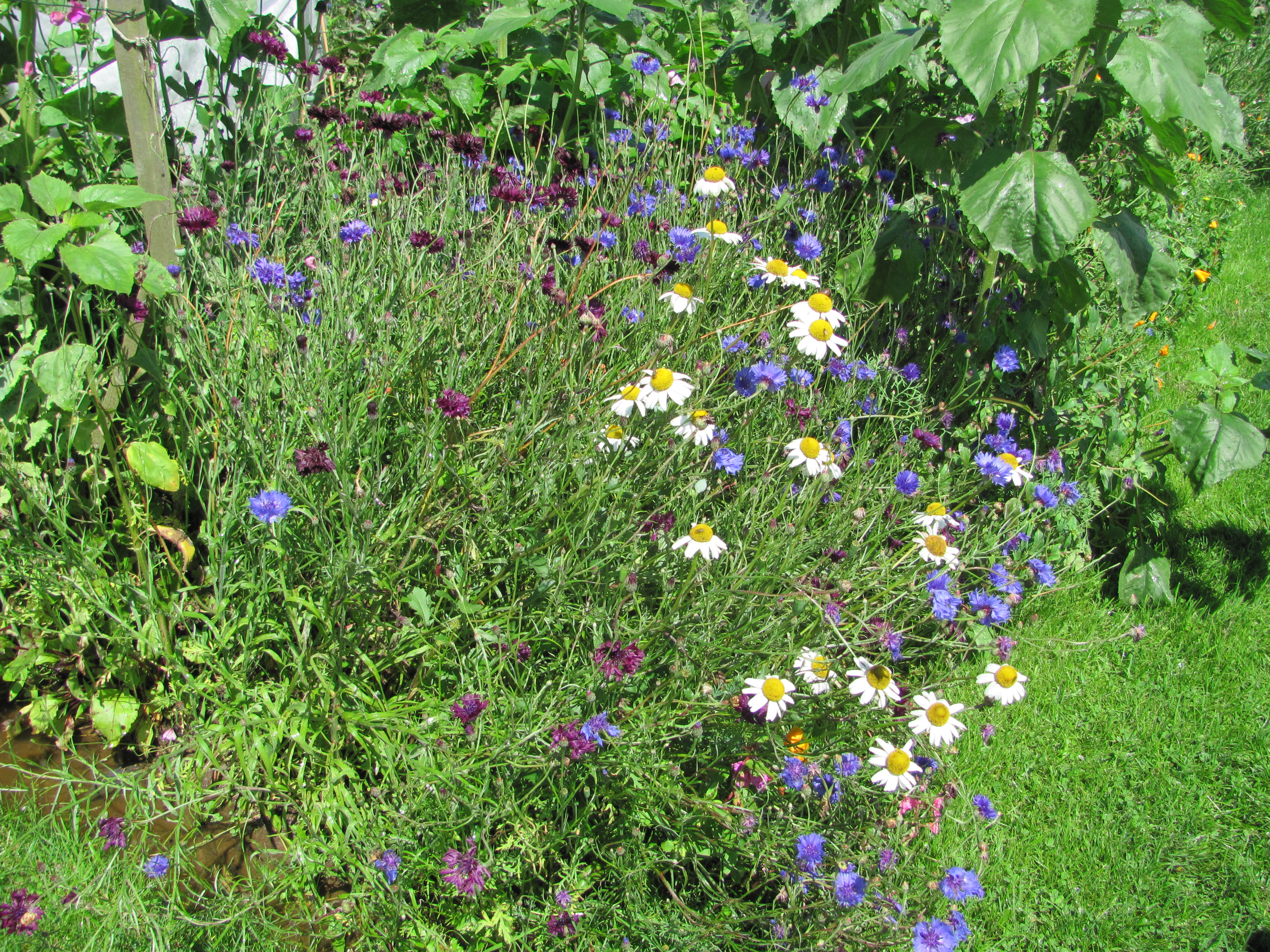
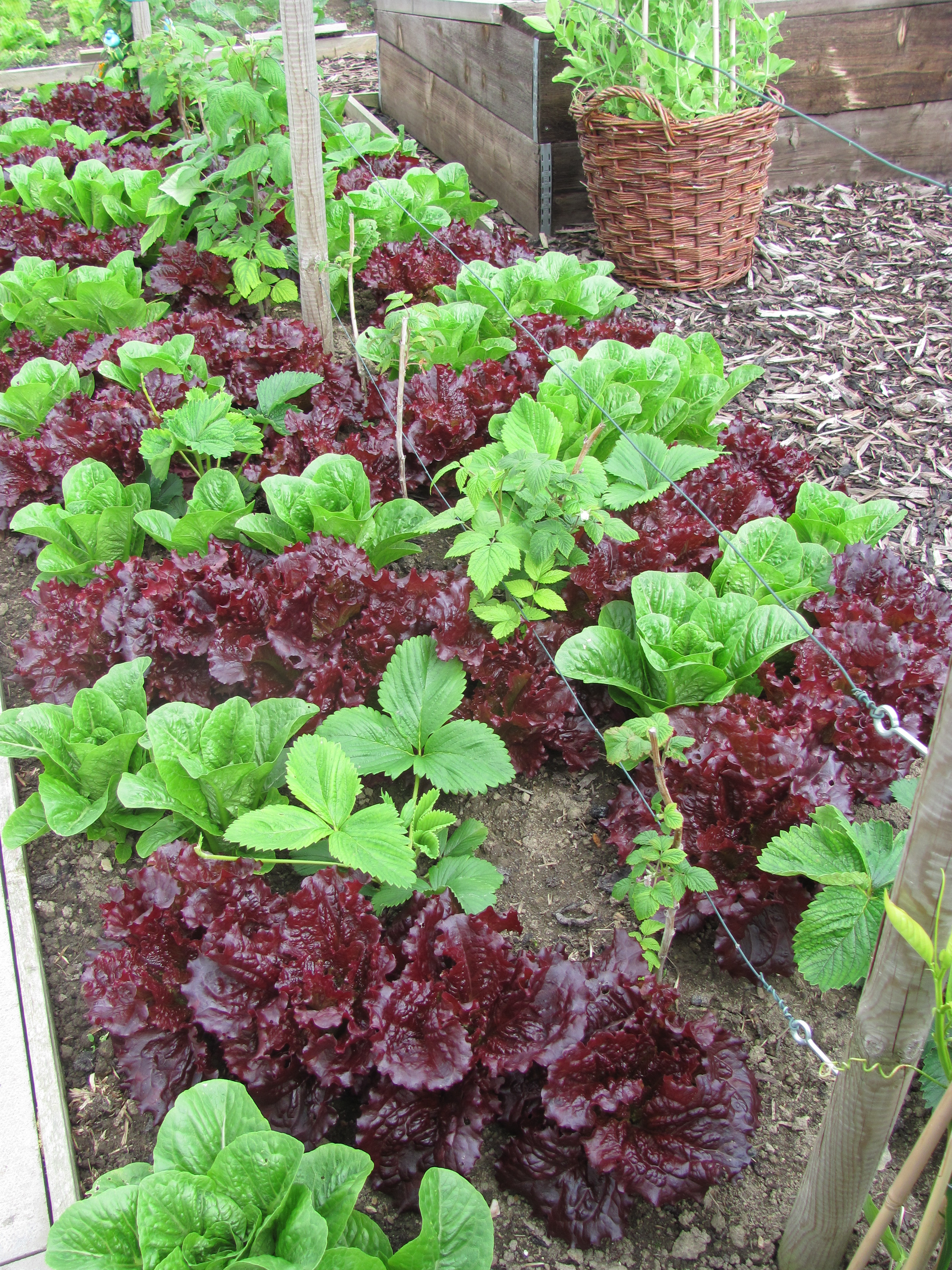
Our crops are mostly looking well and the “Bug Borders” bursting with colourful flowers, alive with bees, hoverflies and lots of other useful insects.

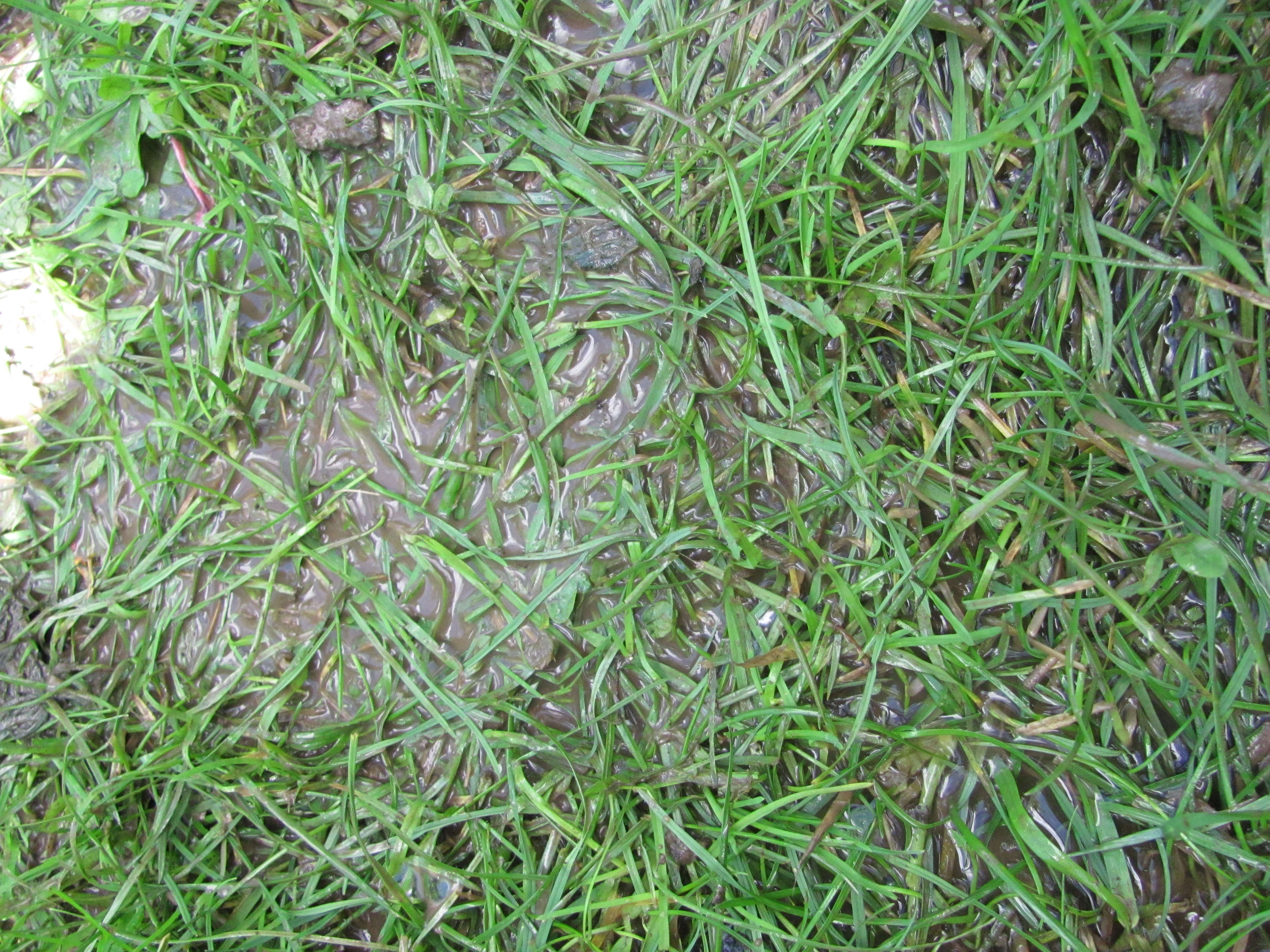
But in between the colourful lush plantings of veg, fruit and flowers standing water sat getting stagnant.

And this is our poor grass path.

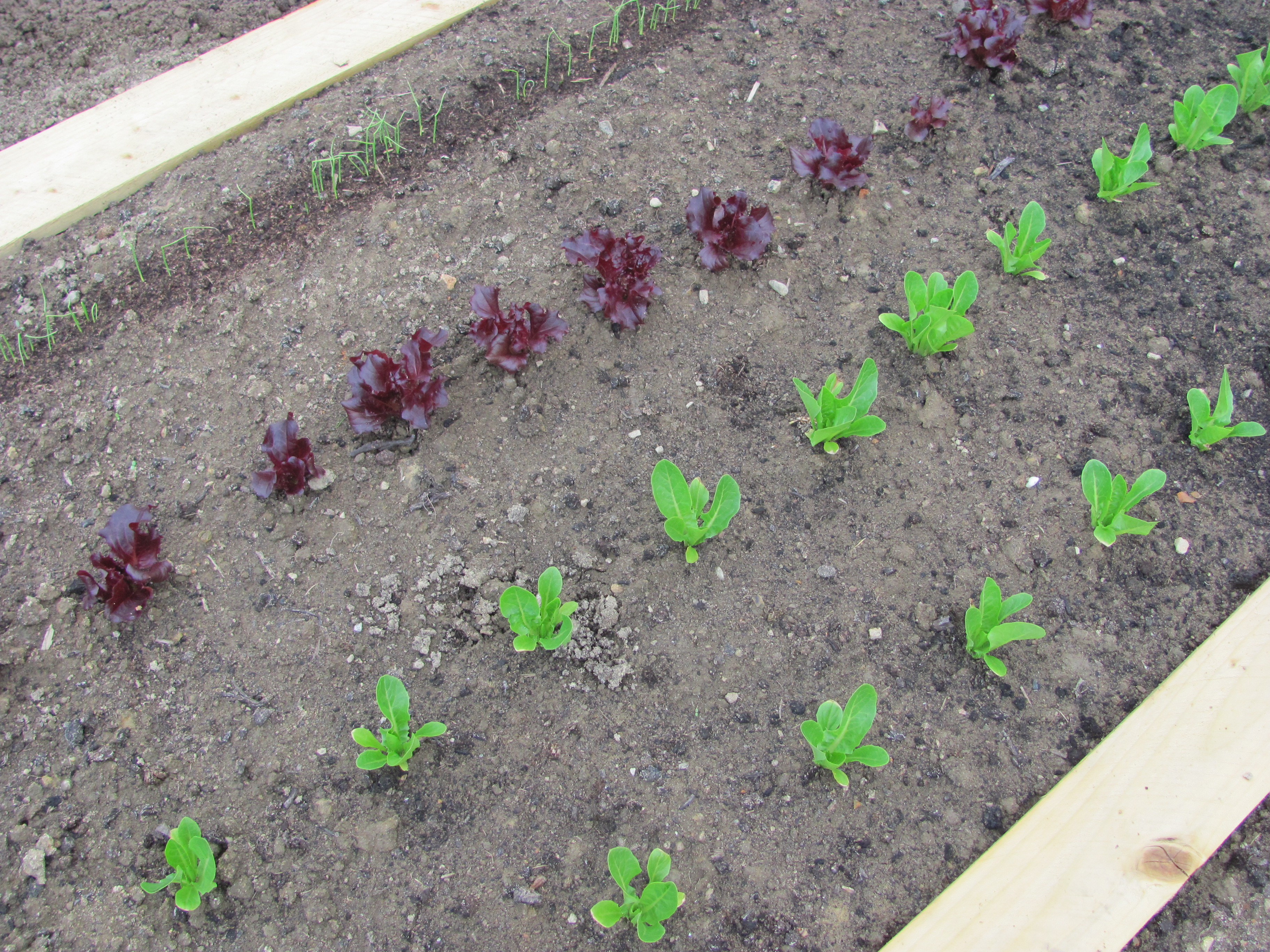
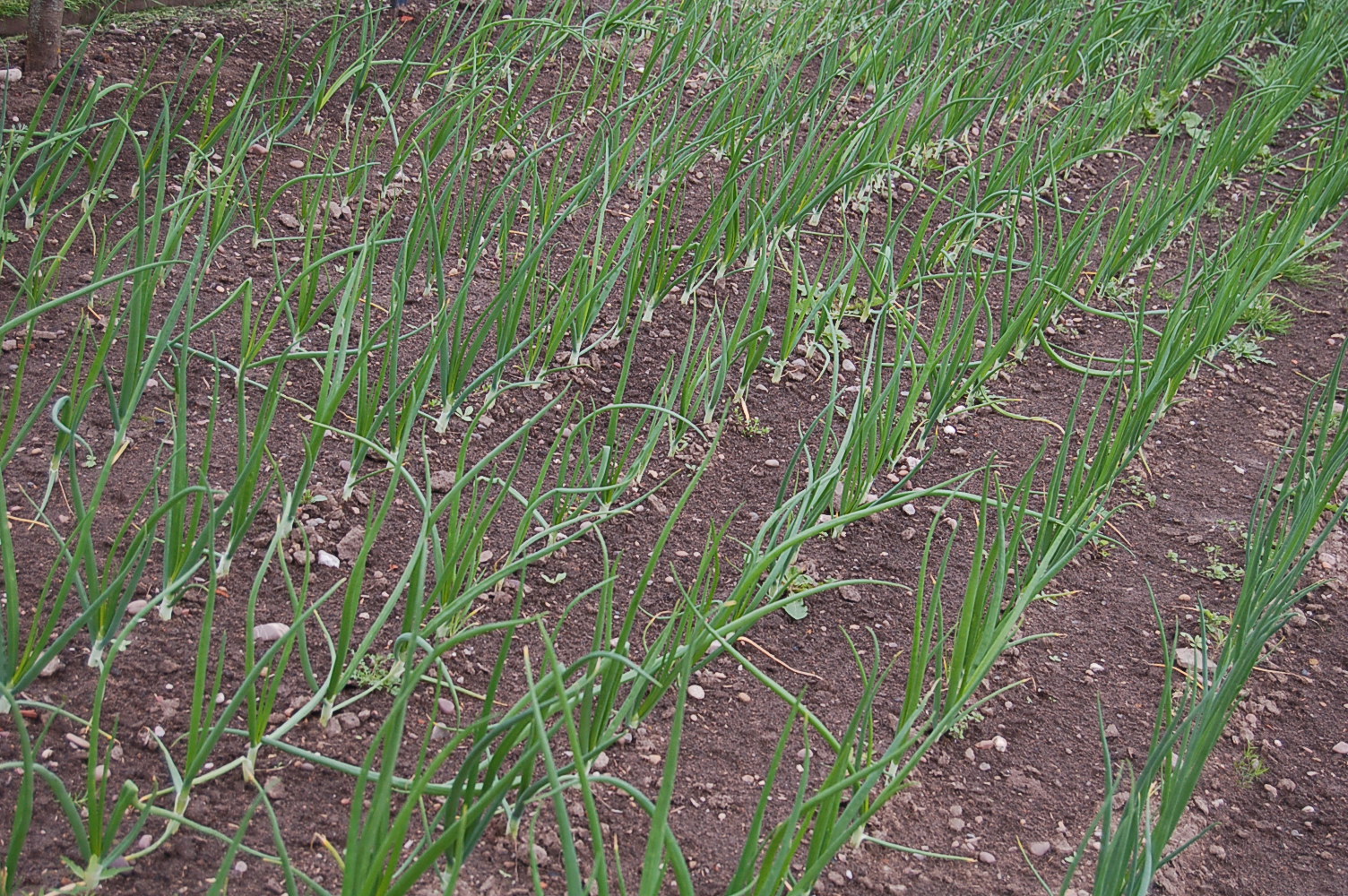
Things are getting easier though and we have managed to get on the soil without damaging the structure too badly, so we cleared any weeds, loosened up the soil surface and sowed more crops such as beetroot and radish and planted out our seedling leeks.

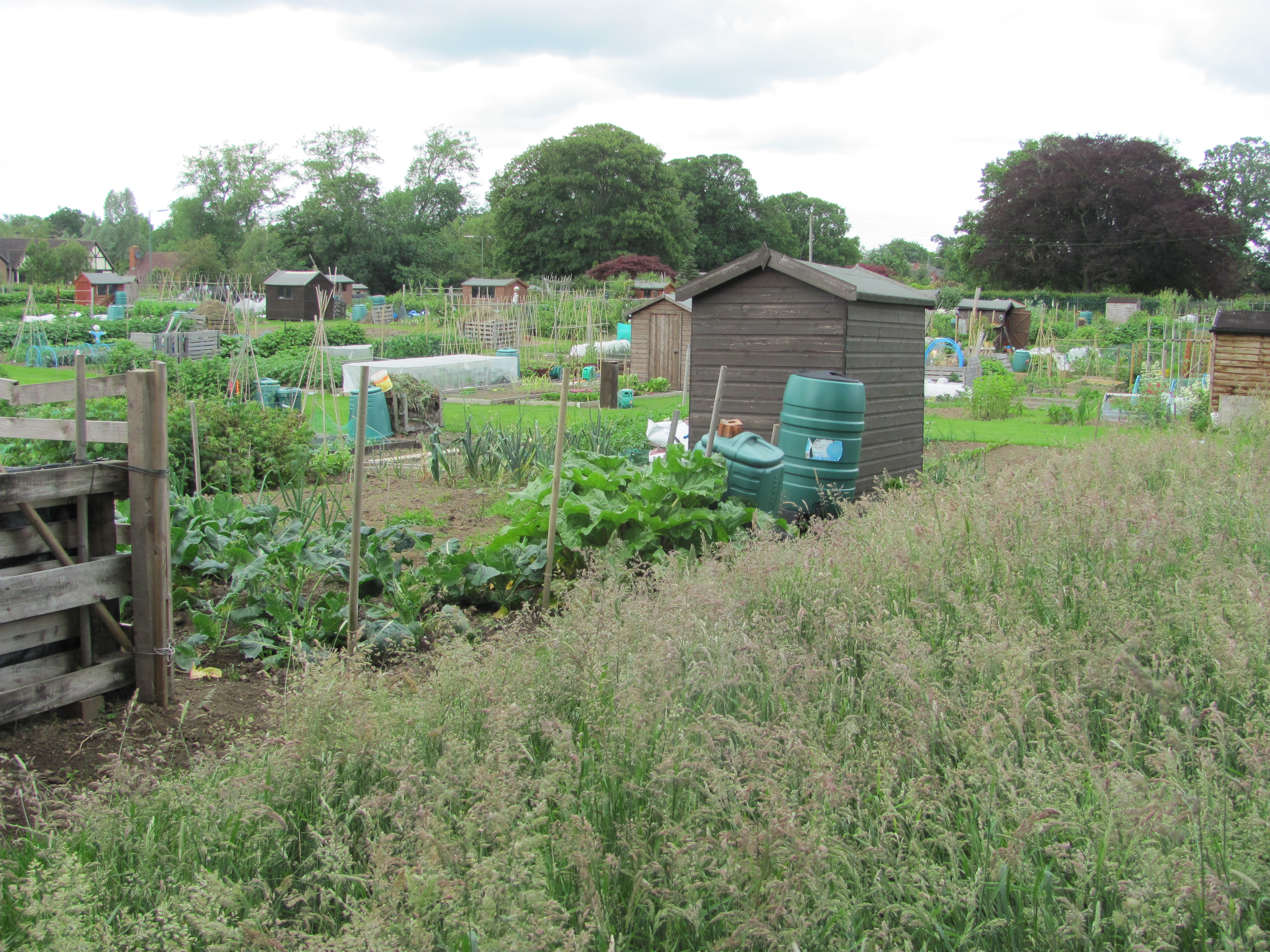
Now we can start our wander around the site looking at what is happening on other plots and in the communal areas.

The Spring Garden and Summer Garden have come through the terrible weather with flying colours.

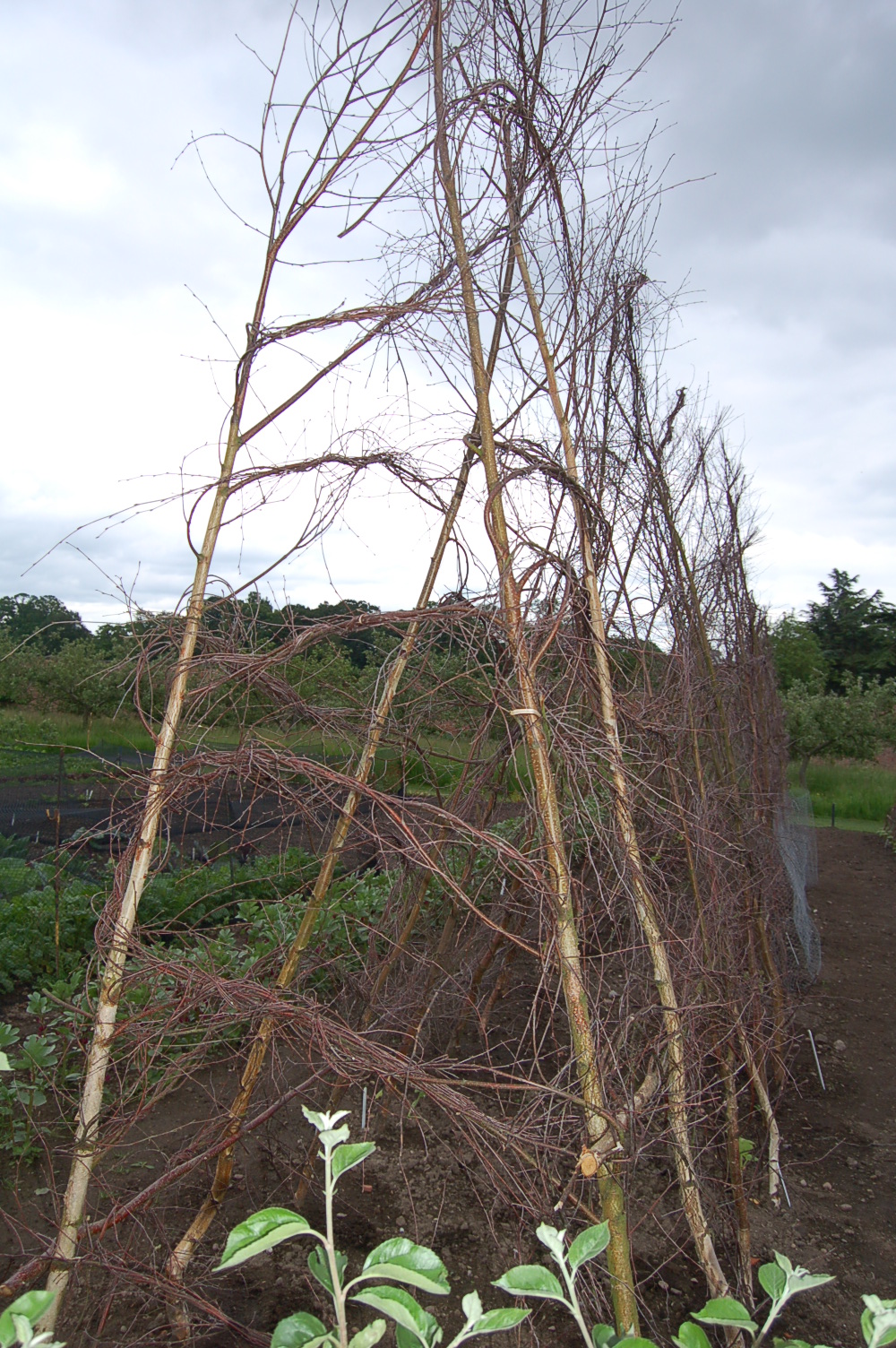
Of course the Willow features have enjoyed the wet around their feet and look so green and fresh, but they need a lot of pruning to keep them in trim shape.

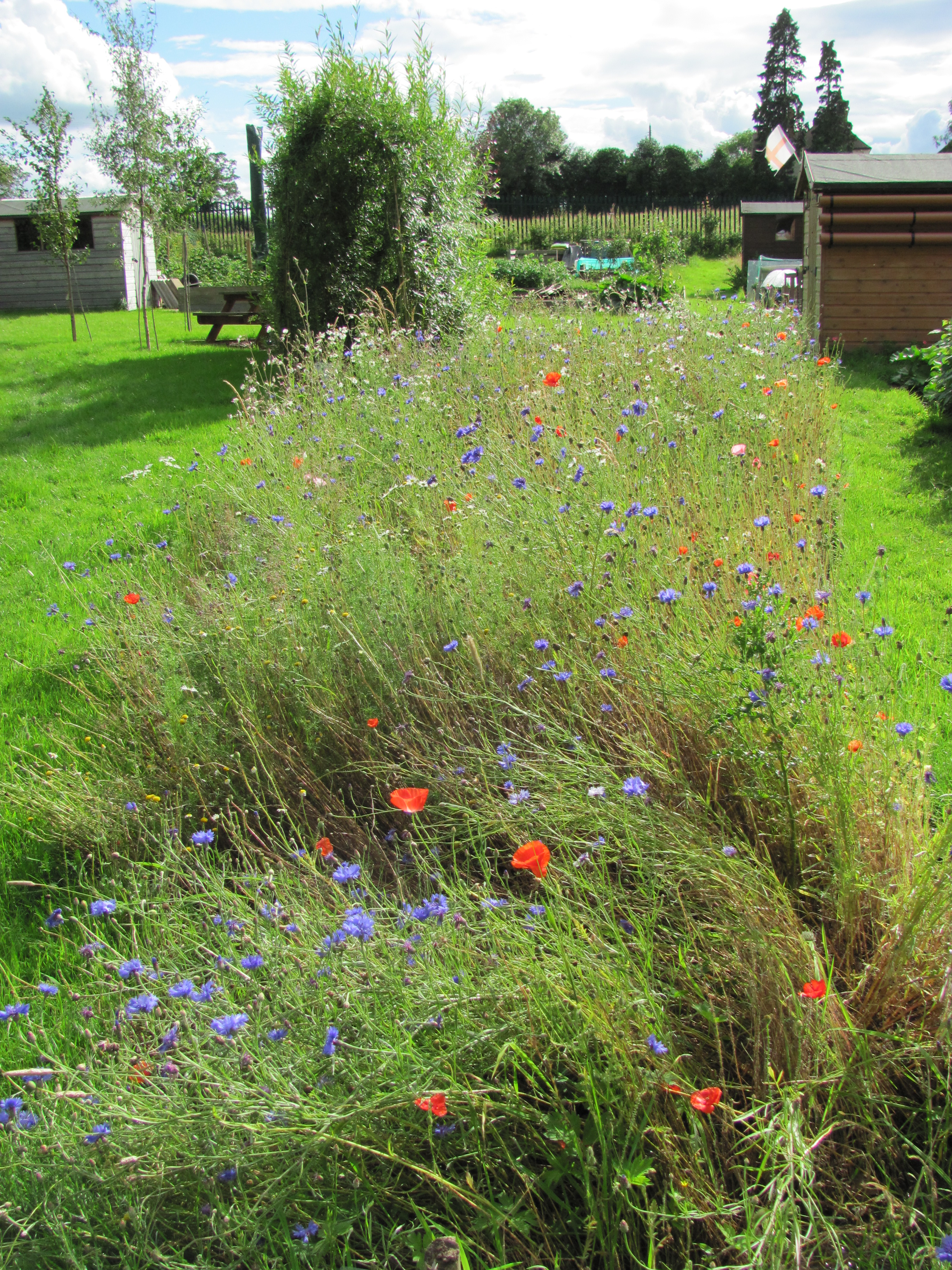
The meadows are flowering nicely now and flowers are giving colour on lots of the plots.

I shall finish this wander with a good idea. How about this for an idea for trying to foil the dreaded carrot rootfly – simply grow them up in the air hopefully above their maximum flight height.

Categories
allotments community gardening gardening grow your own National Garden Scheme natural pest control NGS

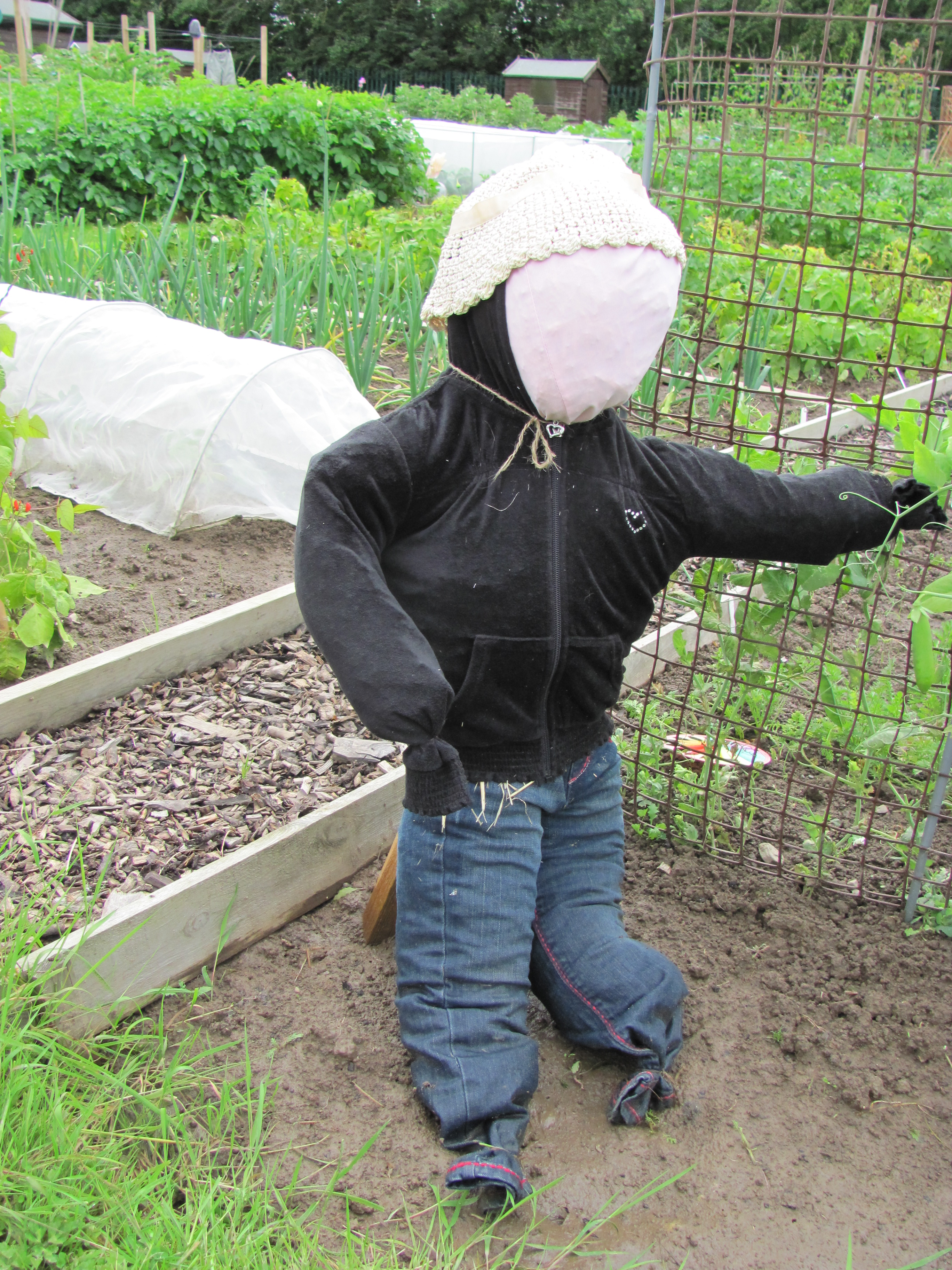
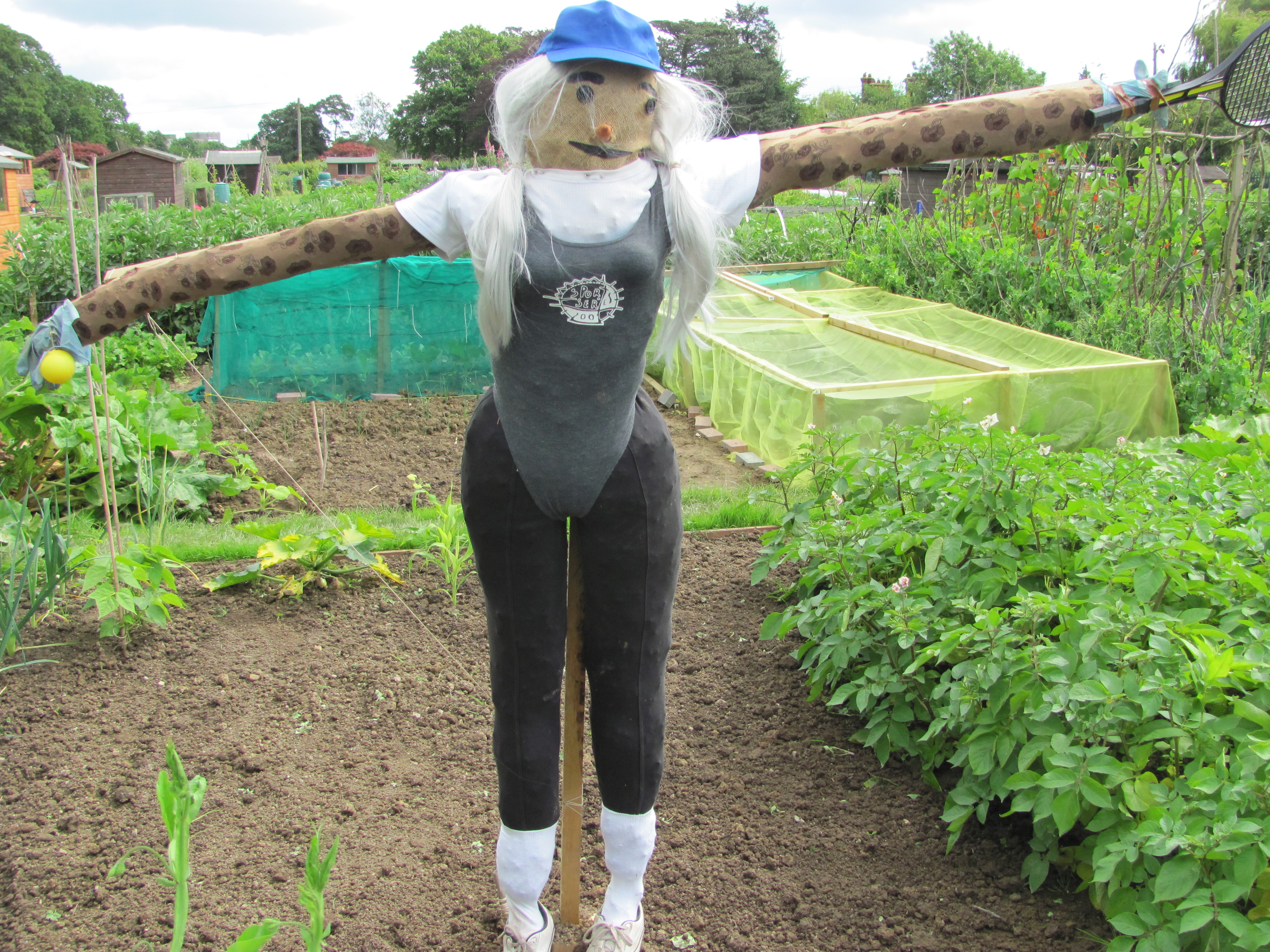
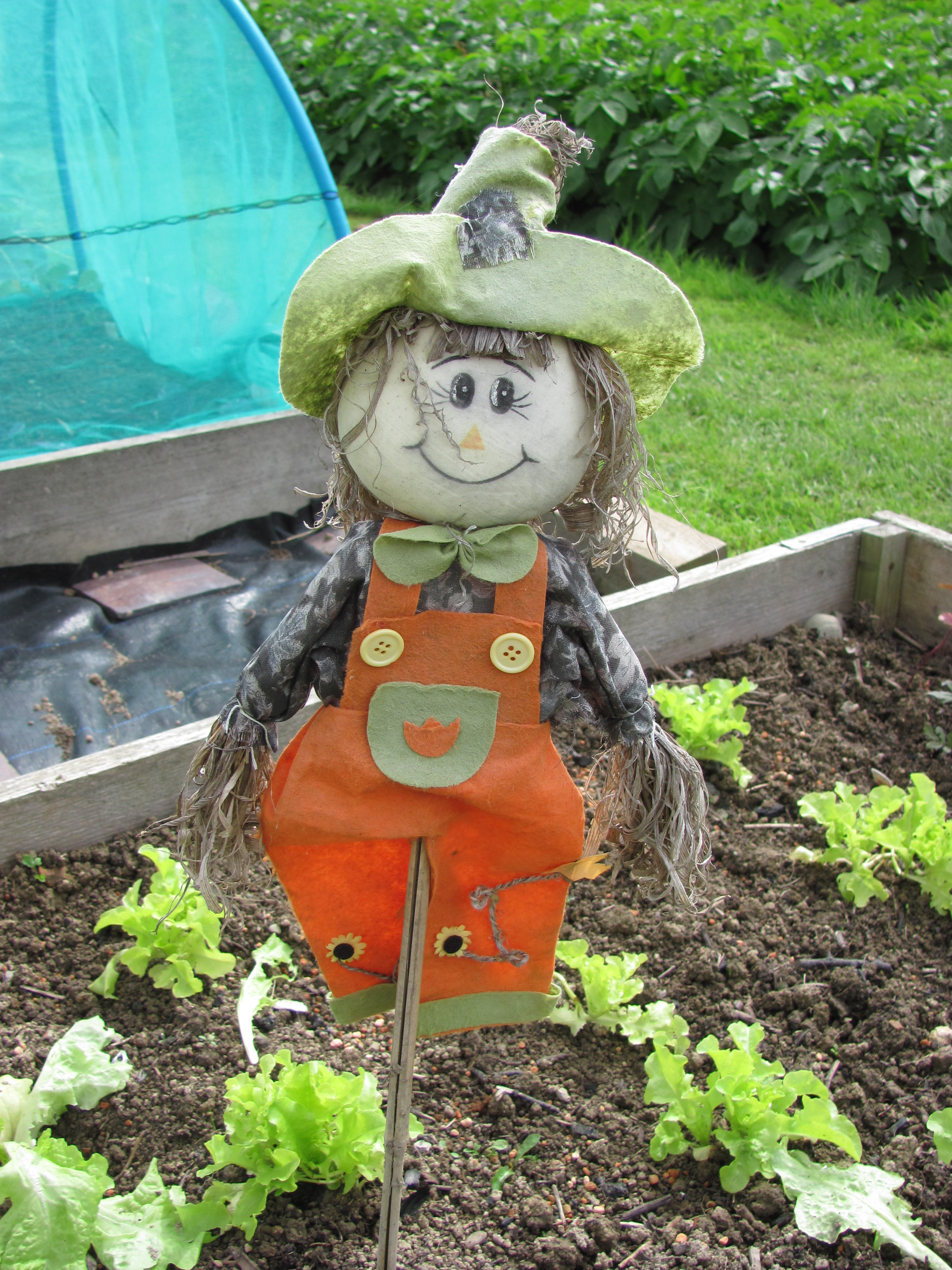
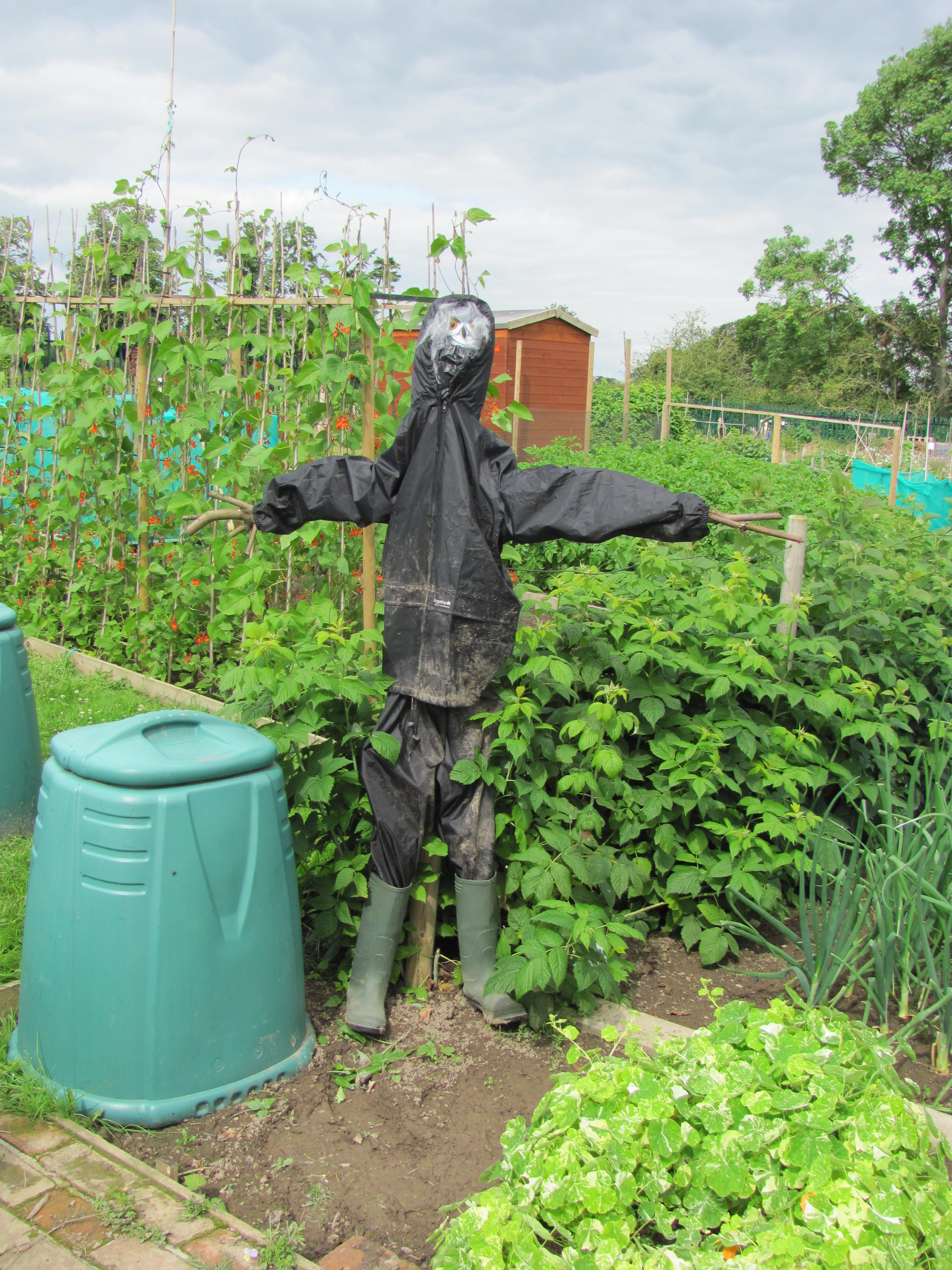
Our Allotment Scarecrow Competition 2012

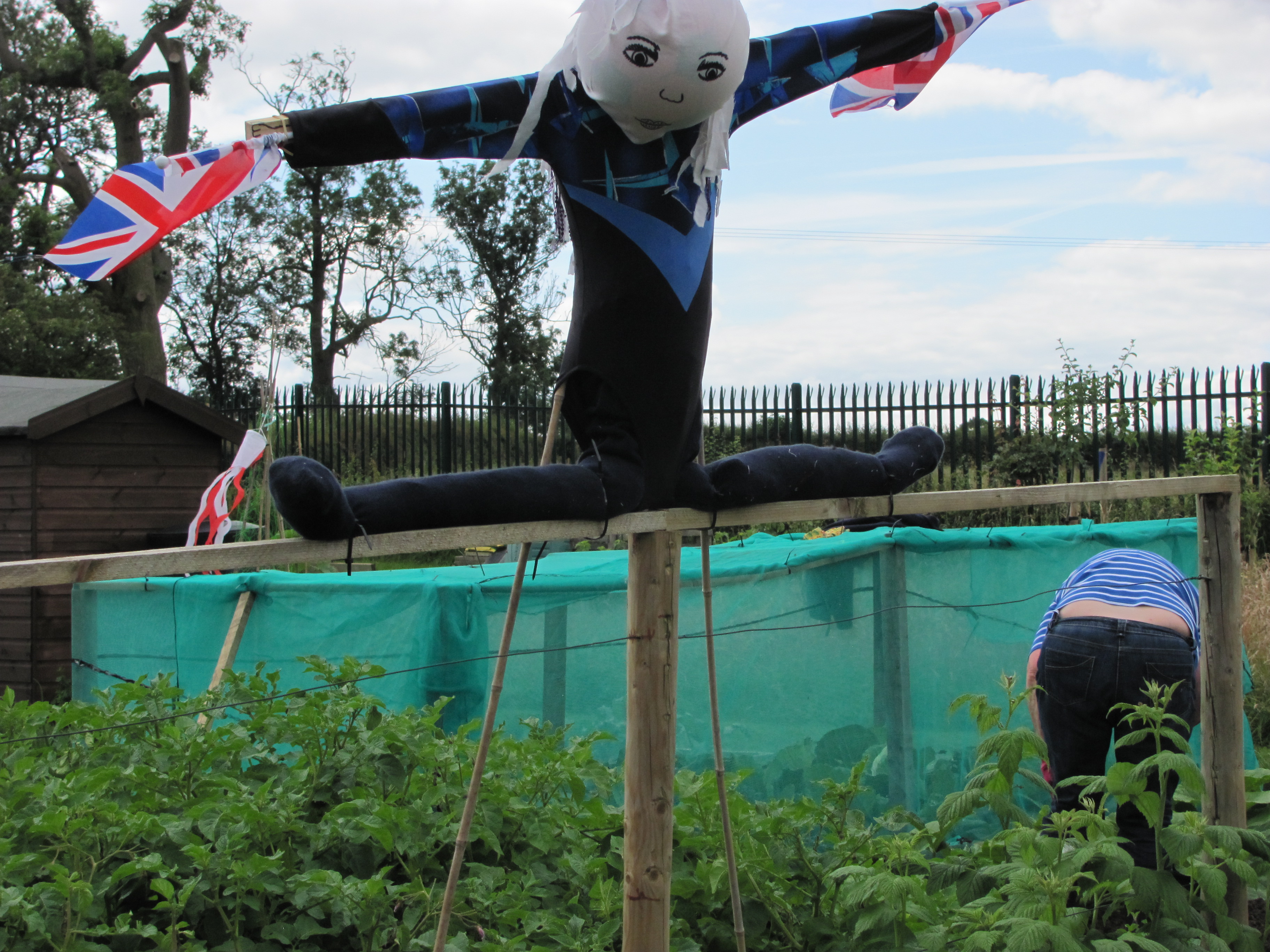
As promised in my recent post about our NGS Open Day this post will be a gallery of photos of some of the scarecrows made by our allotmenteers for our scarecrow competition. Our theme this year was the year’s celebrations, The Olympics and The Queen’s Jubilee. The first is the creation that won the competition. Enjoy the characters!

Categories
allotments community gardening conservation drought fruit and veg gardening grow your own Shropshire

Our Wise Watering Campaign

On our allotment site this year the management committee are running a Wise Watering Campaign, with the aim of reducing the amount of water used by plot holders. We were ashamed to hear that our site uses more water than any other in Shrewsbury. When we looked into the situation we were amazed that only 18 of the 68 plots had guttering and water butts attached to their sheds to catch rainwater run-off. Many plot holders turned to their hose pipes too readily to water their crops. Something had to be done.

We had already fixed guttering, downpipes and butts to our communal buildings and we use this captured rain to water our communal gardens, so we began our campaign by encouraging members to follow that example. Jude, Mrs Greenbench aka the Undergardener, in her role as secretary to the committee has been trying to source grant money to help purchase more water butts. Amazingly our local water board did not even bother replying, but there are still a few irons in the fire.

I was asked to write an article for our newsletter, “Dig It!”, giving advice on how to water efficiently and a summary was sent to all plot holders. I wrote a much extended more detailed article which I posted on the allotments’ website. (see www.bowbrookallotments.co.uk and click on “Wise Watering”)

Our initial emphasis has been on using watering cans instead of hoses and encouraging members to add guttering and water butts to their sheds.

I thought I would give a few ideas here too, for your interest and wondered if anyone had any further ideas that we could use.

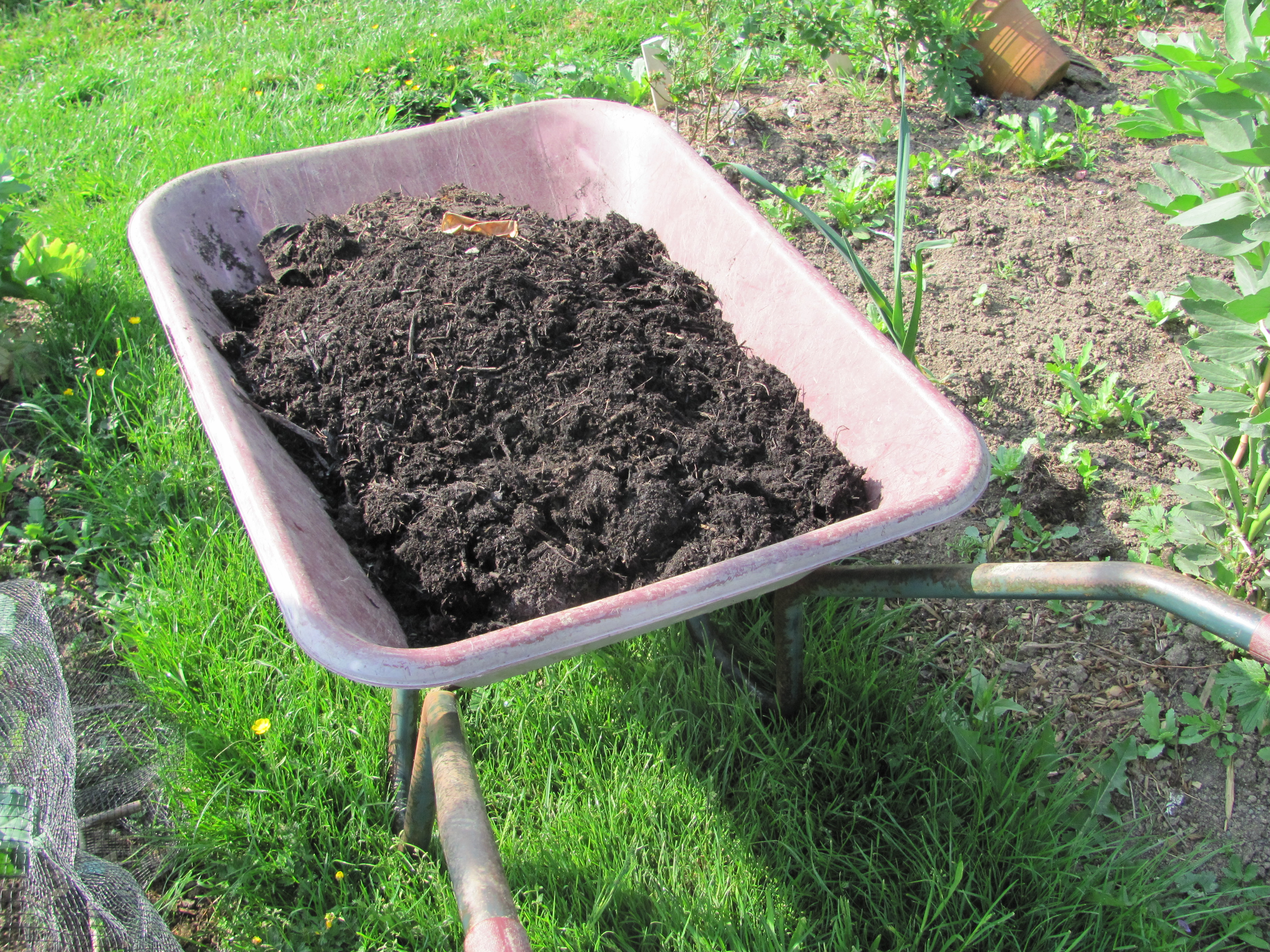
I emphasised the importance of improving soil quality and adding humus and fibrous material, which would help moisture retention after rain or watering, and allow the plants to take up moisture efficiently. We sell municipal compost and farmyard manure on site.

The best time to add manure is in late autumn or early winter and for compost early spring. I suggested also that compost should be used as a mulch after periods of rain to hold this natural moisture in.

Mulching under fruit bushes is always useful as a lot of moisture is needed in the production of fruit. Old straw, hay or farmyard manure when added as a mulch will also slowly break down and feed the plants as well as improve soil texture.

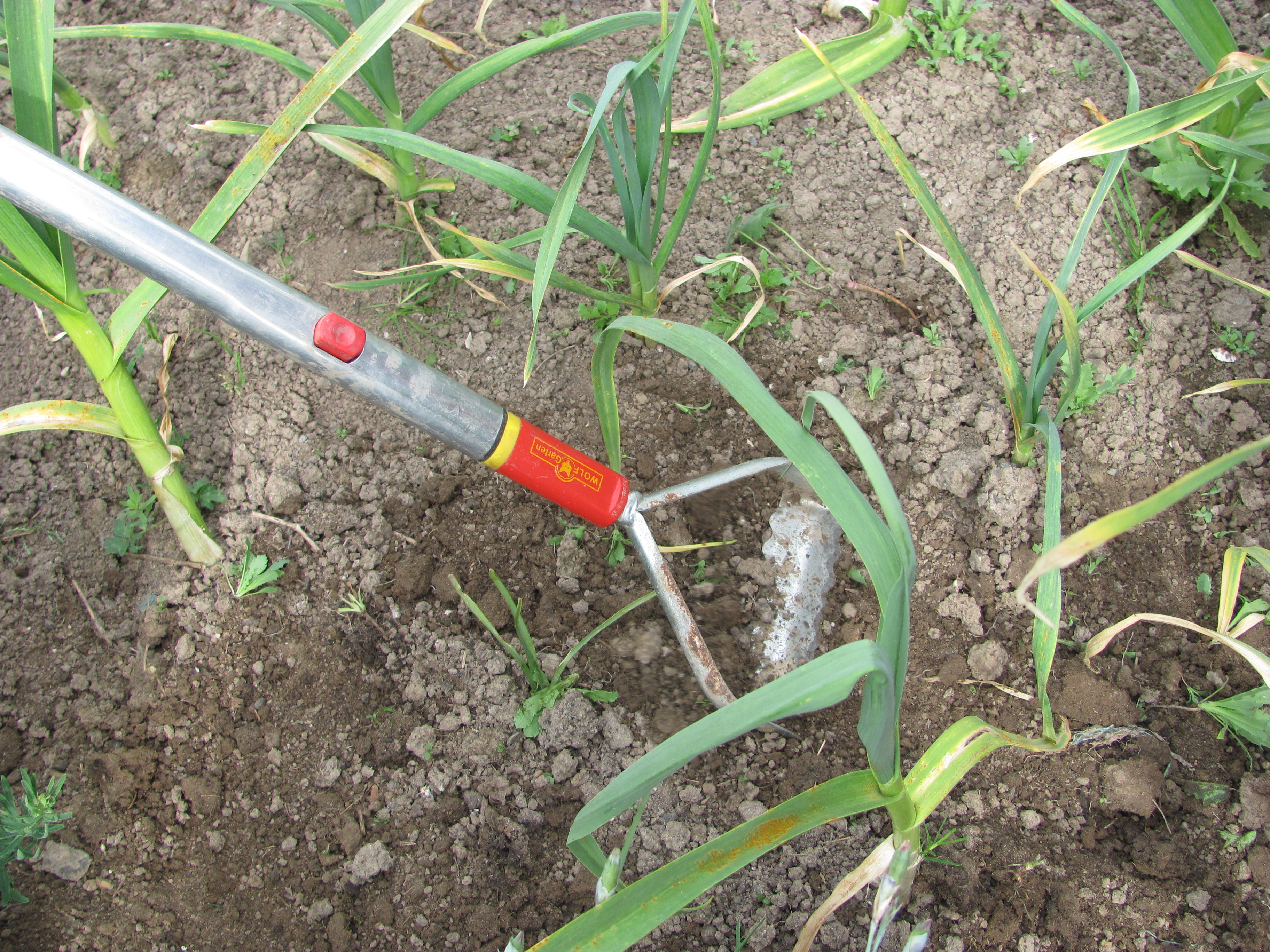
Another important way of managing the watering of your plot is to ensure it is always free of weed material. Weeds will use up moisture that would otherwise be available to crops. Using a hoe regularly is the best method to employ as keeping the surface loose helps rainwater get below the surface.
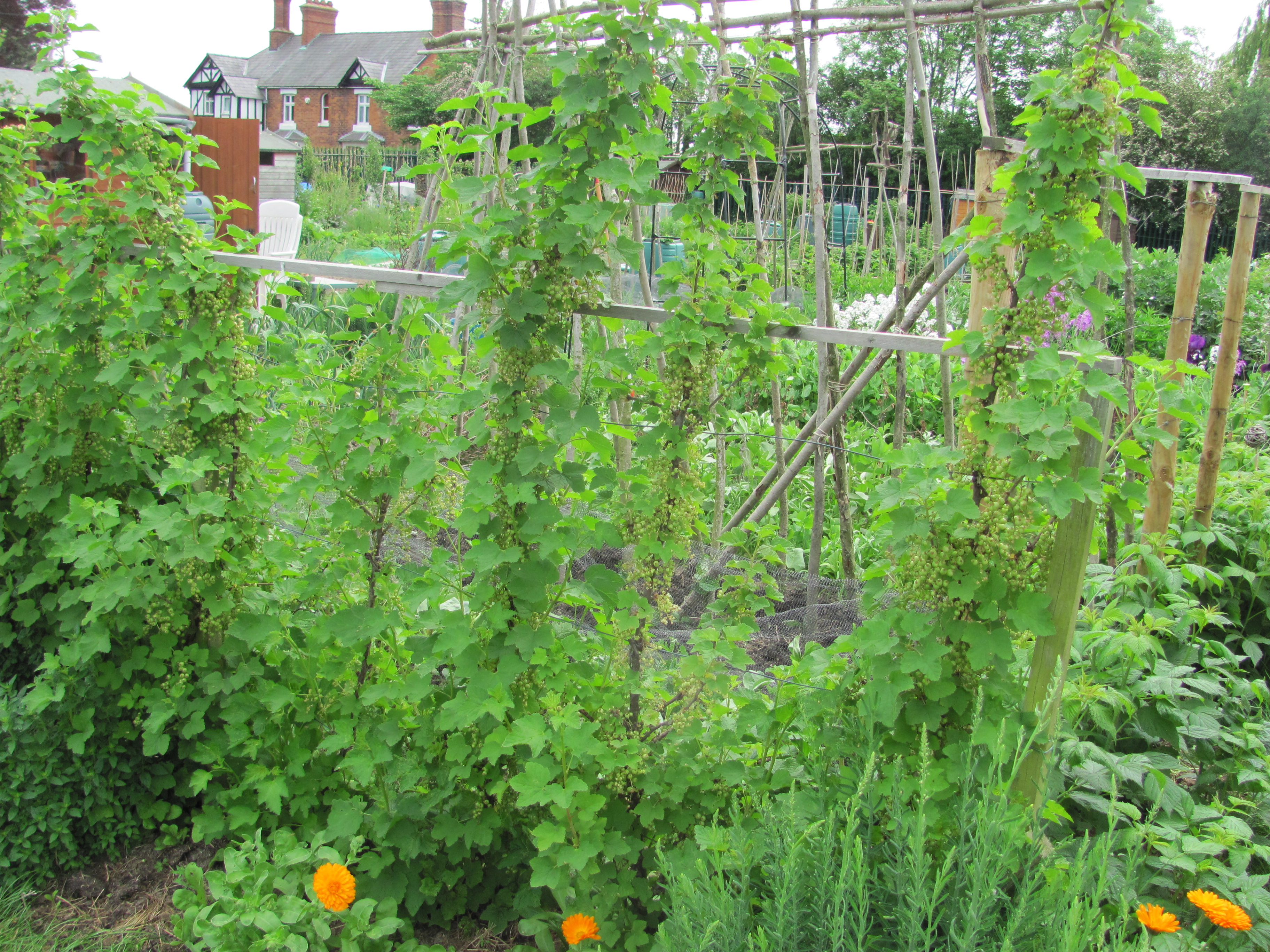
Growing your fruit trees as cordons on the windward side of your plot cuts down on evaporation. Alternatives are flower borders or a row of root artichokes.

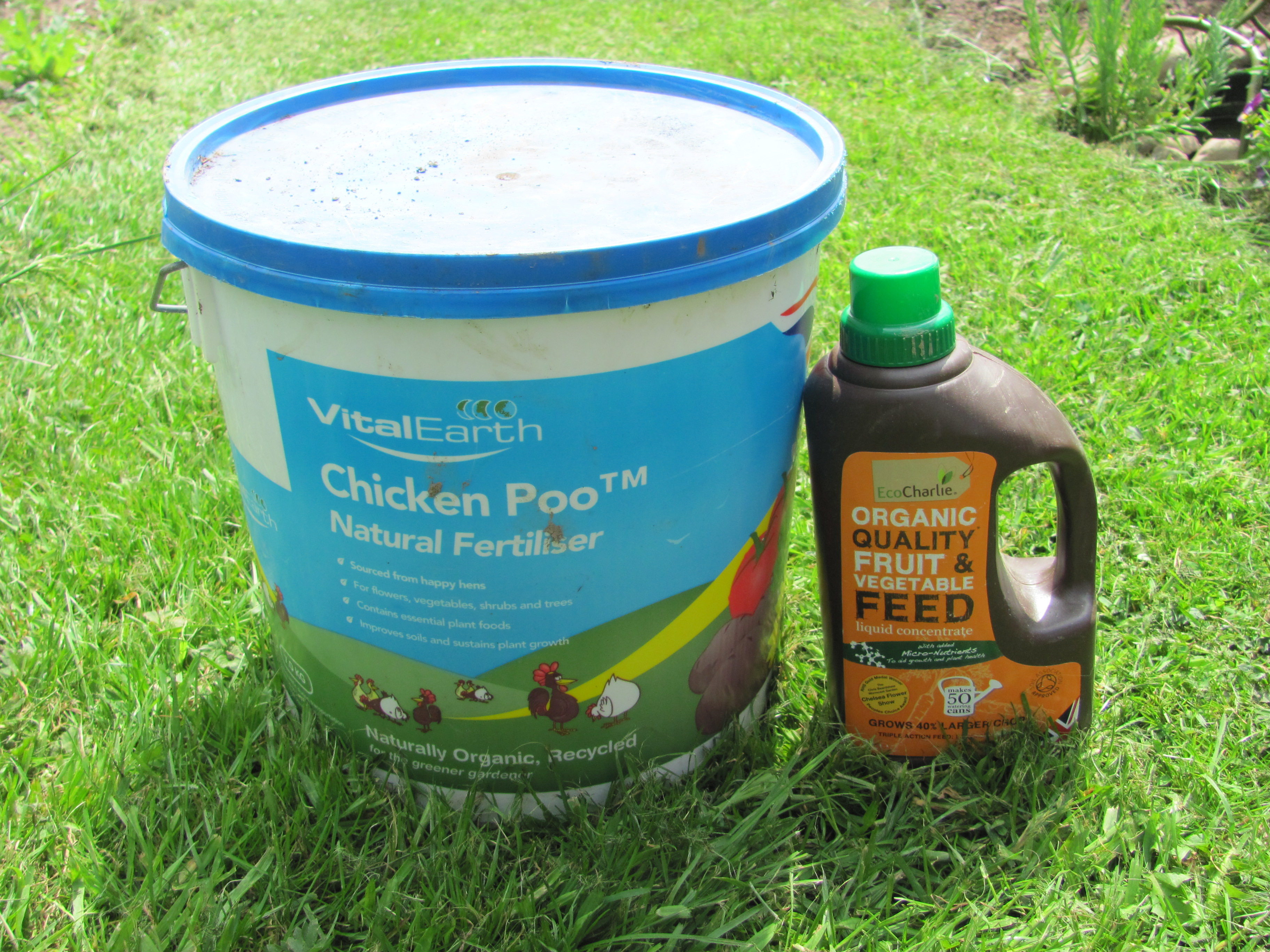
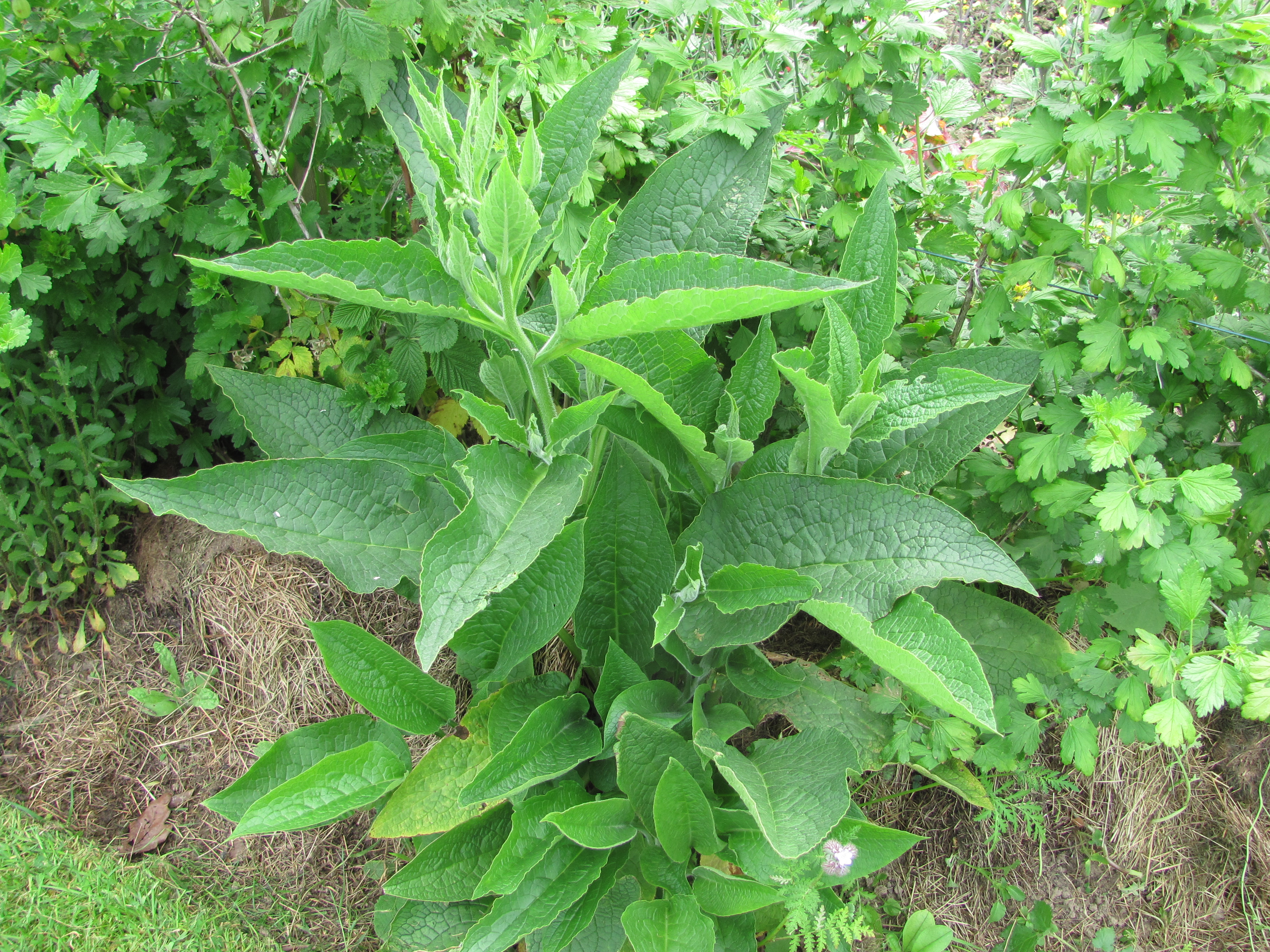
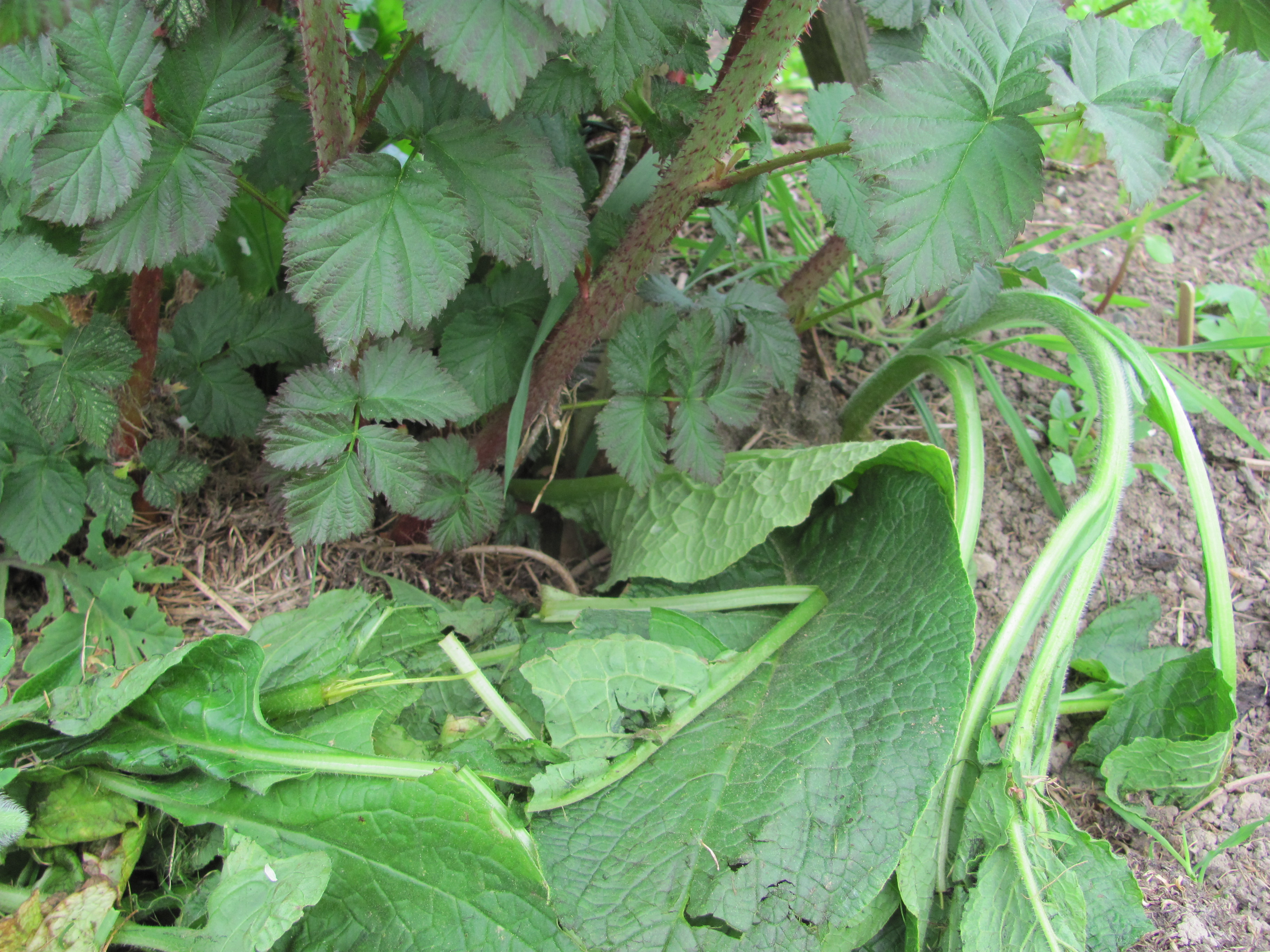
Strong, healthy plants will survive dry periods better and newly planted quality plants will establish without regular bouts of watering. To ensure plants are as healthy as possible feed them with natural, organic feeds rather than chemical based fertilisers. Growing your own fertilisers is even possible. Comfrey can be grown and regularly cut, soaking the leaves and stems in water for a few weeks produces a free and effective feed when watered down to the colour of weak tea. The leaves can also be utilised as a mulch placed directly below fruit trees and bushes.
The way the plants are watered is also an important factor in determining how much water is used. Watering with a hose all around rows of plants is wasteful as most of the water lands on the bare soil and not where plants can use it. To ensure that plants can take up and use as much water as possible, it is best to water from a can without a rose and direct the flow of water towards the base of the plants.

When your potatoes need earthing up, add a layer of fresh grass cuttings before the soil as this will help retain moisture as the potatoes are forming.

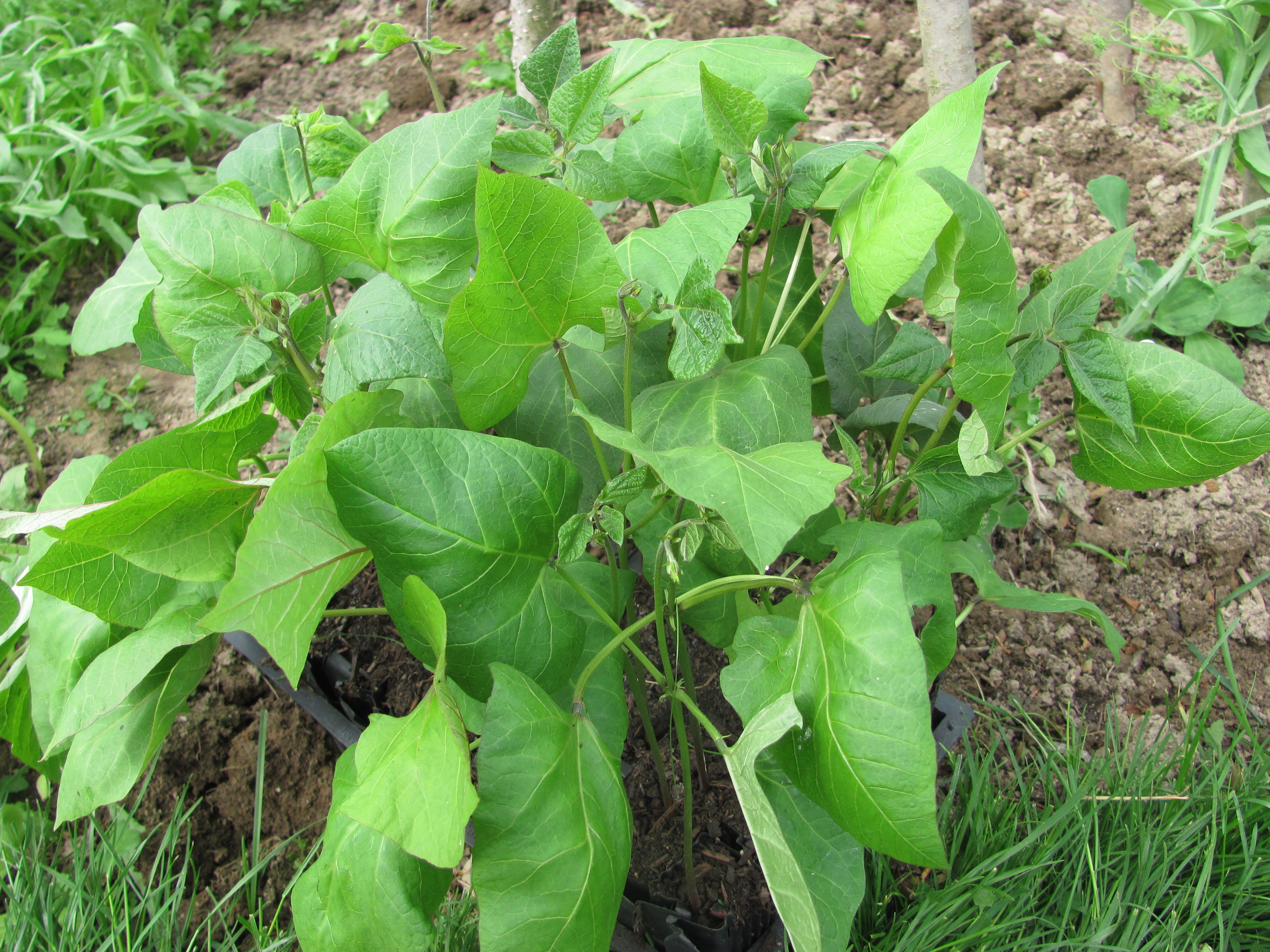
I tried to work out the most water-efficient way of planting out our vegetable plants and used runner beans as an example. The first point is to ensure your plants are strong and healthy.

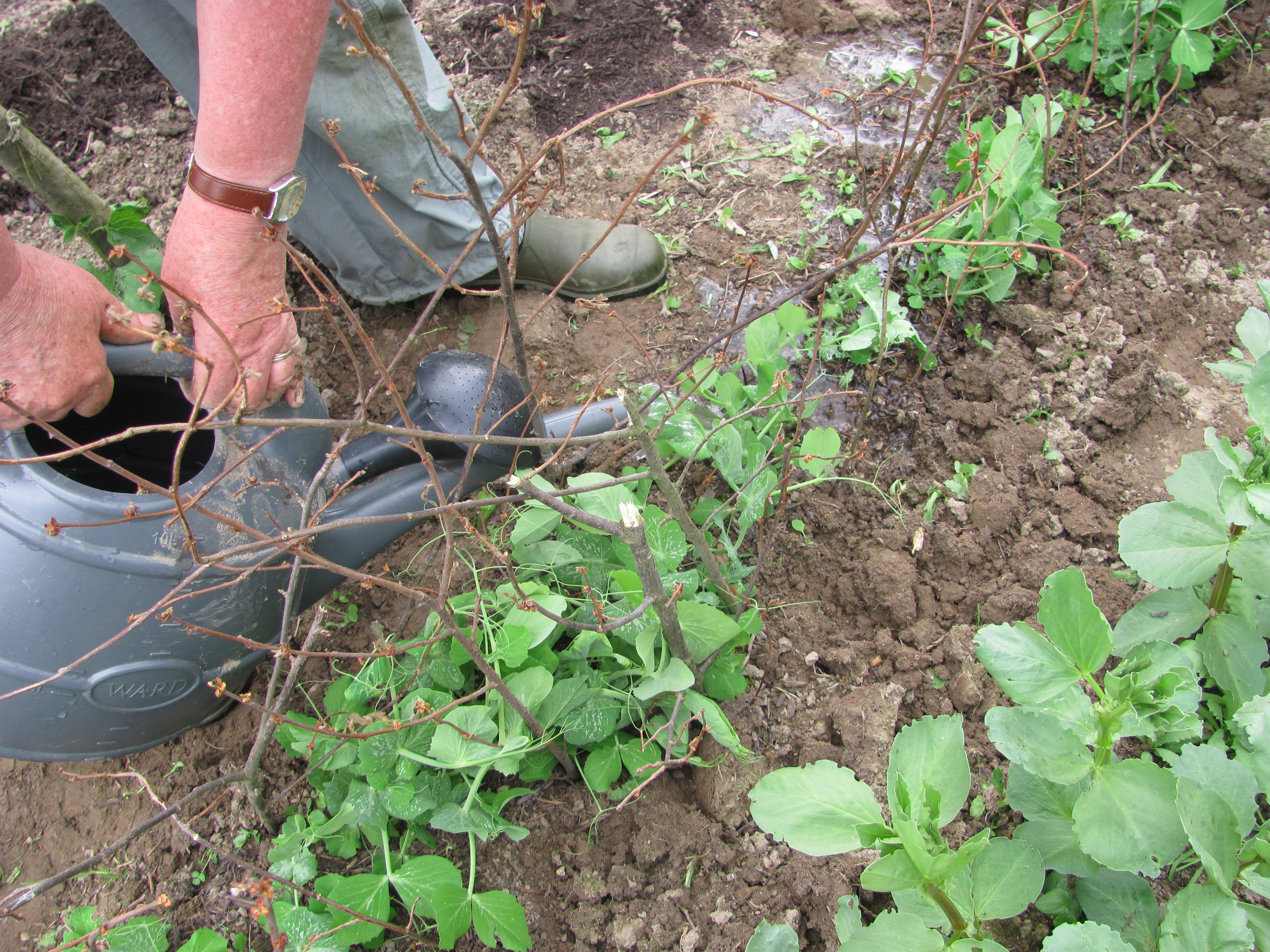
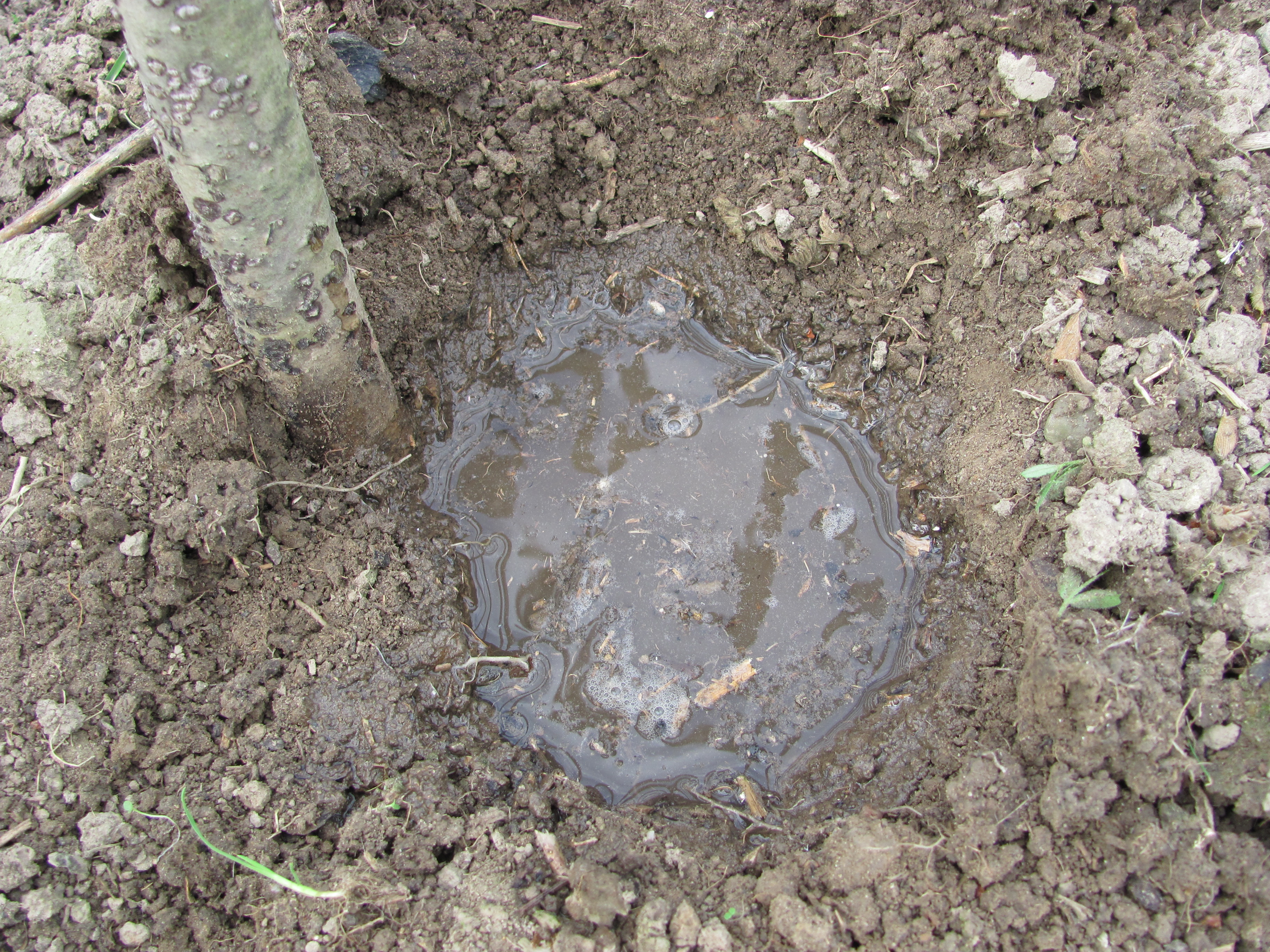
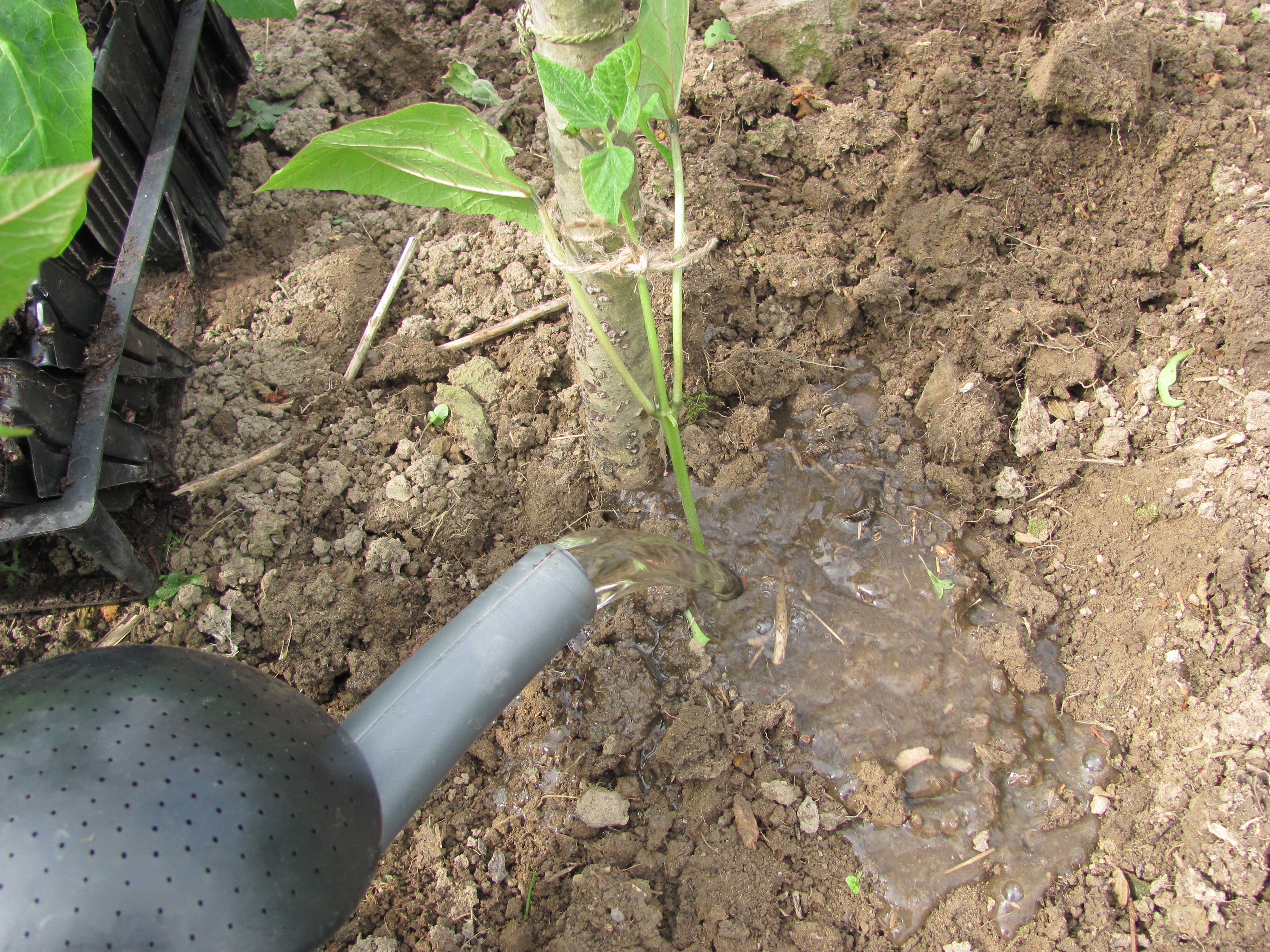
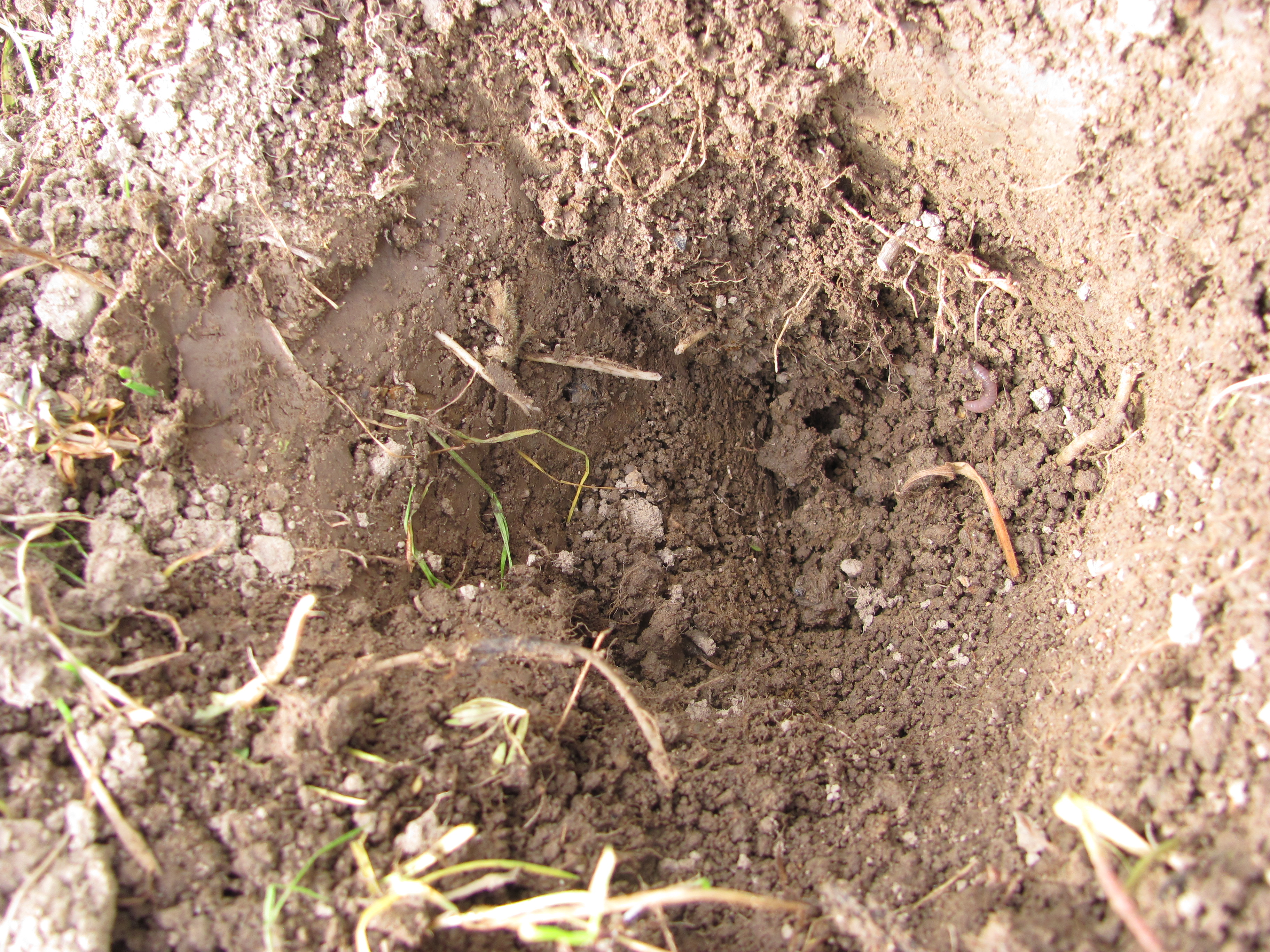
Take out your planting hole and fill with water from a watering can – I also add some comfrey feed to this. Let the water drain away and repeat the process.

Place the plant in the hole and water yet again after firming soil back in around it.

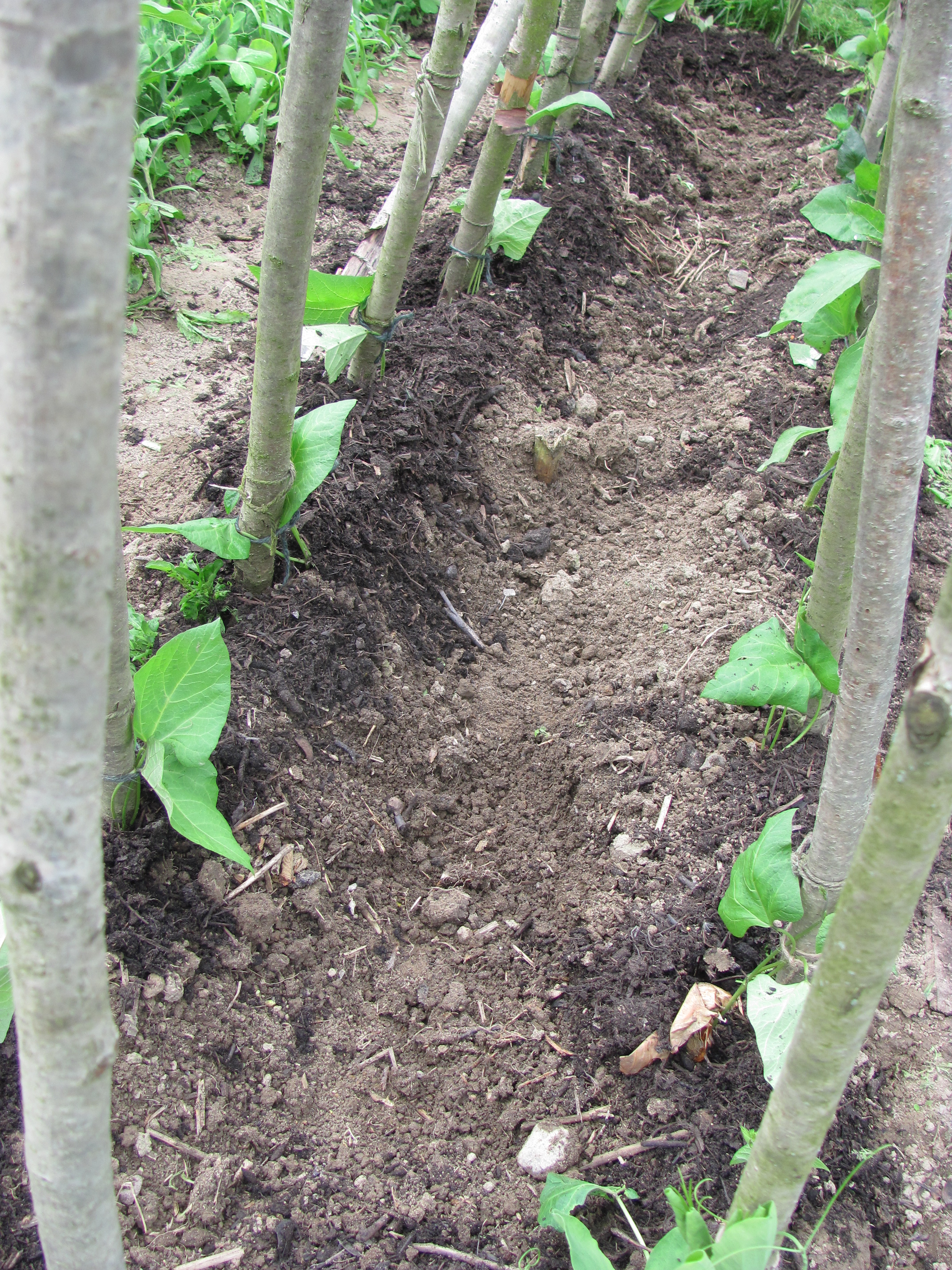
Add a good layer (at least 2 inches deep) of compost to keep the moisture in as the plant establishes. This helps the plants settle in as it is getting its roots down.

Form a trench alongside the row of plants to collect any rainfall and direct it towards the plants.

Before you decide to water your plants take out a trowel depth of soil close to your plants and see if it is moist below the surface. If it is then do not water. This water in the soil down to about 6 inches is the moisture that plants will be using. Conversely if you water the surface it will just attract roots upwards to search for it. Remember then that watering over the soil surface with a hose will make plants shallow rooting.

There are lots more ideas on the website. In this year of drought following last year’s almost desert levels of rain, our water table in this part of Shropshire around the allotments is about 2 feet lower than it should be so however much rain there appears to be falling we need lots more.

I would love to hear of more ideas that I can share with our allotmenteers!

Categories
allotments birds community gardening conservation fruit and veg garden design garden photography garden wildlife gardening grow your own hardy perennials Land Art meadows natural pest control ornamental grasses ornamental trees and shrubs outdoor sculpture photography poppies roses Shropshire shrubs spring gardening wildlife

A Wander around the Allotments in June

Here we are at the half way point of the year in the June allotment wanderings. As usual we shall start on our own plot to see what has been going on. Our little wildlife pond is beginning to look more established and the tadpoles are growing well. We hope the frogs stay on our plot and eat up all the slugs. As you can see we provided a little wooden ramp to help them get in and out of the water.

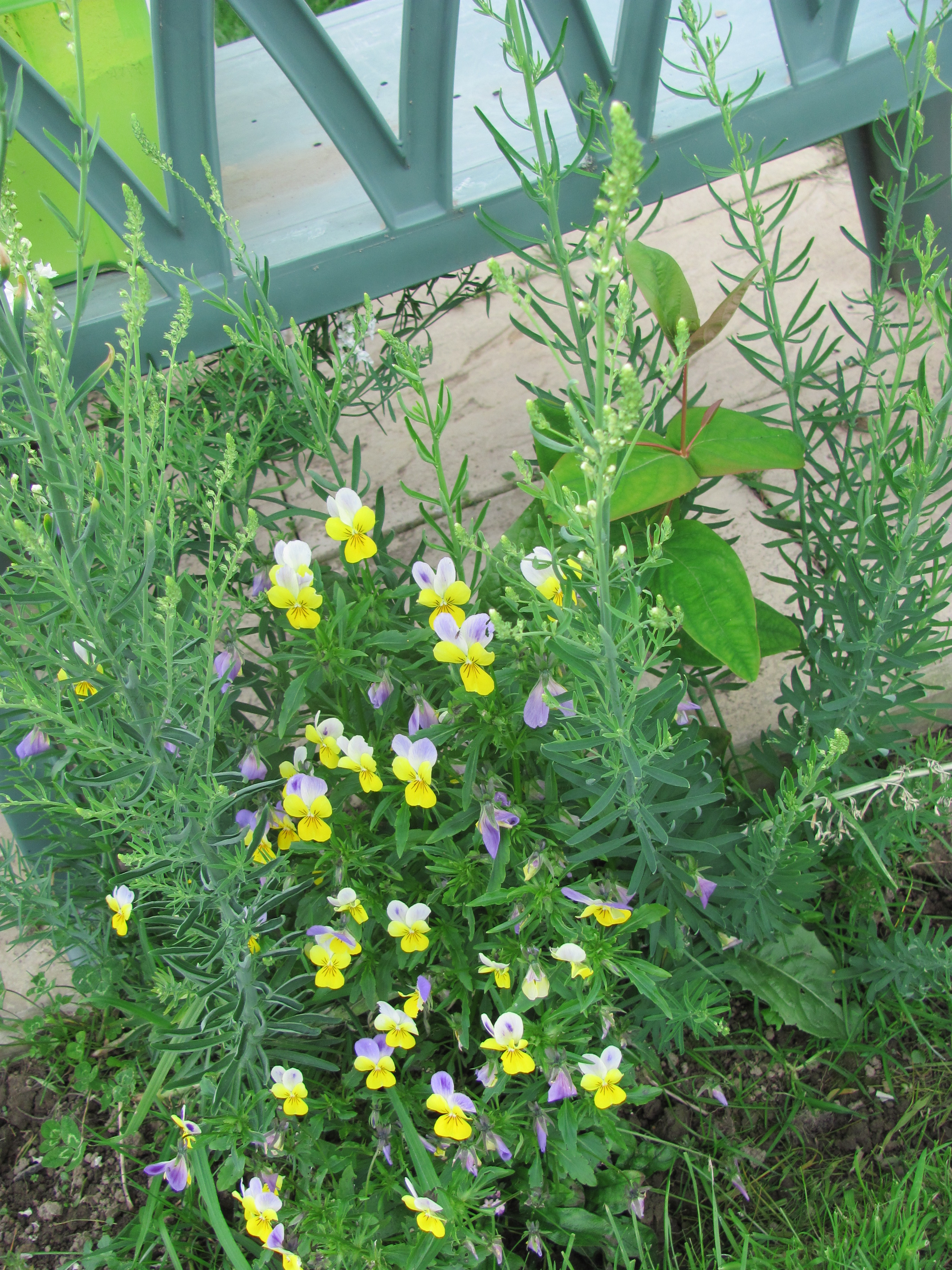
Heartsease self seed around the plot sometimes landing in suitable places arriving in a wide range of colours. This one seeded into the soil behind the green bench.

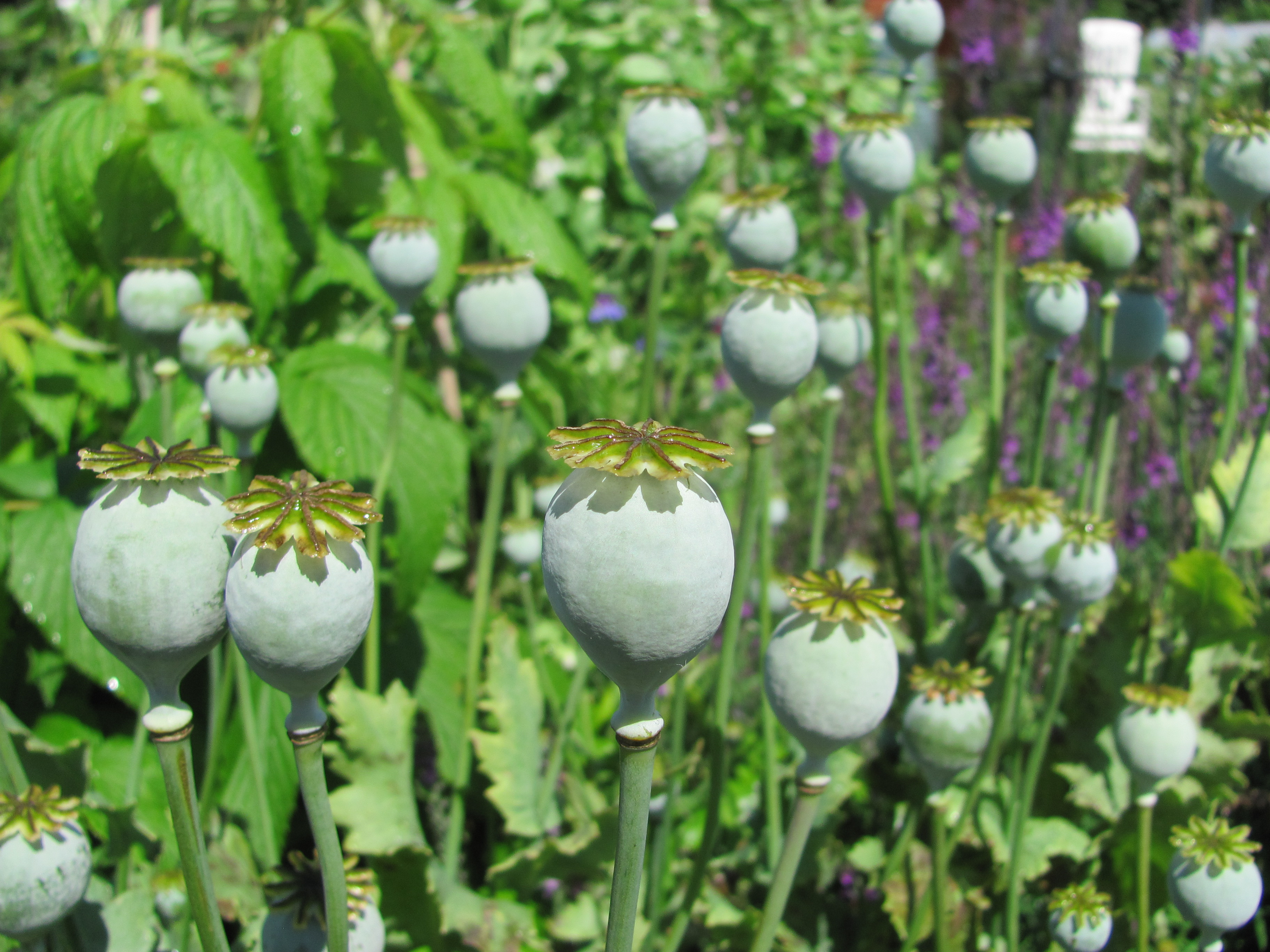
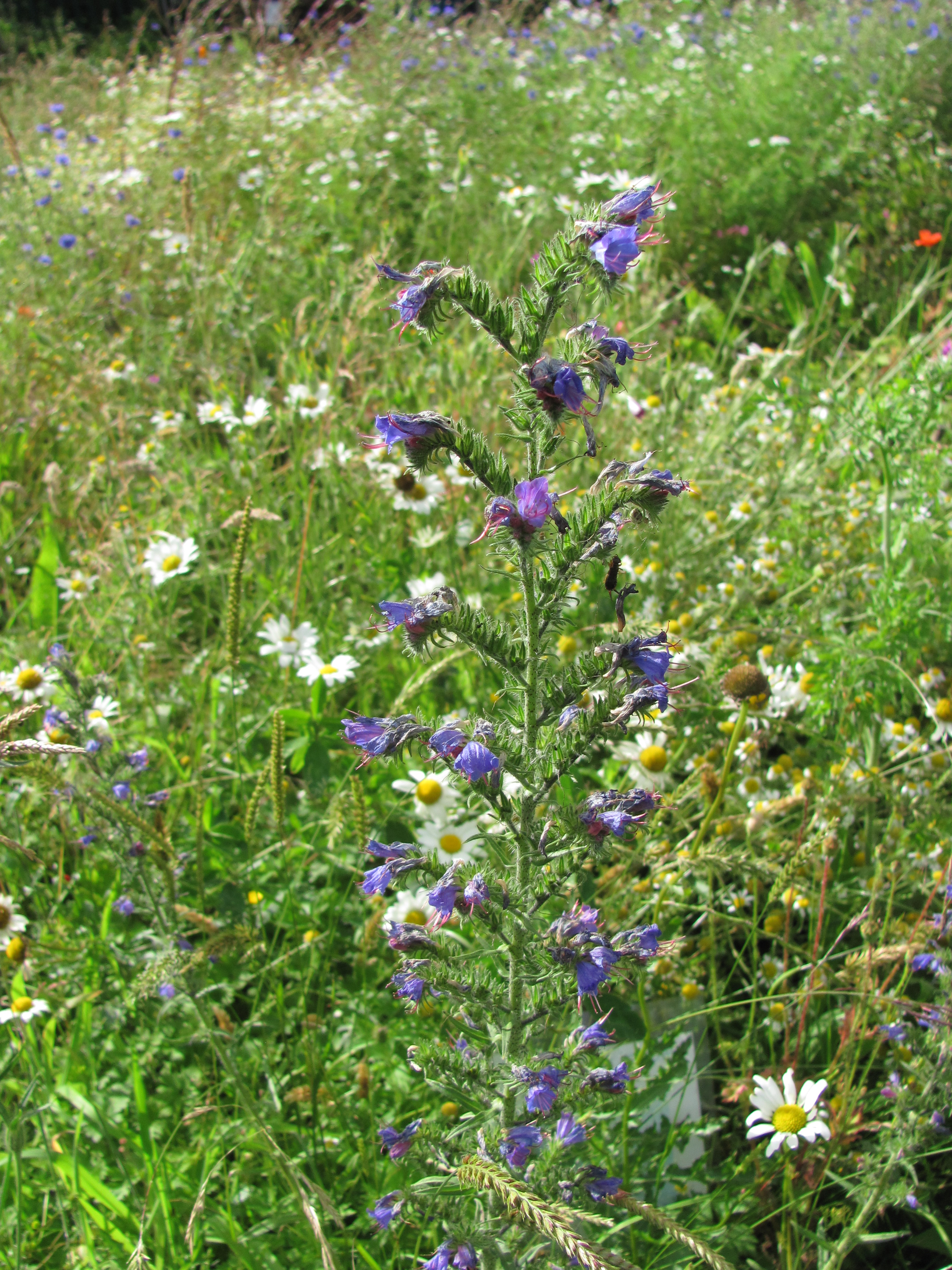
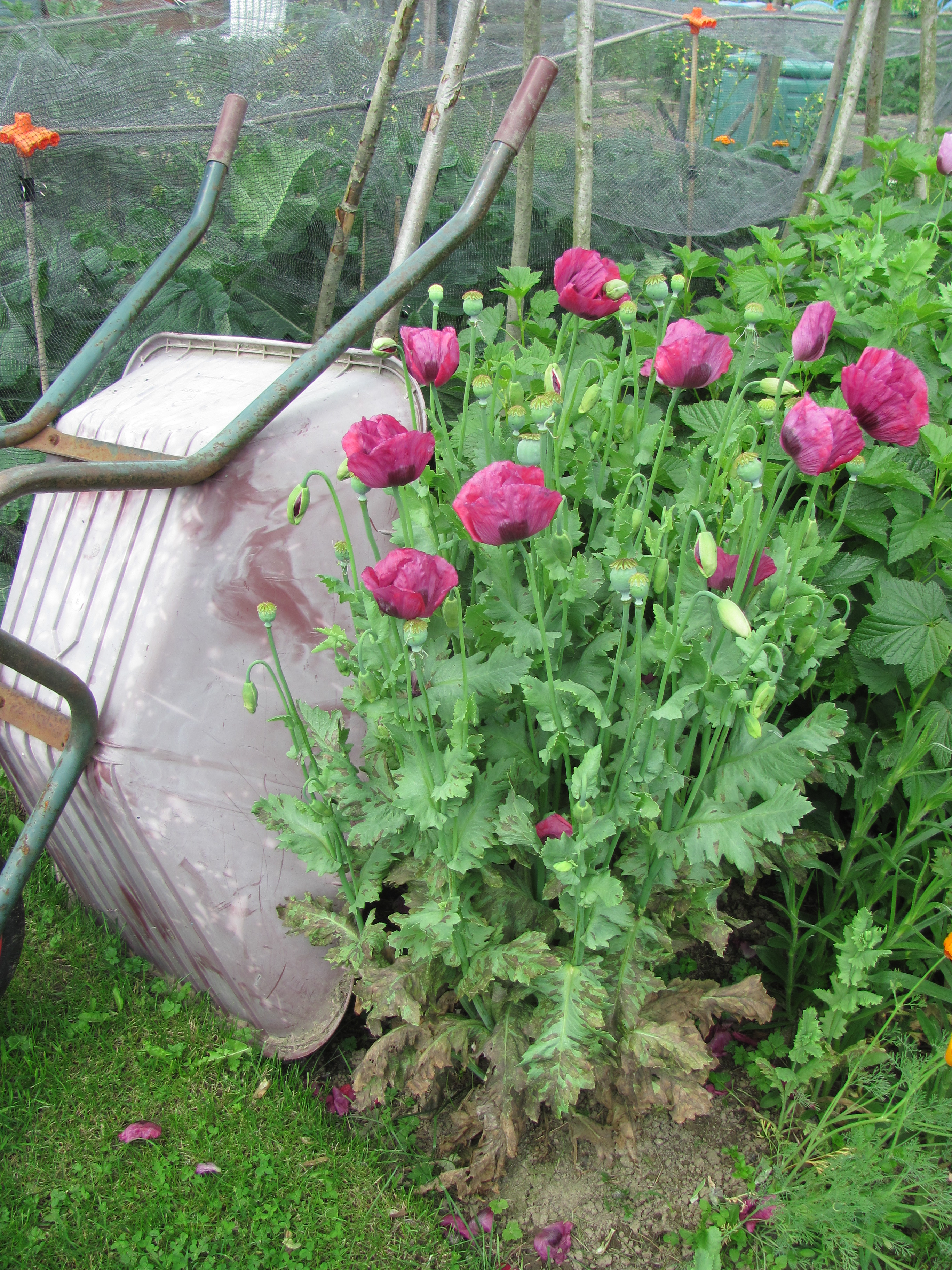
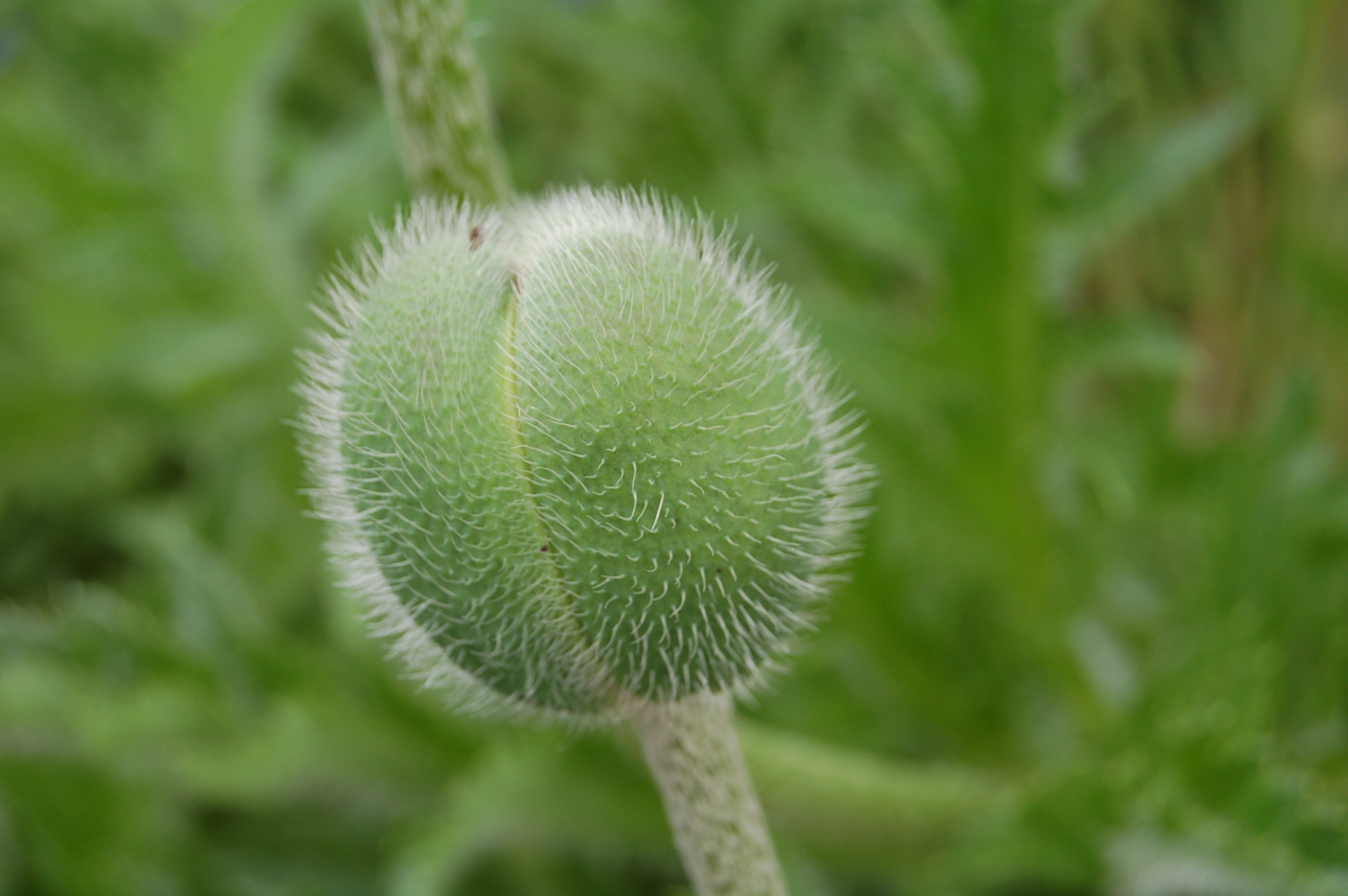
Our strip of wildflowers, a little piece of meadow, is beginning to flower. This Opium Poppy surprised us with its deep pink coloured petals.

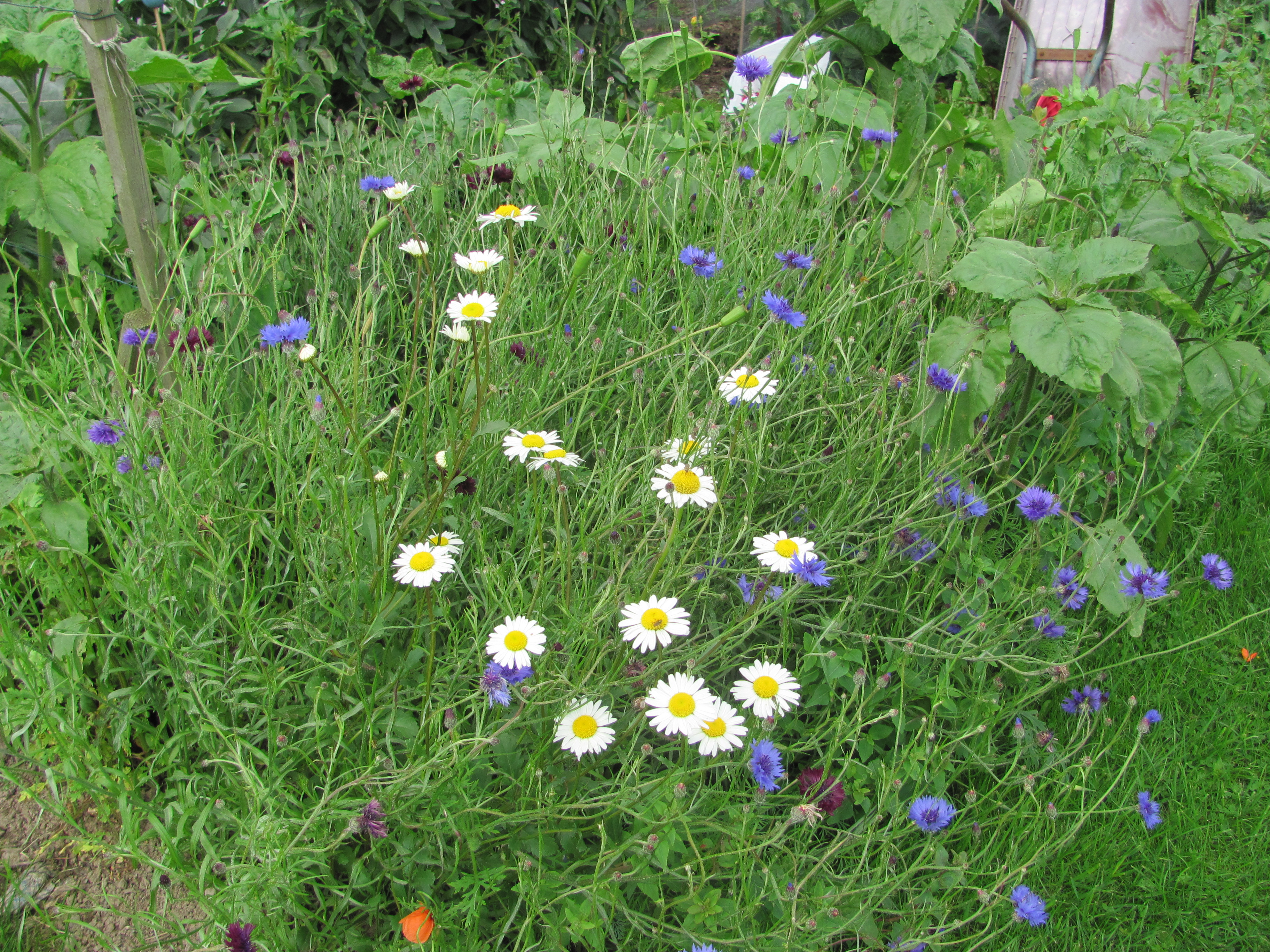
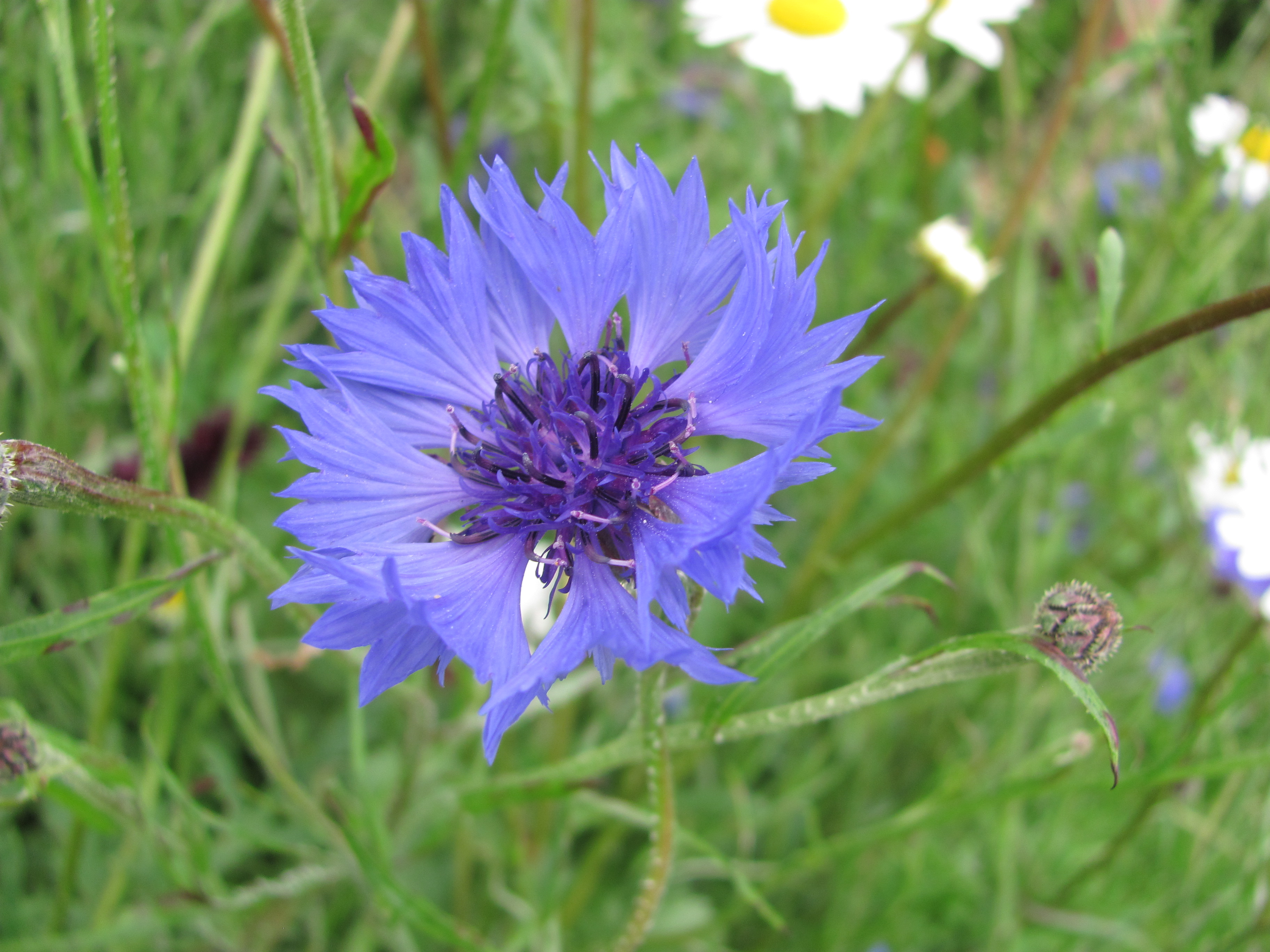
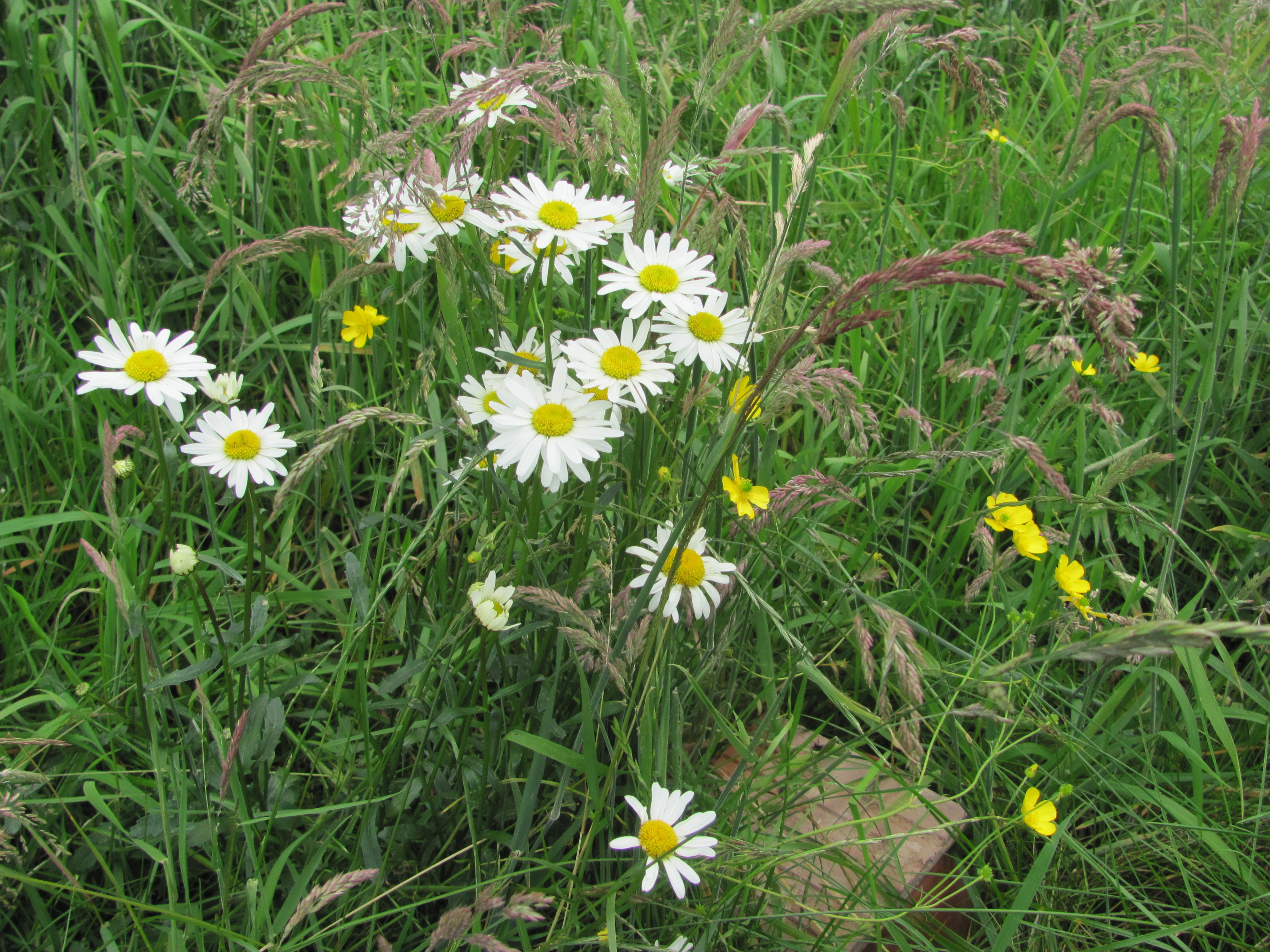
Moon Daisies and Cornflowers.

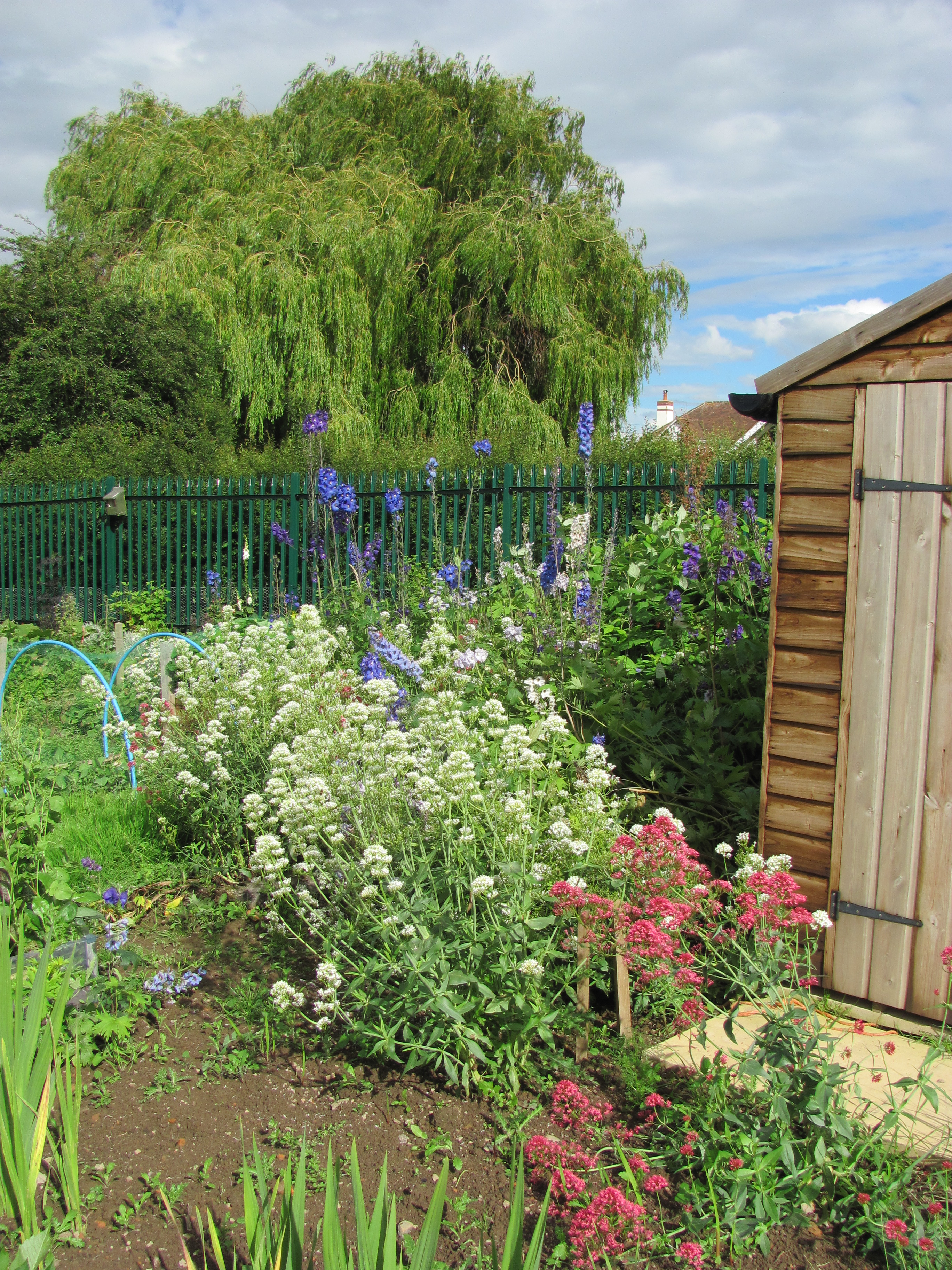
Just as flowers feature strongly on our own plot so they do on other members’ plots and in the Green Space borders. In the Autumn Garden Achilleas are the stars.

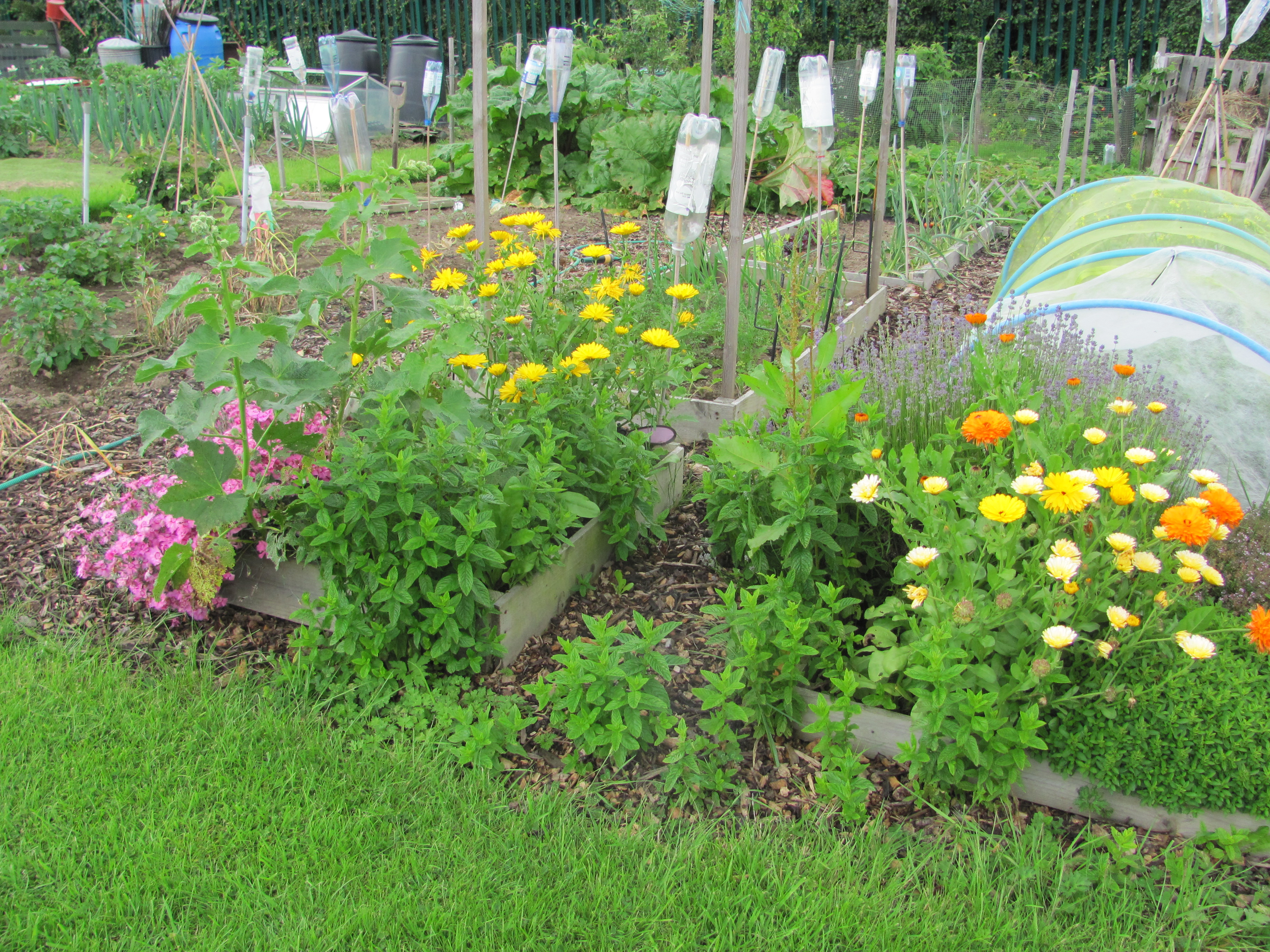
Calendulas feature on many plots as they look so good,  and work hard as part of companion planting helping to attract beneficial insects.

Our first “Buddleja Bed” planted to attract wildlife now looks colourful and full of life. After losing some of our Buddlejas in the dry last year when Shropshire experienced months of drought after two extremely cold winters, the name for these borders currently looks a little inappropriate.

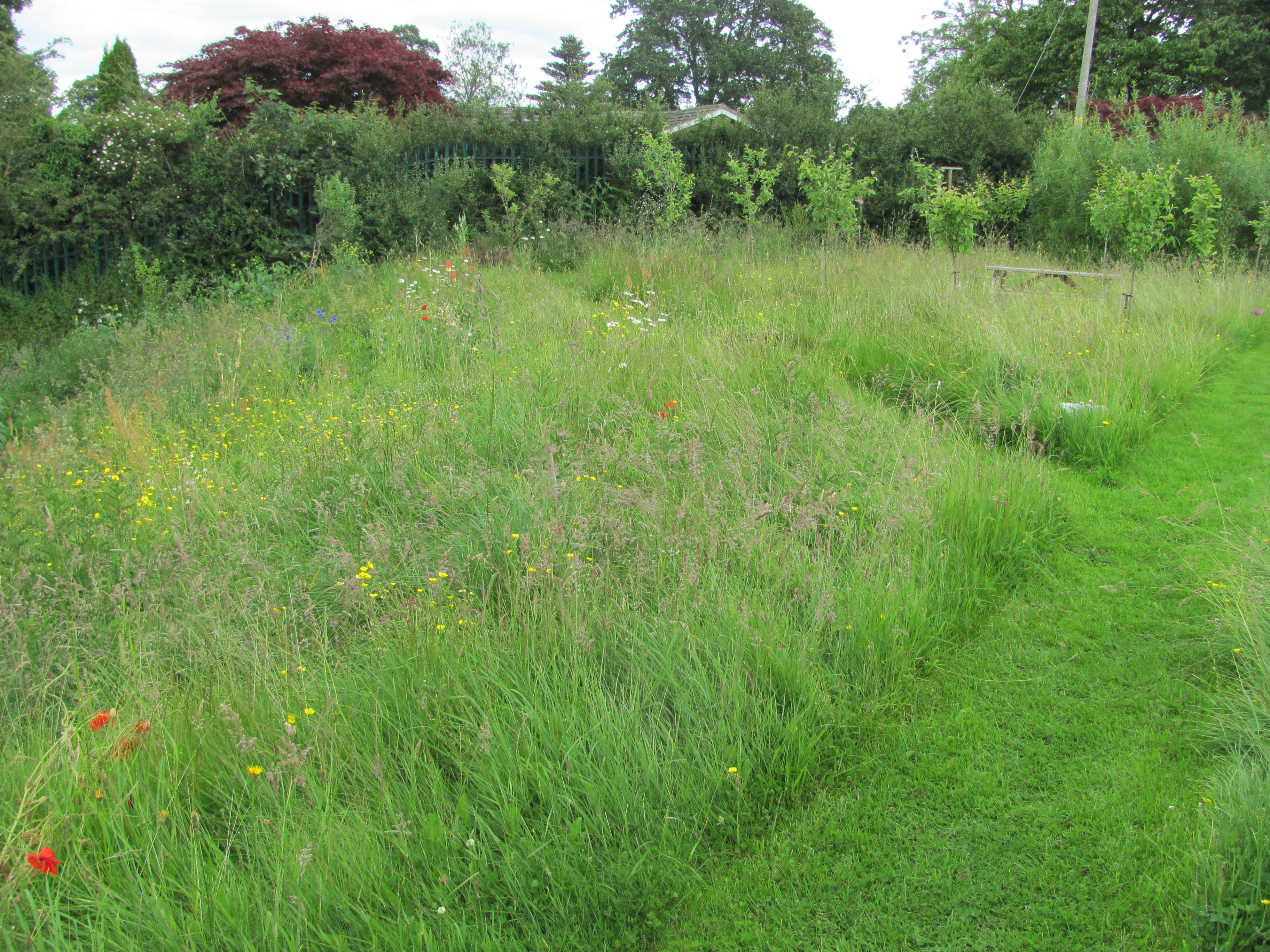
Our wildflower bank sloping up towards one of our orchards is now looking more established as we have added plants that members have donated to add interest.

The Edible Hedge is now fruiting providing sustenance to birds and small mammals. Flowers in the borders at the base bring in bees, butterflies and beneficial insects. Beetles enjoy the long grass and we like them to be there as they feed on slugs.

The most colourful garden on site at the moment is the Spring Garden which still displays much interest as we move into the summer months. This garden is maintained by volunteers, Jill and Geoff who spend many an hour planting, dead heading and weeding.

Geoff and Jill’s plot is renown for its weed free neatness and precision planting.

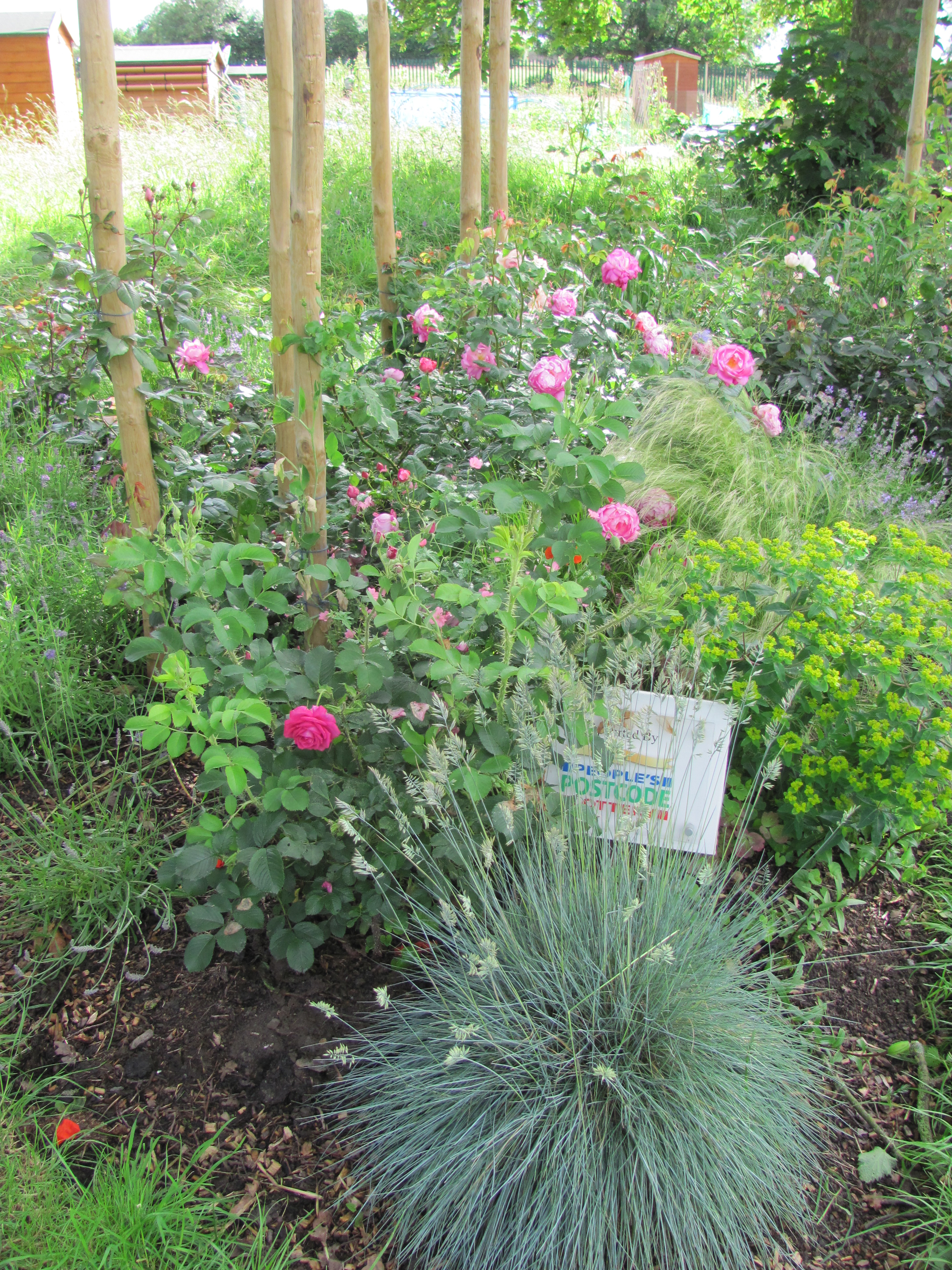
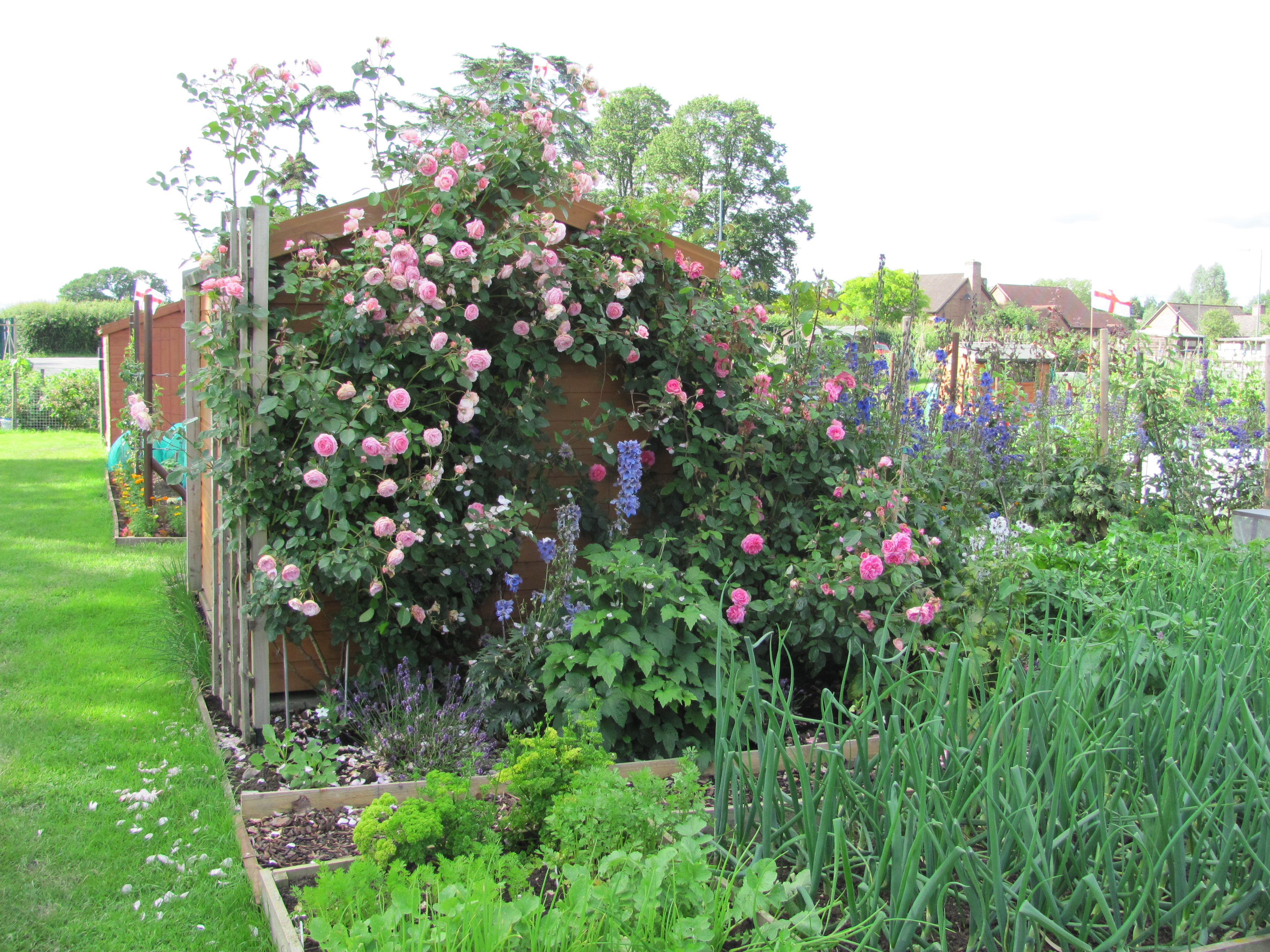
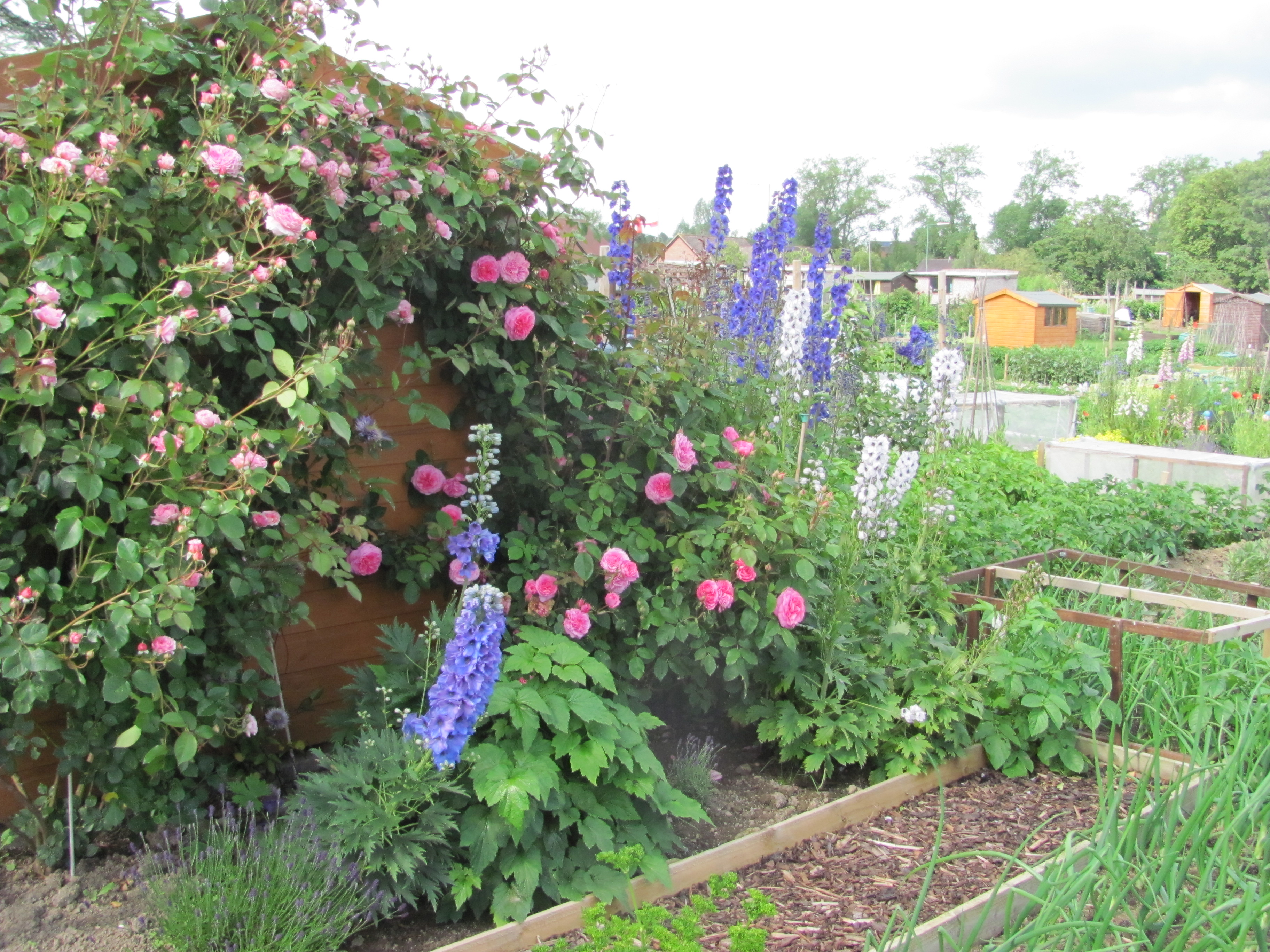
The Summer Garden  is not to be outdone though as the roses are coming into flower and beautiful scents greet us as we sit on the nearby picnic benches. The lavenders, geraniums and grasses planted between the roses add further interest and textures.

As June moves towards July our meadows really come into their own. Plot holders love to walk through them and a wide variety of birds, bees, butterflies, grass hoppers and every sort of mini-beast visit.

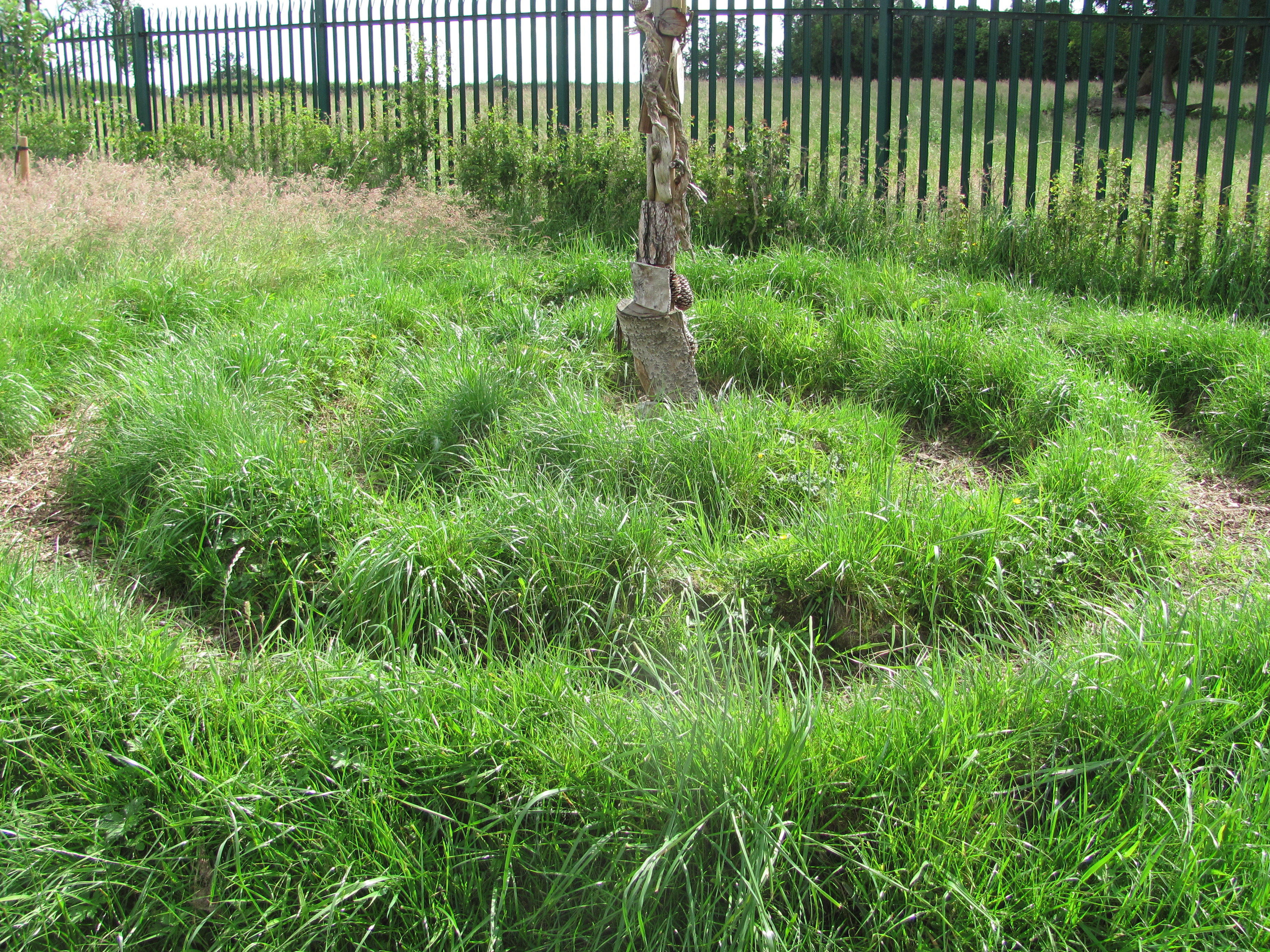
I shall finish with a shot of the plot we have nominated for this year’s Shrewsbury Town Allotment Competition and one of our grass spiral which currently looks most inviting.

Categories
allotments community gardening fruit and veg garden photography garden wildlife gardening grow your own hardy perennials meadows National Trust natural pest control photography The National Trust wildlife

Clumber Park – The Walled Garden

We have watched over the last few years how the walled garden at Clumber Park has been brought back to life. Although it is a few hours from home we visit at least once a year.

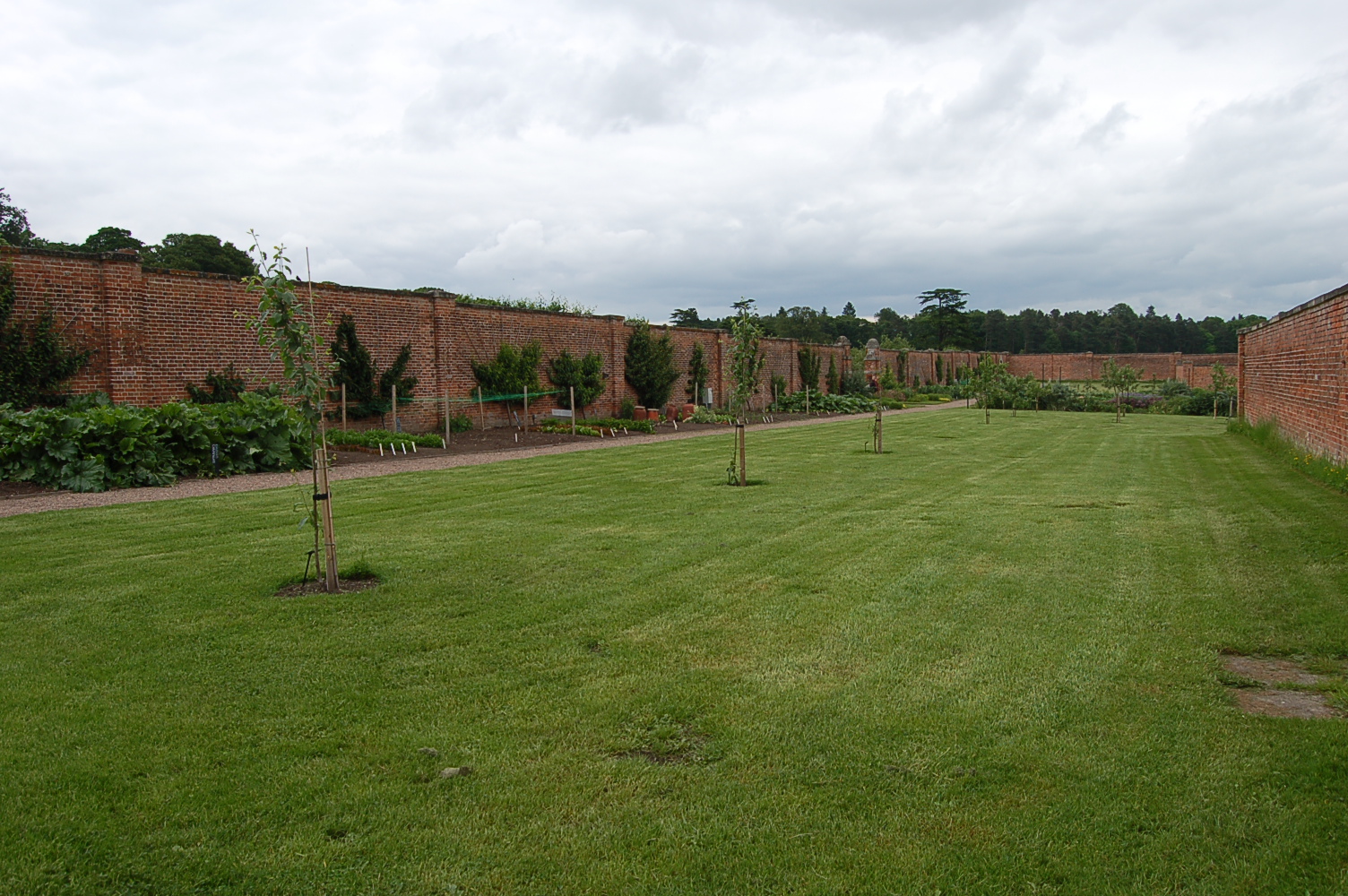
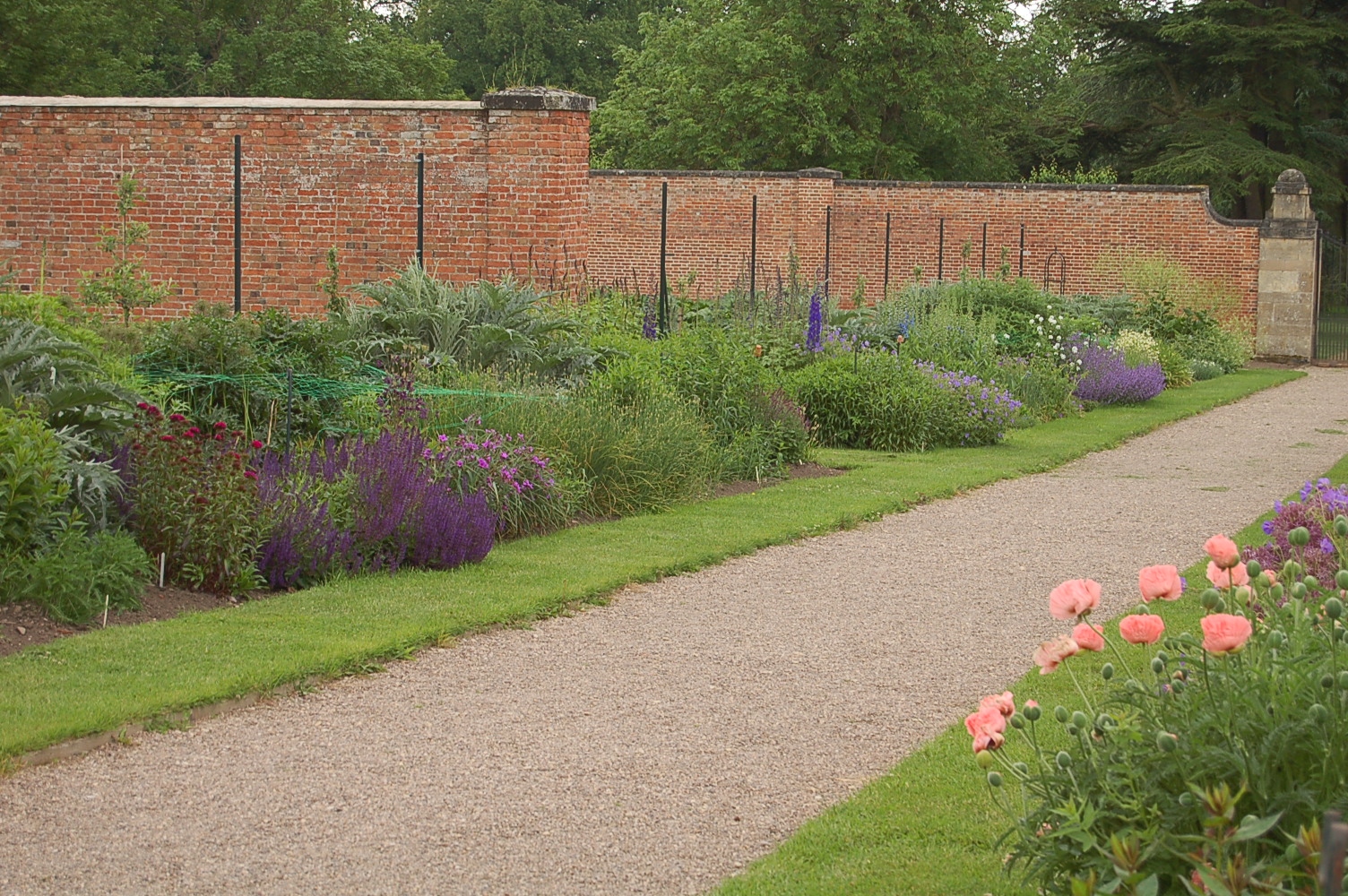
Now it is a peaceful place to wander around admiring the vegetable growing techniques, the orchards and the meadows beneath, the long flower borders, the trained fruit on the walls themselves and the national collection of rhubarb.

We were very lucky on this recent visit as we had our own personal guide who came around with us. He was grey haired and didn’t say a lot but he didn’t mind when I took his portrait.

We like to approach it along the dramatic avenue of cedars where the enticing view of the distant old gates within the warm red of the tall brick walls draws us in. The cedars themselves have such sculptural qualities and an air of mystery pervades the shadows under their glaucous sweeping branches some scooping down to touch the grass below.

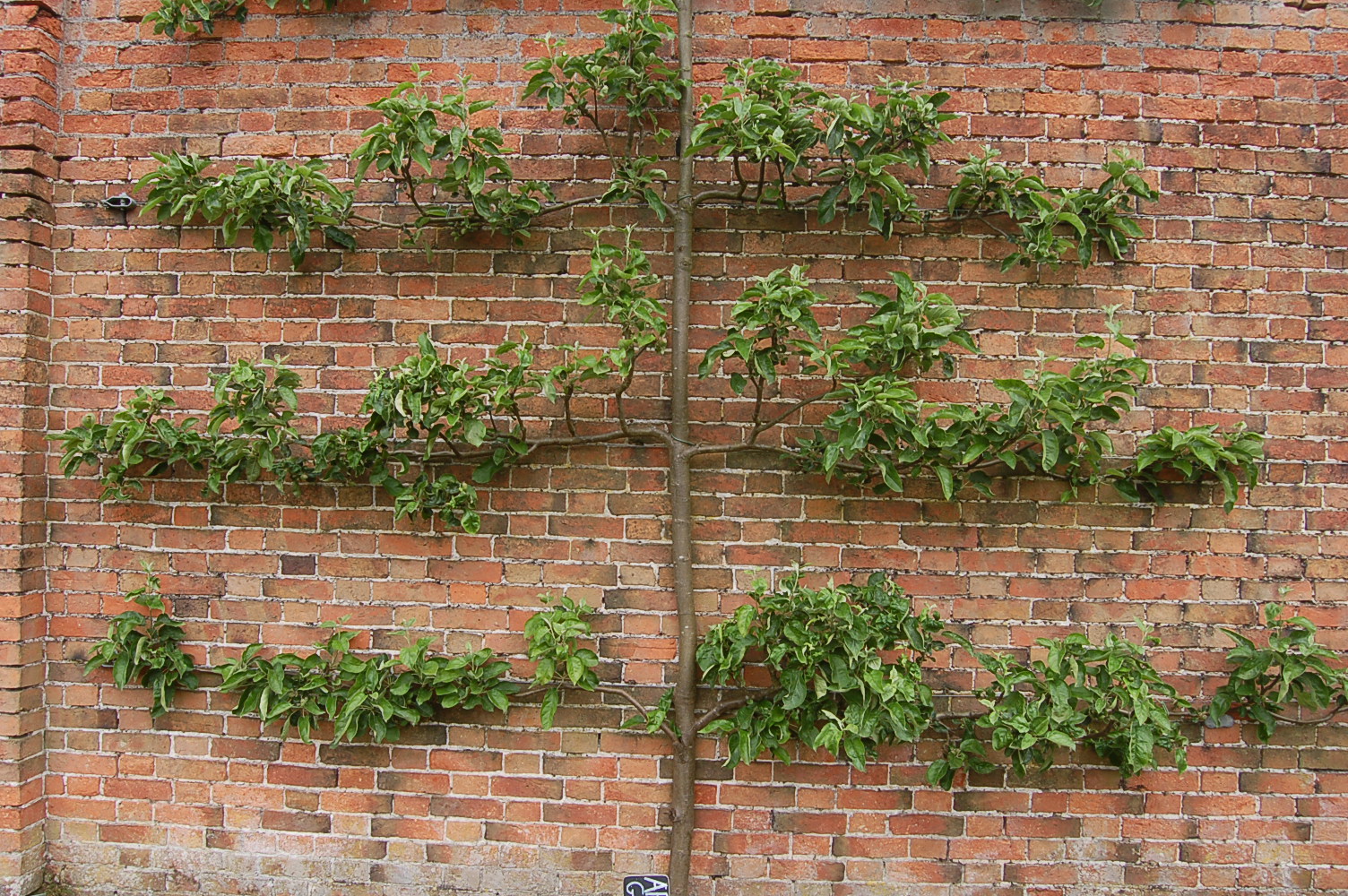
The tall warm bricked walls are now protecting skilfully trained apples, pears, peaches, cherries and figs. In the open a collection local varieties of fruit are being established and in the borders below the walls herbaceous plants, herbs and the National Collection of Rhubarb varieties flourish.

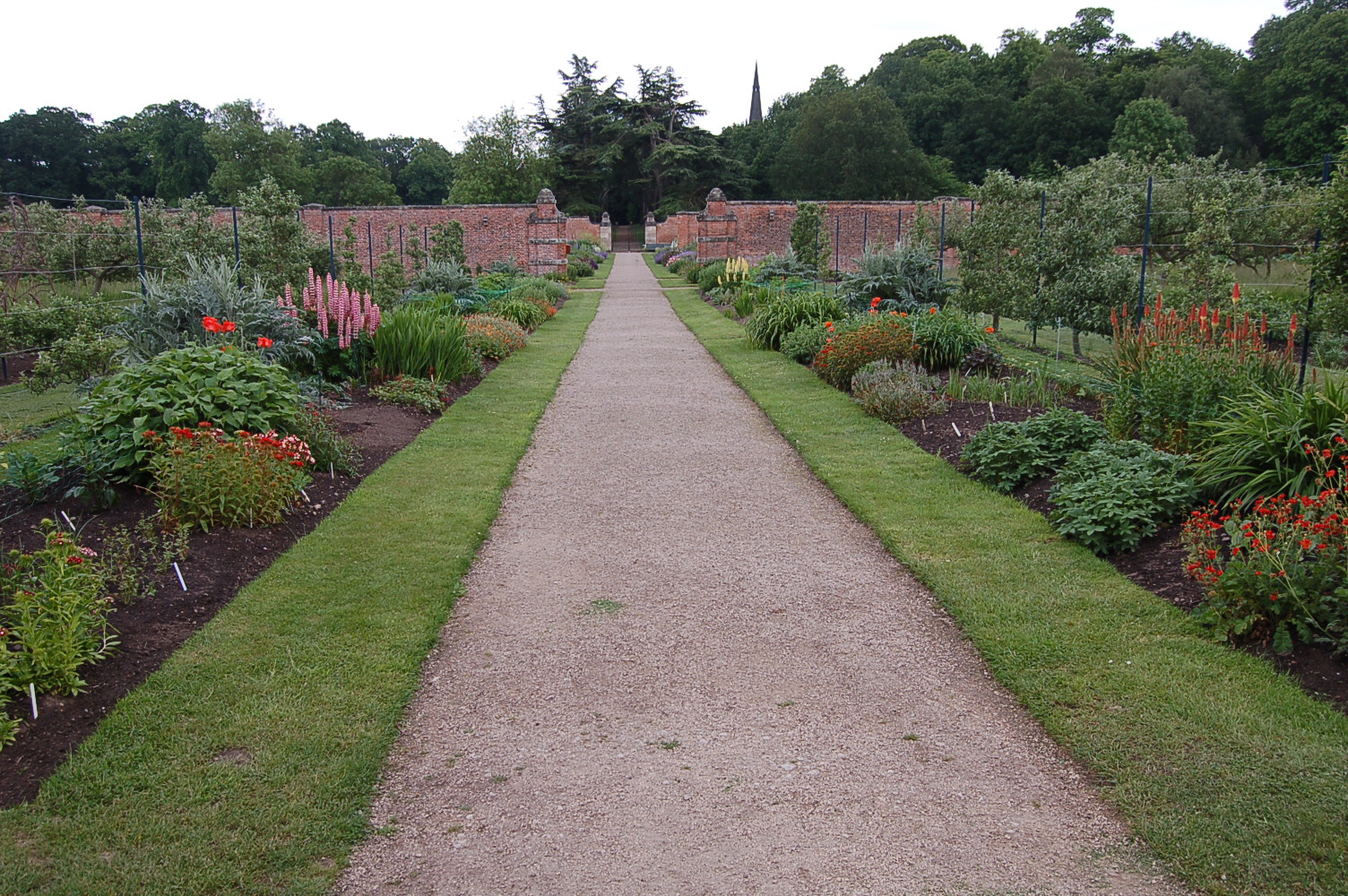
The wide central gravel path that bisects the walled garden runs from the main gates to the greenhouse. It runs between a colourful  double herbaceous border.

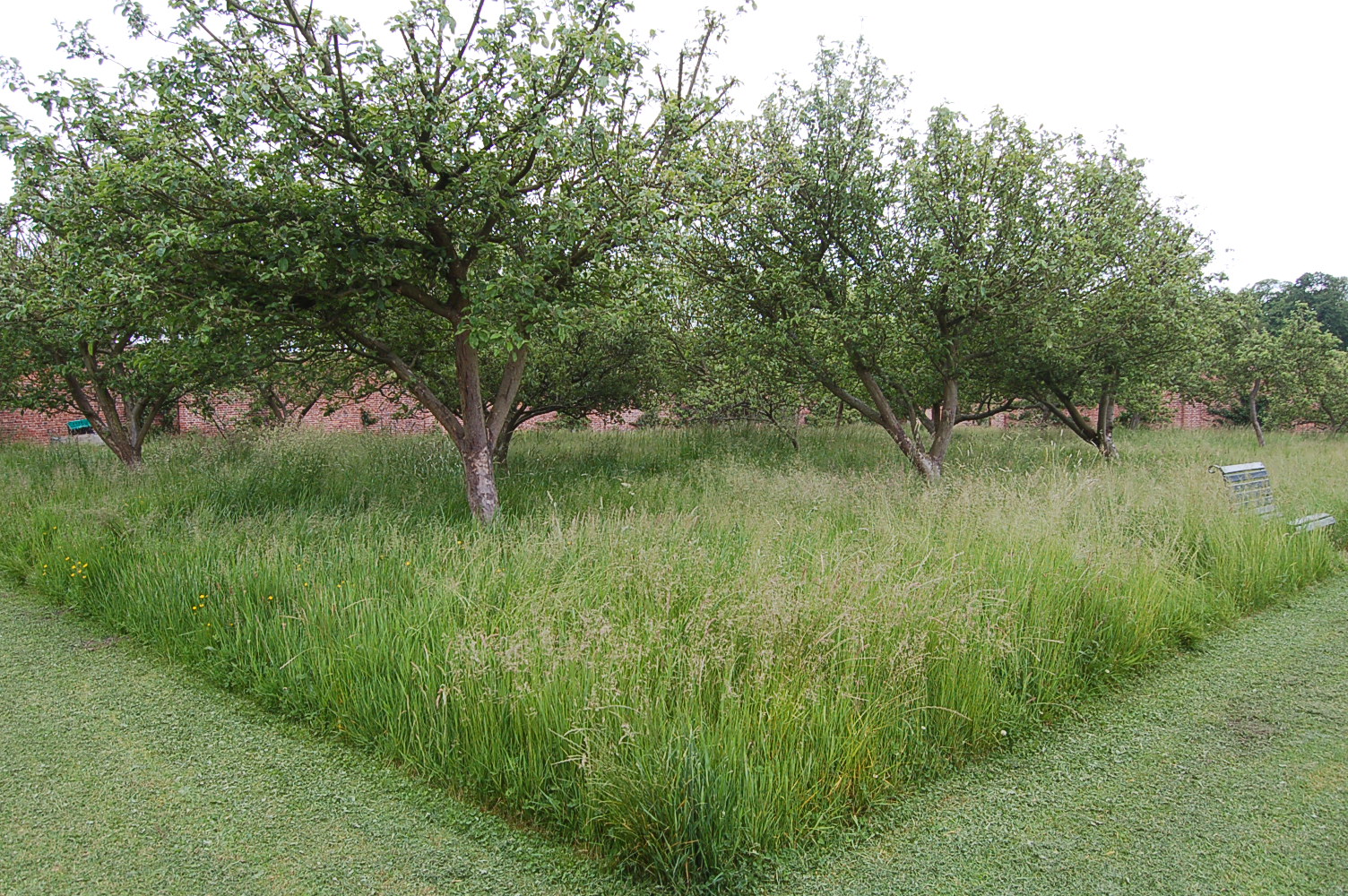
Old fruit trees remain to give a sense of continuity and sit comfortably amongst gently swaying meadows. We were delighted to see a Medlar in flower.

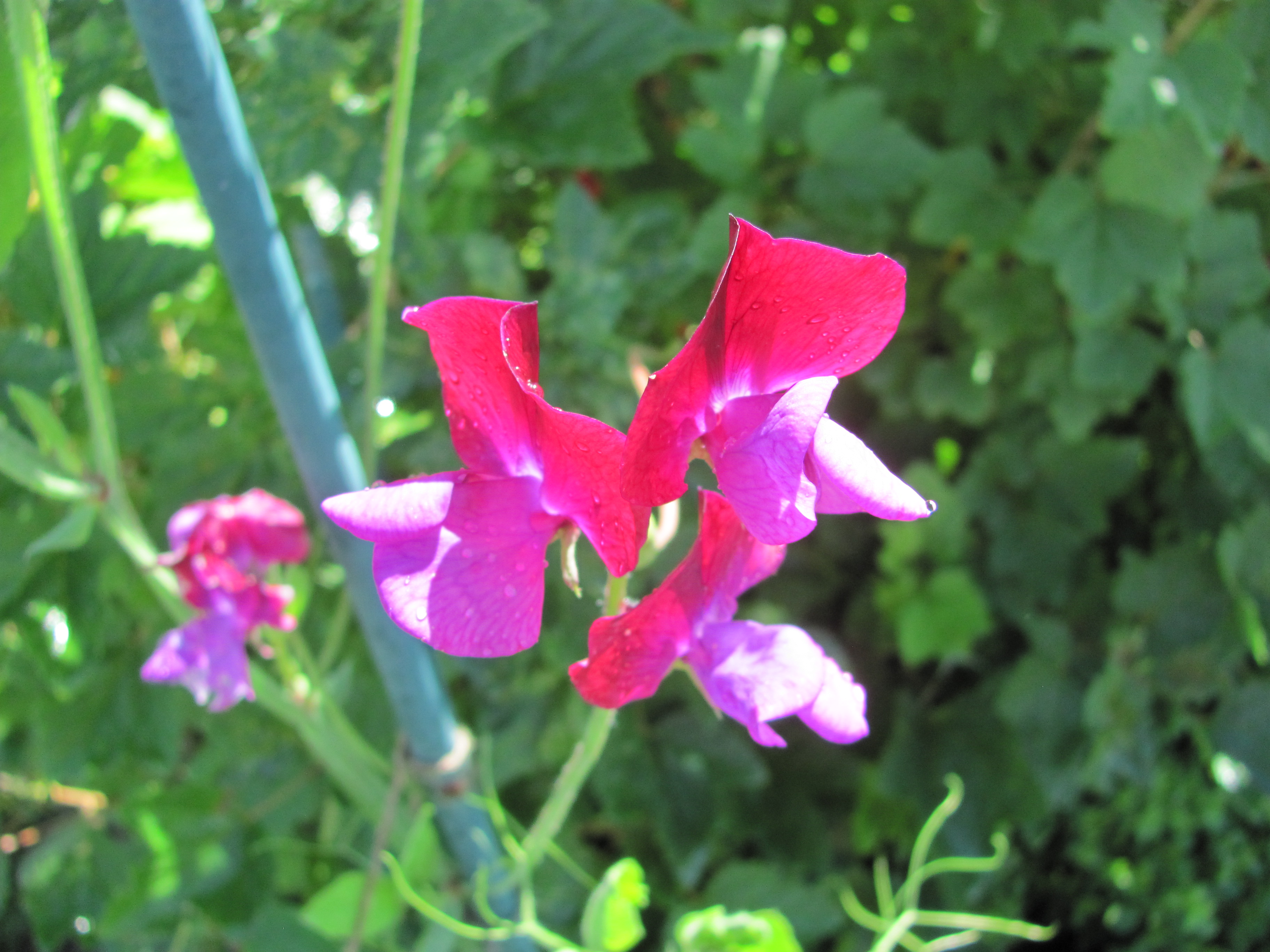
We enjoyed discovering ideas to take home with us as we moved within the vegetable growing areas, such these rustic supports for peas and sweetpeas made from birch prunings. Much of the productive planting was done in neat, long and impressively straight lines.

Being run along totally organic lines the walled garden was well-provided with bird nesting boxes and insect shelters to attract beneficial insects.

As we wandered around we noticed amongst the productive rows of veggies, this beautiful Victorian glass and metal cloche still in regular use.  It performed as well now as it always has done just like the walled garden itself.

As we prepared for our journey back to Shropshire, our helpful little cheery guide waved a small wave and wandered off.

Categories
garden photography gardening grow your own National Trust The National Trust

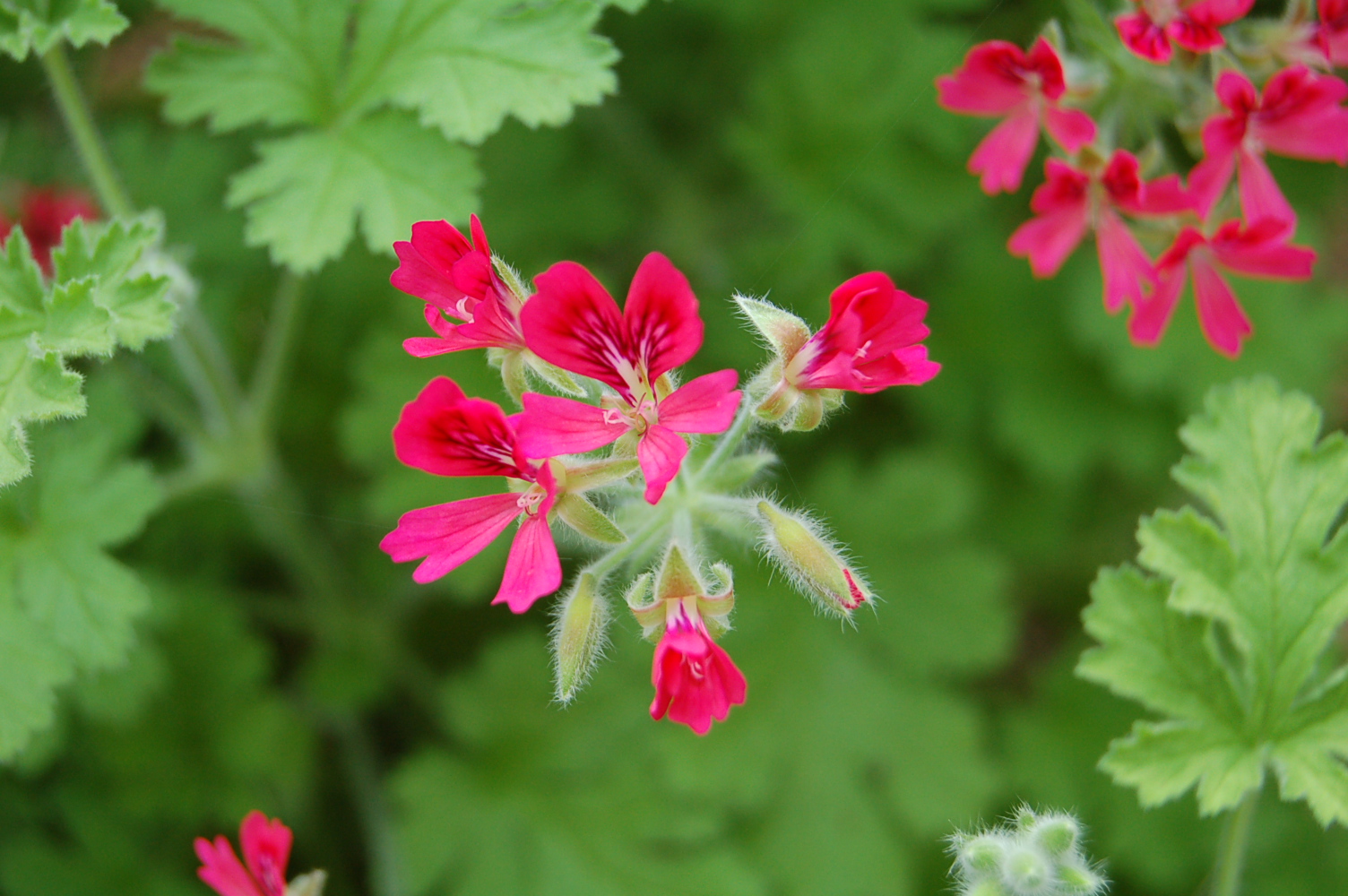
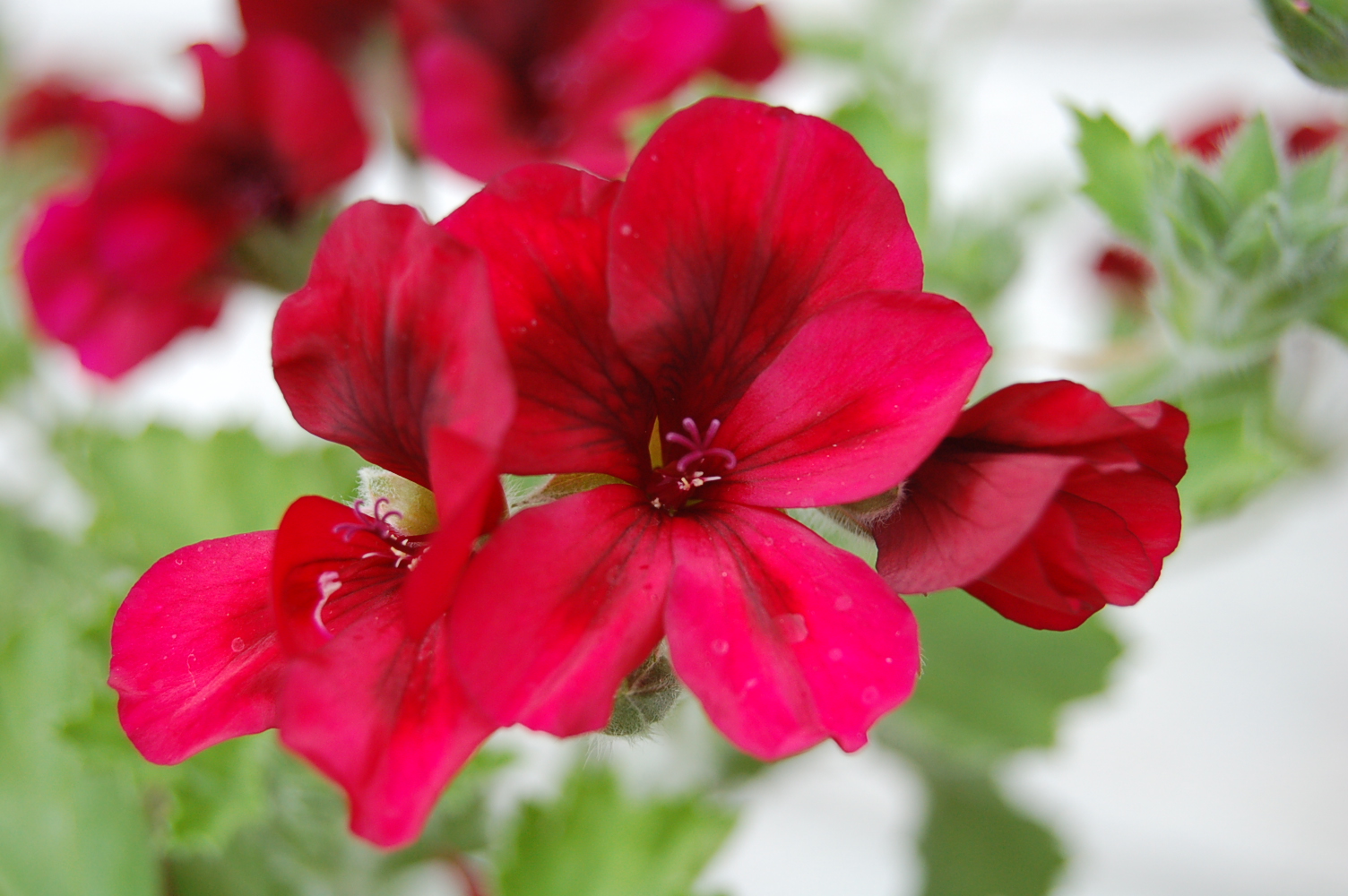
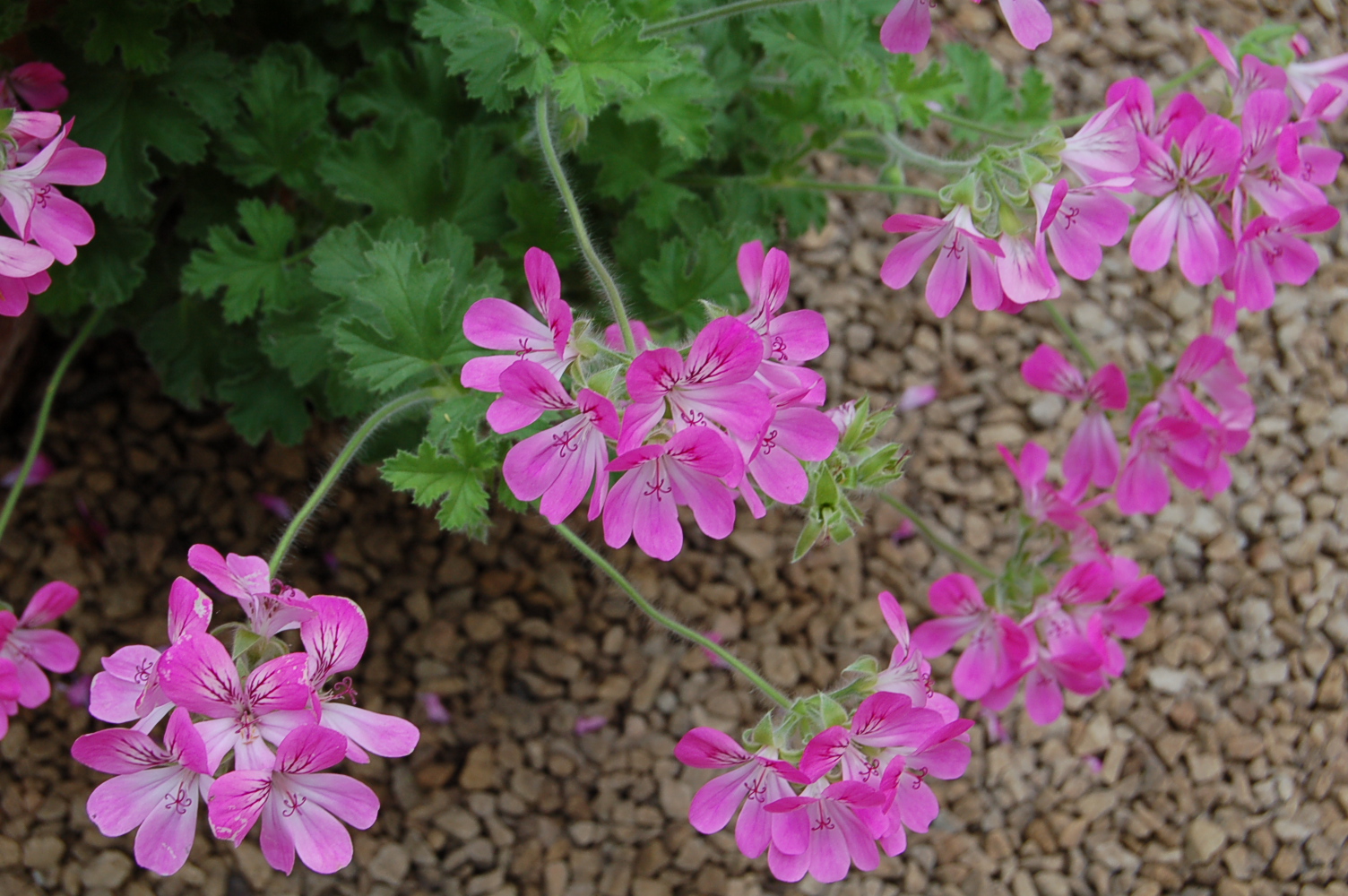
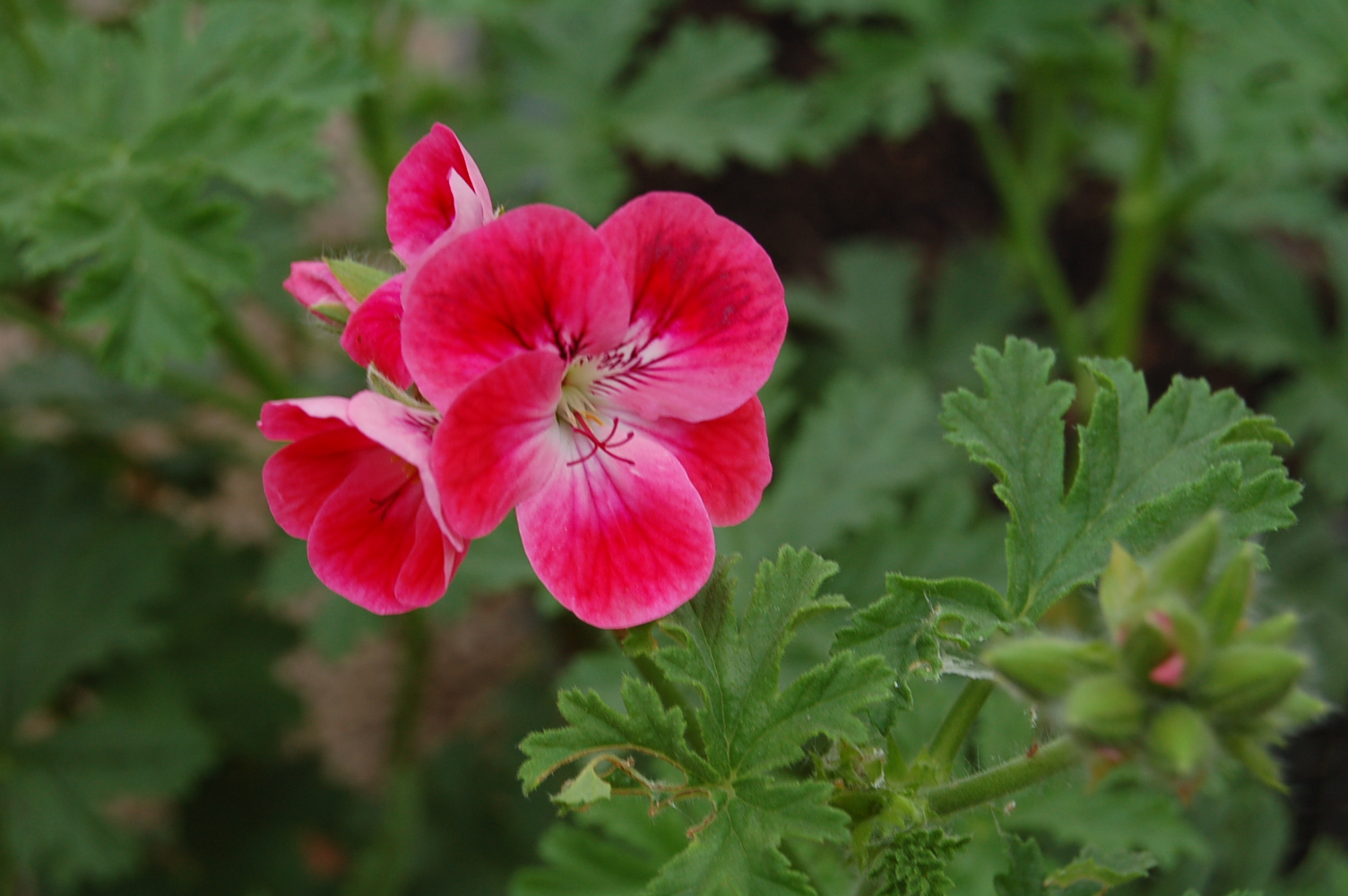
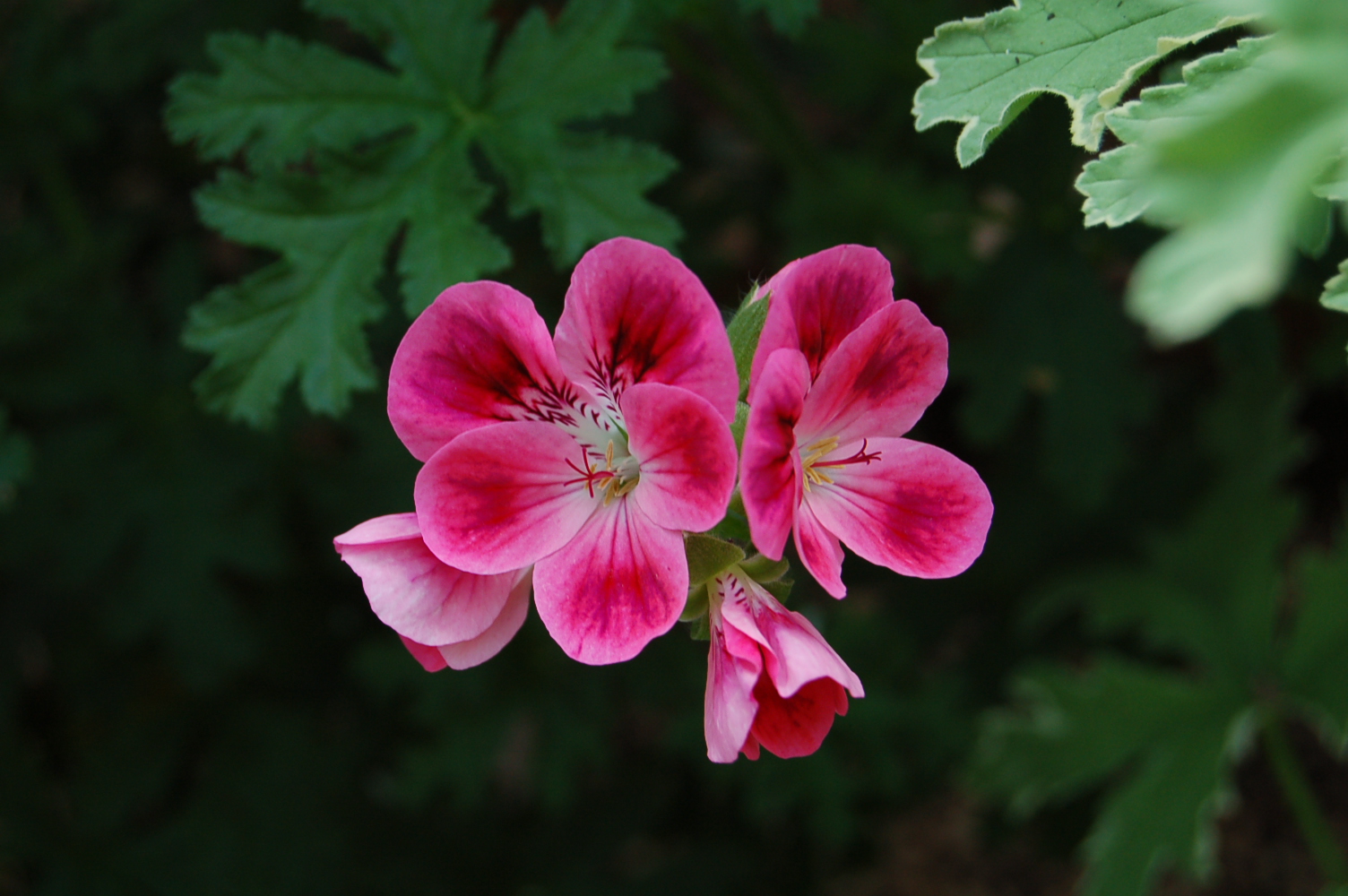
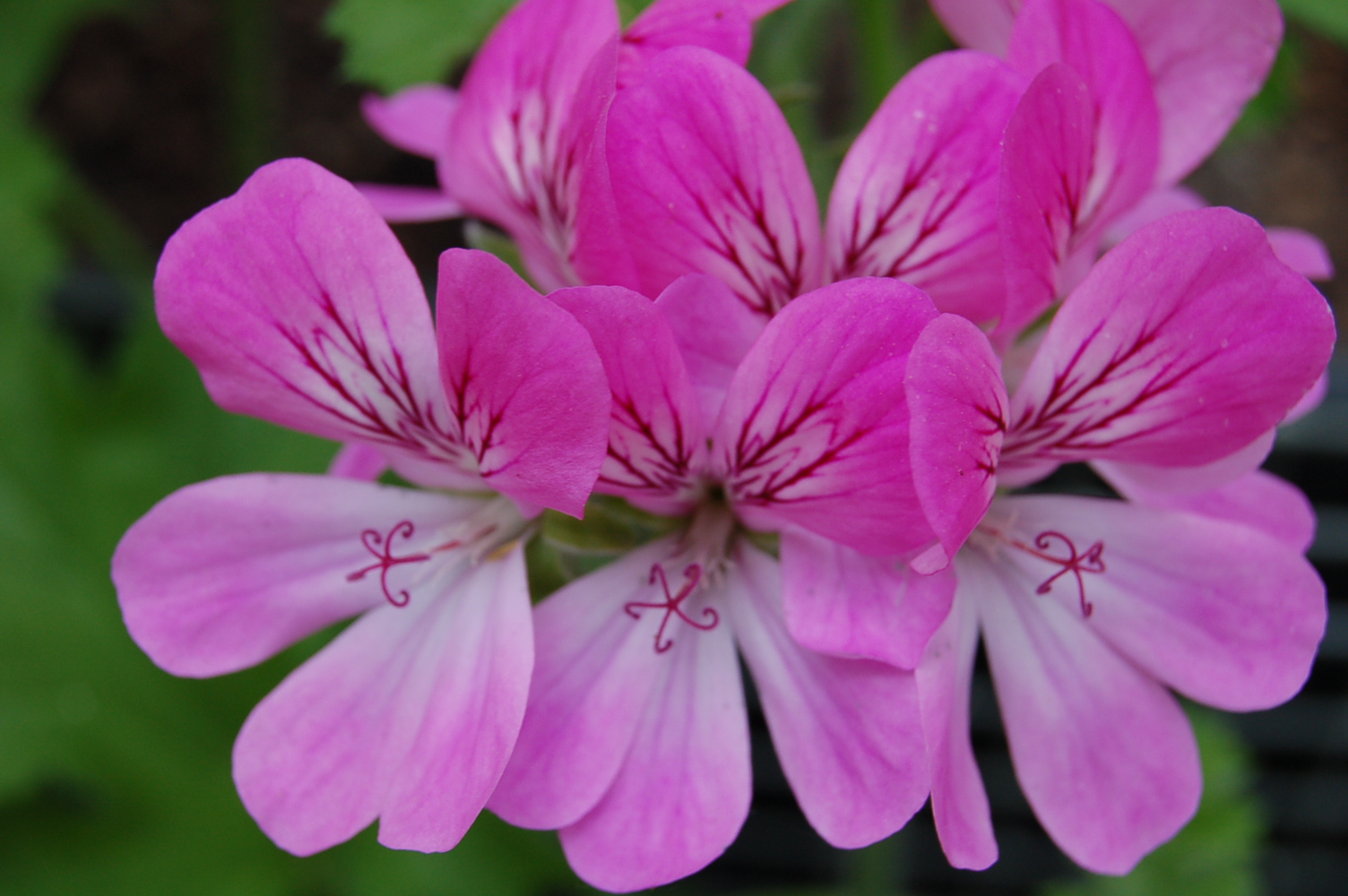
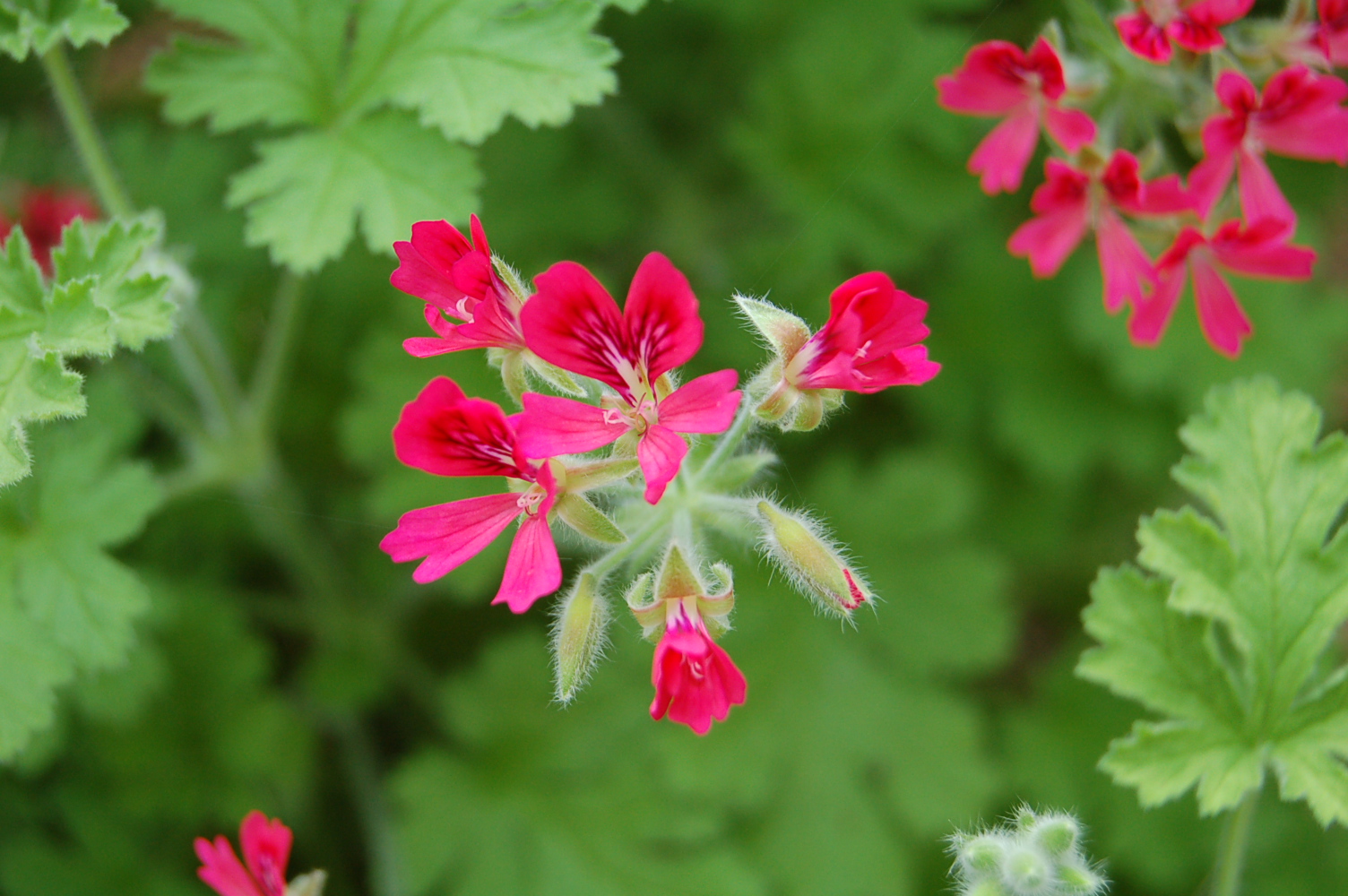
Pelargoniums at Clumber Park

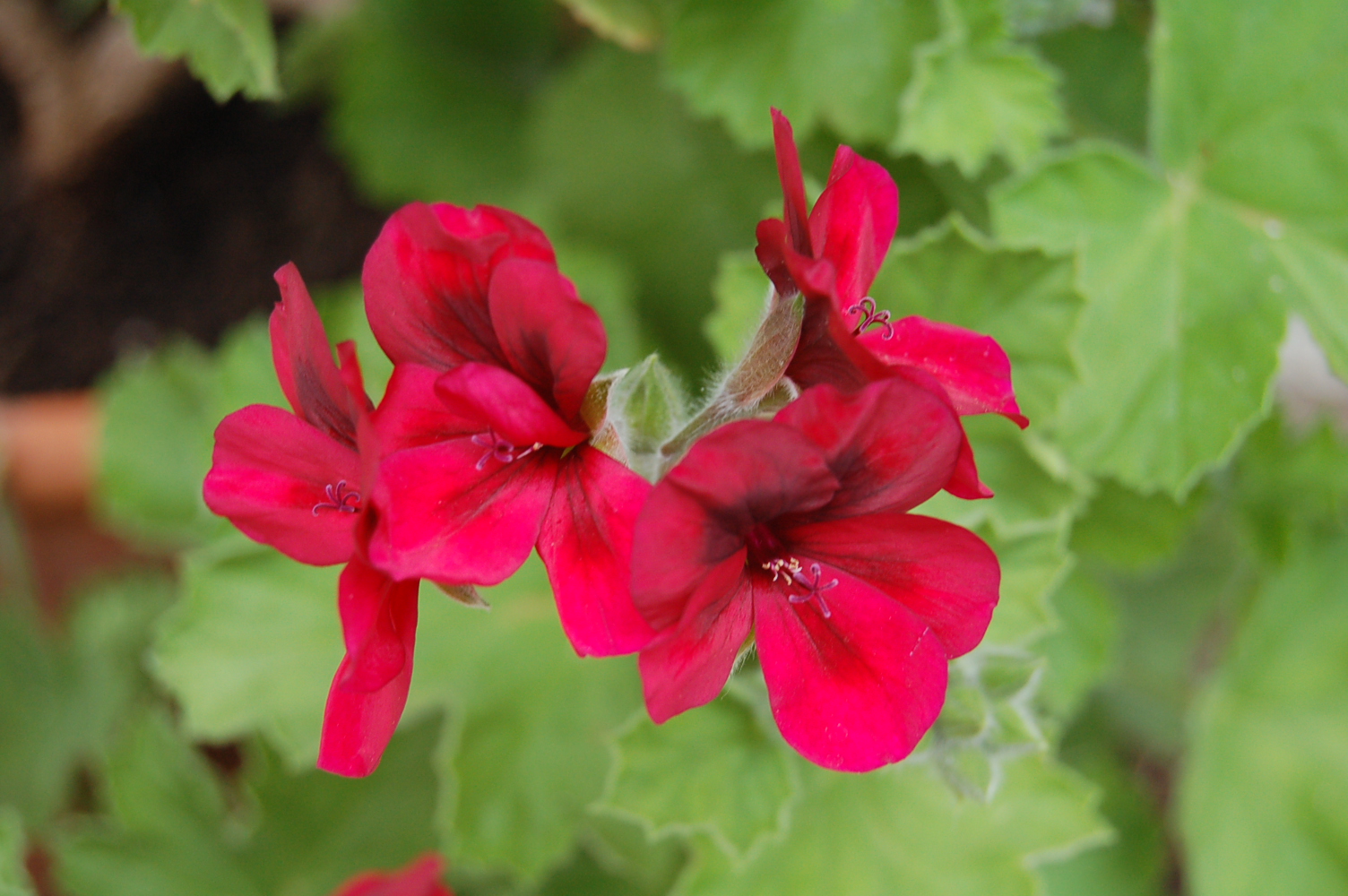
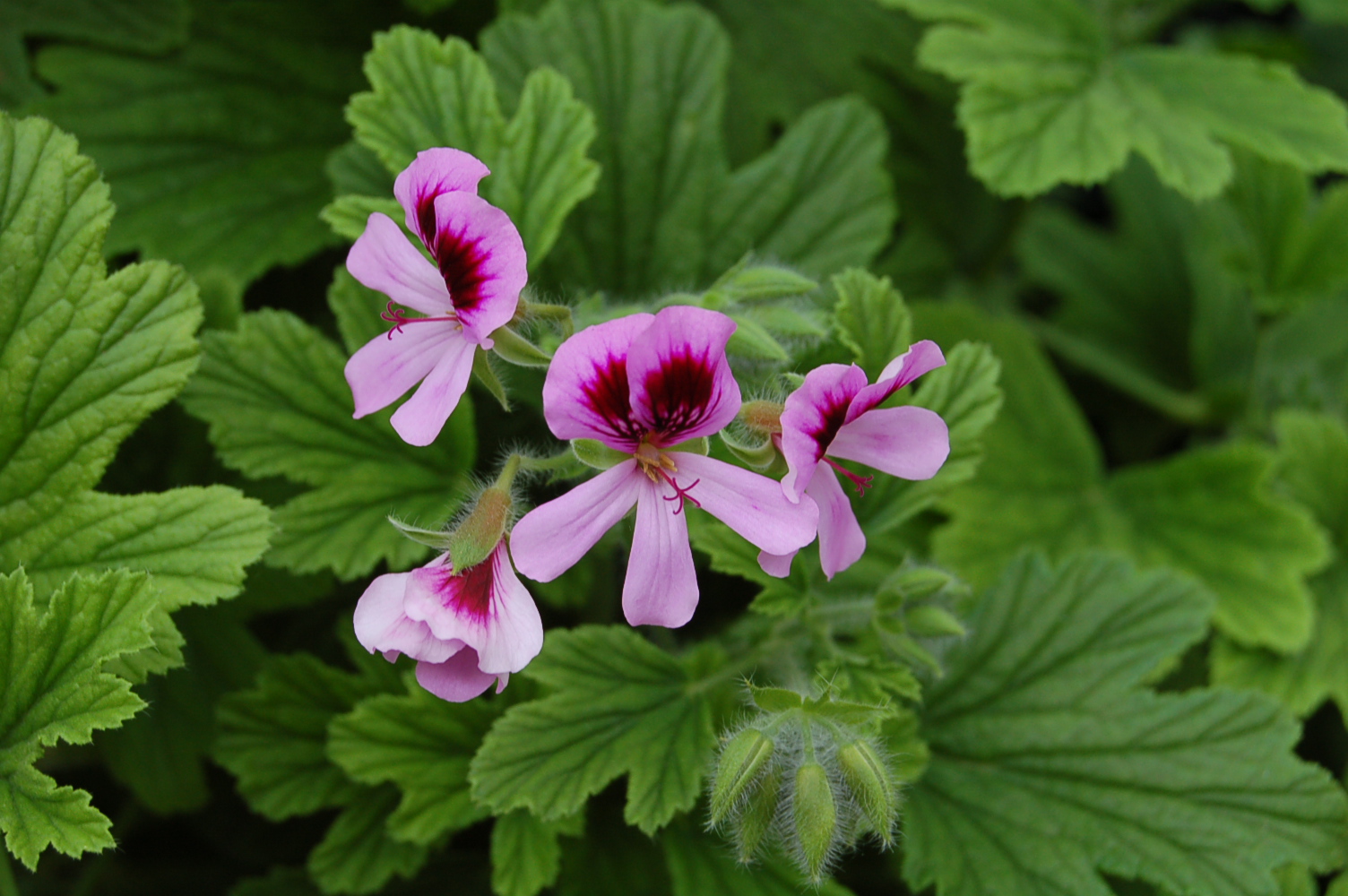
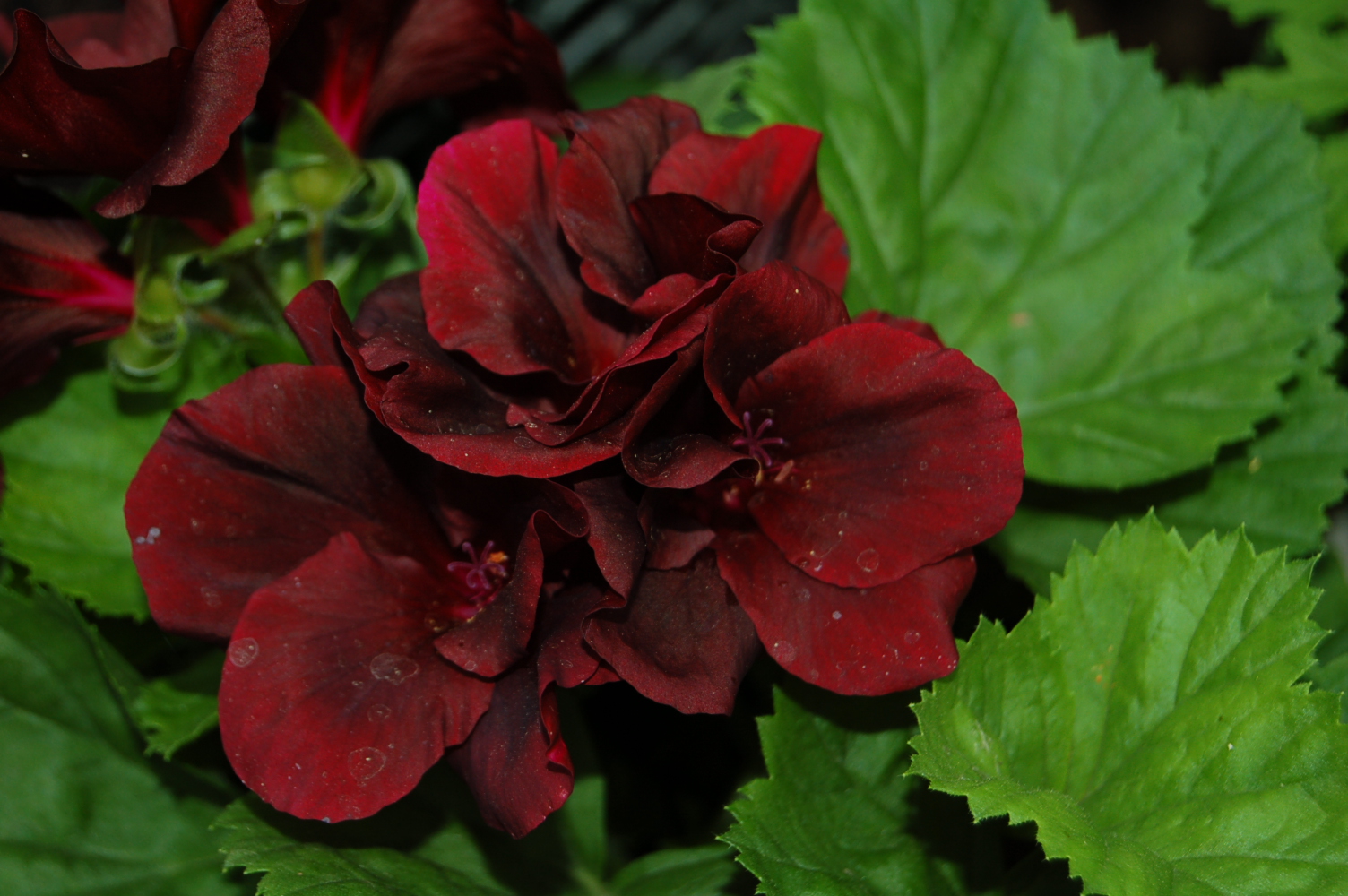
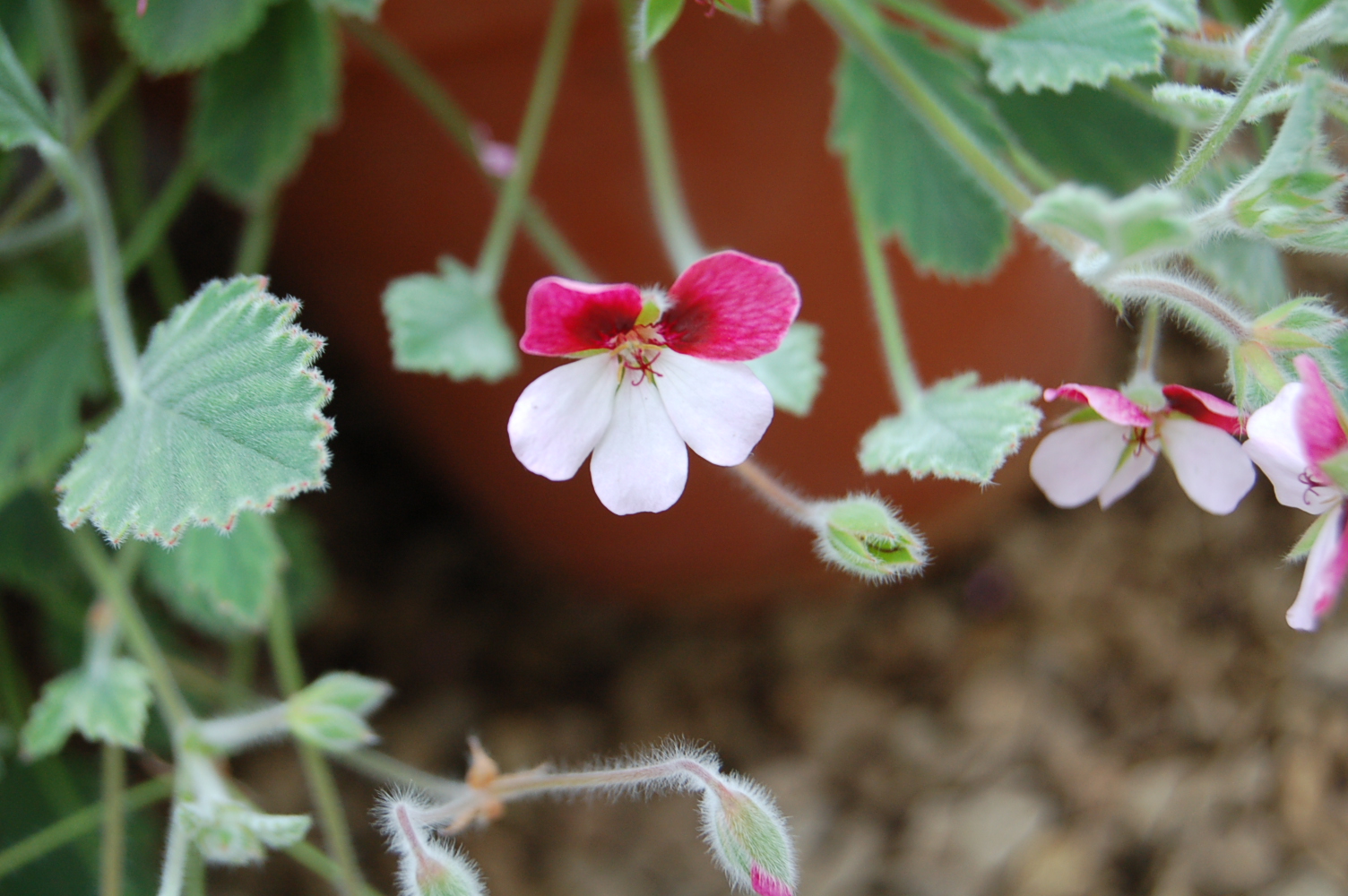
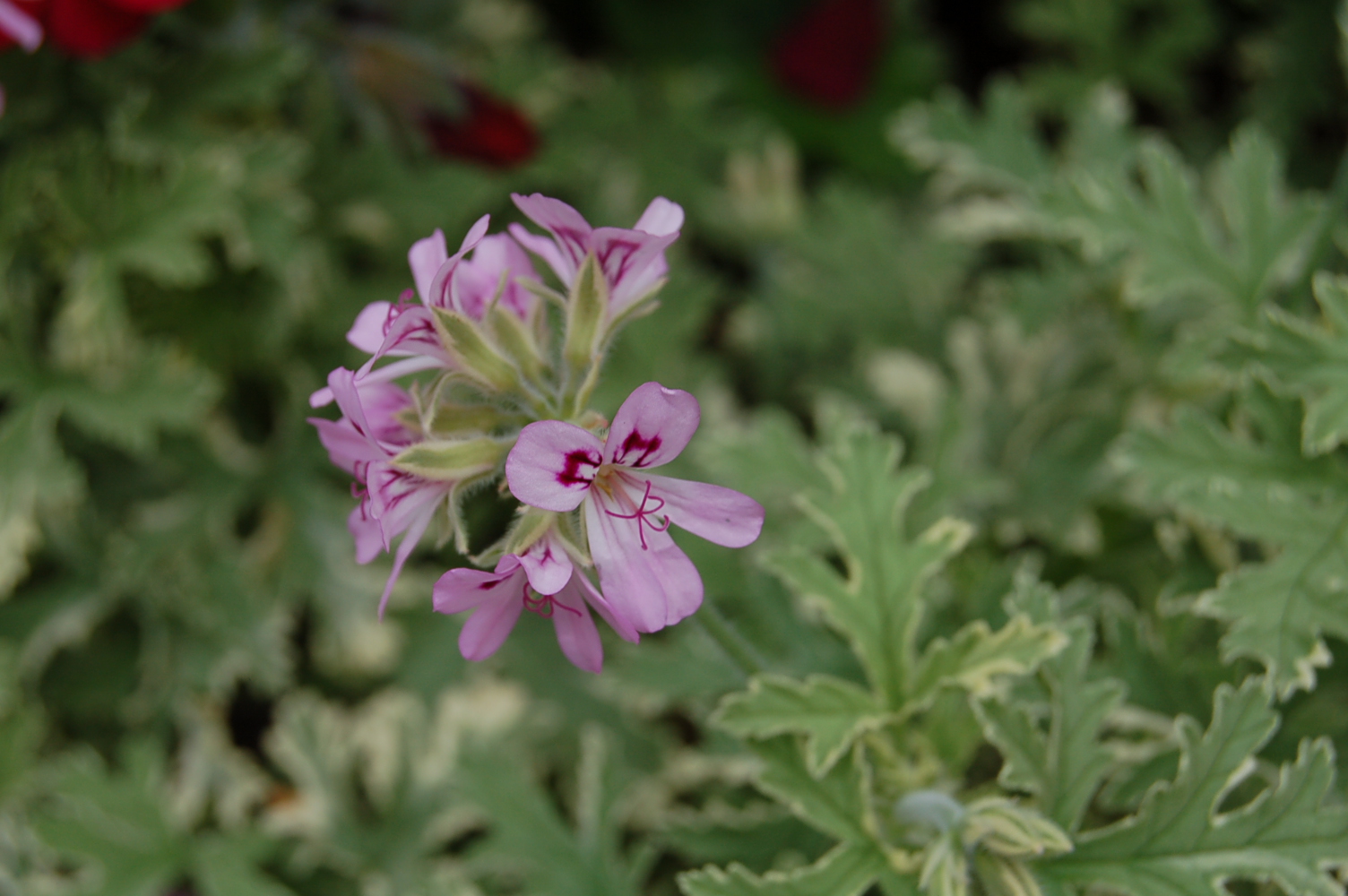
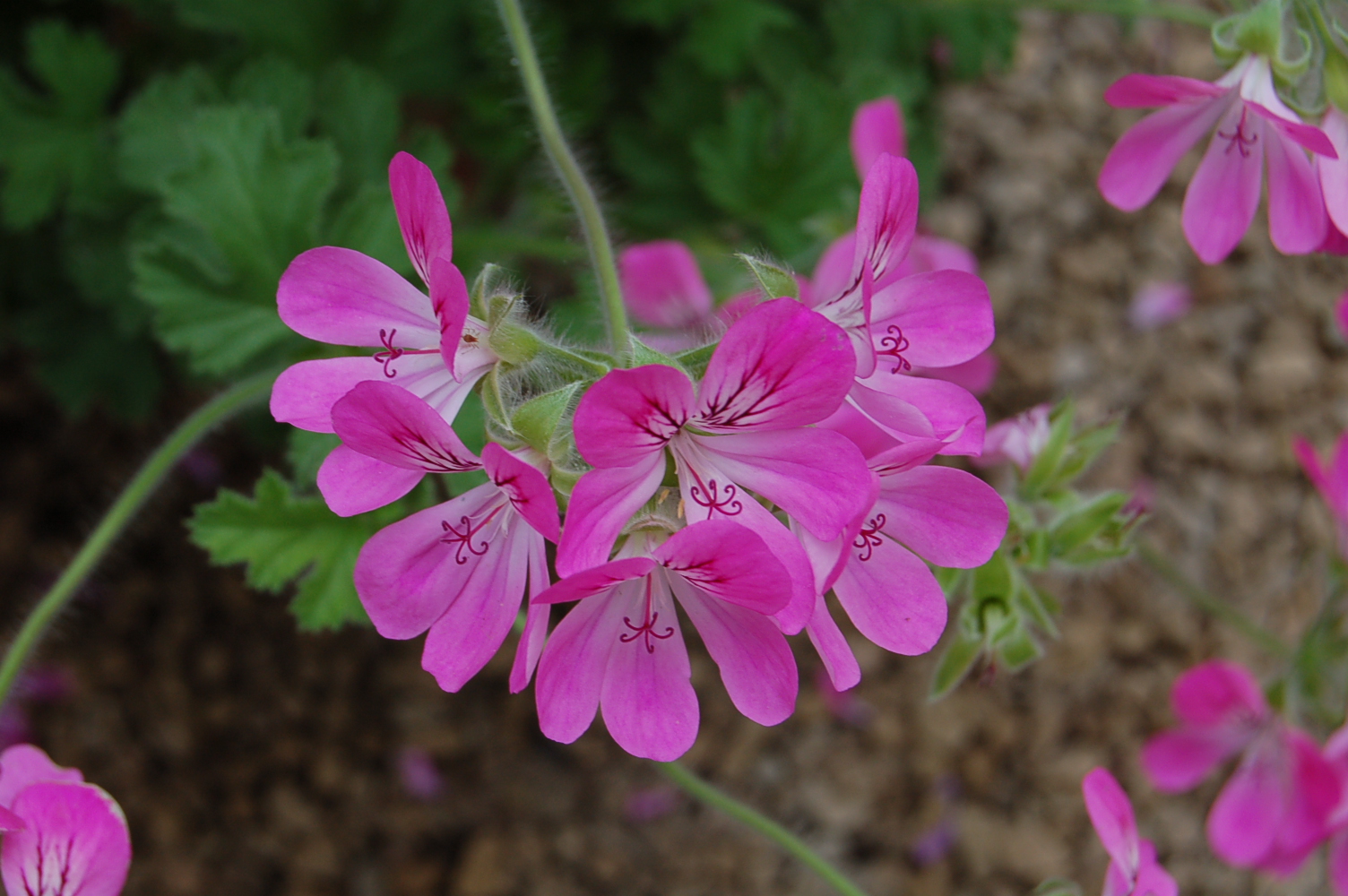
The beautiful, immensely long renovated Victorian greenhouse at Clumber Park never ceases to amaze. When we first visited Clumber the greenhouse looked sad and neglected but we discovered that plans were afoot to return it to its former glory. We were delighted to find one section which now housed an amazingly varied collection of Pelargoniums. Shades of pink. Fruity scents. Textured and patterned foliage. I can share these with you through my photographs.

A word of warning – if you have a total aversion to pink look no further!

Categories
climbing plants fruit and veg garden design garden photography gardening half-hardy perennials hardy perennials meadows ornamental grasses ornamental trees and shrubs photography poppies roses Shropshire shrubs succulents trees

Another Wander around our Garden in June

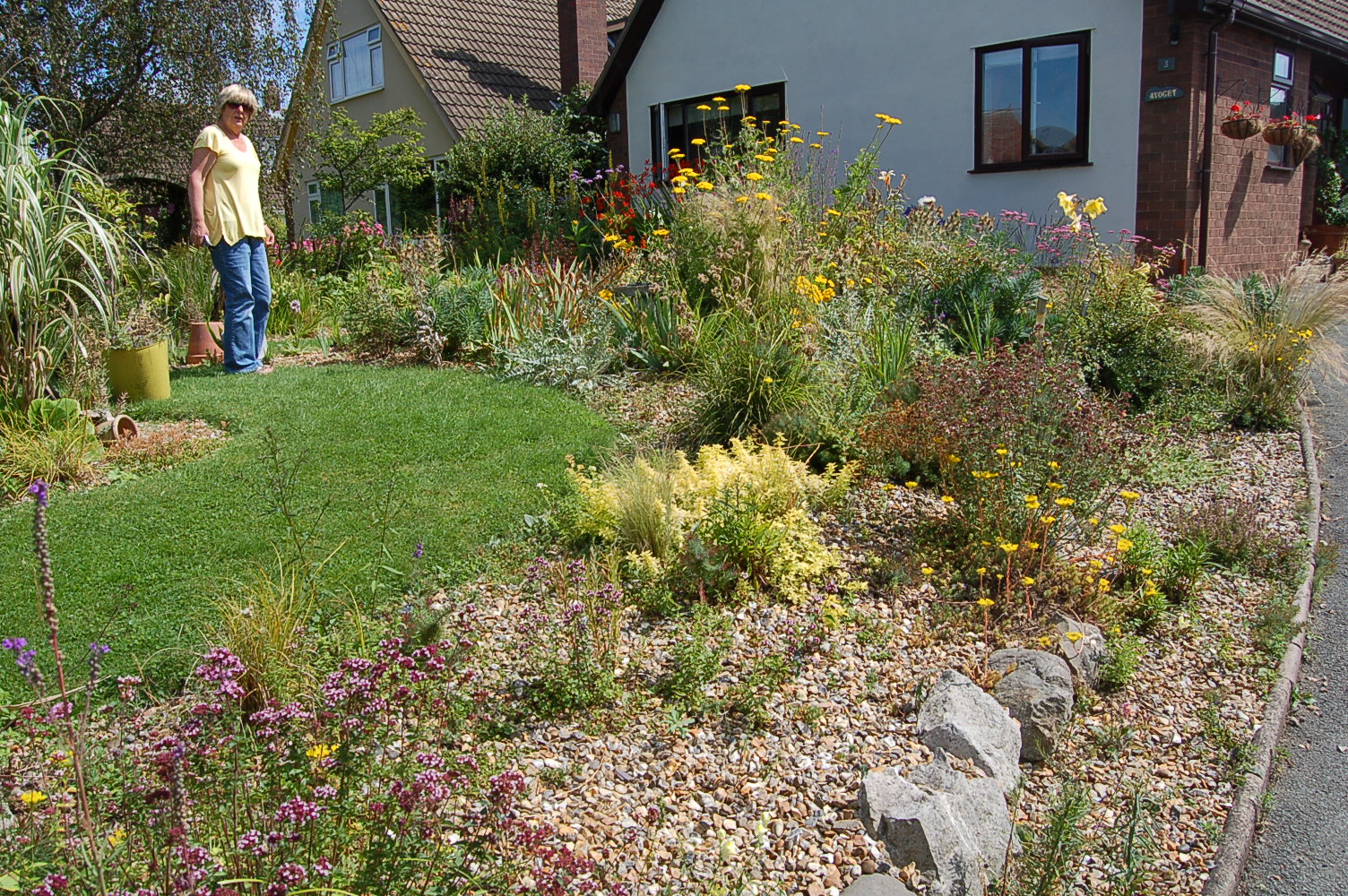
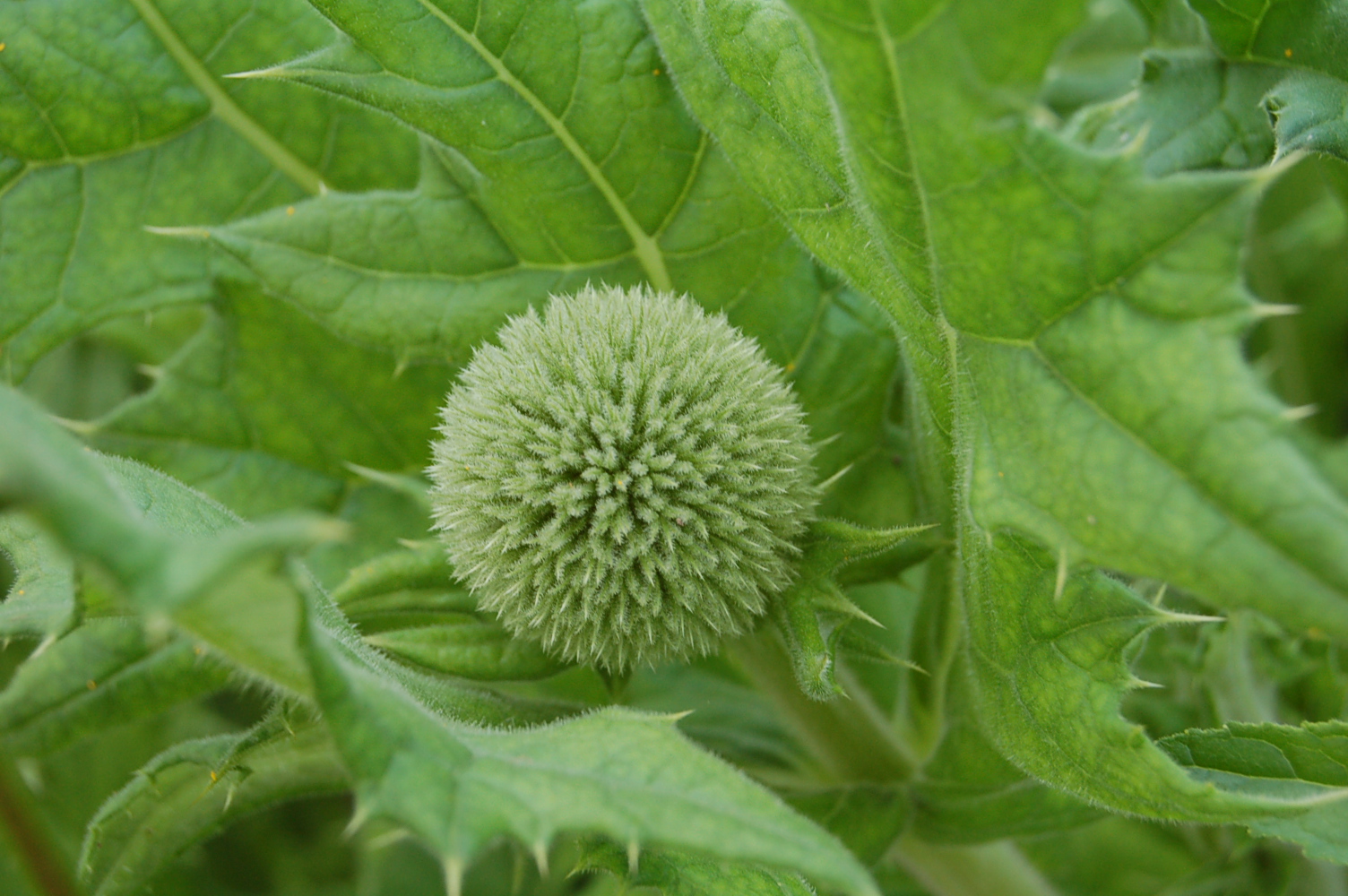
We can start the second part of our wander by looking again at the front garden. Buds give us hints of blooms to come in midsummer, Phlomis, Oriental Poppies, Erygiums and Echinops. Promises of yellows, reds and steely blues.

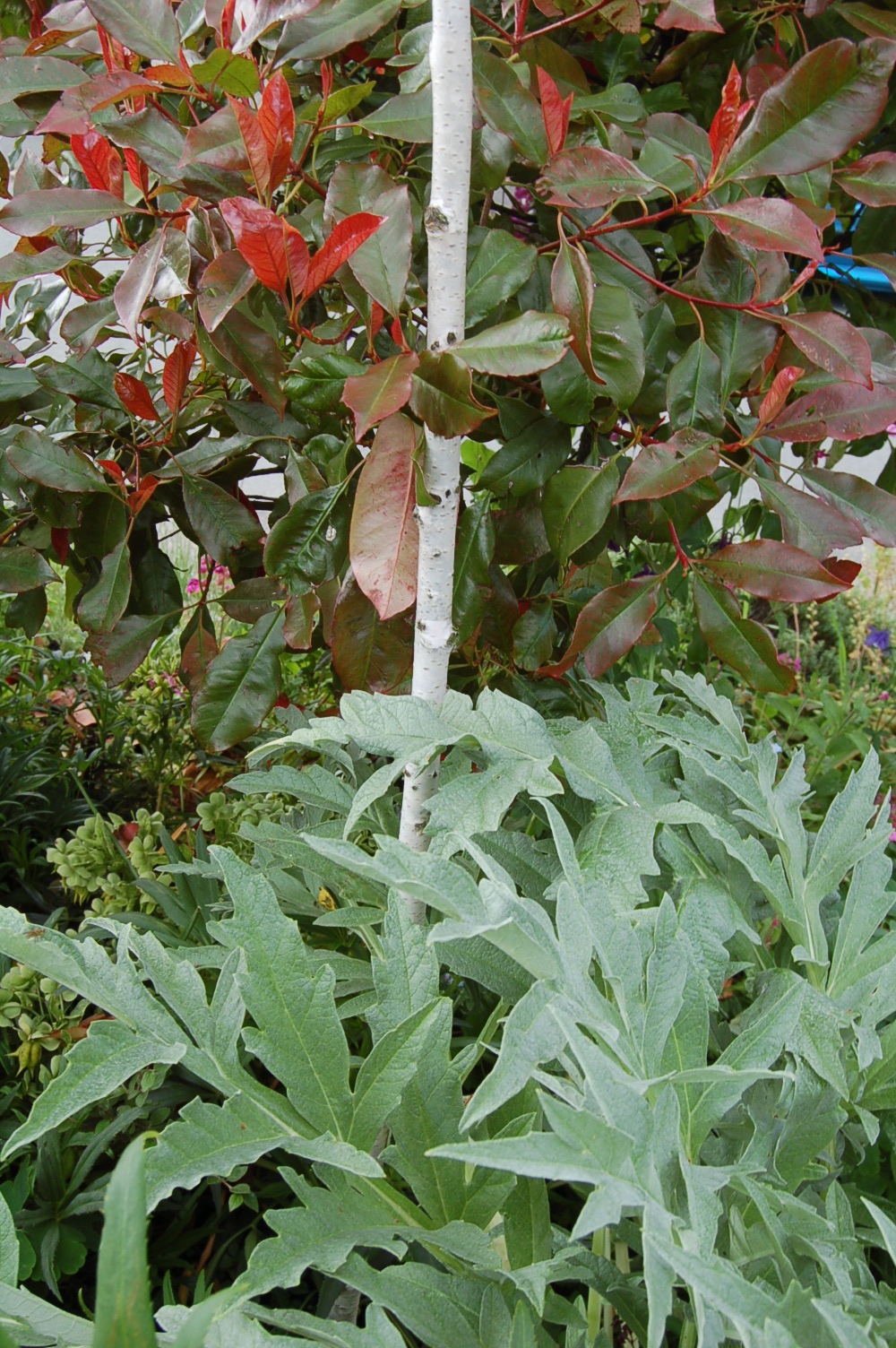
Foliage colour and texture can be as striking as the most colourful of flowers.

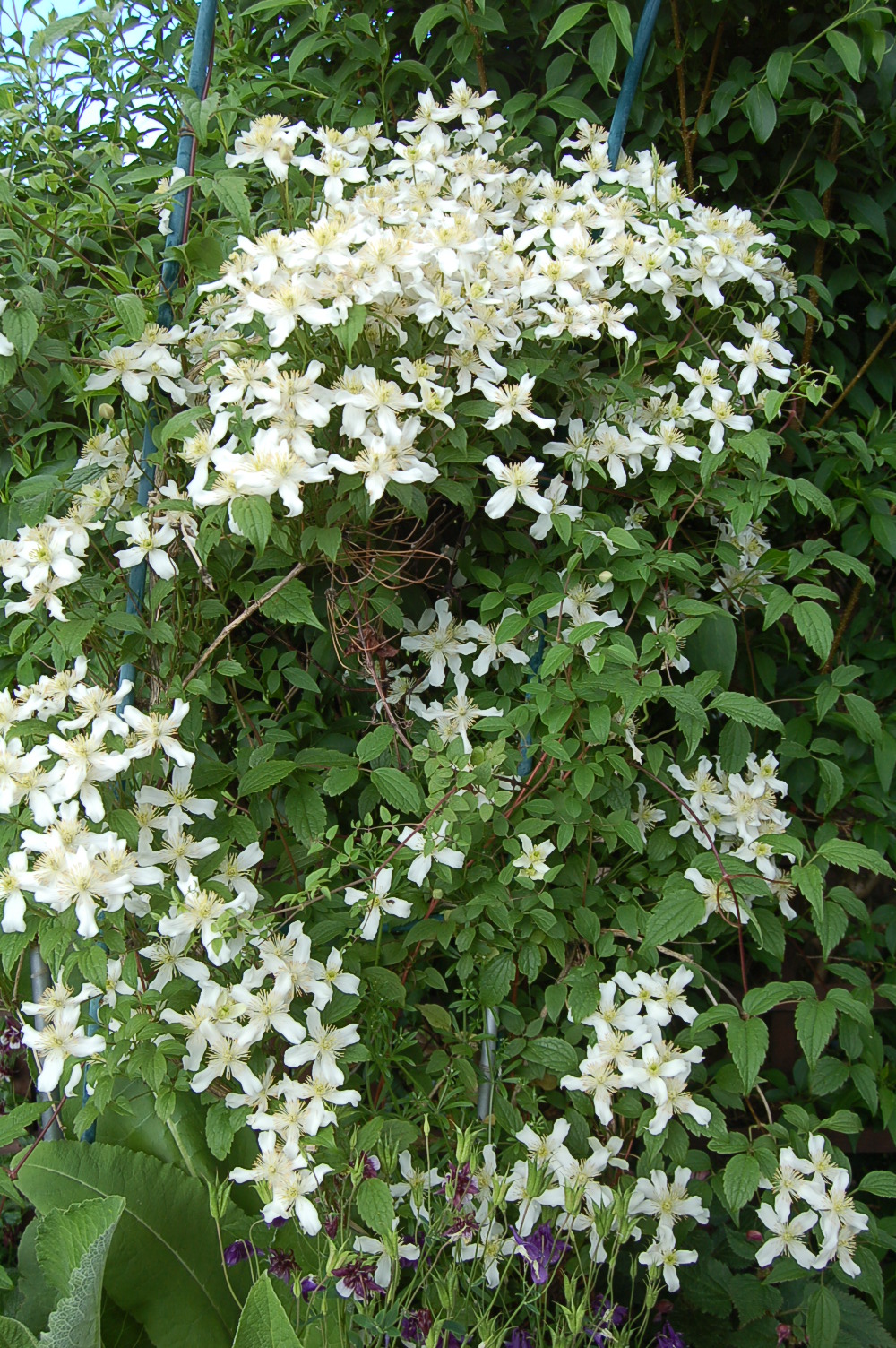
Our collection of Clematis are beginning to flower and others are covered in robust buds.

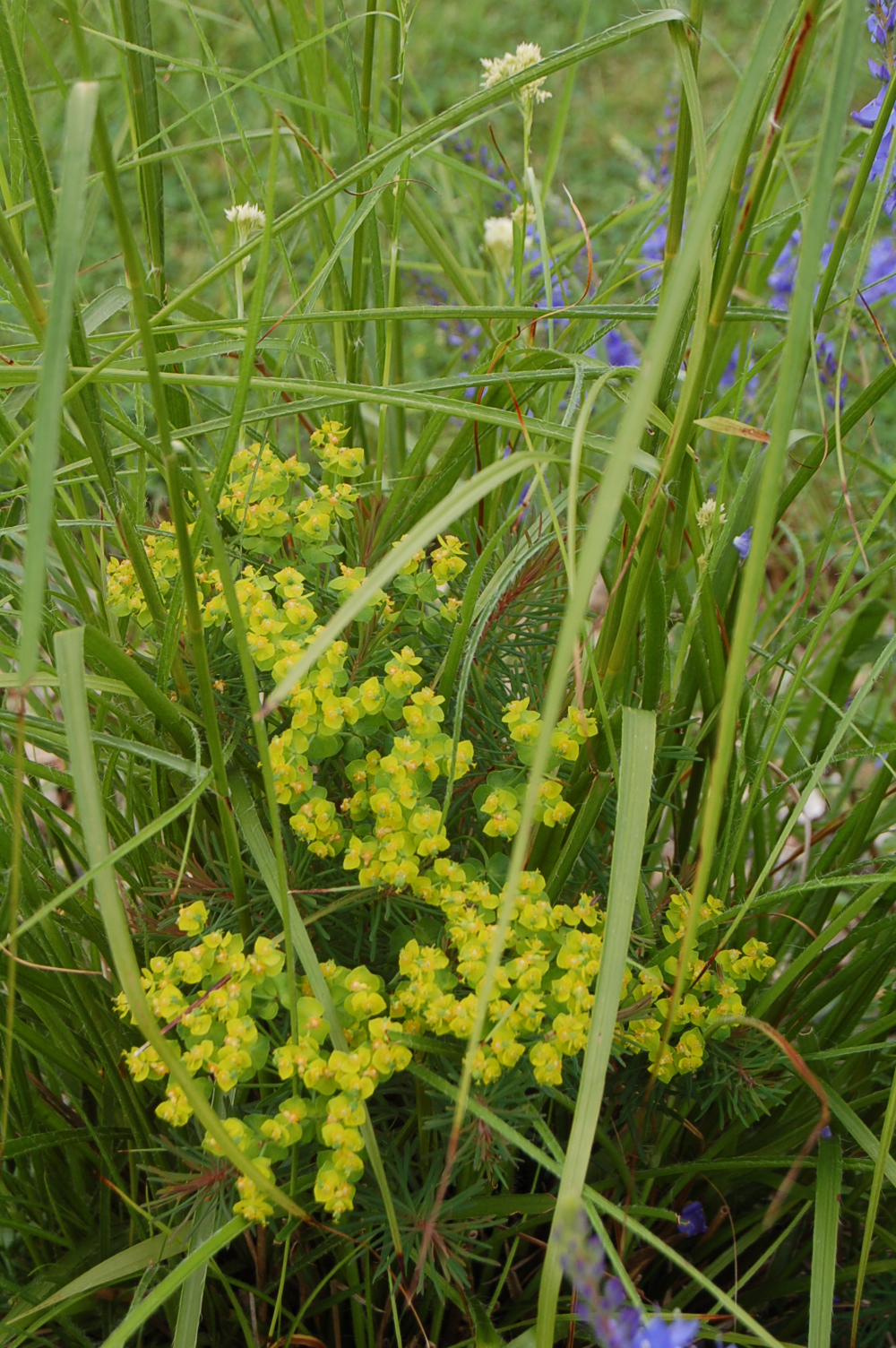
Flower colours have been so important during the first few weeks of this month simply as an antidote to dull days and dark skies. It matters not whether it is a gaudy cerise beauty or a subtle green or white.

Blue on blue.

Another view of our Freda Border.

Our mini-meadows in their pots are developing well. We think we may be onto a winner.

The Shed Bed created on the site of an old shed which we demolished when we moved in, is really pleasing as below the shed we found just rubble, gravel, broken pots and sand. We added wheelbarrows of compost to improve it and now every little flower is a true gem.

A vine grows over one end of the greenhouse acting as a natural shading agent as well as feeding the gardeners. The startlingly red flowering currant has hitched a lift along it so the vine drips with red droplets.

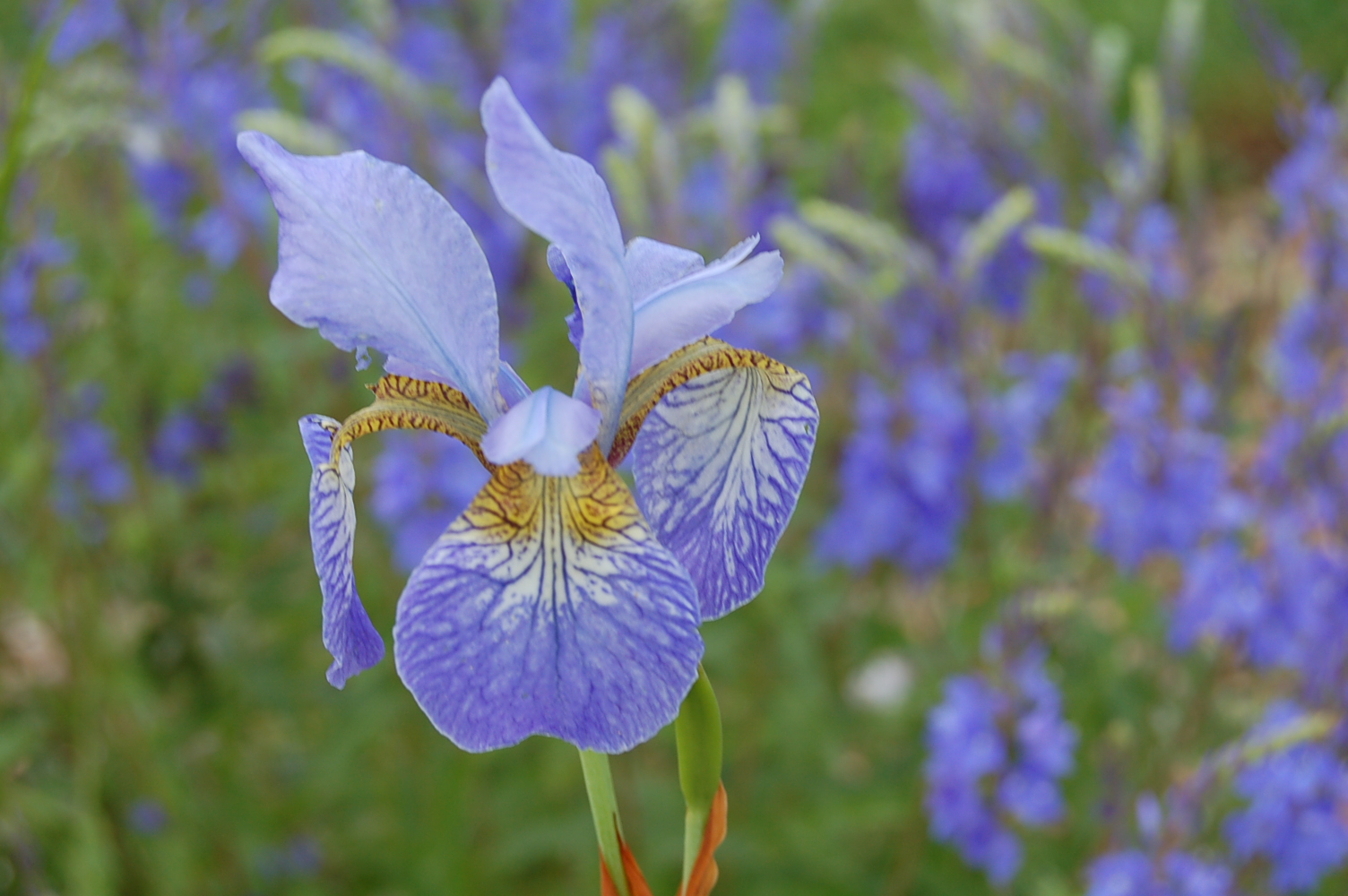
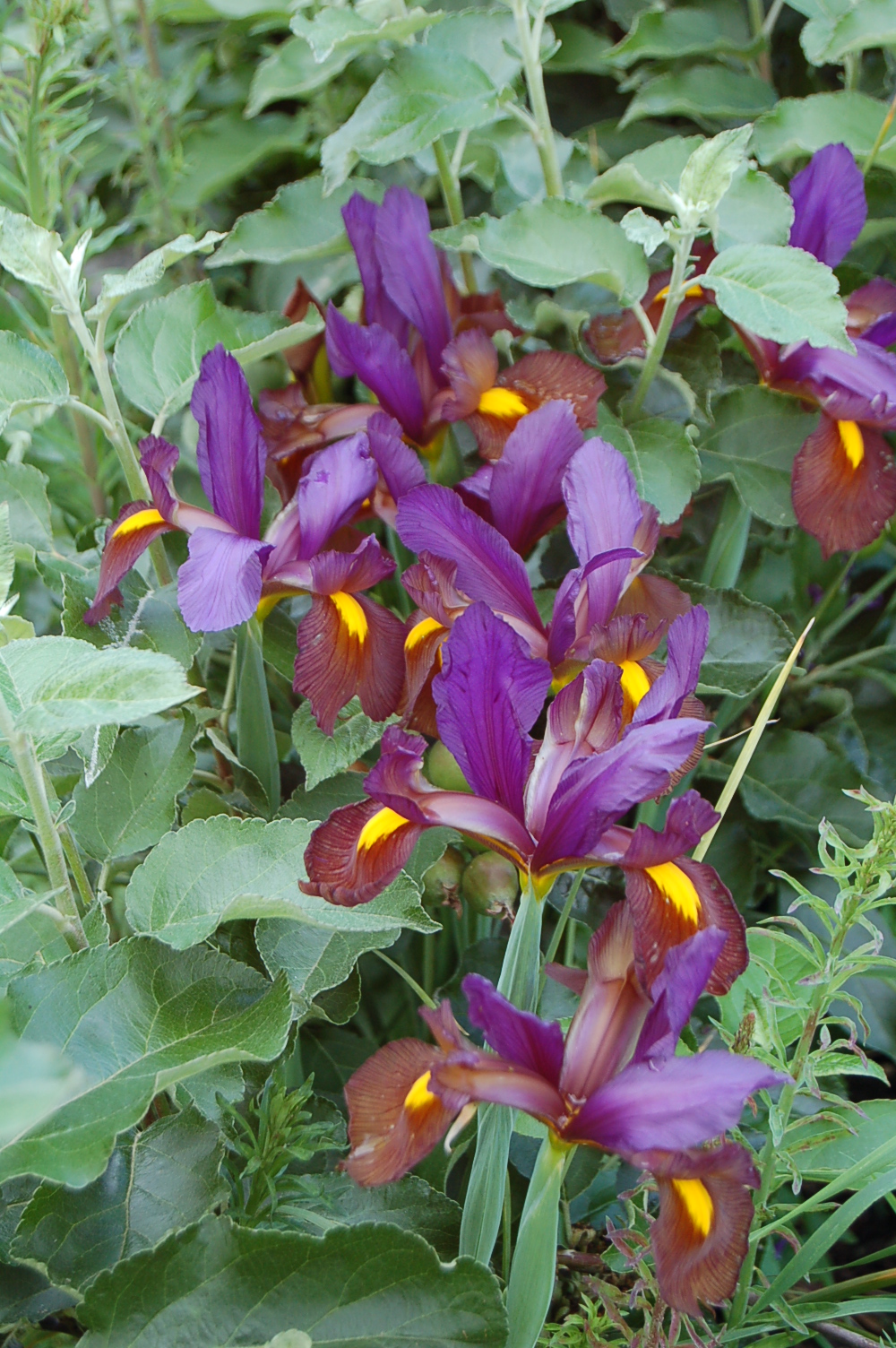
We enjoy these irises as cut flowers but bees take advantage of them before we pick them. This clump is growing through our stepover apples. Double harvesting – cut flowers followed by apples.

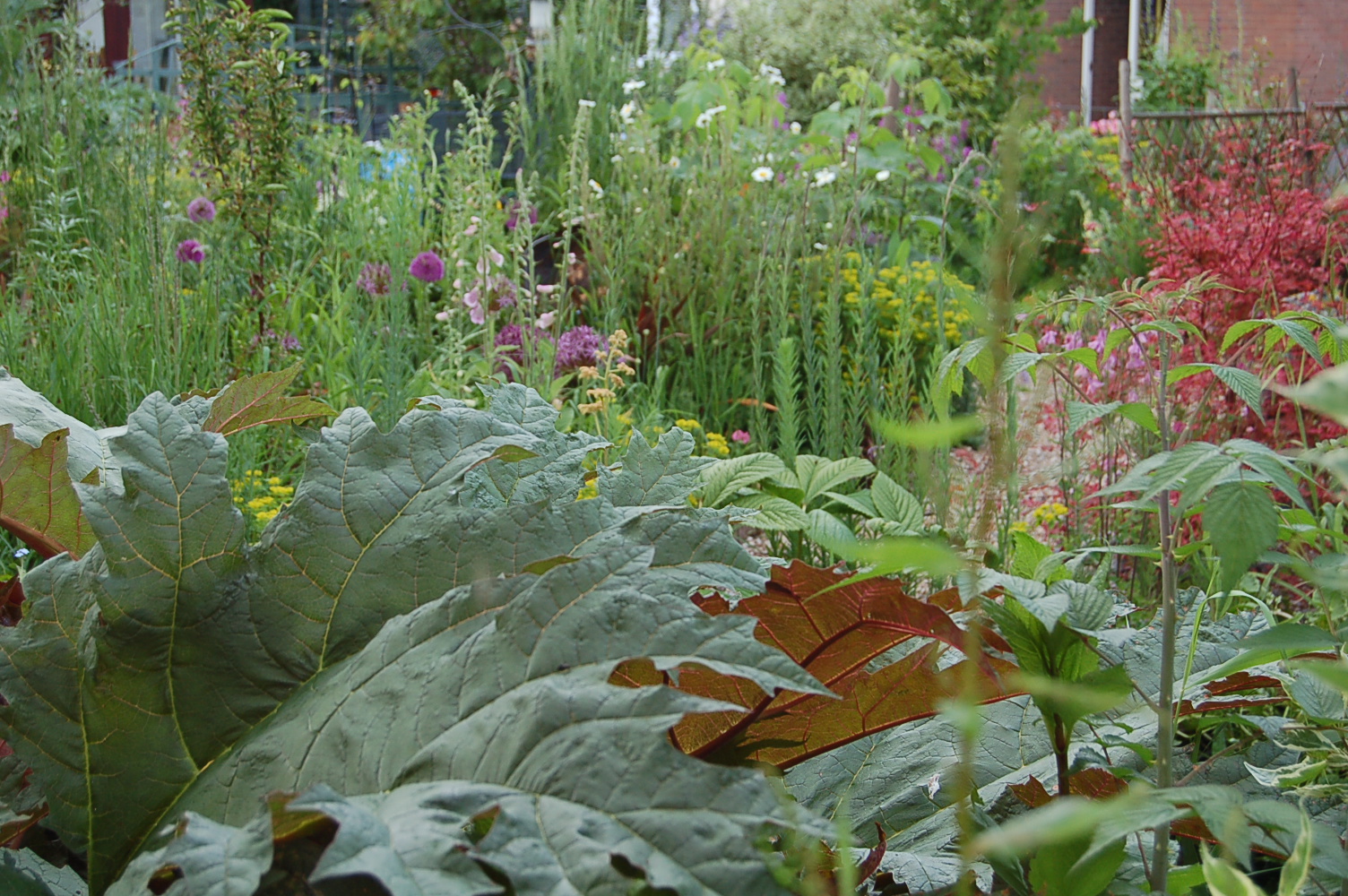
The planting around the pool has closed in and made it an intimate area. Nearby the Prairie Garden is bursting with fresh blooms.

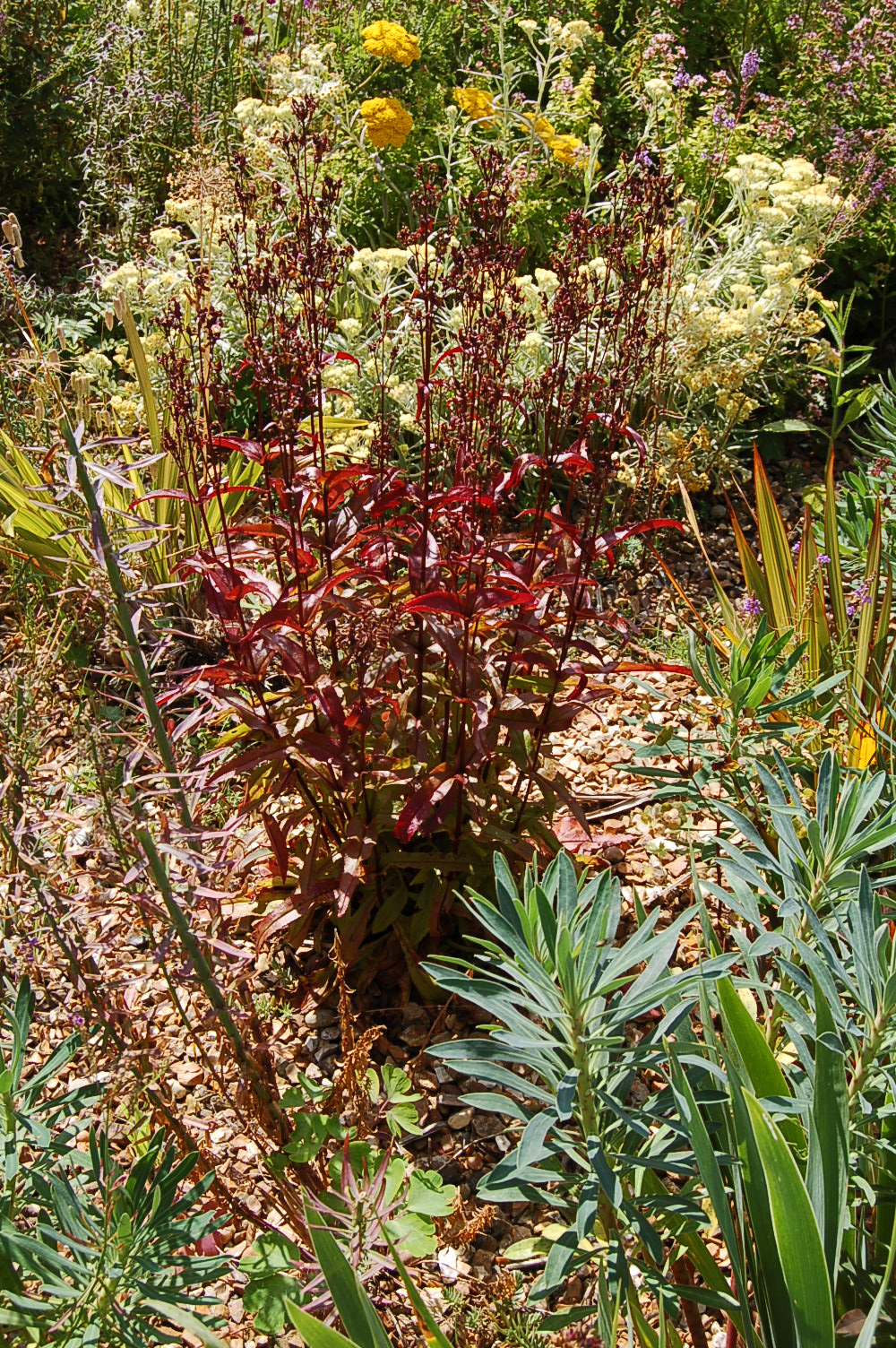
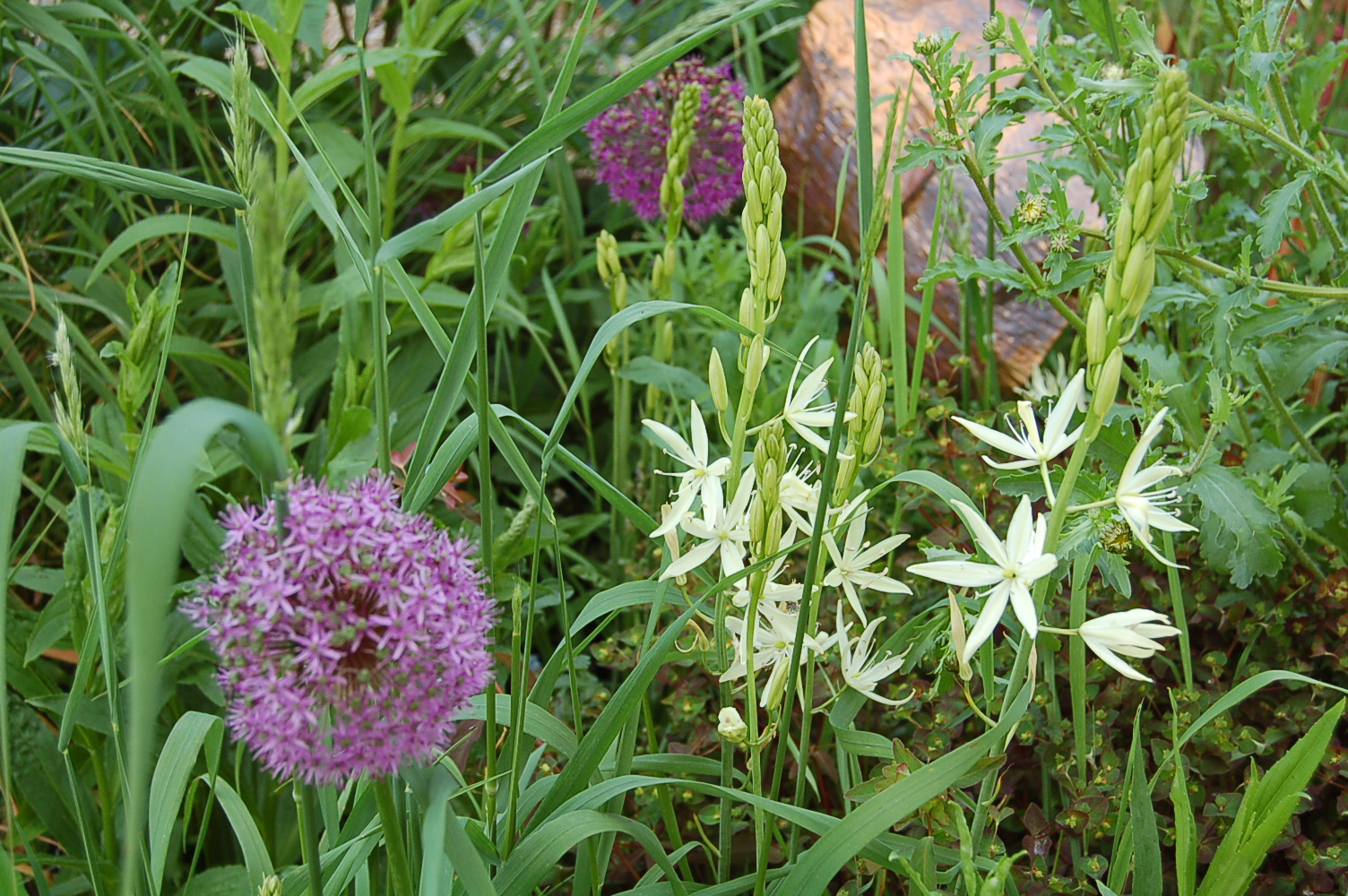
In the Secret Garden Aquilegias and Alliums look good alongside the purple foliage of Pentstemon Huskers Red.

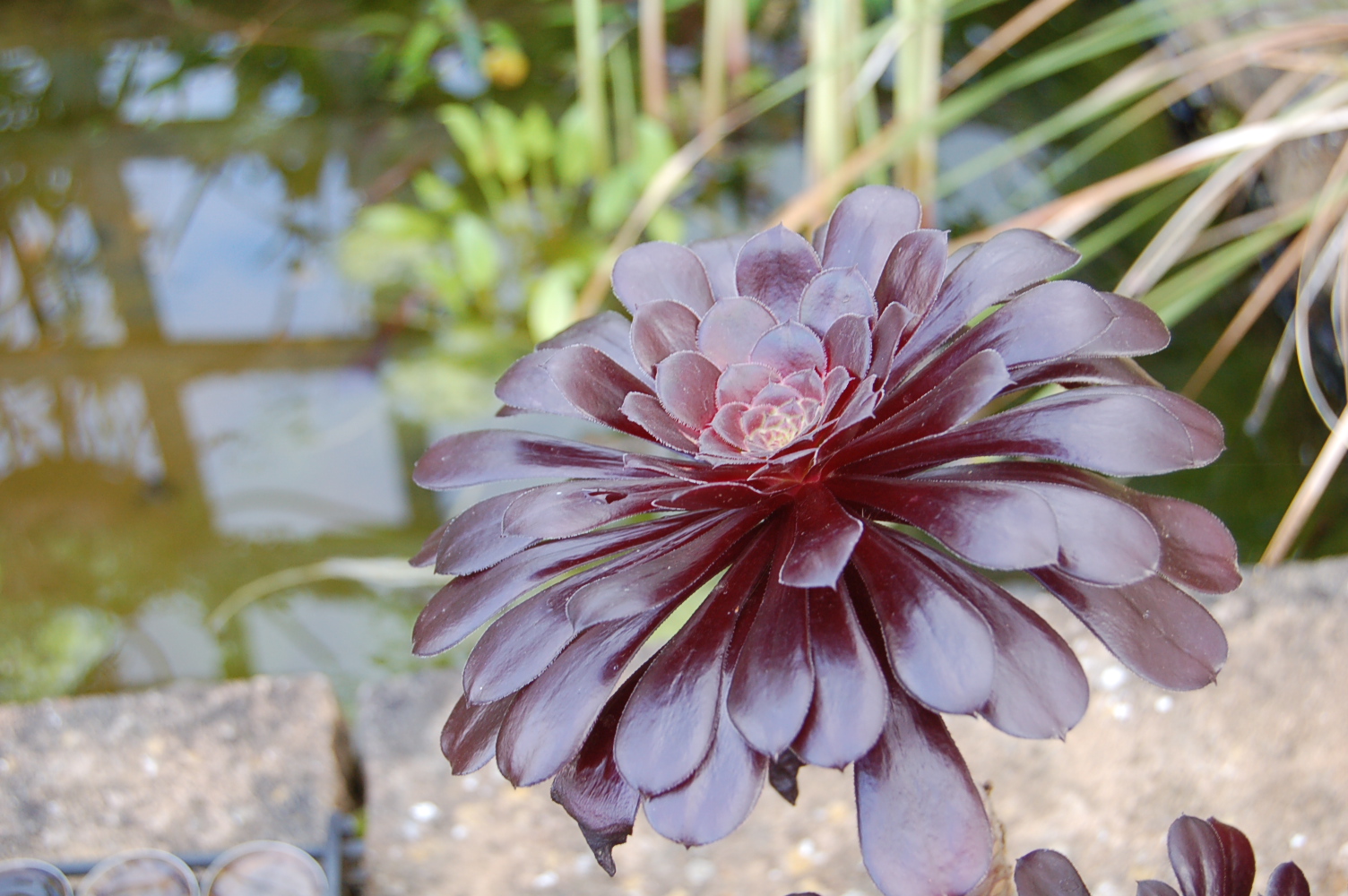
These aeonium enjoy the hottest part of the garden, the Rill Garden.

To one side of the rill we grow a snake bark maple, with silver and green striped bark, cream and red seed capsules and in autumn it has amazing rich red foliage. A wonderful specimen tree to finish this garden wander underneath.

This Veggie Life

A Vegetarian | Nature Lifestyle Blog

Rambling in the Garden

.....and nurturing my soul

The Arch City Gardener

Journeys In St. Louis Gardening and Beyond

Garden Dreaming at Châtillon

Consult the genius of the place

Storyshucker

A blog full of humorous and poignant observations.

gardeninacity

Notes from a wildlife-friendly cottage garden

PlayGroundology

...an emerging social science

The Official Blog of British Wildlife

'The most important and informative publication on wildlife of our times' - The Independent. This blog is a member of The UK & Ireland Natural History Bloggers group: www.uknhb.blogspot.com

iGrowHort

Inspire - Cultivate - Grow Native Plants - Restore Landscapes

Bishops Meadow Trust

To create and protect a semi-natural wild space for the people of Farnham to enjoy and experience an array of British wildlife in our town

Gardening with Children

The www.gardeningwithchildren.co.uk Blog

UKbirdingtimeline

birding through the seasons, why birds matter and how to conserve them

NATURE WALKER

with a camera in hand

Jardin

Transform your outdoor space

Eva's space

My allotment, cooking and other interests

Old School Garden

my gardening life through the year

LEANNE COLE

Trying to live a creative life

fromacountrycottage

trying to live as lightly as possible on our beautiful planet

Good Life Gardening

Nature lovers from Leicester living the good life.

mybeautfulthings

Finding the beautiful in the everyday

mawsonmichelle

Michelle's Allotment

In and Out of My Garden

thoughts from and about my garden

Greenhousing

Big plans for a small garden

The Scottish Country Garden

A Walled Country Garden in South East Scotland

The Fruity Chicken

Life at the fruity chicken

willowarchway

Off grid living. Self sufficient. "PERMAGANICS RULE".

St Anns Allotments

Nottingham's Grade 2* Listed Allotments and Community Orchard

Manifest Joy Harvests

a journey in suburban vegetable gardening

Allotmental

The madness of growing your own

Penny's Garden: a harvest beyond my front door

A novel approach to vegetable gardening

arignagardener

Sustainable living in the Irish countryside.

NewEnglandGardenAndThread

Master Gardener, amateur photographer, quilter, NH native, and sometimes SC snowbird

dianajhale

Recent work and work in progress and anything else that interests me

planthoarder

a chaotic cottage gardener

Lens and Pens by Sally

a weekly blog that creates a personal philosophy through photographs and words

Dewdrops and Sunshine

Stories from a sassy and classy Southern farmbelle.

The Pyjama Gardener

Simple Organic Gardening & Seasonal Living

gettin' fresh!

turning dirt into dinner

JOY...

today the world is created anew

Garden Birds

Notes from a Devon garden

ShootAbout

Life Through The Lens

Adapting Pixels

A photography blog showcasing the best photography pictures and videos on the internet

Wildlifegardening's Blog

Just another WordPress.com site

naturestimeline

personal observations from the natural world as the search continues for a new approach to conservation.

LATEBLOOMERBUDS

The Wonders of Life through my Eyes, my Heart, my Soul