Categories
Uncategorized

Winkworth Arboretum

We have never been to an arboretum quite like this before. There is no big carpark, no impressive welcoming signage, no fancy visitor centre with comfortable restaurant. Instead we parked roadside on a area of gravel, a sail flag as a sign and after a few yards found a clearing in the trees with a shed acting as ticket office and cafe. This was not like any National Trust property we had visited before. Picnic benches were scattered in the clearing – all very rustic really but the area had its own charm. It didn’t matter being outside with our coffees because our visit was much earlier this year as you will tell by which shrubs are in flower. So we enjoyed a very good coffee while listening to birdsong as we waited for my brother Graham to arrive as he lived close by and had enjoyed his several previous visits here.

Looking at the very good map supplied we soon realised Winkworth was going to be an excellent day out. We knew we could rely on Graham to be our local guide. It had a very atmospheric feel to it as we started off following a rough track trying to follow our chosen route. In places the track had been eroded by heavy rain and feet.

We love fastigiate trees and have several in our own garden so we were pleased to spot this specimen in a small clearing. With clear blue skies above we were walking over shadows created by dappled shade and here we could smell the strong aroma of our native Wild Garlic. Most flowers if they smell are best described as scented but not these alliums. They definitely had an odour! These were not flowers deserving of a close up look!

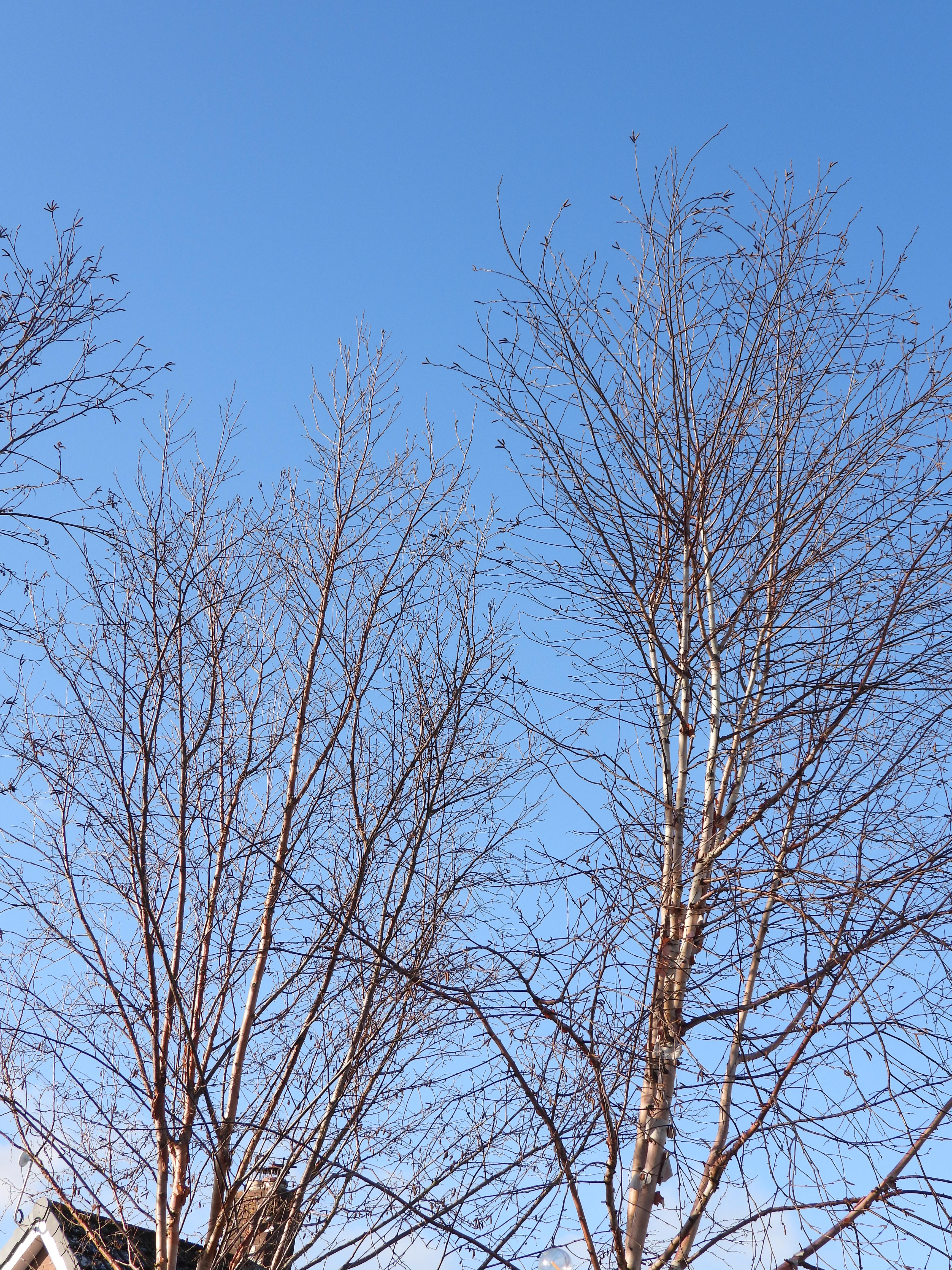
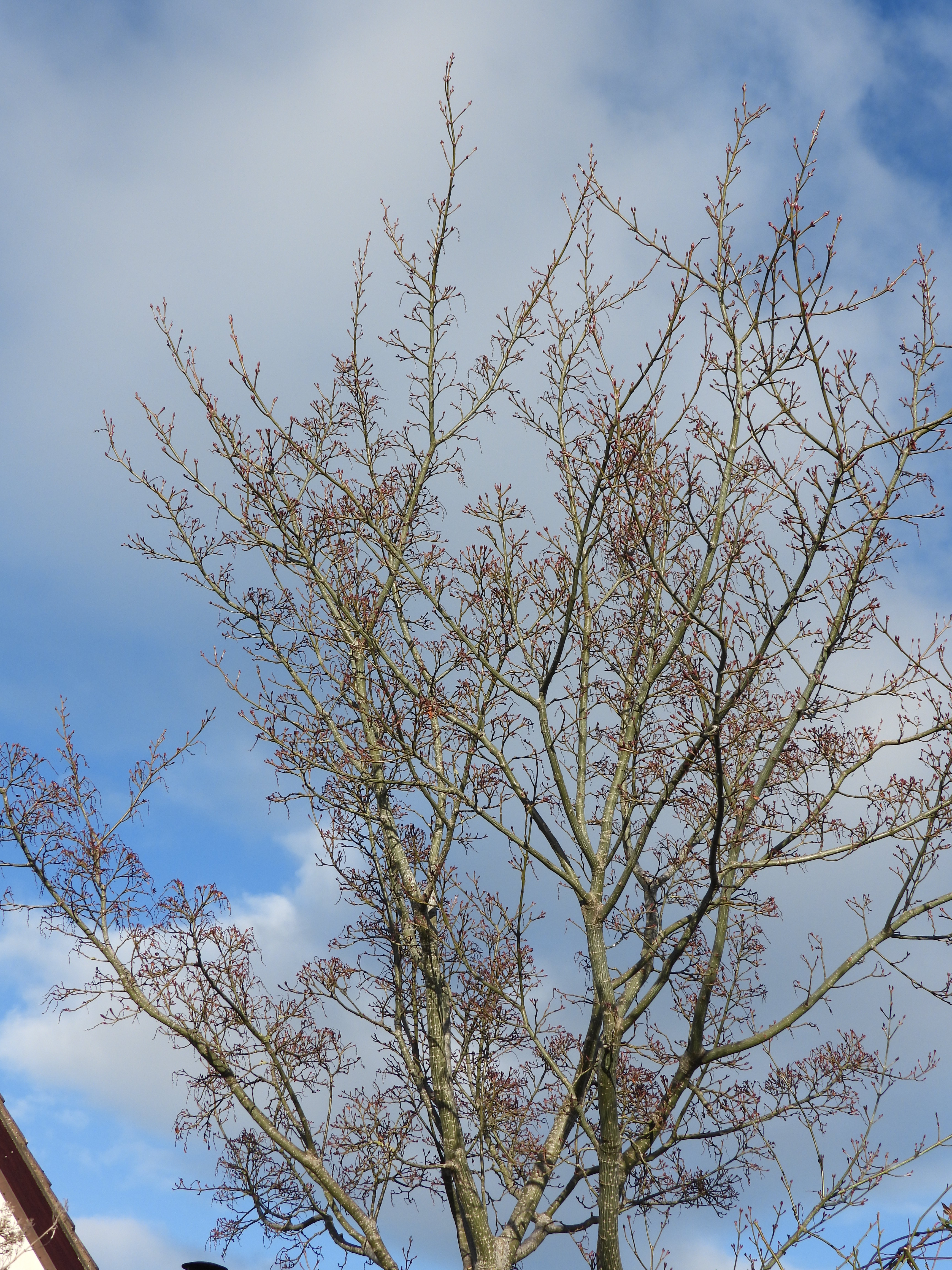
Whenever I walk beneath trees I try to take a photo looking straight up to the converging tree tops. The foliage was so bright when the sun caught it. In this clearing the main flower giving a blue haze is our native Bluebell which is worth a close look and then their unforgettable scent can be fully enjoyed.

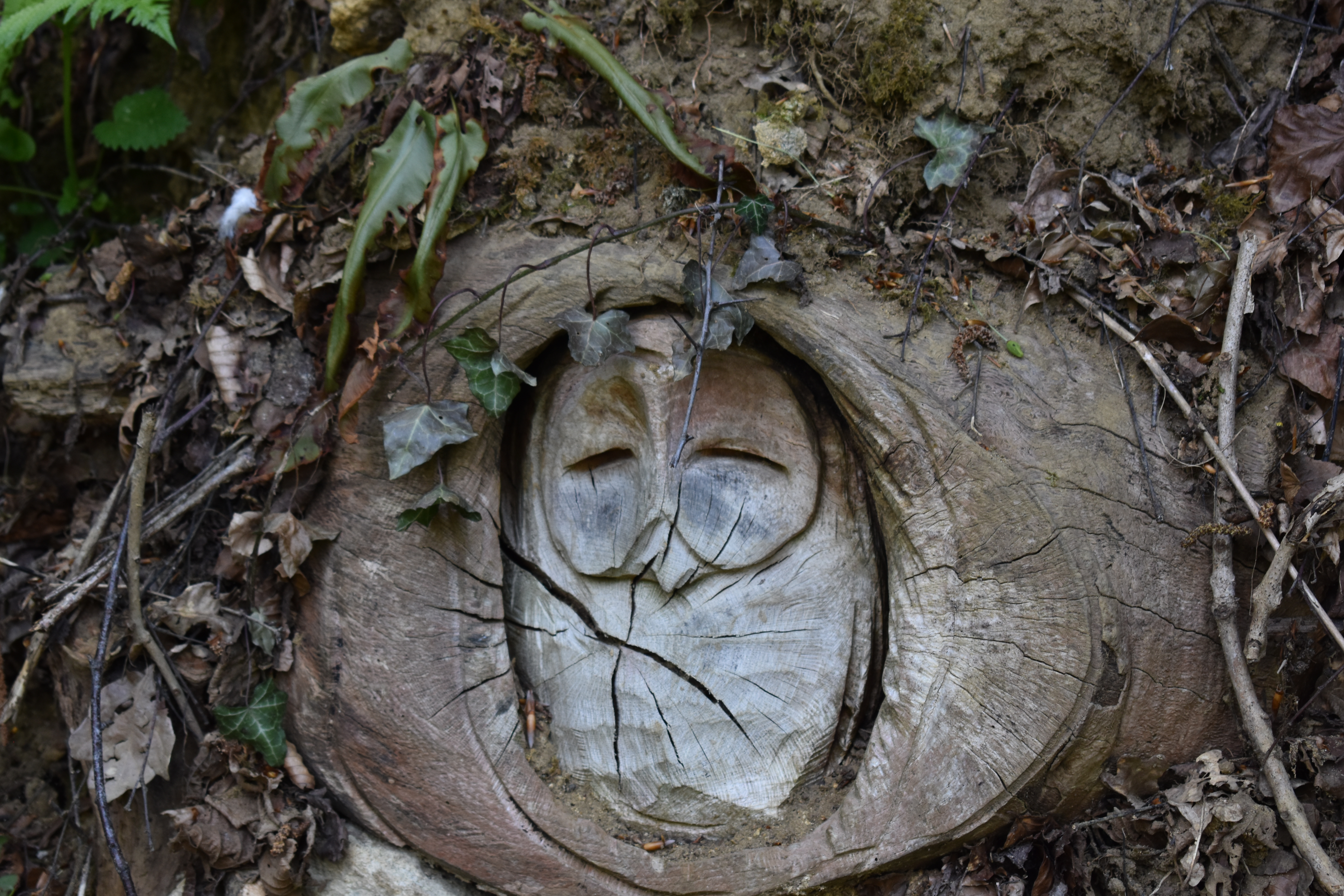
In any woodland there are unexpected delights that attract our eyes, a burl on a tree trunk, or a carved tawny owl on another tree trunk or ferns decorating tree roots alongside the track.

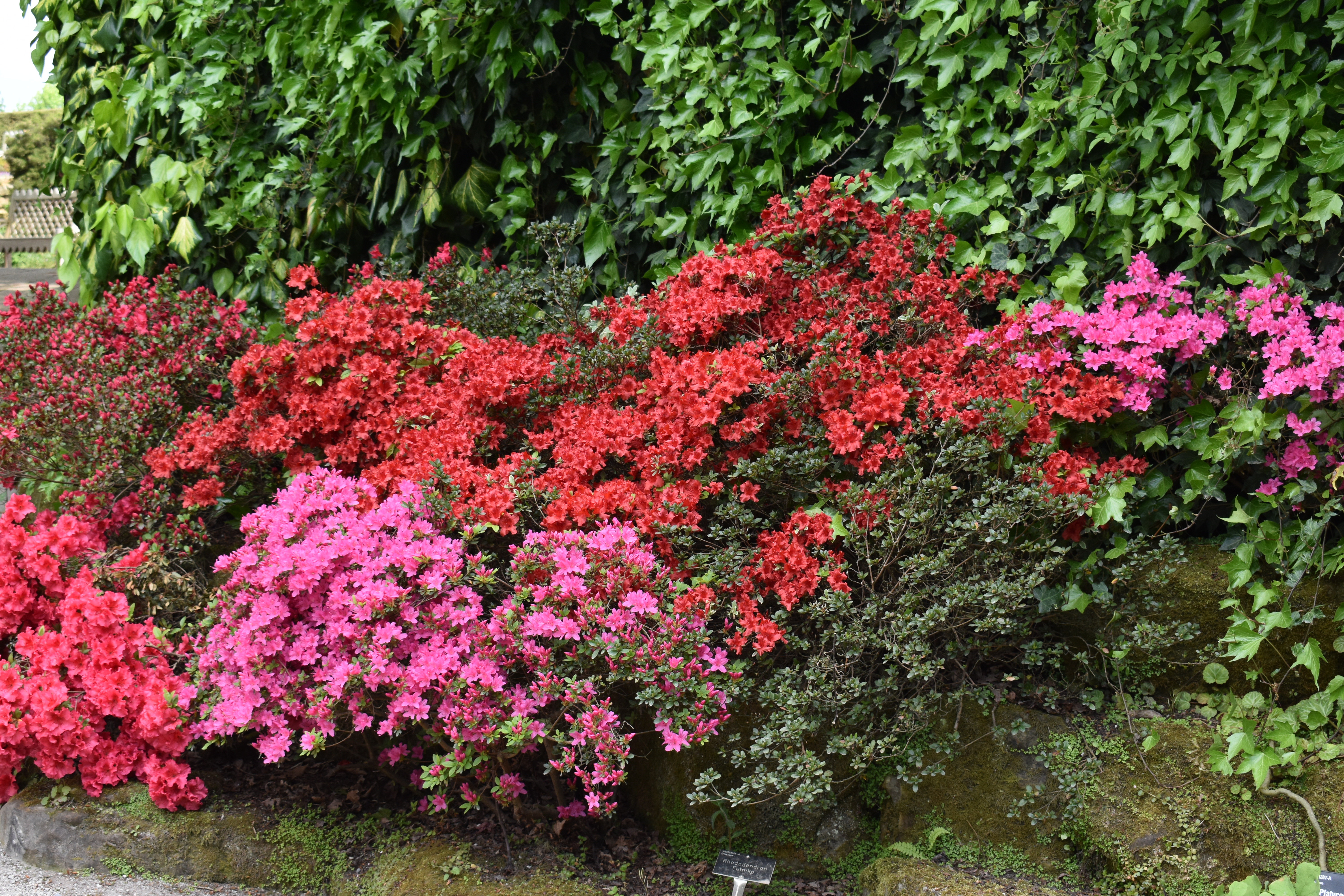
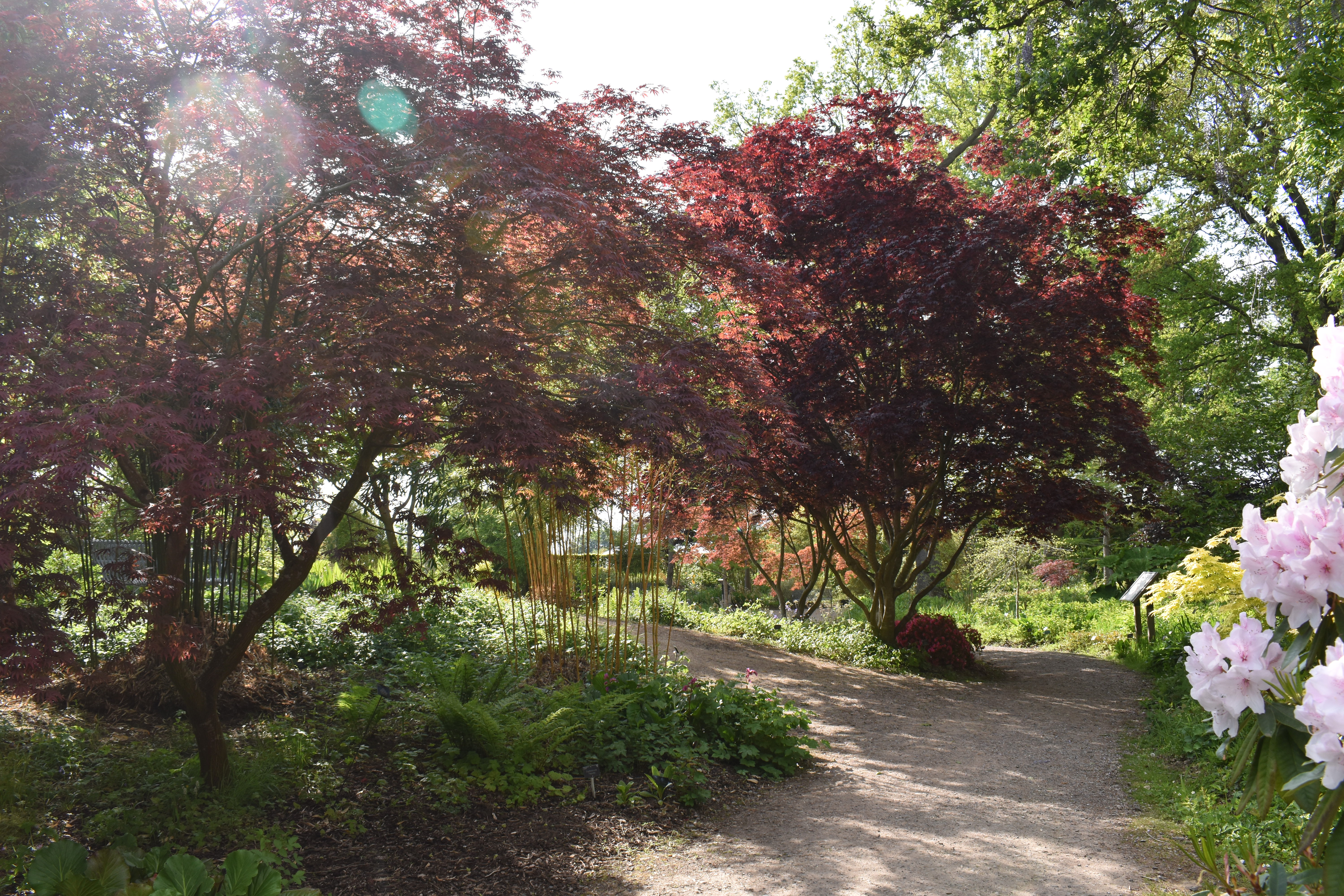
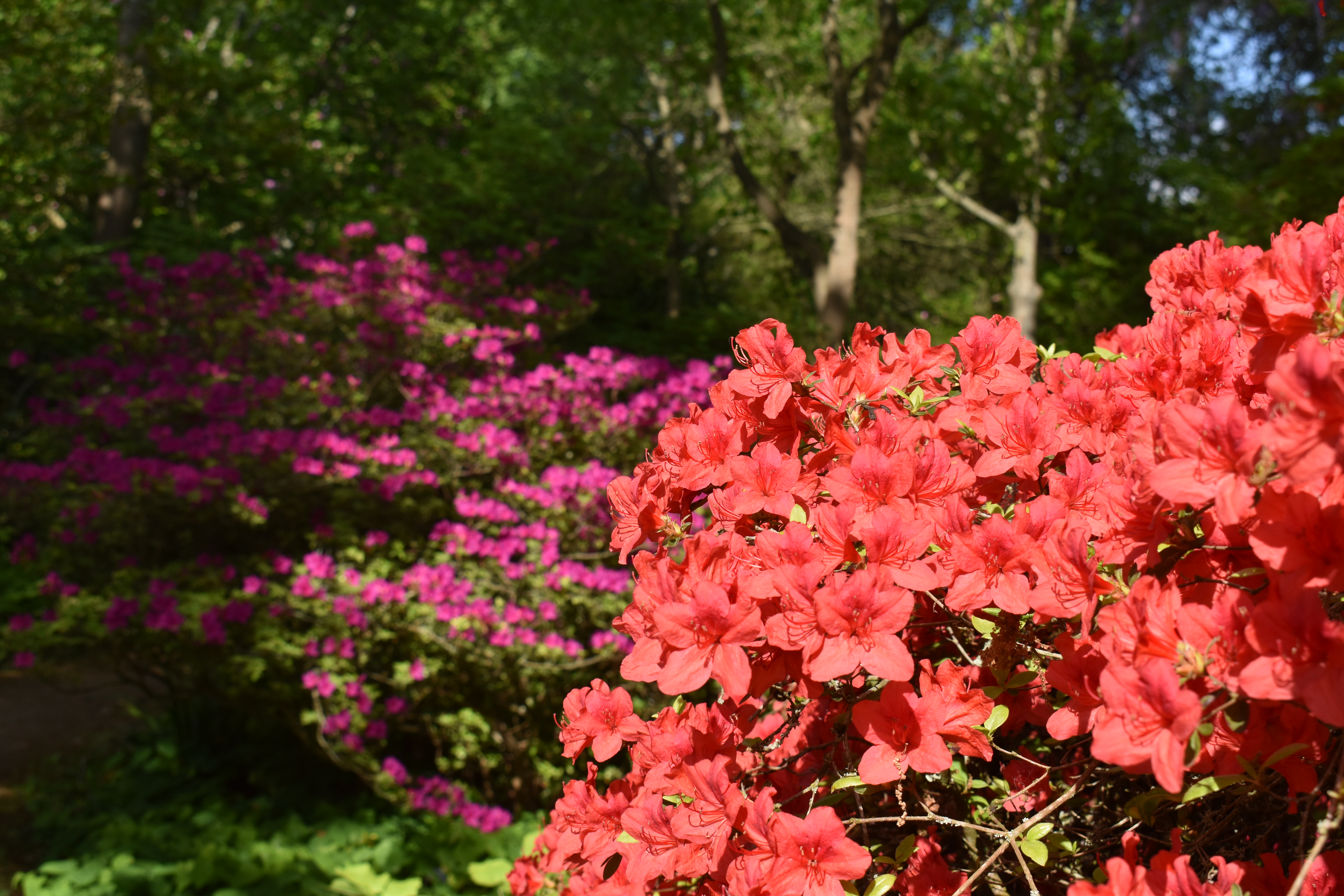
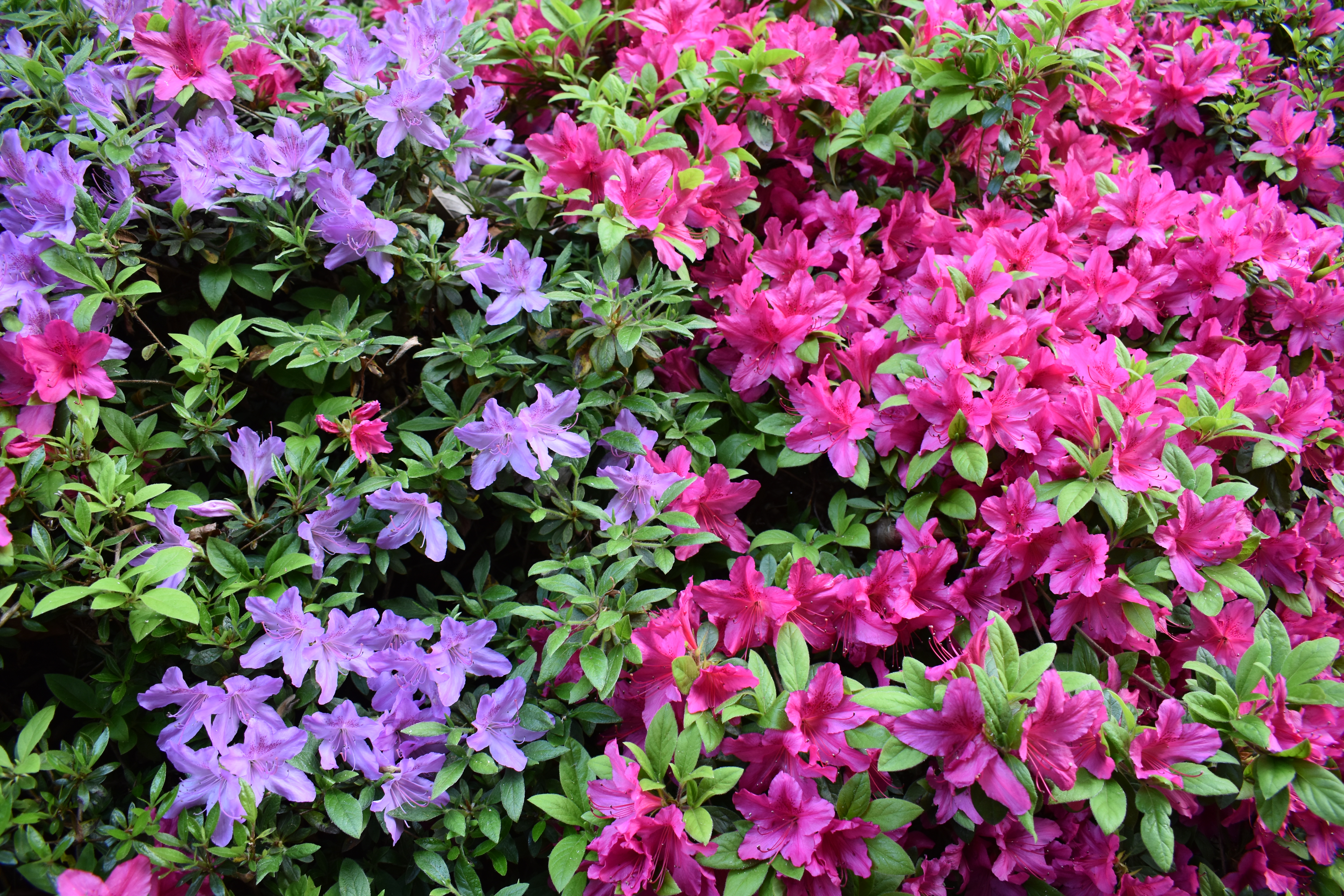
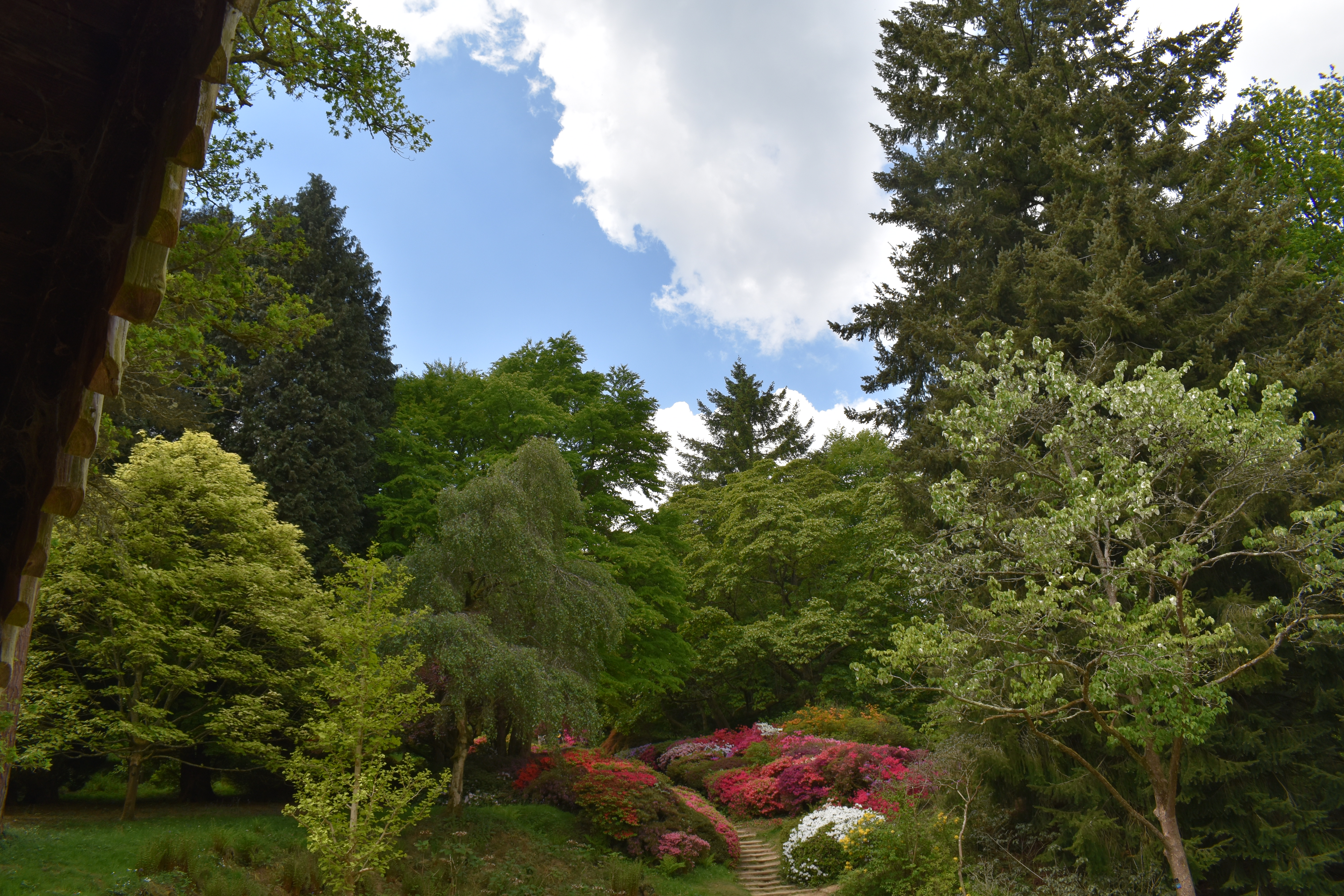
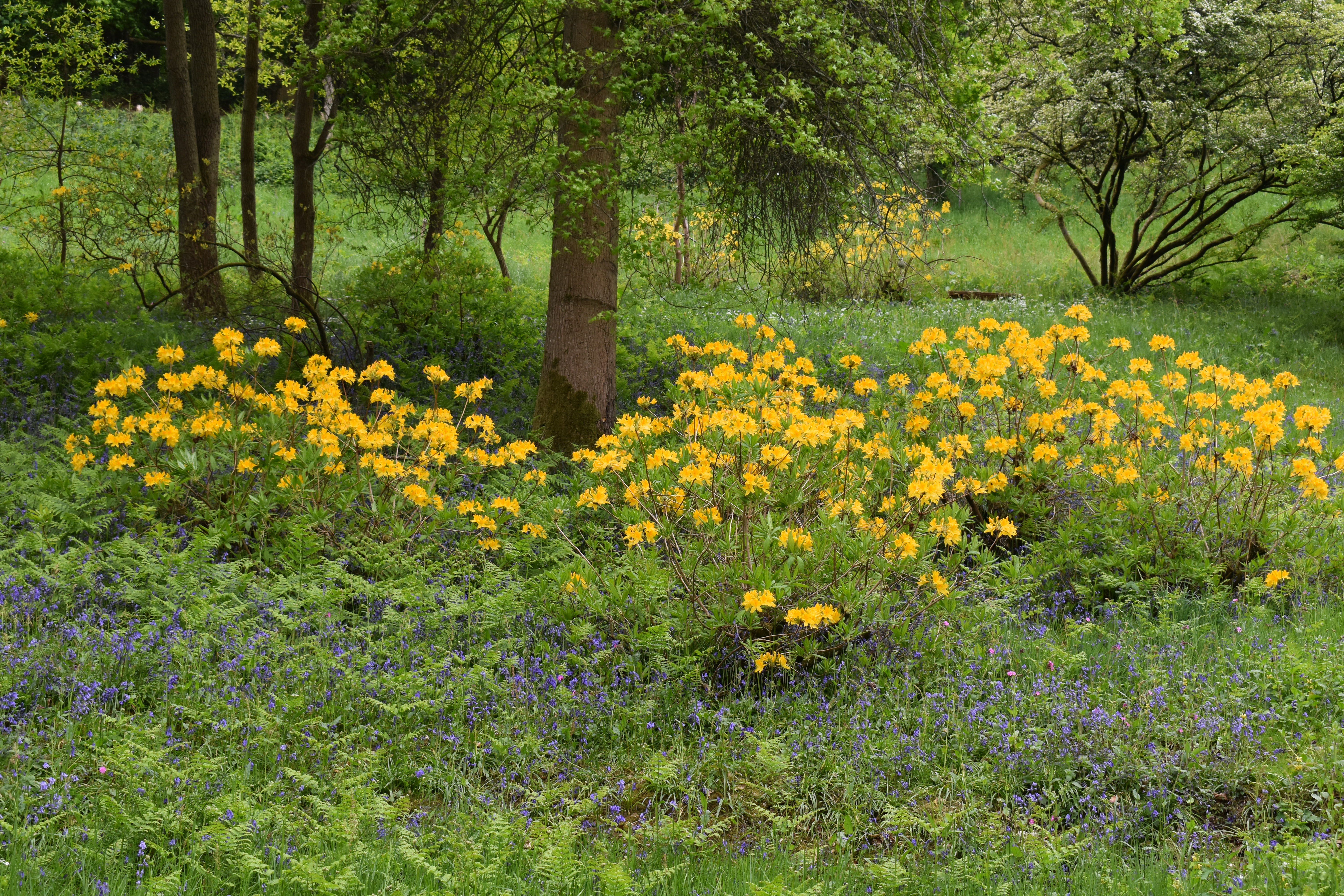
An opening on our left afforded us a colouful view of the valley down below, the colours coming from azaleas in a multitude of bright colours. The narrow track took us slowly down to the colours, passing a few acers on the way, with deeply cut leaves creating a lace effect.

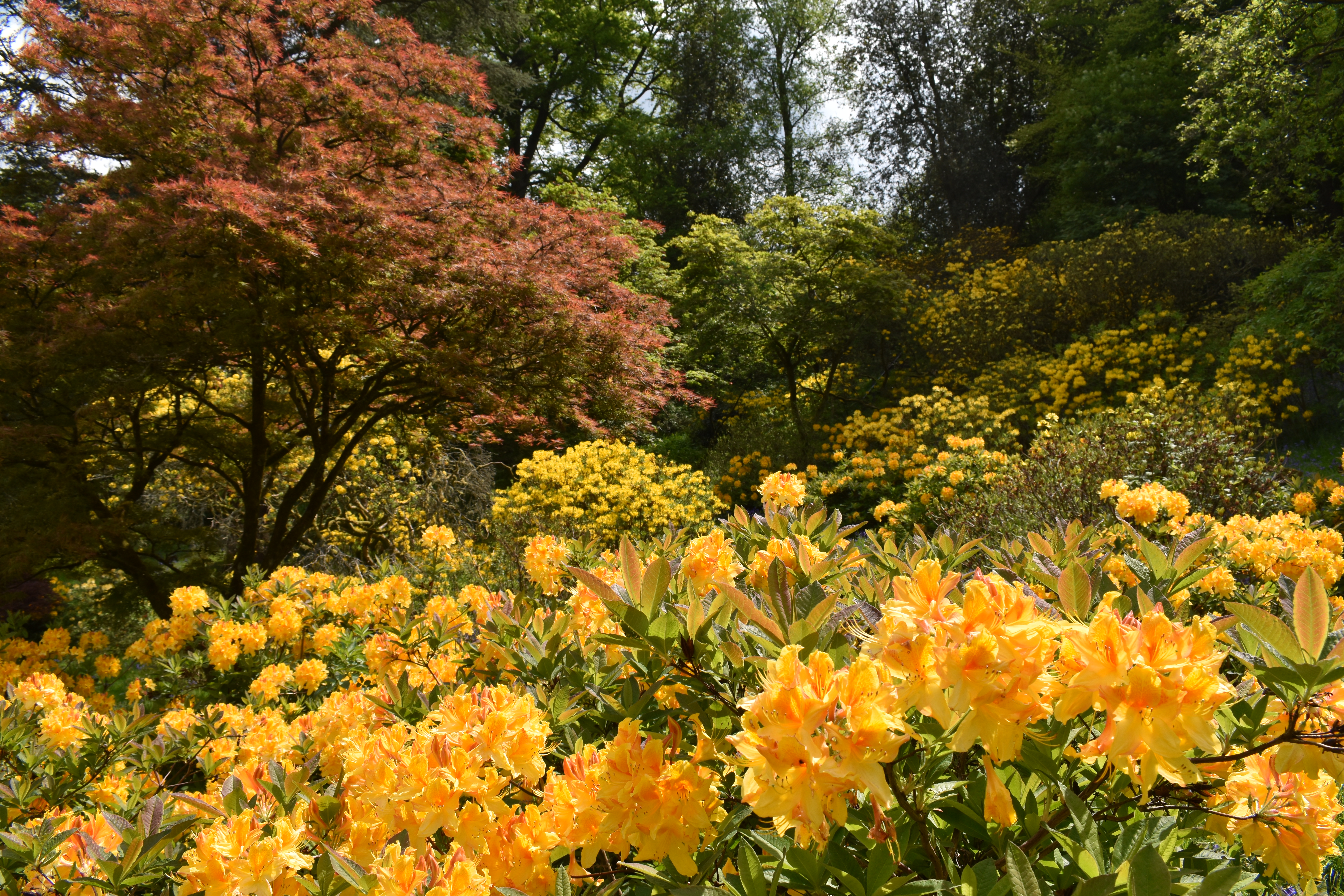
The brightest flowers were on this orange deciduous azalea. We like the deciduous varieties far more than the evergreens and grow a few in our own garden.

We walked along the flat of the valley bottom where the path felt much more level. We continued until we spotted a colourful patch of yellows and oranges partway up the valley side.

We slowly made our way up the slope until we realised that all the colour that we had spotted was another patch of deciduous azaleas. Their scent reached us before we had reached them.

We then made our way back to the car, after a wonderful day at this unique arboretum which felt more like a woodland garden. There were no identity labels on any of the shrubs and trees so it didn’t feel like an arboretum. Of course we also enjoyed spending time with my brother who loves trees as much as we do.

Categories
Uncategorized

Return to Cherry Tree Arboretum

A return to springtime remembering what life for us gardeners prior to this long dry period.

We attended the Cherry Tree Arboretum when it was open under the NGS flag in the autumn and absolutely loved it. We vowed to return whenever we could so when we read online that it would open once again we decided to pay it a return visit. We have seen it described as “The finest UK arboretum created in the second half of the last century.” We are beginning to think this might be correct! Thus we left home at magnolia time with much anticipation.

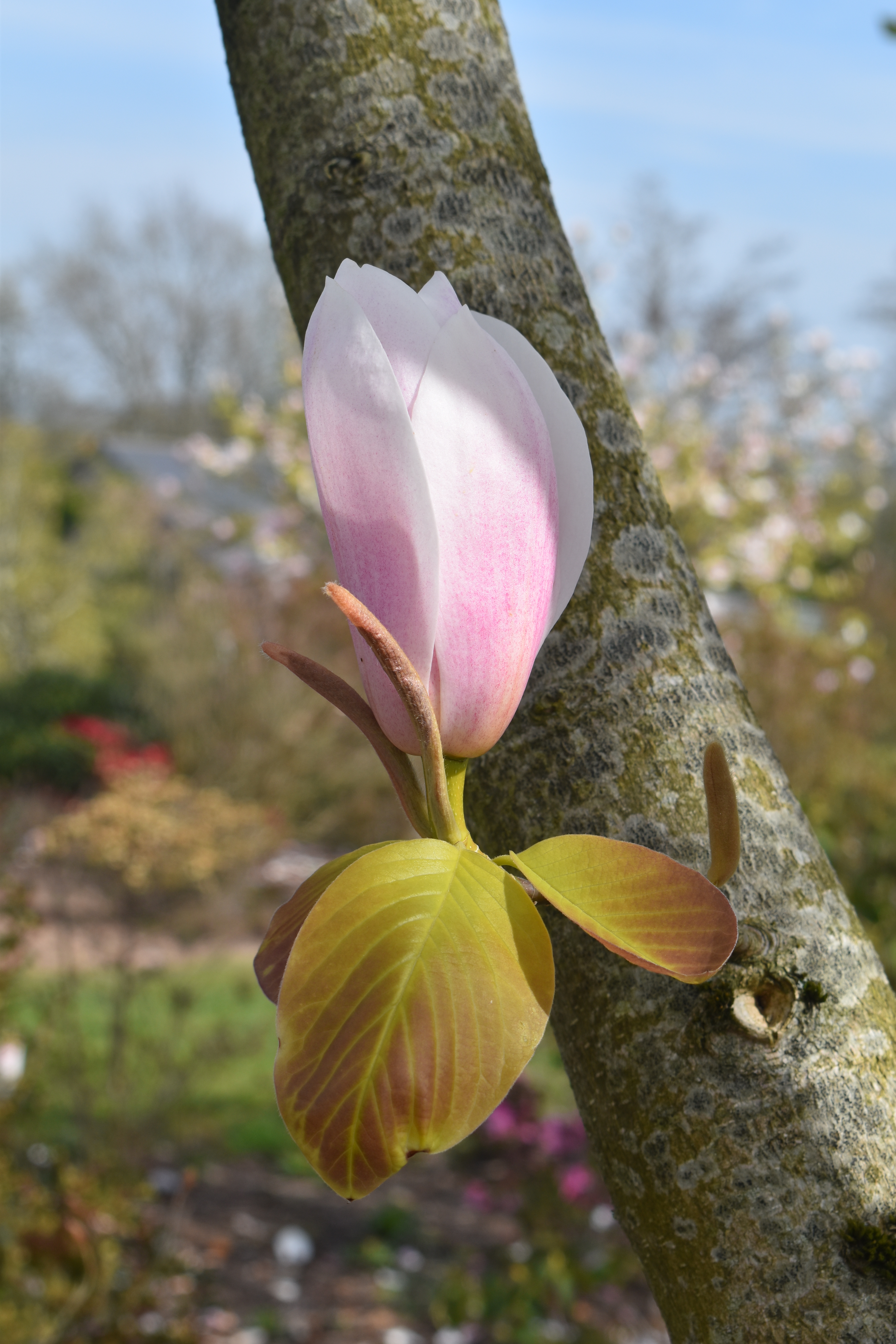
As soon as we parked the car we realised that magnolias were going to feature strongly on this visit. We don’t grow these in our garden much because they simply don’t fit in with our style of planting, but we enjoy seeing them in other gardens.

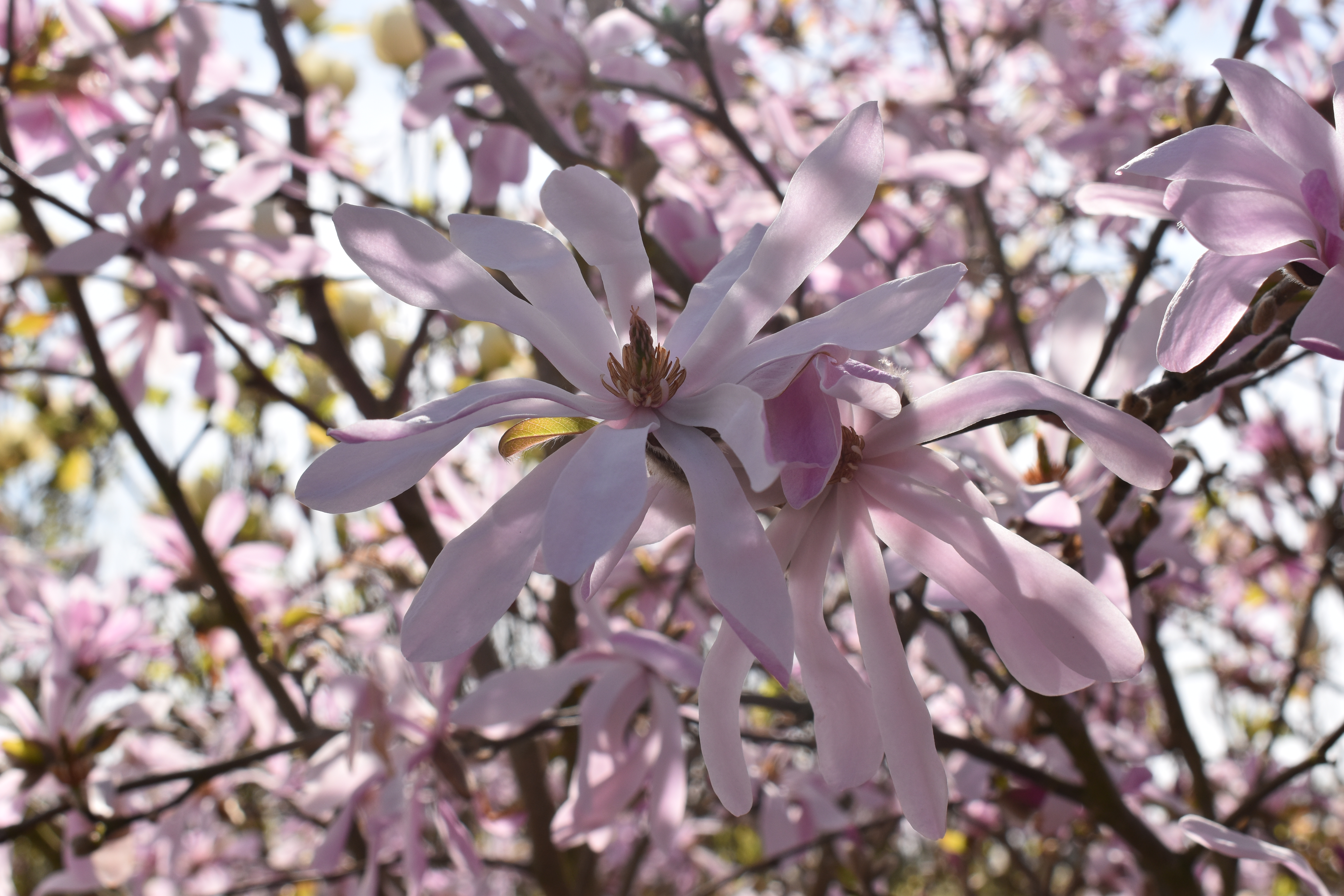
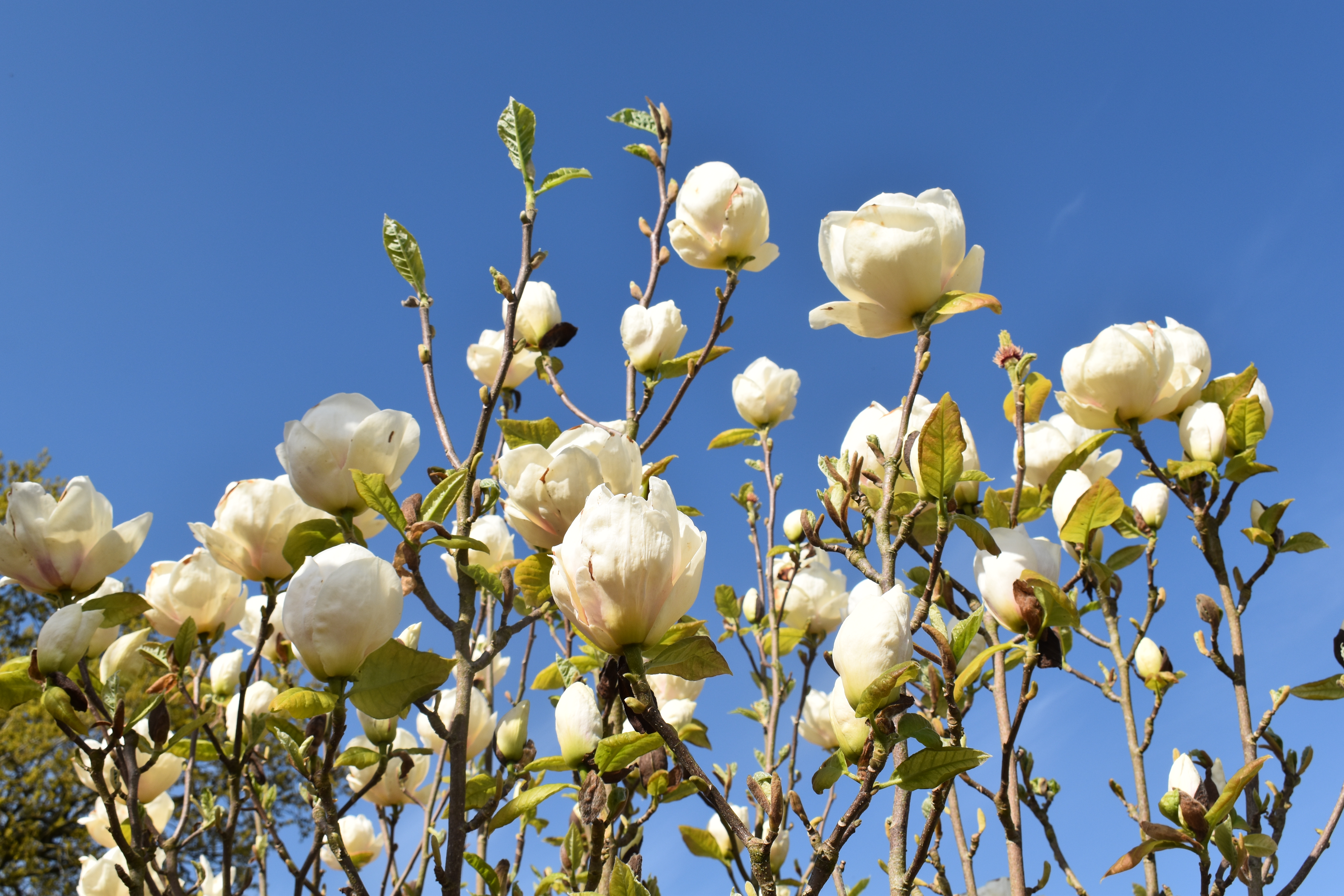
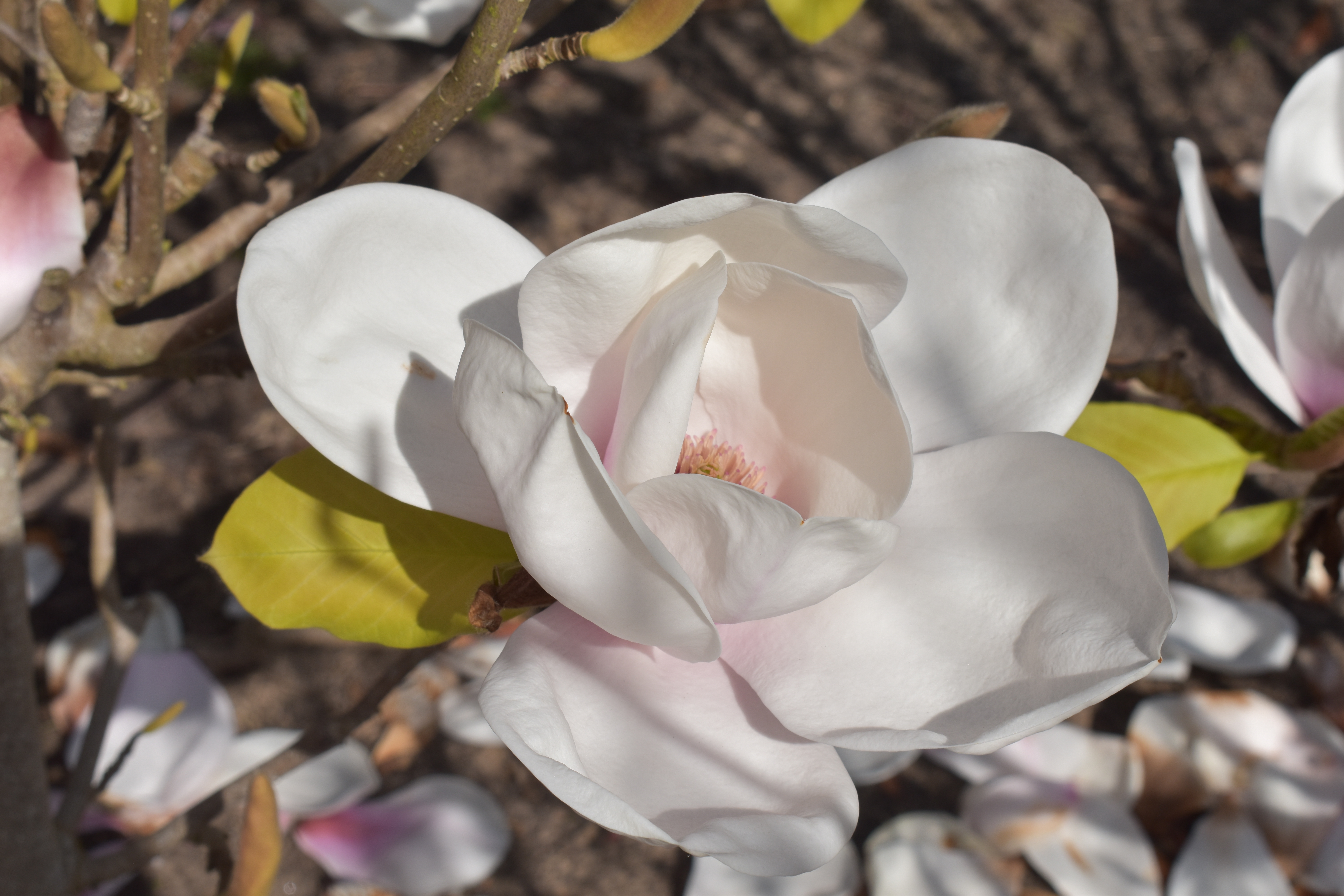
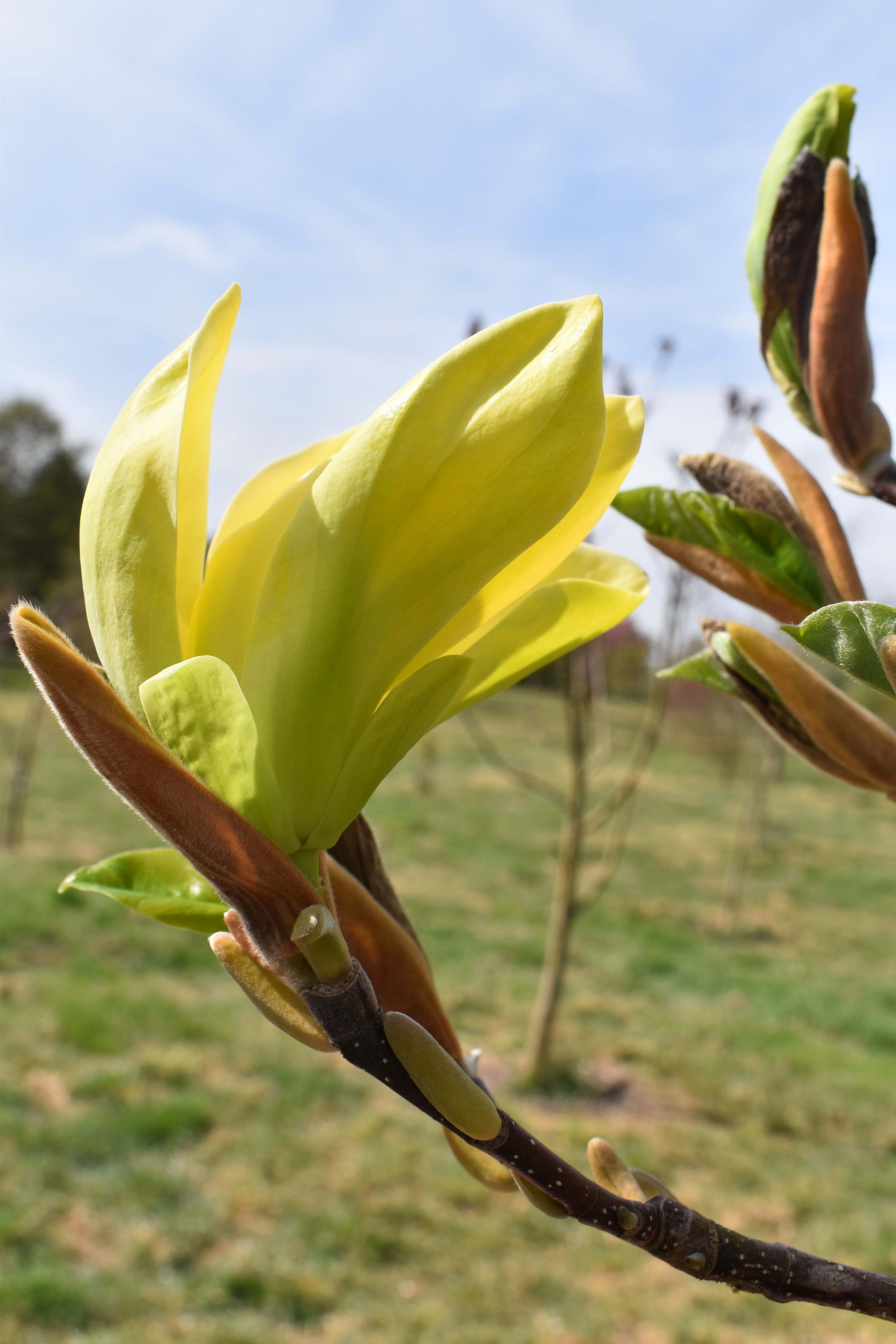
Only a few yards from the place where we parked up was a long deep border full of colourful magnolias, several in colours we had never seen them in before.

The set of photographs below can only give a glimpse of them – there were so many.

It was useful having these magnolias planted in short rows within the border because it meant we could walk in amongst them and get to appreciate them so close up. There were so many different colours and shades, so many different sizes and different flower structures.

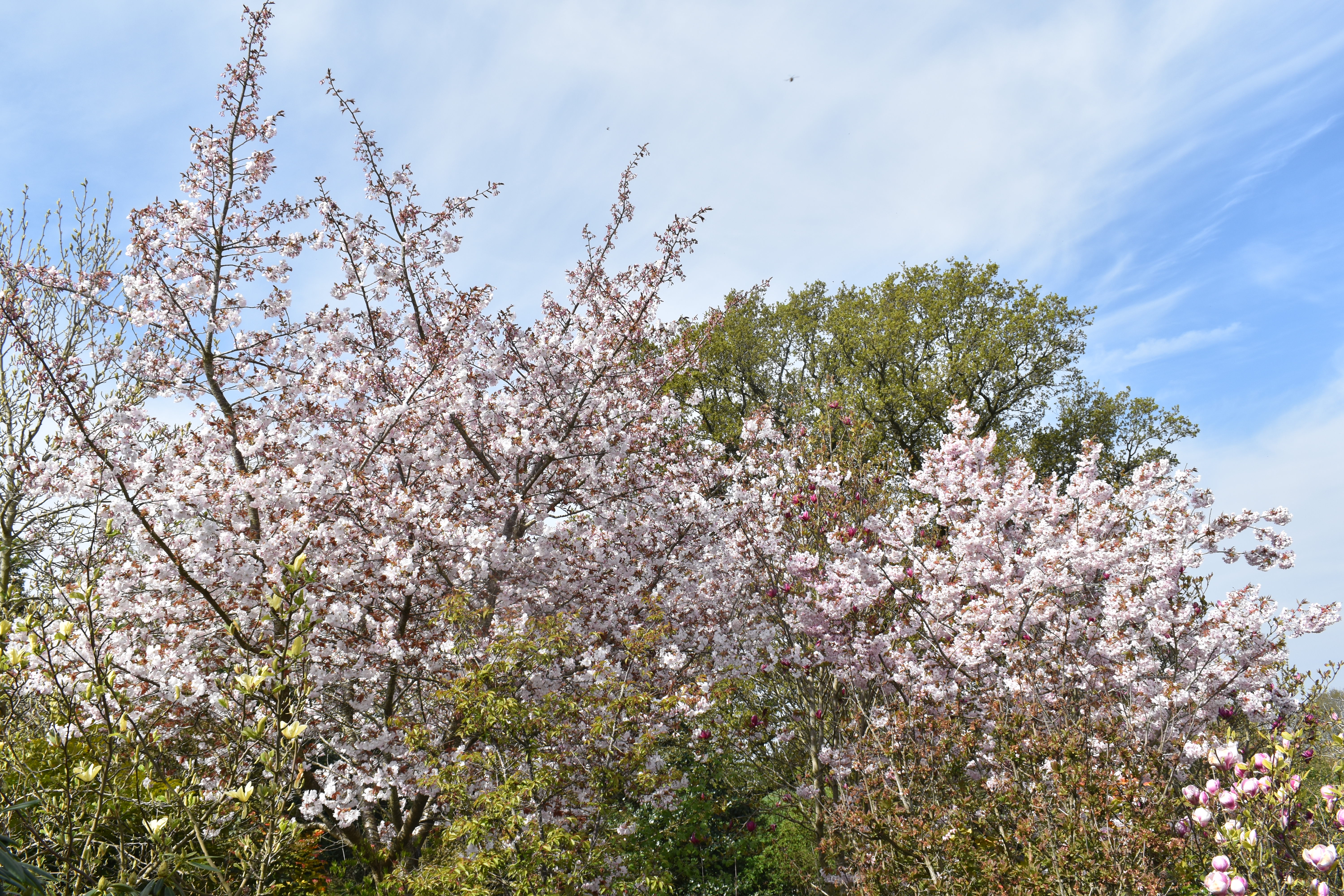
But there is obviously much more to the arboretum than lots of magnolias and the clue is in the name, Cherry Tree Arboretum. So the next photo just has to be of cherry blossom. The pink looks so delicate against the pure blue sky, the glossy foliage shows touches of red and bronze.

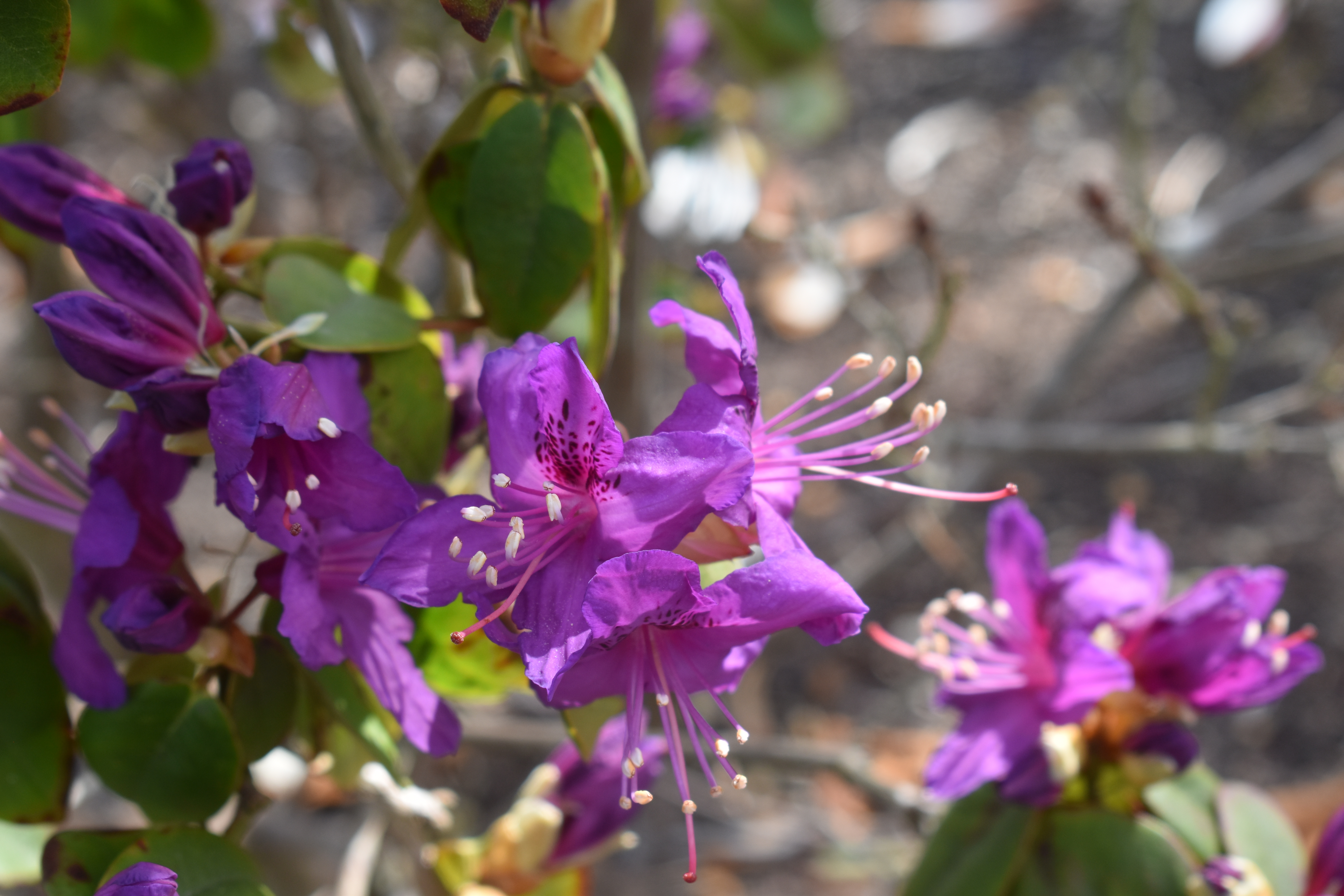
I am not a big fan of rhododendrons but certain colours always catch my eye. This bright shade of purple was one such colour with contrasting white stamens and deeper coloured sight lines for bees to show them the way.

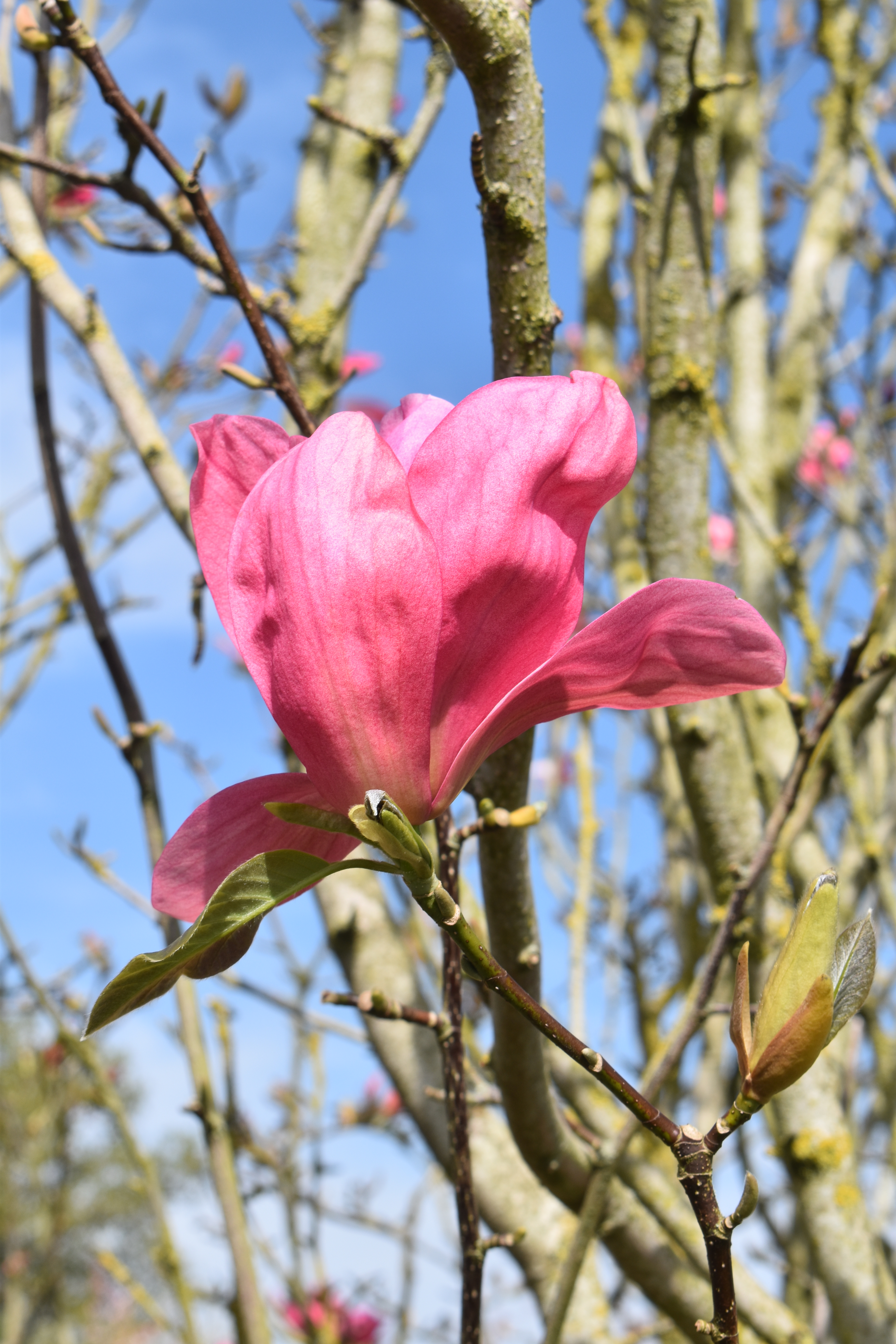
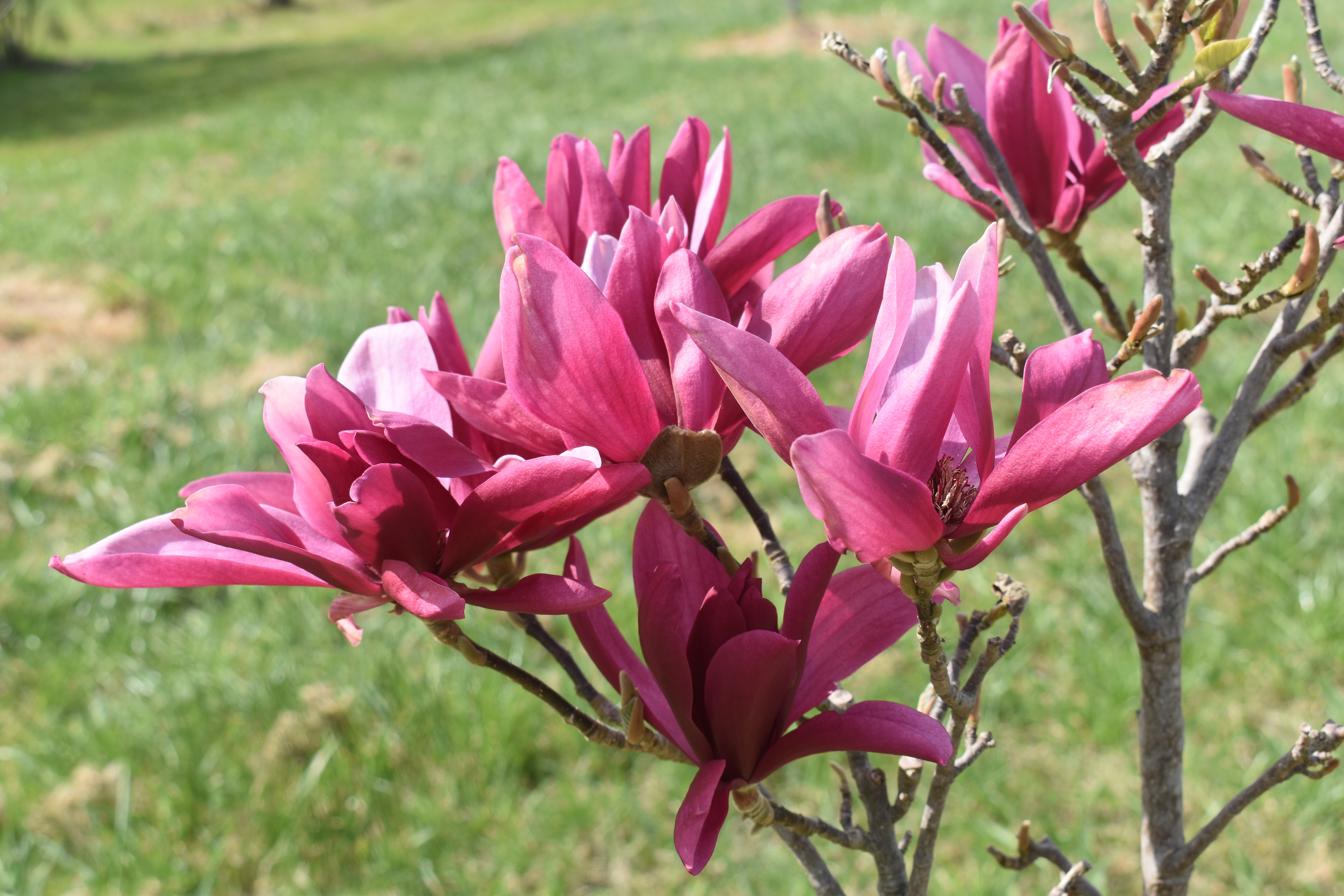
As we studied even more magnolias two fellow visitors told us about some very unusual coloured specimens nearby. When they pointed them out to us a little way further on we decided that it would be worth having a close up look. At that distance they looked almost red. The photos below show the blooms to be such a dark pink that they indeed looked red especially against the blue sky.

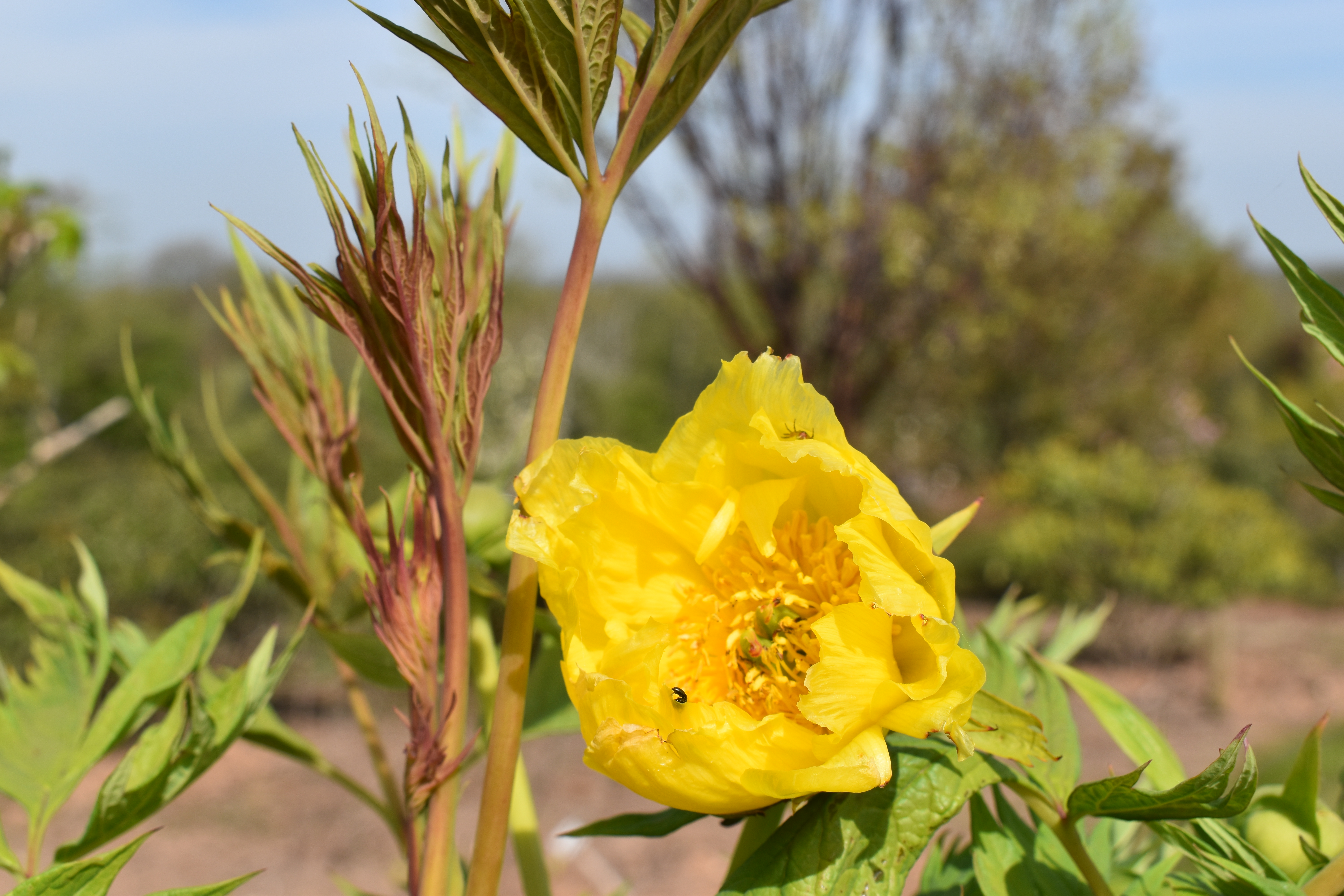
From the pinks of magnolias and prunus trees we walked along random paths of gravel, bark or grass as we discovered so many worthwhile trees and shrubs. This bright sunshine yellow tree paeony certainly deserved a close look.

Acers in abundance looked so exciting in the bright light.

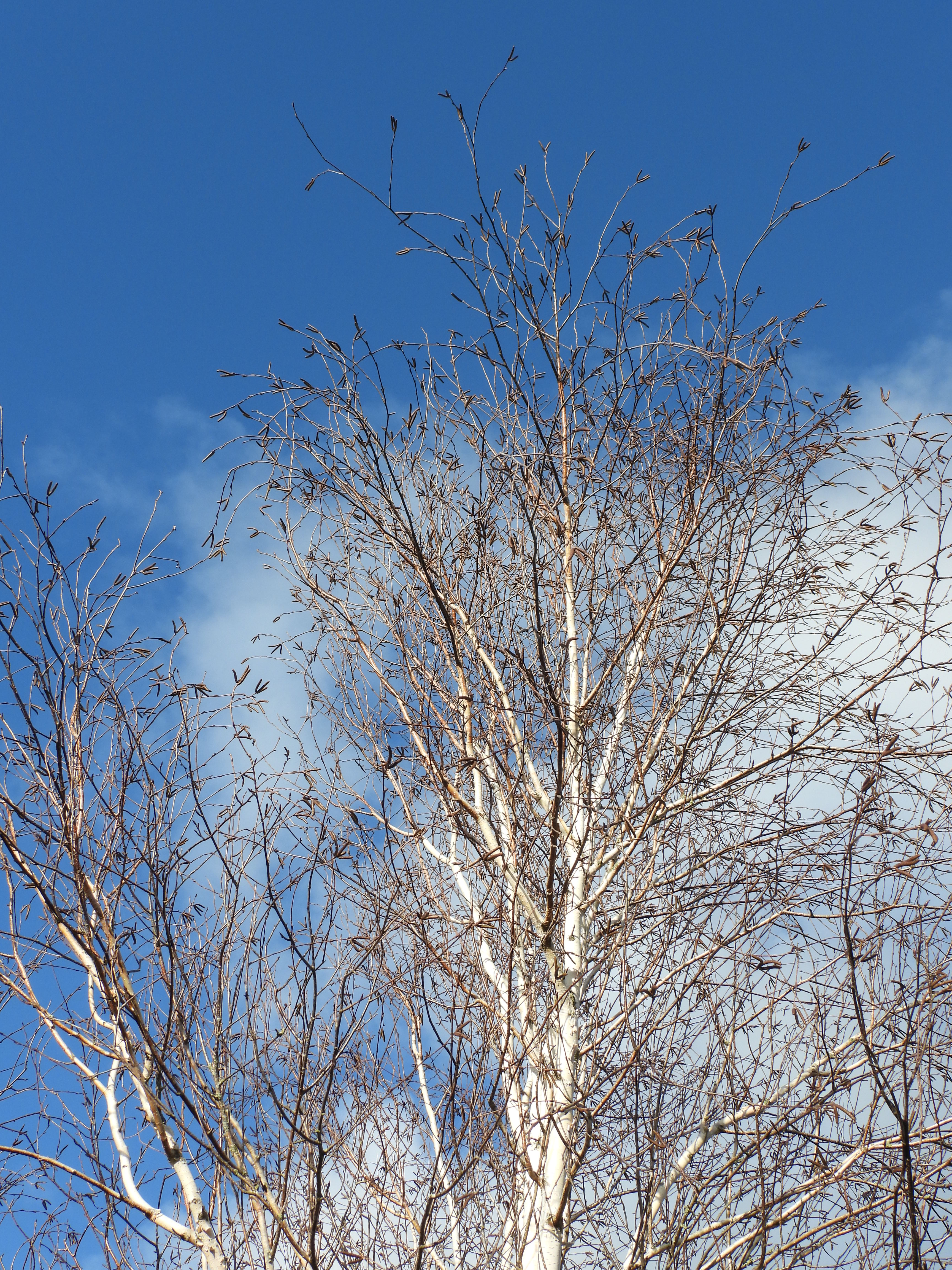
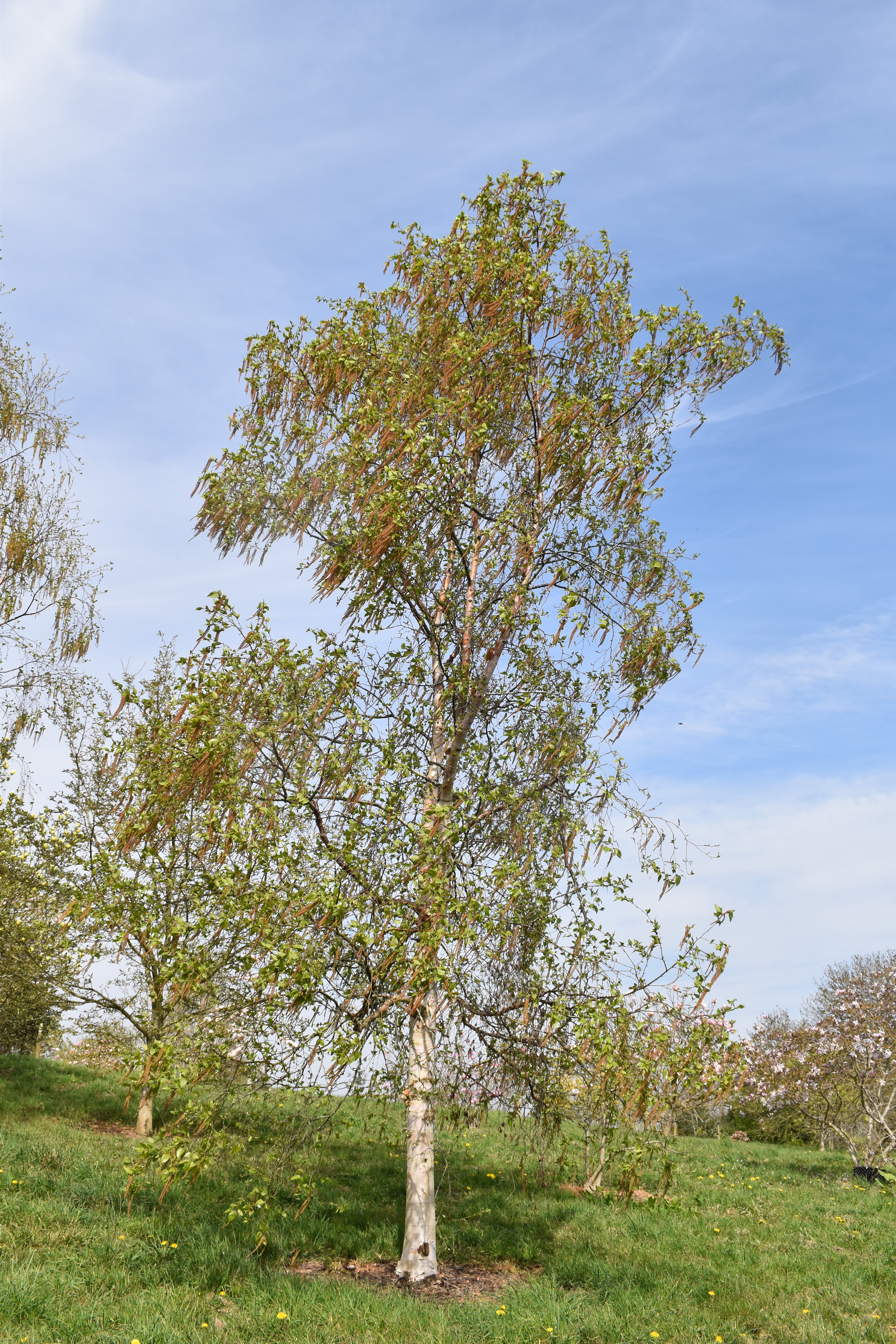
Of course I had to look out for my favourite trees of all the betulas or birches. Another favourite tree is the malus in all its guises, so I was on the lookout for both and no arboretum could possibly be without them. This birch had impressively long catkins up to 5 or 6 inches in length.

Many birches have the added attraction of colourful peeling bark, which has the knack of catching the sunlight.

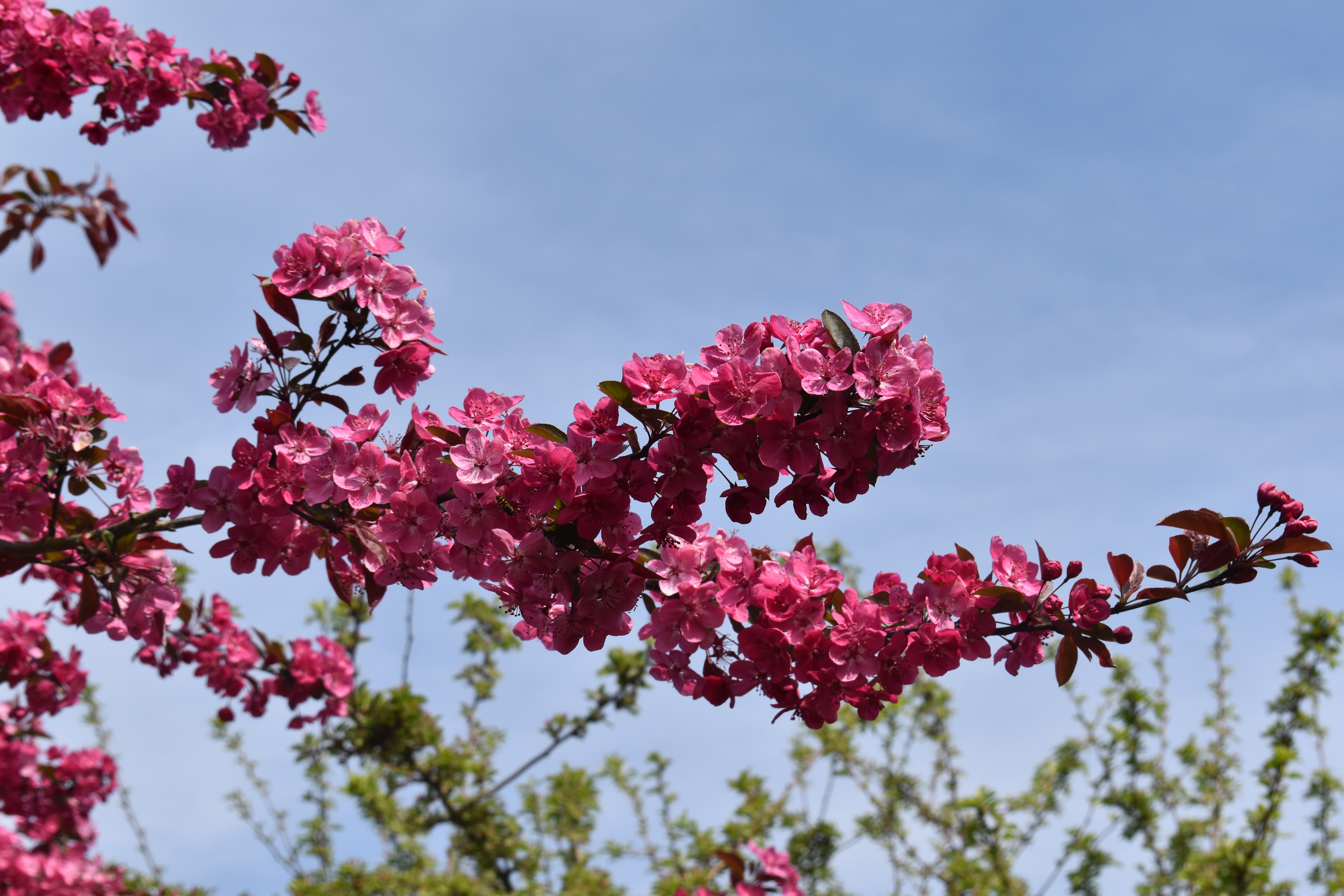
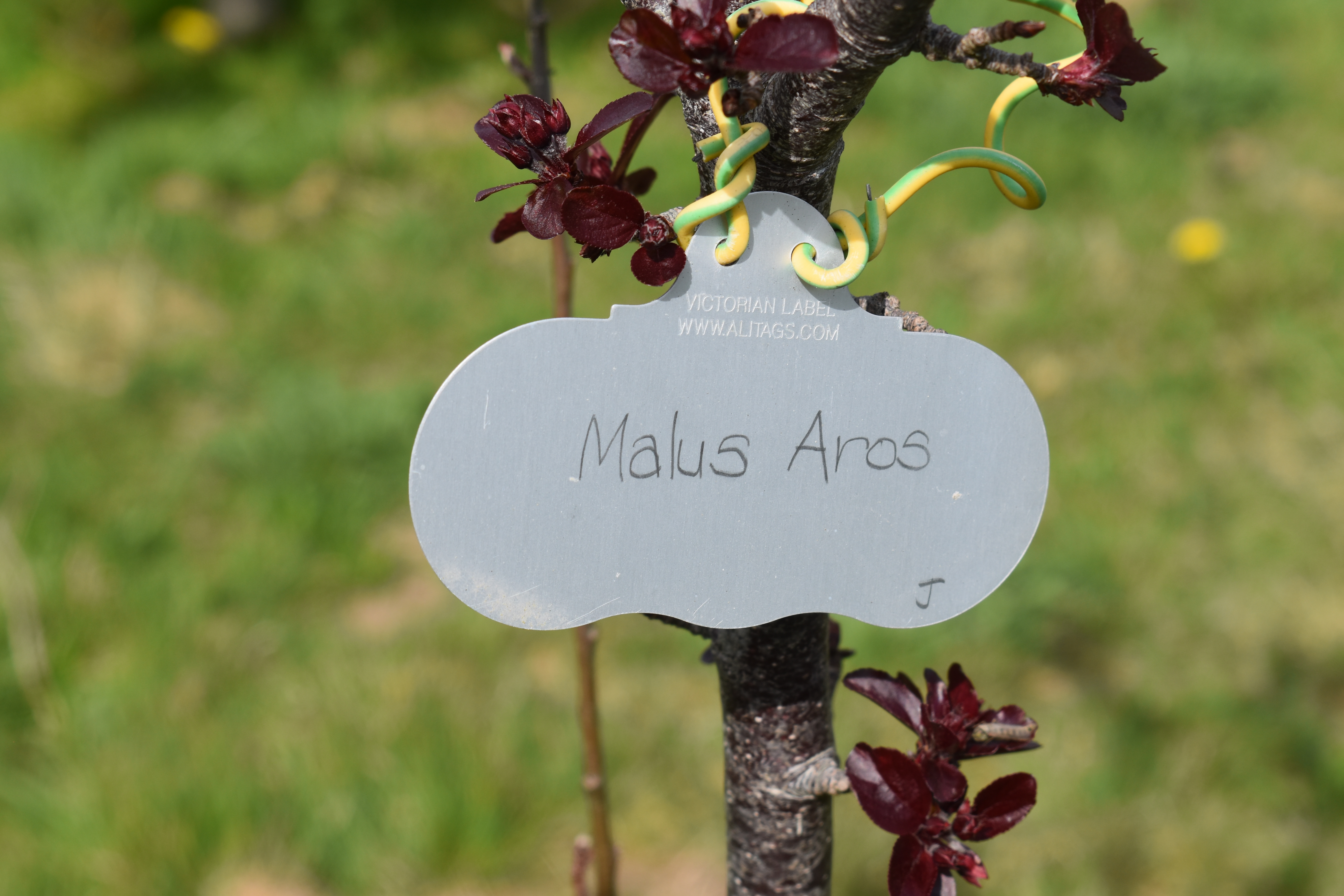
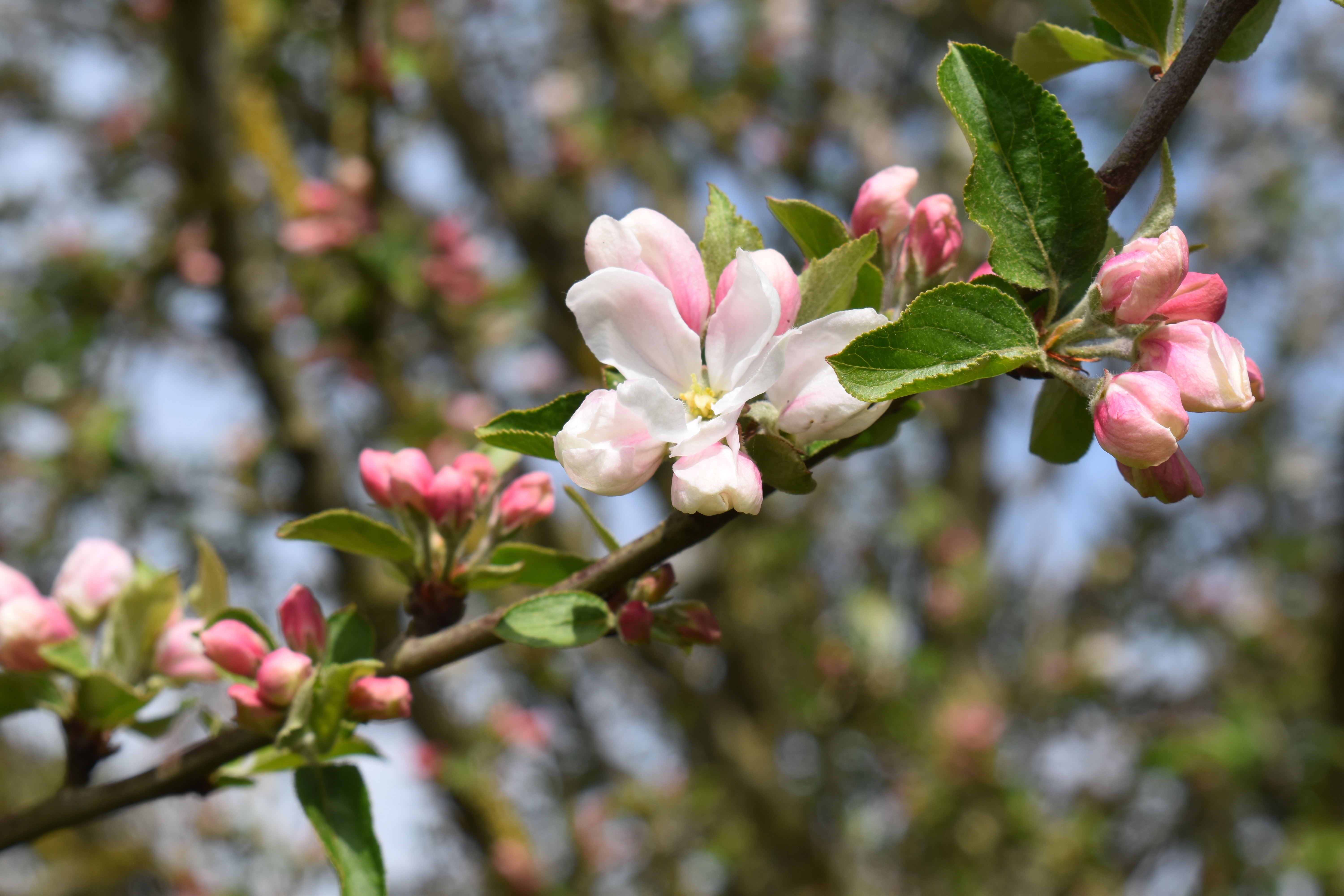
Malus family members, the crab apples can give us stunning foliage as well as blossom or even in some cases both.

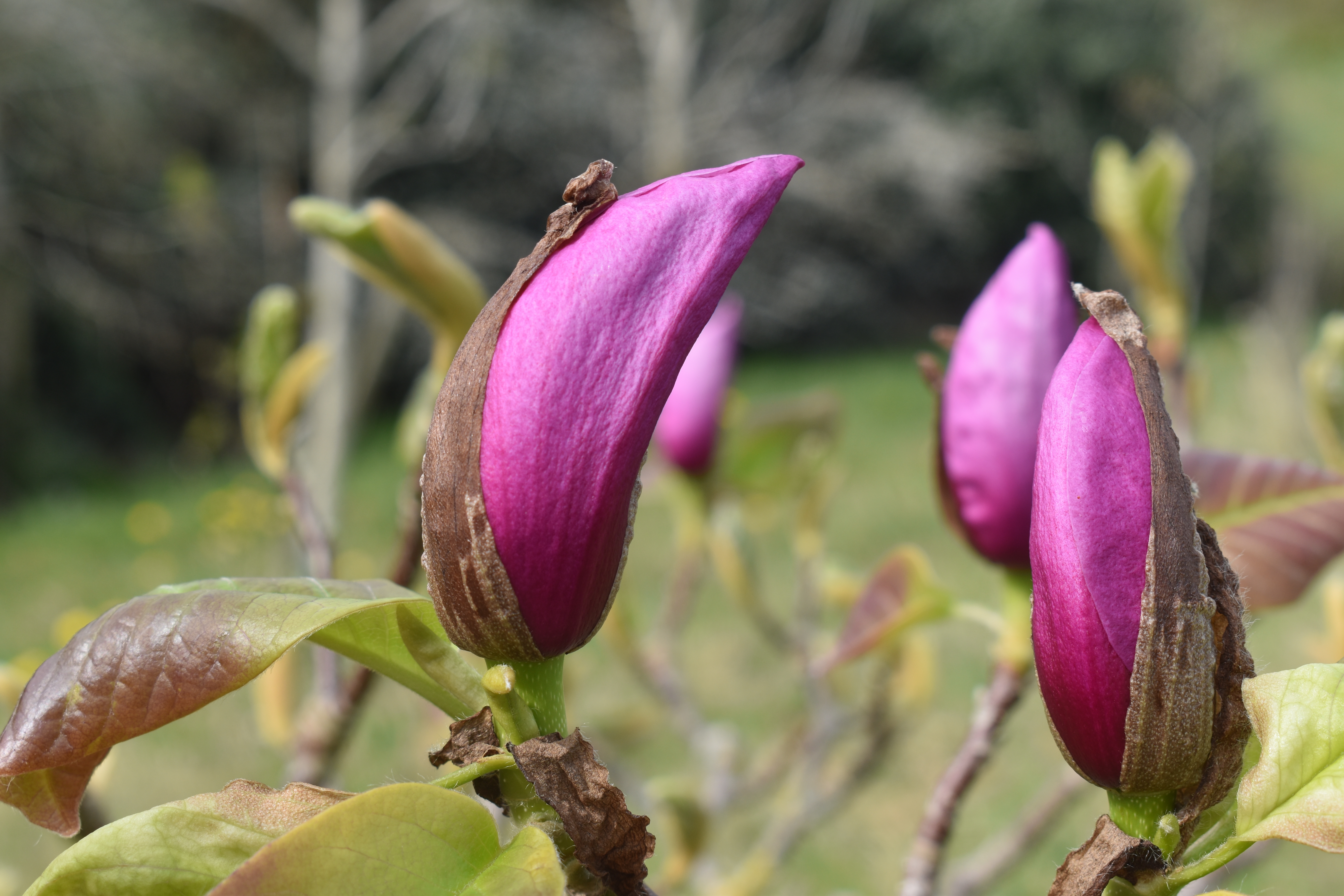
Of course, with a collection of over 500 magnolias we came across plenty more very attractive examples as we wandered around.

Another great day out at Cherry Tree Arboretum which we feel may become a firm favourite.

Categories
Uncategorized

My Garden Journal 2025 June

The sharing of my Garden Journal 2025 for June sees the beginning of the second half of the year. June is the first month that is recognised as Summer by the Met Office. Following on from the earlier months this year, June gave us atypical weather, hot dry periods followed by a few days of non-stop rain.
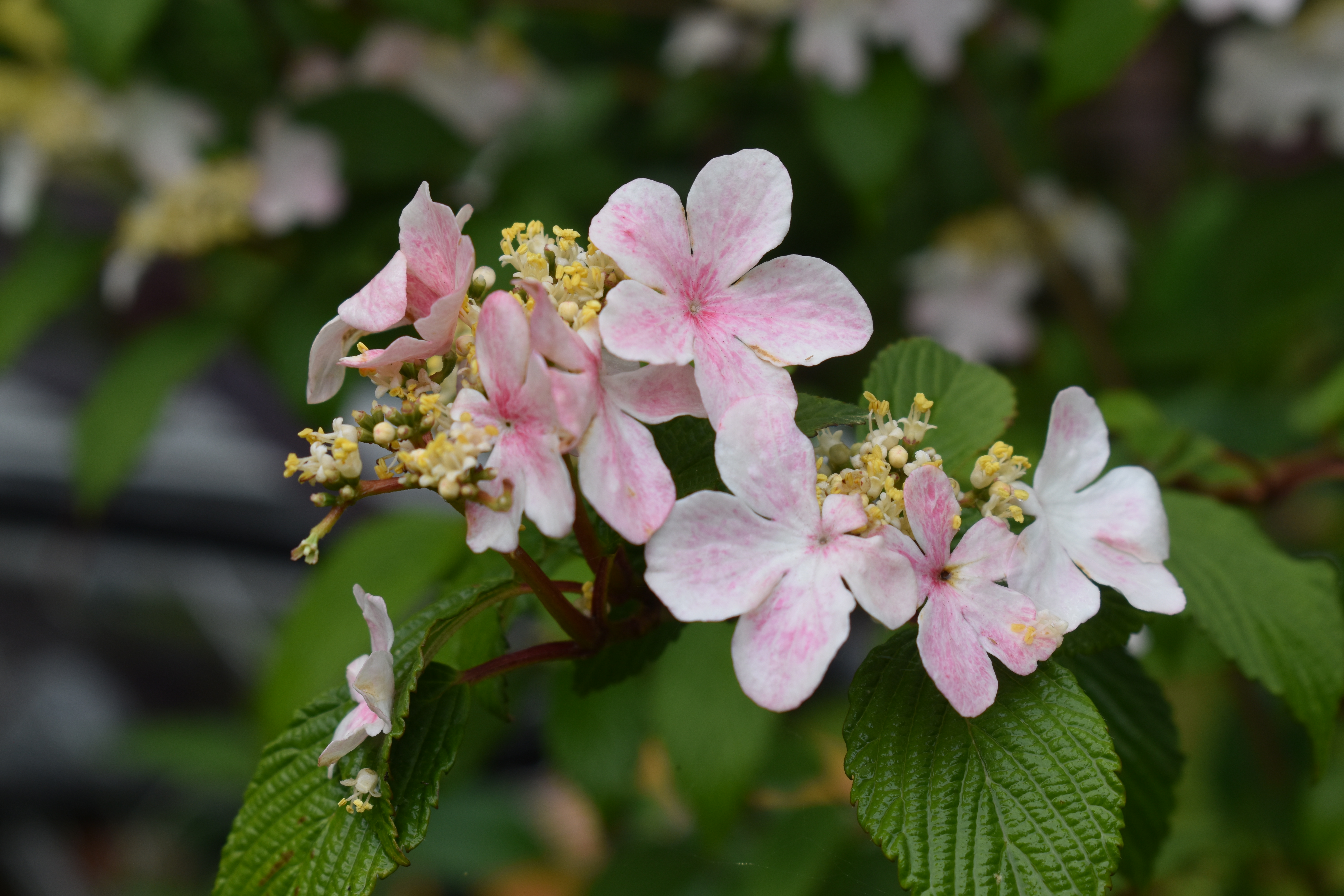
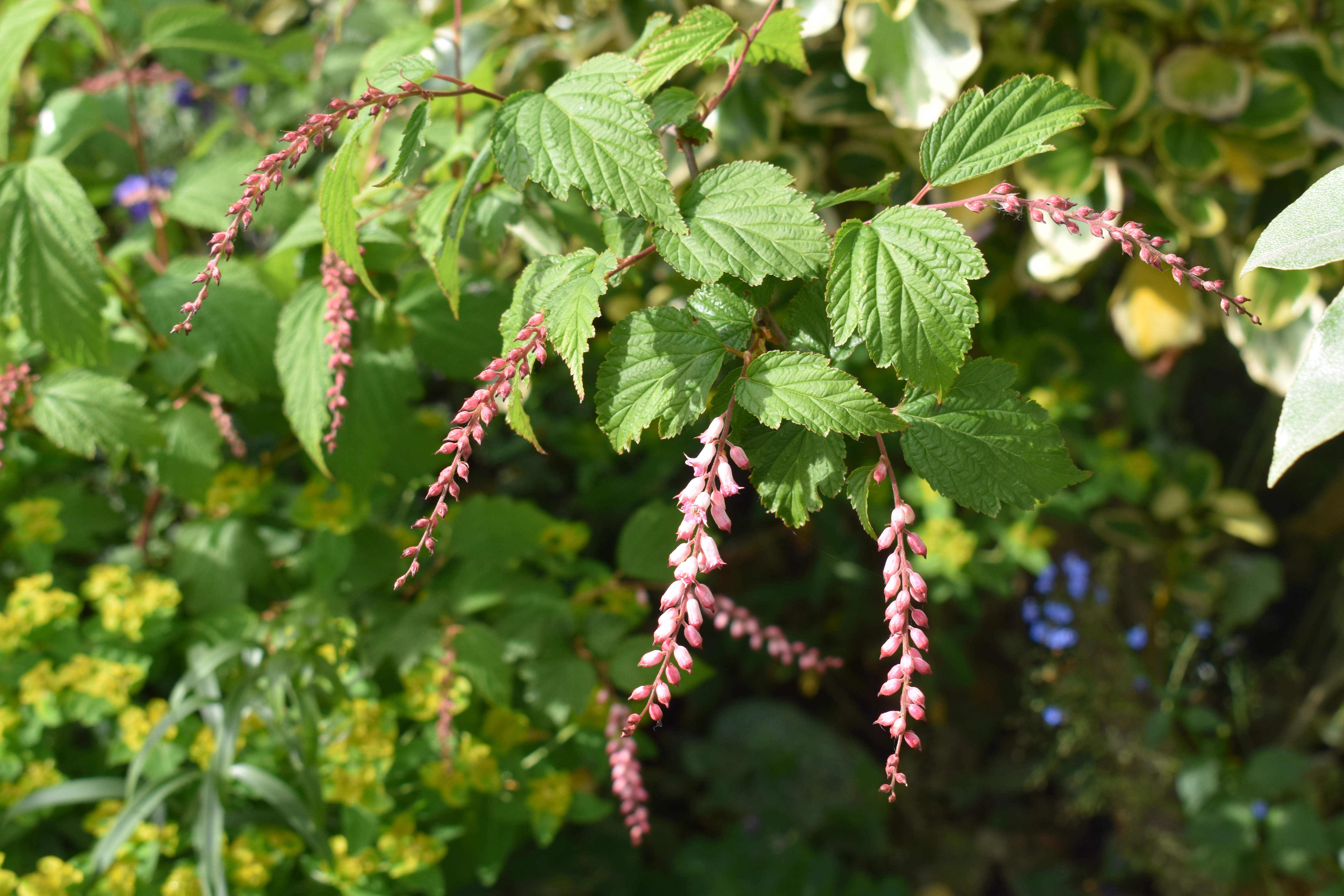
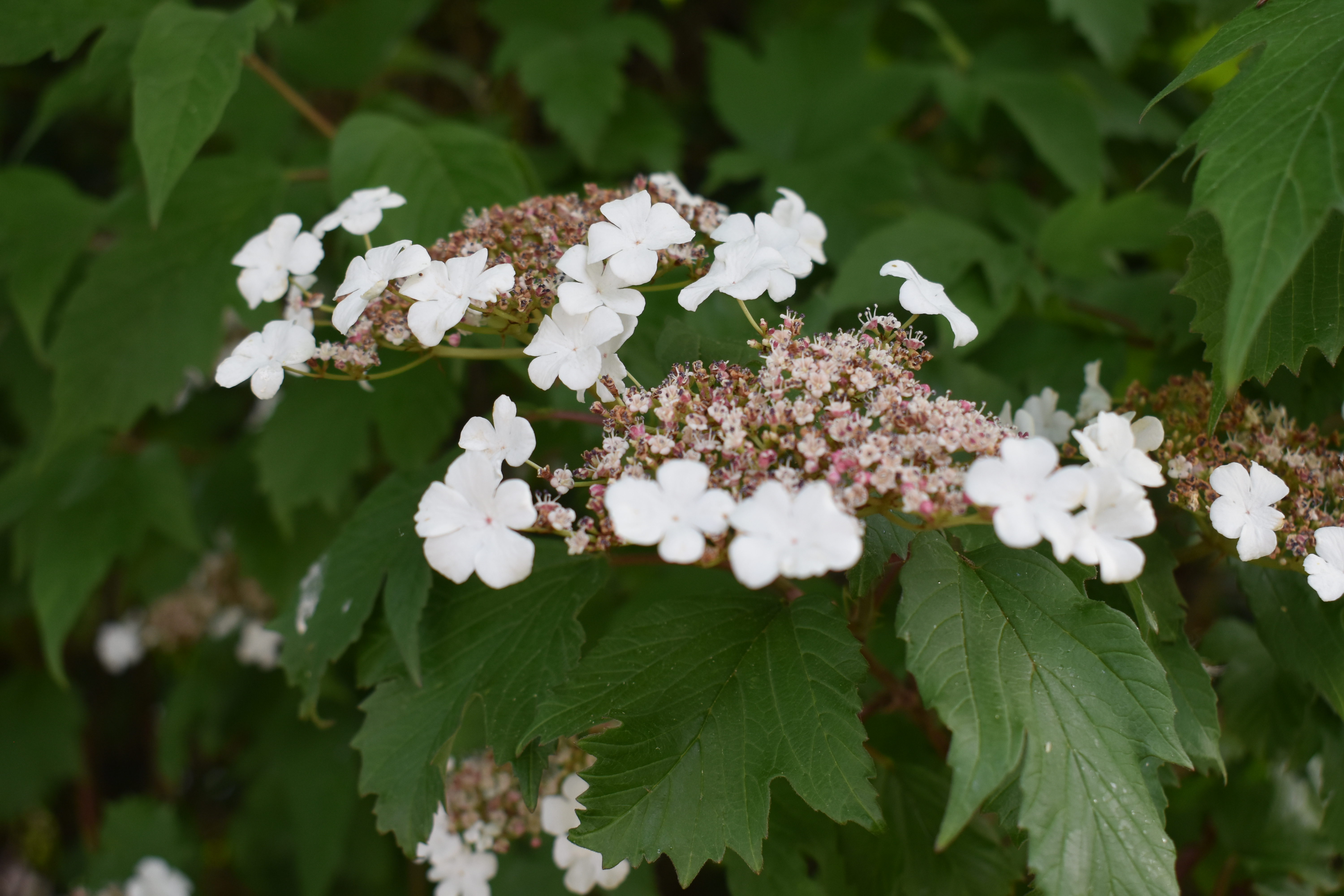
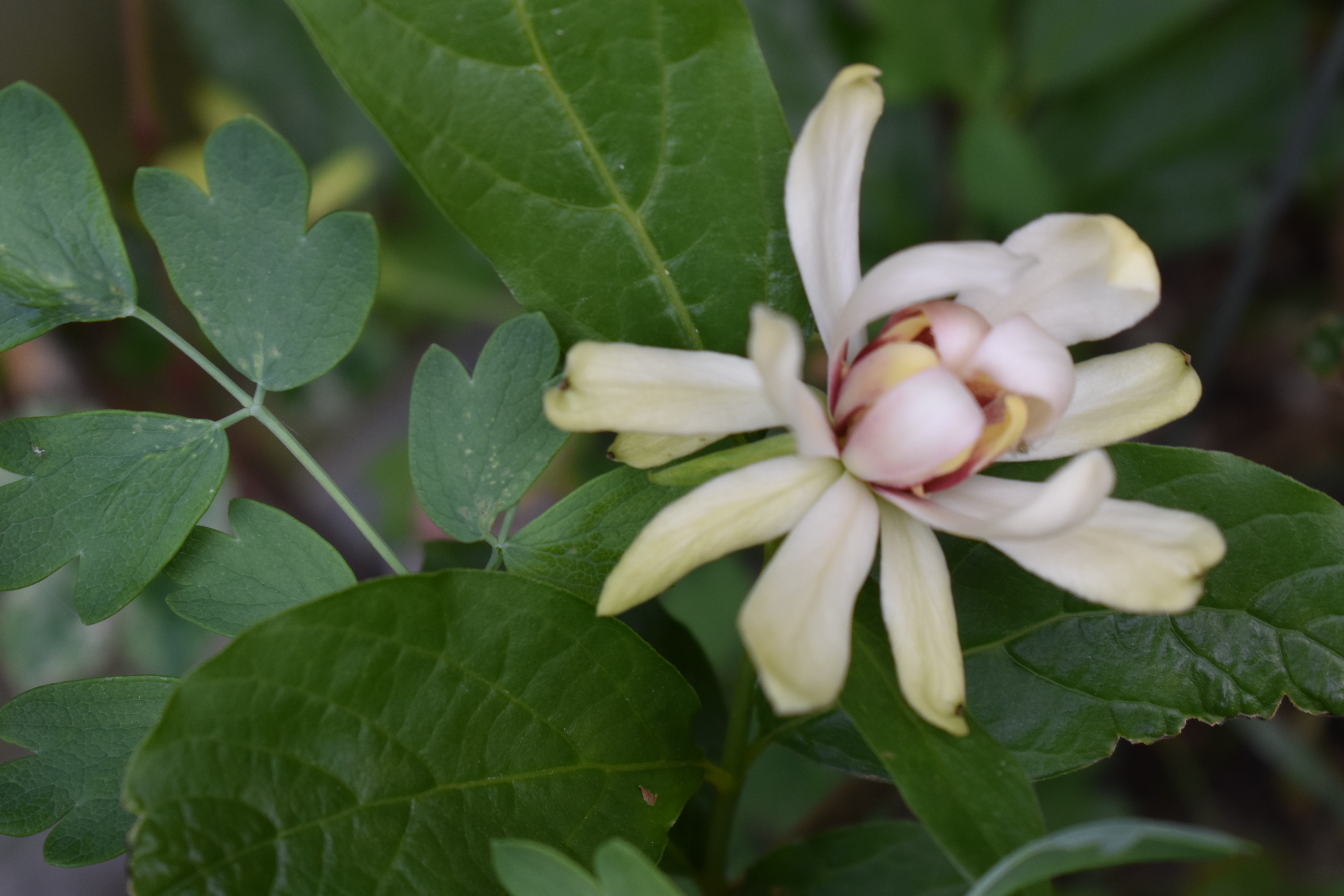
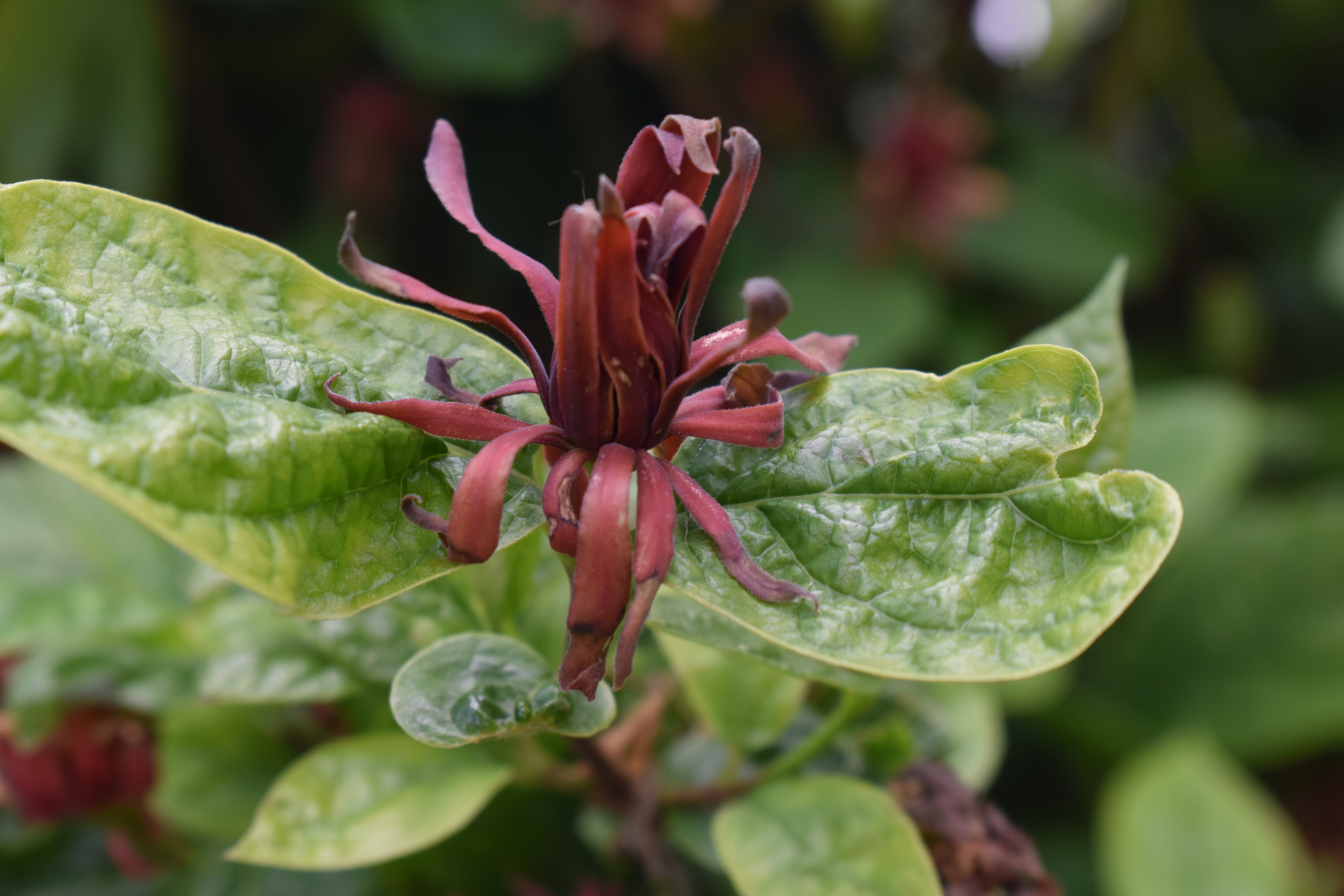
I started my June journal entries by noting that, “Flowering trees and shrubs add so much to the June garden, including several viburnum and three calycanthus.”

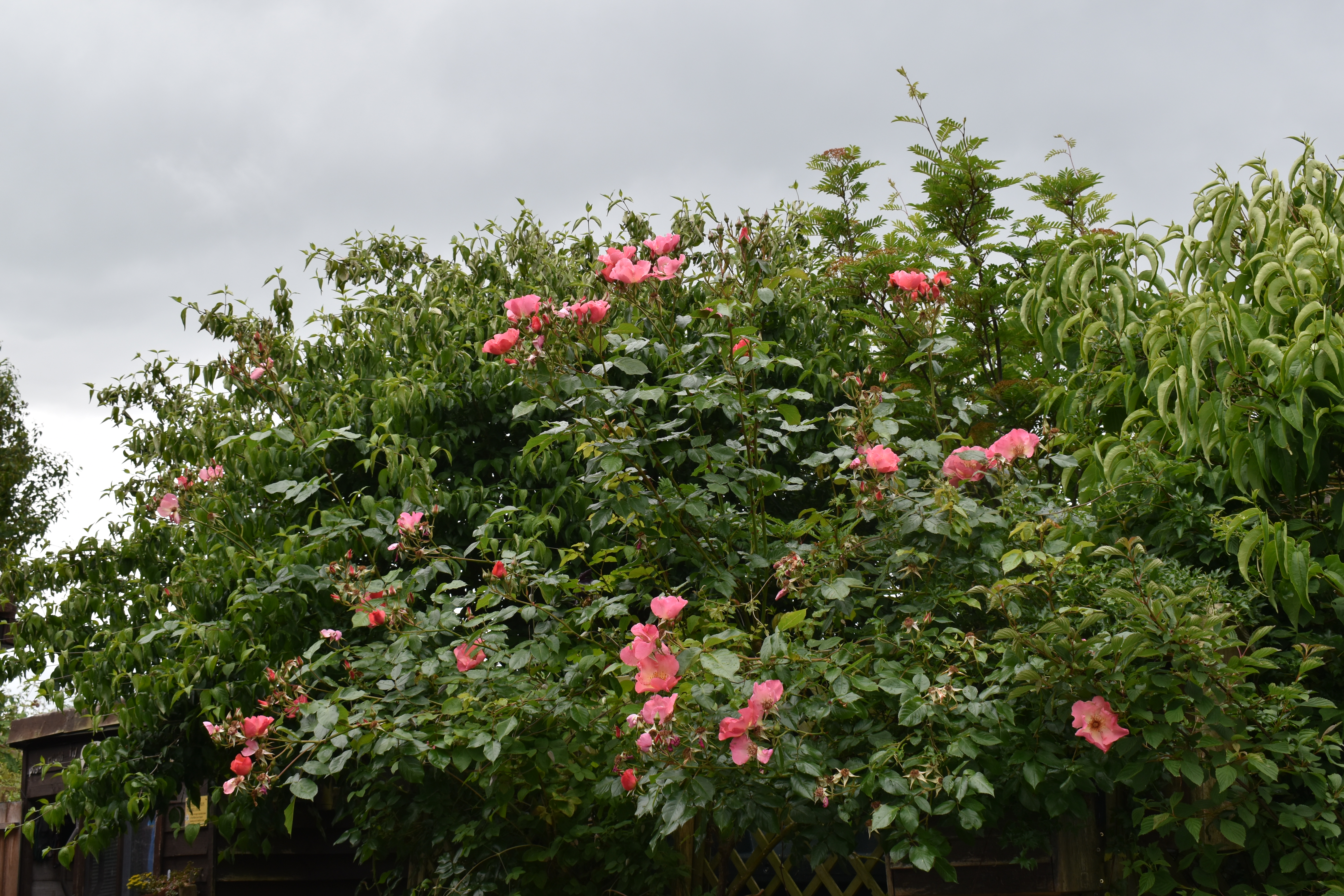
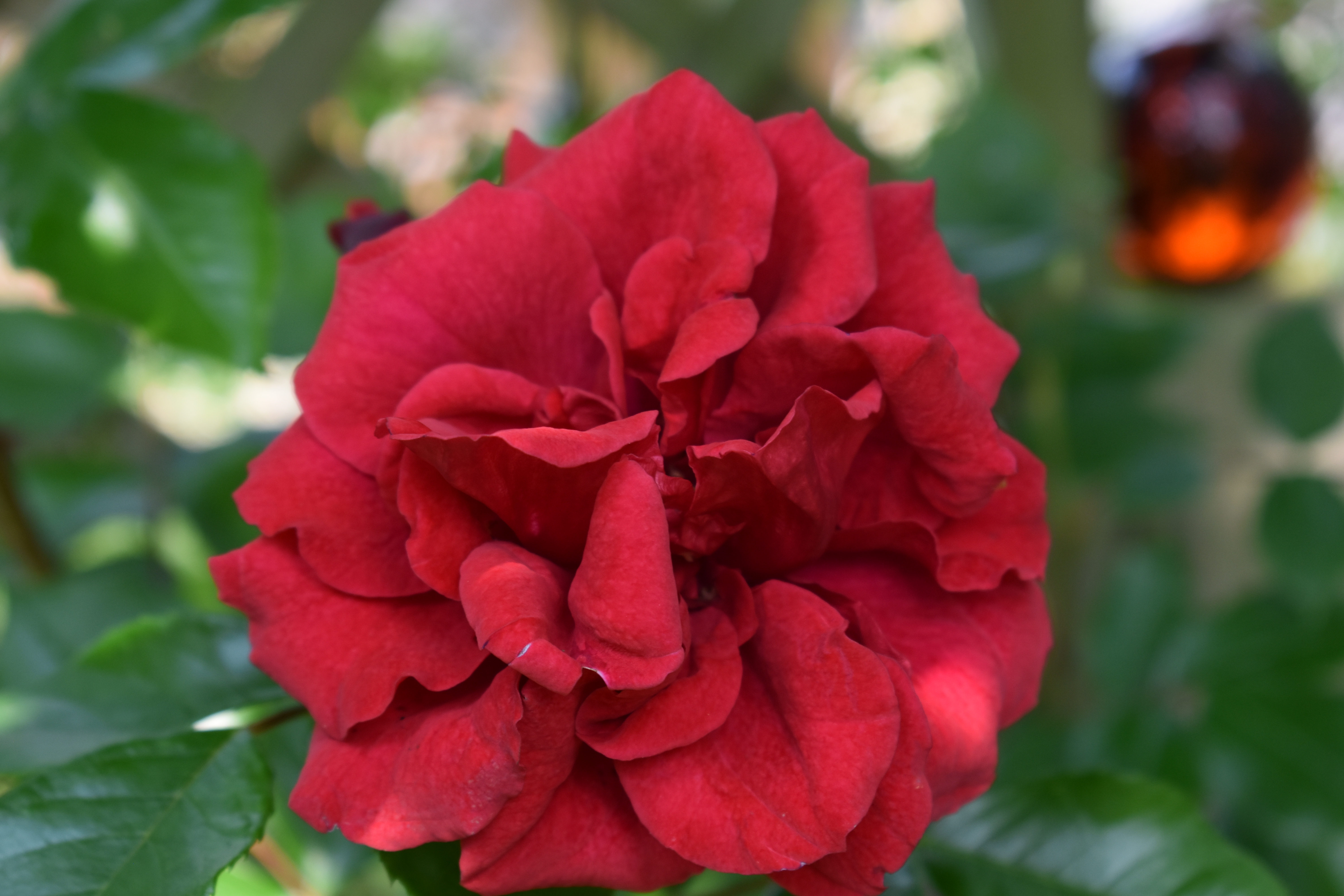
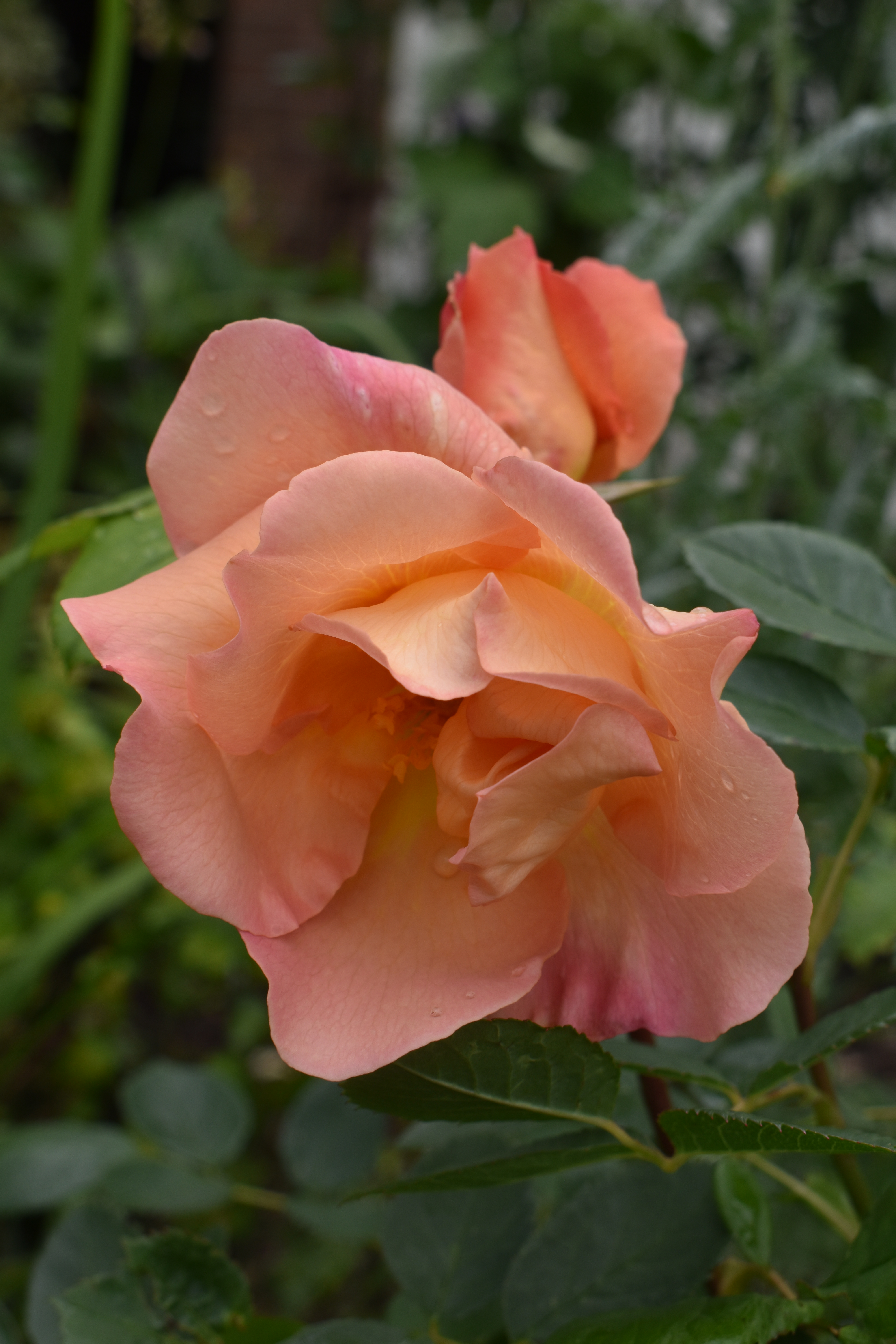
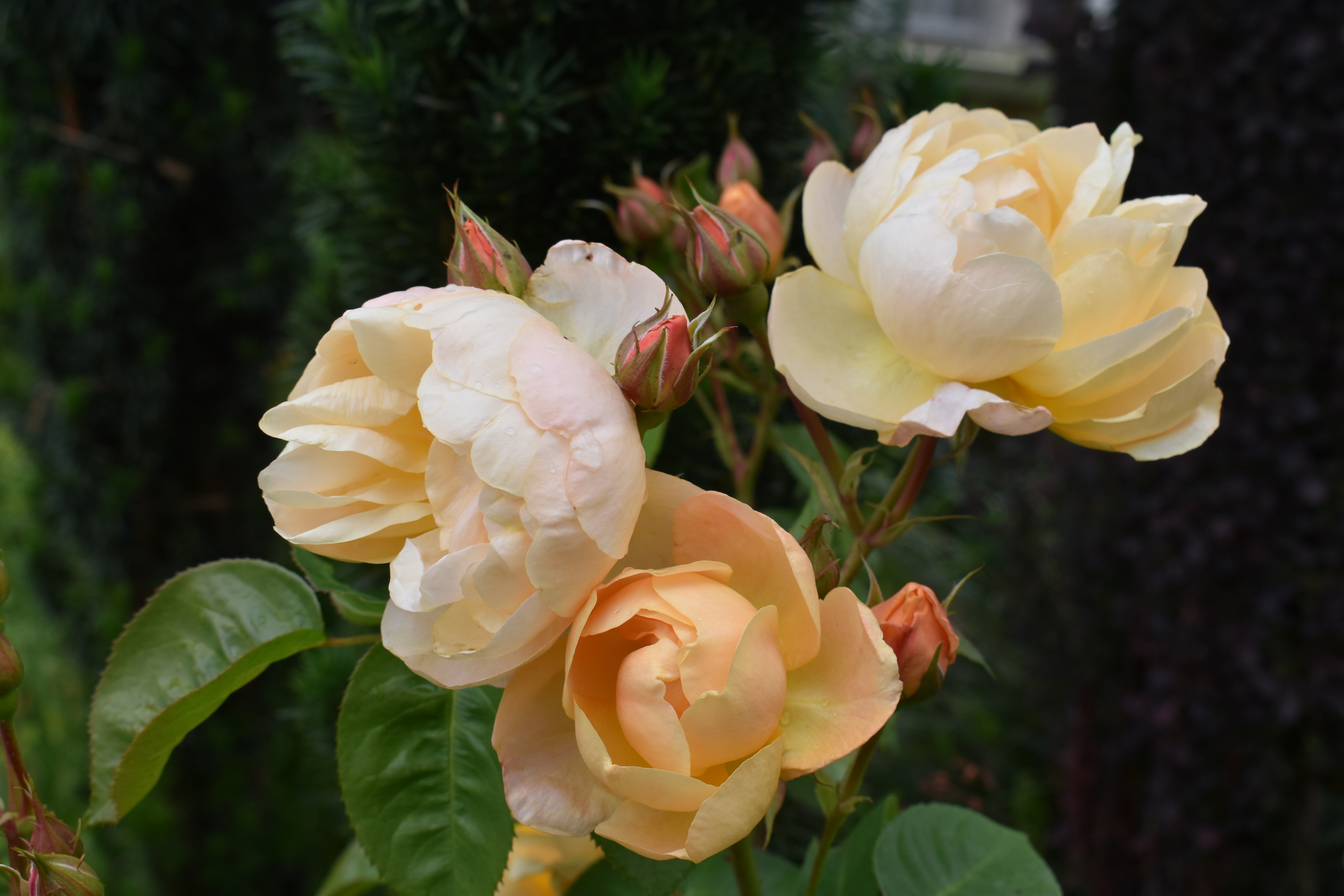
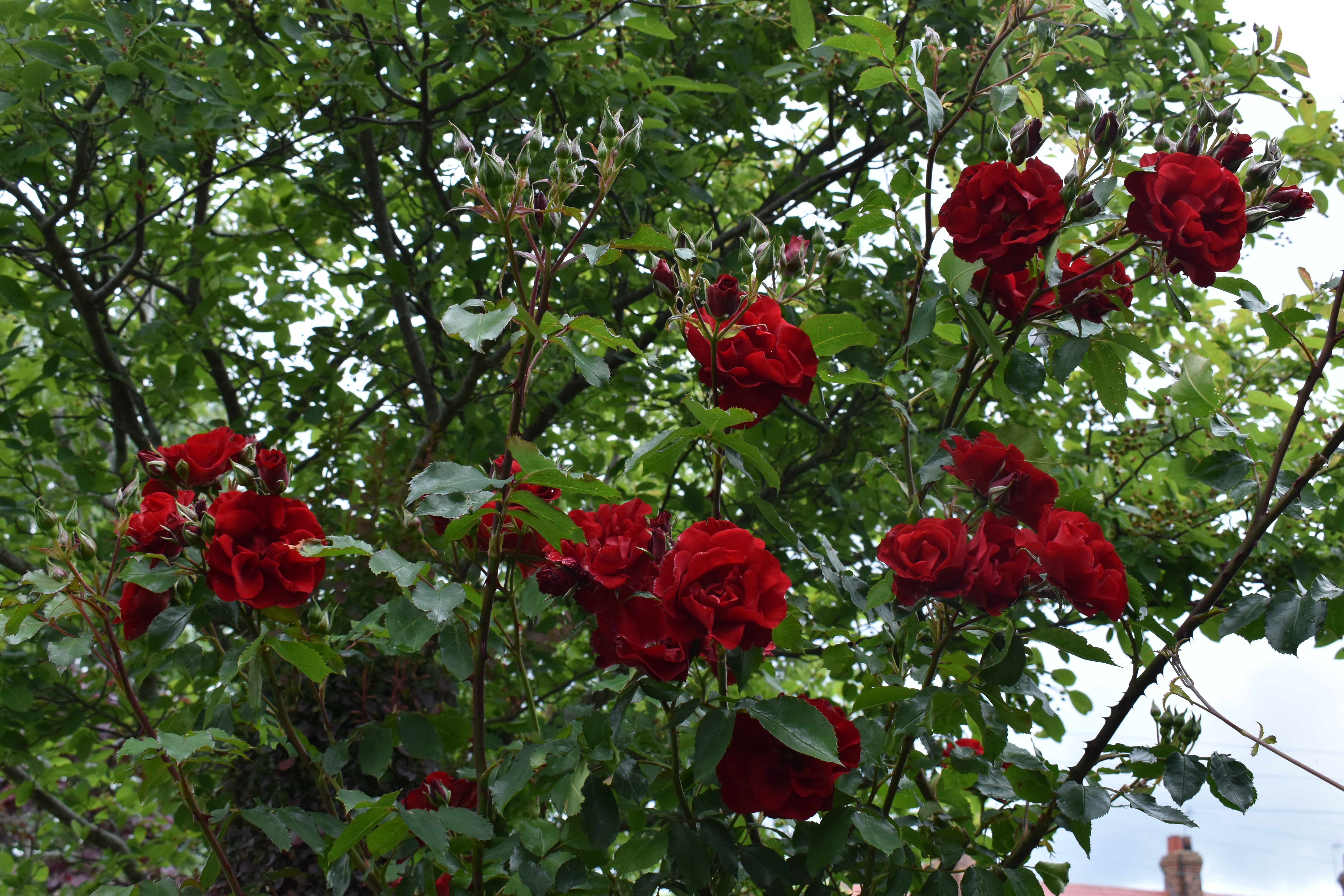
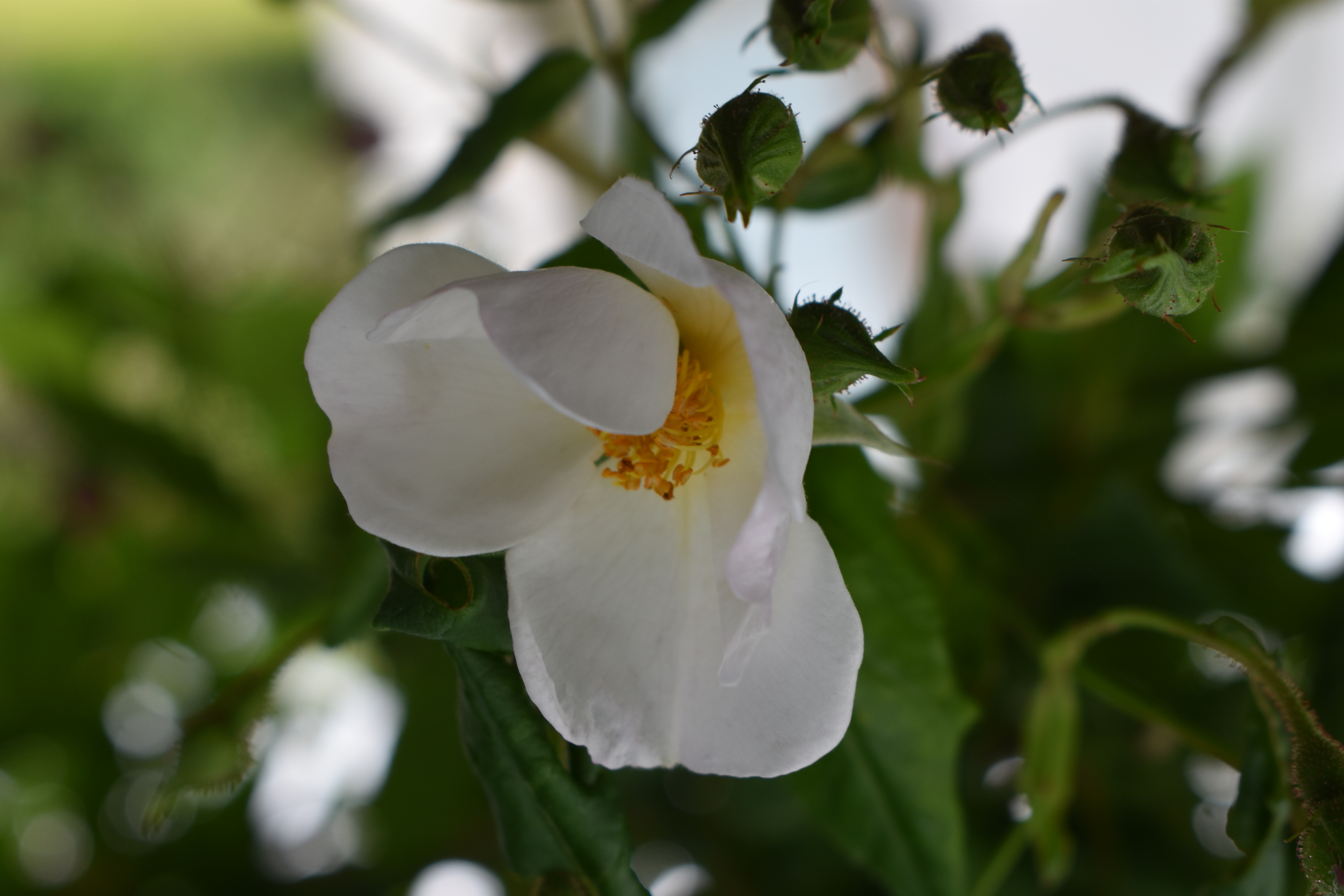
On the opposite page I feature another shrub, the rose and shared photos of those that have come into flower early in June. I wrote, “June 1st is the first day of summer! The weather so far in 2025 tells us that we have already had a little summer. Roses have had another burst of flowering early in June even though some have been in flower since late April.”

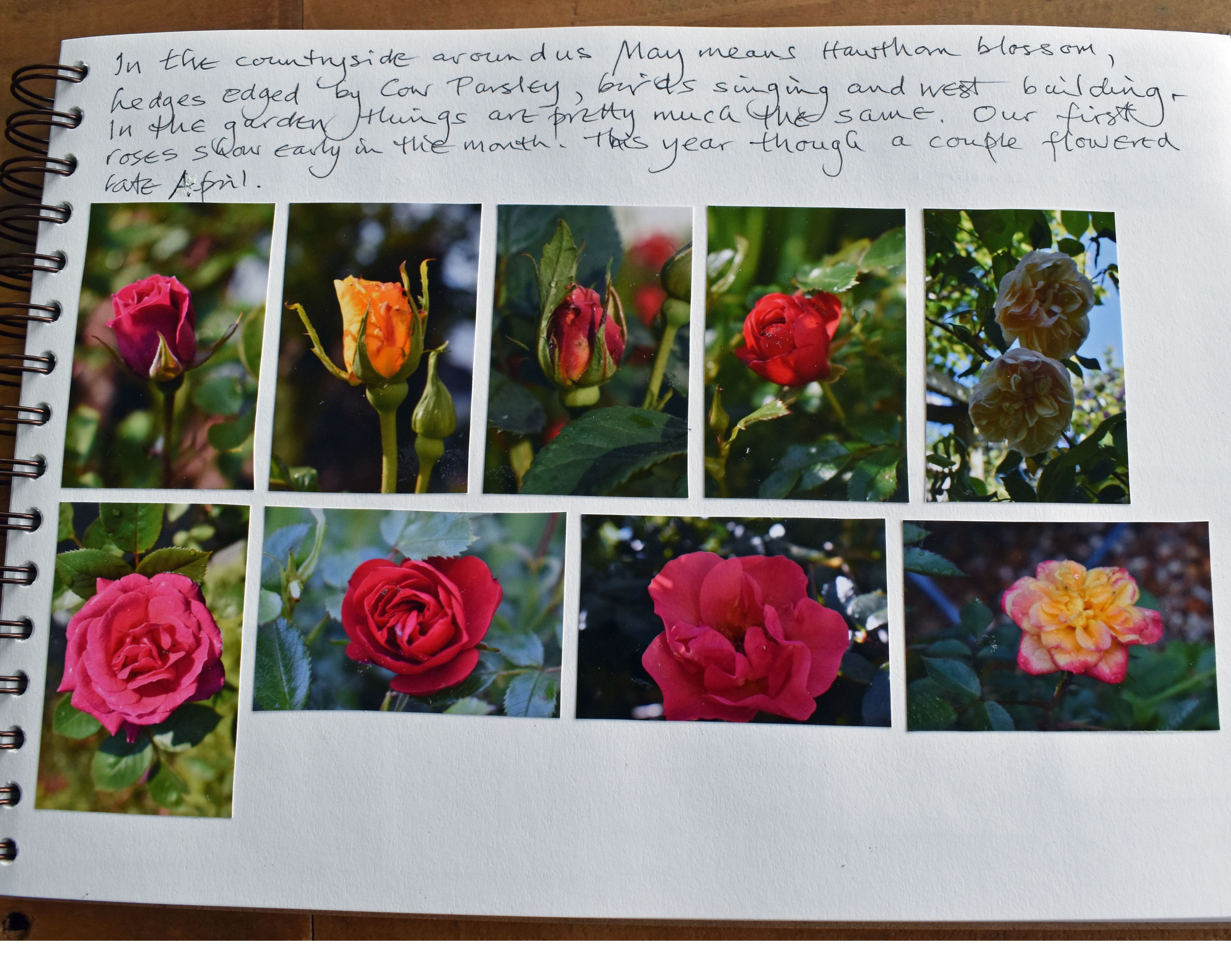
Below are just some of the roses that appeared in early June

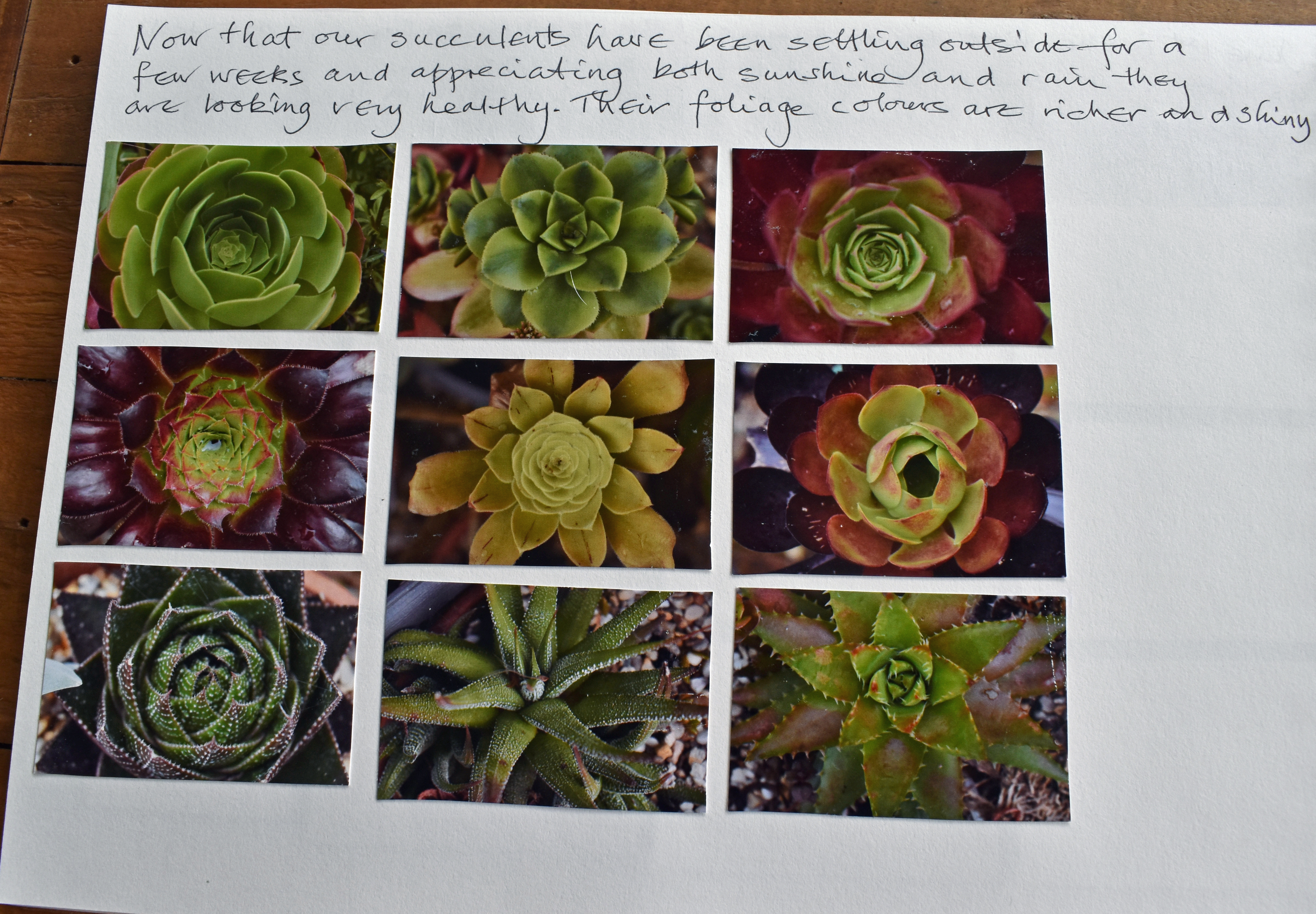
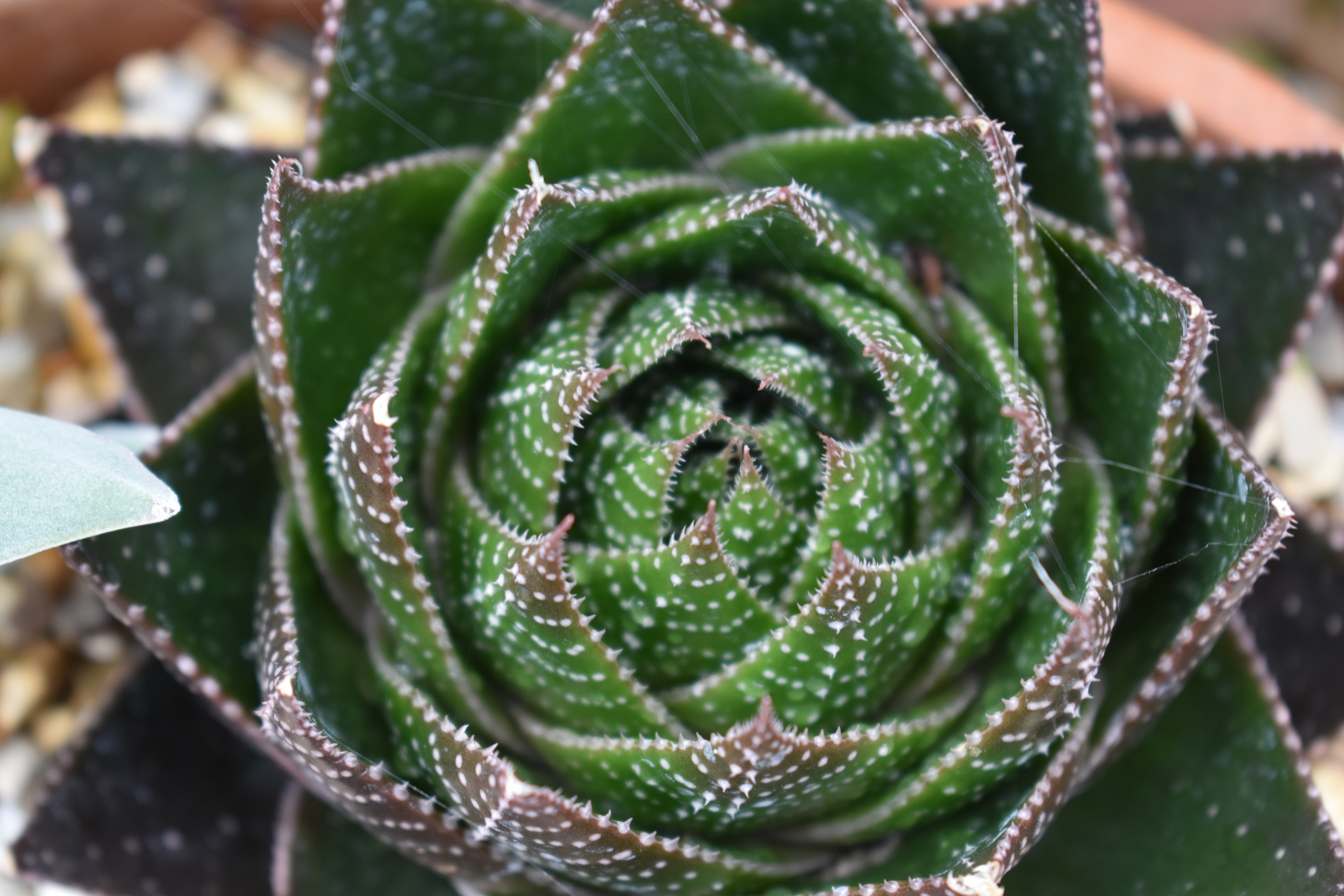
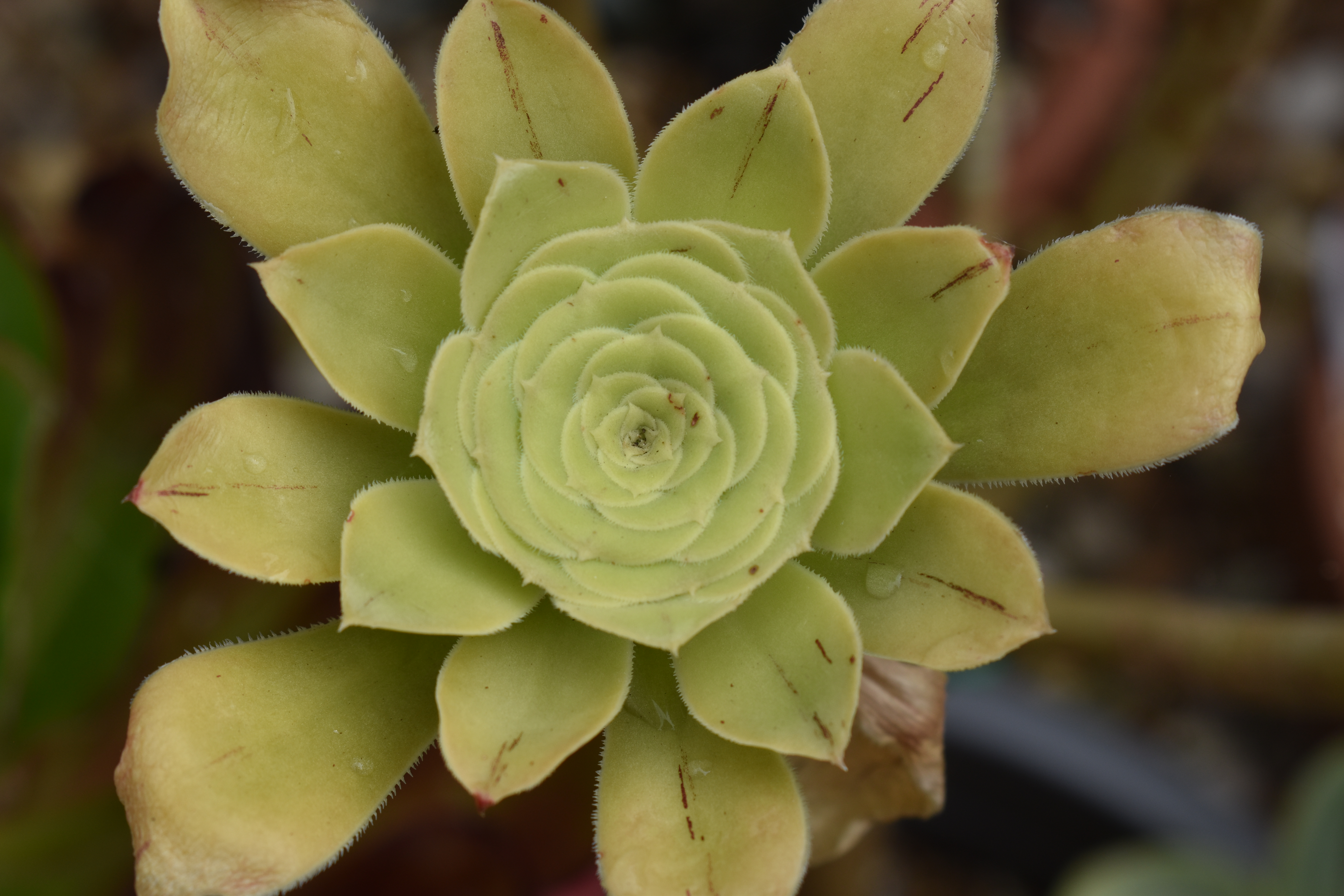
Over the page and we move on from roses to a completely different type of plant, the succulent family. I carried on by saying, “Now that our succulents have been settling outside for a few weeks and appreciating both sunshine and rain they are looking very healthy. Their foliage colours are now richer and shiny.”

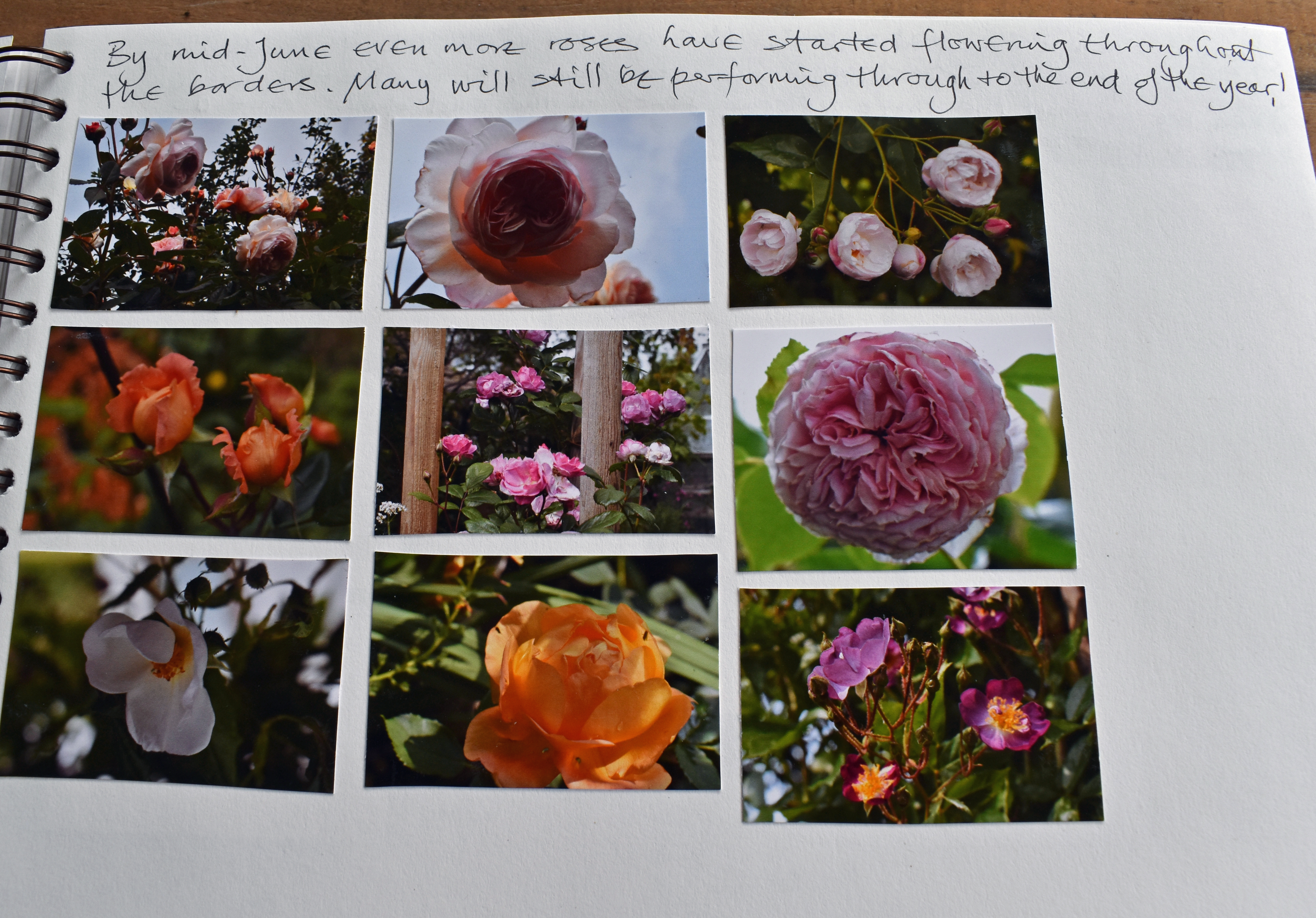
Next I noted that, “By mid-June even more roses have started flowering throughout the borders. Many will still be performing through to the end of the year!”

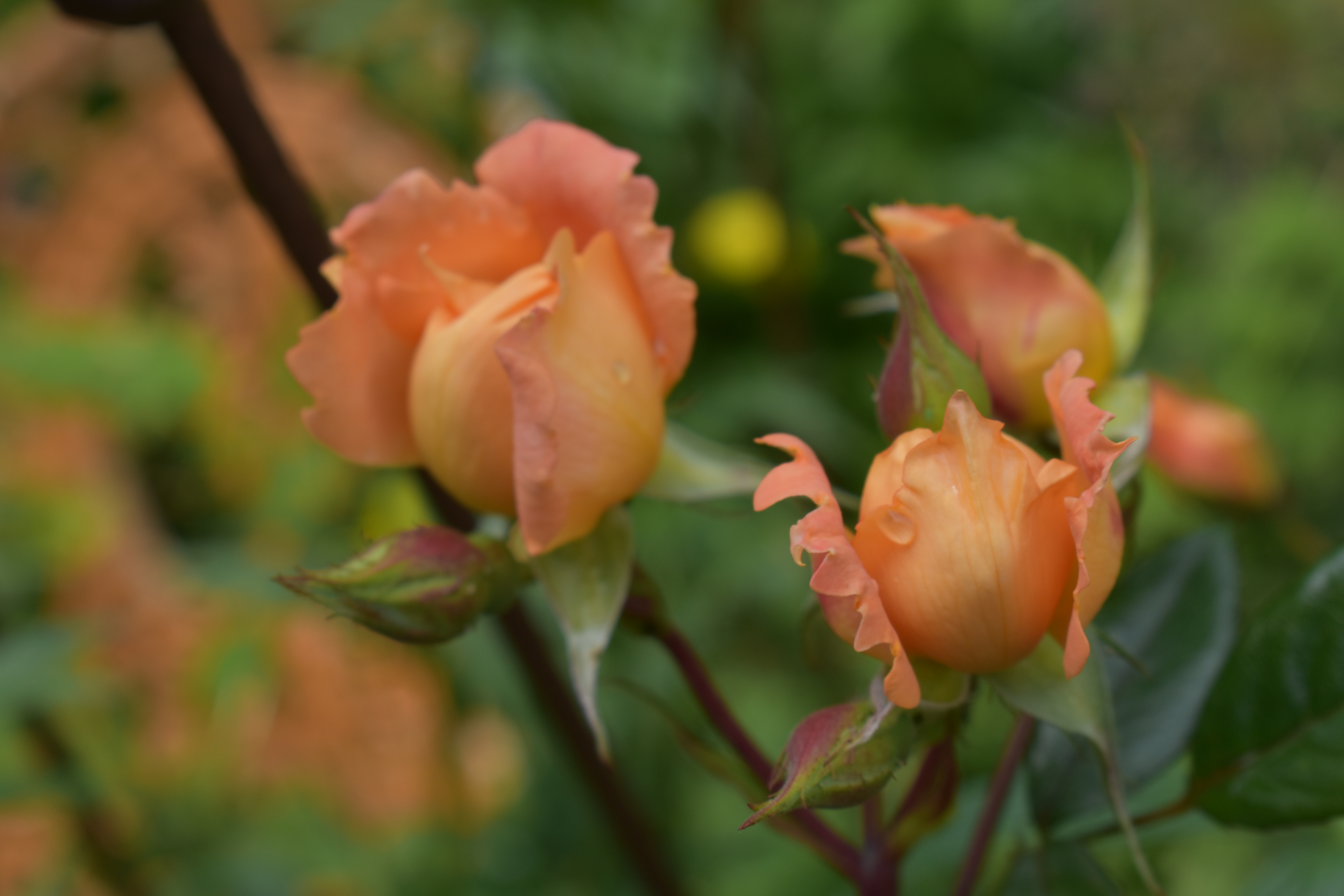
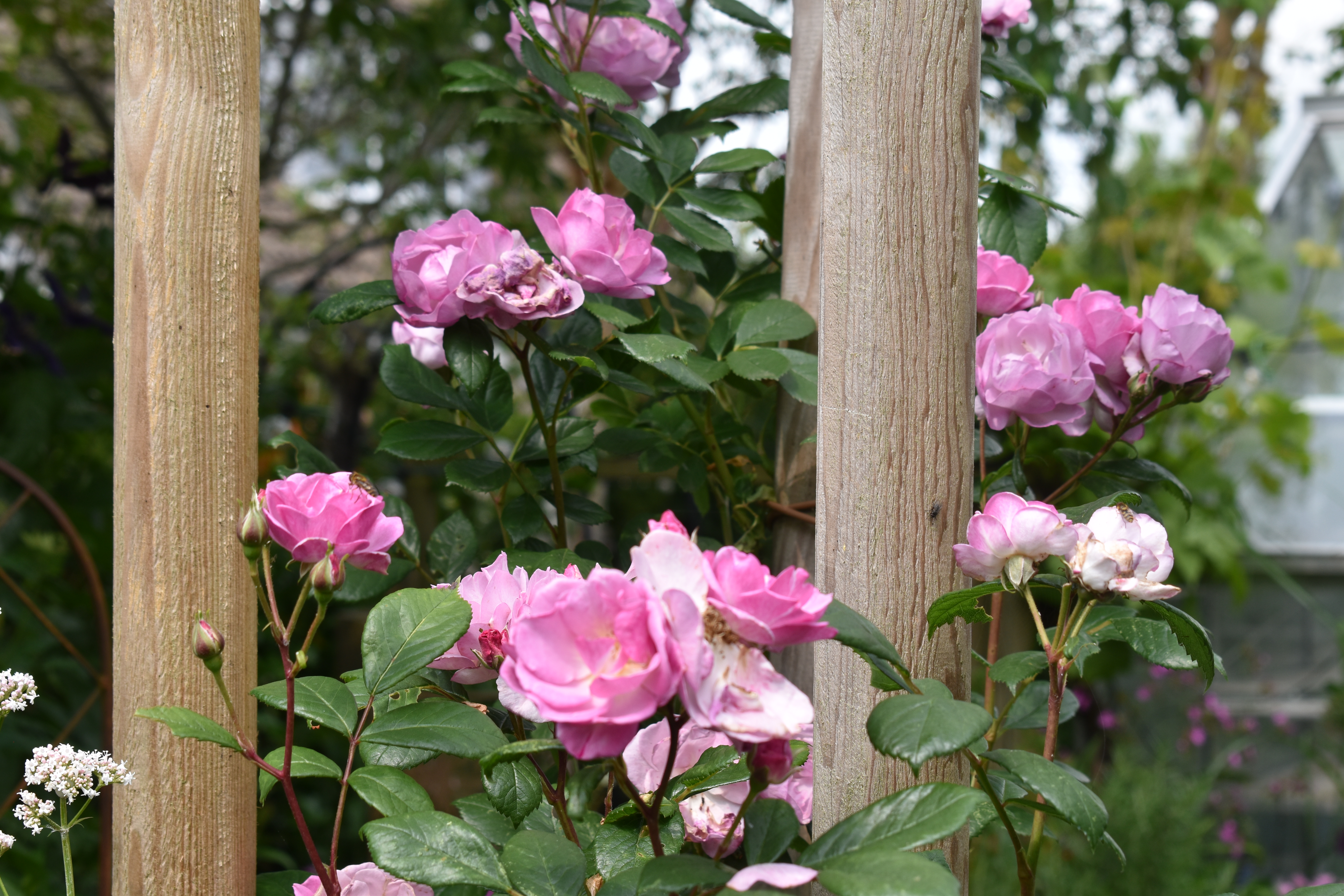
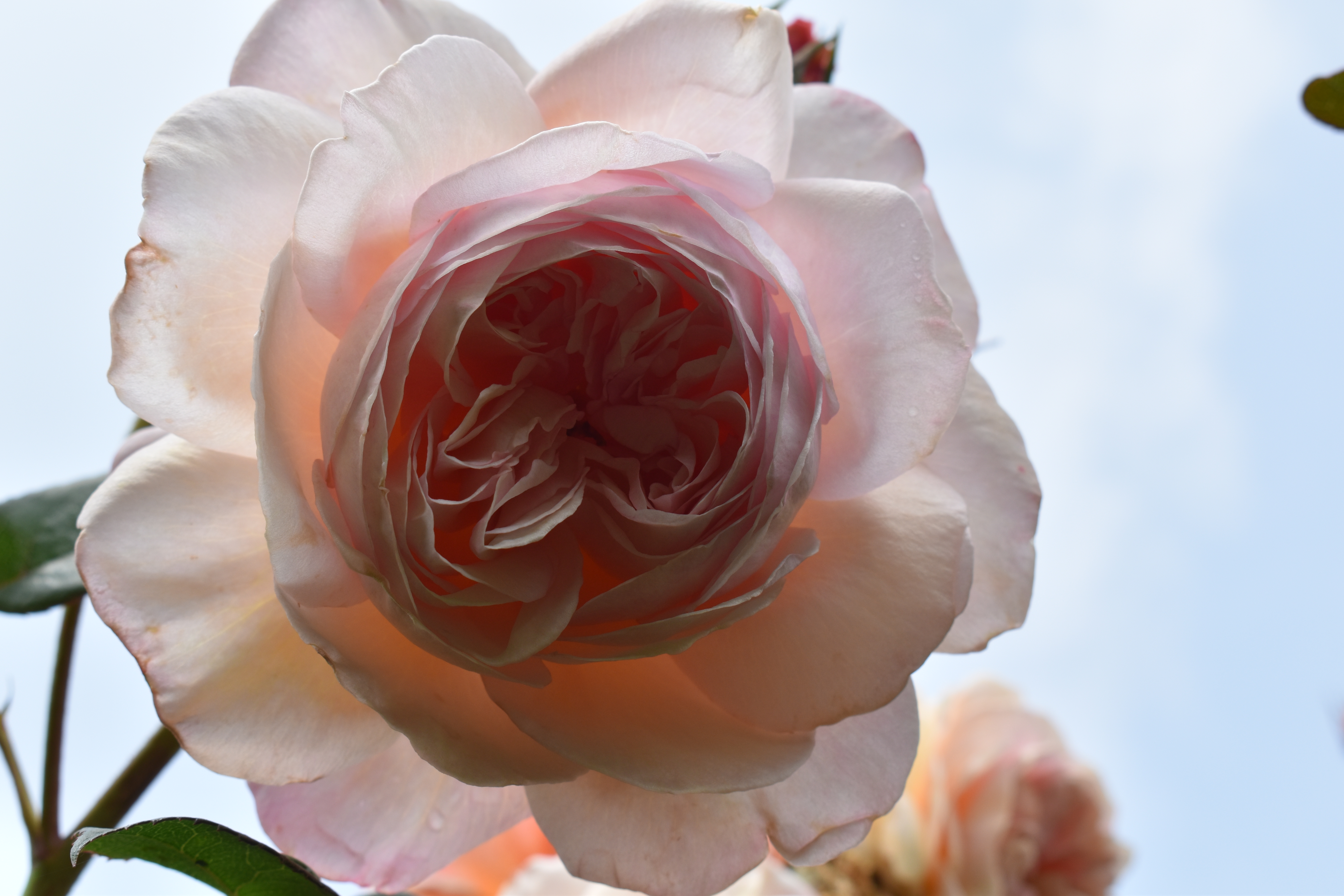
So we now have even more portraits of roses to enjoy.

Every month I look at some of the gardening tasks we set ourselves to get done. I don’t like calling them ‘tasks’ really because mostly we enjoy doing them but it does sound a little better than ‘jobs’. There must be a better word or phrase surely?

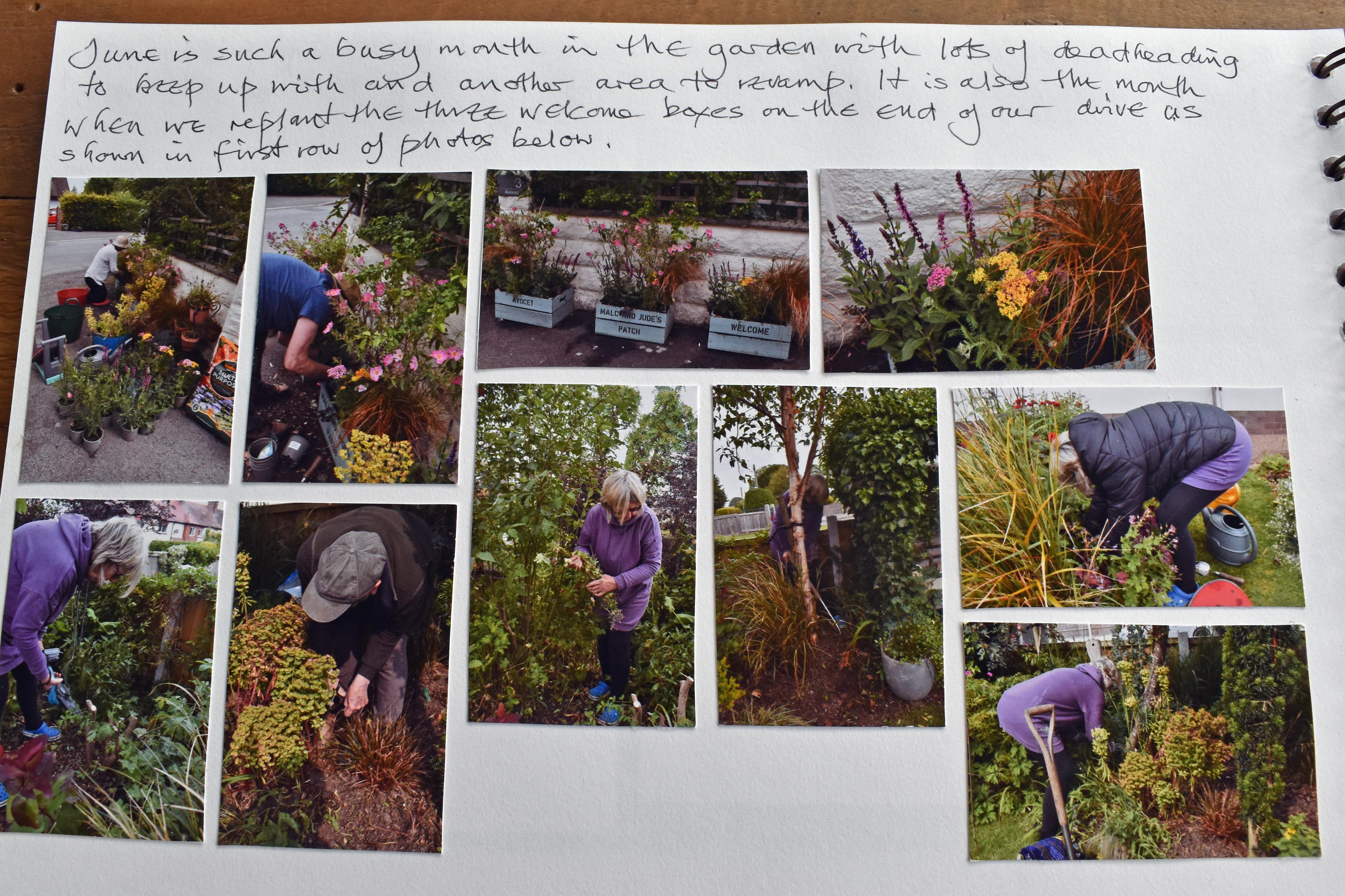
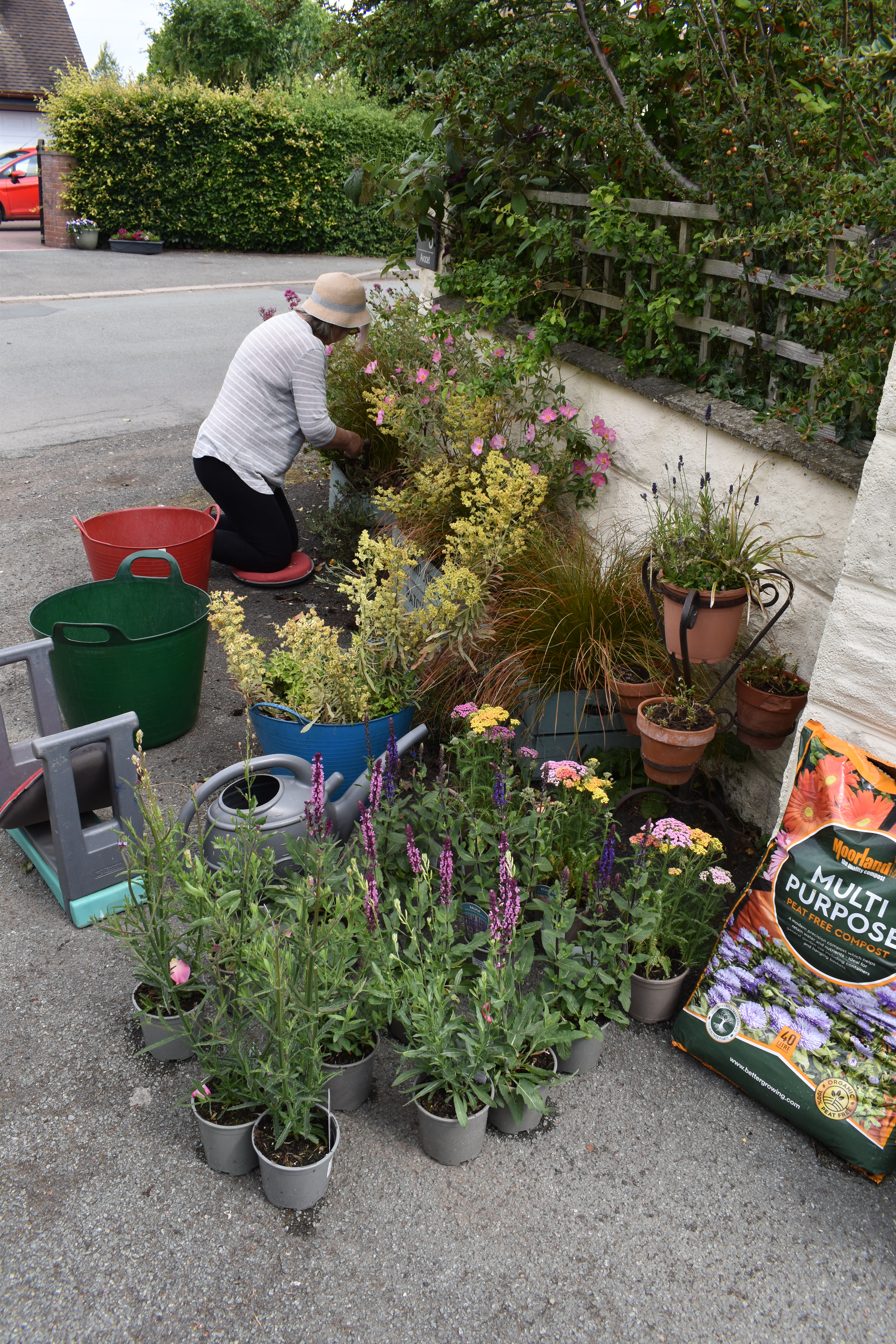
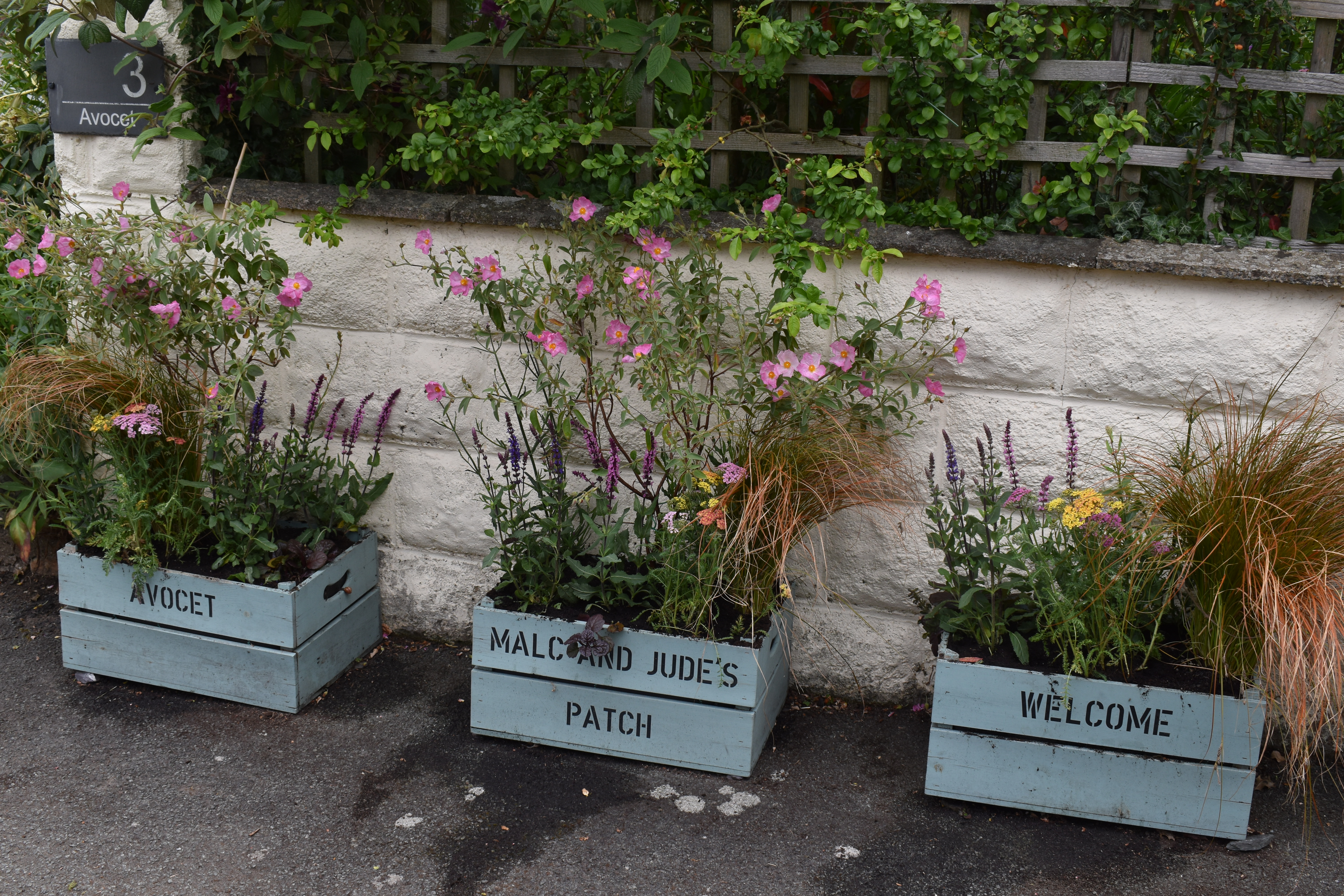
This is what I wrote to introduce the page of photos. “June is such a busy month in the garden with lots of deadheading to keep up with and another area to revamp. It is also the month when we replant the three welcome boxes on the end of our drive as shown in the top line of photos below.”

The set of photos below show us heads down getting busy in the garden.

Our garden wildlife features on the penultimate page of my June journal entries, where I wrote that, “Wildlife features strongly in the June garden, but all sorts of bees seem to be in short supply this year. Ladybirds have come to the fore after a slow start this summer and alongside their larvae they are voracious predators of aphids whatever colour they come in. Young blue tits join them seeking out especially green aphids off our rose flower buds and soft stems.”
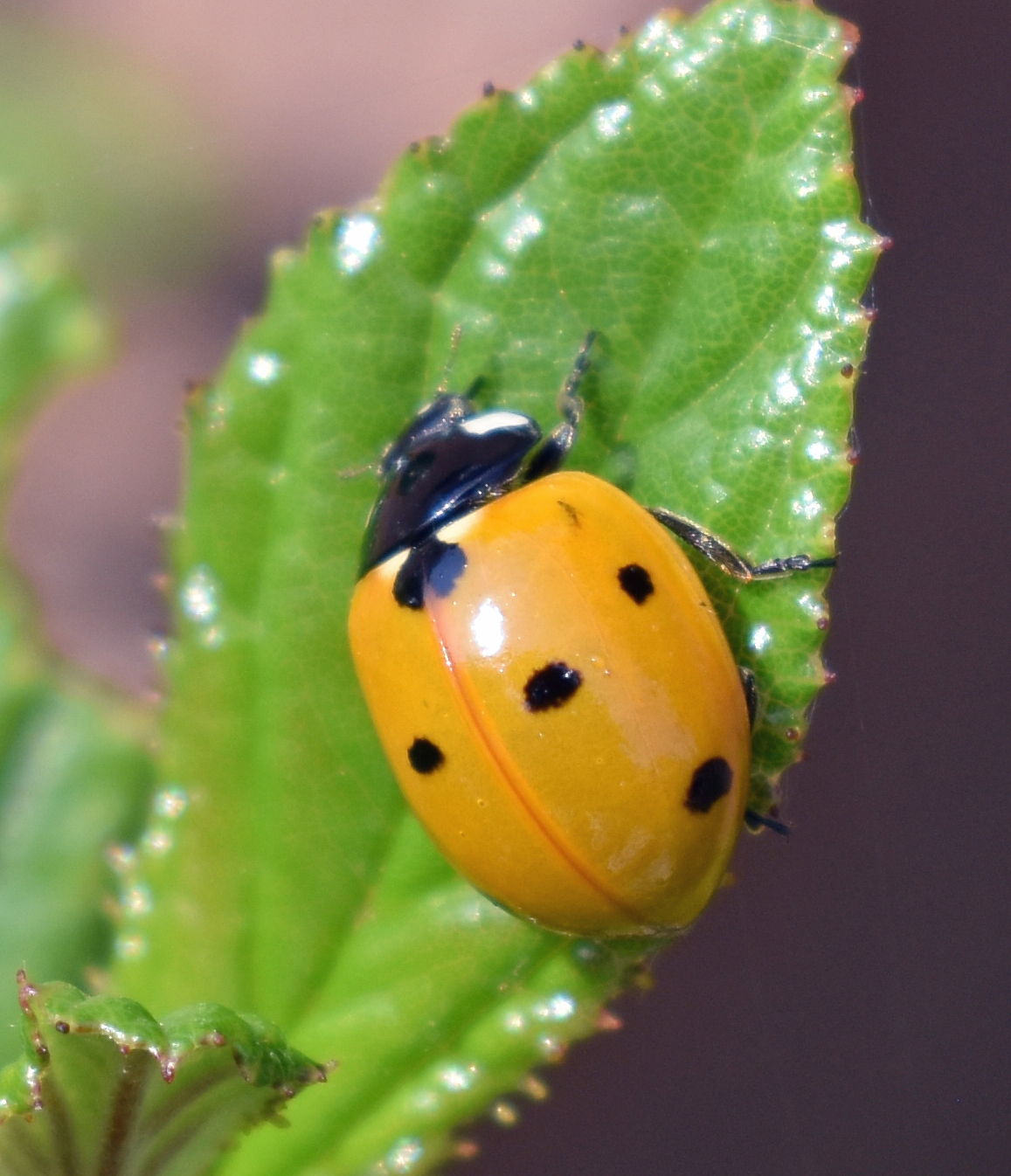
The three photos below show a hoverfly, redcurrants for blackbirds and blackcaps and a 5-spot yellow ladybird.

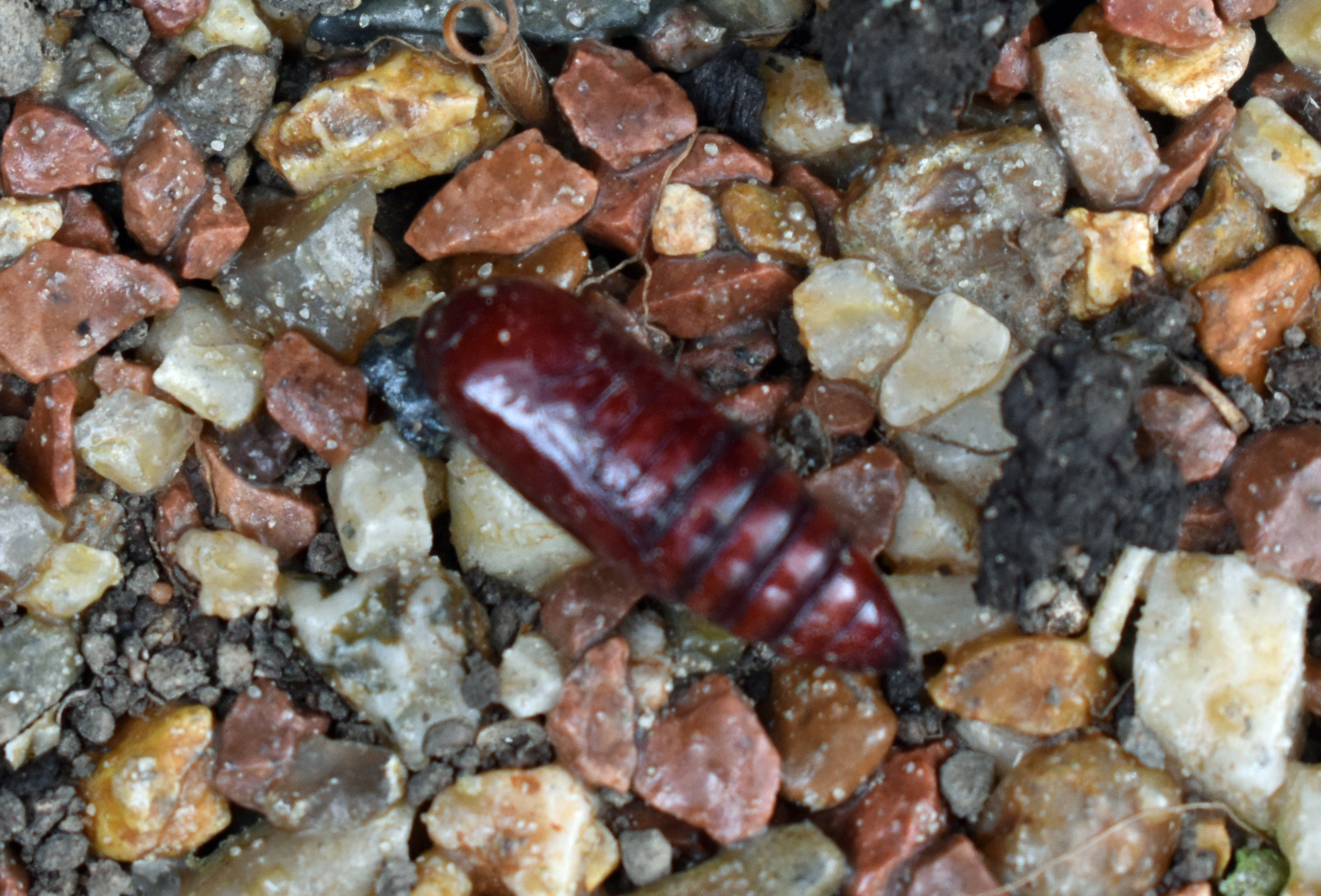
Below we have a moth pupa and a Scarlet Tiger Moth.

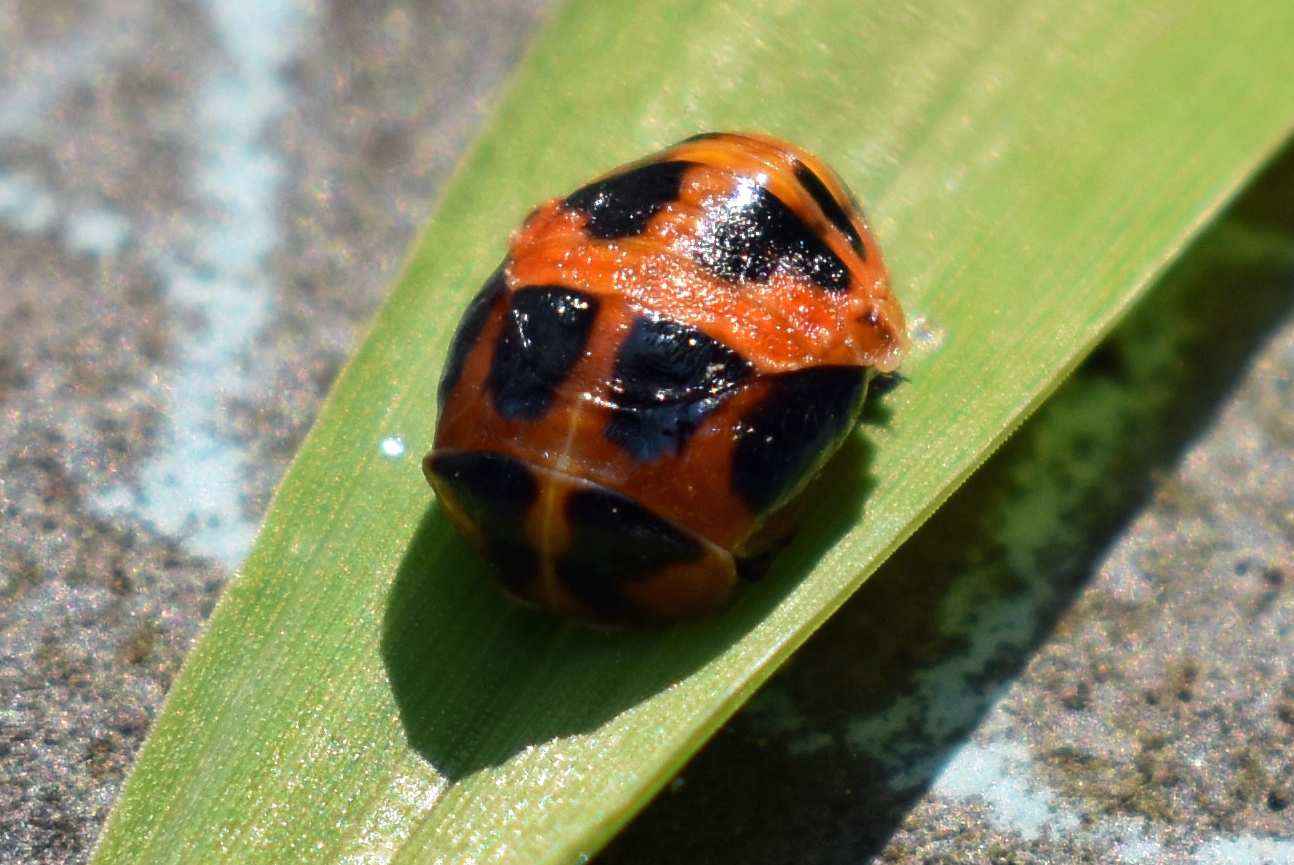
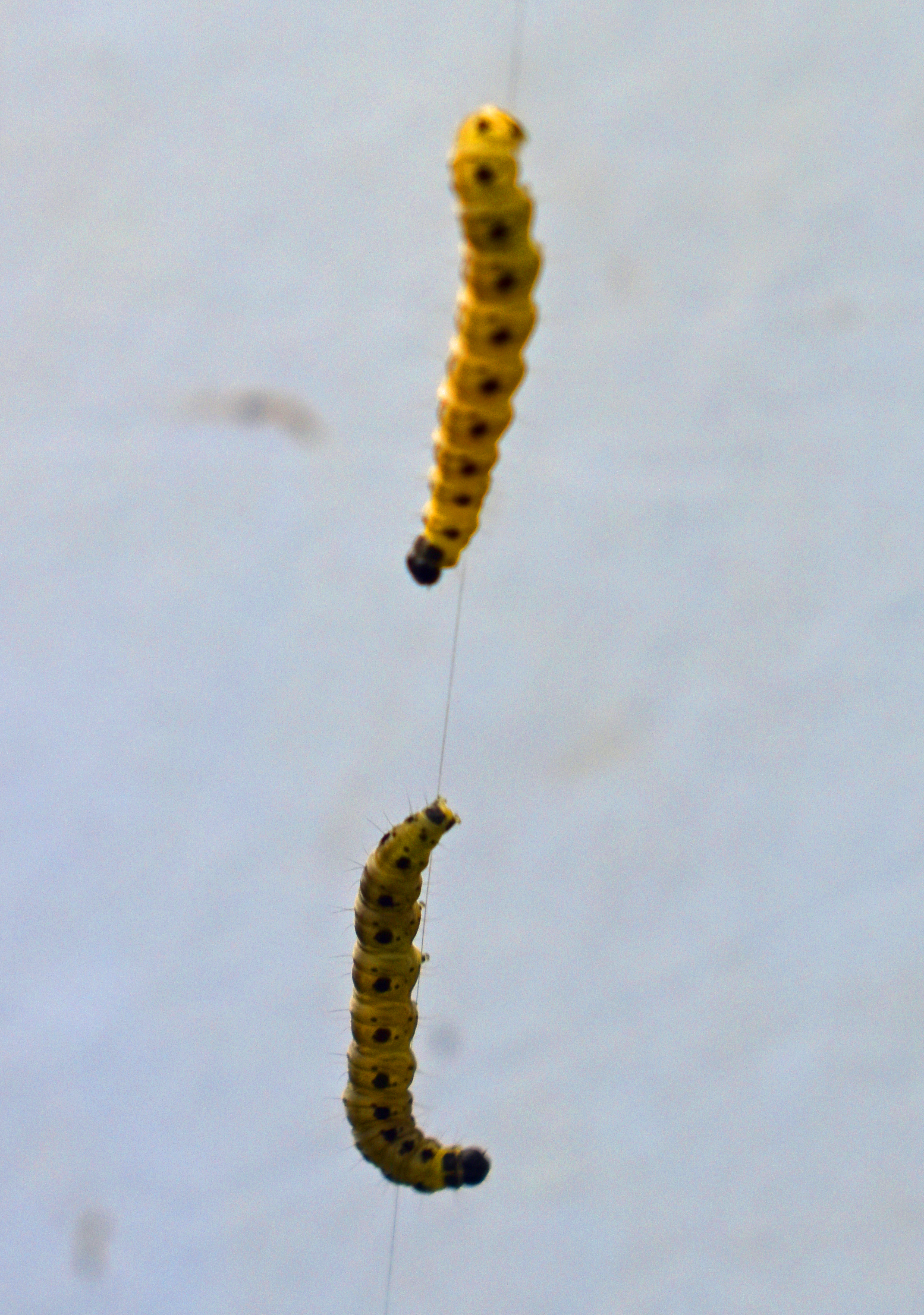
The two photos below show a ladybird larva and caterpillars on silk threads.

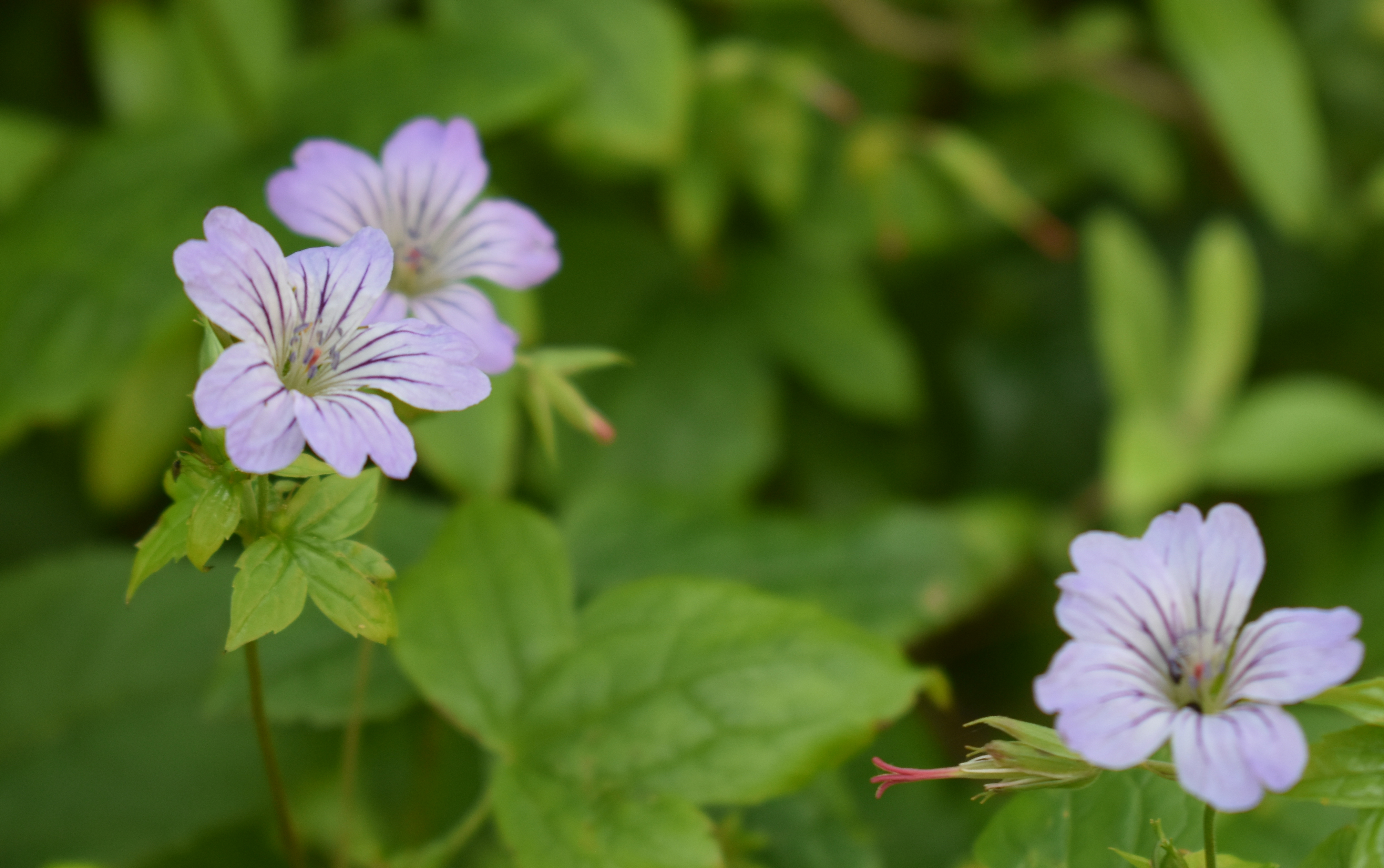
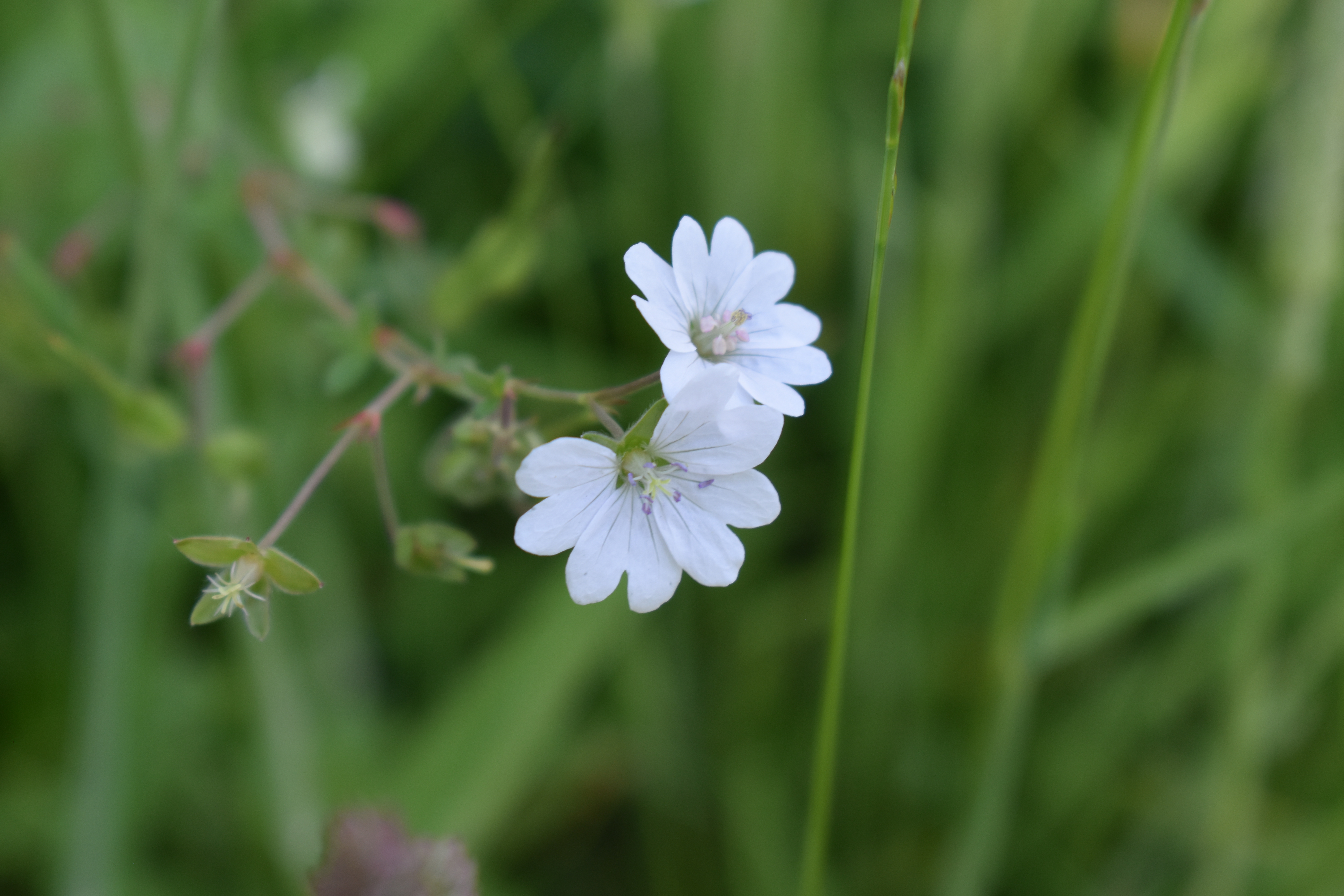
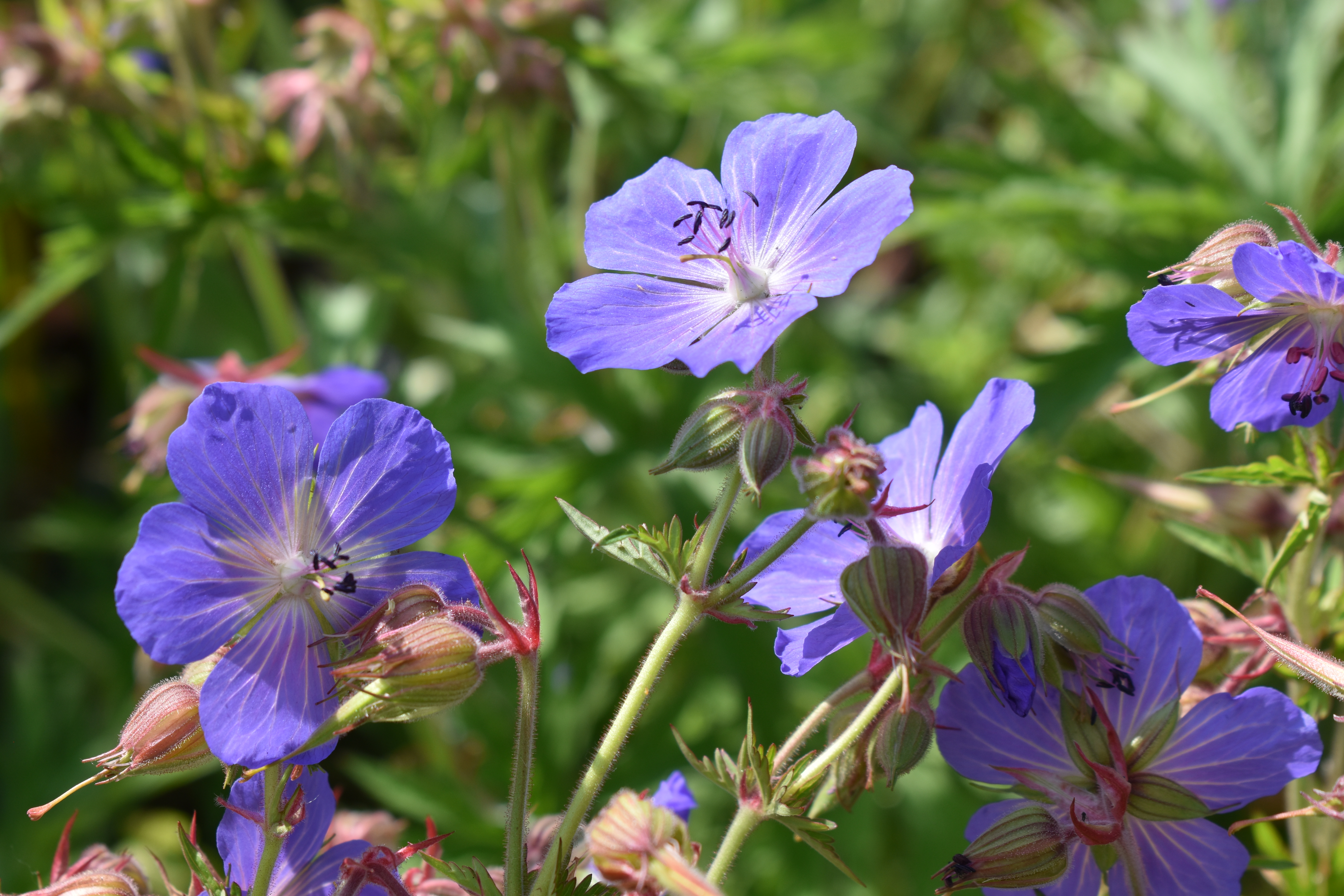
For the last page on this month’s journal we look at a selection of our many hardy geranium. Here I noted that, “Now is the time when the garden shows off its perennials and one of the most colourful being the hardy geranium. We grow so many of them, from white to pink to blue and every hue in between. Some also have shades of purple, mixing pinks and reds.”
That is it for my June garden journal. We will be back at the end of July.
Categories
Uncategorized

The Wooded Slope at Croft Castle

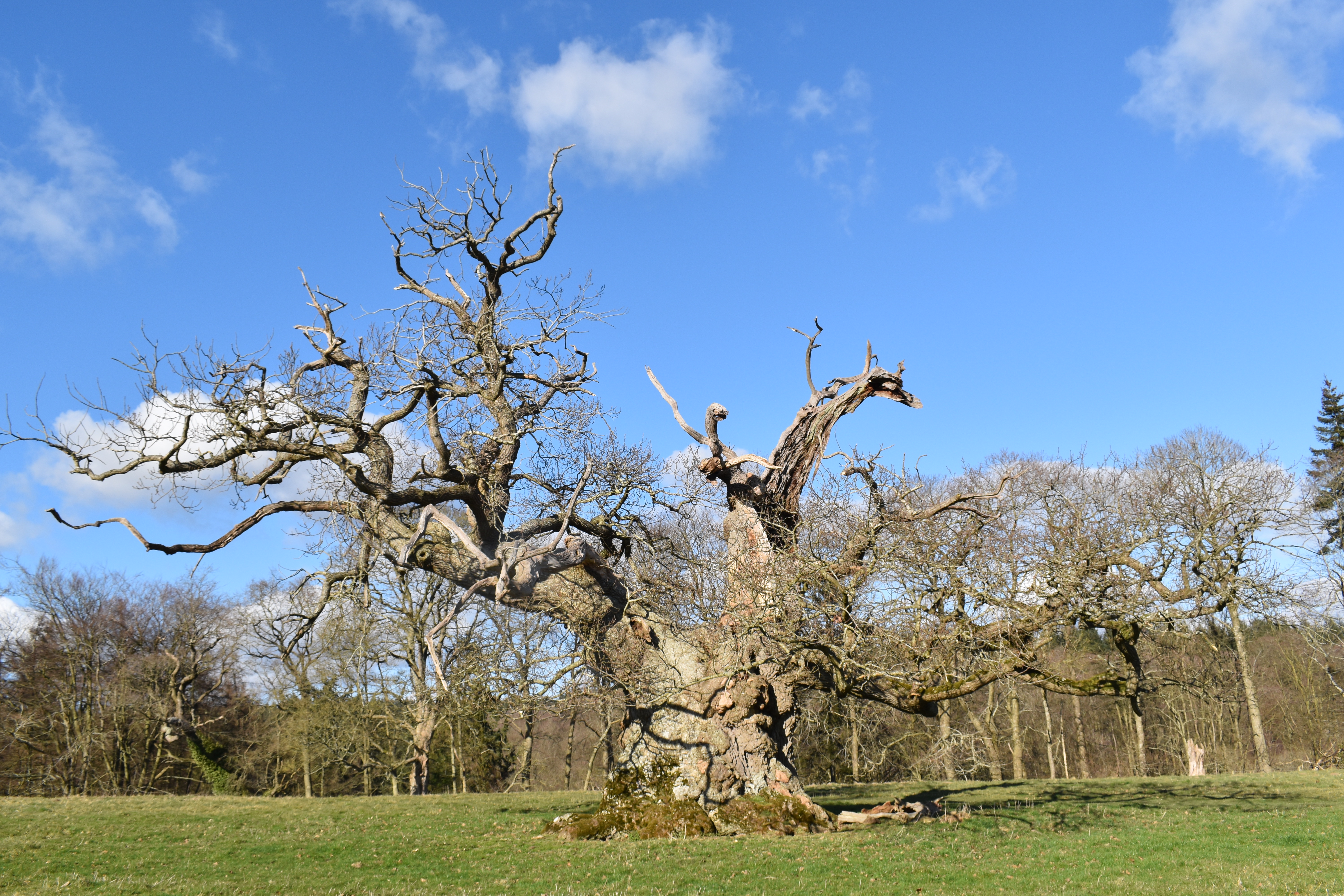
Following on from our wanderings around Croft’s walled garden we made for the upward sloping land where vintage trees grow. The first photo shows an old oak with conifers in the background.

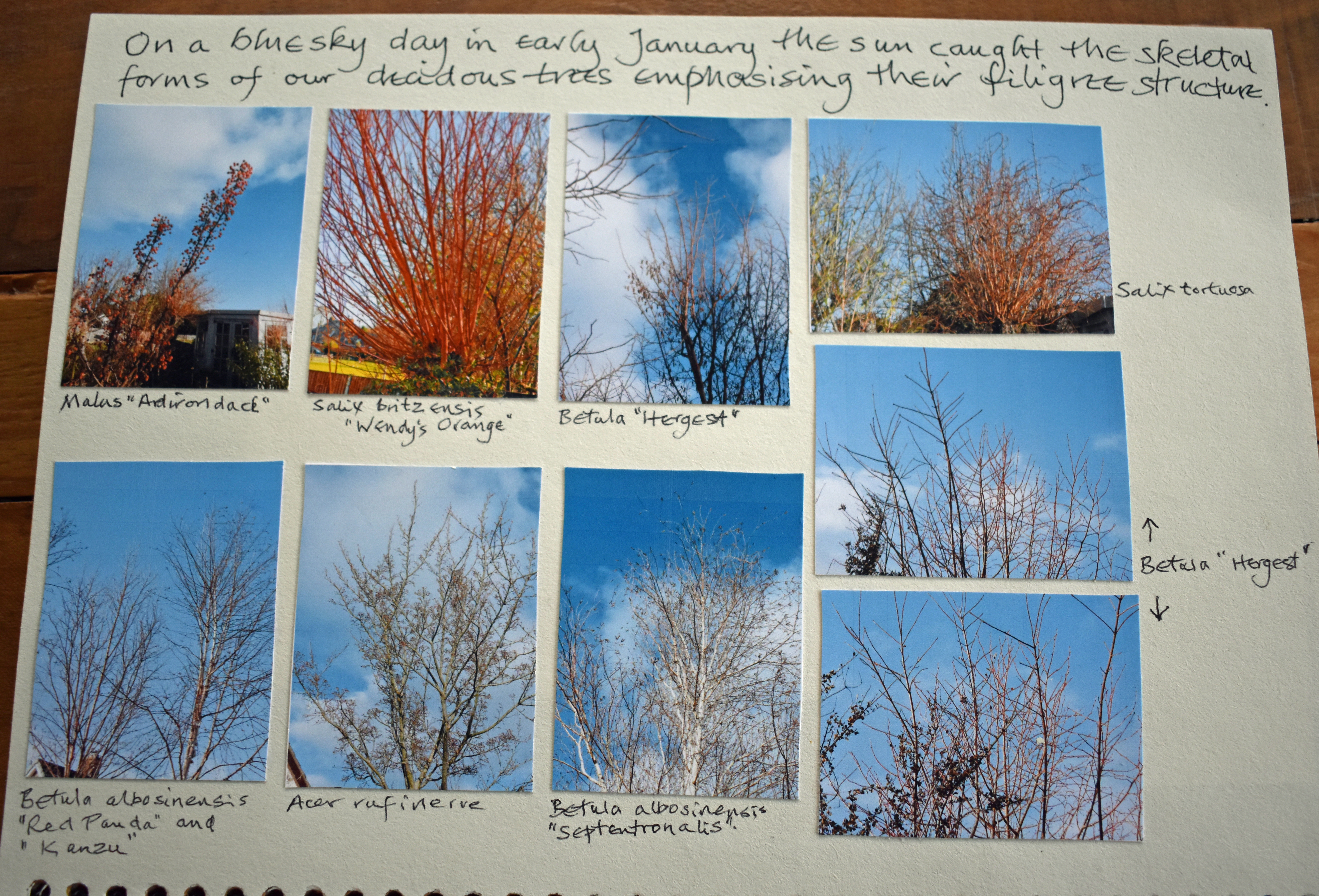
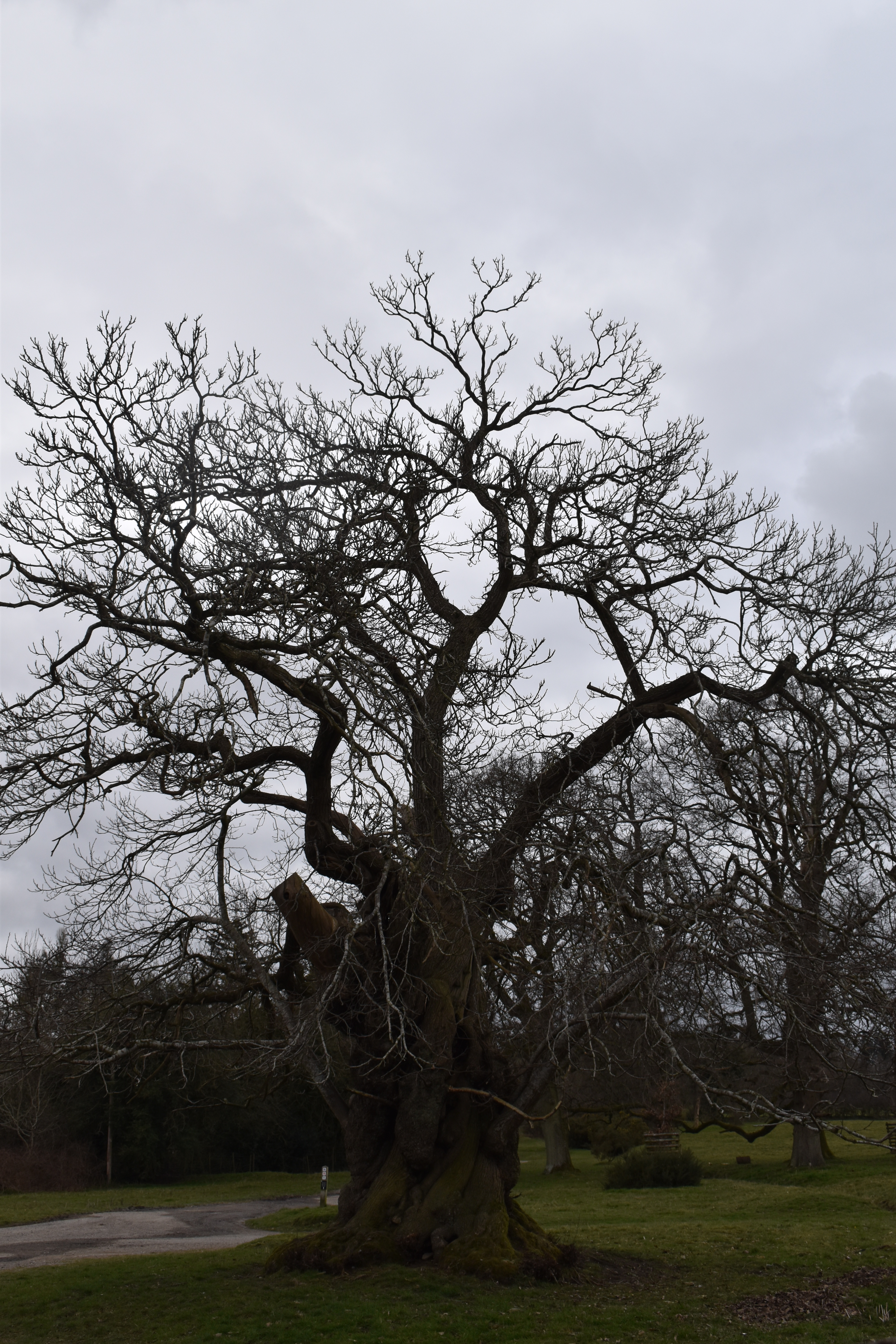
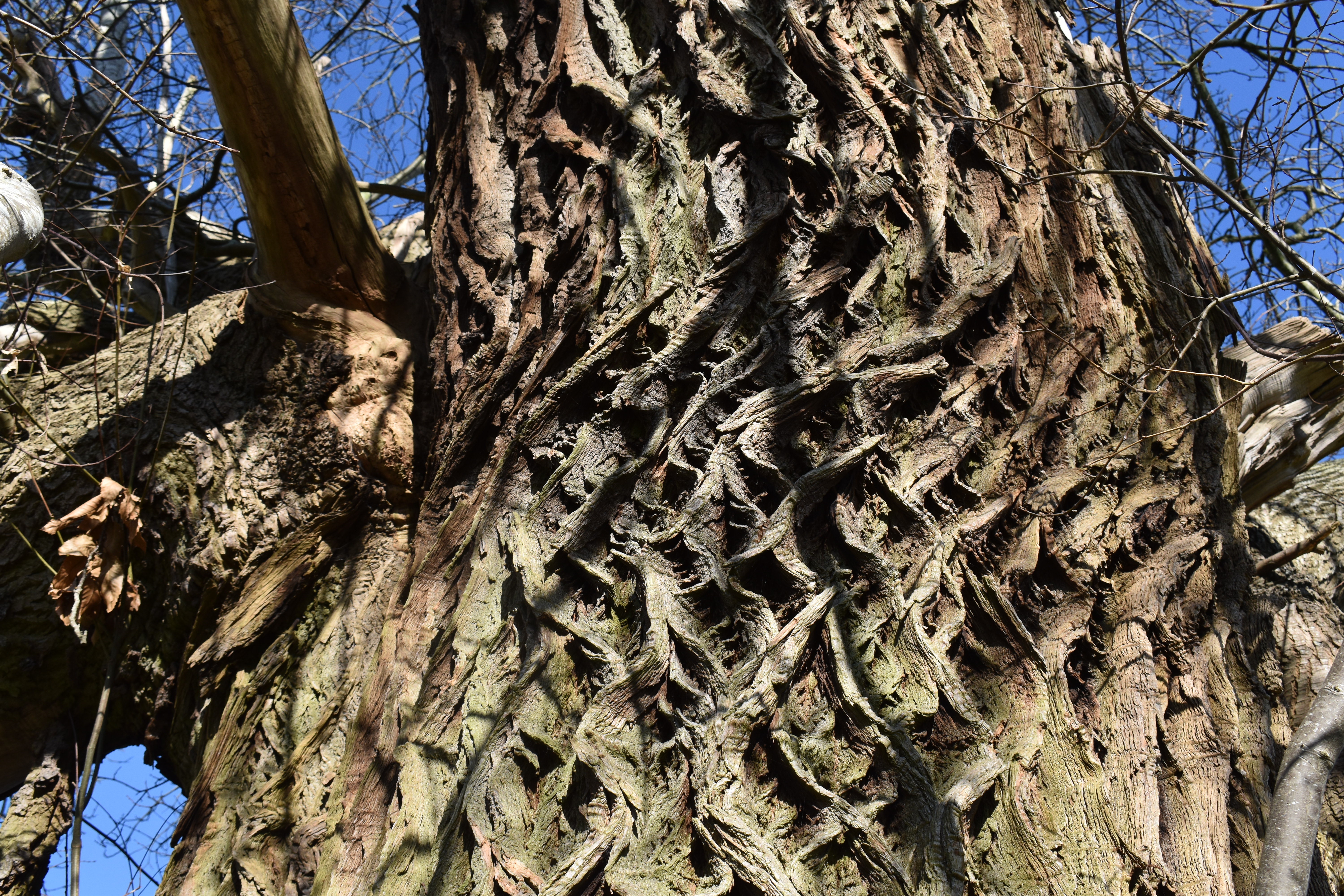
As you can see it was a beautiful sunny, blue sky day ideal for highlighting the textures of their bark and looking up through the bare skeletal filigree patterns of their bare branches.

The first few trees we looked at were close to the cafe, one has virtually no branches or boughs left. The weather initially was overcast with clouds moving rapidly but soon gave way to a luscious blue.

From the five barred gate at the bottom of the hillside we could survey all of the trees and chose the one shown below to look at first. Closer too and we could see and touch the roughly fissured patterns of the bark.

We stayed quite a while appreciating its individual quality. Like humans each tree has its own personality. We then looked around to decide which tree to make our way to next. We chose one with such a different character, taller, paler in colour and a much simpler pattern of branches. It was so good at catching the light.

We enjoyed studying the simple structure of its branches with a complete lack of gentle thin twigs. This meant that it cast a very sparse shadow across the grass. Bark had disappeared completely from every branch stripped by all types of boring insects, insect seeking birds. Branches which had fallen to the ground were found by a new set of creatures who took over especially beetles and fungi.

A change of direction found us on course for our next carefully selected tree to study, a real ancient battered oak, strangely without its growing tip so was very short and broad. It had a massive girth indicating just how much of its upper limbs it had lost perhaps to strong wind or lightning.

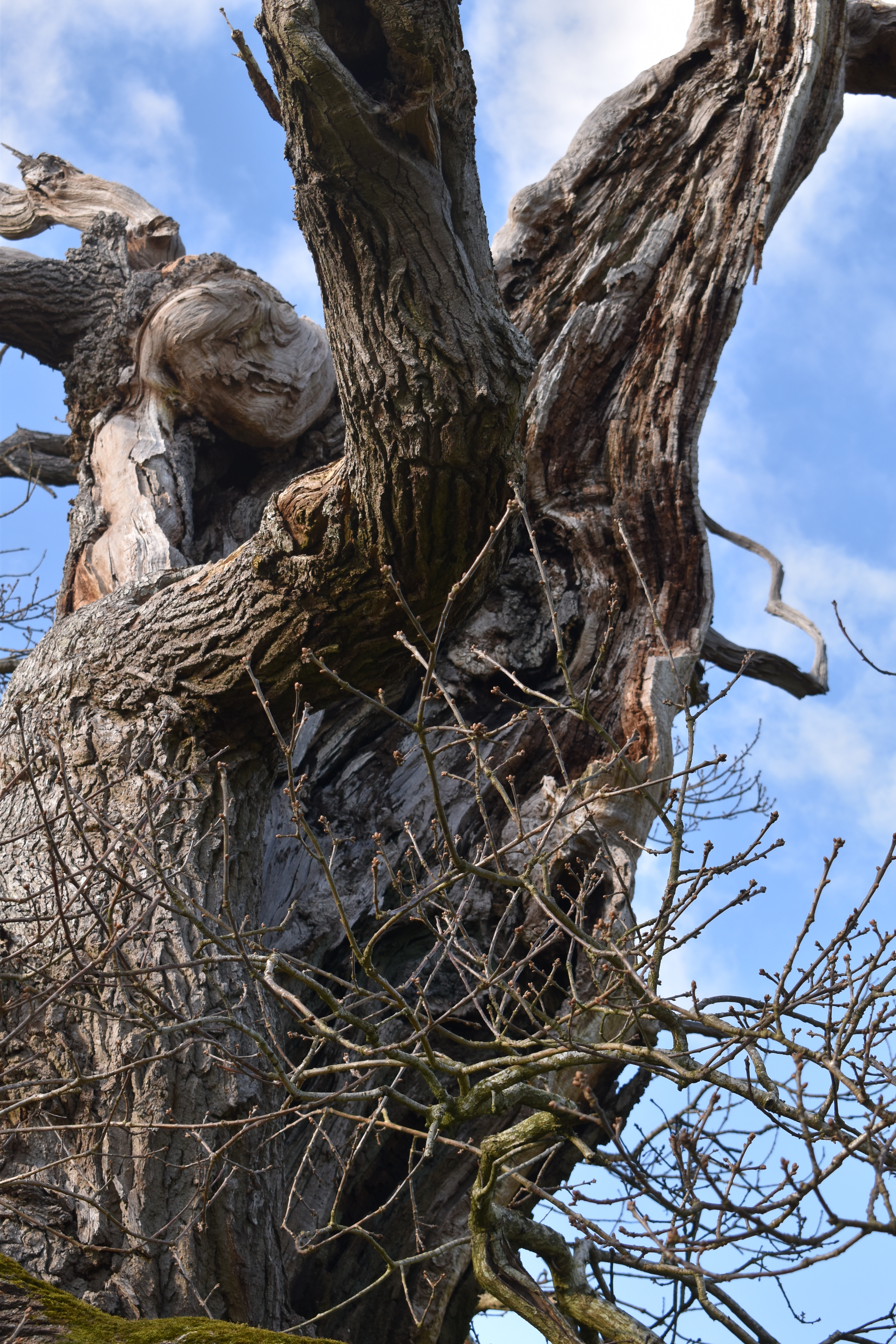
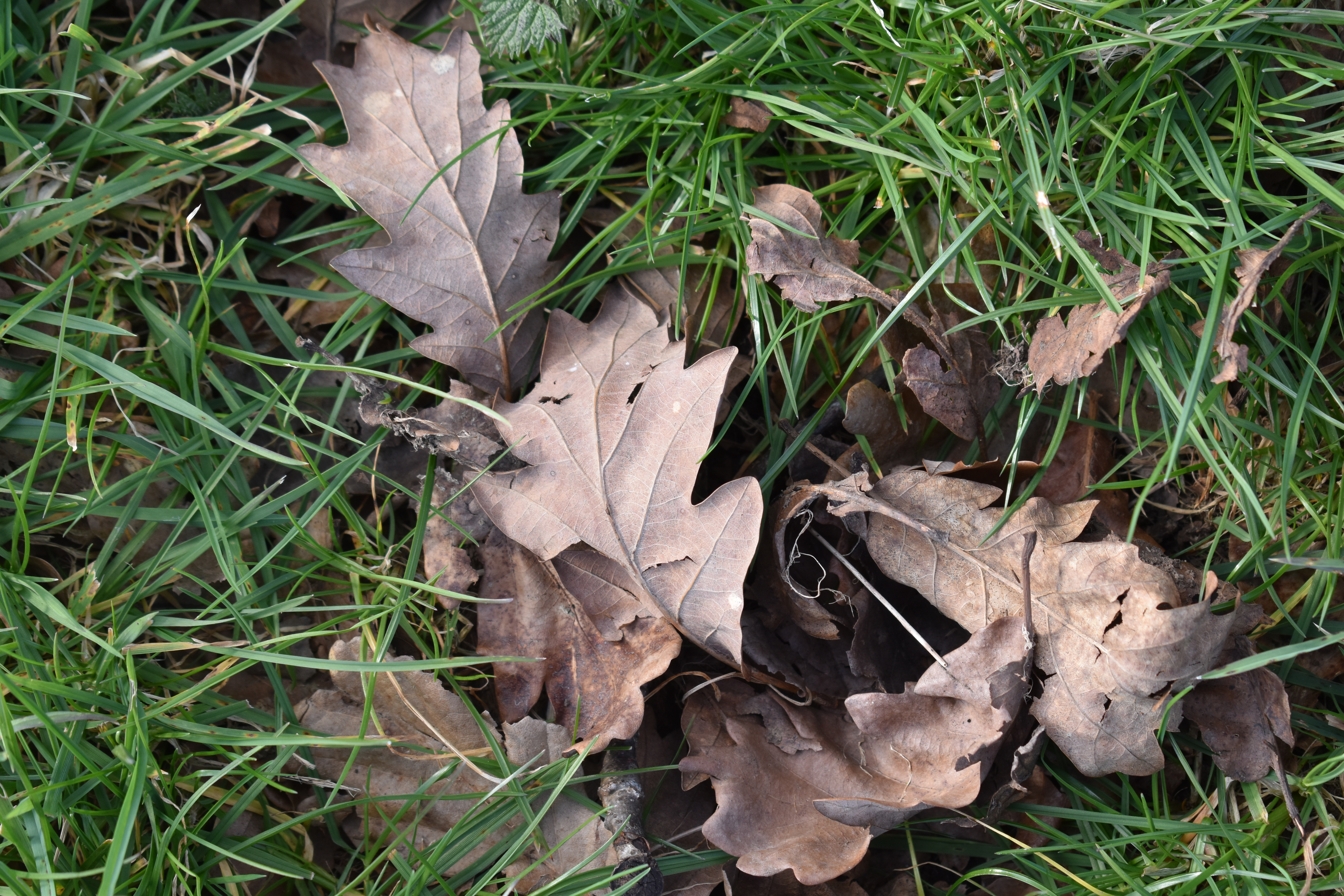
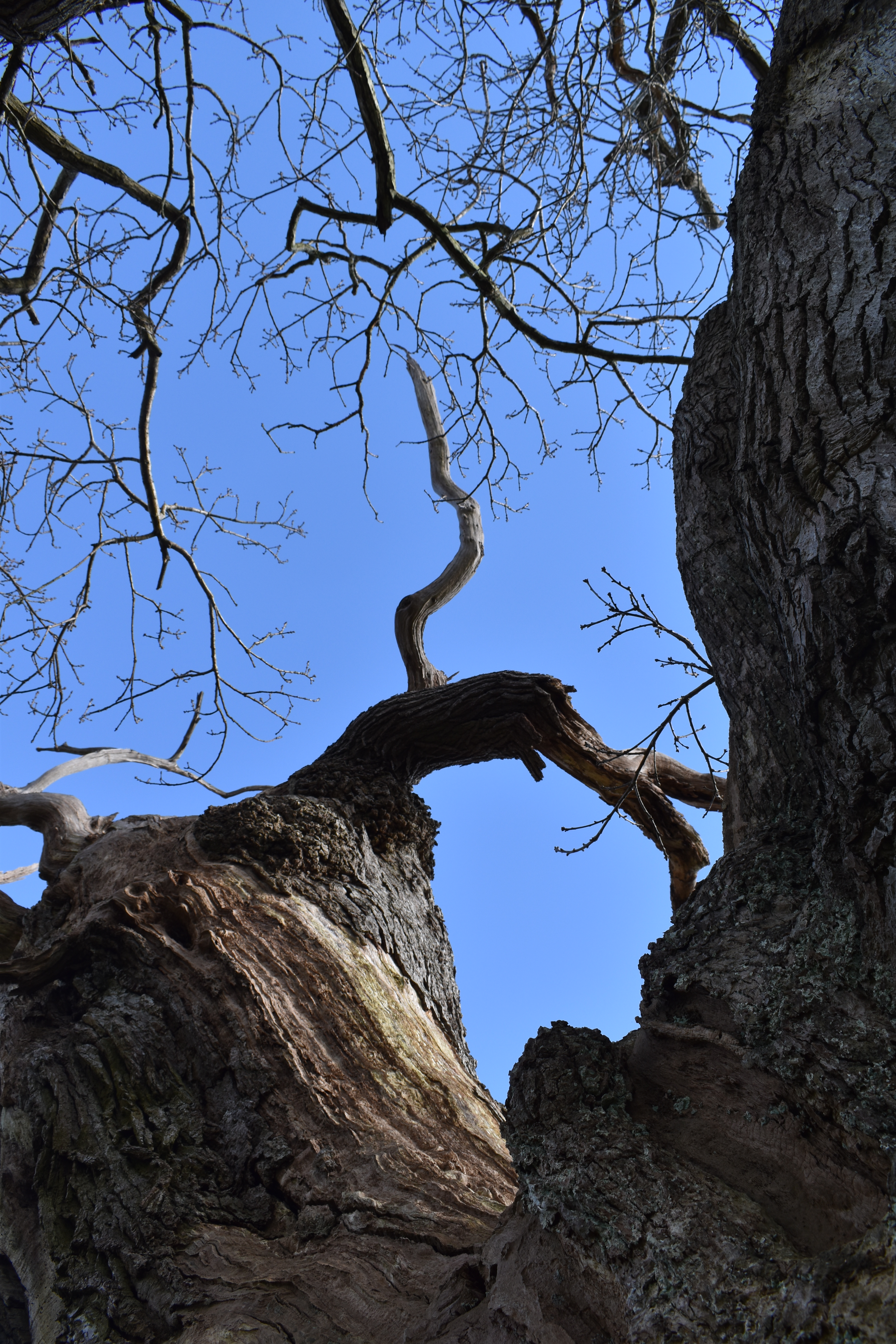
With this oak we looked downwards and spotted dried up leaves from last autumn and also upwards through the few living boughs and branches, which is where the leaves would have dropped from.

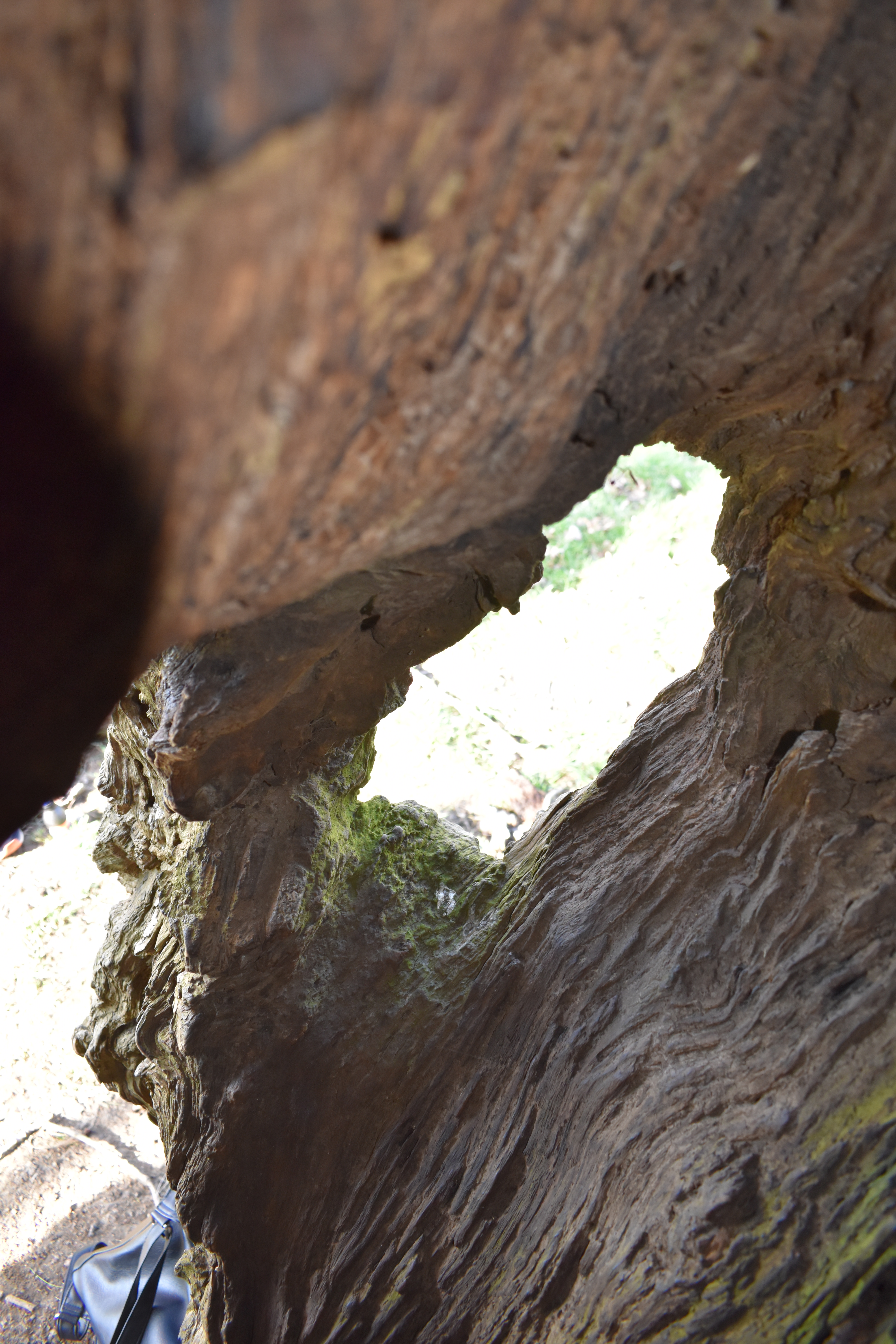
But what is extra special about this old character is that it it lets you look inside as well and upwards from inside too. Jude couldn’t wait, dropping her bag onto grass she was soon inside looking around.

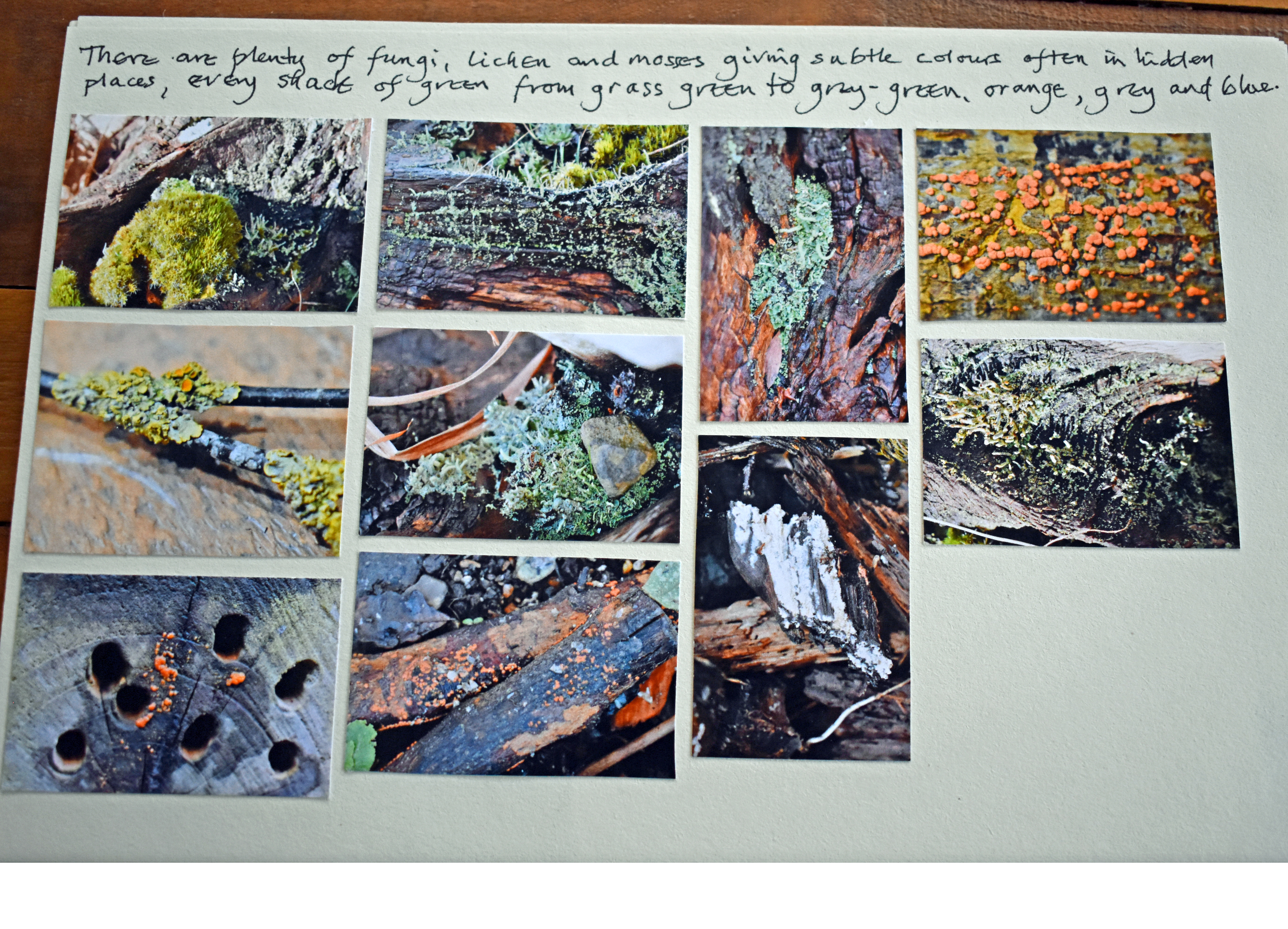
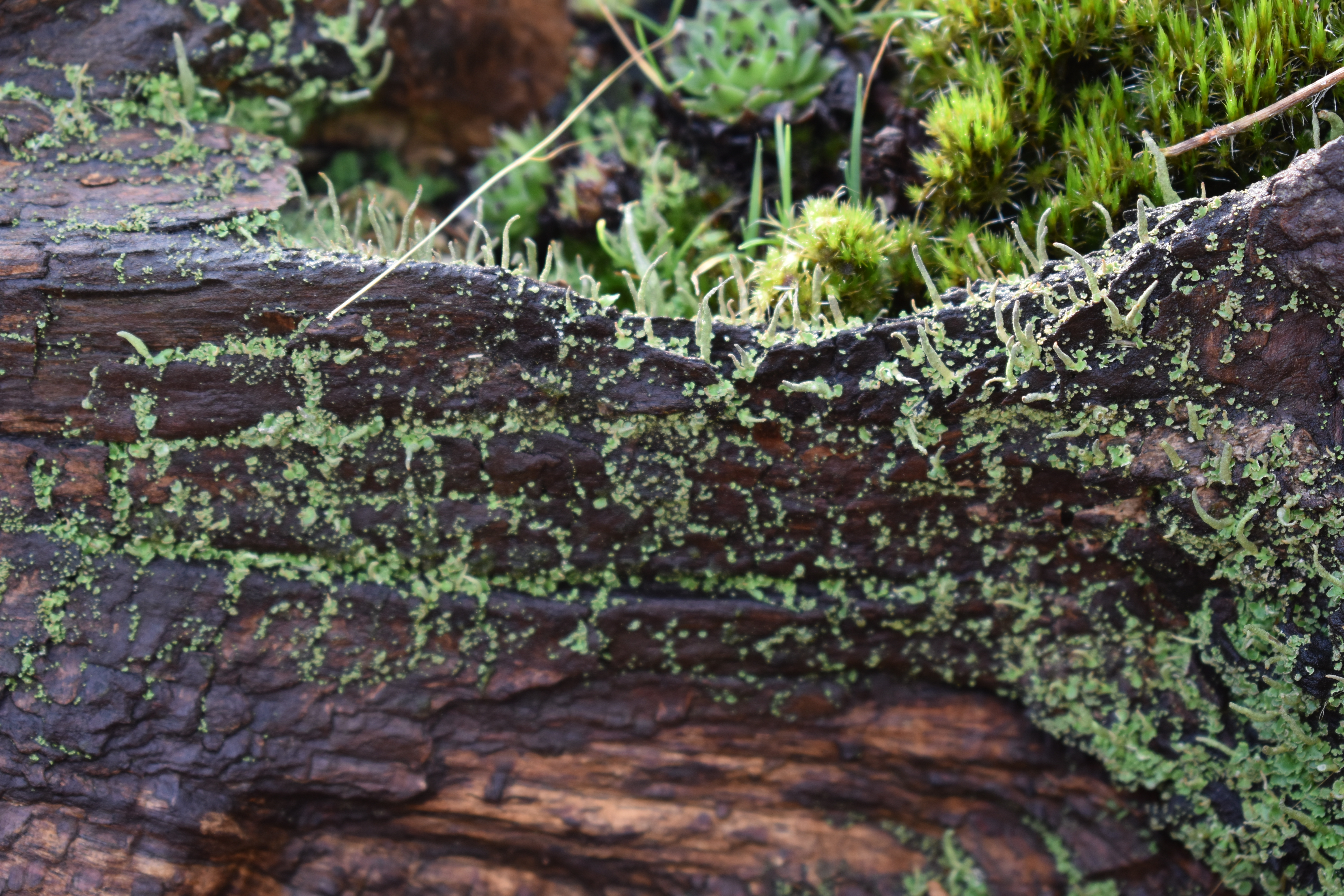
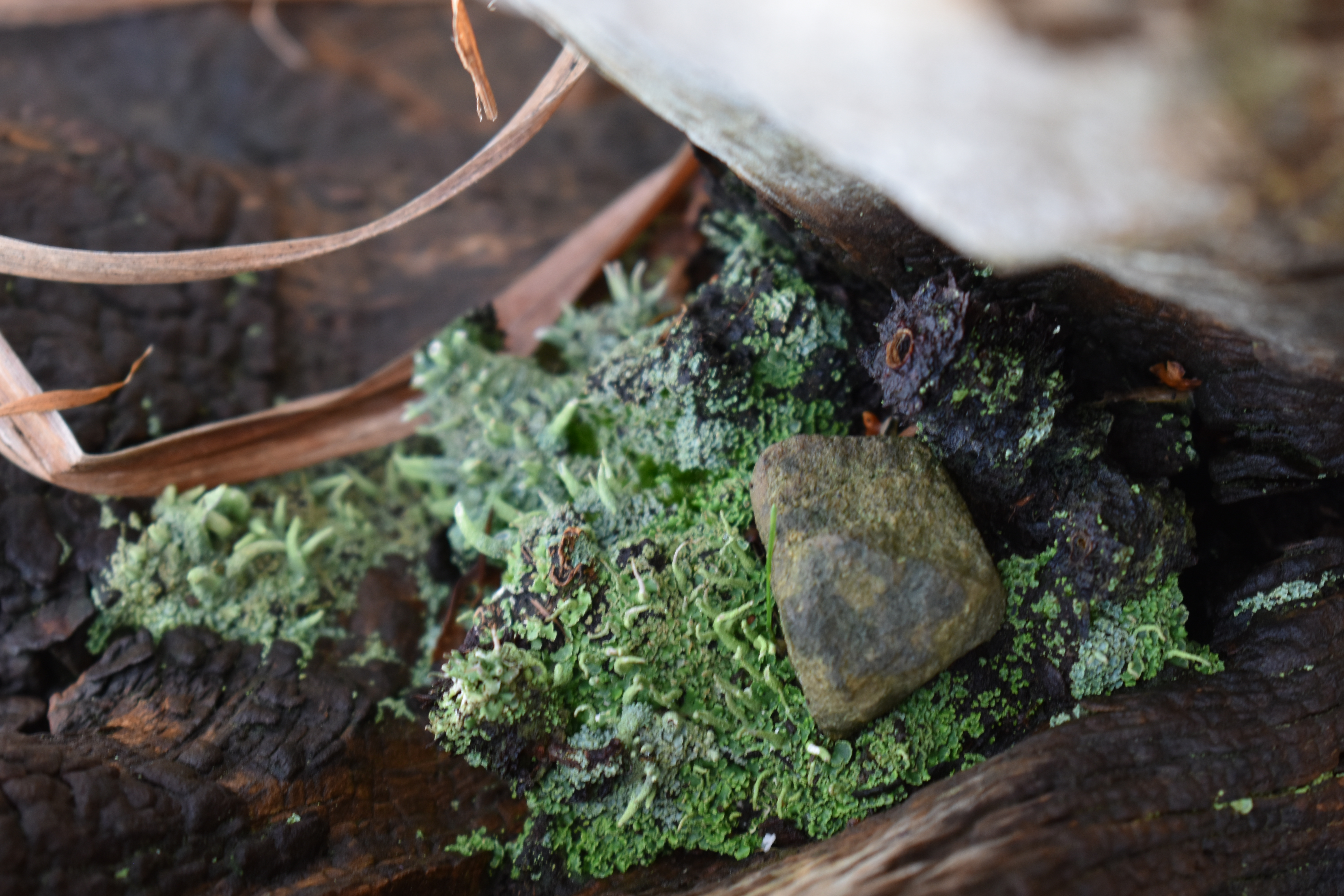
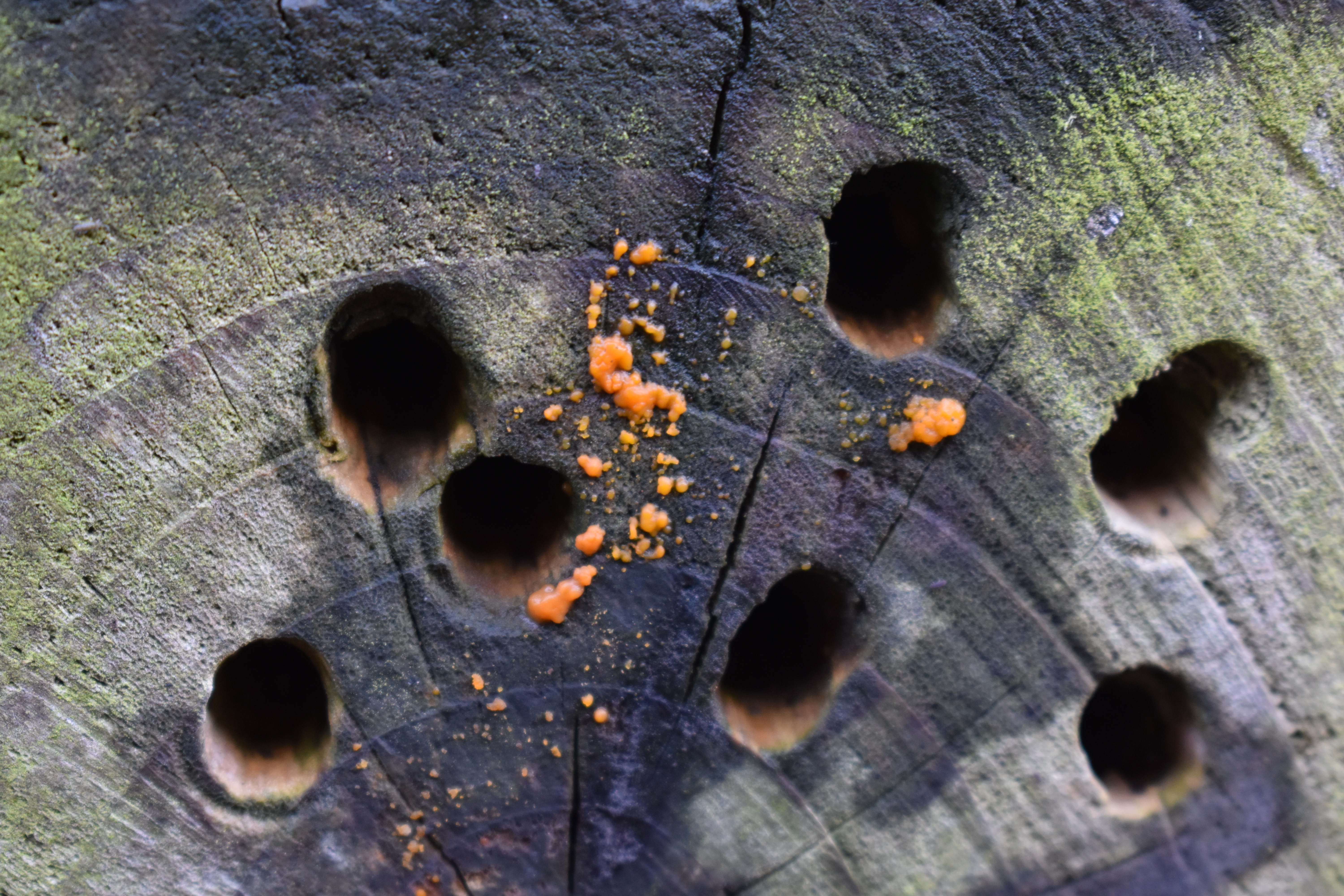
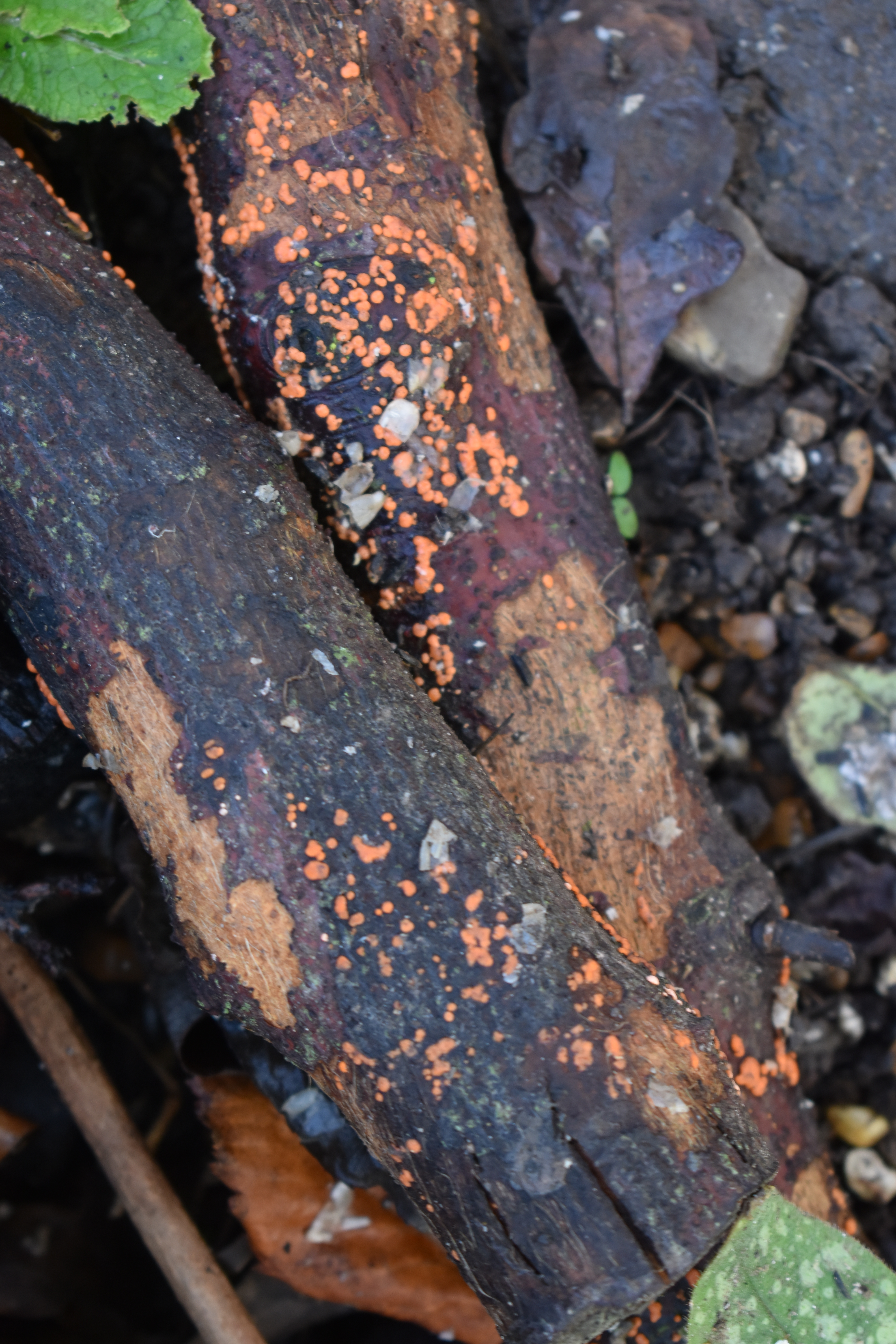
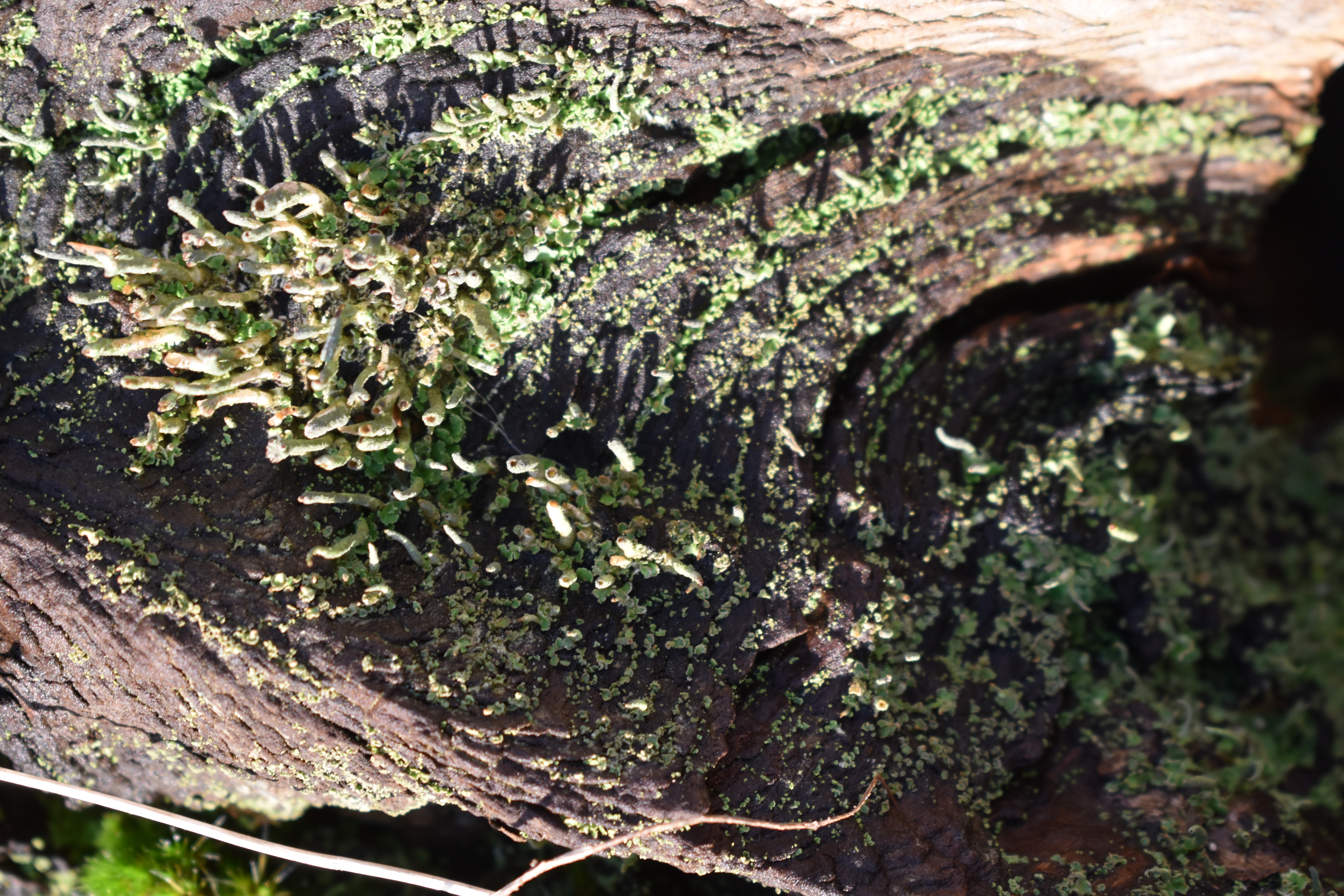
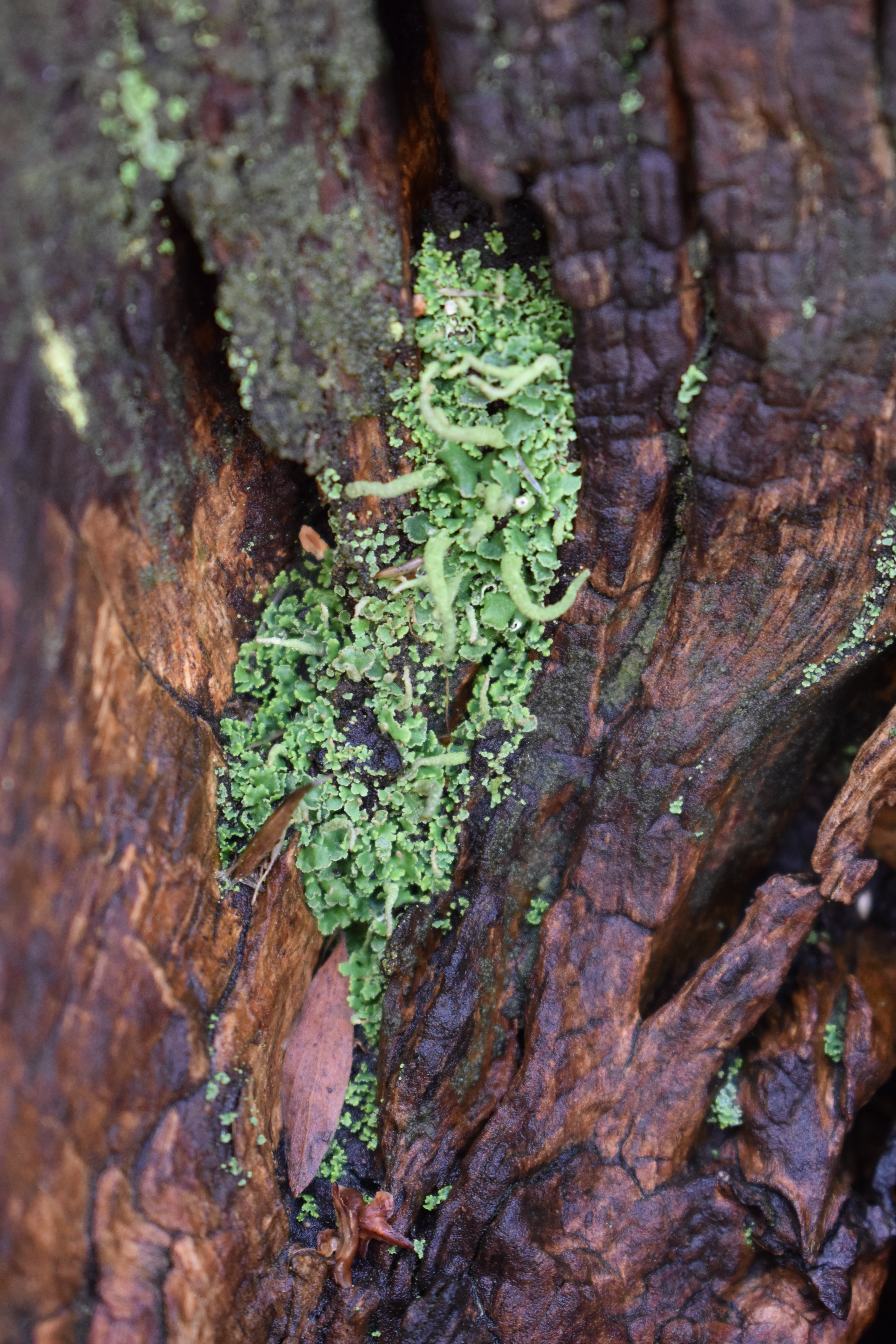
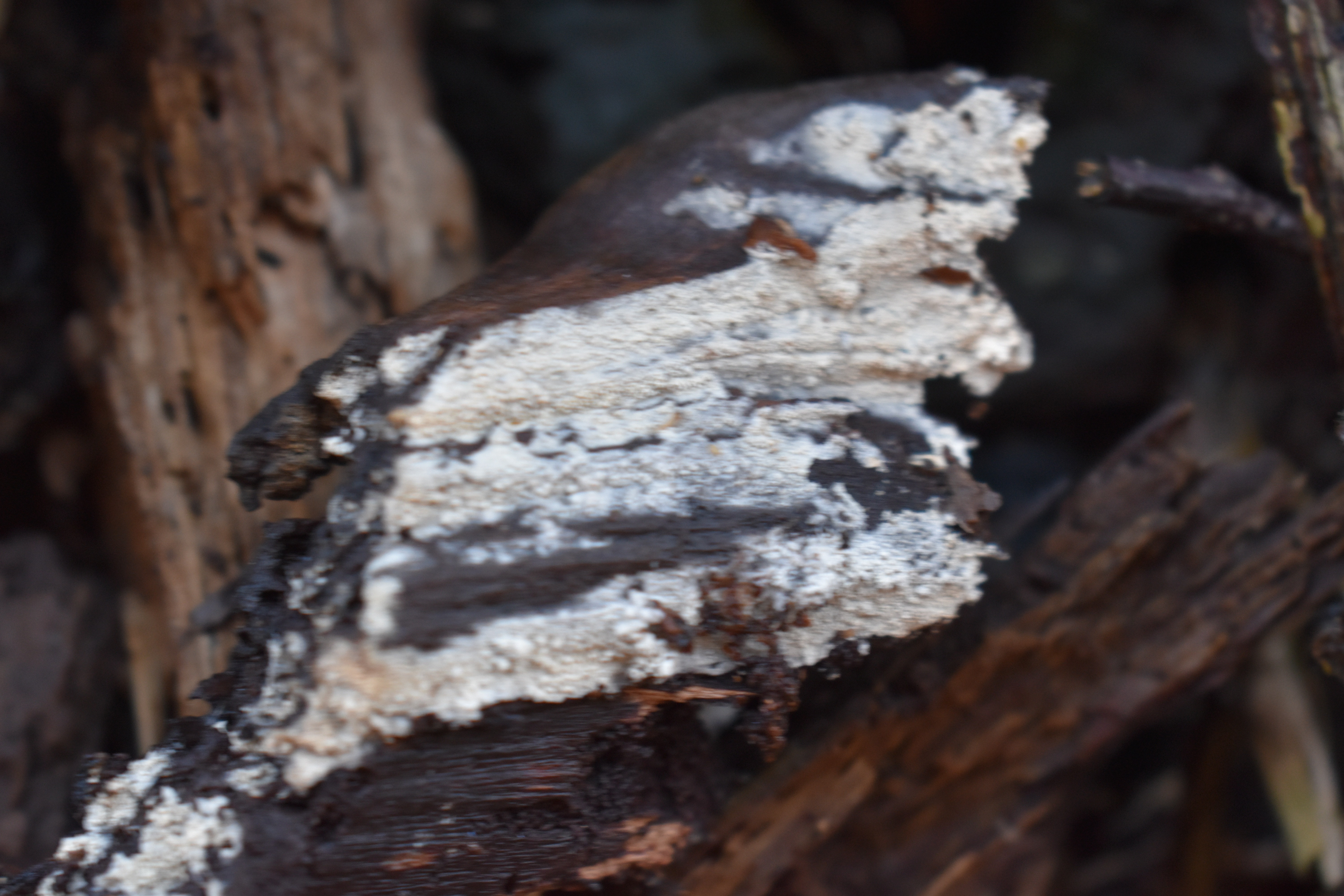
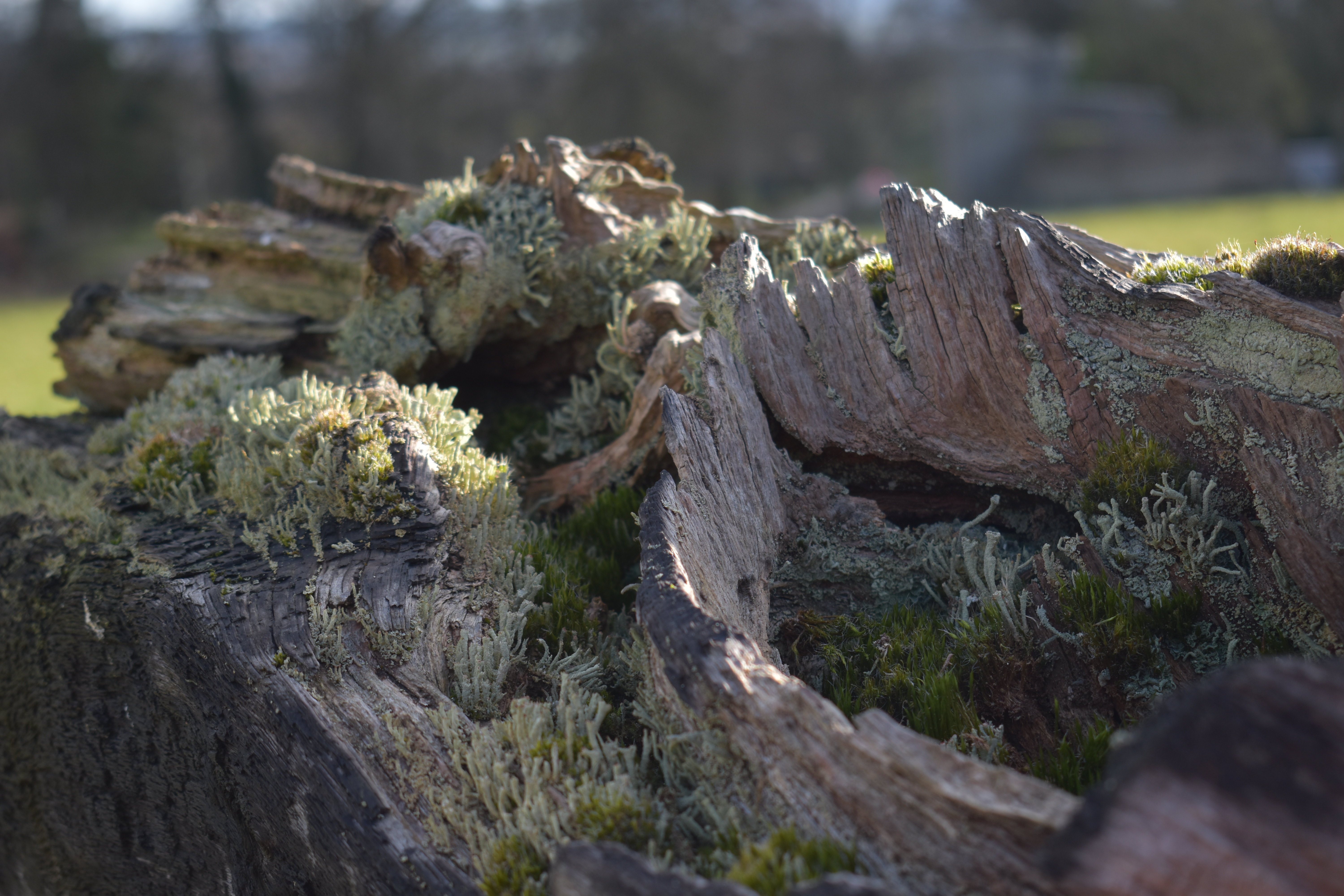
Leaving the old hollow oak behind we admired the silhouette of a younger oak looking so healthy, with a beautiful sky to emphasise its shape. We were on our way to study a fallen oak which although dead itself was alive with living creatures, fungi, lichen and mosses. Beetles and their larvae love dead wood. Adults lay their eggs in the soft wood and once hatched the larvae feed on the rotten wood. The National Trust have a policy now where felled trees are left in situ to become homes to all sorts of life.

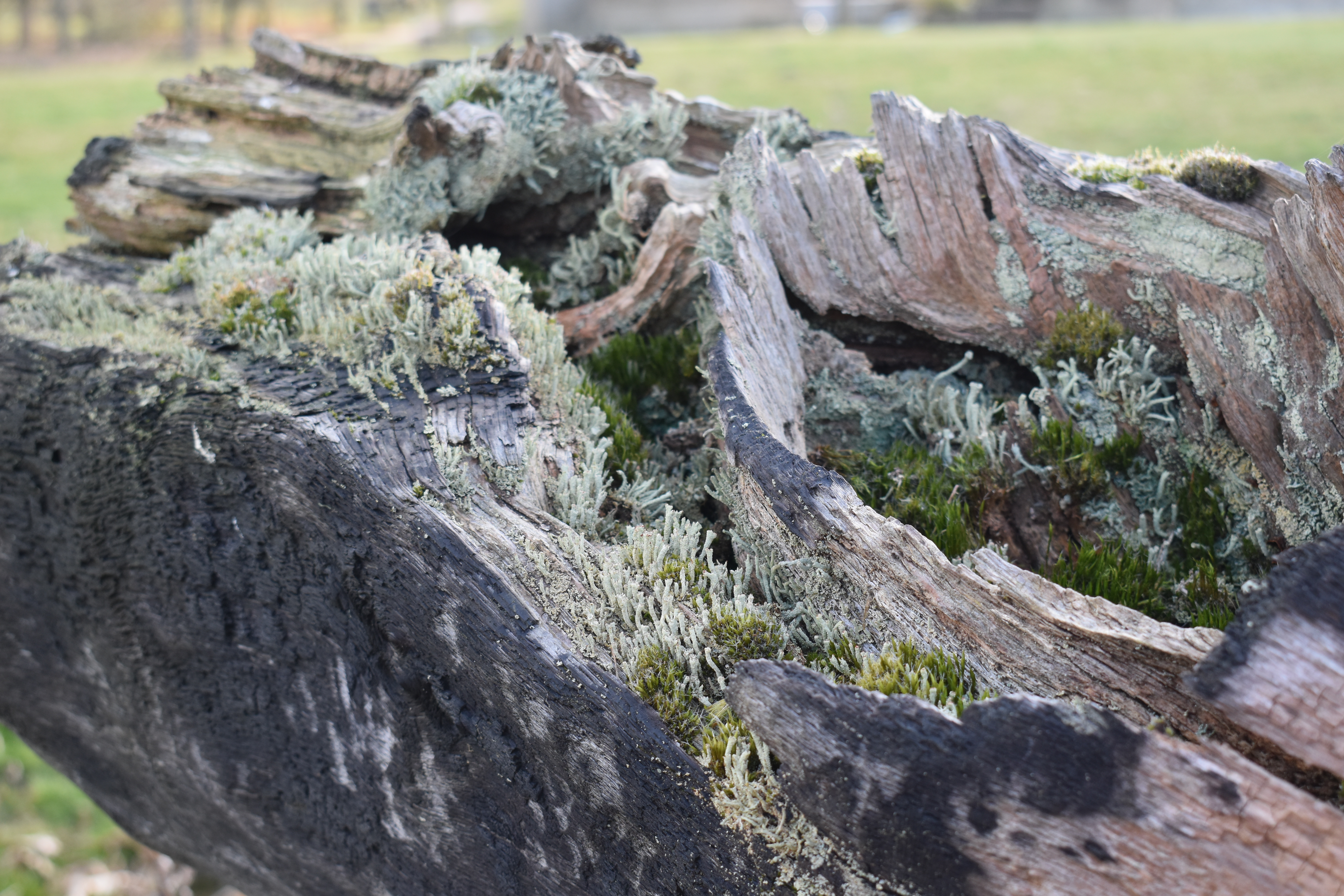
We looked closely at the textures and colours of the dead, rotting wood.

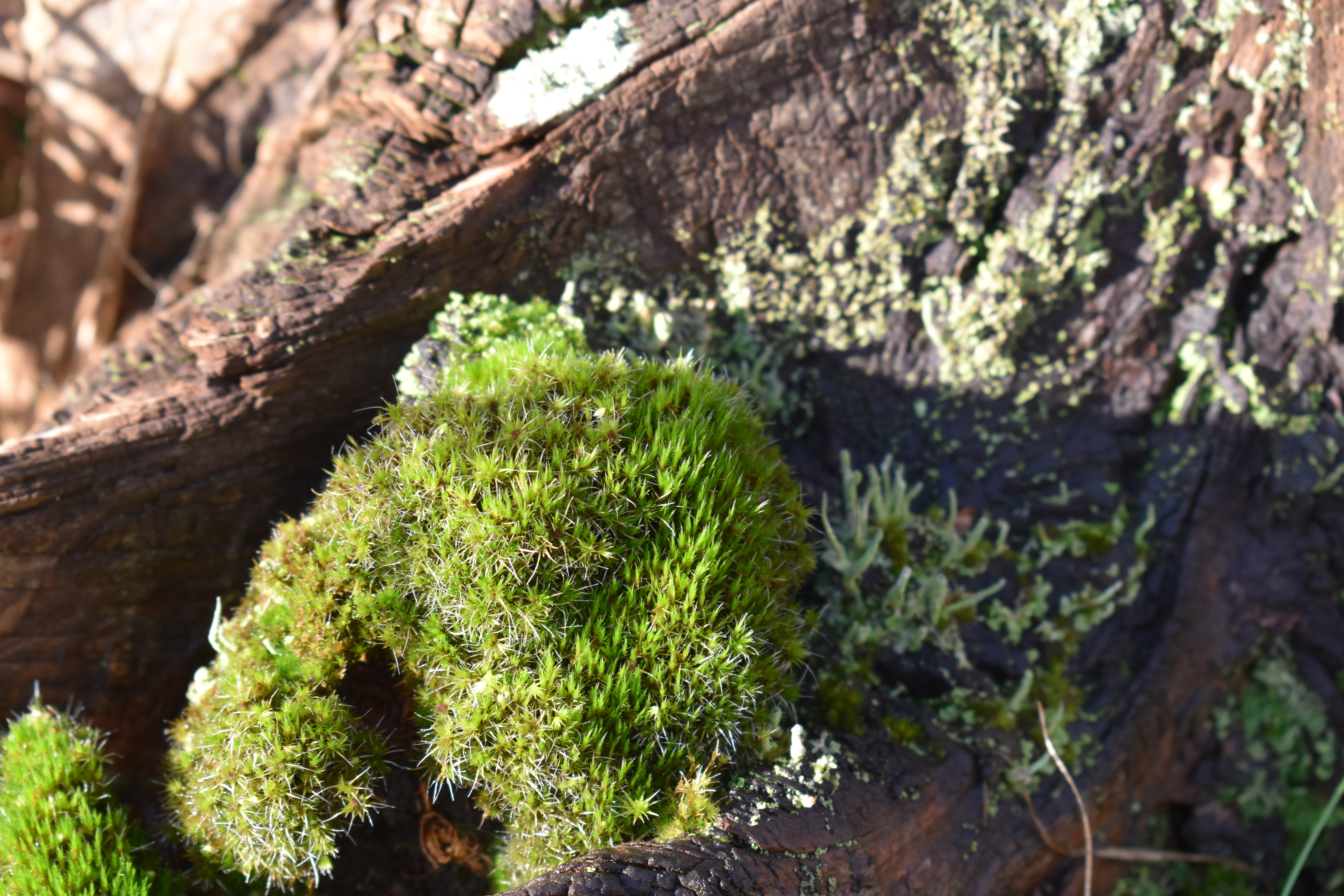
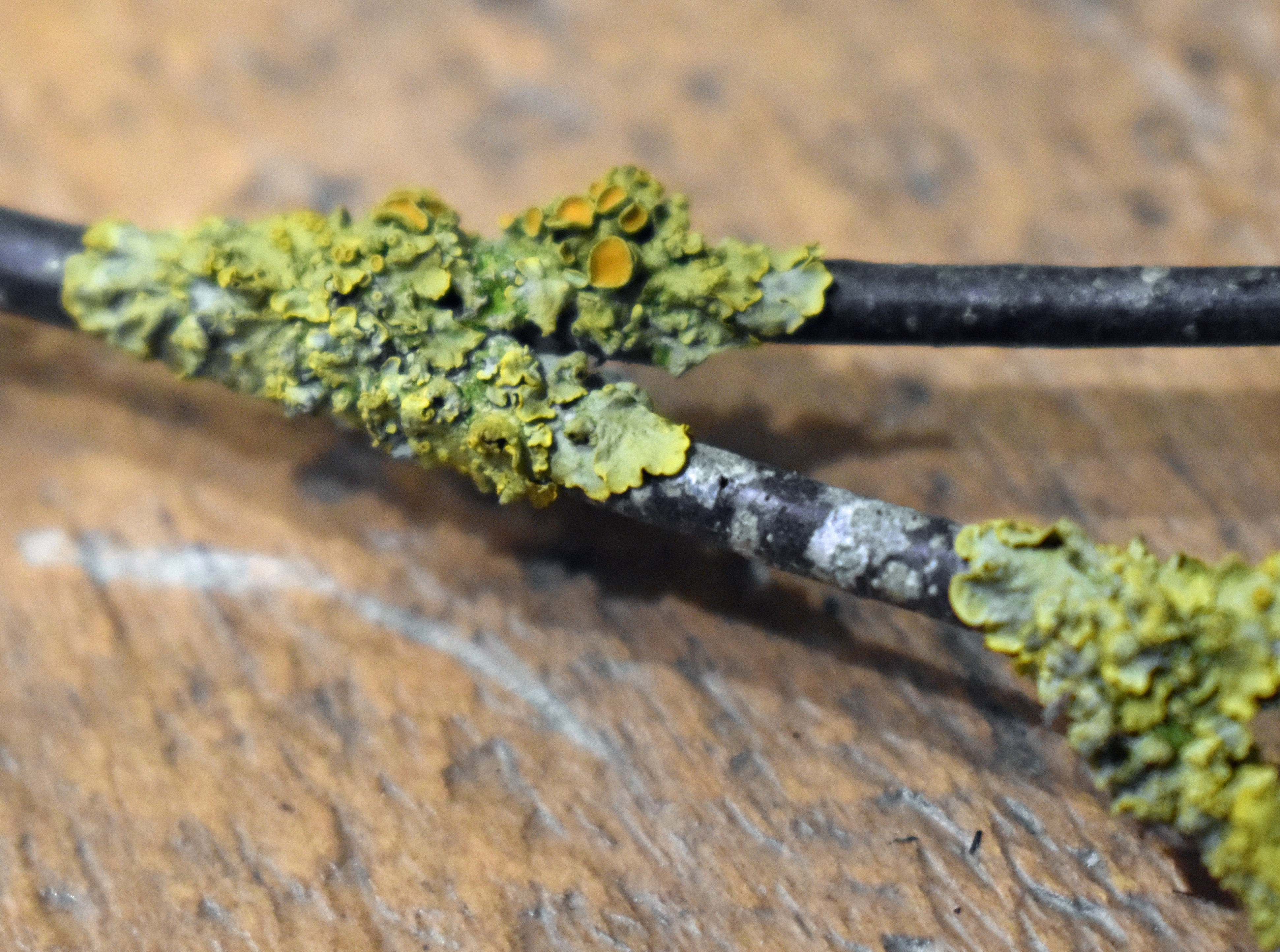
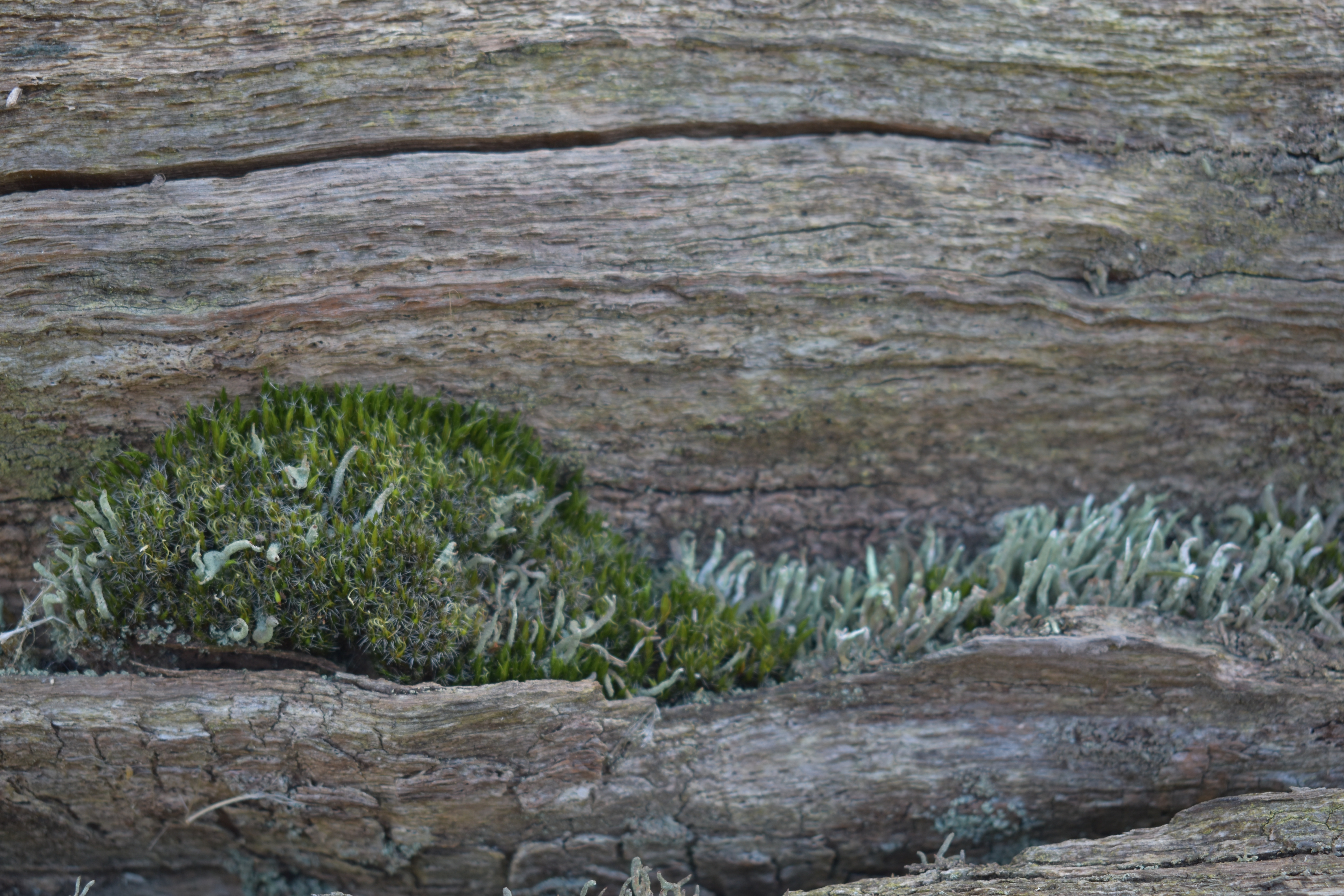
Lichen and mosses grow happily on the old tree trunk, taking advantage of any place that moisture and organic matter settles.

We discovered another fallen tree and a seat carved from yet another as we returned to the carpark.

Categories
Uncategorized

My Garden Journal May 2025

So it is time for me to share my garden journal with you, my 5th month of the year.

Roses dominated the start of May and I noted that,”In the countryside around us May means Hawthorn blossom, hedges edged with cow parsley, birds singing and nest building. In the garden things are pretty much the same. Our first roses show early in the month. This year though a couple flowered late April.”

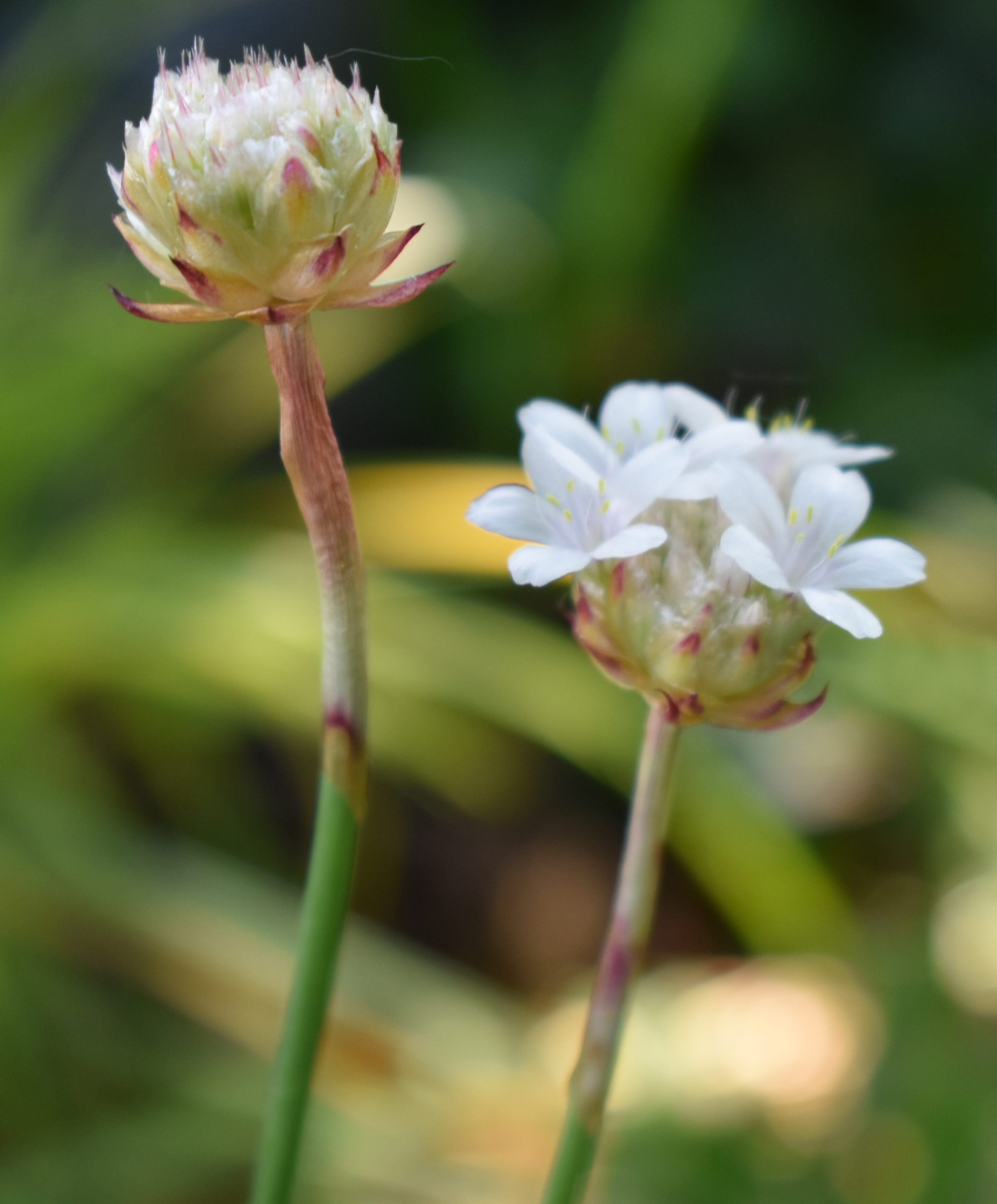
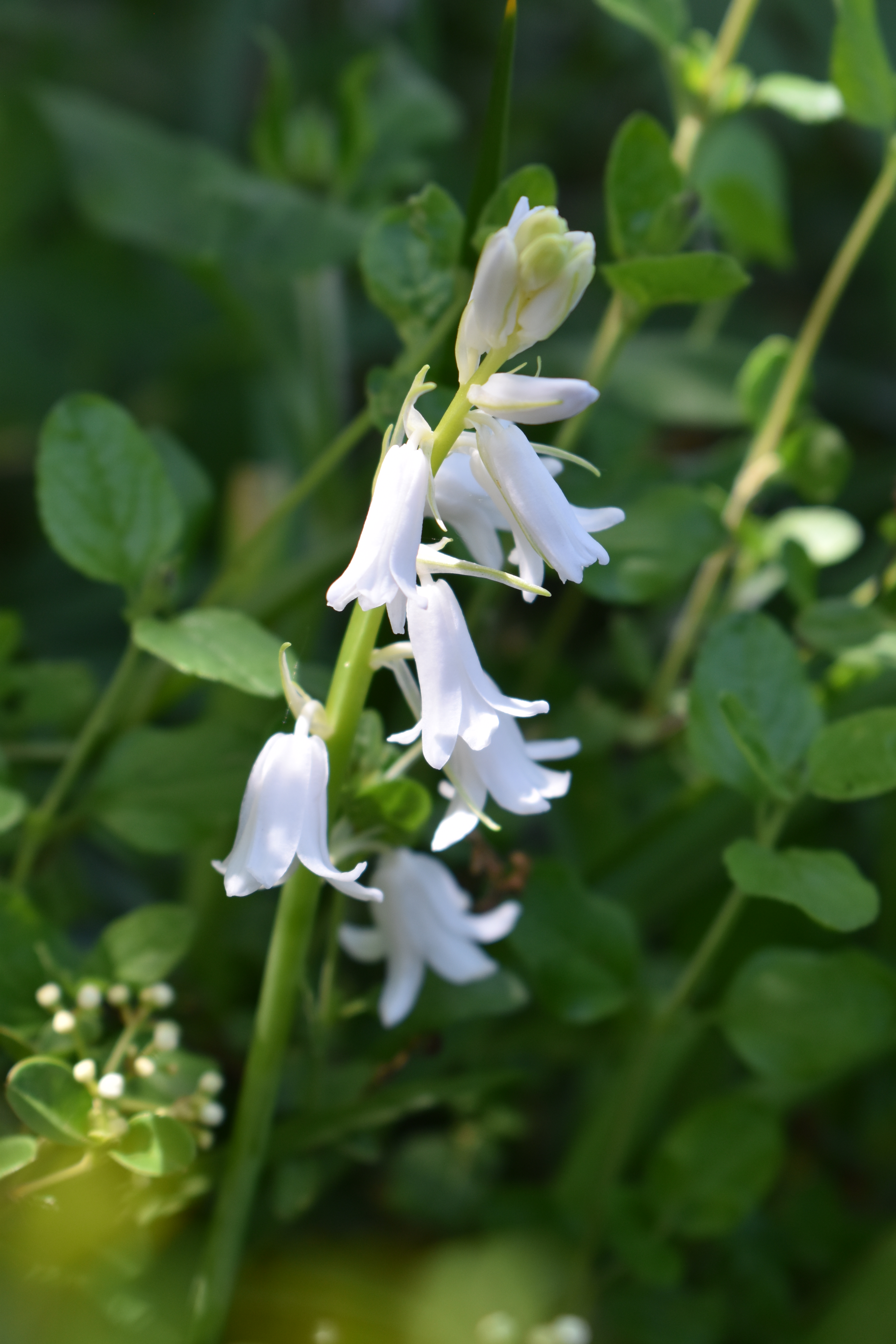
From roses I next considered the colour white in the garden where I wrote,”White has never been my favourite flower colour and I have never found a white garden or border that I could appreciate. The most famous white garden of all must be the one at Sissinghurst, but I found it a great disappointment. However as I wandered around our patch recently I realised we had a lot of white!”

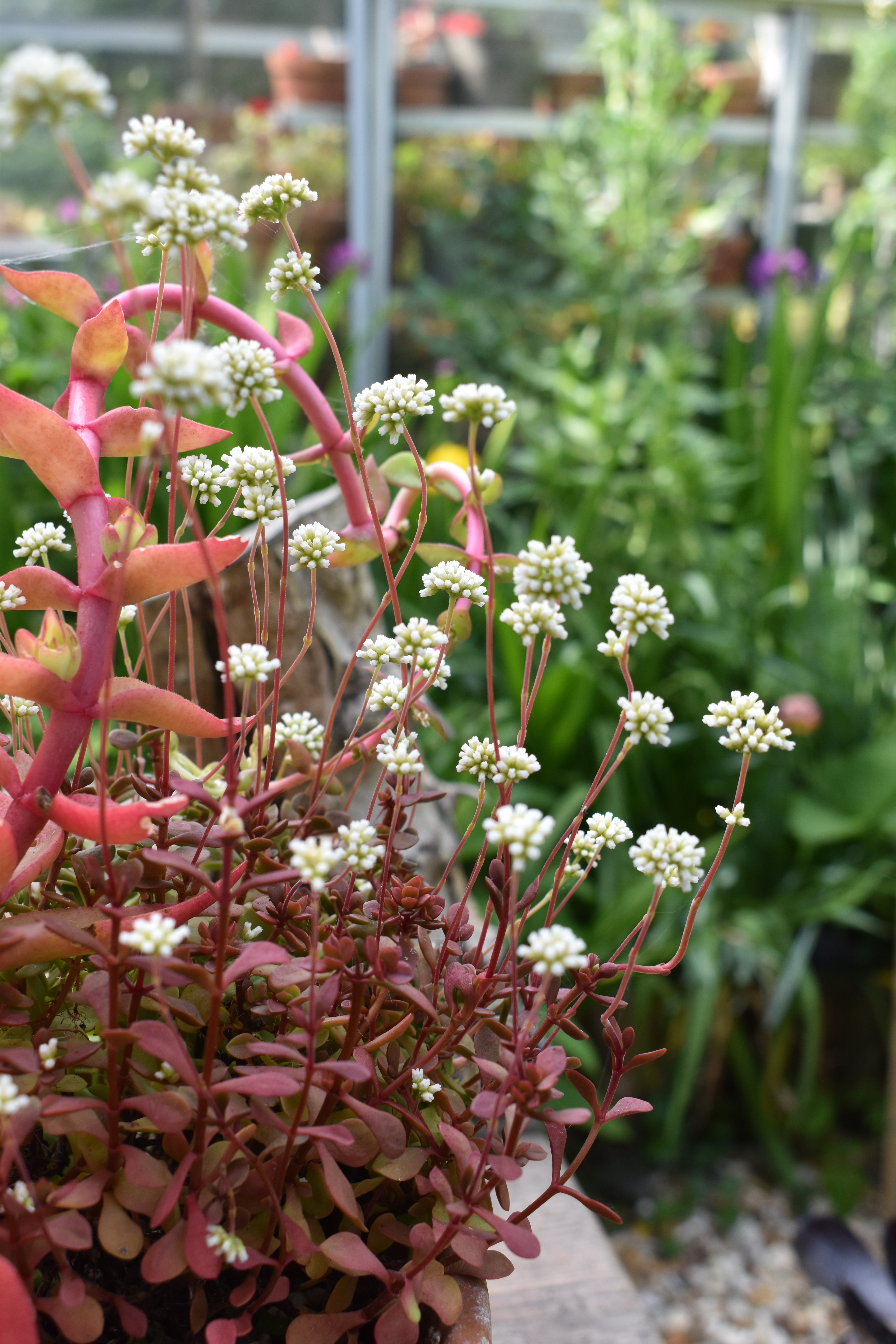
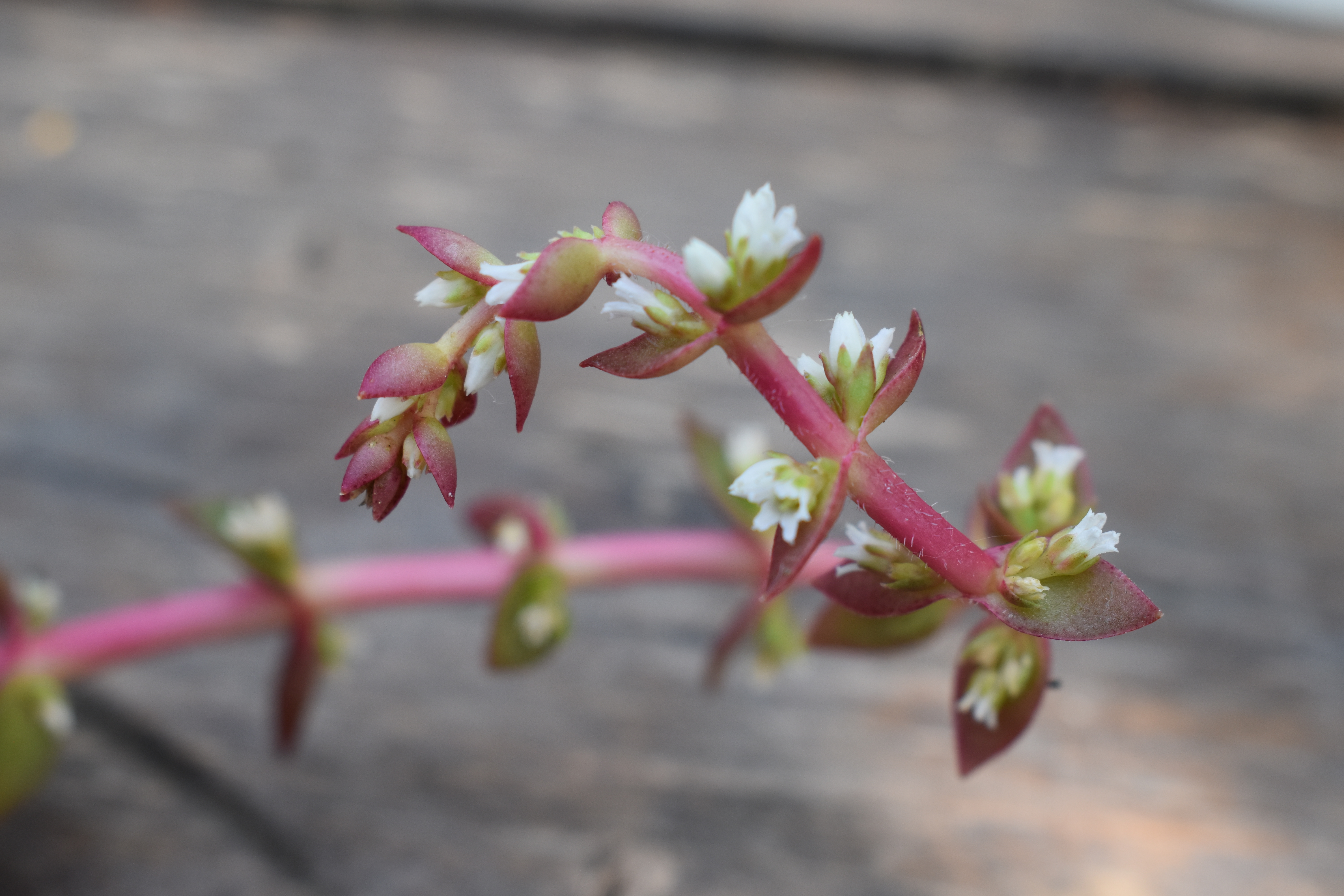
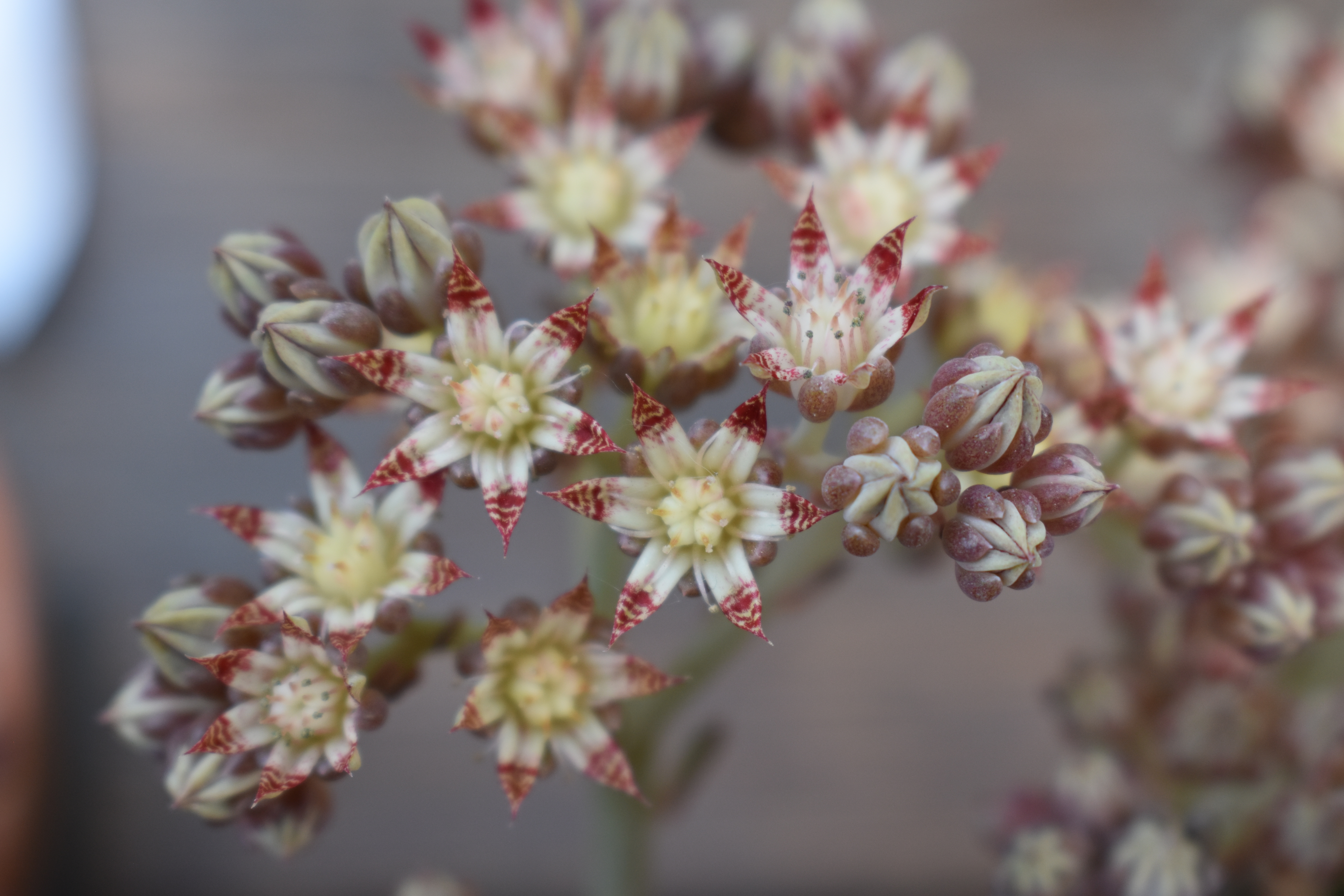
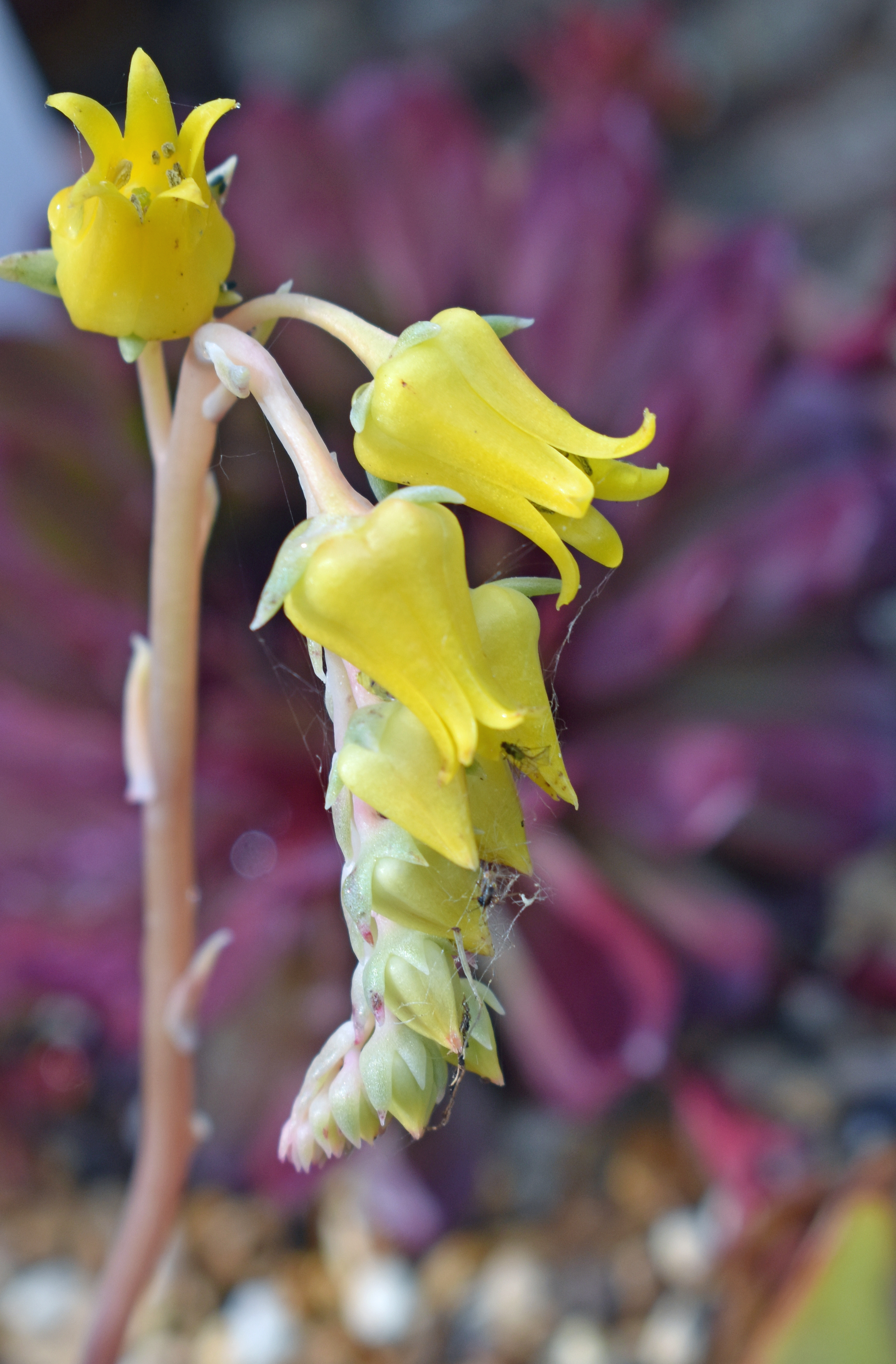
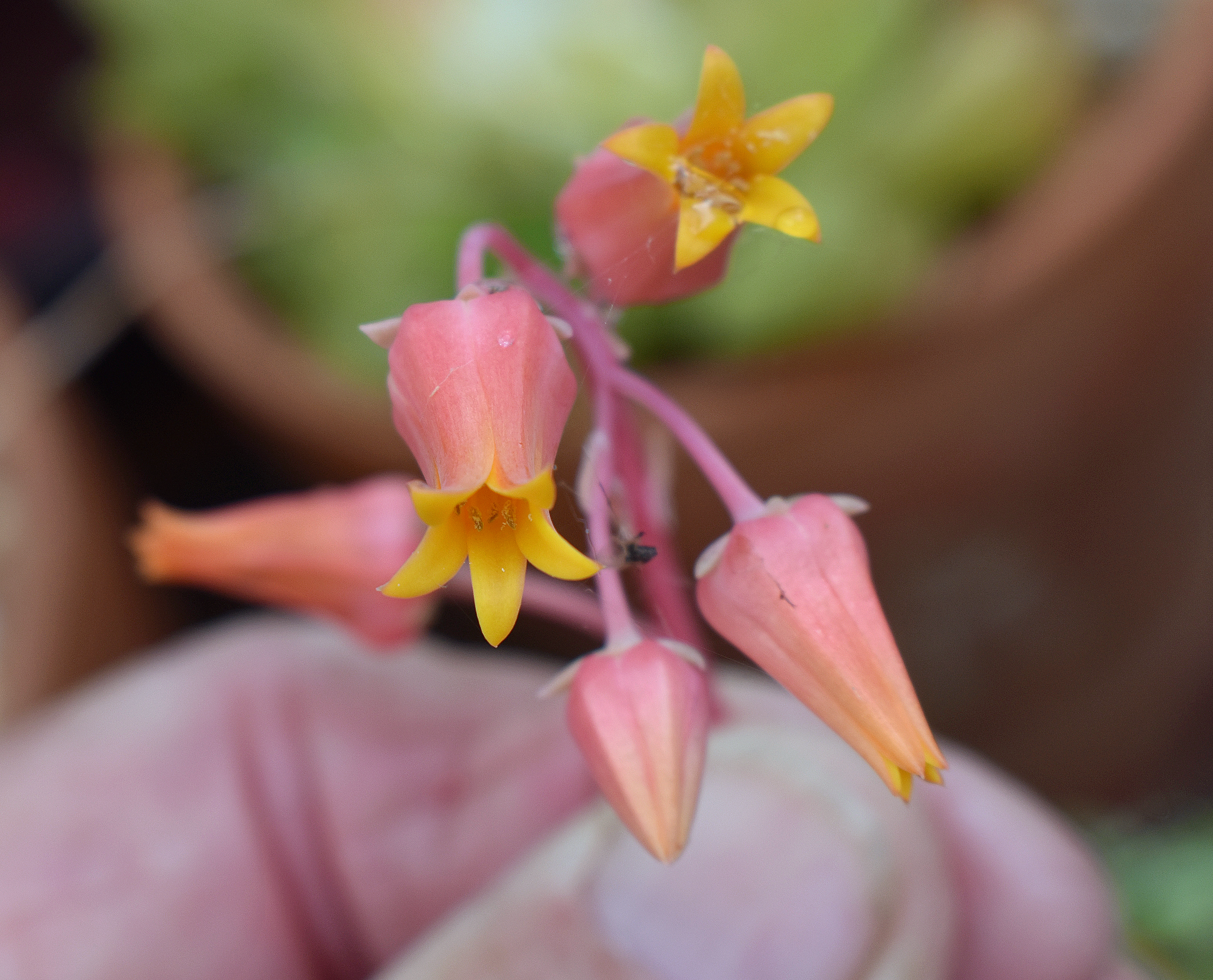
On the opposite page I moved on to consider some of my collection of succulents which had decided to come into flower this month. Their flowers are always so unusual in shape and colour. I wrote that “Being a collector of succulents I mostly enjoy their foliage, their shapes, colours, textures and the way many are flushed with reds and purples. But many flower and do so beautifully.”

Below are photos of my succulents that are currently flowering.

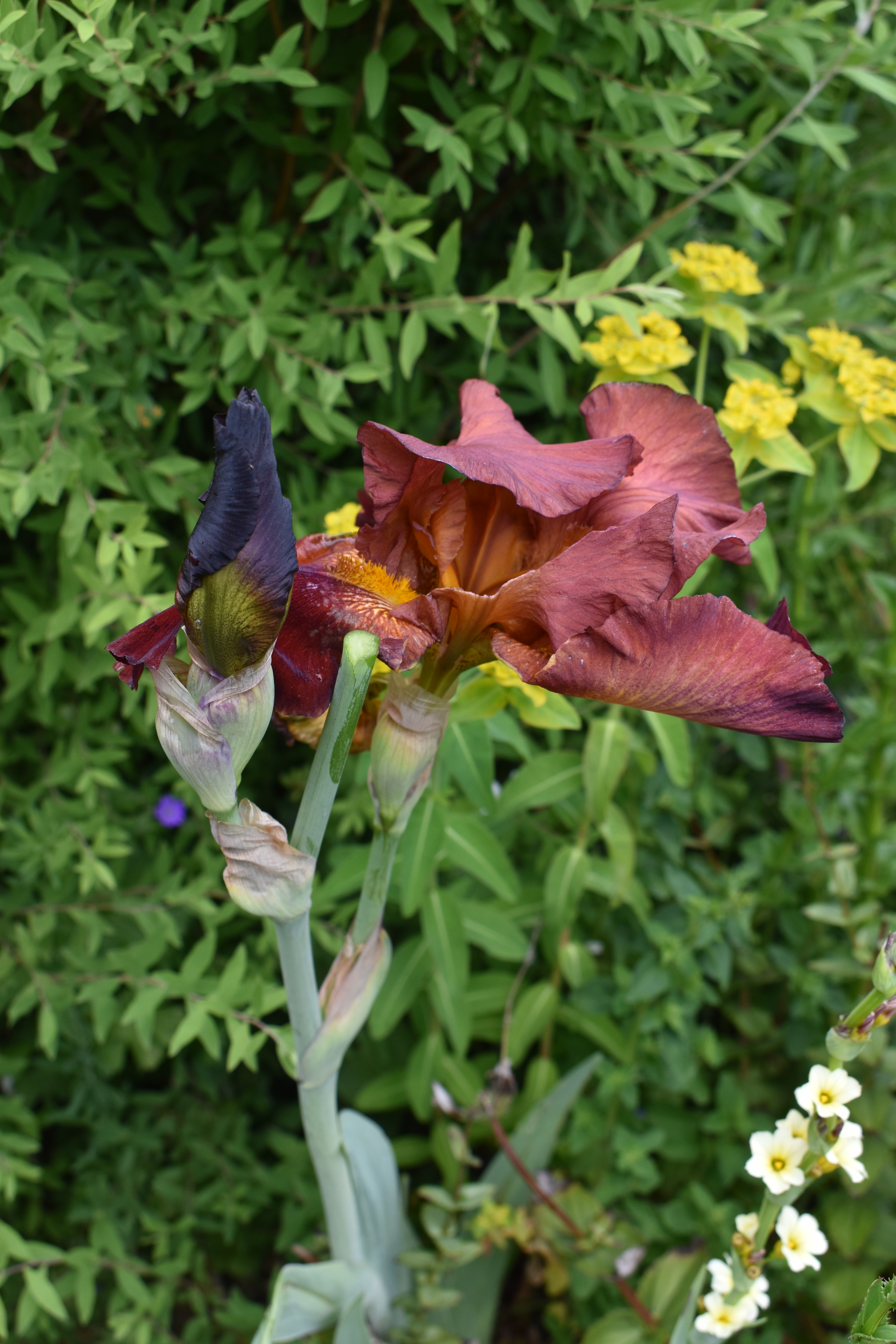
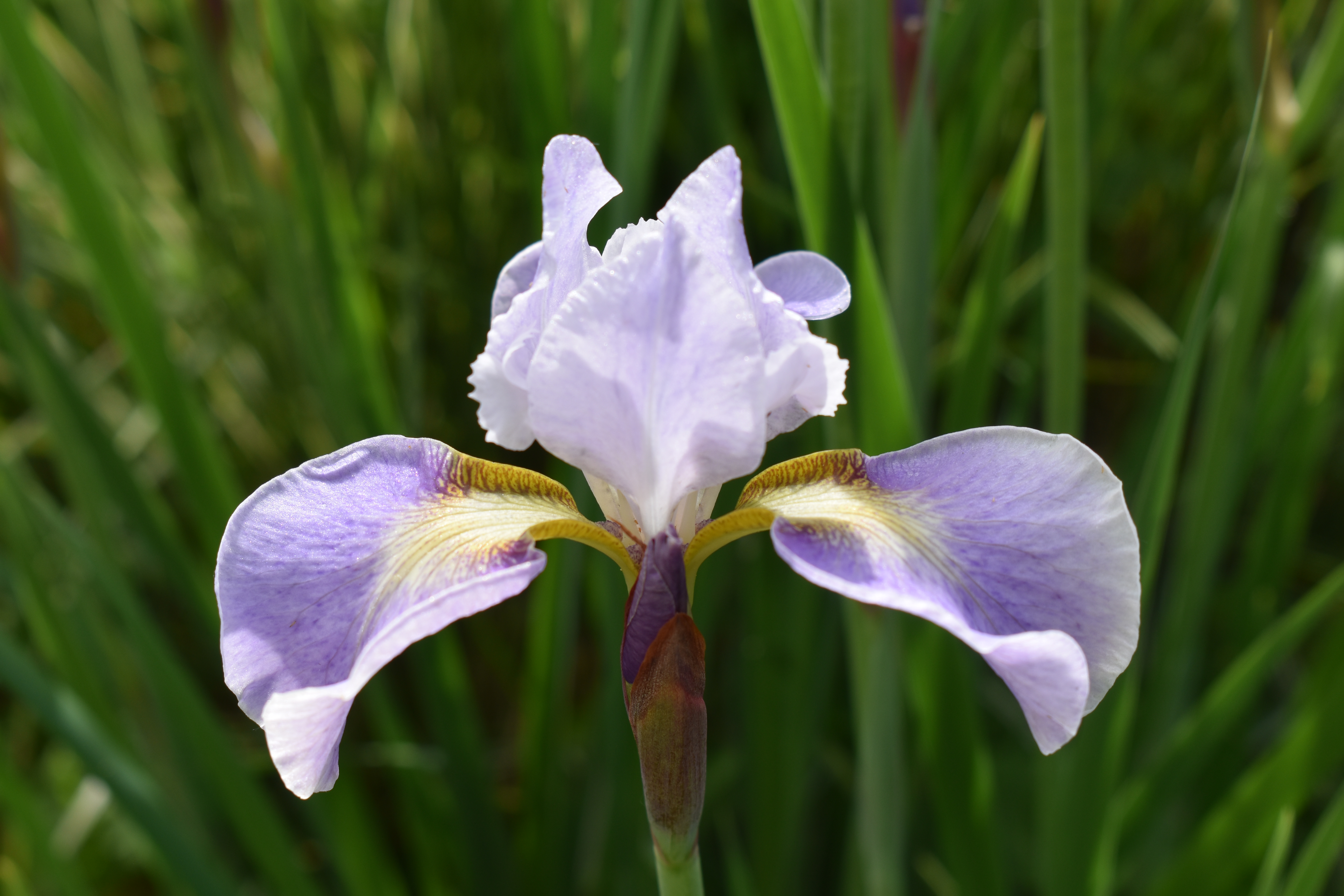
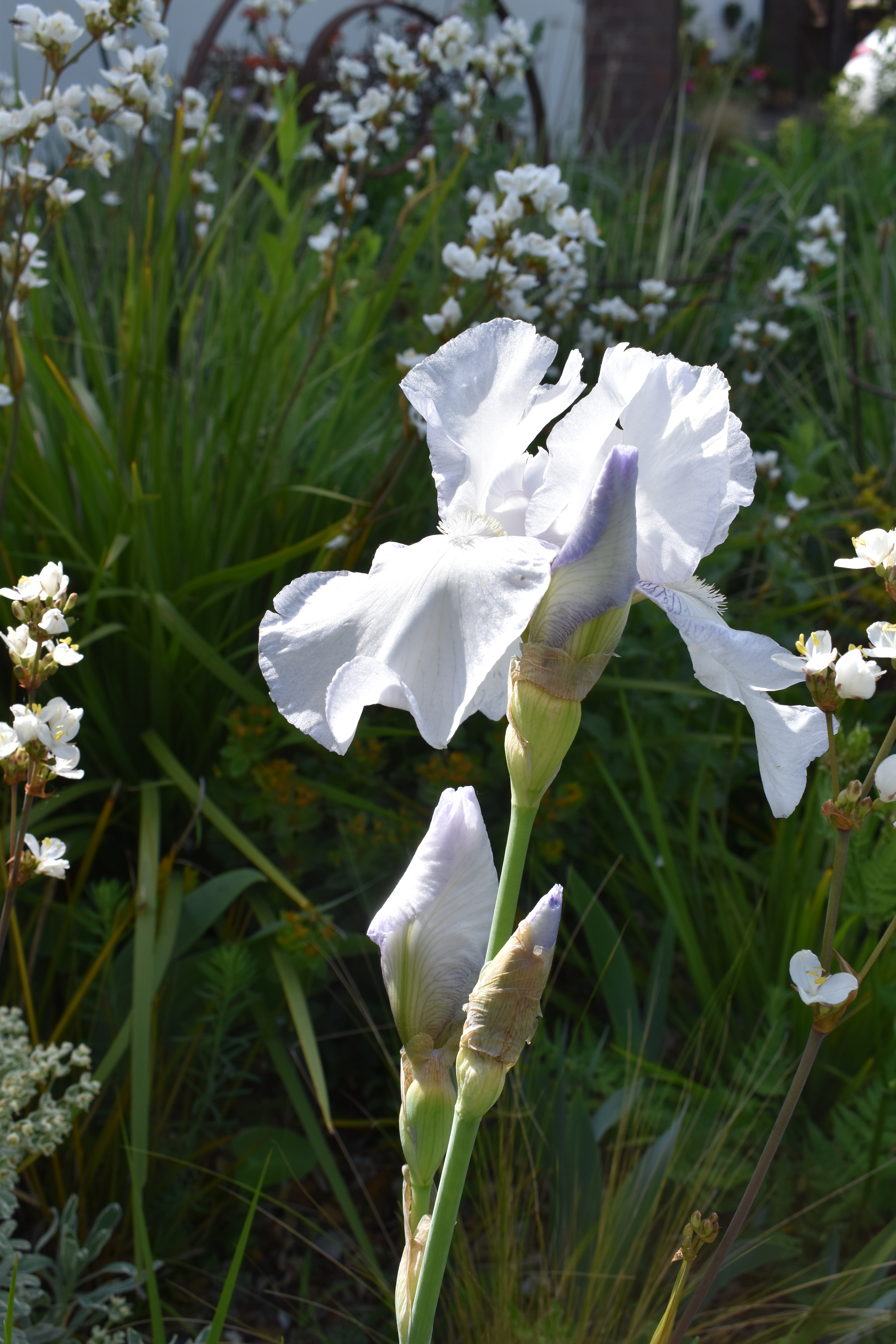
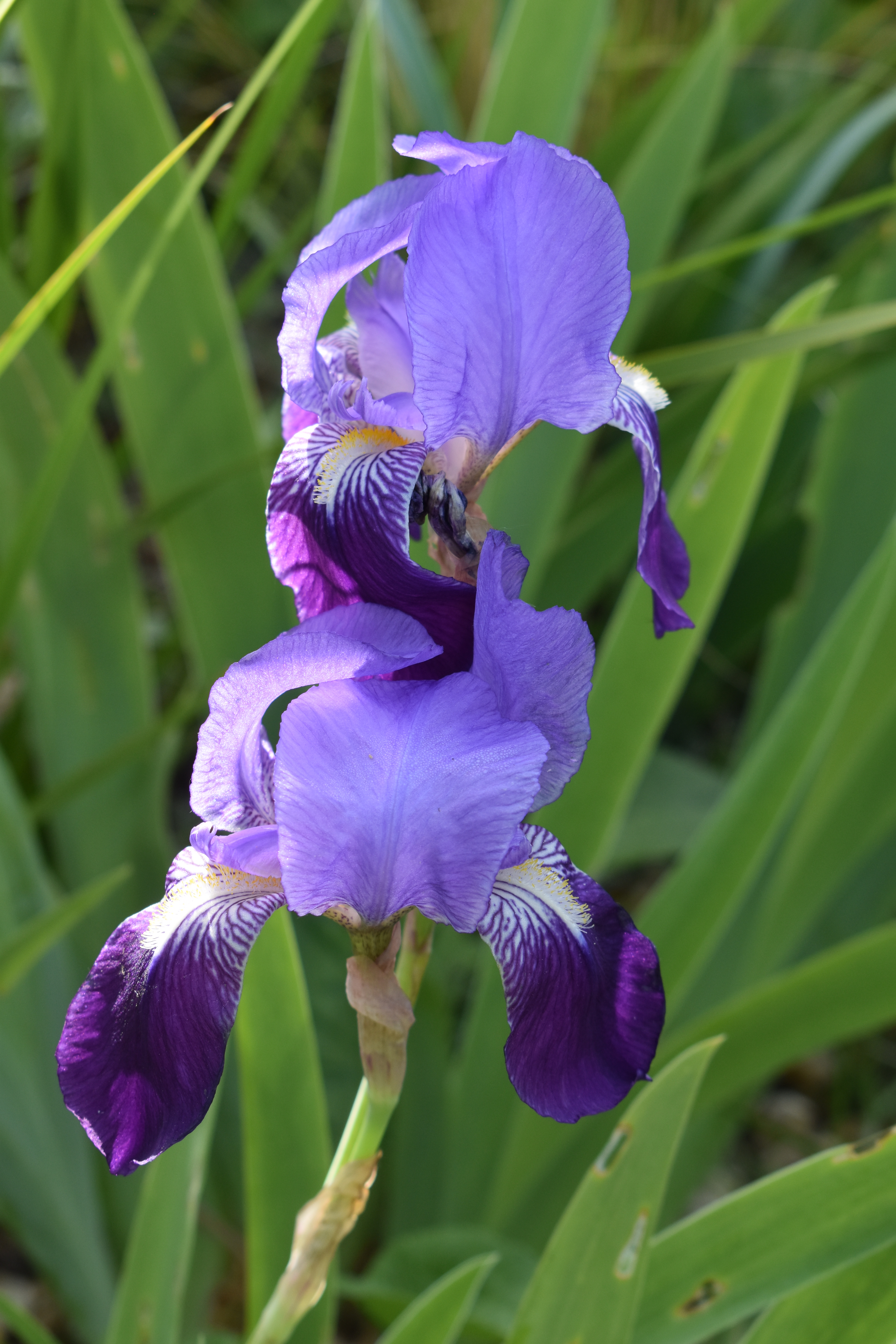
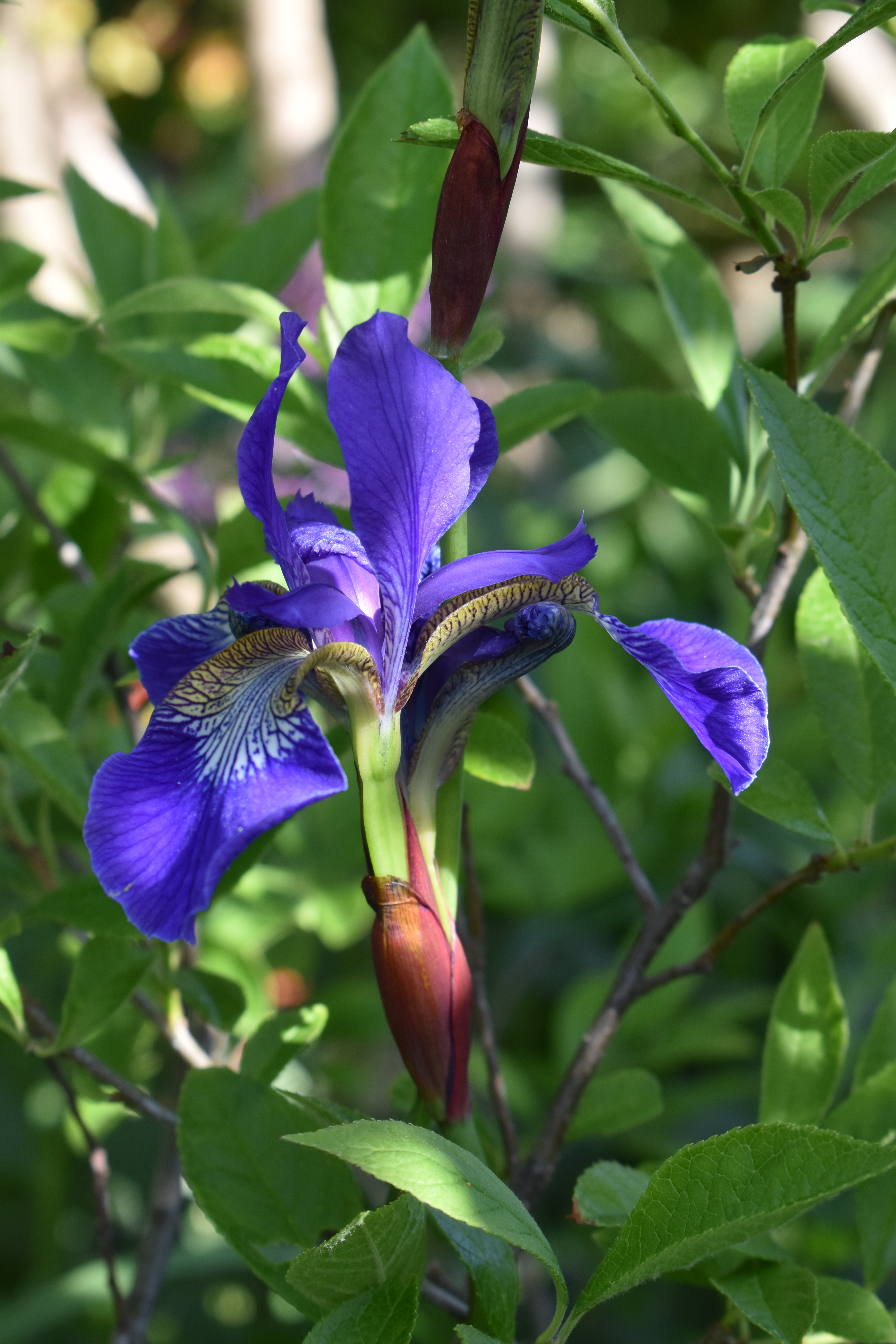
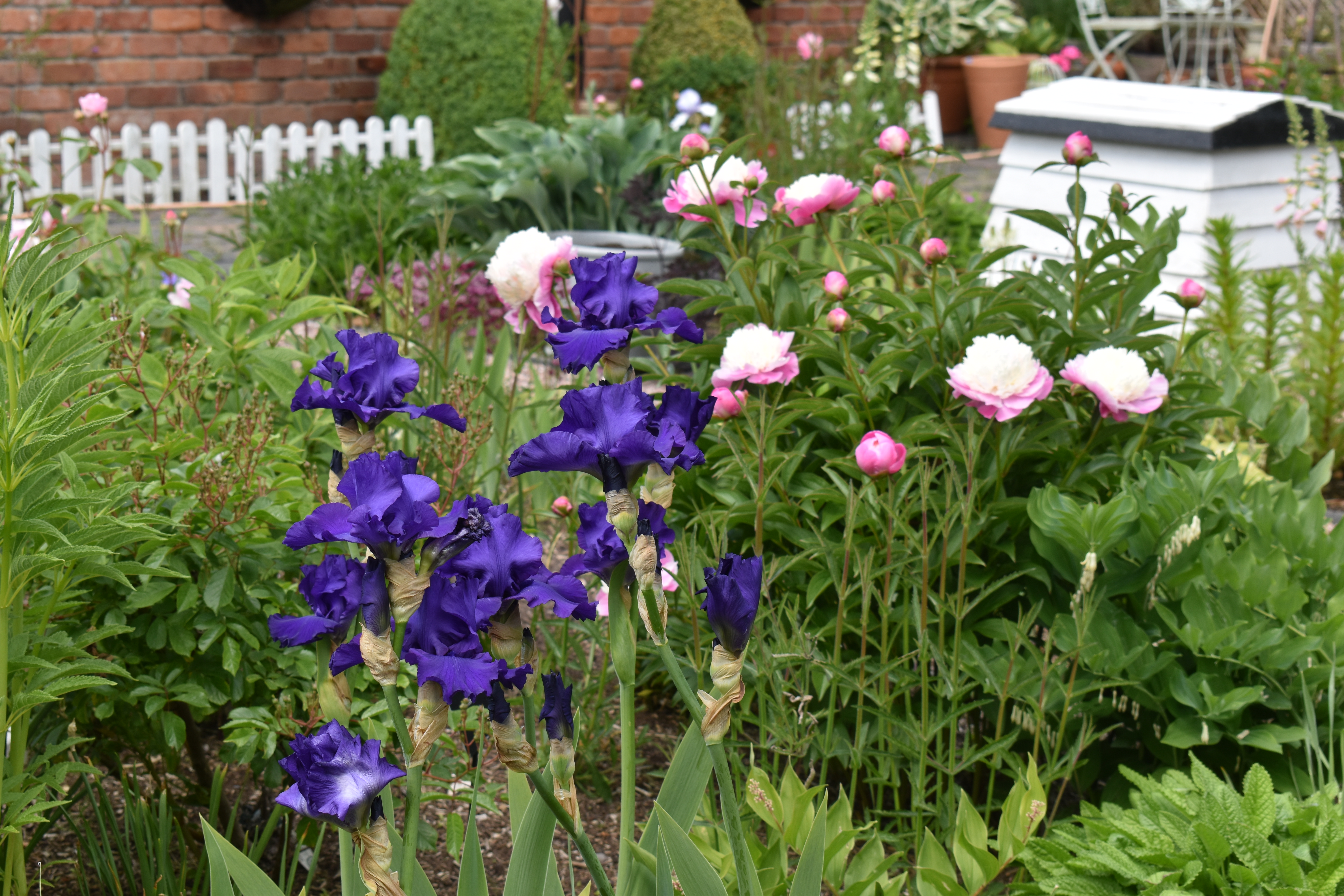
Irises are the next family of plants that feature in my May entries. Before sharing some photographs, I noted that, “The two main iris groups flowering in our garden at the moment are Bearded Iris and Iris sibirica, both have complex flower structures but differ greatly in size.”

I always find space in each month’s entries to include showing the gardening tasks we have been working on. May is no exception. I wrote, “The first half of May was a summery surprise with clear blue skies and high temperatures in the low twenties. It gave us freedom to enjoy pottering in the garden without rain.”

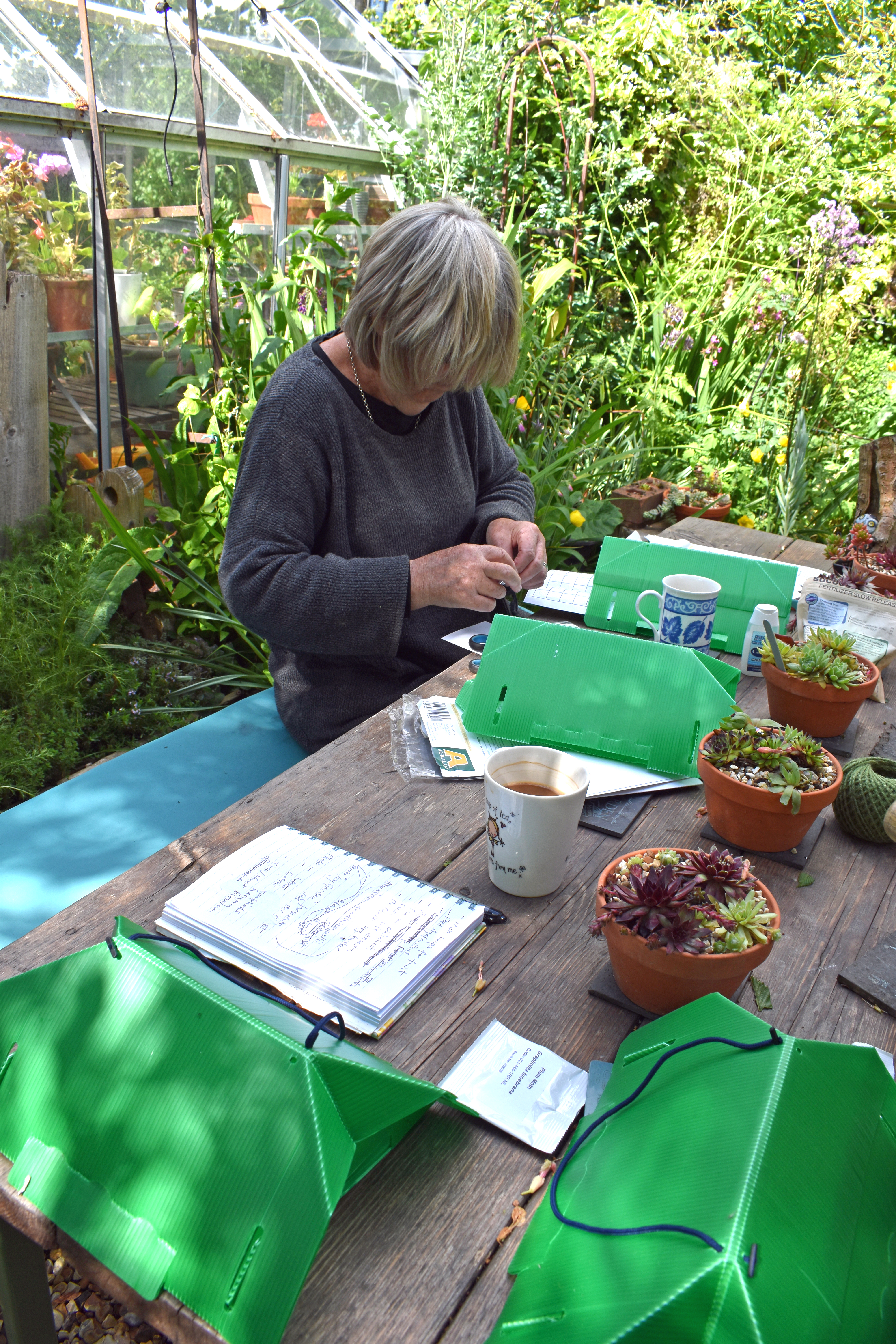
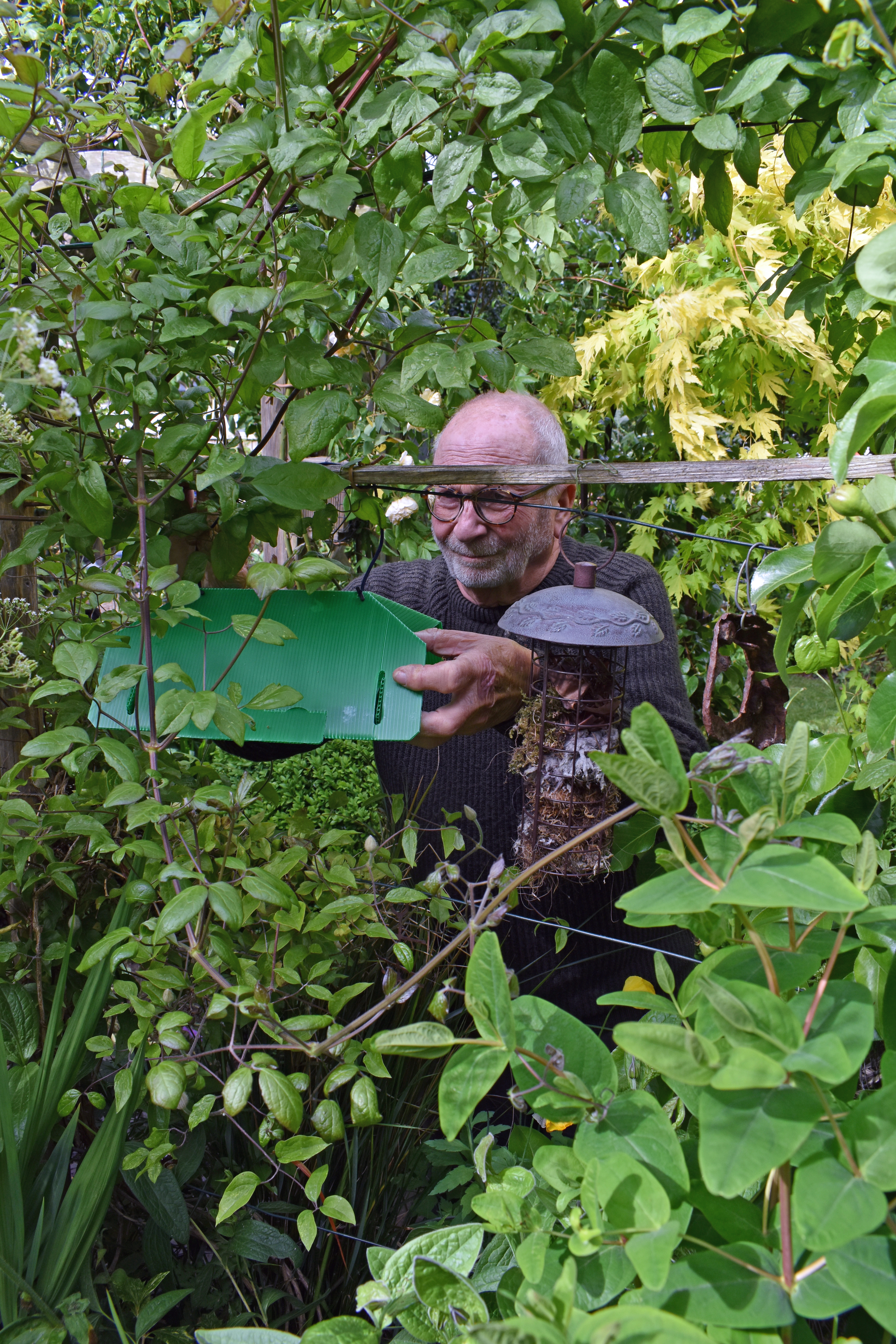
“We frequently mow the grassed areas now. Time to put up the traps in our fruit trees came suddenly.”

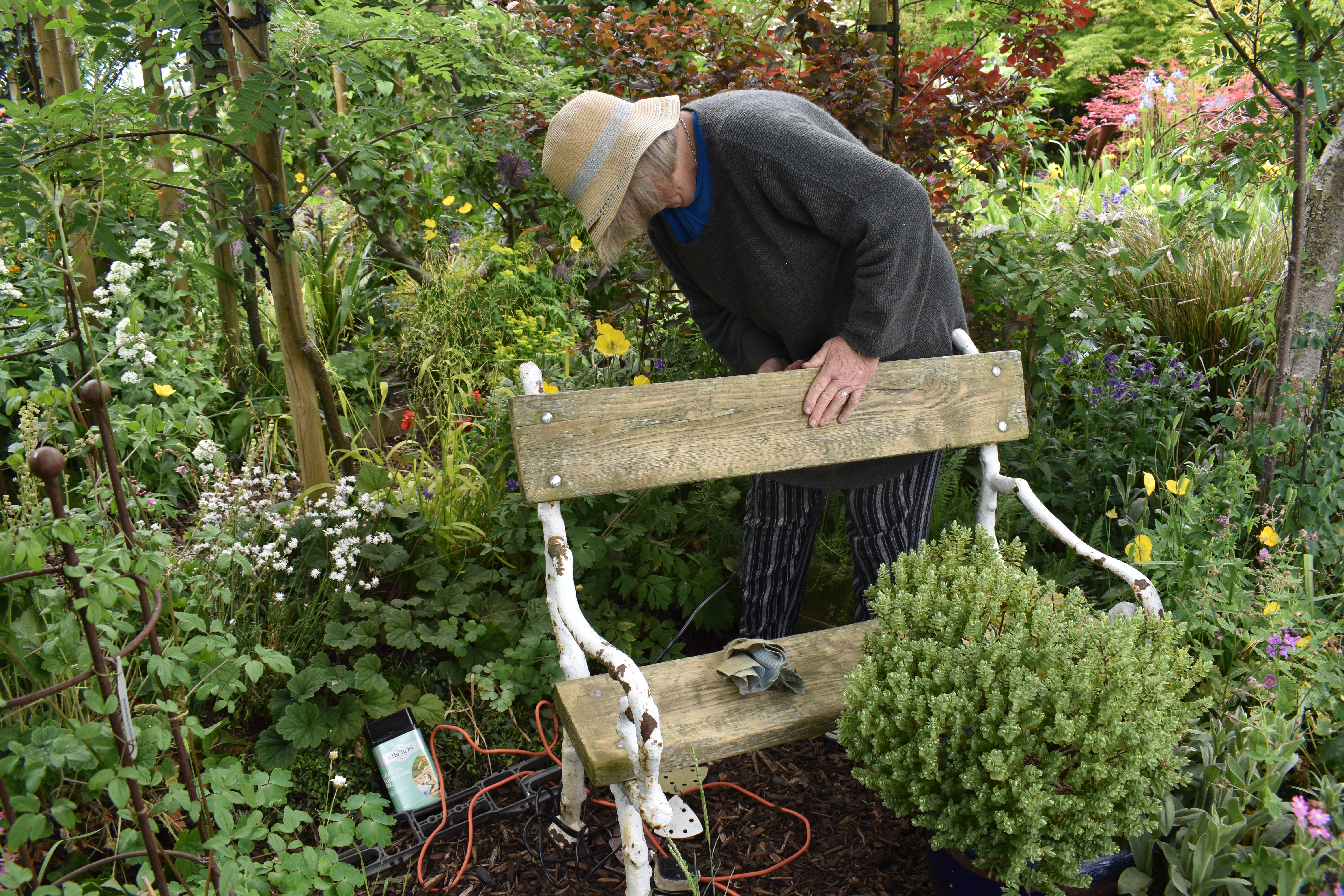
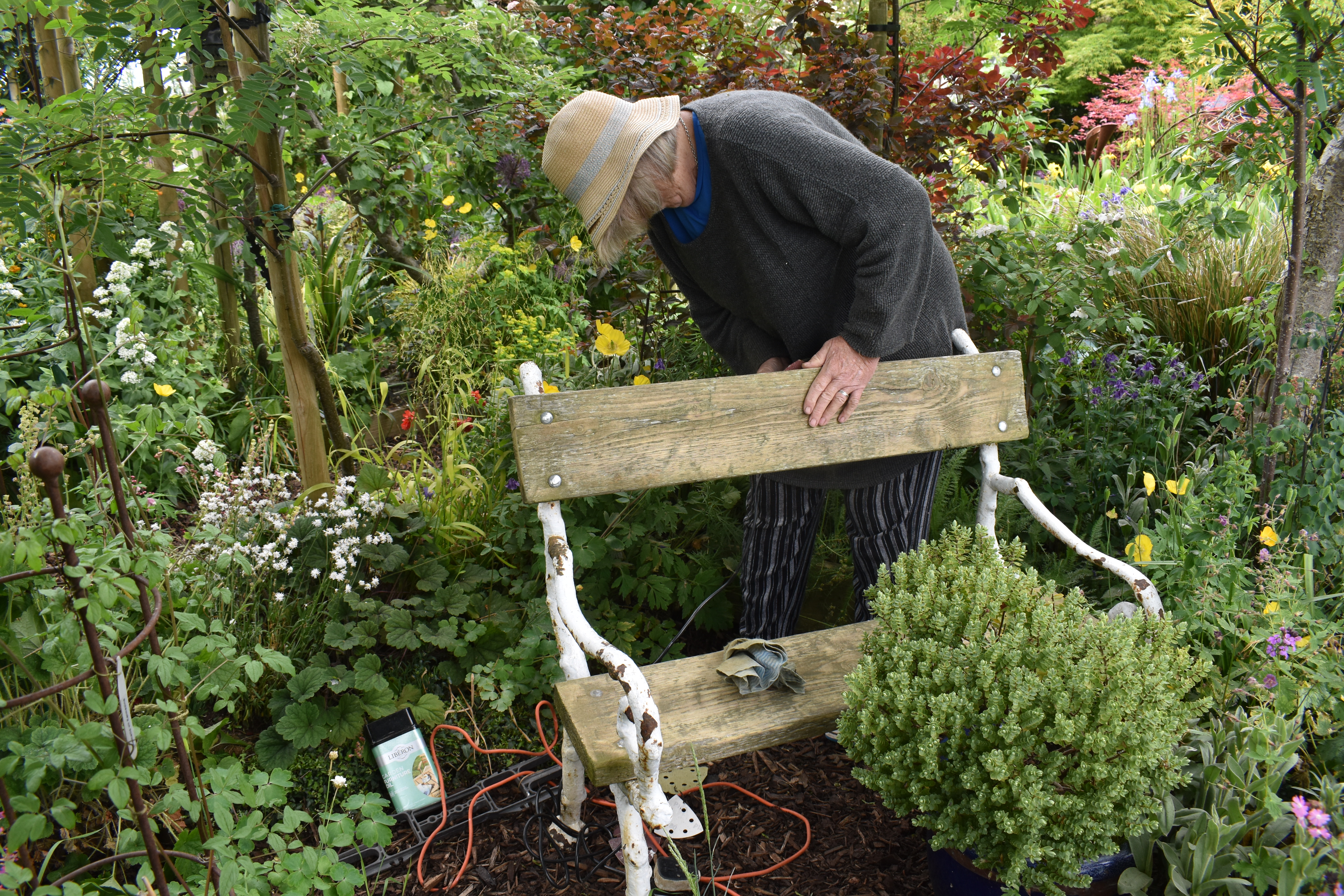
We have been adding a few plants in the “Chicken Garden” and while there Jude re-oiled our old railway station bench.”

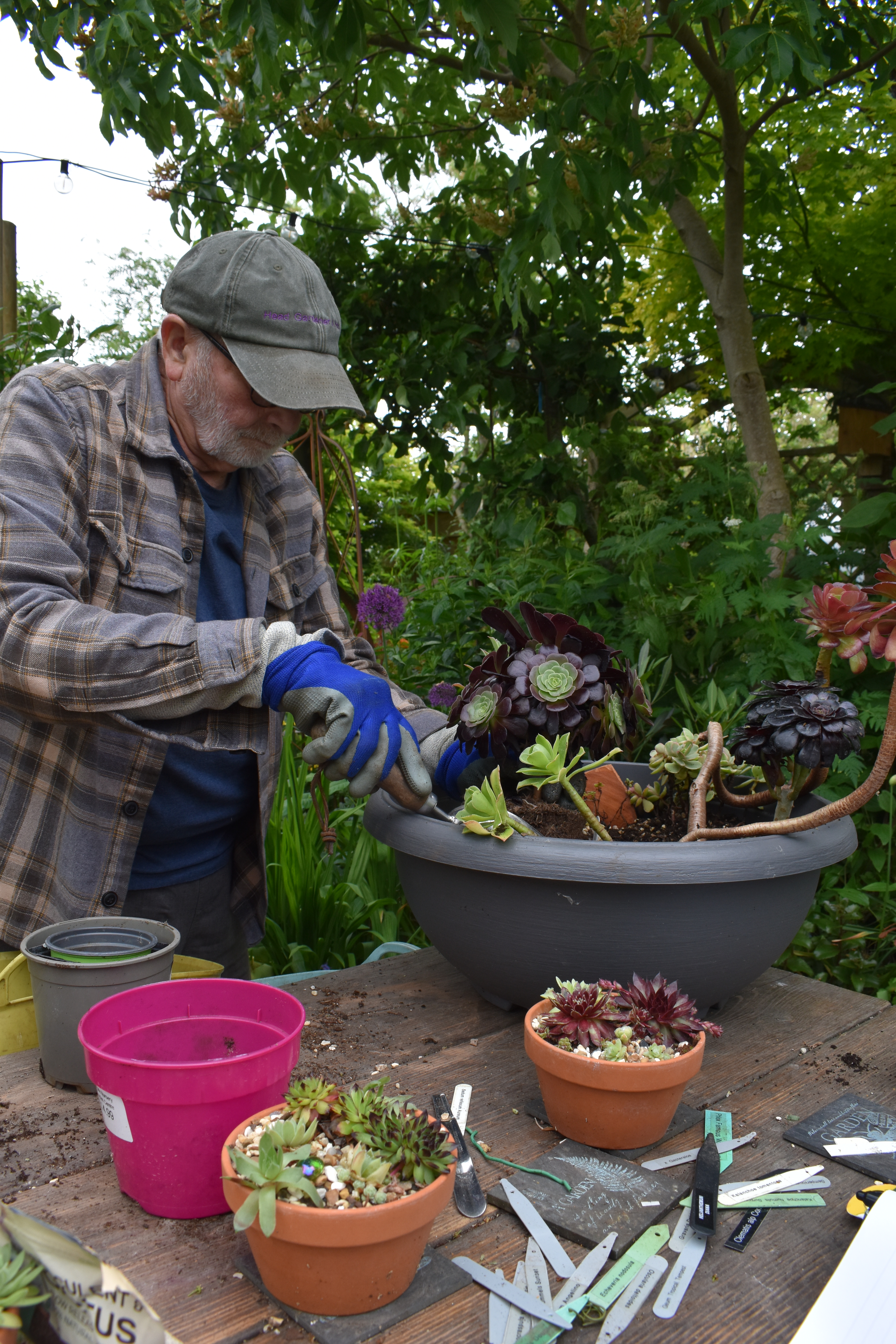
I finished revamping my succulent containers and trimmed the Lonicera nitida “Bagginson’s Gold”.

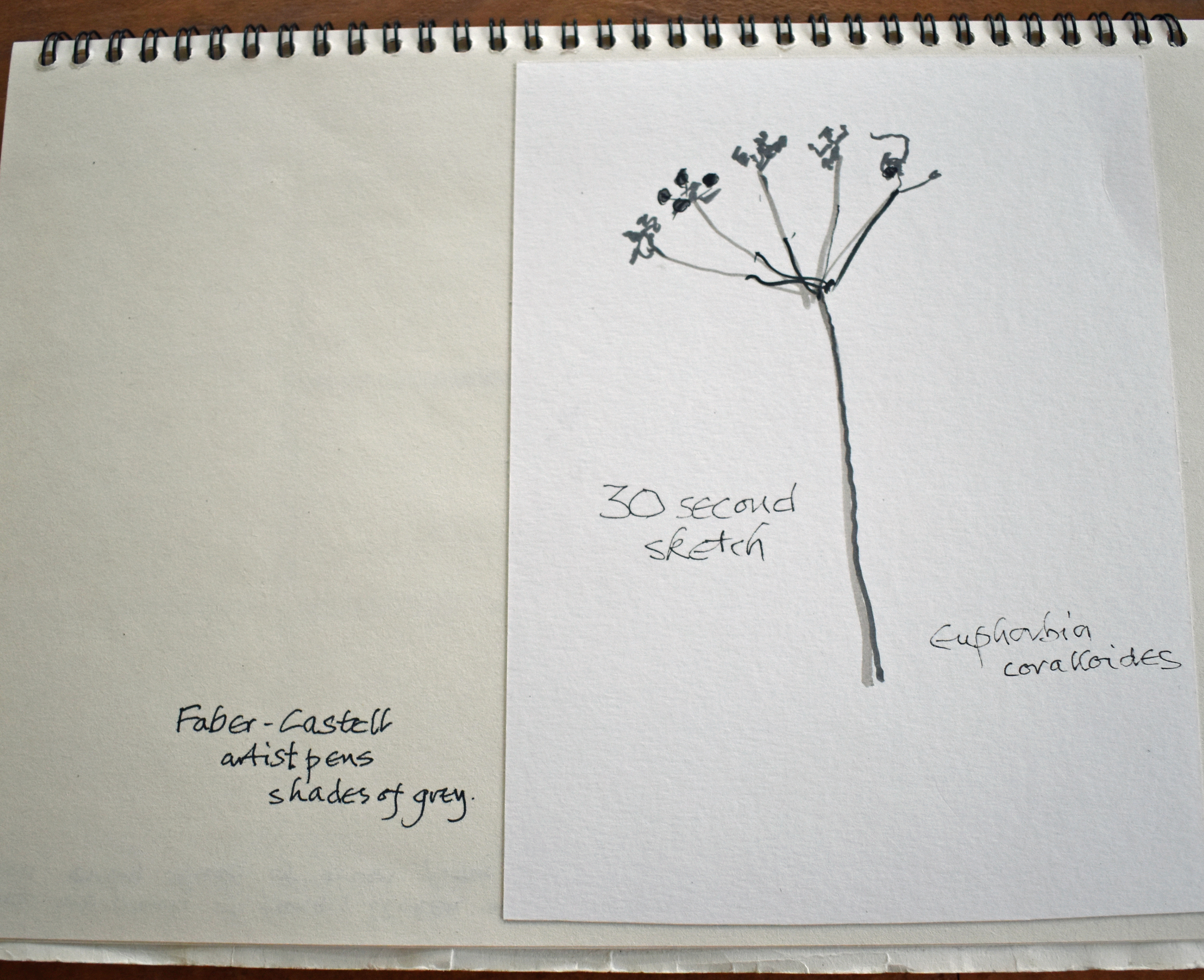
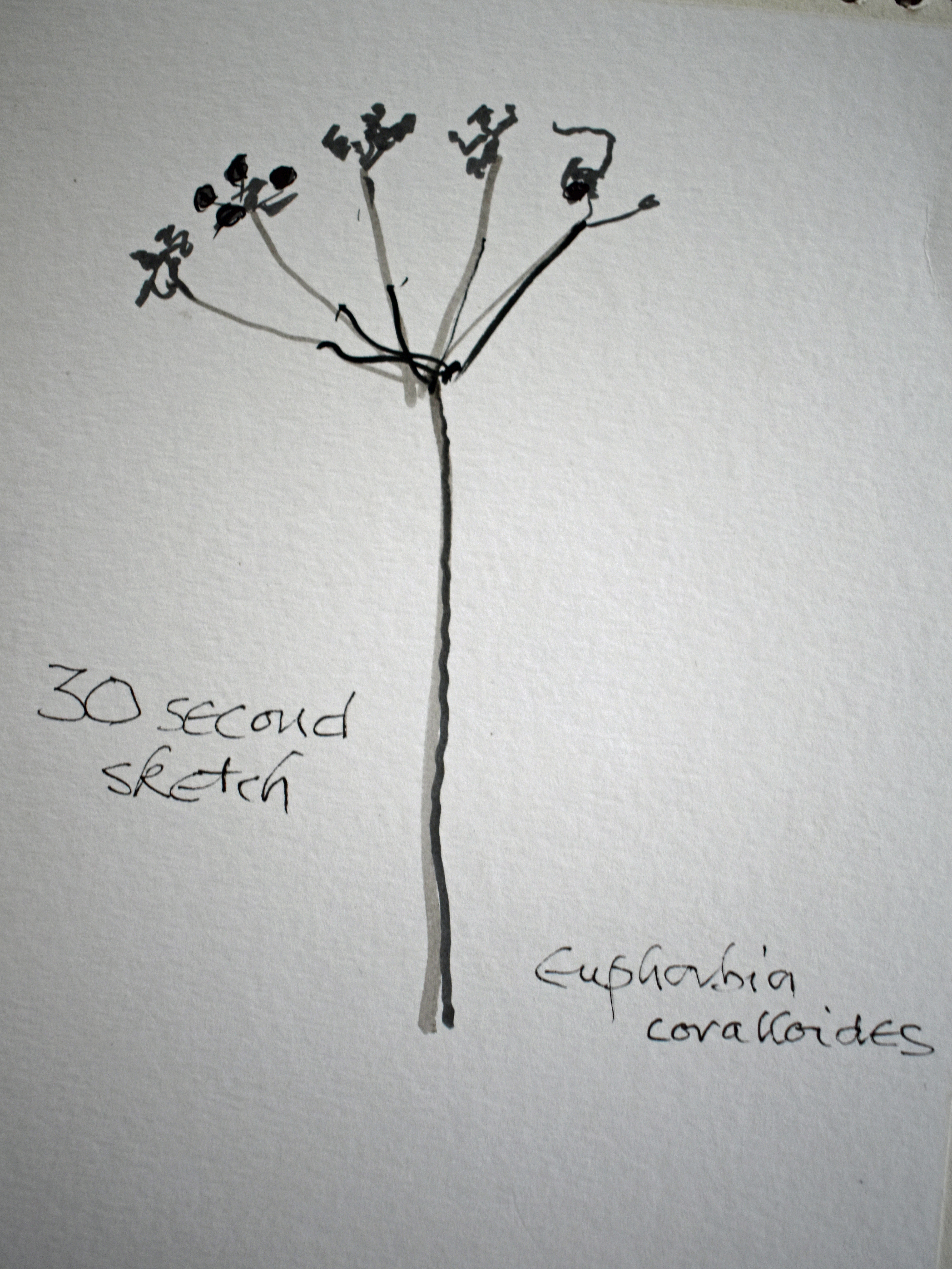
Over the page on the left hand I shared a a sketch of a twig which the wind blew from a aesculus (chestnut) tree. I have recently read a book where the author had completed quick sketches of weeds she passed while on the walk each day taking the children to school, wandering through the path and other very local places she used regularly. So I decided I would try a quick sketch of the twig allowing myself 30 seconds to complete, not including the time studying it beforehand.

Wildlife was the subject of the following page. I wrote,“The wildlife in our garden remains very busy from the tiniest insect to the much larger birds. Nesting birds spend most of their time searching every nook and cranny for tasty morsels for their nestlings and partners sitting on eggs simply waiting for the slightest sound from inside the shells. It is good to see that small birds easily find enough food to feed their families without having to leave our garden. We feel proud of this.

We have three robins nesting, as well as wren, titmice, blackbirds, dunnock and probably some finches too.”

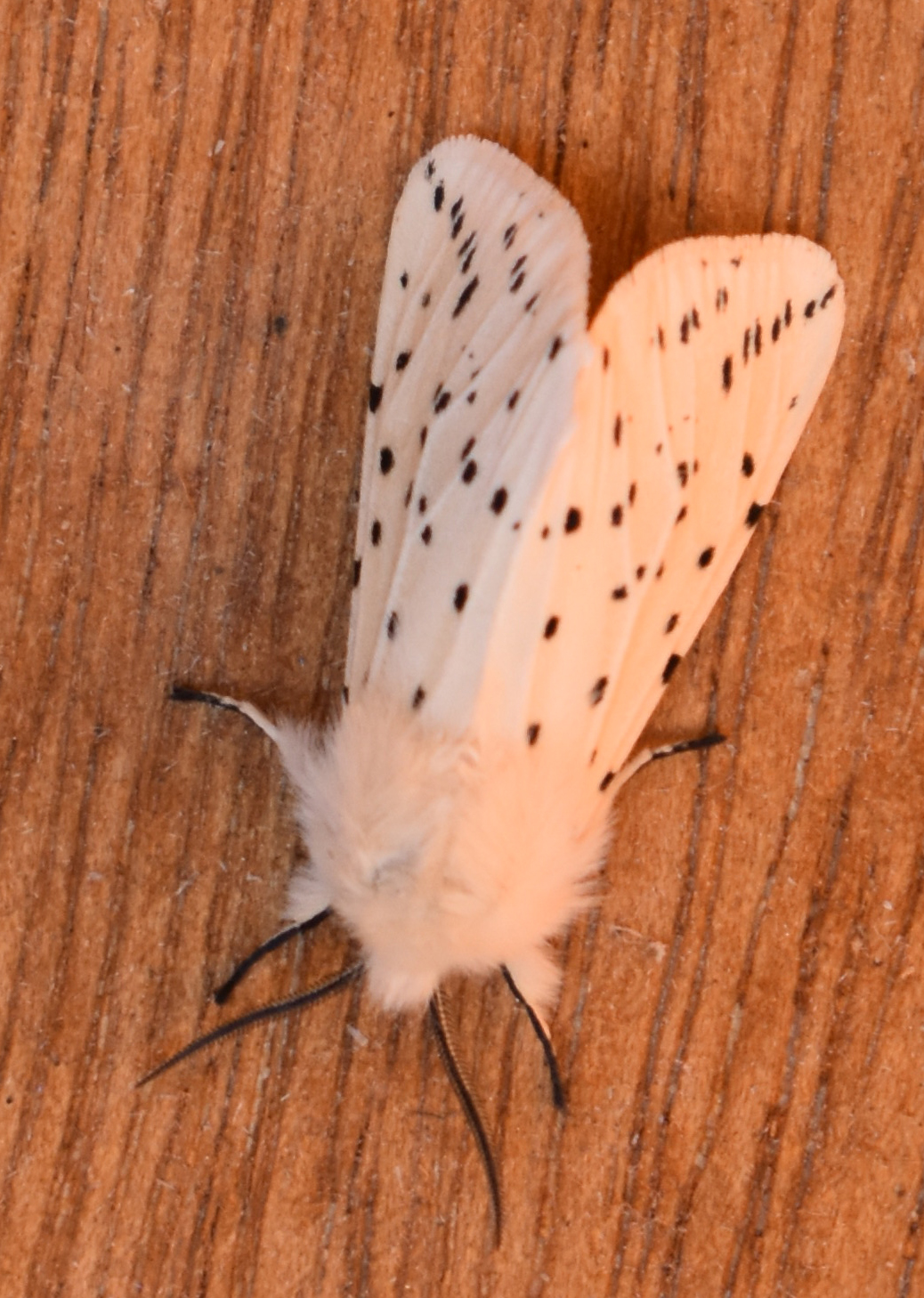
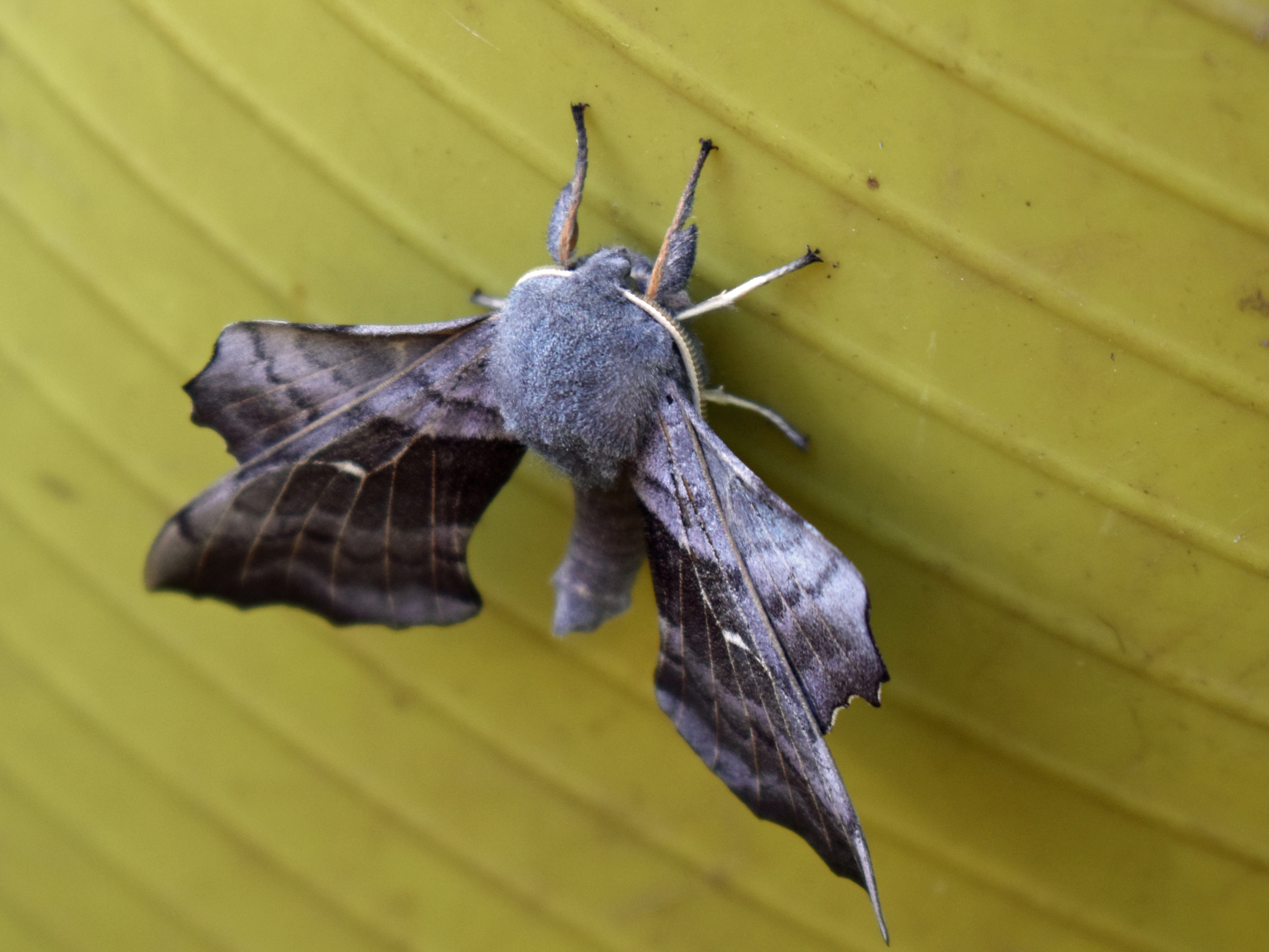
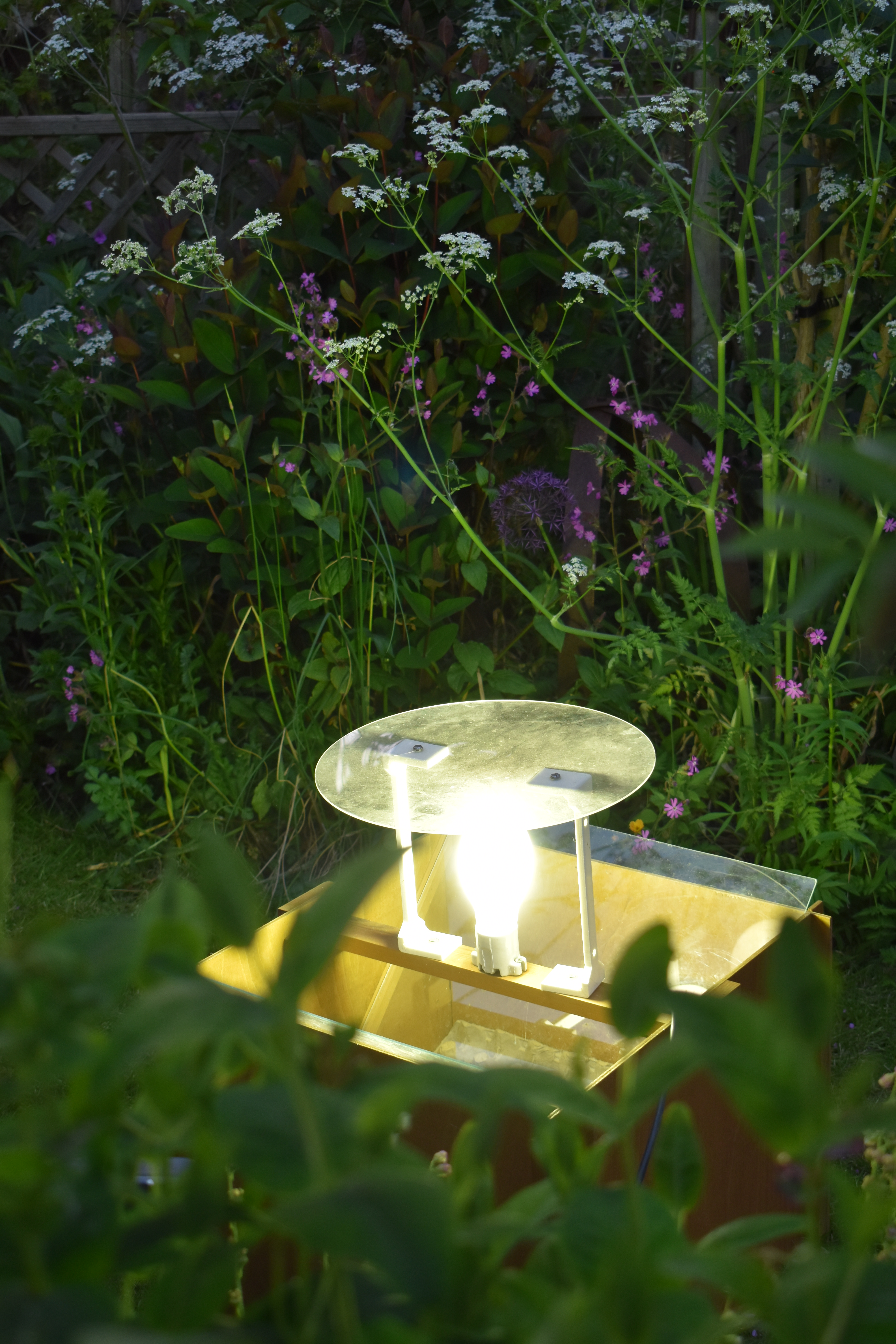
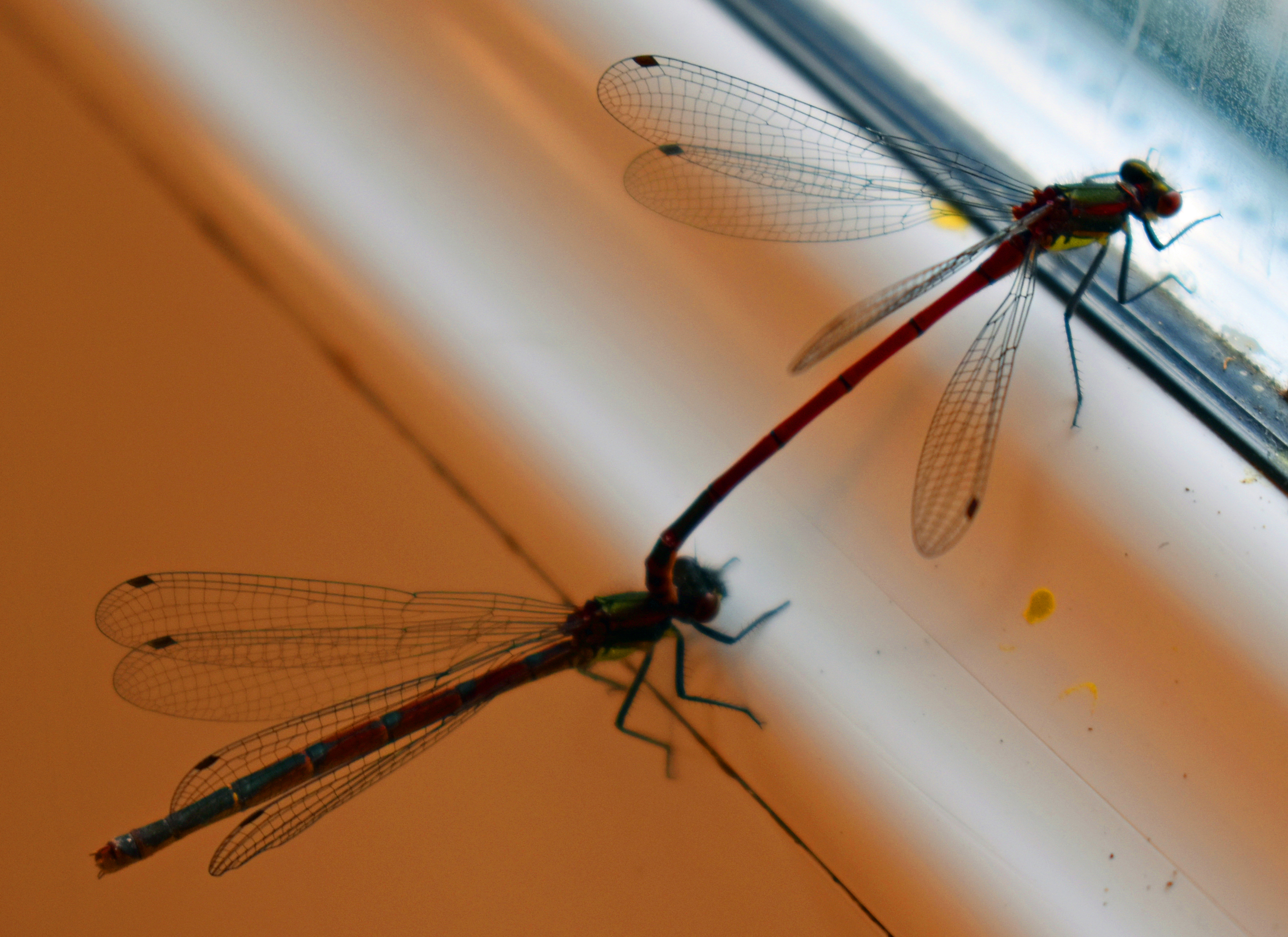
The first photo below shows an ichneumon wasp and the others show the different types of moth we caught in our live trap. The final trio of pictures shows the final moth photo, the trap and lastly a mating pair of Damsel flies inside the utility room.

For my final page for the month of May in our garden I look at the trees and shrubs that flower in our garden in that month.

I noted that, “Flowering trees and shrubs add so much to the May garden, including several viburnum and three different calycanthus”

So May came and went in the blink of an eye because we had so much going on in garden and our plants were performing so well.

See you soon when I report on our garden in June.

Categories
Uncategorized

Bridgemere Show Gardens May

For the fifth time this year we went up to Bridgemere Garden Centre to have a slow wander around their show gardens featuring their show gardens from previous RHS Shows at Chelsea and Hampton Court. This month was a special one though because it presented us with the first opportunity to explore the 2024 Chelsea People’s Choice Award and the Children’s Choice Award designed by one of our favourite garden designers, Anne Marie Powell. Sadly the judges disagreed with public and children and did not even give the designer a Gold Medal. We, like most gardeners we know thought they got it wrong. Sadly they will never admit that they could be wrong.

We had a quick wander around the other show gardens with the intention of seeking out obvious changes since our last visit, and there were lots of changes to attract us.

Firstly, just inside the gate we encountered the Cottage Garden which had gained so much colour as perennials showed off their colourful blooms.

We then made our way to the pool which we anticipated would have come to life. We passed some interesting planting on the way.

We went off to the Rose Garden expecting lots of colour as we have so many roses out at home. The reality was that most were still in bud with just a couple out to please us.

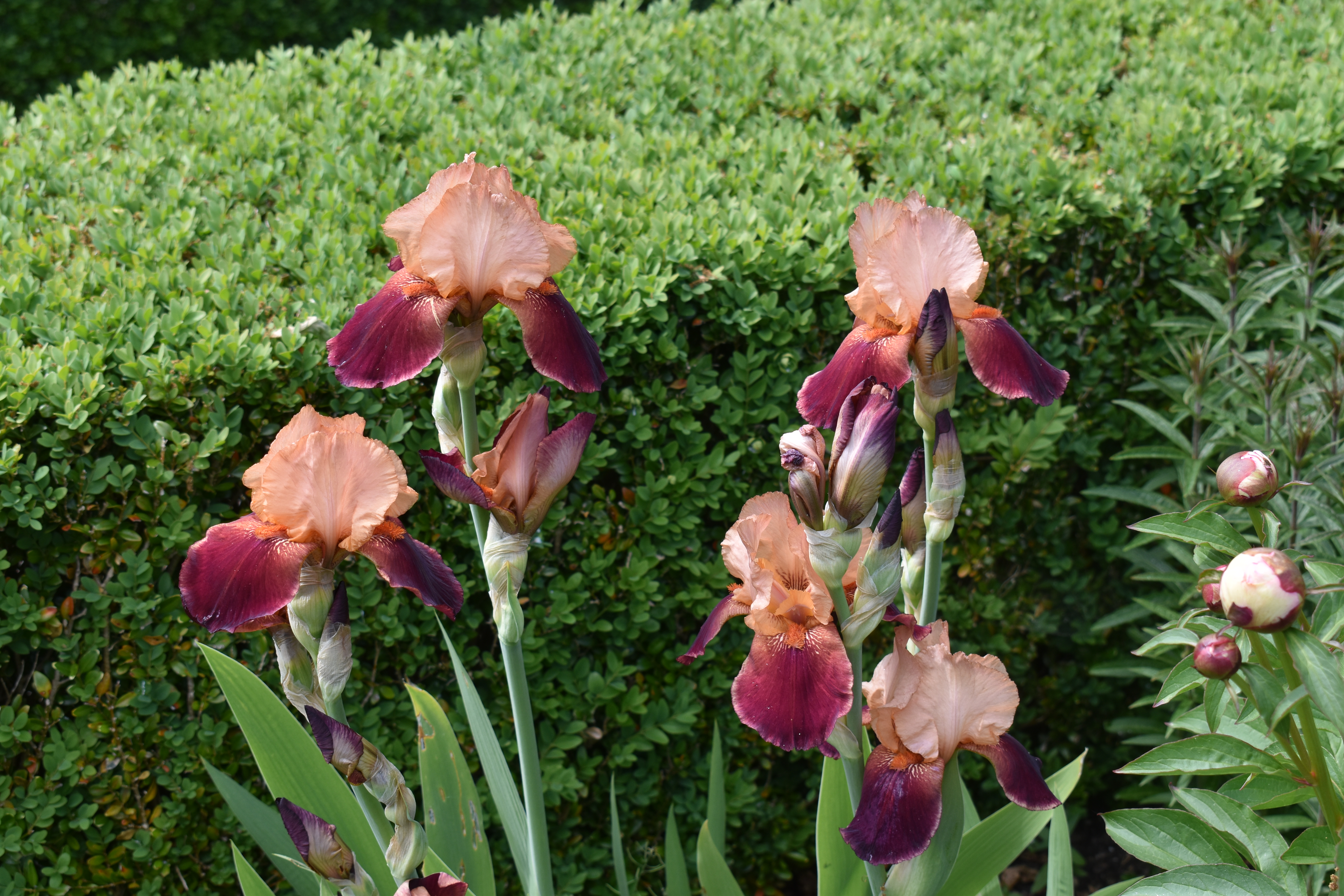
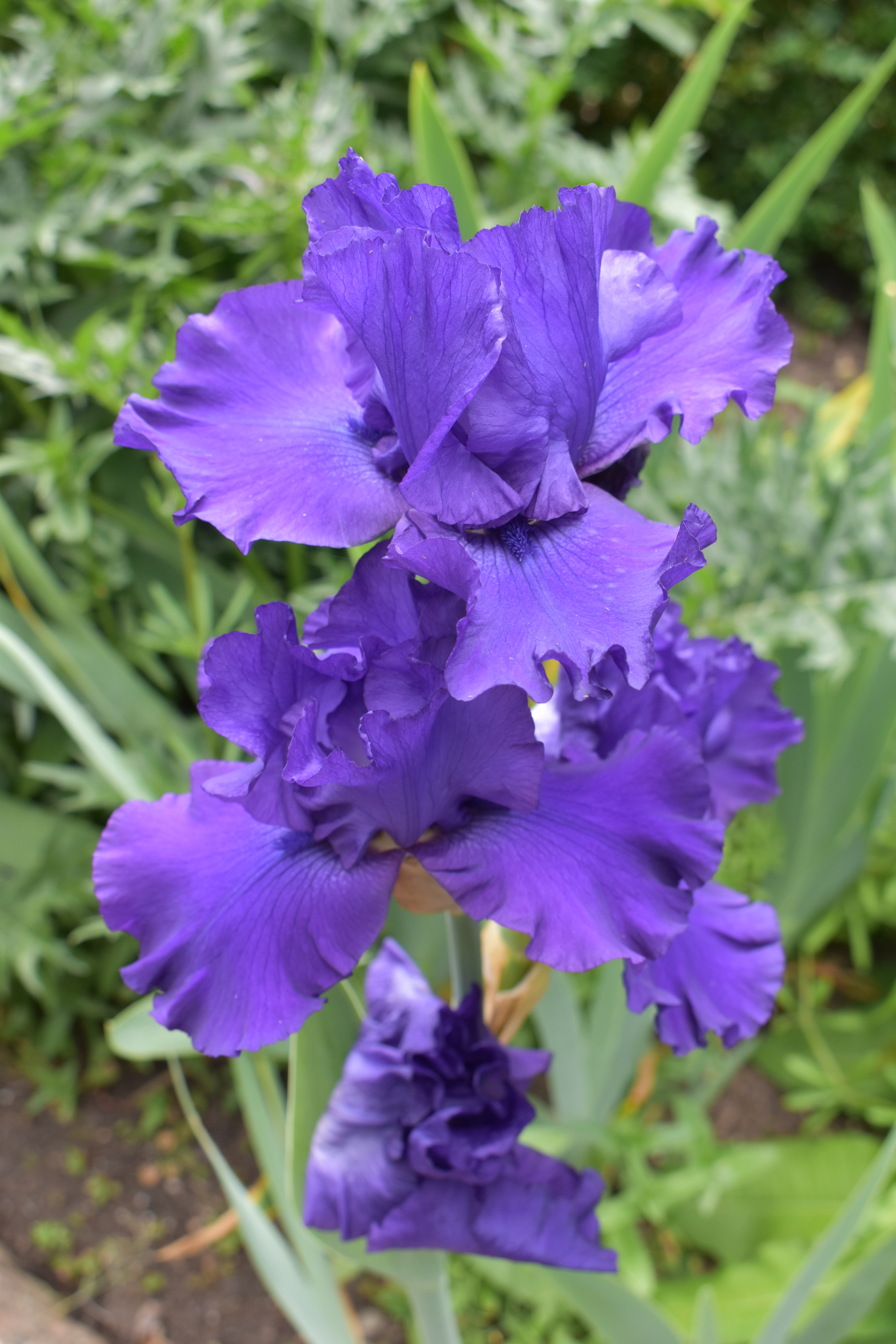
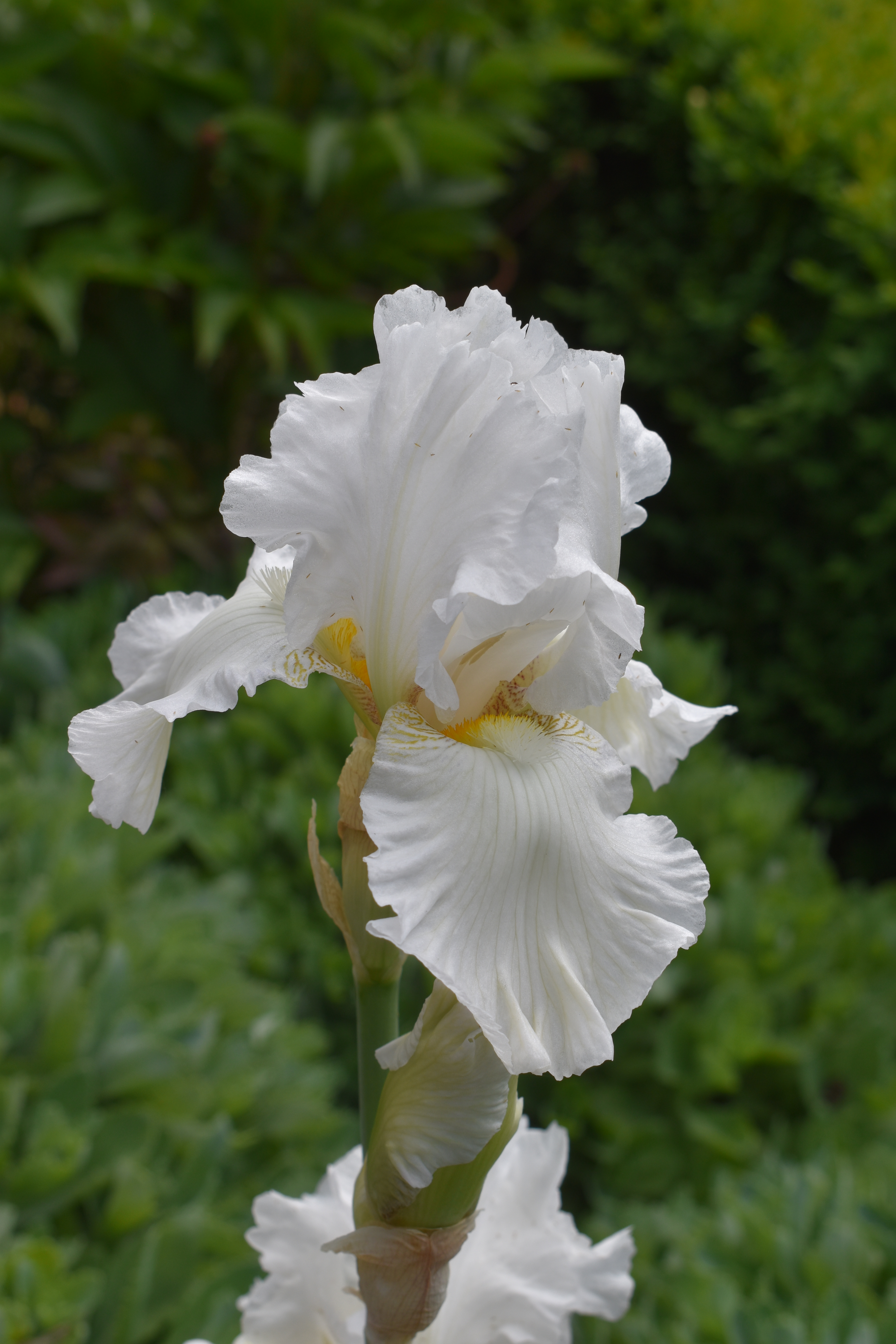
One flower that shone out throughout the gardens was the bearded iris.

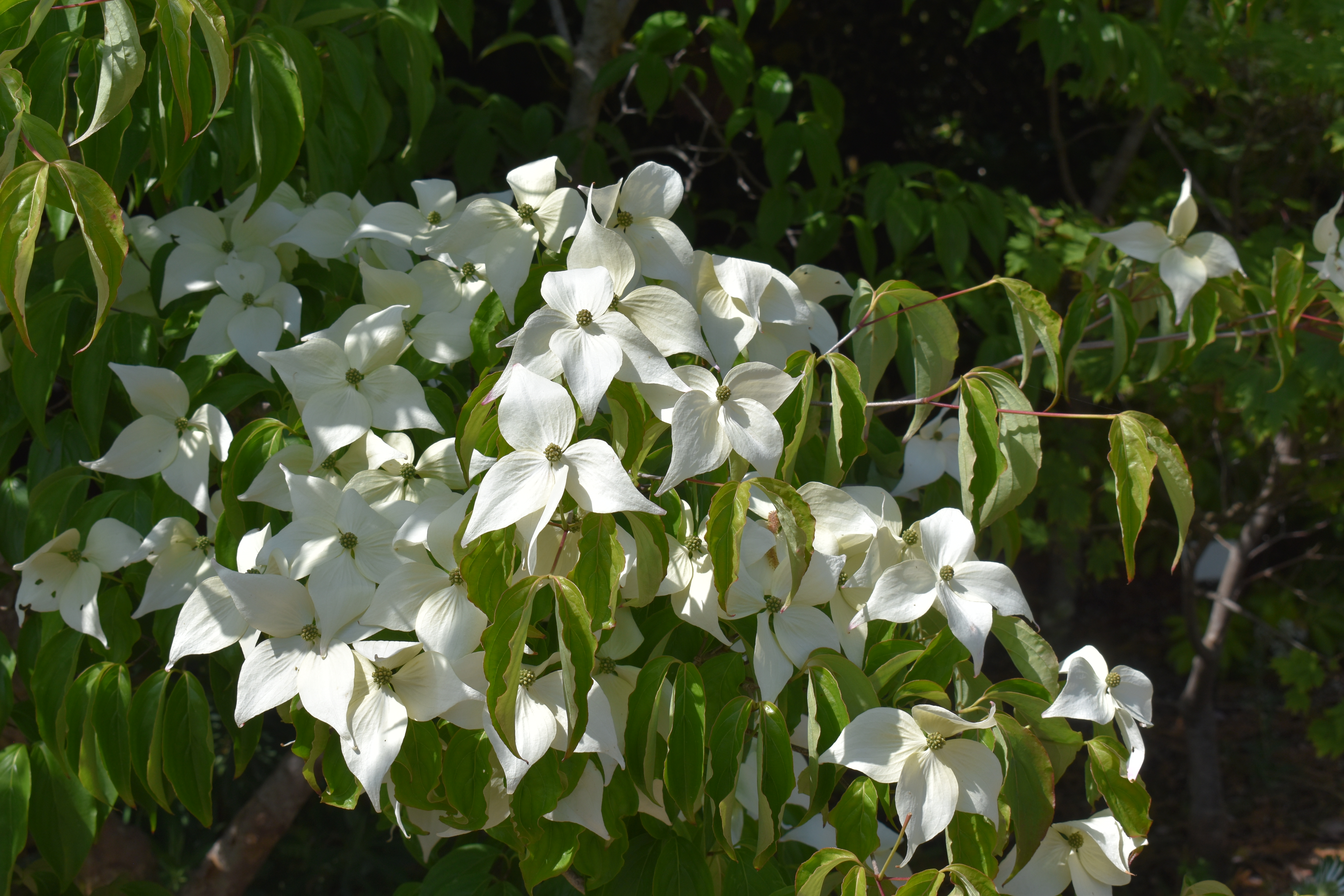
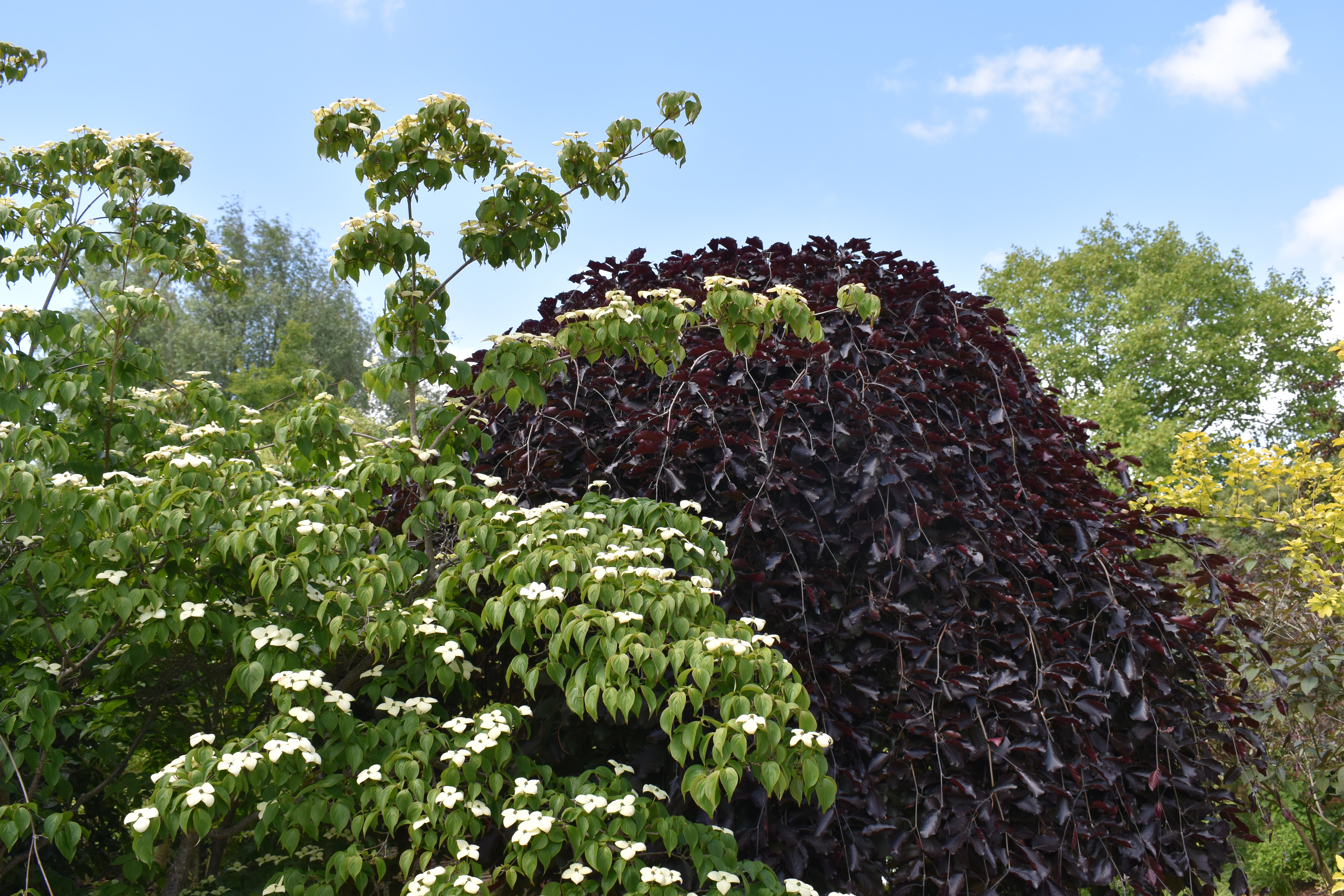
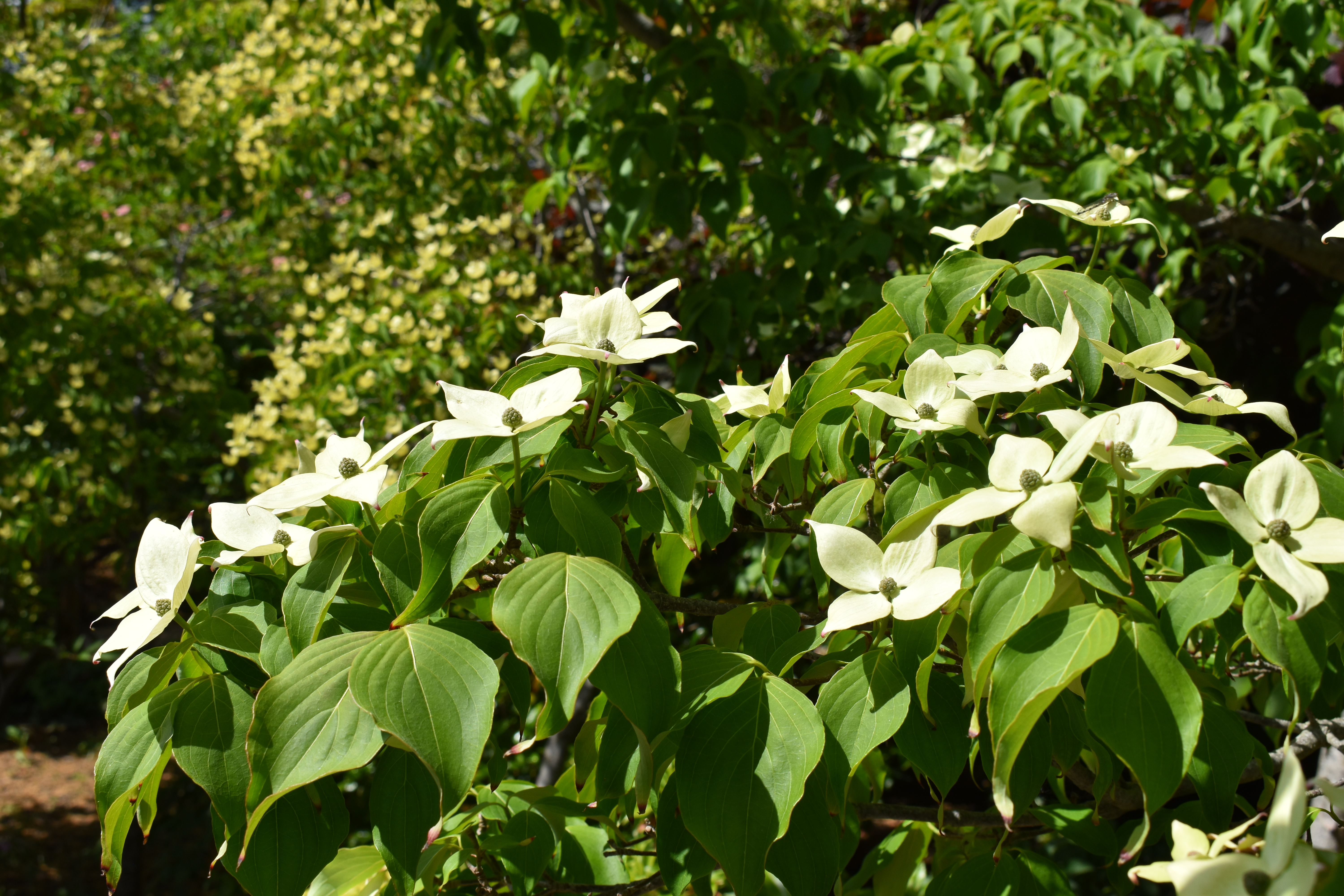
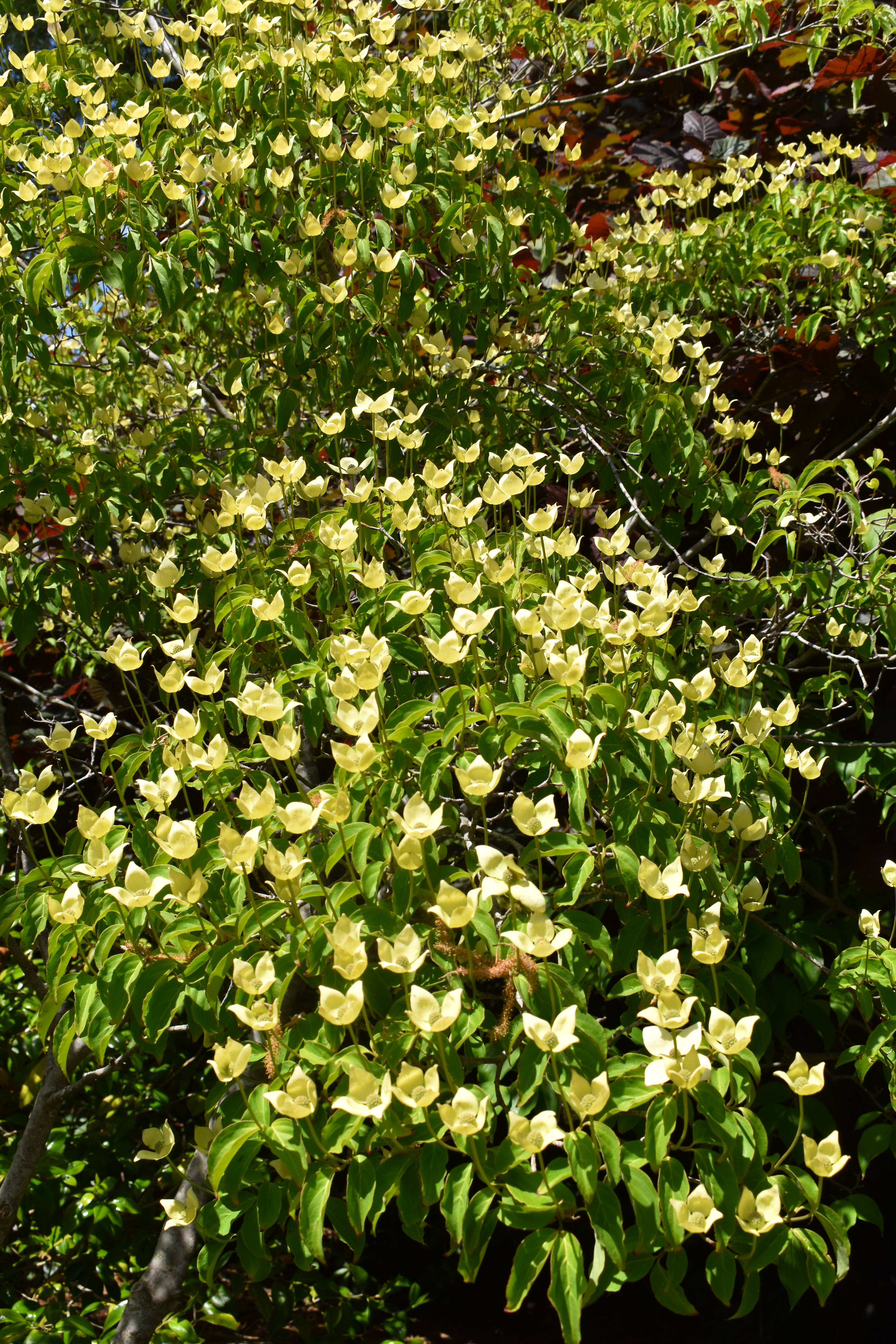
We reached the new garden designed by Anne Marie Powell after admiring a grouping of Cornus kousa, their bracts glowing in the shade of larger trees.

The new garden is called the Octavia Hill Garden celebrating the life and work of the founder of the National Trust, a conservationist and a social reformer being especially concerned with the welfare of Londoners and other cities at the time.

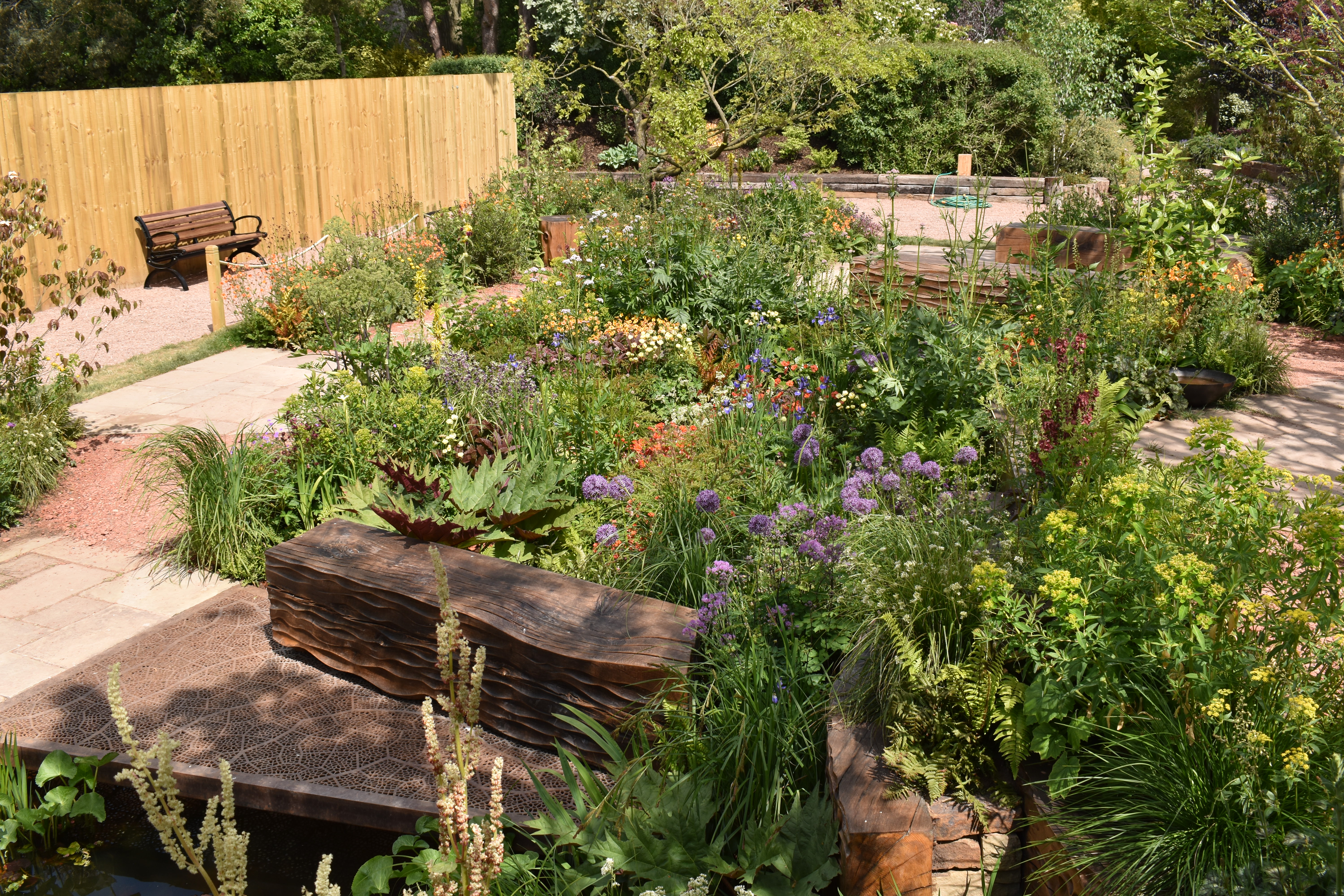
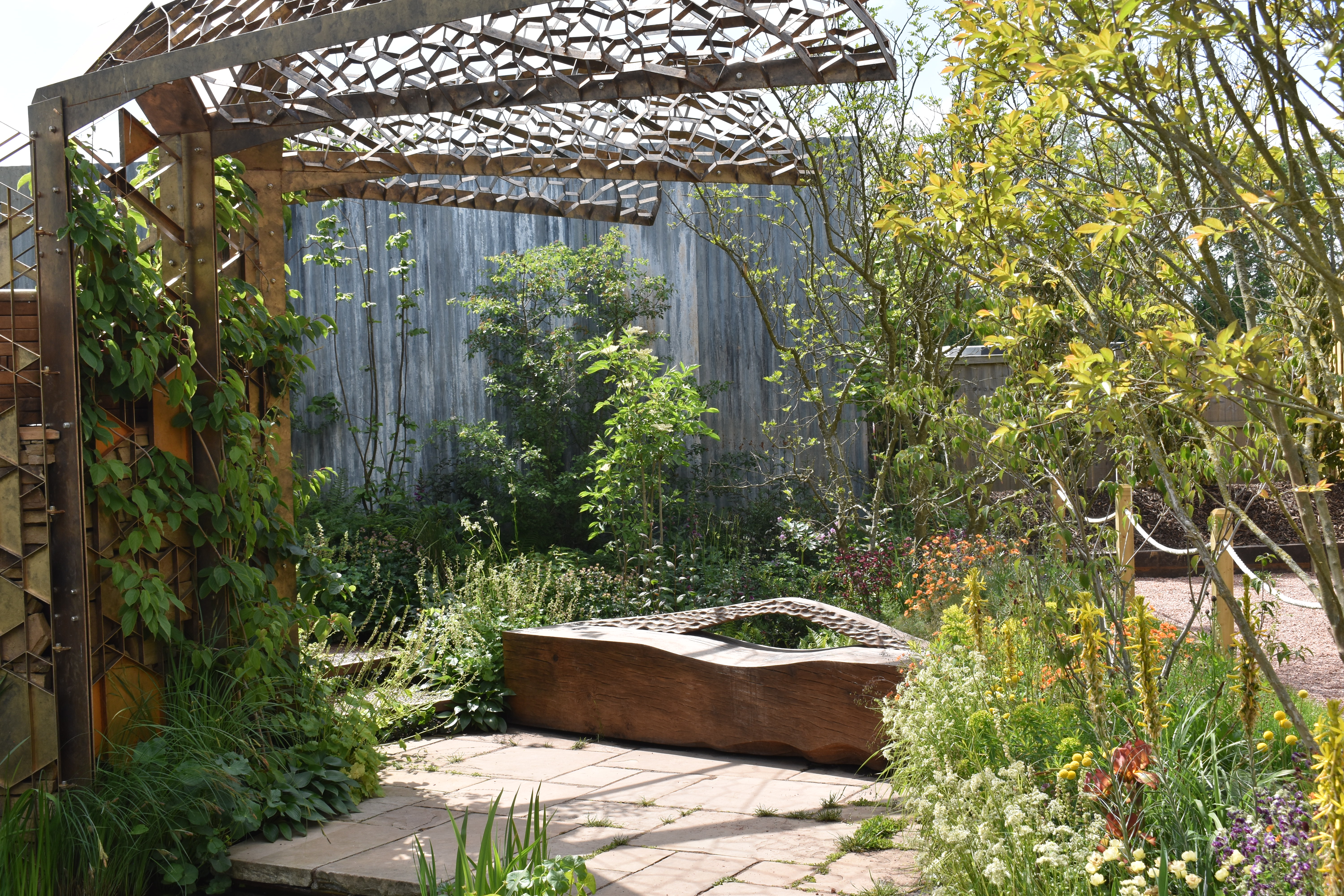
We were not disappointed in the slightest with the garden in its new situation at Bridgemere albeit smaller in size and with some elements missing, such as the feature hand carved oak retaining wall with habitat panels.

The first set of photos shows our first views of the garden.

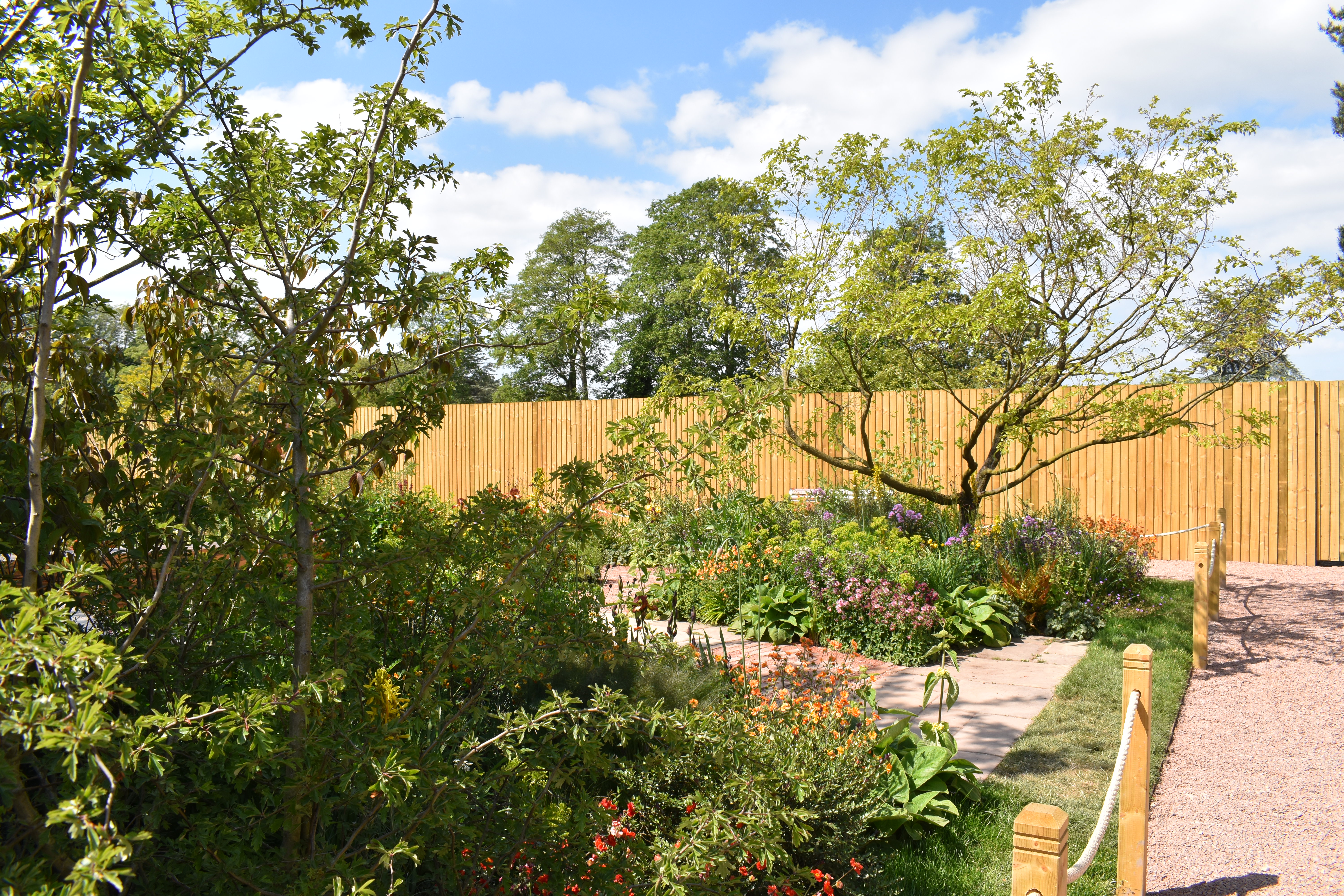
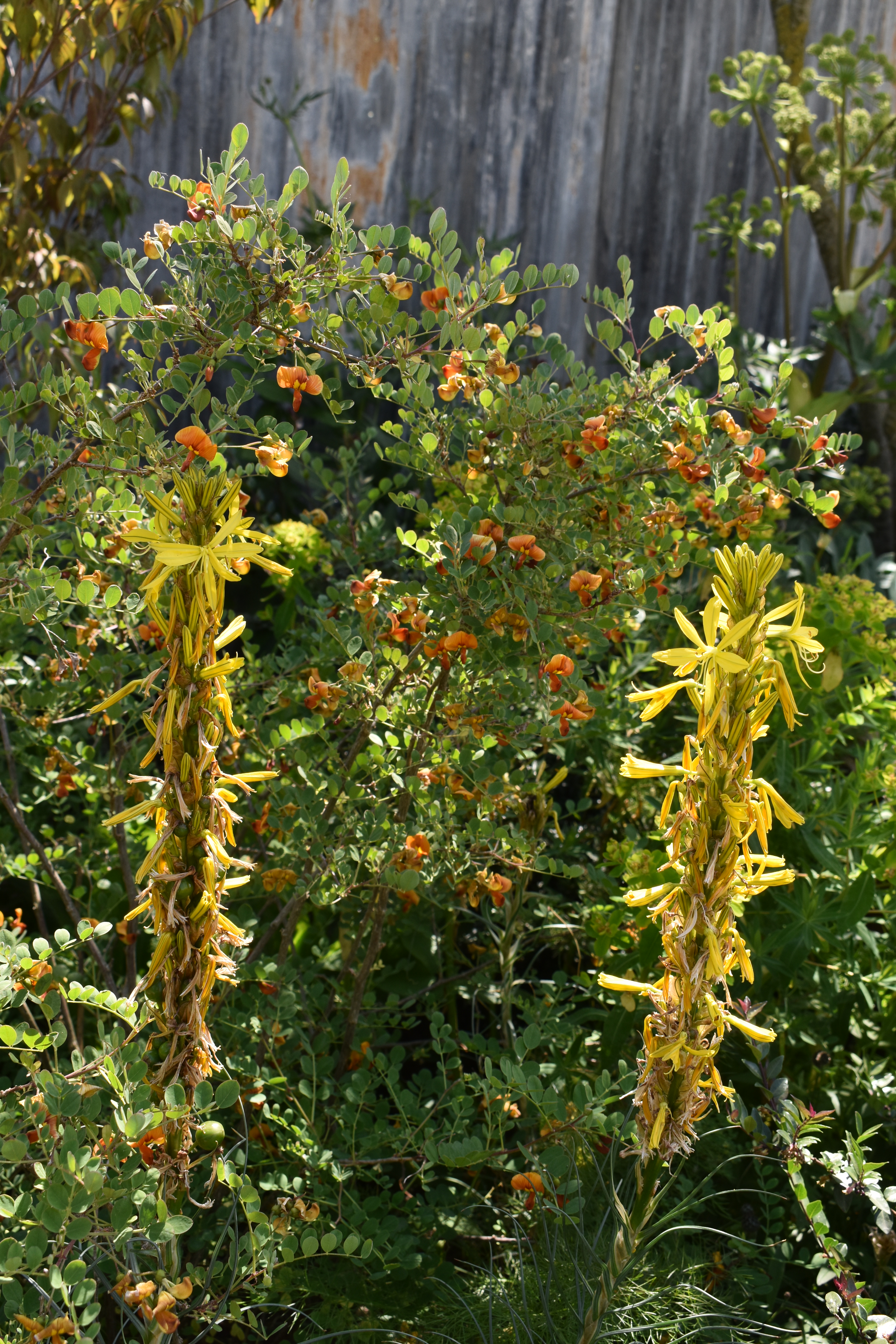
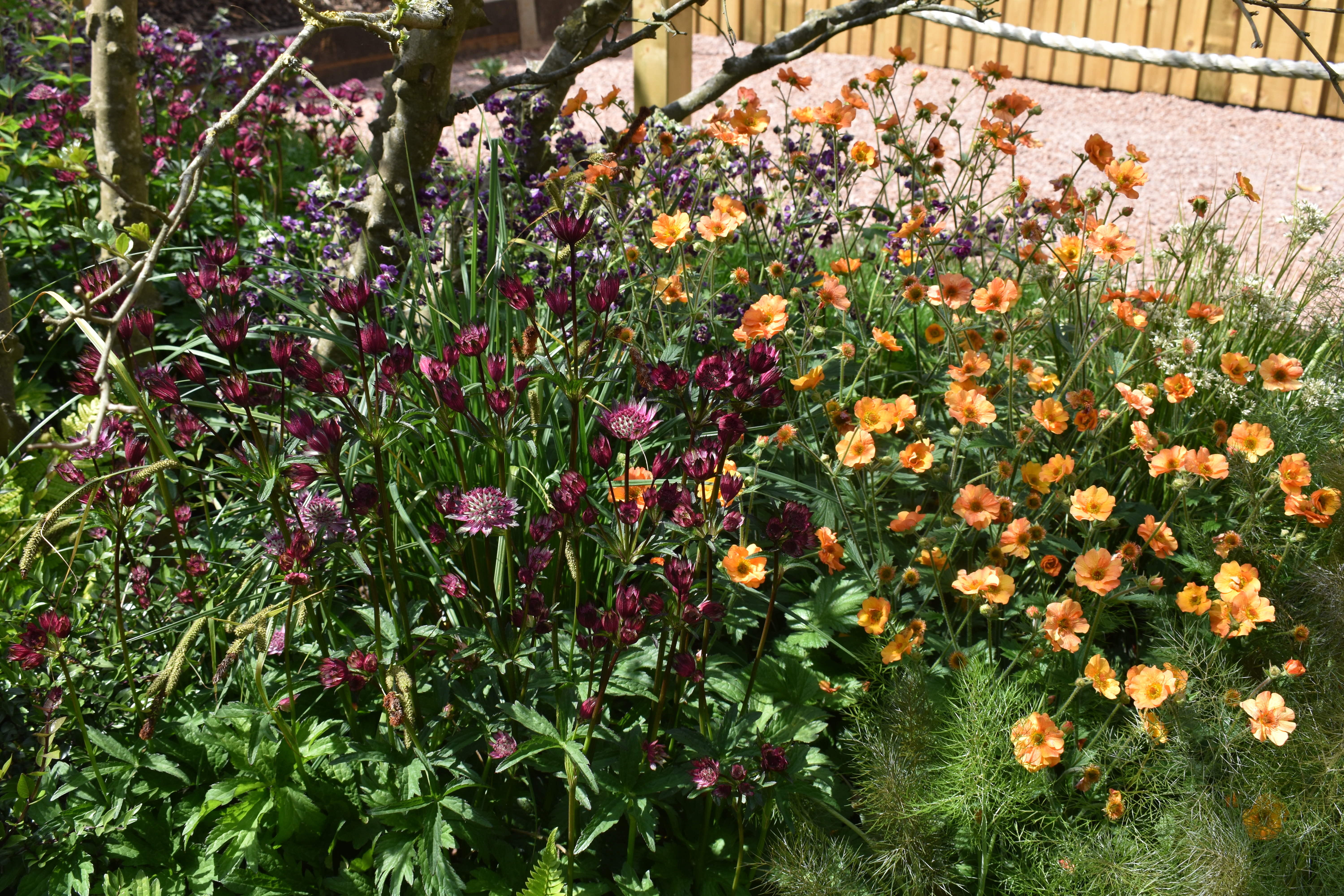
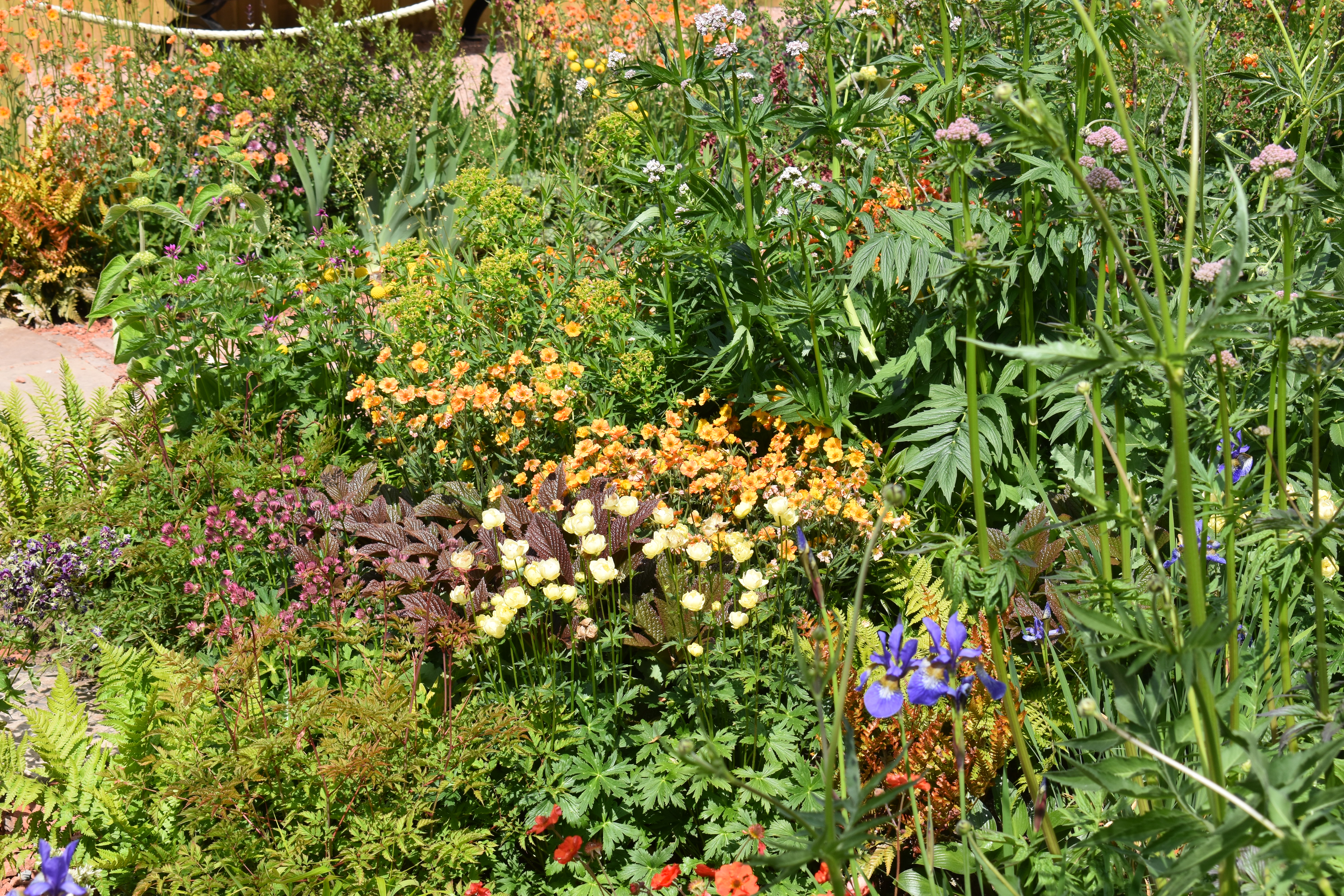
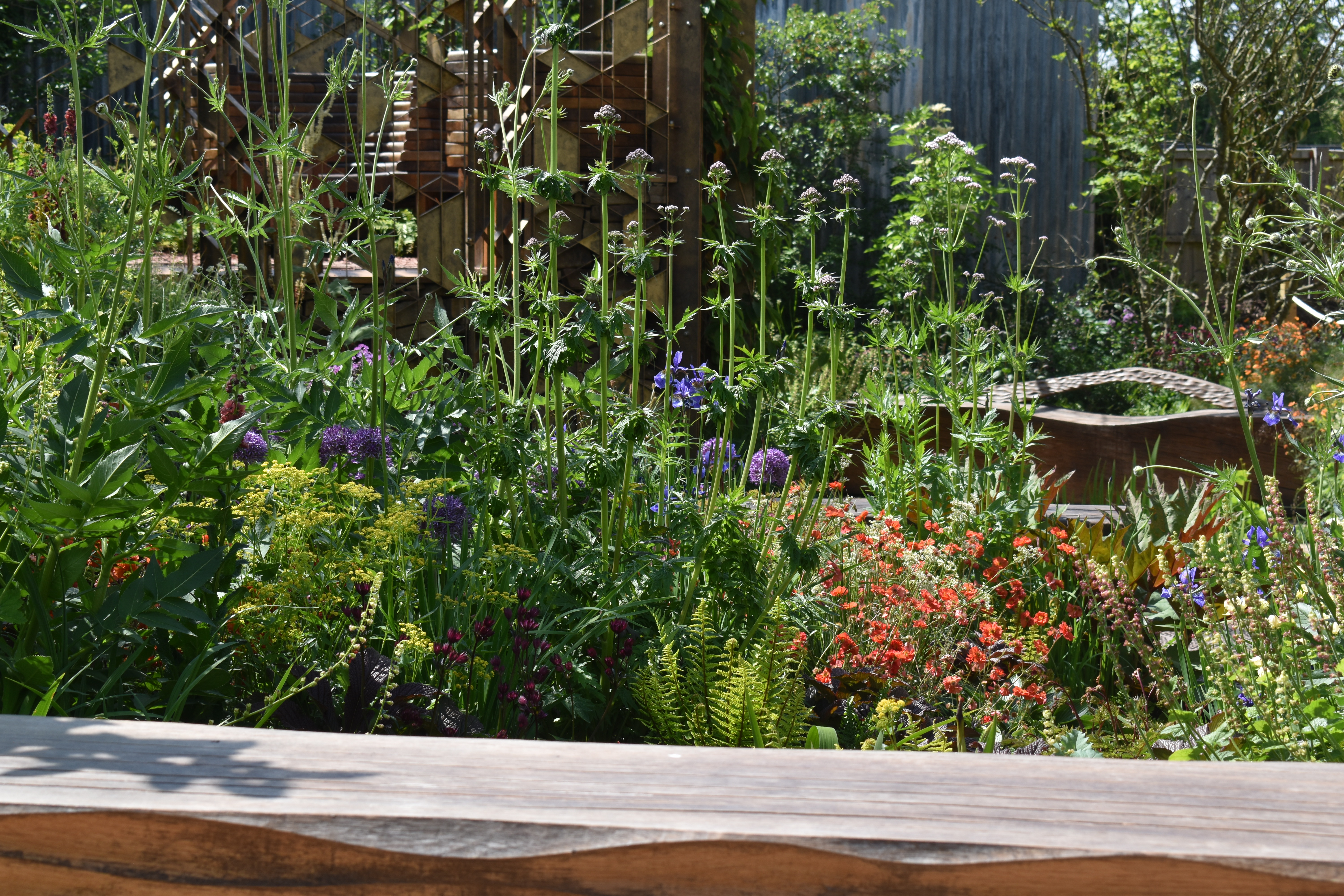
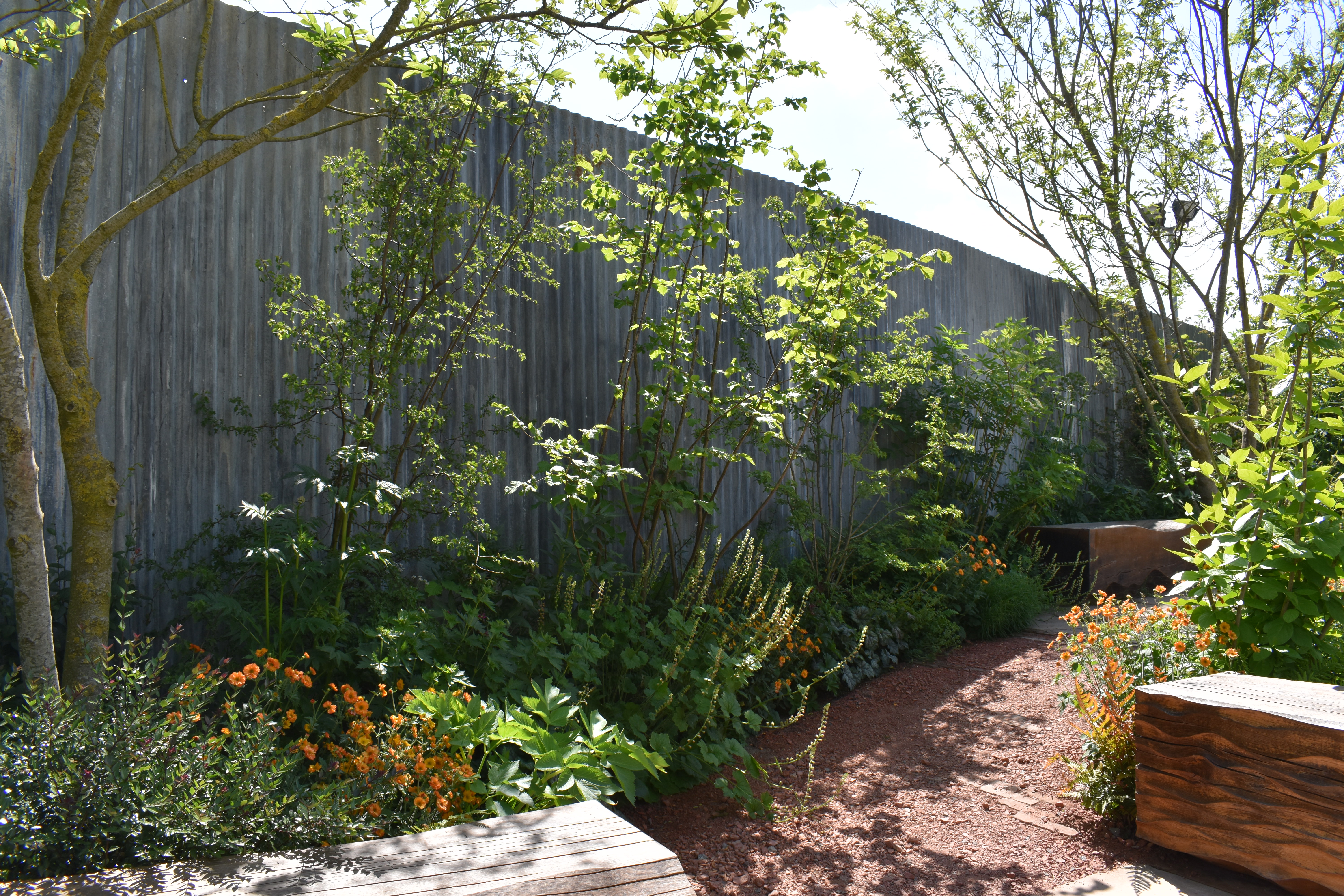
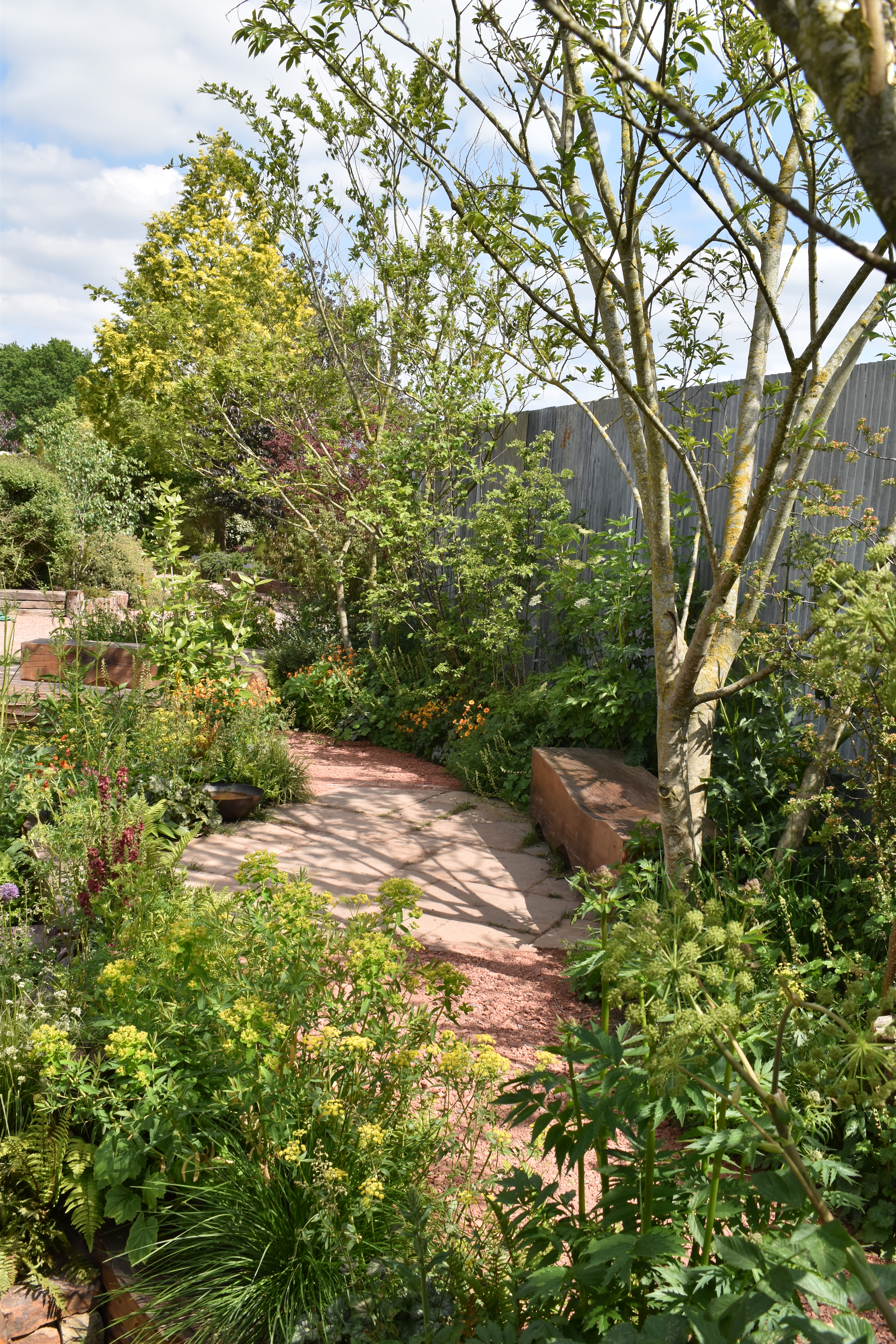
We sat on the first wooden sculptural seat where we could absorb the atmosphere of the garden and appreciate the quality of the planting choice and plant combinations. The next group of images illustrate the plants and some of Anne Marie’s plant groupings.

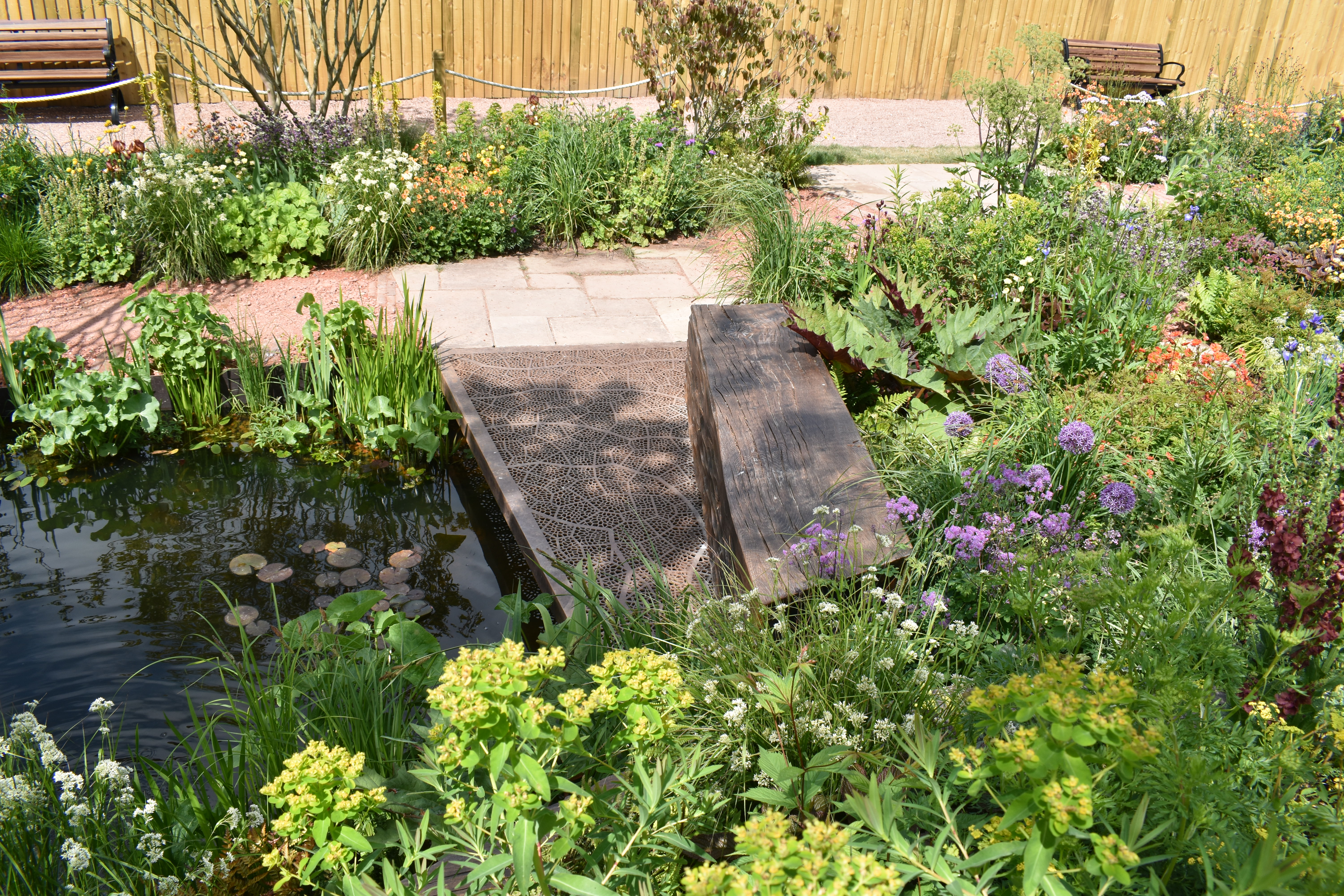
The central planting areas flow on both sides of a rippling stream which runs through chips of reclaimed red bricks and on into a pond. These plantings could also be viewed from a crushed red brick path which meandered around the outside of the garden.

The following group of photos show the central planting area, stream and pool.

This photo (below) shows the red brick based stream making its way through the matching beautiful colours of the plantings.

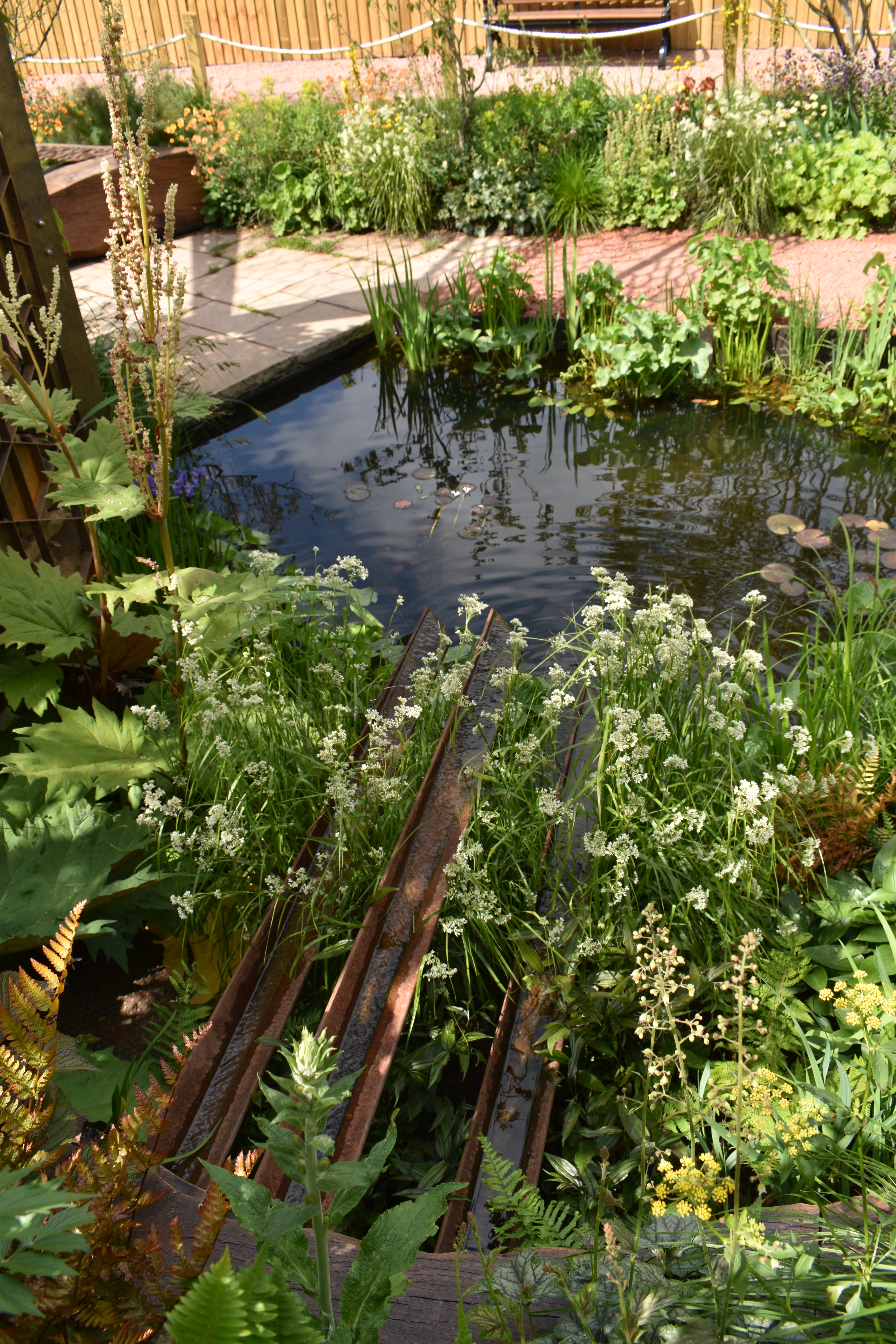
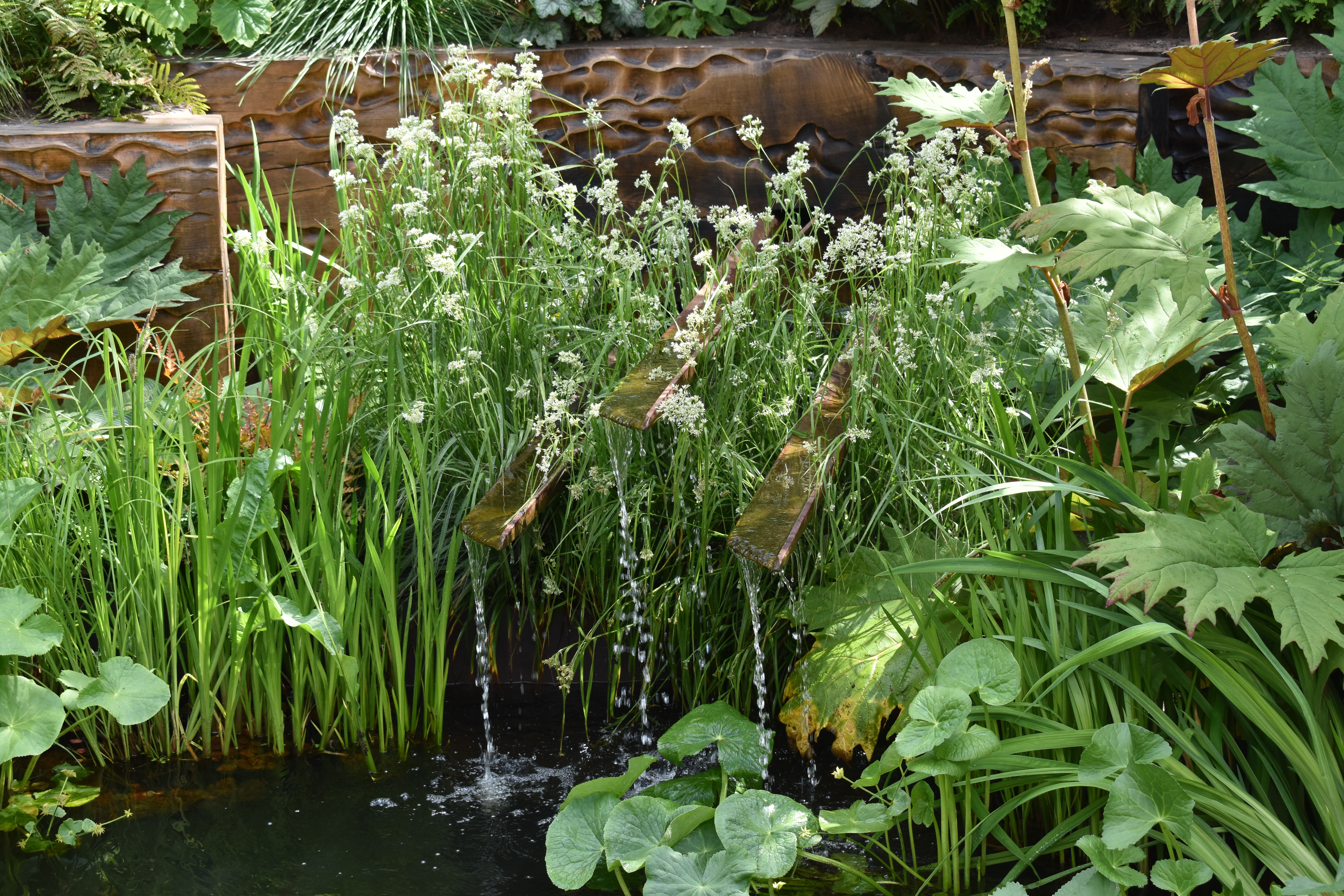
The pool had the added interest of sound and movement of an unusual water feature, where water arrives out of three corten steel channels.

We can now have a look at the outside path with plants along the fence borders and carved wooden block seating. Tripods of hazel wands housed a log pile and a stick pile as insect habitats, and would be good for the larvae of beetles and beetles themselves, useful predators and wildlife gardeners love them.

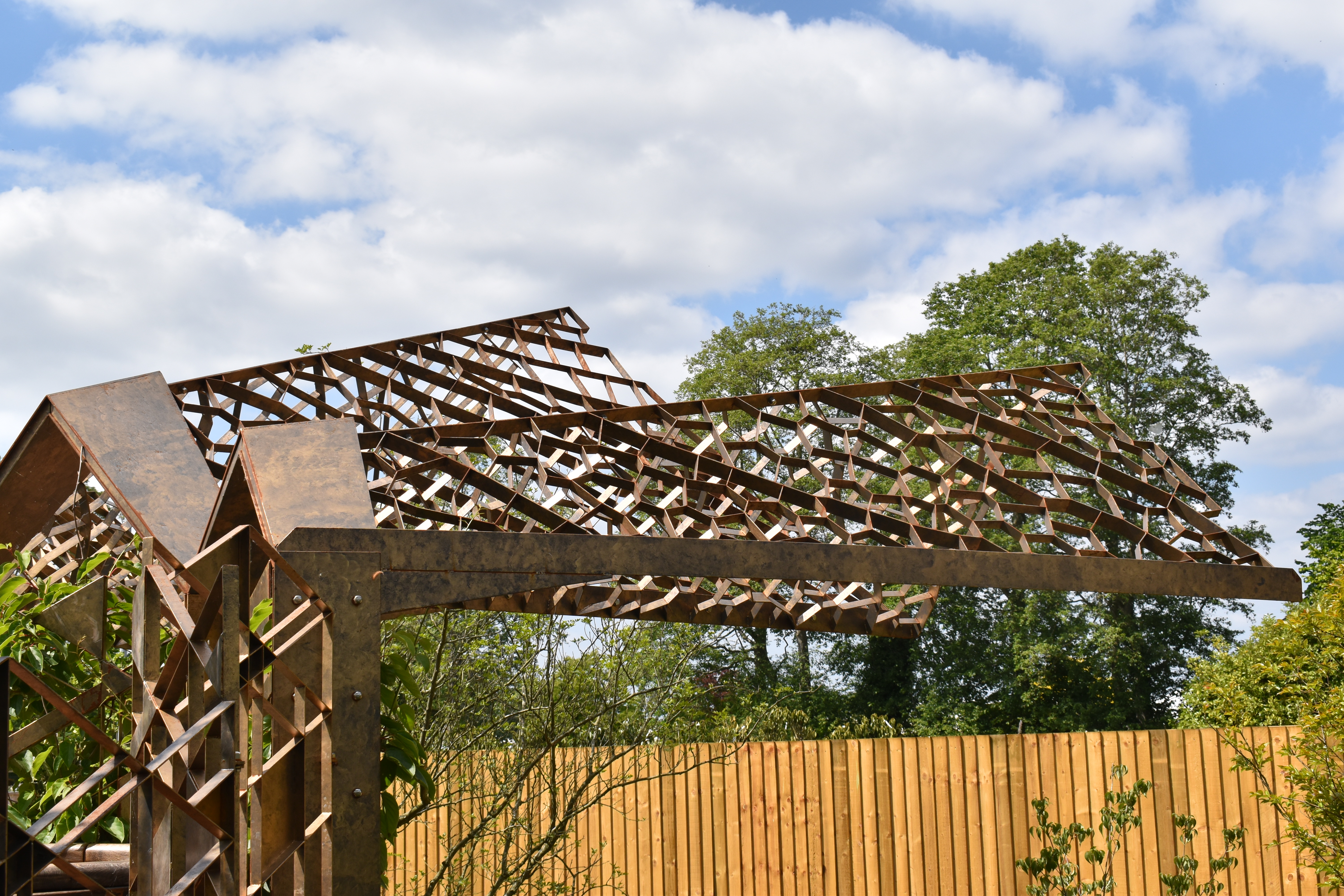
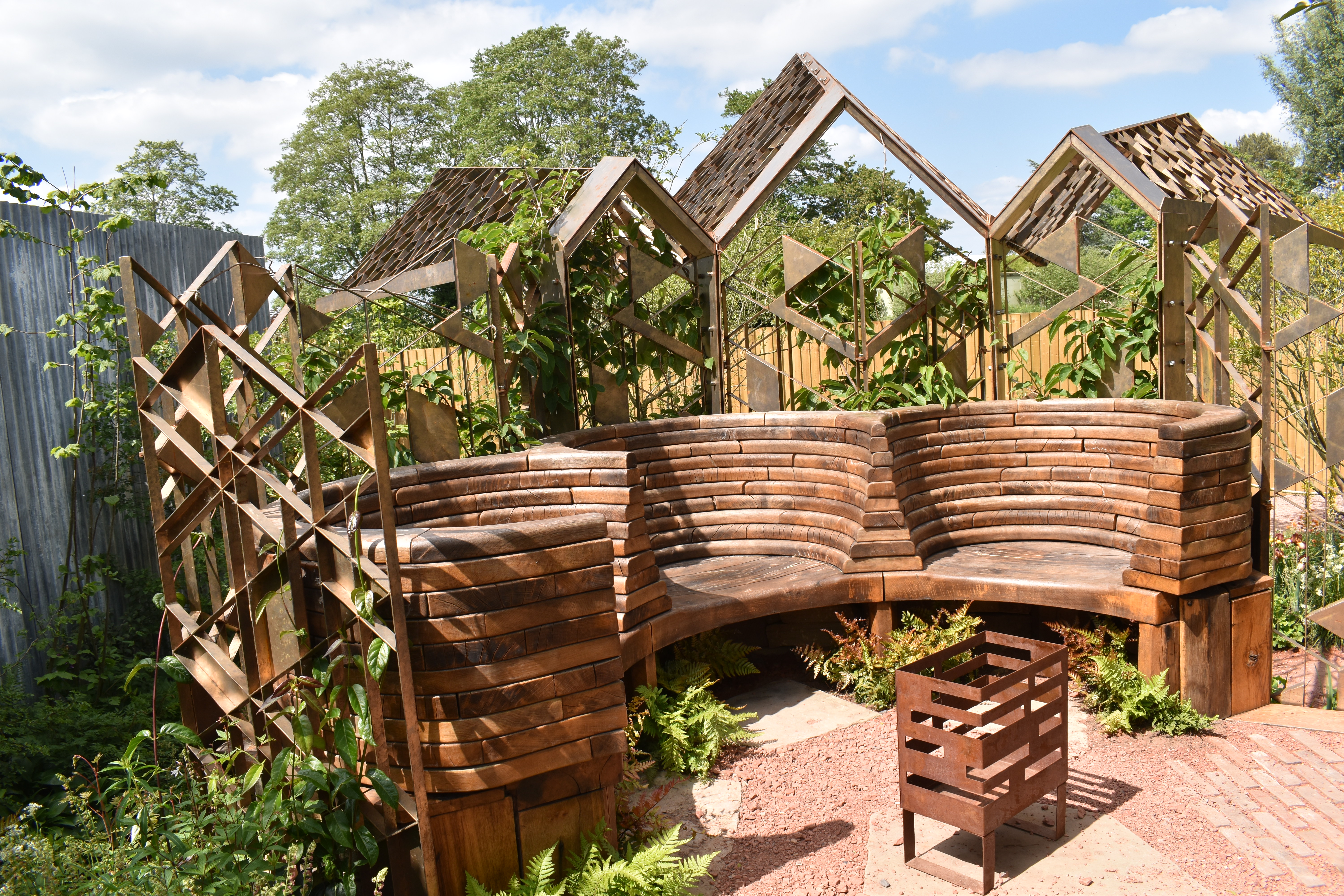
At the far end of the garden about half way around the crushed red-brick paths we arrived at a raised area topped by a corten steel overhead structure. Here also we got long views back over the whole garden and rested on some unusual seats.

Categories
Uncategorized

Our Week on the North York Moors – Visiting Villages – Danby

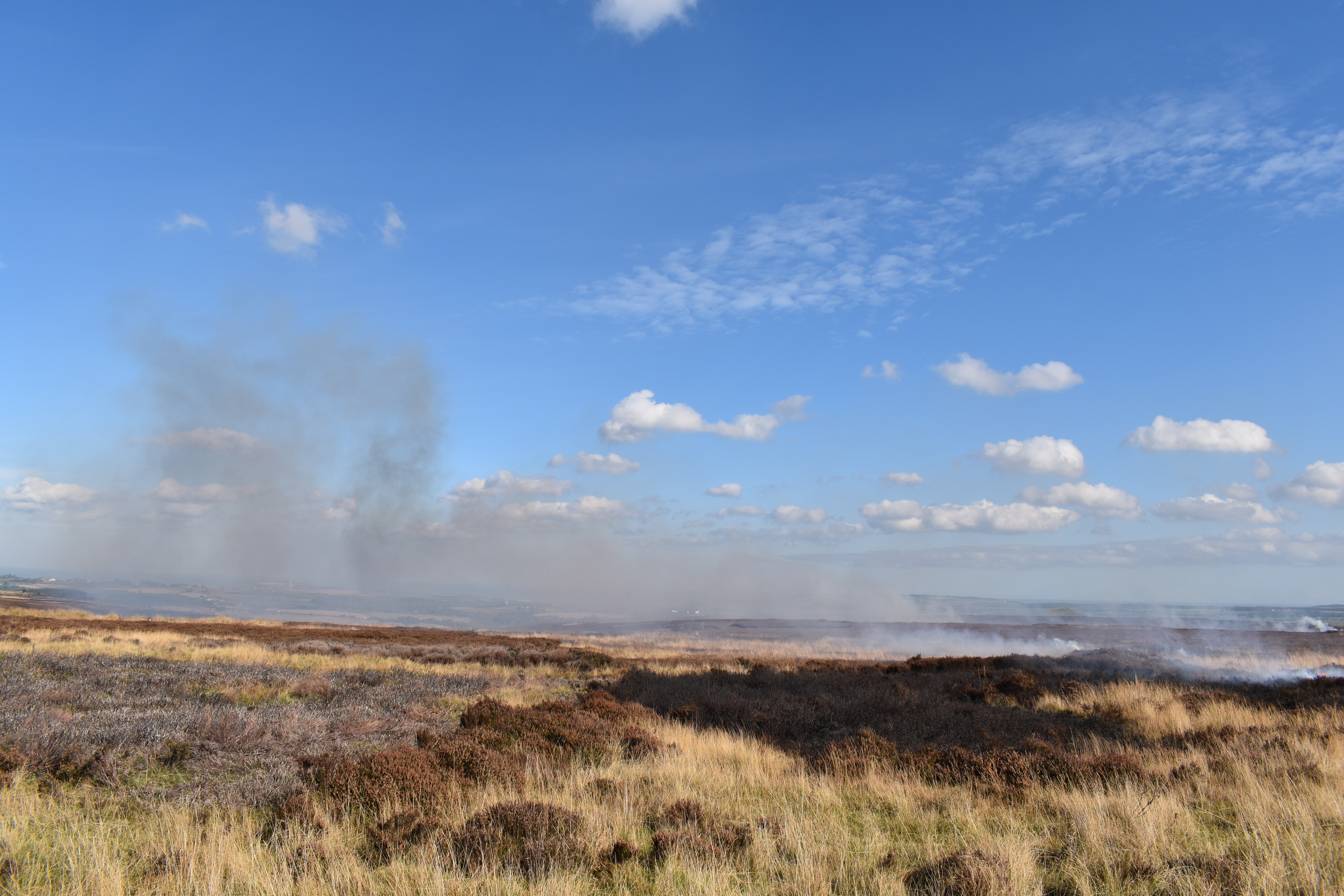
As we crossed the moors driving towards Danby we could see and smell where the heather was being burnt to encourage new green shoots for grouse to eat. I really disapprove of this practice because it must destroy habitat for lots of creatures and the grouse are encouraged so that they can be shot.

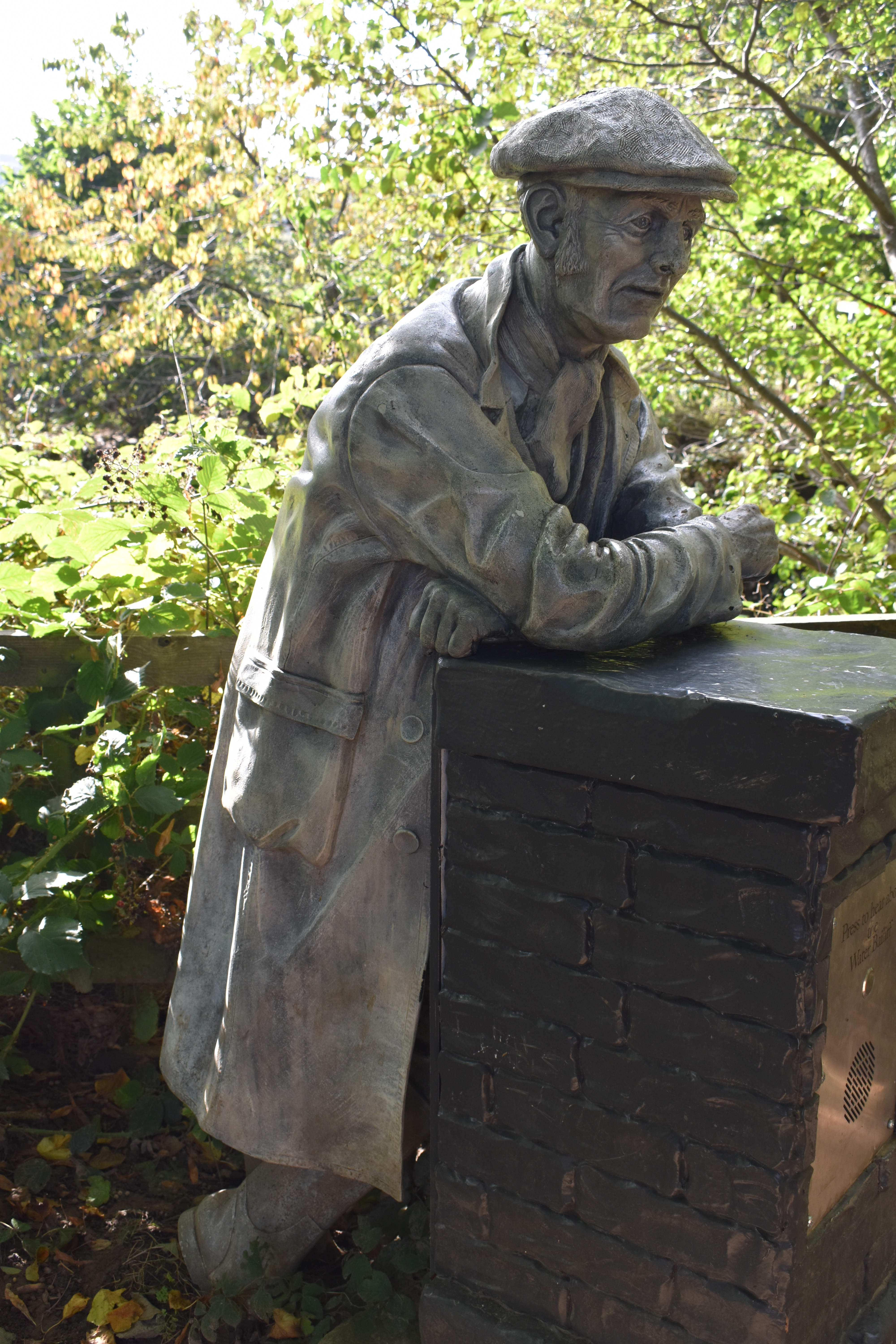
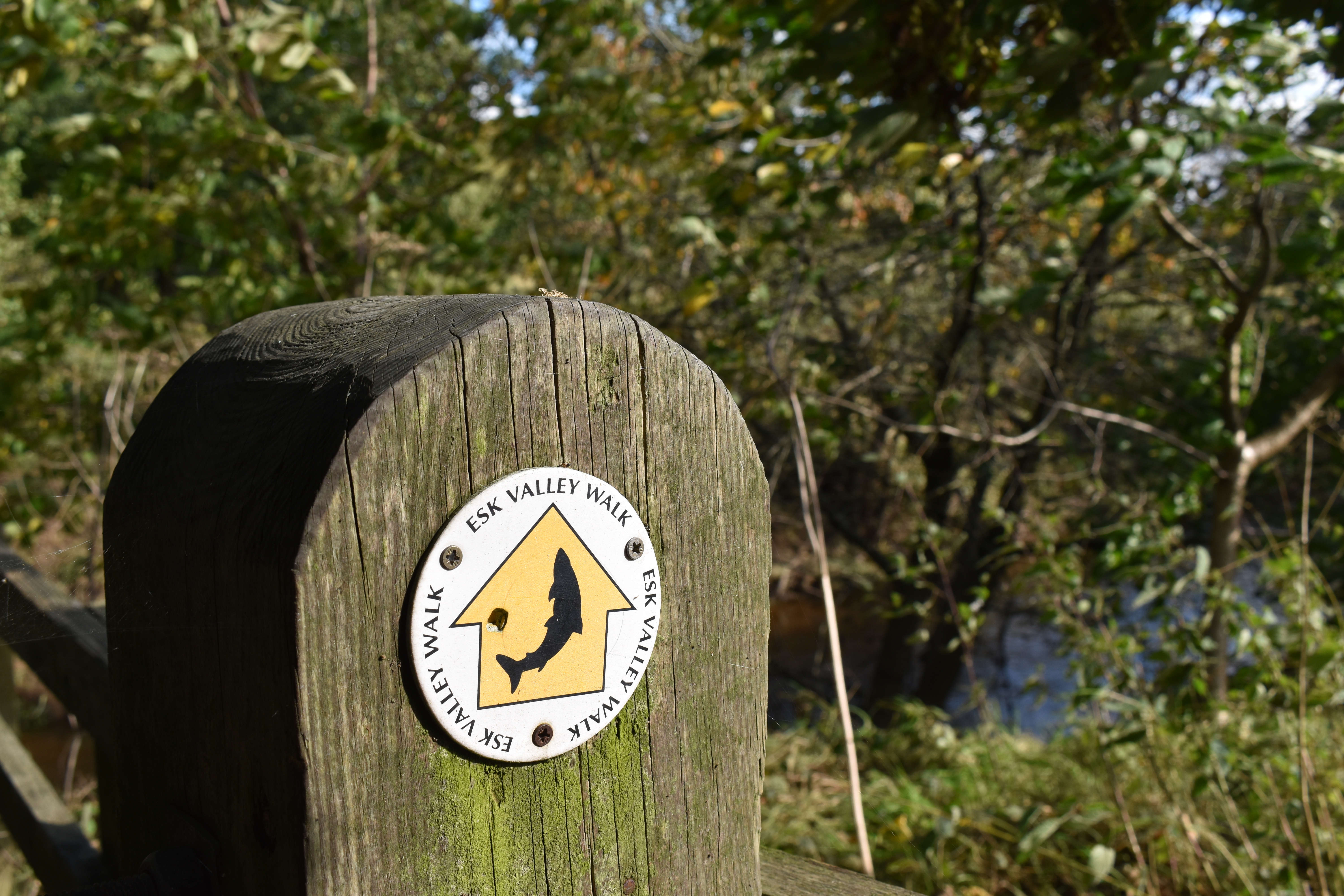
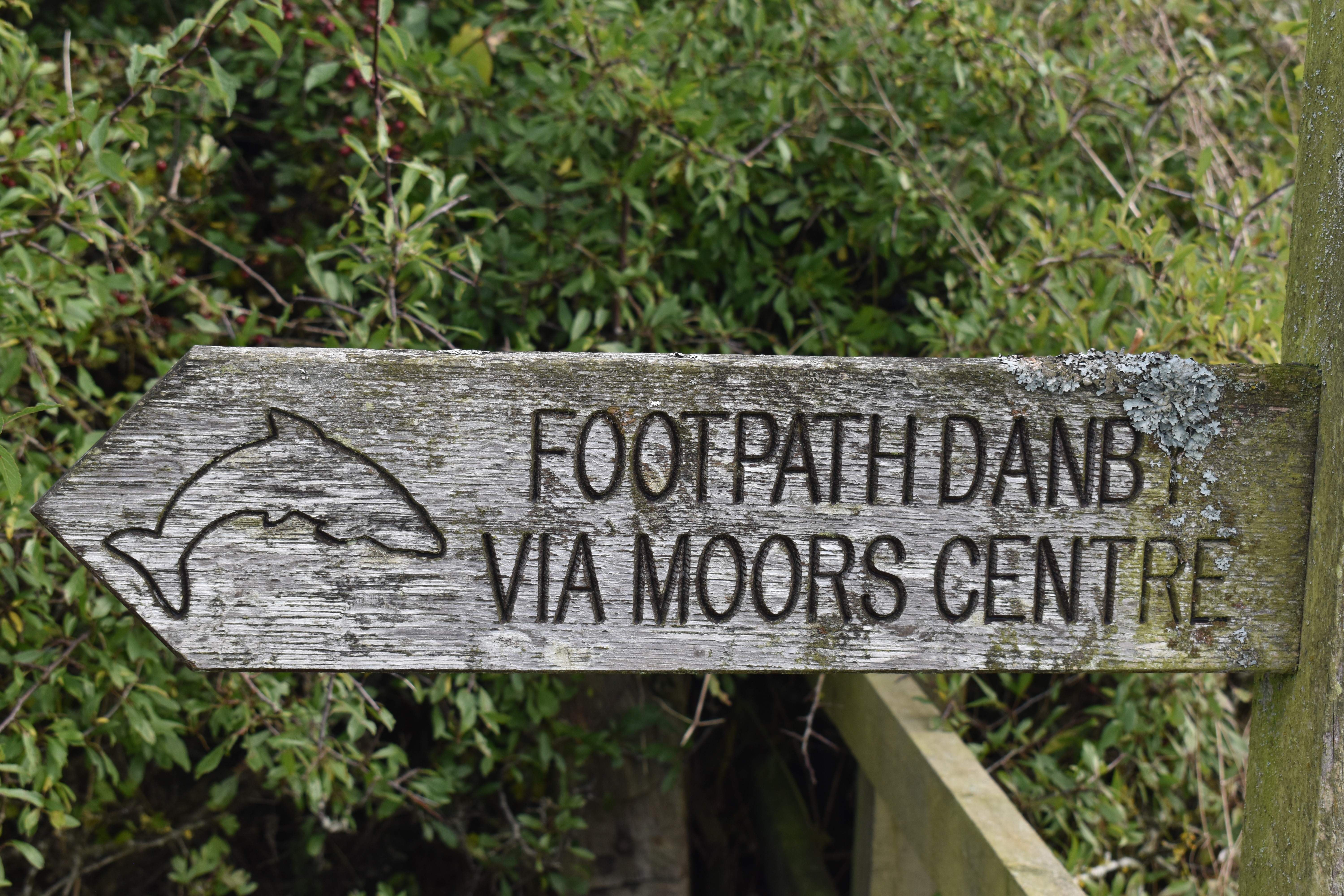
After coffee and cakes (fancy brownies) we followed a footpath out towards Danby Castle. We crossed over a river after only walking for five minutes or so and nearby we found a sculpture depicting the river bailiff.

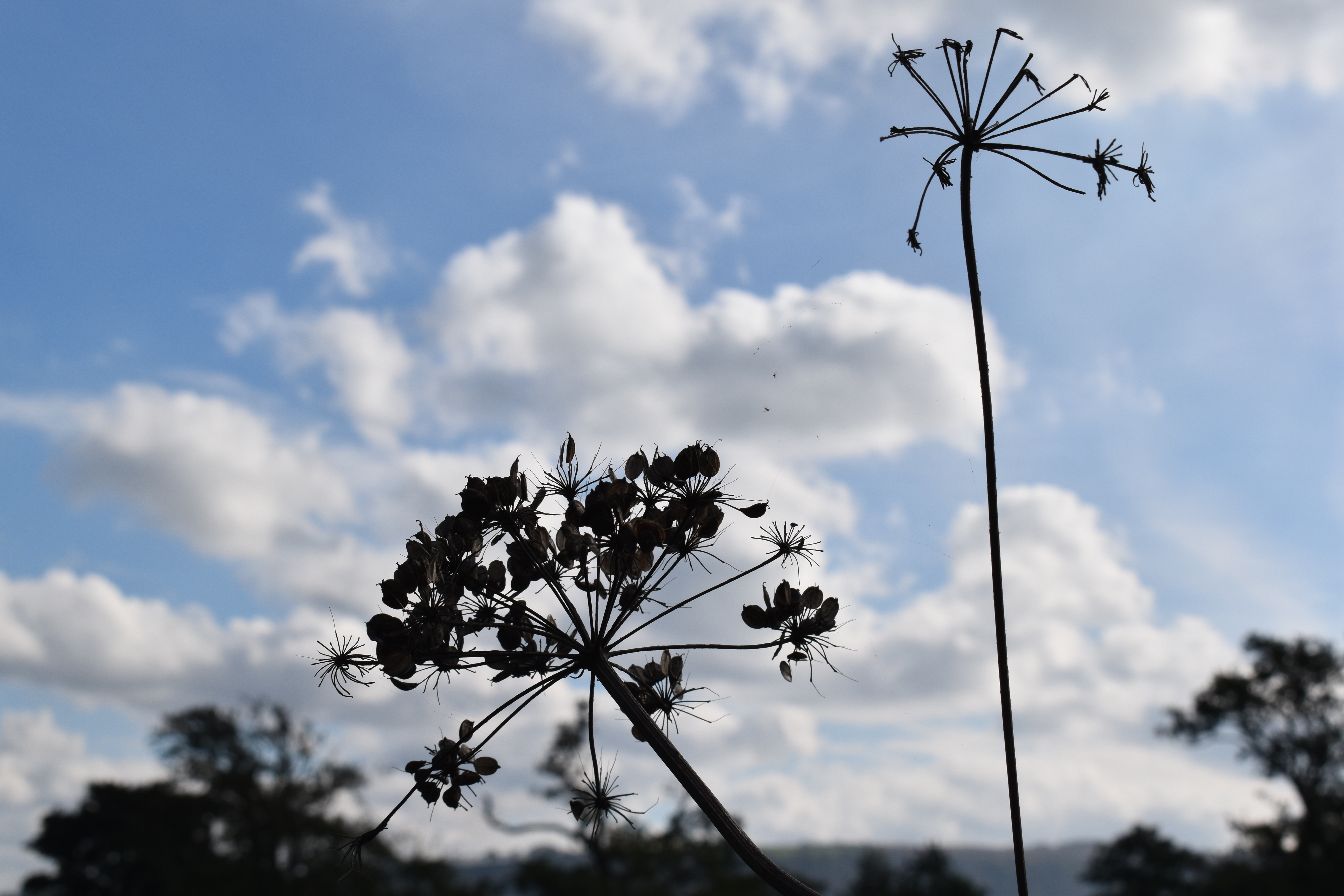
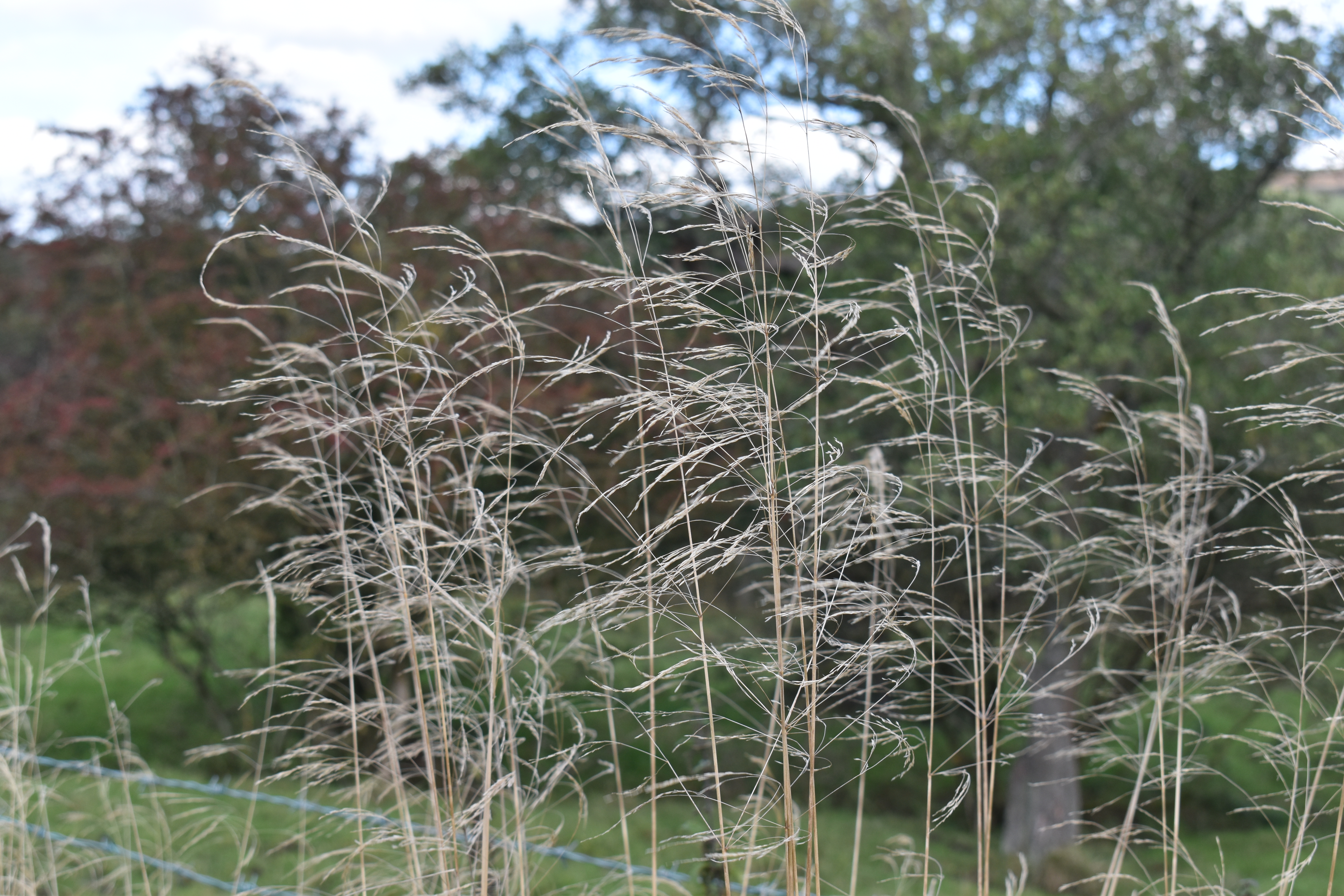
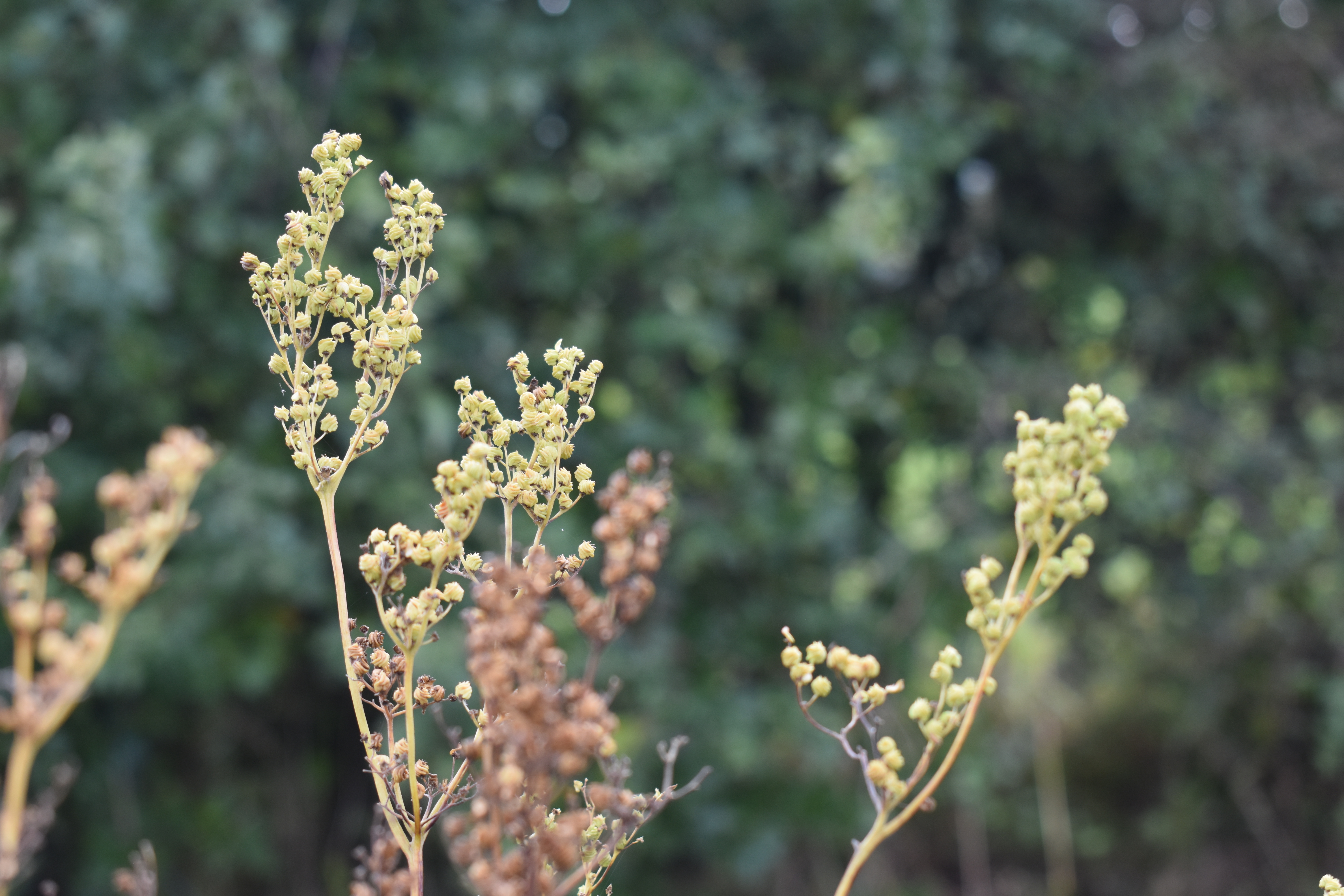
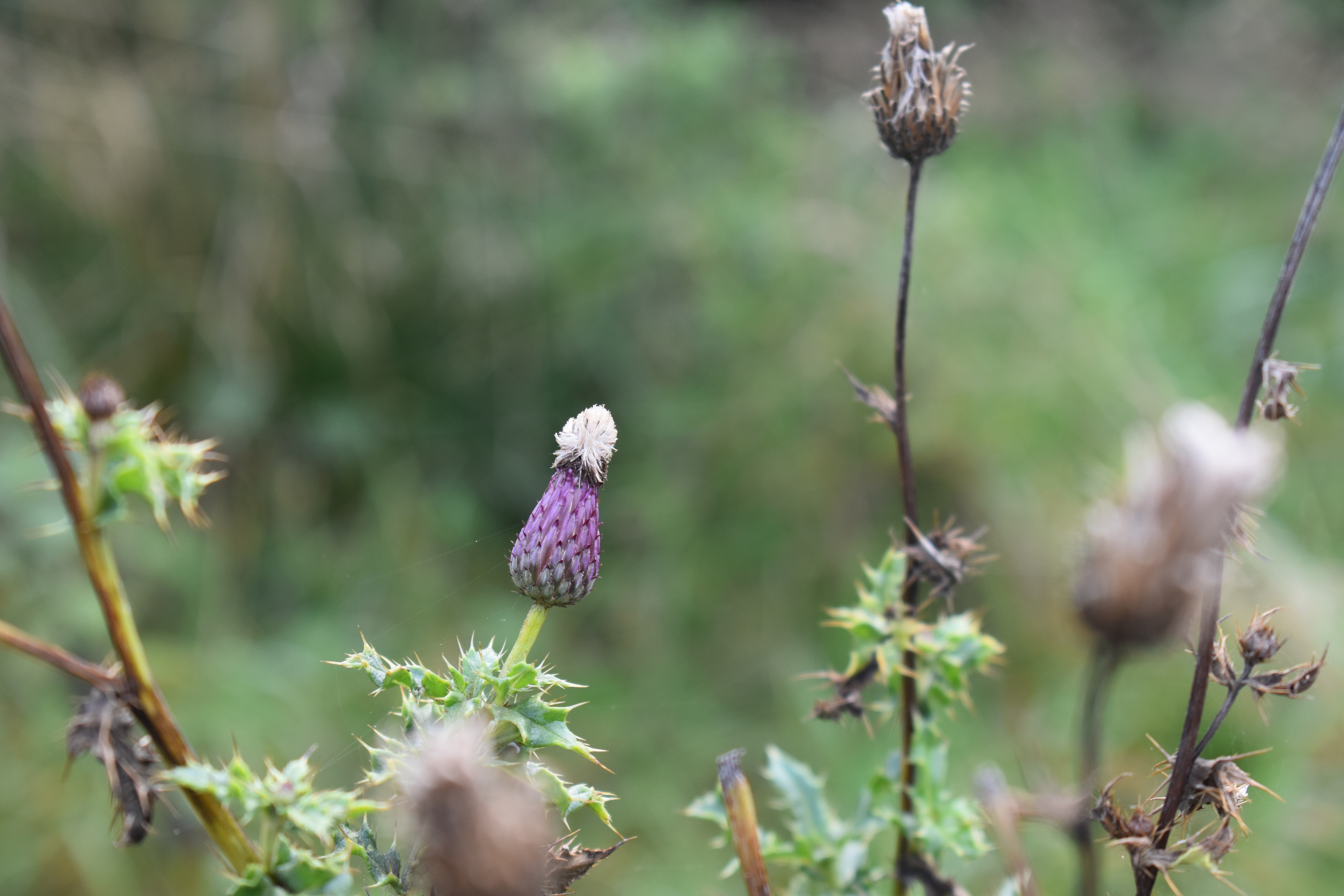
After crossing the river over the wooden bridge we followed the footpath onwards until we met a narrow country lane. On the footpath we found plenty of wildflowers, although mostly now turned to seedheads, and rich hedgerows.

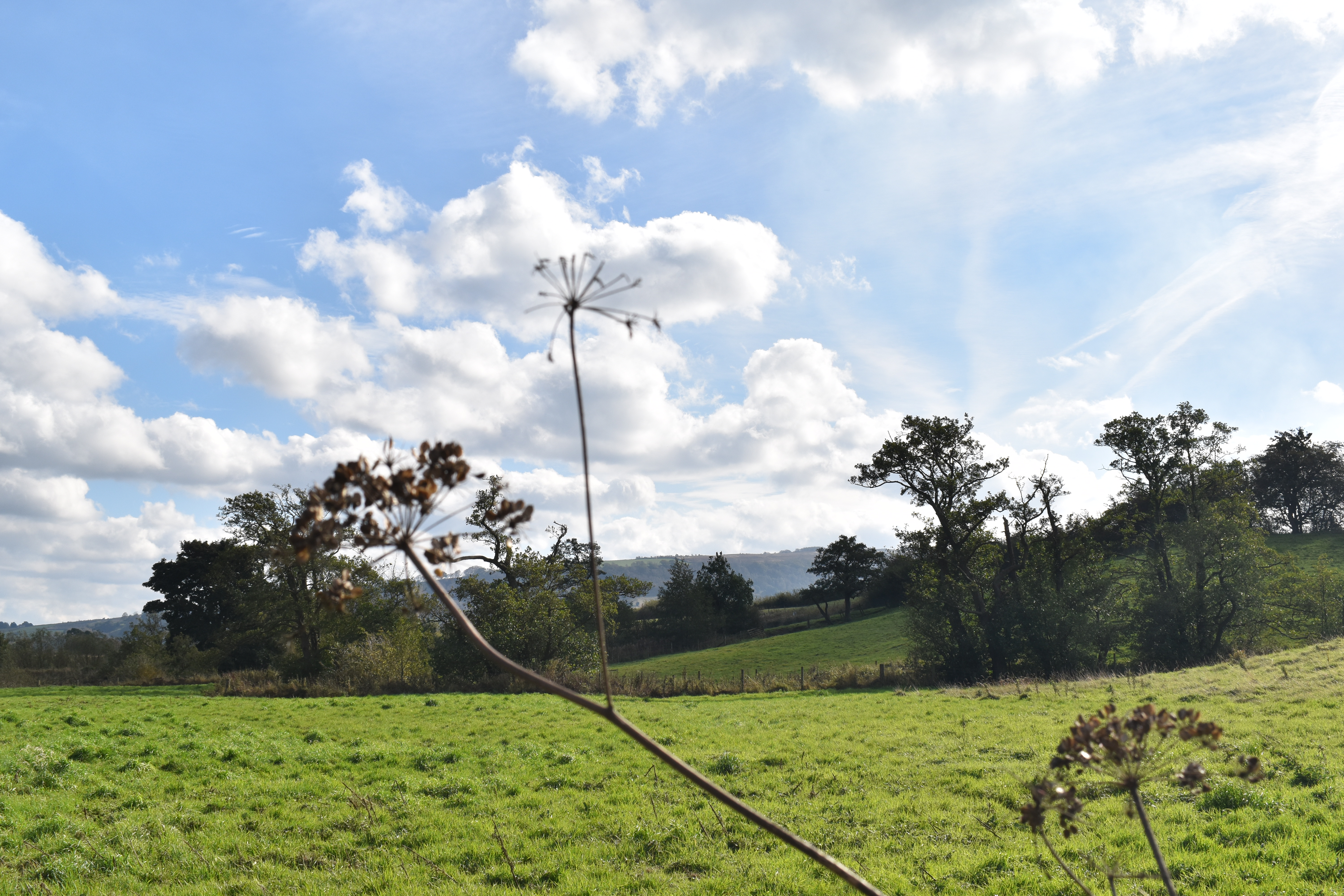
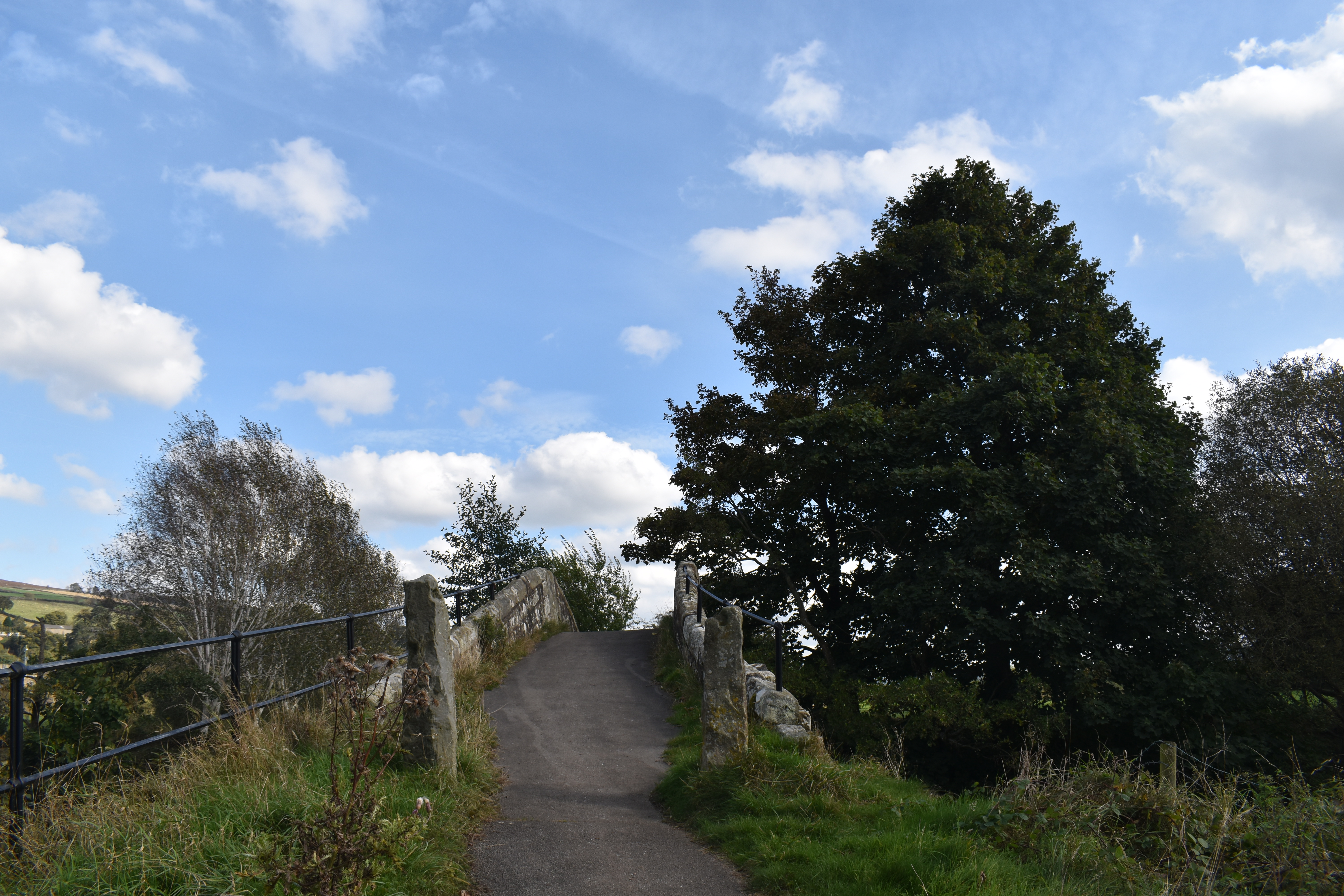
One feature of the North York Moors is the big skies and on the day we walked this path they were blue with small white clouds adding extra beauty to the landscape.

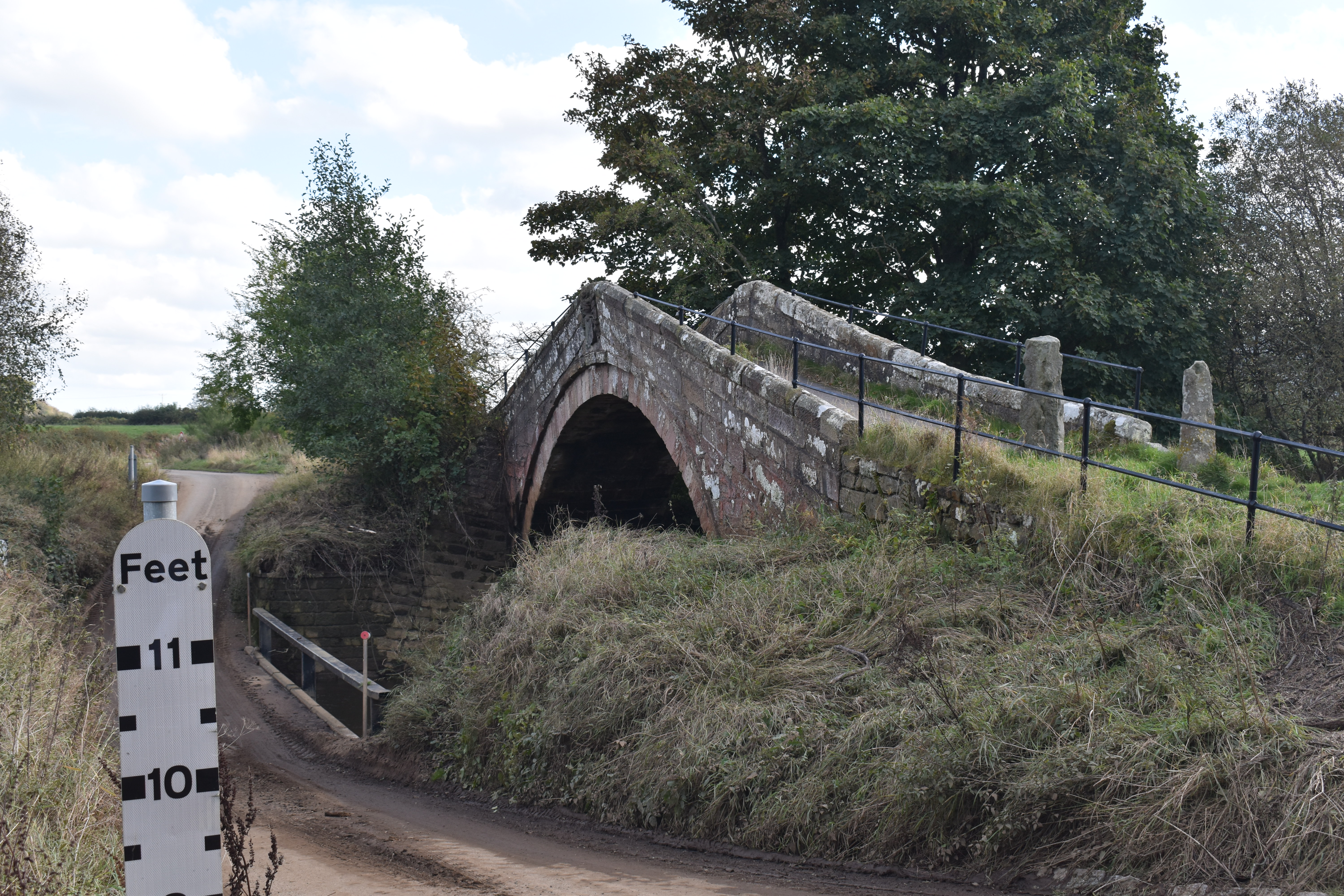
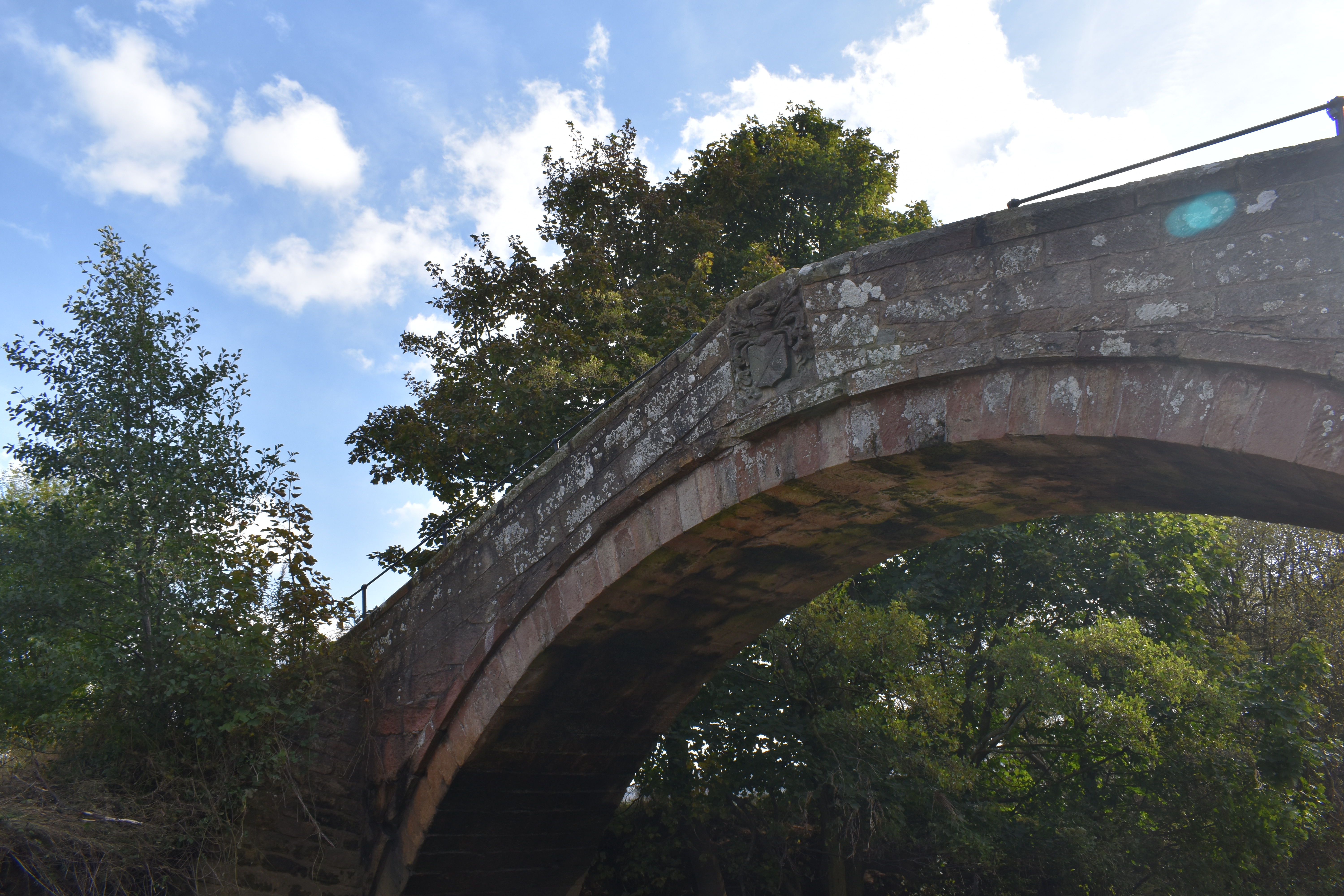
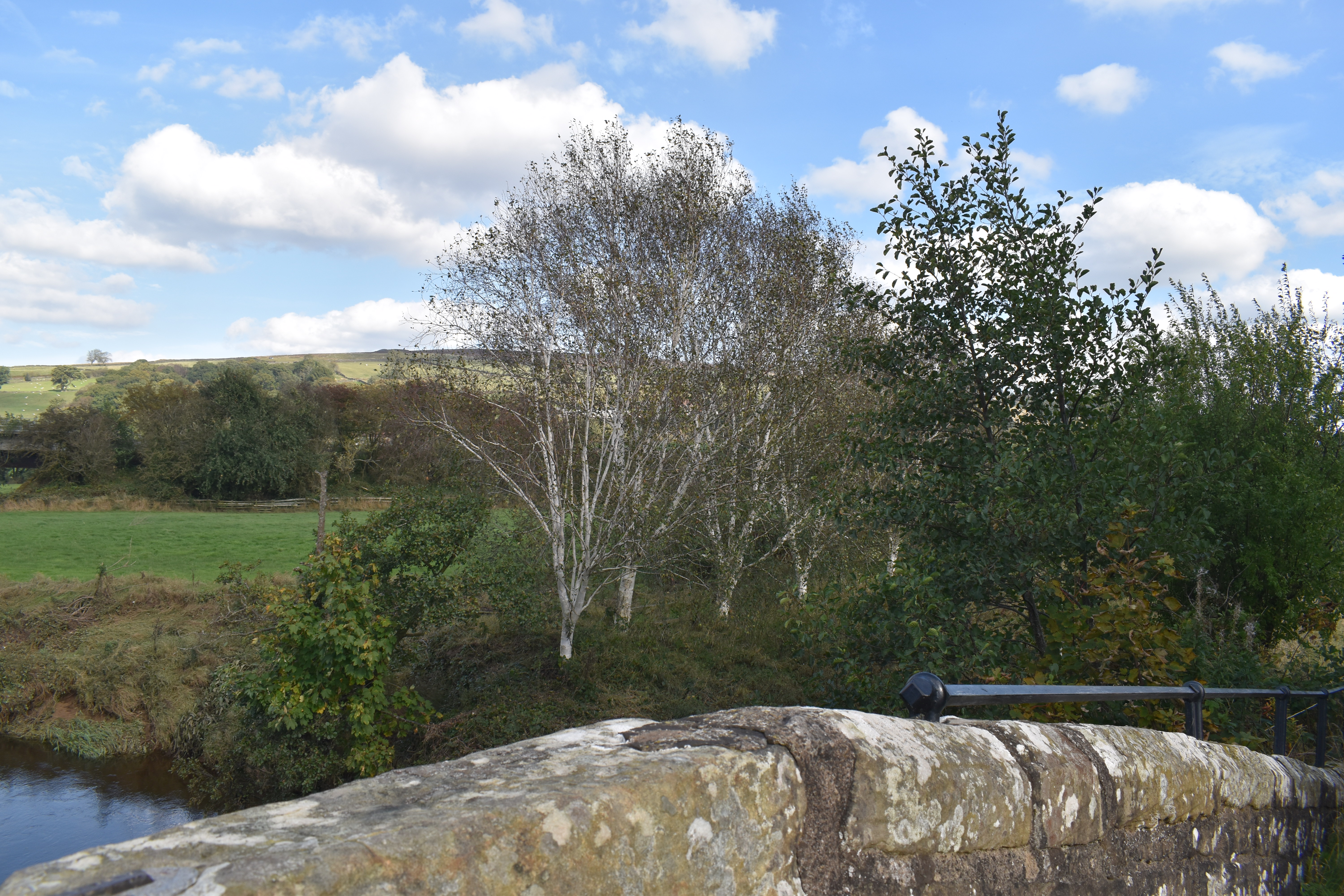
The moors also boast some beautiful single span stone-built bridges with flood river depth signs nearby. This bridge no longer carried traffic which instead had to cross by ford.

The two padlocks locked together to the metal fencing are a traditional symbol of love. They are known as ‘love locks’ and often locked to fences or bridges so this one must be double strength as it is on a fence on a bridge.

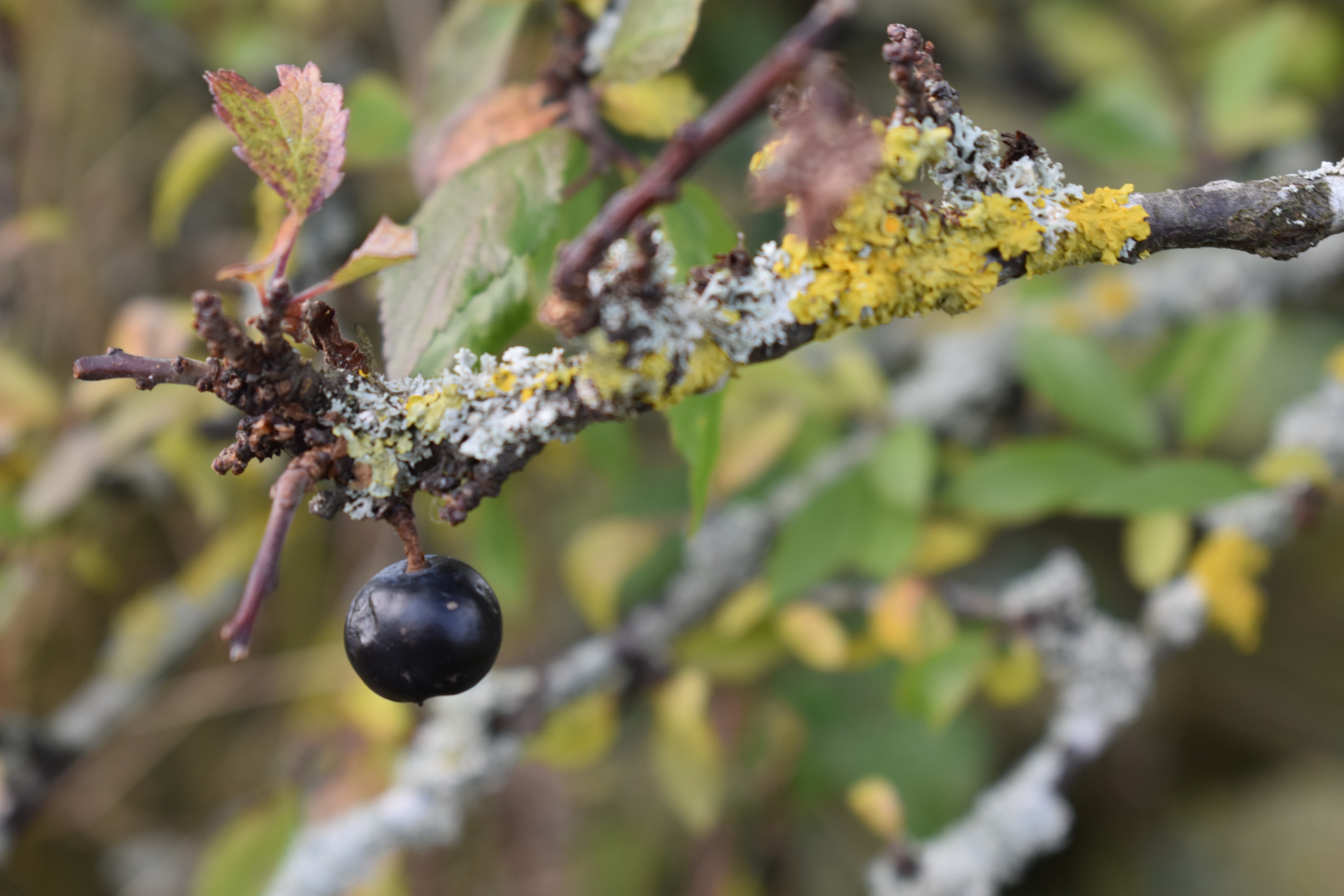
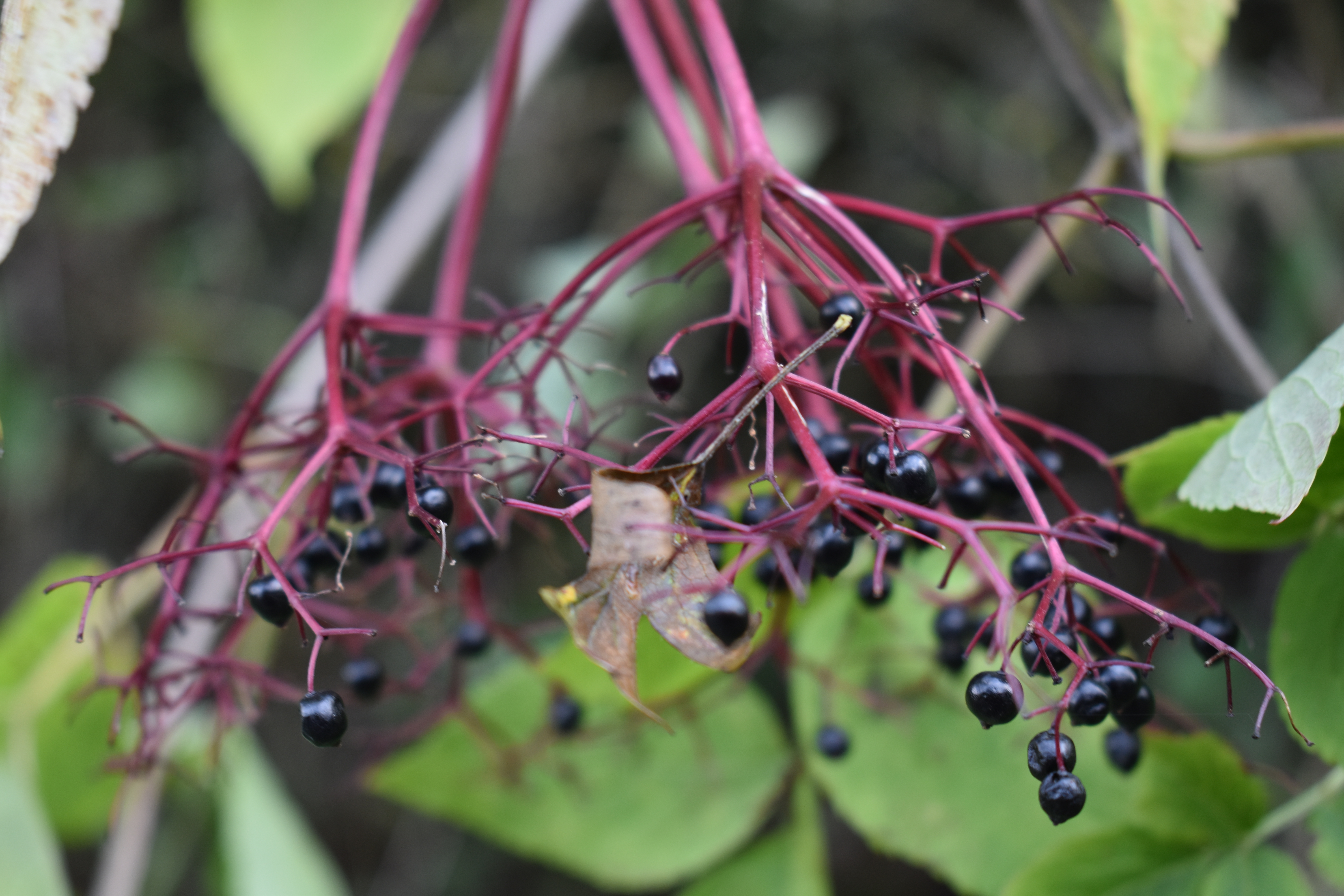
We turned back at the bridge and retraced our steps back to the centre. We decided to look for seed-heads and berries and perhaps an odd late flower or two.

We had a surprise, well two actually as we returned to the information centre as we spotted a large dragon created in metal and wood and behind that a circle of leaning posts to encourage visitors to lean back on a post and look upwards.

With those two surprises we ended our walk and made our way back to the car.

Back at the cottage I took a photo of this railway poster featuring Goathland/Aidensfield.

Categories
Uncategorized

Our Week in the North York Moors – Our Holiday Home on the Moors

We made the long journey up to the North York Moors for a week’s holiday. I had just had an operation on two of my fingers on my right so was not allowed to drive so Jude had to take on all the driving.

In order to get to our holiday home we had to follow google map directions sent to us by the owner. She said that if we used our satnav it would take us to wrong side of the valley. However google maps diverted us along tiny bendy lanes with hairpins and steep gradients. We even had to stop at odd gates to open them up to allow us to pass through. It did take a long time to cross the moors and finally we had to follow a very rough and steep farm track, frequently having to brake to avoid running pheasants over who walked along in front of us.

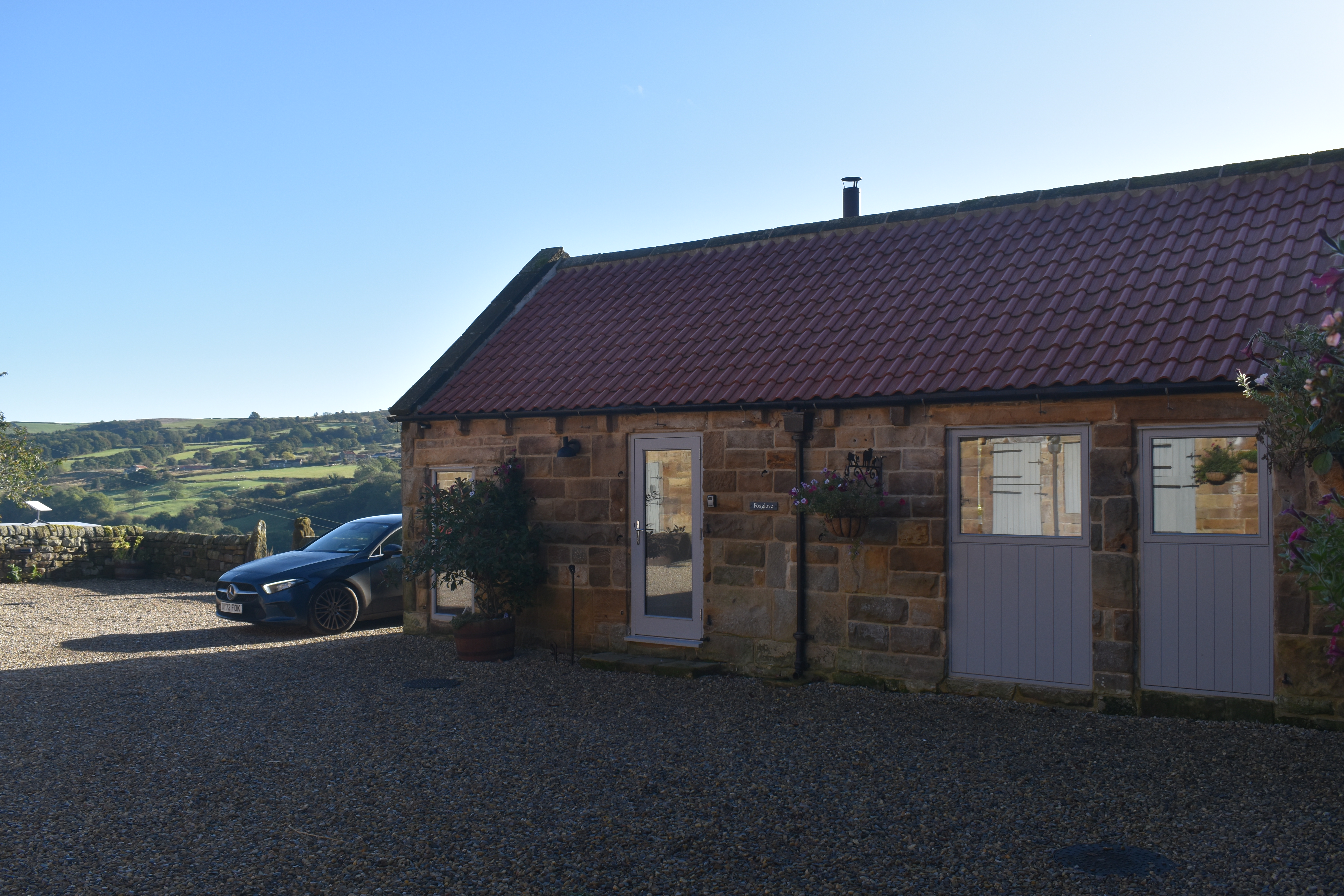
But it was worth it because the barn conversion was beautifully executed. Our cottage home was called ‘Foxglove’.

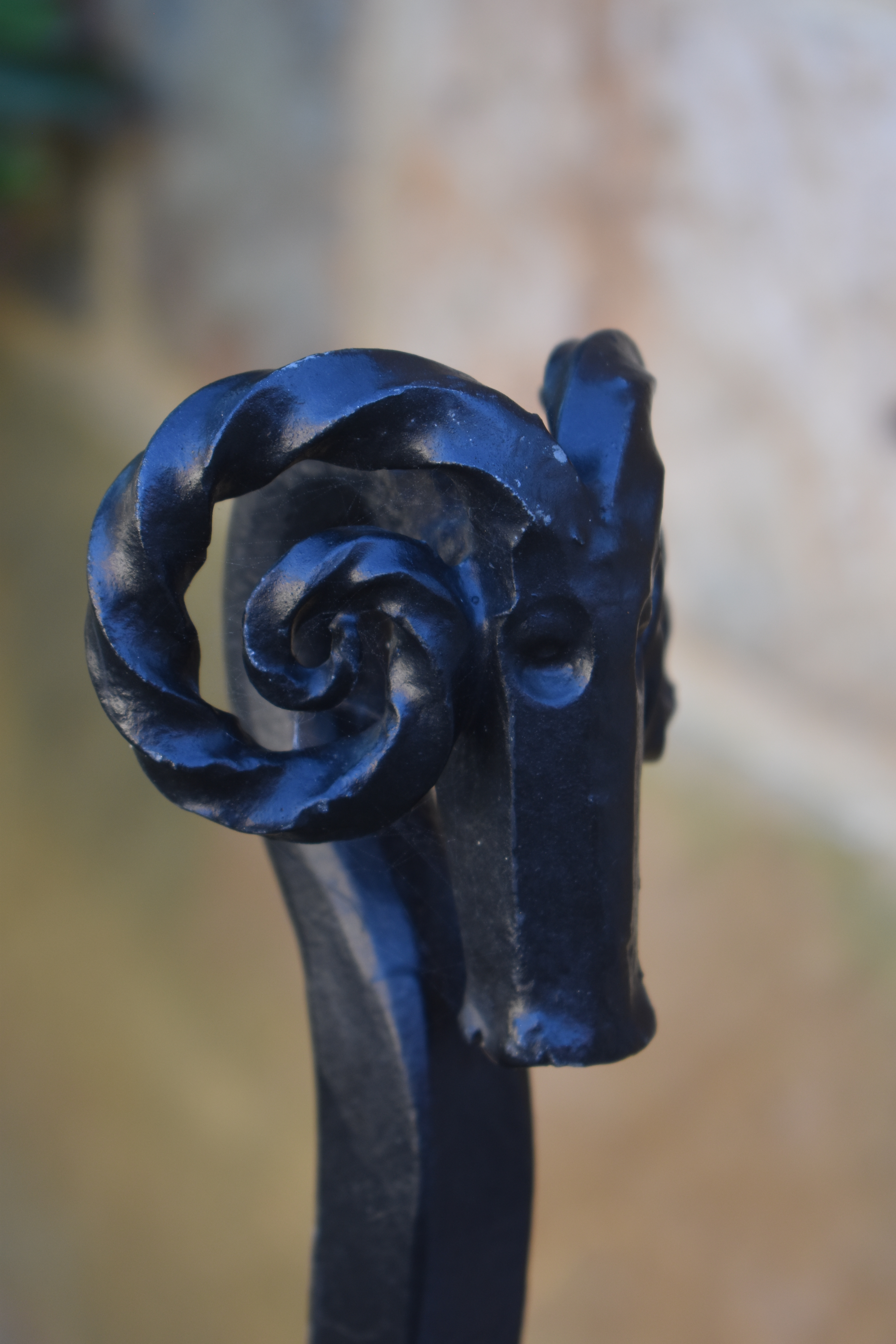
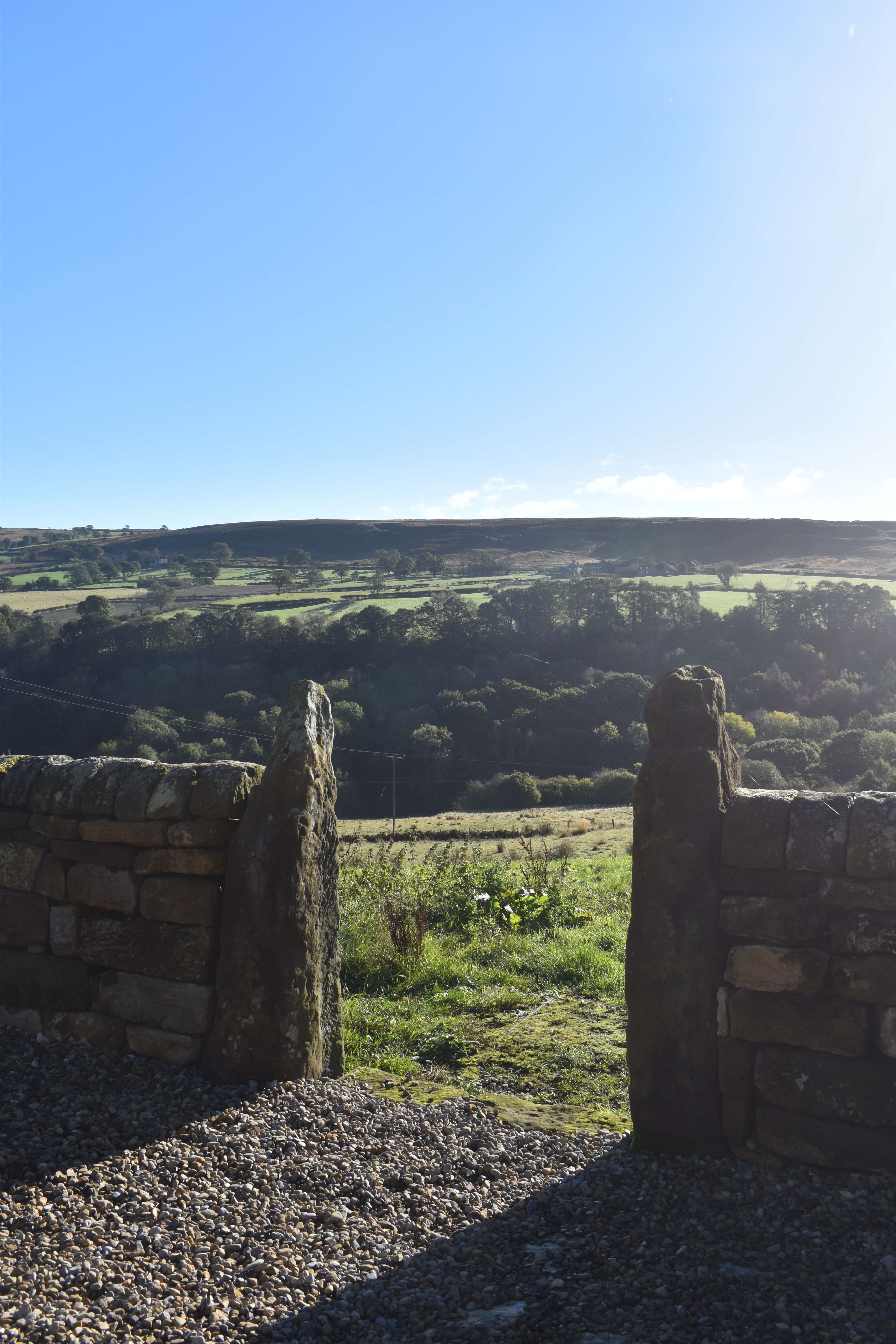
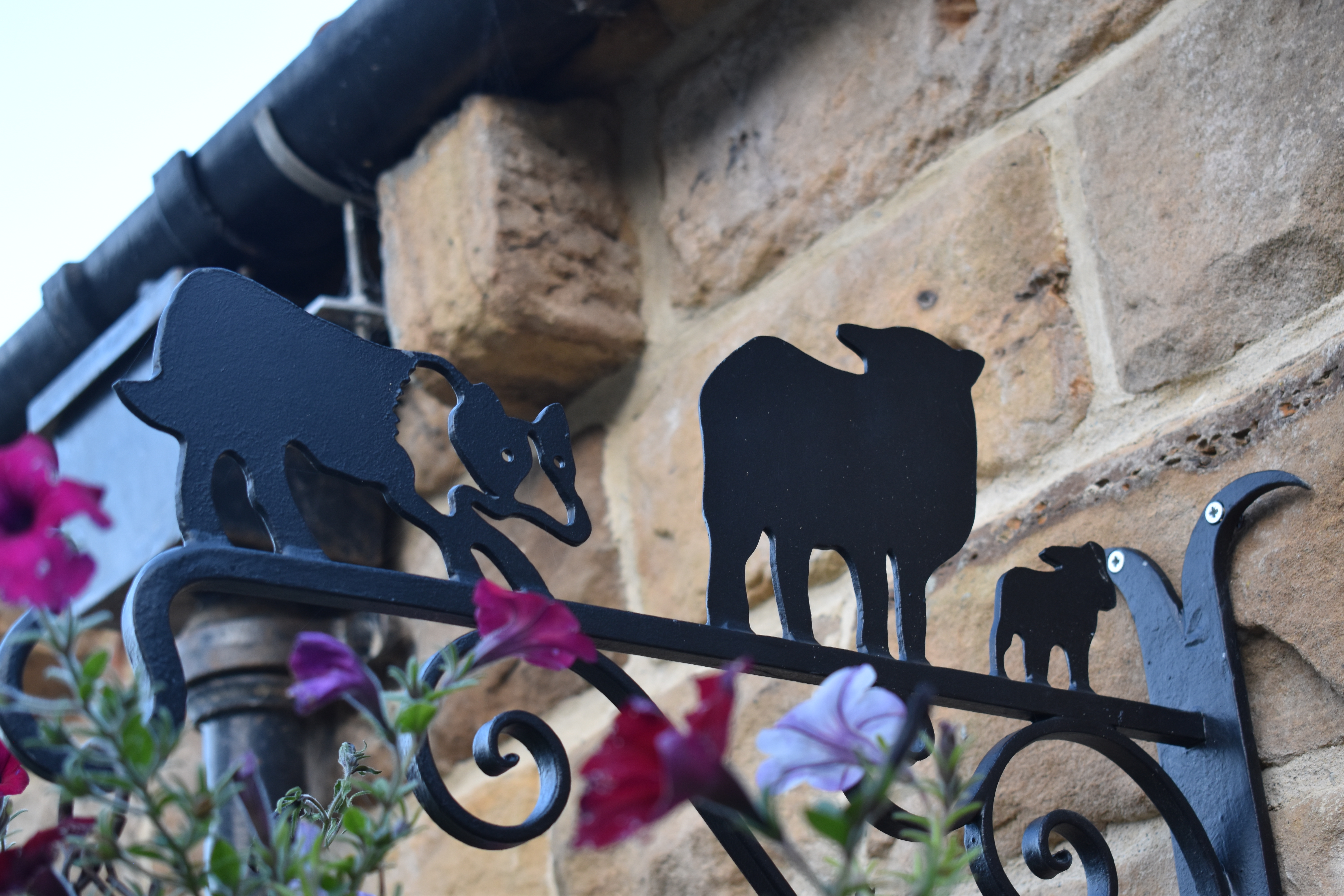
The ram’s head metalwork was the handle of a boots scraper. The gateway in the stone wall was the way to get to the rear of the property.

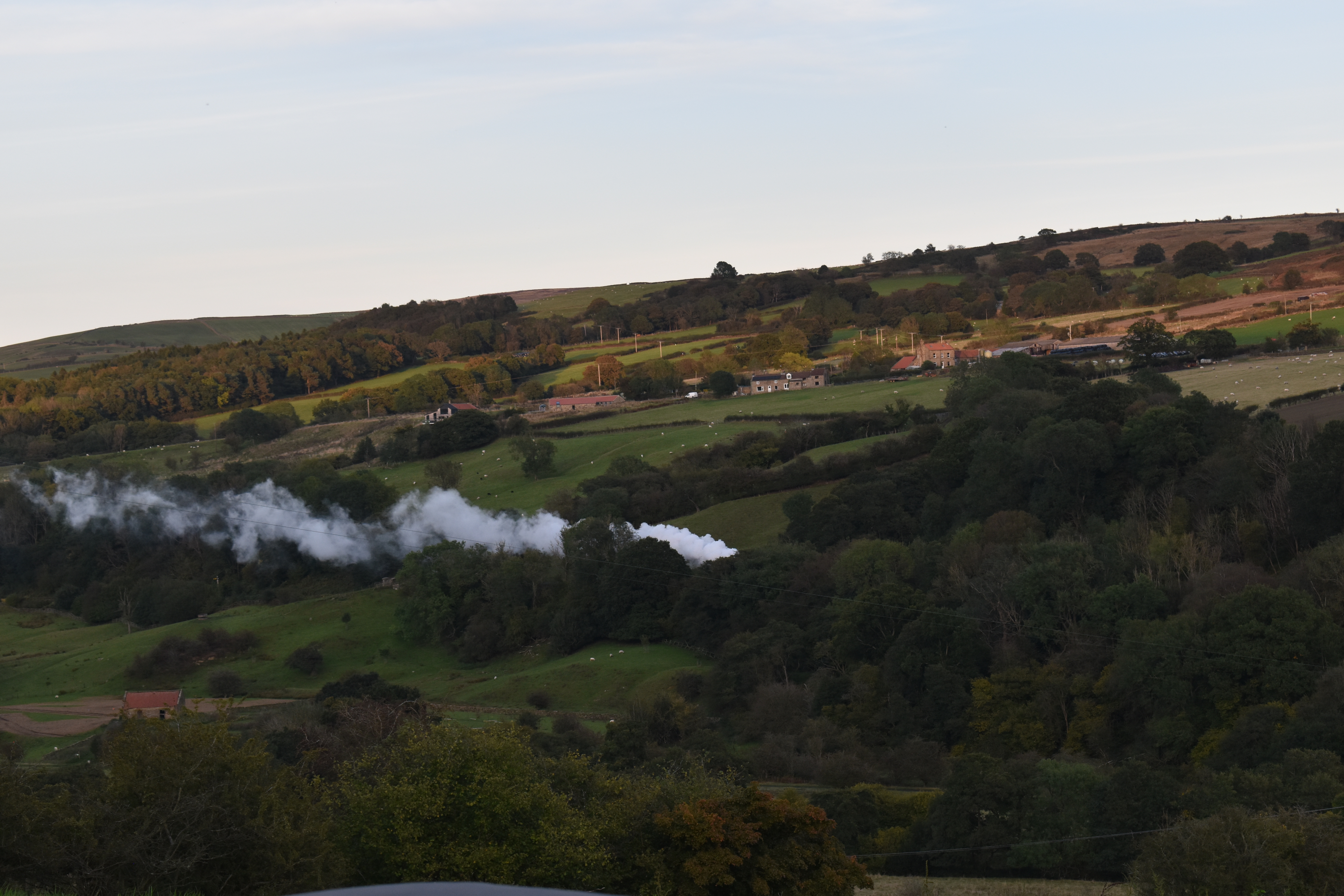
A really special feature of the barn was the view out the back over to the far side of the valley. Along the valley the steam engines pulled their long snake of carriages. We could hear them long before we could see them among the wooded valley side. It was the North York Moors Railway, which we aimed to travel on later in the week.

Categories
Uncategorized

A Short Break in Devon – RHS Garden Rosemoor Part 2 Looking at the Themed Gardens

As neither of us are keen on rose gardens, preferring to see roses used as shrubs in mixed borders, we missed out the “Queen’s Mother’s Rose Garden” and the “Shrub Rose Garden”. As the Winter Garden had been redesigned by well-known garden designer Jo Thompson it was in the middle of a rebuild so we had to miss out that garden too.

Thus the first of the themed gardens we explored was the “Cool Garden” designed in 2019 by Jo Thompson and was based on imaginative use of water rills lined with granite setts with curved stone walls. The planting features grey foliage and blue, white and pastel flowers.

Sculptures of birdlife added liveliness and extra beauty to the Cool Garden. The wren added a strong contrast to the birds of prey.

We also enjoyed how the crisp white pieces featuring seabirds and a barn owl sat within the greenery.

It never ceases to amaze me how sympathetically sculpture fits into gardens. The RHS is very good at exhibiting sculptural pieces in their gardens and over the years we have enjoyed several.

The next garden room we entered was a strong contrast to “The Cool Garden” being “The Hot Garden”. The planting was so different as was the feel of the garden. It was a clever decision placing these two gardens next door to each other.

There was a strong contrast in the planting within “The Hot Garden” utilising stronger, brighter colours.

Another of the themed gardens here at Rosemoor that we have always enjoyed is the Cottage Garden, so I will share some photos of that area next. On the way to the cottage Garden we stopped to have a look at this lovely wildflower bank and these two strongly coloured, cheerful looking roses.

The Cottage Garden itself was full of interesting plant combinations and some old apple trees.

I will finish off looking at RHS Rosemoor with a gallery of photographs taken as we explored these wonderful, inspirational gardens.

We will be visiting other RHS gardens before too long and we know we will really appreciate the expertise of the staff and volunteers.

Categories
jewelry photography the sea the seaside the shore

Jo’s Jewellery – an update

Jude the Undergardener and I were so proud when we attended the launch evening of a new season at a gallery in the world-famous riverside town of Ironbridge. The gallery is appropriately called Ironbridge Fine Arts, which aims to showcase the best local artists and crafts people. We arrived in the dark of a winter evening to have a look at Jo’s jewellery in the gallery, and on the way to find her display I set to work with my camera.


And then there its was – Jo’s work.


While on holiday in Norfolk with daughter Jo and her husband Rob, we found a beach where we could photograph some of her jewellery for her new website. Here we used the colours and textures of sea-battered wood of groynes and supports for beach-huts. Jo works mainly in silver with some gold embellishments and some resin work so you need the right backgrounds to enhance the character and characteristics of the work in photos.

Once we realise we have come across a suitable location, we are so pleased with ourselves – not all ideas work out! We soon get to work if the light is right, checking out backgrounds, angle of light, cloud cover, and then homing in on colour, texture and patterns for each piece of jewellery. Sometimes we strike lucky and the piece matches and works with the chosen object behind it and the effect of the light of course. Sometimes though we wander around trying a single piece in lots of different places until the feeling is right. All four of us discussed each and every one of the photos so it was real teamwork.

A perfect location will afford us the chance to photograph against a background that enhances the jewellery, adds atmosphere and adds interest without distracting from the subjects themselves. This beach was spot on and the row of beach houses on stilts was an added bonus.


Here was plenty of potential for shots to be taken. We had the sea, the sand and the sky to photograph against as well as rusting metal surfaces, sea battered wood and pealing paintwork.


It feels good to be involved in Jo’s jewellery craftwork. But even better is being able to contribute my photographic interests with Rob’s IT skills on Jo’s website he designed and  runs. Here are some of the successful photographs from the session on the beach.


More recently more new jewellery awaited photographing and this time we used the colours, patterns and textures of the autumn garden, including our Seaside Garden. This time Rob and I worked together to find the best backgrounds and positioning of each piece – we work well together.  I thought I would share twenty or so of the many photographs we took. So I hope you enjoy this gallery – as usual click on the first pic and then navigate using the arrows.

To check out Jo’ creations and Rob’s website skills please look at the website at

http://www.jo-mhjewellery.com .


This Veggie Life

A Vegetarian | Nature Lifestyle Blog

Rambling in the Garden

.....and nurturing my soul

The Arch City Gardener

Journeys In St. Louis Gardening and Beyond

Garden Dreaming at Châtillon

Consult the genius of the place

Storyshucker

A blog full of humorous and poignant observations.

gardeninacity

Notes from a wildlife-friendly cottage garden

PlayGroundology

...an emerging social science

The Official Blog of British Wildlife

'The most important and informative publication on wildlife of our times' - The Independent. This blog is a member of The UK & Ireland Natural History Bloggers group: www.uknhb.blogspot.com

iGrowHort

Inspire - Cultivate - Grow Native Plants - Restore Landscapes

Bishops Meadow Trust

To create and protect a semi-natural wild space for the people of Farnham to enjoy and experience an array of British wildlife in our town

Gardening with Children

The www.gardeningwithchildren.co.uk Blog

UKbirdingtimeline

birding through the seasons, why birds matter and how to conserve them

NATURE WALKER

with a camera in hand

Jardin

Transform your outdoor space

Eva's space

My allotment, cooking and other interests

Old School Garden

my gardening life through the year

LEANNE COLE

Trying to live a creative life

fromacountrycottage

trying to live as lightly as possible on our beautiful planet

Good Life Gardening

Nature lovers from Leicester living the good life.

mybeautfulthings

Finding the beautiful in the everyday

mawsonmichelle

Michelle's Allotment

In and Out of My Garden

thoughts from and about my garden

Greenhousing

Big plans for a small garden

The Scottish Country Garden

A Walled Country Garden in South East Scotland

The Fruity Chicken

Life at the fruity chicken

willowarchway

Off grid living. Self sufficient. "PERMAGANICS RULE".

St Anns Allotments

Nottingham's Grade 2* Listed Allotments and Community Orchard

Manifest Joy Harvests

a journey in suburban vegetable gardening

Allotmental

The madness of growing your own

Penny's Garden: a harvest beyond my front door

A novel approach to vegetable gardening

arignagardener

Sustainable living in the Irish countryside.

NewEnglandGardenAndThread

Master Gardener, amateur photographer, quilter, NH native, and sometimes SC snowbird

dianajhale

Recent work and work in progress and anything else that interests me

planthoarder

a chaotic cottage gardener

Lens and Pens by Sally

a weekly blog that creates a personal philosophy through photographs and words

Dewdrops and Sunshine

Stories from a sassy and classy Southern farmbelle.

The Pyjama Gardener

Simple Organic Gardening & Seasonal Living

gettin' fresh!

turning dirt into dinner

JOY...

today the world is created anew

Garden Birds

Notes from a Devon garden

ShootAbout

Life Through The Lens

Adapting Pixels

A photography blog showcasing the best photography pictures and videos on the internet

Wildlifegardening's Blog

Just another WordPress.com site

naturestimeline

personal observations from the natural world as the search continues for a new approach to conservation.

LATEBLOOMERBUDS

The Wonders of Life through my Eyes, my Heart, my Soul