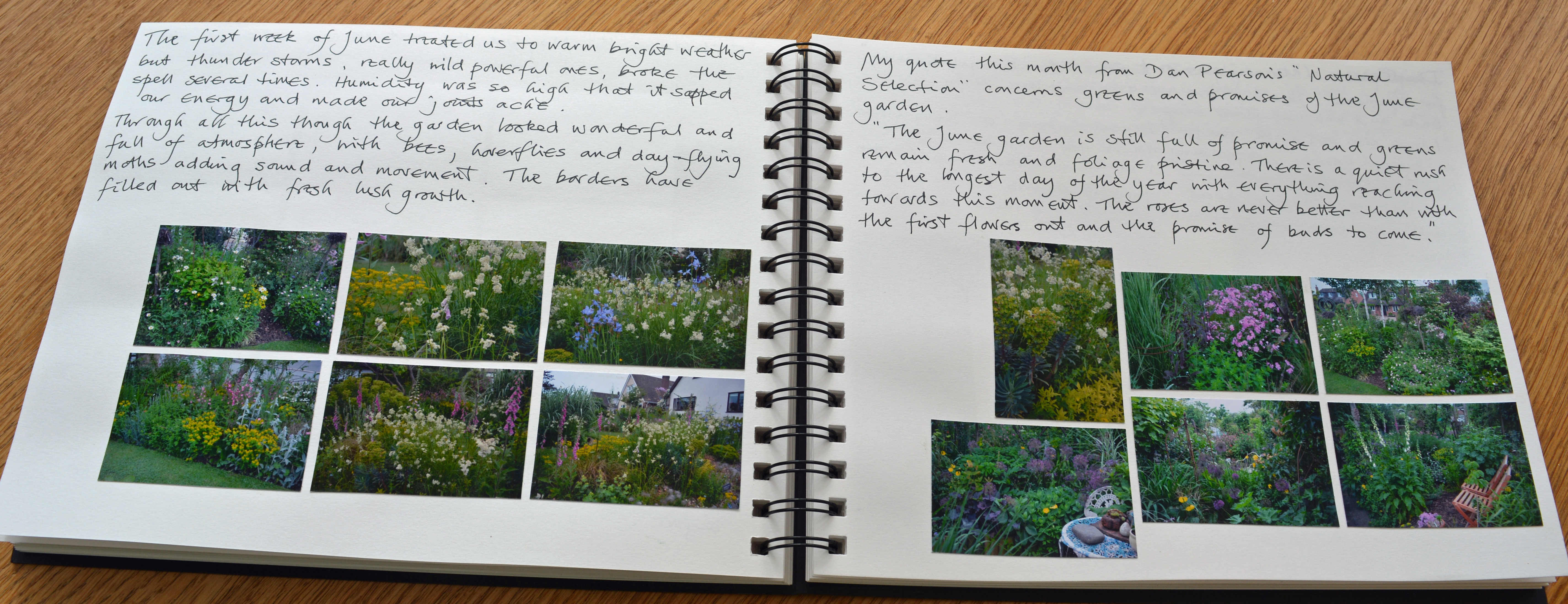
Categories
architecture buildings garden design garden photography garden seat garden seating gardens gardens open to the public grasses ornamental grasses outdoor sculpture sculpture town gardens

Our Short Break in Stratford-on-Avon – Part 2

Part two of this report on our short break in Stratford-on-Avon is all about the gardens of Shakespeare and his family. After spending time indoors studying the life and times of the Bard is was good to be outside discovering some outdoor history.

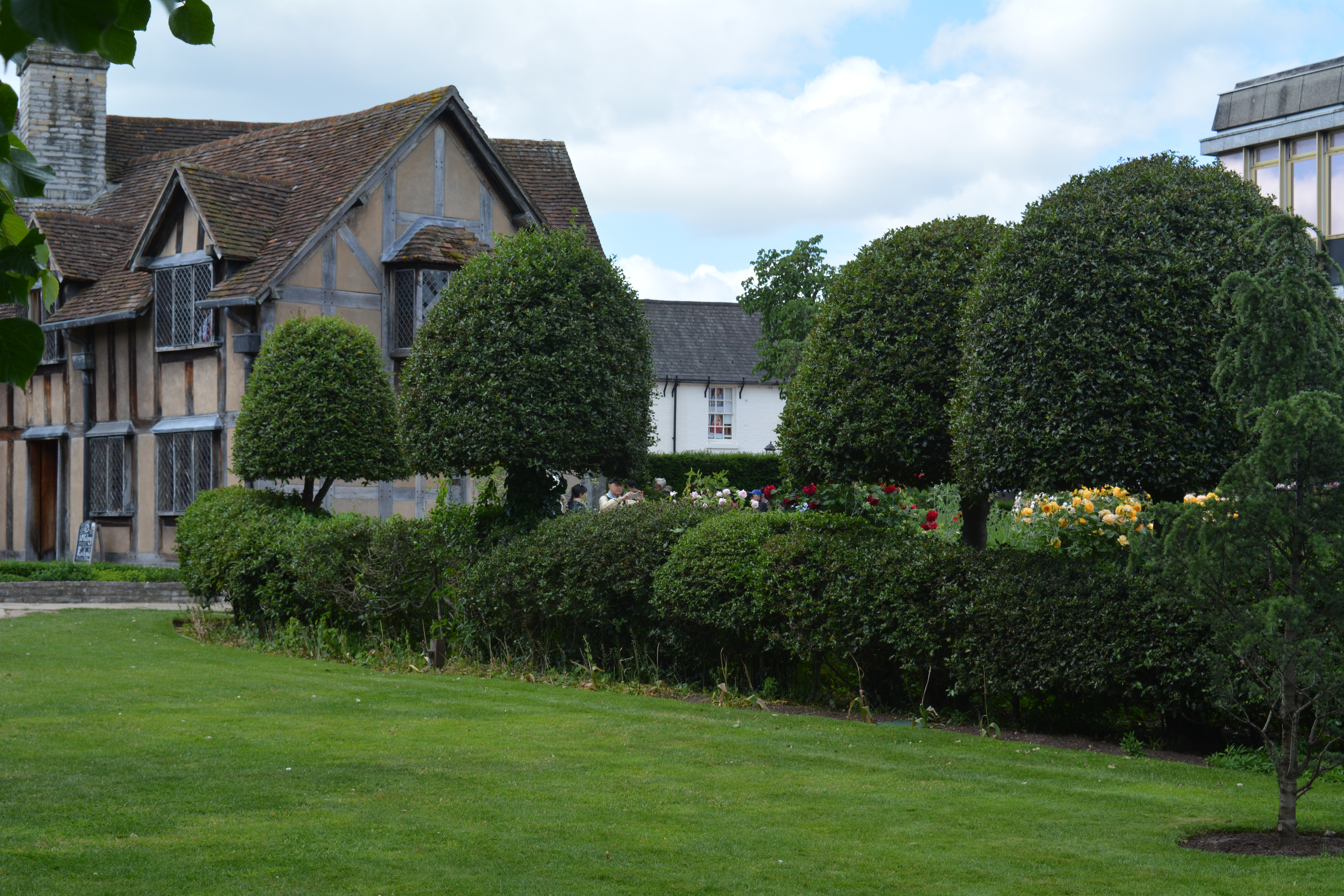
We will begin by looking at the grounds of the Shakespeare family home, where roses seem the most important plant. The planting today does not necessarily relate in any way to how it was in the Bard’s day. We loved this bronze of Shakespeare which seemed to capture his intelligence and depth of thinking and feeling, as well as the contemporary pencil sketch of the house.


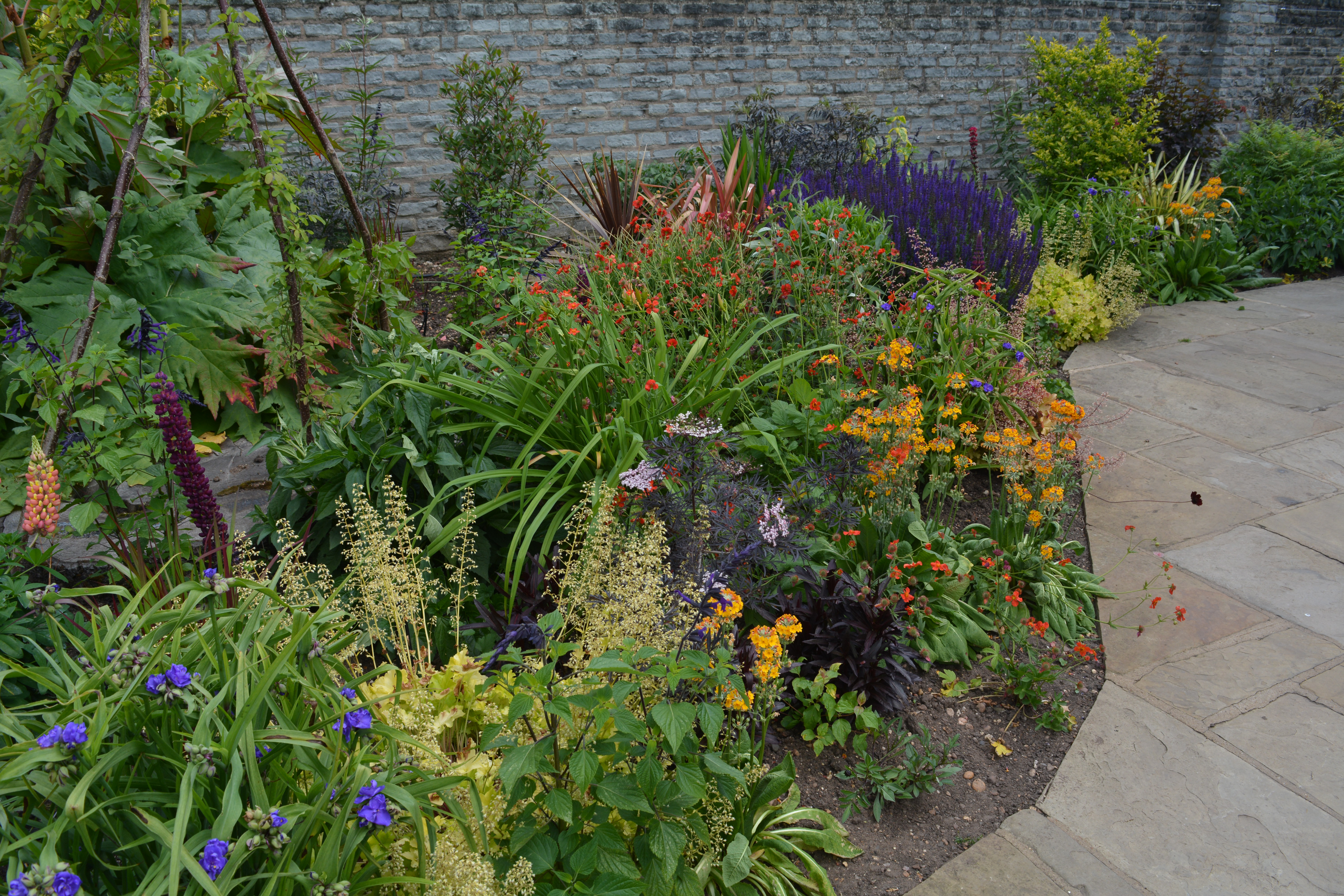
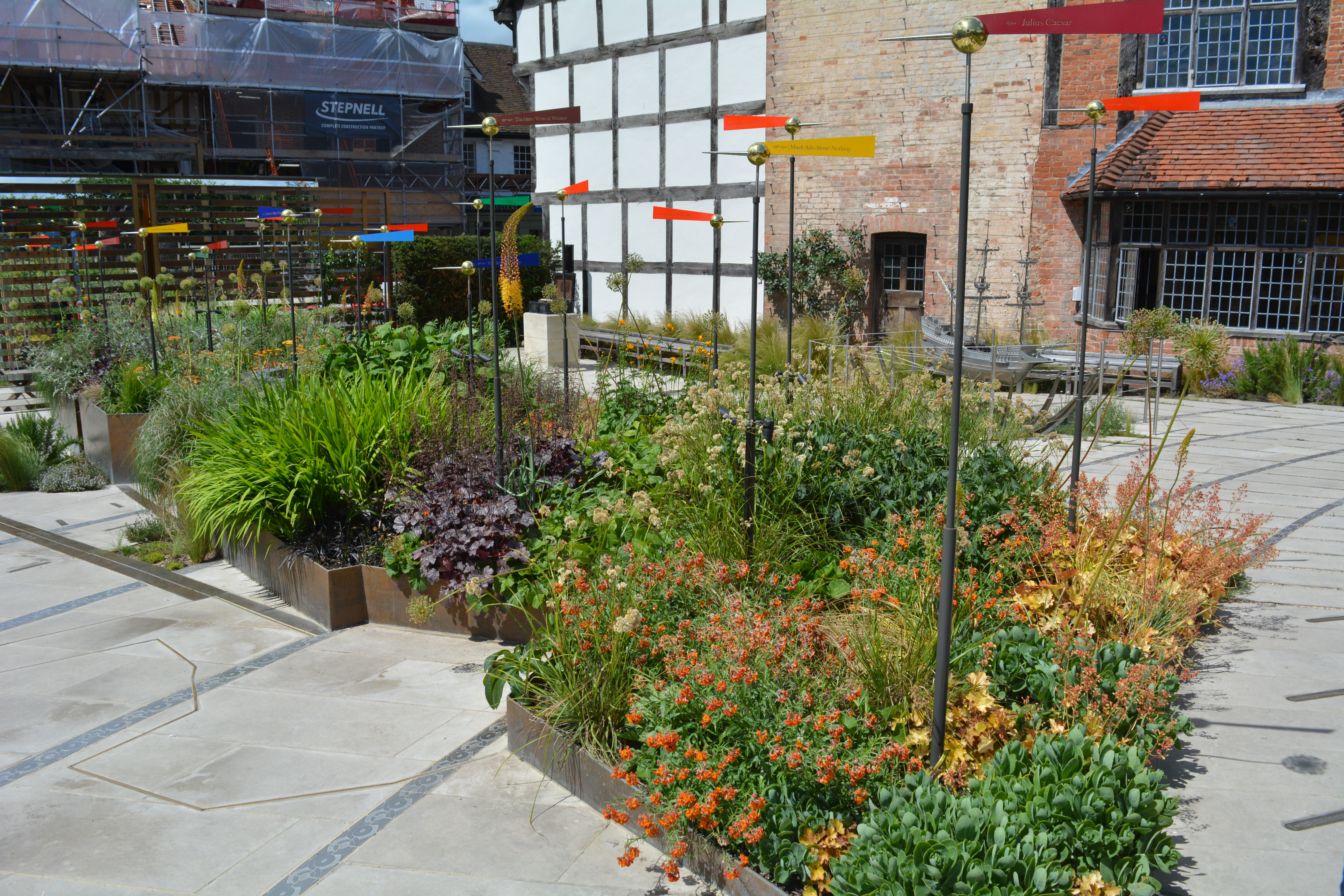
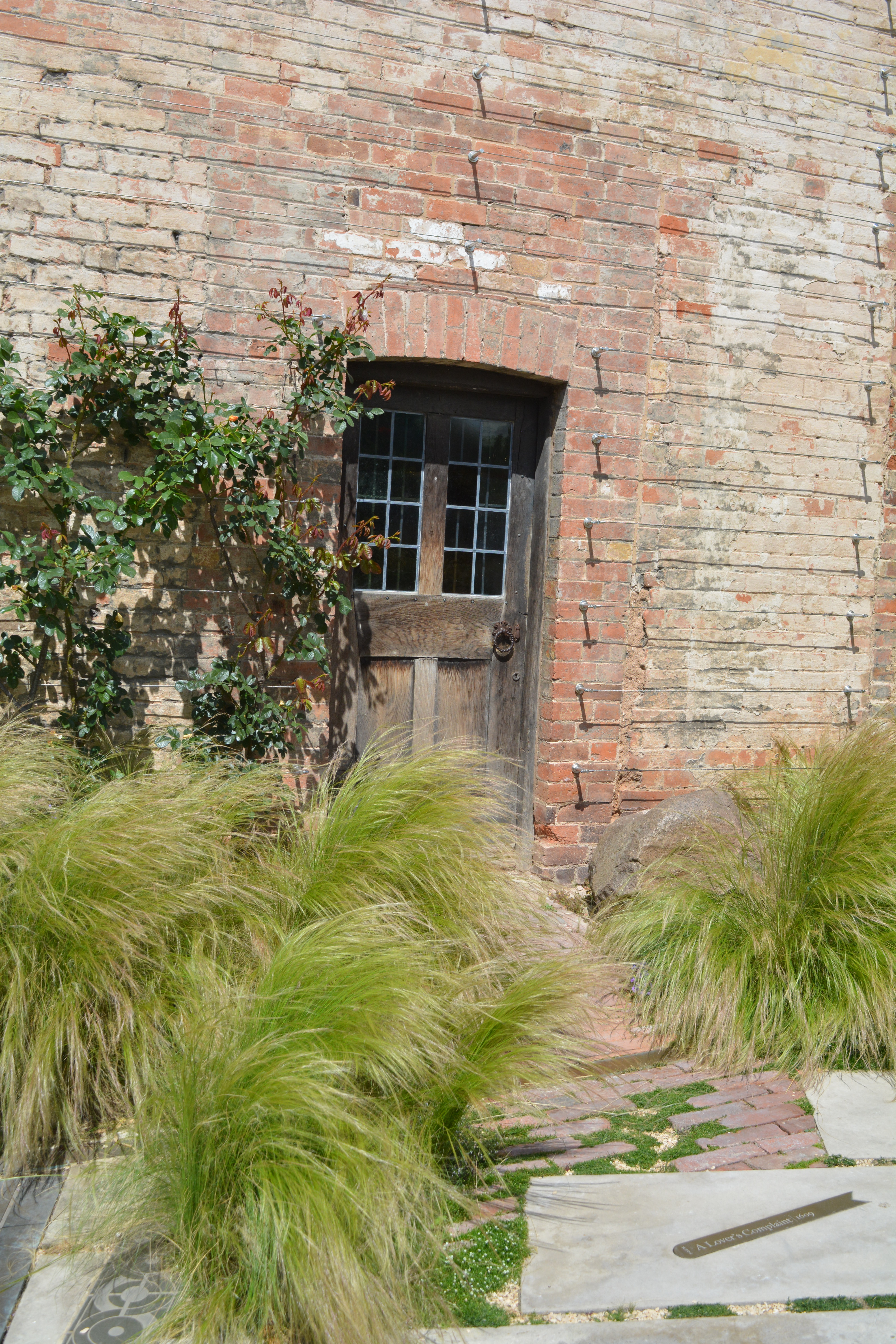
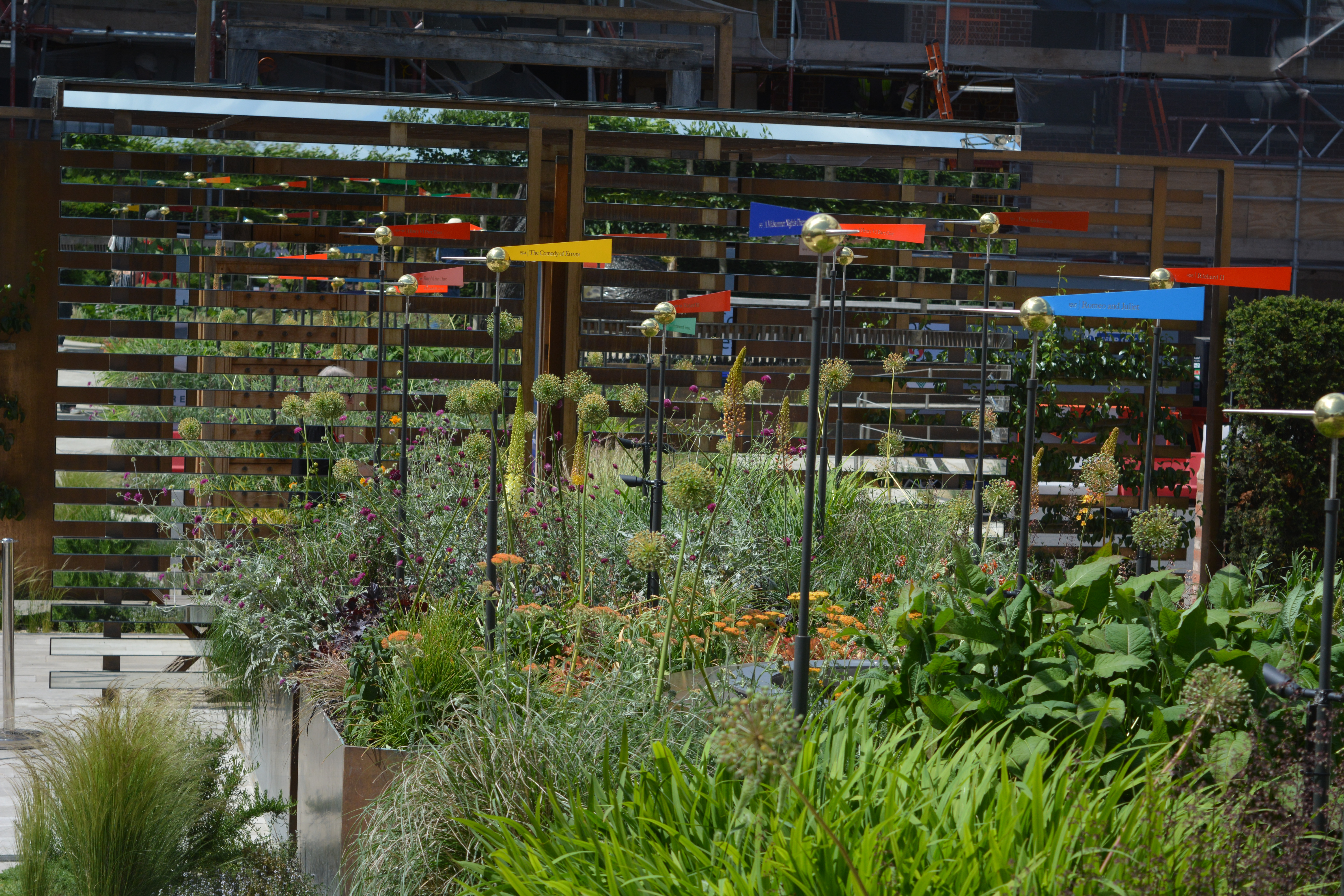
In total contrast but just a short walk away, is “The New Place”, a celebration of Shakespeare’s life with exciting modern garden design and statuary. Each piece of statuary and each plant combination provides hints of the period as well as adding atmosphere. There were brilliant plant combinations combined sensitively with modern sculptural constructions. Softening of modern hard landscaping was carried out using soft, whispy grasses such as Stipa tennuissima Pony Tails.


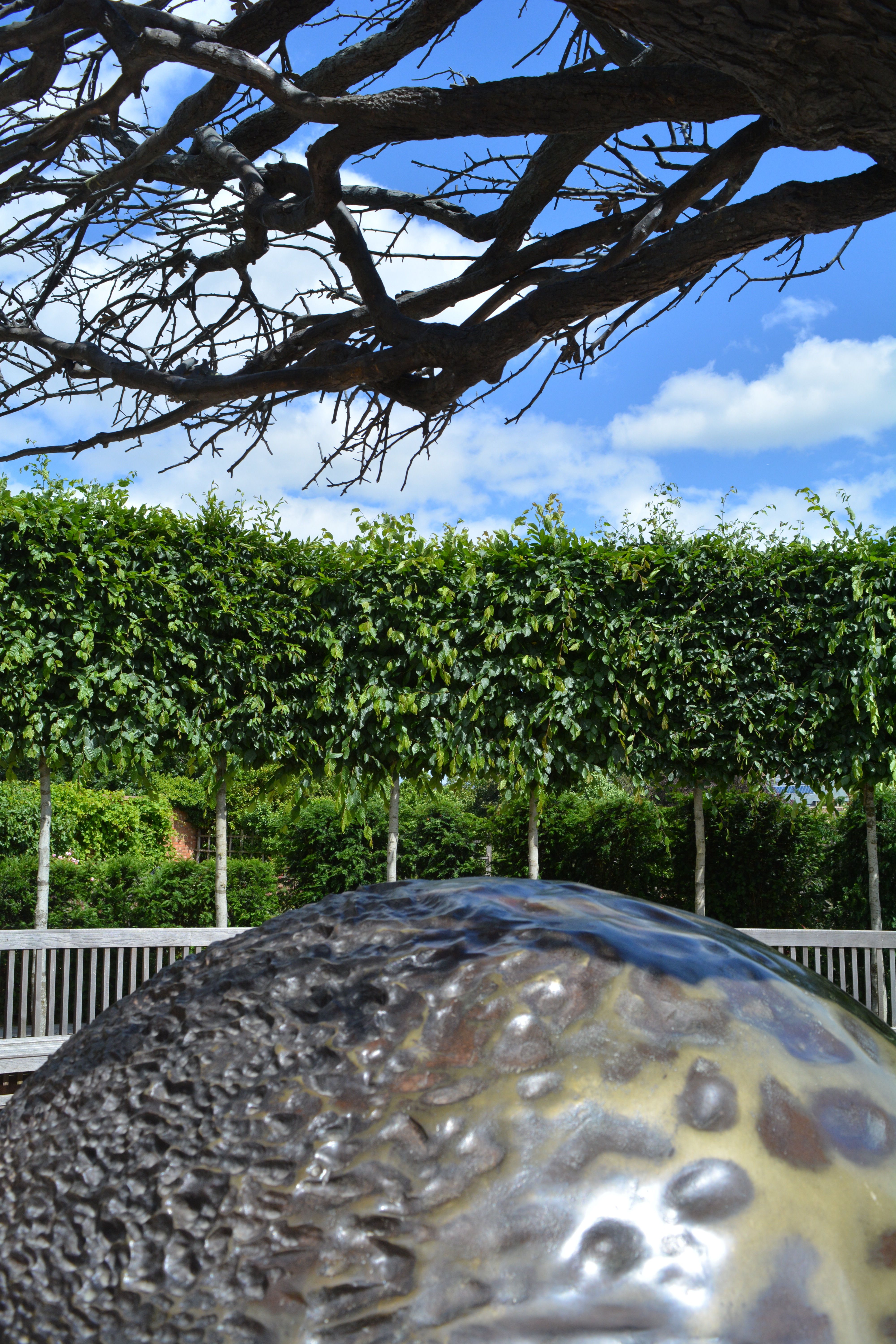
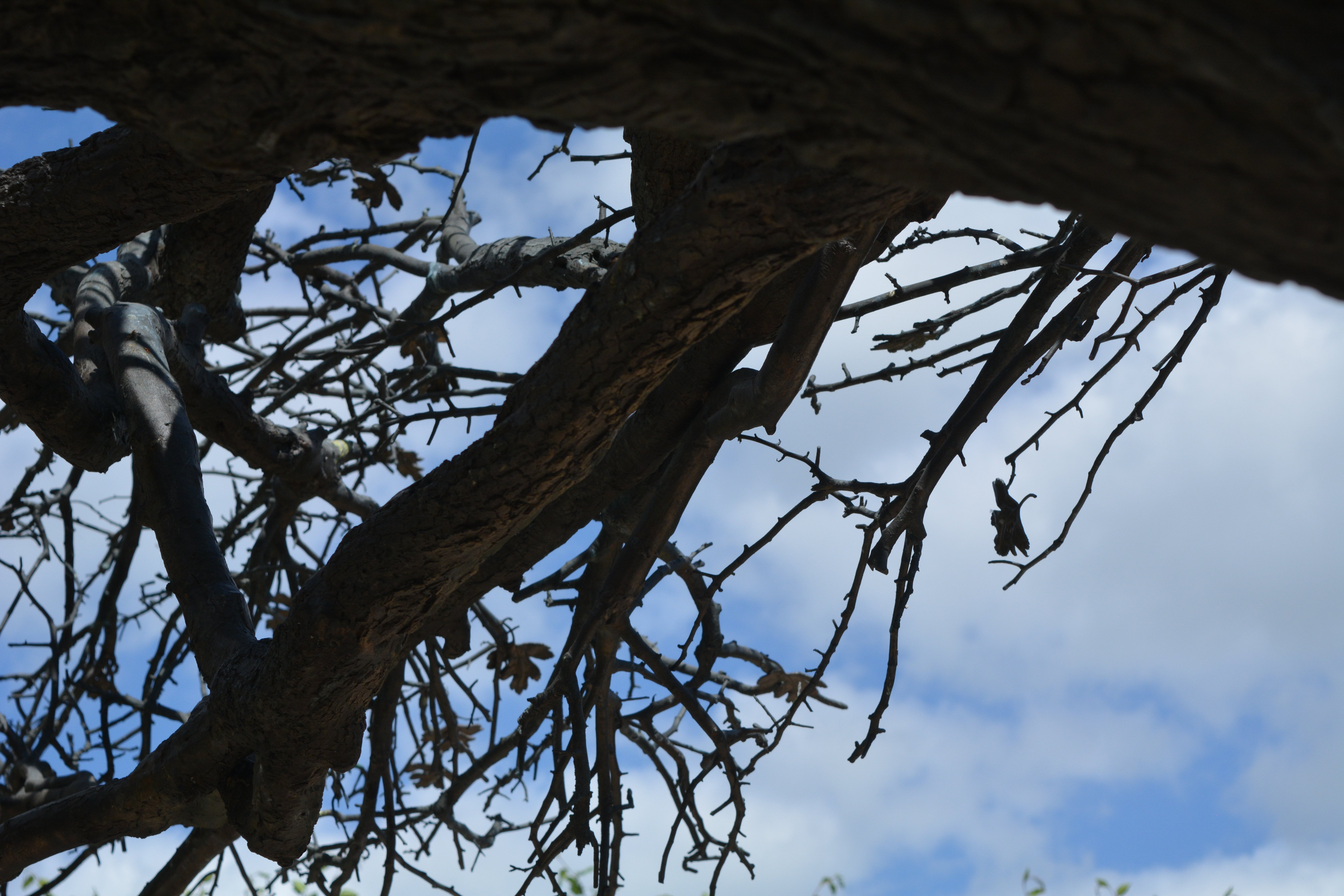
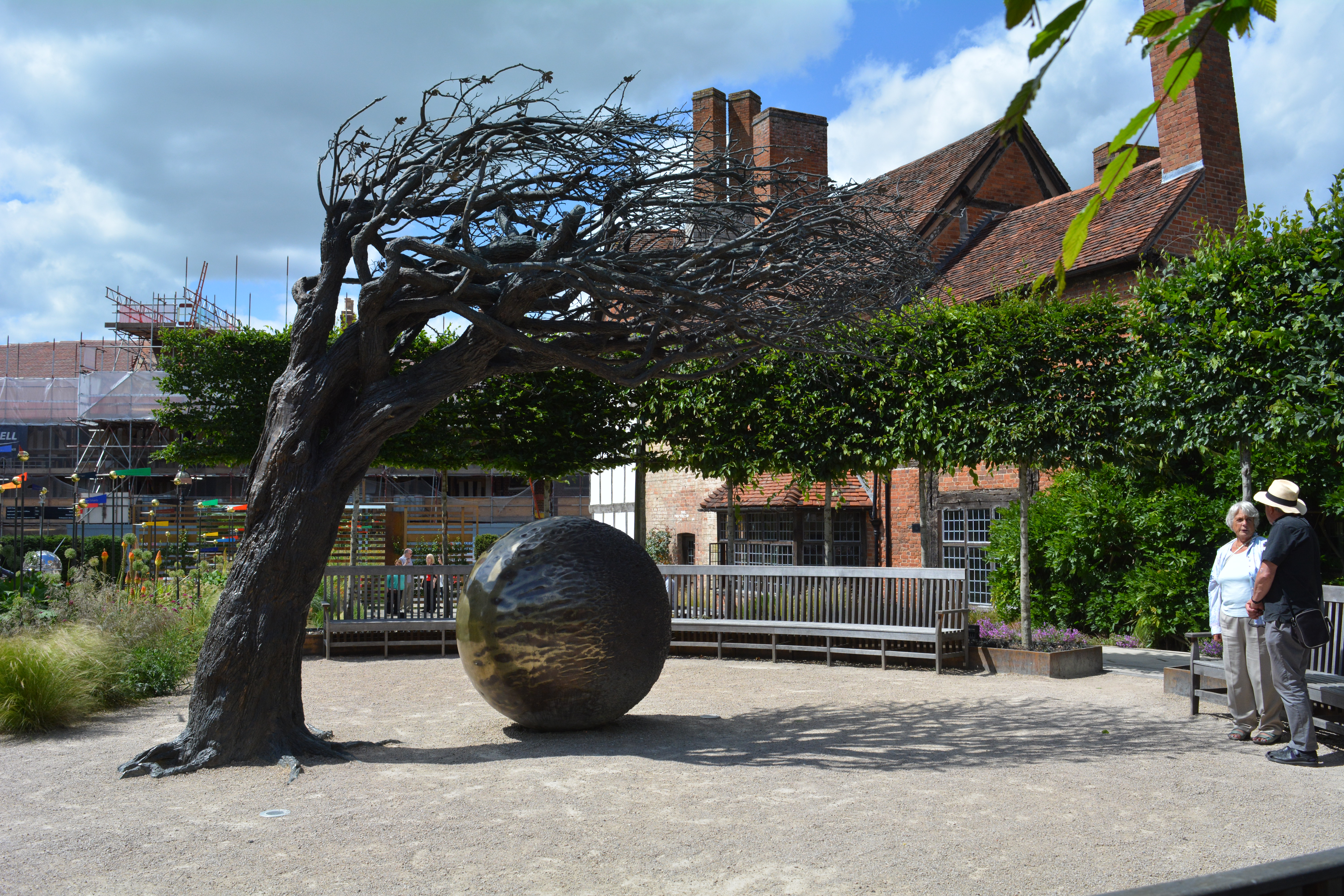
The globe under the tree feature had a real surprise in store fr when you got close to the tree you realised it was cast in bronze. Goldfinches loved it and sang from its upper branches!


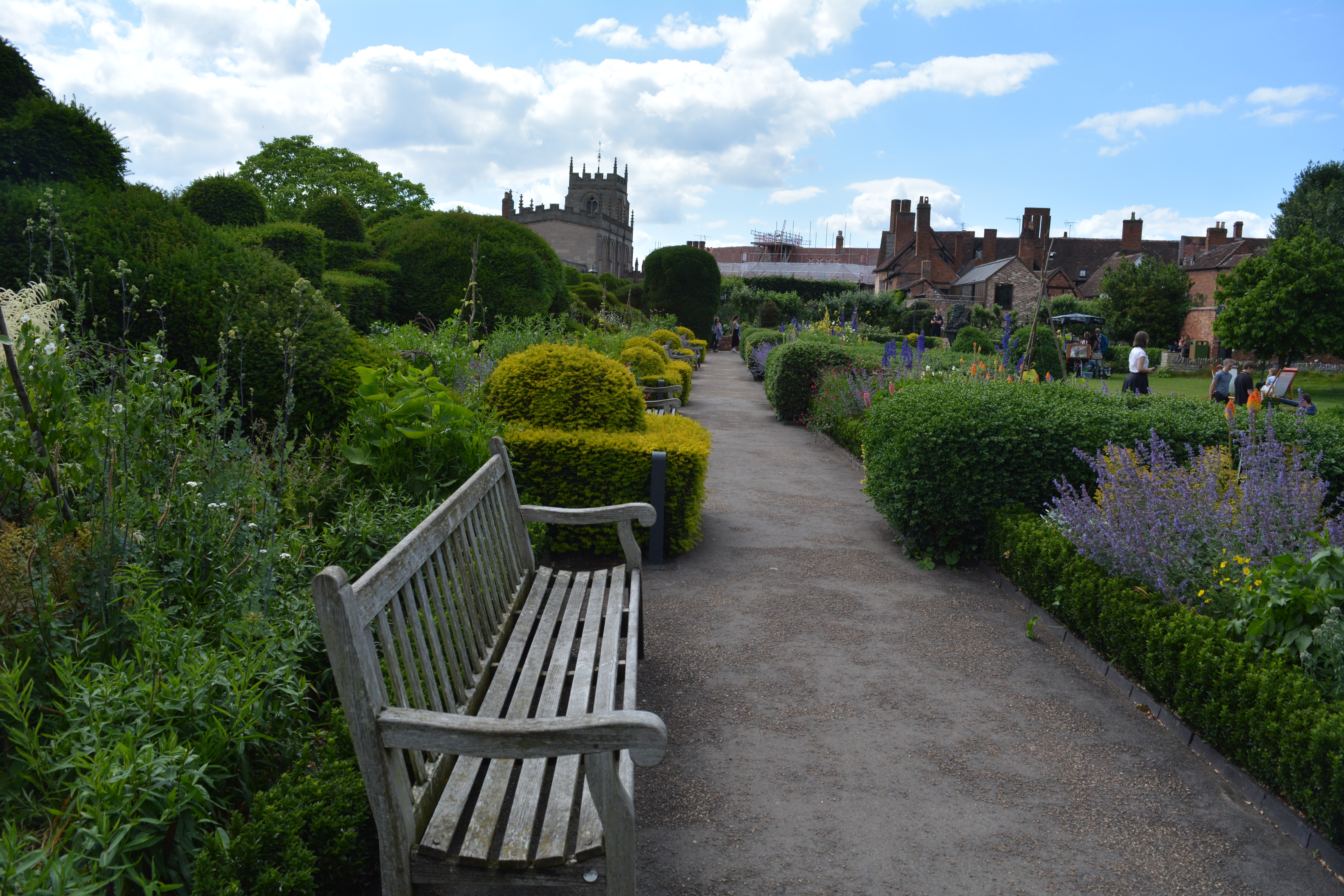
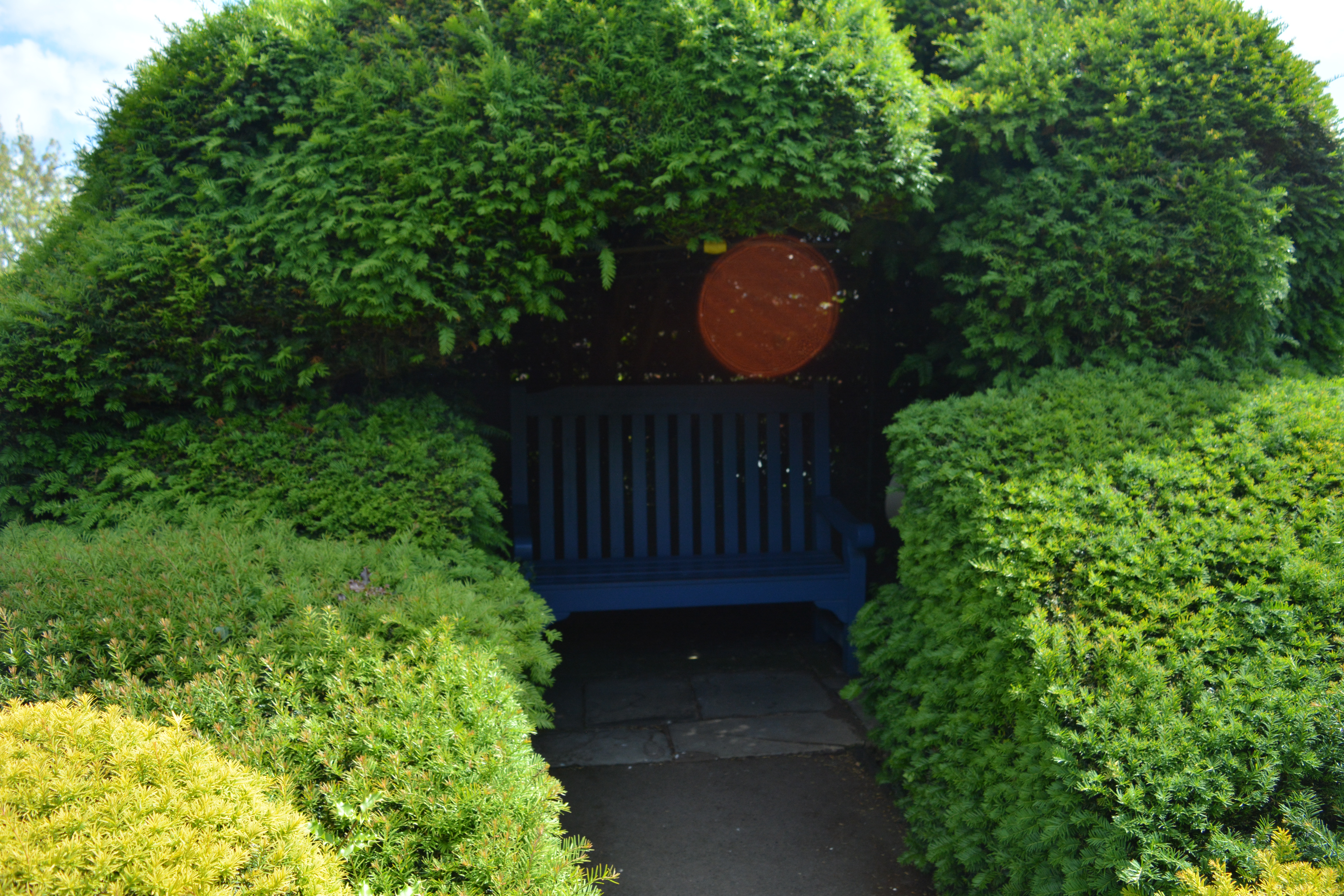
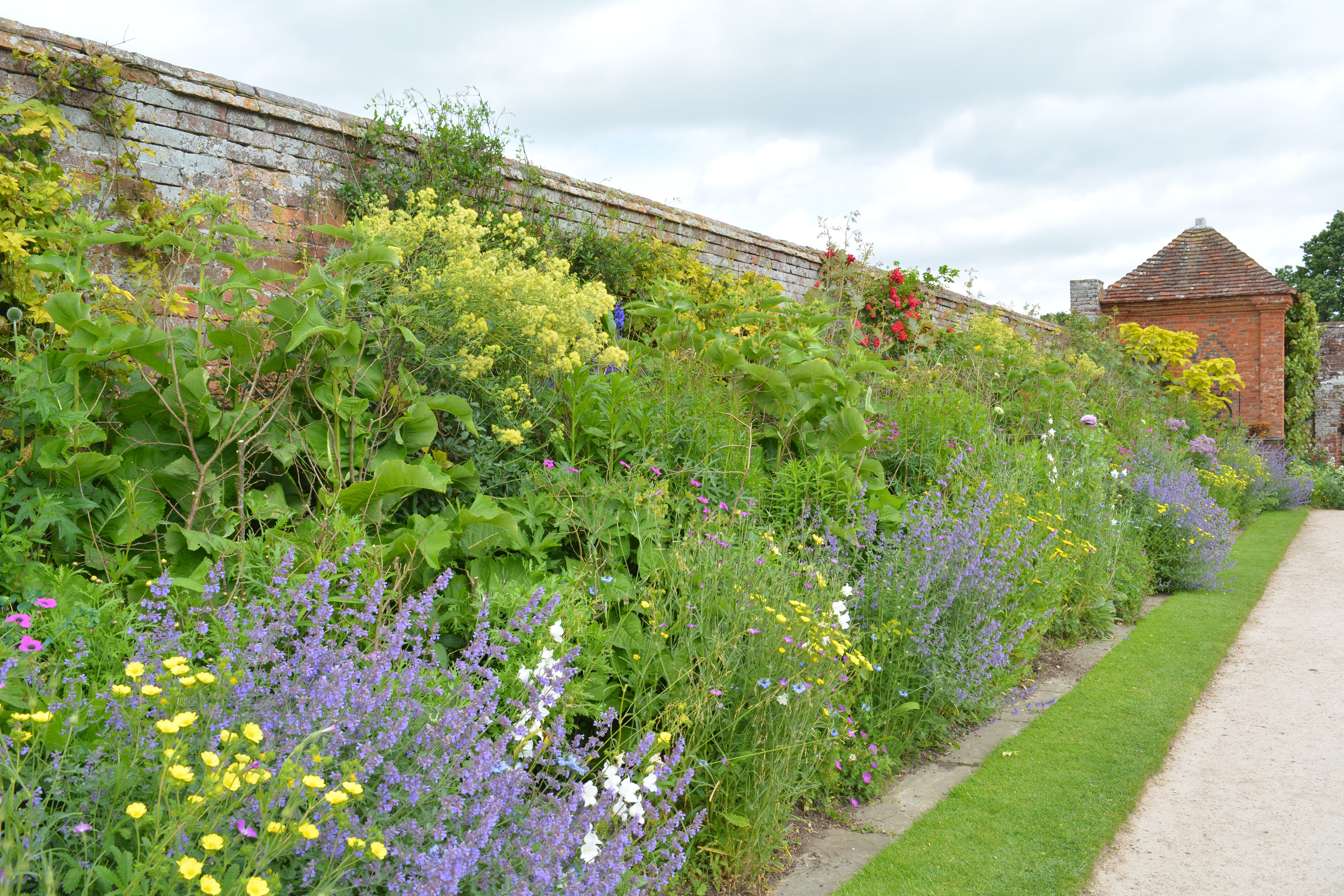
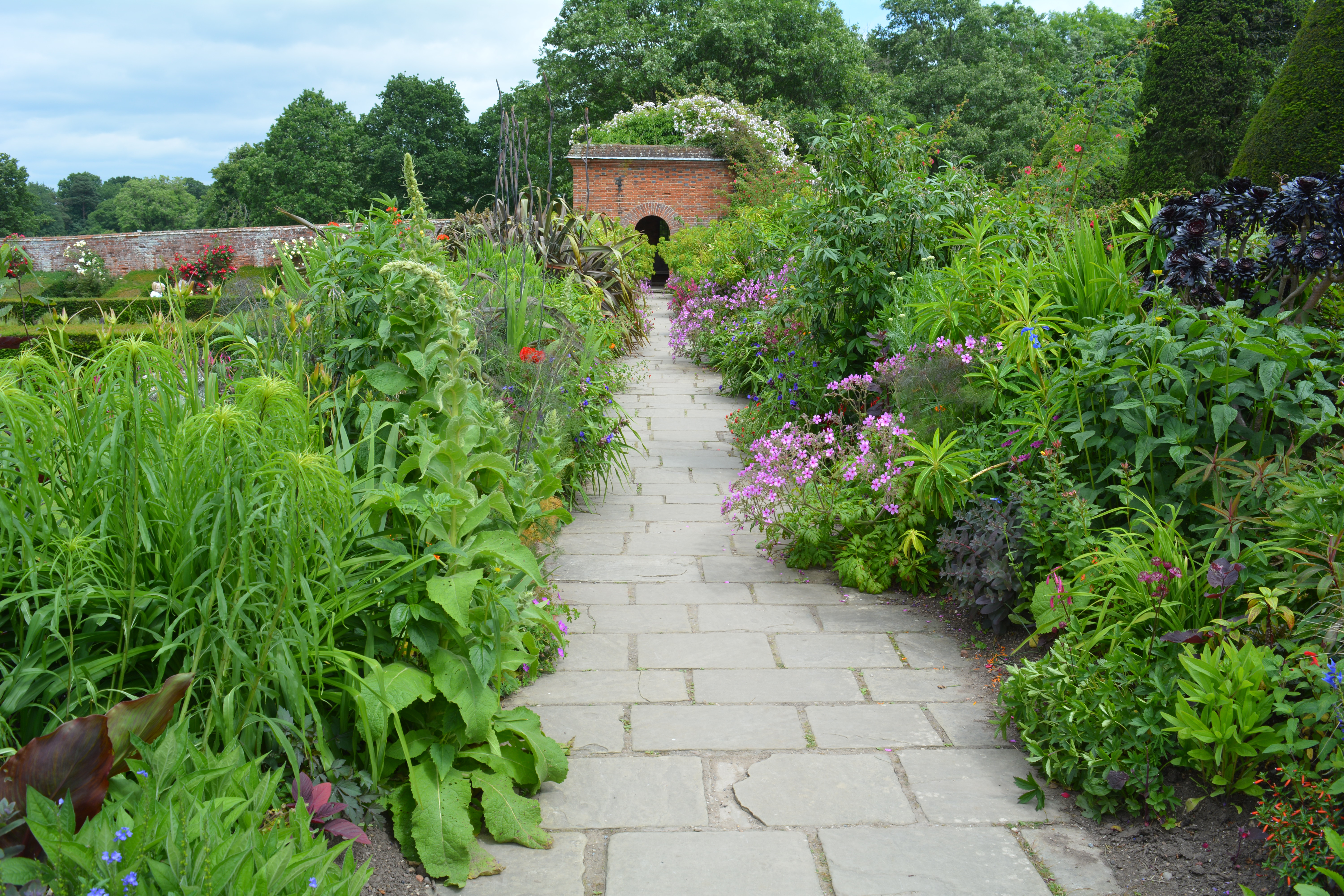
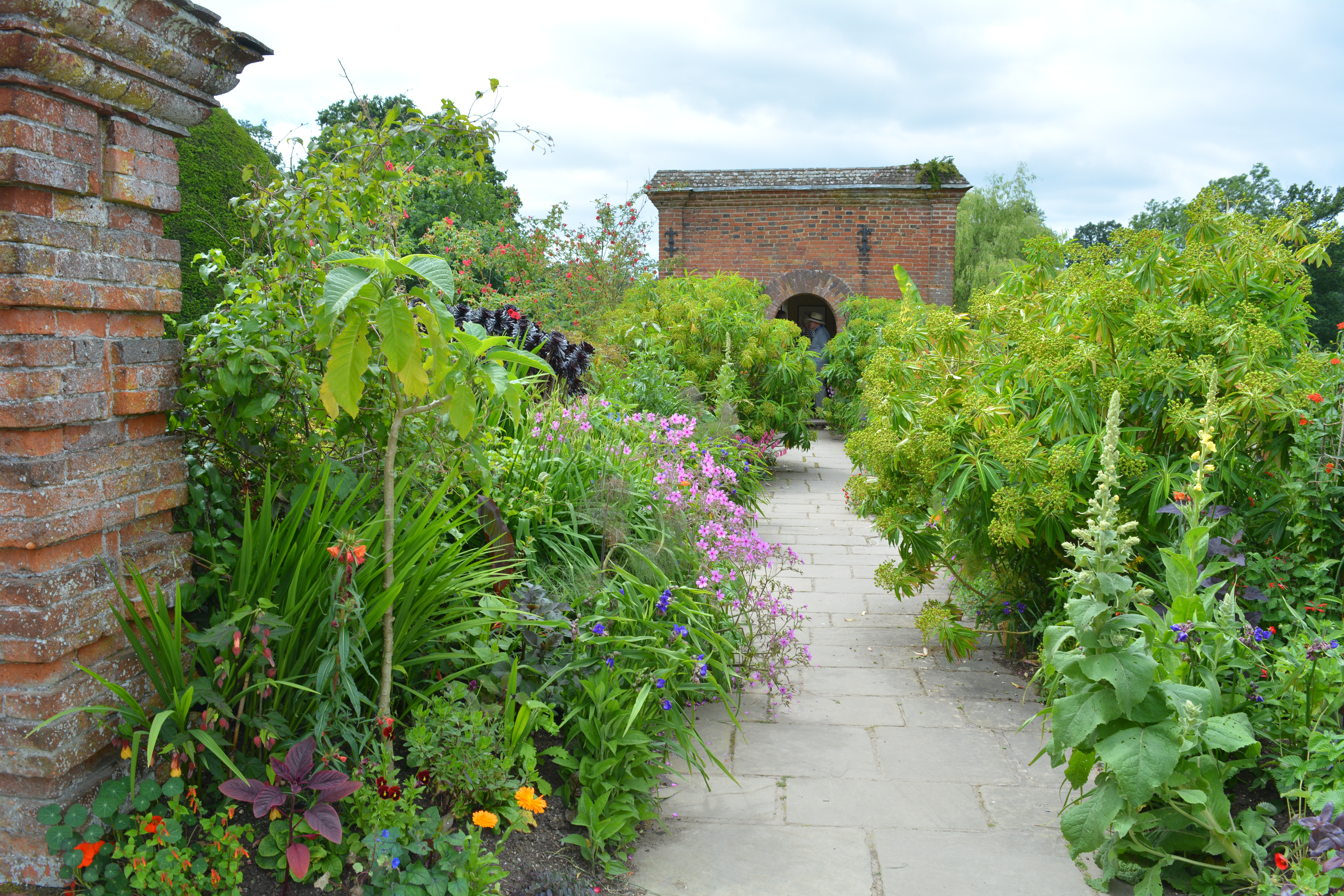
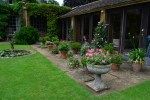
A more open space beyond he building and the modern garden area had a completely different feel to it contrasting strongly and providing a peaceful space to rest and have a quick coffee served by a barista on a bicycle. Long double borders with a central path ran along one side of the large green, with topiarised hedging and perennial planting.


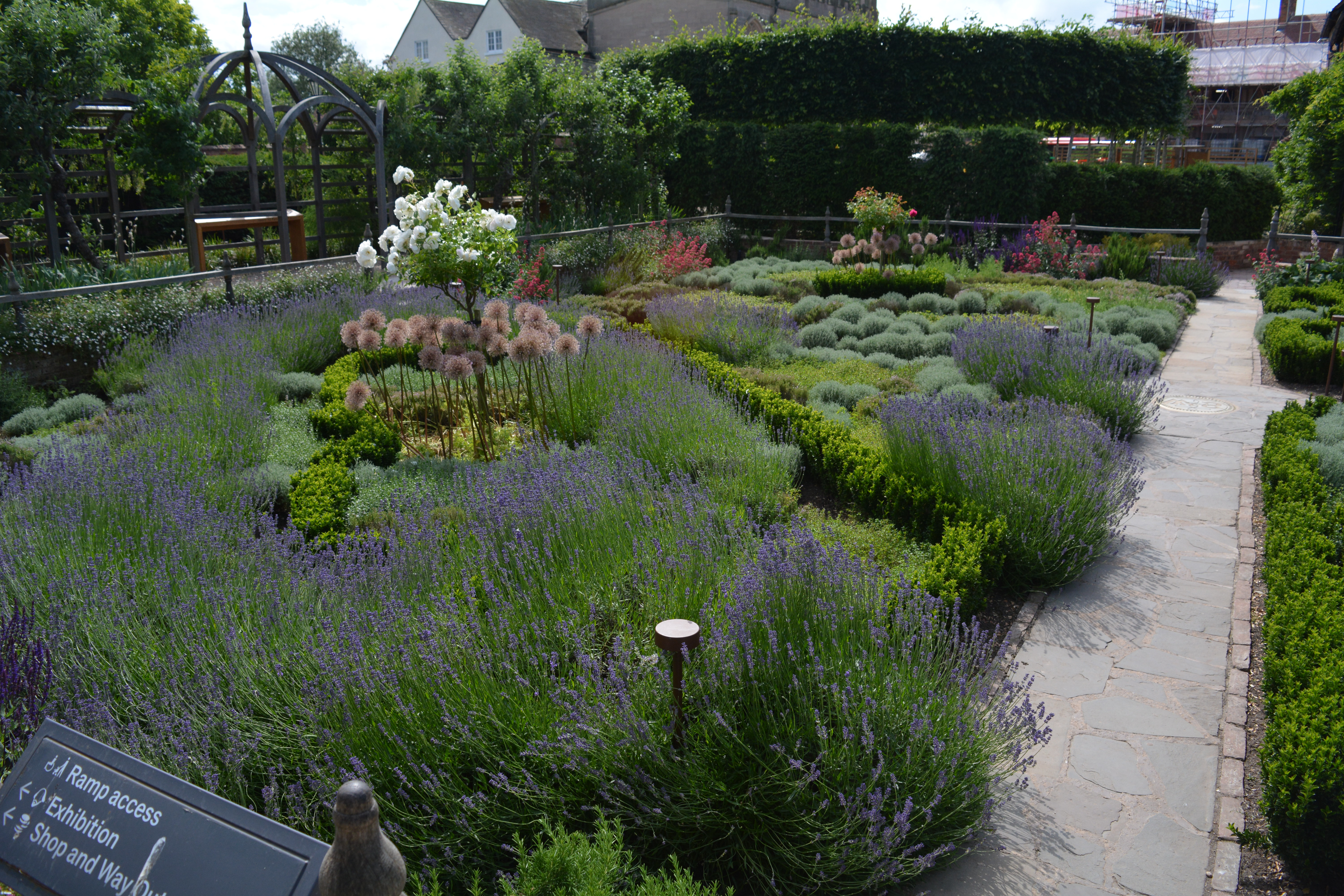
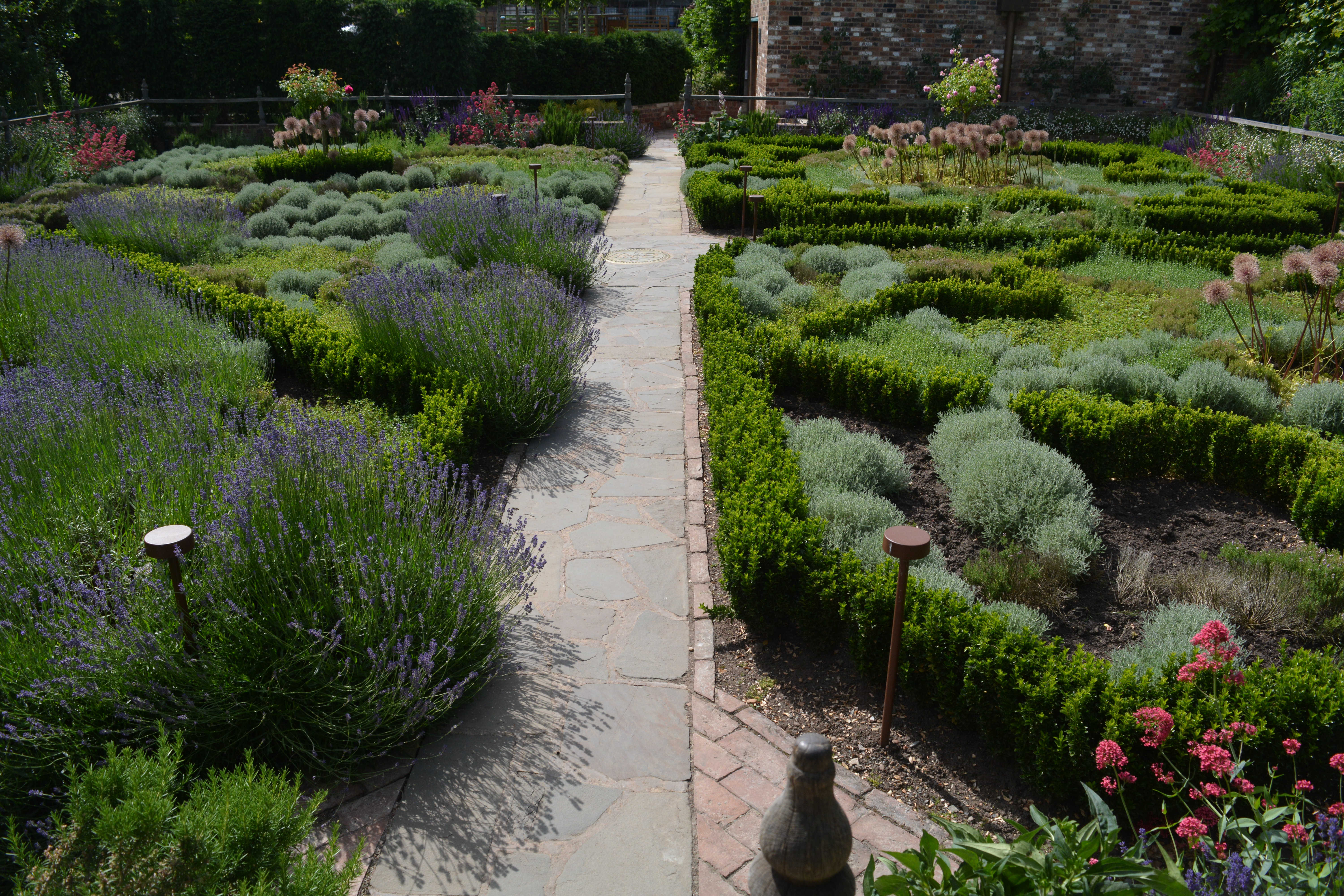
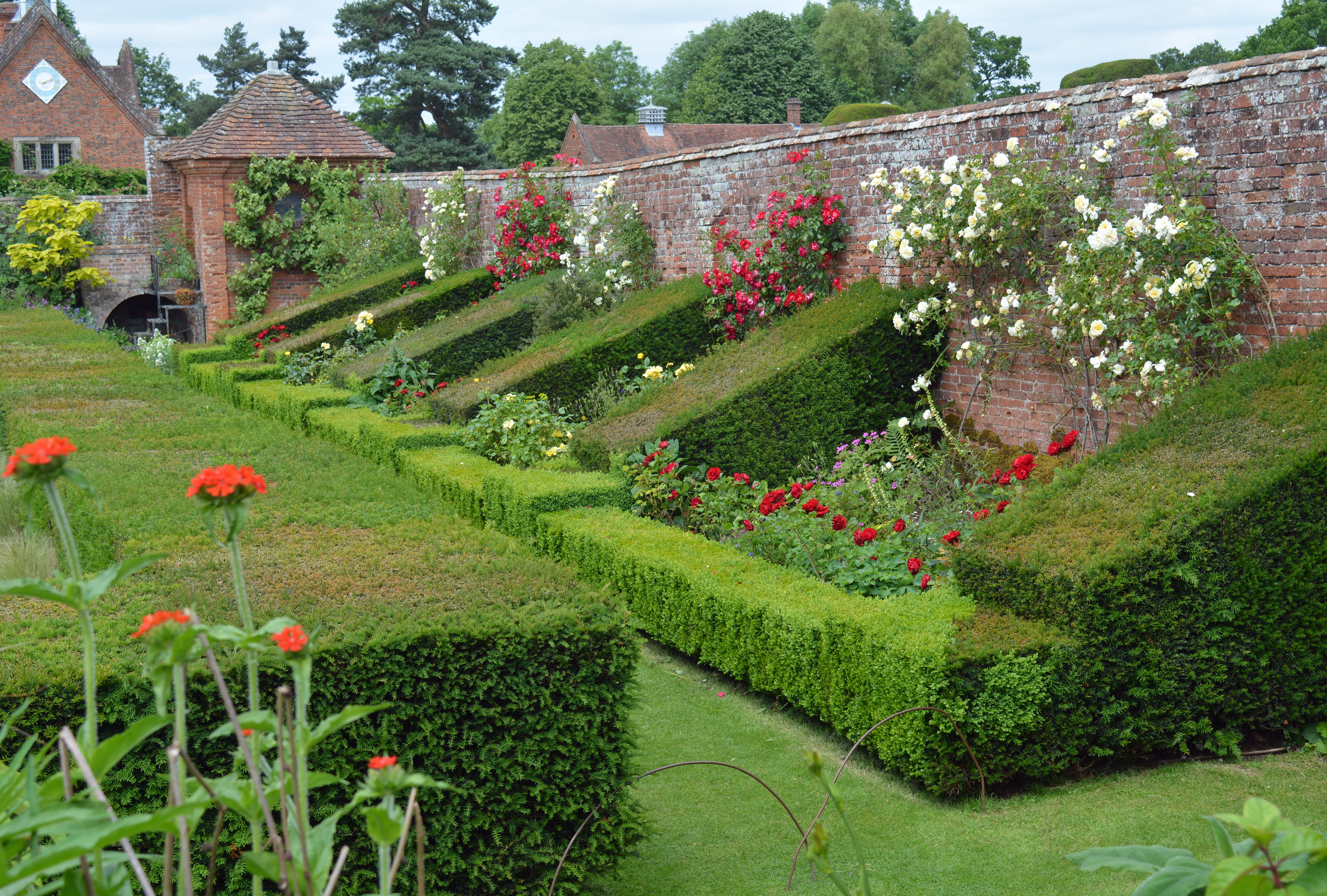
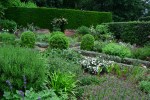
Finally a parterre area felt much more in keeping with the garden style of the Shakespearian era, providing another contrasting area to explore. Lavenders gave off beautiful gentle scent.


Categories
colours garden design garden photography gardening gardens gardens open to the public hardy perennials light light quality ornamental trees and shrubs Powis Powys roses shrubs trees Uncategorized Wales woodland woodlands

The Dingle Garden in June

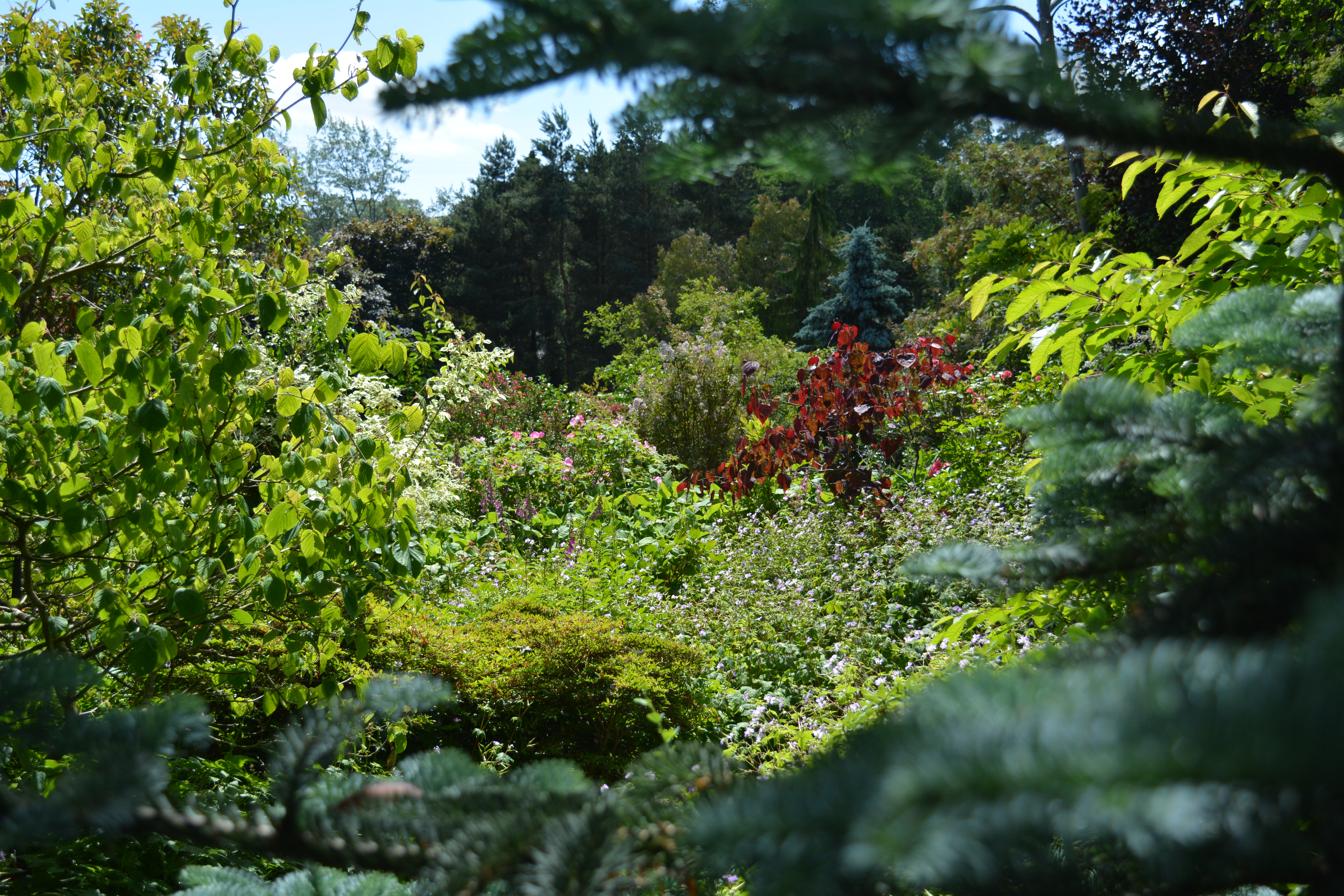
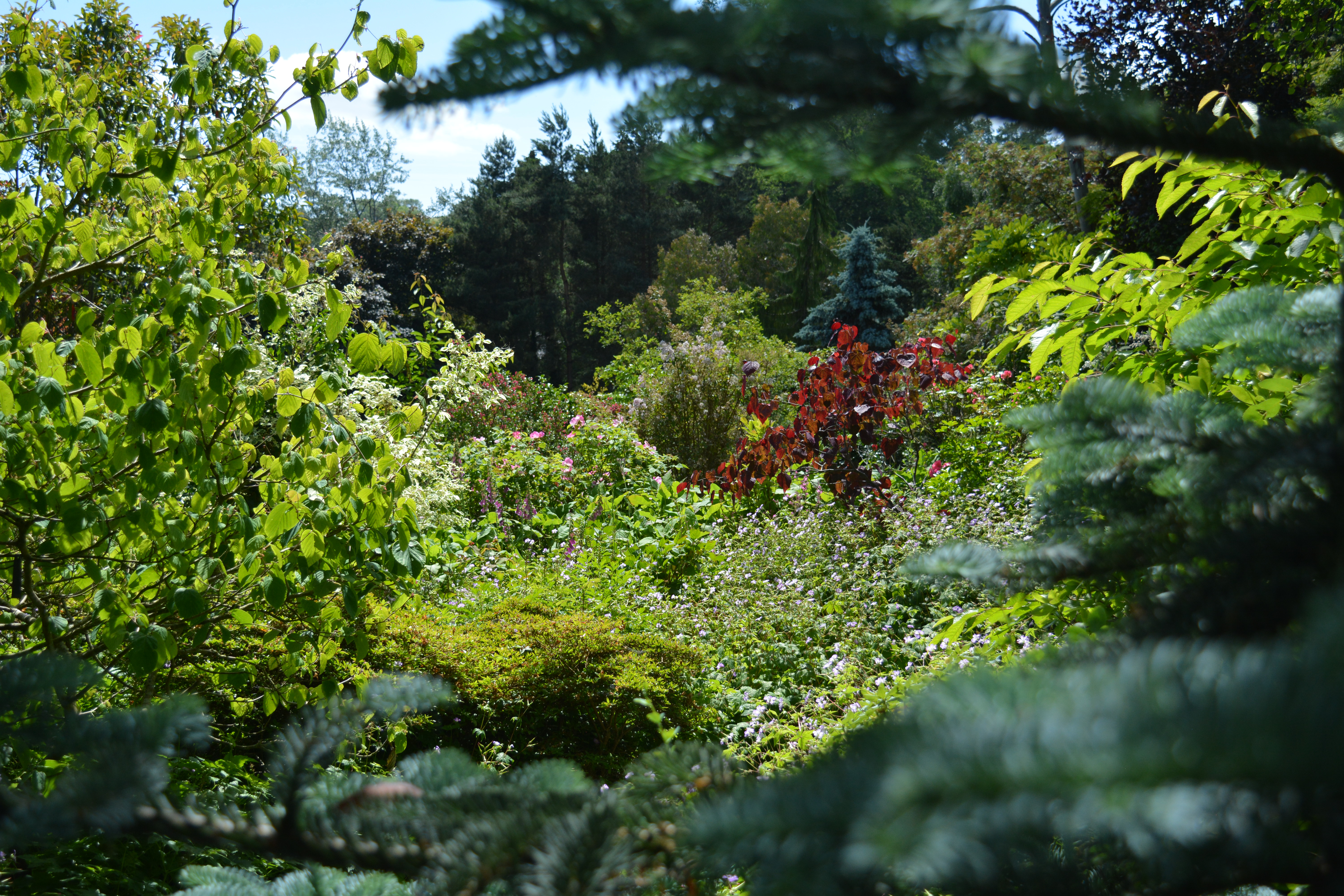
As we reach the middle of the year we made our monthly visit to the Dingle Gardens, and for once the weather looked set fair. This meant that we had strong contrast between light and shade and any colour was brightly lit when the sun hit it, leaf colour or flower colour.

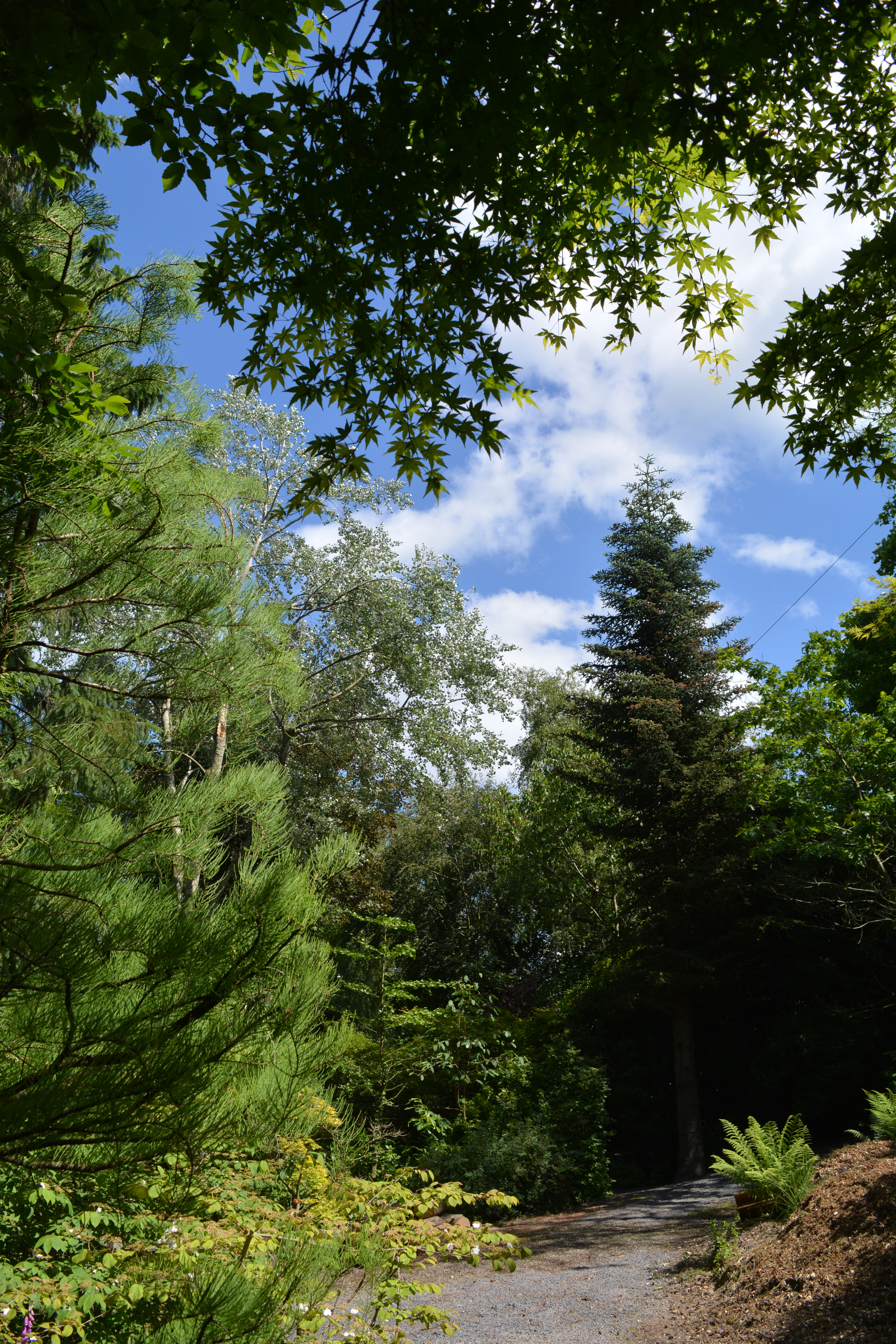
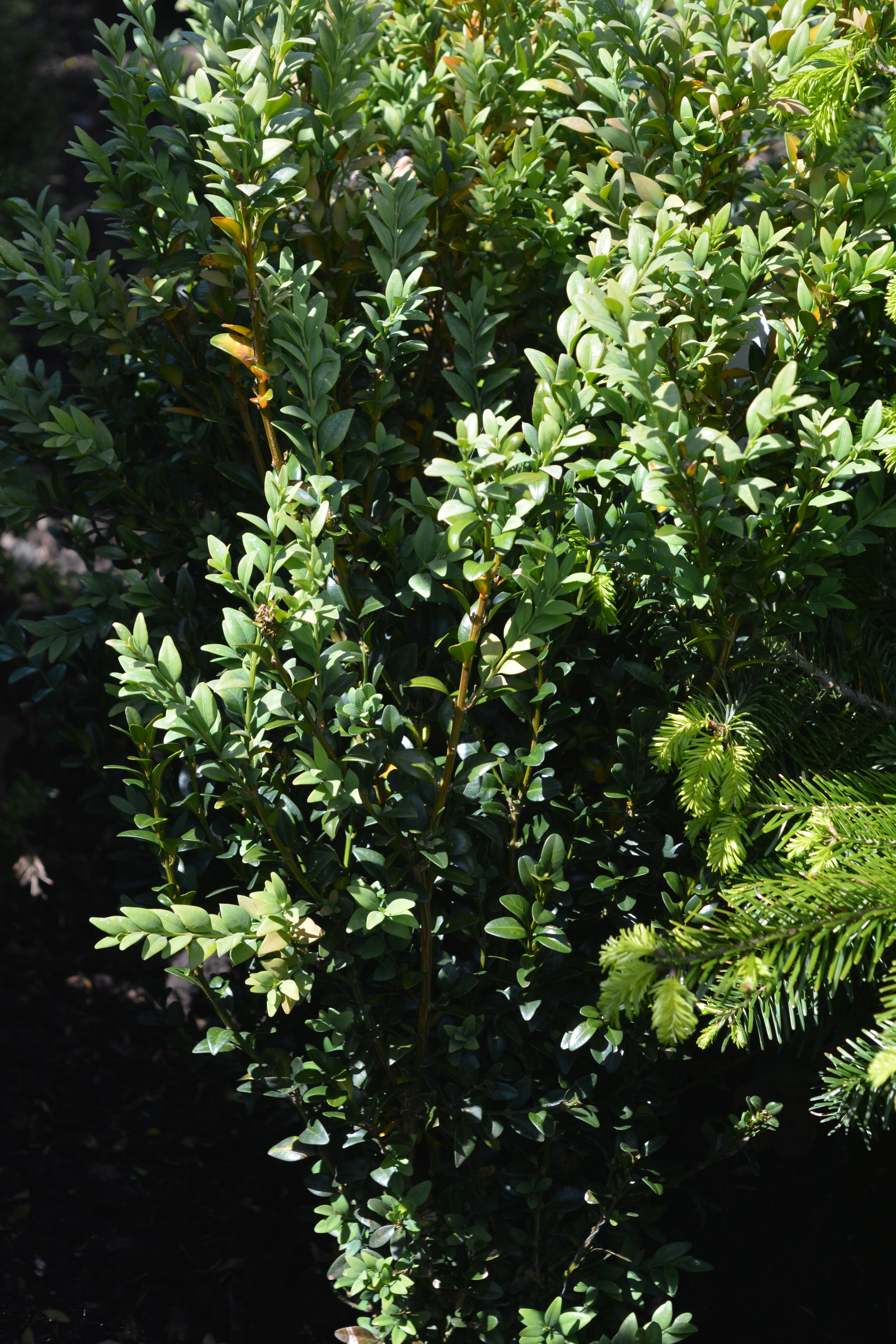
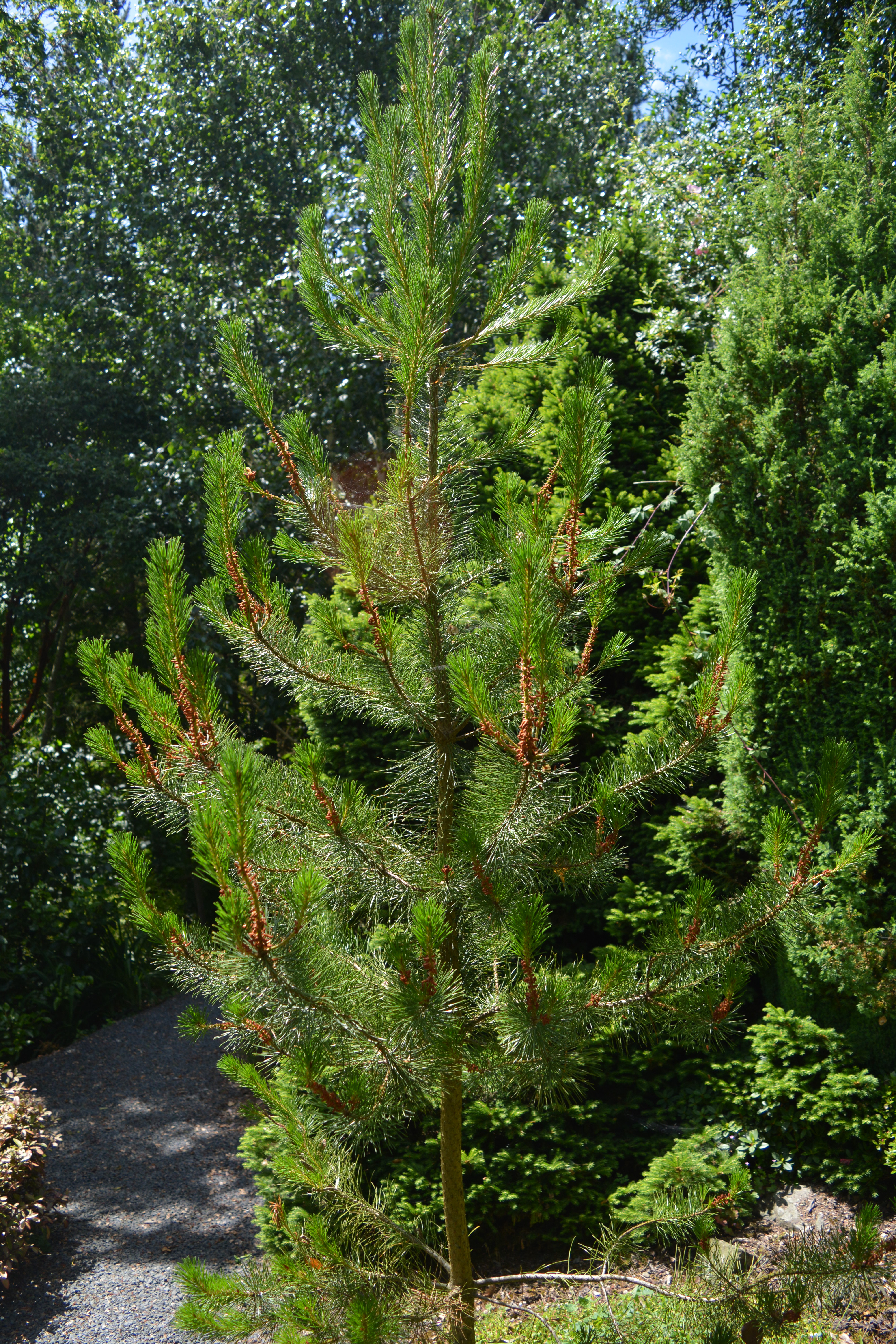
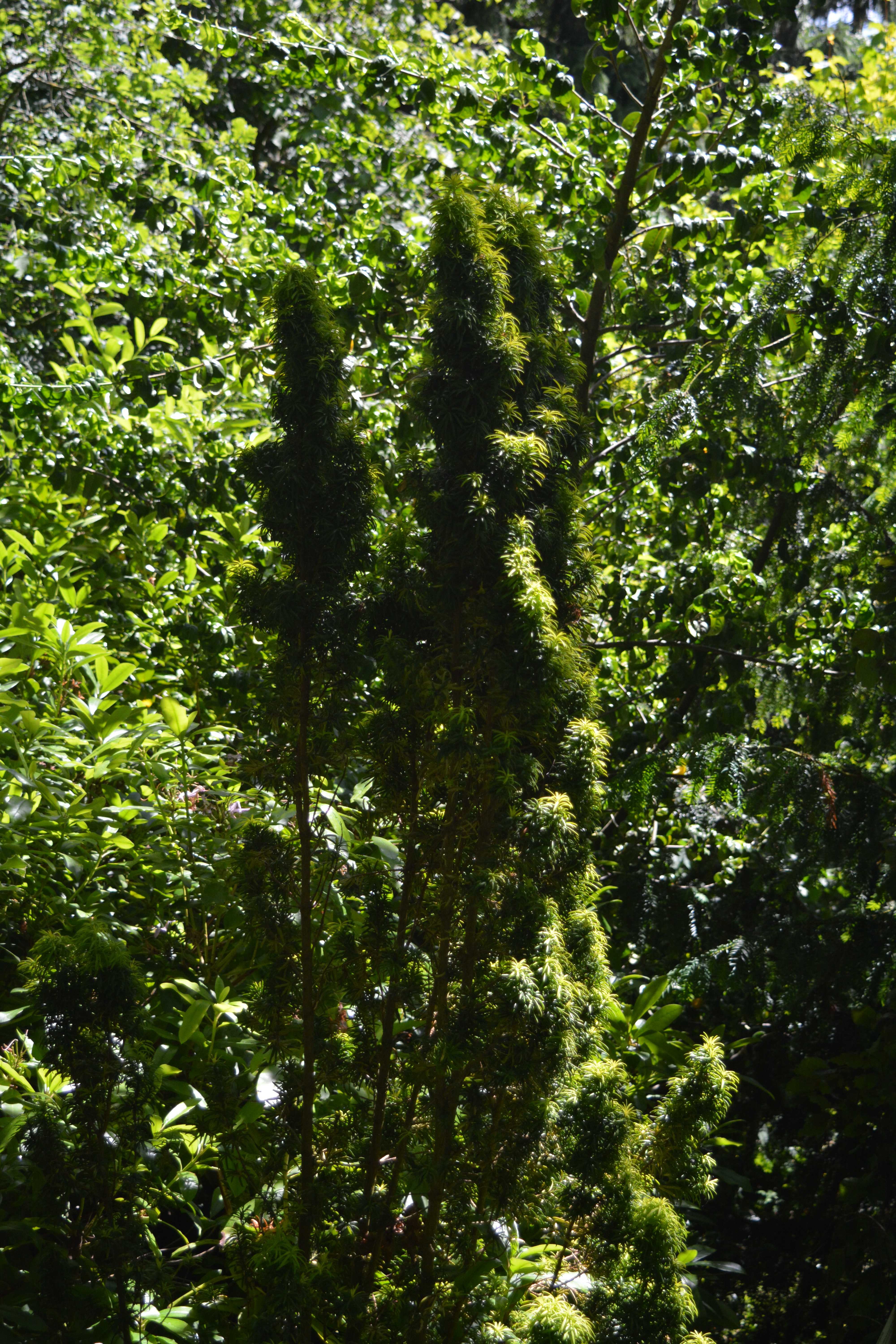
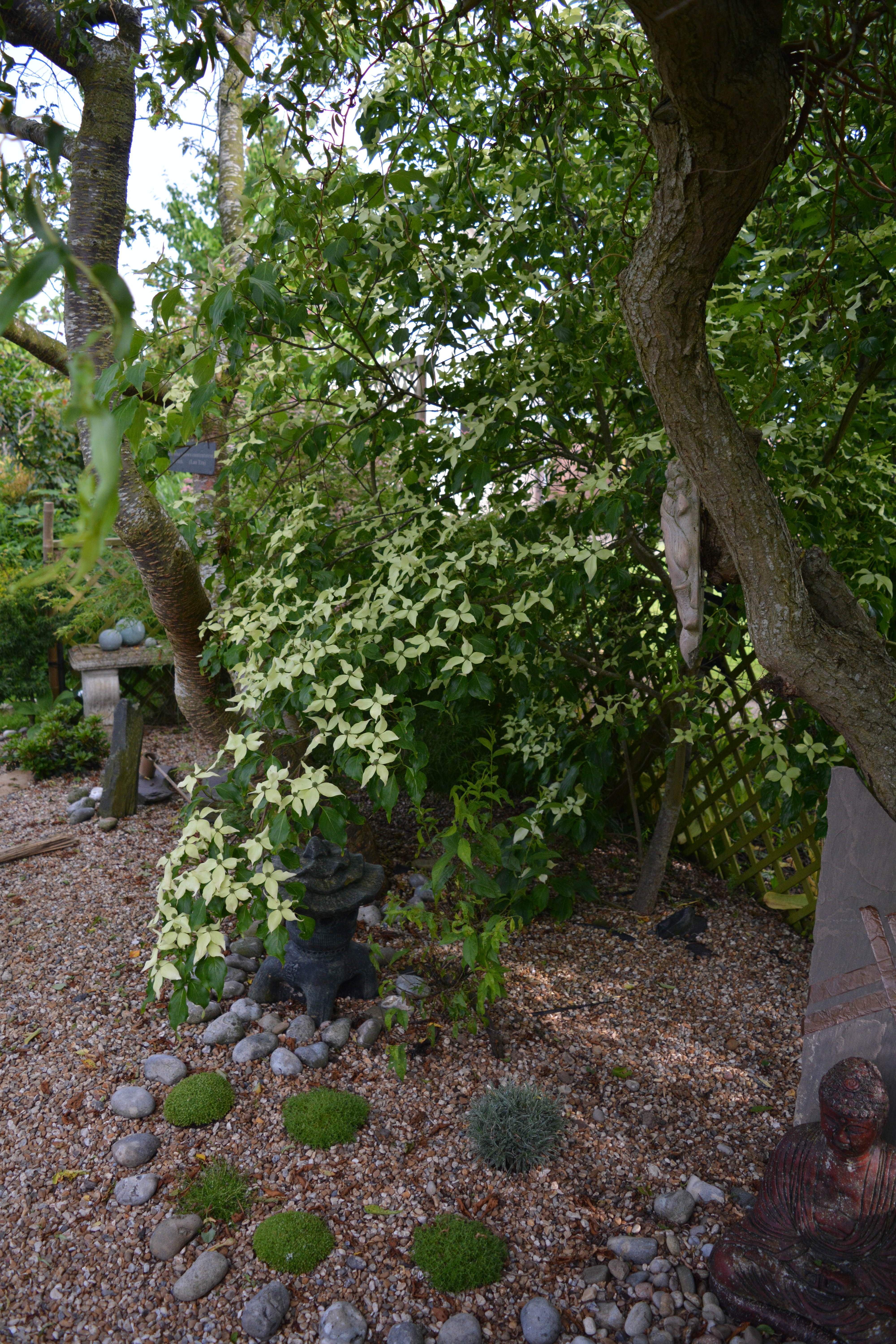
A Cornus kousa on the lawned area loked at its best, with creamy white bracts covering it from head to toe. The light emphasised the shapes and textures of quite ordinary trees ans shrubs lifting them above their normal character, including this tall conifer and the little Box shrub.


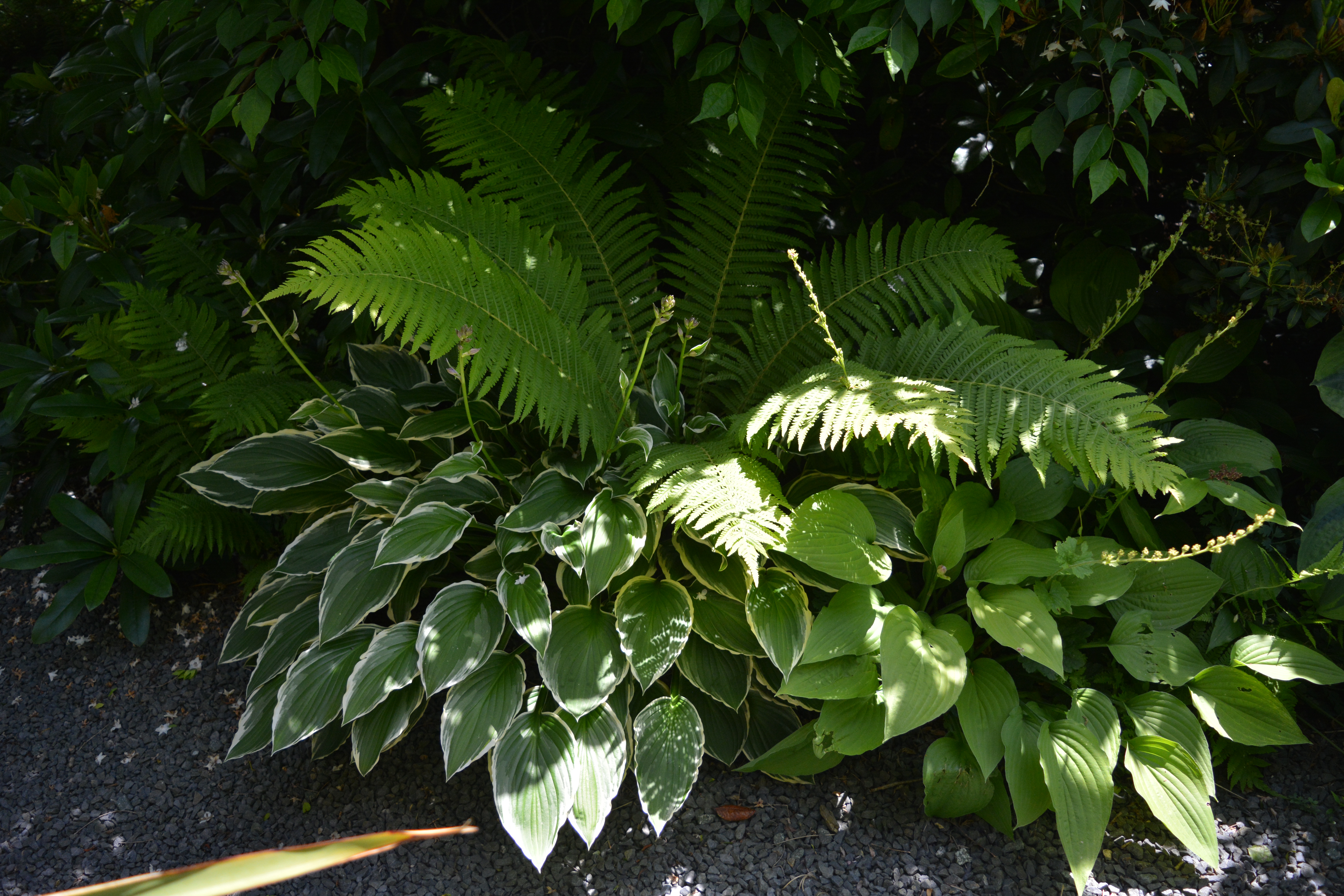
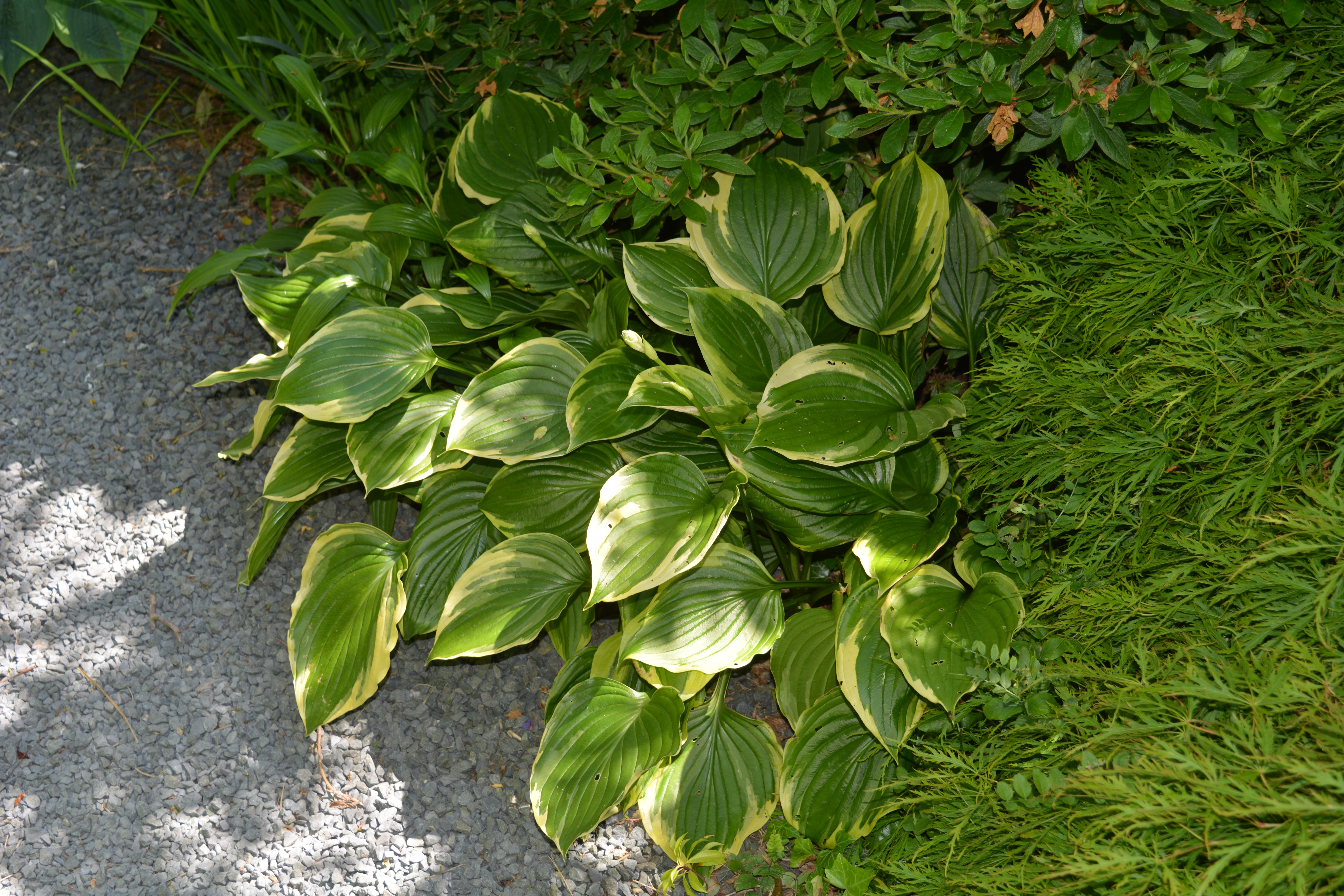
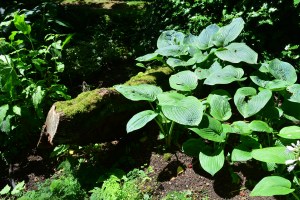
Hosta leaves and fern fronds looked lush and fresh and appeared in every shade of green, some glaucous and some almost yellow. Their textures were emphasised also by the light, every curl and ripple of leaf and each curl and twist of fern fronds.


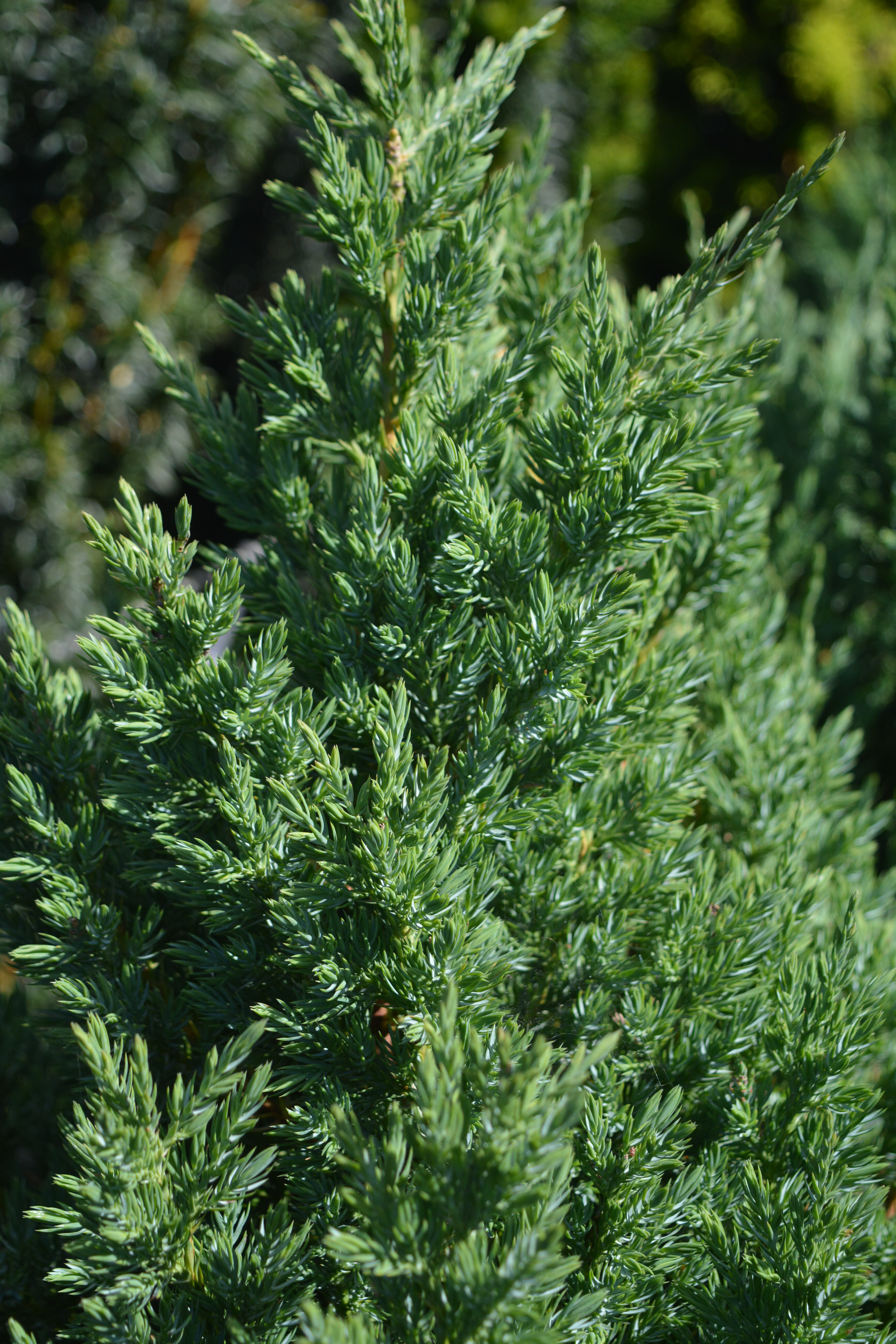
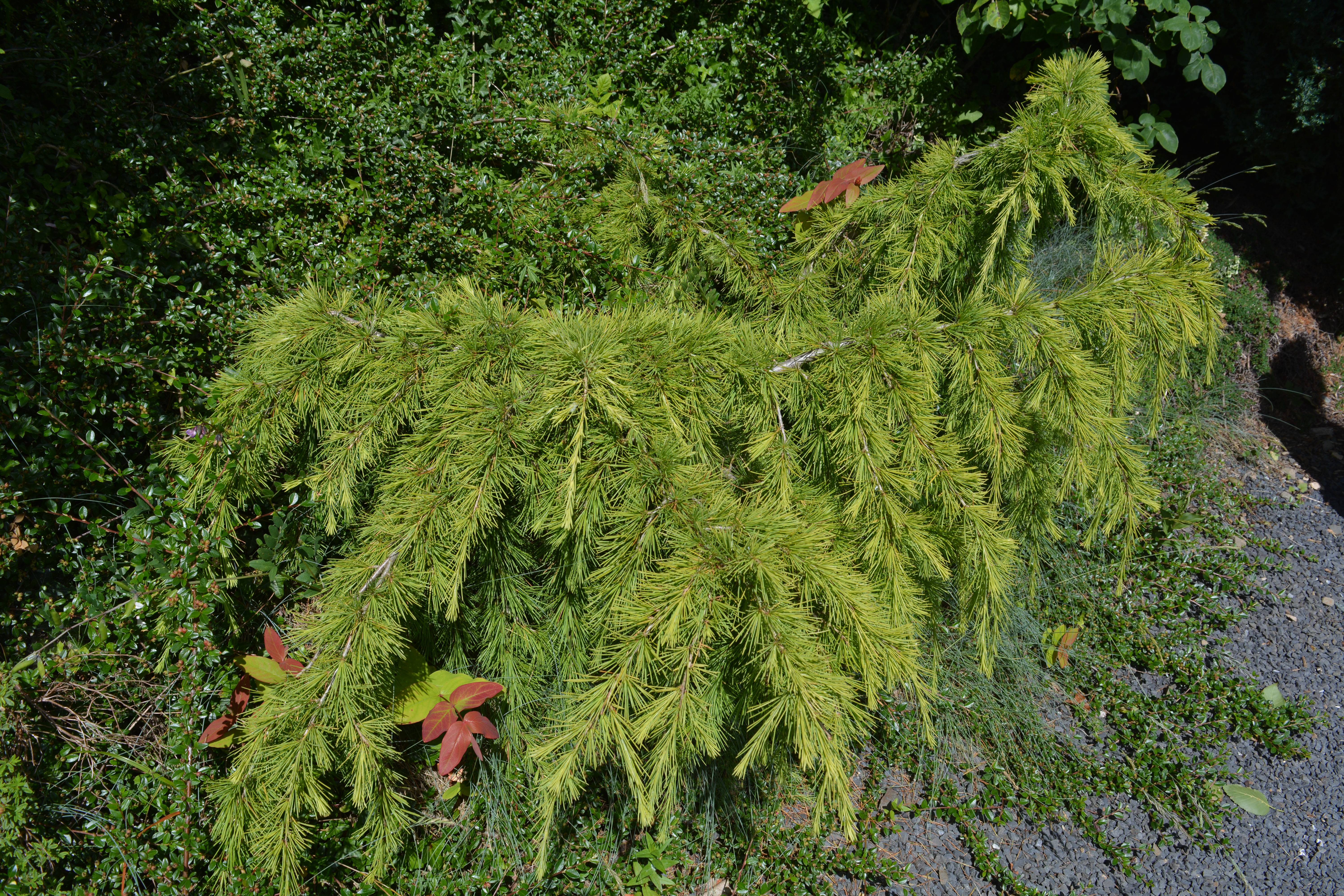
Conifers are difficult to appreciate in such a heavily planted hillside garden but on this day they seemed extra interesting with extra interest in their needle shapes and colours.


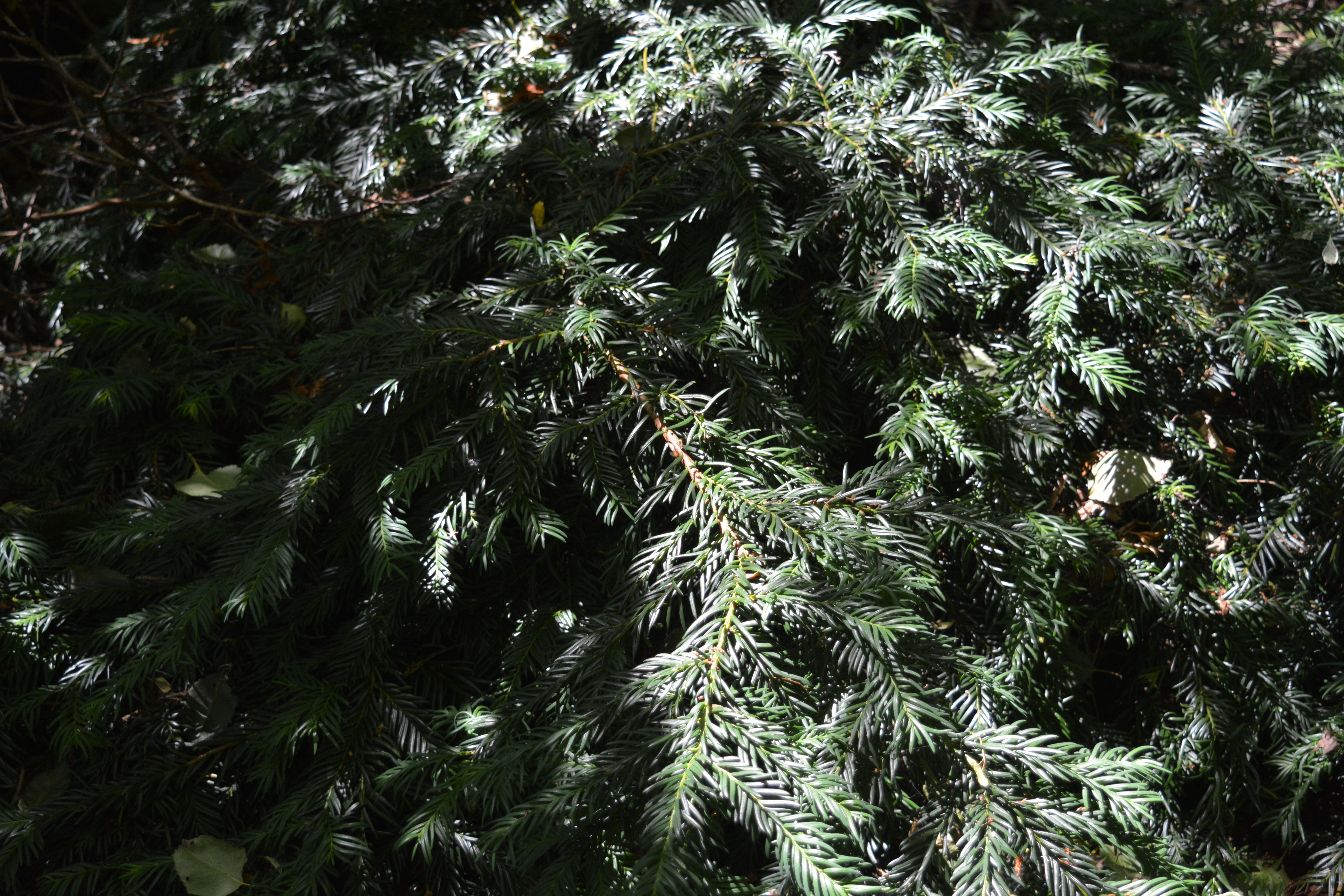
Conifer foliage appeared far more textured and more varied in colour than on the dull days of our earlier visits as the bright sunlight emphasised both the colours and textures.


The shubs were flowering well on this visit and some petals became almost translucent and a few perennial plants had cme into bloom too. These flower colours had an extra element of richness to them as they presented strong contrast to the multitude of greens and greys of foliage.

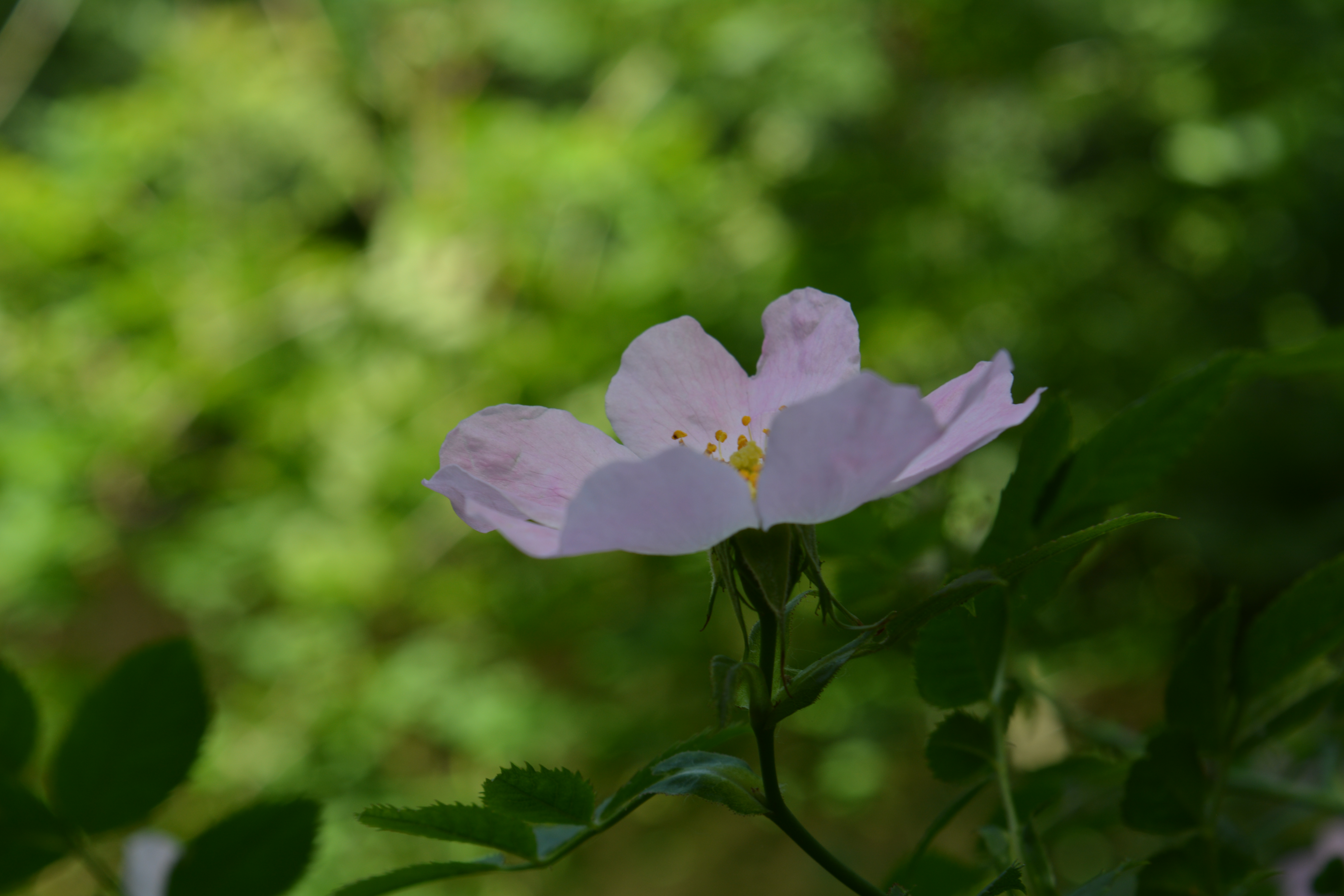
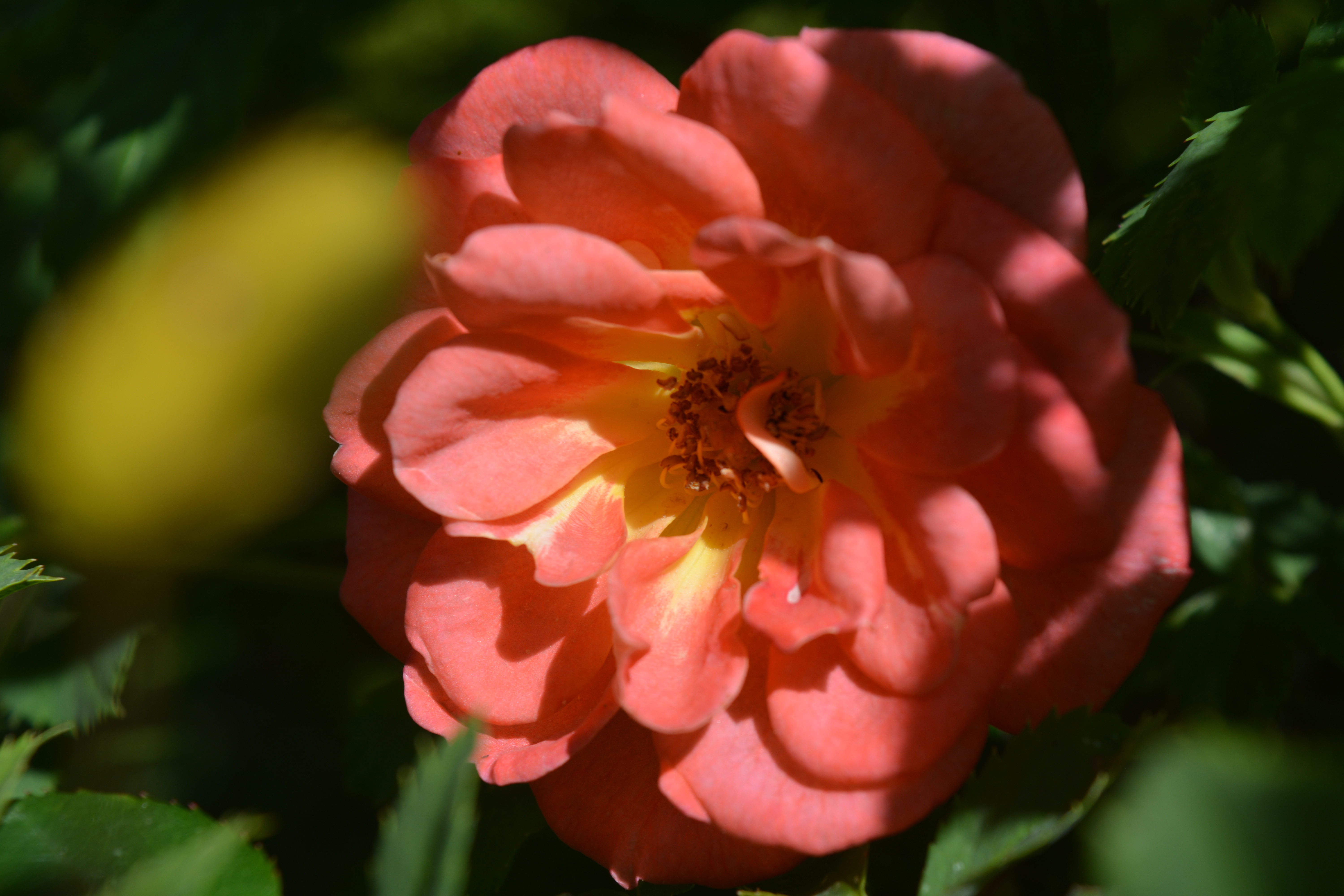
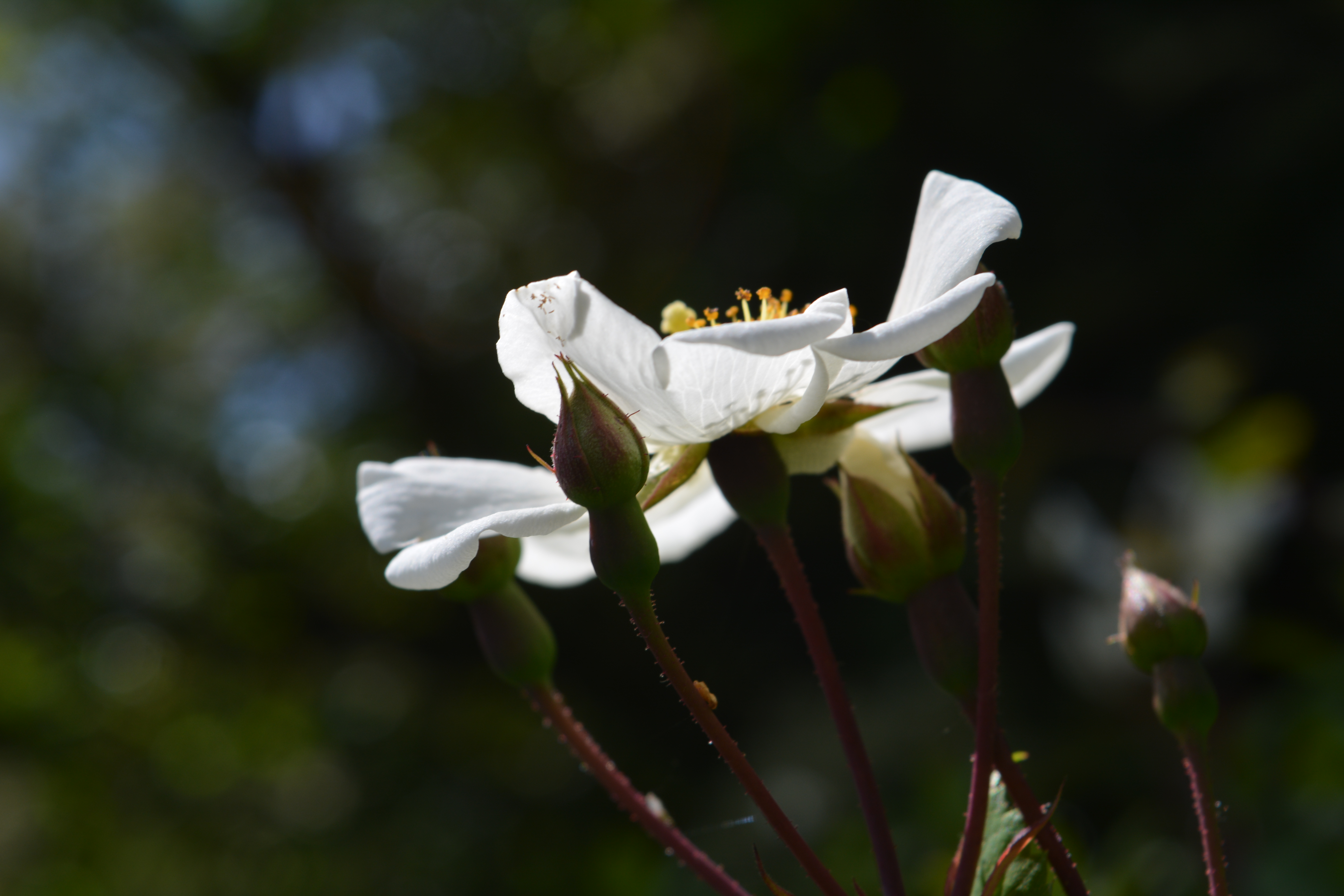
Roses seemed to have appeared from nowhere. In a garden full od trees and shrubs with interesting foliage, bark and stems rose bushes out of flower really do disappear. But in June suddenly the subshine finds heir beautiful scented flowers. Most here are simple blooms including our native roses.

To finish off my post on our June visit to the Dingle Garden I shall sign off with a gallery of flowering shrub photos, which I hope you enjoy. We will be back in July for our next monthly visit to see what is going on.


Categories
colours garden photography garden wildlife gardening gardens hardy perennials ornamental trees and shrubs roses Shropshire shrubs wildlife

My Garden Journal 2018 – June

I finished my latest entries into my garden journal just as we reach the mid-point of the year. June has once again been a month of mixed up weather and the garden plants have continued in their state of confusion.

My first words for June were positive words about the weather, a rare occurence to use such words this year. “The first week in June treated us to warm bright weather but thunderstorms, really wild powerful ones, broke the spell several times. Humidity was so high that it sapped our energy and made our joints ache.

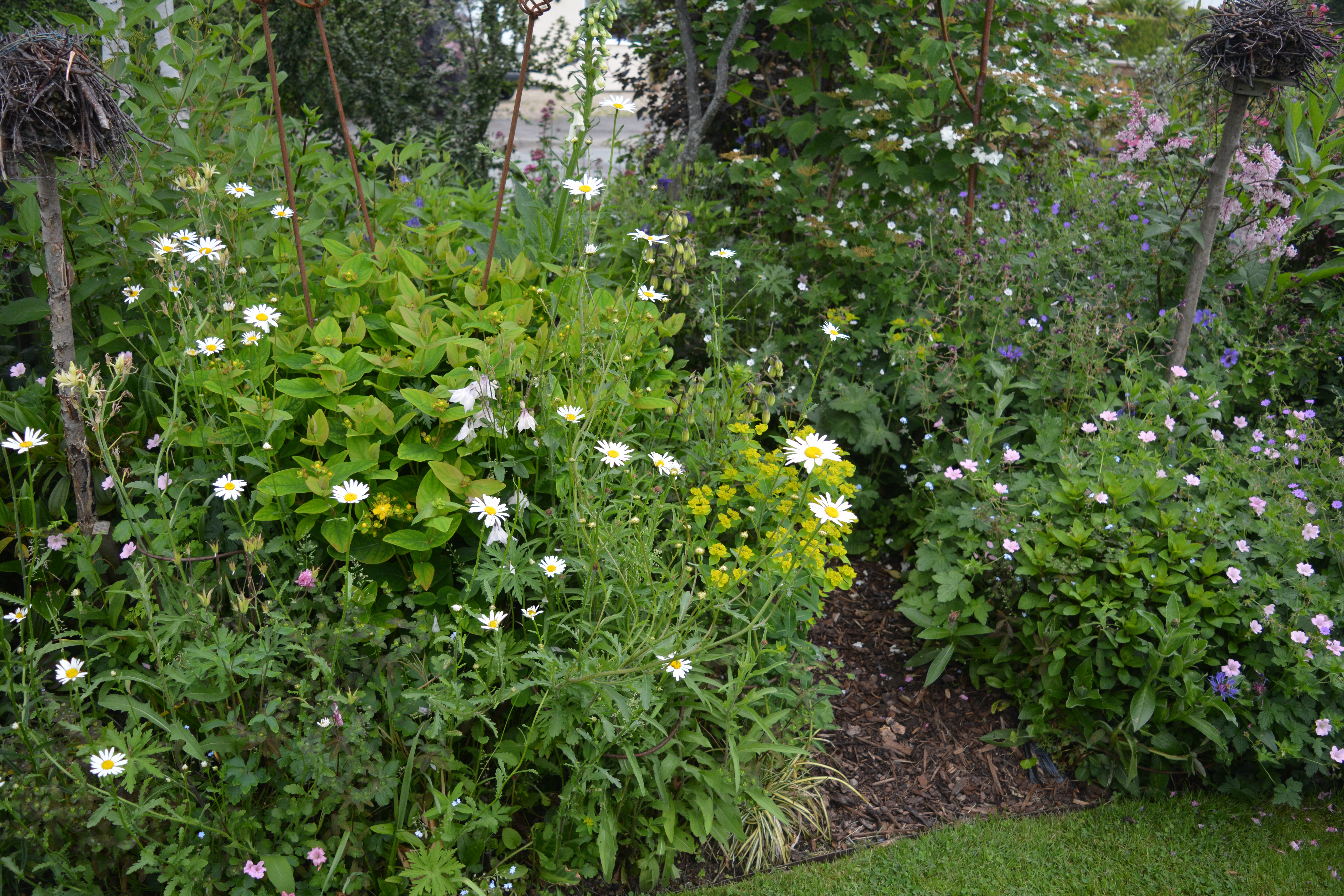
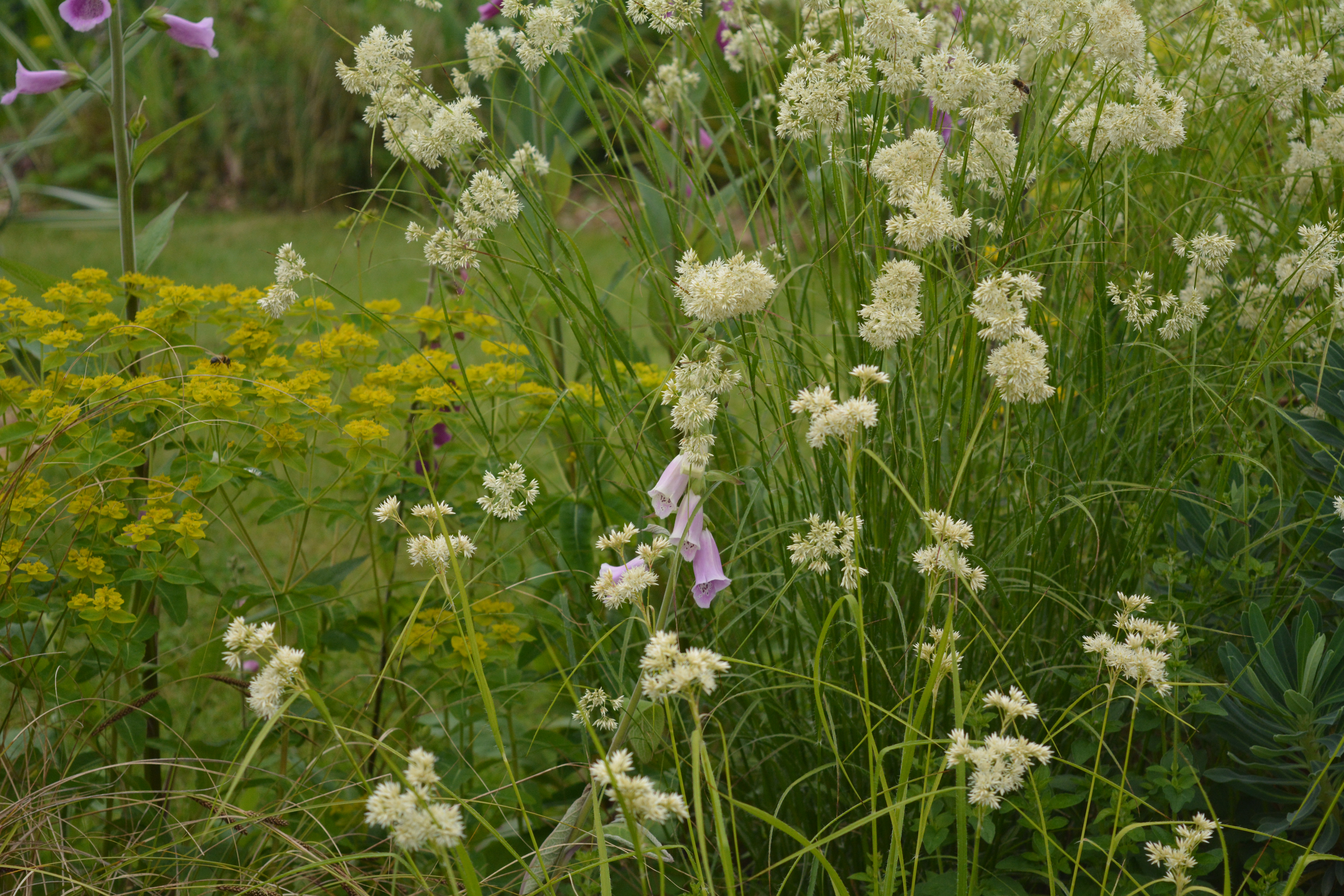
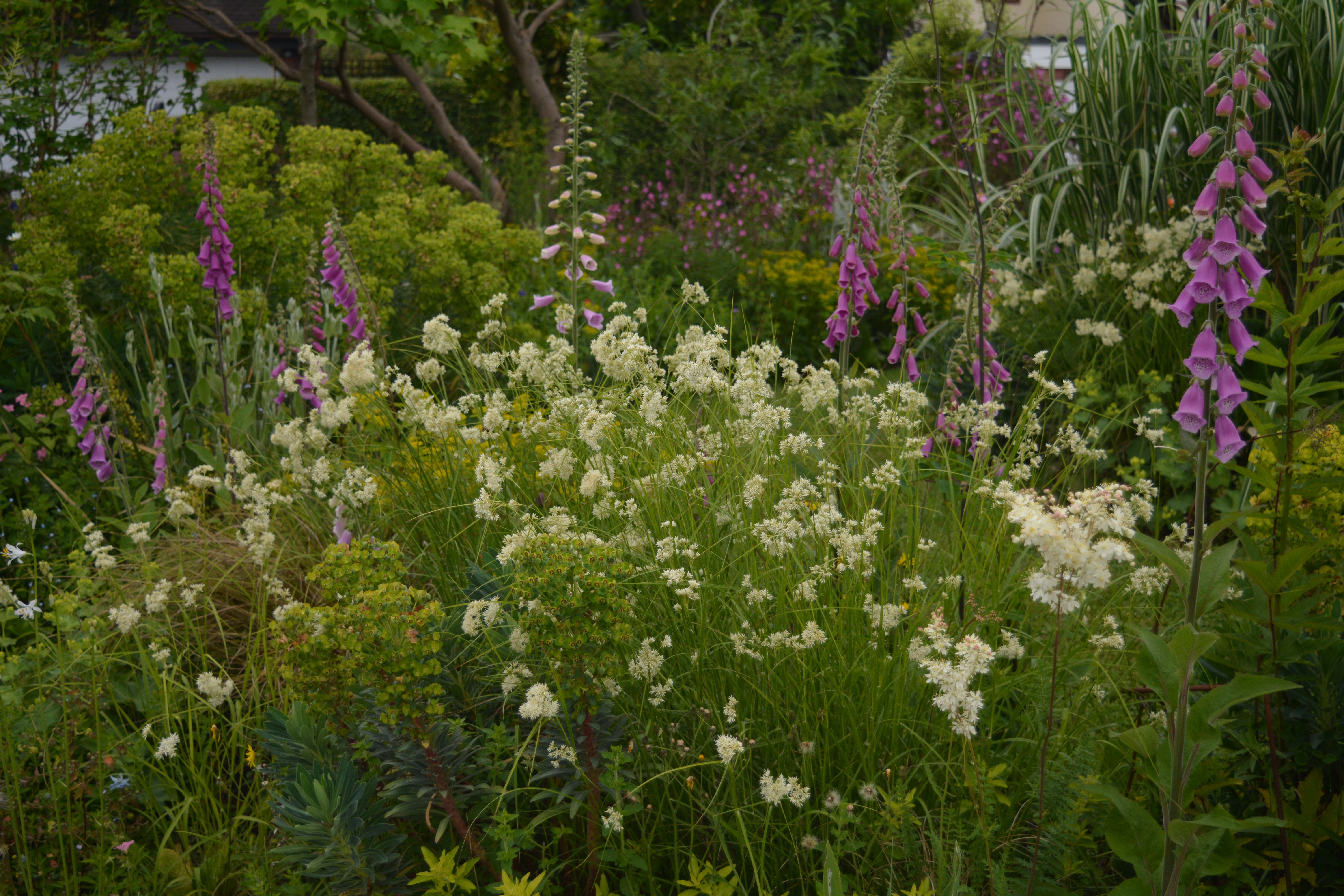
Through all this the garden looked wonderful and full of atmosphere, with bees, hoverflies and day-flying moths adding sound and movement. The borders have filled out with fresh lush growth.”

I used six photos to illustrate this lushness.


On the opposite page I continued in the same vein using my quote this month from Dan Pearson, “My quote this month from Dan Pearson’s “Natural Selection” concerns greens and promises of the June garden. 

“The June garden is still full of promise and greens remain fresh and foliage pristine. There is a quiet rush to the longest day of the year with everything reaching towards this moment. The roses are never better than with the first flowers out and the promise of buds to come.”

I followed on with another six photos.


Turning to the next double page spread I considered our roses and add a few more words from Dan Pearson.

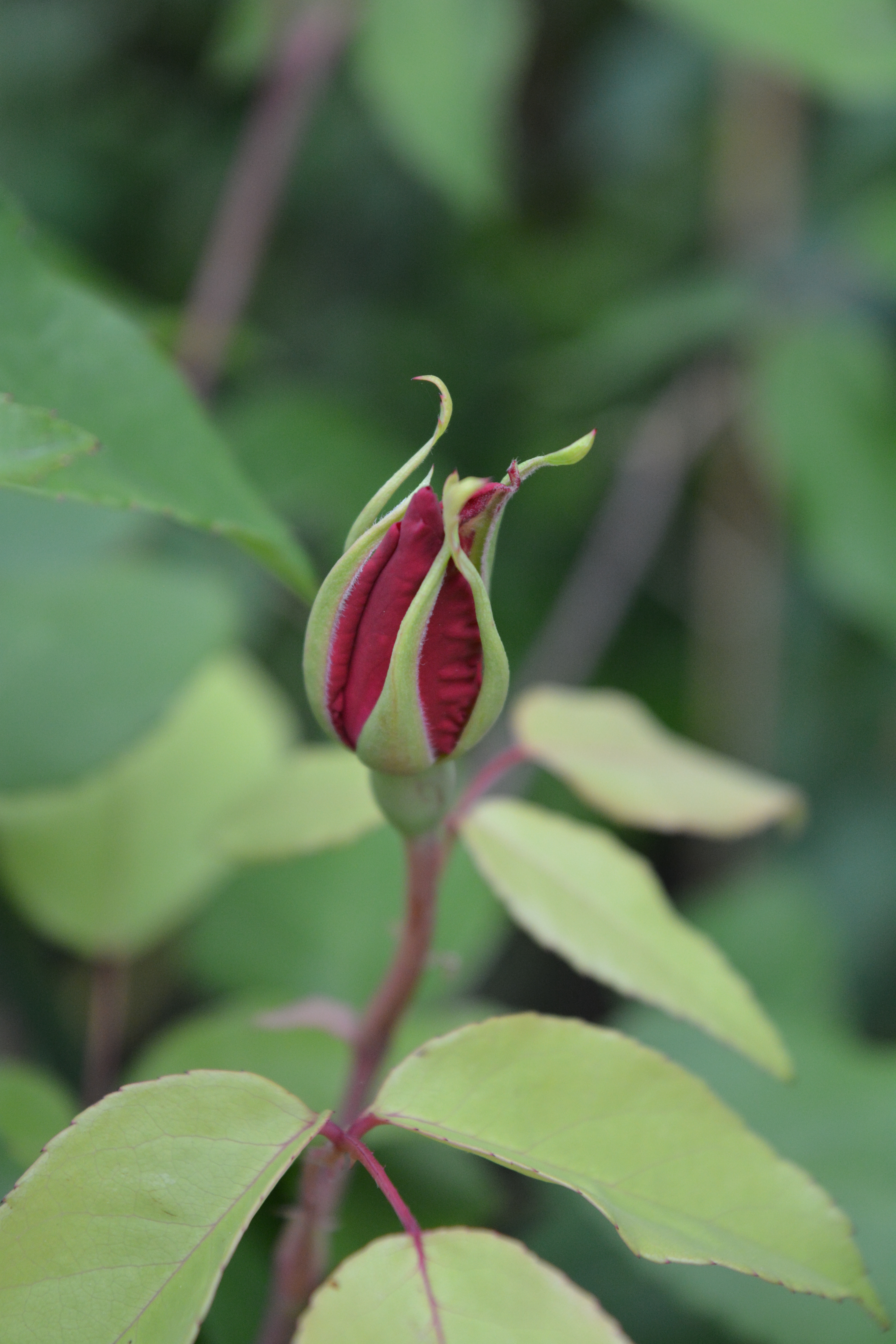
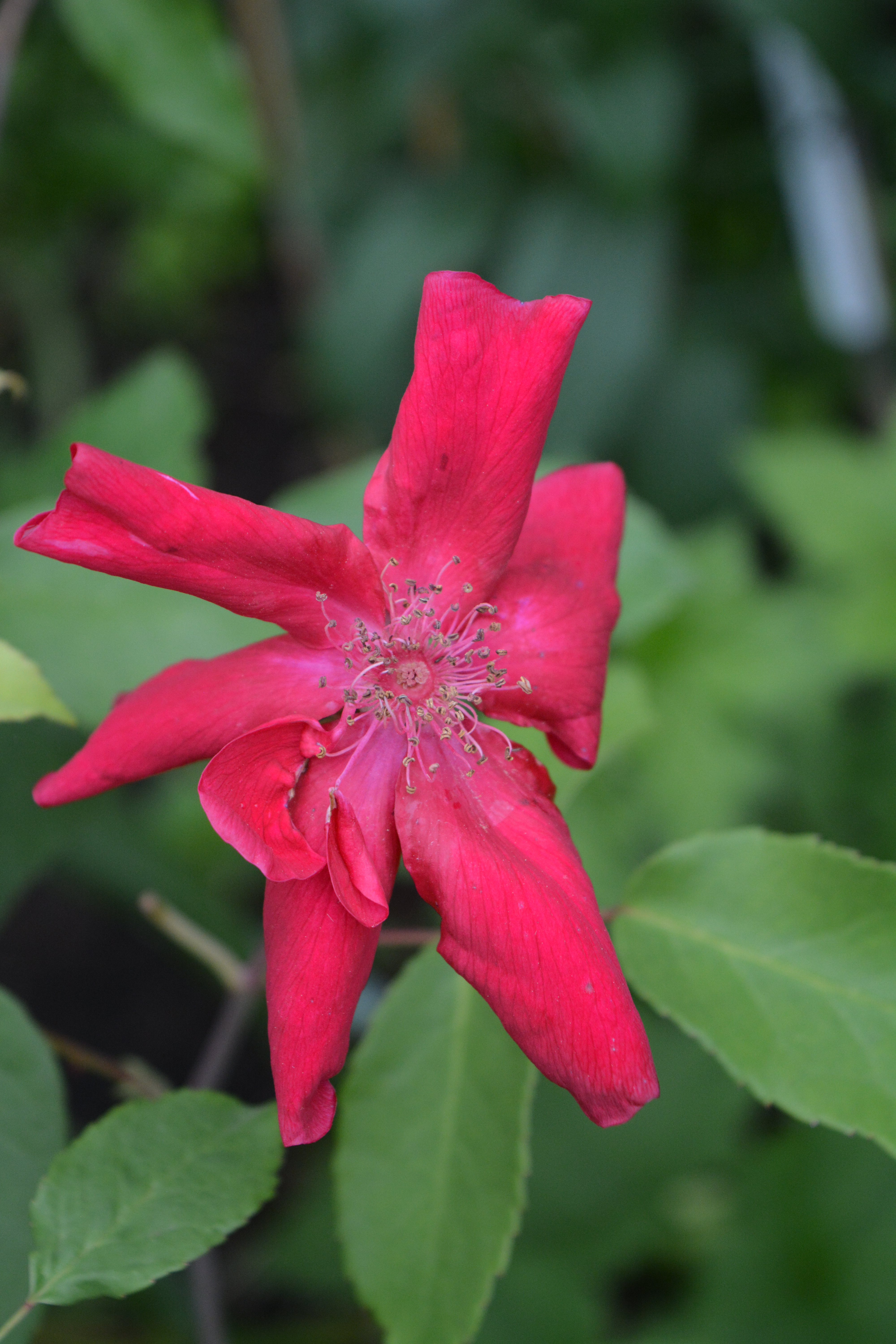
“Dan Pearson later singles out one Rose, “Bengal Beauty”,  for comment. This is a rose we grow and love it for its buds and unusual flower shape.”

Pearson wrote, “I have also set aside room for “Bengal Crimson” (or “Bengal Rose” or “Bengal Beauty”, depending where you read about it). I was first smitten when I saw it at the Chelsea Physic Garden years ago, but forgot all about it.” He recalls how he was gifted a specimen as a present for opening their summer fair.”


“Dan Pearson describes Bengal Beauty as “a delightful, informal bush and all the names describe it well – its single cherry-red flowers splayed wide and recoiled on themselves as if they were stretching are like sweet wrappers scattered over the bush.”

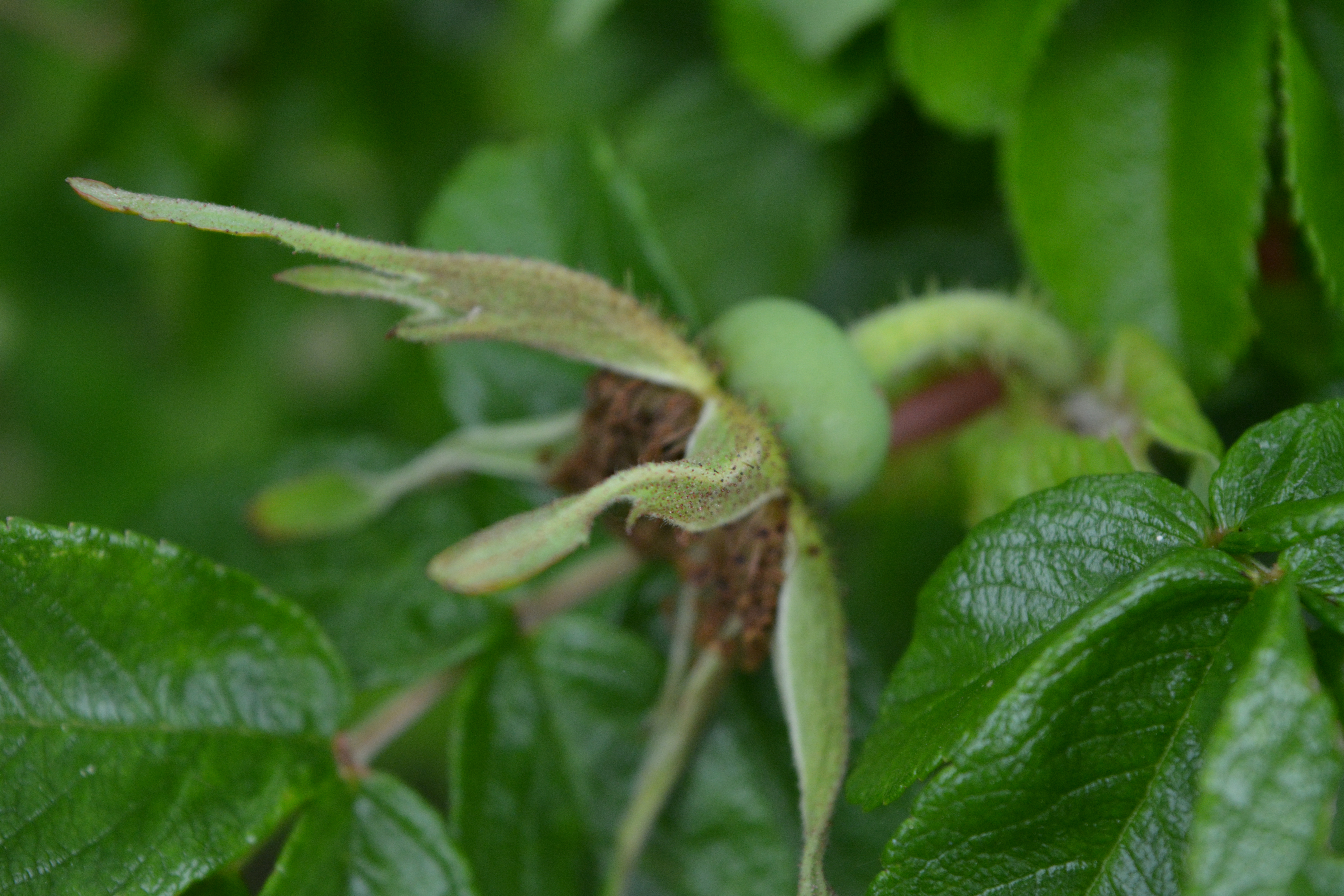
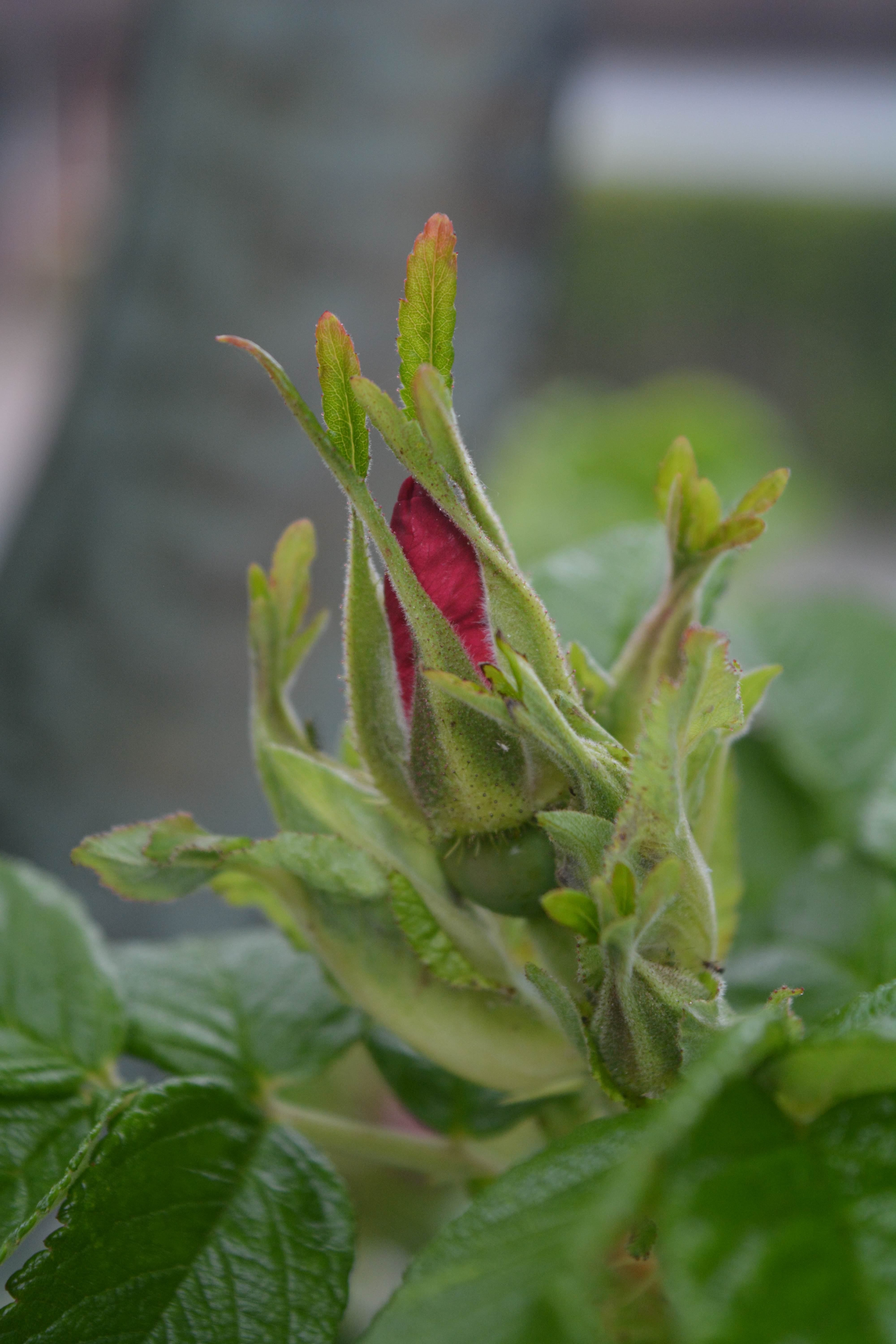
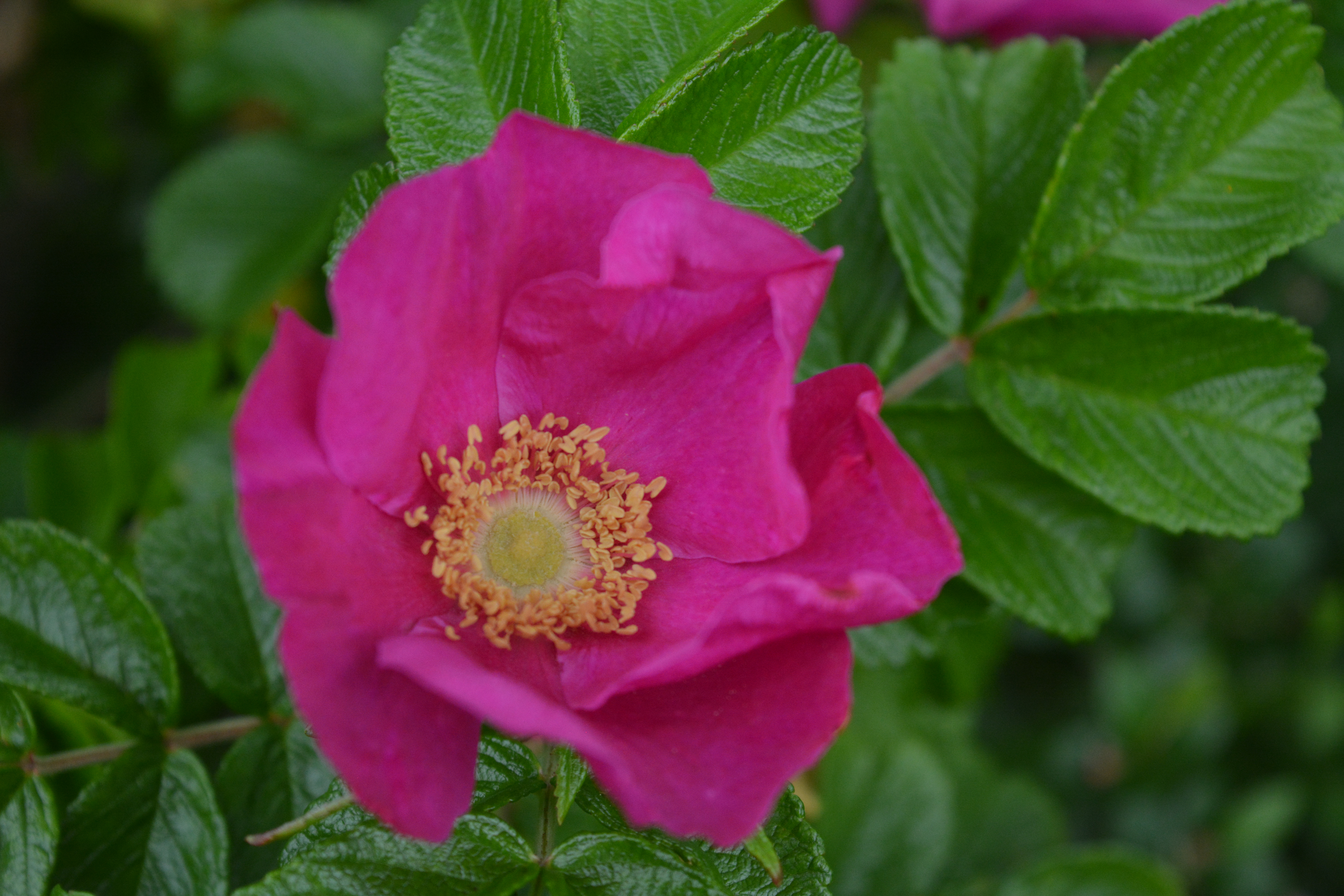
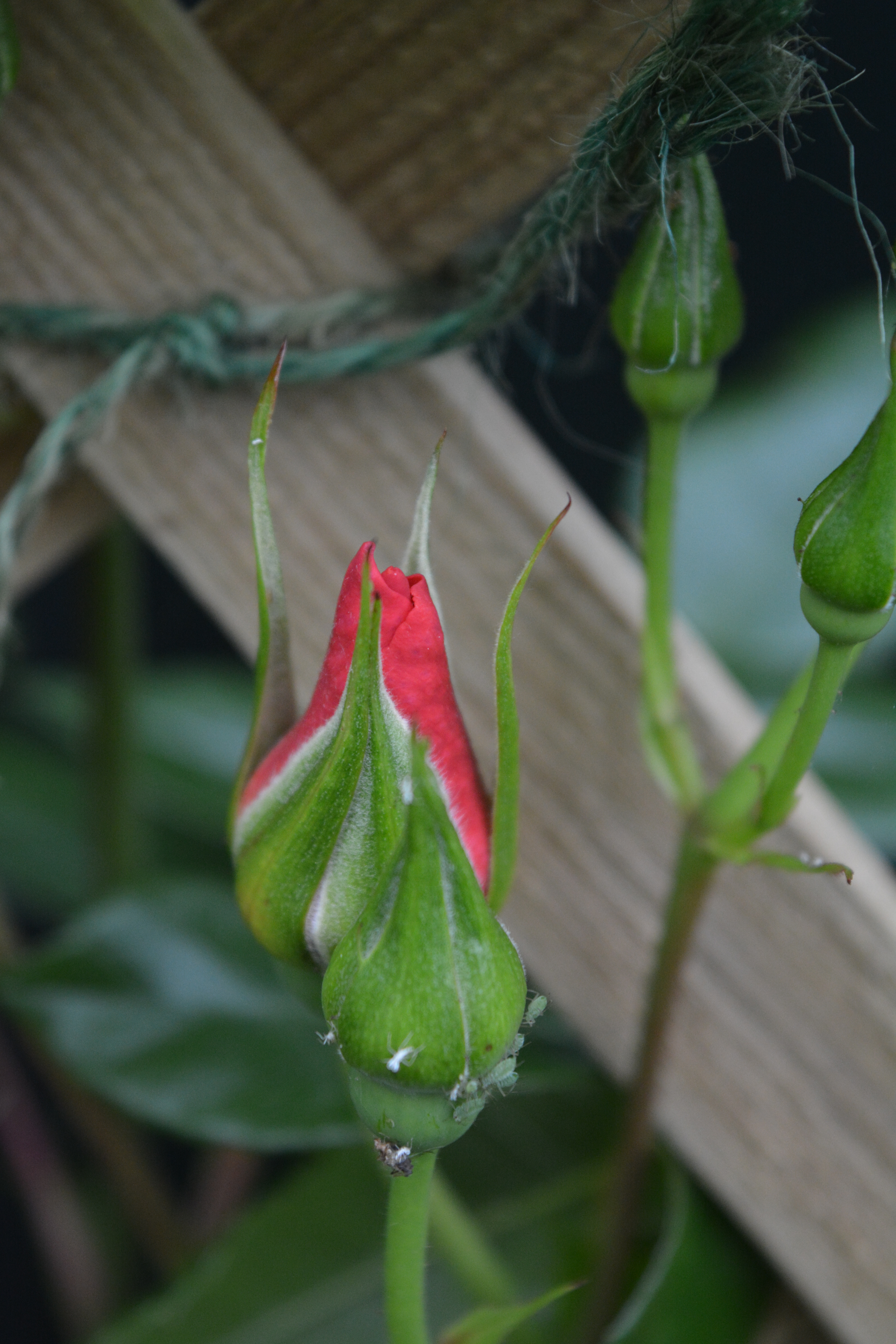
I then included photos of Rosa rugosa and Rosa “Summer Wine” in flower and in bud.


“Rosa rugosa”


“Rosa Summer Wine”

Over onto the next two ages I looked at Thalictrum, Centaurea and Gypsy Dianthus.

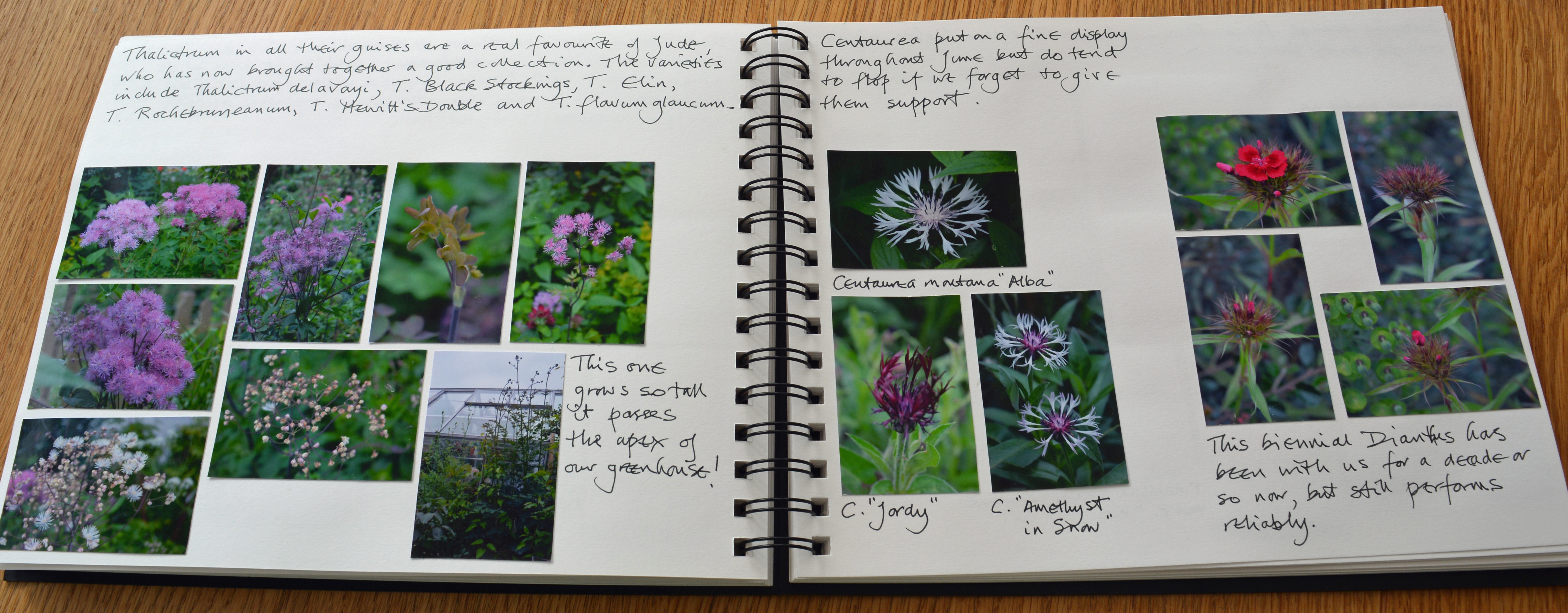
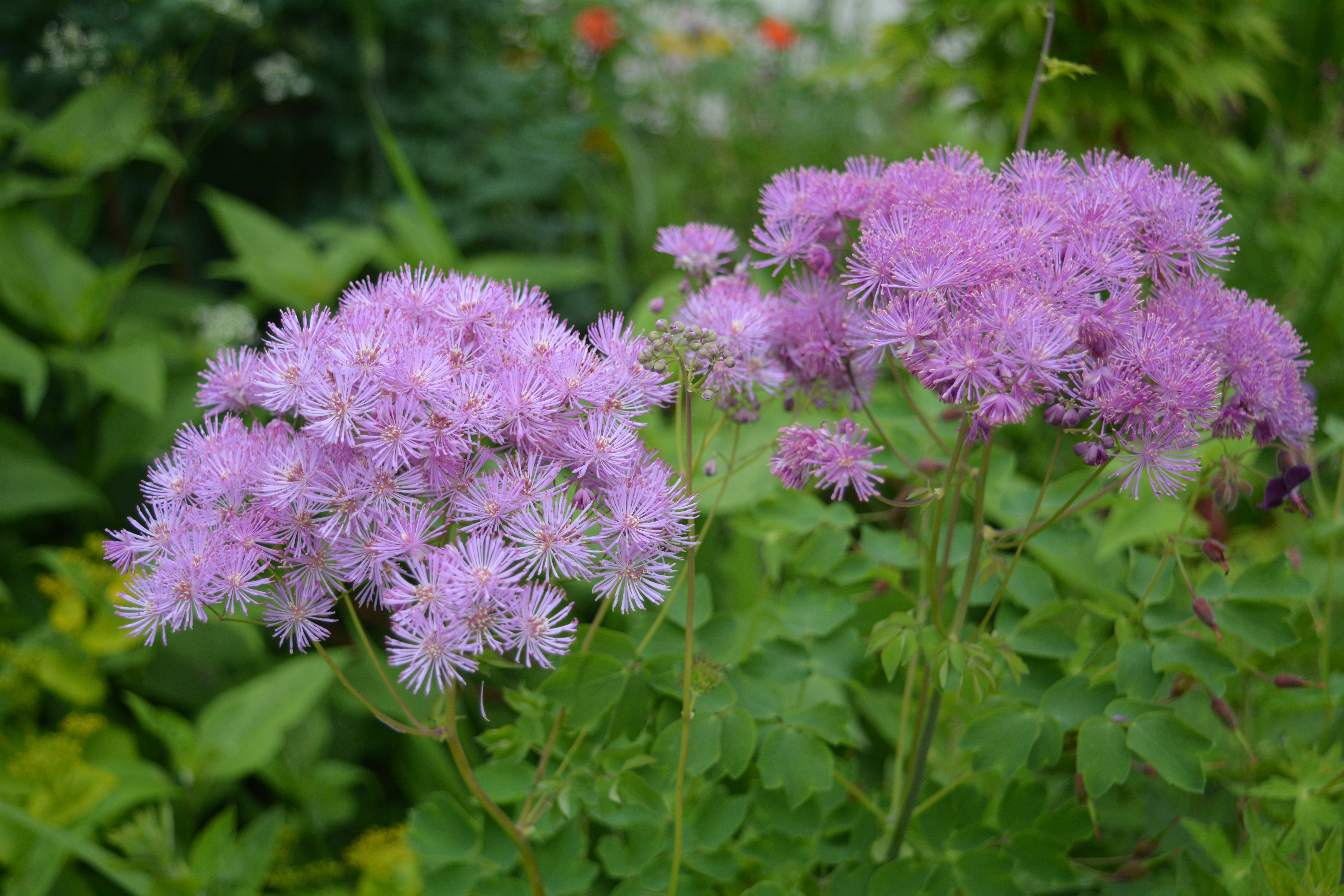
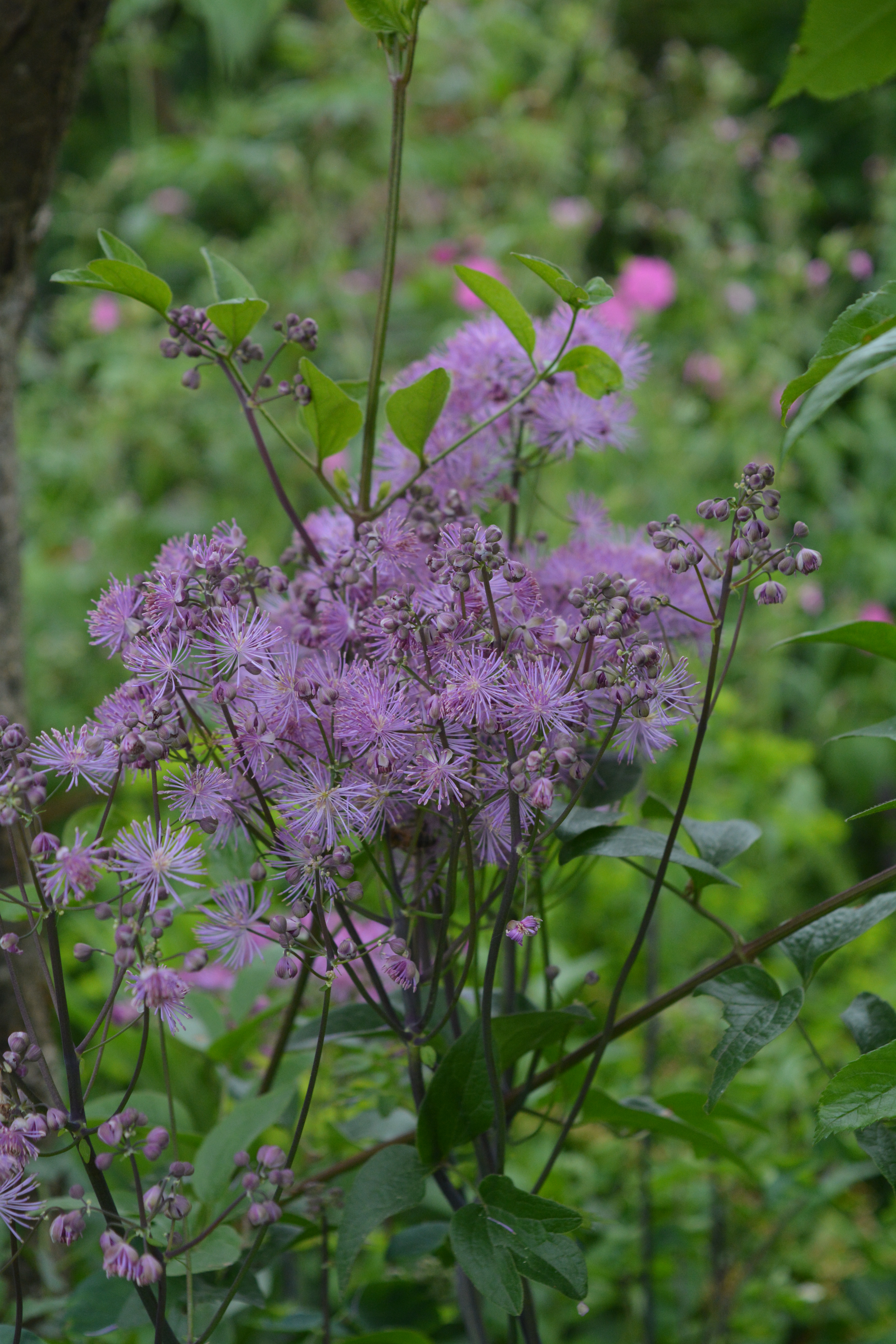
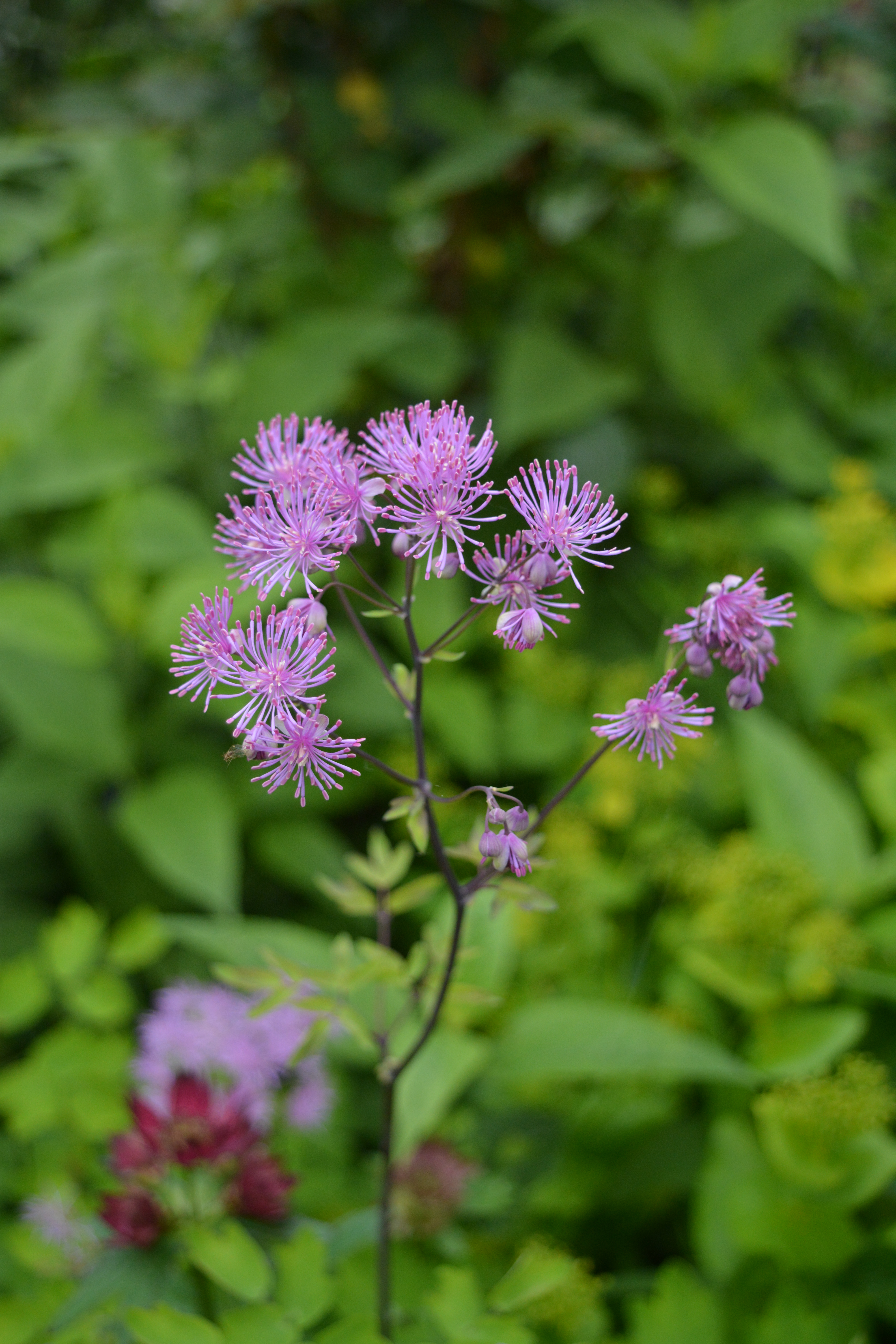
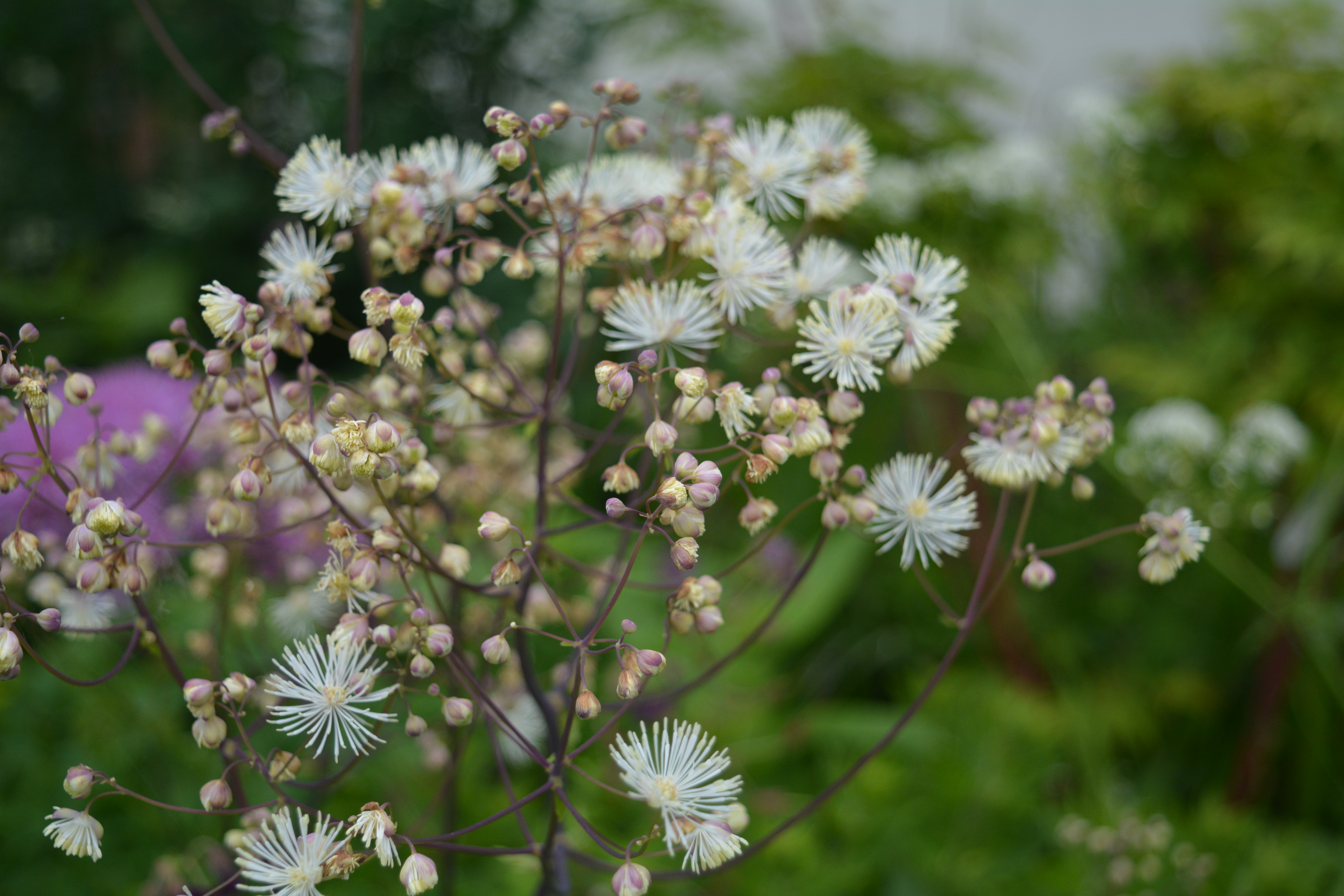
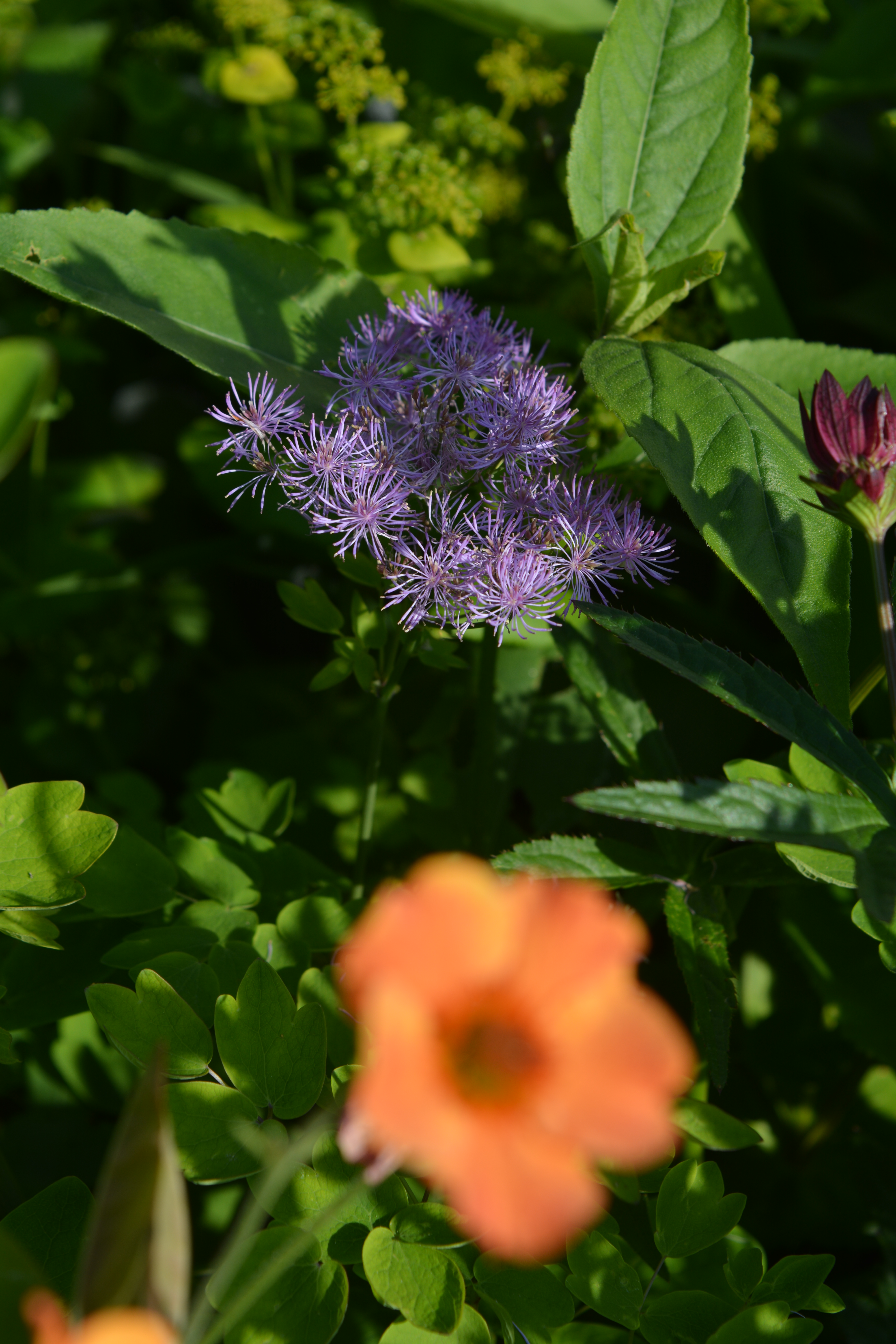
I wrote, “Thalictrum in all their guises are a real favourite of Jude, who has now brought together a good collection. The varieties include Thalictrum delavayi, T. Black Stocking, T. Elin, T. Rochebruneanum, T. Hewitt’s Double and T. flavum glaucum.”


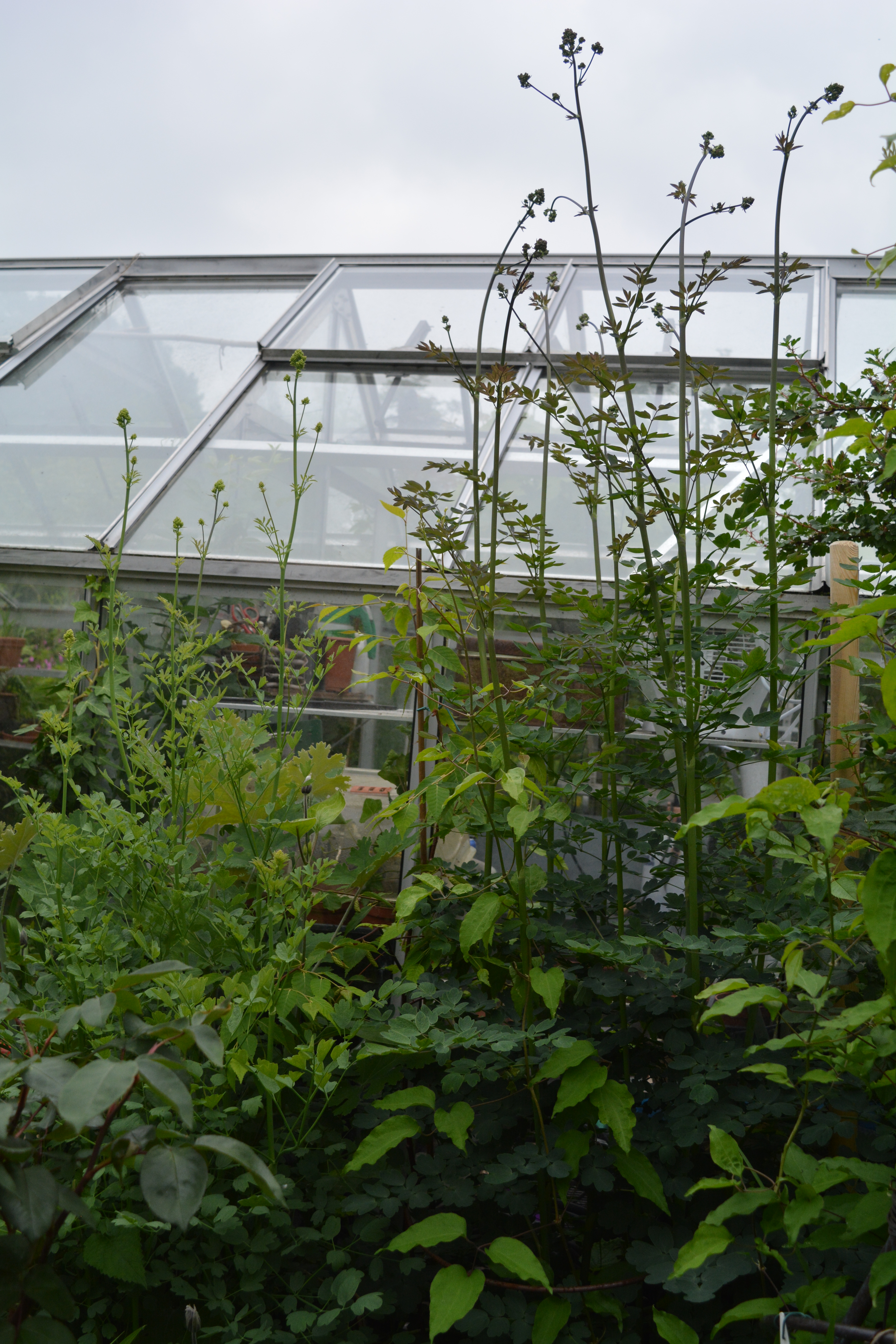
“This Thalictrum has grown so tall it passes the apex of our greenhouse!”


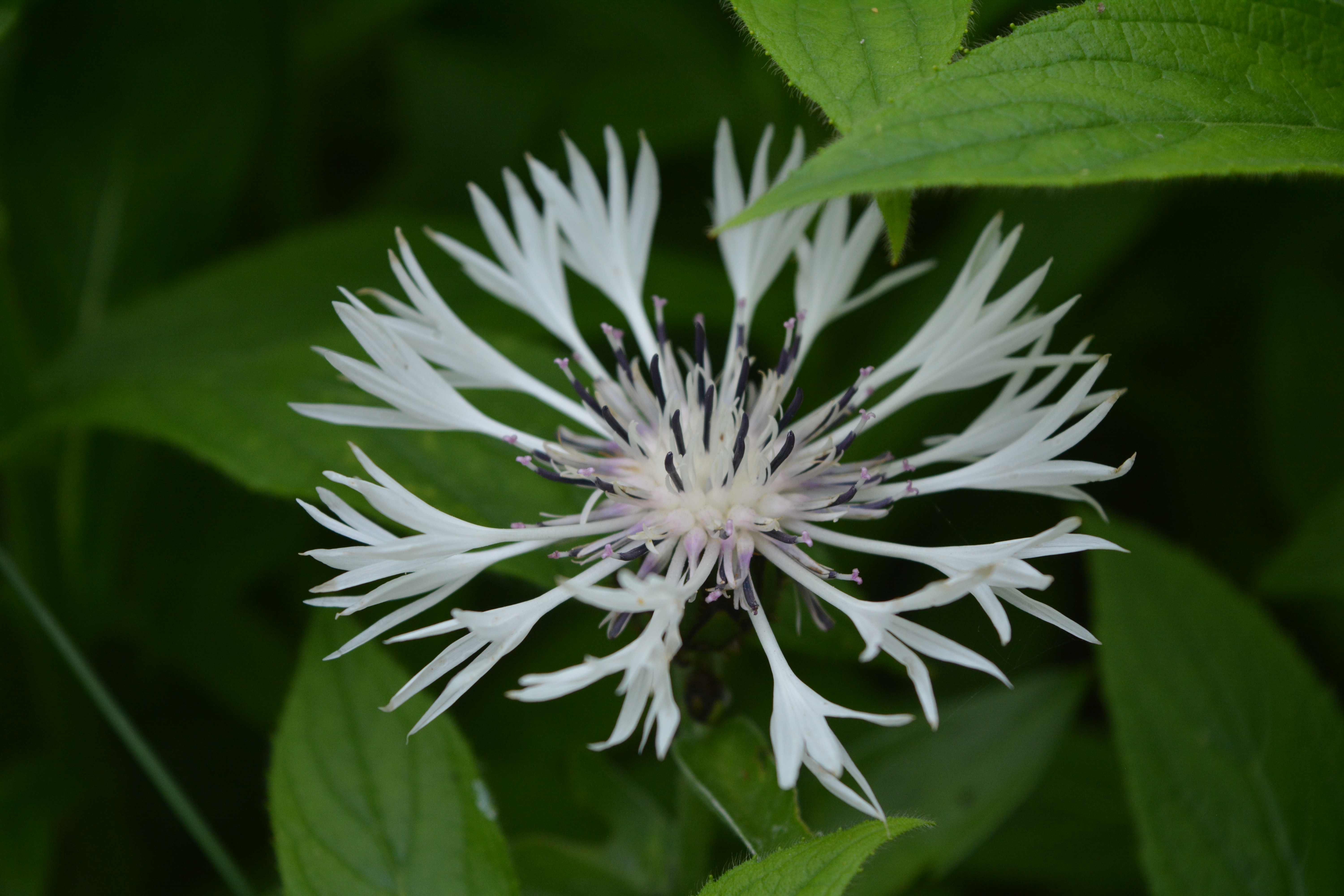
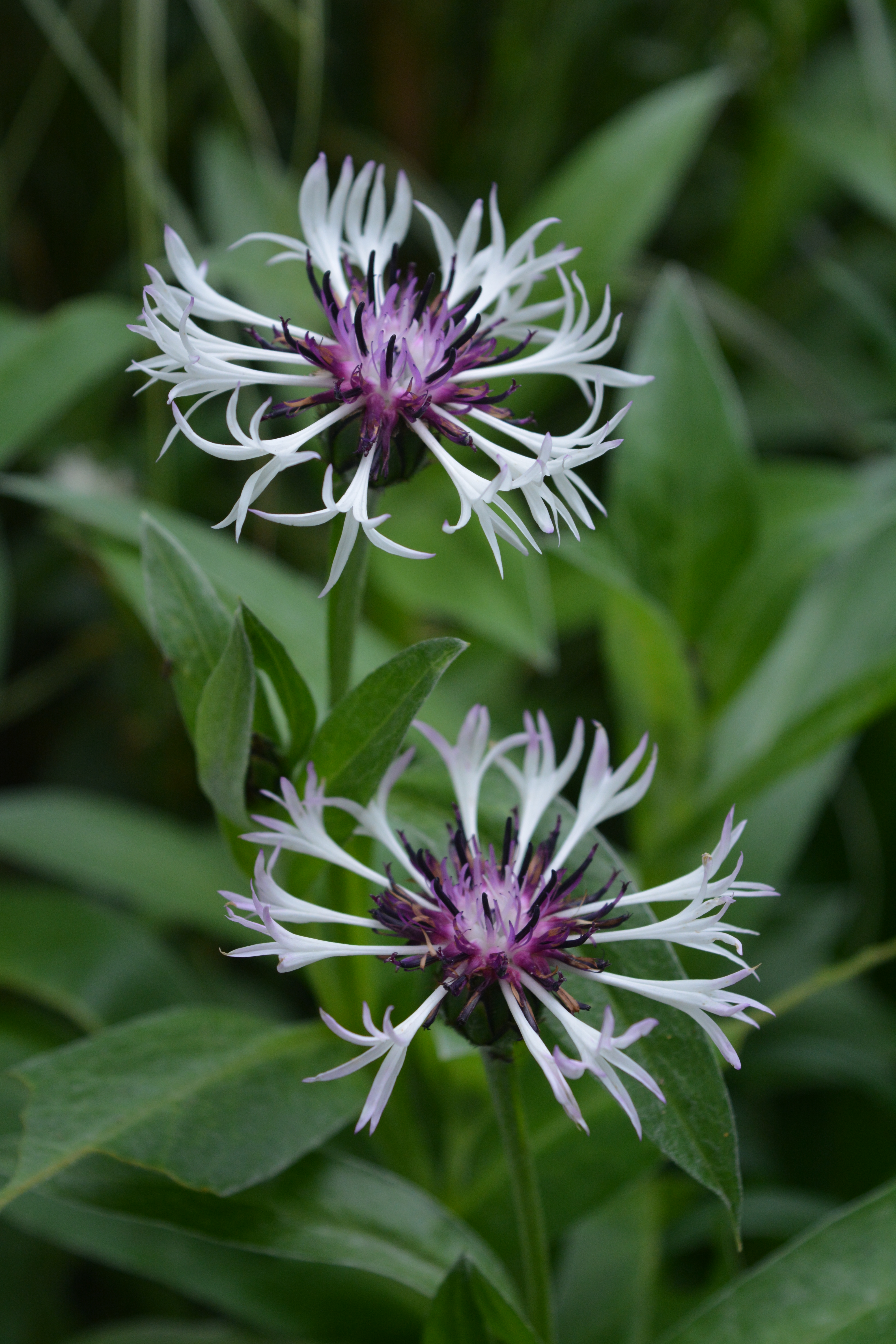
“Centaurea put on a fine display throughout June, but do tend to flop if we forget to give them support”


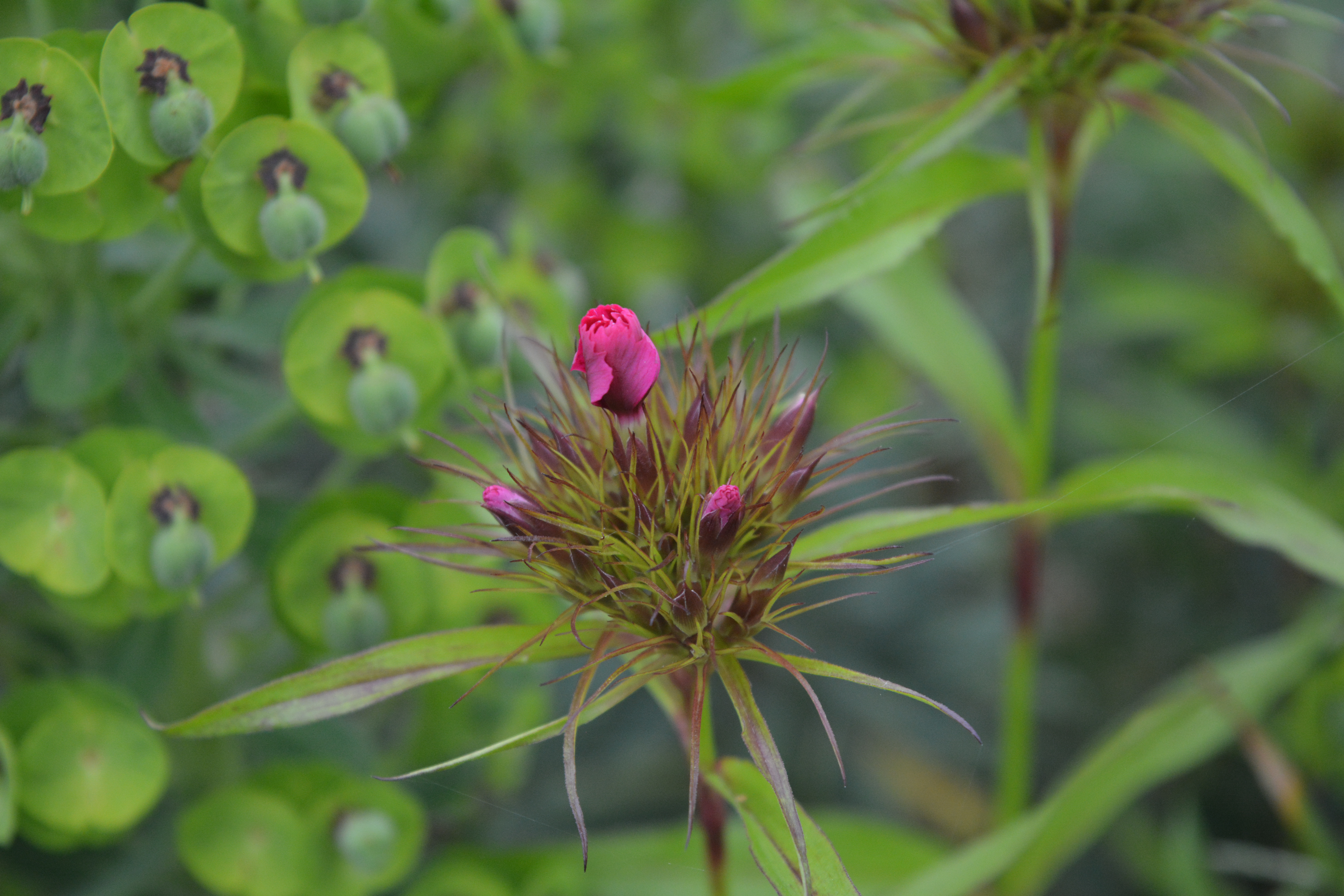
“This biennial Dianthus has been with us for a decade or so now, but still performs reliably and beautifully.”


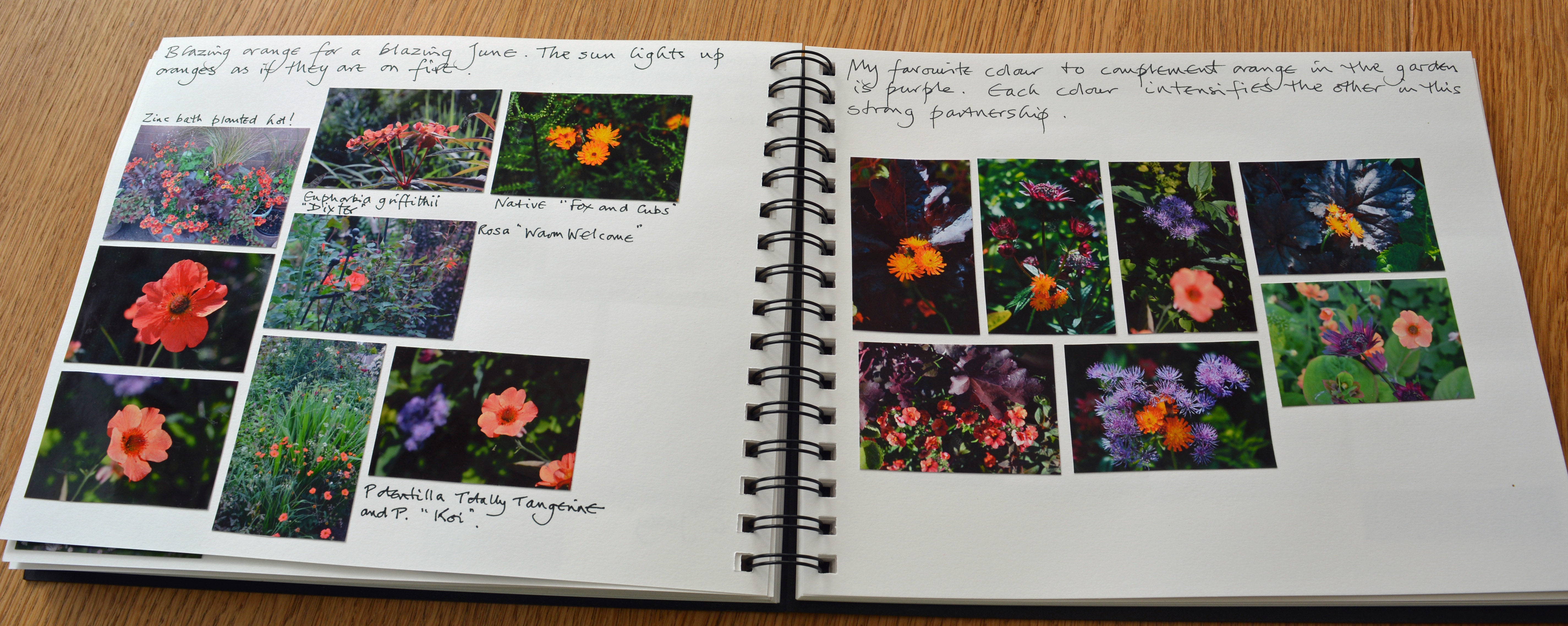
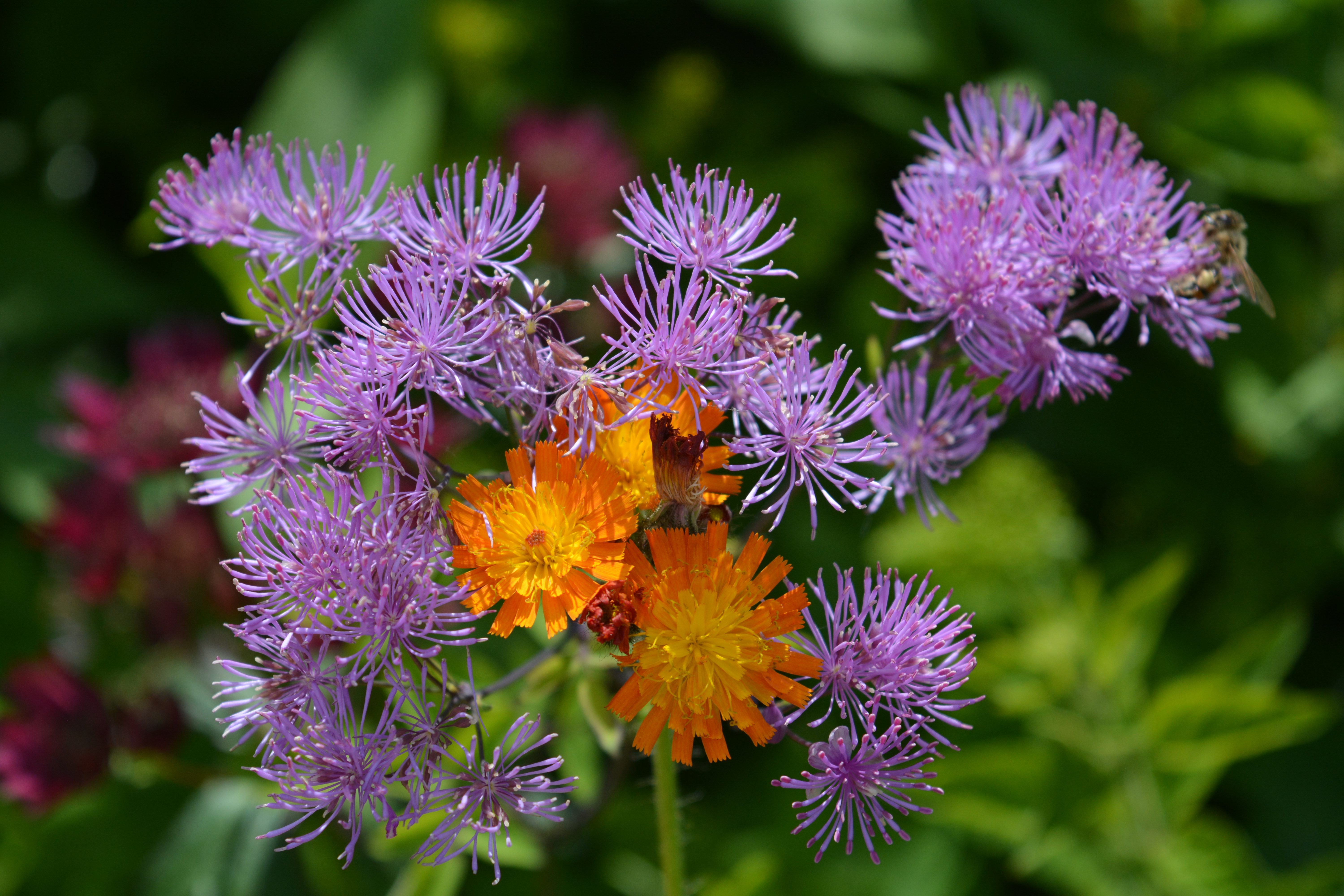
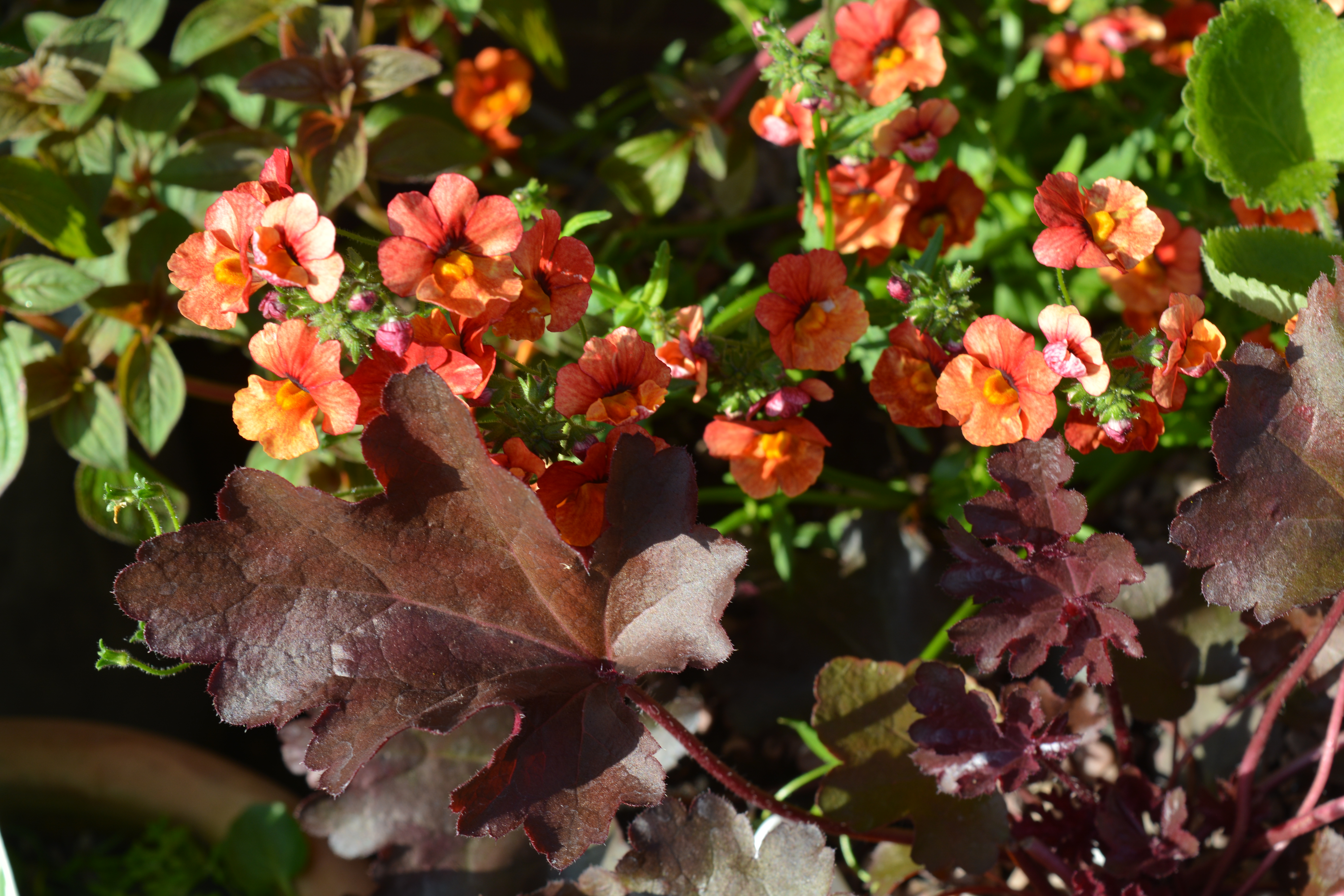
My next double page spread considers the colour orange in the garden and complimenting it with purple.

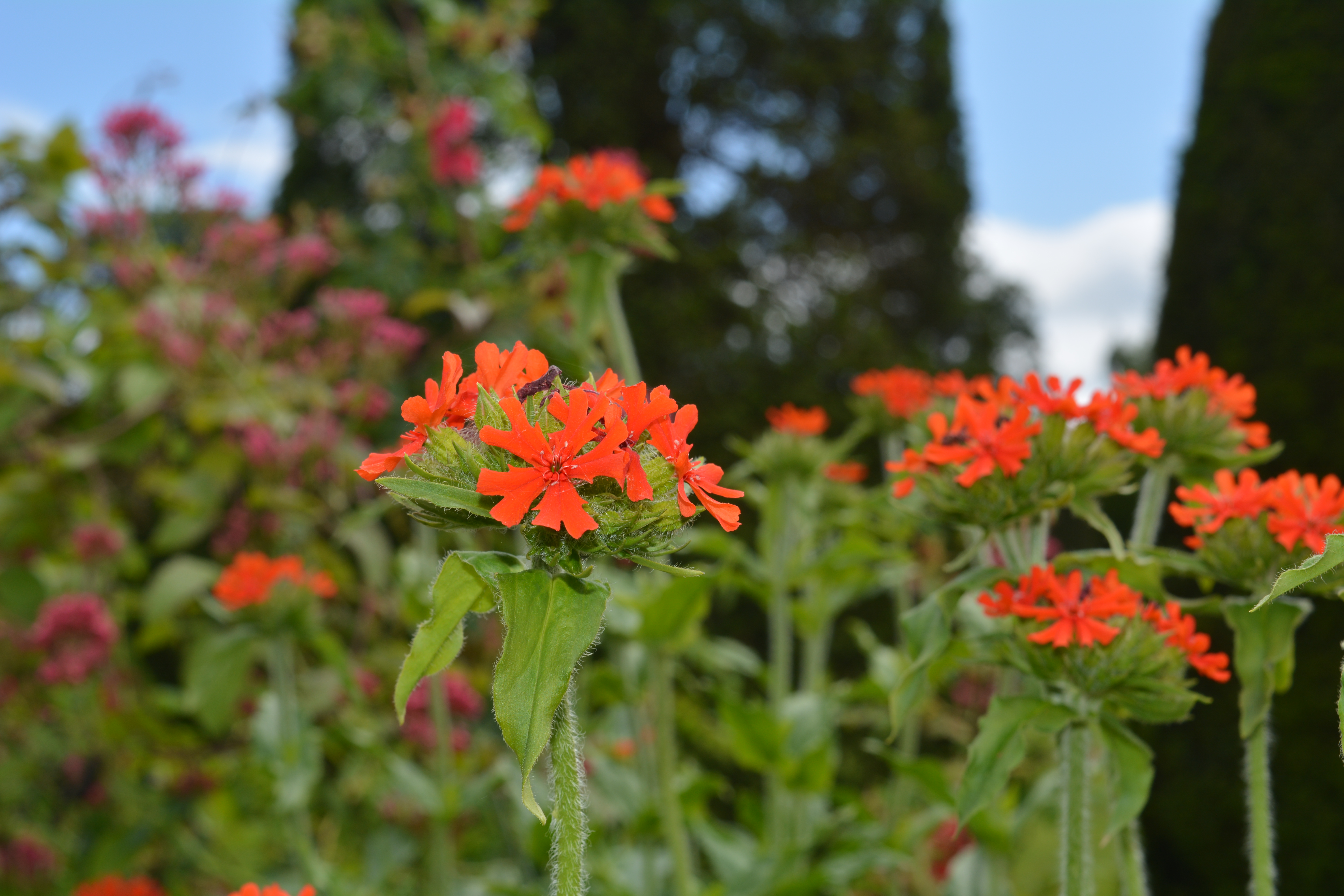
“Blazing orange for a blazing June. The sun lights up oranges as if they are on fire!”

“The zinc bath planted hot!”


“Geum Totally Tangerine and G. Koi


“Euphorbia griffithii “Dixter”


“Rosa Warm Welcome”

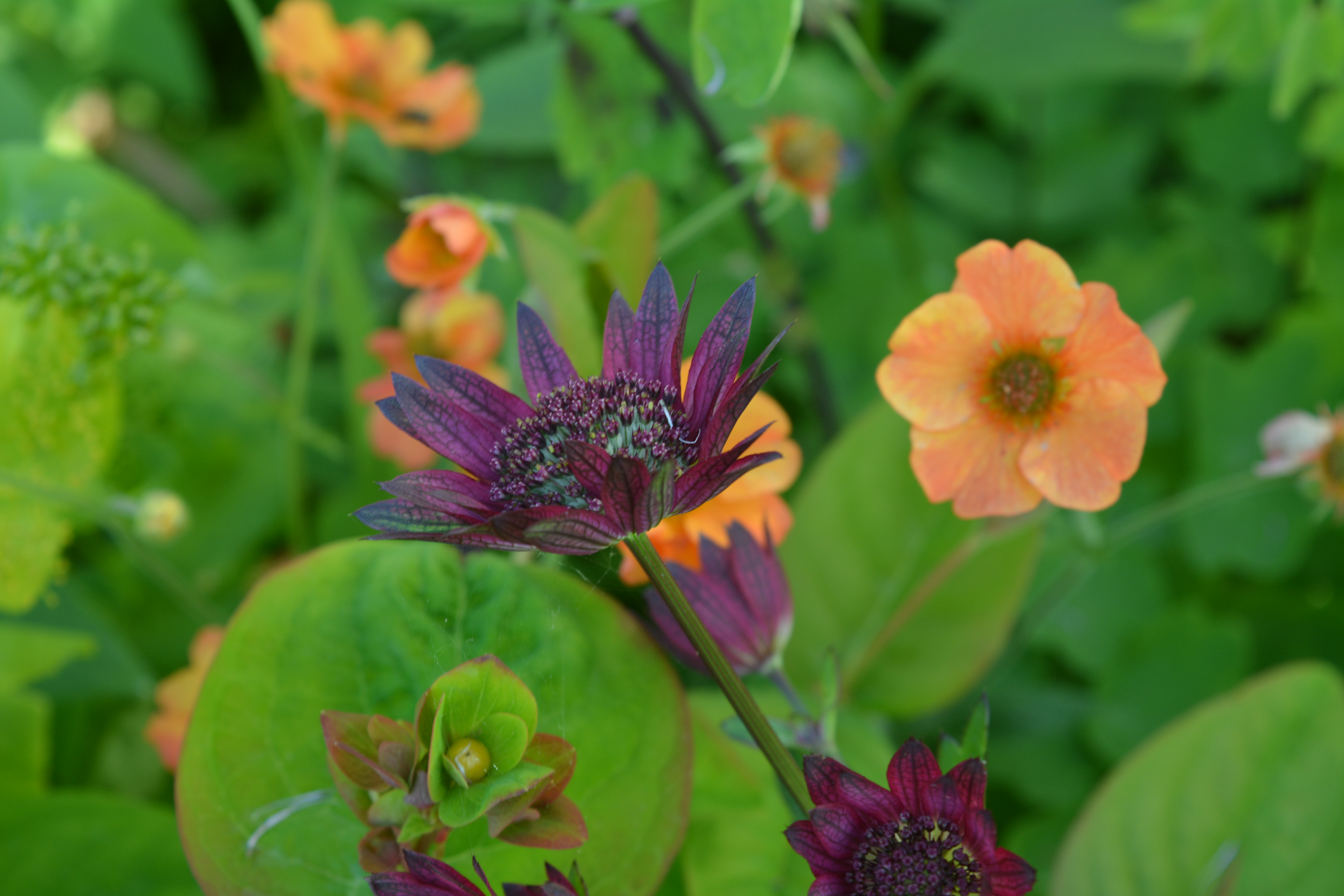
“My favourite colour to compliment orange in the garden is purple. Each colour intensifies the other in this strong partnership.”


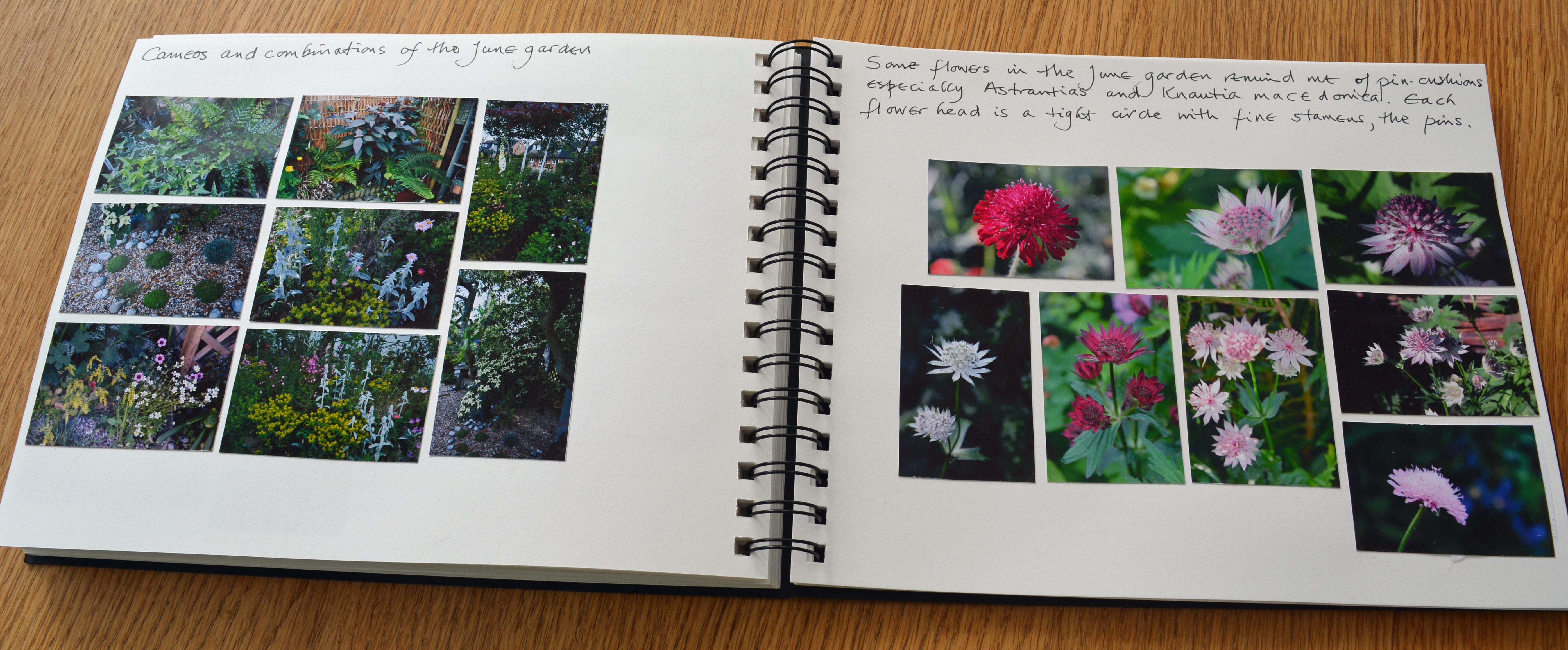
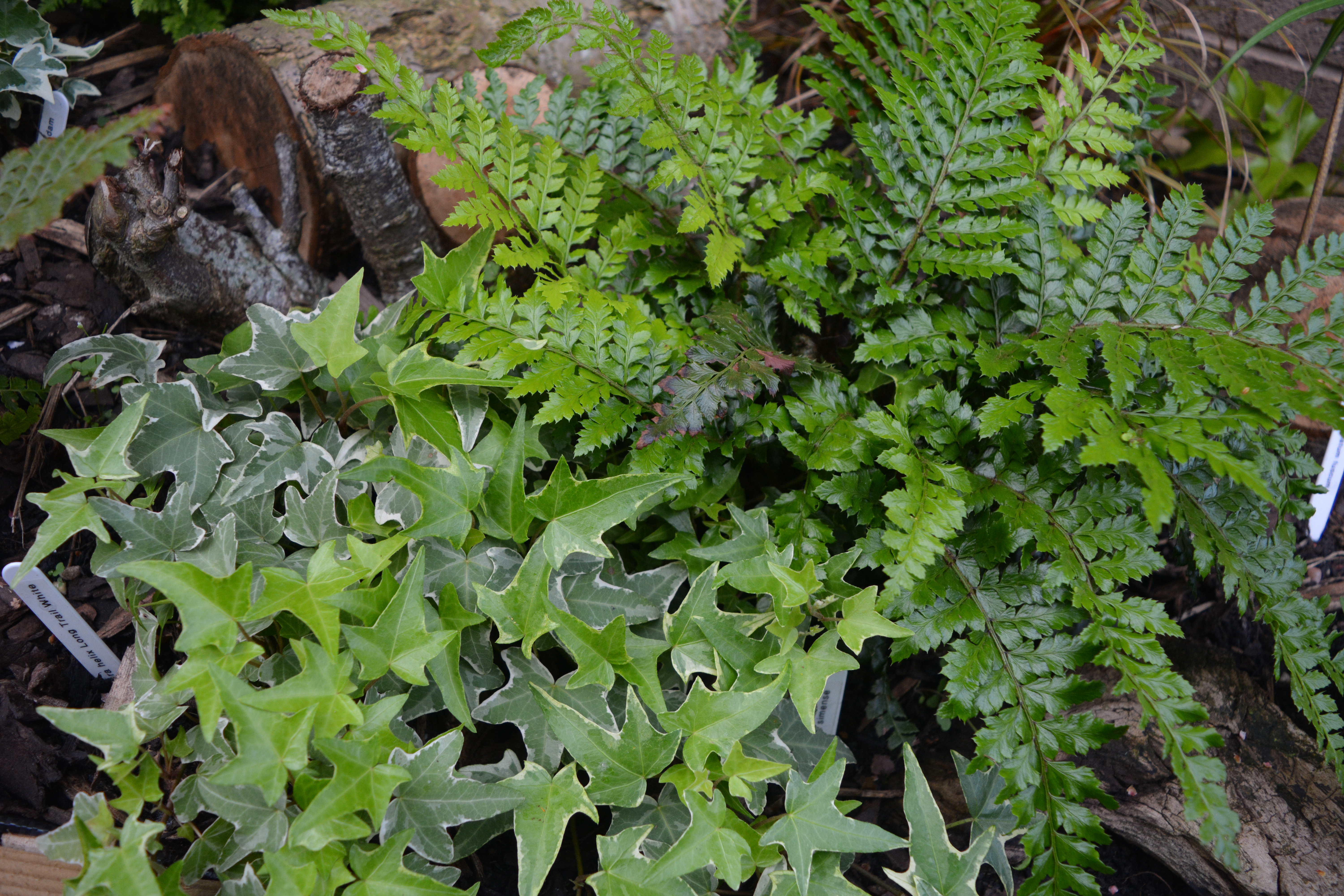
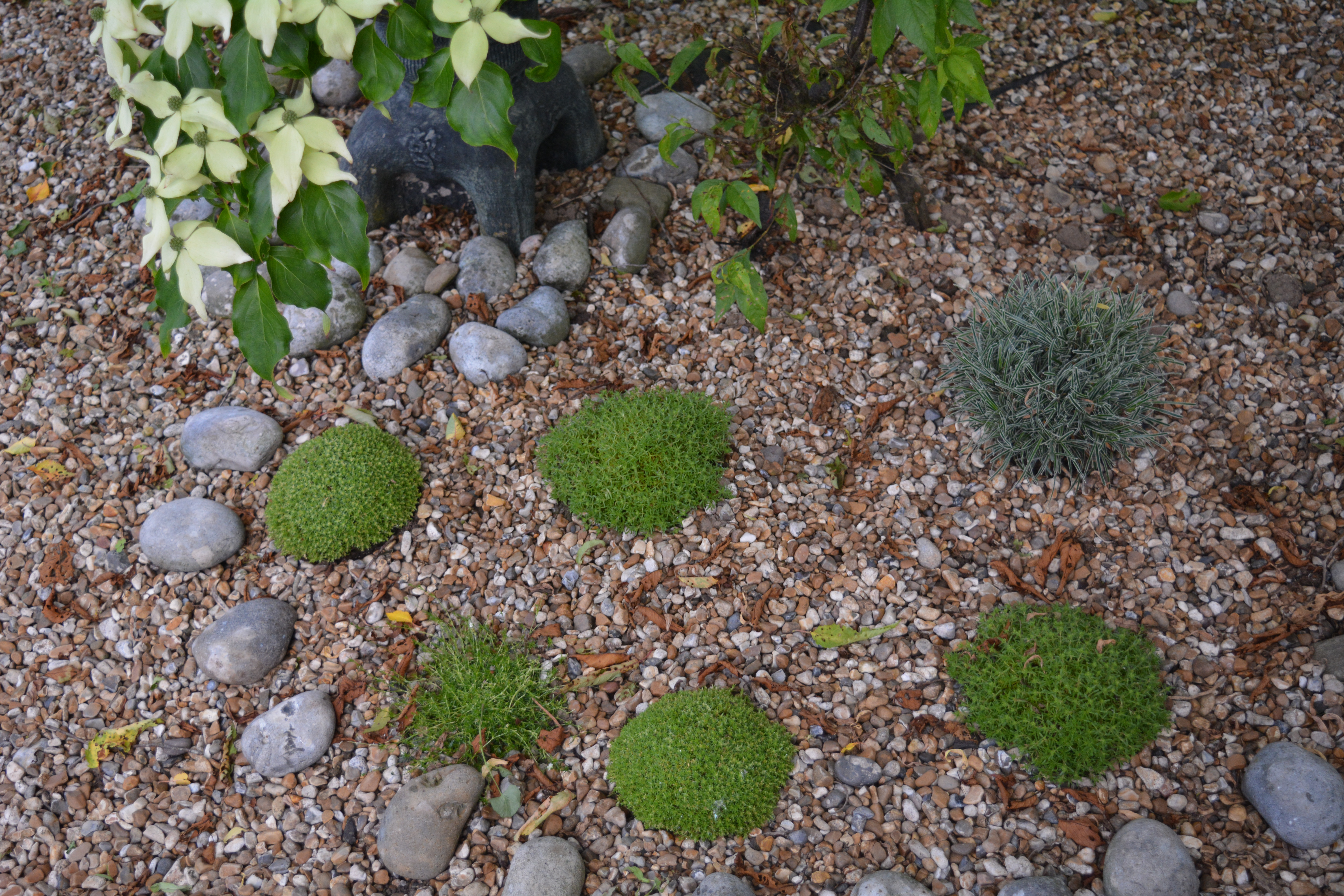
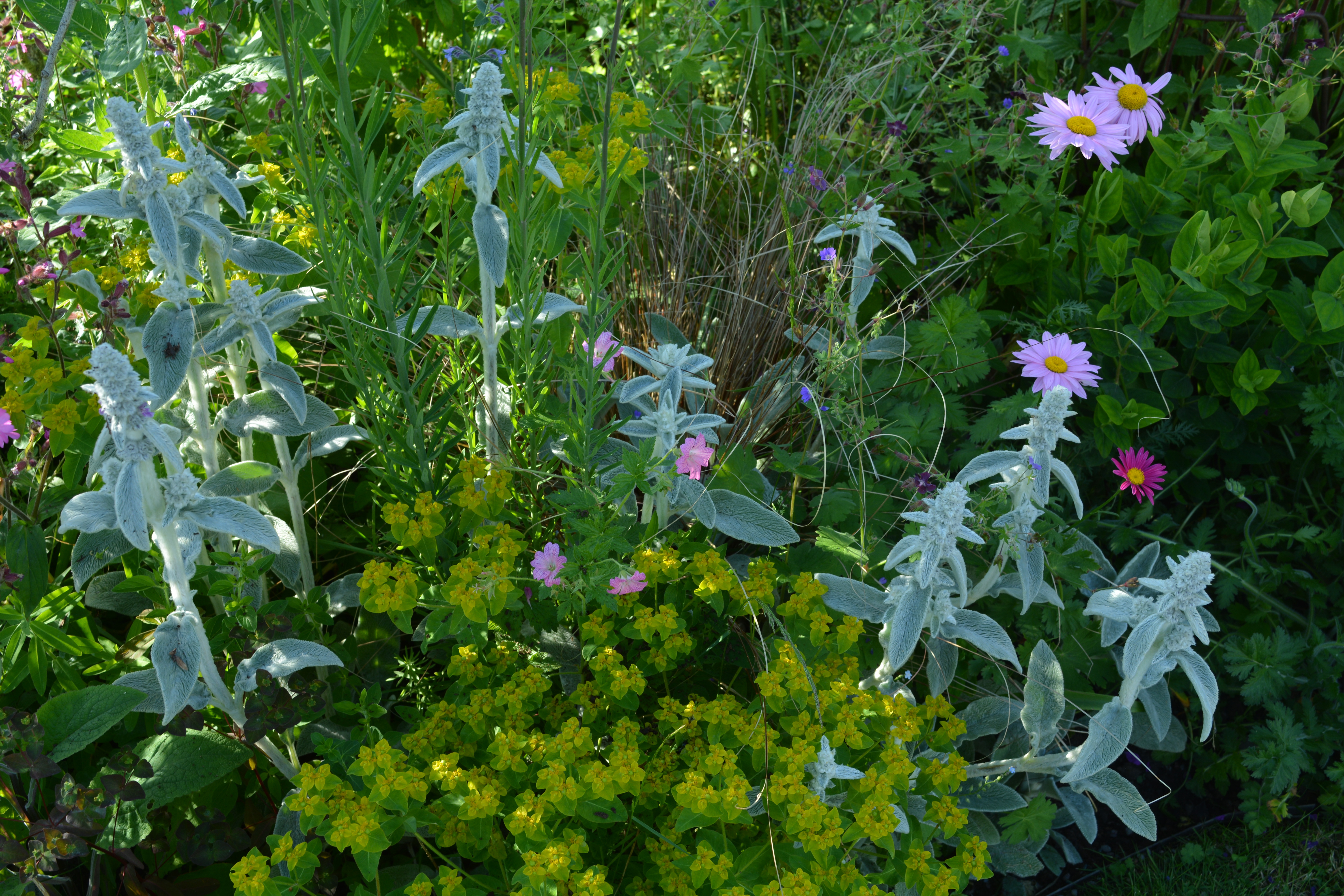
To finish off my June entries I shared some of our cameos and combinations to be found in our garden during the month, and on the opposite page I had a quick look at “pin cushion” plants.

First here are my photos of “Cameos and combinations of the June garden.”


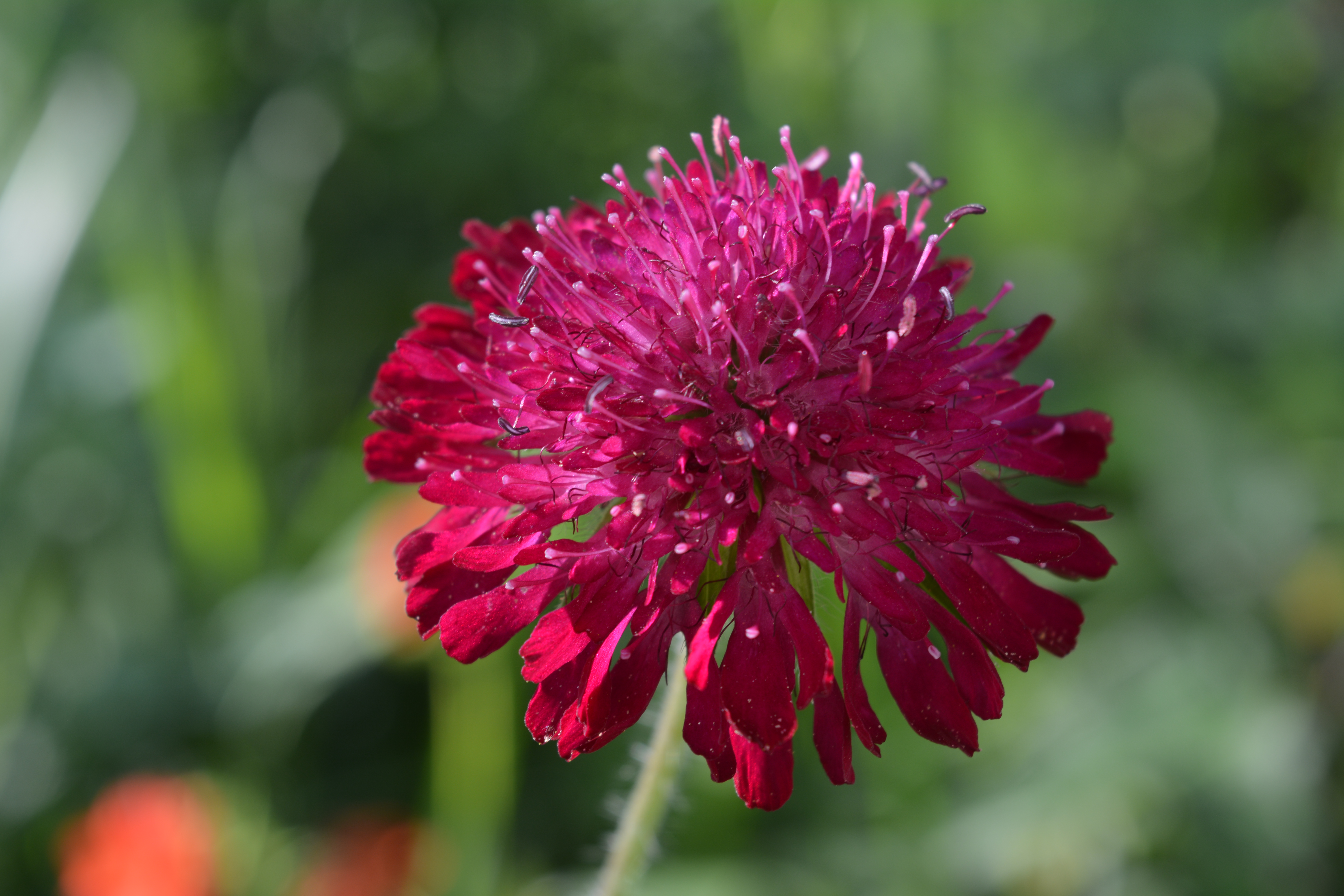
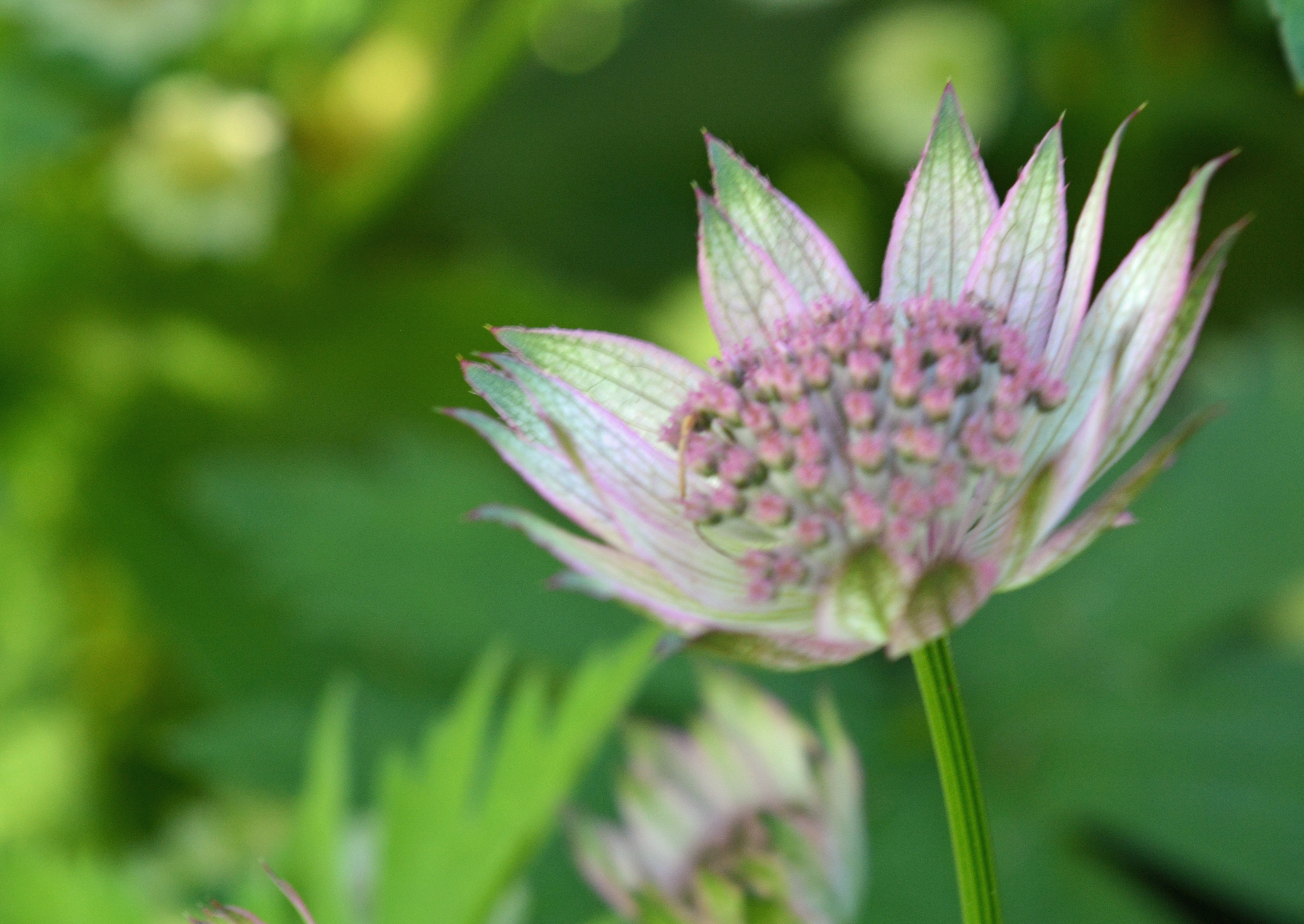
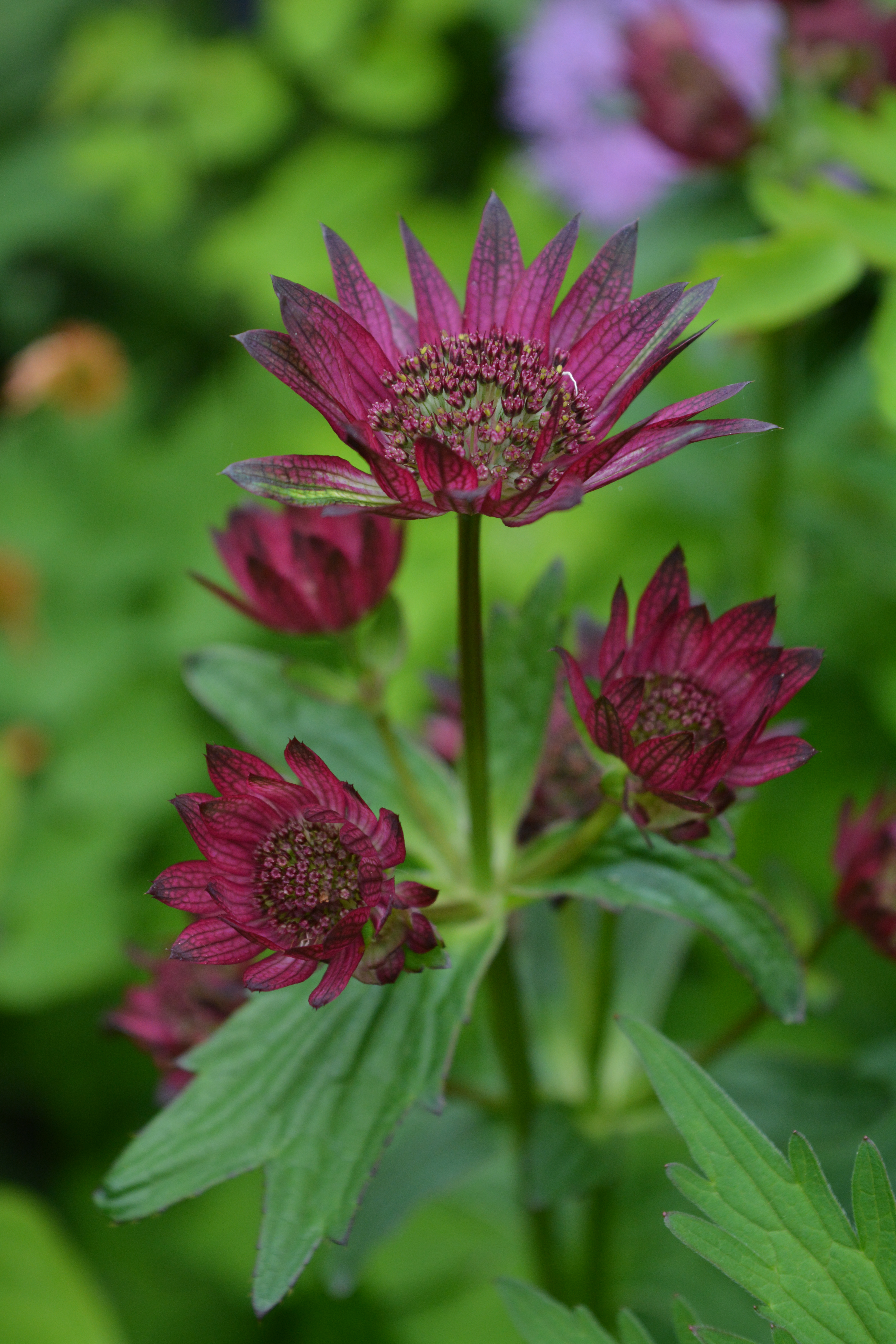
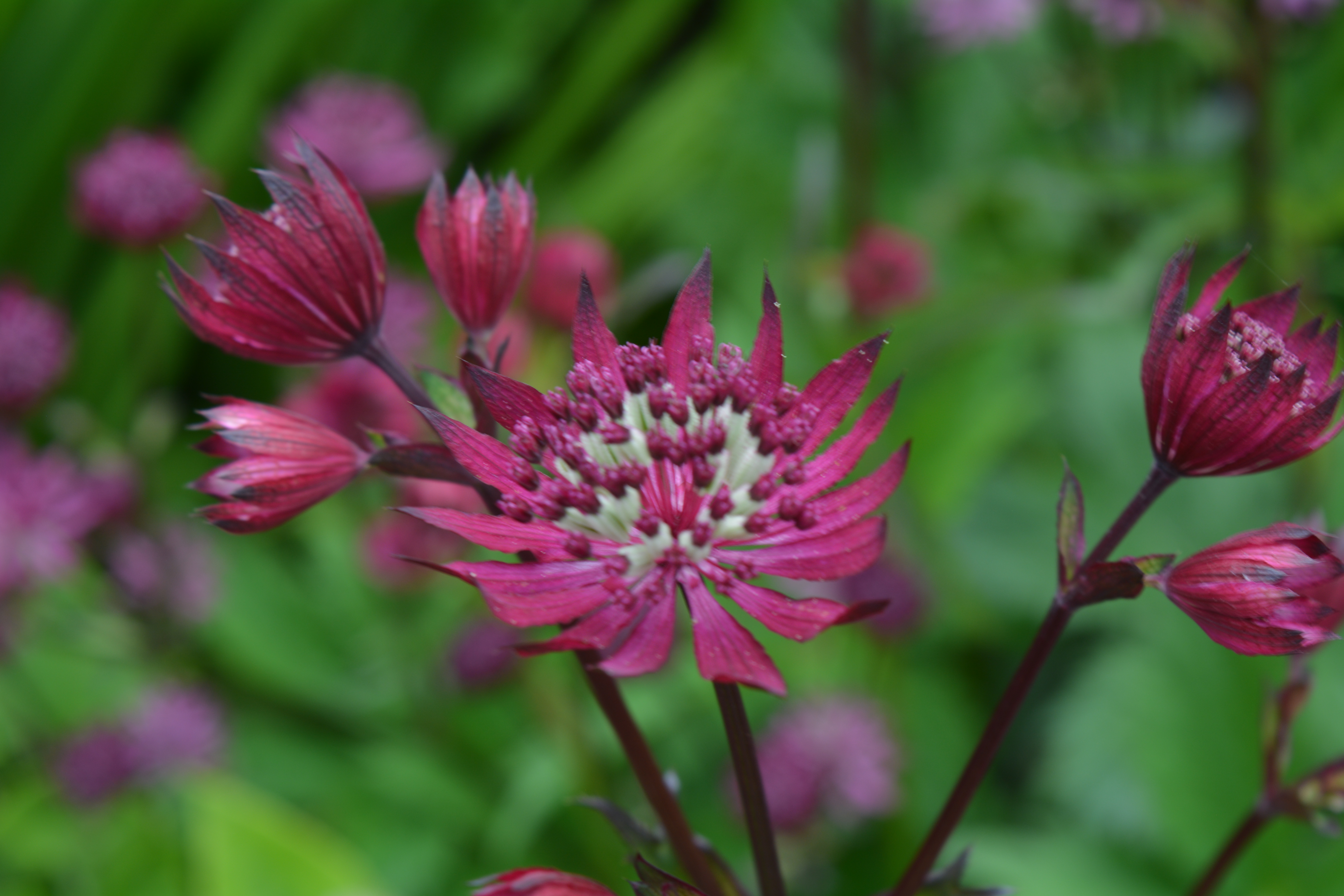
“Some flowers in the June garden remind me of pin-cushions especially Astrantias and Knautia macedonica. Each flowerhead is a tight circle with fine stamens, the pins.”


June this year ended with a fortnight of high temperatures and beautiful blue skies, two weeks of the beginning of a heat wave. Next time we return for a look at my 2018 Garden Journal we will be into the second half of the year. Things may have changed a lot in the garden by then. Perhaps we might even get a splash or two of rain!


Categories
climbing plants fruit and veg garden design garden photography garden ponds garden pools garden seat garden seating gardening gardens hardy perennials Hardy Plant Society HPS kitchen gardens roses Shrewsbury Shropshire village gardens water in the garden

A little village garden – Von’s garden.

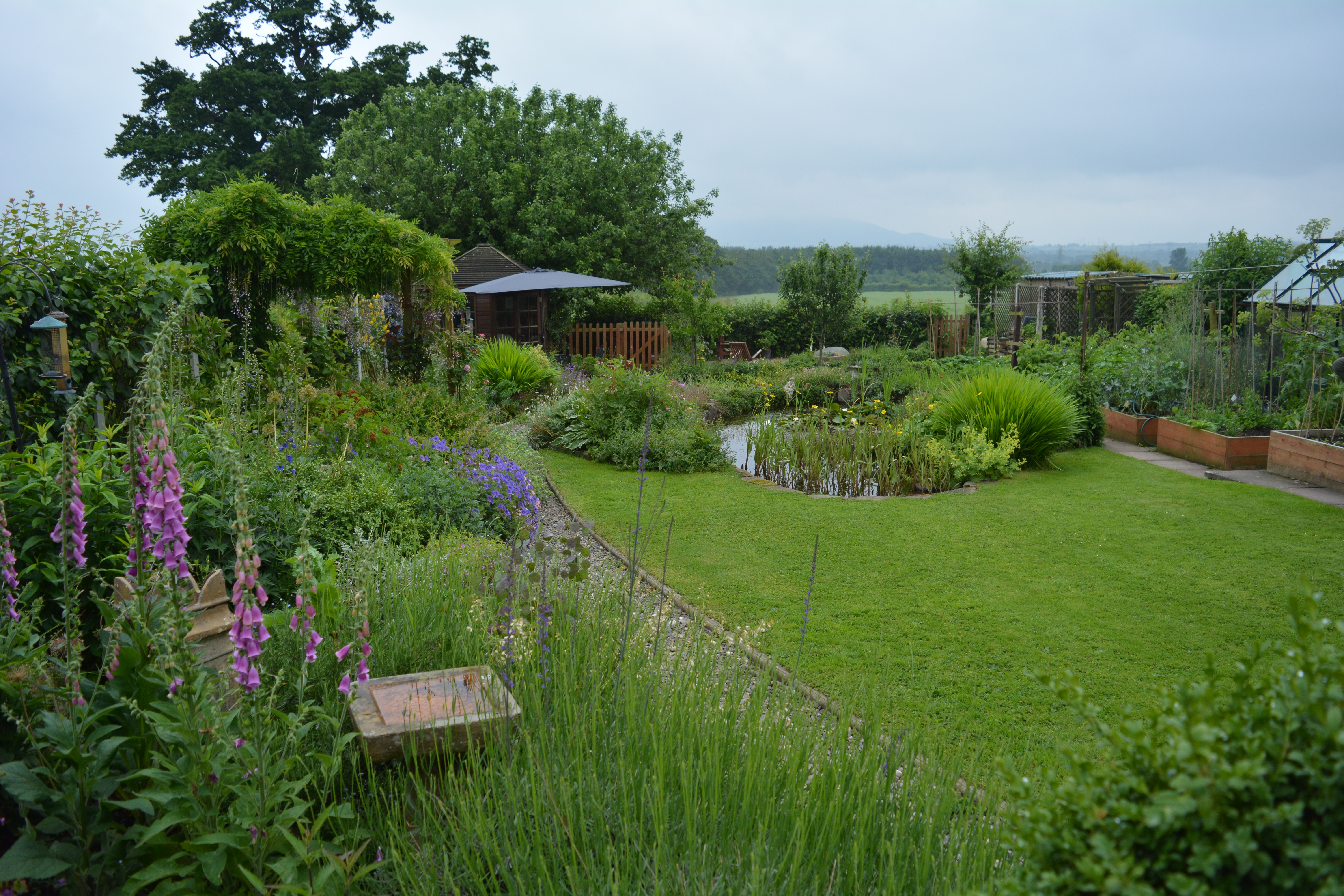
We have lots of gardening friends with gardens of all types and sizes and in all sorts of locations. One of our most enjoyable garden related activities is to visit a garden belonging to a friend. On a wet dull day in mid-June we visited the village garden of friend Yvonne, more often called Von. It is a garden with a beautiful view across the Shropshire countryside and a garden that happily sits in its environment.

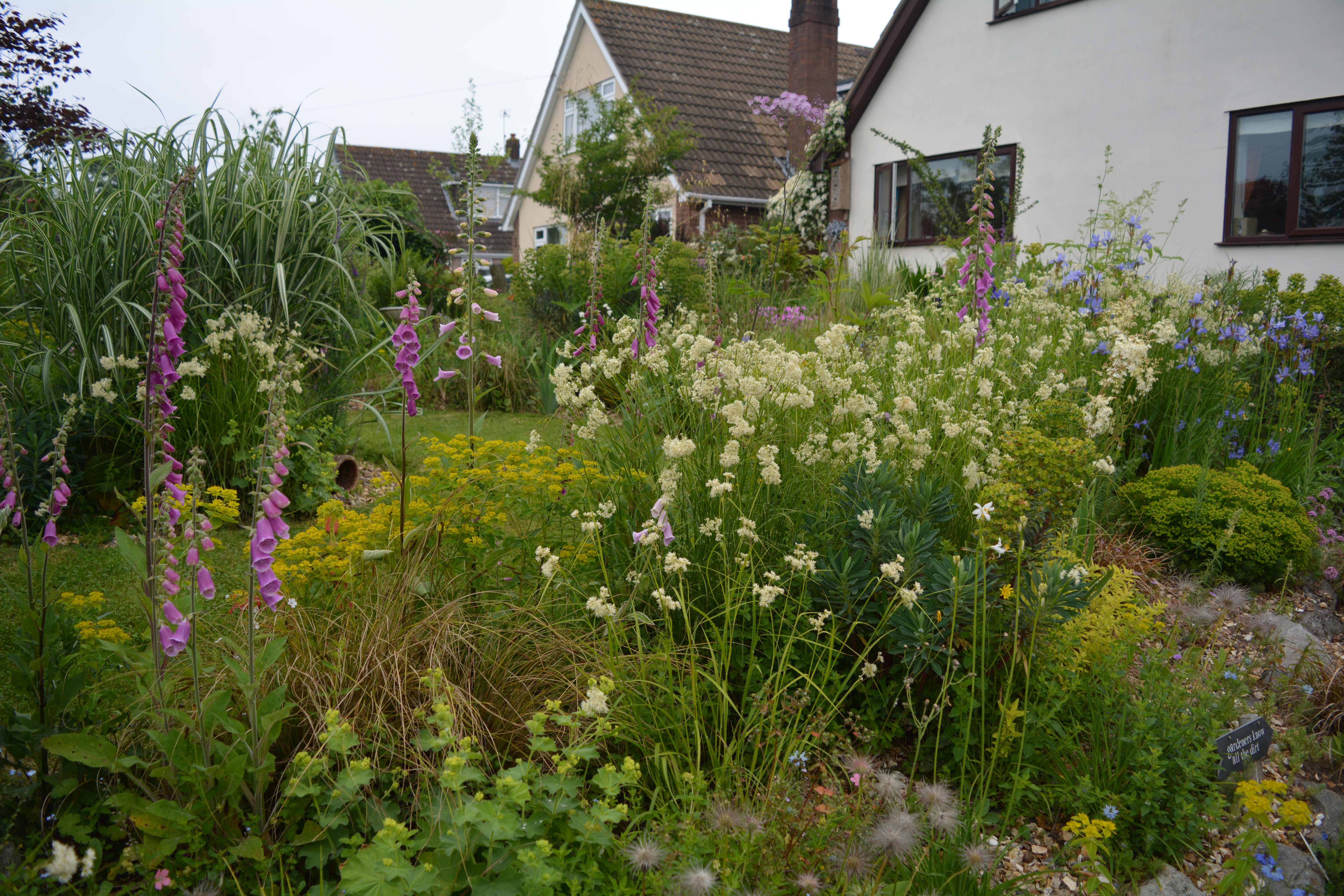
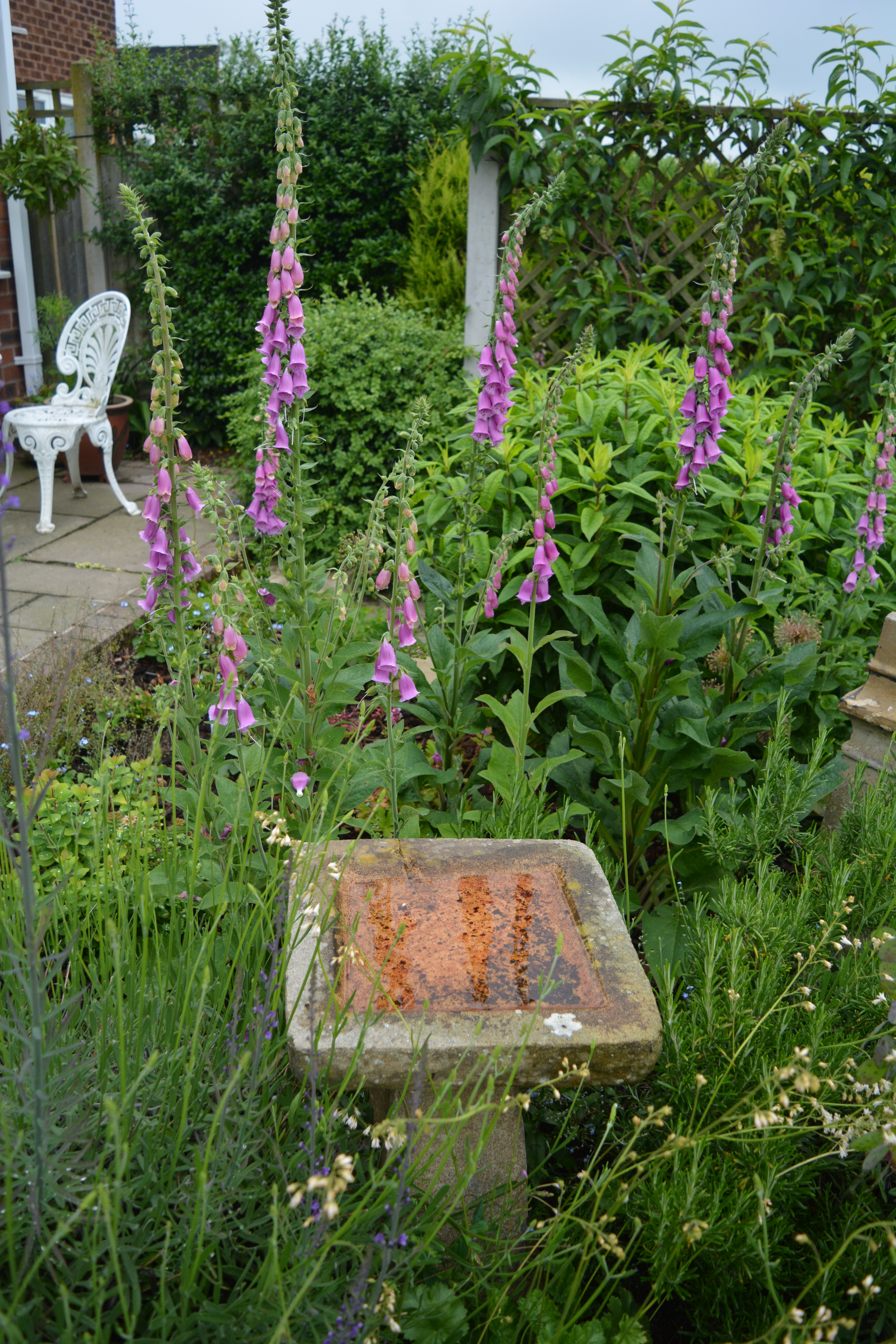
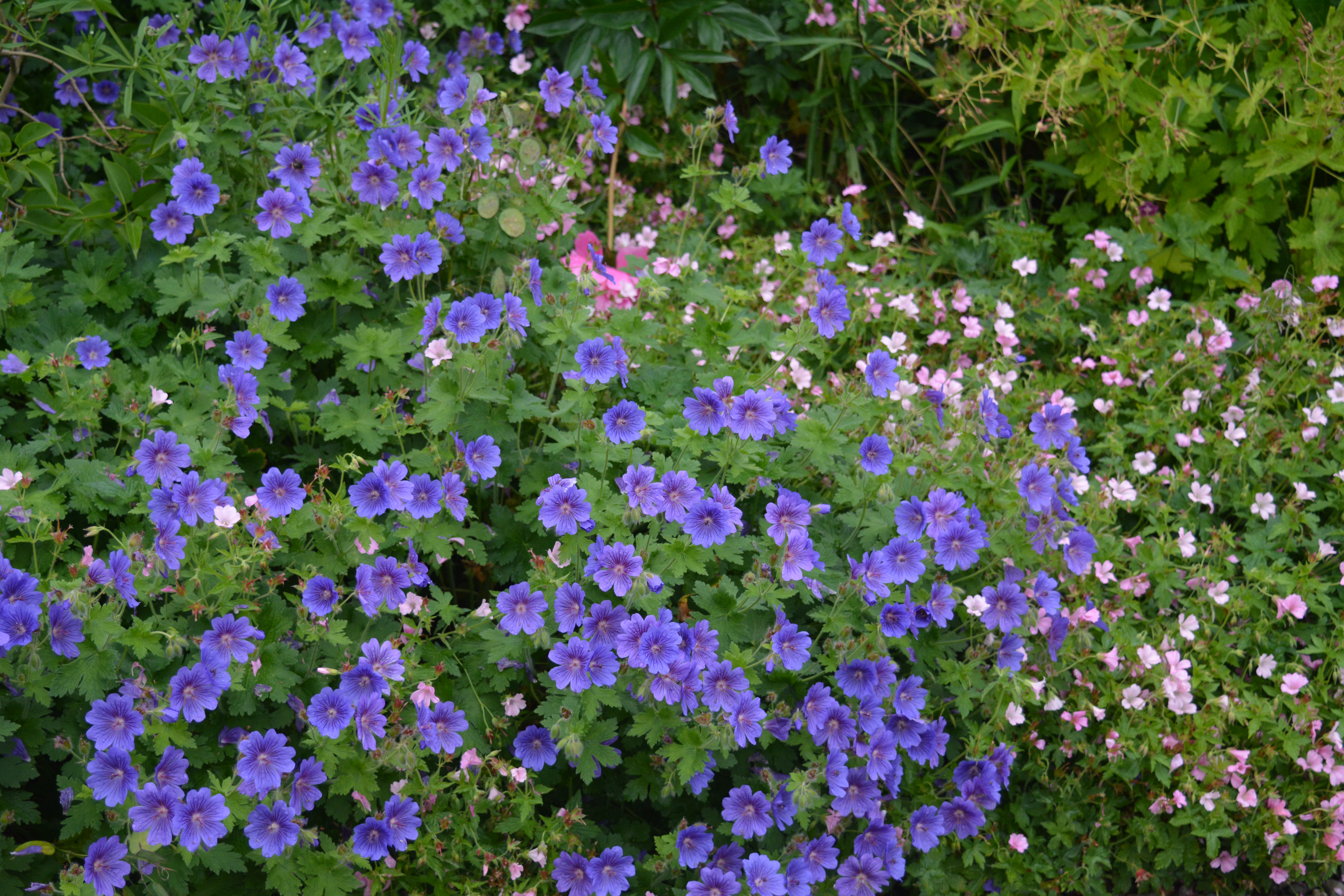
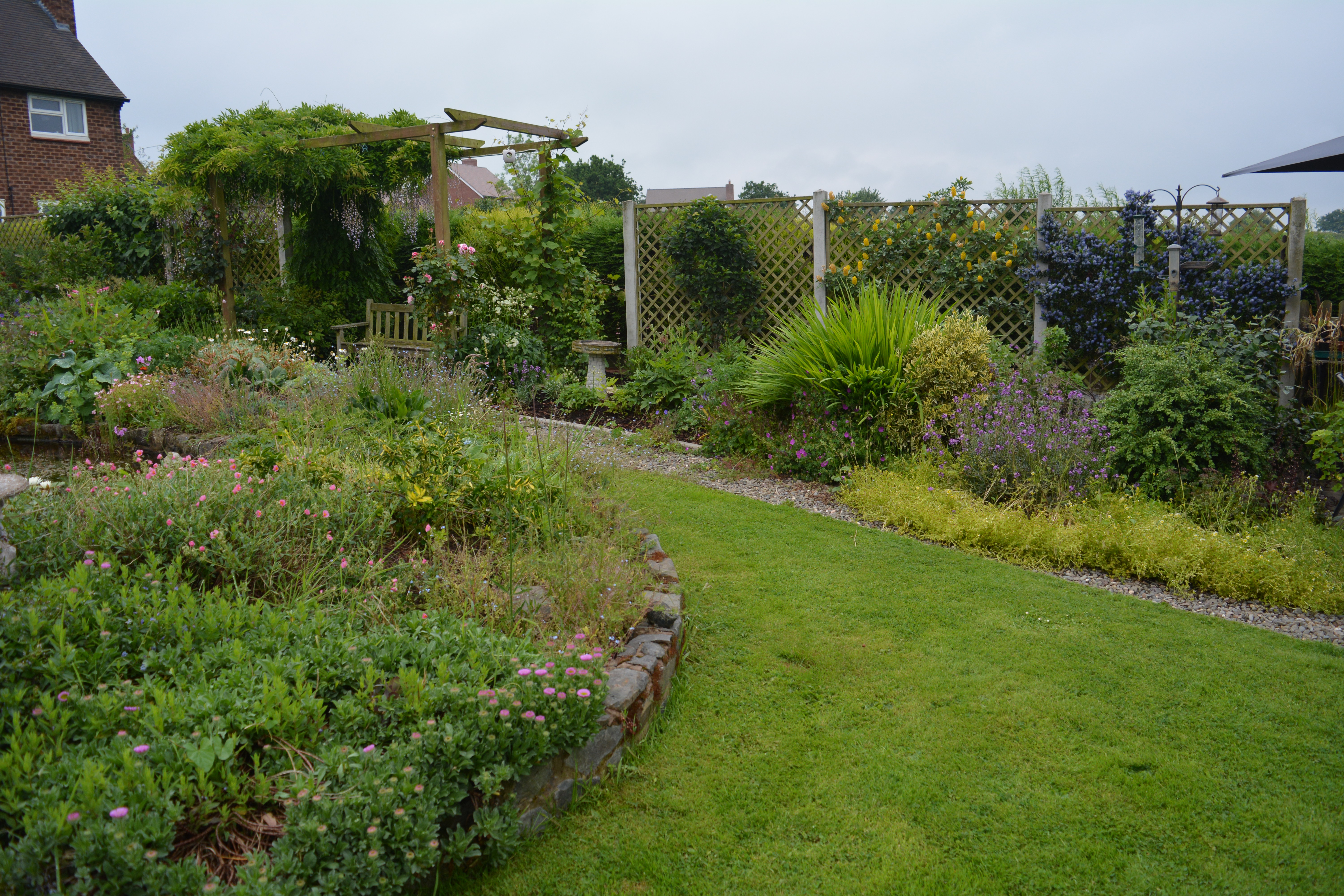
I hope you enjoy my photographs taken in poor light and drizzling rain but the plants shone through. A gravel path leads us alongside a delicately planted border with softly curved shapes. The spires of tall-growing foxgloves and delphiniums shine through the gloom matching the colours of geraniums that soften the path edges.


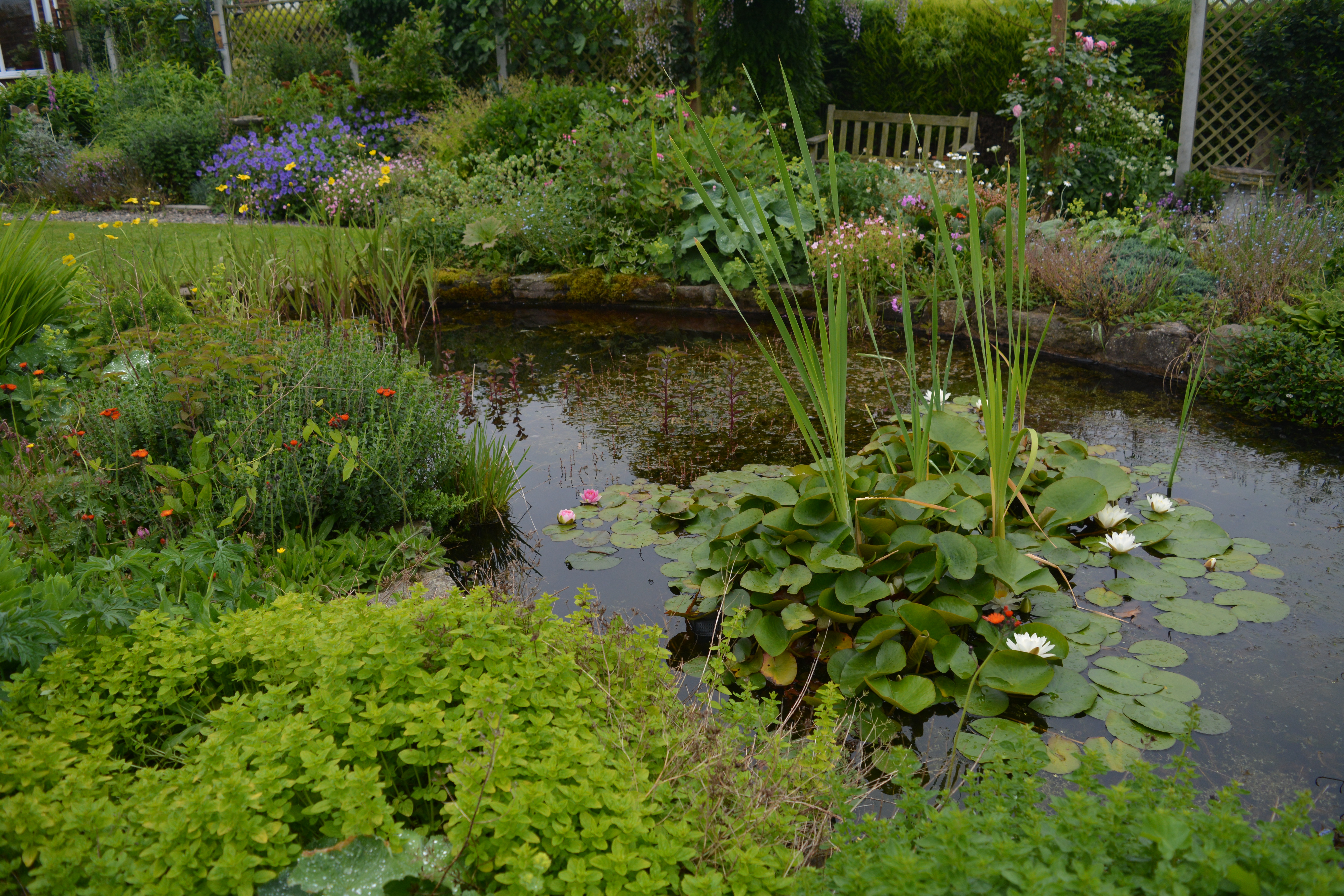
Centrally placed in the garden is a softly shaped pool surrounded by beautiful planting.


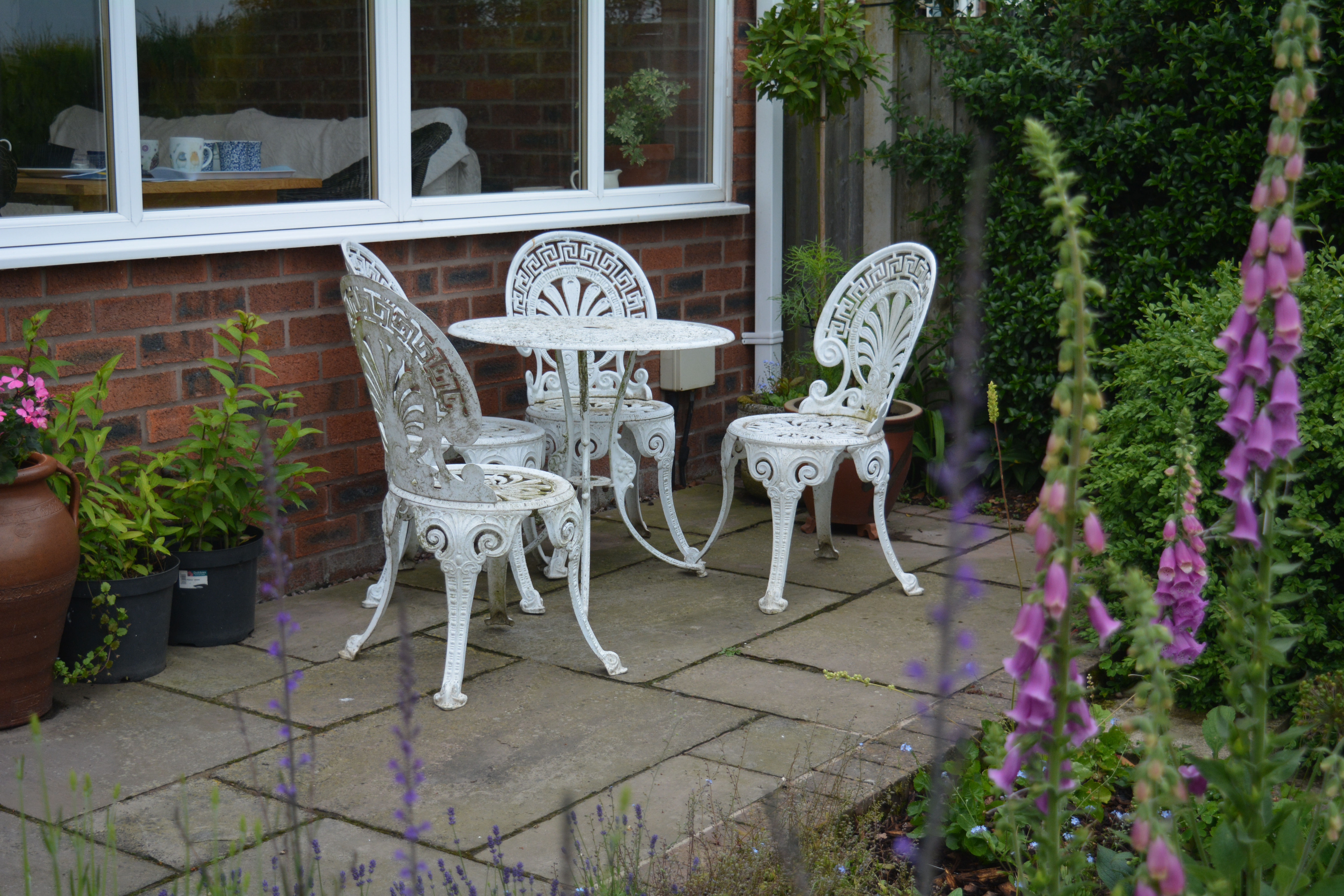
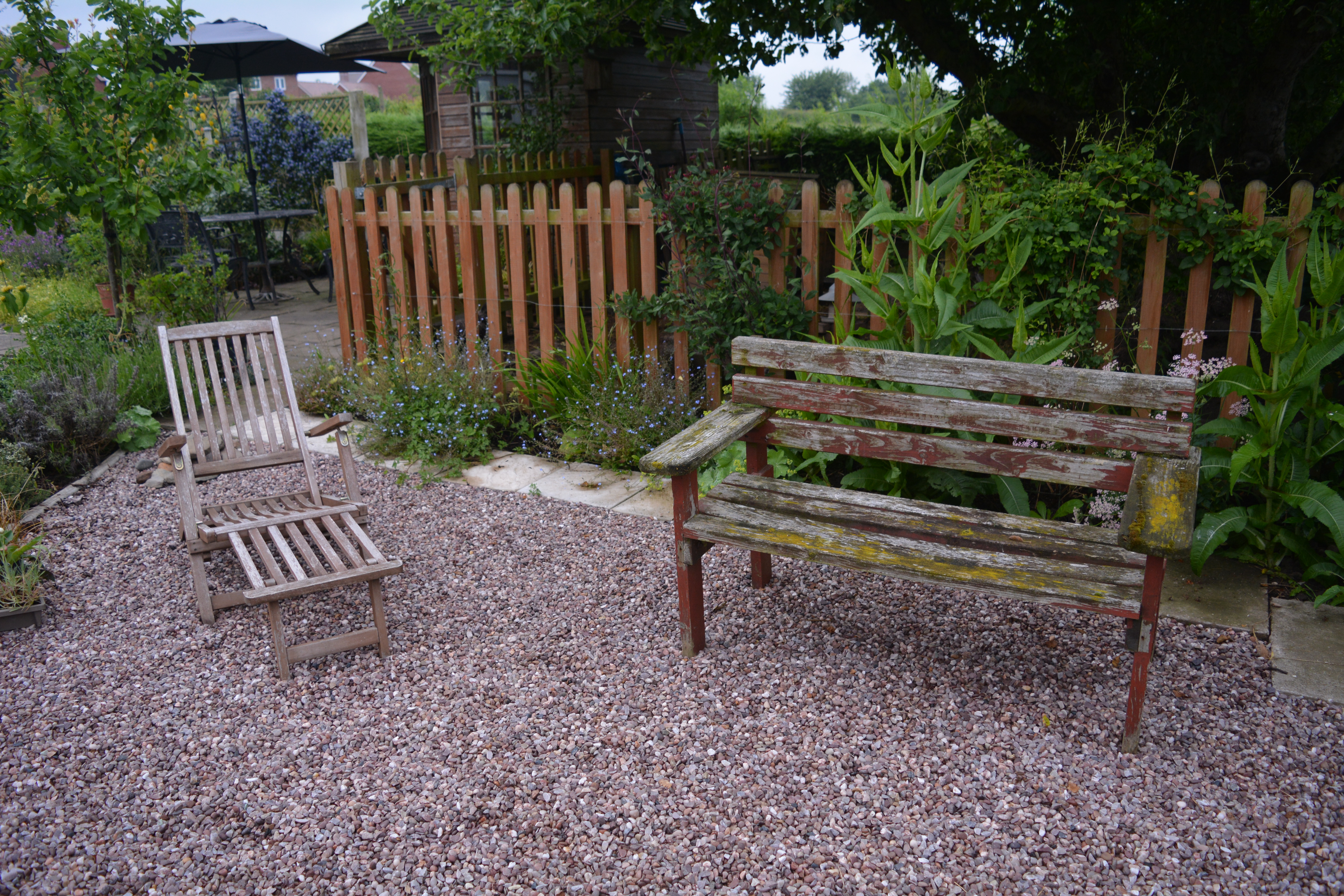
There are well-placed seats throughout the garden each with special views including some that look out of the garden across the surrounding countryside.


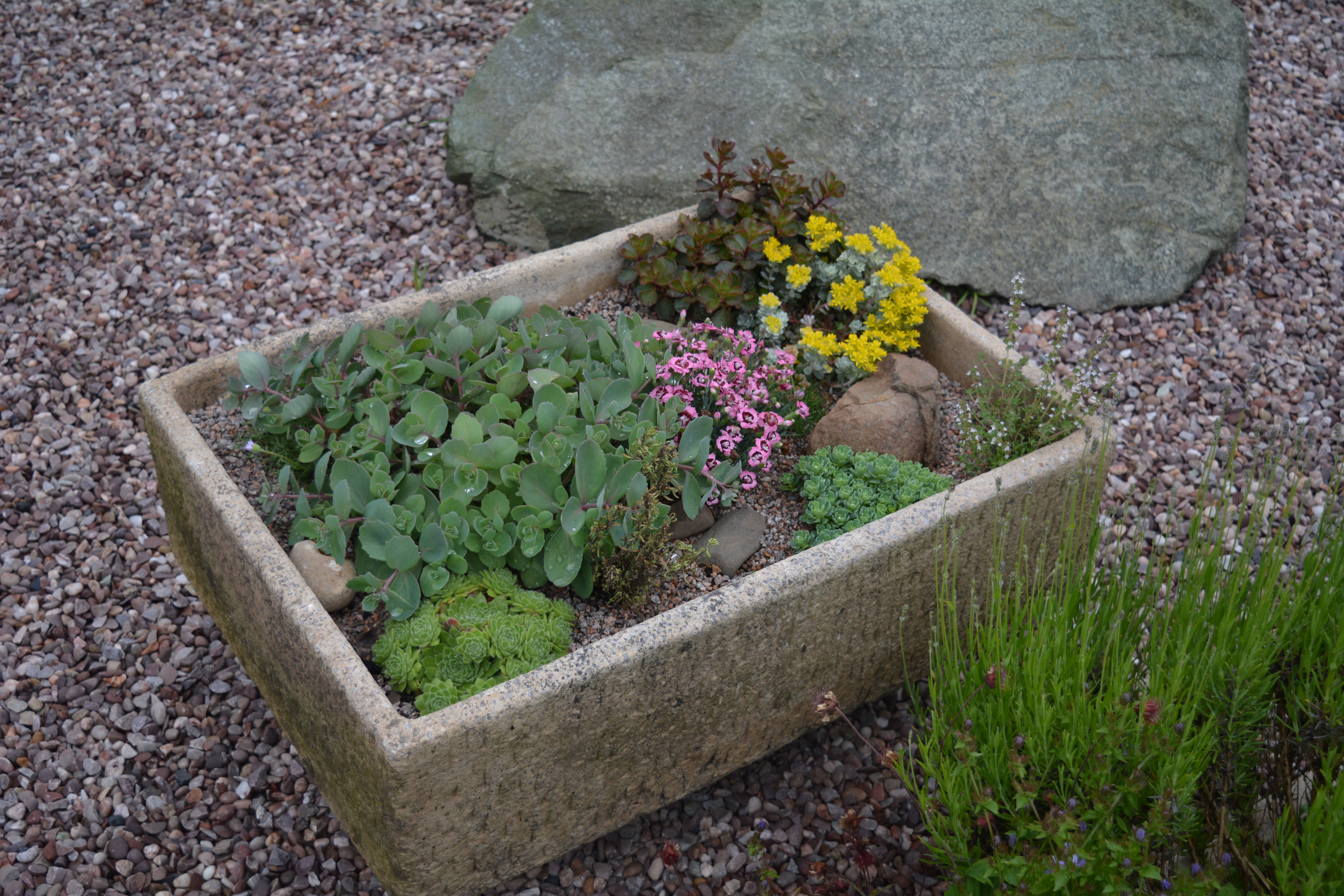
These seats are situated on a gravel patch which boasts a large boulder with a smaller partner, a terracotta pot housing a saxifrage alongside an alpine sink.


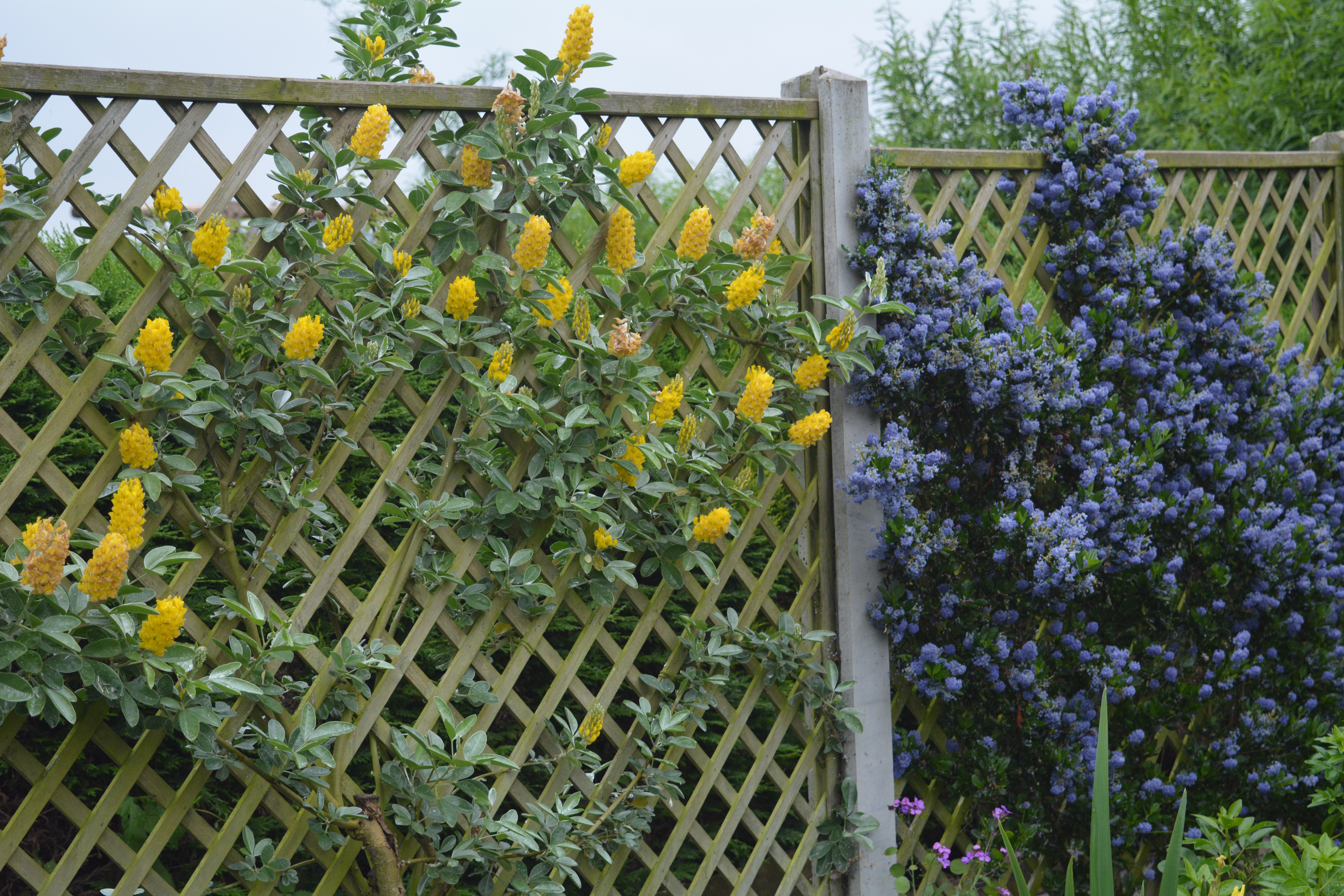
Von loves plants so much that every vertical surface is covered with plants, ceanothus, honeysuckle and ivy.


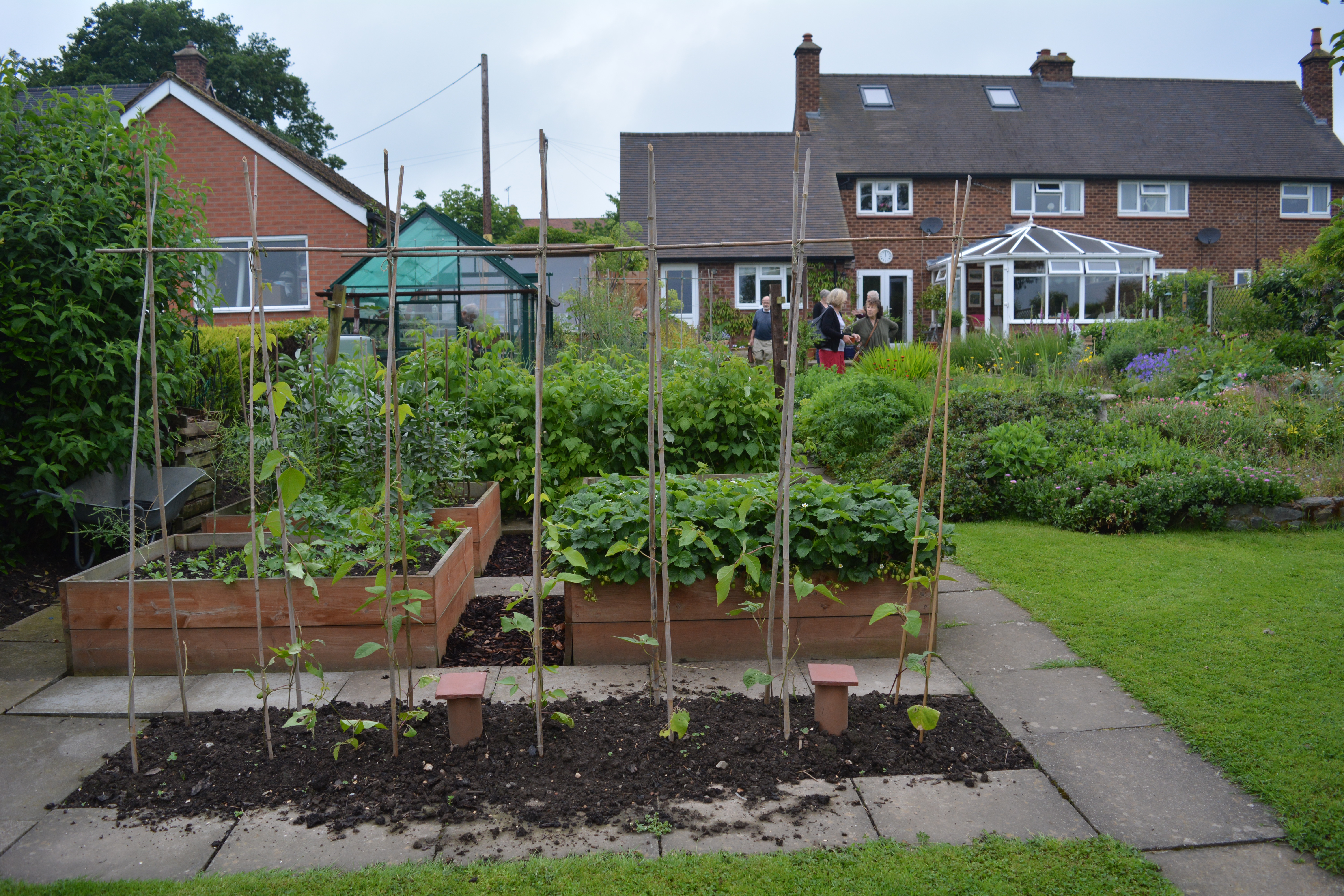
Reaching the bottom of the garden there is a native hedge decorated with soft pink dog roses. Looking back up towards the house we get a different view of the garden and notice a very productive veg patch with neat raised beds.


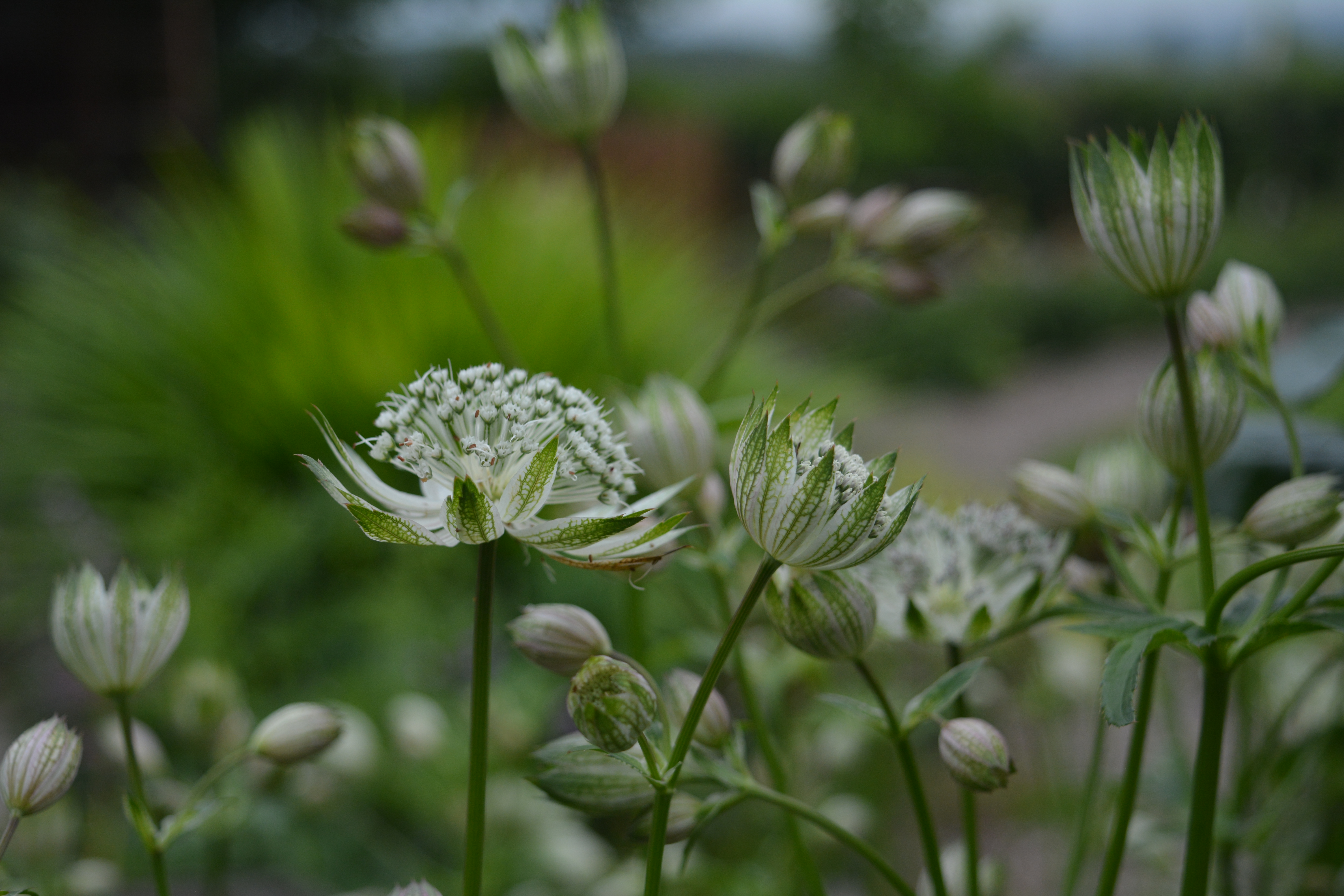
As with any garden the stars are the plants and here there are many of interesting specimen deserving of more than a glance.


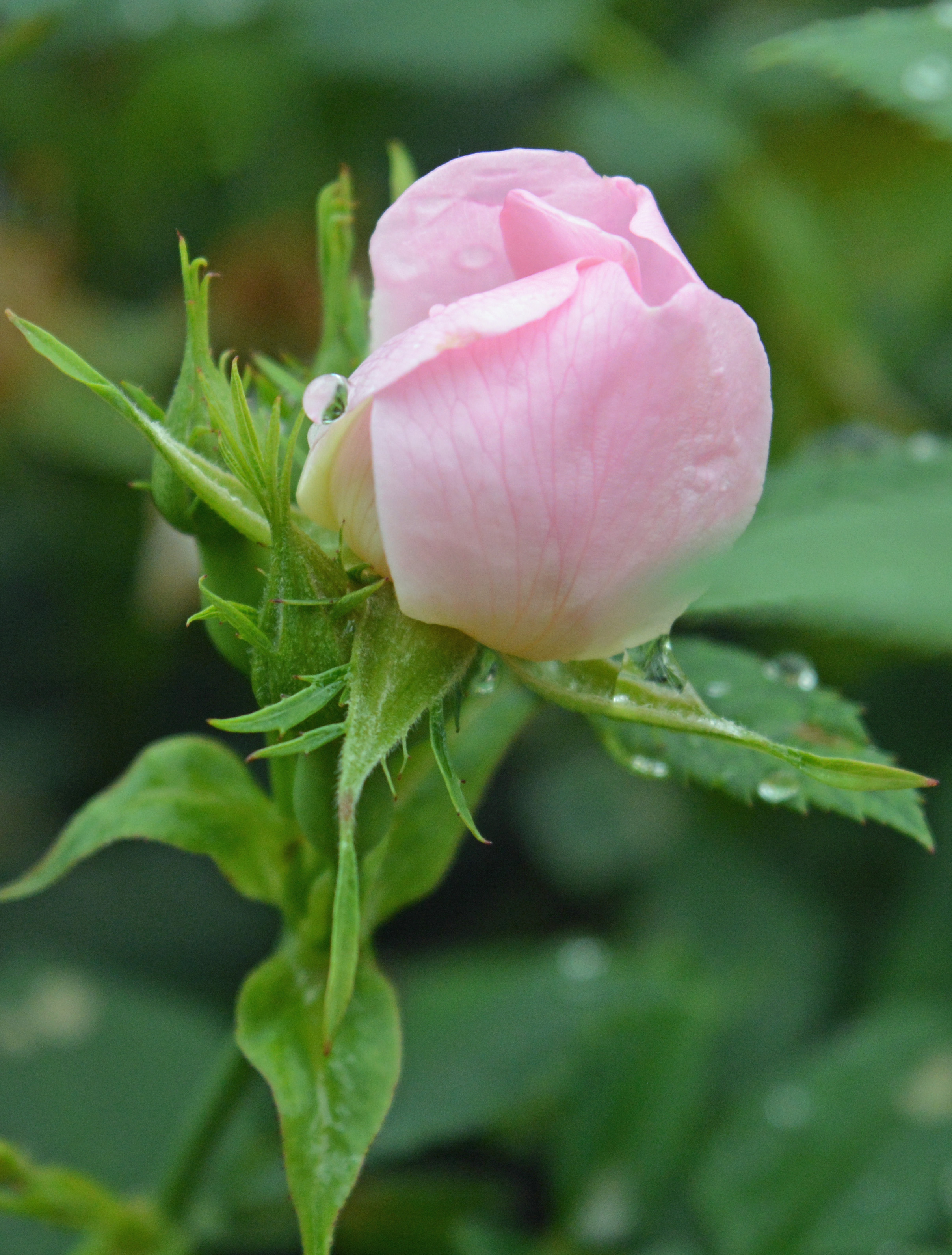
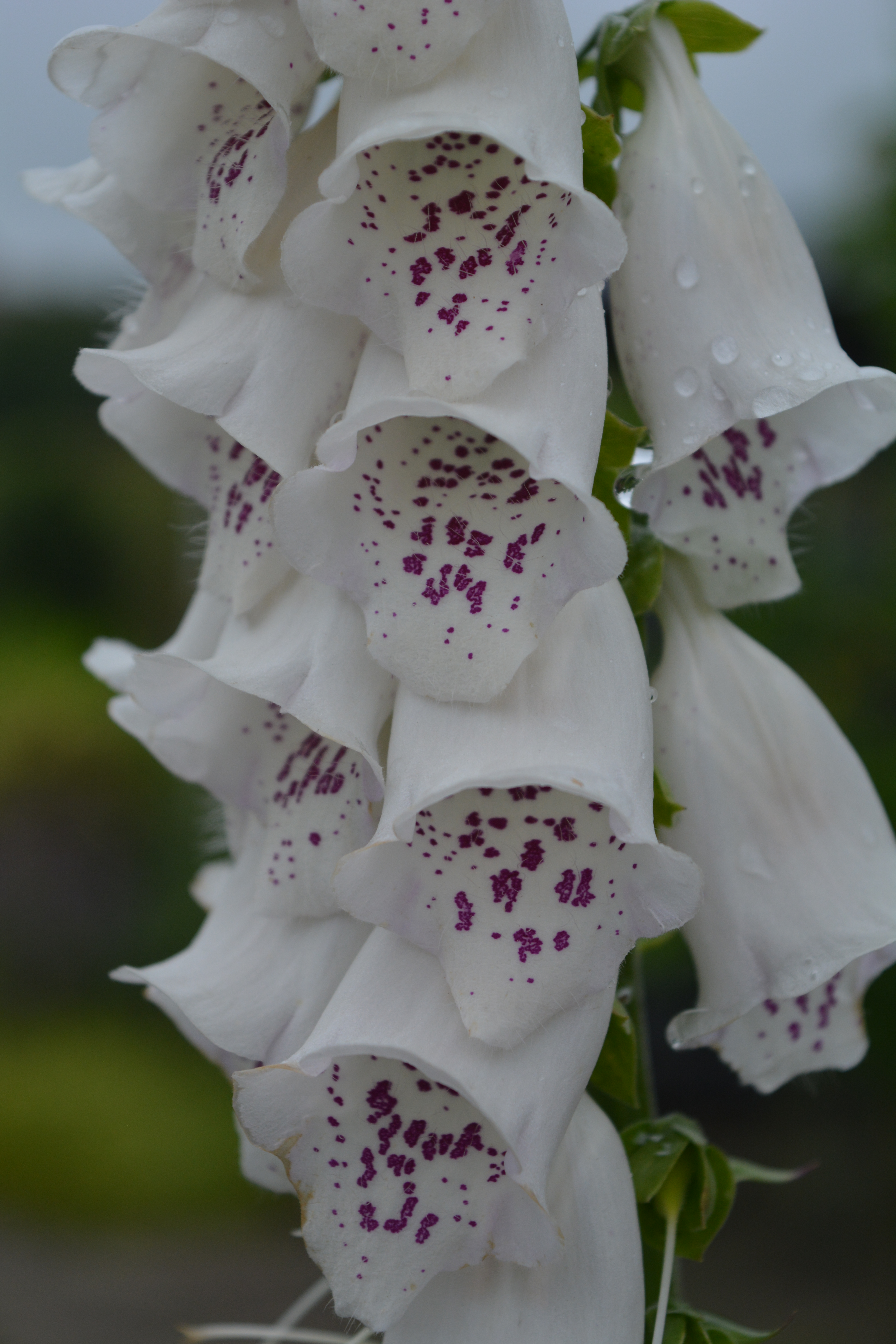
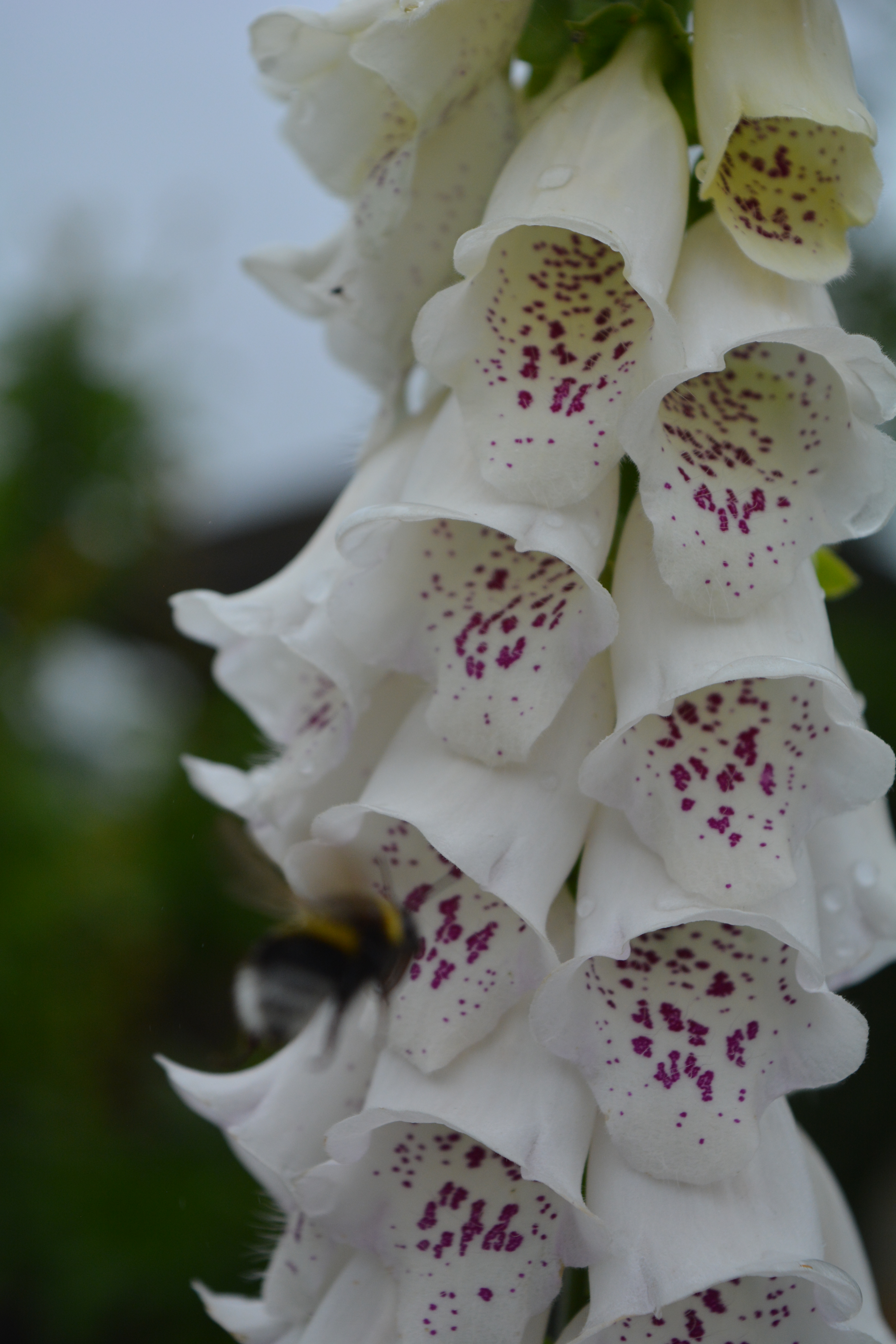
Wildlife enjoys this garden too. While taking a shot of this white and purple-spotted foxglove a bee arrived and set about exploring each little glove. A great finish to our visit, which will definitely not be the last.

Categories
climbing plants colours garden design garden photography gardening gardens gardens open to the public half-hardy perennials hardy perennials meadows National Trust ornamental grasses ornamental trees and shrubs poppies roses The National Trust

Packwood – one of the stars of the National Trust.

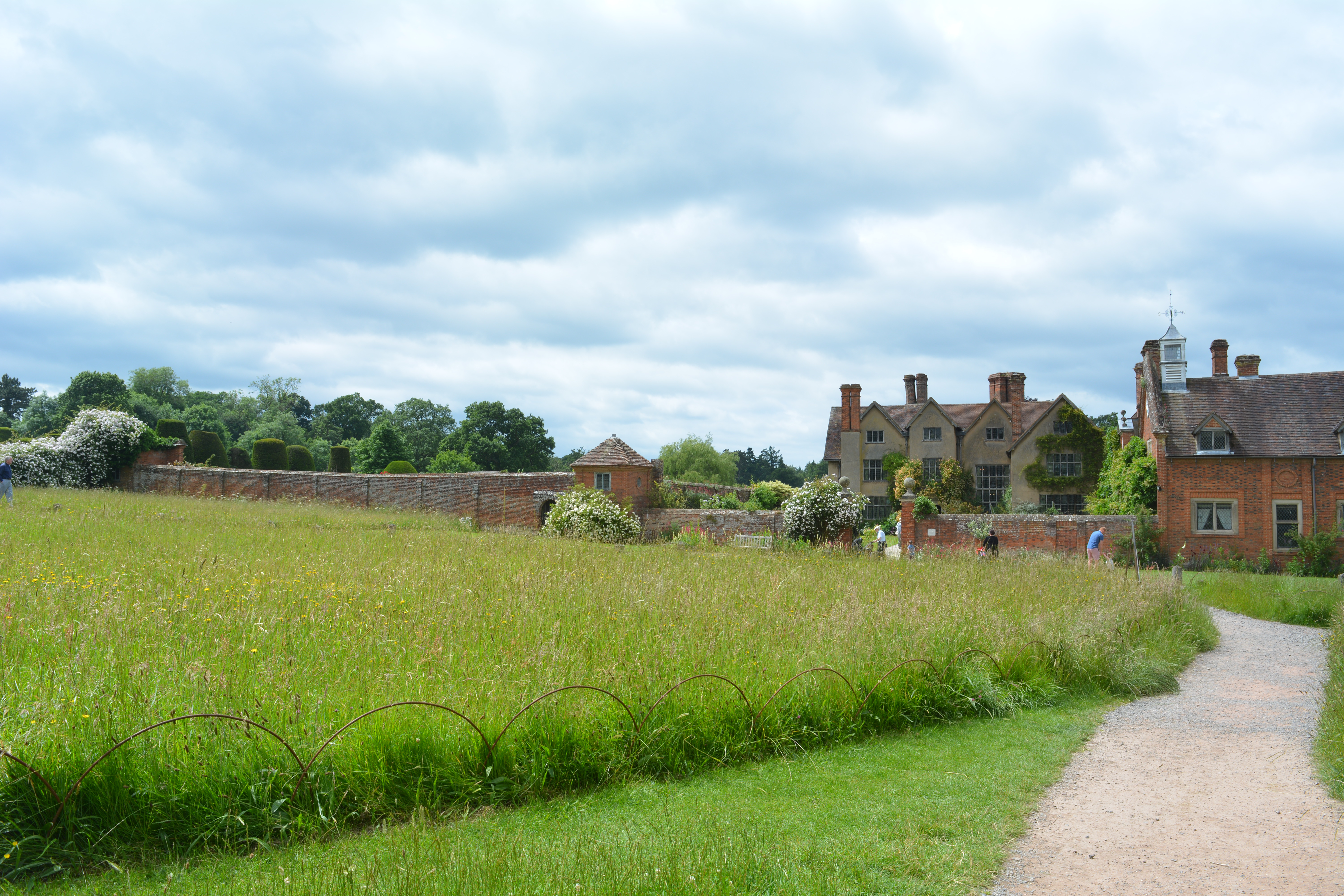
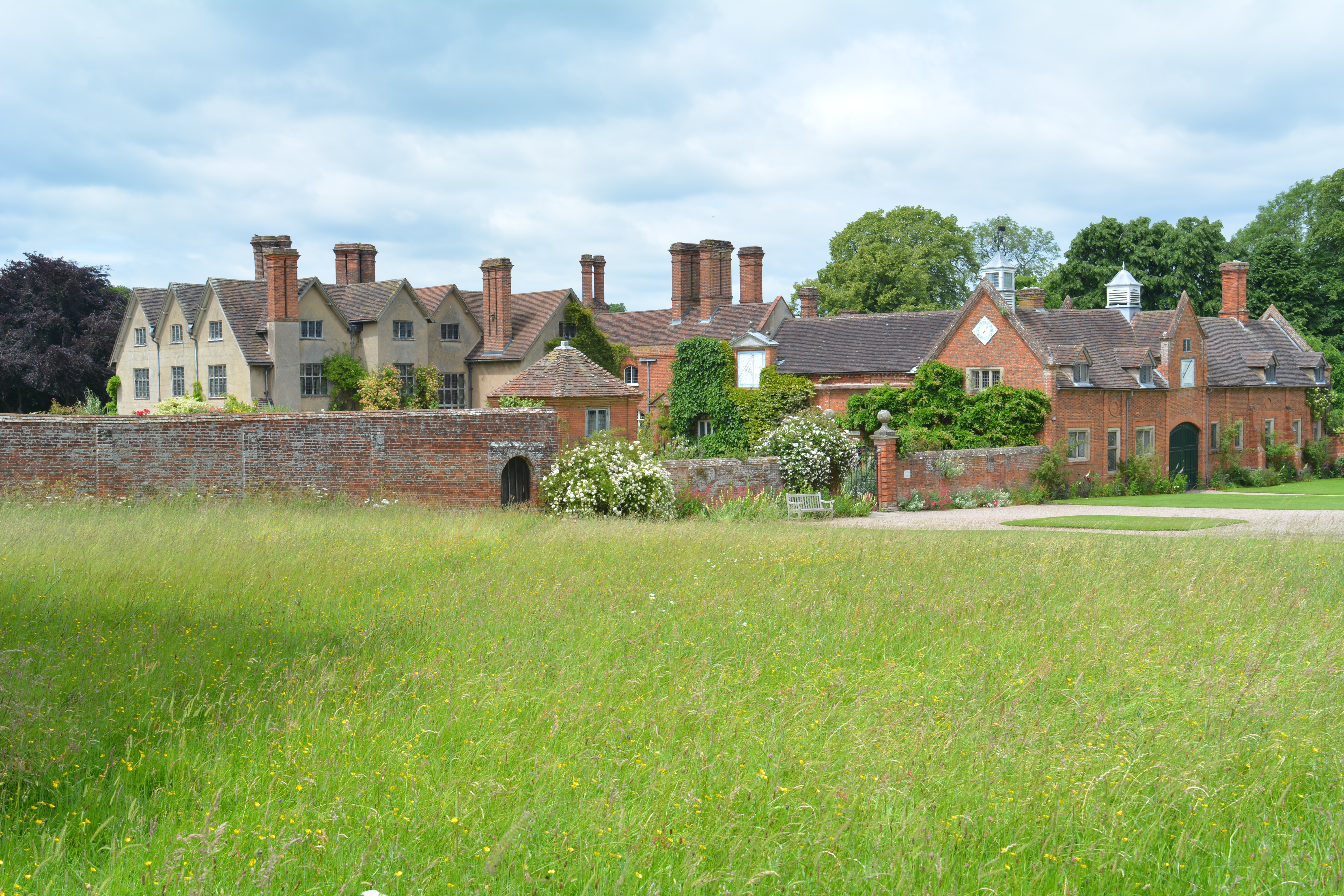
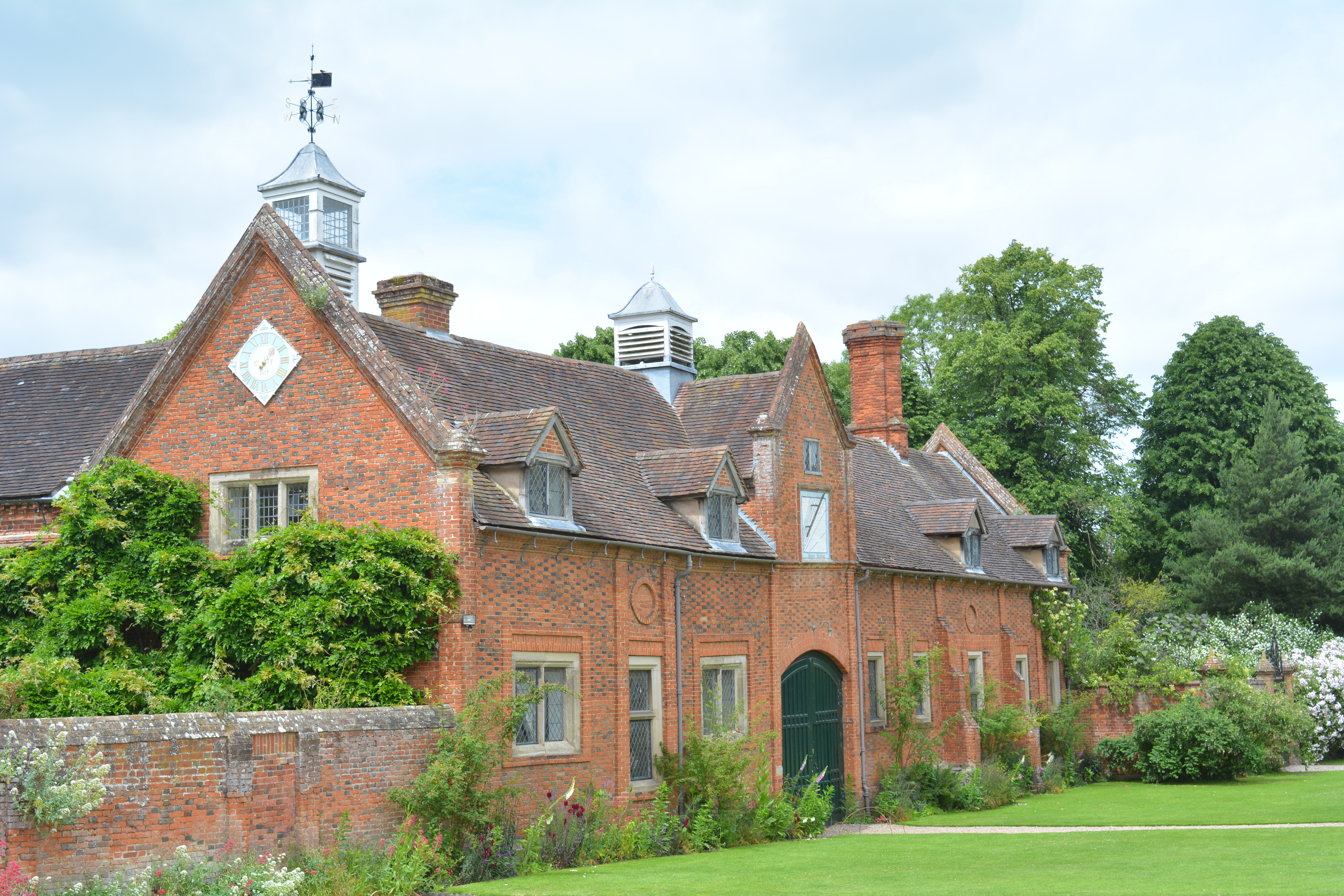
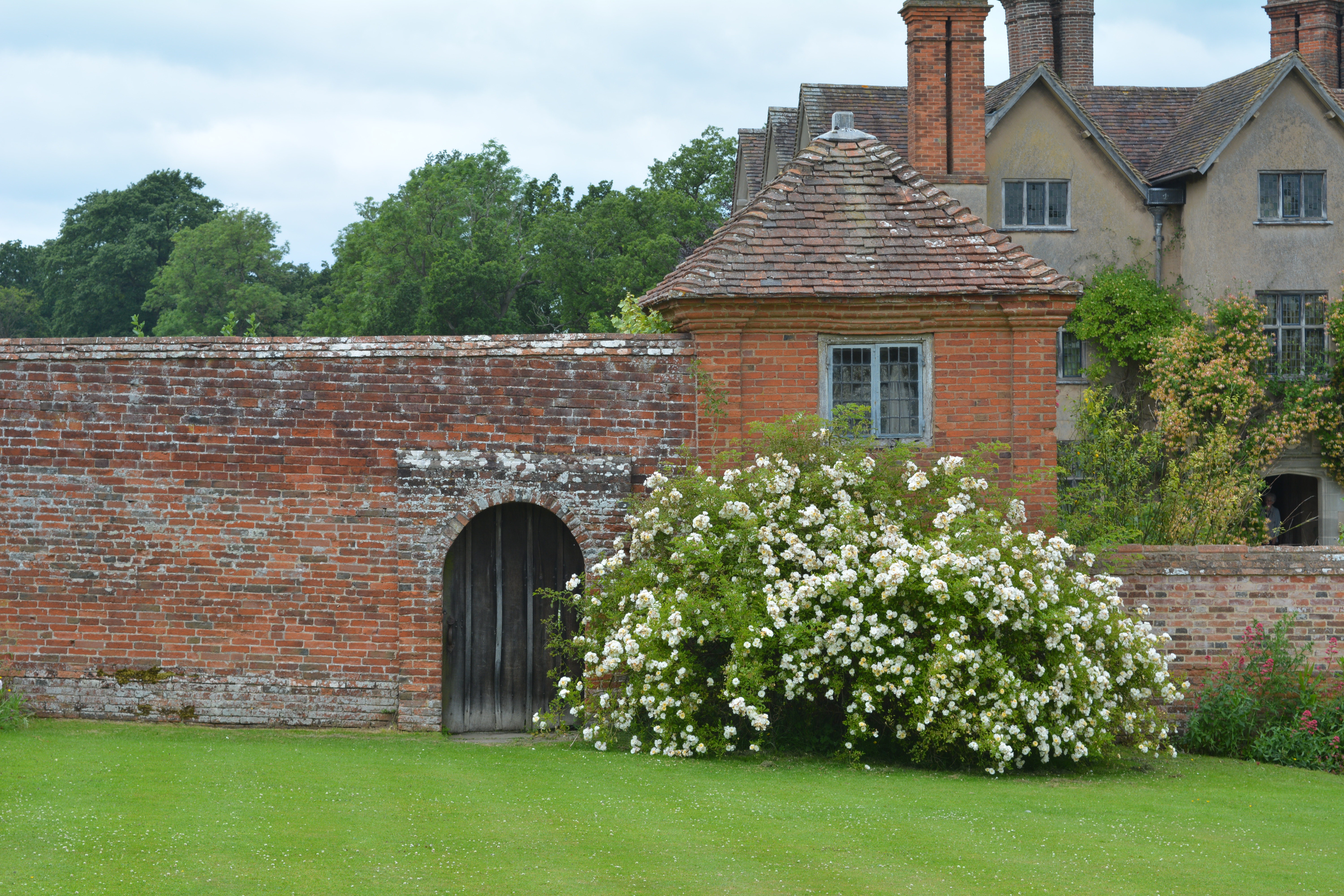
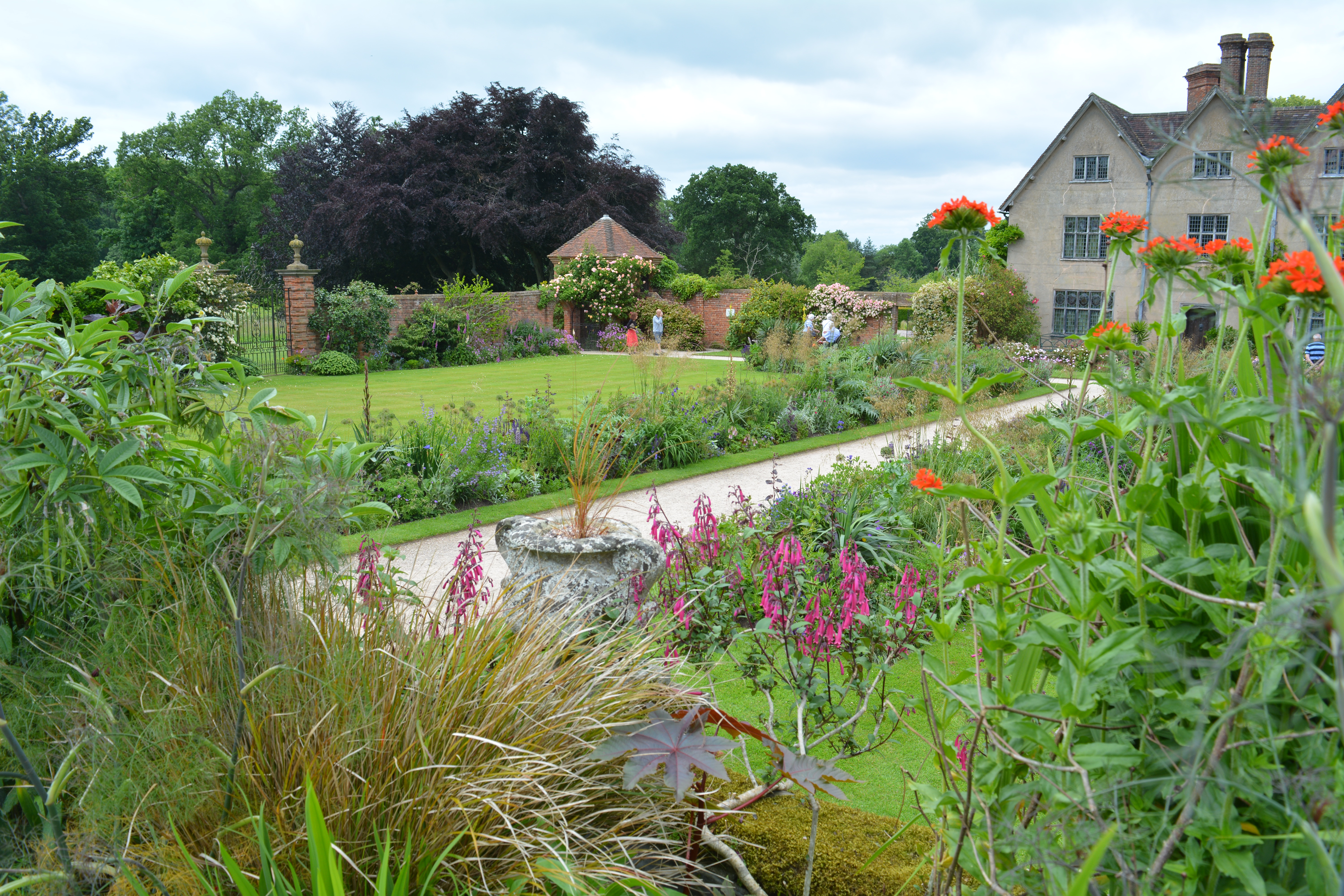
We have held memberships of the National Trust for over 40 years and one of the first we took our two children to was Packwood Hall. Packwood is now a firm favourite and we made a visit again this year. The welcome sign describes Packwood as “a house to dream of, a garden to dream in”. We were only intending to look at the house from the outside and mainly intended to explore the garden in greater detail. Packwood is well known for its unusual collection of sundials.


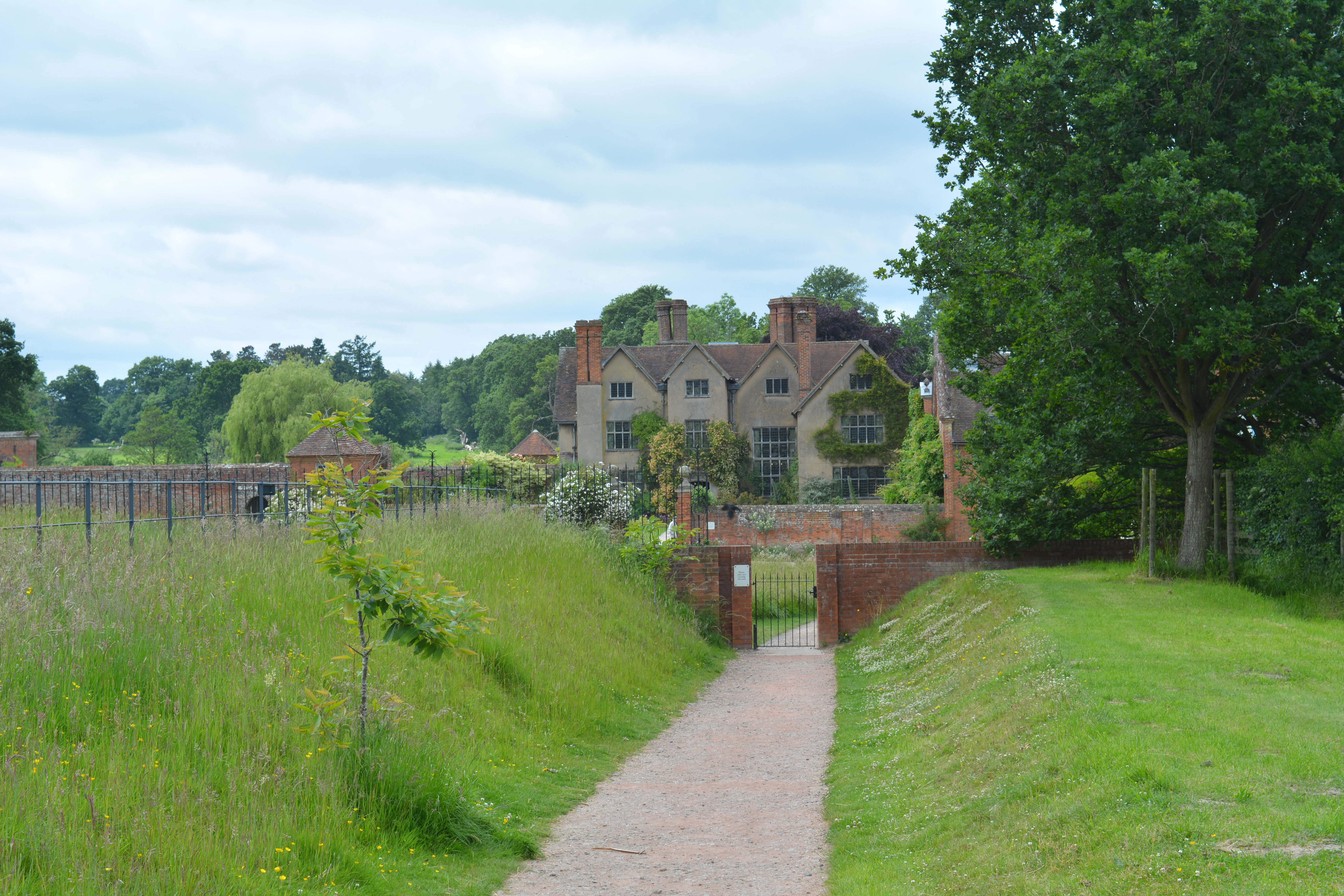
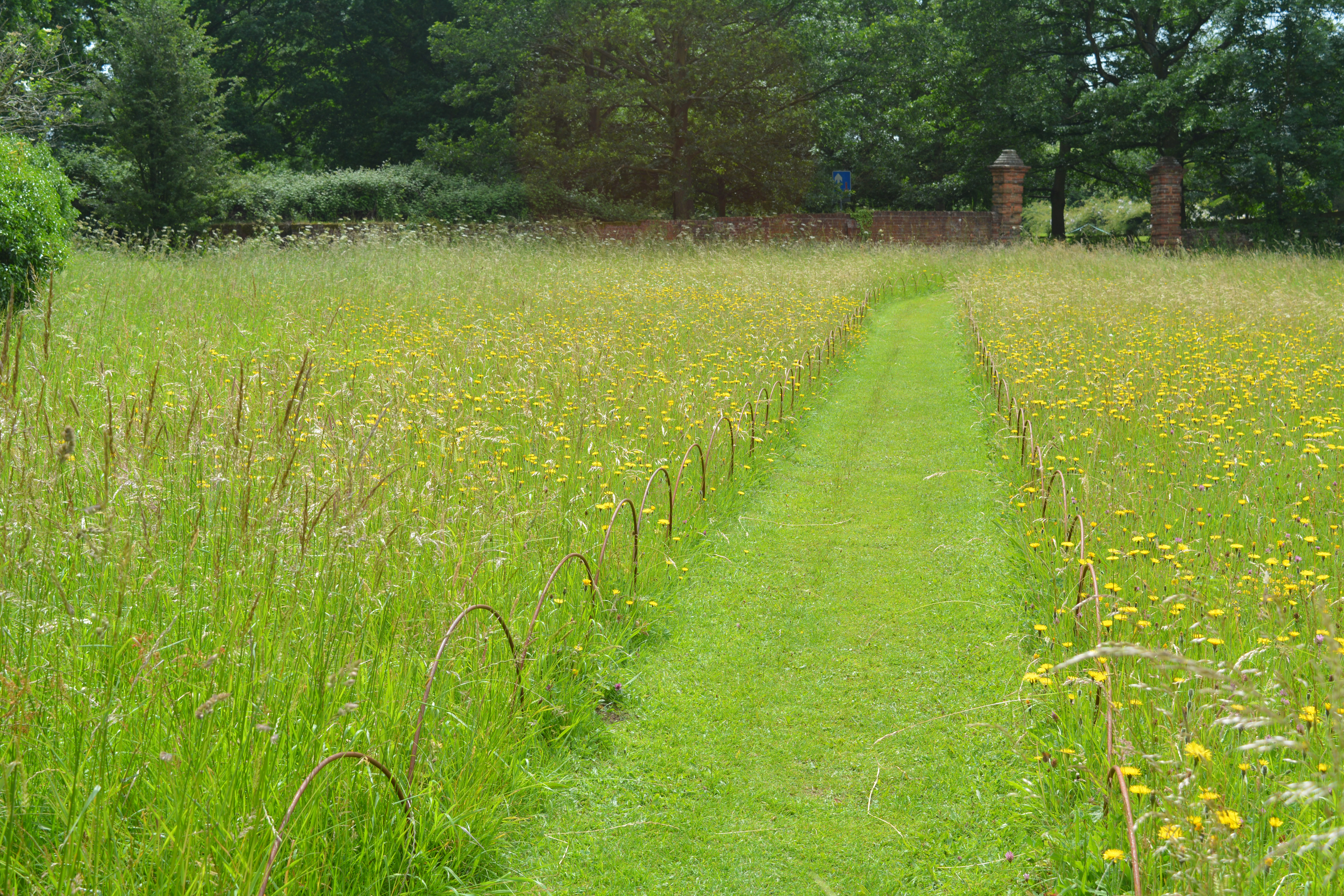
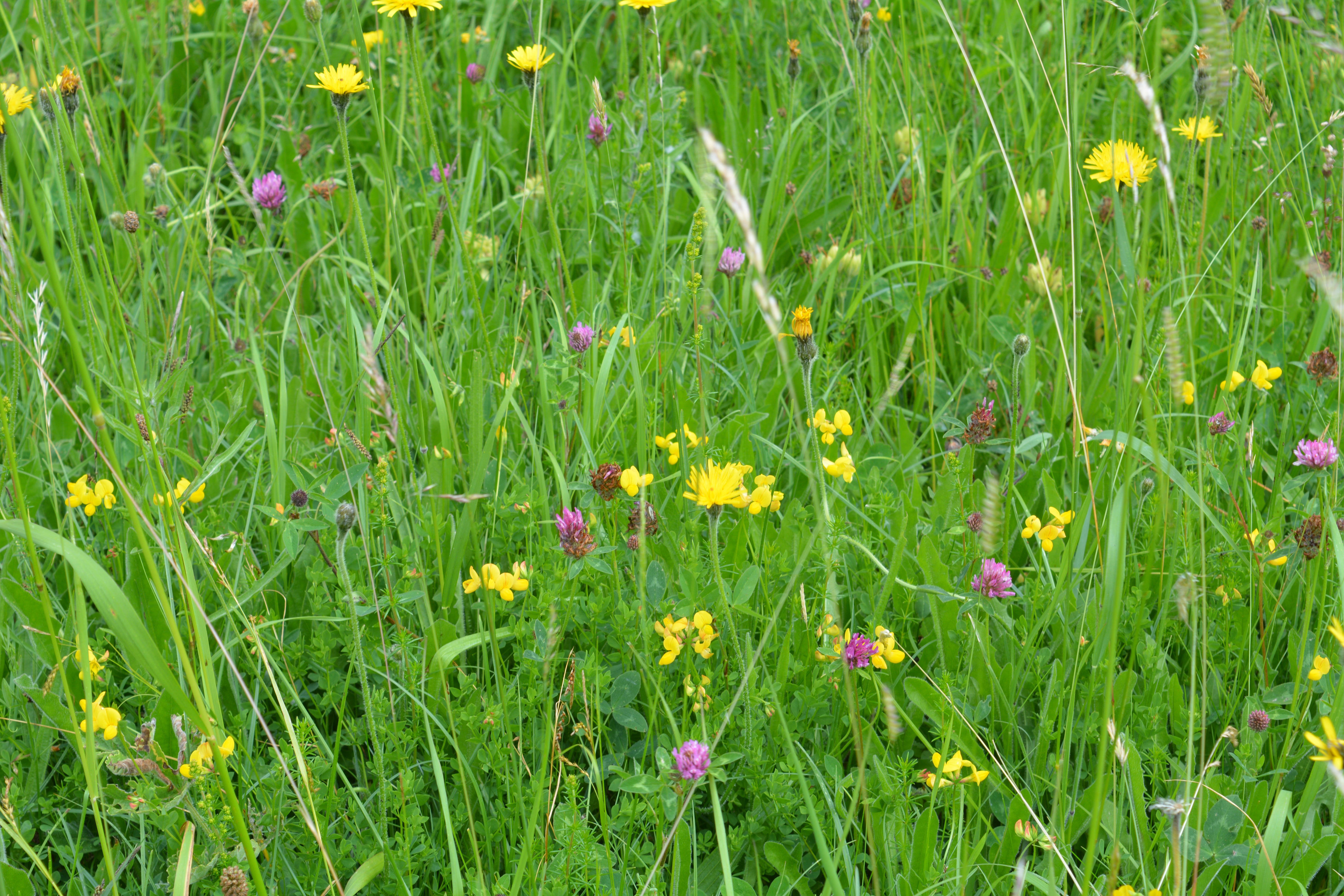
The approach to Packwood is one of the most welcoming we have ever come across, passing through wildflower meadows and impressive gateways.


Once we had passed through a few of these gateways and archways we discovered colourful well-designed borders full of herbaceous perennials and roses. Much of the planting had been chosen to attract wildlife, predators and pollinators.


The gardens were well structured, divided into garden rooms with different characters and atmospheres in each. In one formal lawn area we came across a rectangular sunk garden built from limestone and its borders were planted with plants that enjoyed the dry well drained soil. These plants provided a strong contrast to the lush look of the rest of the gardens.


Lush planting was prevalent elsewhere throughout the garden making for an atmosphere of excitement. There were wonderful individual plants to be found as well as well designed borders.


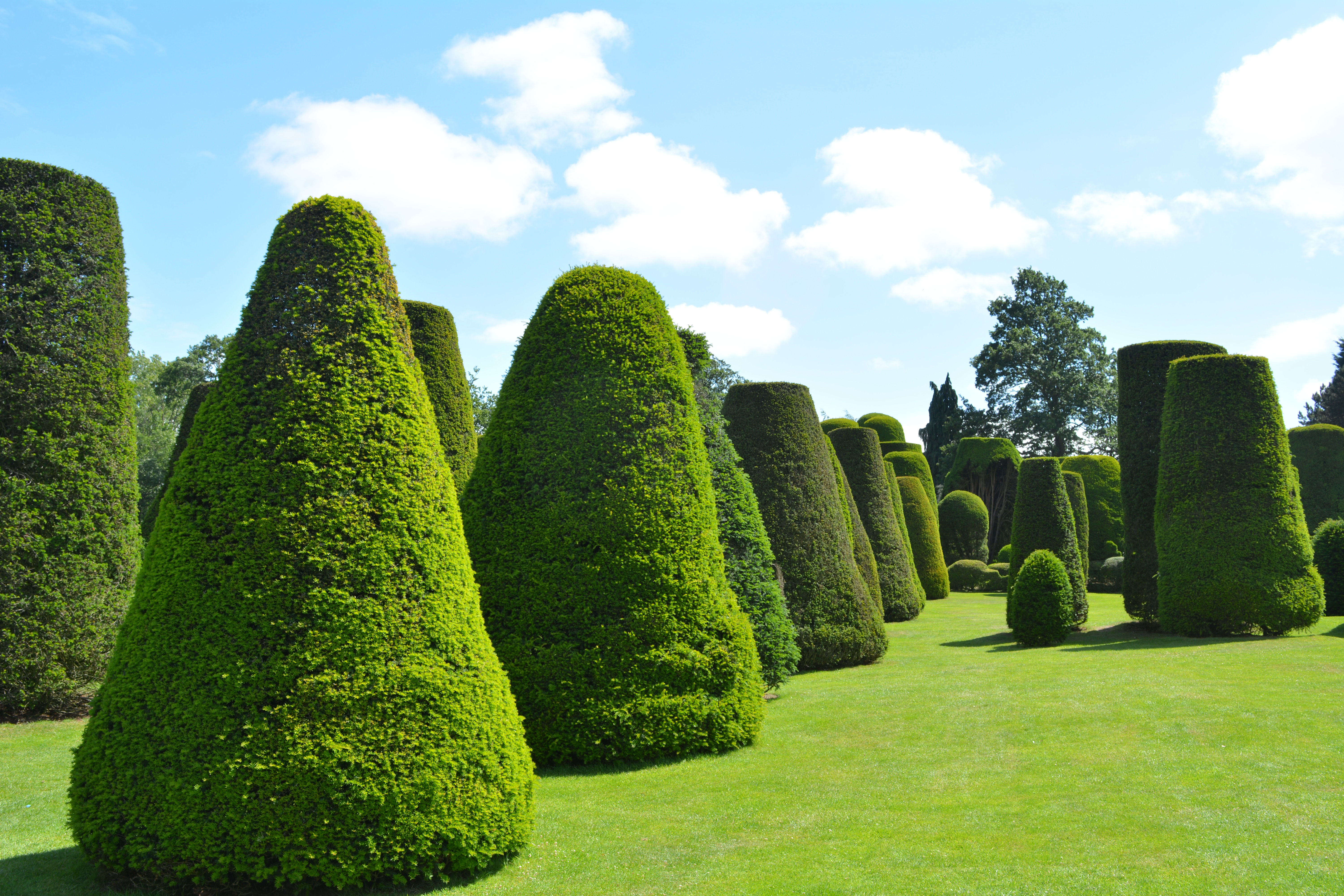
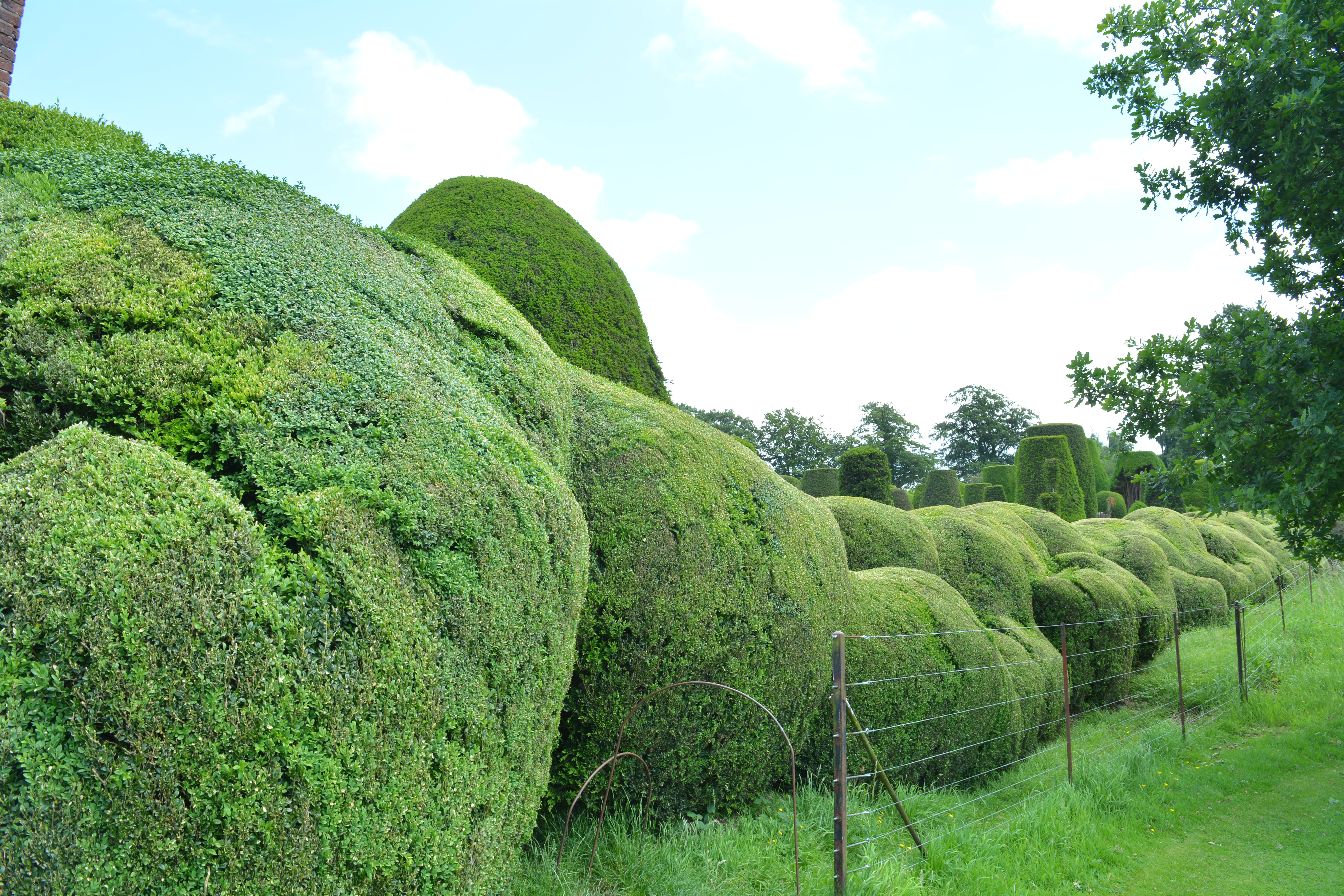
A well-known aspect of the gardens at Packwood is its topiary, especially a group called the twelve apostles. Personally I found this part of Packwood rather dull but here are the photos I took to illustrate it. However I do have a soft spot for cloud pruning of hedges.


Categories
autumn colours climbing plants colours flowering bulbs garden design garden photography garden wildlife gardening gardens half-hardy perennials hardy perennials irises light light quality log piles logs natural pest control ornamental trees and shrubs roses Shrewsbury Shropshire shrubs South Shropshire spring bulbs succulents trees

My Garden Journal 2017 – November

The penultimate visit to my garden journal for 2017 is here – hope you enjoy it. I began by referring back to a development we started in the garden back in September which we finished off in November. We are very pleased with how it has turned out and look forward to seeing the new plants flourish.

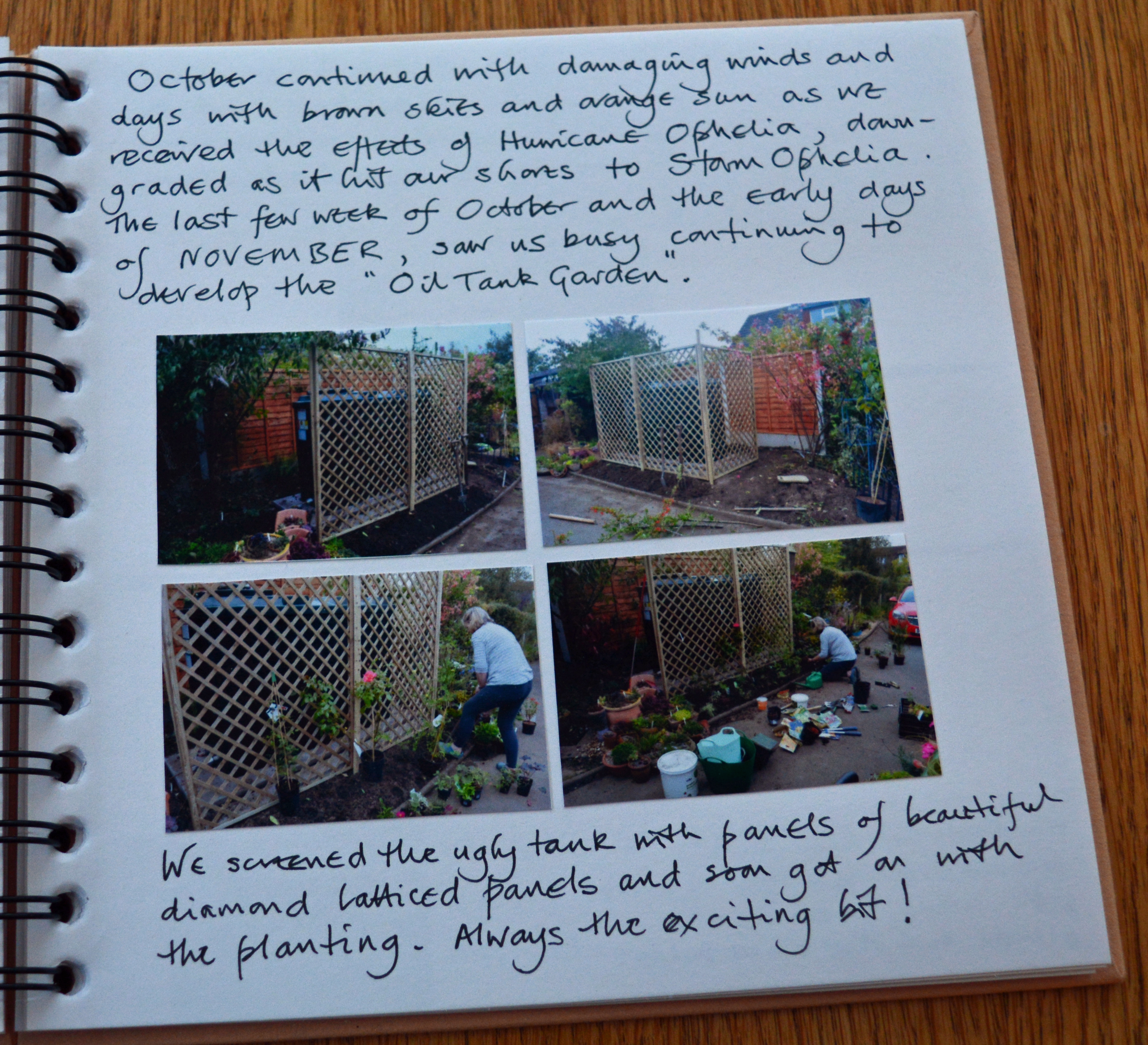
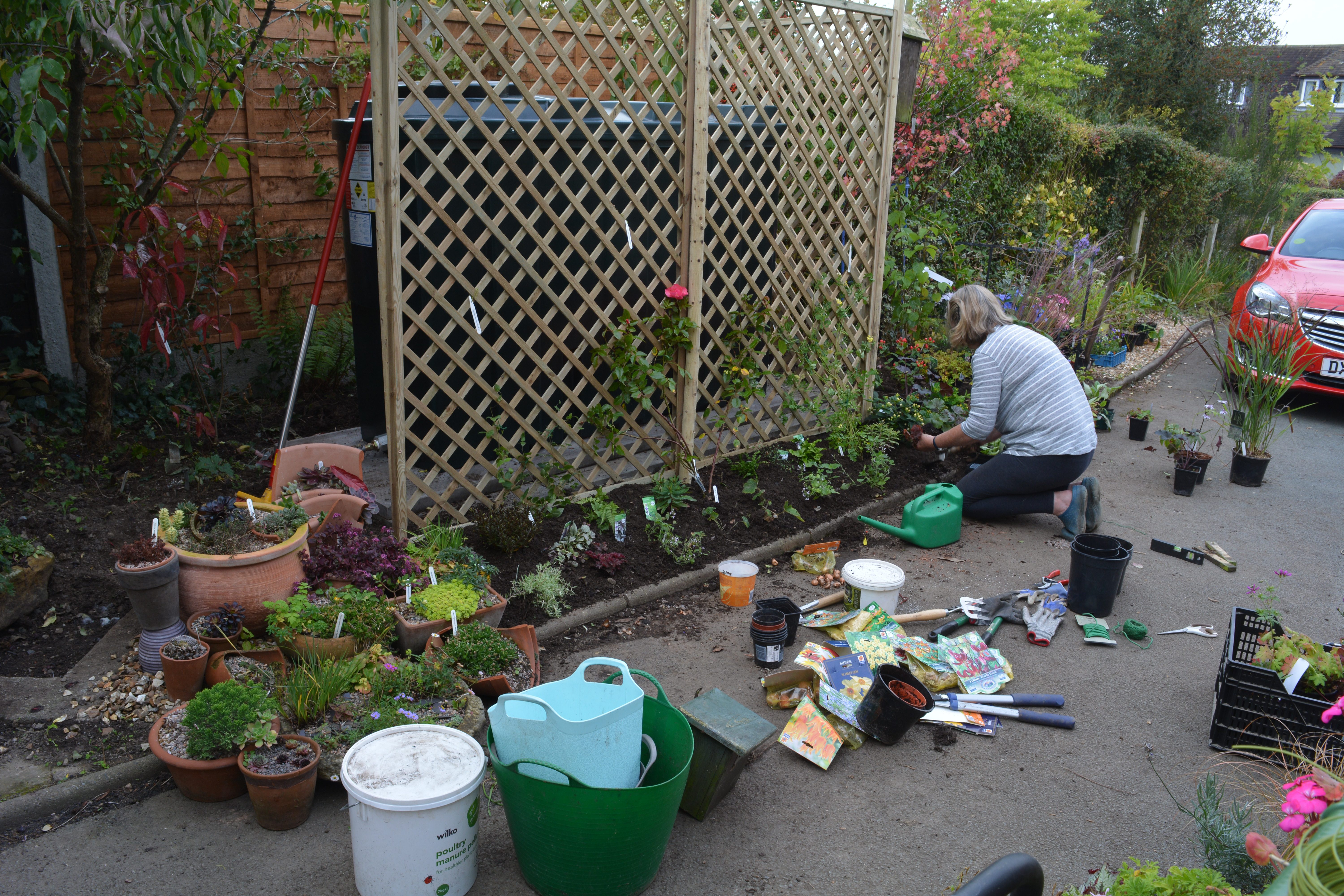
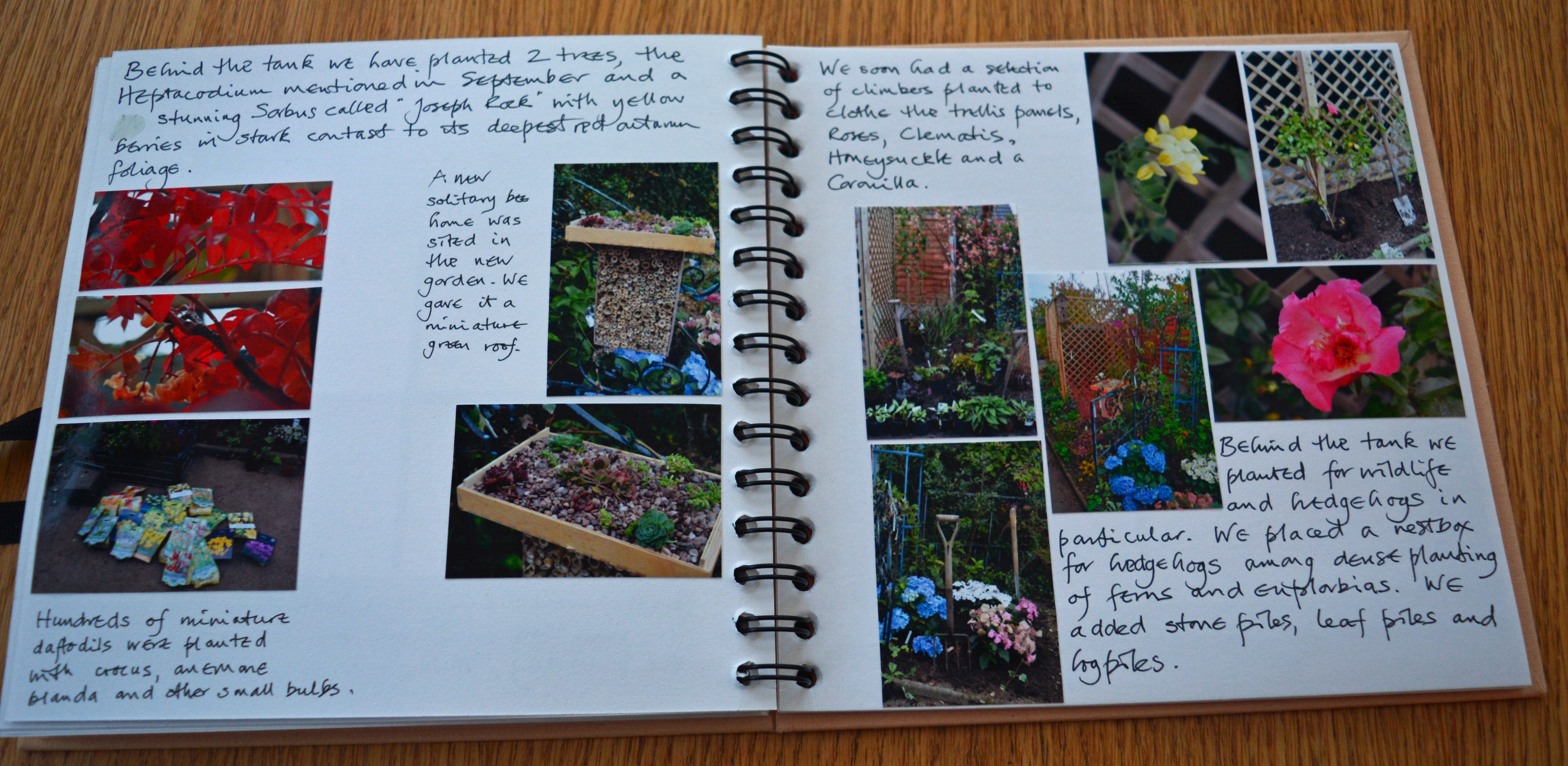
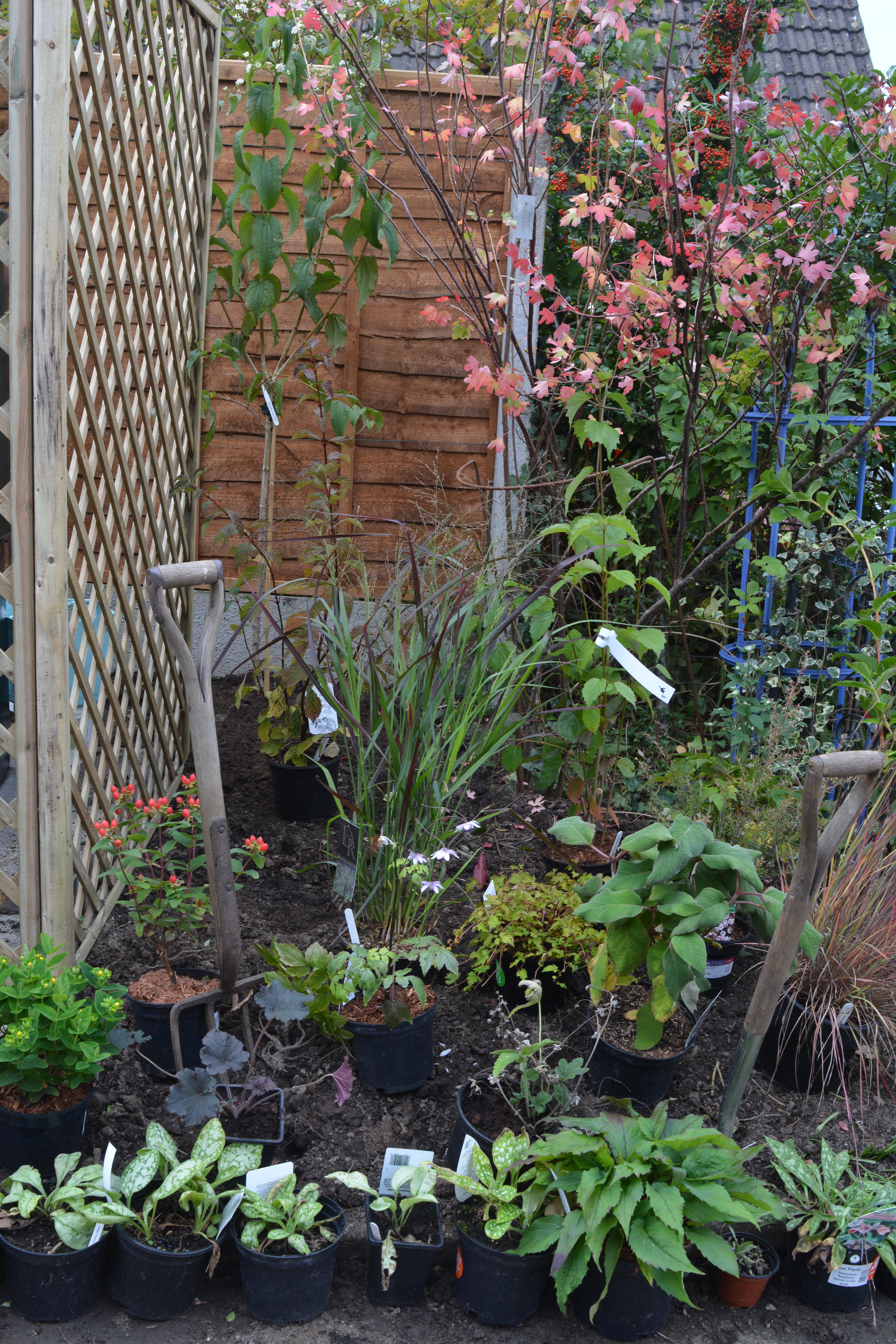
“October continued with damaging winds and days with brown skies and orange sun as we received the effects f Hurricane Ophelia, downgraded to Storm Ophelia as it hit our shores. The last few weeks of October and the early days of November, saw us busy continuing develop our “Oil Tank Garden”.


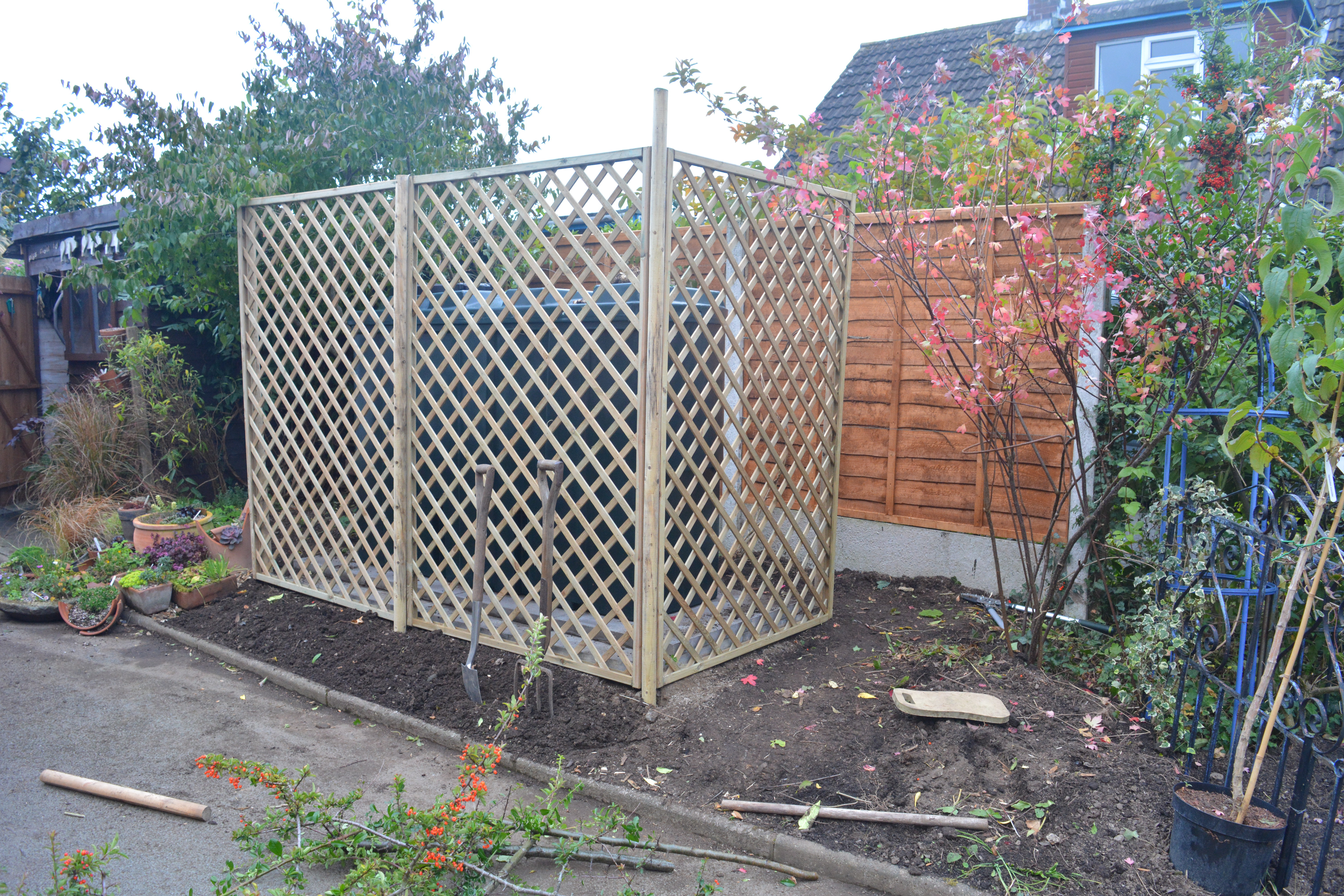
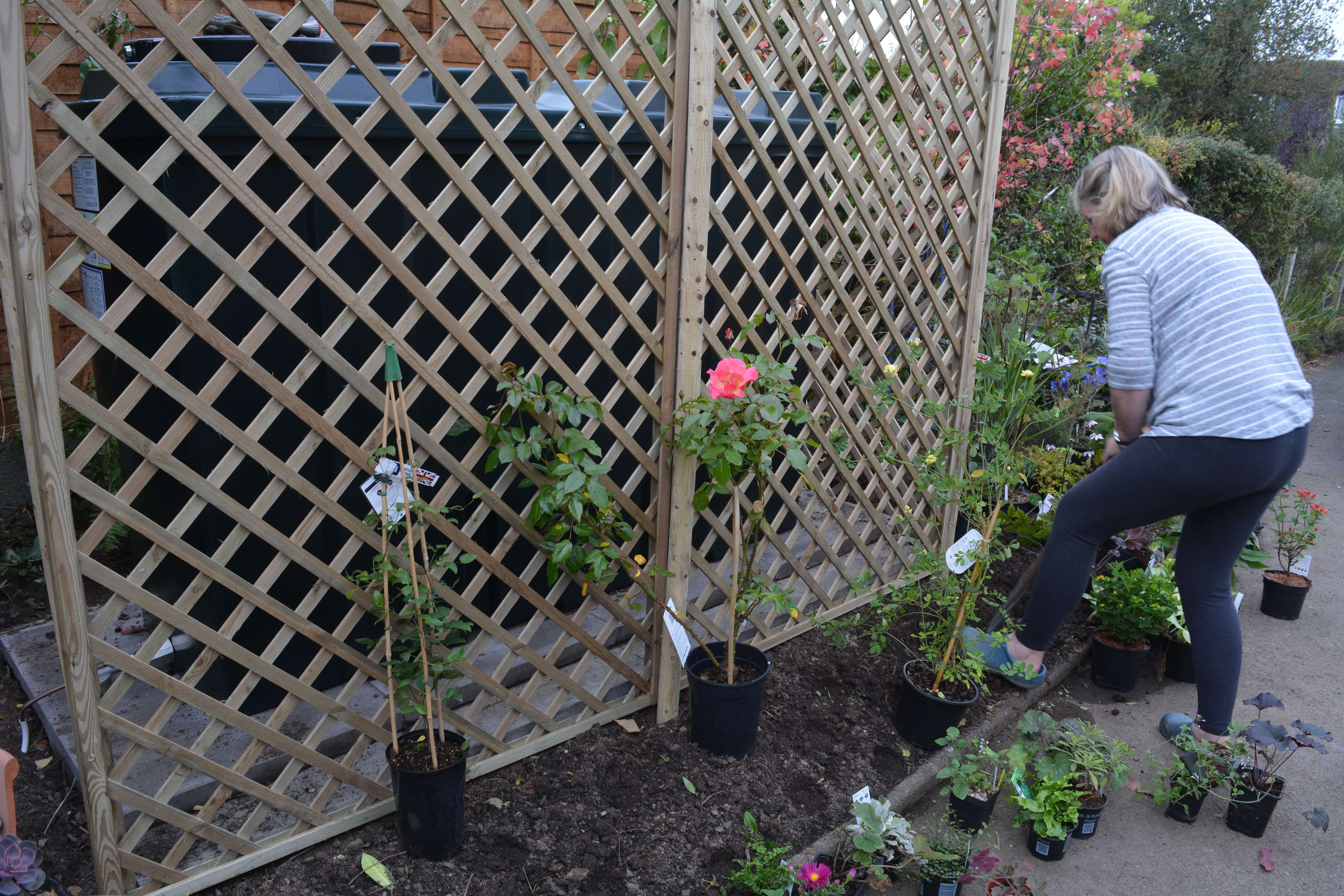
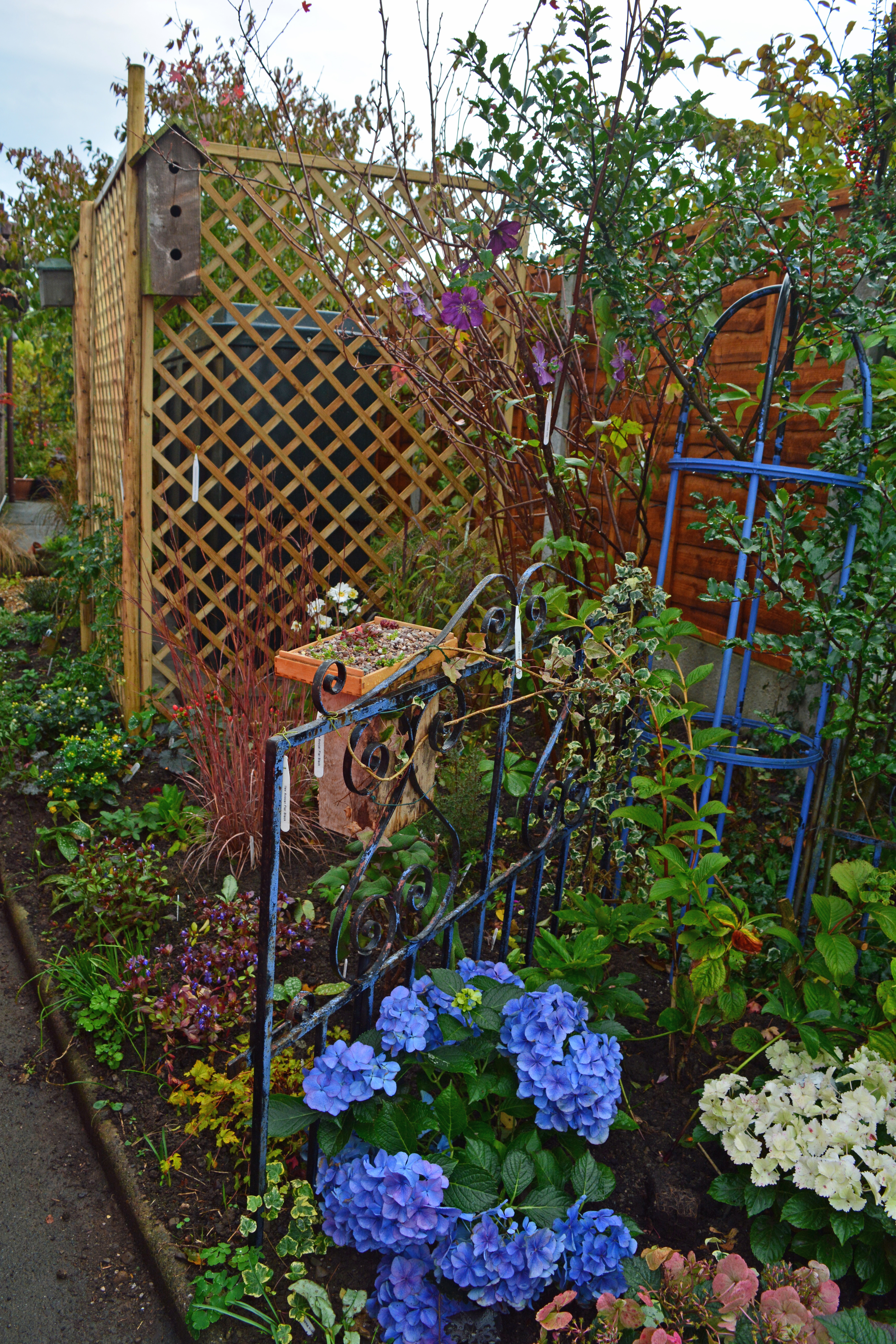
“We screened the ugly tank with panels of beautiful diamond latticed panels and soon got on with the planting. Always the exciting bit!”

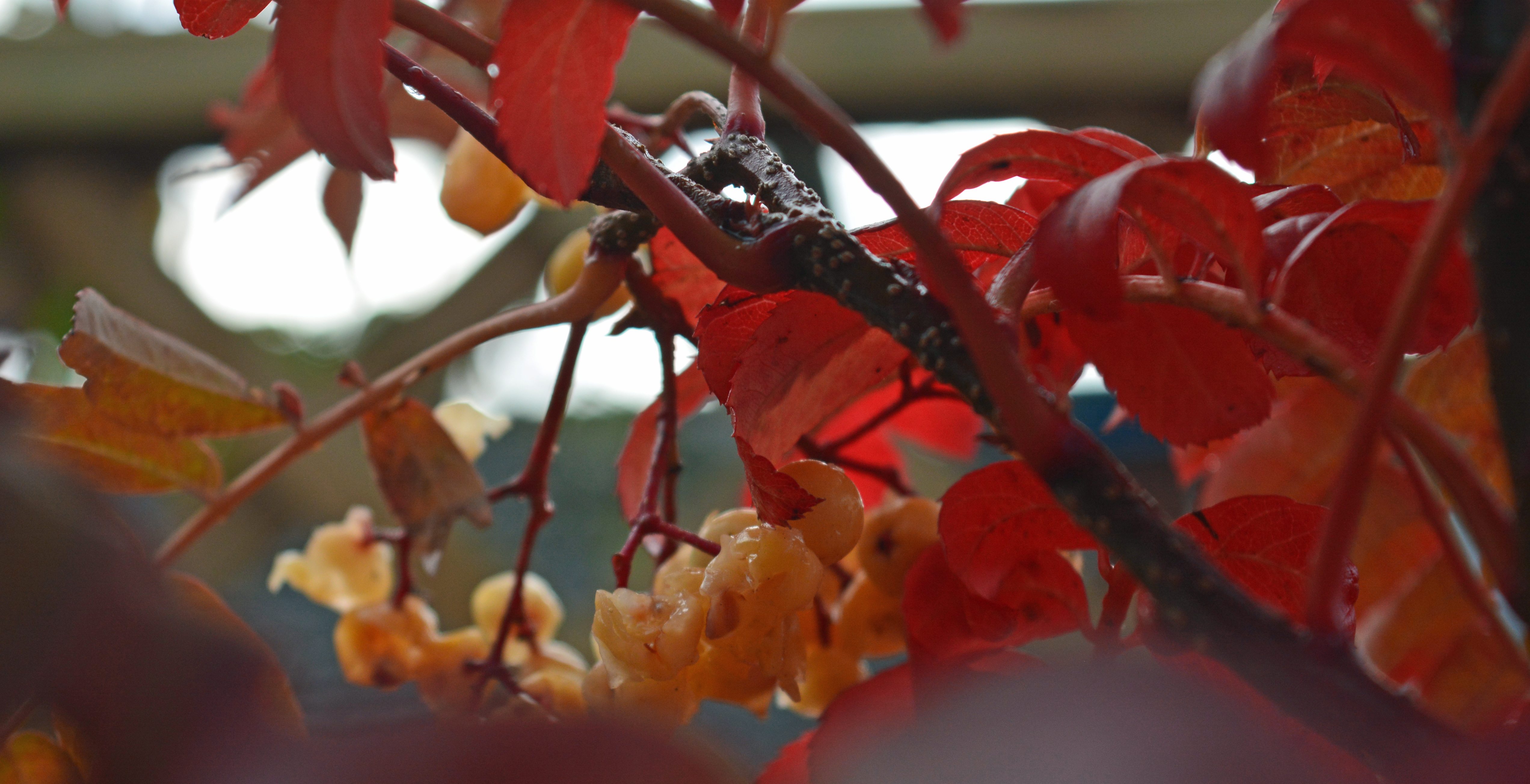
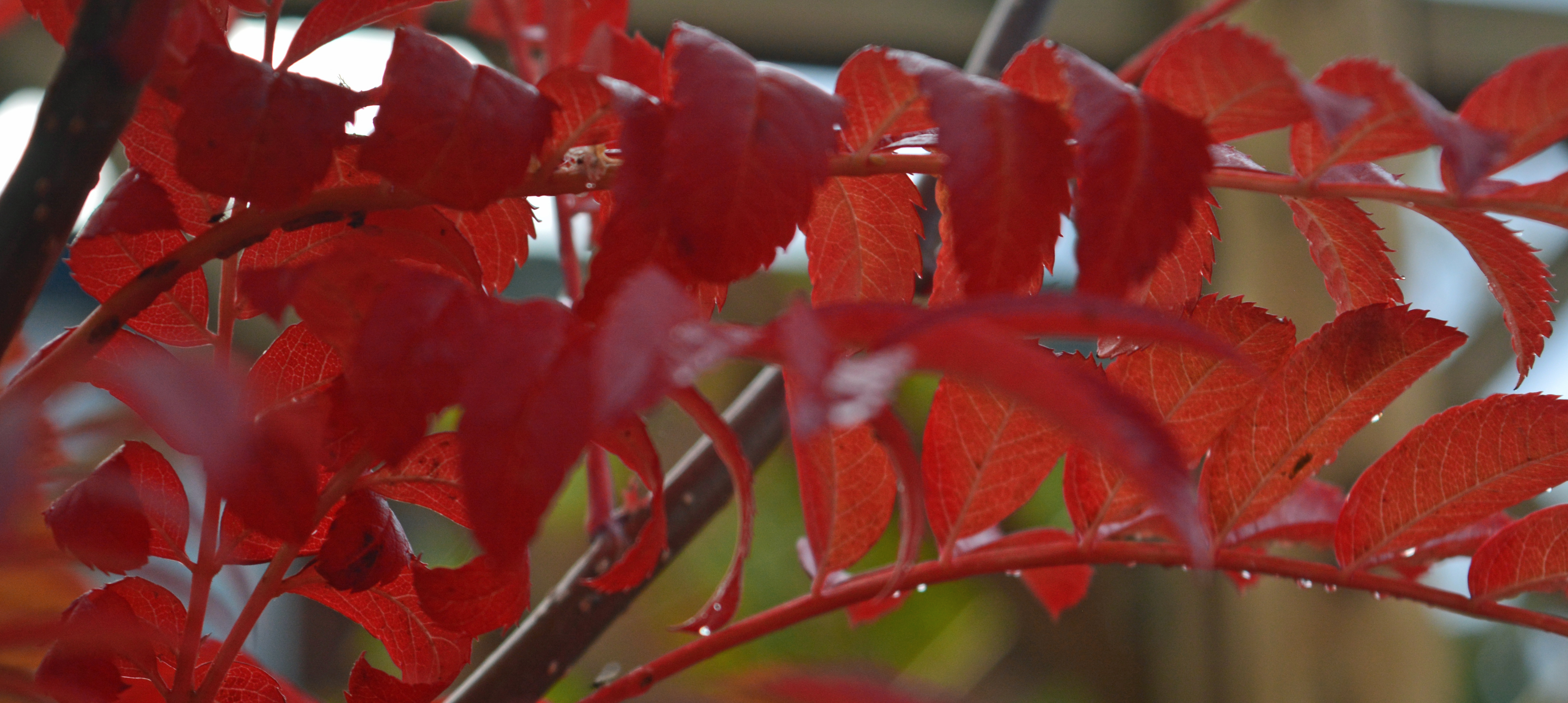
Over the page I continue to describe our development of this border and wrote “Behind the tank we have planted two trees, the Heptacodium mentioned in September and a stunning Sorbus called Joseph Rock with yellow berries in stark contrast to its deepest red autumn foliage.


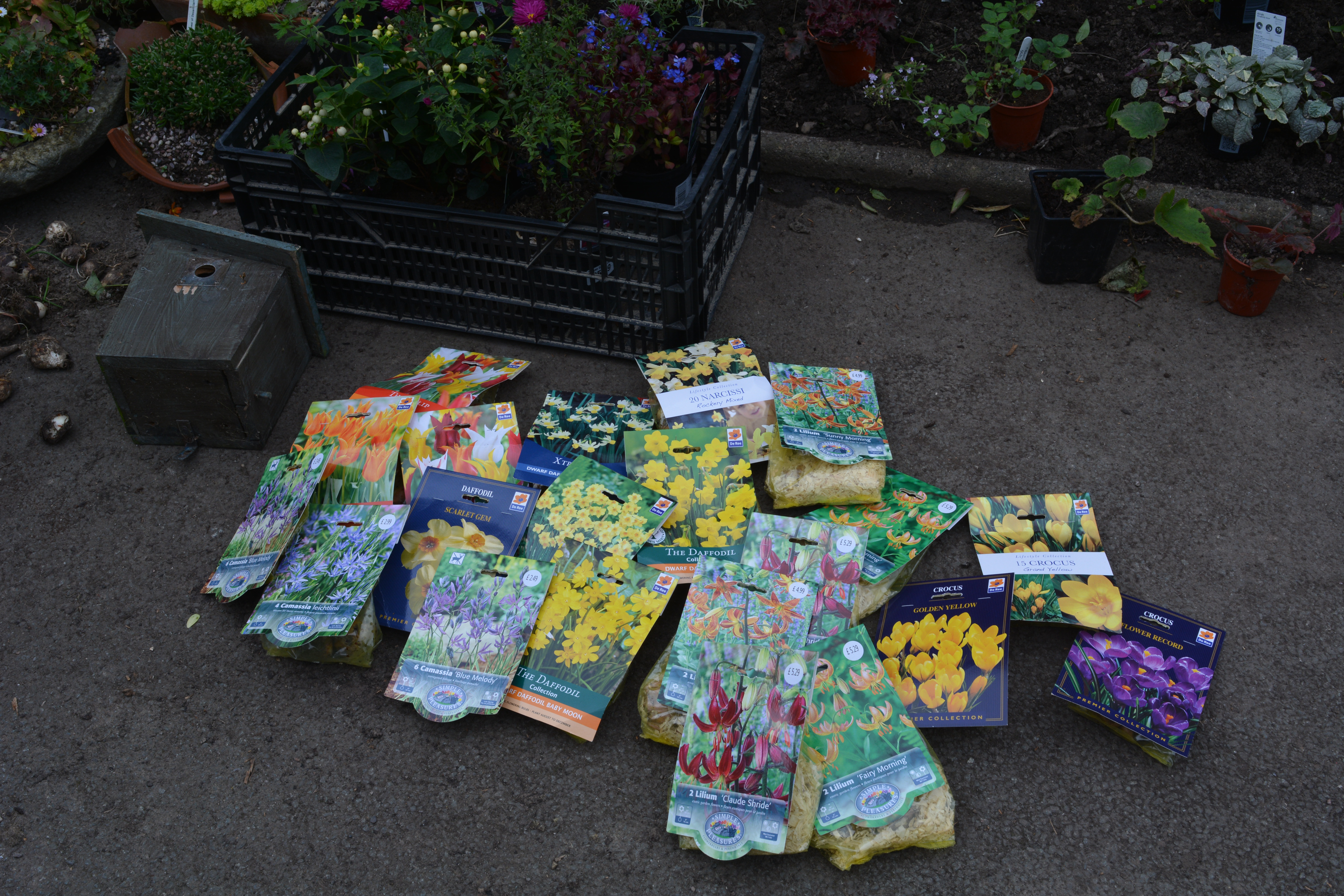
“Hundreds of miniature daffodils were planted with crocus, Anemone blanda and other small bulbs.”

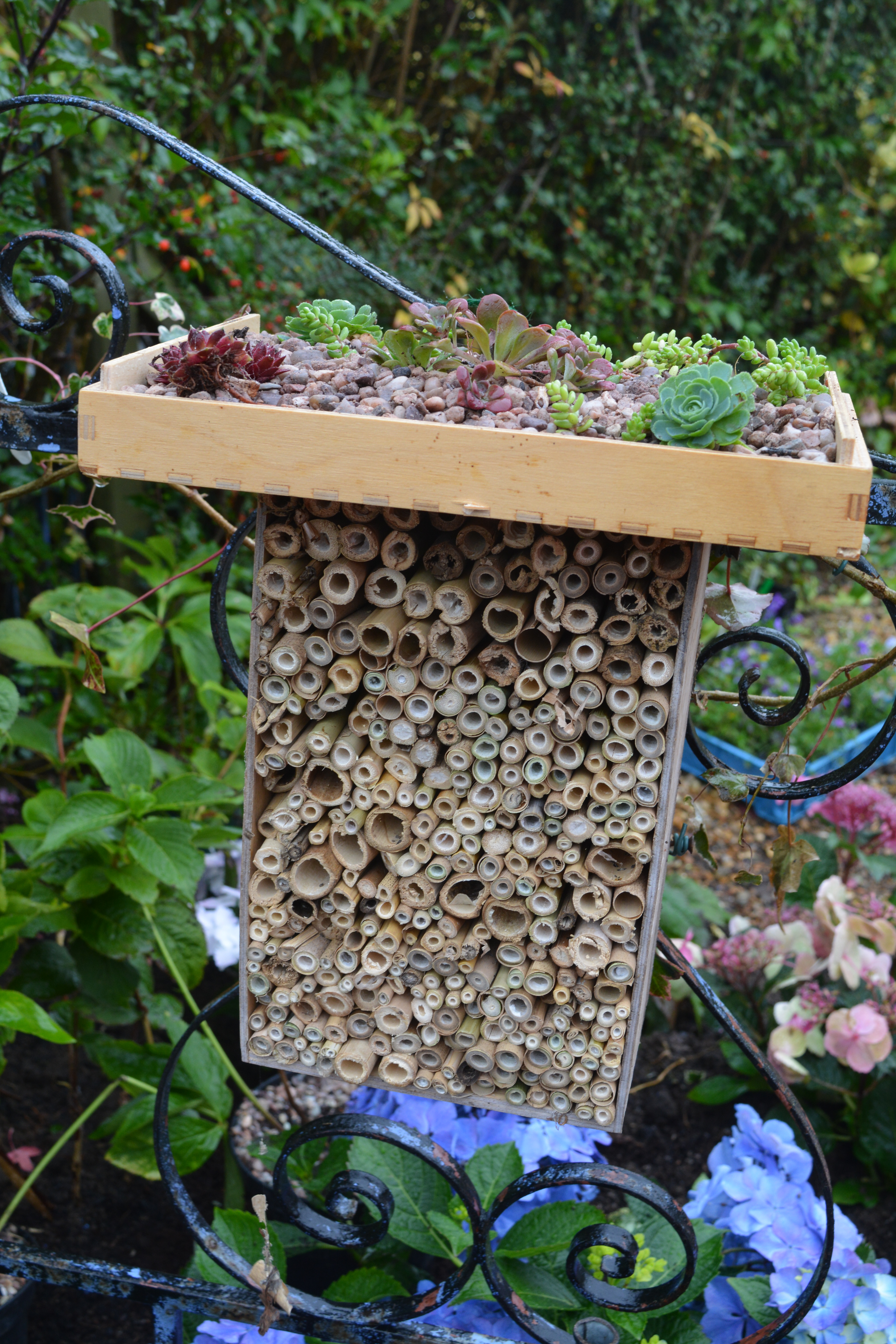
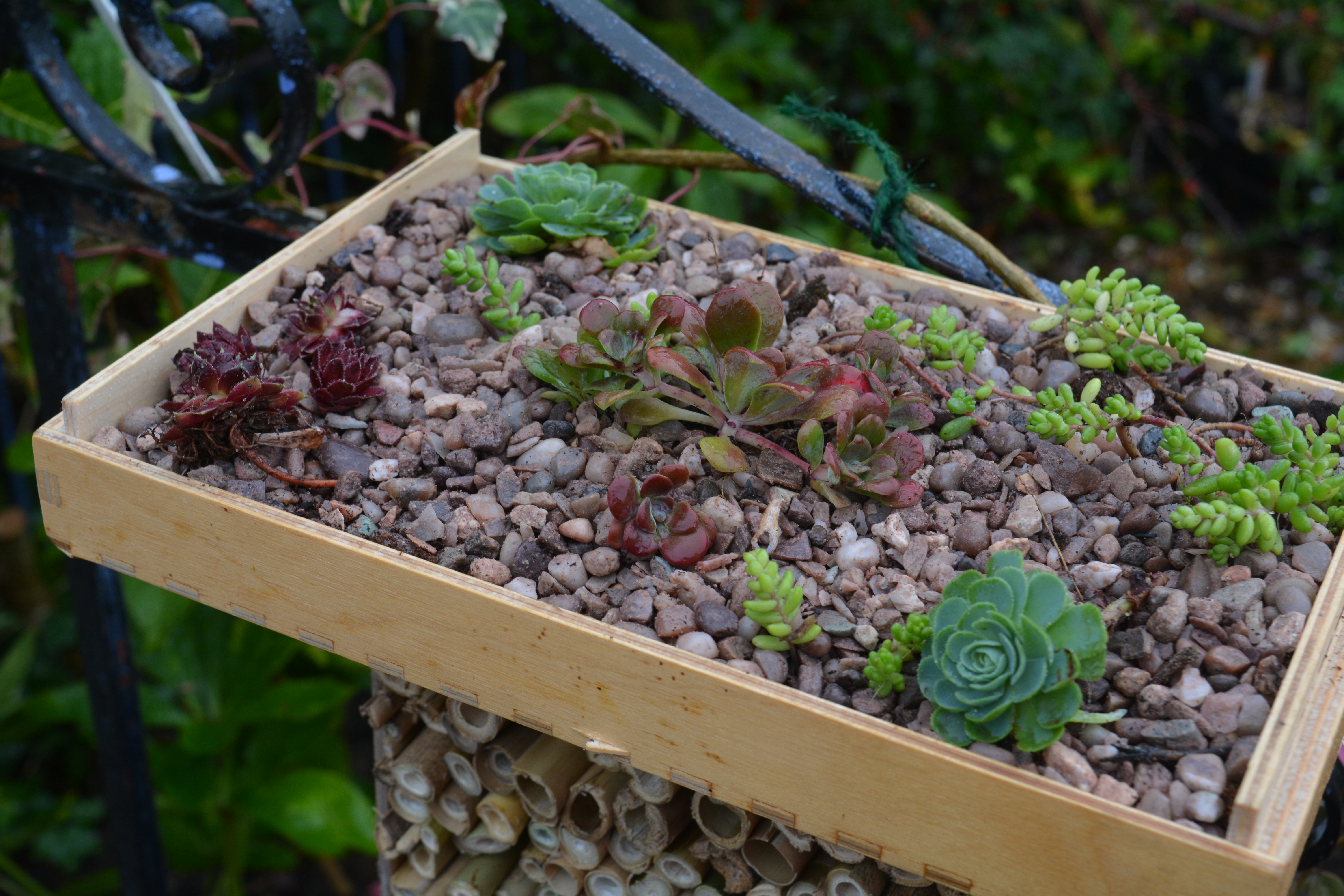
“A new solitary bee home was sited in the new garden. We gave it a miniature green roof!”

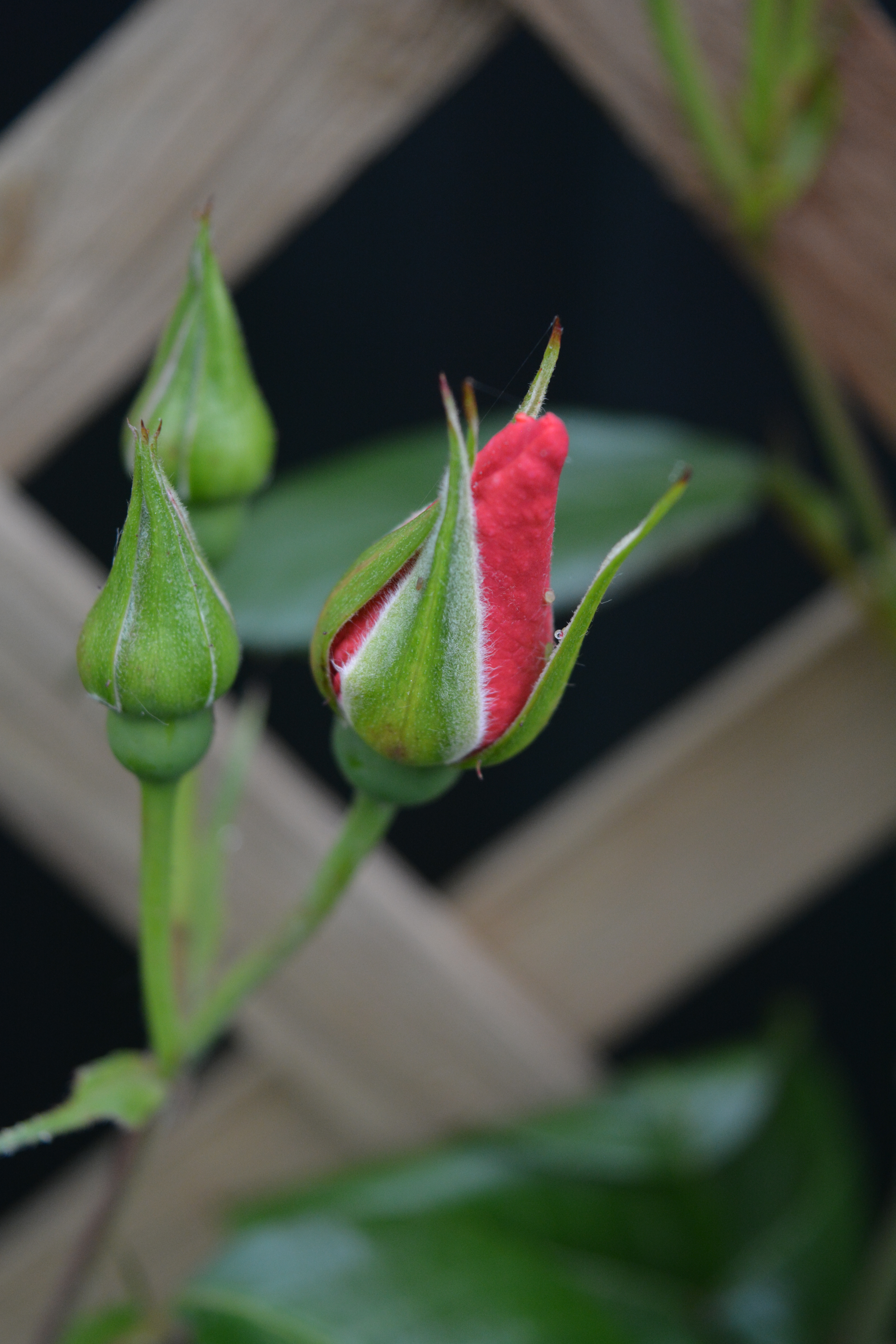
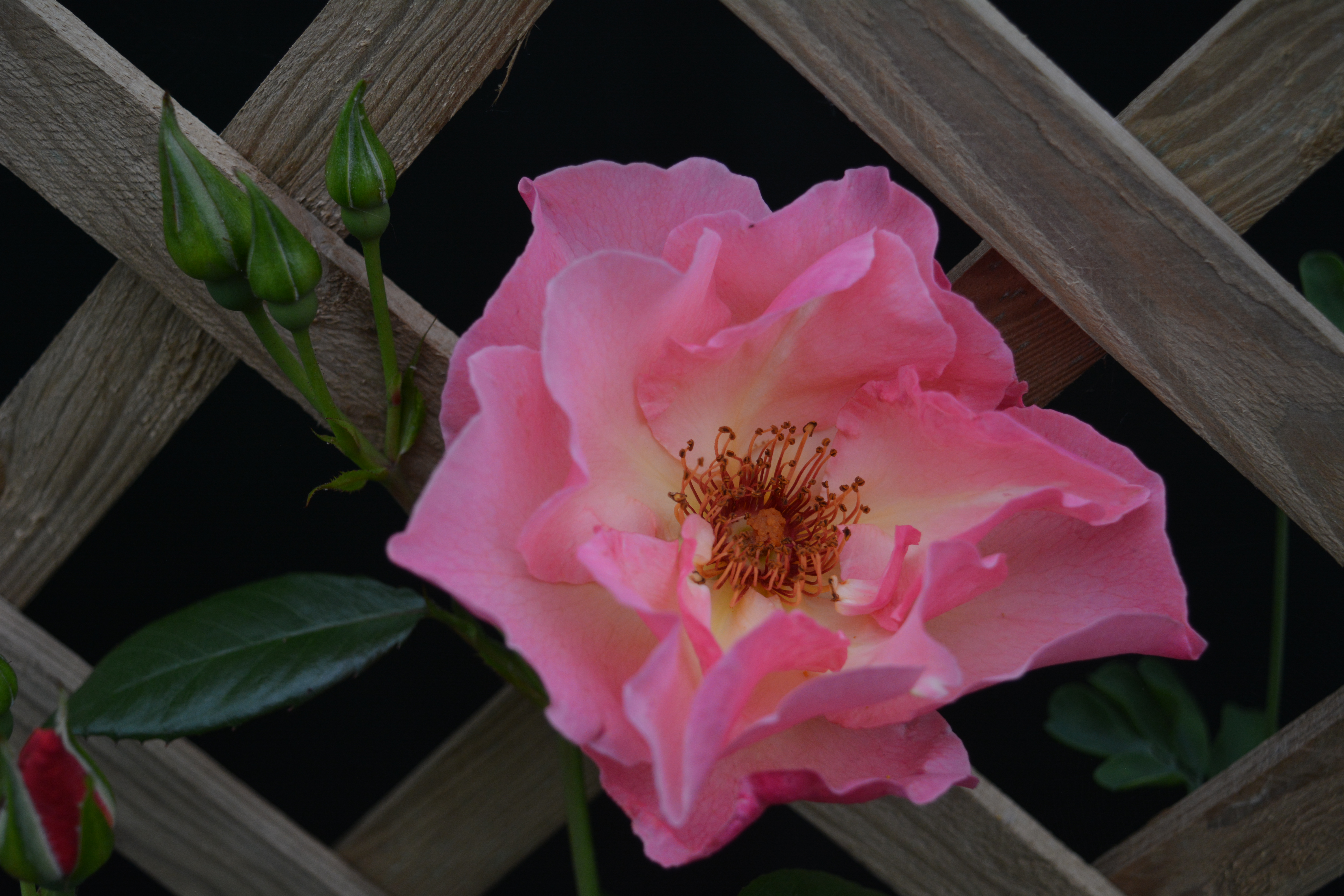
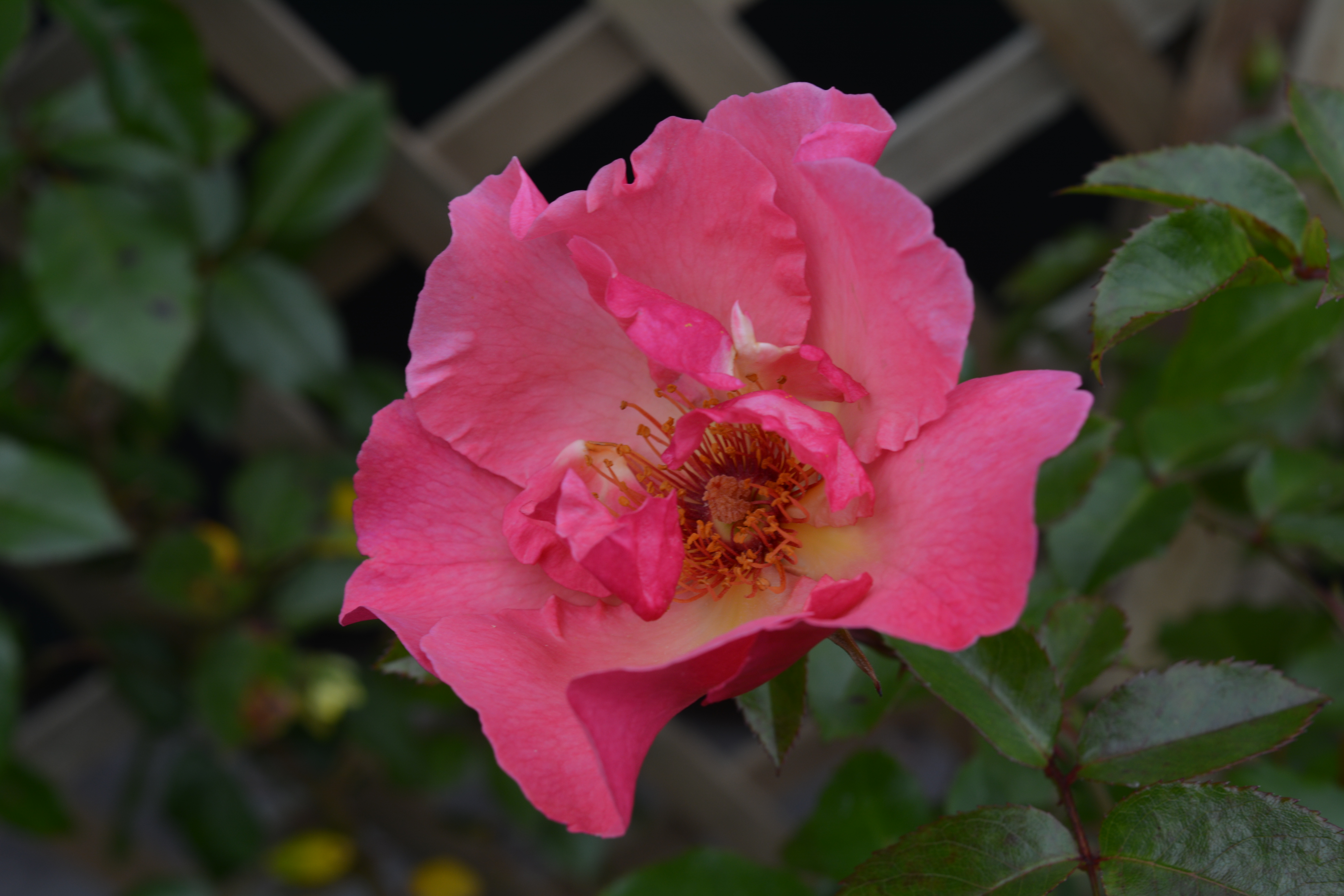
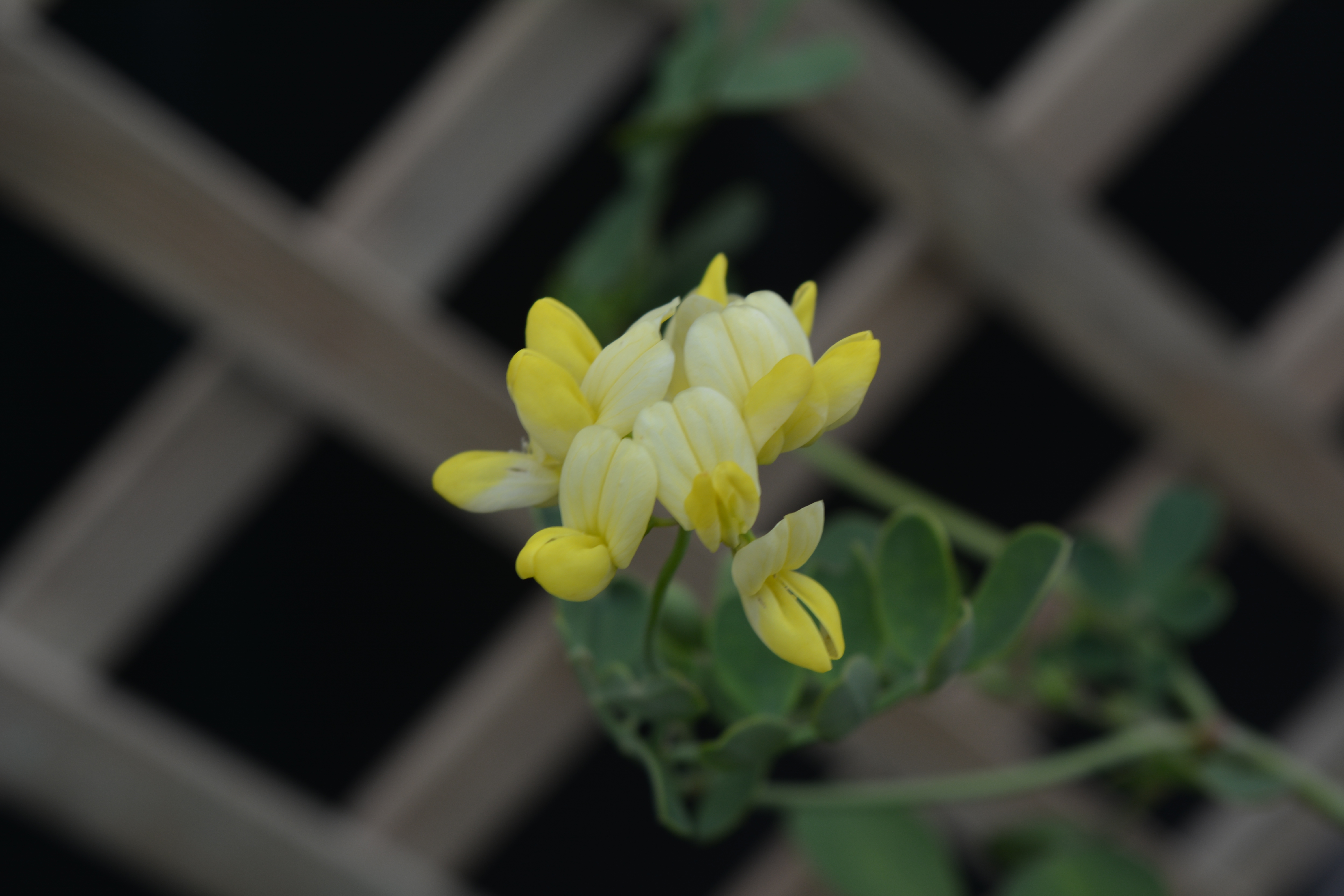
“We soon had a selection of climbers planted to clothe the trellis panels, Roses, Clematis, Honeysuckle and a Coronilla”.


“Behind the tank we planted for wildlife and hedgehogs in particular. We placed a nestbox for hedgehogs among dense planting of ferns and Euphorbias. We added stone piles, leaf piles and log piles.”

Turning over another page I featured some words by Dan Pearson and looked at some autumn flowering plants.

“Taking a look at Dan Pearson’s writings about Autumn in his “Natural Selections” book he wrote,

I want to invite the seasons into the garden, vividly and in layers. I use asters, autumn crocus and gentians at ground level, and shrubs that perform for this season to take the eye up and away, to straighten the back. I weave berrying trees and shrubs into the garden as much for their jewel-like fruit as for the birds which flock down to gorge when the fruit is ready for feasting upon.”

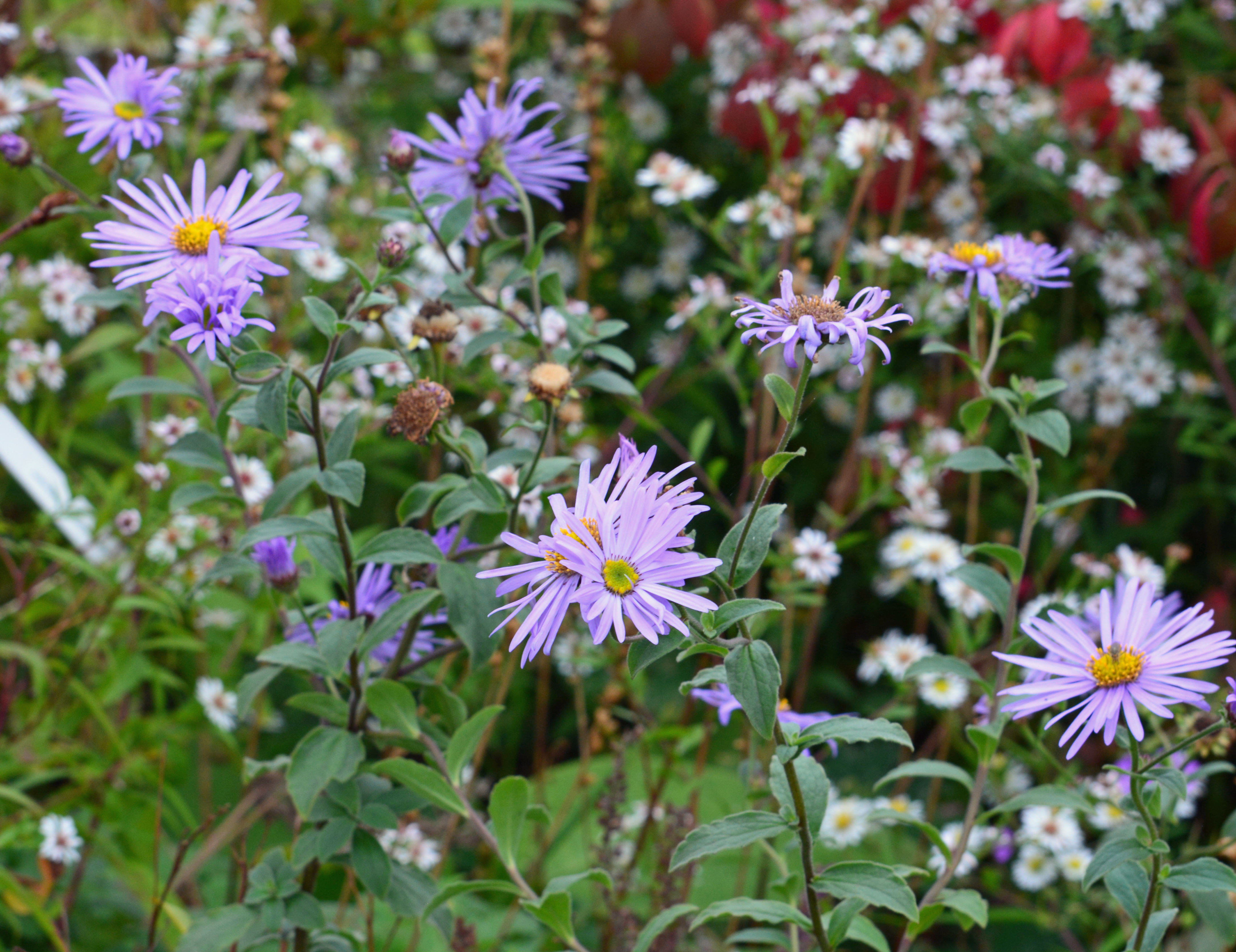
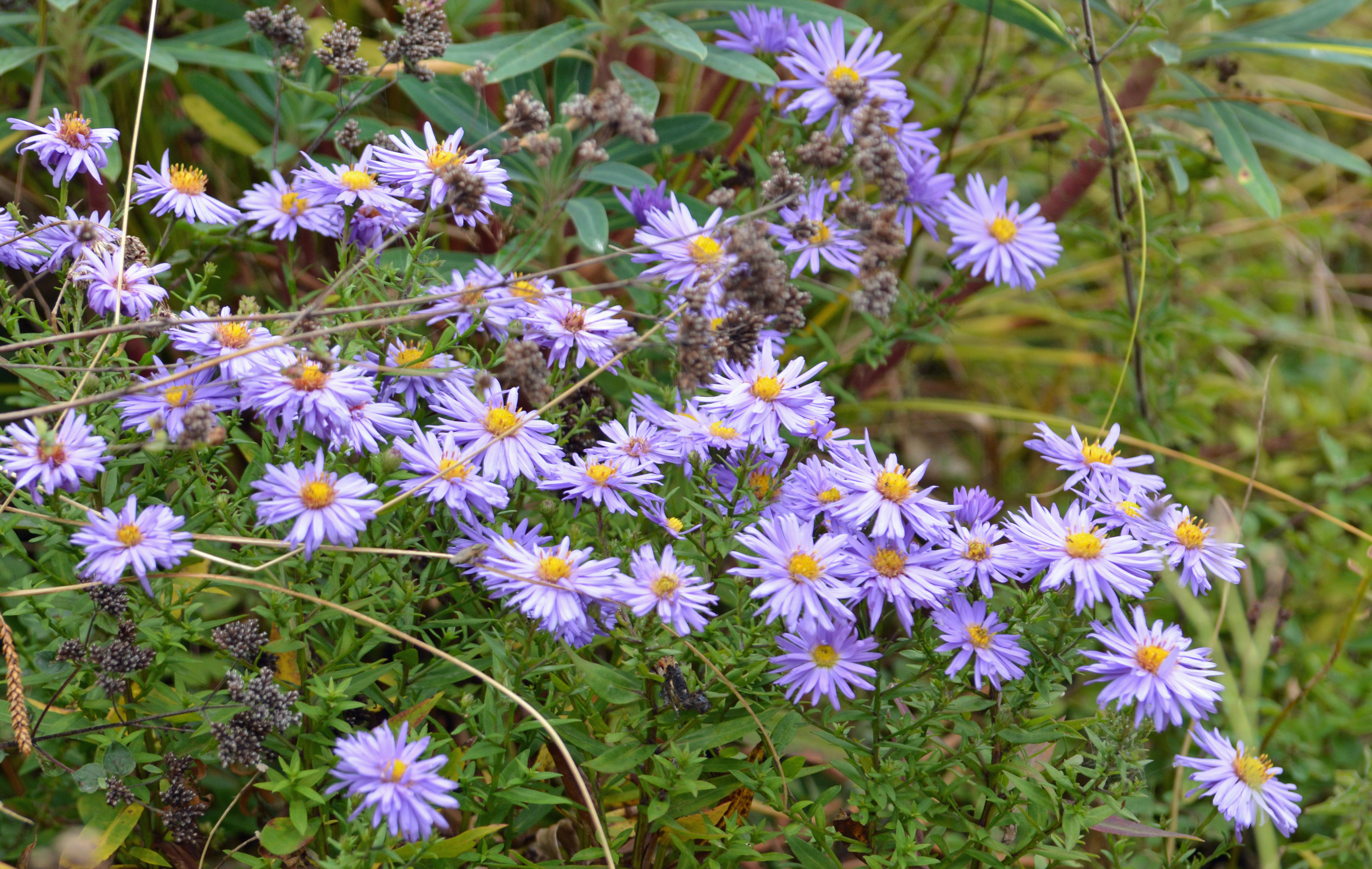
We aim to do exactly the same in our Avocet patch. Below are a few of our Asters which feature in our “Shrub Border”,  a border that brings Autumn in.”


“Another herbaceous perennial that features strongly in our November garden are the Salvias. We leave a few to over-winter in the garden but most will be brought into the cool greenhouse.”


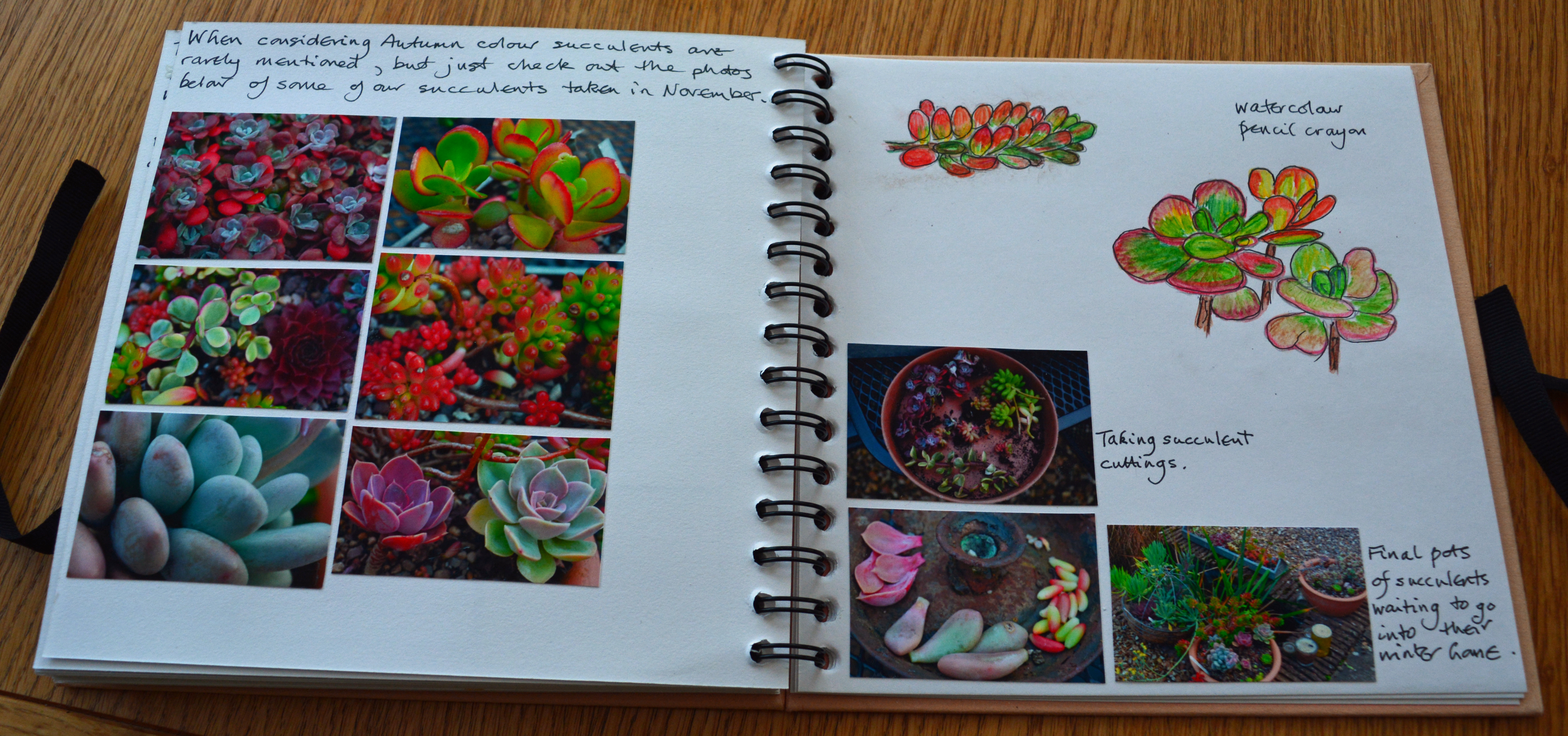
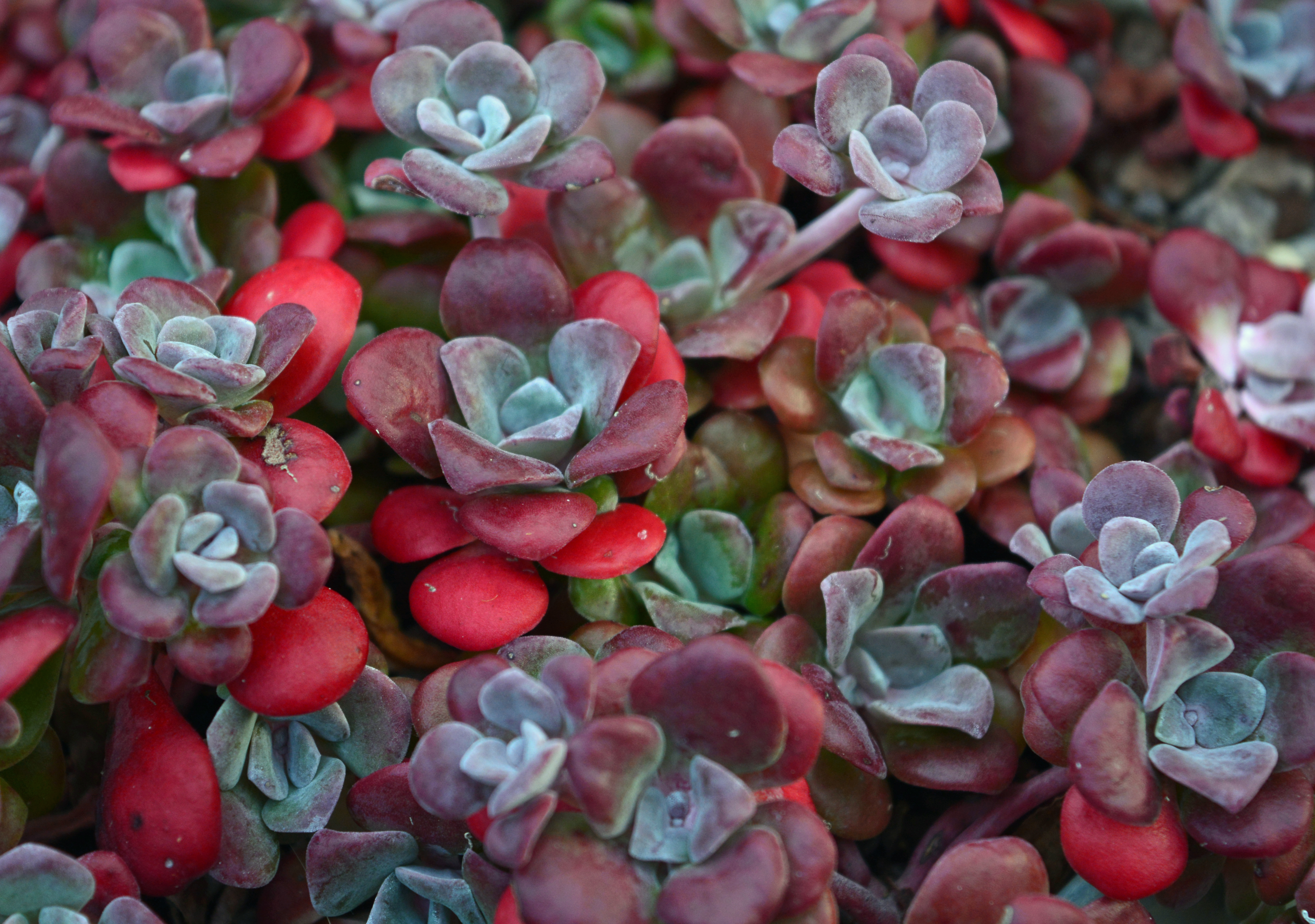
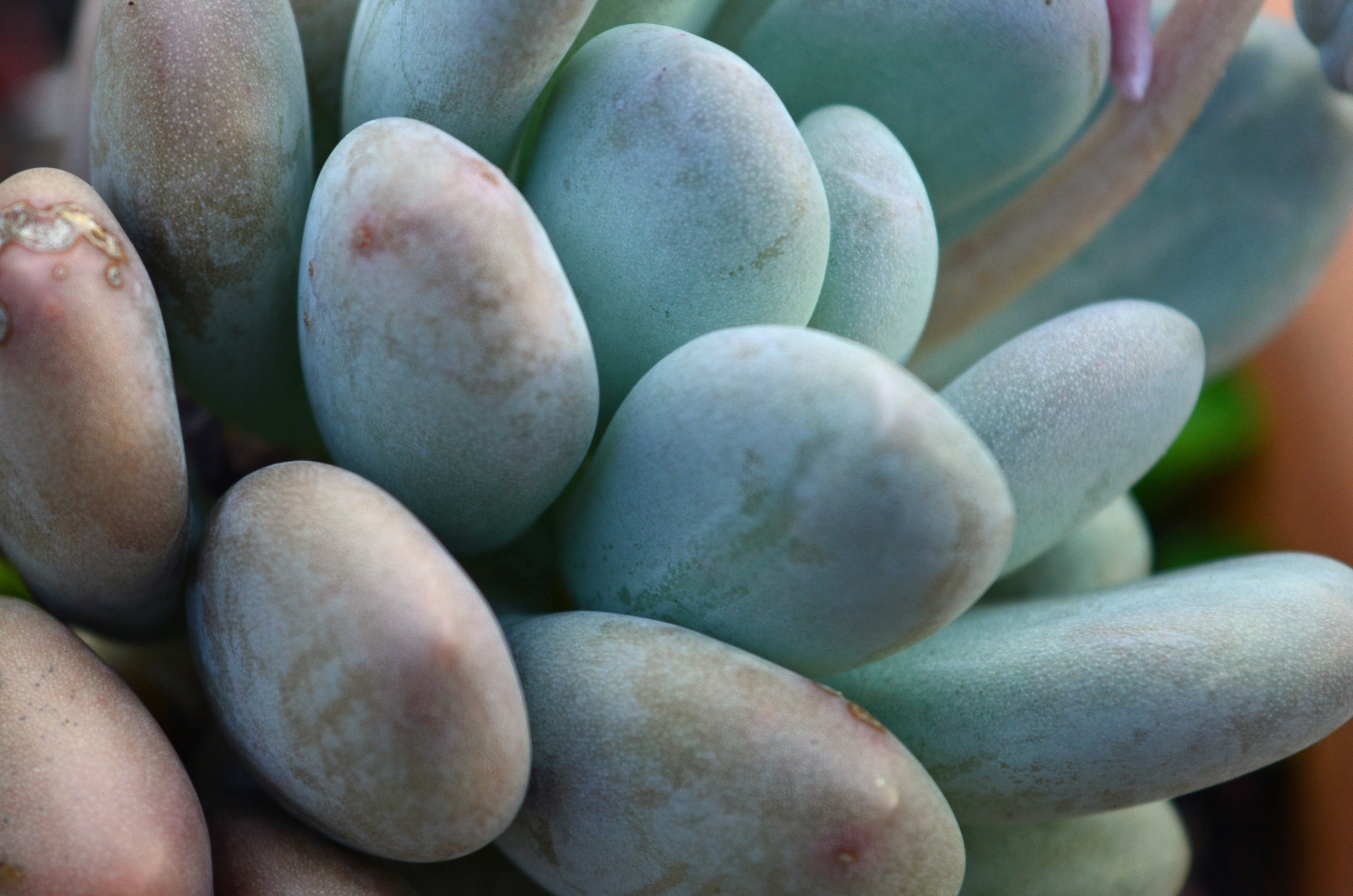
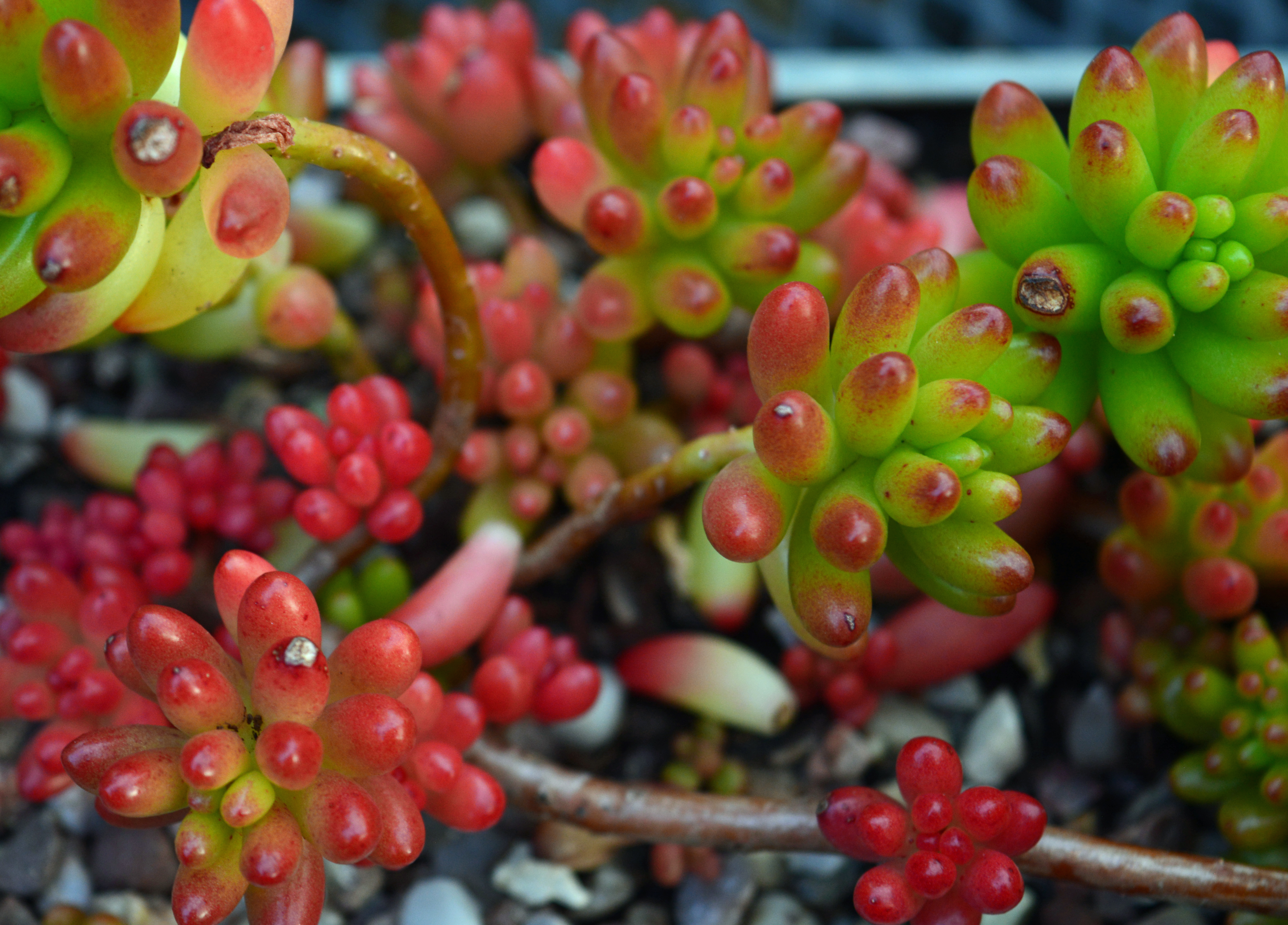
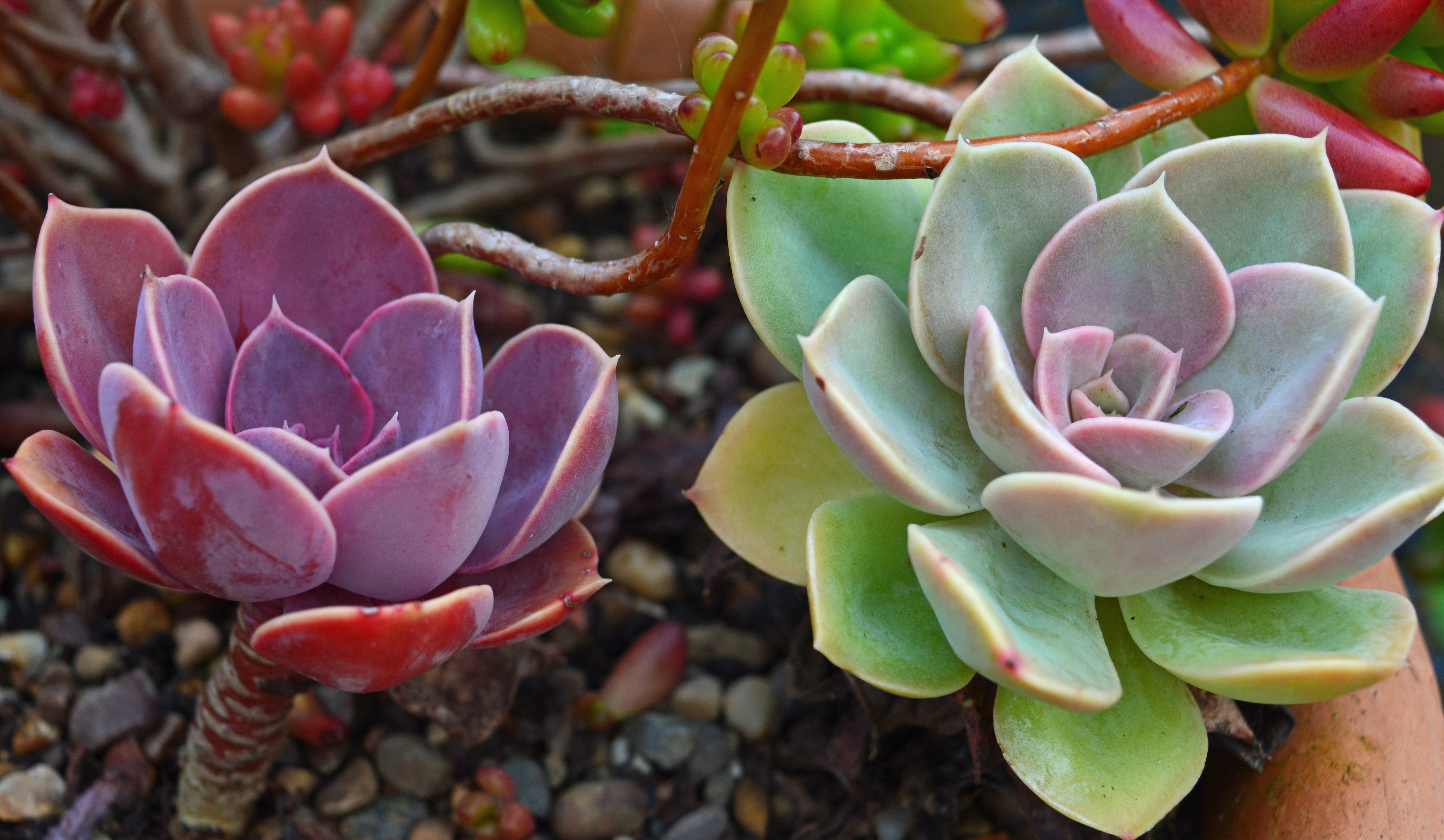
Turning over again I take a look at succulents, plants rarely mentioned in the context of the autumn garden.

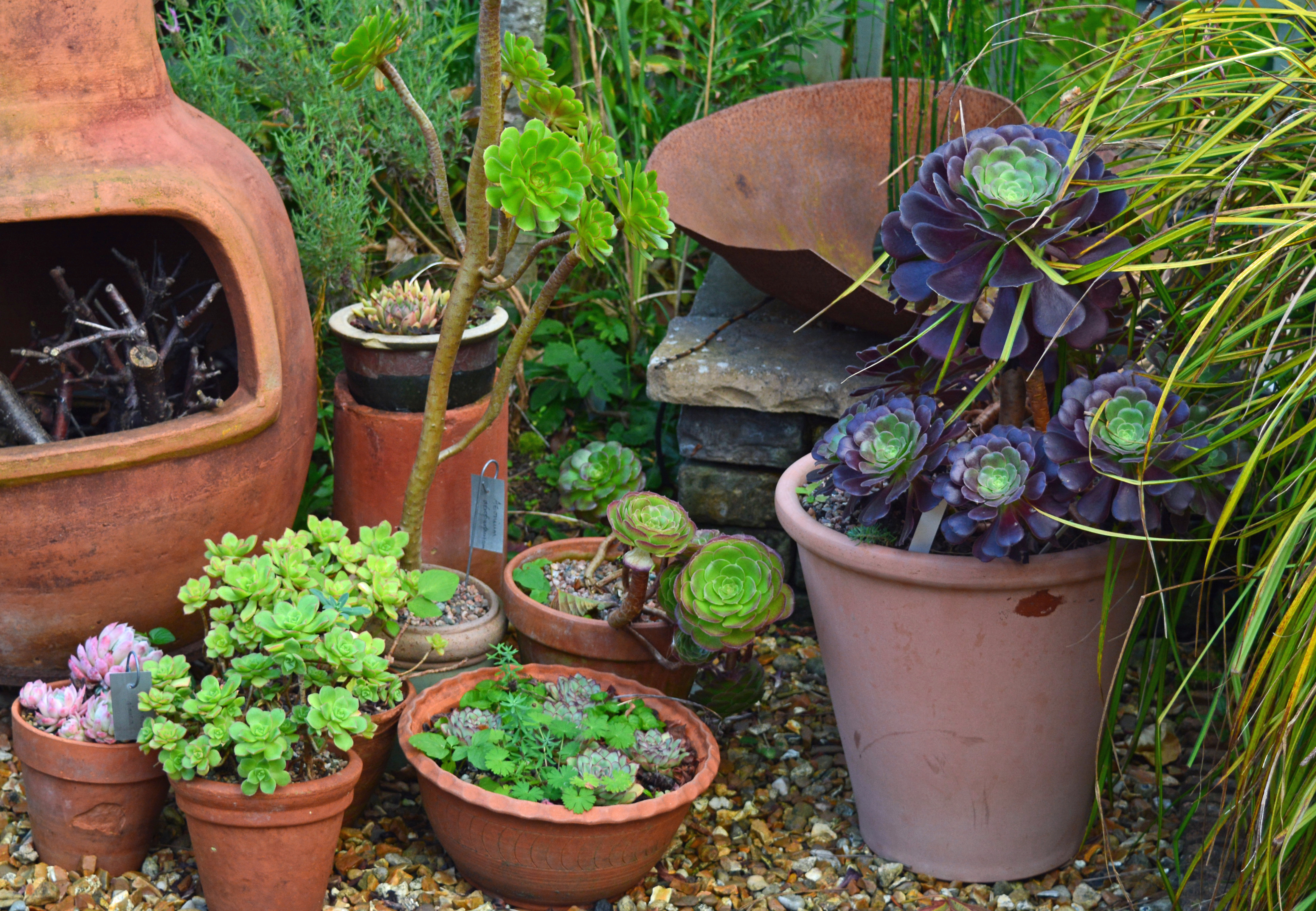
“When considering Autumn colour, succulents are rarely mentioned, but just check out the photos below of some of our succulents taken in November


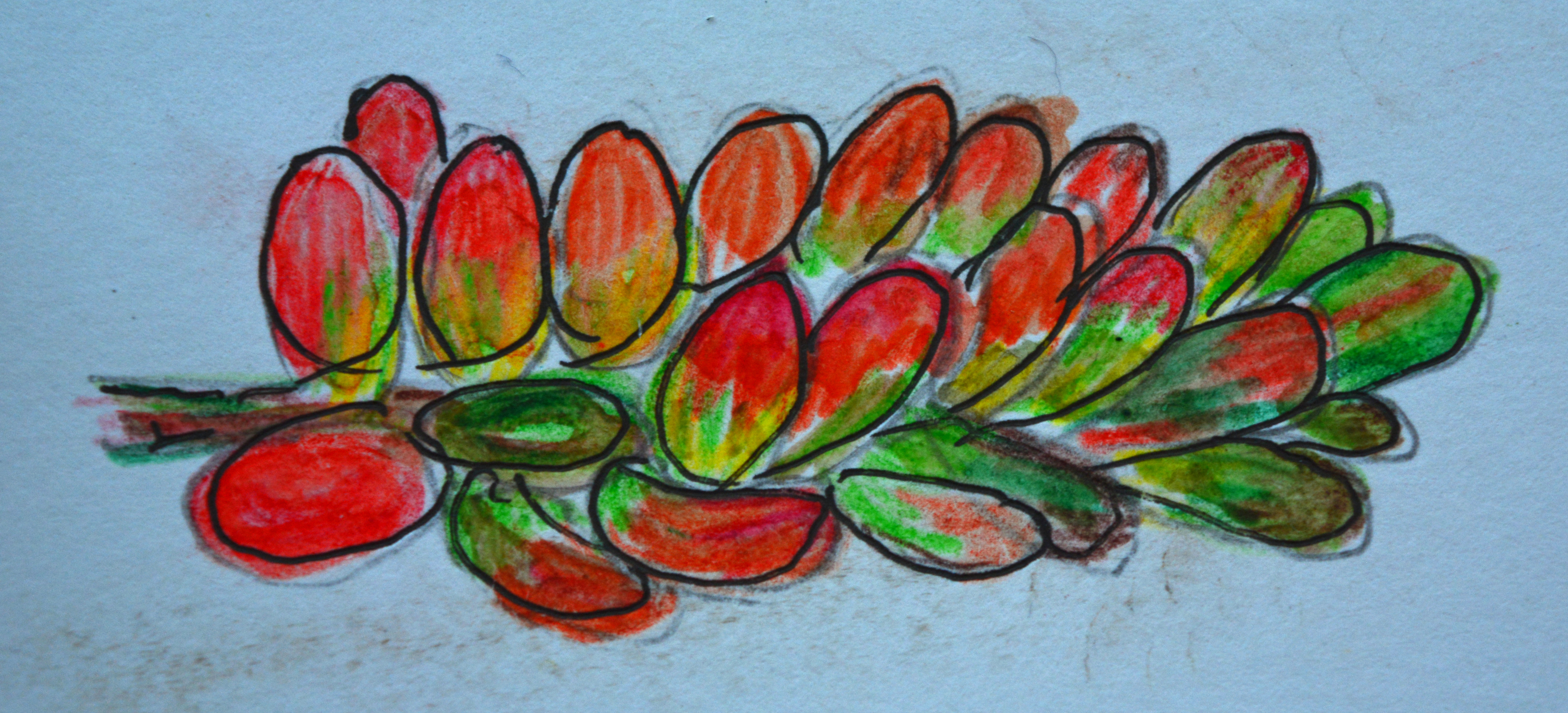
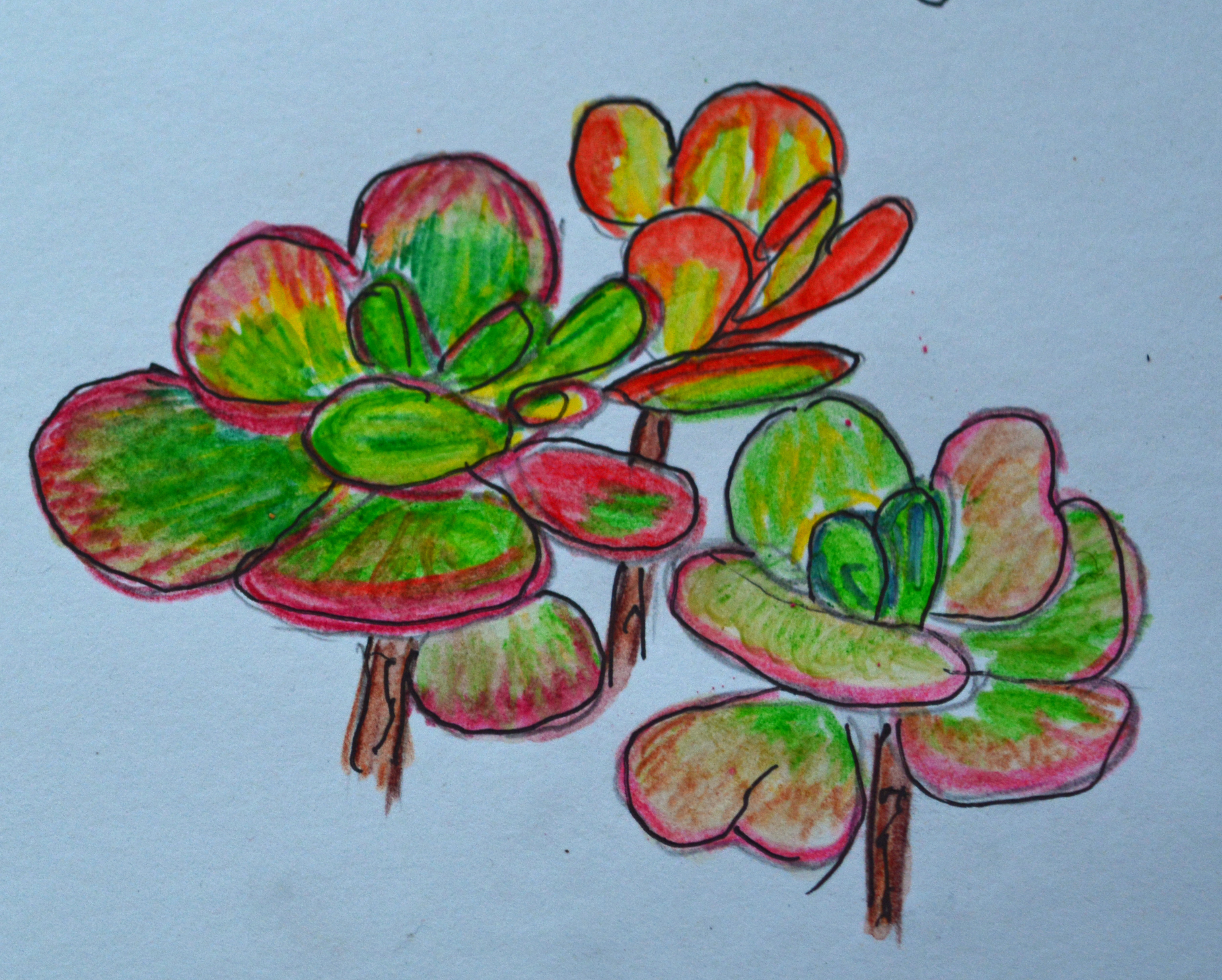
Below are my paintings/drawings of two multi-coloured succulent stems which I created with water soluble pencil crayons.

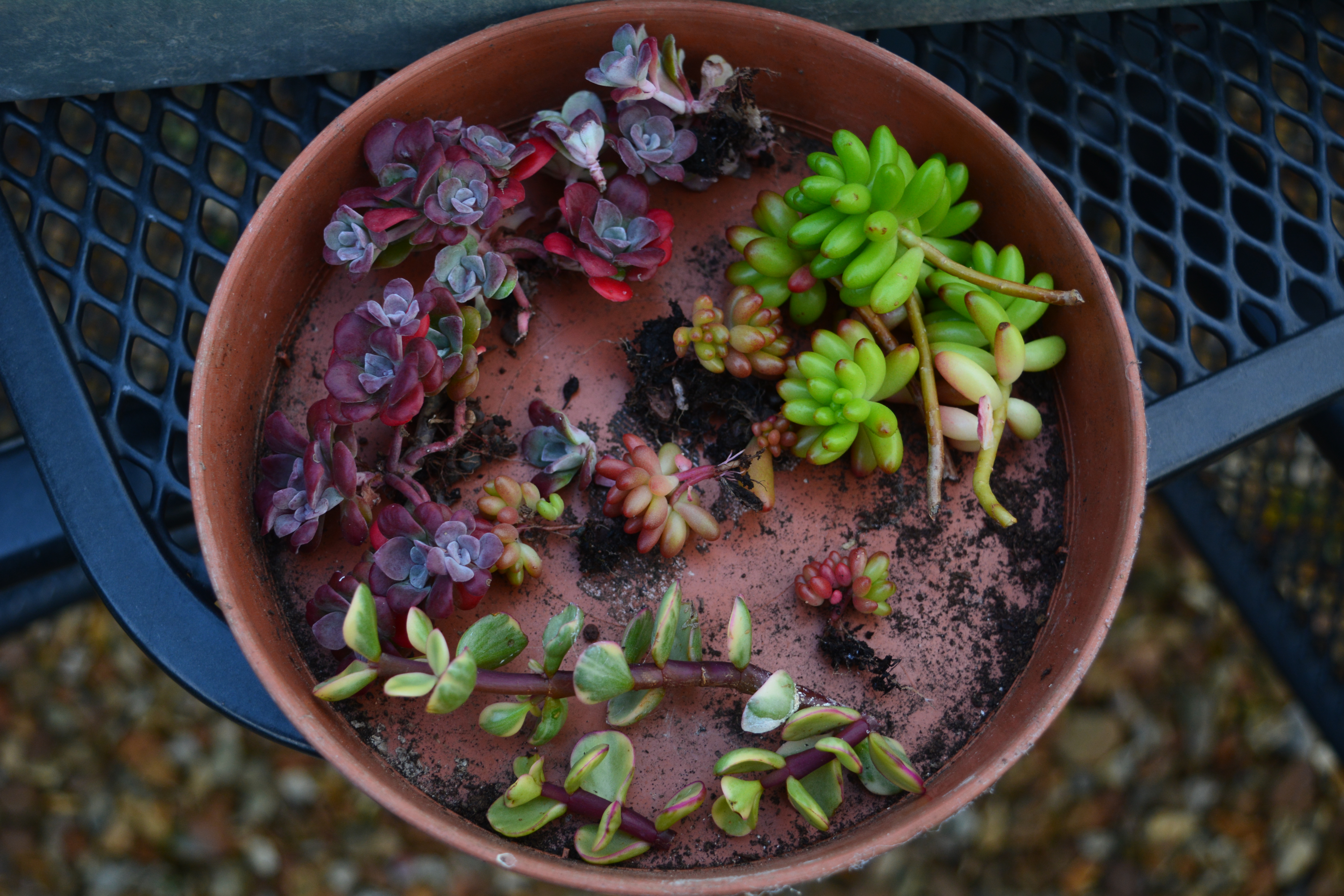
“Taking succulent cuttings.”


“Final pots of succulents waiting to go into their winter home.”


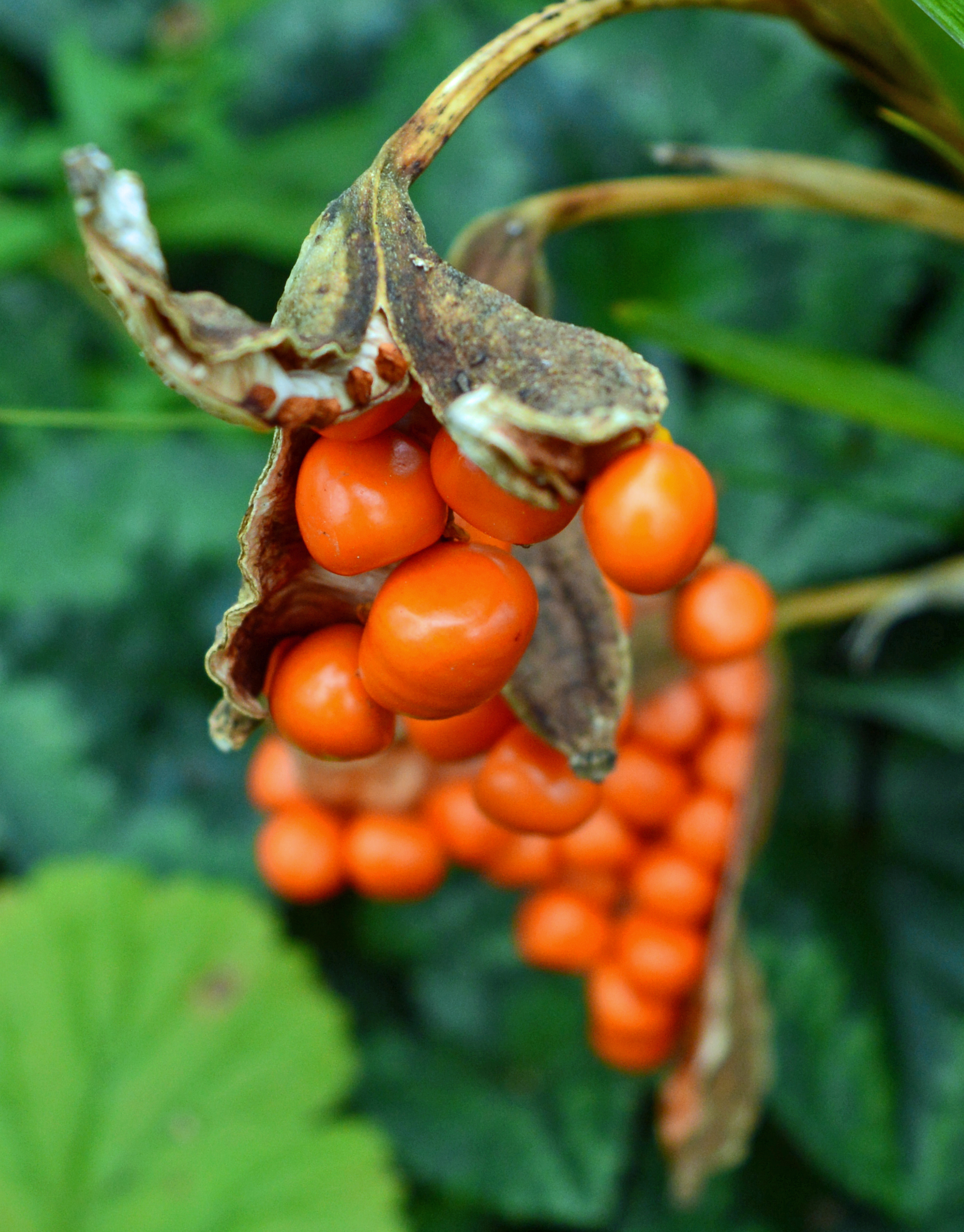
The final page of my November entries in the Garden Journal celebrates my “Plant of the Month”, which is one of only two Irises native to the UK, Iris foetidissima.


The next visit to look at my Garden Journal in 2017 will be the last one for the year, December.

Categories
birds garden design garden photography garden wildlife gardening gardens hardy perennials ornamental trees and shrubs poppies roses Shrewsbury Shropshire shrubs trees Yellow Book Gardens

My Garden Journal 2017 – June

We have reached the half way point through the year and I am beginning a second book in my Garden Journal 2017. A book of blank pages waiting to be filled with words, paintings and photographs.

On the first page of my new book I started my June reports by writing, “June is the month when our wildlife friends become very obvious, pollinators and predators work away helping us out, and all our wild friends entertain us, stimulating our senses. We had a dip in the wildlife pond with a net and found a healthy population of newts and dragonfly larvae. Whenever we sit in the summerhouse for a tea break we are entertained by birds coming for a drink or bathe in the pebbled shallow end, especially bright are the Goldfinches with their splashes of red and yellow. Next to the summerhouse door a pair of Blue Tits is nesting in one of our boxes. Both parents are making frequent visits into the garden to collect caterpillars to feed to their young. Each day these caterpillars get larger as the youngsters  grow and their appetites grow even more quickly.

Wildlife in the garden is so entertaining!”

Over the page brightly coloured photographs glow from the pages, photographs of Geum cultivars.

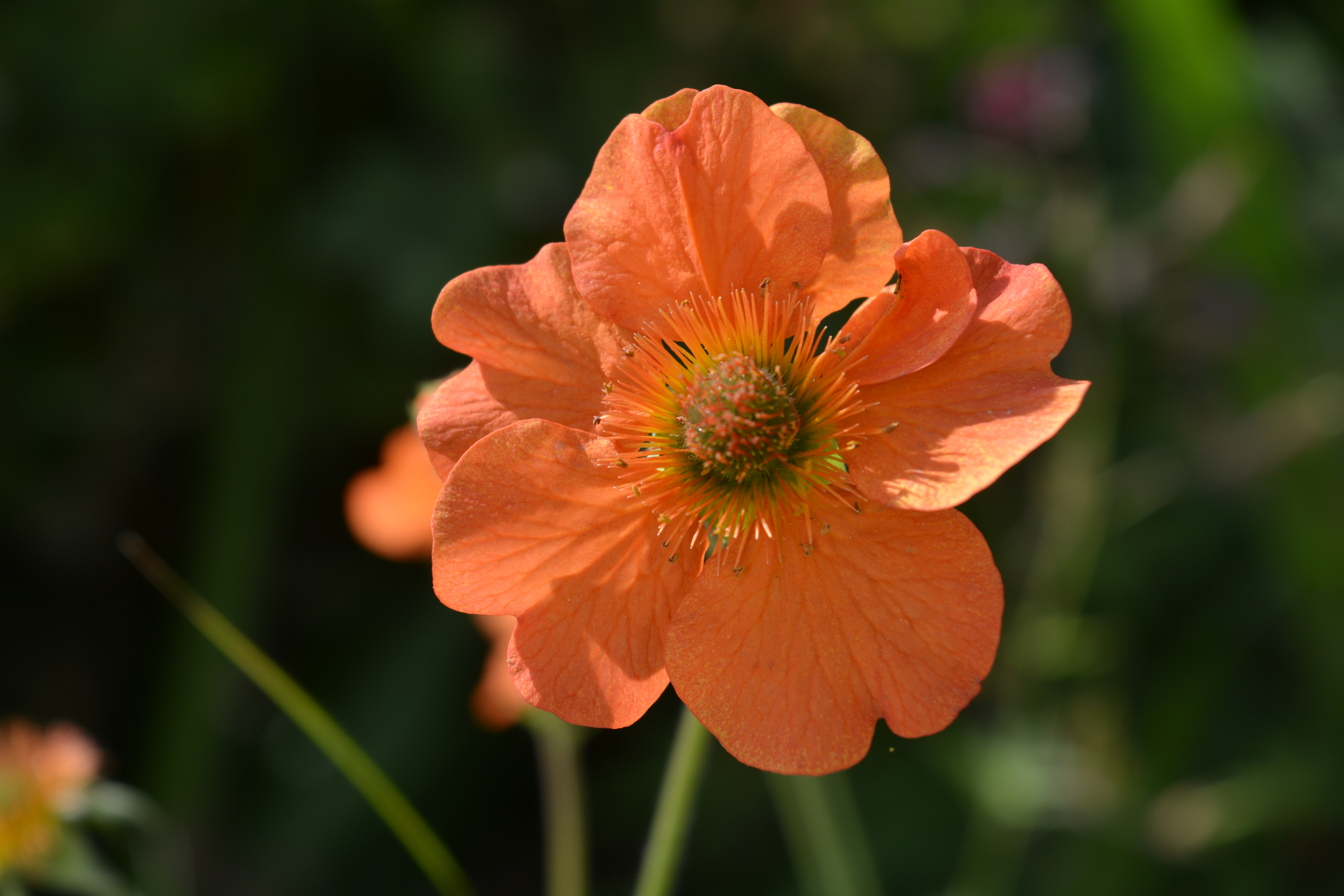
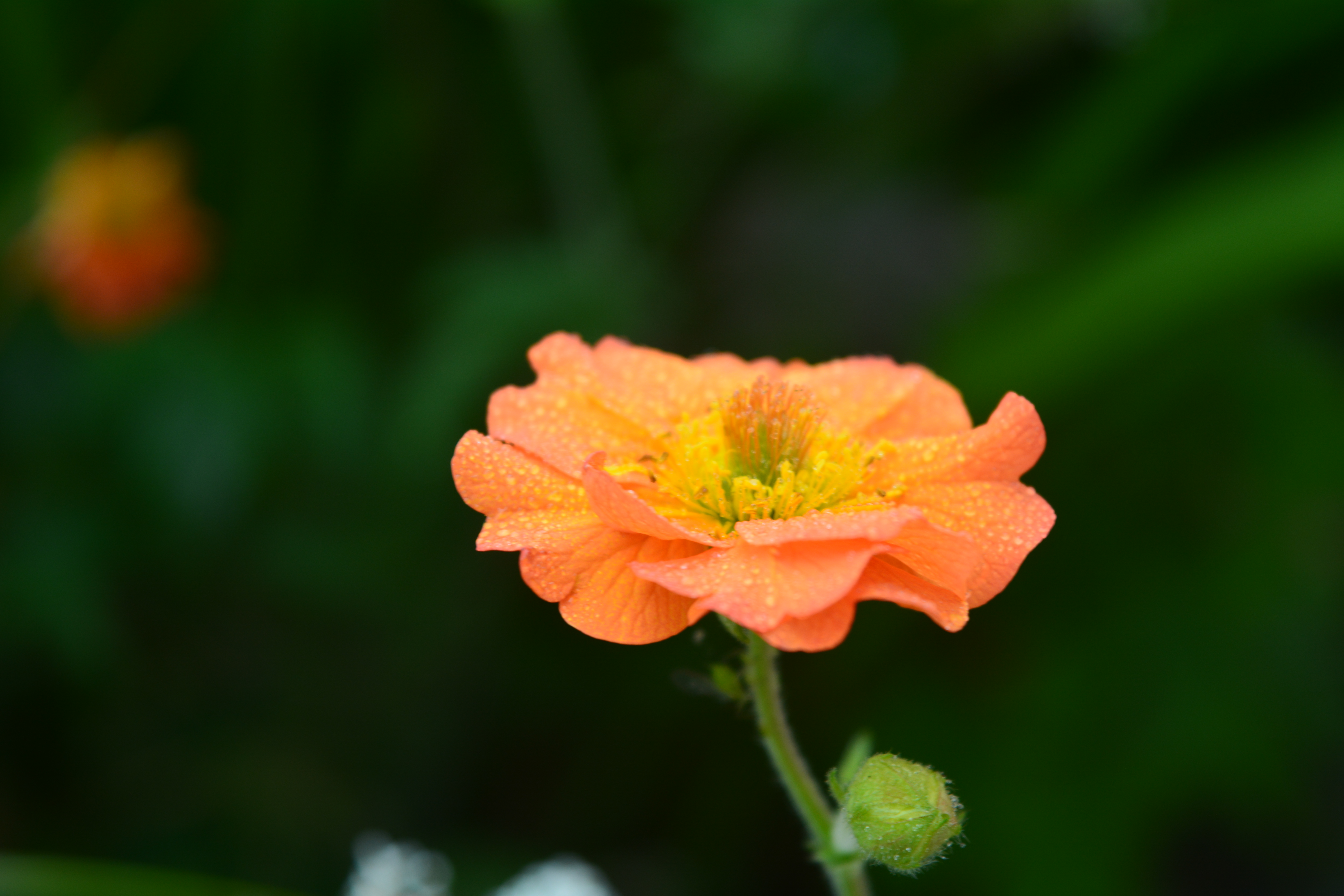
“Plant of the month for June is the Geum, the cultivars with hot colours – yellows, oranges and reds, – Totally Tangerine, Koi, Mrs Bradshaw, Lady Stratheden ………………..”


Leaving the brightly coloured Geums behind I next looked at a few representatives of our garden’s wildlife friends.

“Double Brimstones, butterfly and moth, the Brimstone Moth and the Brimstone Butterfly. 

The Brimstone Butterflies are one of the earliest arrivals in our garden but a few continue to fly in May and June. The Brimstone Moth flies in both daytime and night time.”

On the page opposite I talk about and paint the Little Owl, a regular visitor to our patch.

“We host three owls in our garden, the Tawny, the Barn and the Little. When we first moved to Plealey our Little Owl migrated in search of warmer places every Autumn to return in Spring.Today they stay with us year round. We love this change!”


Over the page I share with you some of our Foxgloves, the Digitalis family.

“Foxgloves, spires of colour buzzing with bees,  flower every day this month. Bumble Bees and our neighbour’s  Honey Bees disappear right inside the larger flower gloves. Bees explore each flower on each spike starting at the lowest bloom and moving upwards methodically.”


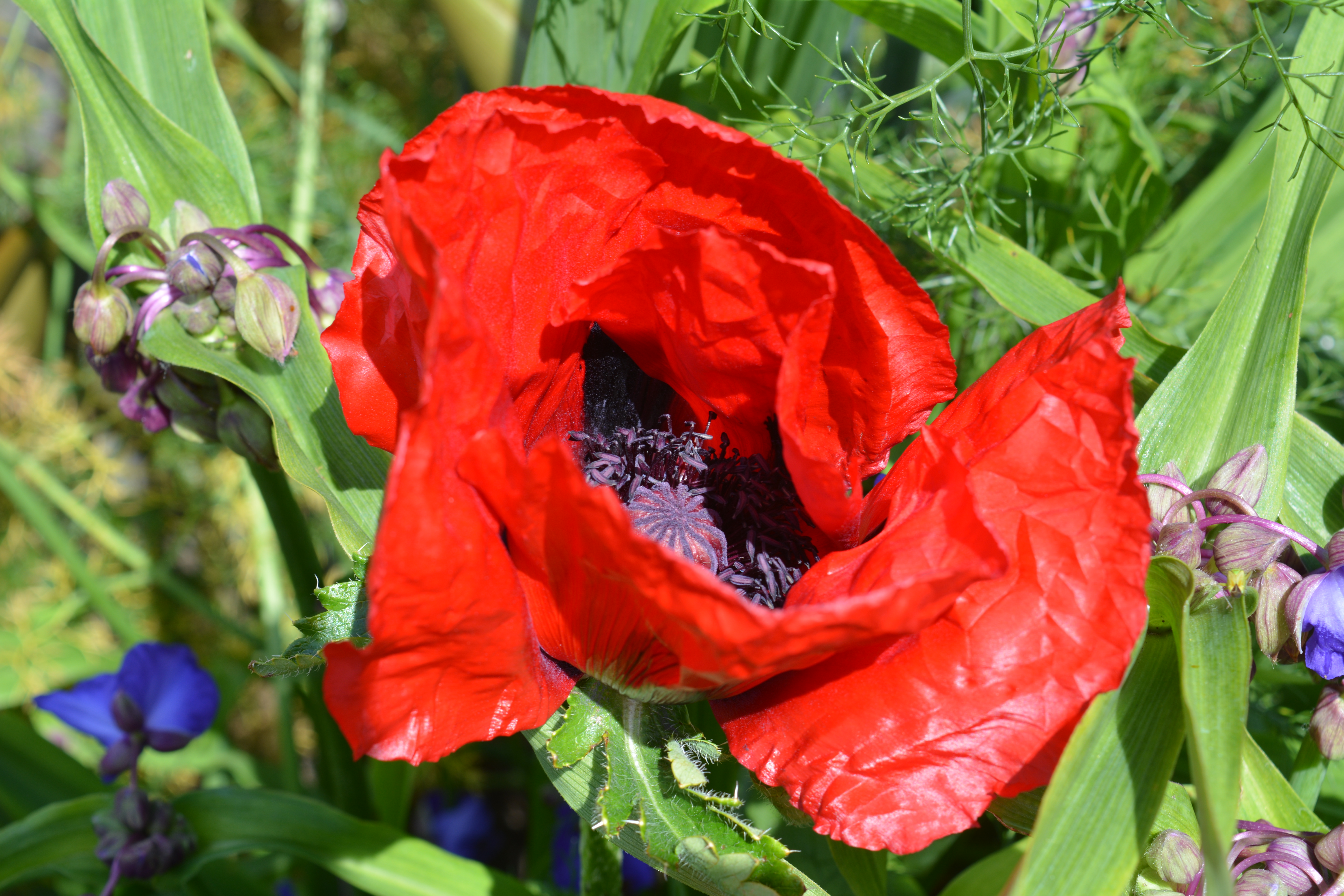
Next I looked at one of our poppies, Papaver somniferum the Opium Poppy.

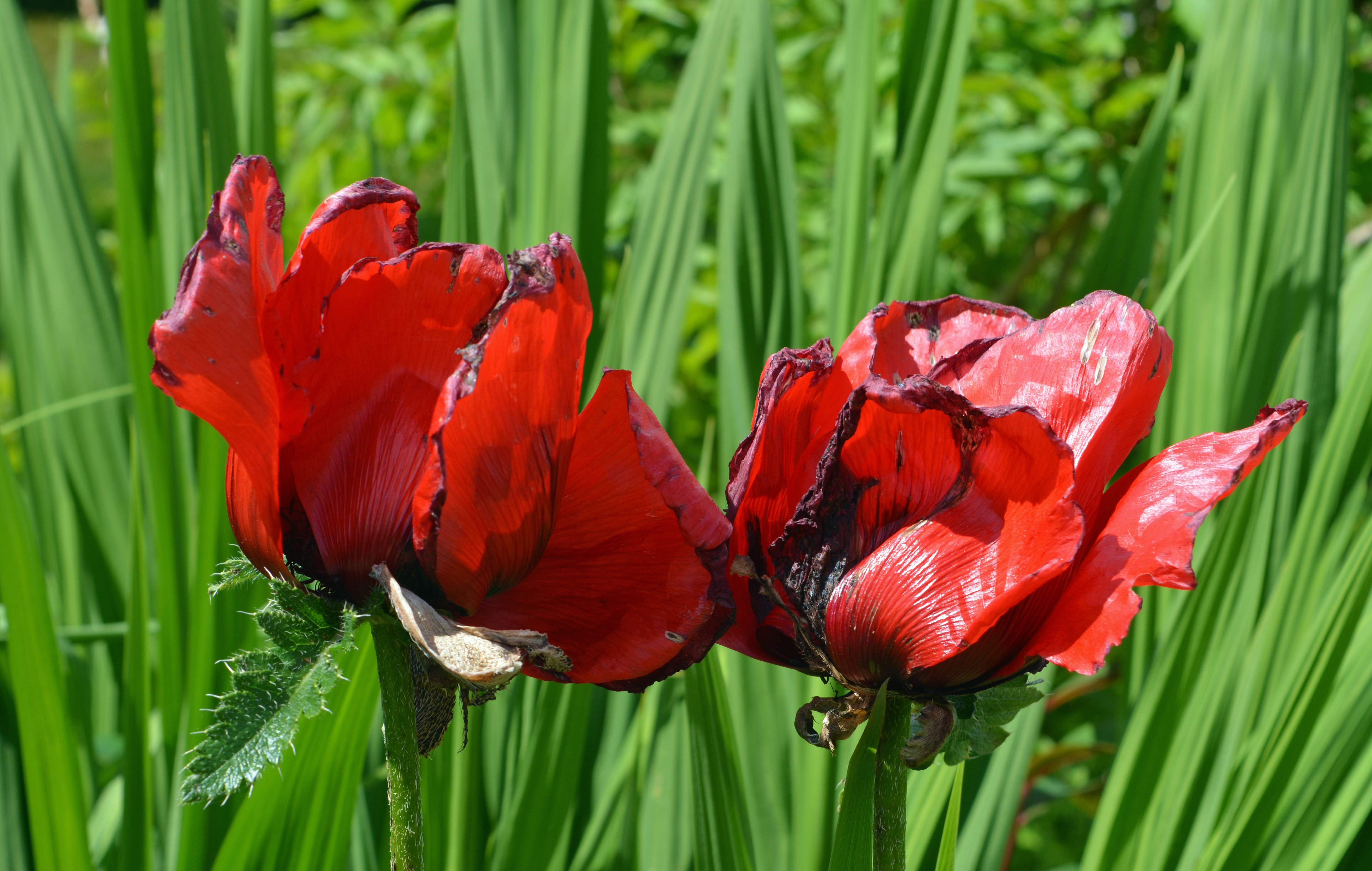
“Papaver somniferum comes in a variety of  pinks and lilacs”. 


“The small orange double poppy is Papaver rupifragum “Orange Feathers”.

From an orange poppy to an orange rose I moved on to look at a small flowered orange patio climber.

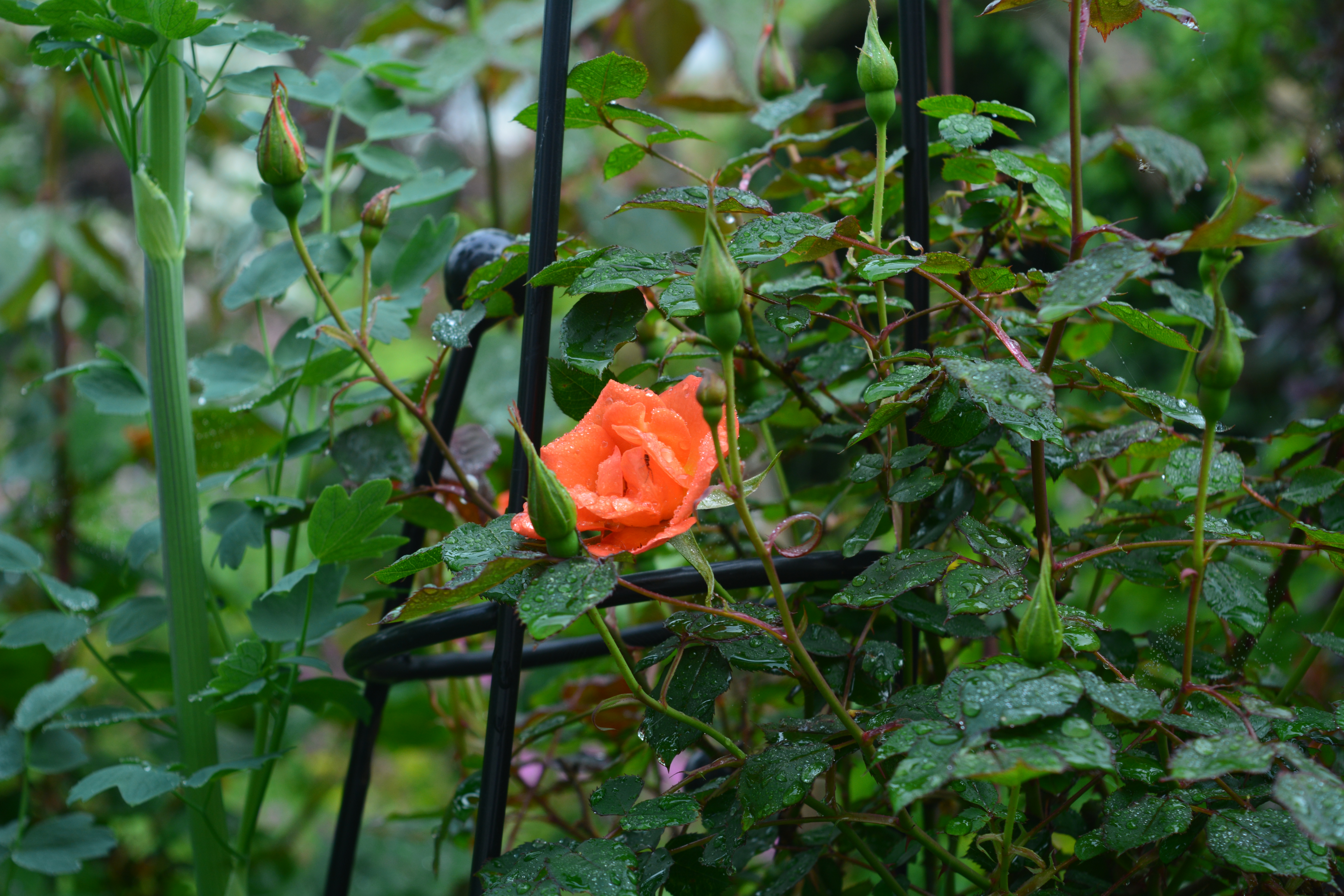
“Rosa “Warm Welcome” is a small climber and a cheerful charmer. Roses continue to flower profusely throughout the June garden.”


June turned out to be a difficult month for the garden with extremes of heat accompanied by a long dry spell causing plants to suffer especially relatively recently planted trees and shrubs. We water trees every week for a year after planting but a week’s holiday prevented us from doing this. We returned to find trees and shrubs with brown shrivelled leaves. A sad sight. I wrote, “June ended up being a dry month with many plants showing signs of stress, especially trees planted this year and lawn areas. We need rain urgently!” I included photos of some of the plants looking worse for wear.


On the opposite page, which is the final page for June I mentioned the return of the rain, refreshing us and the garden. “In the last few days of the month, steady rain helped put life and vitality back into our garden putting extra sparkle in flowers and gloss on foliage. We can only hope that trees planted earlier this year survive. They look troubled! Lilies however quickly burst back into life.”


Categories
birds climbing plants colours flowering bulbs garden design garden photography garden wildlife gardening half-hardy perennials hardy perennials irises ornamental trees and shrubs roses Shrewsbury Shropshire shrubs

My Garden Journal 2017 – May

So as spring moves towards its end and we look forward to summertime, it is time to look at my Garden Journal 2017 entries for May.

I began by writing, “May is the month when Spring turns to Summer and Roses are the stars of many gardens. Irises shine out alongside them and many early hardy perennials join in.”

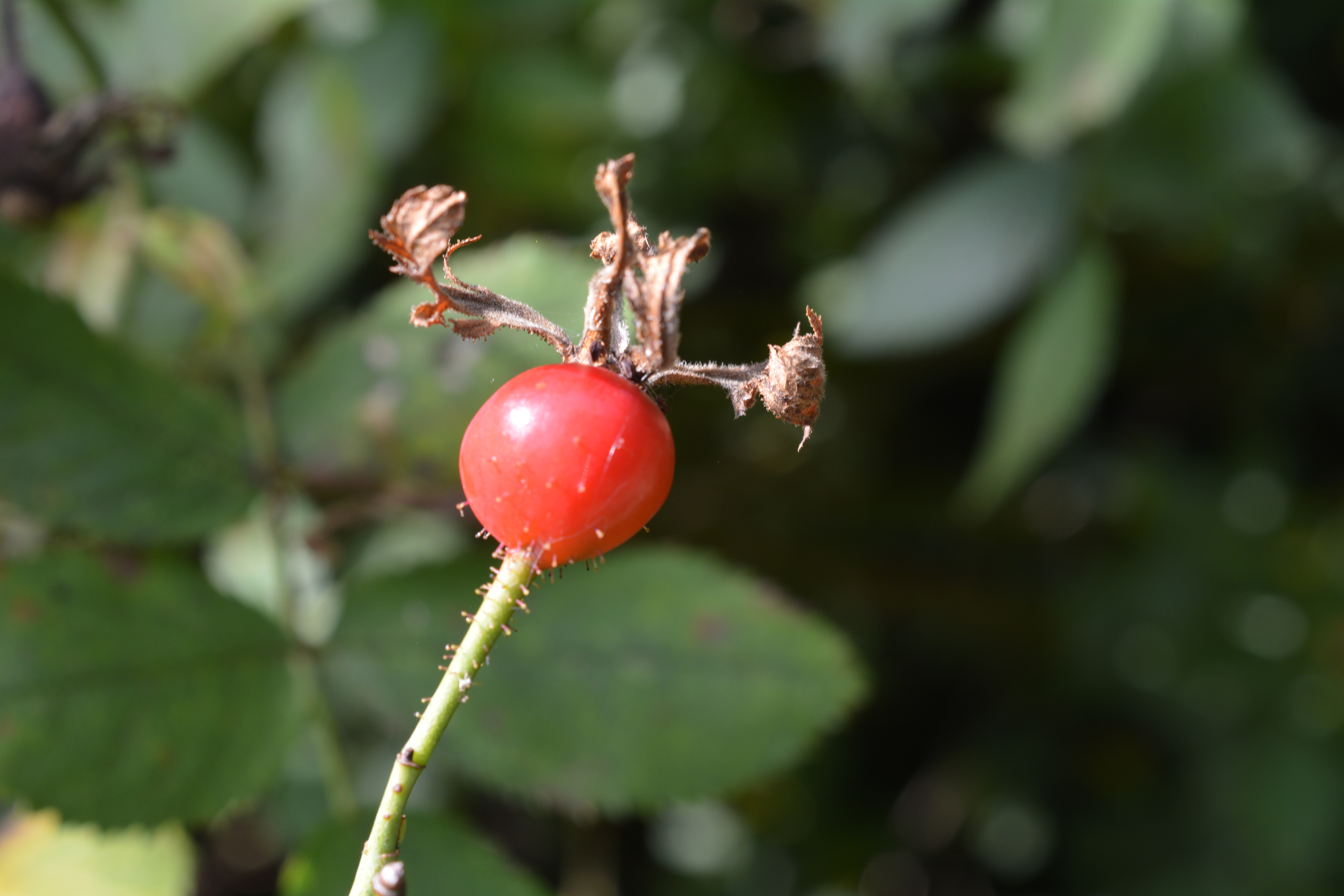
“Rosa rugosa – deliciously scented purple rose flowers throughout the summer, followed by large, glossy, red hips.


“Bearded iris.”


“This is the month when all our patient hardening off of non-hardy “delicates” pays off and we can return them to the garden where they add another dimension.

Hayworthia cymbiformis with its rosettes of boat-shaped succulent translucent leaves, hails from South Africa.”

I did a watercolour and fibre-tip pen picture of this unusual little succulent, which proved quite a challenge.


Turning over to look at the next double page spread we see a sea of pinks and purples. I share our Cercis siliquastrum with you and some more May specials, all decked out in pinks.

“Plant of the month for the month of May is a small, flowering tree, Cercis siliquastrum , a favourite.” Our Cercis is also called the Judas Tree and the Mediterranean cercis.


I continued to look at May special plants, more pink ones!

“More May time specials – those little flowers so worthy of us seeking them out. Take a walk around our patch and I will look down to see what is looking special. Sugar pinks……..Shocking pinks….. Lipstick pinks…..”


Turn over once again and we see that the pages consider the very special little plants, the Dodecatheons, with Euphorbias alongside.

“Dodecatheon – secret gems of the shade garden – sit demurely in dappled shade. Their delicacy and the unique form of their flowers ask the gardener to stop, stoop and study them close up. They are members of the Primula family, the Primulaceae, but it is hard to spot any family features.

The flowers nod on slender stems rising from a basal clump of foliage. We grow the cerise D. cusickii and the white-flowered D. media White Shooting Star.

Close up we find yellow, brown and pink on the white flowers and yellow, orange, red and even blue on the pink flowers.

Dodecatheon are true shooting stars of any shaded border.”


On the page opposite I feature “Bracts at their brightest and best” and go on to look at Euphorbias, featuring photographs of a few of our many varieties. “Euphorbias burst into the brightest possible shades of yellow, orange and red in May. A good month to do so as the bracts catch the rain drops from the frequent showers and as the sun follows on the colours of these bracts brighten further. Here is a small selection of our many much-loved Euphorbias, and more will follow later in May.”

My journal entries for May continues with a look at our garden after a shower, “After the rain……. Plants buck up, birds sing louder and bees return to search for flowers to rob of pollen and nectar. Leaves catch the last rain drops to fall and store them for later. Droplets sit on veins and in leaf centres and act as lenses. Even the birdbaths are topped up!”


Water, water everywhere ……………..


Over another page and we look at some of our little garden friends and allies and next to that a painting challenge for me as I try to paint two very delicate heads of flowers.

“May is the month when our wildlife friends live and work alongside us everyday, beneath our feet in the soil, in the plants surrounding us and in the sky above. From first light, if not slightly before, birds begin their chorus growing to a crescendo as more and more join in. Blackbirds, robins and wrens are first to open their hearts to us with loud song and this trio are also the last to go quiet after the light dims. Owls keep calling throughout the dark hours.

Above our heads swallows, house martins and swifts chatter and squeal as they put on balletic flying demonstrations, catching high-flying insects as they do so. Under stones, inside shrubs  and in our greenhouse spiders seem so busy, constantly rushing around.”

“Beautiful flower heads, a painting challenge for May.”


My jottings for May next turned to flowering shrubs and roses.

“Roses and other flowering shrubs.”

A selection of our May-flowering roses …………………..


………… and flowering shrubs.


Back to Euphorbias as we turn the page over and I feature more of our collection of the unusual plants with bracts as bright as any flower.

“More crazy Euphorbias!  They have a futuristic look to them, each whorl of bracts like a spaceship.”

“So varied! So bright!”


“Despite their acidic colours, Euphorbias partner well with other plants.”


“We often partner one Euphorbia with another.”


So turning over the page we find the final page for May in my 2017 Garden Journal where I share some of our flowering climbers with you.

“Climbing plants begin to place splashes of colour high up in the trees and on obelisks at eye height, adding another dimension to the Avocet patch. Akebia, Clematis, Lonicera and Coronilla.”


So, the first book in my 2017 Garden Journal comes to an end as the month of May does also. My notes, photos and paintings for the month of June will start off the second 2017 book. See you then.

Categories
birds climbing plants colours garden design garden furniture garden photography gardening gardens gardens open to the public half-hardy perennials hardy perennials ornamental trees and shrubs poppies water in the garden

Coton Manor – an atmospheric gem.

Coton Manor Gardens are so full of atmosphere. Ten acres of hillside gardens are landscaped to give variety throughout the year on this Northamptonshire estate. There are streams, fountains and ponds, a bluebell wood and meadows. We have visited this romantic garden a few times already but decided to visit again in July of 2016.

cm-1 cm-1-1

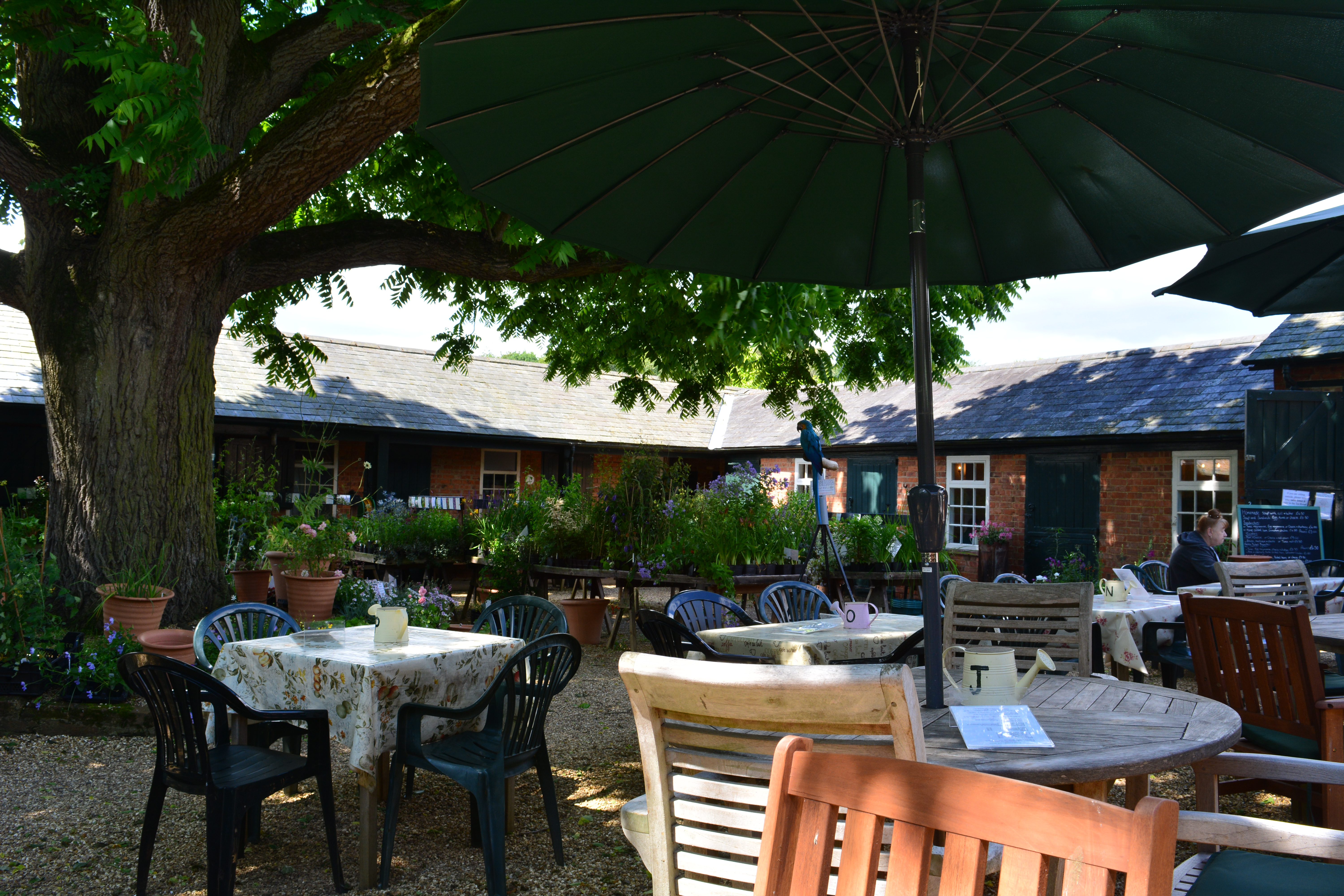
Honey coloured stonework make the buildings look warm and welcoming and entering the drive after a short walk from the car park we noticed climbers covering every wall. We entered a cosy courtyard on our right which gave us the chance of refreshments and a peruse of the nursery tables. A surprise here for everyone was the resident Hyacinth Macaw who greets each visitor on arrival with a loud screech!

cm-1-2

The garden itself is designed around a series of garden rooms separated by yew and holly hedges, and each room has its own special character and atmosphere, which makes for a refreshing garden walkabout. Leaving one room you don’t know what to expect next. Close to the house courtyards featuring half-hardy plants such as Pelargonium and Salvia make for a colourful start to our wanderings. Share our wanderings through these areas by following the gallery below. (click on the first photo and navigate through by clicking on right hand arrow)


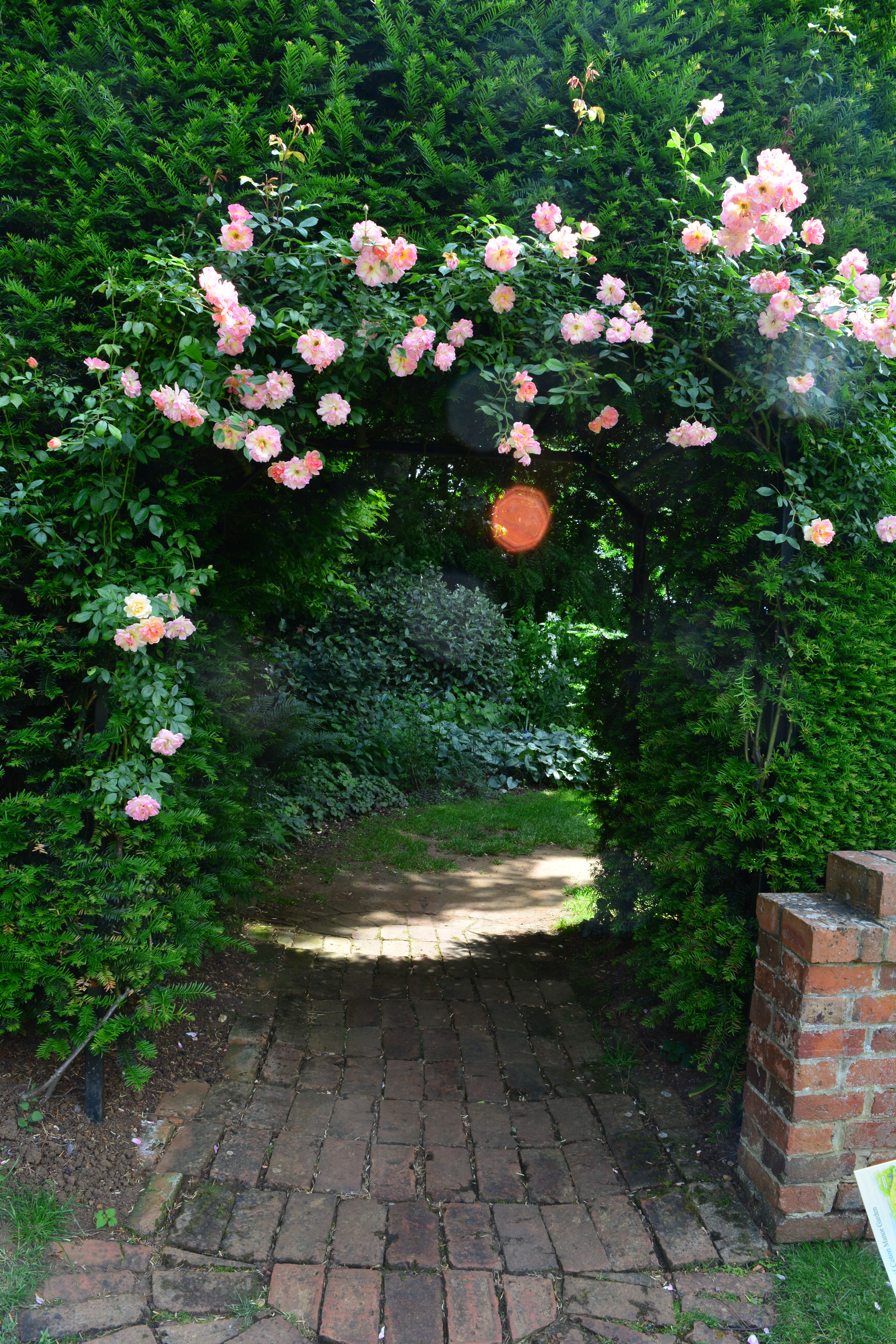
We passed through an archway surrounded by scented pink roses and from there moved on to the Rose Garden and then wandered into an area of woodland shade garden complete with a small stream.

cm2-01 cm2-14 cm2-26cm2-03 cm2-12 cm2-15 cm2-13 cm2-24 cm2-28  cm2-27 cm2-17cm2-19 cm2-18cm2-20 cm2-22cm2-21

Some very unusual and interesting plants came to our attention in the wooded and streamside gardens, all beautifully lit by the rays of the sun penetrating the tree canopy.

cm2-04 cm2-25 cm2-05 cm2-06 cm2-07 cm2-23cm2-02

Steps, paving and walls of warm limestone appeared throughout the garden affording ideal places for wall plants to get a hold.

cm2-09 cm2-10 cm2-11 cm3-30 cm3-29 cm3-28

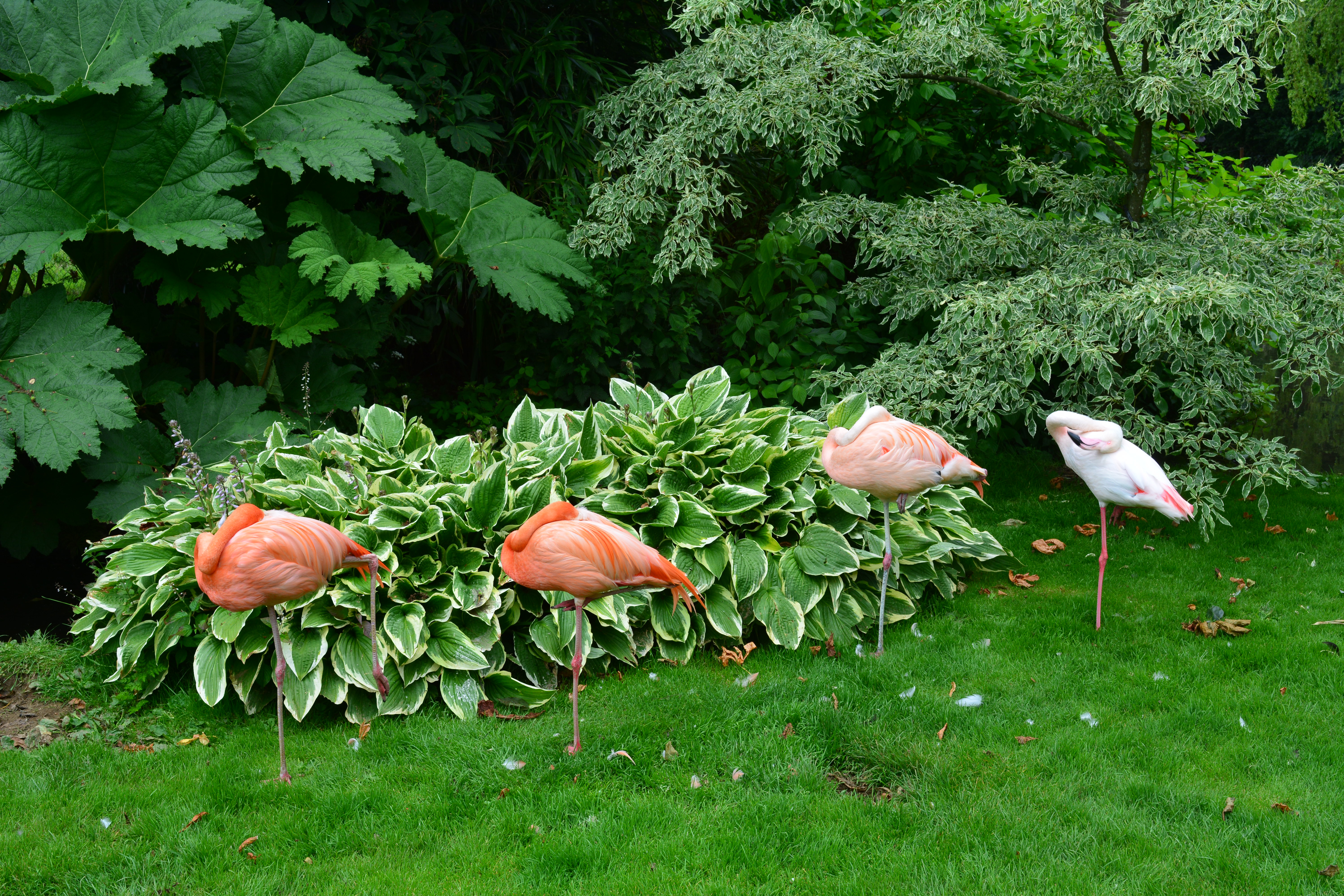
I will finish this report on our visit to the romantic garden at Coton Manor with a few more photos which I particularly enjoyed taking. I hope you like the salmon pink plumaged flamingoes which had free range of the garden but mostly seemed to enjoy sleeping with their head hidden beneath their wings,

cm3-31 cm3-25 cm3-26 cm3-21 cm3-07 cm3-12

Categories
colours garden design garden photography garden ponds garden pools gardening gardens gardens open to the public hardy perennials light light quality ornamental trees and shrubs roses Shropshire shrubs trees water in the garden

The Dorothy Clive Garden in August

In late August we made one of our regular visits to the Dorothy Clive Gardens on the Shropshire and Staffordshire border to see how the garden was progressing. We chose a warm sunny day for our visit which gave strong contrasts and deep shadow for the trusty Nikon to deal with.

We expected to see lots of colour and much of it bright hot colours provided by flowering perennials as well as perhaps the first signs of late summer presenting a glimpse ahead to autumn, with seeds and berries beginning to show and some leaf colour on trees and shrubs.

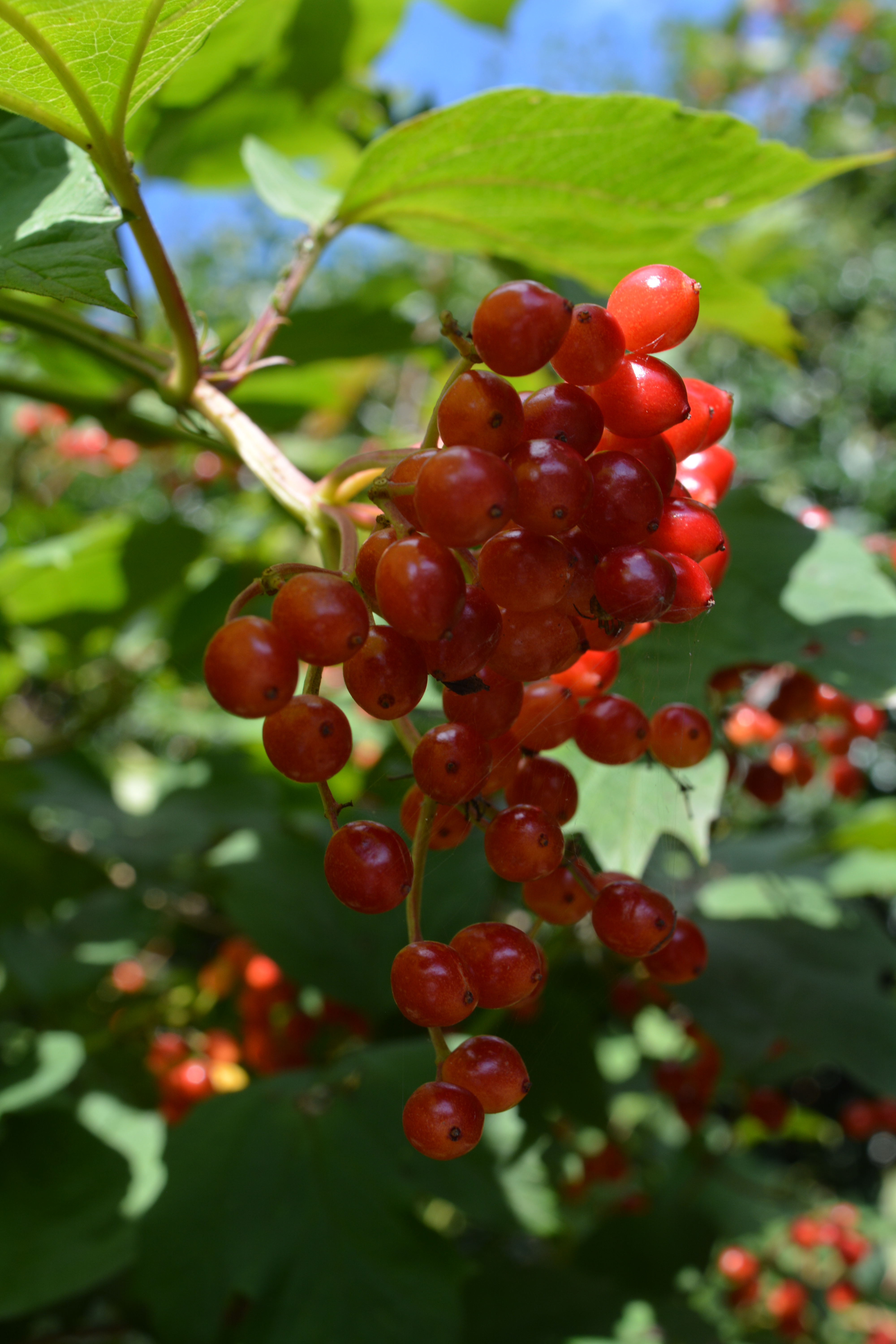
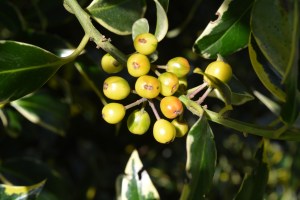
There was most certainly no shortage of berries to discover shining brightly like jewels under a bright summer sun.

dcaug-029 dcaug-014 dcaug-028 dcaug-026 dcaug-018 dcaug-027 dcaug-025 dcaug-009 dcaug-006 dcaug-005 dcaug-040 dcaug-042 dcaug-043

A few very unusual berries in both colour and shape, were displayed by deciduous Euonymous and Magnolia.

dcaug-030 dcaug-033

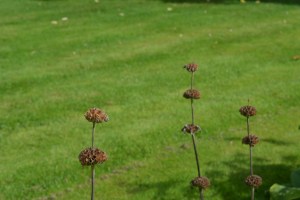
Seedheads were beginning to form on herbaceous perennial plants just as we thought we might find.

dcaug-050 dcaug-048dcaug-049 dcaug-054dcaug-057 dcaug-059dcaug-056 dcaug-060

We enjoyed the range of colours that flowers provided in the borders and these were highlighted by the August sun riding high in the afternoon sky.

dcaug-004 dcaug-007dcaug-051 dcaug-058

We were pleased to see that this garden’s Tetrapanax Rex was thriving having lost our specimen early in the year. One here was particularly beautiful with clean unmarked foliage.

dcaug-021 dcaug-022 dcaug-023

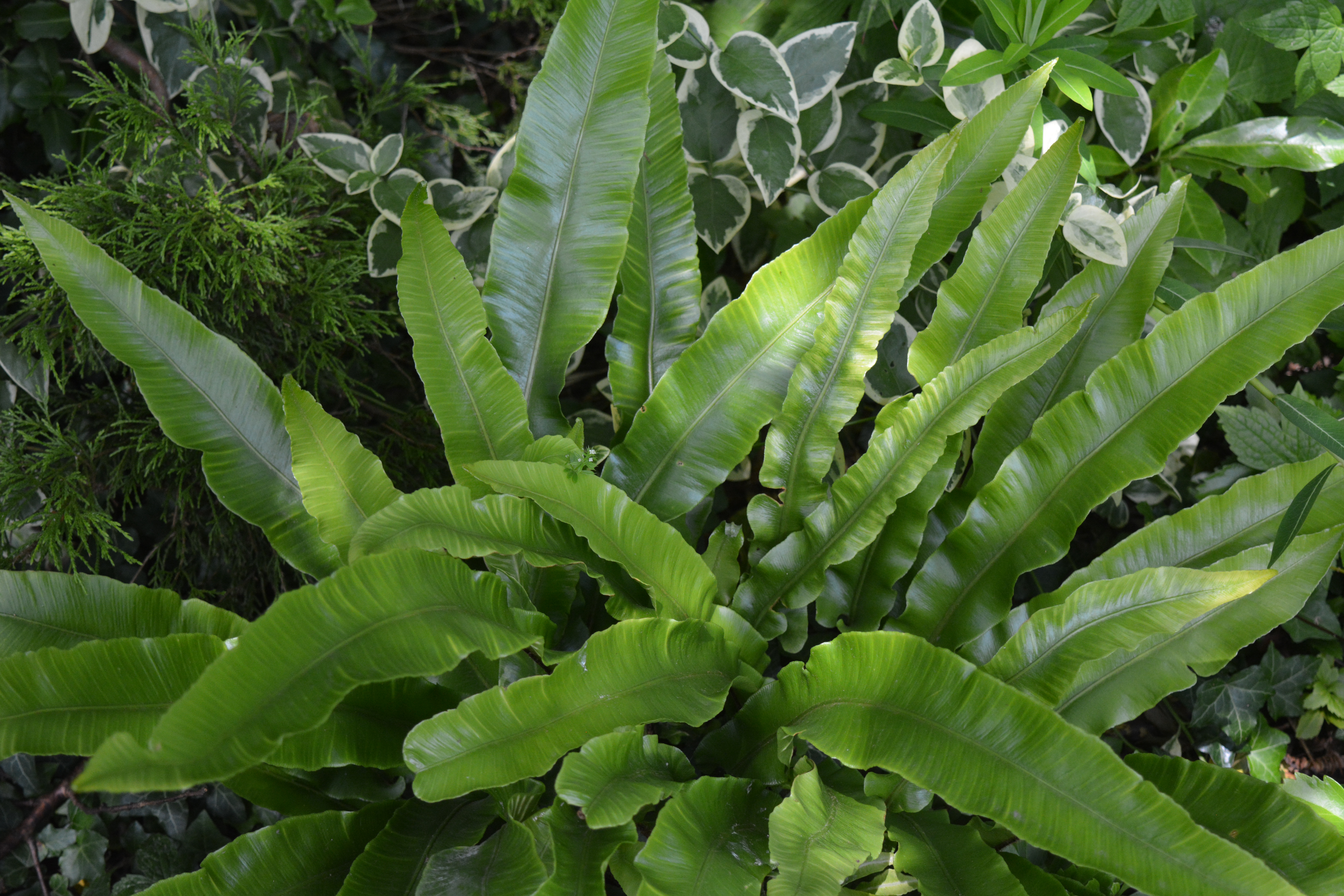
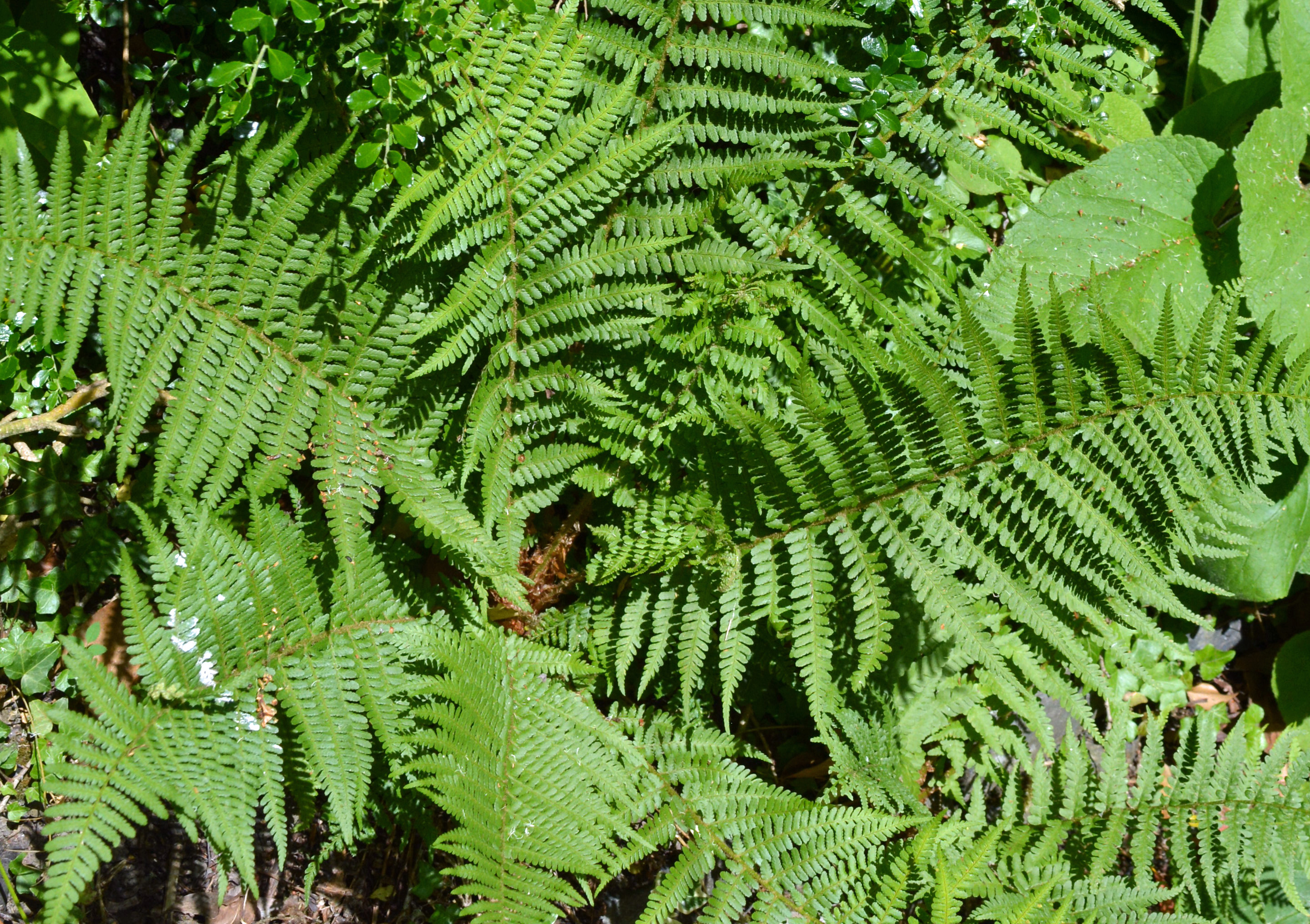
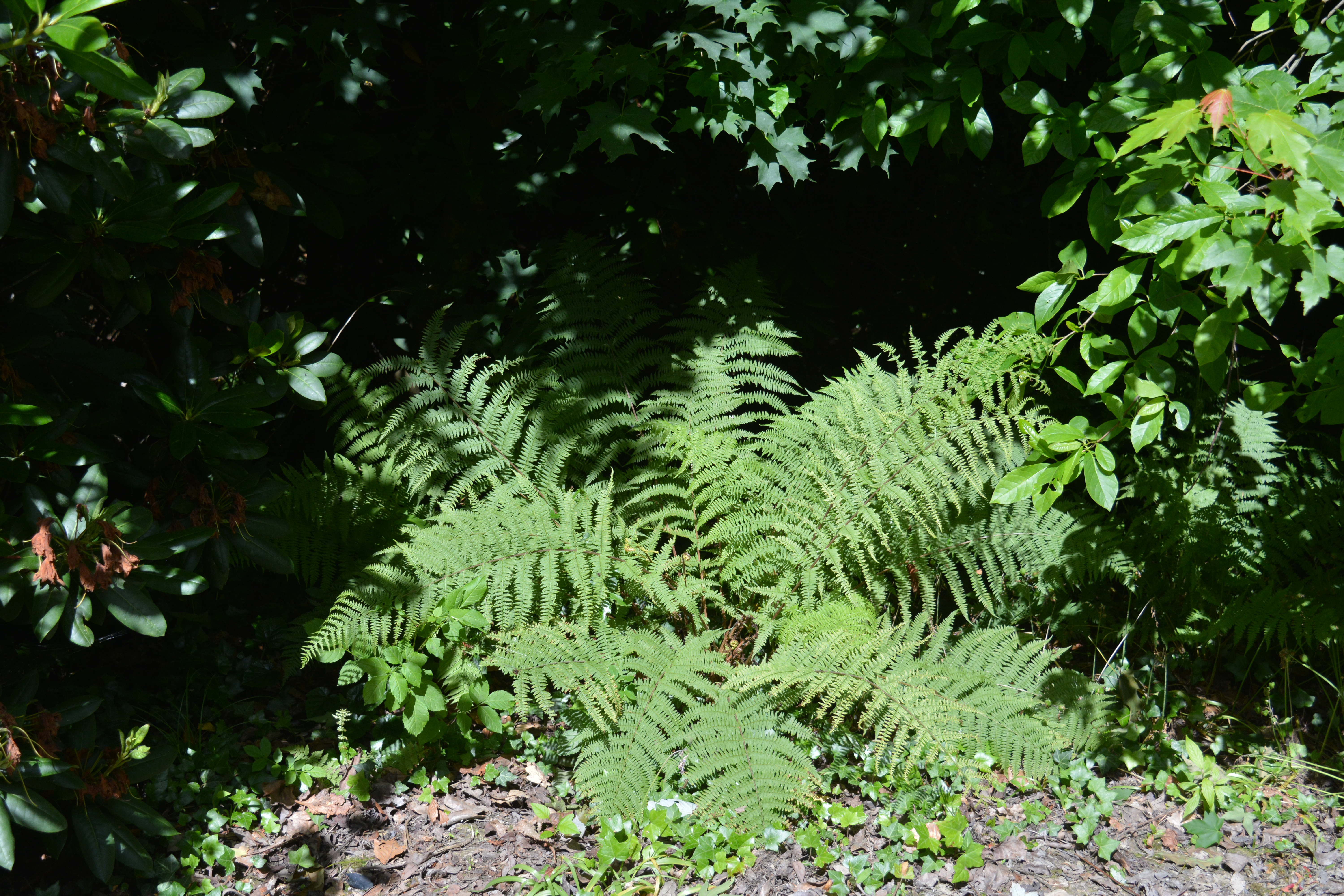
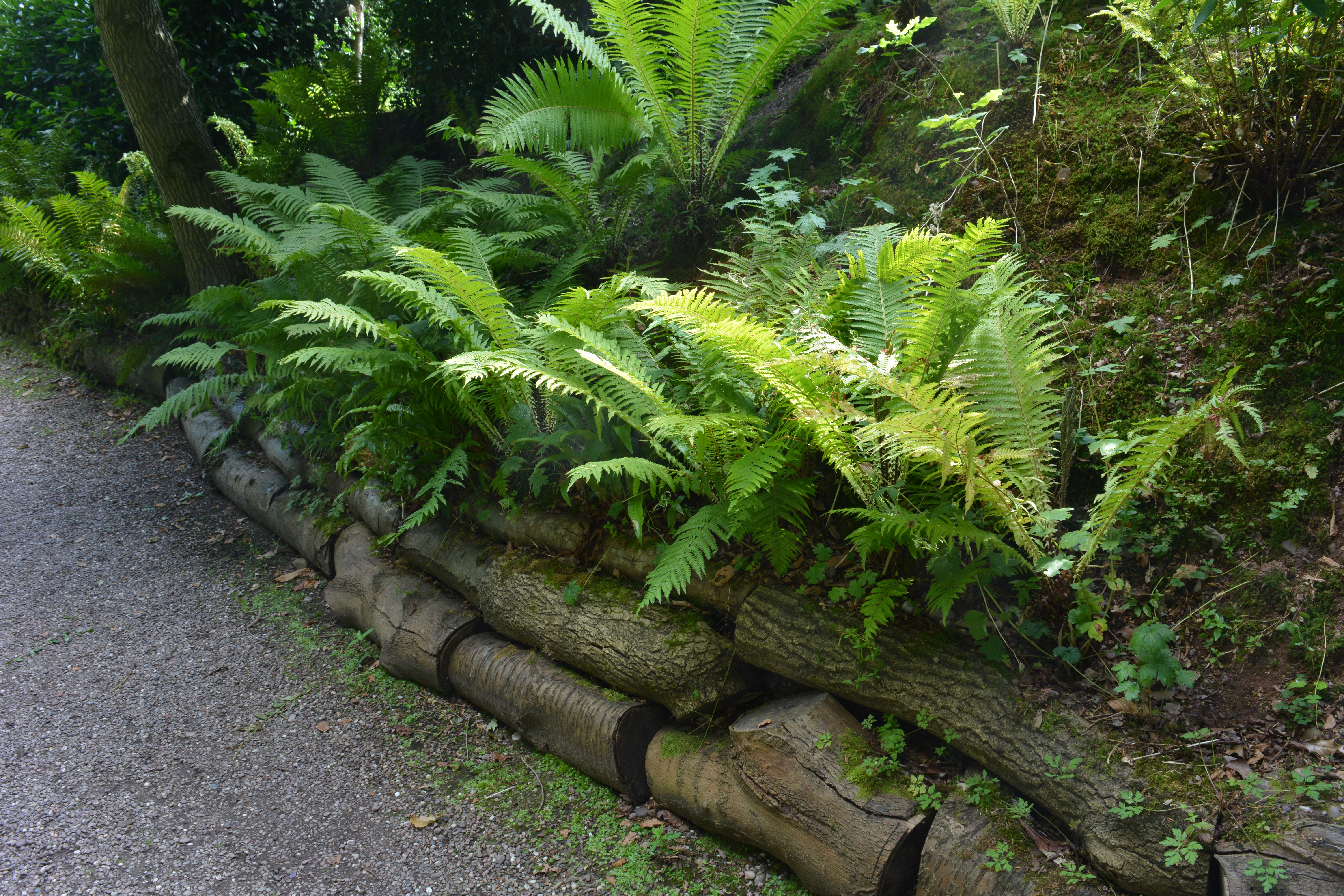
Ferns also provided brilliant green foliage throughout the Dingle Garden, looking fresh beneath the tall mature trees and evergreen shrubs.

dcaug-012 dcaug-013

In the new Winter Woodland Garden we were fascinated by the way the gardeners were training the coloured stemmed willows. We will have to wait and see what the end result will look like.

dcaug-019

We enjoy watching the changes to be seen in the many unusual specimen trees at Dorothy Clive and have always liked the look of this yellow barked Prunus, P. maackii “Amber Beauty”. We are really wondering at the moment whether this would be the ideal tree for a space we have at home which awaits a tree for autumn planting. Apart from its unusual bark colouring it has a graceful growth habit and a wonderful winter silhouette. For a Prunus it also has large leaves.

dcaug-036 dcaug-038

The light during this visit was so interesting whenever the sun beamed through the tree canopy. We particularly loved the way it put this Hydrangea in the spotlight.

dcaug-046 dcaug-045 dcaug-047

It is always good to see promises of things that will be happening in the future and spotting them is an important part of any garden visit. Also it provides a most positive way of finishing my report on our august visit to this wonderful garden, a true favourite of ours. And as we have not featured the giant stag sculpture standing proudly at the top of the stream in the Dingle Garden here he is surrounded by lush greenery completely different to when we saw him in the starkness of the winter months.

dcaug-044 dcaug-016

The pool at the bottom edge of the garden at the lowest point in the garden reflected the blue sky and we enjoyed spotting the small shoals of young Rudd enjoying racing around below the white flowers of the Water Lily.

dcaug-061 dcaug-063

We really appreciated on this August day the scents and colours of the blooms in the Rose Garden.

dcaug-067 dcaug-070

Our next visit to our monthly garden for this year will be in September. We hope to see some hot colours in the herbaceous borders and perhaps a little colouring up of foliage on the many trees at Dorothy Clive.

This Veggie Life

A Vegetarian | Nature Lifestyle Blog

Rambling in the Garden

.....and nurturing my soul

The Arch City Gardener

Journeys In St. Louis Gardening and Beyond

Garden Dreaming at Châtillon

Consult the genius of the place

Storyshucker

A blog full of humorous and poignant observations.

gardeninacity

Notes from a wildlife-friendly cottage garden

PlayGroundology

...an emerging social science

The Official Blog of British Wildlife

'The most important and informative publication on wildlife of our times' - The Independent. This blog is a member of The UK & Ireland Natural History Bloggers group: www.uknhb.blogspot.com

iGrowHort

Inspire - Cultivate - Grow Native Plants - Restore Landscapes

Bishops Meadow Trust

To create and protect a semi-natural wild space for the people of Farnham to enjoy and experience an array of British wildlife in our town

Gardening with Children

The www.gardeningwithchildren.co.uk Blog

UKbirdingtimeline

birding through the seasons, why birds matter and how to conserve them

NATURE WALKER

with a camera in hand

Jardin

Transform your outdoor space

Eva's space

My allotment, cooking and other interests

Old School Garden

my gardening life through the year

LEANNE COLE

Trying to live a creative life

fromacountrycottage

trying to live as lightly as possible on our beautiful planet

Good Life Gardening

Nature lovers from Leicester living the good life.

mybeautfulthings

Finding the beautiful in the everyday

mawsonmichelle

Michelle's Allotment

In and Out of My Garden

thoughts from and about my garden

Greenhousing

Big plans for a small garden

The Scottish Country Garden

A Walled Country Garden in South East Scotland

The Fruity Chicken

Life at the fruity chicken

willowarchway

Off grid living. Self sufficient. "PERMAGANICS RULE".

St Anns Allotments

Nottingham's Grade 2* Listed Allotments and Community Orchard

Manifest Joy Harvests

a journey in suburban vegetable gardening

Allotmental

The madness of growing your own

Penny's Garden: a harvest beyond my front door

A novel approach to vegetable gardening

arignagardener

Sustainable living in the Irish countryside.

NewEnglandGardenAndThread

Master Gardener, amateur photographer, quilter, NH native, and sometimes SC snowbird

dianajhale

Recent work and work in progress and anything else that interests me

planthoarder

a chaotic cottage gardener

Lens and Pens by Sally

a weekly blog that creates a personal philosophy through photographs and words

Dewdrops and Sunshine

Stories from a sassy and classy Southern farmbelle.

The Pyjama Gardener

Simple Organic Gardening & Seasonal Living

gettin' fresh!

turning dirt into dinner

JOY...

today the world is created anew

Garden Birds

Notes from a Devon garden

ShootAbout

Life Through The Lens

Adapting Pixels

A photography blog showcasing the best photography pictures and videos on the internet

Wildlifegardening's Blog

Just another WordPress.com site

naturestimeline

personal observations from the natural world as the search continues for a new approach to conservation.
LATEBLOOMERBUDS

The Wonders of Life through my Eyes, my Heart, my Soul