Categories
autumn colours colours garden photography gardening gardens open to the public National Garden Scheme NGS ornamental trees and shrubs Powis shrubs

Hydrangeas at The Dingle Garden

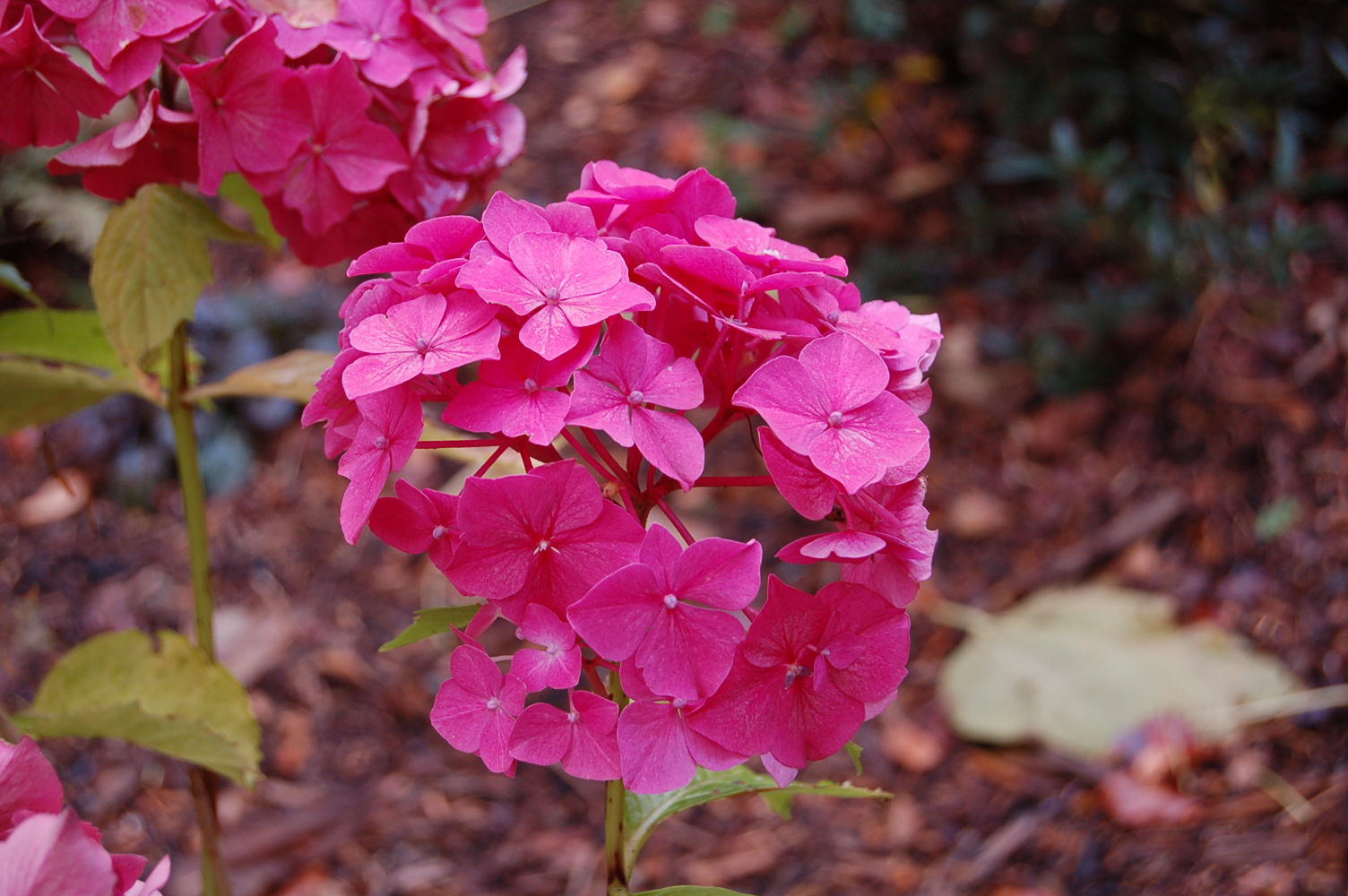
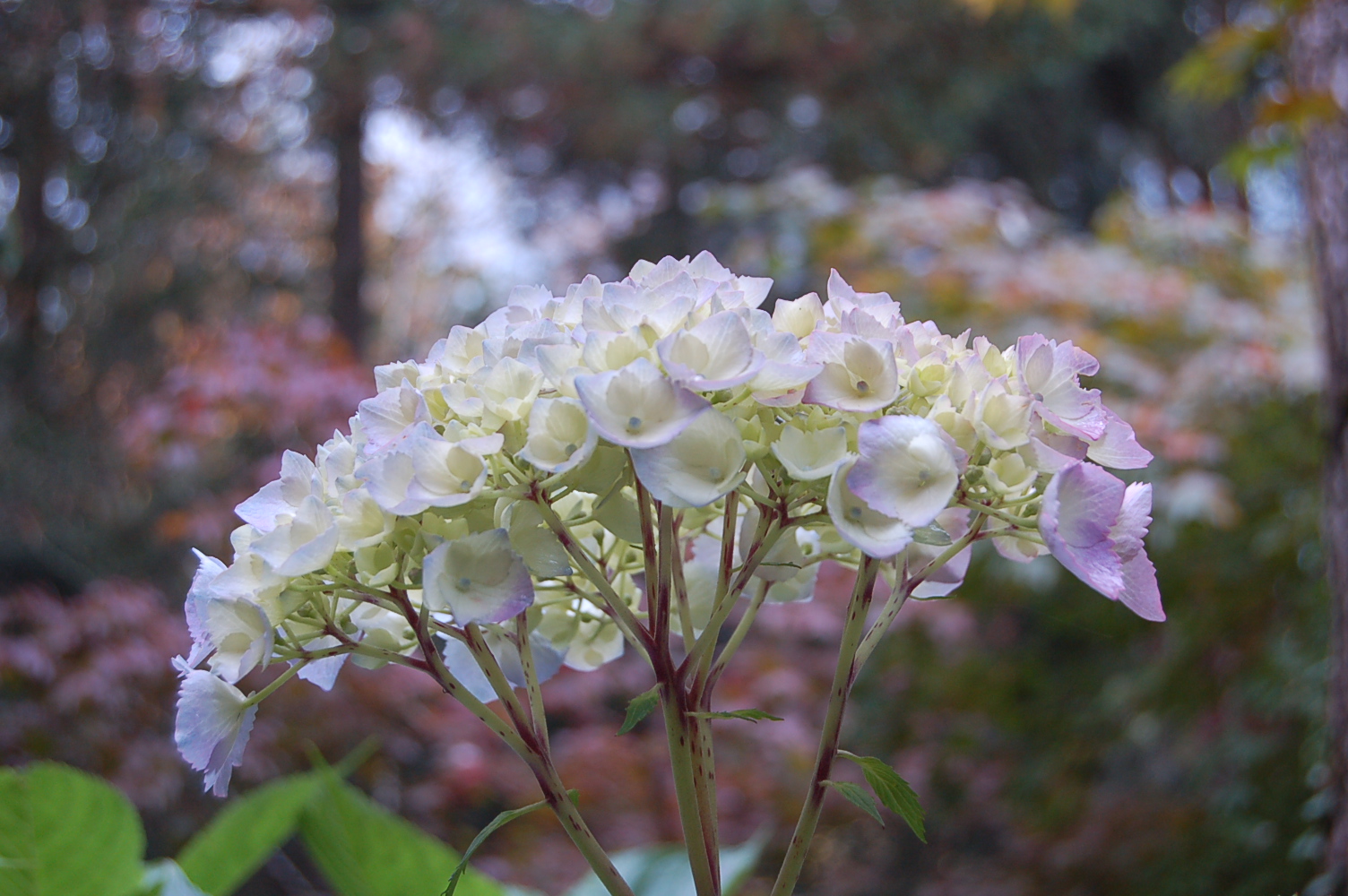
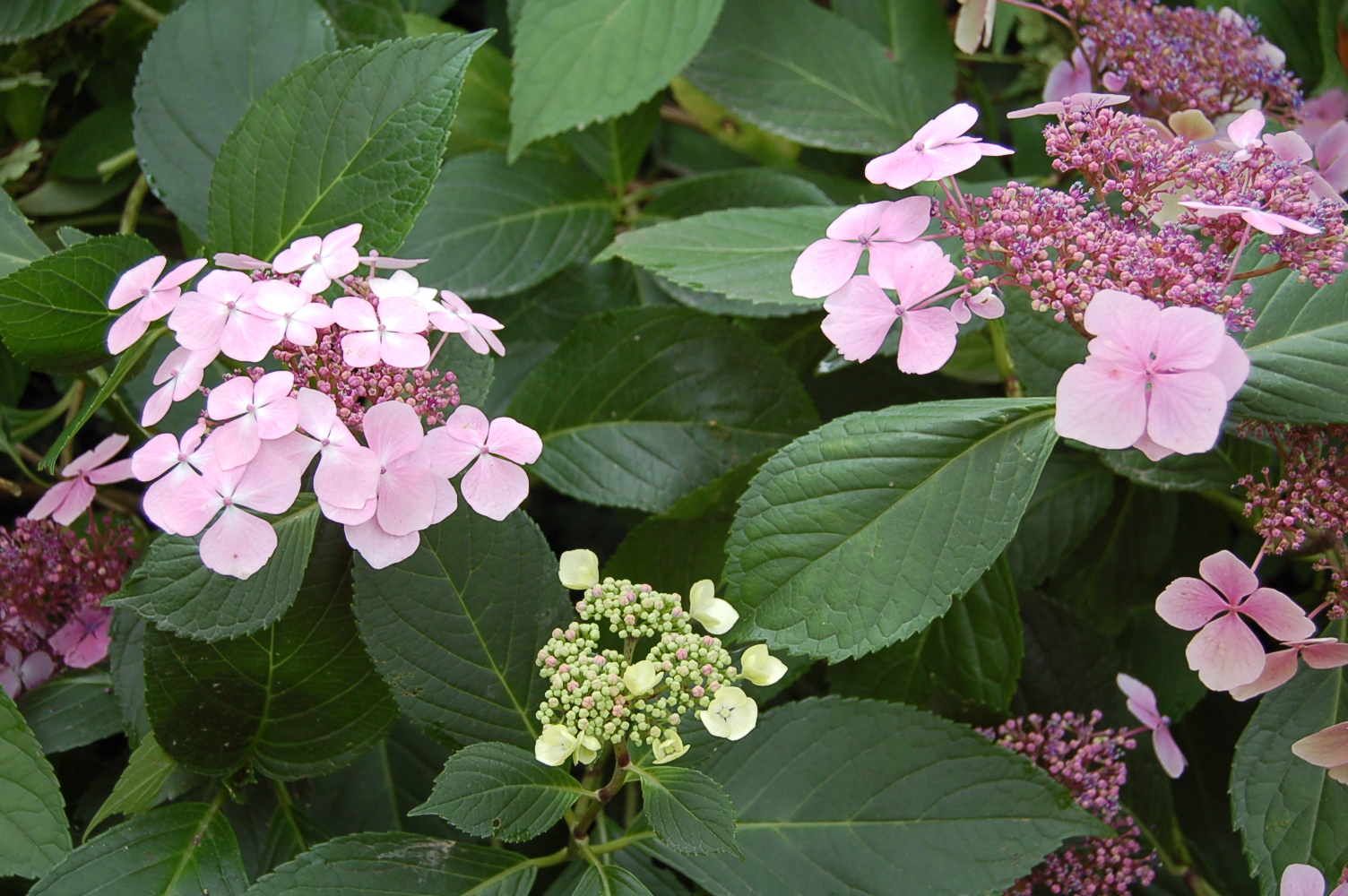
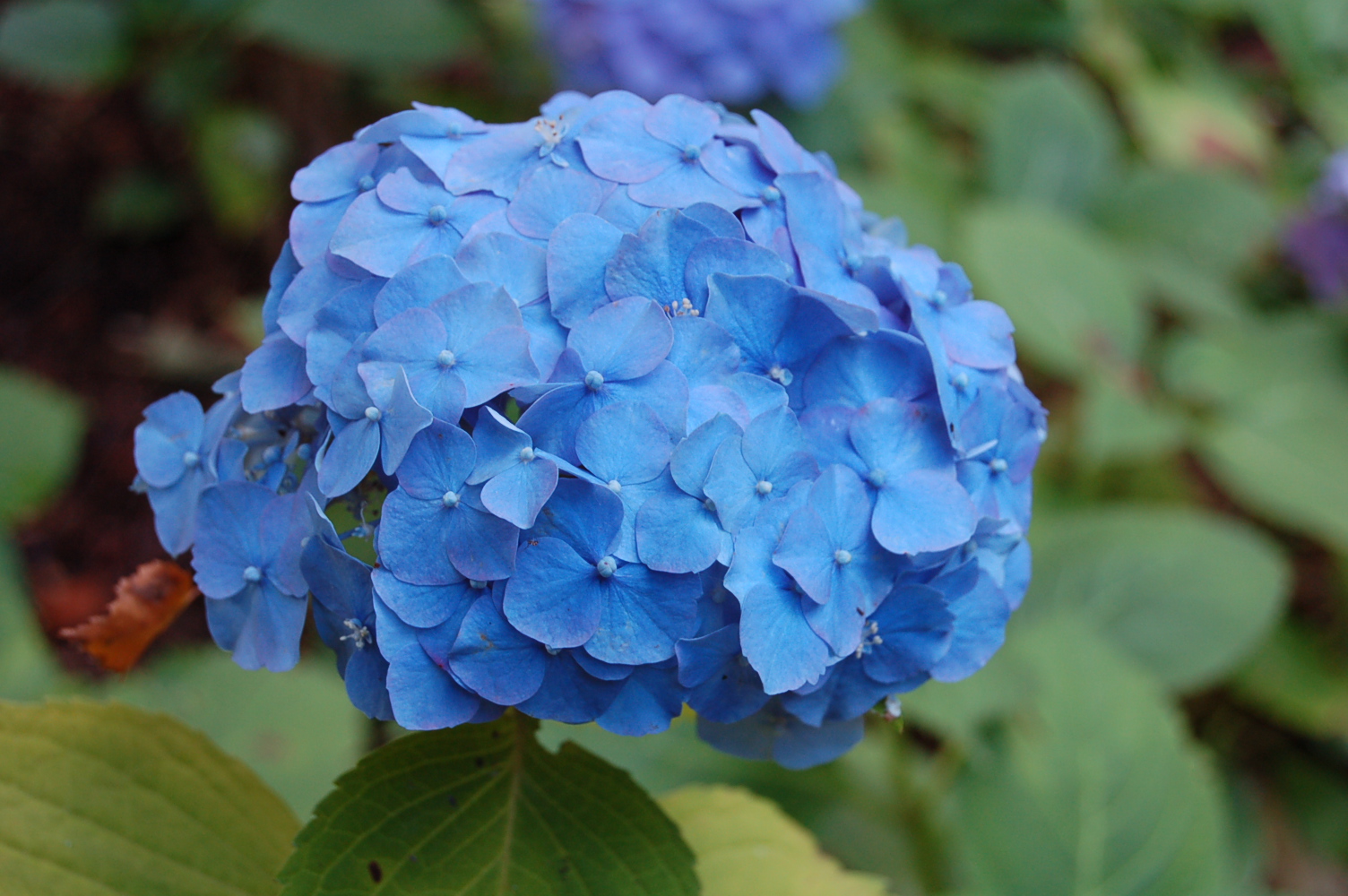
The Hydrangeas at the Dingle Nursery’s Garden shone out in the darker shadier woodland sections. I am a bit particular when it comes to Hydrangeas as I like the delicately shaped and coloured lacecaps but few of the mopheads which I find too blousey. I like individual paniculatas too but again not the blousey ones. In this series of photographs all the Hydrangeas are lacecaps with the exceptions of two which are of a Hydrangea paniculata and one mophead has sneaked in as I just couldn’t believe how bright the blue colour was.

The beauty of the lacecaps is the variety of different shaped and coloured flowers and bracts that appear together on the same shrub.

These next two photographs are of the creamy pyramidal flower heads of the Hydrangea paniculata.

Finally to show that I don’t wish to upset those gardeners who love the mopheads here is that blue bloom.

Categories
autumn autumn colours colours fruit and veg garden design garden photography gardening ornamental trees and shrubs trees

Nuts and Berries

As allotment gardeners we enjoy late summer and early autumn as the busiest harvesting time, but lots more food is coming into readiness in our ornamental gardens and parks. Nuts, seeds and berries provide feasts for wildlife and feasts for our eyes.

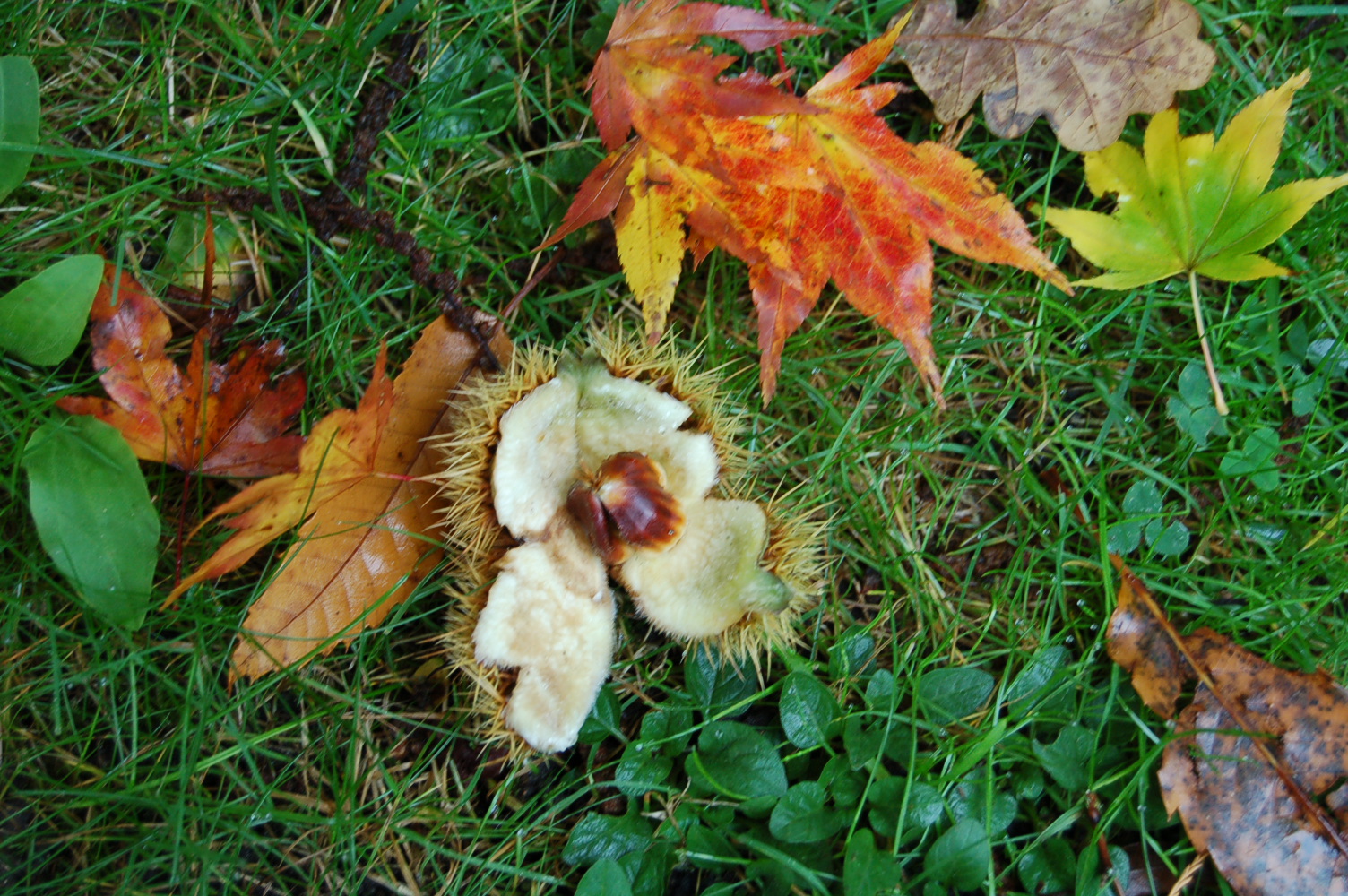
Sweet Chestnut awaiting the attention of squirrels in Pittville Park in Cheltenham.

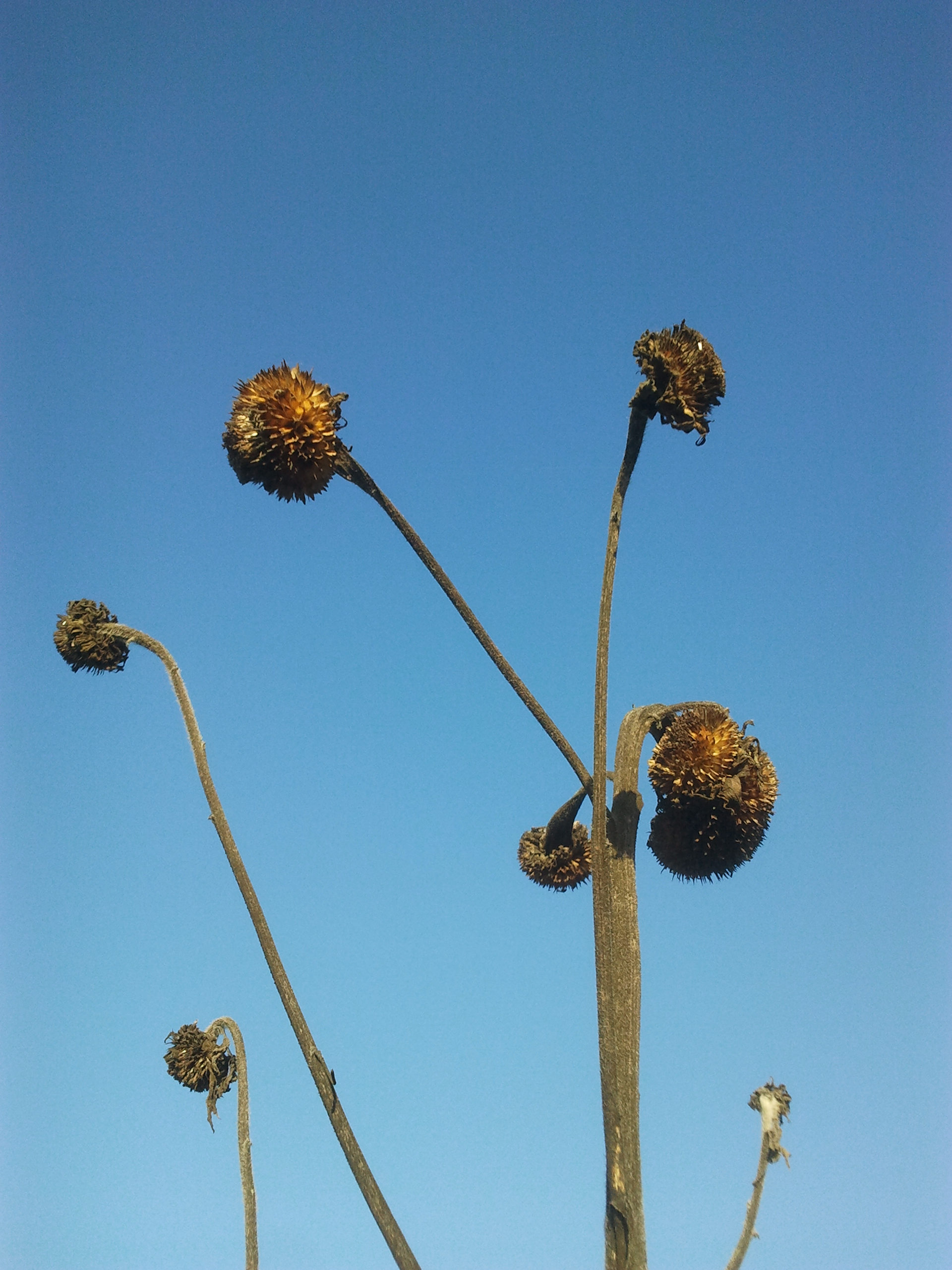
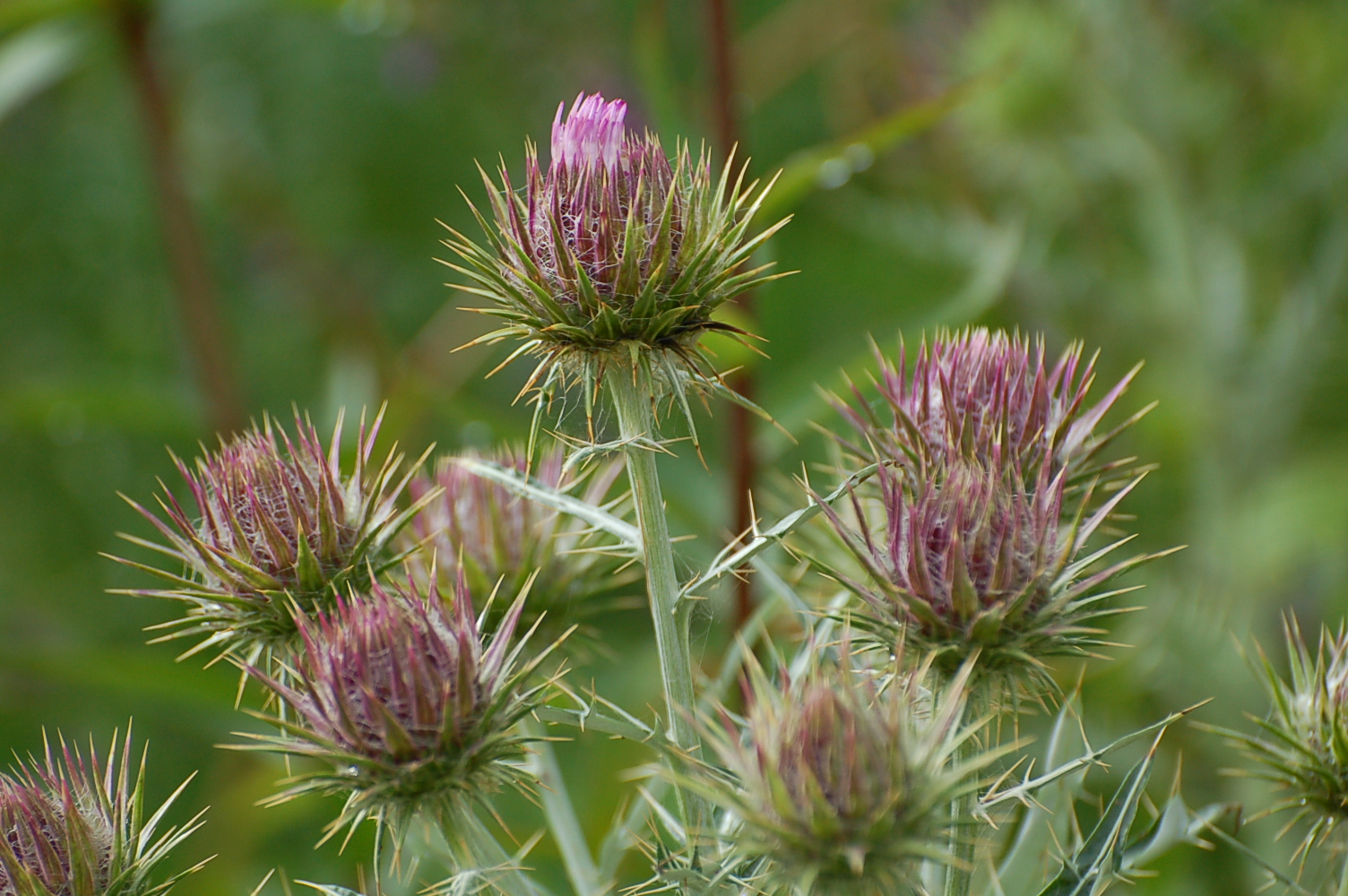
Onopordum seed heads against a blue sky in our garden.

Drooping Dieramas.

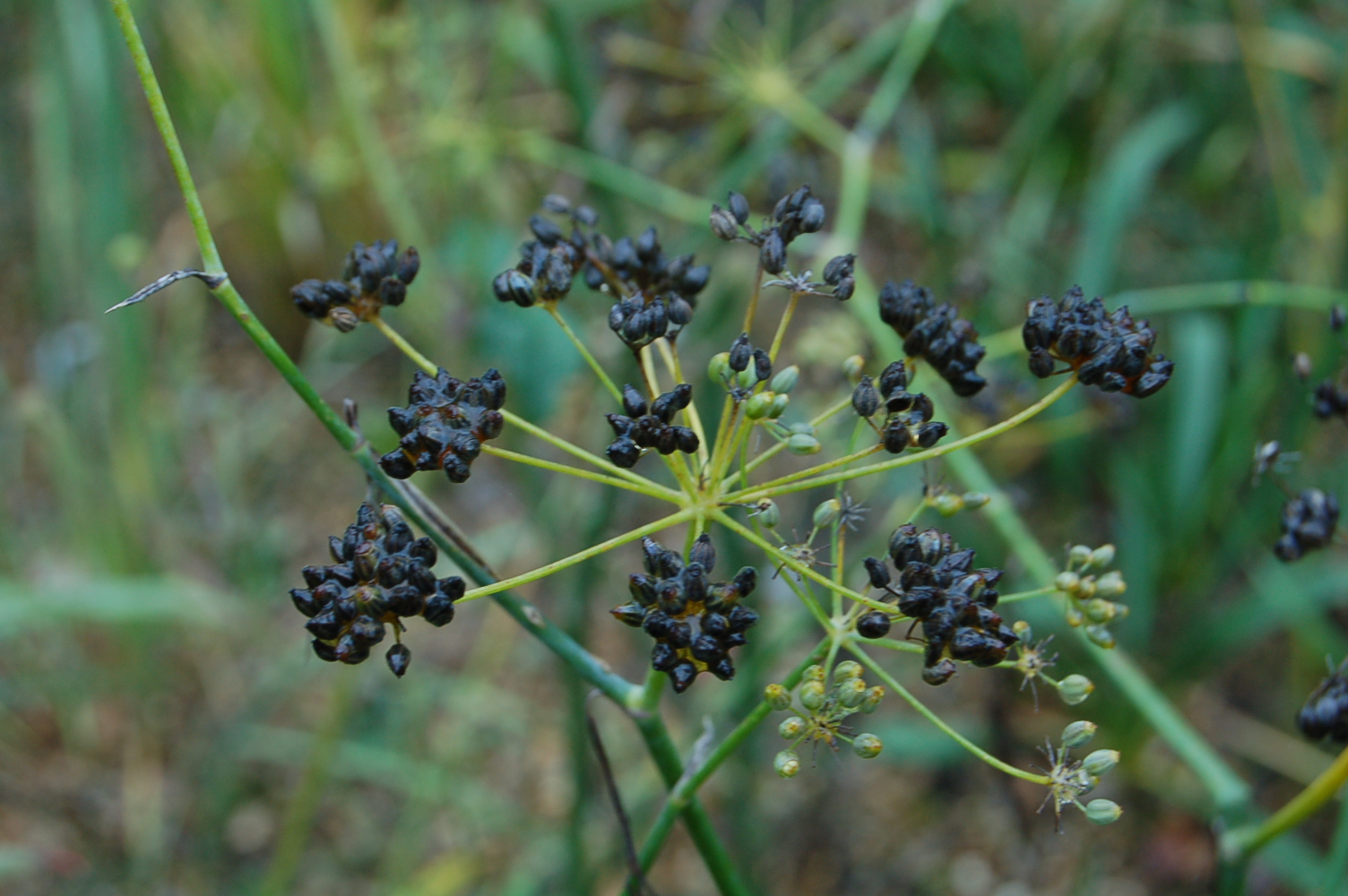
Black umbellifer seeds.

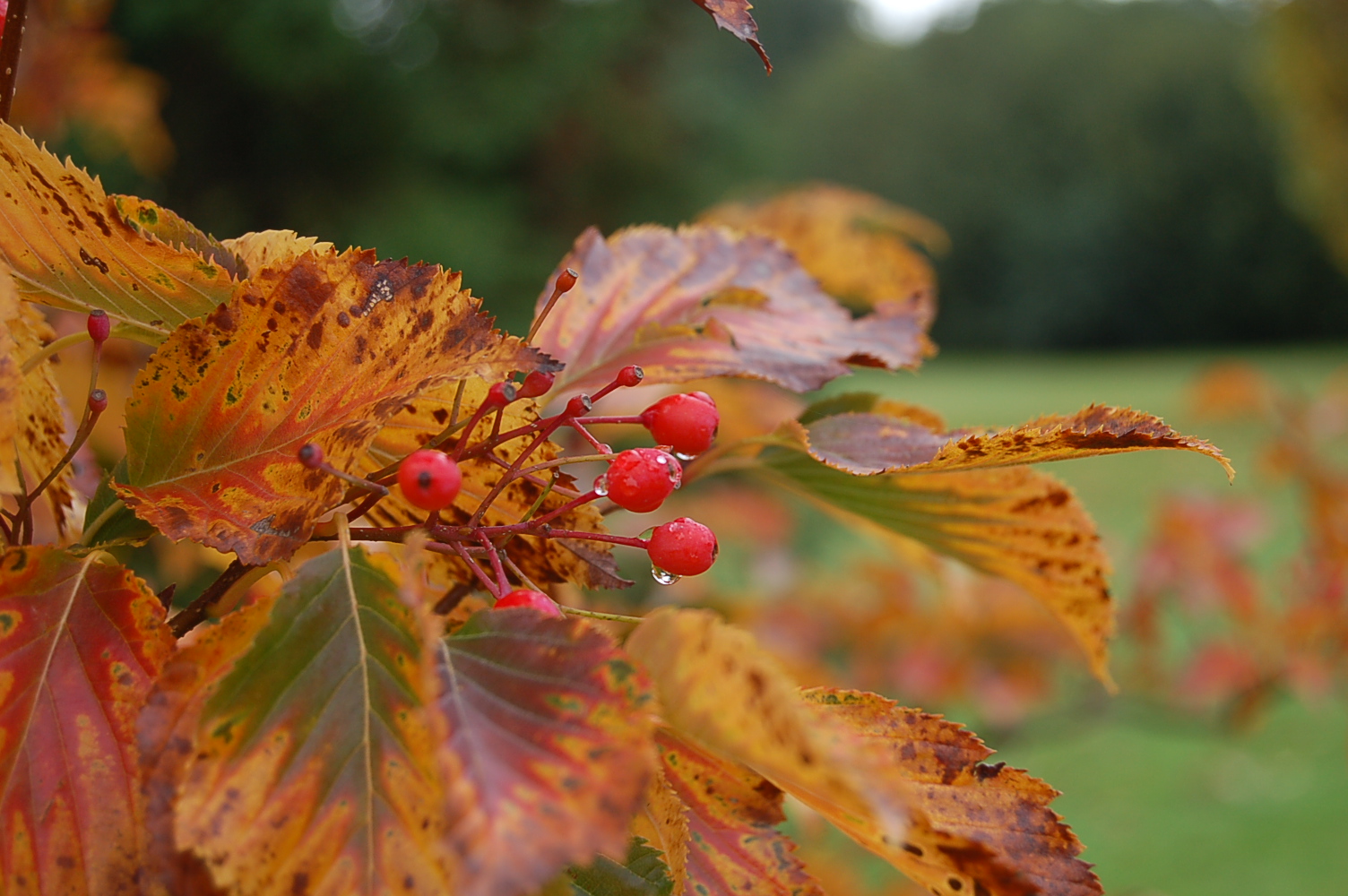
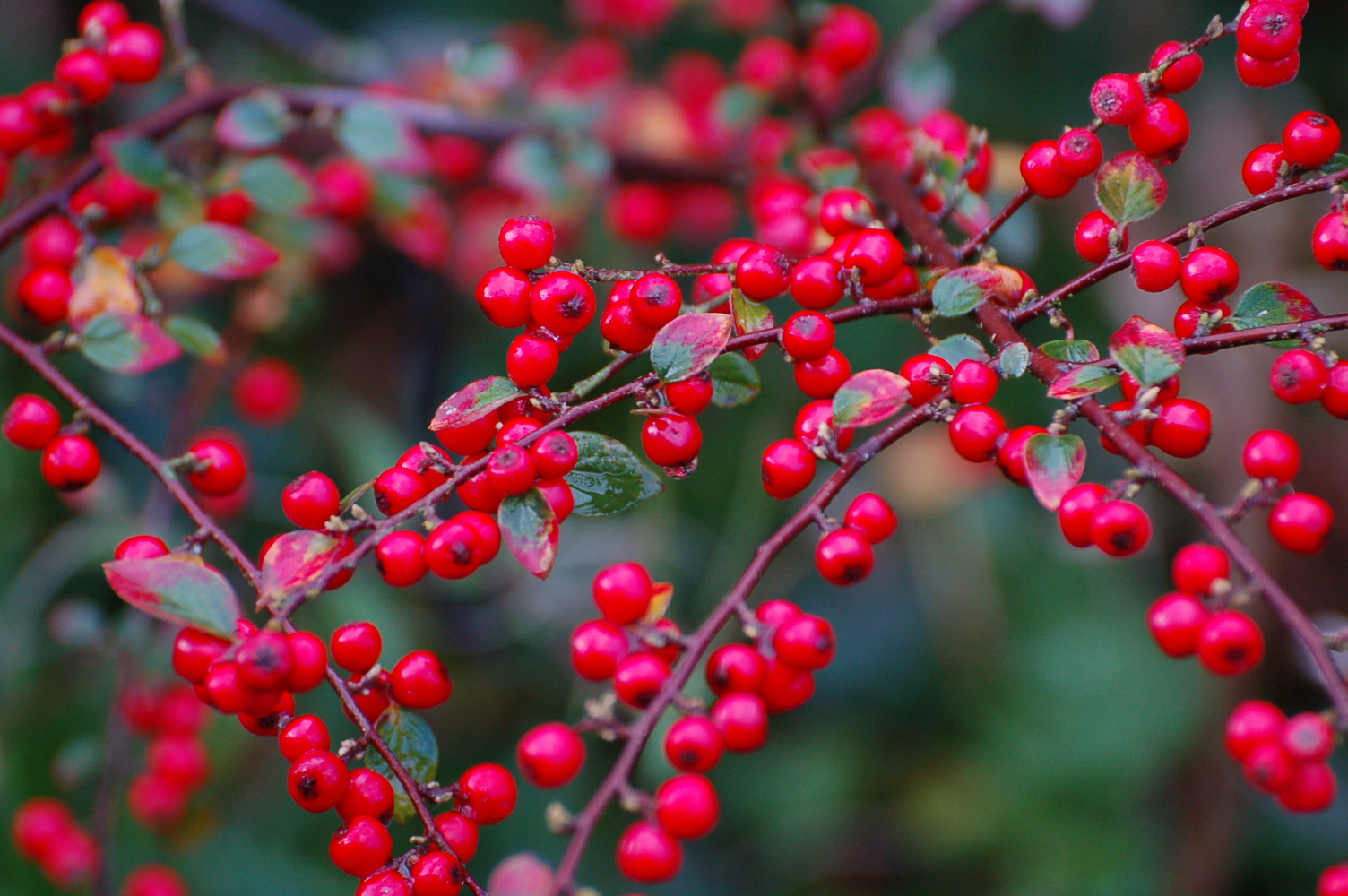
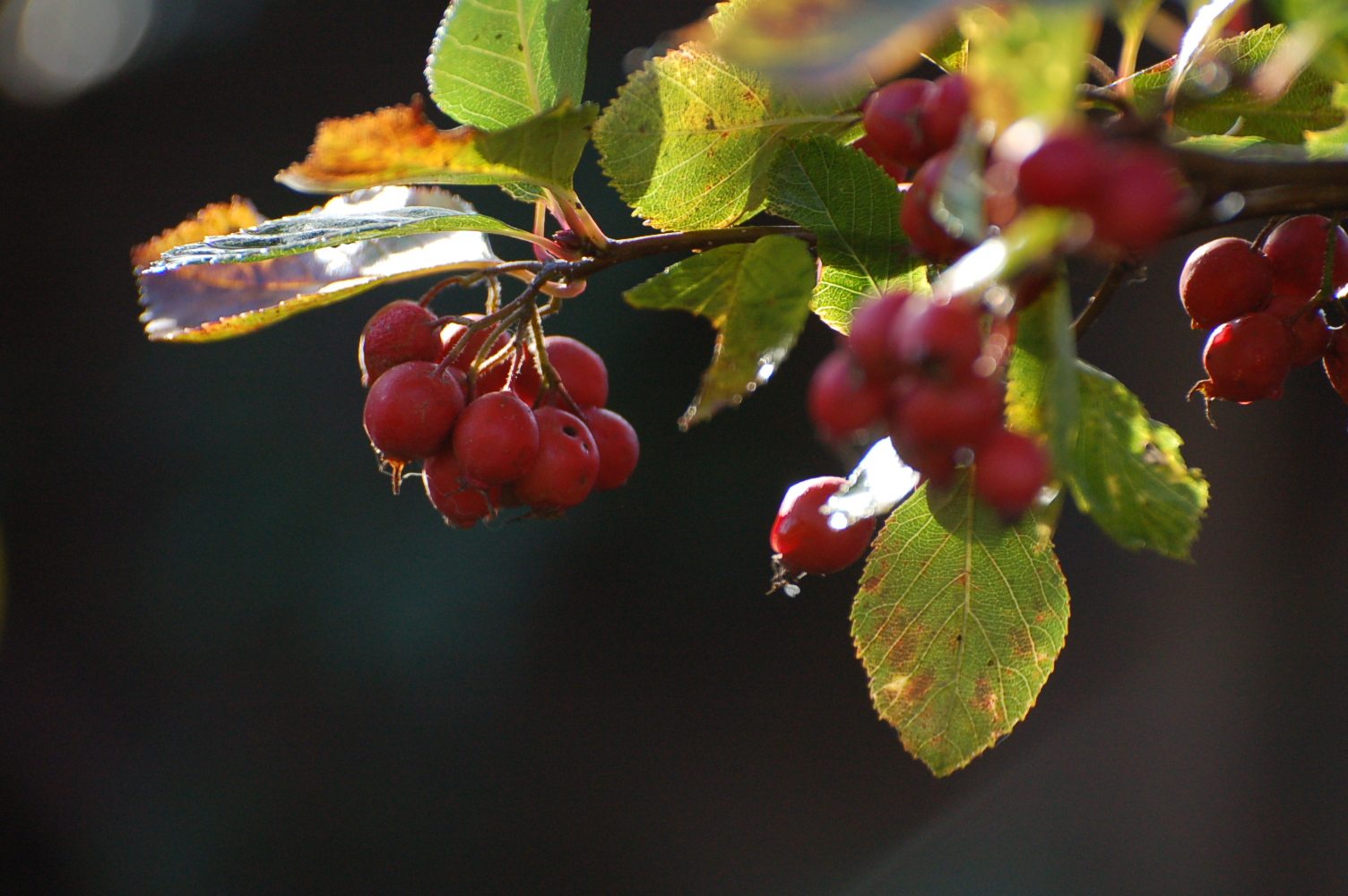
Crataegus berries and autumn foliage.

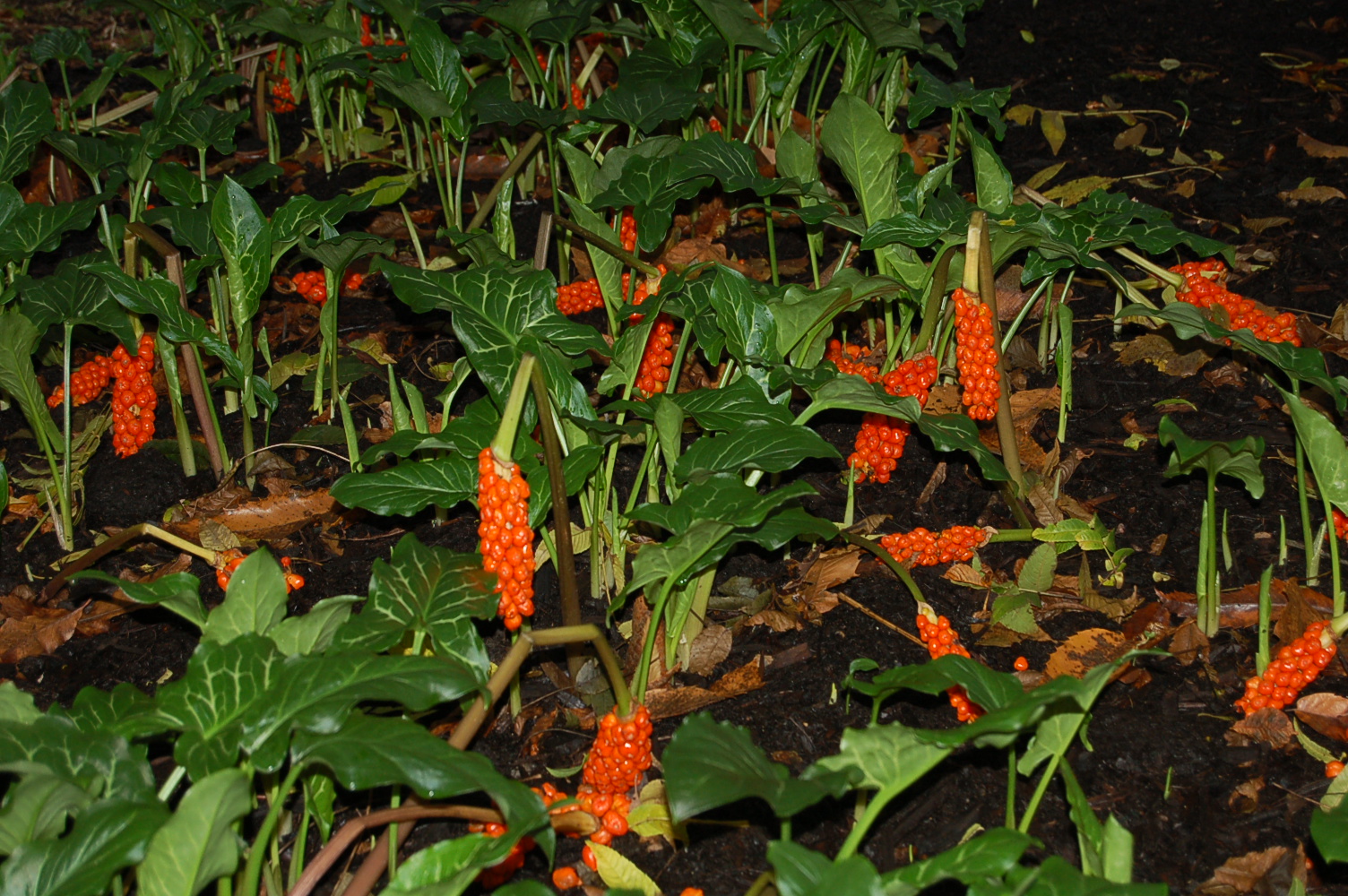
A host of Arum Lilies.

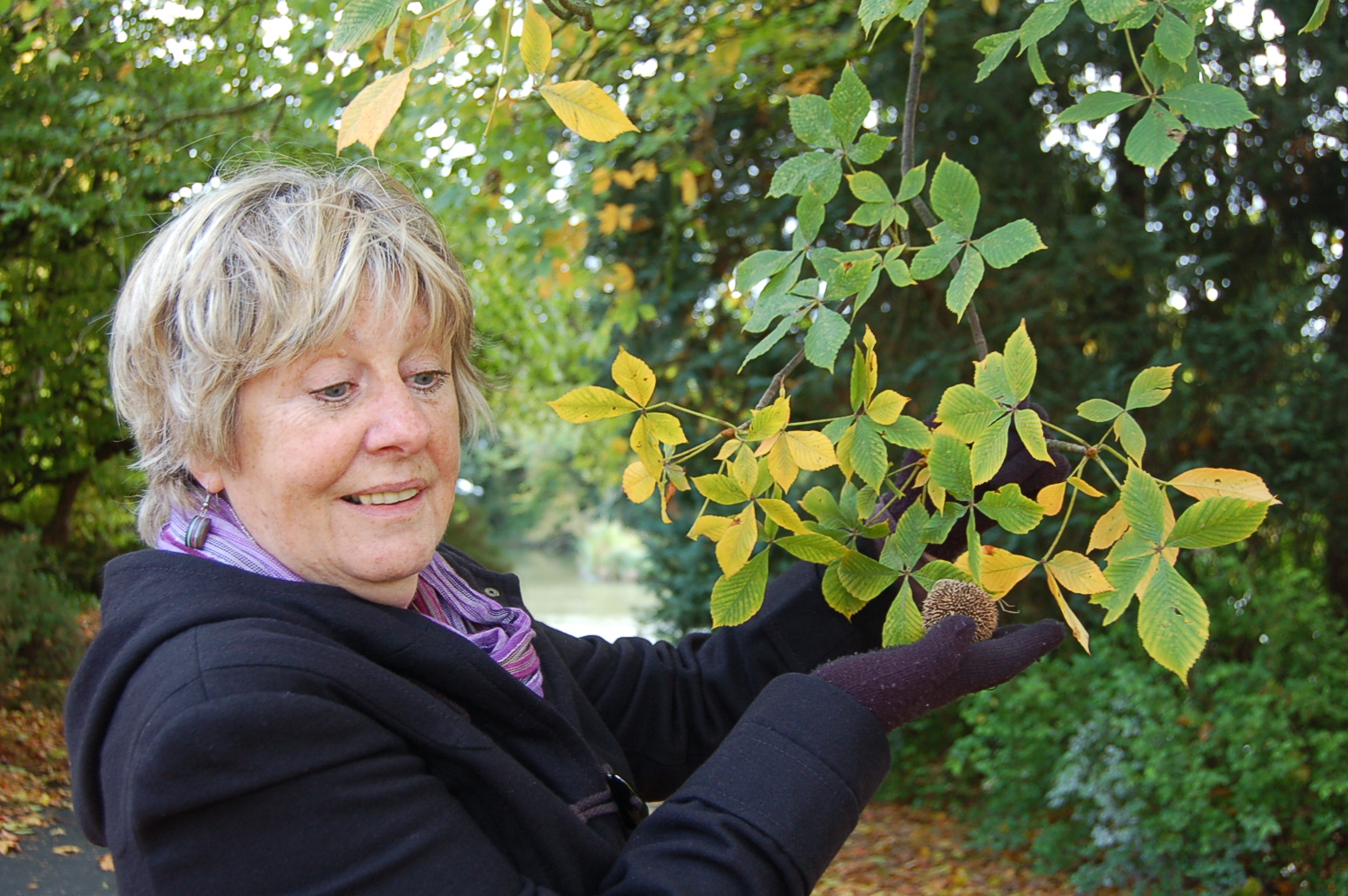
Jude “The Undergardener” mystified by an unknown chestnut.

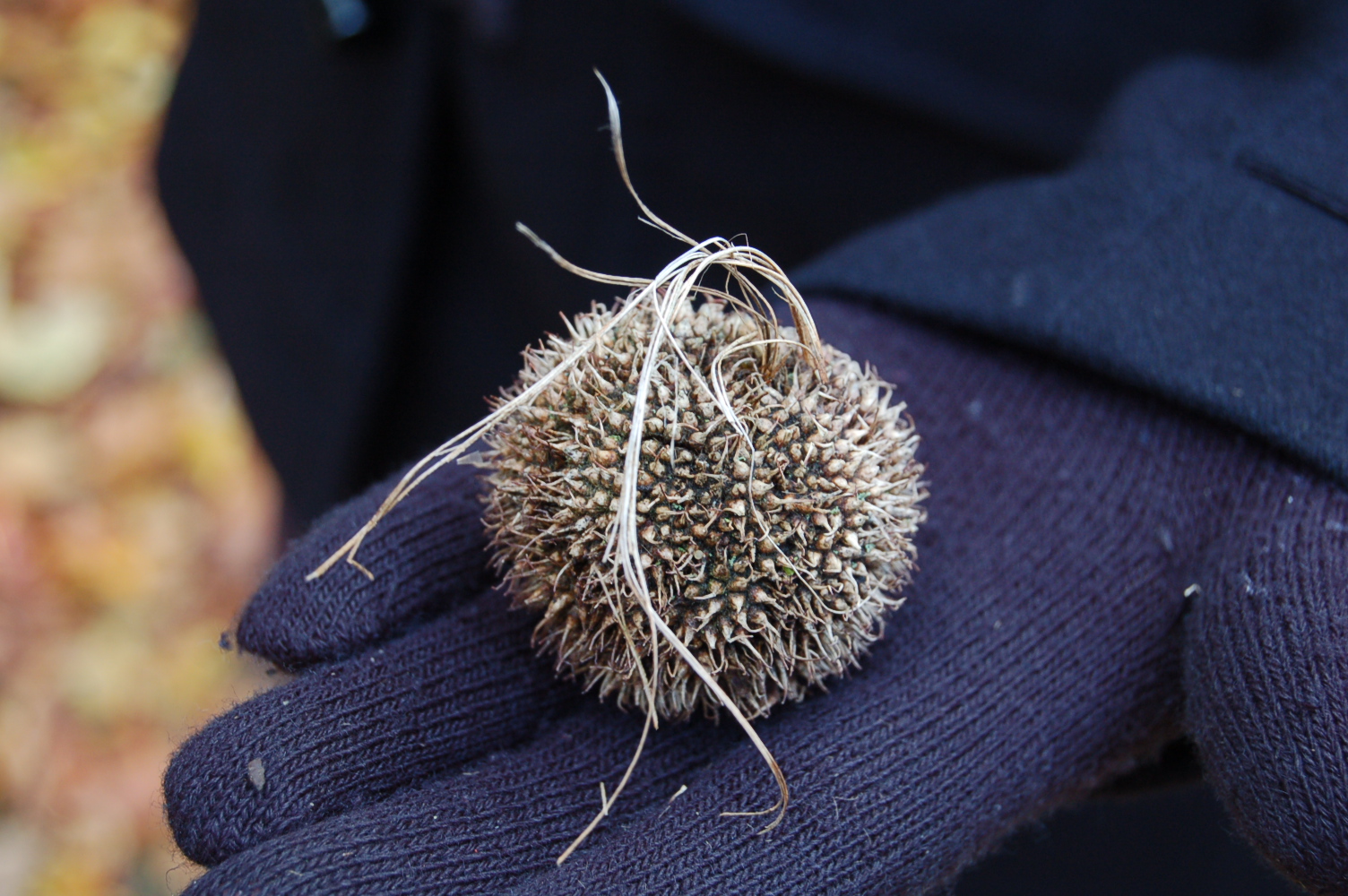
The chestnut had spiky golf balls as nut capsules.

Mad clashing colours on Euonymous europaeus.

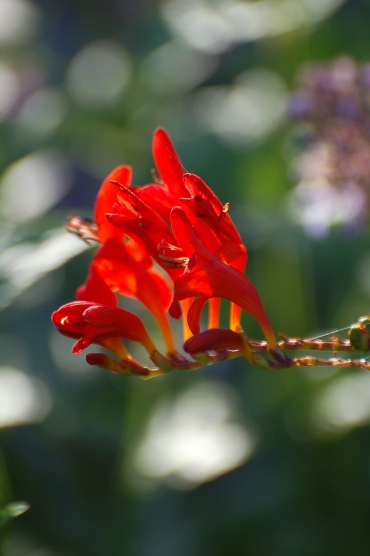
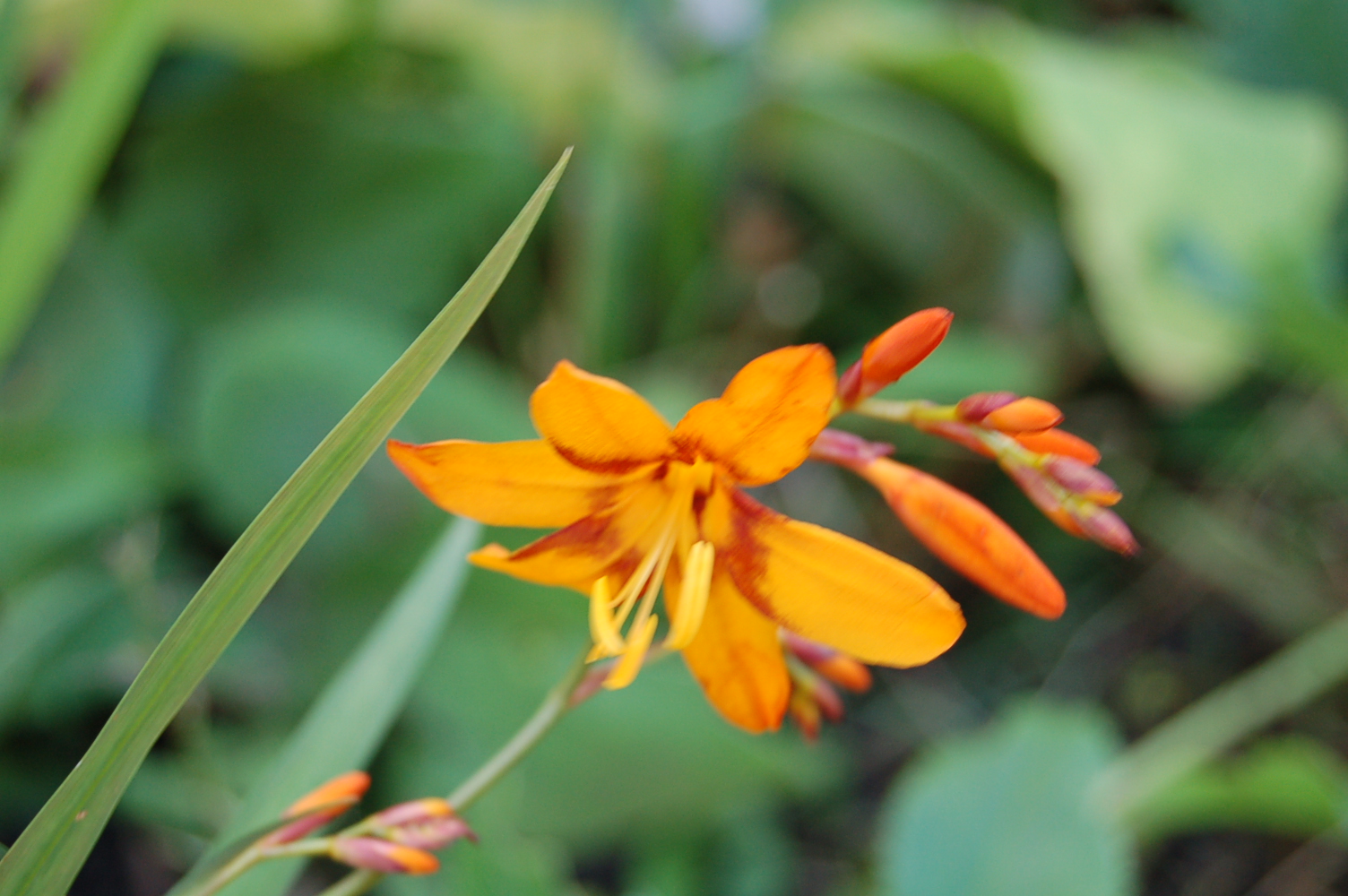
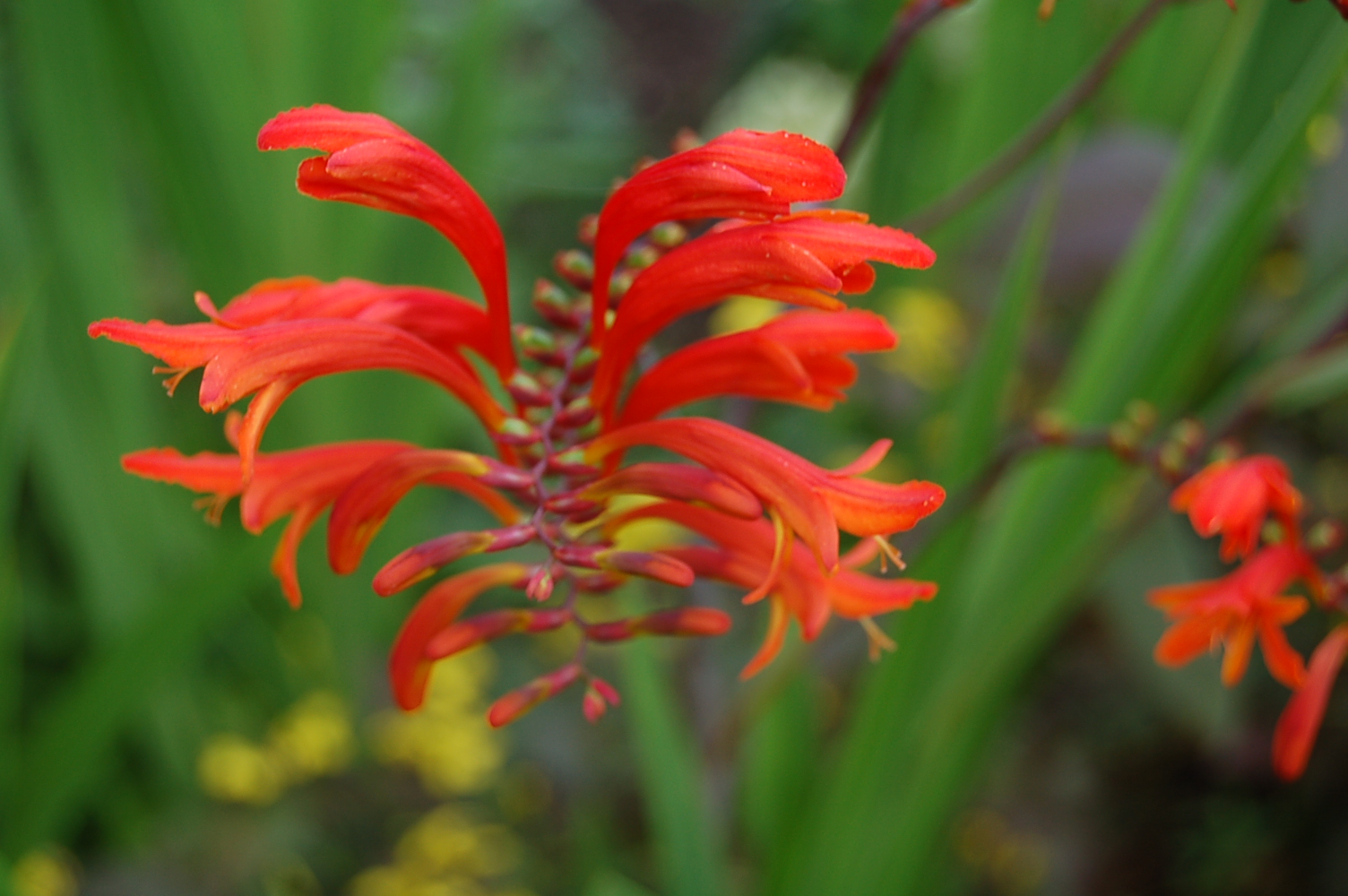
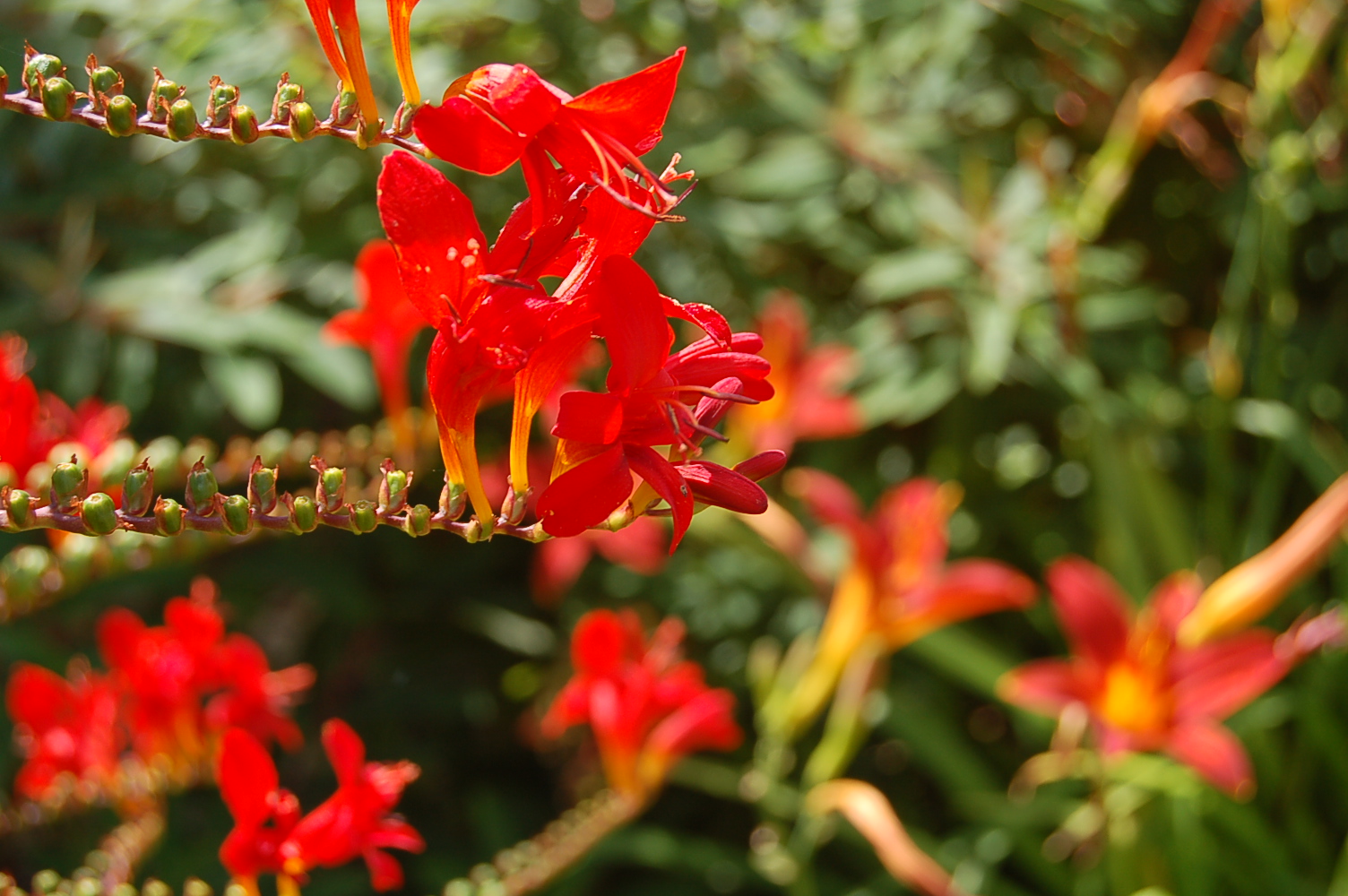
Crocosmia Lucifer graceful stems with its ginger coloured seeds.

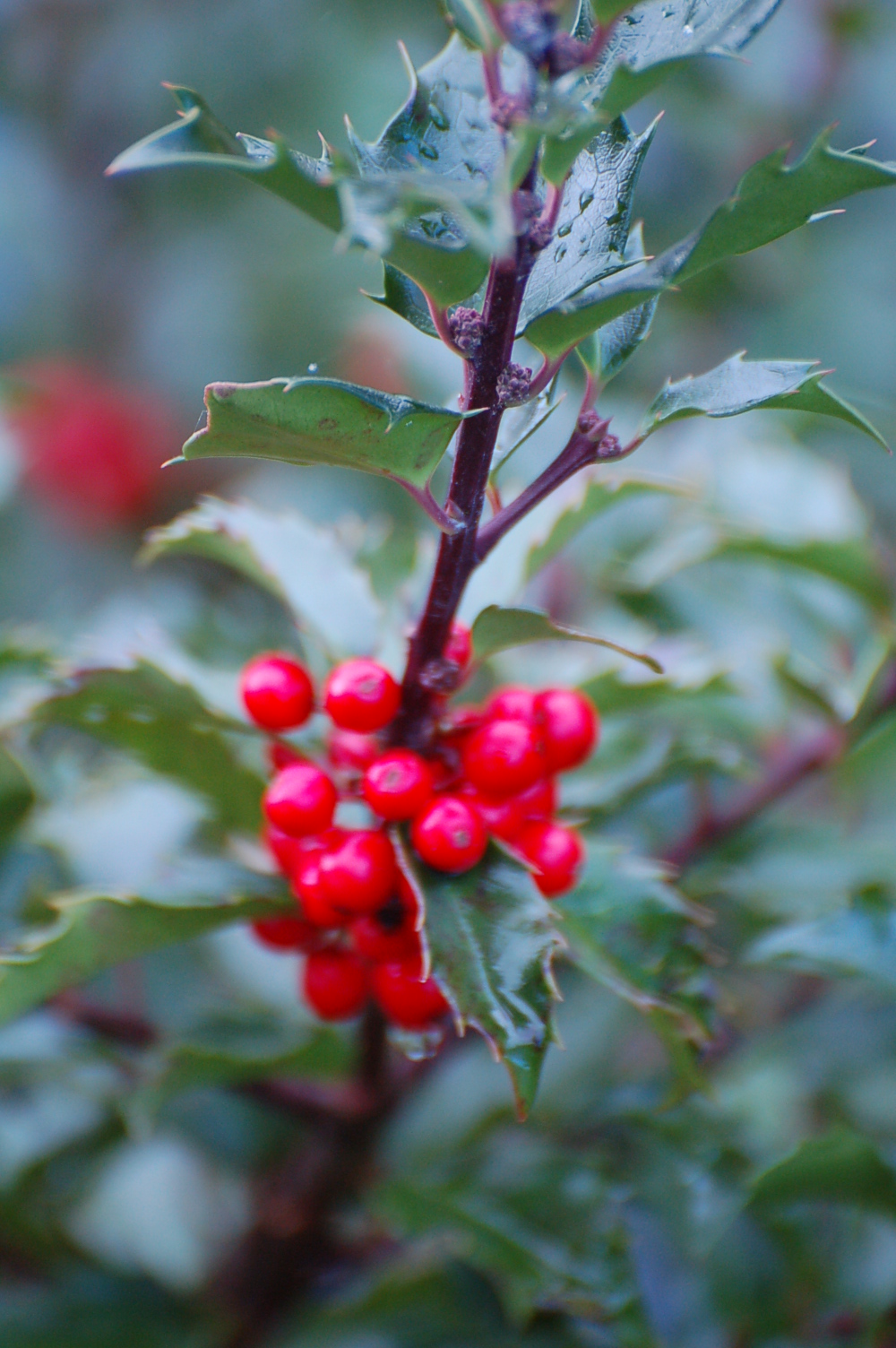
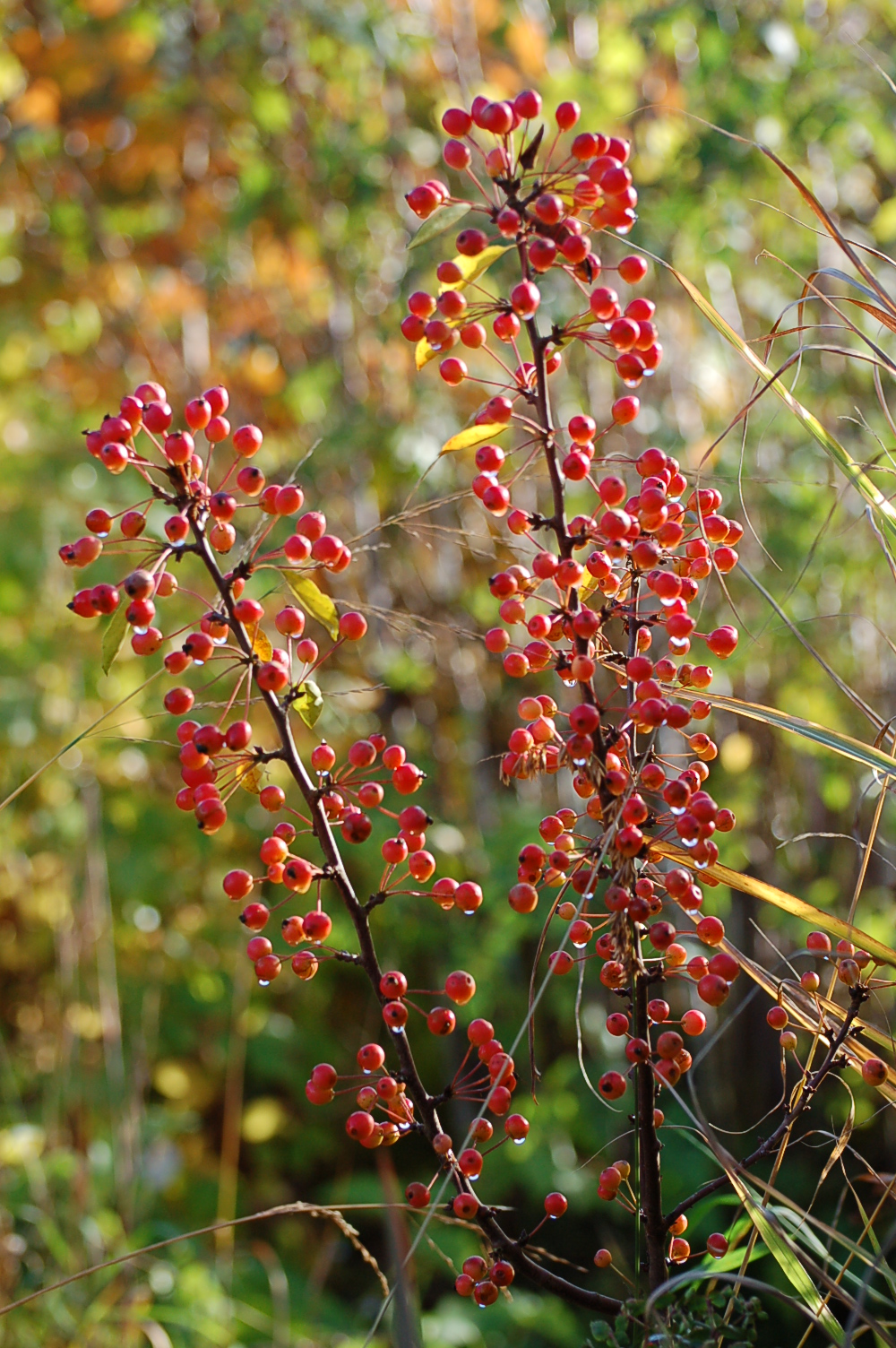
Let us now have a wander around our garden and spot red berries, and photograph them before the Mistle Thrushes, Redwings and Fieldfares gorge on them.

But unlike Henry Ford we do grow our berries in more than one colour!

White Dogwood.

Two-tone Hypericum.

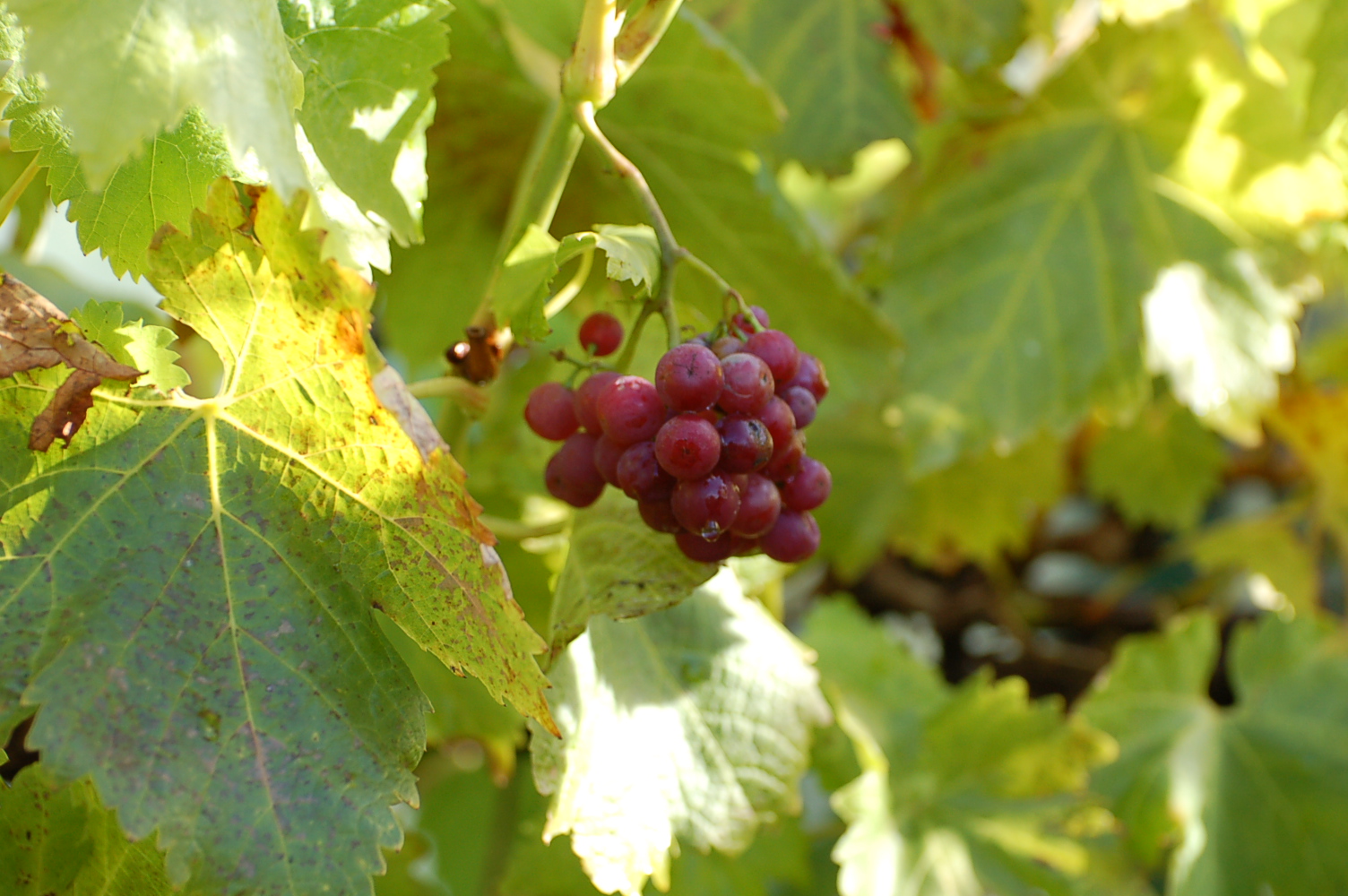
Musky purple grapes.

This unusual cream berried Cotoneaster always confuses garden visitors. (C. rothchildsiana)

Categories
autumn autumn colours colours garden design garden photography gardening gardens open to the public National Garden Scheme ornamental trees and shrubs photography shrubs The National Gardening Scheme" trees

The Dingle – A Welsh Garden Wonder

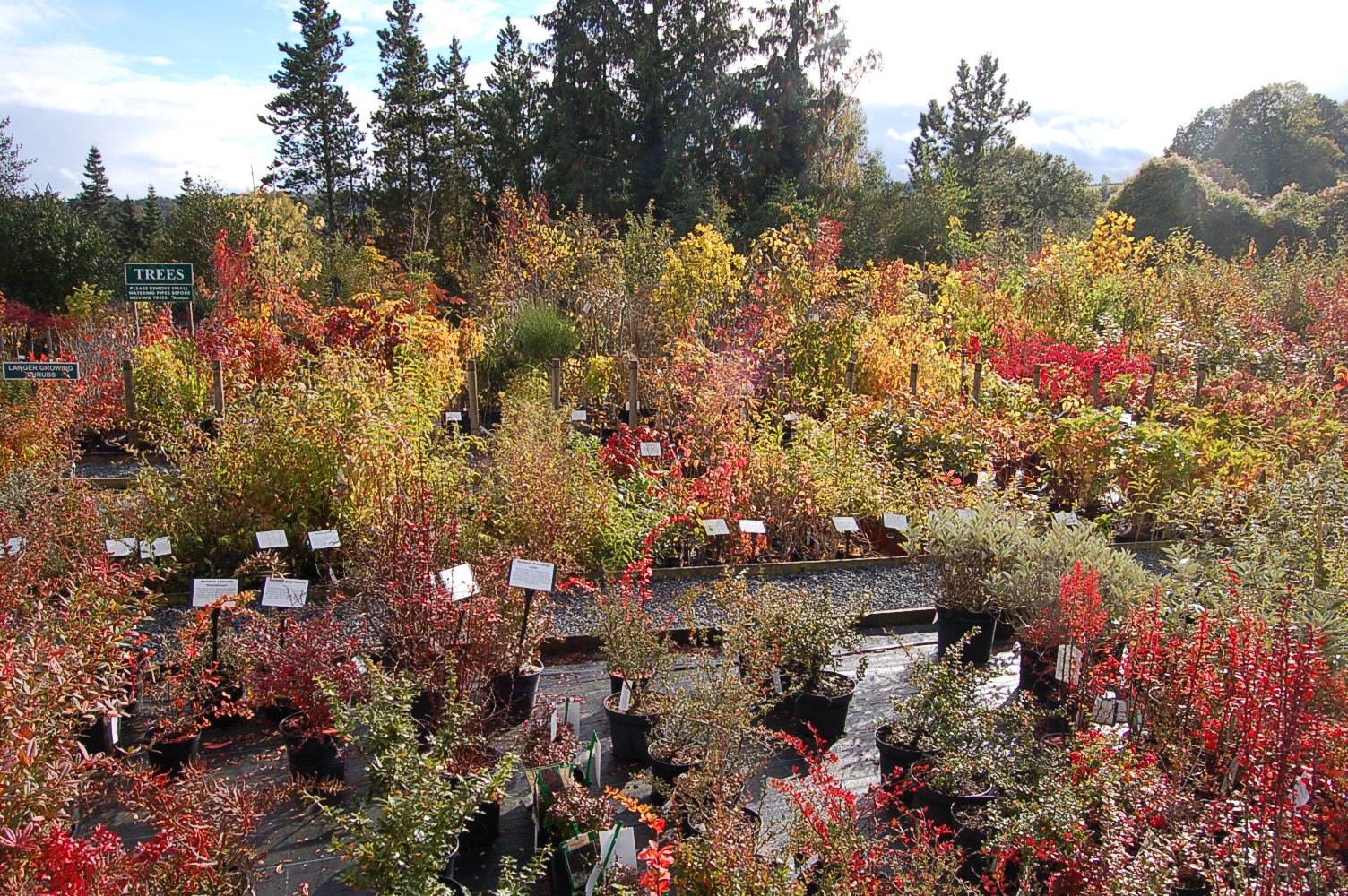
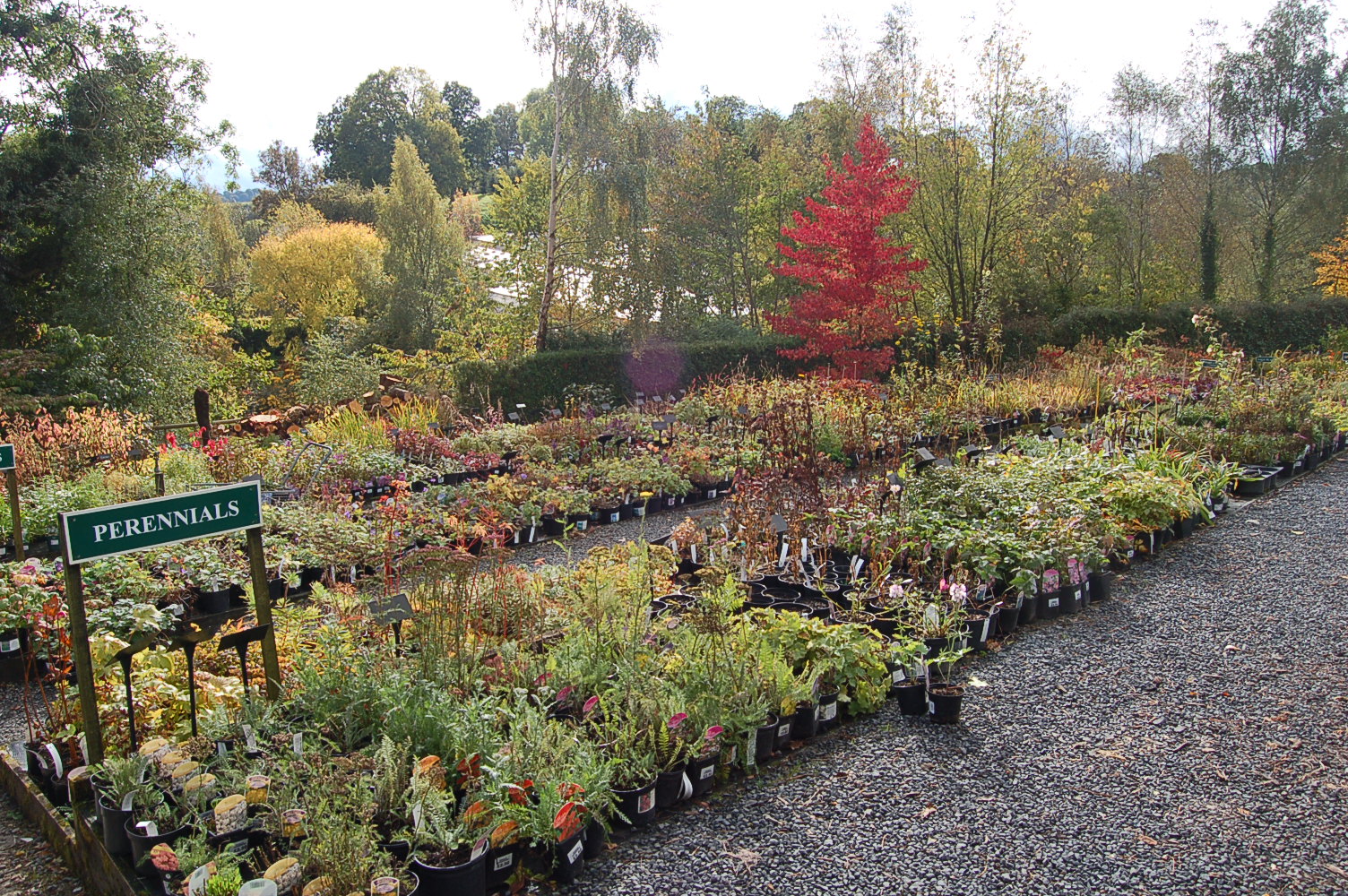
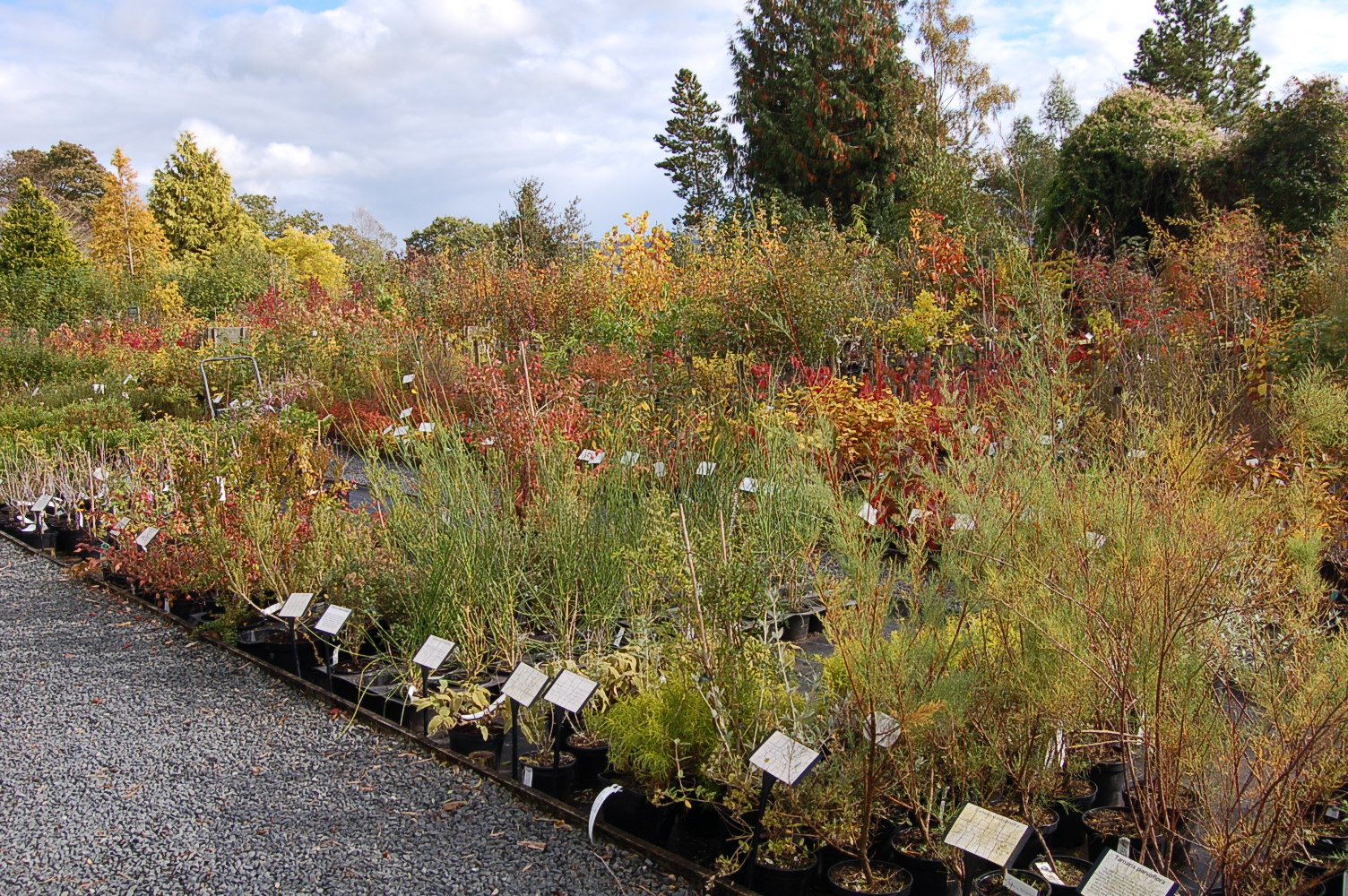
Close to Welshpool, just a half hour from home across the Welsh border, are our favourite nursery and garden centre, The Dingle and The Derwen, part of the same family. They sell unusual trees and shrubs and many good-value perennials all locally grown. But hidden away in the Dingle nursery, through a little wooden gate is a wonderful sloping garden. The garden is mostly a wonderful collection of unusual trees and shrubs on a gentle slope down to a lake, so a visit in the autumn is an assault on the senses.

The nursery which is now over 40 years old, grows thousands of plants on its 150 acres of Welsh countryside. We rarely come away without a gem – and they give free coffee away too!

The garden itself extends to just four acres, but those four acres feel much larger than expected with a complex network of paths which give occasional views which are wide and stunning. This is good garden design.

As the paths take us around corners they feature interesting, colourful shrubs and trees to delight the eye before enticing us to find out what is around the next corner.

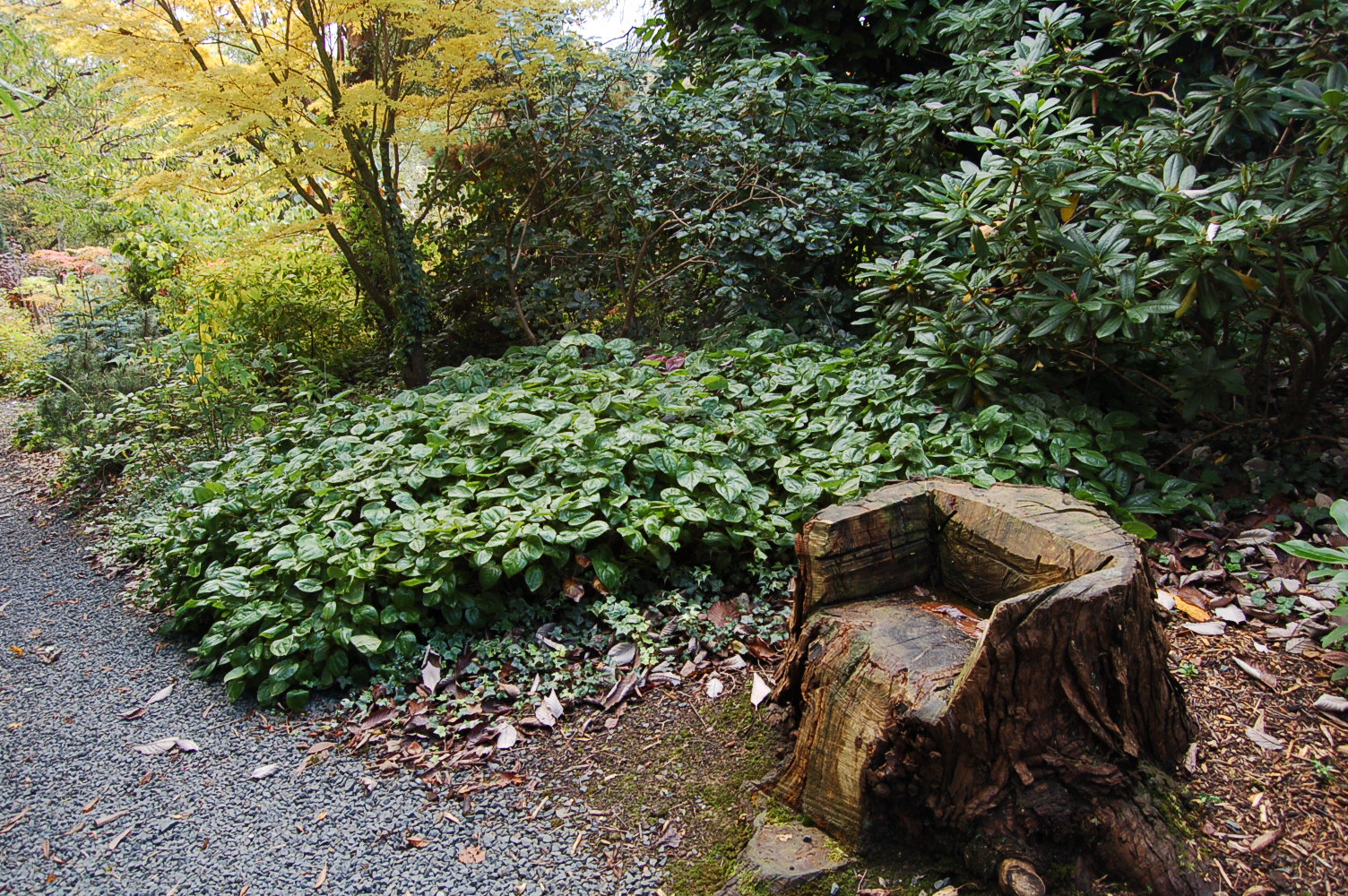
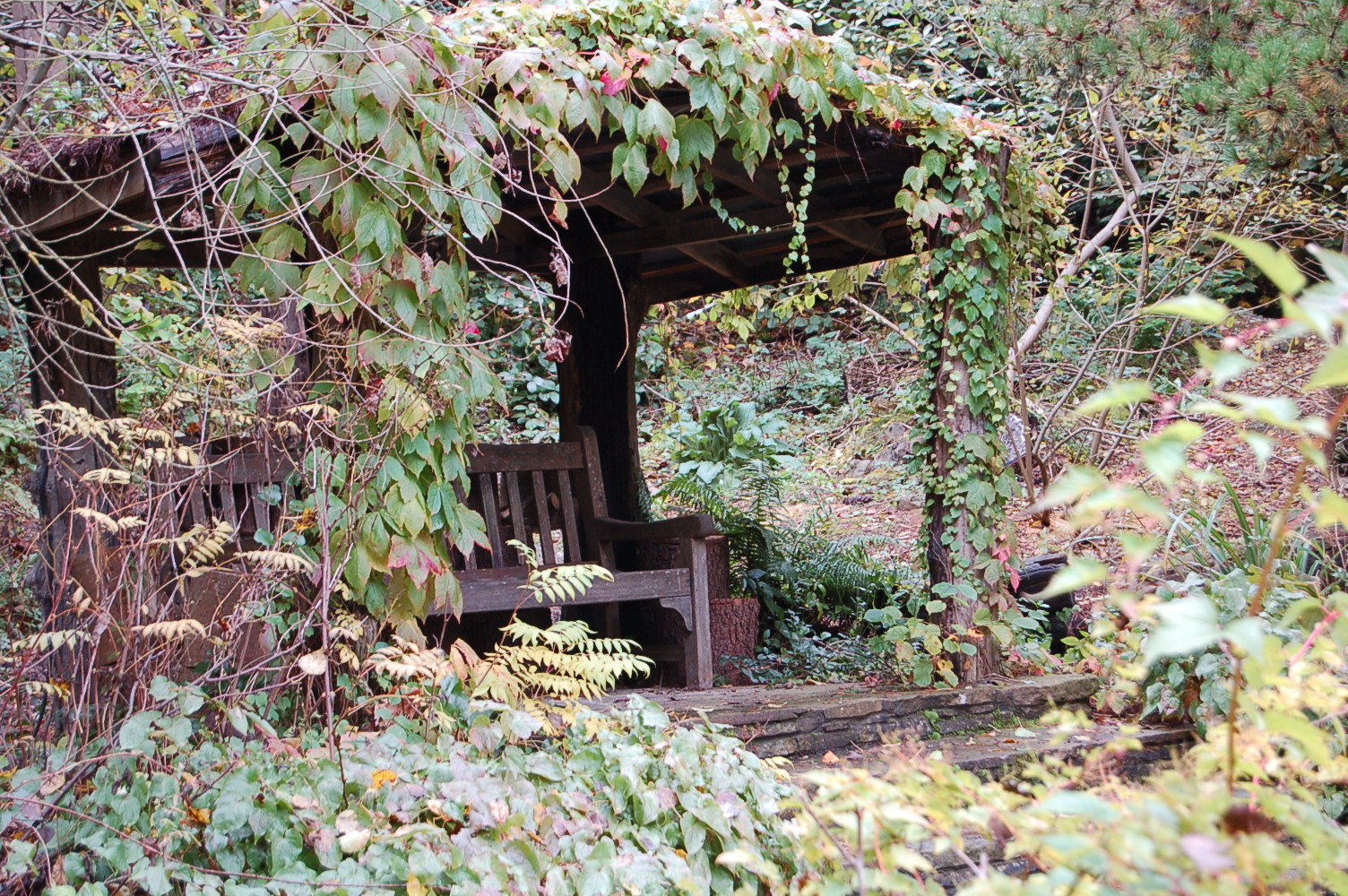
Being on a slope, the garden’s many seats are most warmly welcomed by aching legs.

Some of the seating provides cover which proved useful a few times as showers burst from the dark sky just visible through gaps in the trees.

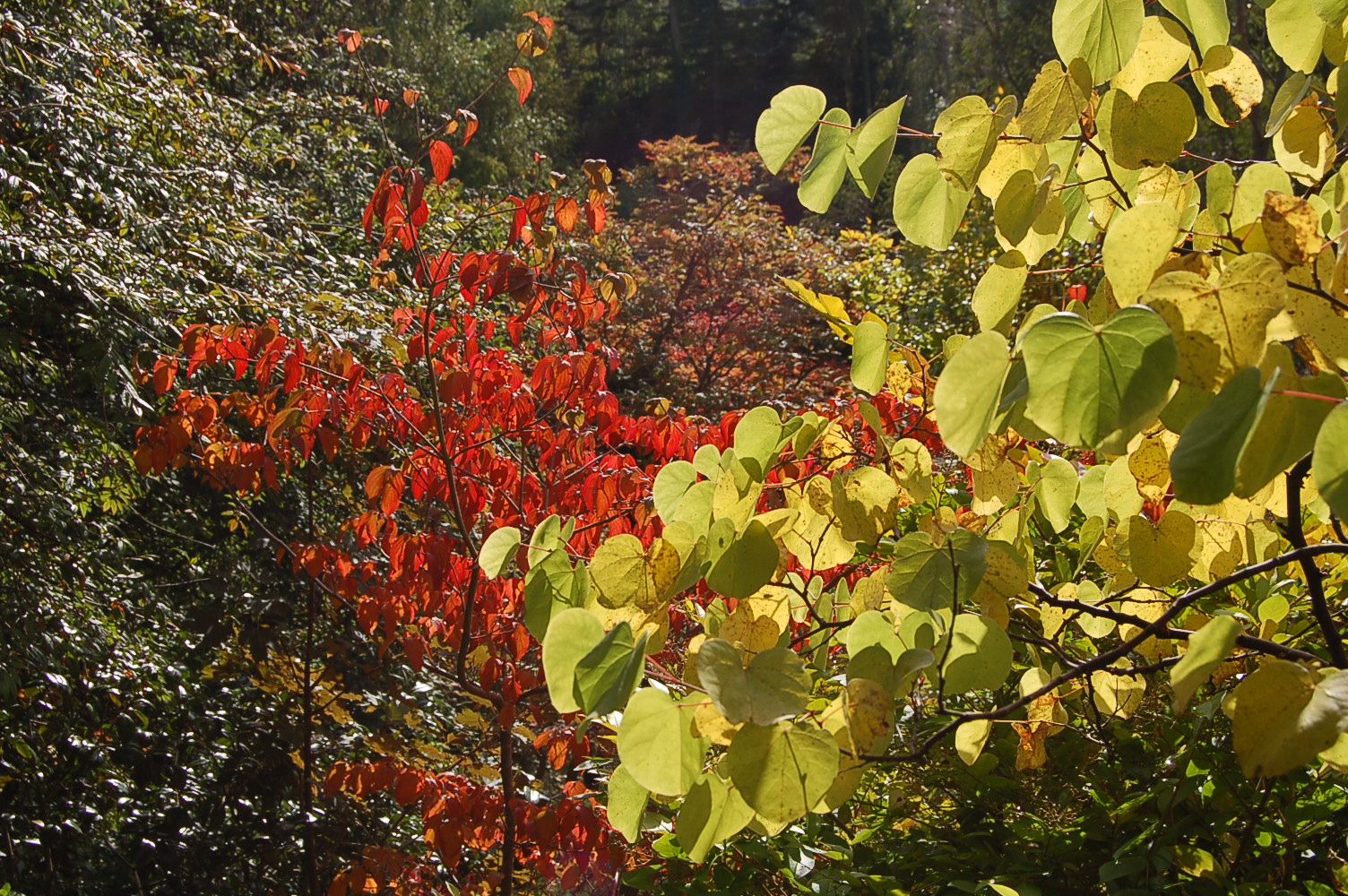
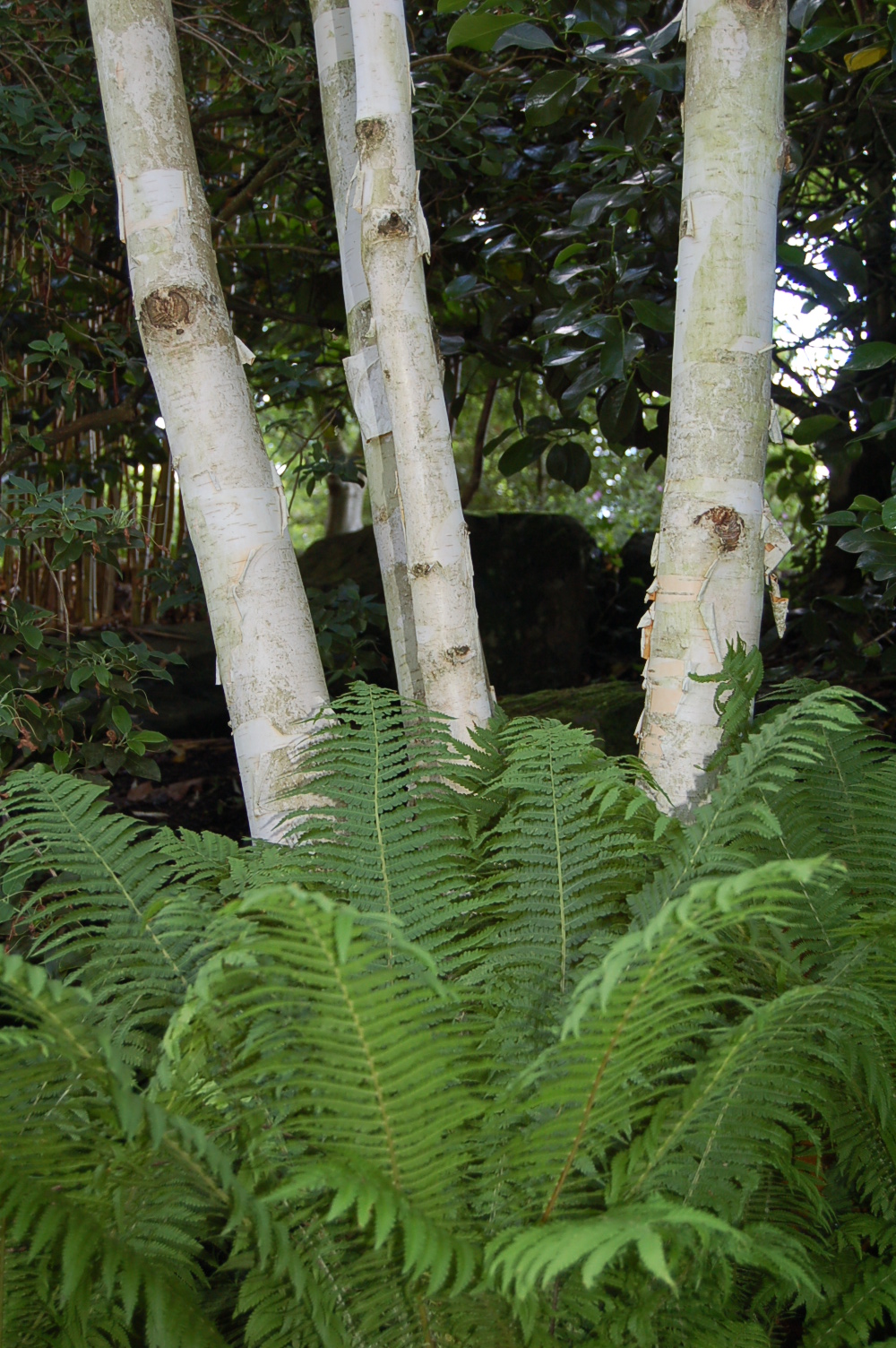
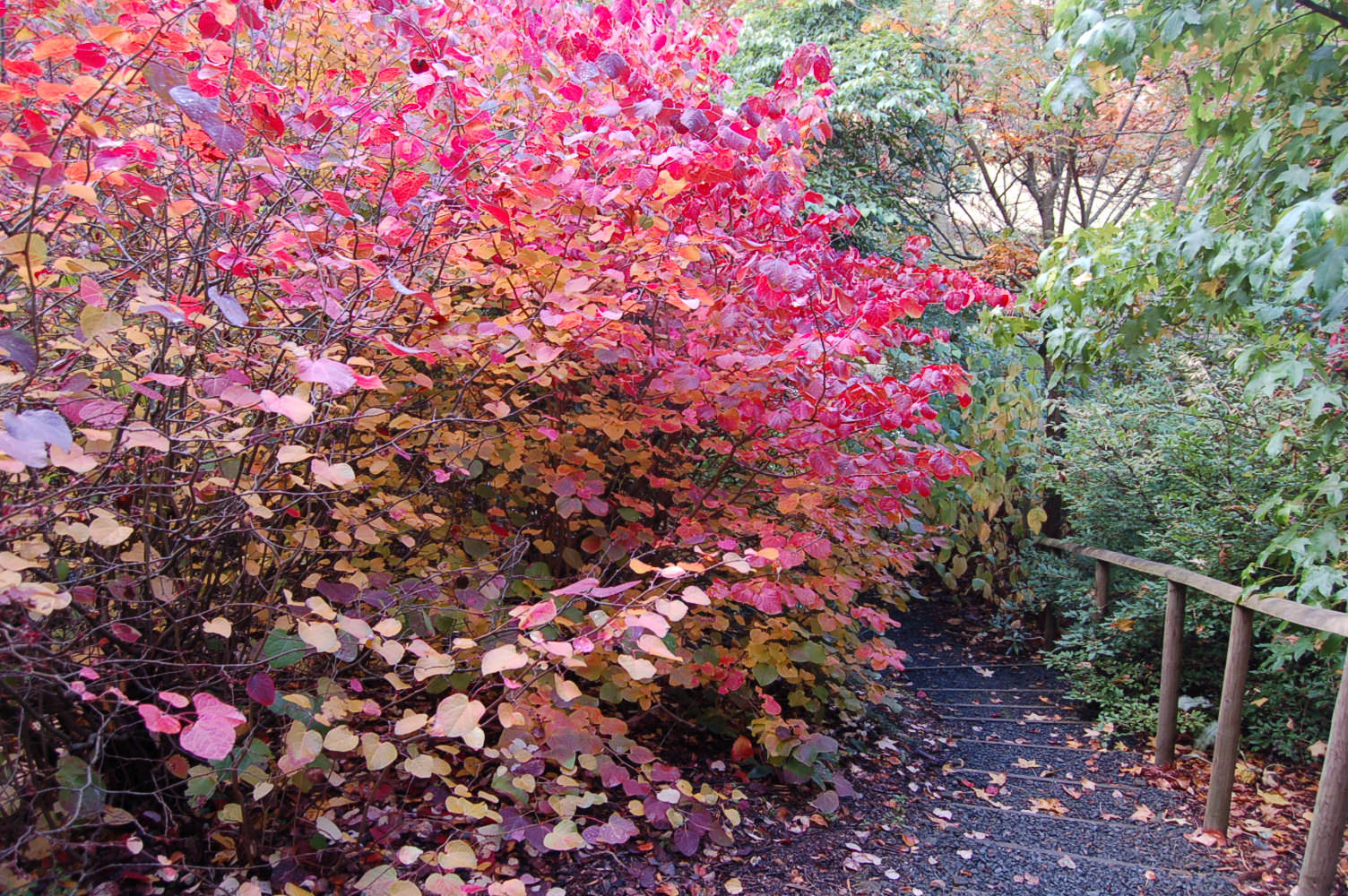
Coloured, textured foliage and bark keep the interest of the plant lover in us going strong and enticing us around each corner.

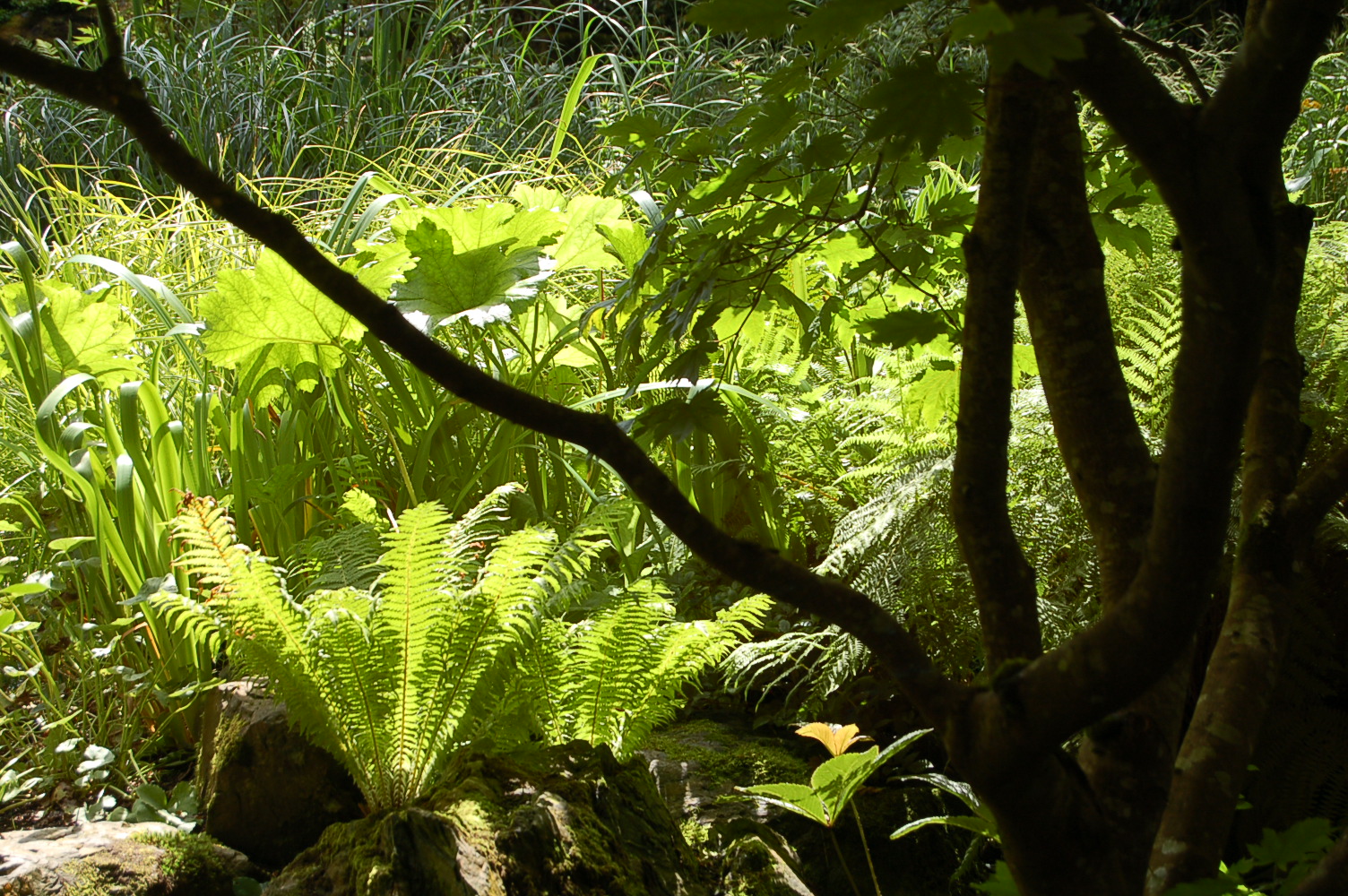
As in any good garden little cameos stop us in our tracks and catch the eye.

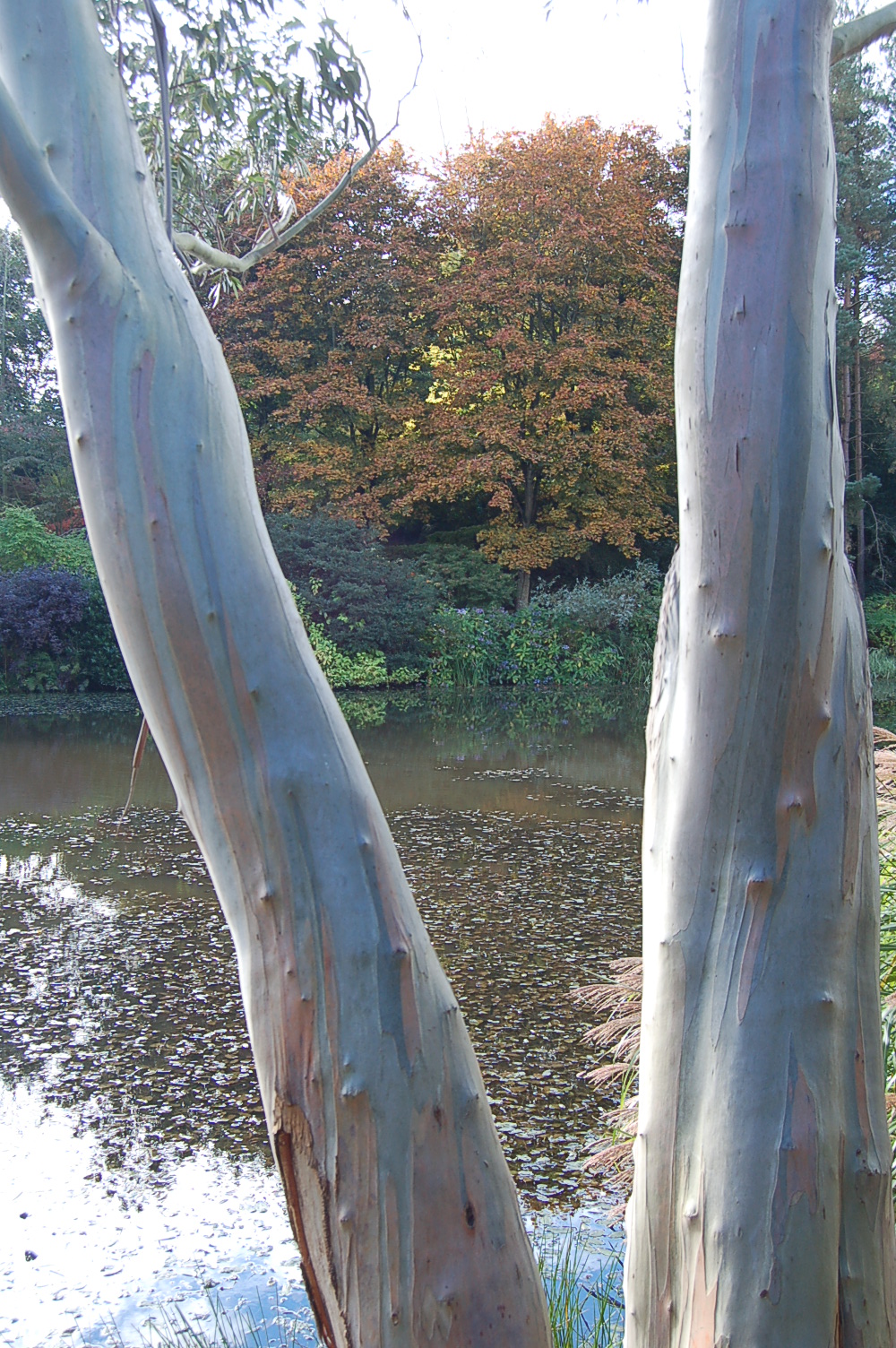
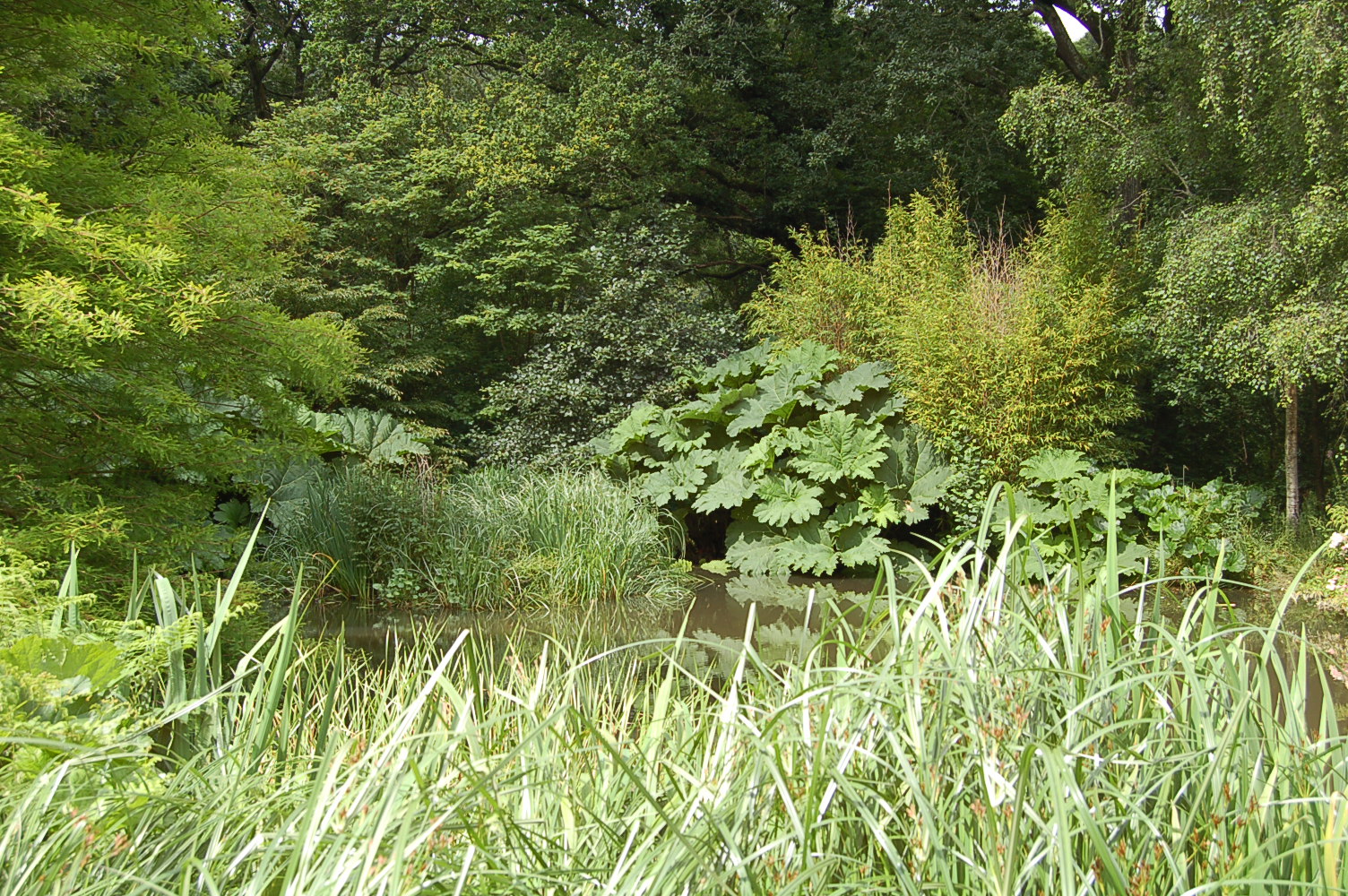
The lake at the lowest point of the garden, provides a restful place – restful to the eye and restful to the legs.

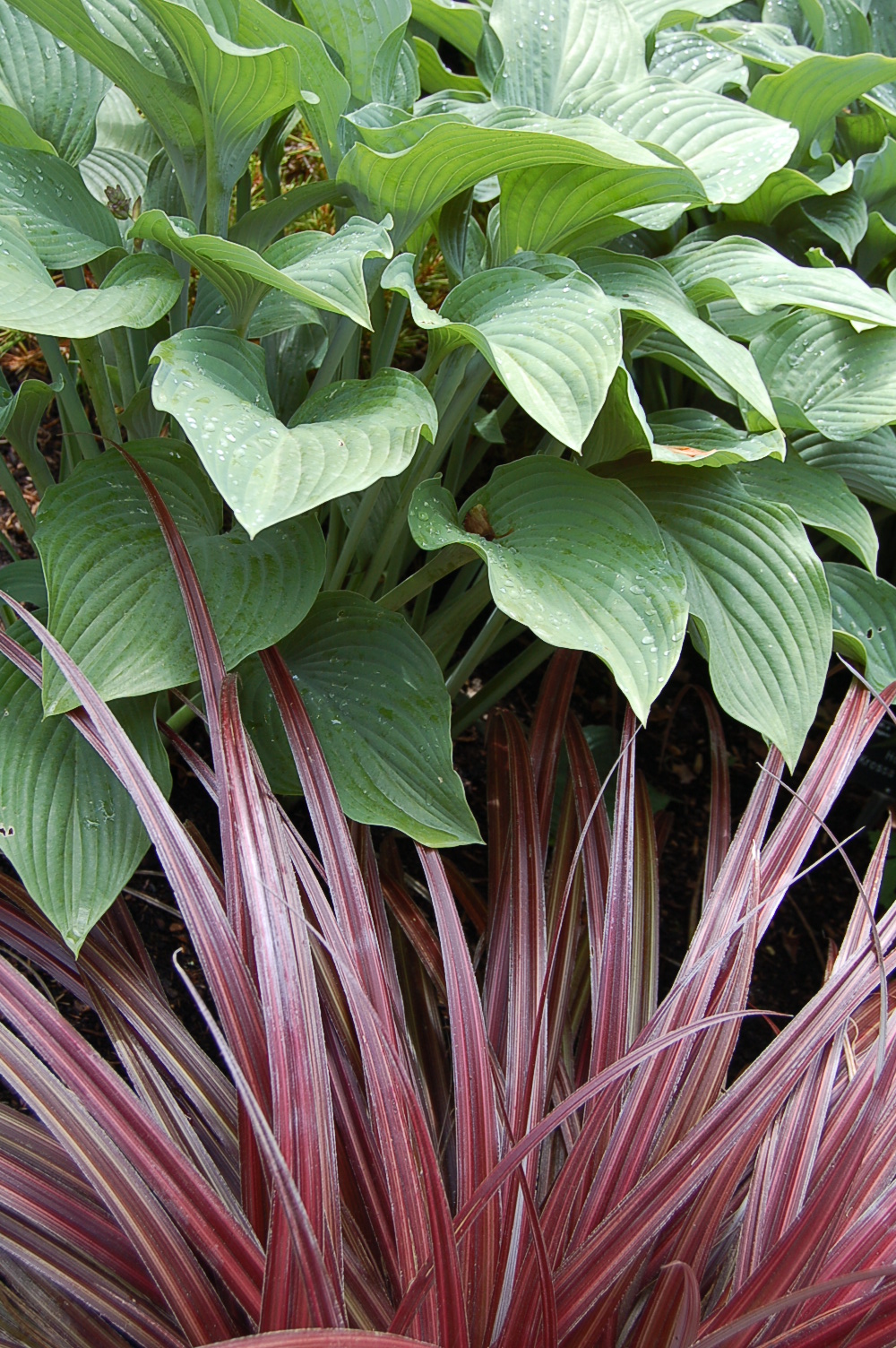
Strong contrasts in foliage colour show up in the brighter weather as we work our way back up the paths to the gate.

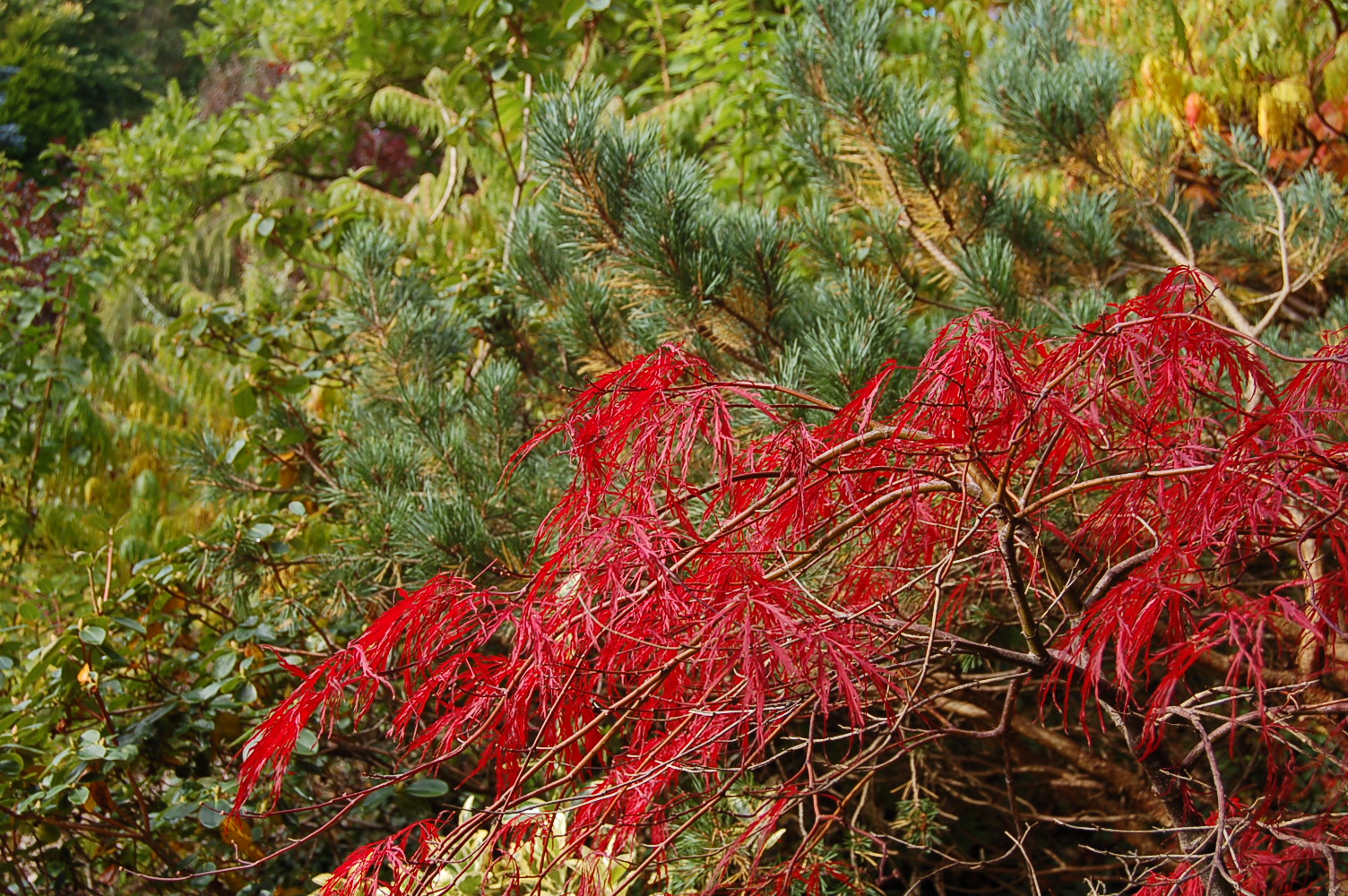
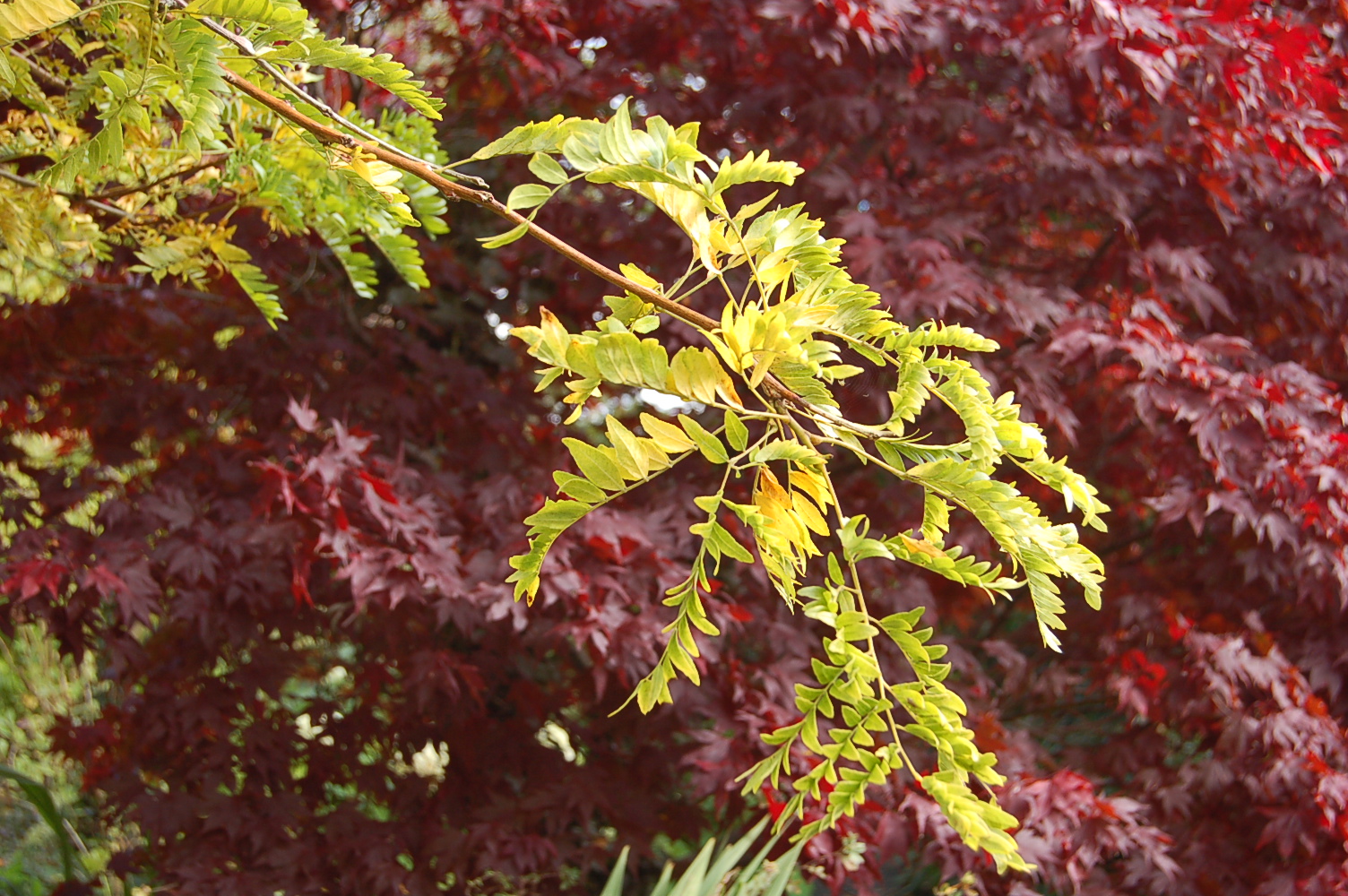
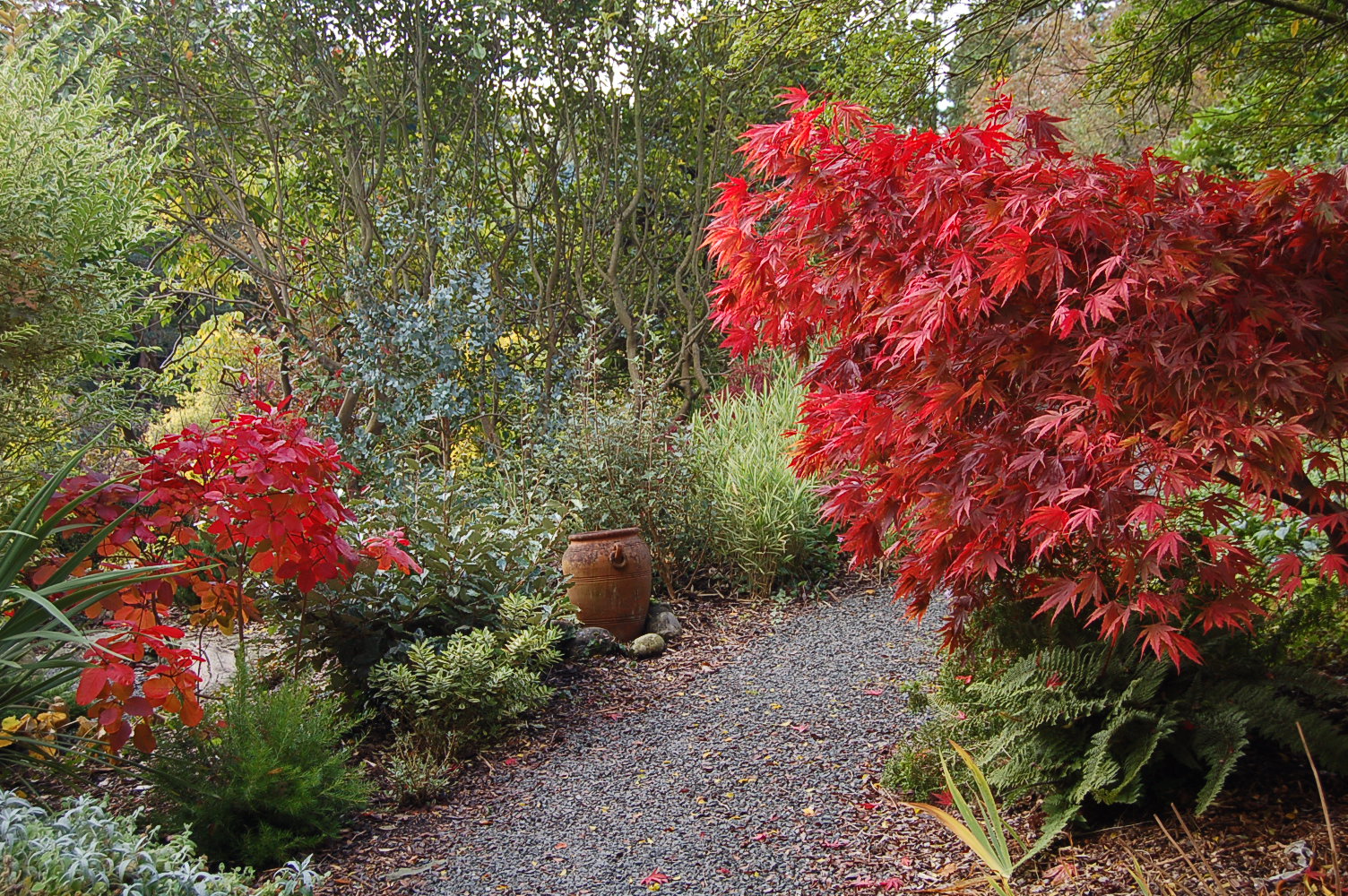
As in any garden specialising in trees and shrubs the stars of the autumn are the Acers.

Back up the top of the garden we pass through the little wooden gate and are tempted for a perusal of the colourful nursery beds.

Categories
autumn garden design garden photography gardening hardy perennials ornamental grasses ornamental trees and shrubs photography roses Shropshire

A Wander around our Garden in October

The tenth post in this series of wanders around our garden already! Just two to go! What shall I do for a monthly garden post instead next year? Any ideas for me?

October started off with days of endless heavy rain but after a fortnight it changed to steady drizzle. A bit of sun would be welcome right now.

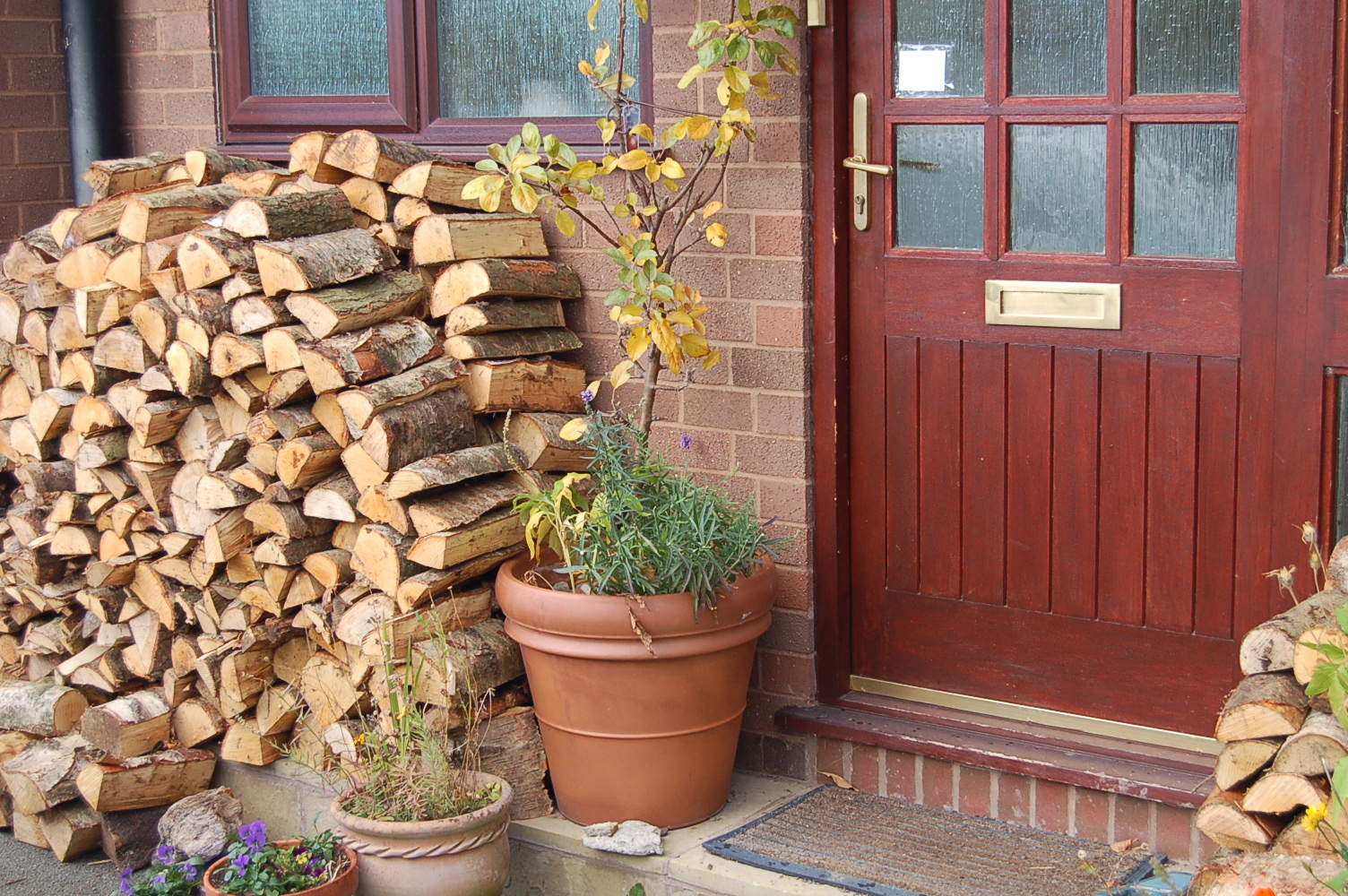
The first frosts have visited us forcing us to bring the Aeoniums, Echeverias and our other tender plants under cover. We shall have to keep them safe in the “bubble wrapped” greenhouse, by giving them virtually no water and removing any dry or damaged foliage and when the temperatures drops below -15 C give them additional snug coverings of fleece and bubble-wrap. Another sign of autumn is the log delivery which was tipped off the back of a truck onto our drive mid-month. We sorted them and stacked them around the front door. The wonderfully evocative woody aroma of oak and birch trees mixes with the sweet scents of the woodland floor. The scents of the season.

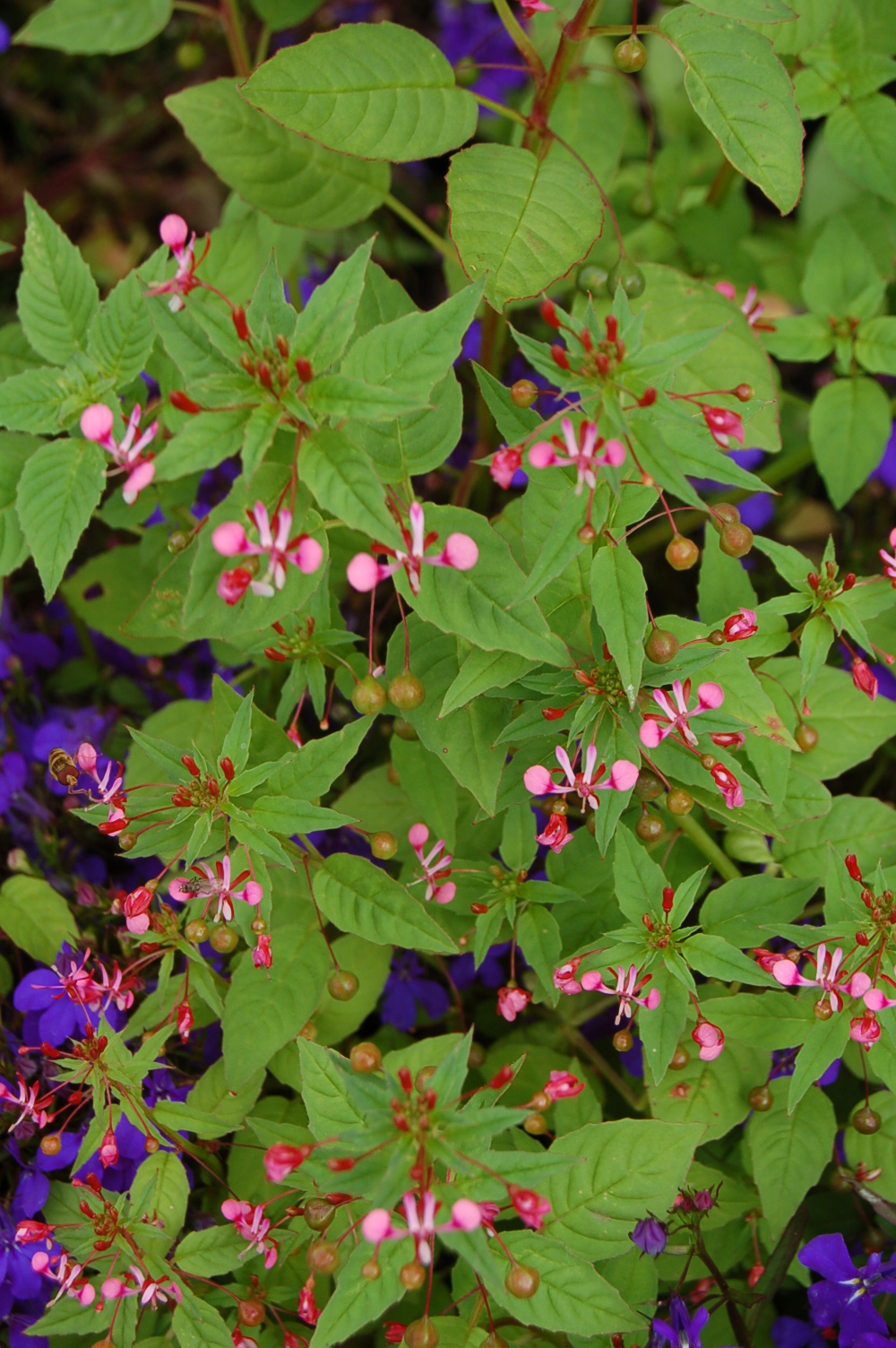
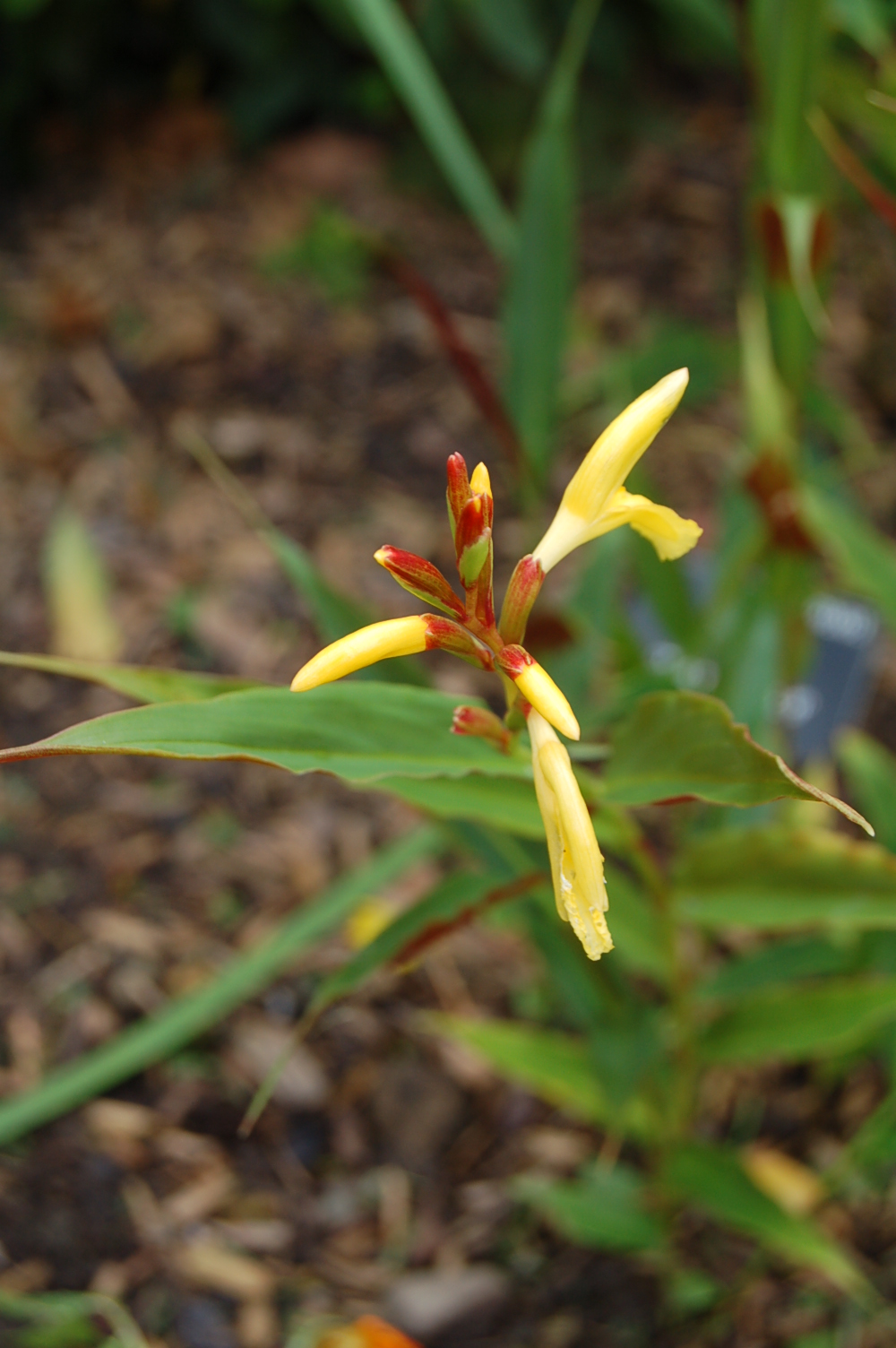
We visited the gardens at our favourite nursery yesterday, The Dingle at Welshpool, a superb autumn garden on a sloping hillside leading down to lakes. (Look out for my post in the next week or so) As usual we returned with a few acquisitions – a tiny orange Kniphofia, Cornus canadensis and Clerondendron bungeii.

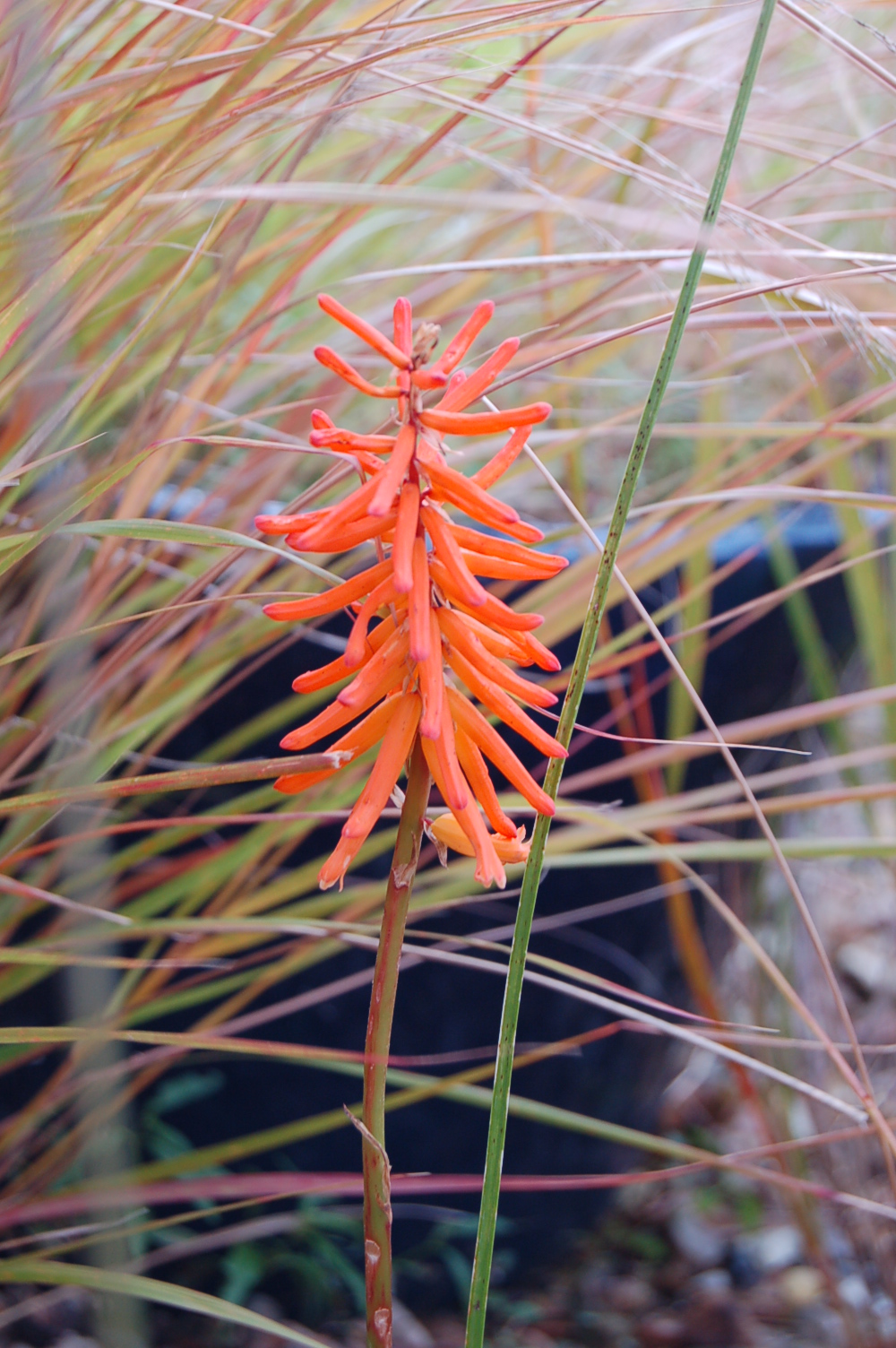
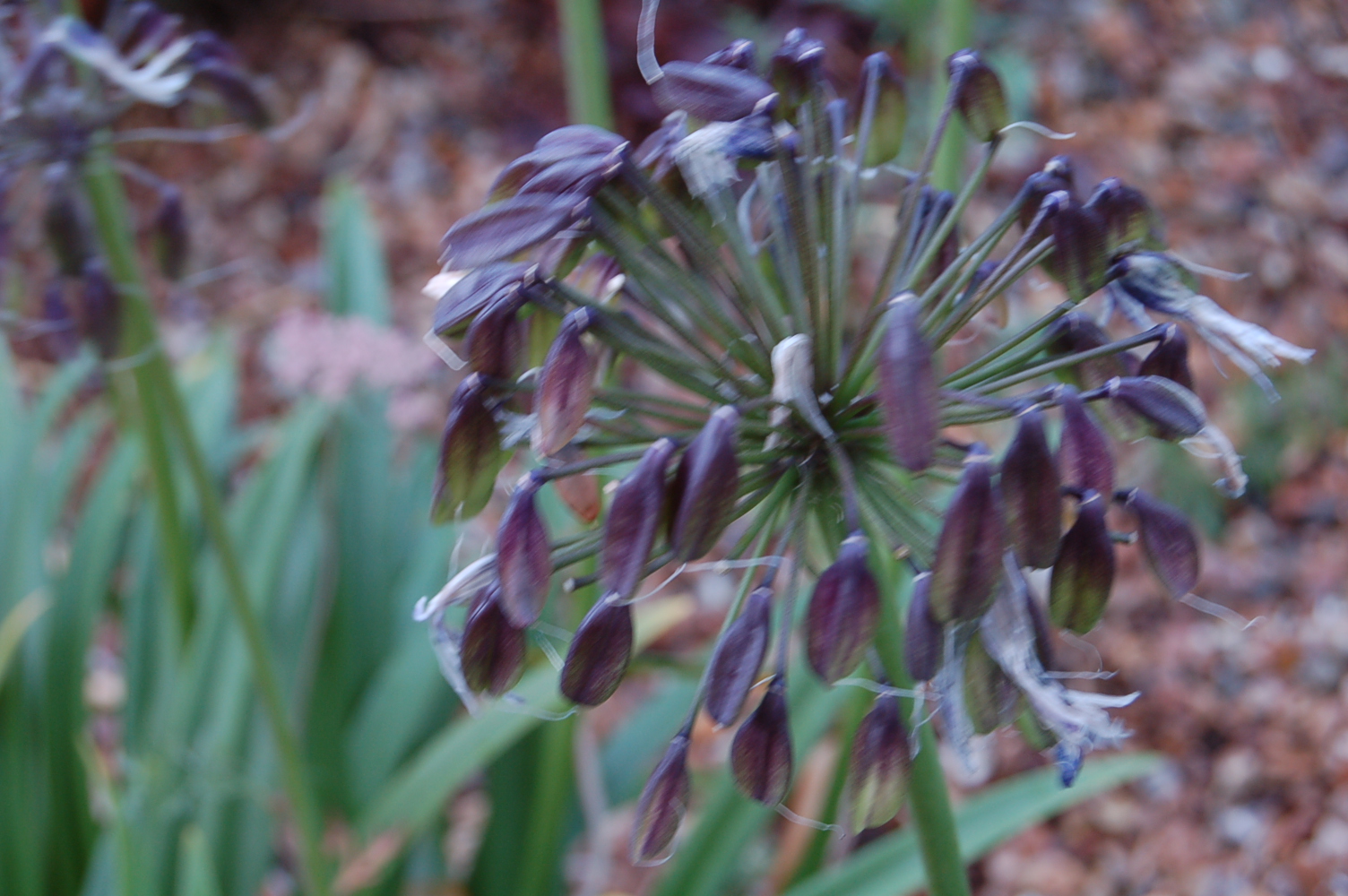
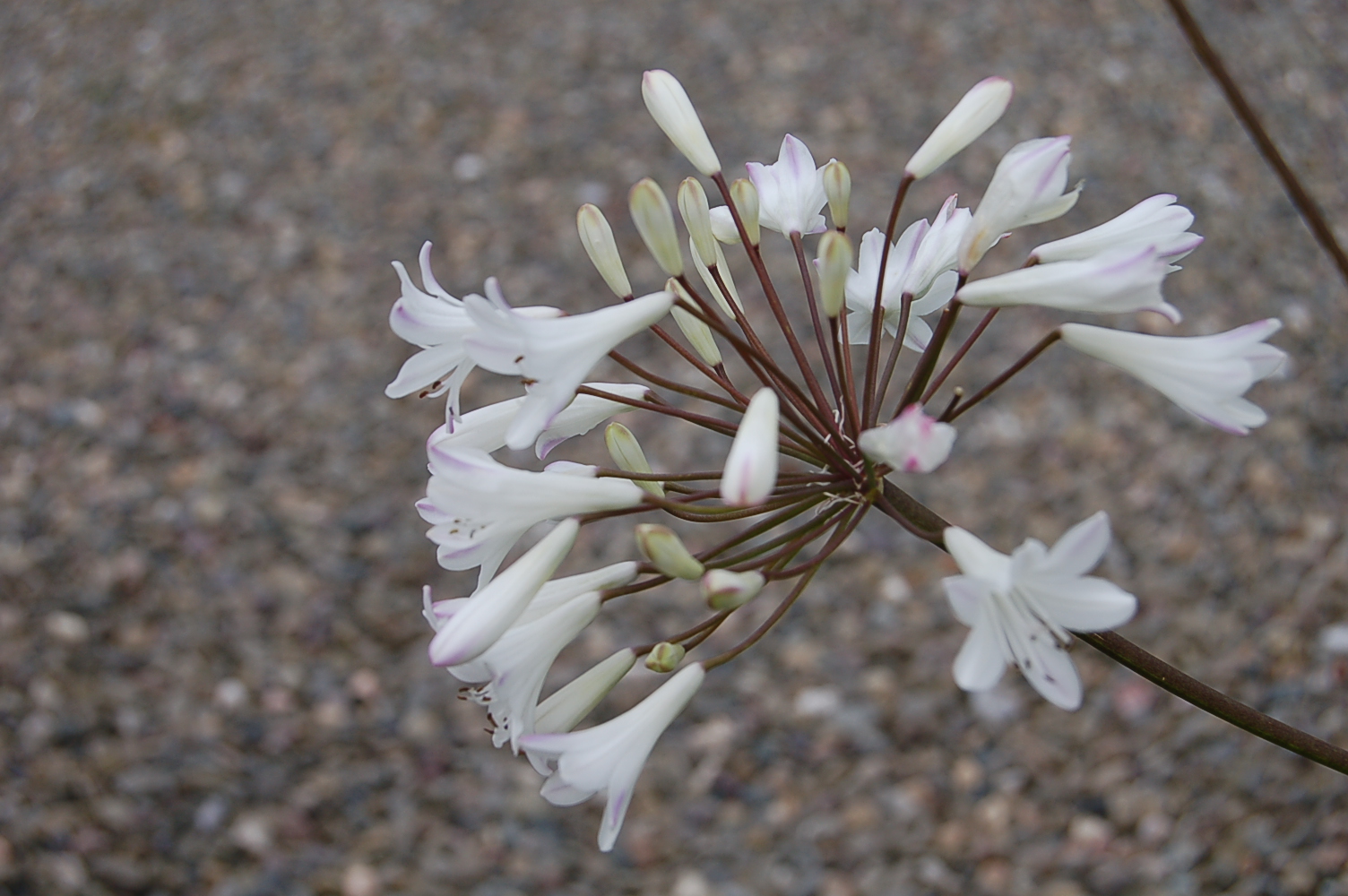
We have planted the Kniphofia with a trio of bronze-leaved grasses and near to our darkest blue Agapanthus. As the “poker” is flowering now, its head of tubular orange flowers glows alongside the Agapanthus’ developing seed heads of blue and pewter.

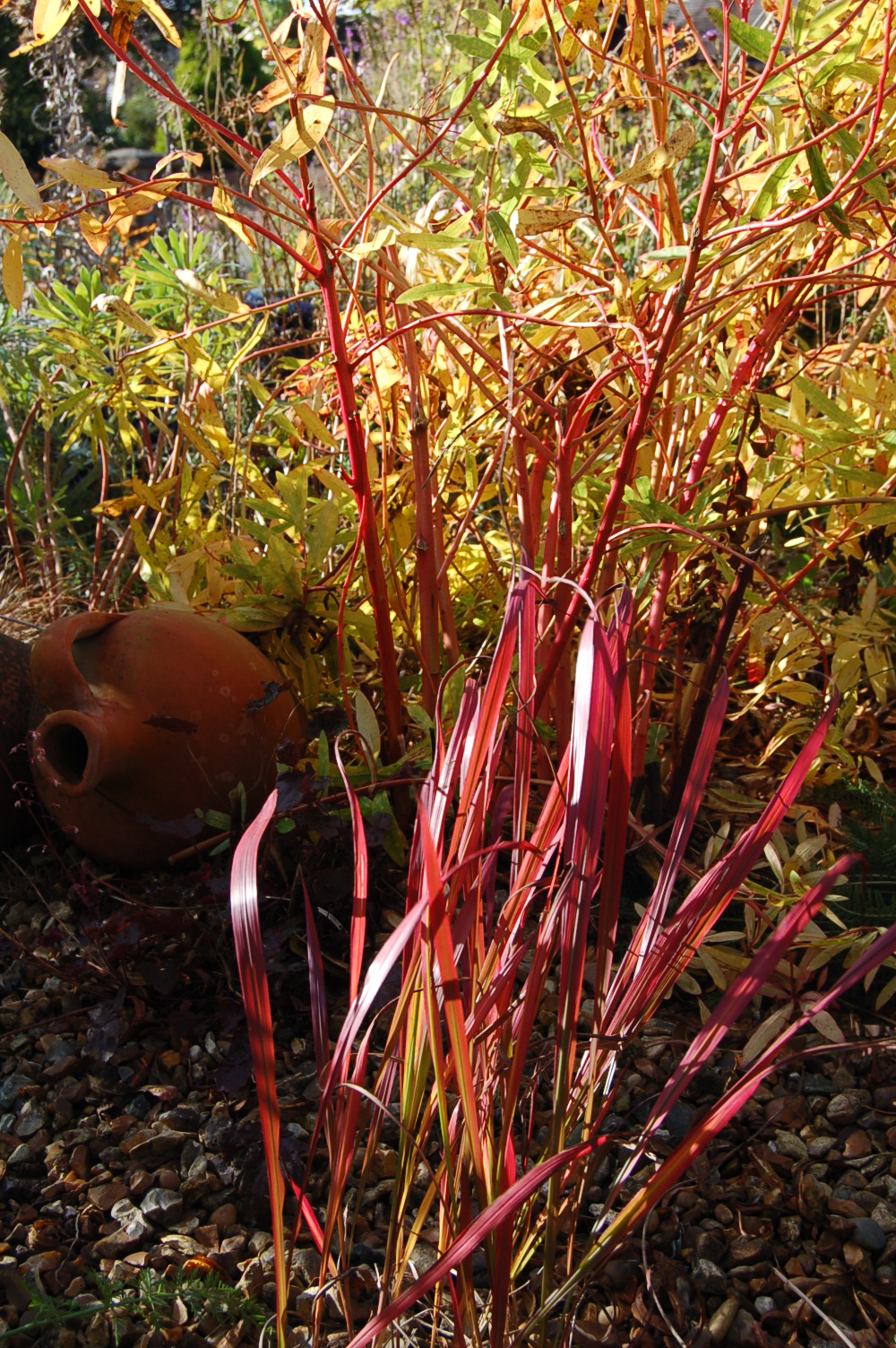
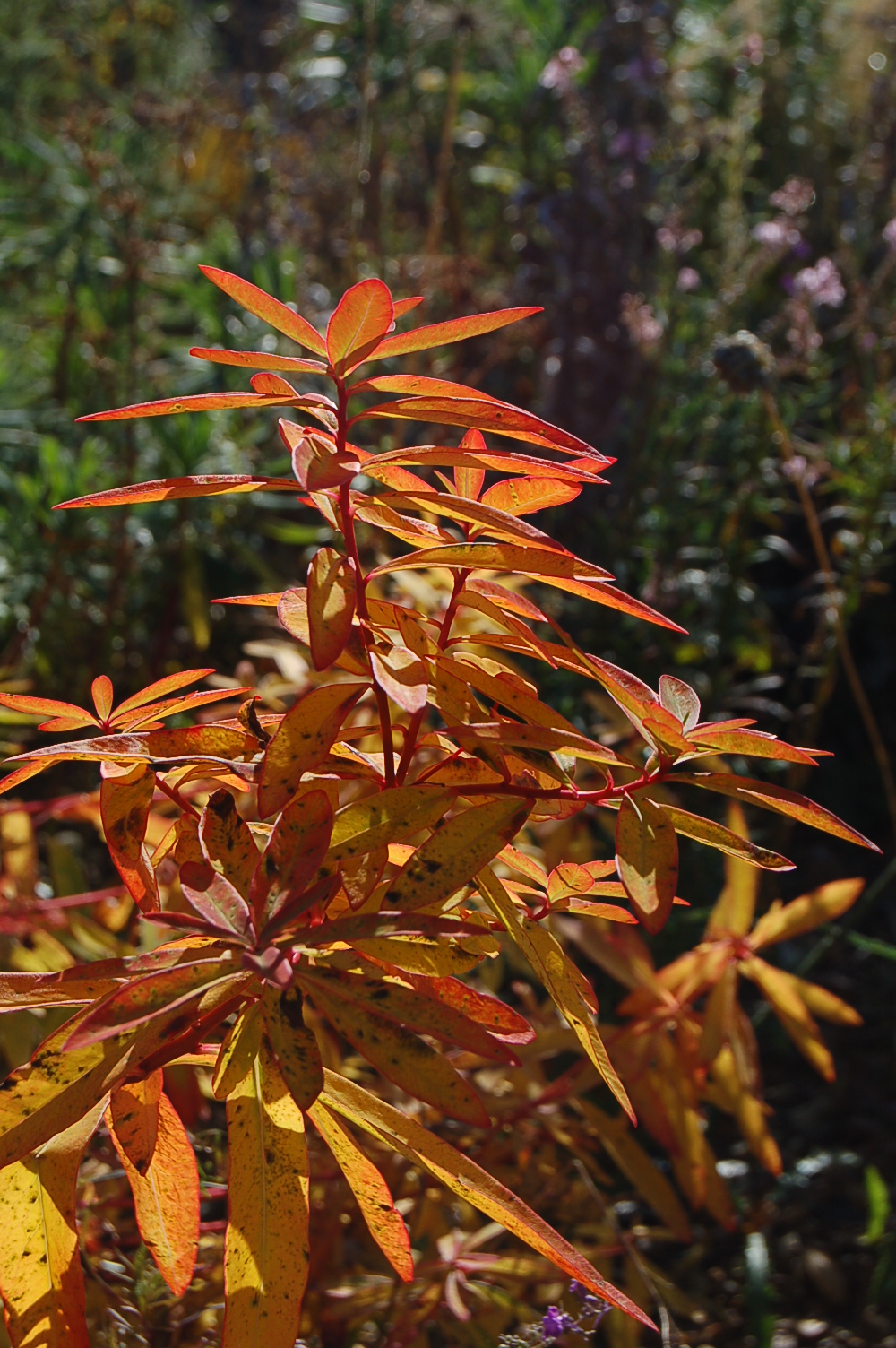
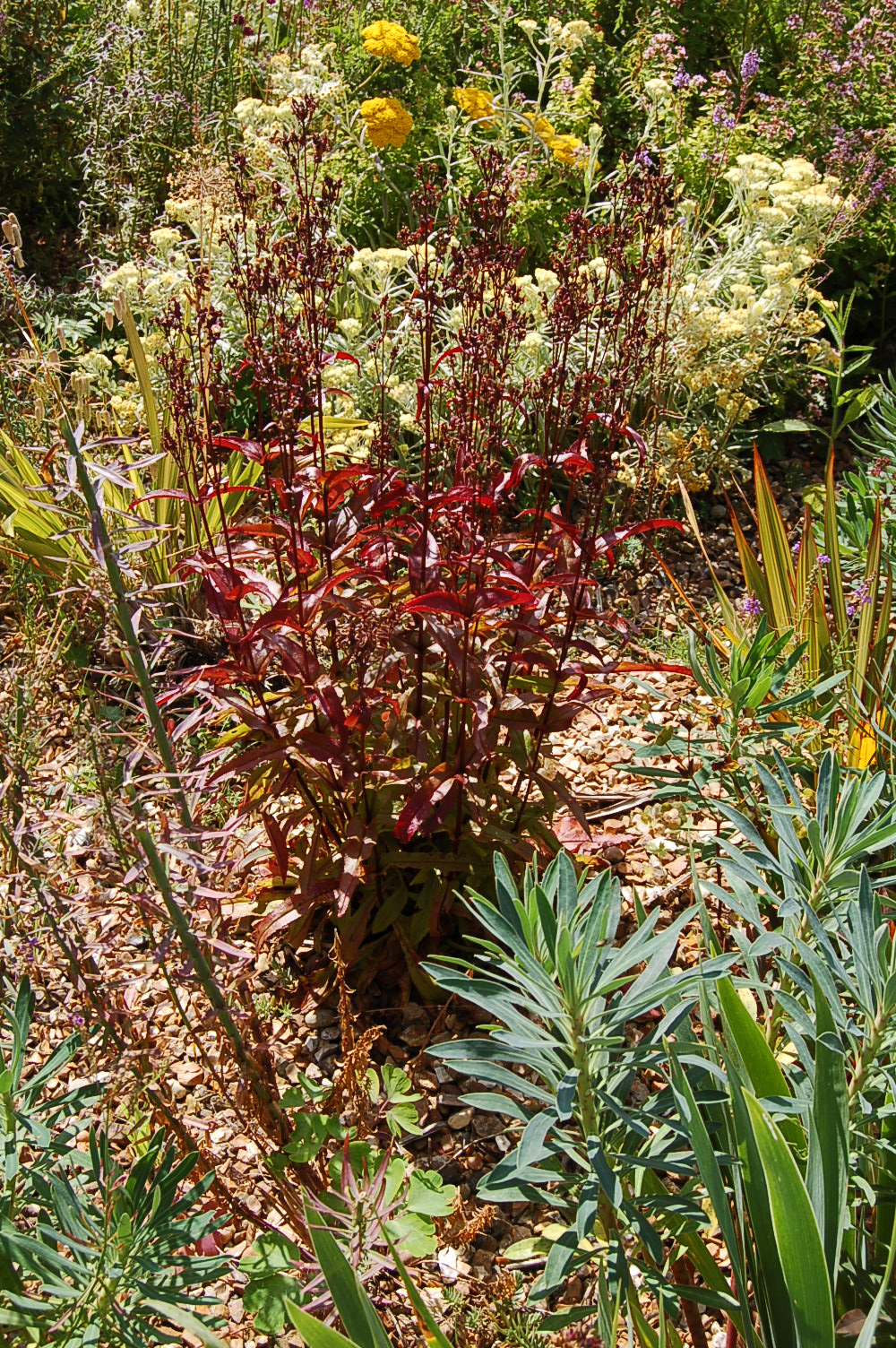
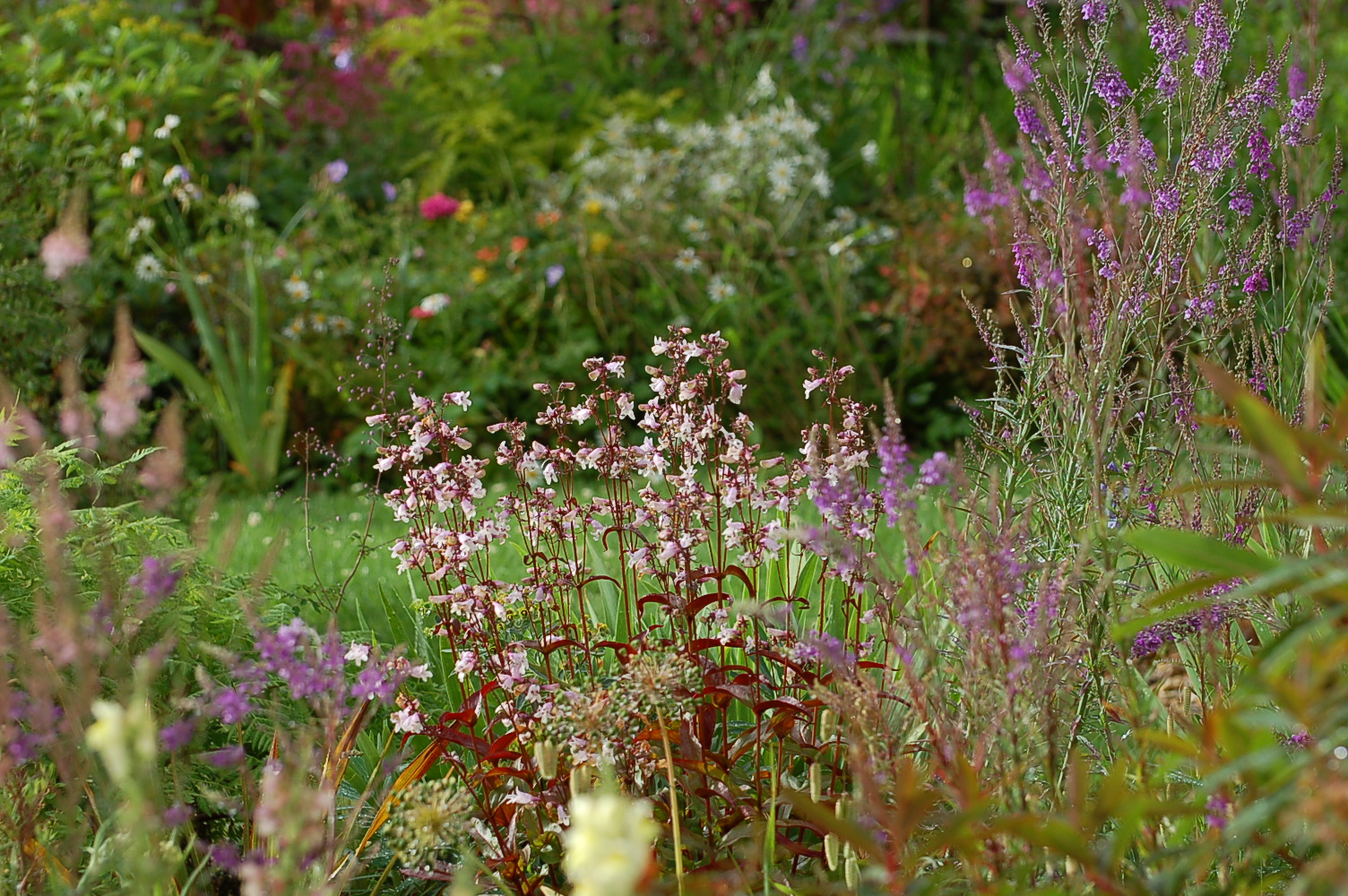
Sometimes autumn hues aren’t just provided by deciduous trees changing the colours of their leaves but by foliage on perennials, grasses and shrubs. Euphorbias are a fine example, as are grasses which have the added bonus of seed heads. Look out for the pic of our Pentstemon Huskers Red which always surprises with its deep red autumn explosions.

But amongst all this red hot foliage we mustn’t lose sight of the flowers that continue to add colour to the garden. There are now fewer so each one is a precious jewel.

I shall finish off with a few pics of autumn coloured leaves, just what you expect in October! And then take a look at one border and take a walk down just one of our many grass paths.

Categories
climbing plants garden design garden photography gardening hardy perennials Land Art ornamental trees and shrubs outdoor sculpture photography roses Shropshire trees

A day out with the Shropshire Hardy Plant Society

Today was a special day spent with friends from the Shropshire Branch of the Hardy Plant Society, with the morning spent visiting a plantsperson’s garden and the afternoon listening to a talk with photographs of a botanist’s garden.

The garden was called Stevenshill close to Wenlock Edge venue of our recent woodland walk featured in a recent post. The owners were so full of enthusiasm and plant knowledge, and the garden full of rare and colourful delights.

It had far-reaching views of Wenlock Edge and plenty of varied, comfortable places to sit and enjoy the scents and sights of the plants.

It was one of those gardens with lots of plants to confuse and mystify even the most experienced hardy planters. Lots of head scratching about unknown and forgotten plants. Luckily the garden’s owners have put lots of labels in and have good memories for plant names. Their plant sales table held some unusual specimens and many went home in the hands of hardy planters, including ourselves. We selected a hairy leaved bergenia, Bergenia ciliata and a shrubby Teucrium, Teucrium “Paradise Delight”. Now where are we going to place those?

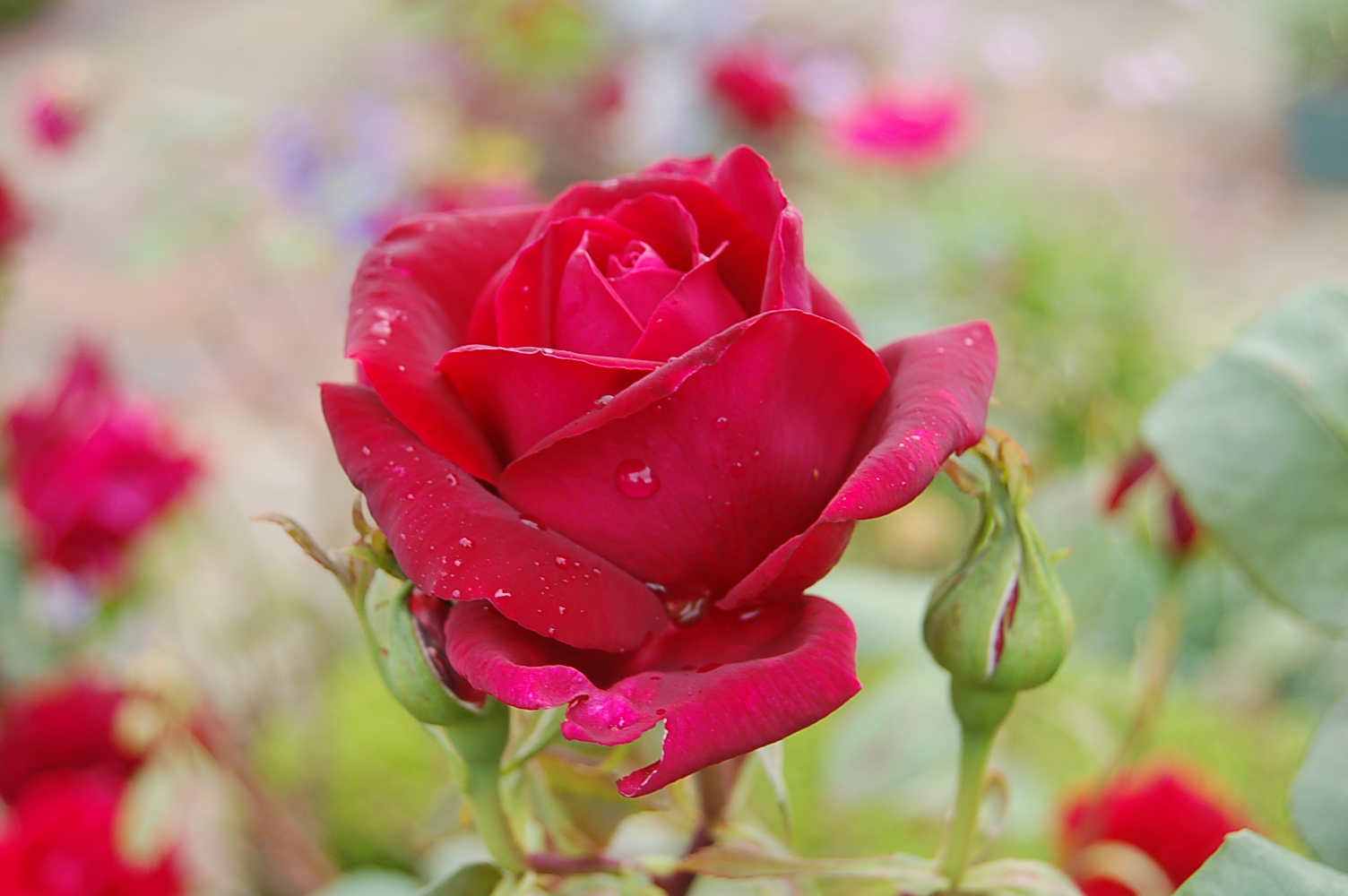
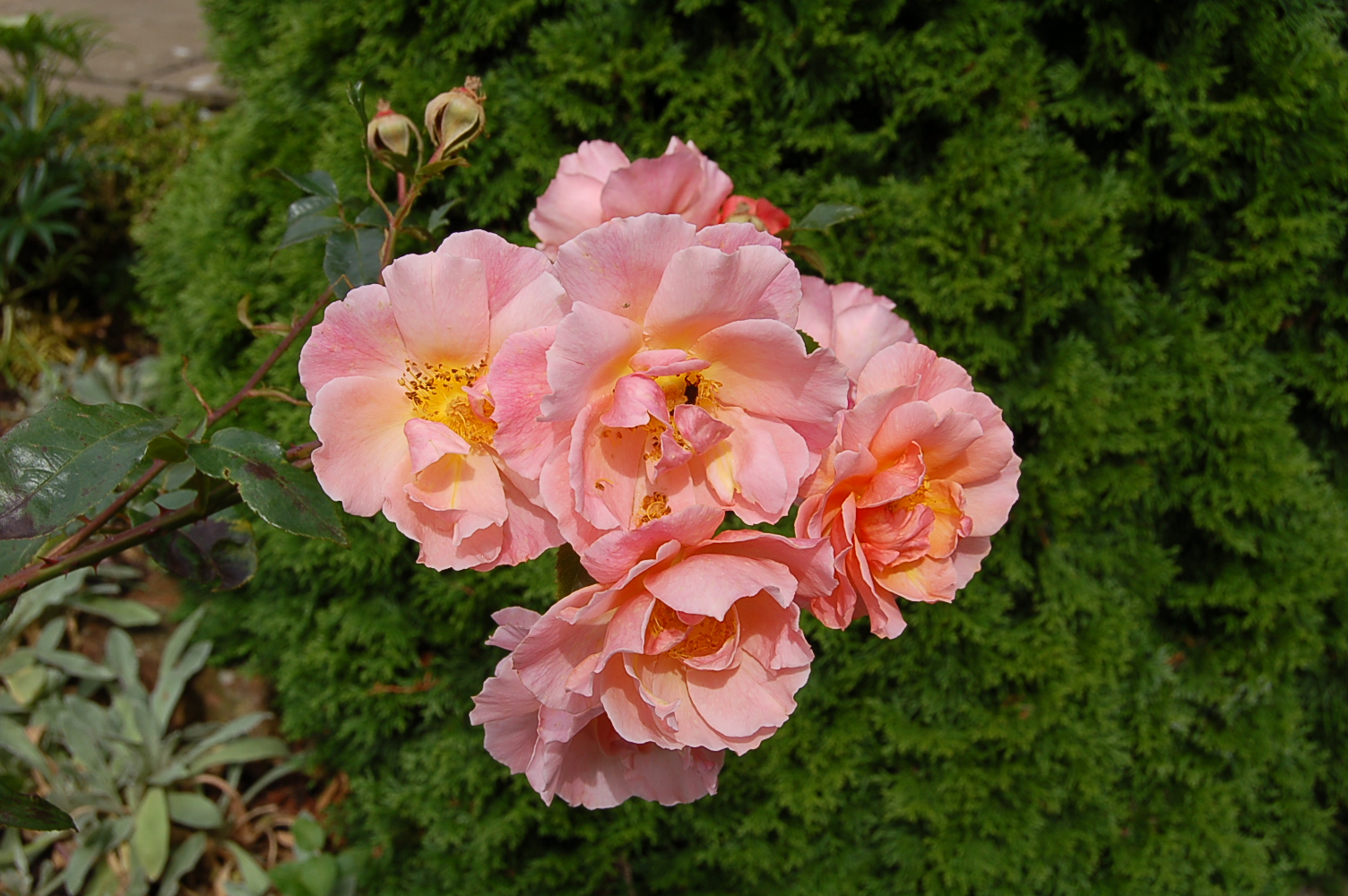
Throughout the garden were sumptuous Agapanthus and deeply coloured, richly scented roses often strategically placed next to enticing seating.

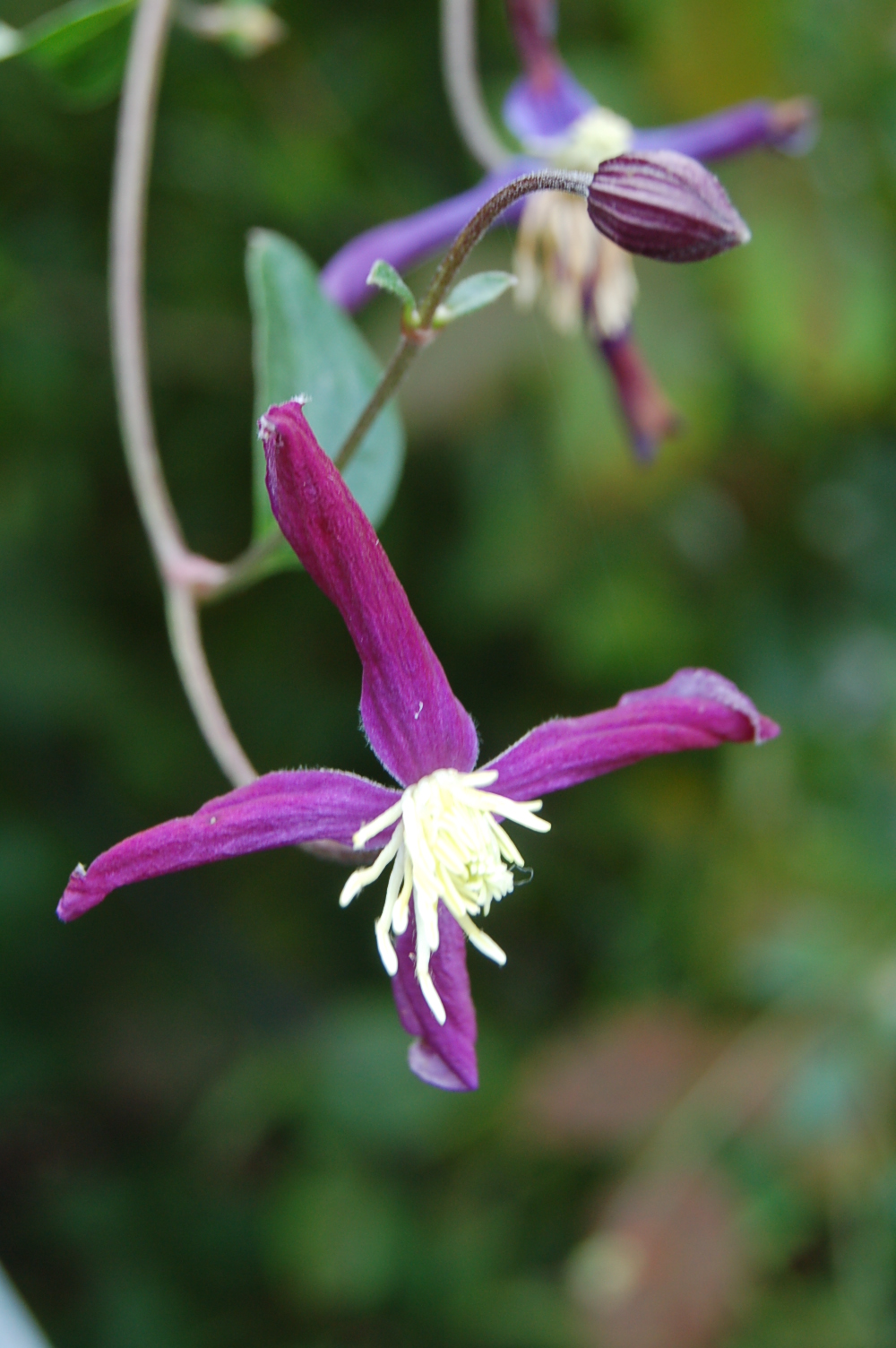
This yellow rose graced an arbour over a seat in the hot border. It was strongly scented. With it was planted Clematis aromatica with its tiny simple purple flowers scented with mouth-watering vanilla.

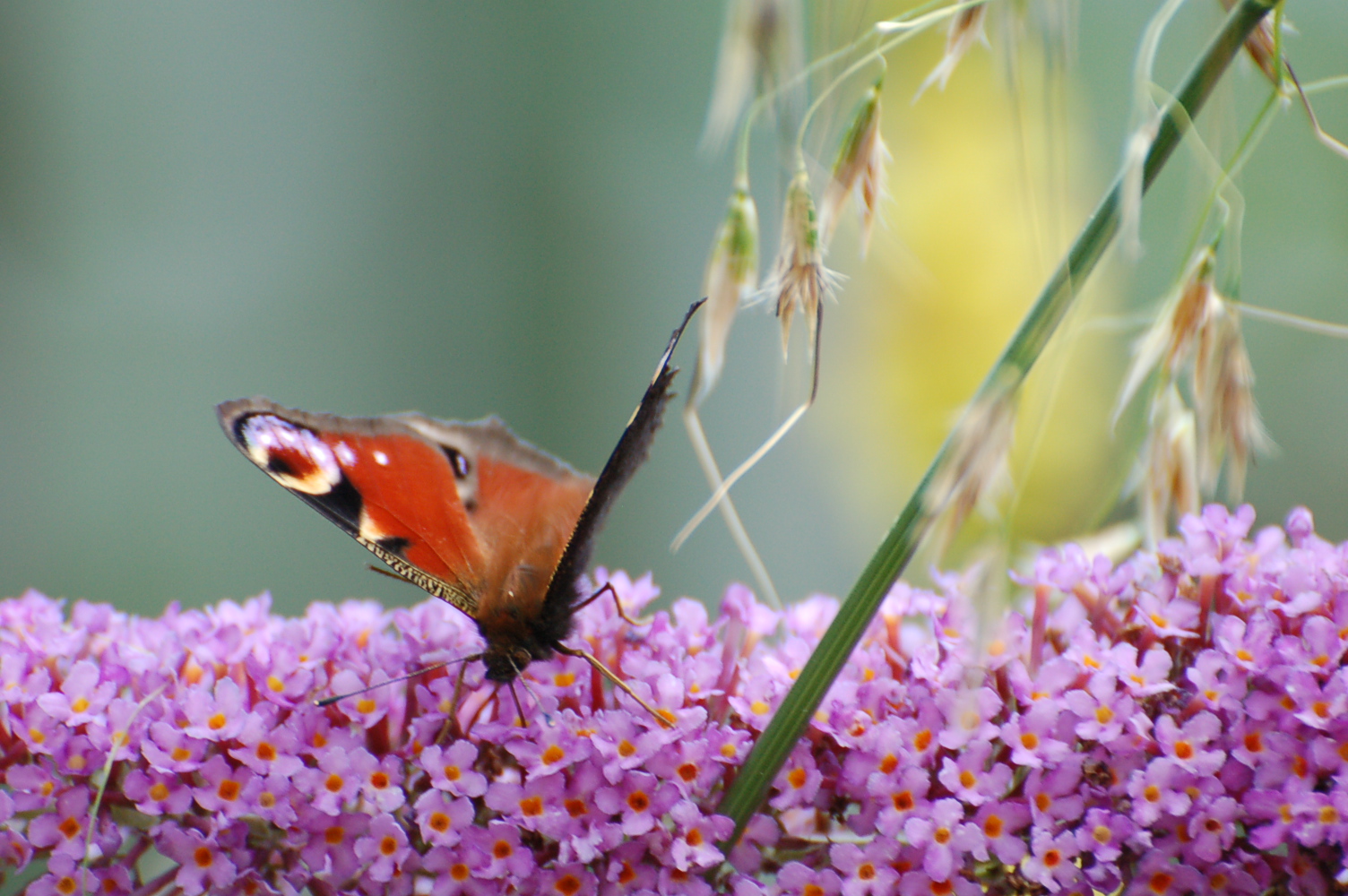
Buddleias were scattered in the borders giving height and attracting hoards of butterflies.

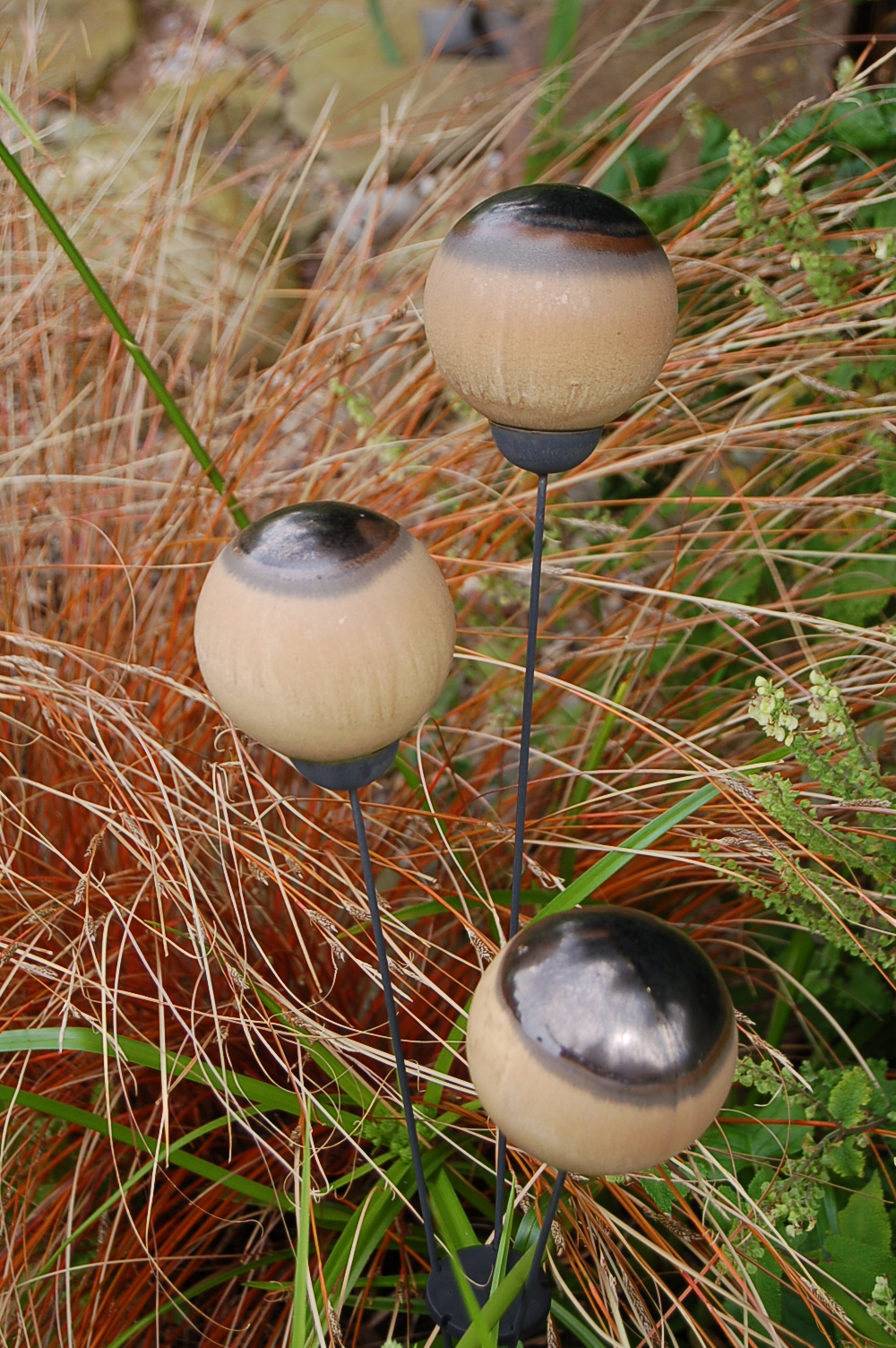
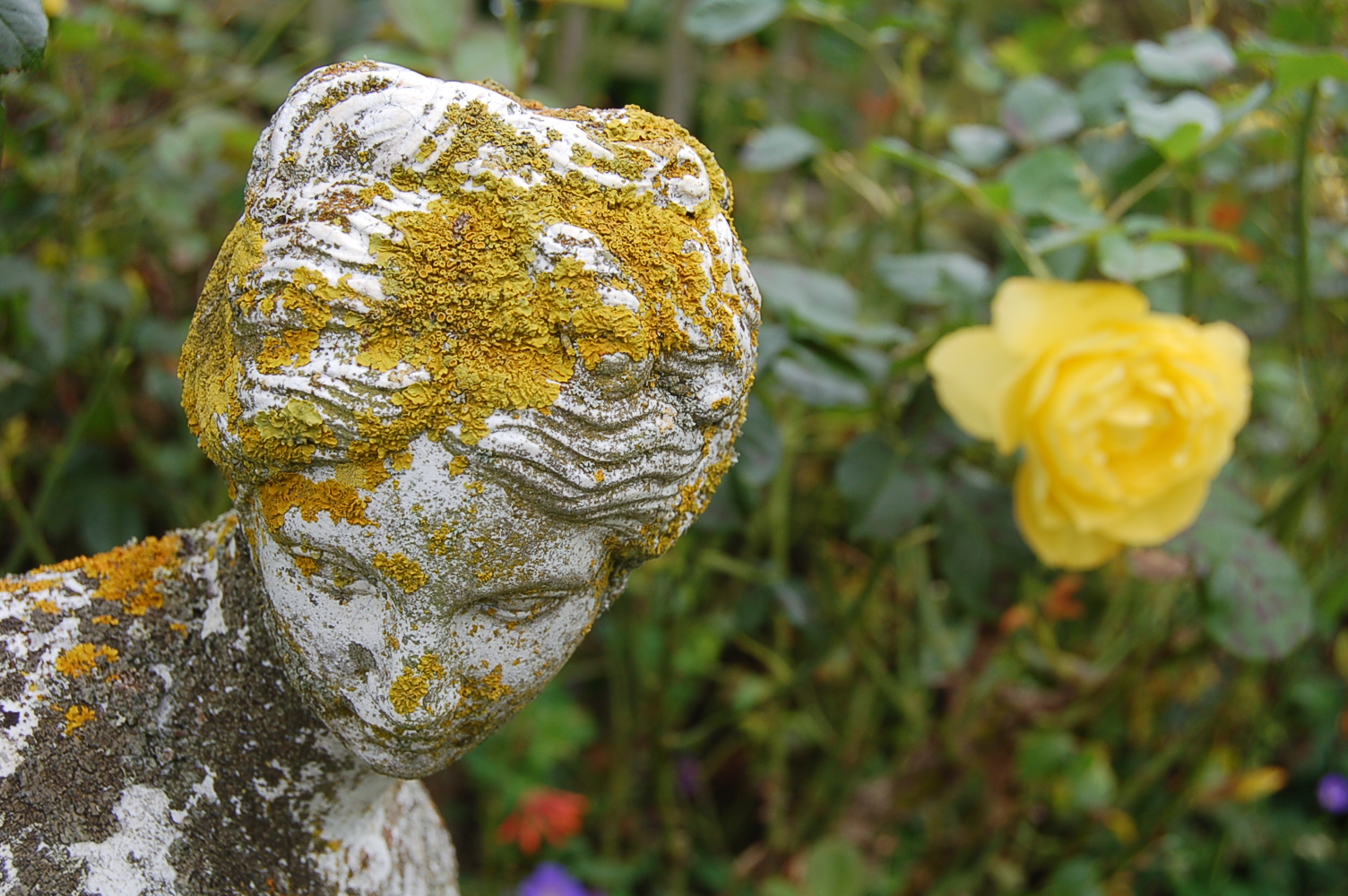
A selection of sculpture gave another layer of interest, from this classical figure to sinuous modern metal pieces.

But the true stars of this garden were the plants.

After a break for tea and cakes we travelled over to Bicton Village Hall where we hold our meetings, where we were looking forward to a talk entitled “A Botanist’s Garden” presented by John Grimshaw who until recently was Head Gardener at Colebourne in Gloucestershire, a garden famous for its mass displays of unusual snowdrops. In the last few weeks he has moved to Yorkshire for a new challenge, to develop the arboretum at Castle Howard. The talk was as good as we had hoped for. John illustrated his talk with a Powerpoint presentation featuring photos of the highest quality. We came away enthused and carrying another plant, Sedum telephium “Arthur Branch”.

To find out more about John and to see some of his beautiful photos visit his Garden Diary blog, www.johngrimshawsgardendiary.blogspot.com.

Categories
birds climbing plants garden design garden photography garden wildlife gardening hardy perennials ornamental grasses ornamental trees and shrubs photography Shropshire trees village gardens wildlife

A Wander around our Garden in August

Our garden in August is a bright, colourful place full of lush growth, rich scent and so much wildlife to enjoy. Our wild birds are mostly quiet at present as August is the time when they hide away as they go through their annual moult. They have gone to ground and gone silent.

Above our heads however avian activity is busy and exciting. The Swallows and House Martins are feeding up in anticipation of their migration south. The sky is full of them, but the screaching of Swifts is absent as they began their own long journey a few weeks ago. For a few days there is a gap in the sounds – we miss them for their excited calls and aerial displays.

The calls of the young Buzzards can be heard above the Swallows and Martins, as they excitedly search out thermals and discover the joy of riding them. The Peregrines have reappeared now that their breeding season is over so we can watch the adult pairs rising in ever-higher circles until they disappear from view. Our eyes become incapable of seeing them as they become smaller, become dots and are then gone. They have the luxury of far better long distance vision than us – they will see the movement of their prey from hundreds of feet up in the air. A real treat is to spot them as they stoop, travelling down at speeds of over 200 miles per hour with a pigeon in their sights.

Yesterday when deadheading in one of our borders we were surprised by a low-flying, high speed Green Woodpecker who zoomed close to us, just a few feet away. A real treat!

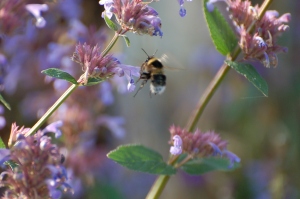
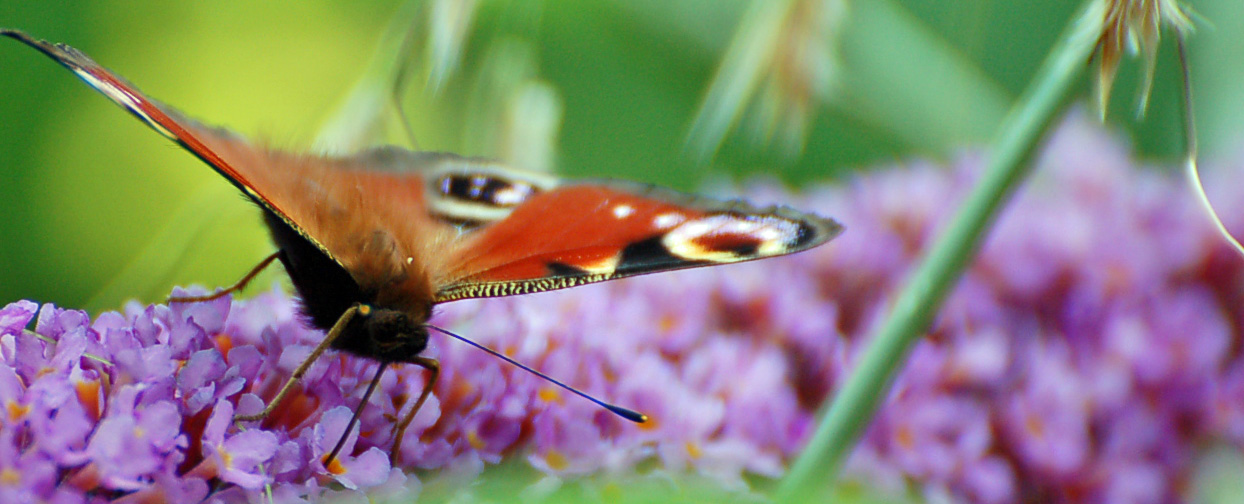
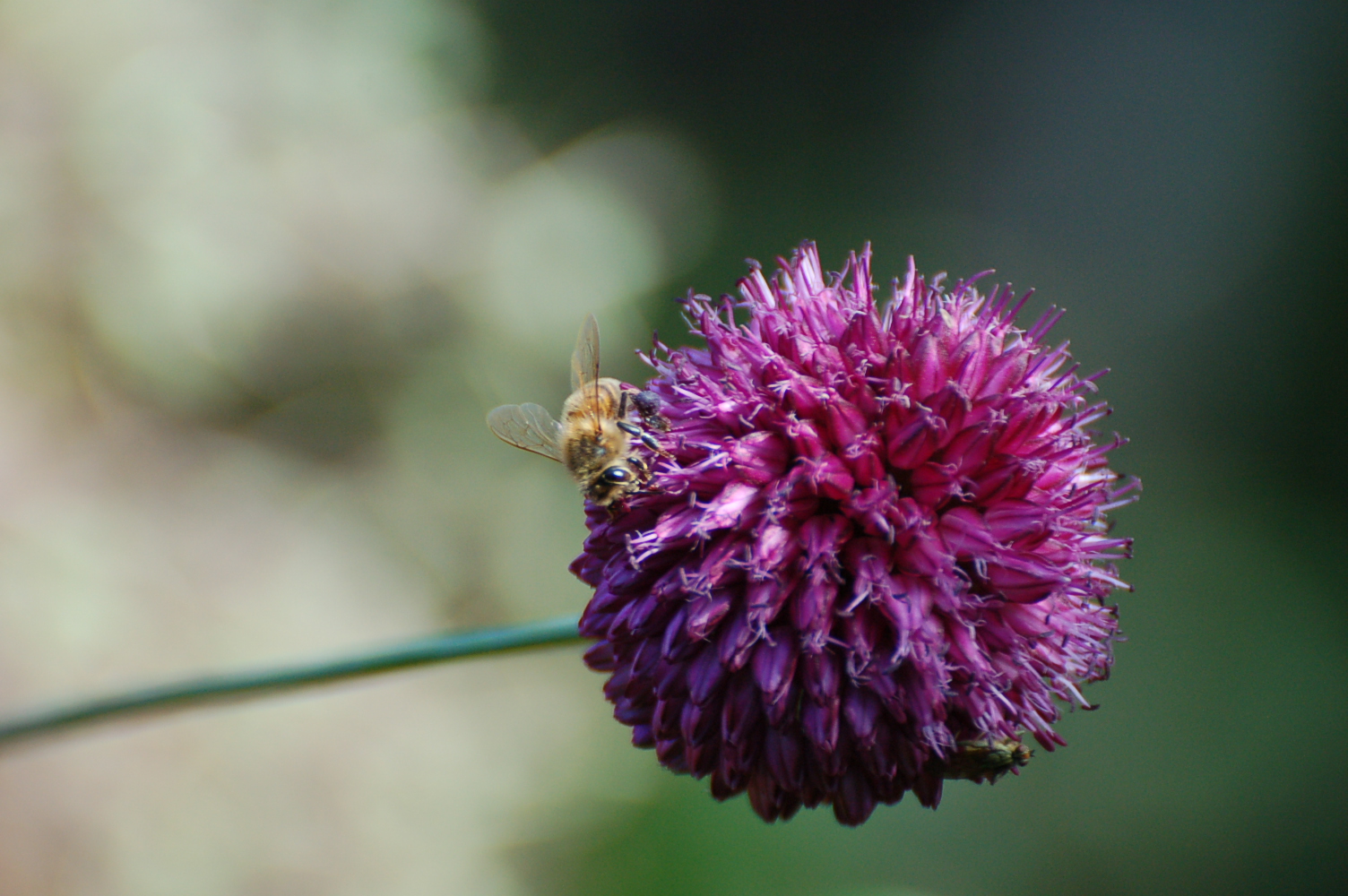
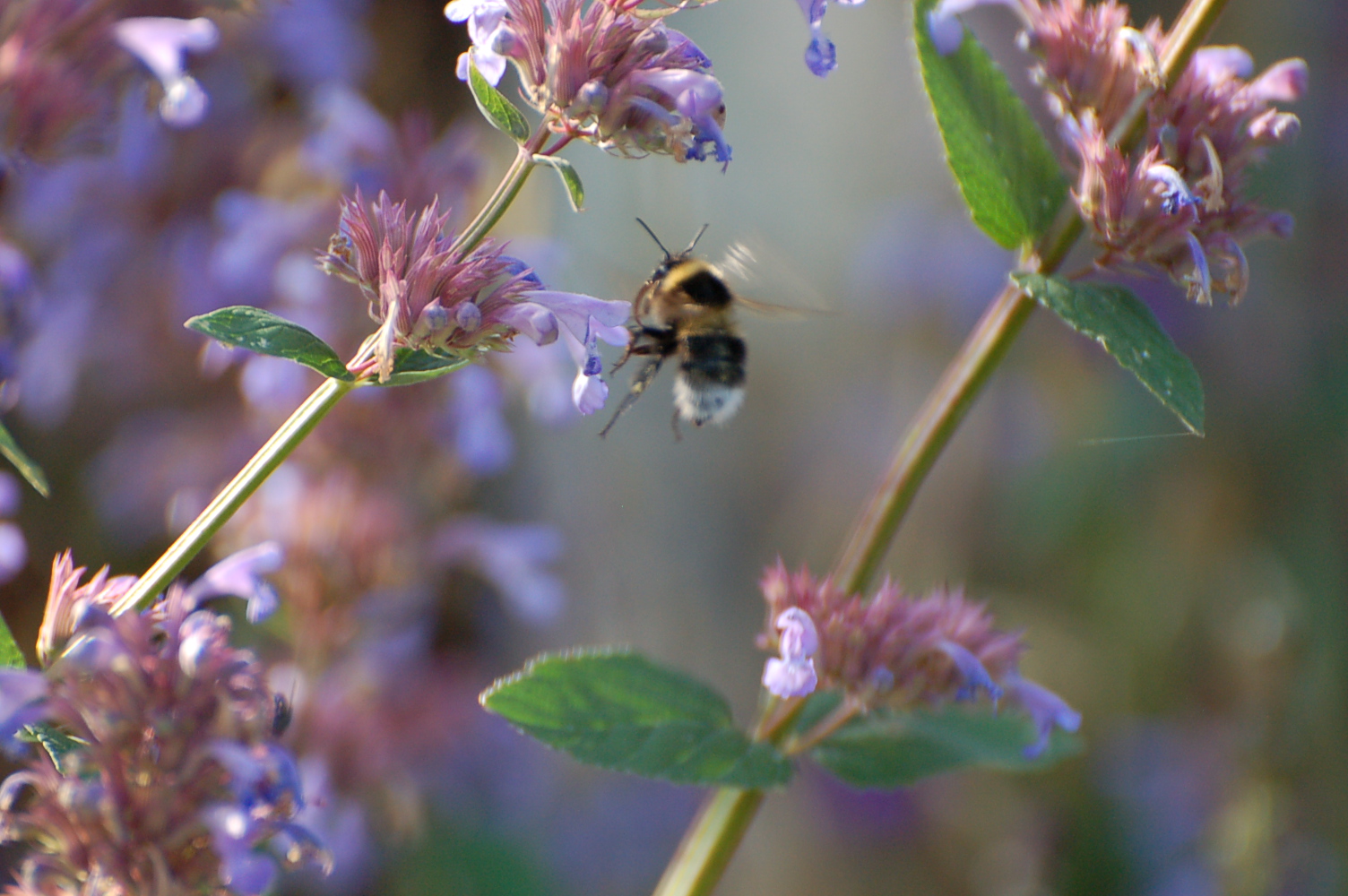
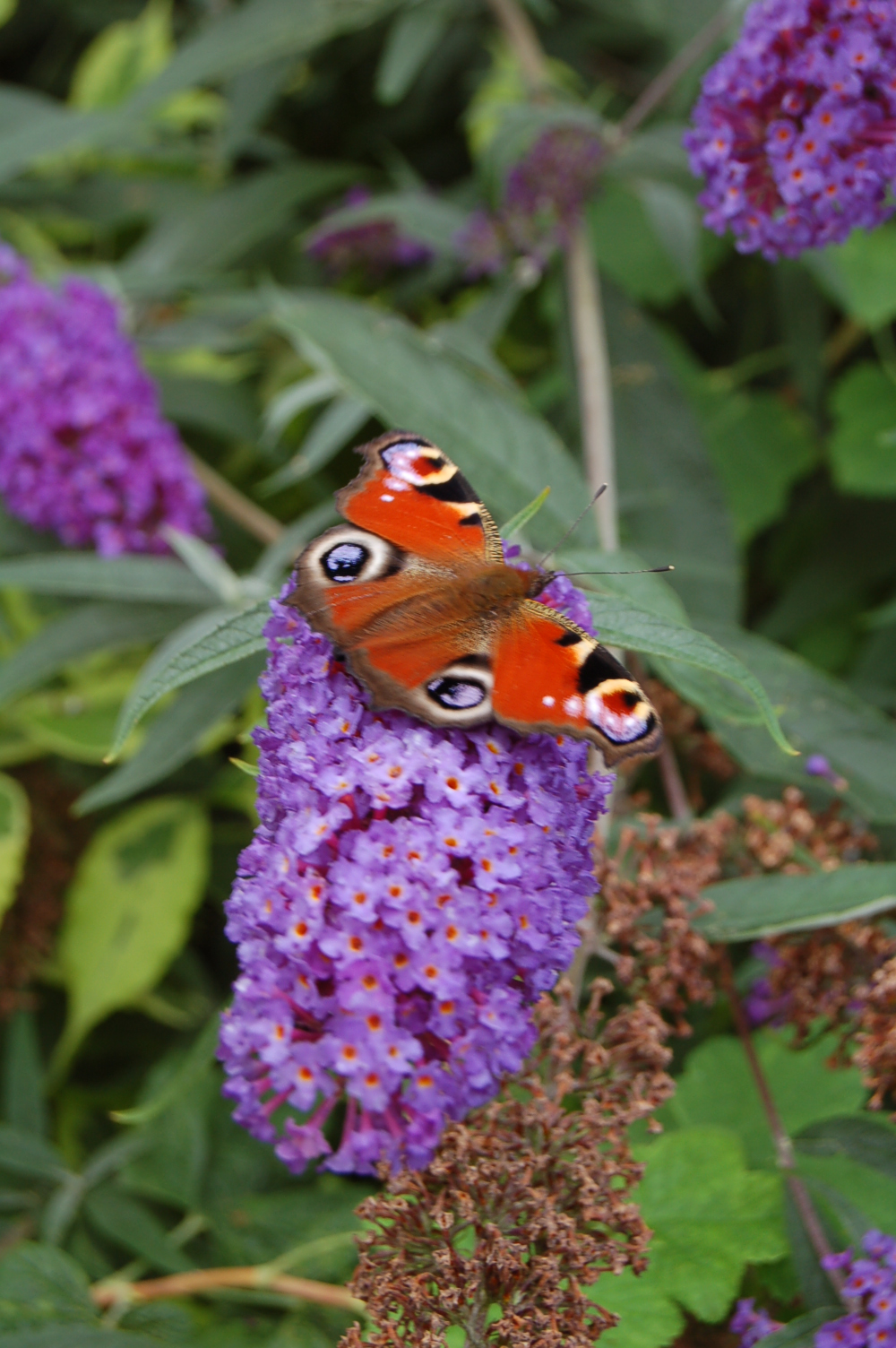
Insect life is flourishing. On any warm bright day a variety of insects can be seen hunting out nectar and pollen. Butterflies, bees and hoverflies are attracted to Buddleias, Alliums, Salvias, Nepetas, Lavenders and Echinops. There are so many Peacock Butterflies around at the moment but you can’t have too many of them. The Holly Blues are much scarcer and flit continuously rarely seeming to settle.
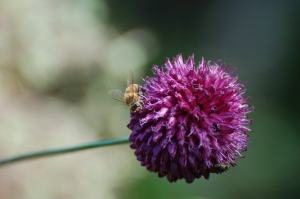
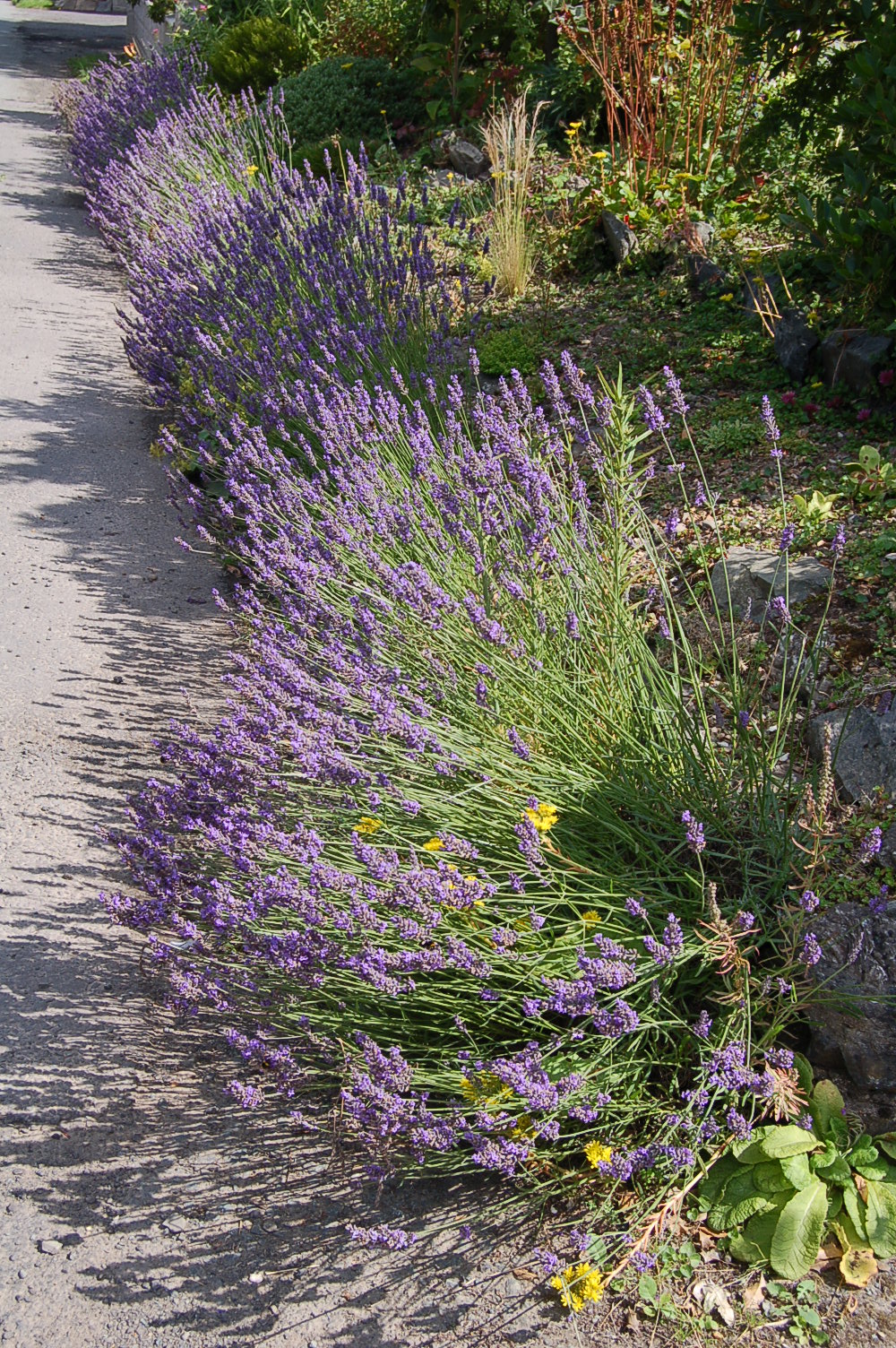
Bees and hoverflies are attracted to our Lavender hedge which borders the lane which passes in front of our garden.

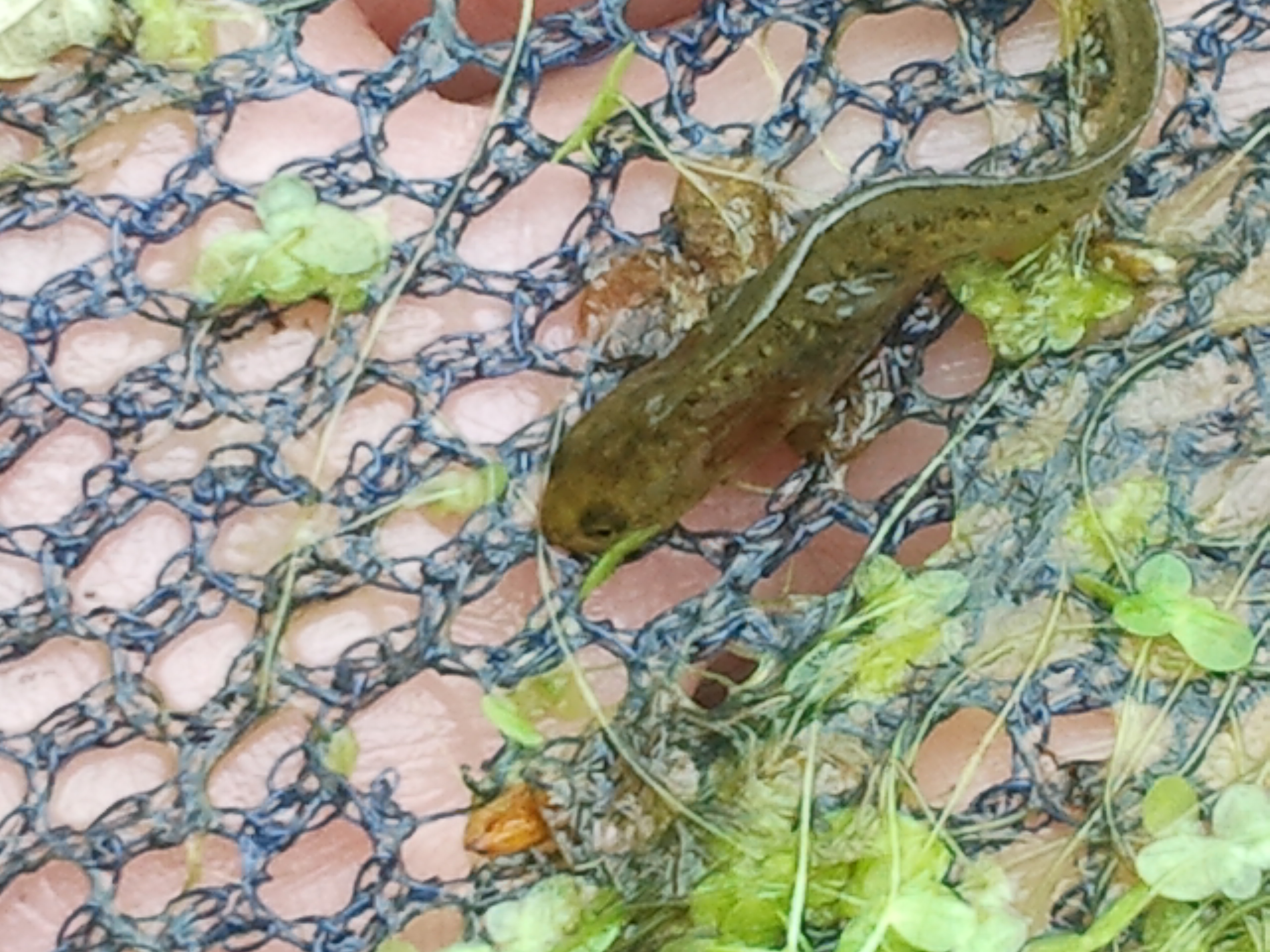
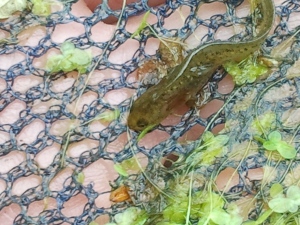
The ponds are full of life with shoals of young fish basking in the shallows, diving Beetles and Boatmen moving up to the surface and back to the bottom regularly. On the surface Pondskaters pace out the length and breadth of the pond surface. Young newts regularly appear at the surface take a gulp of air and drop back down. When Jude the Undergardener nets the duckweed and blanket weed from the pond she catches newts every time. She is delighted with every newt that graces her net. I am convinced that removing the weed is an excuse for her newt catching exploits. In August the majority of newts Jude catches are youngsters.
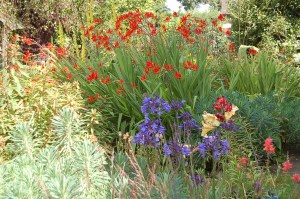
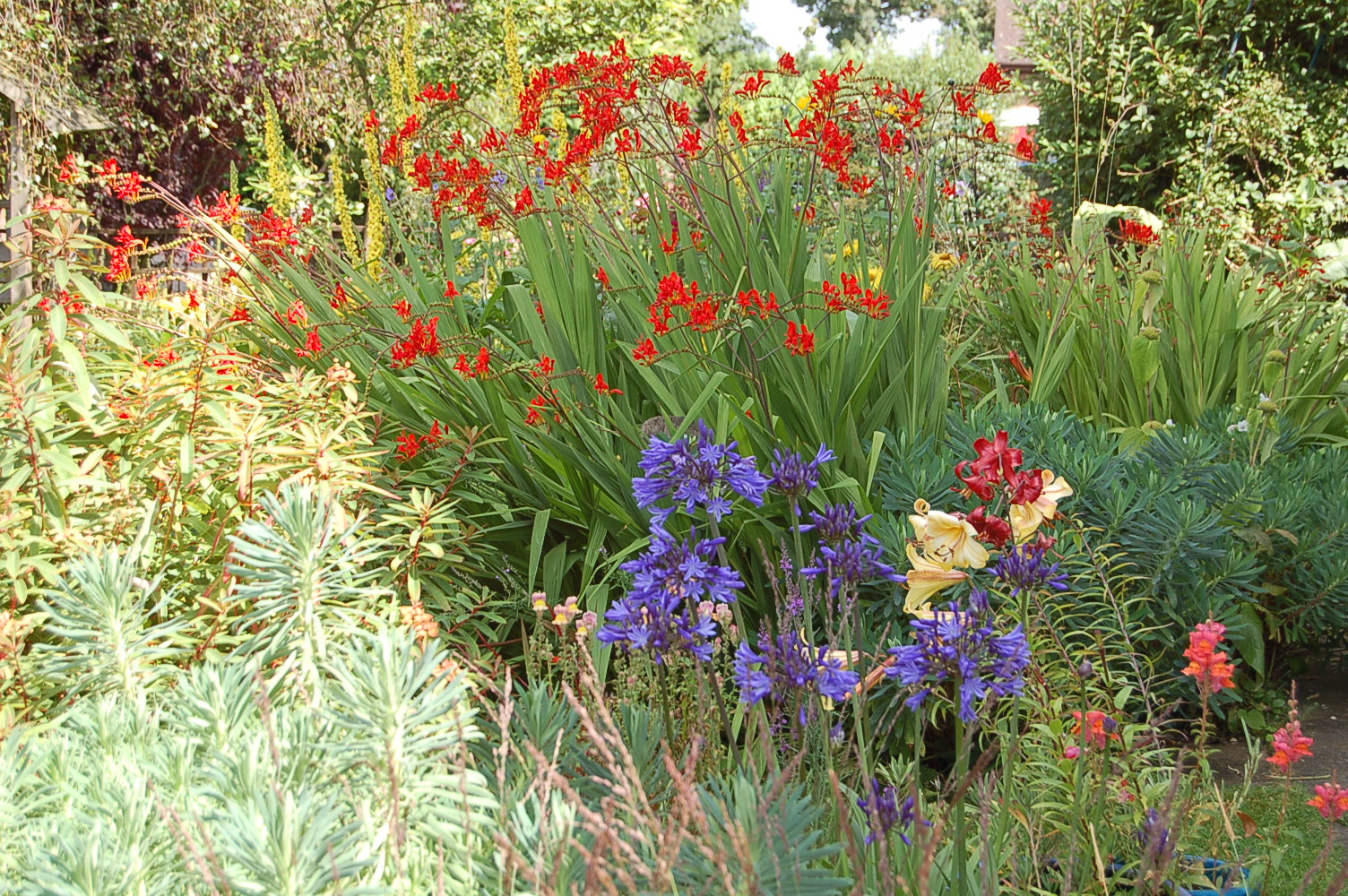
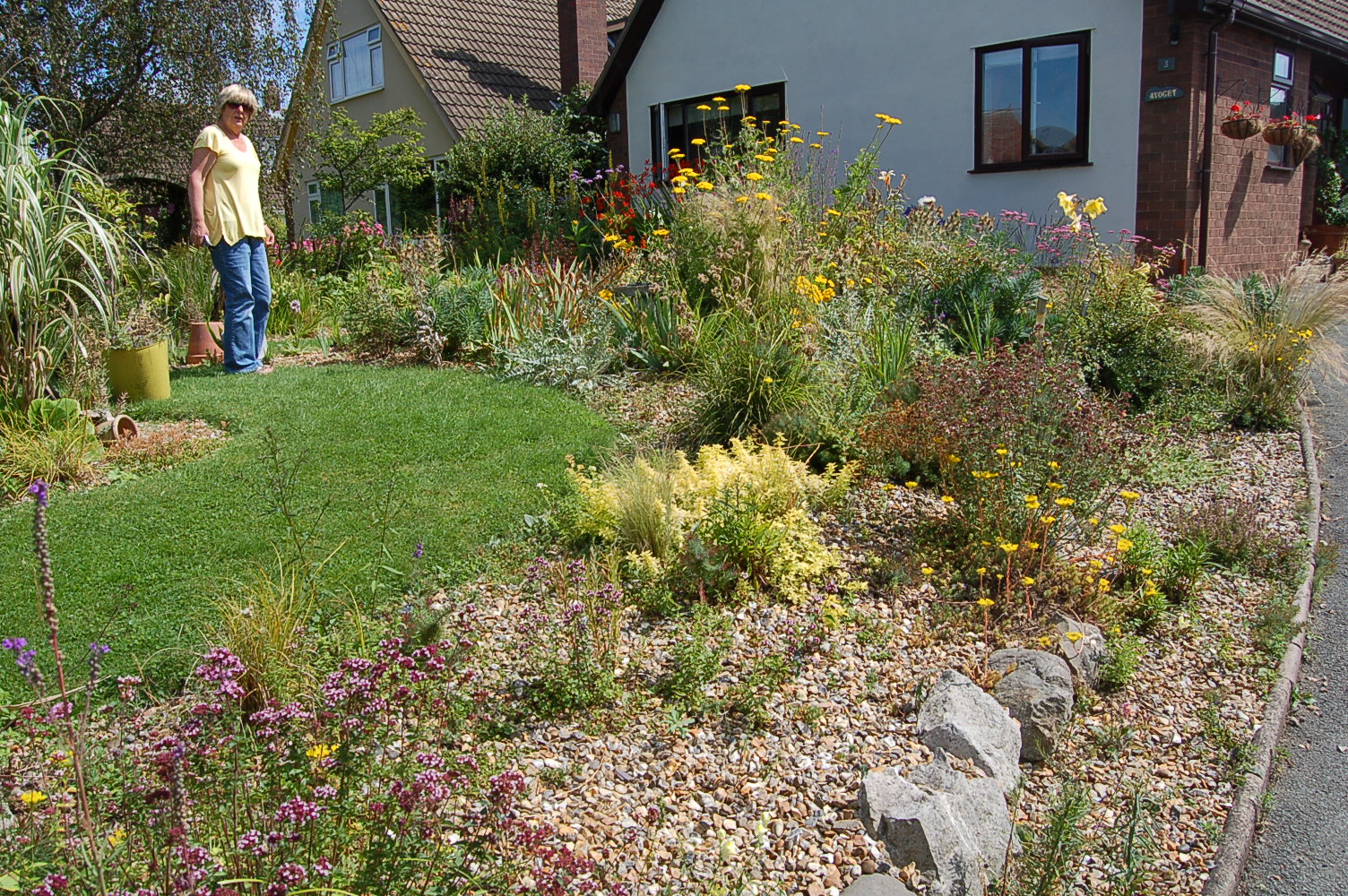
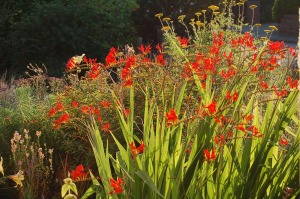
The front garden is looking good! So much colour! The Hot Border is HOT!
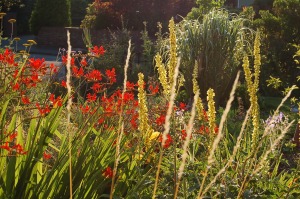
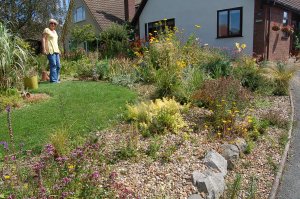
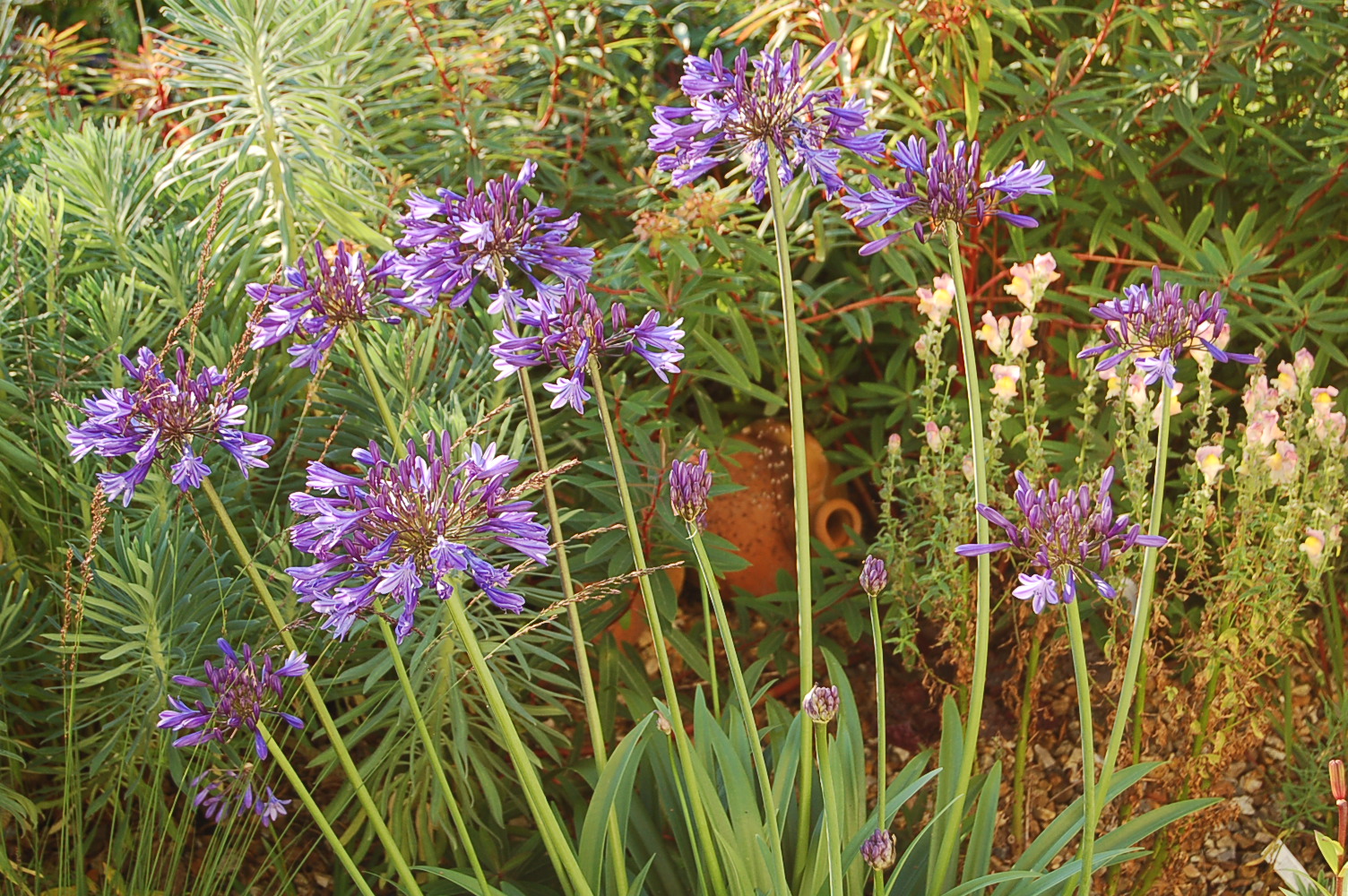
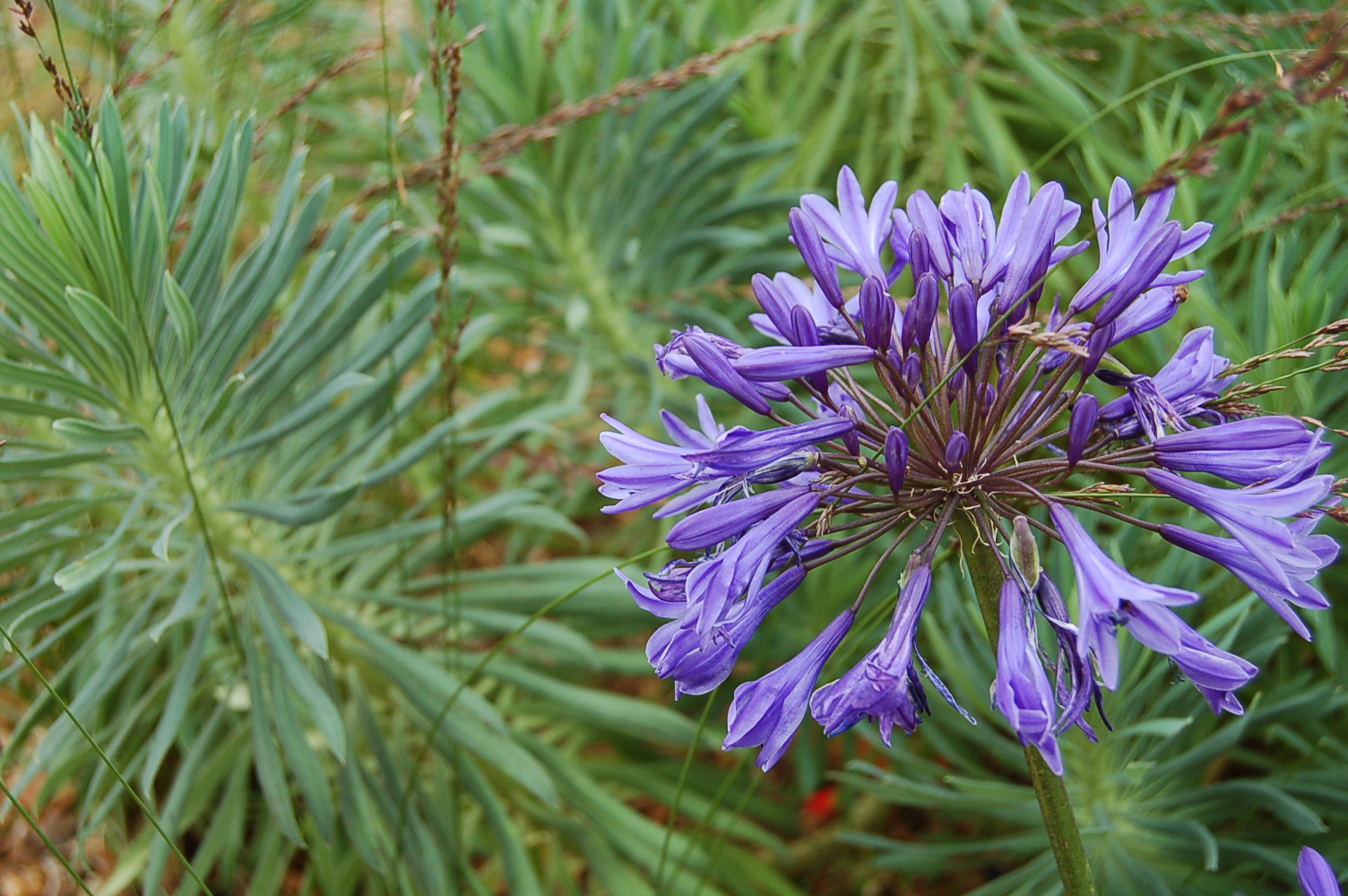
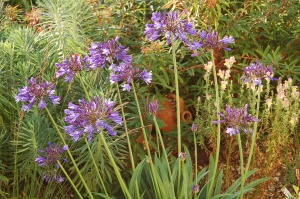
The “Beth Chatto Garden”, our gravel garden, is full of interest with Agapanthus taking centre stage. These Agapanthus were actually bought from the Beth Chattos Gardens nursery.
Early in August the front garden was dominated by yellow – even Jude the Undergardener was wearing yellow – but after a few weeks all the other colours caught up.
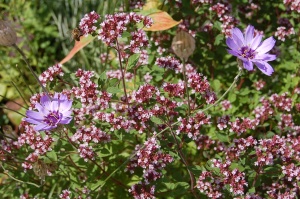
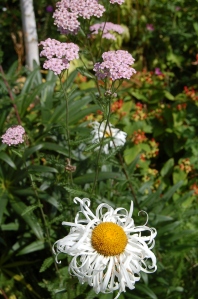
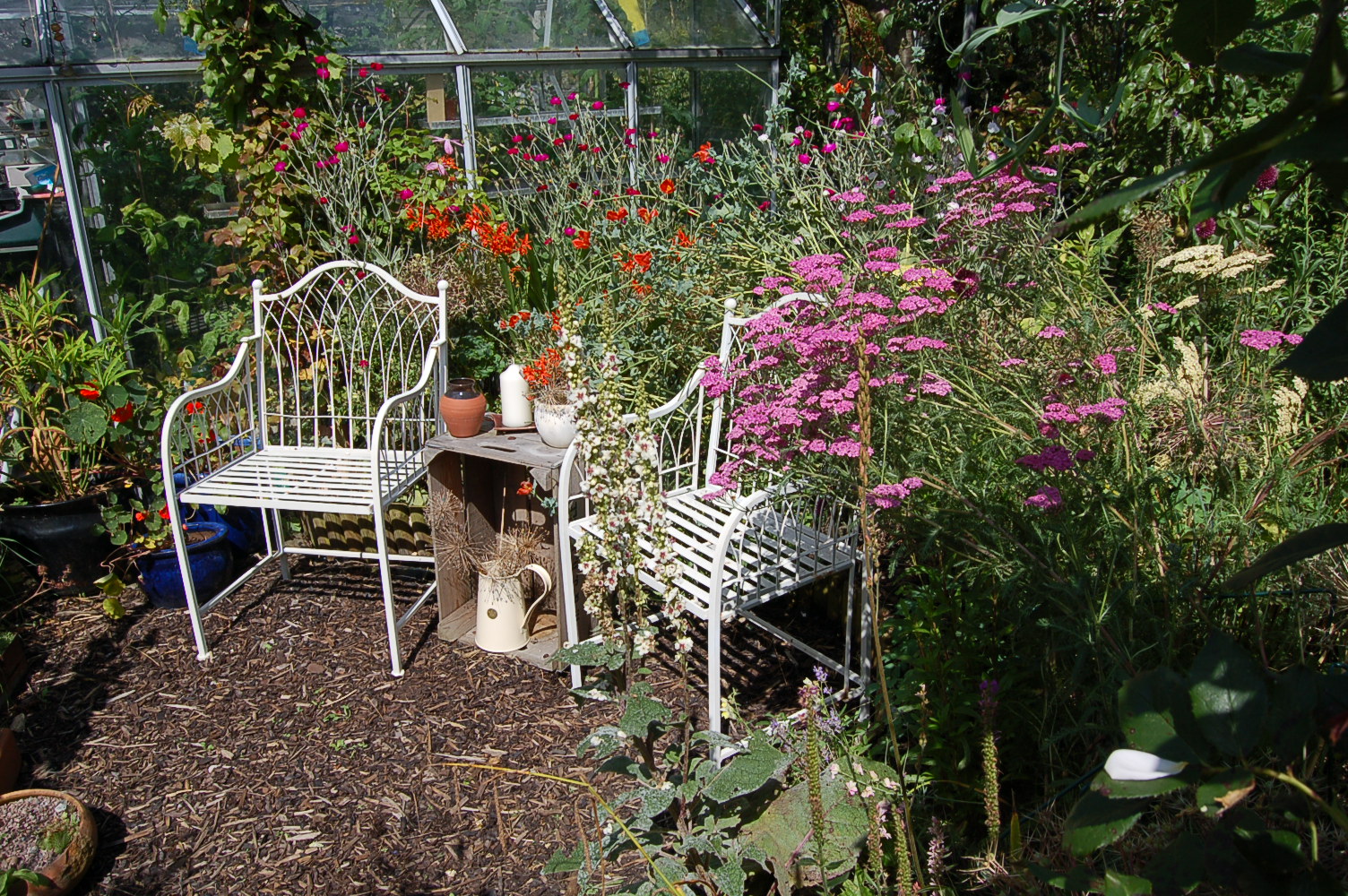
In the back garden the growth in our Secret Garden is exuberant to say the least. The foxgloves are going over but the achilleas, lychnis and alliums are still giving us a full performance.
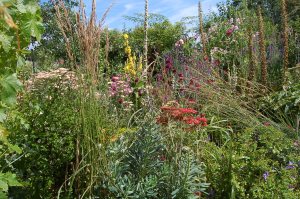
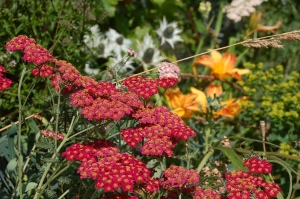
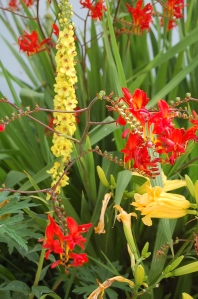
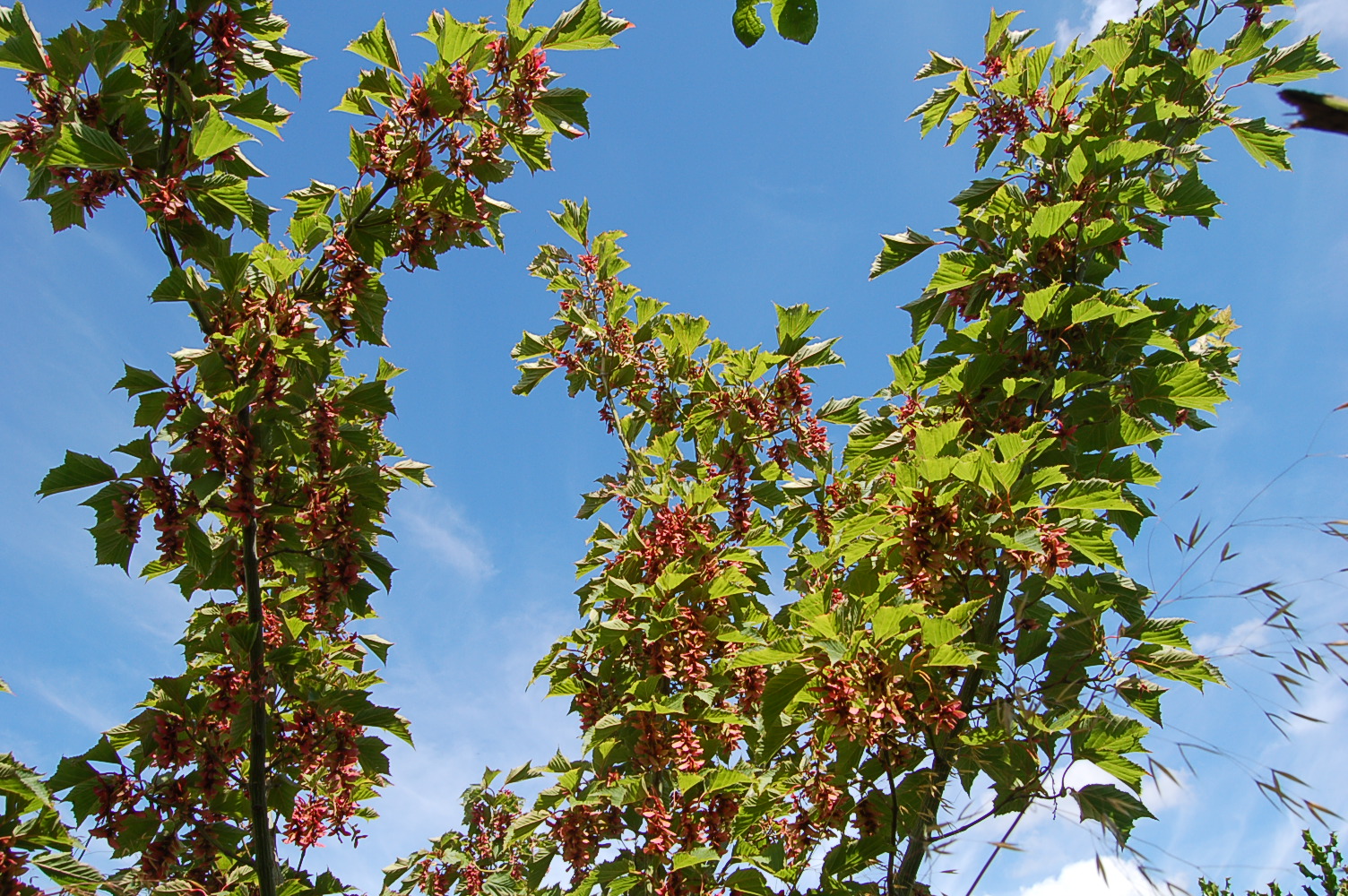
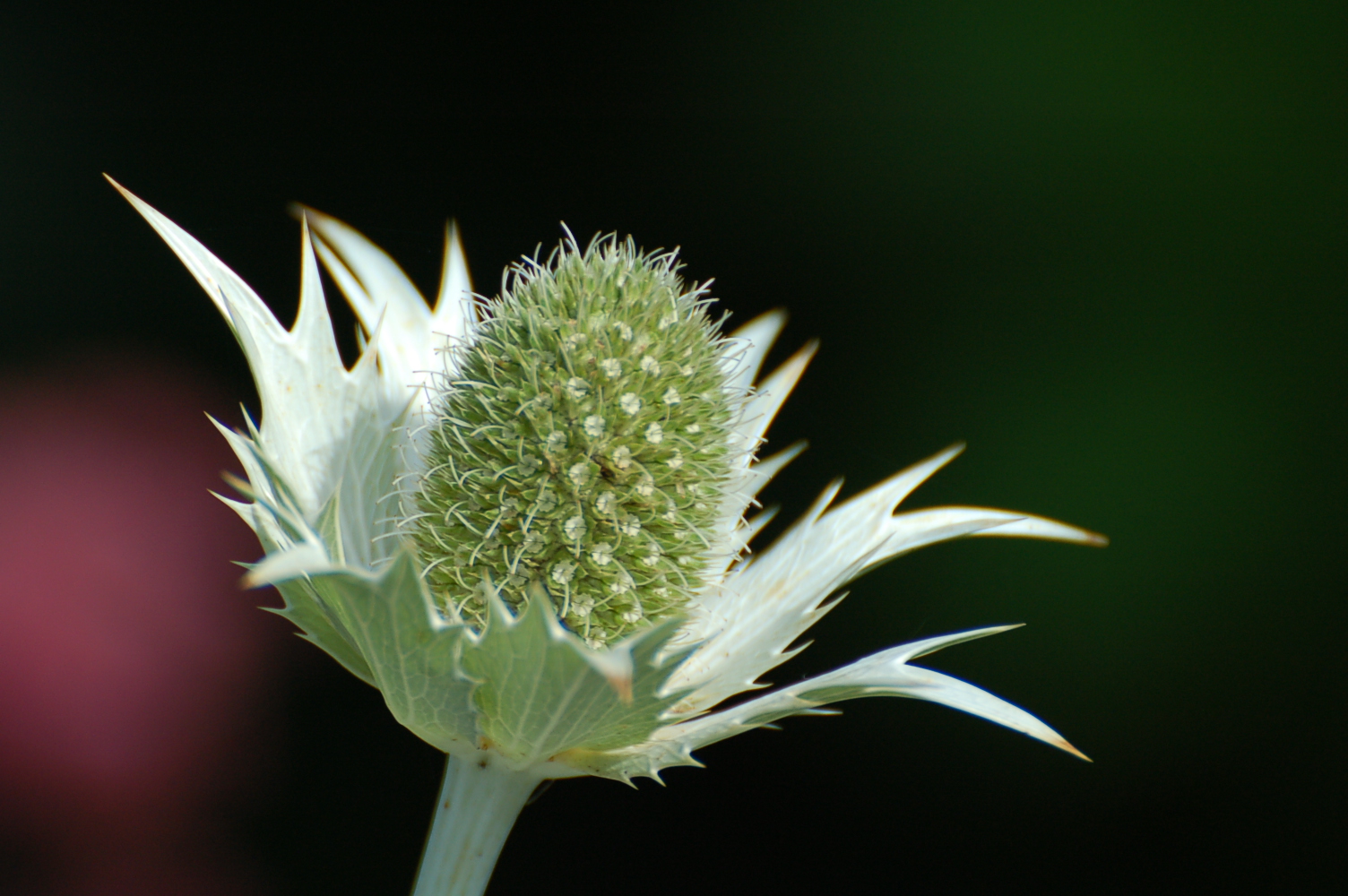
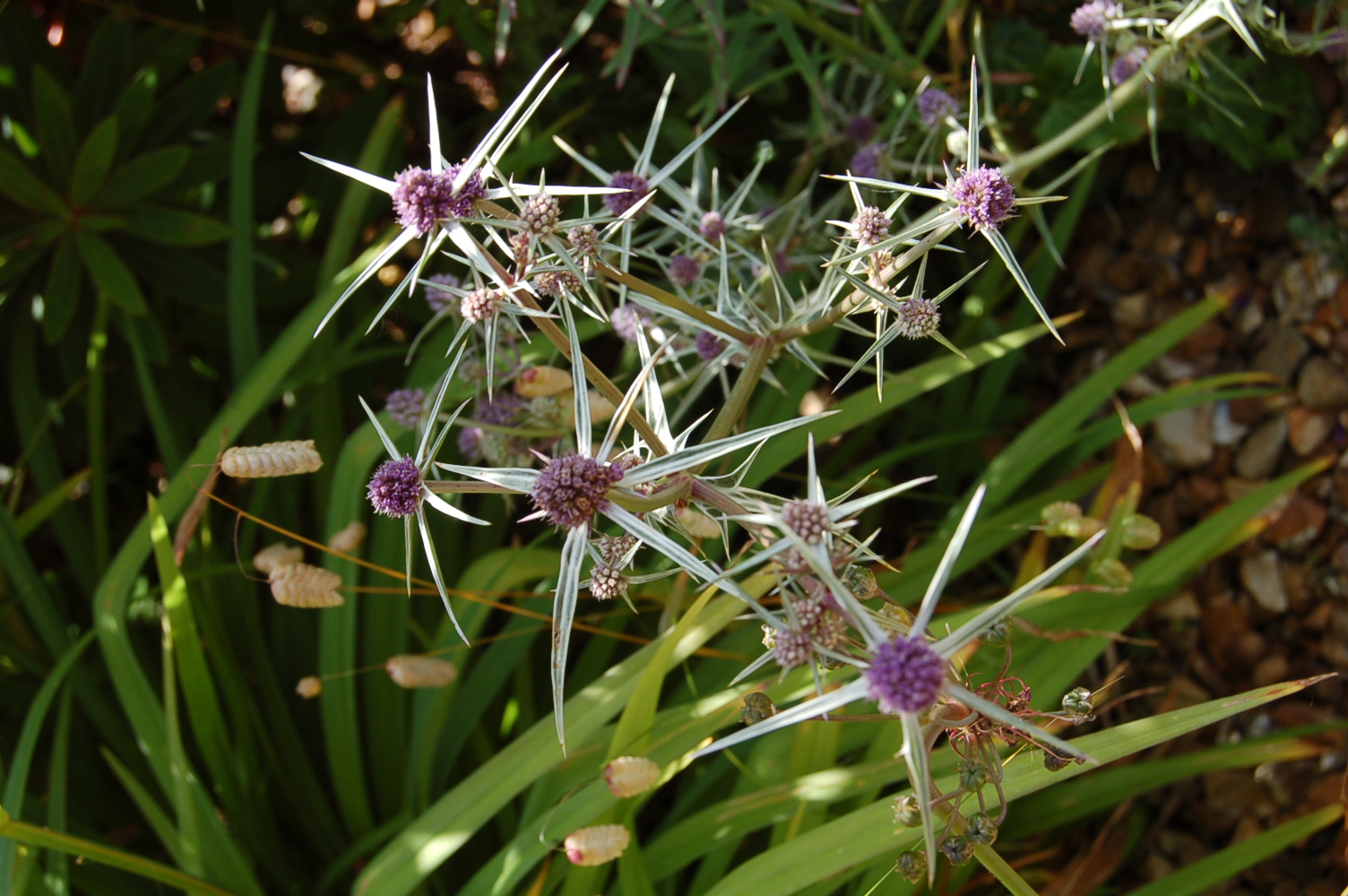
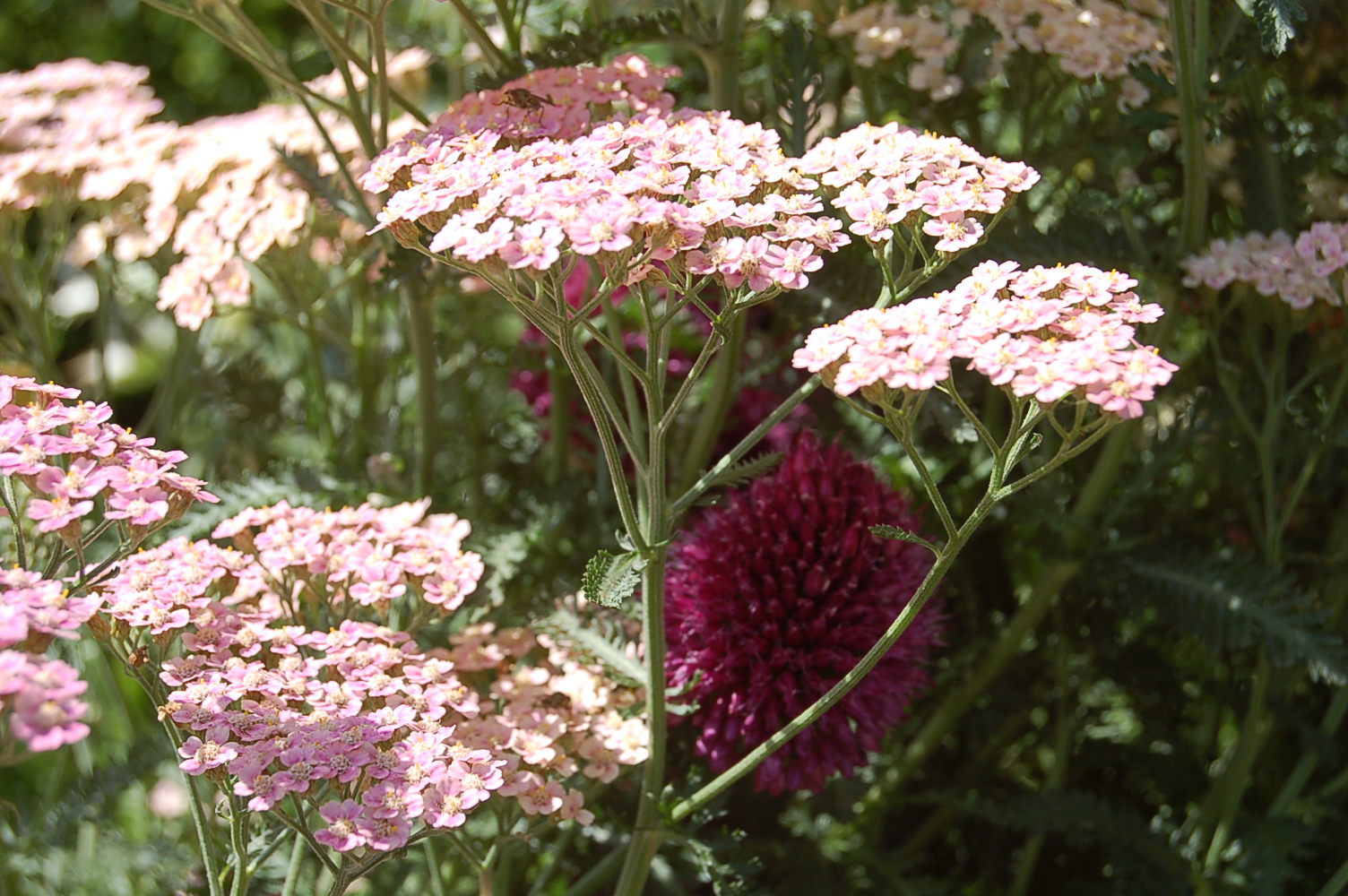
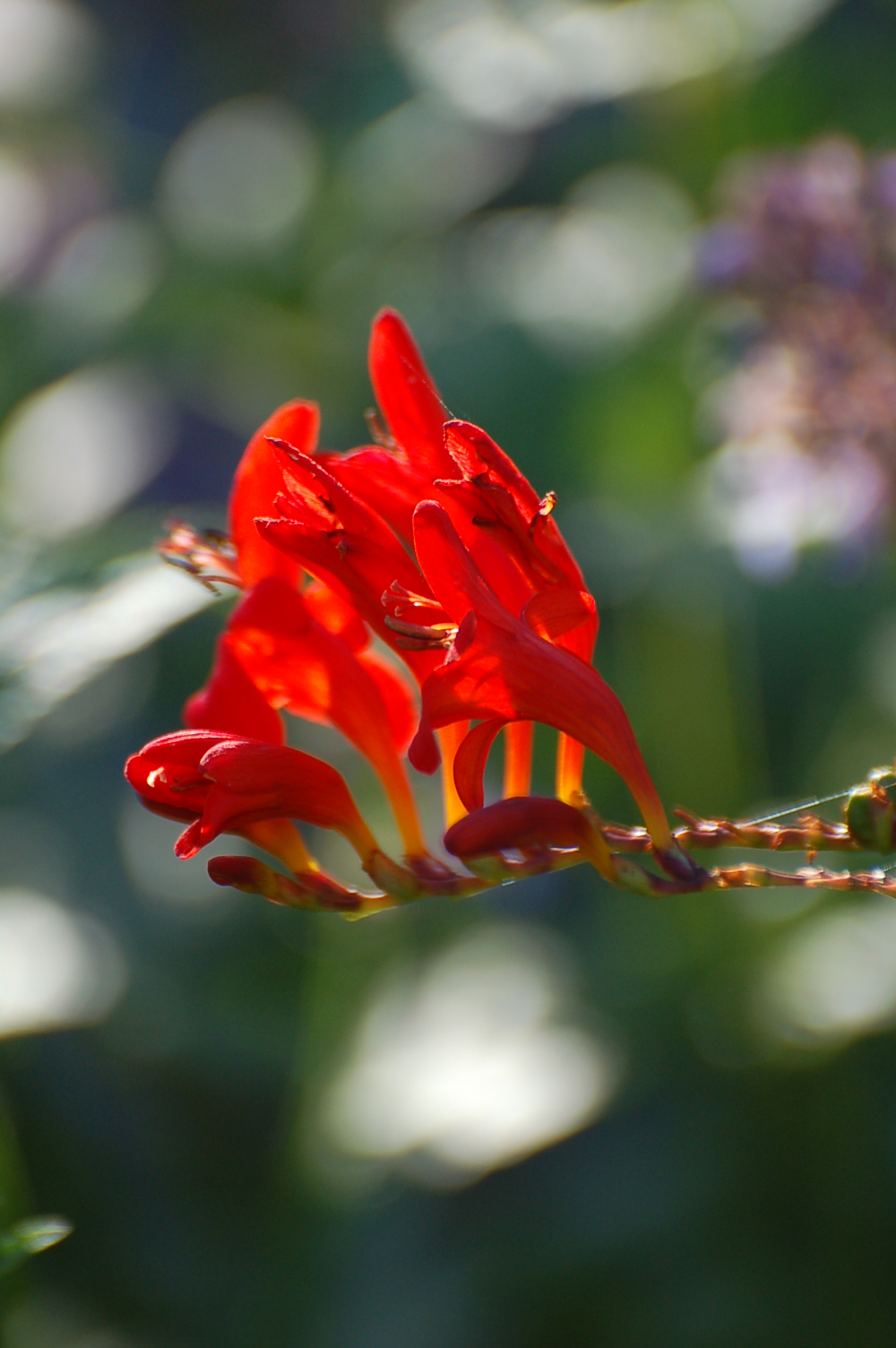
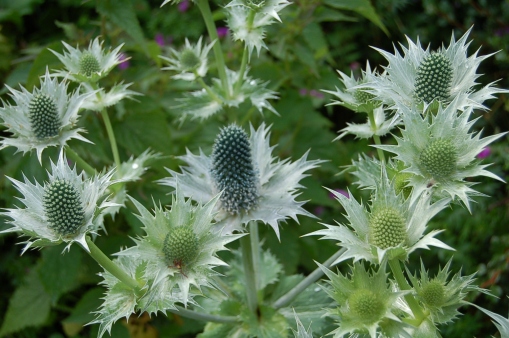
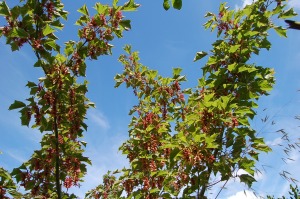
Elsewhere in the borders of the back garden the seedheads of our Snakebark Acer add rich reds, Crocosmias give every shade of yellow, orange and red, Achilleas add subtlety and the spiky Erigeron flowers provide silver.
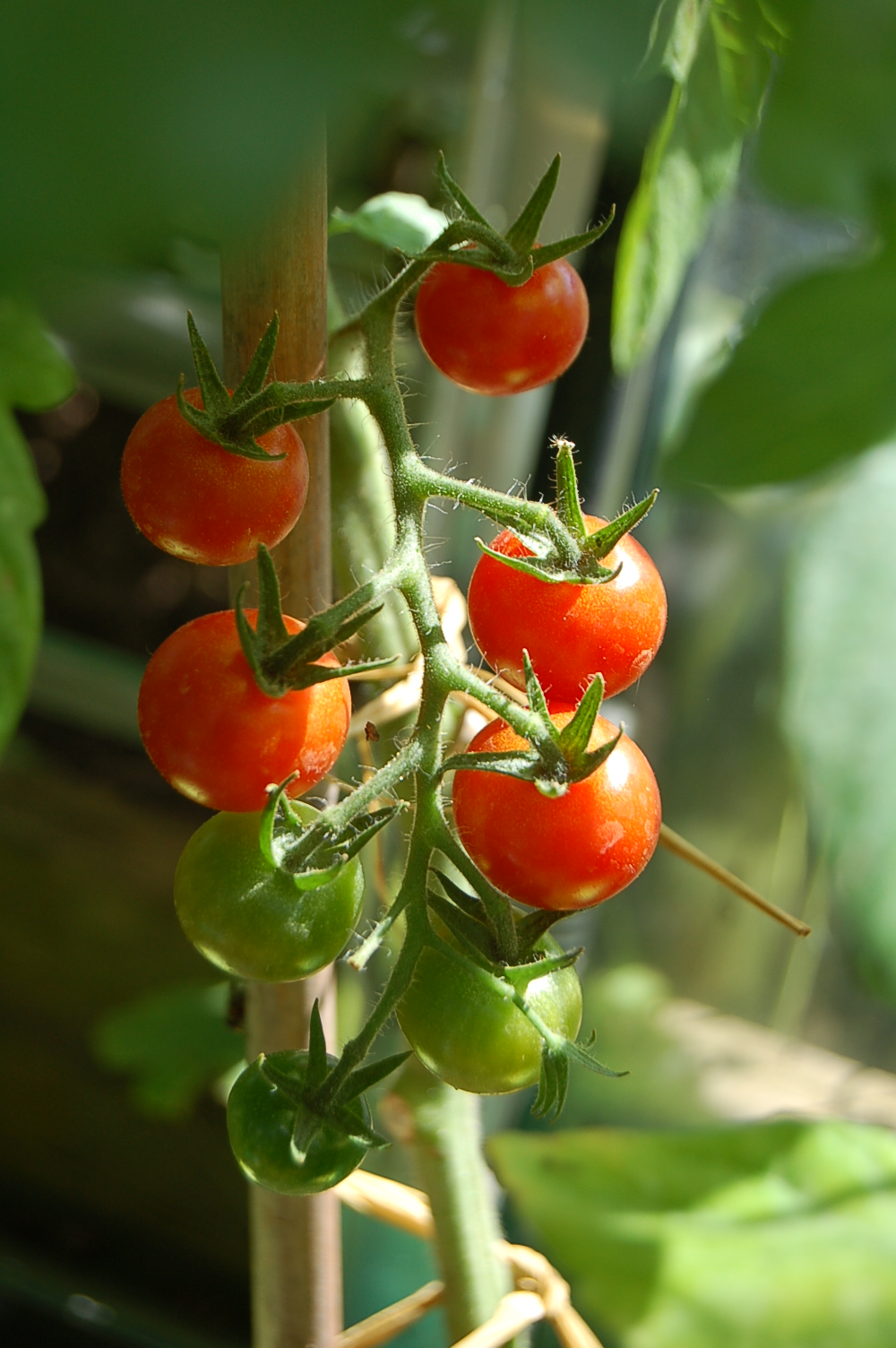
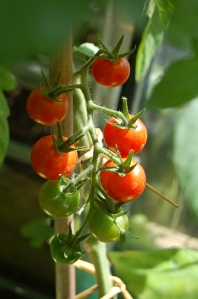
In the greenhouse tomatoes, cucumbers and capsicums are adding sweetness and freshness to the cut-and-come-again mixed leaves of ours summer salads.
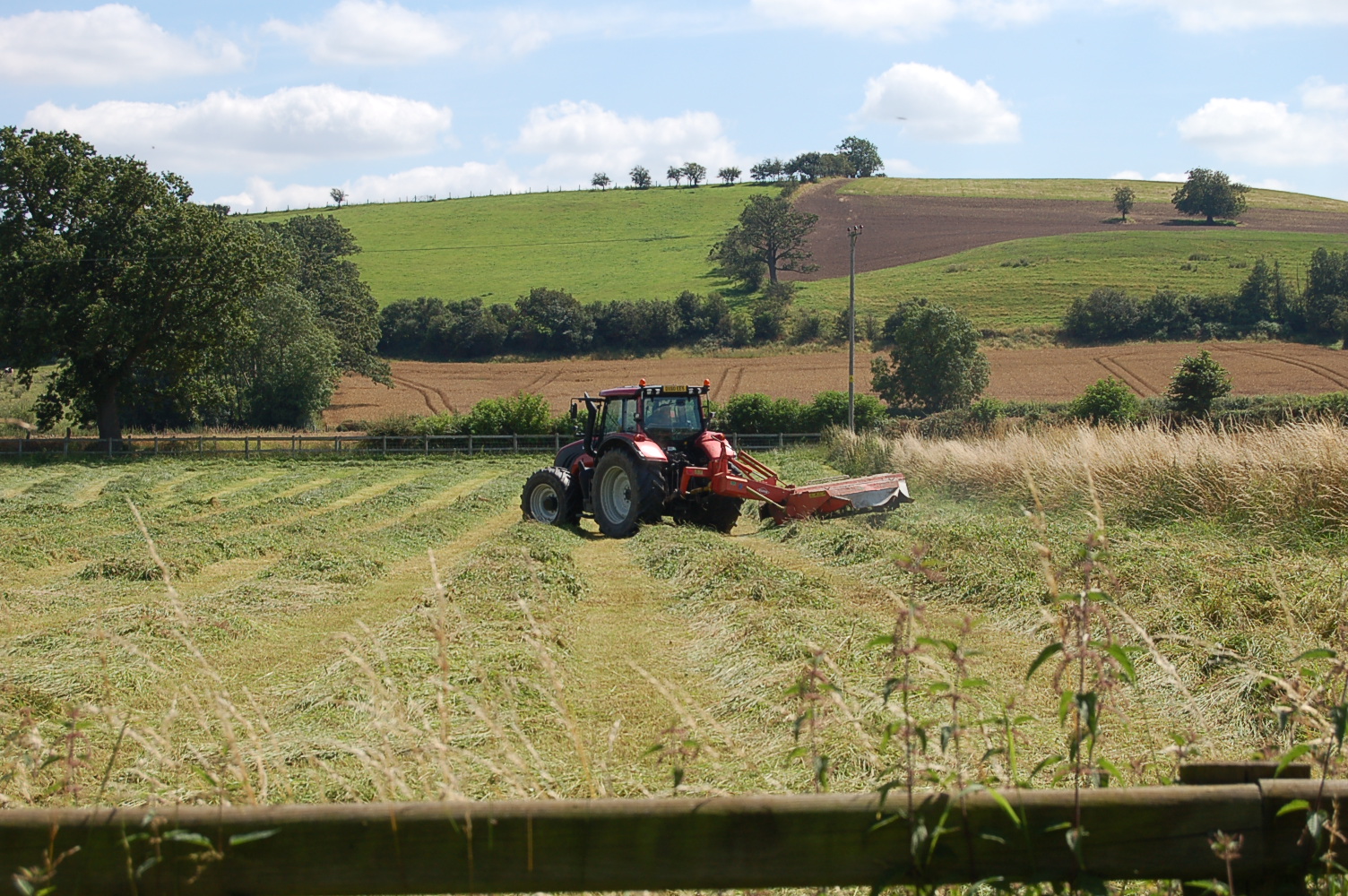
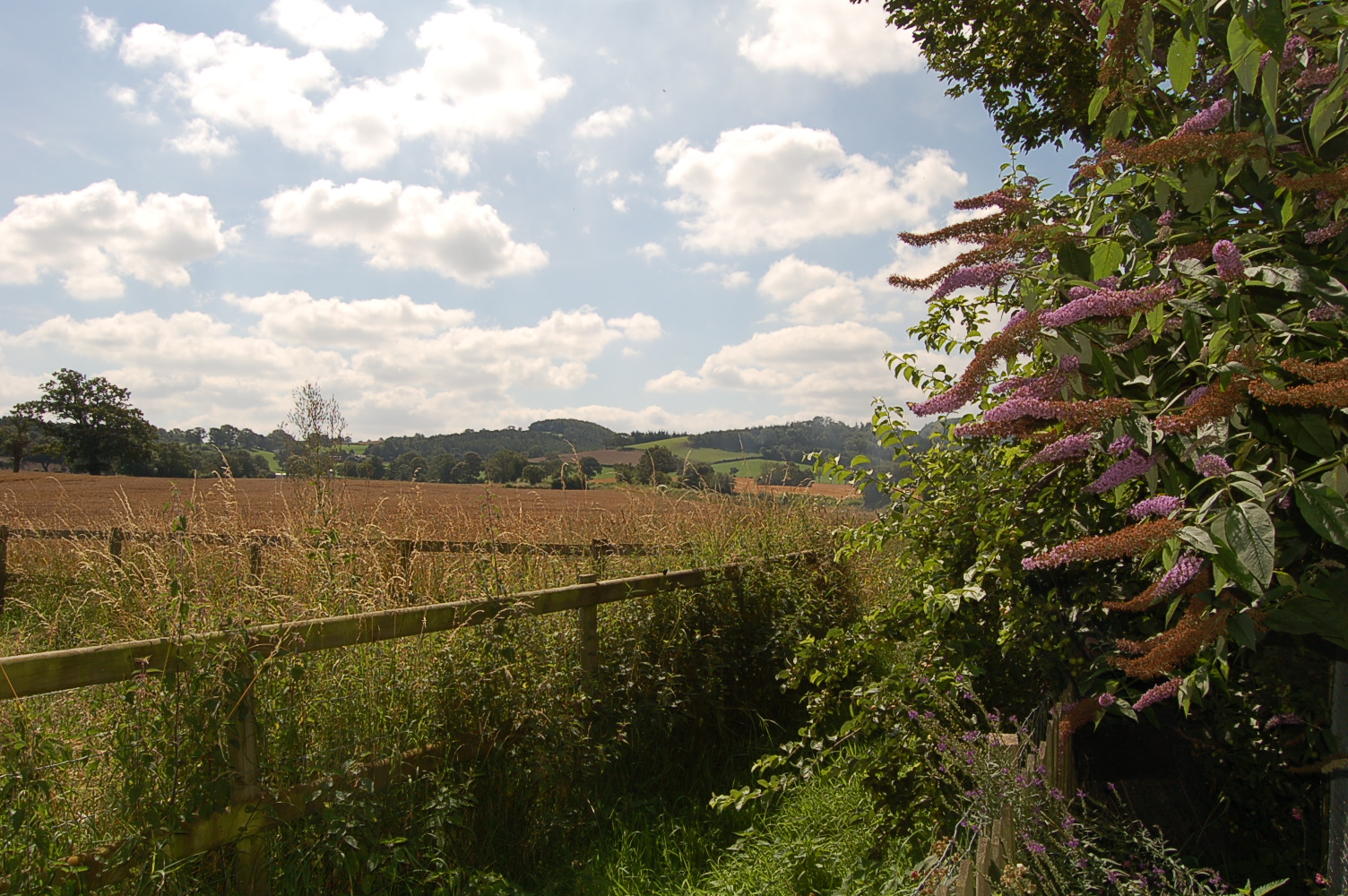
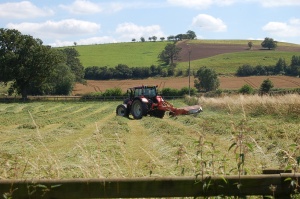
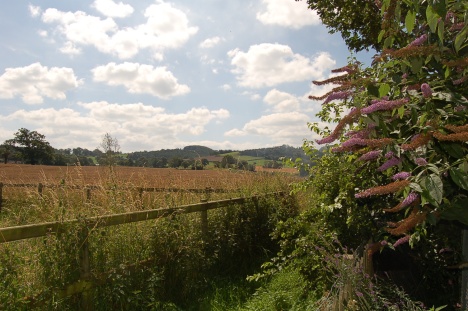
The world beyond our garden is changing this month as in our borrowed landscape the hay in the paddock has been cut and baled and the wheat fields turn gold and are being harvested one by one. By the time my September garden wander comes around the skys will seem empty as the Swallows and Martins will be on their way to warmer climes, but the garden will be getting busier with mixed feeding flocks of titmice and Goldcrests, and others of mixed finches.
Categories
garden design garden photography garden wildlife gardening July photography shrubs

Mr Buddles Shrubs

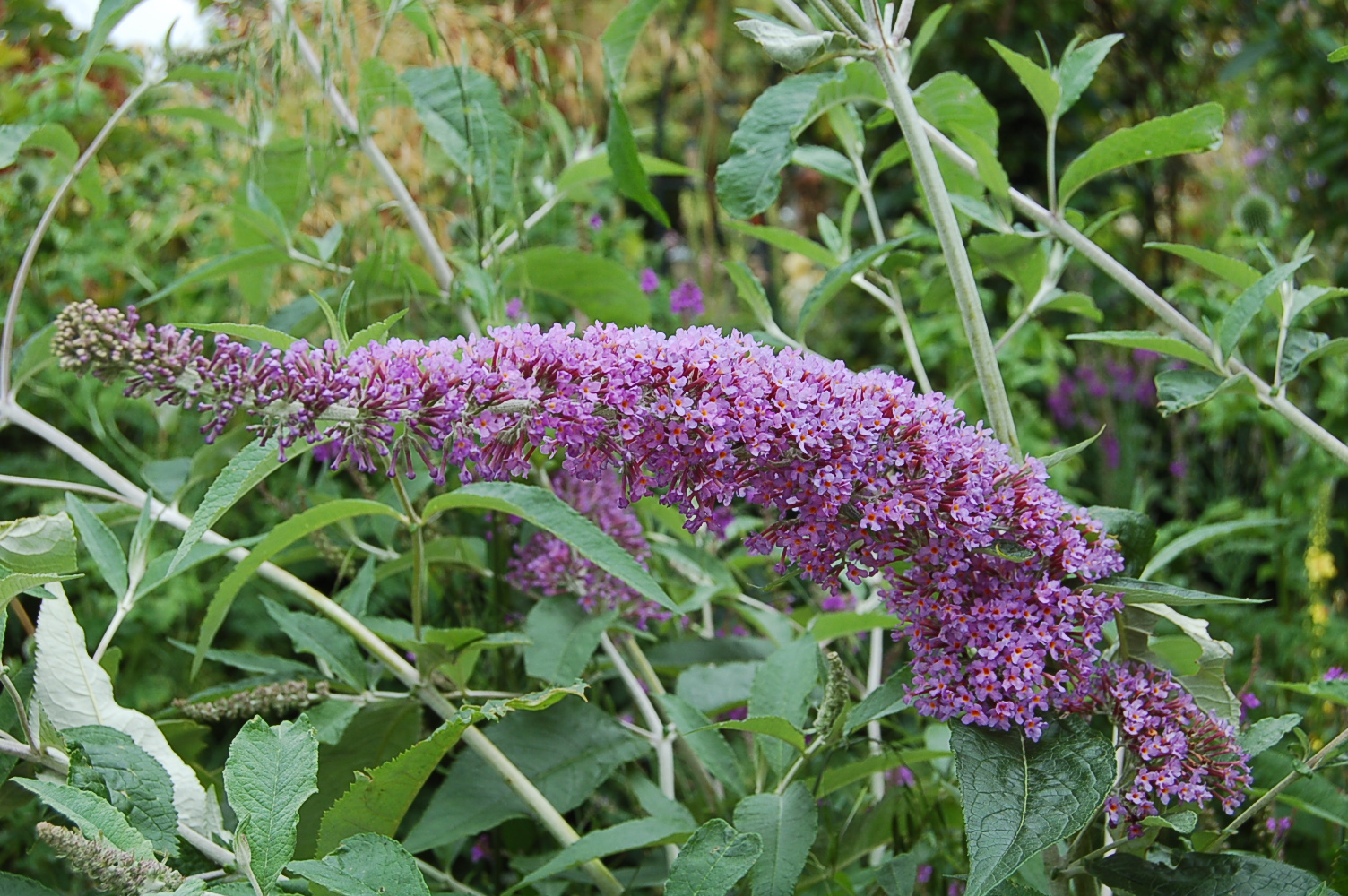
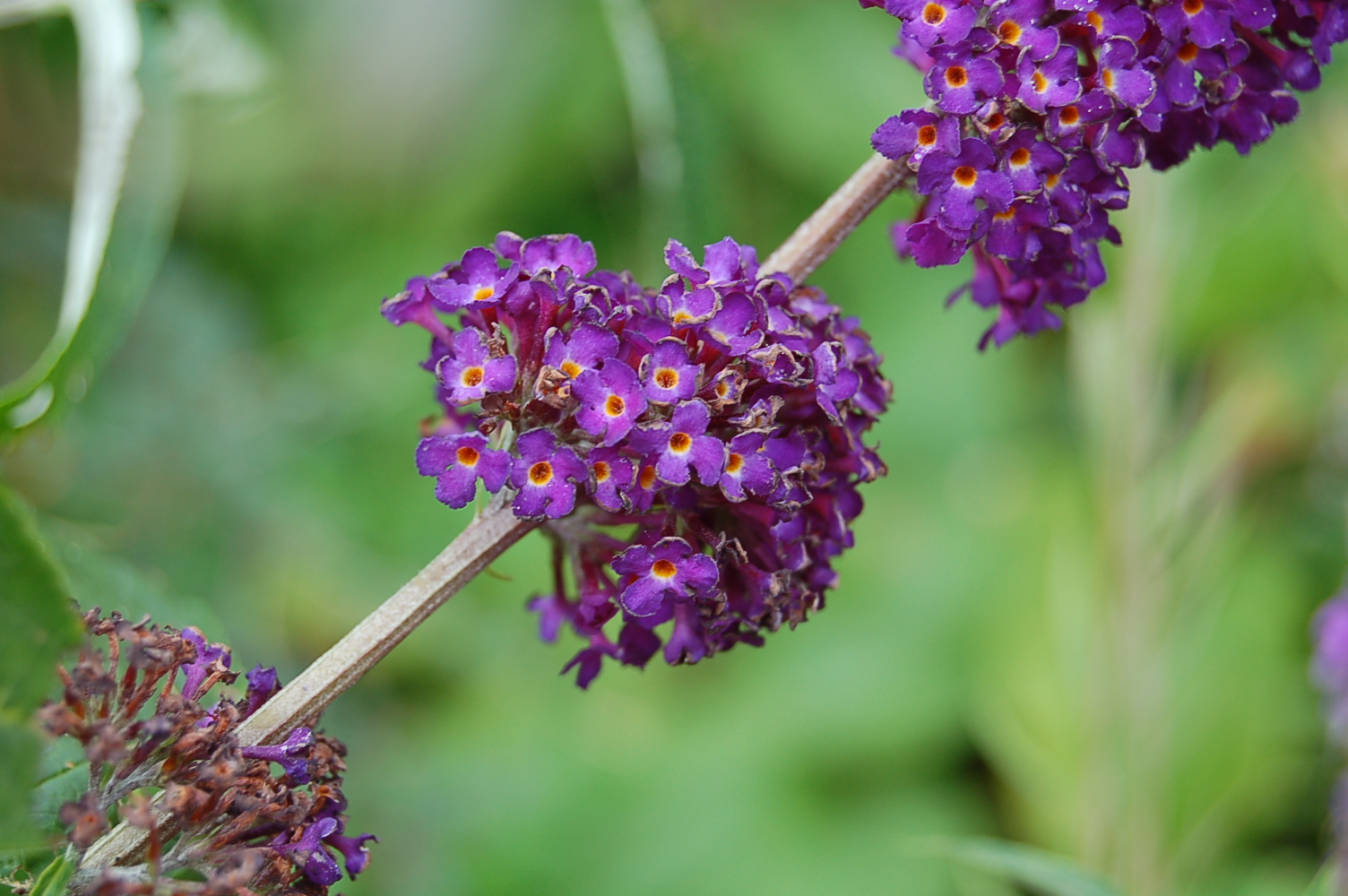
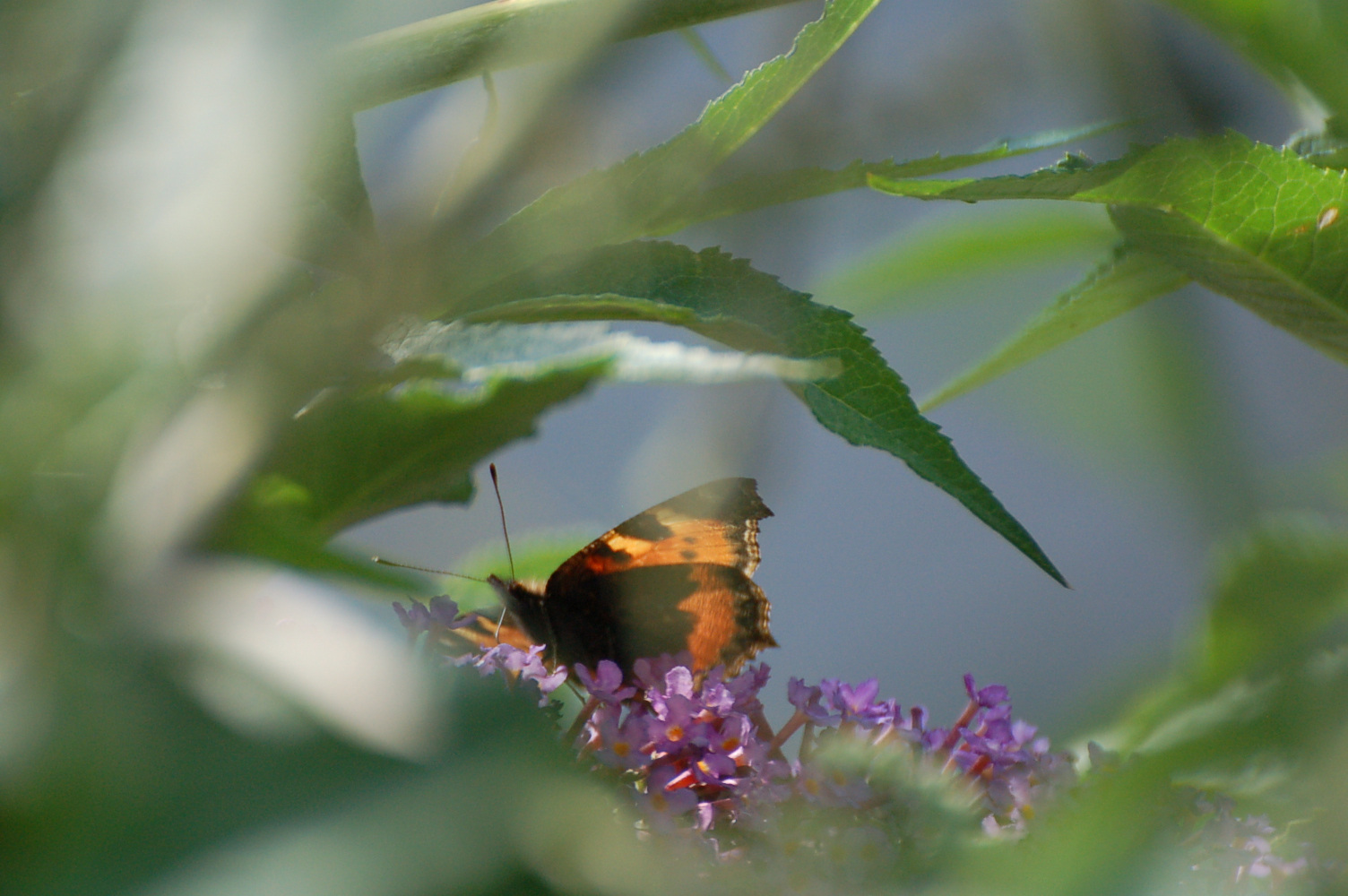
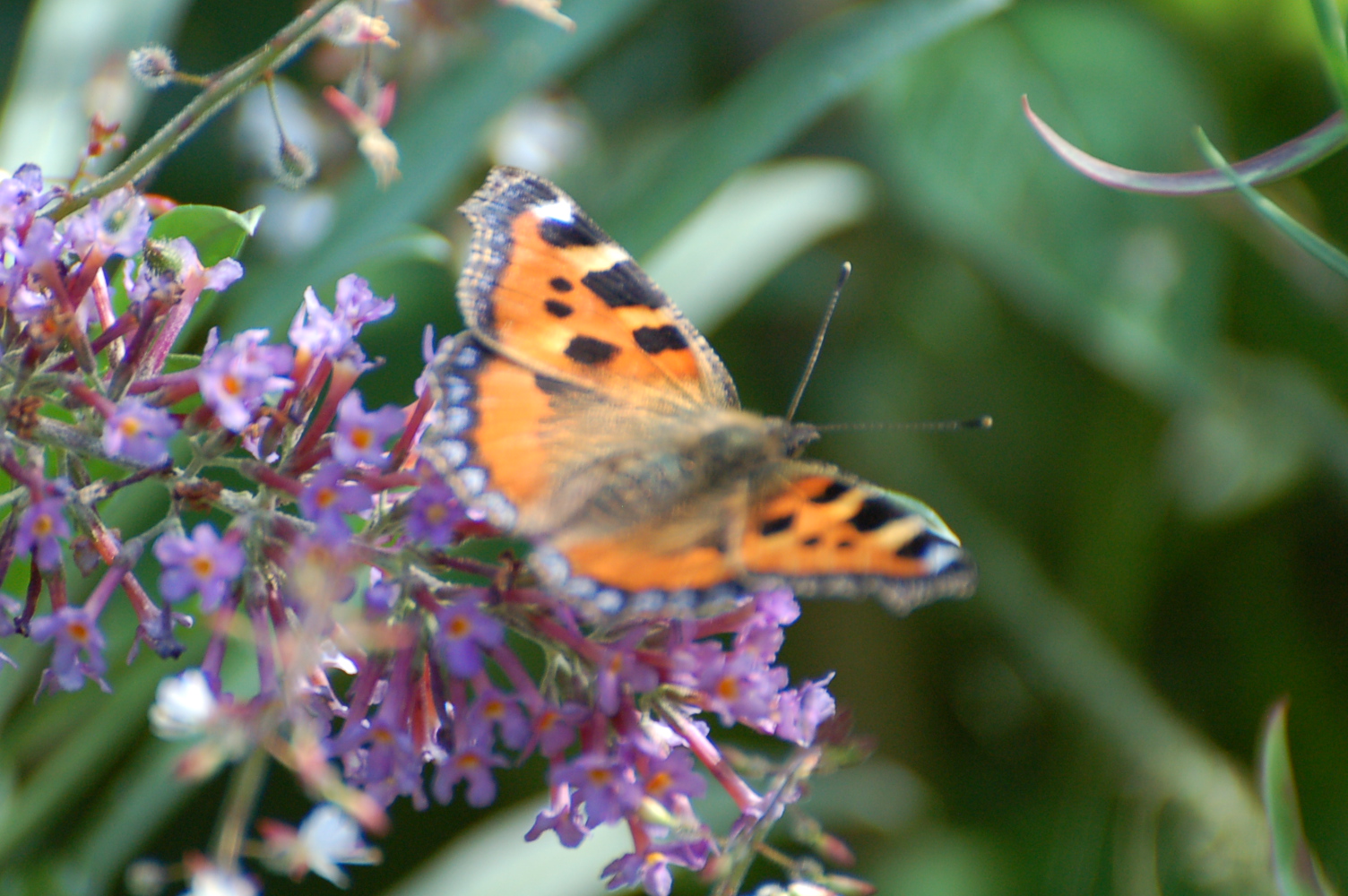
Buddleja can be seen as a common and very ordinary shrub especially when we observe how readily it seeds into gutters, between tiles, along railway embankments, river banks and canal sides. These commonest of buddlejas are quite stunning with their long conical panicles of pale mauve flowers which attract bees, hoverflies and are a firm favourite of butterflies and moths. Move in close and enjoy their delicate scent.
I usually spell it “Buddleja” but I am not sure where that spelling came from. I turned to my garden plant bible, the Royal Horticultural Society’s  “A-Z Encyclopedia of Garden Plants”, and they refer to it as Buddleja but add syn Buddleia.

I continued to research and have now discovered that it was Linnaeus who named it Buddleja with a “j” and he named it to commemorate Adam Buddle. So I still cannot find out where the “j” comes from. Adam Buddle was an English vicar who worked in Essex and like many of his contemporaries turned to botany to fill his time. He compiled an English flora which was never published but little else seems to be known about him.

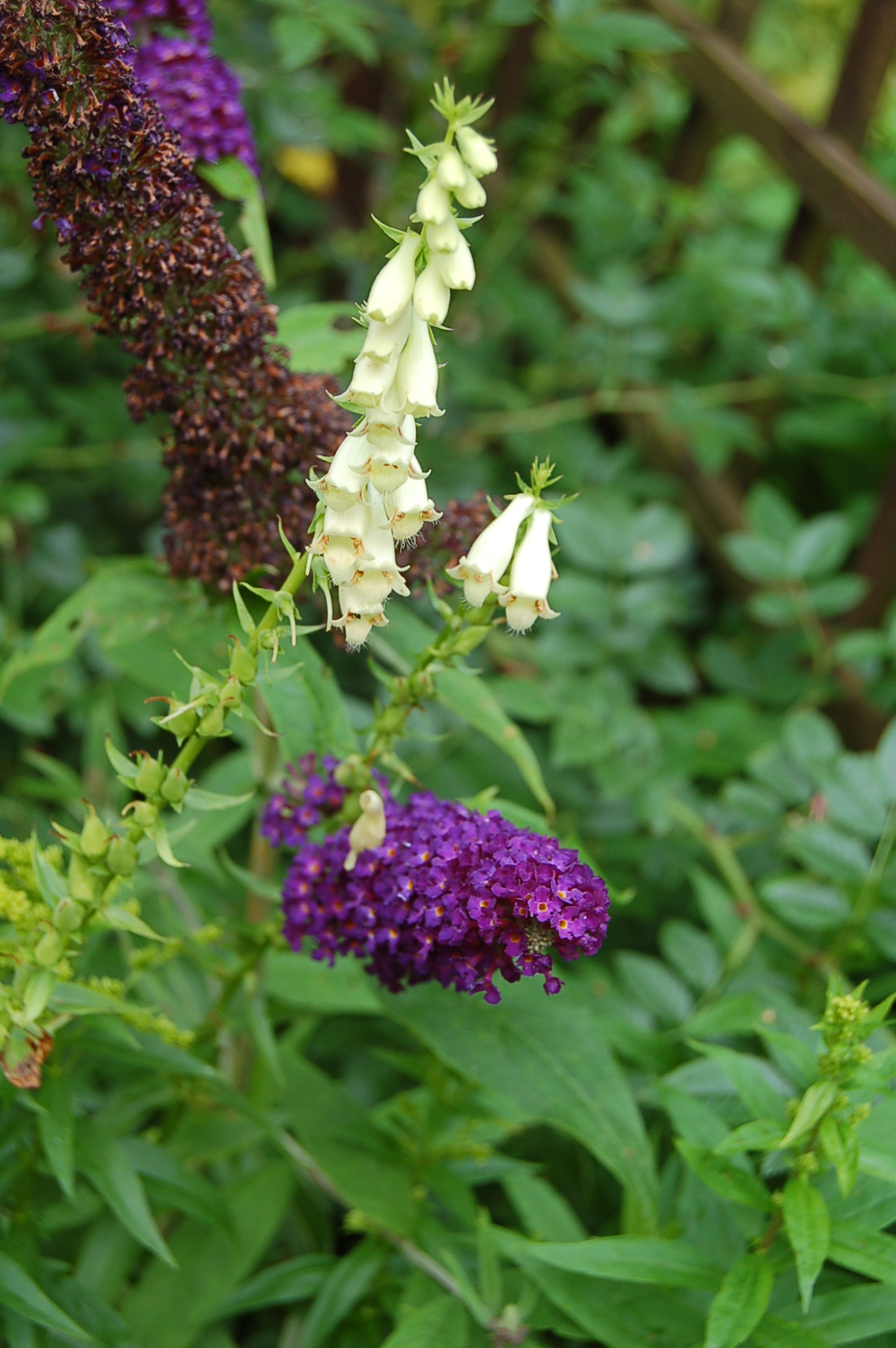
In our gardens we can grow buddlejas with flowers from the purest of white to the deepest purple, from pale to deep pinks and even shades of orange. I decided a few days ago to have a wander around our garden to see which ones we had in flower. Most are varieties of Buddleia davidii. Many have rich yellow or orange centres to each of the tiny individual flowers.

This first set of photographs are of the Buddlejas in flower in our garden this August.

On a day in  mid-August our Buddleja davidii were attracting butterflies, as we had experienced a few warm, bright, calm days after weeks of cold, wet and wind.

In the communal borders on our allotment site we grow many Buddleja davidiis in their full colour range, but we also grow the orange-flowered Buddleja weyeriana.

On a recent visit to a garden with the Shropshire branch of the Hardy Plant Society we came across this beautiful Buddleja davidii with soft grey leaves and blue flowers.

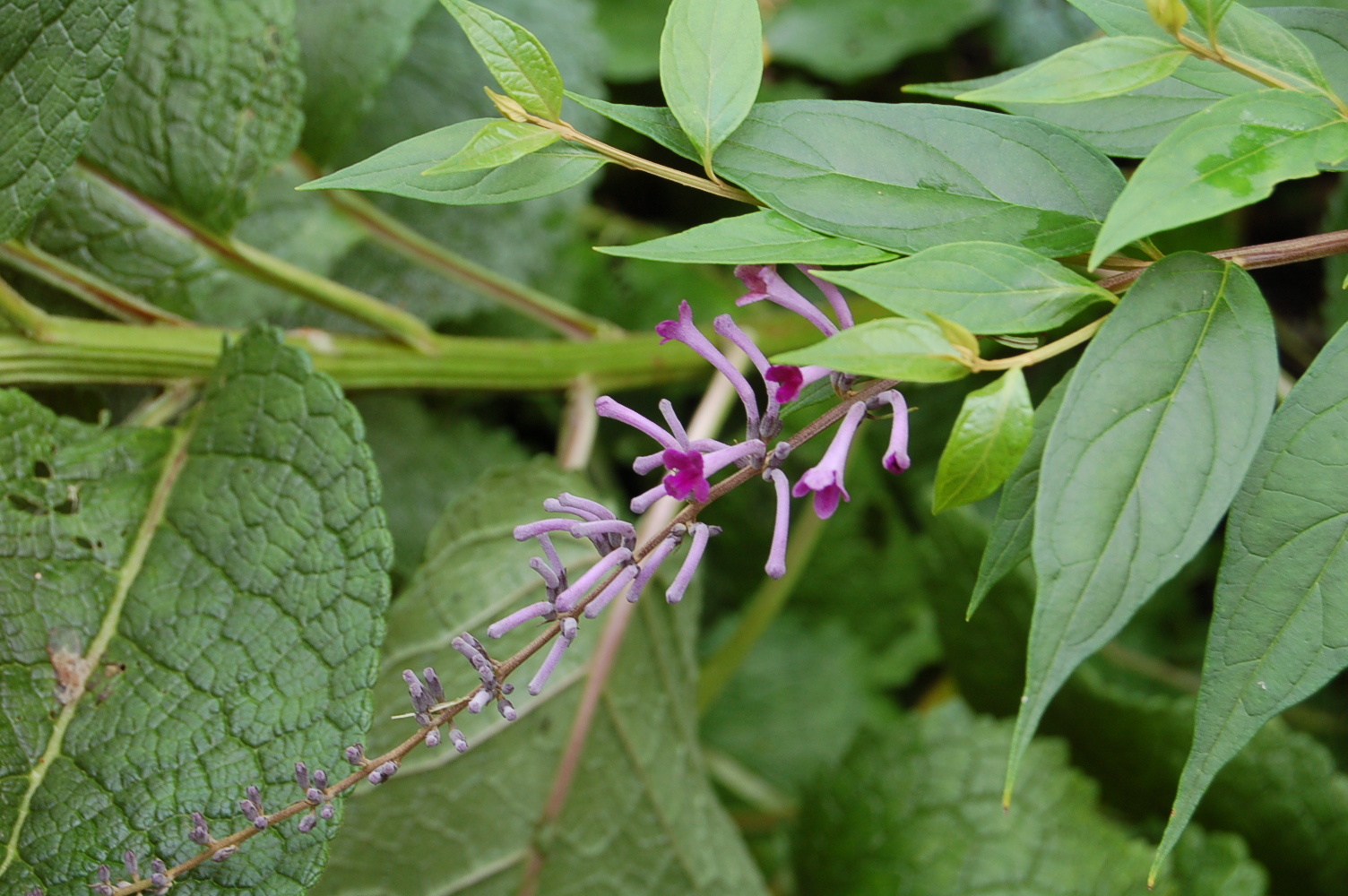
In another border we discovered a much more unusual variety called Buddleja lindleyana. It’s leaves were much brighter green than the davidiis and the individual florets were further apart from each other. The inside of each floret was a rich bright violet while the outsides were a greyish violet.

Categories
community gardening garden design garden photography gardening hardy perennials July ornamental trees and shrubs photography Shropshire shrubs village gardens

A Village of Gardeners – part two, after the tea break.

We sat in the village hall enjoying our lemon drizzle cake and cups of tea, while we planned our route to see the afternoon gardens which, all but one, were out in the countryside, along narrow lanes.

So suitably refreshed and legs rested we made our way to the last of the gardens in the village itself, which was described as a small cottage garden. It didn’t disappoint!  After wandering up a narrow lush lane we crossed a ford where a shallow stream of crystal-clear water rushed over the tarmacadam. There were so many well-kept plants in busy planting schemes with narrow grass paths to lead you round. We loved it!

Once we had relished this lovely crowded cottage garden we returned through the ford and turned right where another narrow lane sent us up a gradual slope into the countryside away from the village, to the next garden. We passed this tumbling down barn the home to many swallows and colourful natural hedgerow borders.
This garden was larger than the last we visited, with sweeping areas of grass, an enclosed vegetable plot, interesting plant combinations and a beautiful wildlife area featuring a pond with woodland enhancing its banks.

Sadly the last two gardens we wished to visit were miles into the countryside at the foot of the Stretton Hills so we had to take the car. The first garden was one that invited you to wander with interesting  plantings.

The final garden was up a lane with grass growing down the centre and we had to park on a very soggy field. But it was worth it as a beautiful atmospheric garden sat alongside a rippling stream running through a wooded valley. The sound of bird activity around the feeding stations in an enclosed part of the garden and their song in the surrounding borders and woodland enticed us to sit comfortably with another cup of tea and another slice of home-baked cake.

We managed to visit just nine of the sixteen gardens open before we ran out of time. We enjoyed the variety of gardens created and maintained by a variety of gardeners. These gardeners all had the advantage of living in such a beautiful little village with a strong community spirit. The last garden we visited had the added benefit of an amazing view.

Categories
garden photography gardening ornamental trees and shrubs photography RHS shrubs trees

Who needs flowers when foliage will do?

You will be glad to know this is a rhetorical question. If asked to find an answer it would be a simple response – we all do! But, on a recent visit to the Royal Horticultural Society’s garden in Devon, the wonderful Rosemoor, I took this collection of photographs featuring foliage with occasional interesting bark. Not a flower in sight.

Categories
garden design garden photography gardening grow your own hardy perennials July ornamental grasses ornamental trees and shrubs photography poppies roses Shropshire shrubs succulents trees

A Wander around our Garden in July

July in the garden so far has carried on where June left off – rain! The grass paths squelch as you wander, trees drip on you and herbaceous plants soak your legs. The plants have loved it relishing in the warmth and dampness. They grow tall and lush too quickly and do so without gaining strength. As a result they get knocked over in windy spells and any heavy showers.

As rain persists each day from dawn till dusk a moment of light and dry gave me an opportunity to take photos for my July wander. After waiting all day I finally took the following pics just before 9:00 in the evening.

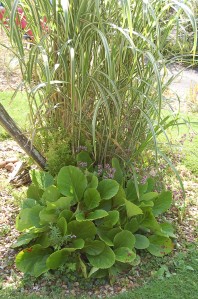
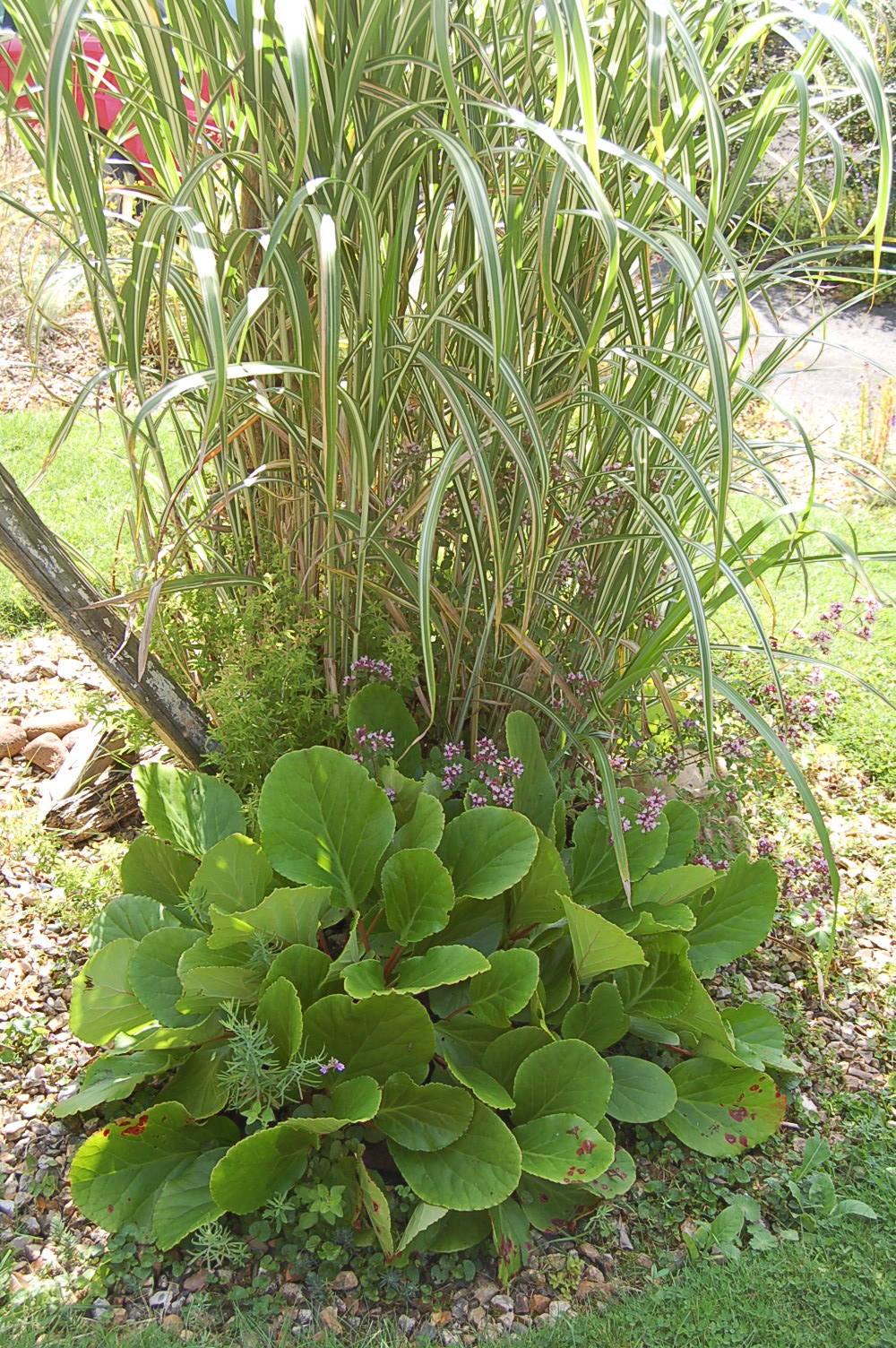
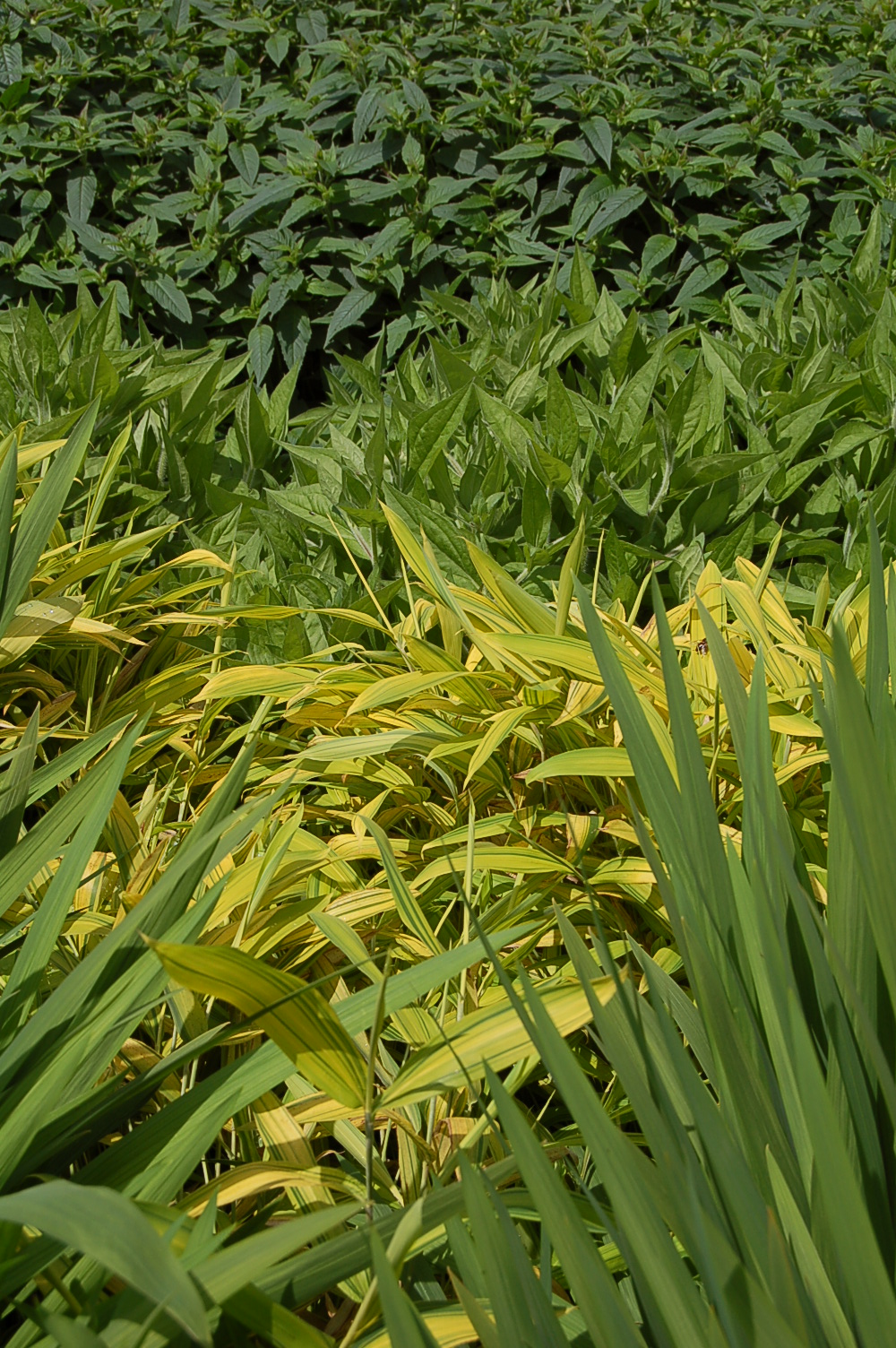
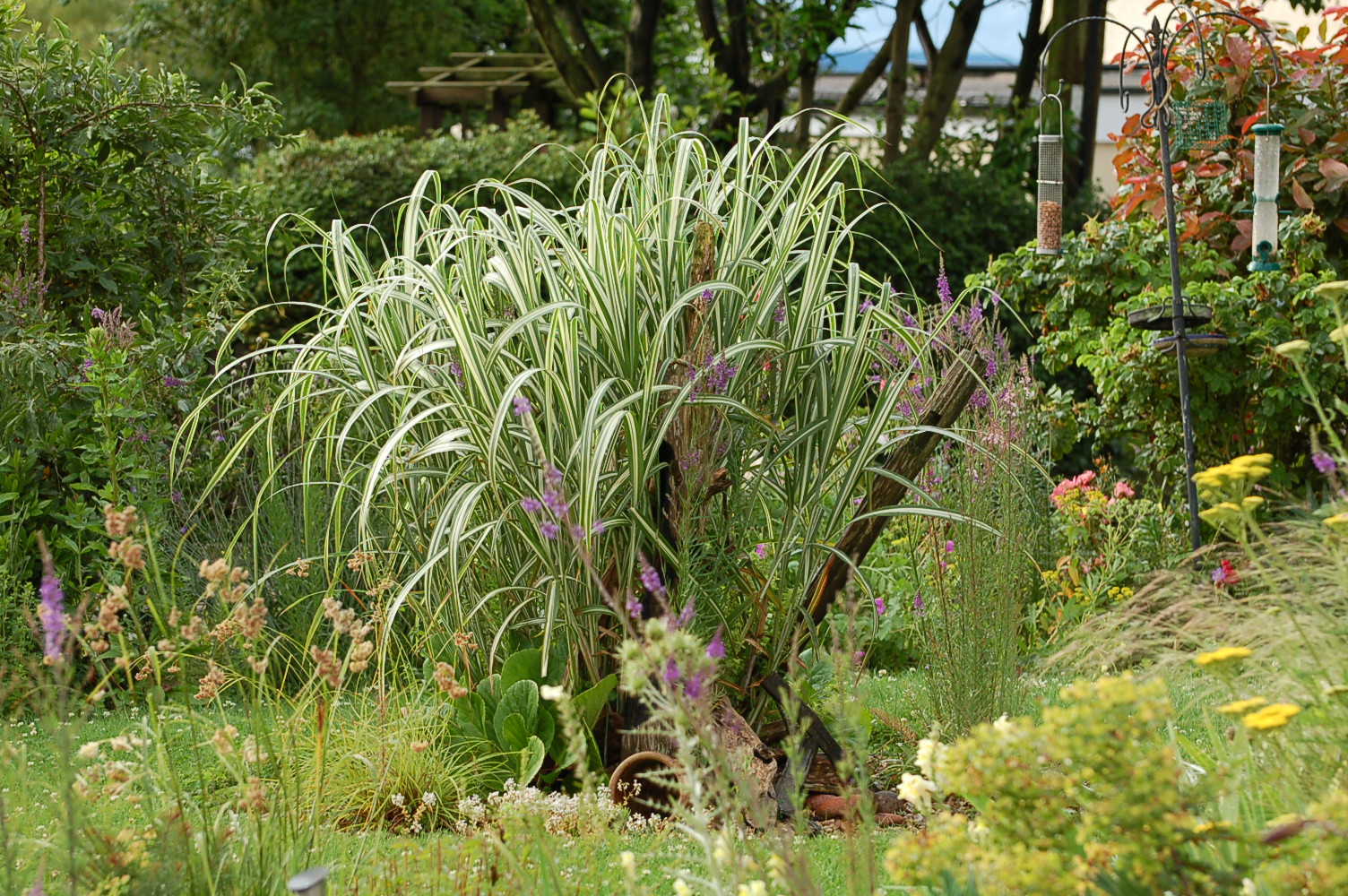
One plant that never fails is this wonderful tall grass with striped leaves. It is a good four foot tall and the long leaves are popular with the “Undergardener” to cut for flower arranging.

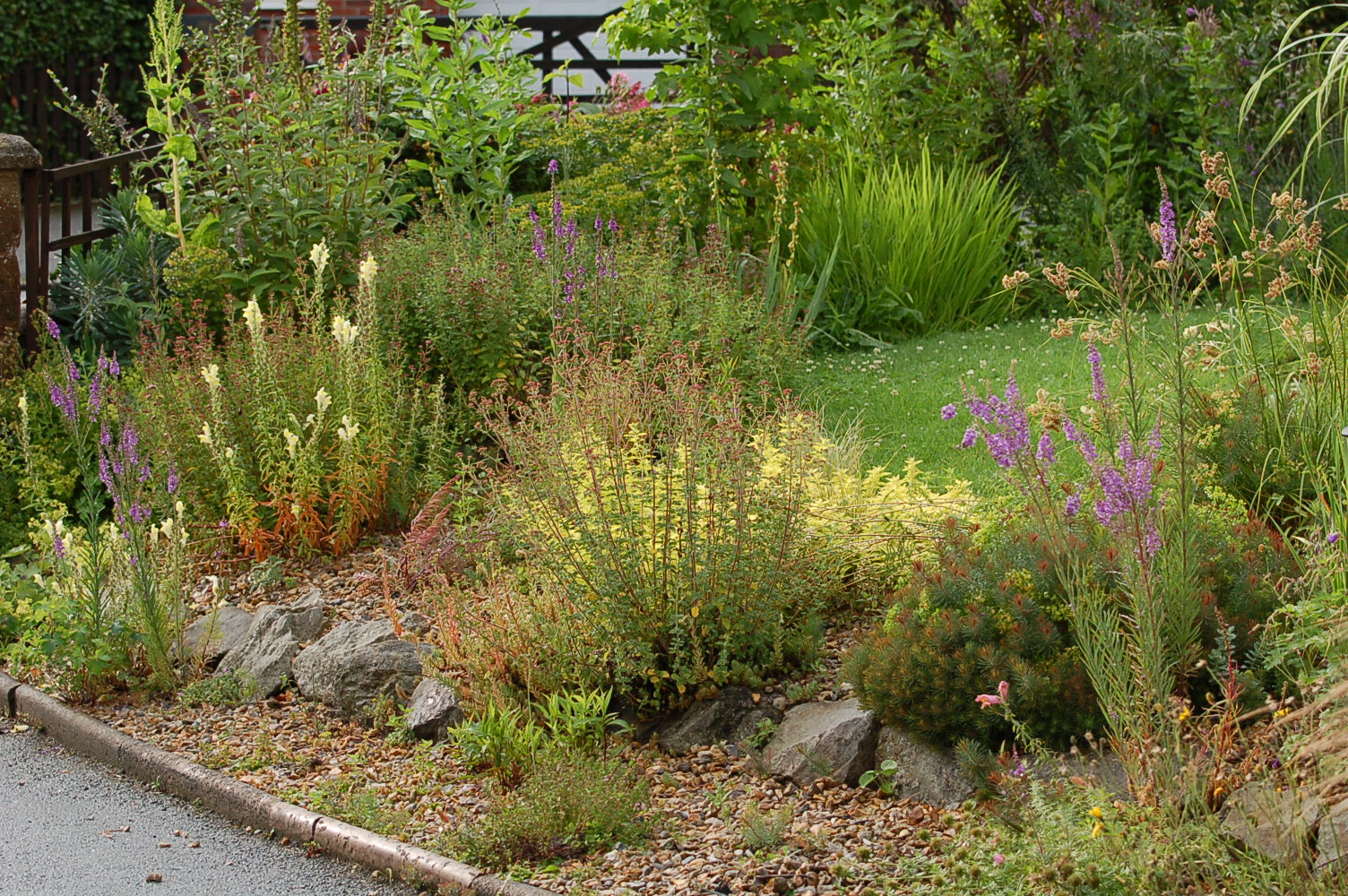
Our gravel garden, The Chatto Bed, is now full of colour, gentle yellows, pinks and purples. When the sun does come out for its short sessions the gravel bed is buzzing with bees. They are having a hard time this year with all this rain and wind.

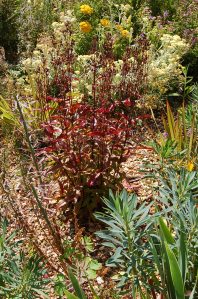
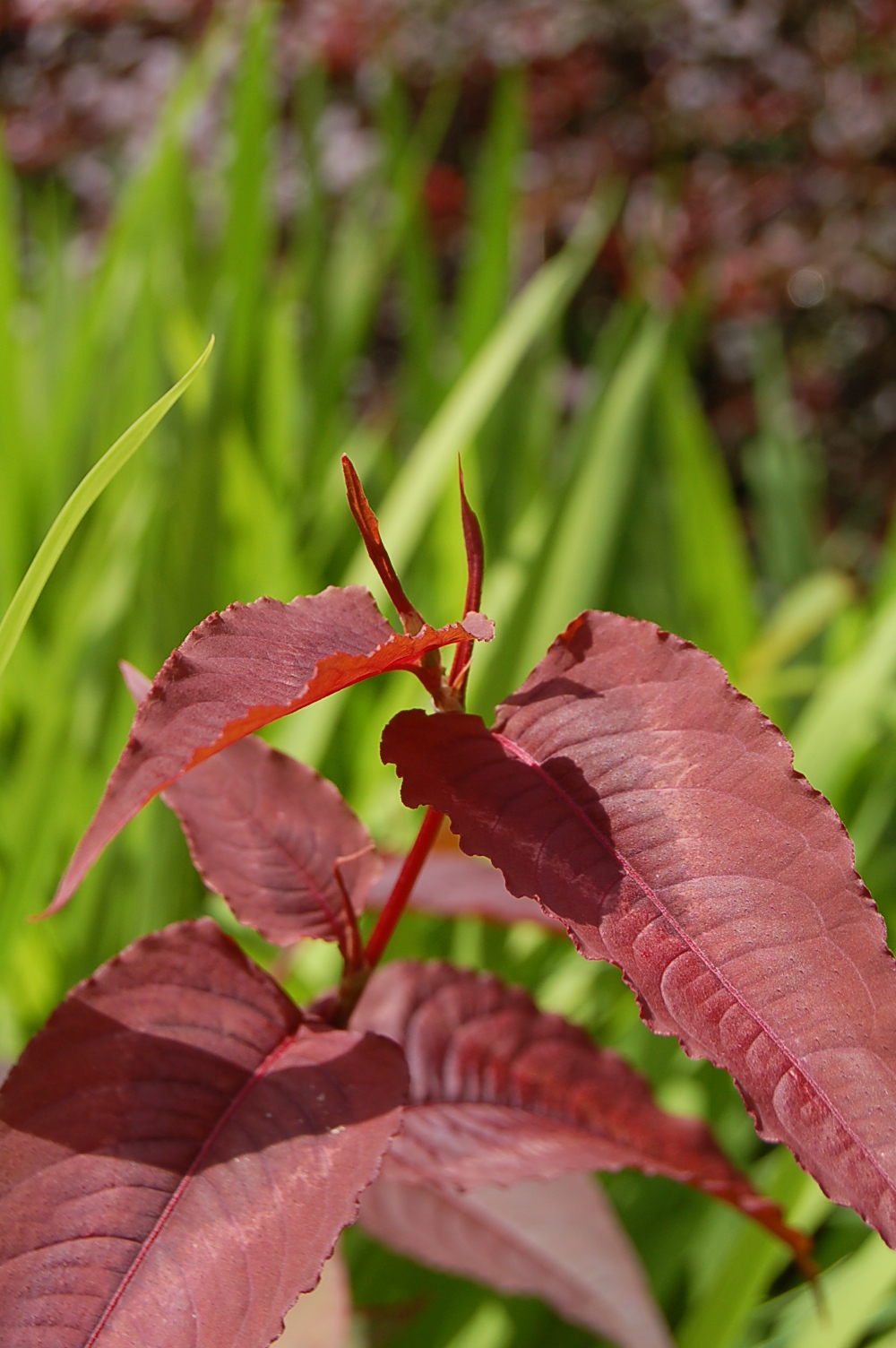
The Huskers Red Pentstemon is now at its best – what a beautiful plant it is – coloured foliage, dark stems and delicate contrasting pale flowers. Having grown this from seed sown a few years ago it feels good to see it looking so good.

The Quaking Grass, Briza maxima is also known as Nodding Grass and Sparrow Grass, presumably because it simply can’t stay still in the slightest breeze.

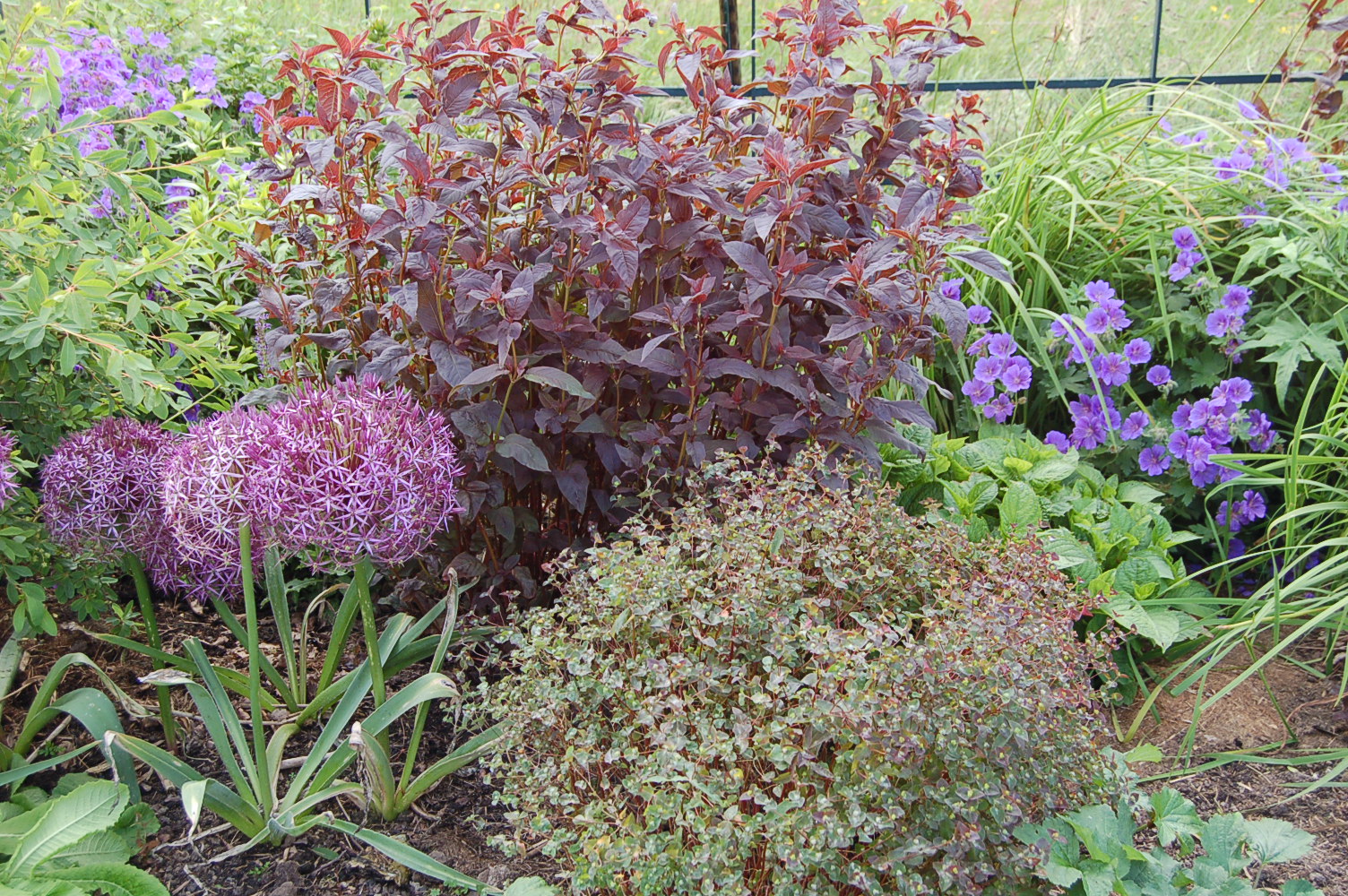
Jude’s Border is a rich combination of purple-leaved shrubs and contrasting perennials.

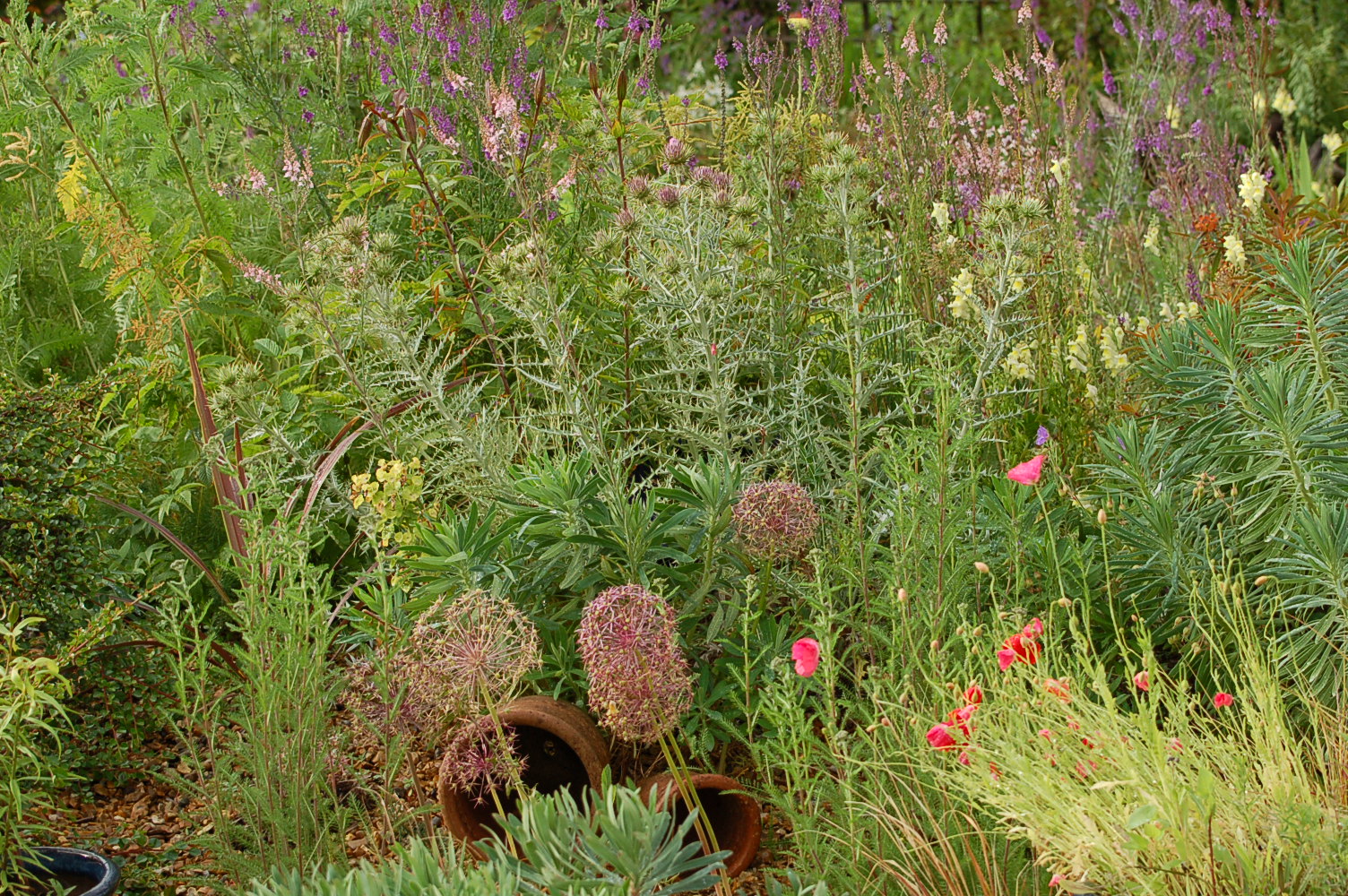
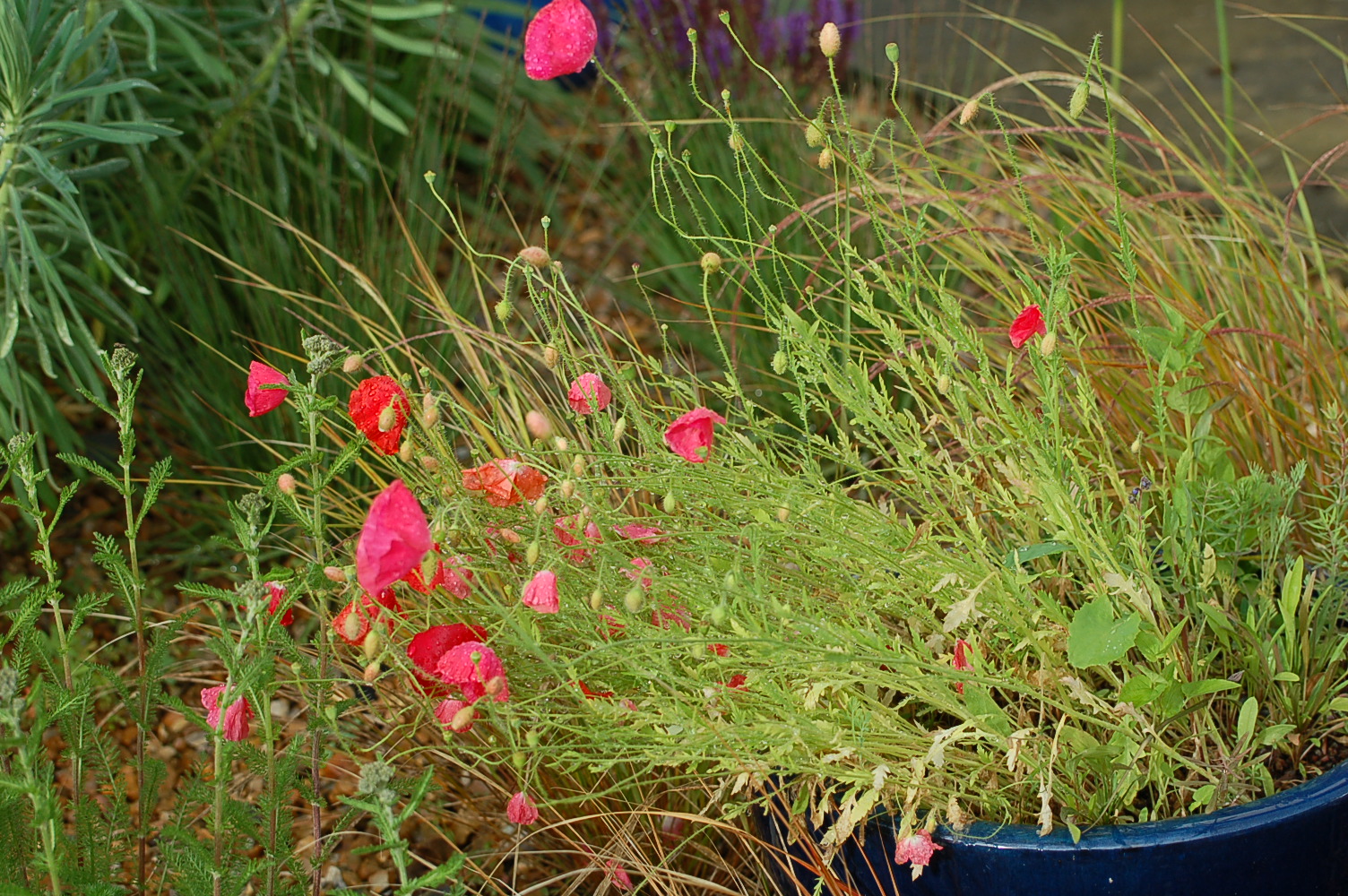
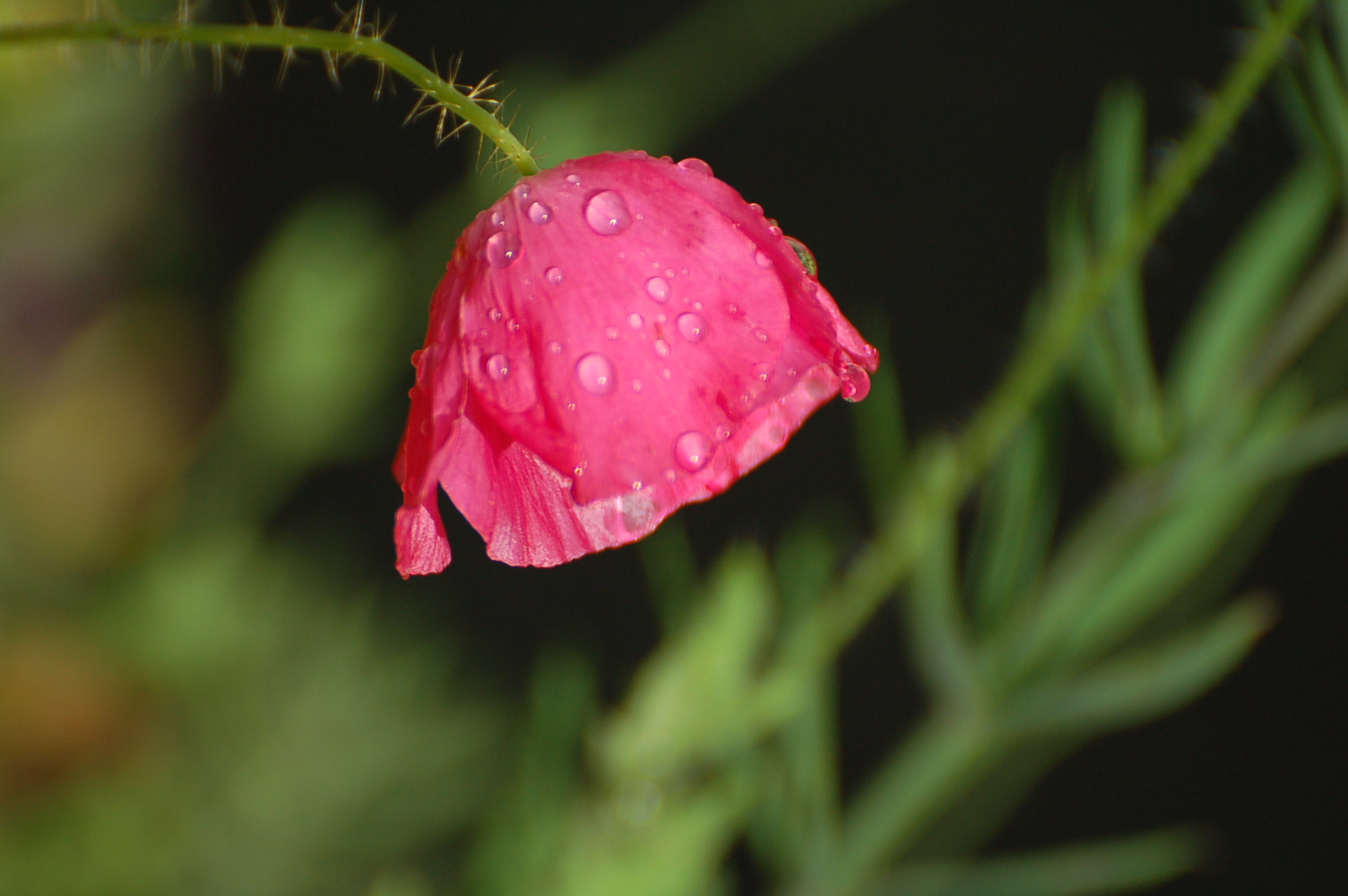
Our mini-meadows  sown in terra-cotta pots have been very successful. Different flowers appear each day. The pink poppy glows in the dullest of weather – a “dayglo” poppy.

By our front door the “Freda Border” continues to provide colour in the perennials and gentle variegated foliage in the shrubs.


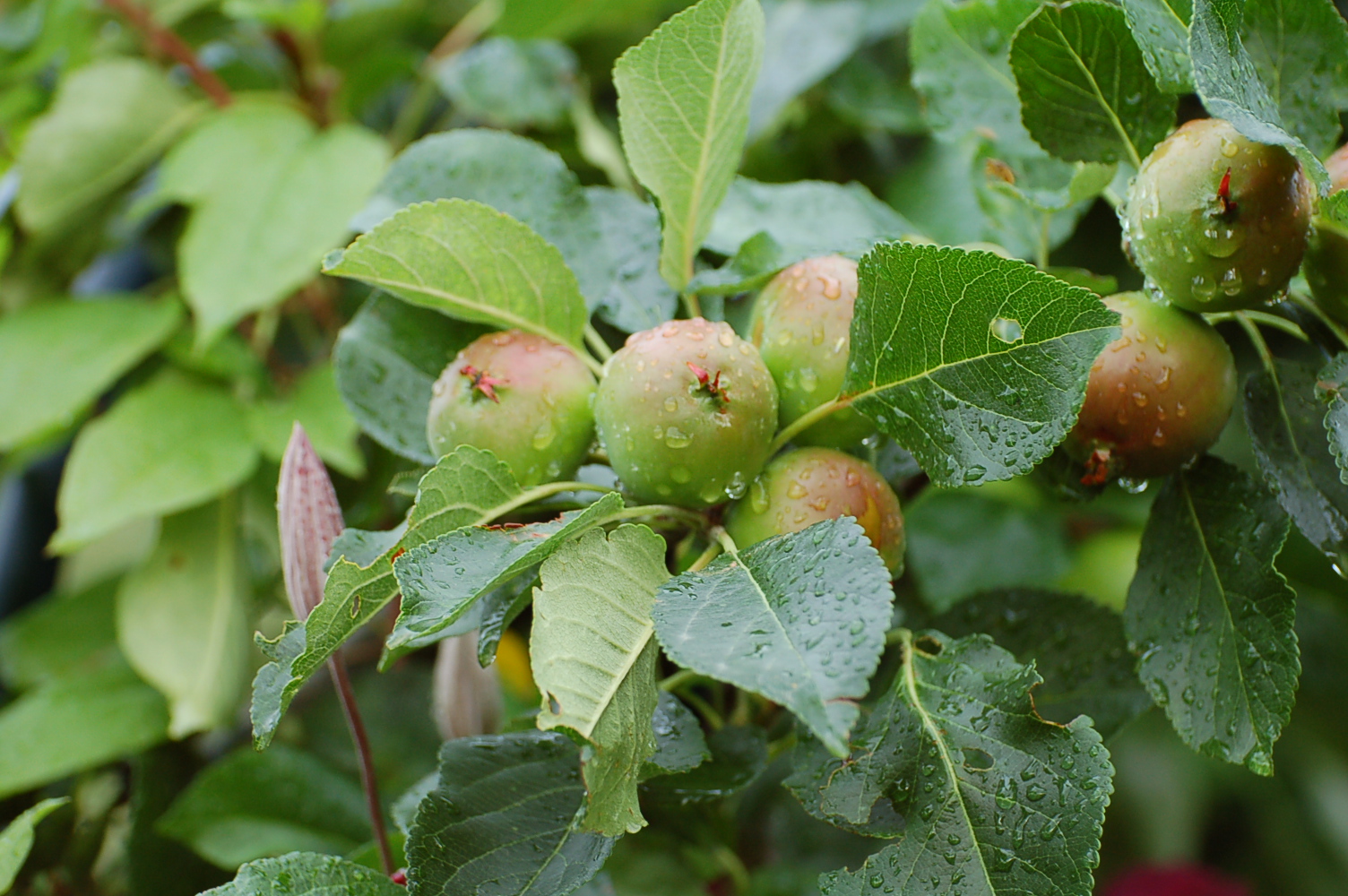
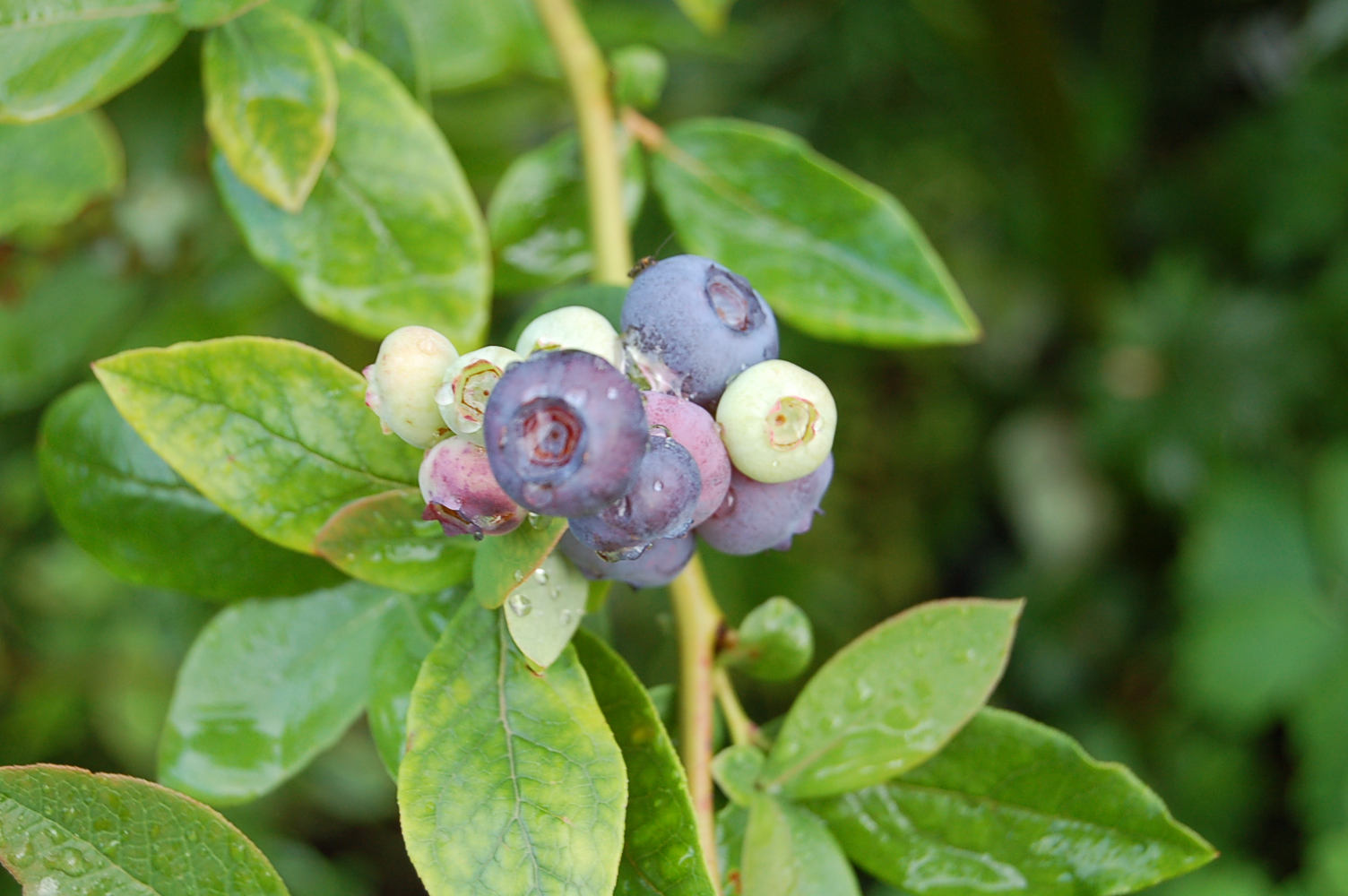
Let us now wander into the back garden and see what’s going on. Our apples are filling in nicely now and even getting a little rosiness as they start to ripen, while the Blueberries change from green to blue.

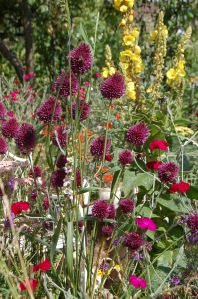
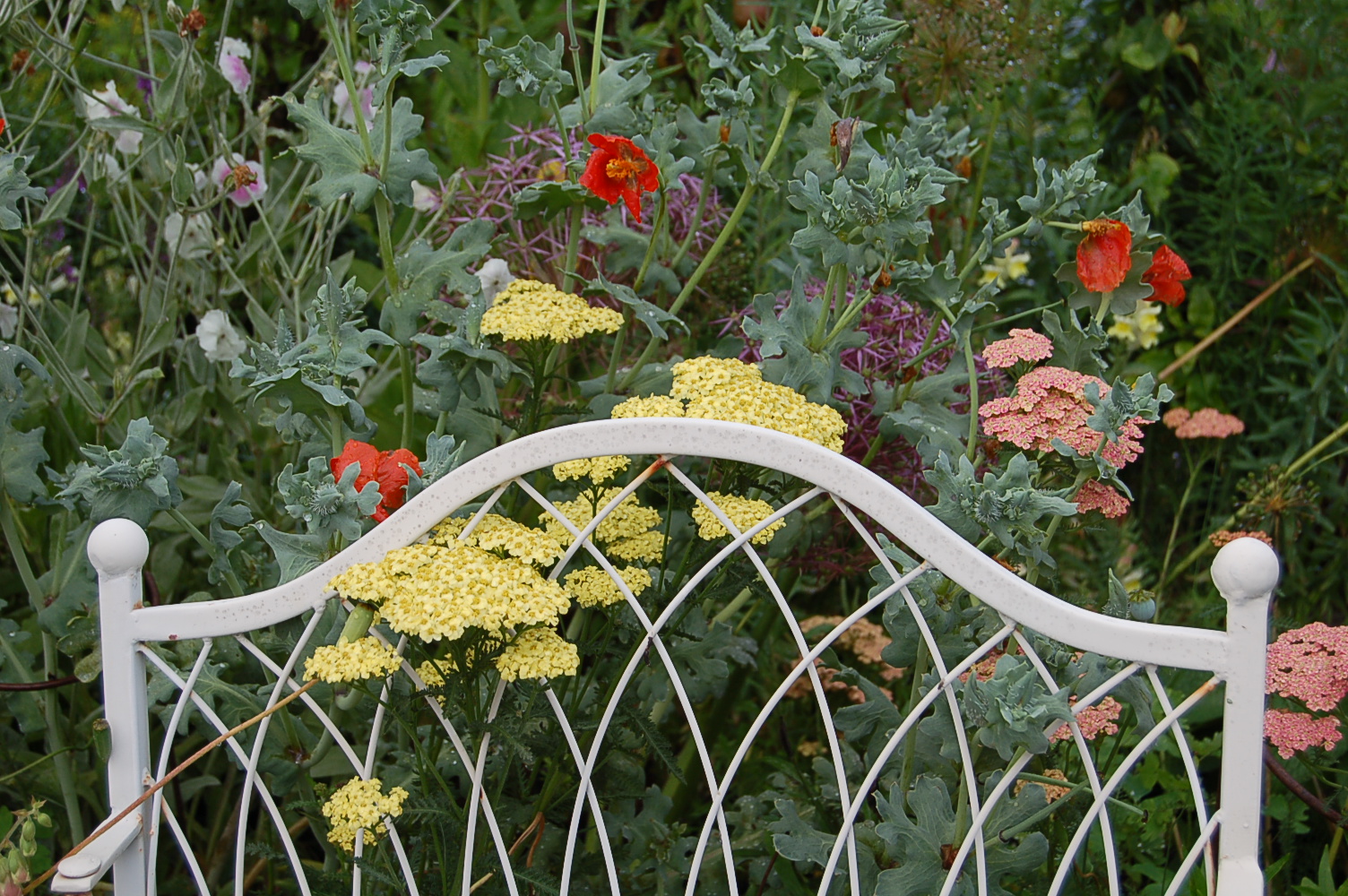
The secret garden is probably the most colourful patch at the moment.

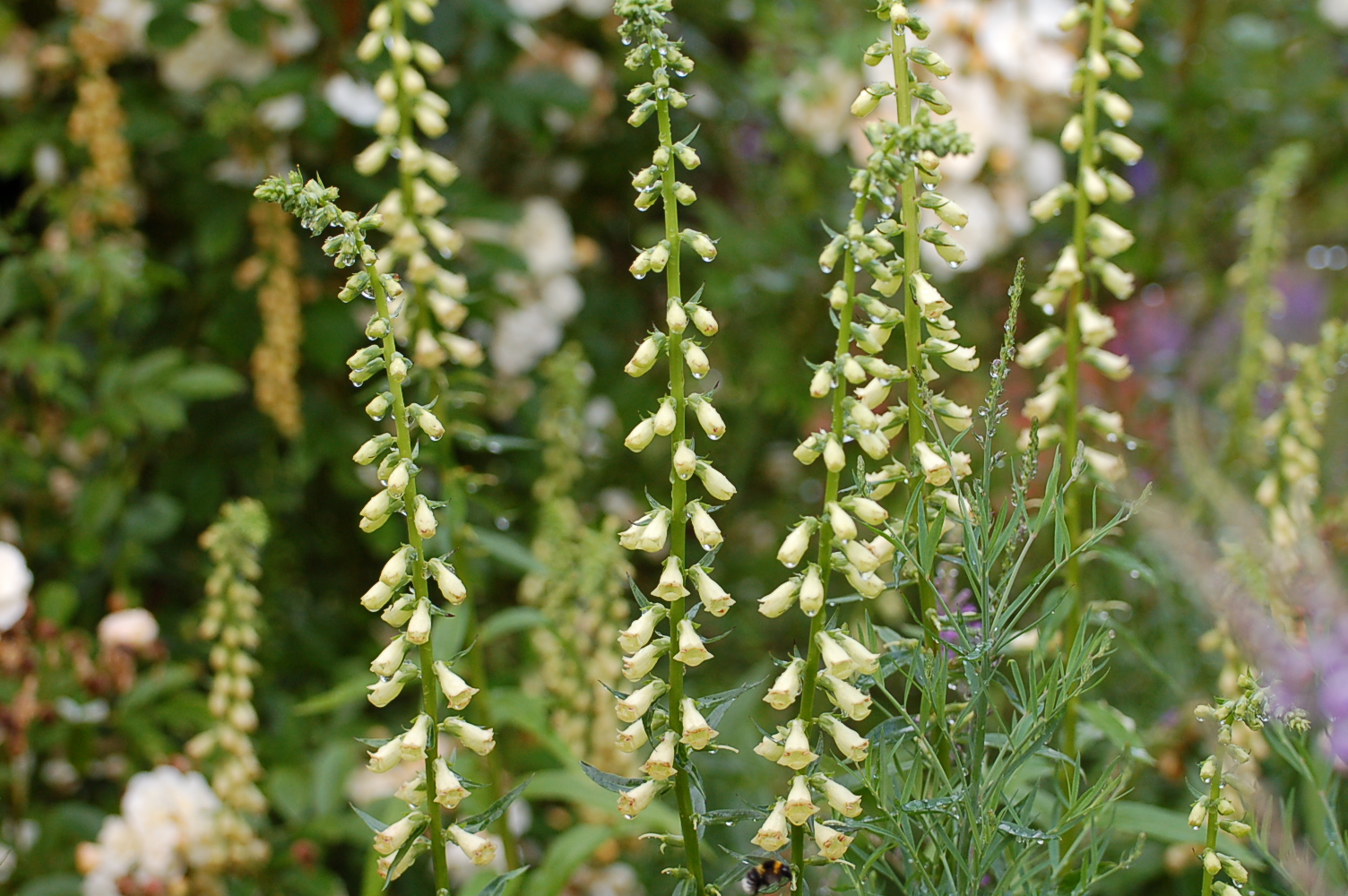
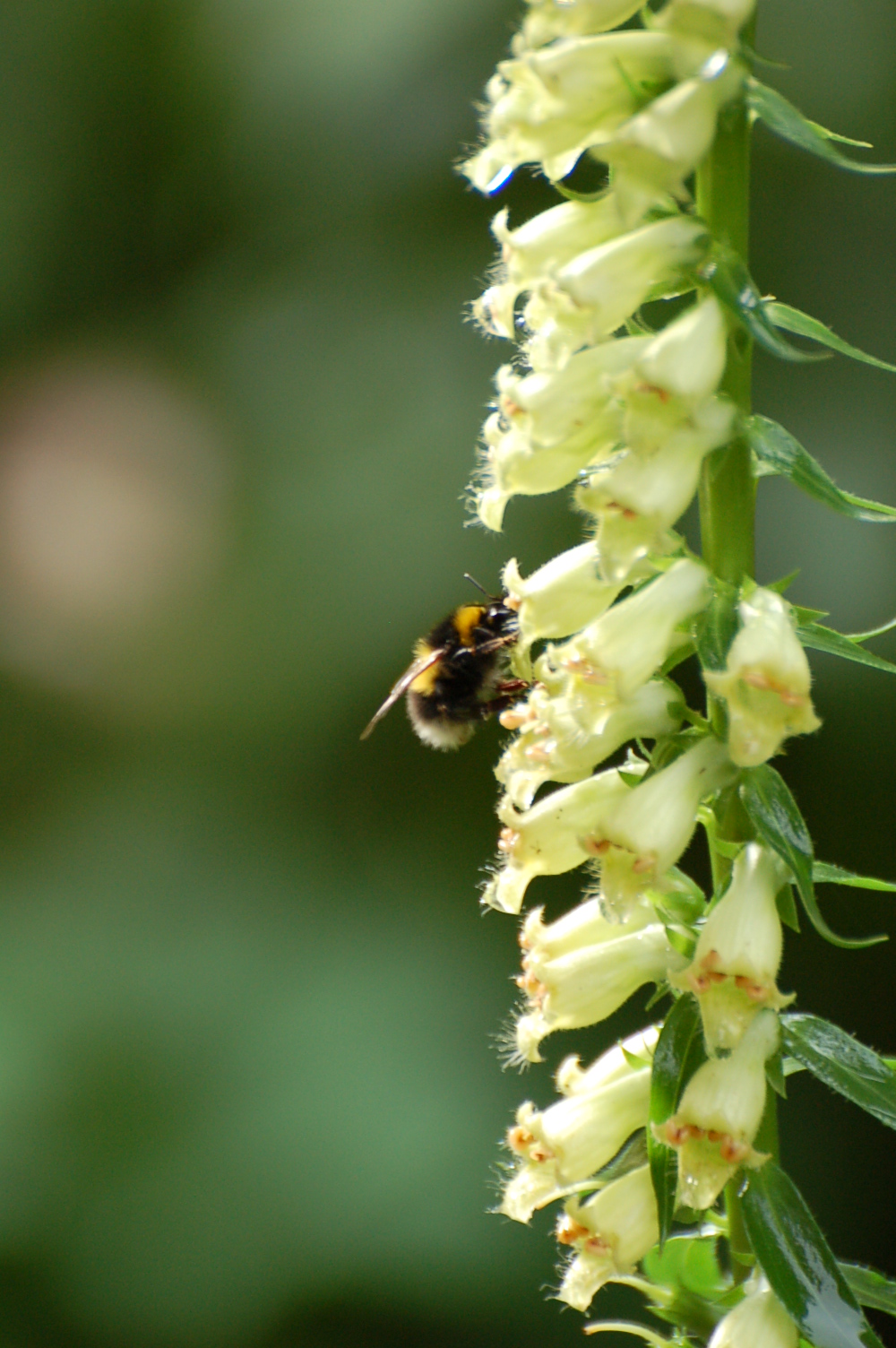
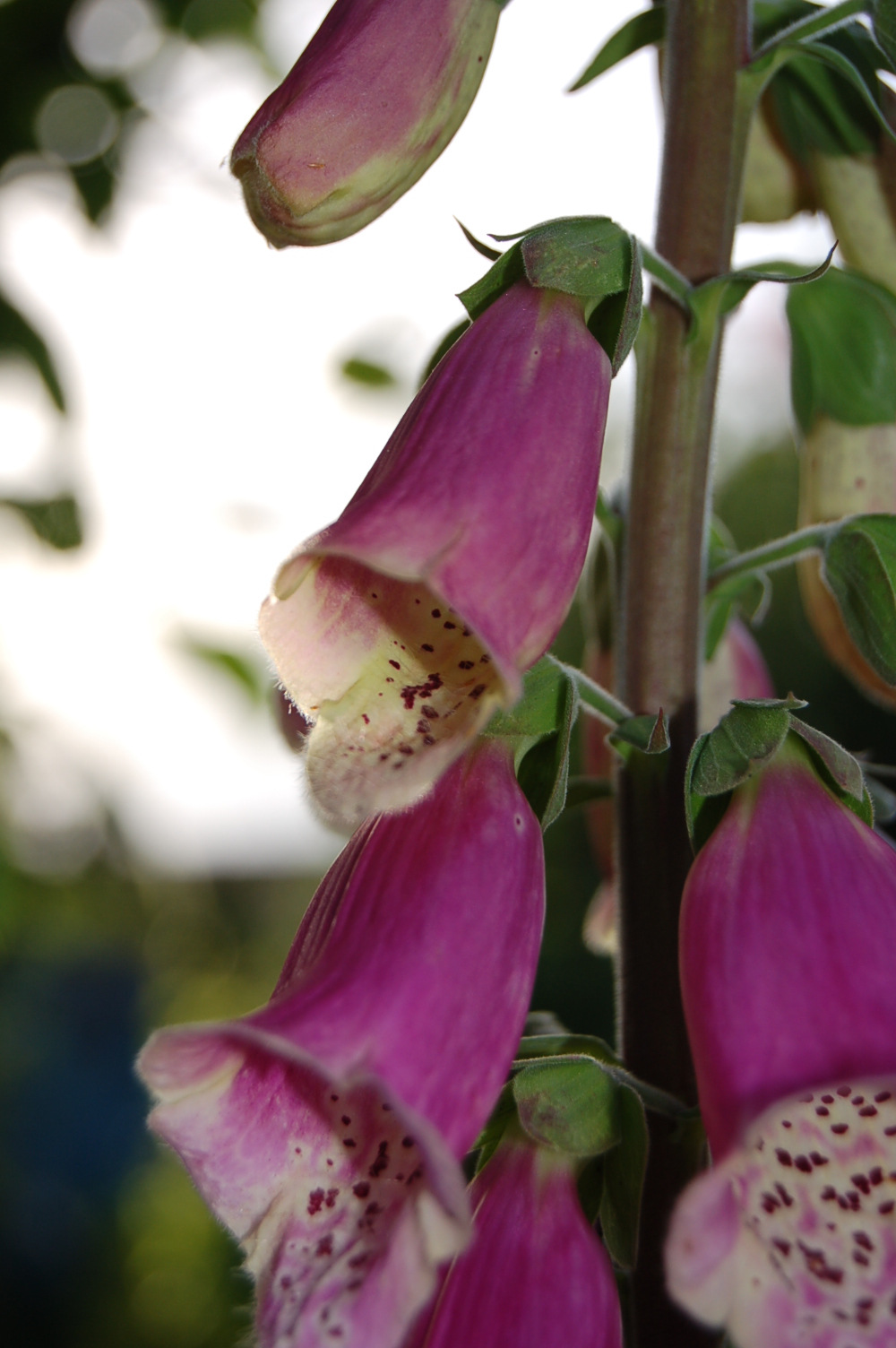
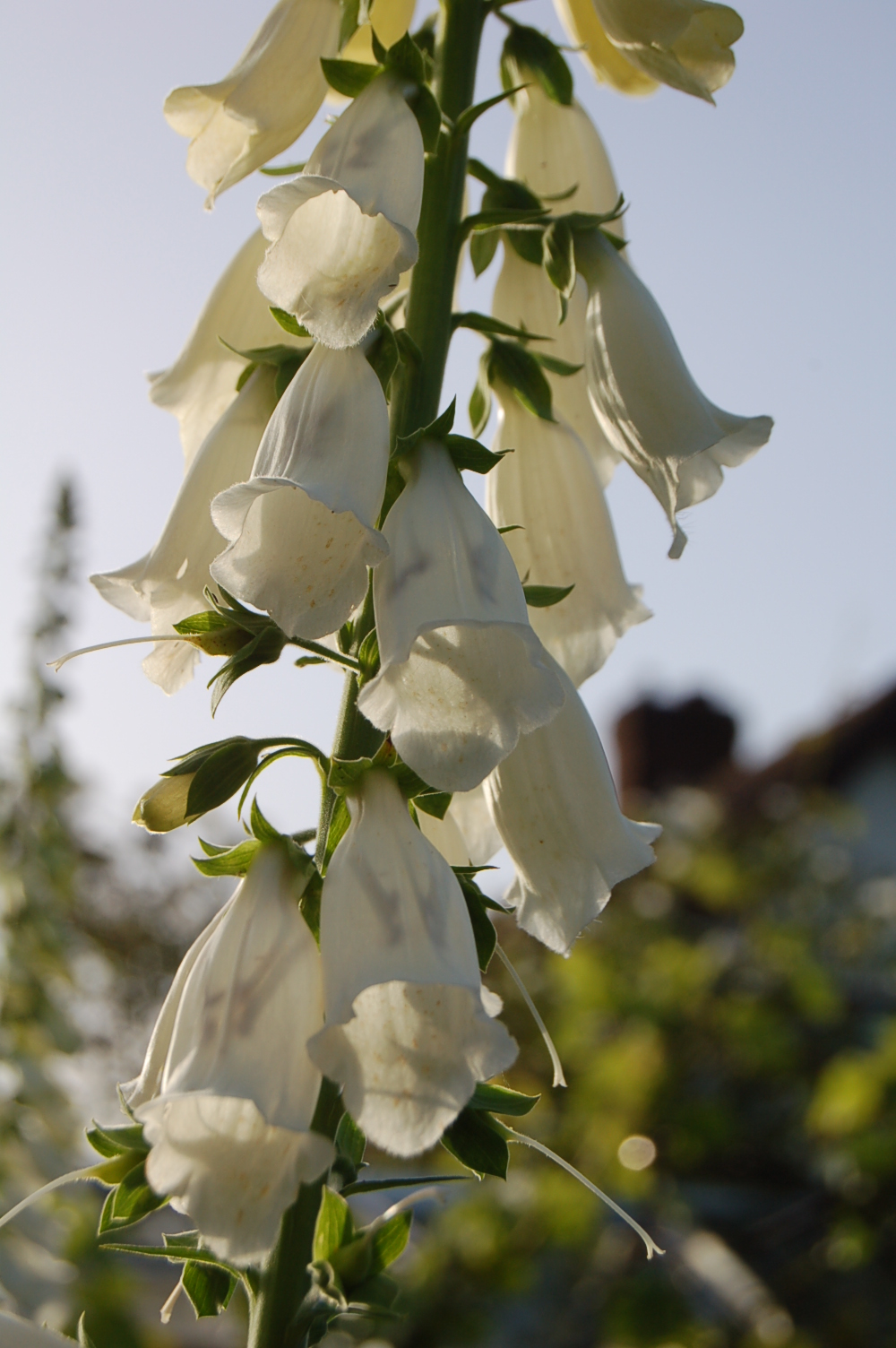
The “Chicken Garden” although less colourful at the moment as the alliums are losing their colour, has an impressive show of perennial foxgloves, favourites of the bees.

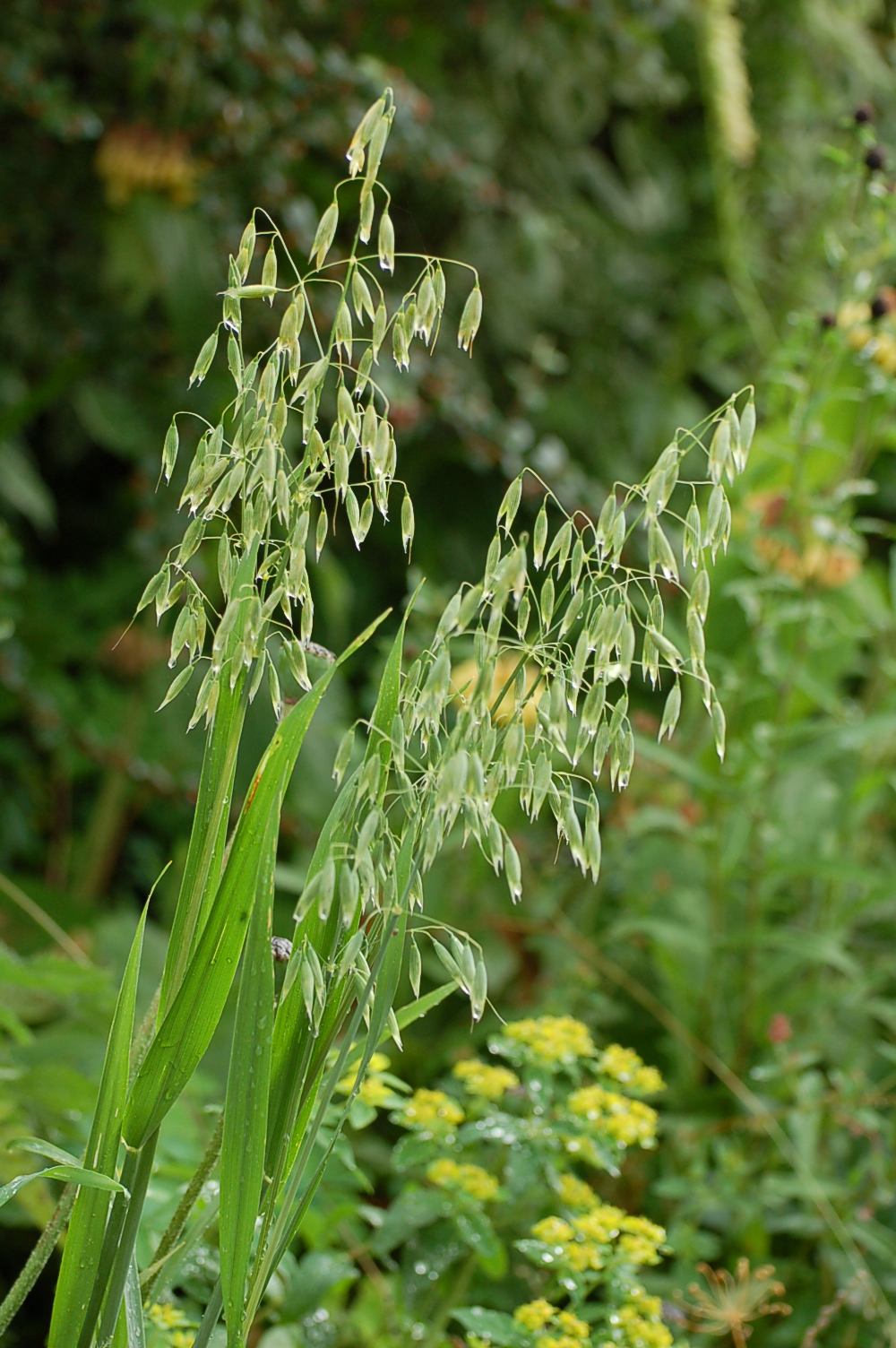
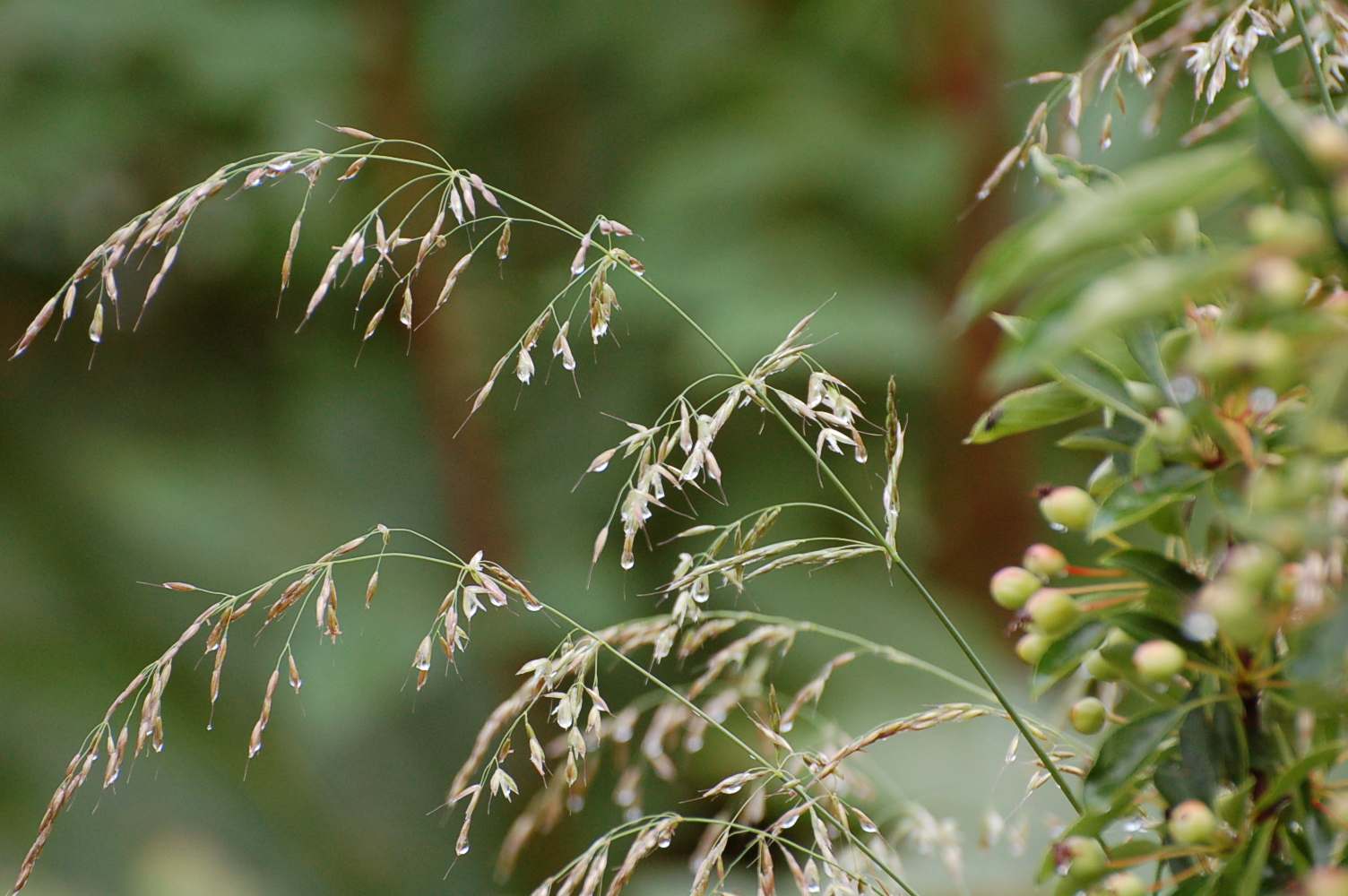
Grasses are flowering delicately in all the borders and often after a storm hold onto rain drops. The droplets of moisture act as prisms as light finds them.

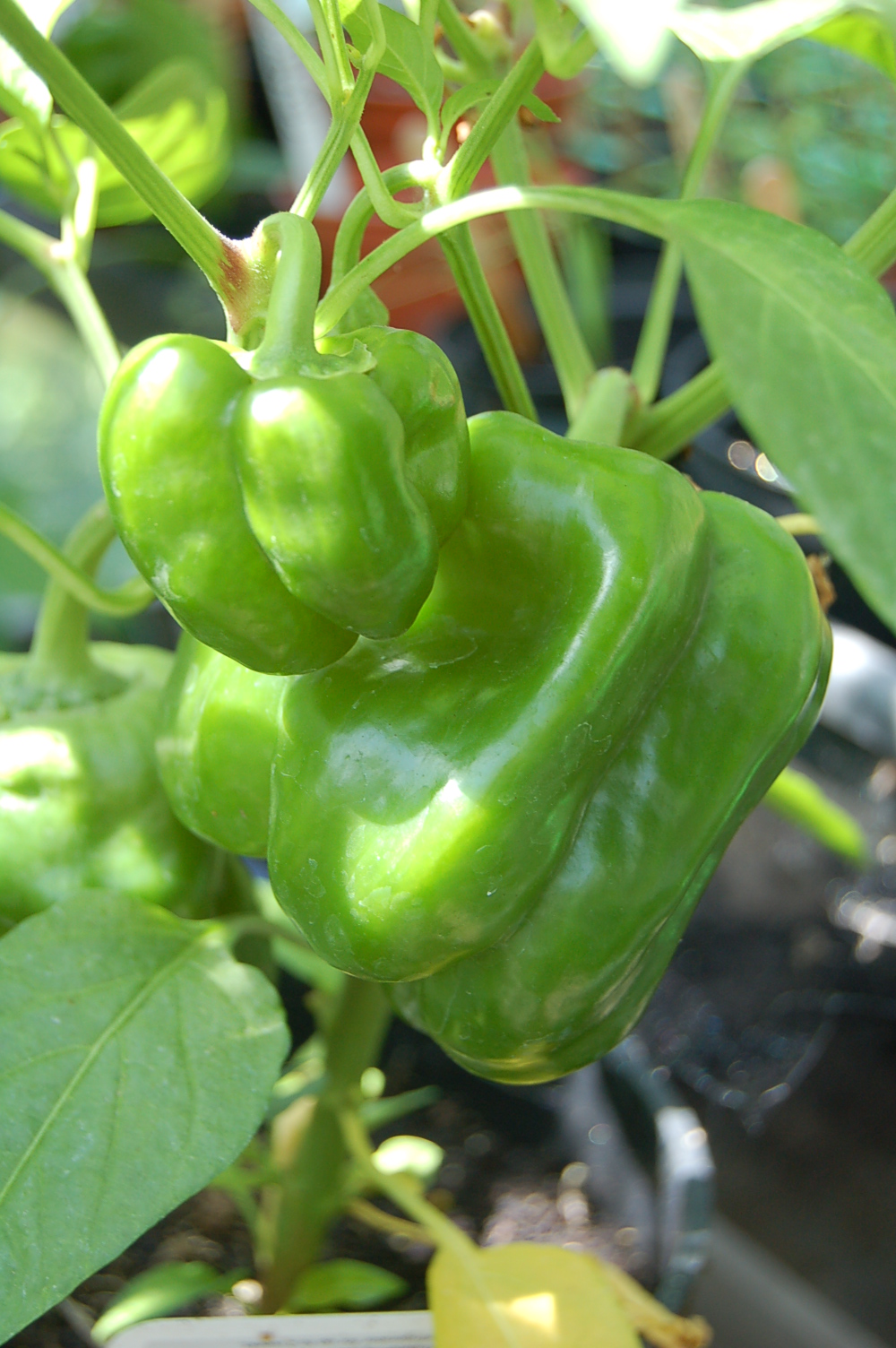
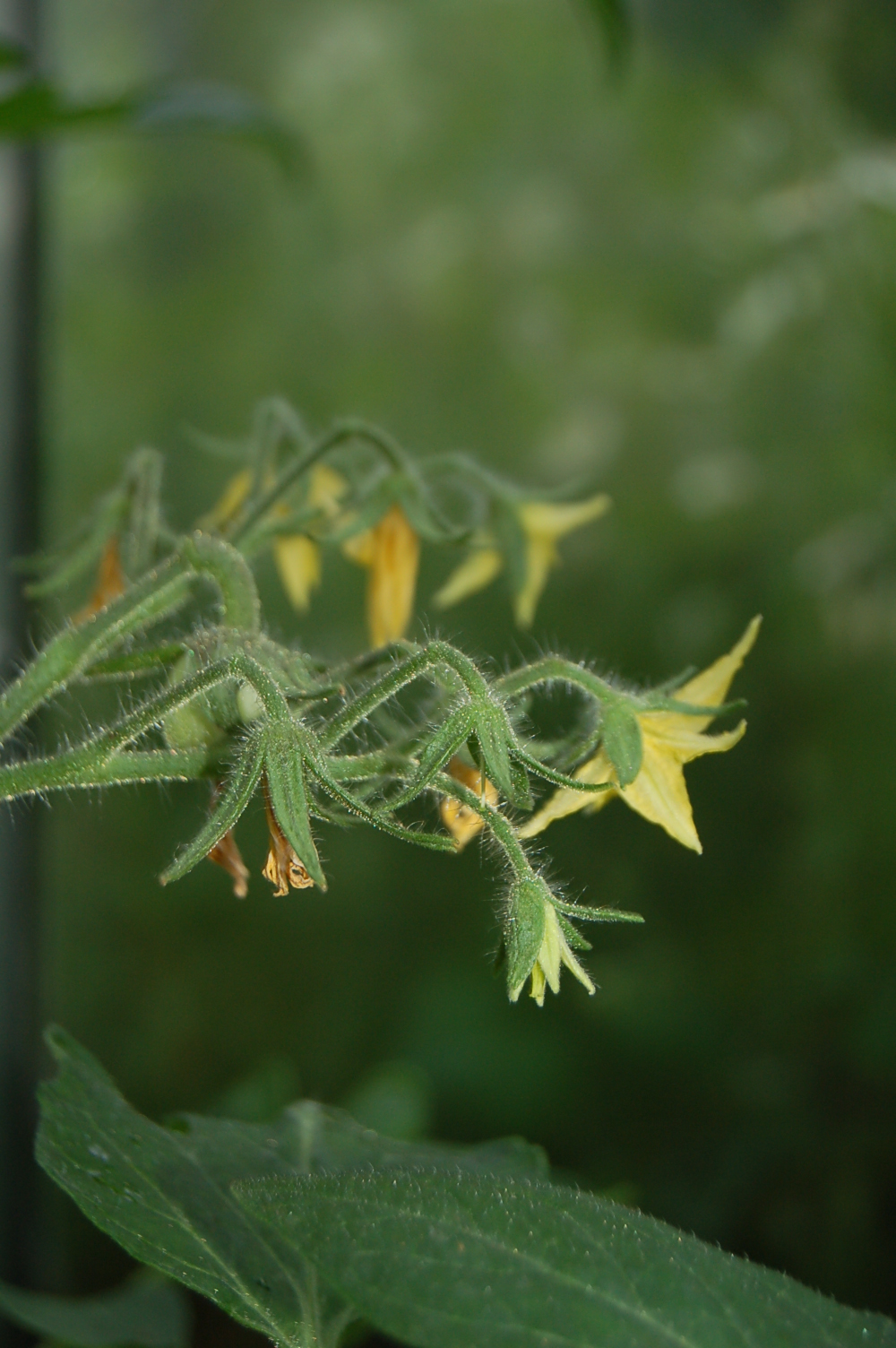
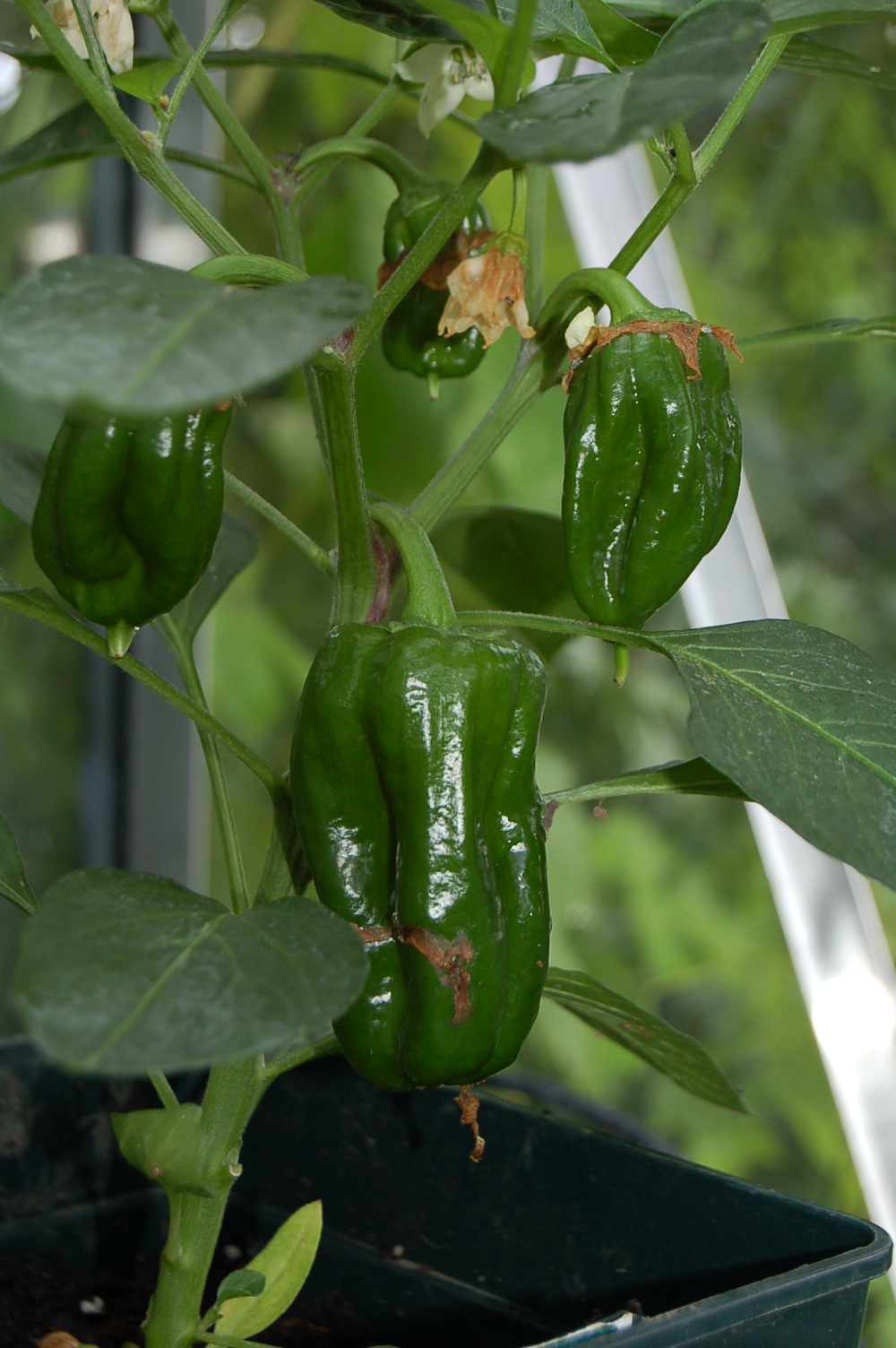
In the greenhouse tomatoes are forming on their trusses and further flowers open from their buds. Peppers like glossy green boxes promise sweetness to come.

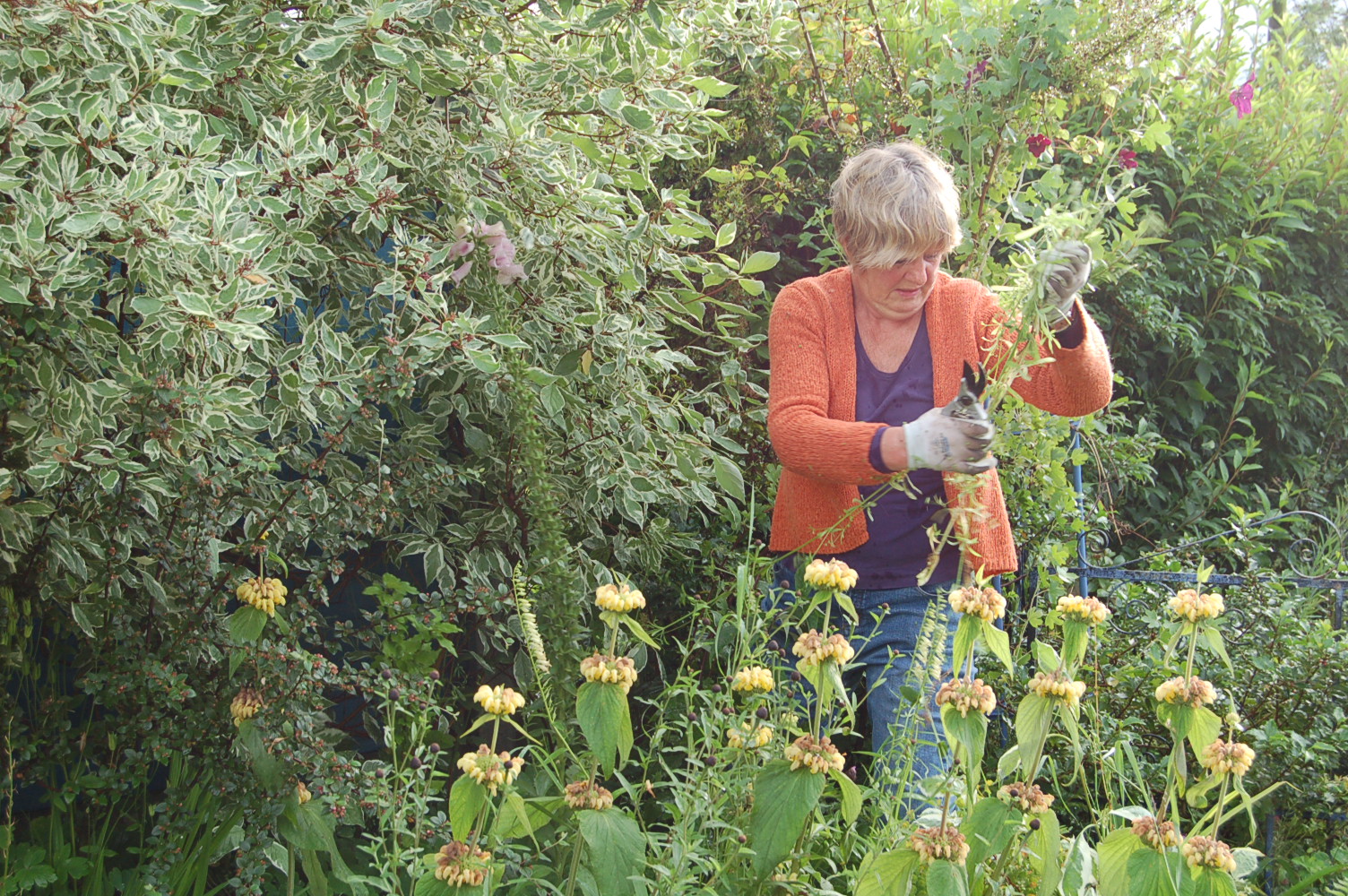
As we approach the middle of July we can but wonder what the rest of the summer can have in store for us. So far we have had the wettest summer months on record – it is hard to imagine that summer will truly arrive. It has been hard to keep up with maintenance in the garden this summer. There is so much growth that herbaceous plants need frequent deadheading and thinning and shrubs pruned to stop them overpowering the plants beneath. Jude, “The Undergardener” is pruning back the lower branches of the variegated dogwood to let light into the smaller plants below.

As the light began to fade I took a few photos to show it glowing through foxgloves.

This Veggie Life

A Vegetarian | Nature Lifestyle Blog

Rambling in the Garden

.....and nurturing my soul

The Arch City Gardener

Journeys In St. Louis Gardening and Beyond

Garden Dreaming at Châtillon

Consult the genius of the place

Storyshucker

A blog full of humorous and poignant observations.

gardeninacity

Notes from a wildlife-friendly cottage garden

PlayGroundology

...an emerging social science

The Official Blog of British Wildlife

'The most important and informative publication on wildlife of our times' - The Independent. This blog is a member of The UK & Ireland Natural History Bloggers group: www.uknhb.blogspot.com

iGrowHort

Inspire - Cultivate - Grow Native Plants - Restore Landscapes

Bishops Meadow Trust

To create and protect a semi-natural wild space for the people of Farnham to enjoy and experience an array of British wildlife in our town

Gardening with Children

The www.gardeningwithchildren.co.uk Blog

UKbirdingtimeline

birding through the seasons, why birds matter and how to conserve them

NATURE WALKER

with a camera in hand

Jardin

Transform your outdoor space

Eva's space

My allotment, cooking and other interests

Old School Garden

my gardening life through the year

LEANNE COLE

Trying to live a creative life

fromacountrycottage

trying to live as lightly as possible on our beautiful planet

Good Life Gardening

Nature lovers from Leicester living the good life.

mybeautfulthings

Finding the beautiful in the everyday

mawsonmichelle

Michelle's Allotment

In and Out of My Garden

thoughts from and about my garden

Greenhousing

Big plans for a small garden

The Scottish Country Garden

A Walled Country Garden in South East Scotland

The Fruity Chicken

Life at the fruity chicken

willowarchway

Off grid living. Self sufficient. "PERMAGANICS RULE".

St Anns Allotments

Nottingham's Grade 2* Listed Allotments and Community Orchard

Manifest Joy Harvests

a journey in suburban vegetable gardening

Allotmental

The madness of growing your own

Penny's Garden: a harvest beyond my front door

A novel approach to vegetable gardening

arignagardener

Sustainable living in the Irish countryside.

NewEnglandGardenAndThread

Master Gardener, amateur photographer, quilter, NH native, and sometimes SC snowbird

dianajhale

Recent work and work in progress and anything else that interests me

planthoarder

a chaotic cottage gardener

Lens and Pens by Sally

a weekly blog that creates a personal philosophy through photographs and words

Dewdrops and Sunshine

Stories from a sassy and classy Southern farmbelle.

The Pyjama Gardener

Simple Organic Gardening & Seasonal Living

gettin' fresh!

turning dirt into dinner

JOY...

today the world is created anew

Garden Birds

Notes from a Devon garden

ShootAbout

Life Through The Lens

Adapting Pixels

A photography blog showcasing the best photography pictures and videos on the internet

Wildlifegardening's Blog

Just another WordPress.com site

naturestimeline

personal observations from the natural world as the search continues for a new approach to conservation.

LATEBLOOMERBUDS

The Wonders of Life through my Eyes, my Heart, my Soul