Categories
autumn autumn colours garden design garden photography gardening gardens gardens open to the public grasses hardy perennials nurseries ornamental grasses ornamental trees and shrubs trees

Pride of Picton – Michaelmas Daisies

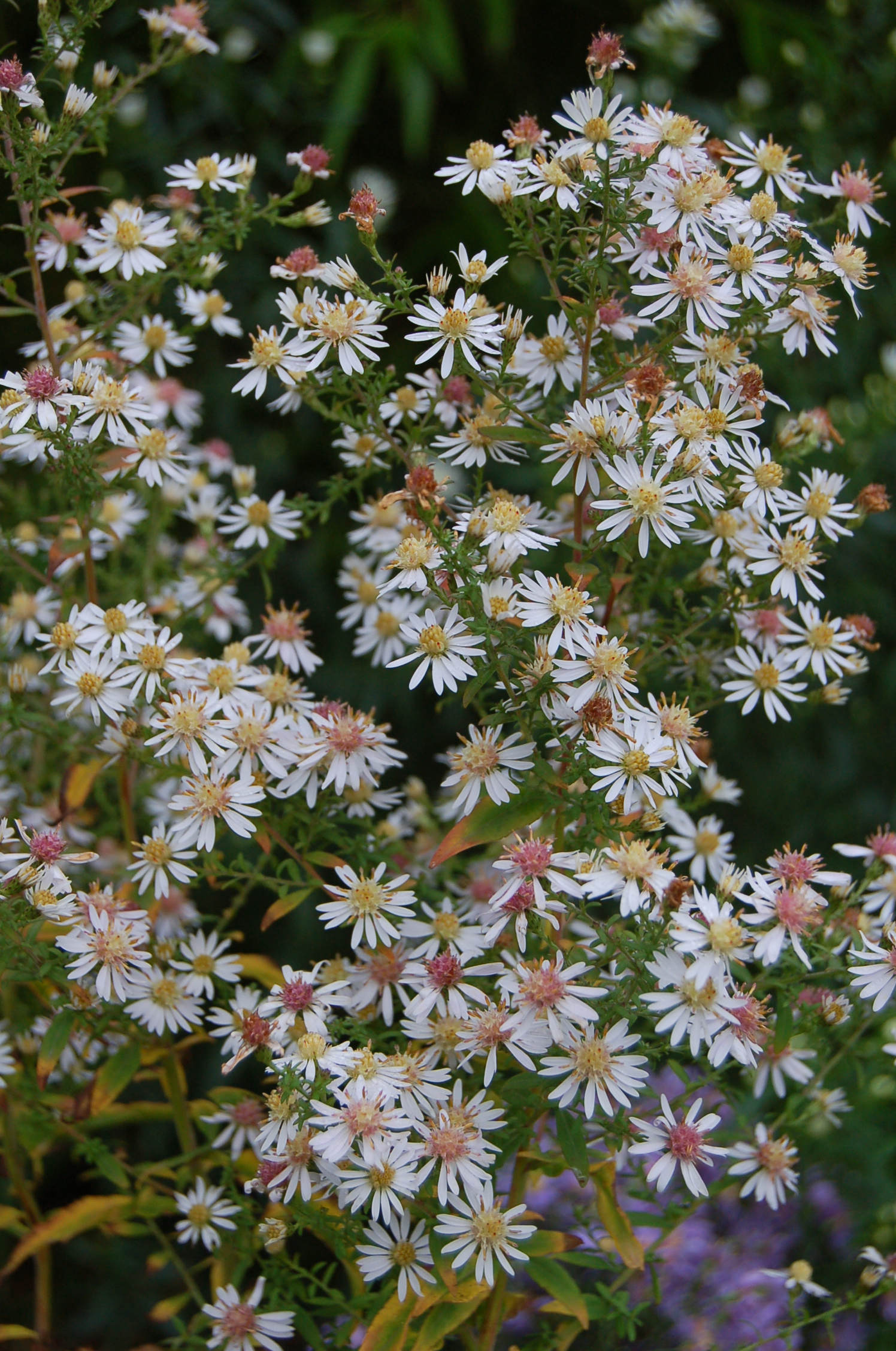
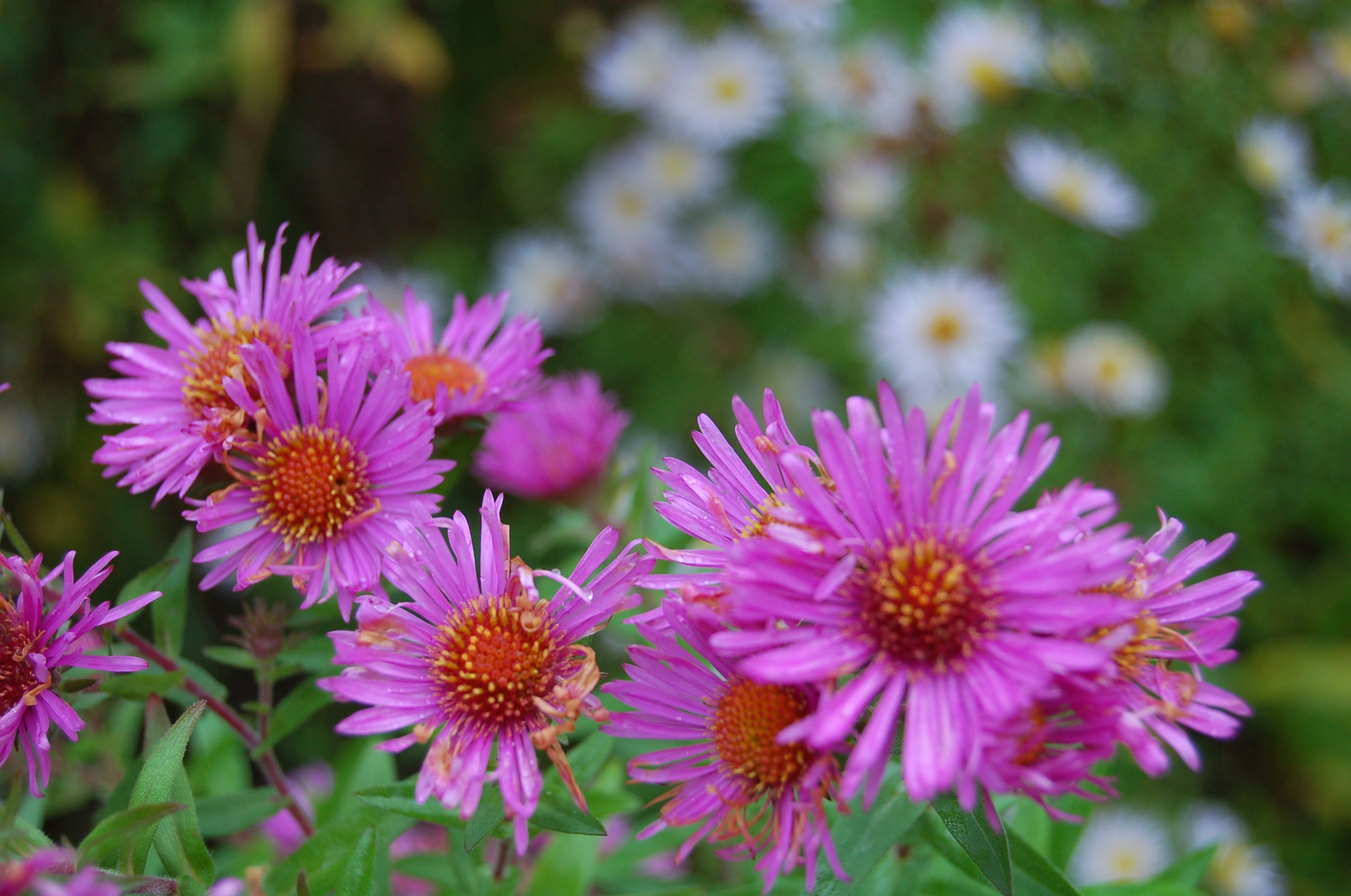
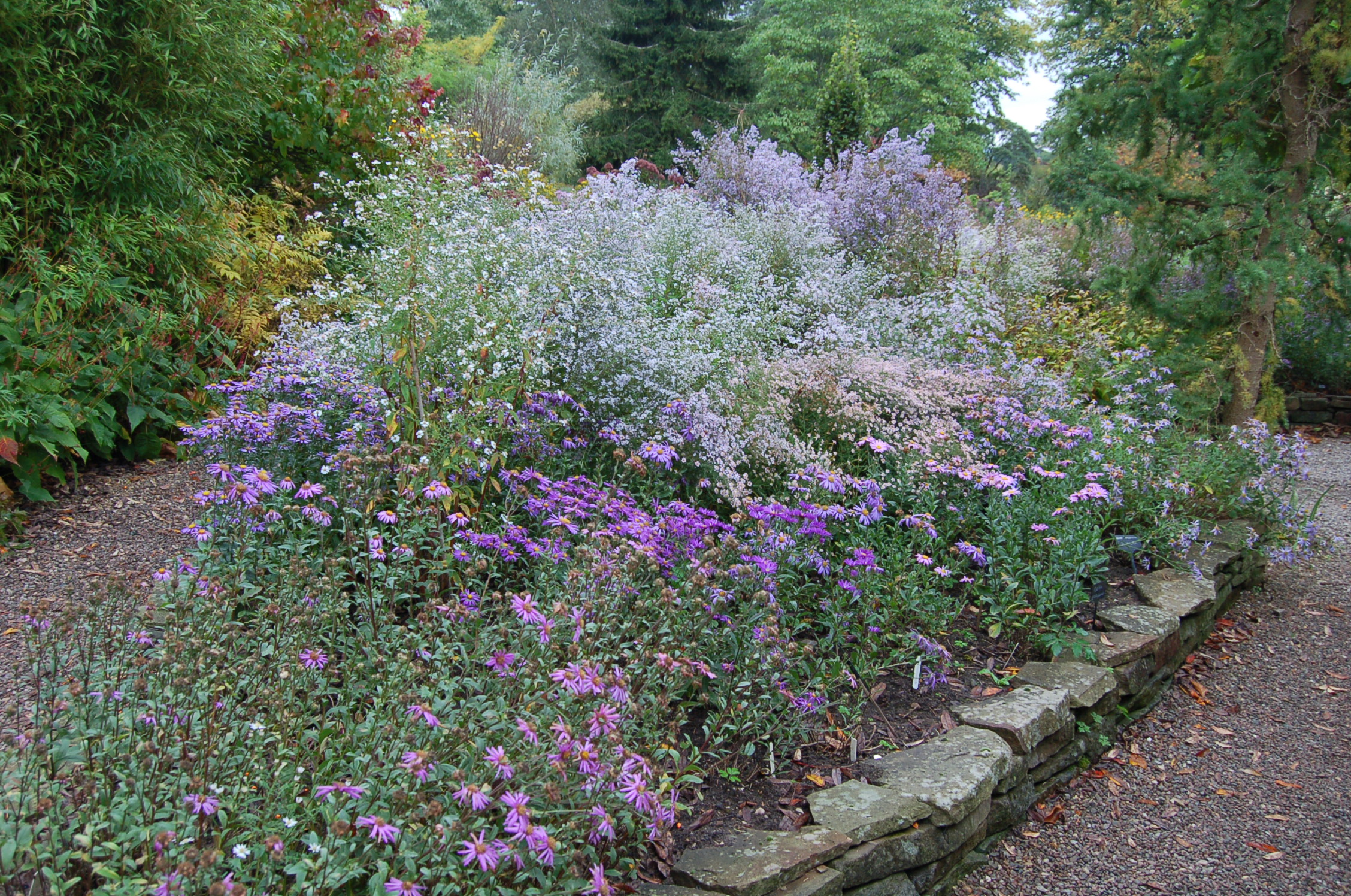
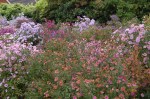
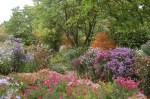
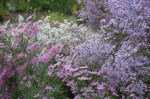
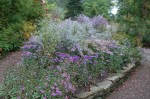
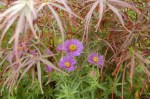
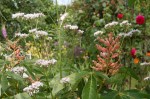
Near one of England’s most beautiful landscapes, the Malvern Hills is the village of Colwall, where we found the National Collection of Asters. The Picton Gardens and nursery which snuggle in beneath the hills is the place to go if you like Michaelmas Daisies. If you are already a fan you will become a bigger fan when you realise the vast range of flower colours, and how many different sized and shaped plants there are. If you were not a fan and went there you would come out a lifetime fan!

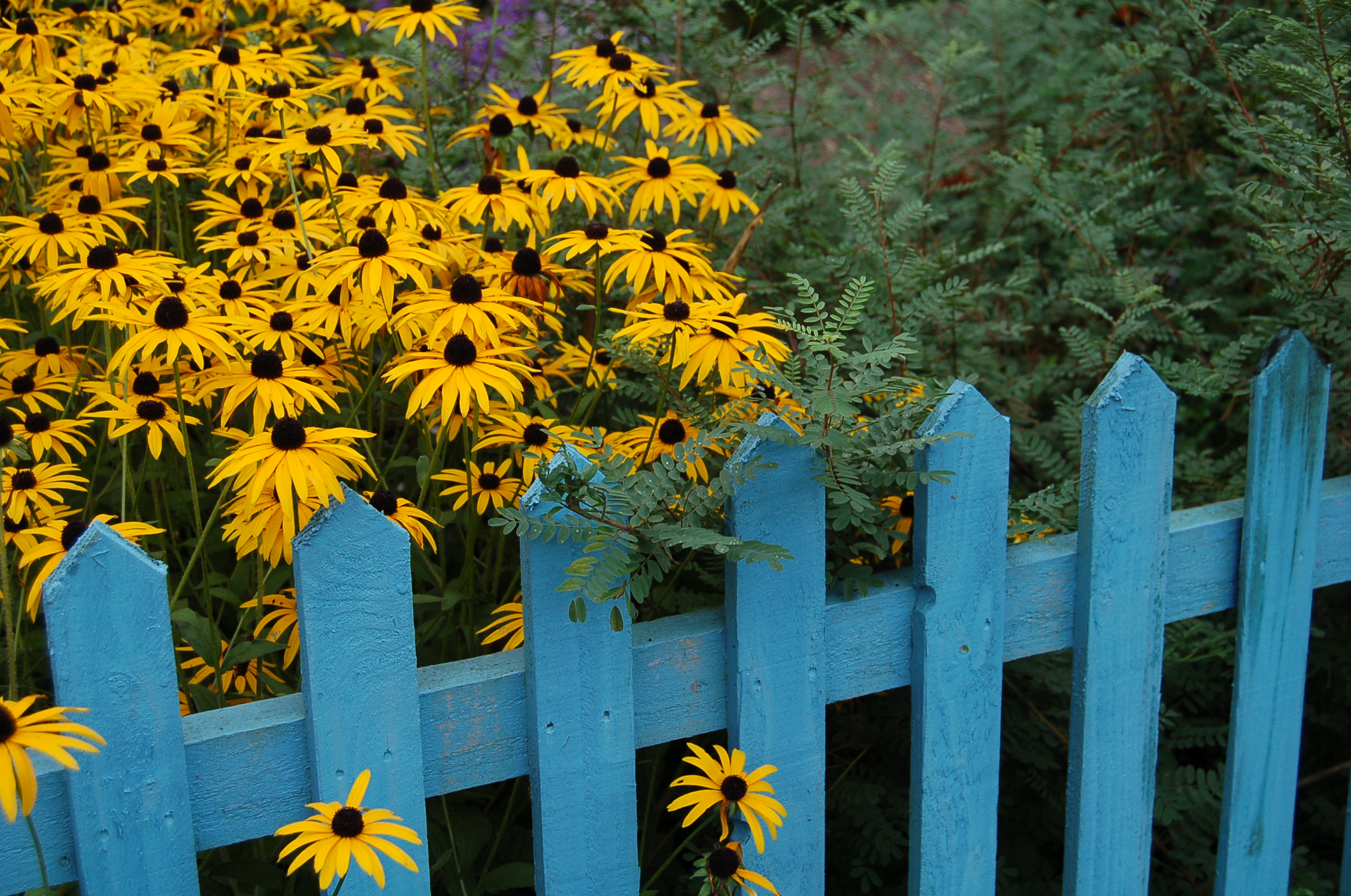
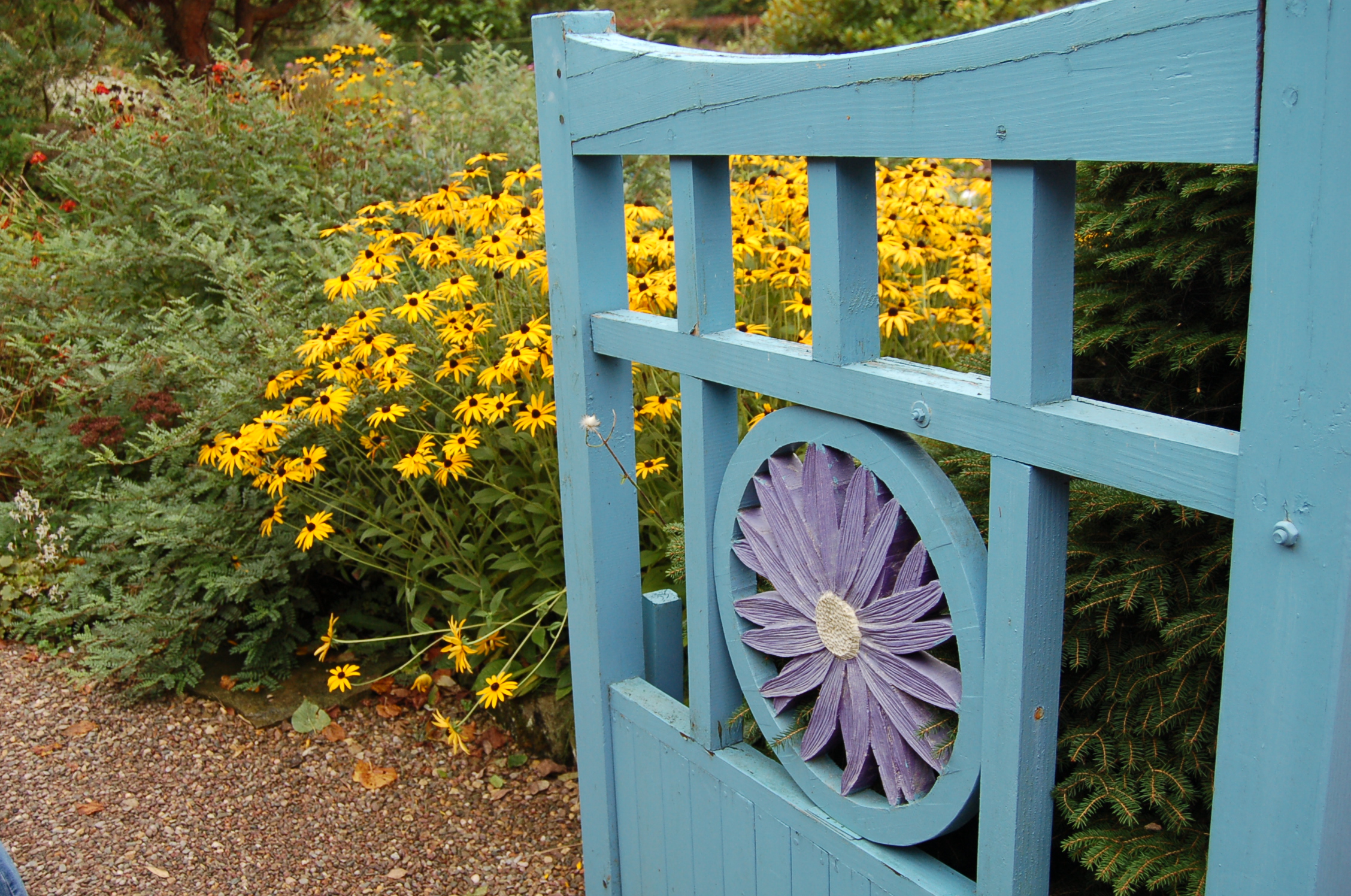
Even the gate welcomes you with a daisy!
2013 10 18_4255

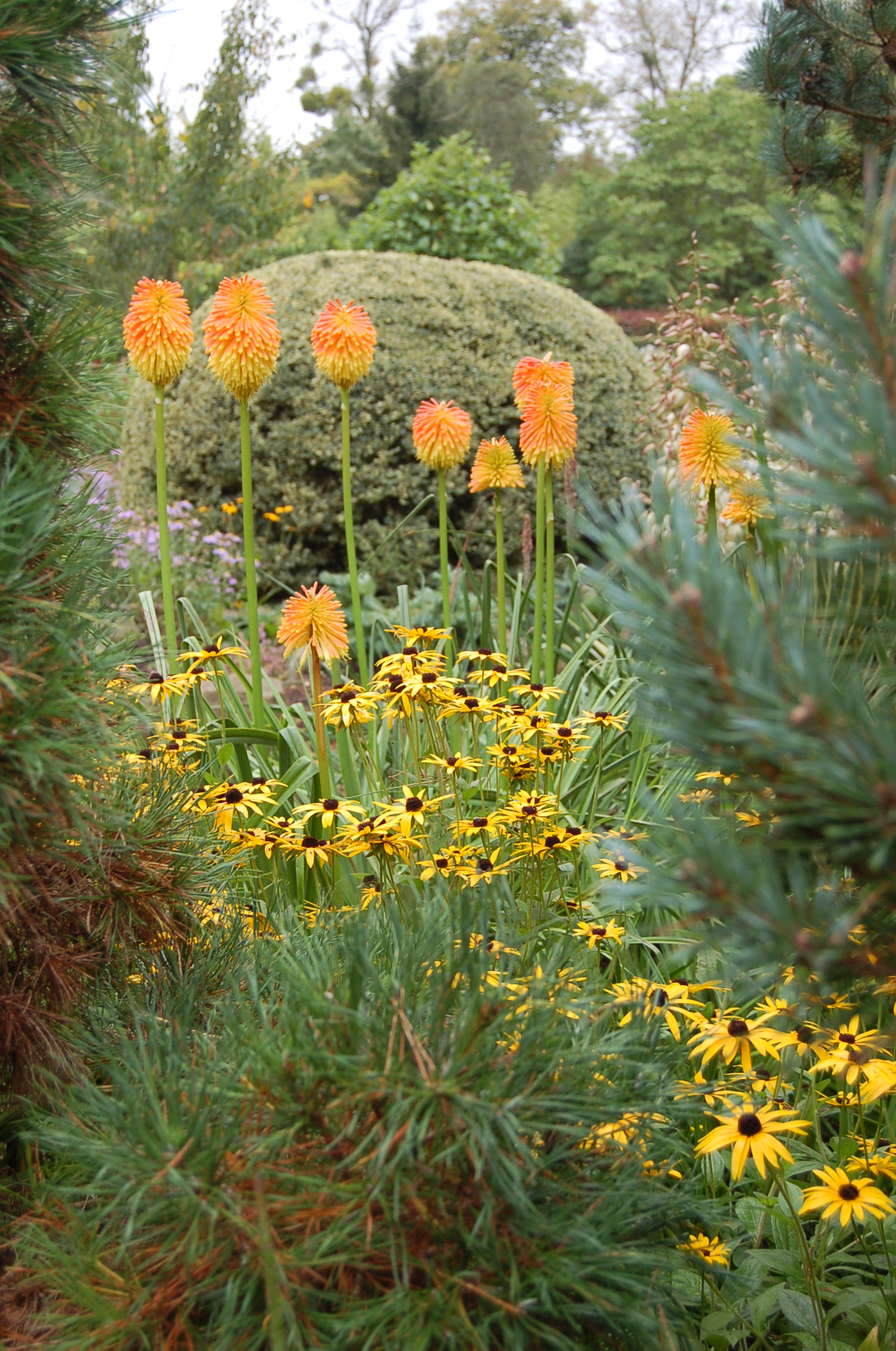
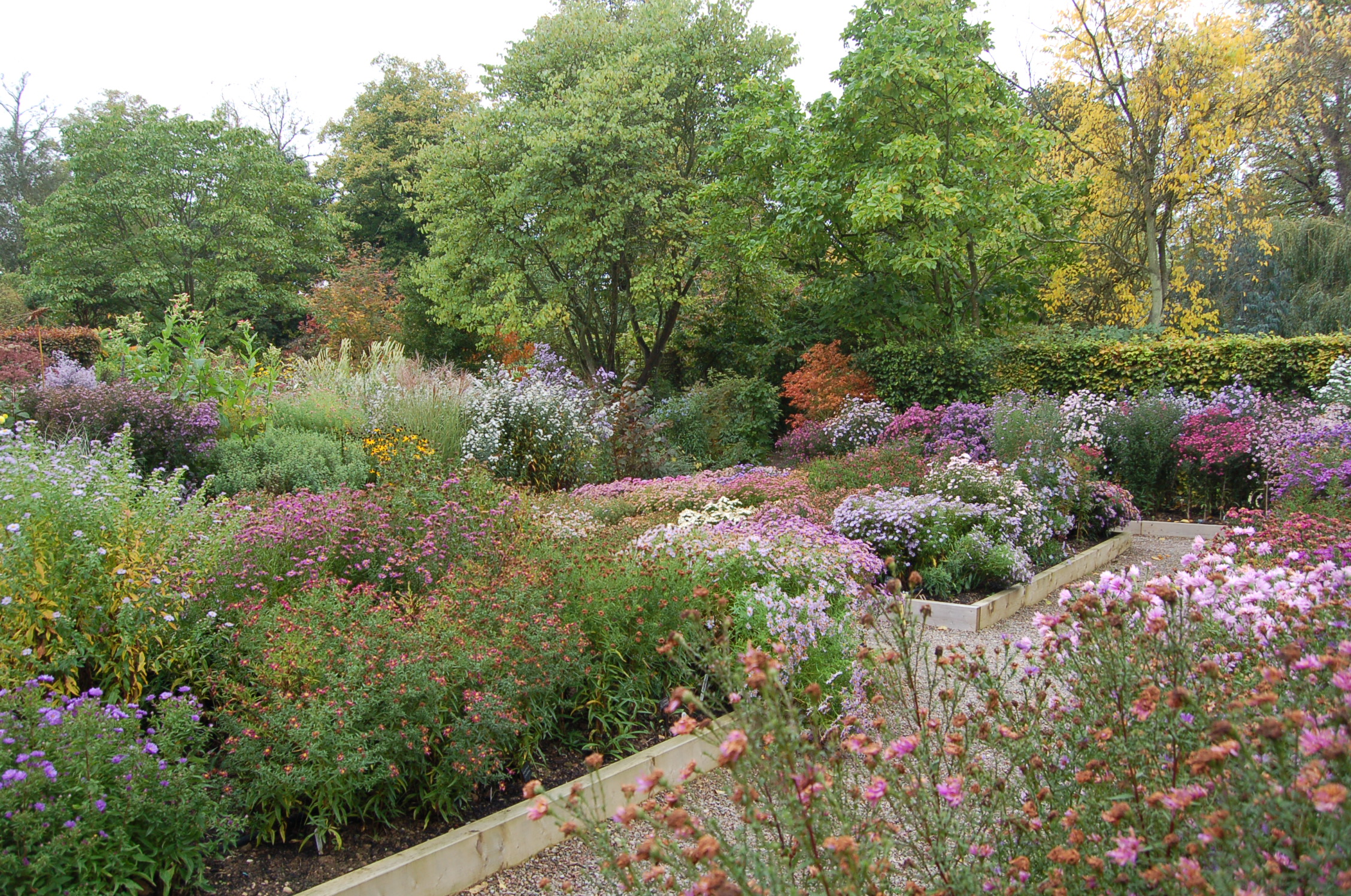
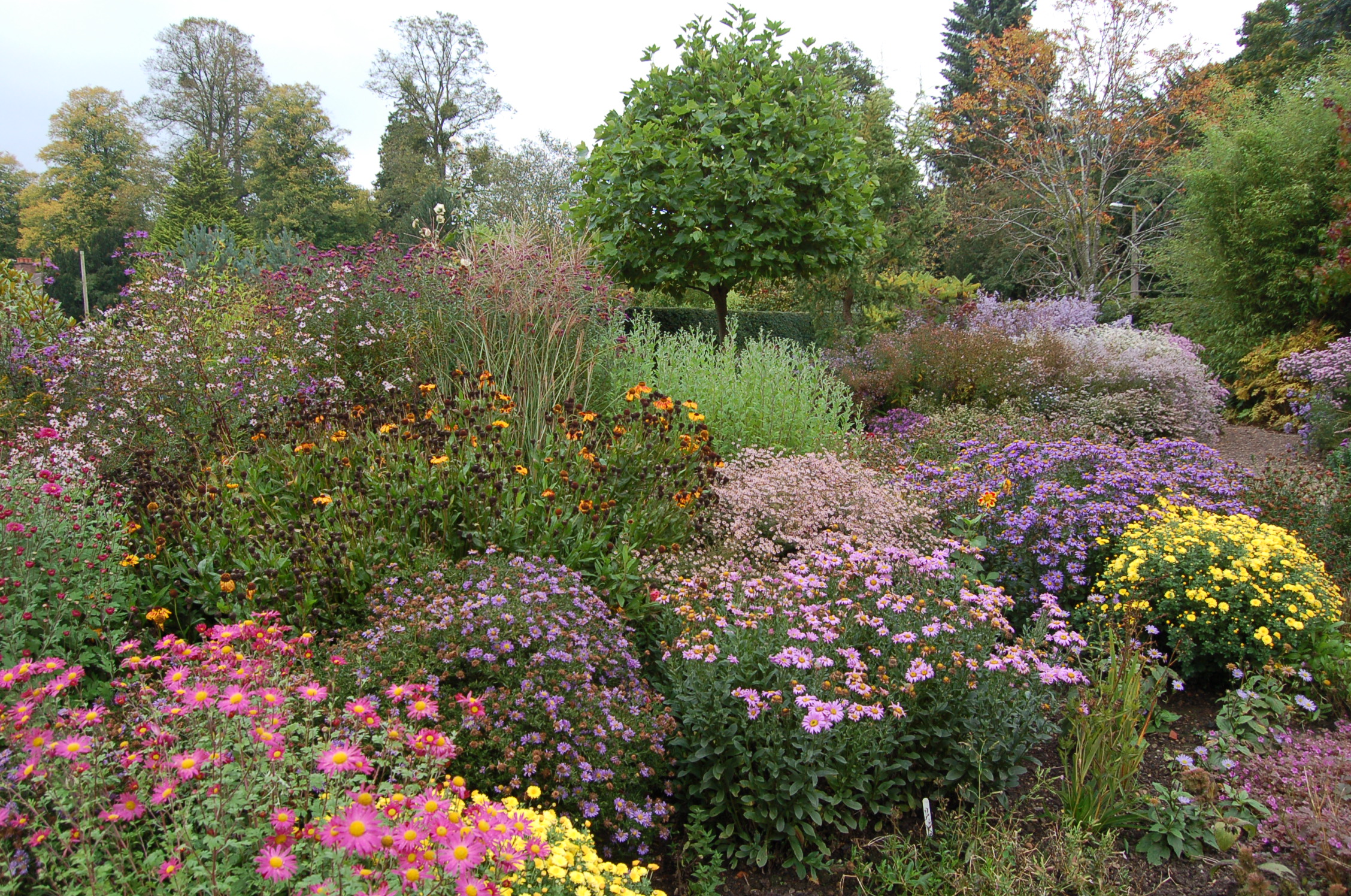
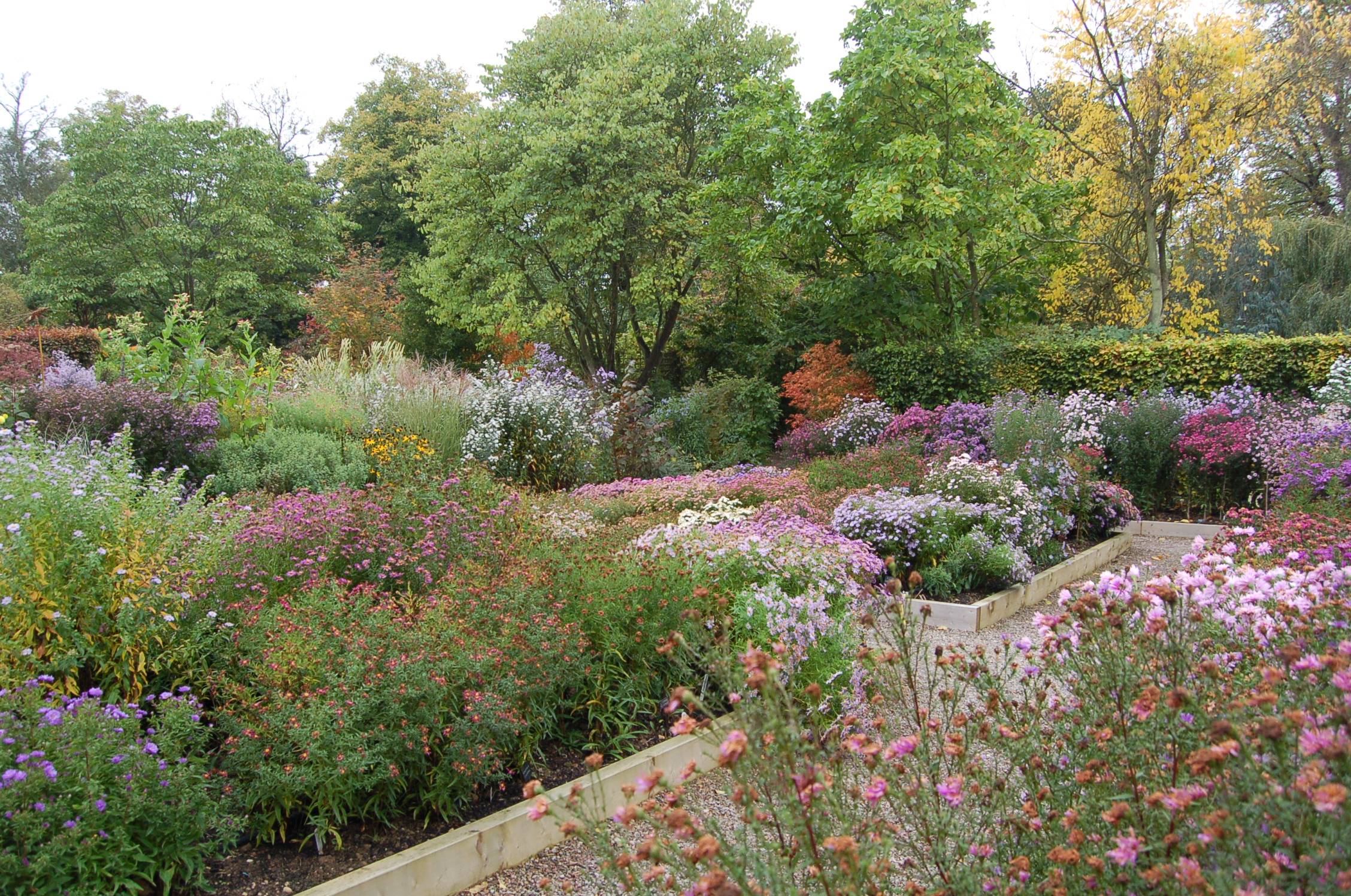
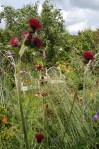
Now follow us around as we explore this 2 acre autumn garden. The first set of photos were taken within ten minutes of starting out and already we had discovered the huge range of colours asters are painted in. But this garden is not just a collection of Michaelmas Daisies but a beautifully designed illustration of how good a garden can look in October. The yellows of Helianthum, Kniphofia and Rudbeckia all contrast with the pinks and purples of the Asters and grasses such as Miscanthus provide a perfect foil.
2013 10 18_4256 2013 10 18_4257 2013 10 18_4258 2013 10 18_4259 2013 10 18_4260 2013 10 18_4261 2013 10 18_4262 2013 10 18_4264 2013 10 18_4265 2013 10 18_4266 2013 10 18_4267 2013 10 18_4268

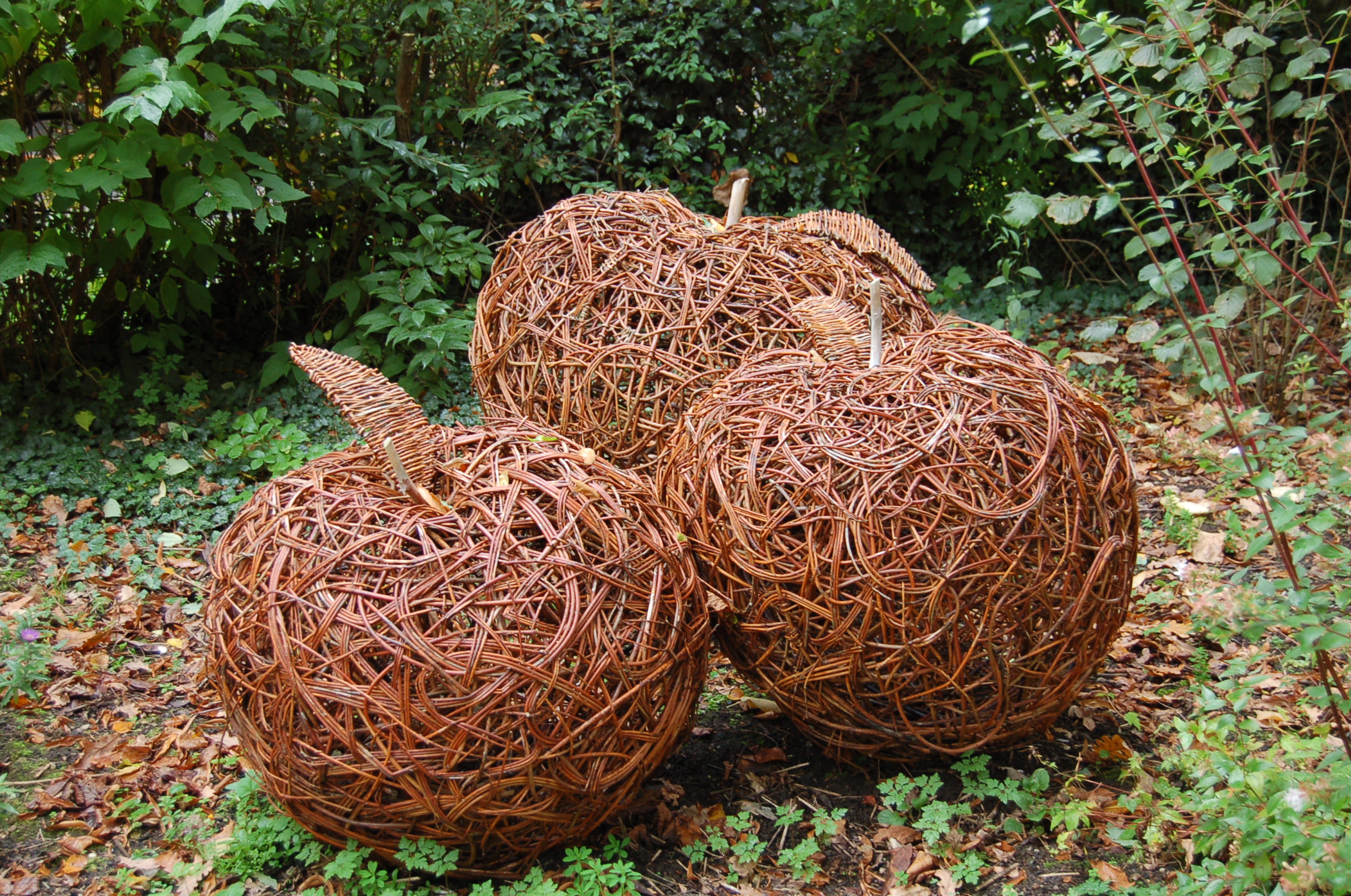
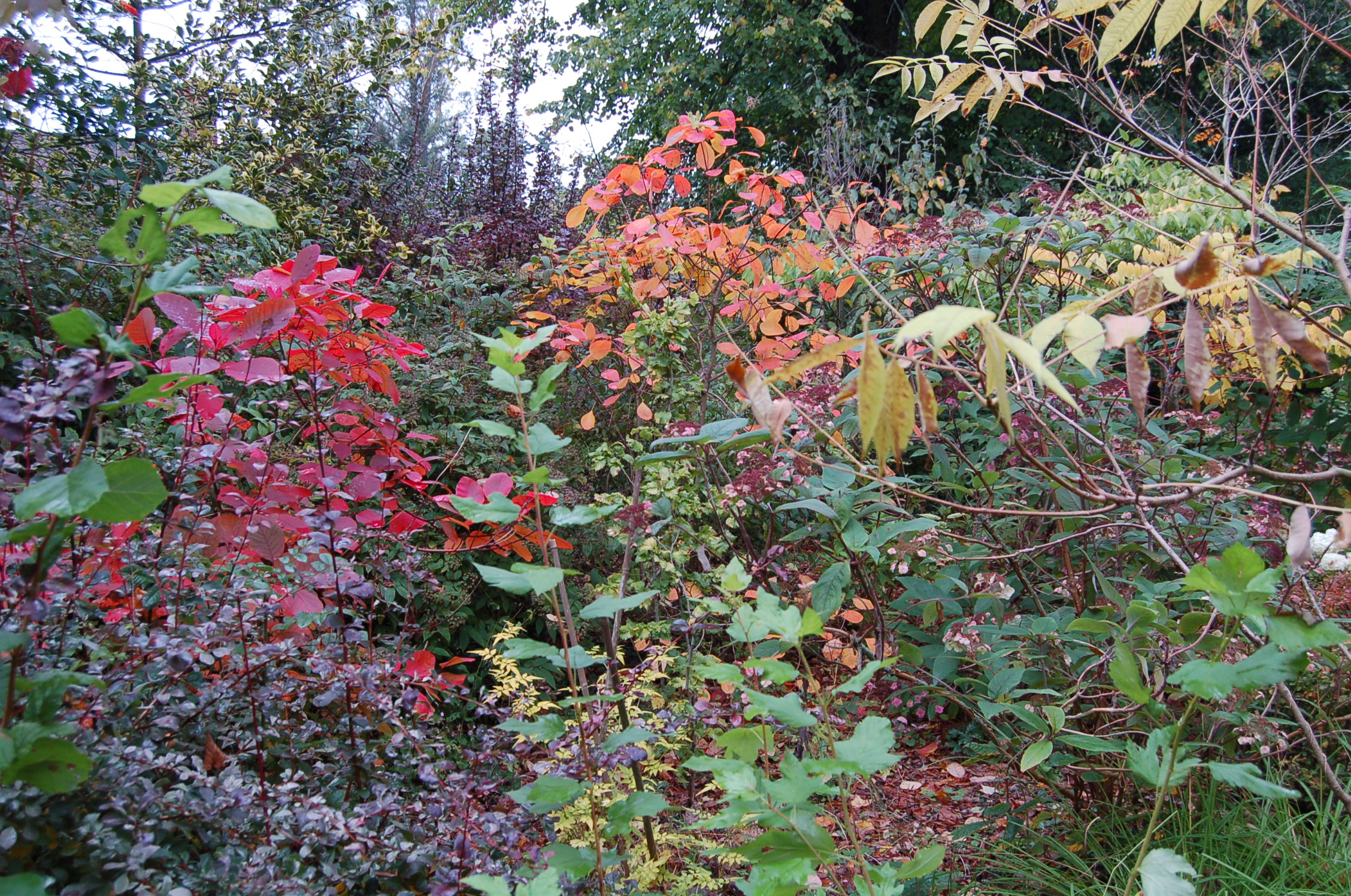
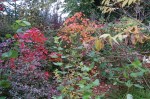
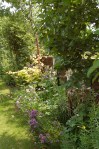
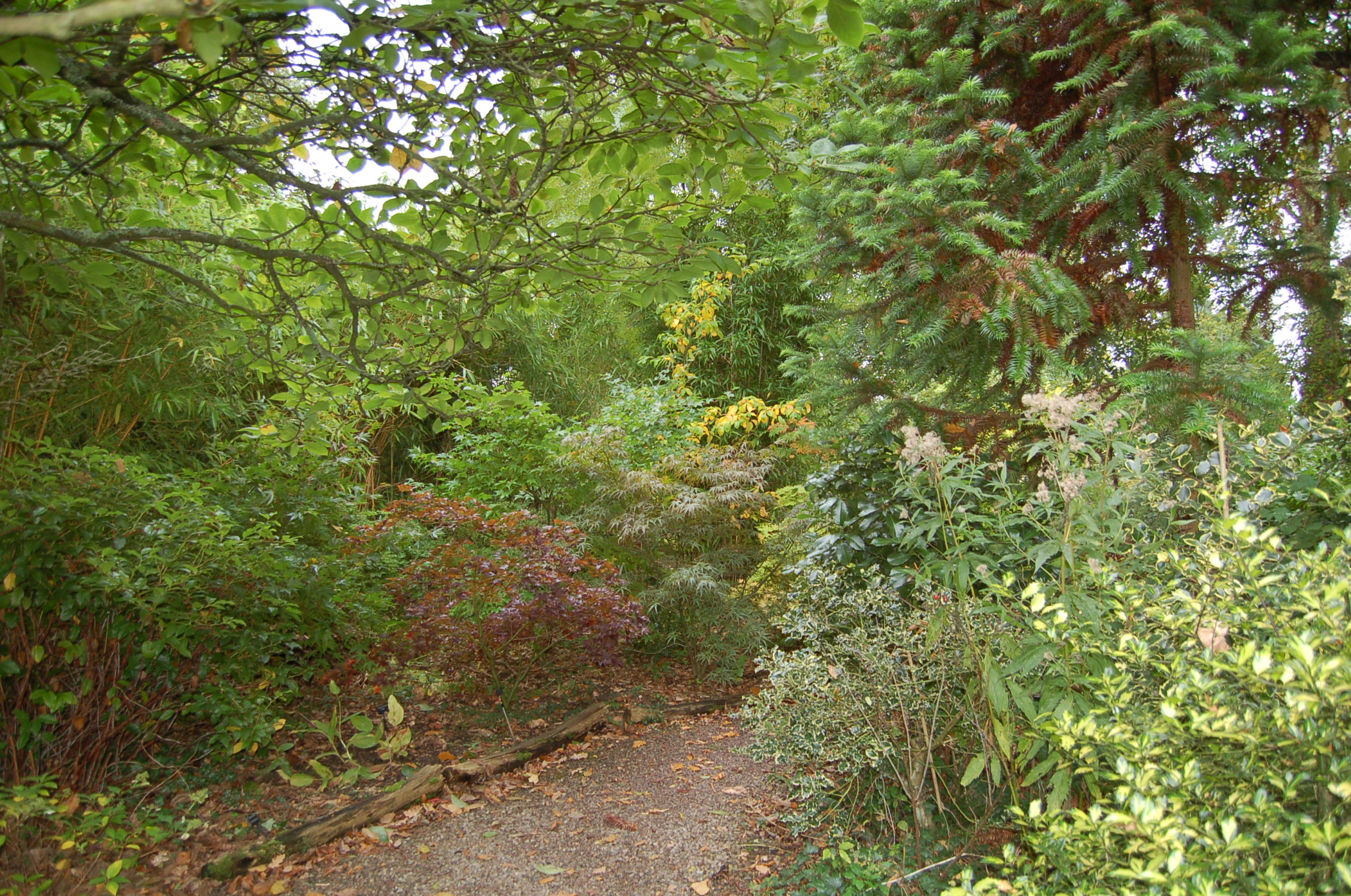
We had already come across Cotinus and Rhus which gave rich jewels of deep coloured foliage adding structure to the borders. Shrubs and trees featured more as we moved on, enticed by this gently curving pathway. Acers, deciduous Euonymus and Cornus fwere the stars here before the path led us out of the trees, with the woven apples sitting in the border, to the next section of the garden.
2013 10 18_4292

2013 10 18_4271 2013 10 18_4273 2013 10 18_4278 2013 10 18_4280 2013 10 18_4288 2013 10 18_4289 2013 10 18_4290 2013 10 18_4291

This area featured smaller shrubs punctuated by taller trees such as a rich gold and bronze Sorbus amid areas of perennials, a large percentage of which were of course Asters.

2013 10 18_4304 2013 10 18_4302 2013 10 18_4303 2013 10 18_4301 2013 10 18_4300 2013 10 18_4299 2013 10 18_4298

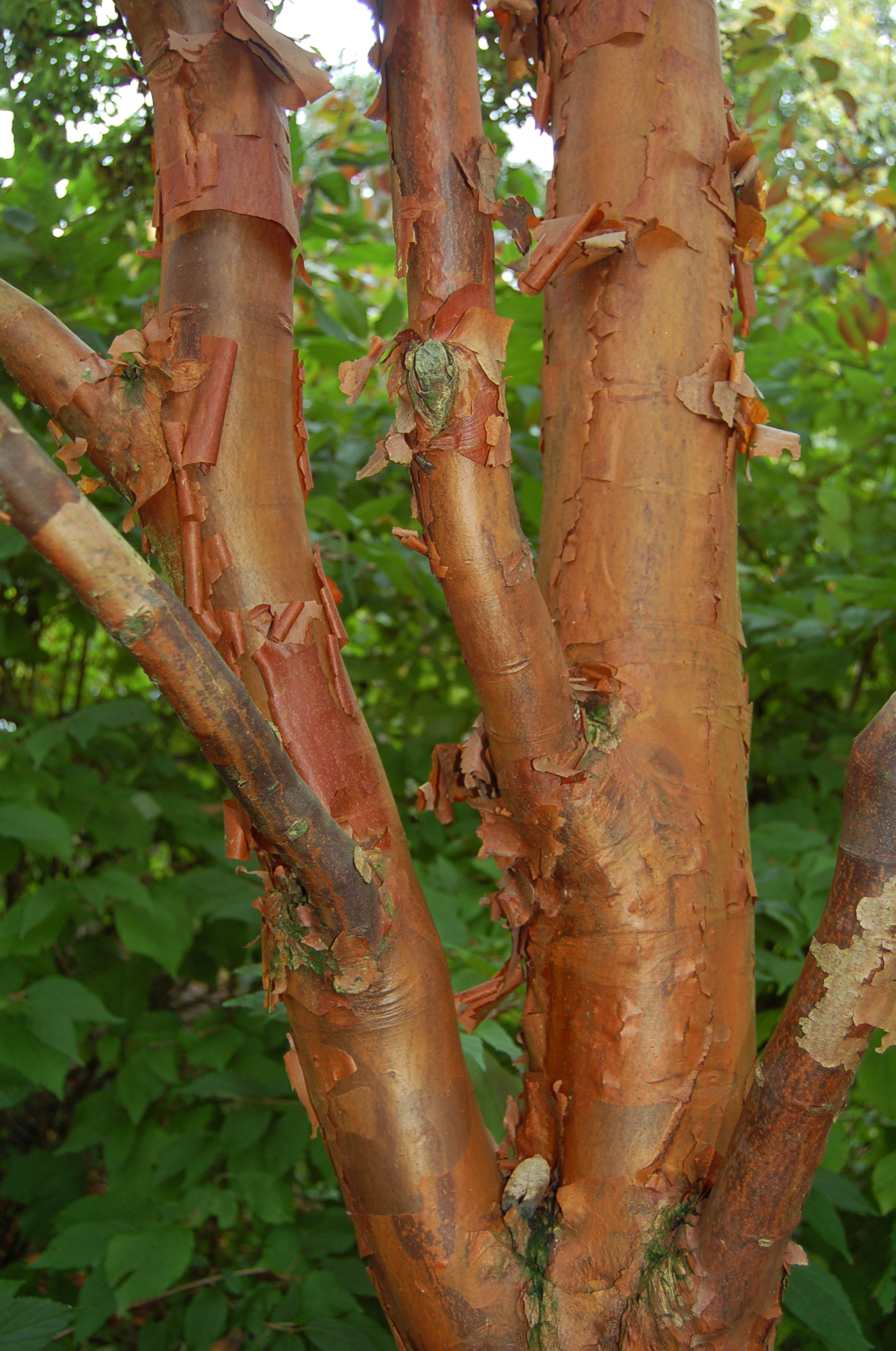
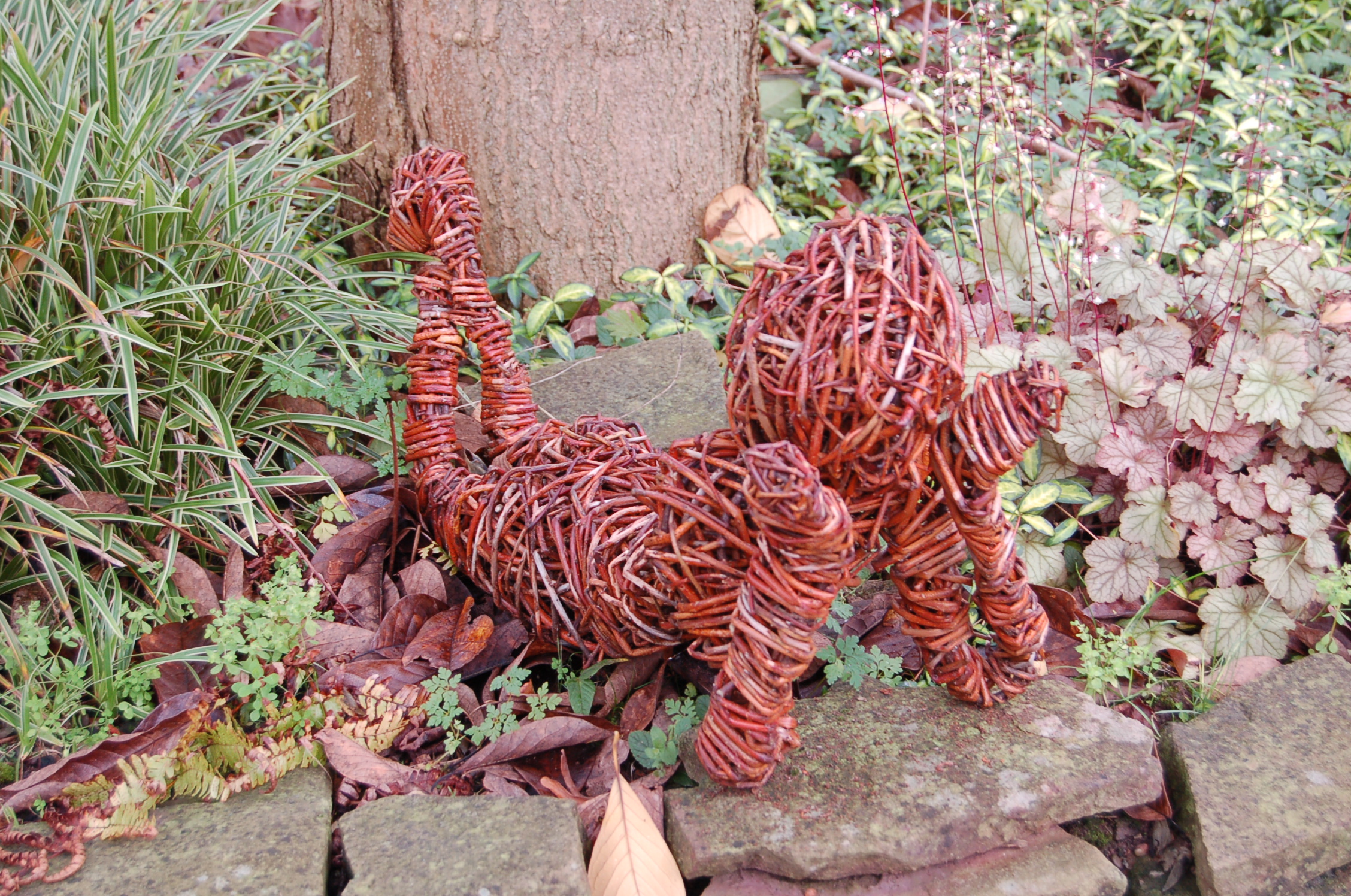
Beneath the peeling trunk of an Acer griseum these two woven youngsters were enjoying leisure time in the garden, the young girl quietly absorbed while her brother concentrates on perfecting his hand stands.
2013 10 18_4297 2013 10 18_4296 2013 10 18_4295 2013 10 18_4294 2013 10 18_4293 2013 10 18_4305 2013 10 18_4308 2013 10 18_4313

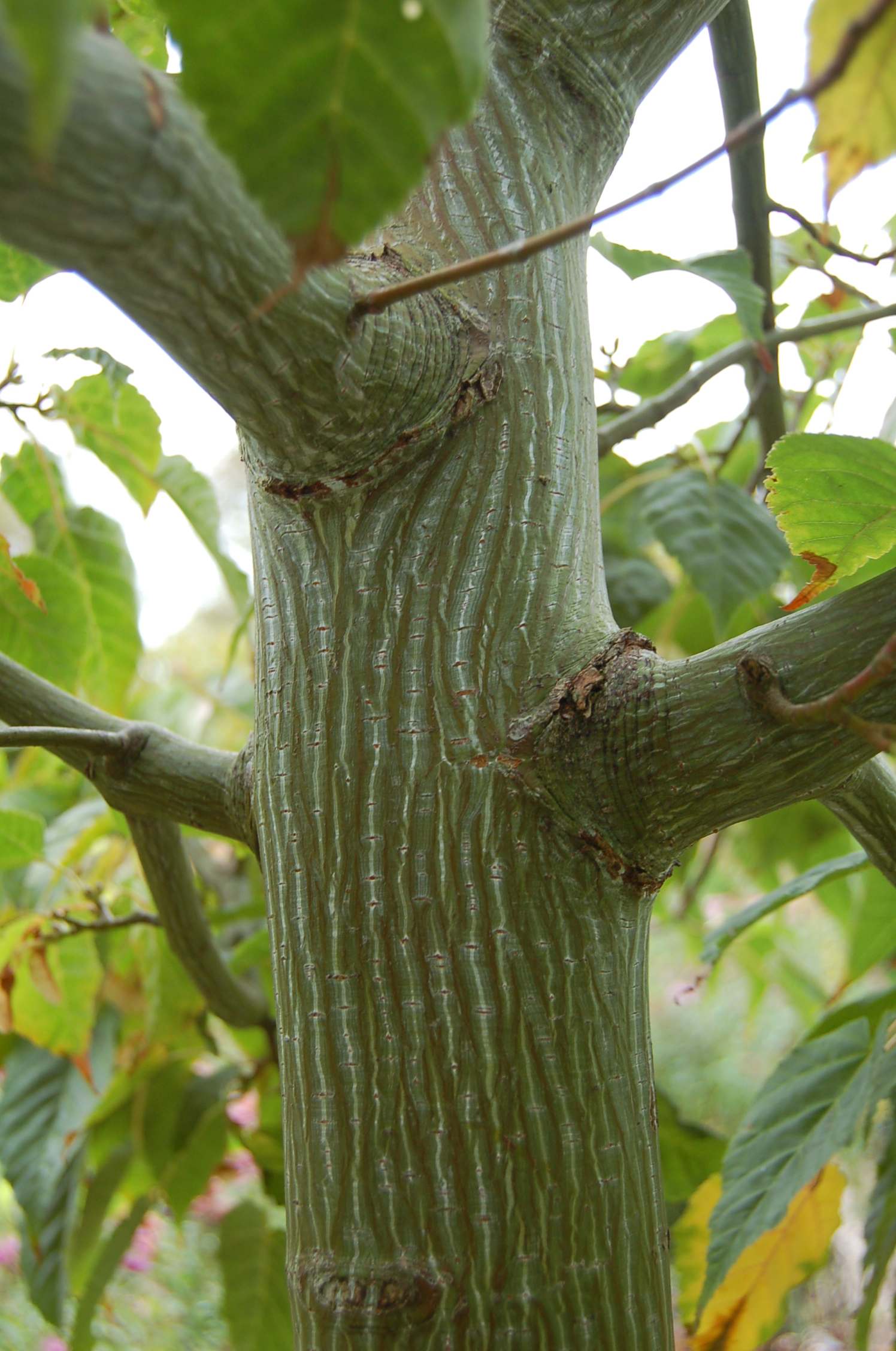
Even though we were emerged in Asters we could not help but be impressed by the incredible variety of texture in the bark of the trees.

2013 10 18_4321 2013 10 18_4319 2013 10 18_4300

2013 10 18_4320 2013 10 18_4322 2013 10 18_4306_edited-1 2013 10 18_4318 2013 10 18_4317 2013 10 18_4316 2013 10 18_4314 2013 10 18_4313 2013 10 18_4308 2013 10 18_4304 2013 10 18_4303 2013 10 18_4302 2013 10 18_4298 2013 10 18_4287 2013 10 18_4286 2013 10 18_4285 2013 10 18_4284 2013 10 18_4281 2013 10 18_4283 2013 10 18_4280 2013 10 18_4279

The only way to finish this post is to indulge in a rich mix of Asters.

Categories
autumn autumn colours climbing plants colours flowering bulbs fruit and veg garden design garden photography gardening grasses grow your own half-hardy perennials hardy perennials light light quality ornamental grasses ornamental trees and shrubs shrubs succulents trees village gardens

A Garden Bouquet for September

September is the month when the first signs of autumn creep in and there is something special happening to the light. Misty mornings give the garden a fresh atmosphere. Darkness comes too early each day. Fruit picking is the order of the day and we get out our pruning kit, secateurs, pruning saws and loppers large and small to tackle the trees and shrubs.

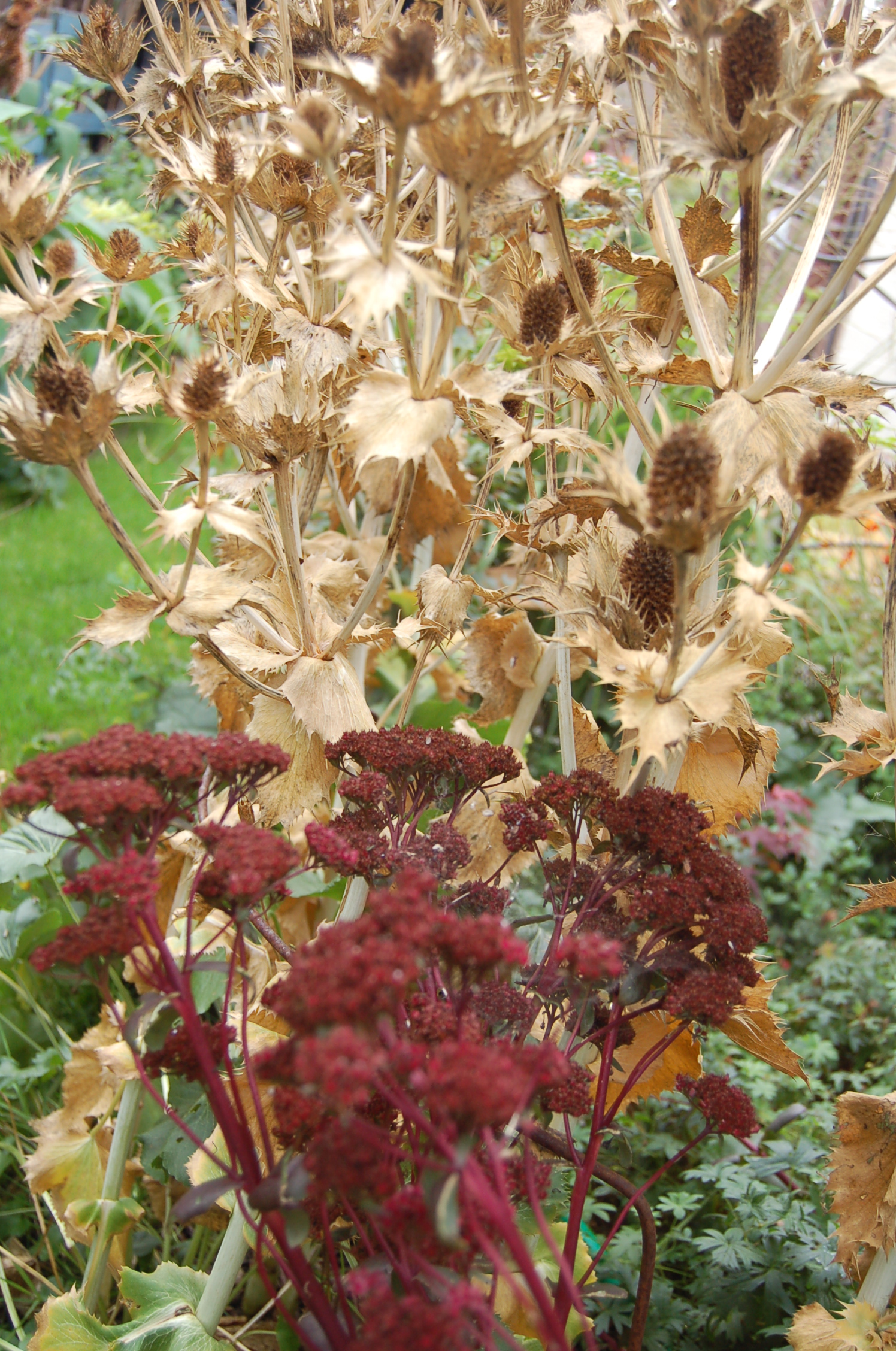
Grasses begin to change colour, some flowers and seed heads are turning redder and more purple others towards the pale tints of biscuit.

2013 09 27_3768 2013 09 27_3769 2013 09 27_3770 2013 09 27_3771

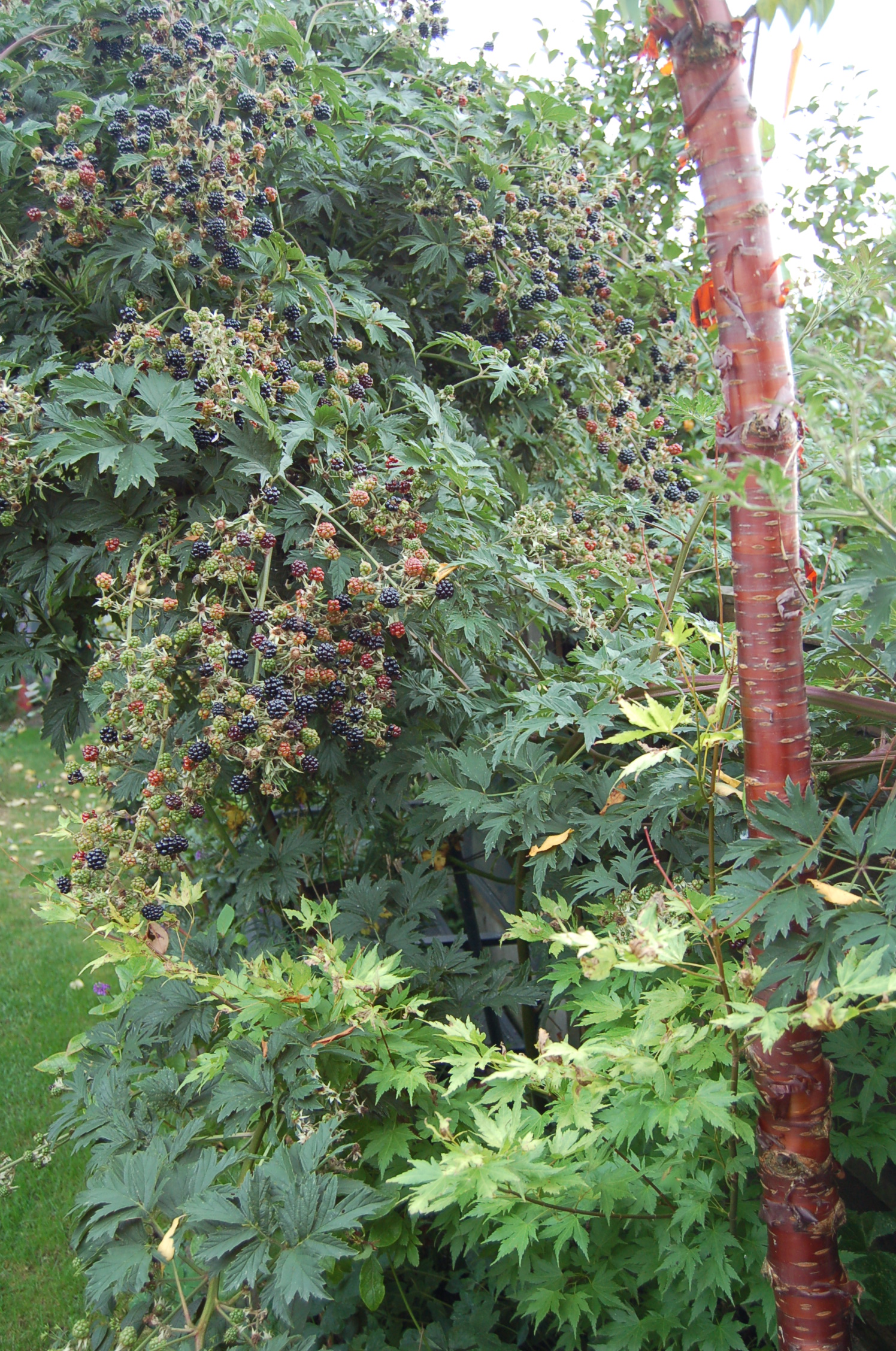
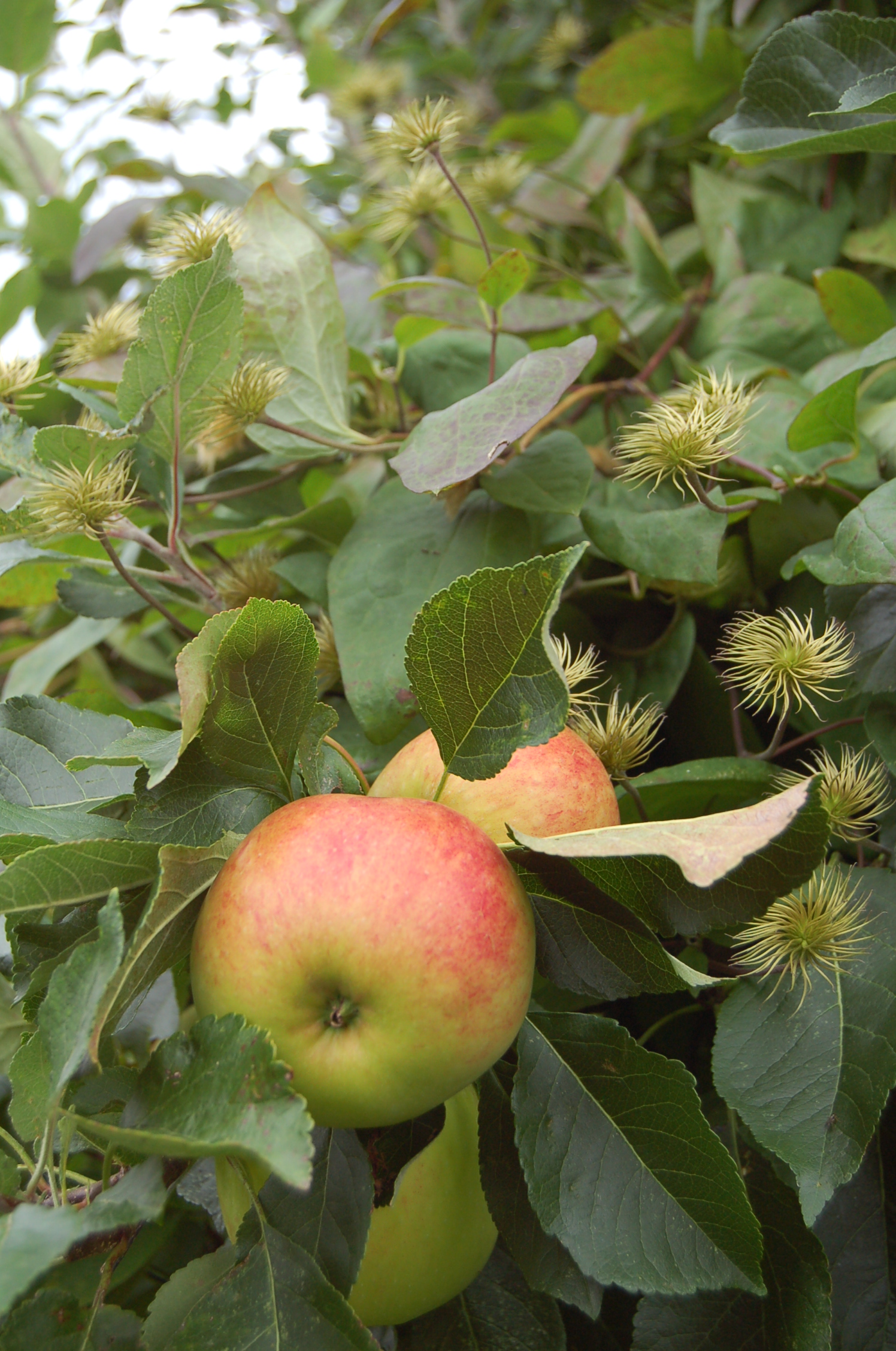
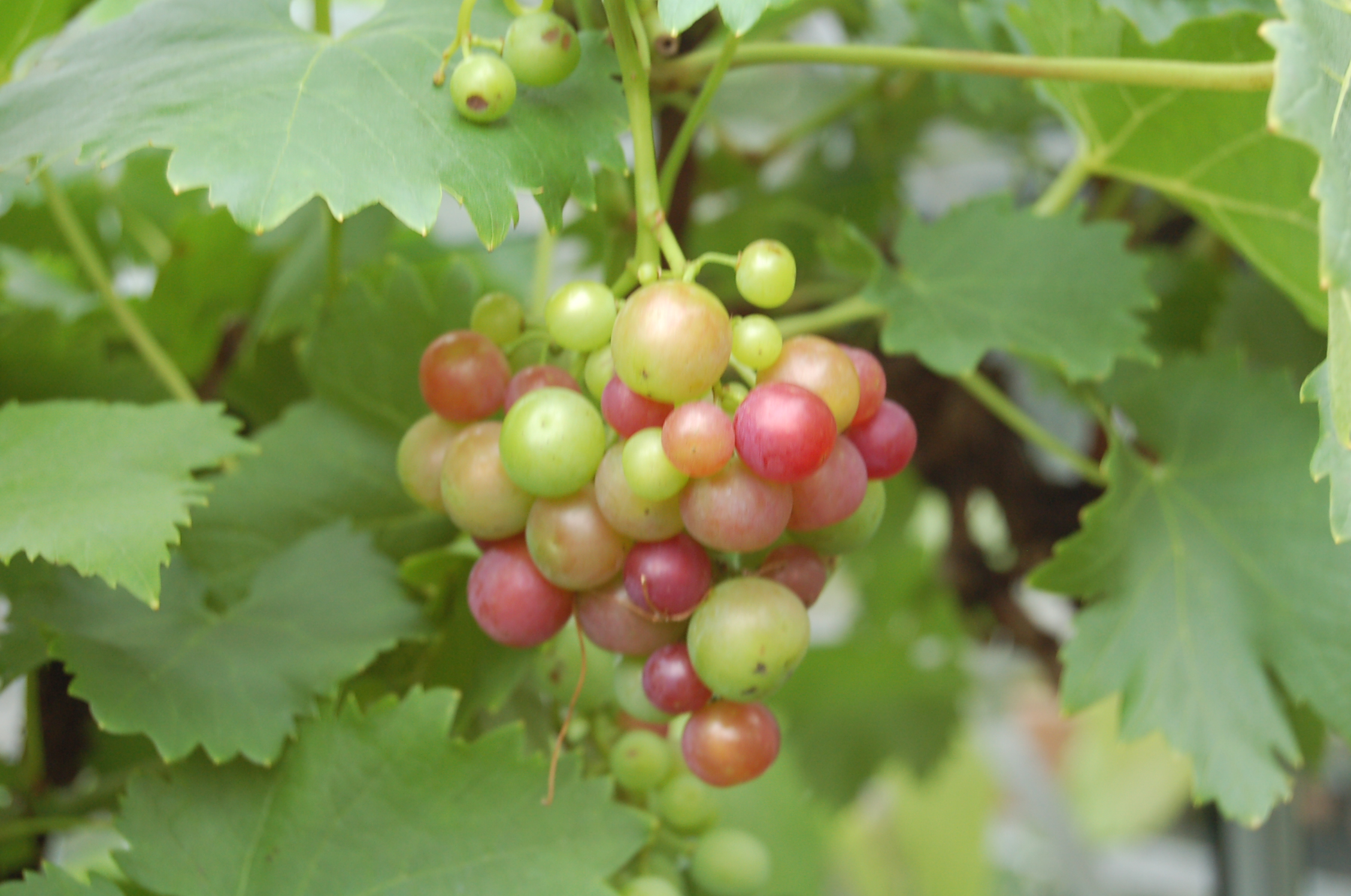
The Blackberry vine is so heavy with fruit that it blocks the pathway and apples hang in thick bunches but seem slow to ripen. At last colour is creeping into the greenness of the grapes. Fingers crossed that the weather is kind to them and therefore kind to us.

2013 09 27_3772 2013 09 27_37732013 09 27_3777

2013 09 27_3774 2013 09 27_3776

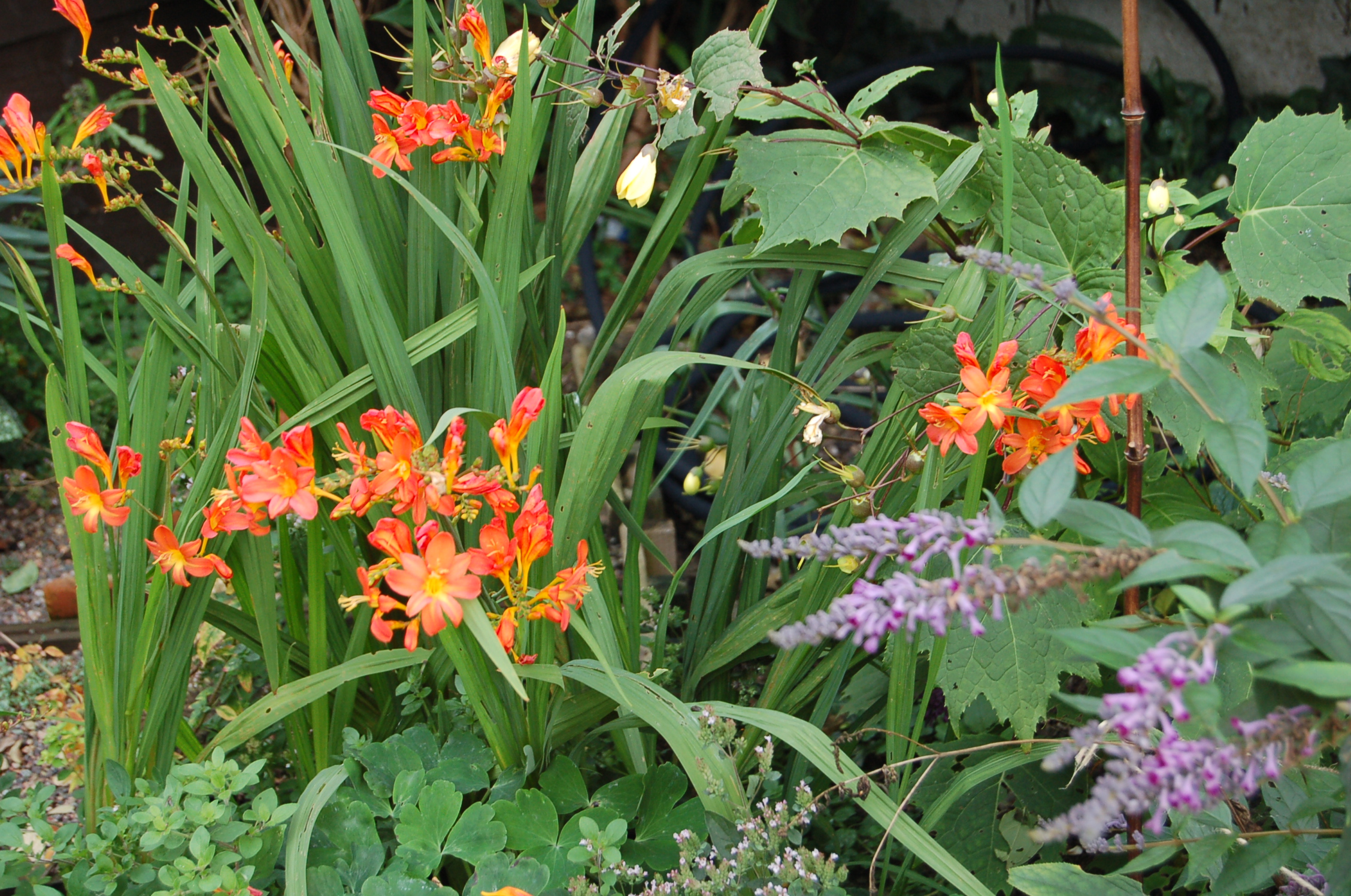
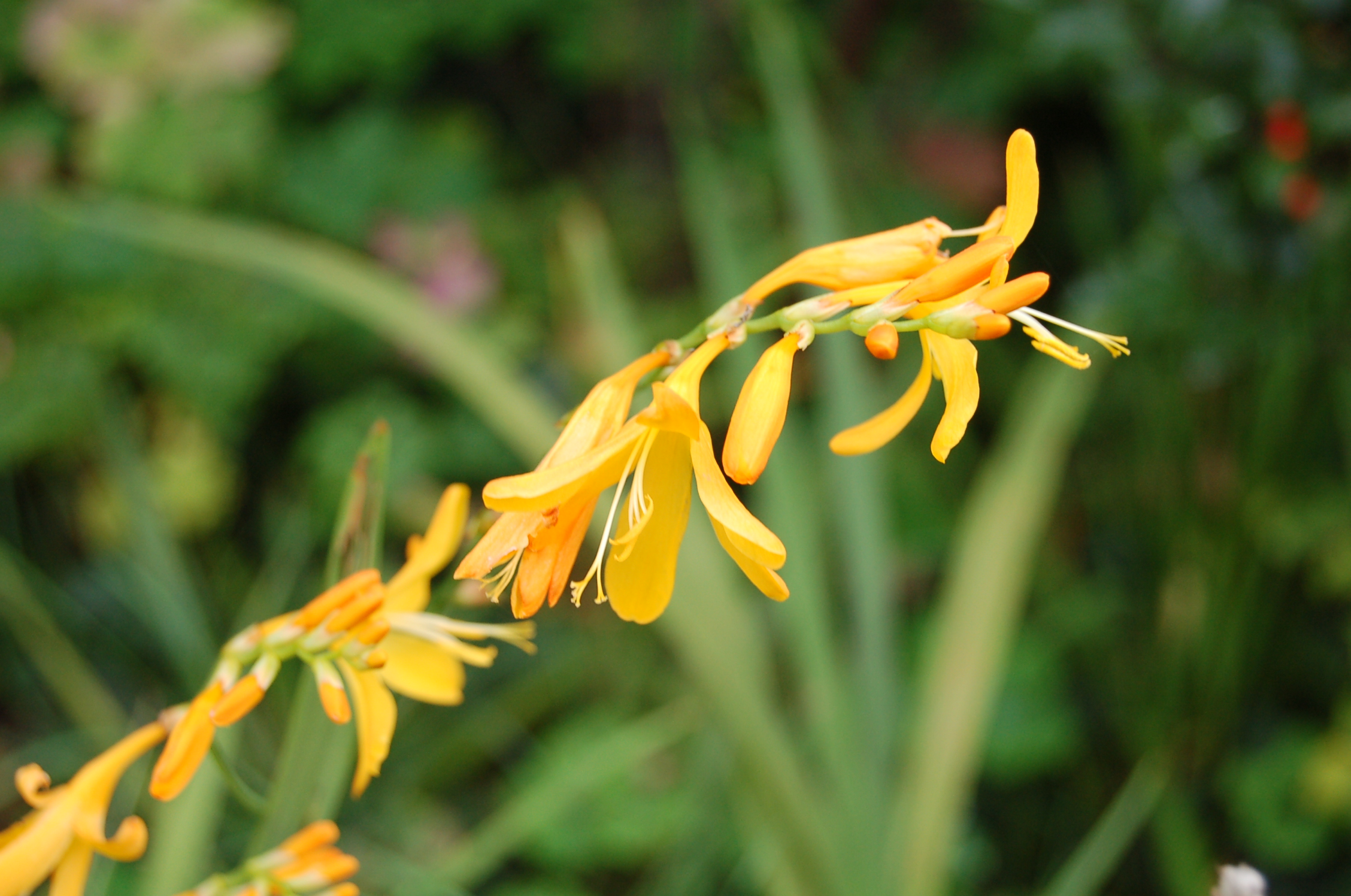
This Buddleja is a special one with purple flowers at the tip of each arching branch. The out side of each individual flower is dusty purple-grey but the rich bright purple inside provides a beautiful contrast. Buddleys lindleyana is a very special shrub. A real favourite! And it looks even better alongside a bright orange neighbour in the guise of a Crocosmia. While we are on the subject of bright flowered Crocosmia the yellow one nearby is gentler but still a true bright beauty.

2013 09 27_3778 2013 09 27_3713

2013 09 27_3714

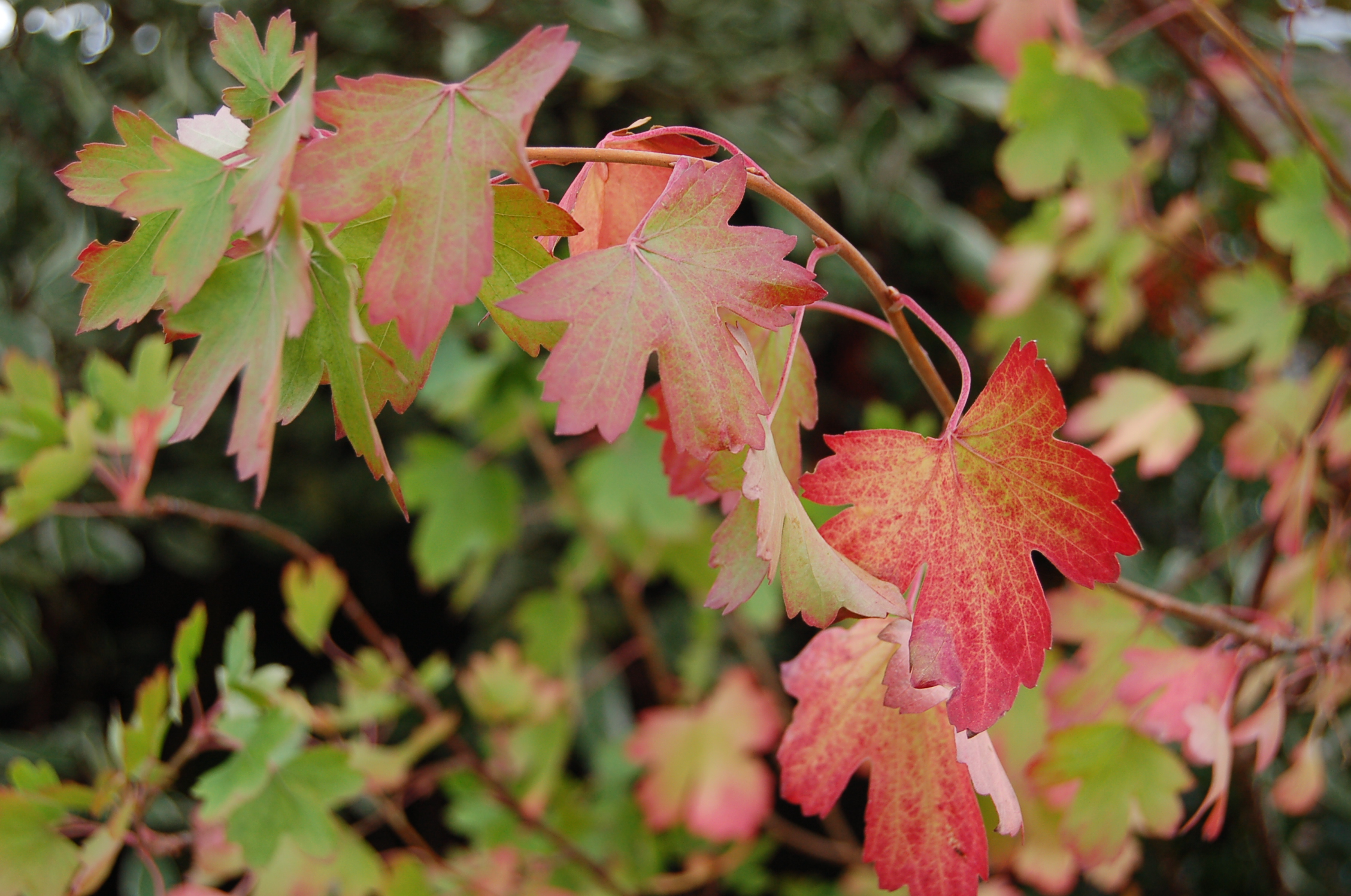
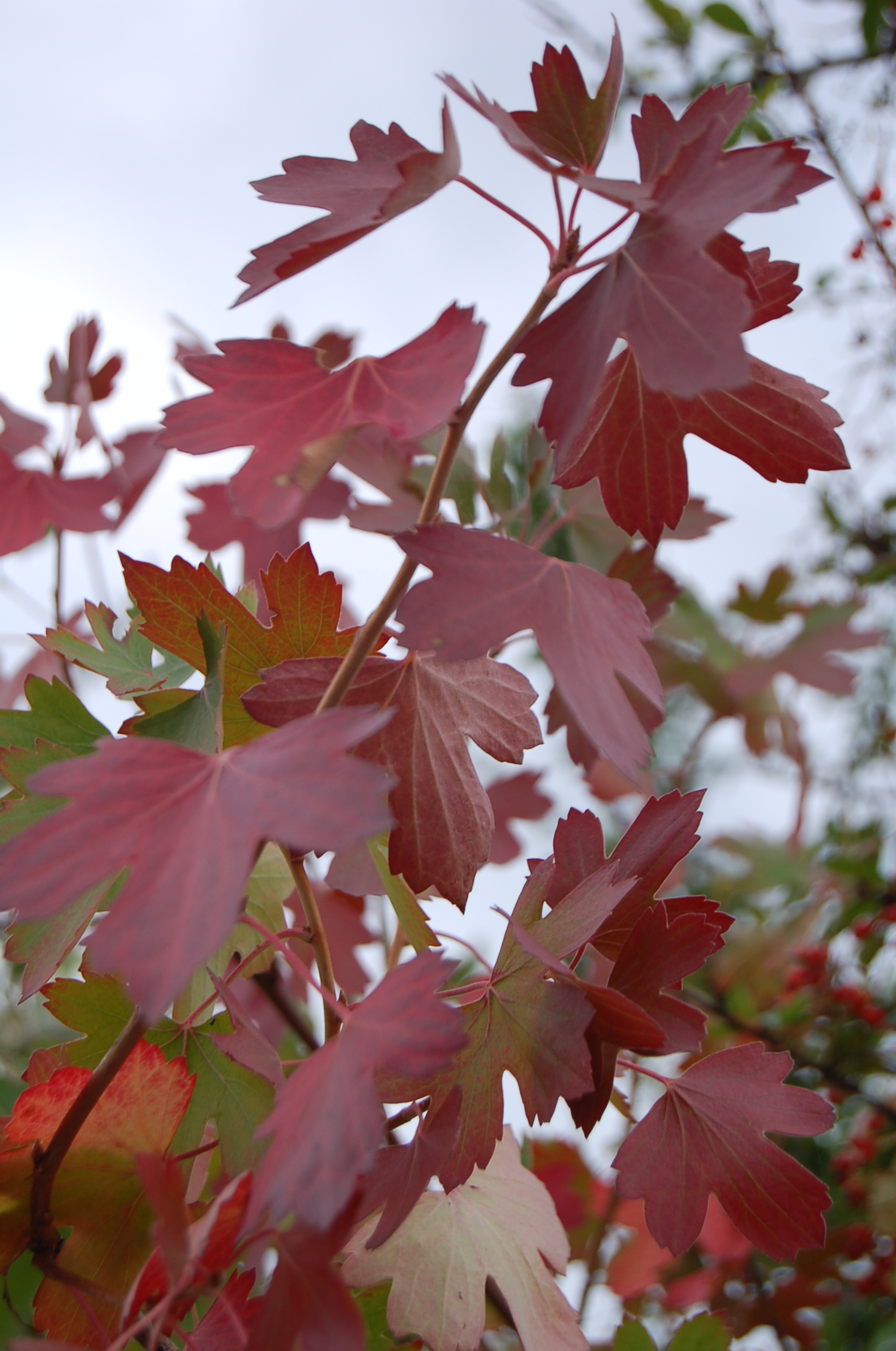
Shrubs and trees are thinking ahead to the winter and painting their leaves in reds, oranges and yellows. The first two photos are of a special Ribes which will give us yellow flowers in the winter. These are followed by deciduous varieties of Euonymus and Cercis “Forest Pansy”.

2013 09 27_3715 2013 09 27_3716

2013 09 27_3719 2013 09 27_3721

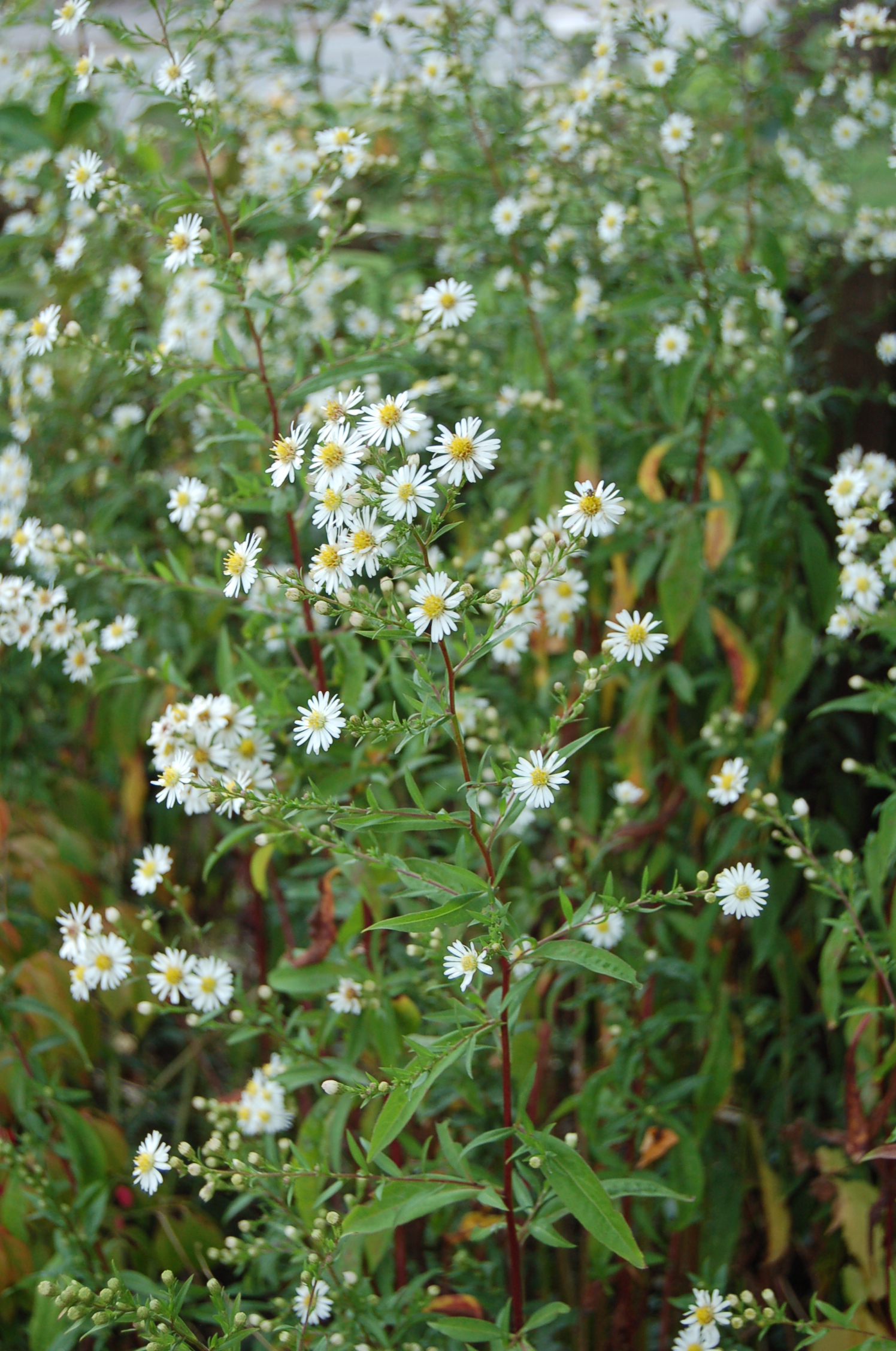
On the gravel garden, our Beth Chatto Garden, grasses are starring alongside the autumn stars, Michaelmas Daisies.

2013 09 27_3717 2013 09 27_3718  2013 09 27_3720  2013 09 27_3722

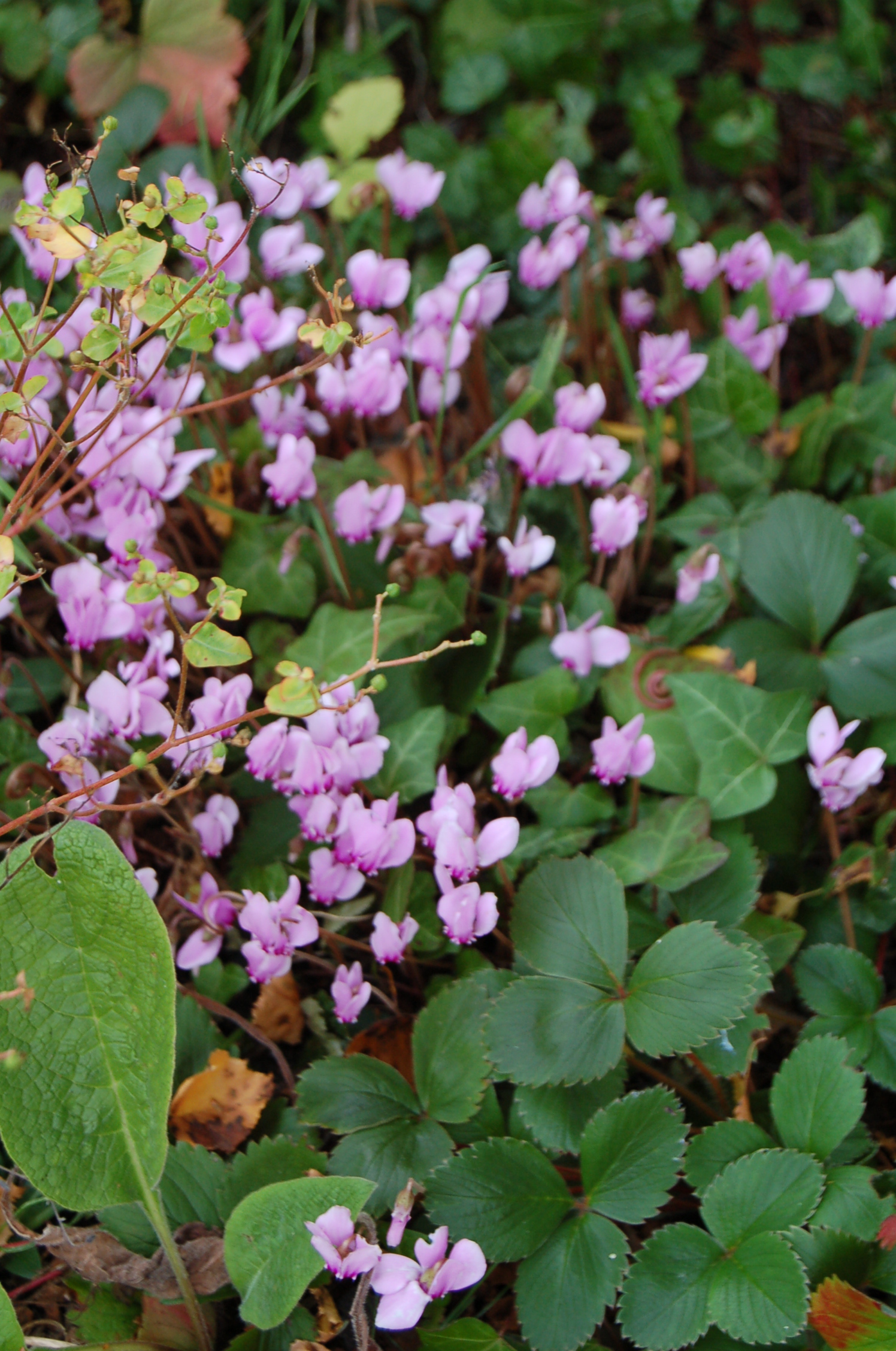
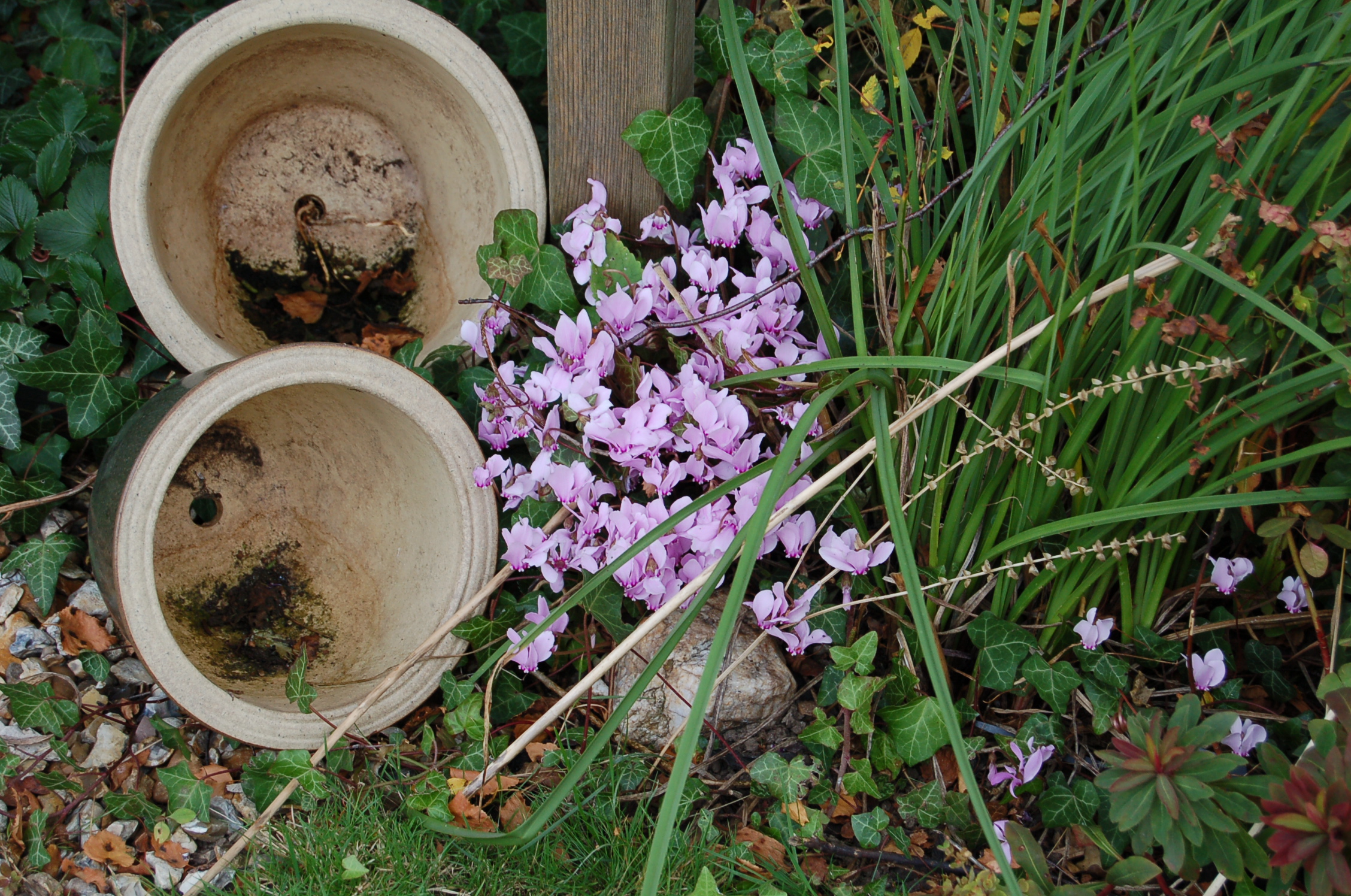
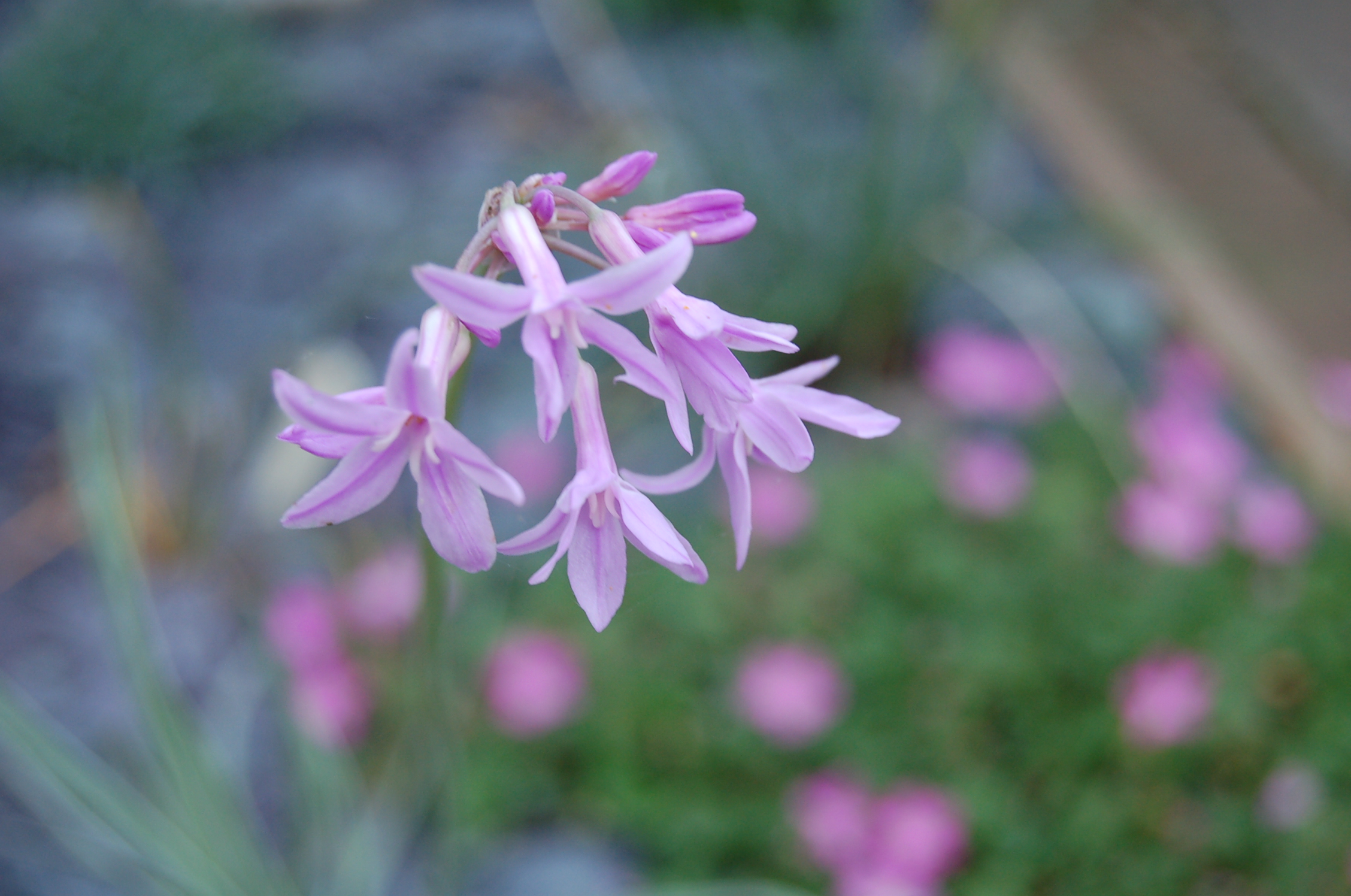
Bulbs usually mean late winter or early spring but these cyclamen and tulbaghia are showstoppers right now.

2013 09 27_3723 2013 09 27_3724 2013 09 27_3729

So off we go into autumn!

Categories
architecture garden design garden photography gardening gardens open to the public Land Art landscapes ornamental trees and shrubs outdoor sculpture

A Sculpted Landscape – Boughton House

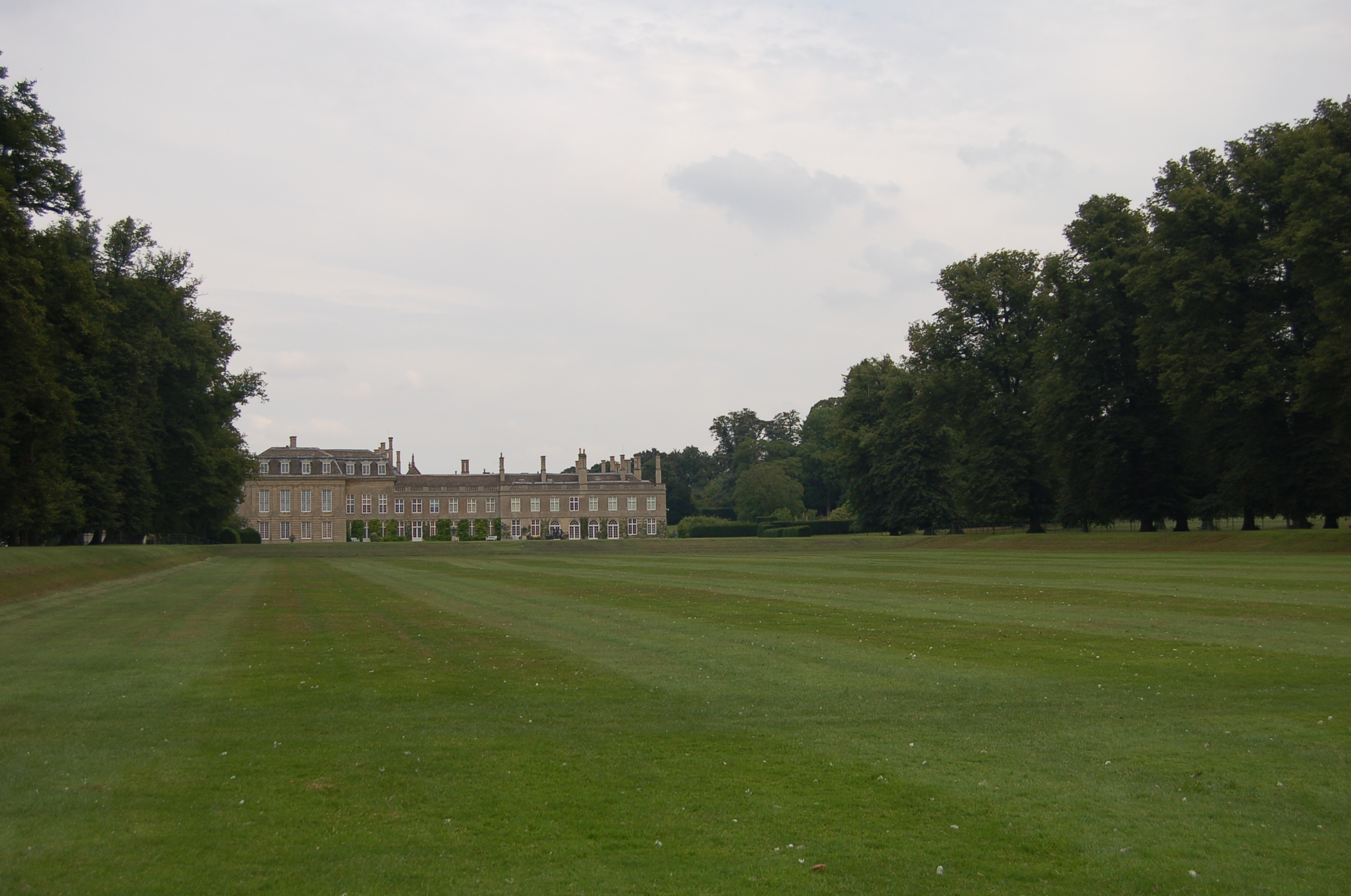
We were planning our journey to the North Norfolk coast to visit a couple of RSPB nature reserves and were seeking somewhere to visit on the way. We came across Boughton House marked on our map so googled it to find our more. We were so glad we did! The buildings were of a beautiful simple architectural style with French influences. Even the stable blocks impressed. Soft gentle lines and delicate grey-brown coloured stone.

2013 08 23_2979 2013 08 23_2978

We discovered that the grounds around the house were sculpted in the C18 in an unusual manner and recently more landforms were added by Kim Wilkie, a modern landscape architect and one of our favourites.

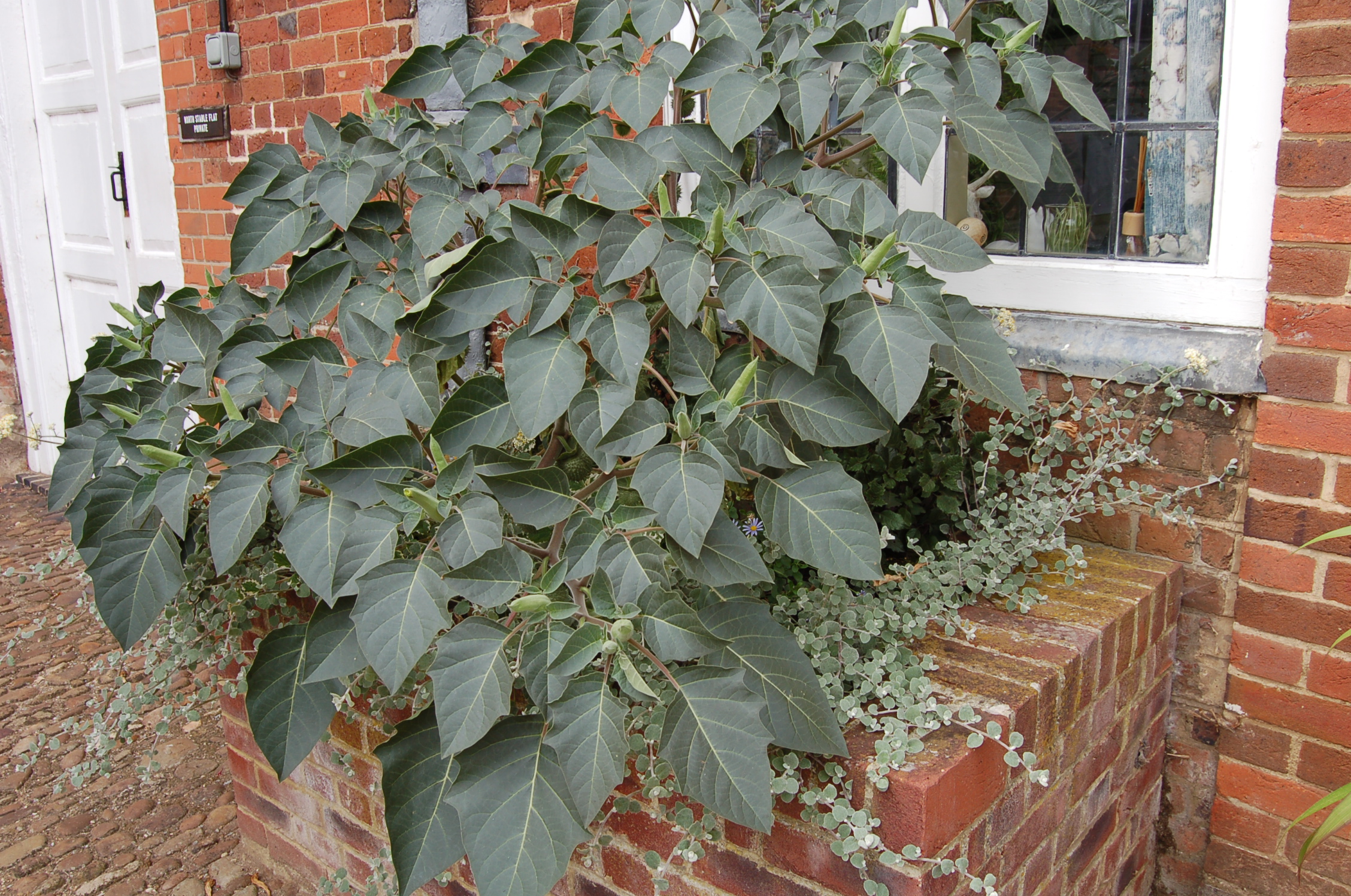
But to get to the grounds we passed through a courtyard of cobbles and gravel which featured some subtle planting combinations in containers. The strange alien-like fruits belong to the grey leaved plant, which was completely unknown to us.

2013 08 23_2972 2013 08 23_2973 2013 08 23_2975 2013 08 23_2976 2013 08 23_3106 2013 08 23_3105

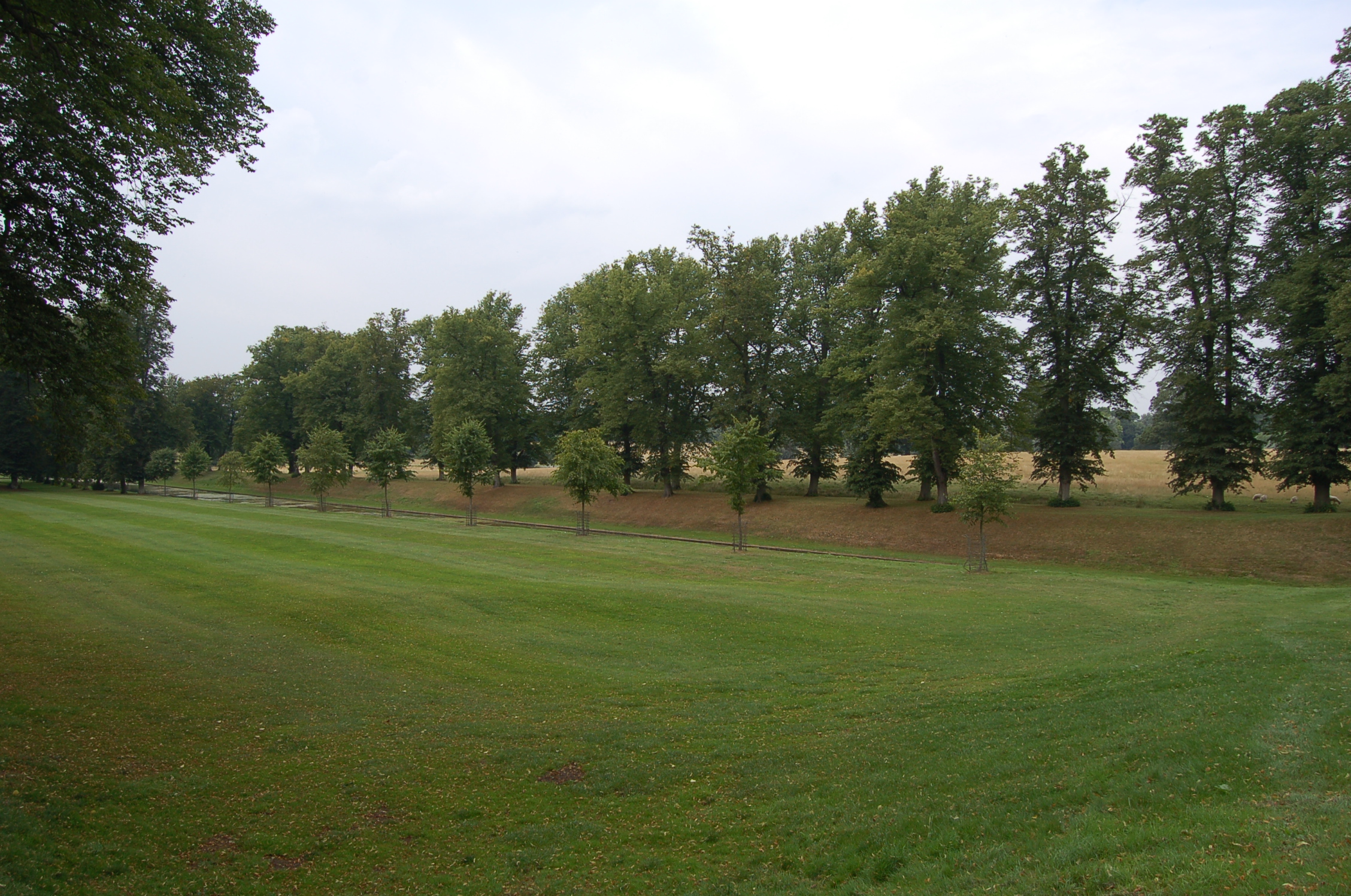
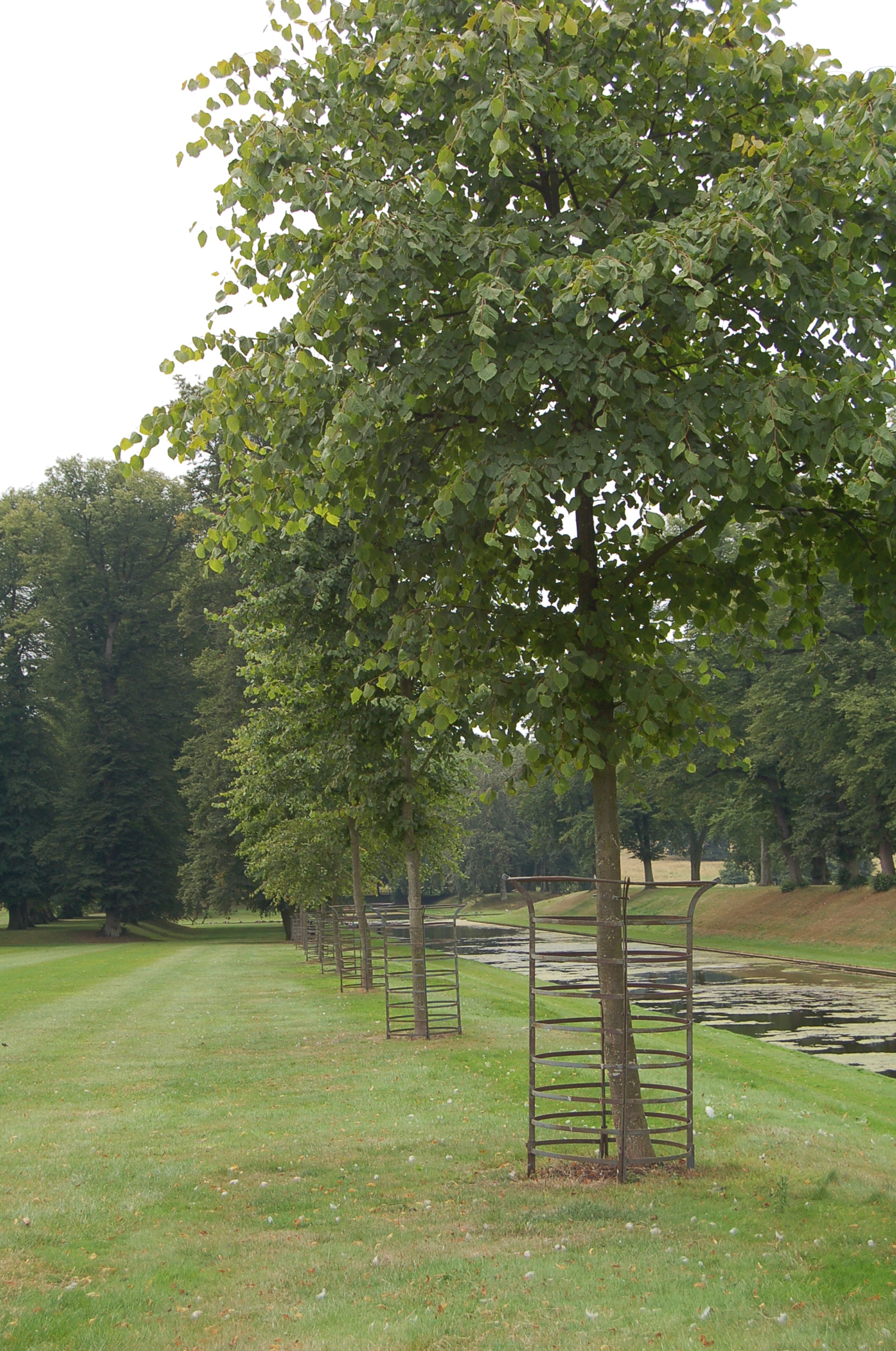
Off into the parkland and we came across long avenues of lime trees and huge canal features, constructed way back in the C18. These original features were supposed to have been inspired by Versailles.

2013 08 23_2981 2013 08 23_2982 2013 08 23_2983 2013 08 23_2984 2013 08 23_2986 2013 08 23_2987 2013 08 23_2988 2013 08 23_2989 2013 08 23_2990

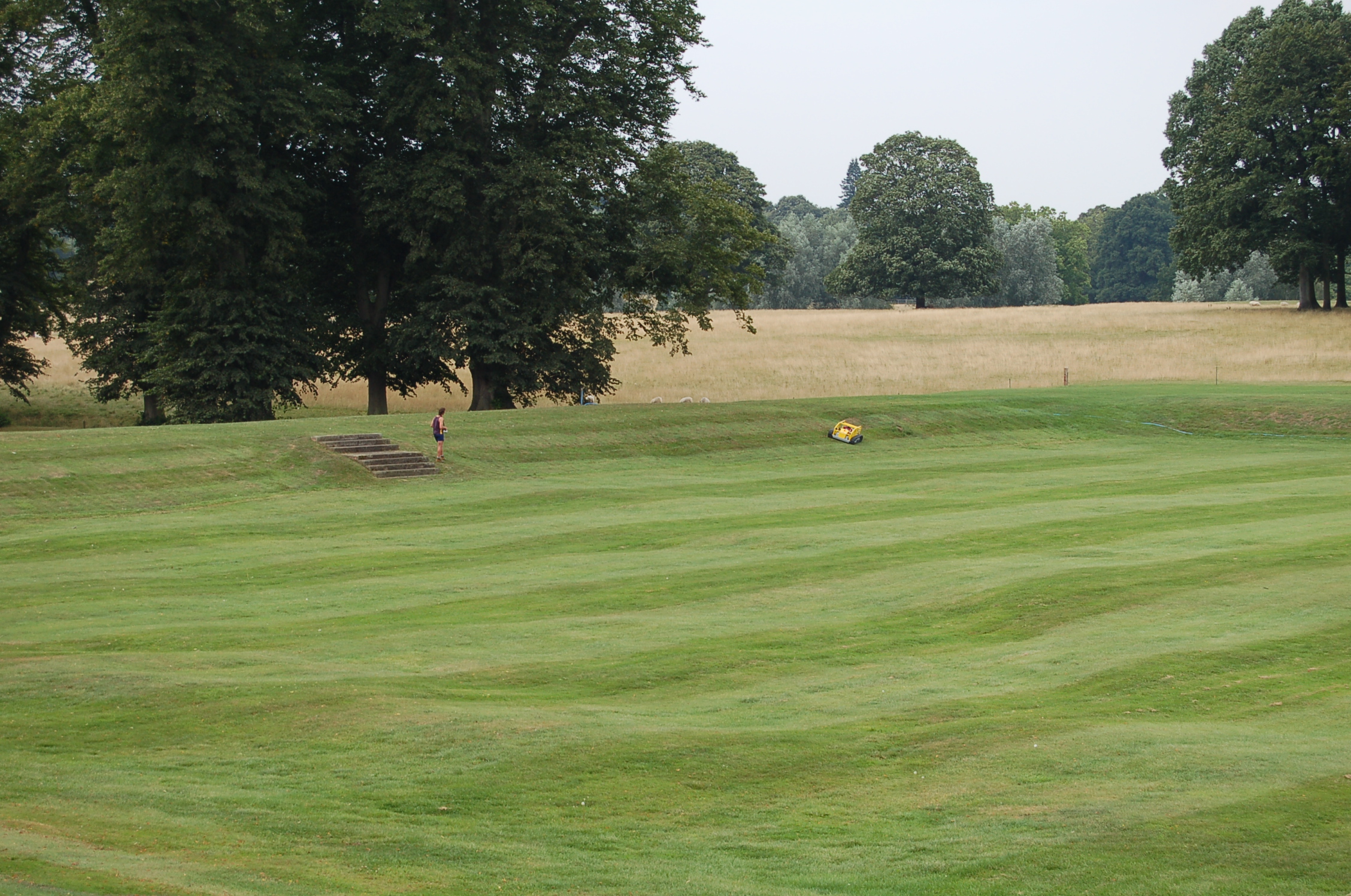
Of course the problem with all these sloping areas of grass is mowing them. When originally conceived the landowners would not have required their grass to be cut as short as modern gardeners want. So their scythes were perfectly up to the job. The gardeners at Boughton today use ingenious remote-controlled mowers with caterpillar tracks instead of wheels to give extra grip on the steep gradients.

2013 08 23_2985

As we reached the far end of these long canals we passed a larger lake and gained views of the house at the far end of a vast expanse of lawn.

2013 08 23_2989 2013 08 23_2991 2013 08 23_2992 2013 08 23_2993 2013 08 23_2994 2013 08 23_2995

The modern landforms fitted so well into the original landscapes that it was hard to see identify where one finished and another started.

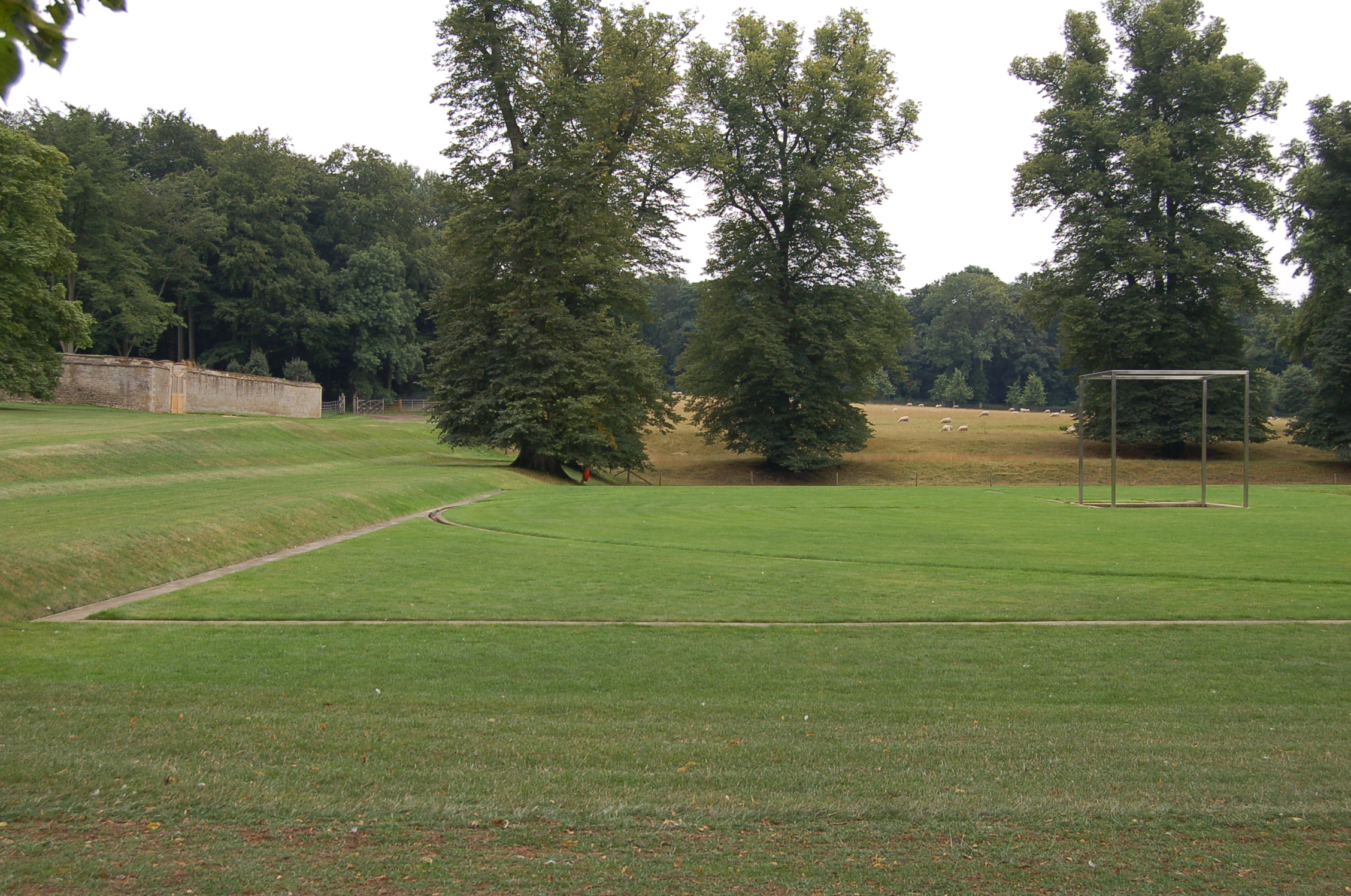
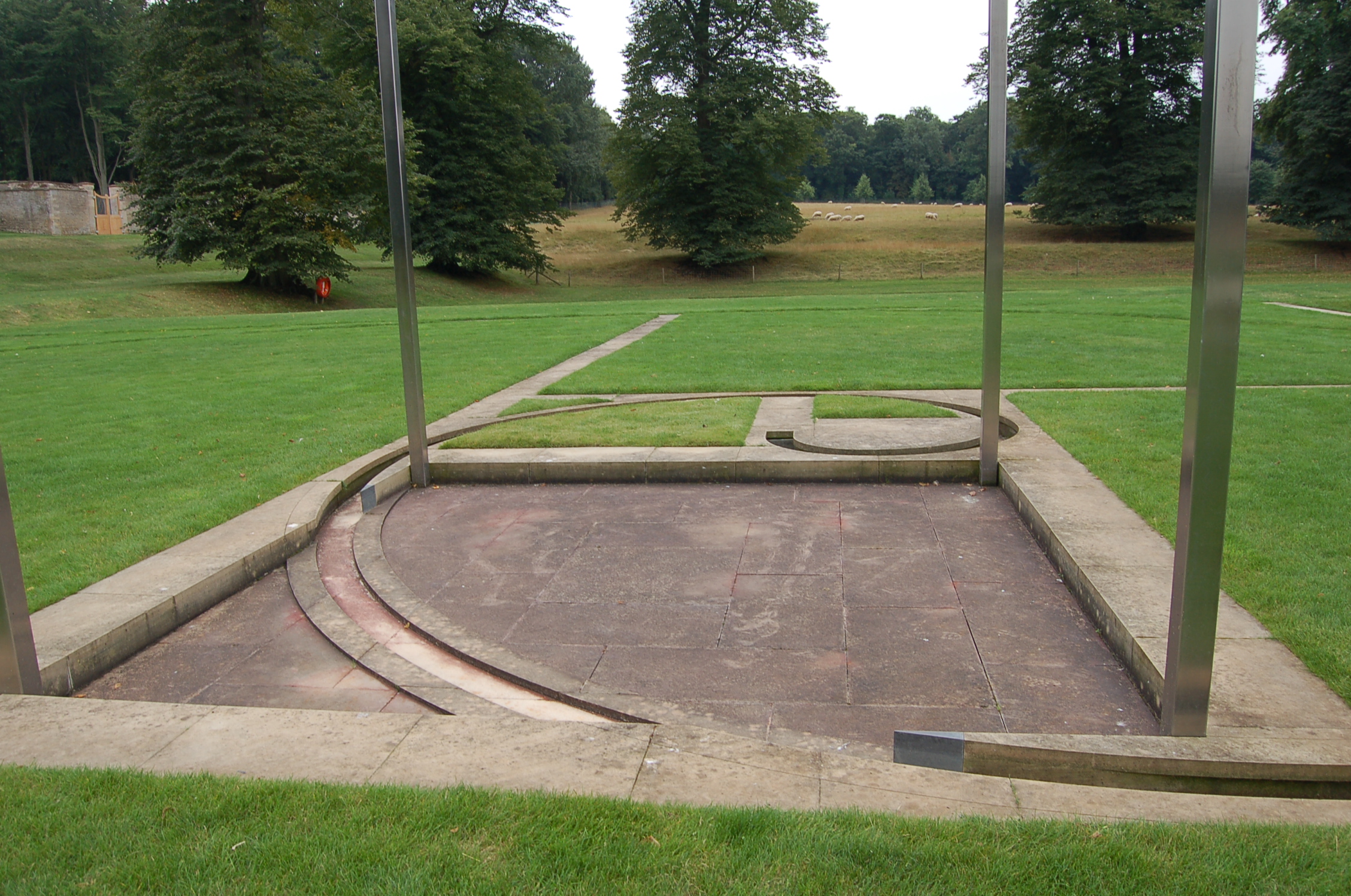
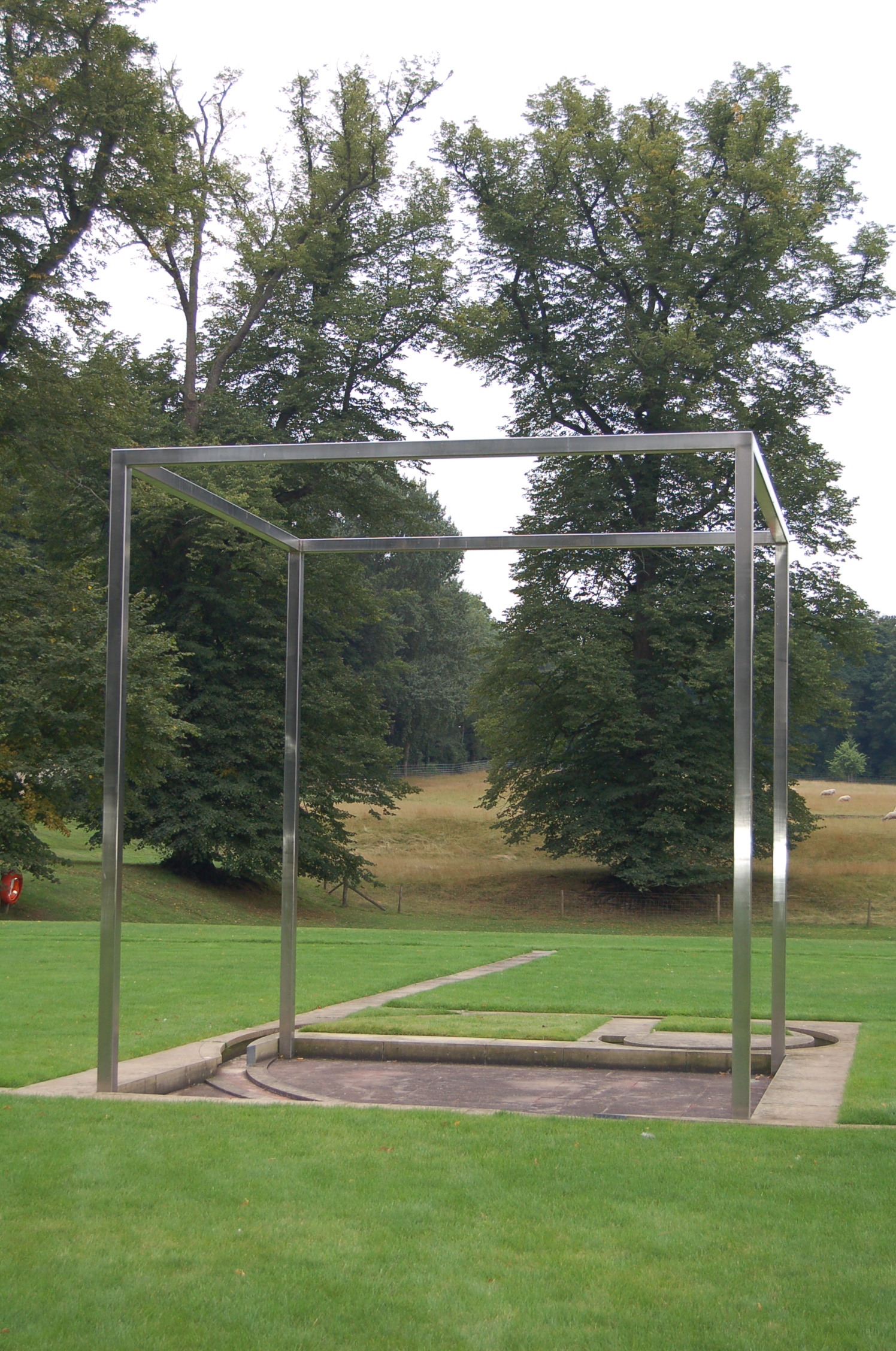
This stimulating piece of land art was based on the structure of the spiral in nature such as the framework that gives sea shells their strength. It gave us a feeling of satisfaction as it seemed so settled into the landscape and invited exploration.

2013 08 23_3009 2013 08 23_3008 2013 08 23_3007 2013 08 23_3006 2013 08 23_3005 2013 08 23_3004 2013 08 23_3003 2013 08 23_3002

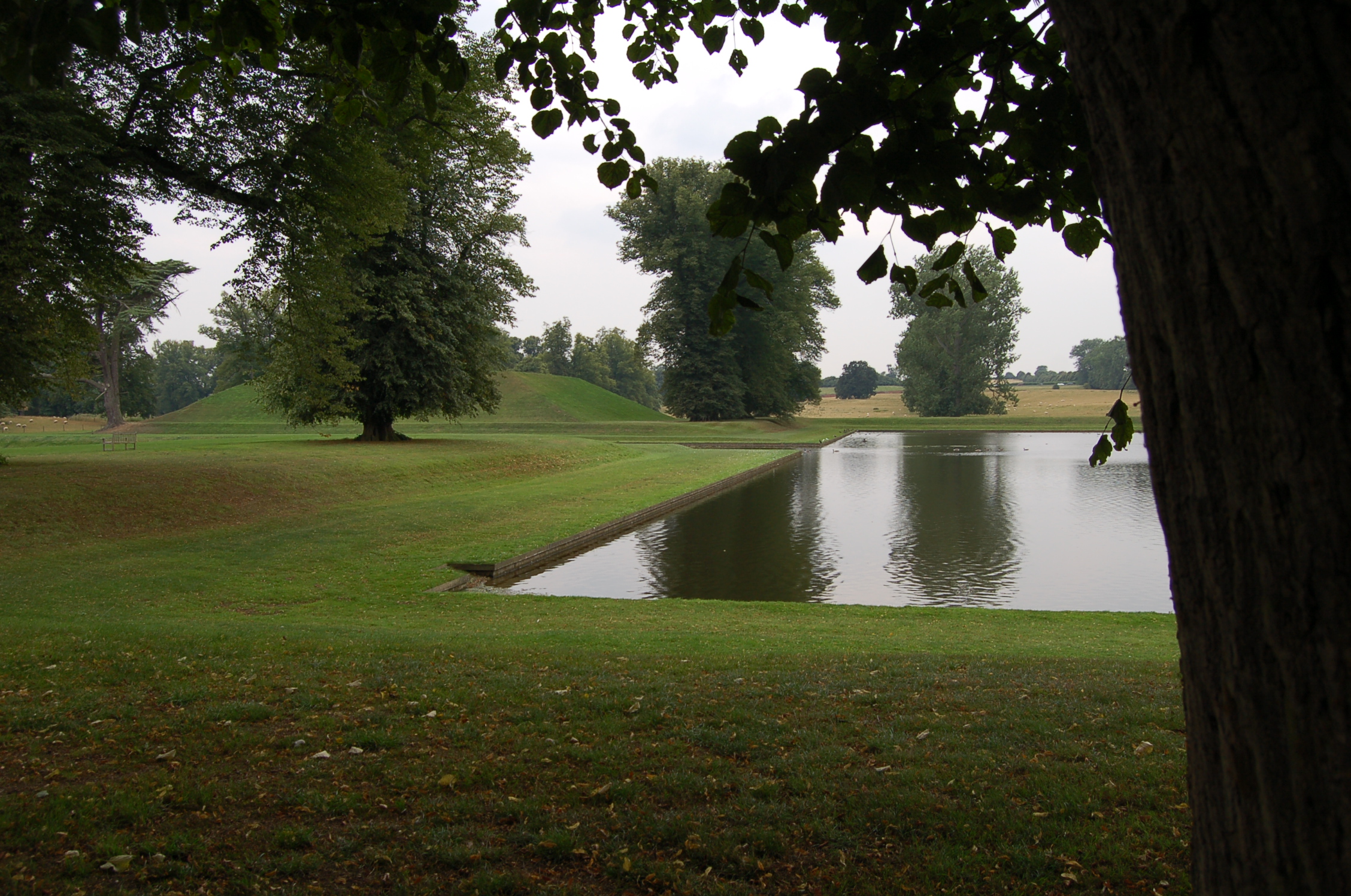
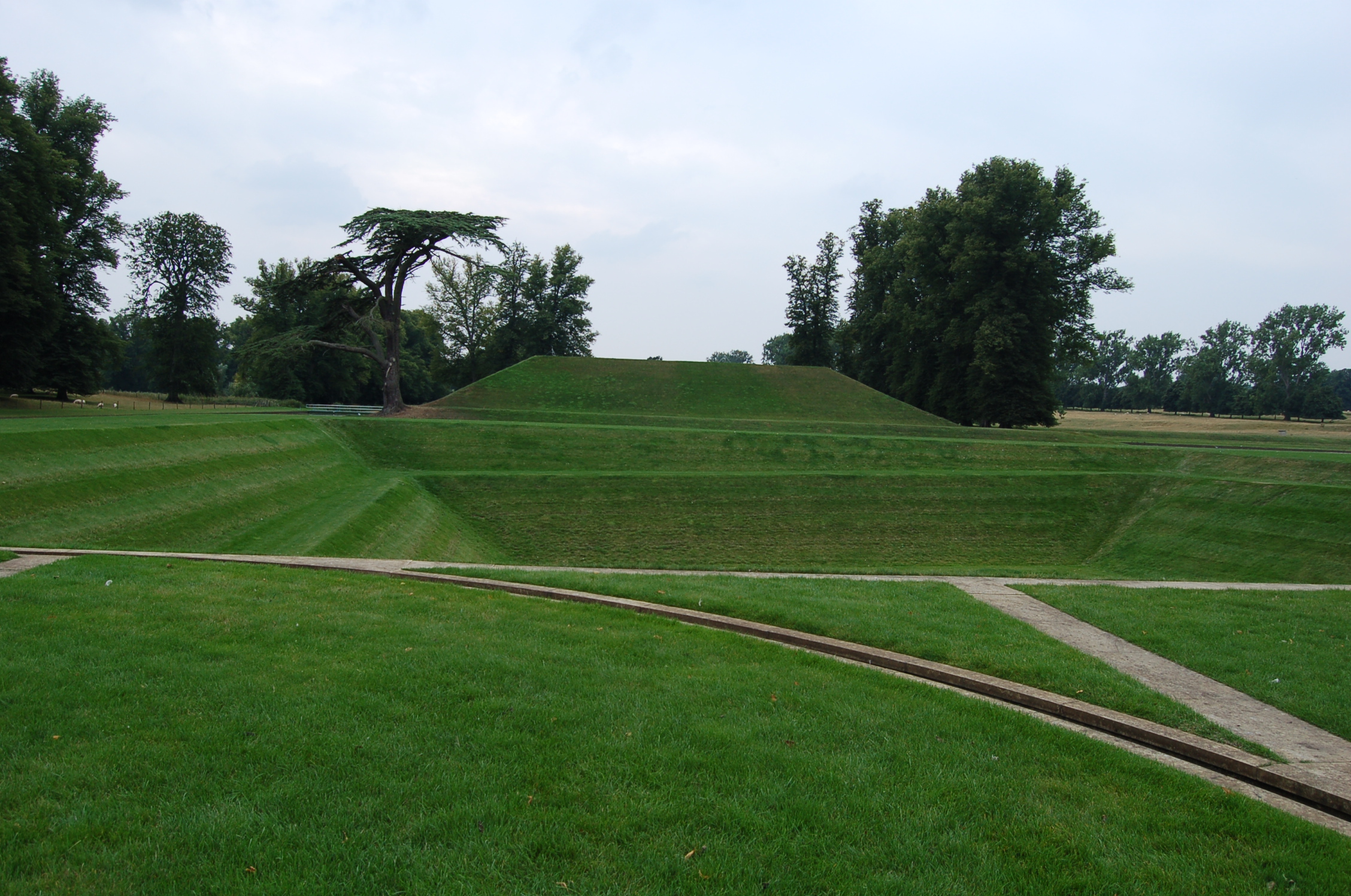
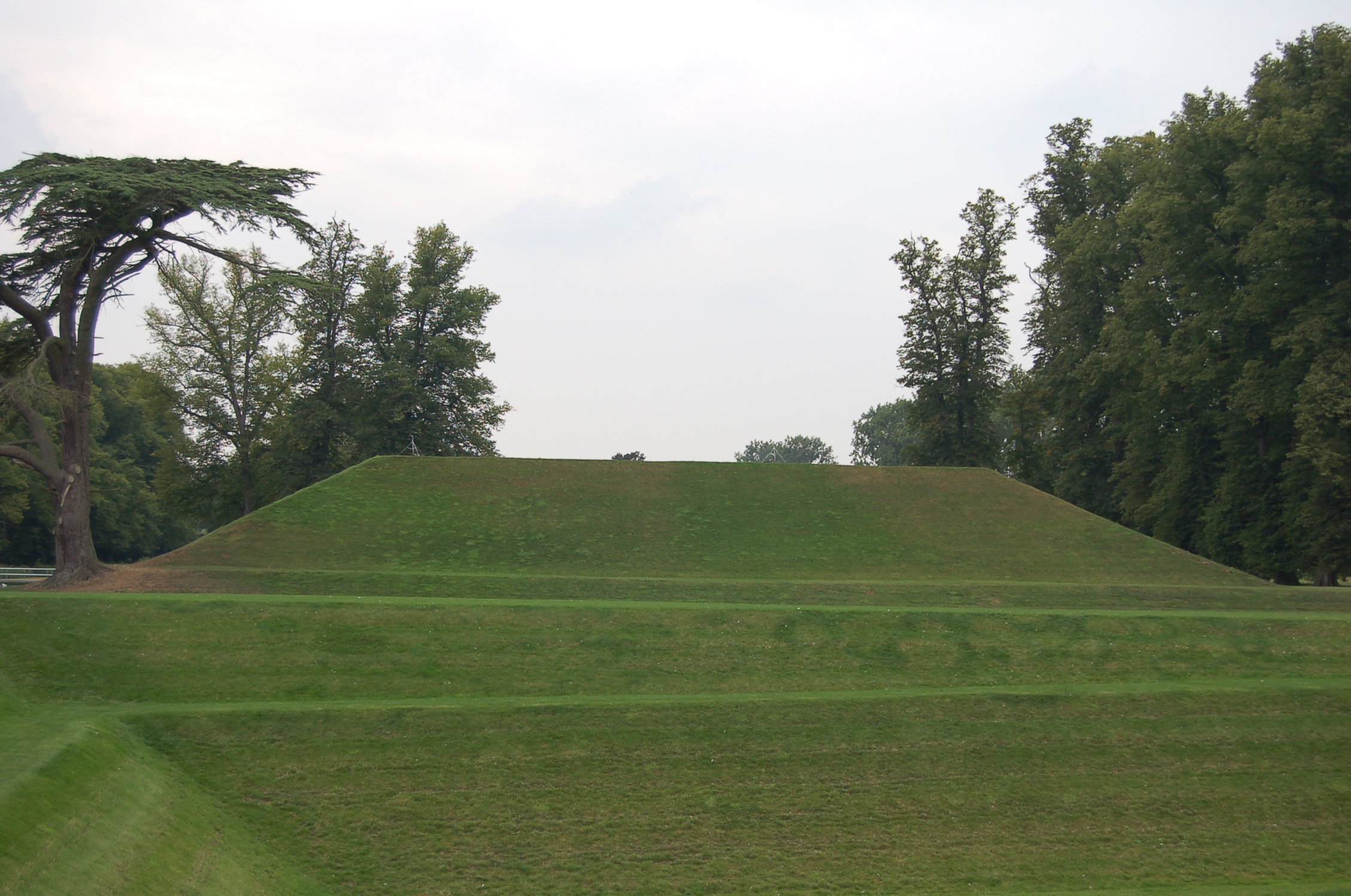
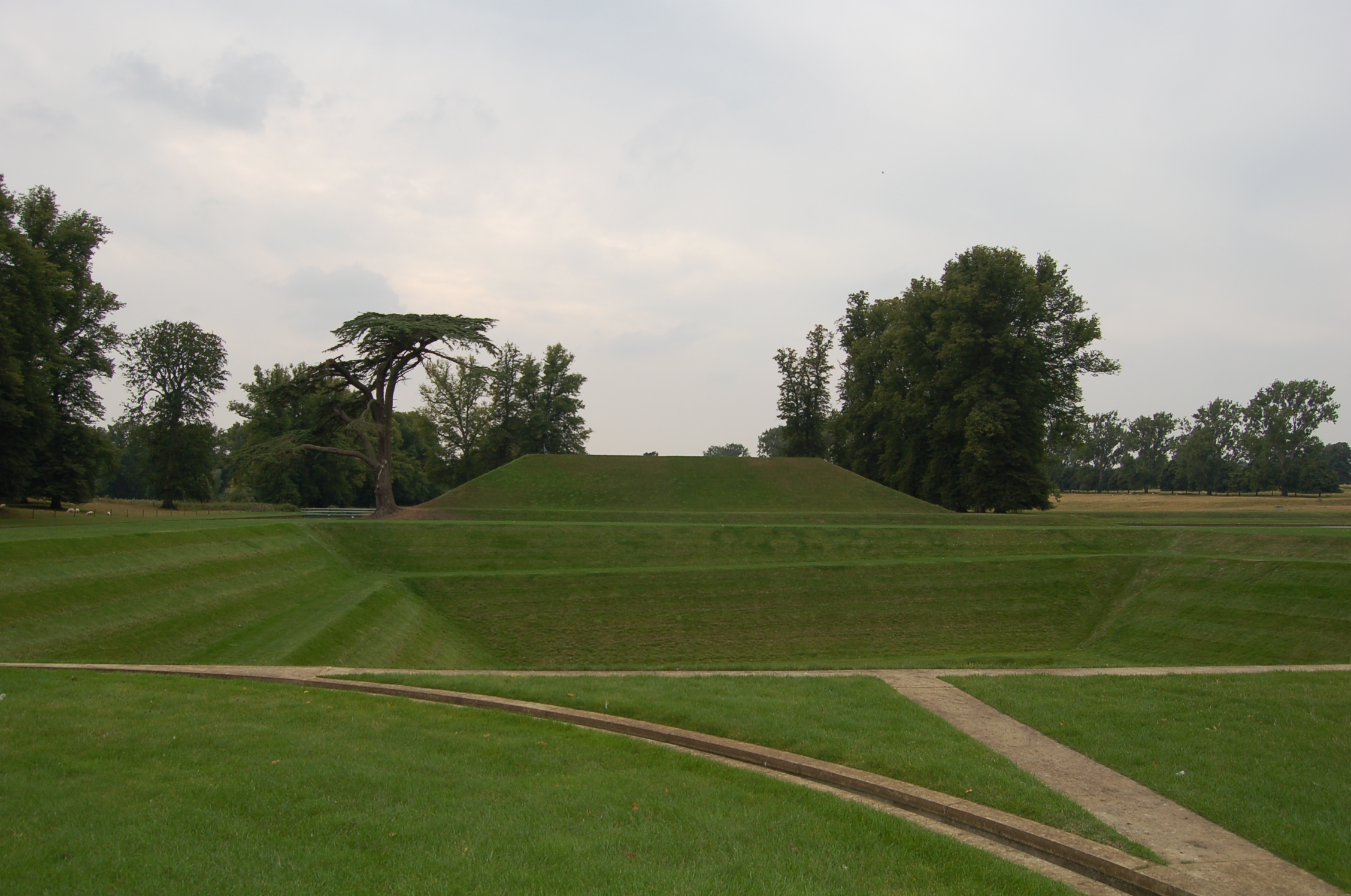
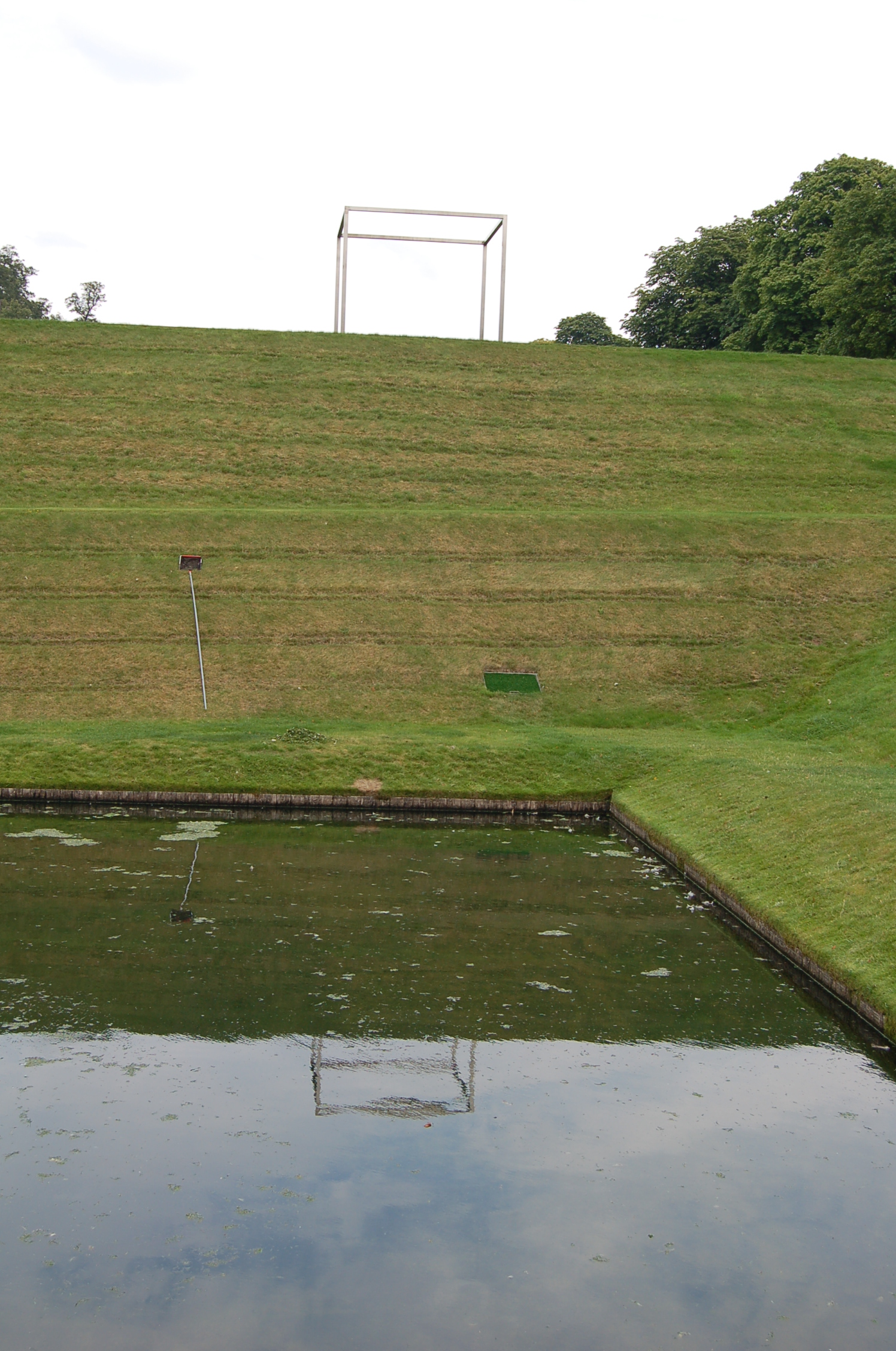
Sitting together nearby were “The Mount” and “Orpheus”, two landforms that matched, were based on the same pyramidal shape, juxtaposed perfectly but were conceived and constructed 3 centuries apart.

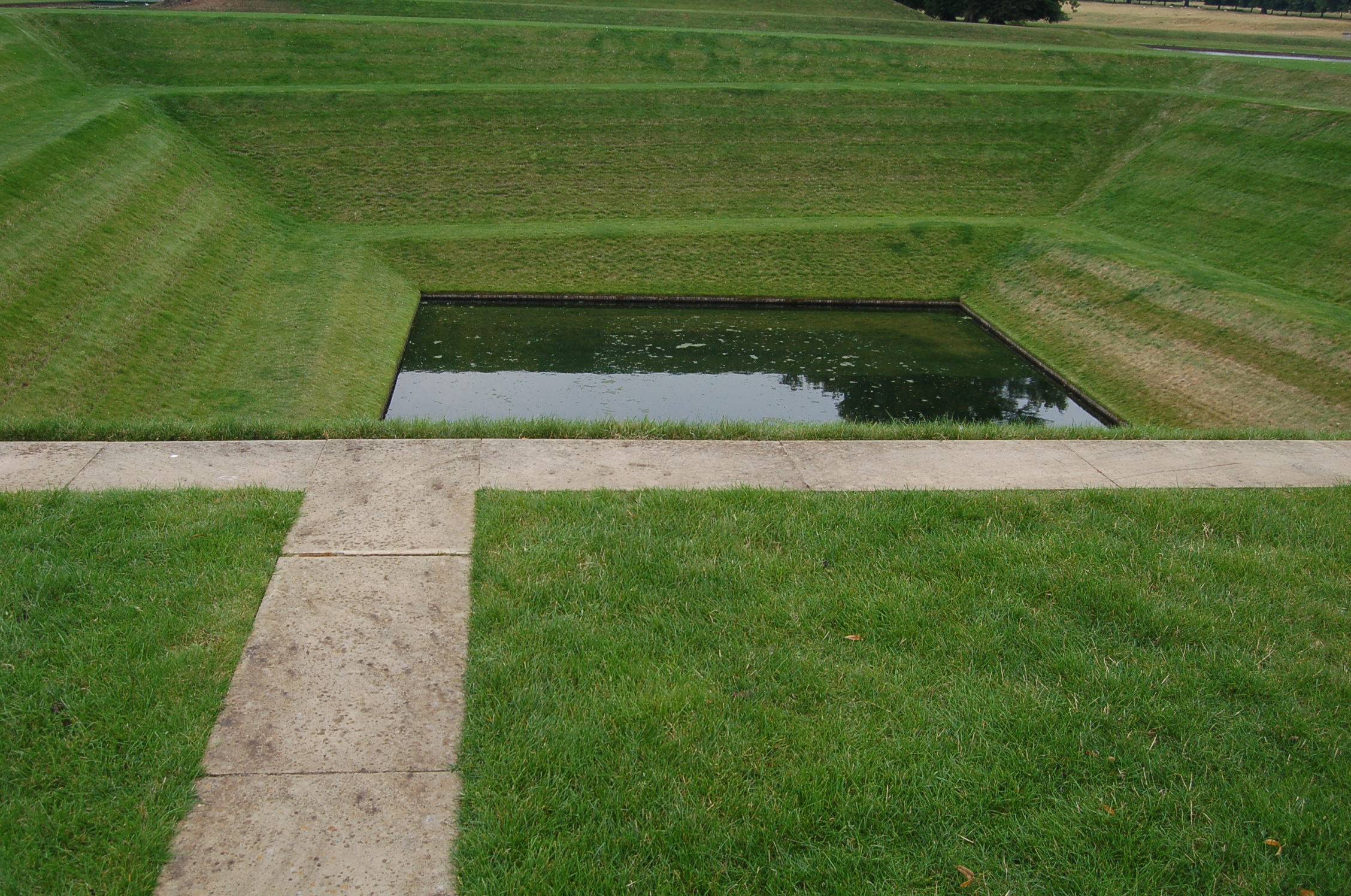
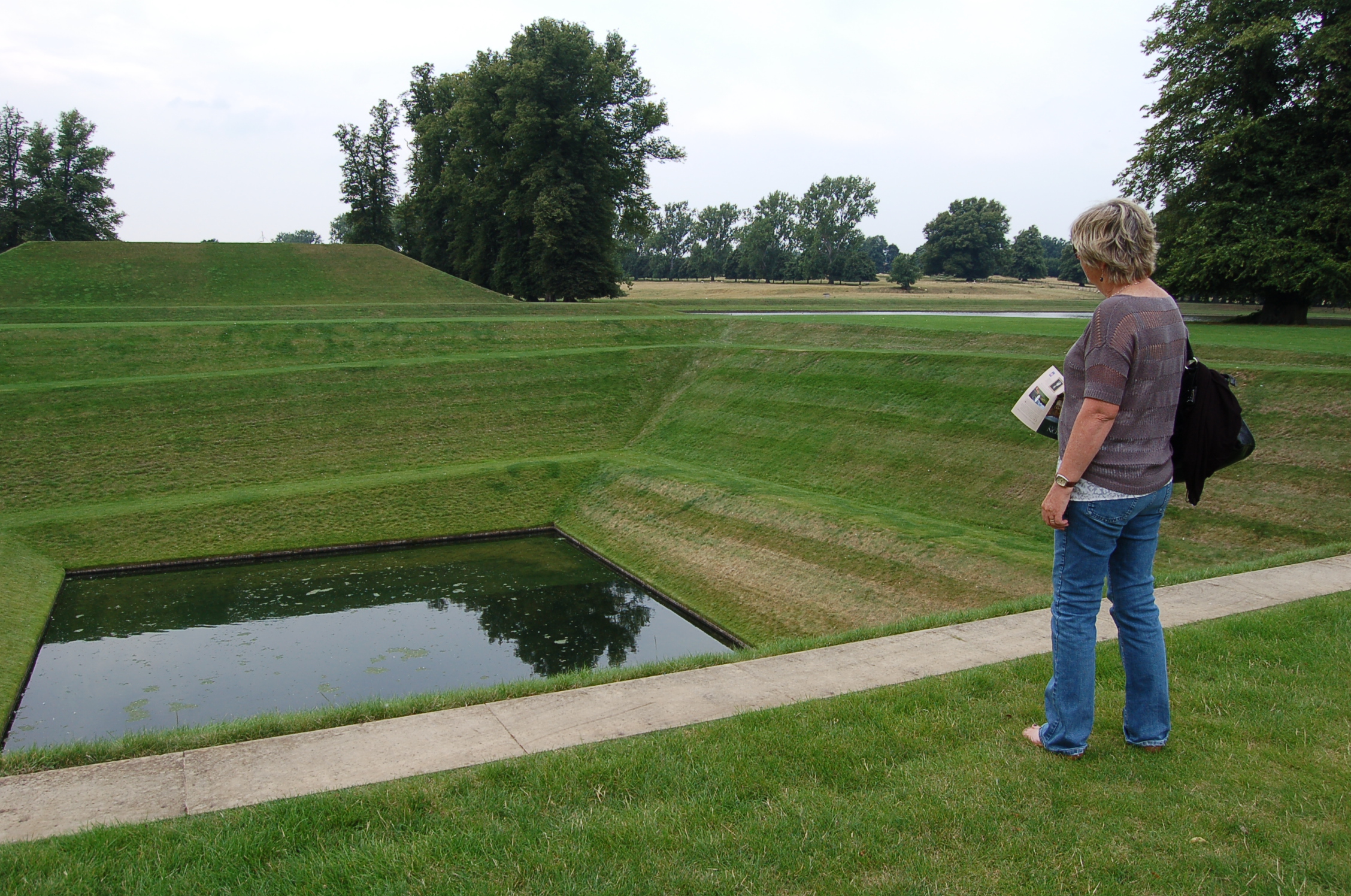
Kim Wilkie’s “Orpheus” is a hole in the ground which mirrors “The Mount” in both shape and dimensions.

2013 08 23_3011 2013 08 23_3012 2013 08 23_3013 2013 08 23_3015 2013 08 23_3016 2013 08 23_3017 2013 08 23_3018 2013 08 23_3019 2013 08 23_3020

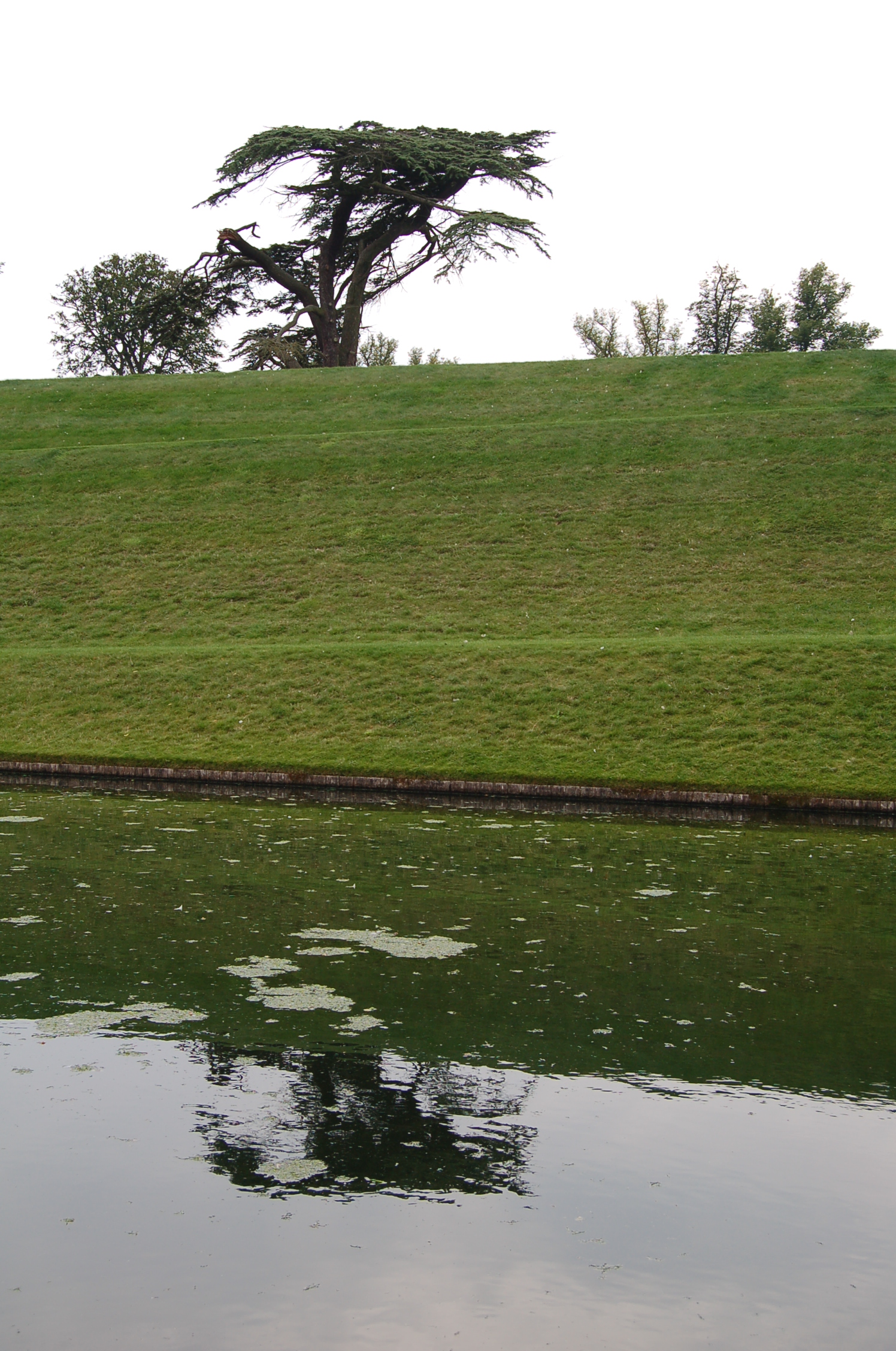
Although it was along way down to the bottom of Orpheus the path that led you there was very gentle and seemed almost level. Without effort we easily found ourselves at the bottom looking into the black water of the square pool.

2013 08 23_3024 2013 08 23_3023 2013 08 23_3028 2013 08 23_3029 2013 08 23_3030

To understand the scale of the landform, see if you can spot Jude, The Undergardener in the two photos below. Clue – she has a blue-grey jumper on.

2013 08 23_3033 2013 08 23_3035

Next we climbed “The Mount” which was the exact opposite experience. It afforded us a different perspective on the landscape through which we had walked.

2013 08 23_3043 2013 08 23_3048 2013 08 23_3049

Boughton though had more to offer. After a quick coffee break, with cake as well of course, we explored the more intimate gardens closer to the house. But that is another story for my next posting.

Categories
garden design garden photography gardening grasses hardy perennials Hardy Plant Society HPS ornamental grasses ornamental trees and shrubs Shropshire shrubs village gardens woodland

A Woodland Garden Retreat

So here we are back on our August garden visit day with the Shropshire branch of the Hardy Plant Society. I left you as we were on our way to a woodland garden created by two of our kindred hardy planters, Joe and Wendy.

2013 08 19_2785 2013 08 19_2786 2013 08 19_2787

Members had been asked to bring along some finger foods and some plants they had propagated themselves. The food was to become a tasty spread for all to enjoy – we know the hardy planters make mighty good picnics. The plants stocked a plant stall to help raise funds for the society. The picnic and the plants were tempting and looked really impressive. We were tempted into indulging in both, enjoying homemade cakes and bakes, freshly picked salad crops and peaches. Most members returned for refills at least once! We took home too many plants as well, being drawn to a deep orange crocosmia, a white flowering phlox, and a couple of plants new to us.

This combination of photos appealed to me – can you spot why?

2013 08 19_2788 2013 08 19_2789

But, I digress, the main purpose of the afternoon was to revel in the delights of this woodland garden in Penley, a little village in north Shropshire. Joe and Wendy have created a garden that invites the gardener’s feet to follow paths around corners and through arches to discover secrets and special plantings around every corner. Joe is one of those gardeners who can name any plant presented to him and just as we expected there were labels everywhere and we will admit to needing them. There were so many plants we didn’t recognise. Joe comes to our rescue on our group outings whenever the name of a plant alludes us or we come across a new discovery.

The final pic in the next set is a plant we have only seen a couple of times before and it is a real beauty – the only yellow flowered weigela.

2013 08 19_2790 2013 08 19_2791 2013 08 19_2792 2013 08 19_2795 2013 08 19_2796

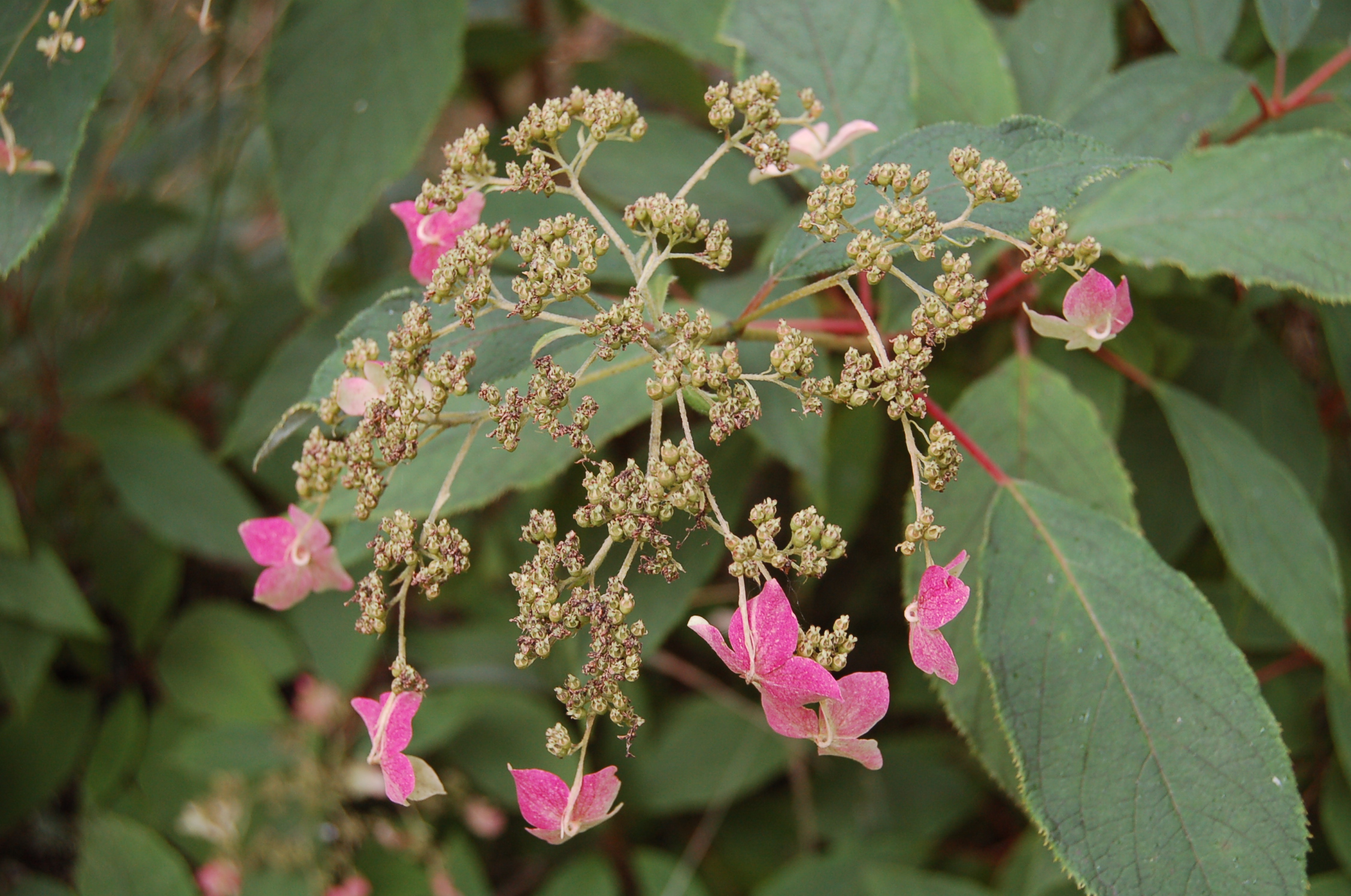
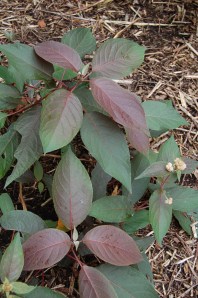
Joe’s real speciality is hydrangeas and we found them throughout the 4 acre garden. Here are a few the last pic is of a new variety called “Chocolate”, named after the colour of its leaves.

2013 08 19_2812 2013 08 19_2811 2013 08 19_2809 2013 08 19_2795 2013 08 19_2793 2013 08 19_2792 2013 08 19_2797

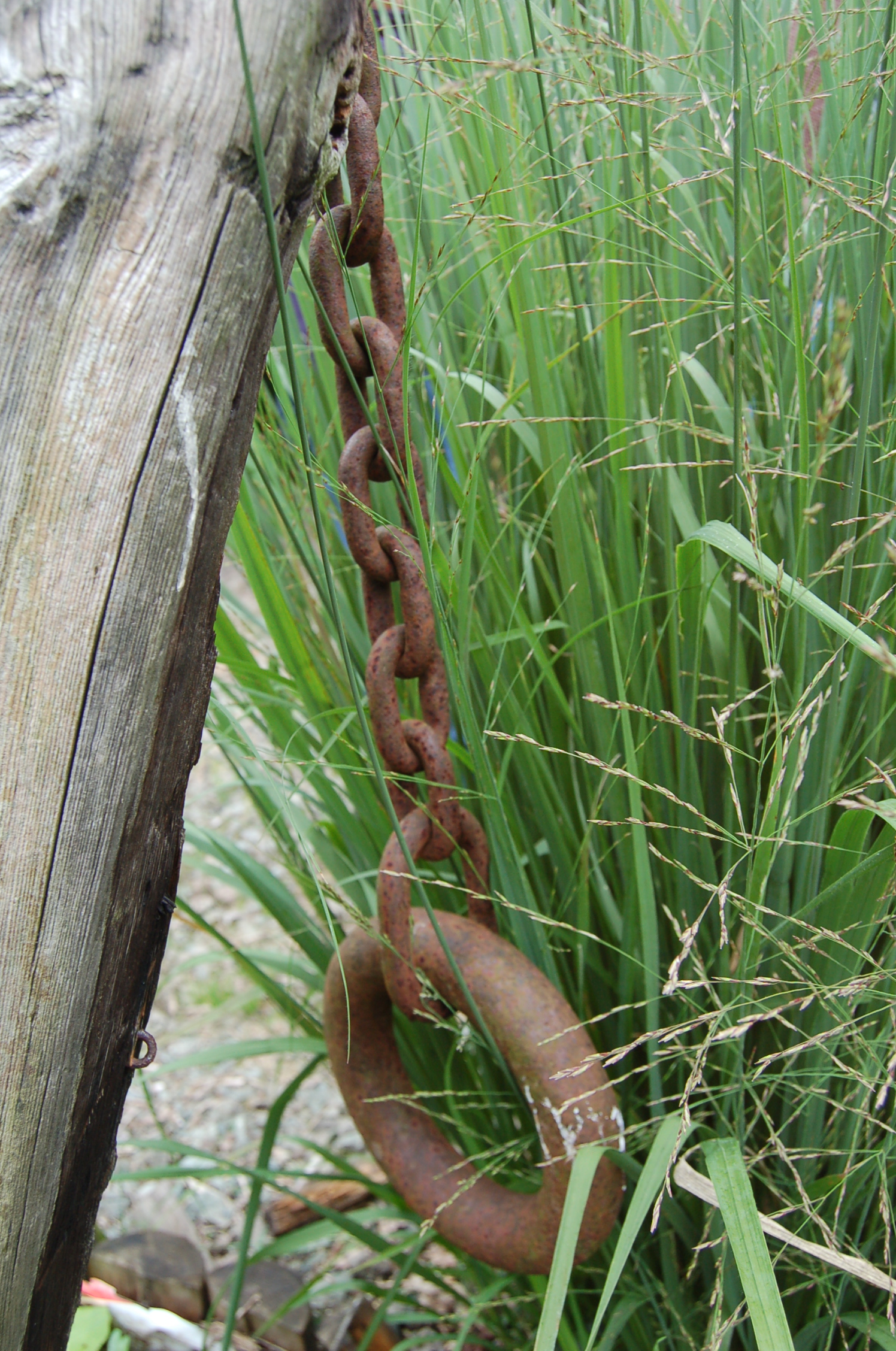
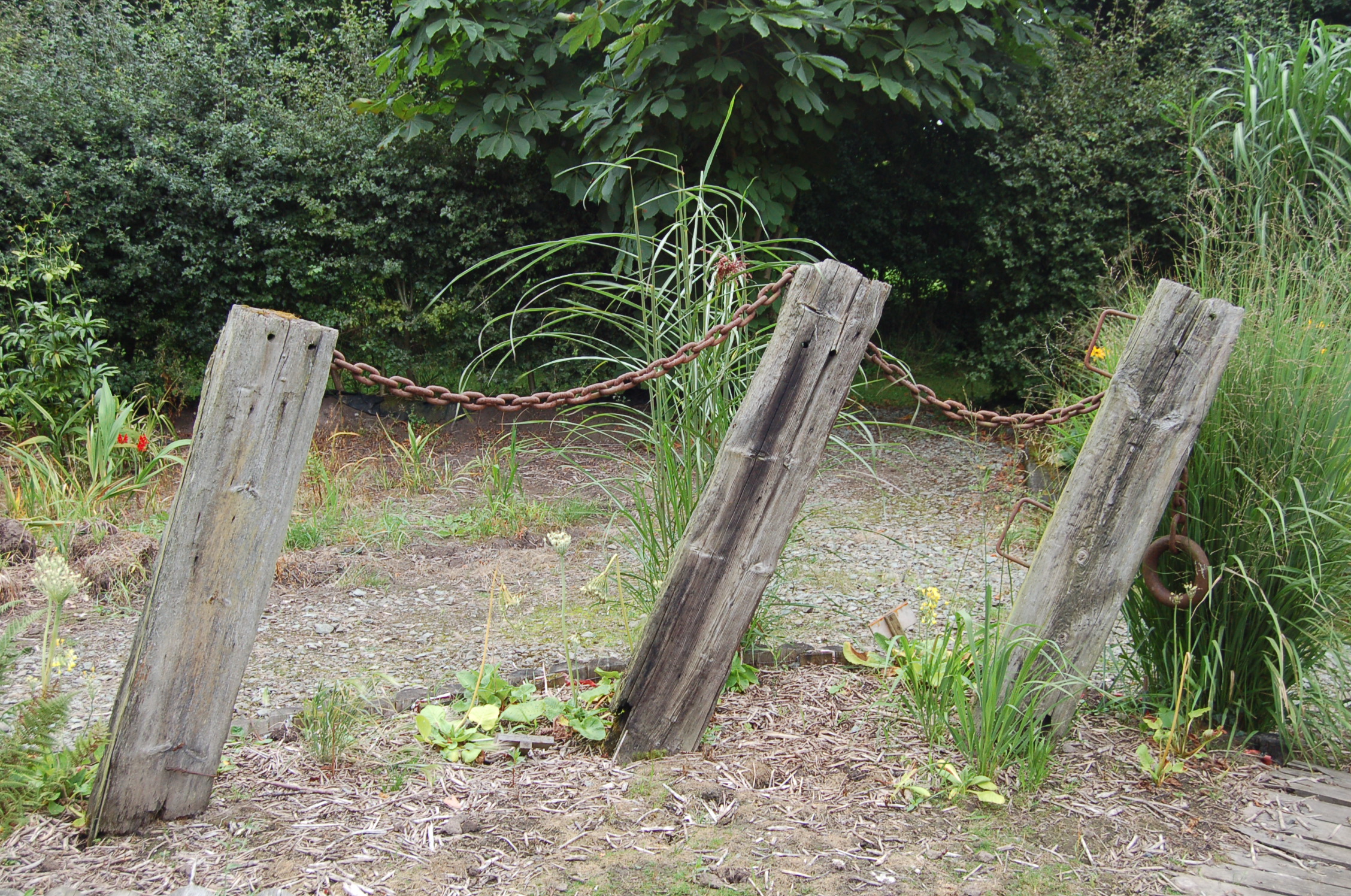
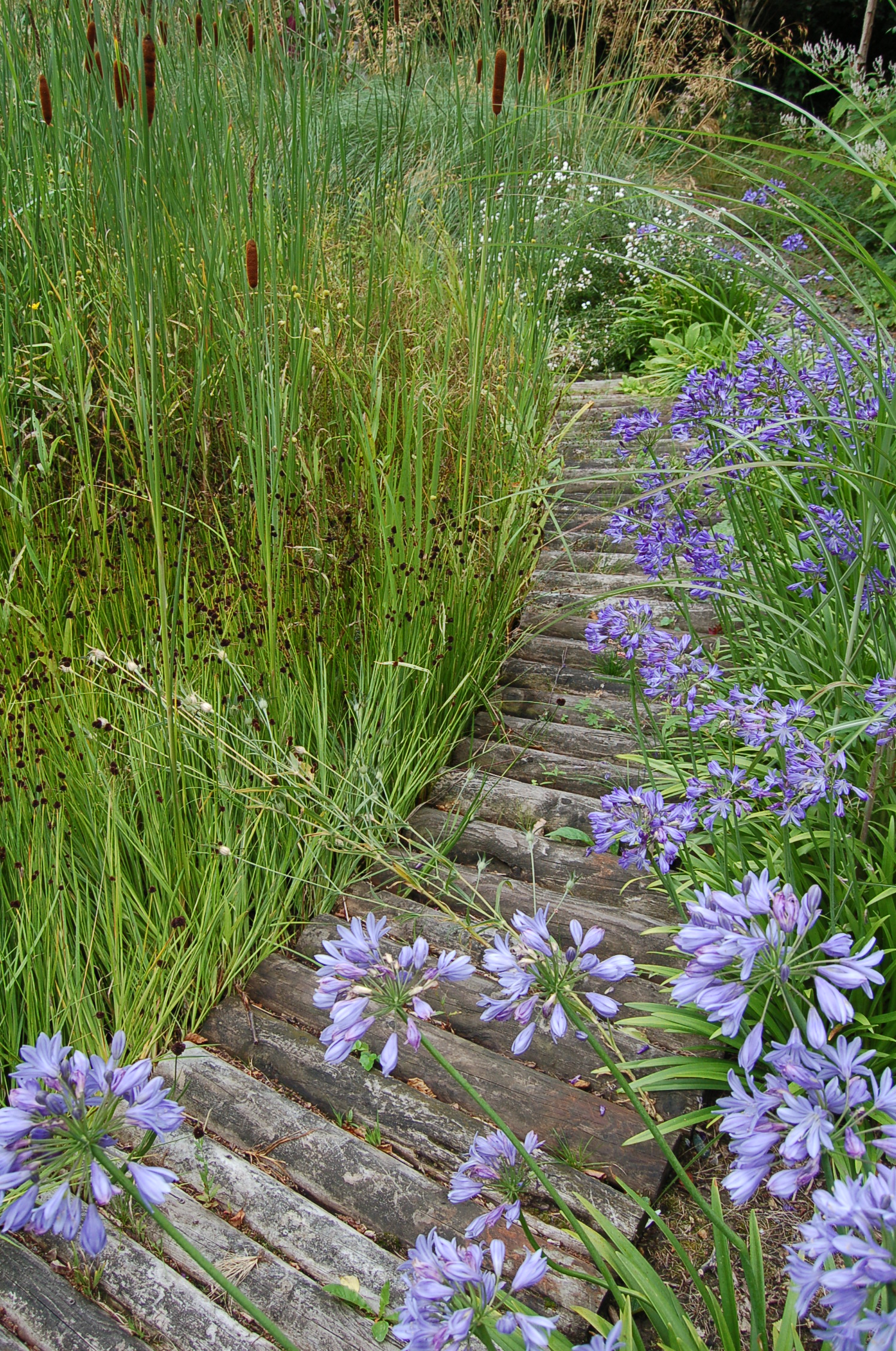
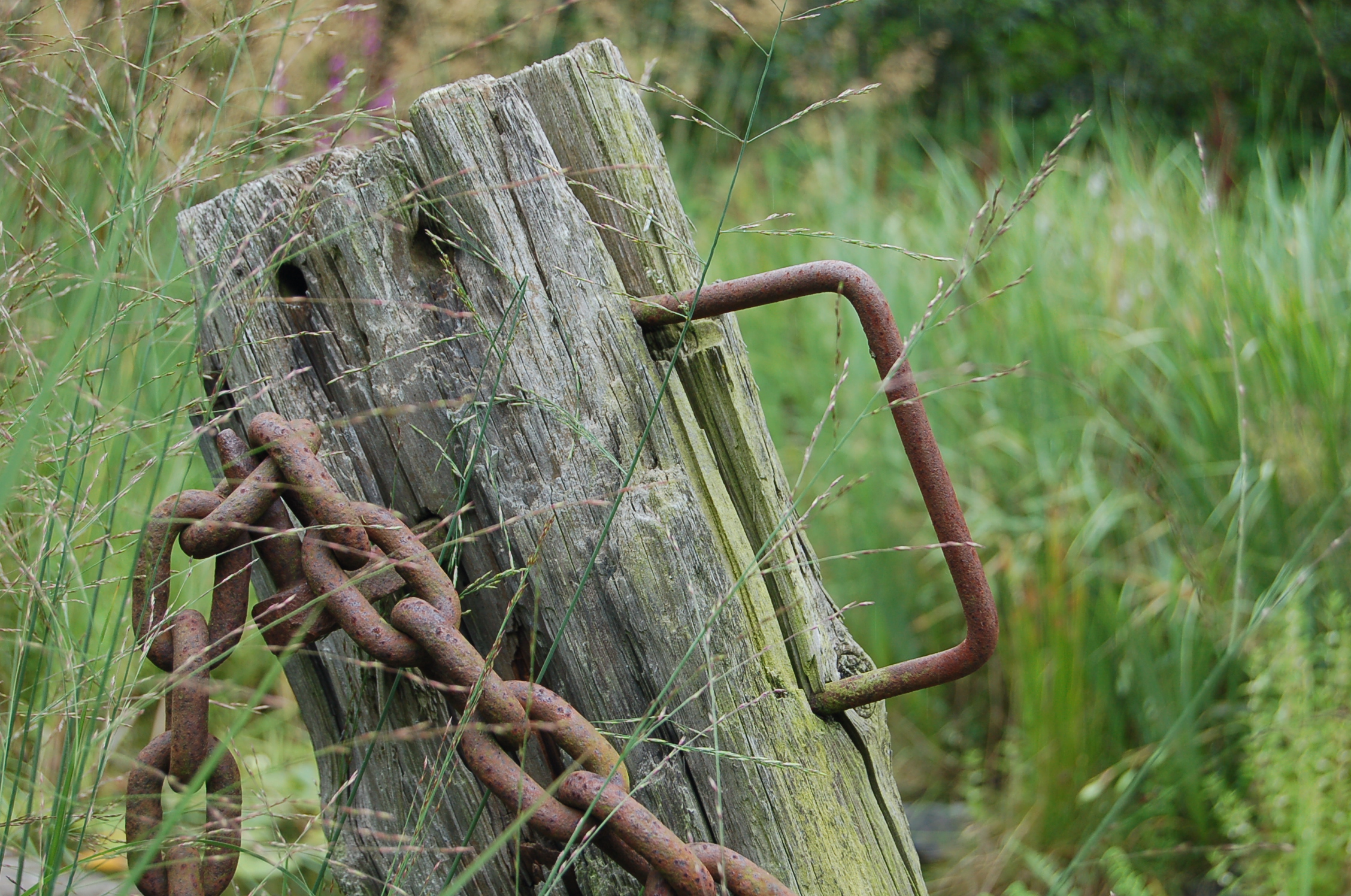
Right in the depth of the woodland we came across an opening that contained a delightful surprise, a pool with boardwalk surrounds. Grasses softened the wood and chain sculpture while splashes of colour were provided by the deep blues of agapanthus.

2013 08 19_2801 2013 08 19_2800 2013 08 19_2799 2013 08 19_2798 2013 08 19_2803 2013 08 19_2804 2013 08 19_2805

But this lovely garden was far more than trees and shrubs as Joe and Wendy have found space for some fine plantings of perennials.

2013 08 19_2807 2013 08 19_2808 2013 08 19_2810 2013 08 19_28132013 08 19_2814

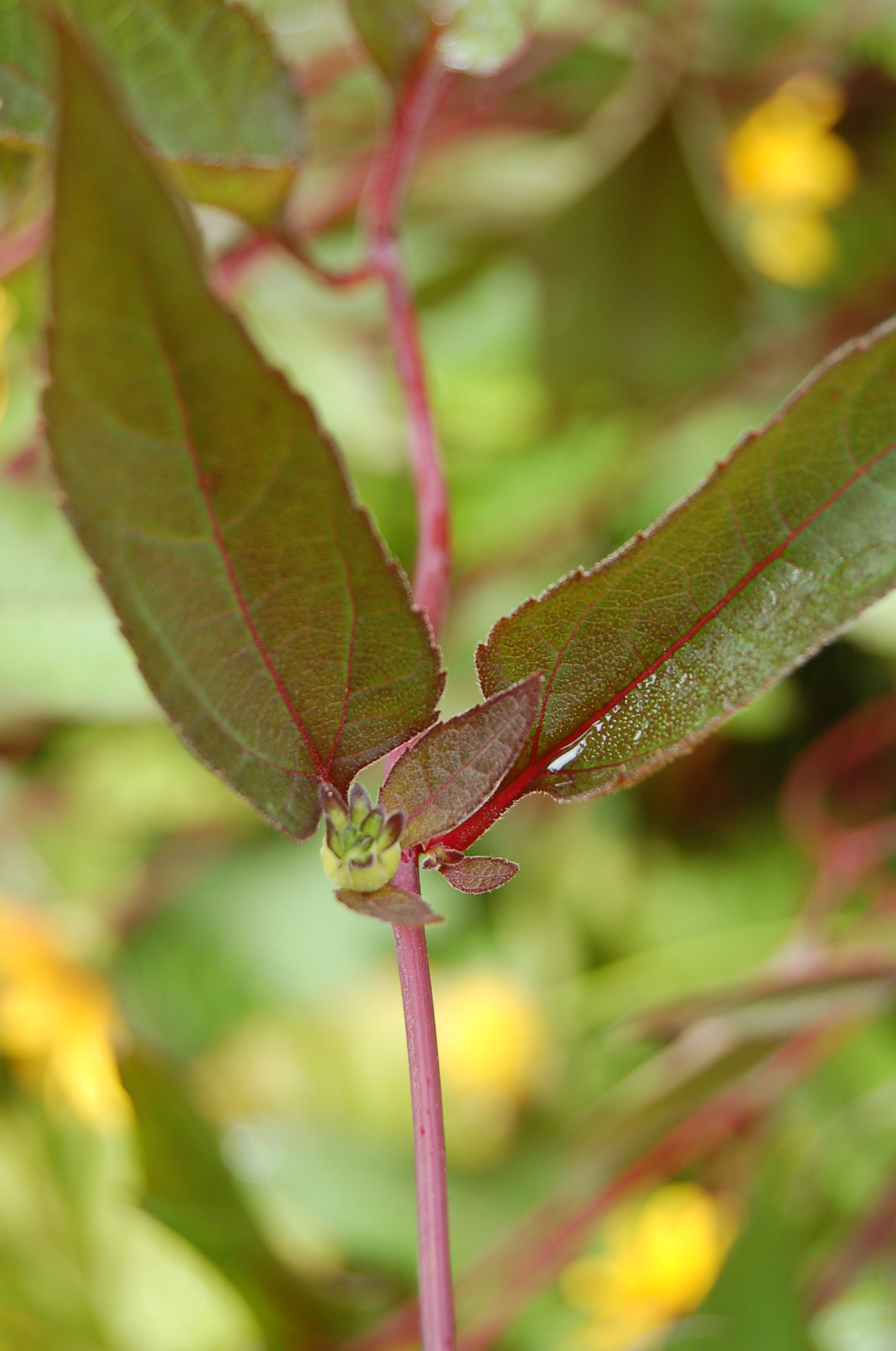
We were really pleased to find this stunning plant which features in the next batch of photos. We thought it as a rudbeckia but with its deep red stems, beautiful dark foliage and such delicate flowers we didn’t know which one, but what we did know was that we needed one for our garden, imagining how well it would sit in our hot border. So I took a couple of photos and went to seek out Joe who I confidently felt would proffer its name without even having to think about it, but when I showed him the photos on the back screen of the Nikon he referred me to Wendy as she was better at the non-woody members of their garden. So off to find Wendy who looked at the photos and also looked blankly, her memory having failed her. But being organised she had a planting list for each border and we soon discovered that it wasn’t a Rudbeckia at all, it was a Heliopsis “Summer Nights”. So it is down to us now to seek it out for our hot border.

2013 08 19_2815 2013 08 19_2818 2013 08 19_2819

So there we have it, a great day out in a great garden with lots of friends to share it with.

Categories
bird watching birds colours garden design garden photography garden wildlife gardening gardens open to the public hardy perennials July nurseries ornamental trees and shrubs woodland

A little woodland garden and nursery

The idea of visiting a small woodland garden with nursery and tea shop seemed a good choice for a visit on a hot, humid day. So an hour up the A49 into south Cheshire, one of our neighbouring counties, saw us pulling into the shaded grassed car park belonging to Stonyford Cottage Gardens on the edge of the Delamere Forest.

2013 07 27_2247 2013 07 27_2248 2013 07 27_2249

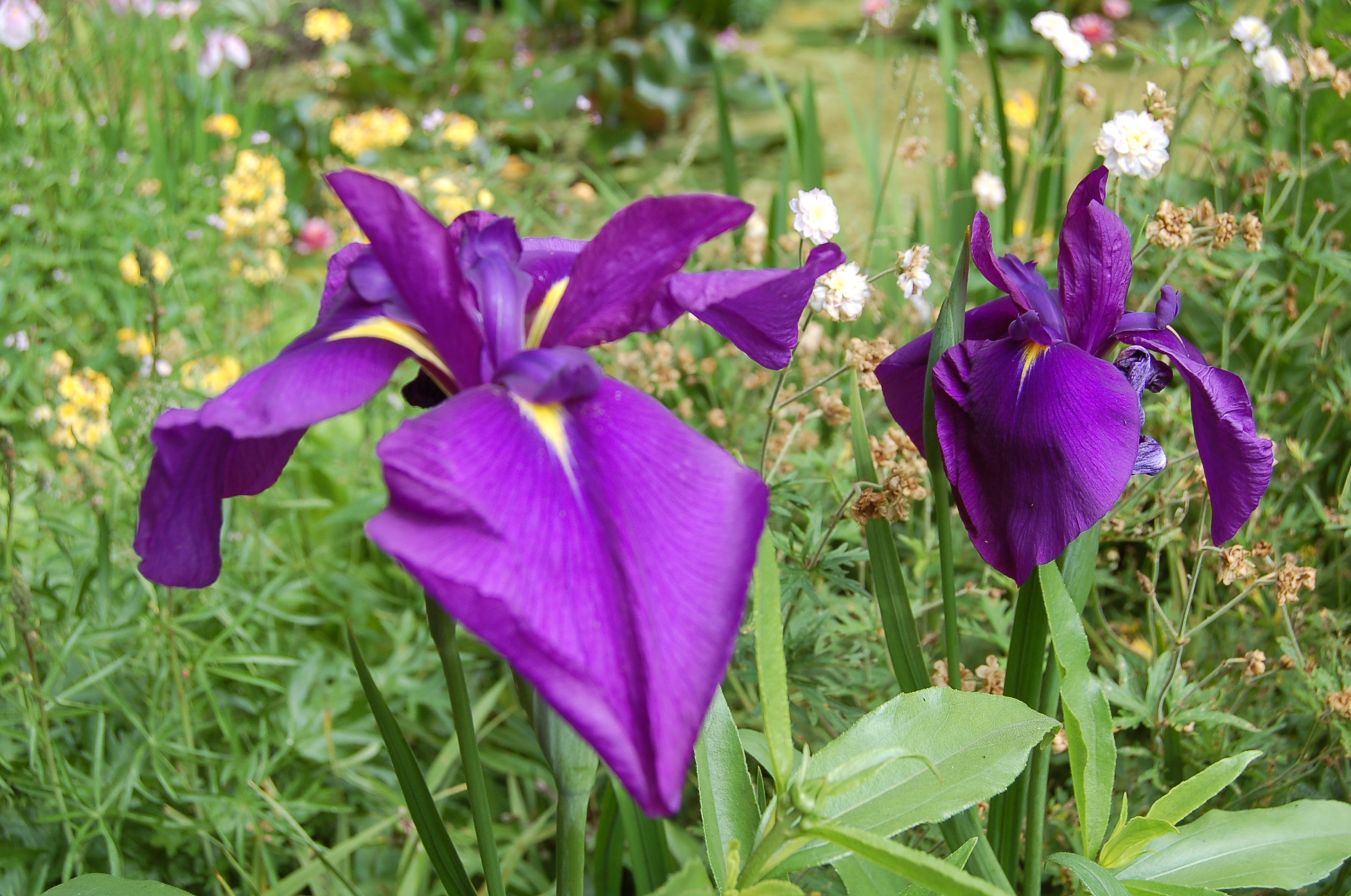
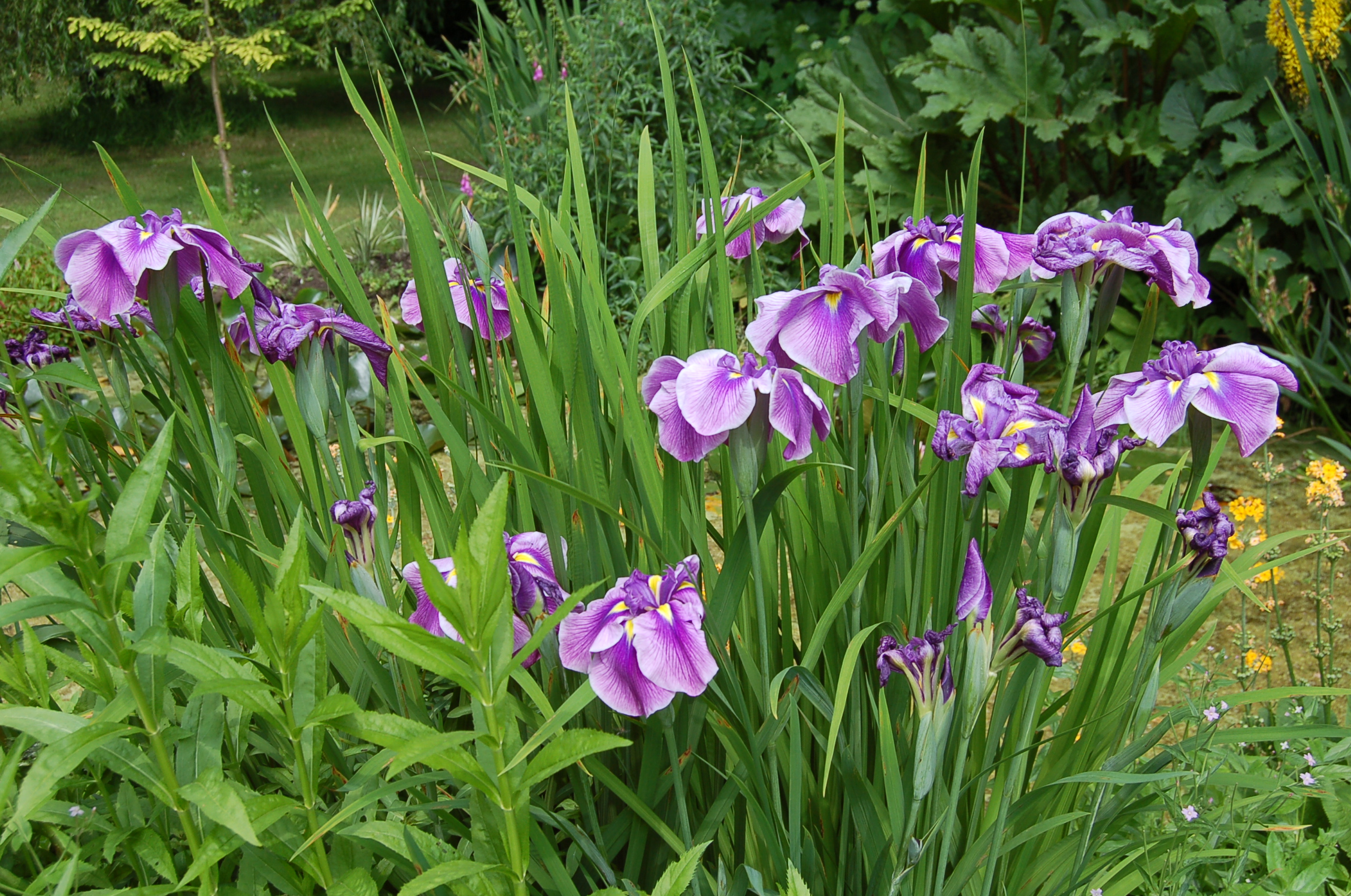
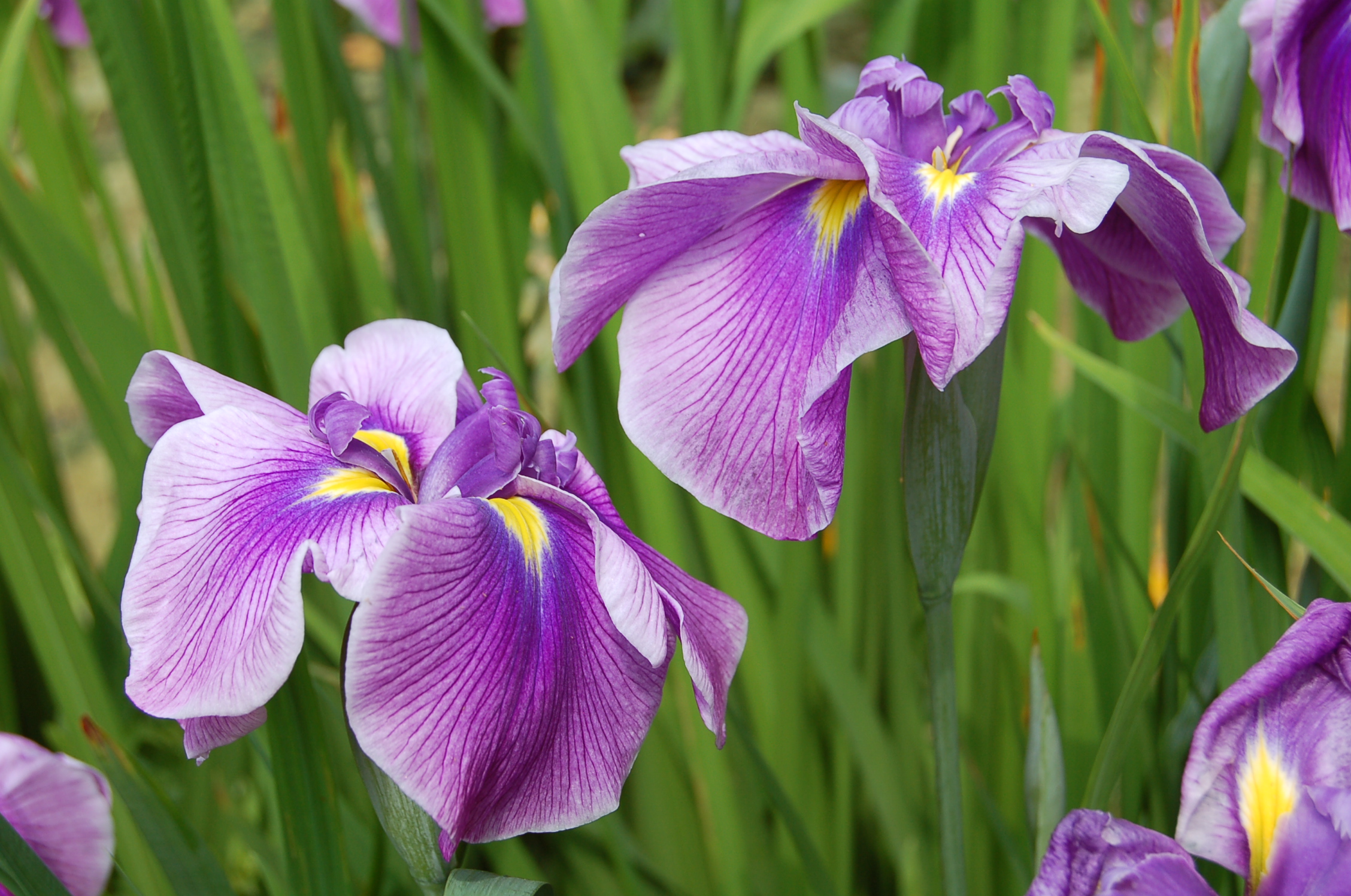
This is a garden created around a large pool surrounded by woodland through which winding paths find their way over wooden bridges and at times boardwalks. Areas of woodland plants and waterside or bog plants give places to rest and appreciate brighter colours amongst all the shades of green. Iris ensata were glowing in their waterside shaded spots, some the most intense purple possible.

2013 07 27_2250 2013 07 27_2251 2013 07 27_2252 2013 07 27_2253 2013 07 27_2254 2013 07 27_2255

The purple-leaved Forest Pansy at times took on a bronze hue. We found an unusual flowering shrub, the blooms of which perfectly matched the leaves of this shrub. Sadly neither of us could remember the name of this flowering beauty. We found it once a few years in a specialist tree/shrub nursery and almost bought it, but we were unsure of the conditions it desired. We have regretted not being tempted by it ever since, especially when we come across it in flower like this!

2013 07 27_2256 2013 07 27_2257 2013 07 27_2258 2013 07 27_2264

In the centre of the woodland a hide with seating affords us a longer stop and we took in the sounds of the stream and of birdsong.

2013 07 27_2265 2013 07 27_2266 2013 07 27_2267 2013 07 27_2268 2013 07 27_2269 2013 07 27_2276

One of the beautiful aspects of a woodland setting for a garden is the richness of the light where dappled light plays on any rich colour it finds.

2013 07 27_2272 2013 07 27_2275 2013 07 27_2274 2013 07 27_2273 2013 07 27_2277

And of course we finished our day relishing tea and Bakewell Tart sat out in the shade of the trees in the tea garden. Sheer luxury!! This is what we retired for!

2013 07 27_2278

Categories
arboreta Banbury countryside garden design garden photography gardening gardens open to the public hardy perennials meadows National Garden Scheme NGS ornamental trees and shrubs Oxfordshire trees woodland

Broughton Grange – the outer edges.

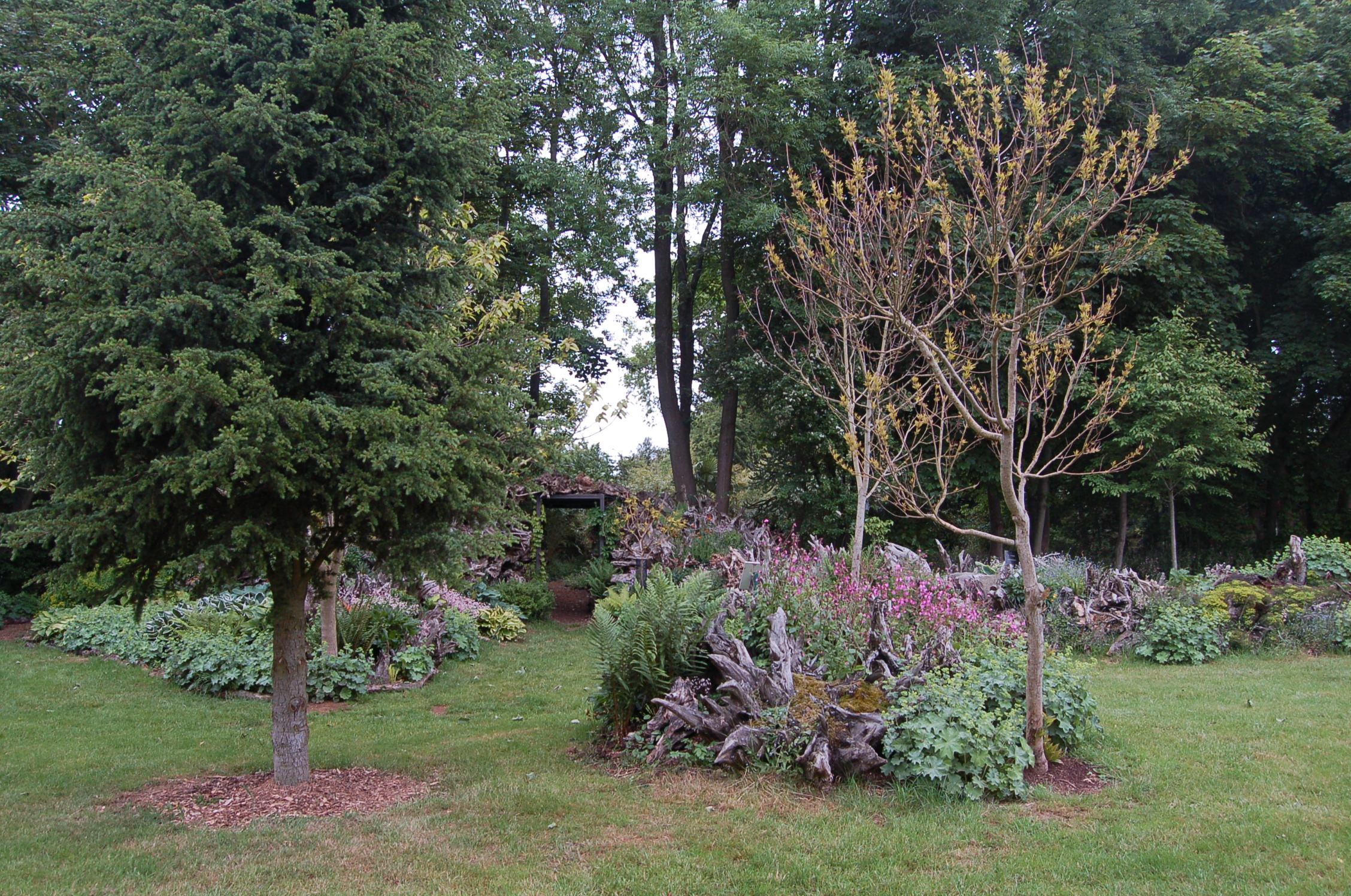
Back to Broughton Grange and we can go through the piece of garden architecture, the stumpery arch and find that it becomes a whole garden growing around stumps on the other side. Old stumps were beautifully planted with varieties of Hostas, Ferns and Alchemilla.

2013 06 26_1375 2013 06 26_1377 2013 06 26_1376

Beautifully curved paths presented us with rich choices. Each path led to interesting specimen trees. Of course I had to start by following the route to the chestnuts, their deep salmon coloured towers of flowers covered even these young trees.

2013 06 26_1379 2013 06 26_1378 2013 06 26_1381 2013 06 26_1380

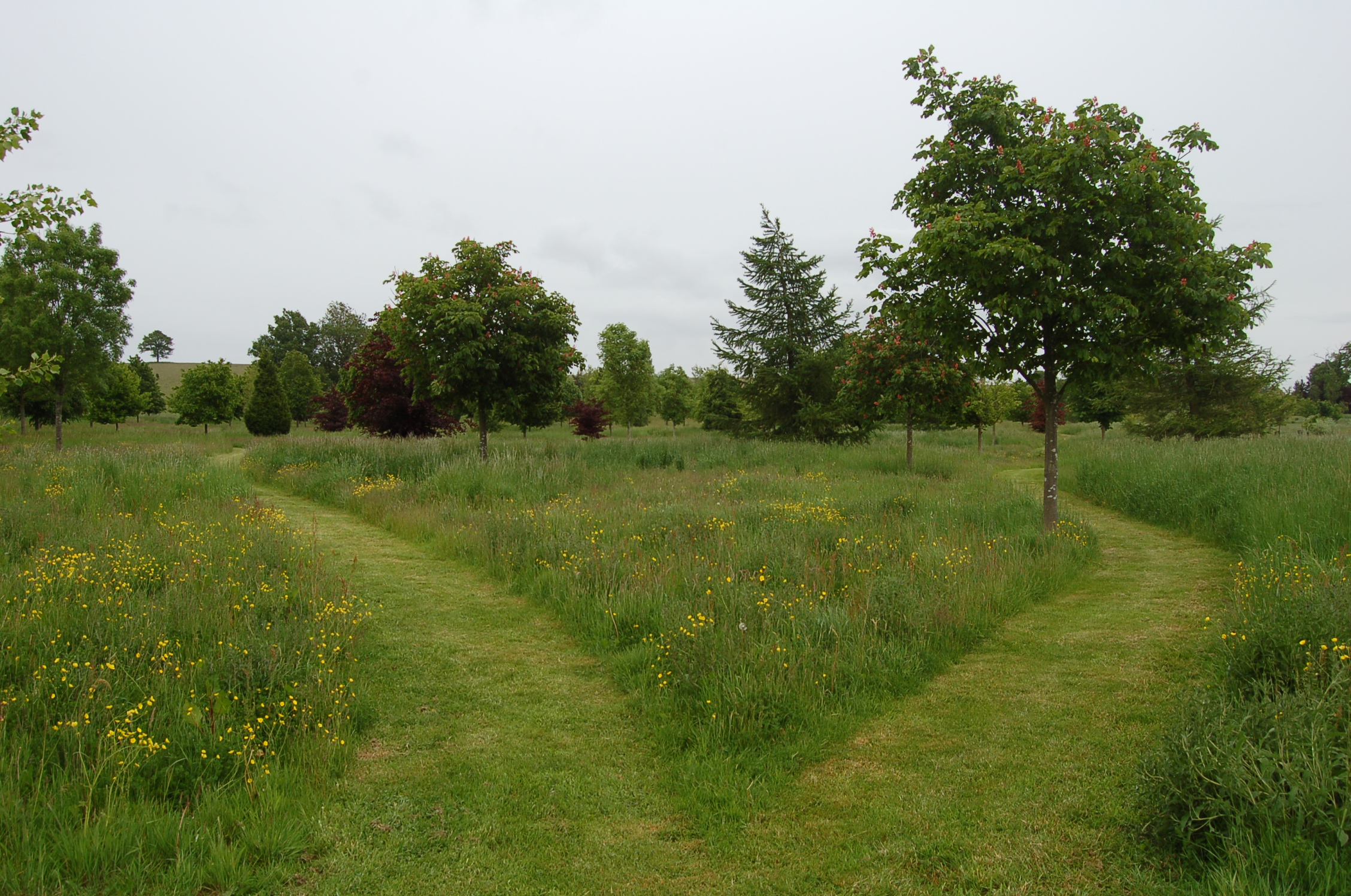
Cut through the arboretum were straight avenues each featuring a different variety of tree, such as chestnut and lime. This was a an effective contrast to the sinuous paths wriggling through the meadows growing under the young trees throughout the arboretum. These avenues gave long views to the Oxfordshire countryside beyond the boundaries of the garden and parkland.

2013 06 26_1382

2013 06 26_1371 2013 06 26_1379

So if you like good garden design, interesting plants, trees, meadows and of course the obligatory coffee and cakes and want a good relaxing day out keep an eye on the website for Broughton Grange and make sure you go along and see it for yourself.

Categories
climbing plants colours garden design garden photography gardening hardy perennials ornamental grasses ornamental trees and shrubs outdoor sculpture poppies roses Shropshire shrubs

A Bouquet for June

2013 06 26_1443 2013 06 26_1434

The stars of June h to be the alliums this year, which is rather odd because roses should be outshining them by now. Everything in our garden though is a good month behind this year after a strange start to the year where weather was concerned. Our roses usually begin to bloom in May and peak in June but they are just beginning their show now.

2013 06 26_1437 2013 06 26_1408

2013 06 26_1424 2013 06 26_1423

The front garden is almost over full this year with periods of warmth and wet weather creating ideal conditions for plant growth.

2013 06 26_1430 2013 06 26_1429

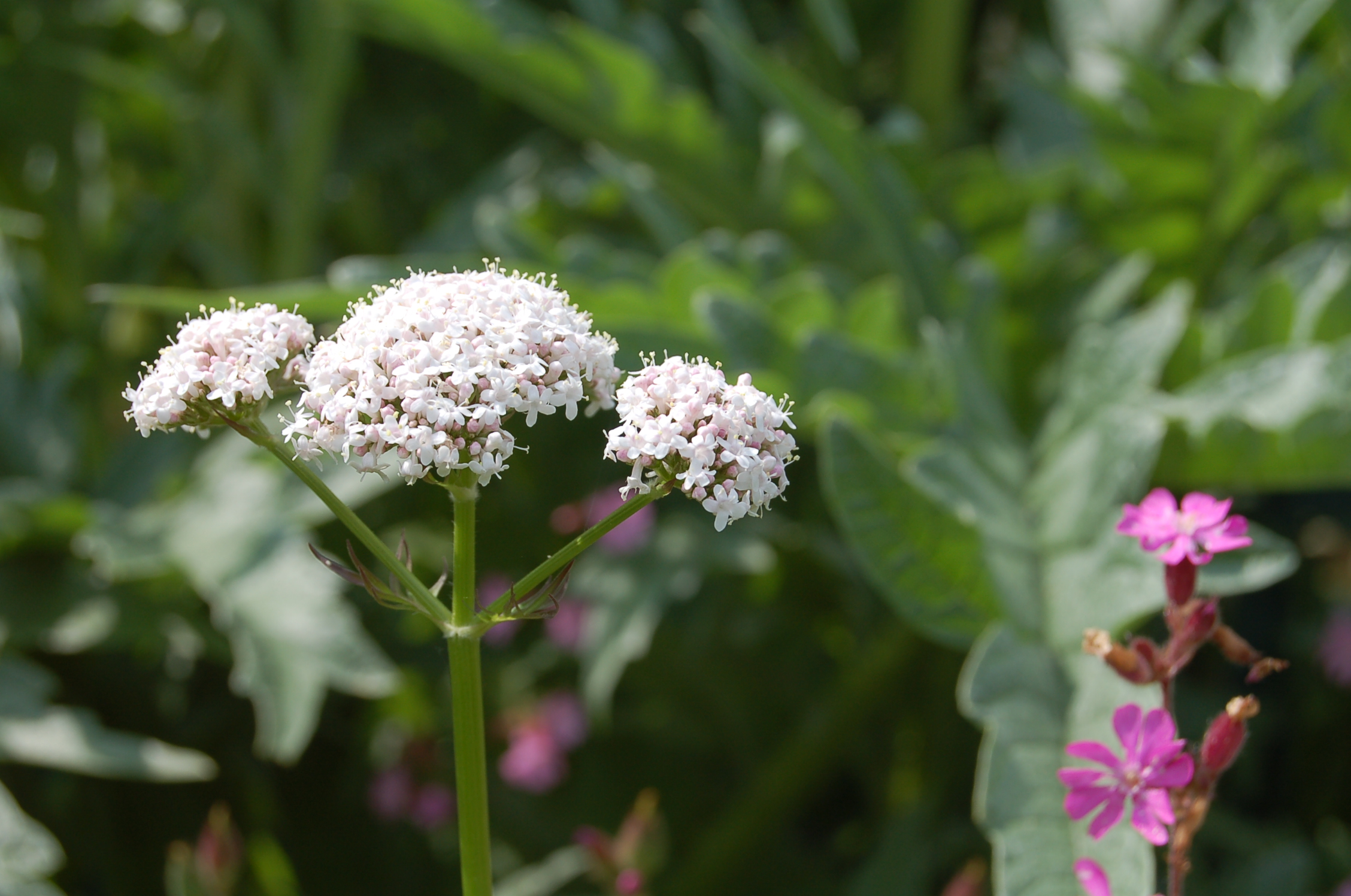
So the borders look lush and extra green. The gravel garden looks fuller than ever and we are pleased to see the return of our “purple flowered wild carrot” which we planted as a very small specimen last year. The first of the photos below shows this umbellifer in front of Euphorbia griffithii and the second a self-seeded achillea, another umbellifer growing through the same euphorbia. This promises to be an interesting colourful patch soon.

2013 06 26_1431  2013 06 26_1433

The stump garden is looking particularly pleasing just now and close up we can see tiny little sedums growing in the dimples of the old oak wood.

2013 06 26_1435 2013 06 26_1436

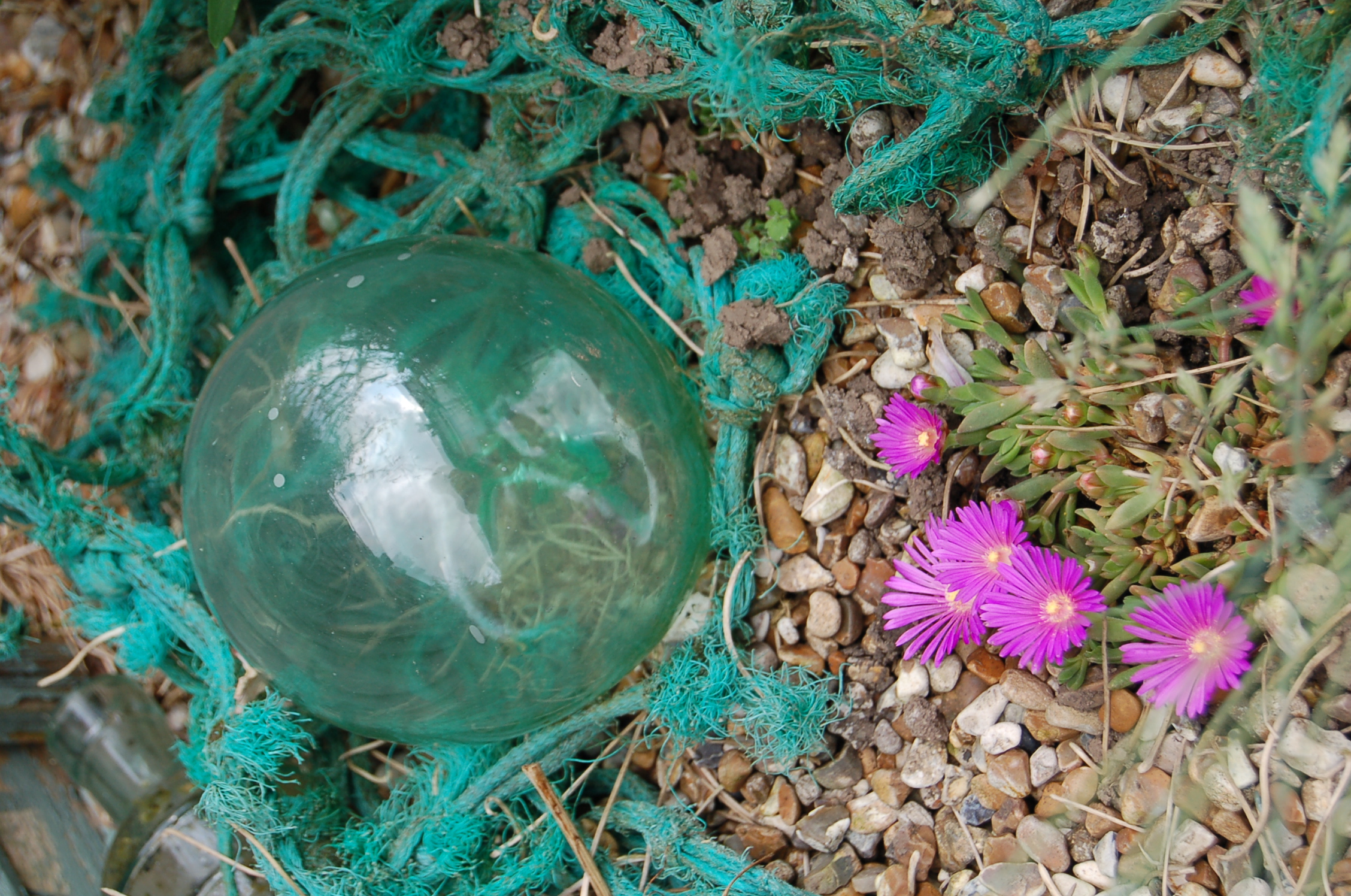
In the last few days we have given the Seaside Garden a tidy up.We painted the fence, removed old woody plants, added a few new ones and put up some cleaned netting which was some recycled fishing net originally used off the north coast of Scotland.

2013 06 26_1428 2013 06 26_1427 2013 06 26_1426 2013 06 26_1425

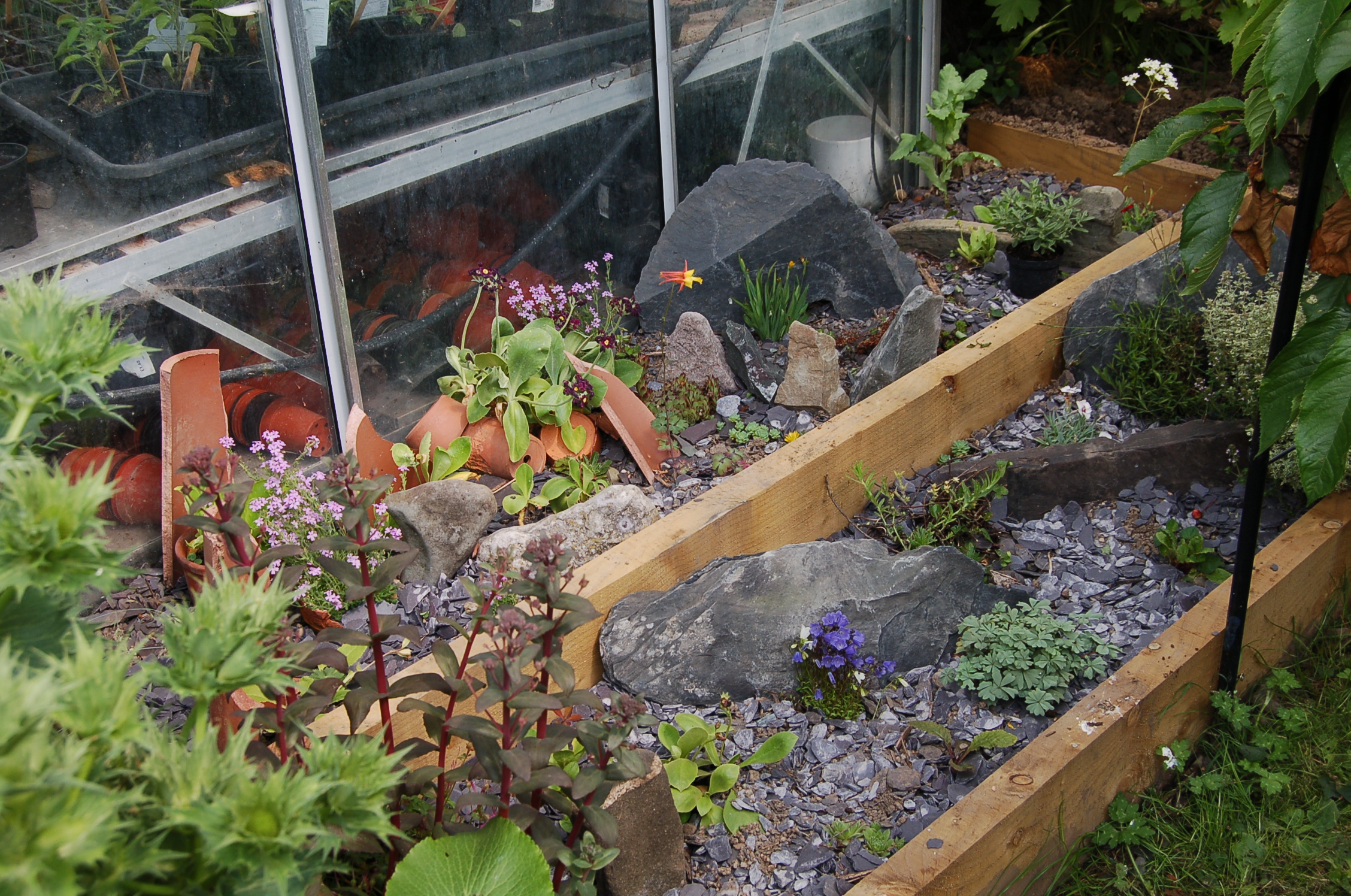
We also needed to revamp our little scree bed – it is odd how if one patch in the garden needs a re-vamp there always seem more. We had to replace all the wooden edging which had rotted and many of the plants had outgrown their spaces. We top-dressed the bed with fresh slate chips, a by-product of the slate mining industry and added a few new alpine plants.

2013 06 26_1442

Let us wander around now using a gallery – just follow by clicking on any photo and use the arrows to navigate. Enjoy the journey!

Categories
birds gardens open to the public National Trust nature reserves photography Shropshire The National Trust trees wildlife winter gardens woodland

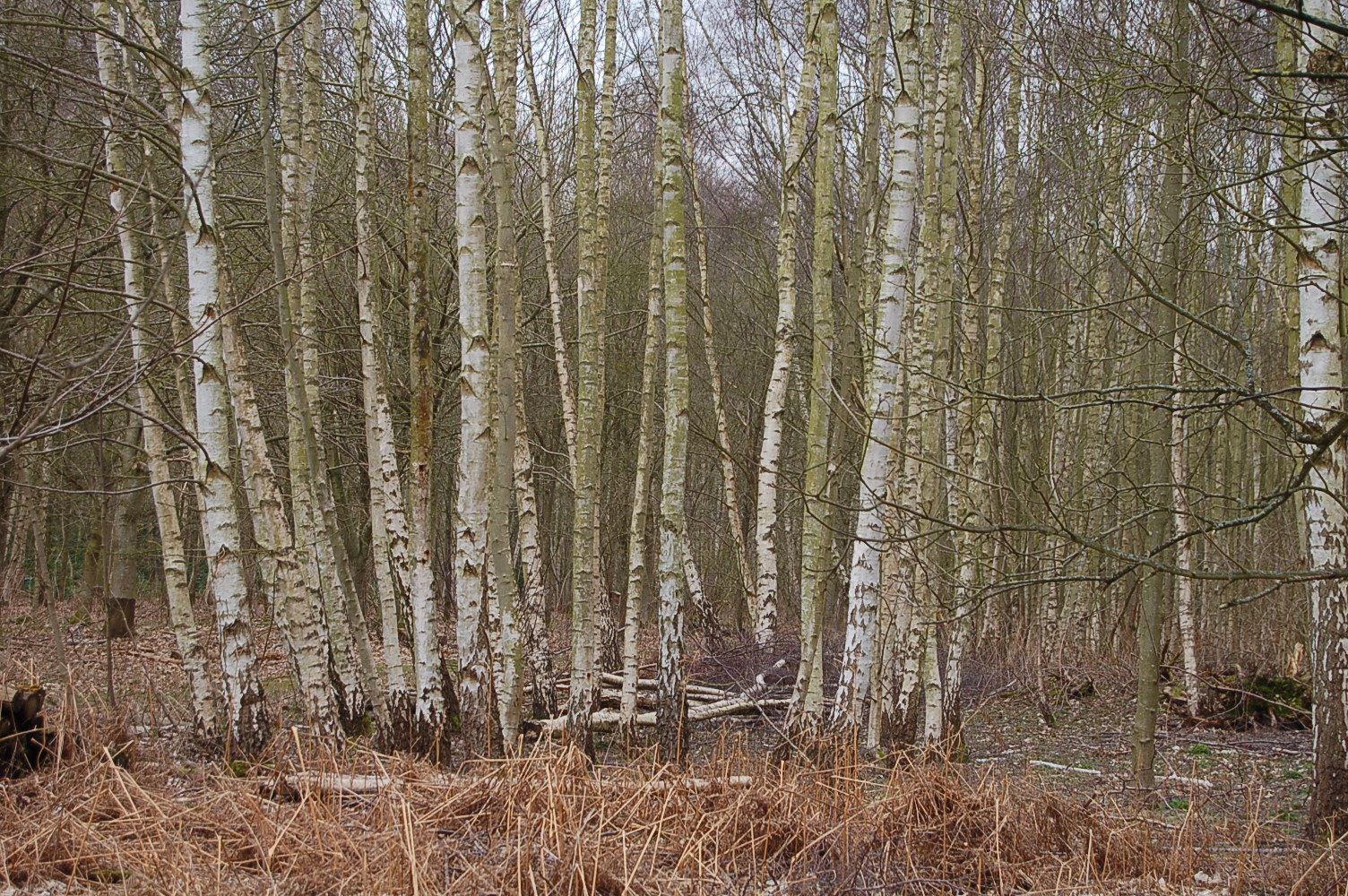
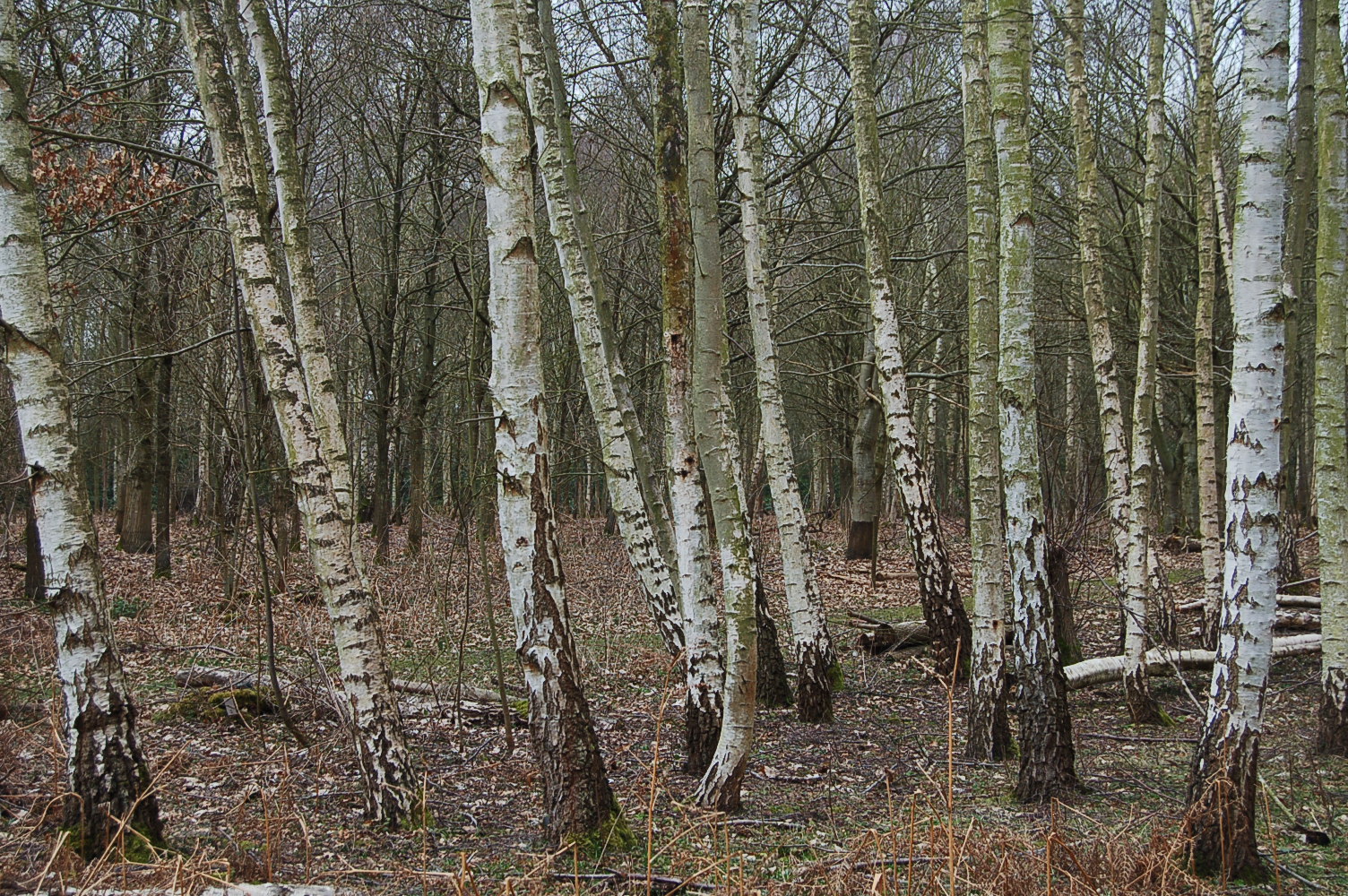
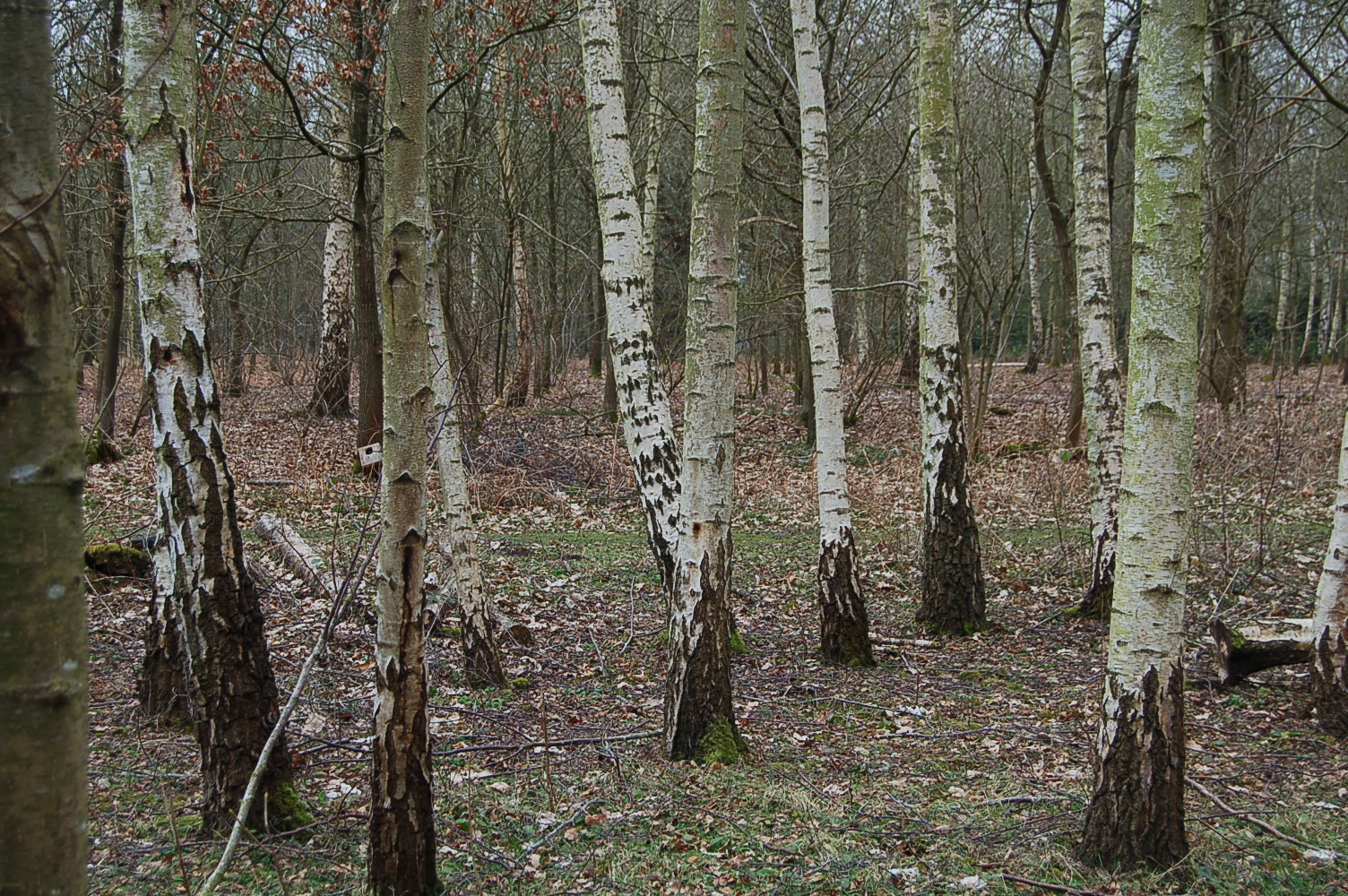
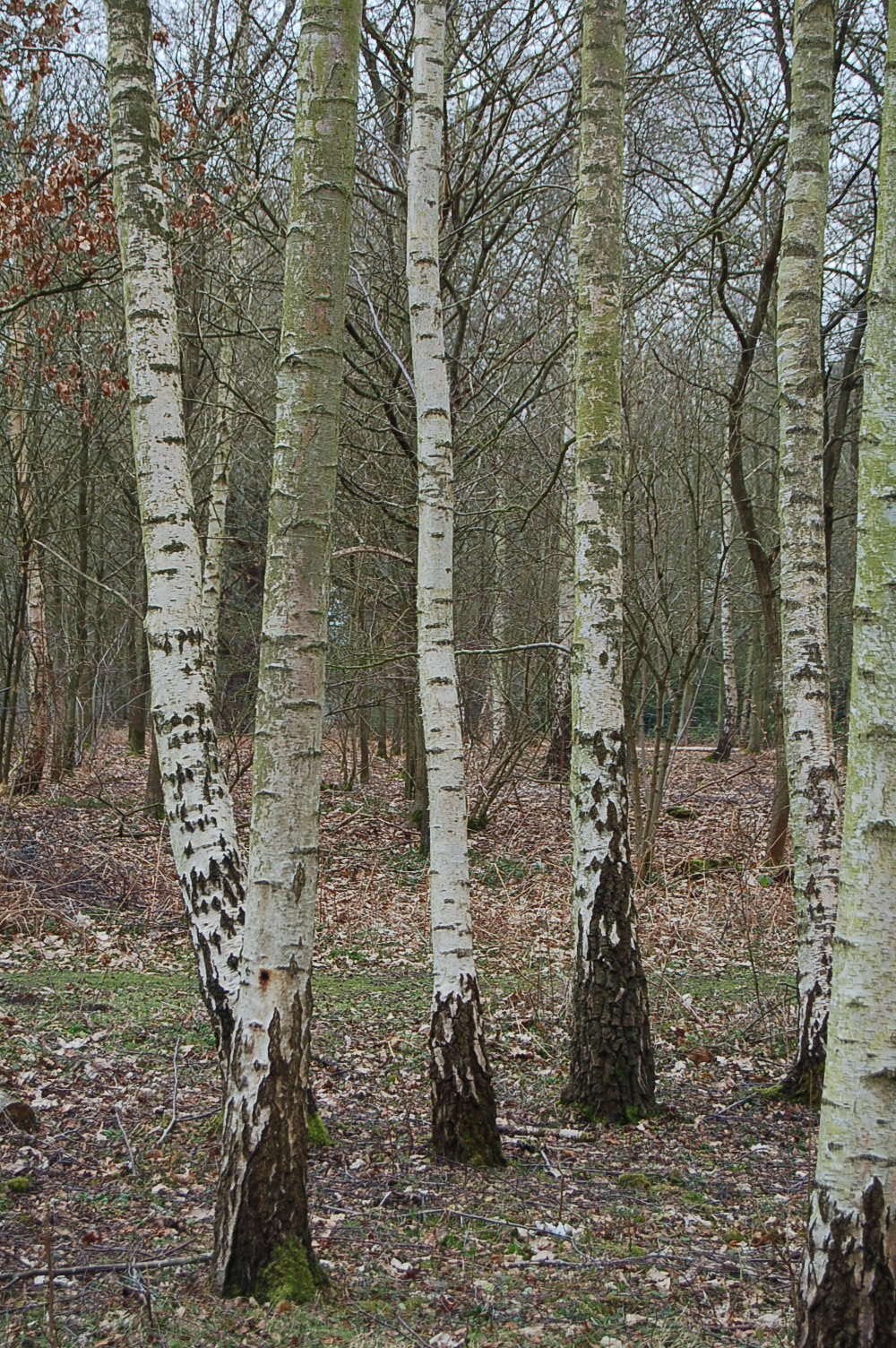
Birches in Winter

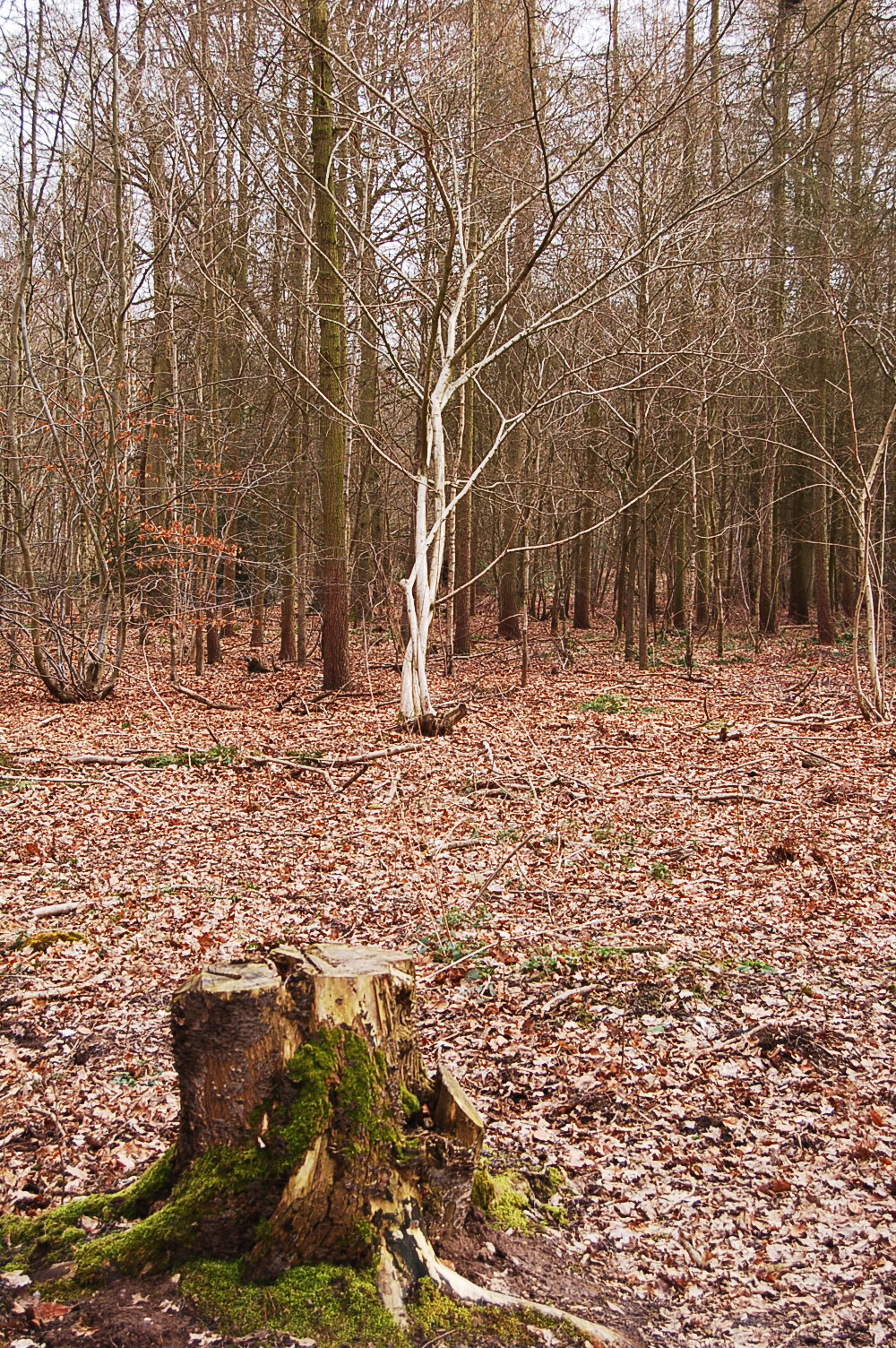
Regular readers of Greenbenchramblings will be very aware of my love of Birch trees in all their many guises. In this post I shall highlight our native Betula pendula.

birch 3 birch 4 birch 5 DSC_0041

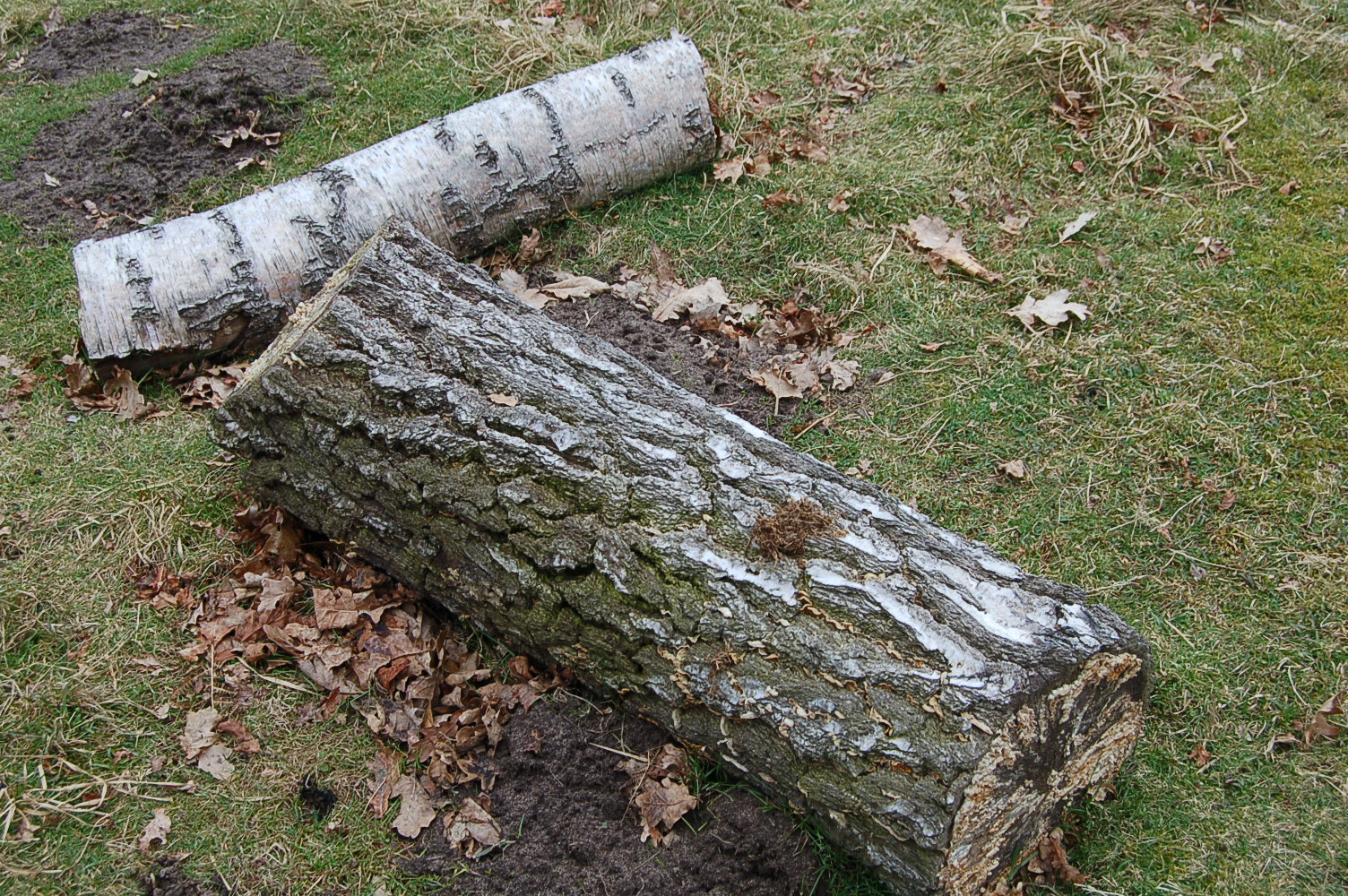
The texture of its silvered bark metamorphoses as it ages from a smooth shining silver to a pattern of deeply fissured elephant skin.

birch 1 birch 2

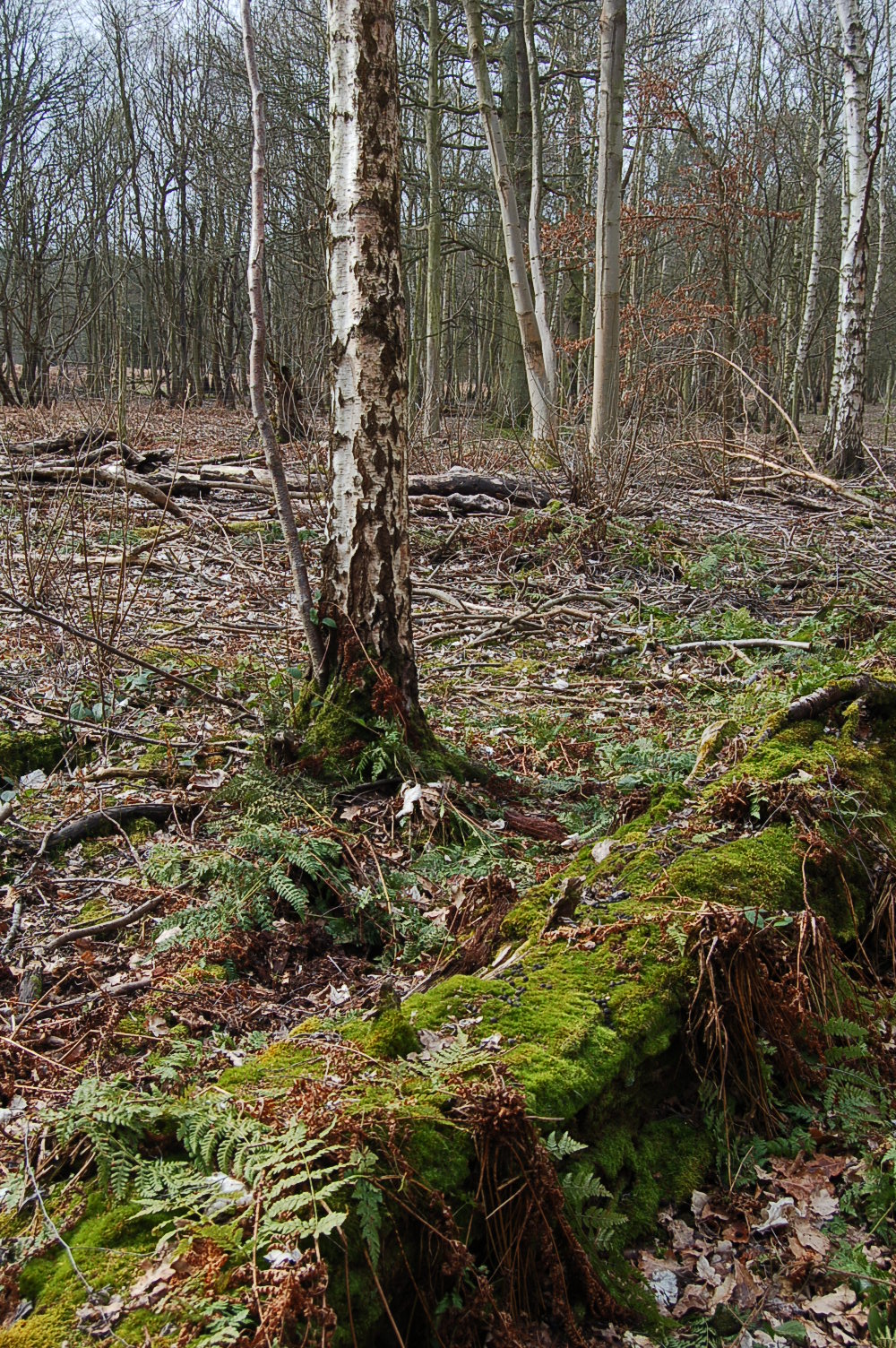
Our native Birch is a relatively short-lived tree so within any mixed woodland fallen specimens litter the ground. They will slowly dissolve away through the actions of the tiniest creatures and a multitude of fungi.

DSC_0080 DSC_0081

Perhaps the best way to finish off this series of  photos of my favourite trees, the Birches, is with a set of pictures of groups of them standing like cold sentinels.

DSC_0067 DSC_0069 DSC_0070 DSC_0071 DSC_0074 DSC_0075

Categories
autumn colours colours garden photography gardening ornamental trees and shrubs trees

The ever changing colours of Liquidamber

 Liquidamber has to be one of the best trees for the small garden in autumn and winter.

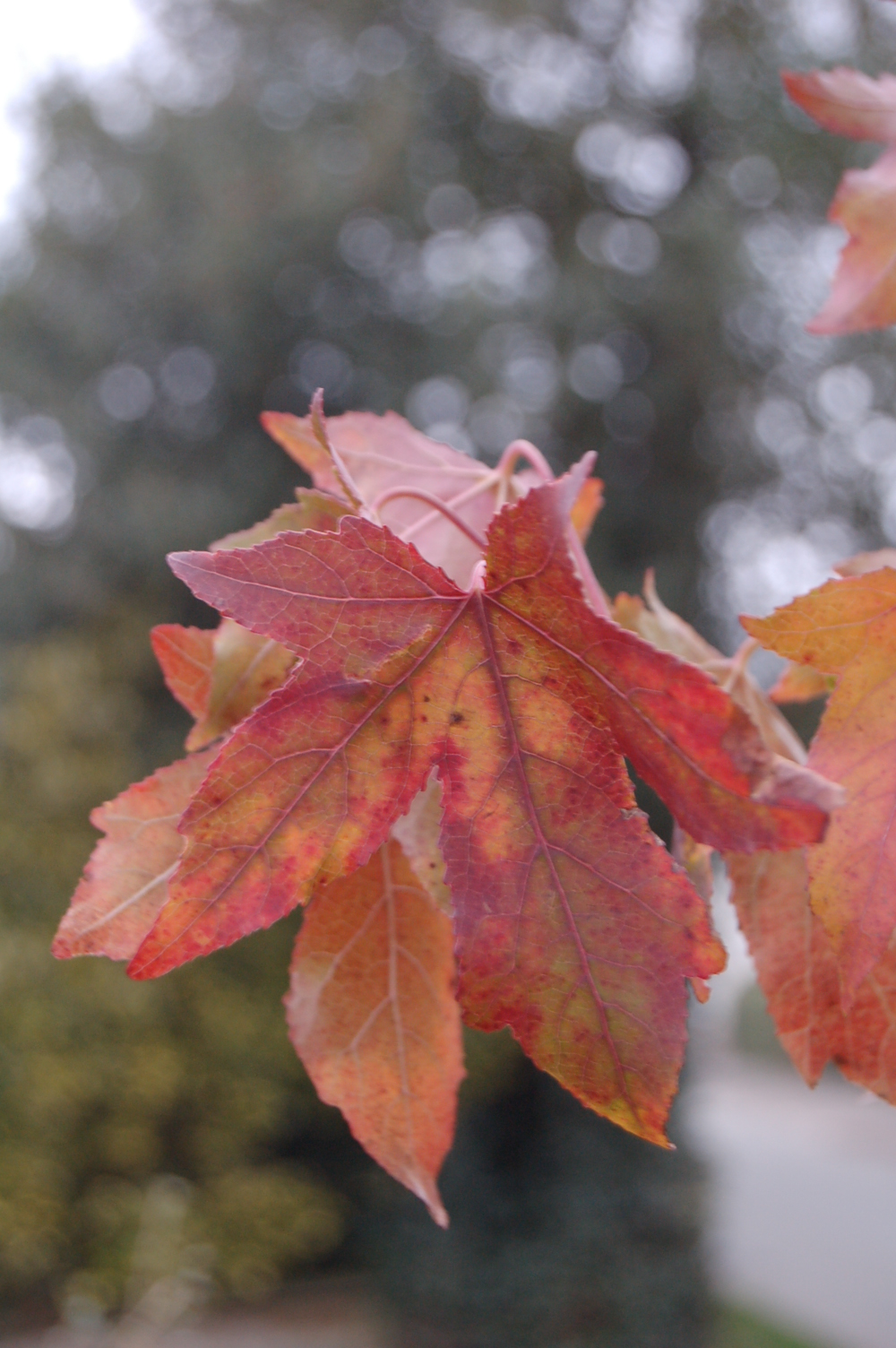
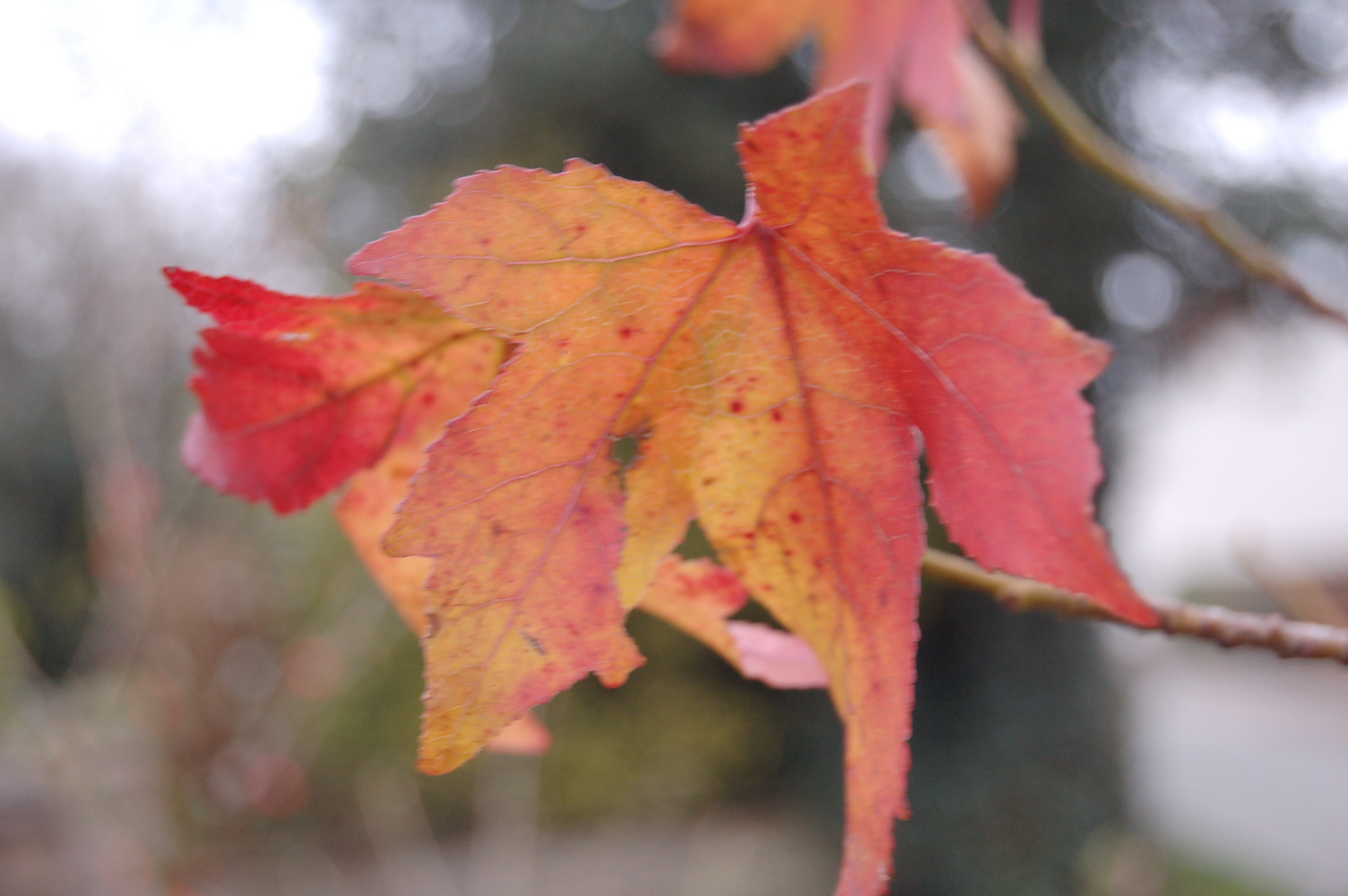
It develops the usual colours  associated with autumn but holds onto its leaves and  the colours get more and more intense as the season progresses.

So for this post I shall regularly take pics of our Liquidamber to illustrate how they change.

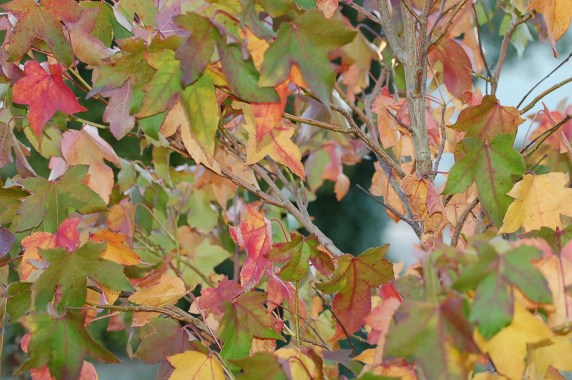
The first three photos were taken in October, at which time greens were still bright and frequent amongst the yellows and oranges.

Early in December the colours are richer and not much evidence of green remains.

DSC_0010

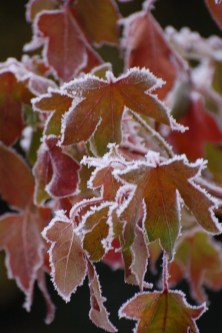
In mid-December a rim of frost decorated each leaf, emphasising their palmate shape and adding depth to the tints of fire.

DSC_0097

DSC_0096

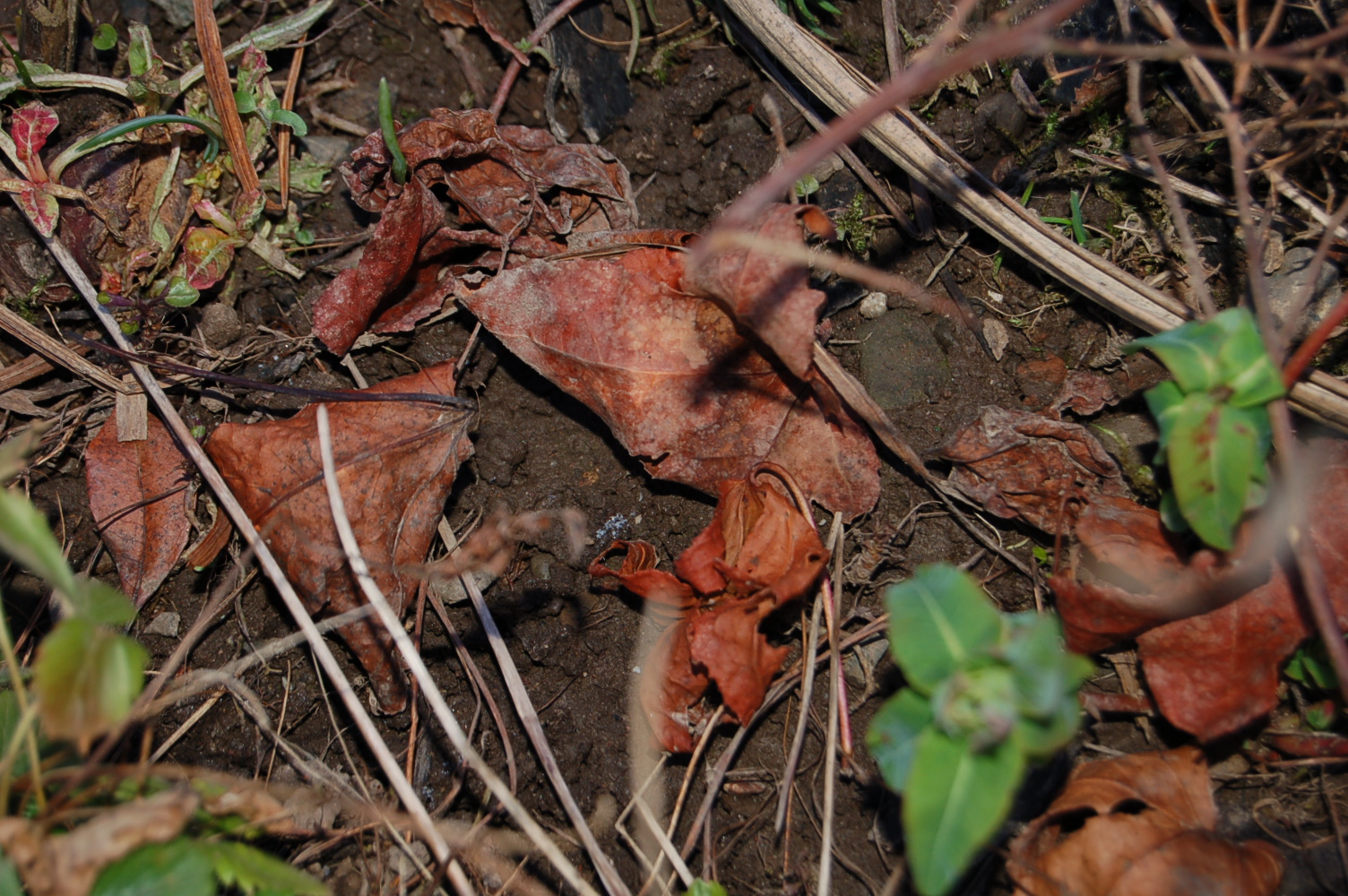
By January the leaves are beginning to look dry with browns becoming the commonest colours.

DSC_0002 DSC_0003 DSC_0004 DSC_0005

Now in mid-March I would normally be able to enjoy the deepest of red leaves it is possible to imagine and they would be clinging onto their stems until new season leaves force them to release their grip and drop to the ground.

This year this eagerly anticipated redness has failed to appear and the remaining leaves are just crisp and dull brown. Half have already fallen and the others look as if they will soon give up their grip.

DSC_0008 DSC_0009

Once spring arrives and instigates budburst I shall start taking photos of our Liquidamber once again and follow the progress of its leaves throughout the year.

Categories
birds conservation landscapes Shropshire trees wildlife

Hedgerow Maintenance – the good, the bad and the downright ugly.

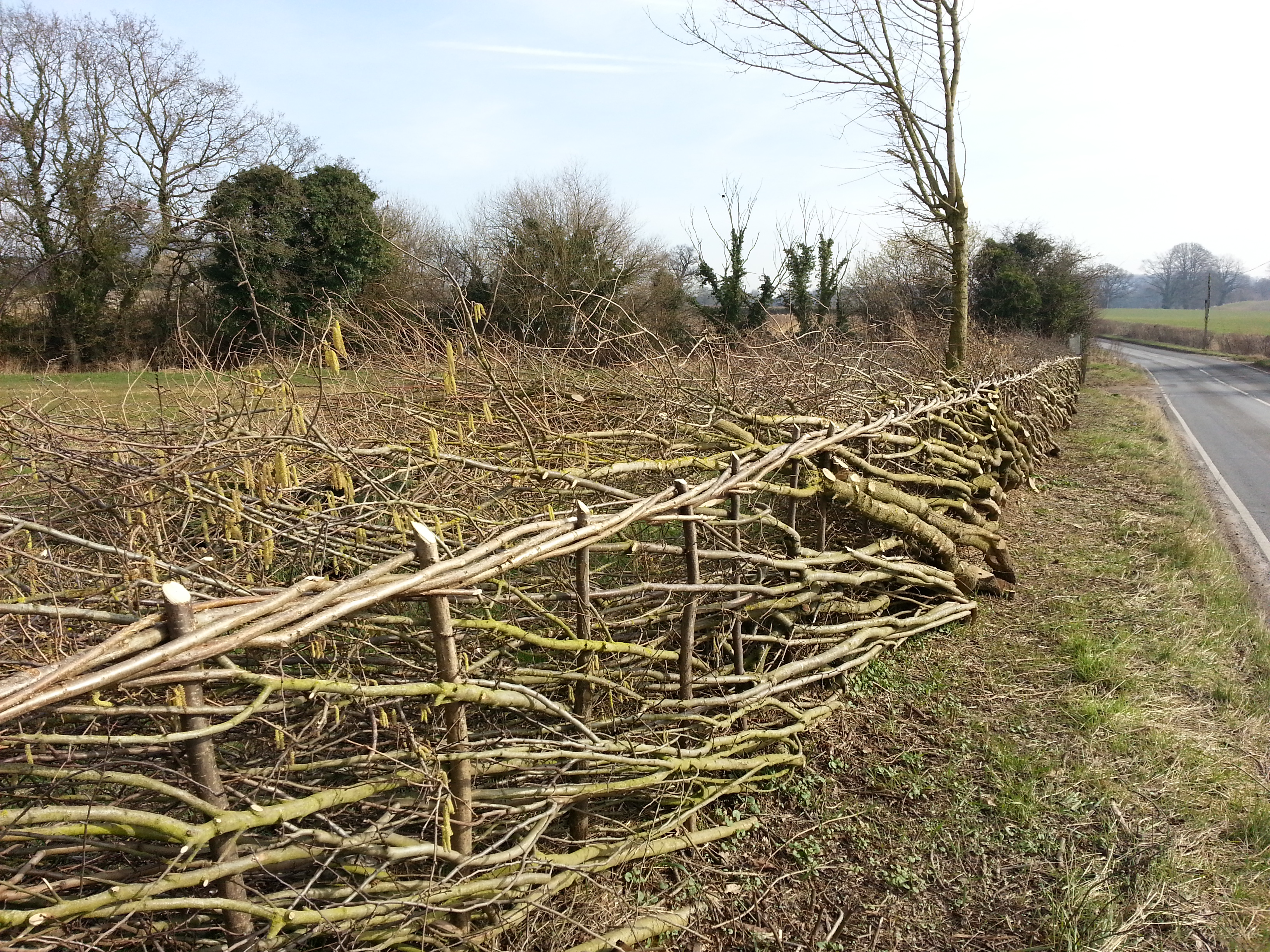
Driving around the countryside around our home in Shropshire we are struck at the difference between the worst and the best examples of hedgerow maintenance. Some are beautifully trimmed providing stock proof boundaries which benefit and encourage wildlife. The best examples of these are those that are “layered” as these remain dense in growth and provide homes, food, shelter and nest sites for all aspects of wildlife and often result in special habitats at the base of them full of wildflowers and accompanying wildlife. Insects, small mammals, birds, butterflies, bees and so much more of our wildlife can take advantage of this beautiful and skilful country craft. The trees of the hedgerow even those of reasonable girth can be trimmed and layered to create dense hedges. We found this beautiful length of hedge in a country lane a few miles from home.
layering 4

I particularly like the artful way it has been thoughtfully finished with a flourish of woven hazel. This may be some sort of “signature” – the craftsman leaving his mark. Although artistic this probably strengthens the structure further by binding the top of the hedge tightly together. This hedger is such a craftsman that the angle of cut on the top of every stake is exactly the same.

layering 5

A mix of shrubs and trees have been beautifully entwined. Even trees with trunks up to 12 inches thick have been split and layered. It is easy to see how impenetrable to stock these layered hedges are.

We were lucky to find  this other hedge in the process of being layered so took some pics. It would have been even luckier if the hedge layer was still around for me to photograph him at work but it must have been his day off!

 hedge 11 hedge 10 hedge 12

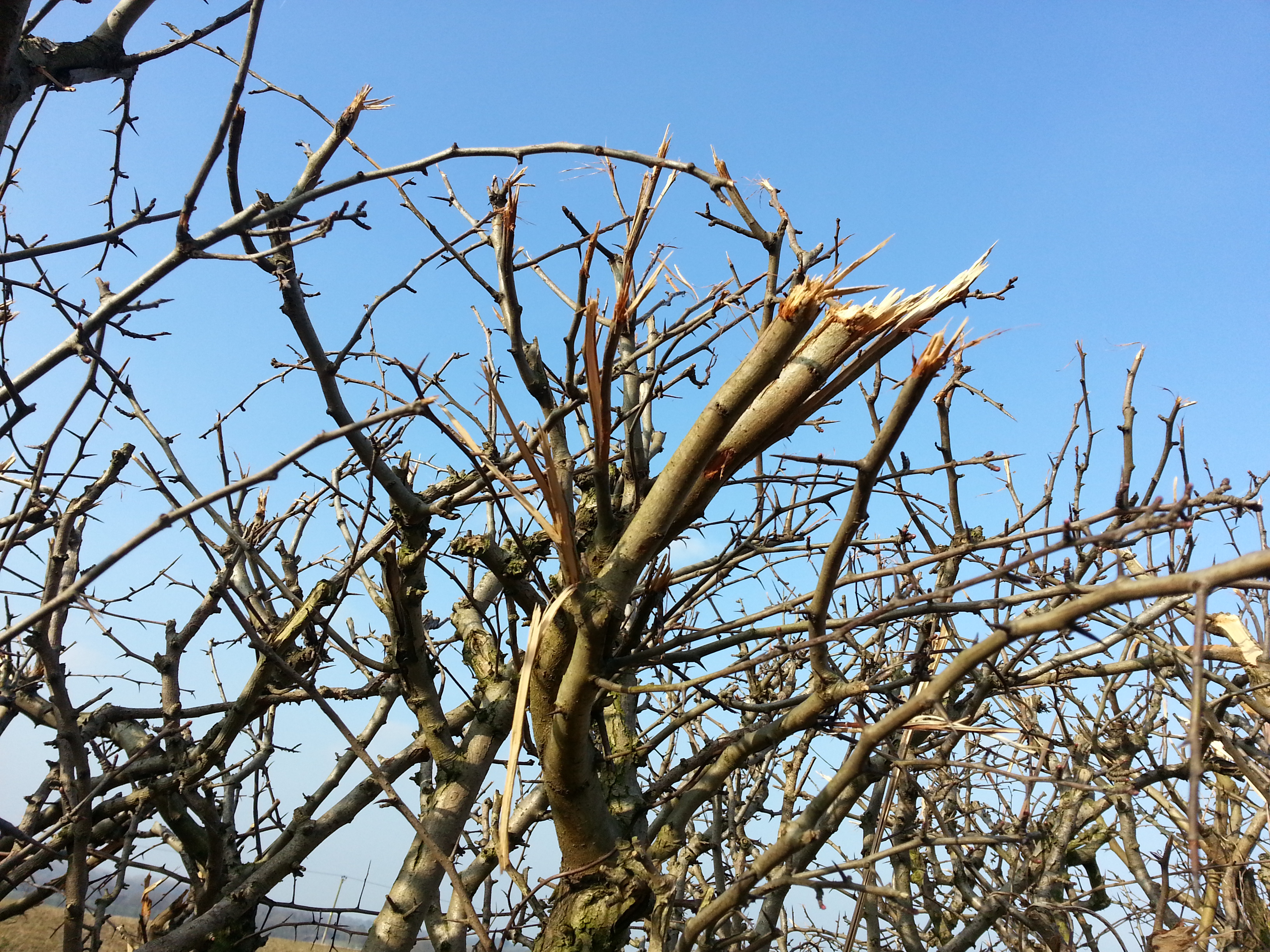
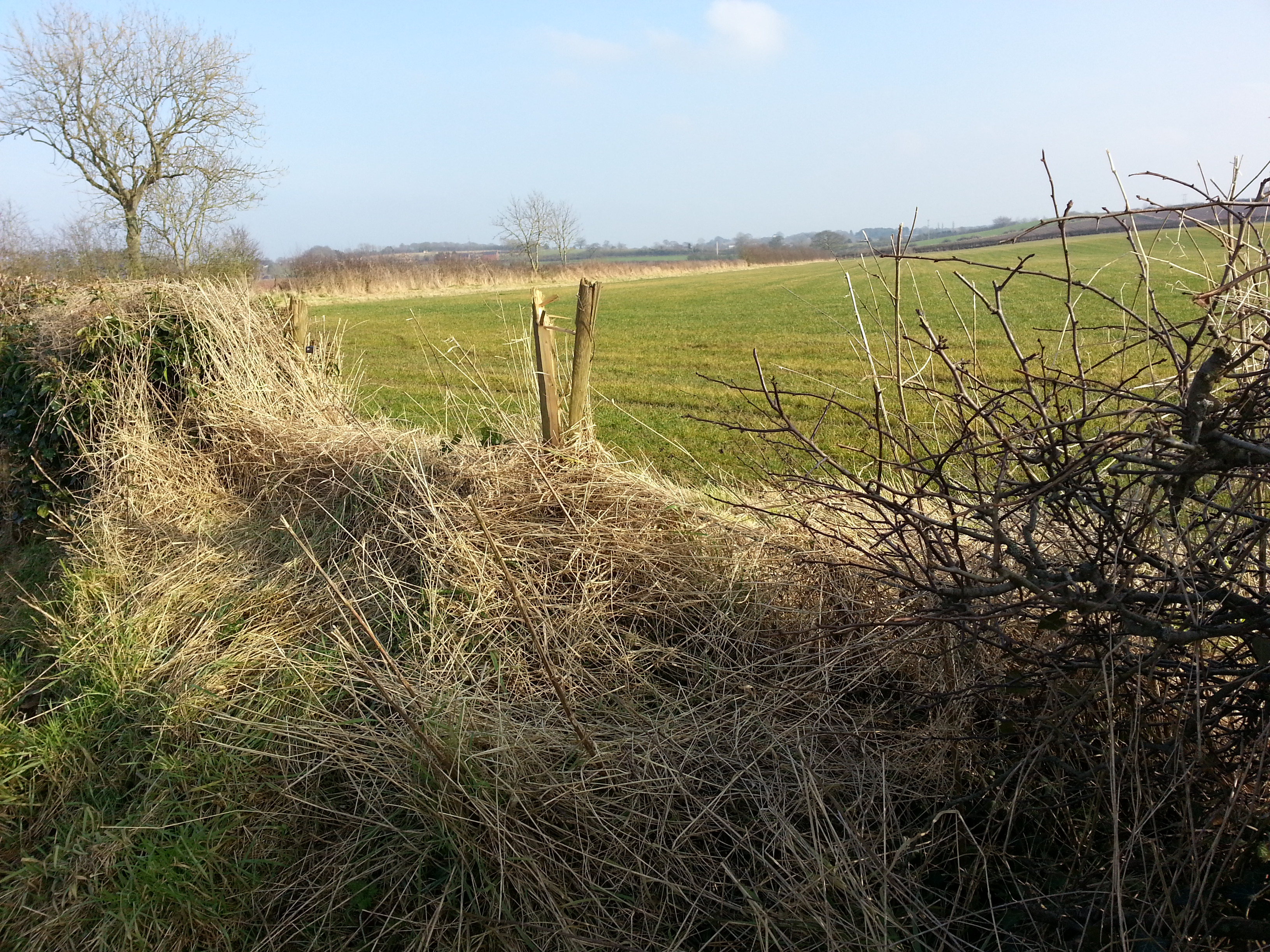
So those are good examples which are few and far between. The bad and ugly are sadly much more common now, hedges cut by machine, slashed to create ugliness. Some of the cutting blades on these machines seem blunt or perhaps inappropriate for the job in hand.  Thicker branches get torn and slowly after a few years these hedges get thinner so are poor as stock proof barriers and even poorer wildlife habitats. Whole sections disappear and tend to be replaced with fencing so the wildlife benefit is lessened further. When the hedge cutter in his tractor cab comes across trees, whatever their size they are cut just the same. The old oak in the photos below had its lower branches hacked off.
hedge 4 hedge 8 hedge 7 hedge 6 hedge 5 hedge 3 hedge 2 hedge 1

The messy hedges that are left are a waste of time, too thin to keep stock in and of little use to wildlife and too thin to allow the usual wildflowers associated with a hedge’s shelter and shade to thrive.

What the answer is to improving hedgerow management in a wildlife friendly manner is difficult to come up with. The agricultural industry in the UK needs to rethink, look again at the idea of countryside stewardship and responsibilities towards the land.

Here endeth my major rant for 2013!

This Veggie Life

A Vegetarian | Nature Lifestyle Blog

Rambling in the Garden

.....and nurturing my soul

The Arch City Gardener

Journeys In St. Louis Gardening and Beyond

Garden Dreaming at Châtillon

Consult the genius of the place

Storyshucker

A blog full of humorous and poignant observations.

gardeninacity

Notes from a wildlife-friendly cottage garden

PlayGroundology

...an emerging social science

The Official Blog of British Wildlife

'The most important and informative publication on wildlife of our times' - The Independent. This blog is a member of The UK & Ireland Natural History Bloggers group: www.uknhb.blogspot.com

iGrowHort

Inspire - Cultivate - Grow Native Plants - Restore Landscapes

Bishops Meadow Trust

To create and protect a semi-natural wild space for the people of Farnham to enjoy and experience an array of British wildlife in our town

Gardening with Children

The www.gardeningwithchildren.co.uk Blog

UKbirdingtimeline

birding through the seasons, why birds matter and how to conserve them

NATURE WALKER

with a camera in hand

Jardin

Transform your outdoor space

Eva's space

My allotment, cooking and other interests

Old School Garden

my gardening life through the year

LEANNE COLE

Trying to live a creative life

fromacountrycottage

trying to live as lightly as possible on our beautiful planet

Good Life Gardening

Nature lovers from Leicester living the good life.

mybeautfulthings

Finding the beautiful in the everyday

mawsonmichelle

Michelle's Allotment

In and Out of My Garden

thoughts from and about my garden

Greenhousing

Big plans for a small garden

The Scottish Country Garden

A Walled Country Garden in South East Scotland

The Fruity Chicken

Life at the fruity chicken

willowarchway

Off grid living. Self sufficient. "PERMAGANICS RULE".

St Anns Allotments

Nottingham's Grade 2* Listed Allotments and Community Orchard

Manifest Joy Harvests

a journey in suburban vegetable gardening

Allotmental

The madness of growing your own

Penny's Garden: a harvest beyond my front door

A novel approach to vegetable gardening

arignagardener

Sustainable living in the Irish countryside.

NewEnglandGardenAndThread

Master Gardener, amateur photographer, quilter, NH native, and sometimes SC snowbird

dianajhale

Recent work and work in progress and anything else that interests me

planthoarder

a chaotic cottage gardener

Lens and Pens by Sally

a weekly blog that creates a personal philosophy through photographs and words

Dewdrops and Sunshine

Stories from a sassy and classy Southern farmbelle.

The Pyjama Gardener

Simple Organic Gardening & Seasonal Living

gettin' fresh!

turning dirt into dinner

JOY...

today the world is created anew

Garden Birds

Notes from a Devon garden

ShootAbout

Life Through The Lens

Adapting Pixels

A photography blog showcasing the best photography pictures and videos on the internet

Wildlifegardening's Blog

Just another WordPress.com site

naturestimeline

personal observations from the natural world as the search continues for a new approach to conservation.

LATEBLOOMERBUDS

The Wonders of Life through my Eyes, my Heart, my Soul