Categories
bird watching birds garden design garden photography garden wildlife gardening natural pest control photography Shropshire shrubs village gardens wildlife

Summer house revamp

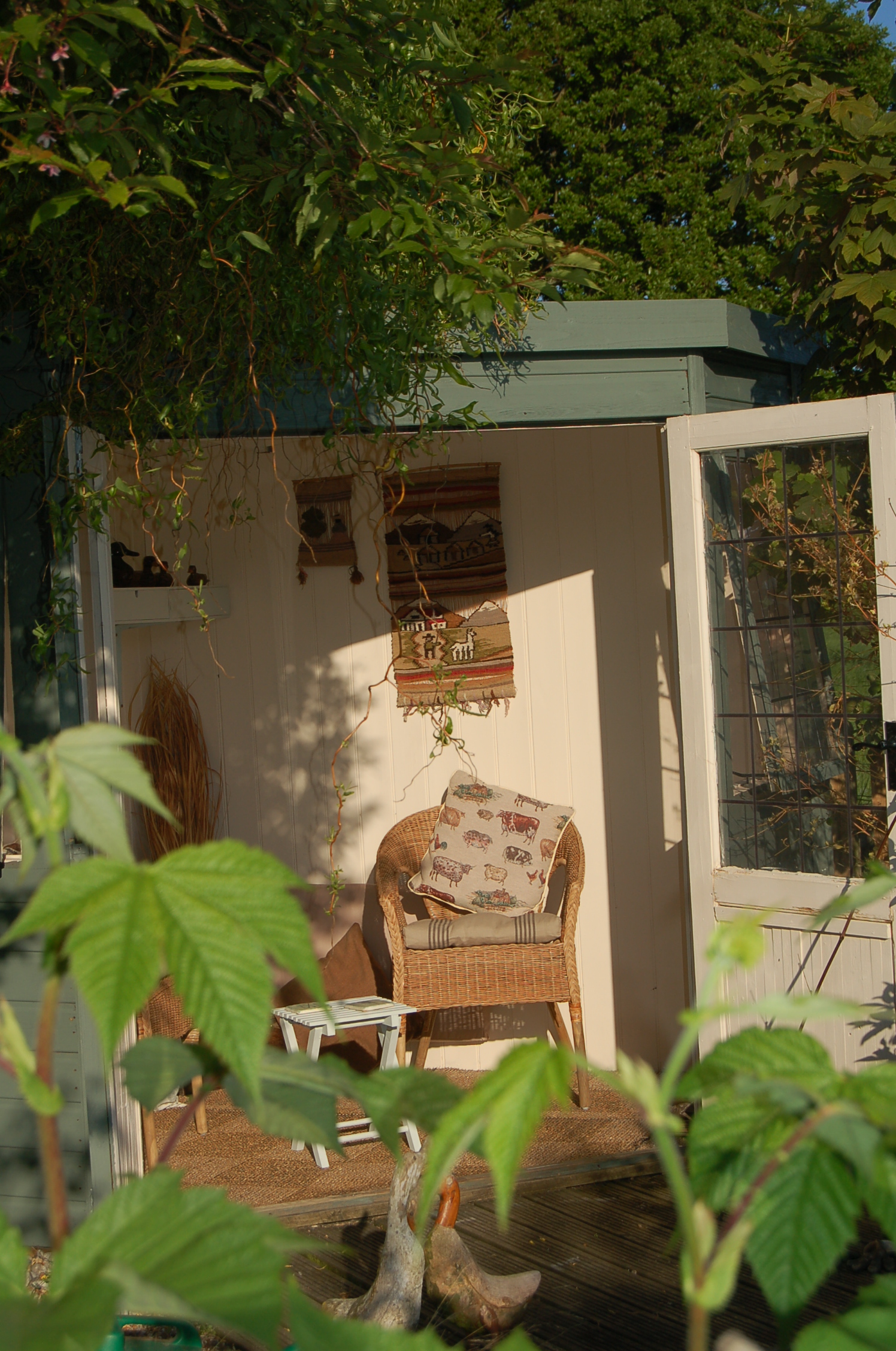
After ten years our summer-house, our little quiet place of escape at the bottom of the garden, was beginning to look worse for wear. The back wall faces directly south so gets harsh sun on it in the summer months and as our garden is at the bottom of a hill temperature inversion in the winter means that the poor summer-house feels the full effect of  the cold frosty air as it rolls down the hill to hit our summer-house first. The first two pics show the summer-house as we began work, with the original interior on the left and the first stages of cladding the walls on the right.
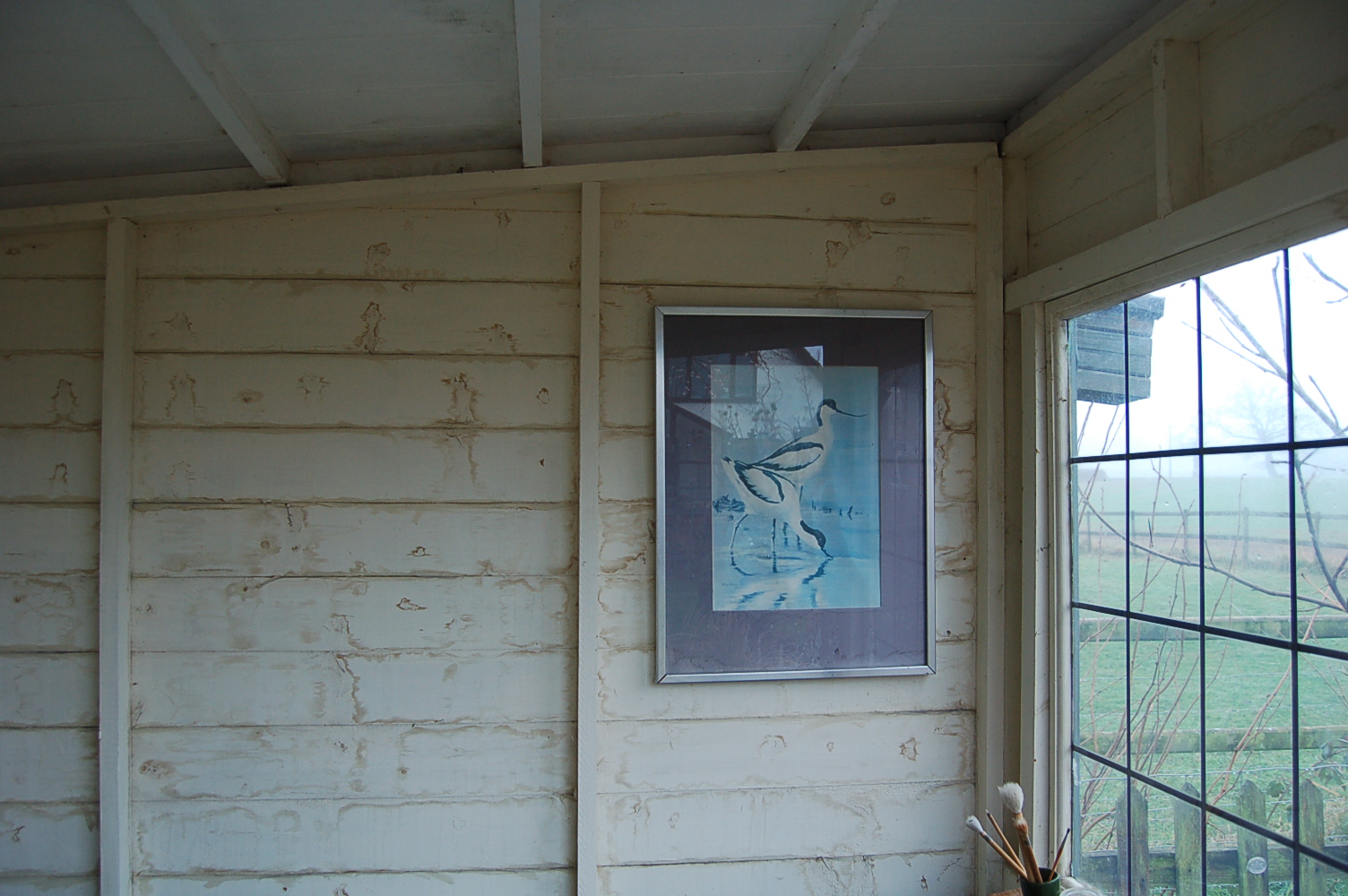
DSC_0041 DSC_0040
We decided to re-clad it inside and out and then repaint both the inside and outside. A job that ended up taking us a long time as we fitted it in between more interesting gardening tasks.
But at last we have finished! A big sigh of relief can be heard all over the garden!

So, first let us share with you what it looks like now.

DSC_0001-22 DSC_0002 DSC_0003-22 DSC_0004

The summer-house is our little secret place where we hide at the bottom of the garden and ignore the telephone and doorbell, pretend that television and computers don’t exist and believe there is no lane passing our house.

It catches the evening sun in the last few hours before it sets, so is a great place to end the day. We sit and listen and we can appreciate a different view of our garden. We listen to the calls and songs of our garden birds and those passing over our heads. We can share the intimacy of their bathing as they come to freshen up in the shallow end of our wildlife pool. A square of decking sits in front of the summer-house and hangs over the pool.

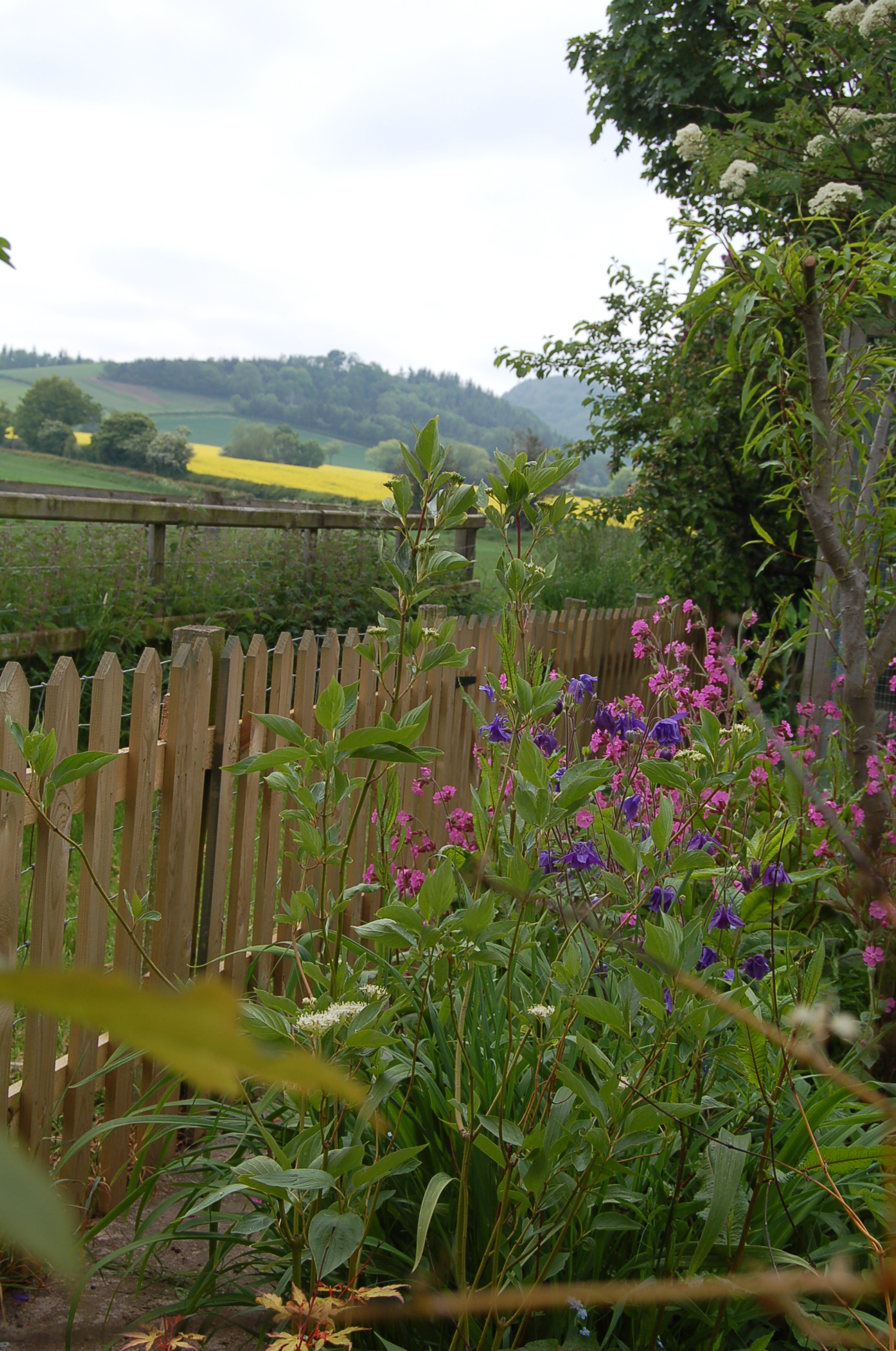
Please share the view from our summer-house seat.

DSC_0001-21 DSC_0002

DSC_0003

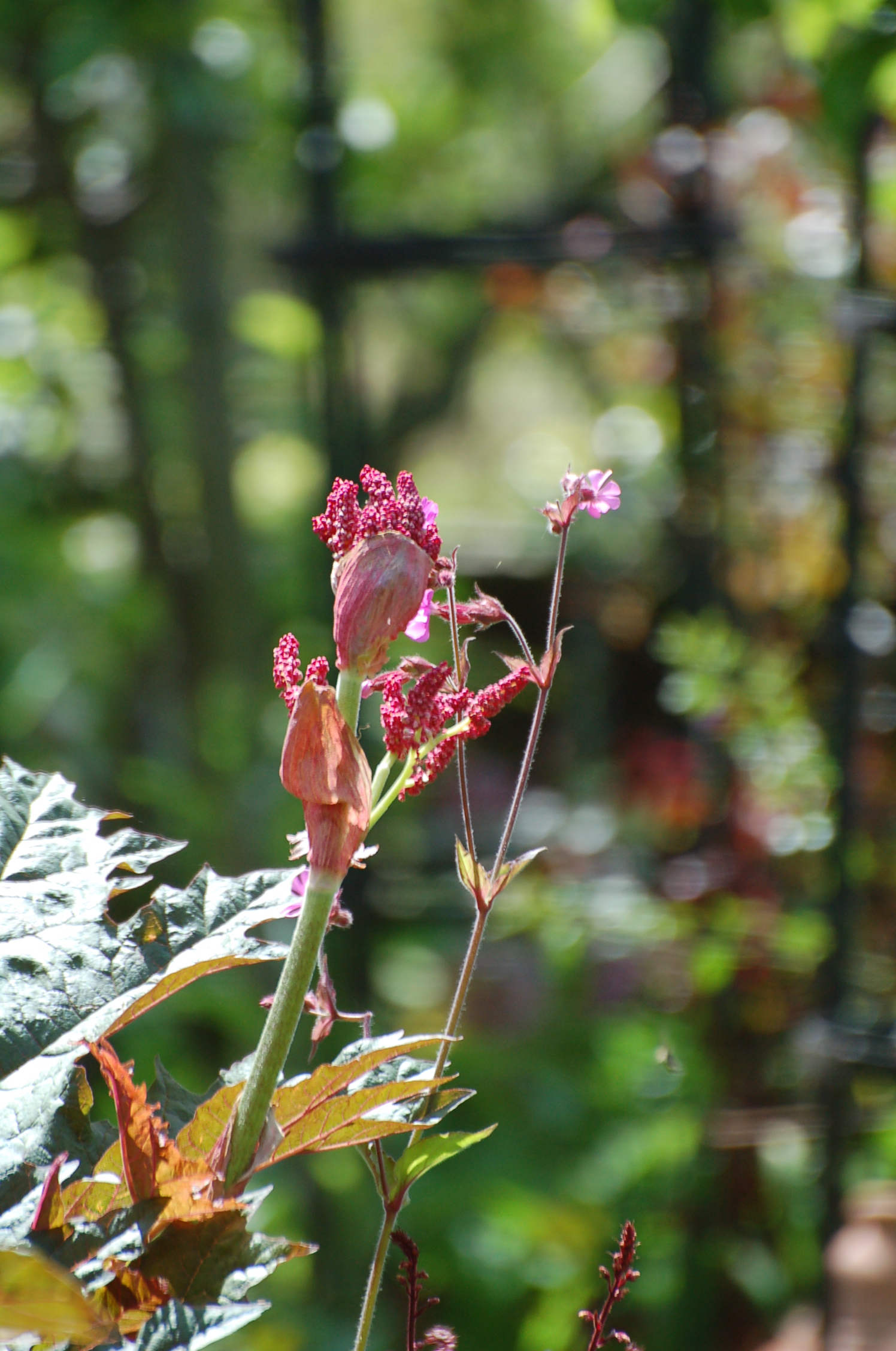
To give you an idea of some of the special things we can see right now from our little house I have taken a few shots with a long zoom on my camera.
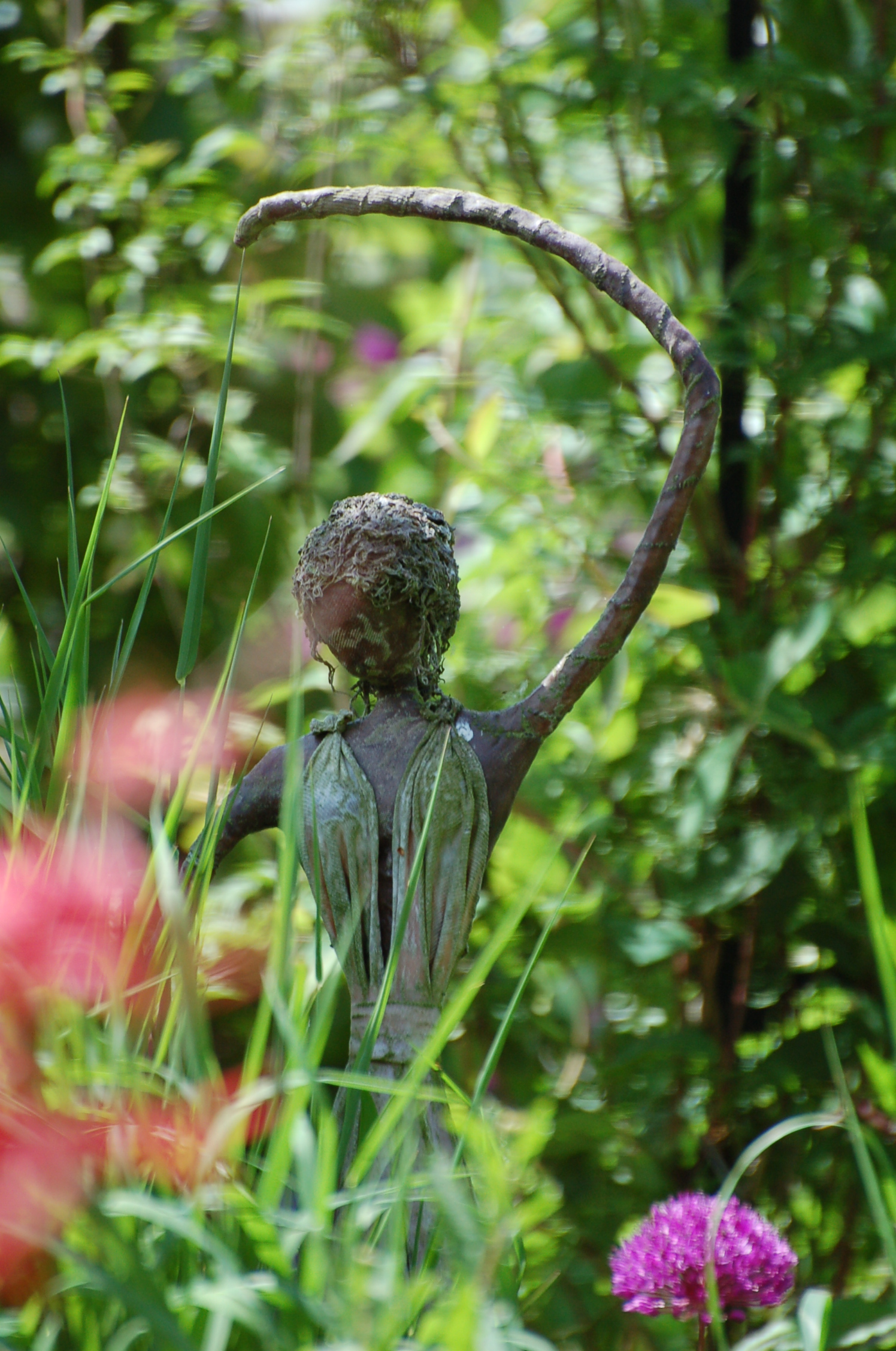
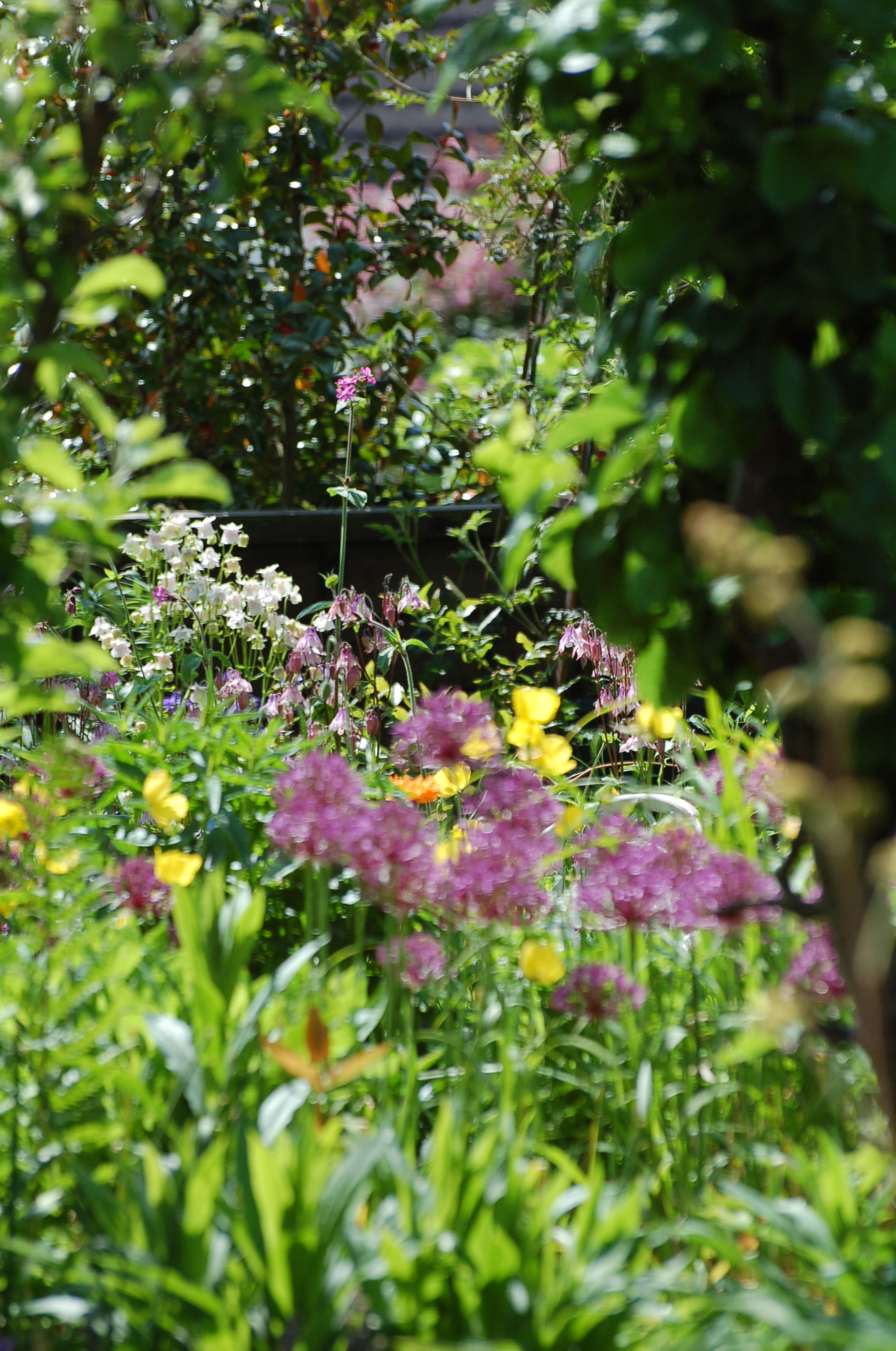
DSC_0008 DSC_0007

DSC_0009 DSC_0010

DSC_0011

As we enjoyed a coffee in the summer house today, a female blackbird came to bathe almost splashing our feet. She must have been enjoying a few moments off the nest, a few moments to herself. A house sparrow also came to bathe when the blackbird returned to the nest. On the nearby bird feeders a nuthatch noisily bashed away at the peanuts with its long powerful beak and took small bits back to its young in a hole in a nearby tree. It soon returned for more and we heard its beak tapping on the metal mesh of the feeder.

A blue tit couple are rearing young in a nest box fixed to the summer-house and we watched as they appeared with beaks full of wriggling caterpillars. We could hear the fledglings begging as they open their yellow wide gapes to beg for their share of the wrigglers.

In the pond itself life lives on the film of water and secretly below the surface. Pond skaters dominate the surface but they are frequently joined by sub-surface dwellers in need of a gulp of air, newts, water boatmen and water beetles. Below the surface we can watch tadpoles of frogs and toads feeding and fattening themselves up.

The pond is home to many of our pest controllers such as newts, toads and frogs who all breed here at our feet.

But as we look out and appreciate our garden and its life, one nosey bird looks in to see what we are up to. A robin comes close, perches on the nearby malus and watches us with head cocked to one side as if bemused.

As we rest in our little summer-house world the garden and its wildlife busily carry on close by.
Categories
colours conservation meadows nature reserves outdoor sculpture trees wildlife Wildlife Trusts woodland

In search of bluebells near Sugnall Walled Garden

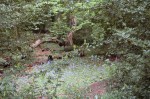
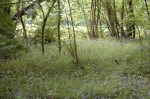
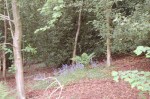
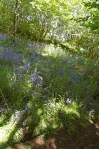
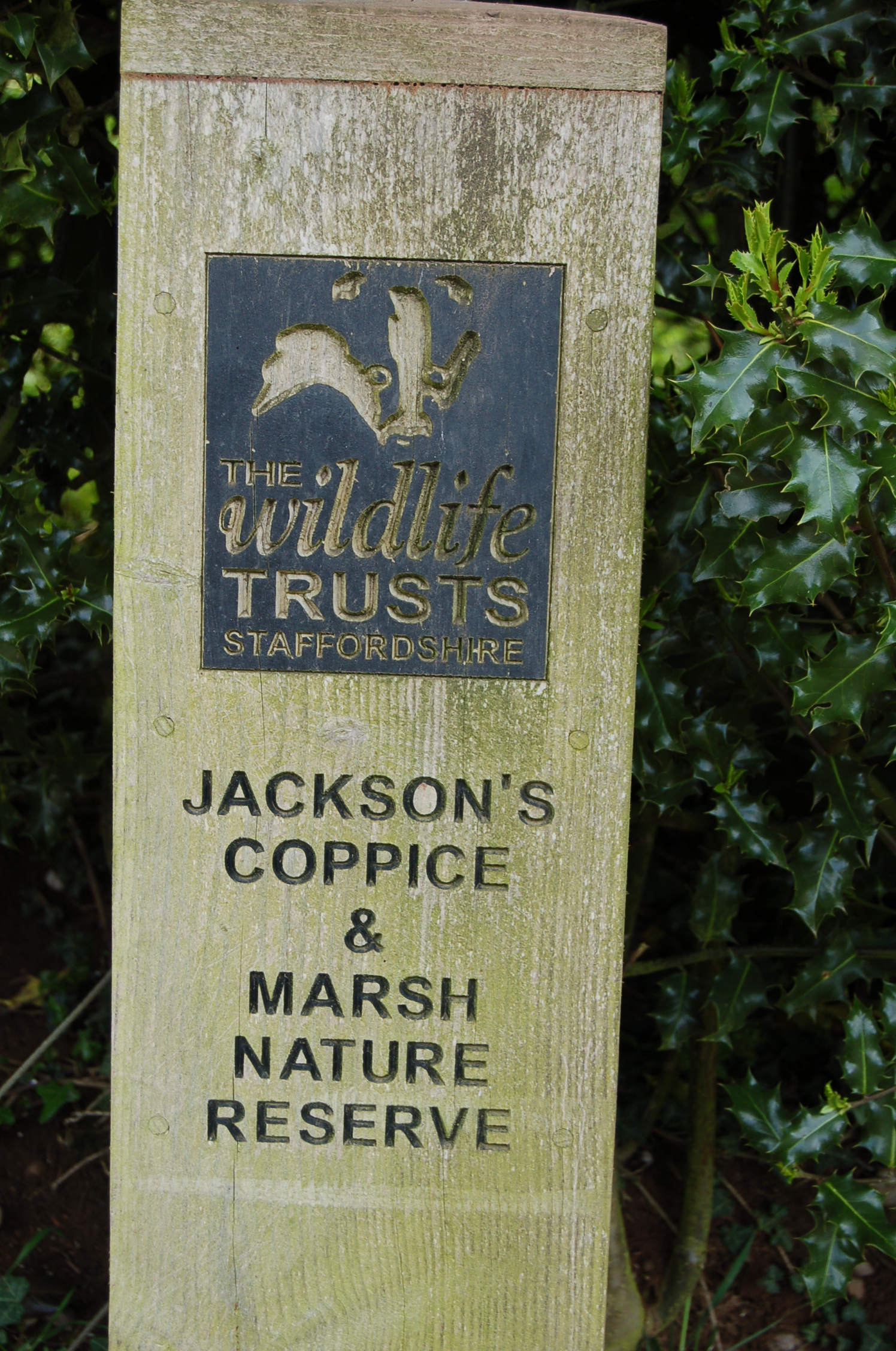
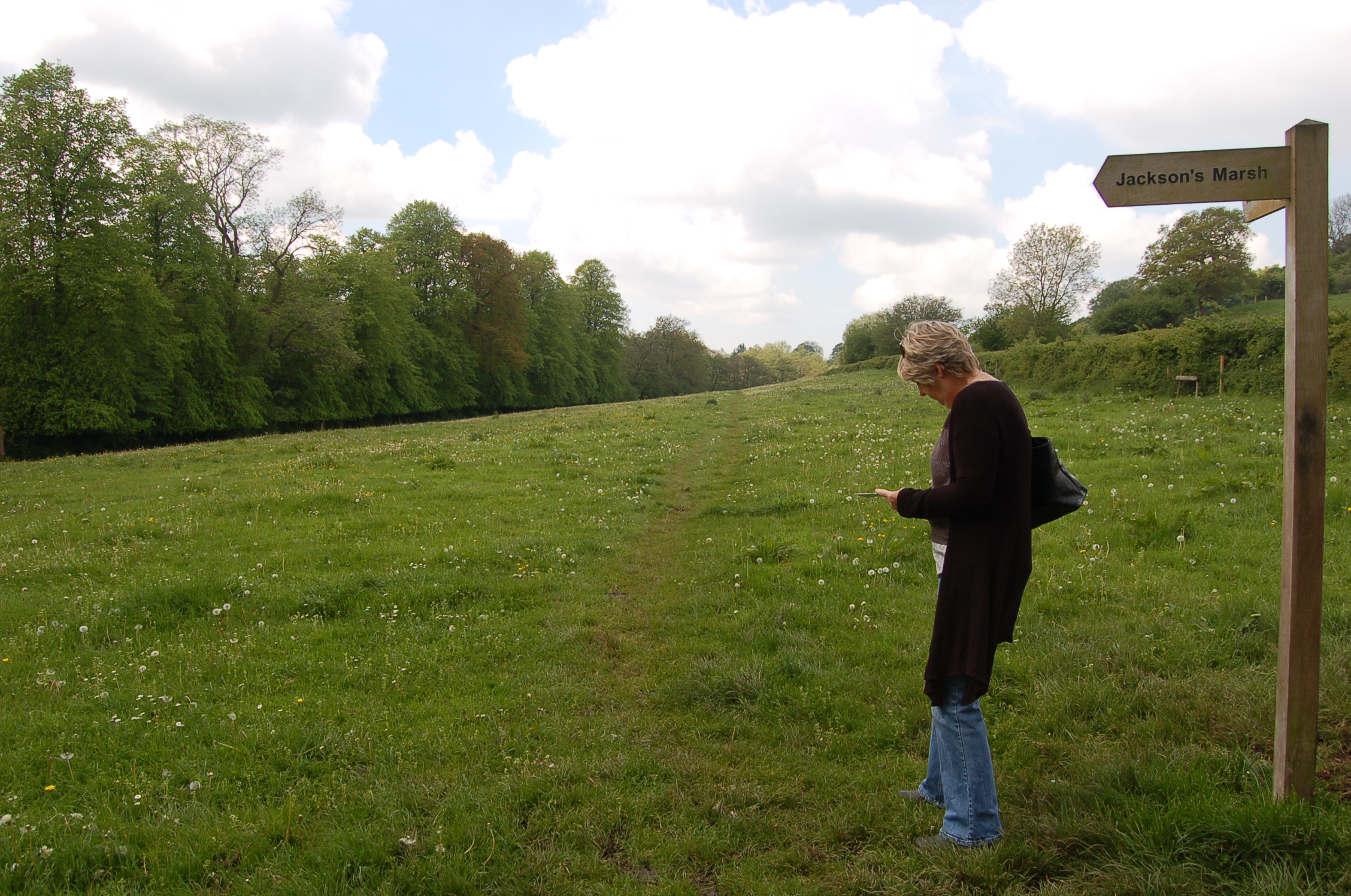
So after enjoying our refreshment in the tea shop at Sugnall and refreshing our souls in the tranquillity of the walled garden we went off up a narrow lane in search of a nature reserve recommended by Geoff. We were anticipating the delightful experience of seeing and smelling the most English of wildflowers, the Bluebell.

Geoff did not let us down. We found the reserve and it was a stunning place to walk and enjoy what is best about the English countryside. A meadow, a marsh and a broadleaf woodland surrounded by traditional mixed farmland.

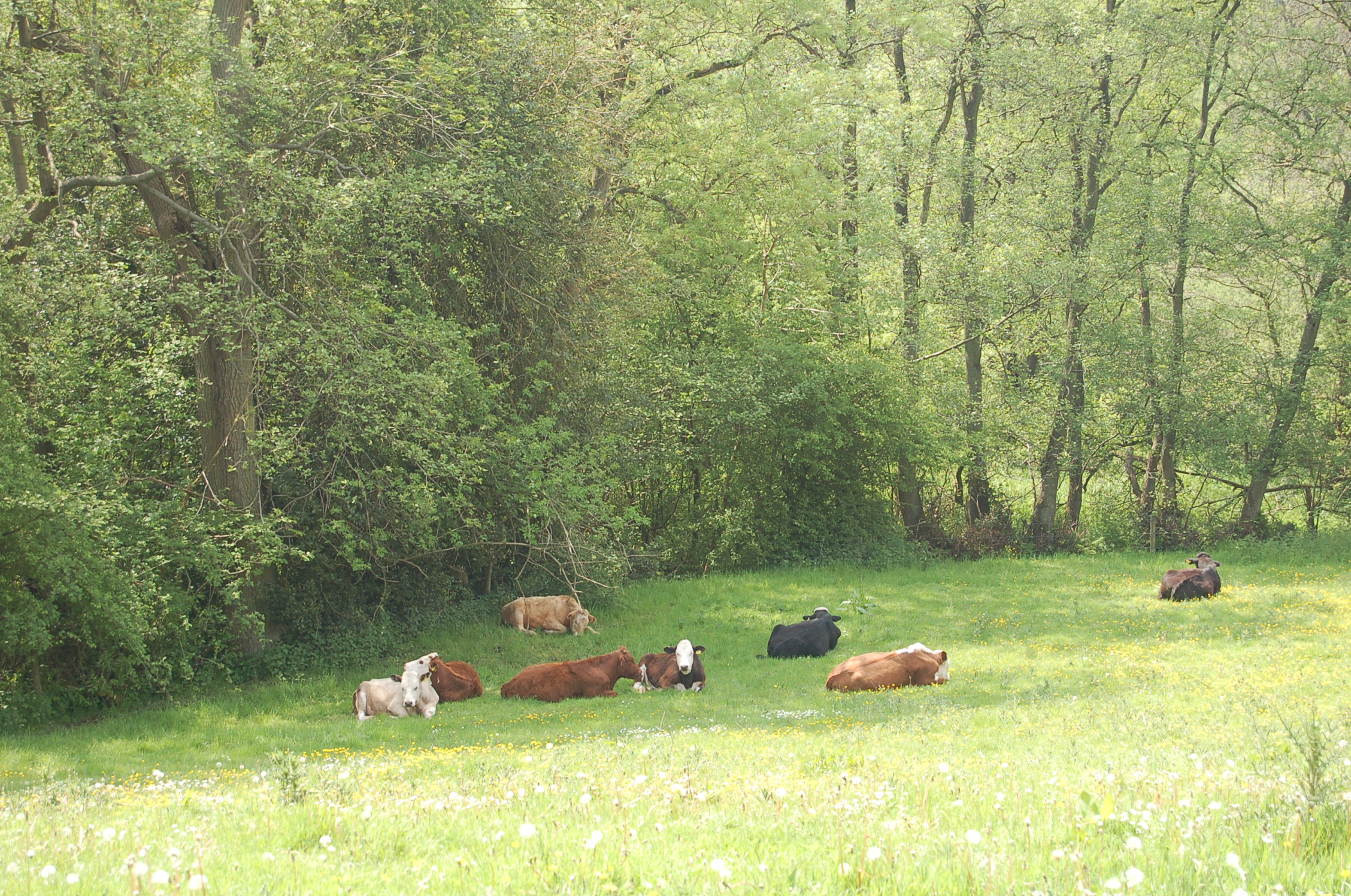
It was clearly signed and even had a box on the fence with leaflets in giving us a map and info. Jude the Undergardener loves maps so was happy before we even set off, happy enough to cross a meadow with cattle in!

DSC_0023 DSC_0024

DSC_0025 DSC_0026

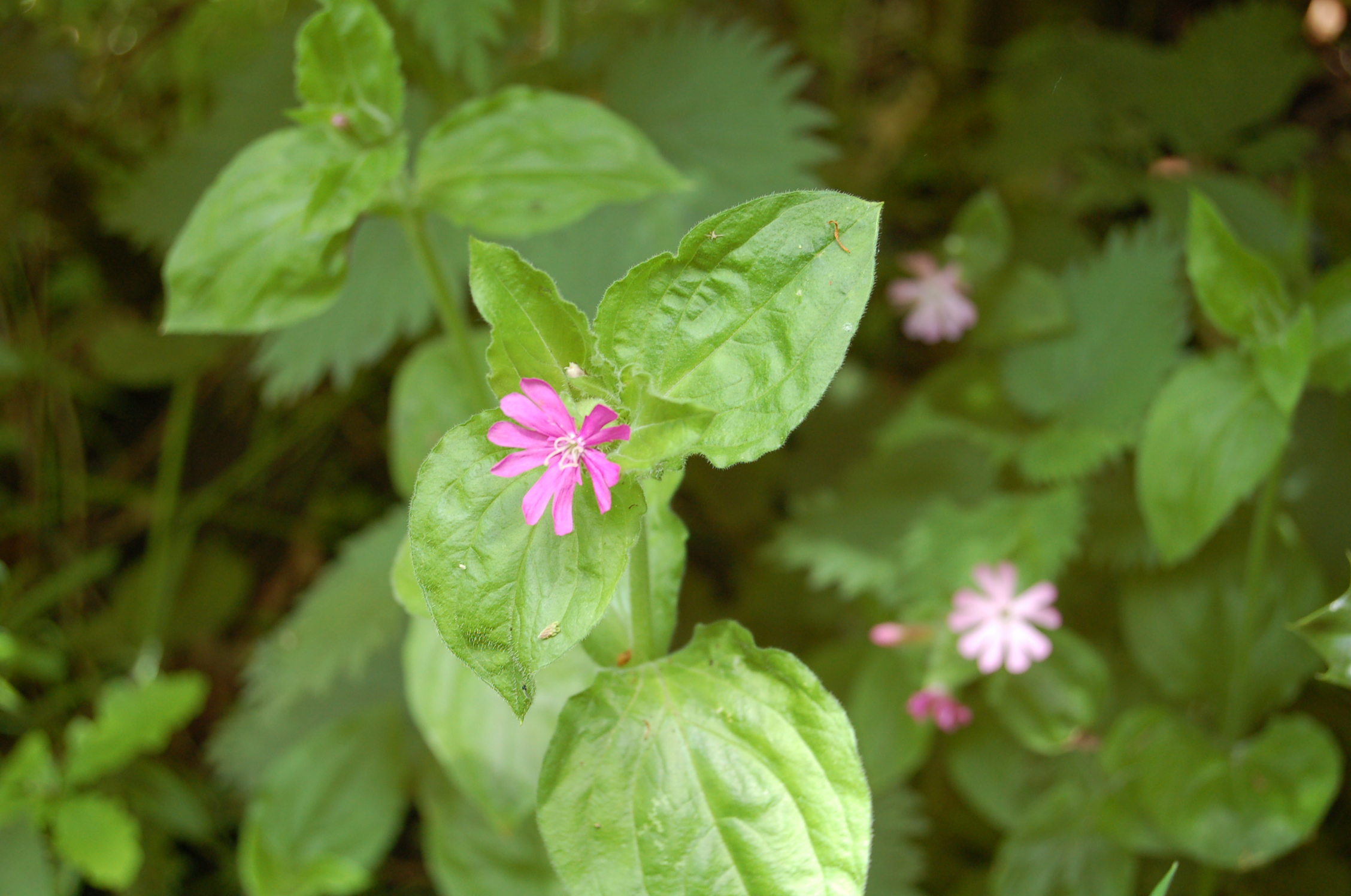
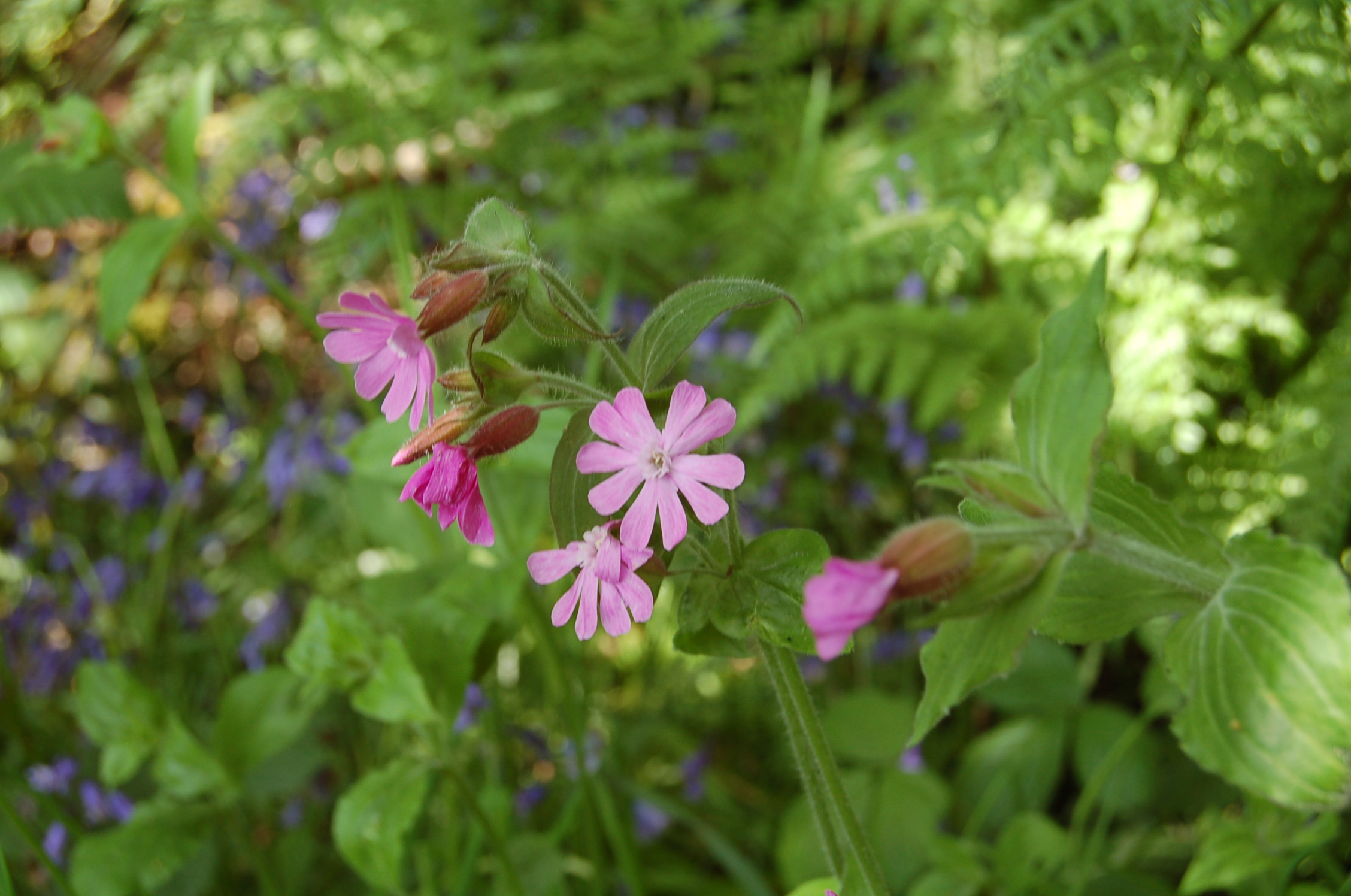
The hedgerow gave protection to a select few delicate wildflowers such as Red Campion and Stitchwort.

DSC_0029 DSC_0028

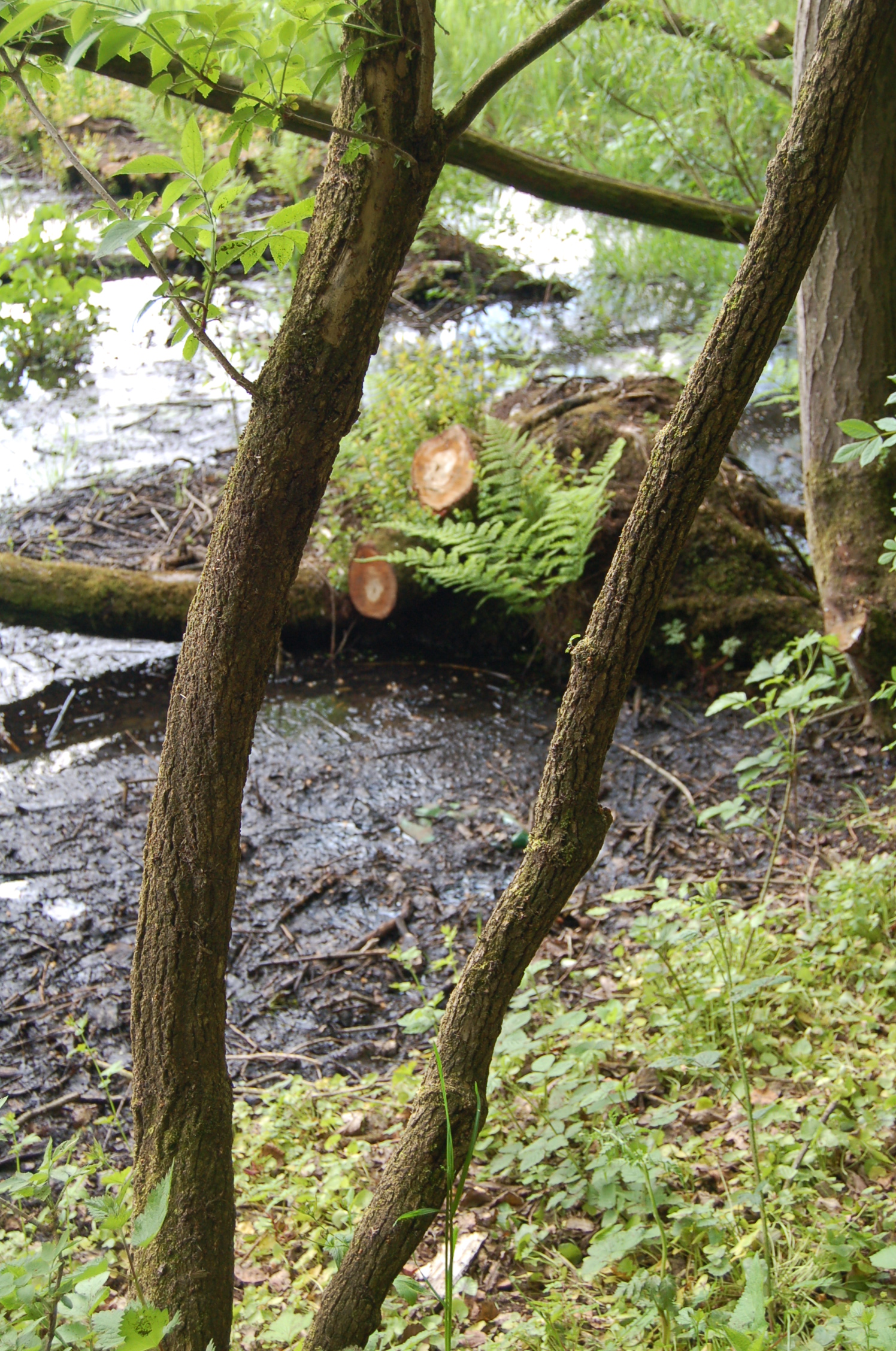
As we left the meadow behind we passed a wet area alongside the track just before we entered the wood itself. It had a primeval quality to it.

DSC_0030 DSC_0031

Entering the wood the temperature fell a few degrees and the strength of the sun weakened as we walked in dappled shade. The pathway look inviting and was soft underfoot as our feet touched the deep leaf litter.

DSC_0032 DSC_0033

DSC_0045

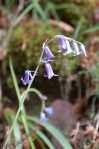
The scent of Bluebells was intense in the humid atmosphere below the heavily leaved ancient oaks, ash and beech. Below this rich scent lingered the warm aroma of leaf mould. Click an image below and use the arrow to take a stroll with us through the bluebells.

This little reserve is well-known for the huge and very ancient badger sett which covers a large proportion of the wood. Entry holes litter the slope all along one side of the wood. Evidence of their liking for the bulbs of the bluebells as part of their diet can be found. Small holes in the ground show where the bulbs have been dug up and consumed, the top growth, stem, leaves and flowers are left to litter the surface. These bulbs are poisonous to most wildlife but badgers relish them.

DSC_0059 DSC_0061

Red Campion thrive mixed within the bluebells just as they did under the hedgerow along the more open meadowland. Campion and bluebell with their pink and blue go so well together.

DSC_0051

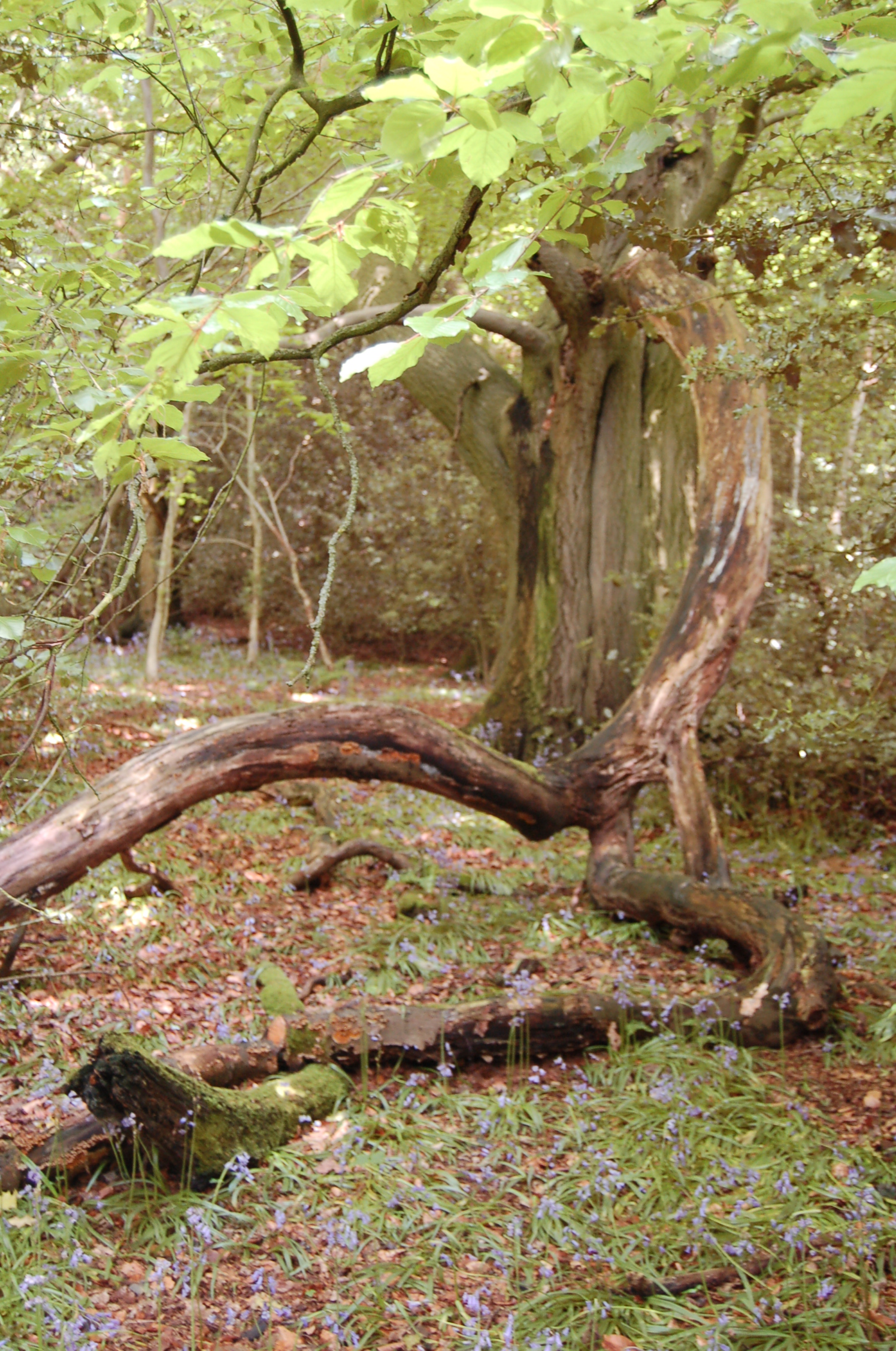
As ever, when visiting any woodland I spot the hand of Mother Nature in the natural sculpture she crafts.

DSC_0043 DSC_0044

So two great places to visit within half a mile of each other and so different from each other. The two things they do have in common though are tranquillity and atmosphere.

Just before leaving for home we took a short stroll along the boardwalk through the marshland bordering the meadow near where we parked the car. Click on any image and use the arrows to view the short gallery.
Categories
bird watching birds garden photography garden wildlife natural pest control wildlife

Home Search

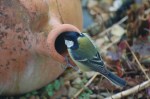
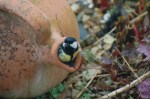
There seem to be too many members of the titmice family around this year looking for suitable nesting sites. All our nest boxes are occupied and being fought after. This little chap, a young male Great Tit is using his imagination and setting up home in one of our terracotta pots at ground level in the Beth Chatto Border, our gravel garden. He is just a few feet from our study window so is entertaining us as we work on the computer.
His family will provide us with natural pest control in return for our hospitality. Feeding a couple of nests of fledglings will dispose of thousands of aphids and caterpillars.
DSC_0045

He is such a star we thought he deserved a little photo gallery all of his own. Just click on any pic.

Categories
bird watching birds conservation nature reserves photography Wildfowl and Wetlands Trust wildlife

Go North – Find Spring

Living here in the midlands, neither North nor South, we always go South to get an early glimpse of Spring or north to get a late look at Winter. This year it all seems topsy-turvy!

Earlier this week we went North and discovered Spring!

DSC_0014 DSC_0016 DSC_0017 DSC_0037 DSC_0040

We visited a Wildfowl and Wetland Trust reserve close to the coast north of Liverpool, called Martin Mere, a reserve we visit regularly. We can get there and back in a day and the walking is on the flat. There are several hides giving views of pools, reedbeds and scrapes and the luxury of clear views of so much wildlife.

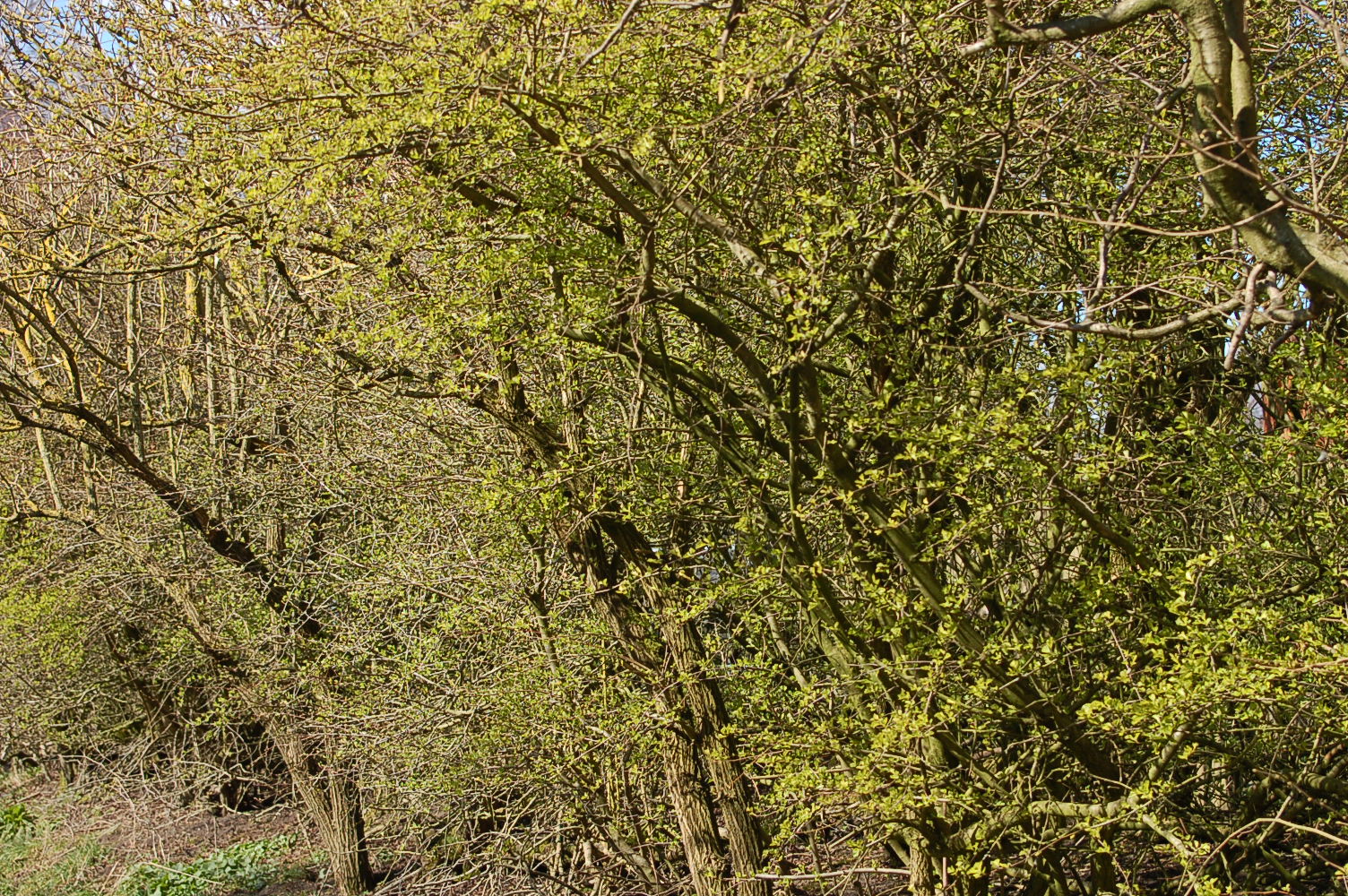
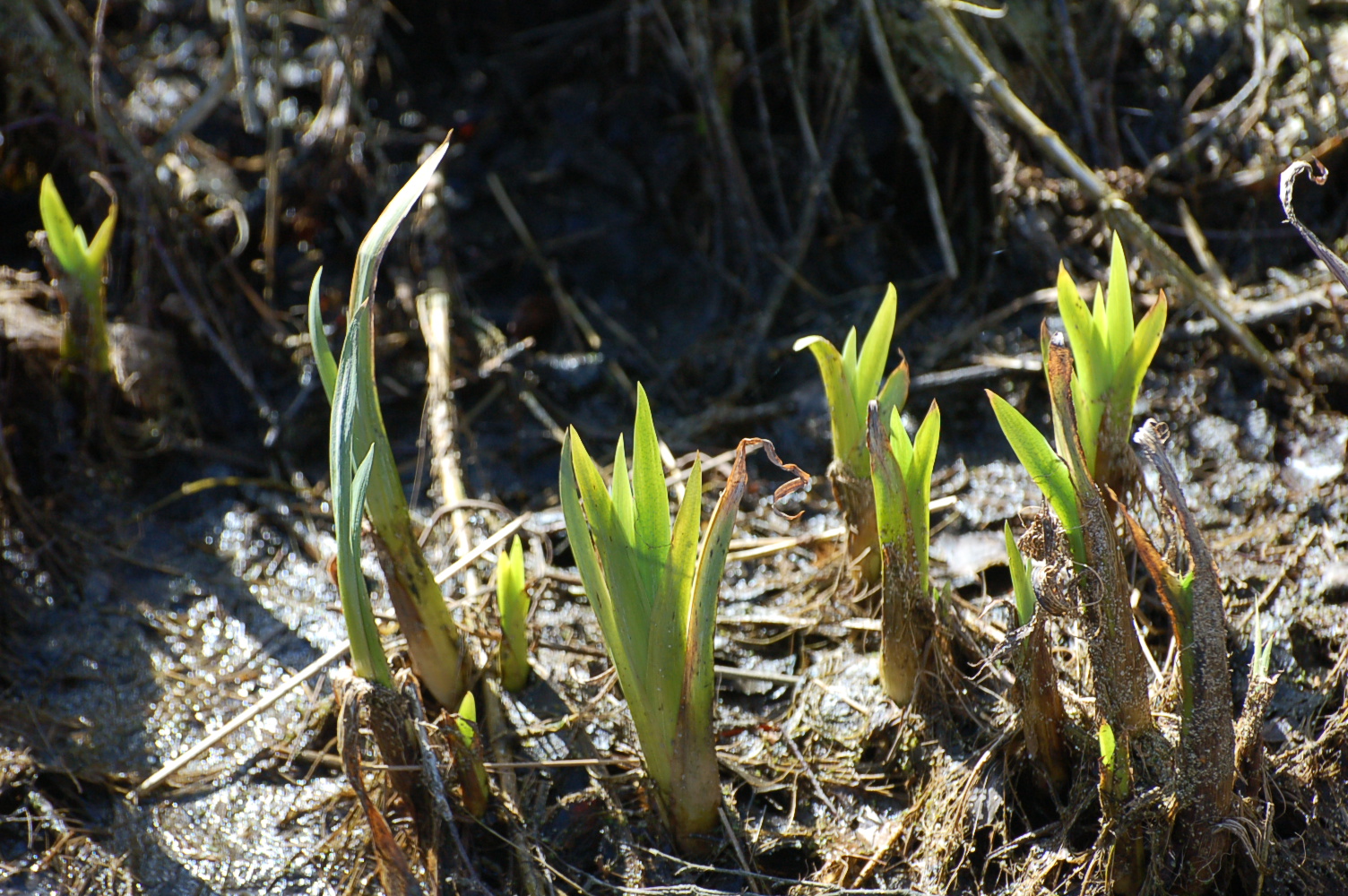
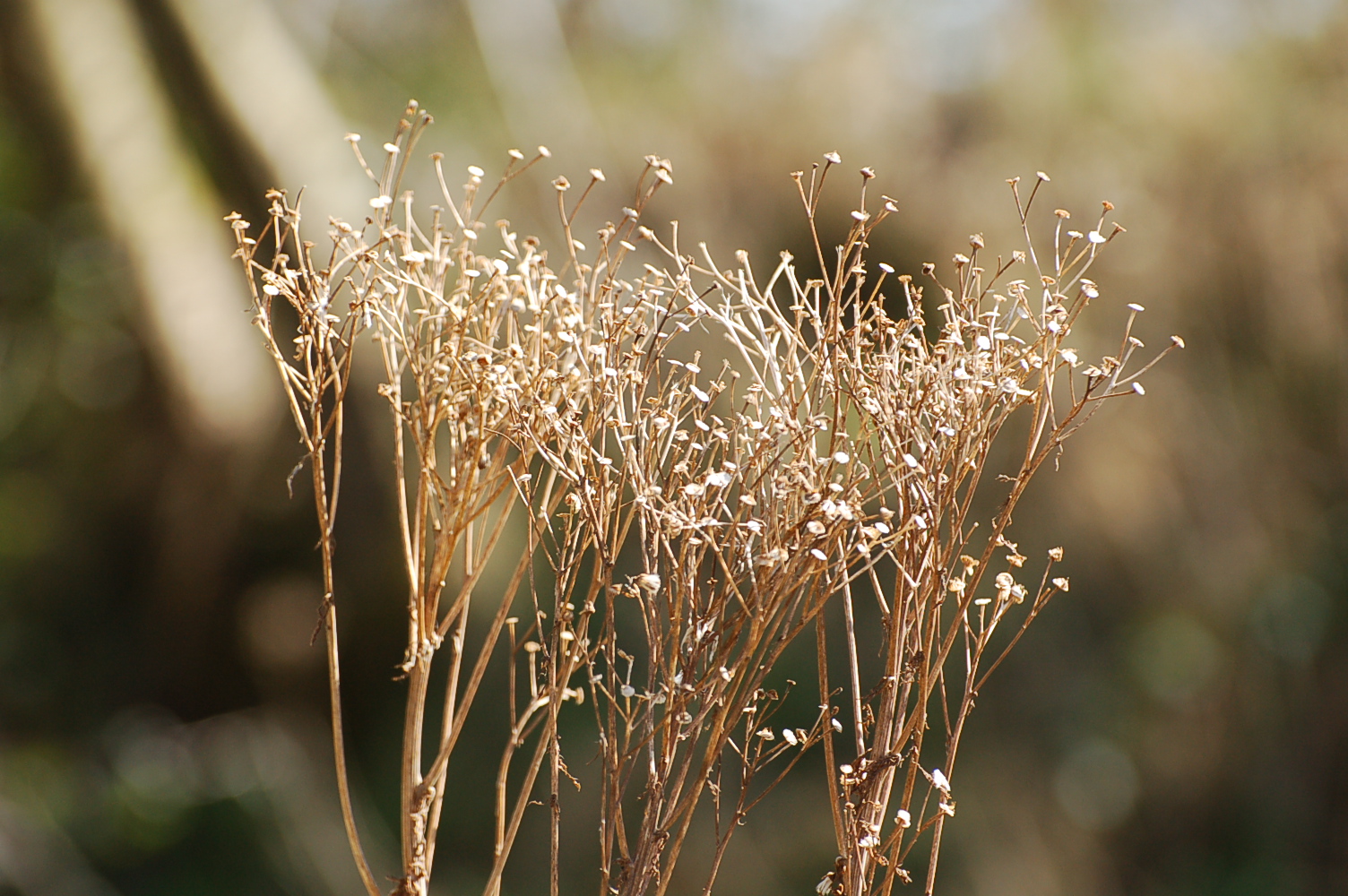
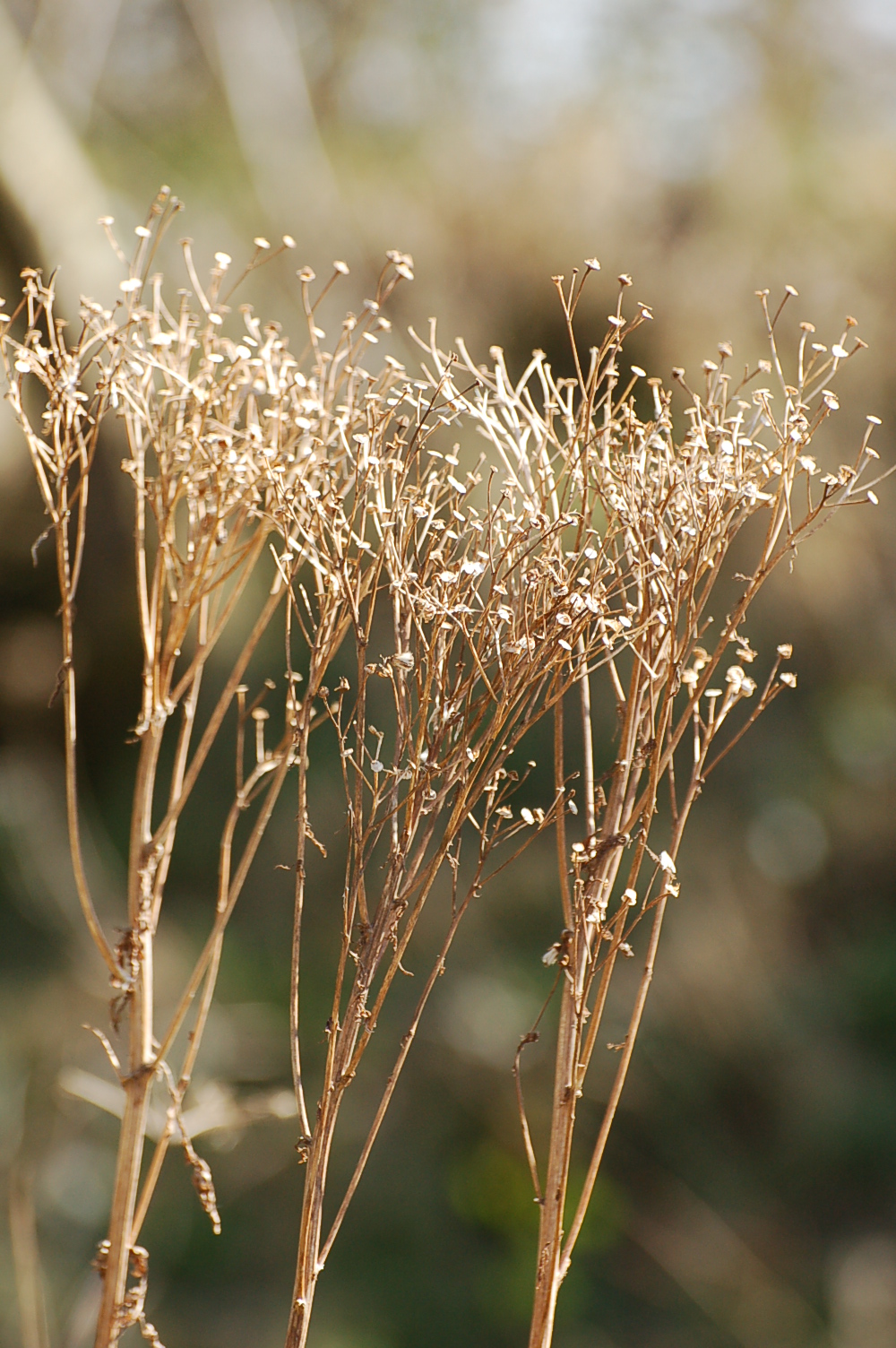
We expected to see the progress towards Spring a good few weeks behind our home patch but we were surprised to find evidence to the contrary. The flowers of spring were showing their golds and creams. We enjoyed the sight of  Celandines and Primroses glowing beneath hedges of Hawthorn bursting into the brightest green leaves, the brightest green it is possible to imagine. The quality of light highlighted the remnant seed-heads from last year and gave them a new lease of life.

DSC_0041 DSC_0042 DSC_0043 DSC_0044 DSC_0045

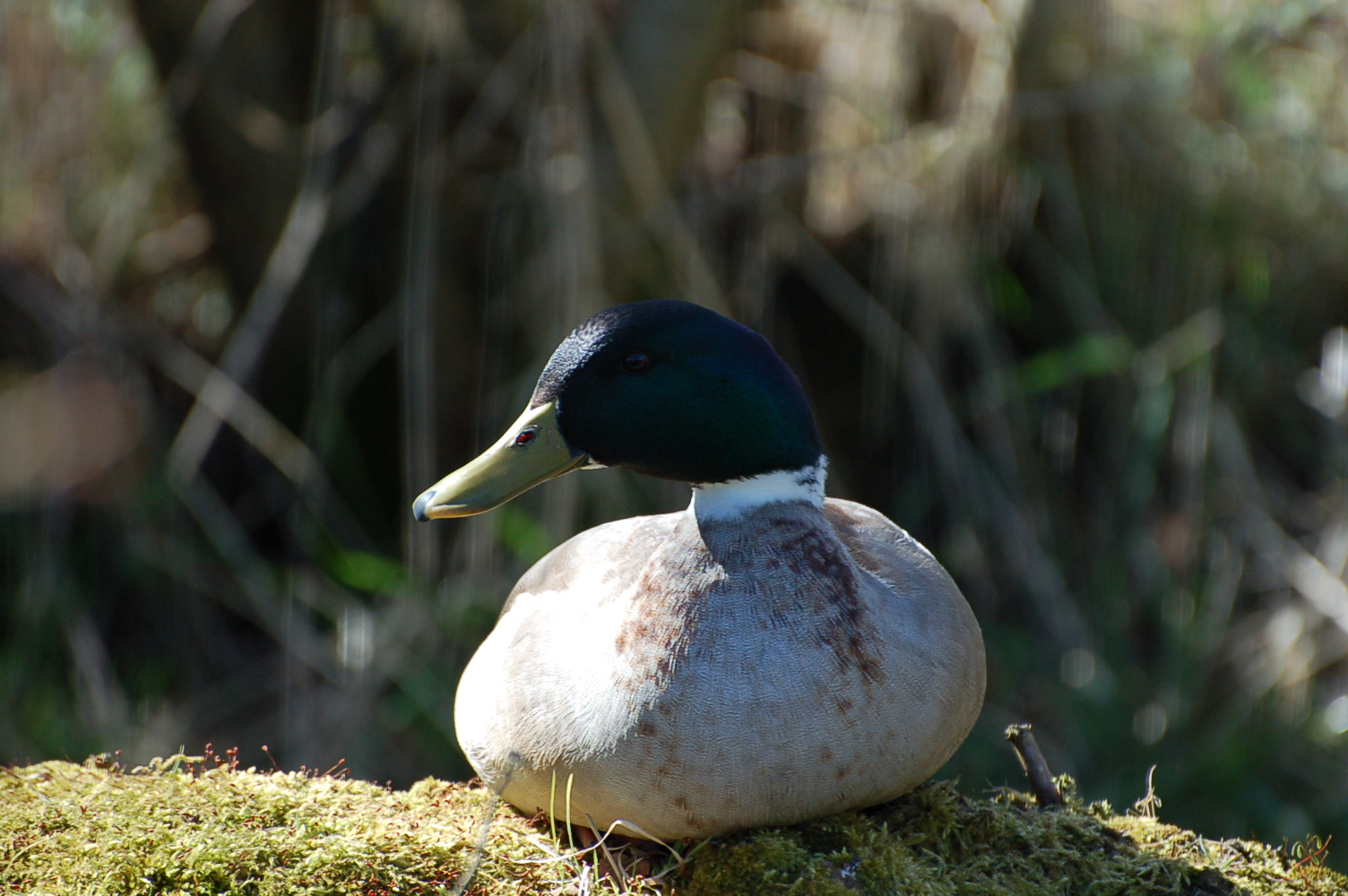
The commonest of wildfowl and waders fed alongside rarer visitors and we enjoyed them all equally. Just over seventy species of bird spotted in one day are testament to the quality of the reserve’s habitat management.

DSC_0020 DSC_0024 DSC_0035

I took lots of photos during our visit and not all of them fit in with the text above so just click on any shot in the gallery below to enjoy a slide show celebrating our first true day out this Spring.

Categories
gardens open to the public National Trust nature reserves Shropshire wildlife woodland

Attingham’s Deer

We always keep an eye out for the deer herd at Attingham. Today we were treated to a close up view of a group of these Fallow Deer. They were so busy feeding they hardly noticed us. We felt honoured that they let us watch them and take a few photos. Click on any pic to see them as a slide show.

Categories
colours garden photography gardening shrubs wildlife

The Stuttering Start to Spring

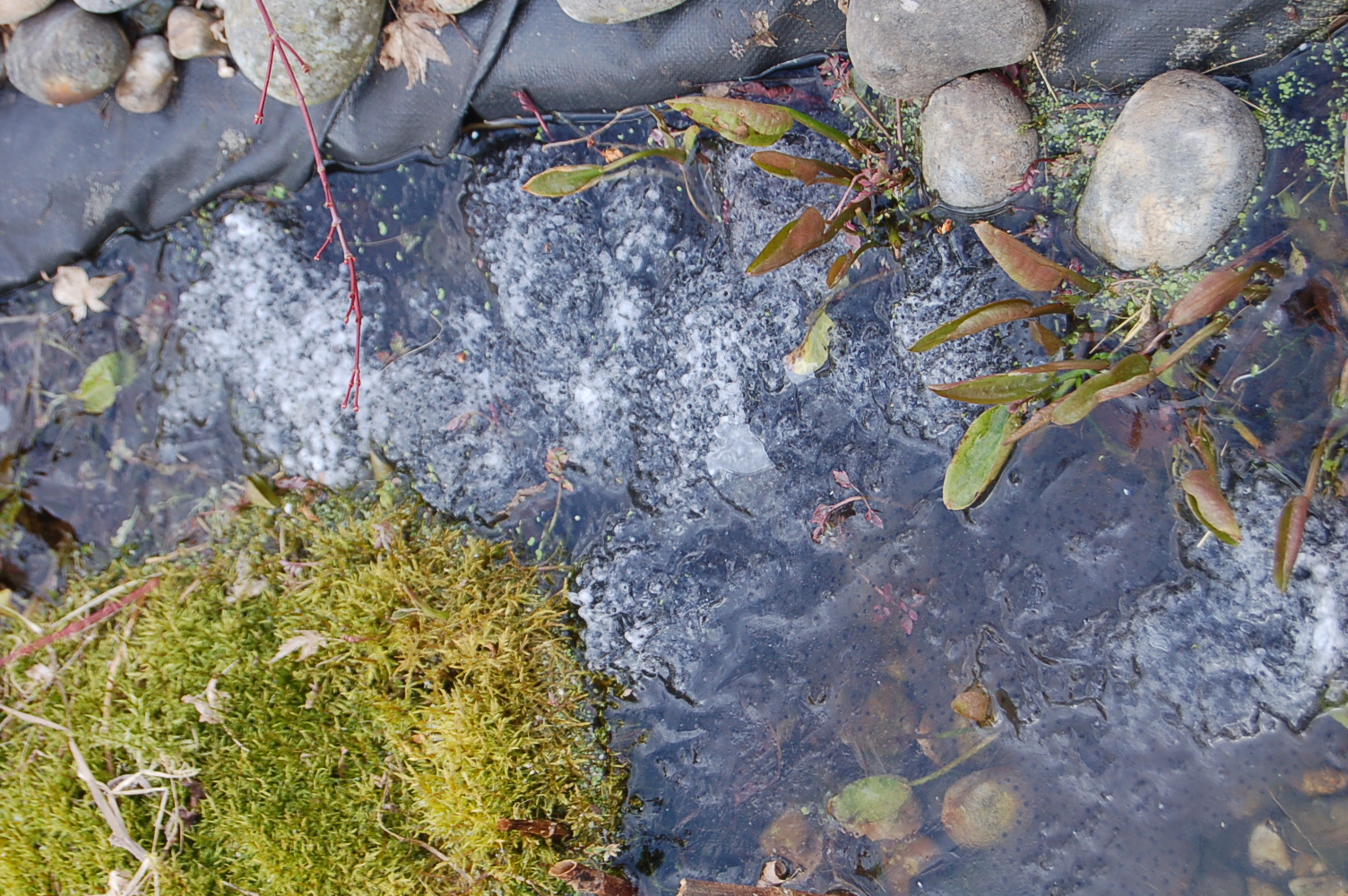
We have been getting signs that Spring may be on its way. Buds of Hawthorn and Elder have started to split open to allow the brightest of green leaves to squeeze their way out. Yesterday frogs left us a gift in the wildlife pond – a big pile of spawn. Seeing the first spawn this late in the year is unusual as we normally find some in mid-February.

Last night the temperature dropped to minus 6! The spawn was frozen into the icy surface of the pond and fluffy snow flakes littered the surface.

DSC_0003

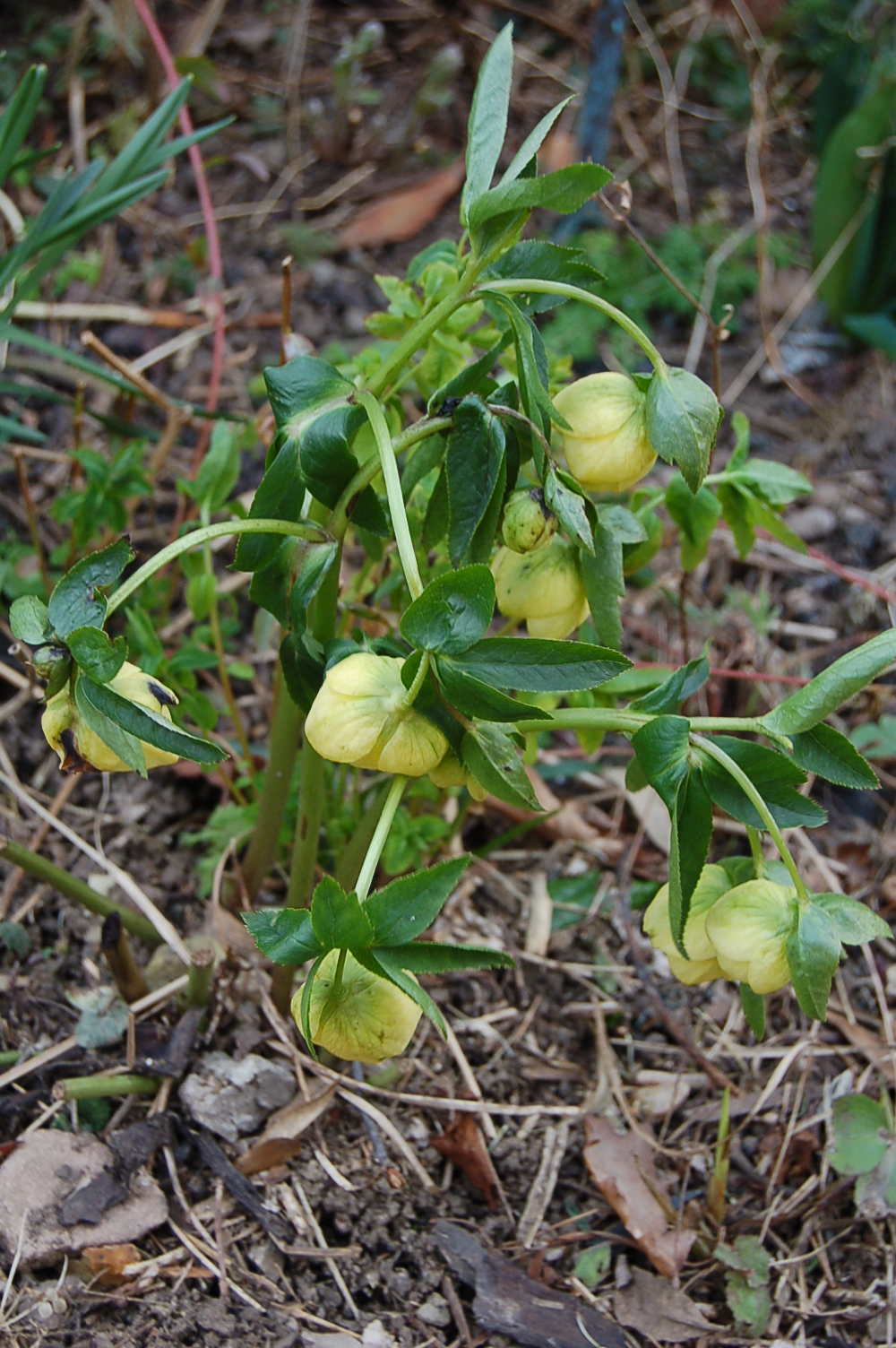
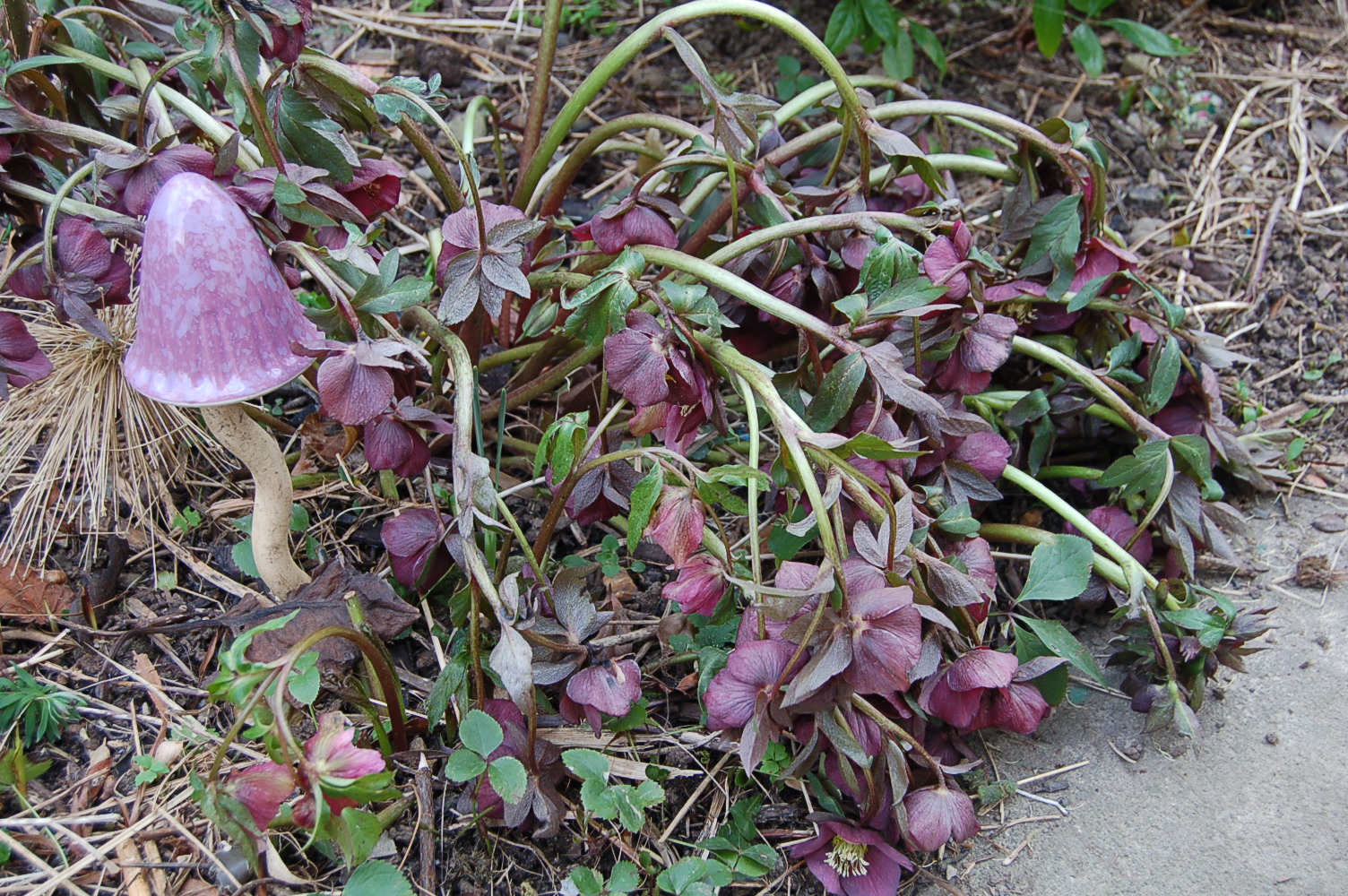
The Hellebores that we have been enjoying so much over the last few weeks drooped losing all their structure. Stems bent over and lowered the flowers to the frozen ground. We know they will burst back when temperatures again rise above freezing and perhaps assisted by a little sunshine.

DSC_0002

DSC_0001

Happily a few plants in the garden  have responded more positively to the fall in temperature. The foliage of Hebe “Red Edge” is always colourful but in this spell of renewed cold it has taken on richer tints.

DSC_0004 DSC_0005

Categories
arboreta birds fruit and veg garden design garden photography garden wildlife gardening grow your own hardy perennials Hardy Plant Society HPS meadows ornamental trees and shrubs Shropshire South Shropshire village gardens

Holly Cottage – another garden visit with the HPS

June 16th and we are visiting two gardens with fellow members of the Shropshire Hardy Plant Society. In my previous post I shared our morning visit to “Fairview” and now we move on to Holly Cottage just a few miles away for the afternoon. To get to the cottage we had to drive over a few fields dodging sheep and when we parked up the heavens opened and the temperature plummeted. Bravely we donned waterproofs – it was well worth it. The garden at Holly Cottage ran downhill from the cottage and within its two and a half acres formal and informal plantings of herbaceous plants mingled with mature trees, meadows, a pond and even a small stream.

DSC_0173

DSC_0179 DSC_0195 DSC_0178 DSC_0180

DSC_0168

Just as we were impressed by the veggie patch at Fairview in the morning, the fruit and veg garden at Holly Cottage impressed too. This veggie patch practised organic principles to produce quality harvests.

DSC_0182  DSC_0181 DSC_0185 DSC_0183

Part of following organic principles is to encourage wildlife to garden with you and here there were nest boxes and bird feeders in evidence as well as a meadow, a small arboretum featuring mostly native and wildlife attracting trees and shrubs. A comfy rustic bench was also positioned where we could appreciate it all.

DSC_0187 DSC_0189 DSC_0209 DSC_0207

We like to find original new ideas or twists on old favourites during our garden visits. At Holly Cottage we came across this wonderful example of high-rise living for plants.

DSC_0214

As with any garden the plants are the stars and on a dull, wet cold day such as this these stars are needed even more. Holly Cottage’s plants did not let us down. They lifted our spirits out of the gloom.

DSC_0175DSC_0169DSC_0199

Categories
autumn autumn colours bird watching birds landscapes nature reserves photography wildlife

Walking on the Beacons – The Brecons

We always seem to walk over hill and moor country on cold days. Even back in the Autumn we found ourselves choosing a cold day to journey down to the Brecon Beacons in Carmthenshire for a moorland amble. The Brecons are an upland area of Wales that we tend to drive through but rarely visit so this was our chance to discover its landscape and wildlife.

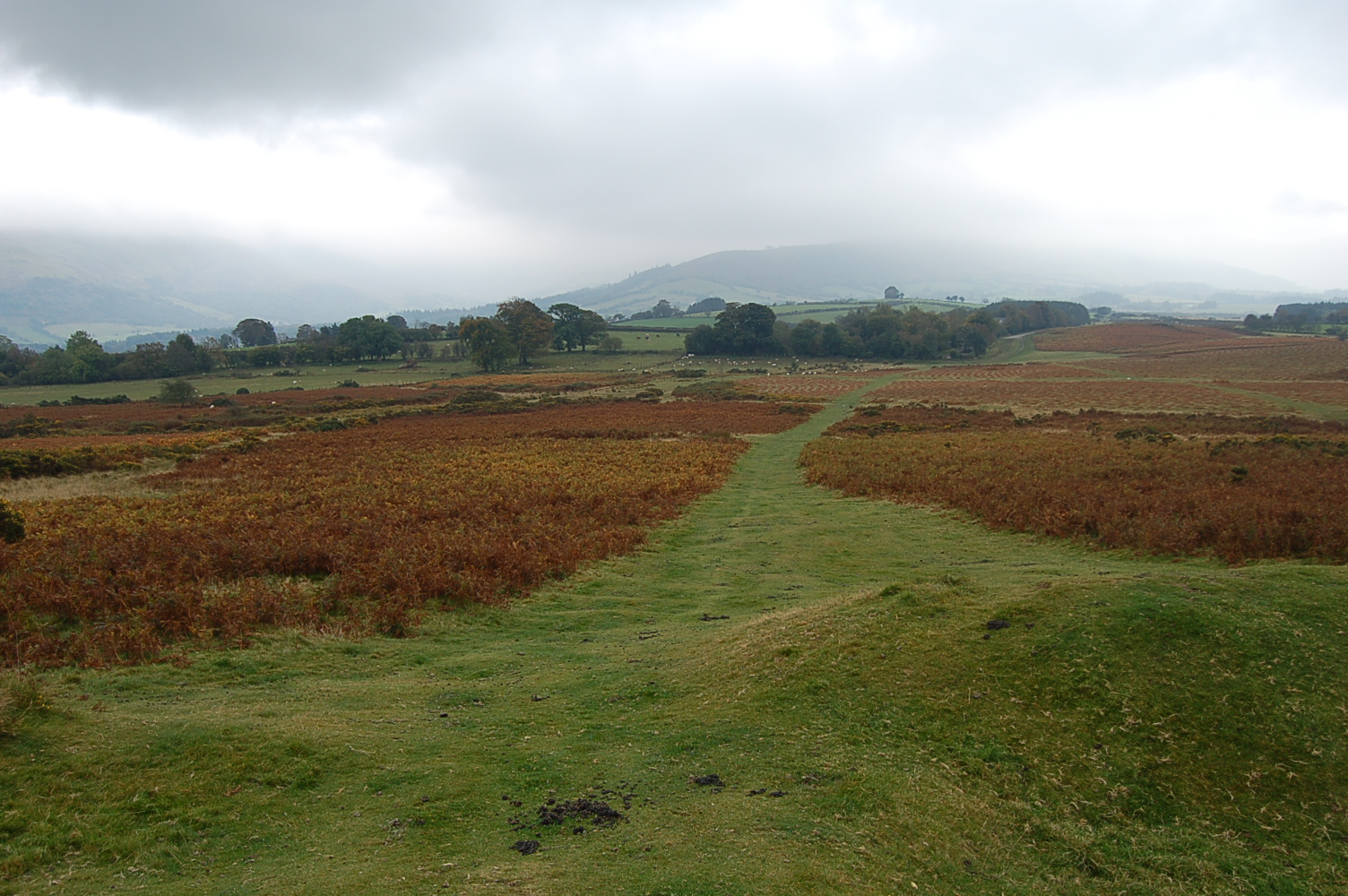
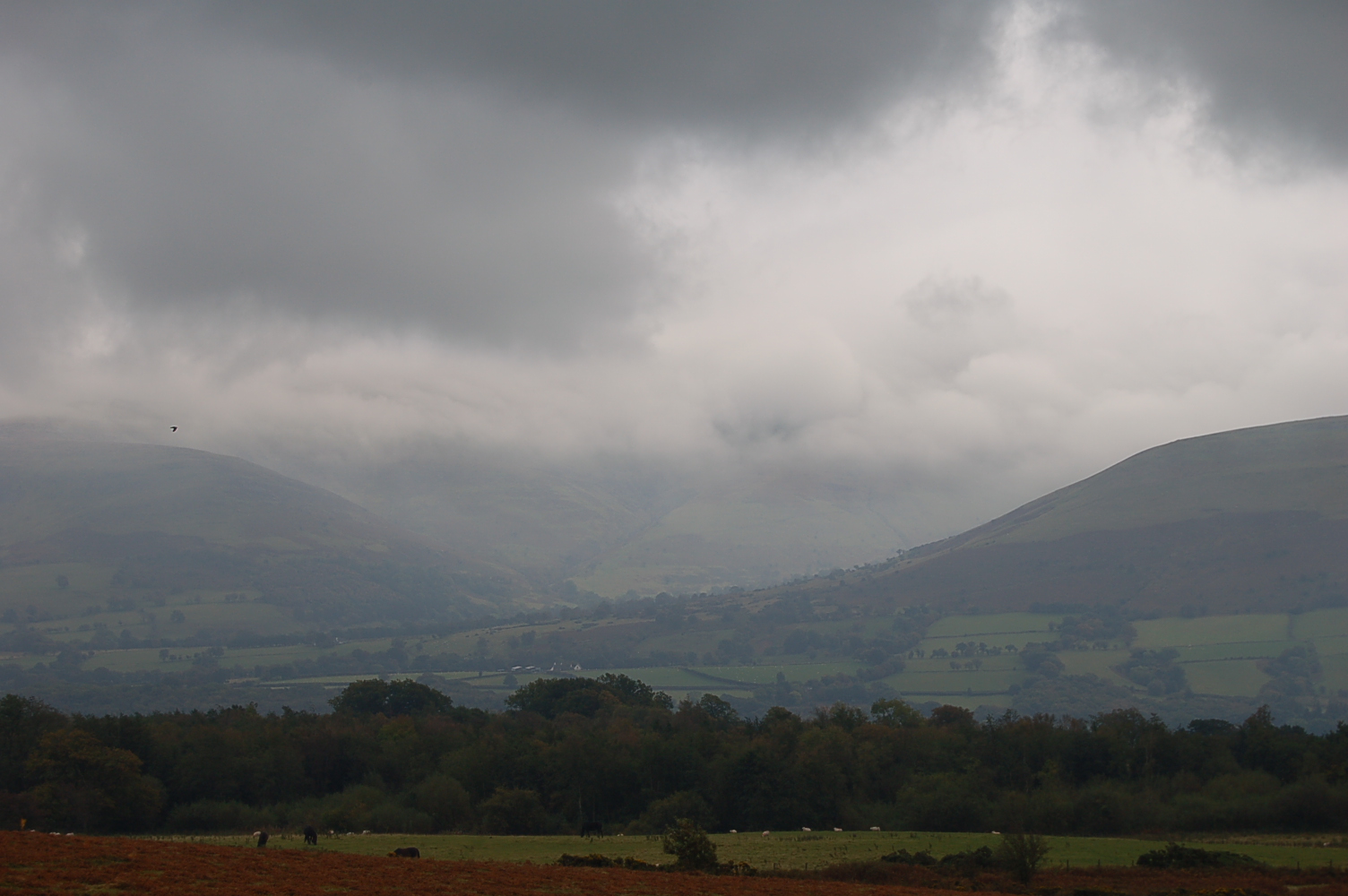
As we set out on our walk the sky looked threatening.

DSC_0001

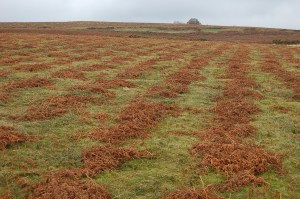
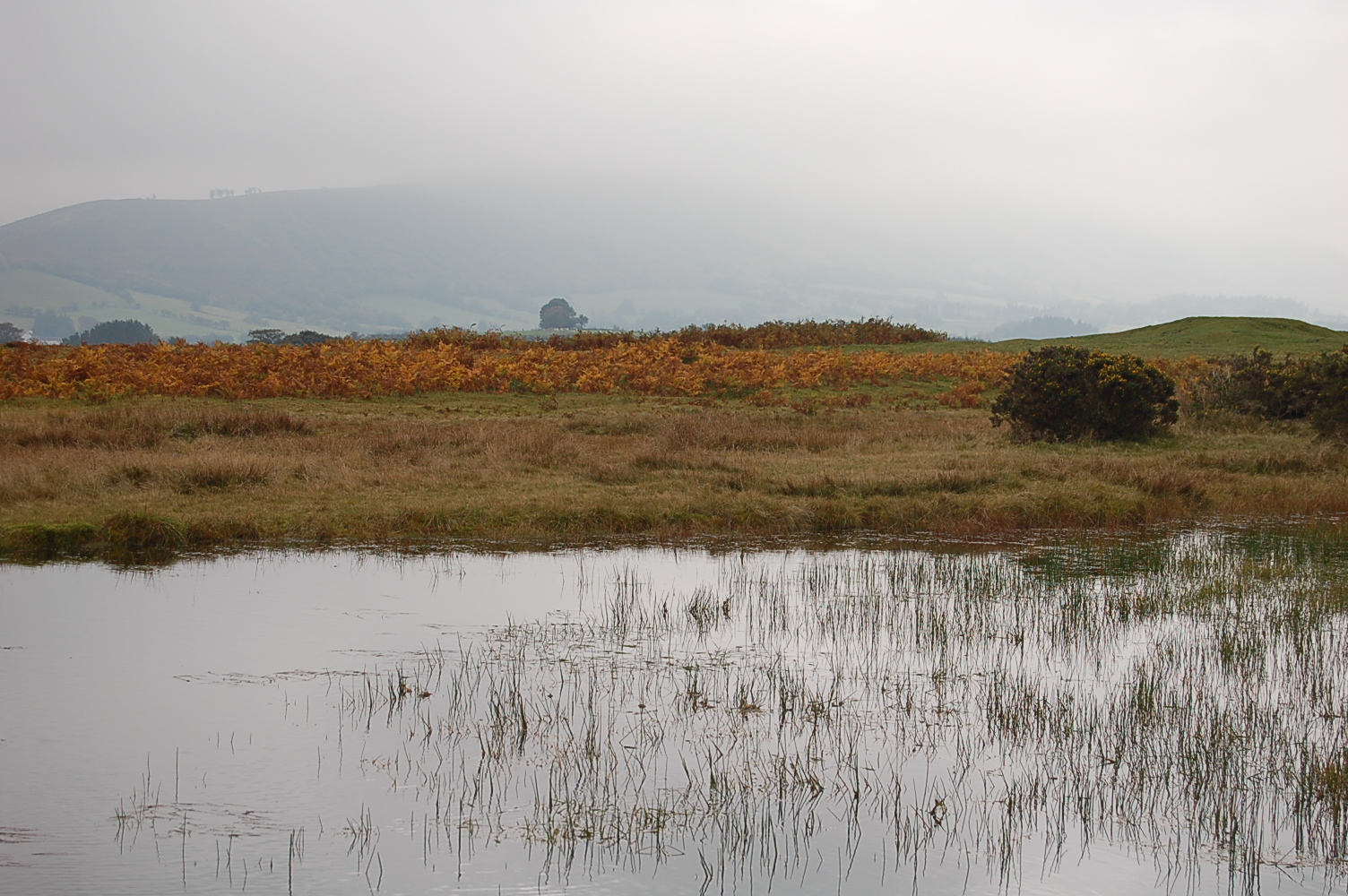
With each step we took up the gently slopes the temperature dropped and the wind got stronger. Around us the bracken had been cut, perhaps to reduce its dominance on the landscape and let other species come through. It seems that wherever there are too many sheep grazing such areas as this the bracken takes over as sheep do not eat it. An excess of bracken reduces biodiversity. Half way across this trimmed area of bracken we came across a flock of waders nervously feeding on the soft soil in the green grassed areas between the rust-coloured stripes. We moved slowly forward, binoculars in hands, desperately trying to work out what they were. Our first thought was Curlews but as we got closer we realised they were too small. Next idea that sprang to mind was Grey Plover which proved correct. they were obviously on the move to somewhere on the coast and had dropped in for shelter from the wind as it got stronger, for a rest and for nutrition. The soft soil would give easy access to creatures below the surface, for which they were probing with their long, strong bills.

DSC_0003

DSC_0016

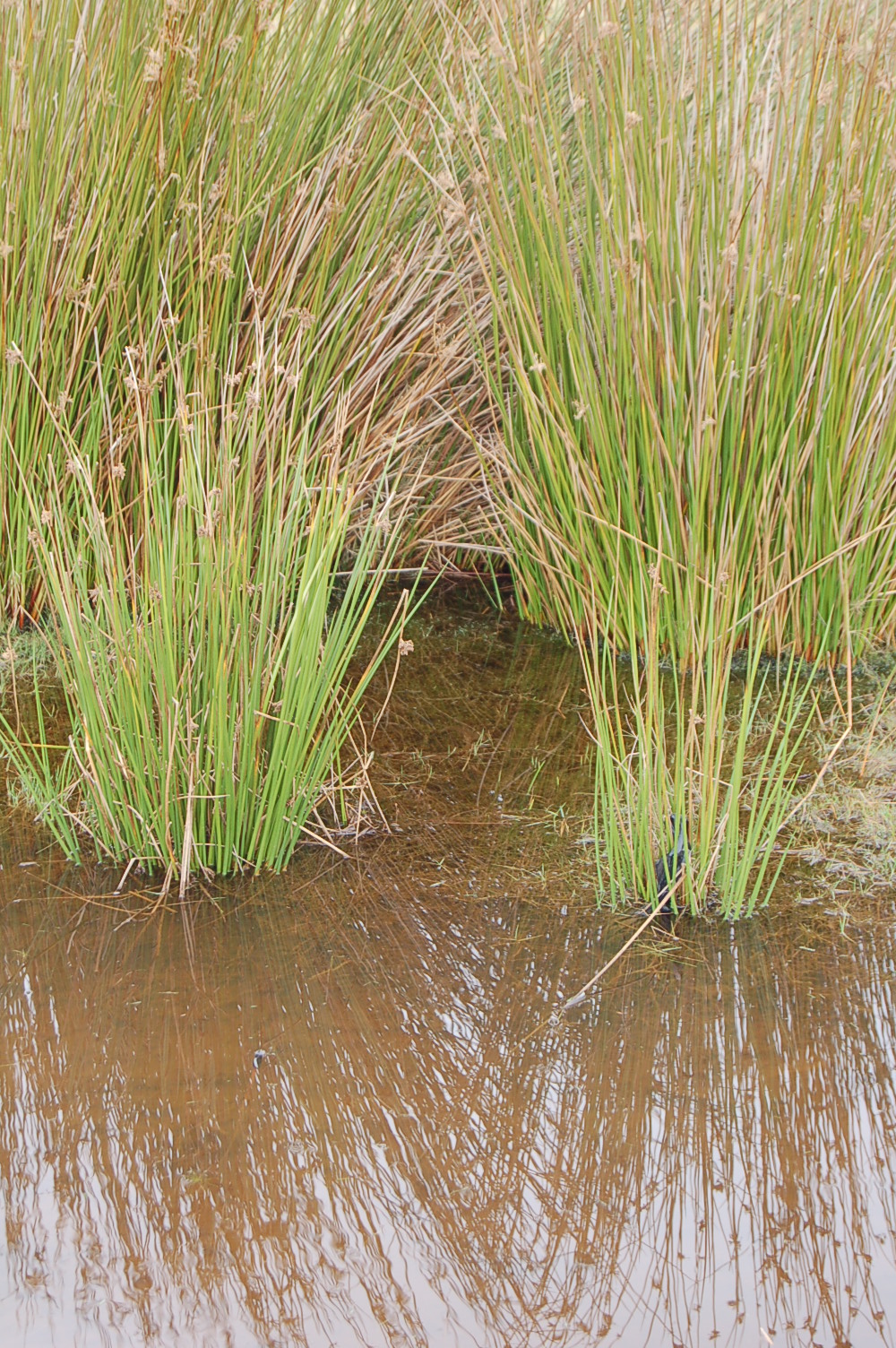
The slow walk up the slope took us through wet areas and gave us varied views.

DSC_0005 DSC_0006 DSC_0007 DSC_0008 DSC_0010 DSC_0012 DSC_0013

When we reached the highest point we stopped for a coffee break and froze! The biting wind stung our eyes and made them run, making tears run down our cheeks, and blew my hat away.

SAMSUNG

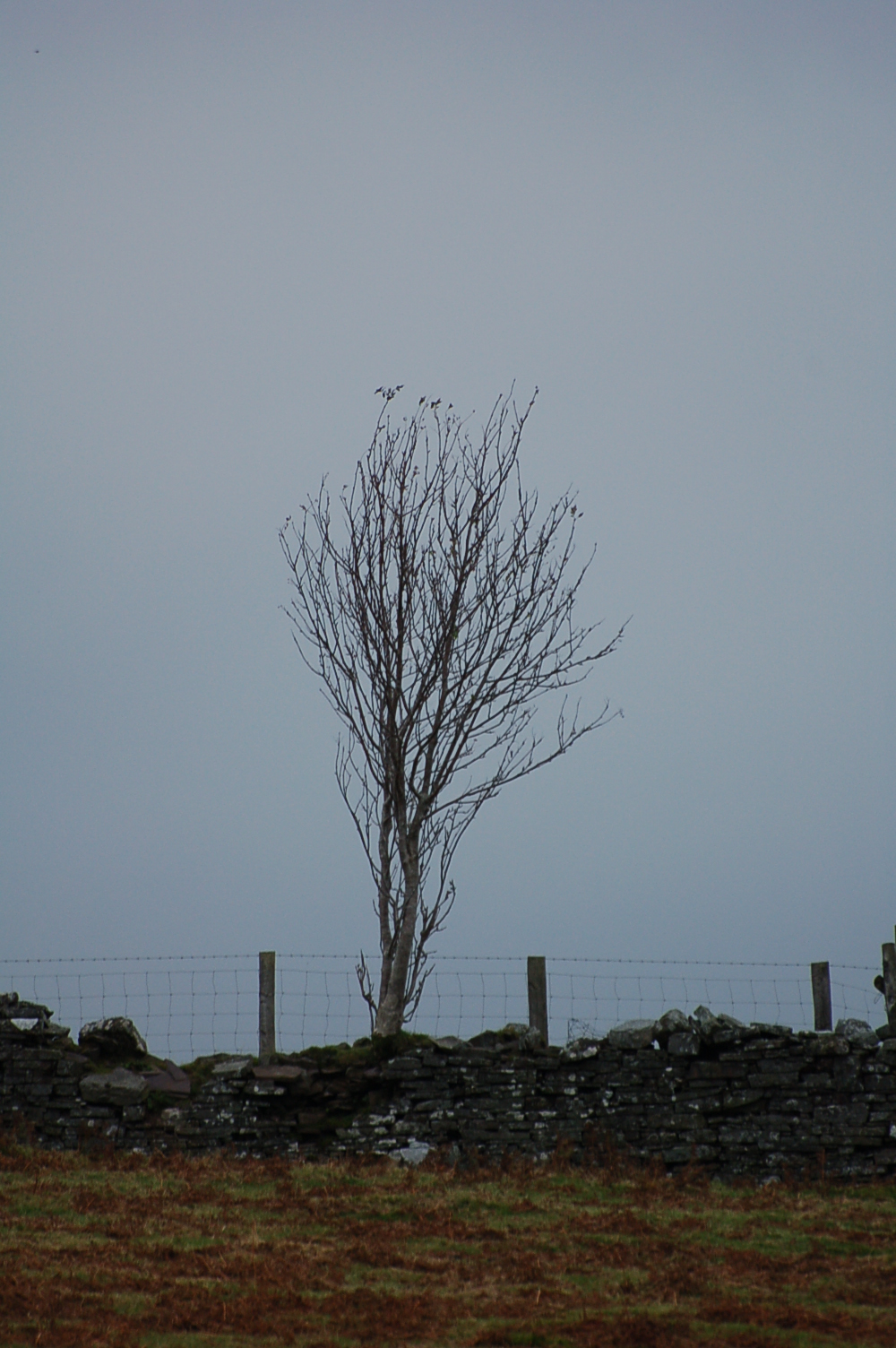
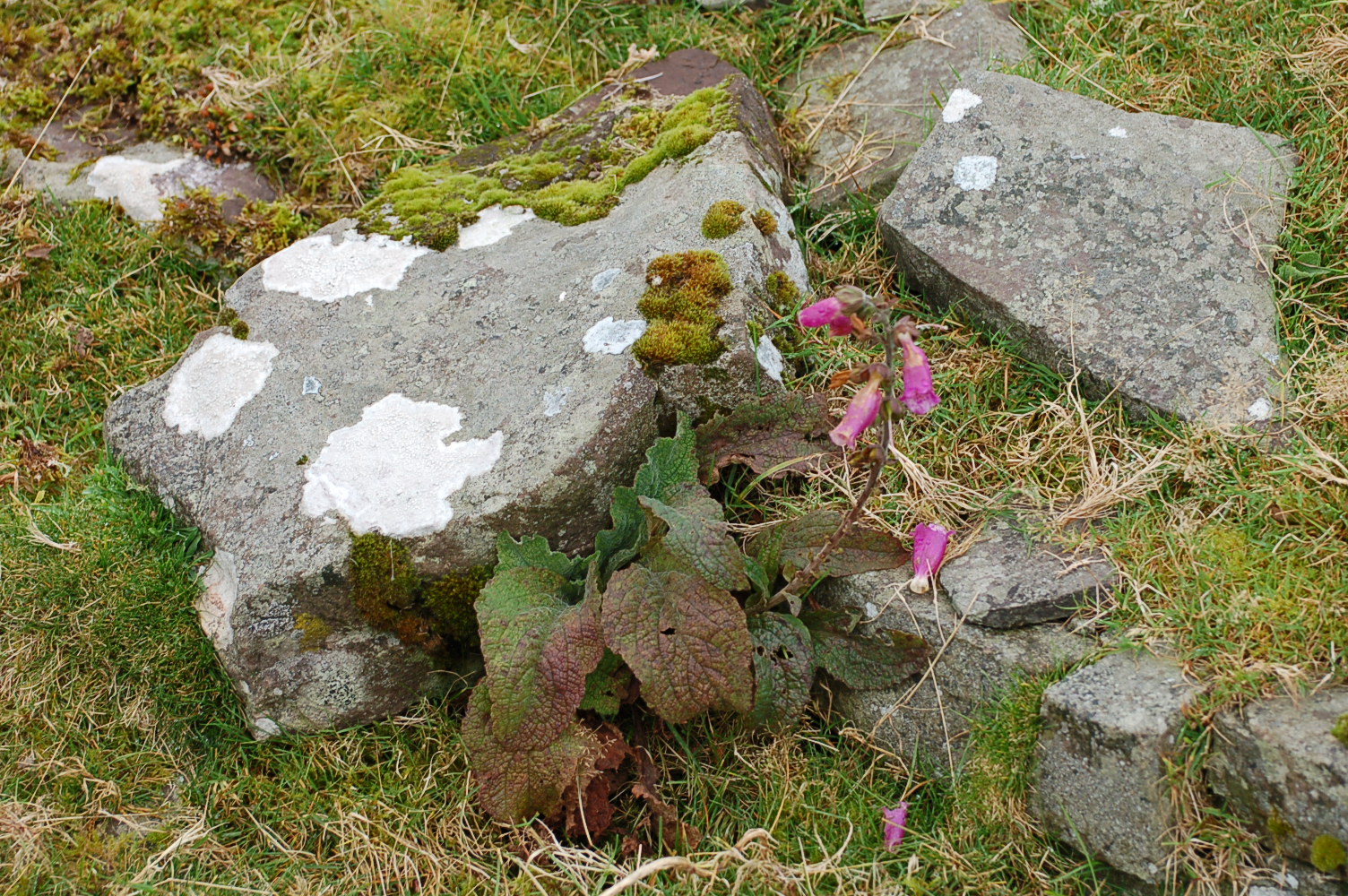
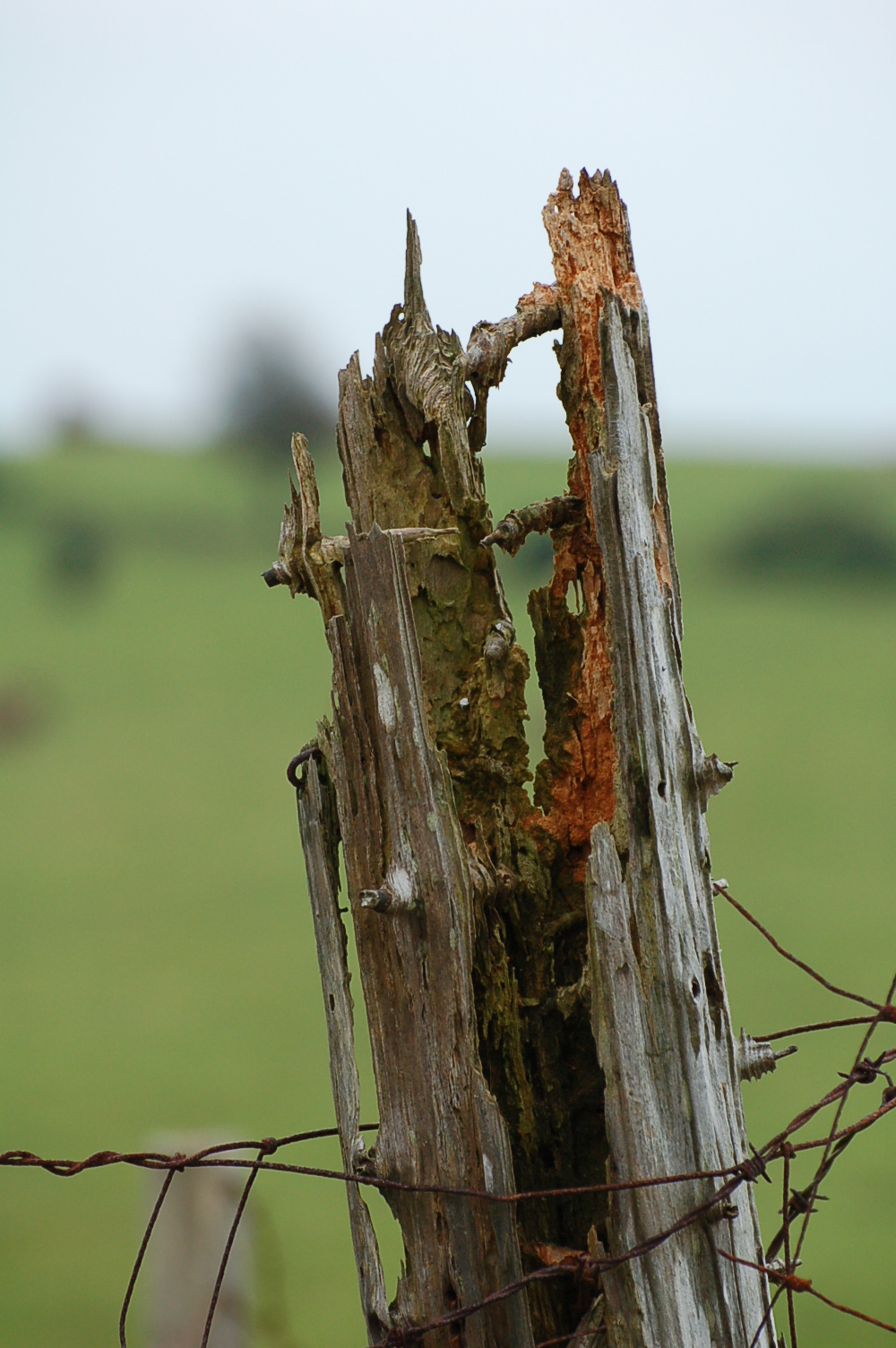
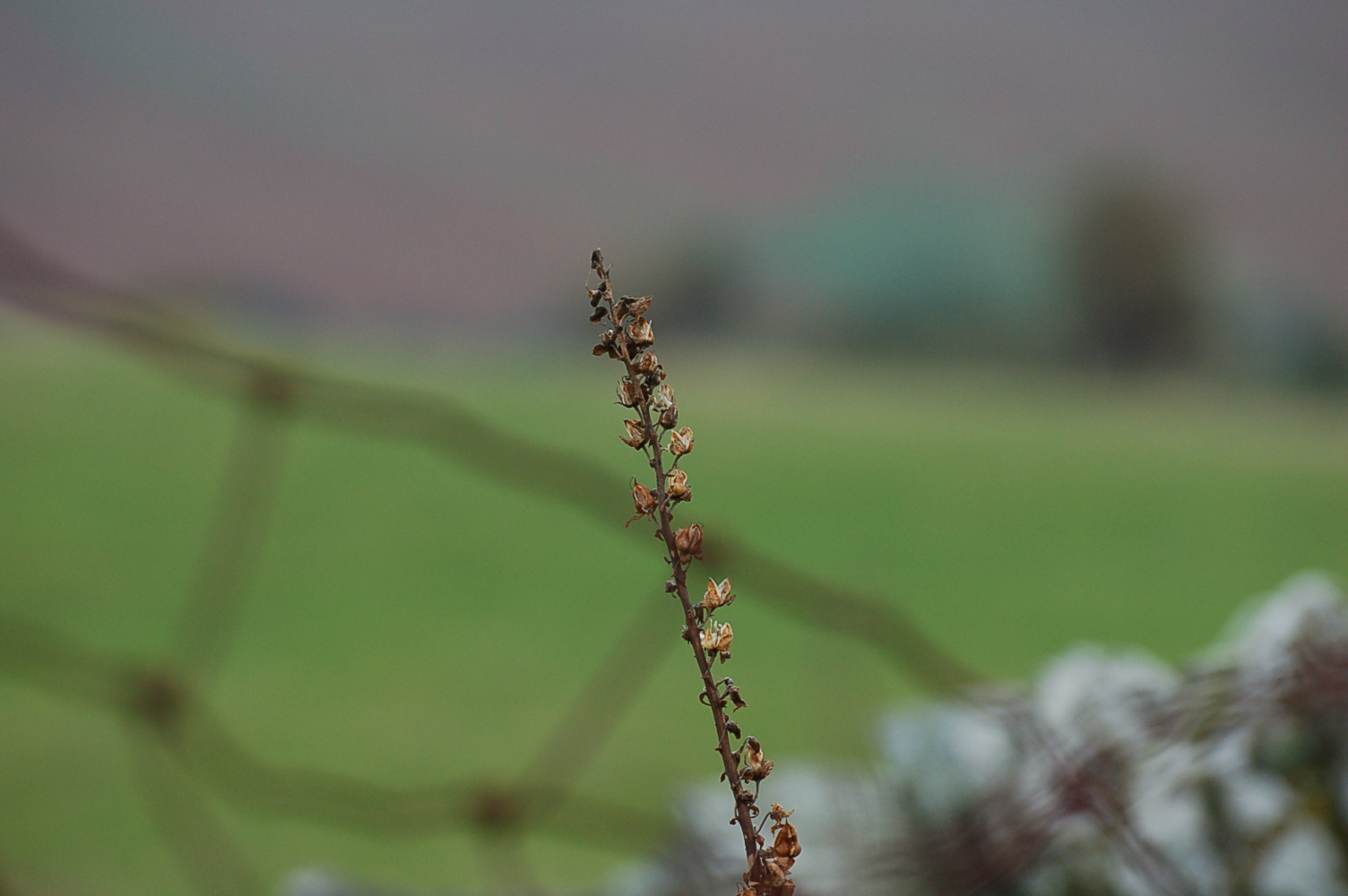
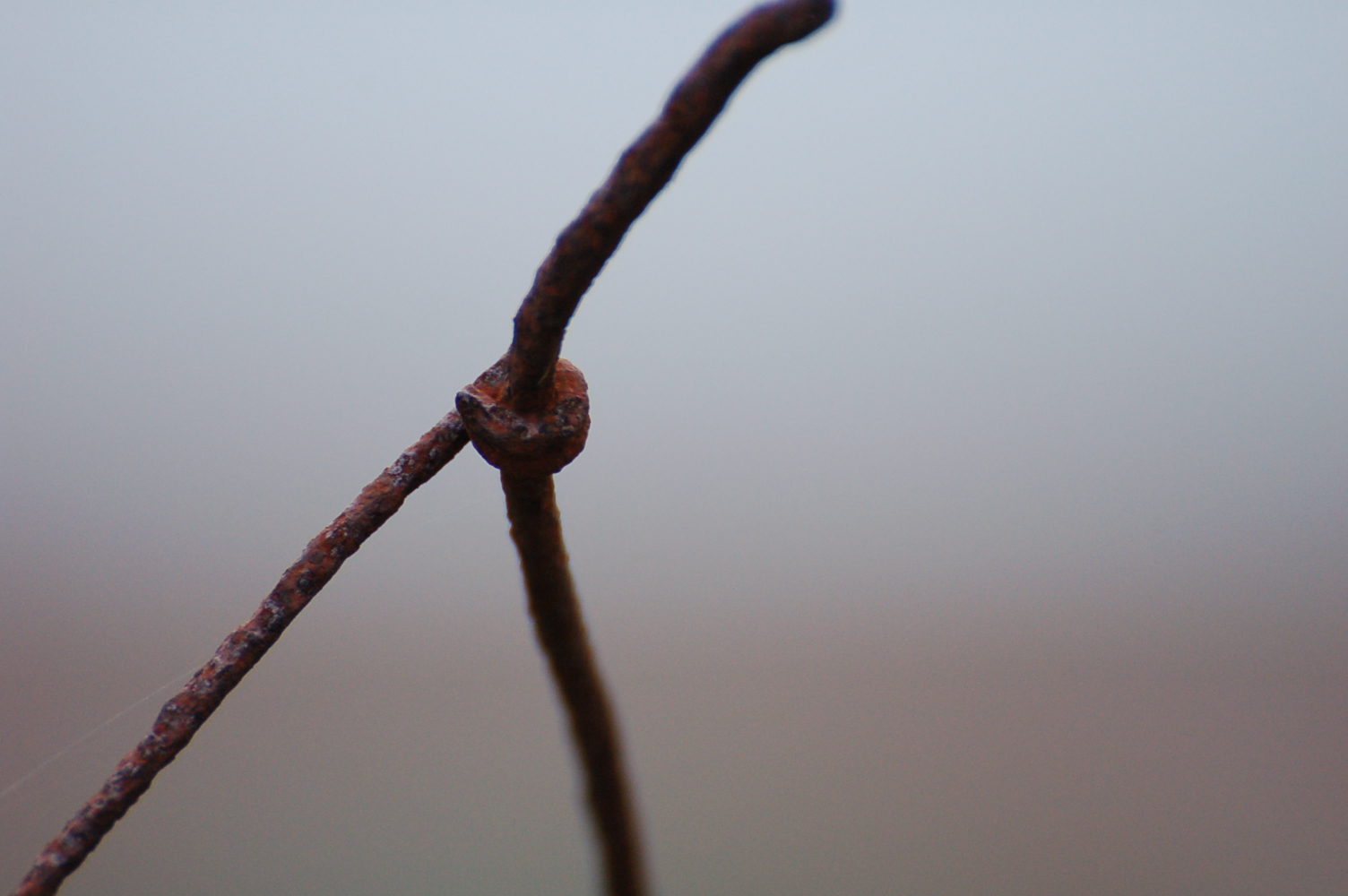
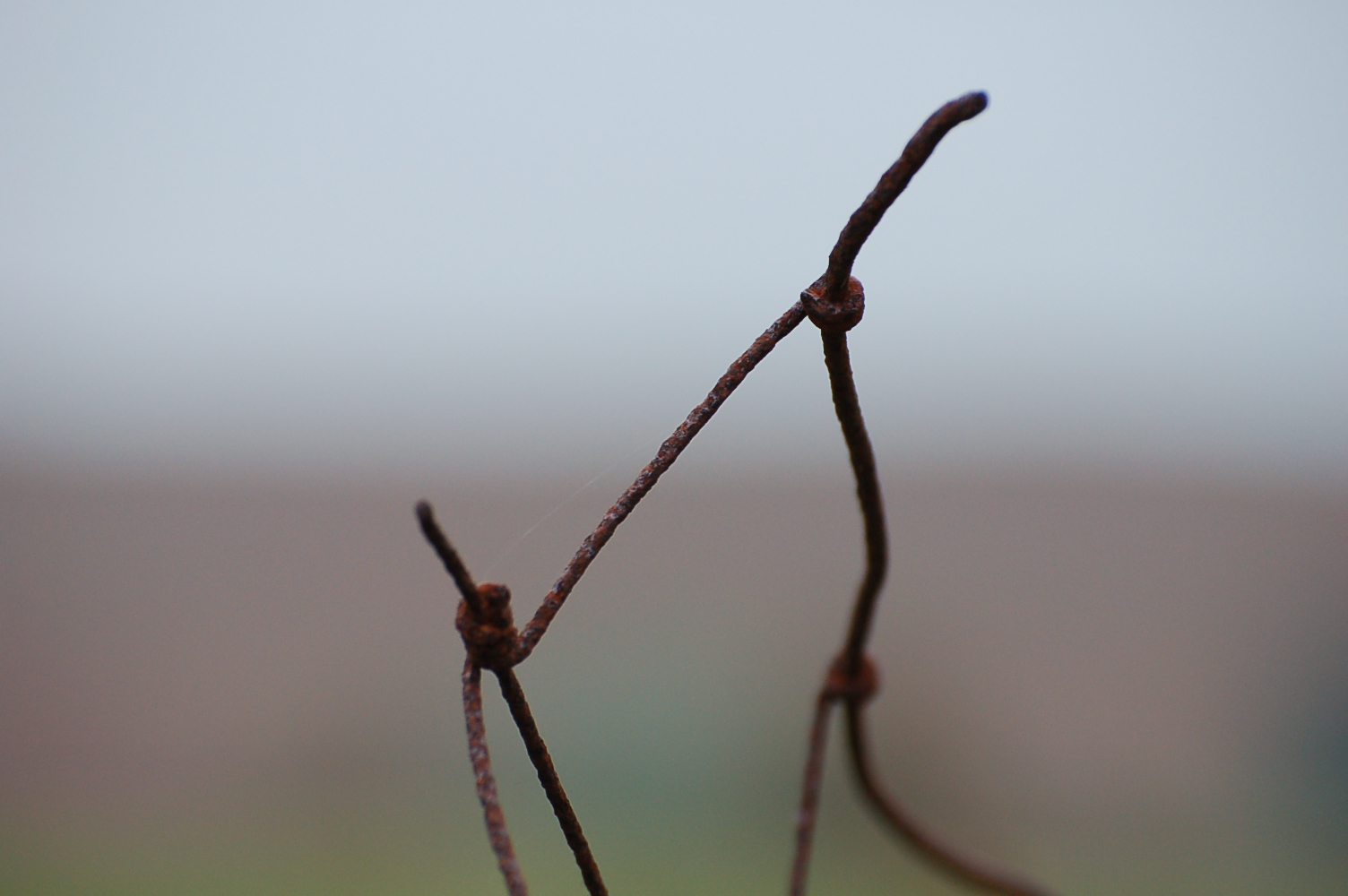
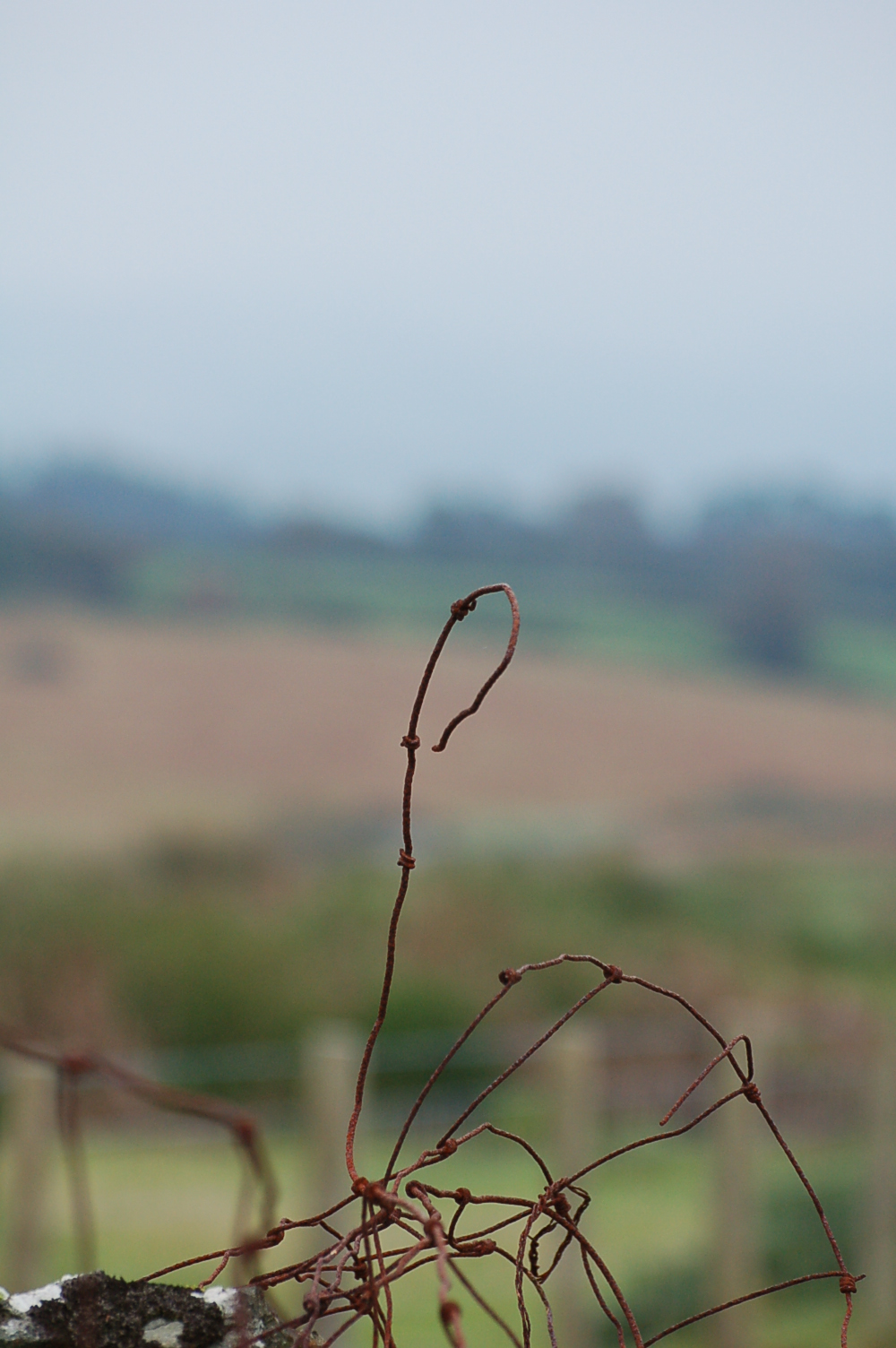
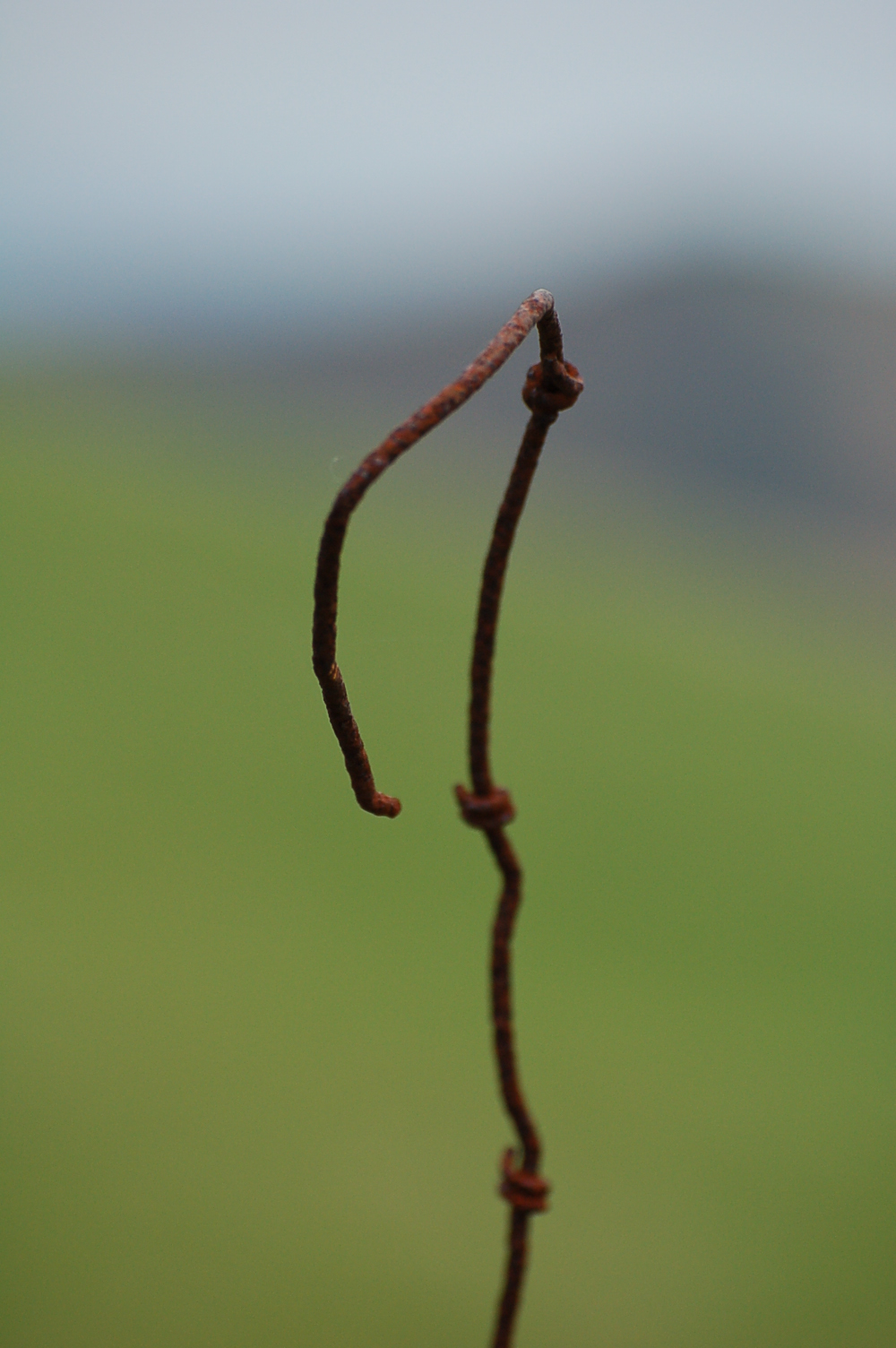
We were hoping the dry-stone wall would afford some shelter, but most of it had long fallen exposing a rough old fence of pig-wire and gnarled posts. After replenishing our spirits we followed the fence-line along the ridge. It is amazing how photogenic a tumbledown, weather-beaten fence can prove to be.

DSC_0017 DSC_0018 DSC_0019 DSC_0020 DSC_0026 DSC_0030 DSC_0031 DSC_0032 DSC_0033

While having our break we watched Red Kite gracefully soaring overhead in search of carrion.

DSC_0006

DSC_0035

DSC_0043

As we dropped back down the slope at the end of the old wall we were sheltered slightly and the wind was on our backs – much better!

On the lower slopes just above the car park we came across two interesting fungi, very different in habit but both deep yellow in colour.

DSC_0040

DSC_0047

So an exhilarating walk in exhilarating weather! We must return in more clement weather!

Categories
bird watching birds garden wildlife gardening wildlife

Winter Birds in our Garden

(Hope you like the new look! Please let me know what you think.)

In recent years we have seen the numbers of most birds visiting our garden, even the commonest, dropping most drastically. Goldfinches, House Sparrows, House Martins, Swallows and Starlings seem particularly badly affected. We try to help by providing food, shelter and nest boxes but our actions must be a drop in the ocean. What would make a real difference would be for some serious research to find the root causes of this sad decline, and then putting it to rights.

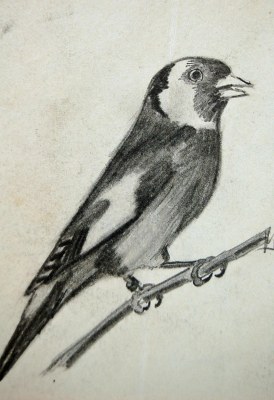
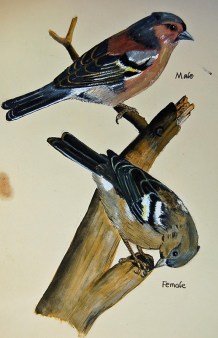
For a change I thought I would add some of my drawings and paintings to the usual photos I include in my postings. The pencil sketch below is of the multi-coloured Goldfinch.

DSC_0005bnm

This year the flocks of Goldfinches are showing signs of improvement, the sparrows are back cheerily entertaining us with their constant chatterings and the tit family seem more numerous. We notice these changes just by observing activity on and around our three feeding stations.

Some birds though still seem to be suffering especially Chaffinches and Greenfinches which until a few years ago were two of our garden’s commonest species.

DSC_0002dfg  DSC_0006nm

Happily the Great Tit population here appears stable and their cousins the Coal Tits seem more numerous. These related birds display very different characters when visiting the feeders. The larger Great Tits are confident and stay feeding for long periods often chasing away other birds with wing-flaring and threatening shouting, while the Coal Tit comes quickly and quietly, selects its nourishment and disappears into nearby vegetation.

DSC_0007bnm

DSC_0004bnm

Many birds come into the garden to feed even when we are around, confidently feeding and foraging as we go about our business.

DSC_0108bn

DSC_0109nm

Winter brings into our garden for our enjoyment birds that we rarely see for the rest of the year. Winter visitors like the continental thrushes are the most obvious as they arrive in great numbers noisily and feed voraciously on berries and bits and pieces dropped from the bird table by the residents. Smaller less obvious visitors are Blackcaps and Siskins and these are welcomed with open arms. They are lovely to watch in the shrubs and trees. Goldcrests move in from the local woodlands and add wonderful bright splashes of colour.

DSC_0009bnm

A strange happening that we have observed this winter for the first time kept us amused for while. Our Nuthatches have started hiding peanuts away under the edges of the roofing felt of the garage and sheds. They ram them in a long way and very firmly. We wonder if they will recall where they left them when they need them in the future. It seems more likely that the Bluetits will discover them as they search all nooks and crannies in search of bugs.

Feeding the birds in our gardens may be drops in the ocean, but lots of drops may make a big wave!

Categories
bird watching birds landscapes nature reserves Shropshire Wildlife Trusts

Bracken and Bilberries – Part 3. The Easy Walk at Stiperstones

In Shropshire we are lucky to have a few paths in nature reserves that are designed for visitors with mobility issues. The ones we have tried out are excellent, but the best we have experienced so far has to be the walk at Stiperstones. We tried it out when I was suffering with my spine and leg pain and followed the trail on crutches.

The route has been well chosen taking in many of the important features of the reserve and has a few useful information boards along the way. There are many resting places, some with wheelchair space alongside a bench for able-bodied companions. On our walk we were impressed with the design of seats for crutch/walking stick users. In actual fact seat is not the correct term – they were really like perches with backs all just at comfortable heights. Simple wooden construction makes them look like a section of fencing but they proved to be quite comfortable.

Every point of interest and each special viewpoint seemed to have a resting place perfectly sited.

The pathway and its resting places gave good close up views of many wild plants which sparkled in the low light of setting autumnal sun.

Alongside the track we came across a small patch of woodland being used for pheasant rearing. The local finch population had cottoned on to the value of this woodland and the easy food source. There are so few trees on the Stiperstones that this group of trees must have seemed like an oasis to small birds. The feeders intended for the young pheasants were attracting Greenfinches, Goldfinches, Chaffinches and Bullfinches as well as the odd Robin and Blackbird.

This was a surprisingly interesting and enjoyable walk so well done to whoever designed and built it. It combines easy access with features to view and plenty of info.

This Veggie Life

A Vegetarian | Nature Lifestyle Blog

Rambling in the Garden

.....and nurturing my soul

The Arch City Gardener

Journeys In St. Louis Gardening and Beyond

Garden Dreaming at Châtillon

Consult the genius of the place

Storyshucker

A blog full of humorous and poignant observations.

gardeninacity

Notes from a wildlife-friendly cottage garden

PlayGroundology

...an emerging social science

The Official Blog of British Wildlife

'The most important and informative publication on wildlife of our times' - The Independent. This blog is a member of The UK & Ireland Natural History Bloggers group: www.uknhb.blogspot.com

iGrowHort

Inspire - Cultivate - Grow Native Plants - Restore Landscapes

Bishops Meadow Trust

To create and protect a semi-natural wild space for the people of Farnham to enjoy and experience an array of British wildlife in our town

Gardening with Children

The www.gardeningwithchildren.co.uk Blog

UKbirdingtimeline

birding through the seasons, why birds matter and how to conserve them

NATURE WALKER

with a camera in hand

Jardin

Transform your outdoor space

Eva's space

My allotment, cooking and other interests

Old School Garden

my gardening life through the year

LEANNE COLE

Trying to live a creative life

fromacountrycottage

trying to live as lightly as possible on our beautiful planet

Good Life Gardening

Nature lovers from Leicester living the good life.

mybeautfulthings

Finding the beautiful in the everyday

mawsonmichelle

Michelle's Allotment

In and Out of My Garden

thoughts from and about my garden

Greenhousing

Big plans for a small garden

The Scottish Country Garden

A Walled Country Garden in South East Scotland

The Fruity Chicken

Life at the fruity chicken

willowarchway

Off grid living. Self sufficient. "PERMAGANICS RULE".

St Anns Allotments

Nottingham's Grade 2* Listed Allotments and Community Orchard

Manifest Joy Harvests

a journey in suburban vegetable gardening

Allotmental

The madness of growing your own

Penny's Garden: a harvest beyond my front door

A novel approach to vegetable gardening

arignagardener

Sustainable living in the Irish countryside.

NewEnglandGardenAndThread

Master Gardener, amateur photographer, quilter, NH native, and sometimes SC snowbird

dianajhale

Recent work and work in progress and anything else that interests me

planthoarder

a chaotic cottage gardener

Lens and Pens by Sally

a weekly blog that creates a personal philosophy through photographs and words

Dewdrops and Sunshine

Stories from a sassy and classy Southern farmbelle.

The Pyjama Gardener

Simple Organic Gardening & Seasonal Living

gettin' fresh!

turning dirt into dinner

JOY...

today the world is created anew

Garden Birds

Notes from a Devon garden

ShootAbout

Life Through The Lens

Adapting Pixels

A photography blog showcasing the best photography pictures and videos on the internet

Wildlifegardening's Blog

Just another WordPress.com site

naturestimeline

personal observations from the natural world as the search continues for a new approach to conservation.

LATEBLOOMERBUDS

The Wonders of Life through my Eyes, my Heart, my Soul