Categories
autumn autumn colours colours garden design garden photography gardening gardens gardens open to the public grasses hardy perennials ornamental grasses ornamental trees and shrubs RHS trees winter gardens Yorkshire

Autumn at RHS Harlow Carr – Part One

We visit the RHS garden, Harlow Carr situated just outside Harrogate, at least once each year. We do this simply because we love the place whatever time of year and whatever the weather. On our latest visit we wanted to see it in the autumn.

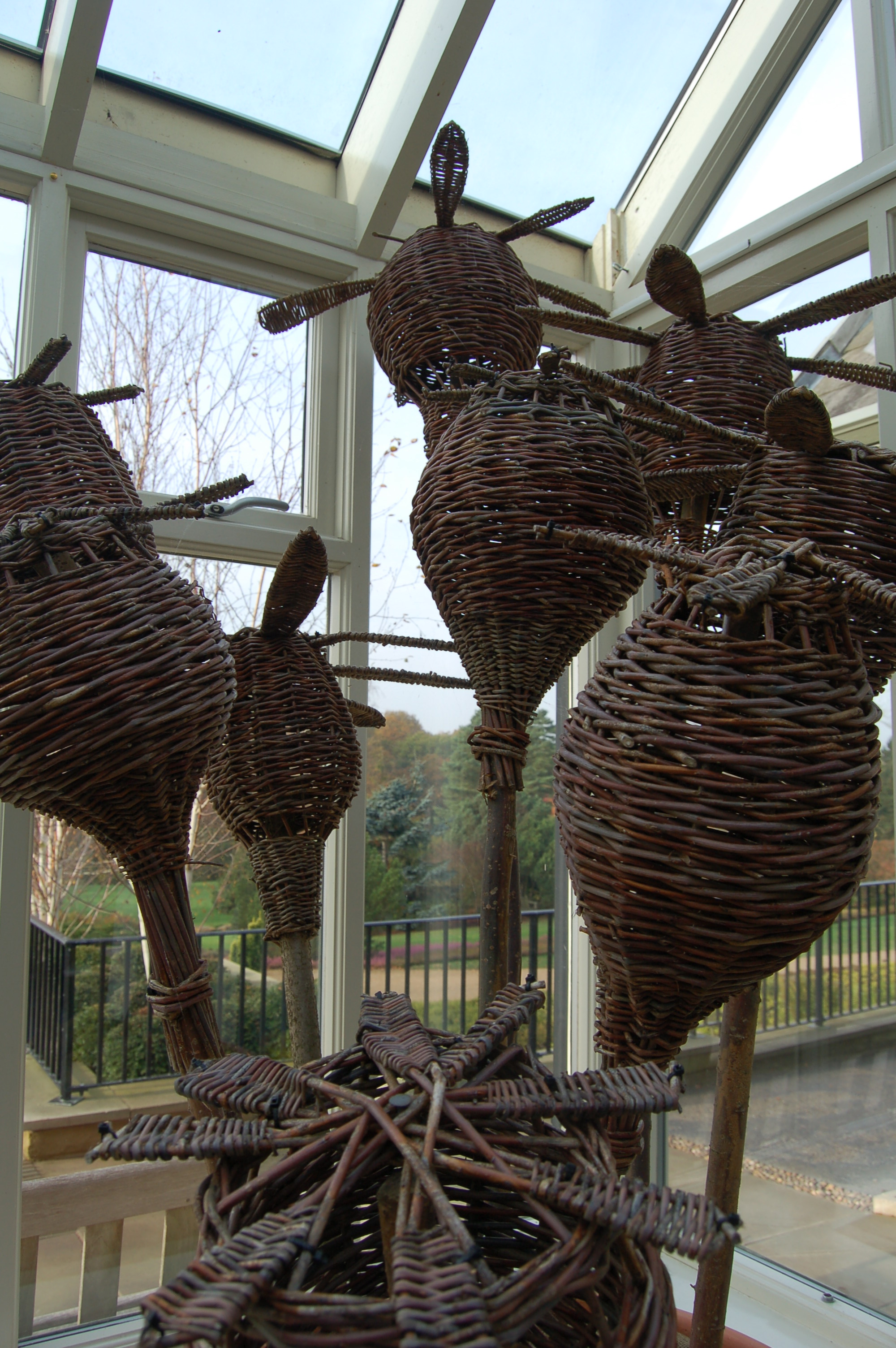
As soon as we arrived we realised there were a few things going on to celebrate the autumn. In the entrance foyer there were clues that a Willow Trail had been set out for children to follow.

2014 10 31_6788 2014 10 31_6789

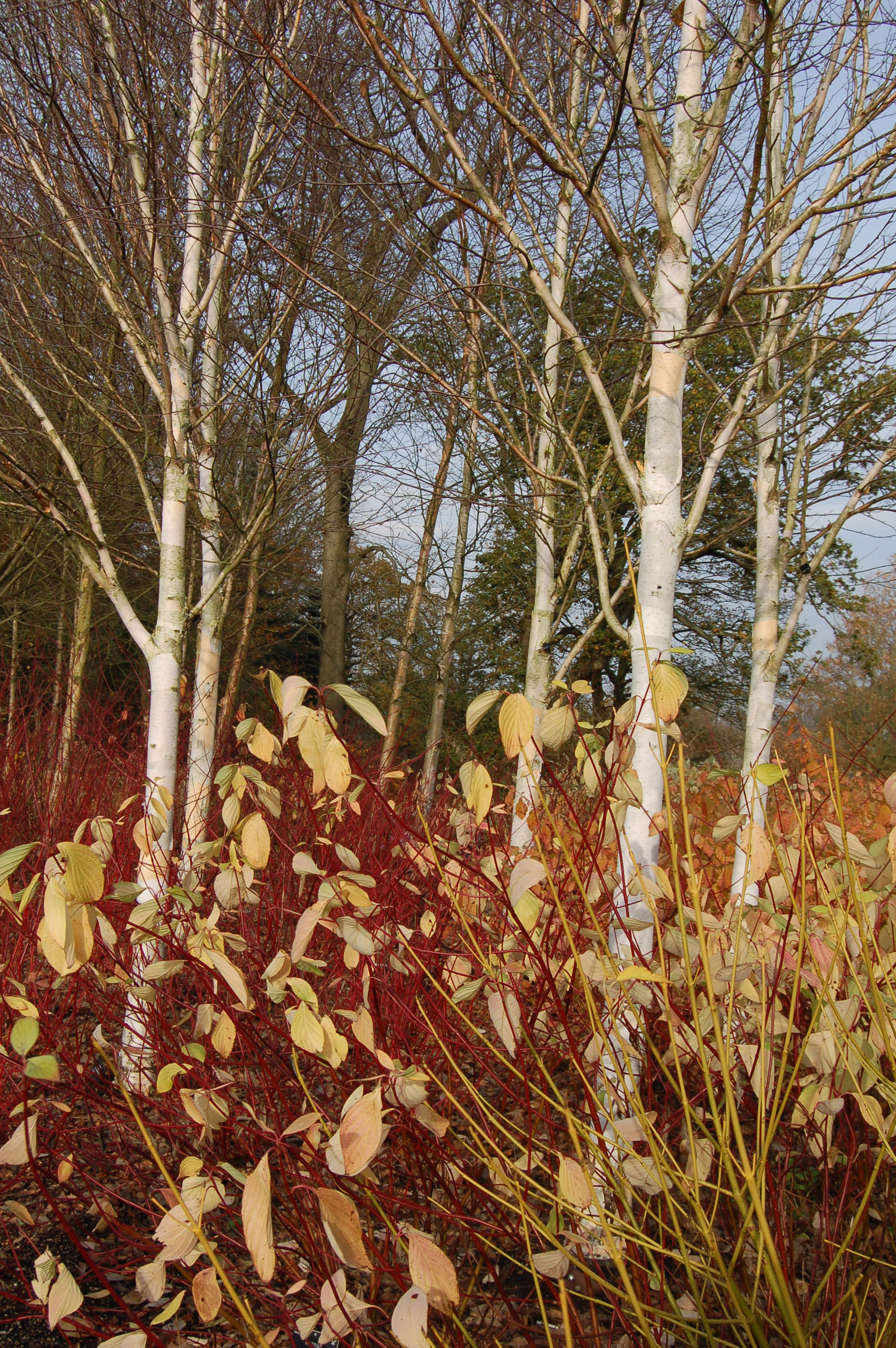
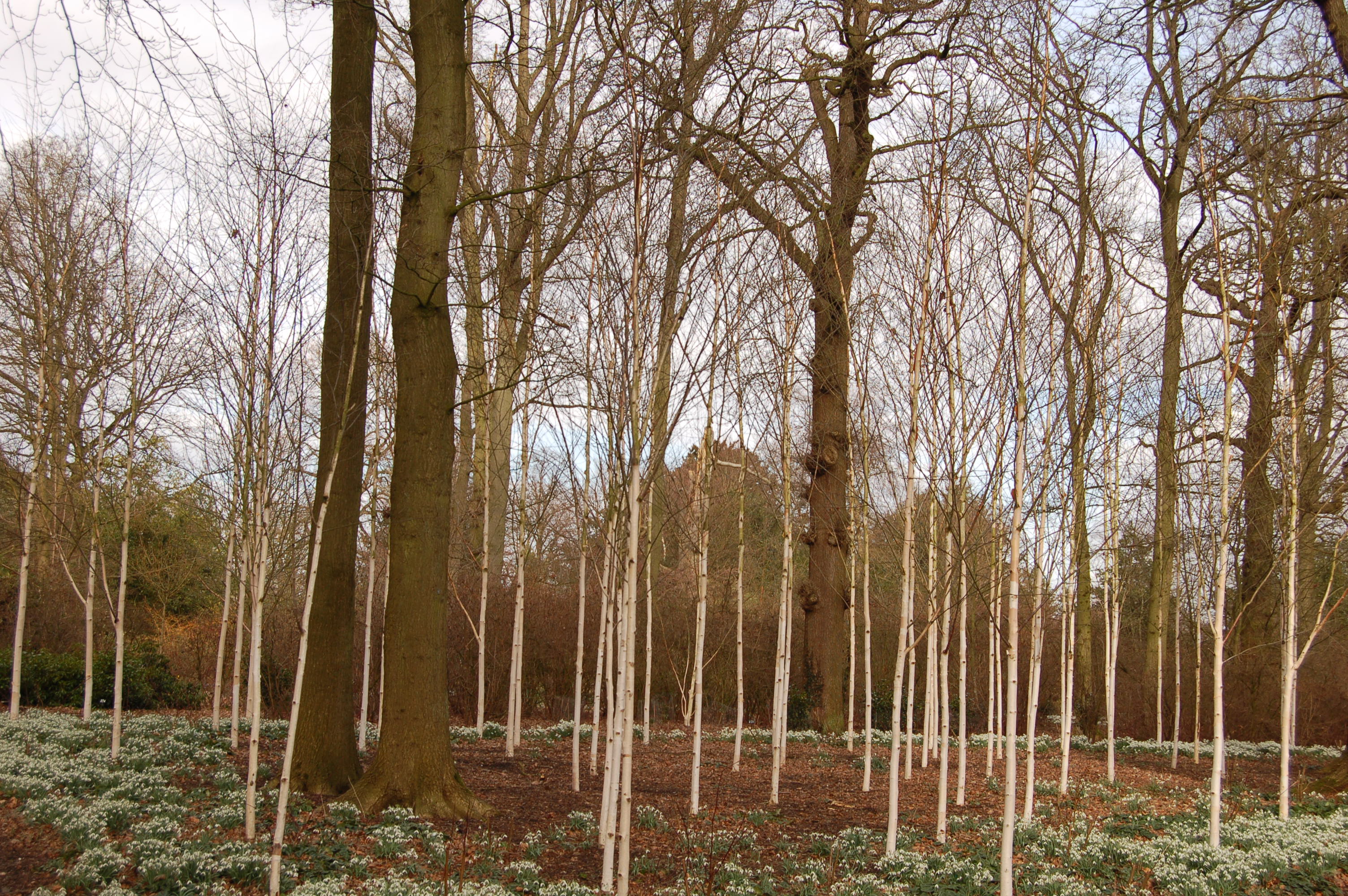
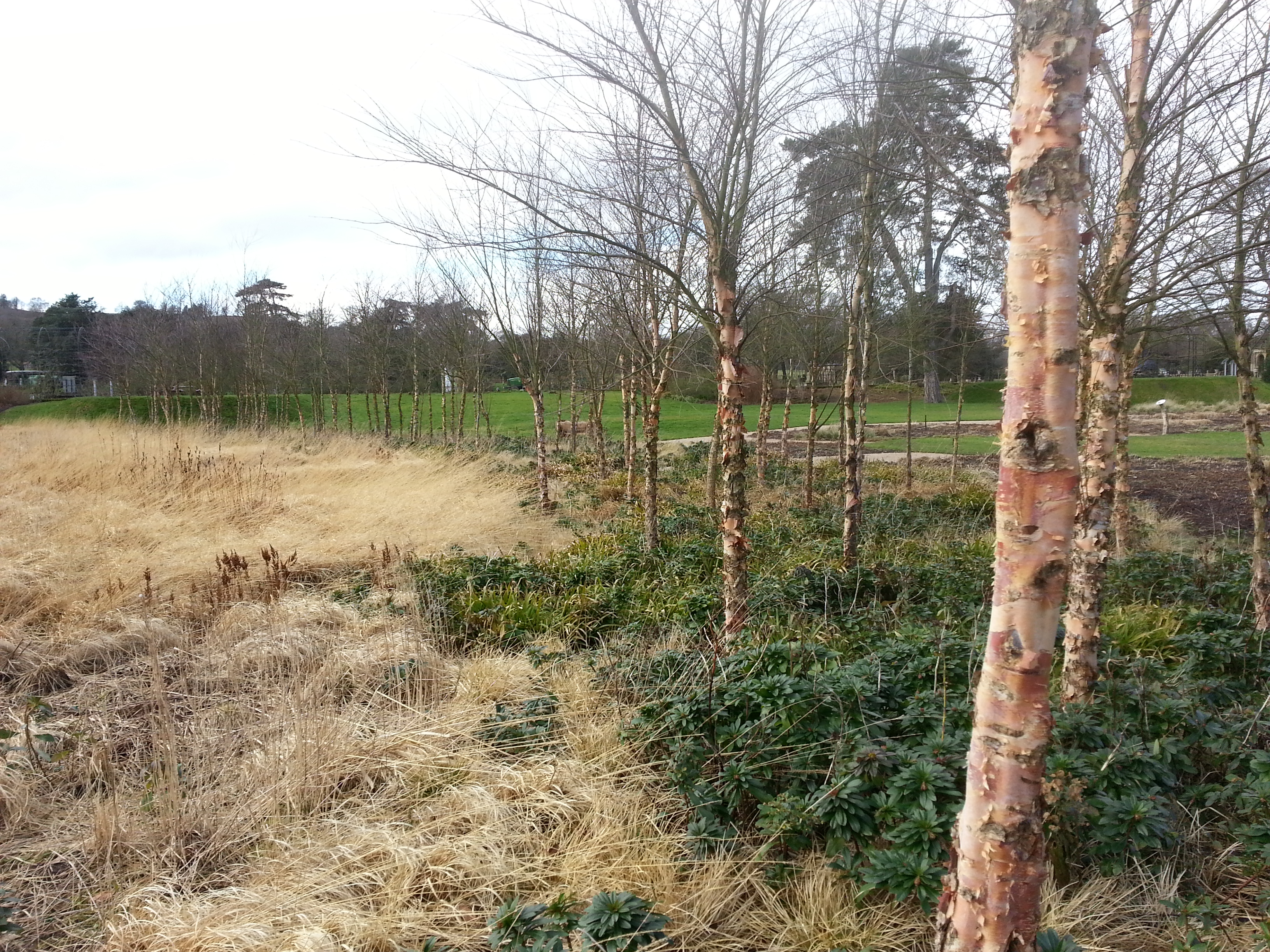
Beautiful pure white stems of Betulas welcomed us into the garden.

2014 10 31_6790 2014 10 31_6791

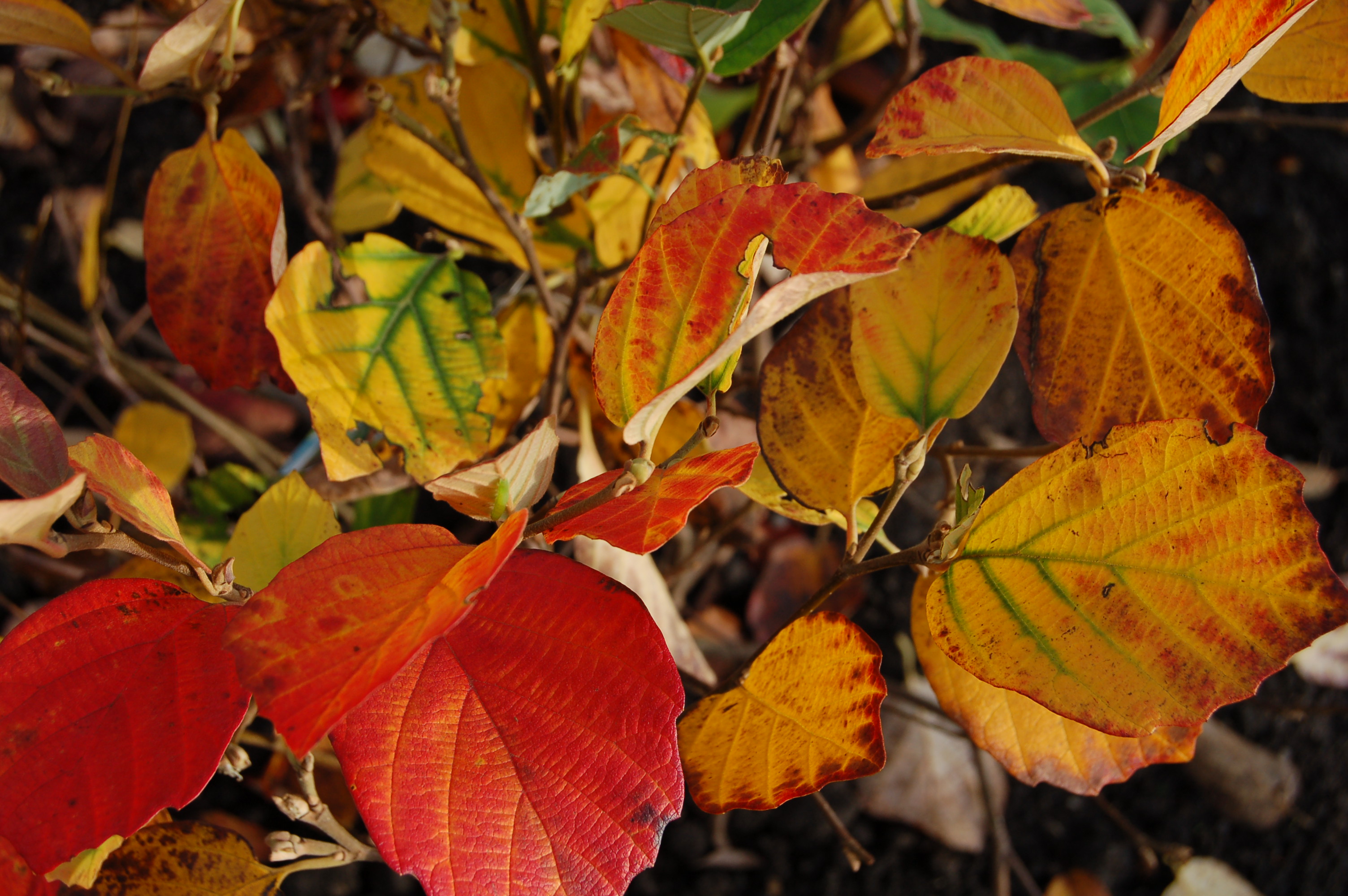
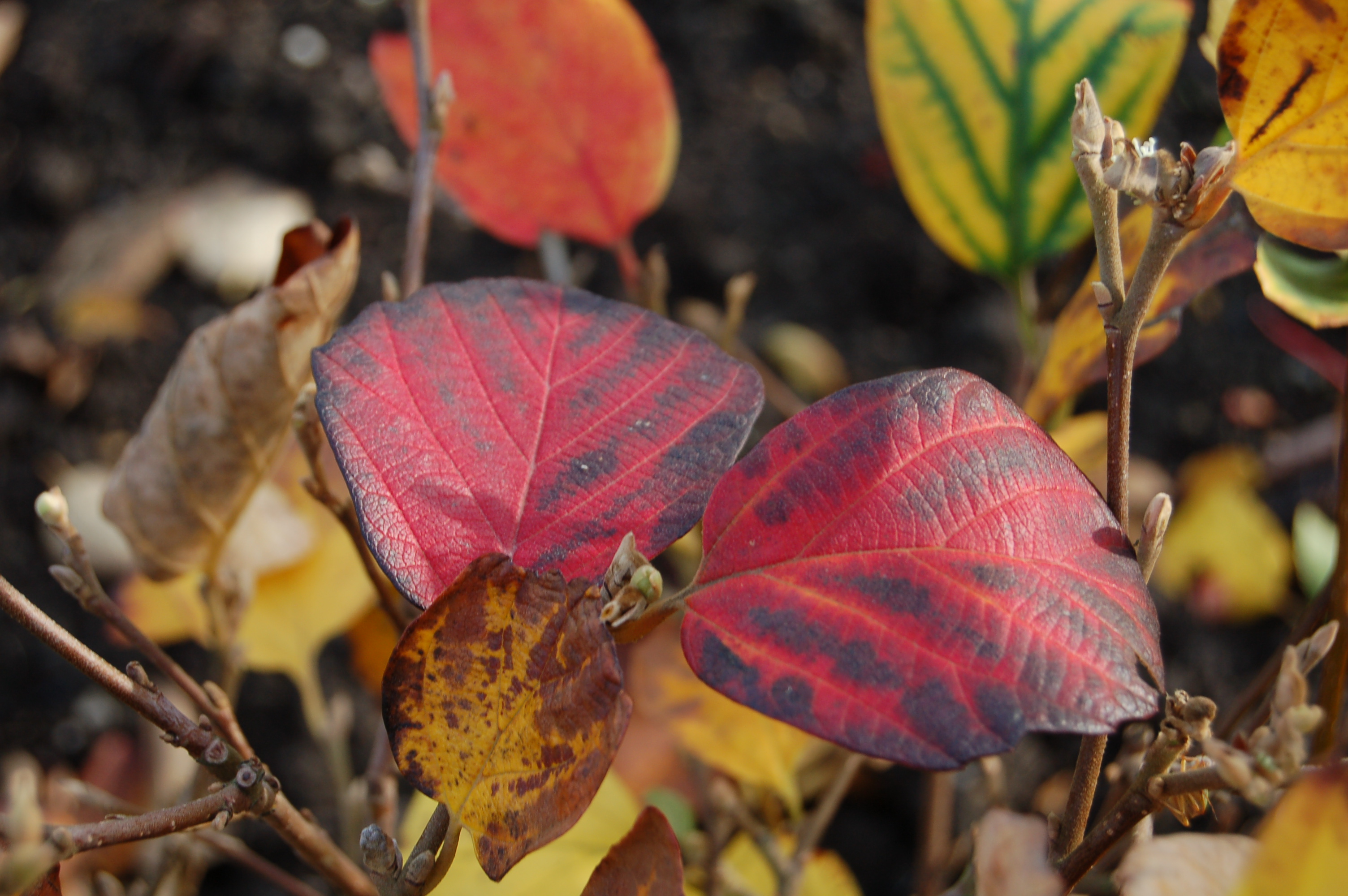
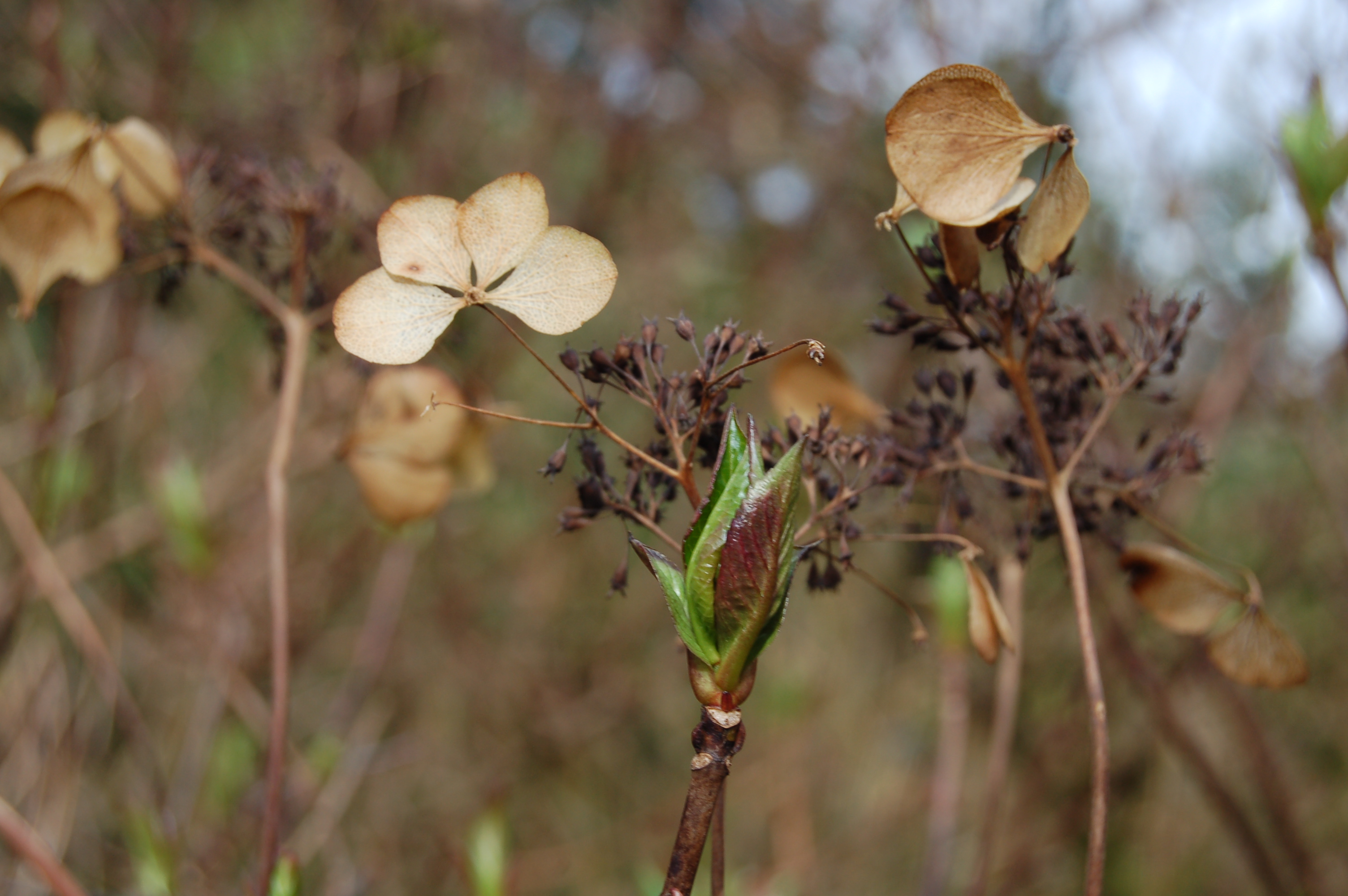
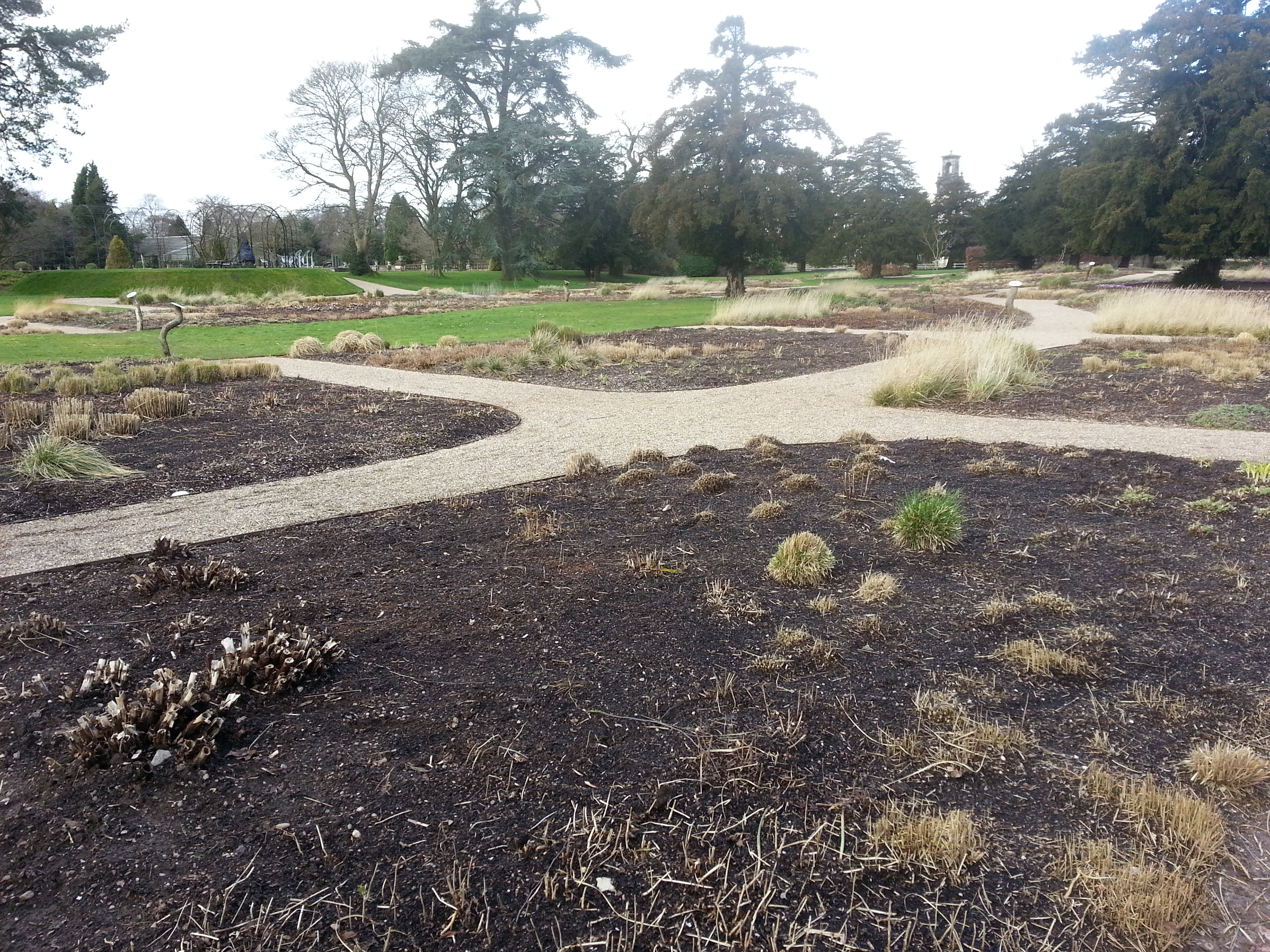
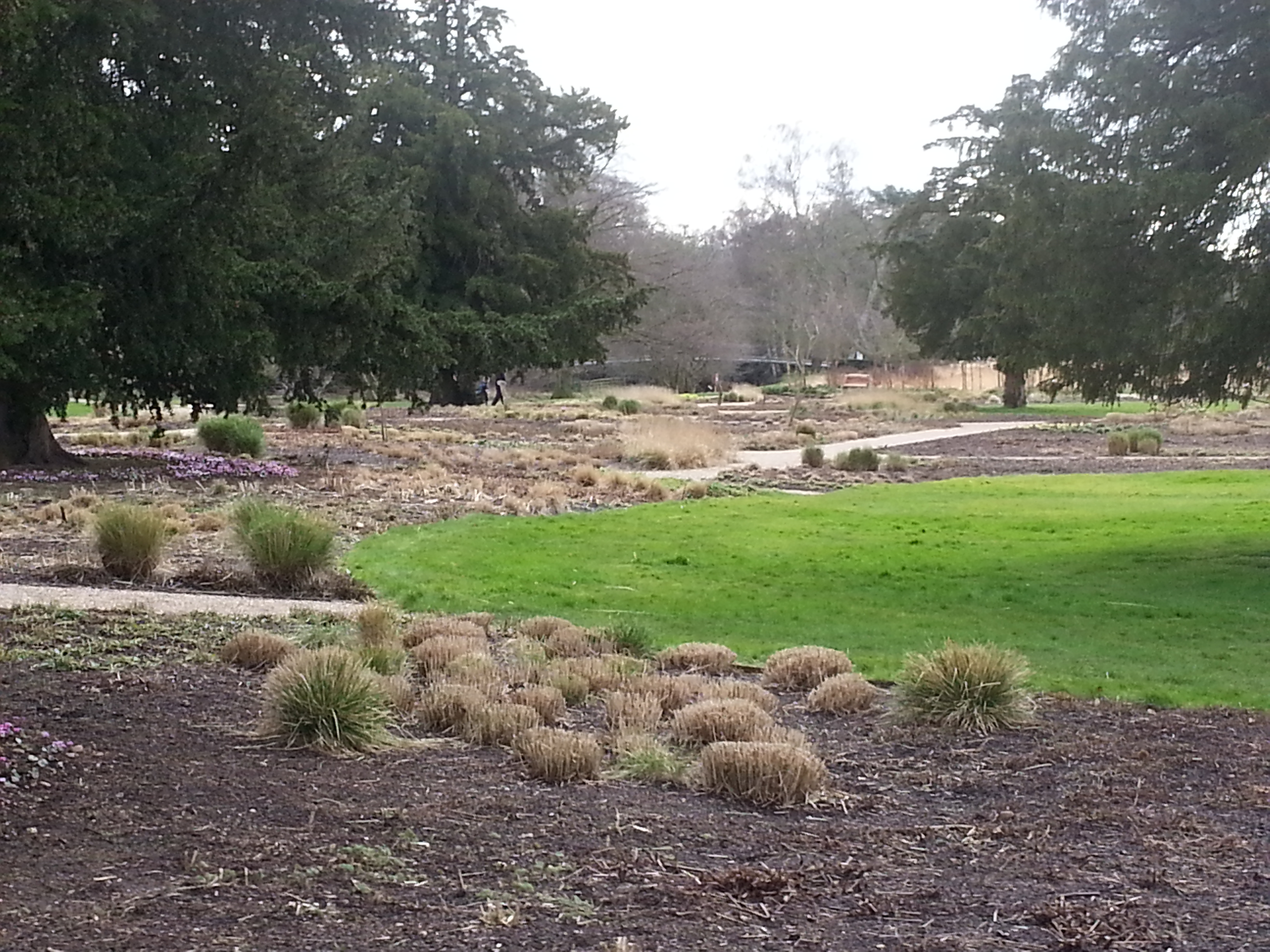
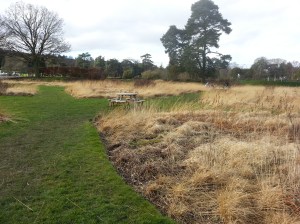
Recent high winds had stripped the leaves off many of the trees so on this visit it looked as if we were not going to be seeing much of the autumnal hues we thought we were going to enjoy. The garden was already showing signs of winter. Long views across the gardens afforded us views of tree skeletons combined with just a few orange leaved shrubs and the deeper greens of the conifers.


2014 10 31_6792 2014 10 31_67942014 10 31_6793 2014 10 31_67952014 10 31_6804 2014 10 31_6883

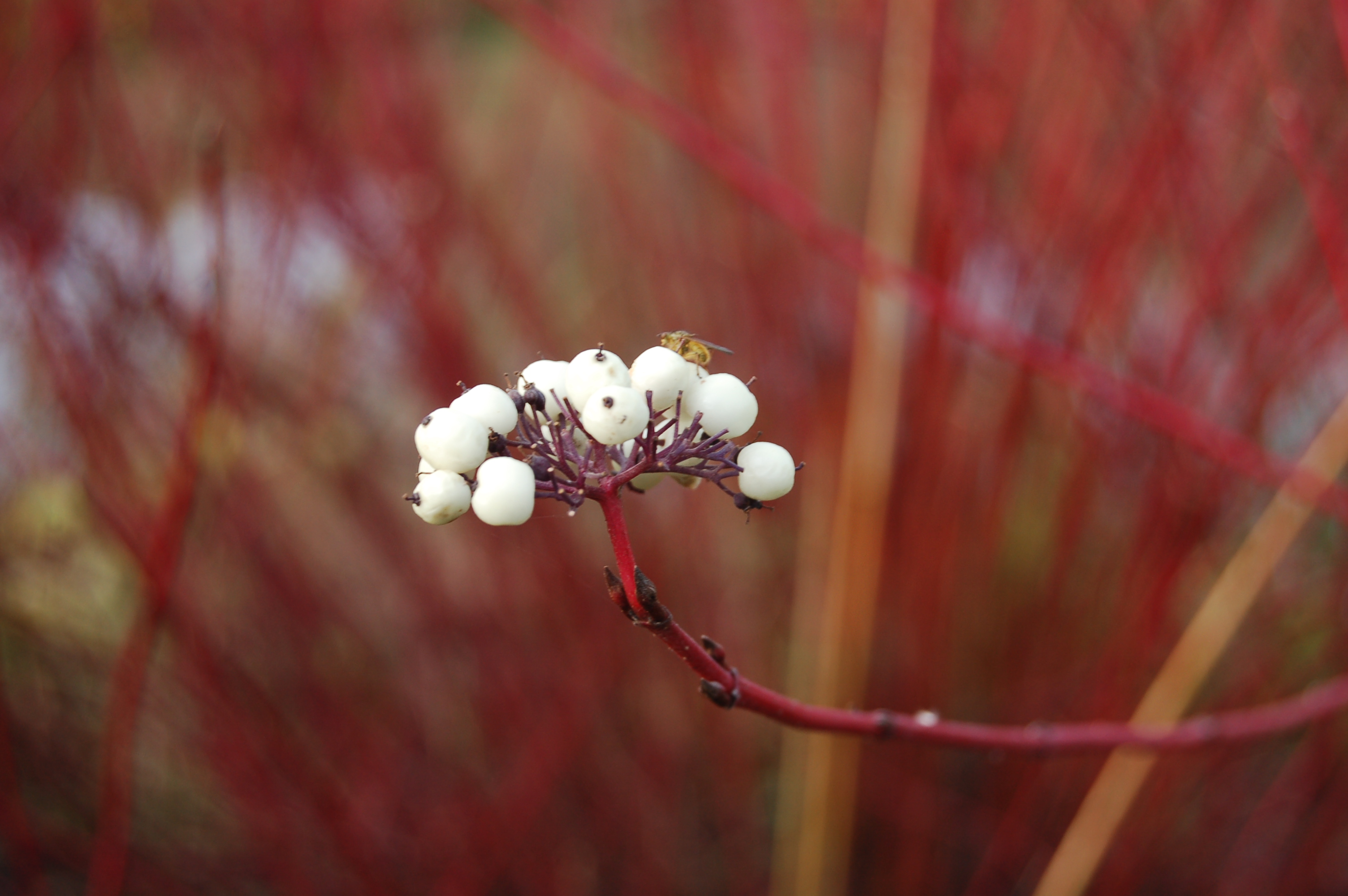
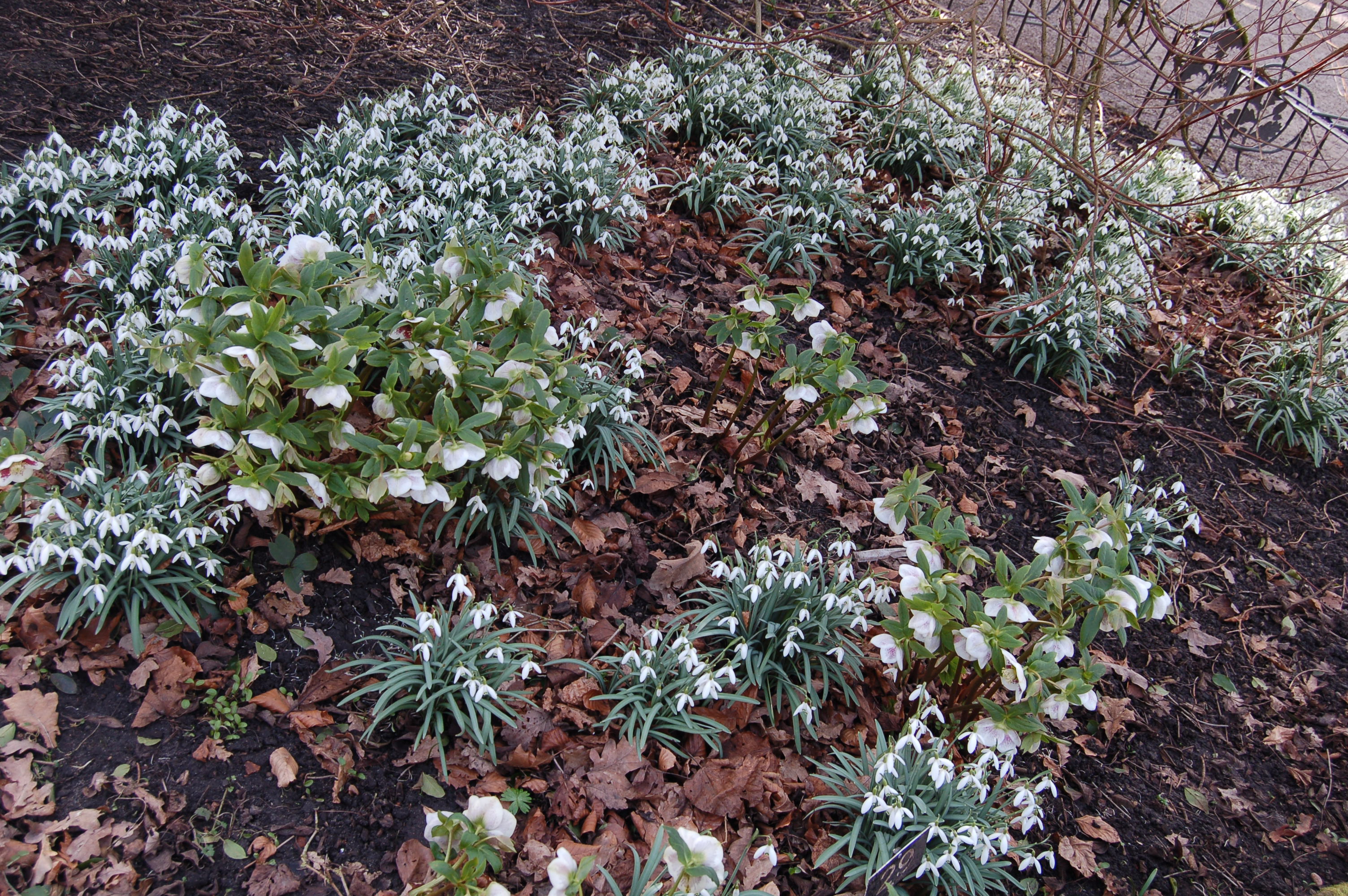
The Winter Garden soon proved itself to be a brilliant place in the autumn too. Berries gave the strongest colours closely followed by the remnant leaves of shrubs.

2014 10 31_6799  2014 10 31_68012014 10 31_6800 2014 10 31_68092014 10 31_6810 2014 10 31_68112014 10 31_6813 2014 10 31_68122014 10 31_6865

2014 10 31_6808 2014 10 31_6802 2014 10 31_6803 2014 10 31_6881

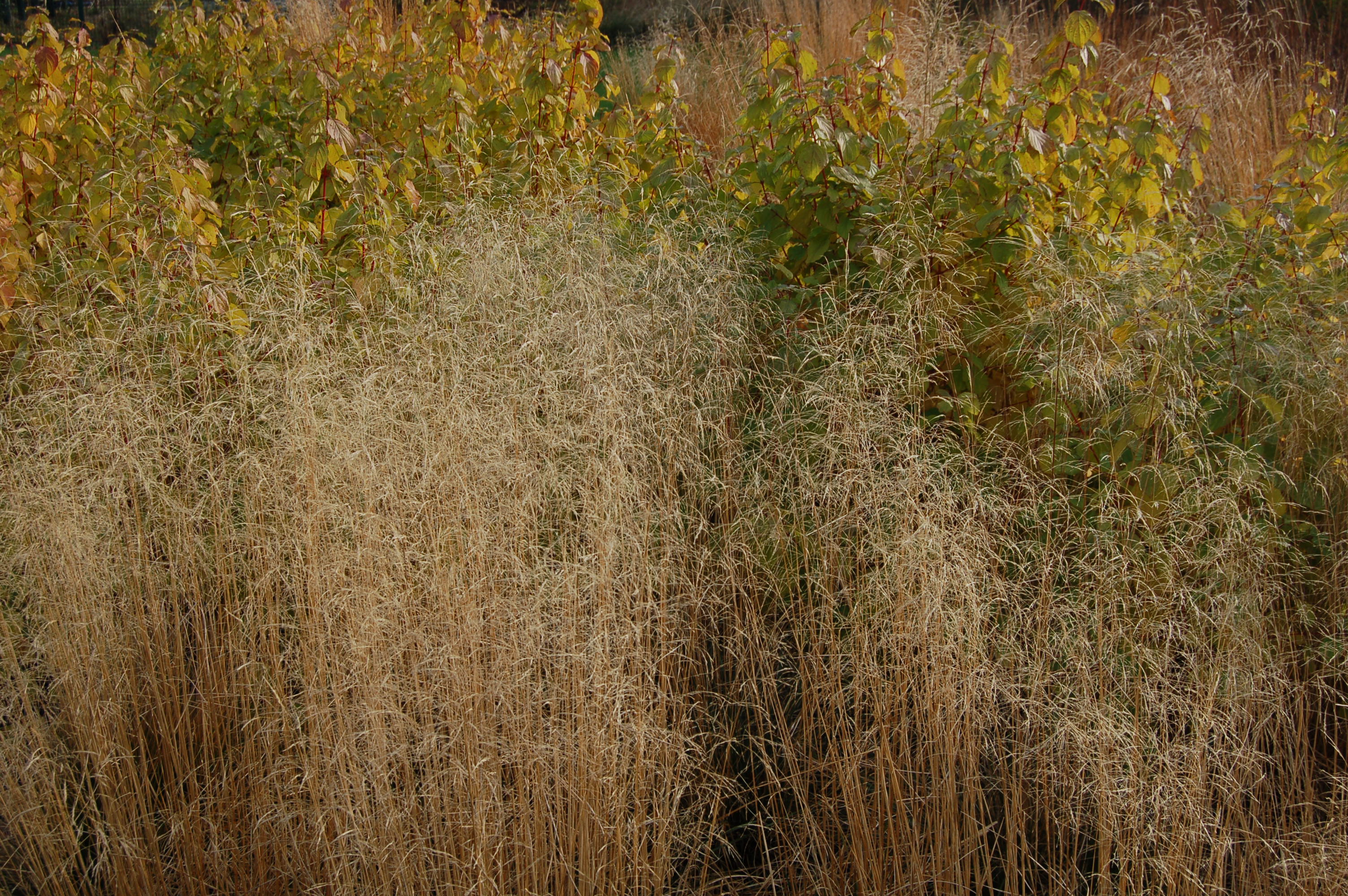
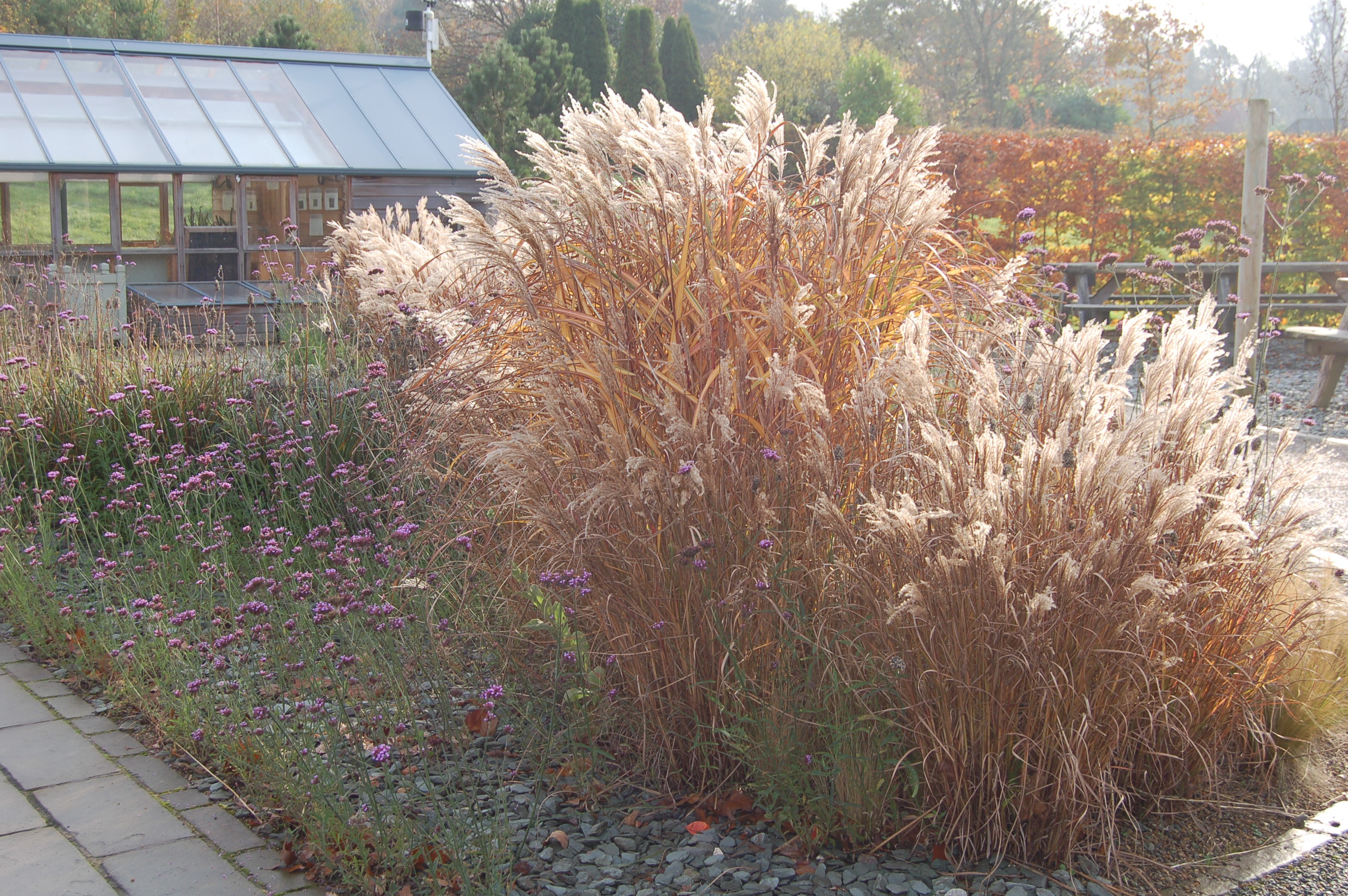
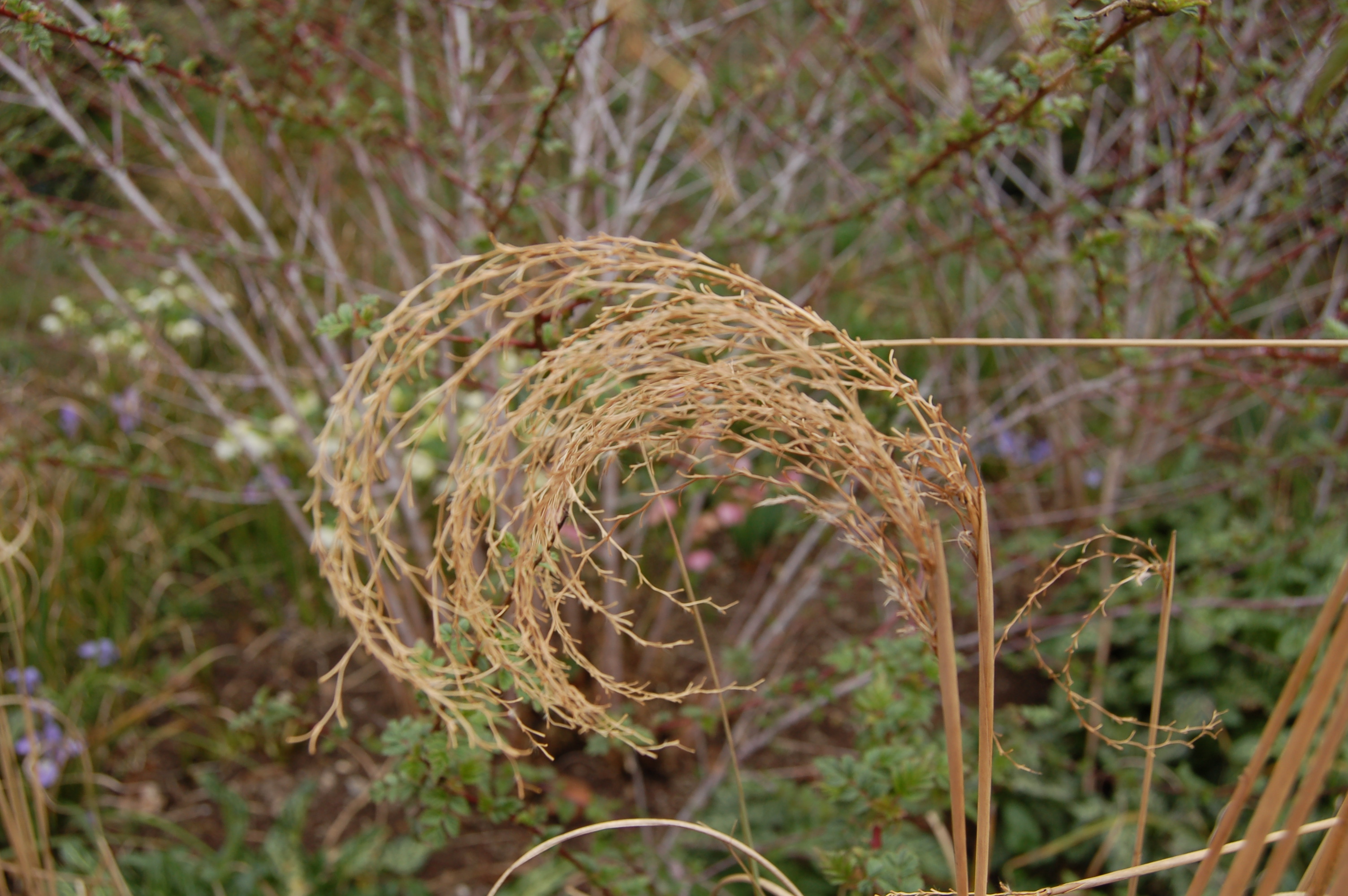
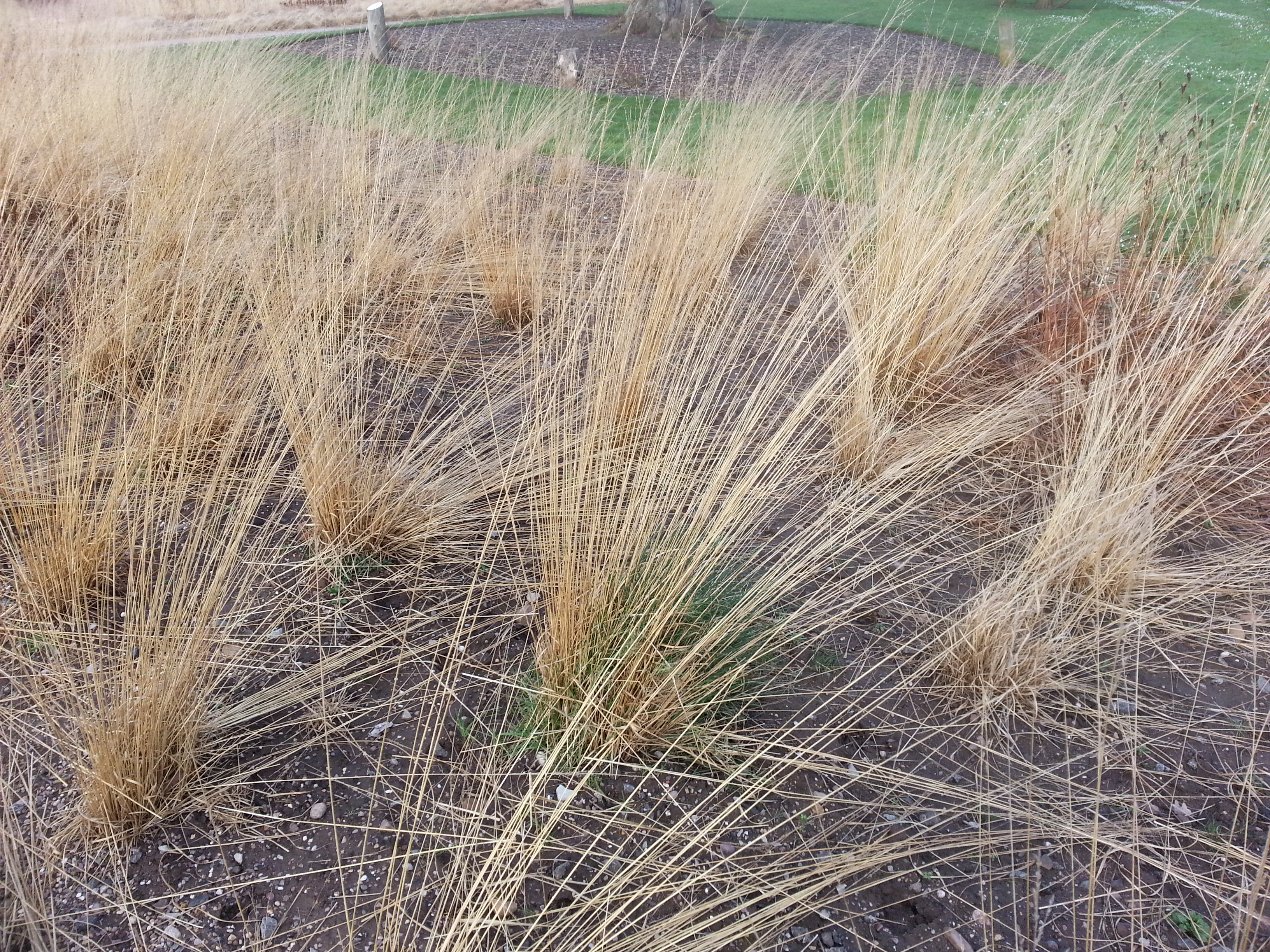
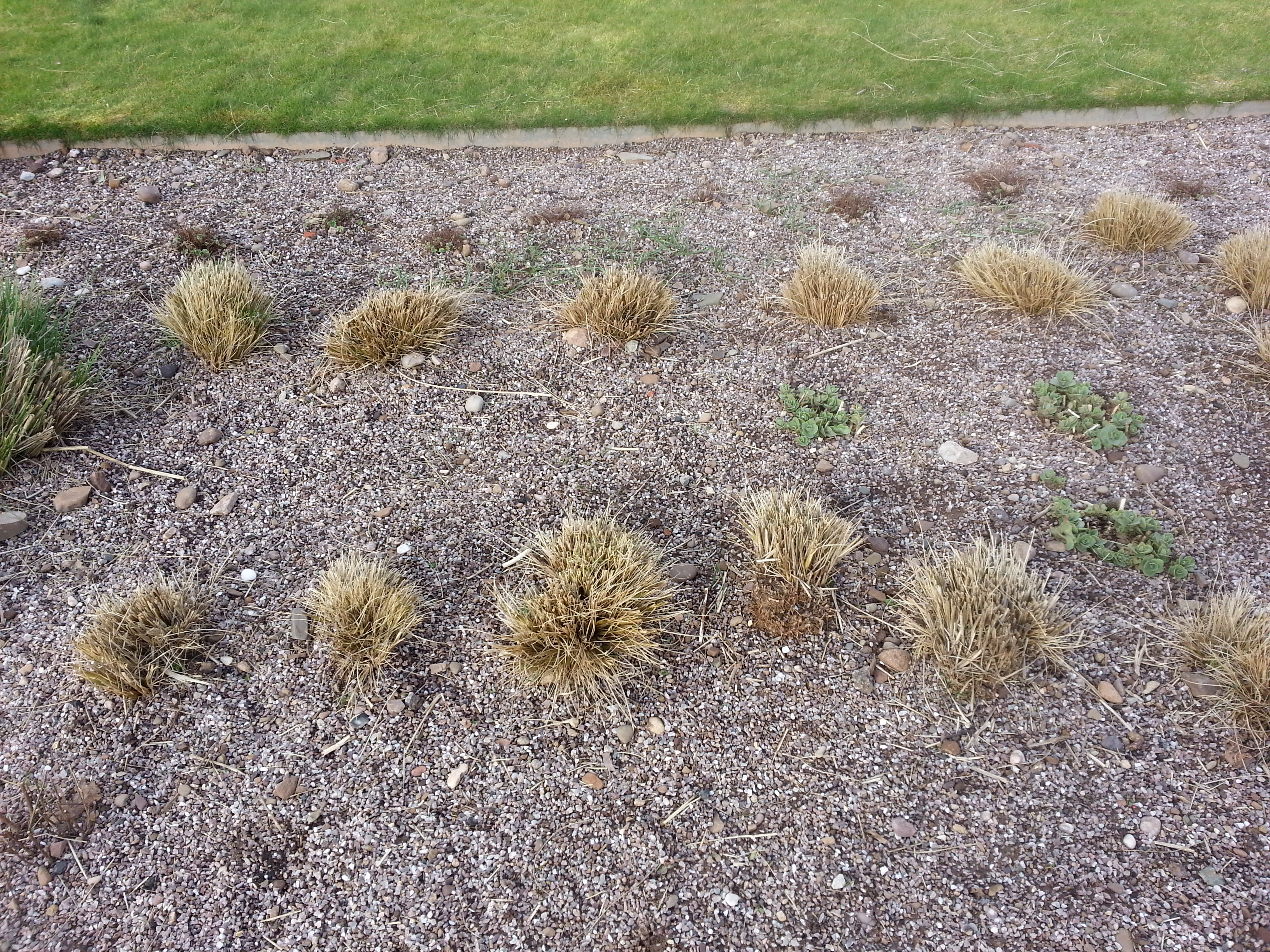
The whisps of the ornamental grasses appeared white at first glance but close up we realised they were the subtlest of biscuit shades.

2014 10 31_6805 2014 10 31_6806

2014 10 31_6814 2014 10 31_6817

2014 10 31_6850 2014 10 31_6861

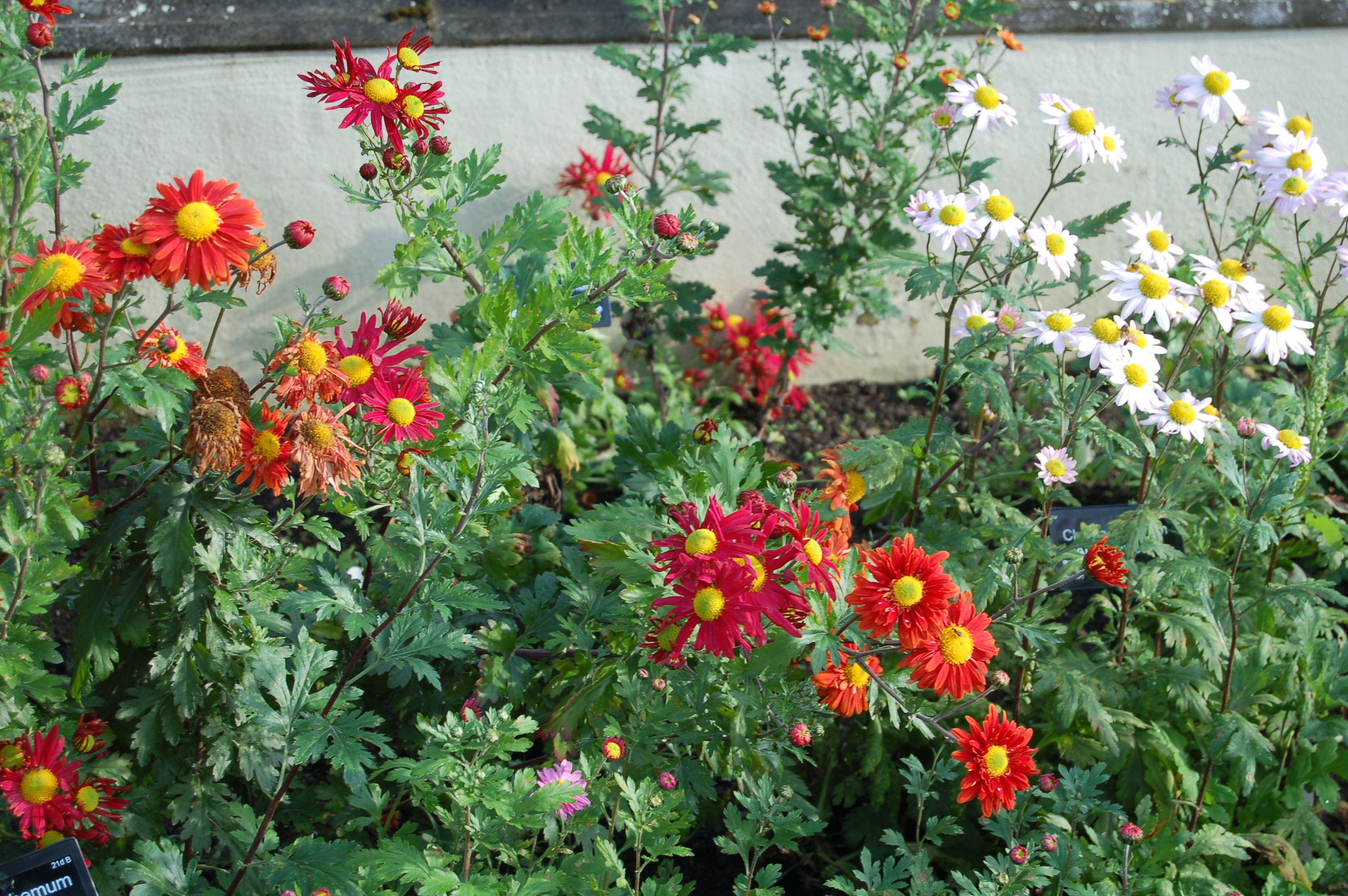
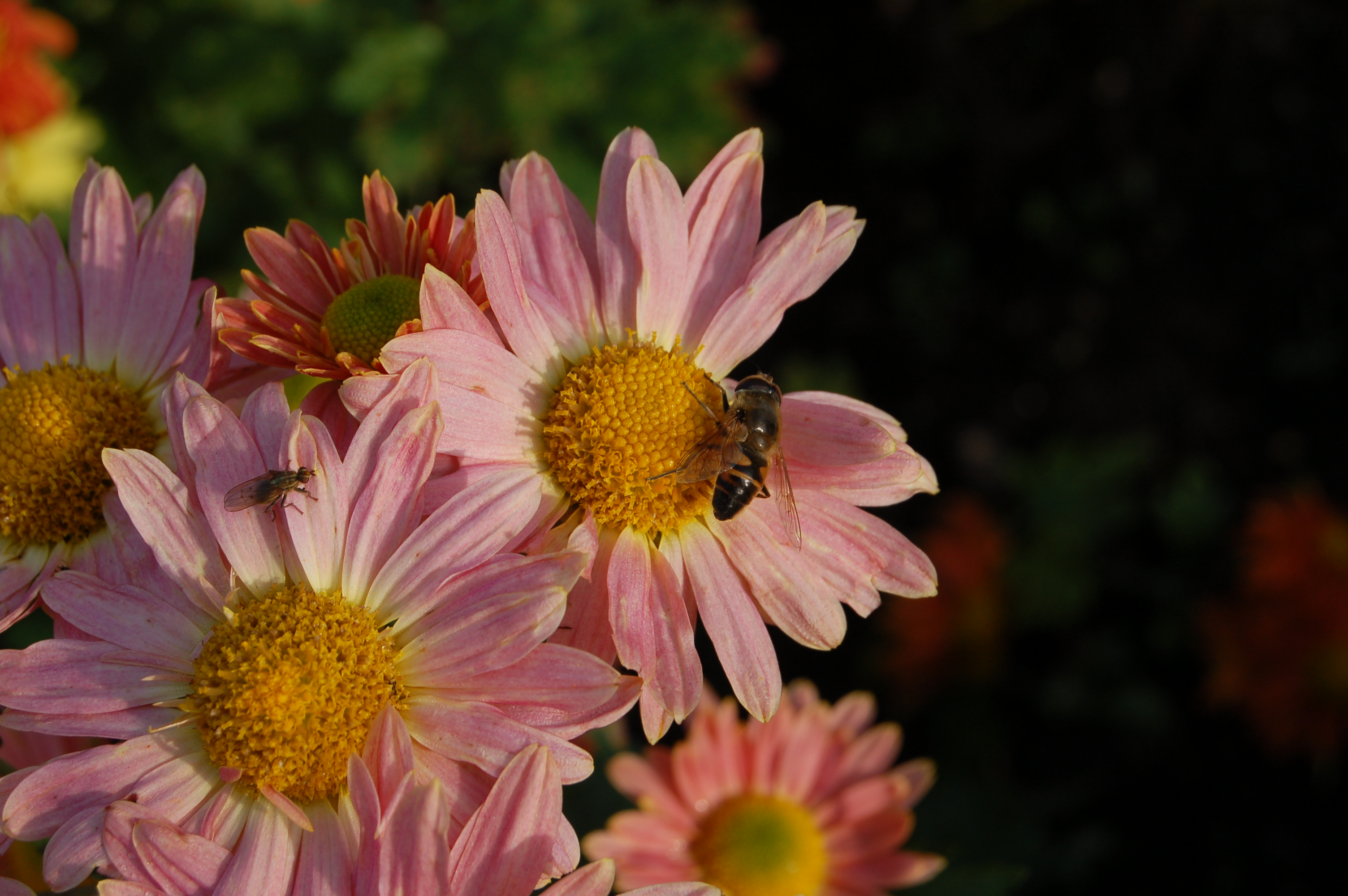
There were still plenty of surprises to be found including the bright colours of late flowers in the perennial meadows.

2014 10 31_6822 2014 10 31_68182014 10 31_6832  2014 10 31_6835 2014 10 31_6836 2014 10 31_6863

As the days get shorter more and more of these perennials dry to shades of biscuit, ginger and brown.

2014 10 31_6834

2014 10 31_6882 2014 10 31_6862

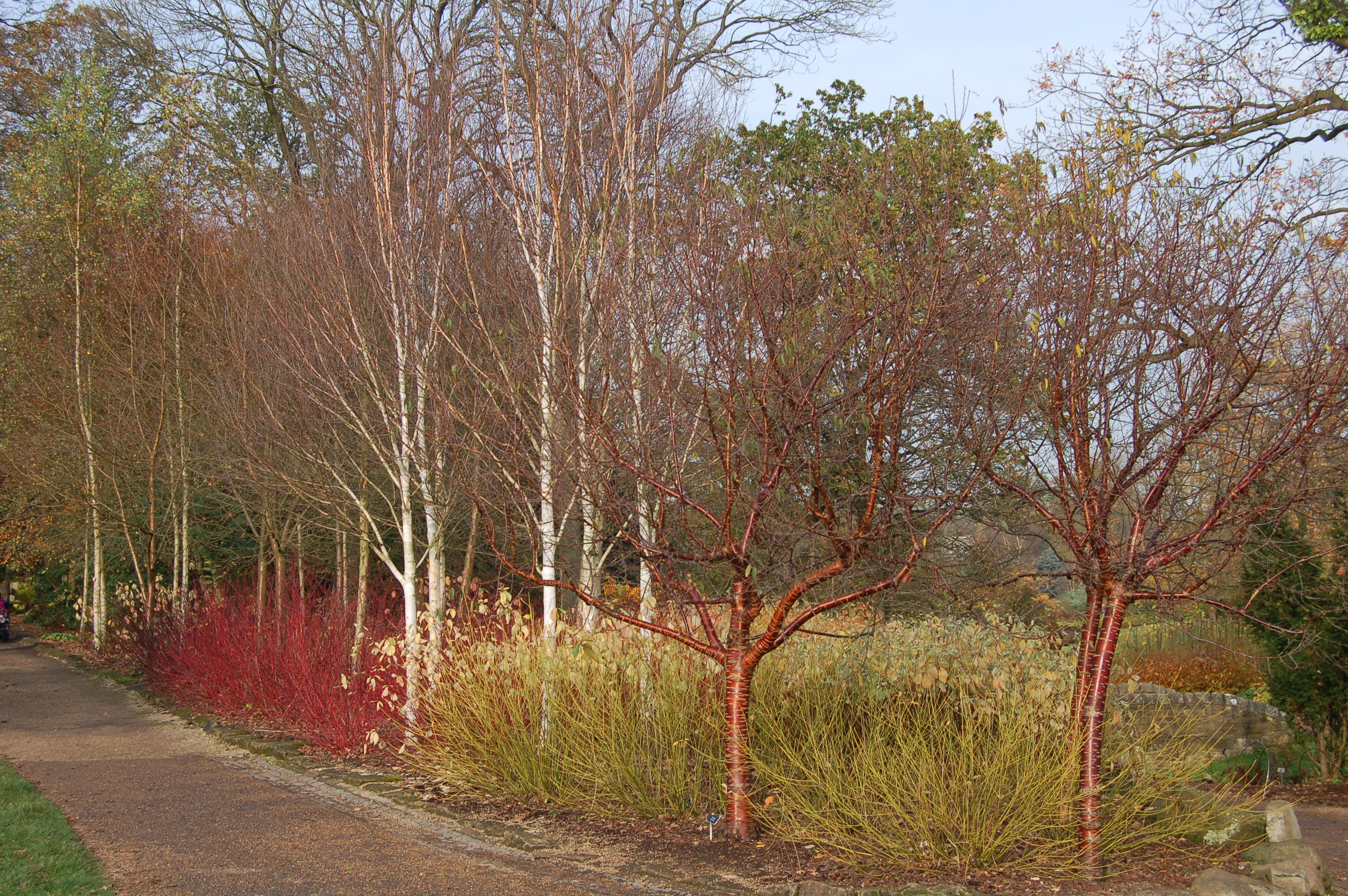
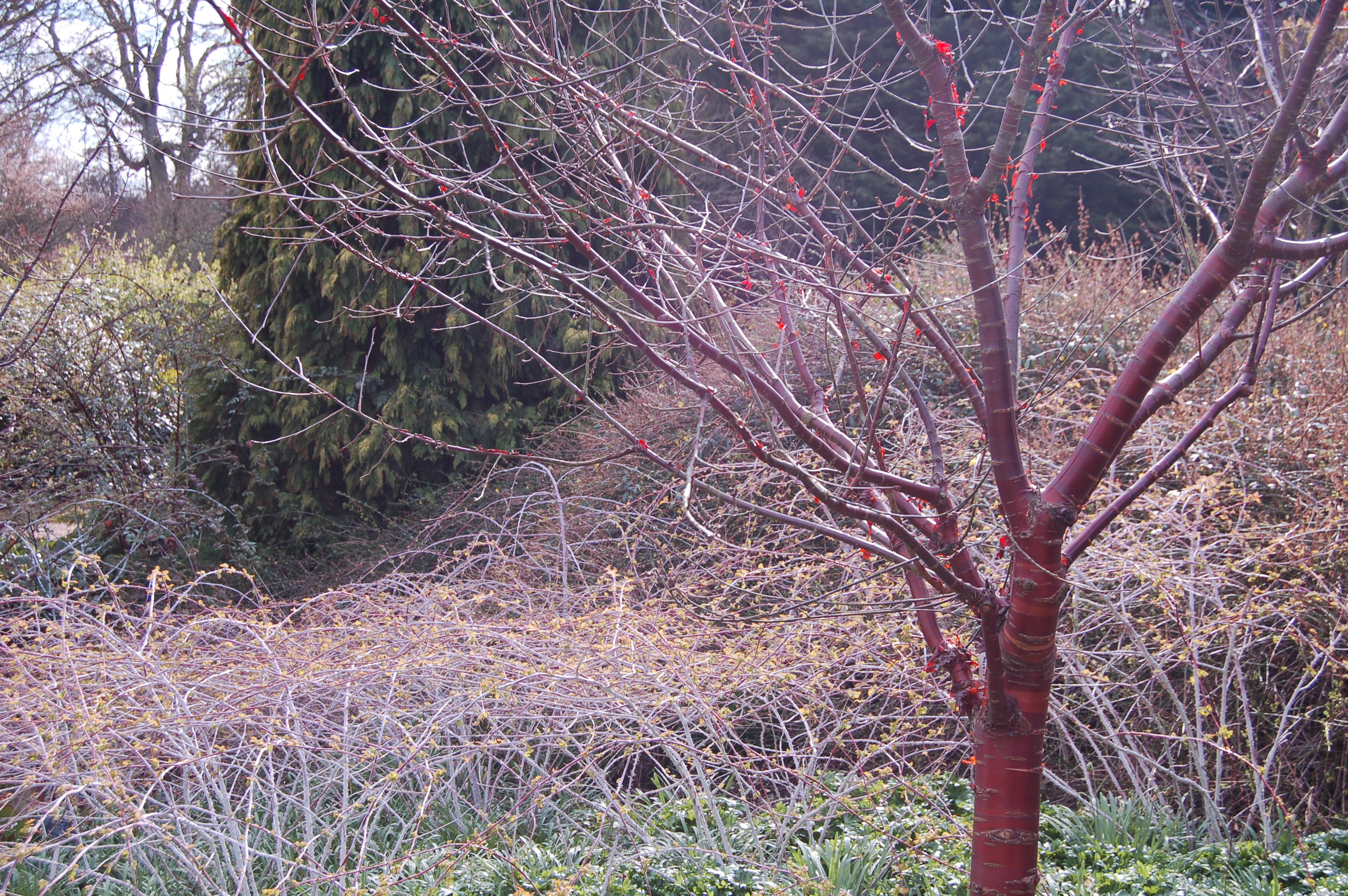
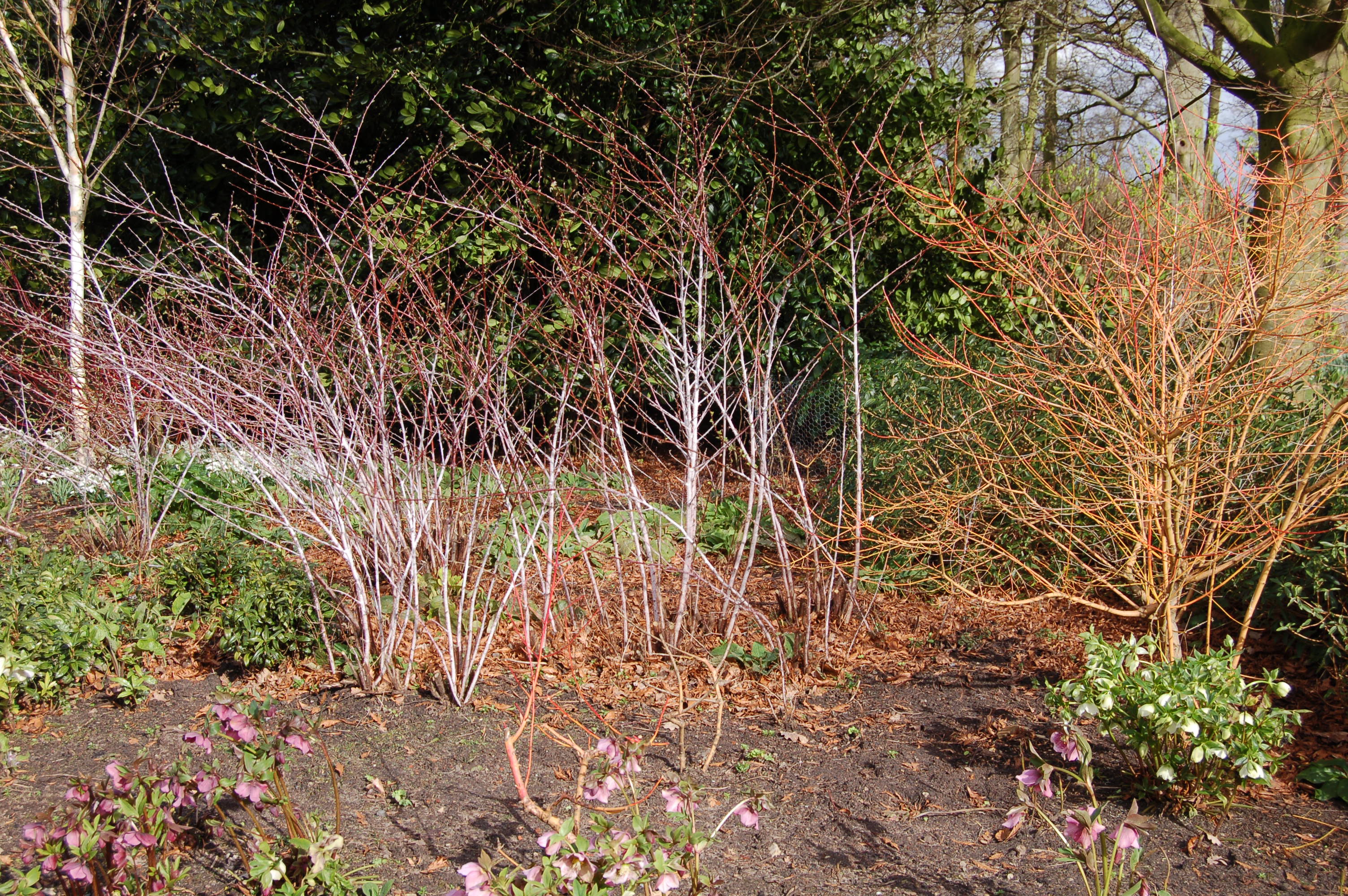
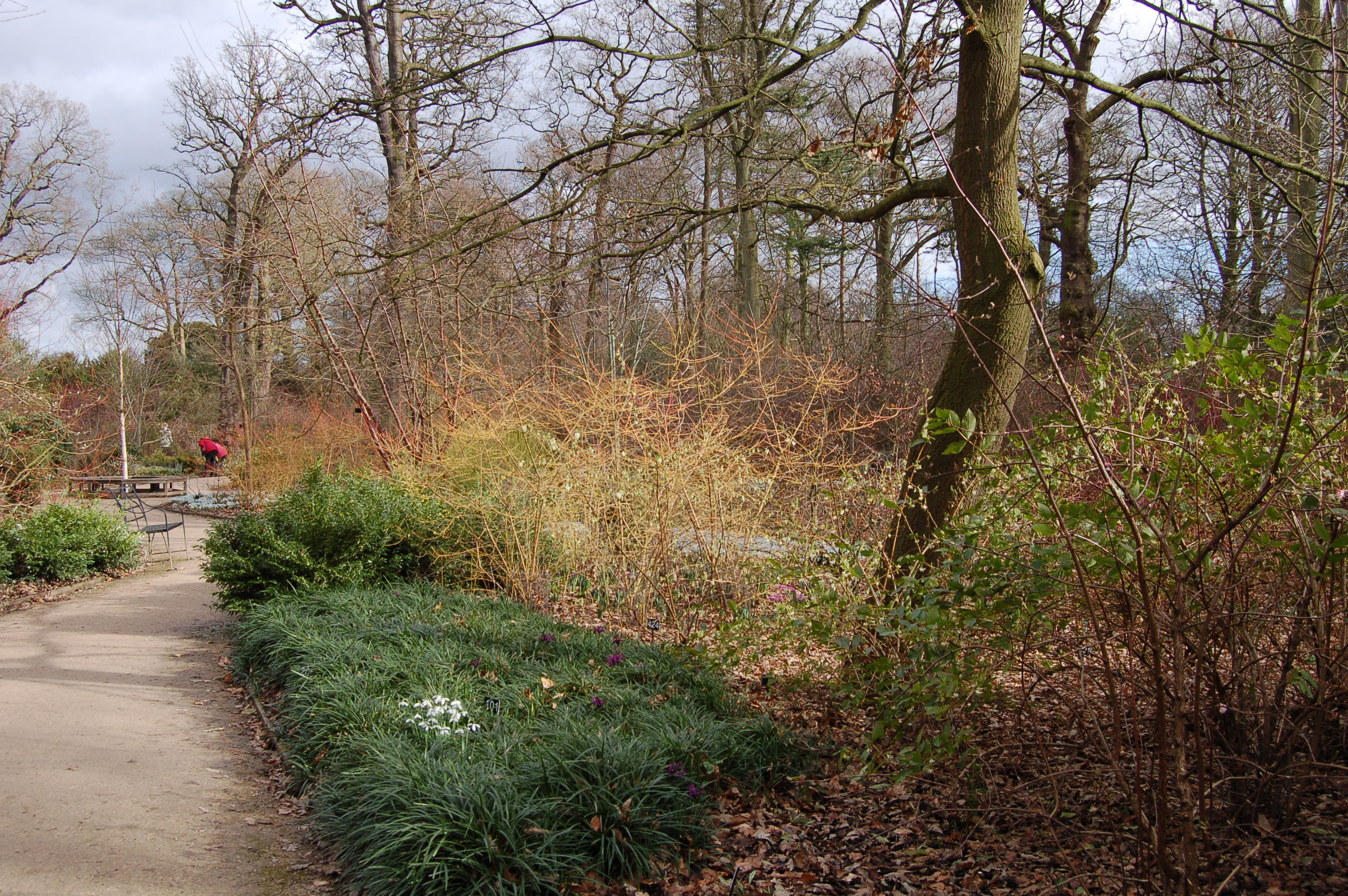
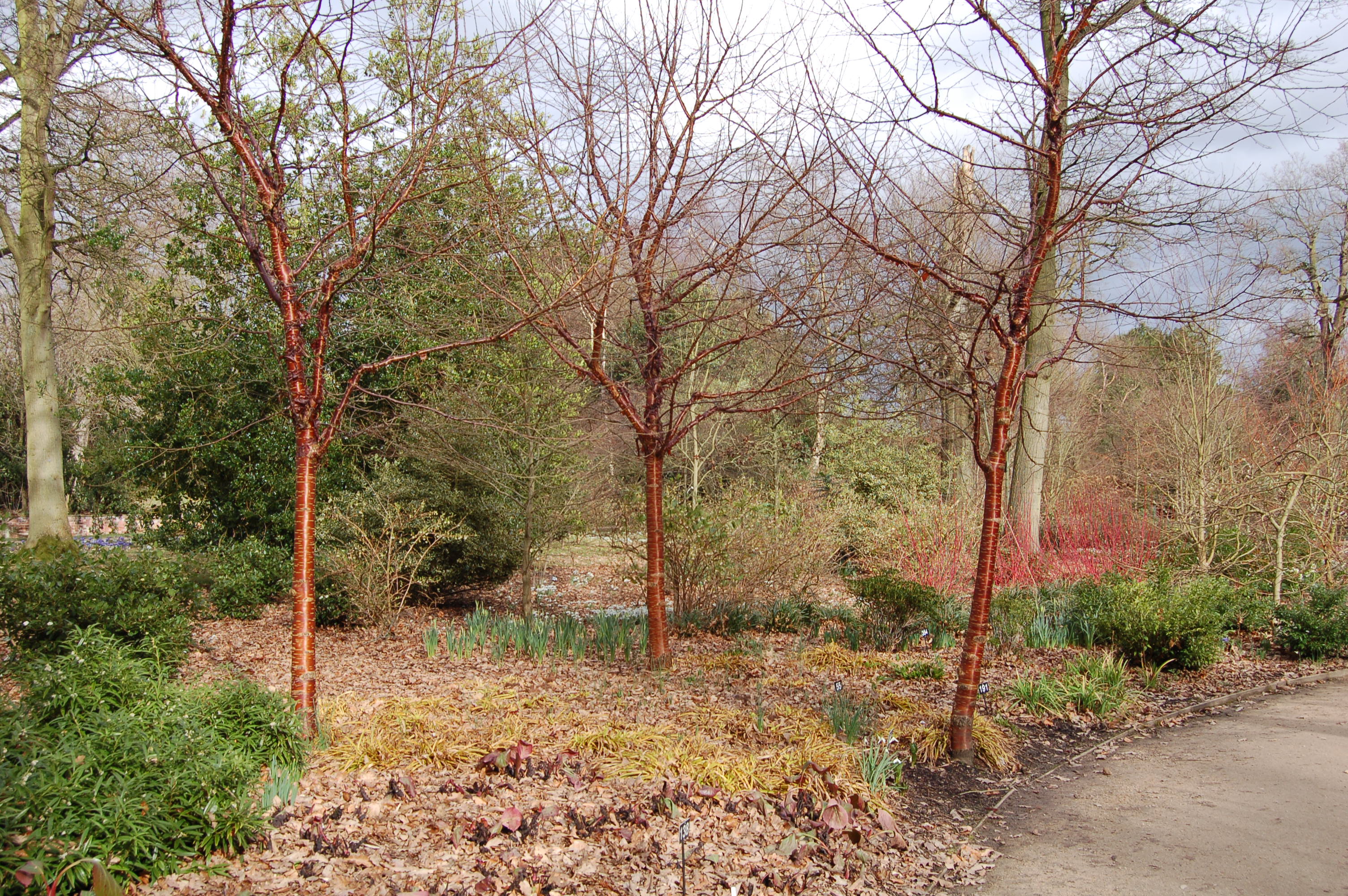
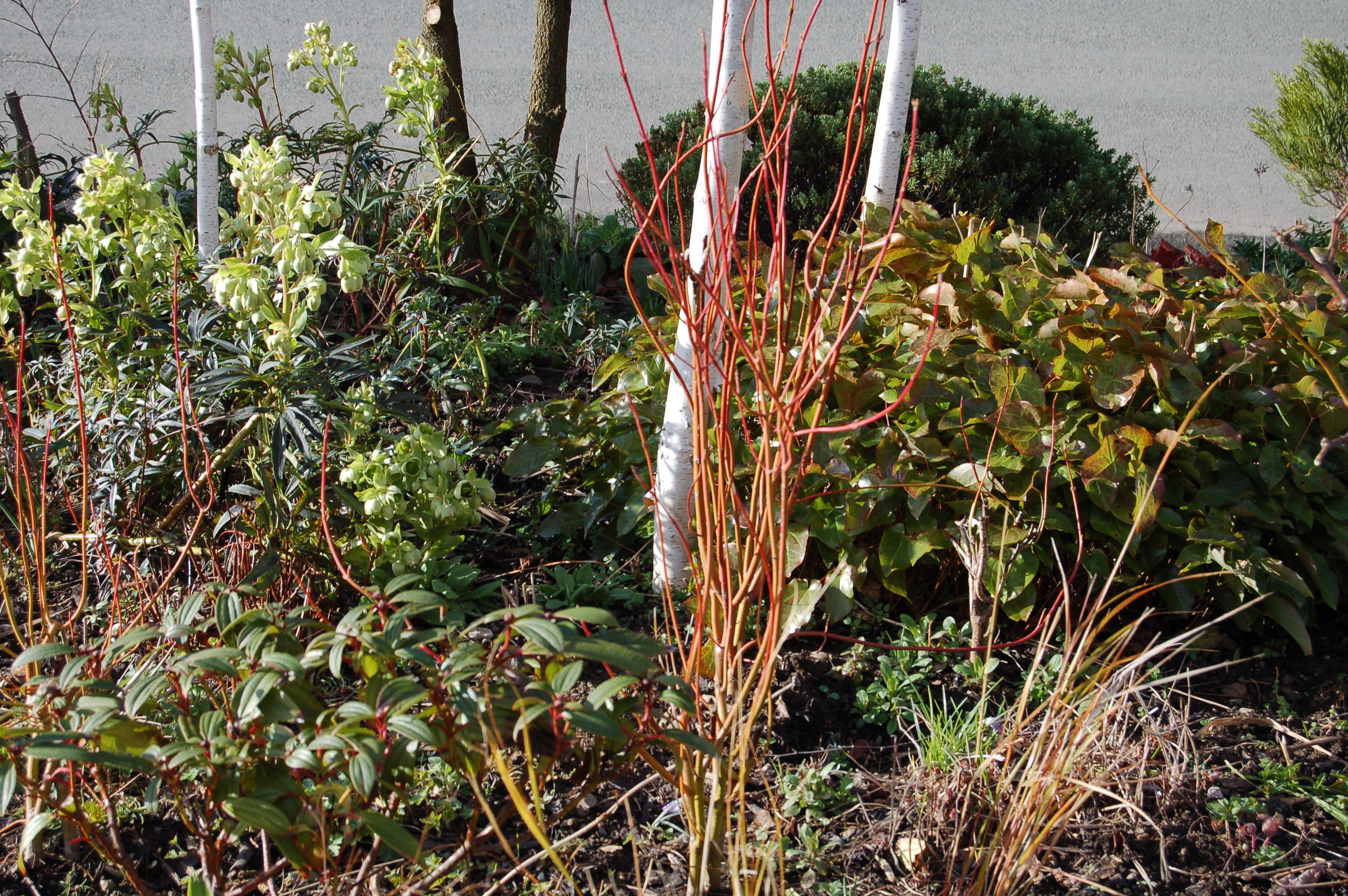
This little corner was probably my favourite part of the garden with the slender trees showing off their coloured trunks and the shrubs beneath them displaying brightly coloured stems.

2014 10 31_6870 2014 10 31_6871 2014 10 31_6872 2014 10 31_6873 2014 10 31_6874 2014 10 31_6875

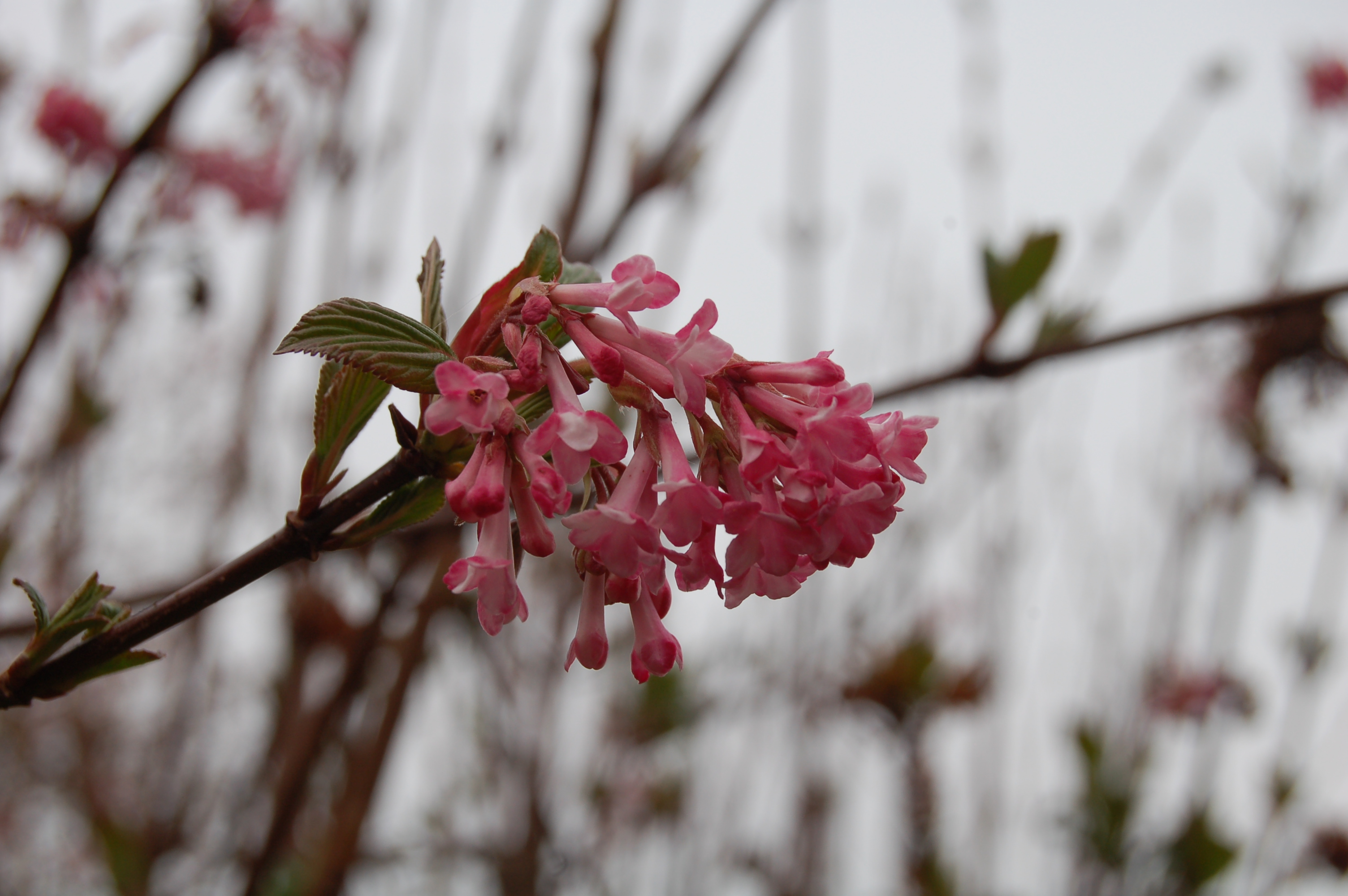
Although still late autumn when we visited some of the scents of winter were already pervading the air. The pink flowered Viburnums emitted the strongest scent of all.2014 10 31_6868

In part two of our visit to Harlow Carr we will explain what else this exceptional all-season garden had to offer us.

Categories
colours flowering bulbs garden design garden photography gardening gardens grasses hardy perennials ornamental grasses ornamental trees and shrubs spring bulbs The National Trust trees Winter Gardening winter gardens

Three Winter Gardens – Part Three – Anglesey Abbey

This, the third in my series of three posts looking at winter gardens, sees us at the most well known of all winter gardens, Anglesey Abbey.

2014 03 20_7479

Situated near Cambridge within the larger gardens and grounds of this National Trust property the winter garden here is often considered to be the best of all and a big influence on all others that follow. We shall look at further aspects of the gardens at Anglesey Abbey in future posts.

We visited the winter garden at Anglesey Abbey many years ago the first year it was open to the public so it was like meeting an old friend but one who has changed a lot in the intervening years.

2014 03 20_7376

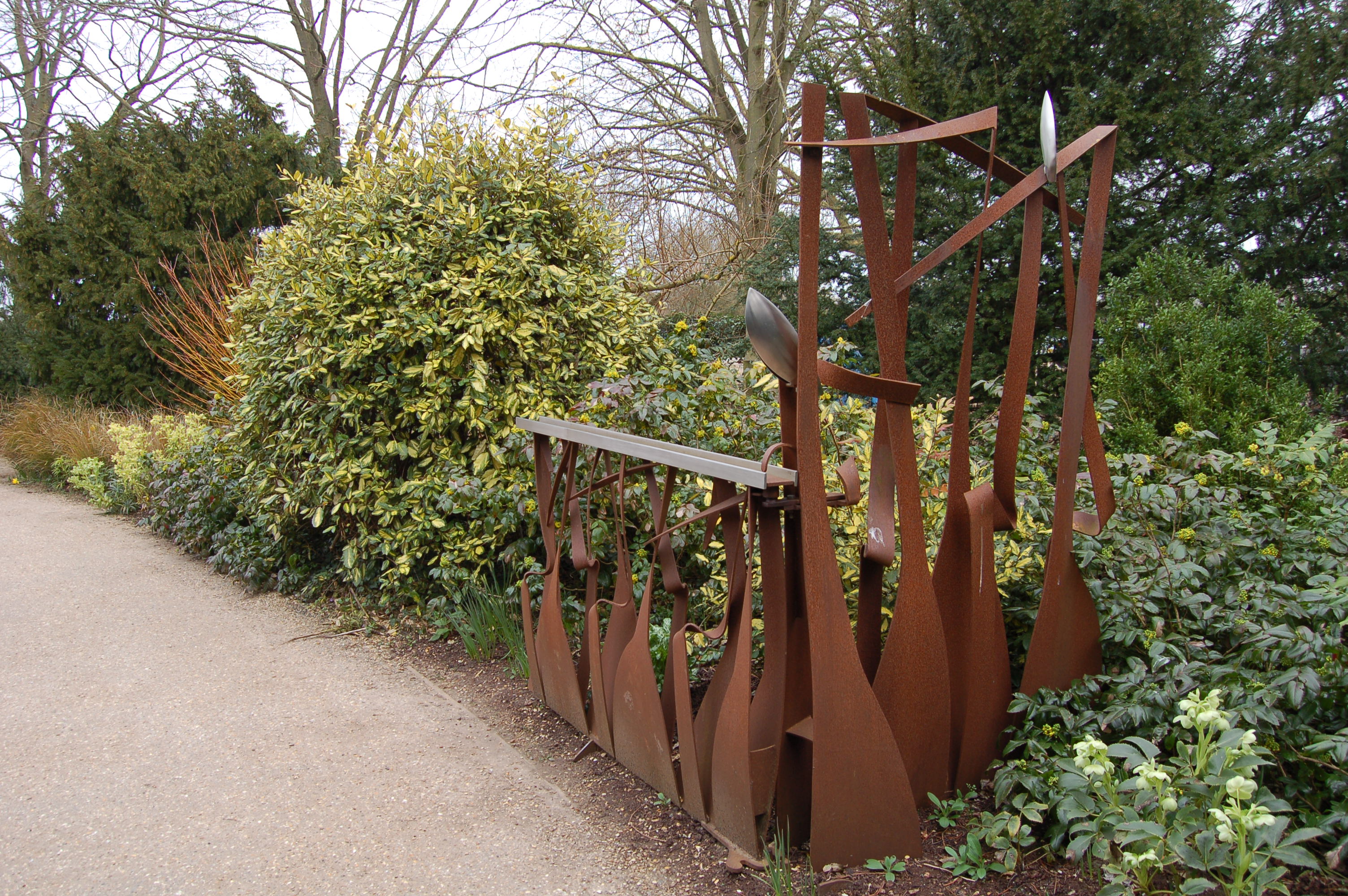
This set of gates welcomed us as we arrived at the start of the winter plantings.

2014 03 20_7367 2014 03 20_7368 2014 03 20_7369

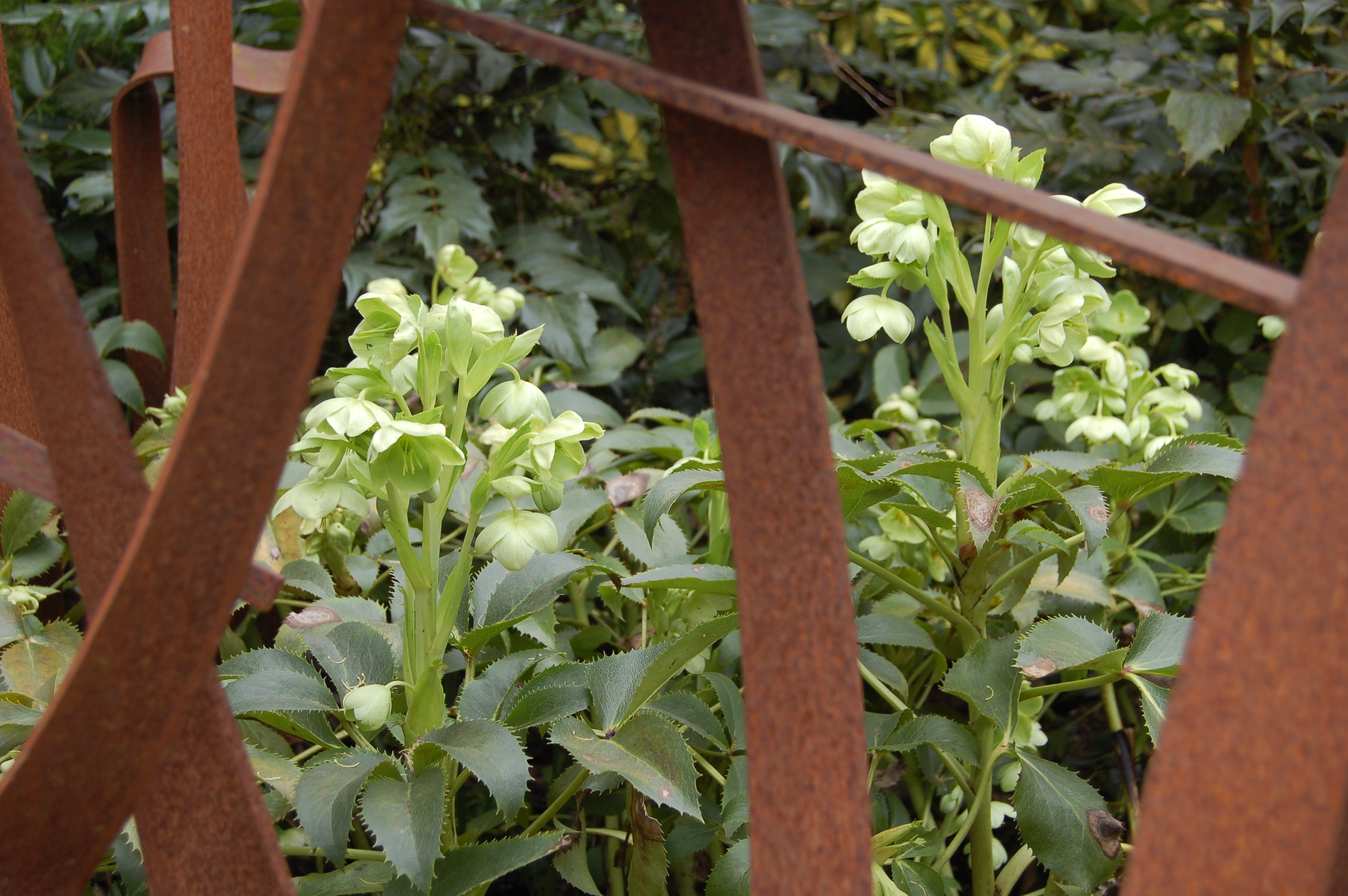
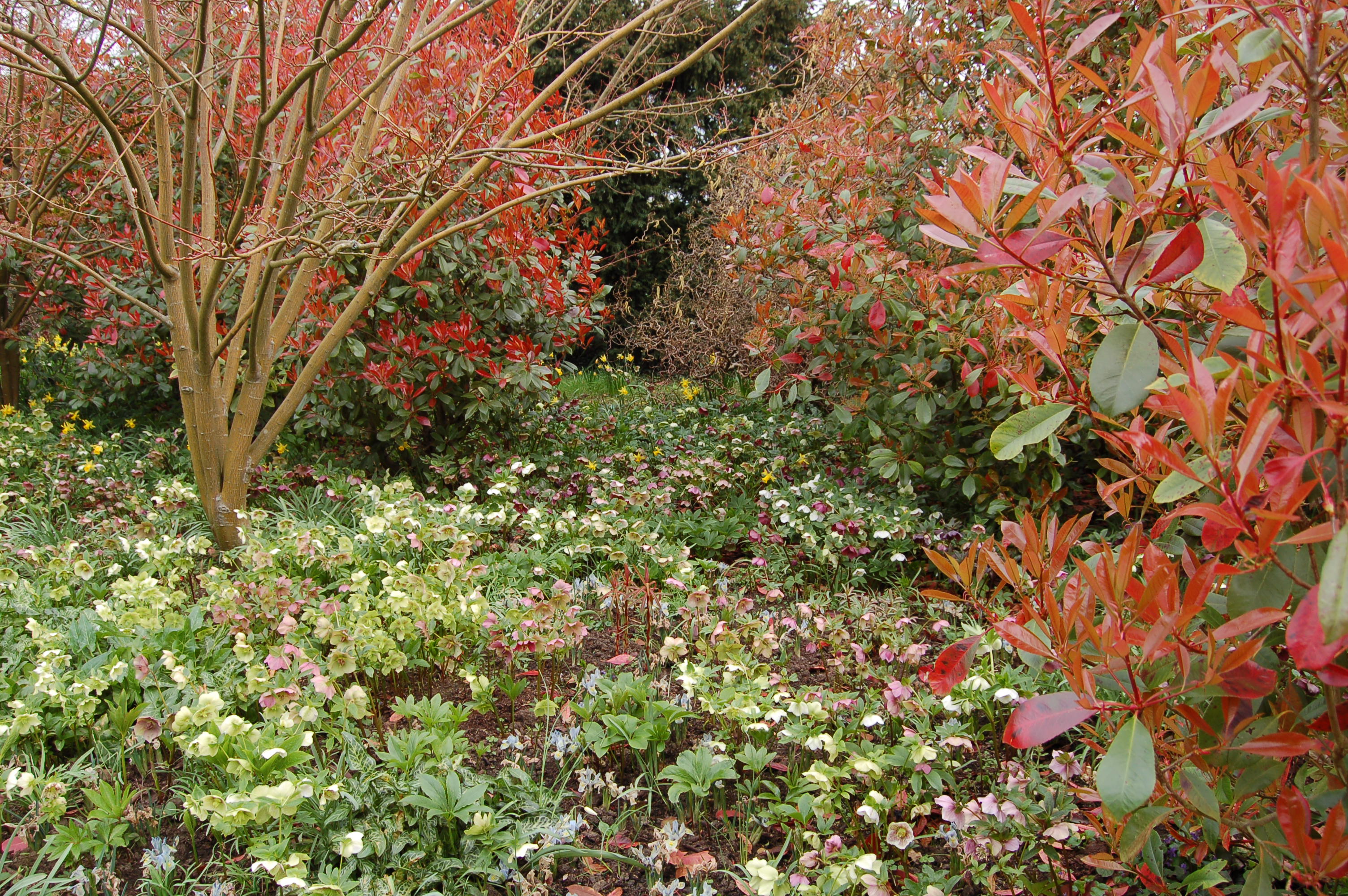
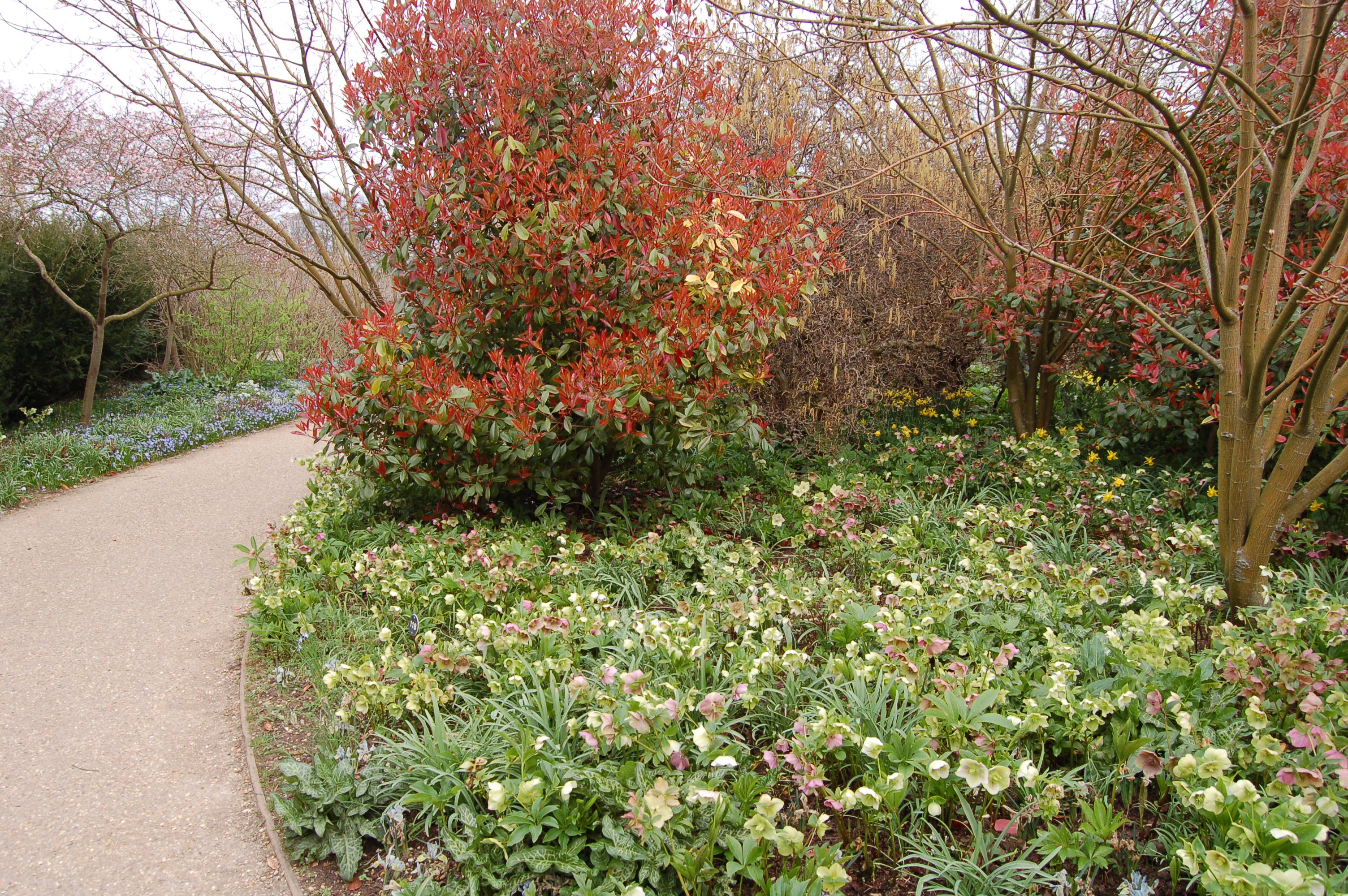
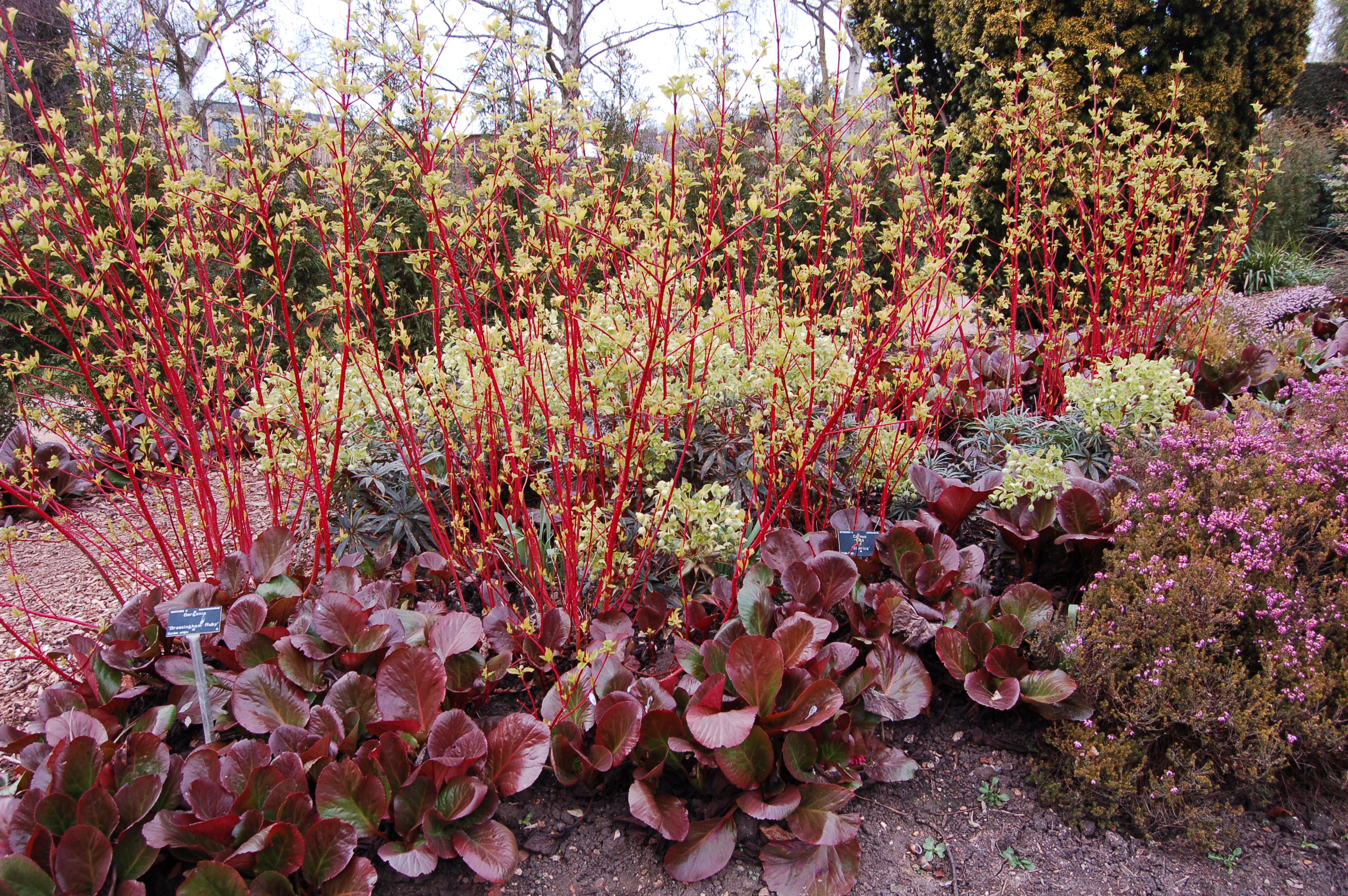
We soon met the friends we had seen in our other two winter gardens, the dogwoods, rubus and willows grown for their stem colour underplanted with hellebores and ivies. There was some wonderful pruning techniques on display here too.

2014 03 20_7370 2014 03 20_7372

2014 03 20_7371  2014 03 20_7373  2014 03 20_7375 2014 03 17_7274

2014 03 20_7378 2014 03 20_7379

2014 03 20_7390

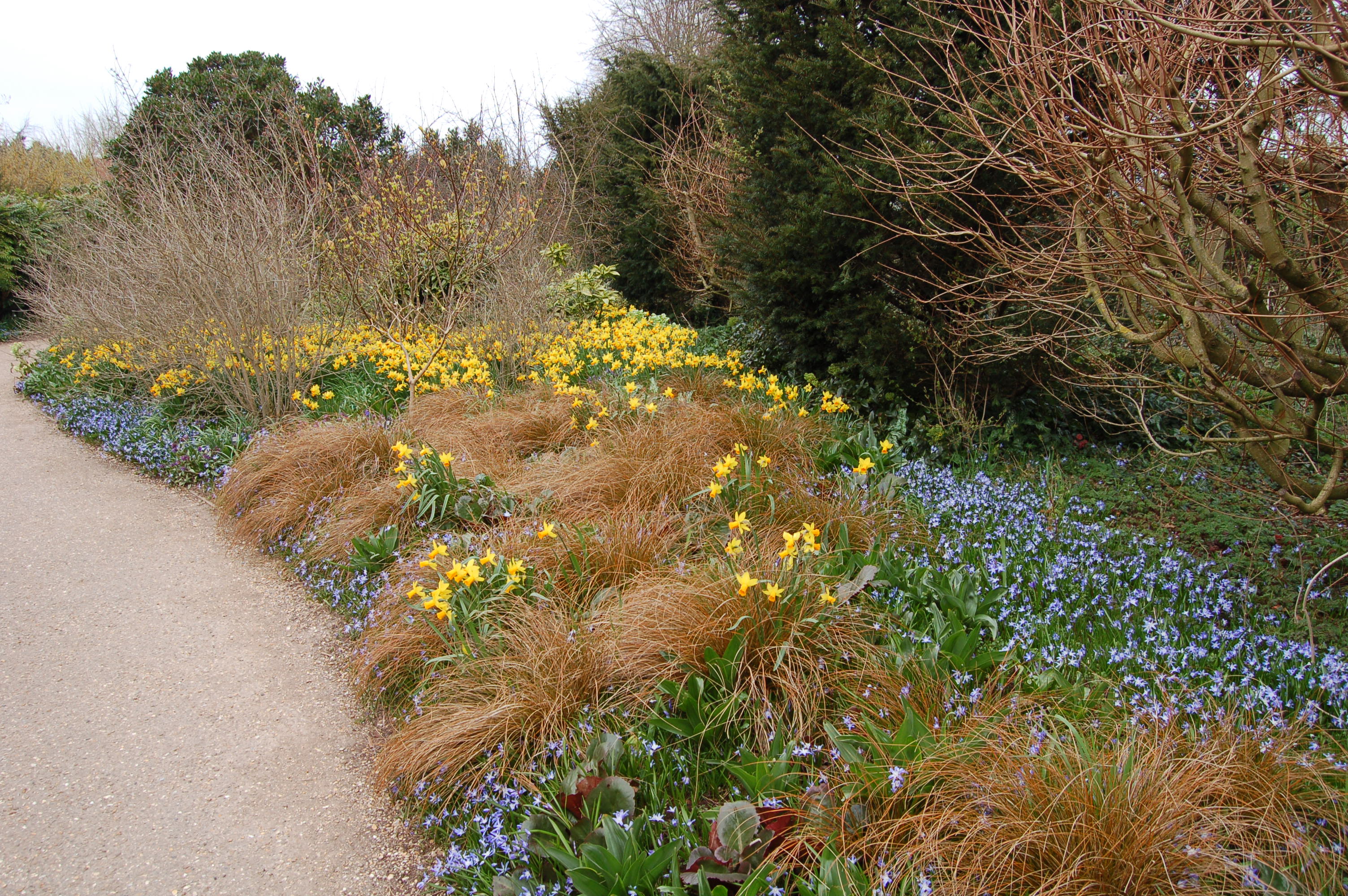
Grasses featured strongly with their wonderful warm colours and strong structural shapes.

2014 03 20_7377 2014 03 20_7374

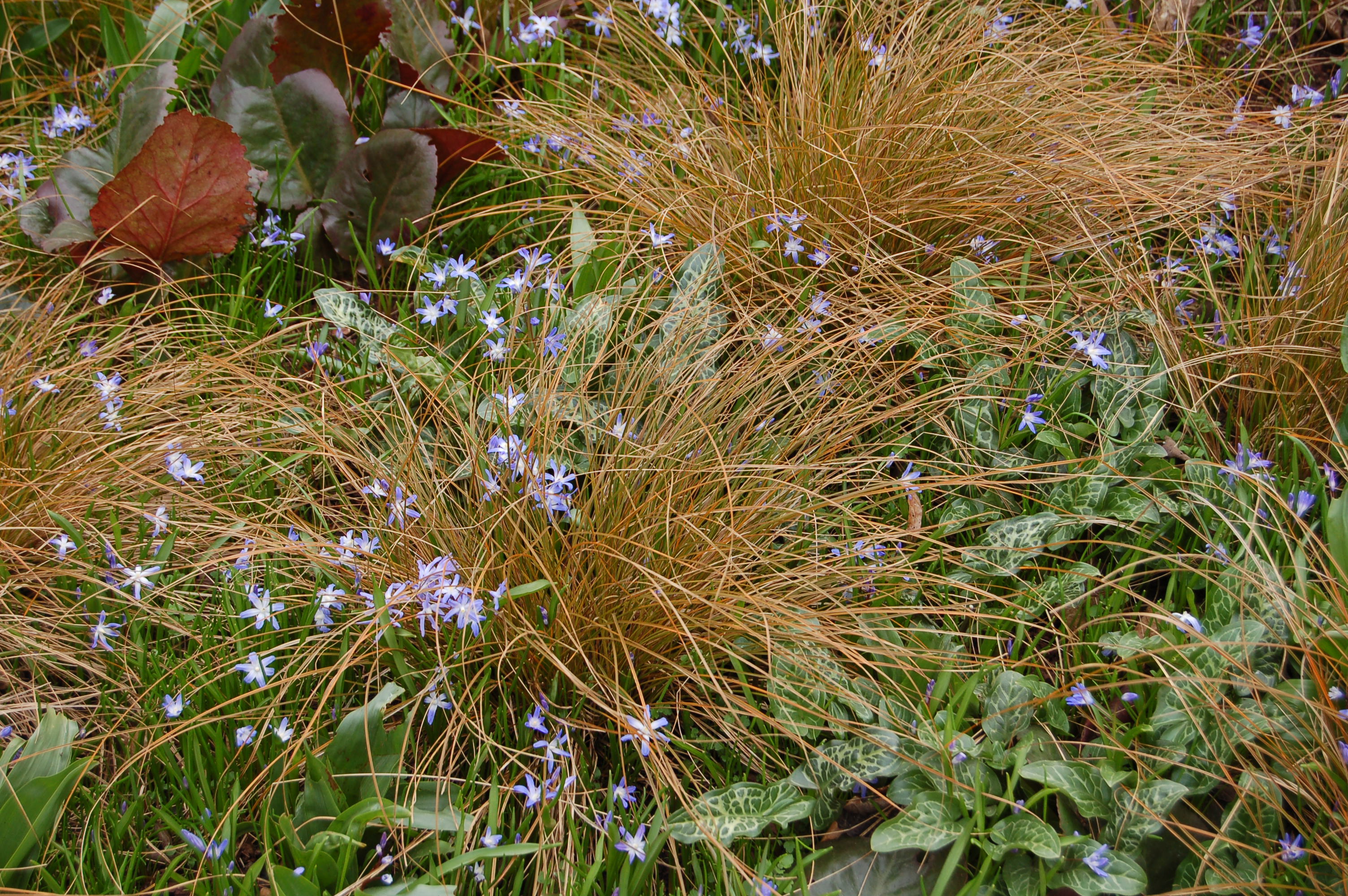
We were once again interested to see which plants the gardeners from Anglesey Abbey used as ground cover to help reduce weed growth. Various low growing grasses teamed up with Arum and Bergenias to perform this role.

2014 03 20_7380 2014 03 20_7381 2014 03 20_7382 2014 03 20_7383 2014 03 20_7384 2014 03 20_7385

All these plants acting out their roles as ground covering plants encouraged us to look down as we were seeking ideas for our allotment Winter Garden, but we were struck also by specimens higher up.

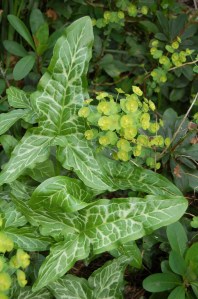
The Viburnum pictured below didn’t just look good it smelled sweetly too. The Pulmonaria has not just flowers of two colours but unusual foliage to catch the eye.

2014 03 20_7387 2014 03 20_7388


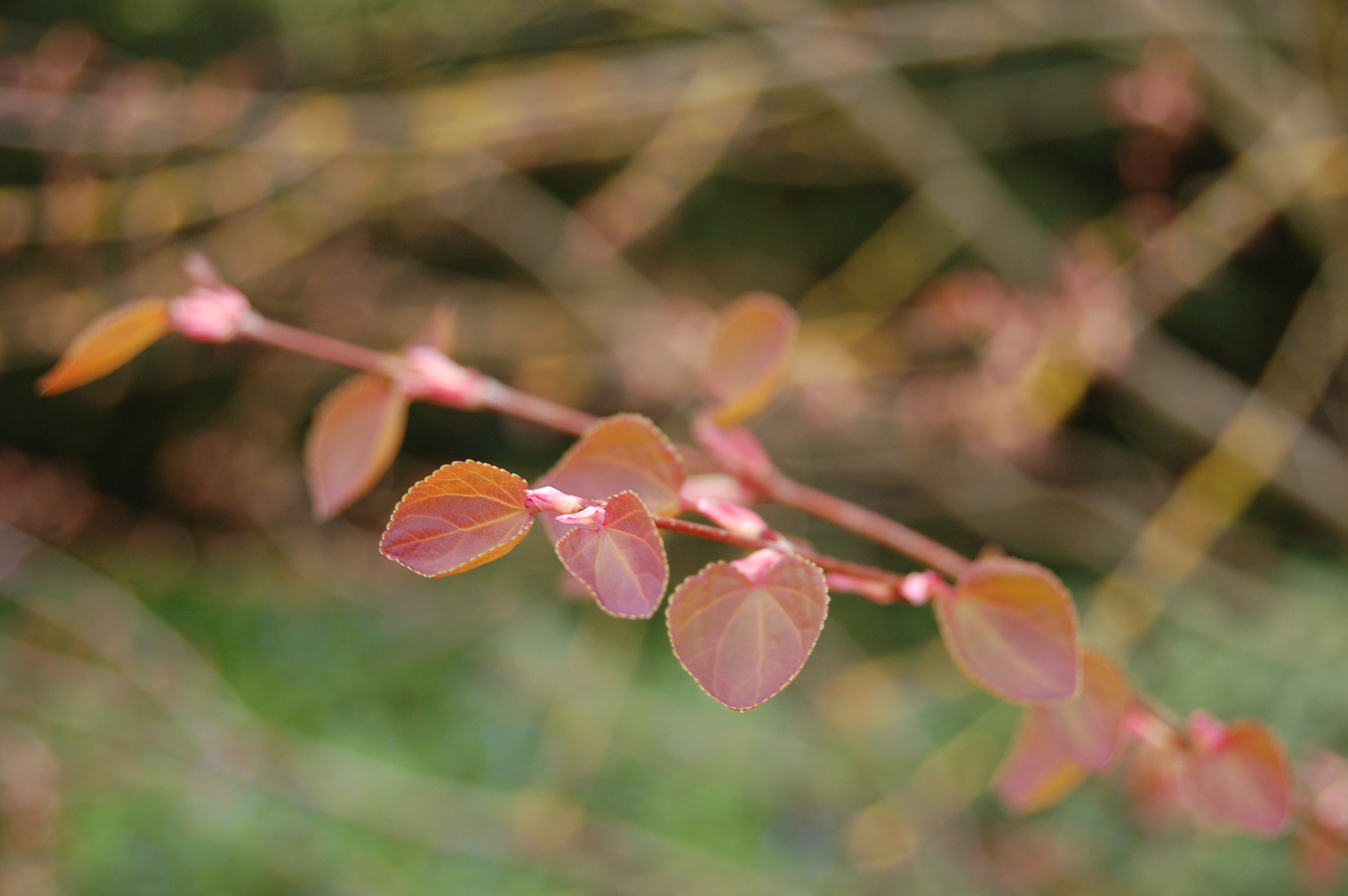
The fresh foliage of the Cercis had leaves of a delicate bronze which was a strong contrast to the much more brash reds of the Photinia “Red Robin”.

2014 03 20_7389  2014 03 20_7393

The white bark of the trunks of Betula utilis although now used in every winter garden still deserve to be centre stage. Here at Anglesey Abbey some had been “dressed” in bright colours for added humour.

2014 03 20_7408 2014 03 20_7412

2014 03 20_7410 2014 03 20_7409

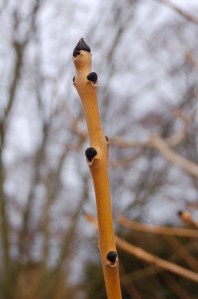
This golden stemmed ash is rarely seen in gardens but in the winter its black pyramidal buds strongly contrast with the golden stems. It is one of those plants that are simply too big for the average garden but when space allows it can be really attractive.

2014 03 20_7402

I have concentrated so far on the attributes of individual plants but we need to see how they fit in to the whole to fully appreciate their impact and the atmosphere of this amazing winter garden.

2014 03 20_7391 2014 03 20_7392  2014 03 20_7394 2014 03 20_7395 2014 03 20_7398 2014 03 20_7399 2014 03 20_7400 2014 03 20_7401

2014 03 20_7407  2014 03 20_7405 2014 03 20_7404 2014 03 20_7403

We entered the winter borders through interesting sculptural gates and we left through another. A quick look over the shoulder gave us a final chance to appreciate this brilliant garden.

So there we leave the series of three posts concerning winter gardens. Although Dunham Massey is the newcomer it looked good against the other two, but in the end it has to be said that the “original” winter garden at Anglesey Abbey remains my firm favourite.

2014 03 20_7413 2014 03 20_7406


Categories
allotments colours flowering bulbs garden design garden photography gardening gardens hardy perennials ornamental trees and shrubs spring bulbs spring gardening trees village gardens Wales Winter Gardening

Anne’s Garden

It is always special to visit a friend’s garden for the first time. Today with fellow Shropshire Hardy Plant Society members we visited the garden of our group chairman, Anne. She lives just over the Welsh border so we had but a forty minute journey.

2014 04 17_8174

The pathway to the front door set the scene with plants jostling for position to make sure they were seen. I always believe this sort of way into a garden heightens the anticipation. You just know you are going to enjoy the garden and discover some real gems. This was just what happened.

2014 04 17_8151

Anne greeted us at her door and from then on we had a very enjoyable afternoon exploring her little garden, drinking tea and relishing cakes. The garden had pathways wriggling beneath trees and shrubs giving the atmosphere of a small copse.

Anne’s garden illustrated the importance of growing trees in small gardens. So many small gardens are full of small plants which just makes you look down. Anne’s patch had your eyes rushing around, upwards, downwards and seeking out the next corner to peer around.

In the front garden Cercis “Forest Pansy”, Pyrus salifolius pendula and a splendid specimen of Cornus “Midwinter Fire” held the garden together.

2014 04 17_8146 2014 04 17_8143

2014 04 17_8144


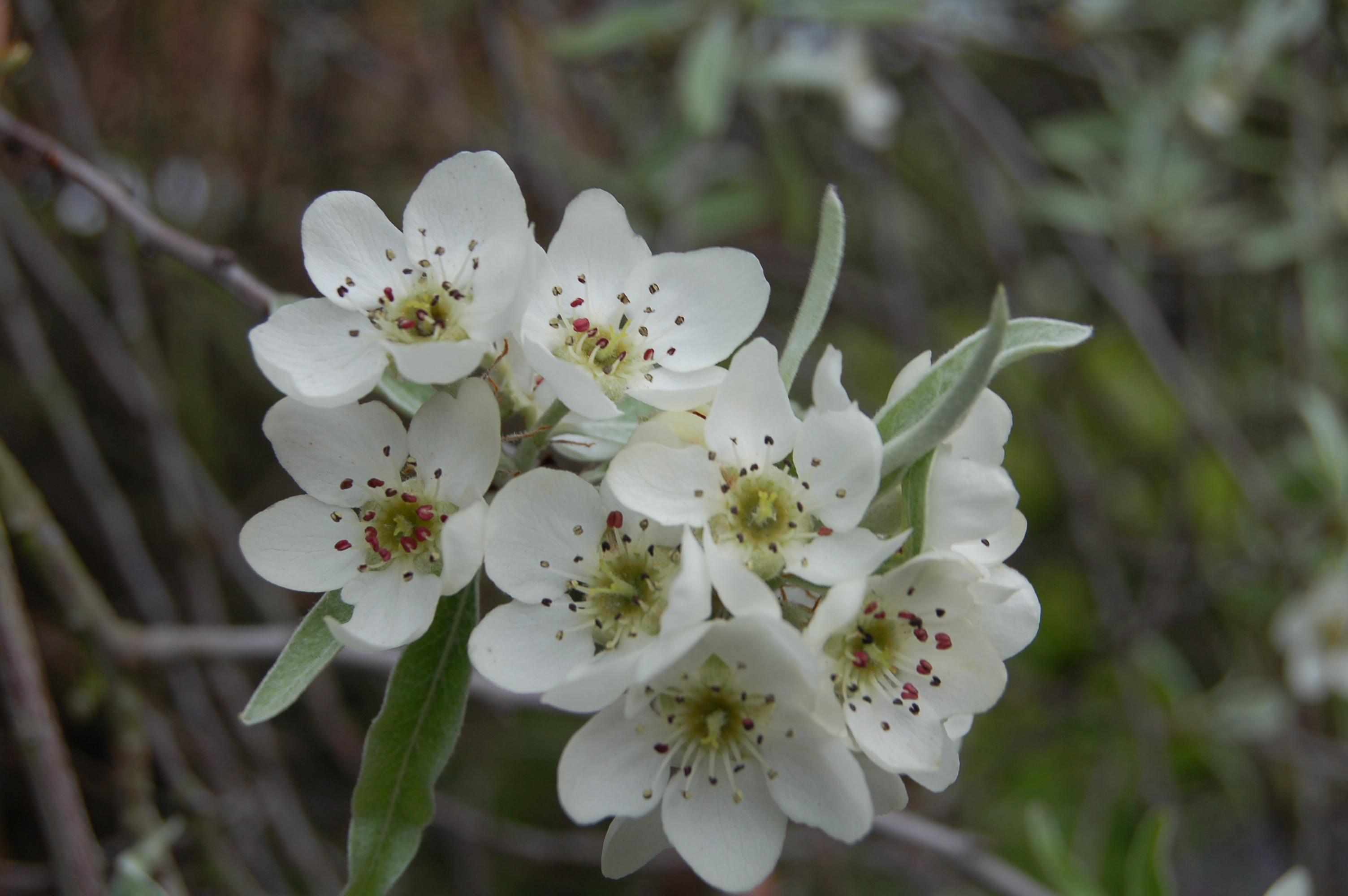
The weeping pear’s leaves were fully out and its pure white blossom showed off its black stamens. The Forest Pansy was way behind ,its bare black stems just starting to show bursting purple buds.

2014 04 17_8142


I enjoyed the way so many different leaf shapes, colours and textures juxtaposed so happily.


2014 04 17_8141 2014 04 17_8158

2014 04 17_8163 2014 04 17_8170

Being mid-April spring flowering bulbs added cheer to combat the grey skies of the day.

2014 04 17_8148 2014 04 17_8162

2014 04 17_8177 2014 04 17_8152

2014 04 17_8178 2014 04 17_8181

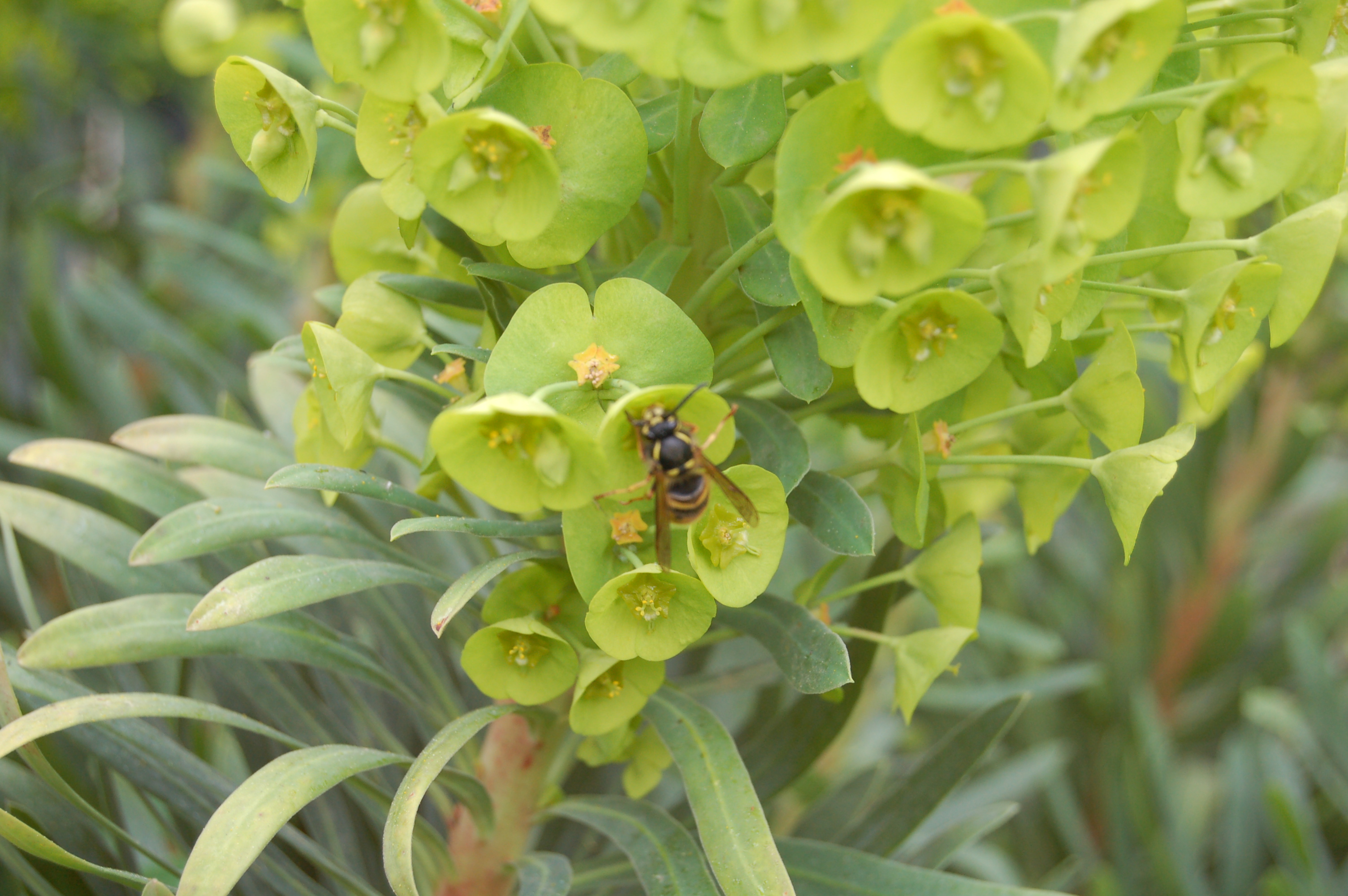
Whenever I visit a garden I spot one of my favourite families of plants, the euphorbias. Anne had some fine euphorbias including E. mellifera a variety that we grow but have to take in during the winter as it just couldn’t survive our winter weather. Anne’s happily lived outside all year.

2014 04 17_8145  2014 04 17_8149

2014 04 17_8182

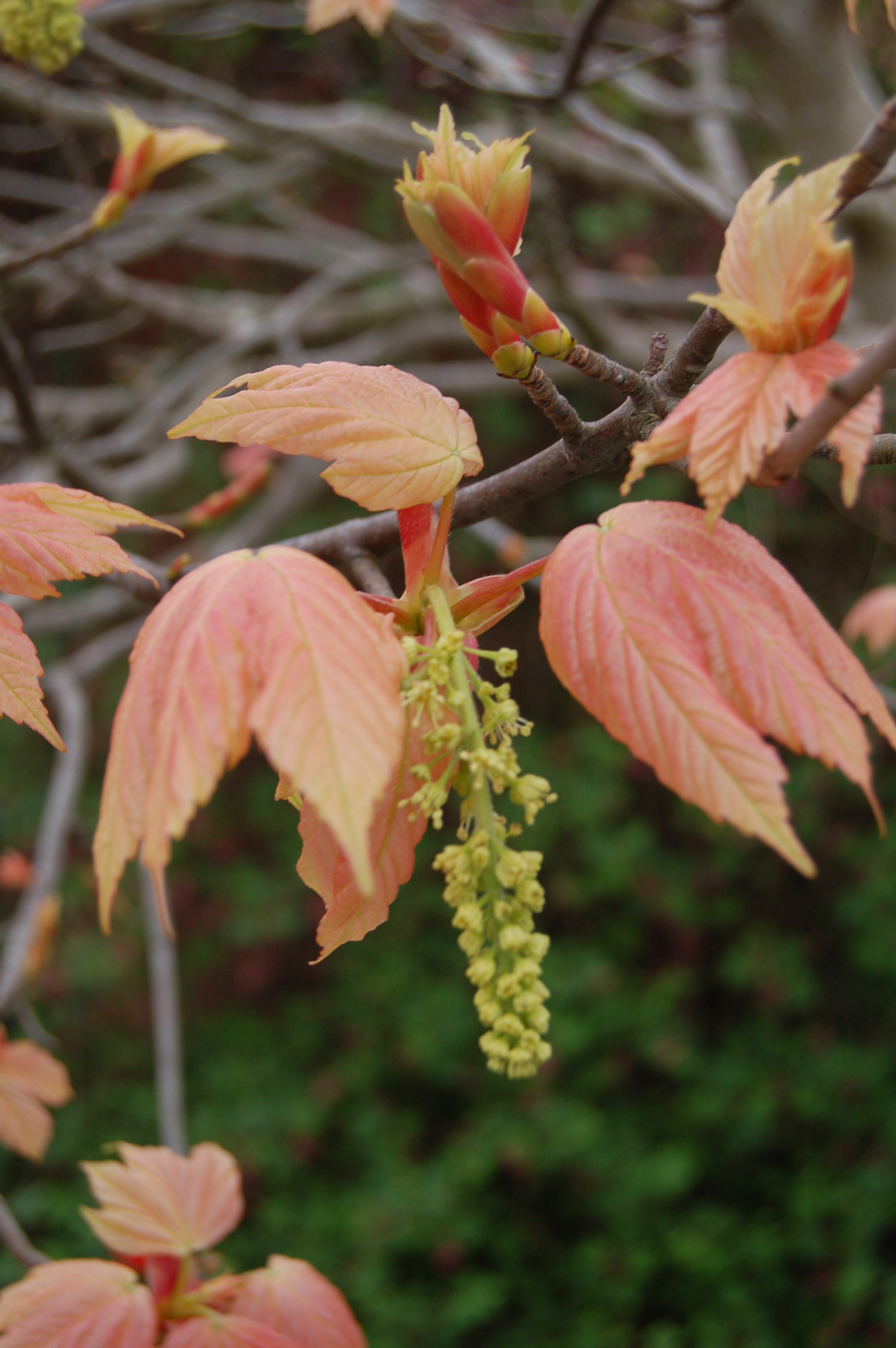
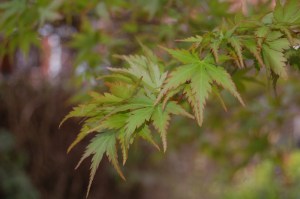
Acers feature here too and mid-April is a good time to enjoy their fresh subtly coloured new foliage bursting from their buds.

2014 04 17_8153 2014 04 17_8154

2014 04 17_8164 2014 04 17_8171

2014 04 17_8165

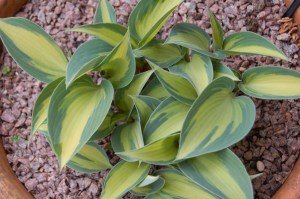
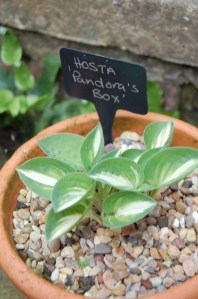
We have been looking for small Hostas recently to plant around a water feature situated close to a corner where two path meet. We were really taken with those we found growing in pots in a little shaded courtyard. Luckily they had labels on giving us ideas for our own planting.

2014 04 17_8150 2014 04 17_8166

2014 04 17_8167

Anne’s garden is small in size but it has a mighty big heart! As the last set of photographs below show it is a garden full of interesting individual plants, original plant combinations and many appealing features. We had a great afternoon – thanks Anne.

2014 04 17_8155 2014 04 17_8157           2014 04 17_8168 2014 04 17_8169   2014 04 17_8172 2014 04 17_8173 2014 04 17_8175 2014 04 17_81562014 04 17_8176   2014 04 17_8179 2014 04 17_8180  2014 04 17_8183

Categories
colours flowering bulbs garden design garden photography gardening gardens gardens open to the public grasses hardy perennials irises ornamental grasses ornamental trees and shrubs shrubs spring bulbs trees Winter Gardening winter gardens

Three Winter Gardens – Part Two – Cambridge Botanic Gardens

We had never been to Cambridge before. Lots of people told us it is just like Oxford its parallel university city. We decided to put things right and find out for ourselves so spent a few days there. One day we spent in the University Botanic Gardens where we were keen to explore the winter garden as we had heard good things about it.

We were pleased we decided to visit both Cambridge and its botanic garden as we enjoyed both immensely. The Botanic Garden was good enough to make us plan to return in different seasons. If a garden impresses in winter then it will at any time.

So for part two of my “Three Winter Gardens” we shine the spotlight on Cambridge. Look out for a post in the near future looking at the rest of the garden in winter too.

We knew we were in for a treat for within the first 20 yards of our walk after passing through the gate we were mystified by a couple of plants we did not know.

2014 03 17_7183 2014 03 17_7179

Luckily they were both labelled and I shall say what they are in my post about the gardens in general but first off to the Winter Garden. We were particularly keen to see this seasonal patch as it had been created in 1989 so now it is well established. Many gardens now boast winter borders or winter gardens and we have even created one on our allotment site in the communal areas, but these are mostly immature.

2014 03 17_7254

Trees and shrubs give the impact in any winter garden often as here at Cambridge they are birches and willows.

2014 03 17_7255 2014 03 17_7277

2014 03 17_7258

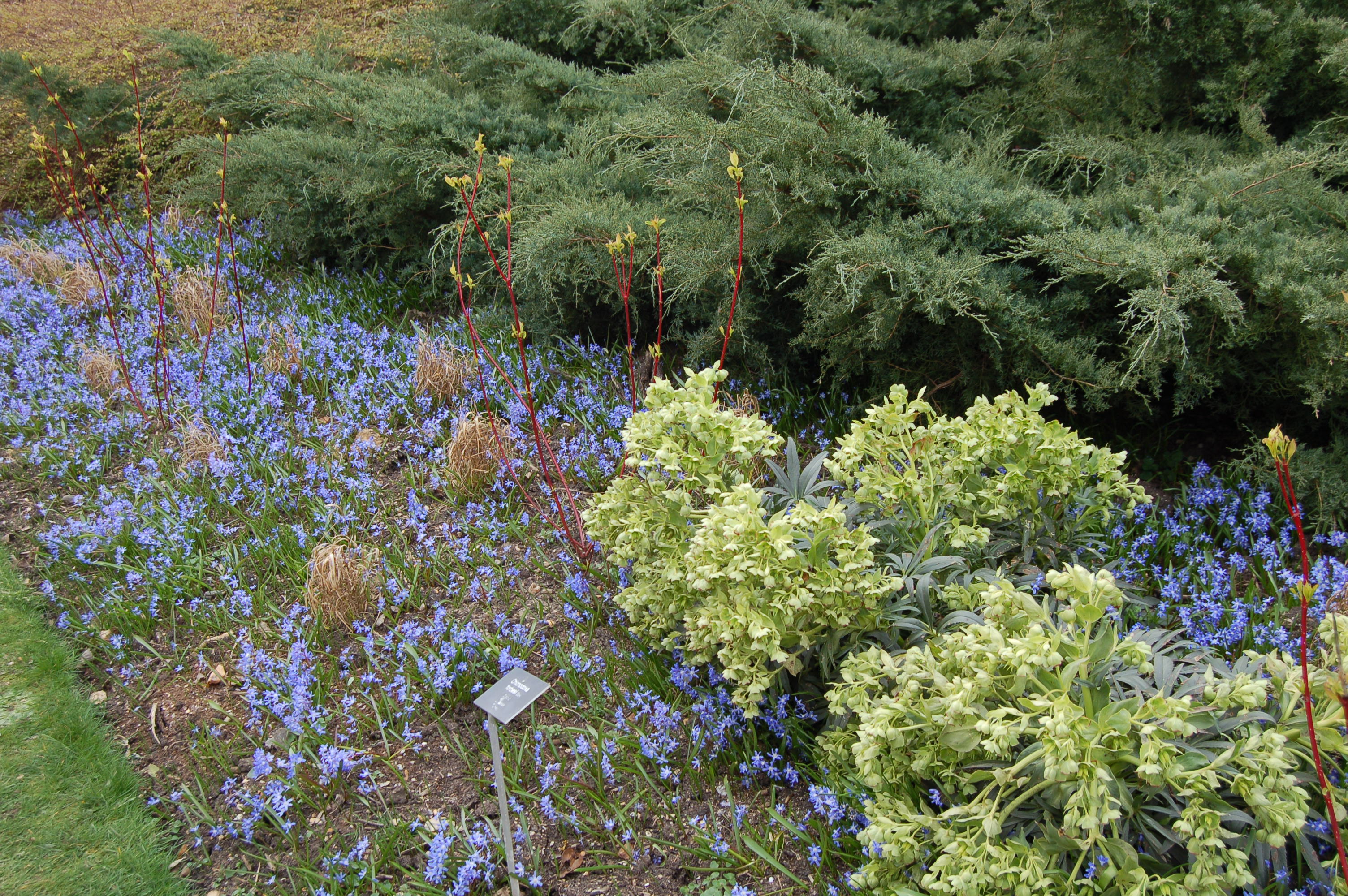
We were particularly impressed with the use of ground cover, an aspect we have not used very well in our allotment version. We were to learn so much and go home full of enthusiasm to develop effective ground cover in our allotment’s winter garden. Ivies, periwinkles and hellebores added so much. We already use hellebores but not ivies and periwinkles but they present so many opportunities, with all the varieties in leaf colour, variegation and shape in ivies and flower colours in the periwinkles. Bergenias and grasses together worked well in other places, because of their unusual foliage colours and contrasting leaf shape.

2014 03 17_7256  2014 03 17_7259 2014 03 17_7260 2014 03 17_7263

2014 03 17_7265

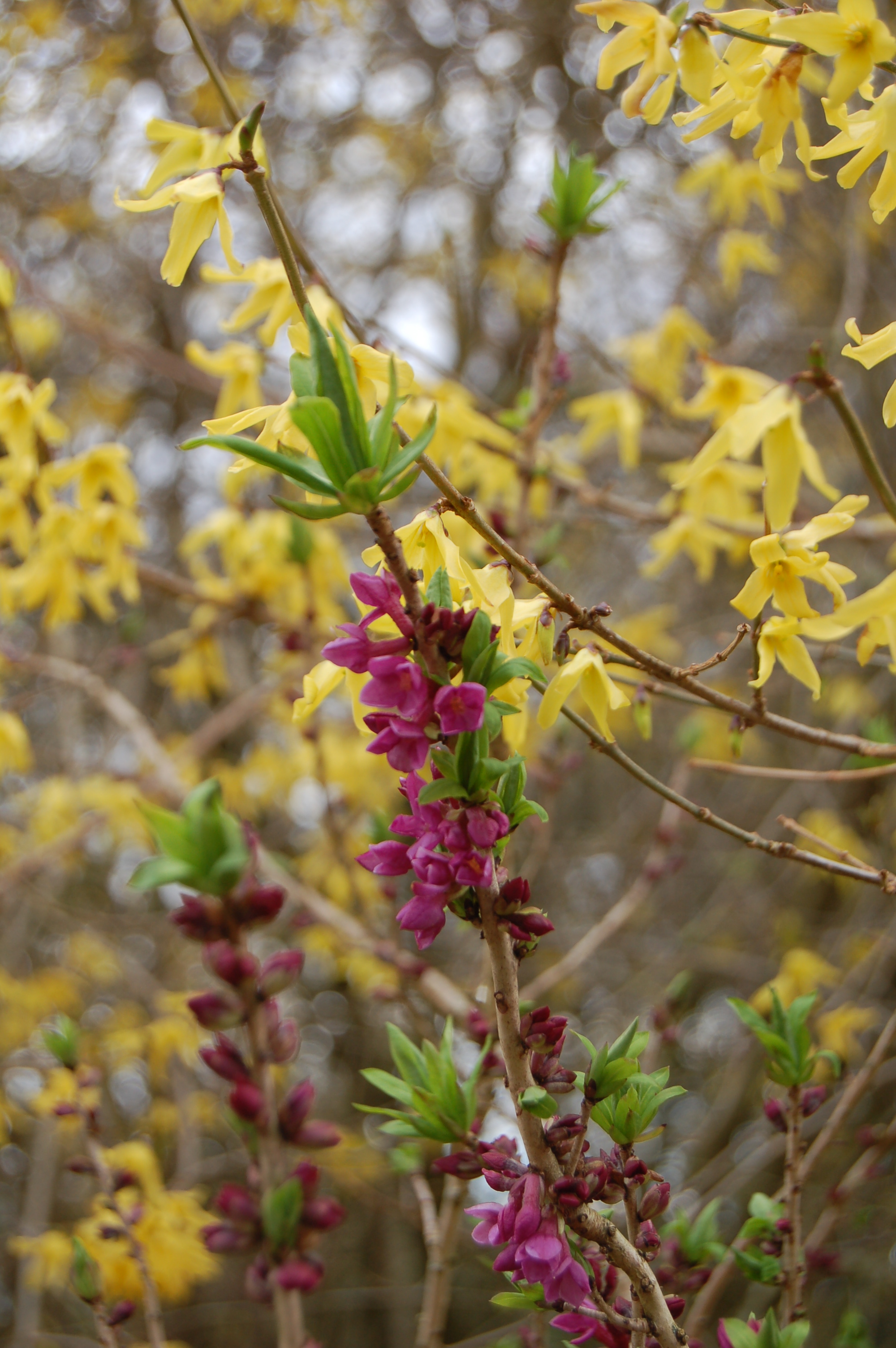
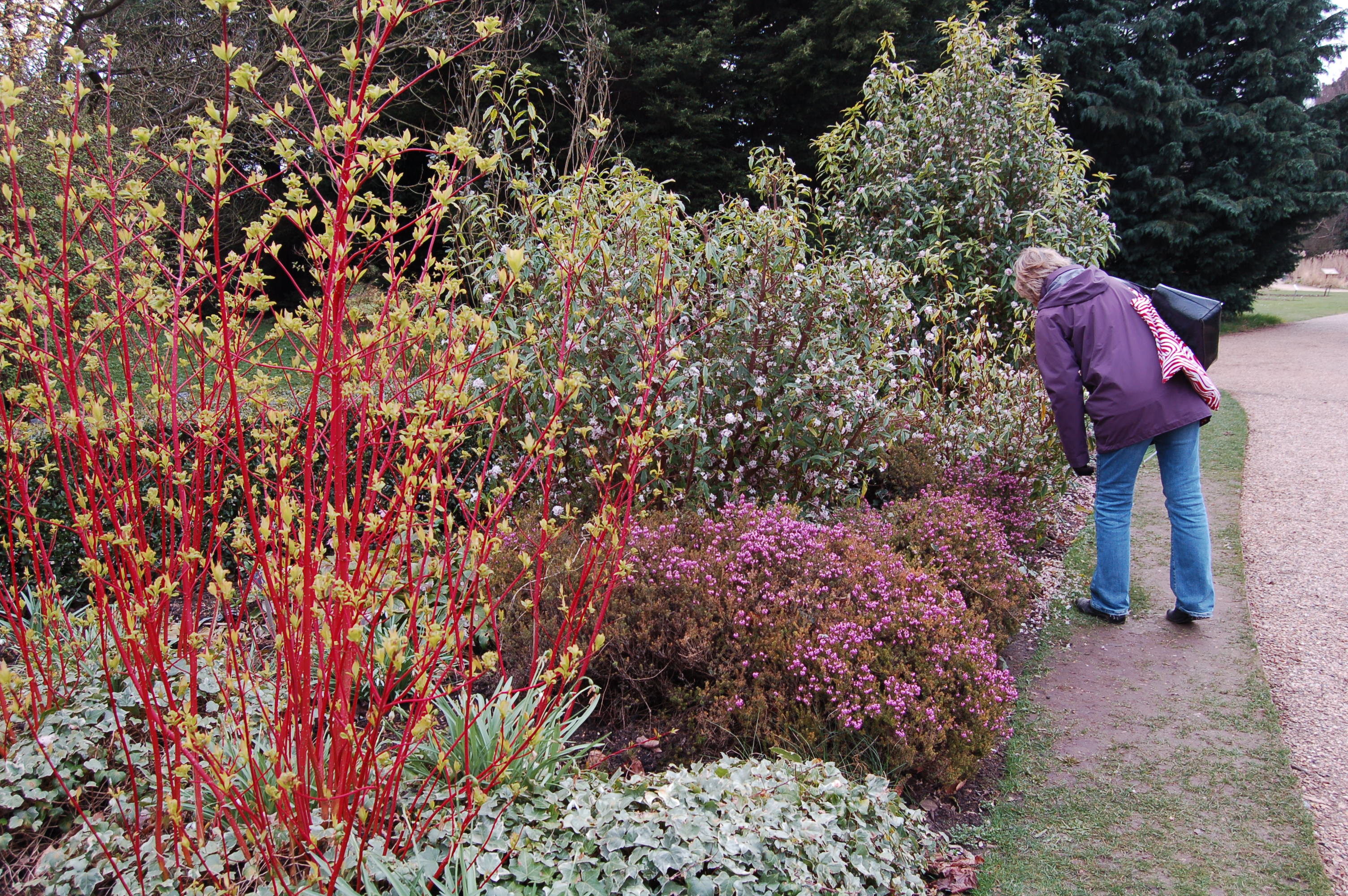
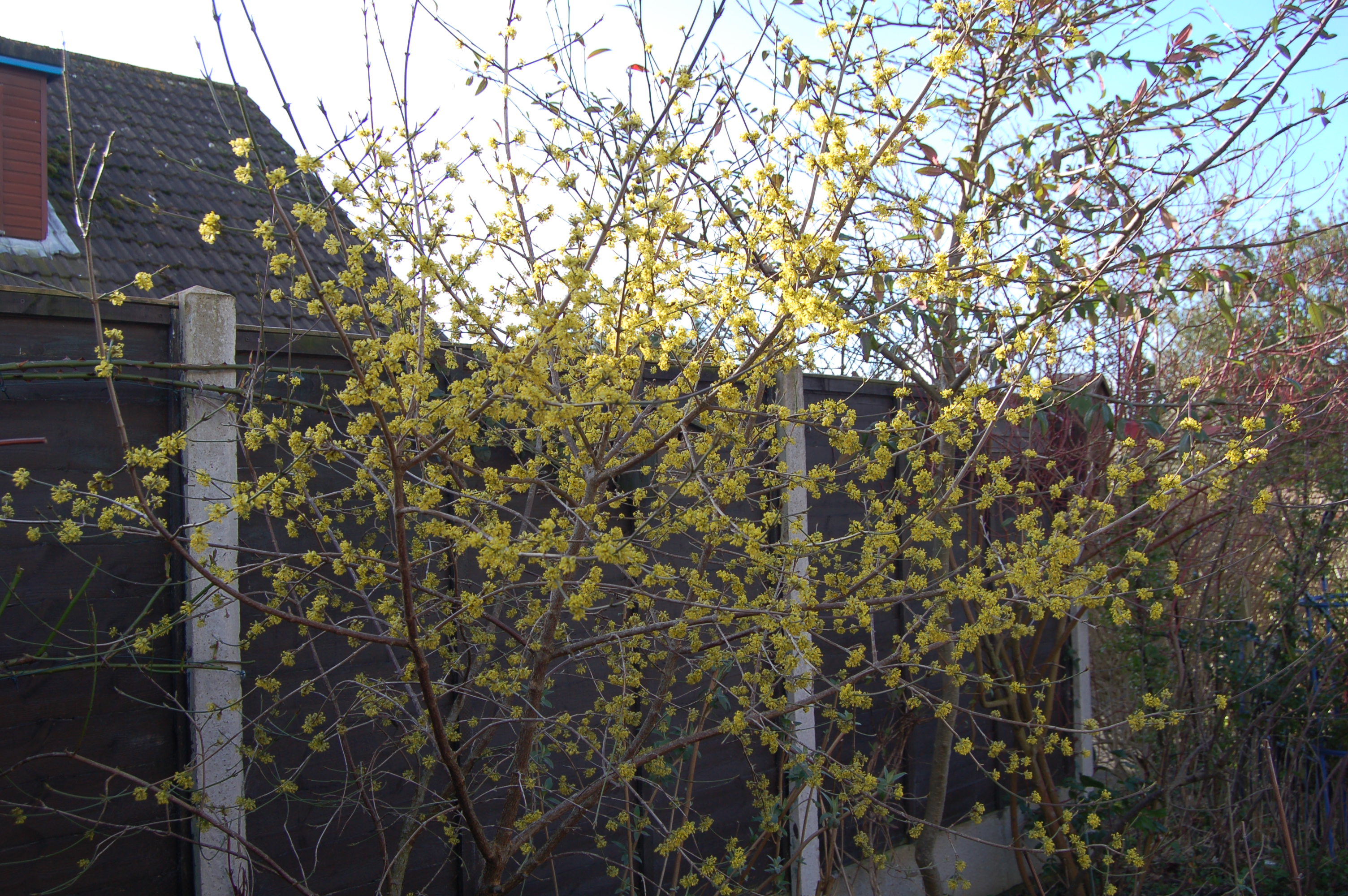
This was a very effective colour combination which in any other season probably wouldn’t have worked. Daphne mezereum and Forsythia Lynwood. Of course the daphne also provided that other essential of any winter border – sweet scent. The sweetest scent of all came from another Daphne, Jacquelin Postill.

2014 03 17_7261  2014 03 17_7262 2014 03 17_7272

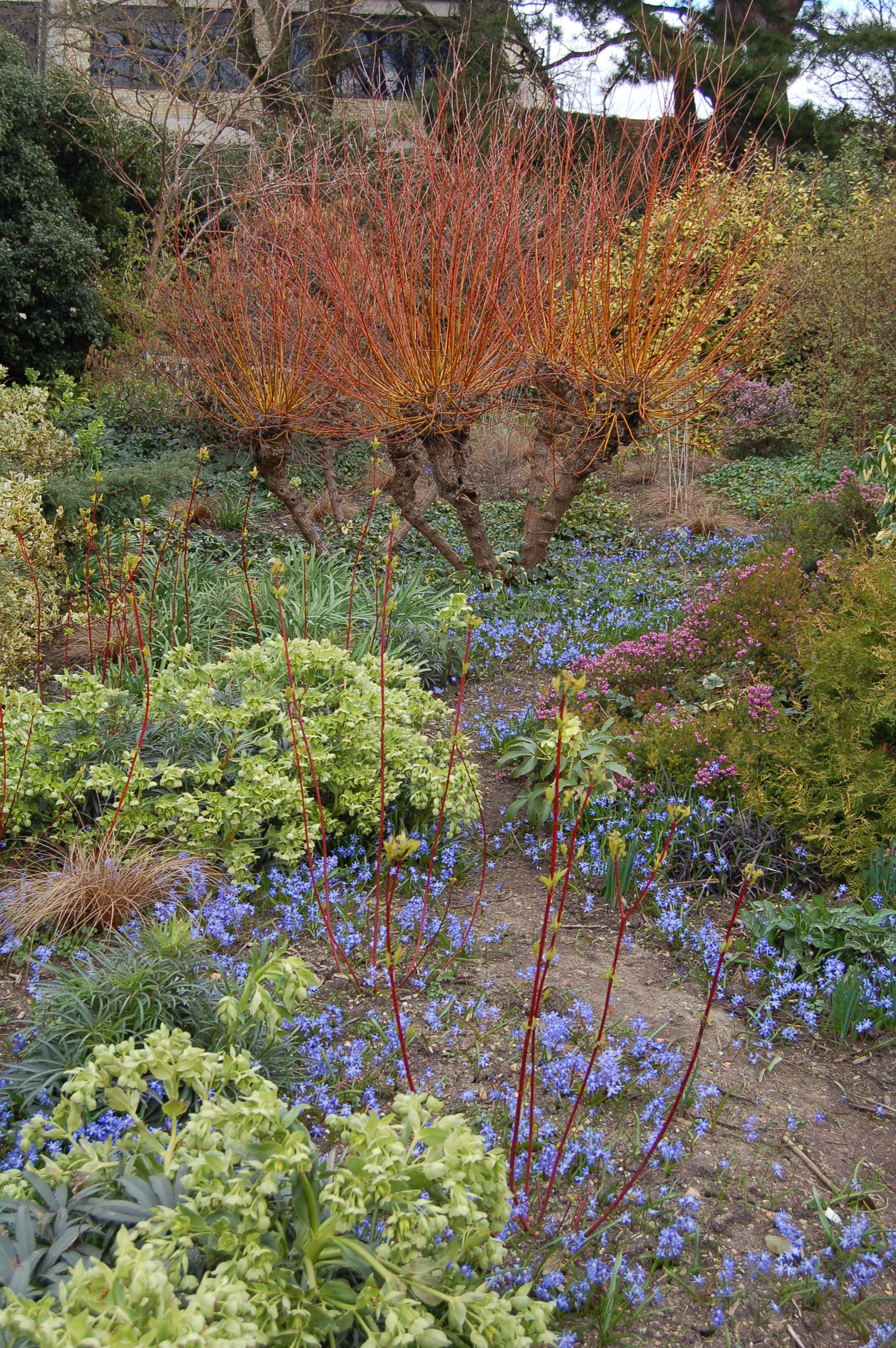
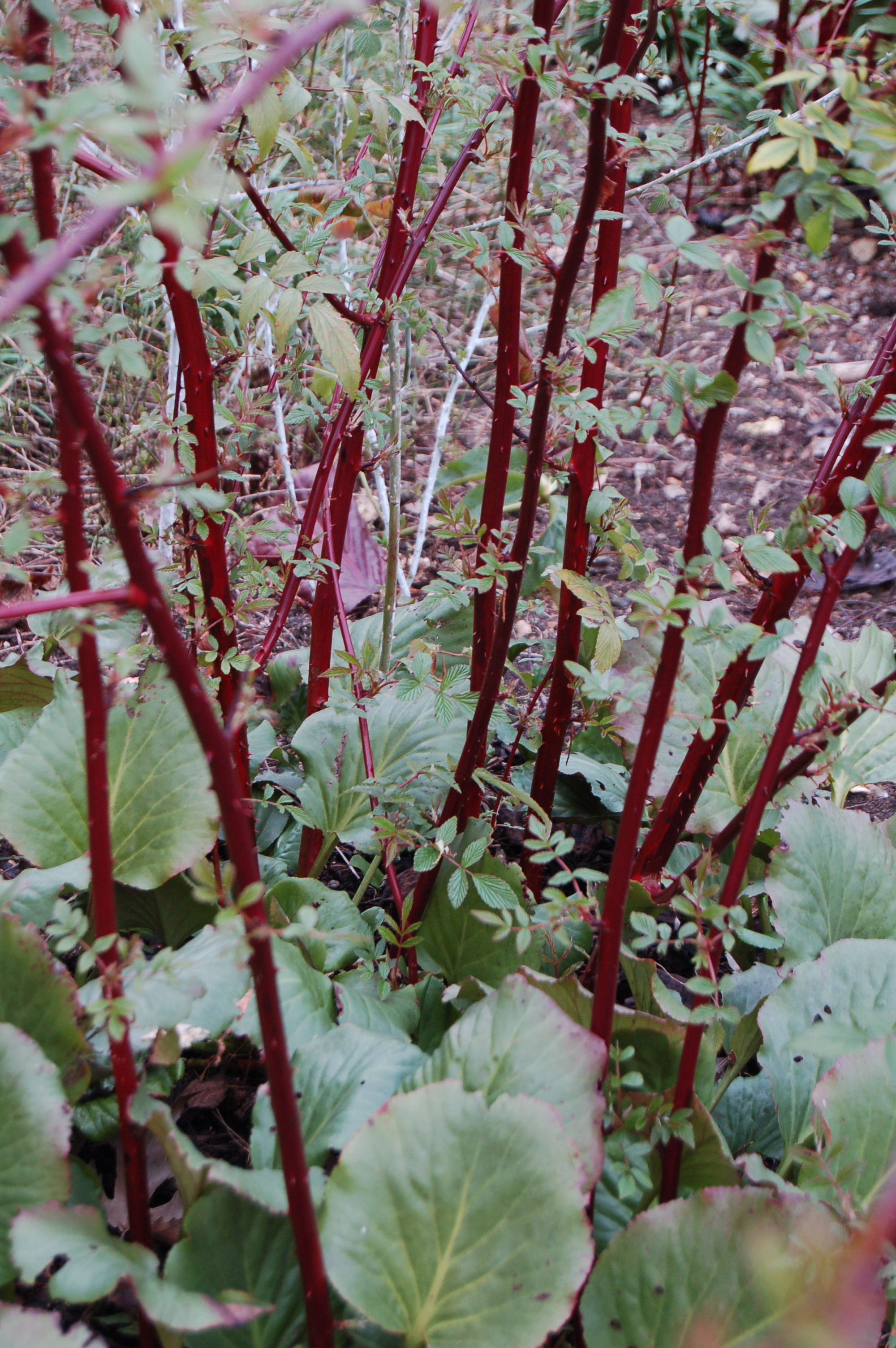
The coloured stems of coppiced and pollarded Cornus (dogwoods) and Salix (willows) have to star in any winter garden and they certainly did here along with Rubus.

2014 03 17_7264  2014 03 17_7266   2014 03 17_7269 2014 03 17_7270 2014 03 17_7271 2014 03 17_7274

2014 03 17_7273  2014 03 17_7275

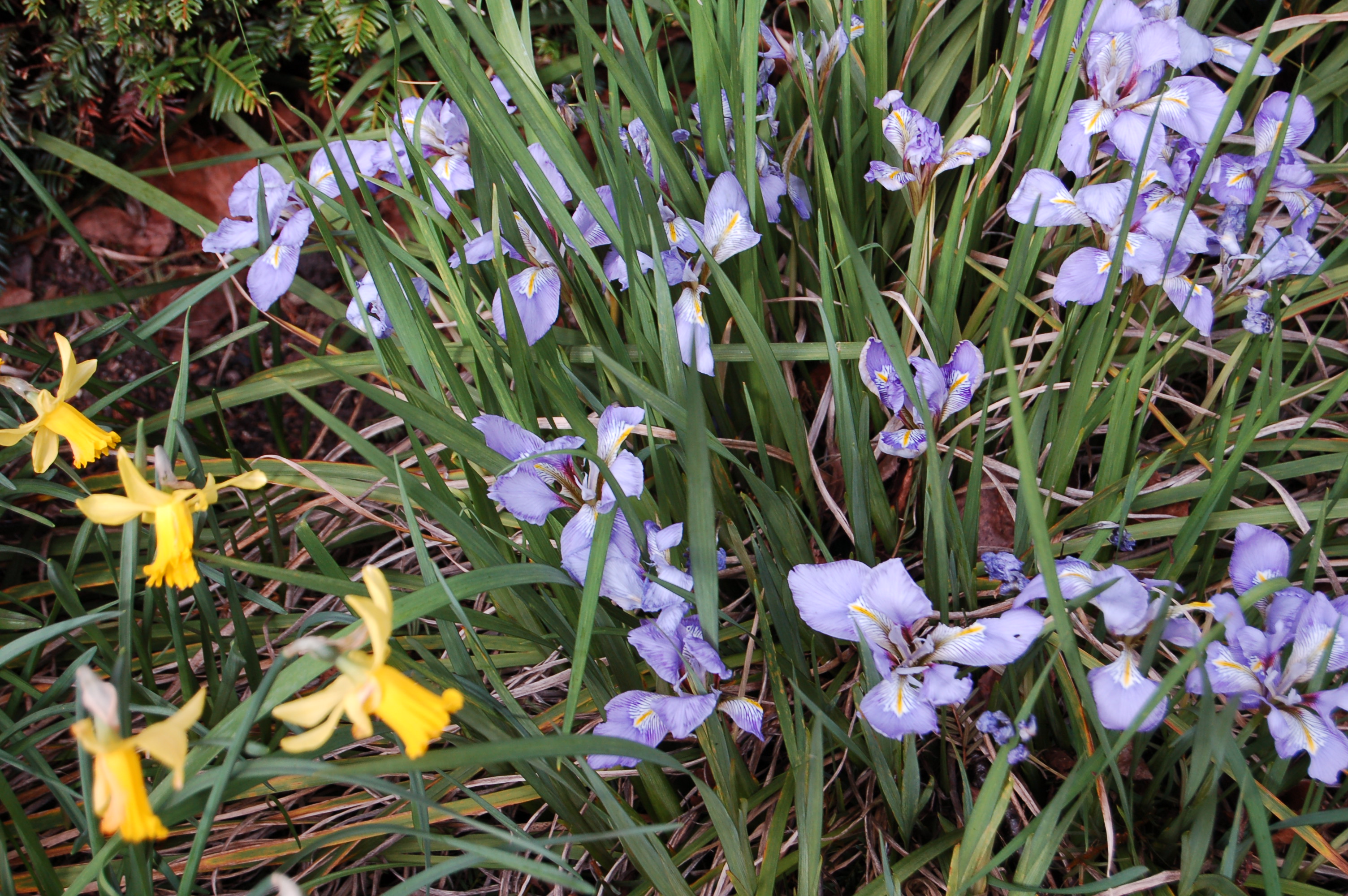
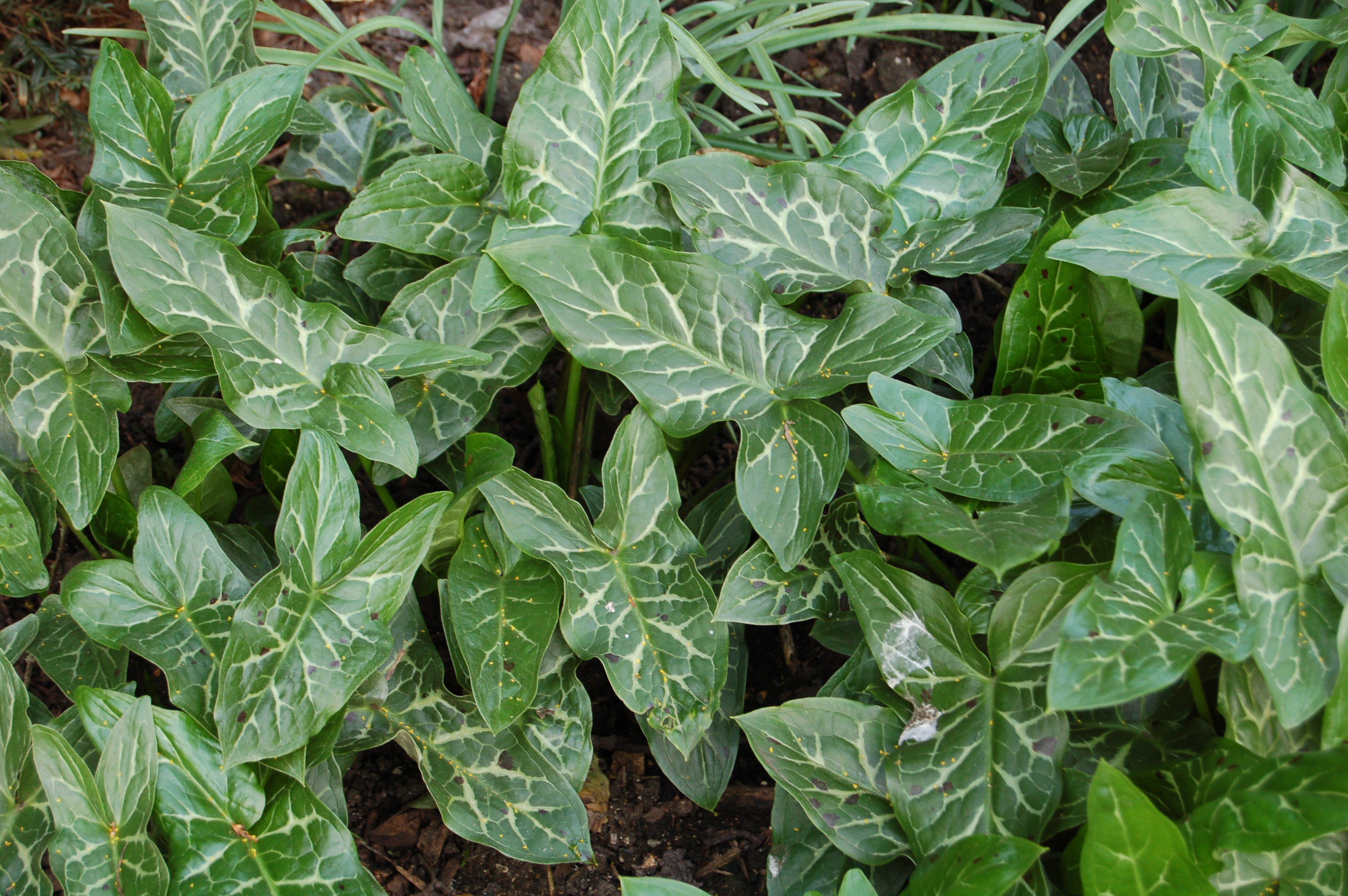
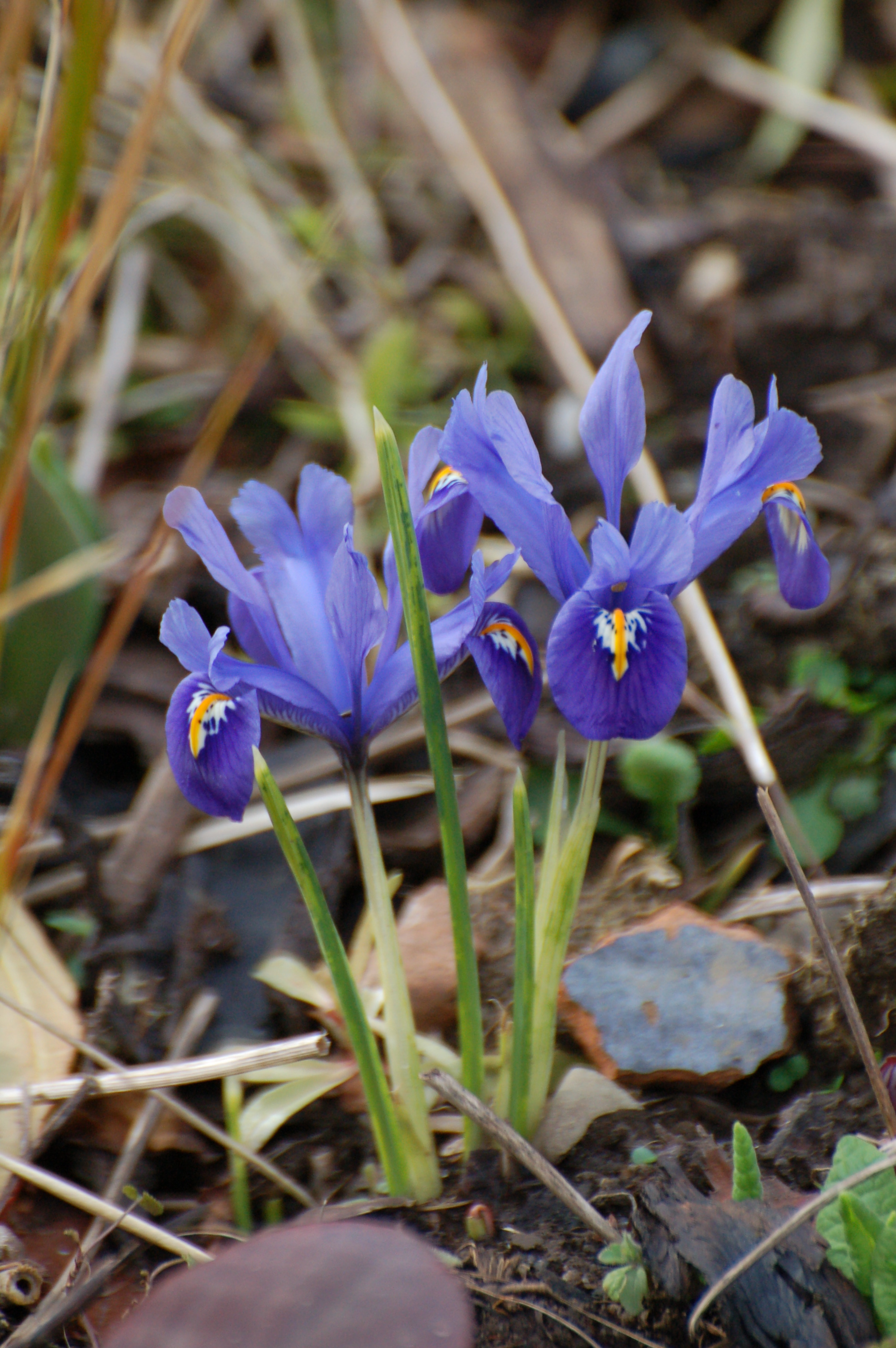
Two gems worth a special mention are the winter flowering iris and the wonderful leaves of Arum italicum marmoratum.

2014 03 17_7276  2014 03 17_7278

I shall finish with this photo looking back at the gently curving path through the winter border. The third of my winter garden visits will be to Anglesay Abbey, probably the best known and most polular of all the winter gardens in this country. We shall see if it deserves this accolade.

2014 03 17_7267

Categories
Cheshire colours flowering bulbs garden design garden photography gardening gardens gardens open to the public irises light light quality National Trust ornamental trees and shrubs outdoor sculpture shrubs spring bulbs Winter Gardening winter gardens

Three Winter Gardens – Part One Dunham Massey

Every year we visit a winter garden but this year as a special treat to make up for such a wet, windy winter we decided to indulge ourselves by enjoying three. We aimed to visit Dunham Massey in Cheshire, Cambridge Botanic Garden and Anglesey Abbey.

The first was a National Trust property in Cheshire, Dunham Massey, a fairly recent addition to the new fashion of gardens designed to be at their best in the coldest time of the year.

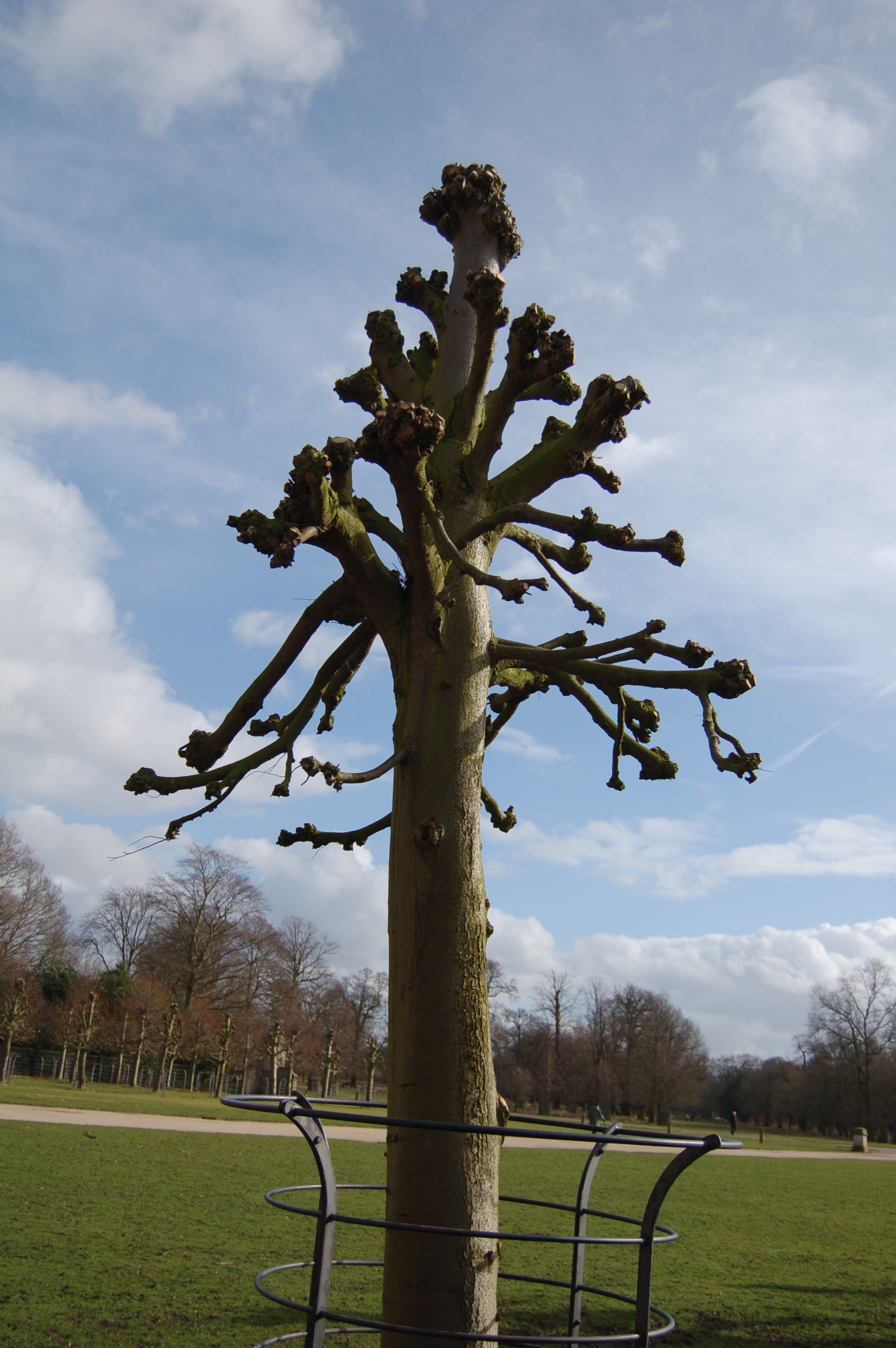
When you approach the entrance to the winter garden here you pass an avenue of pleached trees with the most magical silhouettes. Years of heavy pruning has produced such interesting shapes.

2014 02 25_6677 2014 02 25_6676 2014 02 25_6675

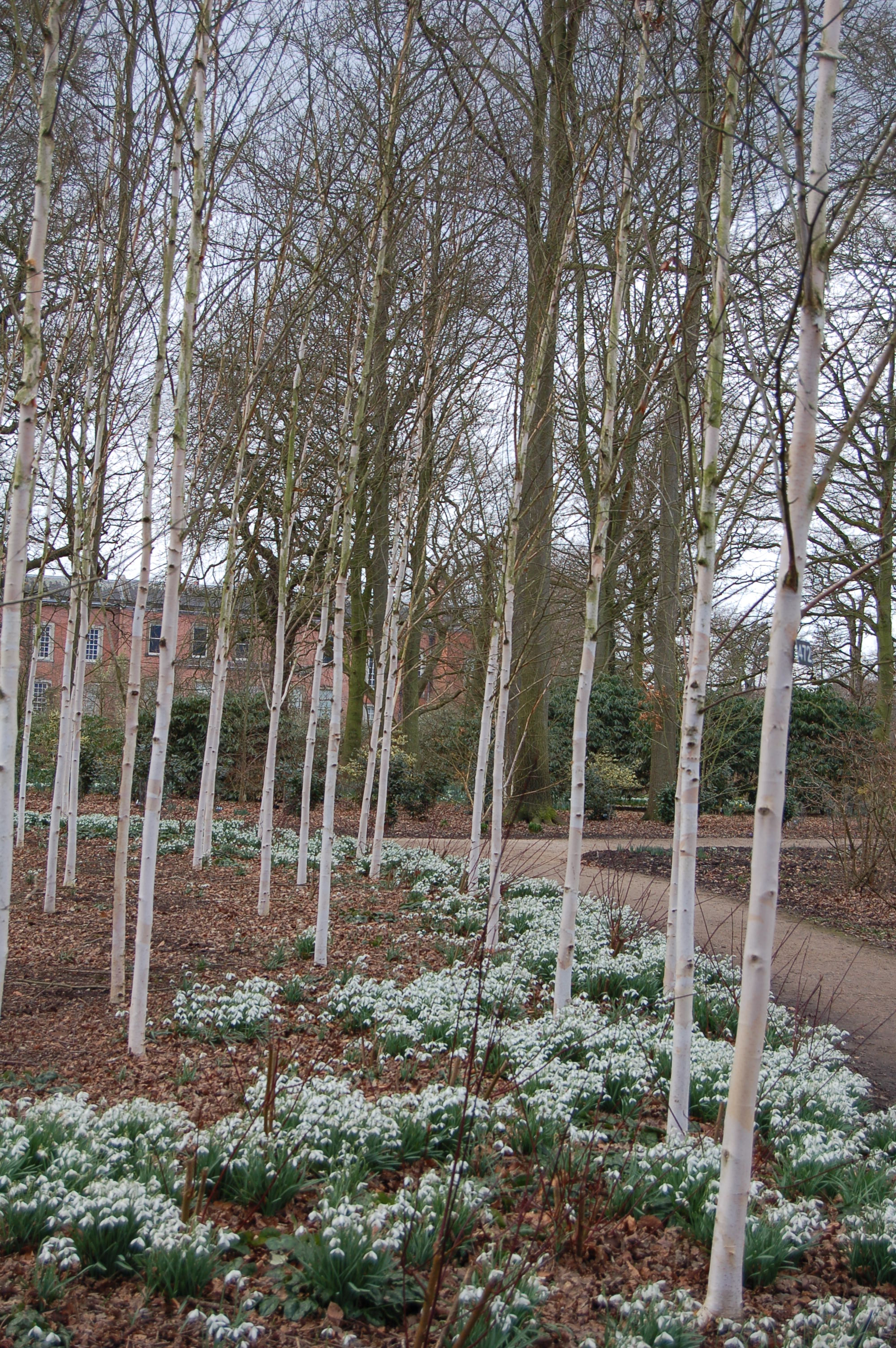
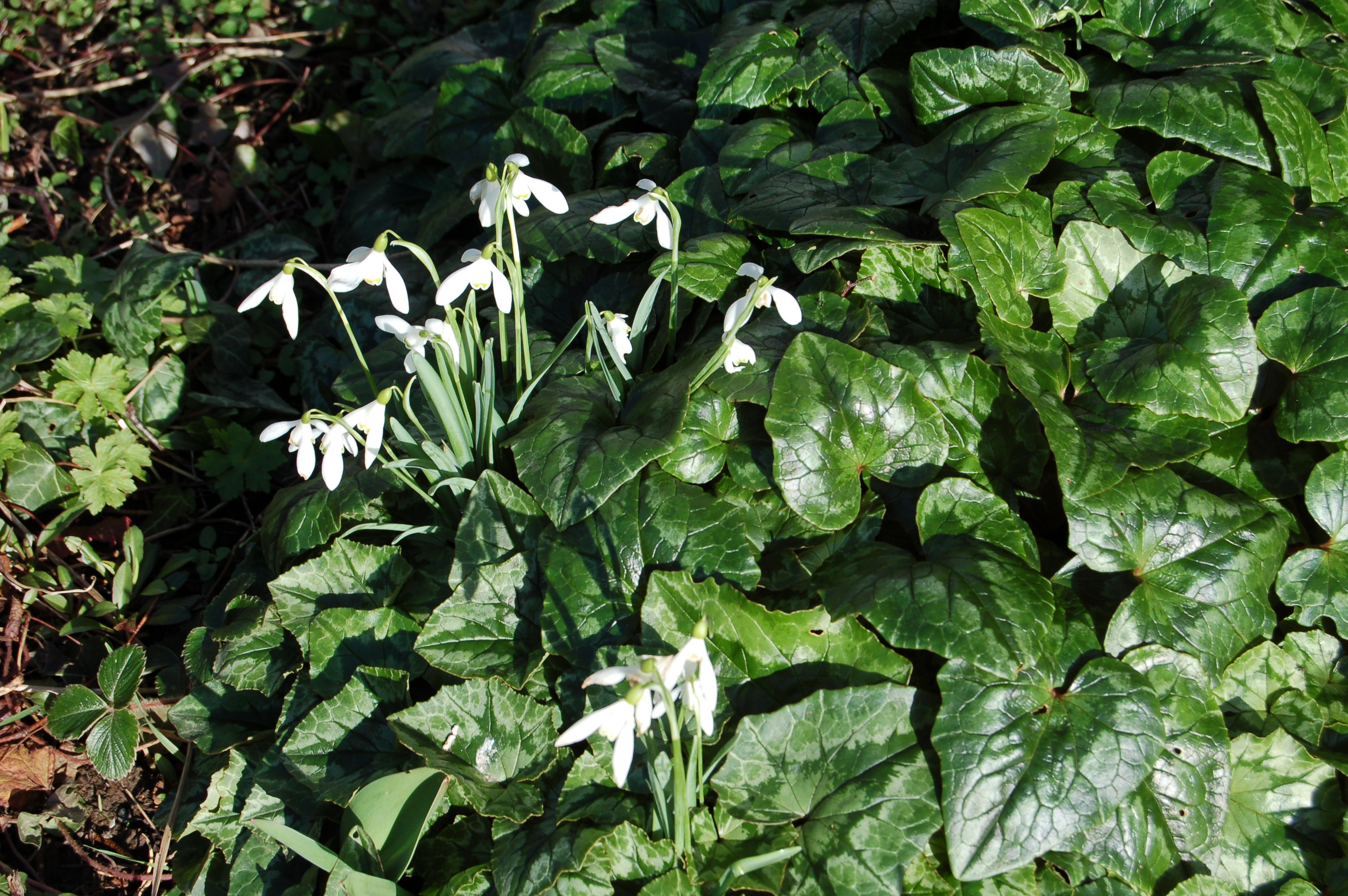
We visited Dunham Massey a few years ago when the Winter Gardens were first opened so we entered with great anticipation. A couple of small mixed borders of winter interest give hints of what is to come. We remembered passing an open woodland area with native narcissi beneath the immature trees before being confronted by the two massed plantings of of Betula utilis “Doorenbos” one of the best white trunked birches. On one side of us the birches were in rows on the other they were planted randomly. What a sight it was like walking into mist. Snowdrops beneath white birches bring cheer to any cold day.

2014 02 25_6680 2014 02 25_6679 2014 02 25_6678 2014 02 25_6684 2014 02 25_6685 2014 02 25_6688

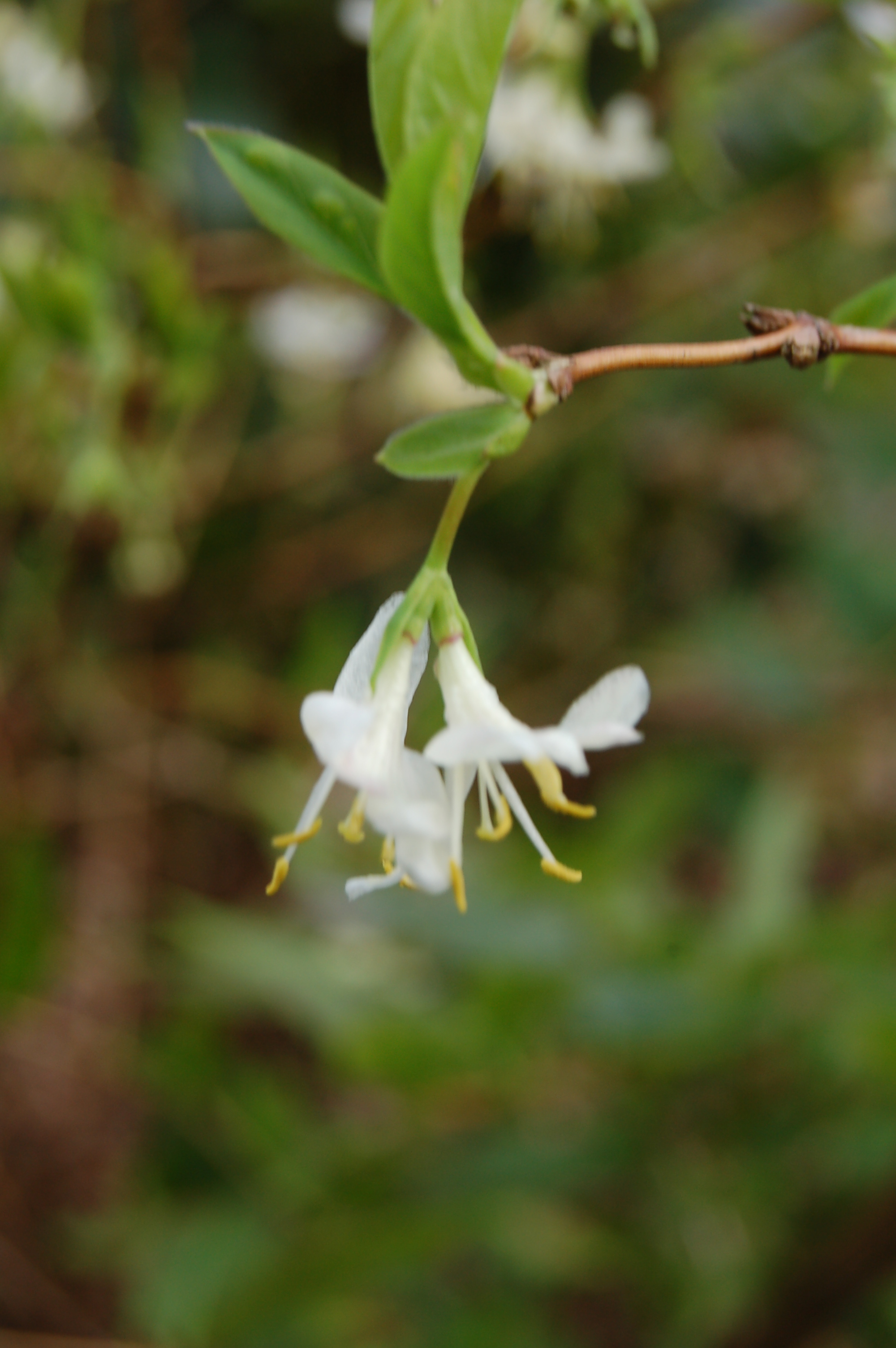
As in any winter garden scent plays an important role. Shrubs and bulbs team up to gently seduce the visitors with their various perfumes. Winter Honeysuckle, Viburnums, Cornus, Witch Hazels and Skimmias all have a part to play.

2014 02 25_6687 2014 02 25_6686

2014 02 25_6697 2014 02 25_6698

2014 02 25_6703 2014 02 25_6705

We were caught by surprise when we found this startlingly white sculpture amongst the shrubs and bulbs.

2014 02 25_6696

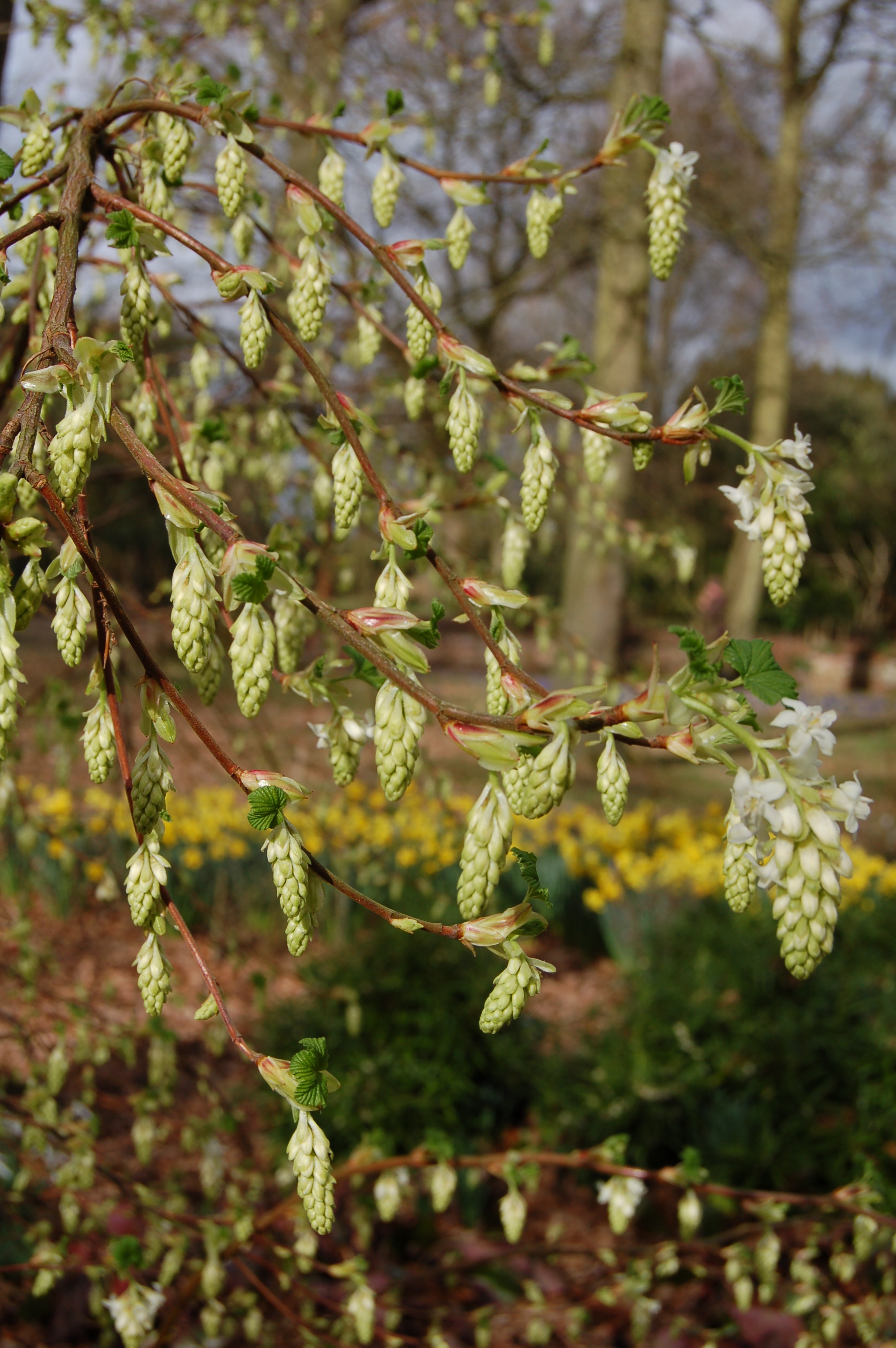
Other trees had bark to delight and catkins to enthrall.

2014 02 25_6691 2014 02 25_6692 2014 02 25_6693 2014 02 25_6694     2014 02 25_6702 2014 02 25_67182014 02 25_6712

Bulbs have to star in any winter garden and here they are planted en masse under trees and amongst shrubs.

2014 02 25_6709


At this time of year shadows are long and very noticeable features of any mature garden.

2014 02 25_6735 2014 02 25_6734

2014 02 25_6730

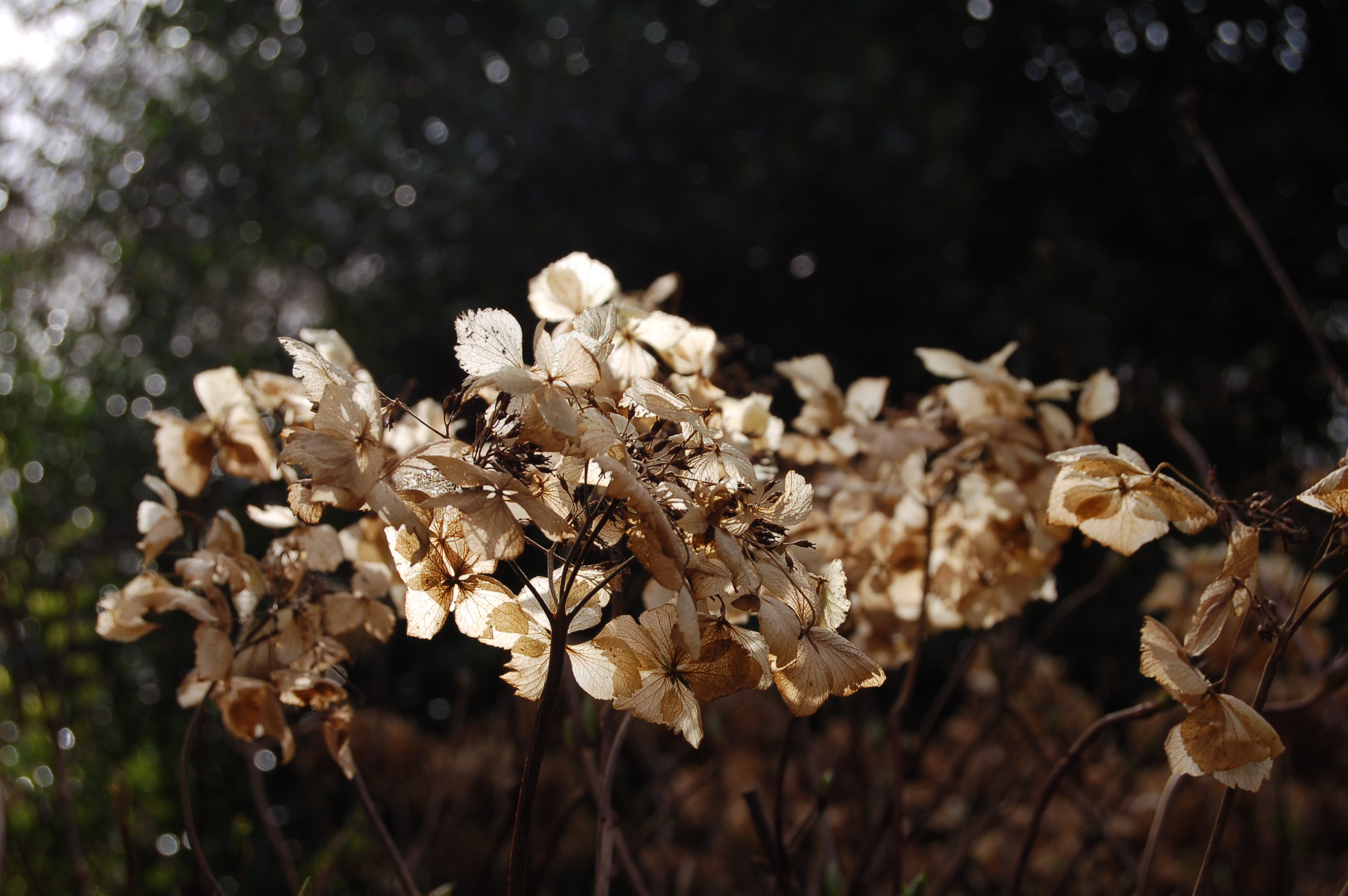
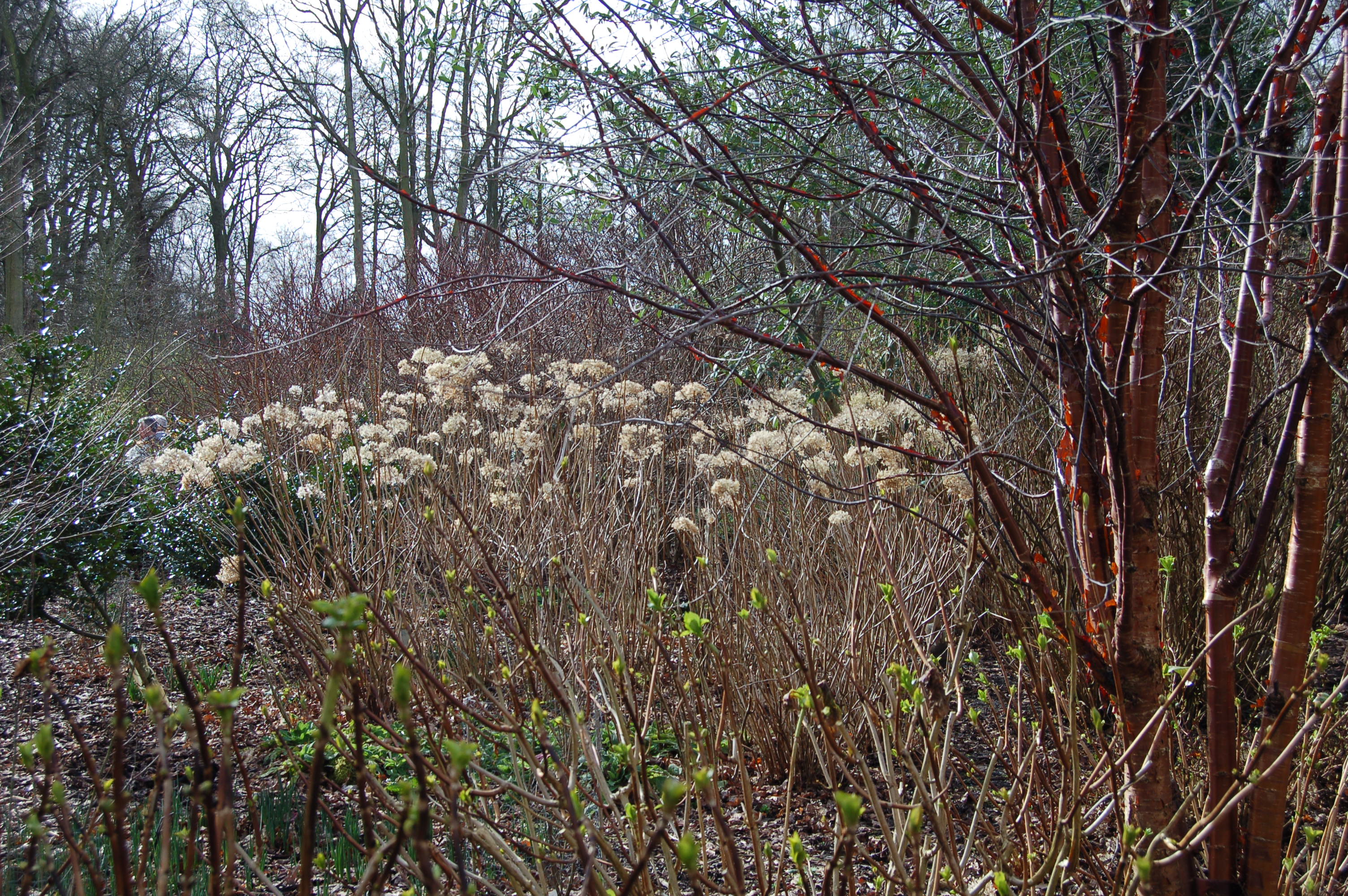
Seed heads which have overwintered and survived to add interest now seem to attract the winter light. The best must be those found on various hydrangeas, with their dried flowers like parchment.

2014 02 25_6711 2014 02 25_6713

2014 02 25_6714 2014 02 25_6715

I shall finish this visit with a few general views of borders to help give a sense of the atmosphere created by the National Trust’s gardeners at Dunham Massey.

2014 02 25_6707 2014 02 25_6706    2014 02 25_6716

2014 02 25_6740 2014 02 25_6744 2014 02 25_6739 2014 02 25_6736 2014 02 25_6738   2014 02 25_6737  2014 02 25_6731 2014 02 25_6729

For our next winter garden we will be off to Cambridge where we will be taking a look at the University Botanic Garden.

Categories
climbing plants colours flowering bulbs garden design garden photography garden wildlife gardening gardens grasses hardy perennials ornamental grasses ornamental trees and shrubs Shropshire spring bulbs trees Uncategorized Winter Gardening winter gardens

Aiming for a year round garden. Part One – The Winter

Over the last few years we have worked hard planning to make our garden look and feel good all year round. So today I took a wander with camera in hand to see how well we had done so far. See what you think. Are we getting there?

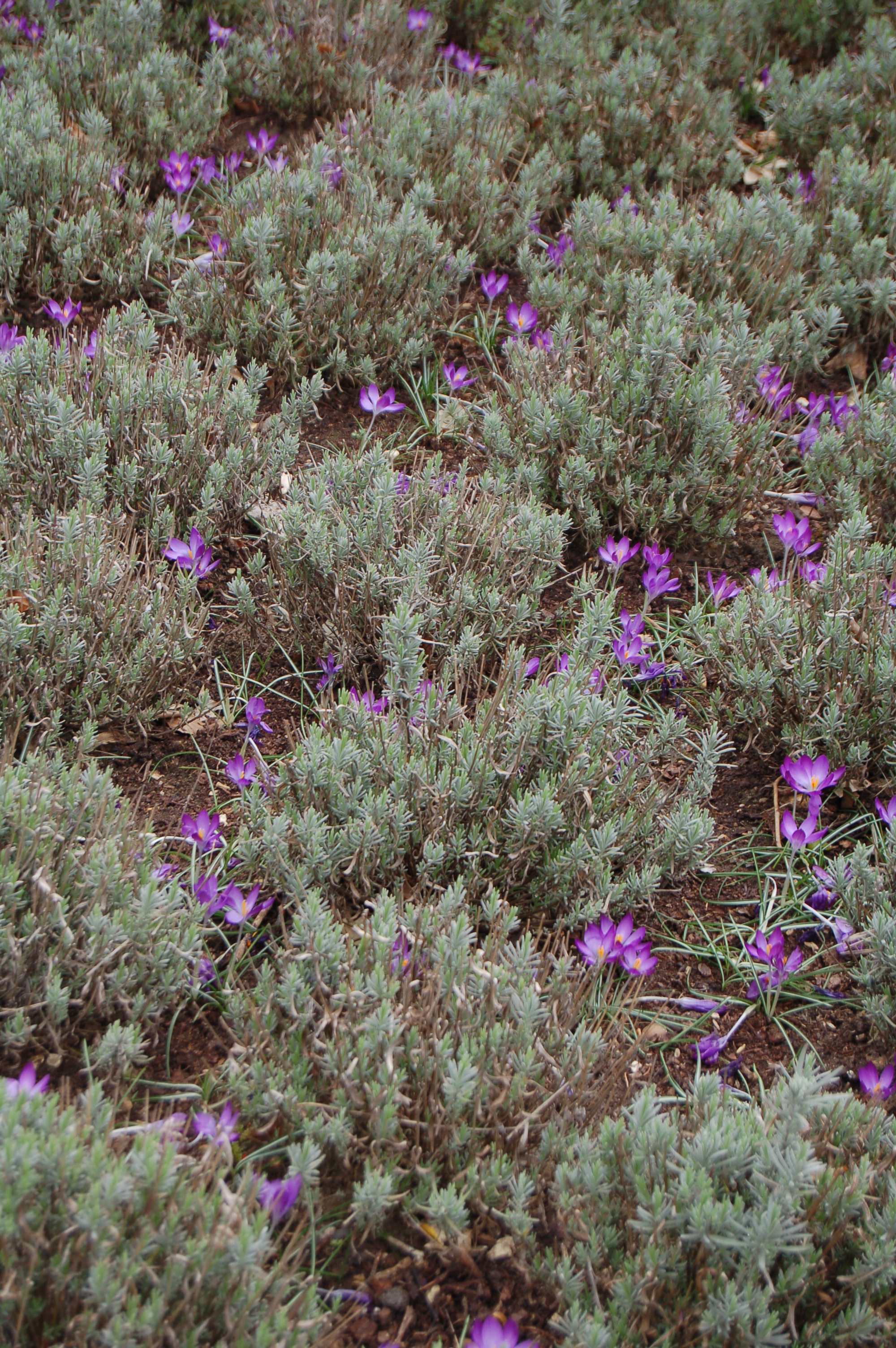
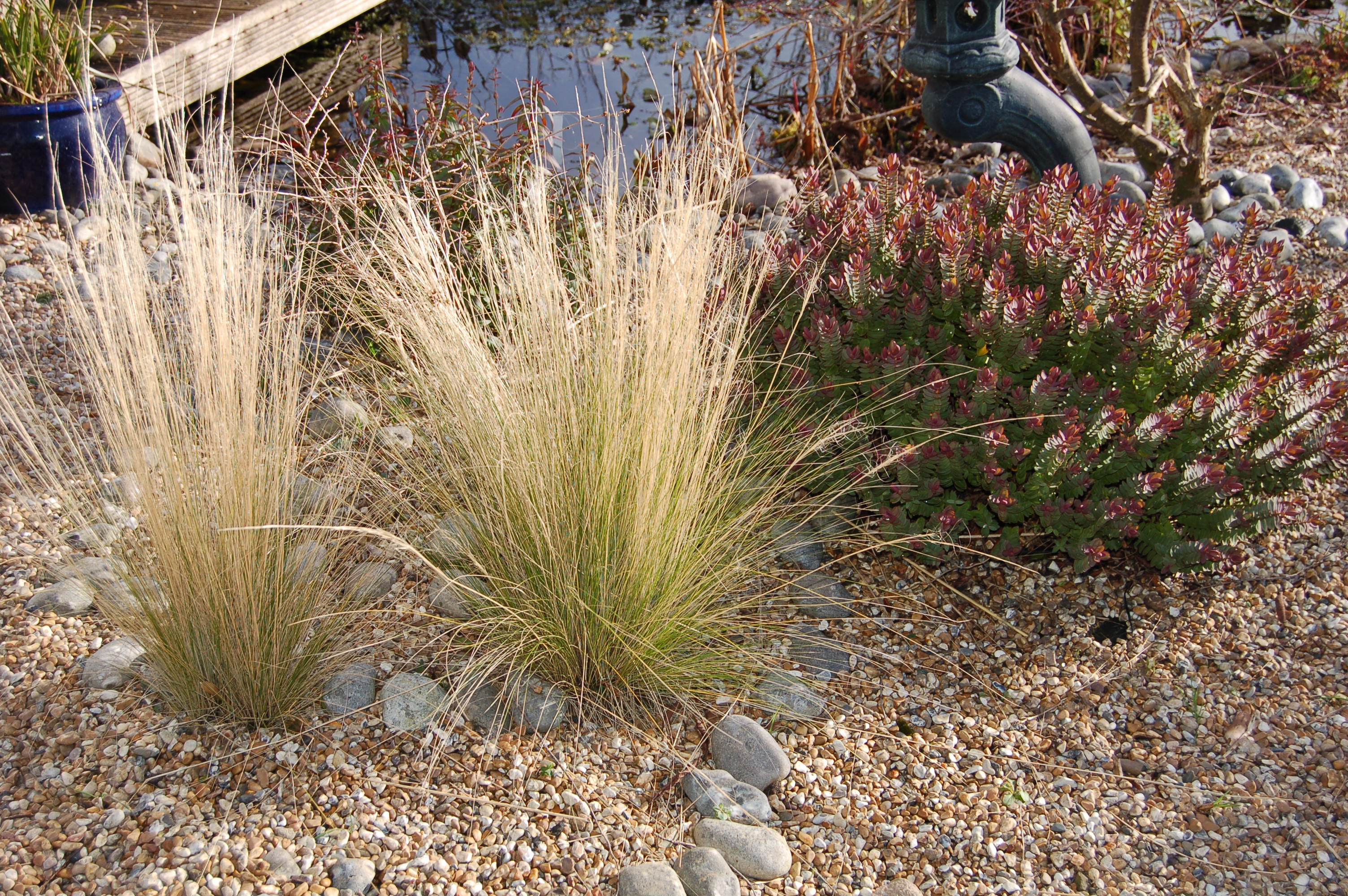
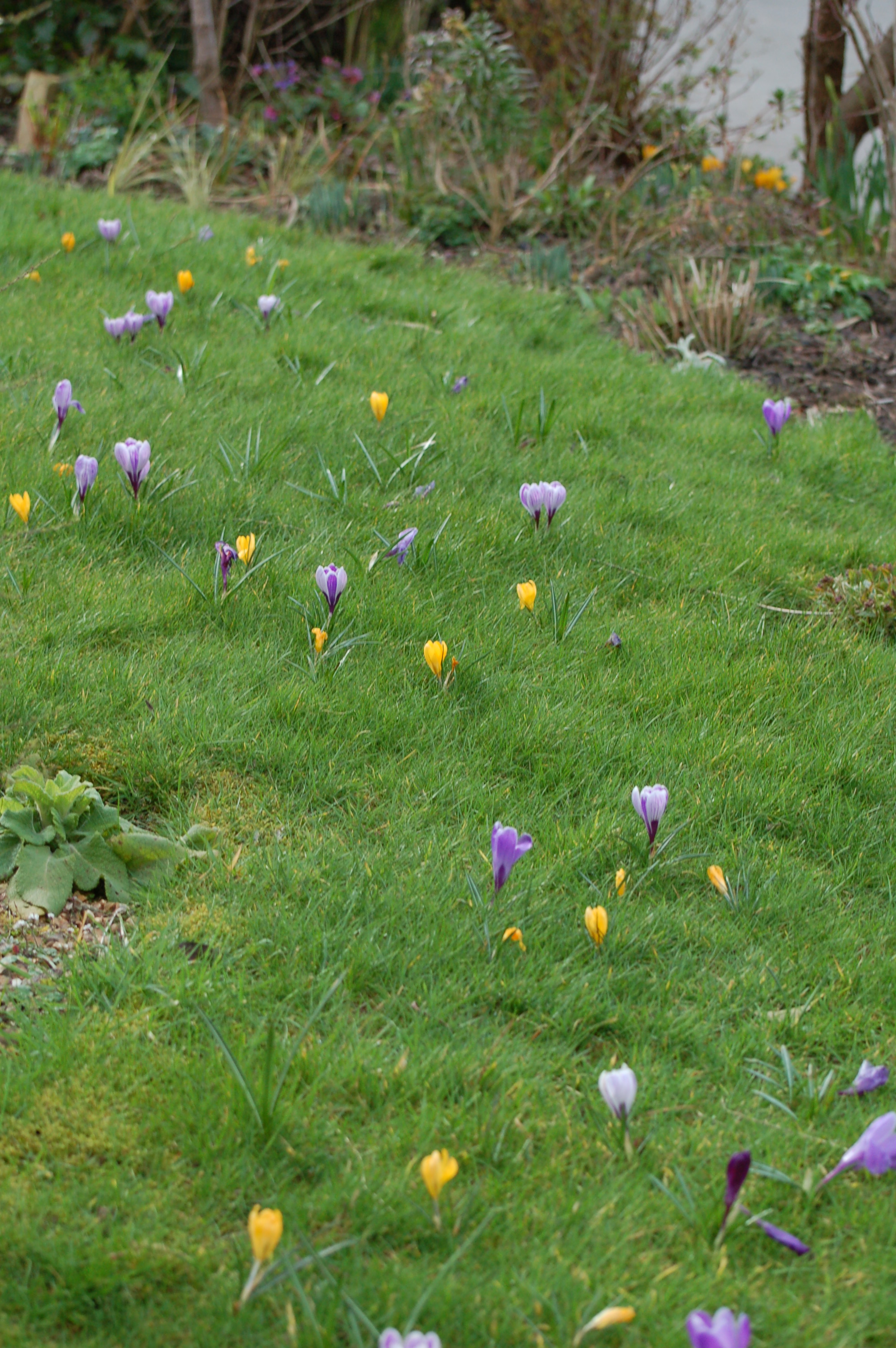
Of course flowering bulbs come into their own at this time of year and we now have a wide selection of crocus, muscari, miniature narcissi and Iris reticulata throughout the garden. Grasses are of equal importance but only recently have they been accepted as an essential element of the winter garden. The first photo shows how well our Pony Tails Grasses contrast with the foliage of Hebes. In the second crocus team up with grasses to create a great combination of colours and textures.

2014 03 03_6817 2014 03 03_6792

2014 03 06_6878 2014 03 06_6876 2014 03 06_6875 2014 03 06_6874

2014 03 03_6829 2014 03 03_6805

A have a soft spot for celandines, enjoying the glossy yellow native plant that lights up our hedgerow bases as well as the cultivated bronze leaved Brazen Hussey and the “Giant Celandine” in the photograph below.

2014 03 06_6868 2014 03 06_6867 2014 03 06_6866 2014 03 06_6865

2014 03 03_6788 2014 03 03_6789

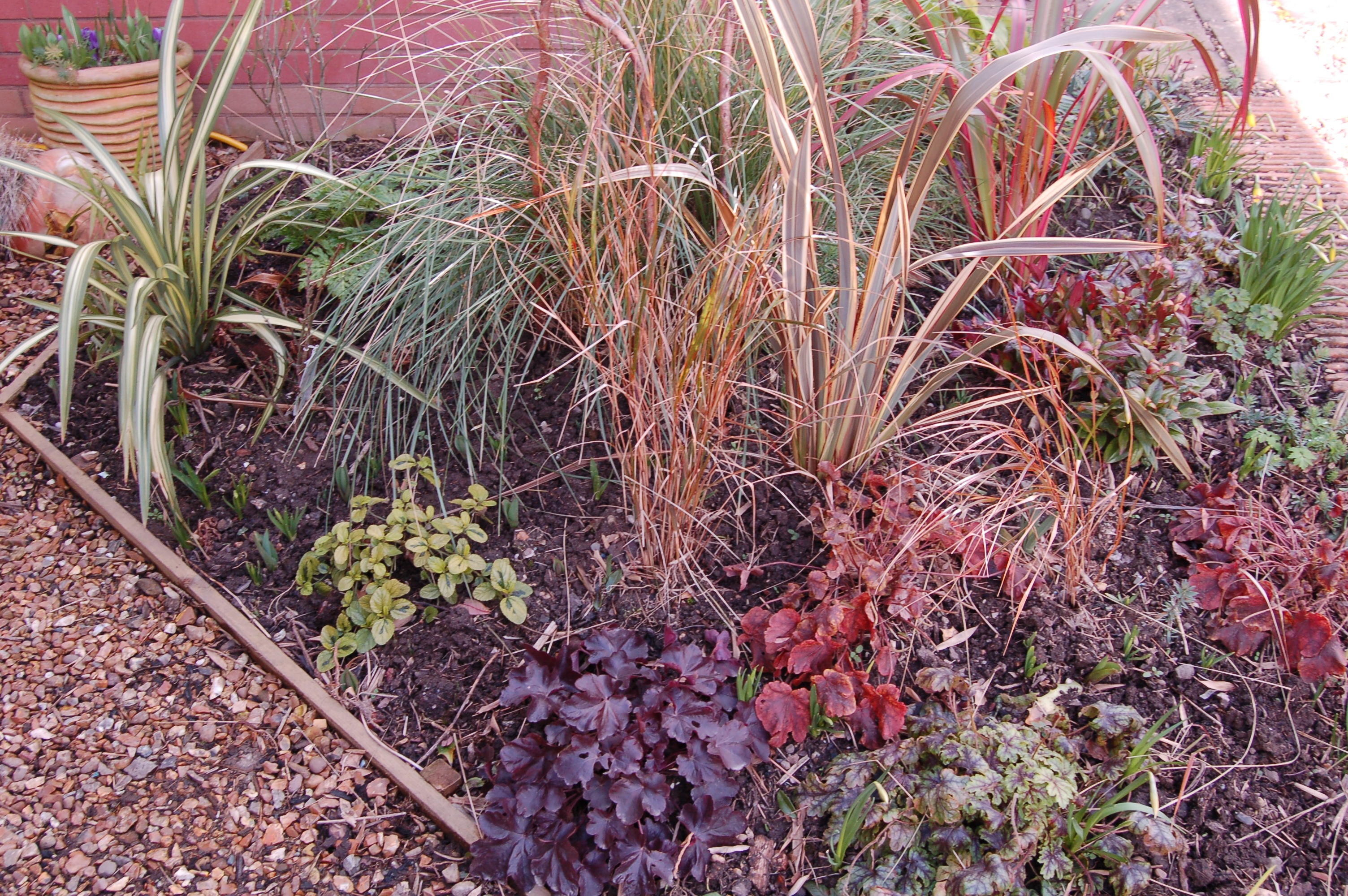
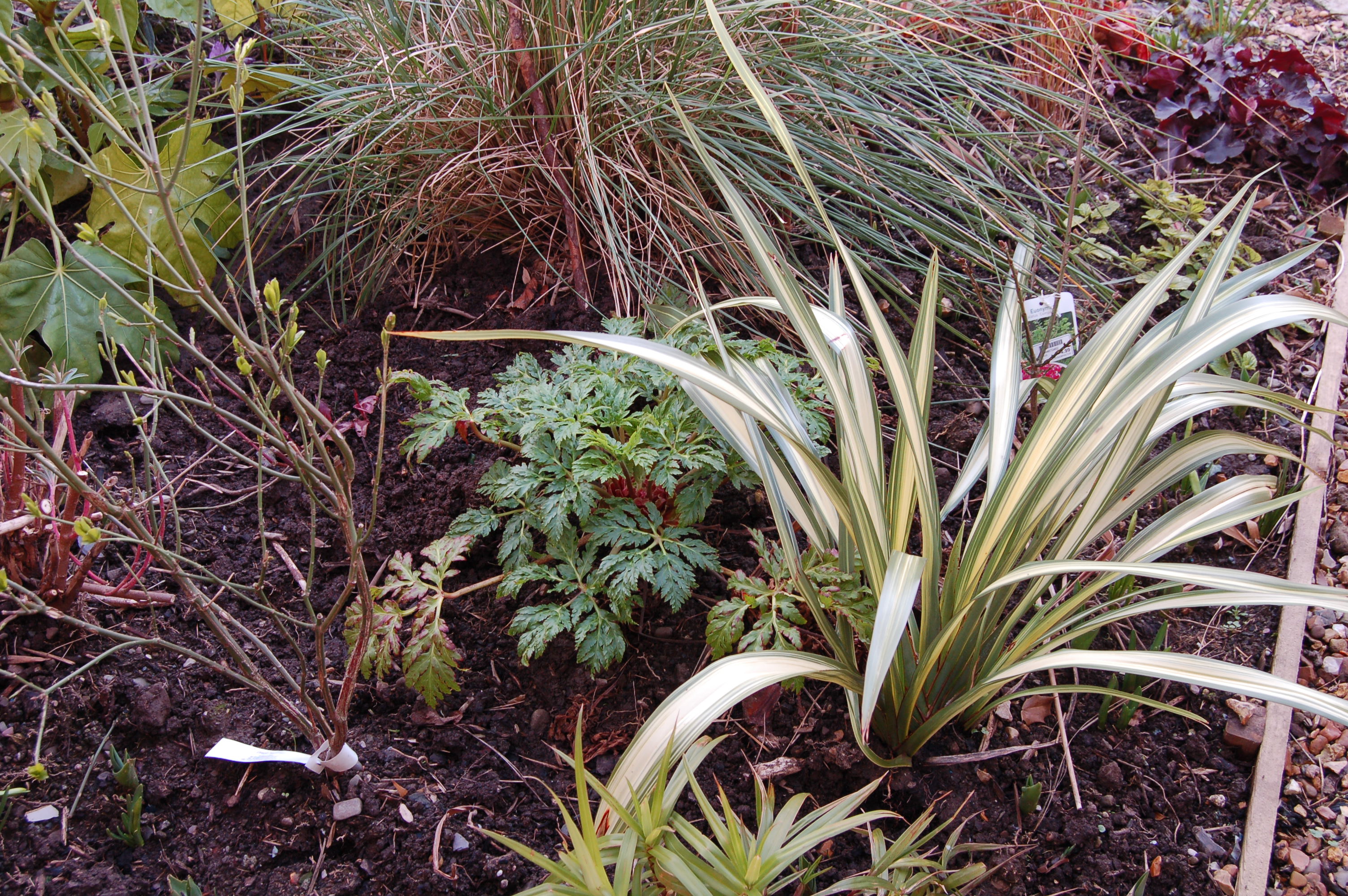
Euphorbias are another of those families of plants that are all year round essentials in our gardens but at this time of year their new bracts glow on overcast days. Foliage is perhaps more important than flowers in the winter garden as it provides variations of colour, pattern and texture. Phormiums, Heucheras and grasses are most effective.

2014 03 03_6832 2014 03 03_6806

2014 03 03_6831 2014 03 03_6830  2014 03 03_6828 2014 03 03_6827 2014 03 03_6811

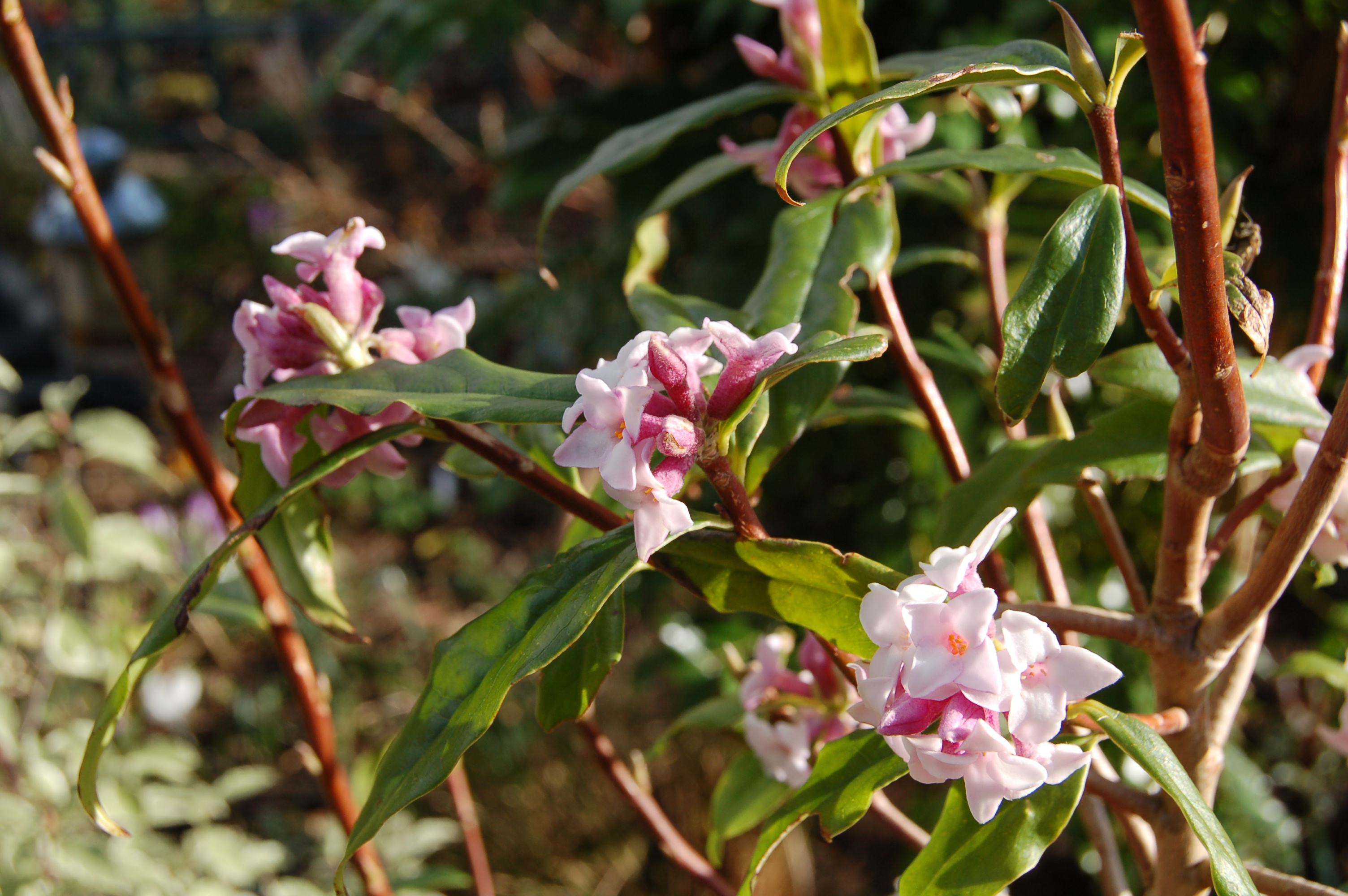
Scent can play its part as it pervades the calm air and delights us as we wander with the thought of brighter warmer days. Daphnes, Sarcoccocas, Cornus, Mahonias and Viburnums all perform well in our garden.

2014 03 03_6825 2014 03 03_6824 2014 03 03_6823 2014 03 03_6786

2014 03 03_6808 2014 03 03_6796

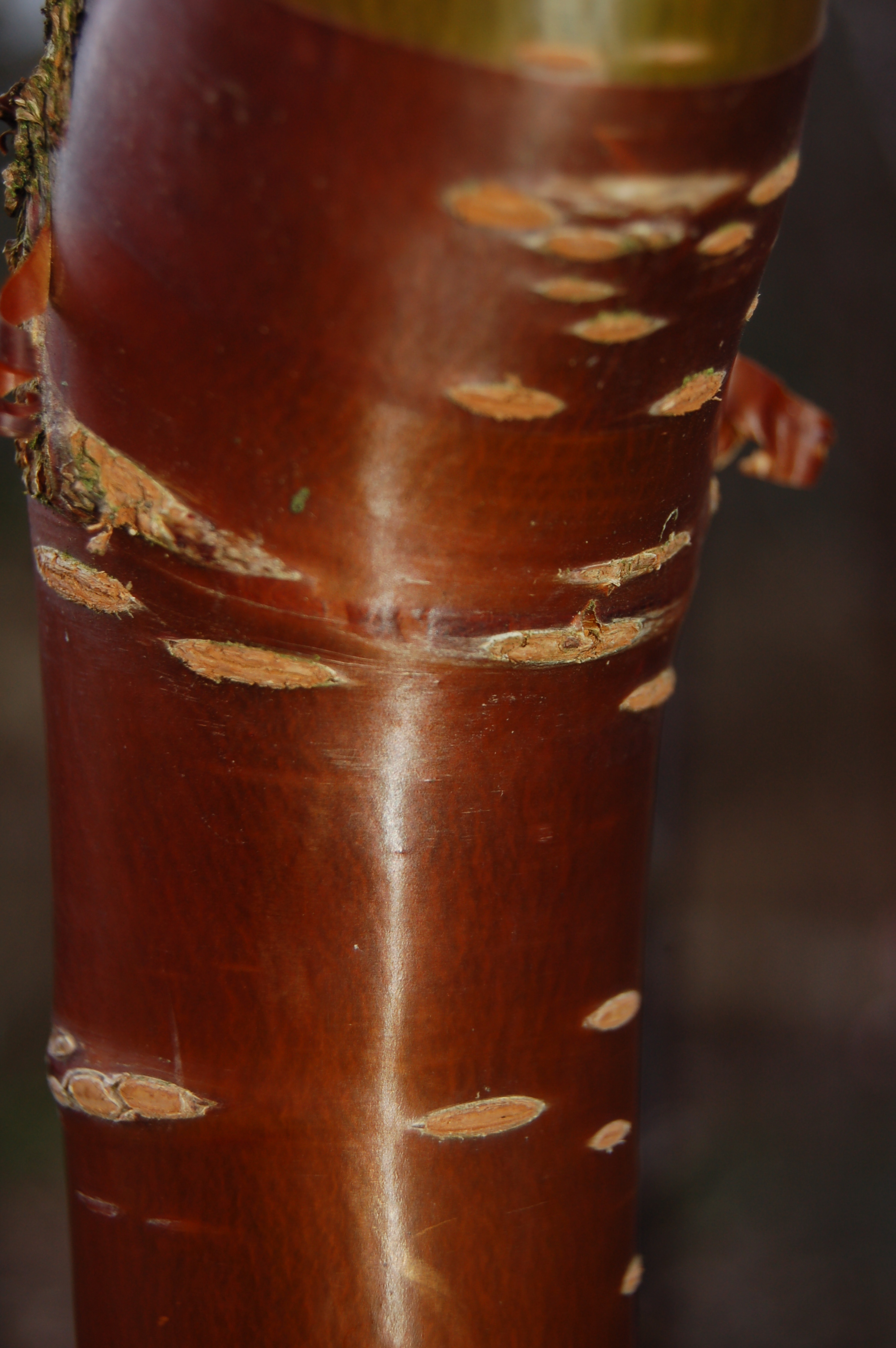
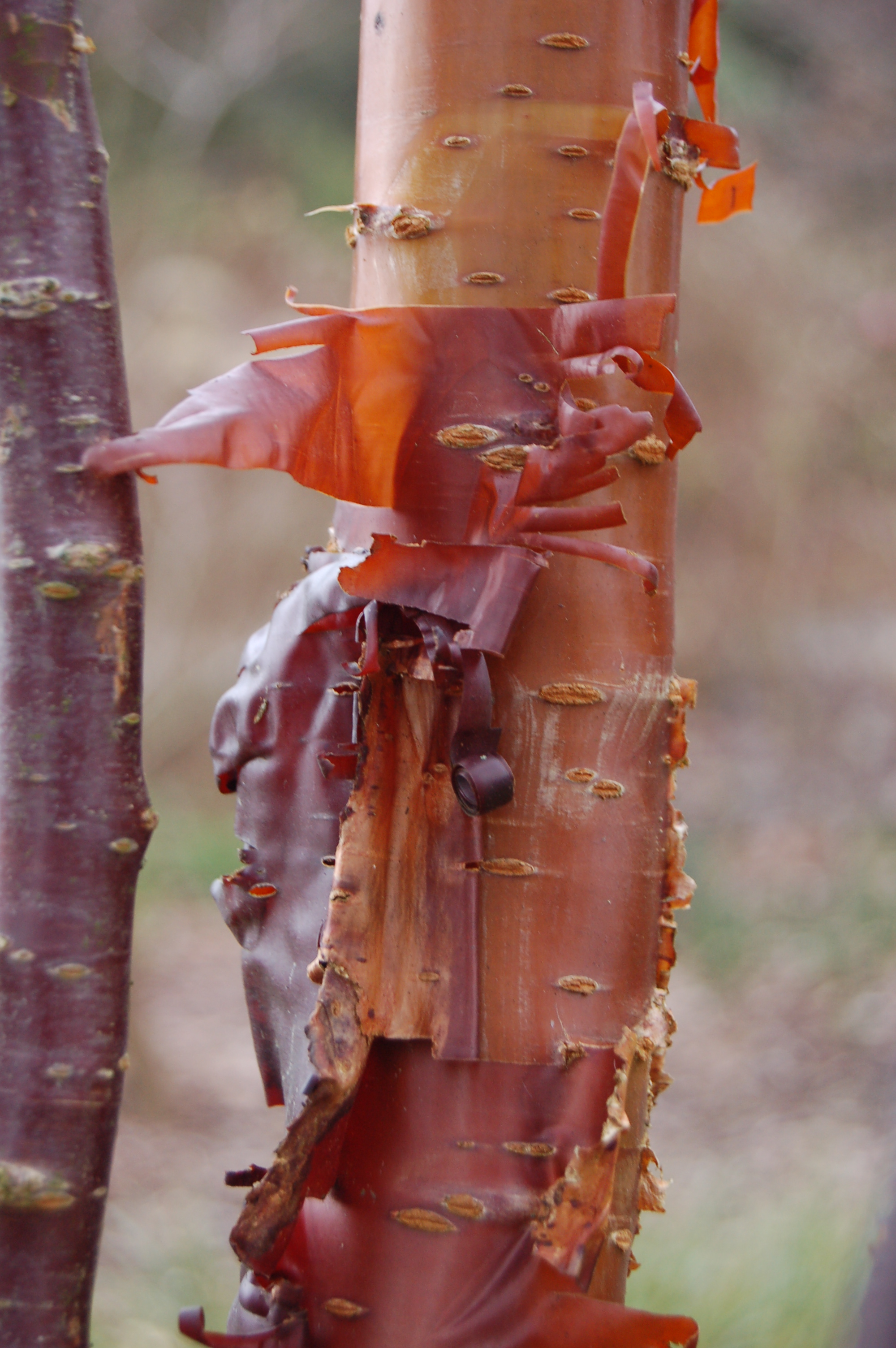
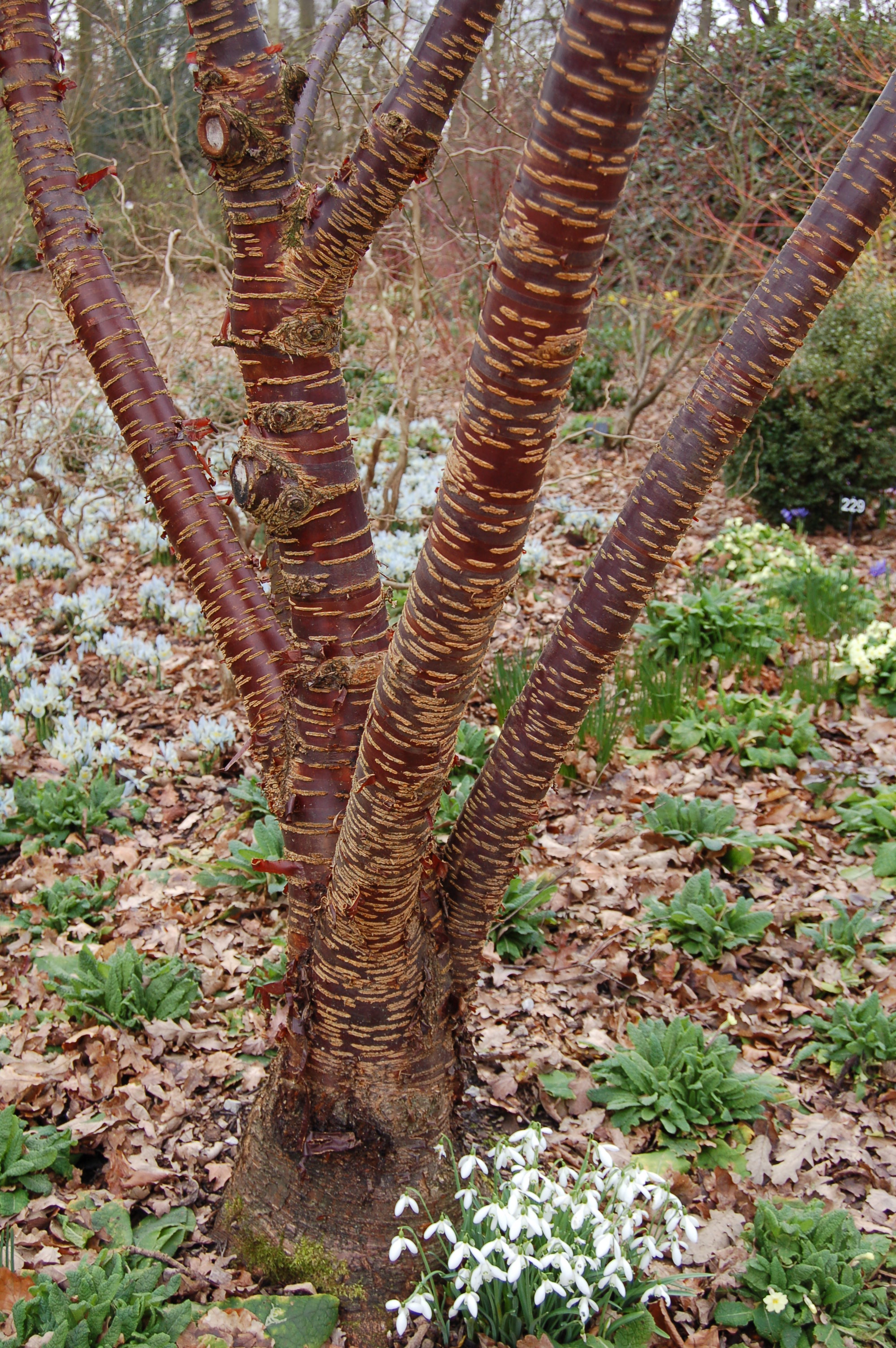
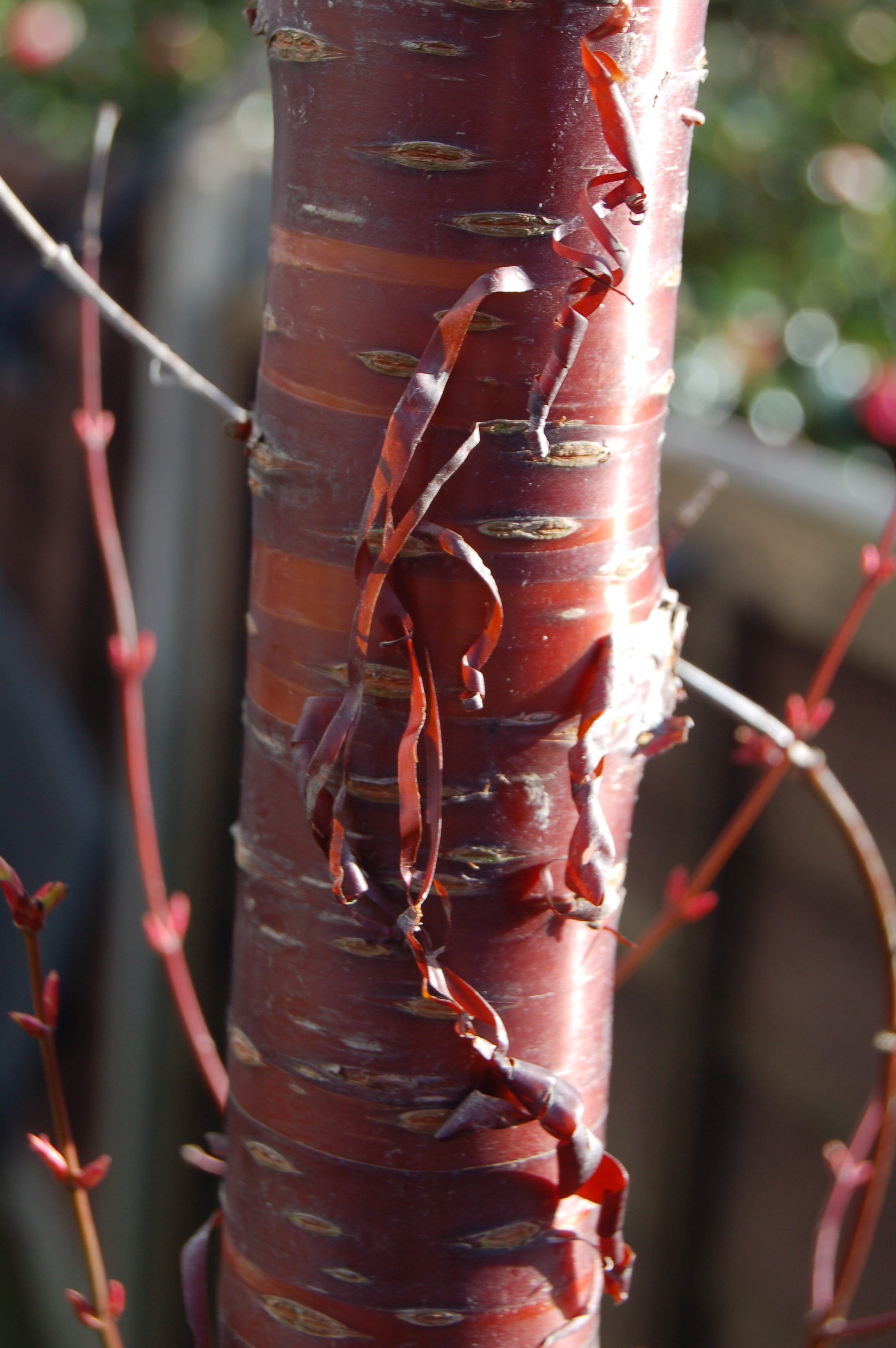
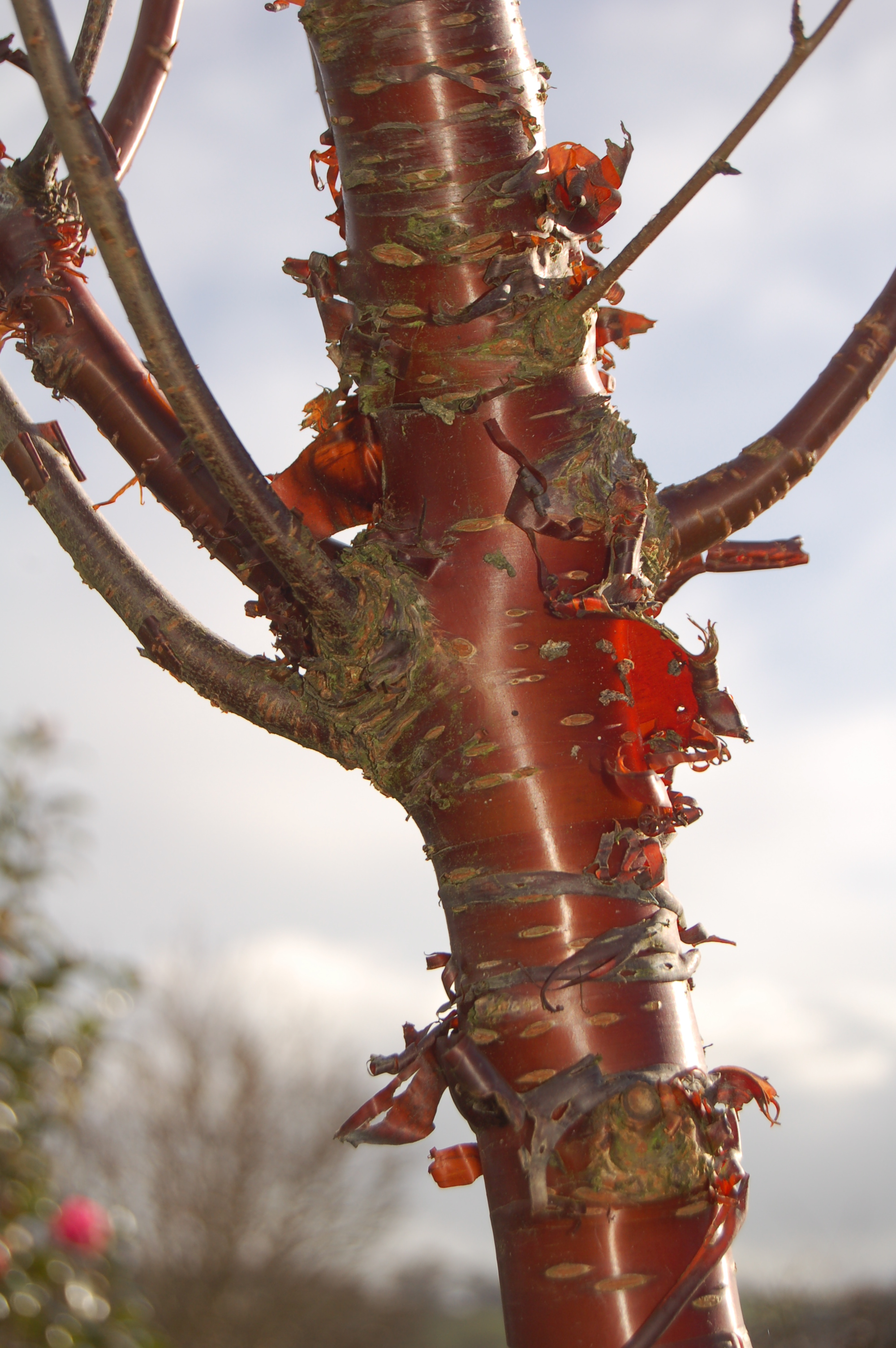
Textured bark on our trees in our Spring Border looks especially good in winter light. The peeling orange bark of the Prunus serrula and the birch is like slithers of brittle toffee.

2014 03 03_6821 2014 03 03_6820 2014 03 03_6819

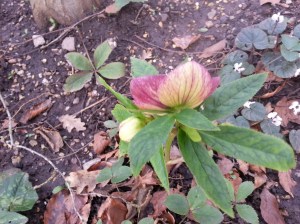
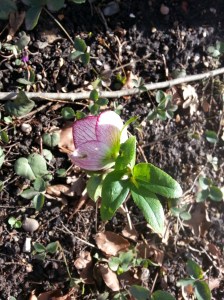
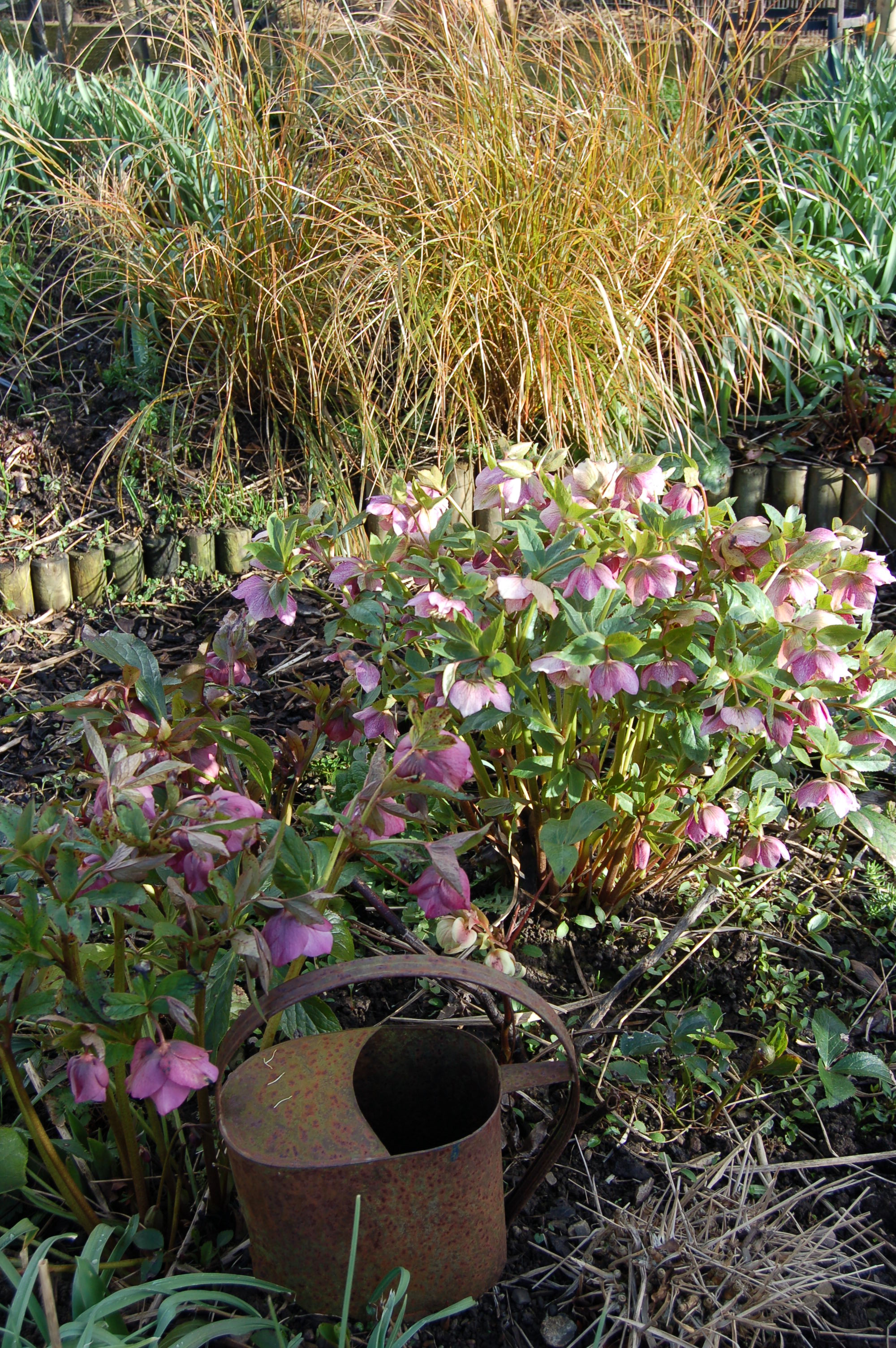
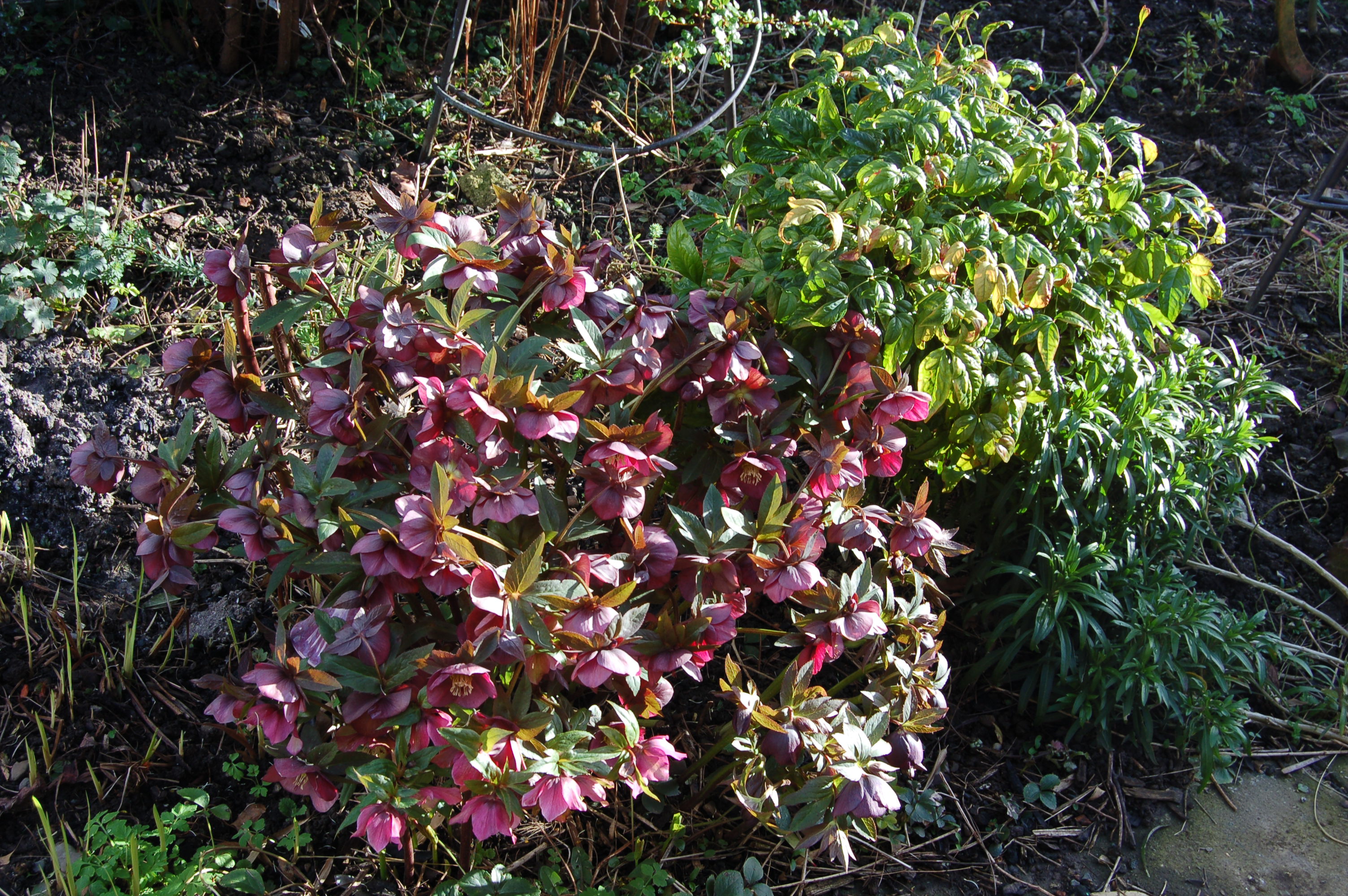
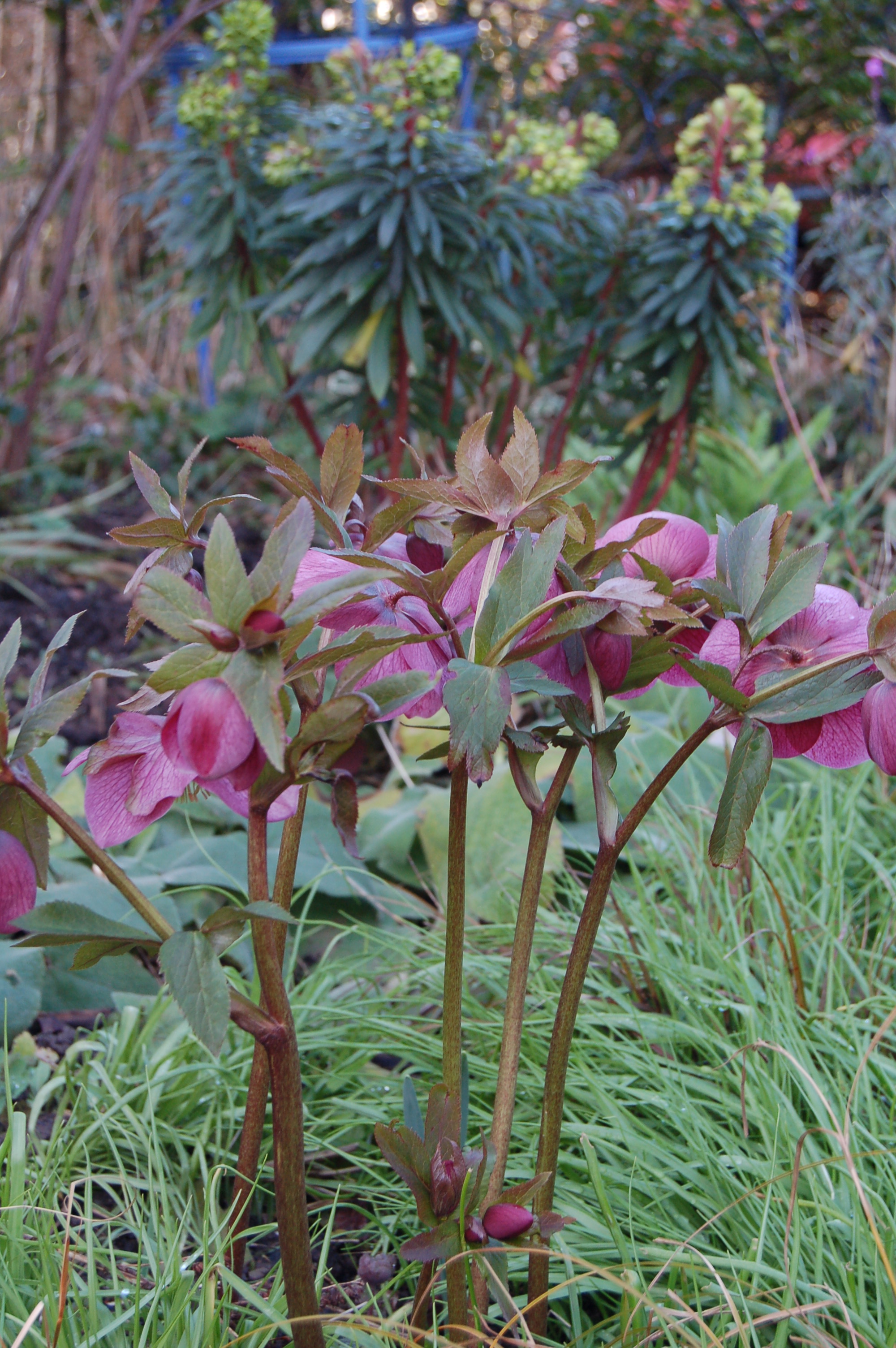
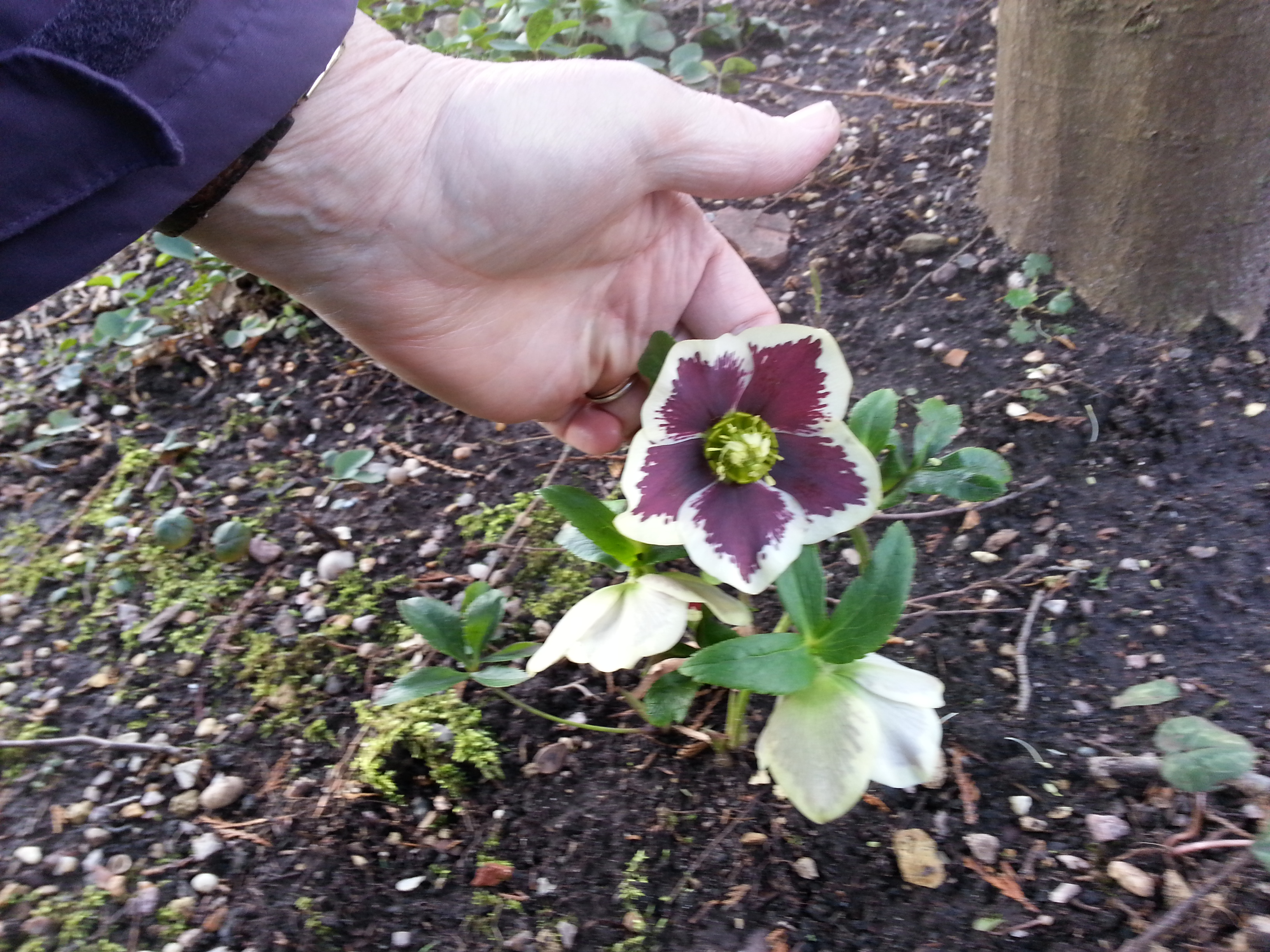
Hellebores star in most gardens in winters since so many wonderful easily grown specimens have become available in most garden centres and nurseries.

2014 03 03_6818 2014 03 03_6813

2014 03 03_6812 2014 03 03_6790

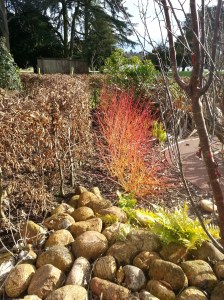
Here some of our many hellebores  are twinned with coloured stemmed cornus and salix.

2014 03 03_6809

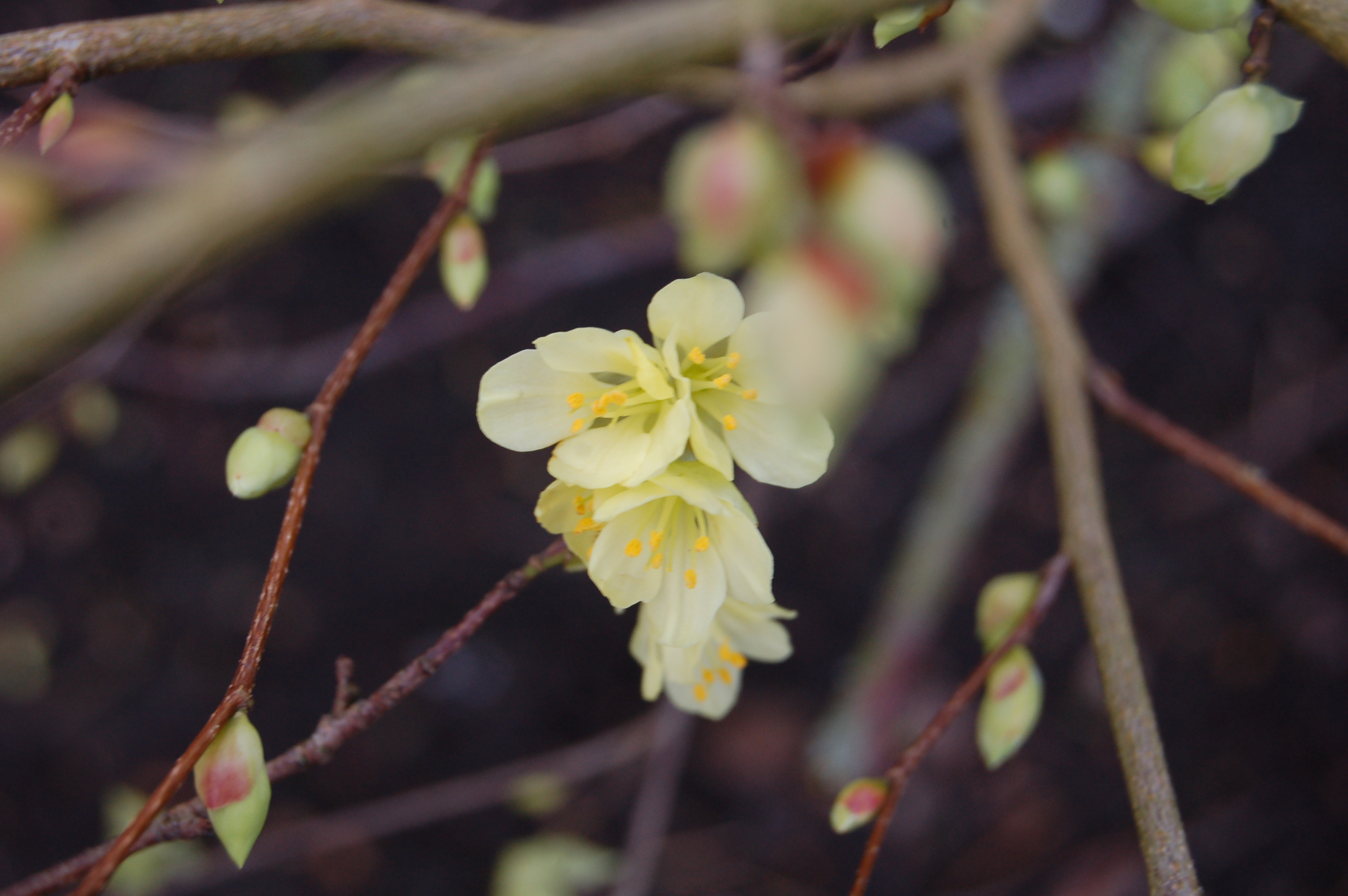
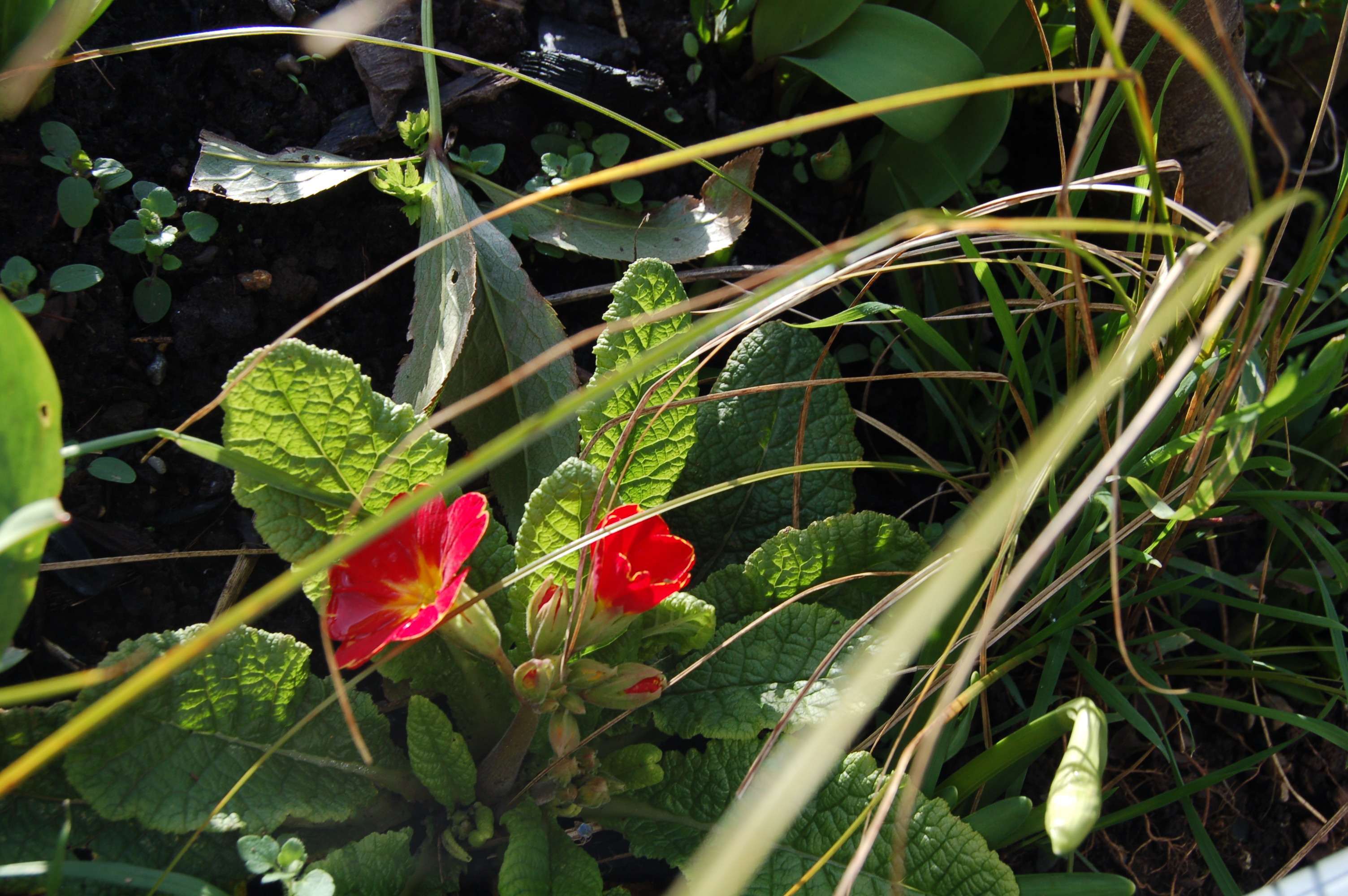
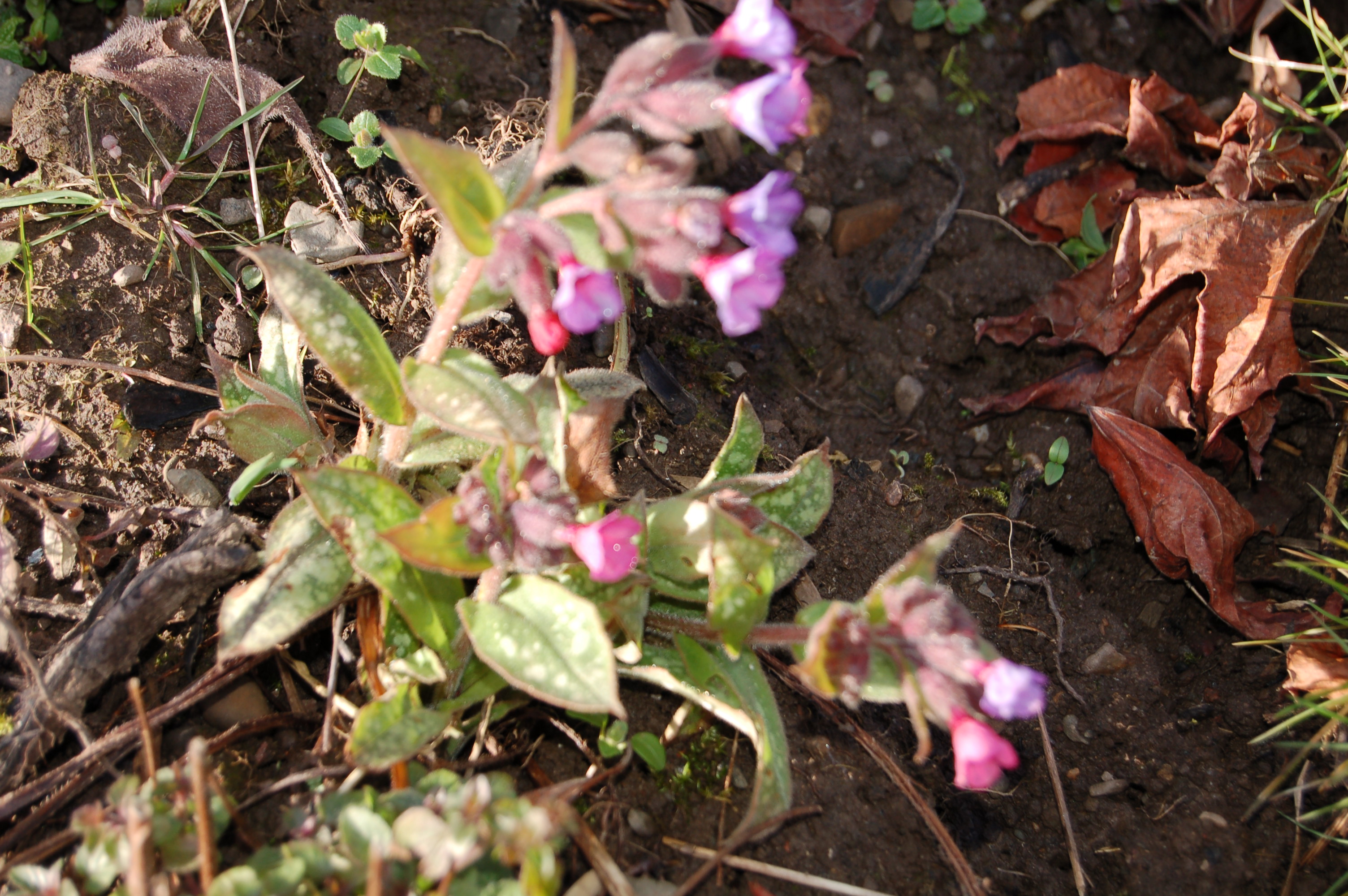
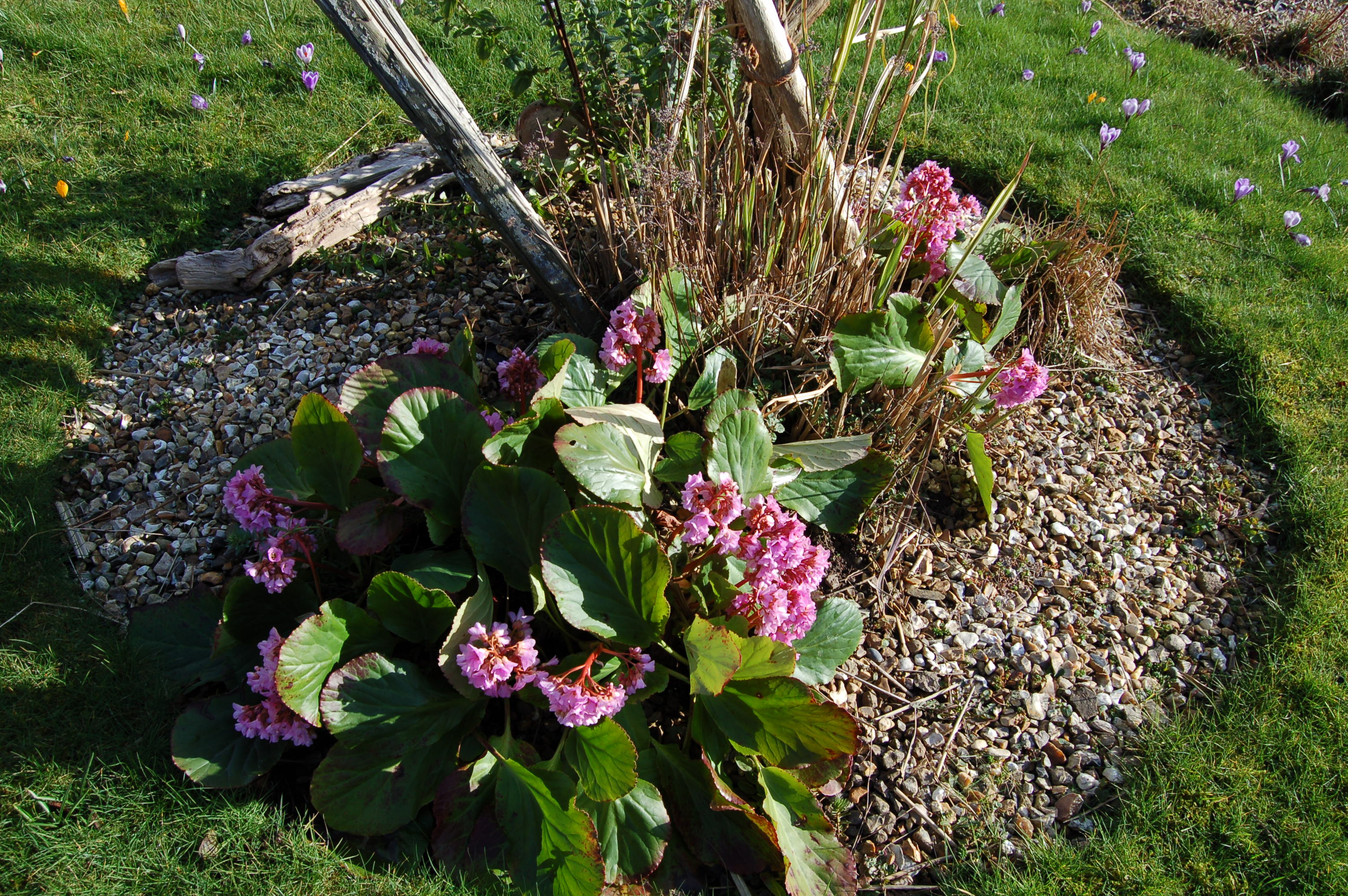
Any flower brave enough to appear in the winter is worthy of mention be they primulas, witch hazels, pulmonarias or bergenia. They would perhaps seem quite ordinary if they flowered among the stars of the summer garden but in the winter they are extraordinarily good garden plants.

2014 03 03_6816 2014 03 03_6815     2014 03 03_6810   2014 03 03_6807

2014 03 03_6797 2014 03 03_6799

2014 03 03_6798 2014 03 03_6791

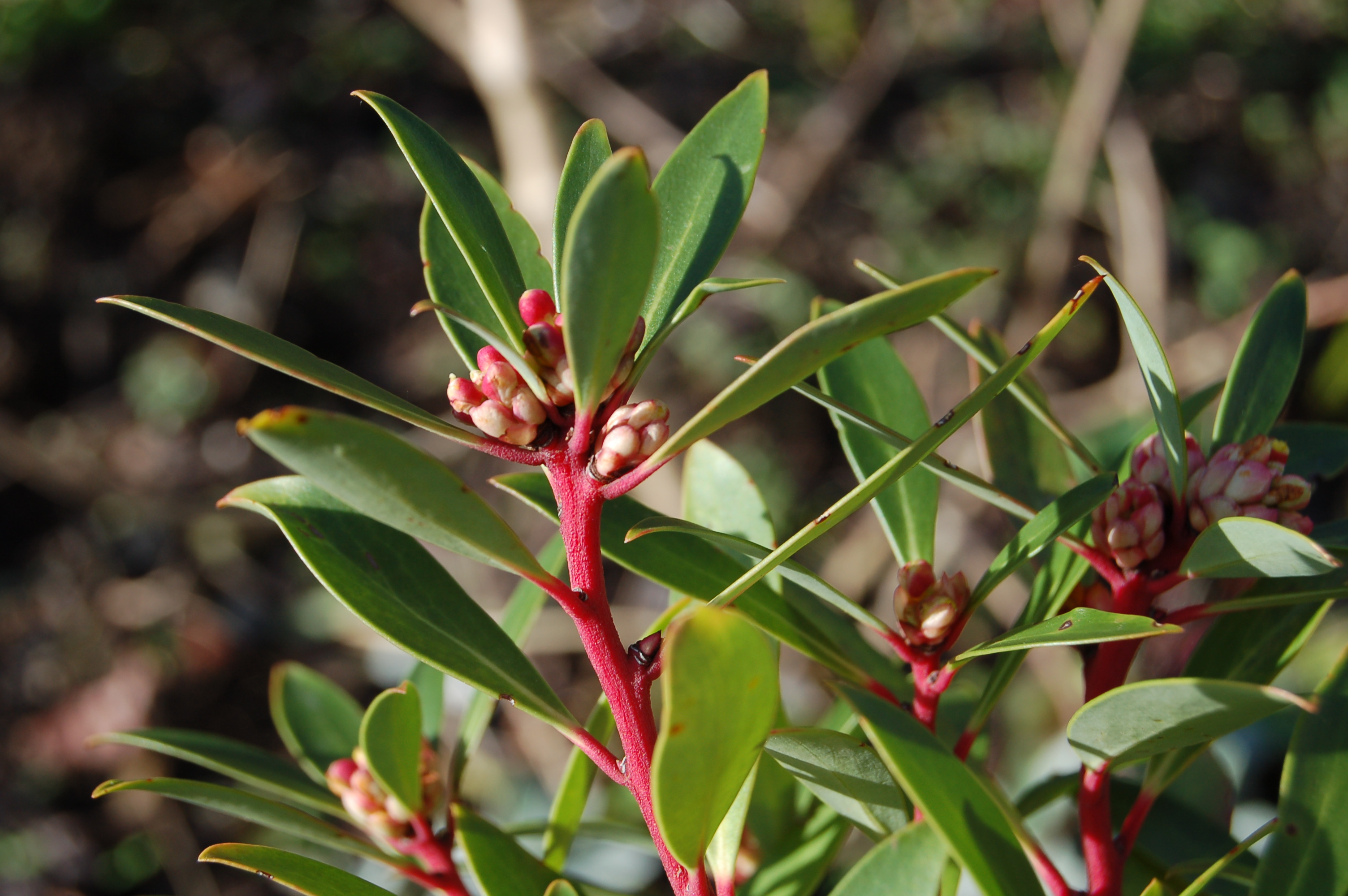
A recent discovery is the shrub Drimys with its red stems, glossy green foliage and buds looking fit to burst into life.

2014 03 03_6804  2014 03 03_6803

2014 03 03_6802     2014 03 03_6795 2014 03 03_6794 2014 03 03_6793

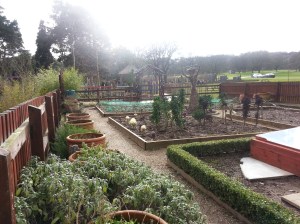
Structures such as our cloud pruned box hedge that lines our central path become much more important and noticeable in the emptier garden of winter. But we hope our garden is now richer in this the coldest and darkest of our seasons.

2014 03 03_6814

We must not forget the role our feathered friends play in adding colour, sound and movement to our garden in winter.

2014 03 03_6842

Part Two of our search for the all year round garden will consider our garden in Spring. Signs of that season are already giving hints of what is to come such as in the buds of the quince fruit tree.

2014 03 03_6822

Categories
allotments community gardening garden buildings Winter Gardening

A day of destruction as a funnel hits our allotments

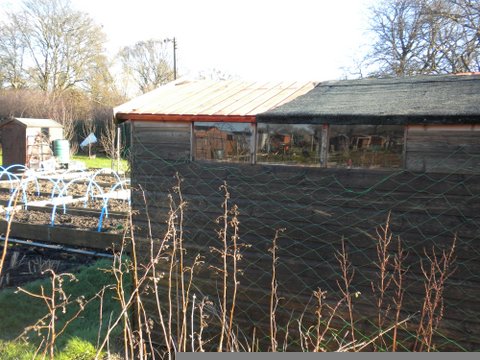
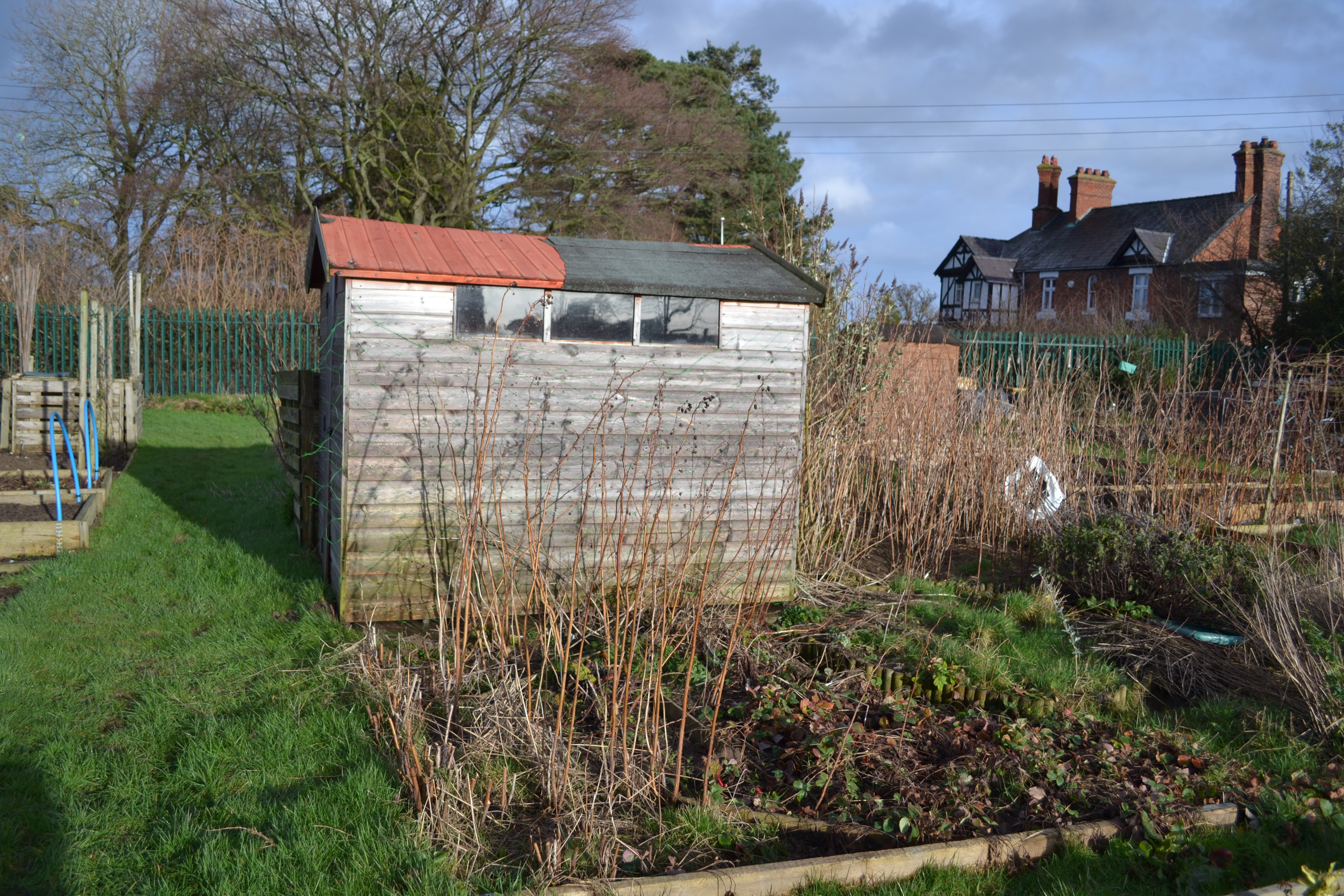
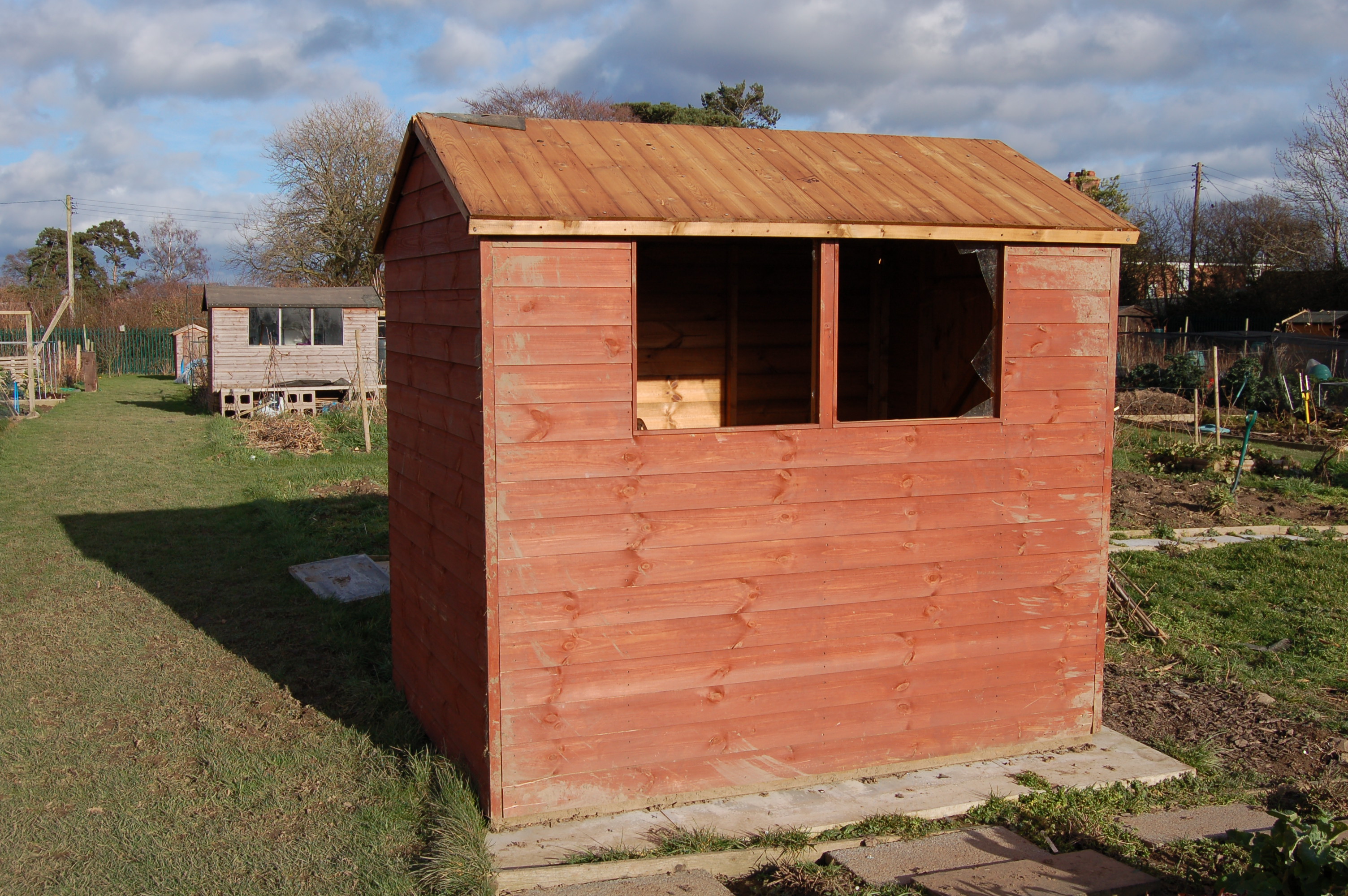
Last week a wild wind phenomenon hit our allotments and left a trail of destruction in its wake. A “funnel” tore its way across the plots and it flattened sheds in its path. It moved sheds from their bases. It took the roofs off others. Anything light was scattered about, compost bins, water butts and cold-frames.

In the first pair of pictures half of the felt from the shed roofs had been torn off typical of the minor damage to many sheds. Others like the one in the third photo had been blown from off its base and it collapsed in a heap, with the contents crushed inside. See if you can see which bit is which.

2014 02 20_6595 2014 02 20_6605

2014 02 20_6596

Others fell off their bases and landed on their sides remaining almost intact while others lost their roofs which took off like kites.

2014 02 20_6597 2014 02 20_6598

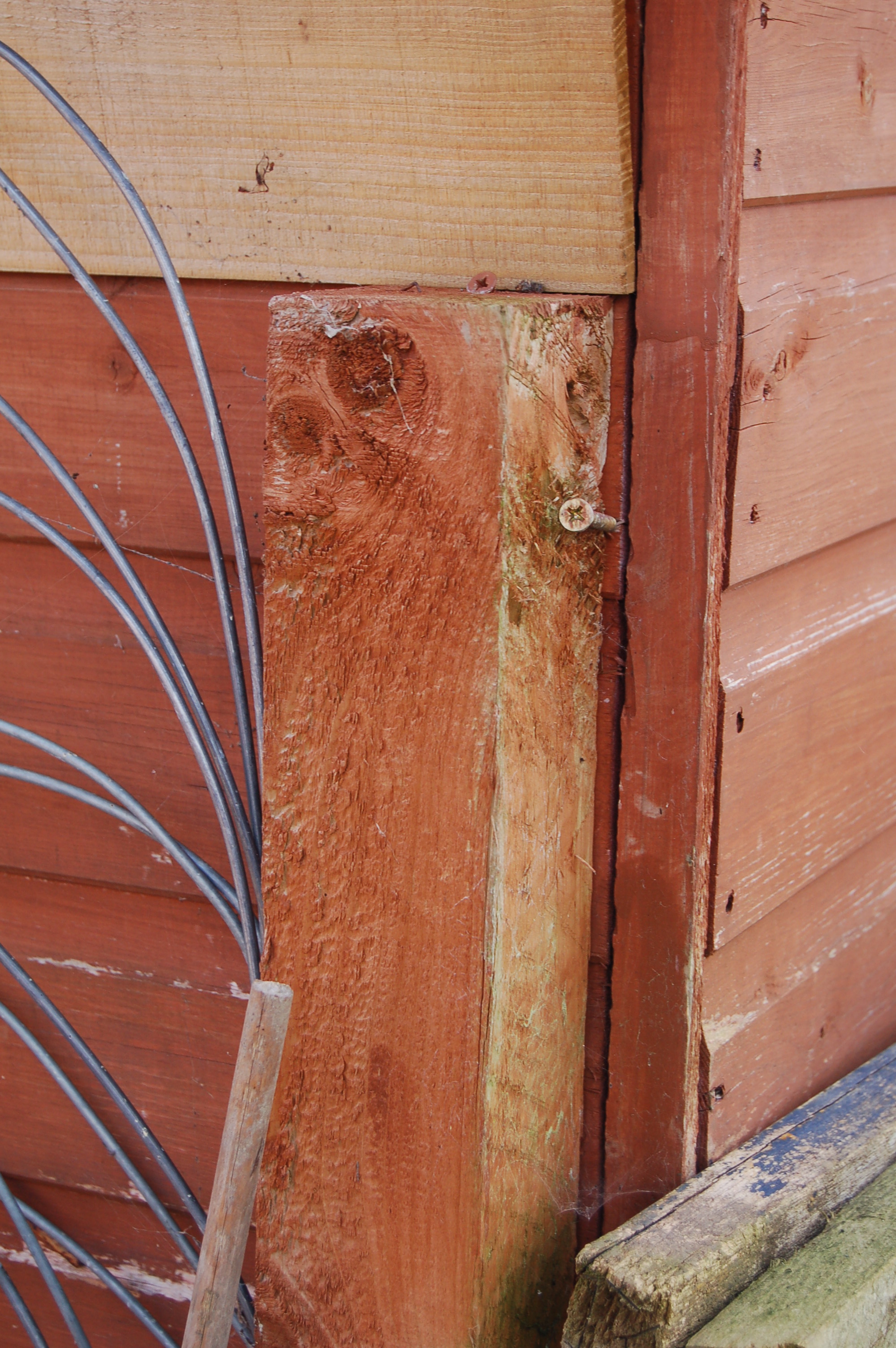
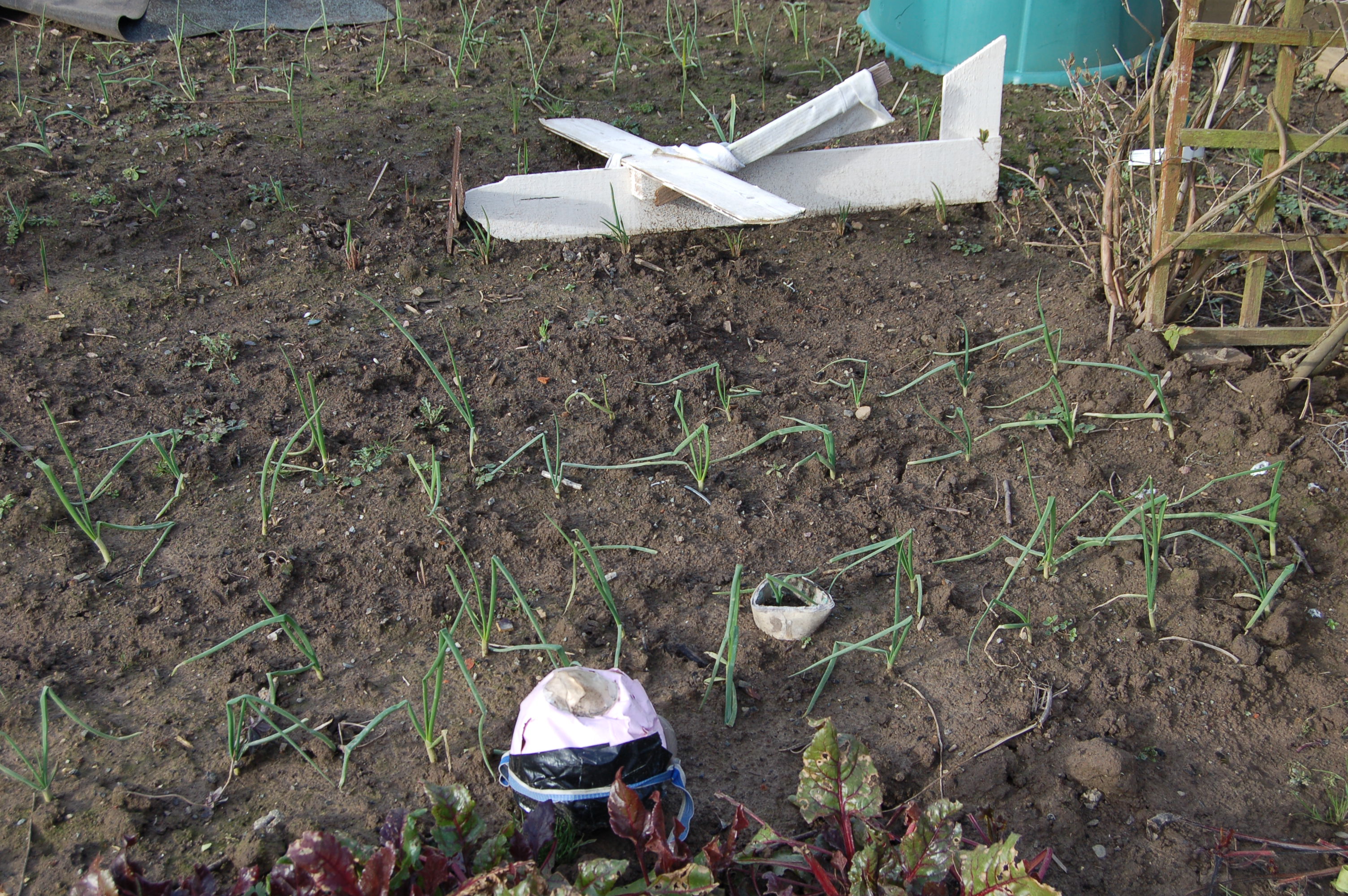
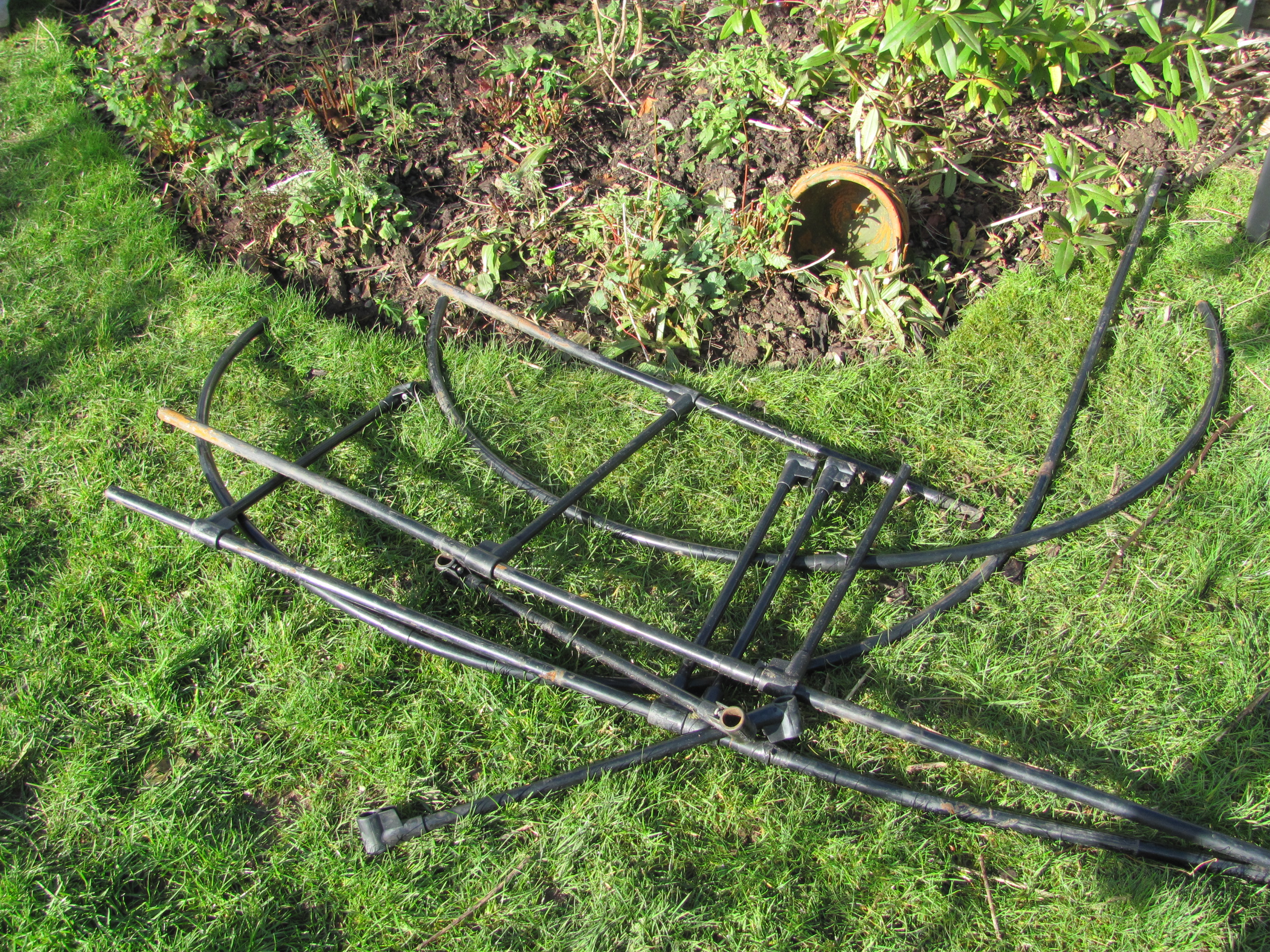
On our own plot there was little damage. We had an allotment years ago on another very windy site so we  were prepared like all good scouts and guides. We had sunk heavy fence posts at each corner of our shed and fixed the shed by screwing it firmly from the inside. (see photo below). Our tripods had crashed, our wooden planks awaiting transformation into a raised bed for strawberries were blown across the plot, our central metal gazebo was well bent and our flying scarecrow, Biggles, was blown from the top of it and we found his plane crash landed nearby but sadly Biggles and his head had parted company.

2014 02 21_6635 2014 02 20_6599

2014 02 21_6632

This devastation came in the middle of an ongoing problem with water-logging and floods, so it really felt as if the weather had got it in for us.

At home we did not get the funnel passing through but we had days of gale force winds roaring through the garden. It managed to lift our lovely Ceanothus right out of the ground roots and all! The tree ties had been broken and the tree stake had snapped a few inches from the ground. The last of our rose arches finally collapsed hurrying up our replacing them with wooden arches.

2014 02 20_6600 2014 02 18_6440

2014 02 18_6441

When Jude and I next went up the lotties a week after the great storm we were amazed to find everything had been put back to how things were before, most of the sheds were back on their bases, roofs repaired and those that had toppled over were upright again. The biggest surprise of all was to see the shed that had barrel-rolled down the path back on its base and looking pretty good considering. Without saying a word to Paul, the owner of the shed, some fellow allotmenteers had got together and moved it back for him. Just look how good it looks in the photo below. In the second photo if you look in the background to the right you can see Henry’s shed also back in place and roof repaired. This is why we call our site Bowbrook Allotment Community with the emphasis on community.

2014 02 21_6666 2014 02 21_6634

The storm hit mostly during the night and then had abated by mid-morning. In the afternoon two members emailed me with photos and details of the plots that had received damage. This meant that I could contact the individuals concerned and let them know the sad news. One couple went round the sight with a smart phone and as they found a plot that had sustained some damage they sent me a photo with details and plot number.They even made some damaged sheds safe and did temporary repairs. This sort of helping each other is what makes life easy for me as Chairman. I felt proud to be involved!

Most of the photos in this post are from members of Bowbrook Allotment Community.

Categories
garden photography gardening gardens open to the public grasses hardy perennials light light quality ornamental grasses ornamental trees and shrubs roses Winter Gardening winter gardens

A Garden in February – Trentham

As promised we made our promised return to the gardens at Trentham, near Newcastle-under-Lyme in Staffordshire, right on the edge of The Potteries.

The day promised good weather which would make a welcome change. On our last few visits to this garden we had been subjected to rain and often cold winds. For our February exploration the sky was blue and the car’s dashboard read out told us the temperature was 9 degrees. The aim of this return visit and indeed all the following monthly ones was to see how the garden had progressed, how things had changed, which plants were looking good and which ones were the stars.

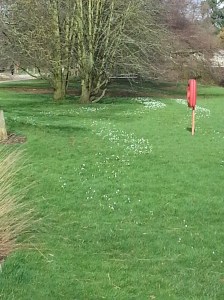
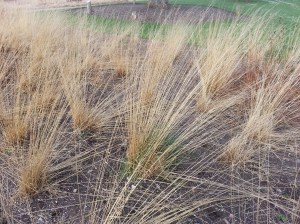
As we passed over the gentle arch of the suspension bridge we could see the “River of Grasses” with the golden stubble of the grasses which had been trimmed down low. In contrast the close mown grass areas along the riverside were bright green decorated with strips of sparkling white snowdrops. I realise the life buoy is a safety requirement and realise it has to be red so that it is easily spotted in an emergency but it is really distracting!
2014 02 20_6498 2014 02 20_6497 2014 02 20_6496

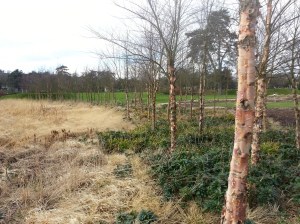
As always the gently curving line of River Birches looked wonderful, with the bark peeling more than when we saw them in January. I liked the meandering line where the dried grass area joins the deep green foliage of the evergreen Euphorbia robbiae with pale green highlights created by their flowering bracts.
2014 02 20_6500

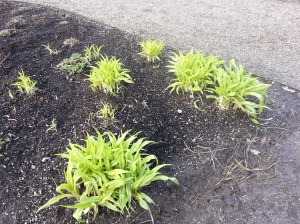
Once beyond the birches the perennial borders designed by Piet Oudolf looked very flat having been trimmed tight to the ground. This was in strong contrast to all the interesting seedheads and stems that decorated it in January. But with the clear view over the area we did spot this lovely wooden seat which we had totally missed in January. The bright green new growth of the Hemerocallis has progressed well since our January visit.

2014 02 20_6501 2014 02 20_6503

2014 02 20_6509 2014 02 20_6502

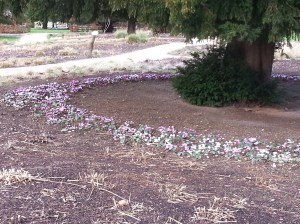
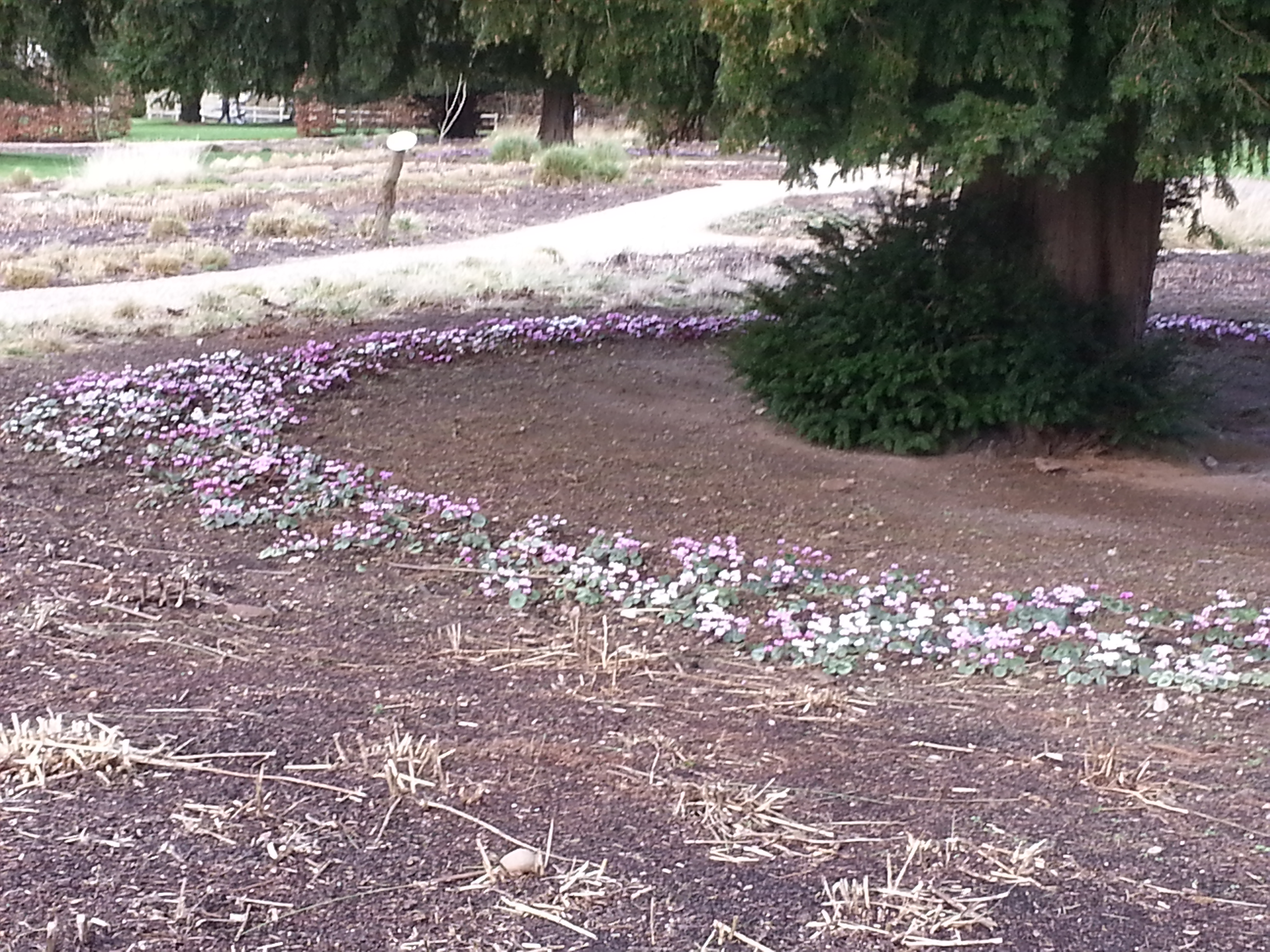
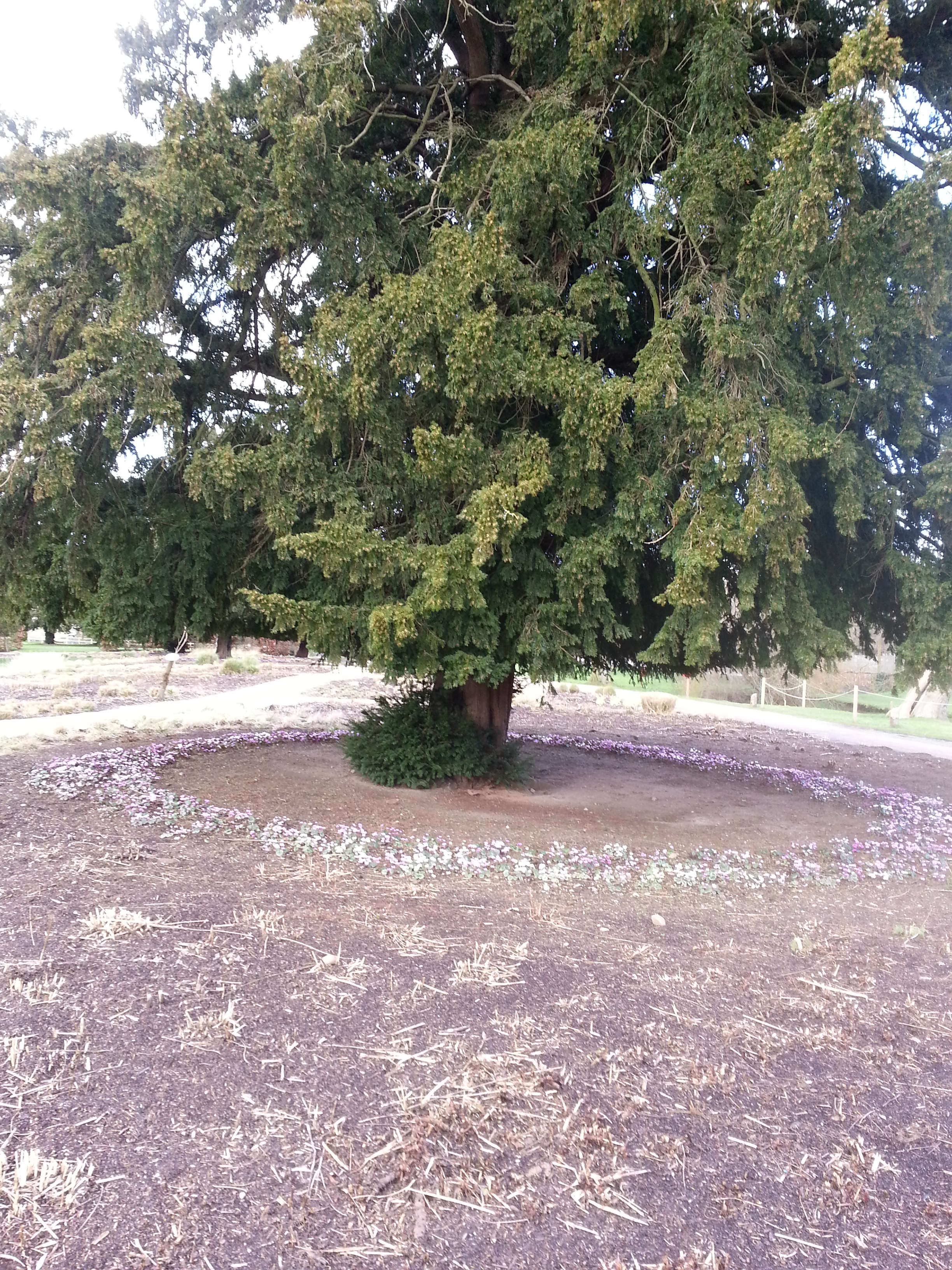
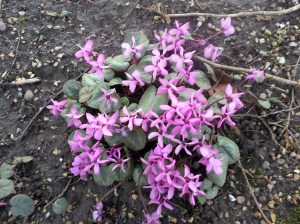
We enjoyed seeing that the rings of cyclamen were still flowering away happily beneath the Yews. They looked good in the sunshine, their colours seeming richer.

2014 02 20_6508   2014 02 20_6506 2014 02 20_6505 2014 02 20_6504

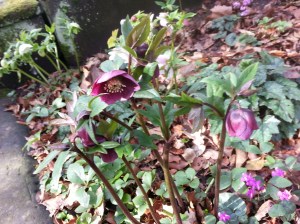
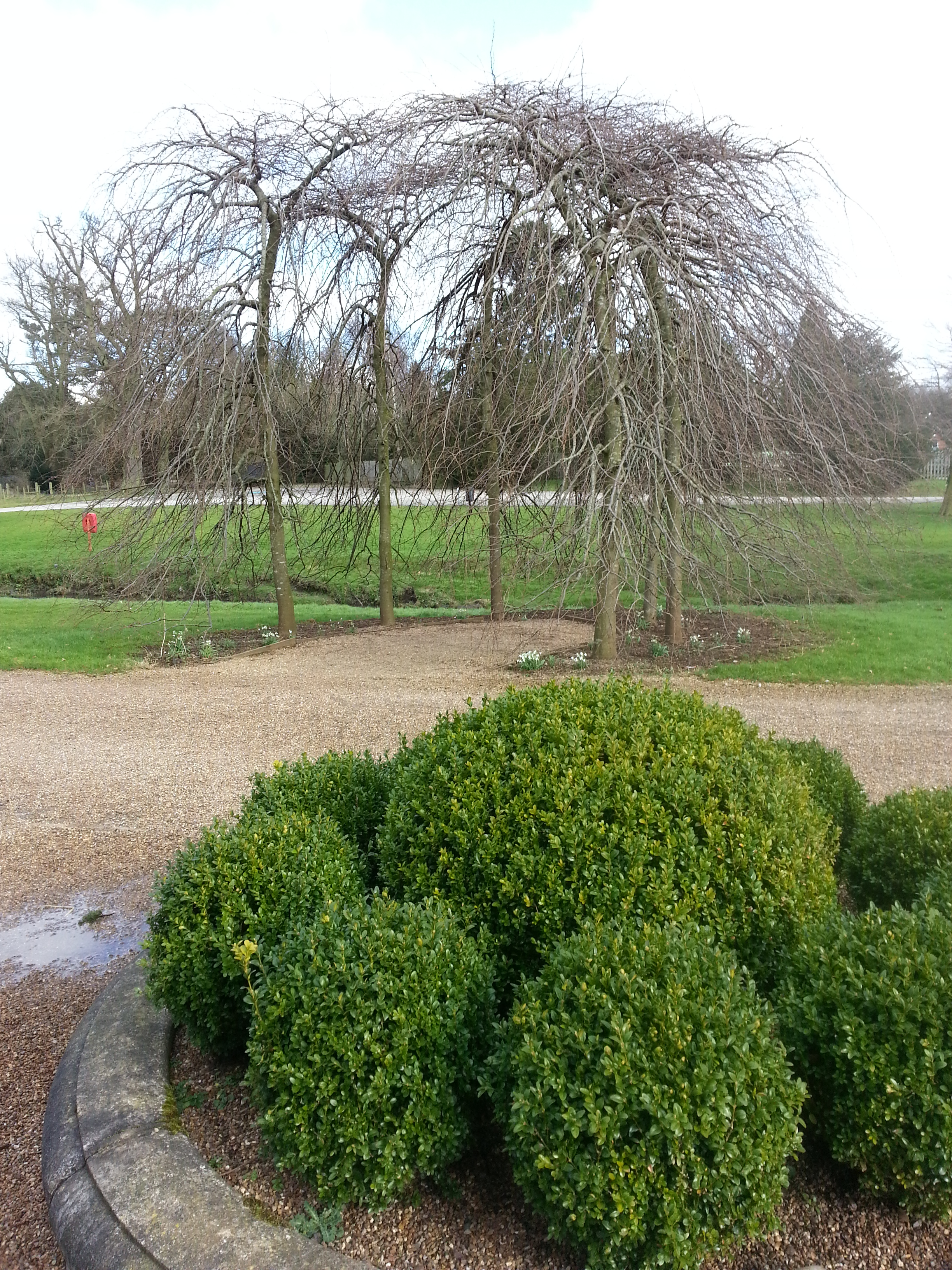
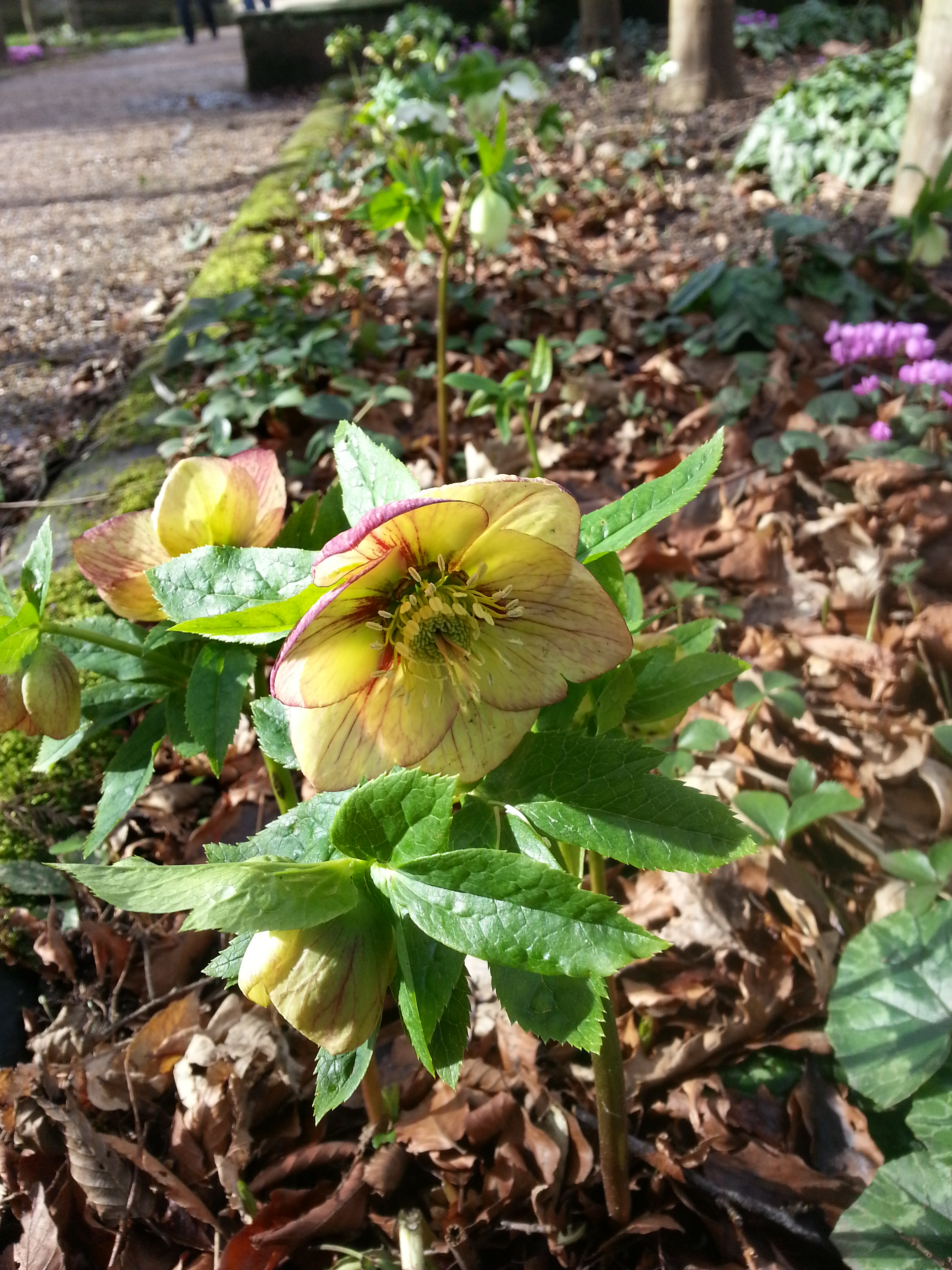
There was little change to be seen at the Hornbeam arbor but we did notice a few white sparkling Snowdrops around the base of their trunks. The trimmed box alongside is most noticeable at this time of year when such green sculptures become one of the stars of the garden. Some other stars of the Trentham gardens on this visit waited for us close by -Hellobores and Cyclamen in full colourful bloom. The Hellebores impressed with more than the colour range however, for they had really proud upright habit. They lit up the shade beneath an allee of Hornbeam.

2014 02 20_6510 2014 02 20_6520 2014 02 20_6515 2014 02 20_6516 2014 02 20_6513 2014 02 20_6517 2014 02 20_6518 2014 02 20_6519 2014 02 20_6521

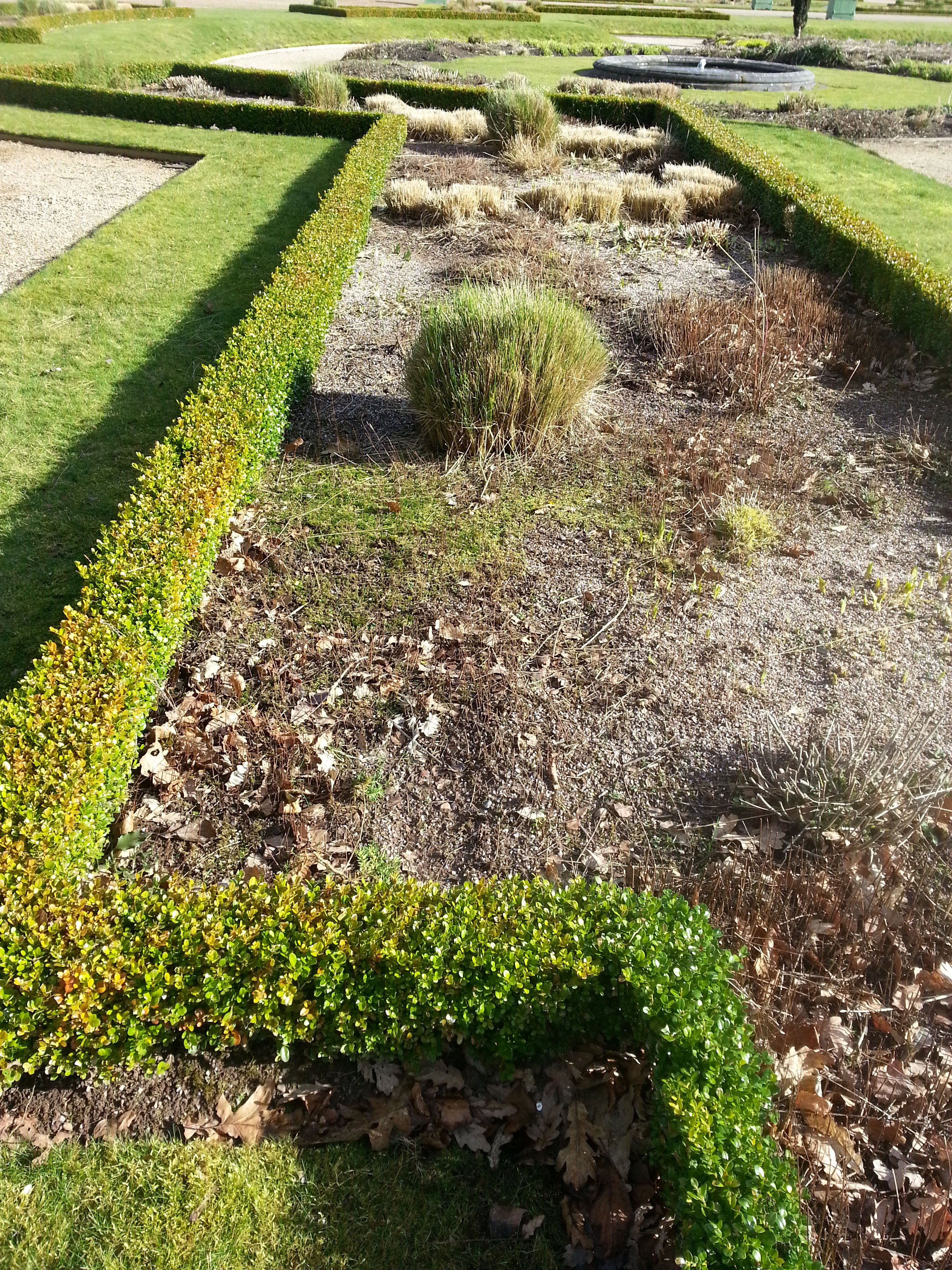
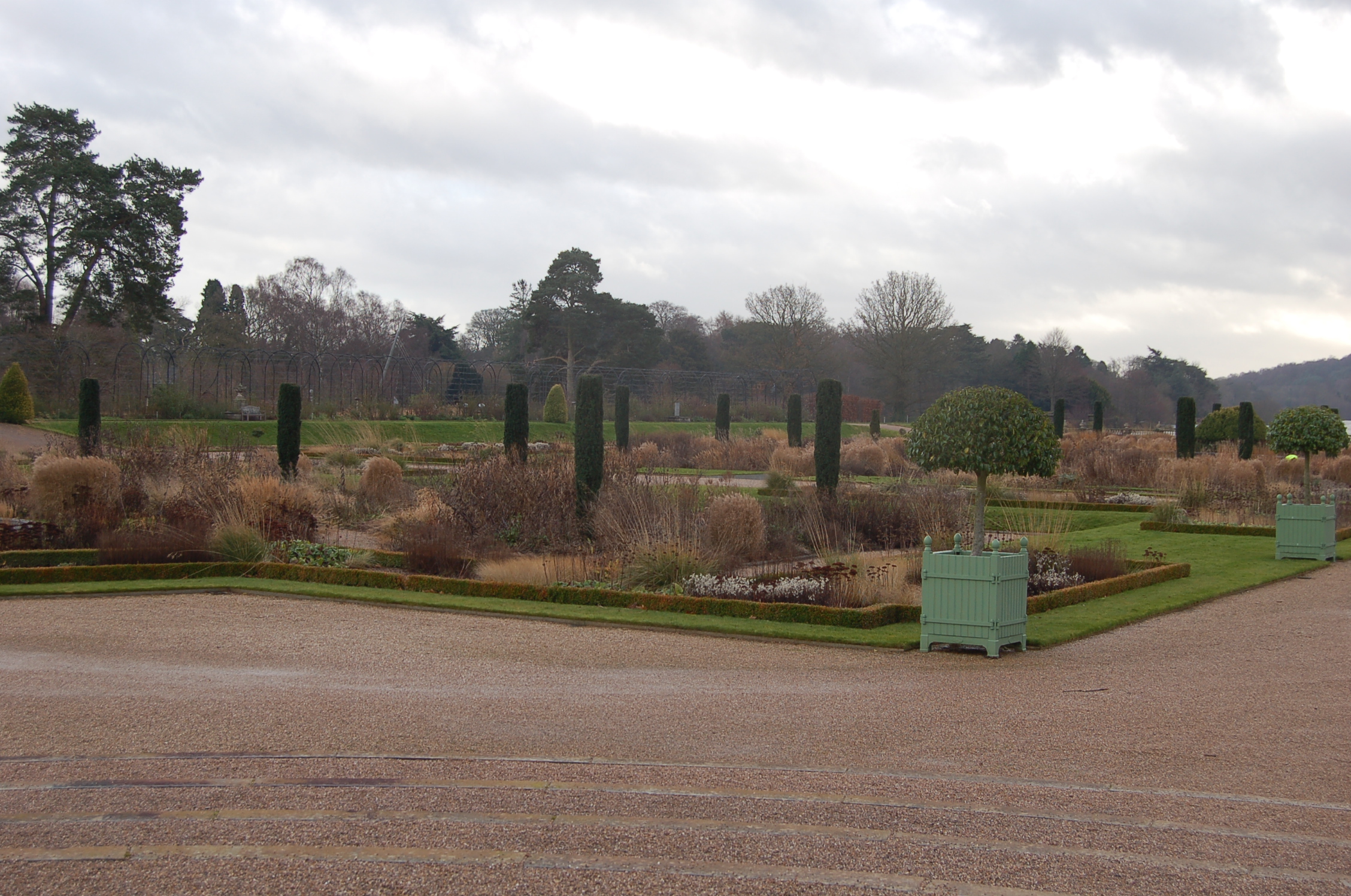
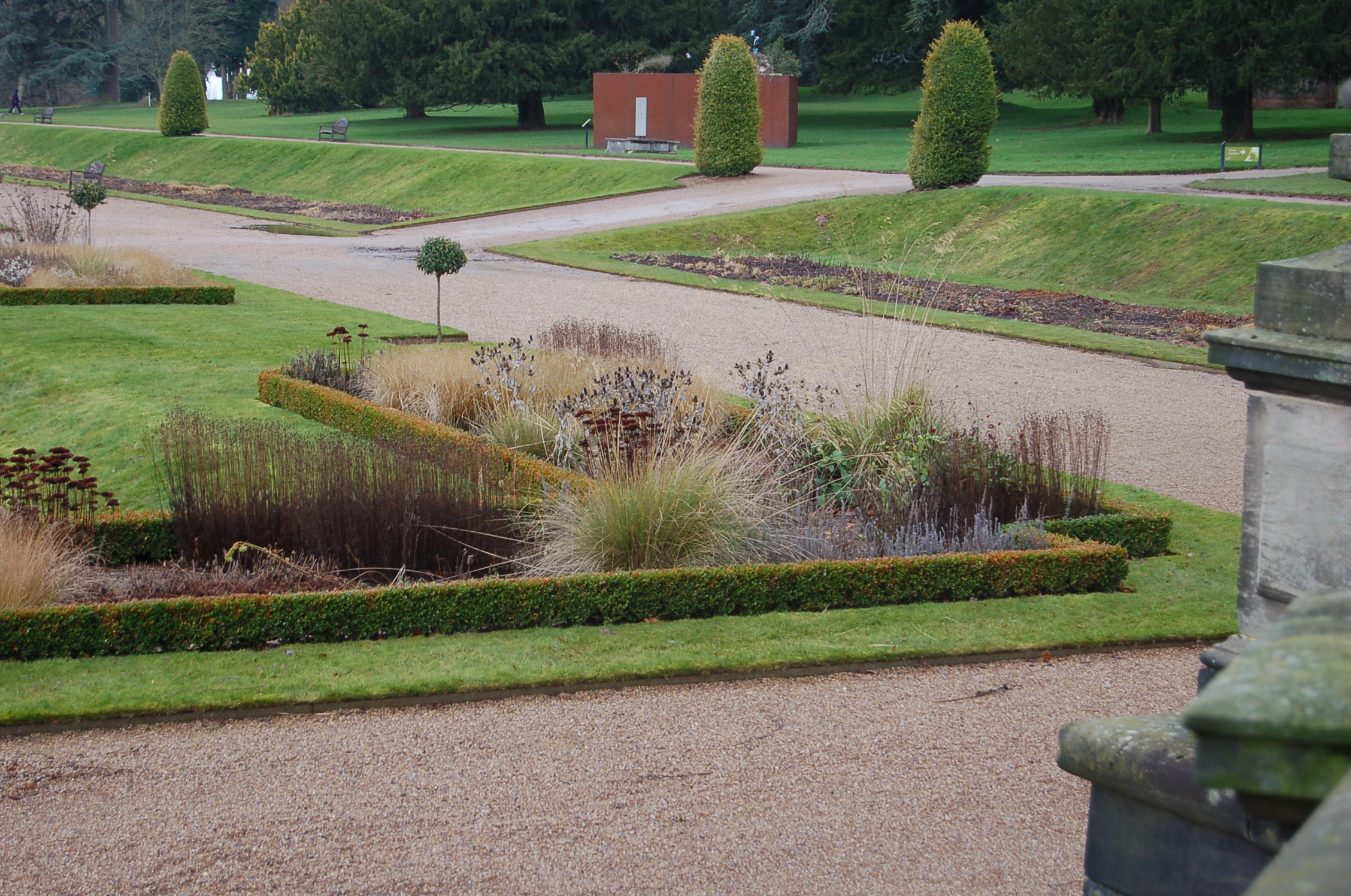
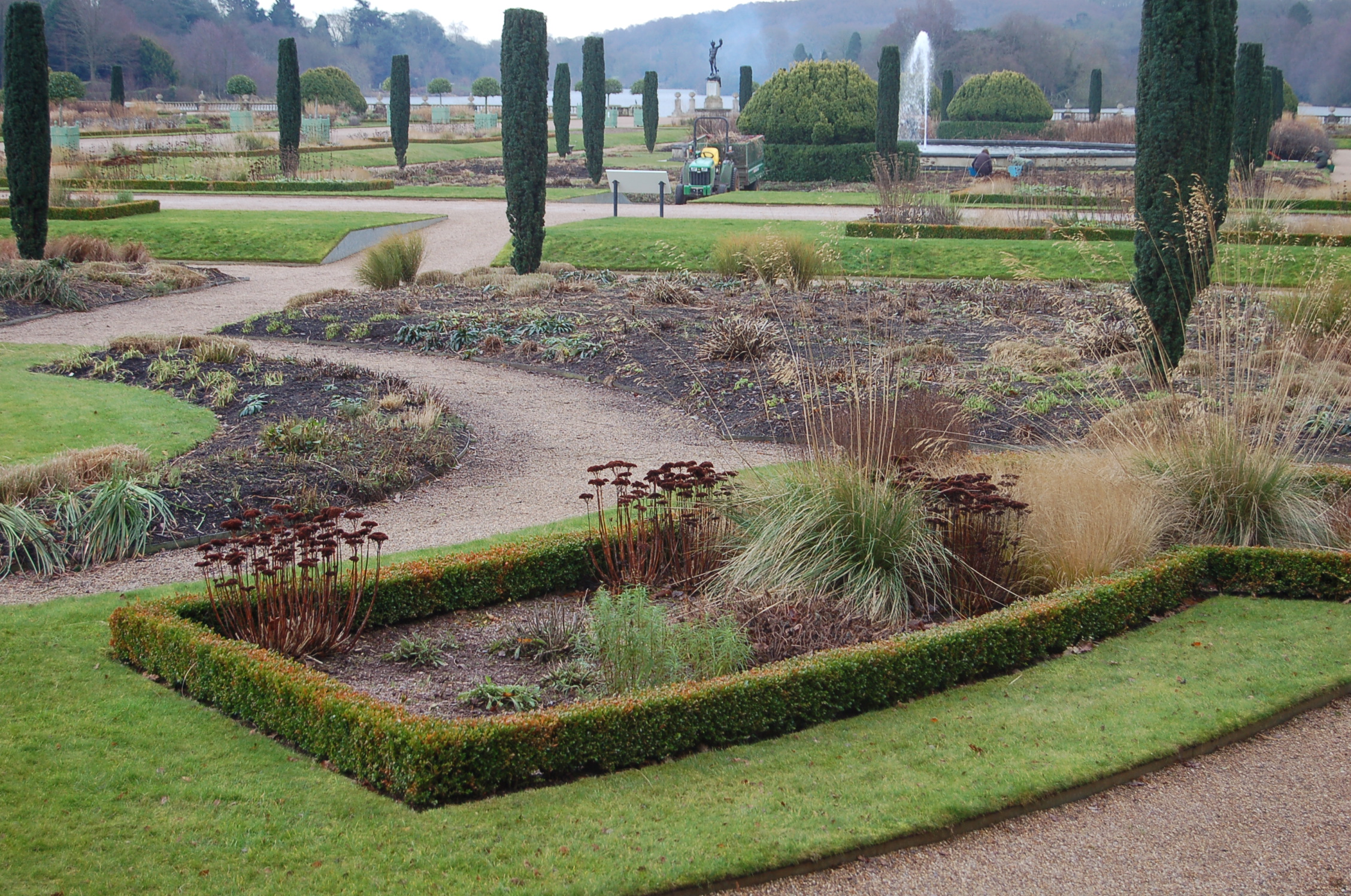
Leaving the Hornbeam allee we entered the old Italian Garden, with its rigidly symmetrical patterns of short cut grass, white chipping and smartly trimmed box edging. The low winter light emphasised this structure. It is not our favourite part of the garden but we always admire the skill taken to keep it looking so neat.

2014 02 20_6522

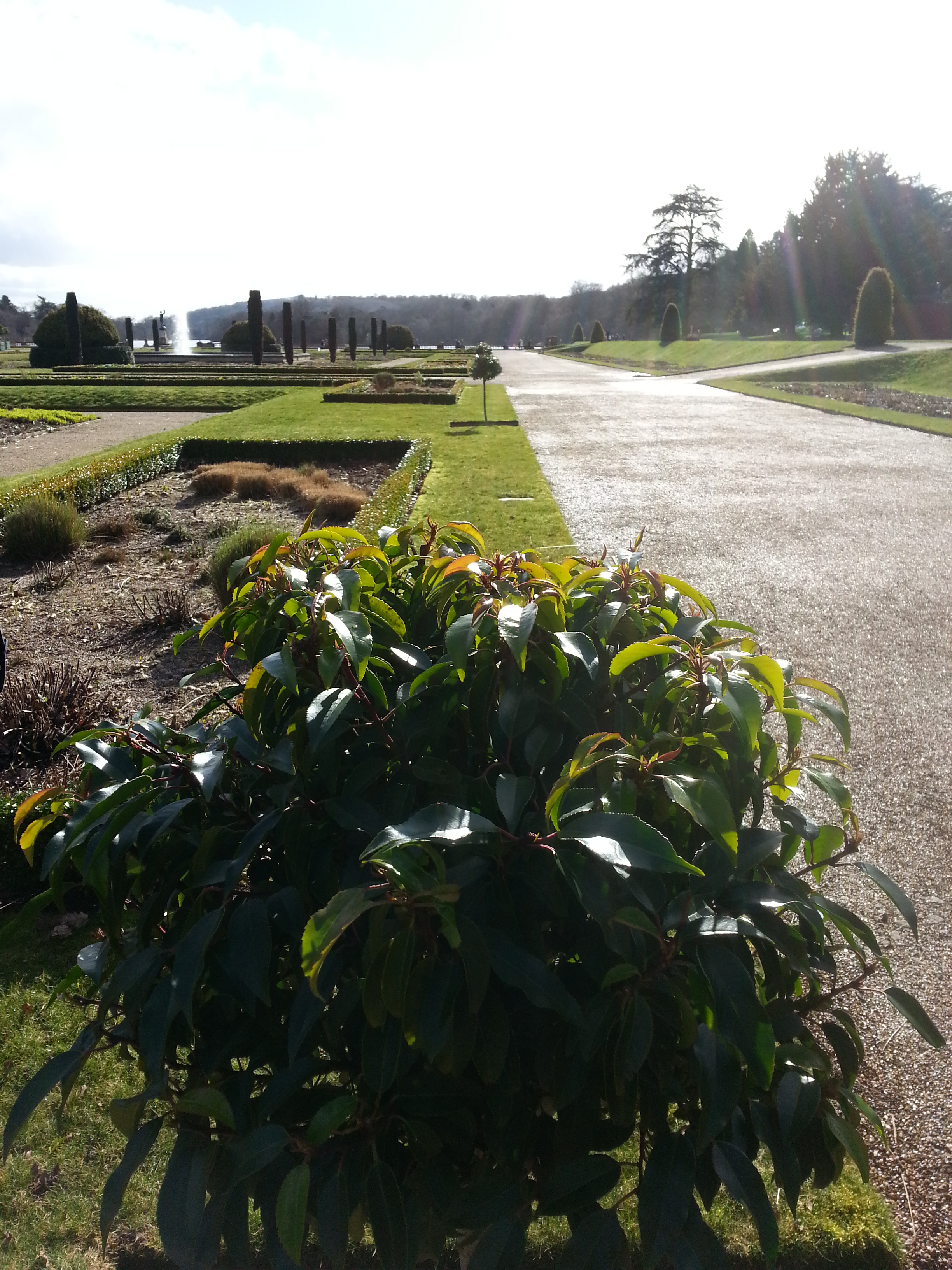
From here we could look out across the huge Italian Garden, re-designed by Tom Stuart-Smith. Since our last visit the perennials and grasses have been neatly and closely cut ready for the new growth that is sitting just below the soil surface ready to burst out.

2014 02 20_6523 2014 02 20_6524 2014 02 20_6525 2014 02 20_6526 2014 02 20_6527 2014 02 20_6529

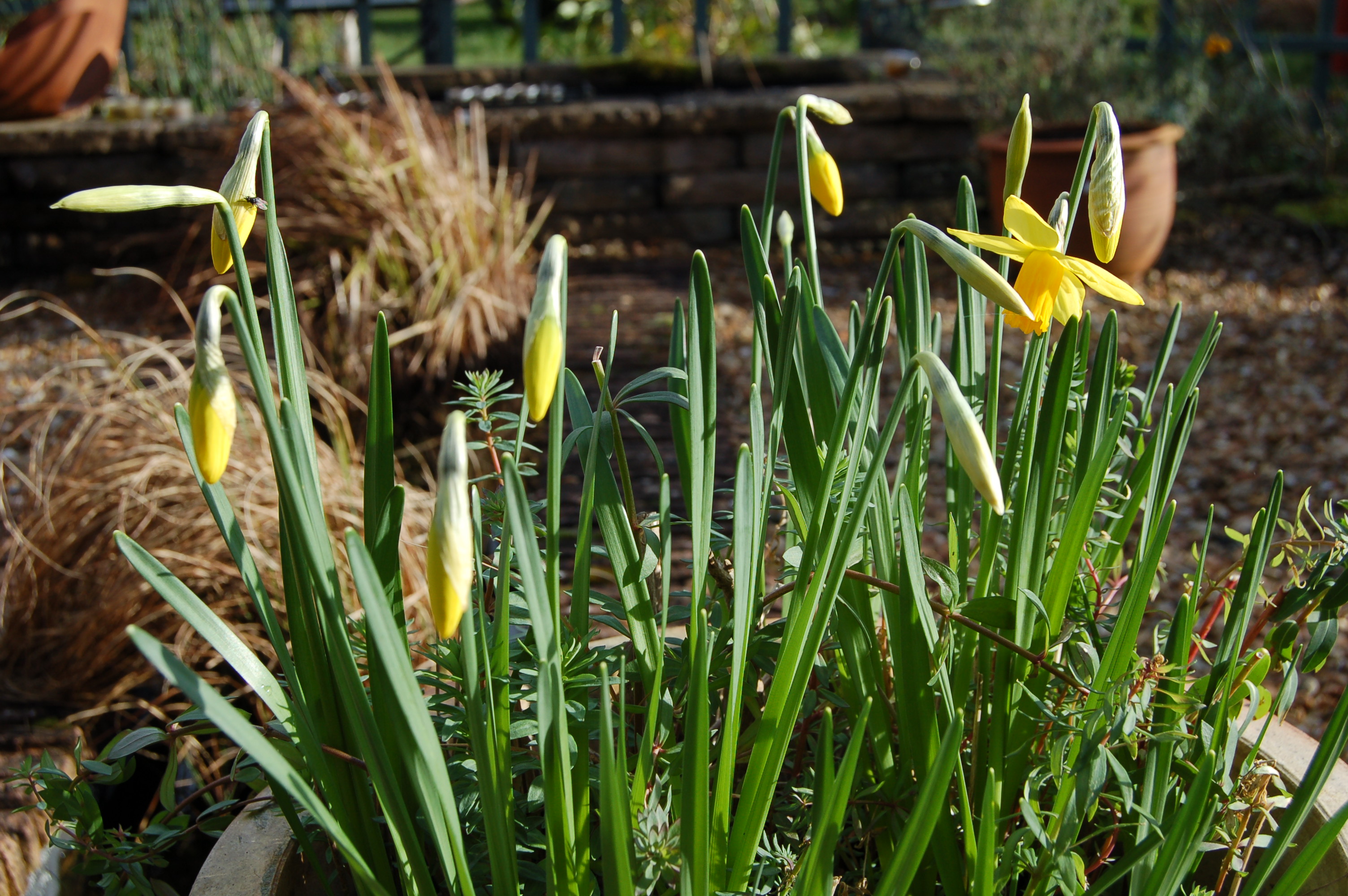
Then after walking through these borders in waiting, we went off into the parkland where mature trees tower above the grassed slopes. Under the trees sits the coffee shop where we stopped for our statutory break. Some slopes appeared a bluer green than others and we discovered that the leaves here were of daffodils already with flower buds fit to burst.

Near the coffee house are areas for children and it was noticeable how busy they were. When here in January this area was deserted but on this visit there were lots of families with young children. It was the school half term holiday.

2014 02 20_6539 2014 02 20_6540

On the lake the swan sculptures presented sharp silhouettes taking off over the water.

2014 02 20_6538

Over in the display gardens the low bright light made the colours in foliage, flowers, stem and bark look extra bright.

2014 02 20_6541 2014 02 20_6542 2014 02 20_6543 2014 02 20_6547 2014 02 20_6548 2014 02 20_6550 2014 02 20_6551

We returned through the Tom Stuart-Smith gardens and walked along the rose pergola. The gardeners were busy pruning the roses, weeding and freshening up the soil surface.

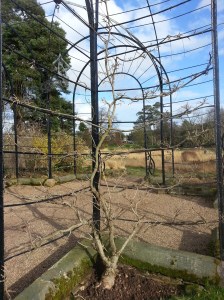
2014 02 20_6566 2014 02 20_6568 2014 02 20_6569 2014 02 20_6571 2014 02 20_6573 2014 02 20_6575

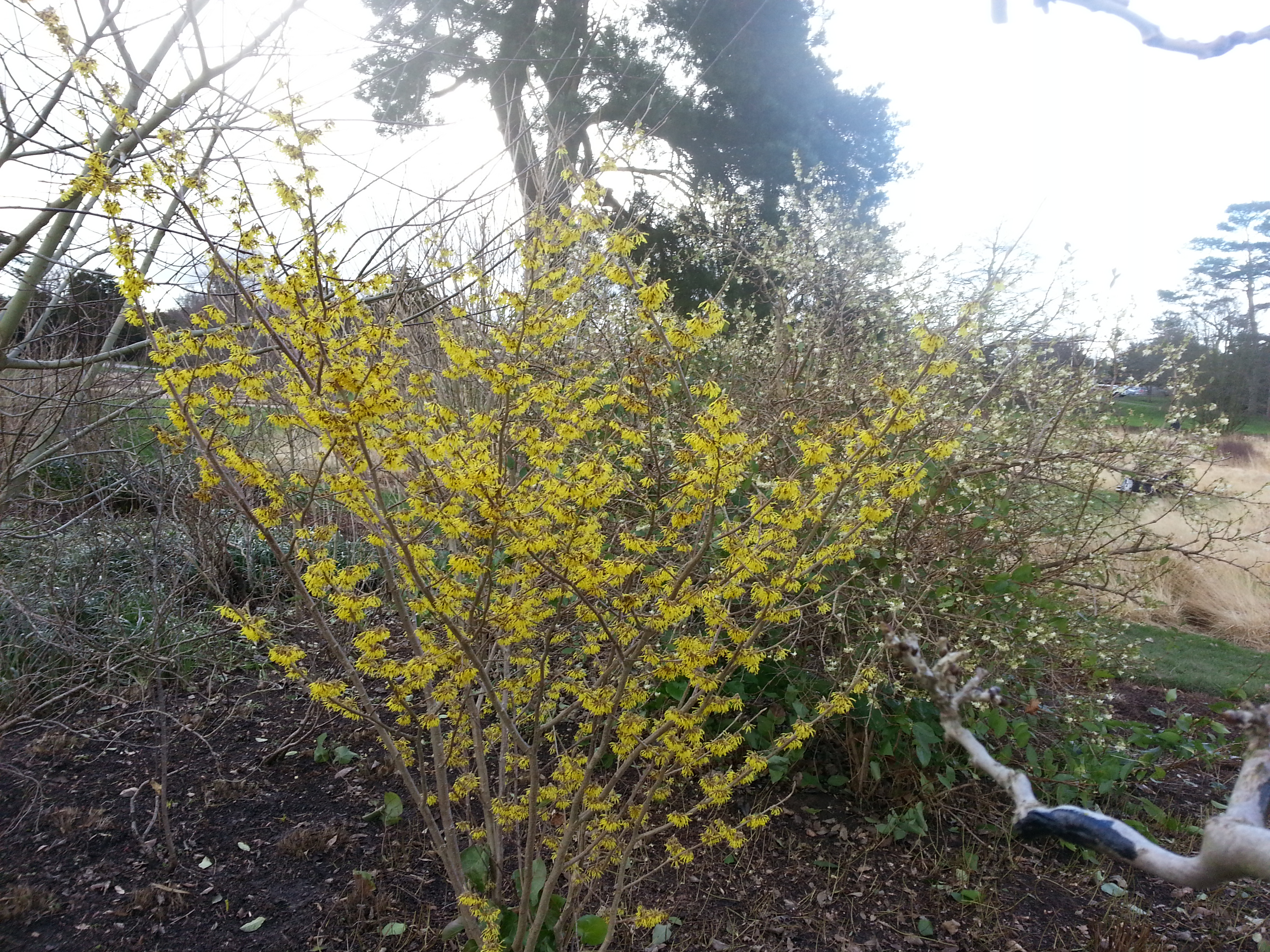
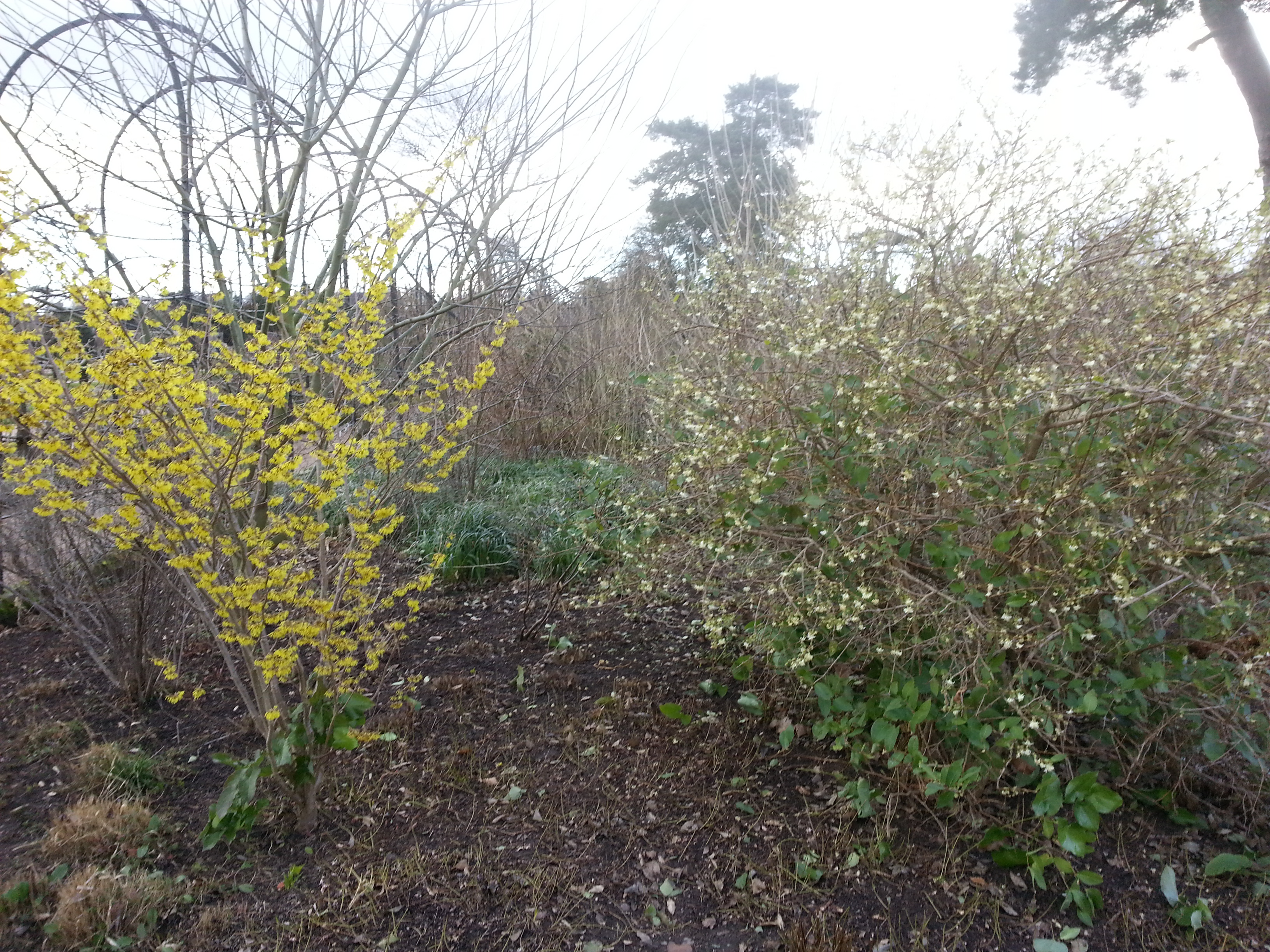
The shrub borders at the end of the rose pergola were showing signs of interesting things happening, the Witch Hazels were shining yellow and the scented but subtle winter flowering honeysuckle sitting along side it looked rather drab. So that finished our February visit to Trentham. The next blog in this monthly series will be in March. Things should be really livening up then.

2014 02 20_6576 2014 02 20_6577

Categories
garden design garden photography garden pools garden seating gardening gardens gardens open to the public grasses hardy perennials light light quality meadows natural pest control ornamental grasses outdoor sculpture trees water in the garden Winter Gardening winter gardens

A Garden in January – Trentham – Part Two

Welcome back to Trentham in January where we find ourselves in the part of the garden featuring the Italian Garden re-designed by Tom Stuart-Smith.

2014 01 07_5867_edited-1

From the raised terraces of the Italian Parterre we can see how symmetrical and rigid the structure is. Tom Stuart-Smith has designed a brilliant garden within this structure using grasses and perennials similar to those used by Piet Oudolf. If anything the planting is more varied. The impressive thing about his design is the way soft flowing plant combinations can look so good in a formal setting.

2014 01 07_5835 2014 01 07_5836 2014 01 07_5837 2014 01 07_5838 2014 01 07_5839

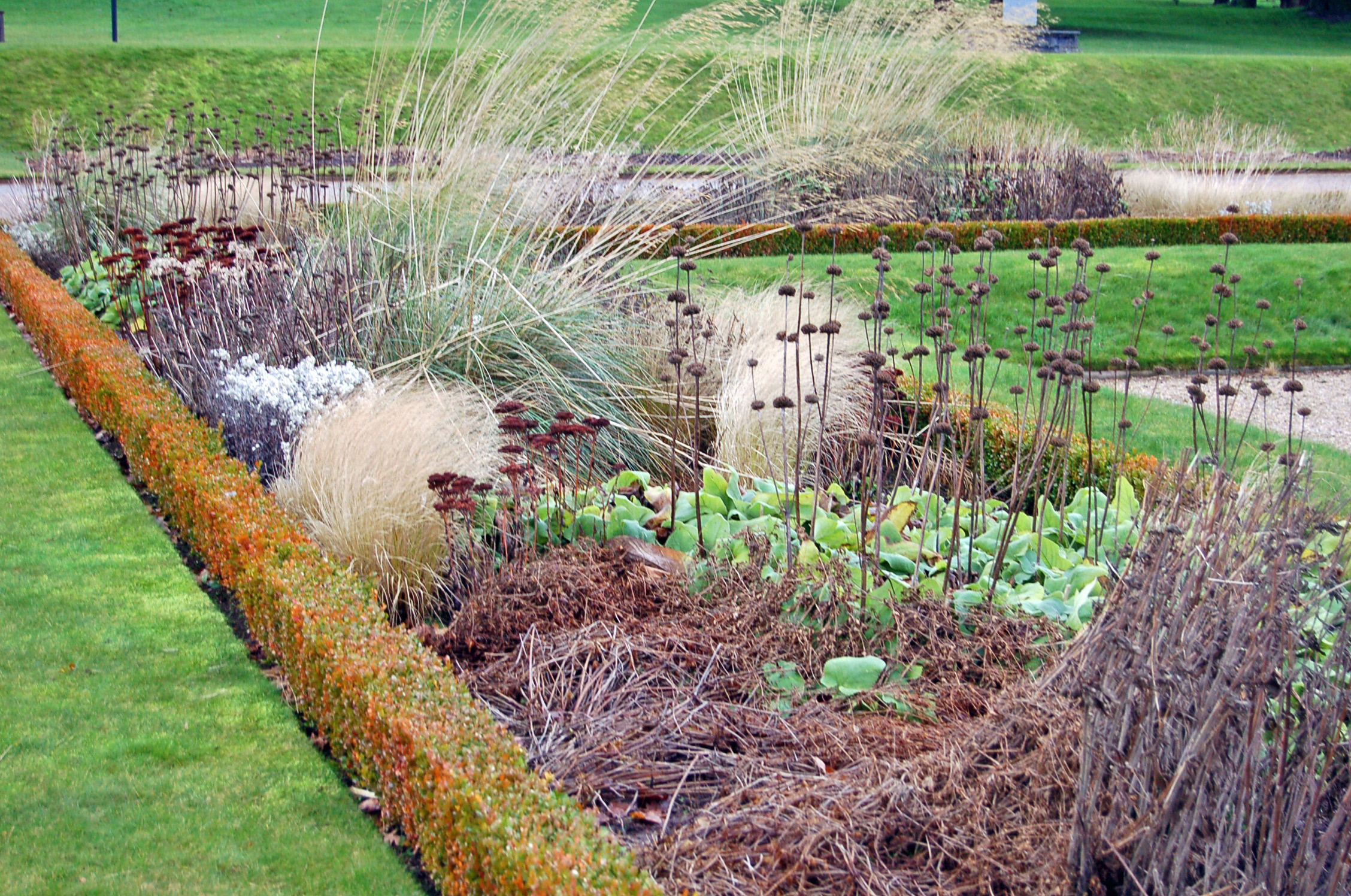
I always particularly like these corner beds with their plantings of low grasses, sedum, phlomis, marjoram and knautia. The little box edging is a most effective foil for the softness of the planting.

2014 01 07_5840 2014 01 07_5841

2014 01 07_5847_edited-1 2014 01 07_5848_edited-1 2014 01 07_5849_edited-1 2014 01 07_5850_edited-1

2014 01 07_5865_edited-1

Our walk around Tom Stuart-Smiths plantings was interrupted by a shower of freezing rain accompanied by cold winds. We sheltered in the loggia conveniently located nearby. This afforded us a good view over much of this area.

2014 01 07_5842_edited-1 2014 01 07_5851_edited-1

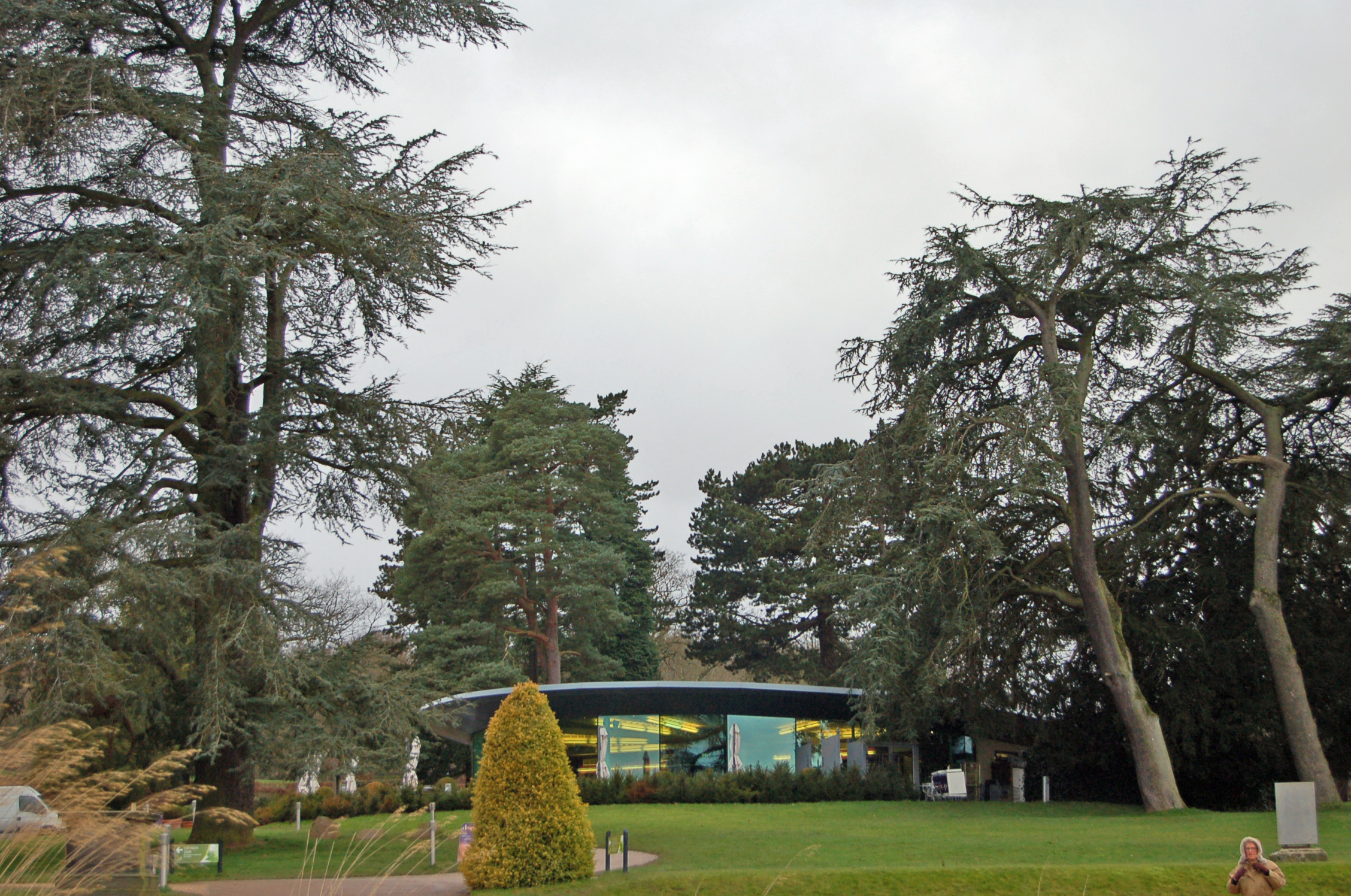
We managed another five minutes exploration of this garden when the heavens opened once again. Conveniently by this time we were close to the coffee shop which is always our half way stopping point so we retreated to enjoy a welcomed beverage and slice of something sweet. The cafe is housed in a beautifully designed modern building based on a semi-circle. It sits snuggly within a clump of trees. The seating fits all around the floor to ceiling windows giving great views over the Tom S-S gardens.
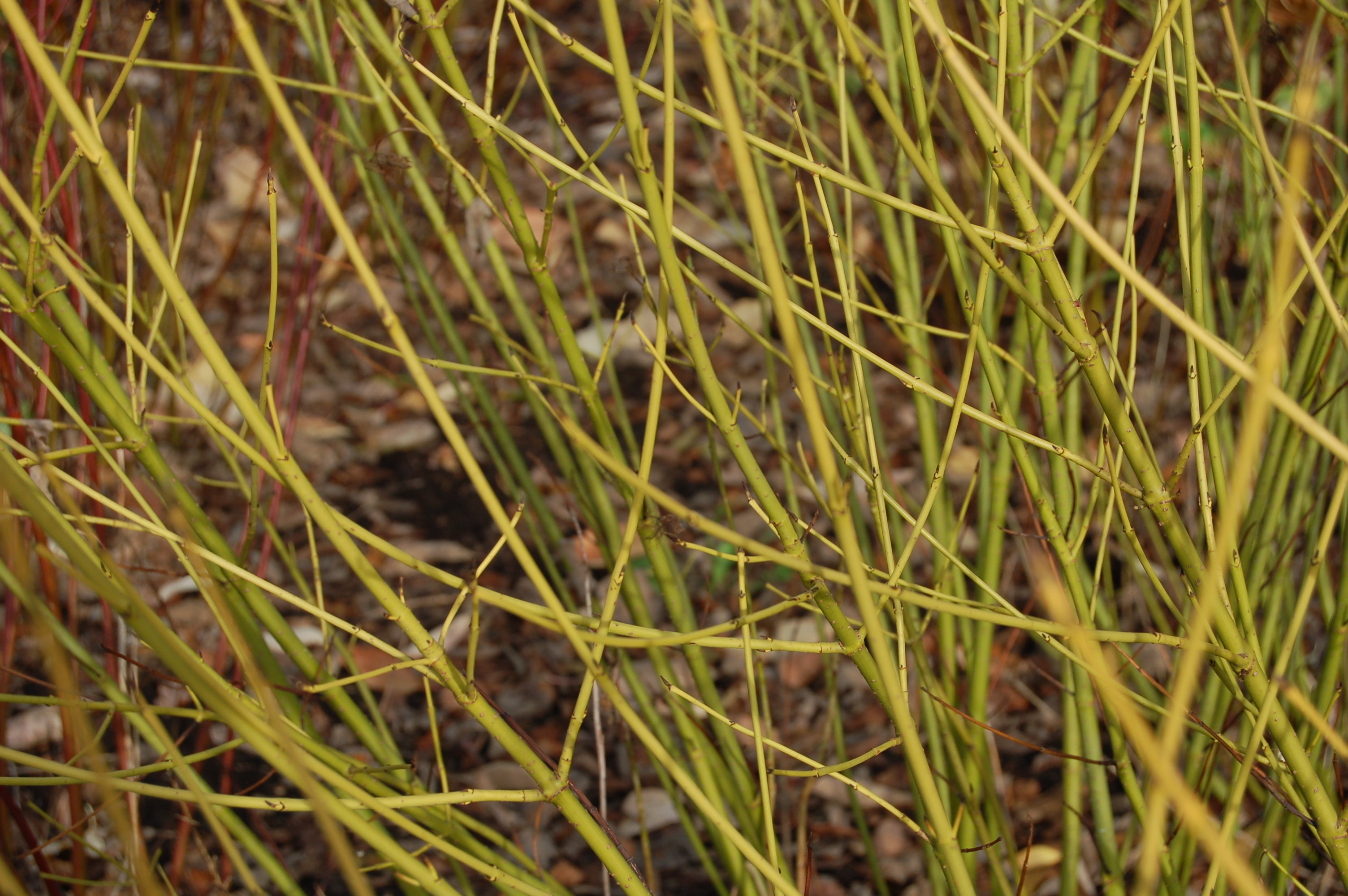
2014 01 07_5862_edited-1

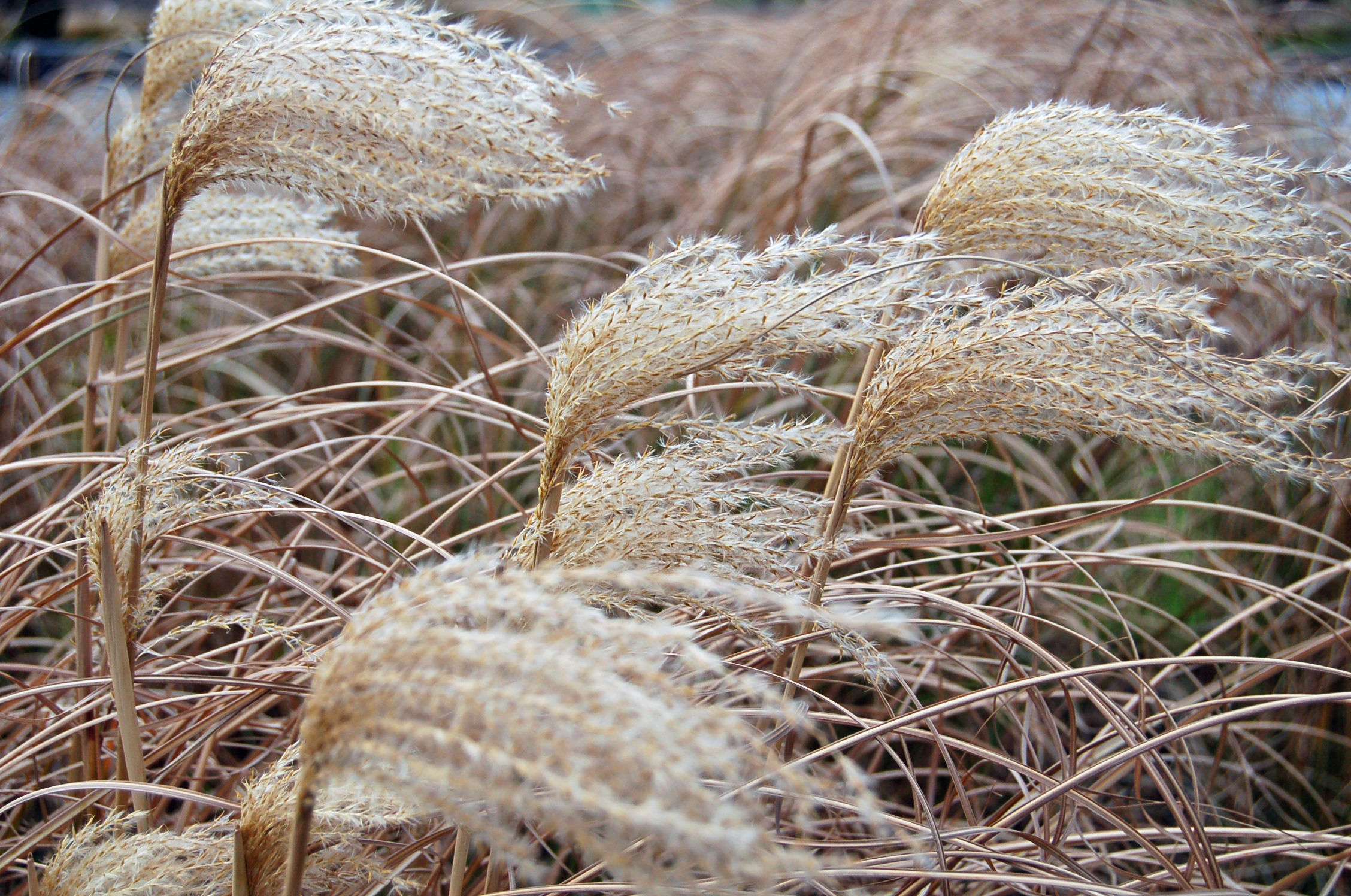
The wind was moving the grasses around and skewing the water in the fountains. It illustrated how important grasses can be in any garden, as even the slightest breeze sets them waving.

2014 01 07_5864_edited-1  2014 01 07_5873_edited-1

2014 01 07_5877_edited-1

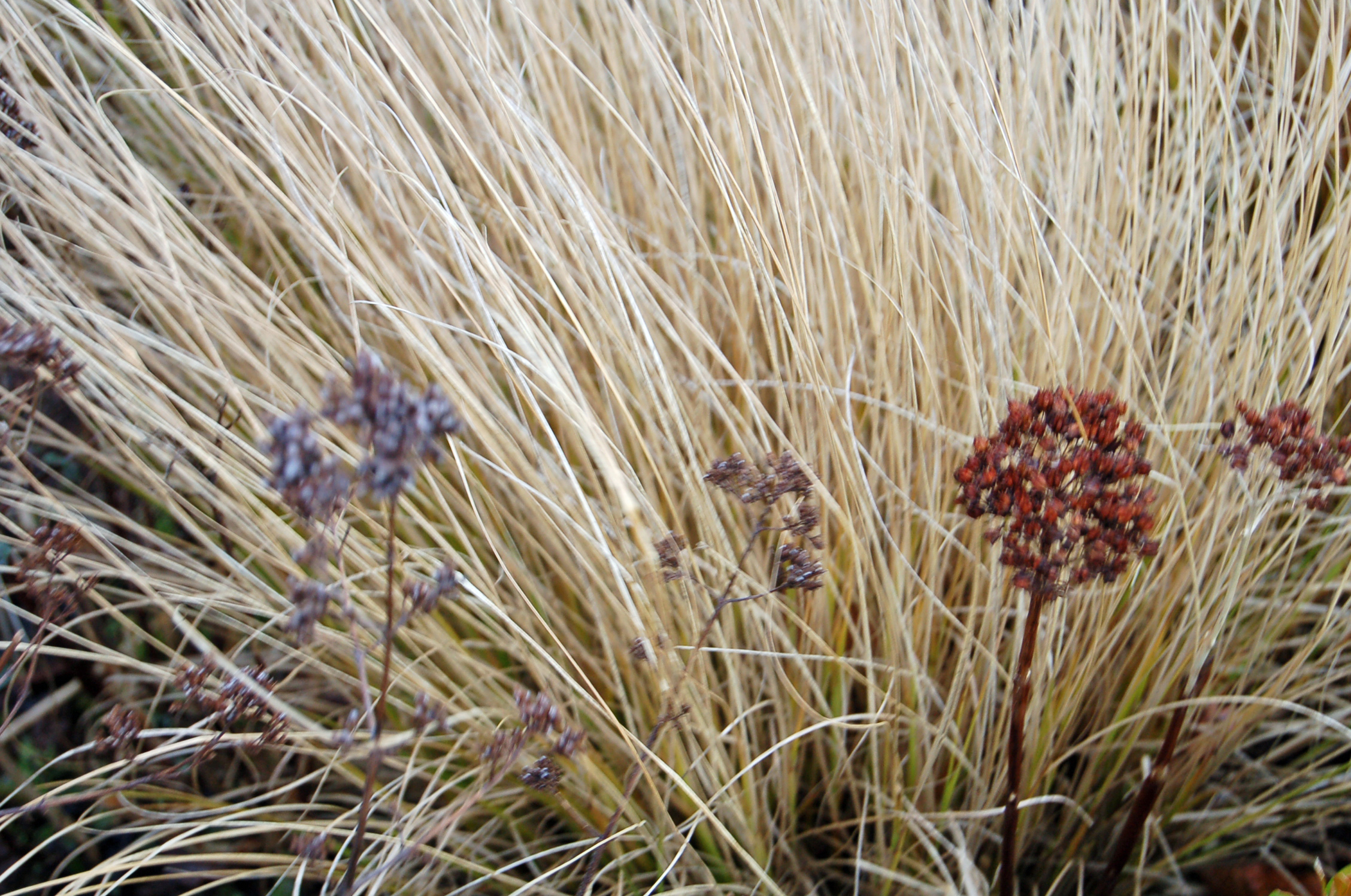
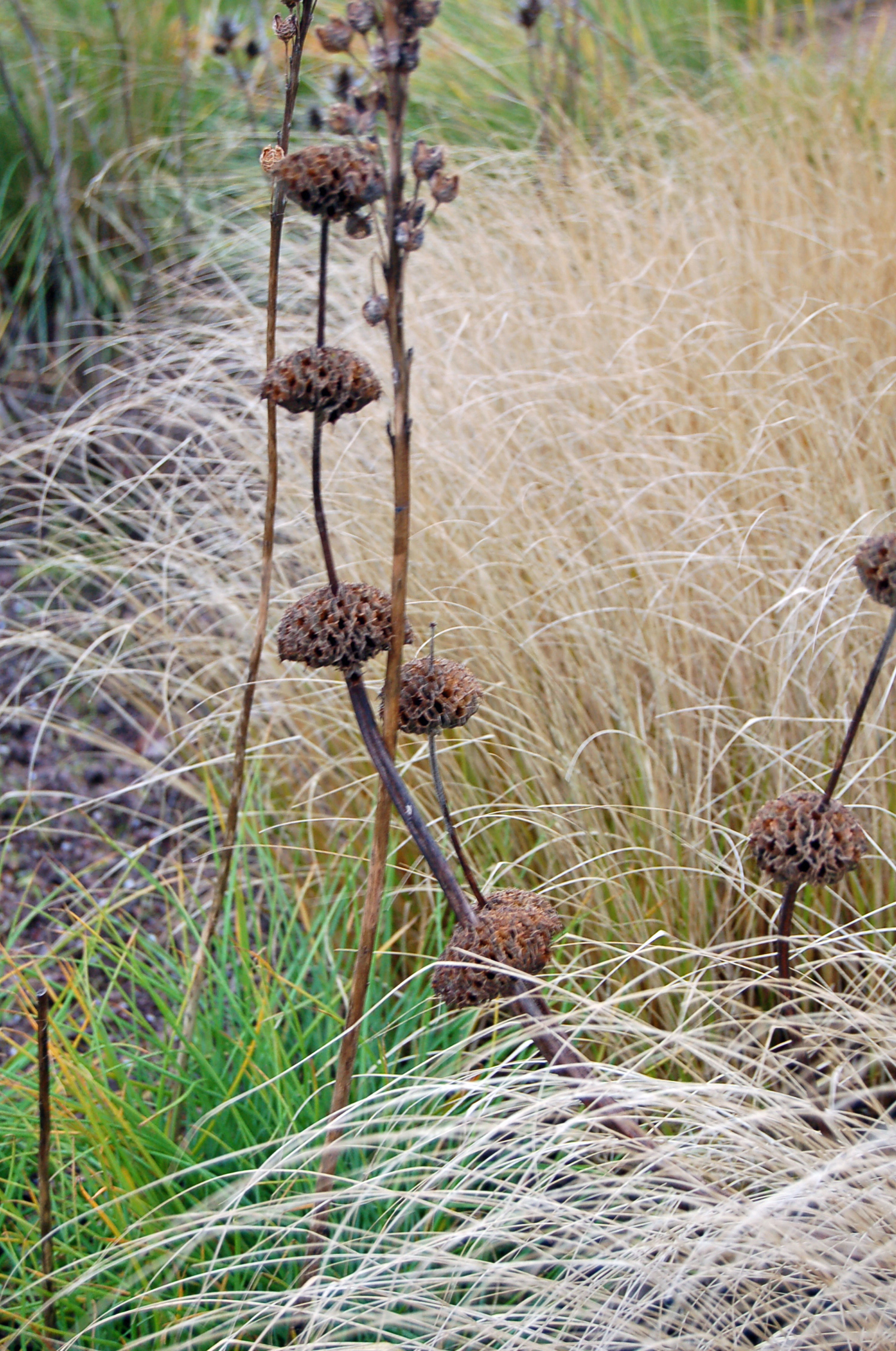
Within the grasses the seedheads of the perennials were the stars of the show.

2014 01 07_5866_edited-1 2014 01 07_5872_edited-1

2014 01 07_5869_edited-1 2014 01 07_5870_edited-1 2014 01 07_5871_edited-1   2014 01 07_5874_edited-1 2014 01 07_5876_edited-1

The garden team were busy cutting down the perennials in the beds which had been worst effected by the winter weather. If you look carefully you may spot the one gardener’s amusing headgear! When she bent over it looked as if it was Yogi Bear doing the work!

2014 01 07_5868_edited-1

We made a diversion into the area beyond the cafe and tall trees where the show gardens are. We found a few new gardens including a “Stumpery” (a favourite garden feature of Mrs Greenbench) and this row of colourful dogwoods, Cornus Midwinter Fire.

2014 01 07_5854_edited-1 2014 01 07_5852_edited-1

The glass panels in one of the gardens looked brilliant alongside the russet coloured grasses.

2014 01 07_5855_edited-1

Close to the cafe is an area for children’s play with climbing frames, a maze, a bare foot walk, road ways for sit-on toys and these superb sandpits. Because of the poor weather they were sadly deserted today but they are usually very popular. It is so good to see children absorbed in play that does not involve screens or batteries!

2014 01 07_5861_edited-1

As we neared the end of our wander we walked beneath the metal archways of the “Trellis Walk” running alongside the David Roses border. Here there were roses still trying to bloom and others with hips on. The gardens are maintained organically so within these borders we found lovely insect shelters and clumps of Phacelia plants both designed to bring in beneficial insects. Four beautiful relief panels were spread out along the border depicting different garden movements  from the past. We could see through the trellis walkway back to the “River of Grasses” and in the ever-darkening late afternoon light the grasses really seemed to glow. We now look forward to re-visiting in February to see what is going on.

2014 01 07_5878_edited-1 2014 01 07_5880_edited-1 2014 01 07_5882_edited-1 2014 01 07_5884_edited-1

Categories
Gwyndd landscapes light light quality photography the sea the seaside the shore townscapes Wales

Closed for Winter but not Deserted – Barmouth – Part Two

2014 01 03_5766_edited-1

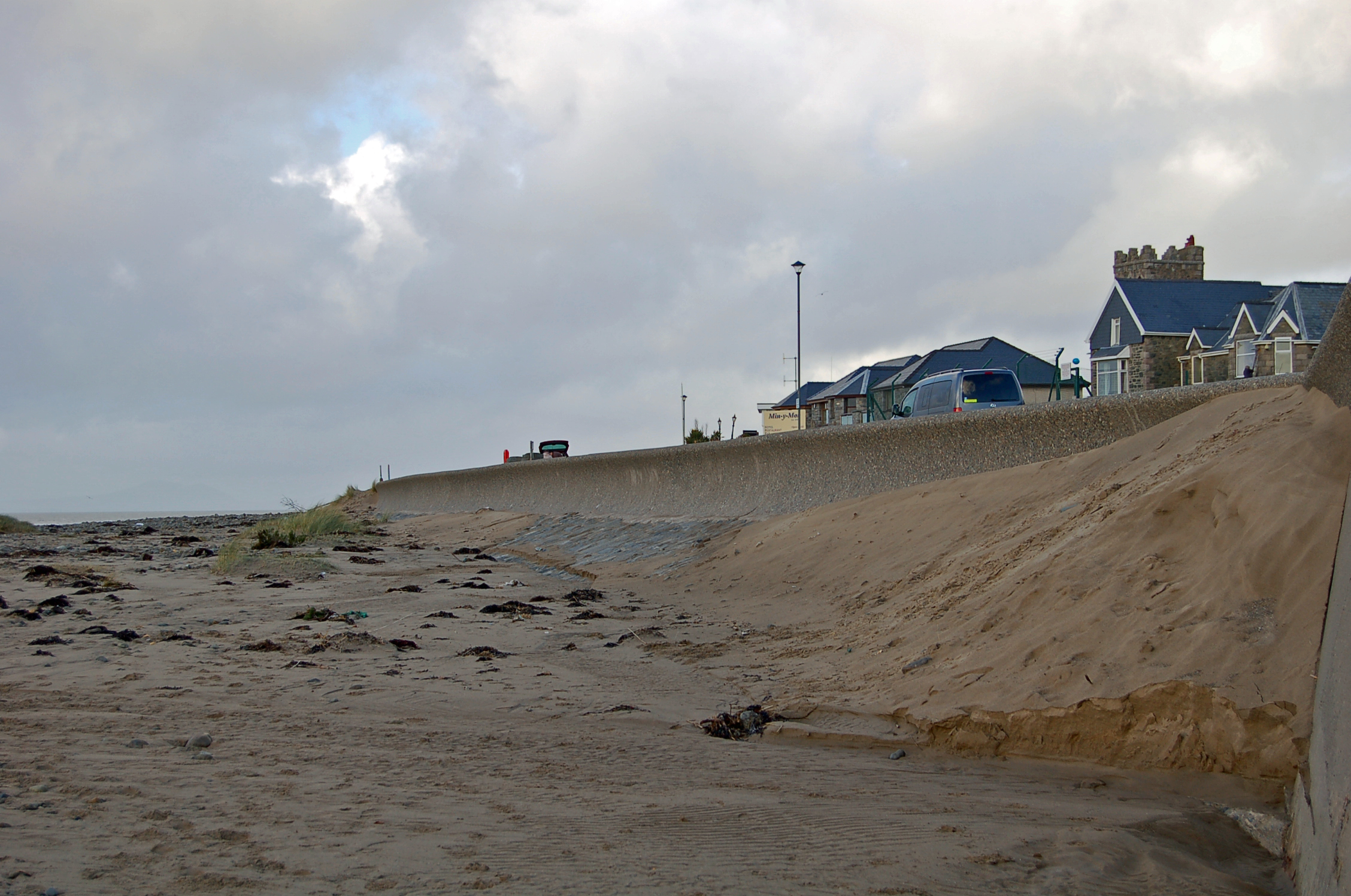
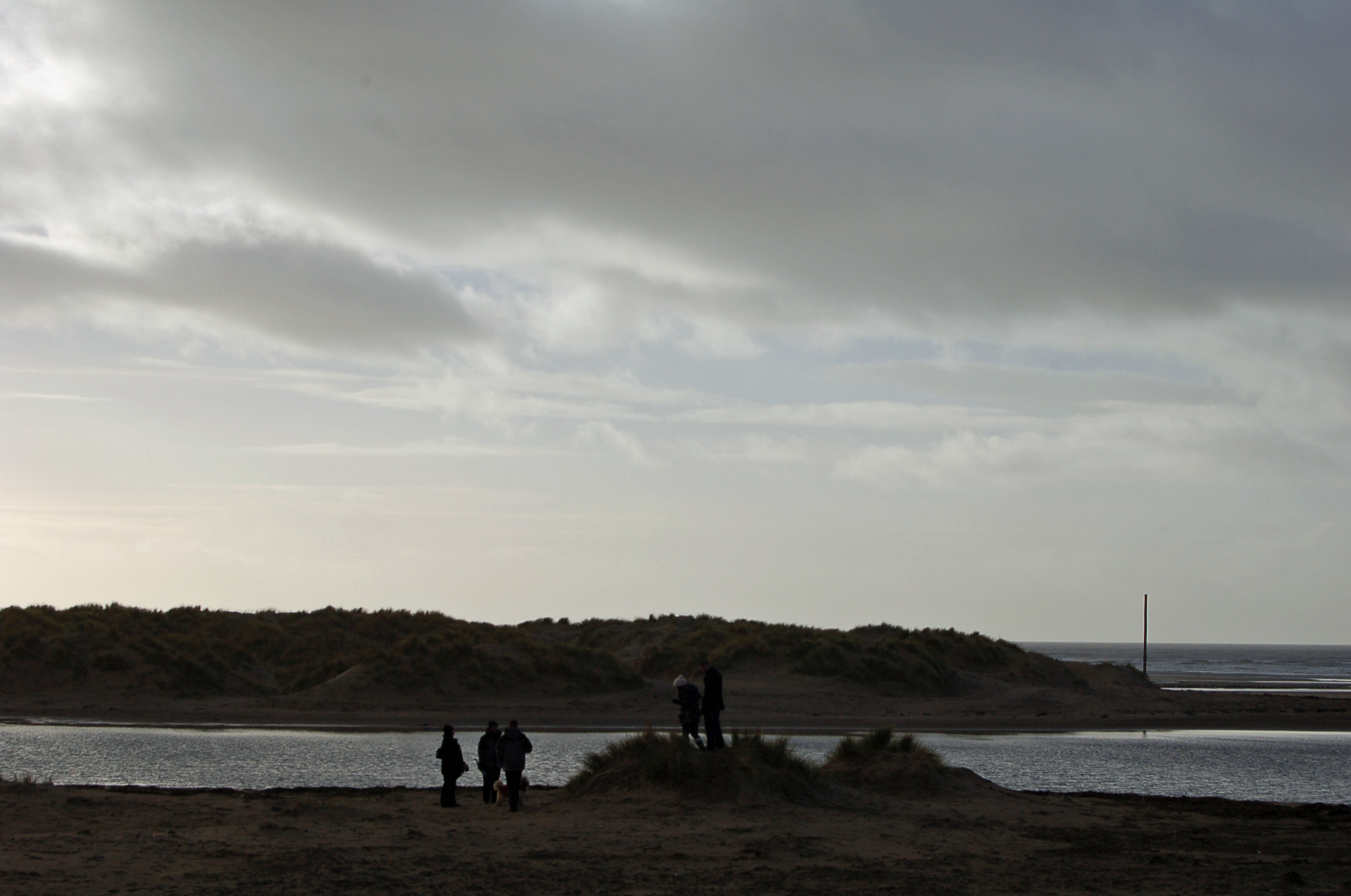
Back in one of our favourite Welsh seaside town of Barmouth we crossed the dunes and discovered the debris of the storms.

2014 01 03_5763_edited-1

2014 01 03_5741_edited-1 2014 01 03_5750_edited-1 2014 01 03_5752_edited-1 2014 01 03_5753_edited-1

We came across seaweed wrenched by the roots from its sea floor home, an empty shell of a Cuttlefish, some twisted driftwood and fishermen’s debris.

2014 01 03_5757_edited-1 2014 01 03_5758_edited-1 2014 01 03_5759_edited-1 2014 01 03_5761

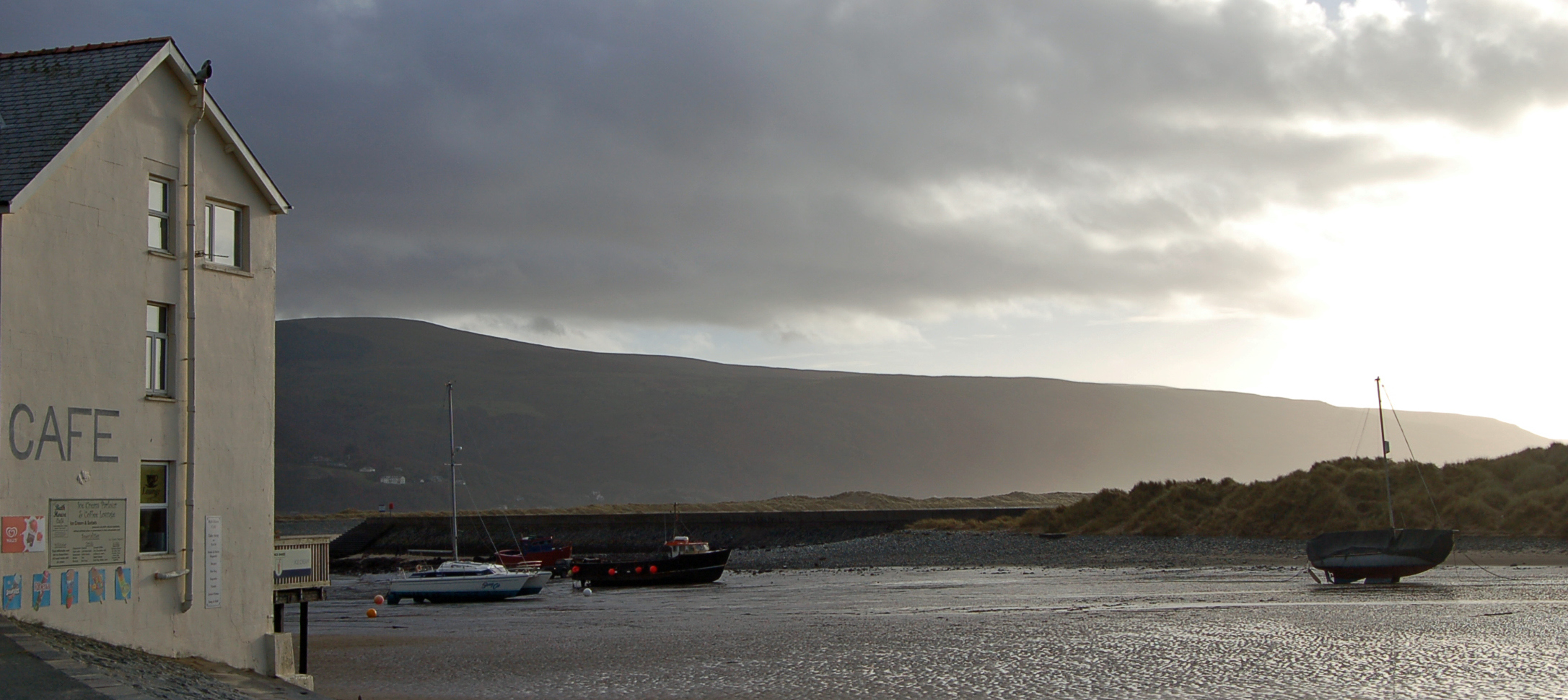
As we left the dunes we found ourselves out in the open on the wide expanse of the beach itself. Here we gained views of the sea front hotels and guest houses and the yachts in their winter compound lit up by winter sunlight. The sand had risen piled high in drifts against the sea walls.

2014 01 03_5756_edited-1 2014 01 03_5751_edited-1 2014 01 03_5764_edited-1 2014 01 03_5765_edited-1

The peace we were enjoying as we listened to the gentle lapping of the waves and the wind lifting and moving the sand, was suddenly shattered as the sky darkened and a hail storm arrived. At the same time our peace was also shattered by the sound of raised alarms. Someone was in trouble out at sea, the coast guards arrived with flashing green lights on the roofs of their cars, followed by police with their blue lights  flashing out of sync. The rapid response inflatable life-boat launched after being drawn across the sands by a tractor with caterpillar tracks gouging deep ruts cutting across the smooth surface of the sandy beach. Within minutes just the tracks were left and the life-boat disappeared out to sea on its mission.

2014 01 03_5769_edited-1  2014 01 03_5767_edited-1

The storm passed as quickly as it had arrived. The sun burst back through the thinning clouds, lower now and with a golden hue. It bathed buildings and yacht masts with golden light.

2014 01 03_5773_edited-1 2014 01 03_5774_edited-1 2014 01 03_5775_edited-1 2014 01 03_5776_edited-1 2014 01 03_5777_edited-1

As we reached the end of the town we heard behind us the deep throated diesel engines of a big caterpillar-tracked vehicleas it dragged the big life boat across the beach and out to sea. the situation was a serious one!

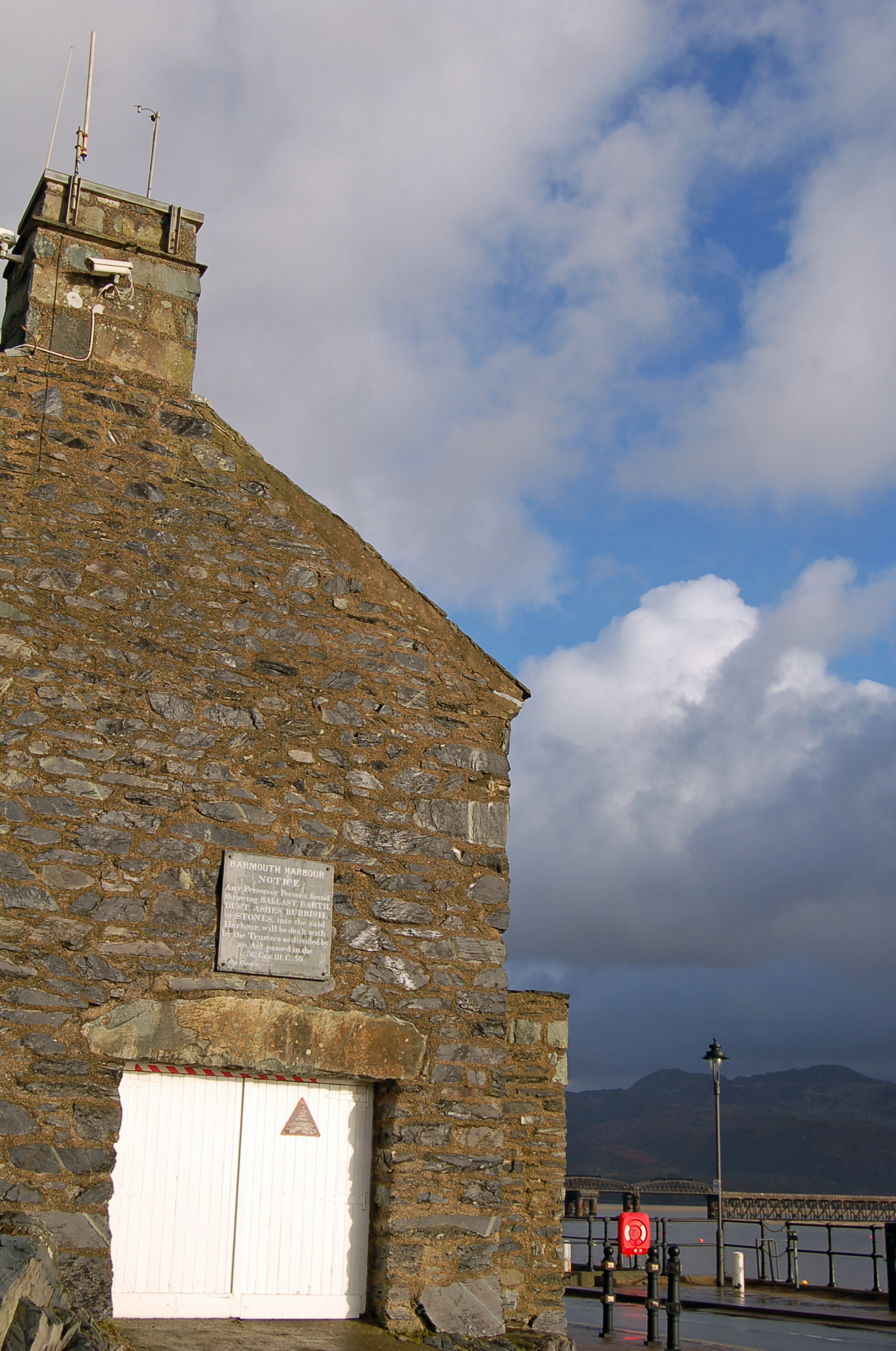
As we left after a good day at the seaside blue patches began to appear in the cloudy skies.

2014 01 03_5778_edited-1 2014 01 03_5779_edited-1 2014 01 03_5781_edited-1 2014 01 03_5780_edited-1 2014 01 03_5782

This Veggie Life

A Vegetarian | Nature Lifestyle Blog

Rambling in the Garden

.....and nurturing my soul

The Arch City Gardener

Journeys In St. Louis Gardening and Beyond

Garden Dreaming at Châtillon

Consult the genius of the place

Storyshucker

A blog full of humorous and poignant observations.

gardeninacity

Notes from a wildlife-friendly cottage garden

PlayGroundology

...an emerging social science

The Official Blog of British Wildlife

'The most important and informative publication on wildlife of our times' - The Independent. This blog is a member of The UK & Ireland Natural History Bloggers group: www.uknhb.blogspot.com

iGrowHort

Inspire - Cultivate - Grow Native Plants - Restore Landscapes

Bishops Meadow Trust

To create and protect a semi-natural wild space for the people of Farnham to enjoy and experience an array of British wildlife in our town

Gardening with Children

The www.gardeningwithchildren.co.uk Blog

UKbirdingtimeline

birding through the seasons, why birds matter and how to conserve them

NATURE WALKER

with a camera in hand

Jardin

Transform your outdoor space

Eva's space

My allotment, cooking and other interests

Old School Garden

my gardening life through the year

LEANNE COLE

Trying to live a creative life

fromacountrycottage

trying to live as lightly as possible on our beautiful planet

Good Life Gardening

Nature lovers from Leicester living the good life.

mybeautfulthings

Finding the beautiful in the everyday

mawsonmichelle

Michelle's Allotment

In and Out of My Garden

thoughts from and about my garden

Greenhousing

Big plans for a small garden

The Scottish Country Garden

A Walled Country Garden in South East Scotland

The Fruity Chicken

Life at the fruity chicken

willowarchway

Off grid living. Self sufficient. "PERMAGANICS RULE".

St Anns Allotments

Nottingham's Grade 2* Listed Allotments and Community Orchard

Manifest Joy Harvests

a journey in suburban vegetable gardening

Allotmental

The madness of growing your own

Penny's Garden: a harvest beyond my front door

A novel approach to vegetable gardening

arignagardener

Sustainable living in the Irish countryside.

NewEnglandGardenAndThread

Master Gardener, amateur photographer, quilter, NH native, and sometimes SC snowbird

dianajhale

Recent work and work in progress and anything else that interests me

planthoarder

a chaotic cottage gardener

Lens and Pens by Sally

a weekly blog that creates a personal philosophy through photographs and words

Dewdrops and Sunshine

Stories from a sassy and classy Southern farmbelle.

The Pyjama Gardener

Simple Organic Gardening & Seasonal Living

gettin' fresh!

turning dirt into dinner

JOY...

today the world is created anew

Garden Birds

Notes from a Devon garden

ShootAbout

Life Through The Lens

Adapting Pixels

A photography blog showcasing the best photography pictures and videos on the internet

Wildlifegardening's Blog

Just another WordPress.com site

naturestimeline

personal observations from the natural world as the search continues for a new approach to conservation.

LATEBLOOMERBUDS

The Wonders of Life through my Eyes, my Heart, my Soul