Categories
garden wildlife gardening gardens log piles natural pest control recycling wise watering

A bit of work on our shade border.

Today we spent a few hours improving the moisture content in the soil in our “Shade Border”. This is the only fully shaded part of our garden so it where we can grow plants that would not appreciate the brightness or warmth of the other sunnier borders. Here we have several Meconopsis Poppies in blue, white and cream, several varieties of Corydalis, some ferns and anemones. The first flowers appear on our  Pulmonarias in blue, pink, red and white soon followed by the tiny blue flowers of Brunnera and the whites and pinks of the uniquely shaped Dicentras. The beautifully cut lace like foliage of various Corydalis provide a perfect foil for their nodding little flowers. These all flower when the deciduous shrubs along the fence are still skeletal. Once the leaves give extra shade overhead the Ferns, Anemones and my favourite nettle the Giant Red Deadnettle, Lamium orvala.

Our worry is that in periods of dry weather the bed gets too dry for these plants and they begin to suffer. We decided the only answer was to use seep hose. It took just an hour to perform this important task which we hope will make these shade-loving plants much happier in the warmer summer months.

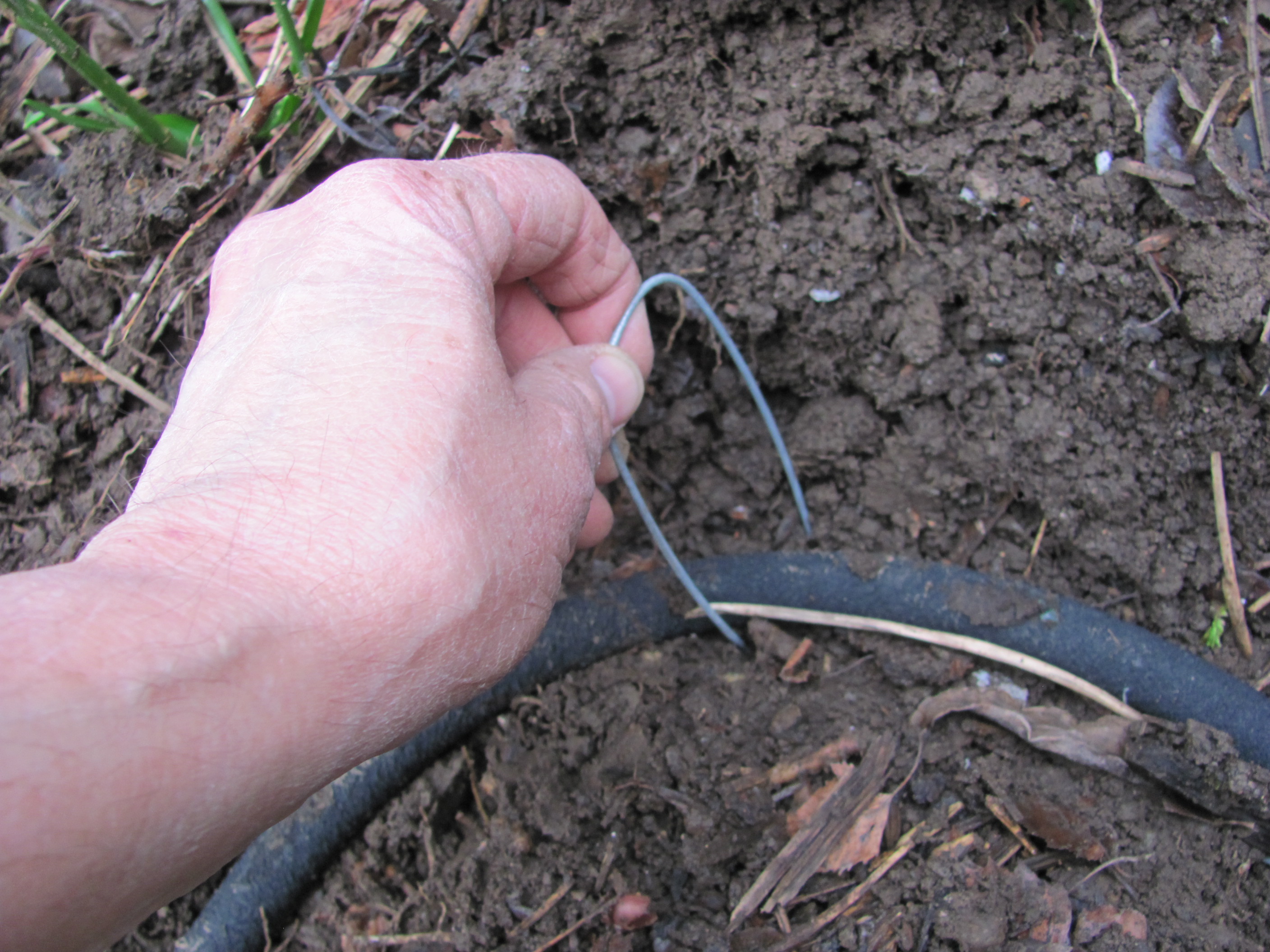
Firstly we cut some tough galvanised wire into 12 inch lengths and bent them into pegs like giant staples. We laid the pipe across the surface of the border in a serpentine pattern, leaving one end exposed where a hose can be attached when needed.

2014 02 20_6614 2014 02 20_6615

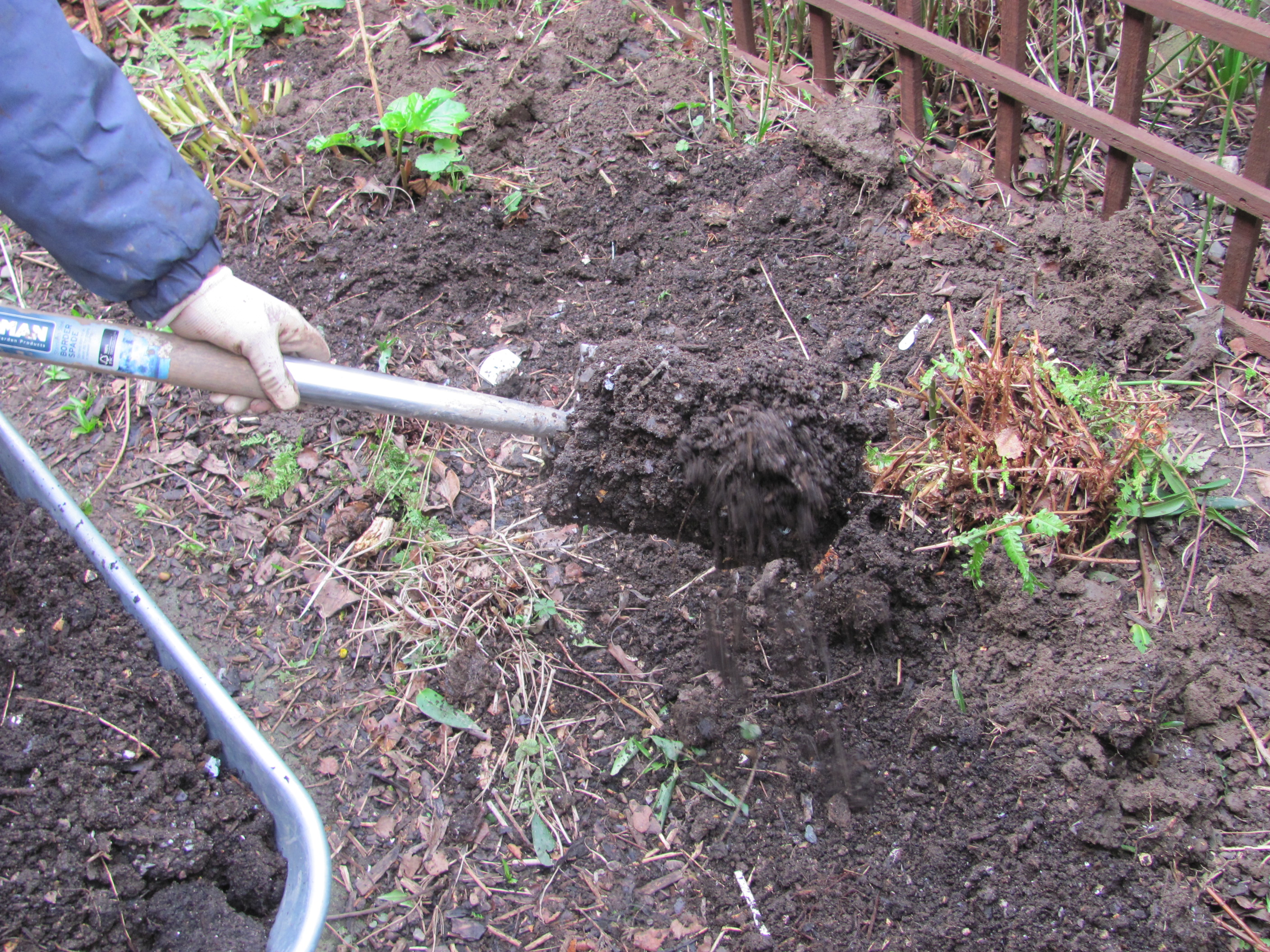
We dug out a 3 inch deep trench alongside the hose, placed the hose into the trench and then pegged the hose down with the wire.

2014 02 20_6616 2014 02 20_6617

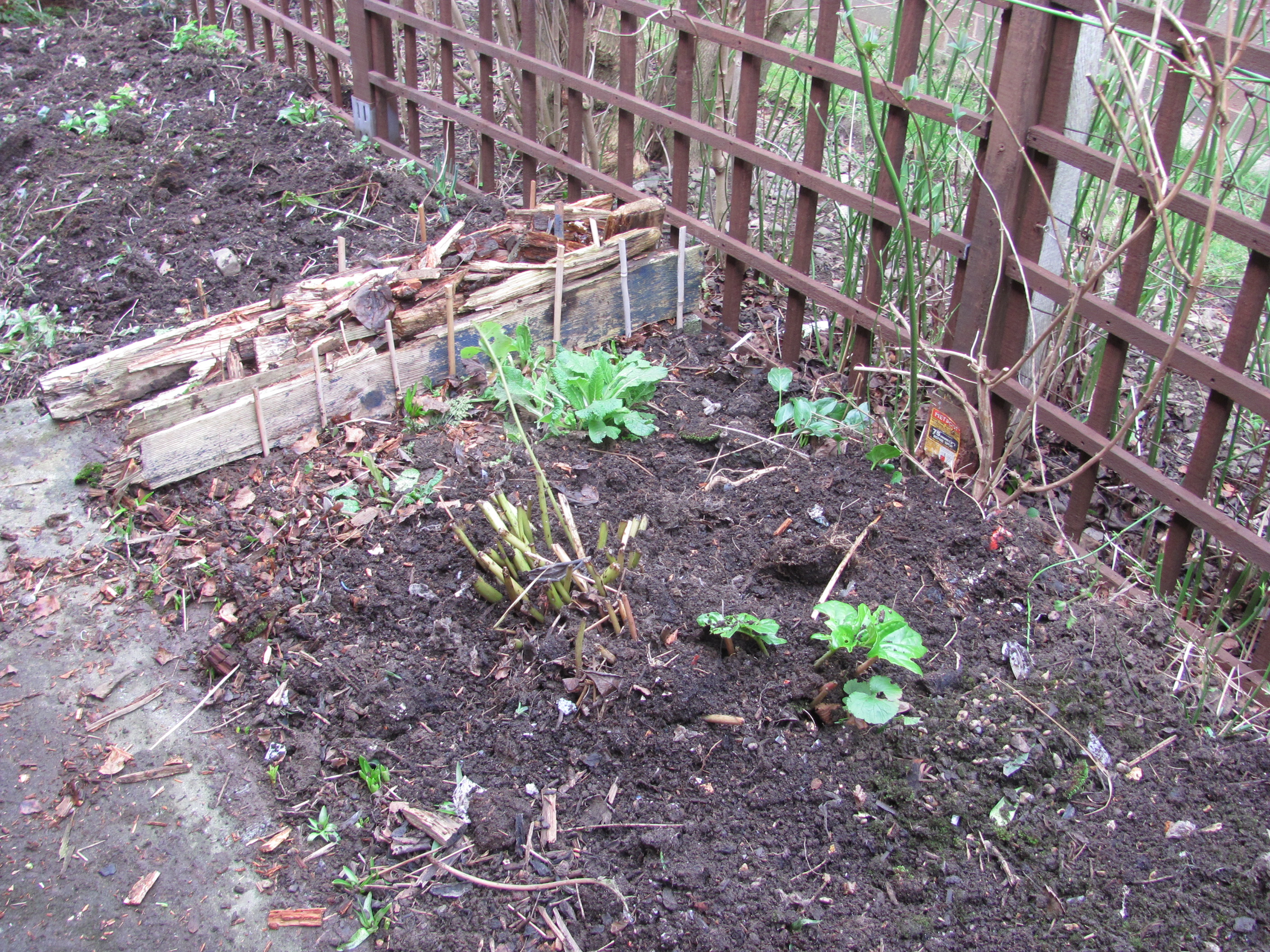
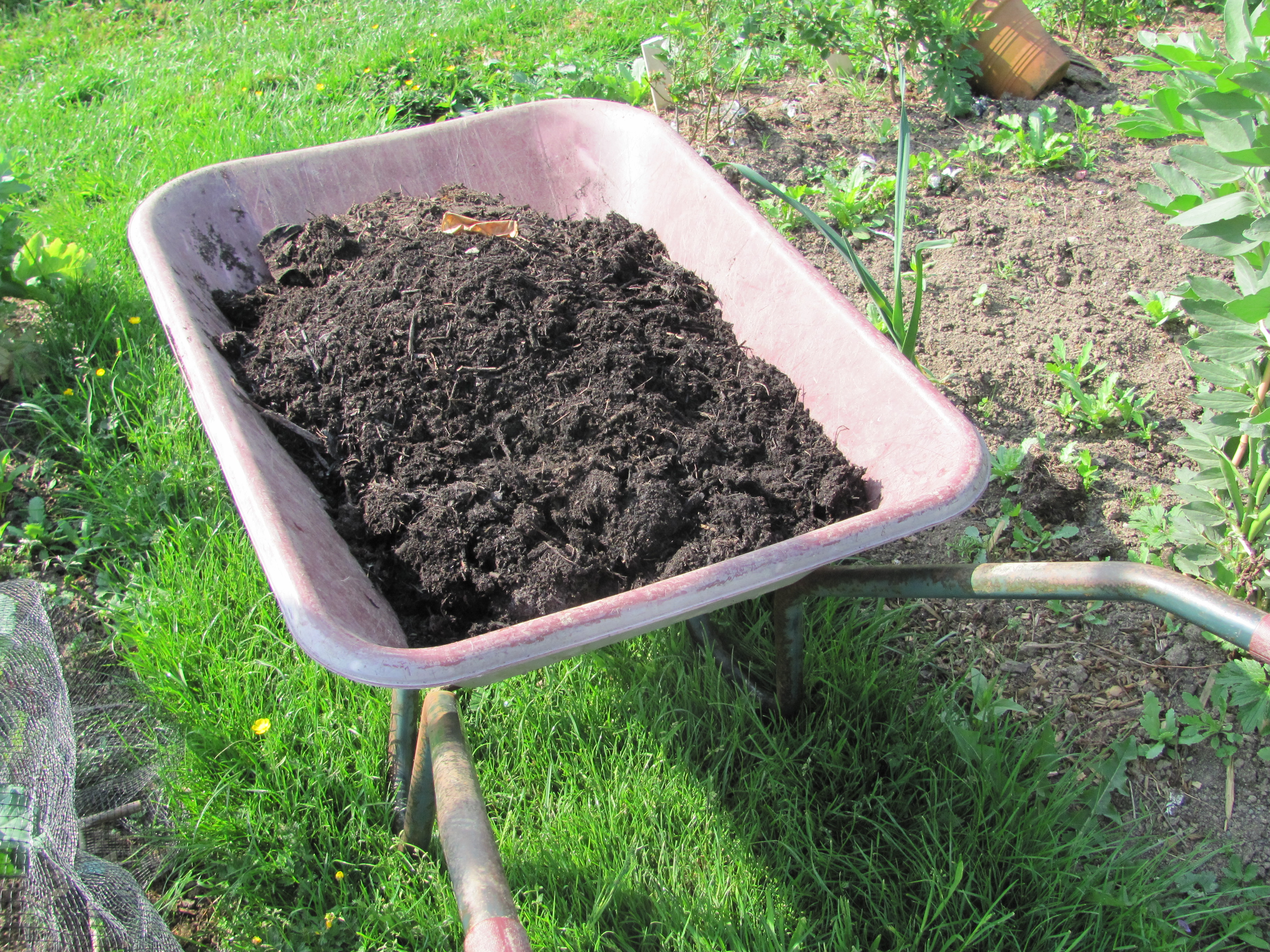
We added a good dose of our “black gold”, rich home made garden compost over the hose and then over the whole area. The compost in the trench will act as a wick for the water from the seep hose which we hope will slowly creep into the compost around the plants.

The final touch was to build a log pile out of rotting wood to attract beetles which are useful predators. They will help look after the plants for us.

2014 02 20_6618 2014 02 20_6619

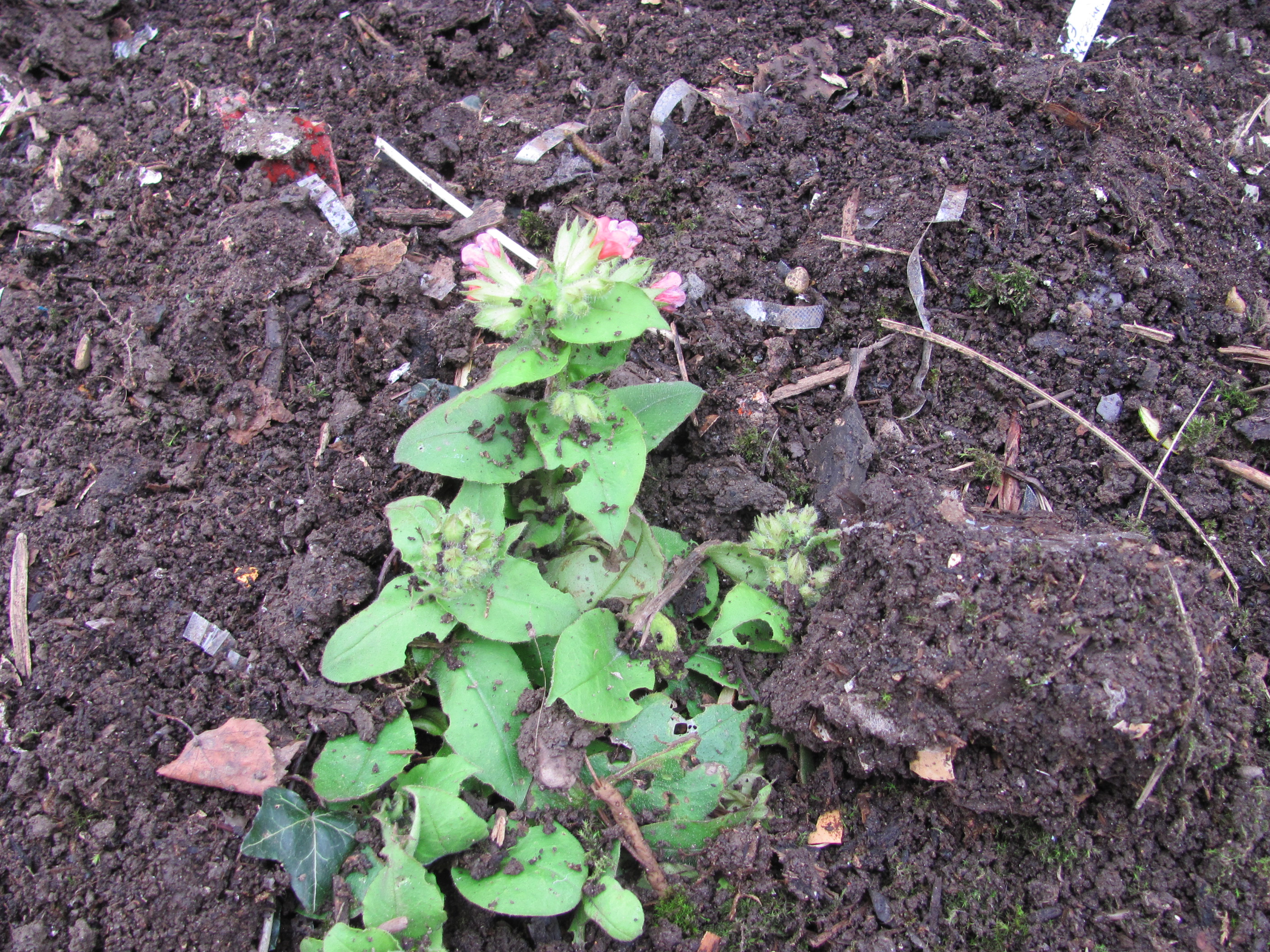
We had to carry this out very carefully as the first sign of flowers had already begun. This red Pulmonaria is the first flower in the shade garden this year.

2014 02 20_6620

Categories
garden design garden photography gardening outdoor sculpture recycling Shropshire succulents wise watering

A Ladder Garden

Our garden is too full – we have nowhere left to grow the plants we keep finding and wanting to take under our gardening wings. So we need ideas for more gardens. We are going up!

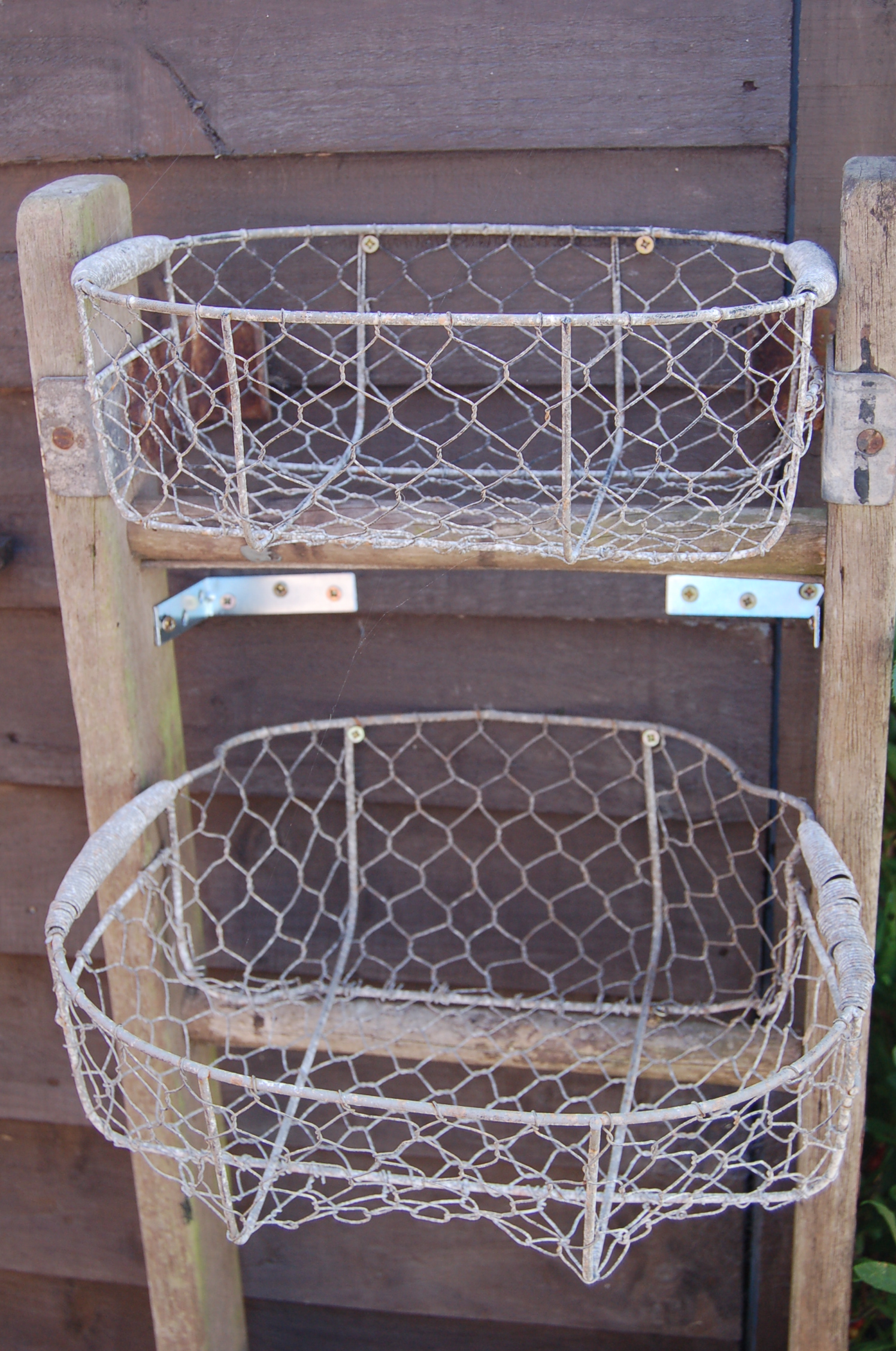
Take an old rickety wooden ladder, too old and battered to trust. We cut it in half and fixed it against the sides of two of our sheds.

2013 07 29_2312 2013 07 29_2314

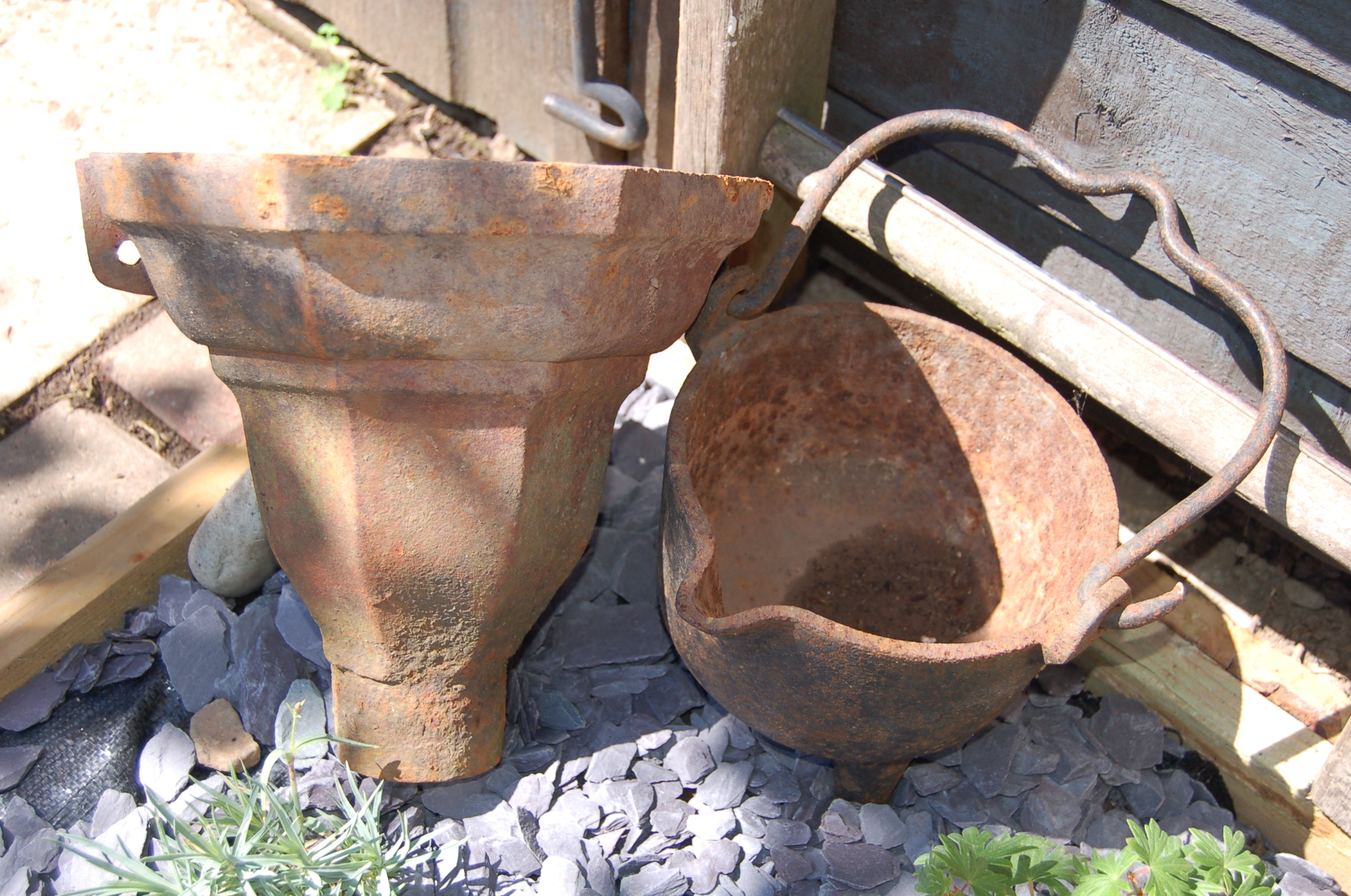
We found this strange collection of objects at various interesting outlets nearby. Two French wire baskets, a cast iron drain pipe top and a kettle used by gypsies to boil water over open fires.

2013 07 29_2315 2013 07 29_2313

And now for the planting! We need plants that require little looking after and won’t be constantly calling out to be watered. Succulents are the answer.

2013 08 09_2508 2013 08 09_2509 2013 08 09_2510 2013 08 09_2511

A little job well done I think! A little bit of garden sculpture. Some recycling and some re-using. Now we can just enjoy them as we pass by or visit the sheds.

Categories
allotments community gardening conservation drought fruit and veg gardening grow your own Shropshire

Our Wise Watering Campaign

On our allotment site this year the management committee are running a Wise Watering Campaign, with the aim of reducing the amount of water used by plot holders. We were ashamed to hear that our site uses more water than any other in Shrewsbury. When we looked into the situation we were amazed that only 18 of the 68 plots had guttering and water butts attached to their sheds to catch rainwater run-off. Many plot holders turned to their hose pipes too readily to water their crops. Something had to be done.

We had already fixed guttering, downpipes and butts to our communal buildings and we use this captured rain to water our communal gardens, so we began our campaign by encouraging members to follow that example. Jude, Mrs Greenbench aka the Undergardener, in her role as secretary to the committee has been trying to source grant money to help purchase more water butts. Amazingly our local water board did not even bother replying, but there are still a few irons in the fire.

I was asked to write an article for our newsletter, “Dig It!”, giving advice on how to water efficiently and a summary was sent to all plot holders. I wrote a much extended more detailed article which I posted on the allotments’ website. (see www.bowbrookallotments.co.uk and click on “Wise Watering”)

Our initial emphasis has been on using watering cans instead of hoses and encouraging members to add guttering and water butts to their sheds.

I thought I would give a few ideas here too, for your interest and wondered if anyone had any further ideas that we could use.

I emphasised the importance of improving soil quality and adding humus and fibrous material, which would help moisture retention after rain or watering, and allow the plants to take up moisture efficiently. We sell municipal compost and farmyard manure on site.
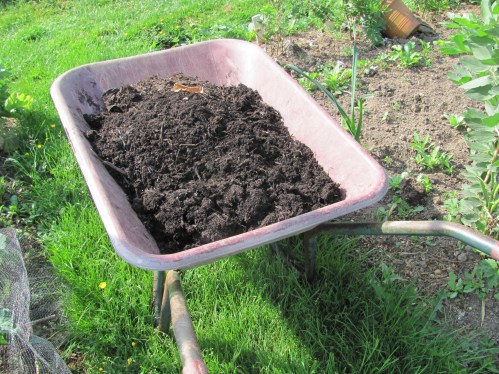
The best time to add manure is in late autumn or early winter and for compost early spring. I suggested also that compost should be used as a mulch after periods of rain to hold this natural moisture in.

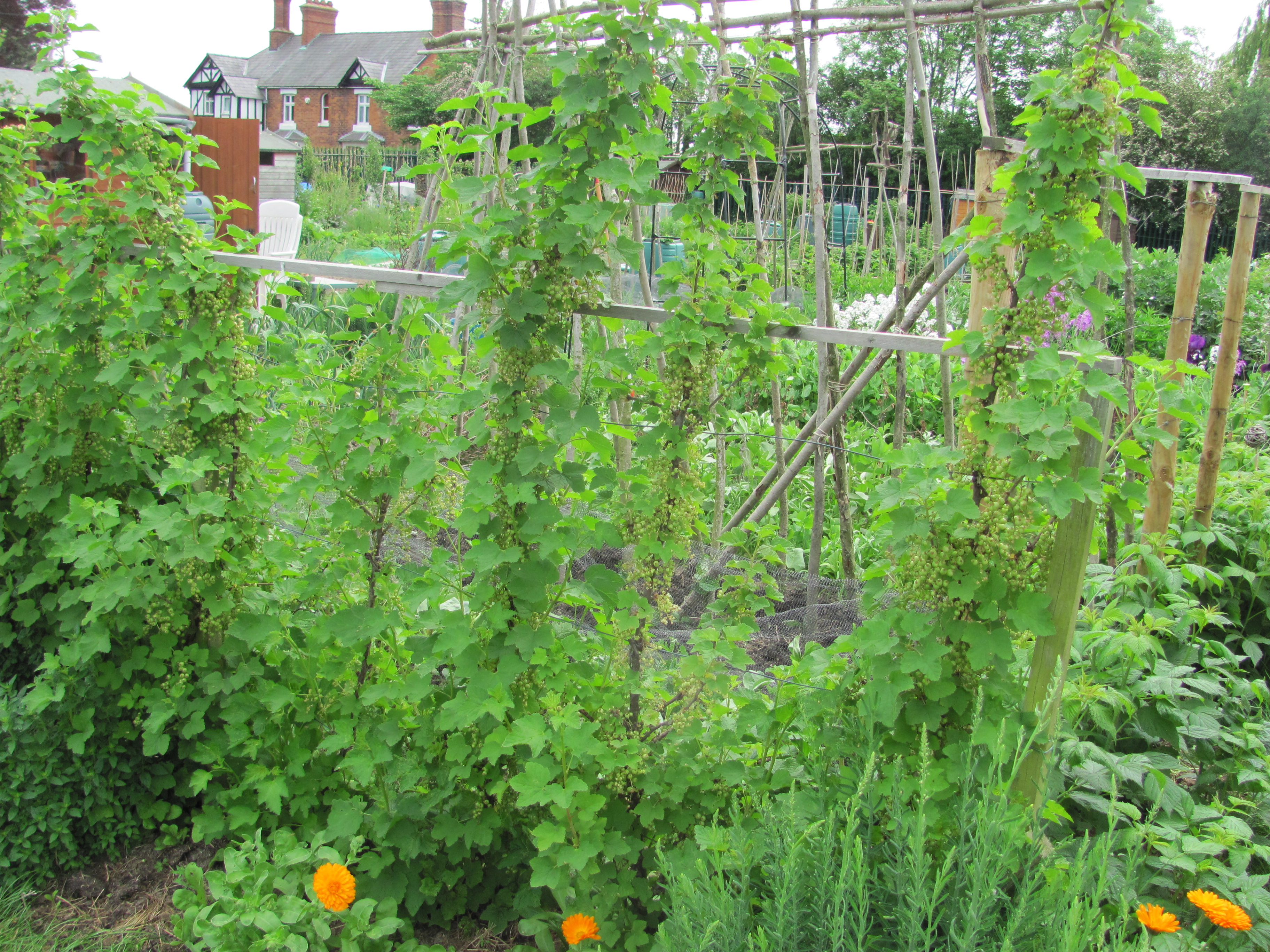
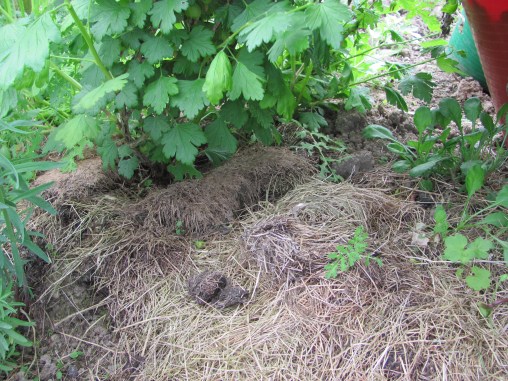
Mulching under fruit bushes is always useful as a lot of moisture is needed in the production of fruit. Old straw, hay or farmyard manure when added as a mulch will also slowly break down and feed the plants as well as improve soil texture.
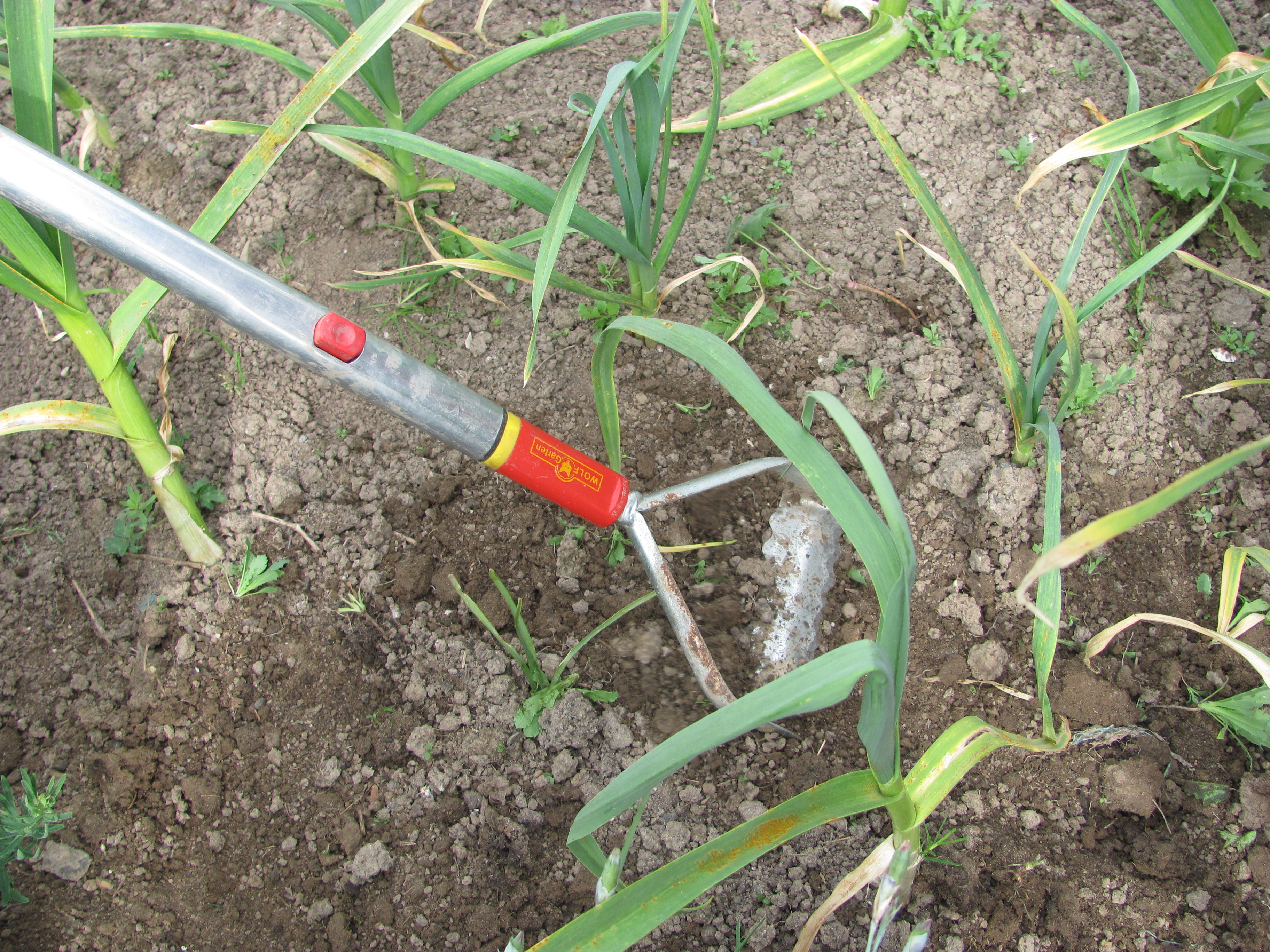
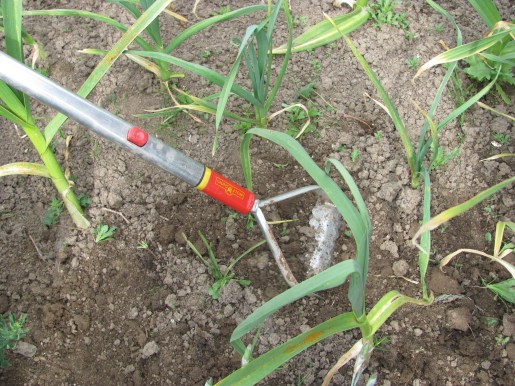
Another important way of managing the watering of your plot is to ensure it is always free of weed material. Weeds will use up moisture that would otherwise be available to crops. Using a hoe regularly is the best method to employ as keeping the surface loose helps rainwater get below the surface.
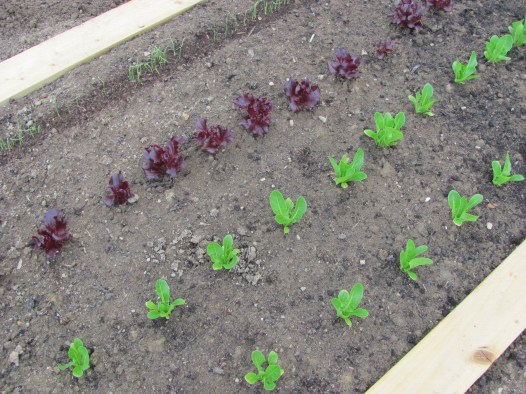
Growing your fruit trees as cordons on the windward side of your plot cuts down on evaporation. Alternatives are flower borders or a row of root artichokes.
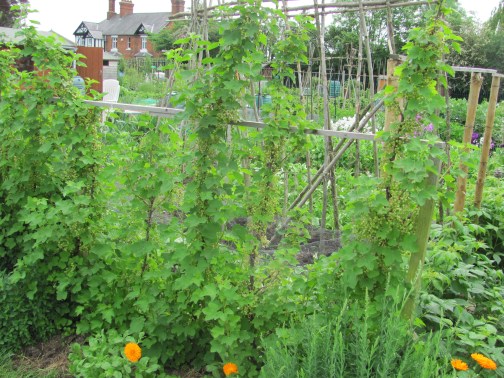
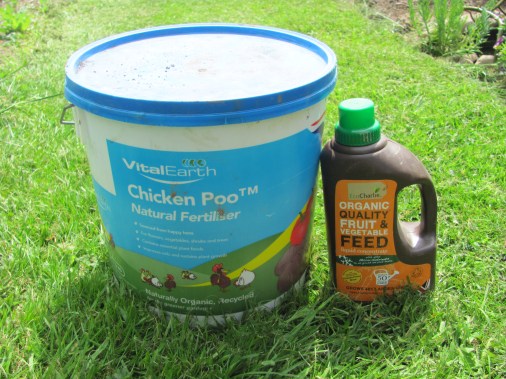
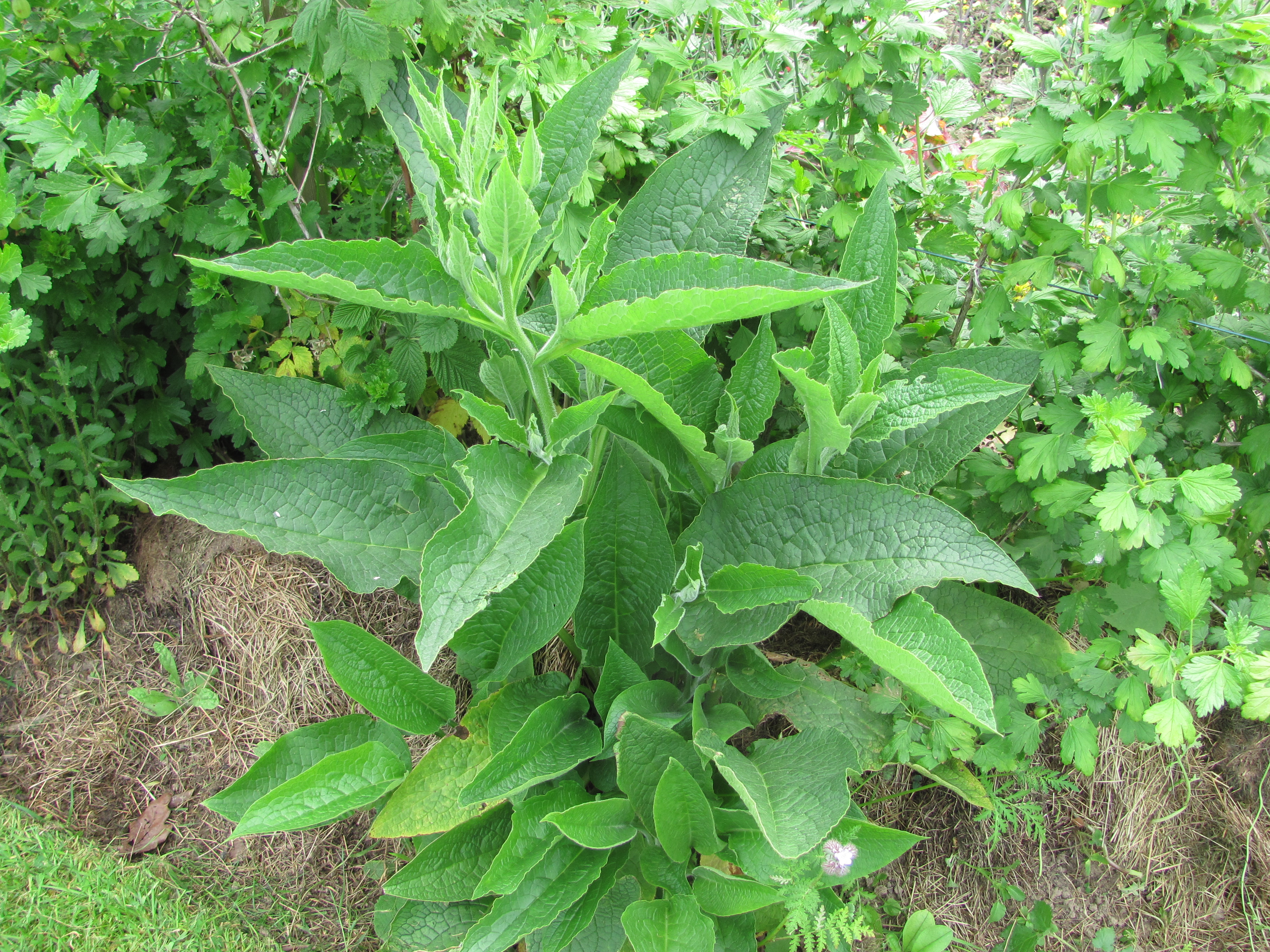
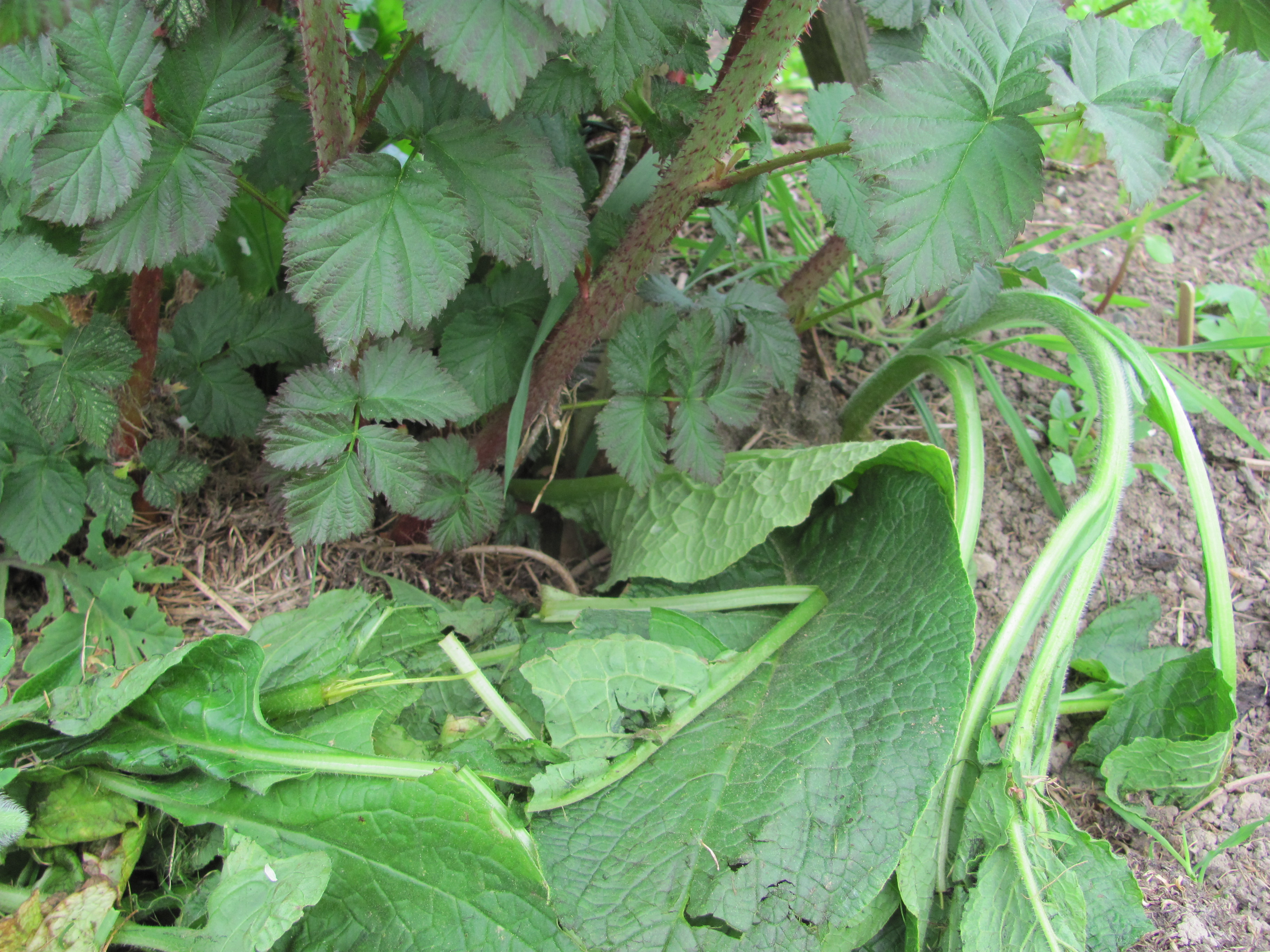
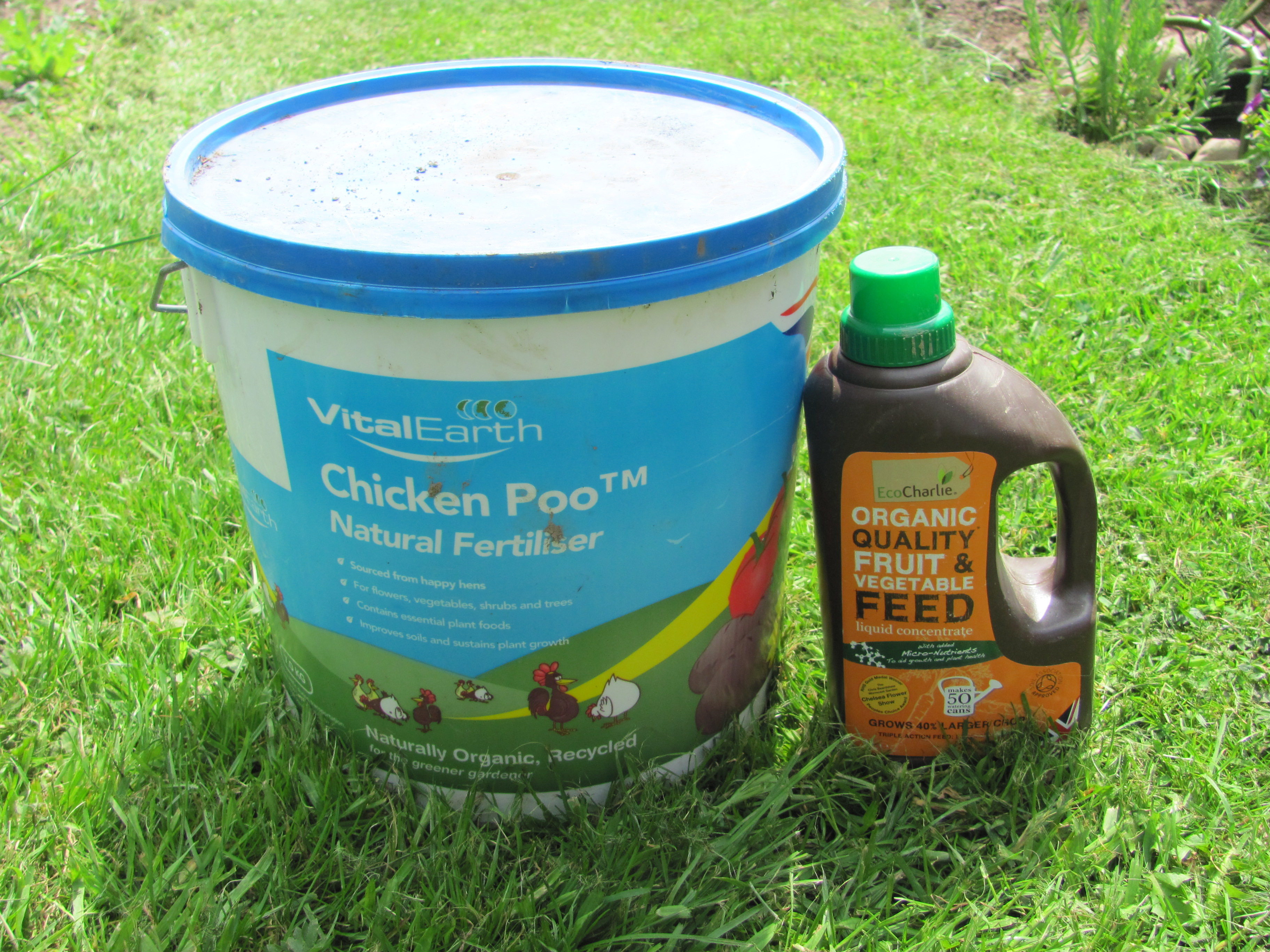
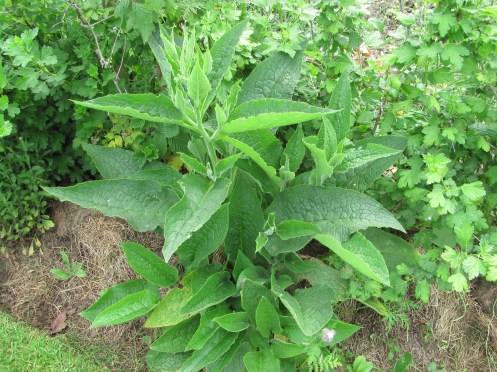
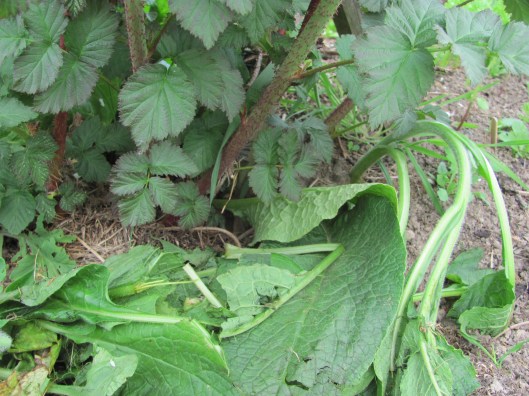
Strong, healthy plants will survive dry periods better and newly planted quality plants will establish without regular bouts of watering. To ensure plants are as healthy as possible feed them with natural, organic feeds rather than chemical based fertilisers. Growing your own fertilisers is even possible. Comfrey can be grown and regularly cut, soaking the leaves and stems in water for a few weeks produces a free and effective feed when watered down to the colour of weak tea. The leaves can also be utilised as a mulch placed directly below fruit trees and bushes.
The way the plants are watered is also an important factor in determining how much water is used. Watering with a hose all around rows of plants is wasteful as most of the water lands on the bare soil and not where plants can use it. To ensure that plants can take up and use as much water as possible, it is best to water from a can without a rose and direct the flow of water towards the base of the plants.
When your potatoes need earthing up, add a layer of fresh grass cuttings before the soil as this will help retain moisture as the potatoes are forming.
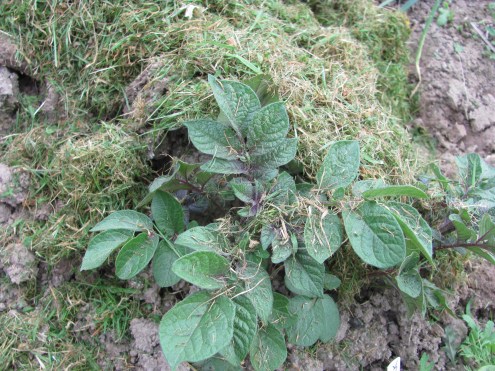
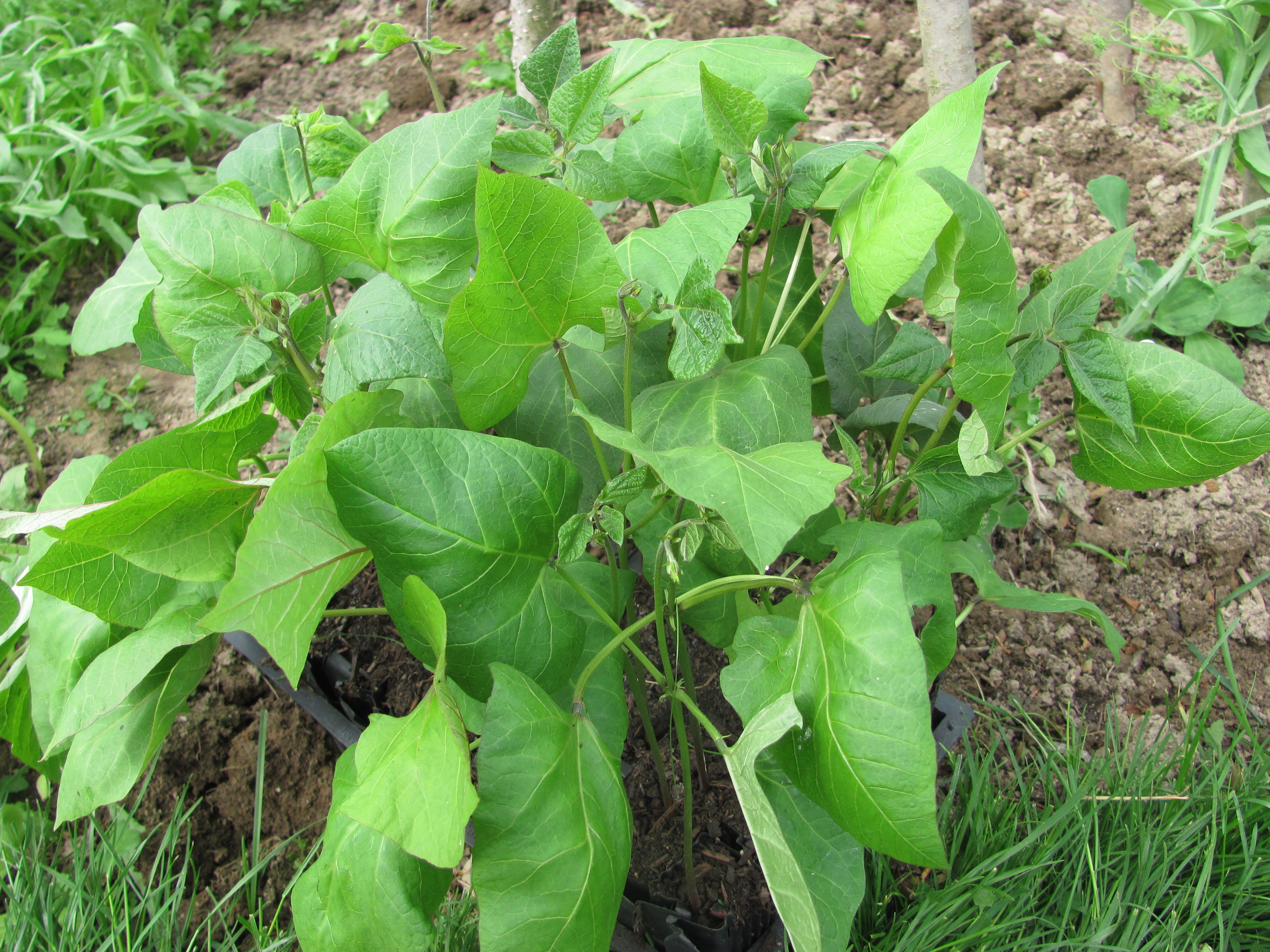
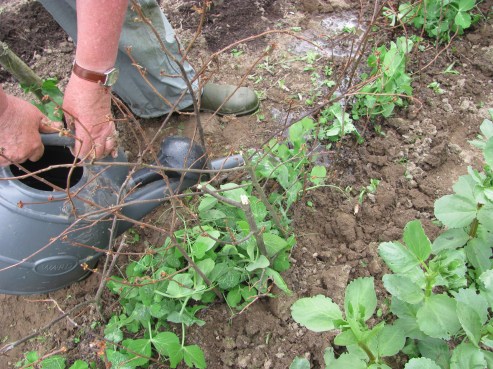
I tried to work out the most water-efficient way of planting out our vegetable plants and used runner beans as an example. The first point is to ensure your plants are strong and healthy.
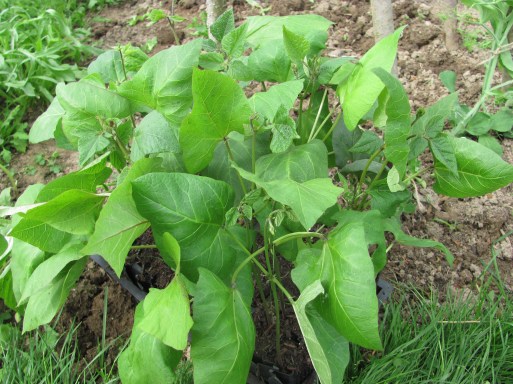
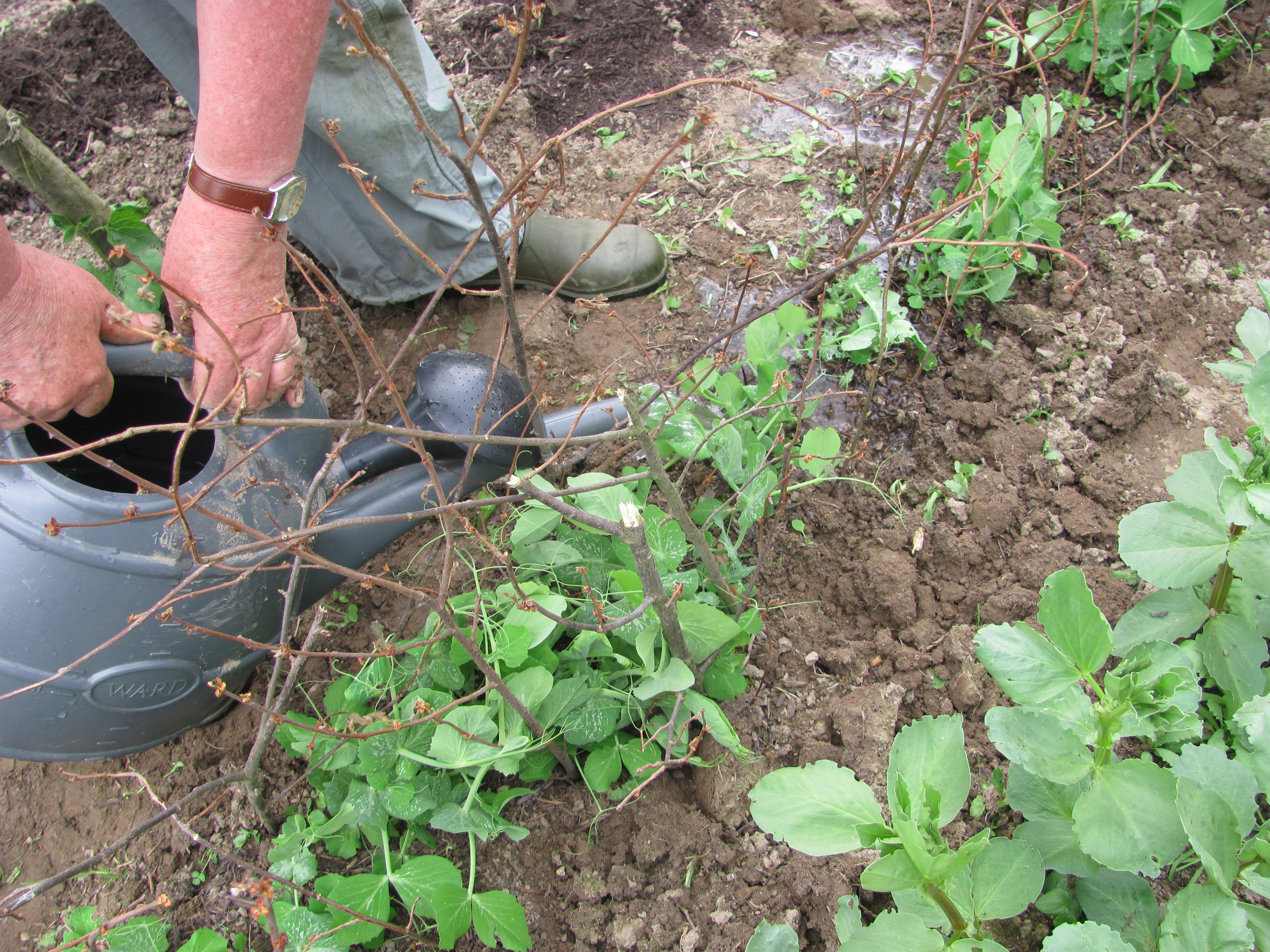
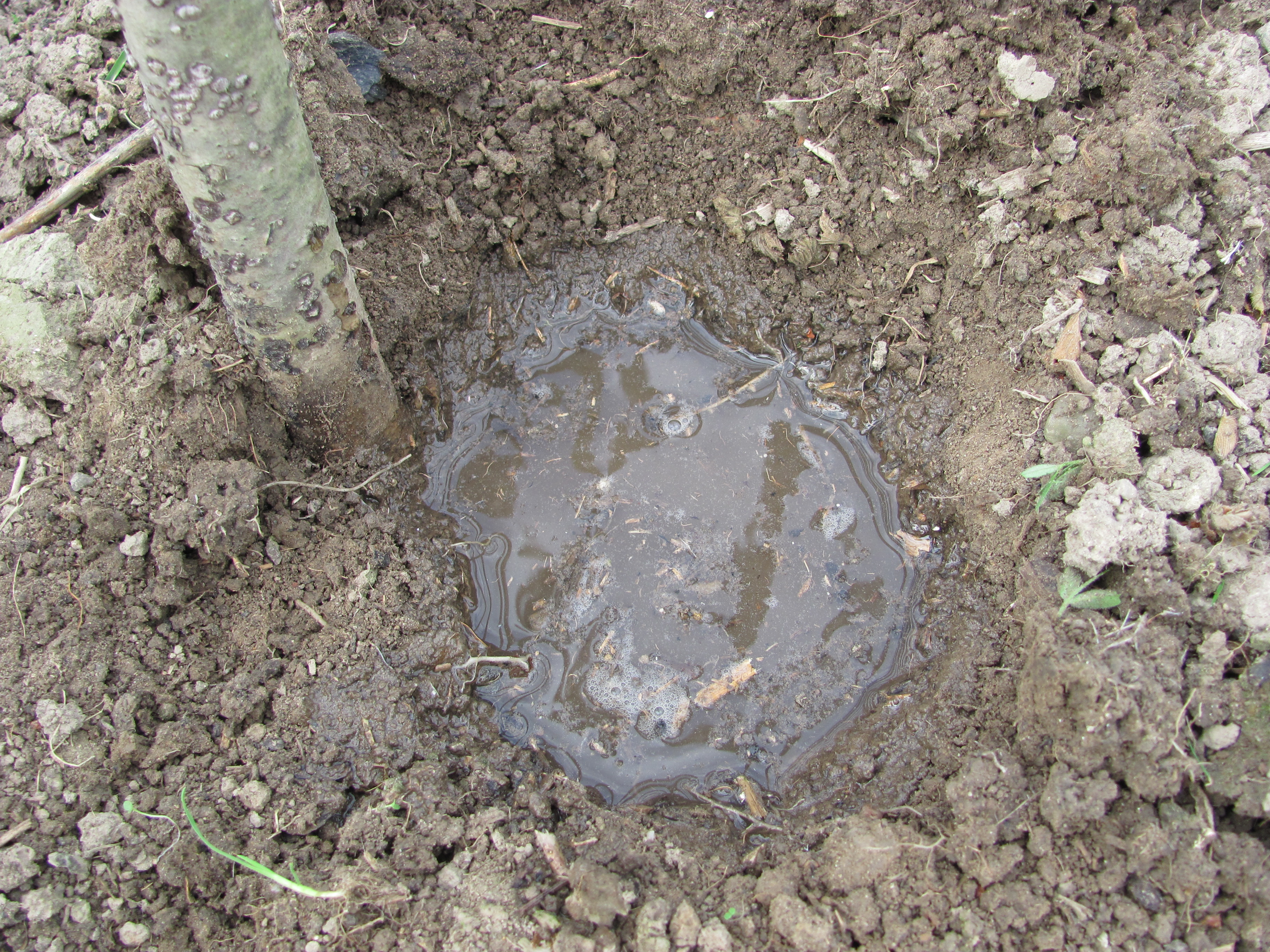
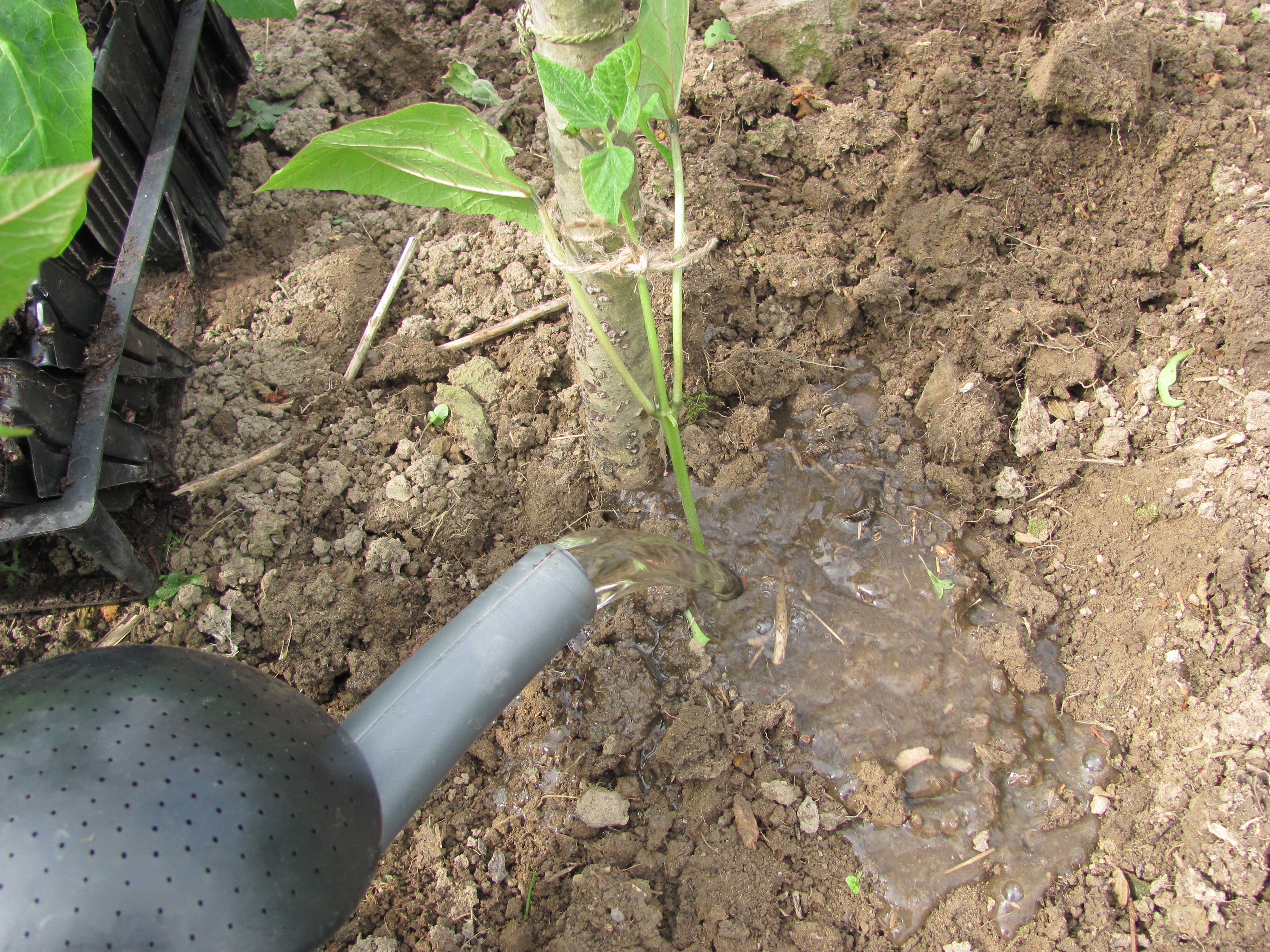
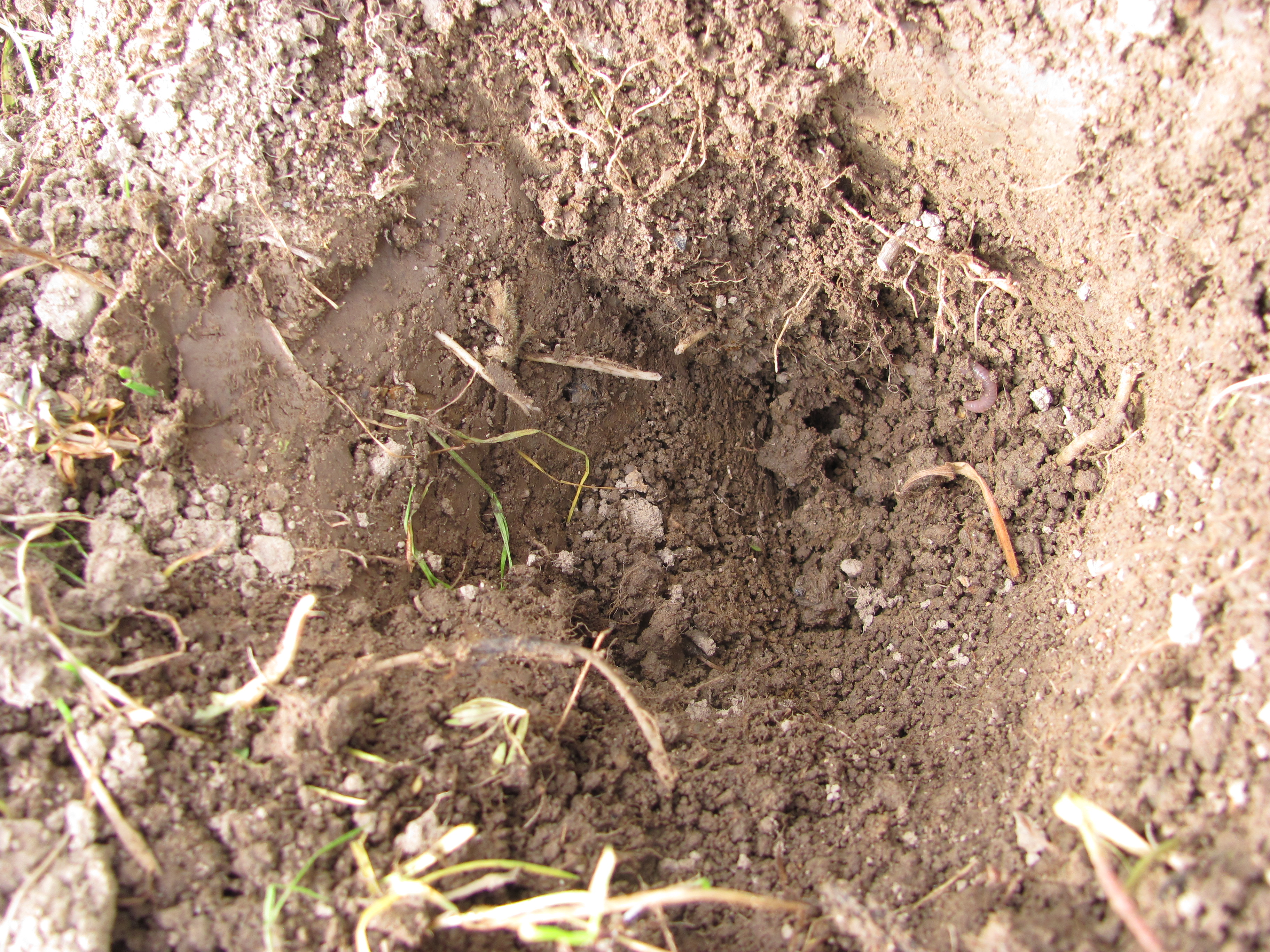
Take out your planting hole and fill with water from a watering can – I also add some comfrey feed to this. Let the water drain away and repeat the process.

Place the plant in the hole and water yet again after firming soil back in around it.

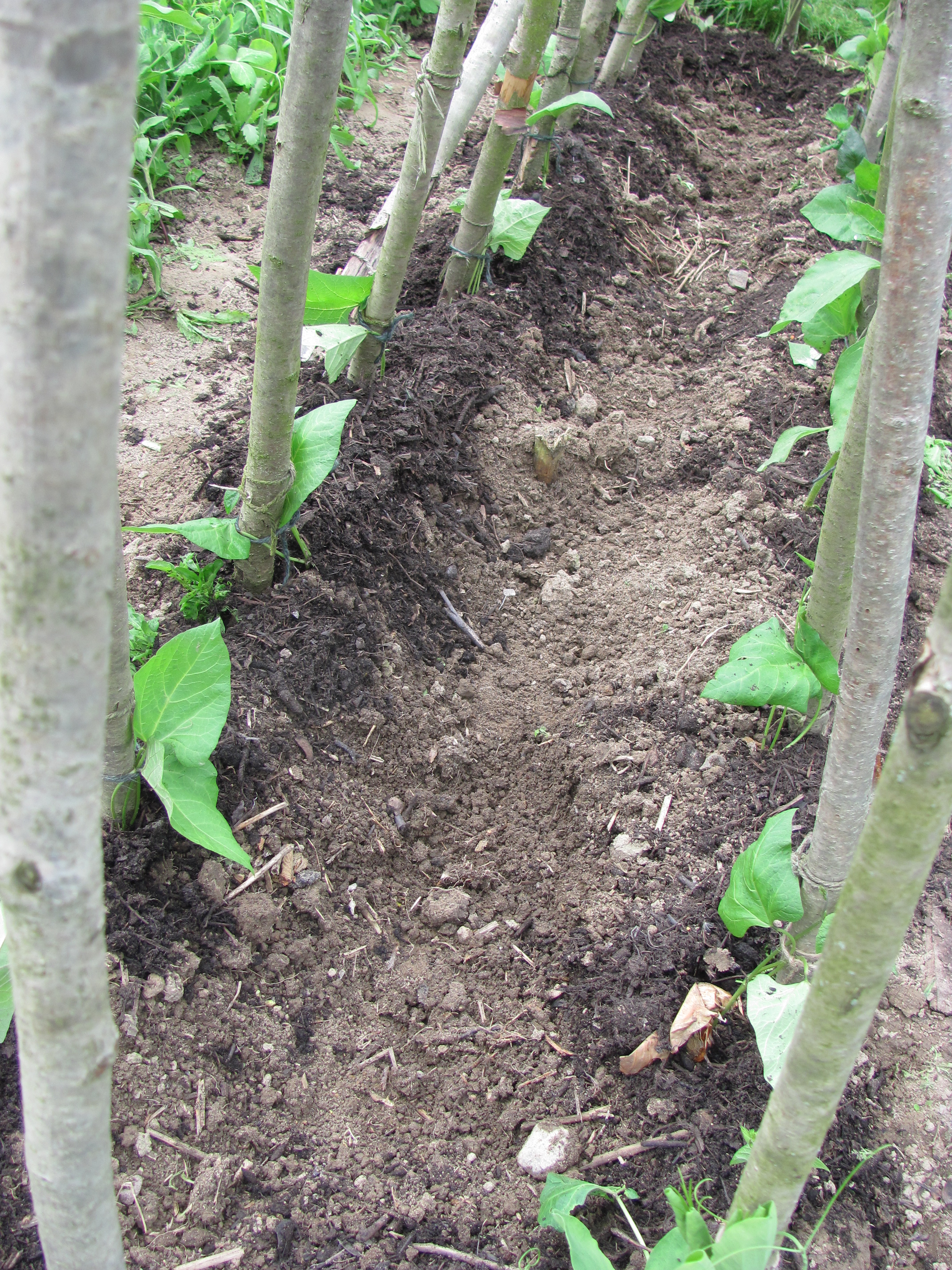
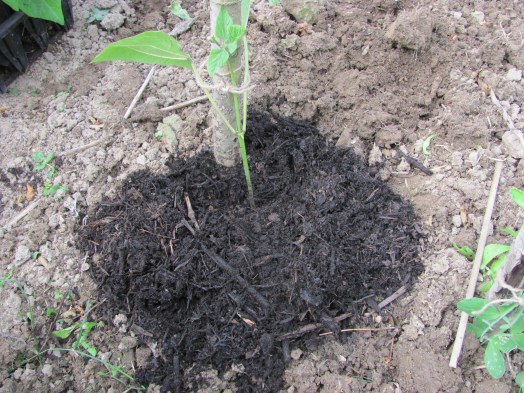
Add a good layer (at least 2 inches deep) of compost to keep the moisture in as the plant establishes. This helps the plants settle in as it is getting its roots down.
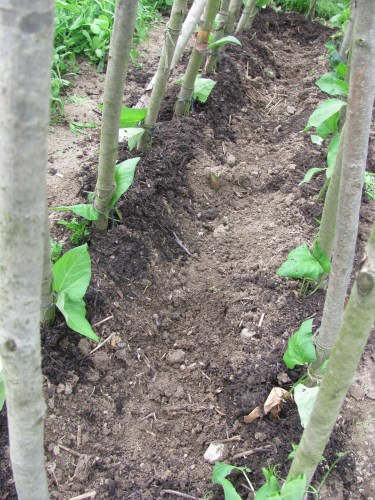
Form a trench alongside the row of plants to collect any rainfall and direct it towards the plants.
Before you decide to water your plants take out a trowel depth of soil close to your plants and see if it is moist below the surface. If it is then do not water. This water in the soil down to about 6 inches is the moisture that plants will be using. Conversely if you water the surface it will just attract roots upwards to search for it. Remember then that watering over the soil surface with a hose will make plants shallow rooting.
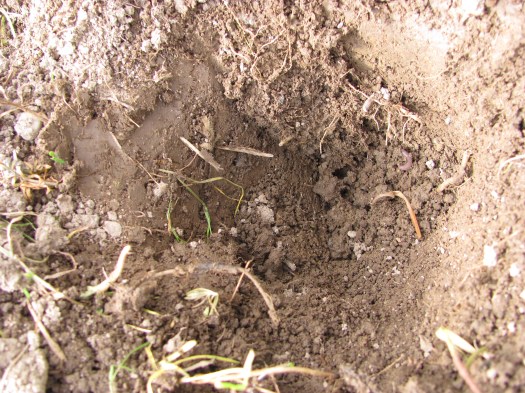
There are lots more ideas on the website. In this year of drought following last year’s almost desert levels of rain, our water table in this part of Shropshire around the allotments is about 2 feet lower than it should be so however much rain there appears to be falling we need lots more.

I would love to hear of more ideas that I can share with our allotmenteers!

This Veggie Life

A Vegetarian | Nature Lifestyle Blog

Rambling in the Garden

.....and nurturing my soul

The Arch City Gardener

Journeys In St. Louis Gardening and Beyond

Garden Dreaming at Châtillon

Consult the genius of the place

Storyshucker

A blog full of humorous and poignant observations.

gardeninacity

Notes from a wildlife-friendly cottage garden

PlayGroundology

...an emerging social science

The Official Blog of British Wildlife

'The most important and informative publication on wildlife of our times' - The Independent. This blog is a member of The UK & Ireland Natural History Bloggers group: www.uknhb.blogspot.com

iGrowHort

Inspire - Cultivate - Grow Native Plants - Restore Landscapes

Bishops Meadow Trust

To create and protect a semi-natural wild space for the people of Farnham to enjoy and experience an array of British wildlife in our town

Gardening with Children

The www.gardeningwithchildren.co.uk Blog

UKbirdingtimeline

birding through the seasons, why birds matter and how to conserve them

NATURE WALKER

with a camera in hand

Jardin

Transform your outdoor space

Eva's space

My allotment, cooking and other interests

Old School Garden

my gardening life through the year

LEANNE COLE

Trying to live a creative life

fromacountrycottage

trying to live as lightly as possible on our beautiful planet

Good Life Gardening

Nature lovers from Leicester living the good life.

mybeautfulthings

Finding the beautiful in the everyday

mawsonmichelle

Michelle's Allotment

In and Out of My Garden

thoughts from and about my garden

Greenhousing

Big plans for a small garden

The Scottish Country Garden

A Walled Country Garden in South East Scotland

The Fruity Chicken

Life at the fruity chicken

willowarchway

Off grid living. Self sufficient. "PERMAGANICS RULE".

St Anns Allotments

Nottingham's Grade 2* Listed Allotments and Community Orchard

Manifest Joy Harvests

a journey in suburban vegetable gardening

Allotmental

The madness of growing your own

Penny's Garden: a harvest beyond my front door

A novel approach to vegetable gardening

arignagardener

Sustainable living in the Irish countryside.

NewEnglandGardenAndThread

Master Gardener, amateur photographer, quilter, NH native, and sometimes SC snowbird

dianajhale

Recent work and work in progress and anything else that interests me

planthoarder

a chaotic cottage gardener

Lens and Pens by Sally

a weekly blog that creates a personal philosophy through photographs and words

Dewdrops and Sunshine

Stories from a sassy and classy Southern farmbelle.

The Pyjama Gardener

Simple Organic Gardening & Seasonal Living

gettin' fresh!

turning dirt into dinner

JOY...

today the world is created anew

Garden Birds

Notes from a Devon garden

ShootAbout

Life Through The Lens

Adapting Pixels

A photography blog showcasing the best photography pictures and videos on the internet

Wildlifegardening's Blog

Just another WordPress.com site

naturestimeline

personal observations from the natural world as the search continues for a new approach to conservation.

LATEBLOOMERBUDS

The Wonders of Life through my Eyes, my Heart, my Soul