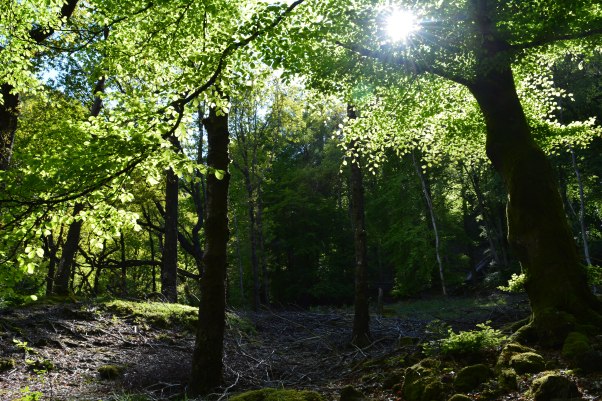
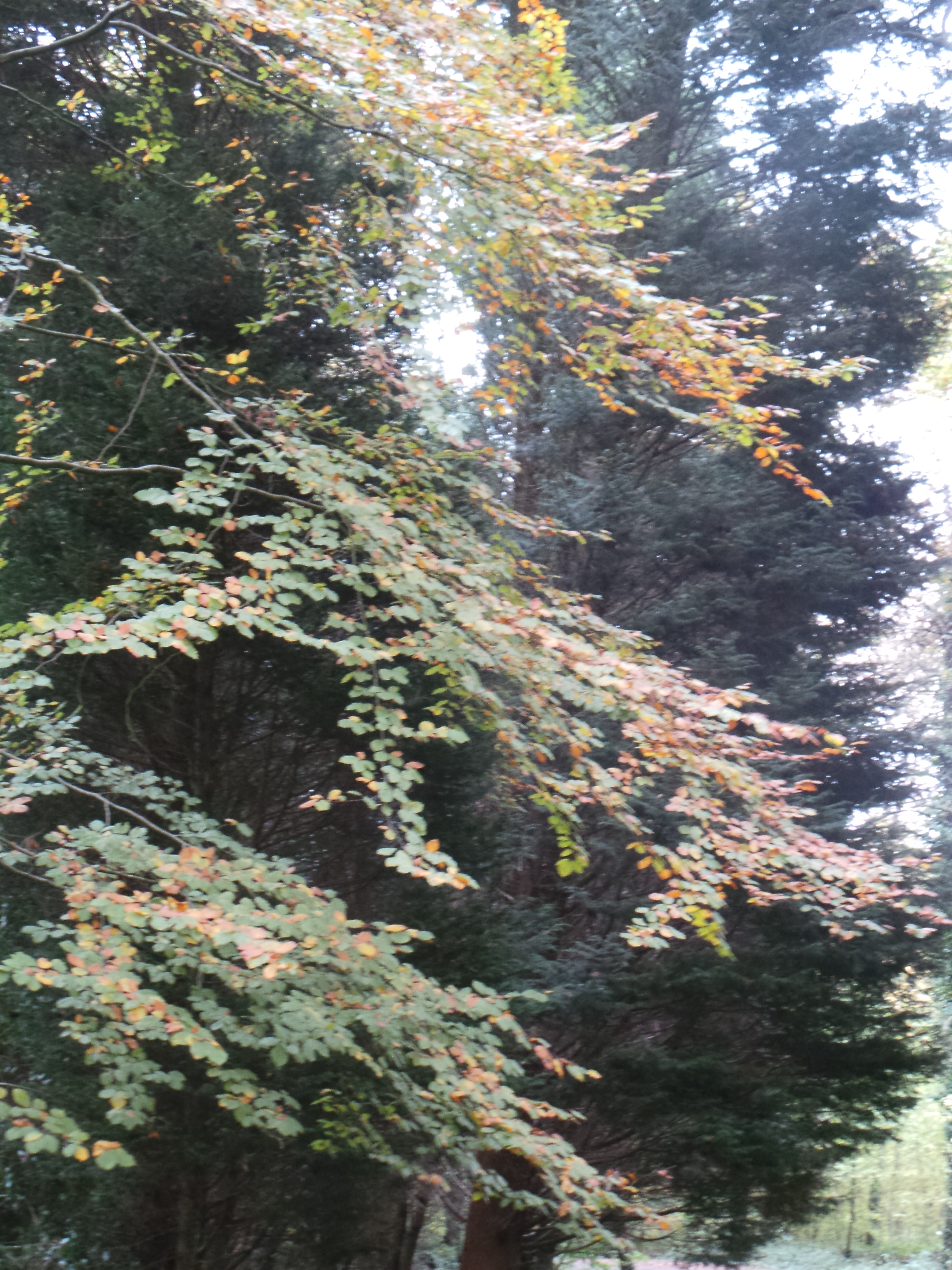
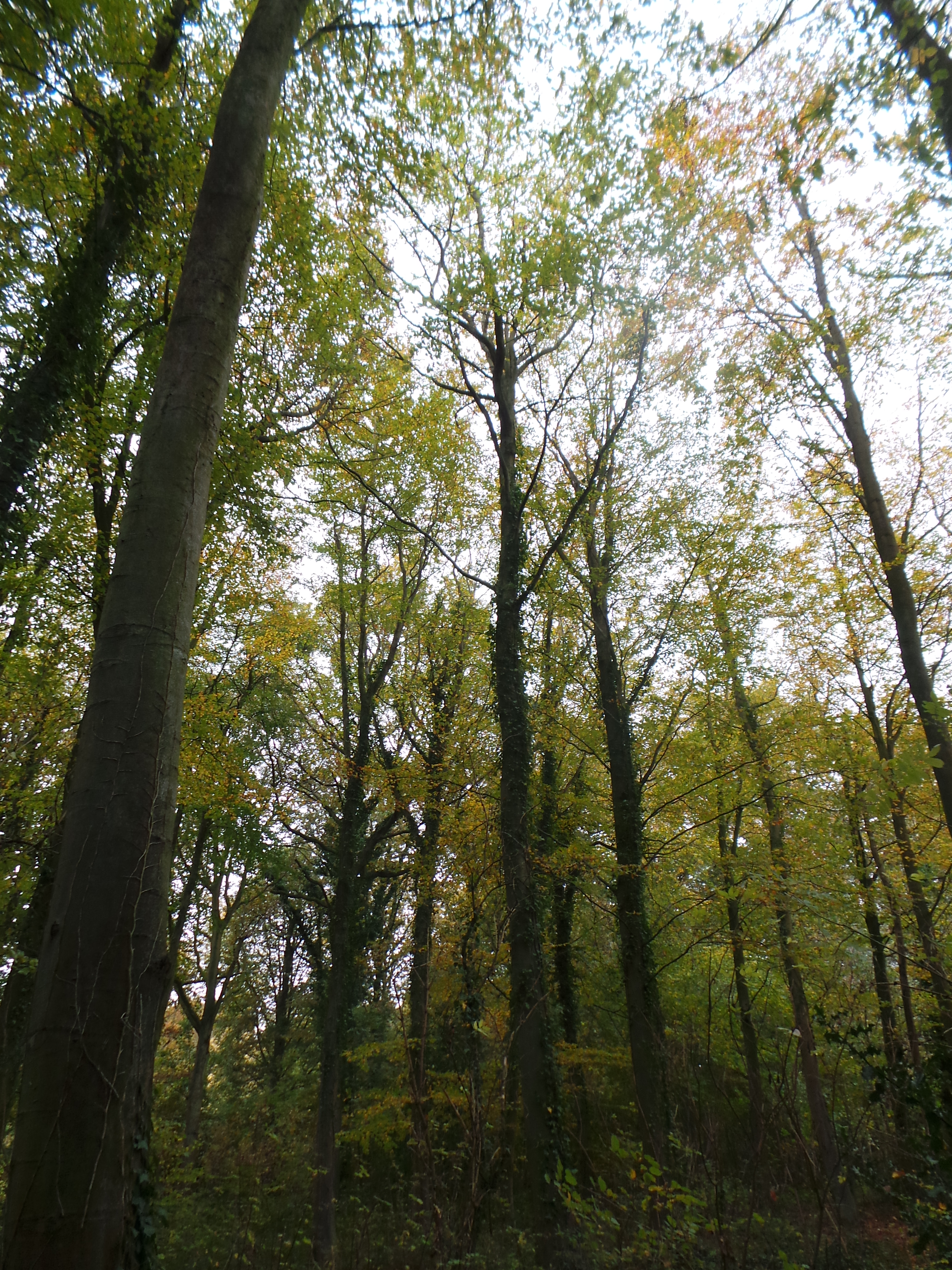
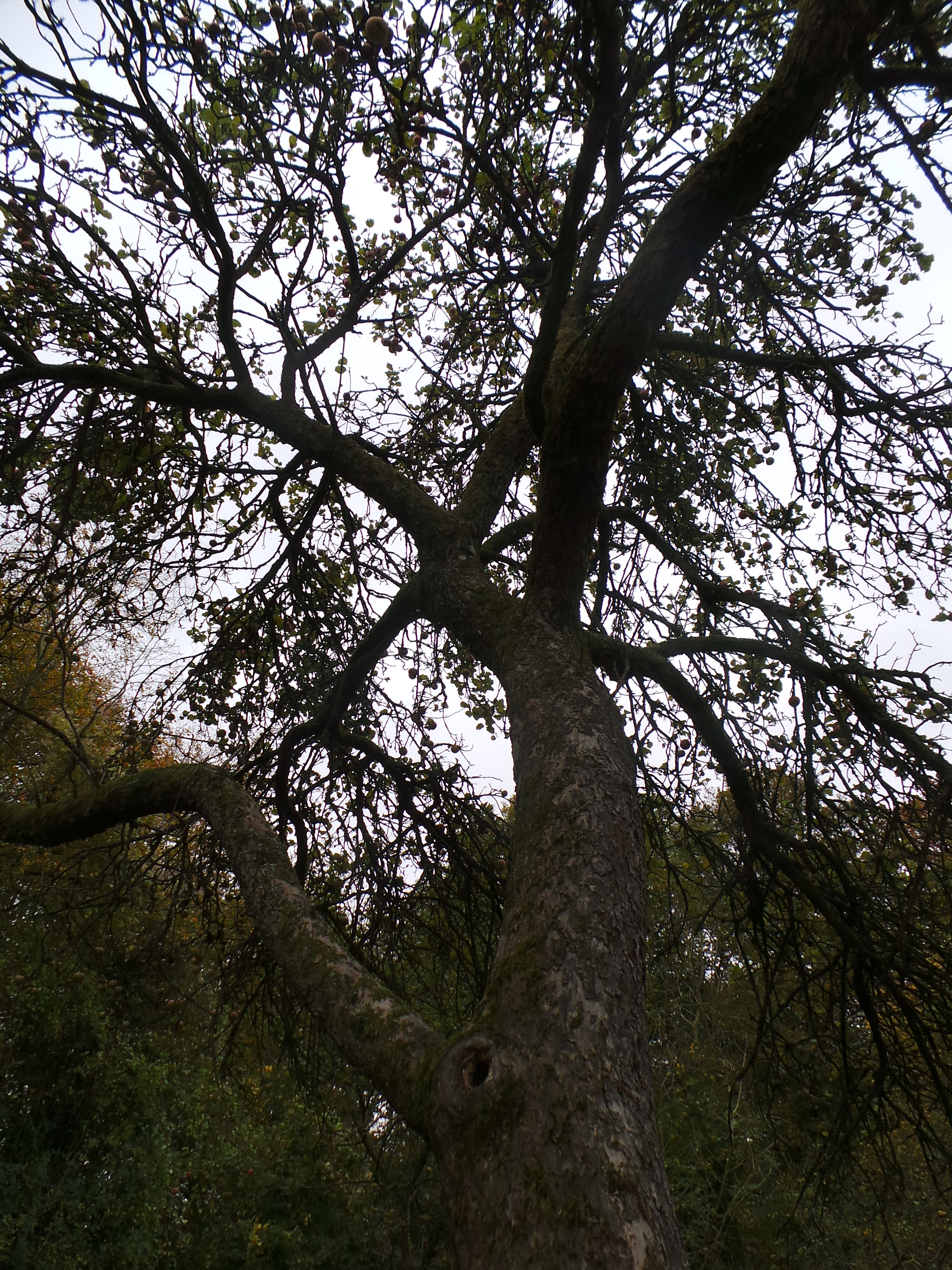
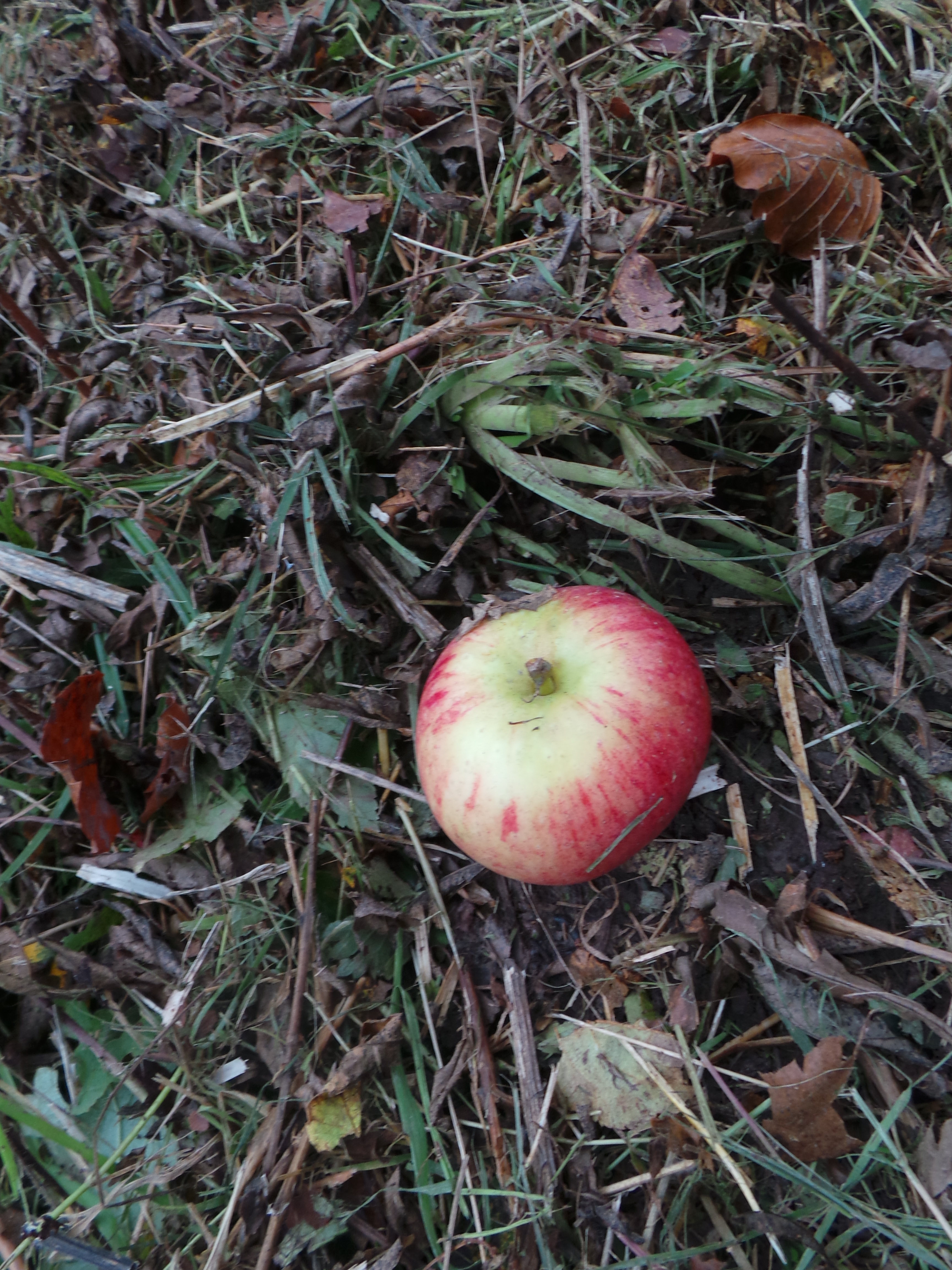
Categories
autumn autumn colours colours countryside landscapes light light quality outdoor sculpture photography trees wildlife woodland woodlands

Walking in the New Forest – part one

We decided we would take an Autumn break so went down to the New Forest for a short mid-week break. We loaded the car with coats, waterproofs and warm clothes thinking we were planning for whatever the weather had in store for us. We got it totally wrong for as we went further southward the weather improved and we ended up enjoying warm sunny weather. A real treat!

We have driven through or past the New Forest, Britain’s smallest National Park, several times and vowed we would holiday there some day. So as we arrived we had great expectations and we were not to be disappointed.

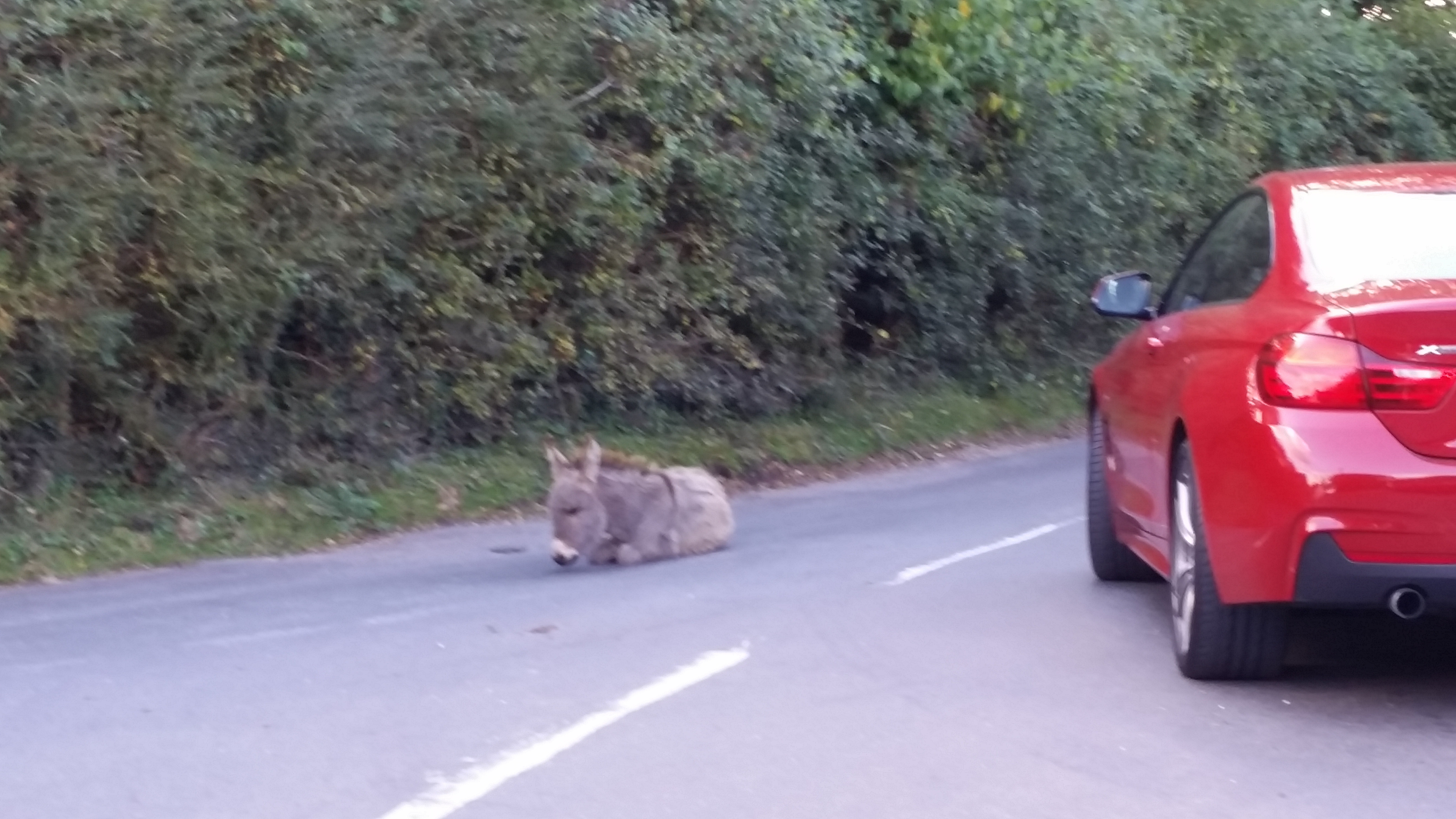
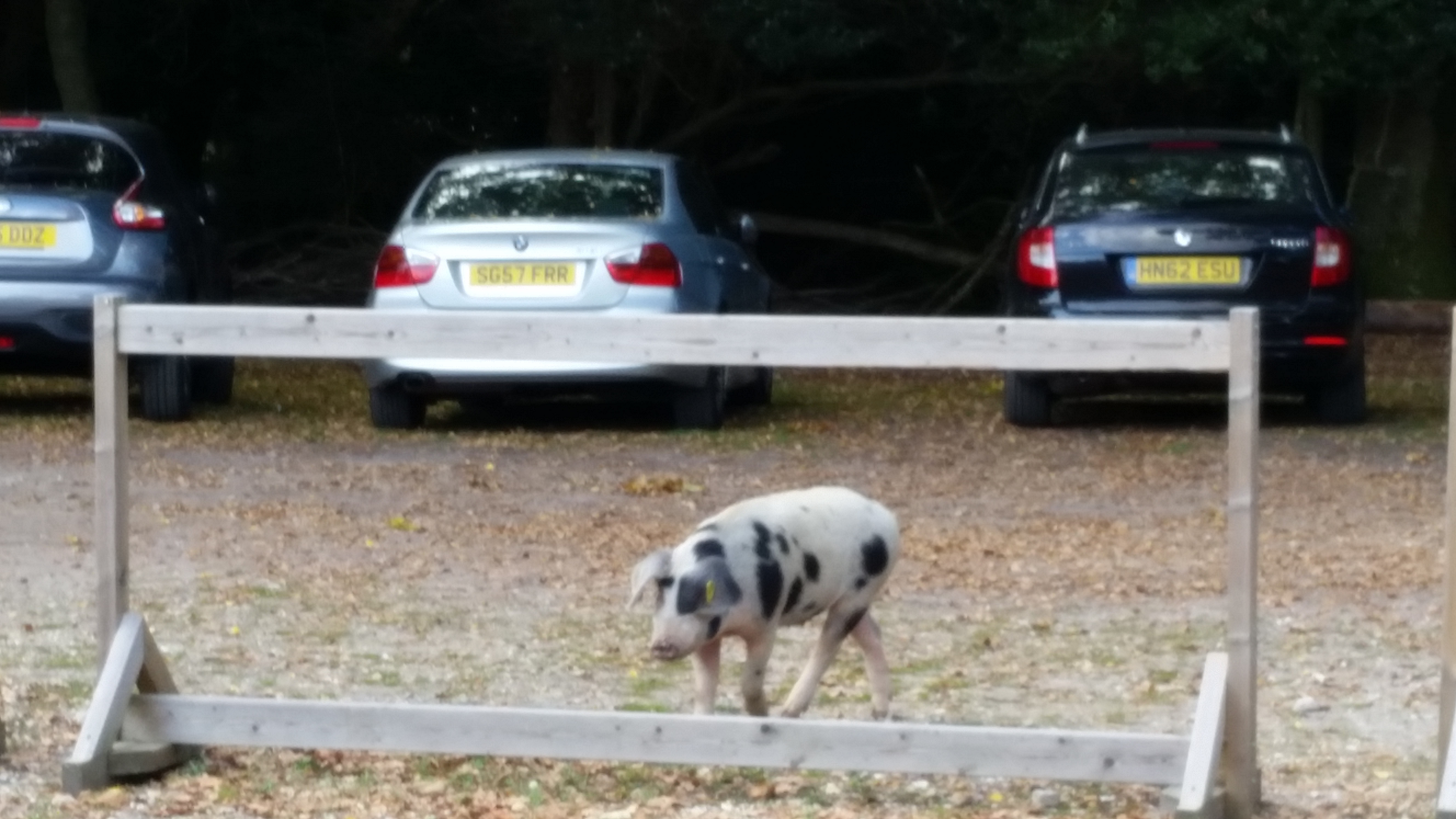
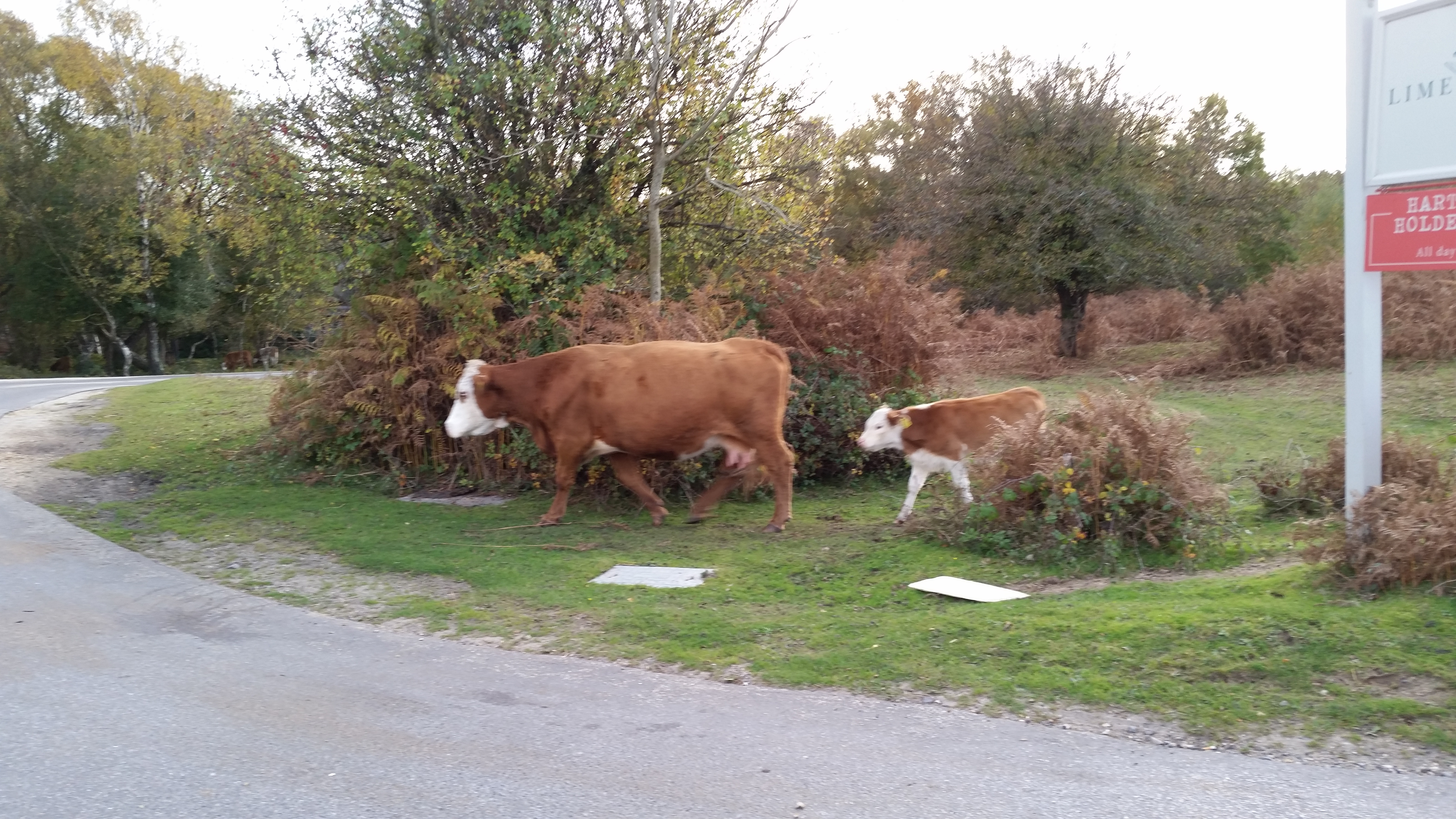
The New Forest proved to present the unexpected. Traffic jams and delays were not caused by vehicles but by livestock, cattle, pigs, donkeys and of course the famous New Forest Ponies. So here are a few shots of the many critters we encountered as we drove around the forest.

2015 10 24_6642 2015 10 24_6641 2015 10 24_6640 2015 10 24_6639 2015 10 24_6638 2015 10 24_6637 2015 10 24_6636 2015 10 24_6635 2015 10 24_6634 2015 10 24_6633

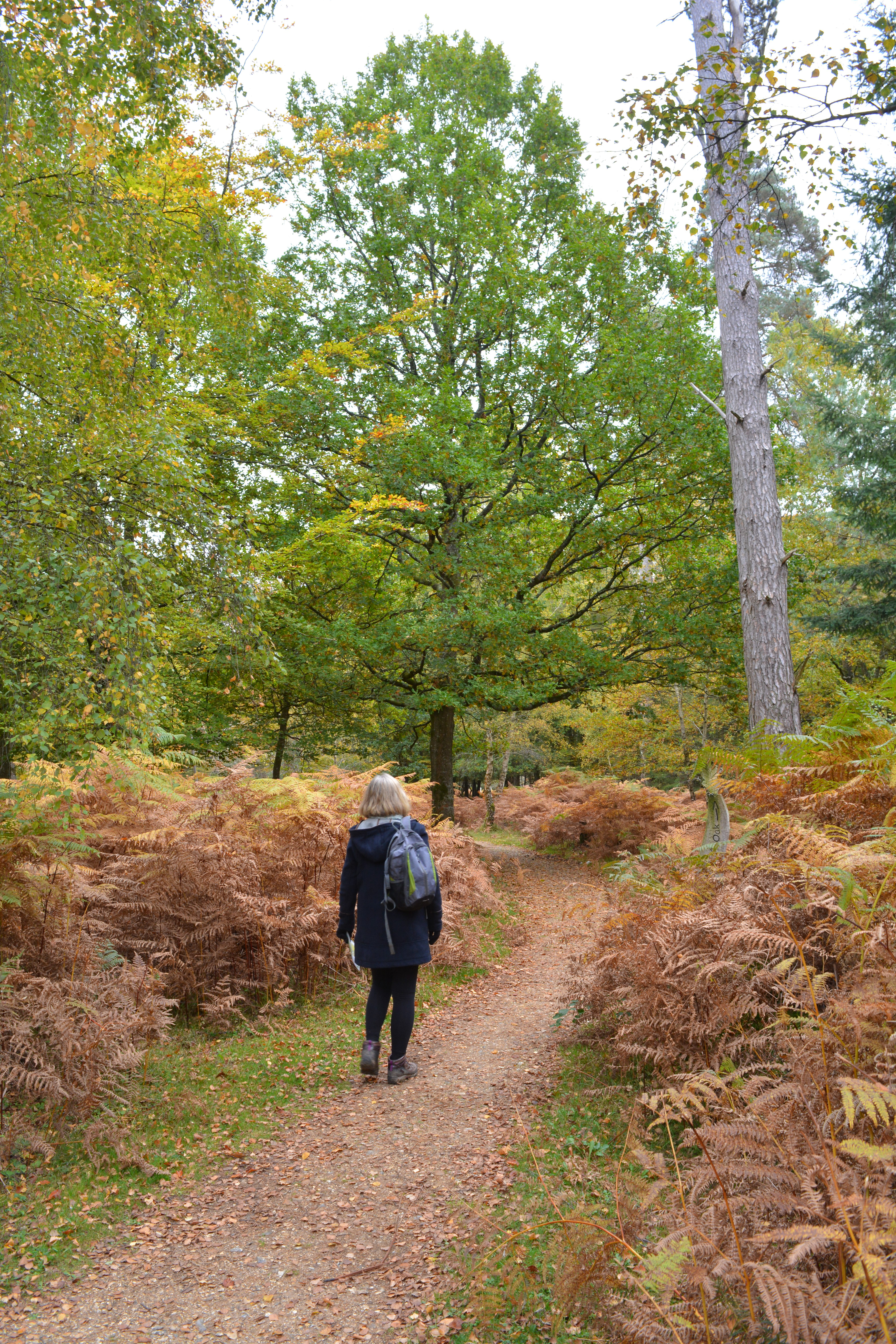
Our first day excursion was to a Forestry Commission area of woods and heathland with way-marked walks winding through it.
2015 10 19_6158

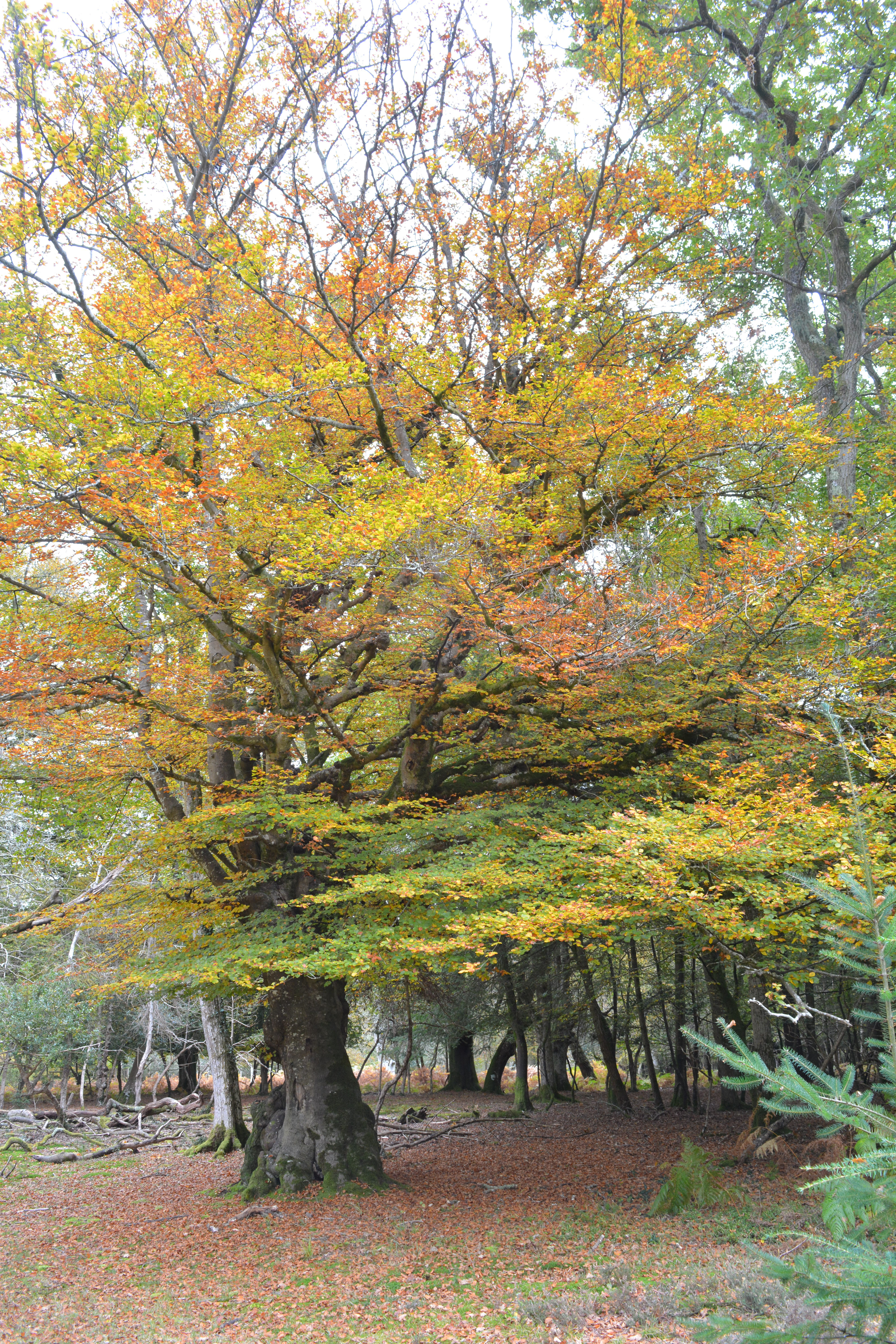
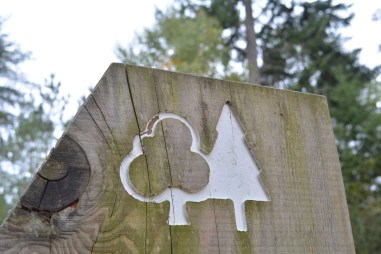
We set off firstly in search of the Knightwood Oak the oldest oak in the New Forest which reached maturity during the reign of Henry VIII. We followed the posts marking the way, rather beautiful way markers carved in wood.

2015 10 19_6064 2015 10 19_6065 2015 10 19_6066 2015 10 19_6067 2015 10 19_6069 2015 10 19_6070

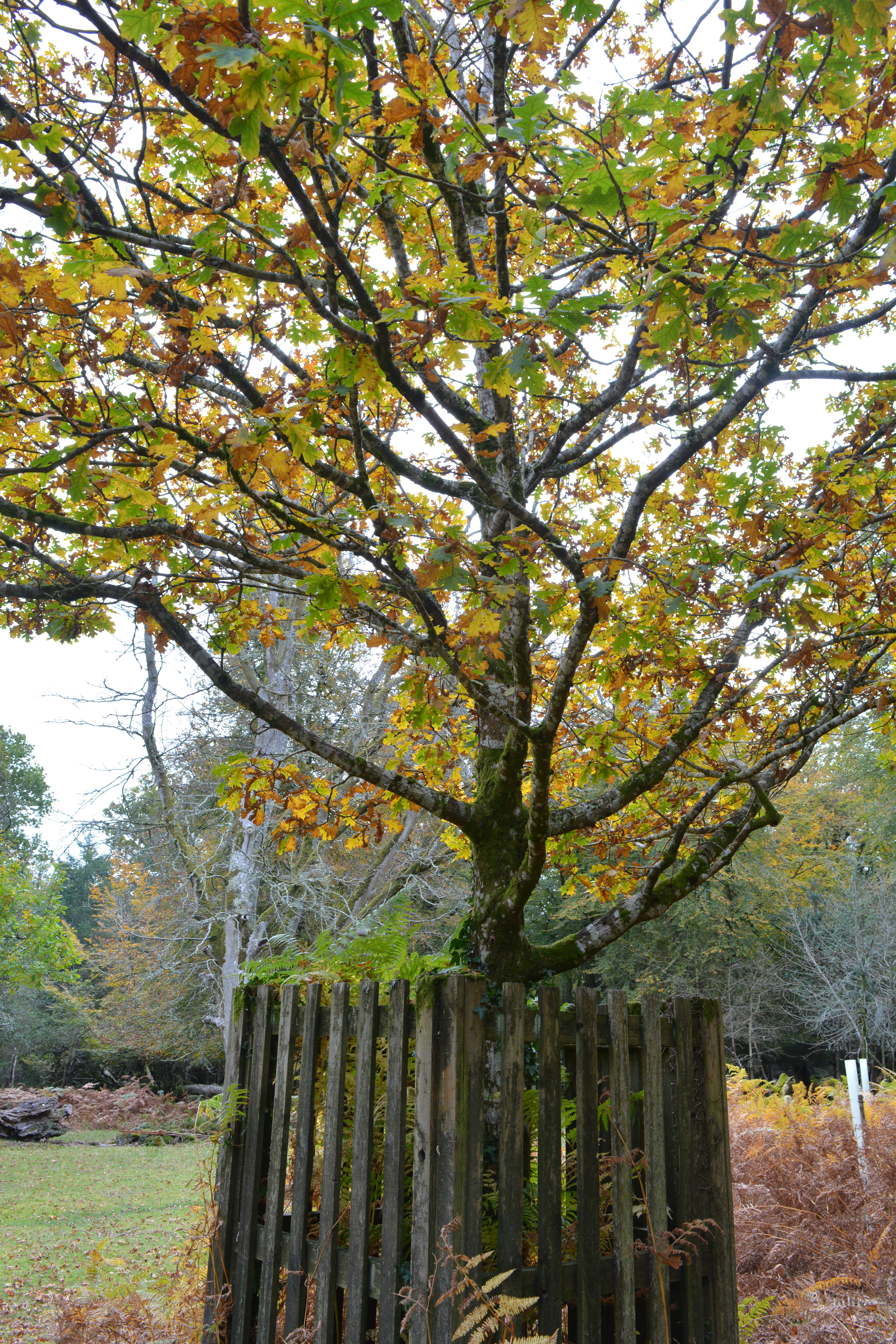
Among the hundreds of oak trees here we passed two other significant oaks on the way, celebrating important moments in the forest’s history. Firstly the Queen’s Oak was planted by Queen Elizabeth II to commemorate the 900th anniversary of the founding of the forest by William I in 1079. Secondly the Deputy Surveyor’s Oak planted to mark the contribution of a former Deputy Surveyor of the forest, Donn Small. The second oak was planted as a sapling from the Knightwood Oak itself. The ancient oak itself was surrounded by a chestnut paling fence to keep the public away from falling branches and to prevent the public from getting too close to the tree.
2015 10 19_6073 2015 10 19_6074 2015 10 19_6075  2015 10 19_6076 2015 10 19_6083

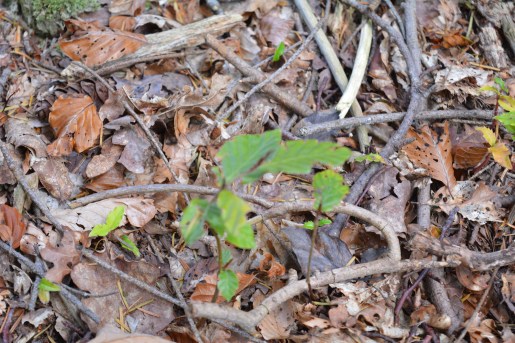
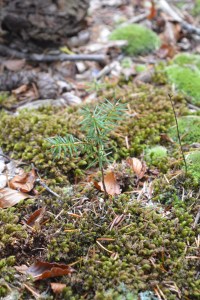
Although this was a forest of mature trees there were signs of regeneration throughout, little saplings of all the main species of trees, so its future looks secure.

2015 10 19_6078 2015 10 19_6094 2015 10 19_61432015 10 19_6096

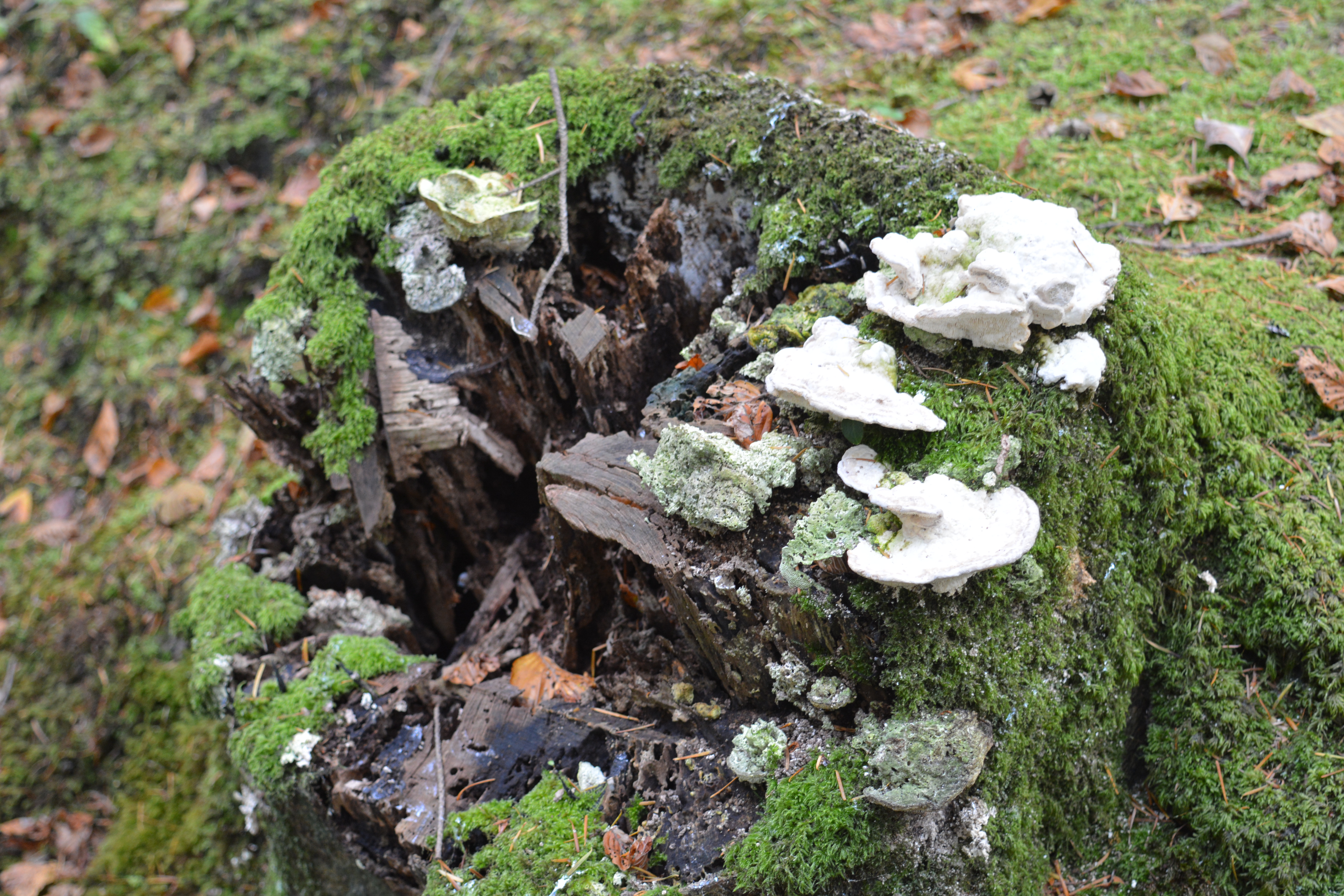
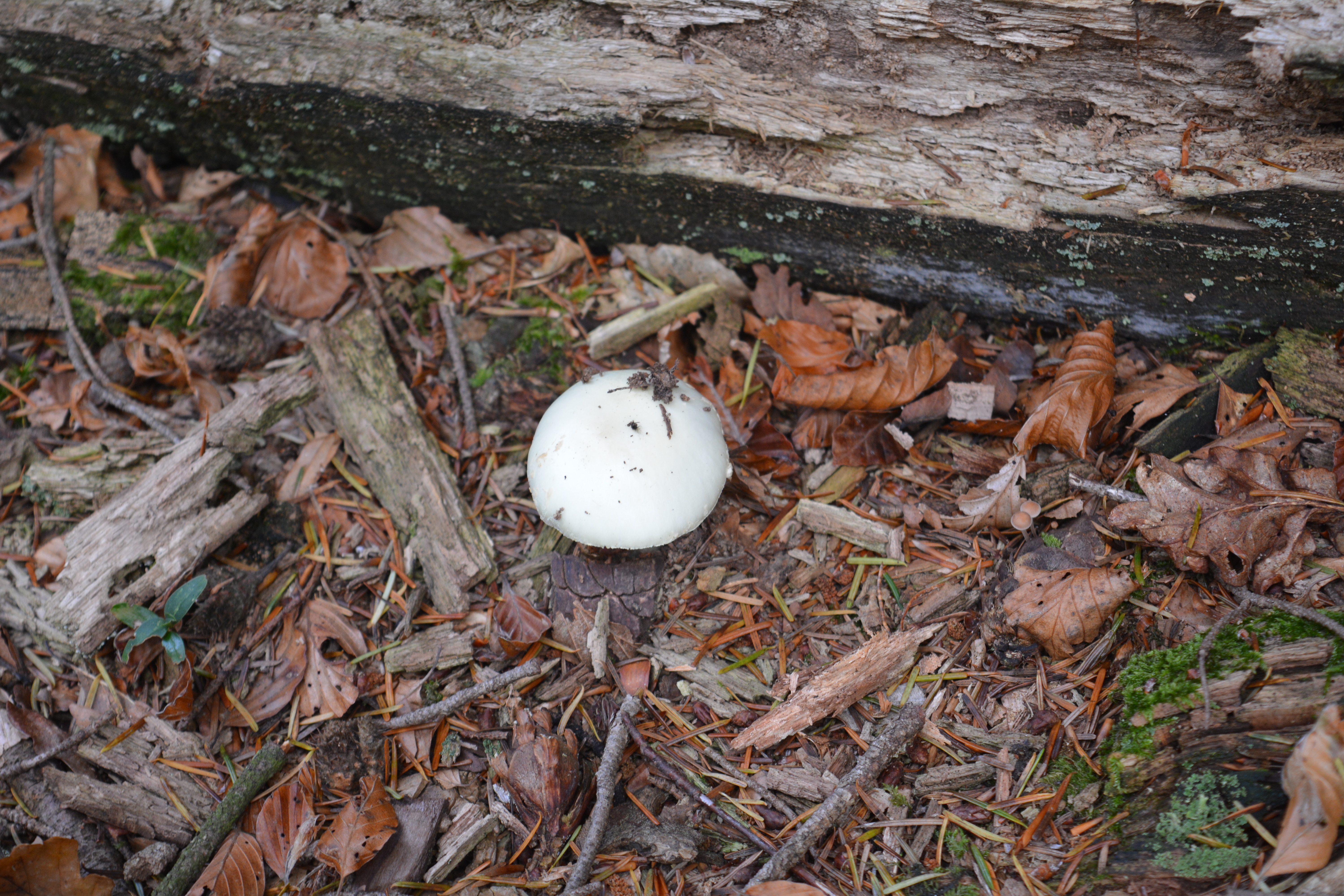
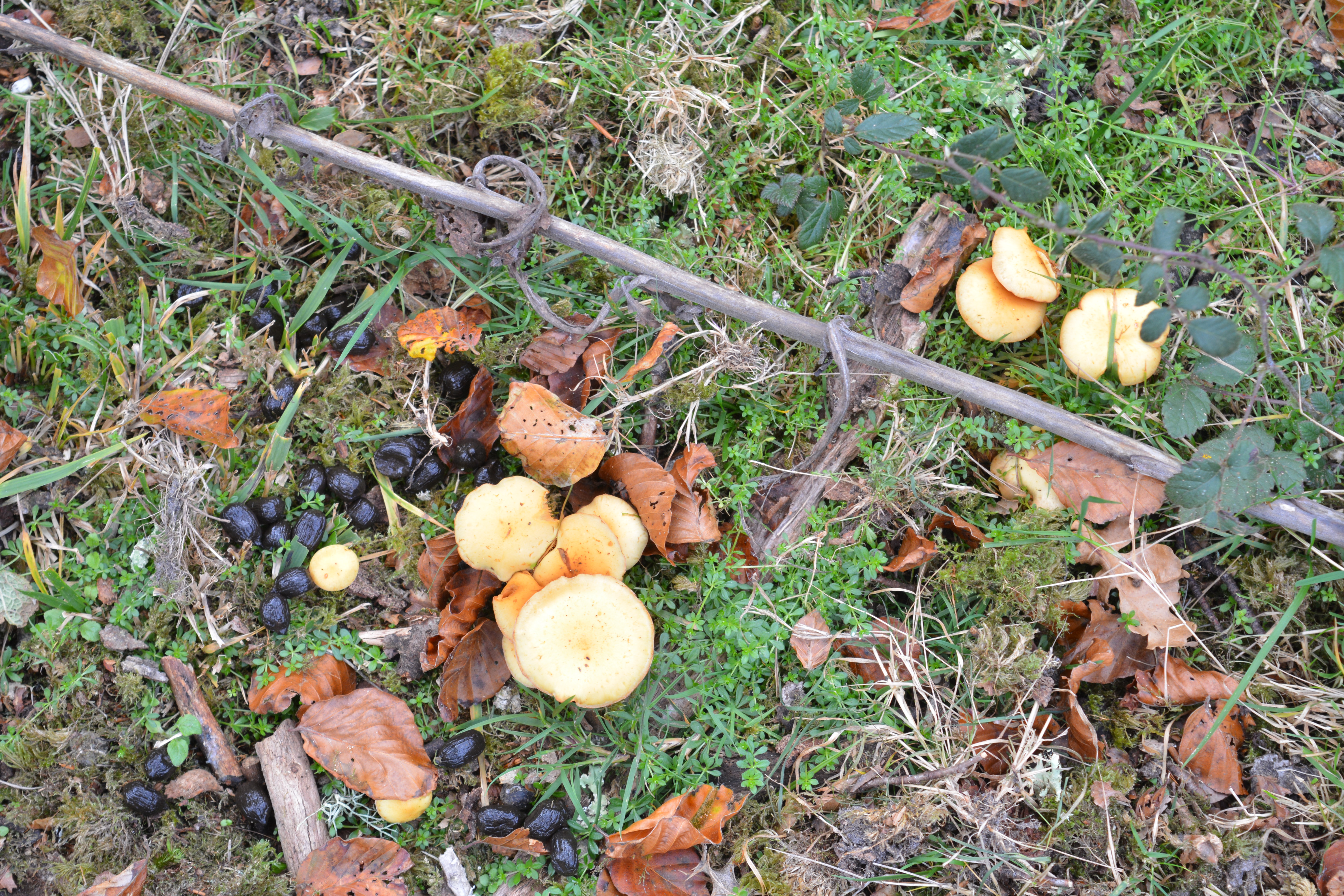
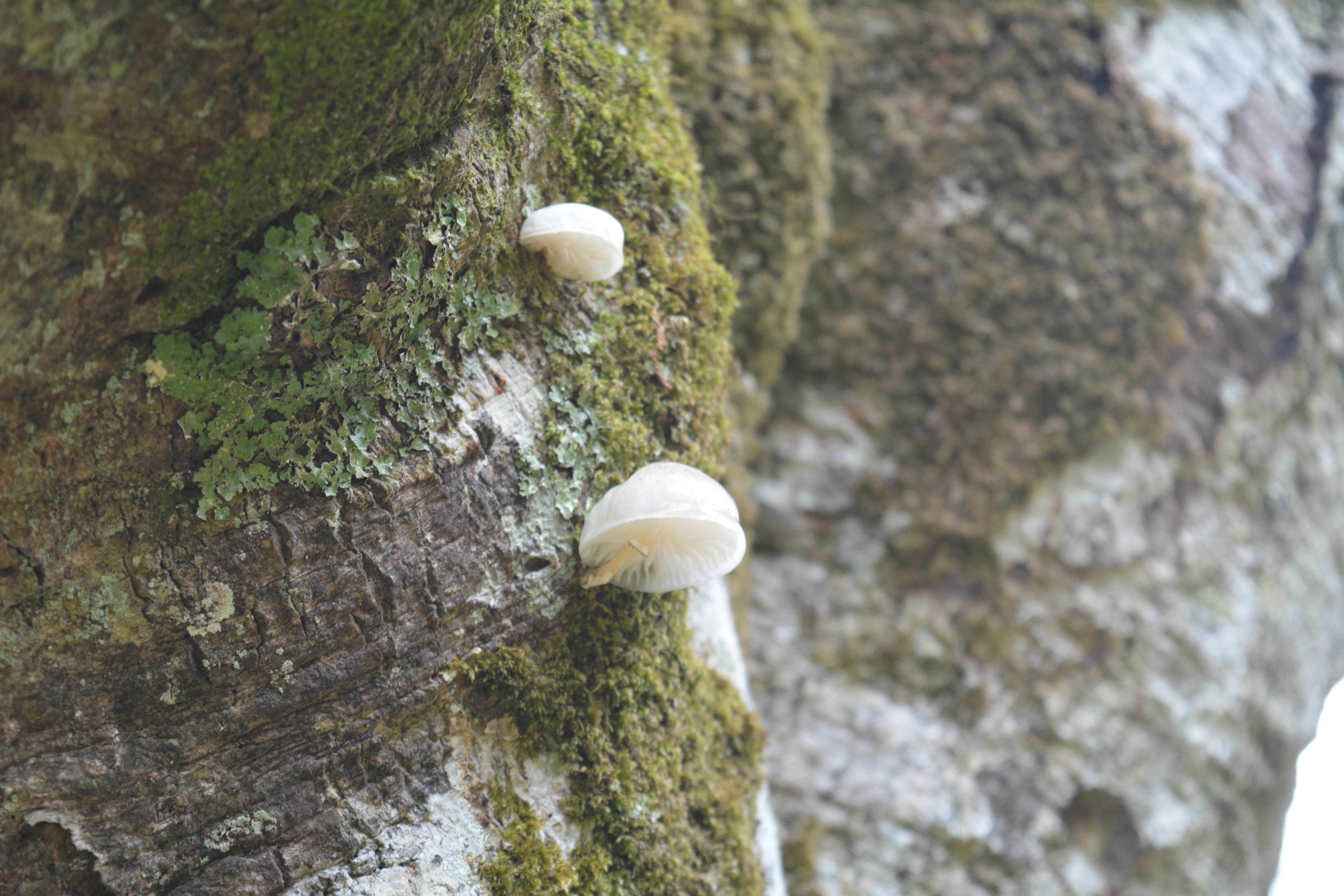
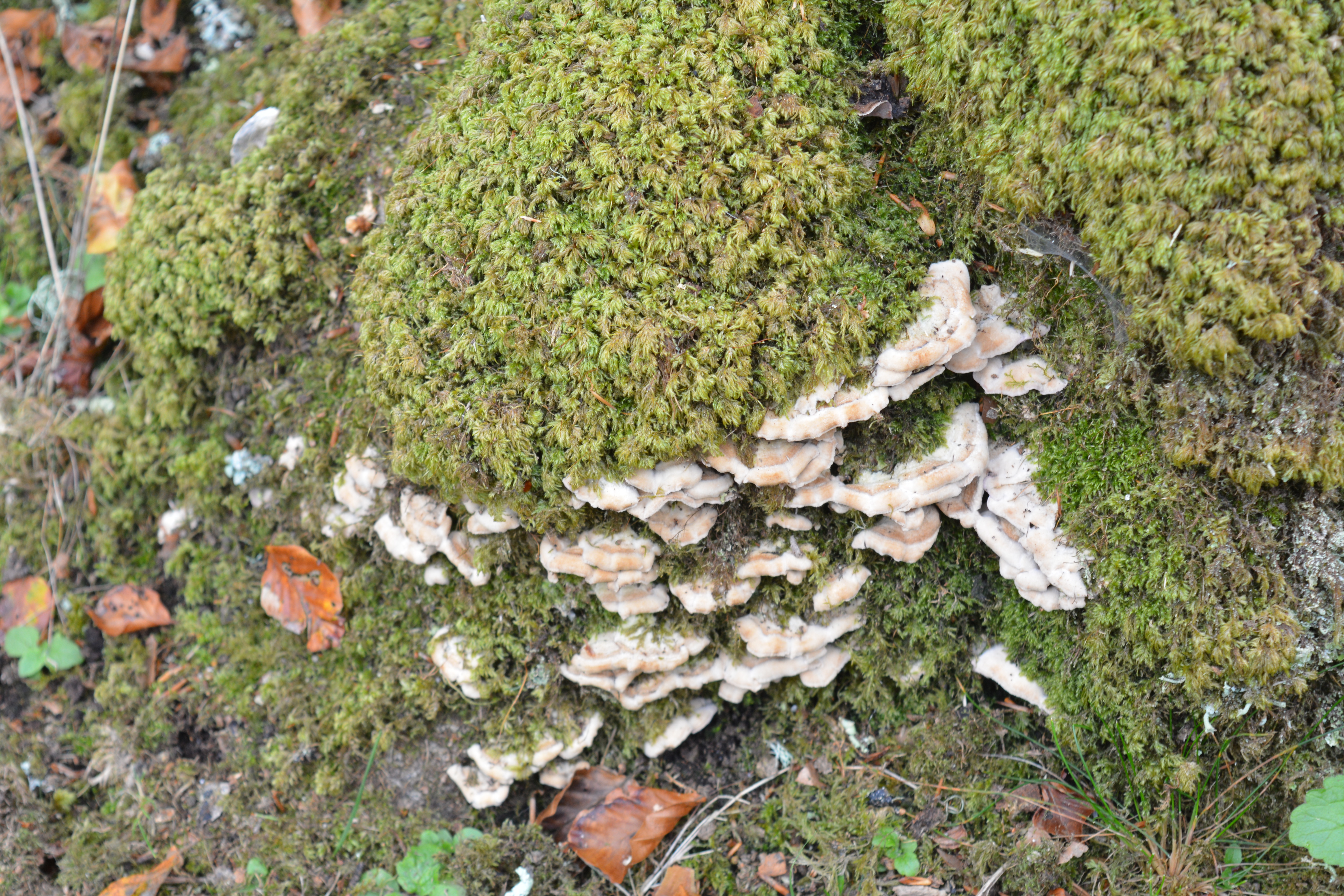
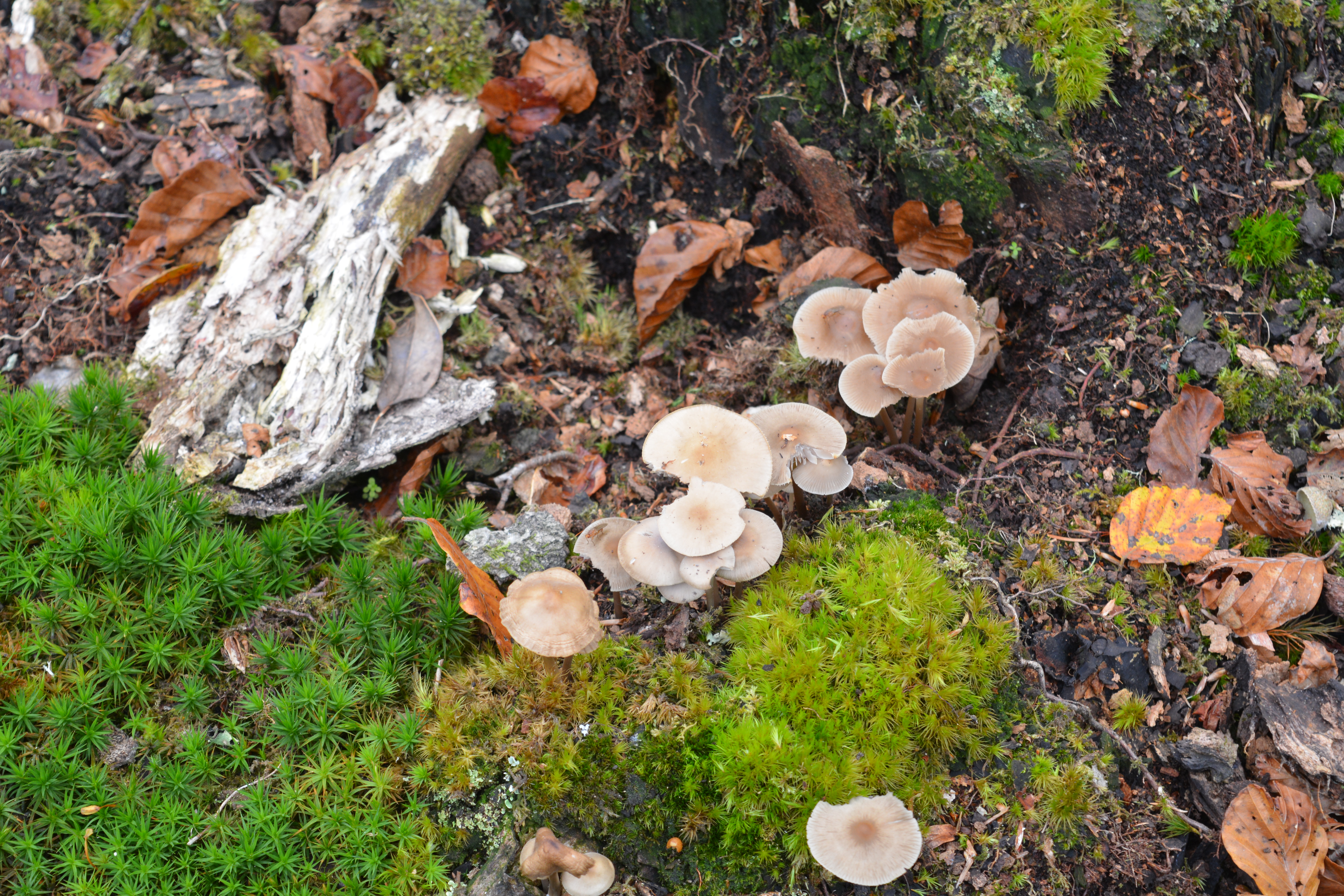
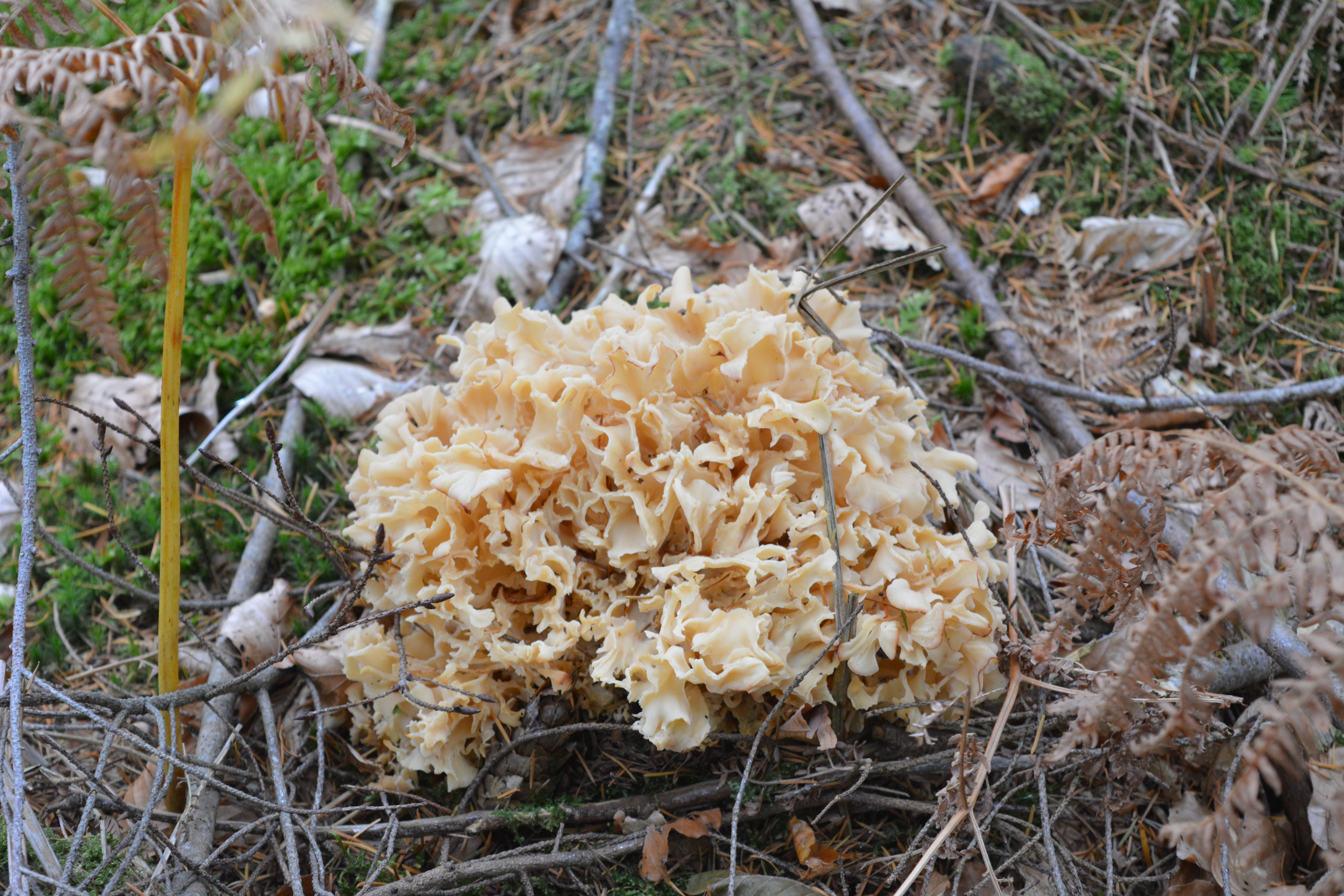
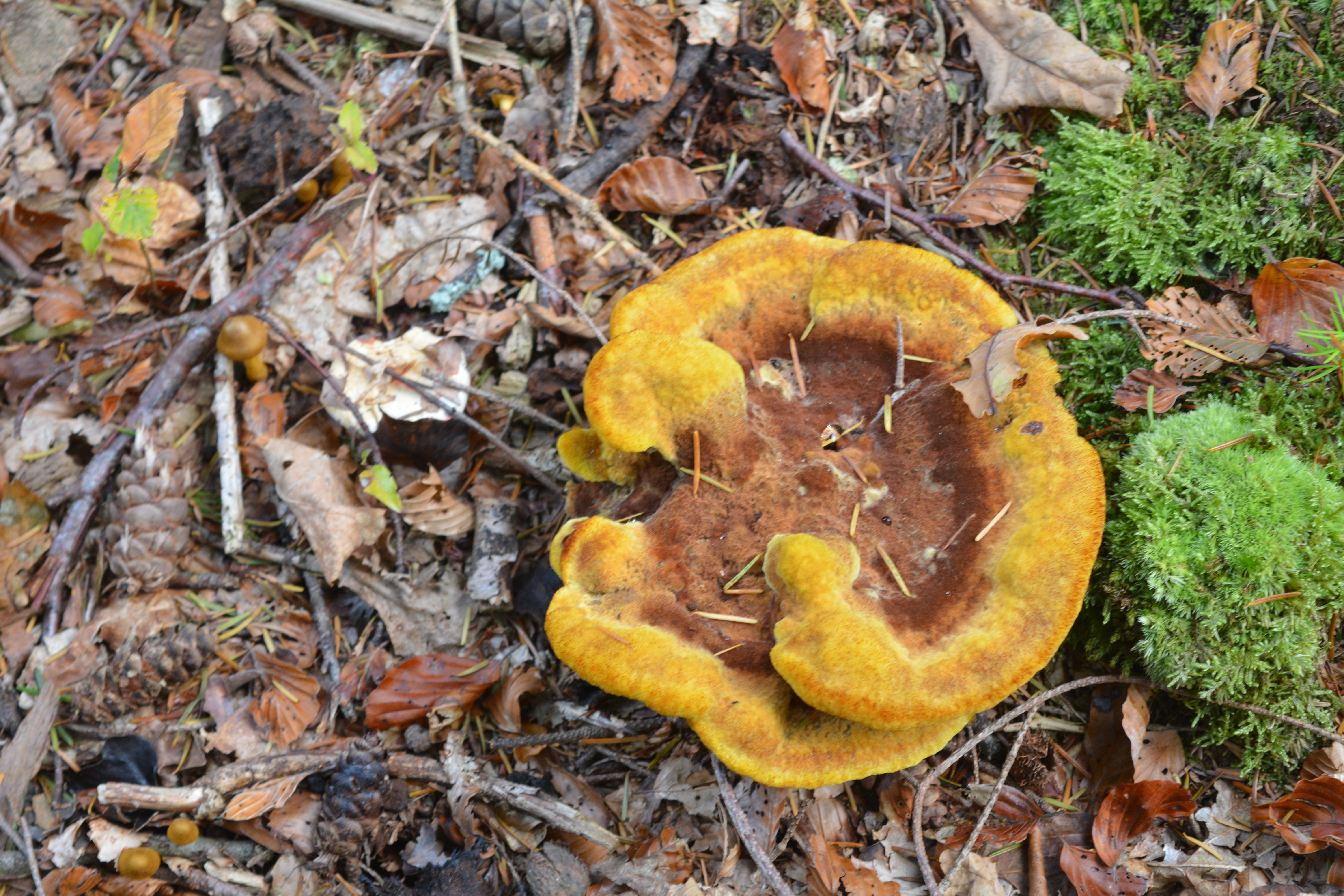
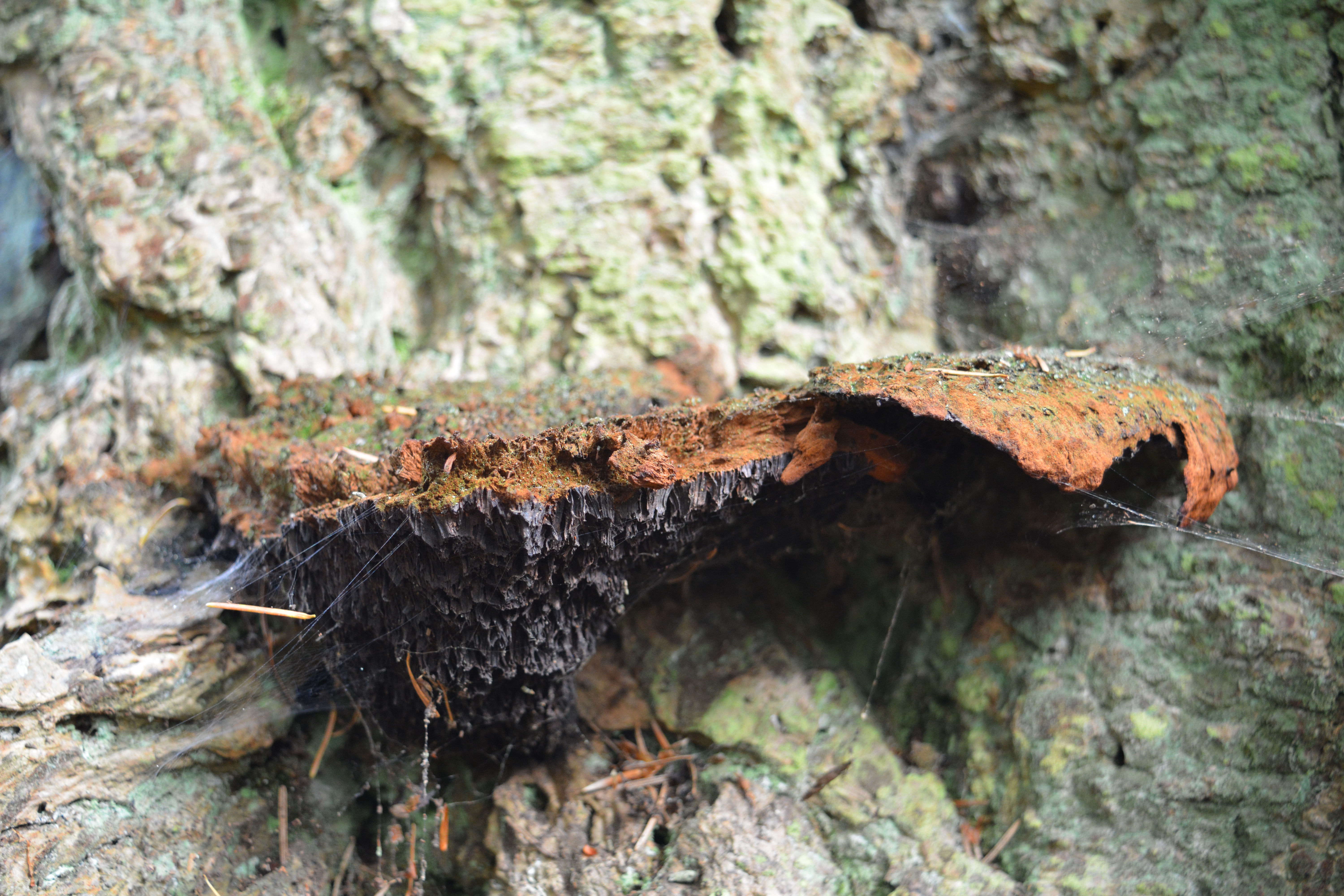
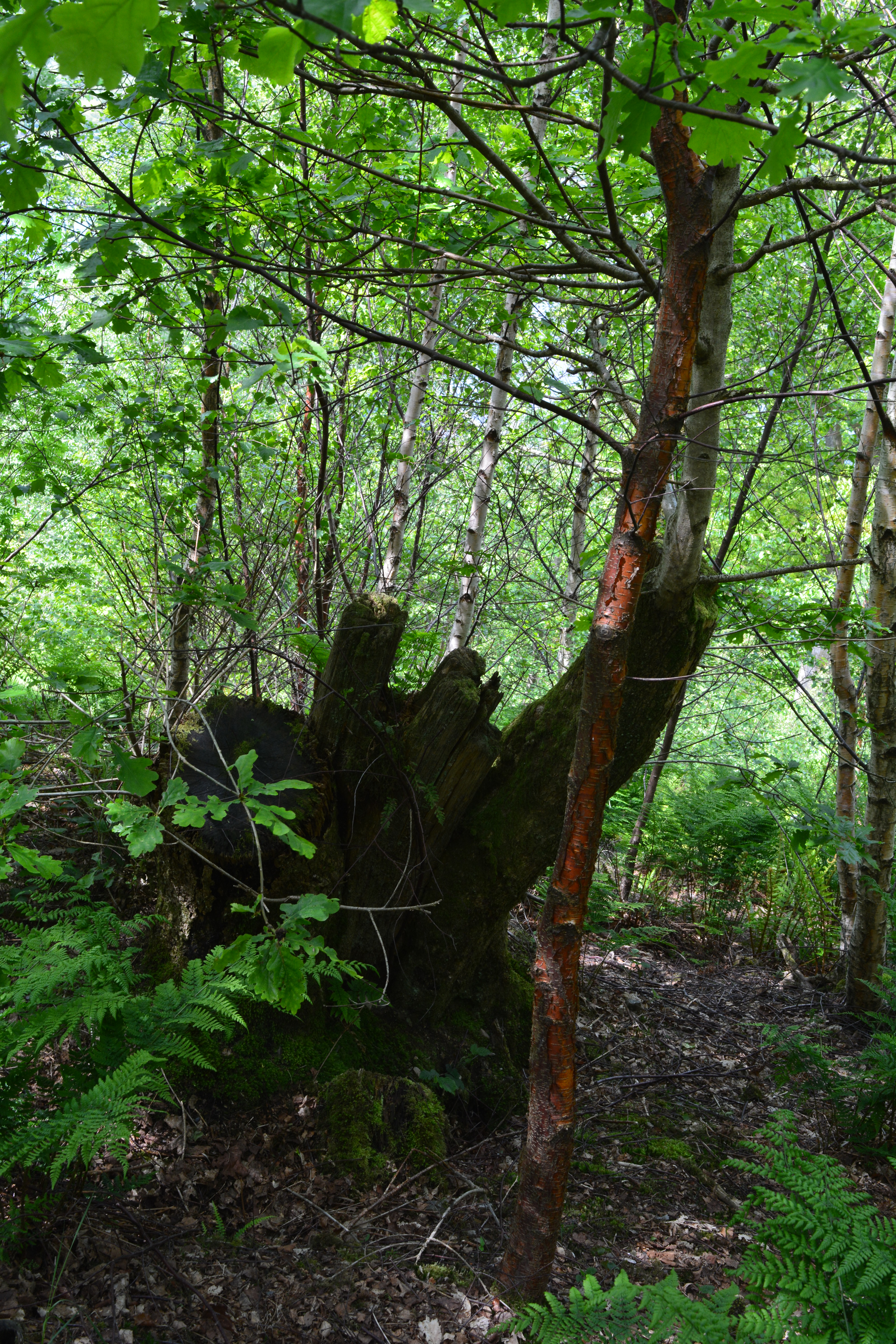
At the other end of the age scale we were pleased to see that dead and dying trees were being left for the benefit of wildlife, insects, birds and of course the many fungi that live in woodlands breaking down and decomposing dead wood.
2015 10 19_6089 2015 10 19_6093 2015 10 19_6095 2015 10 19_6130 2015 10 19_6101 2015 10 19_6099 2015 10 19_6098 2015 10 19_6082 2015 10 19_6081 2015 10 19_6080 2015 10 19_6079 2015 10 19_6131

In my next post about the New Forest we will continue walking this walk deeper into the woodland and across heathland until we found our way back to the car park.
Categories
colours countryside flowering bulbs landscapes light light quality photography trees wildlife woodland woodlands

A Week in the Lake District – Part 6 – Bluebells

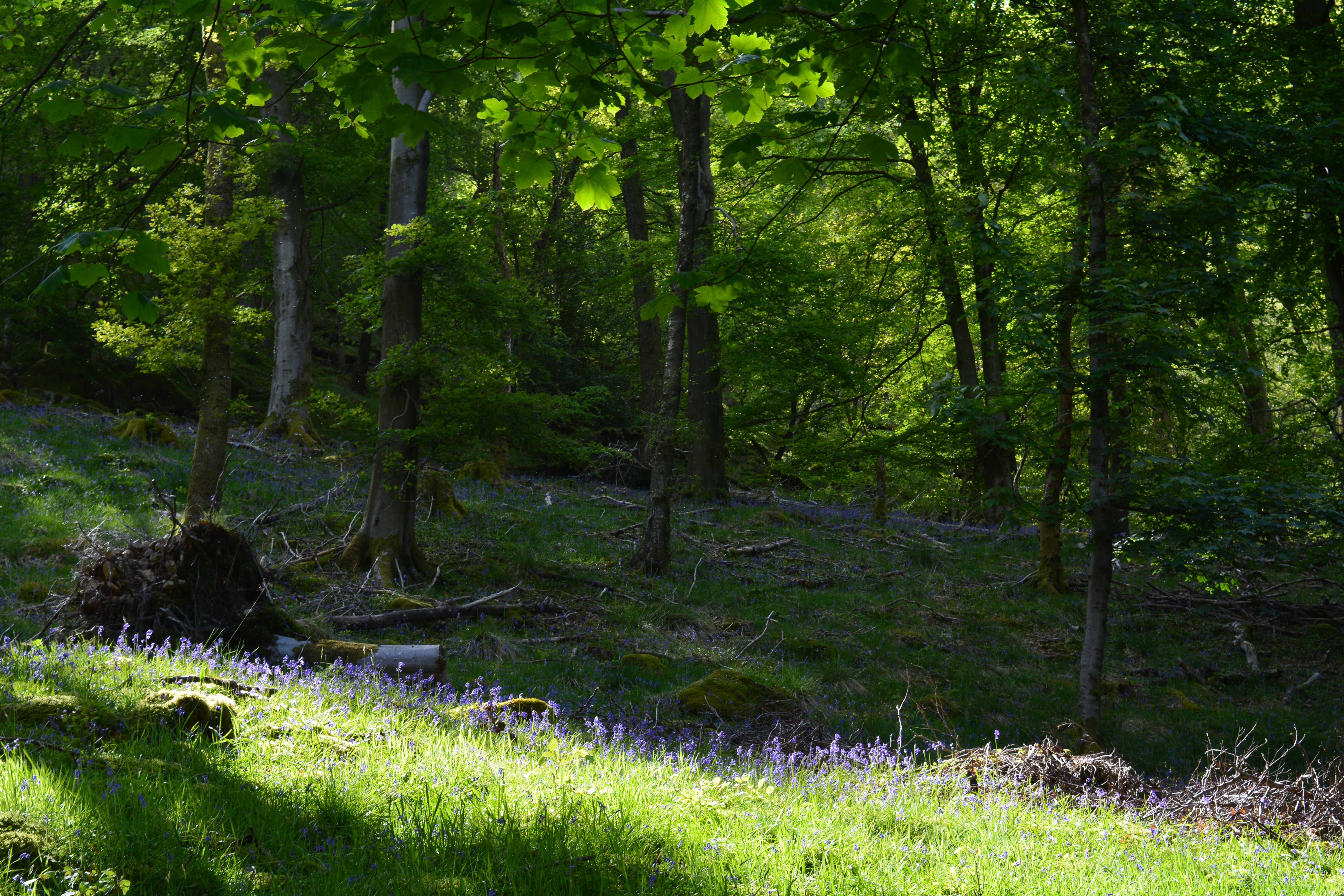
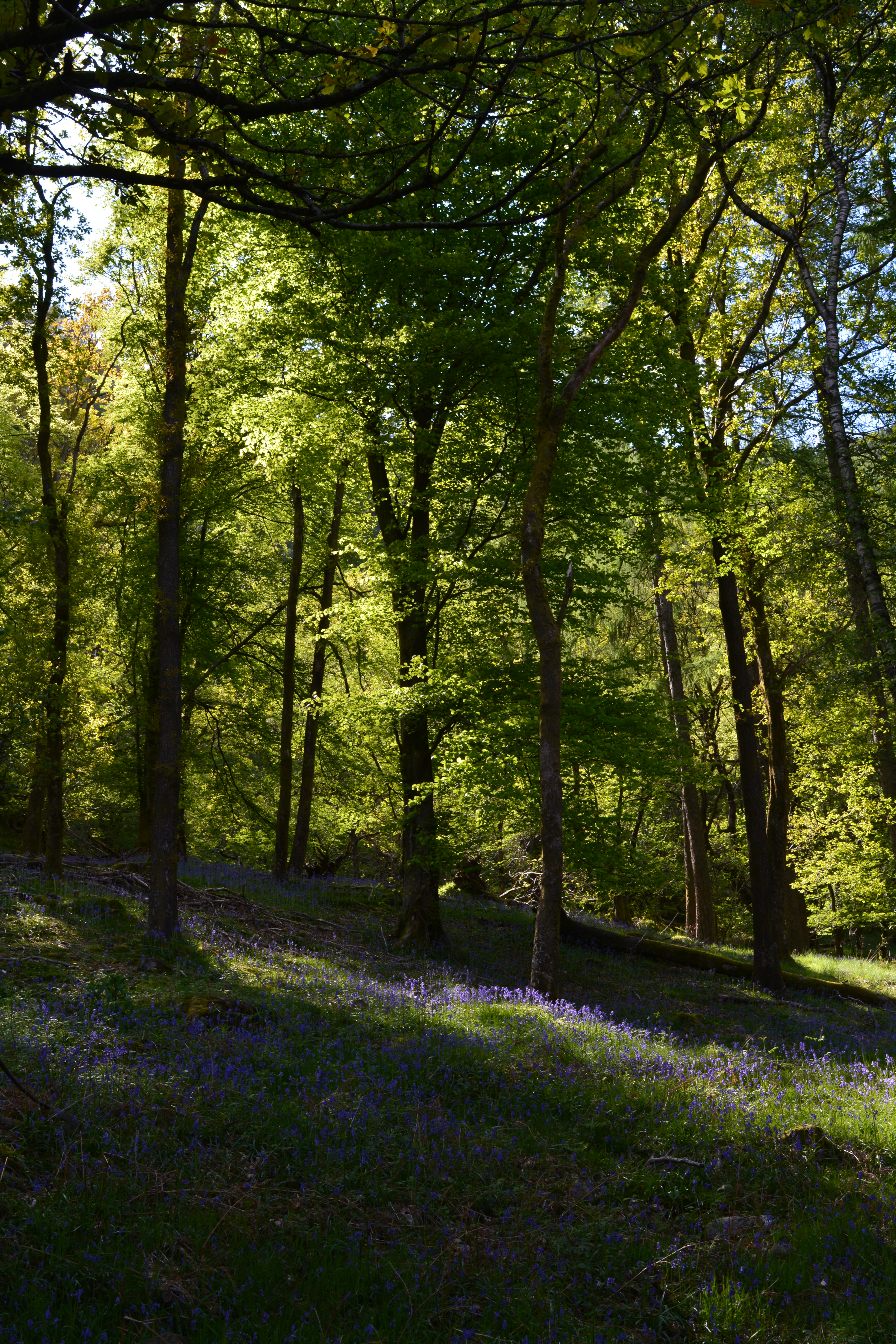
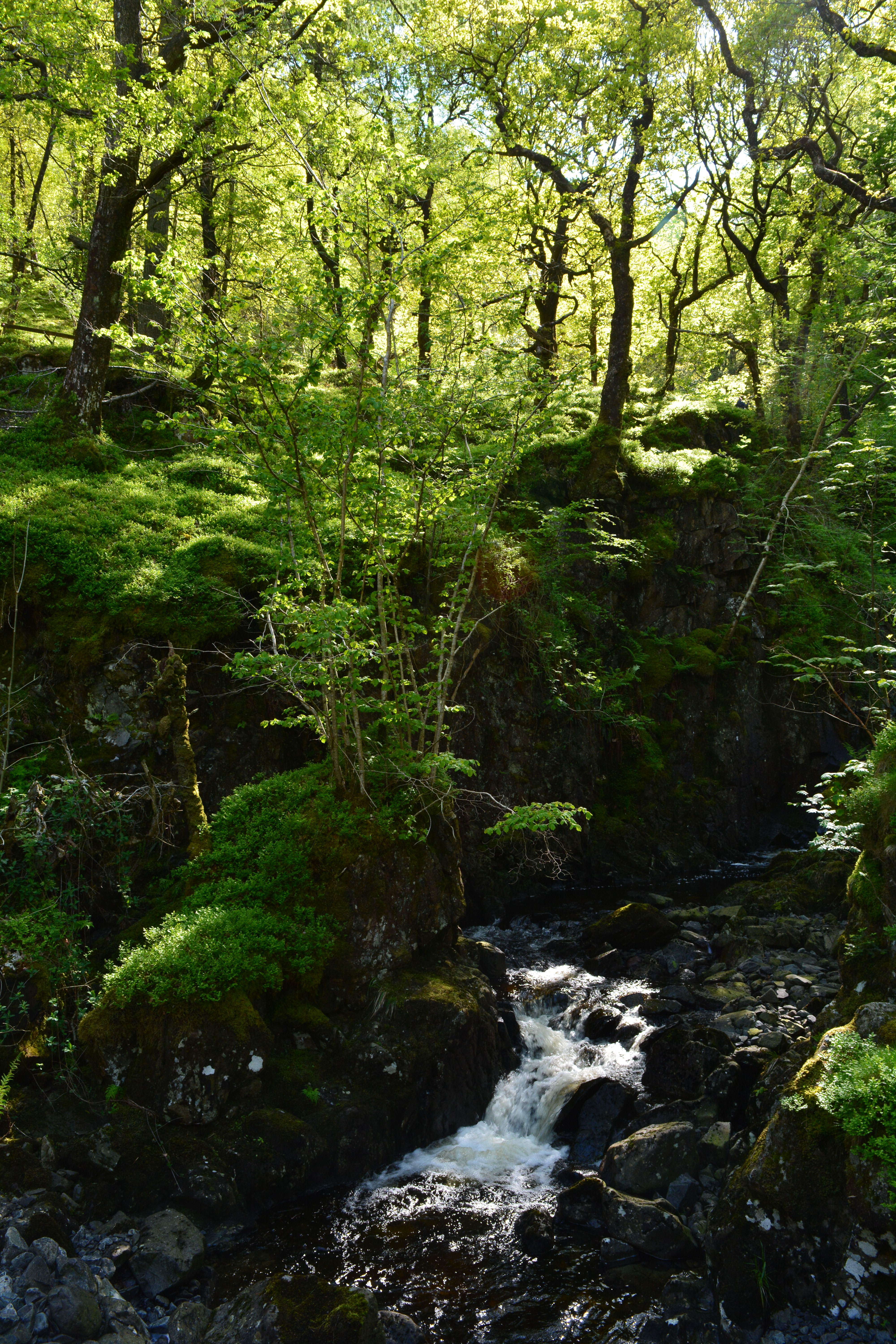
The Bluebells in our Shropshire garden were flowering and sharing their rich scent with us early in May, so we were more than a little surprised to find them only just coming into flower when we visited the Lake District a month later. While driving the perimeter road around the lake called Thirlmere, we followed the road as it moved into woodlands of tall trees elongated as they fought to reach the light.

2015 06 03_2432 2015 06 03_2433

Beneath the canopy, the play of light and shade fascinated us as explored the woods.

2015 06 03_2434 2015 06 03_2435 2015 06 03_24542015 06 03_2448

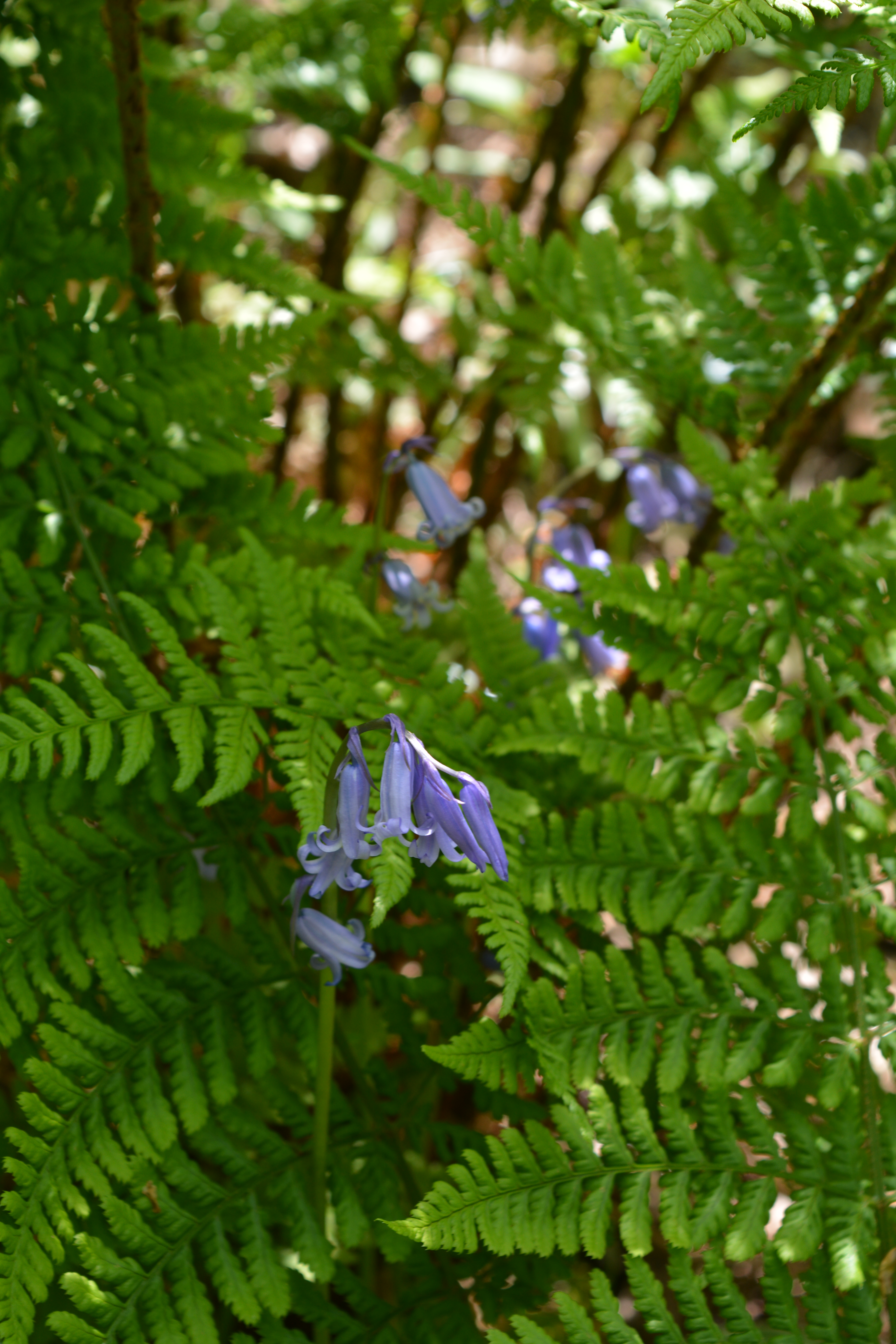
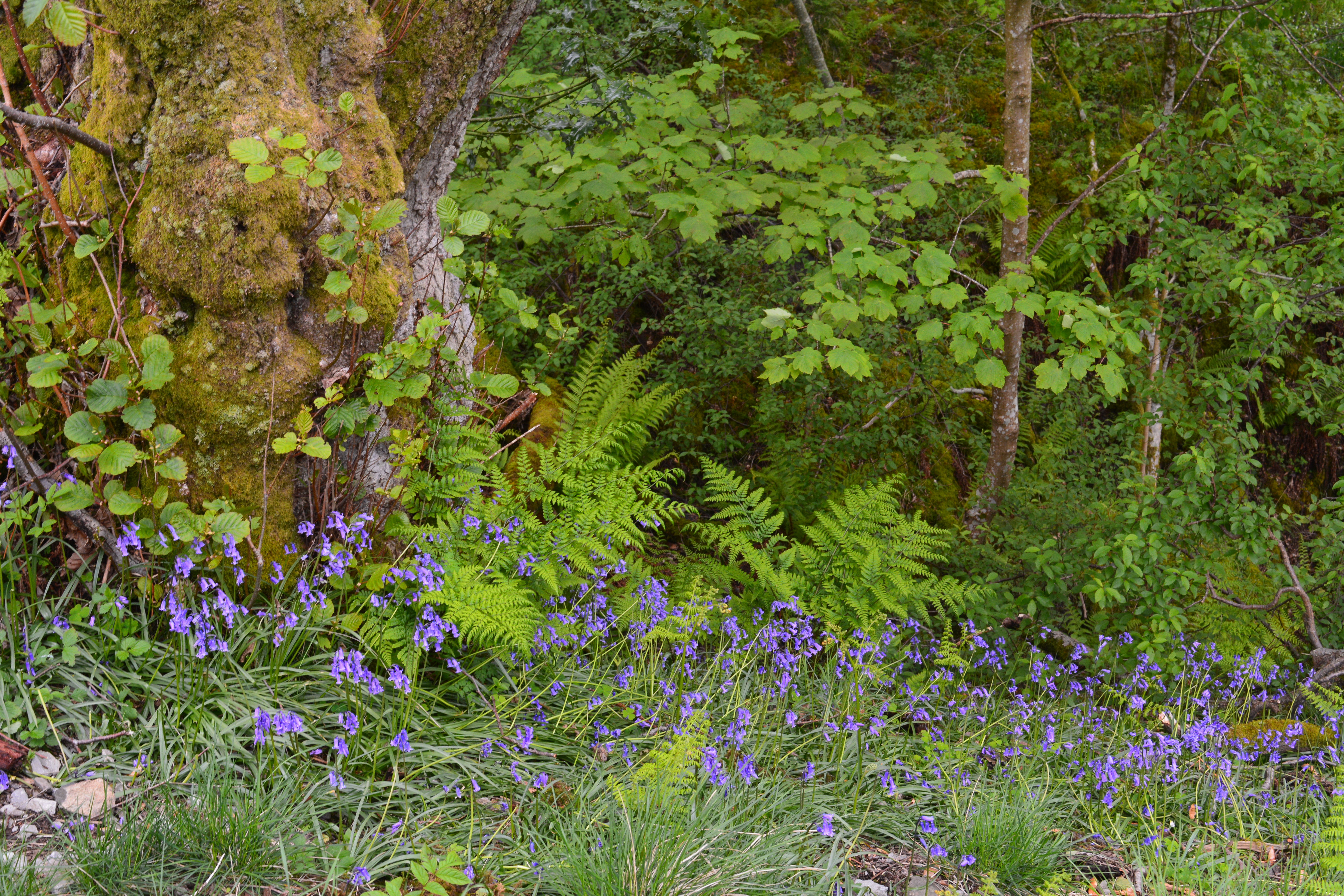
As we explored further we noticed a haze of blue appearing among the fine grasses of the woodland floor. On close inspection we realised they were Bluebells, the wildflower of spring.

2015 06 03_2436 2015 06 03_2438 2015 06 03_2437 2015 06 03_24392015 06 03_2440 2015 06 03_24422015 06 03_2441 2015 06 03_2445 2015 06 03_24432015 06 03_2444 2015 06 03_2446

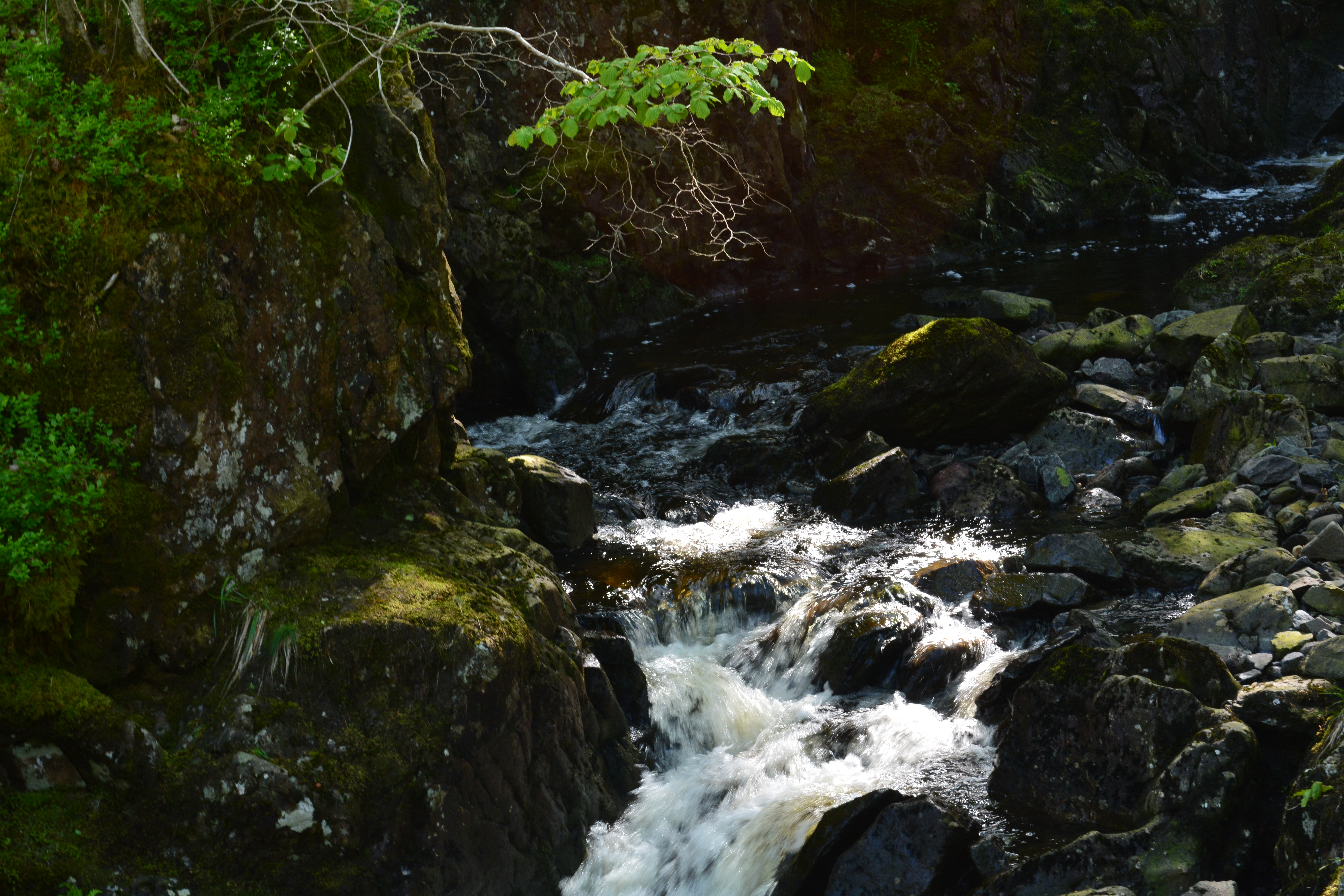
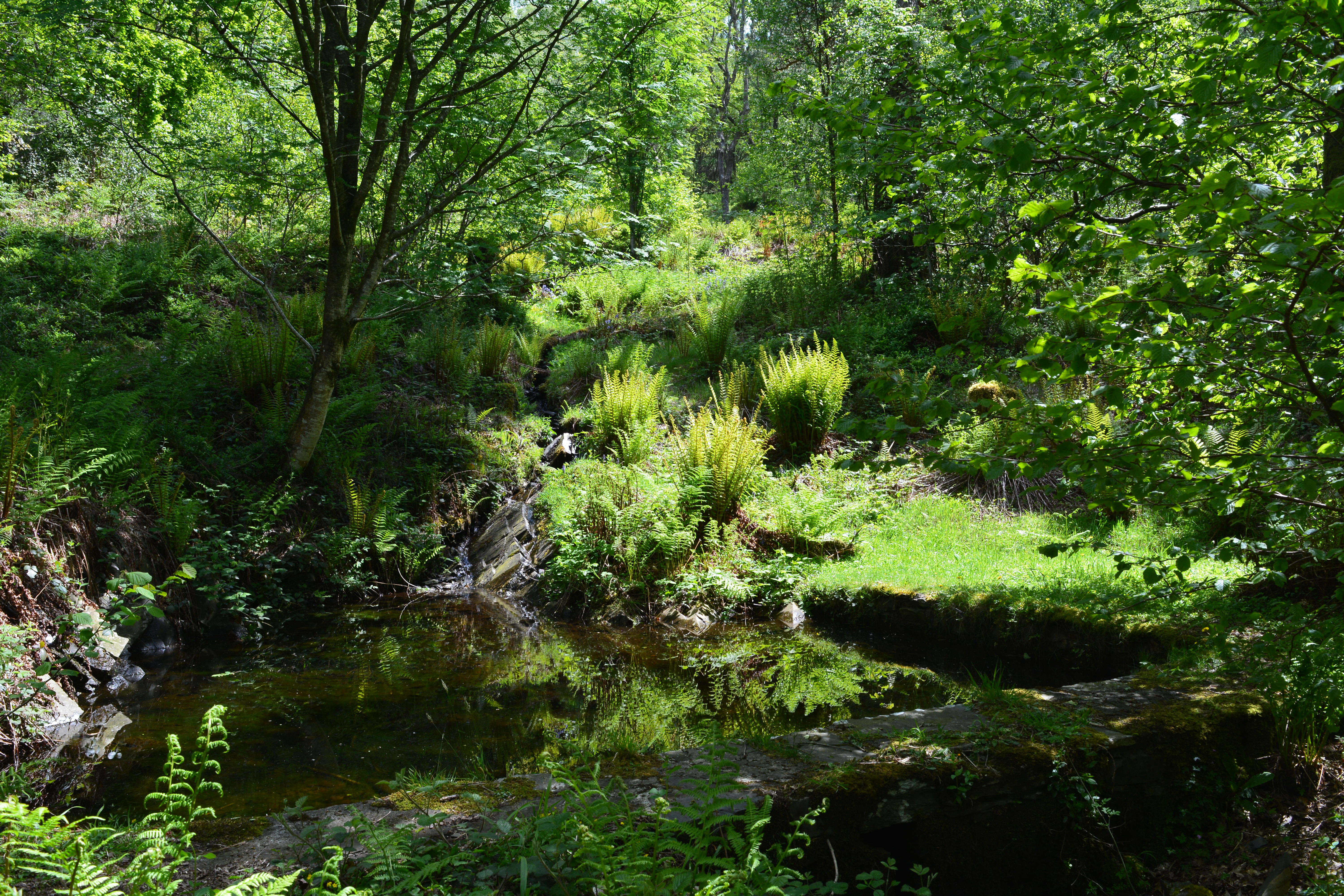
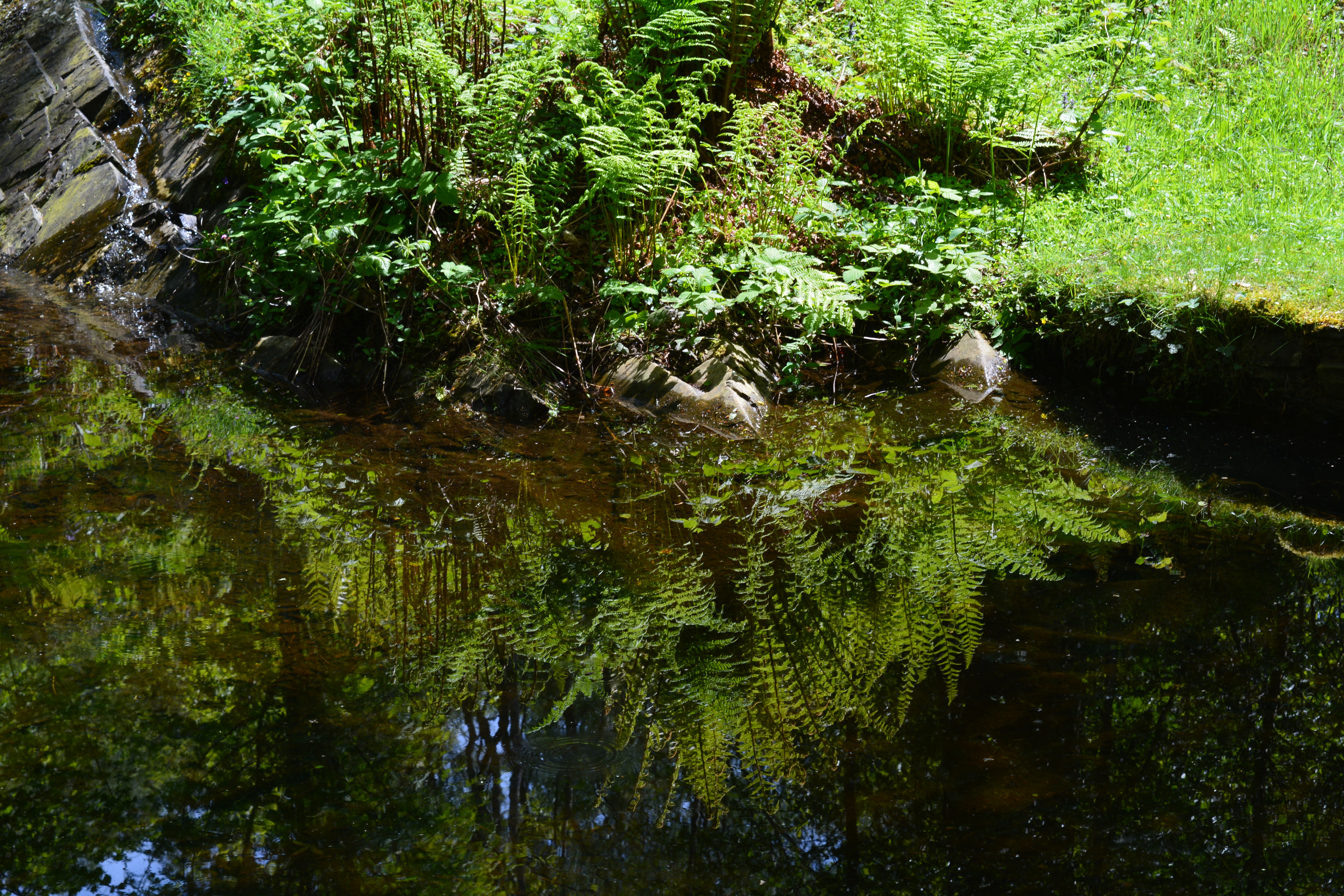
Please enjoy this final set of photographs showing the richness of light in the woods around Thirlmere, one of the many bubbling streams and some of the wild plants growing there.

2015 06 03_2447 2015 06 03_2450 2015 06 03_24552015 06 03_2451 2015 06 03_2452    2015 06 03_2456 2015 06 03_2453

Categories
birds colours garden design garden photography garden wildlife gardening gardens open to the public ornamental trees and shrubs trees woodland

A Week in the Lake District – Part 4 – Brantwood

I had read a book about the making of the gardens at Brantwood in the Lake District, so when we found ourselves nearby we were determined to make time for a visit. Brantwood was the home of John Ruskin who believed in gardening with wildlife so his garden is often described as one of the closest to the ideals propounded by William Robinson.

2015 06 05_2488 2015 06 05_2487

We visited on a hot sunny day so were pleased that we were exploring a woodland garden. As with other places we visited in the Lake District we were astonished to hear so much birdsong, missing now in much of the UK due to modern agricultural practices. Thrushes both Song and Mistle, along with their cousins the Blackbird, seemed to sing loudly from every tree. Blackcaps, Robins, Wrens and Whitethroats performed with equal gusto from the layer of shrubs and bushes.

Every surface whether ground, tree trunk, wall or rock-face seemed to be home to plants. We had to look everywhere all around us to make sure we didn’t miss a hidden gem or two.

2015 06 05_2486 2015 06 05_24892015 06 05_2491 2015 06 05_2495

From the highest parts of the garden we glimpsed on occasion views of Coniston Water. It is possible to arrive at Brantwood via the lake on a steam paddle boat.

2015 06 05_2499 2015 06 05_2490

The woodland garden felt just as Ruskin wished it to when he wrote about gardening there. He wanted to look back at where he had been gardening and see no sign that he had been there, just the hand of nature.

2015 06 05_2496 2015 06 05_24982015 06 05_2500 2015 06 05_2501 2015 06 05_2502 2015 06 05_2504 2015 06 05_2505 2015 06 05_2507 2015 06 05_25082015 06 05_2511 2015 06 05_2512 2015 06 05_2513 2015 06 05_2515 2015 06 05_2516 2015 06 05_2521 2015 06 05_2524

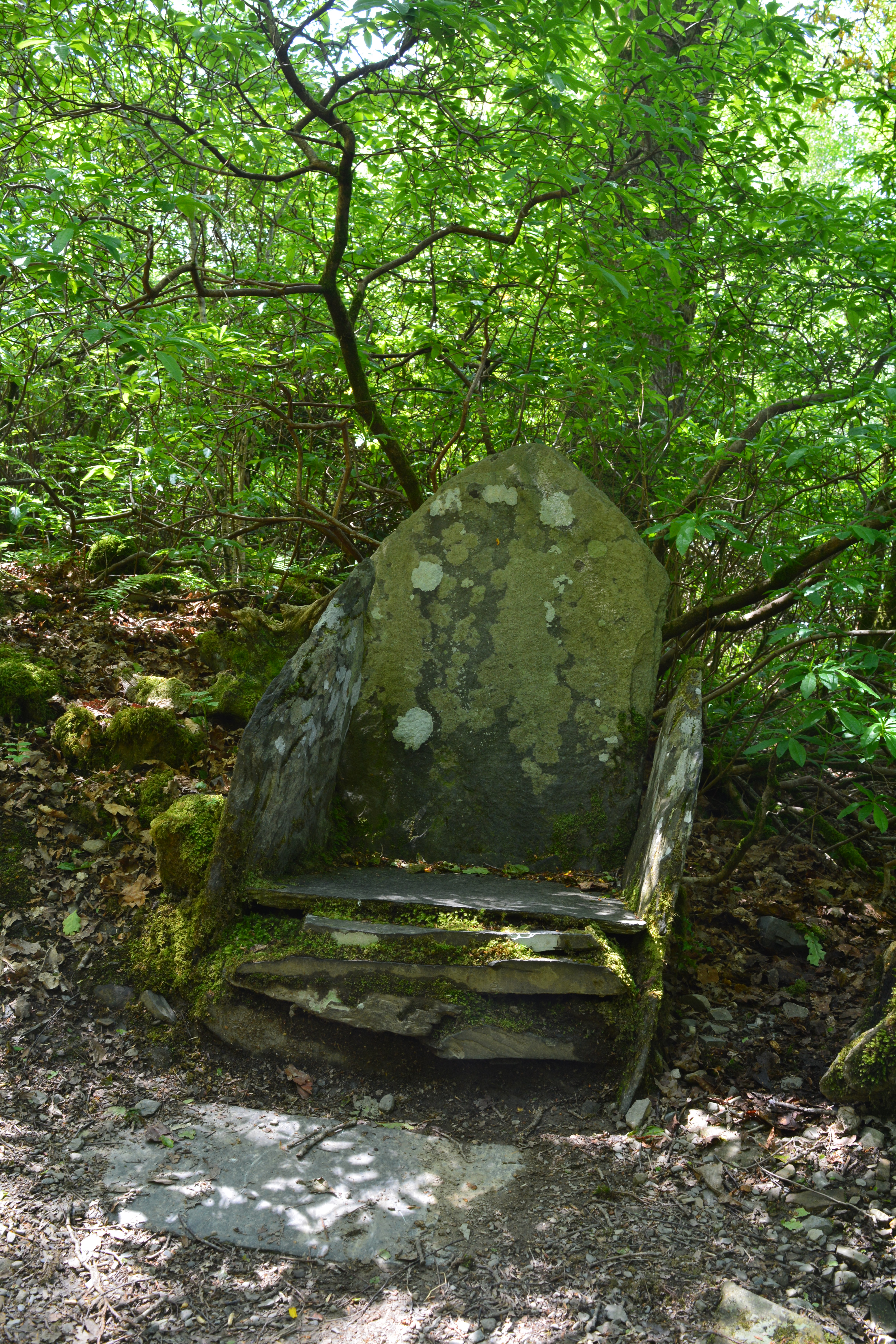
As we wandered the garden paths through the valleys, alongside streams and beneath trees we kept a look out for Ruskin’s seat, set in his favourite part of the garden. It was beautifully crafted from local slate and was now weathered and covered in lichen. I think this would please Ruskin if he could see it now.

2015 06 05_2532 2015 06 05_2531


Categories
bird watching birds countryside lakes Land Art landscapes light light quality National Trust nature reserves photography The National Trust trees wildlife woodland woodlands

Aira Force – the walk back.

After enjoying the sights and sounds of the Aira Force water falls we followed the stream as it wandered through the wooded hilltops before we started our walk back down the valley. As we had been sat resting we were mesmerised by the songs and calls of so many birds in the trees and understory. This we would soon discover was to be a feature of our week in the Lakes – the sheer number of birds astounded us! At Aira Force we could hear Nuthatches, Treecreepers, Goldcrests, Coal Tits and all the thrushes, the Song Thrush, the Mistle Thrush and the Blackbird. We heard several warblers too and recognised a few such as the Wood Warbler, Garden Wabler and the Chiffchaff as well as their larger cousins the Redstart, Whitethroat and Blackcap. It made for an entertaining time and emphasised how important these areas of countryside managed by the National Trust are as nature reserves.

2015 06 03_2380 2015 06 03_2381 2015 06 03_2382 2015 06 03_2383 2015 06 03_2384 2015 06 03_2385 2015 06 03_2386 2015 06 03_2387 2015 06 03_2388 2015 06 03_2389

2015 06 03_2390 2015 06 03_2391

We changed direction and began the gentle descent. We enjoyed different views of places we had admired on our ascent.


2015 06 03_2392 2015 06 03_2393

We took a slight detour from the main path to a damp more open area where different plants were growing and even the air itself felt damp to our skin. We were tempted to follow this detour just because of this beautifully constructed stone track. We just had to follow it! It reminded us of the work by land artist Richard Long.


2015 06 03_2394 2015 06 03_2395 2015 06 03_2396 2015 06 03_2397 2015 06 03_2398 2015 06 03_2399 2015 06 03_2400


Our detour finally took us back to our original pathway and we enjoyed the sounds of the tumbling stream once more.

2015 06 03_2403 2015 06 03_2404


2015 06 03_2405 2015 06 03_2406 2015 06 03_2407 2015 06 03_2408 2015 06 03_2409 2015 06 03_2410

So we found ourselves back at our starting point having enjoyed a stimulating, beautiful wander up and down this wooded valley. The waterfall, Aira Force, was the icing on the cake! A great day out!

Categories
countryside landscapes light light quality National Trust ornamental trees and shrubs outdoor sculpture photography The National Trust woodland woodlands

A Week in the Lake District – Part 2 – Aira Force

For our second day in the Lake District we made for the great outdoors to explore some ancient woodland with a stream running through it. Aira Force is the waterfall at the top of a gentle ascent up through the wooded valley.The wooded valley is owned by the National Trust so we had a warm welcome as we do at most of their properties. A beautifully carved wooden finger post gave us the choice of going left to the tea room or right to Aira Force. You’ve guessed it – we went left first and enjoyed a mighty good coffee and cake break.

2015 06 03_2342 2015 06 03_2341

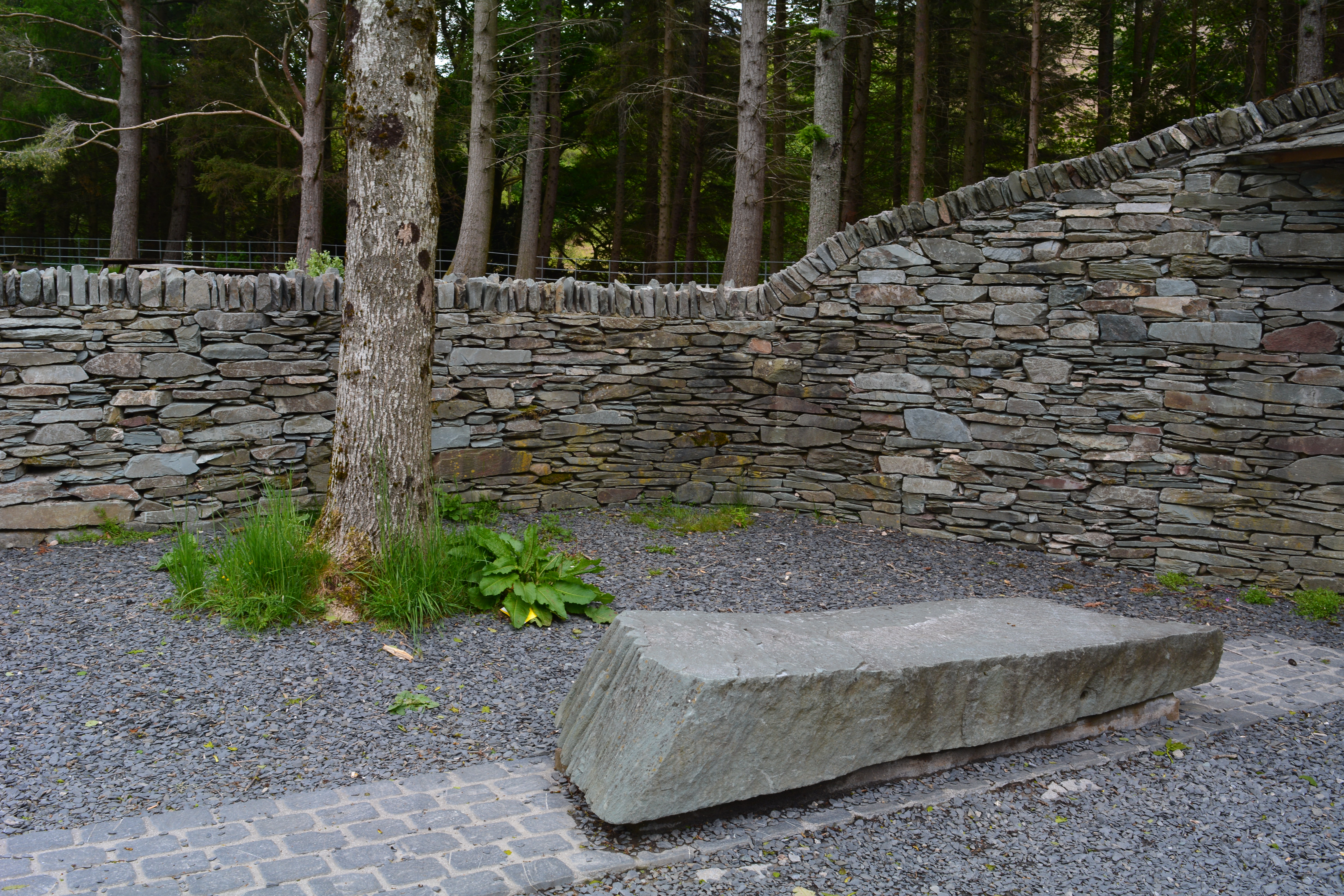
We were soon on our way up the valley after a quick look at a map where some lovely benches crafted from single chunks of slate caught my attention.

2015 06 03_2343 2015 06 03_2344

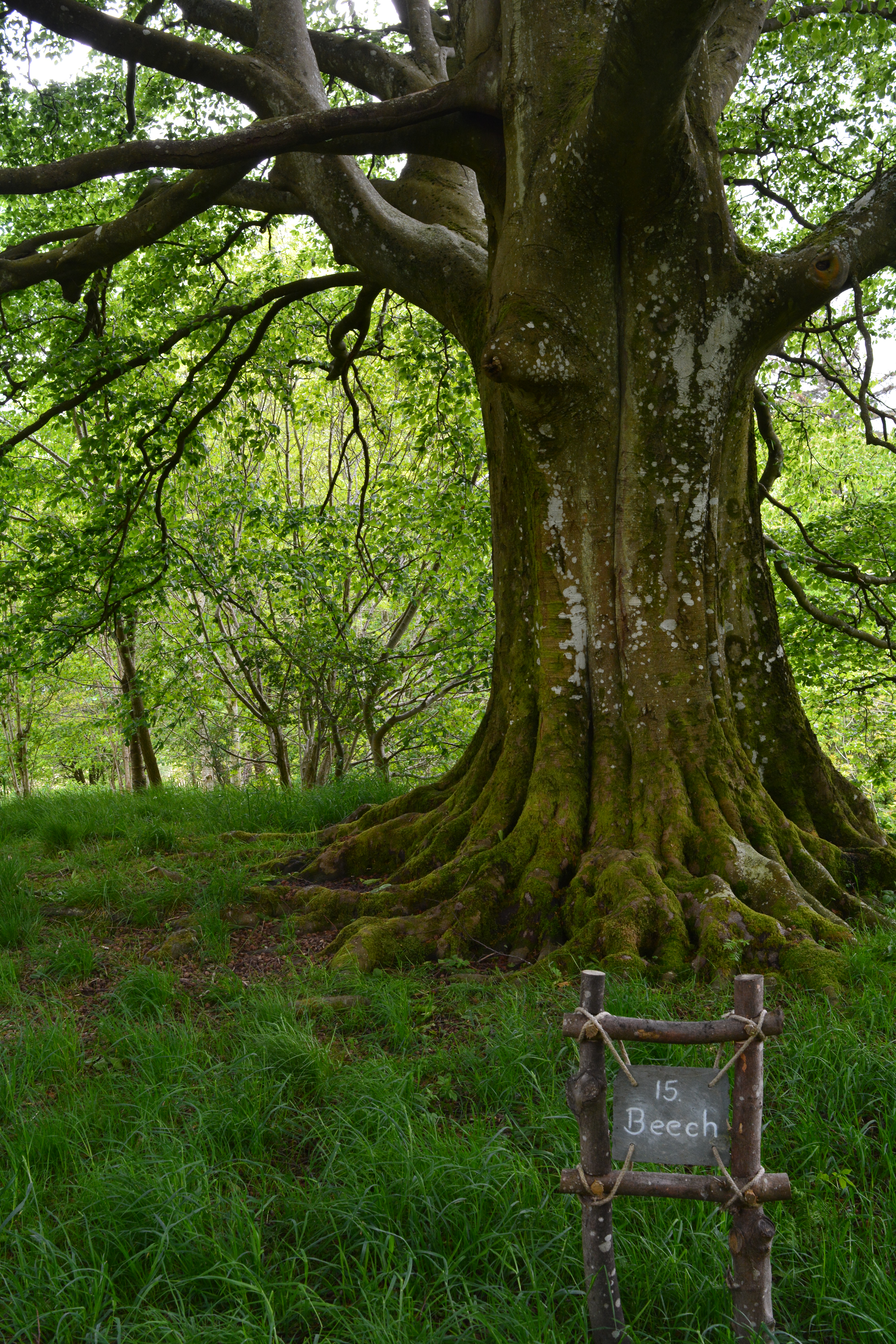
As we walked towards the more wooded section of the valley we initially had open grassland along side the path, but we soon found that the trees increased in number and the atmosphere changed completely. Woodlands have their own brand of intimacy that engulfs those who walk in them. There is something about the light creeping in through branches which highlights areas to draw the observer in. We discovered the wonderful original signage used to identify the main tree species. They were very rustic and in keeping with the setting.


2015 06 03_2345 2015 06 03_2346 2015 06 03_2347 2015 06 03_23482015 06 03_2353

The seasons come late to the Lake District so the tree foliage was still Spring fresh.

2015 06 03_2351 2015 06 03_2356

As this woodland was once the grounds of a shooting lodge there were areas for seating with ornamental paved areas and surprising finds. The second photo shows the patterns made by coins being hammered into the trunk of a fallen tree – we just couldn’t work this out!

2015 06 03_2350 2015 06 03_2357

As in all woodlands we explore we found some interesting creative works sculpted by Mother Nature.

2015 06 03_2354 2015 06 03_23552015 06 03_2361 2015 06 03_2360

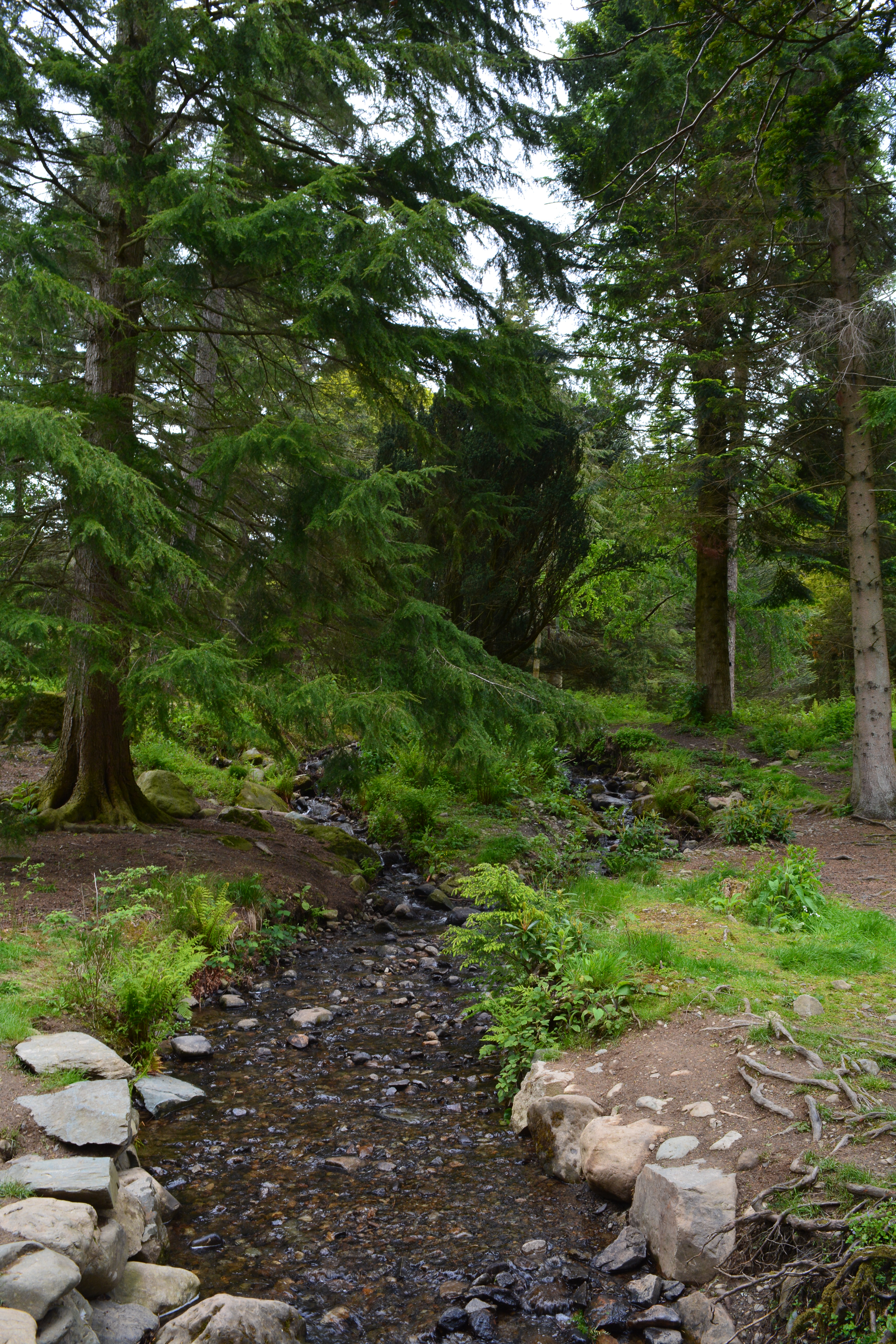
As we moved slowly uphill we followed the stream and even when we couldn’t catch glimpses of it we could hear its incessant burbling to our right.

2015 06 03_2358 2015 06 03_2364

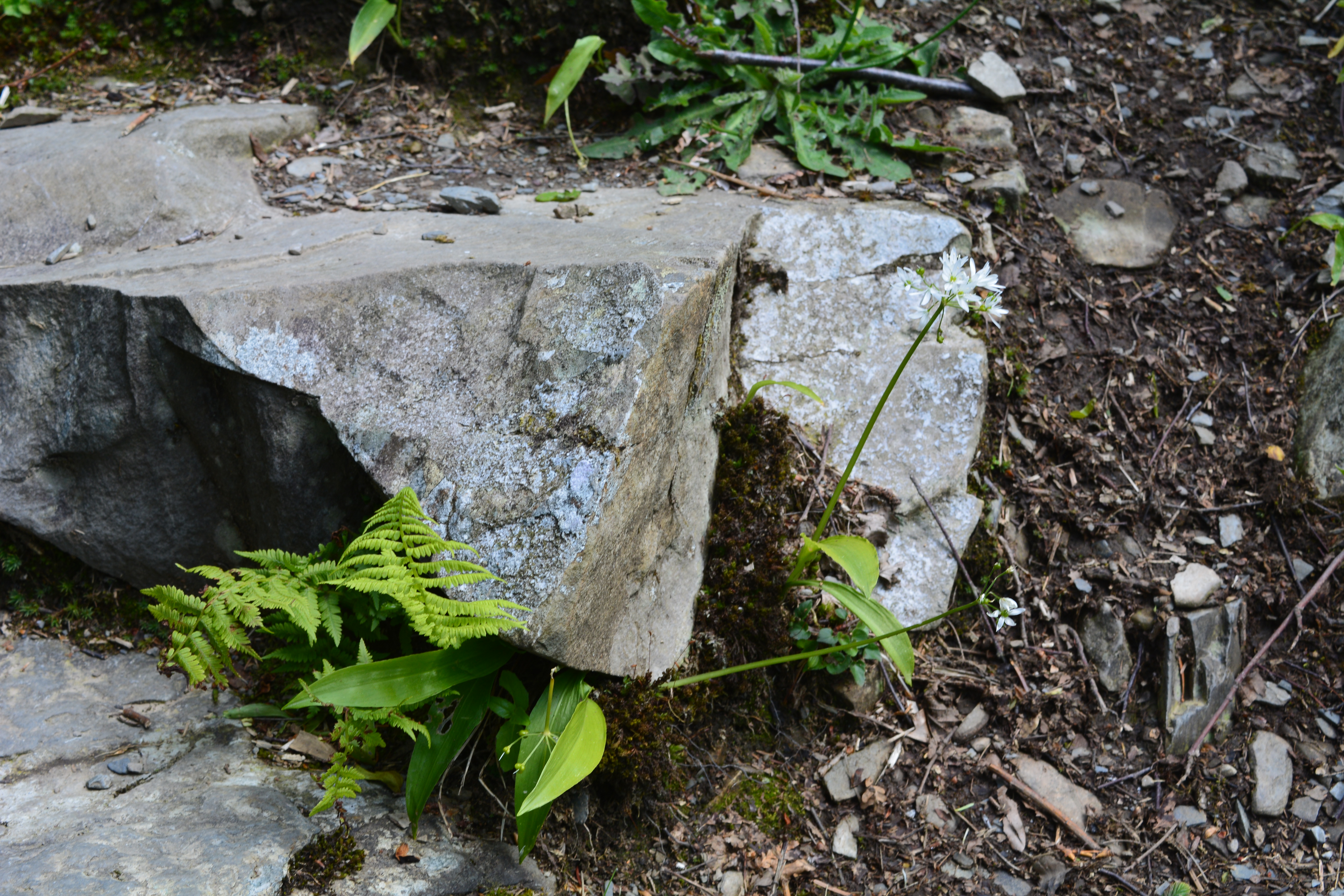
The damp atmosphere within the wood allowed mosses, ferns and foxgloves to grow on any natural surface.

2015 06 03_2362 2015 06 03_2363

Where light penetrated shade wildflowers were in bloom. Bluebells and Bugle painted a blue haze on the woodland floor.

2015 06 03_2365 2015 06 03_2369

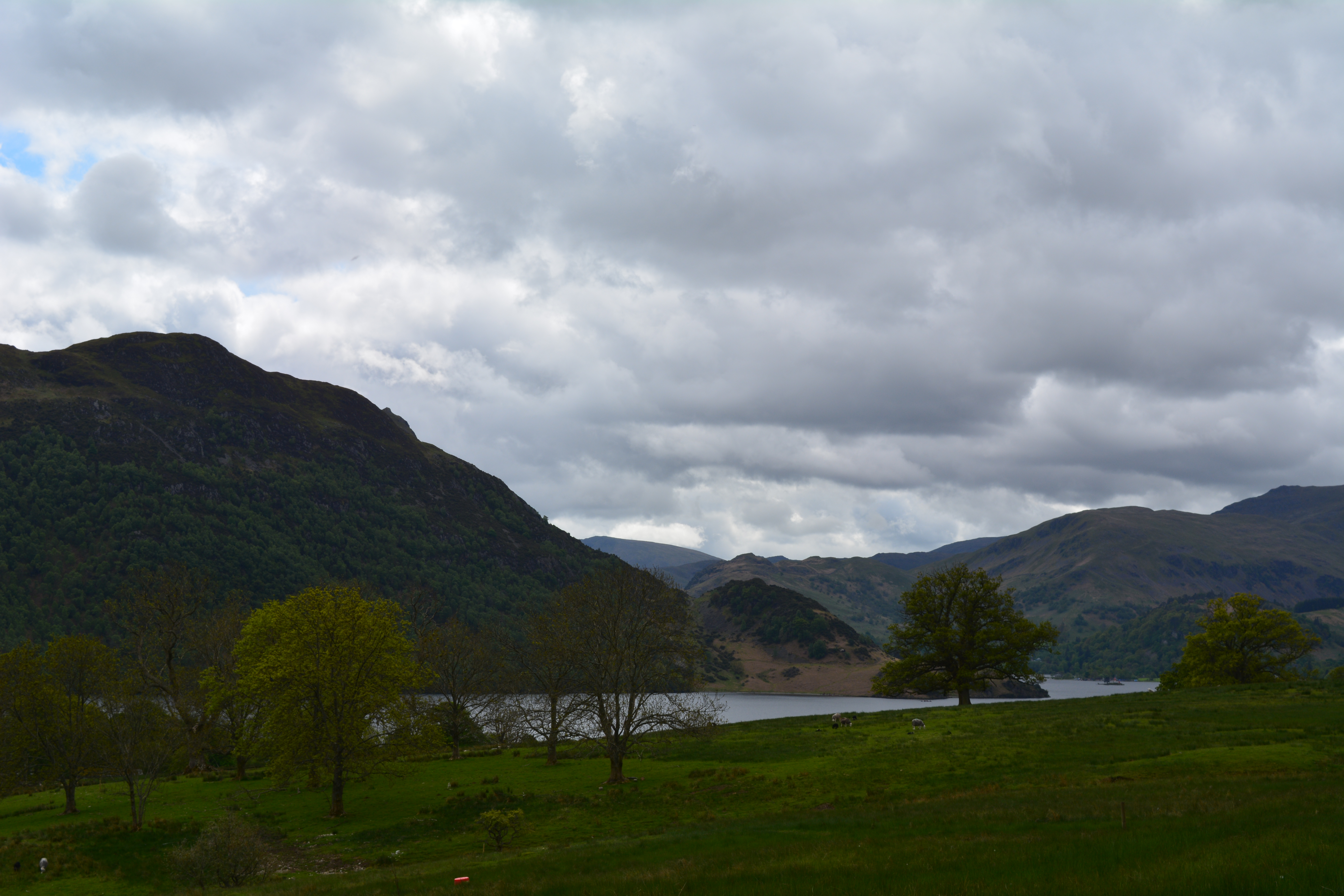
As we approached the waterfall open views were suddenly revealed as our path came to the wood edge, and we enjoyed a glimpse of lake and mountain.

2015 06 03_2366 2015 06 03_2367

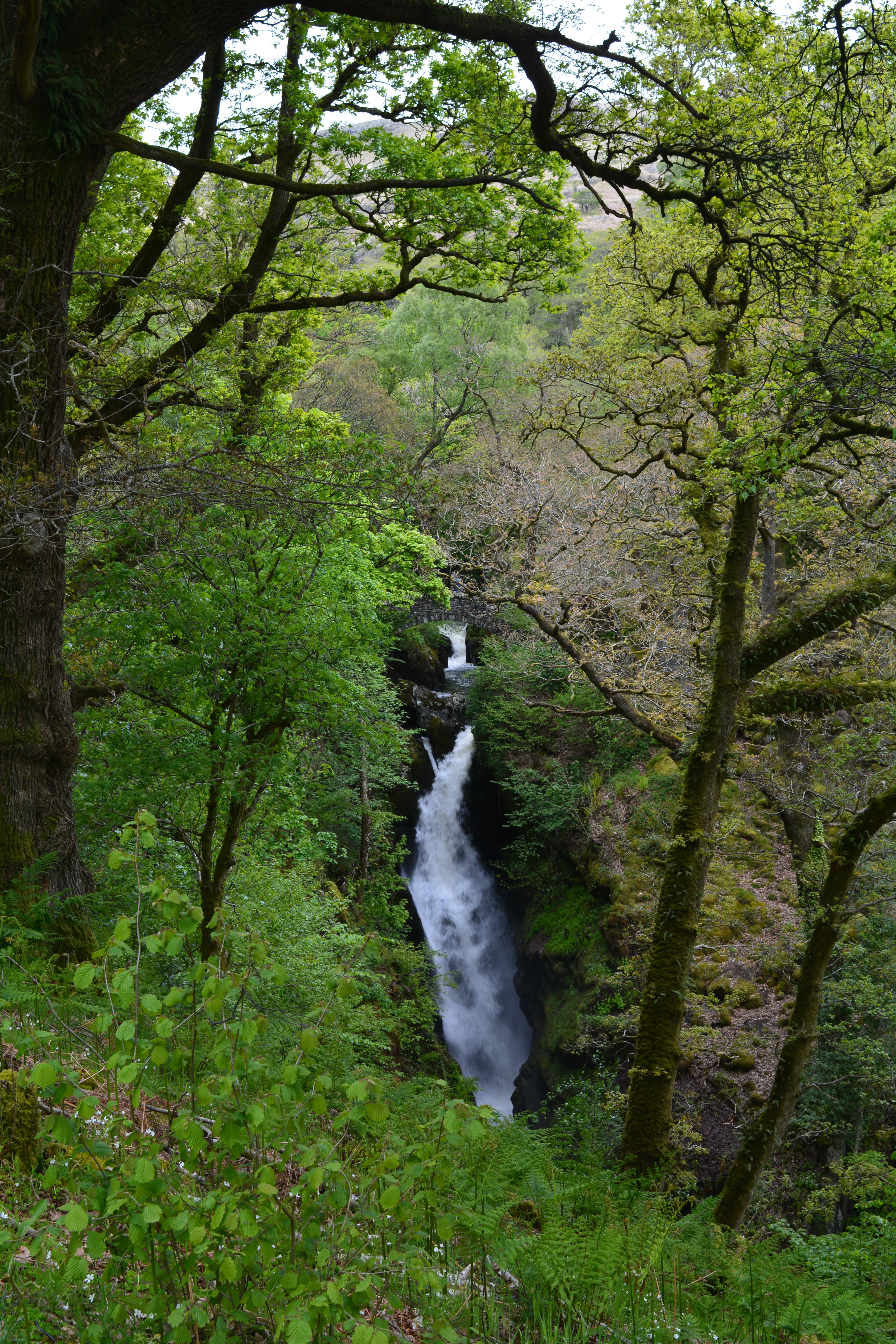
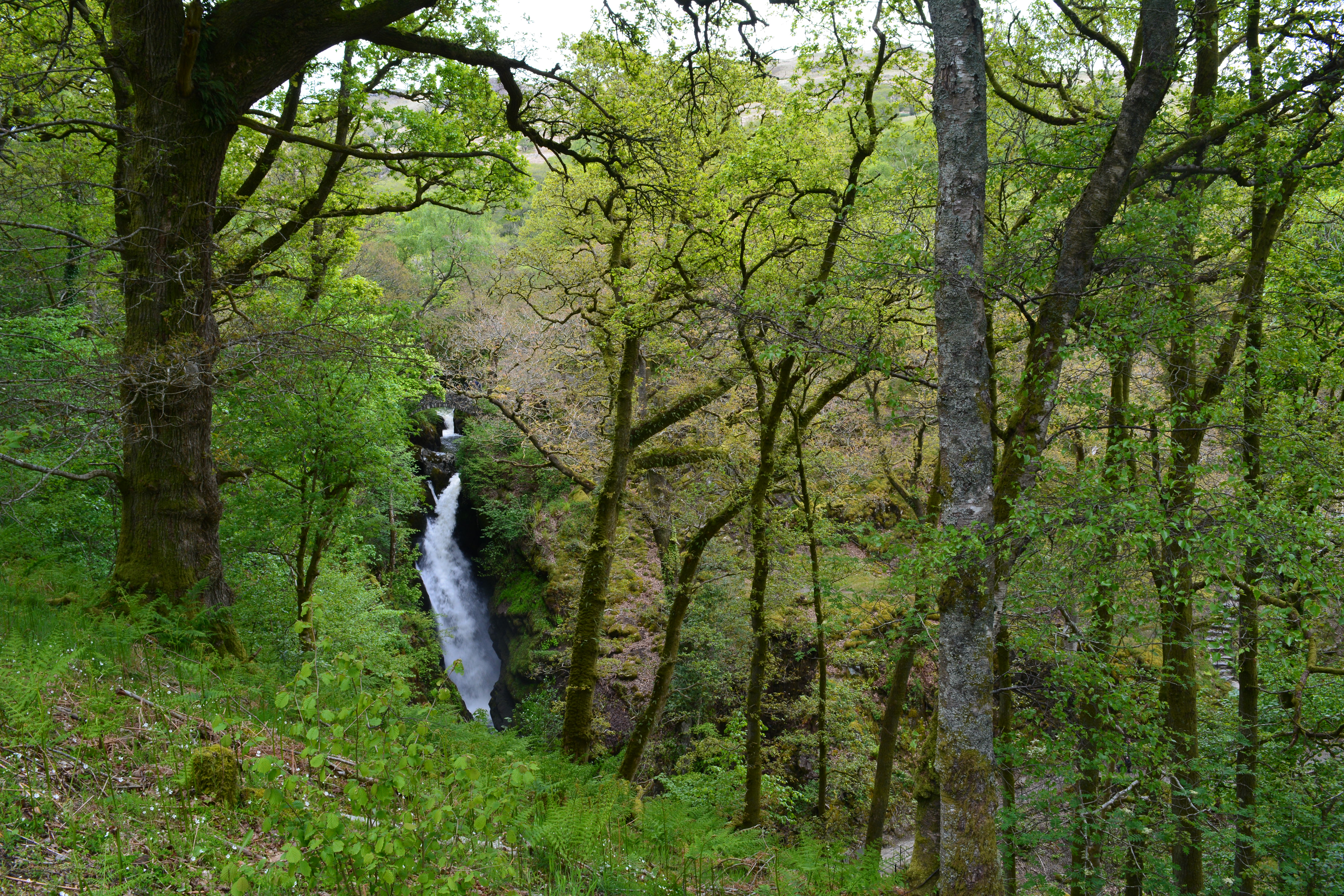
As we followed our path upwards we could hear the waterfall roaring in the depths of the valley, before it suddenly appeared, a sparkling ribbon dropping down the valley.

2015 06 03_2370 2015 06 03_2371 2015 06 03_2372 2015 06 03_2373 2015 06 03_2374 2015 06 03_2375 2015 06 03_2376 2015 06 03_2377 2015 06 03_2378 2015 06 03_2379

This was the end of our upward journey so we stopped to enjoy a well-earned rest. We sat on an old wooden bench listening to the many woodland birds all around and above us. In the second part of this post we will be making our way back down the valley.

Categories
autumn autumn colours colours garden design garden photography gardening gardens gardens open to the public grasses hardy perennials ornamental grasses ornamental trees and shrubs RHS trees winter gardens Yorkshire

Autumn at RHS Harlow Carr – Part One

We visit the RHS garden, Harlow Carr situated just outside Harrogate, at least once each year. We do this simply because we love the place whatever time of year and whatever the weather. On our latest visit we wanted to see it in the autumn.

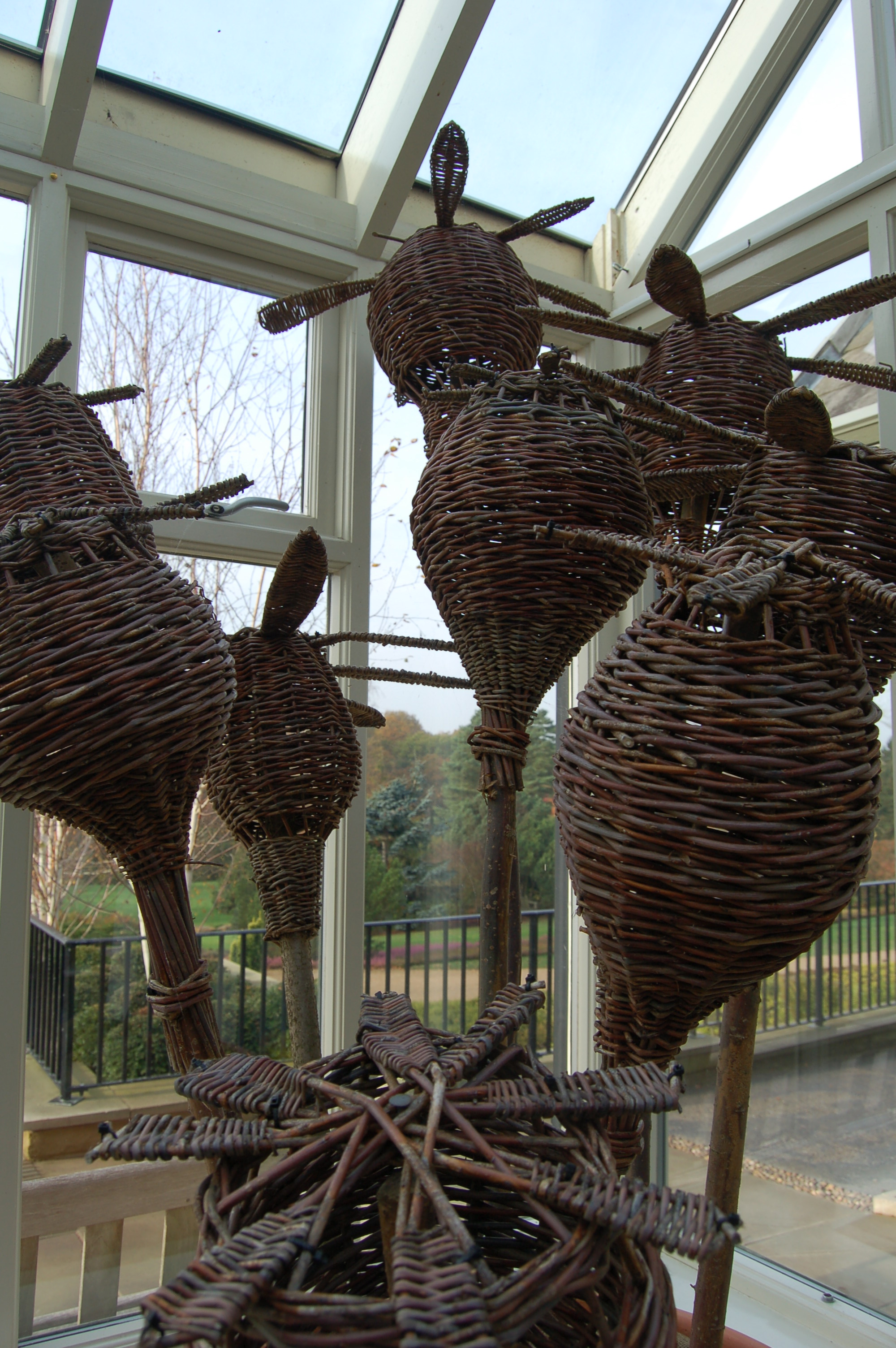
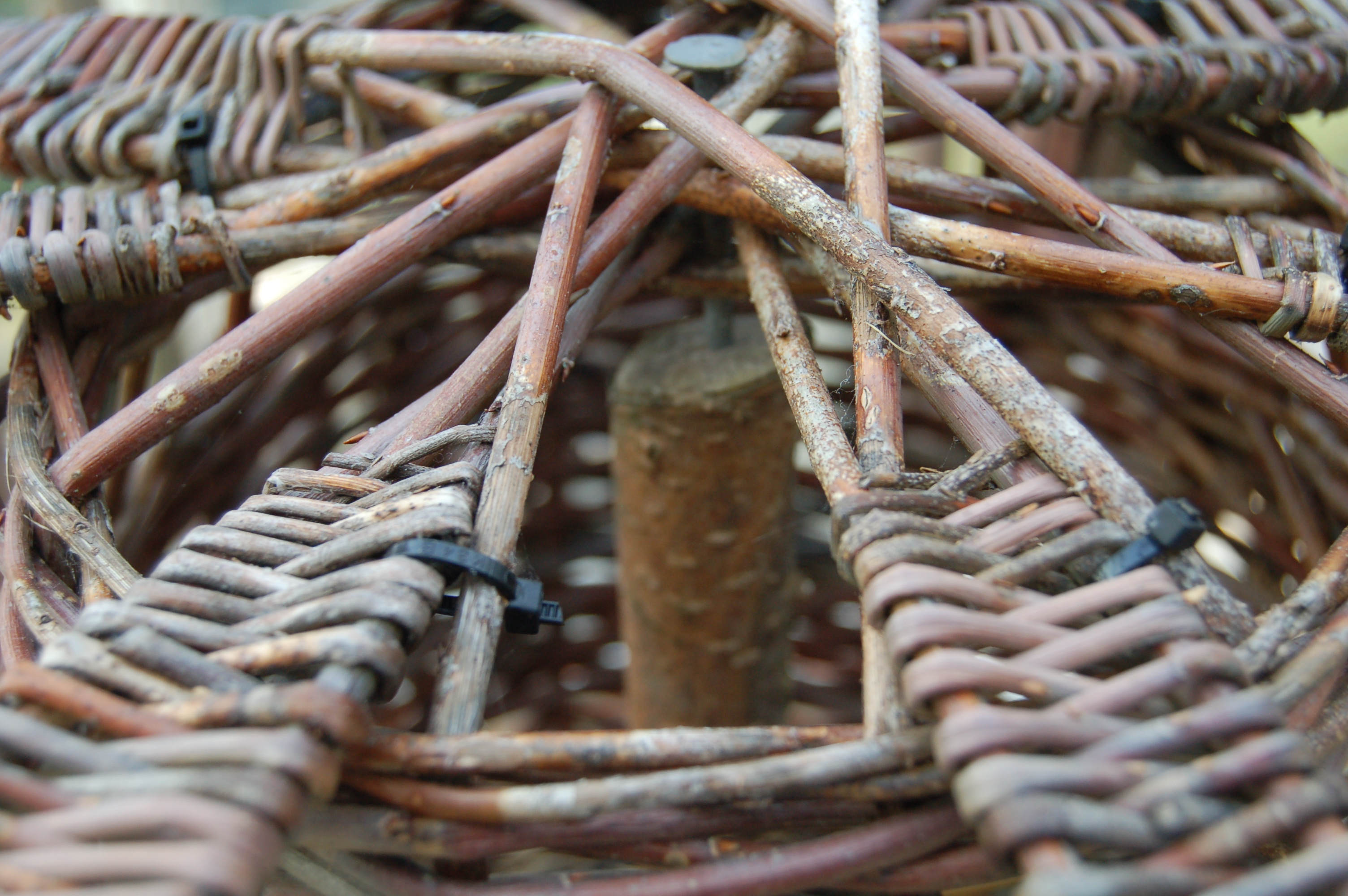
As soon as we arrived we realised there were a few things going on to celebrate the autumn. In the entrance foyer there were clues that a Willow Trail had been set out for children to follow.

2014 10 31_6788 2014 10 31_6789

Beautiful pure white stems of Betulas welcomed us into the garden.

2014 10 31_6790 2014 10 31_6791

Recent high winds had stripped the leaves off many of the trees so on this visit it looked as if we were not going to be seeing much of the autumnal hues we thought we were going to enjoy. The garden was already showing signs of winter. Long views across the gardens afforded us views of tree skeletons combined with just a few orange leaved shrubs and the deeper greens of the conifers.


2014 10 31_6792 2014 10 31_67942014 10 31_6793 2014 10 31_67952014 10 31_6804 2014 10 31_6883

The Winter Garden soon proved itself to be a brilliant place in the autumn too. Berries gave the strongest colours closely followed by the remnant leaves of shrubs.

2014 10 31_6799  2014 10 31_68012014 10 31_6800 2014 10 31_68092014 10 31_6810 2014 10 31_68112014 10 31_6813 2014 10 31_68122014 10 31_6865

2014 10 31_6808 2014 10 31_6802 2014 10 31_6803 2014 10 31_6881

The whisps of the ornamental grasses appeared white at first glance but close up we realised they were the subtlest of biscuit shades.

2014 10 31_6805 2014 10 31_6806

2014 10 31_6814 2014 10 31_6817

2014 10 31_6850 2014 10 31_6861

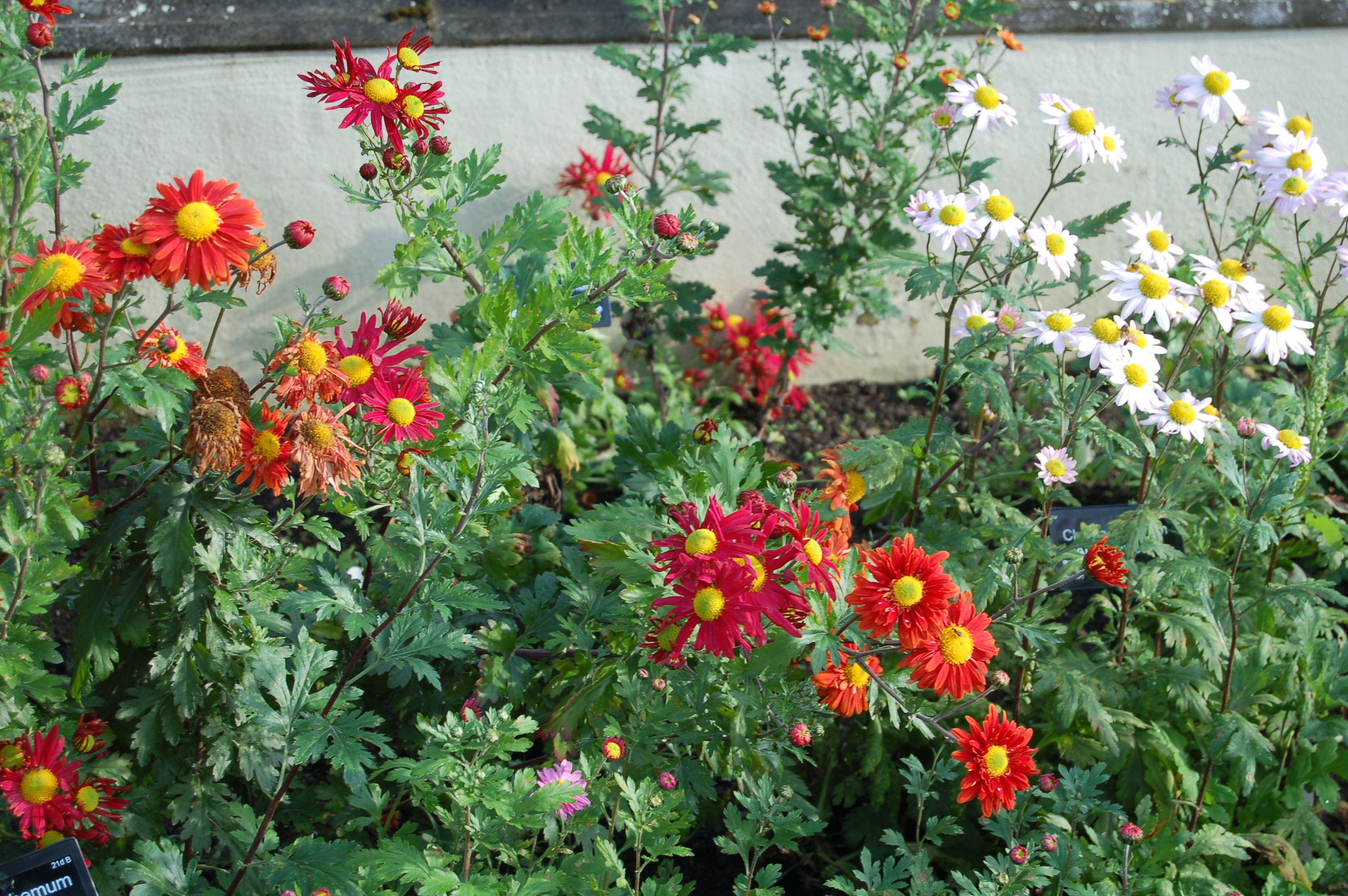
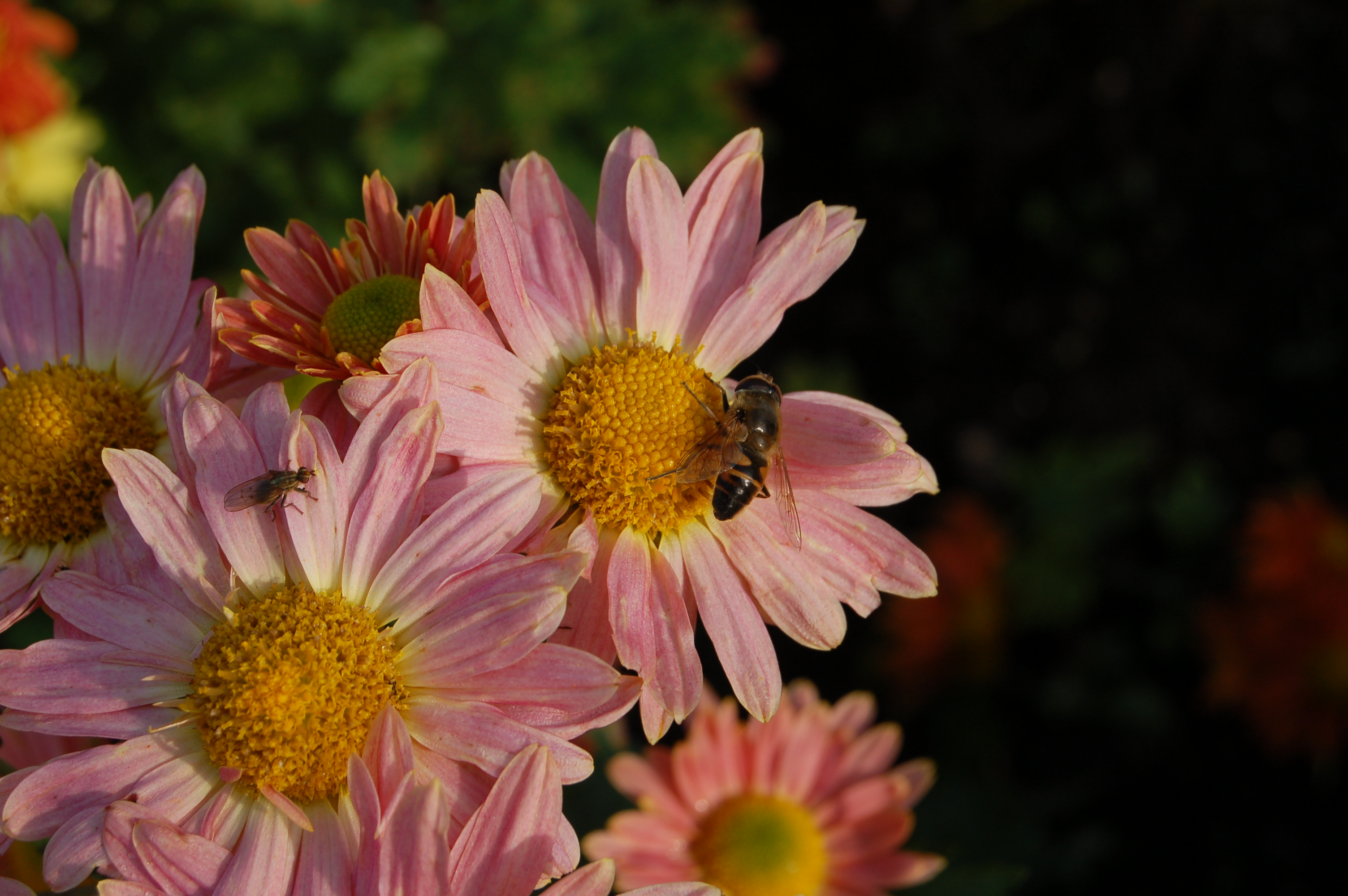
There were still plenty of surprises to be found including the bright colours of late flowers in the perennial meadows.

2014 10 31_6822 2014 10 31_68182014 10 31_6832  2014 10 31_6835 2014 10 31_6836 2014 10 31_6863

As the days get shorter more and more of these perennials dry to shades of biscuit, ginger and brown.

2014 10 31_6834

2014 10 31_6882 2014 10 31_6862

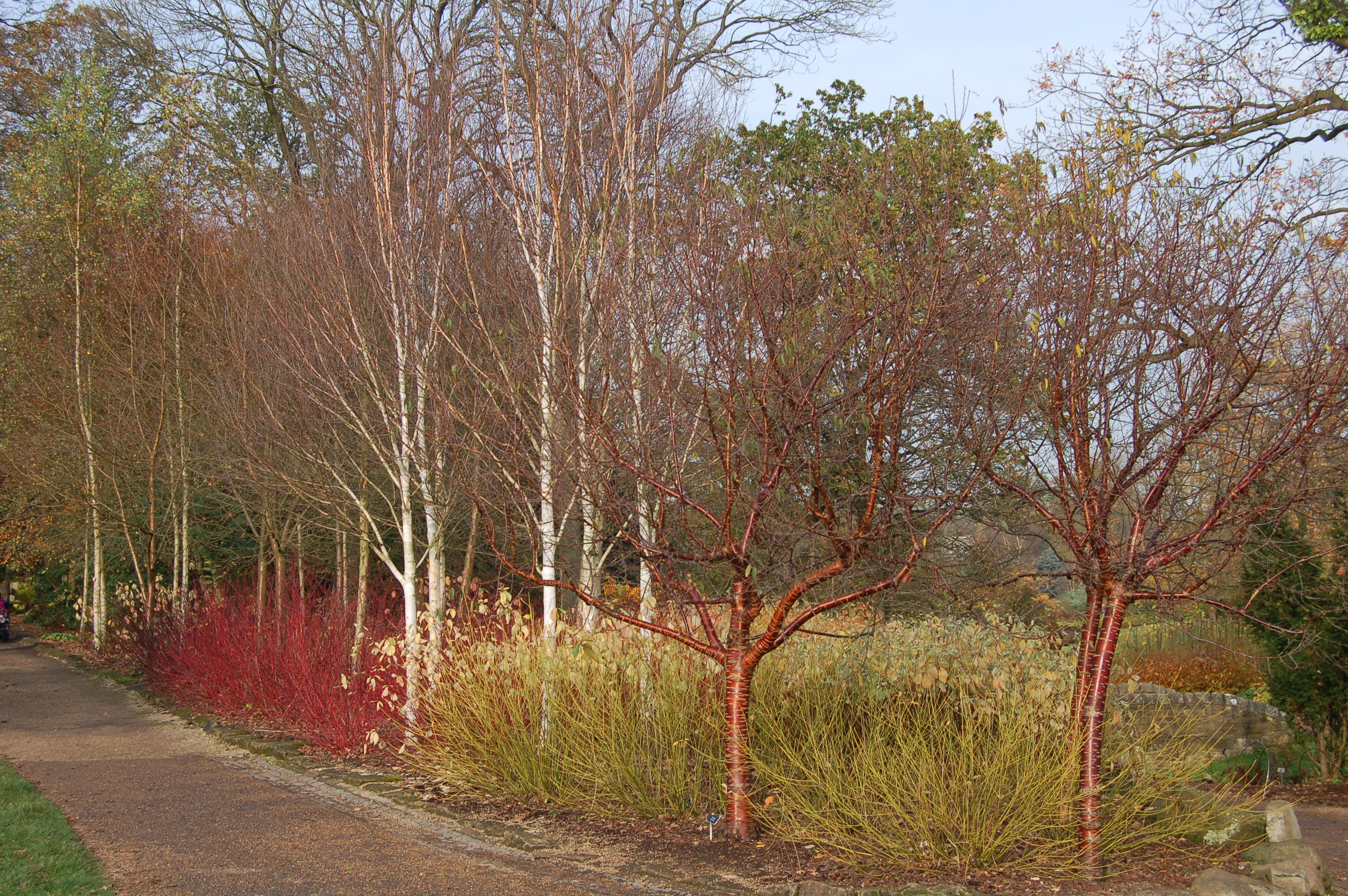
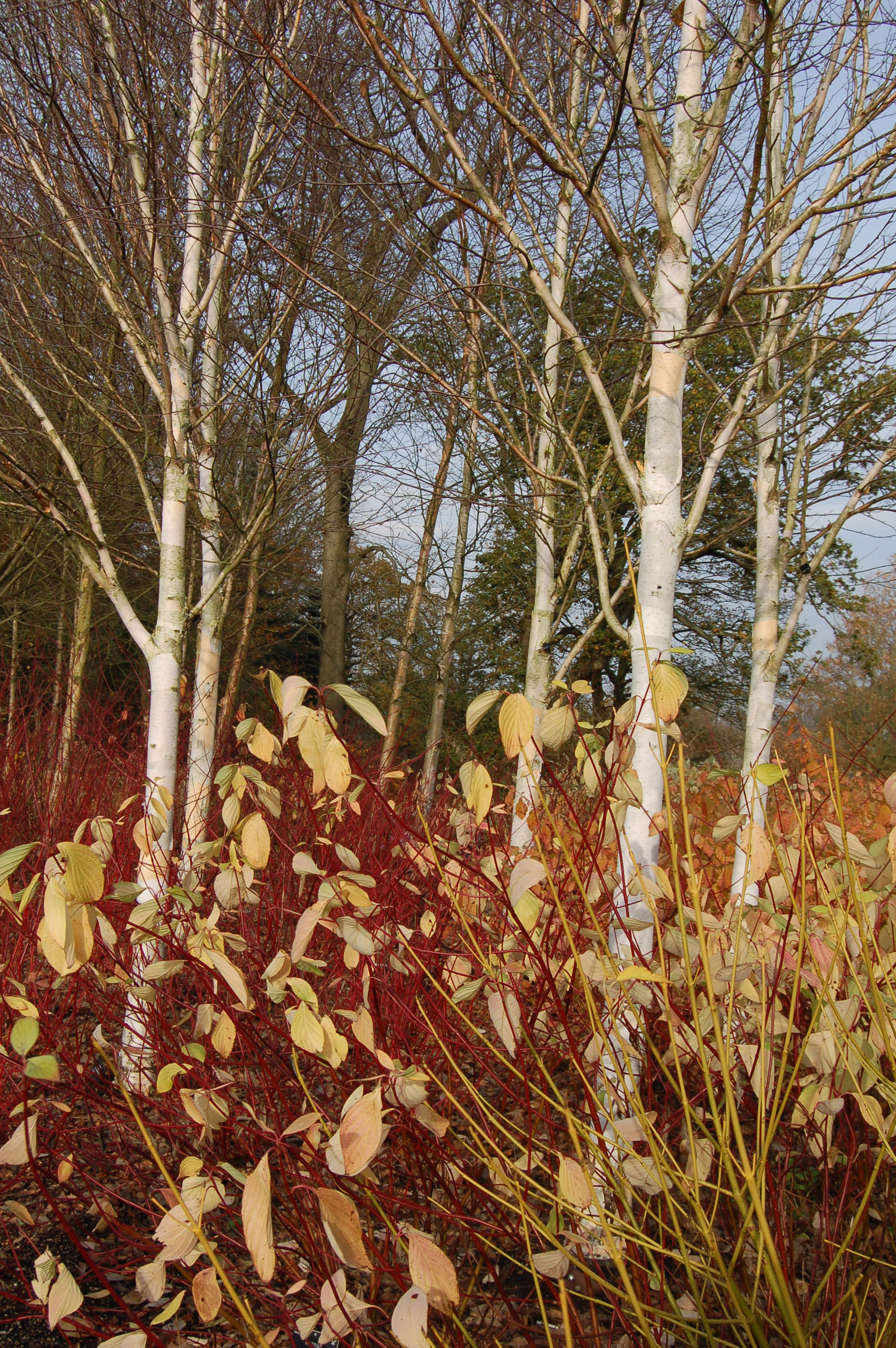
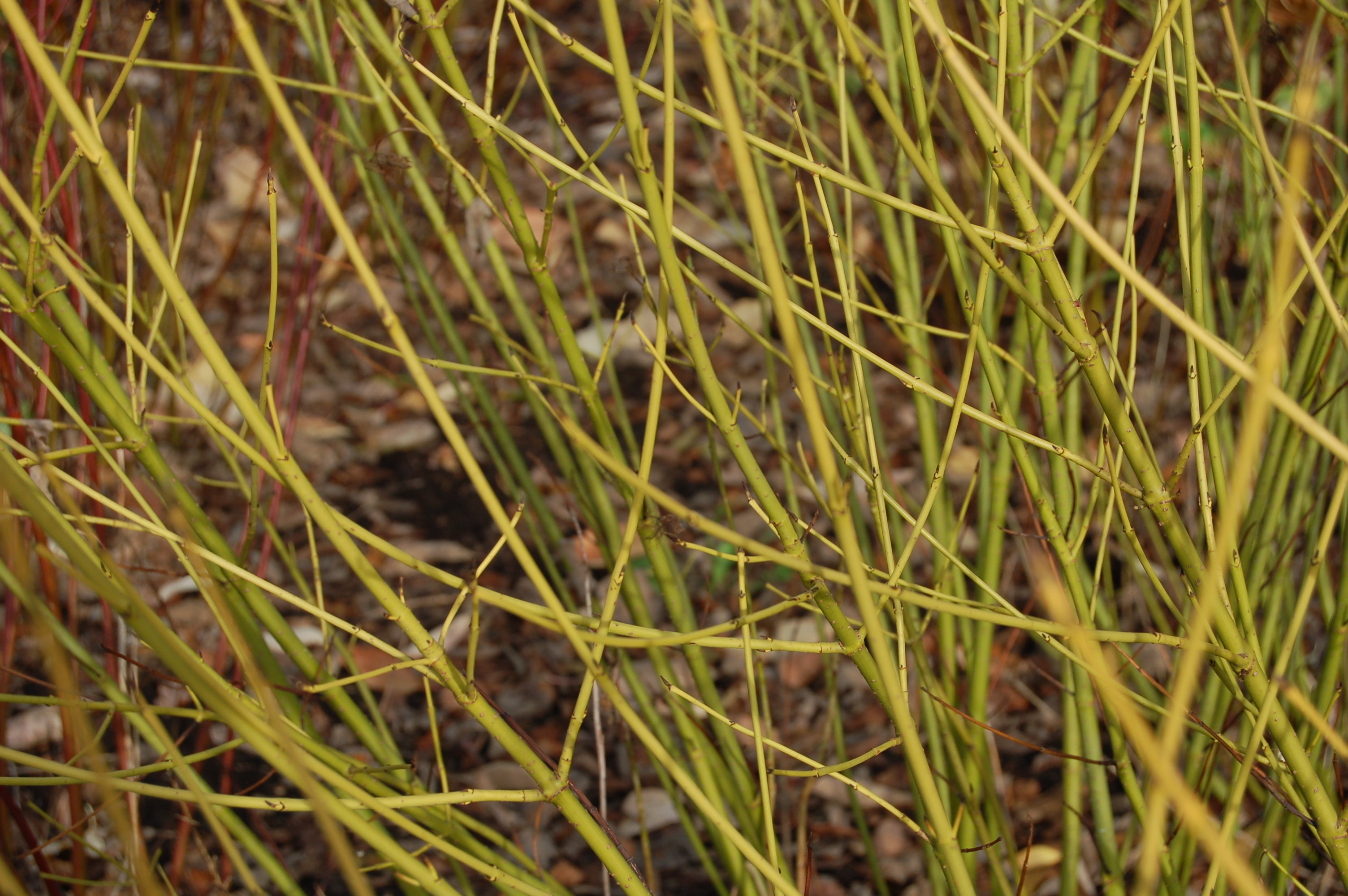
This little corner was probably my favourite part of the garden with the slender trees showing off their coloured trunks and the shrubs beneath them displaying brightly coloured stems.

2014 10 31_6870 2014 10 31_6871 2014 10 31_6872 2014 10 31_6873 2014 10 31_6874 2014 10 31_6875

Although still late autumn when we visited some of the scents of winter were already pervading the air. The pink flowered Viburnums emitted the strongest scent of all.2014 10 31_6868

In part two of our visit to Harlow Carr we will explain what else this exceptional all-season garden had to offer us.

Categories
arboreta autumn autumn colours colours light light quality ornamental trees and shrubs outdoor sculpture trees woodland woodlands

Queenswood Arboretum – Part Three – the Redwoods

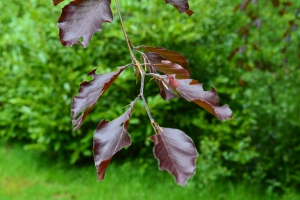
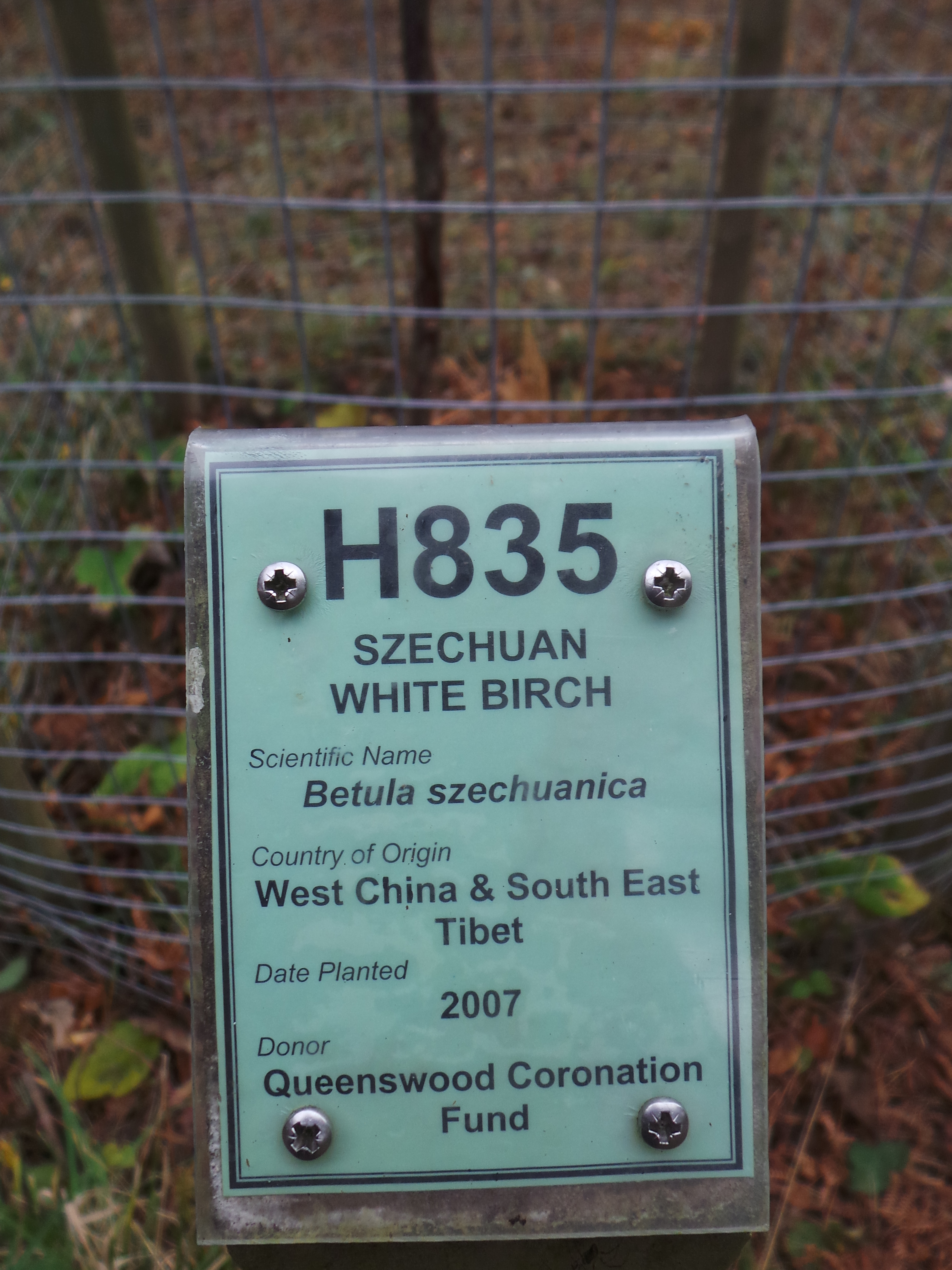
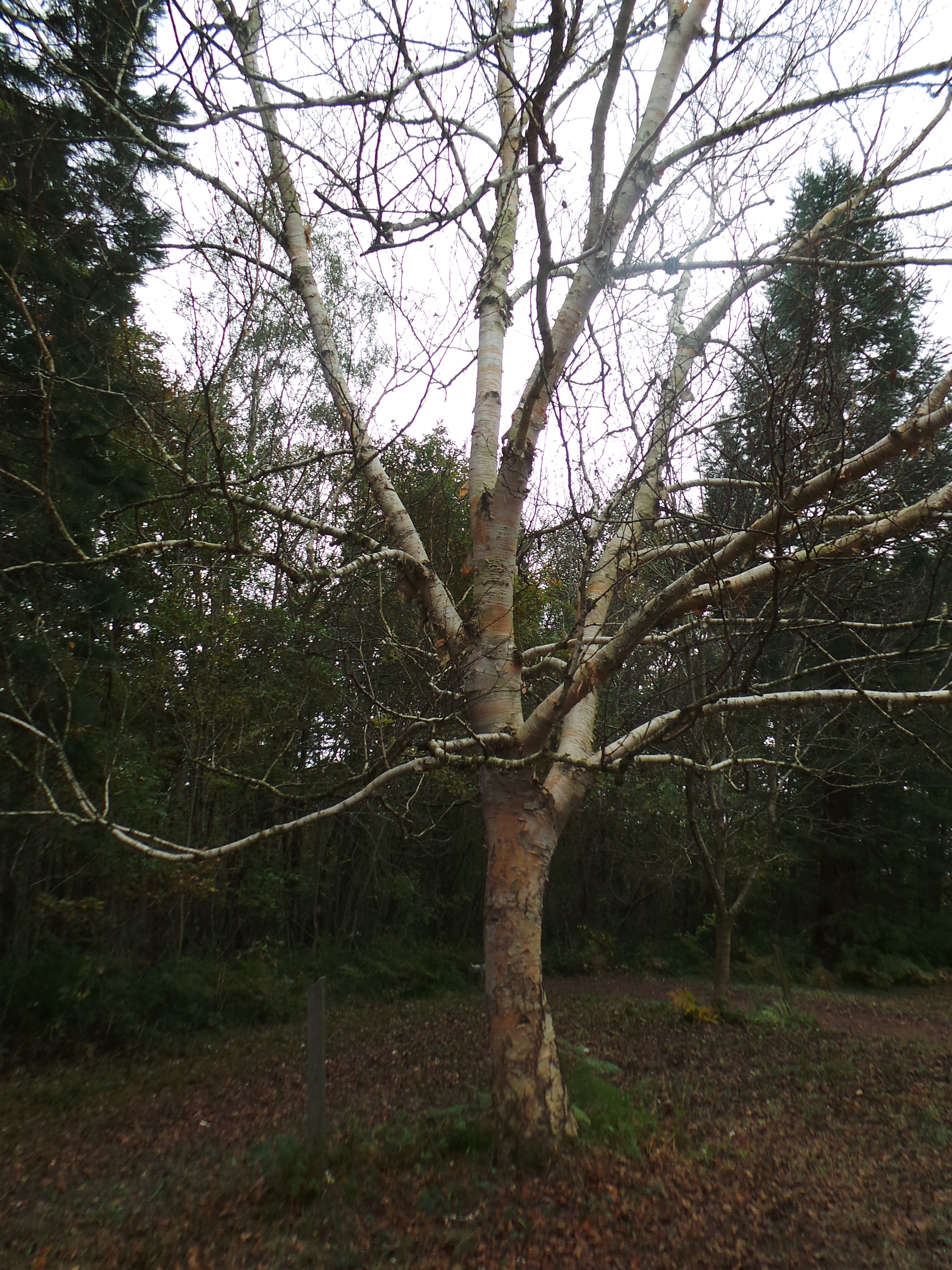
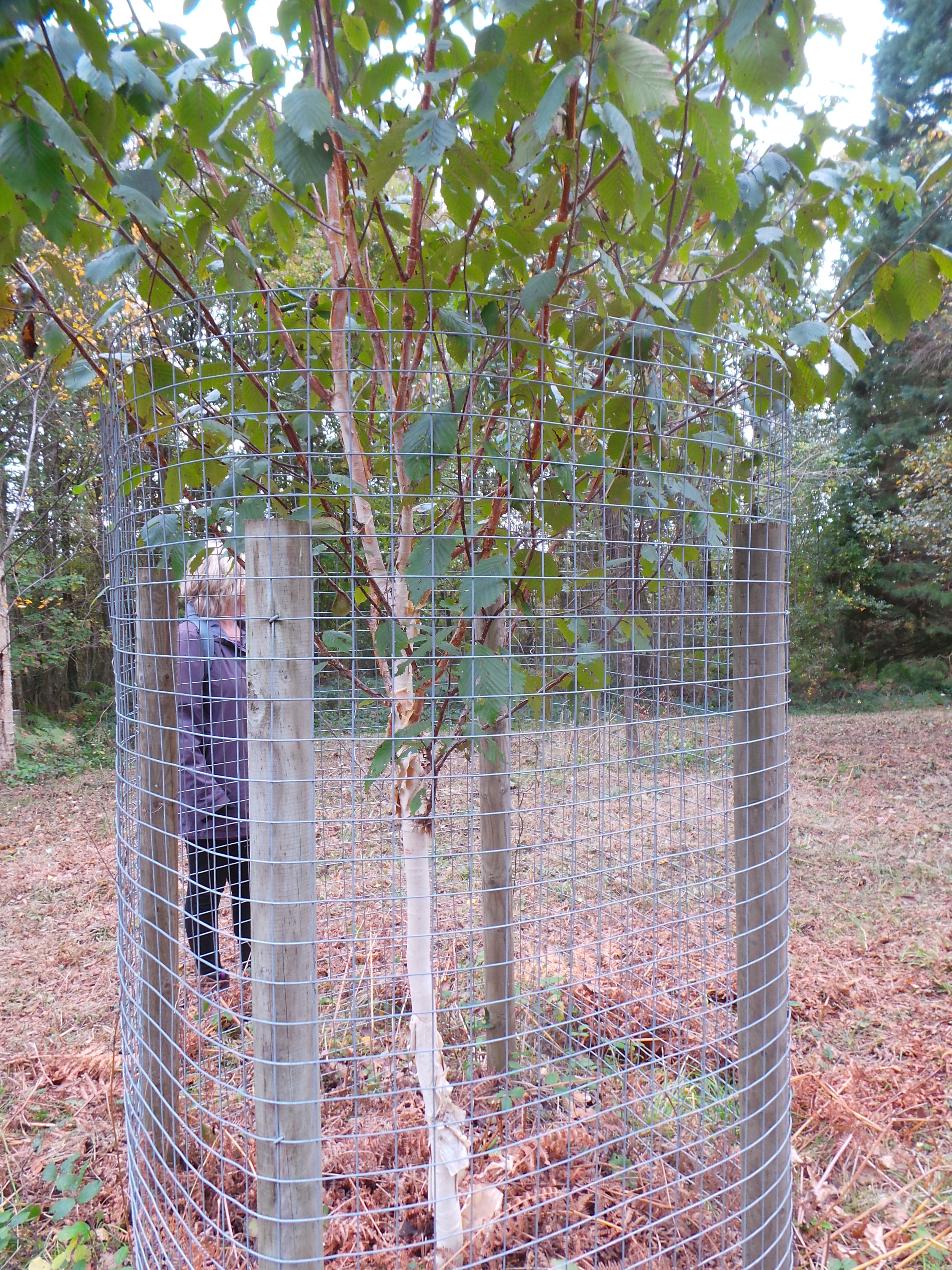
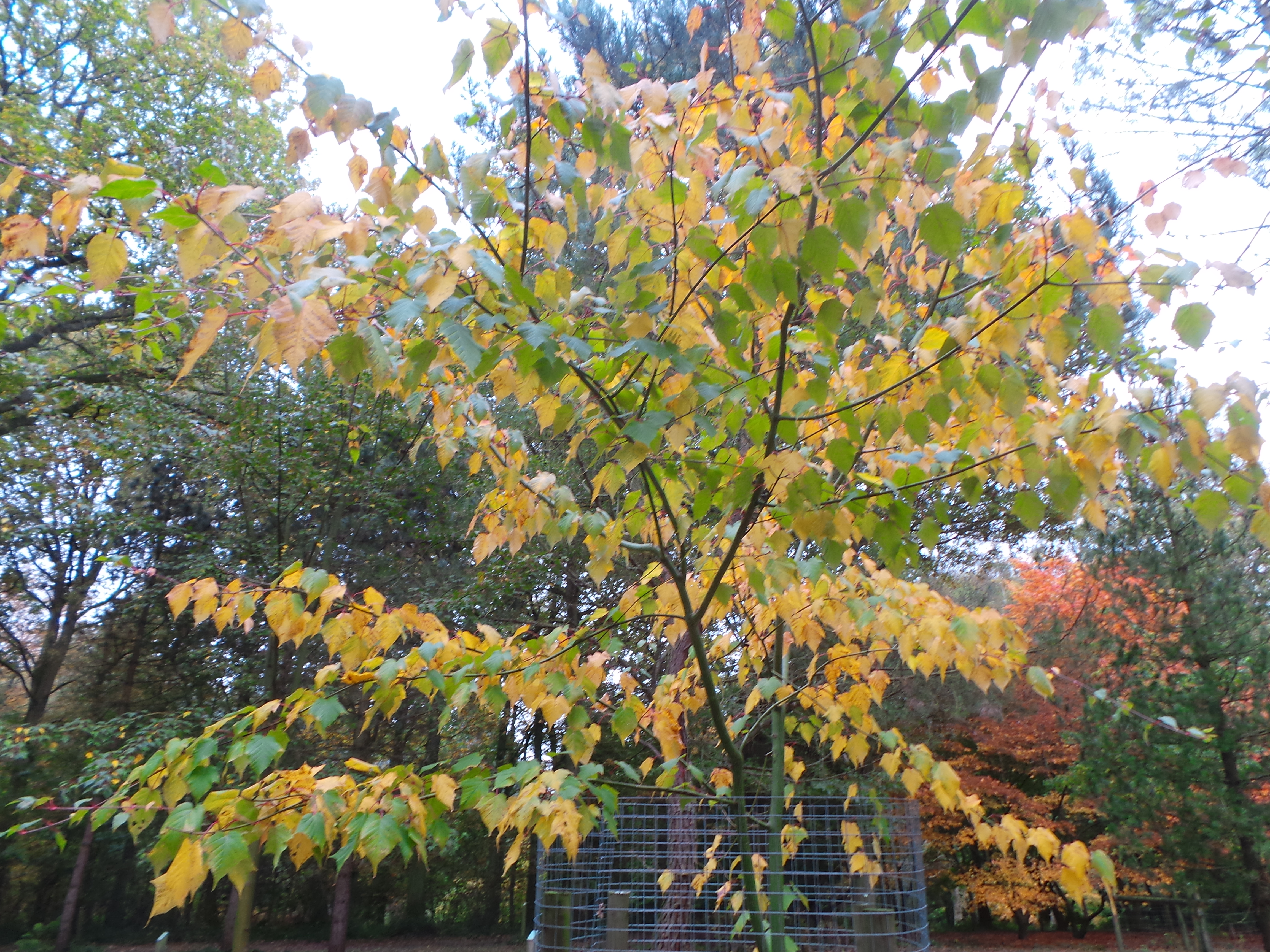
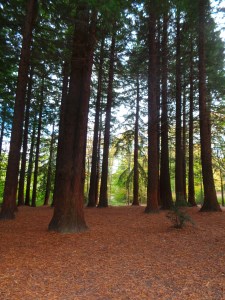
As we left the Oak Avenue behind and after we had enjoyed a quick look at the small Betula collection, we made our way slowly back to the car park. The sky began to get darker and drizzle began to fall. In the first shot included here you can see the bright autumn colours of the Birches through the line of huge pines. Many of them were small and still strongly guarded from the gnawing of the resident deer flock. I have also included a photo of one of the excellent, informative labels which is a great feature of this arboretum.

2014 10 23_6261

2014 10 23_6255 2014 10 23_6258 2014 10 23_6259 2014 10 23_62622014 10 23_6264 2014 10 23_6265

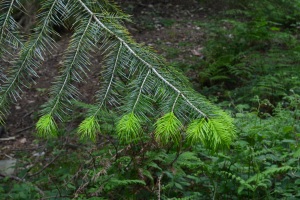
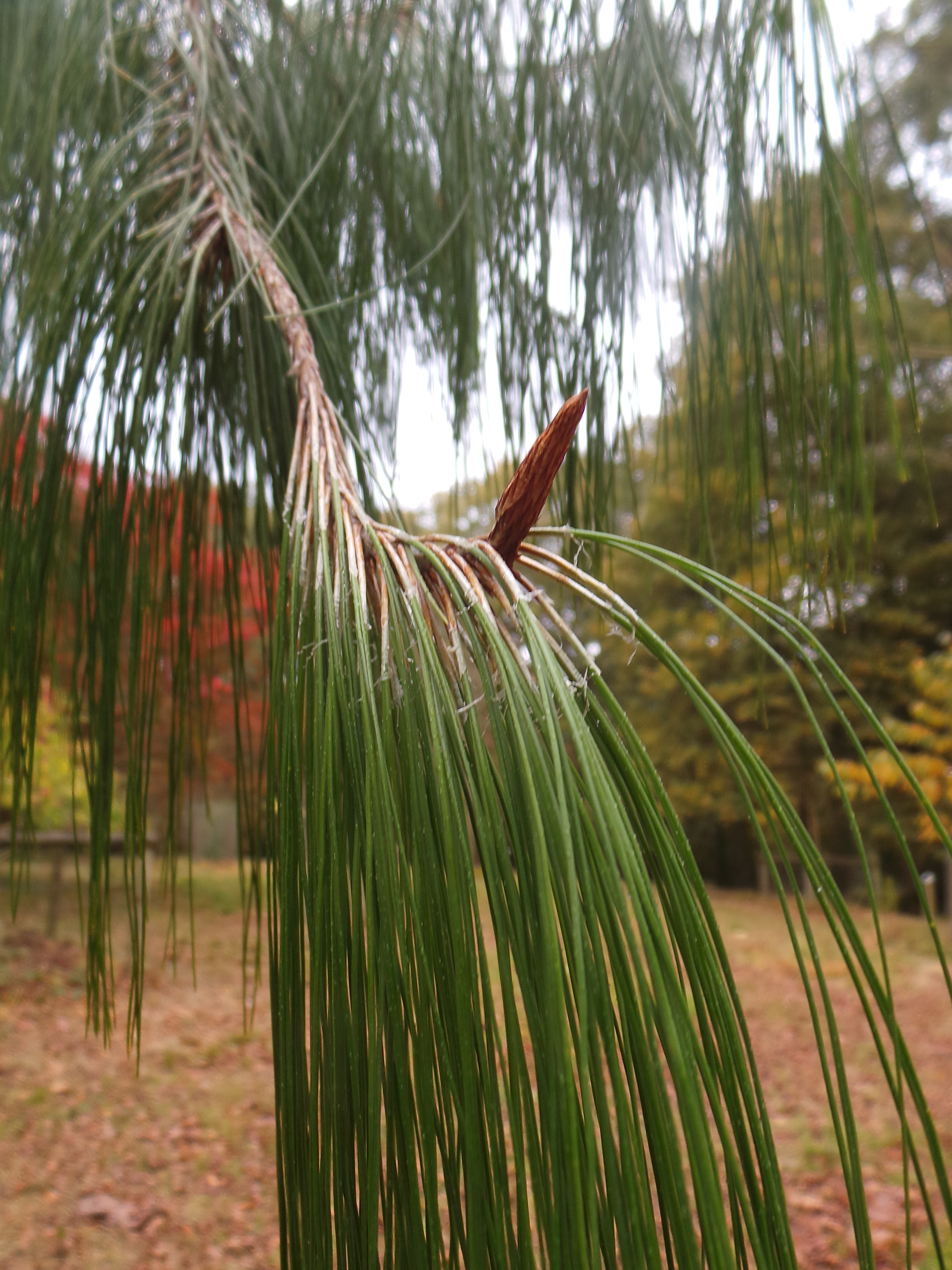
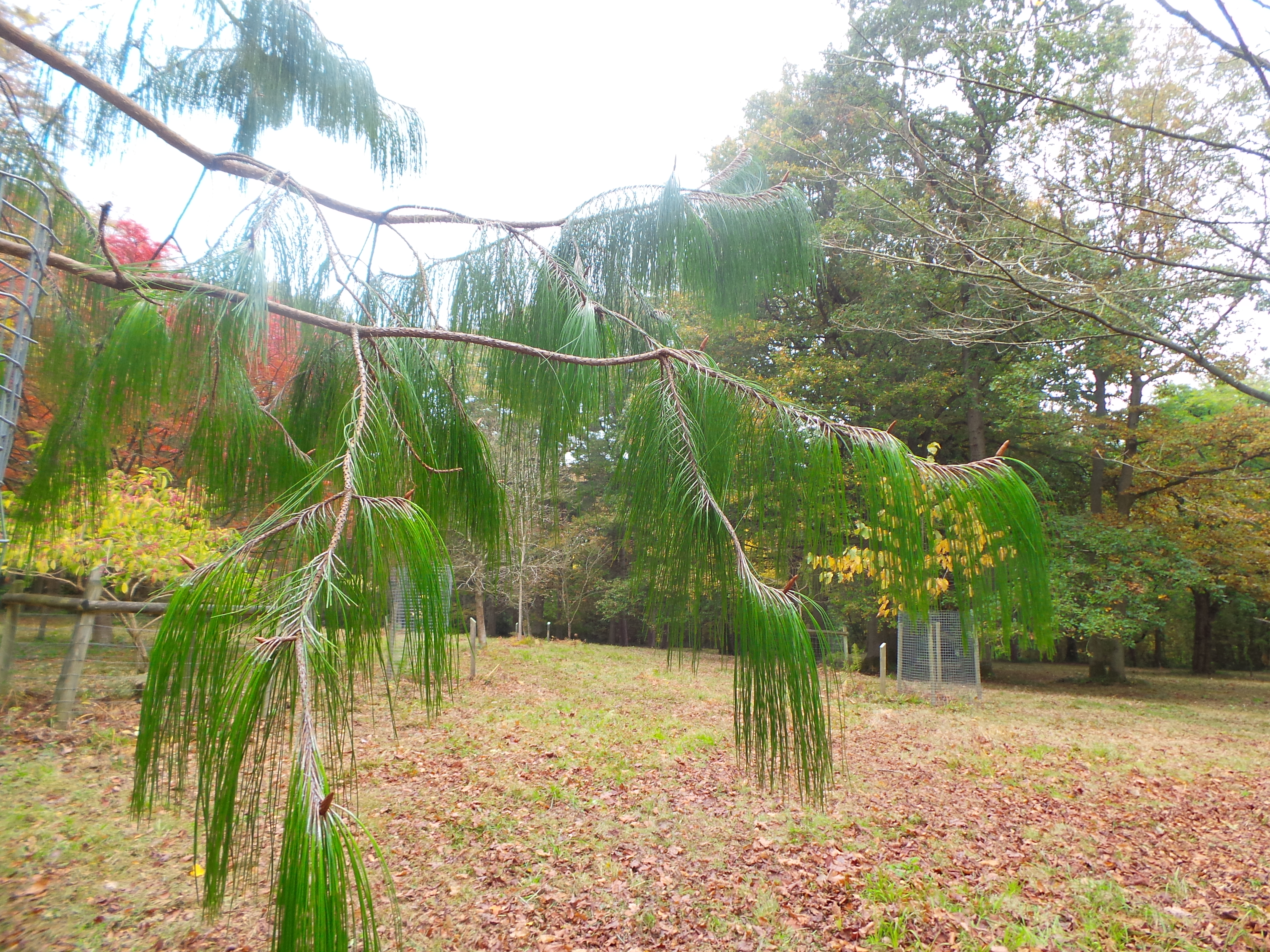
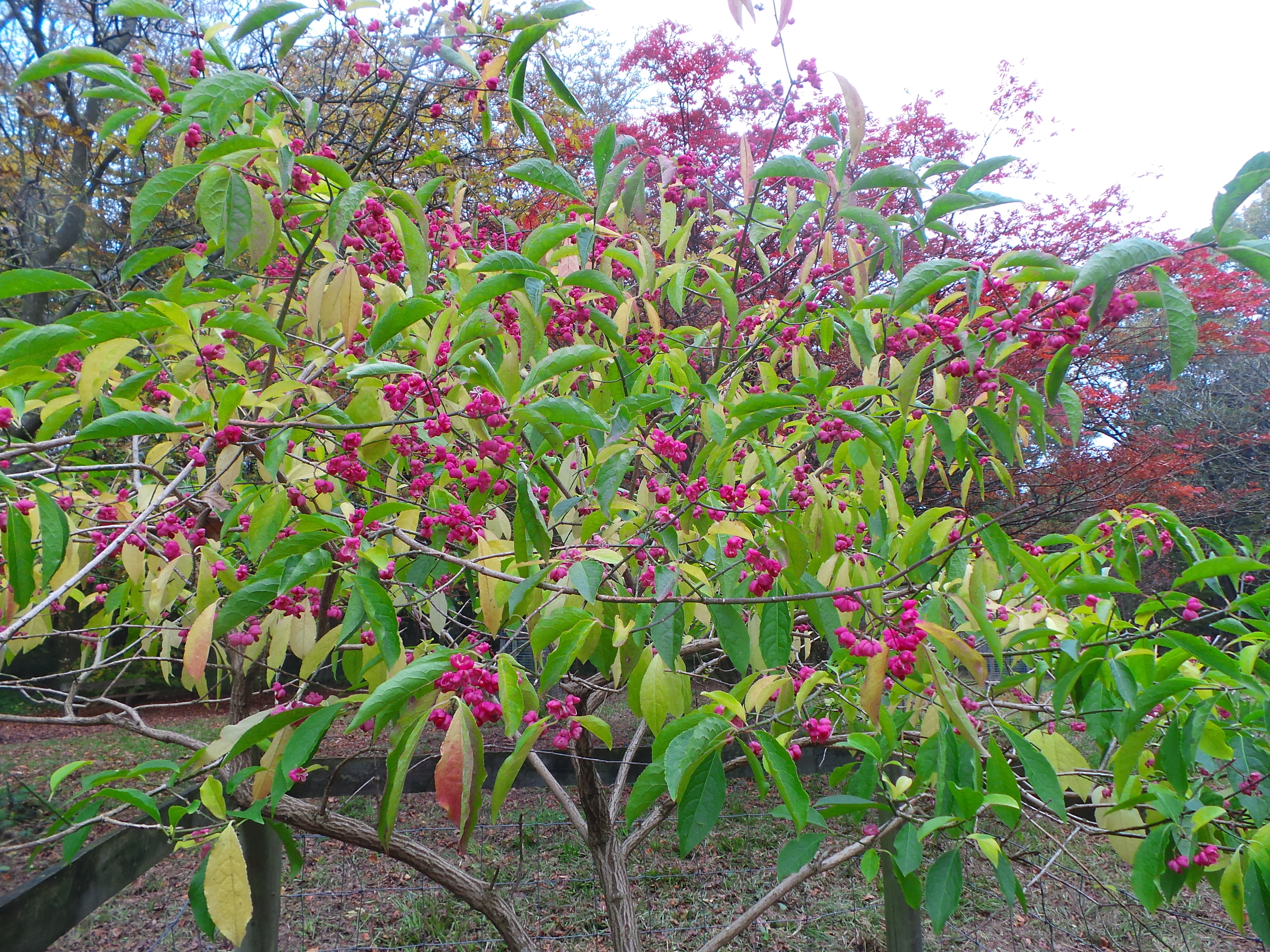
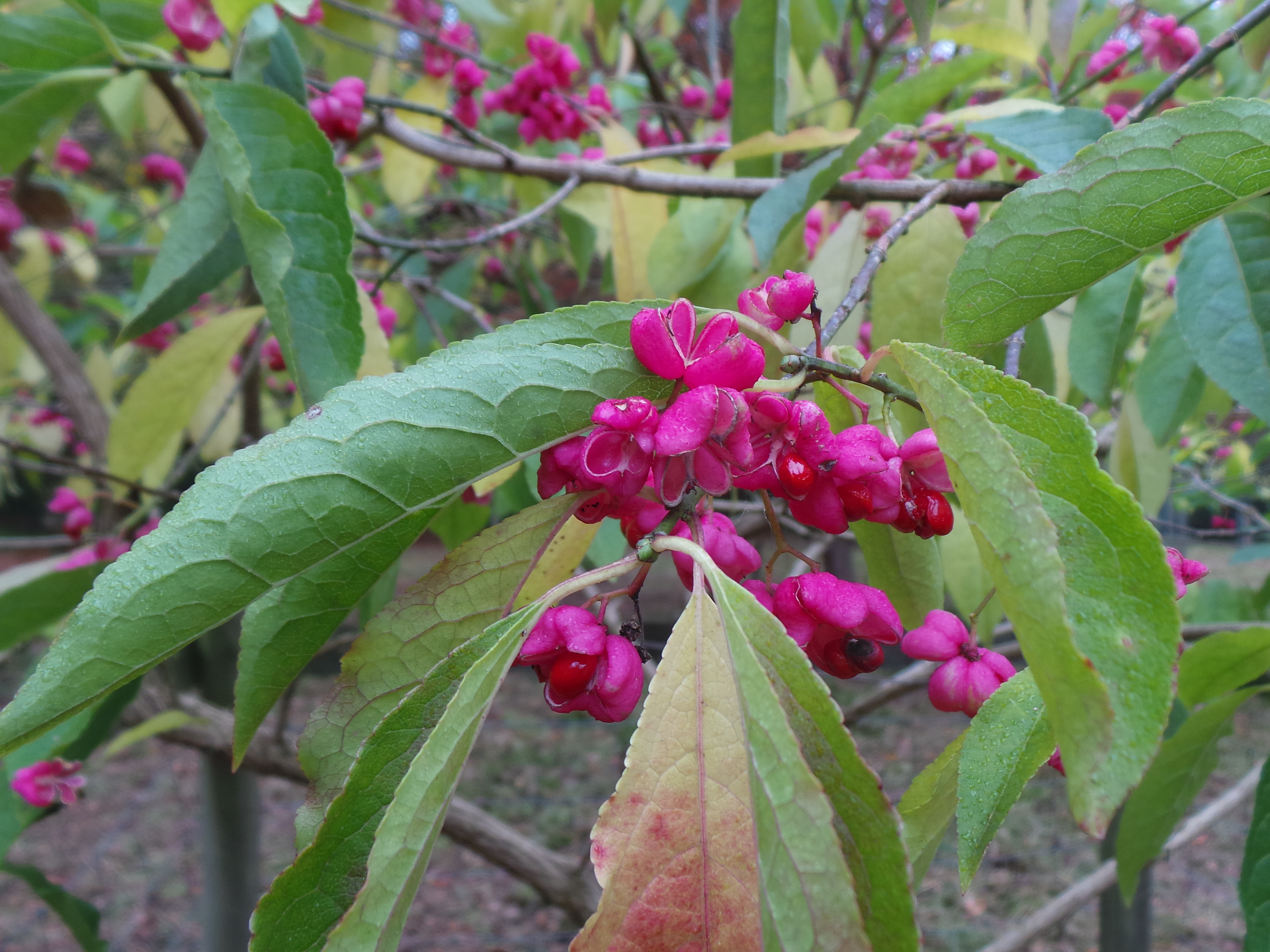
As the drizzle intensified we found some shelter under the older taller trees. We are not fans of conifers but we found this one fascinating with its long drooping needles. Pinus patula, better known as the Spreading Leaf Pine. Close by the strange but utterly beautiful cerise-flowered Euonymous europaeus glowed in the dull light.

2014 10 23_6266 2014 10 23_6267 2014 10 23_6269 2014 10 23_6270 2014 10 23_6271 2014 10 23_6272

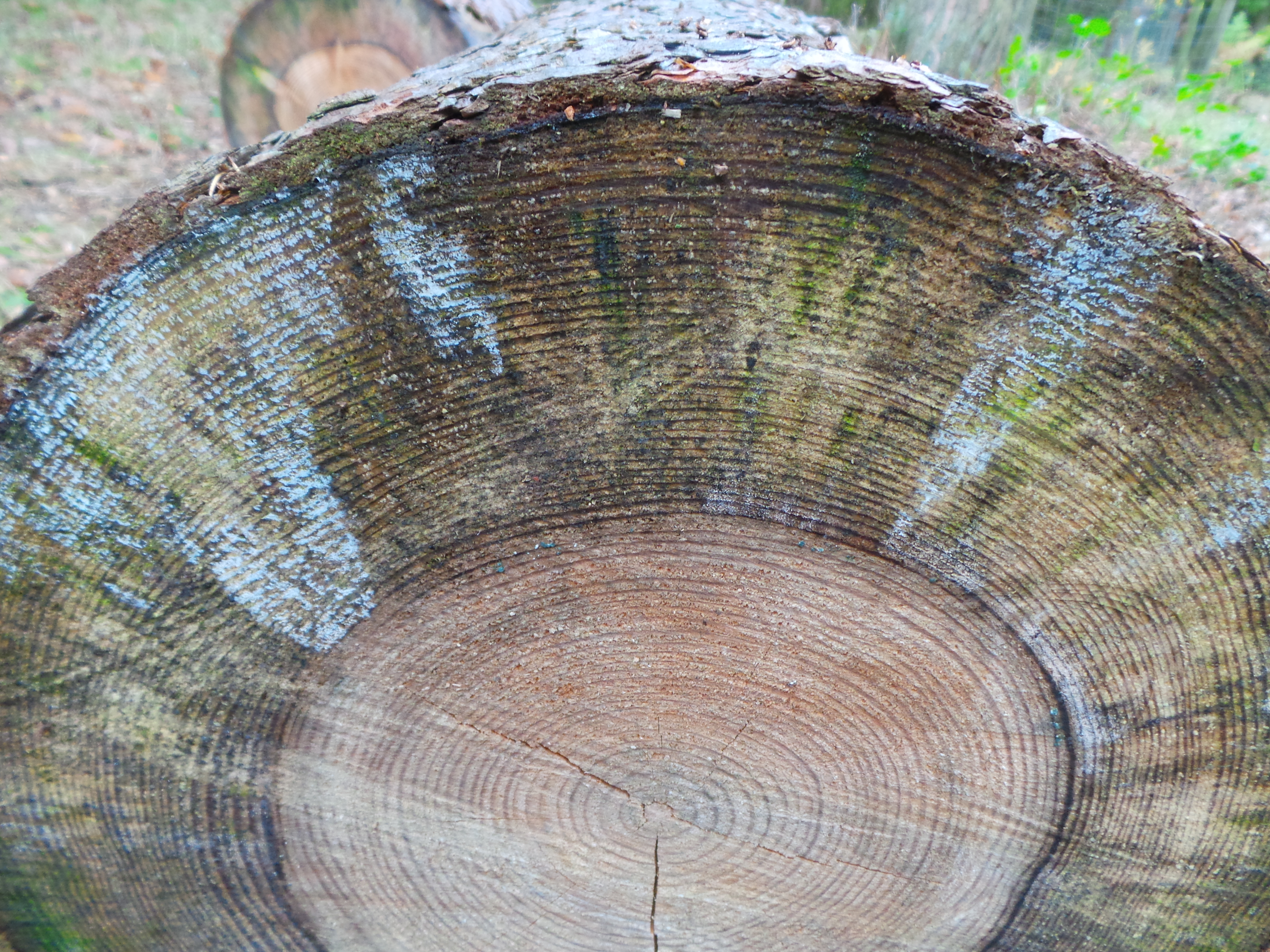
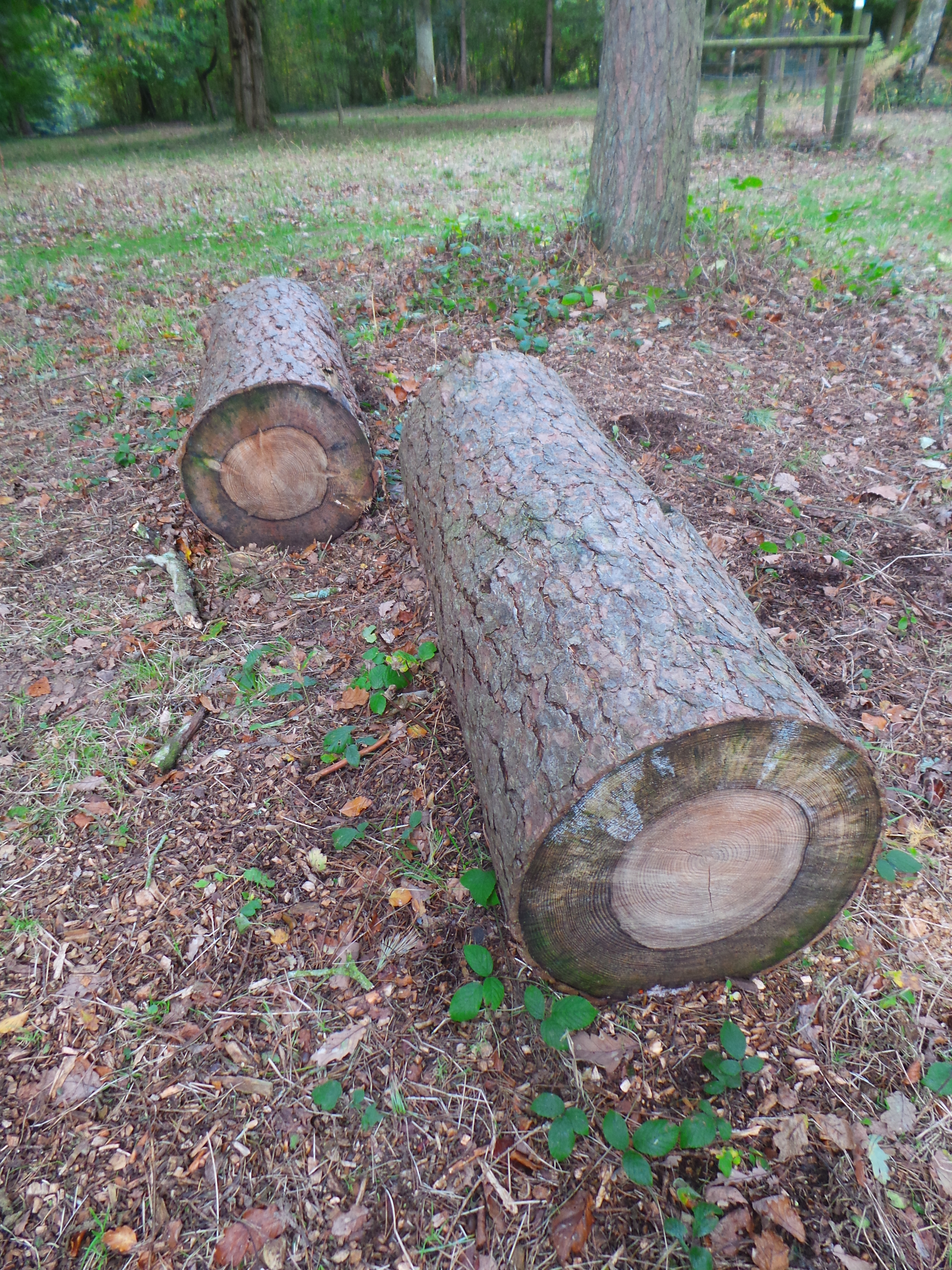
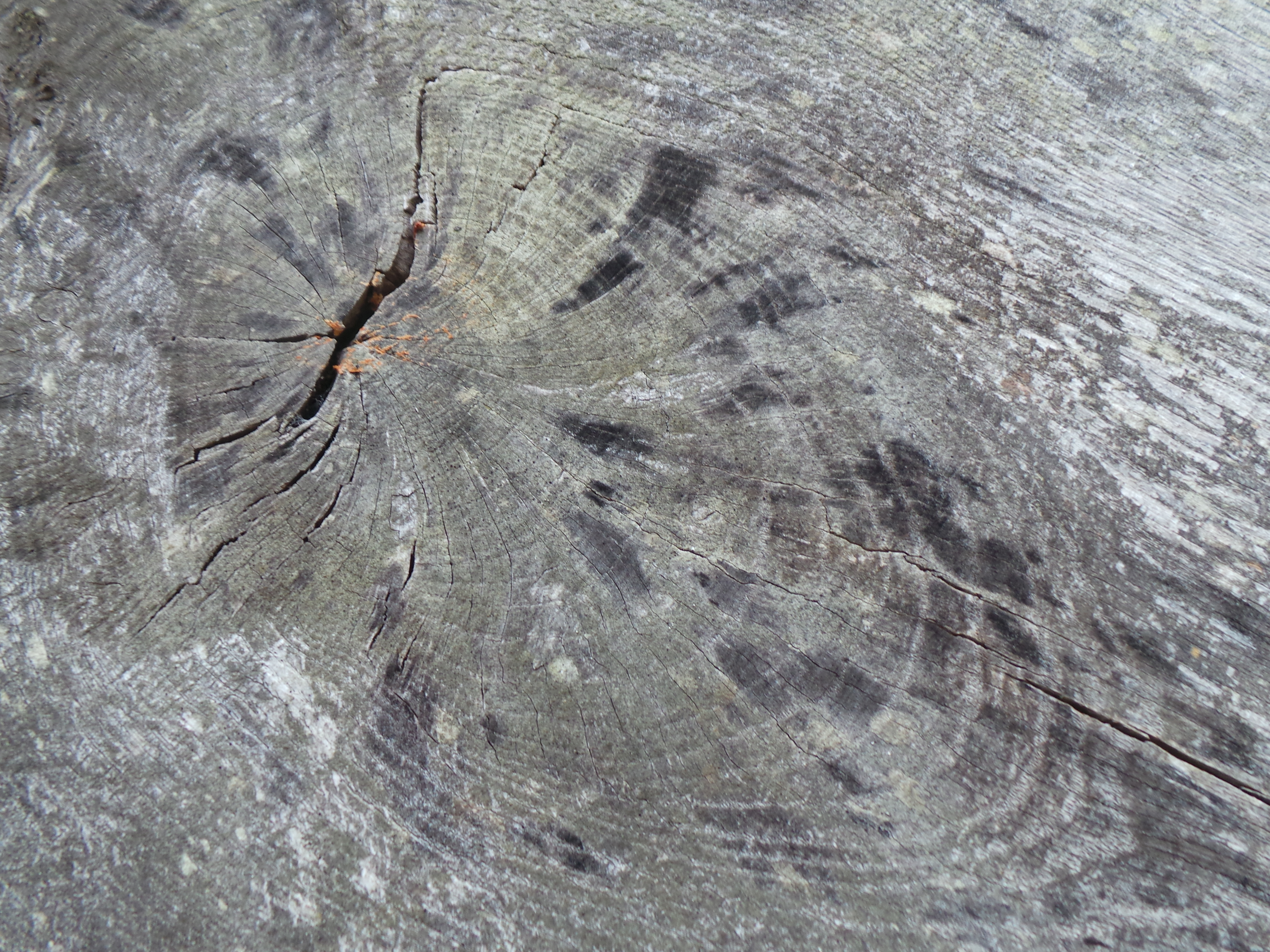
Felled tree trunks afford the weary wanderer a resting place and wildlife a place to search for food. The cut ends revealed the ages of the trees when they were felled, the number of rings now exposed by the chainsaw give away its secrets.

2014 10 23_6275 2014 10 23_6274

We continued to come across interesting Acers such as this Red Snake-Bark Maple, Acer capillipes and we passed many other fascinating specimen trees on our way to the stand of Redwoods.

2014 10 23_6276 2014 10 23_6278 2014 10 23_6279 2014 10 23_6280  2014 10 23_6282

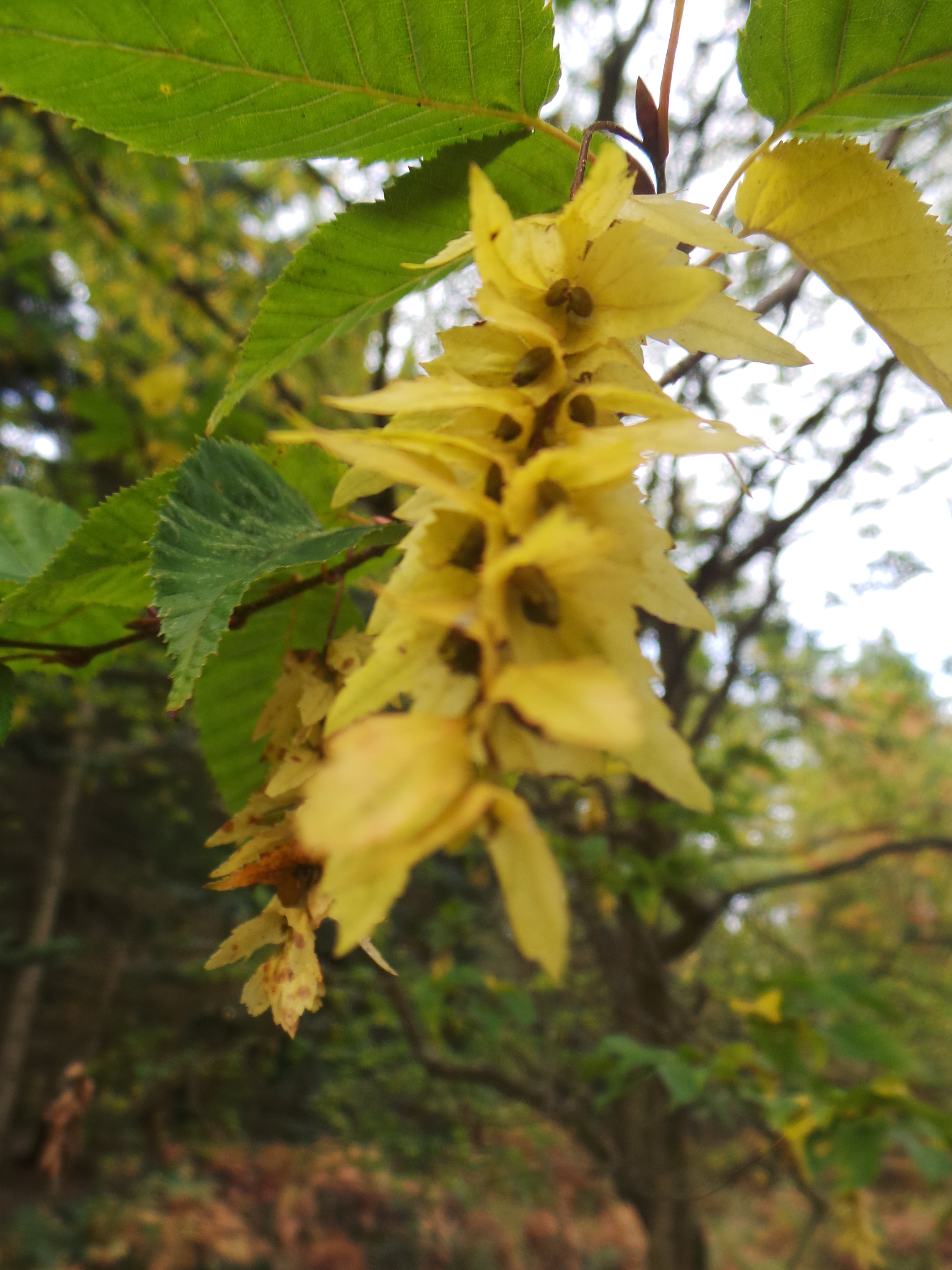
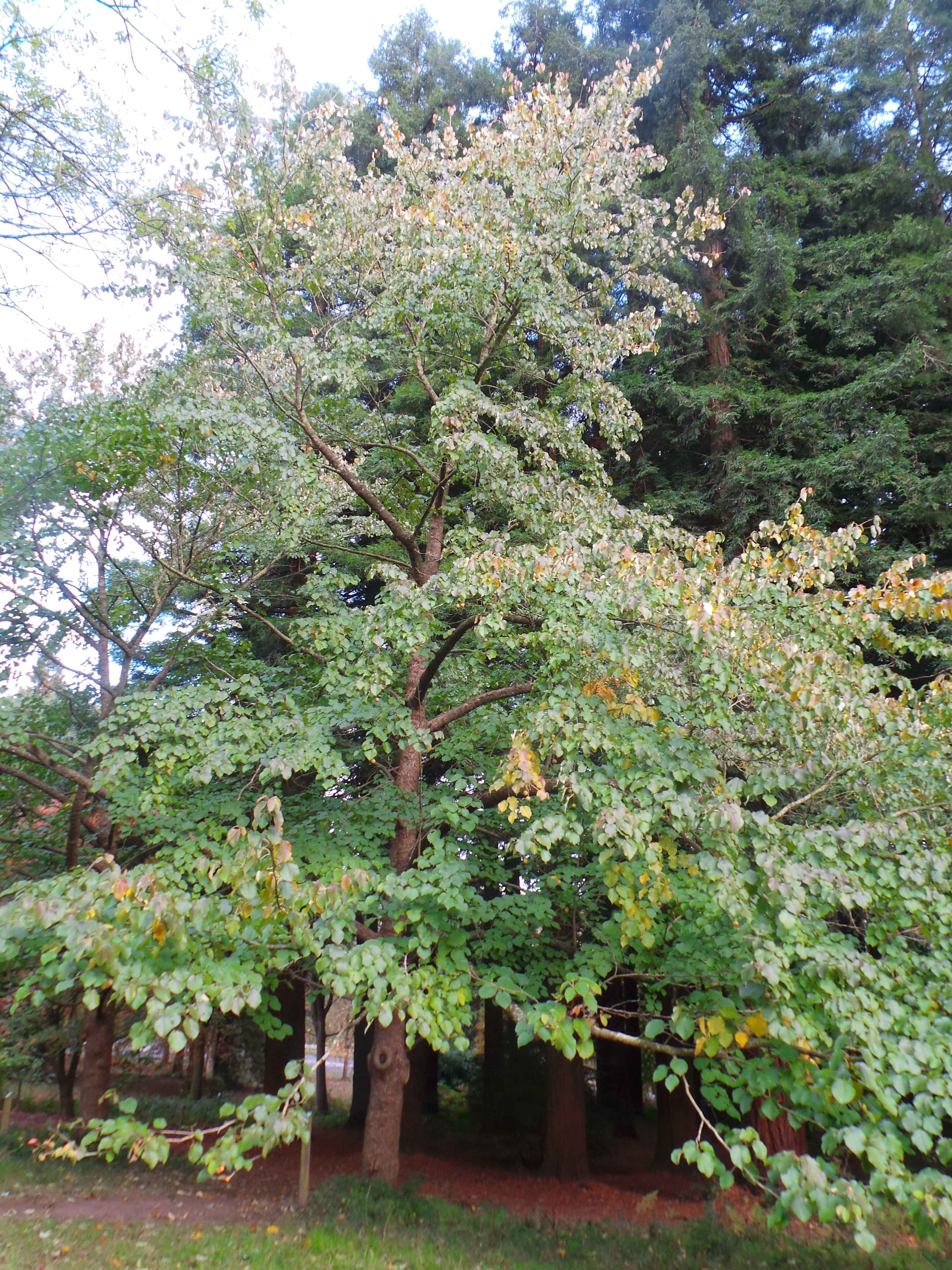
We were fascinated by the fruits of the Oriental Hornbeam and the Handkerchief Tree, Davidii involucrata. These two special trees were both fine specimens.

2014 10 23_6284 2014 10 23_6285 2014 10 23_6287 2014 10 23_6291

2014 10 23_6293 2014 10 23_6292

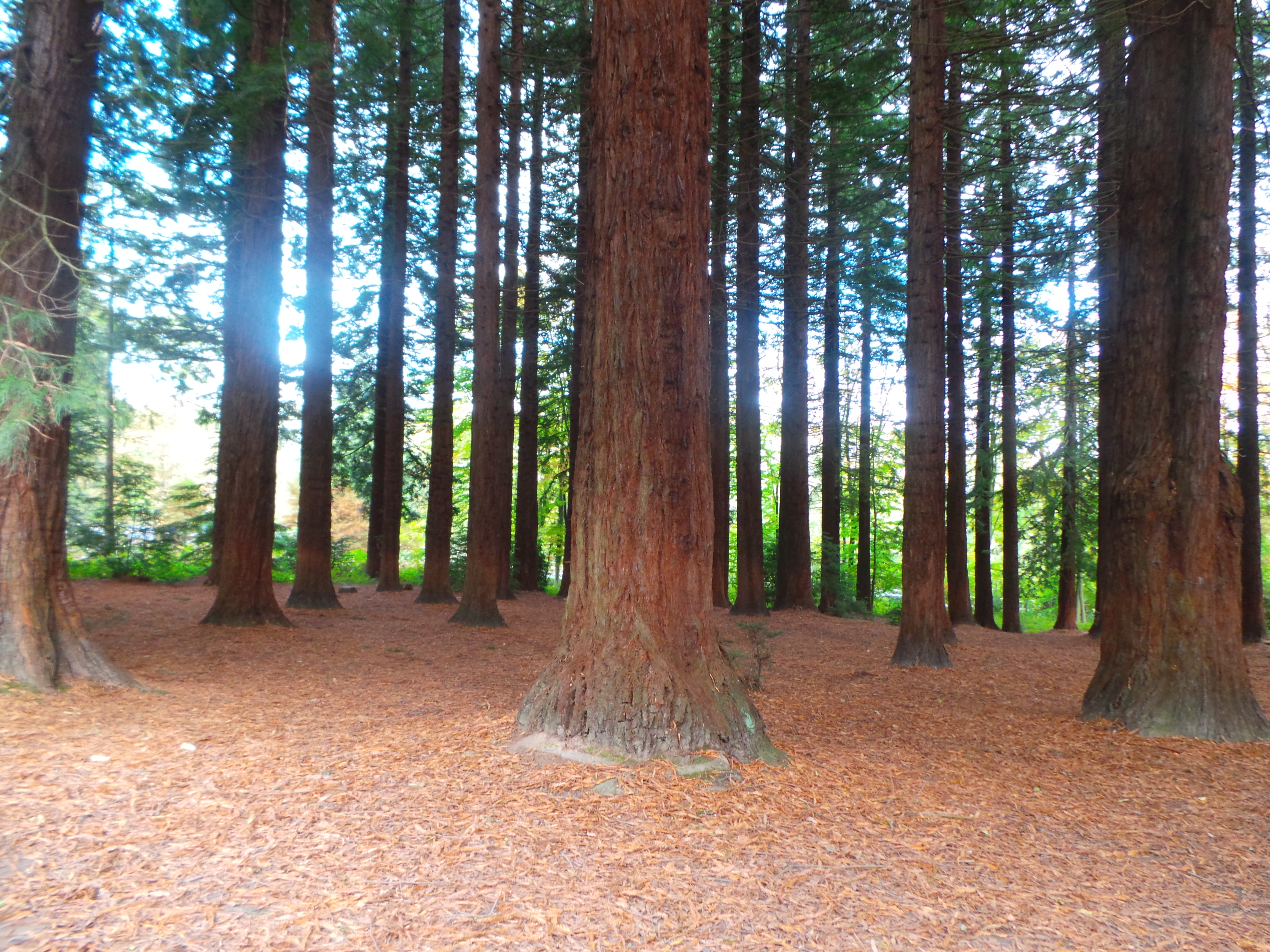
We followed the path as it dipped beneath the branches of the Handkerchief Tree and found ourselves in a different world, a darker world where light failed to penetrate. This meant that nothing grew beneath these Redwoods, giants of the tree world. We walked on a deep soft carpet of needles. The needles were gingery orange and seemed to glow in the gloom.

2014 10 23_6281    2014 10 23_62952014 10 23_6294  2014 10 23_6296 2014 10 23_6298 2014 10 23_6299

A drainage ditch cut through the Redwoods. It must have recently flooded badly and eroded away soil exposing the roots of trees growing alongside on its banks. Some creative visitors had found a way across by using some ingenuity and creativity – they had built a bridge from branches.

2014 10 23_6301 2014 10 23_6302 

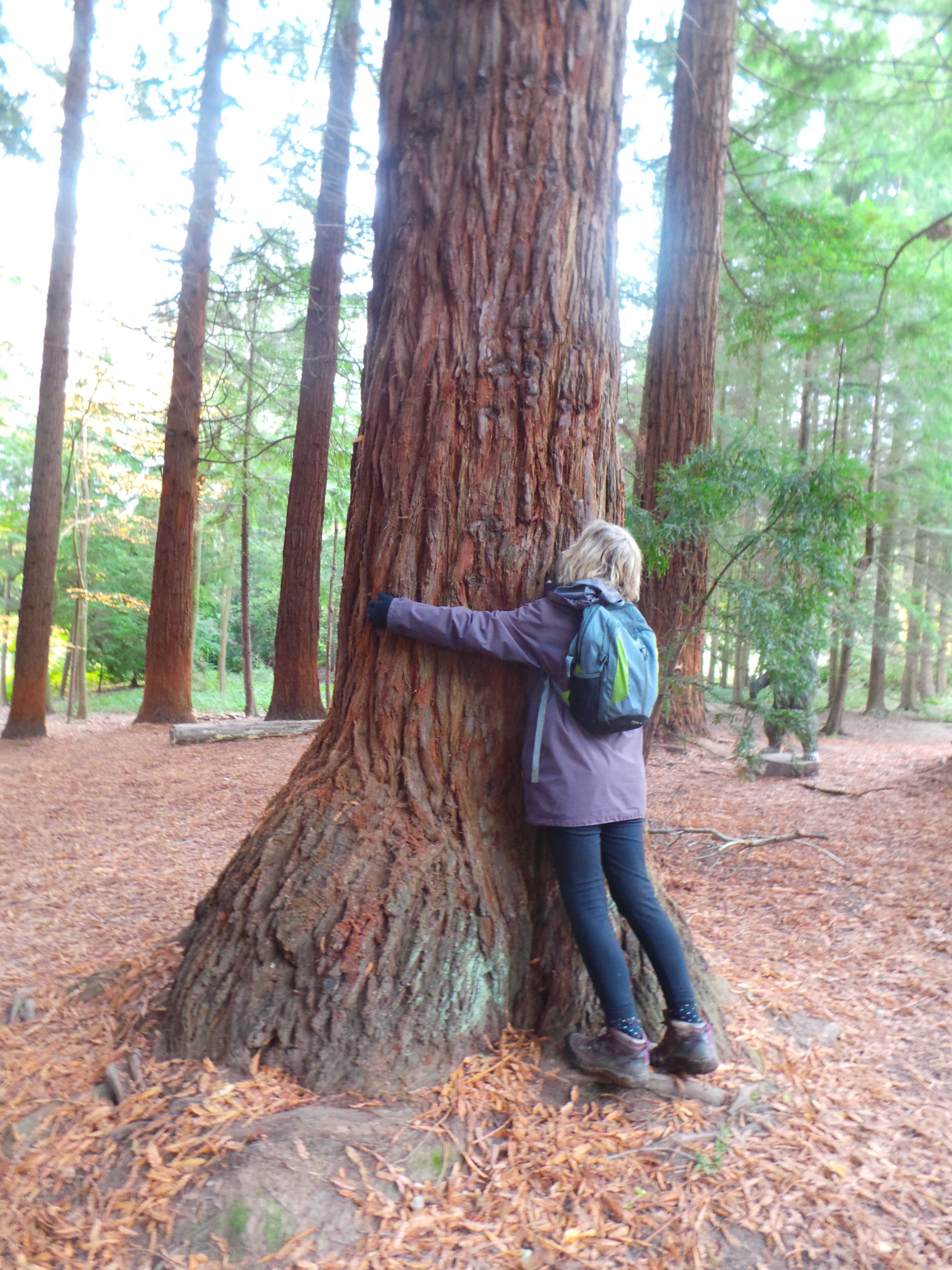
Below are two pictures showing some unusual wildlife living beneath the Redwoods, on the left a mother bear searching for her youngster climbing a nearby tree and on the right a very rare Tree Hugging Jude the Undergardener.

2014 10 23_6300 2014 10 23_6297

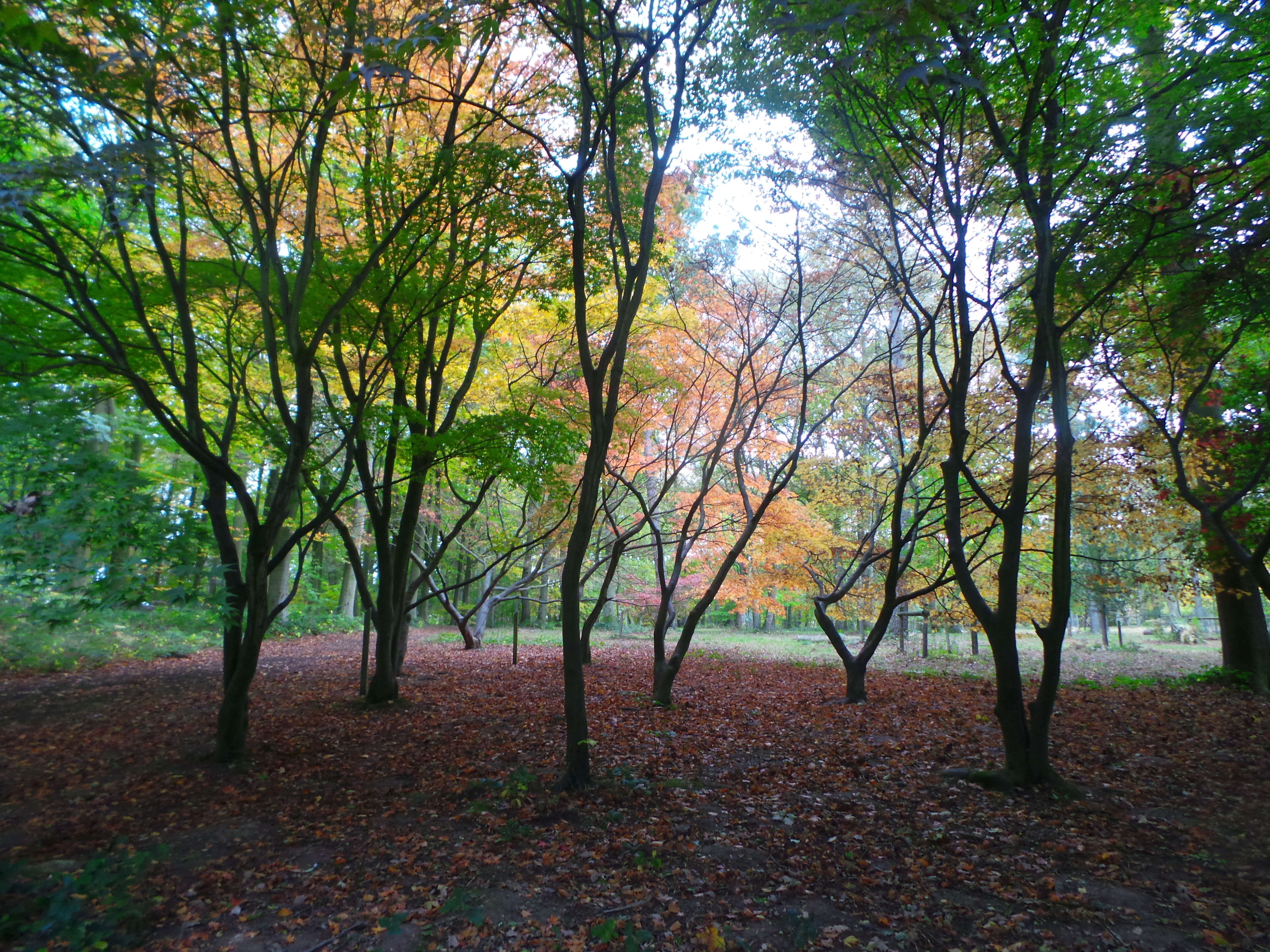
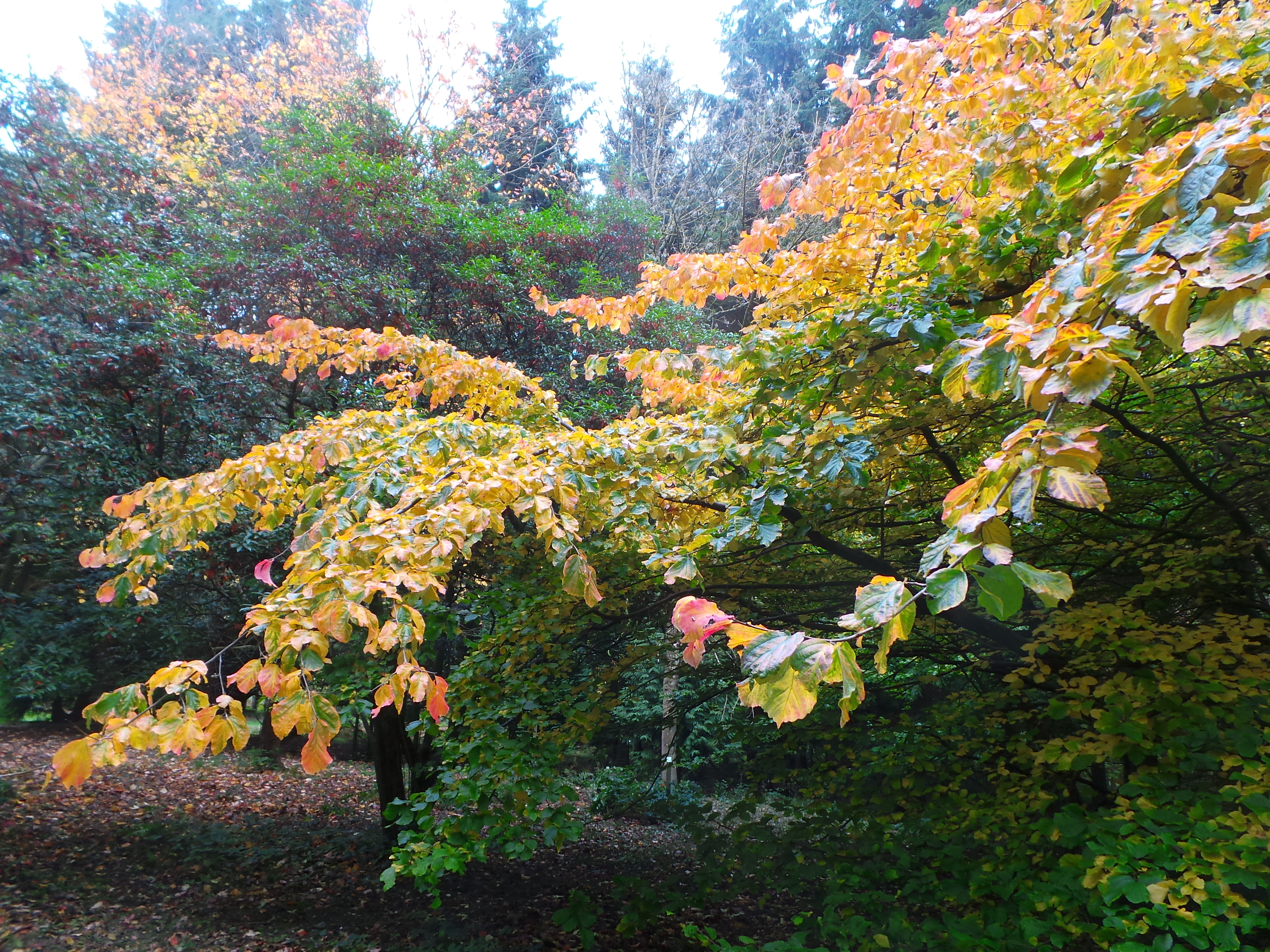
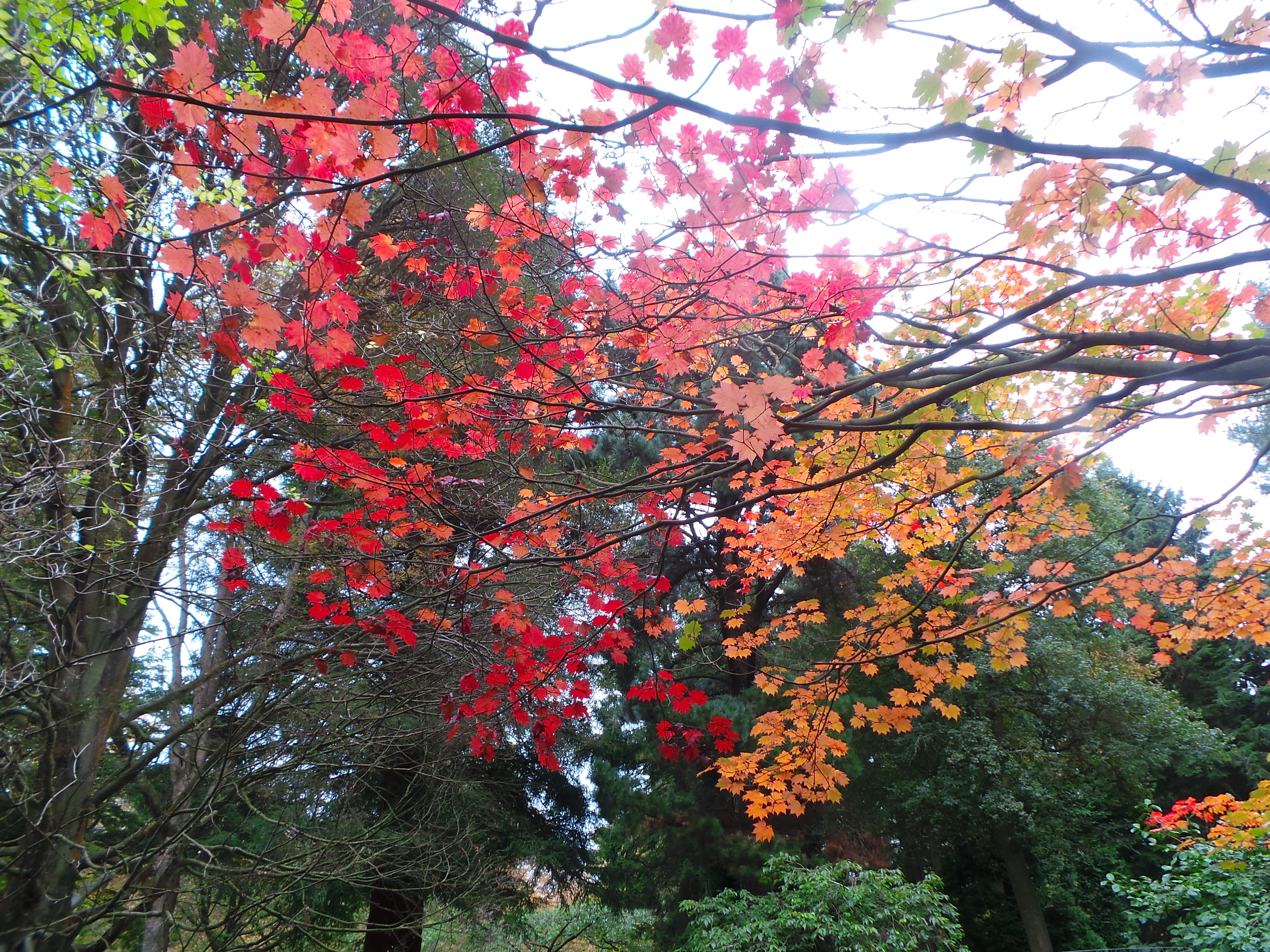
After exploring the dark world under the Redwoods we were glad to get back into daylight. Even though drizzle continued to fall and grey skies hung heavy it seemed so much brighter under the deciduous trees. The final Acer we passed looked as if it was on fire. A fitting finale to our day at Queenswood. As I always write when we have discovered a new exciting place to visit, “We will definitely be back!”

2014 10 23_6303

So that is Queenswood, 64 acres of wonderful trees from all over the world. Follow any of its waymarked trails and you will discover such a huge variety of trees, varying in size, growth habit, leaf shape, bark texture with some bearing flowers followed by berries, seeds or nuts. The bird life keeps you entertained too, singing and calling in the tree tops and undergrowth and flitting from tree to tree seeking out this vast array of food. Throughout our walk Ravens cronked overhead in unison with the gentler mewling of Buzzards. Whenever you visit there will be birds to entertain you and trees to delight the eye.


Categories
arboreta autumn autumn colours colours garden furniture garden seating light ornamental trees and shrubs outdoor sculpture trees woodland woodlands

Queenswood Arboretum – Part Two – the Oaks

Having enjoyed the Autumn Garden we found a sign indicating a footpath to an “Old Orchard” and the “Readers Chair” which naturally took us in the opposite direction to our planned route. Diversions are good for you! Just see what we found by following this one!

2014 10 23_6208

We followed the path beneath tall slender trees and found an orchard of ancient fruit trees.

2014 10 23_6186 2014 10 23_6187 2014 10 23_6188 2014 10 23_6189 2014 10 23_6190 2014 10 23_6191 2014 10 23_6192 2014 10 23_6193

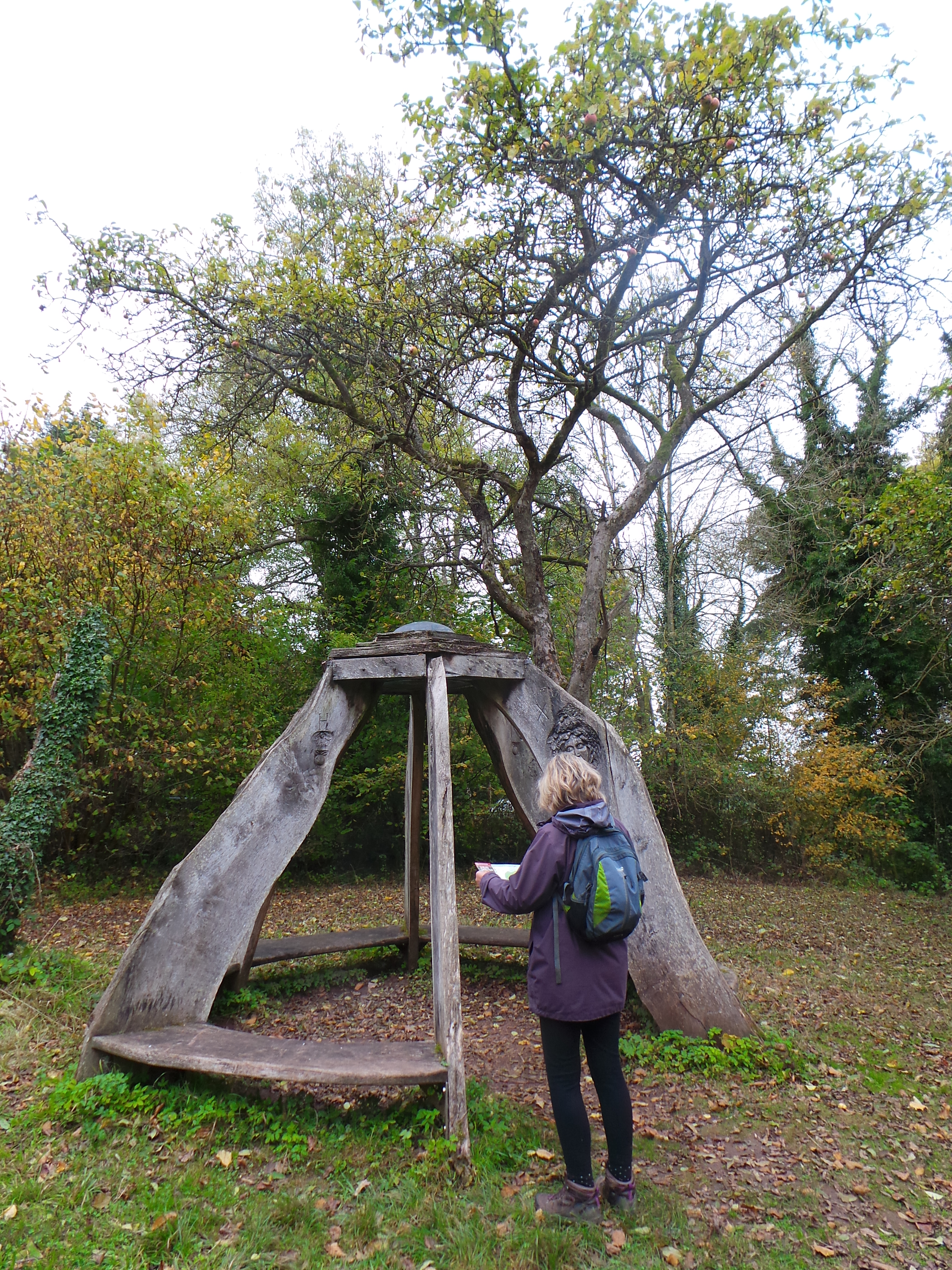
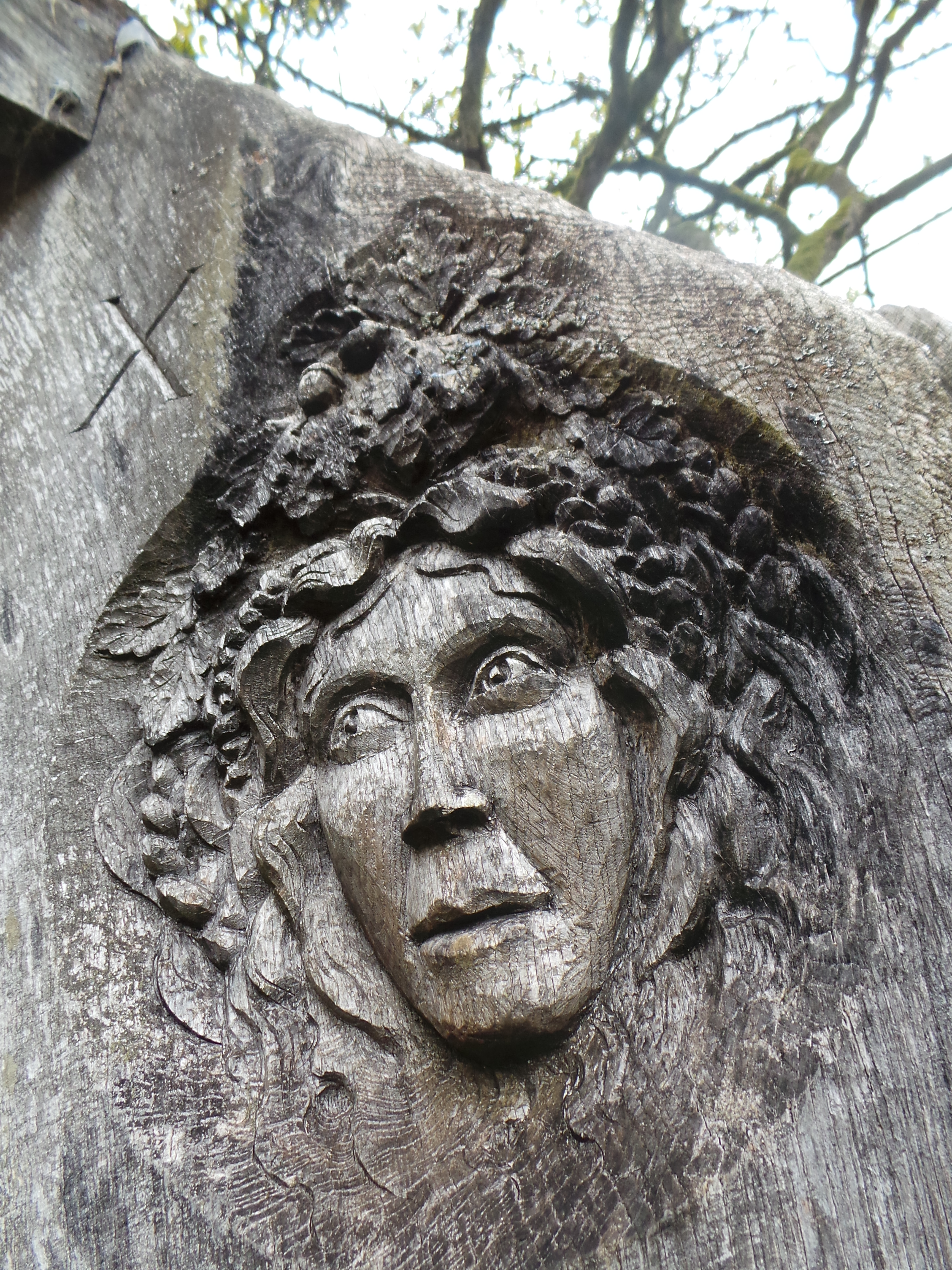
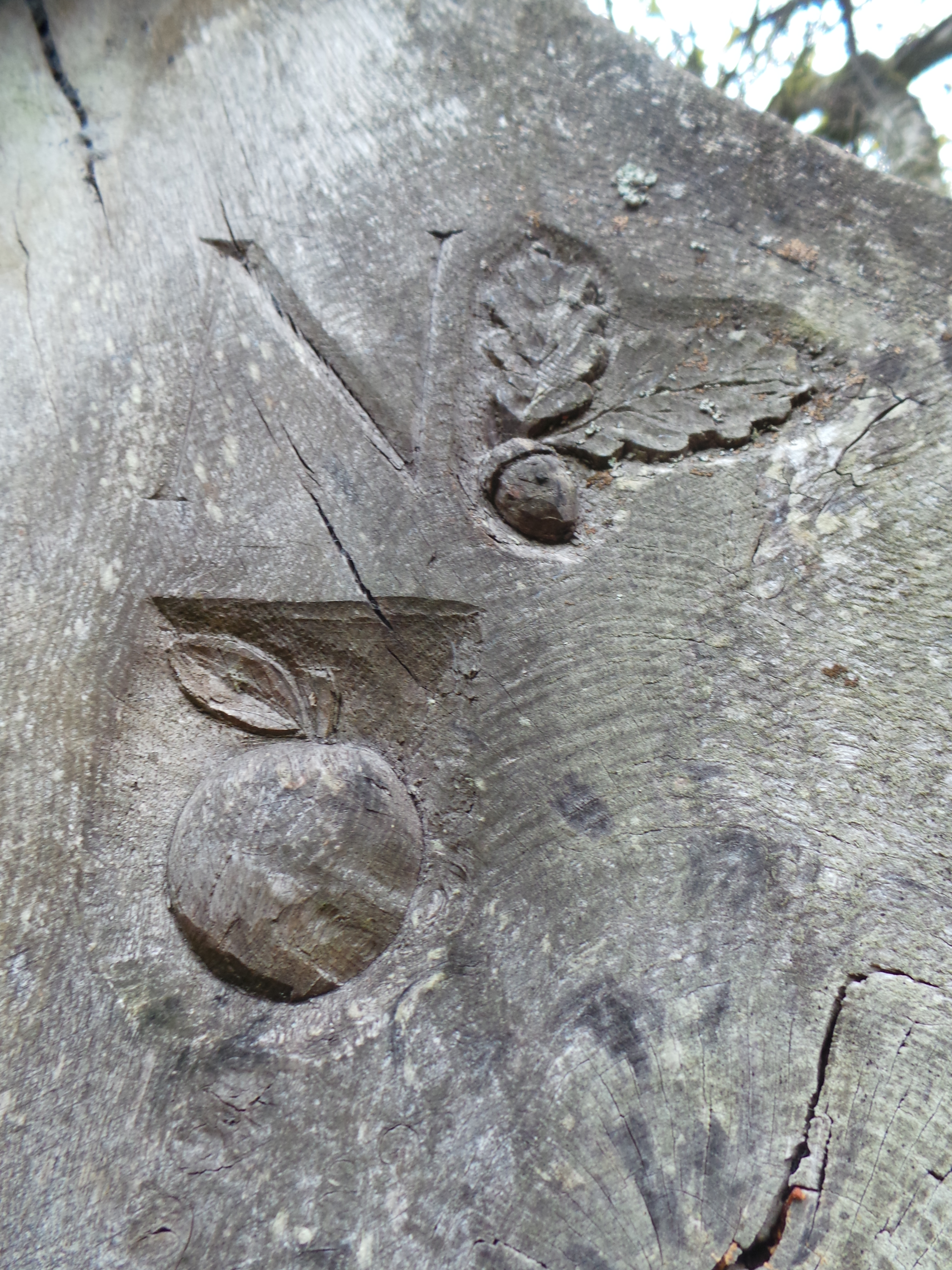
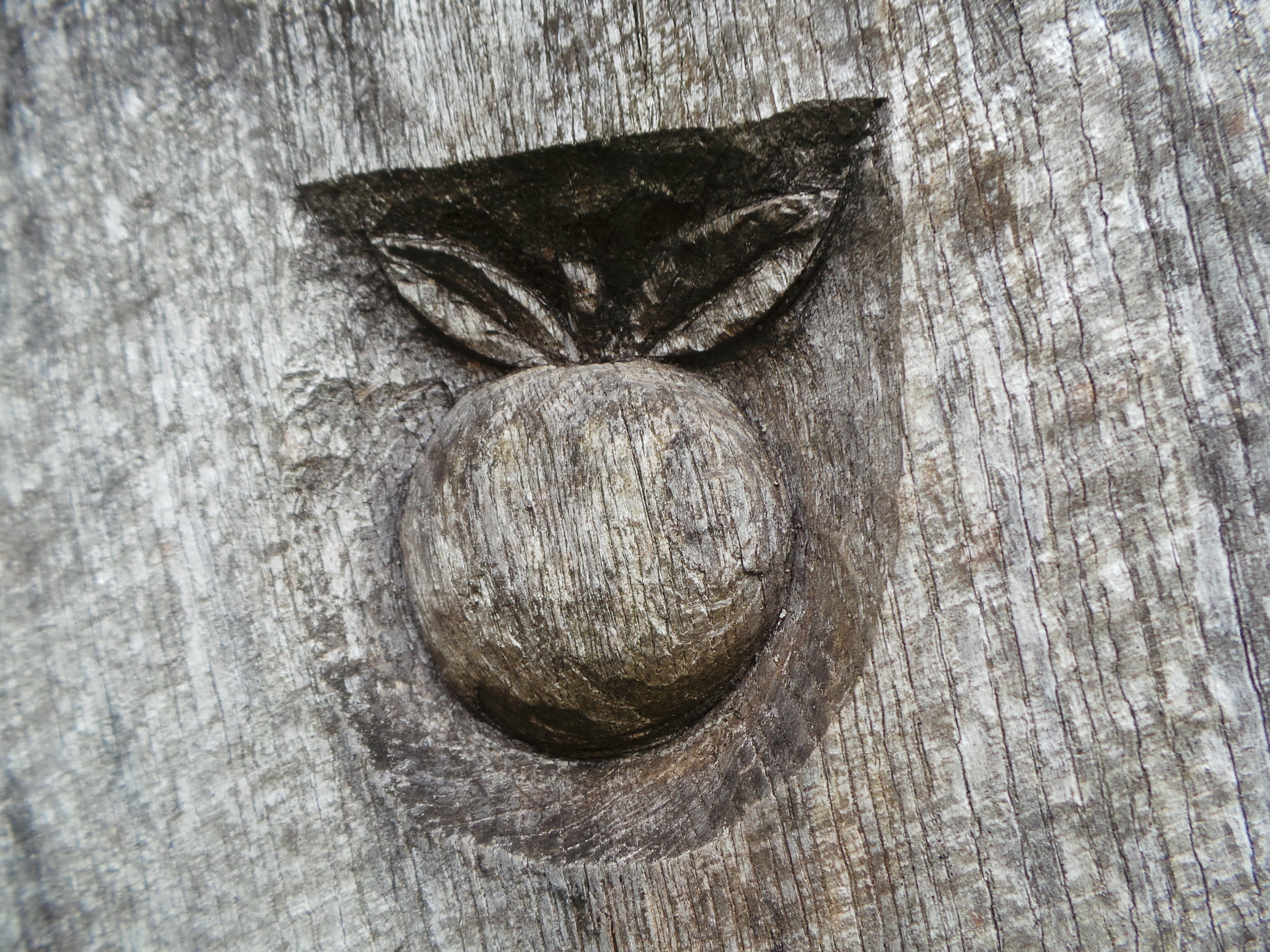
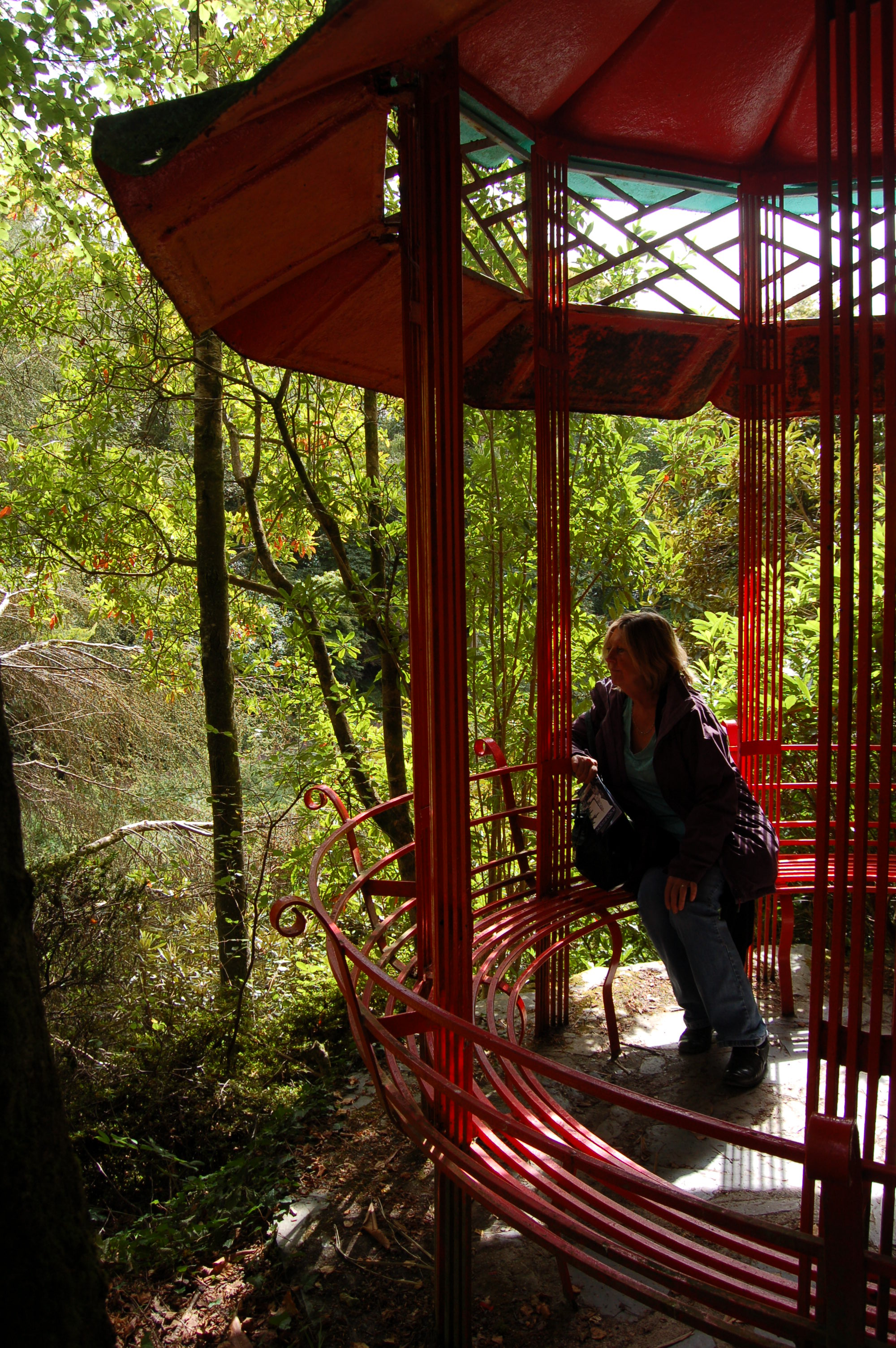
When we reached the centre of the old orchard with its sweet scent of rotting apples and fallen leaves we found out what the Reader’s Seat was. It was really a large piece of outdoor sculpture which was also a seat. I imagine the wood it was constructed from was oak as it was weathering to the most beautiful and palest of silver. The carvings were so beautifully sculpted into each face of the uprights which made up the canopy over the circle of seats.

2014 10 23_6194 2014 10 23_6202

2014 10 23_6205  2014 10 23_6196 2014 10 23_6198 2014 10 23_6195 2014 10 23_6197 2014 10 23_6198

We sat a while appreciating the craftsmanship of the seat with its carvings before exploring further the old orchard itself.

2014 10 23_6199 2014 10 23_6200 2014 10 23_6201 2014 10 23_6203 2014 10 23_6204 2014 10 23_6207

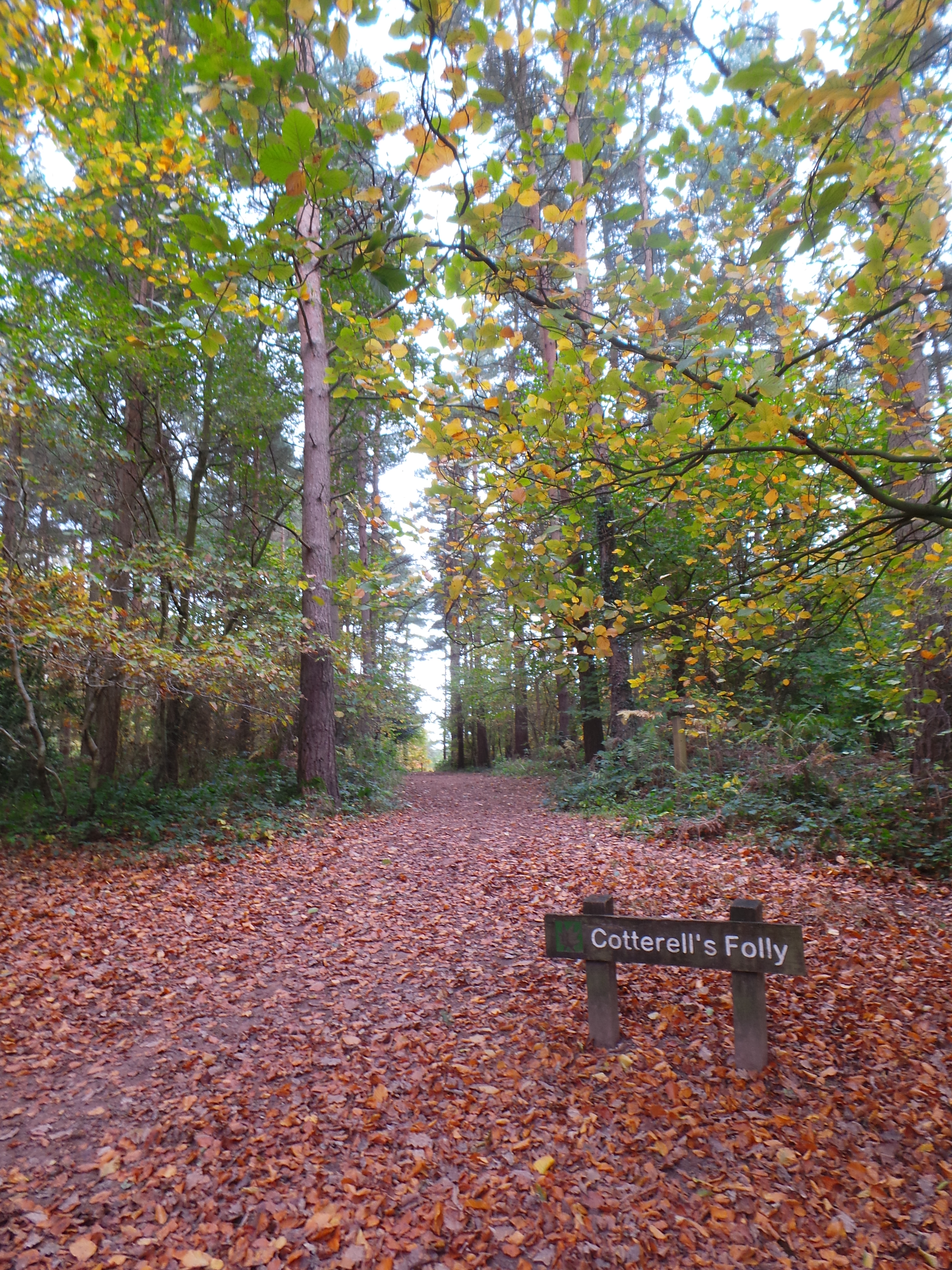
But where we we headed before the wooden sign post persuaded us to search for the Old Orchard and Reader’s Seat? We were off to find the Oak Avenue. We expected this to be a shaded walk between tow tall rows of ancient native oaks. How wrong we were! What we actually found was a small field with two rows of oaks from all over the world. Tall ones, short ones, fat ones, thin ones and even a shrub like one. There seemed to be an Oak from every corner of the world. But to get there we wandered through Cotterill’s Folly where huge Beech trees towered over the path and covered that path with their waxy tough leaves.

2014 10 23_6218 2014 10 23_6219

2014 10 23_6251  2014 10 23_6228

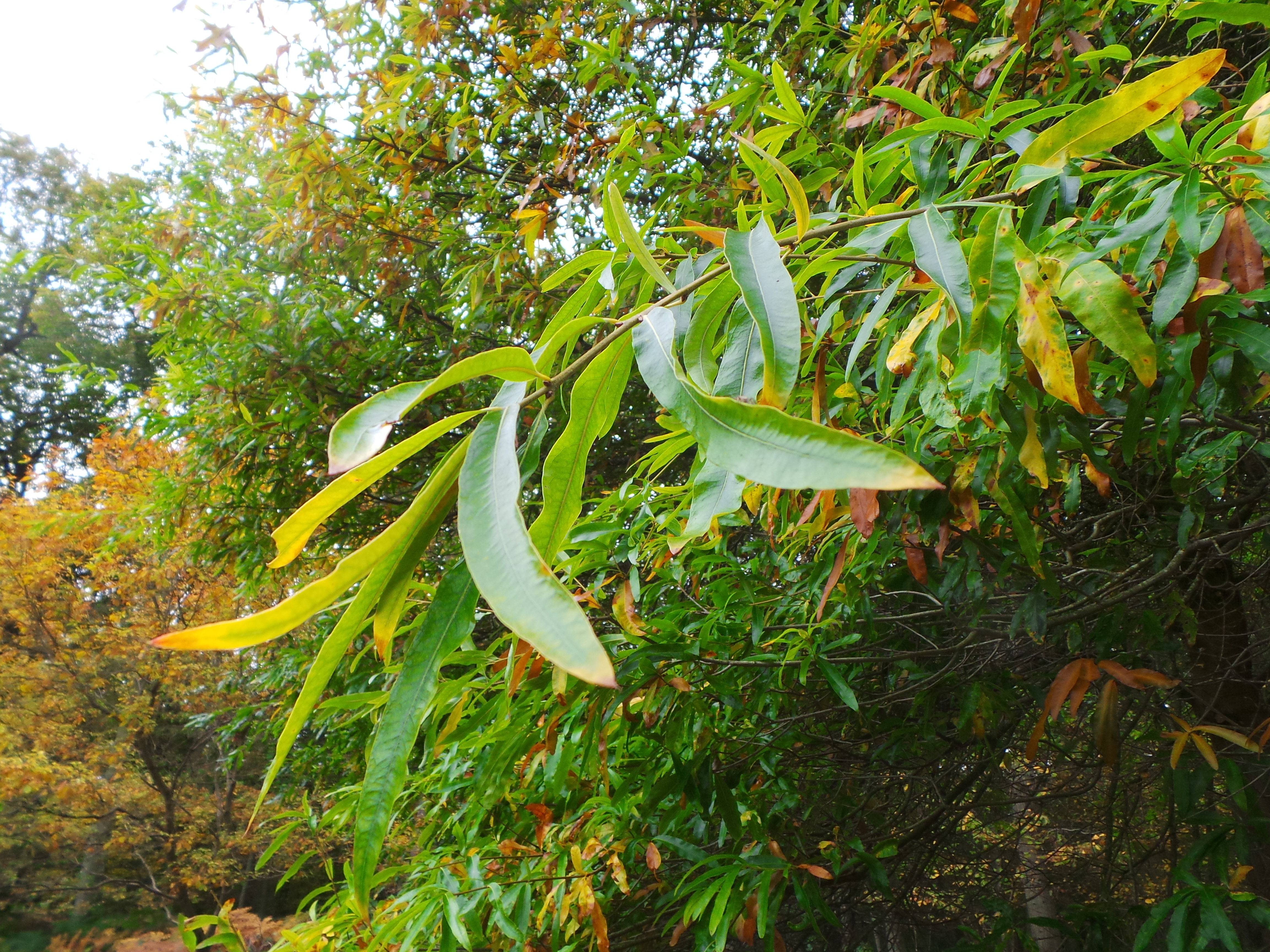
Our first oak surprise was this narrow-leaved tree with slightly pendulous branches, aptly called the Willow-leaved Oak. Its foliage looked so fresh and full of vitality, which was in stark contrast to the Armenian Oak we looked at next. This oak had large leathery leaves already coloured for autumn.

2014 10 23_6221 2014 10 23_6222 2014 10 23_6223 2014 10 23_6224 2014 10 23_6226 2014 10 23_6227

Our next oak was a small tree with leaves like those of a Sweet Chestnut.

2014 10 23_6229 2014 10 23_6230

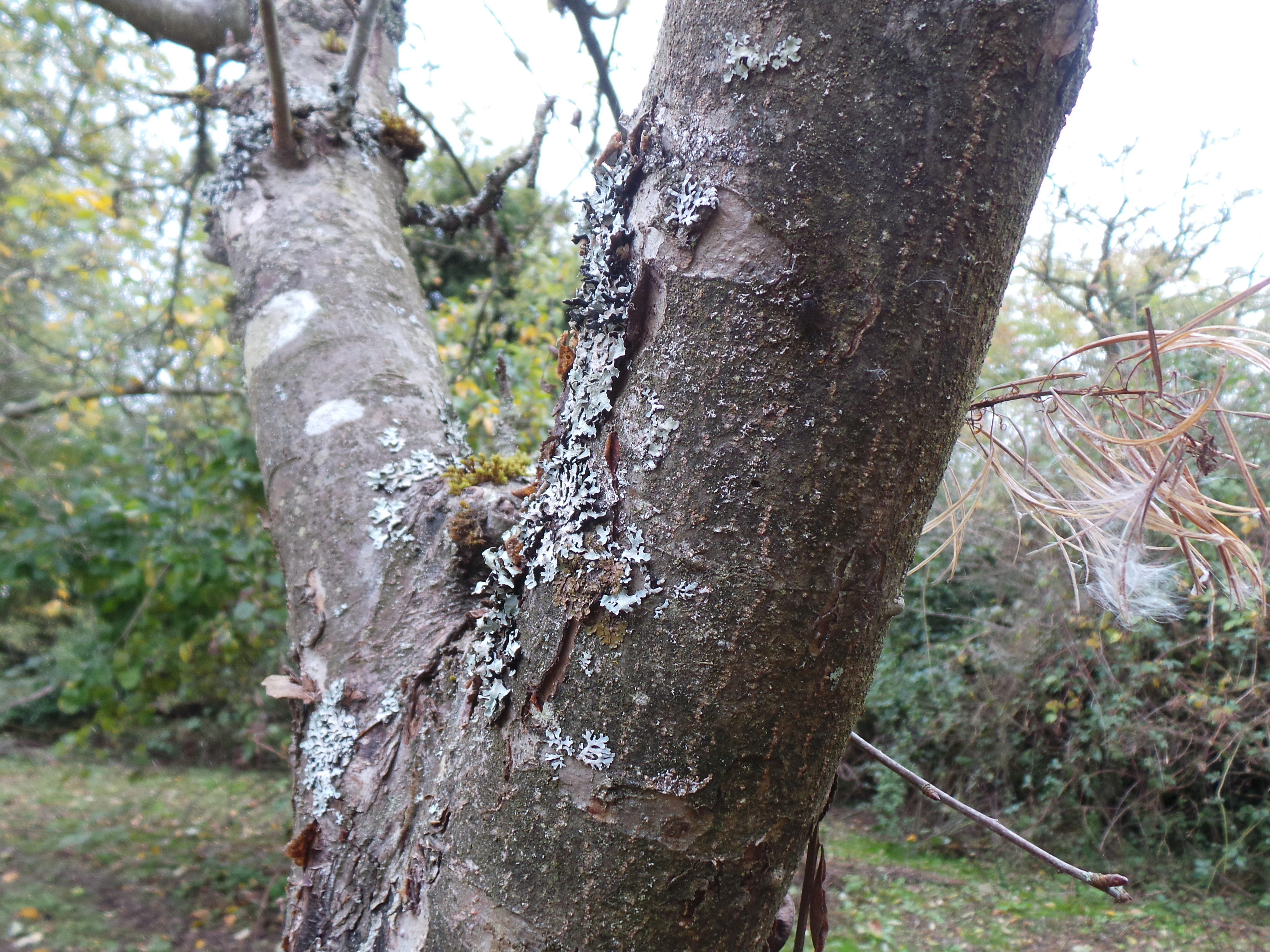
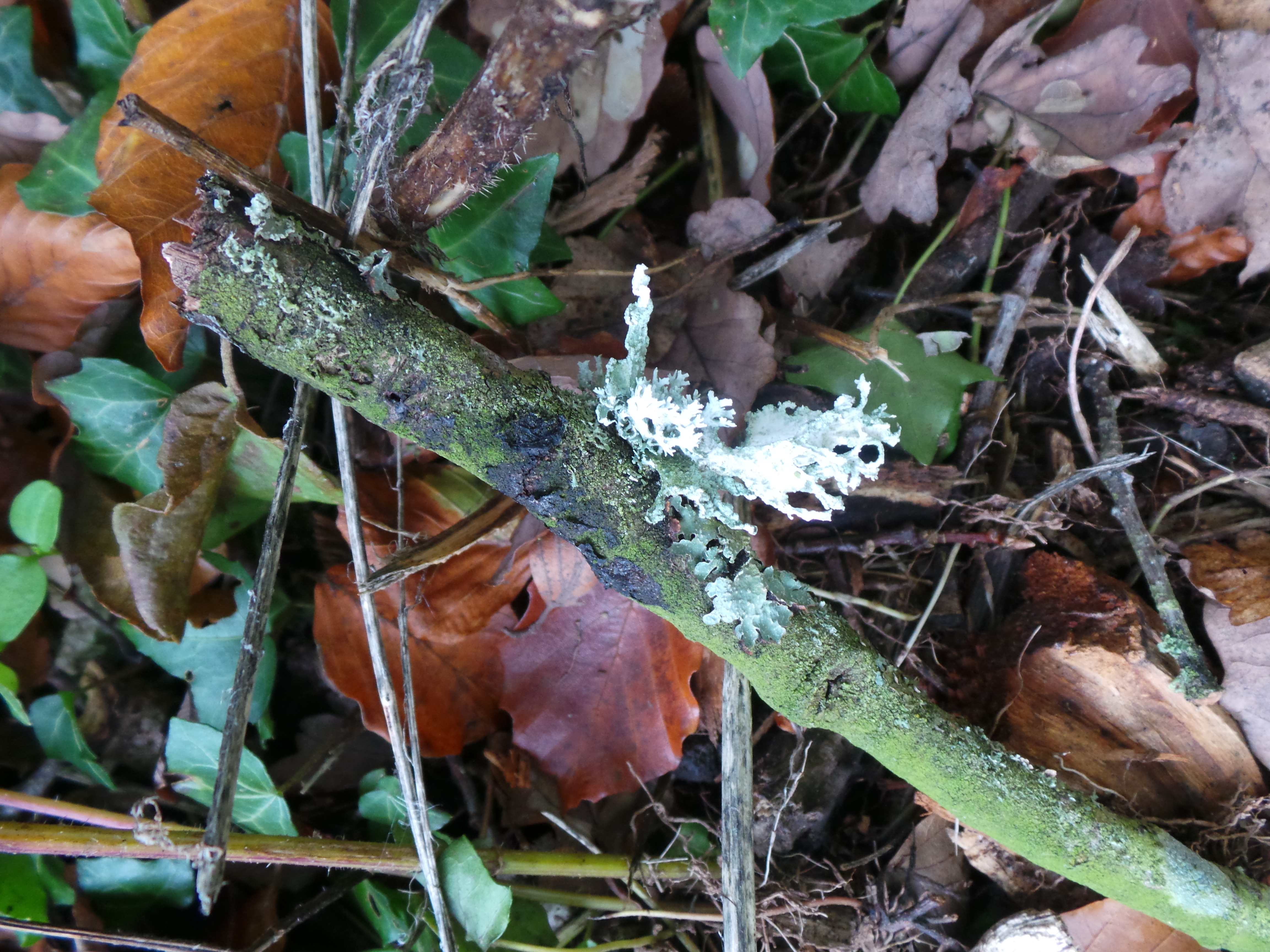
One thing that all oaks attract is lichen and we soon found this stunning glaucous example shaped just like stags antlers.

2014 10 23_6231

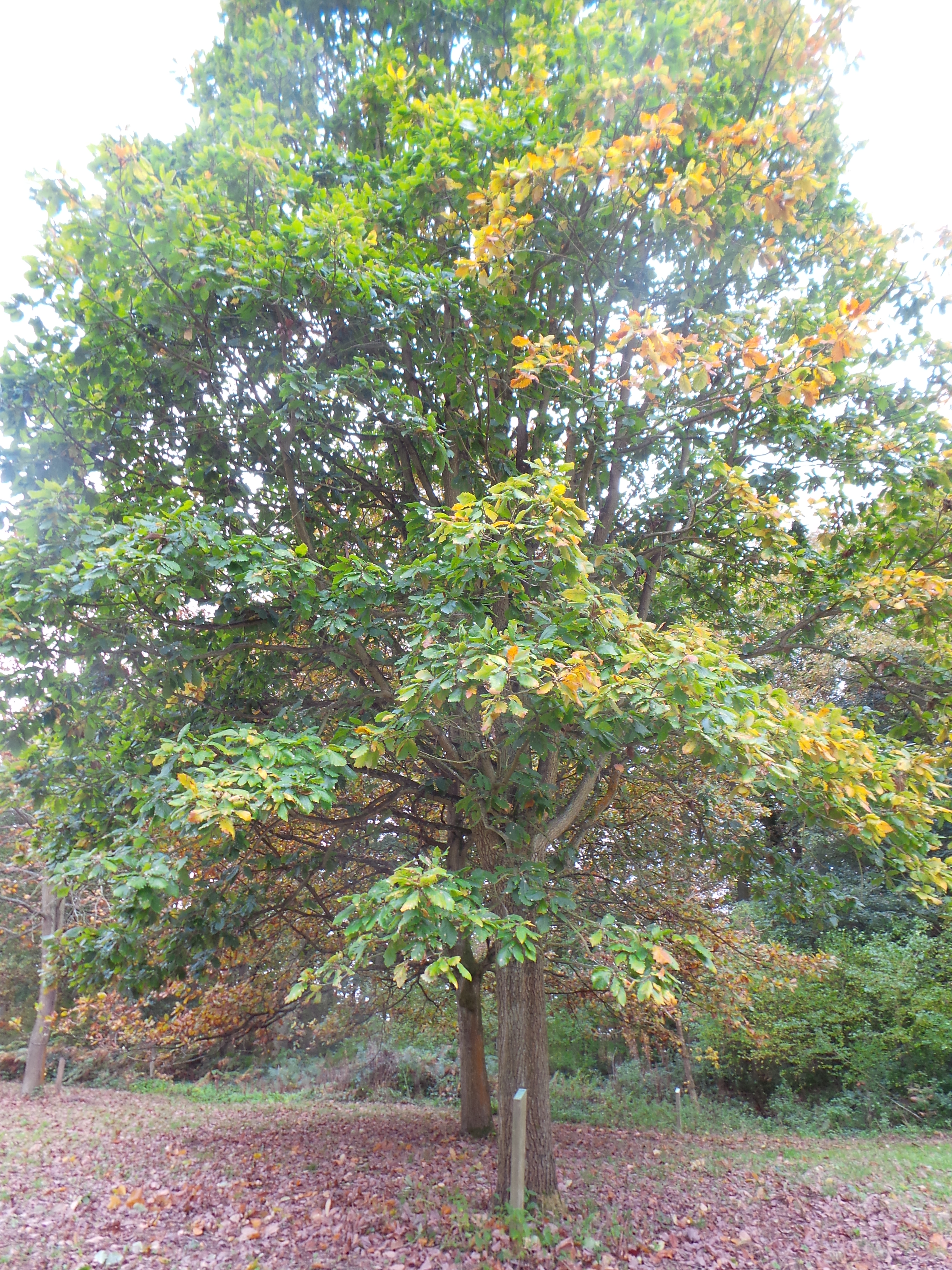
Our next Oak looked just like an Olive tree – it was just the right size and shape with glaucous leaves just like those of an Olive. But when we got closer and noticed its bark we knew straight away it was some sort of a Cork Oak. The label informed us that it was a Quercus variabilis, a Chinese Cork Oak.

2014 10 23_6233 2014 10 23_6234

We were so surprised to see the next of our Oaks as it was just four or five feet tall, a small shrub rather than a majestic old tree. Nuttall’s Oak, Quercus texana surprised us again when we noticed its beautifully shaped leaves, somewhat reminiscent of a Liquidamber.

2014 10 23_6235 2014 10 23_6237

Close by we found another shrubby Oak but this one had a different growth habit. It was a solid looking bush with simple leathery foliage. This was a Bamboo Leaved Oak – very well named.

2014 10 23_6238 2014 10 23_6239

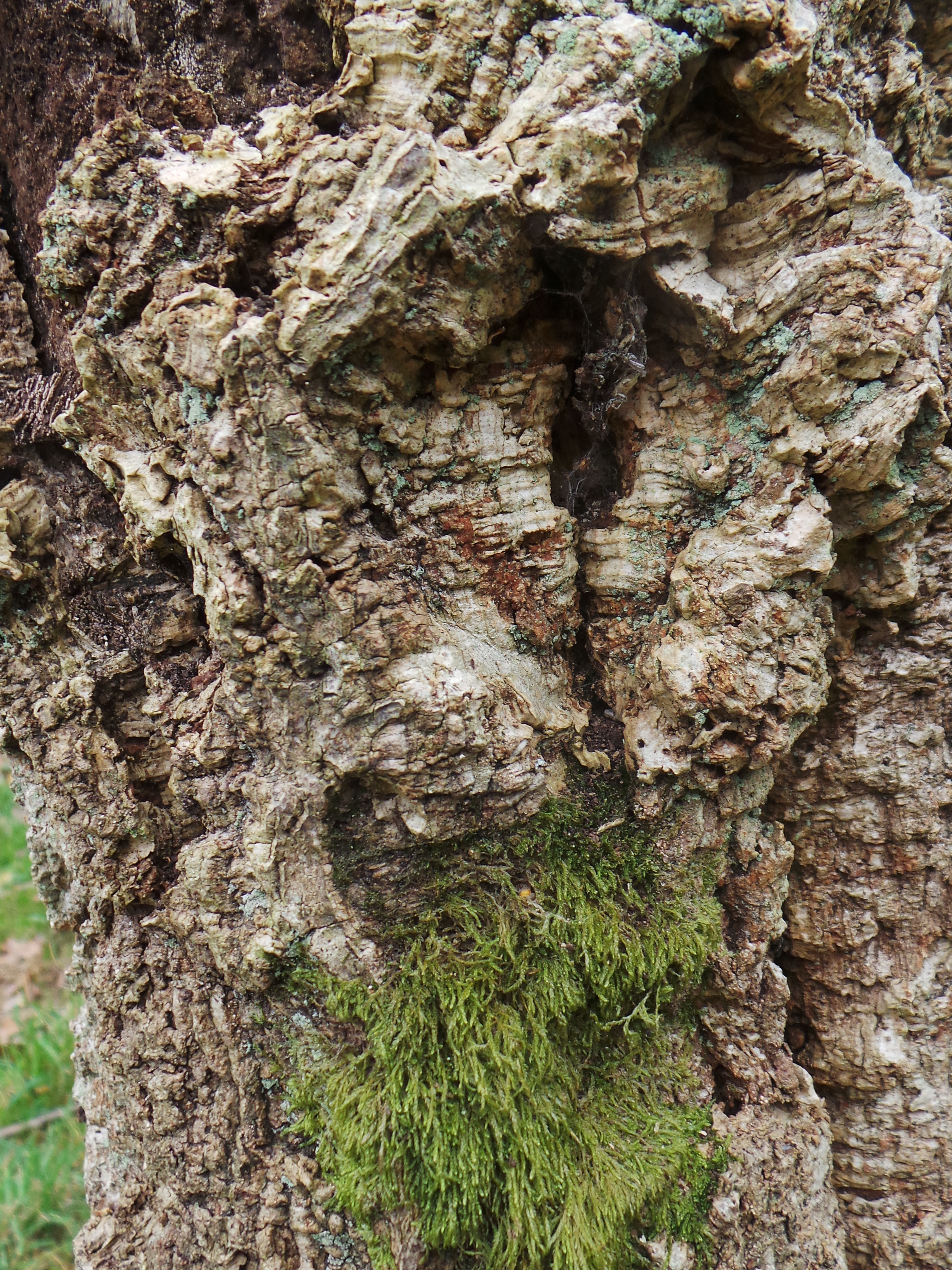
This old Cork Oak had died but in death presented itself as a piece of textured sculpture. But it did frame another autumn coloured Oak on the far side of the green area.

2014 10 23_6241 2014 10 23_6242 2014 10 23_6243

This neat small specimen on the left was an Algerian Oak and the equally neat one on the right was a Shumard’s Oak.

2014 10 23_6244 2014 10 23_6248

After enjoying discovering so many different oaks most of them new to us, we began to make our way back to the car park. We passed a Wild Service Tree one of our rarest native trees before moving on through a little plantation of Betulas and made our way towards a stand of Redwoods.
2014 10 23_6252

To share this last leg of our wander around Queenswood Arboretum just look at the third post in this series.


Categories
countryside landscapes migration Powis Powys trees Wales wildlife woodland woodlands

Waterfall Walkabout

We made a quick visit to the waterfall at Llanrhaeadr-ym-Mochnant, in Powys  last year and vowed to return. So in late august we did just that not thinking that being still in the holiday period it would be so much busier than our previous spring visit. But many people were walking off into the hills so our wander was still quite quiet.

After our usual coffee and cakes which we enjoyed in the cafe at the base of the falls we set off up a narrow path and quickly found the stream that flowed rapidly from the falls themselves. The cafe is part of an interesting and unusual endeavour, a business which involves a campsite and retreat as well as the cafe, a little empire to nourish the body, the soul and the mind. It is a place to find peace and get close to nature.

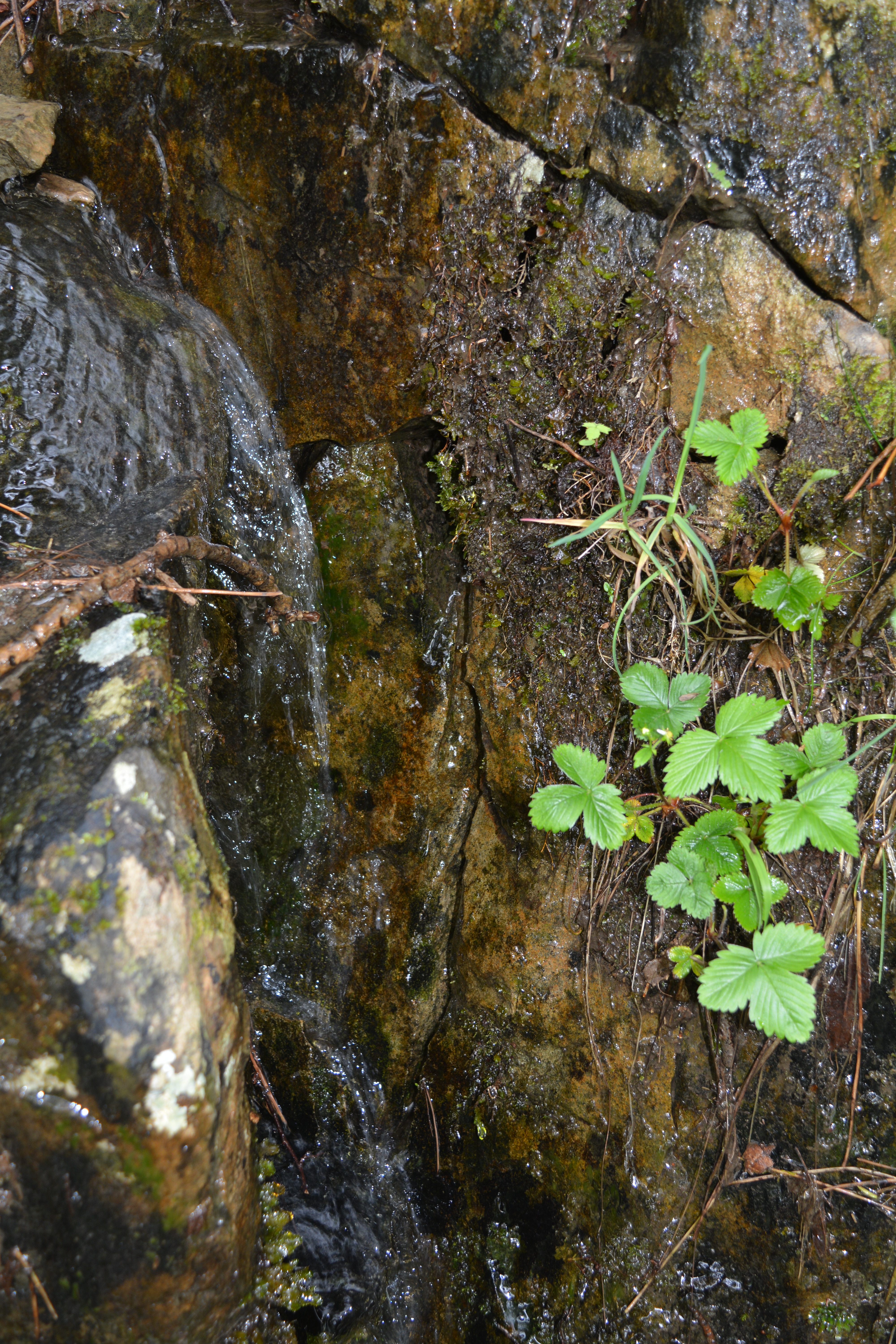
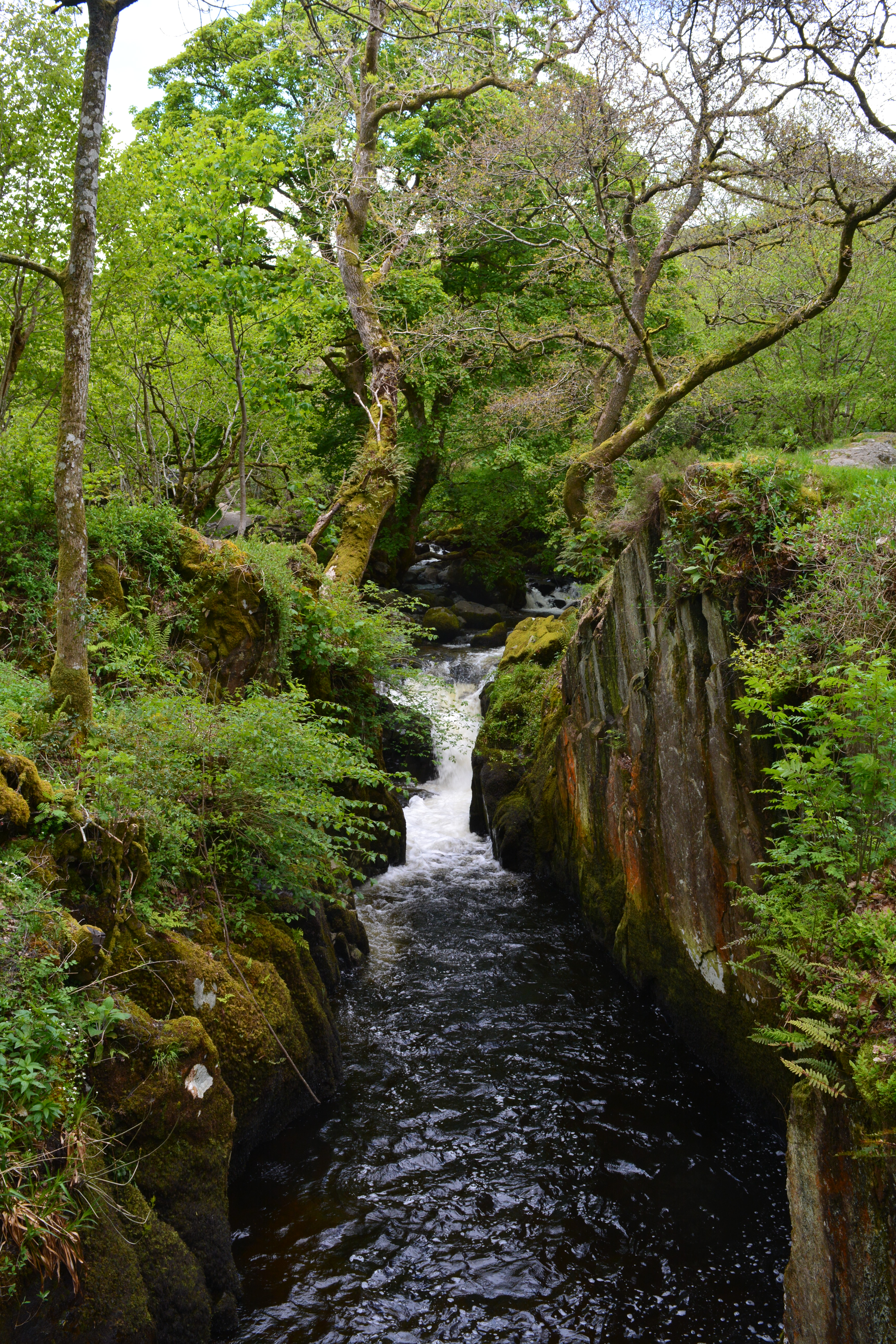
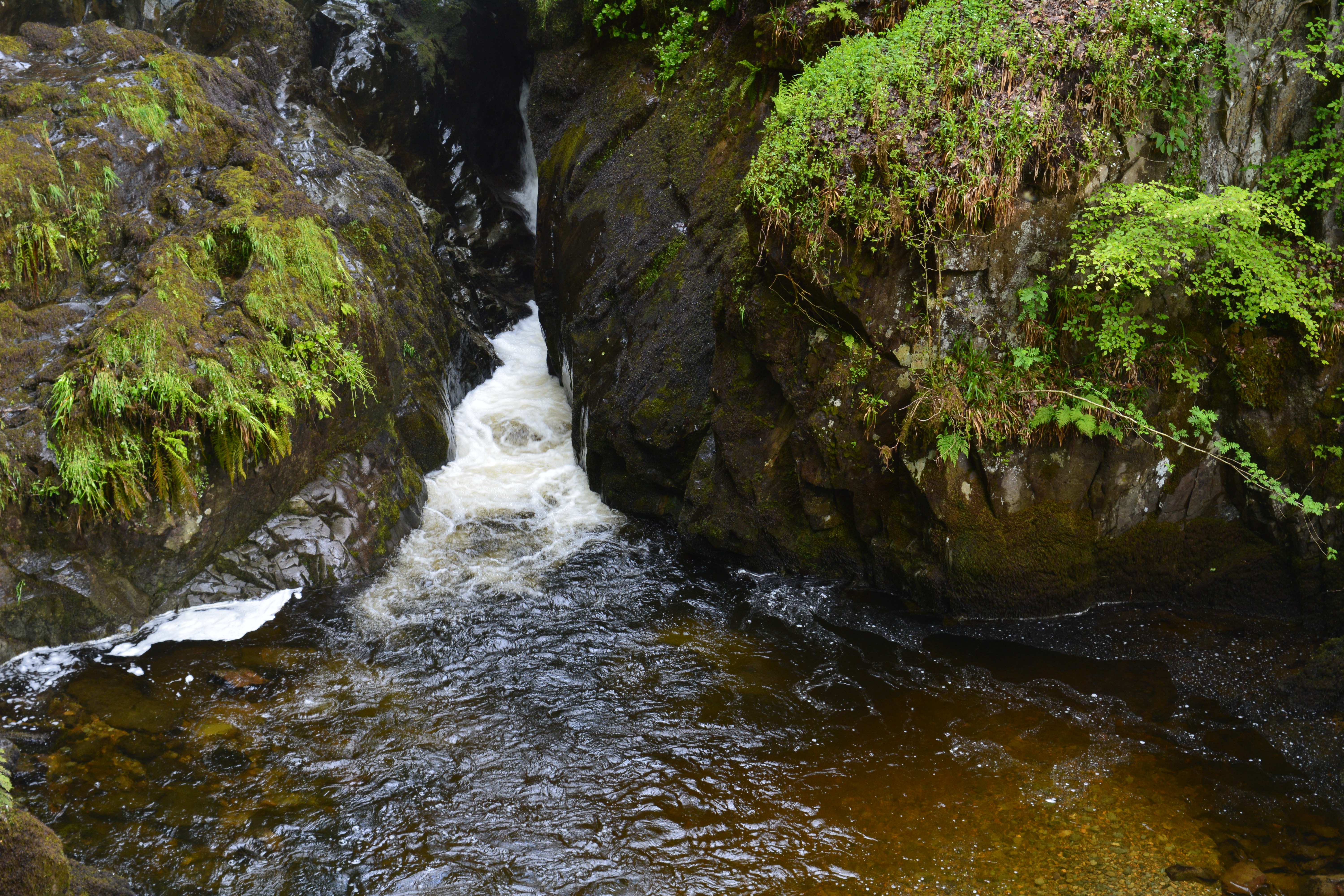
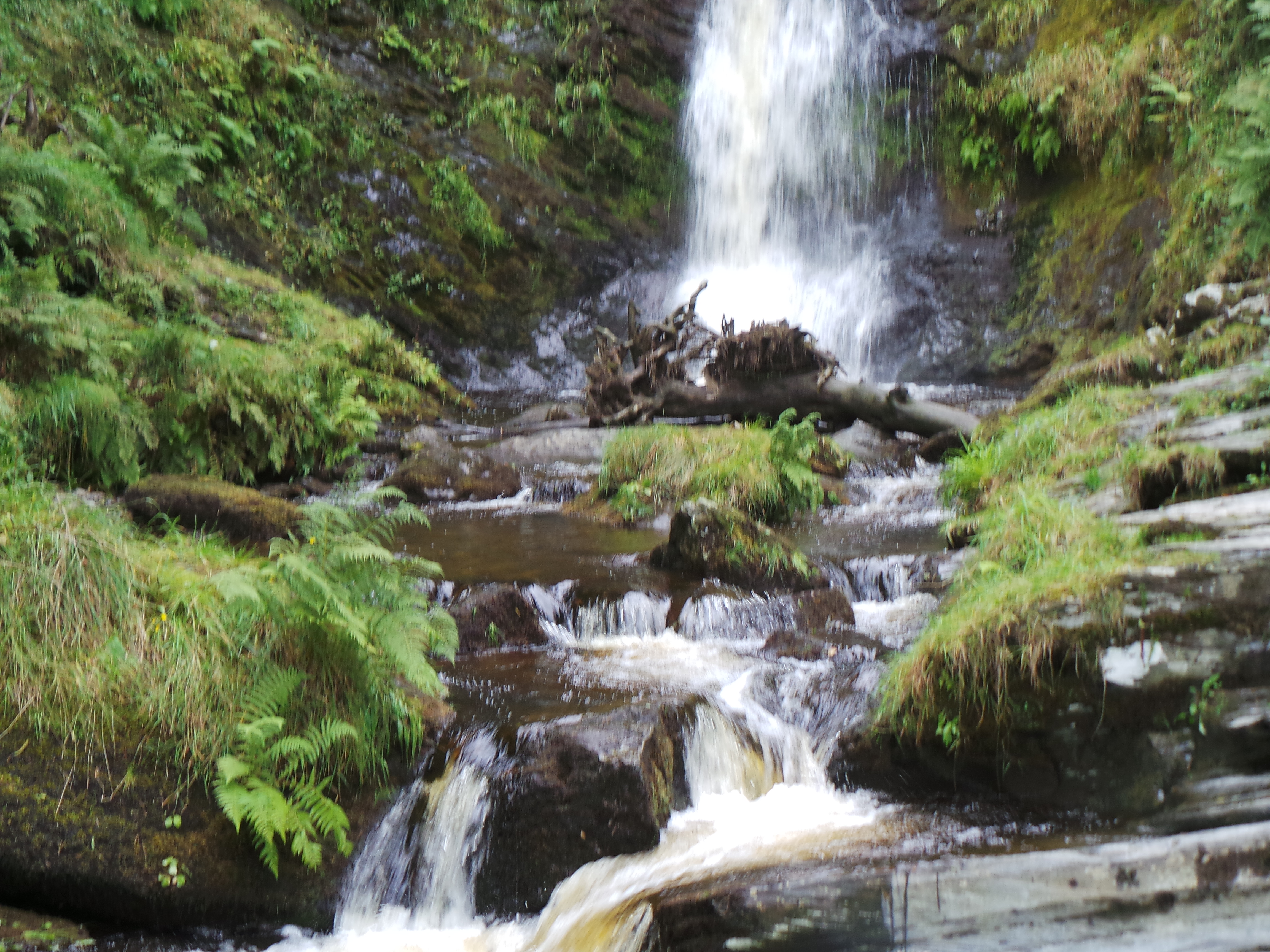
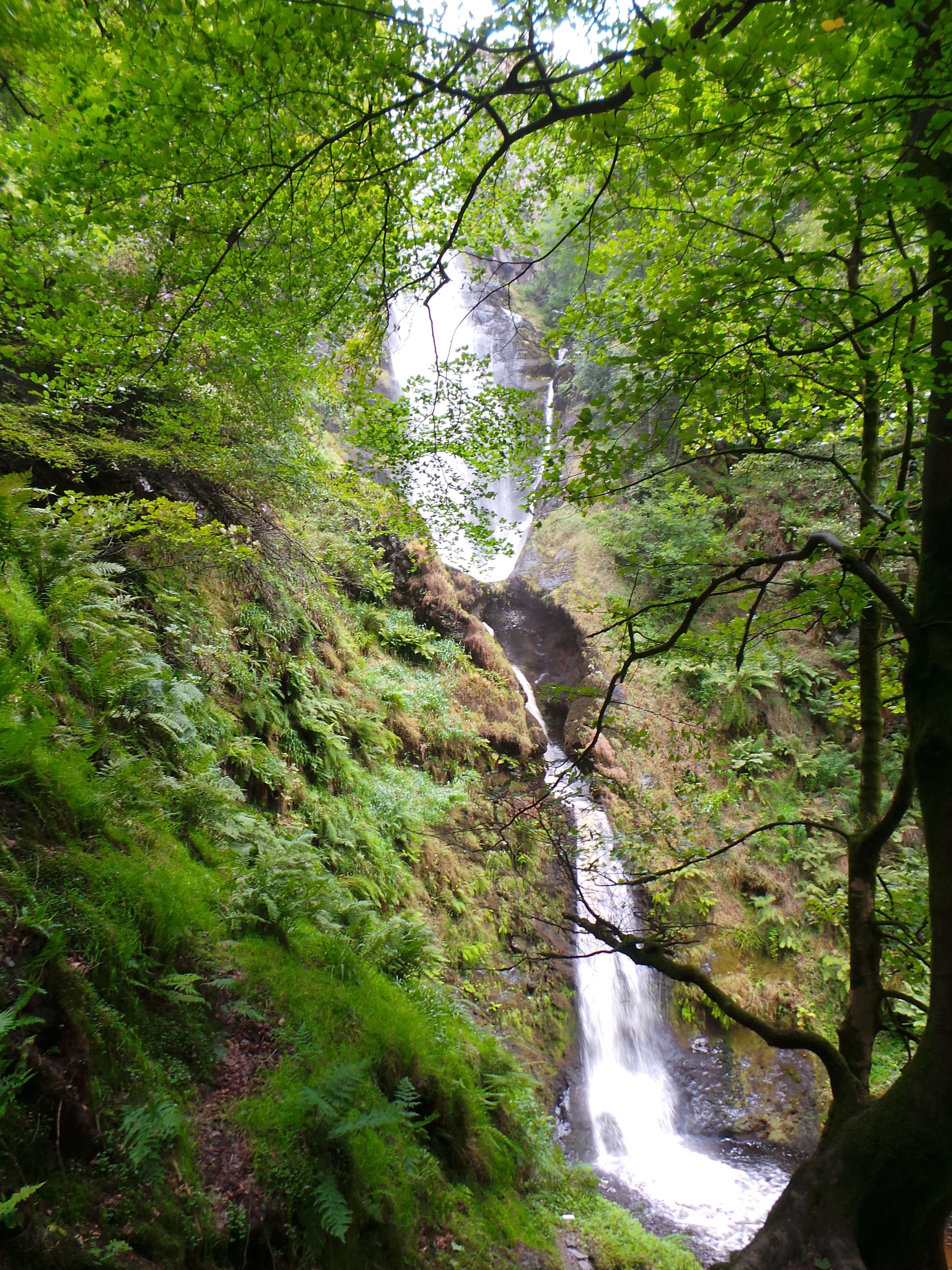
We heard the falls well before we saw them, the roaring and rushing  of water dropping over 100 feet splashing on rock outcrops as it falls. When the falls come into view we are always forced to stop just to stare and take in the scene. It is simply beautiful, a place where the gentle beauty of nature is disturbed by the sheer power of water. A mist of spray drifts among the trees. All around is green, bright almost fluorescent green. Ferns, mosses and lichen reveling in an atmosphere full of droplets of water, very pure clean water, not yet subjected to man’s pollution. It won’t be long before this stream, crystal clear but for a hint of the coffee brown stain from peat, will be subject to agricultural run-off. Nitrates, herbicides and sheep dip chemicals. But for now its purity adds to the delight of the place.

2014 08 28_4250 2014 08 28_4251 2014 08 28_4252 2014 08 28_4254 2014 08 28_4256 2014 08 28_4257

2014 08 28_4258 2014 08 28_4255

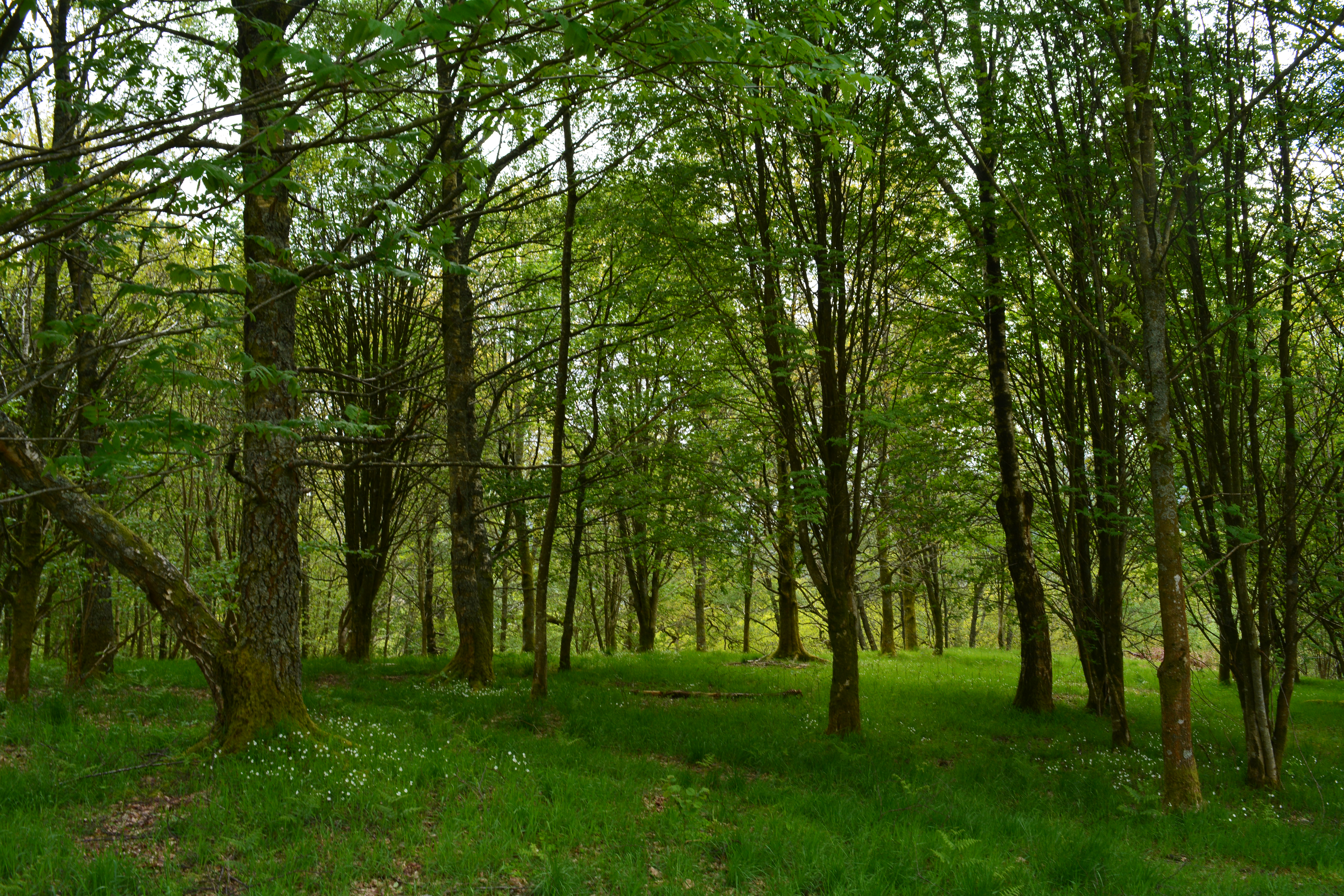
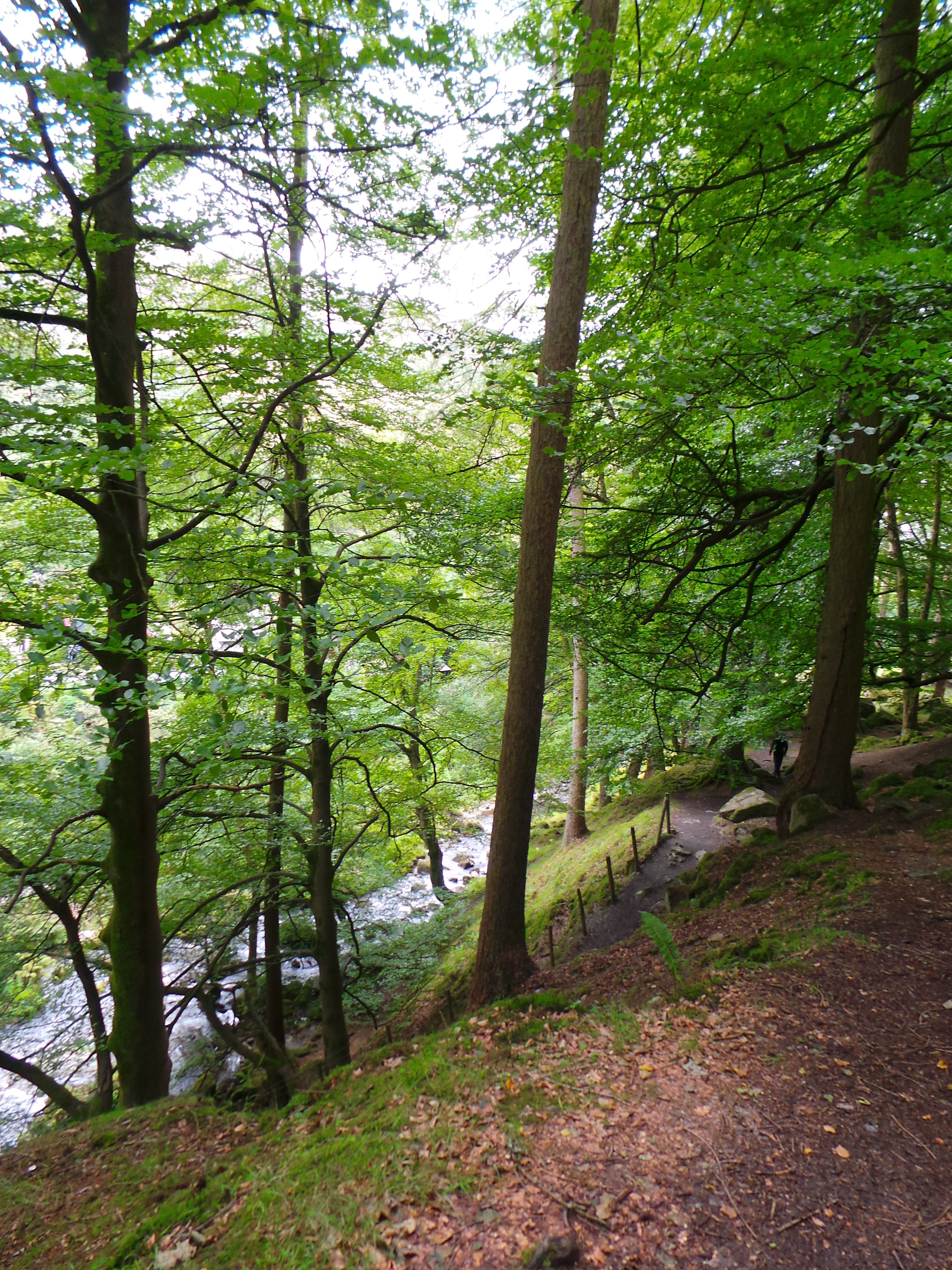
After enjoying being close to the roar and rumble of the waterfall we took a narrow track into the valley. Our feet made no sound on the pine needles that covered the path so we could hear the sound of the falling water getting quieter as we moved deeper into the heavily wooded slopes of the valley side. The trees grew close together so had grown tall in their search for light.

2014 08 28_4261 2014 08 28_4264 2014 08 28_4298 2014 08 28_4296

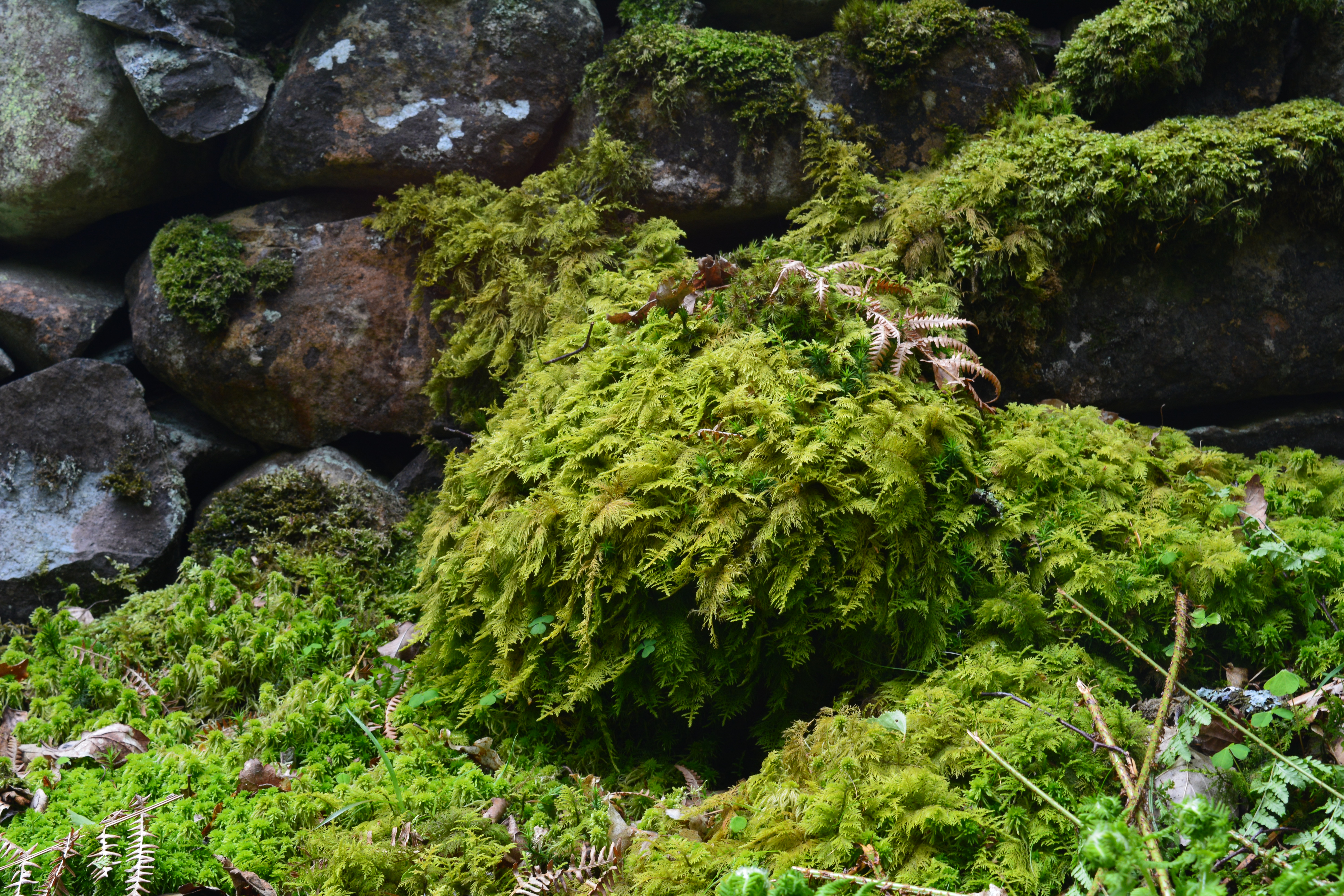
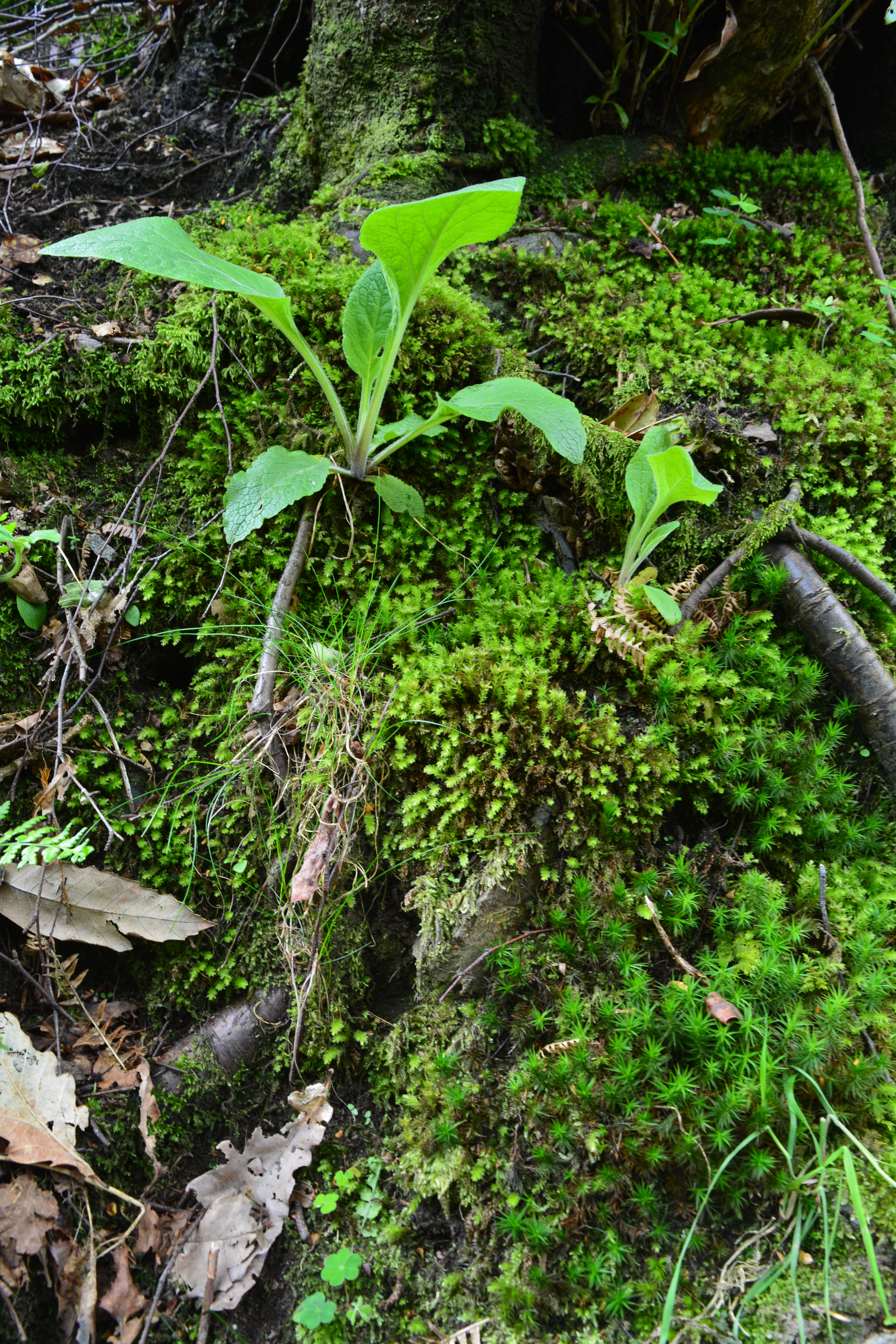
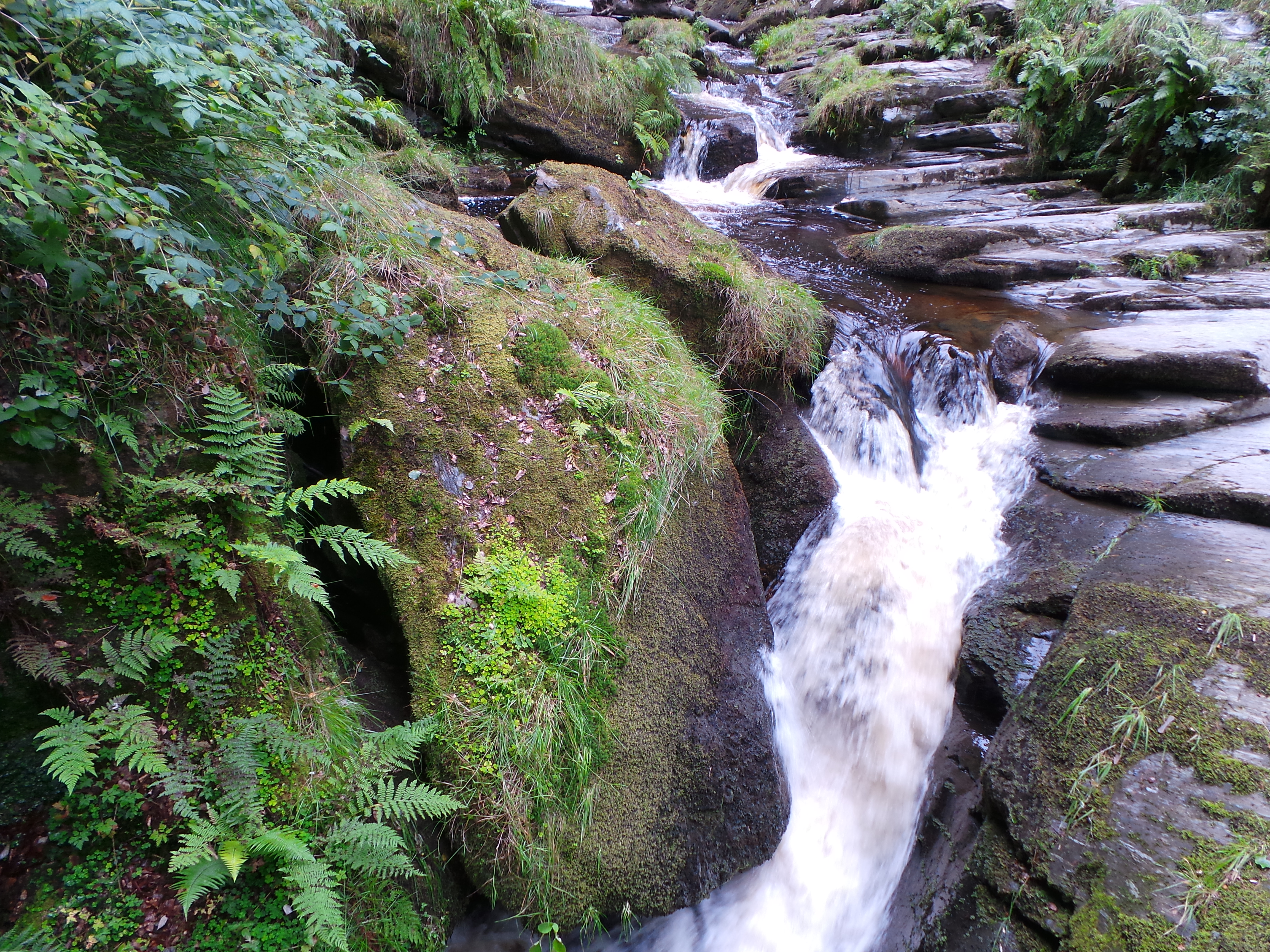
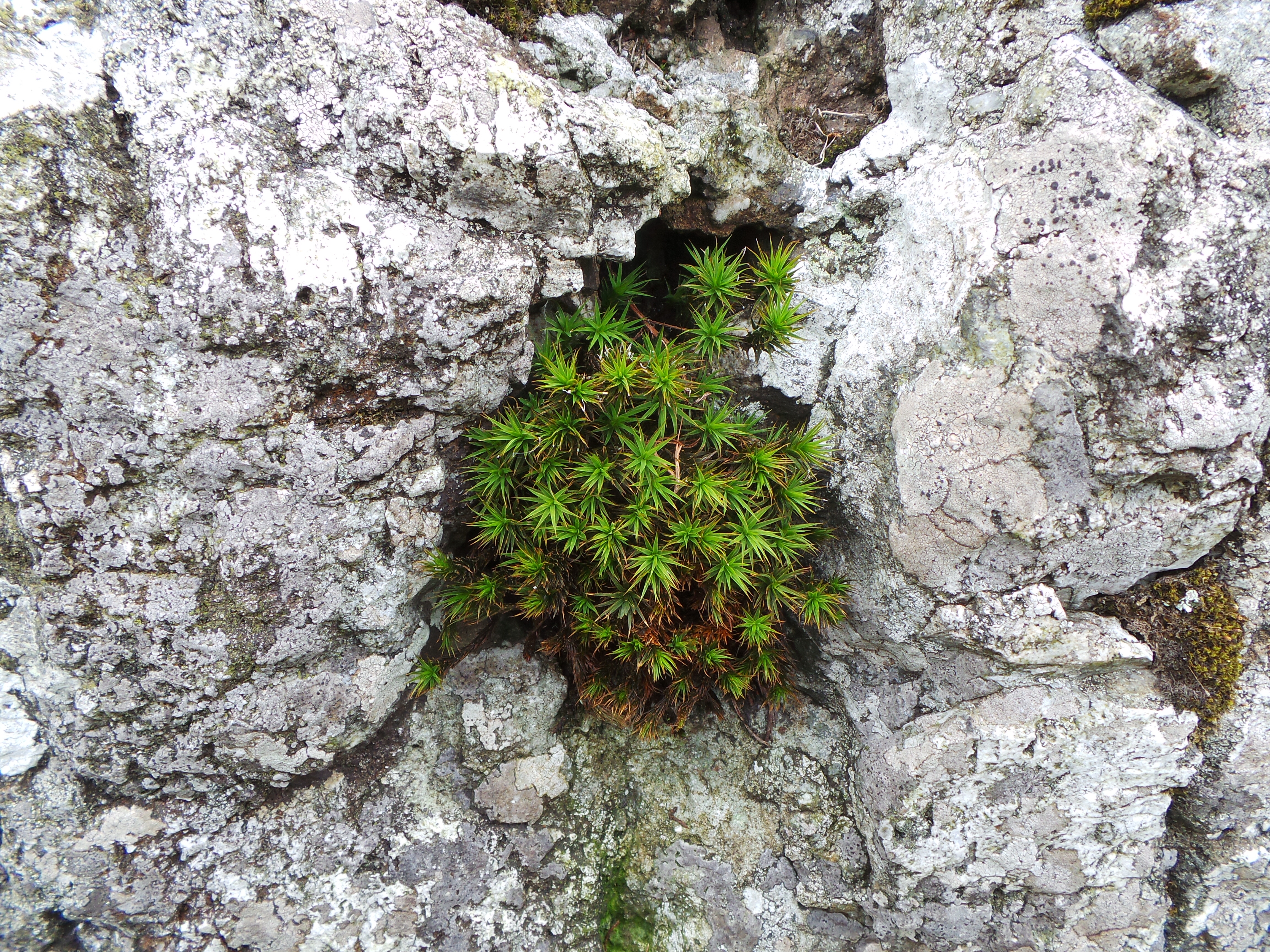
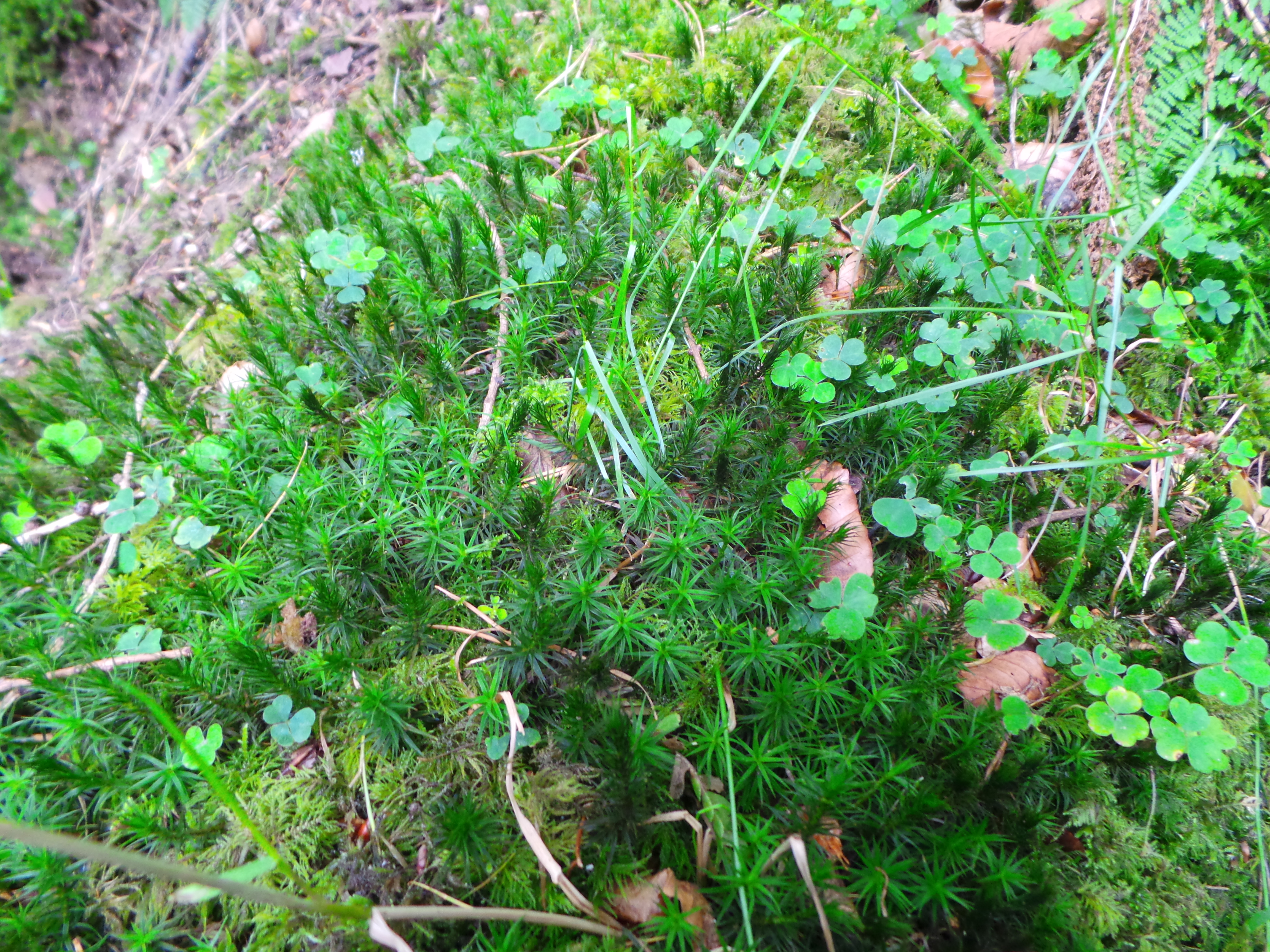
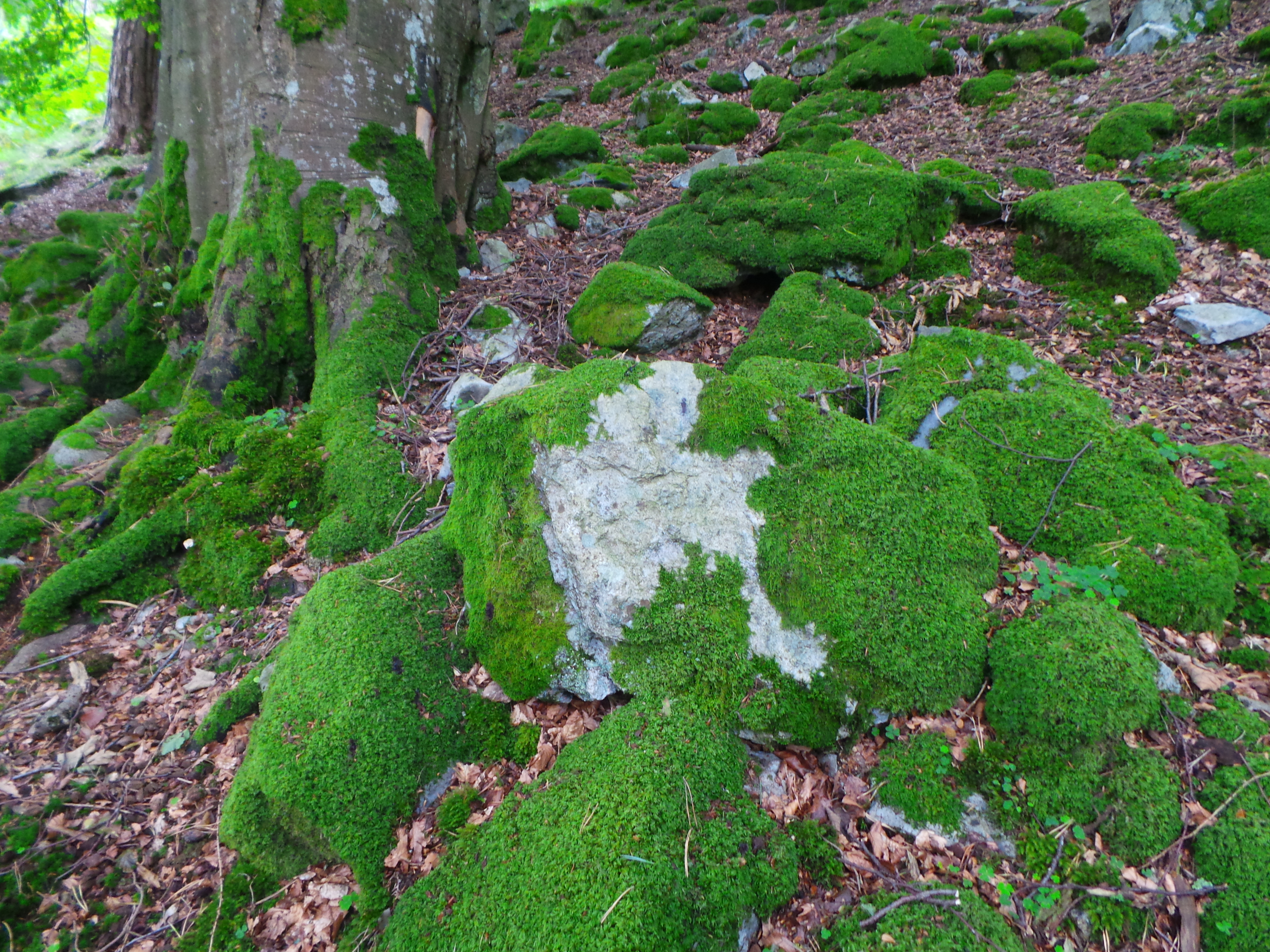
Every boulder and the bases of every tree trunk were carpeted in mosses and lichens, soft and silky to the touch.

 2014 08 28_4265 2014 08 28_4294

2014 08 28_4262

The boulders had been rolled down the slope by the forces of gravity after the equally powerful force of erosion had separated them from the rock faces of the vertical outcrops towering above the tree line. Erosion had also removed the soil and scree that once anchored this tree and its roots to the ground. Today it somehow remains upright by holding on with only half of its giant roots still in the ground.

2014 08 28_4266 2014 08 28_4277

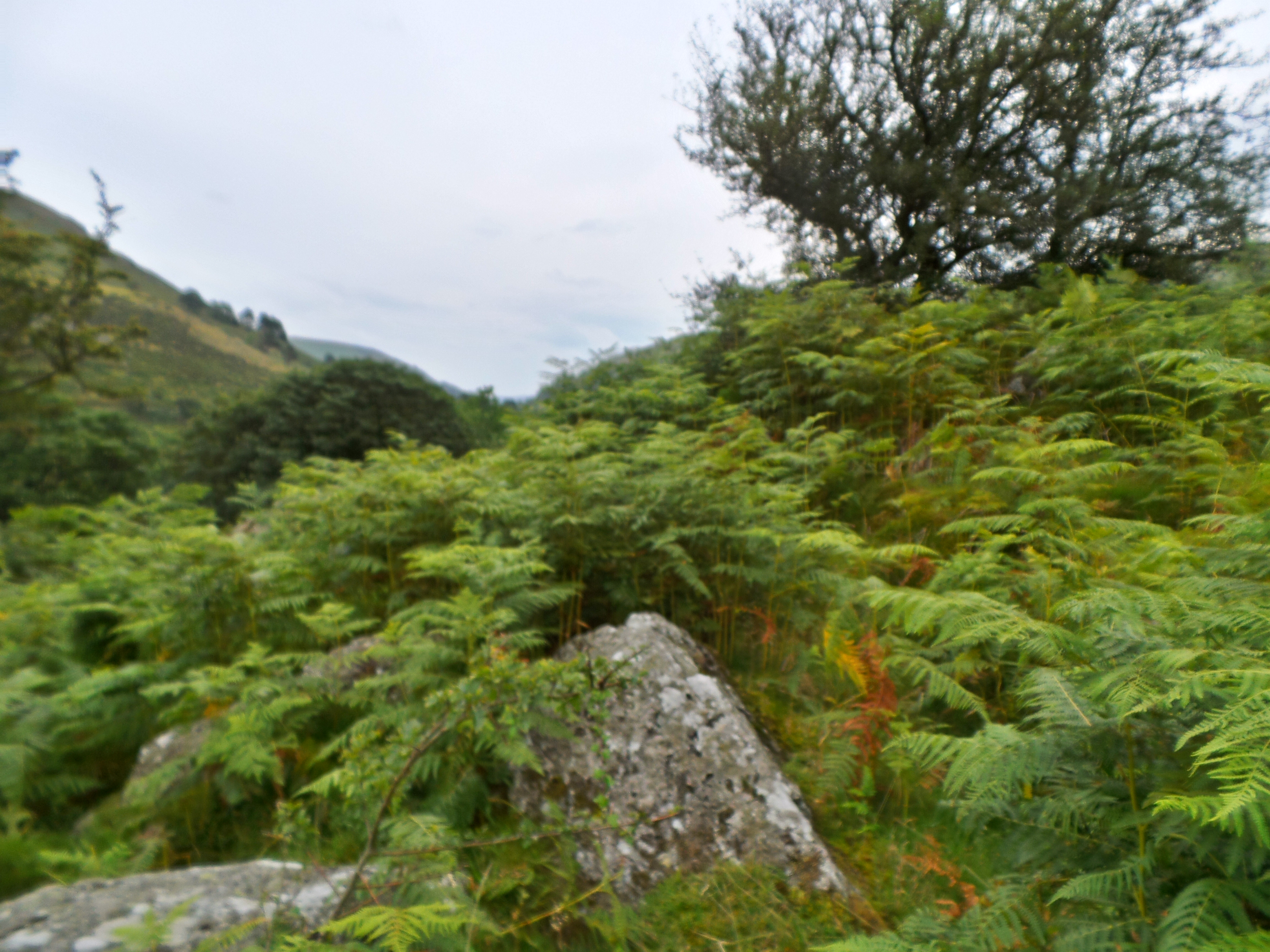
The openness at the end of the woodland afforded us vast views of the mountain range underneath which we had driven to find the waterfalls.

2014 08 28_4267 2014 08 28_4268 2014 08 28_4269 2014 08 28_4270

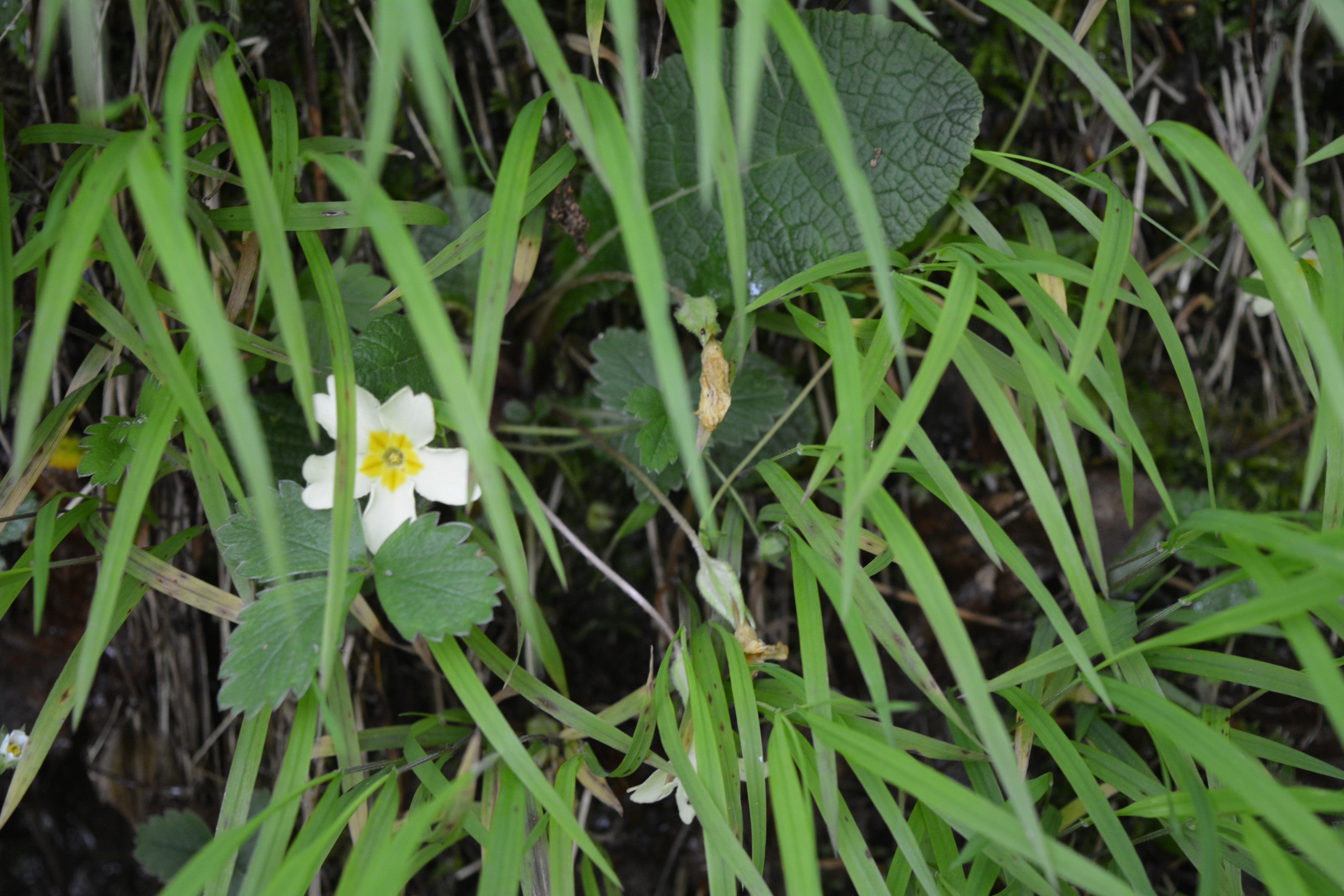
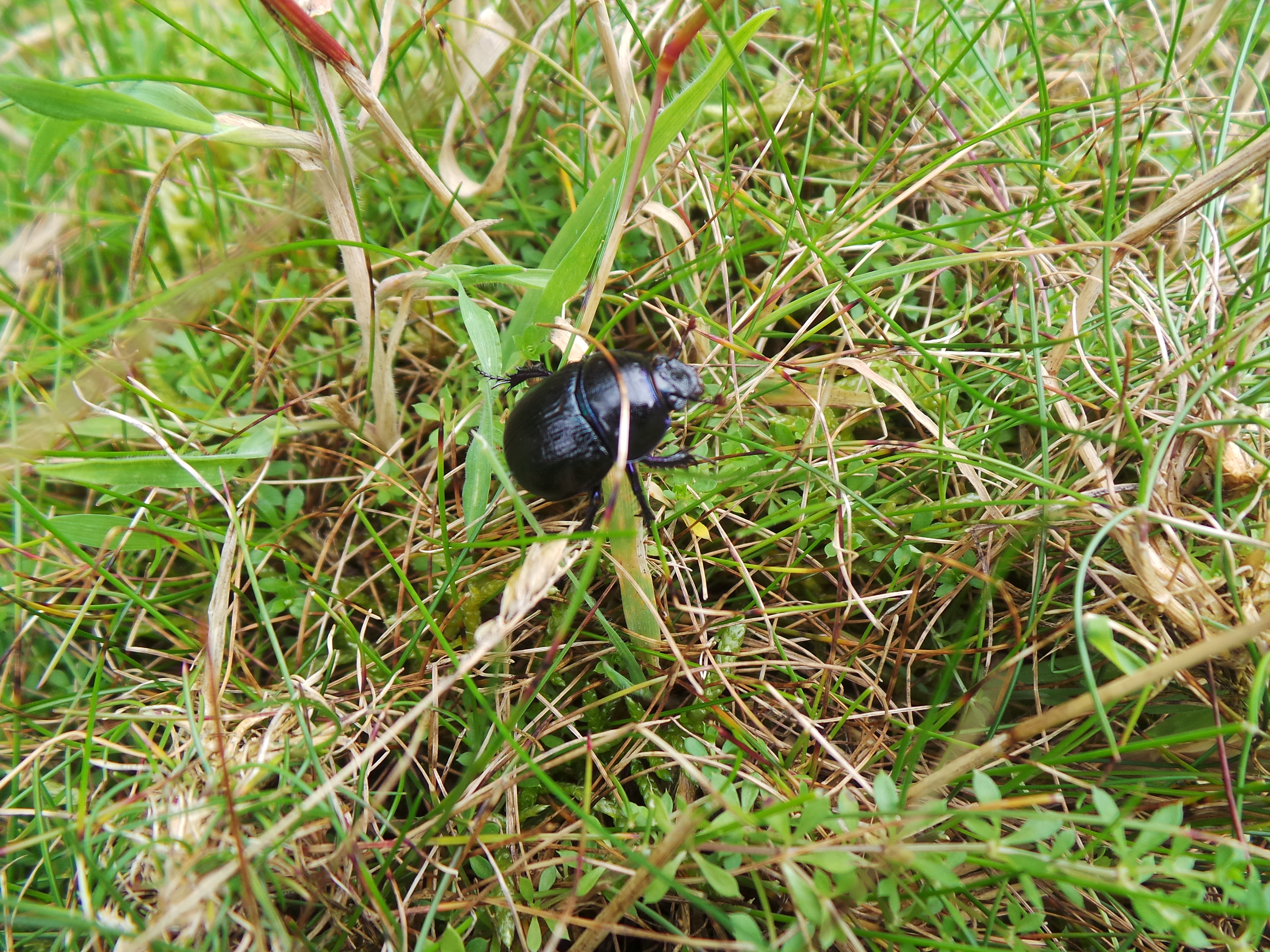
In a place dominated by huge trees, massive mountains and rugged rock faces it is good to study tiny delicate things as a contrast. There can be no more delicate flower then the Harebell and no smaller plants than mosses, lichens and algae (algae and lichen are not strictly speaking plants). Although the beetles we came across were small at only a centimetre or so long they certainly did not look delicate. They looked tough as they moved through the grass with purpose. Theses little chaps are powerful predators in the mini-beast world.

2014 08 28_4271 2014 08 28_4272 2014 08 28_4274 2014 08 28_42802014 08 28_4288 2014 08 28_42892014 08 28_4301 2014 08 28_4295

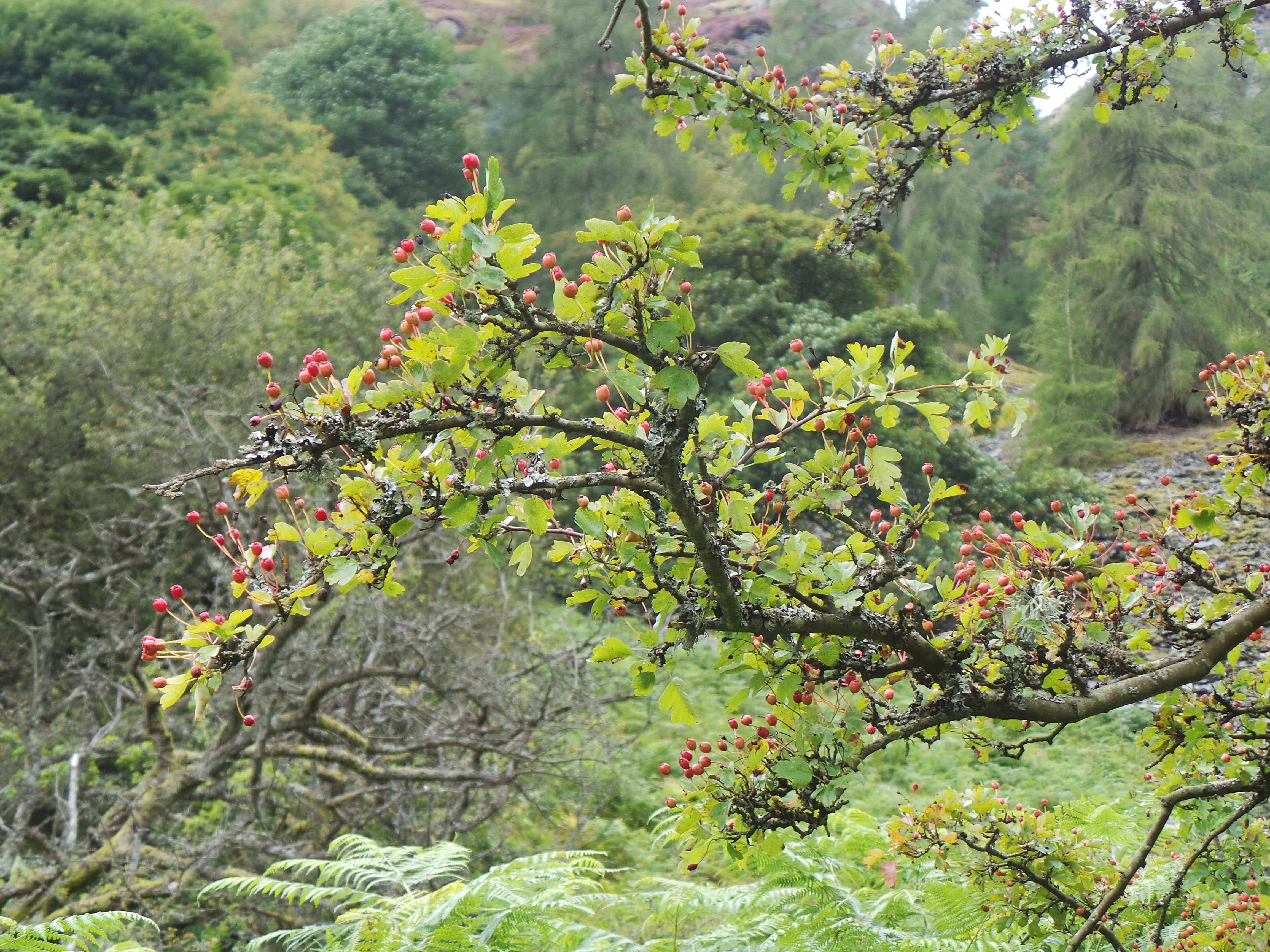
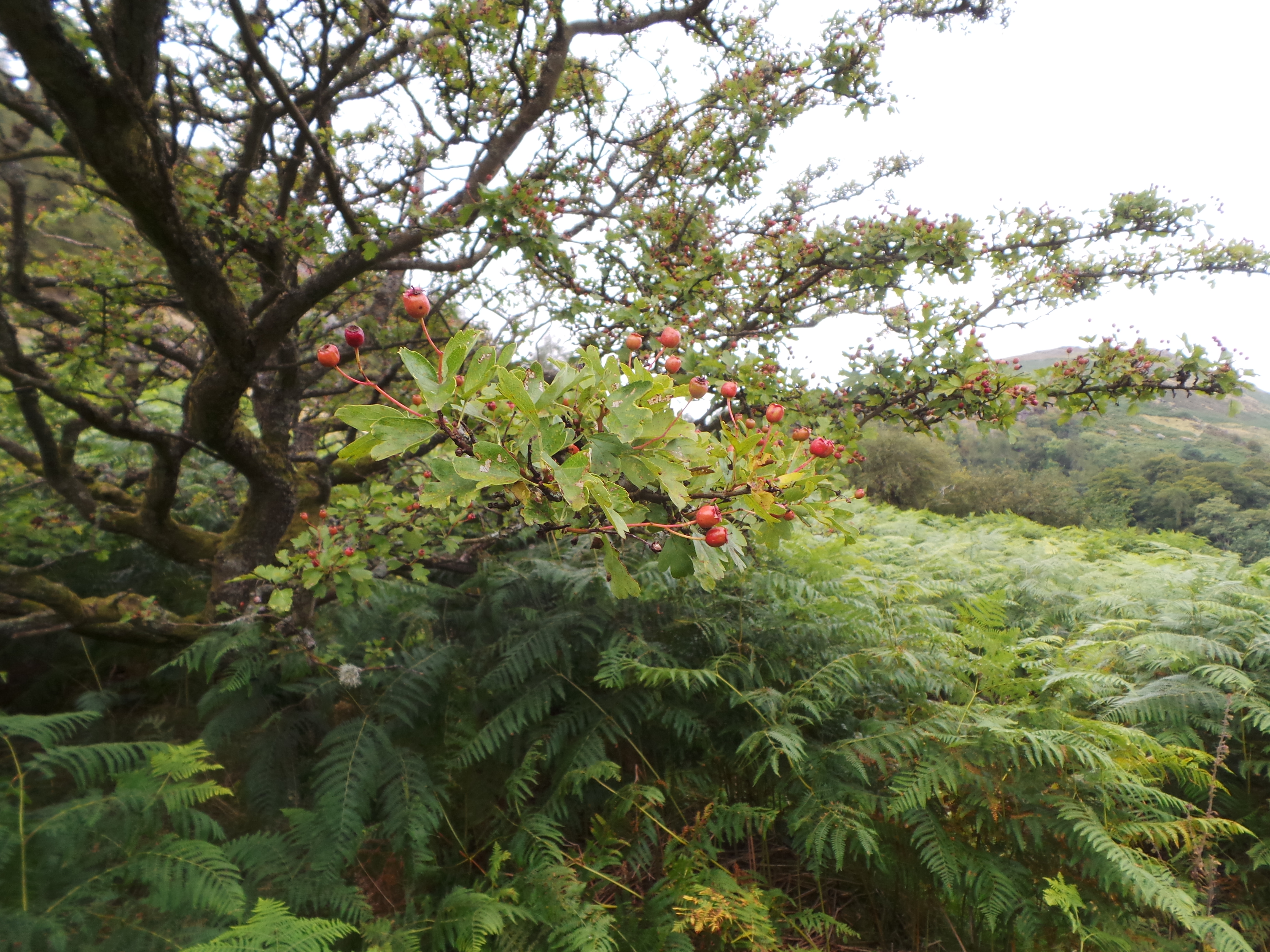
Fruit was colouring up on Hawthorns, Rowans and wild Crab Apples. We imagined that once the migrant thrushes passed through Wales they would home in on this valley side and gorge themselves on this fruit bounty.

2014 08 28_4278 2014 08 28_42792014 08 28_4287

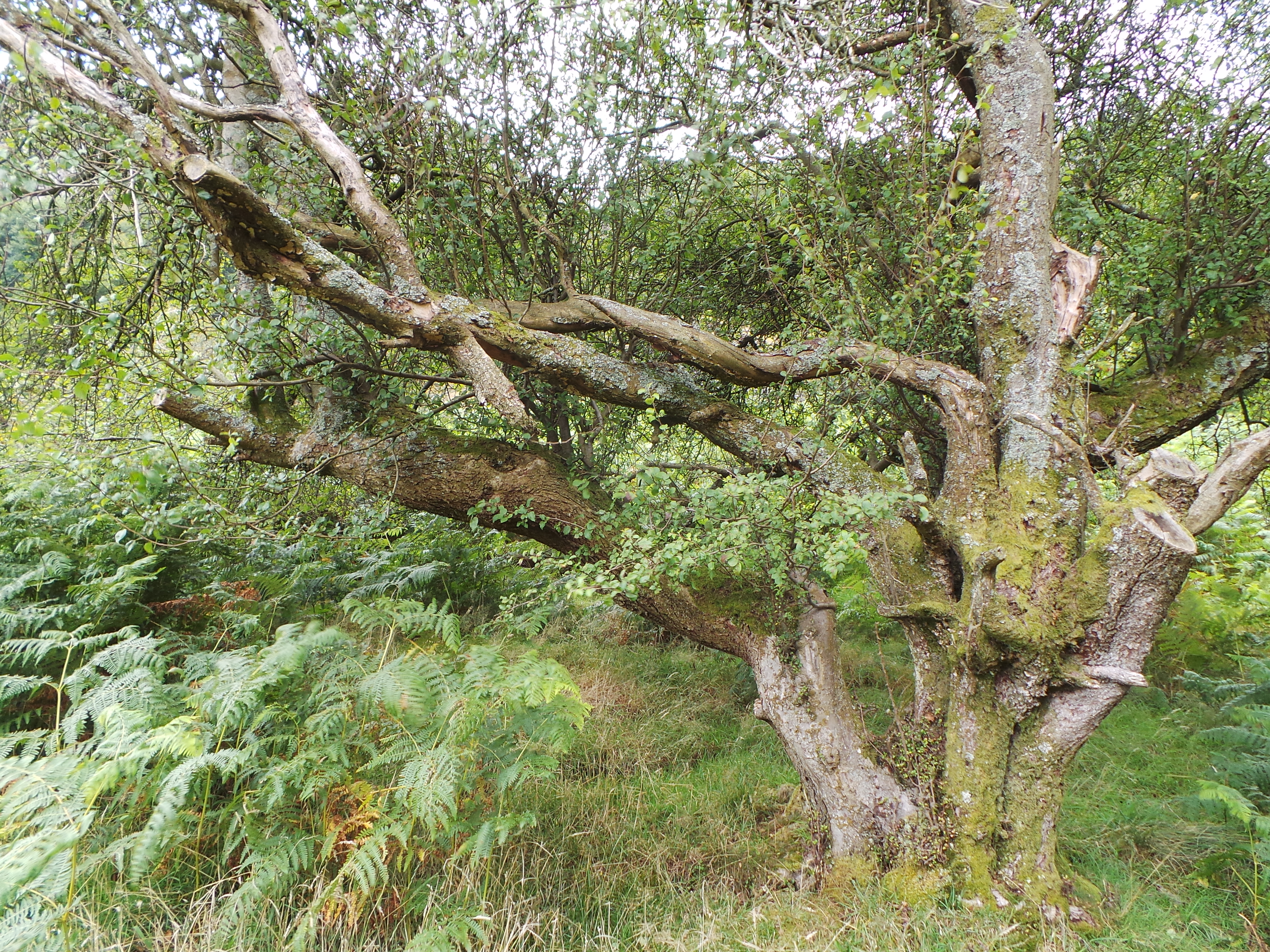
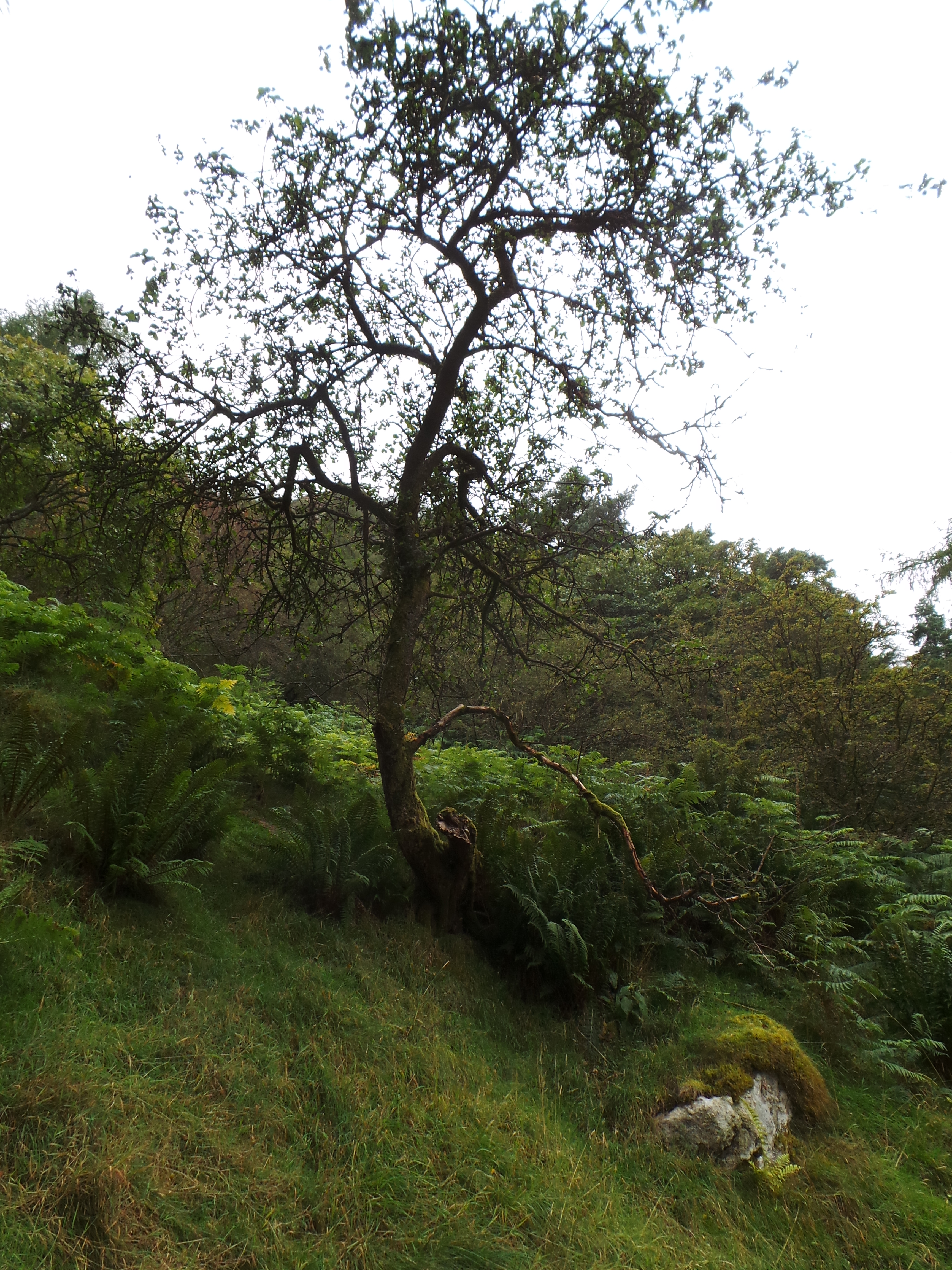
On the more exposed slopes of the valley trees live short lives and they grow stunted by the harsh winds and cold winters. This does though give them beautiful shapes, their branches and trunks taking on bonsai like twists and turns. The clean air here meant they wear coats of lichen, moss and algae. The first three pictures below are of a dead tree, partly felled but still giving a home to these tiny members of the plant world.

2014 08 28_4281 2014 08 28_4282  2014 08 28_4283 2014 08 28_4285 2014 08 28_4290 2014 08 28_4292

On our return back along the track we took a detour to see if we could get a closer look at the falls by going upwards. The path rose steeply and we found ourselves on a ledge almost halfway up the falls so we did get different views but not as dramatic as we had hoped for.

2014 08 28_4259 2014 08 28_4293

2014 08 28_4297 2014 08 28_4299 2014 08 28_4300 2014 08 28_4263

What a great place this is, possibly as close to wilderness as we can find in this part of Wales. The walk isn’t easy or indeed sensible for either of us – me walking with a crutch and one leg without any feeling and Jude being scared of heights and hating walking with a gap alongside. But we did it and we enjoyed! And we will probably do it again! No – we will definitely do it again!


Categories
architecture buildings colours garden buildings gardens gardens open to the public Italian style gardens Wales woodland woodlands

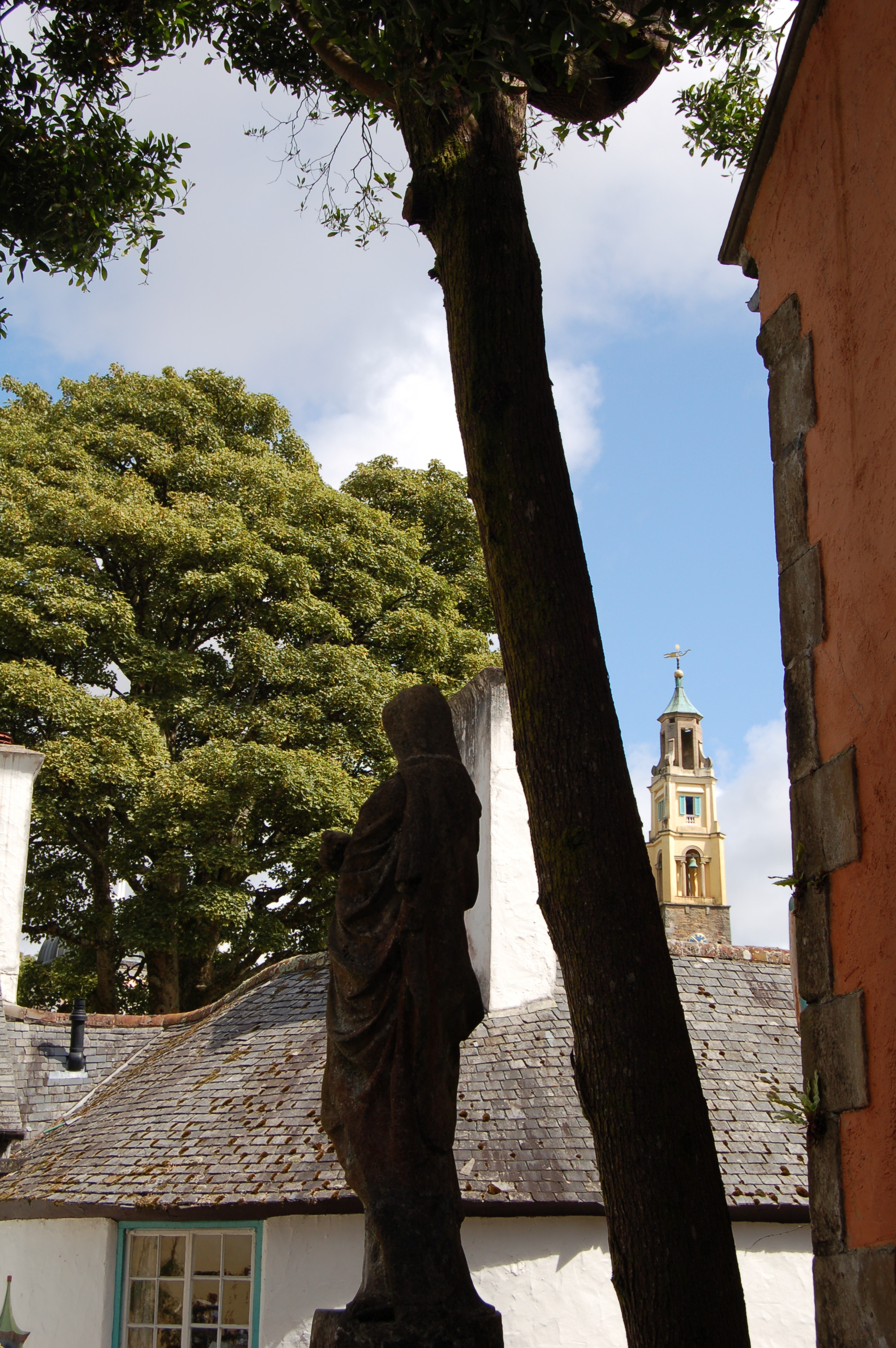
Portmeiron – the work of an eccentric.

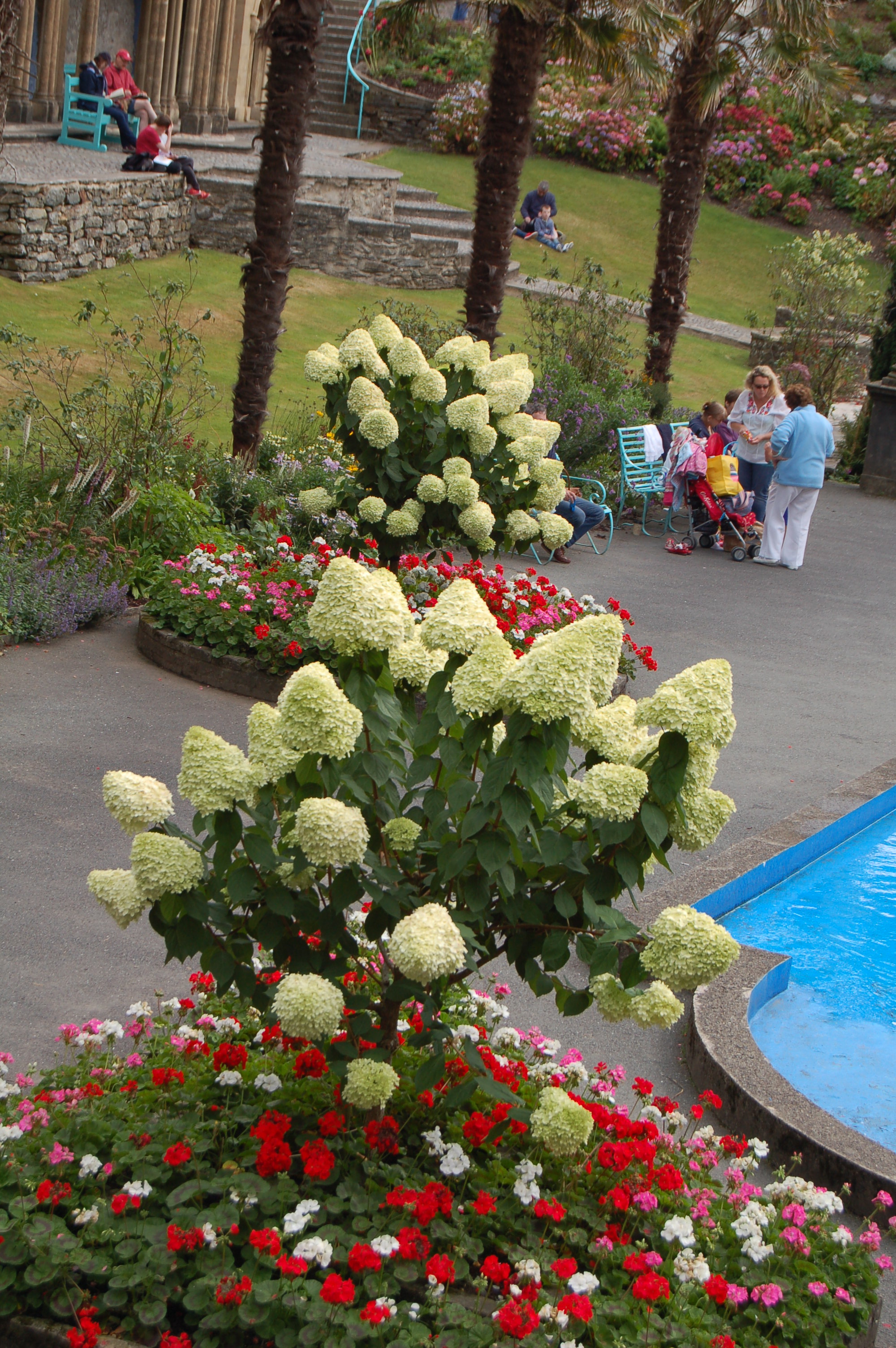
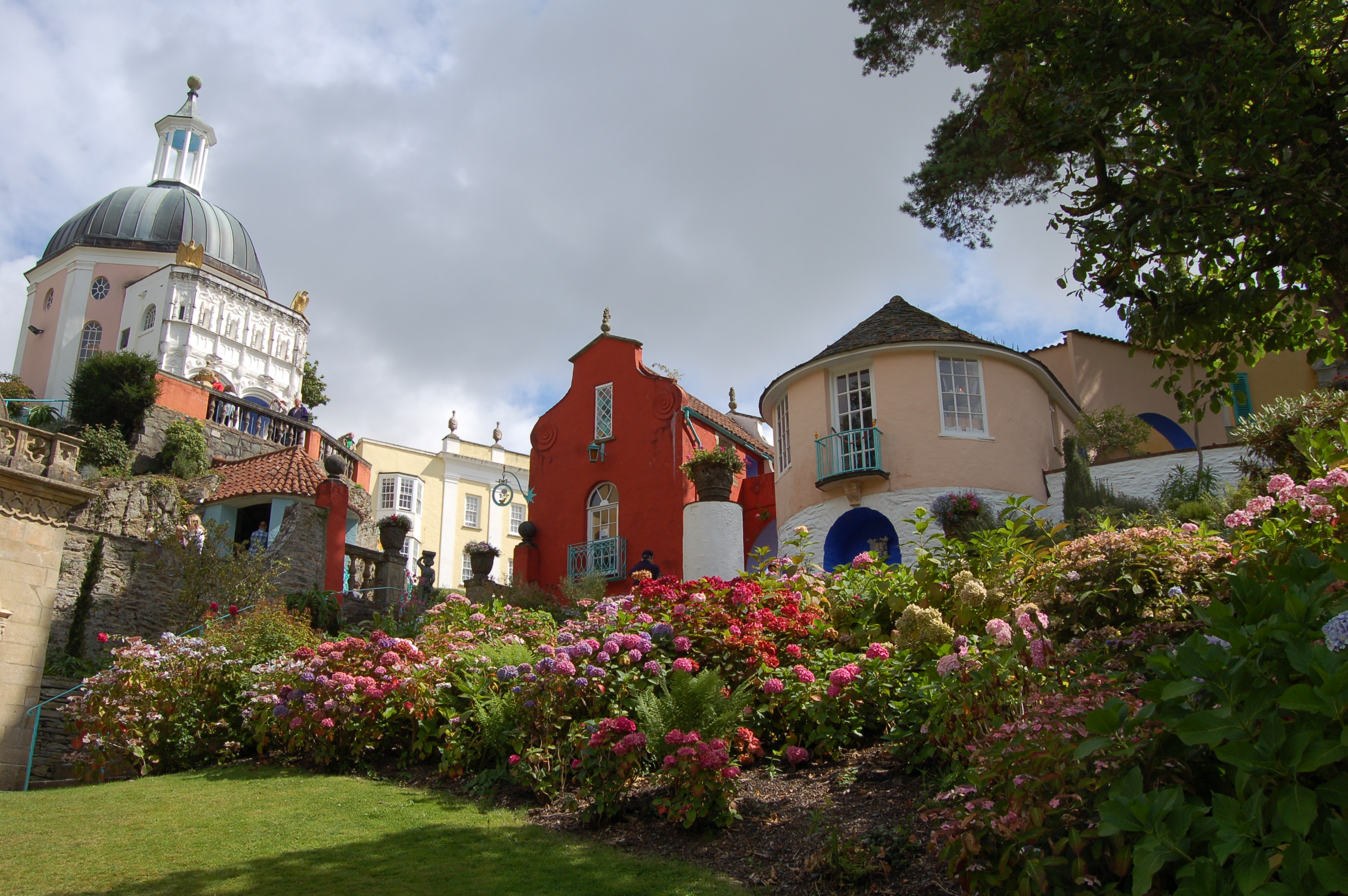
We always enjoy spending the day at this crazy, quirky and totally exuberant “garden” on the Welsh coast near Portmadoc. Portmeiron is a village and gardens created by the eccentric Clough William-Ellis who bought the site in 1925 and then spent the following 50 years developing it into what we can visit and enjoy today.

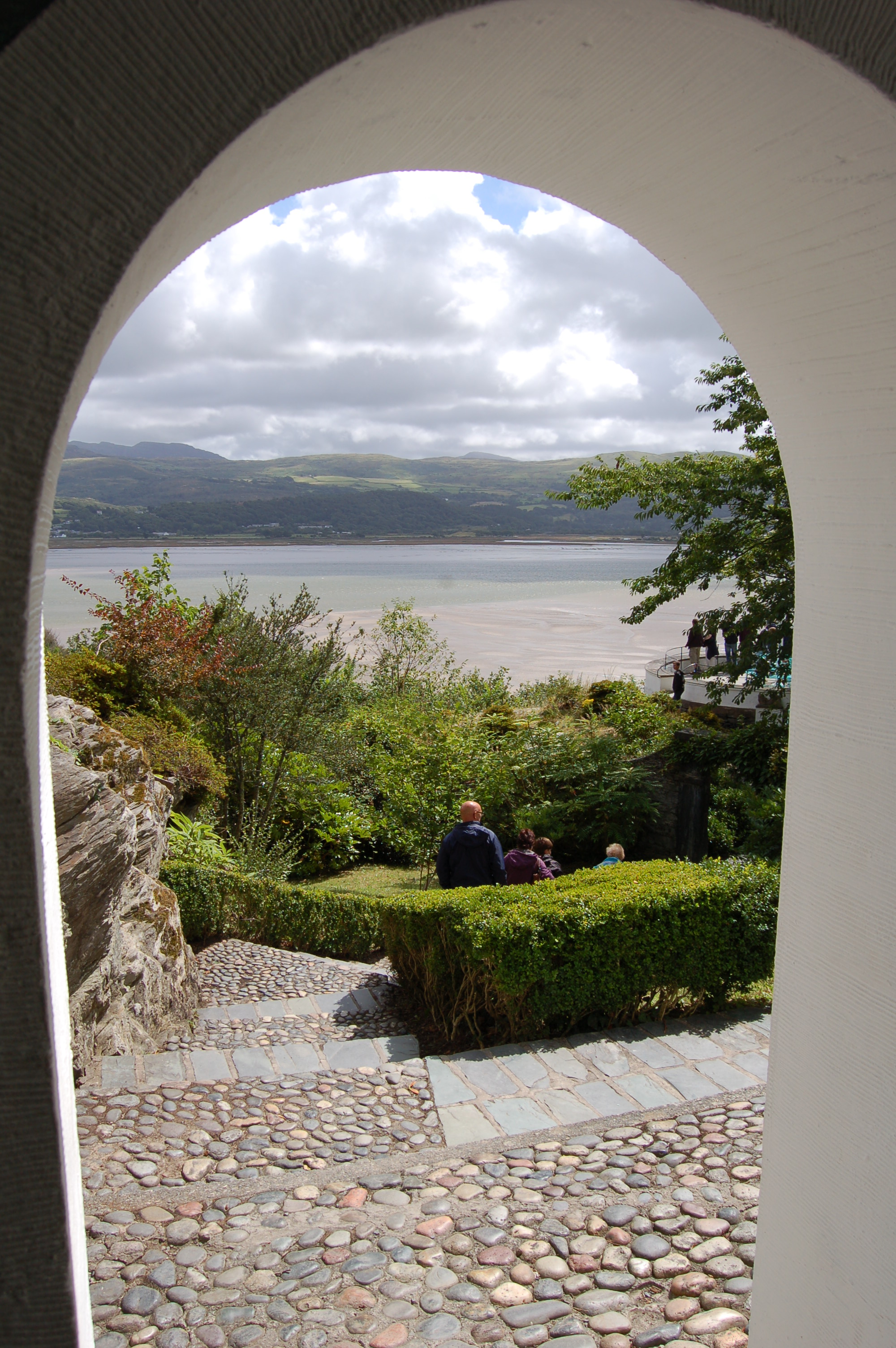
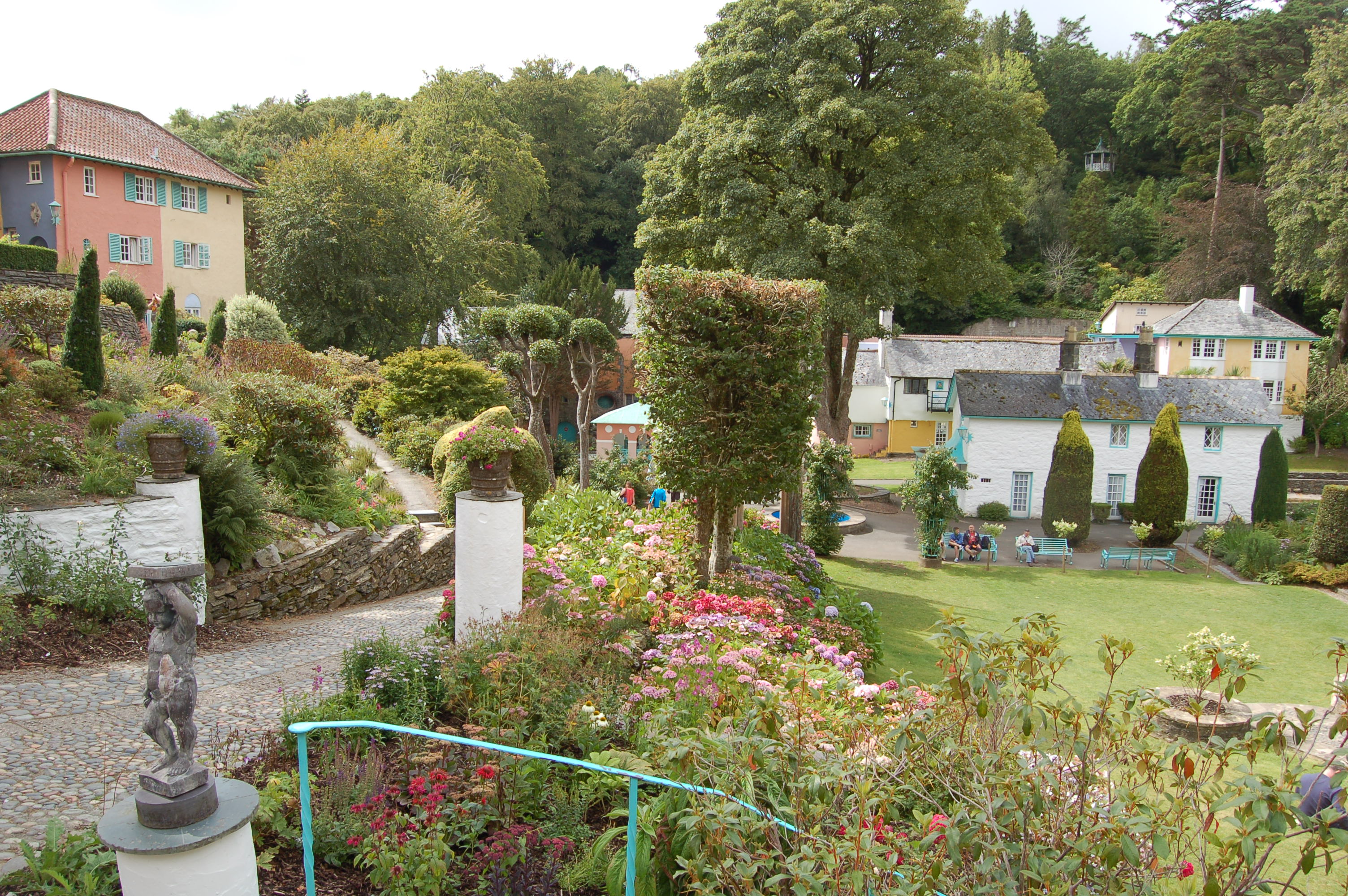
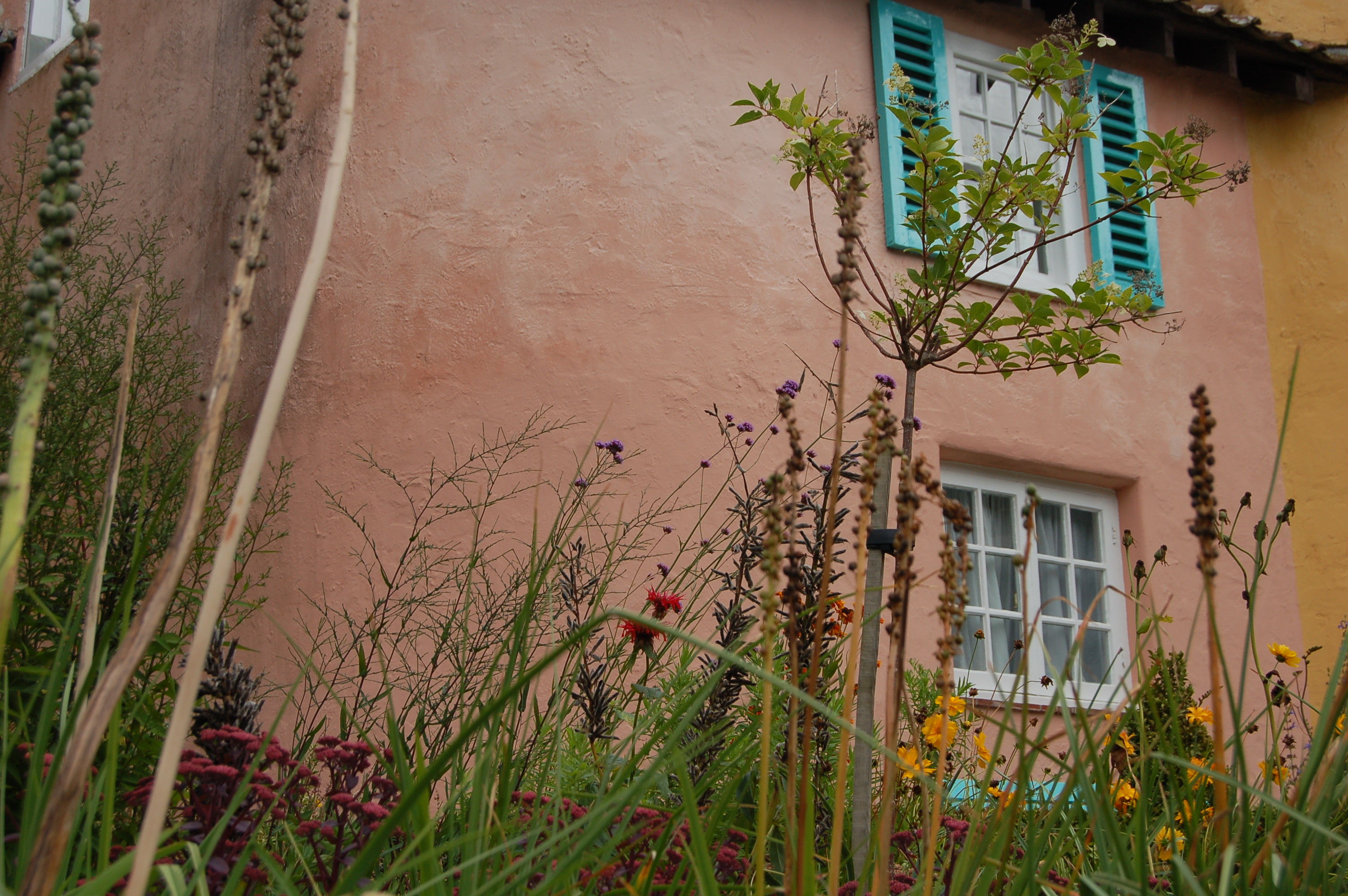
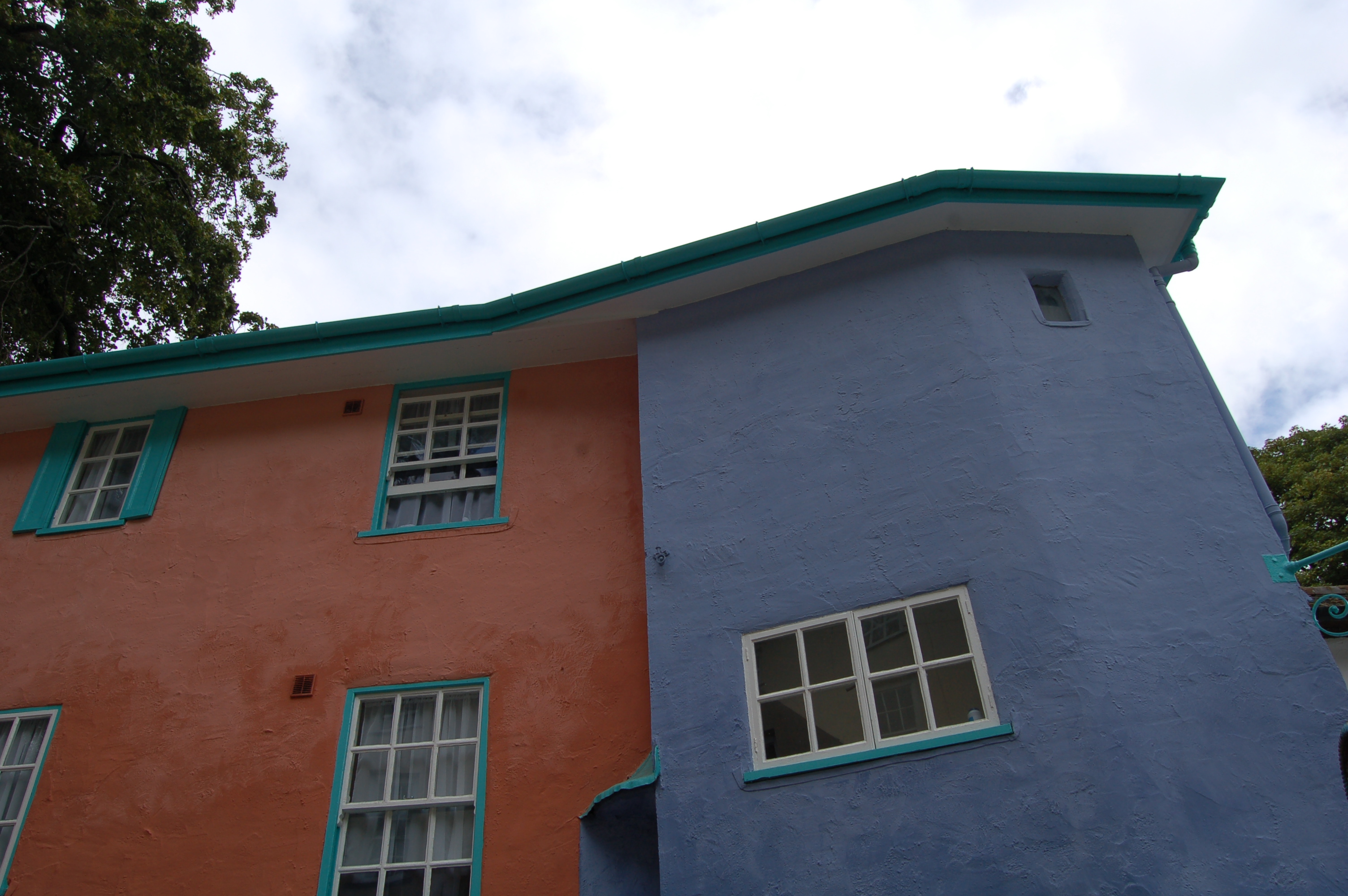
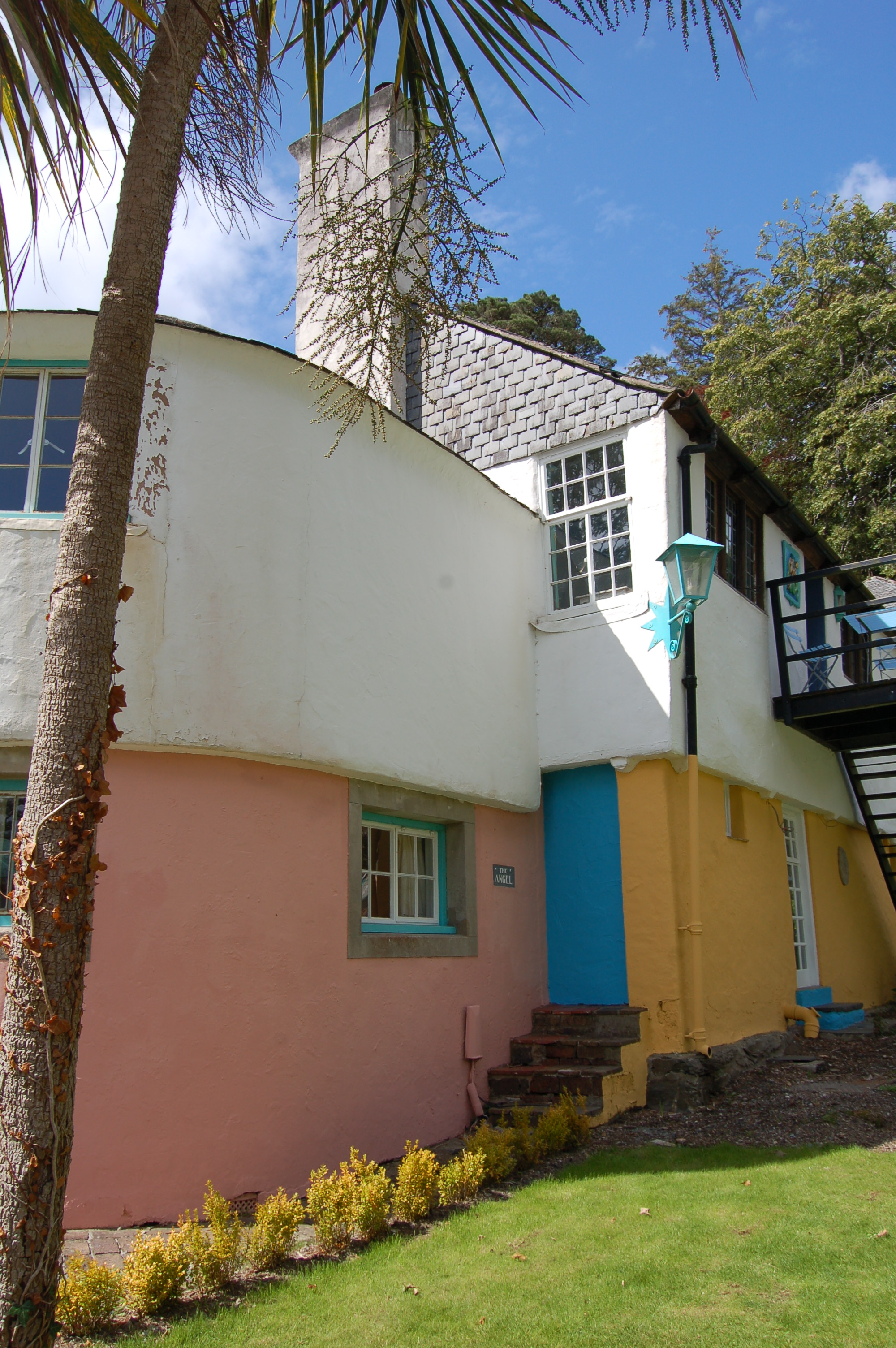
The village is a collection of buildings  reminiscent of an Italianate style. Every wall is brightly painted in an array of extravagant colours. Some are hotels or holiday cottages, others restaurants and cafes while others are shops and galleries. It is a busy little place sitting on a strip of land below the Lleyn Penninsula and it fits snuggly between the beach and a wooded slope.

2014 08 13_3574 2014 08 13_3588

In between the collection of crazy buildings a team  of gardeners work hard to maintain patches of colourful gardens. The soil is both shallow and full of stones and the land is on a steep slope so gardening here is a tough challenge. So come through the towering gateway and wander around with us.

2014 08 13_3569 2014 08 13_3570 2014 08 13_3571 2014 08 13_3573 2014 08 13_3576

2014 08 13_3579 2014 08 13_3580 2014 08 13_3581 2014 08 13_3582 2014 08 13_3583 2014 08 13_3584 2014 08 13_36392014 08 13_3589 2014 08 13_3590 2014 08 13_3592 2014 08 13_3595


Although the Italianate style of the buildings that fascinates at first glance after a while the interesting juxtaposition of colours begins to catch the eye. Colours that you would not think of putting together when choosing paint for your home actually work beautifully.

2014 08 13_3586 2014 08 13_3597


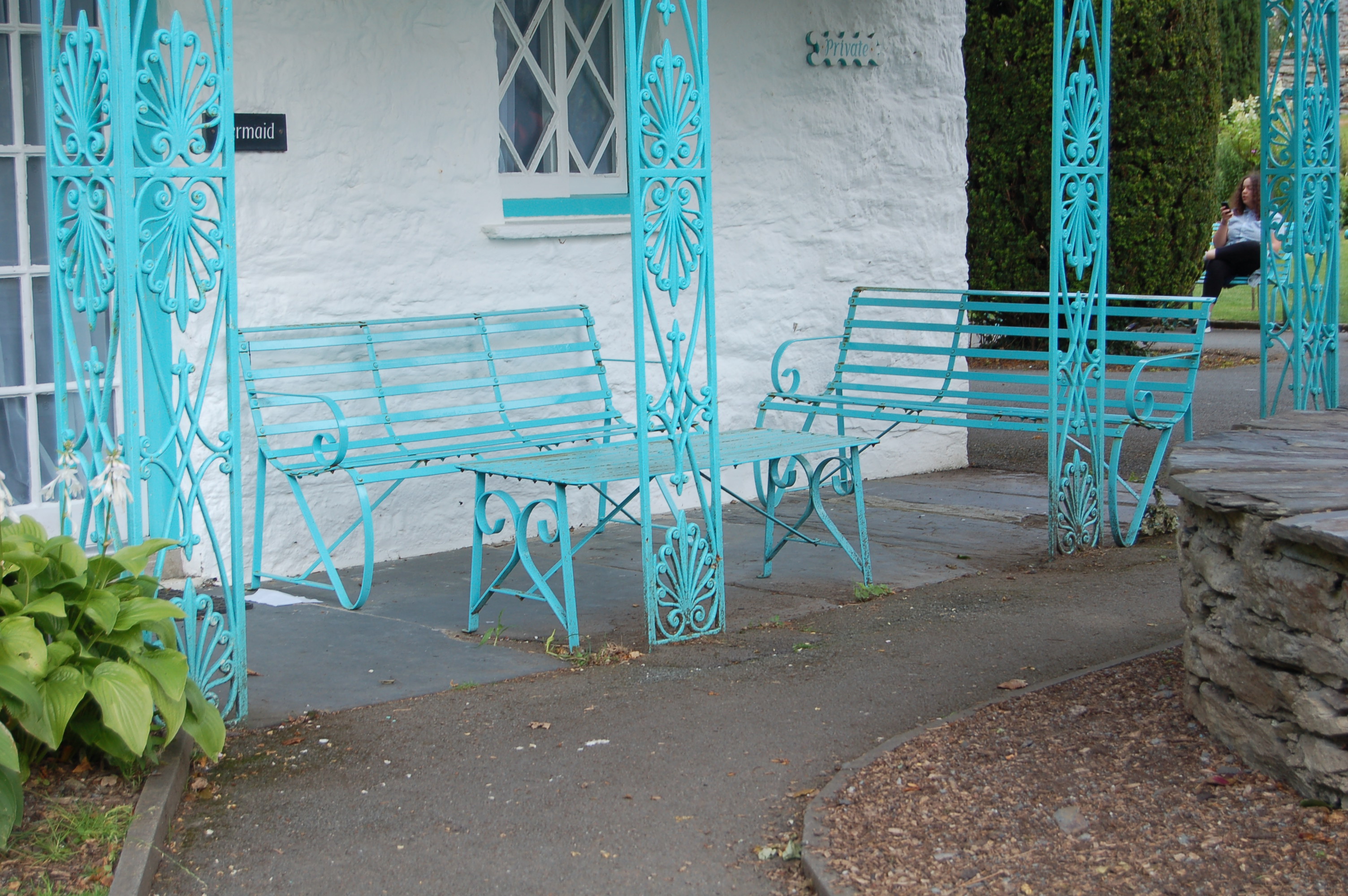
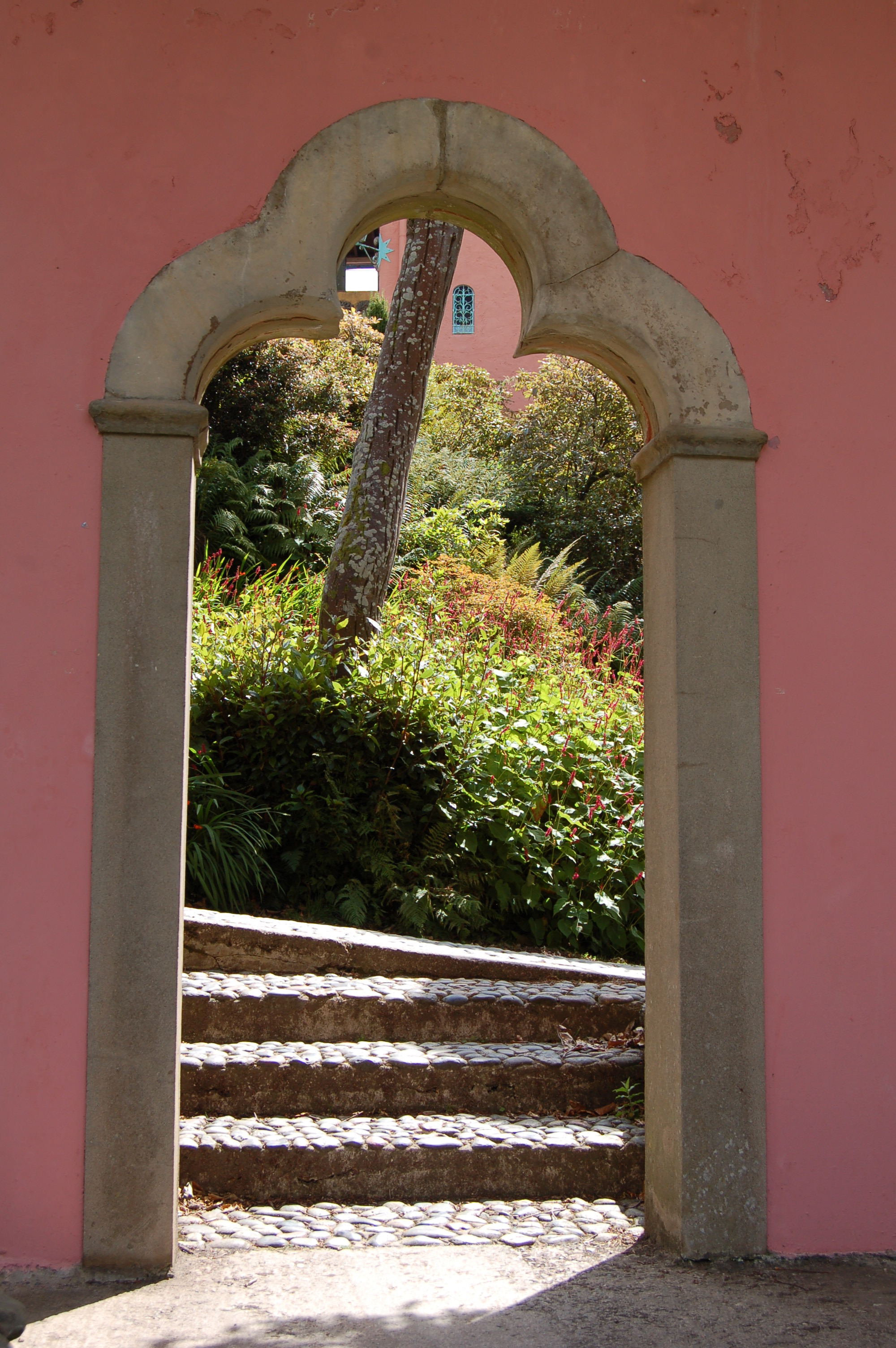
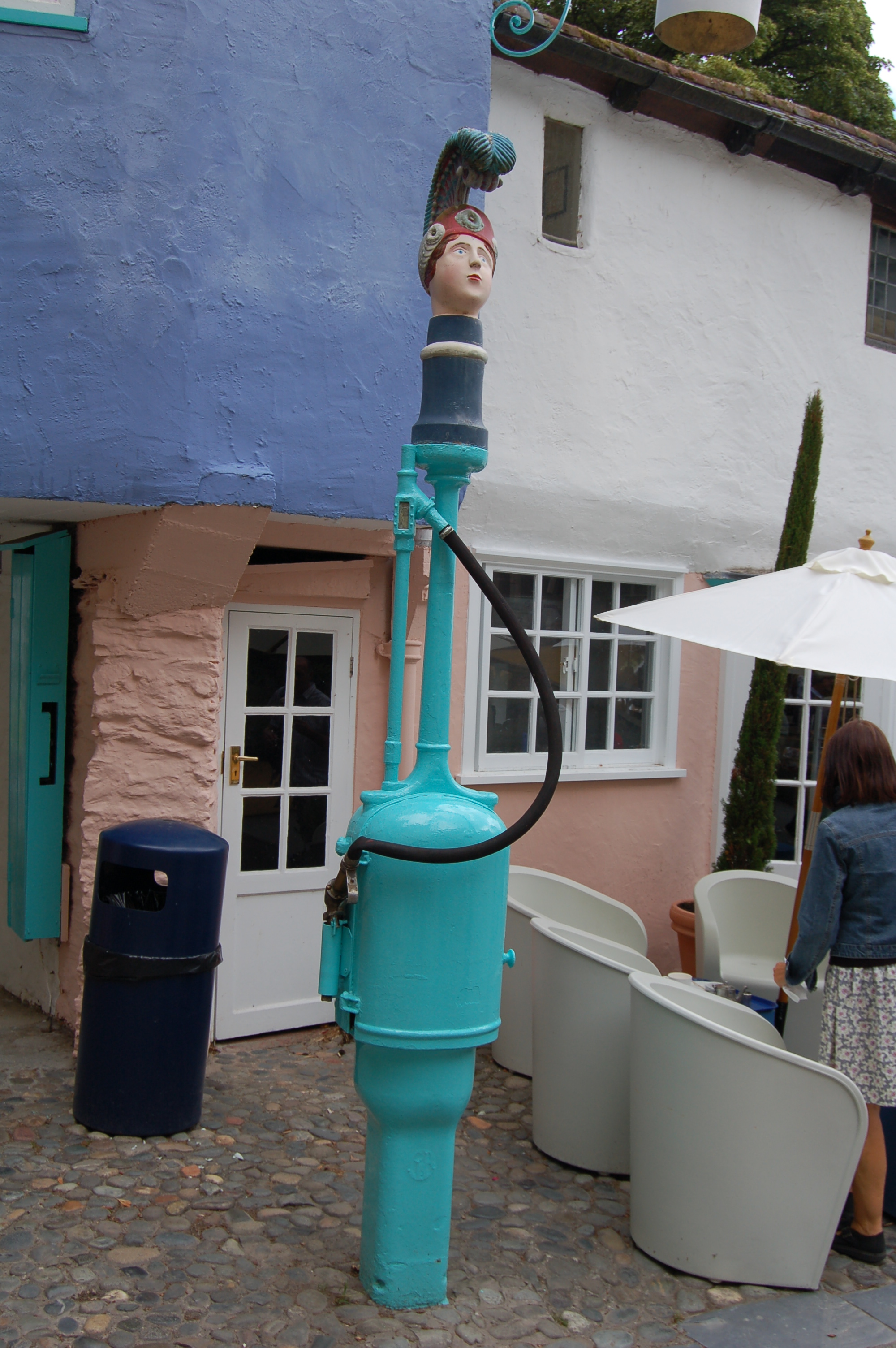
Although the bright colours dominate every scene once your eyes and mind adjust to them interesting details come to the fore, such as these bright blue ironwork, a relief sculpture alongside a ring, classical figures, the beauty of this stone archway and the vintage petrol pump.

2014 08 13_3594 2014 08 13_3598

2014 08 13_3599 2014 08 13_3591 2014 08 13_3585


2014 08 13_3596 2014 08 13_3600

We took a break from the colourful conglomeration of buildings and ambled along through the wooded slopes above the village itself. Here we discovered ancient trees native and cultivated and an atmosphere of peace, with restful greens and relative silence, broken only by the calls and song of birds.

2014 08 13_3602 2014 08 13_3603 2014 08 13_3604 2014 08 13_3605 2014 08 13_3606 2014 08 13_3607 2014 08 13_3608 2014 08 13_3609 2014 08 13_3610 2014 08 13_3611 2014 08 13_3612 2014 08 13_3613 2014 08 13_3614 2014 08 13_3615 2014 08 13_3616 2014 08 13_3617 2014 08 13_3618

2014 08 13_3621 2014 08 13_3622 2014 08 13_3623 2014 08 13_3624 2014 08 13_3625 2014 08 13_3626 2014 08 13_3640

We followed the woodland path until we found ourselves close to the cliff tops and followed it down towards the shore, where the buildings began again. This time they had a maritime twist to their architecture with white and blue colours dominating.

2014 08 13_3628   2014 08 13_3629 2014 08 13_3630 2014 08 13_3631 2014 08 13_3635

As the road way climbed upwards we returned to the brightly coloured buildings of the village.

2014 08 13_3601 2014 08 13_3636

2014 08 13_3637 2014 08 13_3638 

We were fascinated by the interest of some visitors in particular buildings which it appears were featured in a TV series from the 1960’s, The Prisoner, which still has a strong cult following. It adds yet another layer of interest to this utterly fascinating “one-off” place.

This Veggie Life

A Vegetarian | Nature Lifestyle Blog

Rambling in the Garden

.....and nurturing my soul

The Arch City Gardener

Journeys In St. Louis Gardening and Beyond

Garden Dreaming at Châtillon

Consult the genius of the place

Storyshucker

A blog full of humorous and poignant observations.

gardeninacity

Notes from a wildlife-friendly cottage garden

PlayGroundology

...an emerging social science

The Official Blog of British Wildlife

'The most important and informative publication on wildlife of our times' - The Independent. This blog is a member of The UK & Ireland Natural History Bloggers group: www.uknhb.blogspot.com

iGrowHort

Inspire - Cultivate - Grow Native Plants - Restore Landscapes

Bishops Meadow Trust

To create and protect a semi-natural wild space for the people of Farnham to enjoy and experience an array of British wildlife in our town

Gardening with Children

The www.gardeningwithchildren.co.uk Blog

UKbirdingtimeline

birding through the seasons, why birds matter and how to conserve them

NATURE WALKER

with a camera in hand

Jardin

Transform your outdoor space

Eva's space

My allotment, cooking and other interests

Old School Garden

my gardening life through the year

LEANNE COLE

Trying to live a creative life

fromacountrycottage

trying to live as lightly as possible on our beautiful planet

Good Life Gardening

Nature lovers from Leicester living the good life.

mybeautfulthings

Finding the beautiful in the everyday

mawsonmichelle

Michelle's Allotment

In and Out of My Garden

thoughts from and about my garden

Greenhousing

Big plans for a small garden

The Scottish Country Garden

A Walled Country Garden in South East Scotland

The Fruity Chicken

Life at the fruity chicken

willowarchway

Off grid living. Self sufficient. "PERMAGANICS RULE".

St Anns Allotments

Nottingham's Grade 2* Listed Allotments and Community Orchard

Manifest Joy Harvests

a journey in suburban vegetable gardening

Allotmental

The madness of growing your own

Penny's Garden: a harvest beyond my front door

A novel approach to vegetable gardening

arignagardener

Sustainable living in the Irish countryside.

NewEnglandGardenAndThread

Master Gardener, amateur photographer, quilter, NH native, and sometimes SC snowbird

dianajhale

Recent work and work in progress and anything else that interests me

planthoarder

a chaotic cottage gardener

Lens and Pens by Sally

a weekly blog that creates a personal philosophy through photographs and words

Dewdrops and Sunshine

Stories from a sassy and classy Southern farmbelle.

The Pyjama Gardener

Simple Organic Gardening & Seasonal Living

gettin' fresh!

turning dirt into dinner

JOY...

today the world is created anew

Garden Birds

Notes from a Devon garden

ShootAbout

Life Through The Lens

Adapting Pixels

A photography blog showcasing the best photography pictures and videos on the internet

Wildlifegardening's Blog

Just another WordPress.com site

naturestimeline

personal observations from the natural world as the search continues for a new approach to conservation.

LATEBLOOMERBUDS

The Wonders of Life through my Eyes, my Heart, my Soul