Musings about gardening, the natural world and things creative.
Author:greenbenchramblings
A retired primary school head teacher, I now spend much of my time gardening in our quarter acre plot in rural Shropshire south of Shrewsbury. I share my garden with Jude my wife a newly retired teacher , eight assorted chickens and a plethora of wildlife. Jude does all the heavy work as I have a damaged spine and right leg. We also garden on an allotment nearby. We are interested in all things related to gardens, green issues and wildlife.
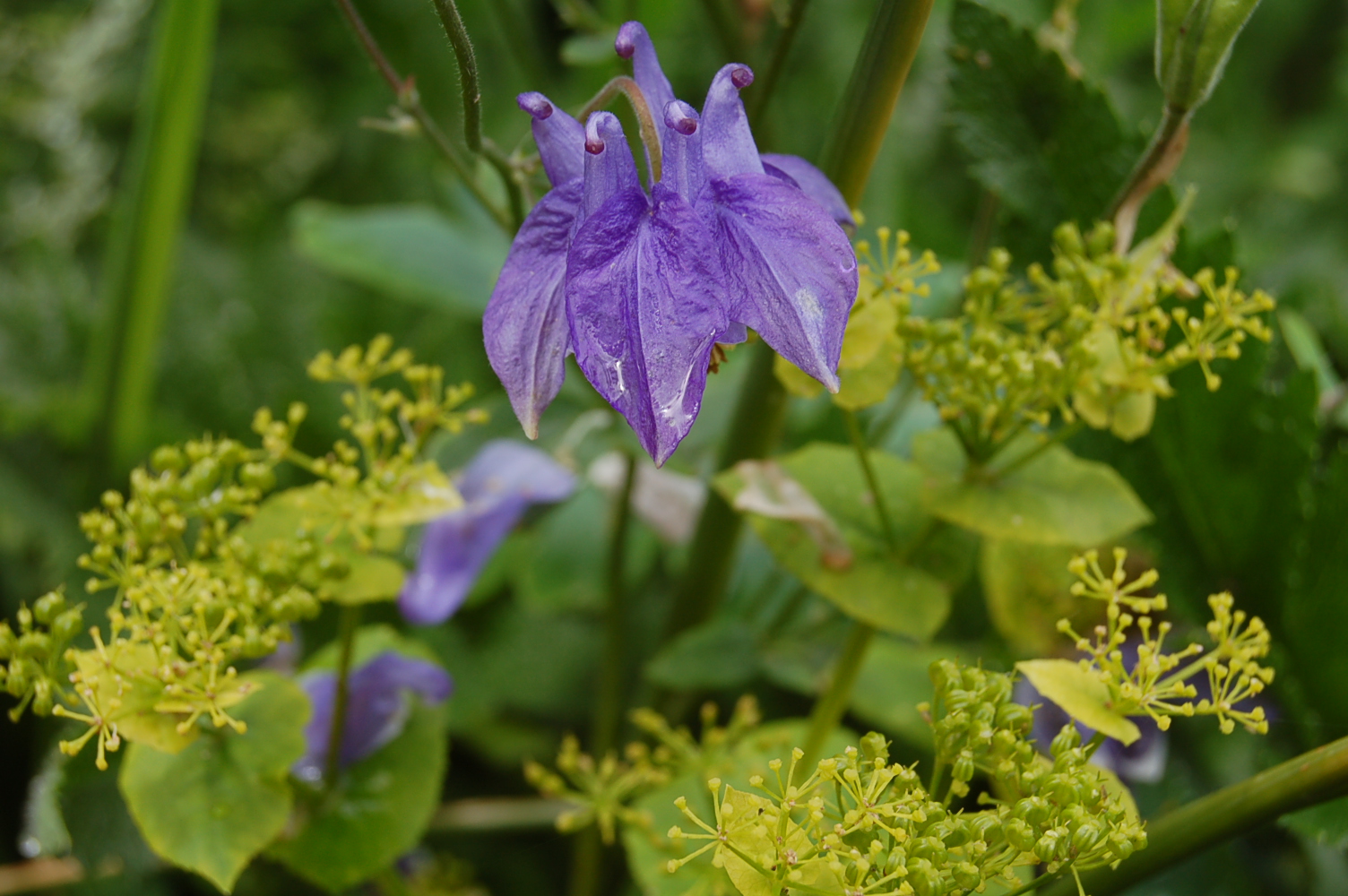
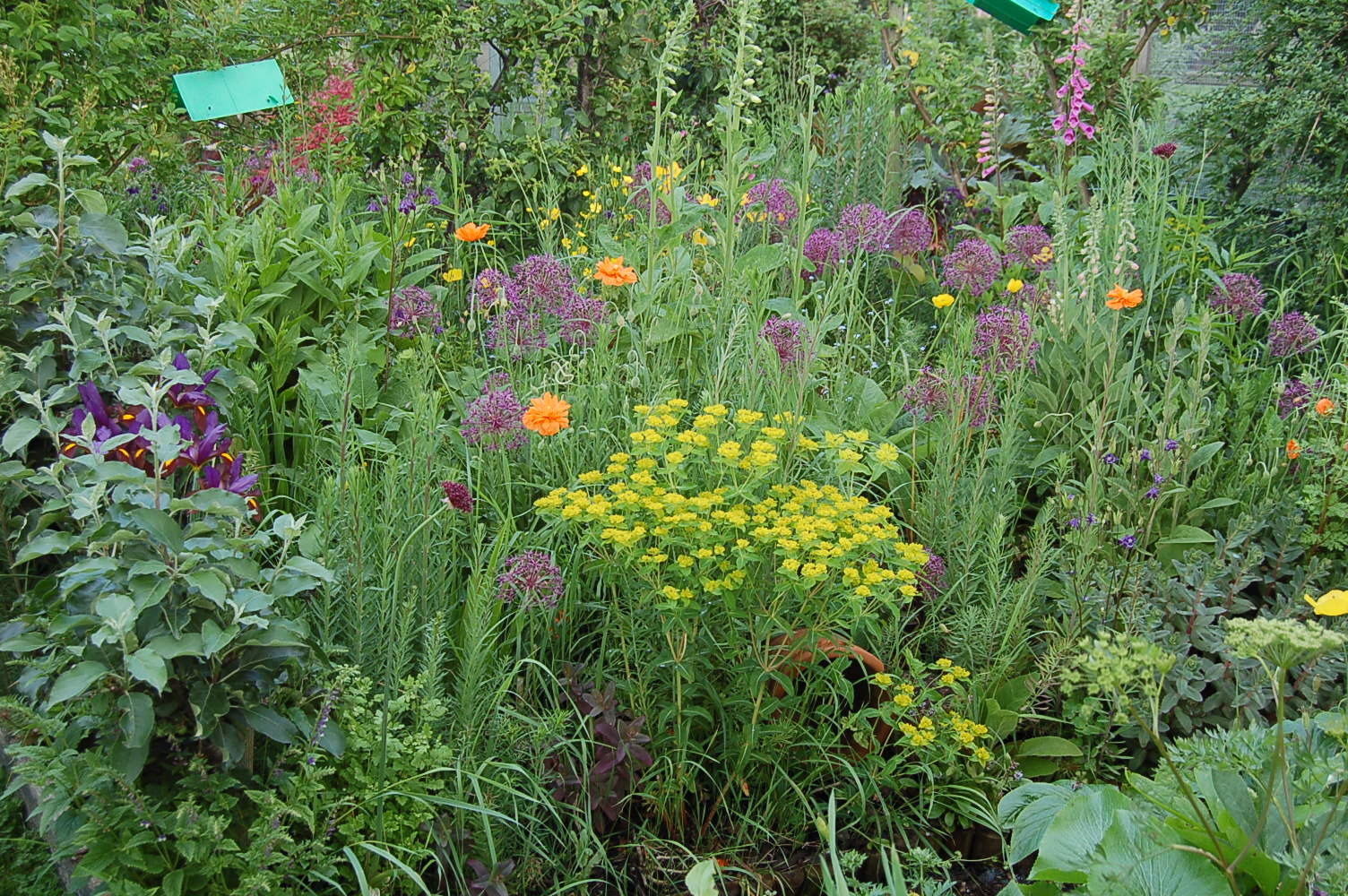
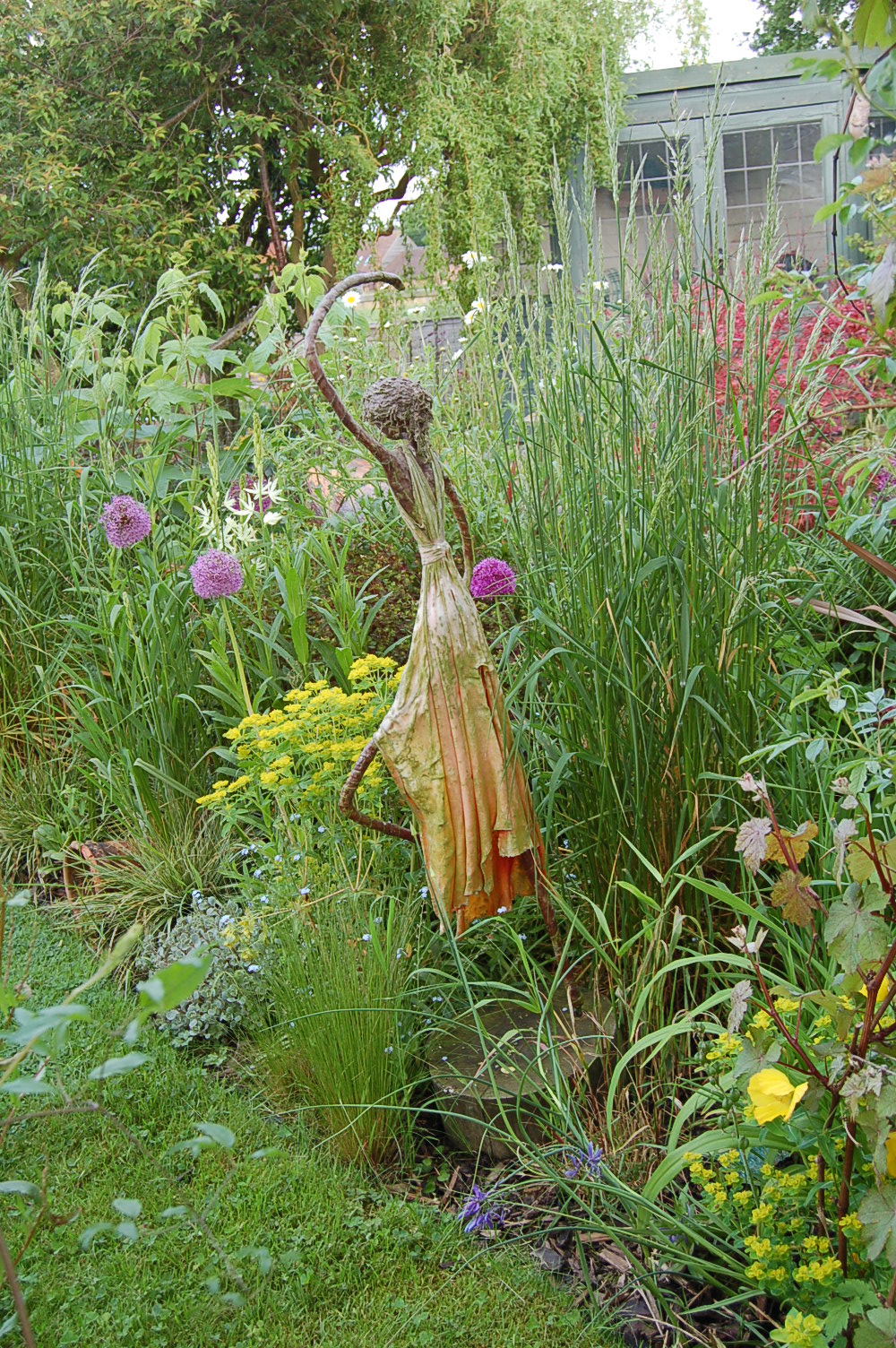
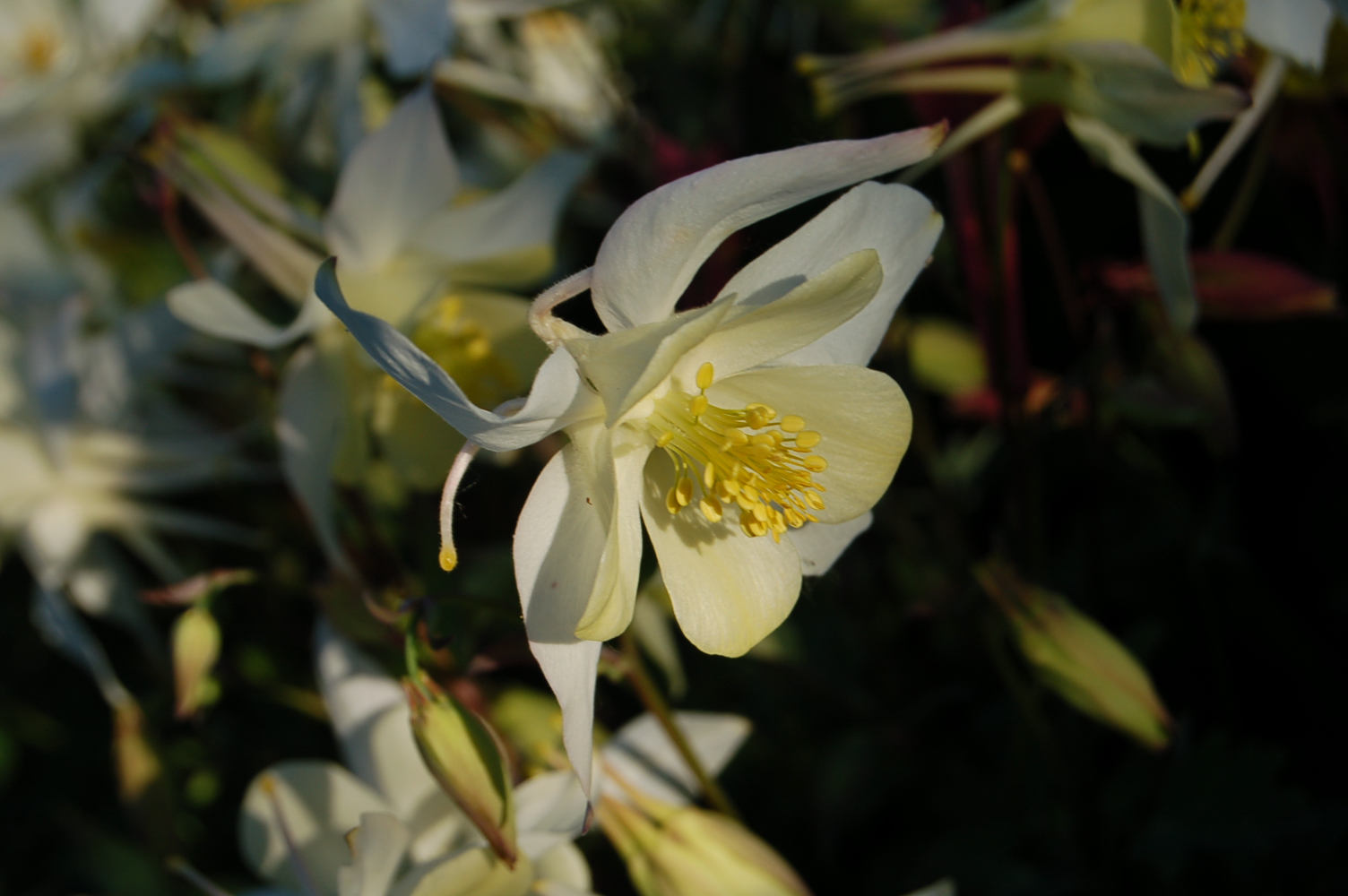
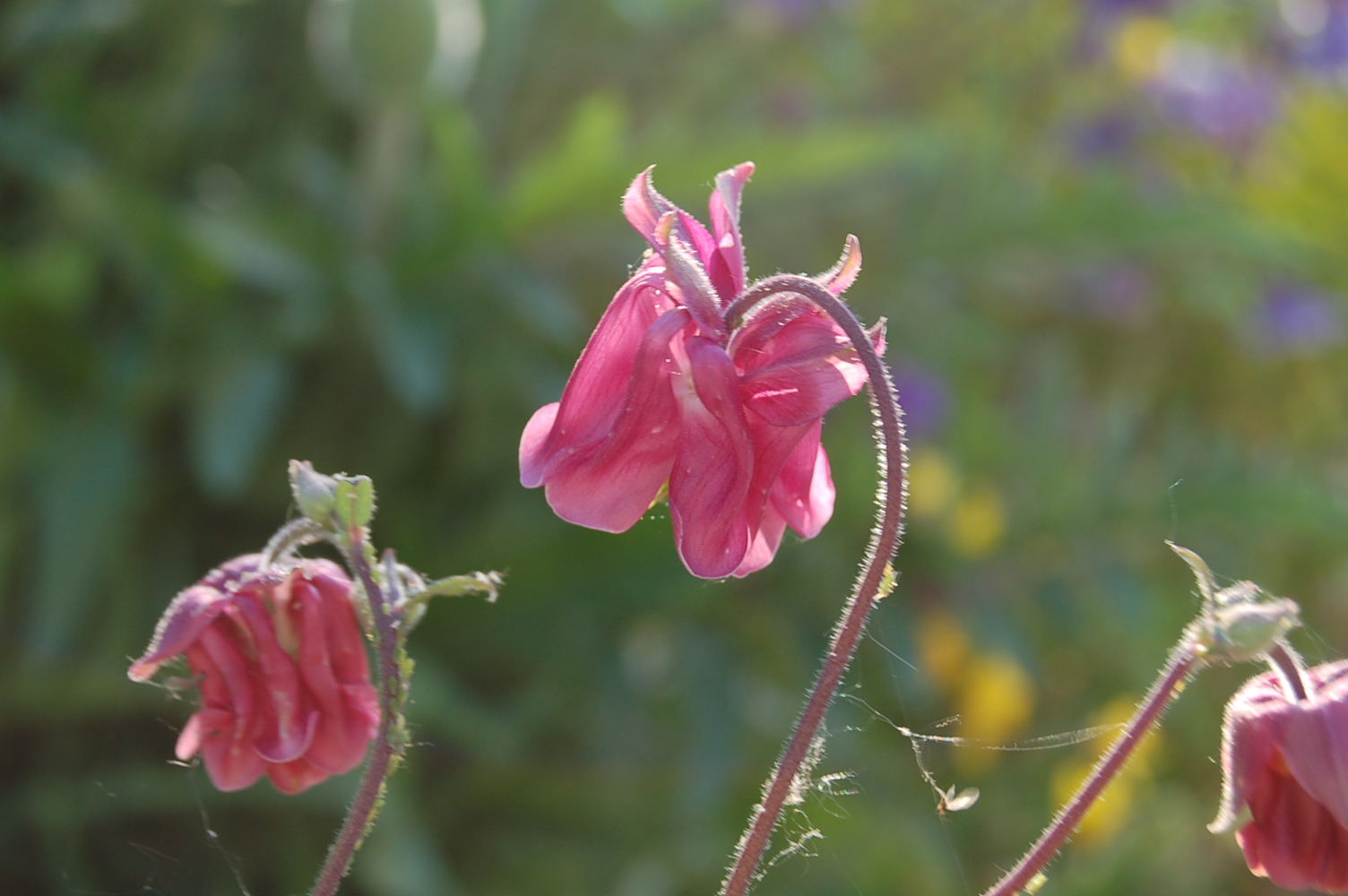
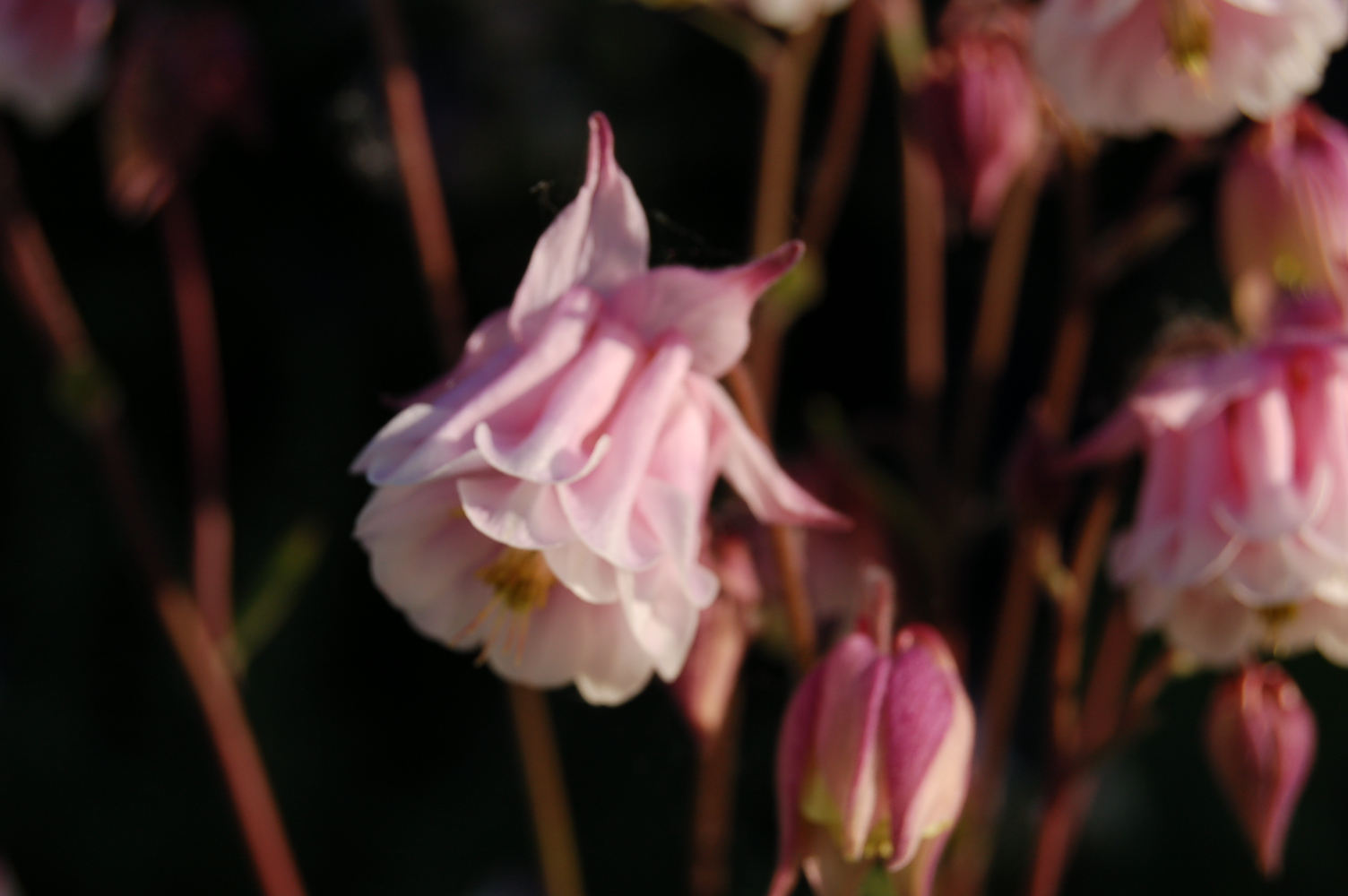
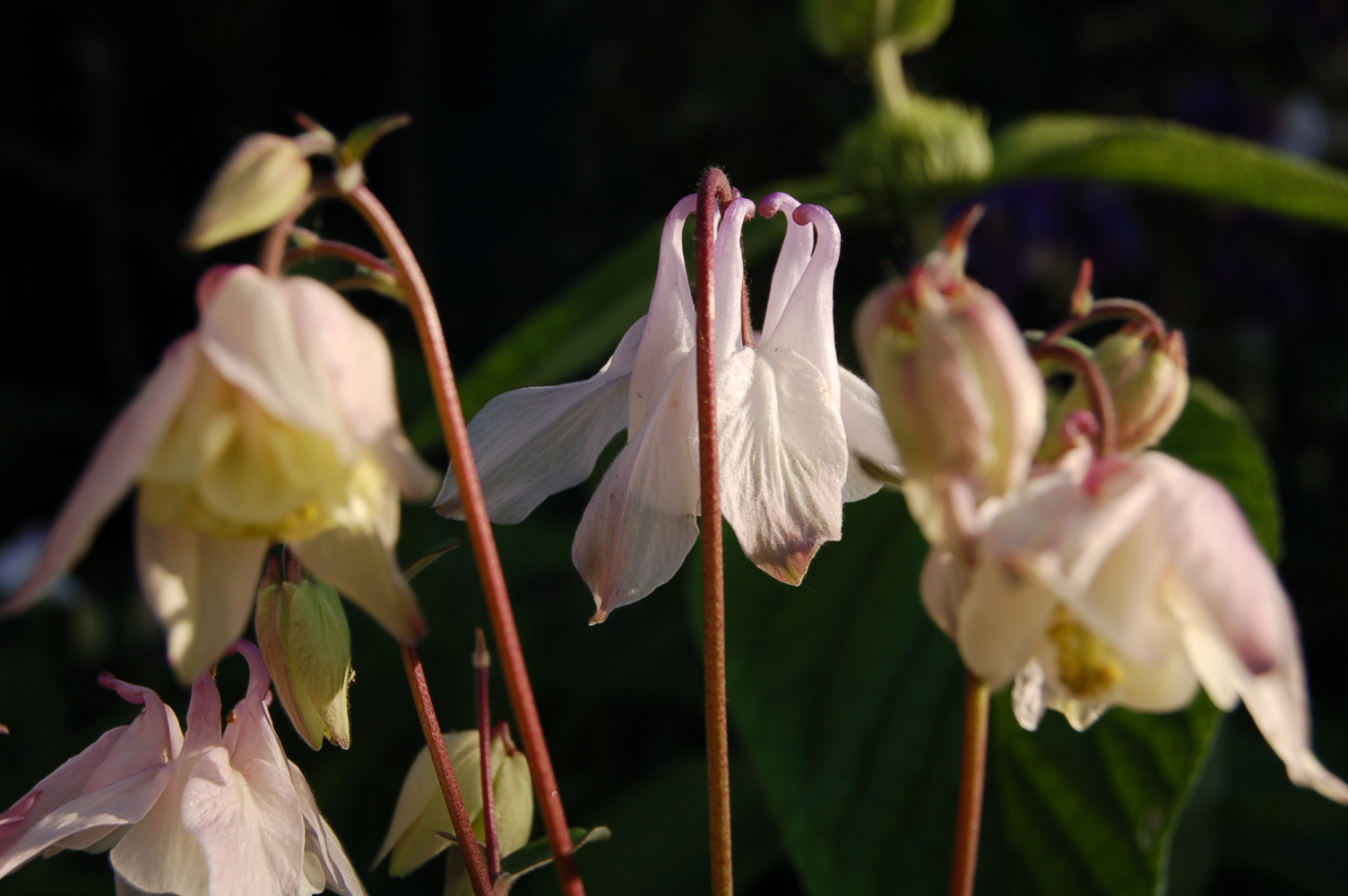
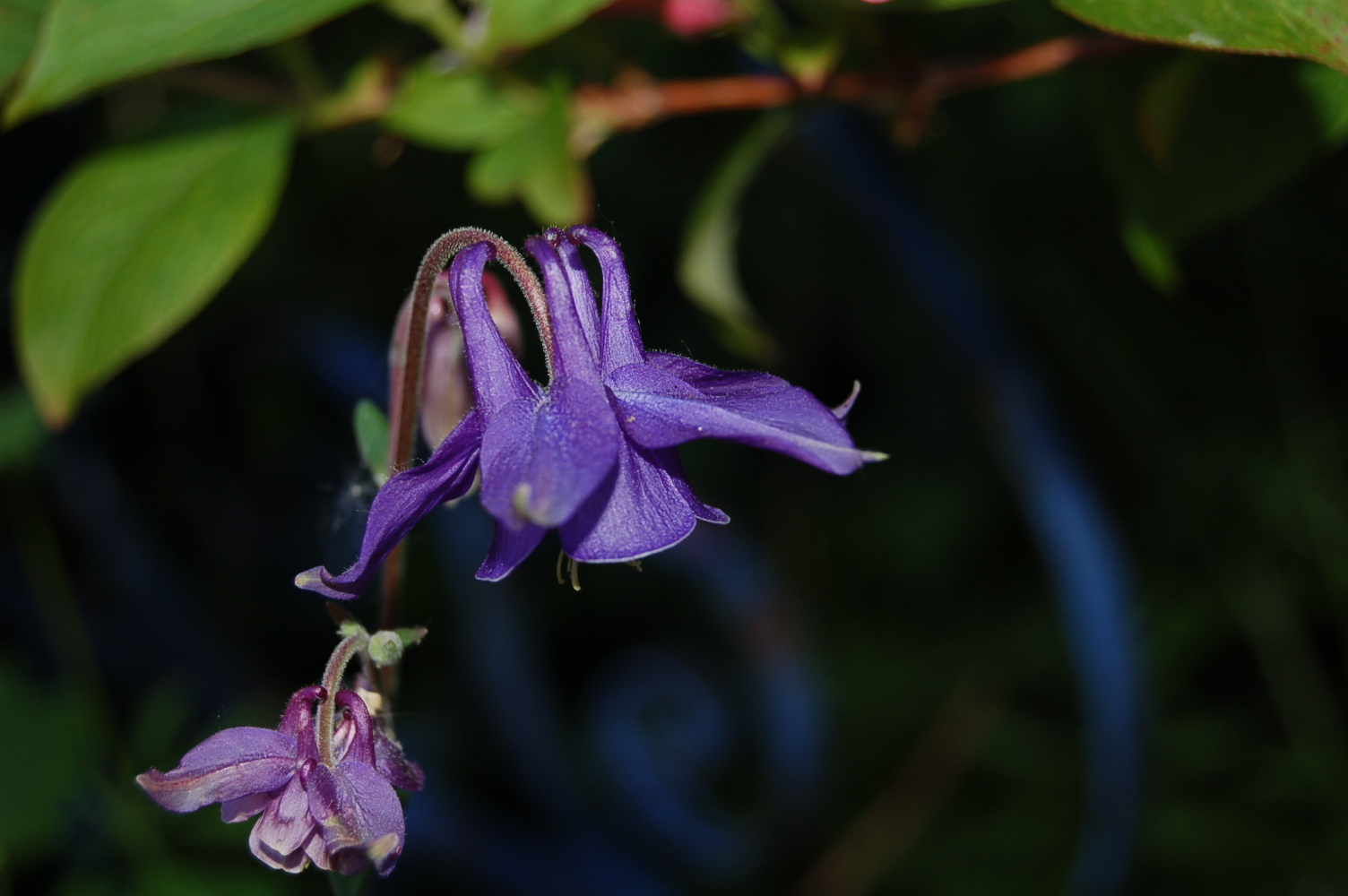
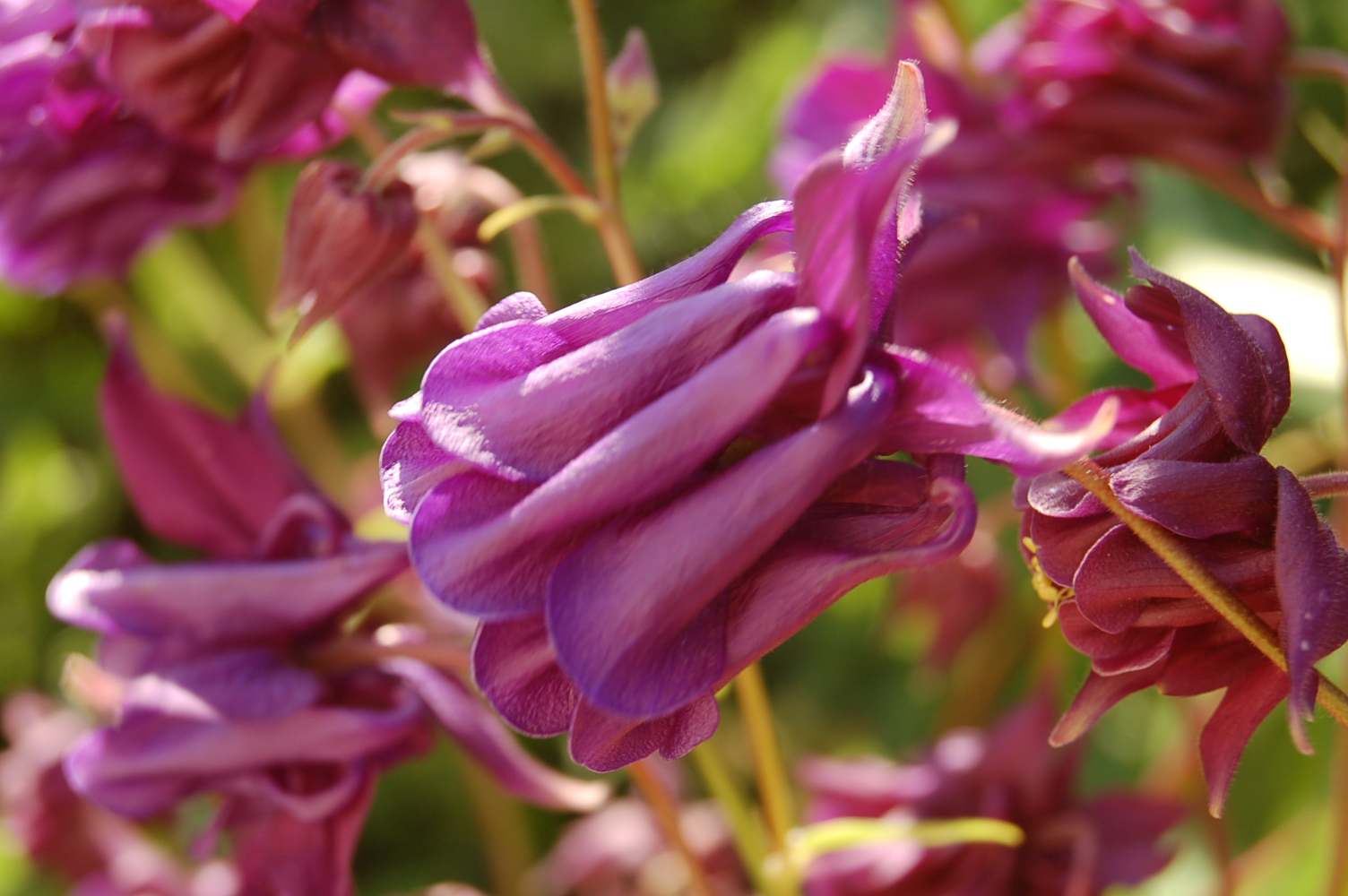
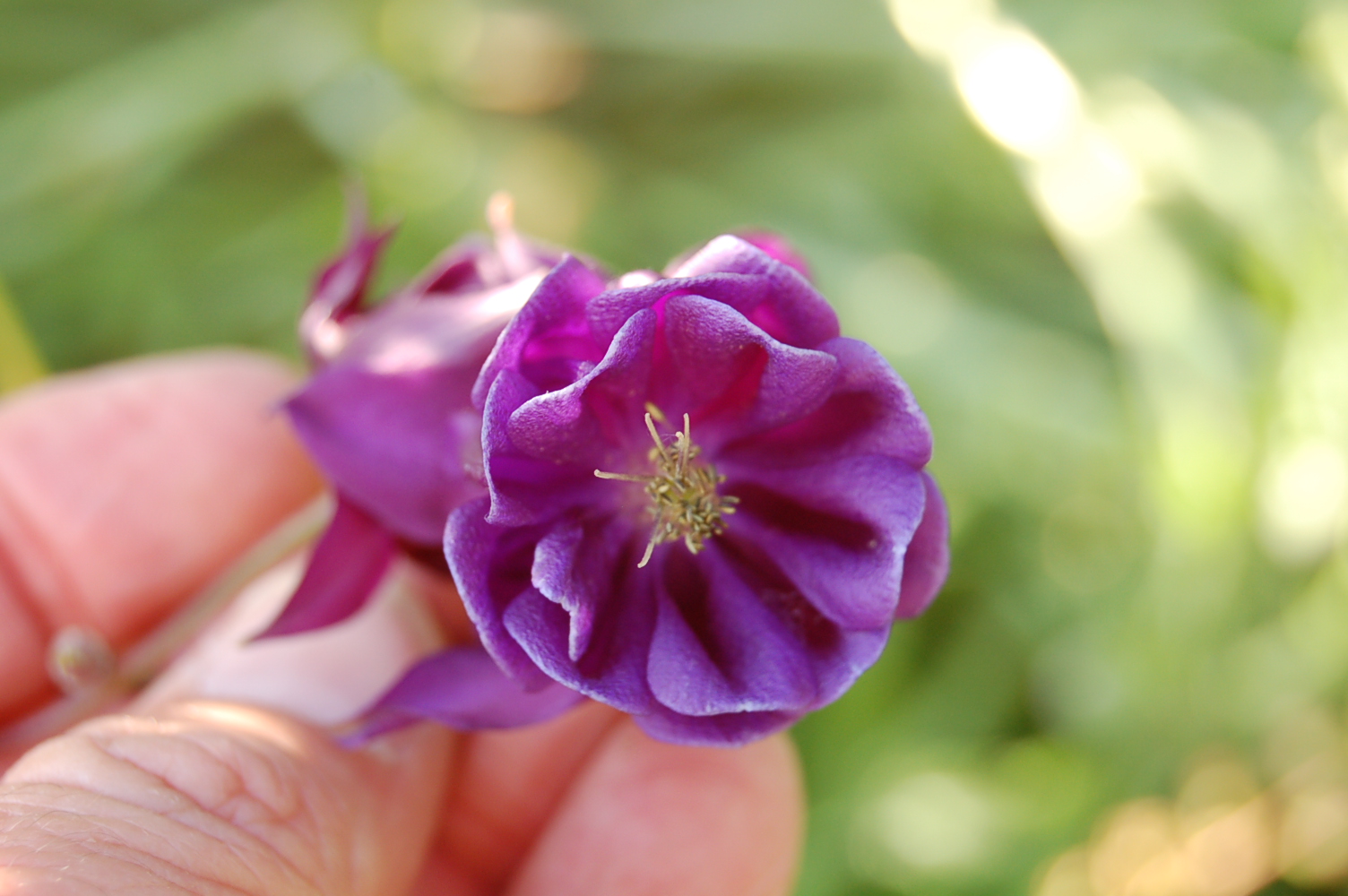
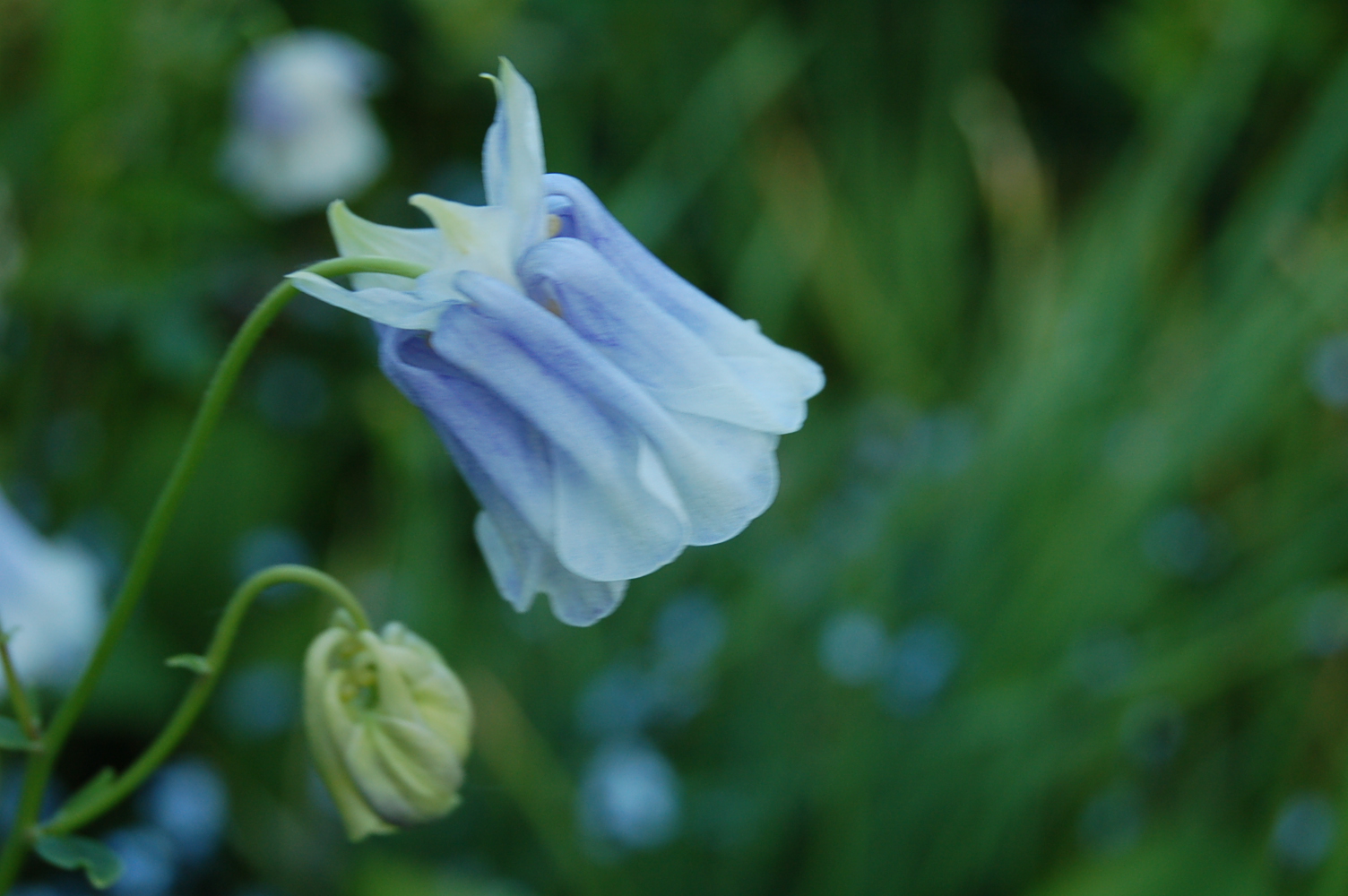
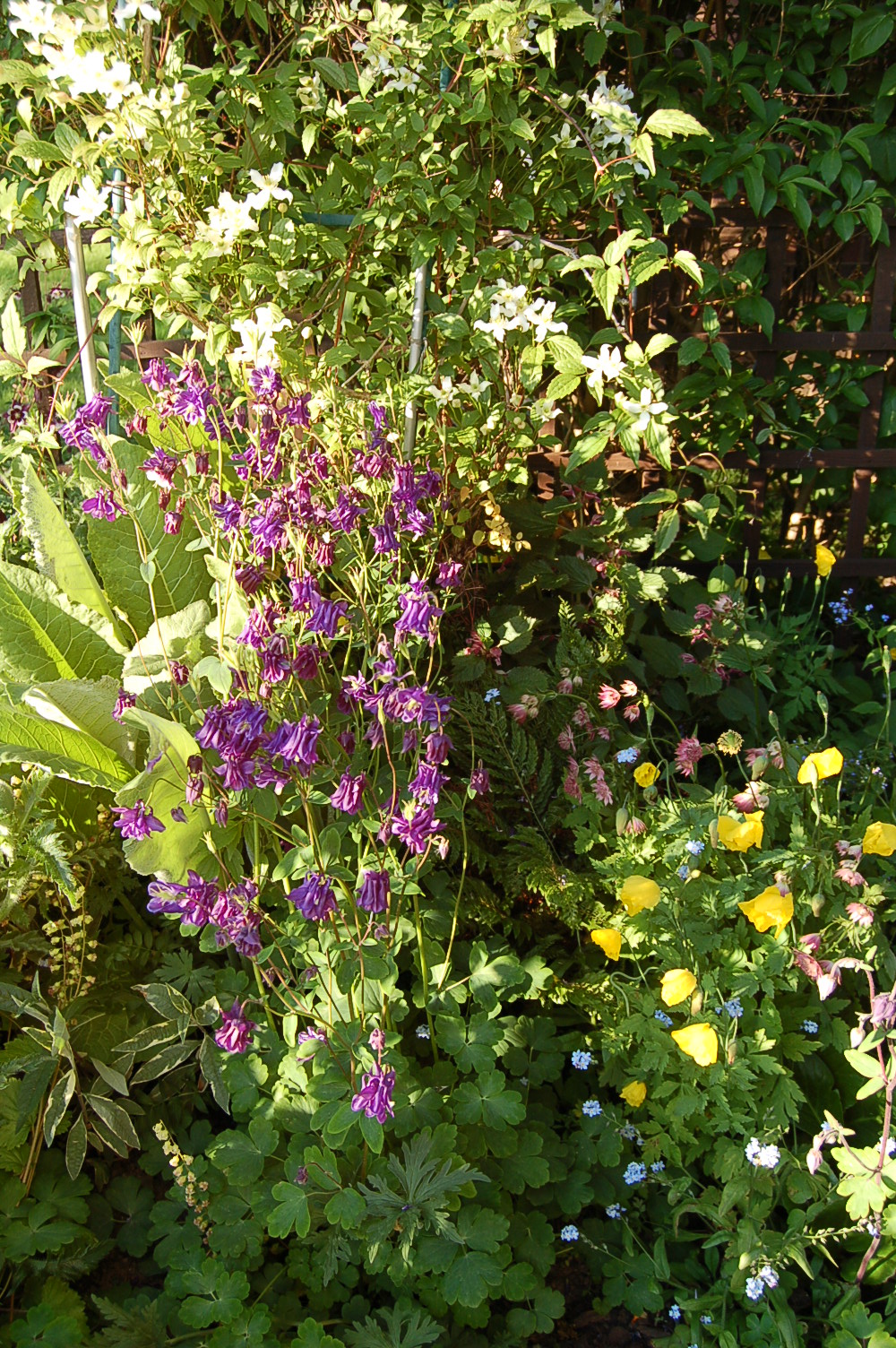
What would the early summer be like without the wonderful aquiligeas? We look forward to them as soon as the spring bulbs begin to go over, knowing they will be the next big feature in every part of the garden. We never know where they will appear as they self seed and cross-breed freely. We let them get on with it until we feel they need some new blood. We select interesting colours and shape and leave them to add their genes to our pool of aquiligeas.
They come in so many colours, shapes and sizes but they all have interestingly shaped foliage a little reminiscent of over-sized thalictrum.
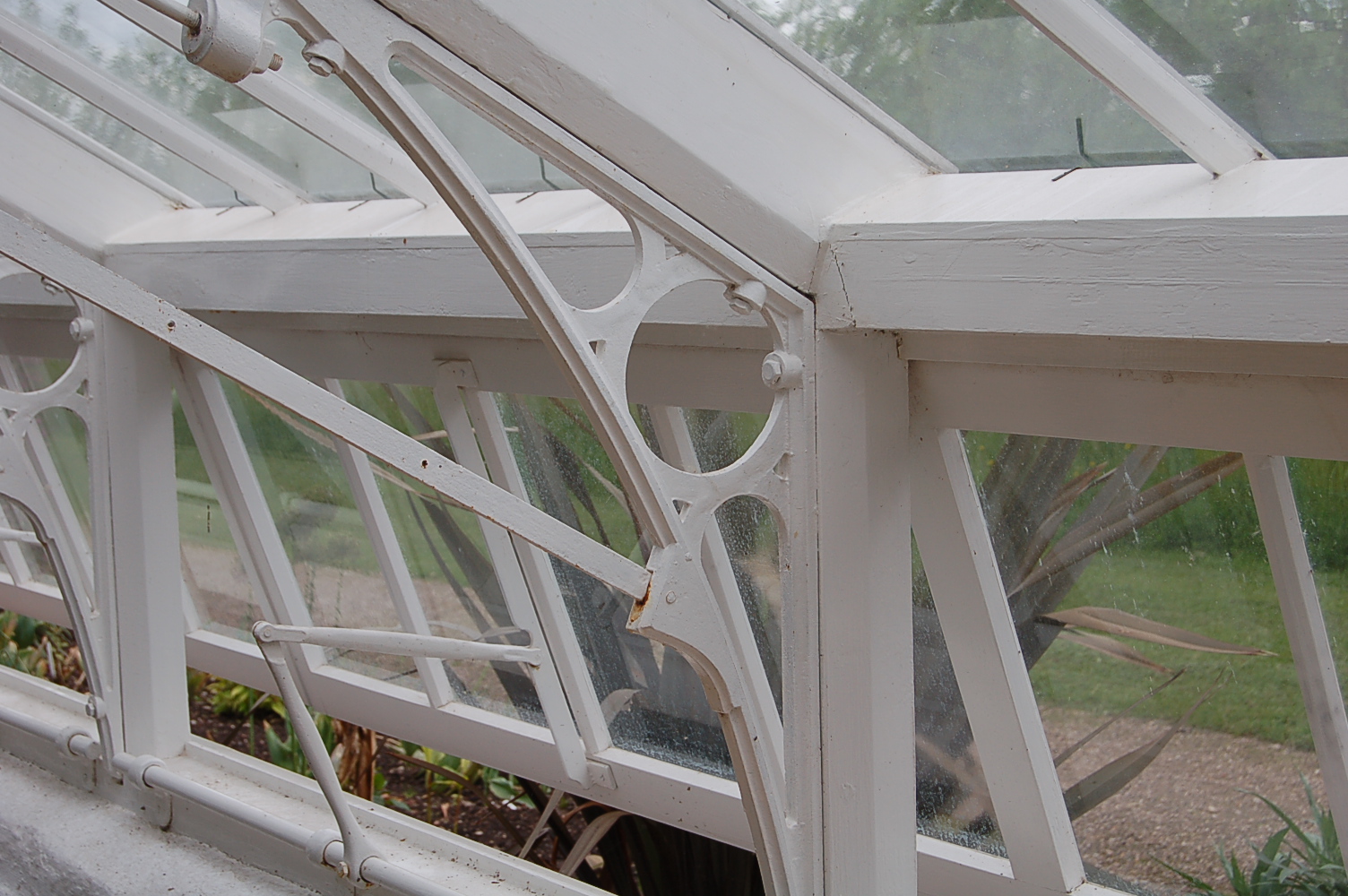
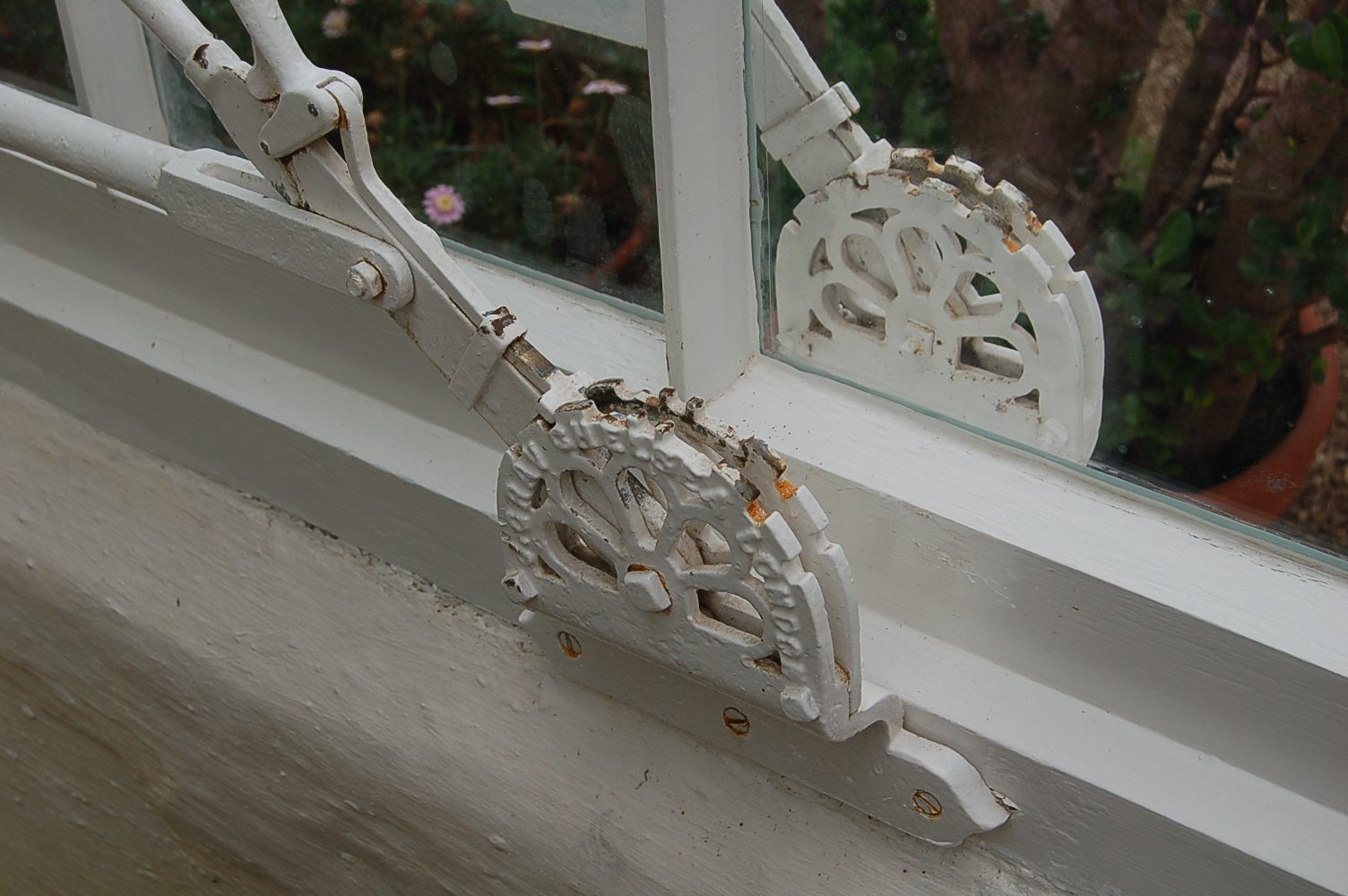
When we enter gardens we explore them searching out plants and design features and it is these we take photos of. Most of my blogs show just this, but in one part of Trentham it was the detail that struck me. Enjoy sharing them with me.
Early summer sunshine is the best time to see irises and appreciate their beauty. The brightness of colours illuminated by the sun gives them an ethereal quality that no other flowers possess.
A journey around our garden and our allotment site with camera in hand tells all there is to say. The first set shows the irises on our “Beth Chatto Garden”, the gravel bed, where they find the conditions ideal. They can sunbathe for hours!
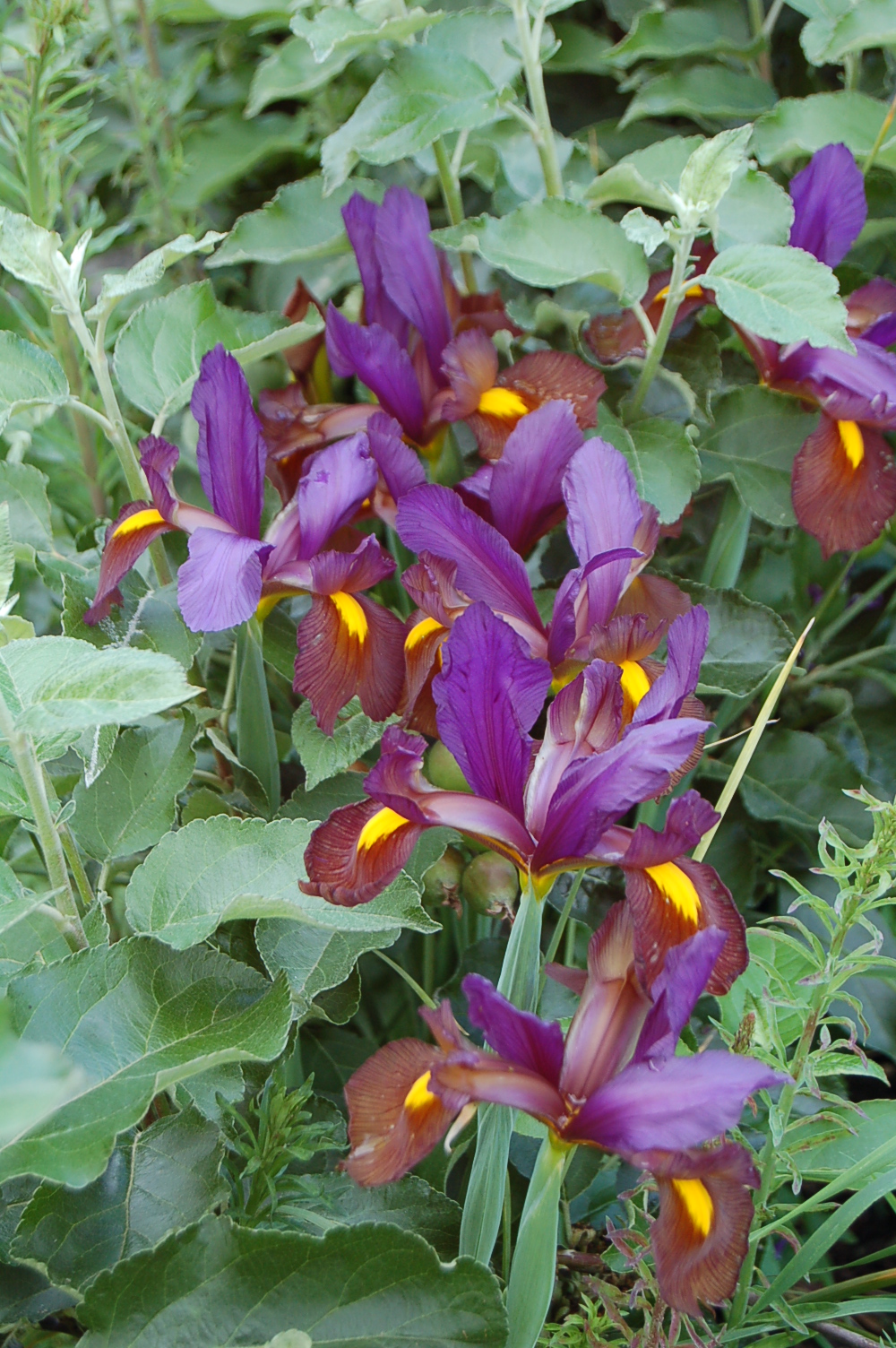
The borders in the back garden are generally too densely planted for Bearded Iris to thrive, but we do grow Dutch iris as cut flowers and Iris sibirica, the bearded’s more subtle cousins. Our Dutch Iris are unusually coloured, one in a combination of blue and yellow and the other a combination of purple and brown with bright yellow centres. We grow them underneath our stepover apples.
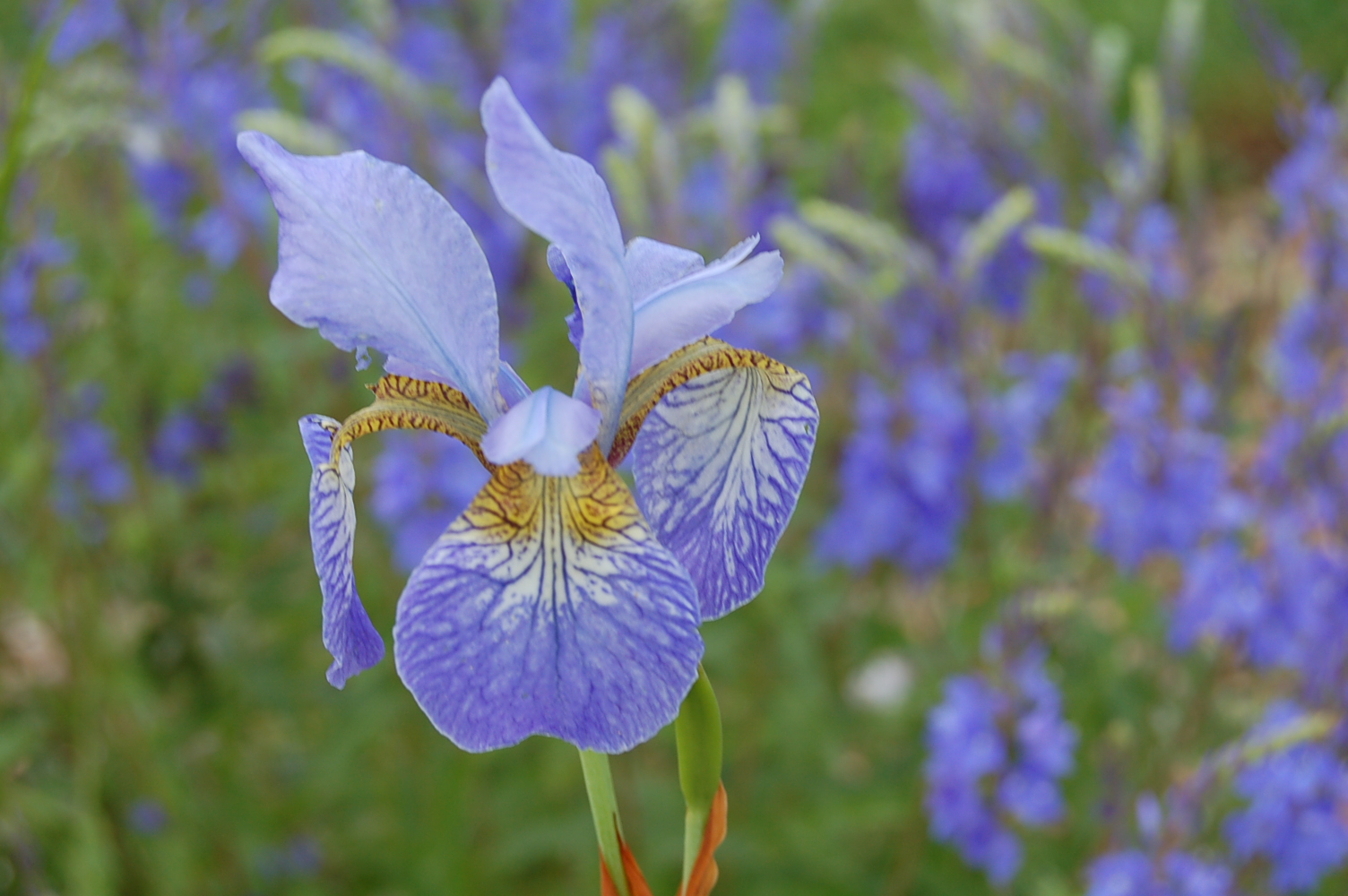
Iris sibirica are tall, slim and delicate, and send up masses of flowers in various shades of blue. They develop large clumps in just a few years so need regularly dividing but friends enjoy receiving the offsets.
On our allotment site several plot holders grow Bearded Iris on their plots and we have planted groups of Iris sibirica in the community gardens.
This weekend all over the UK, towns and villages have been celebrating the Queen’s Diamond Jubilee. Queen Elizabeth 11 has been on the throne for 60 years, having become Queen back in 1952 when Jude the Undergardener and I were just a year old.
In our village, Plealey, we celebrated with a street party which was enjoyed by villagers and their families from a few weeks old to 80 year olds. The population of our tiny village hovers around the 50 mark but it increased to over 130 today.
The village has been adorned with Union Jacks and red, white and blue bunting, hanging from trees, telegraph posts and house fronts. Today one of the lanes in the village, Well Lane became a long, thin dining room. The villagers have been baking and preparing food all week. Yesterday it rained heavily all day and from tomorrow into the rest of the week more wet weather is forecast, but today we awoke to blue skies and sunshine which graced us with its presence all day.
All the hedges and gates joined in and even one of the village benches had a flag.
The usually quiet Well Lane was lively today and greeted visitors with massed flags and bunting. Halfway down the lane the long, long table met us and invited us in.
And the villagers soon arrived and filled up the seats in time for the food to arrive. There was enough food to feed a big town let alone little Plealey.
Beryl and our next door neighbour Ros wait patiently for their party food.And they were not to be disappointed!But they found time for a look around before tucking in.The seats are filling up.
The day drew some real characters, dressed in crazy hats and clothed in red, white and blue. Jude the Undergardener even wore red shoes while she waved her Union Jack flag.
!
The Queen herself graced us with her presence but she didn’t behave like a Queen, as I photographed her strangling one of her subjects!
The Queen found time to greet her subjects.
She didn’t always behave like a queen – this subject misbehaved so she simply strangled him!She misbehaved for the newspaper photographer.
Even the cakes were patriotic …..
Throughout the afternoon a traditional steam organ played merrily in the background.
In the little community room at the back of the chapel a display of memorabilia brought together by the villagers provided an extra interest as the afternoon drew to a close. A collection of celebration mugs from the past, books and old newspapers brought back memories for many villagers.
As I finish this post at the end of the day beacons glow on all the hills around us, glowing in the night sky.
Shropshire’s largest river is the Severn, one of the most impressive and longest in the UK. We usually walk its banks in our county town of Shrewsbury, for being strongly averse to towns and cities we need the riverside walk as an antidote. But today we decided to go a few miles southwards and find it as it meanders through the beautiful south Shropshire countryside. We parked up near Alveley and ambled our way down towards the river and the woodland on the lower slopes of its valley. The area is a country park jointly maintained by the National Trust and Shropshire Council so there is good parking and a small visitor centre with cafe. But walk a hundred metres or so from the centre and you are right out in the countryside away from signs of civilisation, except for the occasional sound of the steam engines running through the valley on the Severn Valley Railway, the chugging sounds of the engine working hard to get up slopes and the regular hooting as it crosses level crossings.
The track down to the river.
The walk down to the river is a gentle sloping pathway through young woodland interrupted by occasional areas of old industrial landscape which is being reclaimed by mother Nature. Unusual small plants are colonising and tree seedlings only a few inches tall are making inroads into man’s mess. Here a Pied Wagtail deviated from its tail wagging zig zag amble to catch an insect above a clump of tough grass. A true surprise met our eyes – a Black Redstart a bird I had not seen for decades and one Jude had never seen before. They inhabit areas of rubble and human disturbance so this is just perfect hangout for them.
The candle shaped flower cluster of a Horse Chestnut Tree.New foliage of Oak tinged with bronze.A view from the path into the wooded valley side.We choose the left fork.An impressive modern milestone.A clearing revealed a view of the Shropshire countryside.
The footbridge over the river is an impressive curving structure, but not as impressive as the views up and down river. The Severn here is wide, tree-lined, deep and slow-moving and home to a family of Mute Swan with six cygnets. We did not spot the keenly anticipated Kingfishers, but that was the only disappointment of the day.
A rather smart bridge carries the path over the Severn.
Once over the bridge we entered woodland, good native hardwood woodland. Here the only sound was our footsteps and bird song and calls. The unpleasant mechanical rasp of Pheasants permeated the trees, but we concentrated on the tuneful songs of Robin, Thrush, Willow Warbler, Blackcap, Chiffchaff and Garden Warbler.
The path turns into the darkness of the wooded valley side.Flowering plants took advantage wherever light shone through.Beautiful woodland light.
A shaft of sunlight pierced the valley side.
On the slopes Jays in their smart plumage of pinks, greys and highlights of blue, fed voraciously on acorns and beech mast. They were over-confident and took little notice of our intrusion into their territory as groups of seven or so foraged on the leaf littered slope.
The path became a tunnel of trees.
At one time this valley was the centre of industry and clues still appear now and again as the woods are explored. Surprising man-made artefacts appeared as contradictions to the gentle beauty of the art of Mother Nature.
A sign of past industrial activity.Signs of an old trackway alongside the path.Some plants choose to grow on the rubble slopes of old industry.Light pierced through the trees from the nearby clearing.Looking from the clearing back into the woodland.
We took advantage of the sunshine in the clearing with its conveniently placed bench. We listened to bird song and watched Blackcaps as they flitted amongst the tree tops. They stopped and perched occasionally to give us a short performance of their enjoyable song. The cerise-breasted Bullfinch caught our eye as he hovered alongside the clock seedhead of a Dandelion, until he grasped a seed in his beak took it to a low branch of a Hawthorn. He enjoyed it, unaware that two people were watching him.
Sunshine lights up the clearing and invites us to picnic.Magical light through the trees.The Severn glimpsed through clumps of Comfrey plants.
As we followed our path back down to the riverside we noticed a change in wildflower species. Here Comfrey dominated and filled the open ground between the willows and alders and our track took us through lush grassed areas. Kestrels and Sparrowhawks hunted along the riverside slopes causing consternation to the nesting Blackbirds, Thrushes and Warblers.
The cotton wool like mass on the willow confused us. Was it hiding caterpillars or young spiders?
In the depth of the shadow under the trees we spotted this Badger Sett.A glimpse of Shropshire countryside over the river.Back to the bridge.The gentle climb back up the valley side to the car park provided plenty of benches to rest on and admire the views.
In the wooded edge of the picnic site back near the car park we found these amazing wood carvings representing the wildlife of the area.
The carvings emphasised what a special place we had just explored. We enjoyed the changing light as we moved in and out of the woods, the variety of flowers and birds and the joy of walking alongside our local river
Why is it that however much effort we put into planning colour combinations of flowering plants in our garden, Mother Nature comes along and shows us how to do it properly and to show she is the boss.
We bought a beautiful new Sea Thrift with deep cerise flowers and contrasting purple foliage a few days ago and without thinking placed it next to a Bergenia. Walking past today I noticed that the flowers matched perfectly. Just check this out!
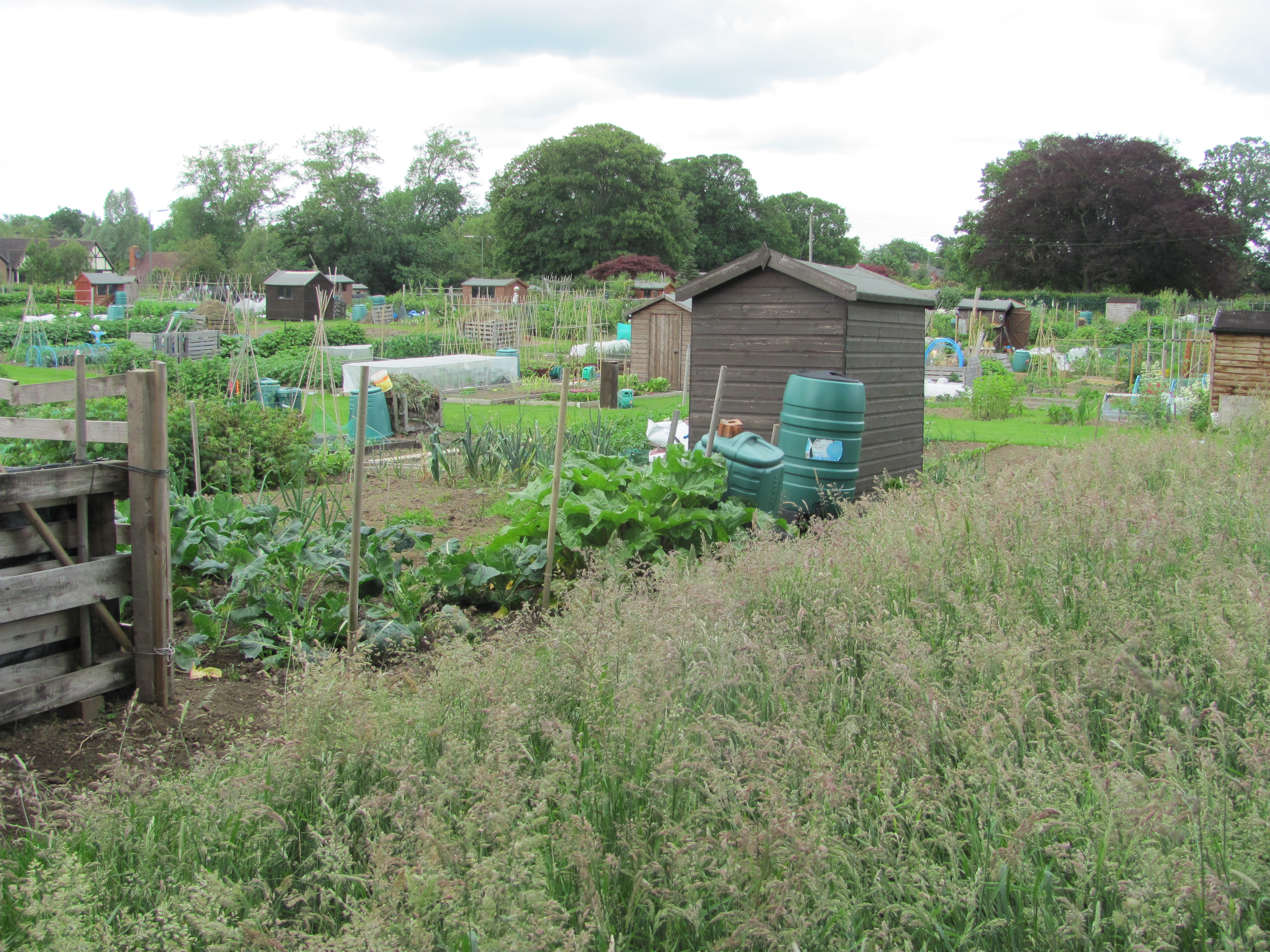
May is a busy month on the allotment, seeds need sowing, seedlings need thinning, weeds need hoeing and early crops reward us with early harvests. And of course our grass paths separating the four areas of the plot need regular mowing.
The Hawthorns in native hedges around the site are smelling good and looking good.
The wildlife all around is equally busy, seriously going about the business of breeding with all its inherited trials and tribulations. The weather, predators, prey availability and the search for food for both adults and nests full their young all contrive to make their lives difficult.
We shall begin our May lottie wander on our own plot to see what is going on. The soil is now easily worked so using the hoe to remove seedlings is easy so the plot is looking tidy.
Our brassicas are coming along well underneath their protective cover.The perennial bug borders are looking good.Multi-coloured radiccio.
Whenever we are working our plot or helping maintain the green spaces around the site, we are entertained by birds of prey, Buzzards and Kestrels soaring or hovering over our heads and around our feet Robins, Blackbirds, Blue and Great Tits, and Song Thrushes search for food for their young hoping we disturb grubs and bugs with our digging, raking and hoeing. More secretive in their search for fodder for young are the Black Caps, Woodpeckers and Nuthatches. Overhead the hirondelles, (Swallows, Swifts and House Martins), having recently returned from their winter haunts greedily scoop up insects on the wing.Although the weather has been warm and dry for a few days now the end of our plot where the clay comes nearest the surface and the topsoil is very thin, water still saturates the land, making working it impossible. But in this wetness in the ridged soil our Red Duke of York potatoes are pushing their purple tinted foliage out towards the sunshine.
Red Duke of York appearing above the algae tinted soil.Our cordon Red Currants are flowering heartily and starting to set fruit.
In the orchards and over the meadows wildflowers are blooming alongside naturalised ornamental bulbs, attracting butterflies, the crinkle winged Commas, the Orange Tips with orange tips to their wings and the wonderful ethereal Holly Blues.
Bulbs and Buttercups under the fruit trees in the orchard.We attract predator insects into the orchards with these insect homes. They are a wildlife friendly pesticide.
The Buddleia Borders are coming to life now and the Spring Garden remains very colourful.
Two plot holders, Phil and Doreen, have created a new bed in a shaded area near their plot and made it accessible for all to enjoy.
Most plots are ready for sowing and planting or partly planted up and sown.
Our May Working Party jobs were decided upon by where the shade was, as it was too hot to work in the full sunshine. We managed to get most of our tasks completed though.
Heads down for weeding the meadows.Kneeling down on the job attacking those pernicious weeds that creep into the meadows.
Our Willow Dome has had its doorway and windows woven and neatened up and the sides pruned and woven. It is a favourite feature with children as somewhere to listen to a story, or as a play den, and as adults for somewhere to escape to at coffee time from the heat of the day.
As we have recently launched our site’s Wise Watering Campaign it is heartening to see guttering and butts appearing on several sheds.
A walk along a tiny stream in a deep valley in our Shropshire Hills seemed most inviting on a warm May afternoon, so we set off for a half hour drive from home to Cardingmill Valley at Church Stretton. Much of the countryside here is managed by the National Trust so at weekends the valley gets too busy for our liking. Hence we chose midweek for our stream side walk, and found a few cars and people close to the Visitor Centre but as we left that behind we were almost on our own.
The stream leads us into the valley.
The wide valley where we joined the tiny stream looked most inviting with its steep slopes running up the tall hillsides towering overhead, all topped off by a clear blue sky. We hoped to see different birds here in this upland habitat and a scarcity of plants but those we see should be interesting in how they adapt to their environment.
One of the gentler slopes.
We were heading for a narrower side valley called “Light Spout Hollow” where if all went well we anticipated discovering a waterfall. So the first section of our walk along the Cardingmill Valley the path was relatively wide and even and the climb gentle. Looking up the slopes towards the sky we searched for the Buzzards which we could hear mewing overhead as thye wheeled in the thermals. But these are steep head-spinning slopes so it was a matter of glances of these wide-winged soaring birds of prey. It was easier to appreciate the hovering hunting tactics of the Kestrel hunting on the lower slopes.
Storm clouds brewing over the hills.The green side of the valley.Looking back to see where we have come from.A Hawthorn bonsai shaped by the weather.Looking up at the bonsai Hawthorn.Whinberries.Fresh Whinberry foliage.We turn left as the valley splits into two.Clear water stream.Lichens enjoy the moist atmosphere near the stream and clean air.Some boulders have a soft cuhion of moss.
The extreme winter conditions here become apparent in a variety of ways. The huge boulder has been split in half by repetitive freeze-thaw action in successive winters – such nature power. Trees are sculpted by the weather into natural bonsais which create dramatic silhouettes on the horizon.
Mother Nature – rock splitter.The extreme weather takes its toll on wildlife and livestock.Bonsai Hawthorn.
The effects of the weather varied from place to place and from slope to slope. On one side of a hill Birches grow in abundance but just turn a corner and the hillside is empty of trees bar one lone stunted Birch.
All on my own!
The stream changed character as we moved up the little valley with miniature waterfalls, rapids and swirling deeper pools, until finally we reached our goal – the main waterfall. Here we stopped for a well-earned rest and to take in the atmosphere and views, and enjoyed our usual outdoor victuals of fruit and coffee. The boulders which we rested on were slippery and shone from the action of resting walkers’ bottoms.
The stream clambers noisily over boulders in its path.The stream flowing over smooth rocks under an overhanging willow.The clear water passes beneath sprigs of scented Water Mint.Water power has gouged deeply into the rock.Nearly there.As good as we expected.Looking and listening while enjoying a coffee.Our little green friend who joined in our picnic.
Here at the top we listened to the constant songs of the birds and tried to identify those fast flyers over our heads. Wheatears, Stonechat, Whinchat and Pipit. On our way back down we concentrated on finding the wild flowers that managed to find a foothold or sheltered place.
Jude the Undergardener leads the way down.The winding path shows us the way.The glossy round leaves of Pennywort.Fresh ferns flourish in the cool shade at the base of rocky outcrops.Almost back.
What an enjoyable walk, wandering up valleys with just birds and sheep as company. We must return in the Autumn.
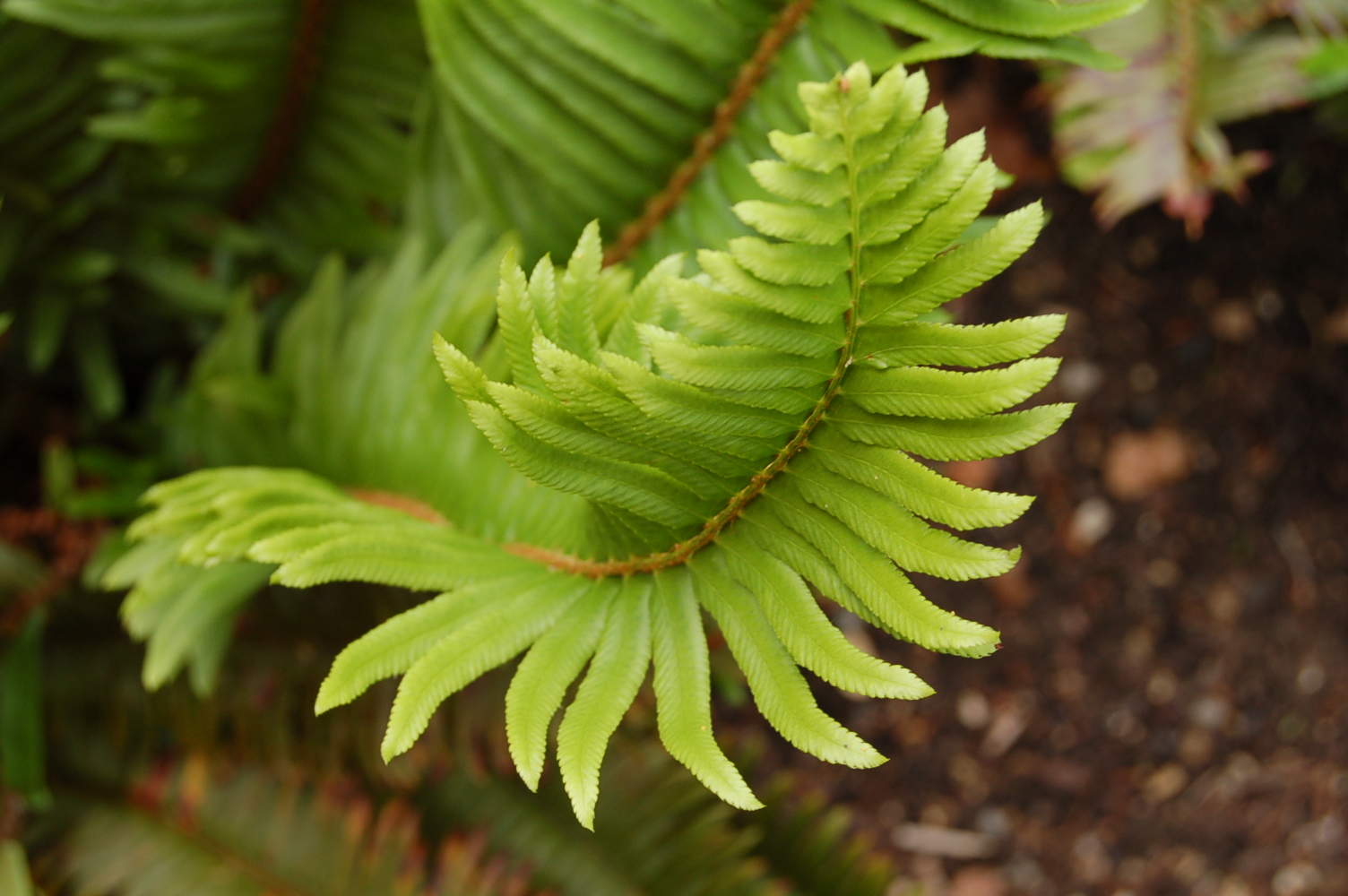
When plants self-seed they often find perfect niches in which to set up home. In a garden recently we found young ferns which had found just such places, but I suppose they self-spore rather than self-seed. All around the edge of a curling path edged with silver birch trunks little ferns were establishing themselves.
After putting these photos into the blog I had to go out with the camera into our own garden to see what our ferns were getting up to.
Having started this post and saved it to finish later we went for a woodland walk and discovered two of our native ferns growing happily in the dappled shade.
Blue meconopsis (Meconopsis grandis) are a challenge to grow and many gardeners are tempted to give it a go once they have seen them growing healthily. Their delicate almost see-through petals look too thin to survive the slightest whiff of wind or a drop of rain landing on them. Within their blue purity are slight hints and veins of red seen only when the light from the sun falls on them. In contrast to their blue petals golden centres and stigma grace the centre of each bloom.
To grow successfully the gardener must provide the exact conditions this poppy demands. Unfortunately our garden doesn’t have the right conditions at the moment, but we are working on it, so I took these pics at the RHS Malvern Spring Gardening Show.
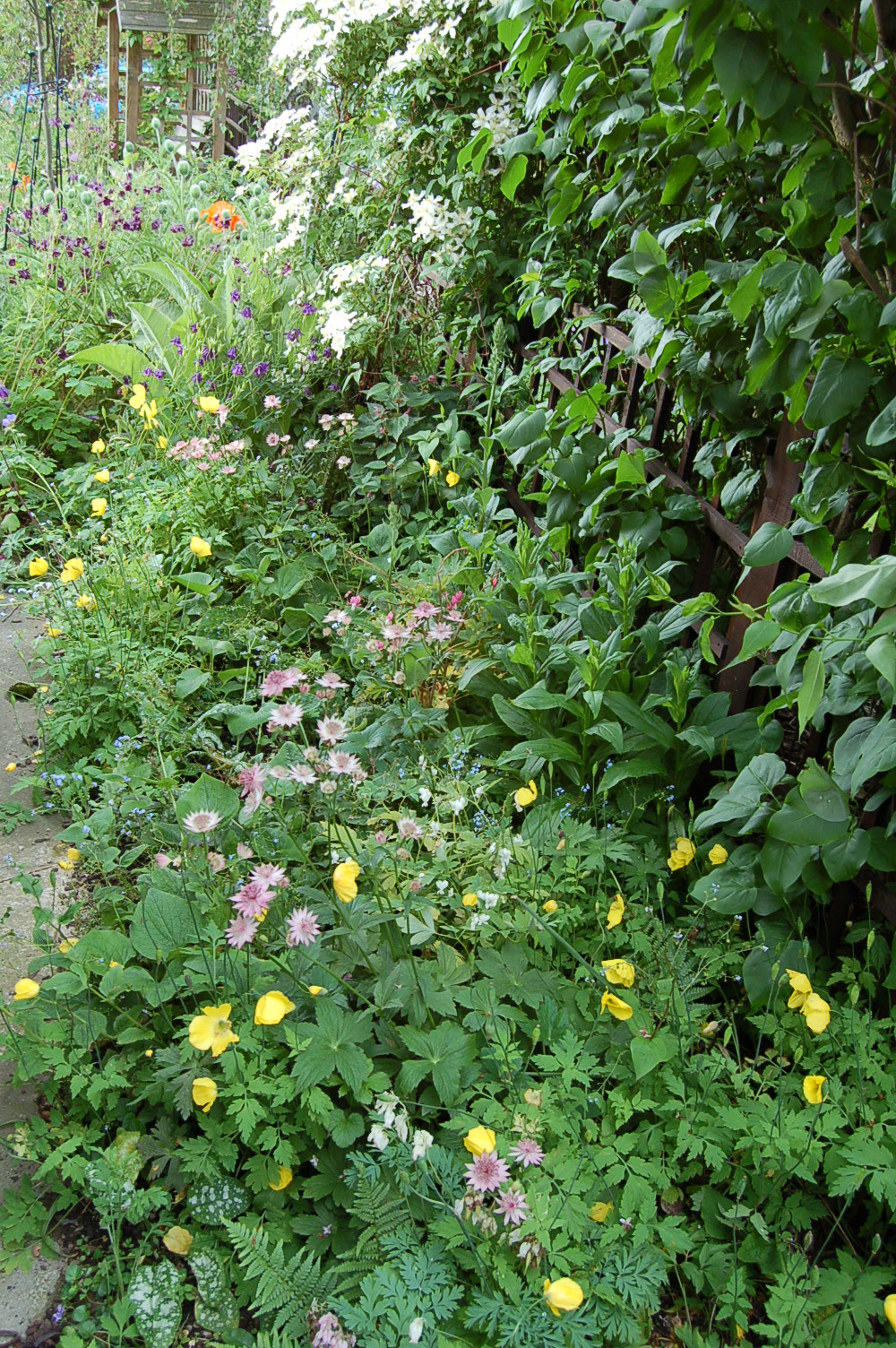
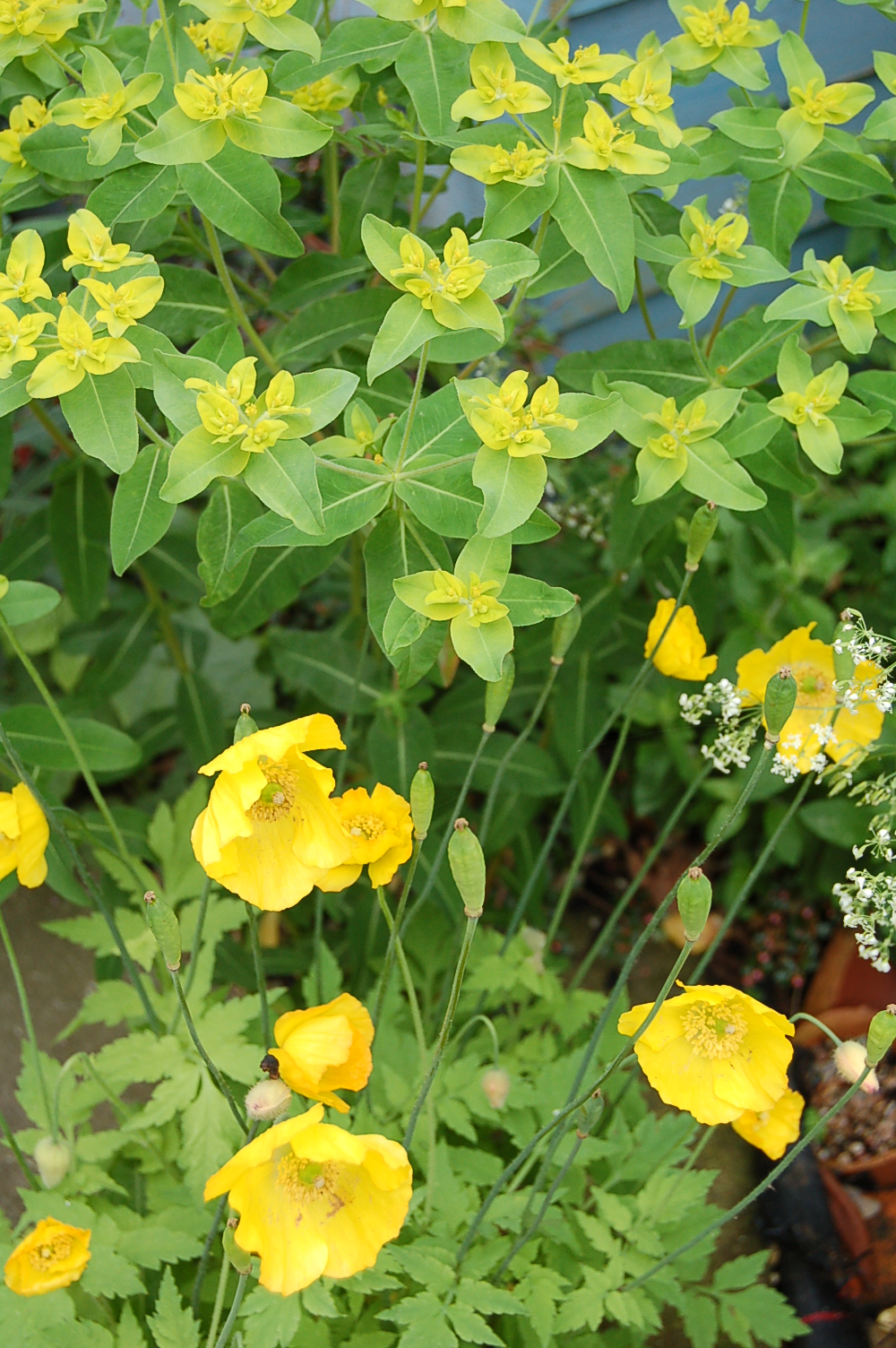
Just as beautiful but very easy to grow are the yellow Welsh Poppies, Meconopsis cambrica. They self seed throughout our garden and we enjoy them appearing just where they choose to do so in May each year. Their yellow petals also display hints and veins of red when the sunlight falls on them. They too are almost transparent and look too delicate to survive everything the British weather subjects them to.
When they self seed they select their partners in the borders with care looking good wherever they land up. I wandered around our garden one sunny May day to see where they had chosen to appear this year. Although it is the most prolific self-seeder in our garden there is no way it can be called a weed, for if a weed is a plant in the wrong place, the Welsh Poppy always lands in the right place.
Where the blue poppy enjoys shade, its yellow Welsh relative opens out its flowers spreading the petals wide when the sun comes out but as evening falls they close back up to hide from the darkness. These delicately petalled poppies come in all shades of yellow from the palest lemon to almost orange, with one of the prettiest being the yellow with a slim fringe of orange.
While in the garden shooting pics for this post I couldn’t resist the temptation to include this exquisite double orange flowered beauty, which although a poppy is not a Meconopsis, but a papaver. Papaver rupifragum which I grew from seed eight years ago and they continue to appear each year.
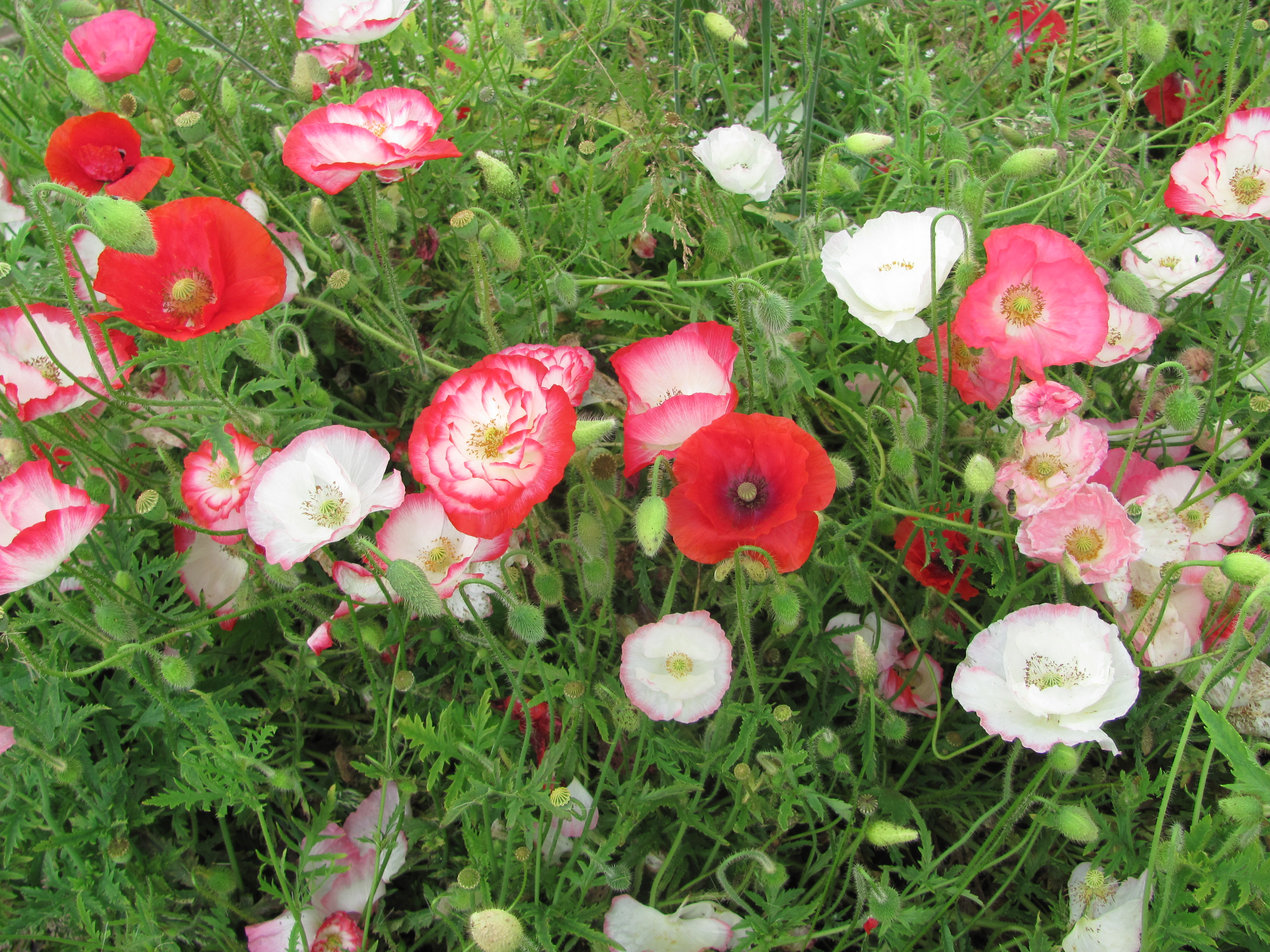
And while photographing these I spied through the corner of my eye the first plant of our native red poppy to be flowering. It looks equally good in bud, flower or seedpod. This poppy is known botanically as Papaver rhoeas, but seems to collect common names including Field Poppy, Corn Poppy and Flanders Poppy.
The wonderful Welsh Poppy greets us each morning as we enter the garden through the stable door. What a cheerful way for the garden to say welcome us!
'The most important and informative publication on wildlife of our times' - The Independent. This blog is a member of The UK & Ireland Natural History Bloggers group: www.uknhb.blogspot.com