Categories
garden design garden photography gardening gardens gardens open to the public National Trust The National Trust

Wonder Walls

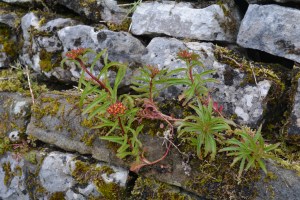
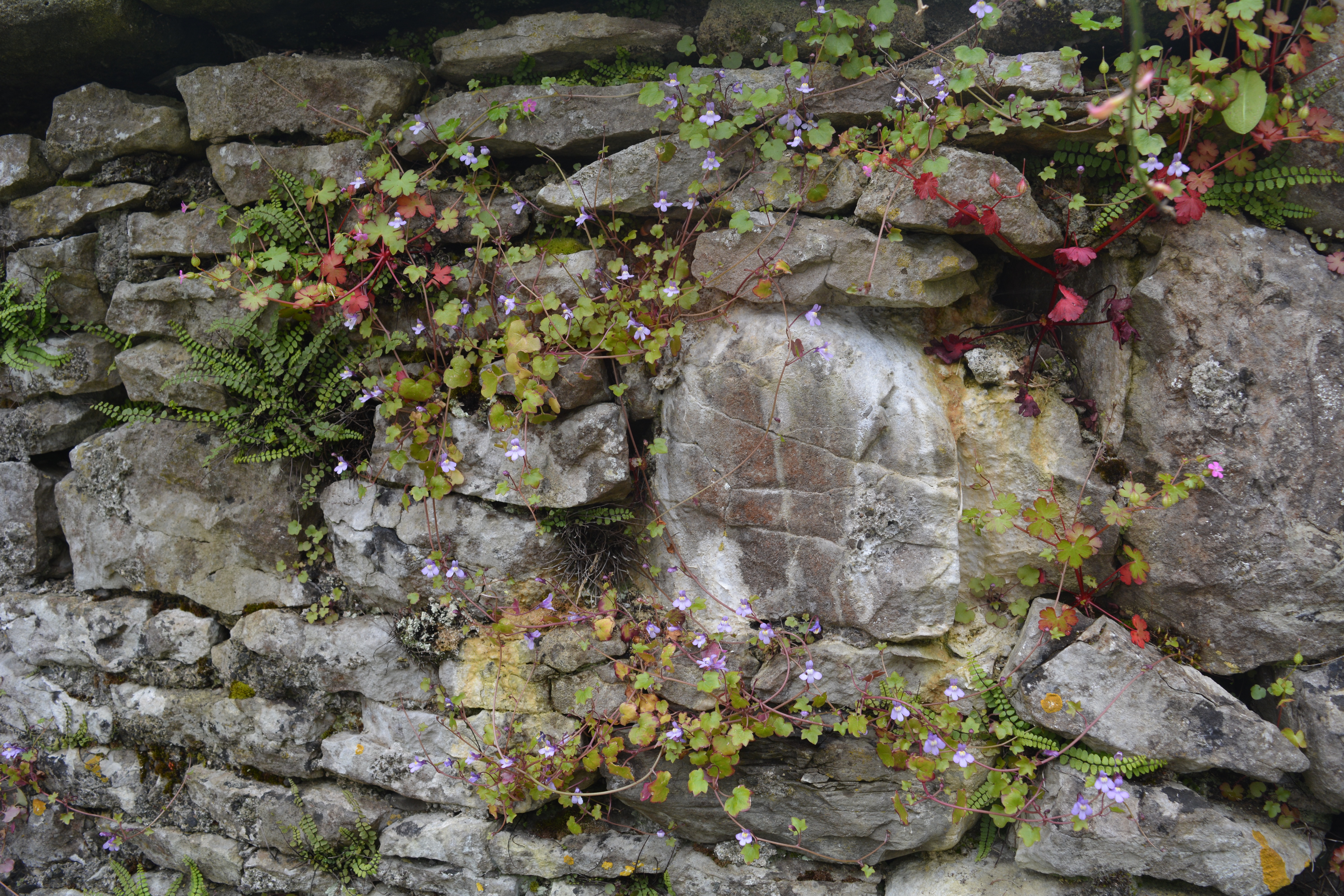
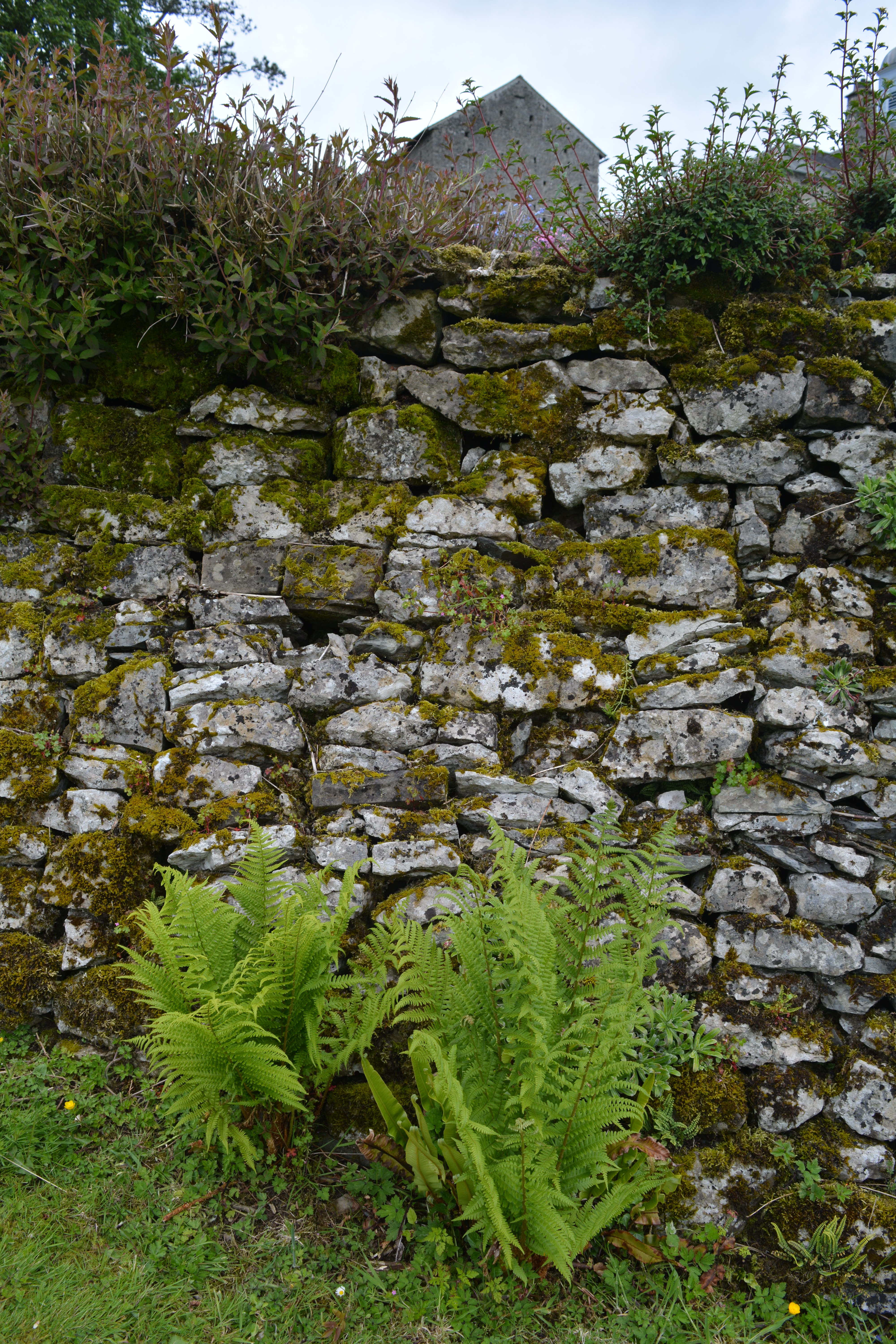
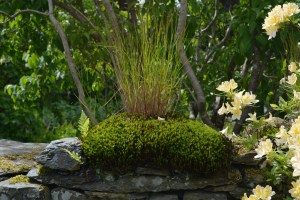
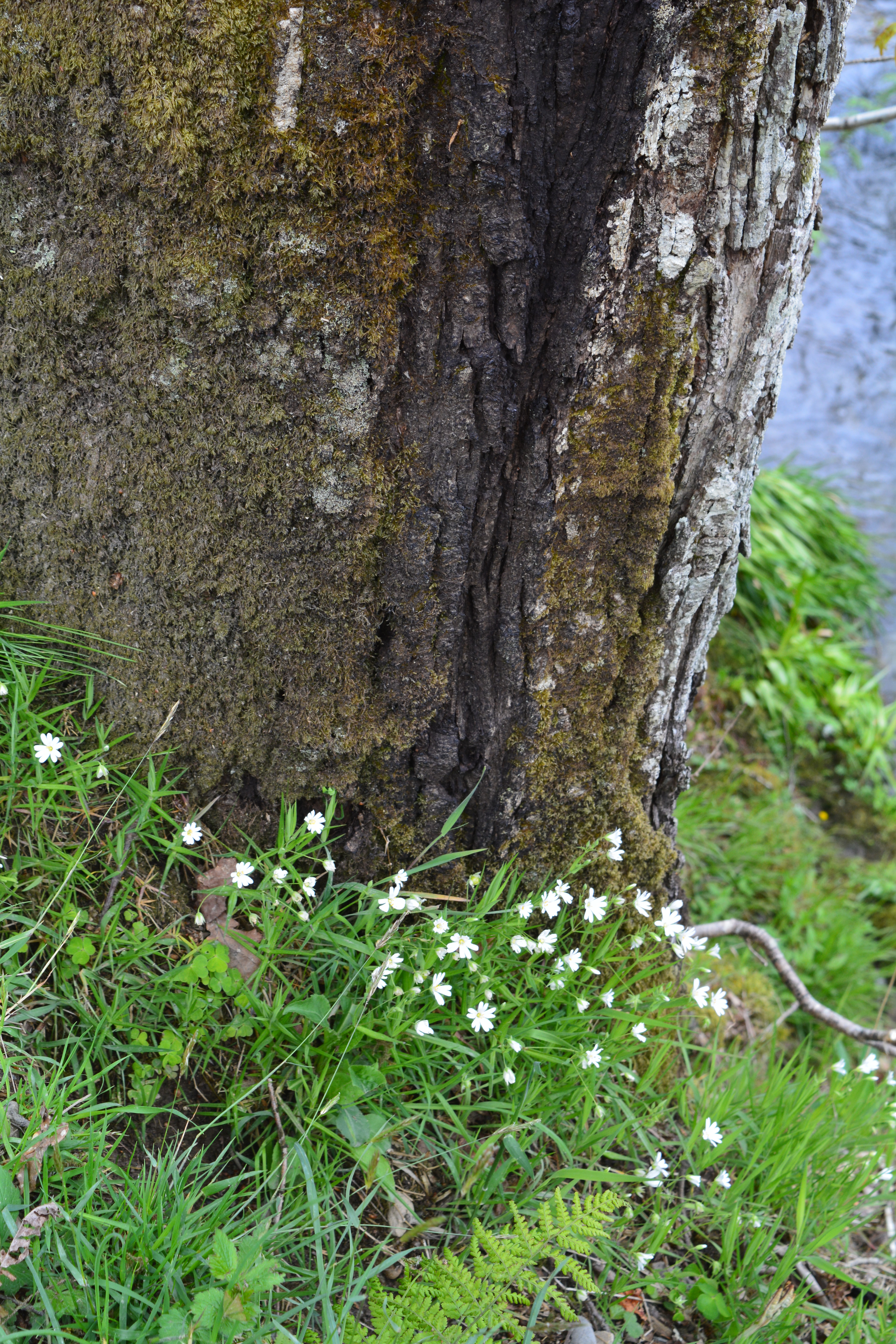
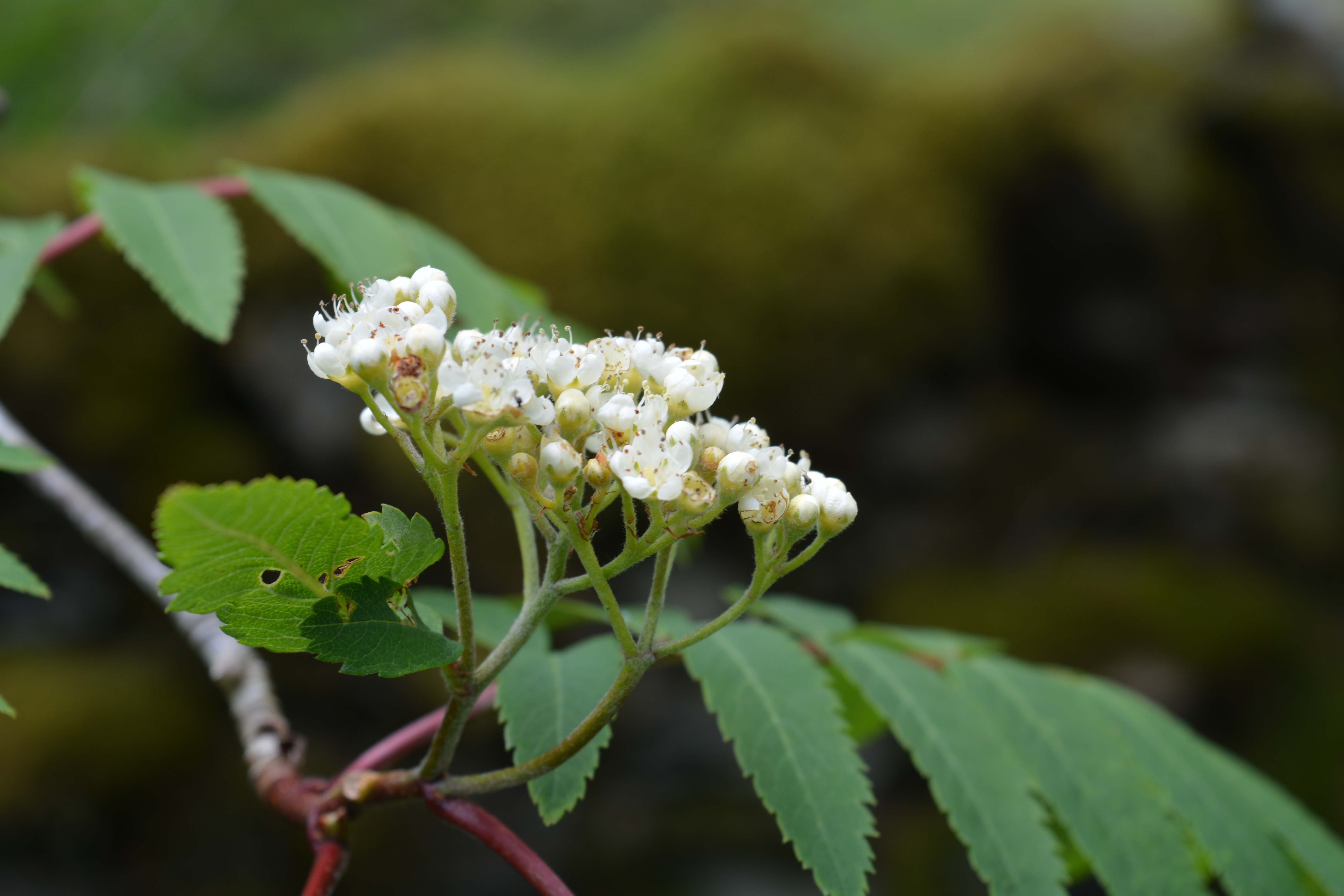
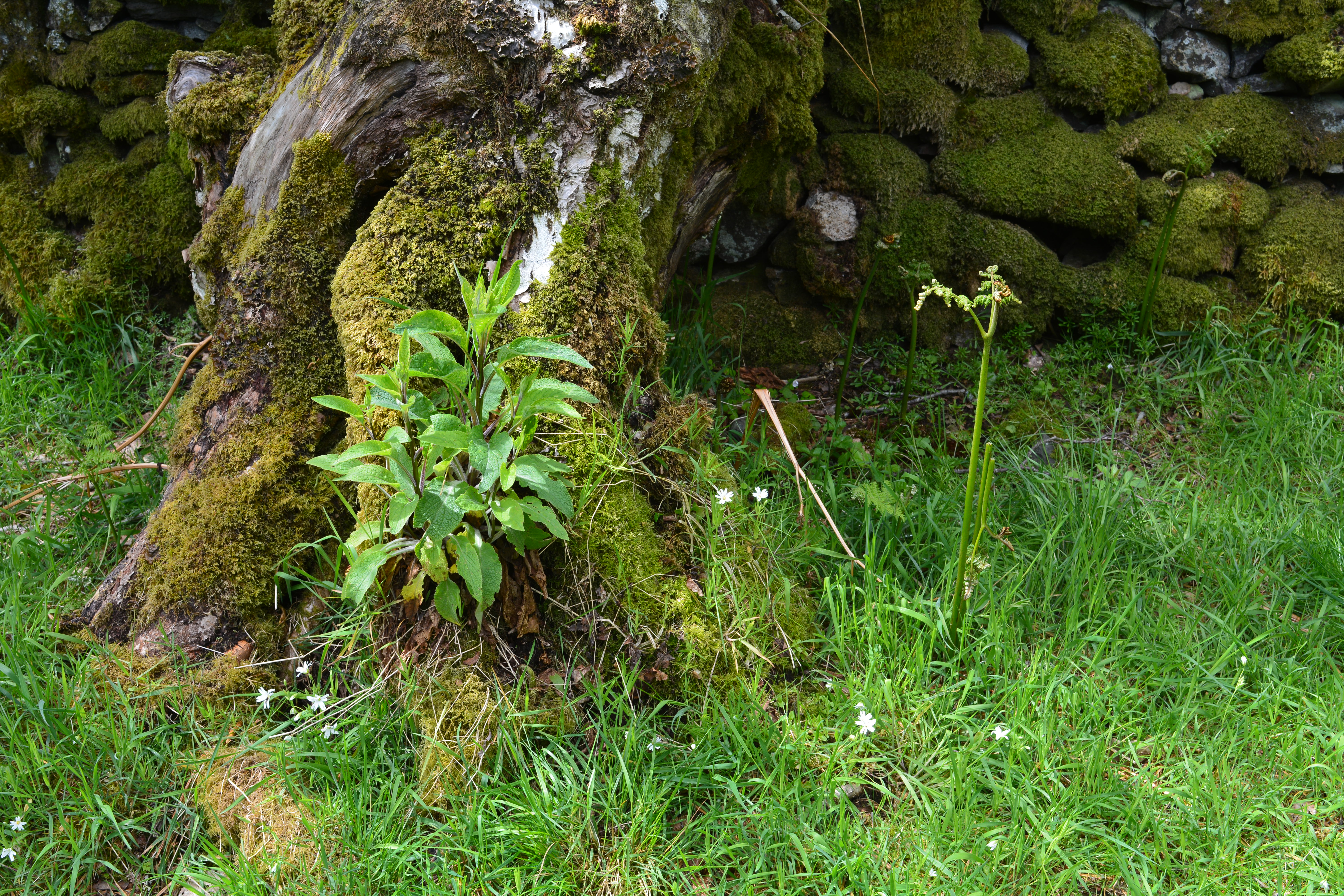
We always enjoy discovering what plants manage to grow in walls and marvel at how they get a foothold and seek out enough food. You can imagine how delighted we were when we came across this 50 metre long wall which was a garden in itself.

This garden on a wall was at Sizergh Castle, a National Trust property in the southern end of the Lake District in Cumbria. there were other interesting “wall gardens” here too.

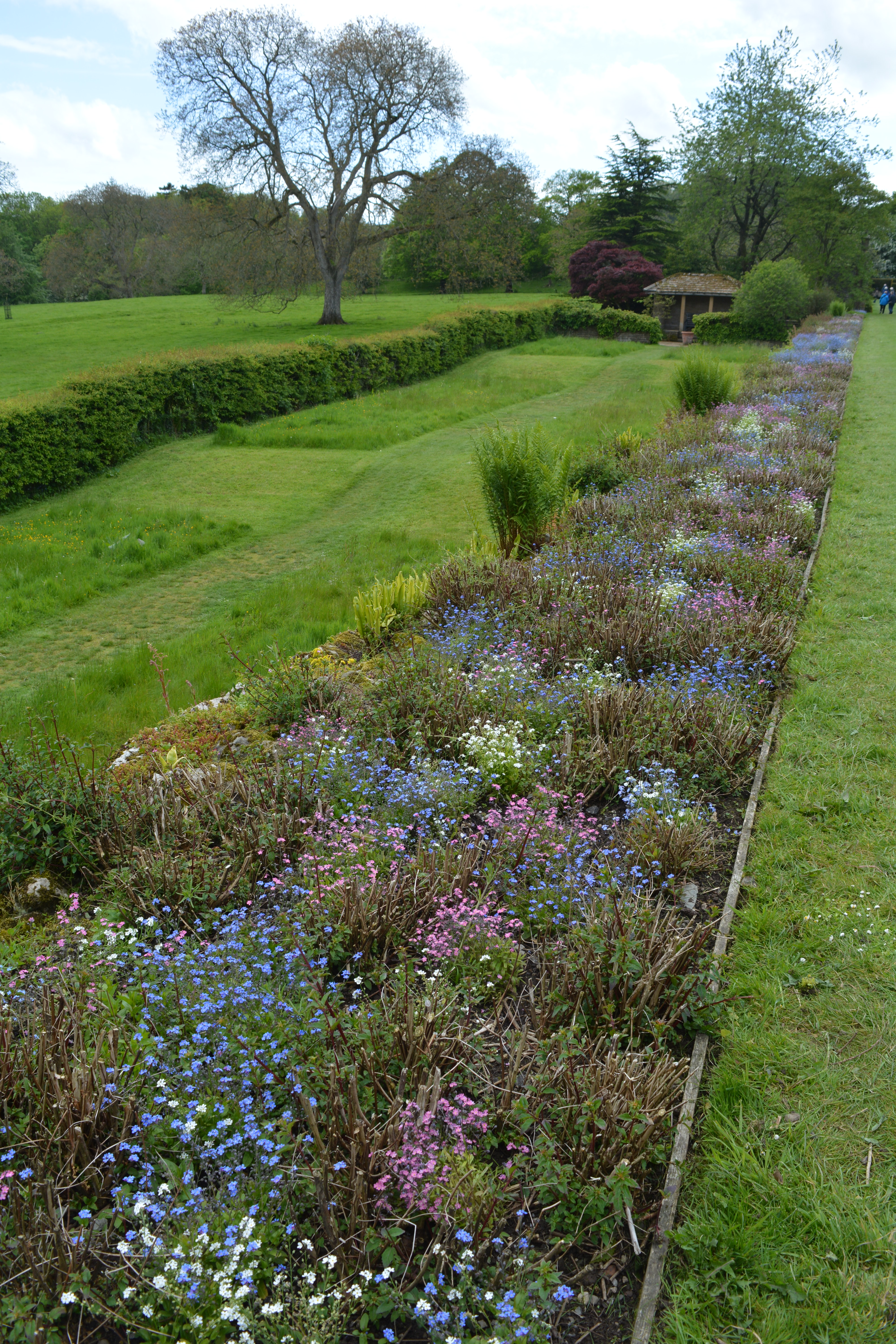
The wall runs the length of the Dutch Garden and is constructed of limestone. It is now home to many very happy looking plants. They are a sort of hanging garden!

2015 06 02_22762015 06 02_2268 2015 06 02_22662015 06 02_2267 2015 06 02_2263 2015 06 02_22622015 06 02_2265 2015 06 02_22612015 06 02_2264 2015 06 02_22692015 06 02_2270 2015 06 02_2261

Along its top edge a narrow border adds an extra dimension to this wall. Forget-me-Nots in pink, white and the more usual blue provide splashes of colour. After enjoying the vast range of plants growing in the gaps, crevices and cracks of the wall a shelter with a comfortable seat provides a convenient resting place.
2015 06 02_2308 2015 06 02_2277

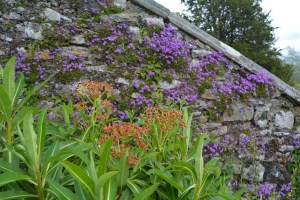
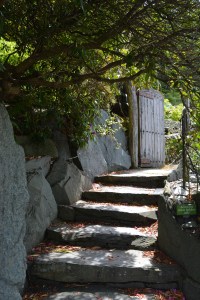
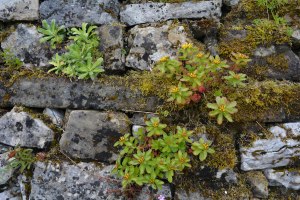
Within the gardens at Sizergh we found other examples of “hanging gardens”, one hanging from a flight of stone steps covered in alpine plants, presenting a colourful display. These decorative steps had been roped off to stop anyone using them and damaging the plants growing there. Many visitors stopped to take photographs of this mini-garden which I presume came about by accident. The plants probably self-seeded into the gaps between the stonework. Similarly plants have taken up residence on the side walls of the steps.

2015 06 02_2302 2015 06 02_2303      2015 06 02_2305 2015 06 02_2306

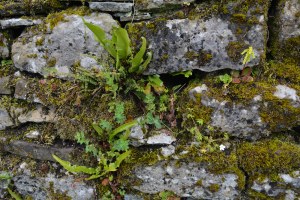
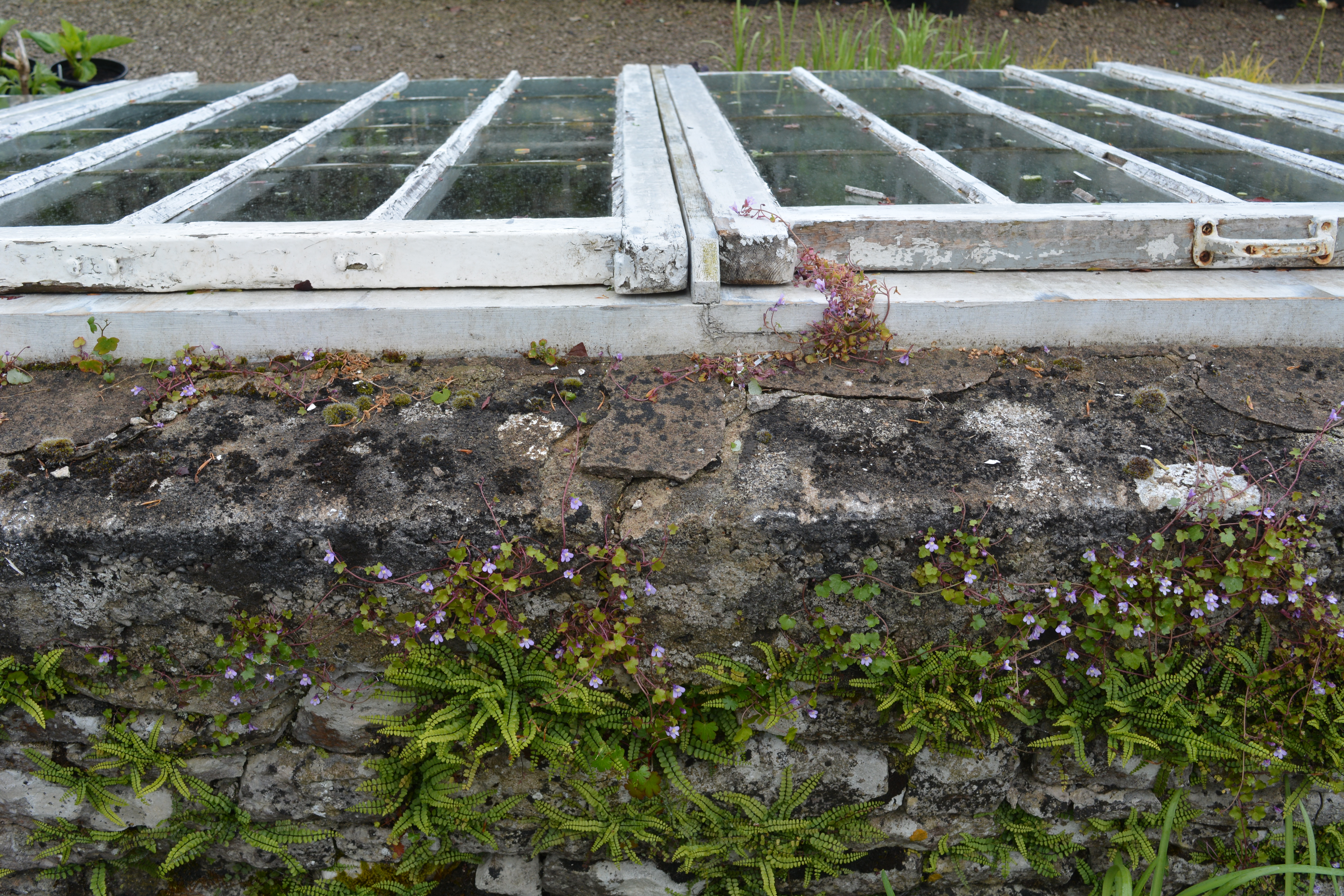
In the kitchen garden at Sizergh the stone walls that make up the sides of the old cold frames also became a habitat for self-seeded little plants.
2015 06 02_2239 2015 06 02_2236 2015 06 02_2235 2015 06 02_2234

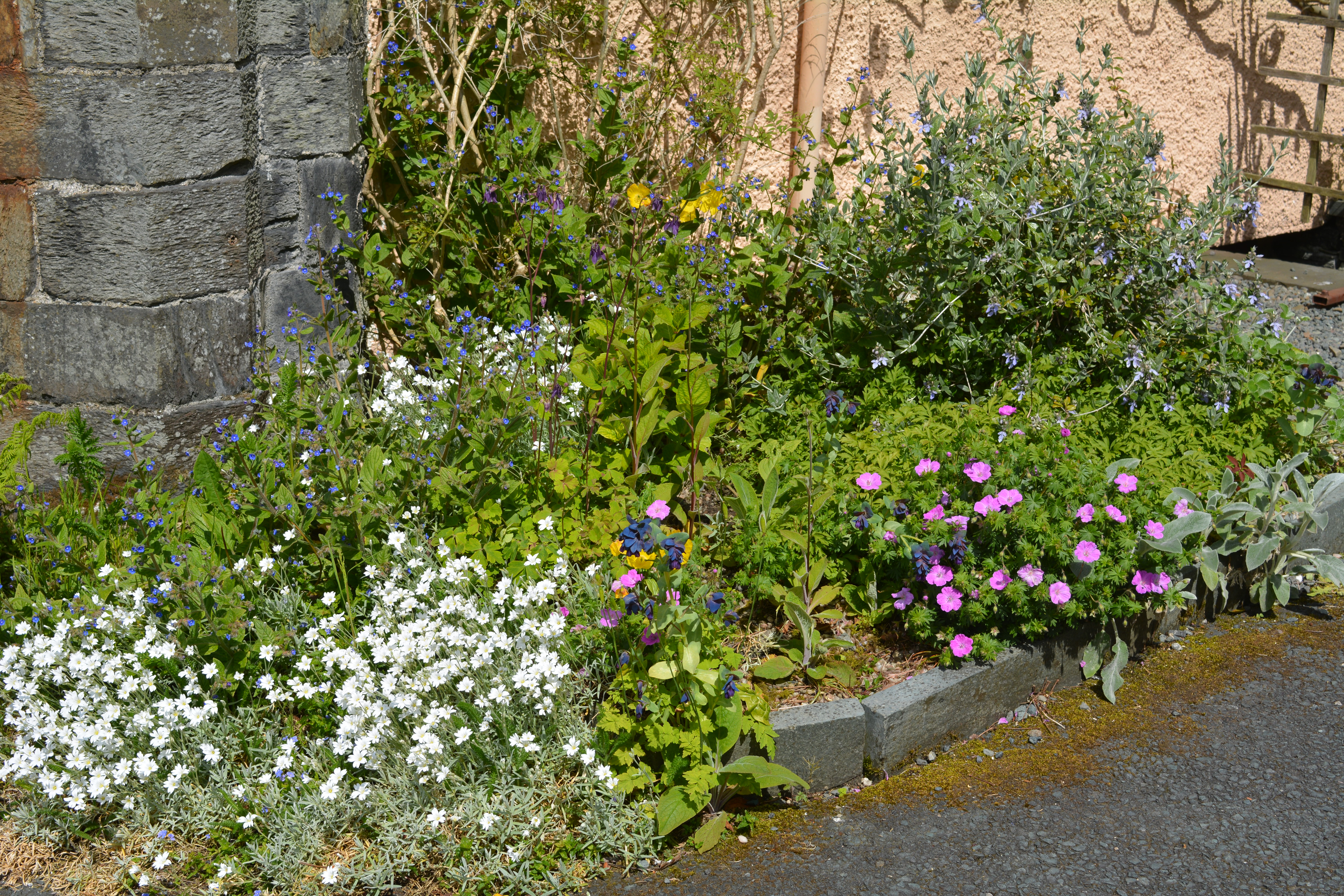
The walls around the kitchen garden gave the impression of more hanging gardens for us to enjoy. Many of the plants in these walls were wild flowers of hillsides and cliff faces or ones normally grown on rockeries. It was interesting seeing thes plants growing vertically instead of as mats on the ground.

2015 06 02_2271 2015 06 02_2272

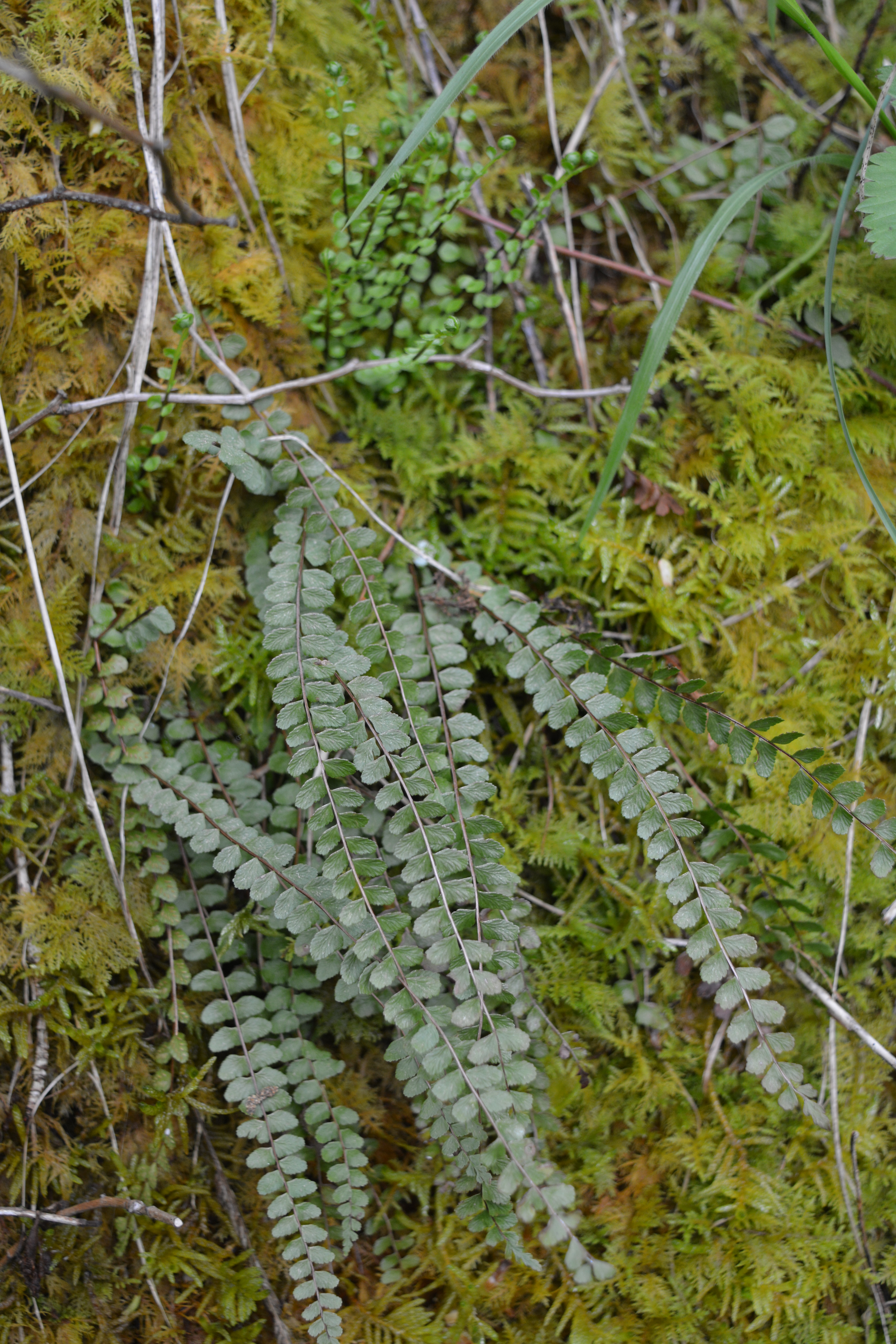
Ferns were particularly happy growing in the shade of the walls where they could establish themselves in cooler damper conditions found there.
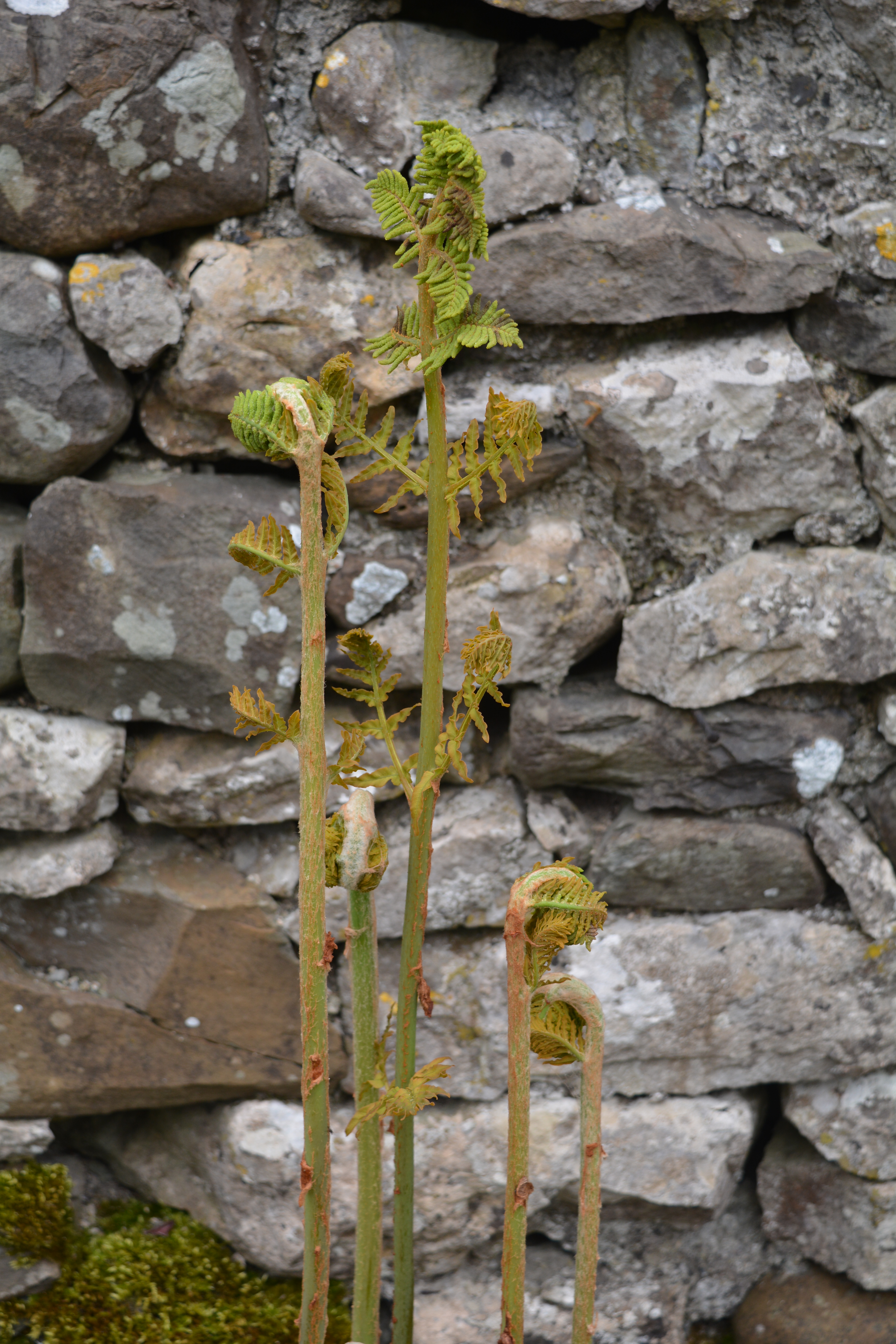
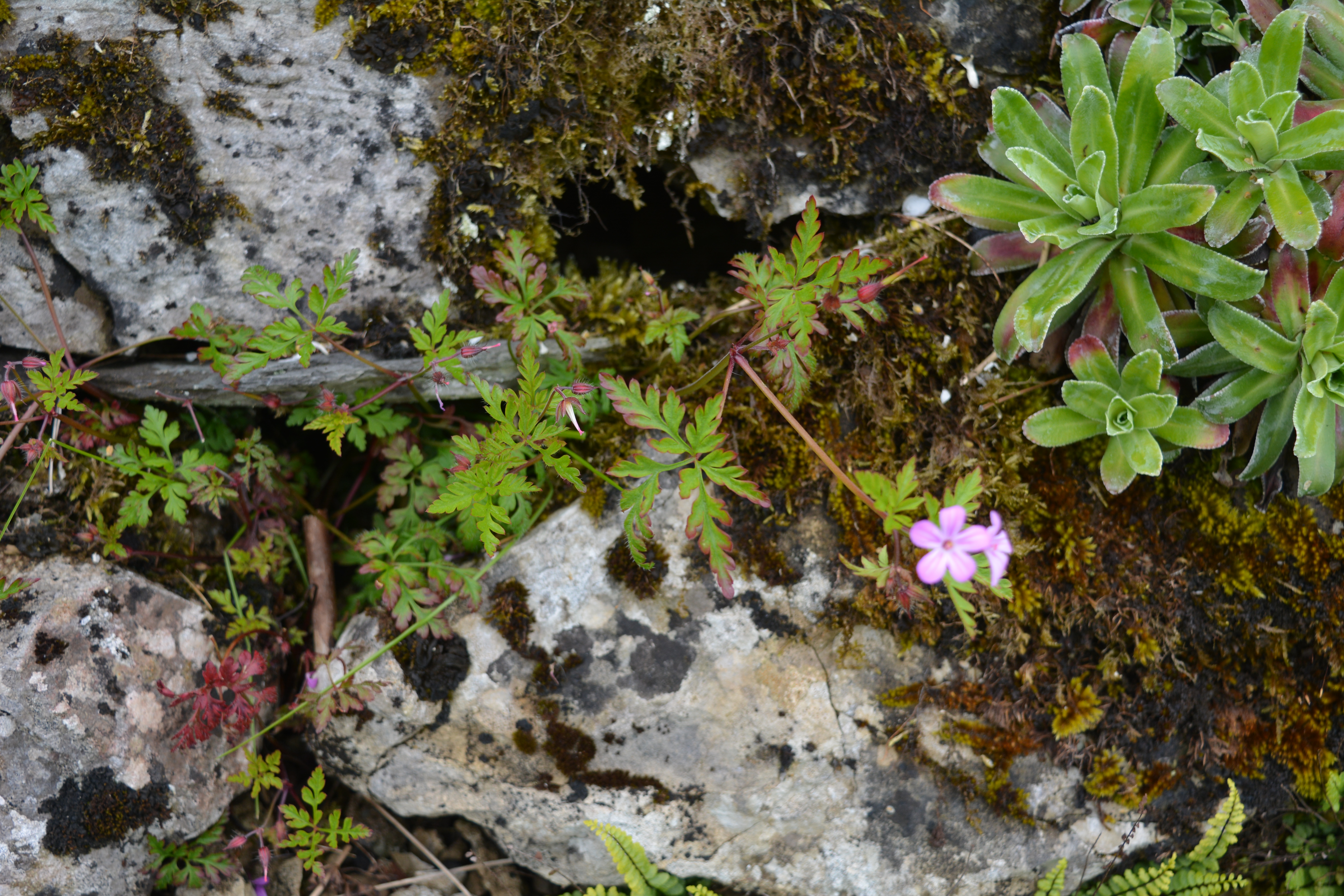
2015 06 02_2228    2015 06 02_2273  2015 06 02_2274 2015 06 02_2275

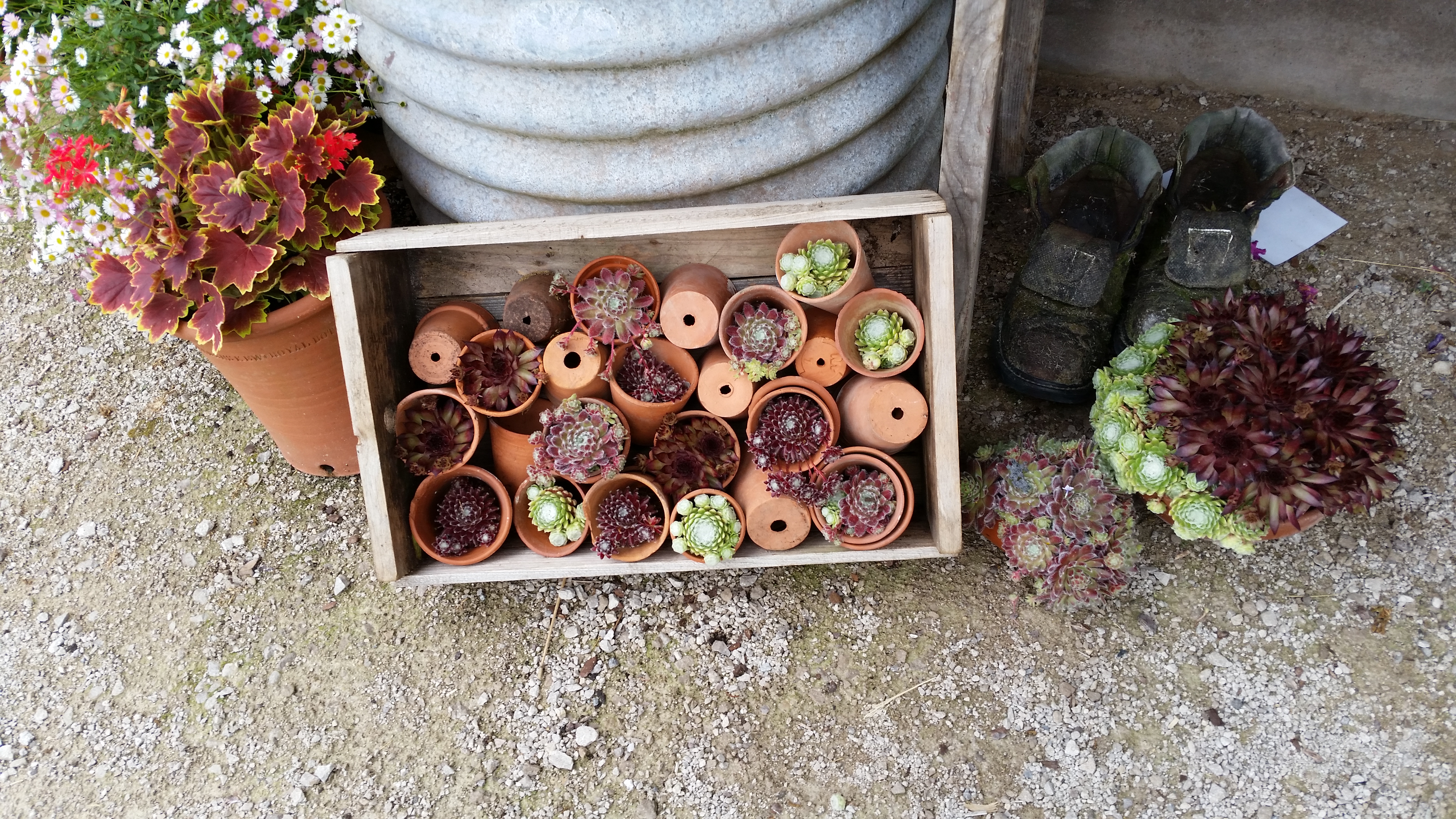
These walls also had extra habitats added to them to encourage even more wildlife to shelter or set up home.
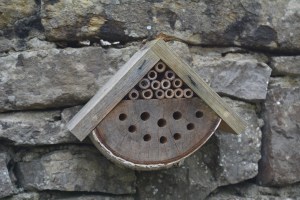
2015 06 02_2226

For my final wall I include this stretch of the castle walls themselves where little creeping daisies, Erigeron karvinskianus had settled in happily showing off its flowers in white and many shades of pink.

2015 06 02_2307

We were amazed to find so many plants growing in these walls at Sizergh and wondered how many thousands of tiny critters we could not see as well as small mammals and birds were also sheltering or living there in their own secret miniature world.
Categories
gardening hardy perennials nurseries

A Real Nursery – Halecat

While in the Lakes as we drove to the gardens of Brantwood we noticed a sign to Halecat. This rang a bell loudly for us, as we had intended to seek this lovely nursery out. Halecat is an independent nursery where the owners Tom and Abi grow most of their plants from seed. We had invited Tom to come to our Shropshire Hardy Plant Group to talk to us about getting the nursery established. He brought along an amazing selection of plants for sale. So having seen the sign we planned to visit a few days later.

Halecat Nursery was rescued from dereliction by Tom and Abi. They took on an old nursery that had been closed for years and slowly the woods that surround it had encroached into the site itself. Years of hard work and dedication has returned it to a working nursery.

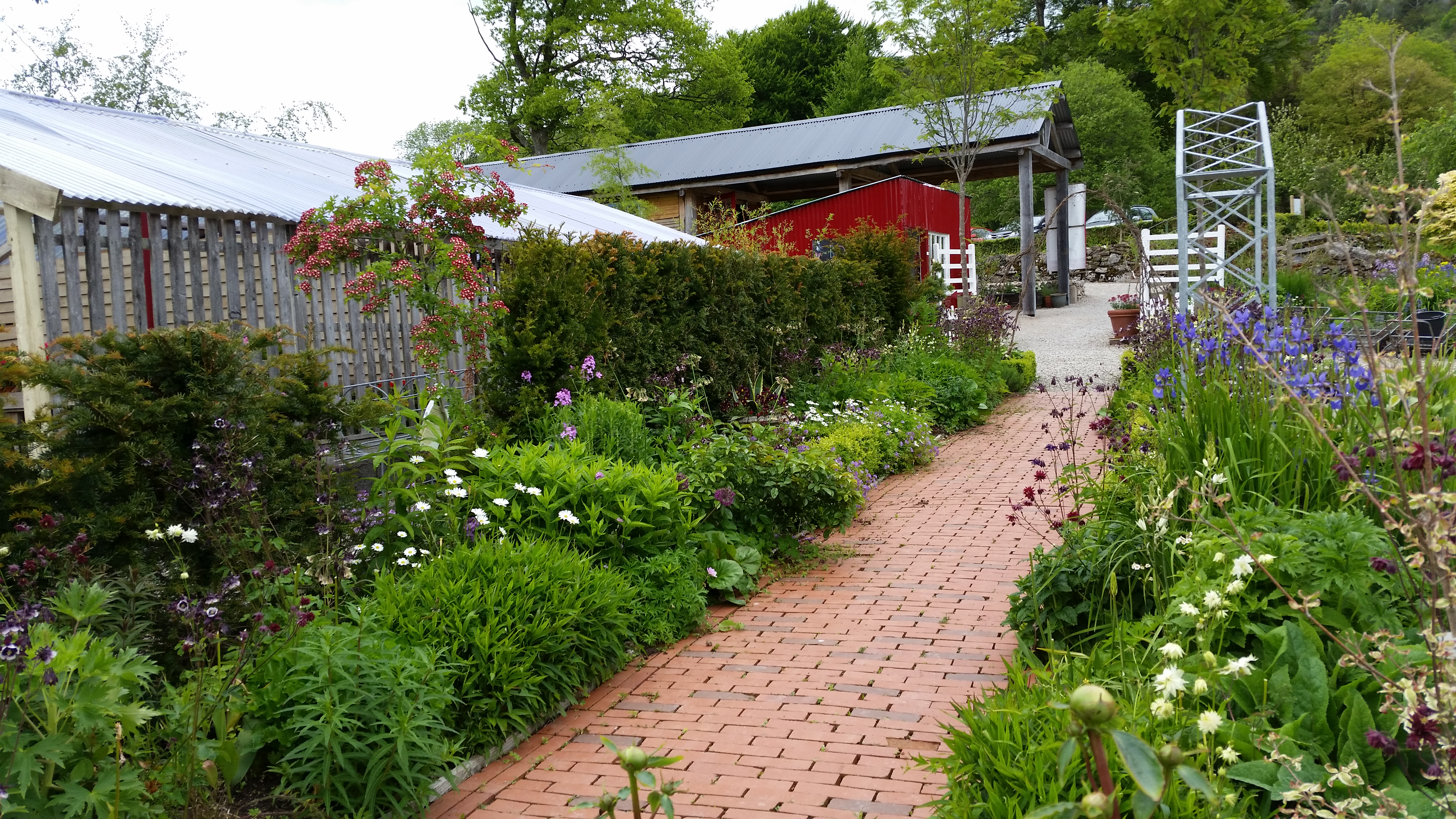
We followed that sign down lanes that got narrower and narrower but soon found the nursery entrance. It looked like no other nursery we had ever seen before. Blackboards were full of information, informing the visitor what was in season now, what the nursery staff were up to and any nursery news. Unusual containers were full of equally interesting plants. A large sign invited you to the self serve cafe where you made your own drinks and put your money in an honesty box. It was all very friendly and inviting. We were pleased to notice that the nursery had won a Gold Medal and Best in Show award at the recent Holker Hall Garden Festival.

2015 06 08_2743 2015 06 08_27452015 06 08_2744

When we arrived owners Tom and Abi were busy in one of the polytunnels potting on seedlings. A large bell was hanging outside the office for customers to ring when they wanted help or wished to be served. When it rang either Tom, Abi or one of their employees soon arrived on the scene.

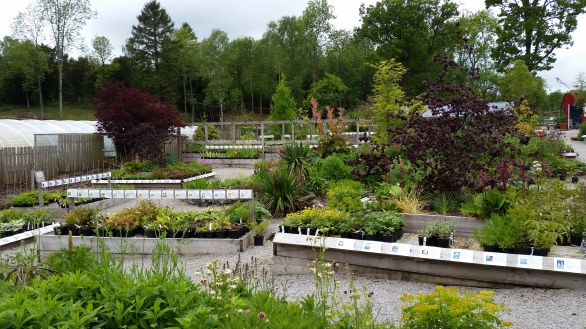
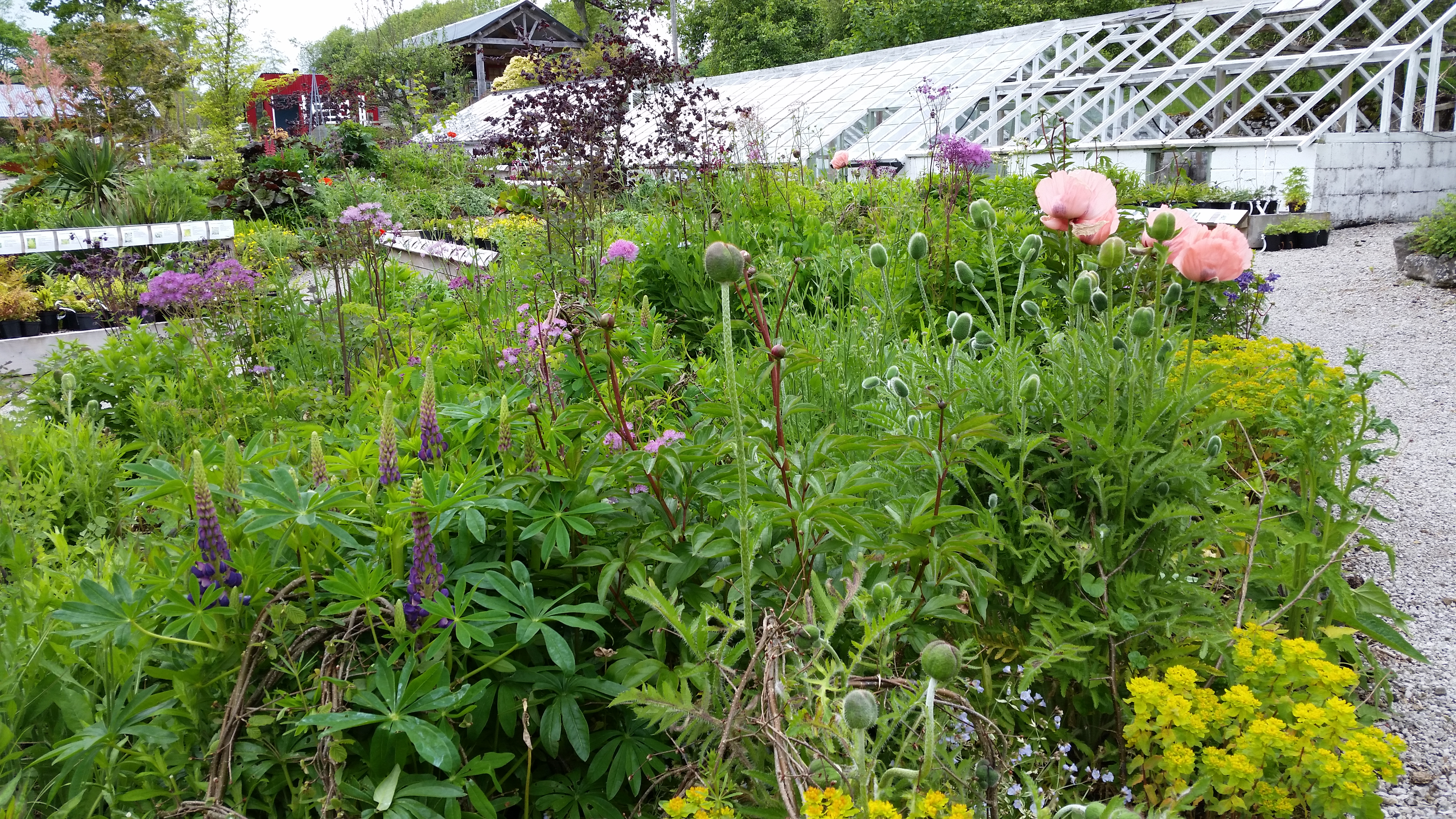
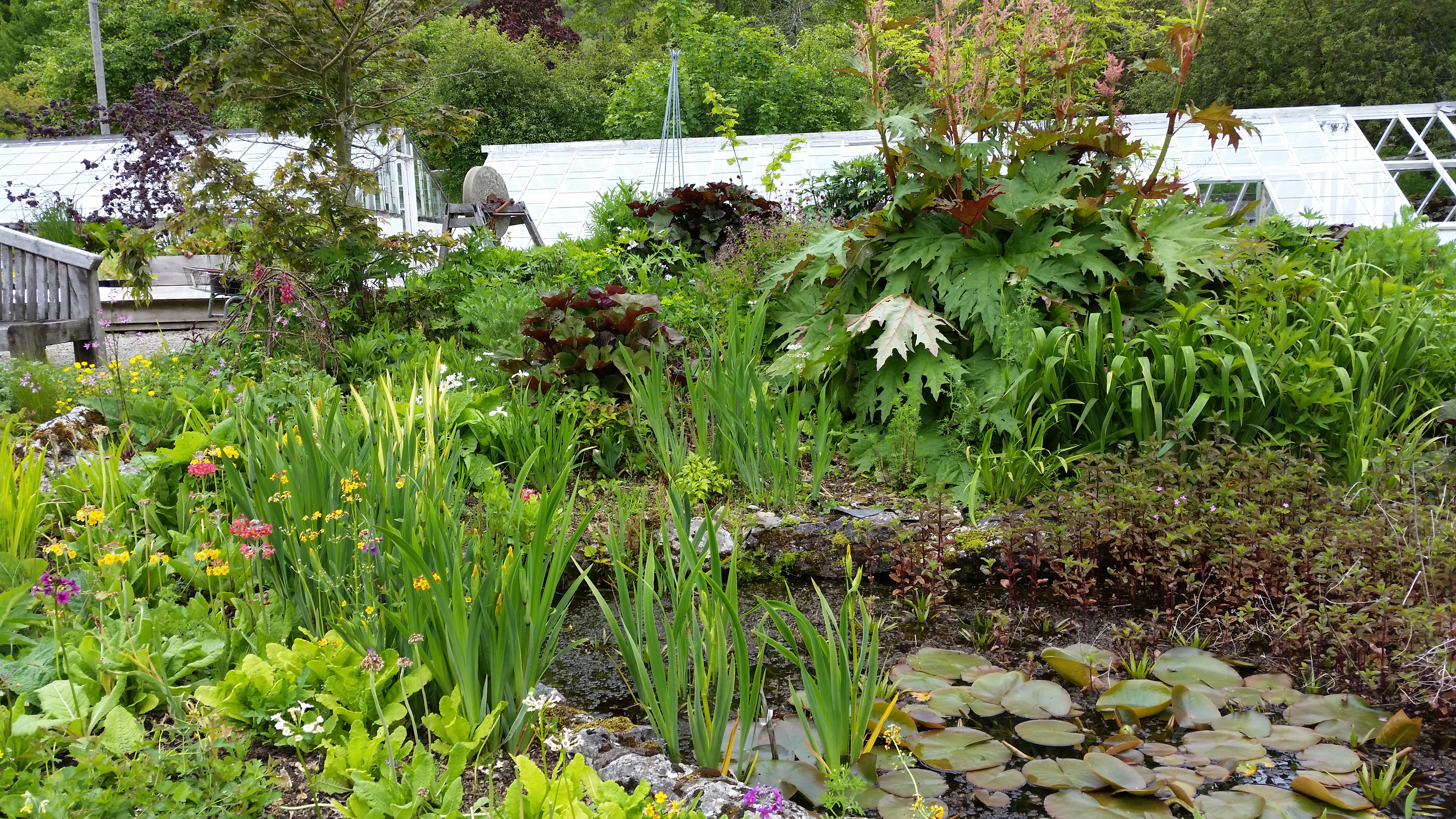
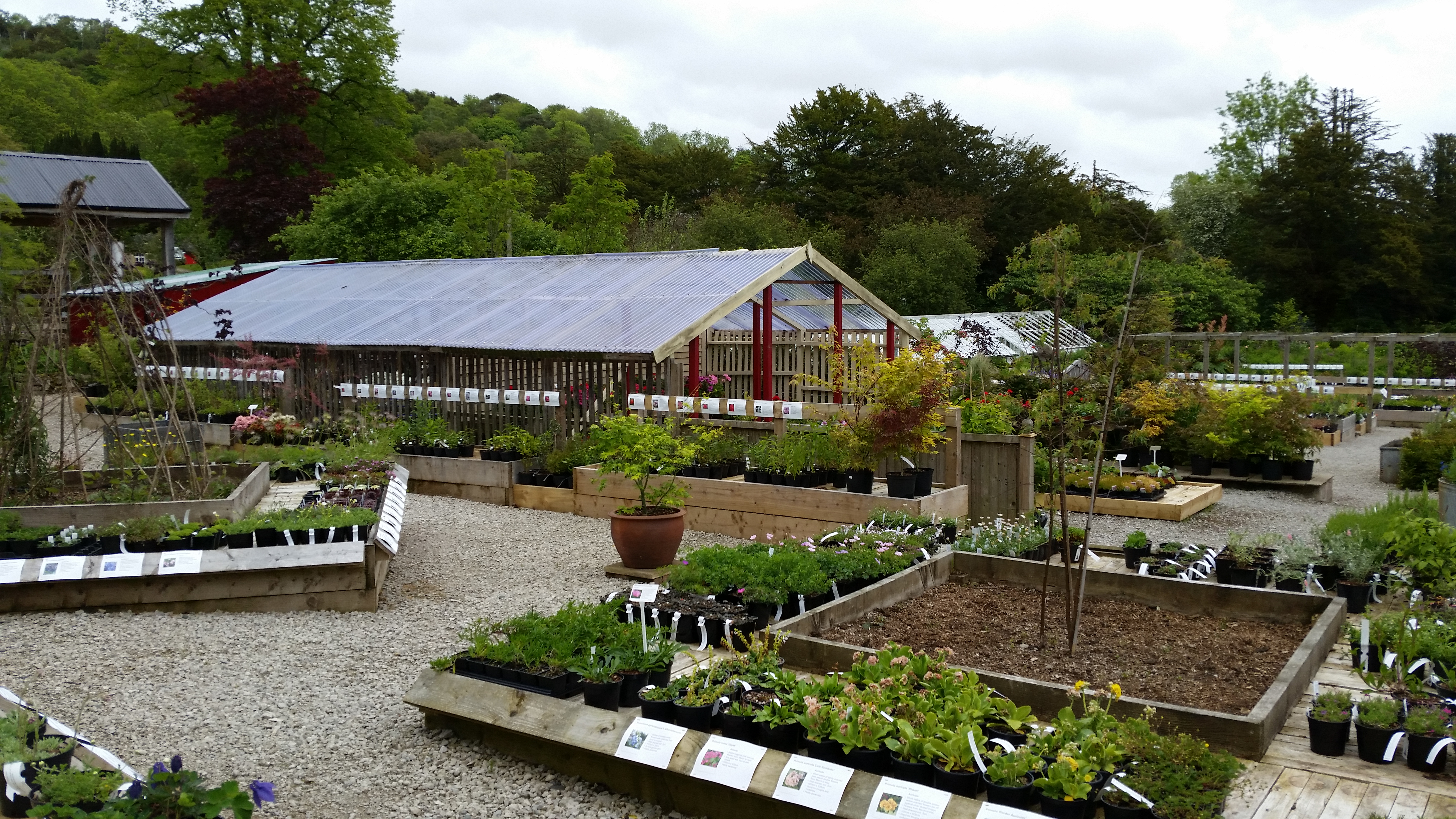
Looking over the site we could see that the many raised sale areas were intermingled with display gardens. It had a very lively look about it. Several prospective purchasers wandered around the gravel paths. Plants were labeled with all the information a gardener could want to know, the plants soil requirements, aspect etc as well as an accurate description of the plants. We found many plants we had never come across before so these labels were most useful.

2015 06 08_2747

2015 06 08_2746  2015 06 08_2748 2015 06 08_2749 2015 06 08_2750 2015 06 08_2751 2015 06 08_2752


Our visit emphasised how much better these independent nurseries are for the real gardener compared to the modern chain garden centres. Here at Halecat there were no gifts, no pet food, no clothing sections and no outlet shops. So refreshing! And above all the staff know about plants and gardening.

As you must have guessed, we didn’t come away empty handed. We found room in the car for a few special plants. The temptation was simply too great!

We came away with Polygonum , Nepeta s, Pentstemen, a tiny Iris sibirica and an alpine Aquilegia

Categories
birds colours garden photography garden wildlife gardening gardens hardy perennials roses Shropshire Yellow Book Gardens

My Garden Journal – June

Half way through the year and here we are again to have a look at my garden journal for the month of June. My special Moleskine embossed with the word “greenbenchramblings” is now on its way to being half full.

In my first page for June I wrote “Garden writers talk of the “June gap”, a time when fewer flowers bloom than in other summer months. Luckily for us we have spotted no gaps in our garden. 

For us June is a month of Roses, of Day Lilies, of Geraniums, of Snap Dragons and so much more. It is the month of scents too. Whenever humidity rises scents become richer and invade every part of our garden, so much so that we find it hard to identify individual scents and from where they arise”

2015 07 04_3614_edited-1


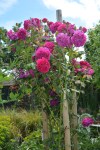
I filled the second page with a gallery of rose photos. Enjoy navigating through my set of Rose pics.

On page 3 we find this month’s quote from Jenny Joseph. “My quote from Jenny Joseph’s little delight of a book looks at how scent changes with the weather”

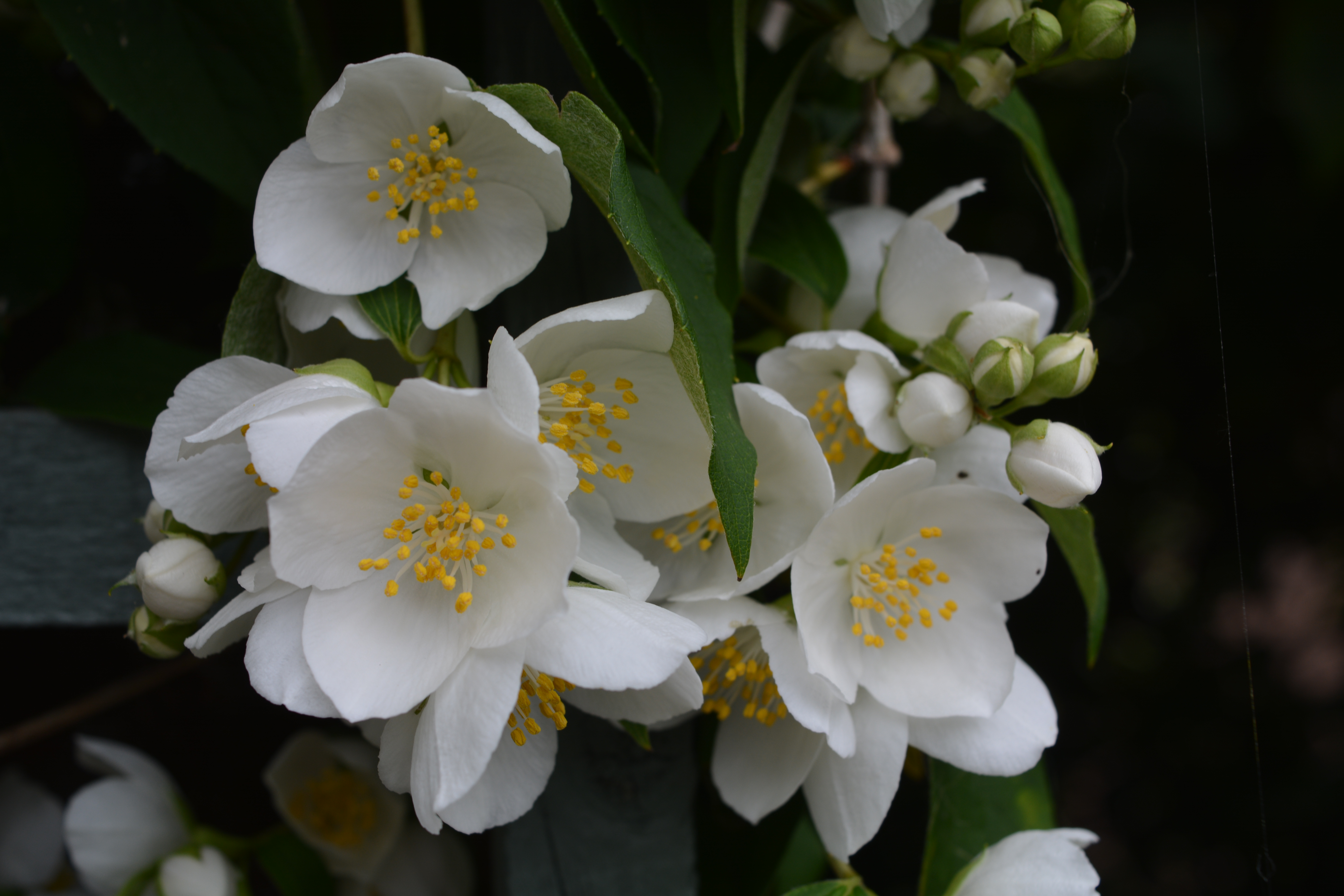
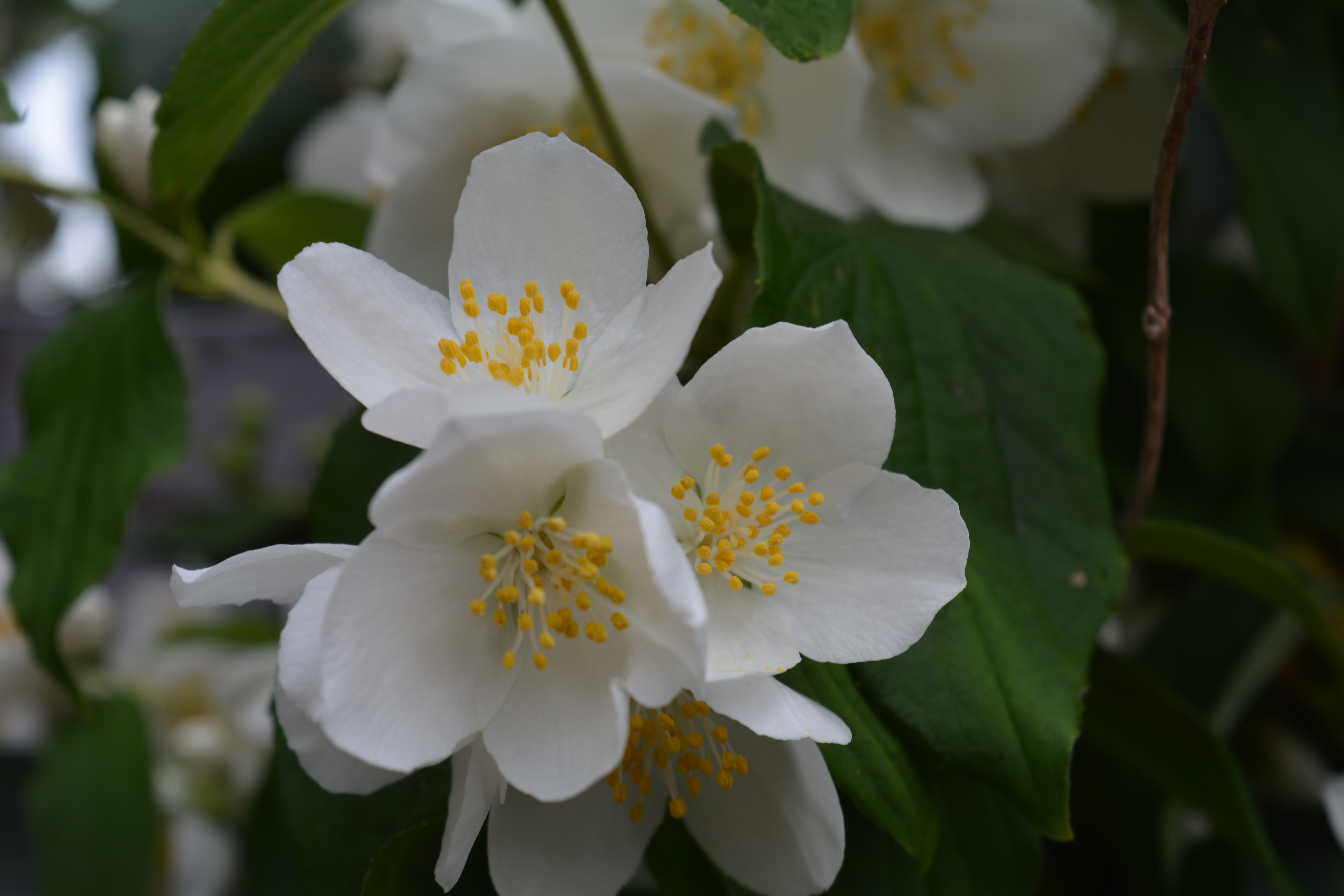
“Though the over-riding smell of sunlit June is a mixture of Philadelphus and Strawberries, if it gets too hot there is an arid, dusty smell, the smell of rank stinging nettles. If we get rain after dry heat at this time, an almost delirious richness comes from all the wet foliage.”

2015 07 04_3615_edited-1

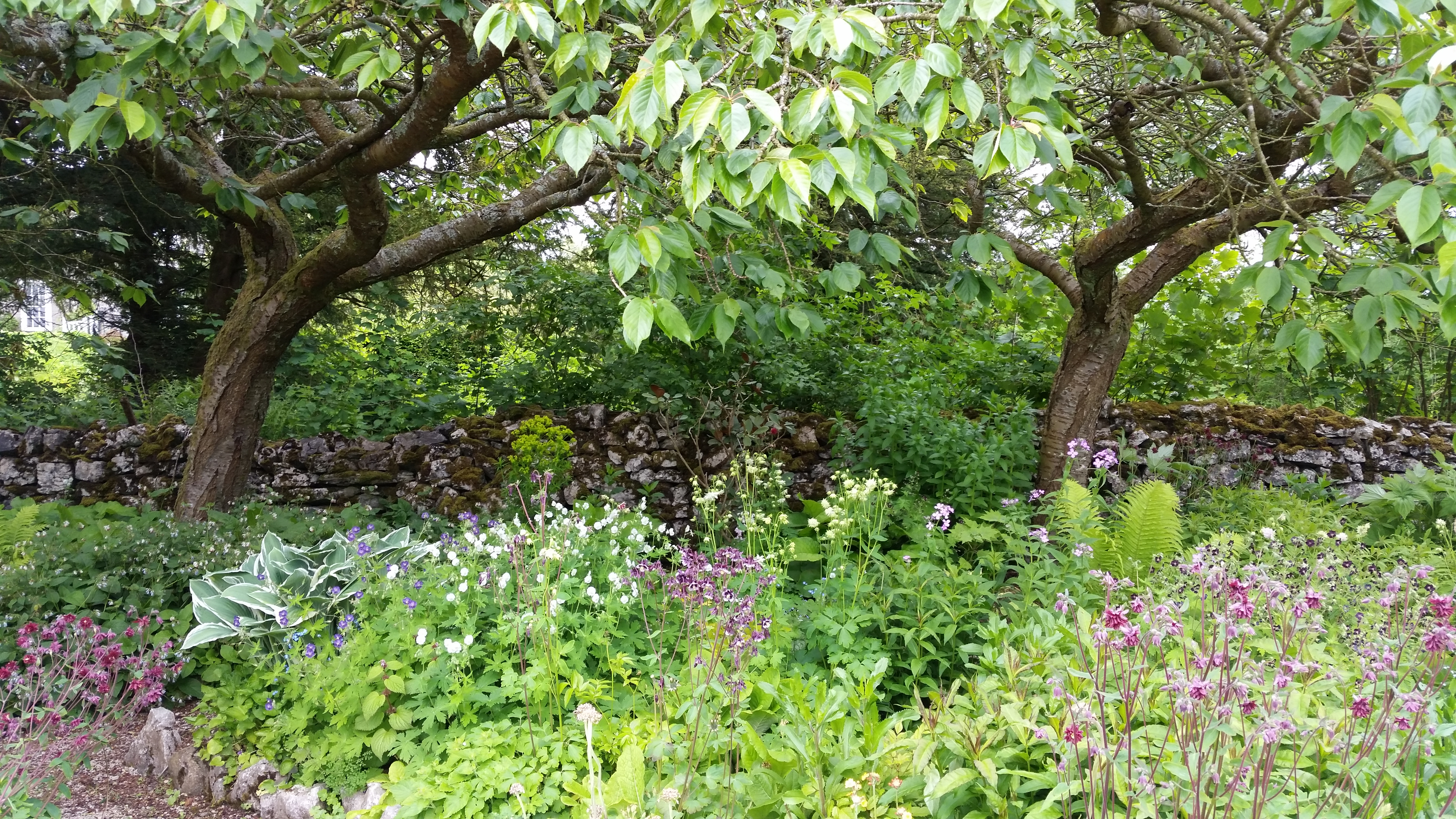
We have a highly scented Philadelphus shrub arching over the path to our Shade Border, but it is in reality growing in our neighbours’ garden. We train the long flowering stems over the path so that we pass through a tunnel of rich sweet scent.

2015 07 04_3562 2015 07 04_3561 2015 07 04_3596

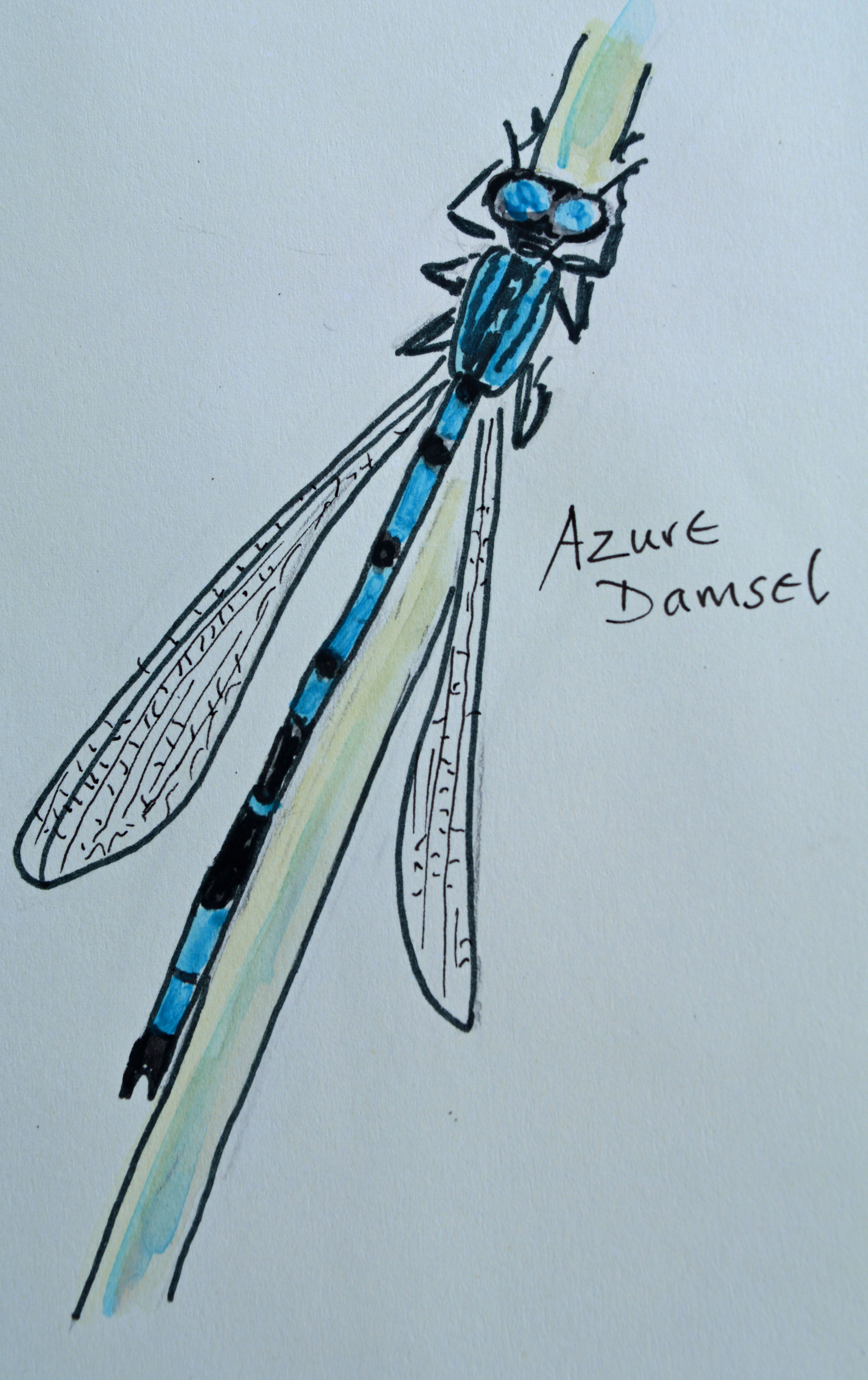
On the opposite page I wrote about the creatures seen by the wildlife pond in mid-June, Dragonflies, Damselflies and Pond Skaters.

Dragonfly and Damselfly larvae creep slowly up stems of pond plants and metamorphose from the ugly to the beautiful. Pond Skaters skim in twitching movements across the surface of the water without breaking through.”

I enjoyed painting our most beautiful Damselfly which we see often on summer days flitting around our garden and often coming into the house to see us!

2015 07 04_3616_edited-1

Page 5 features one of our favourite families of herbaceous perennials, the Geraniums. We have many different varieties and cultivars flowering in many of our borders.

2015 07 04_3617_edited-1

Geraniums are  any lover of perennial plants  favourites. So many shades of pink and blue on flowers of varying size and detail of petal”.

2015 05 26_2001 2015 05 26_2000 2015 05 26_1999 2015 05 26_2018  2015 05 26_2005-12015 05 26_2013


On my next page I looked at the bird life in our June garden,

Our garden in June is subject to regular invasions of fledgling birds, Blue Tits, Great Tits and Long-tailed Tits along with Finches Green and Gold. They beg for food noisily and even ask us for food as we get on with our gardening chores.” 
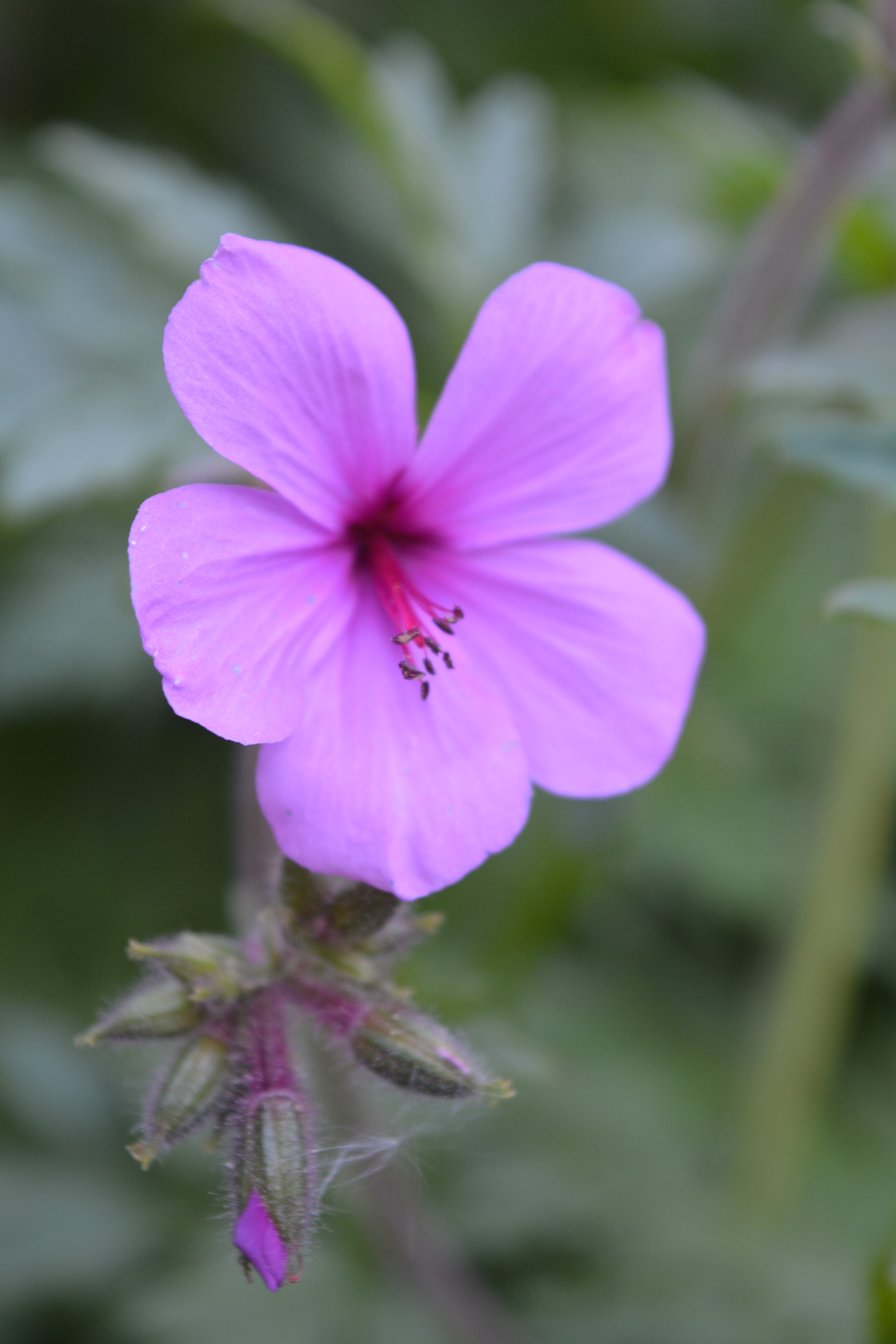
I then picked myself up on the use of the term “gardening chores”,

It strikes me as odd that we speak of gardening chores or jobs and tasks. Gardening is a delight.

To accompany these words I painted a water colour of a fledgling Blue Tit, looking a little like a faded version of its parents.

2015 07 04_3618_edited-1


Pages 7 and 8 of my June journal featured a bit of pond dipping and a look at a special Rose.

2015 07 04_3619_edited-1

“A warm evening in late June was a perfect time to get out my pond-dipping net and sample tray. A few scoops and the tray was full of life.”

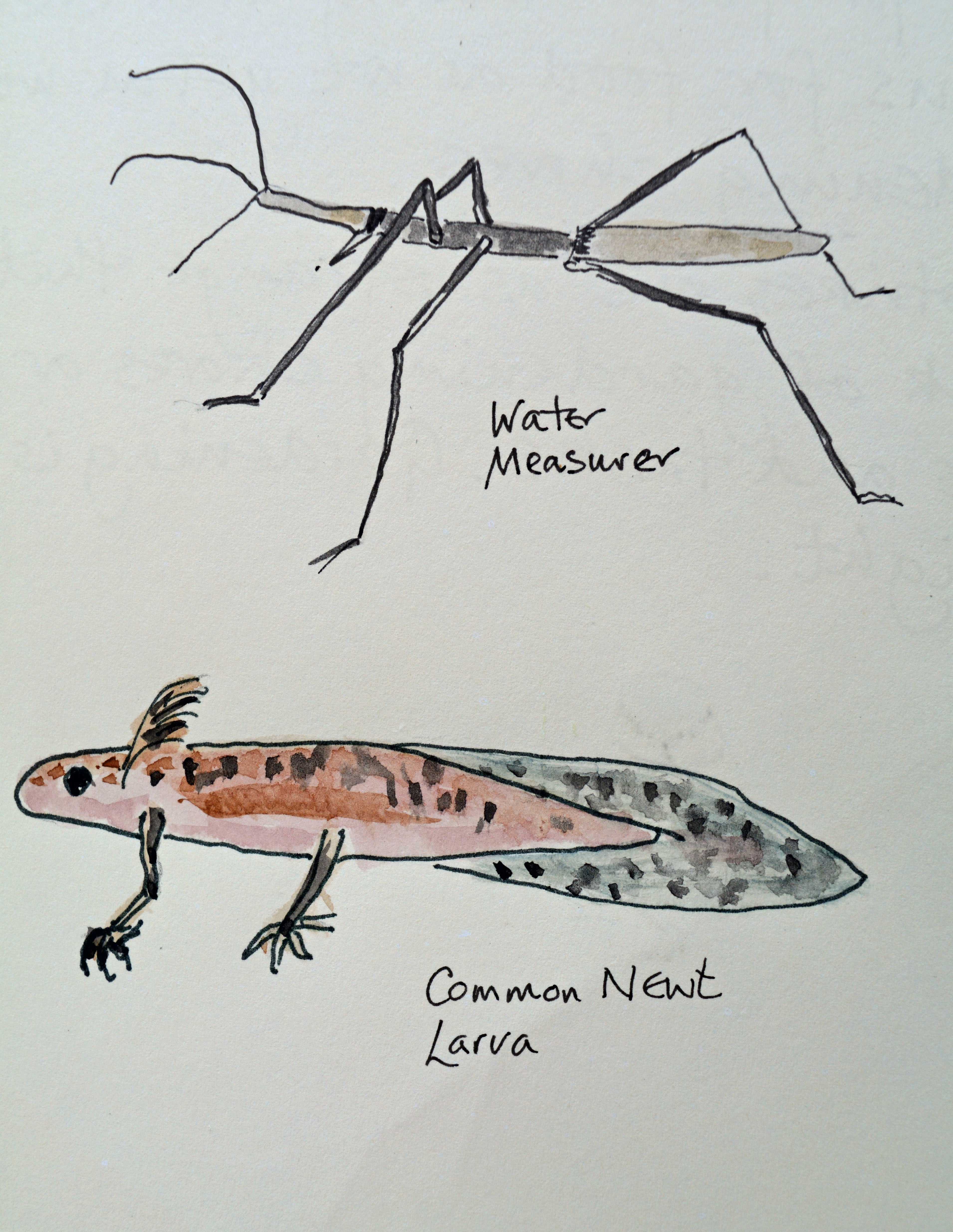
I painted a Water Measurer and the larva of a Common Newt. Both these creatures appeared in numbers in every scoop I made with the net. Even if just a few of these young Newts reach adulthood it will help manage the slug population and perhaps reduce the number of holes in our Hosta leaves.

2015 07 04_3620_edited-1

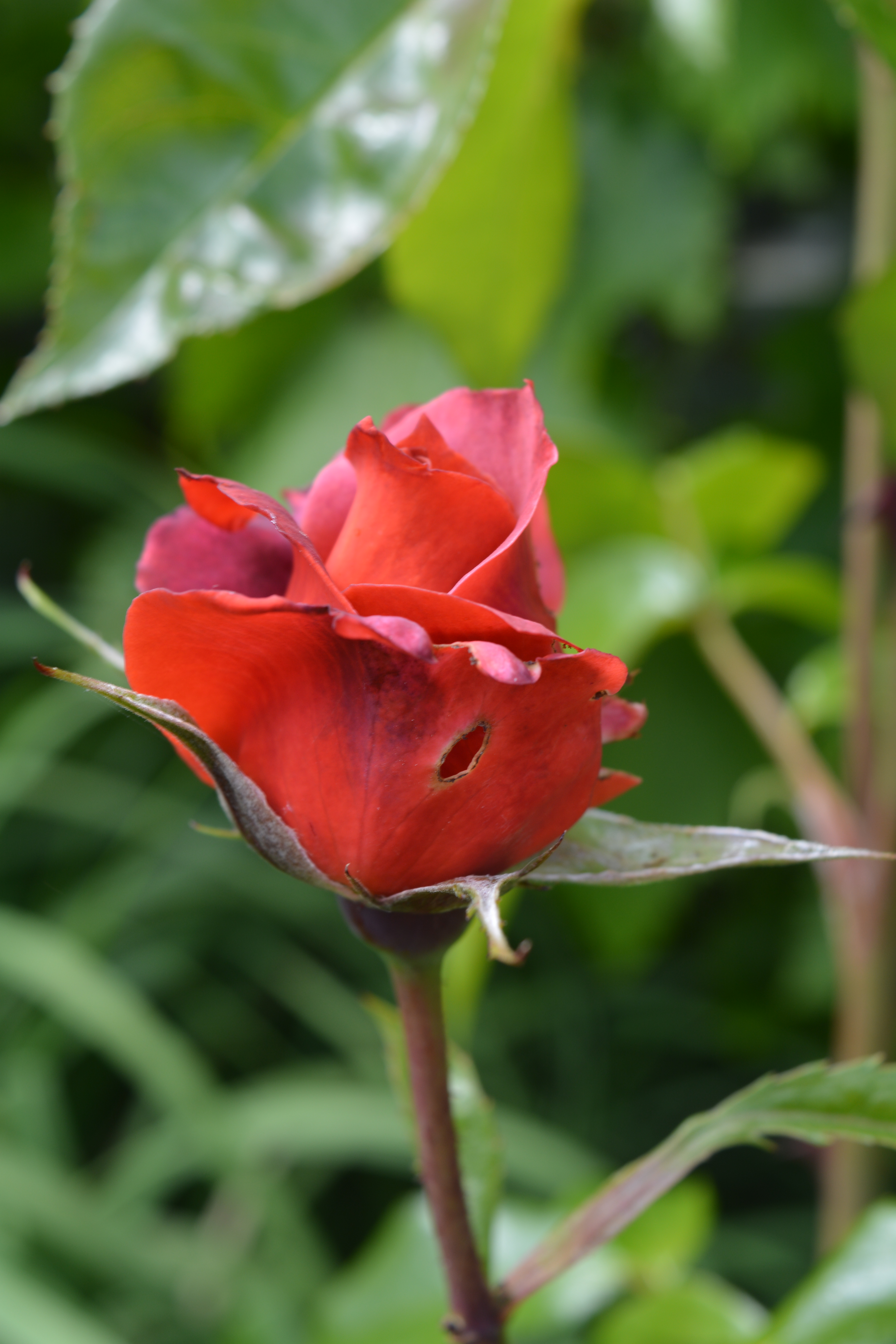
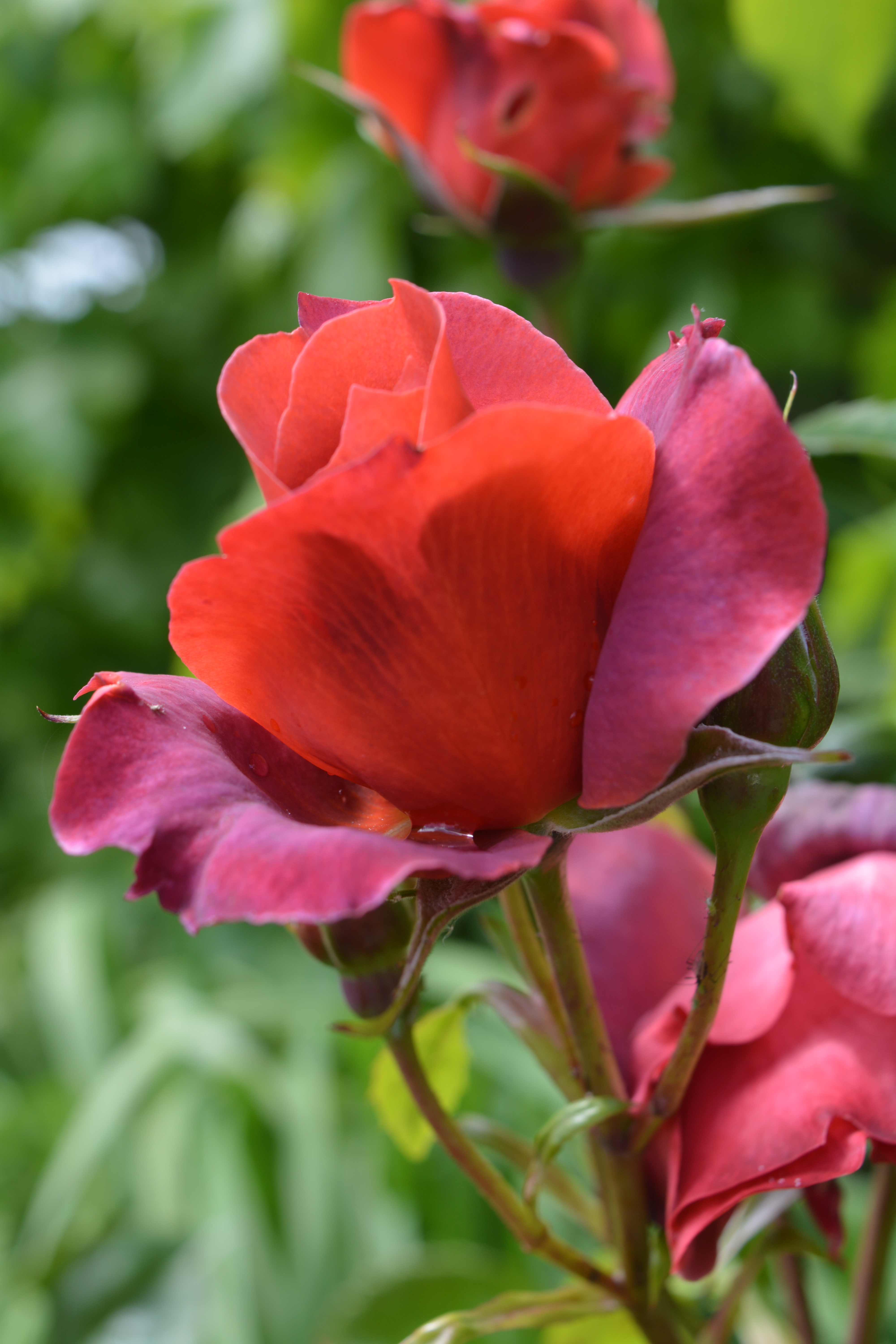
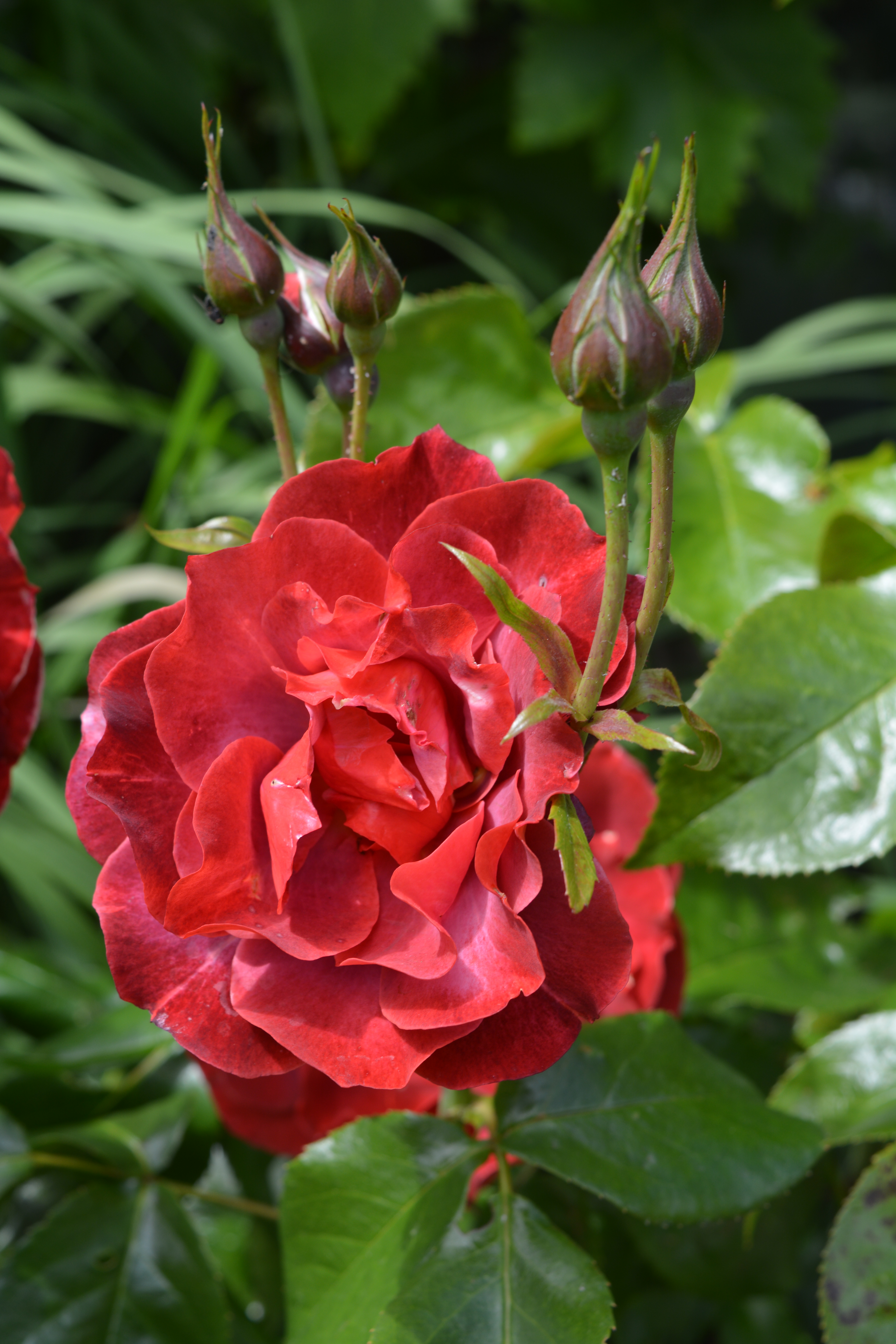
My final entry in my garden journal for the month of June was a look at a special Rose which we discovered just last year. We were initially attracted to its beautiful buds and rich chocolate brownish red blooms. We discovered it was called Dark Chocolate and it has the added benefit of a rich scent.

We have an unusually coloured rose growing in our “Secret Garden” called Rosa “Hot Chocolate”. The colour is a deep brick-red with hints of the darkest brown. Its scent is rich, fruity but with a hint of dark chocolate. The buds of Hot Chocolate are one of the most beautiful of all roses.”

2015 06 30_3554-1 2015 06 30_3553-1 2015 06 30_3552-1

And that is my journal for June.

Categories
climbing plants colours flowering bulbs fruit and veg garden photography gardens gardens open to the public hardy perennials irises kitchen gardens meadows National Trust ornamental trees and shrubs poppies Shropshire The National Trust trees walled gardens

Croft Castle month by month – Part 6 June

We arrived for our June exploration of the gardens at the National Trust property, Croft Castle, with great expectations as the sun shone, the sky was blue and the temperature warm. We were not disappointed in any way! After our usual coffee and cakes we made our way to the main feature of the garden, the Walled Garden. On the way we enjoyed finding some very colourful plants with the added extra, scent.

2015 06 25_3234 2015 06 25_3235

On entering the Walled Garden the colour and scent continued. Our first glance through the doorway promised a great deal to see and smell.

2015 06 25_3240 2015 06 25_3241 2015 06 25_3242 2015 06 25_3246 2015 06 25_3247 2015 06 25_3244 2015 06 25_3245

Poppies were on top form! Beautiful!

2015 06 25_3239  2015 06 25_3237 2015 06 25_3250 2015 06 25_32432015 06 25_3238

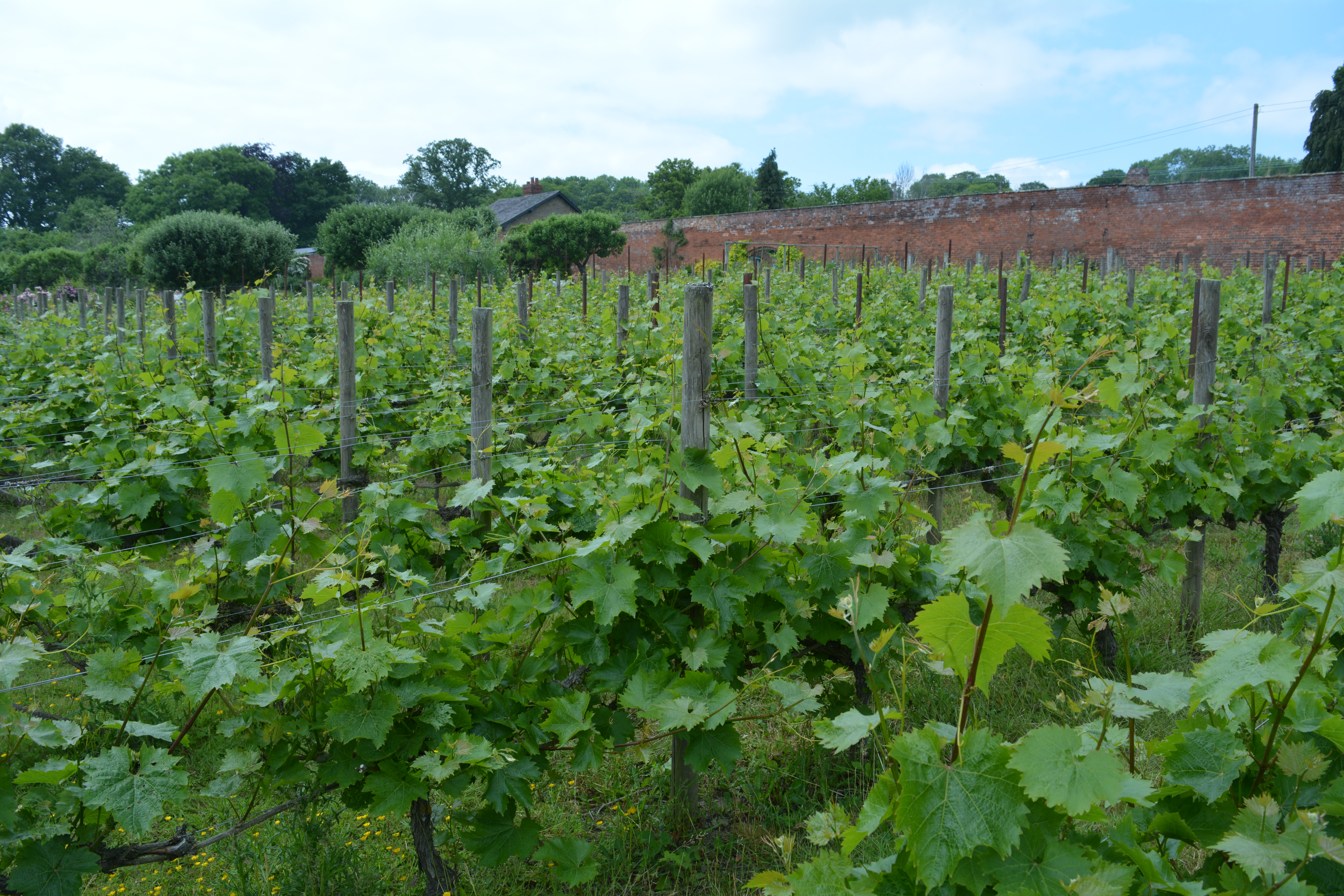
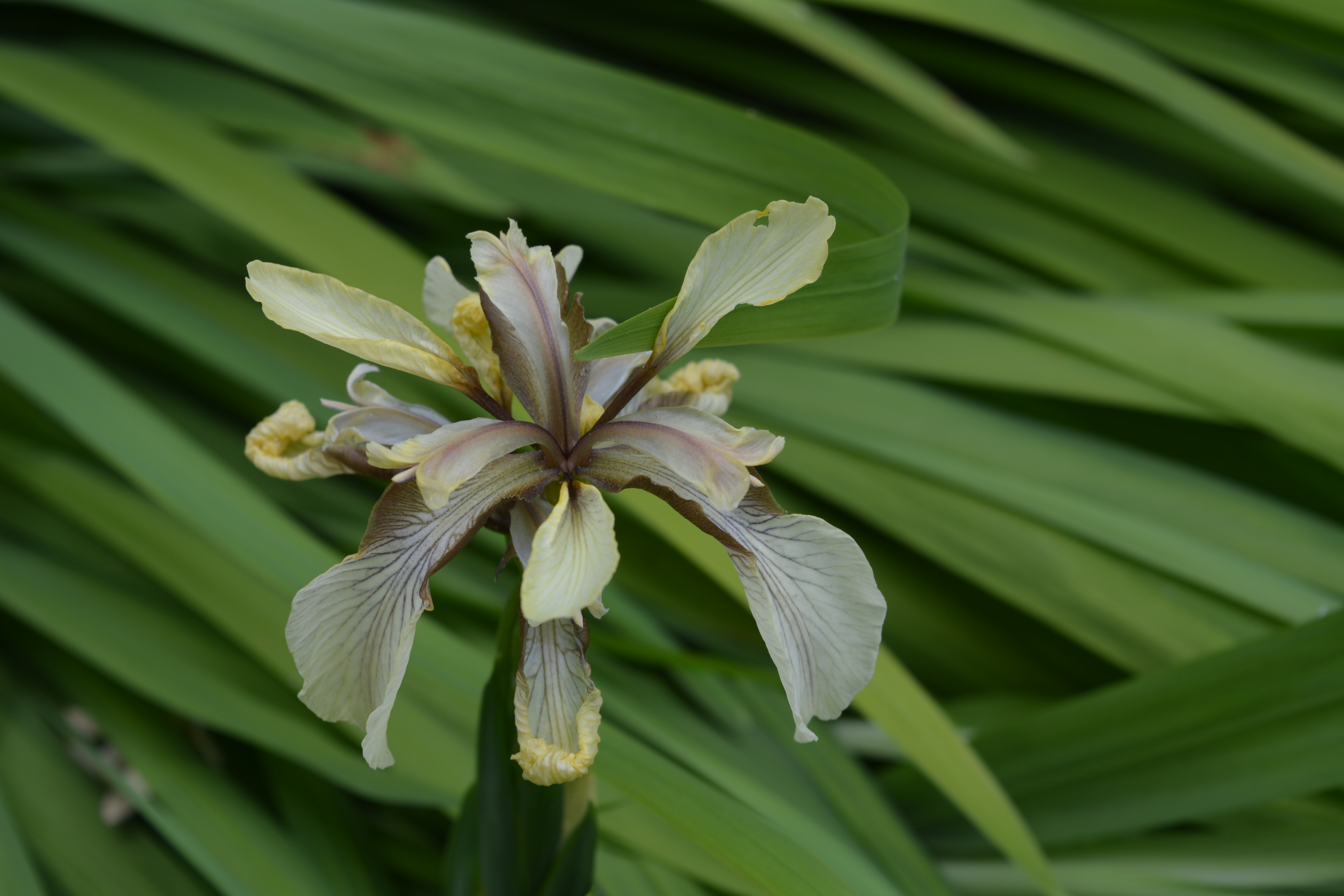
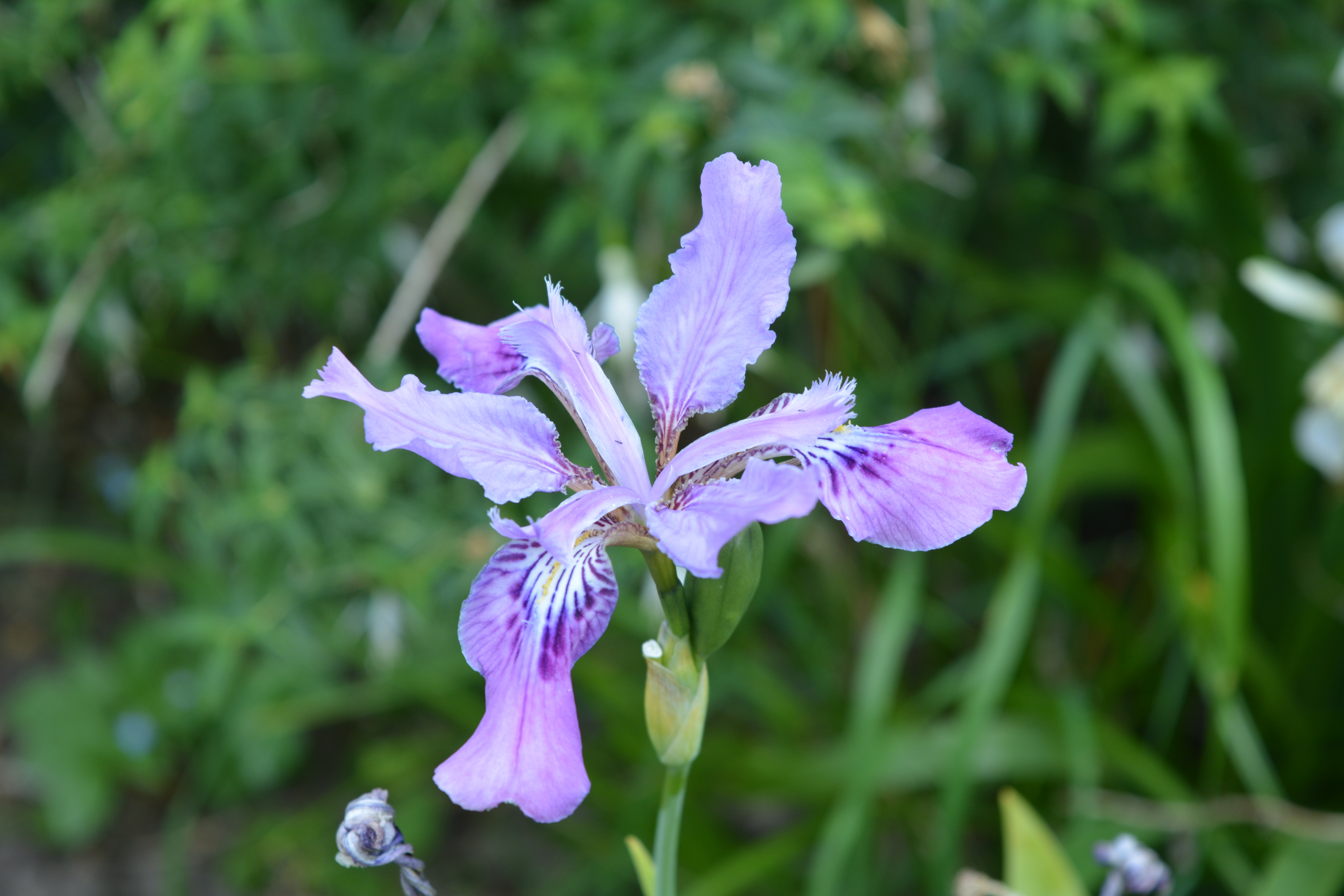
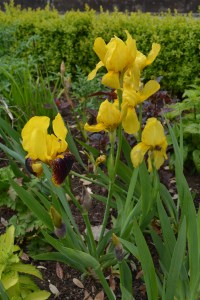
As we ambled up the gentle slope studying the plants in the border against the wall we noticed that the vines were now in full leaf with tiny bunches of flowers forming, the promise of a healthy grape harvest to come. Irises blooming in the borders opposite bloomed with much more complex and colourful flowers.

2015 06 25_3249 2015 06 25_32852015 06 25_3251

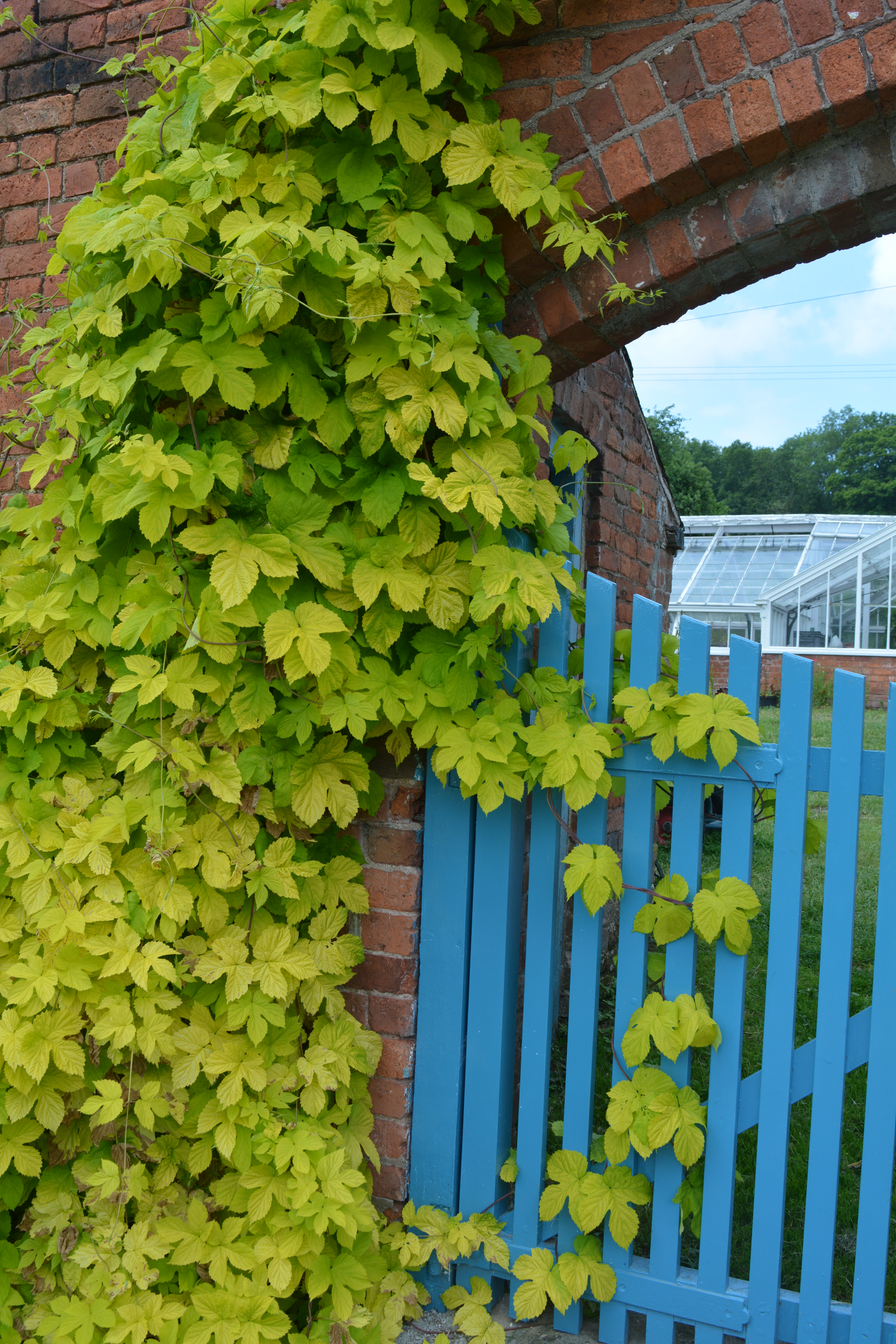
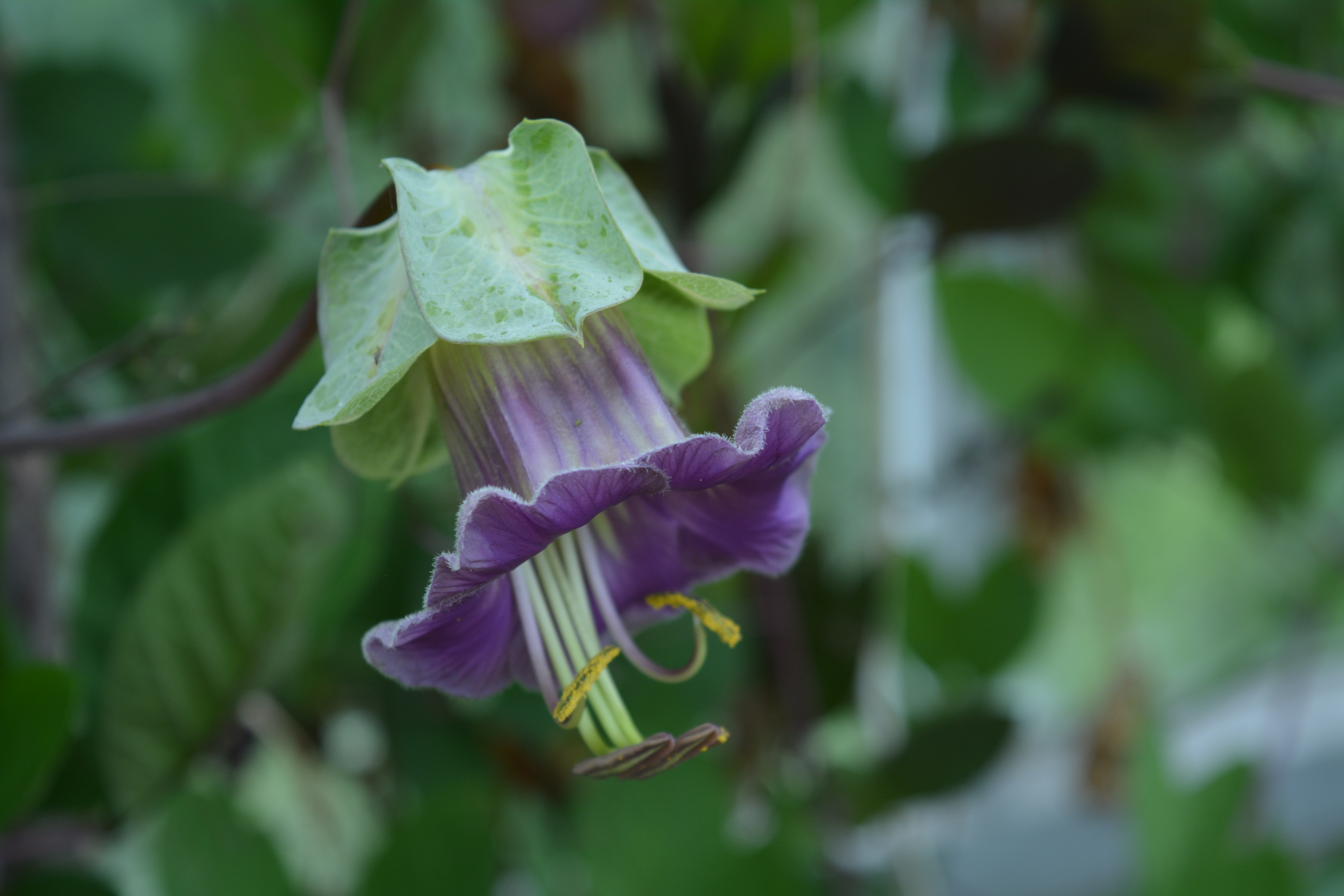
As usual we passed through the blue gate to see what was going on in the gardeners’ working area, but not much was going on. We were pleased to see the Cobaea back in flower. It lives up to its common name, the “Cup and Saucer Plant”.

2015 06 25_3254 2015 06 25_3255

Our old favourite, the Cornus cousa was white over with flower-like bracts and beneath it Nancy, Liz and Clementine the Pekin Bantams we met earlier were enjoying their new home.

2015 06 25_3258 2015 06 25_3260 2015 06 25_3261

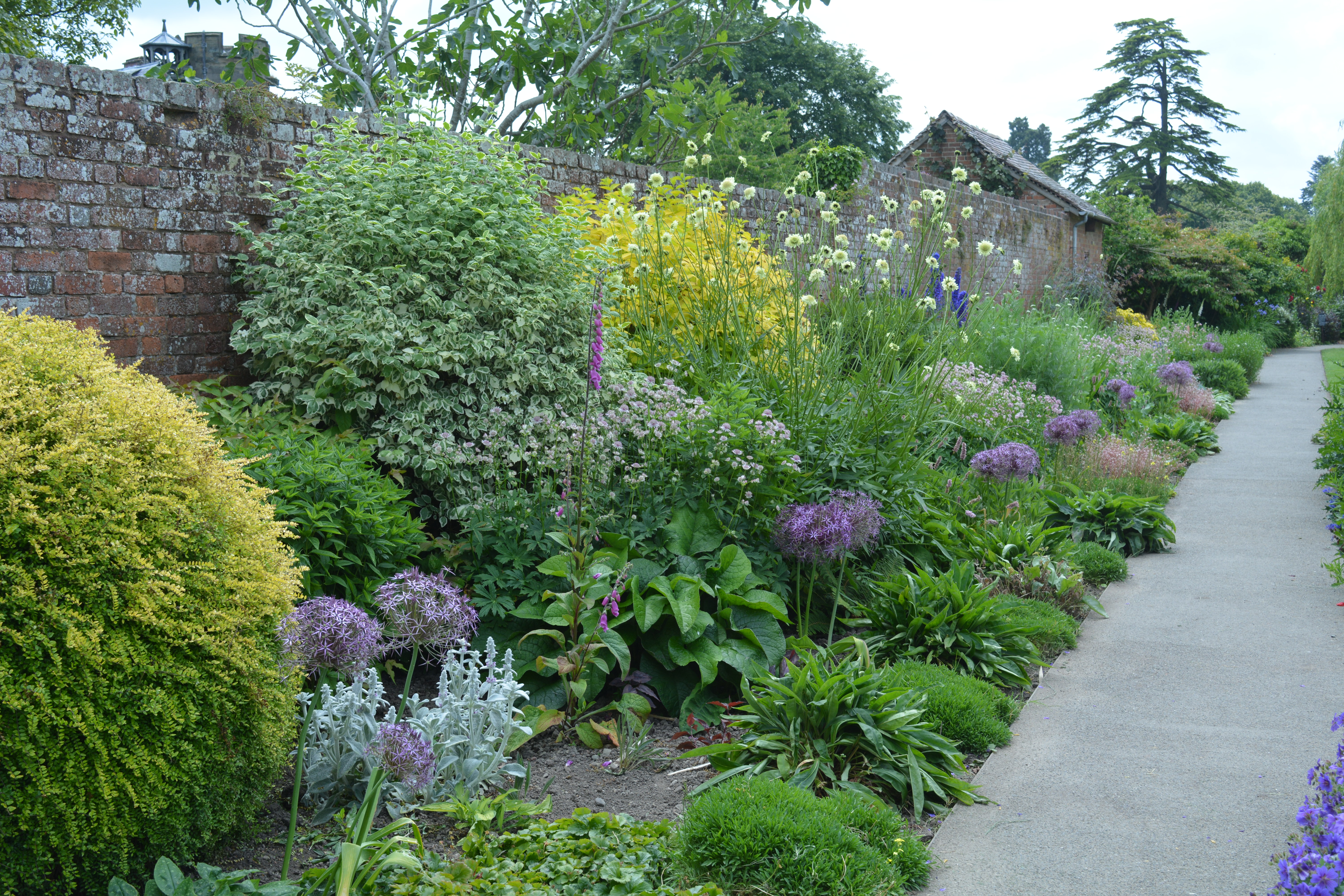
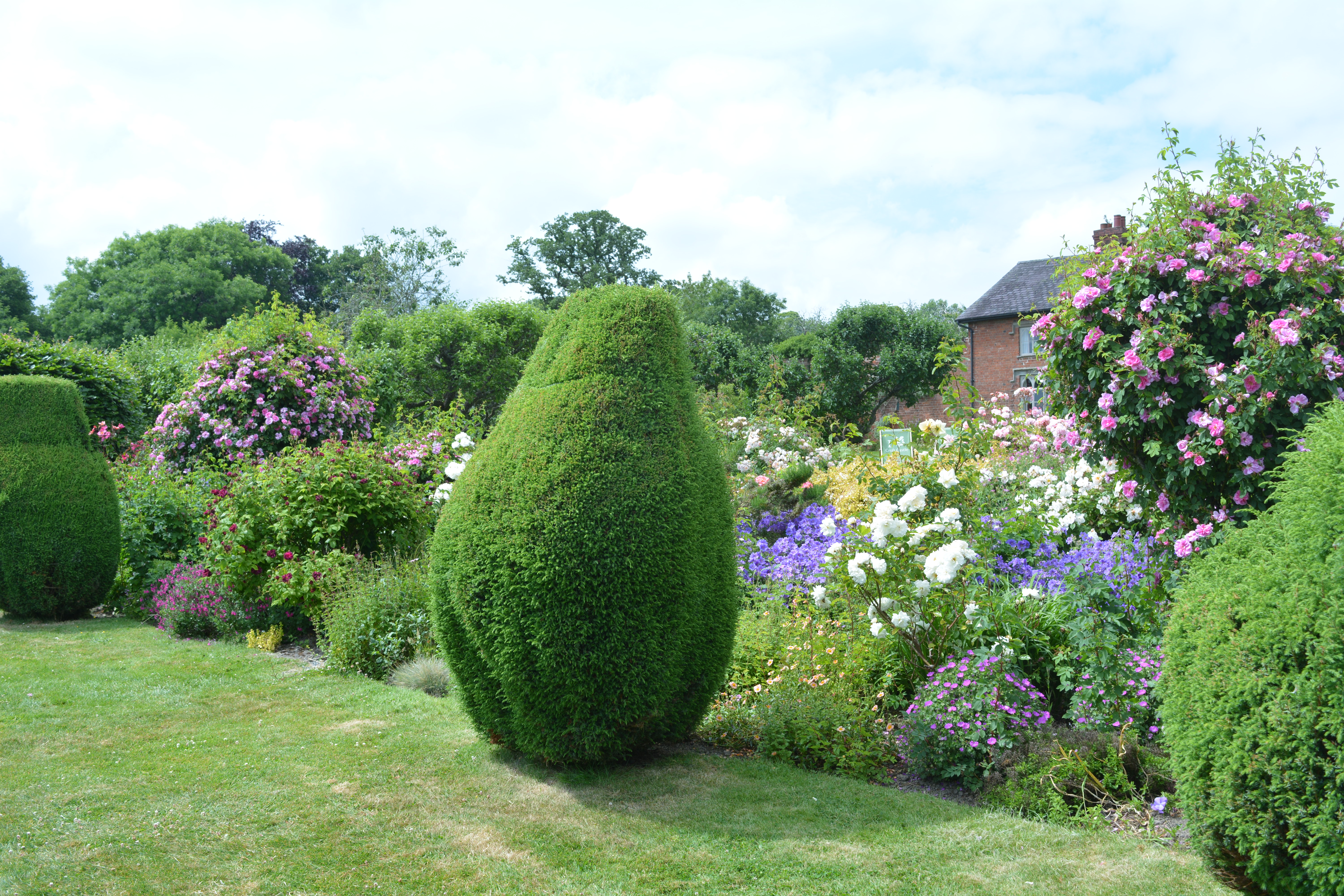
The ancient apple orchard and the mixed borders hugging the red-brick walls were full of colour, scent and texture. The walled garden had truly come to life!

2015 06 25_3263 2015 06 25_3264 2015 06 25_3265 2015 06 25_3266

More borders have come to life this month in the central area of the walled garden among and around the old gnarled fruit trees. A meadow of poppies, a rose garden and mixed borders all add to the effect.

2015 06 25_3268 2015 06 25_3270 2015 06 25_3271 2015 06 25_3272 2015 06 25_3273 2015 06 25_3274 2015 06 25_3275 2015 06 25_3276

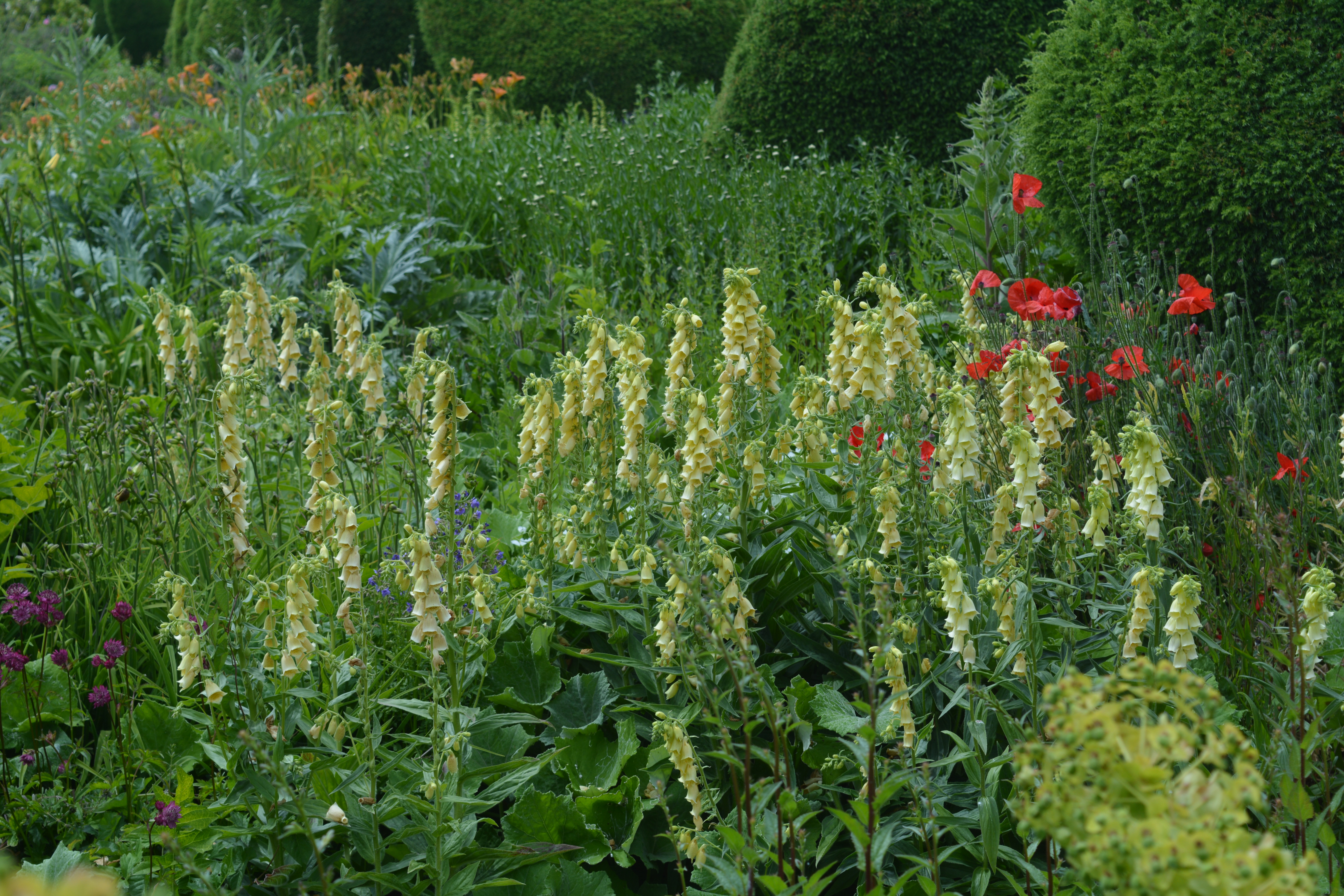
We left the walled garden through a gateway with a shrubby area with Foxgloves enjoying its shade.

2015 06 25_3277 2015 06 25_3278_edited-1-1

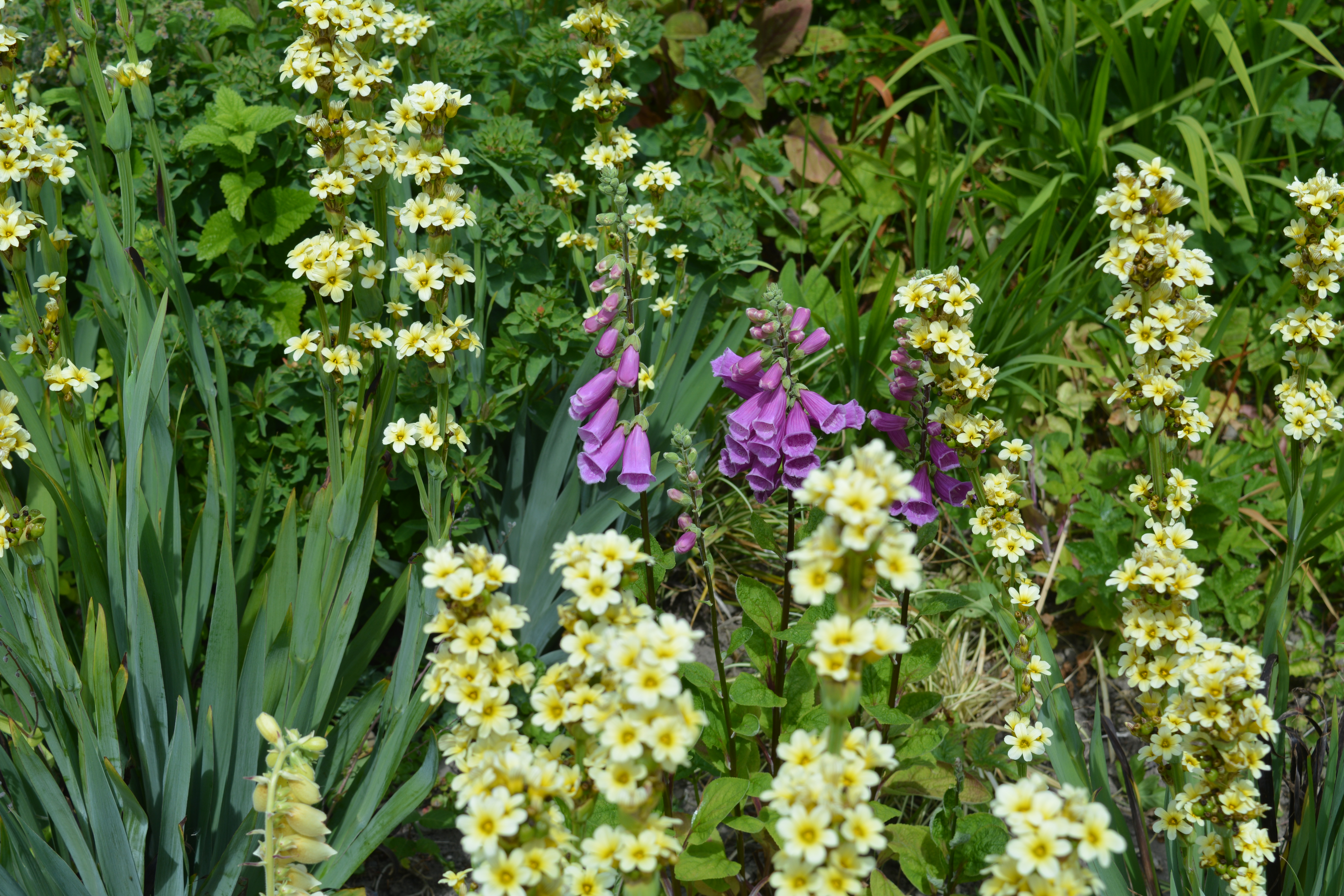
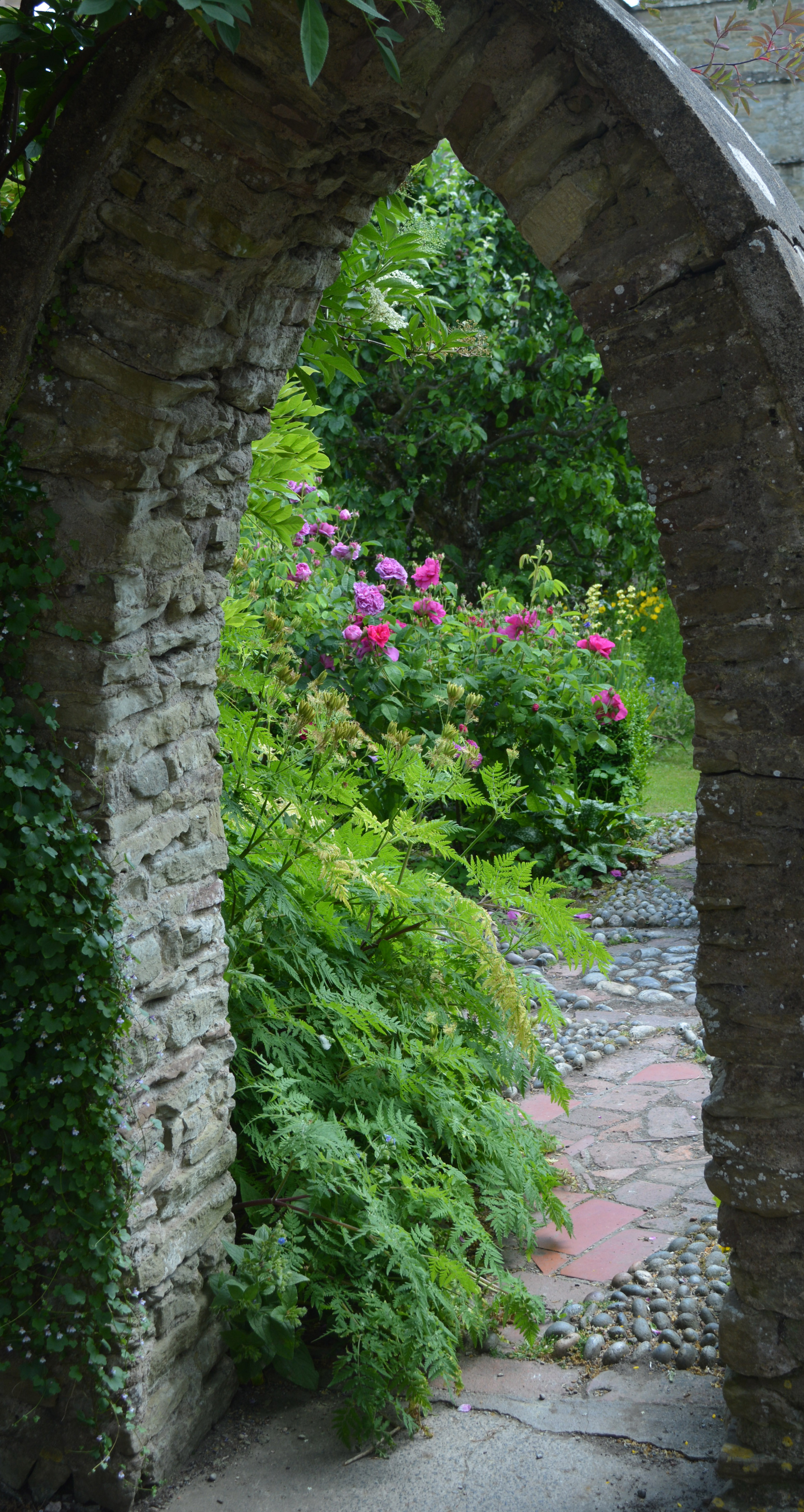
The Secret Garden was at its peak, soft colours, gentle perfumes and a multitude of greens.

2015 06 25_3280

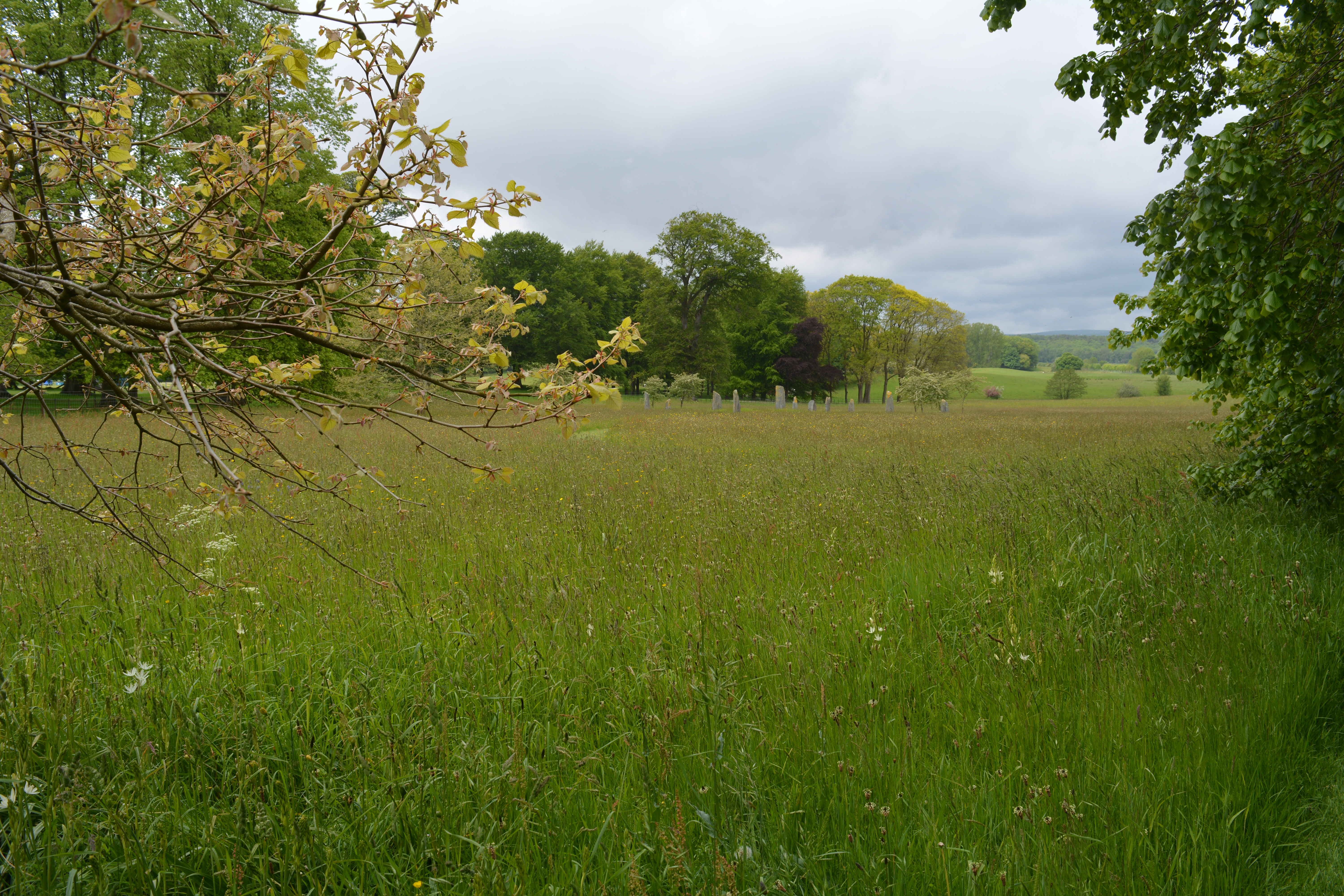
Around the front of the residence at Croft Castle we looked over the wall to admire the vast area of meadowland. Deep pink Centranthus bordered the base of the walls giving a bright margin between wall and meadow.
2015 06 25_3282 2015 06 25_3283

We are half way through our year of monthly visits to the gardens of Croft Castle. Our next visit in July will hopefully be bright, warm and sunny too, giving us even more to look forward to.


Categories
arboreta garden design garden photography garden ponds garden pools gardens gardens open to the public Italian style gardens meadows ornamental trees and shrubs shrubs trees water garden water in the garden

A Week in the Lake District – Part 7 – Holker Hall

I had recently read a book on the original creation and the more recent re-design of the gardens at Holker Hall so I was really looking forward to visiting it to see it for real. The book made mention of many rare and interesting trees being planted which made me extra keen to visit.

We hoped it would reach our expectations as it was the last day of our week in the Lake District. We looked forward to a gentle stroll around a peaceful, atmospheric garden. We were not disappointed in any way! Holker’s gardens were full of variety and surprises, with a careful balance of the formal and informal.

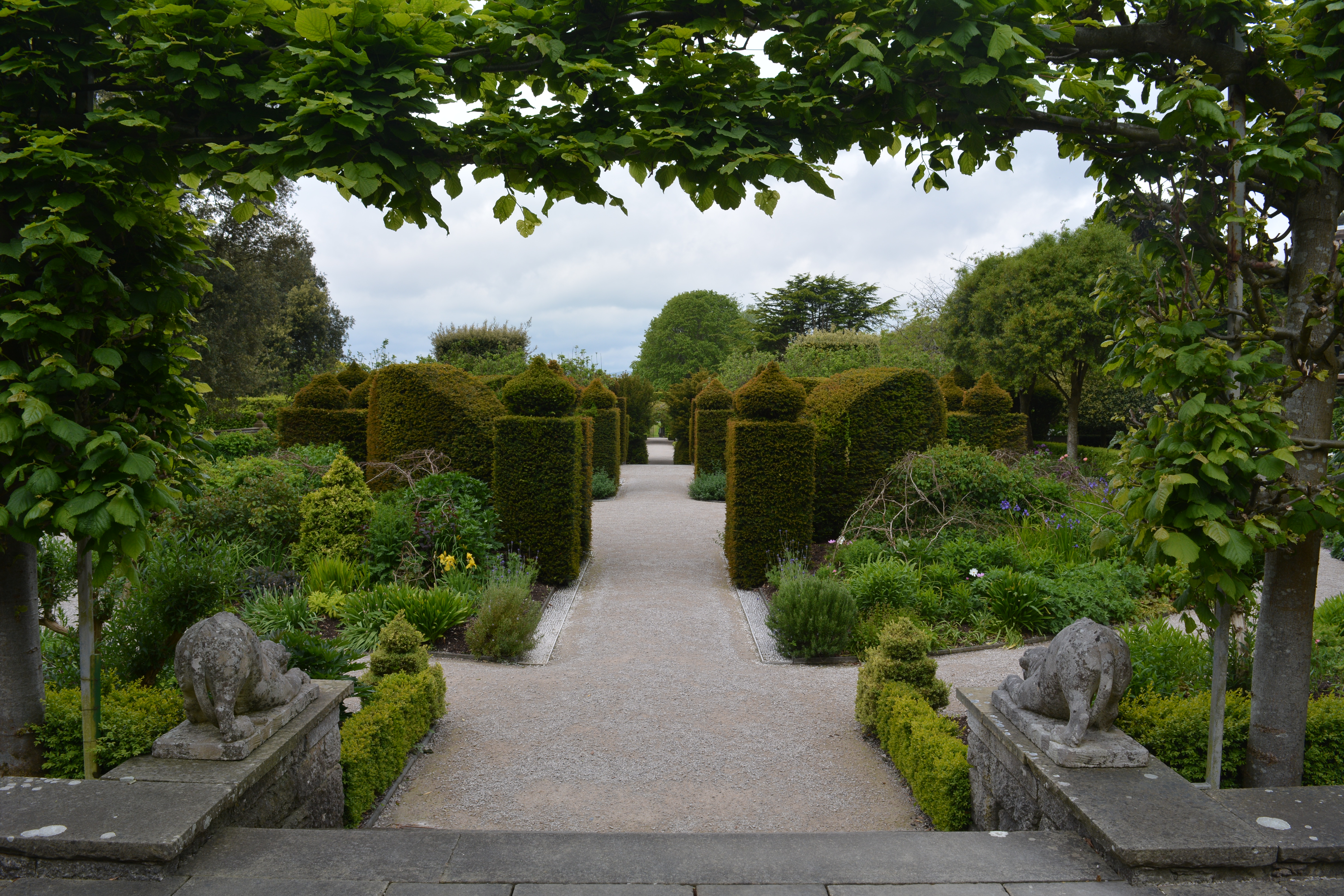
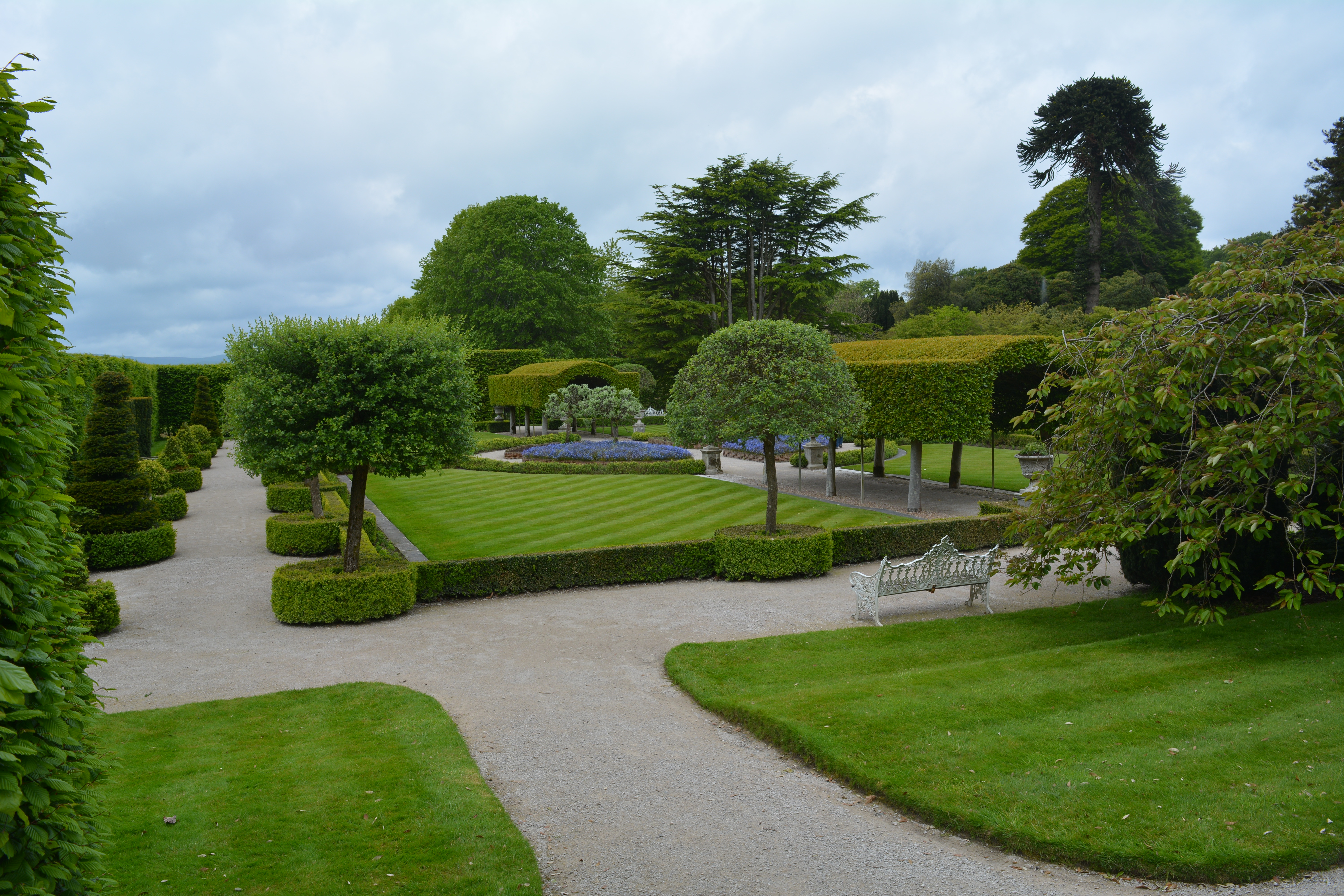
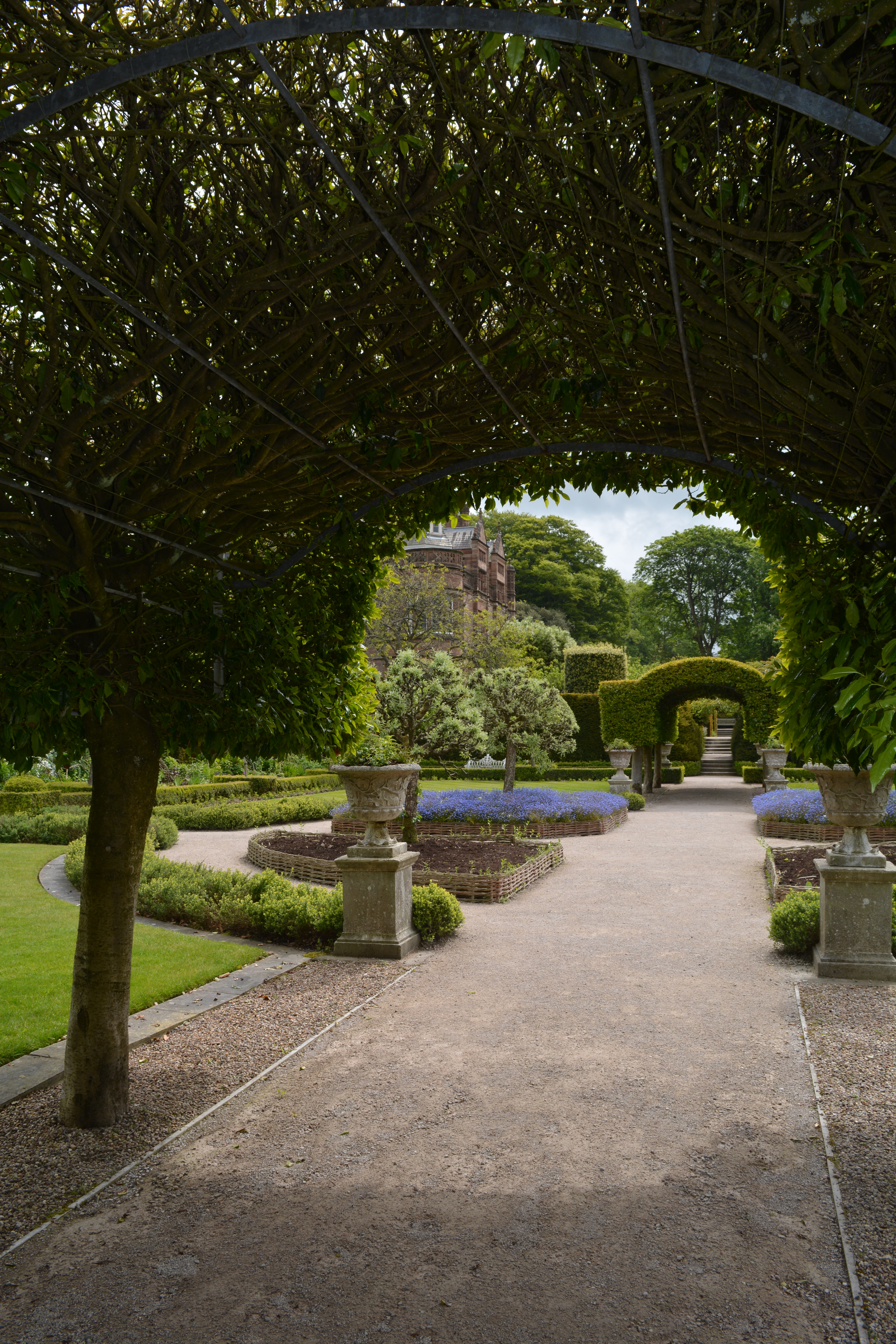
As we entered the garden we were presented with this vista, a vista full of promises to come.

2015 06 05_2629

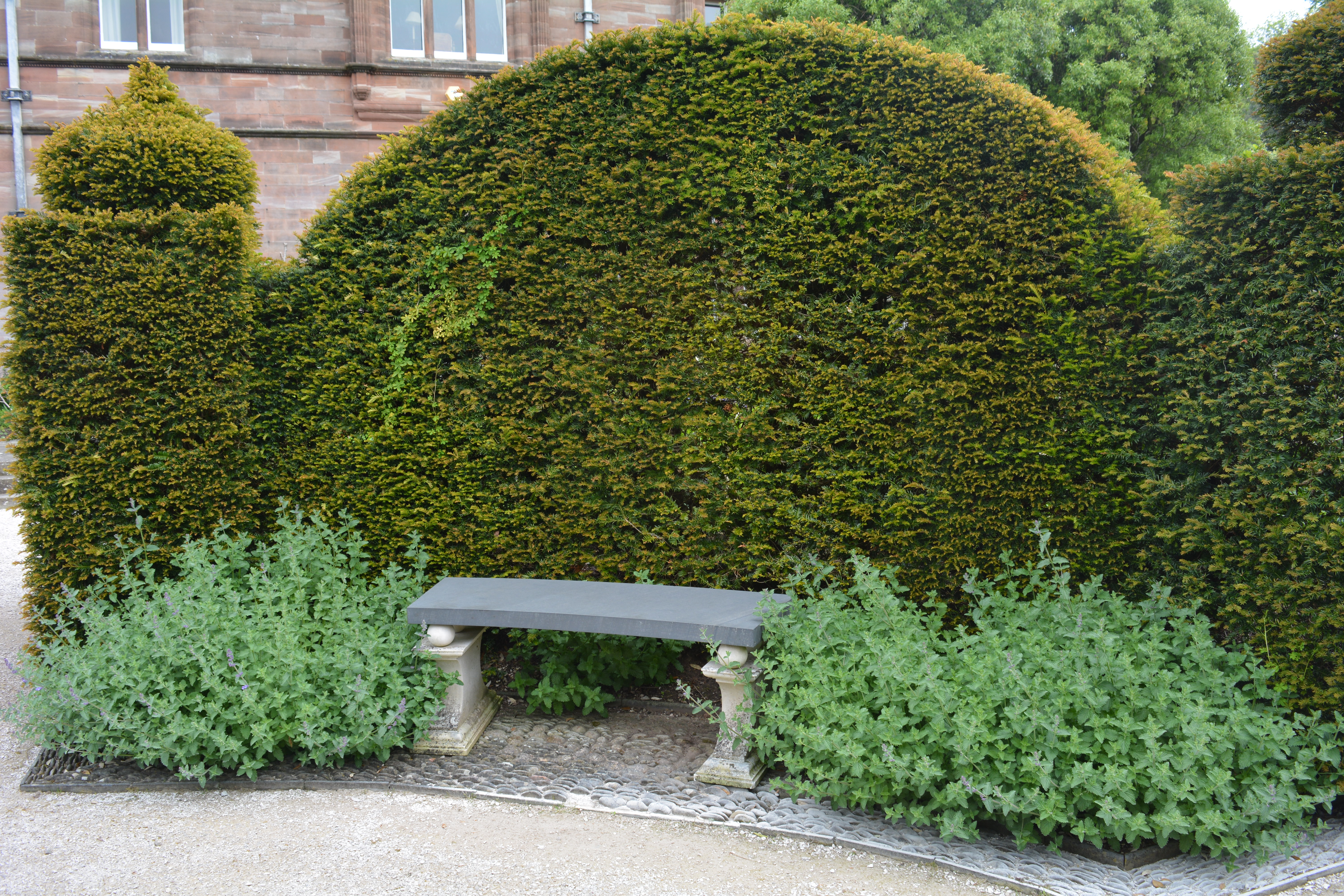
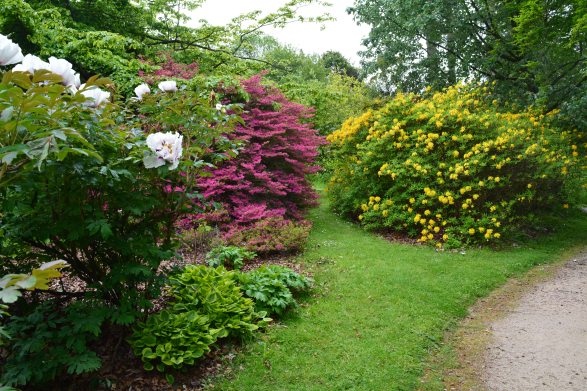
Taking each pathway off from the central path we discovered beautiful examples of formality, neatly cut grass, hedges carefully clipped and seats neatly tucked into niches.

2015 06 05_2632 2015 06 05_2633  2015 06 05_2635 2015 06 05_2636 2015 06 05_2637 2015 06 05_26382015 06 05_2669 2015 06 05_2670

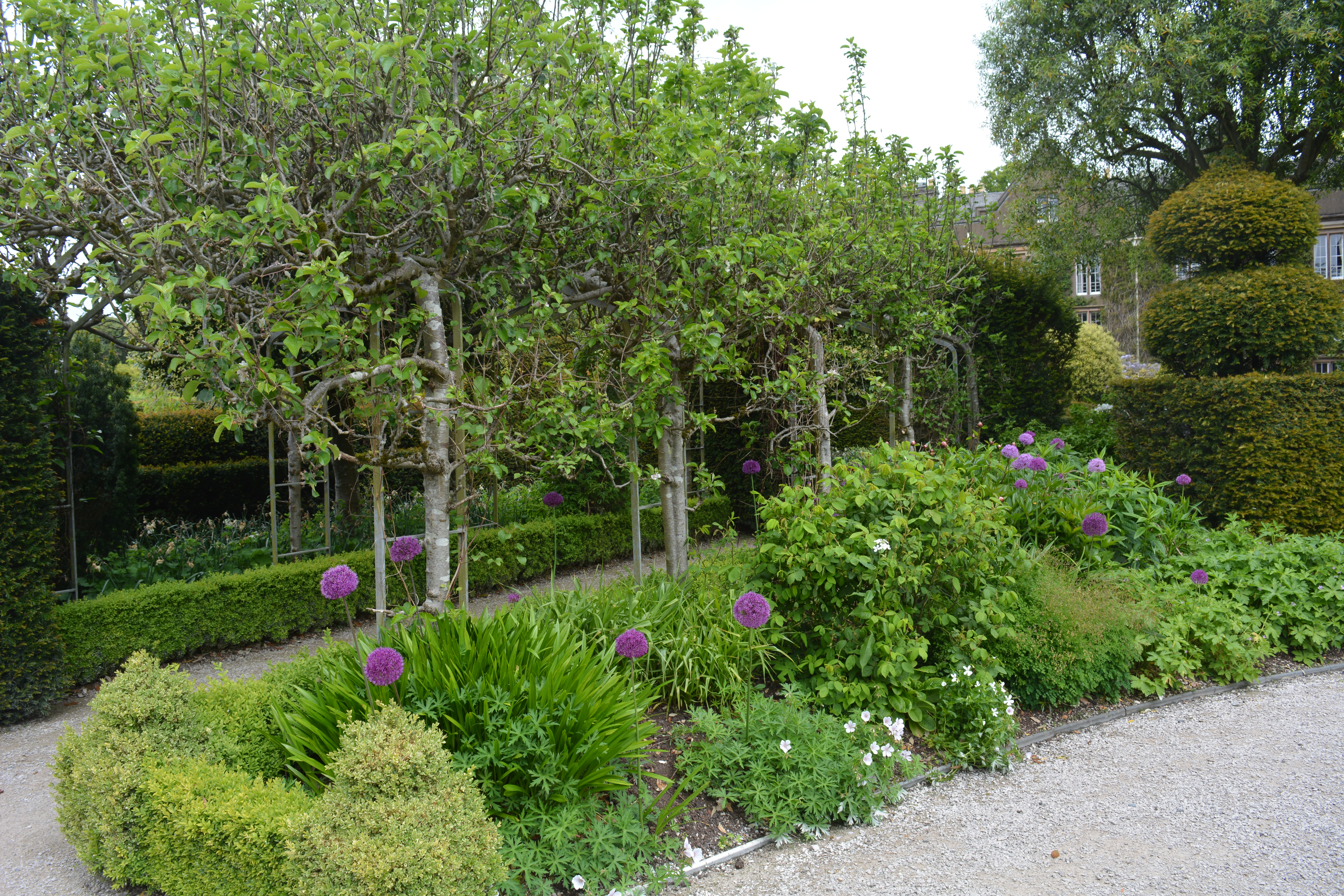
But formality cannot work without carefully chosen and well-grown plants.

2015 06 05_2631 2015 06 05_2634

As we moved away from the formality of the first section of the garden we found gentle meadows which presented a complete contrast.

2015 06 05_2639 2015 06 05_26452015 06 05_2649

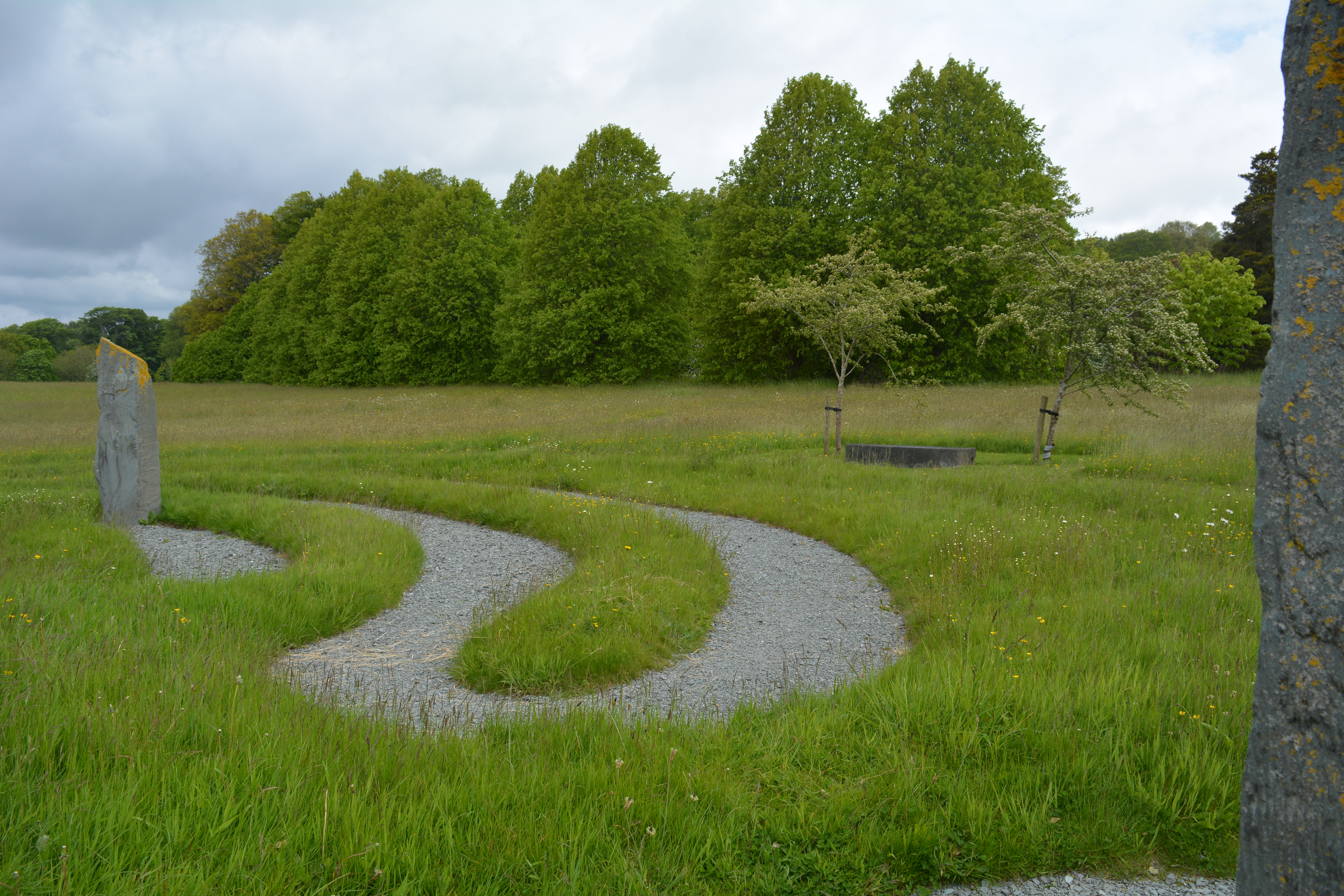
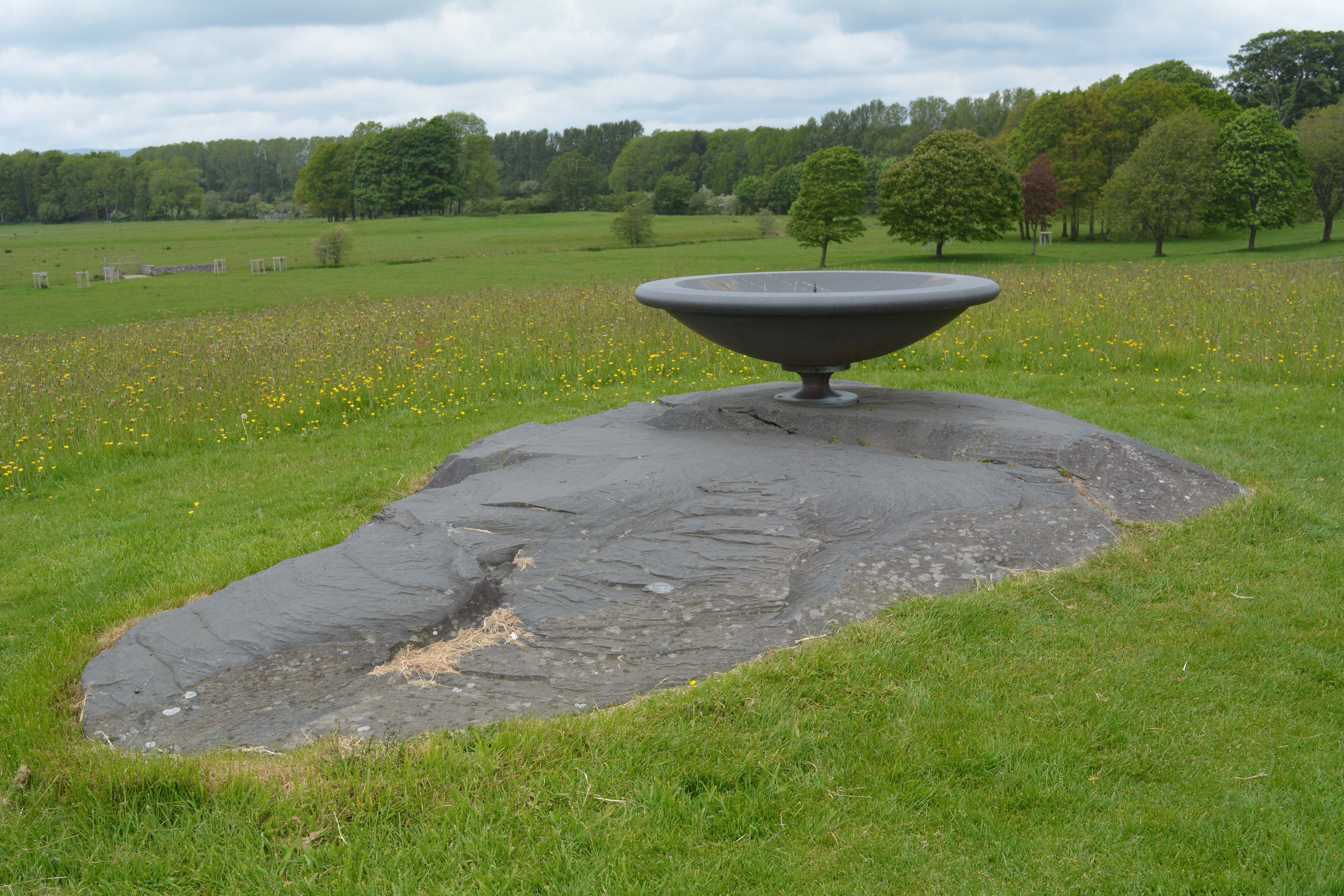
The meadows contained surprises, a stone circle, a maze, seats of single blocks of slate and the most beautiful sundial.


2015 06 05_2642 2015 06 05_2643 2015 06 05_2644 2015 06 05_2646 2015 06 05_2647 2015 06 05_2648

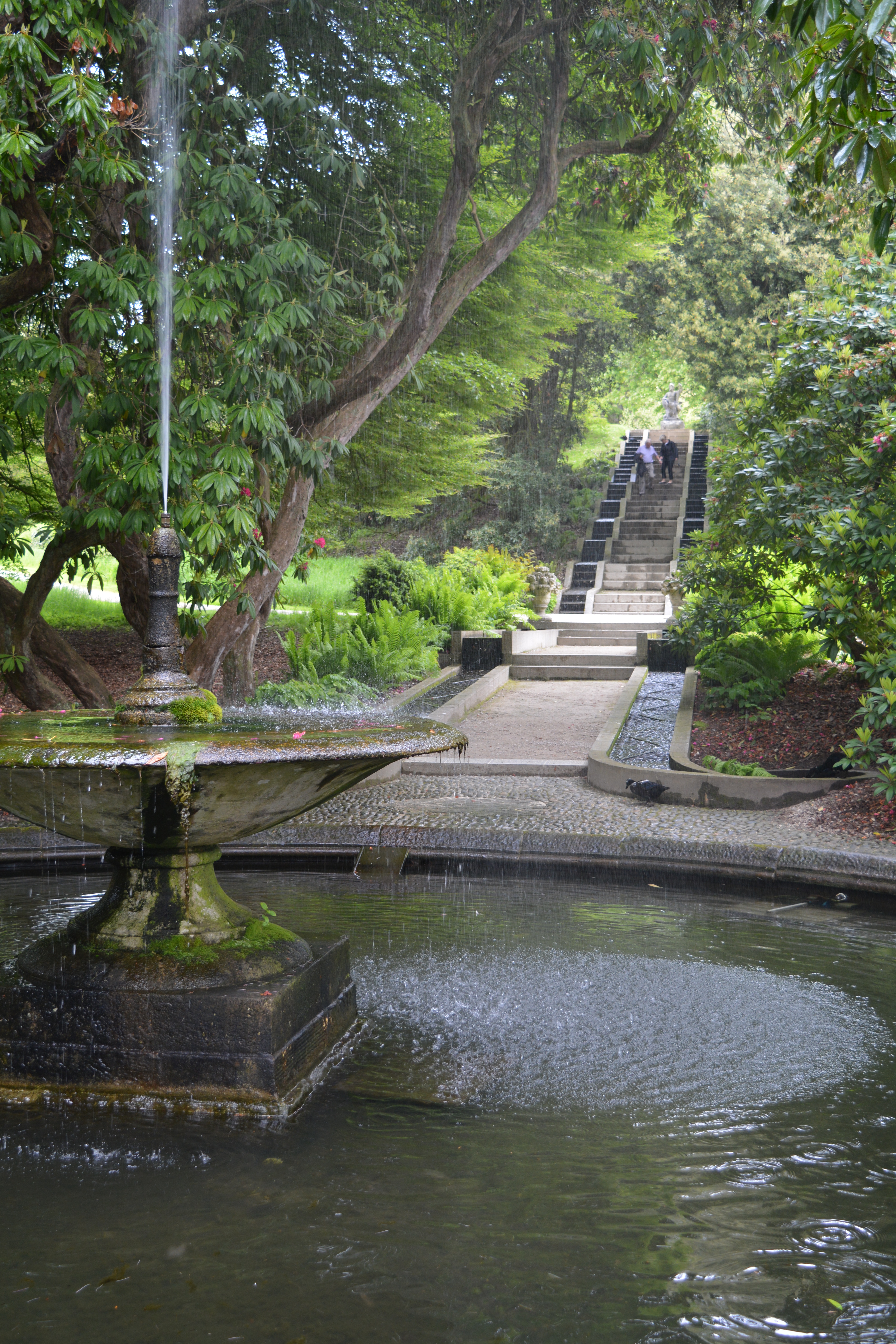
It was hot wandering out in the open space of the meadows so it felt good to wander around shaded areas and an Italianate water garden.

2015 06 05_2651 2015 06 05_2652 2015 06 05_2653 2015 06 05_26542015 06 05_2683

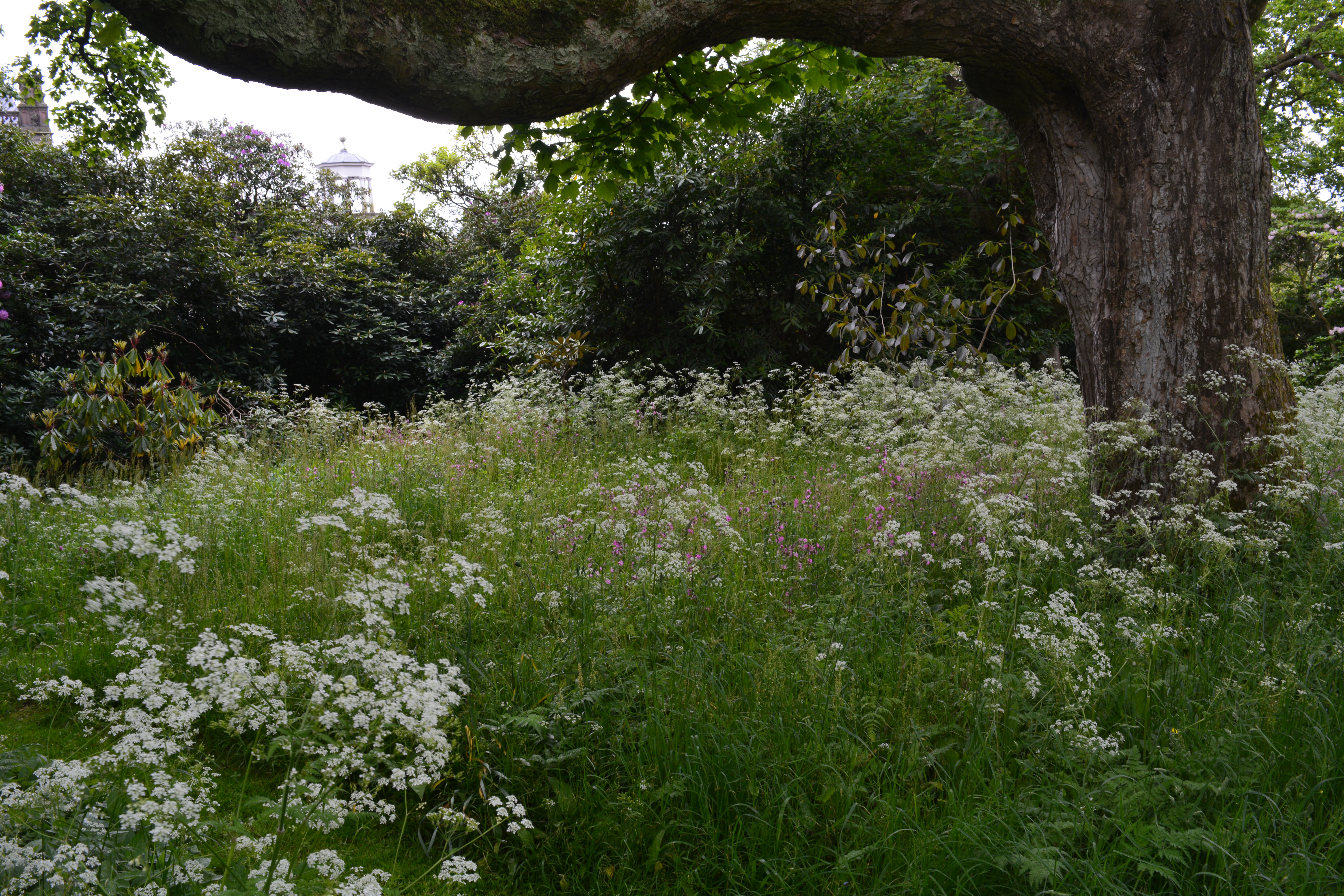
One of the reasons to visit Holker Hall is the collection of rare and unusual trees. They were underplanted with meadows of grasses and wildflowers which gave the wooded area the character of a real William Robinson styled wild garden

2015 06 05_2656  2015 06 05_2674 2015 06 05_26662015 06 05_2673 2015 06 05_2678 2015 06 05_2680 2015 06 05_2681 2015 06 05_2682 2015 06 05_2671 2015 06 05_2684

We were amazed by the number of interesting trees at Holker and enjoyed discovering several champion trees. There were so many special places throughout the gardens where shrubs and trees were sensitively grouped to set them off in the best light.

2015 06 05_2675

Categories
colours countryside flowering bulbs landscapes light light quality photography trees wildlife woodland woodlands

A Week in the Lake District – Part 6 – Bluebells

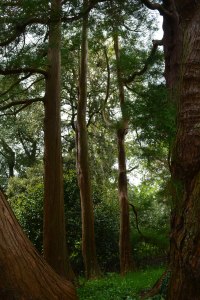
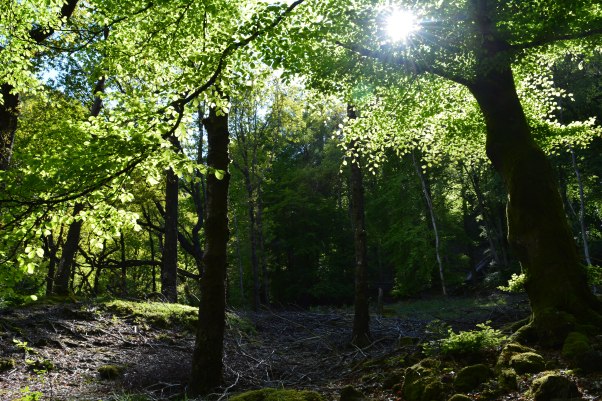
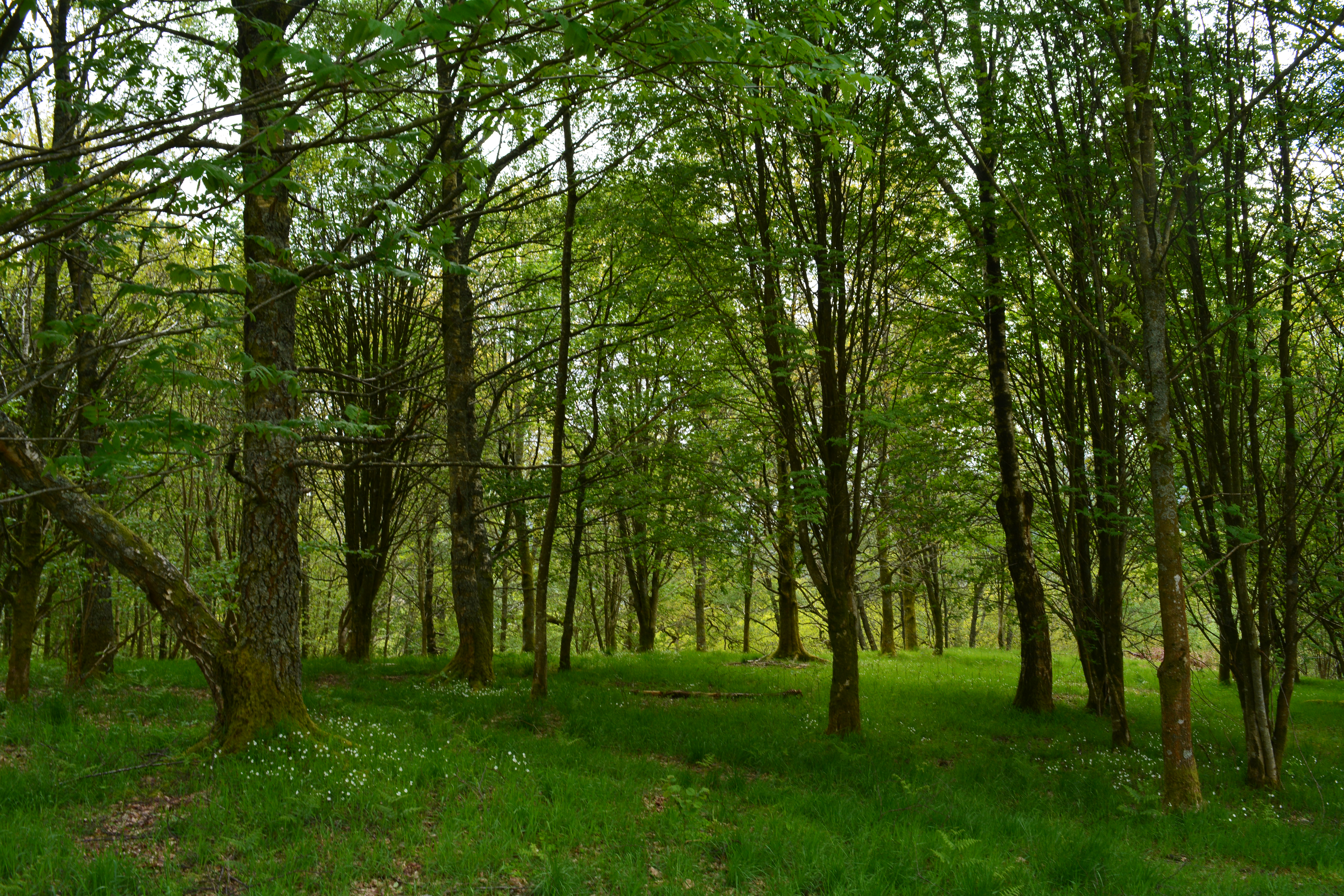
The Bluebells in our Shropshire garden were flowering and sharing their rich scent with us early in May, so we were more than a little surprised to find them only just coming into flower when we visited the Lake District a month later. While driving the perimeter road around the lake called Thirlmere, we followed the road as it moved into woodlands of tall trees elongated as they fought to reach the light.

2015 06 03_2432 2015 06 03_2433

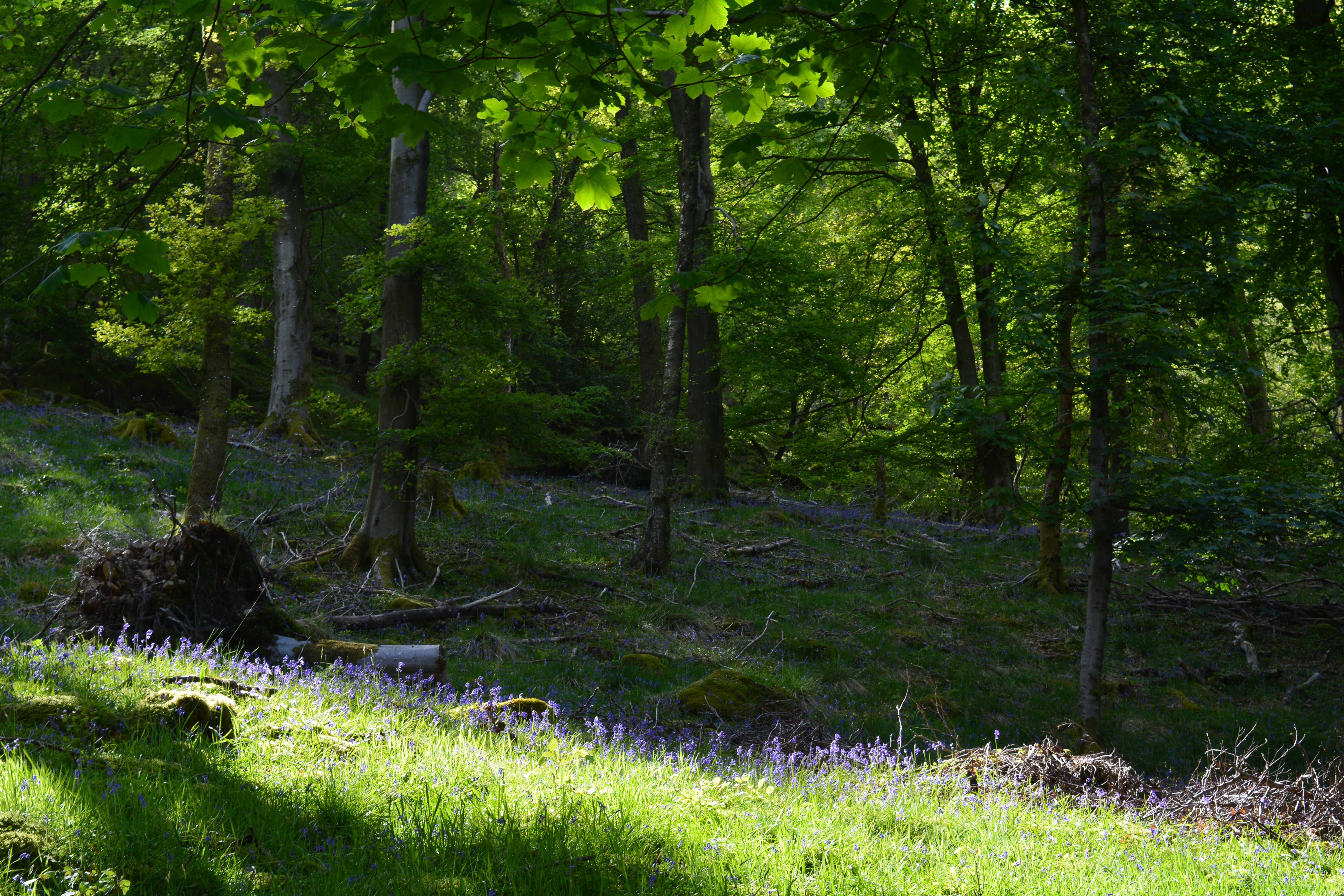
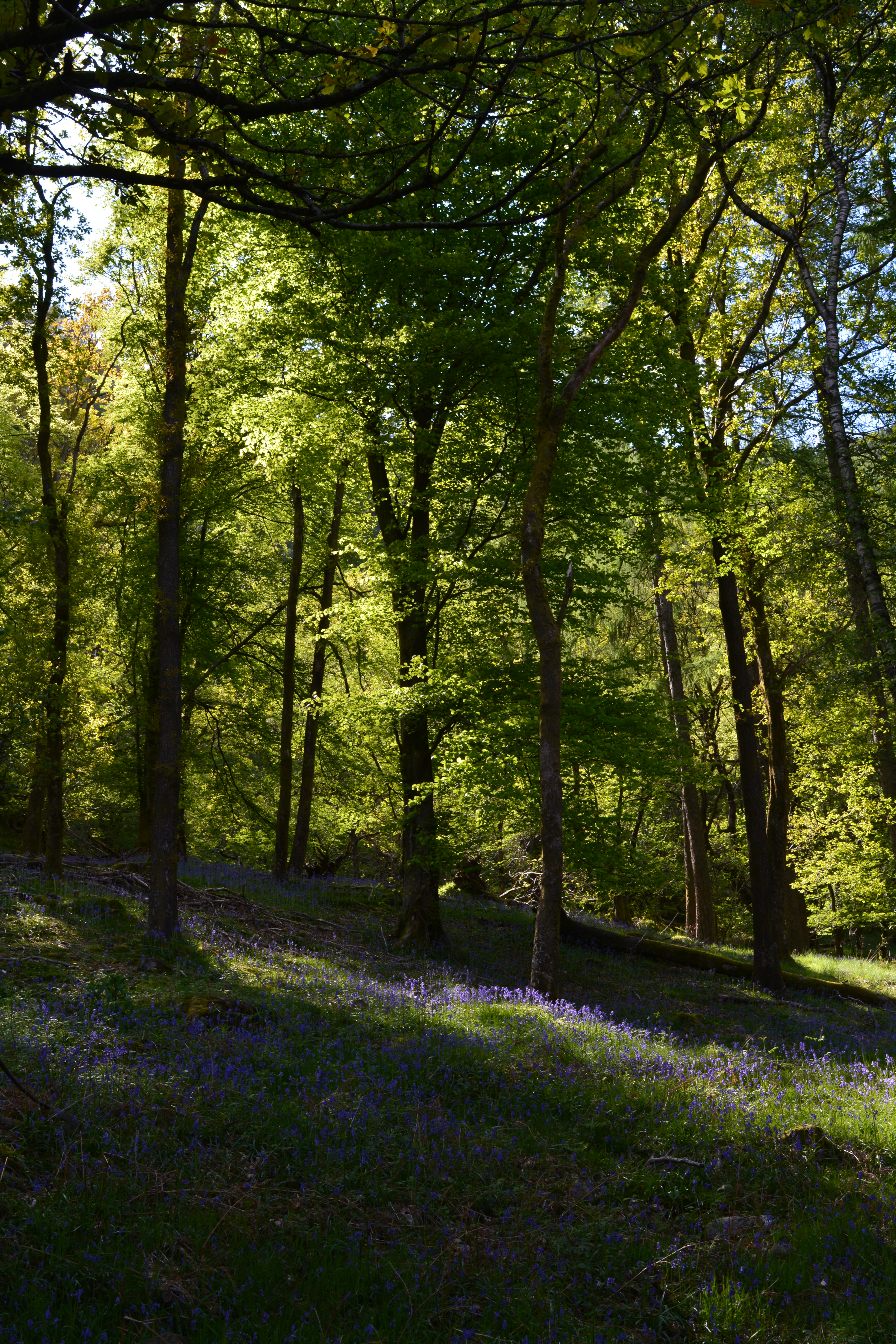
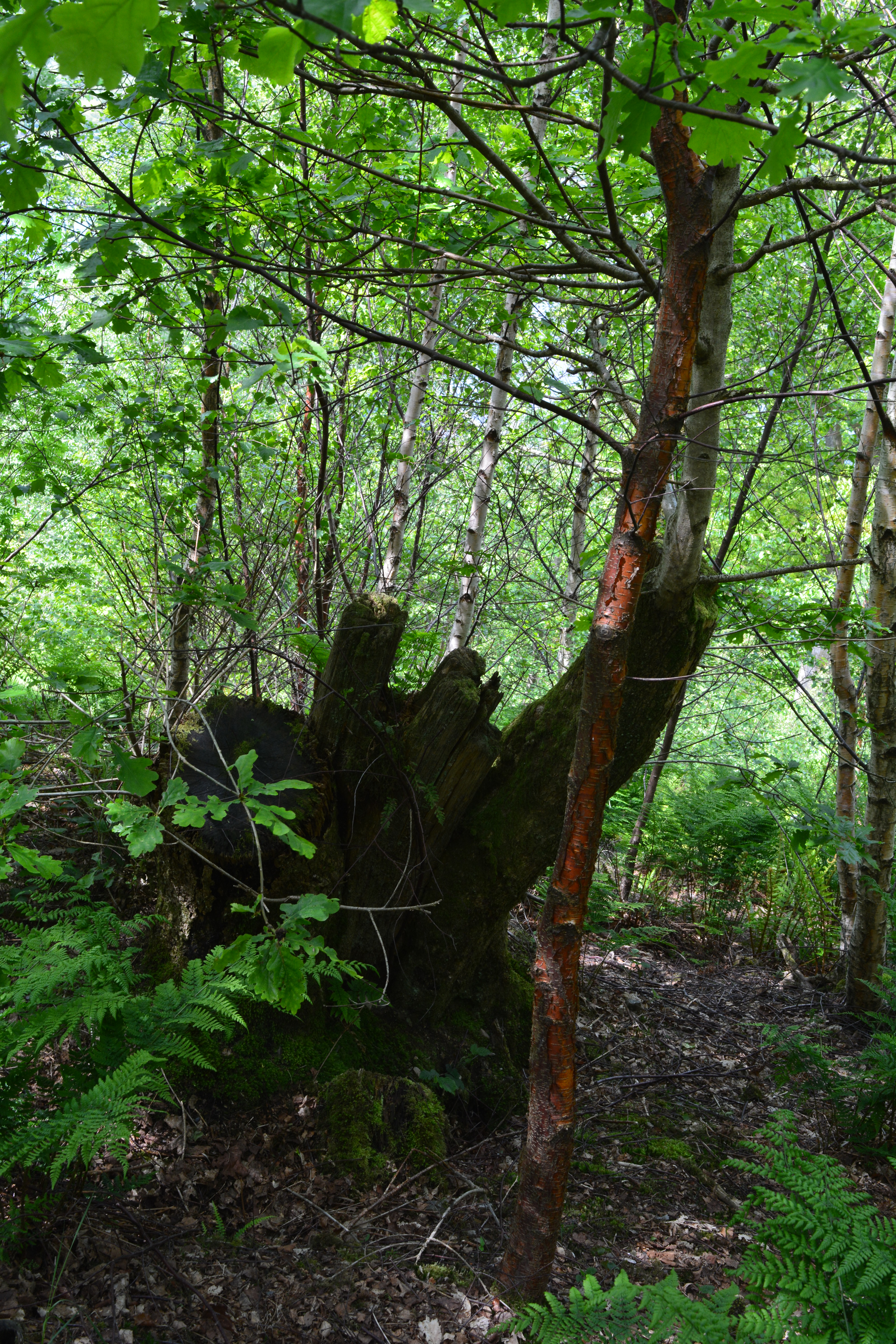
Beneath the canopy, the play of light and shade fascinated us as explored the woods.

2015 06 03_2434 2015 06 03_2435 2015 06 03_24542015 06 03_2448

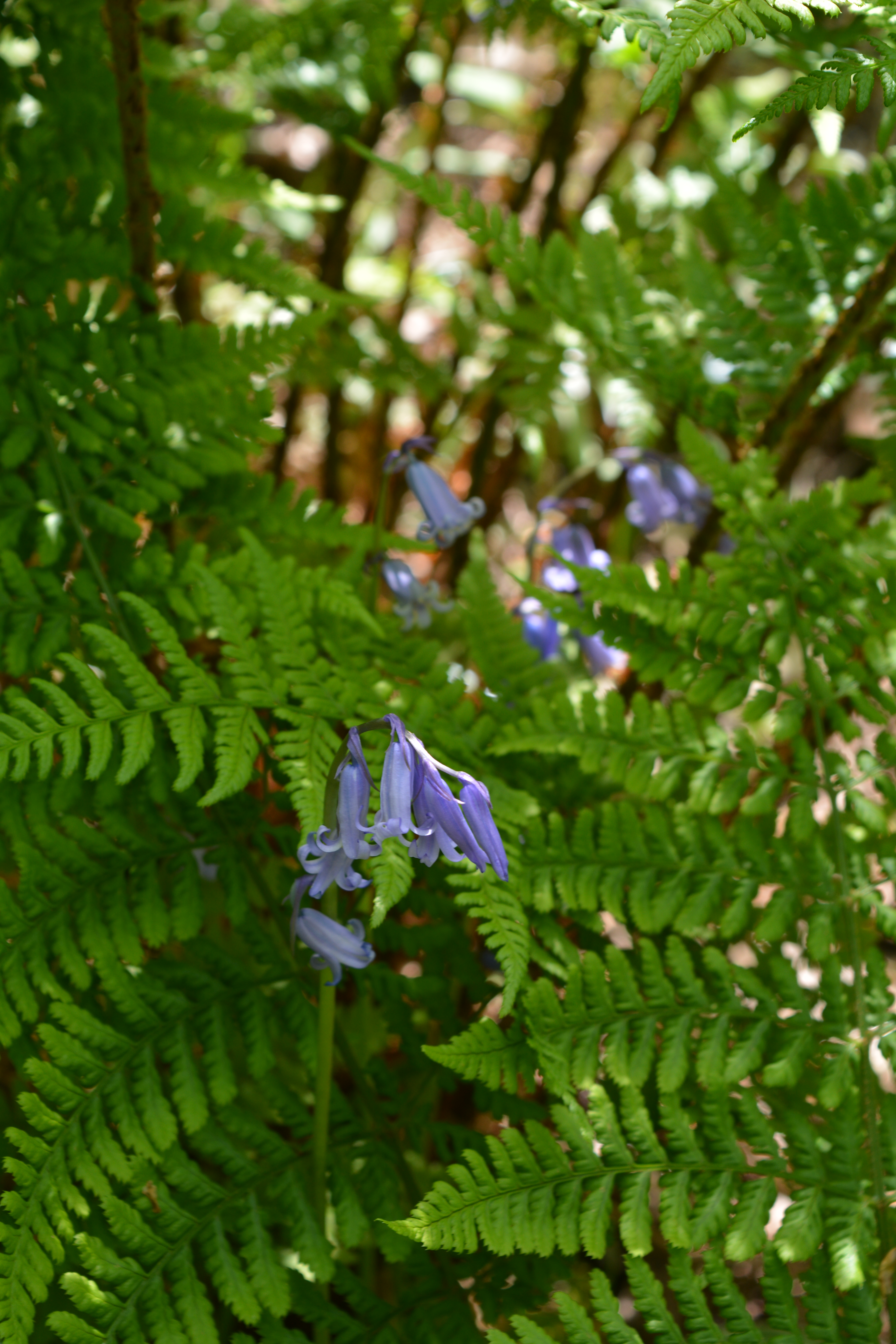
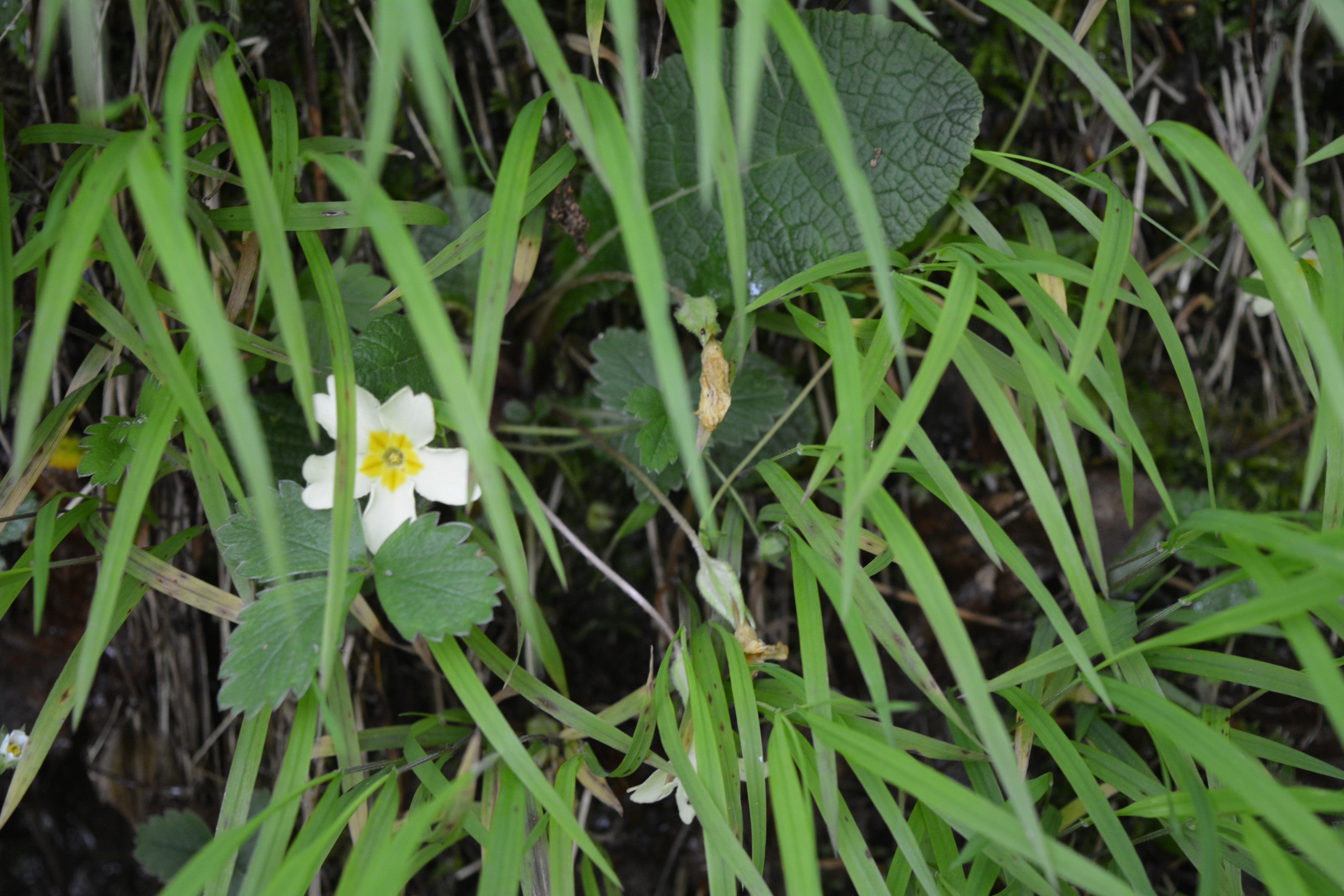
As we explored further we noticed a haze of blue appearing among the fine grasses of the woodland floor. On close inspection we realised they were Bluebells, the wildflower of spring.

2015 06 03_2436 2015 06 03_2438 2015 06 03_2437 2015 06 03_24392015 06 03_2440 2015 06 03_24422015 06 03_2441 2015 06 03_2445 2015 06 03_24432015 06 03_2444 2015 06 03_2446

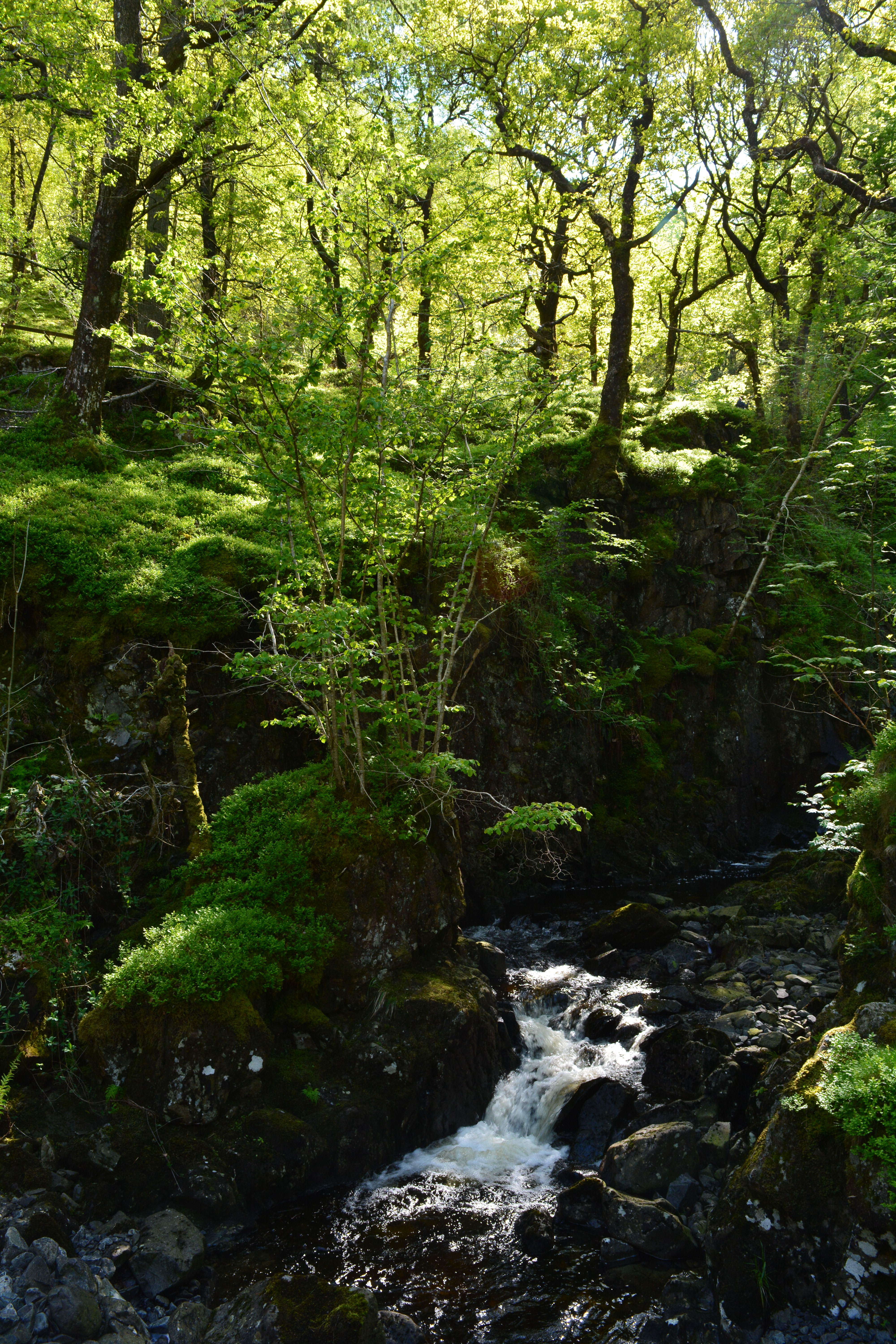
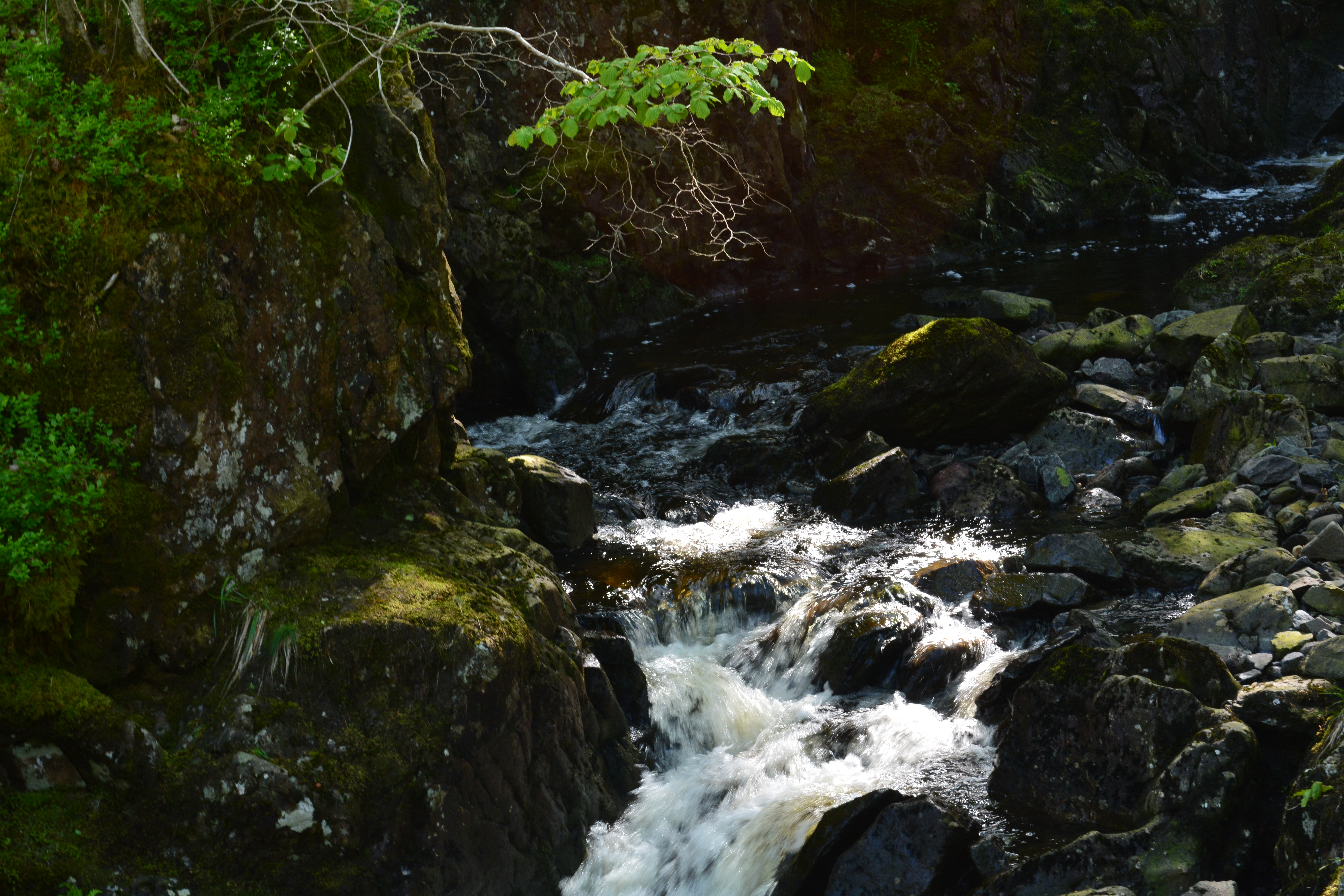
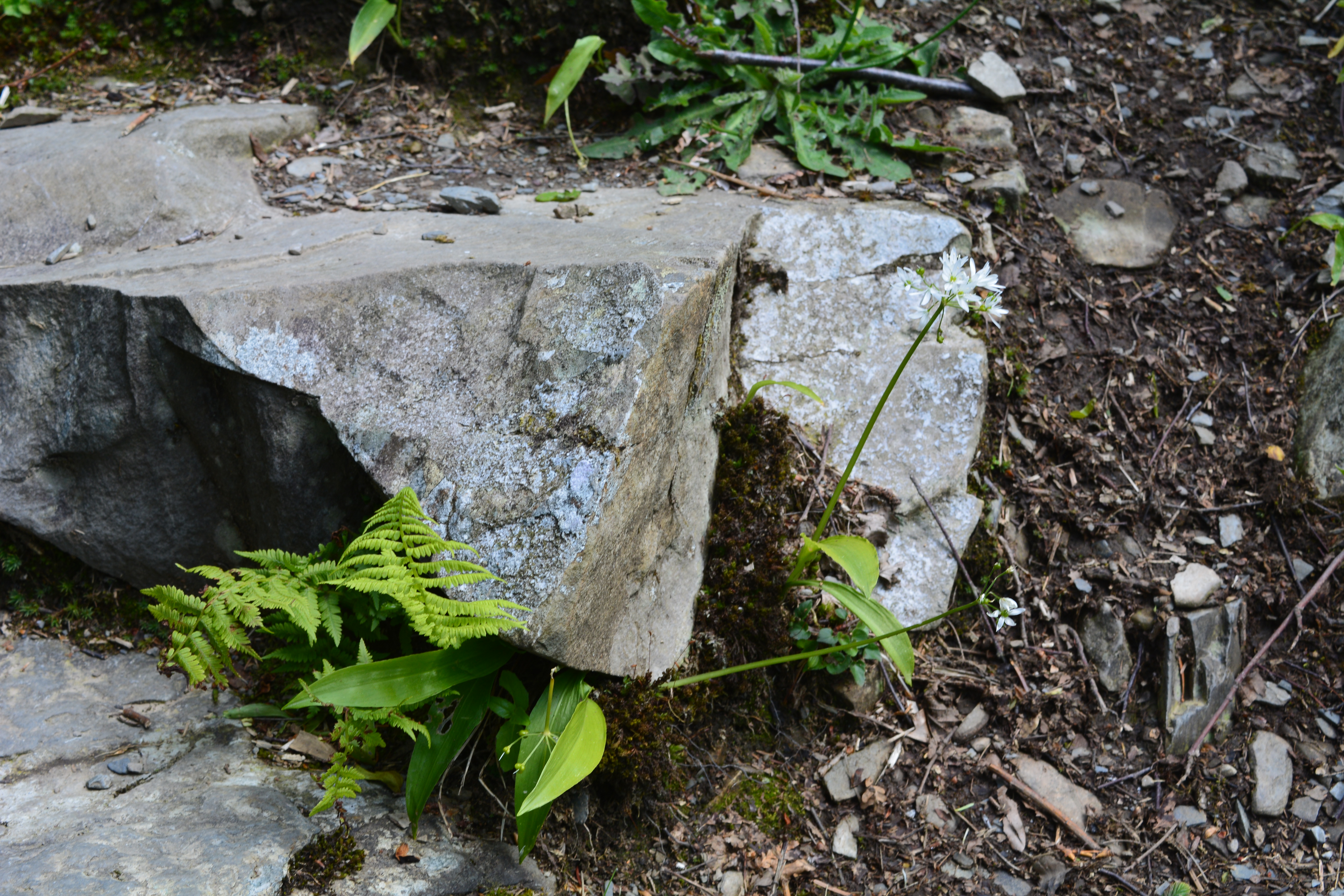
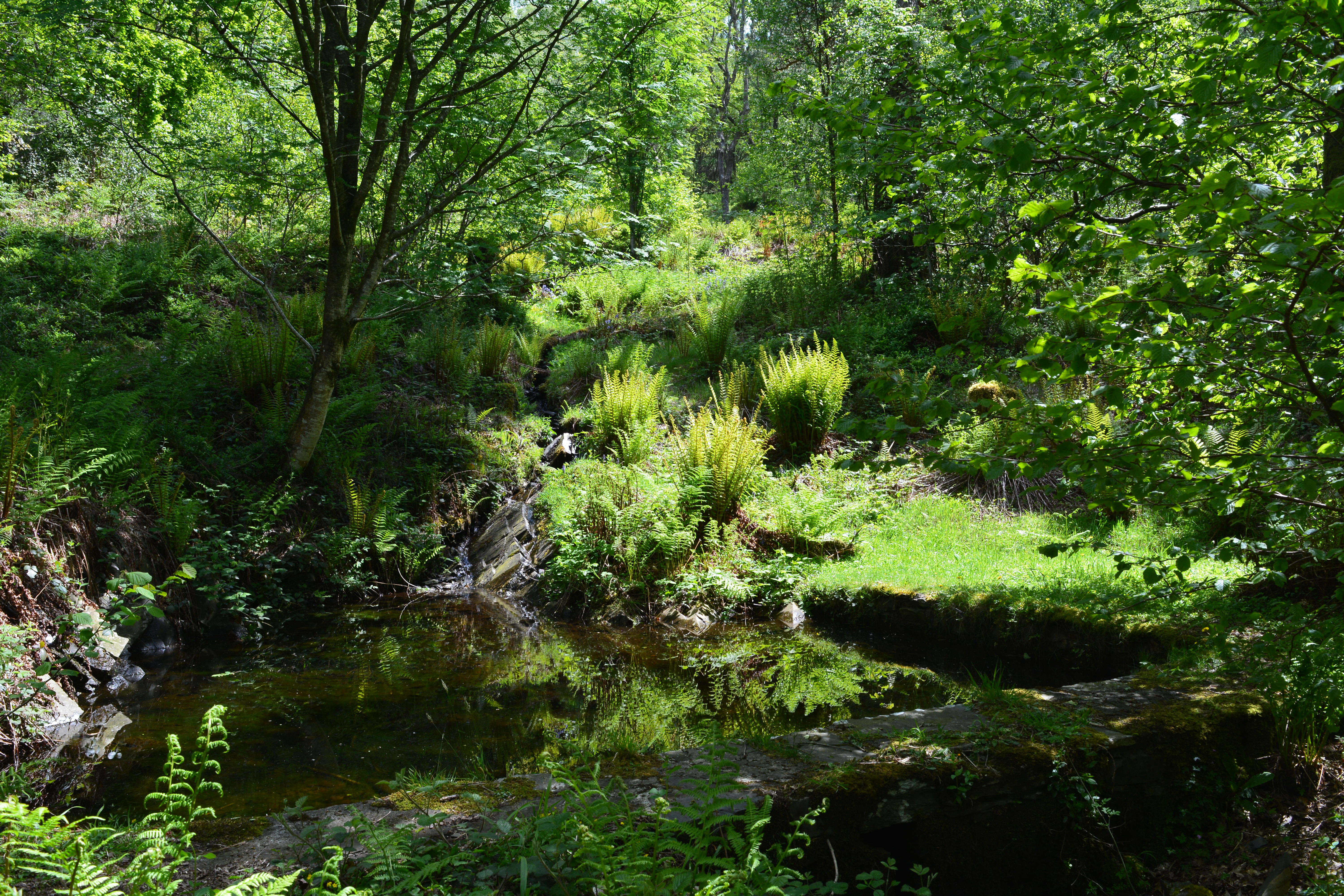
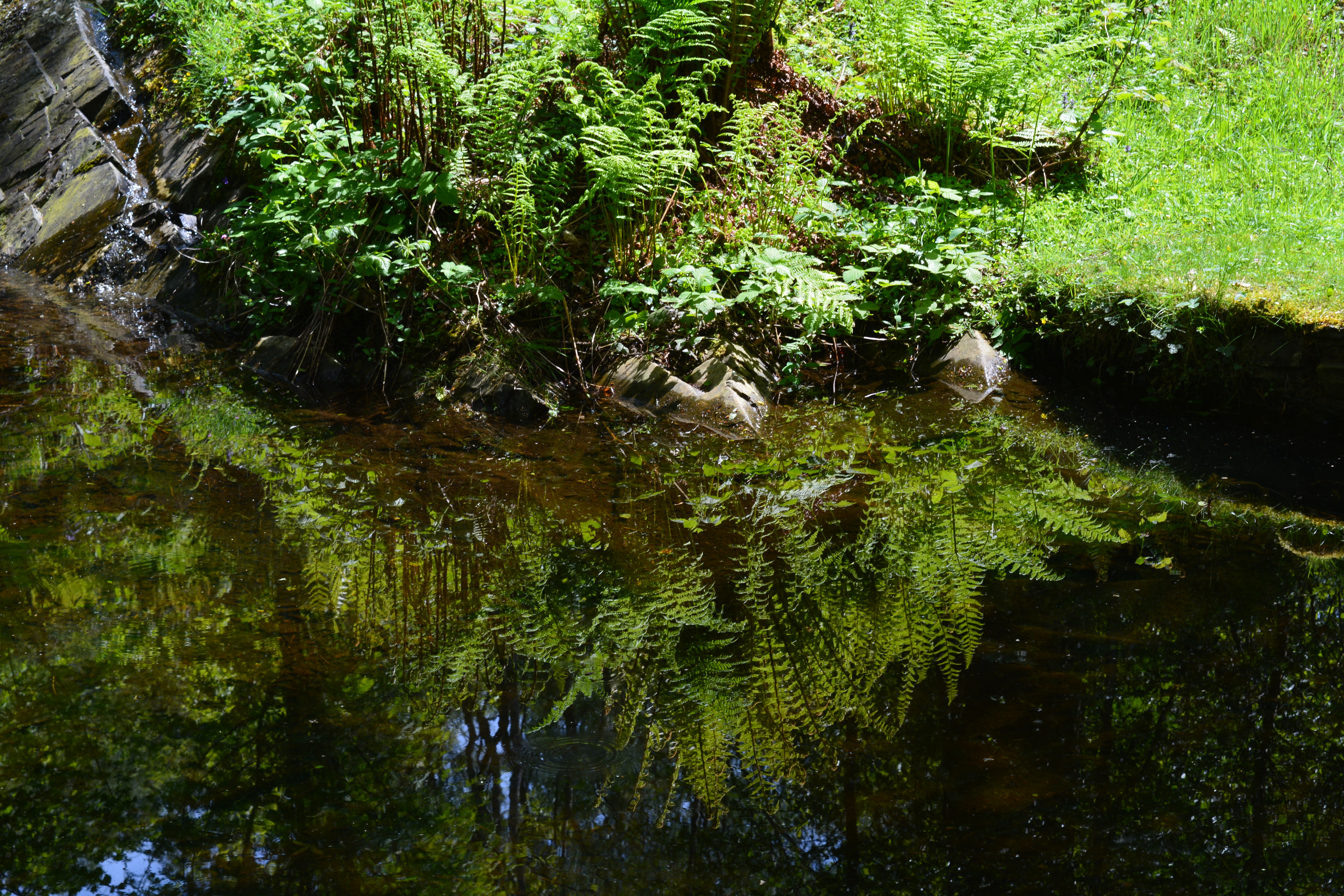
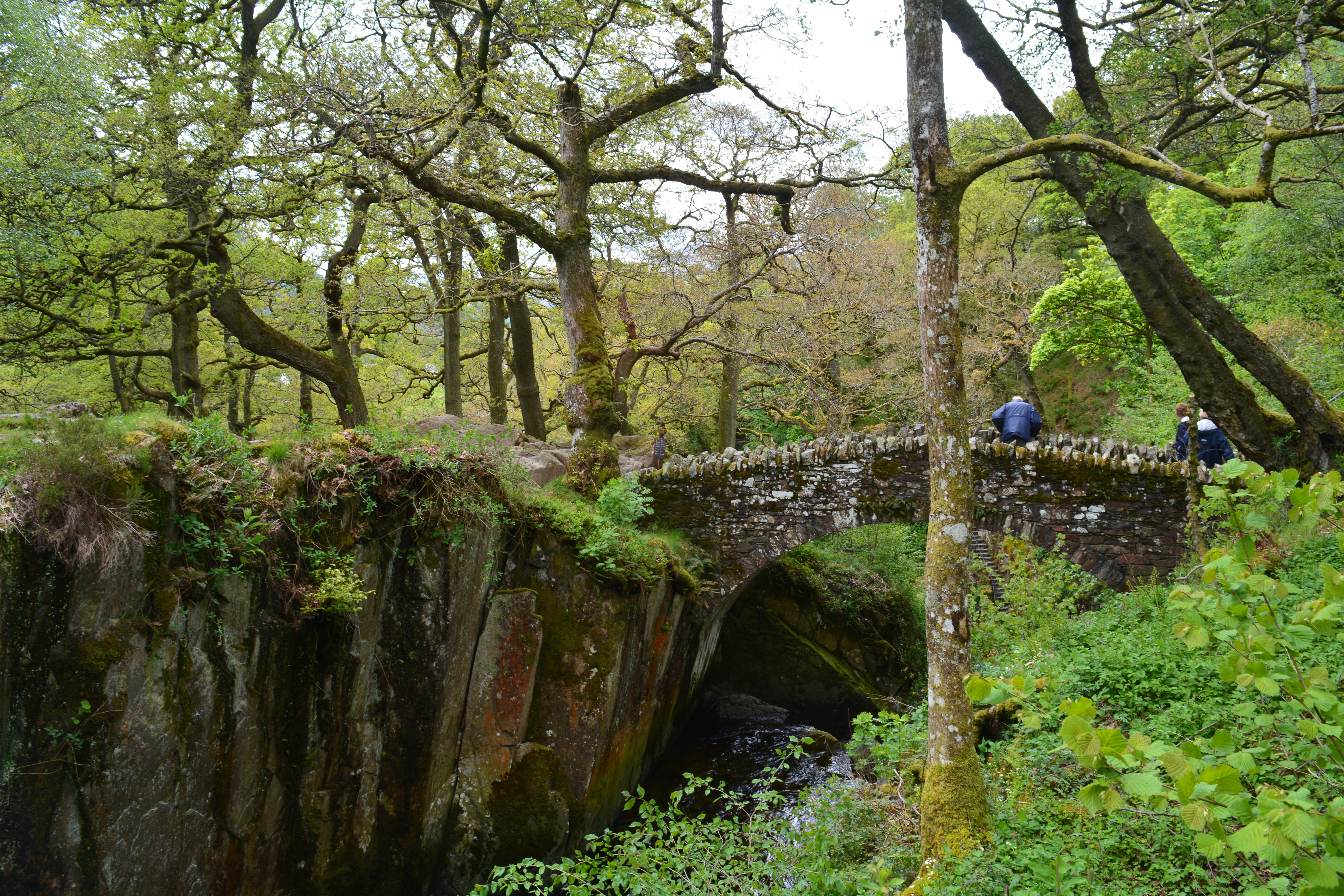
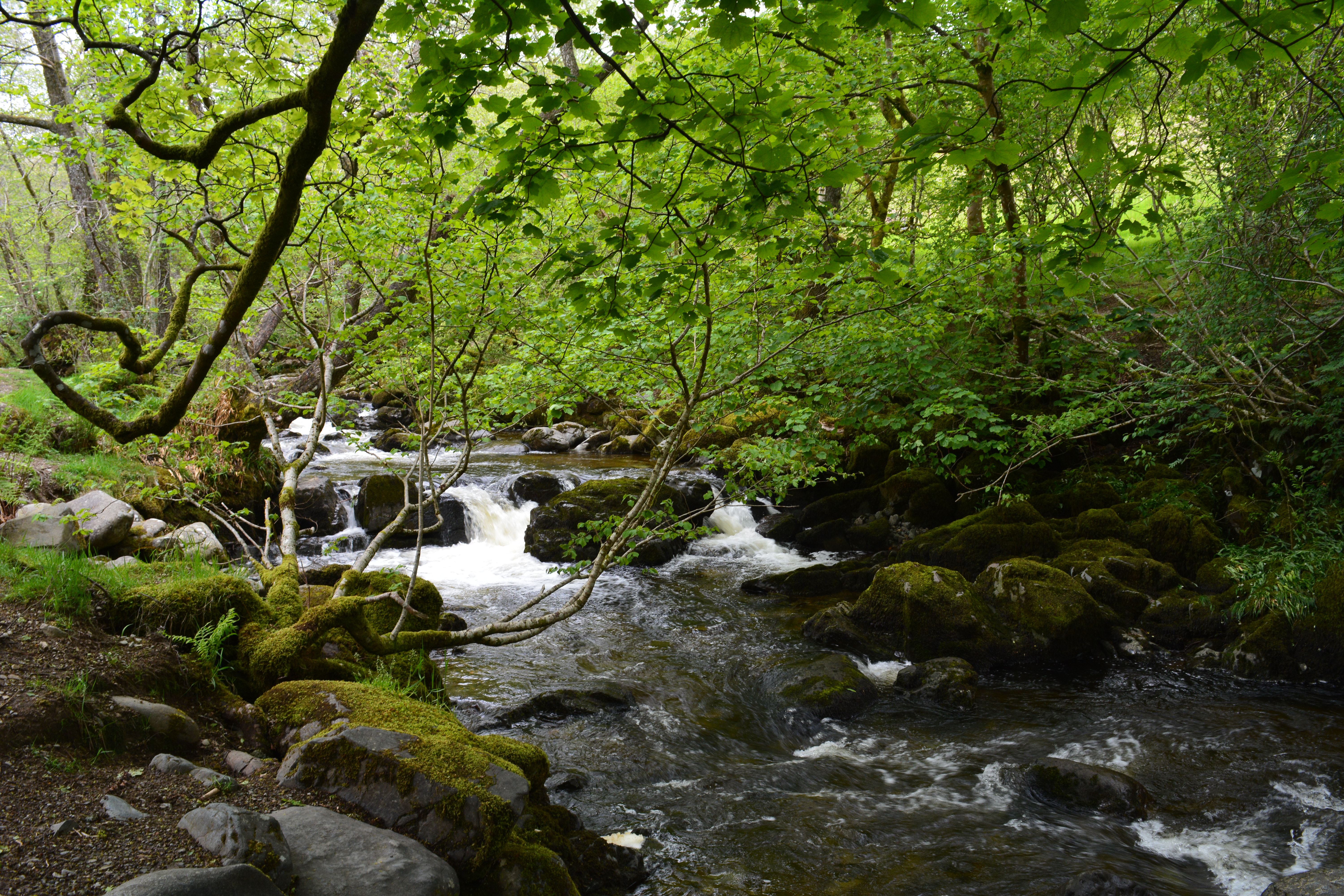
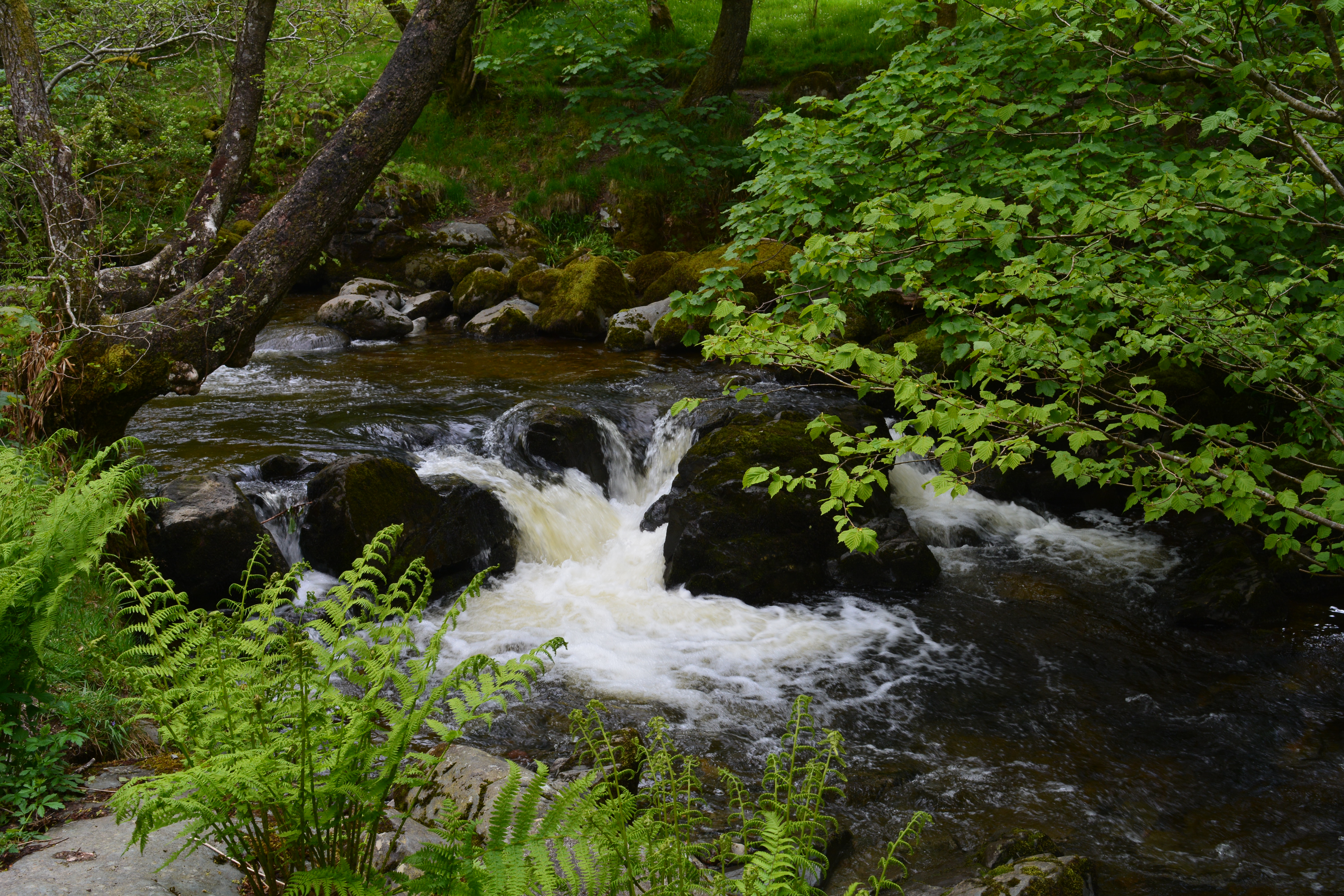
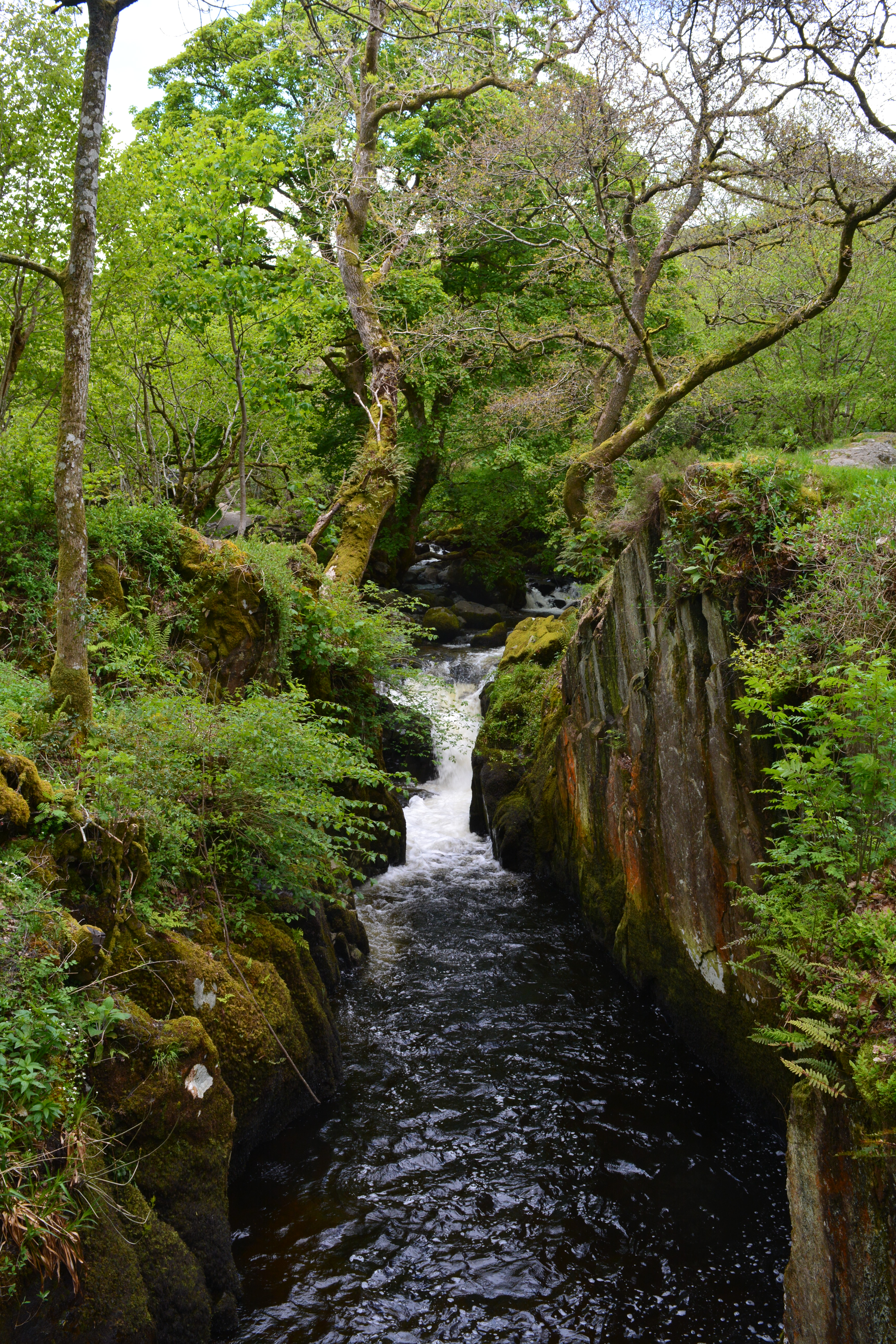
Please enjoy this final set of photographs showing the richness of light in the woods around Thirlmere, one of the many bubbling streams and some of the wild plants growing there.

2015 06 03_2447 2015 06 03_2450 2015 06 03_24552015 06 03_2451 2015 06 03_2452    2015 06 03_2456 2015 06 03_2453

Categories
birds colours garden design garden photography garden wildlife gardening gardens open to the public ornamental trees and shrubs trees woodland

A Week in the Lake District – Part 4 – Brantwood

I had read a book about the making of the gardens at Brantwood in the Lake District, so when we found ourselves nearby we were determined to make time for a visit. Brantwood was the home of John Ruskin who believed in gardening with wildlife so his garden is often described as one of the closest to the ideals propounded by William Robinson.

2015 06 05_2488 2015 06 05_2487

We visited on a hot sunny day so were pleased that we were exploring a woodland garden. As with other places we visited in the Lake District we were astonished to hear so much birdsong, missing now in much of the UK due to modern agricultural practices. Thrushes both Song and Mistle, along with their cousins the Blackbird, seemed to sing loudly from every tree. Blackcaps, Robins, Wrens and Whitethroats performed with equal gusto from the layer of shrubs and bushes.

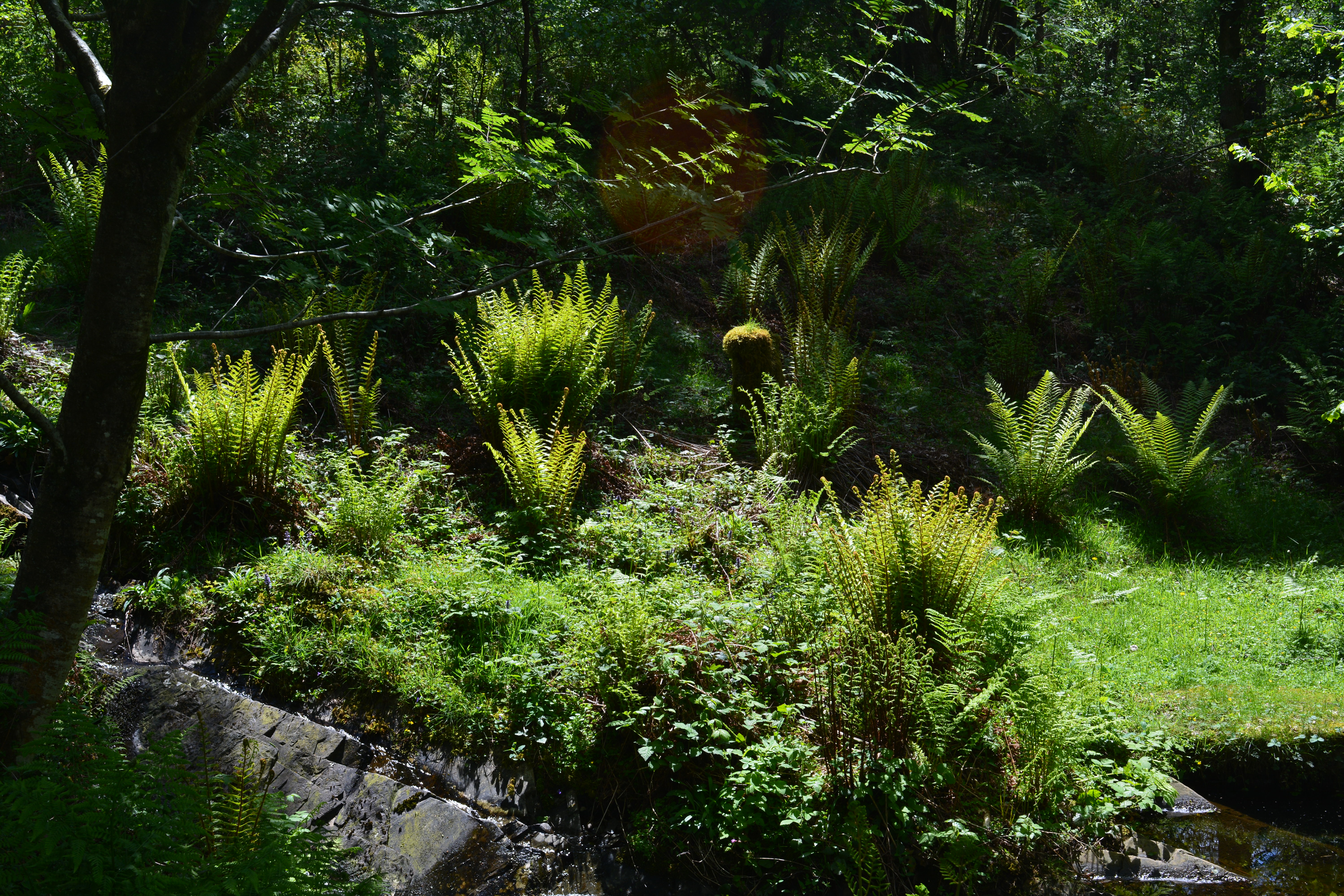
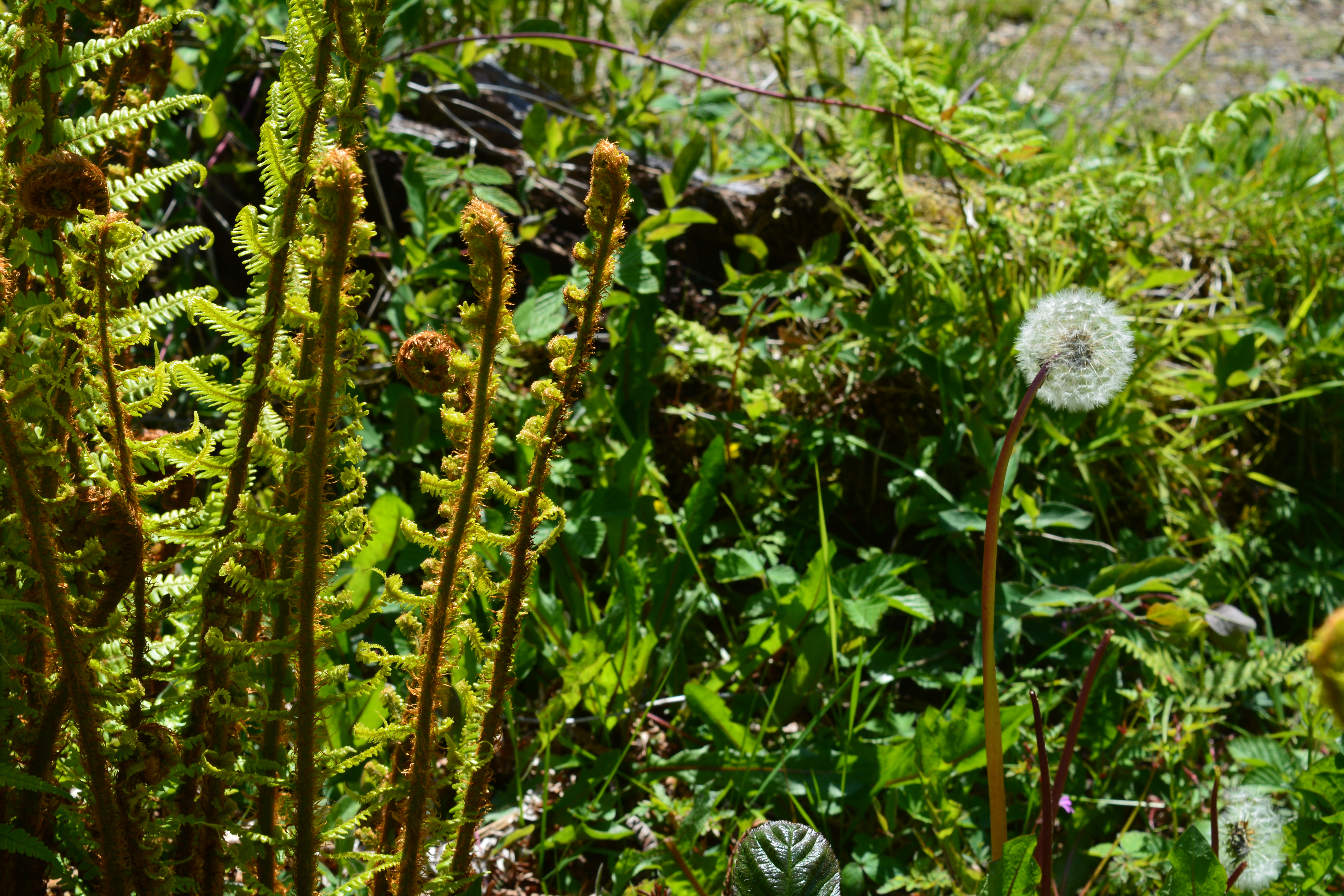
Every surface whether ground, tree trunk, wall or rock-face seemed to be home to plants. We had to look everywhere all around us to make sure we didn’t miss a hidden gem or two.

2015 06 05_2486 2015 06 05_24892015 06 05_2491 2015 06 05_2495

From the highest parts of the garden we glimpsed on occasion views of Coniston Water. It is possible to arrive at Brantwood via the lake on a steam paddle boat.

2015 06 05_2499 2015 06 05_2490

The woodland garden felt just as Ruskin wished it to when he wrote about gardening there. He wanted to look back at where he had been gardening and see no sign that he had been there, just the hand of nature.

2015 06 05_2496 2015 06 05_24982015 06 05_2500 2015 06 05_2501 2015 06 05_2502 2015 06 05_2504 2015 06 05_2505 2015 06 05_2507 2015 06 05_25082015 06 05_2511 2015 06 05_2512 2015 06 05_2513 2015 06 05_2515 2015 06 05_2516 2015 06 05_2521 2015 06 05_2524

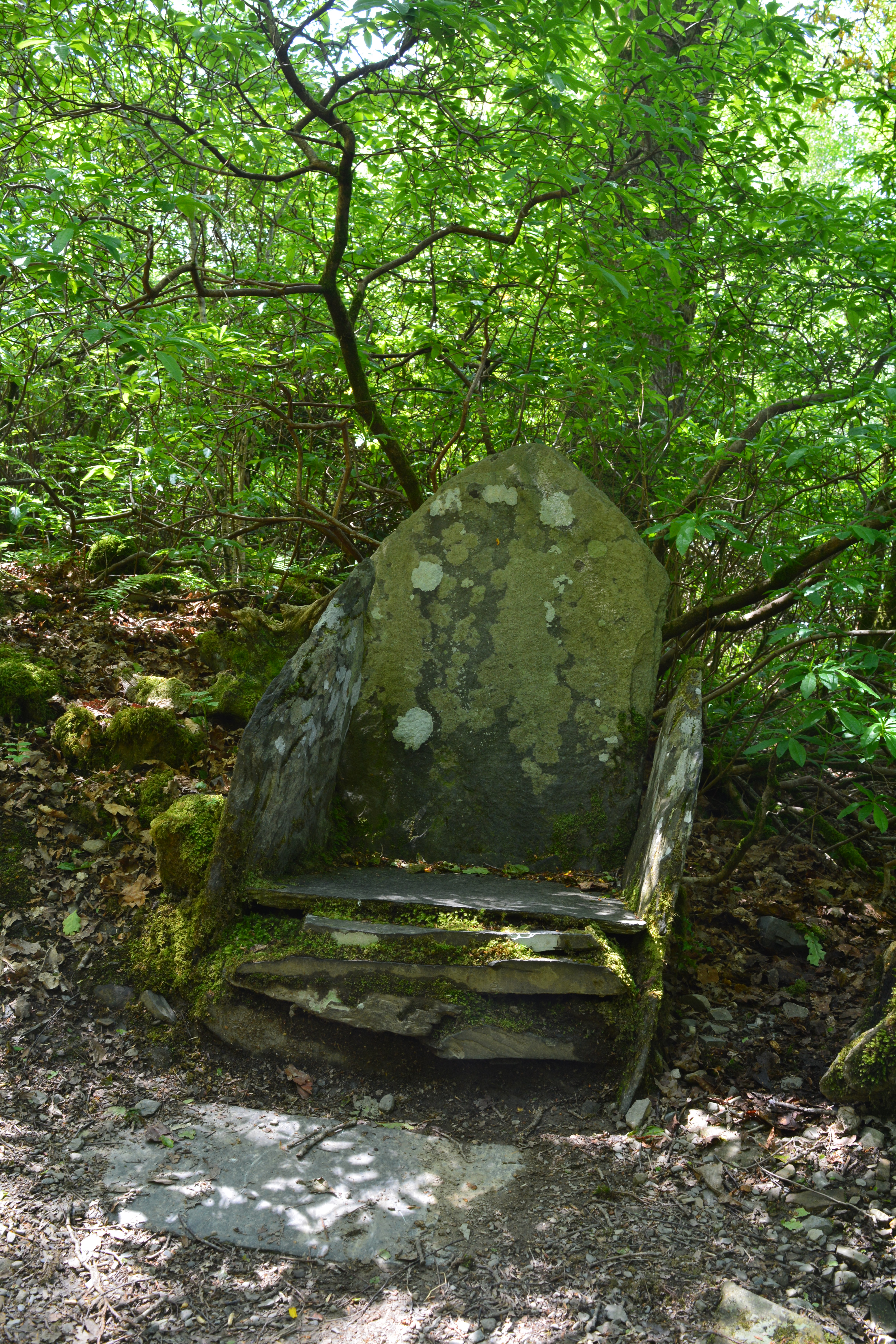
As we wandered the garden paths through the valleys, alongside streams and beneath trees we kept a look out for Ruskin’s seat, set in his favourite part of the garden. It was beautifully crafted from local slate and was now weathered and covered in lichen. I think this would please Ruskin if he could see it now.

2015 06 05_2532 2015 06 05_2531


Categories
countryside lakes lakes and reservoirs Land Art landscapes light light quality National Trust outdoor sculpture

A Week in the Lake District – Part 5 – Buttermere and Crummockwater

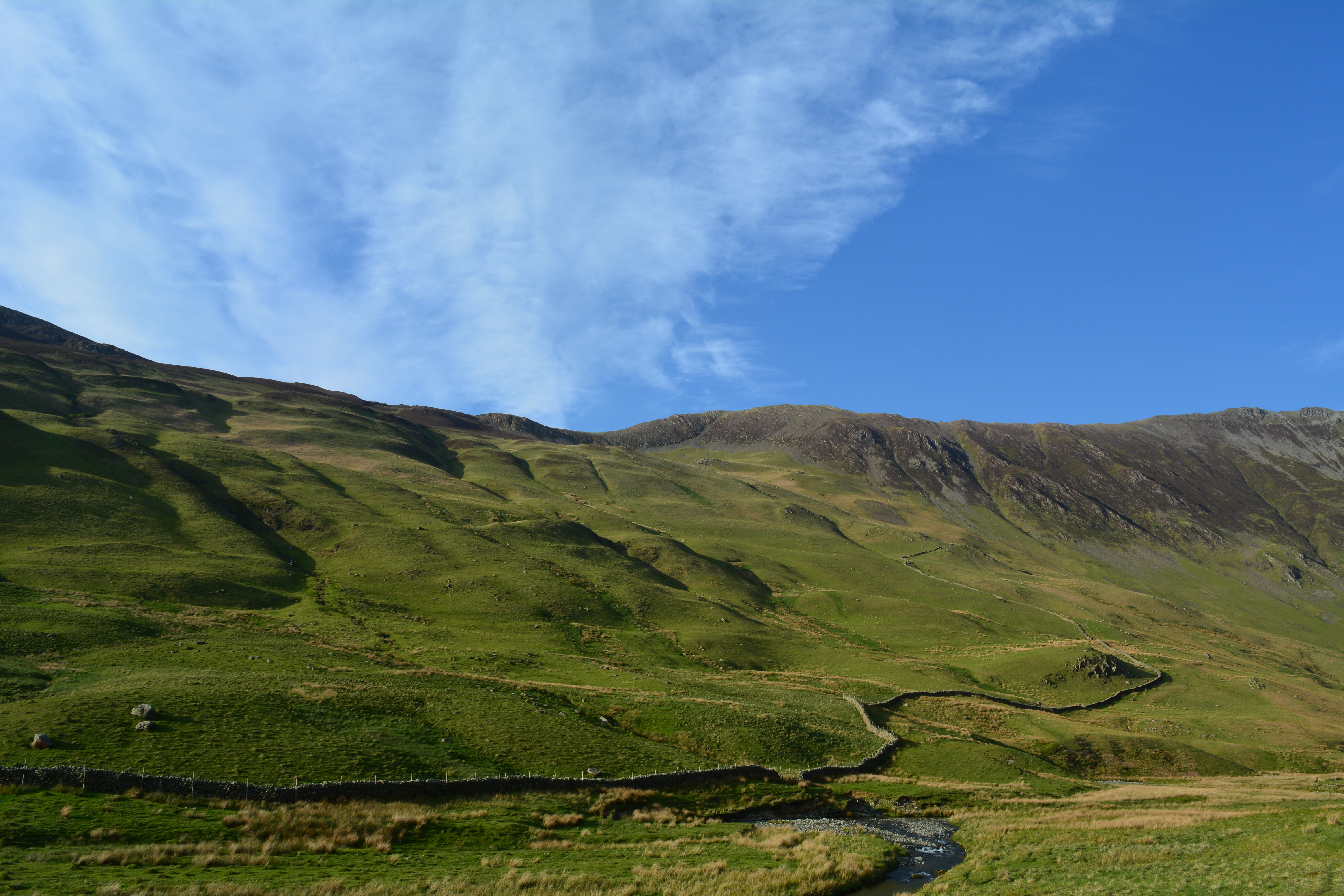
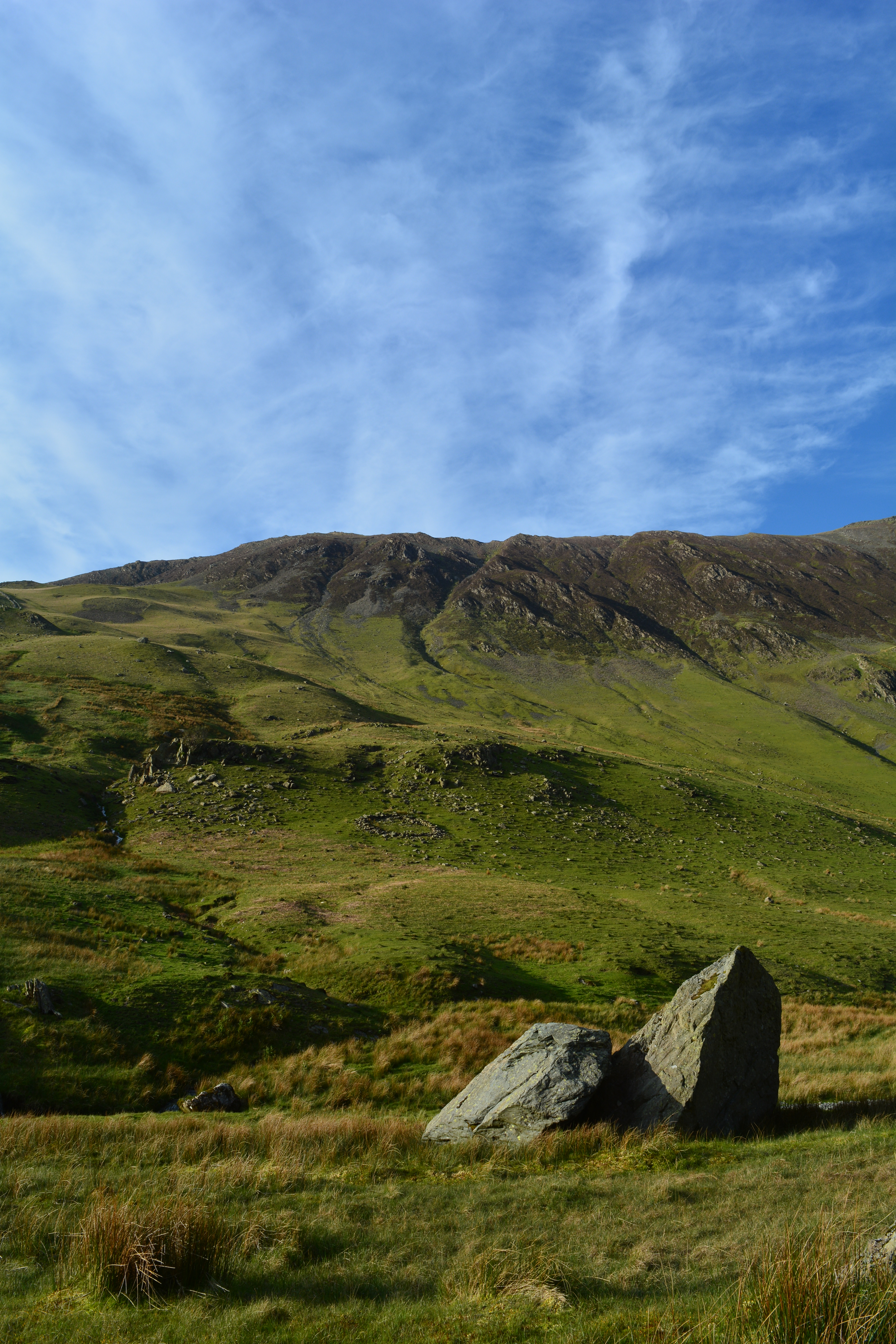
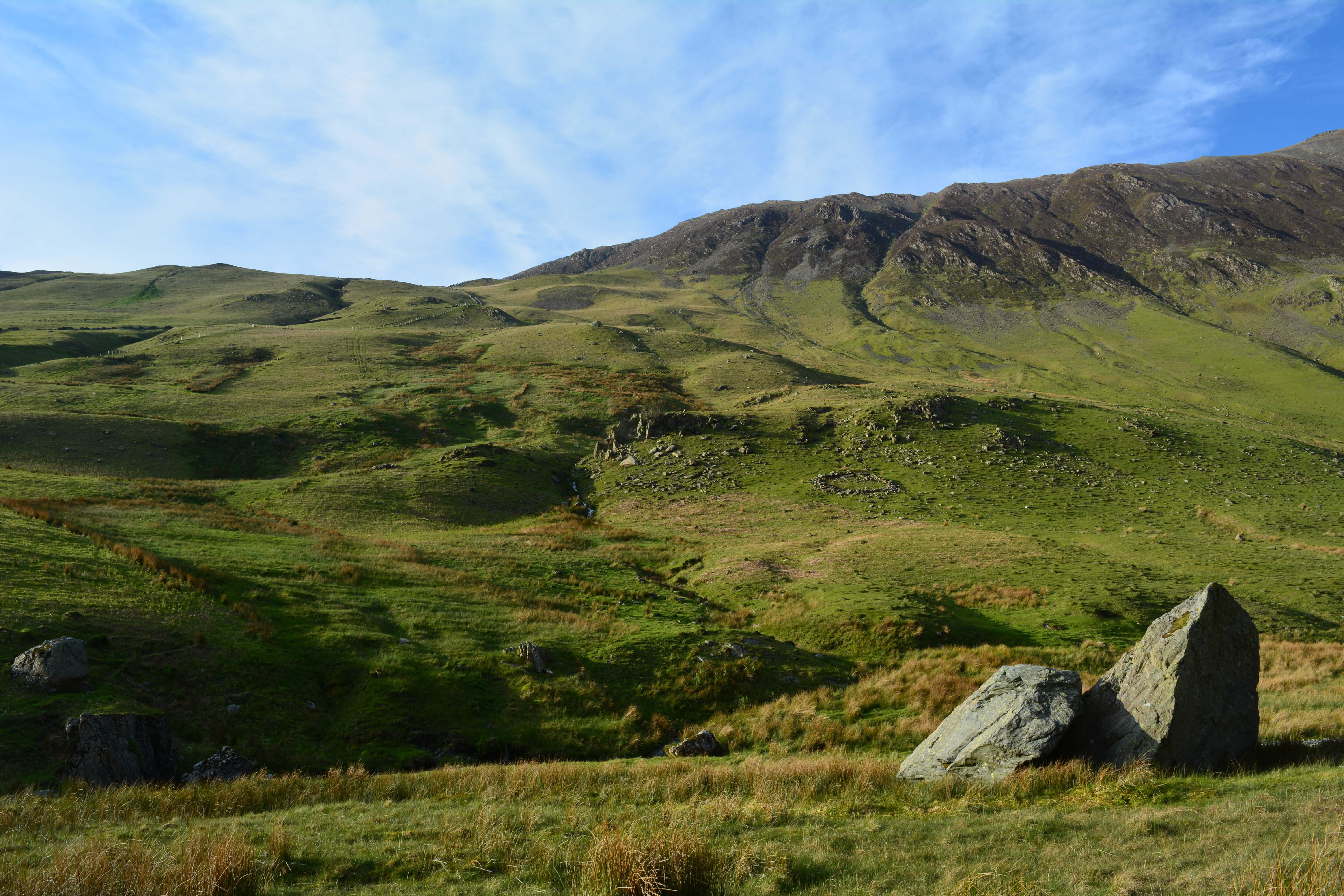
During our week in the Lake District we enjoyed visiting gardens as we do wherever we visit, but we loved the special landscape all around.

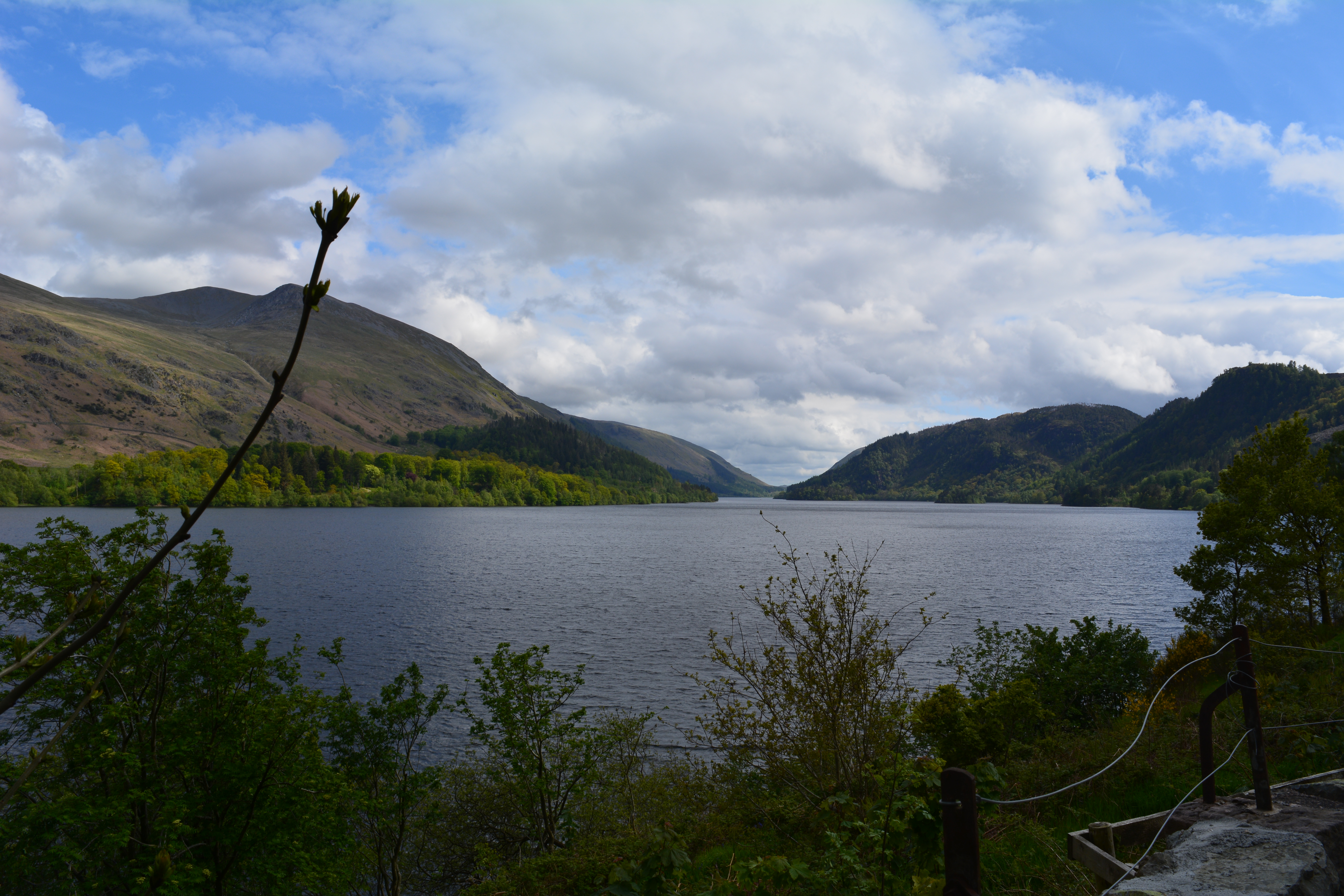
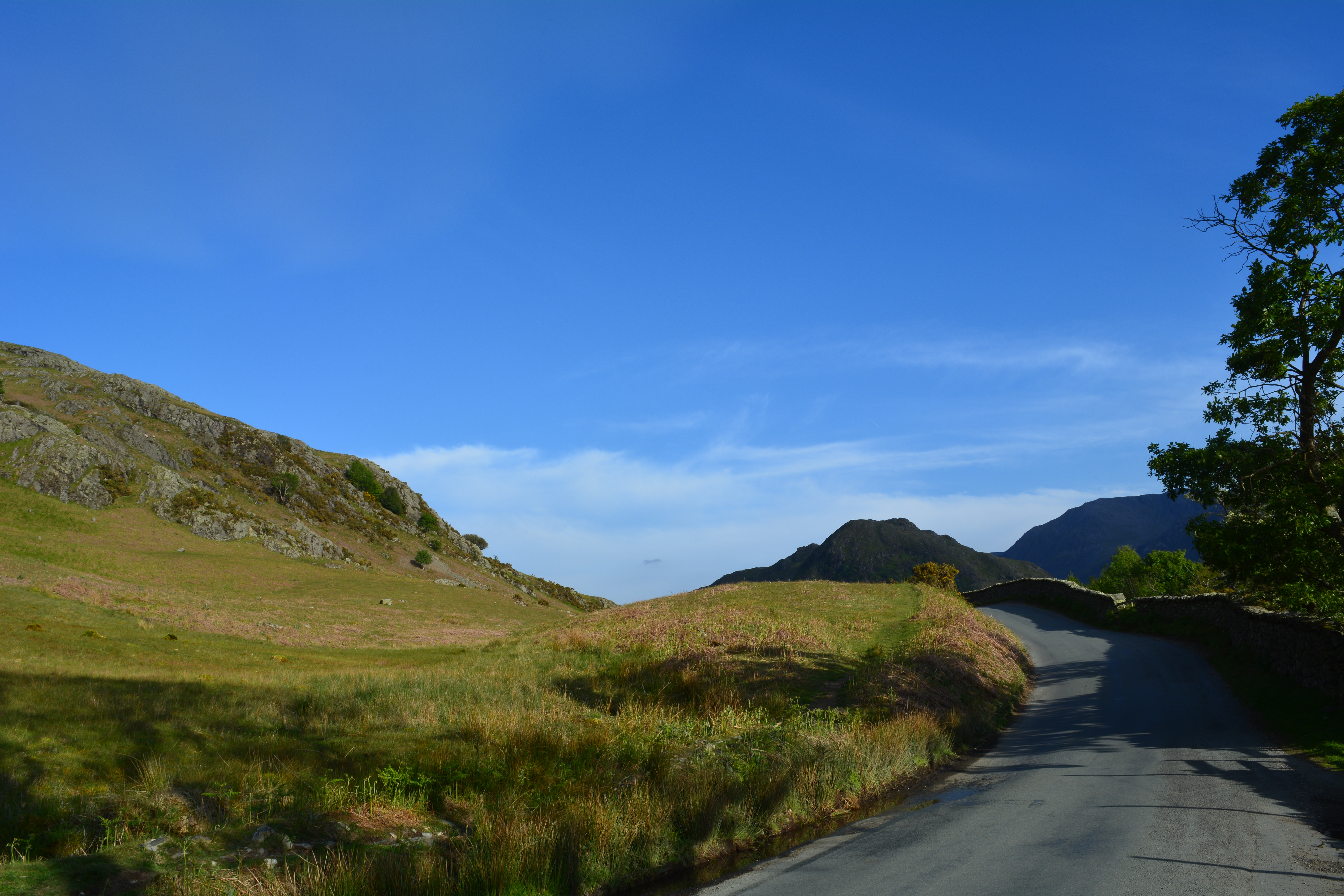
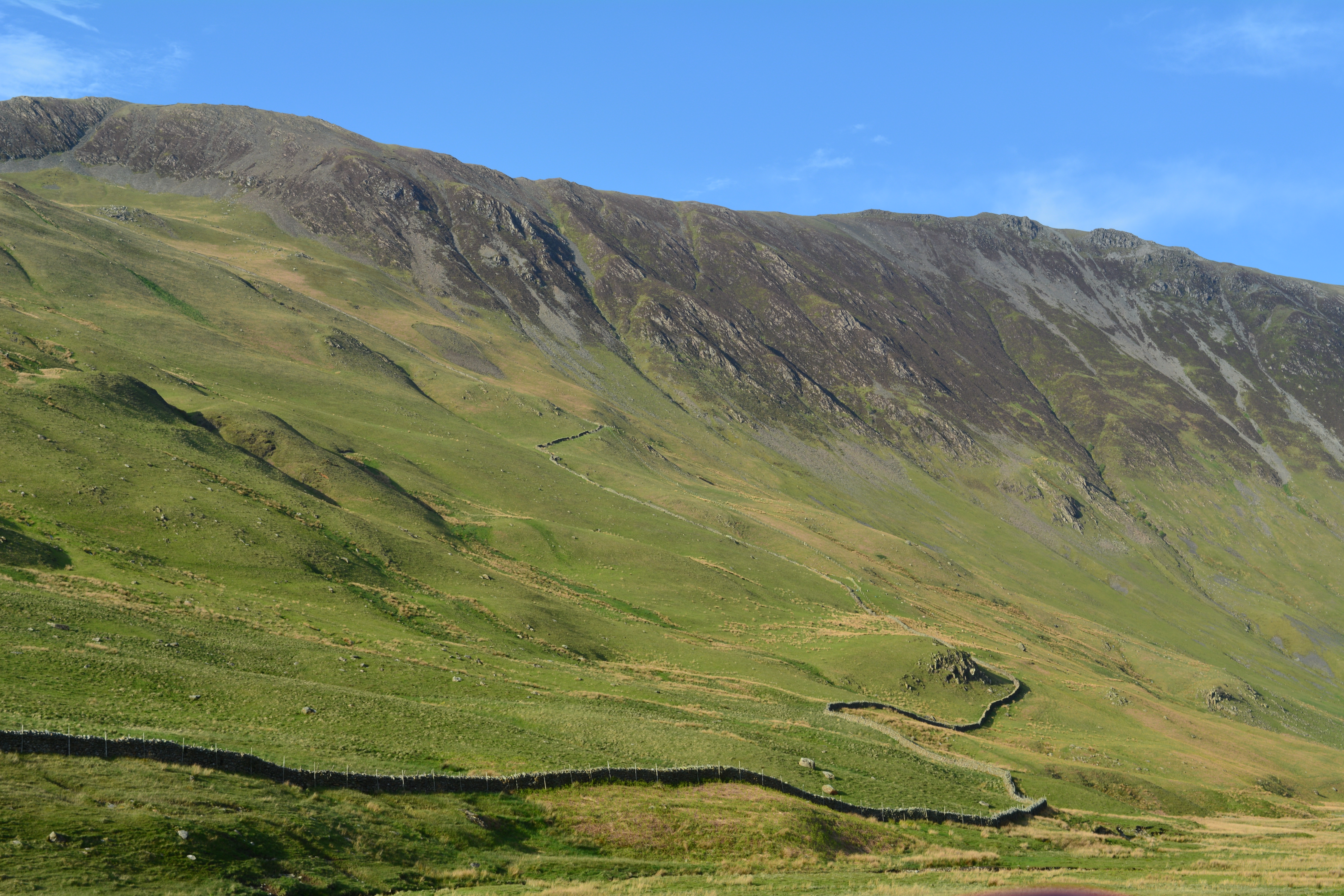
The area around Buttermere and Crummockwater particularly impressed us as we drove around exploring the district in the evenings when the light was adding an extra dimension. Even the views from the road were impressive.

2015 06 05_26132015 06 05_2612 2015 06 05_2620

The breed of sheep specially adapted to the landscape and climate of the Lakes is the Herdwick, which I mentioned in my post about Beatrix Potter. The vast majority of sheep we saw in the area were Herdwicks so it was hard to believe that it was at one time an endangered breed.

2015 06 05_2615 2015 06 05_2626

I hope you enjoy the following set of photos of the views as much as we enjoyed the views themselves.

2015 06 05_2611 2015 06 05_2617 2015 06 05_2618 2015 06 05_2619  2015 06 05_2621 2015 06 05_2623 2015 06 05_2624 2015 06 05_2625

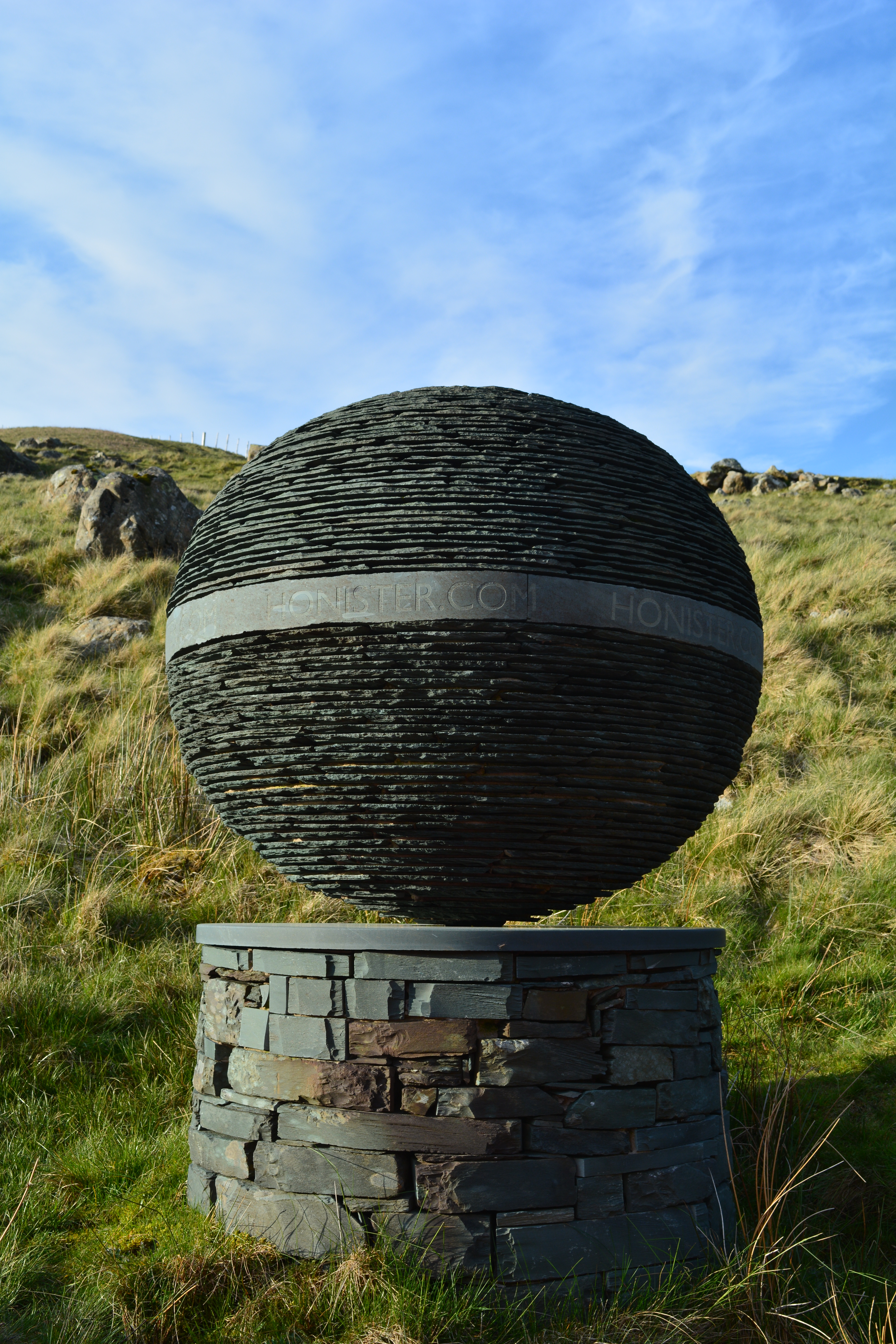
The Lake District is full of surprises and this slate sculpture was a wonderful surprise!

2015 06 05_2628

Categories
buildings climbing plants colours fruit and veg garden photography gardens open to the public grow your own hardy perennials kitchen gardens National Trust The National Trust village gardens

A Week in the Lake District – Part 3 – Hill Top

We were looking forward to visiting the Lakeland home of the children’s author and artist, Beatrix Potter and discovering more about her life. We already knew she was far more than just the author of the Peter Rabbit series of books. She was a farmer, conservationist and wildlife artist and generous donor of land to the National Trust.

We followed narrow lanes to the village of Near Sawrey and squeezed the car into a tiny car park and purchased our timed tickets. Hill Top is very popular but also tiny so the National Trust have instigated a timed ticket system. A short wander through the village and we walked through a gate to find a blackboard with a lovely welcoming message chalked on it.

2015 06 05_2482 2015 06 05_24832015 06 05_2485 2015 06 05_2460

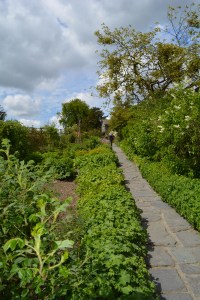
We walked up the long garden path towards the cottage itself.

2015 06 05_2462 2015 06 05_24632015 06 05_2465 2015 06 05_2478

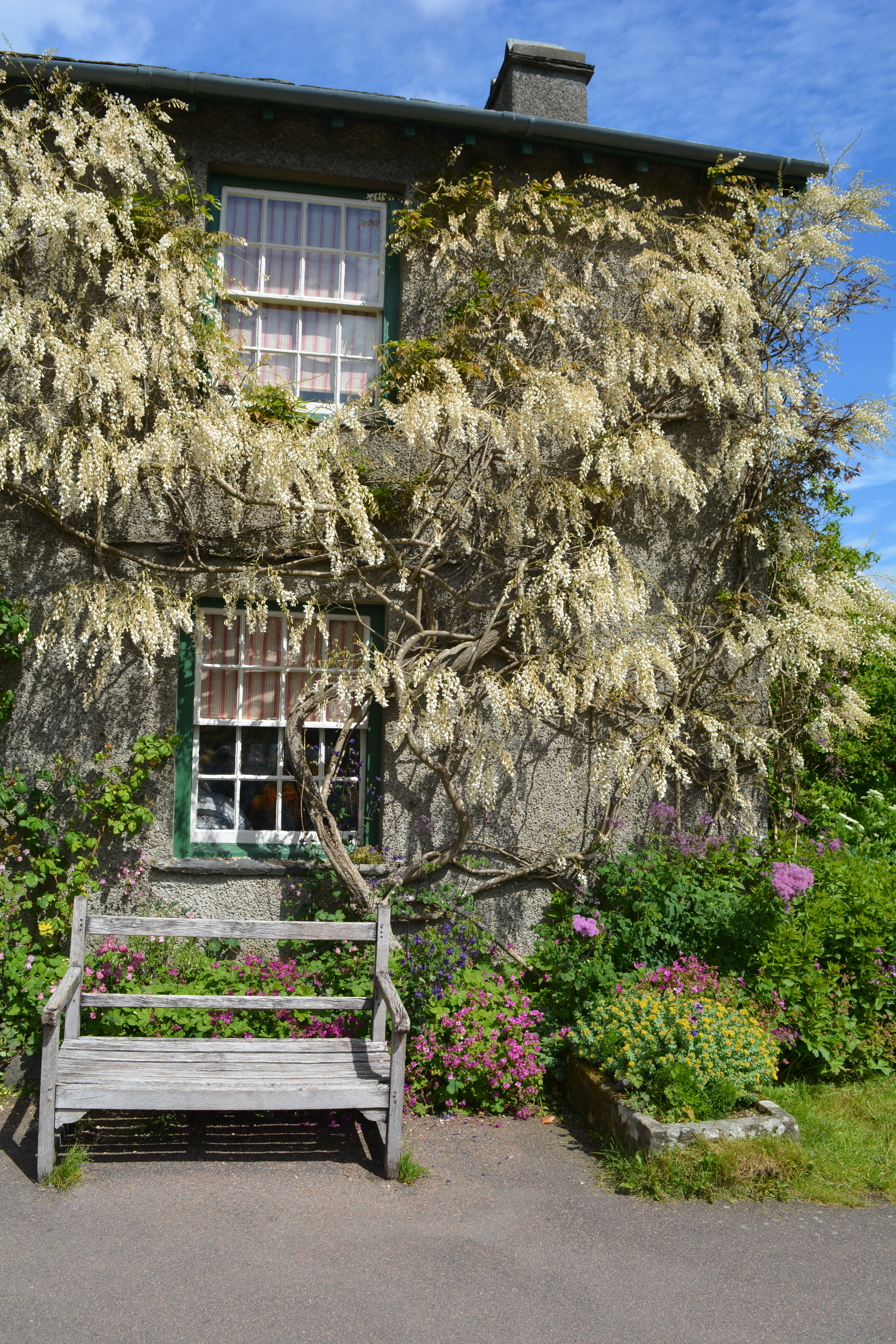
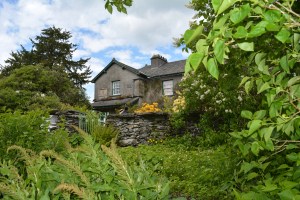
The front of Hill Top was swathed in scented, white flowered Wisteria which brightened up its drab grey finish. Borders of typical cottage garden plants sat on both sides of the front porch. The cottage was originally a farmhouse built in the 17th Century and bought by Beatrix in 1905 using the proceeds from her first published book, the one and only “Tales of Peter Rabbit. The cottage featured in her children’s books.

2015 06 05_2464 2015 06 05_2466

Photography was not allowed in the cottage itself but walking from room to room it felt as if we were seeing it just as if Beatrix Potter had just popped into the garden to cut some flowers. Letters she had written were awaiting an envelope on her writing bureau and drawings and paintings were sat on her desk. Furniture seen by thousands of children for over a hundred years in illustrations in her Peter Rabbit series of books were in every room.

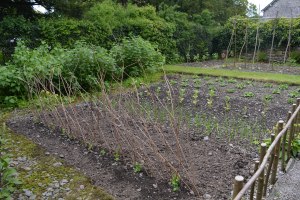
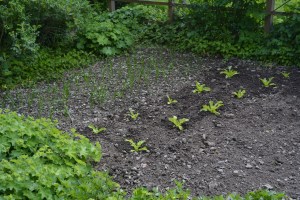
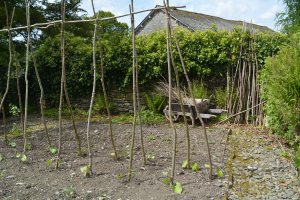
We moved back outside into the sunshine and found the little vegetable garden well known as the garden of Mr MacGregor. Hazel bean poles and an old wheelbarrow and watering cans seemed so familiar.

2015 06 05_2469 2015 06 05_24612015 06 05_2473 2015 06 05_2472

From the vegetable garden we gained great views of the cottage.

2015 06 05_2470 2015 06 05_2471

We wandered back down the sloping garden path and enjoyed the cottage garden flowers with their bright colours and rich scents.

2015 06 05_2475 2015 06 05_24772015 06 05_2480

When Beatrix Potter died she left 14 farms and their land plus sheep that grazed on it to the National Trust. Since then the National Trust have continued to purchase large areas of the Lake District which helps keep it such a beautiful place for all to enjoy.

Wherever you go in the Lake District you see Herdwick Sheep grazing in the fields from lowland fields to upland fell sides. Beatrix Potter helped prevent this local and specially adapted breed of sheep from becoming extinct. She was the first female President of the Herdwick Sheep Society.

After visiting Hill Top we wandered back through the village and in a front garden we noticed a scarecrow based on Mr MacGregor. The villagers are obviously proud of their most famous past resident.

2015 06 05_2484


Categories
bird watching birds countryside lakes Land Art landscapes light light quality National Trust nature reserves photography The National Trust trees wildlife woodland woodlands

Aira Force – the walk back.

After enjoying the sights and sounds of the Aira Force water falls we followed the stream as it wandered through the wooded hilltops before we started our walk back down the valley. As we had been sat resting we were mesmerised by the songs and calls of so many birds in the trees and understory. This we would soon discover was to be a feature of our week in the Lakes – the sheer number of birds astounded us! At Aira Force we could hear Nuthatches, Treecreepers, Goldcrests, Coal Tits and all the thrushes, the Song Thrush, the Mistle Thrush and the Blackbird. We heard several warblers too and recognised a few such as the Wood Warbler, Garden Wabler and the Chiffchaff as well as their larger cousins the Redstart, Whitethroat and Blackcap. It made for an entertaining time and emphasised how important these areas of countryside managed by the National Trust are as nature reserves.

2015 06 03_2380 2015 06 03_2381 2015 06 03_2382 2015 06 03_2383 2015 06 03_2384 2015 06 03_2385 2015 06 03_2386 2015 06 03_2387 2015 06 03_2388 2015 06 03_2389

2015 06 03_2390 2015 06 03_2391

We changed direction and began the gentle descent. We enjoyed different views of places we had admired on our ascent.


2015 06 03_2392 2015 06 03_2393

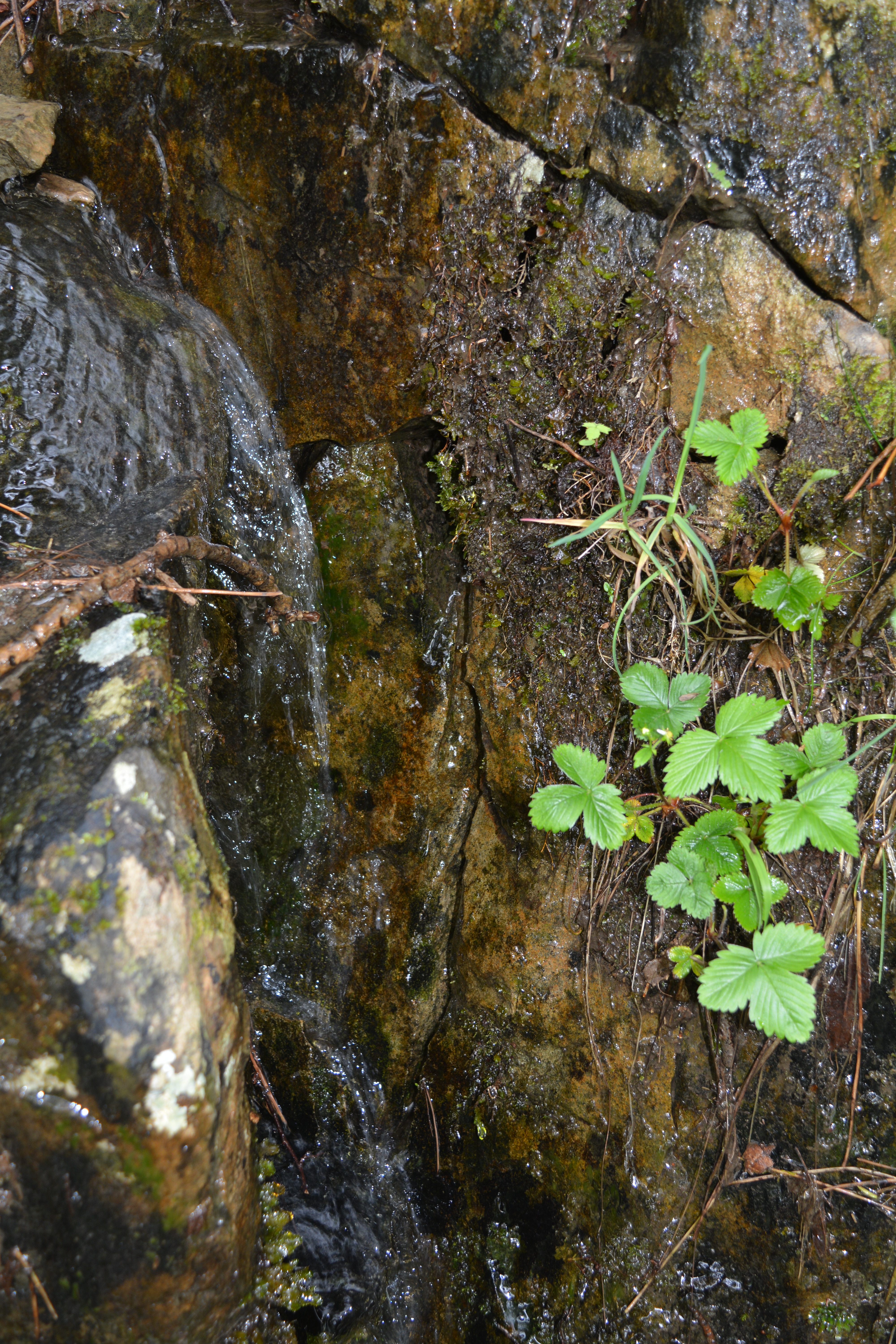
We took a slight detour from the main path to a damp more open area where different plants were growing and even the air itself felt damp to our skin. We were tempted to follow this detour just because of this beautifully constructed stone track. We just had to follow it! It reminded us of the work by land artist Richard Long.


2015 06 03_2394 2015 06 03_2395 2015 06 03_2396 2015 06 03_2397 2015 06 03_2398 2015 06 03_2399 2015 06 03_2400


Our detour finally took us back to our original pathway and we enjoyed the sounds of the tumbling stream once more.

2015 06 03_2403 2015 06 03_2404


2015 06 03_2405 2015 06 03_2406 2015 06 03_2407 2015 06 03_2408 2015 06 03_2409 2015 06 03_2410

So we found ourselves back at our starting point having enjoyed a stimulating, beautiful wander up and down this wooded valley. The waterfall, Aira Force, was the icing on the cake! A great day out!

This Veggie Life

A Vegetarian | Nature Lifestyle Blog

Rambling in the Garden

.....and nurturing my soul

The Arch City Gardener

Journeys In St. Louis Gardening and Beyond

Garden Dreaming at Châtillon

Consult the genius of the place

Storyshucker

A blog full of humorous and poignant observations.

gardeninacity

Notes from a wildlife-friendly cottage garden

PlayGroundology

...an emerging social science

The Official Blog of British Wildlife

'The most important and informative publication on wildlife of our times' - The Independent. This blog is a member of The UK & Ireland Natural History Bloggers group: www.uknhb.blogspot.com

iGrowHort

Inspire - Cultivate - Grow Native Plants - Restore Landscapes

Bishops Meadow Trust

To create and protect a semi-natural wild space for the people of Farnham to enjoy and experience an array of British wildlife in our town

Gardening with Children

The www.gardeningwithchildren.co.uk Blog

UKbirdingtimeline

birding through the seasons, why birds matter and how to conserve them

NATURE WALKER

with a camera in hand

Jardin

Transform your outdoor space

Eva's space

My allotment, cooking and other interests

Old School Garden

my gardening life through the year

LEANNE COLE

Trying to live a creative life

fromacountrycottage

trying to live as lightly as possible on our beautiful planet

Good Life Gardening

Nature lovers from Leicester living the good life.

mybeautfulthings

Finding the beautiful in the everyday

mawsonmichelle

Michelle's Allotment

In and Out of My Garden

thoughts from and about my garden

Greenhousing

Big plans for a small garden

The Scottish Country Garden

A Walled Country Garden in South East Scotland

The Fruity Chicken

Life at the fruity chicken

willowarchway

Off grid living. Self sufficient. "PERMAGANICS RULE".

St Anns Allotments

Nottingham's Grade 2* Listed Allotments and Community Orchard

Manifest Joy Harvests

a journey in suburban vegetable gardening

Allotmental

The madness of growing your own

Penny's Garden: a harvest beyond my front door

A novel approach to vegetable gardening

arignagardener

Sustainable living in the Irish countryside.

NewEnglandGardenAndThread

Master Gardener, amateur photographer, quilter, NH native, and sometimes SC snowbird

dianajhale

Recent work and work in progress and anything else that interests me

planthoarder

a chaotic cottage gardener

Lens and Pens by Sally

a weekly blog that creates a personal philosophy through photographs and words

Dewdrops and Sunshine

Stories from a sassy and classy Southern farmbelle.

The Pyjama Gardener

Simple Organic Gardening & Seasonal Living

gettin' fresh!

turning dirt into dinner

JOY...

today the world is created anew

Garden Birds

Notes from a Devon garden

ShootAbout

Life Through The Lens

Adapting Pixels

A photography blog showcasing the best photography pictures and videos on the internet

Wildlifegardening's Blog

Just another WordPress.com site

naturestimeline

personal observations from the natural world as the search continues for a new approach to conservation.

LATEBLOOMERBUDS

The Wonders of Life through my Eyes, my Heart, my Soul