Categories
architecture buildings Church architecture photography sculpture townscapes

Three Cathedrals – Wells – Part One

Welcome to the next cathedral in my Three Cathedral series of posts.

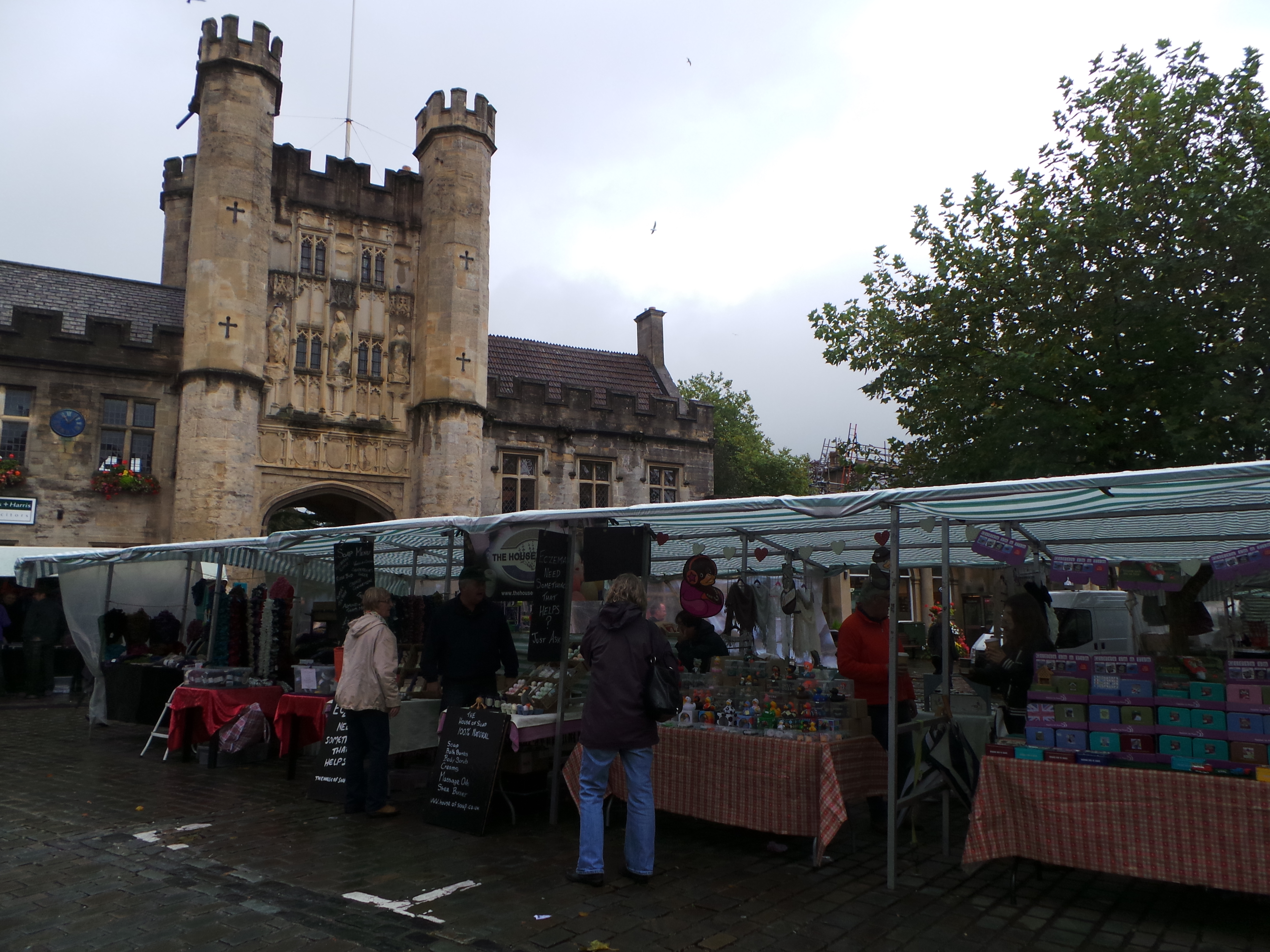
We visited Wells Cathedral decades ago and we remembered very little of it apart from a wide sweeping stone stairway. So when we returned in the autumn we looked forward to reacquainting ourselves with its architecture. We guessed where the Cathedral would be in the little city of Wells by following the wide street with its market right to its very end. The market stalls almost funneled us towards the cathedral gates. 
2014 10 04_5681 2014 10 04_56822014 10 04_5689

Just before entering the cathedral grounds we came across this beautifully colourful National Trust shop.

2014 10 04_5683 2014 10 04_5684

An open green with specimen trees showed us the way to go.

2014 10 04_5685 2014 10 04_5686  2014 10 04_5688

2014 10 04_5687 2014 10 04_5690

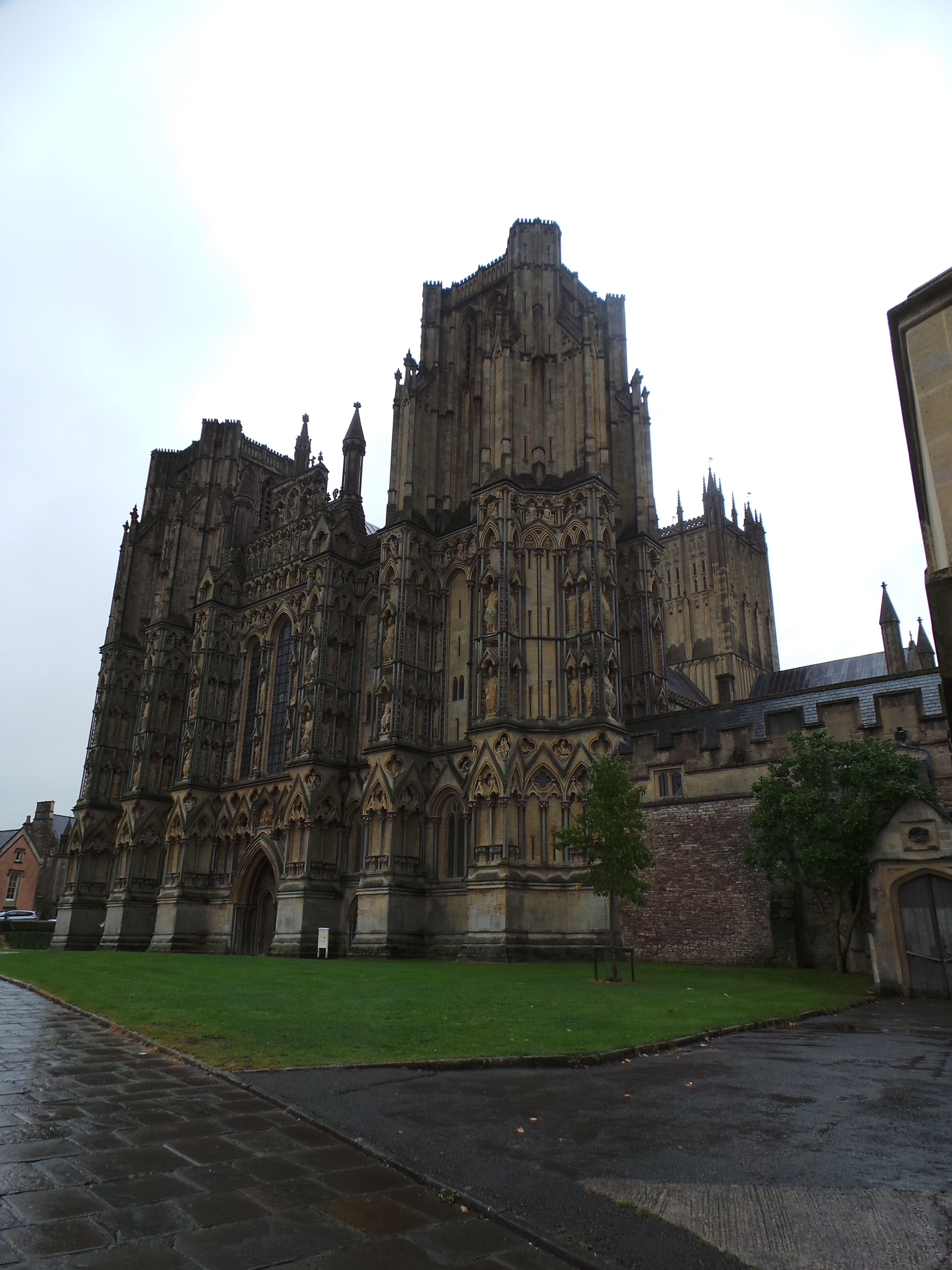
Wells Cathedral is a tall imposing structure designed to dominate the city and its inhabitants.
2014 10 04_5691 2014 10 04_56922014 10 04_5693

A modern entrance had been added in recent years to give visitors a comfortable way in and to preserve the main doorway in. The use of green oak and matching stone ensured that the modern extension fitted beautifully and most sympathetically. the new entrance also carefully led us to a new cafe again designed to match. From every one of its windows we got views to entice us onward to explore.

2014 10 04_5694 2014 10 04_5695 2014 10 04_5696 2014 10 04_5697 2014 10 04_5698 2014 10 04_5699 2014 10 04_5700 2014 10 04_5701

The vaulted ceiling of the cloister walk has been sensitively restored to show its intricate complex web of wooden beams.

2014 10 04_5704 2014 10 04_5703

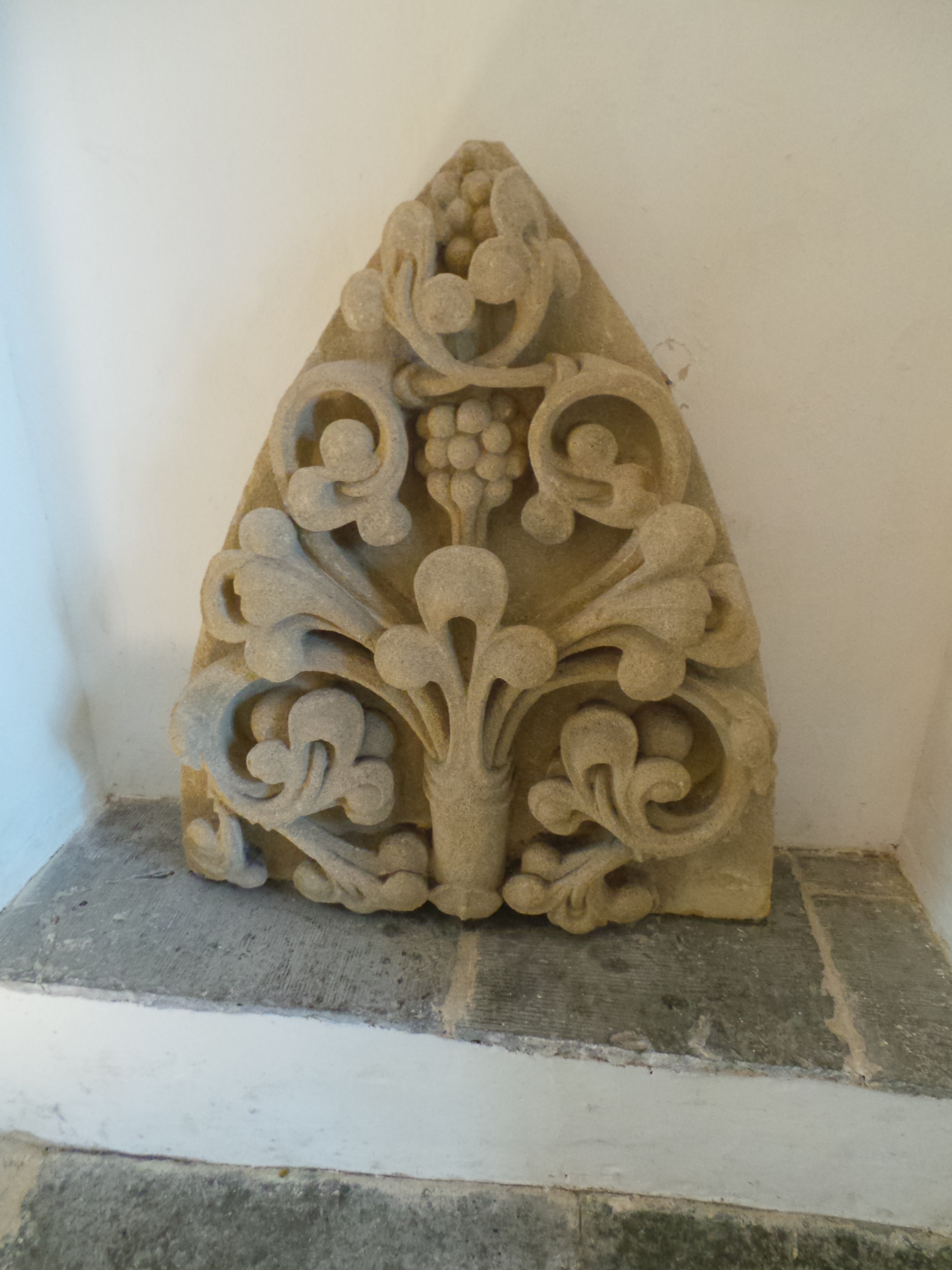
As well as architecture it is the craftsmanship displayed in our old ecclesiastical buildings that impresses us most. It is good to see them well preserved and carefully, lovingly looked after.

2014 10 04_5702 2014 10 04_57072014 10 04_5709 2014 10 04_5710

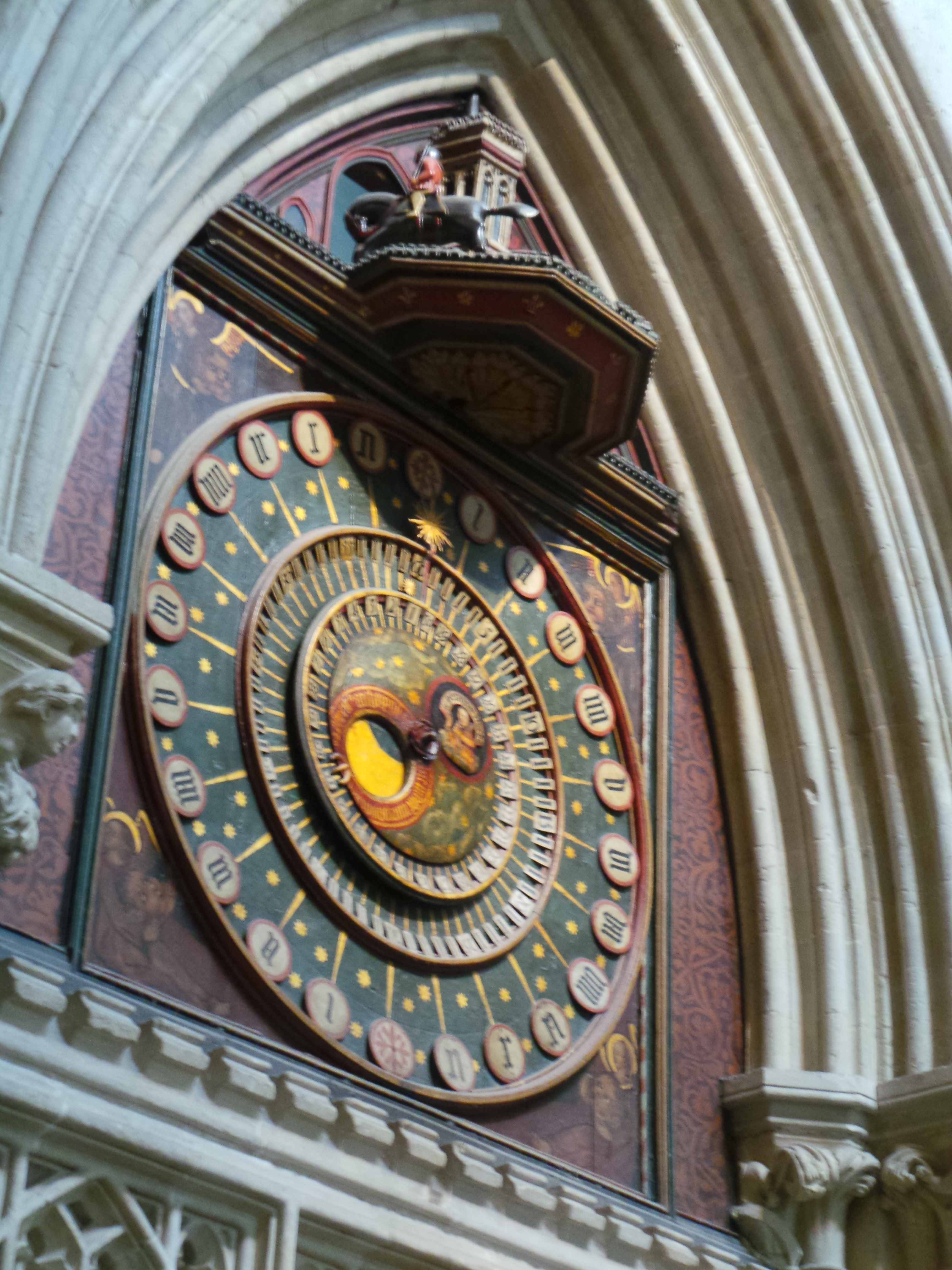
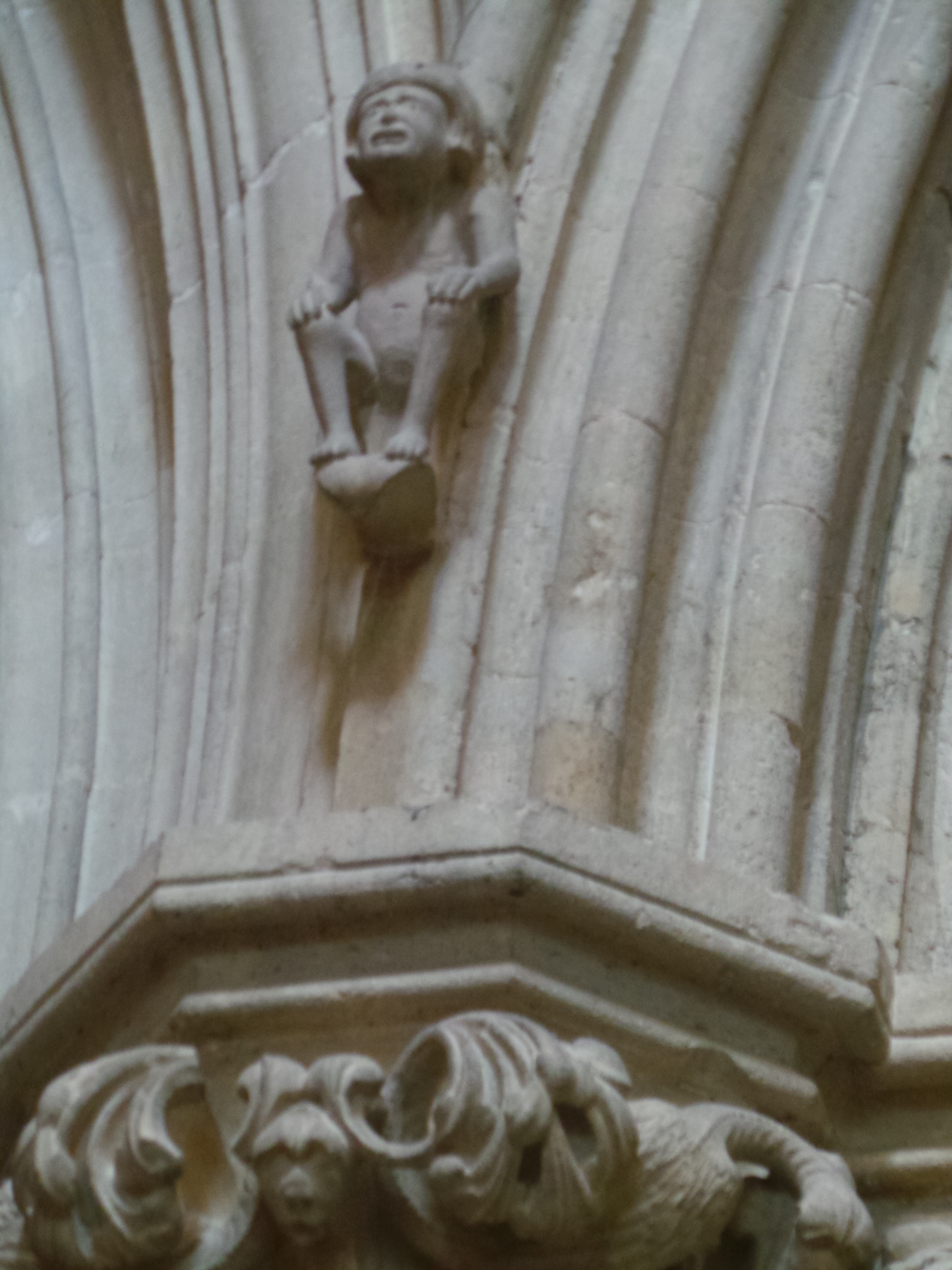
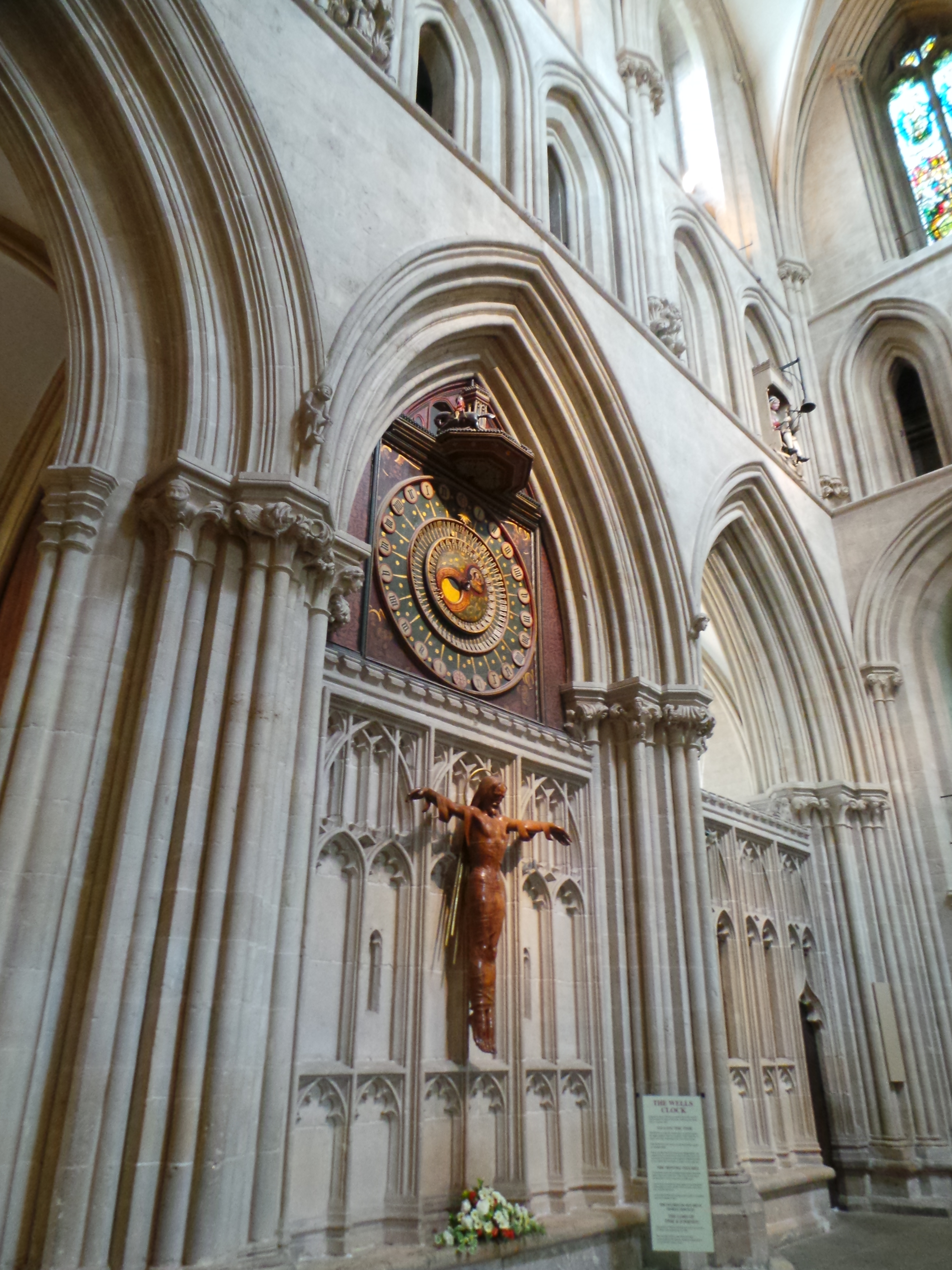
Often when exploring church buildings it is possible by looking up, to discover carvings of characters. like this “impish” character below left. He looks like he is plotting his next trick. The wooden carving on the left was high up and hard to see in detail and he was part of an ancient complex clock.
2014 10 04_5711 2014 10 04_57082014 10 04_5705 2014 10 04_5706

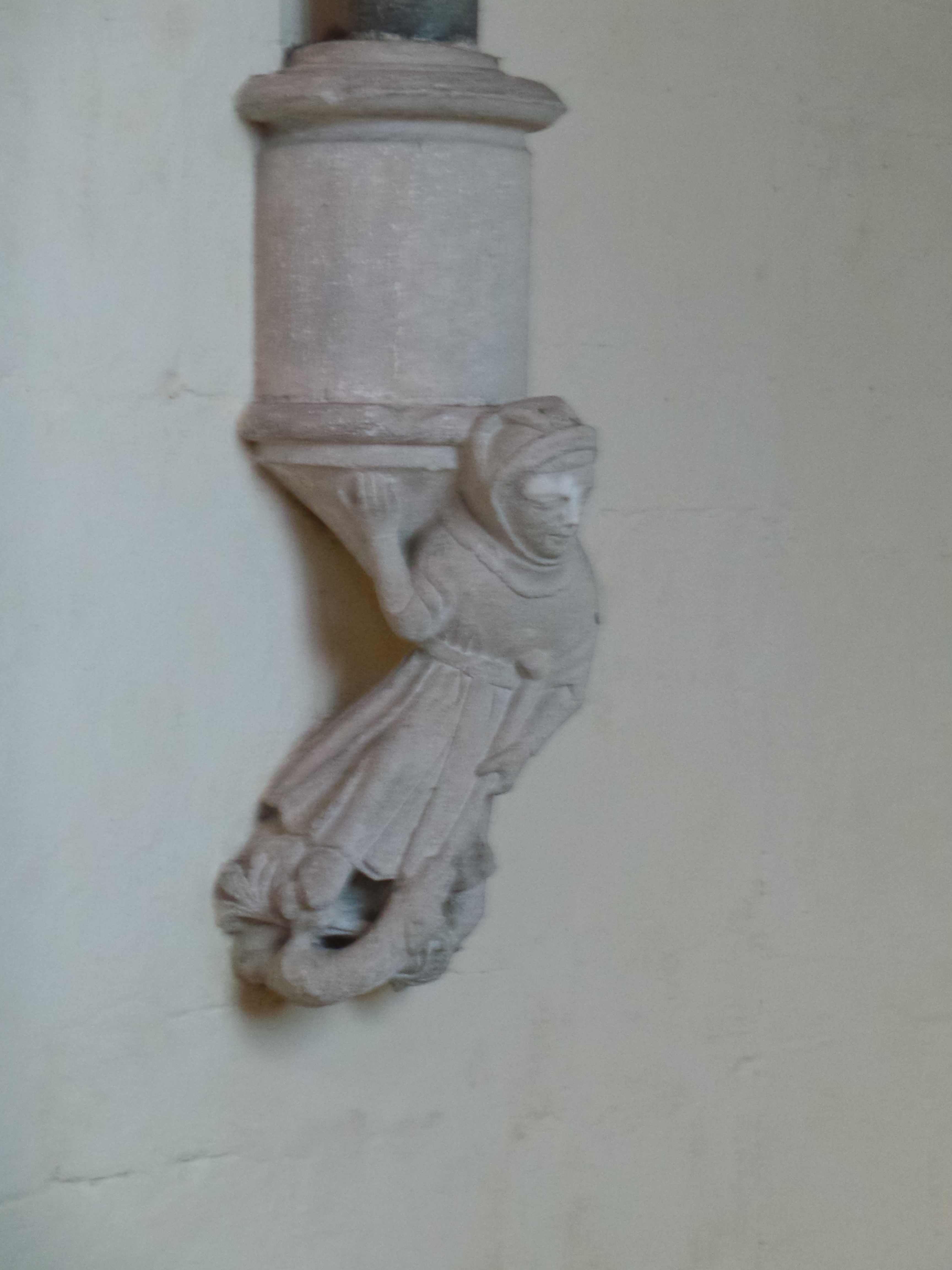
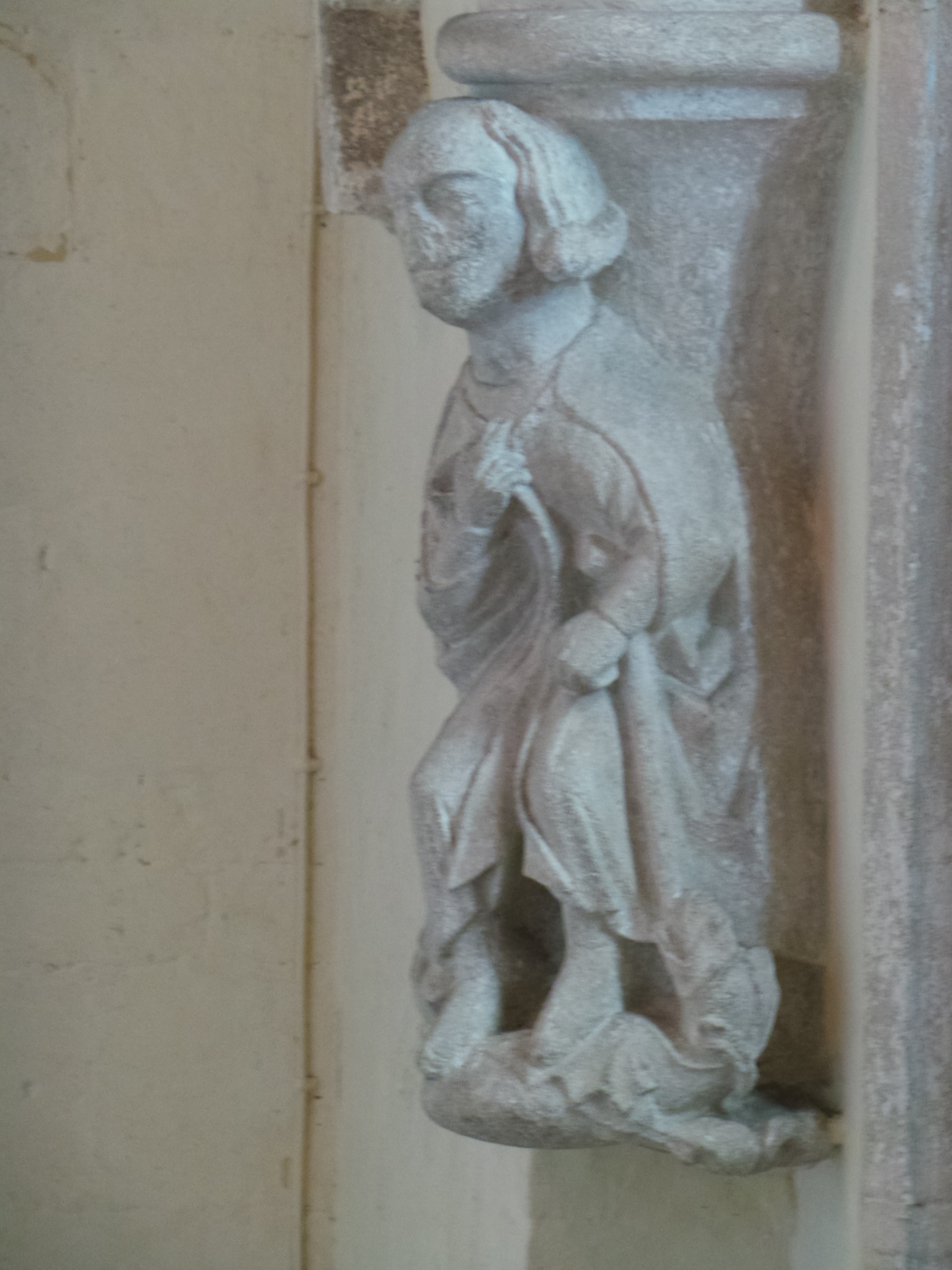
Let us finish this first part of two posts about Wells Cathedral by looking at other characters we managed to find hidden here and there throughout the great building.

2014 10 04_5718 2014 10 04_5724 2014 10 04_5732 2014 10 04_5733 2014 10 04_5735 2014 10 04_5738 2014 10 04_5739 2014 10 04_5758

In part two we carry on with our tour and discover an amazing curved staricase and some modern additions.
Categories
countryside landscapes light light quality National Trust photography The National Trust the sea the seaside the shore Wales wildlife

A Stroll along the Pembrokeshire Coastal Path – Part Two

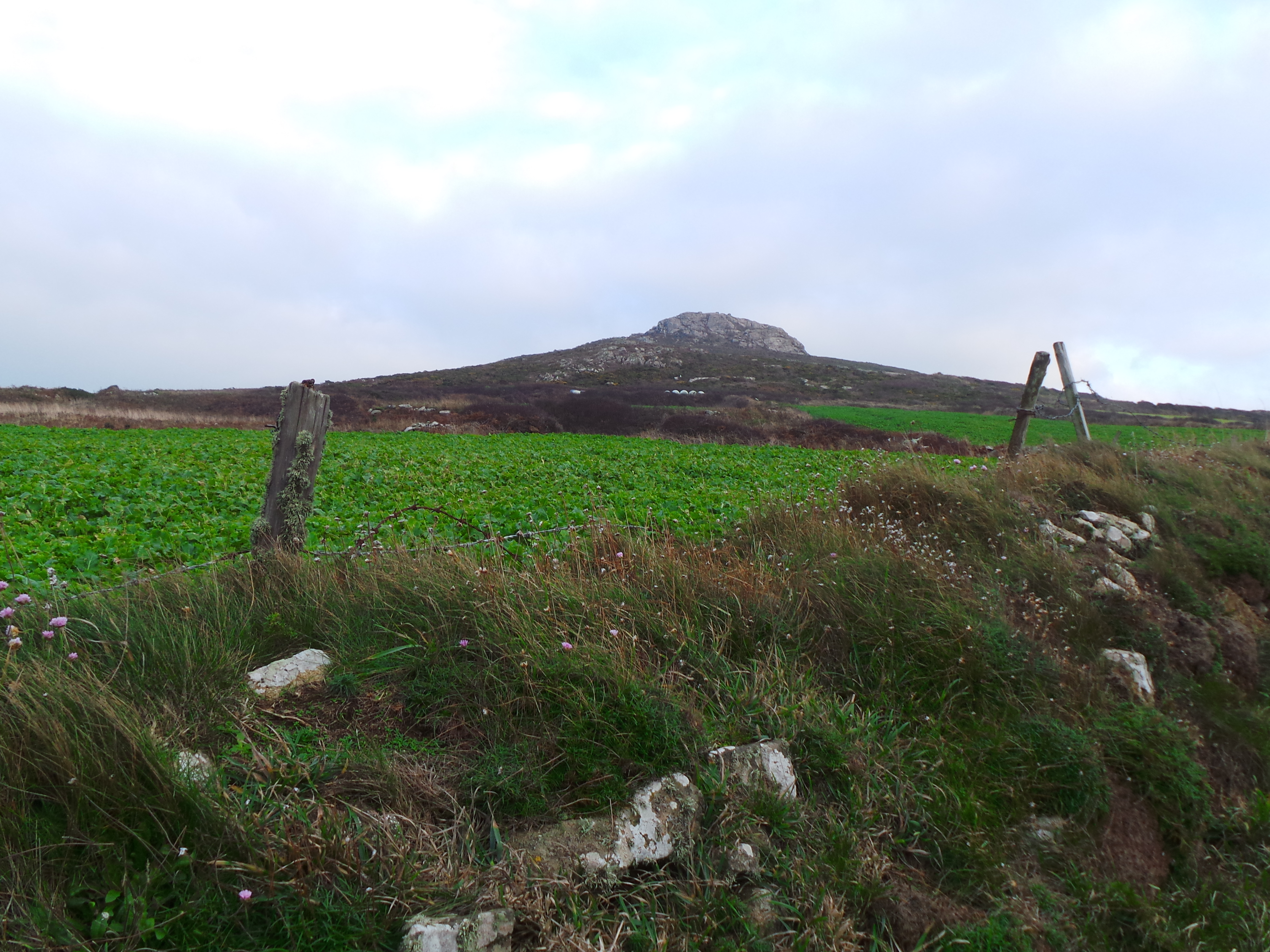
Welcome back after a bit of a rest and we continue along the beautiful coastal footpath towards the headland at St David’s Head. You left us with our goal in sight as we began our way across rougher moorland.

We were walking a stretch of the coastal path in Penbrokeshire which was my challenge for 2014. We set out intending to walk a mile, far more than I should be walking. We found ourselves going further than intended and still had not turned back. I set myself a new extended challenge. To walk the mile to the headland of St David’s Head and back again. I knew I would suffer for days after but I am a stubborn chap.

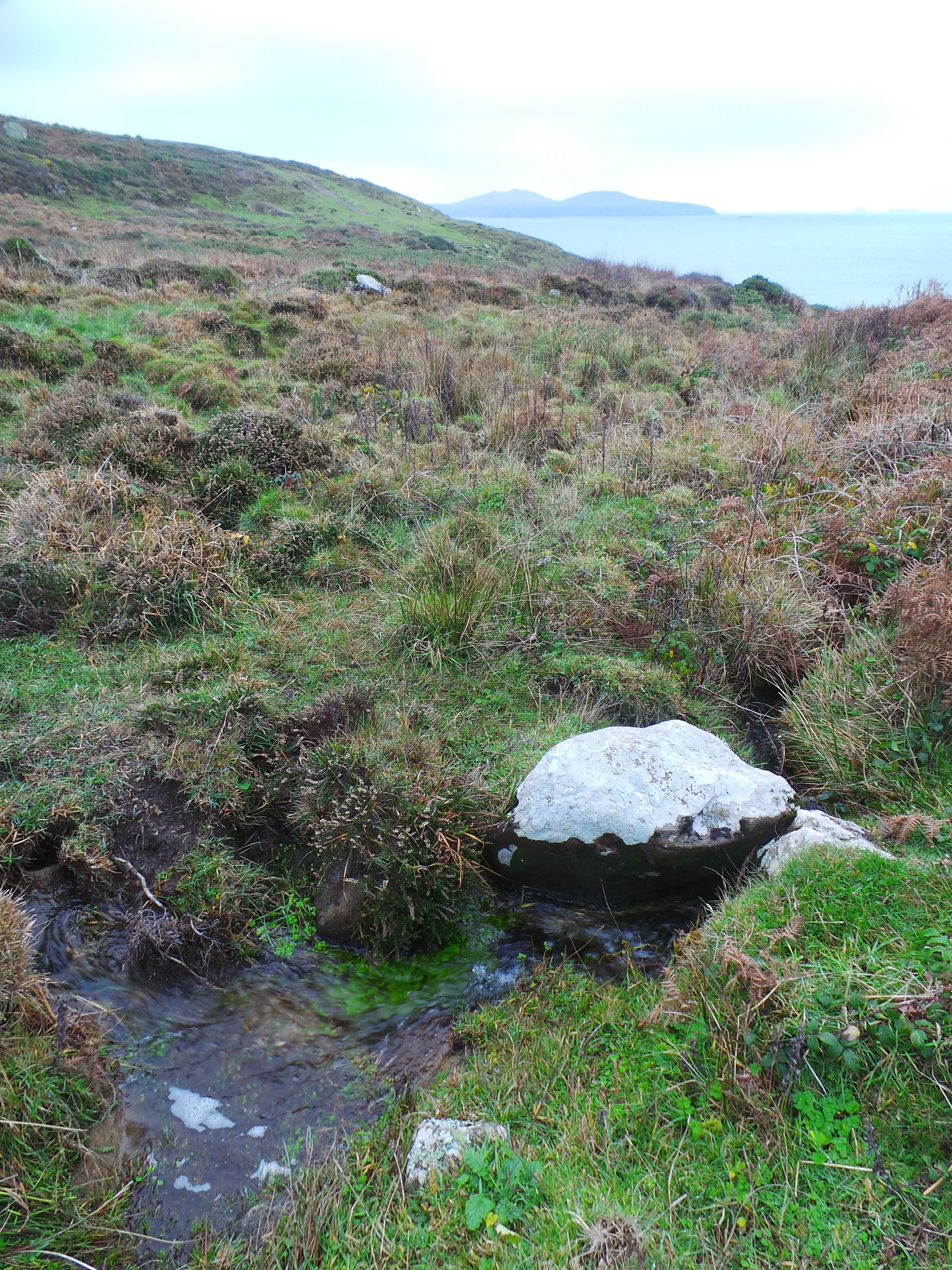
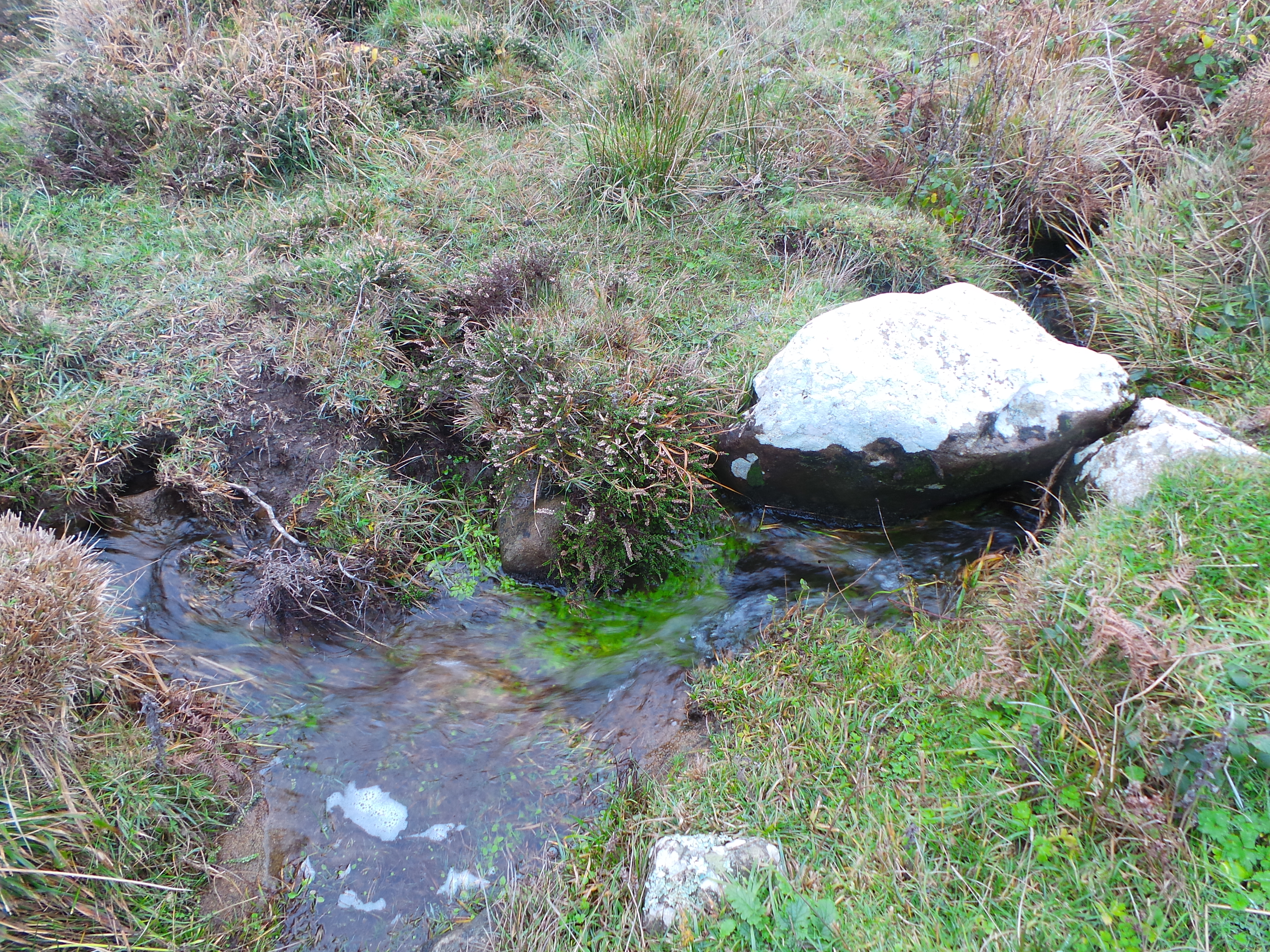
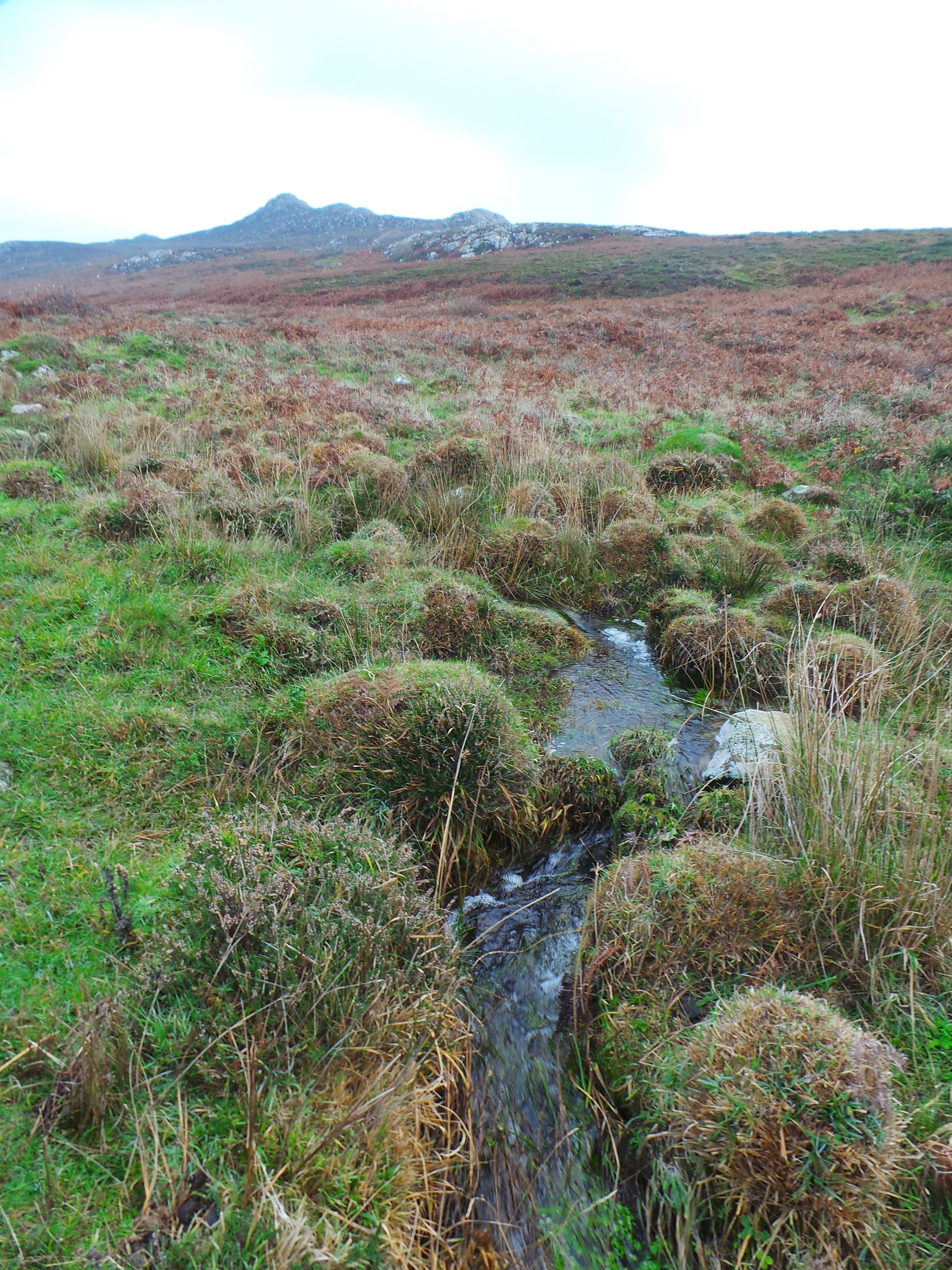
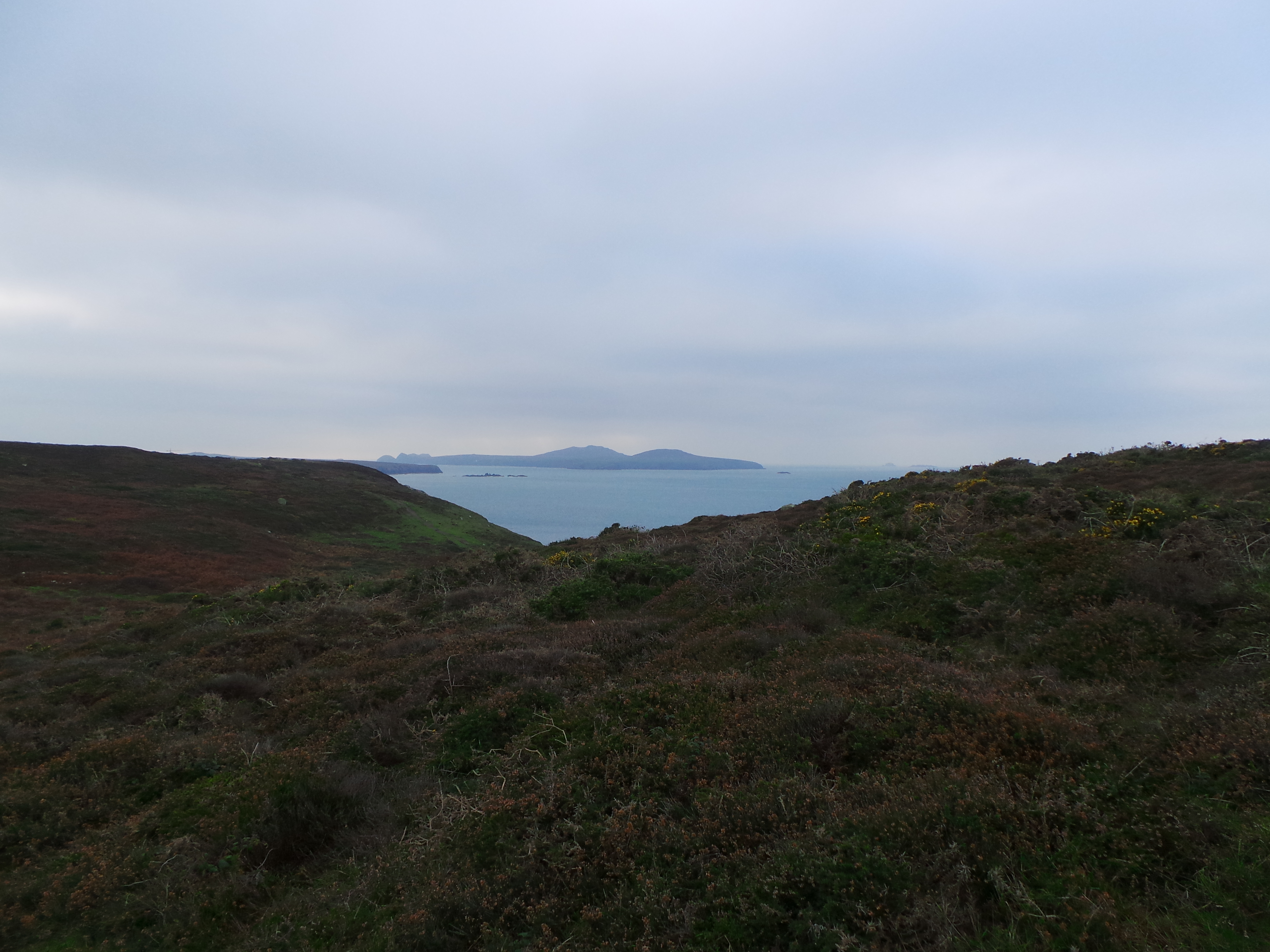
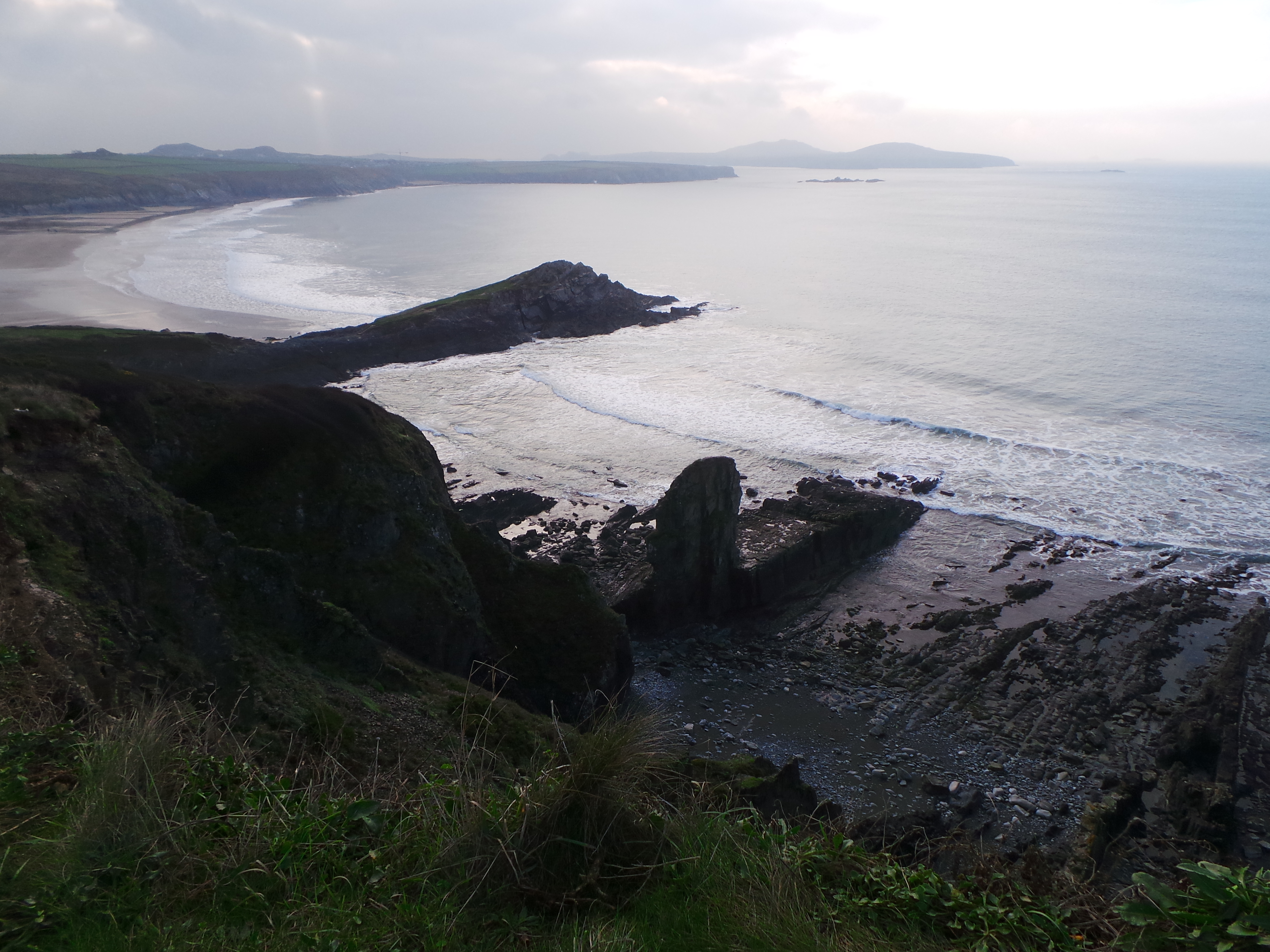
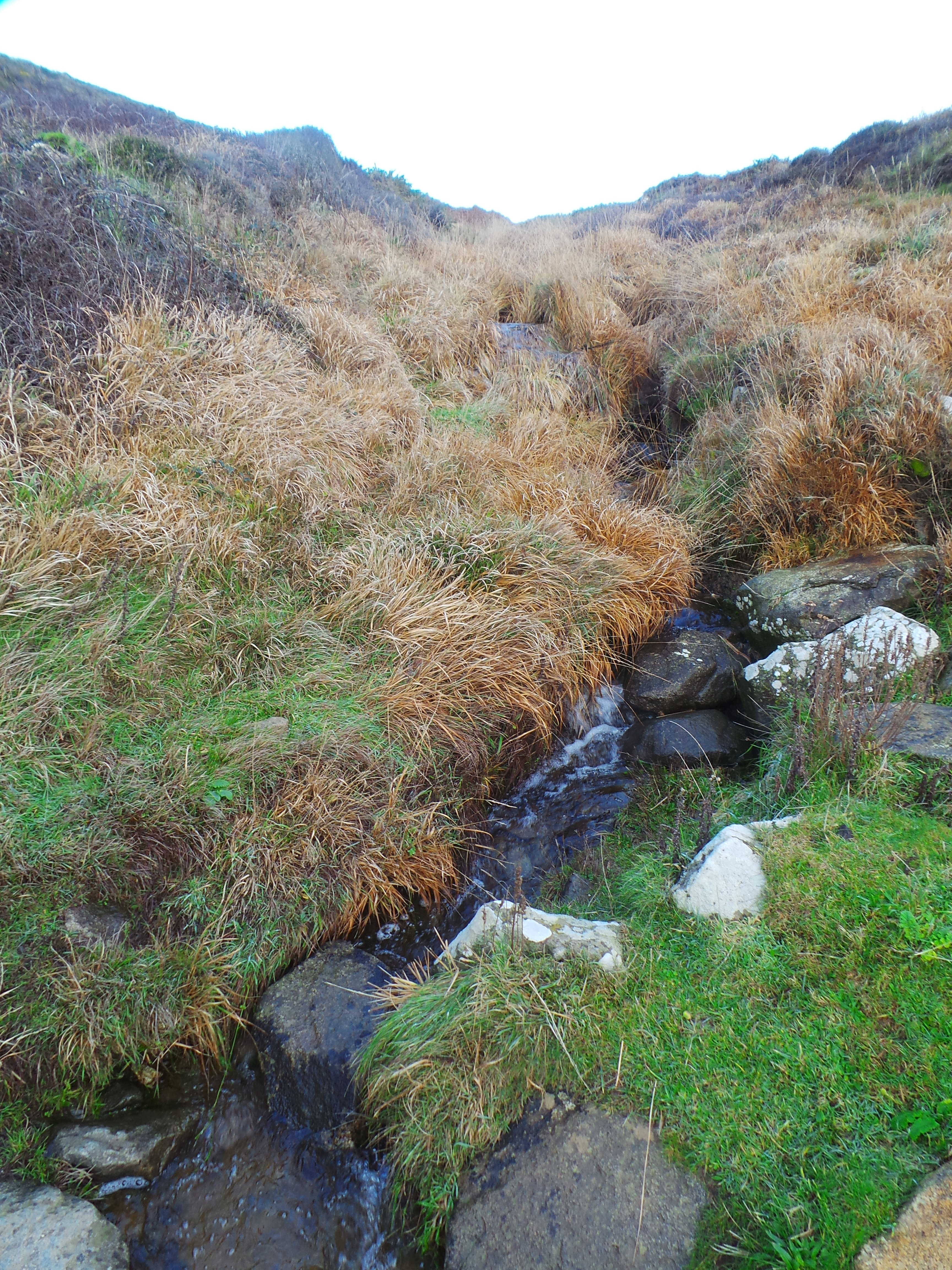
We carried on, crossing over a crystal clear waters of a tiny mountain stream. We stopped a while to enjoy the sounds of water rippling over rock, a sound that always makes us feel good! Letting our eyes follow the stream’s track to the sea showed light over the water more akin to late afternoon, almost the sort of light that comes shortly before a sunset, but it was still early afternoon.

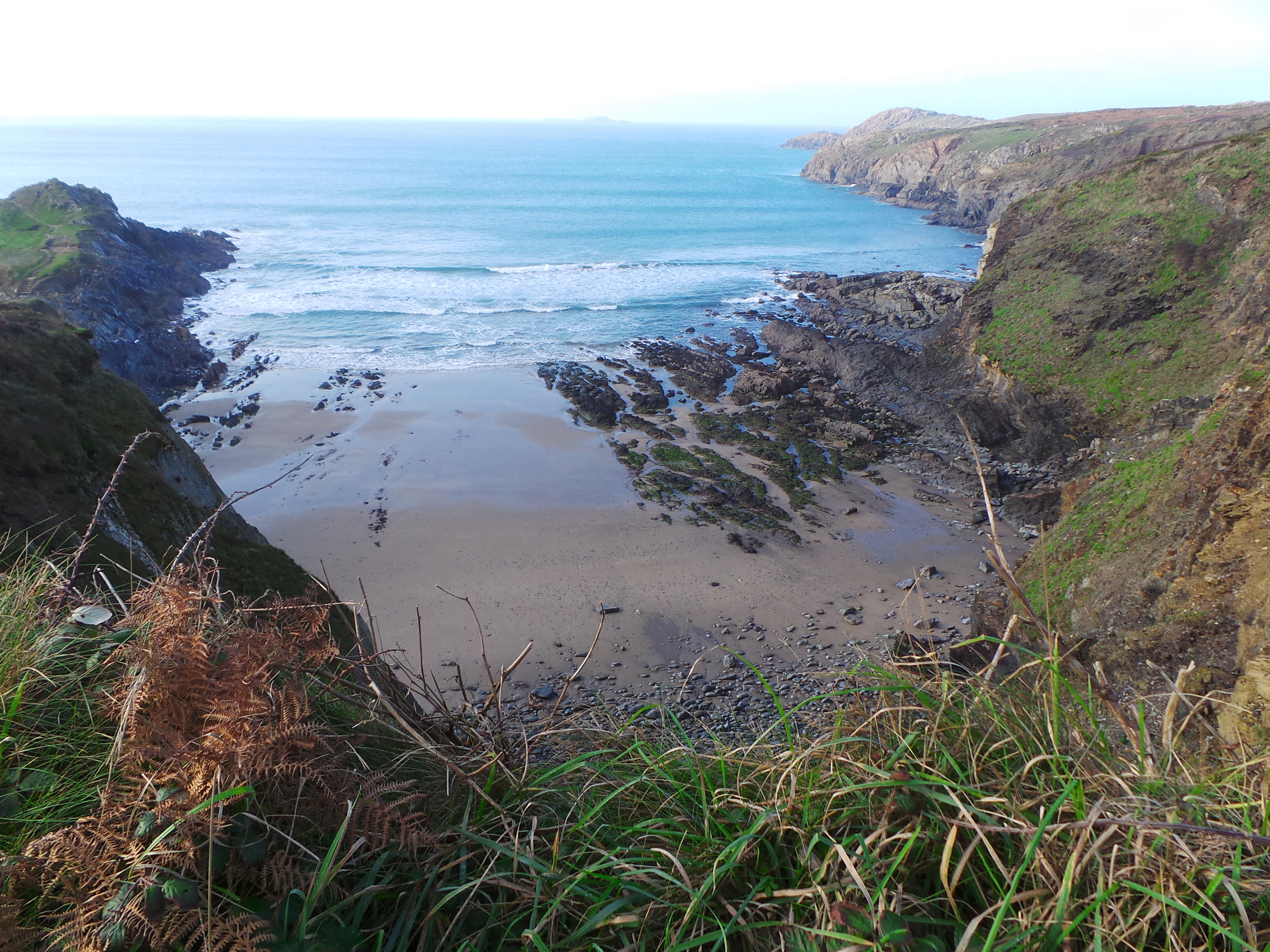
2014 11 21_7652 2014 11 21_7653 2014 11 21_7654 2014 11 21_7655 2014 11 21_7656 2014 11 21_7657

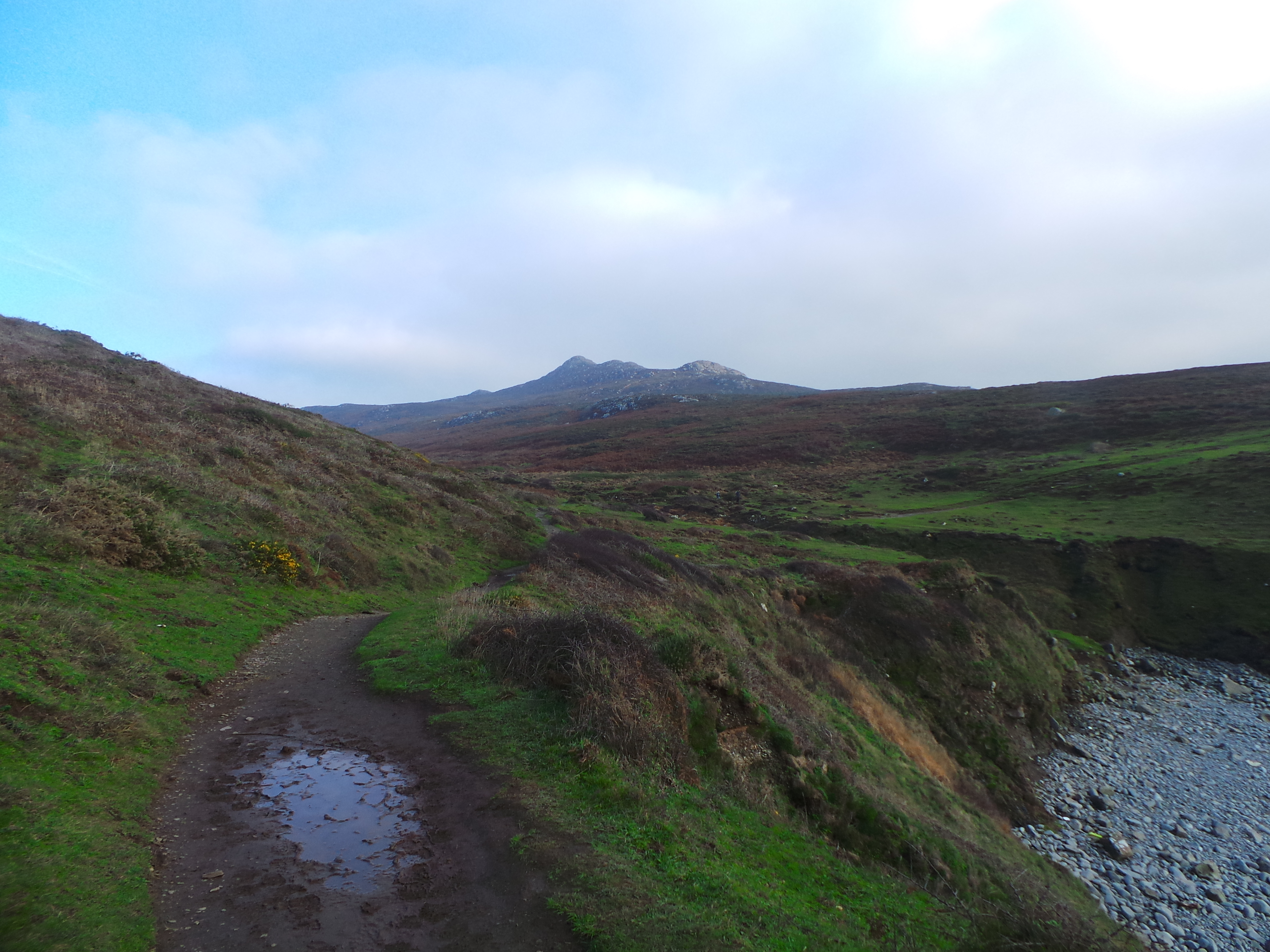
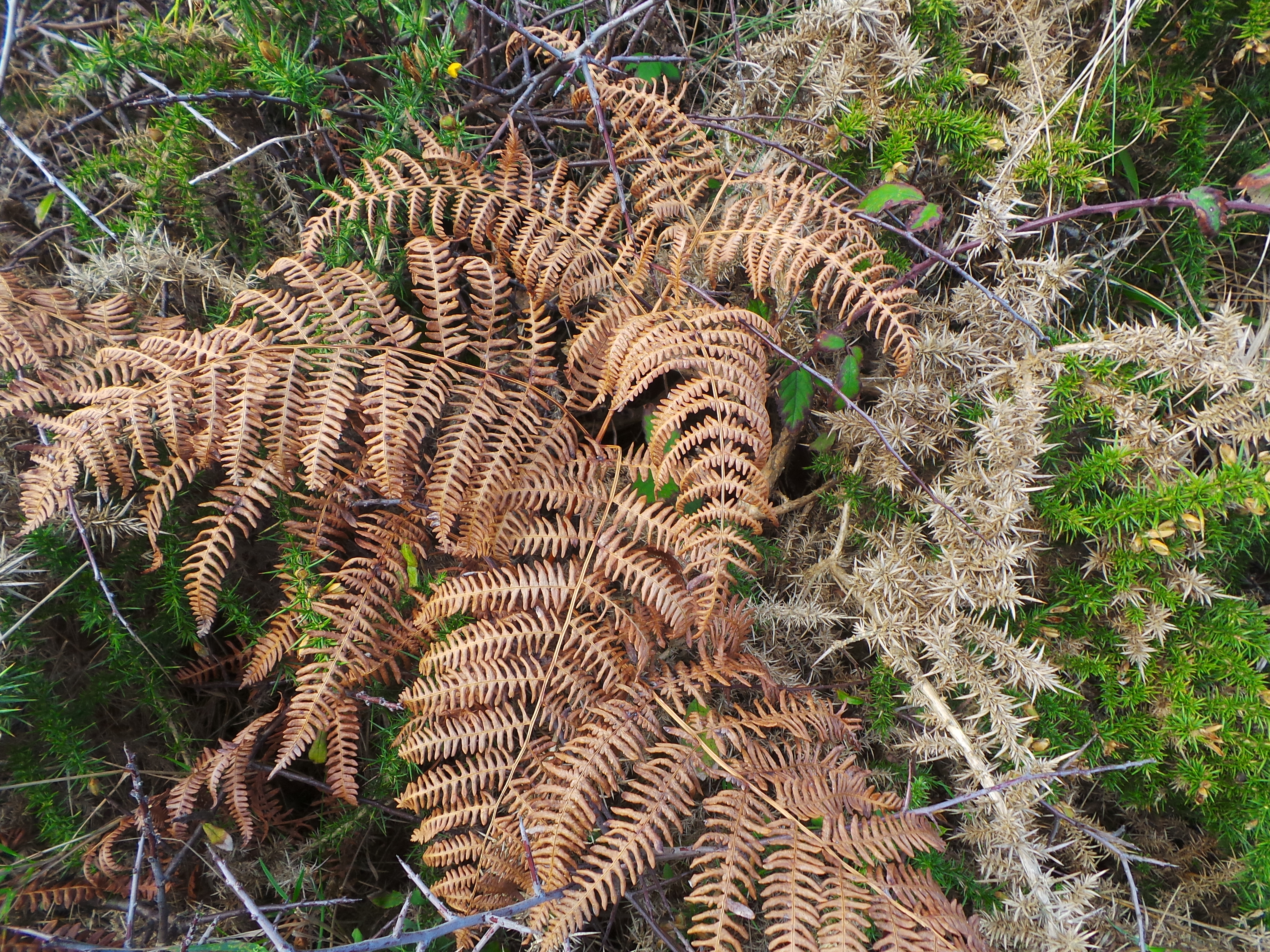
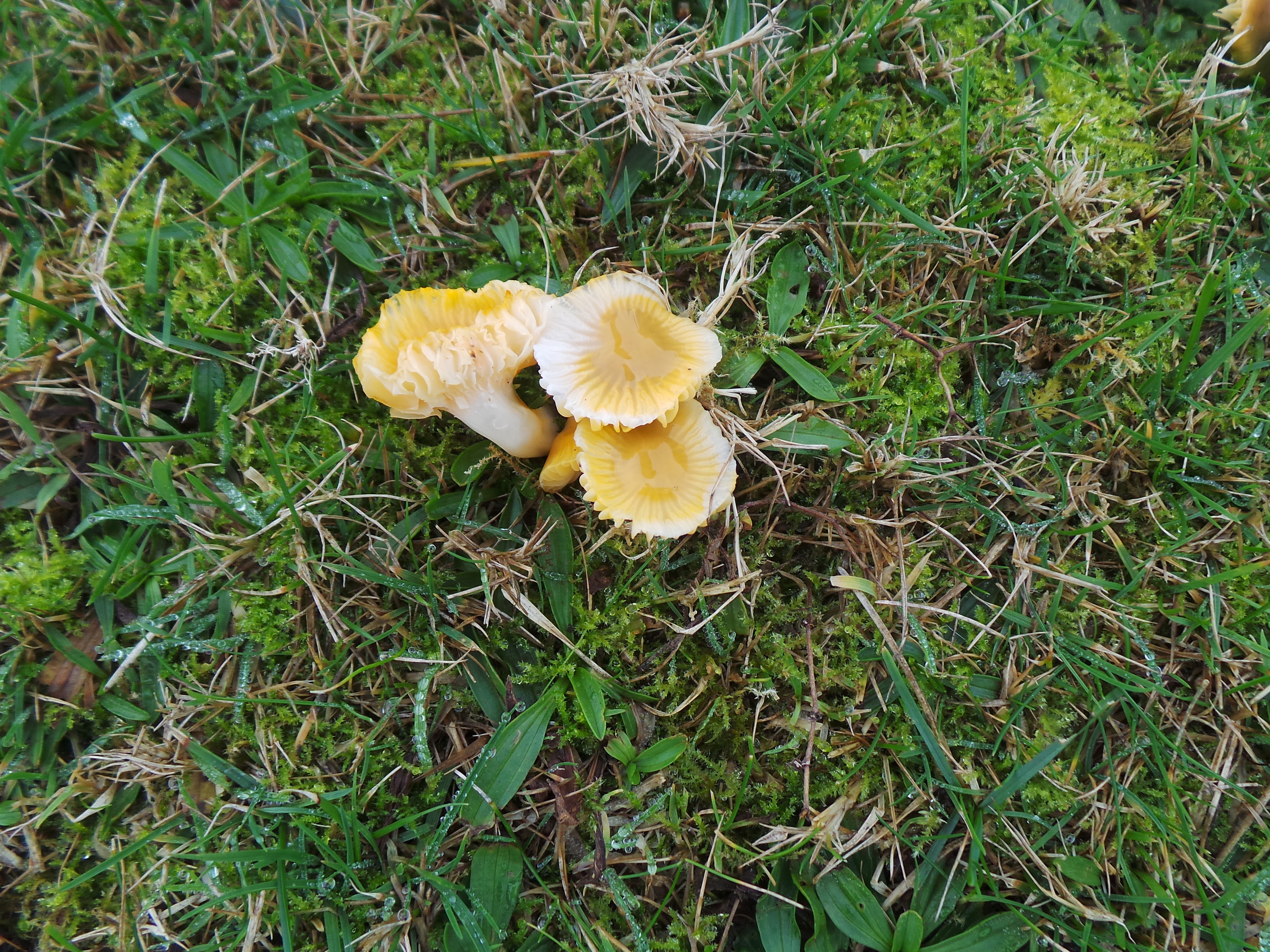
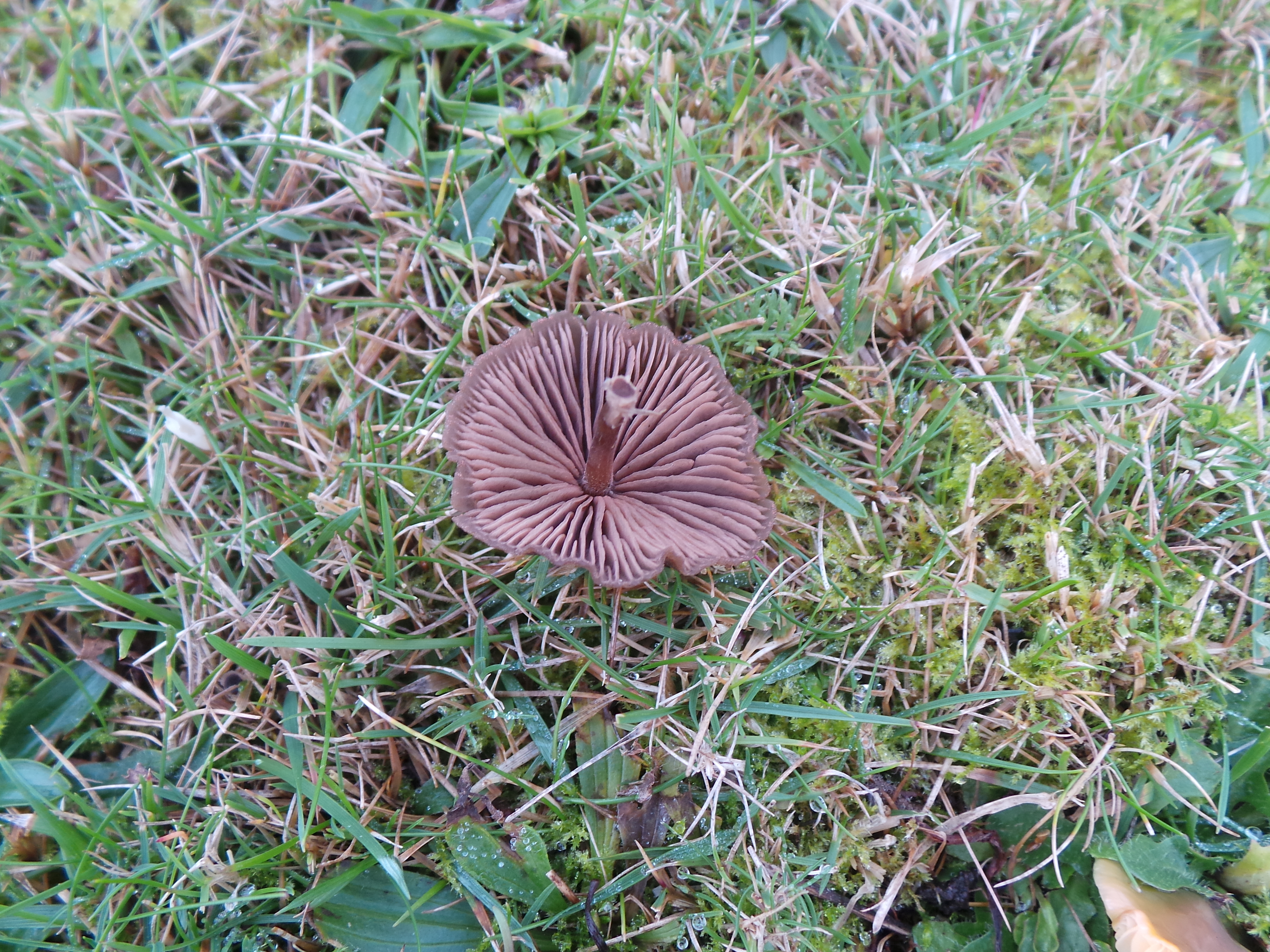
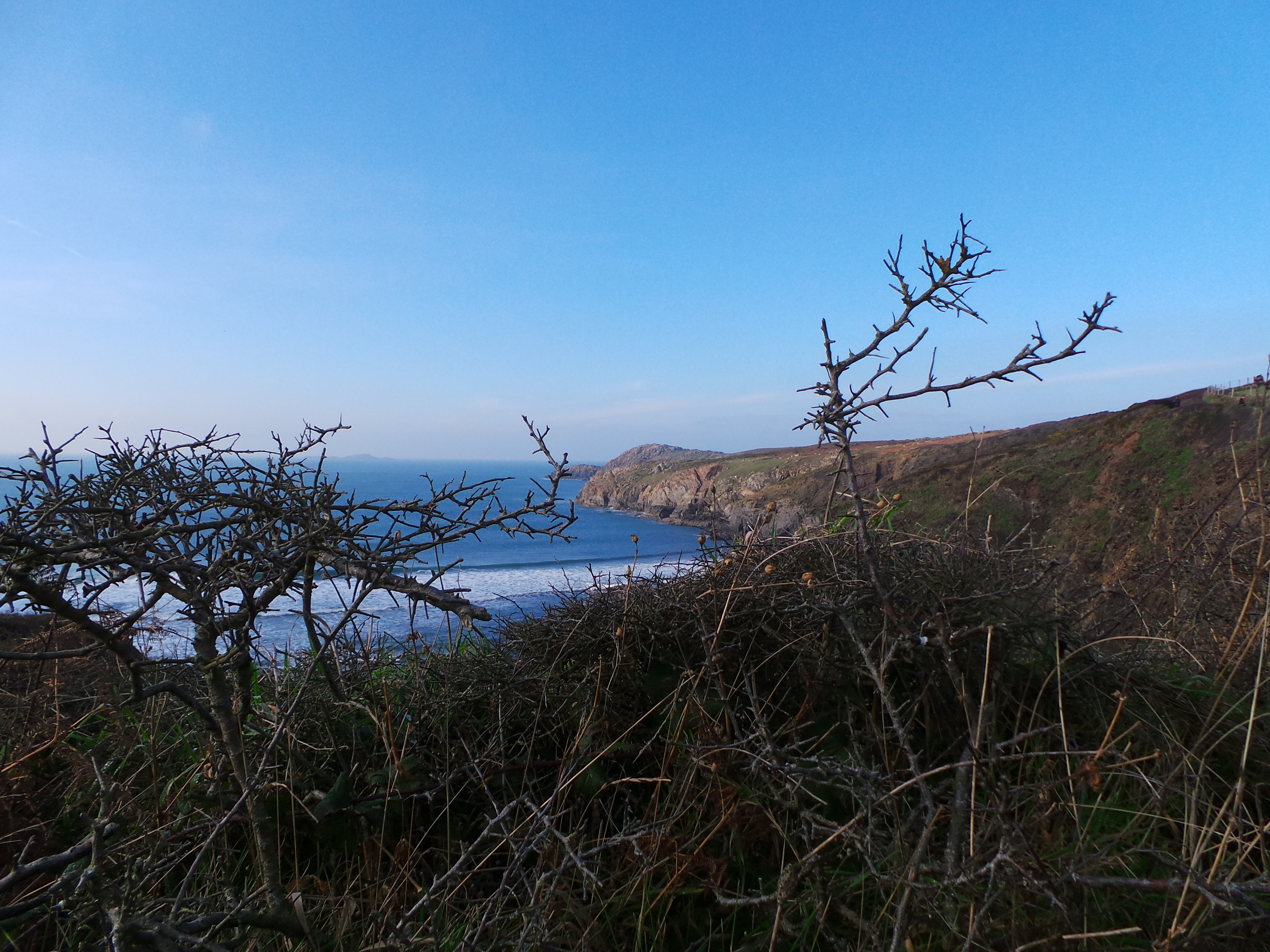
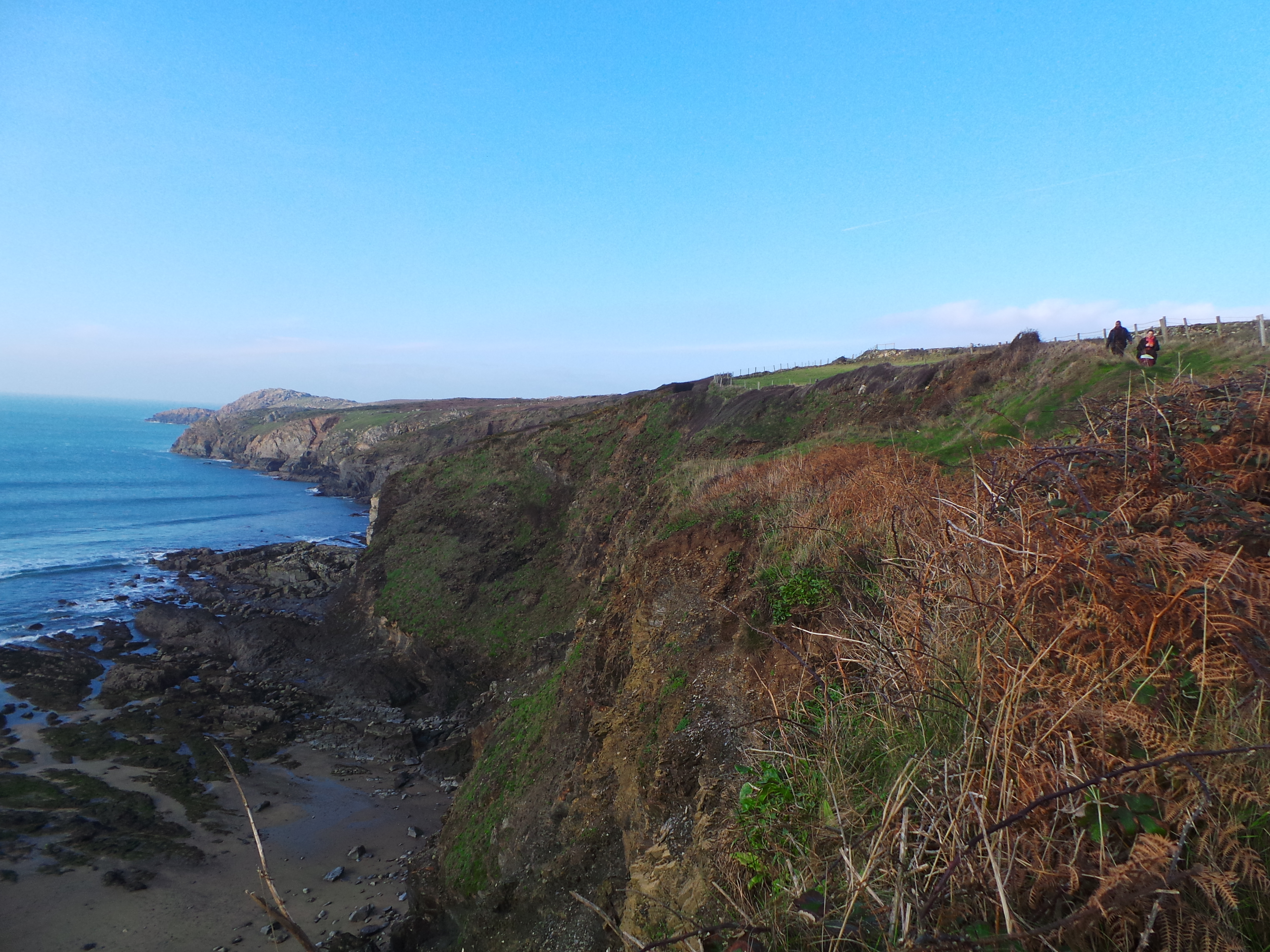
We followed the narrow and at times wet track along the cliff top, all the time keeping our eye on the headland we were aiming for, but at times it disappeared from view. Bracken and fungi grew in the short grass, close cropped by sheep.


2014 11 21_7658 2014 11 21_7659 2014 11 21_7660 2014 11 21_7661 2014 11 21_7662 2014 11 21_76632014 11 21_7664 2014 11 21_7665

We followed a stream against the downhill direction of its journey, gradually climbing all the time. We were constantly stopped in our tracks by the beauty of the landscapes. Enjoy my photos!


2014 11 21_7666 2014 11 21_7667 2014 11 21_7668 2014 11 21_7669 2014 11 21_7670 2014 11 21_7671 2014 11 21_7672 2014 11 21_7673 2014 11 21_7674 2014 11 21_7675 2014 11 21_7676 2014 11 21_7677 2014 11 21_7678 2014 11 21_7679 2014 11 21_7680 2014 11 21_7681 2014 11 21_7682 2014 11 21_7683

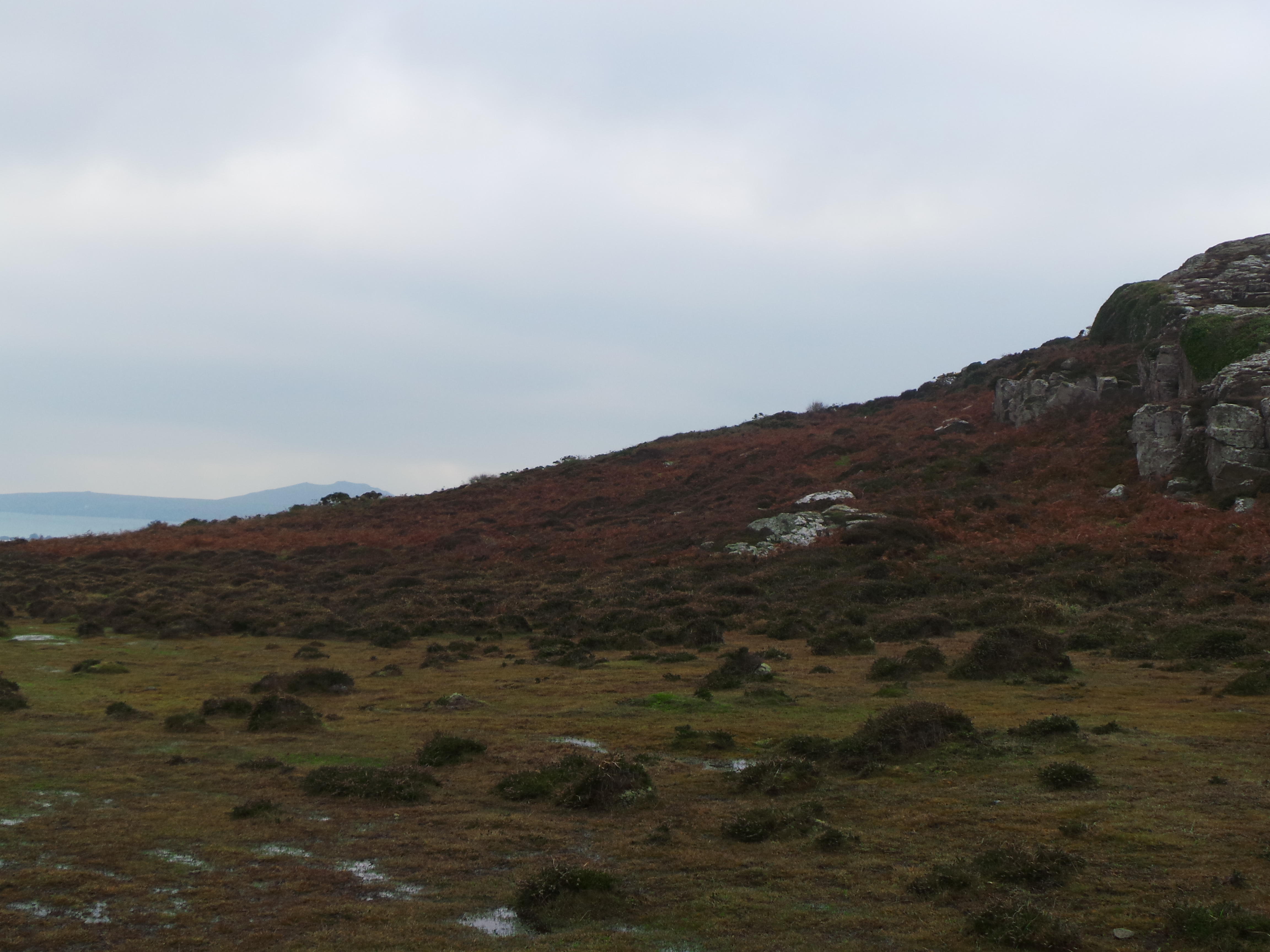
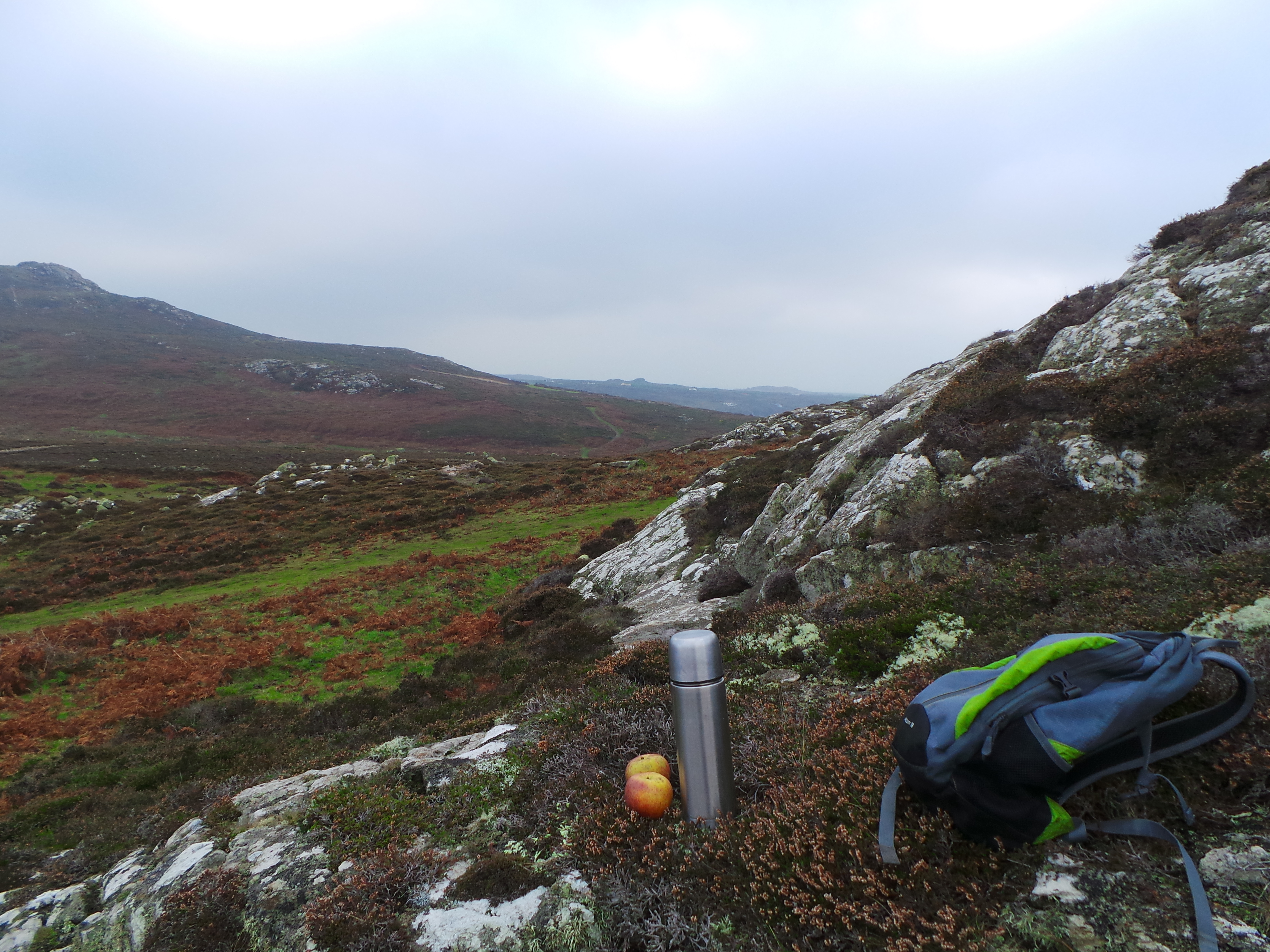
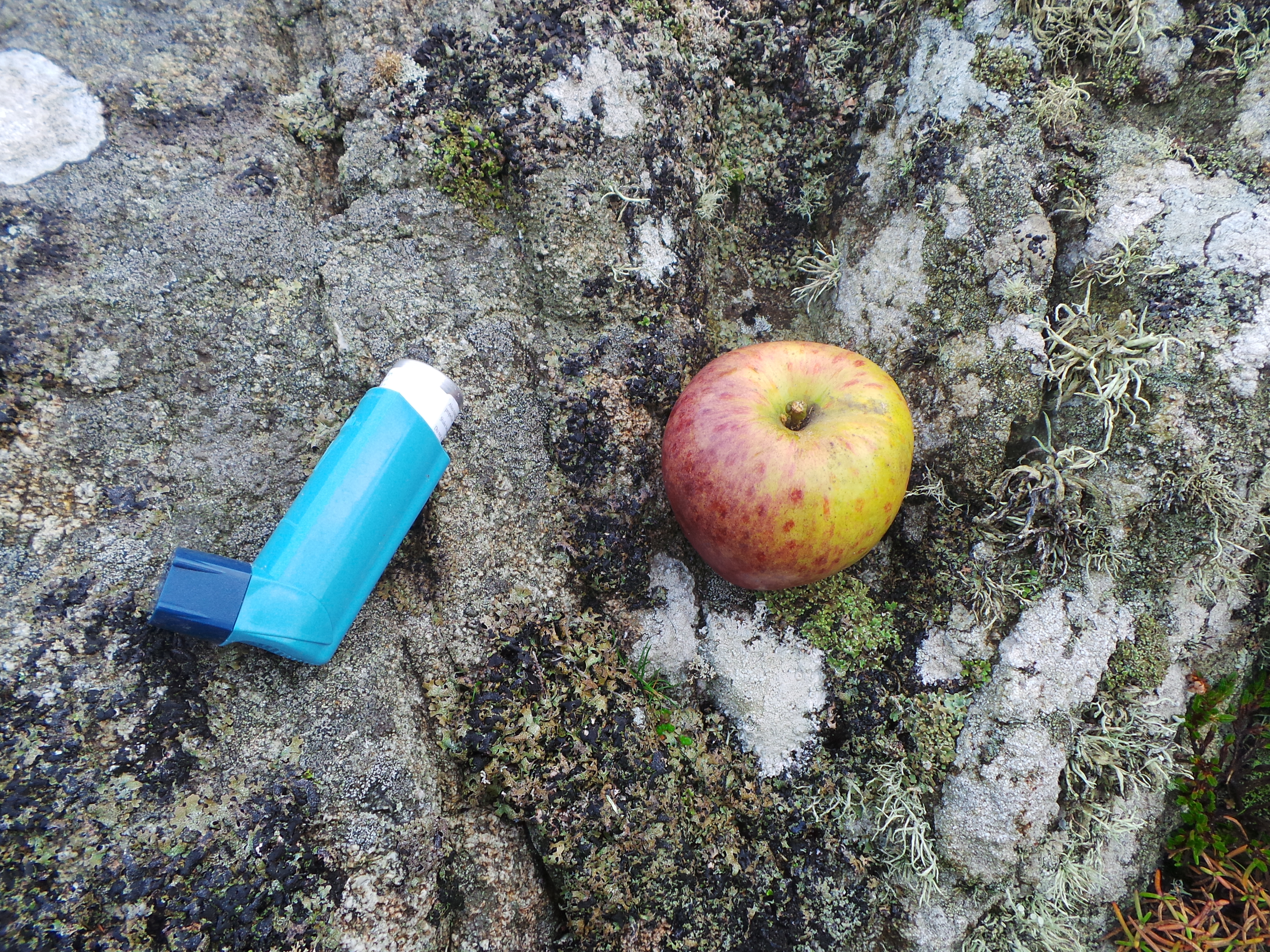
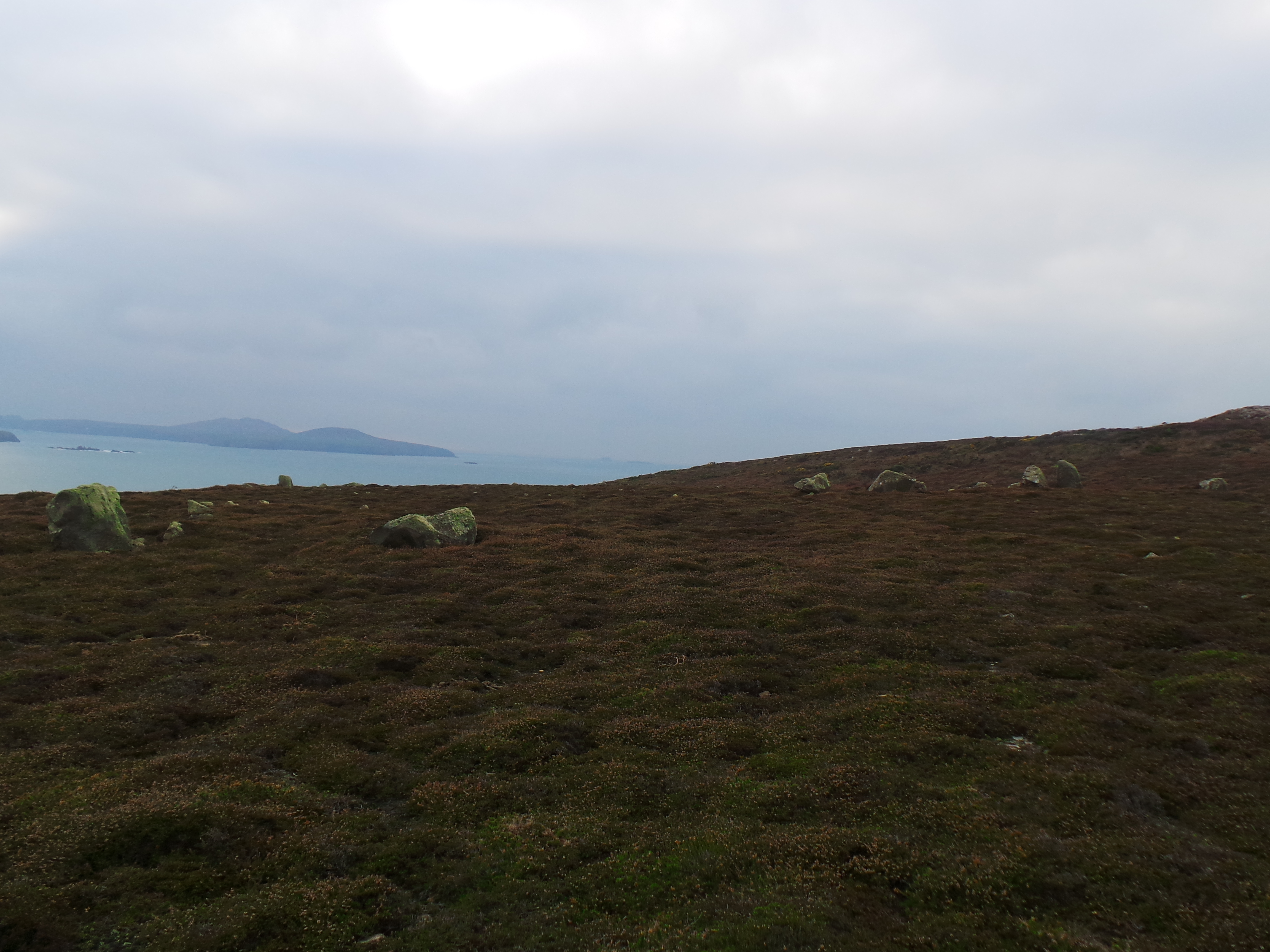
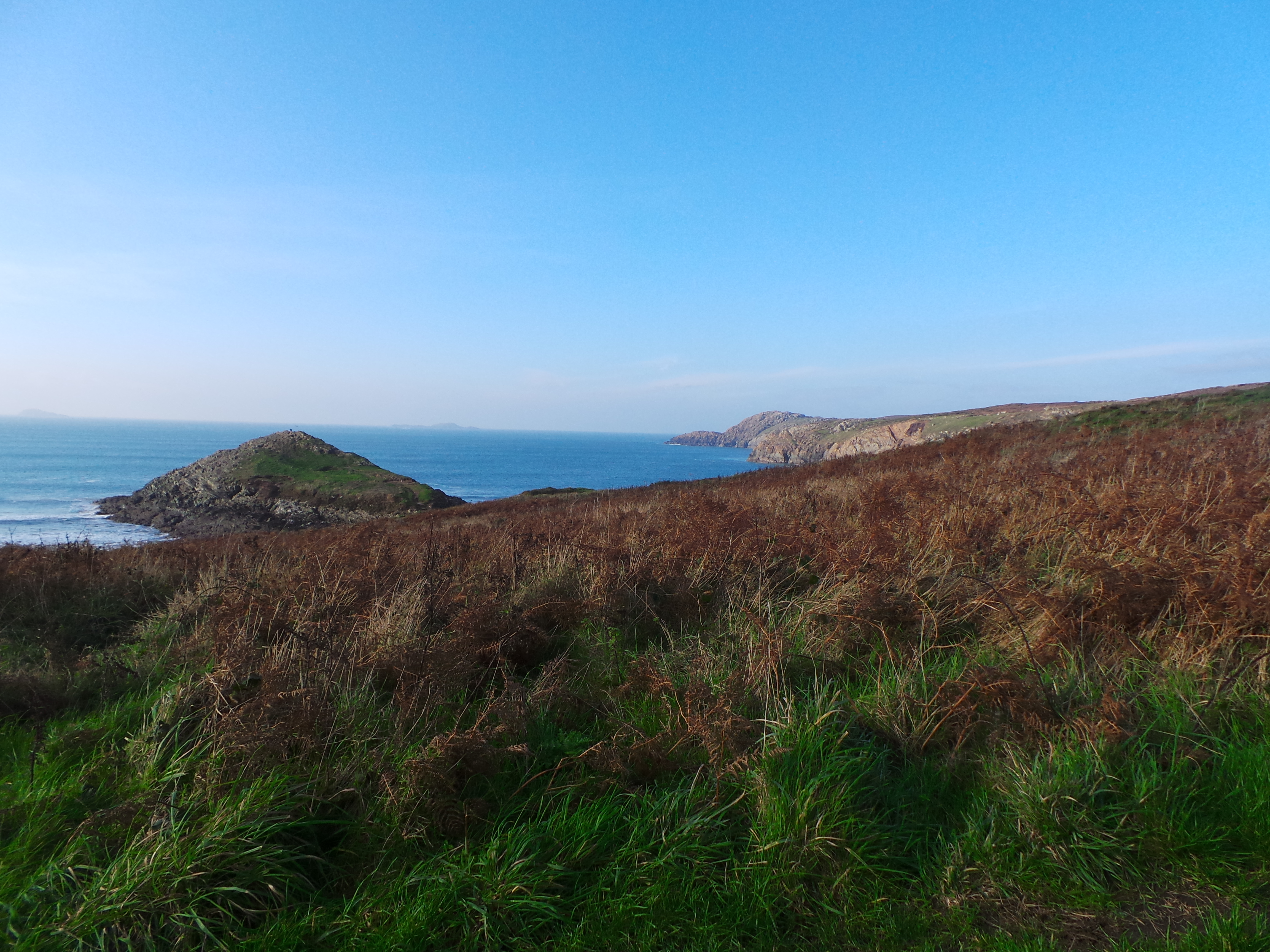
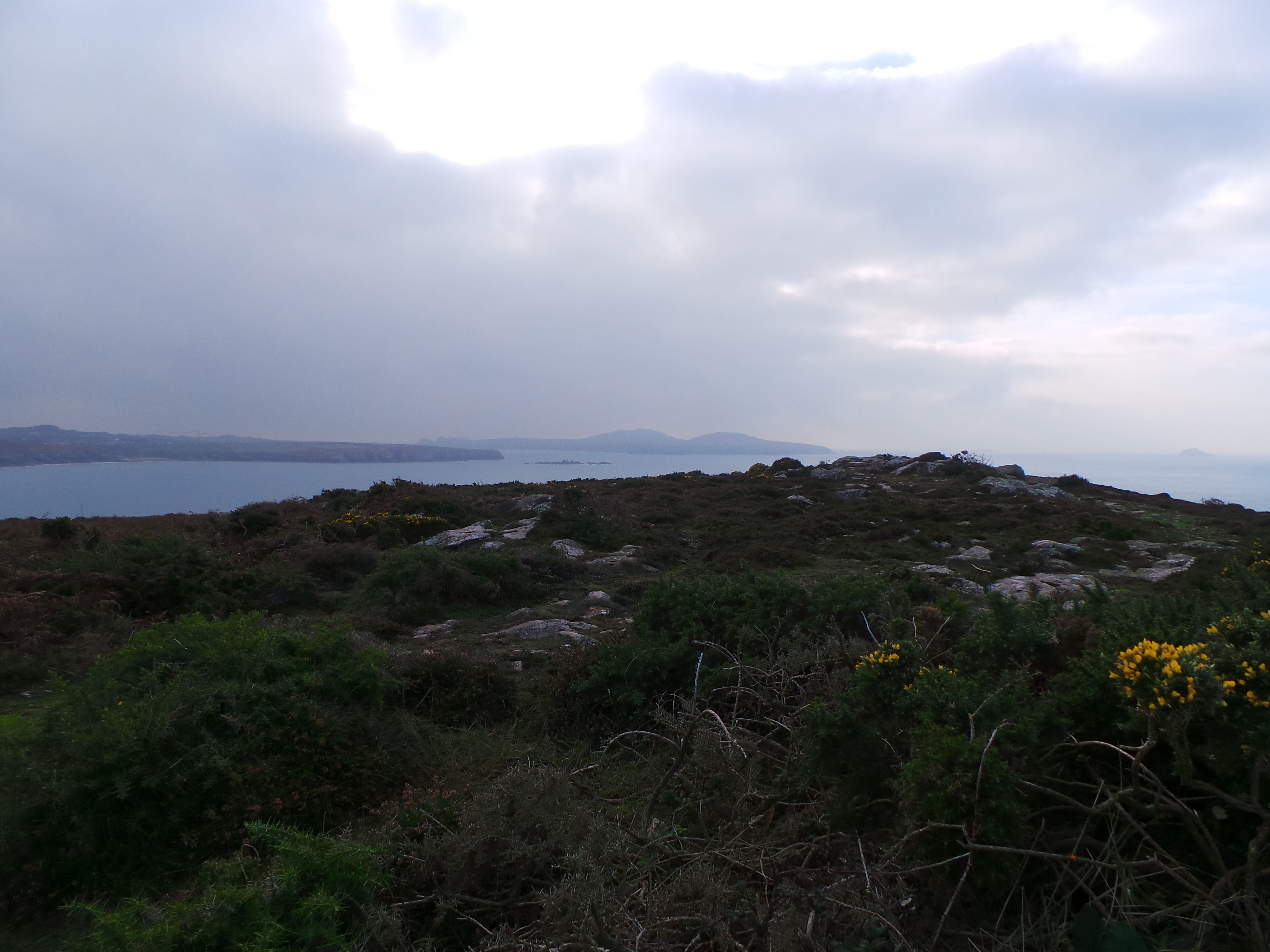
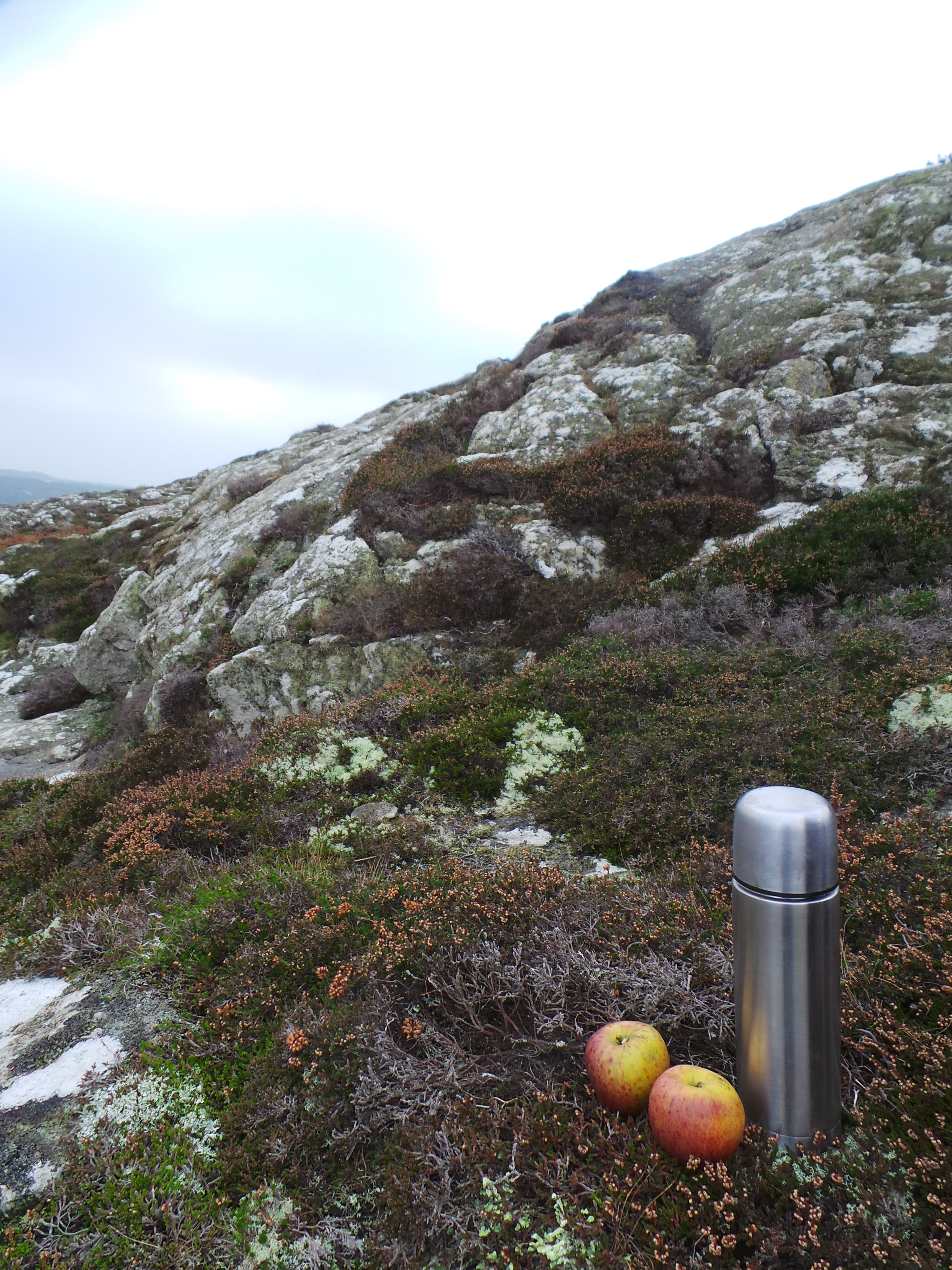
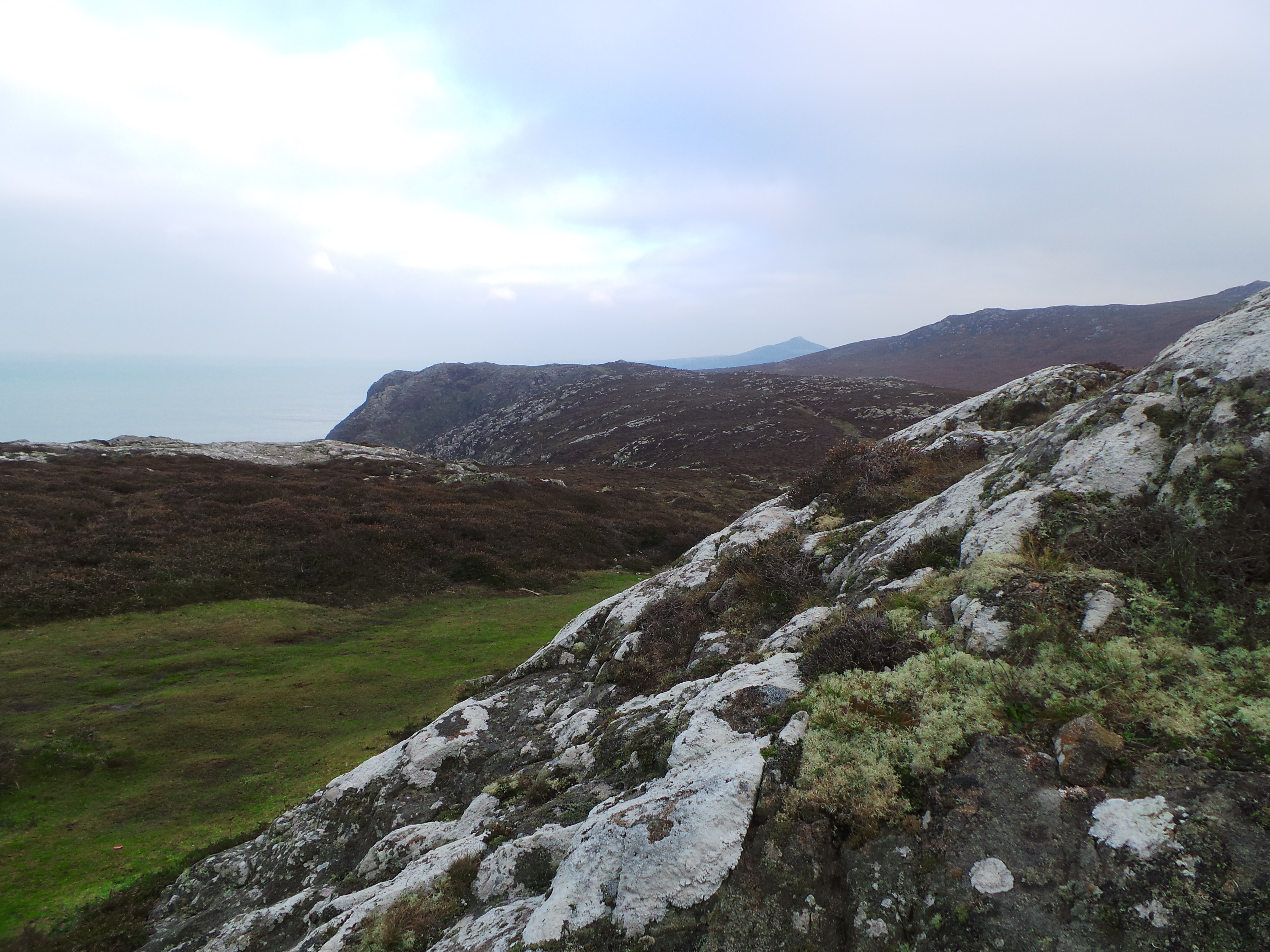
When we reached our destination we enjoyed a good rest, sitting on comfortable and convenient rock outcrops. Coffee, fruit and in my case a good dose of Ventolin helped refresh us. We felt so pleased, so satisfied. We enjoyed the views from this vantage point, where we could appreciate a vast panorama.

2014 11 21_7696

2014 11 21_7684 2014 11 21_76852014 11 21_7690 2014 11 21_7687


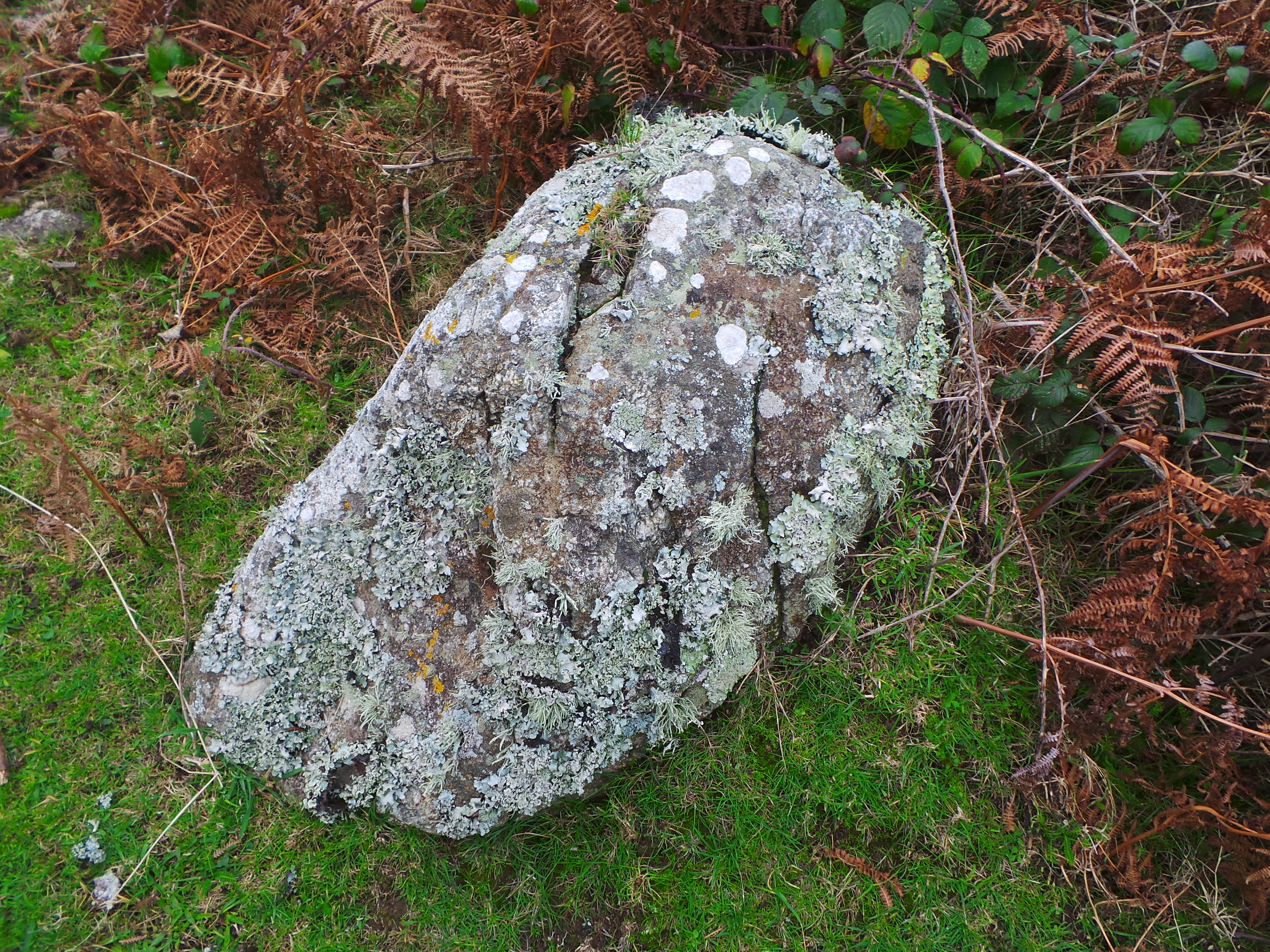
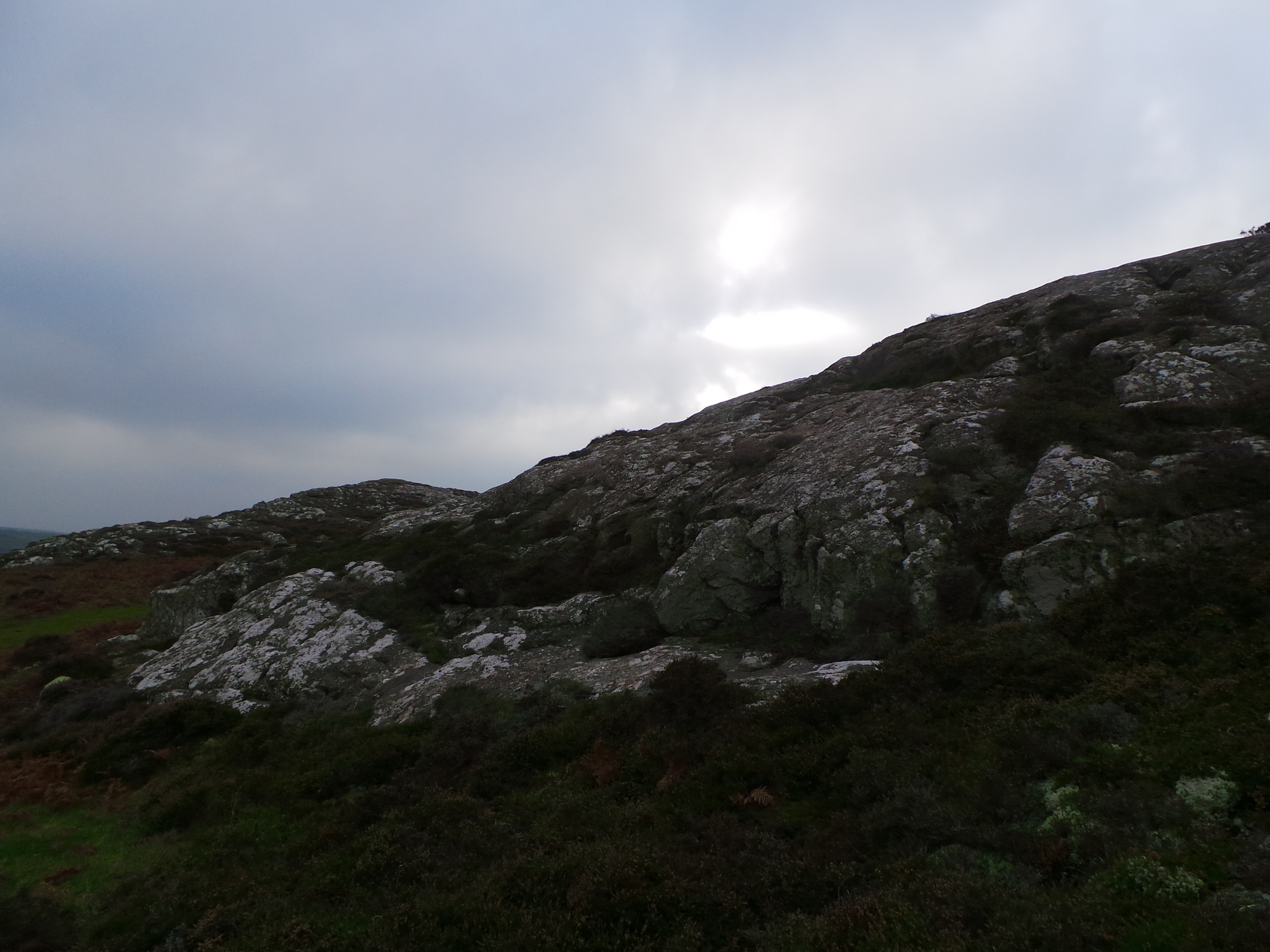
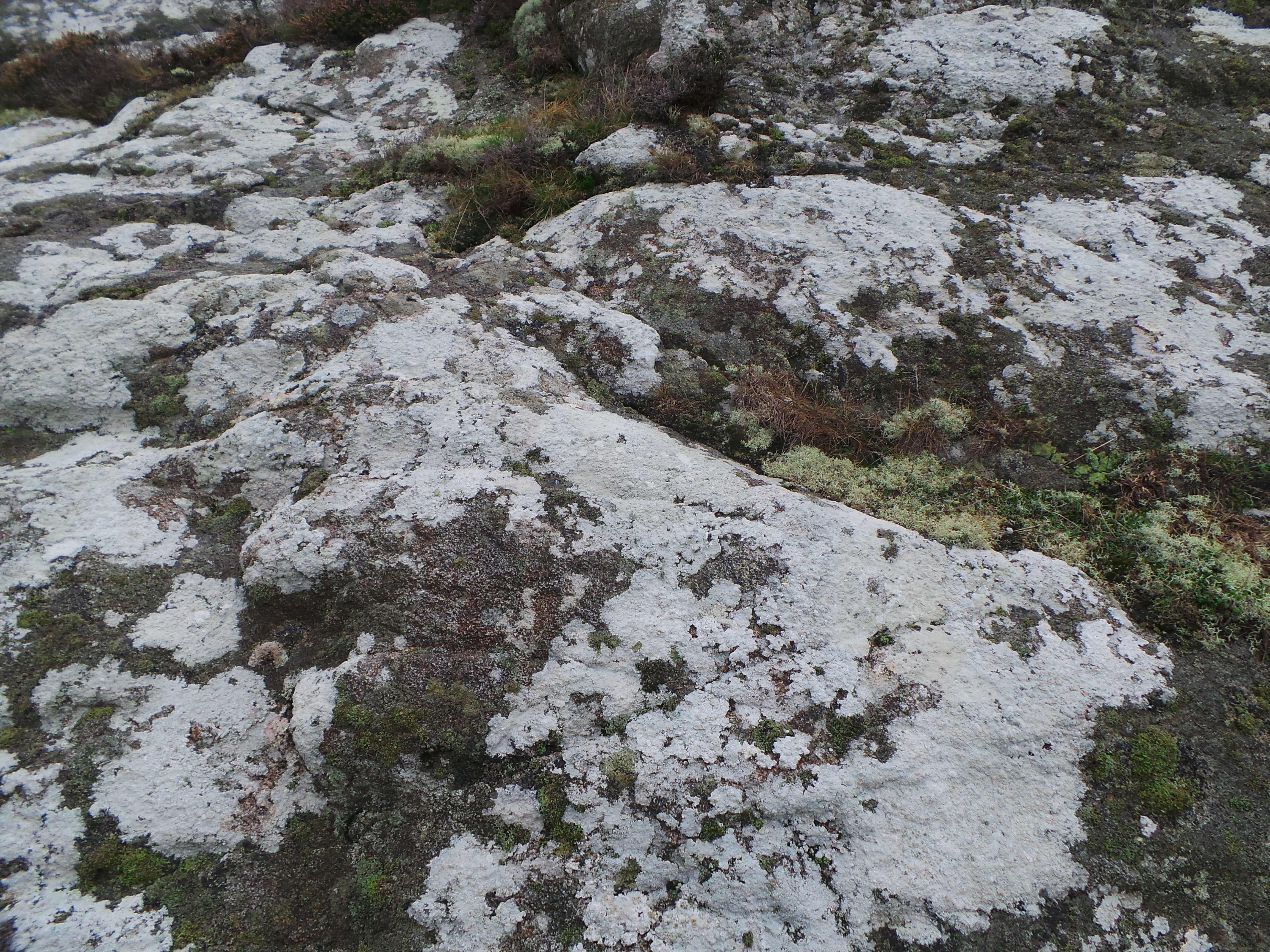
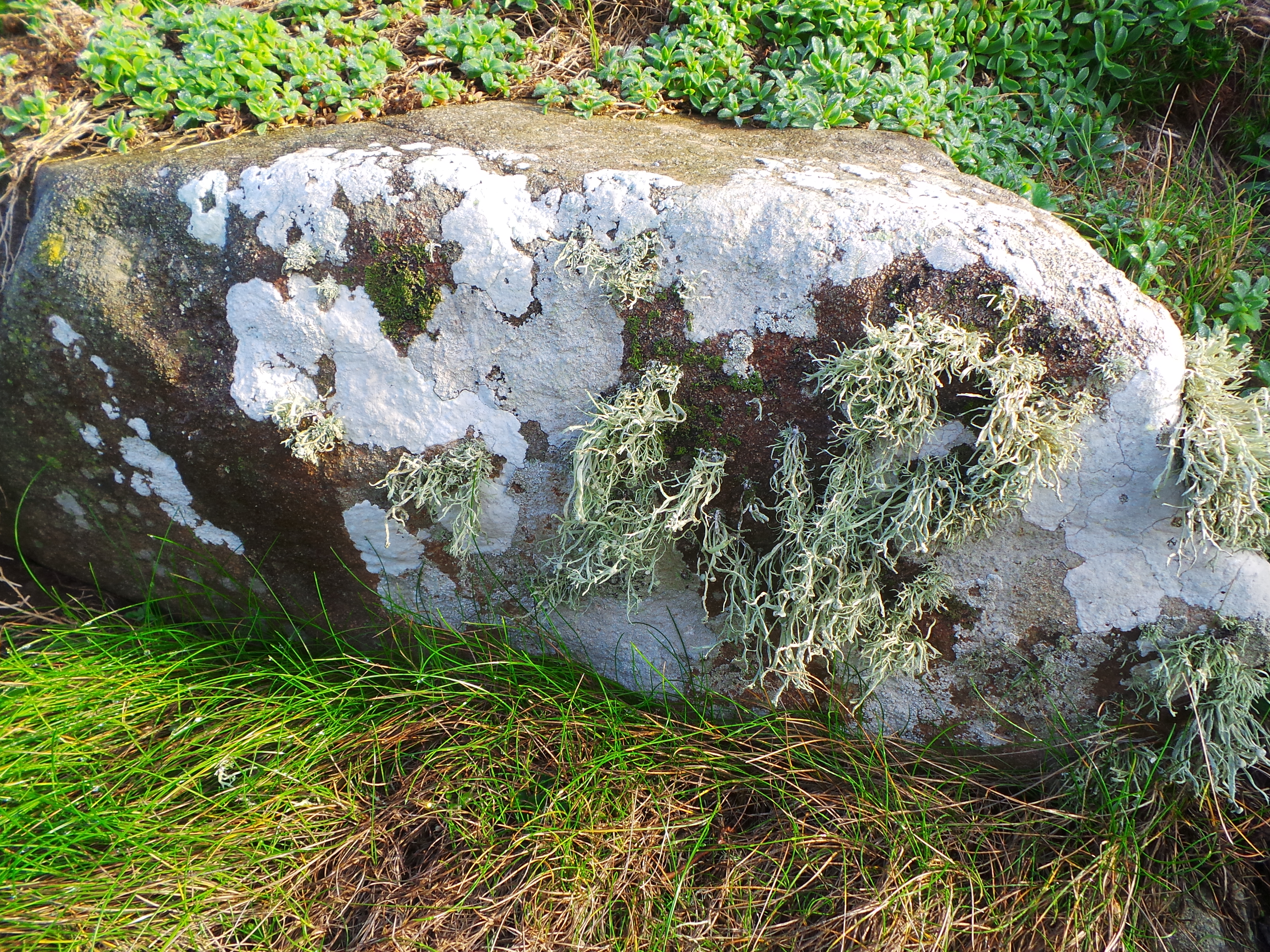
The rock faces were painted in lichen and the grass dotted with fungi even in this bleak place.


2014 11 21_7686  2014 11 21_7688 2014 11 21_7689 2014 11 21_7693  2014 11 21_7694 2014 11 21_76952014 11 21_7692

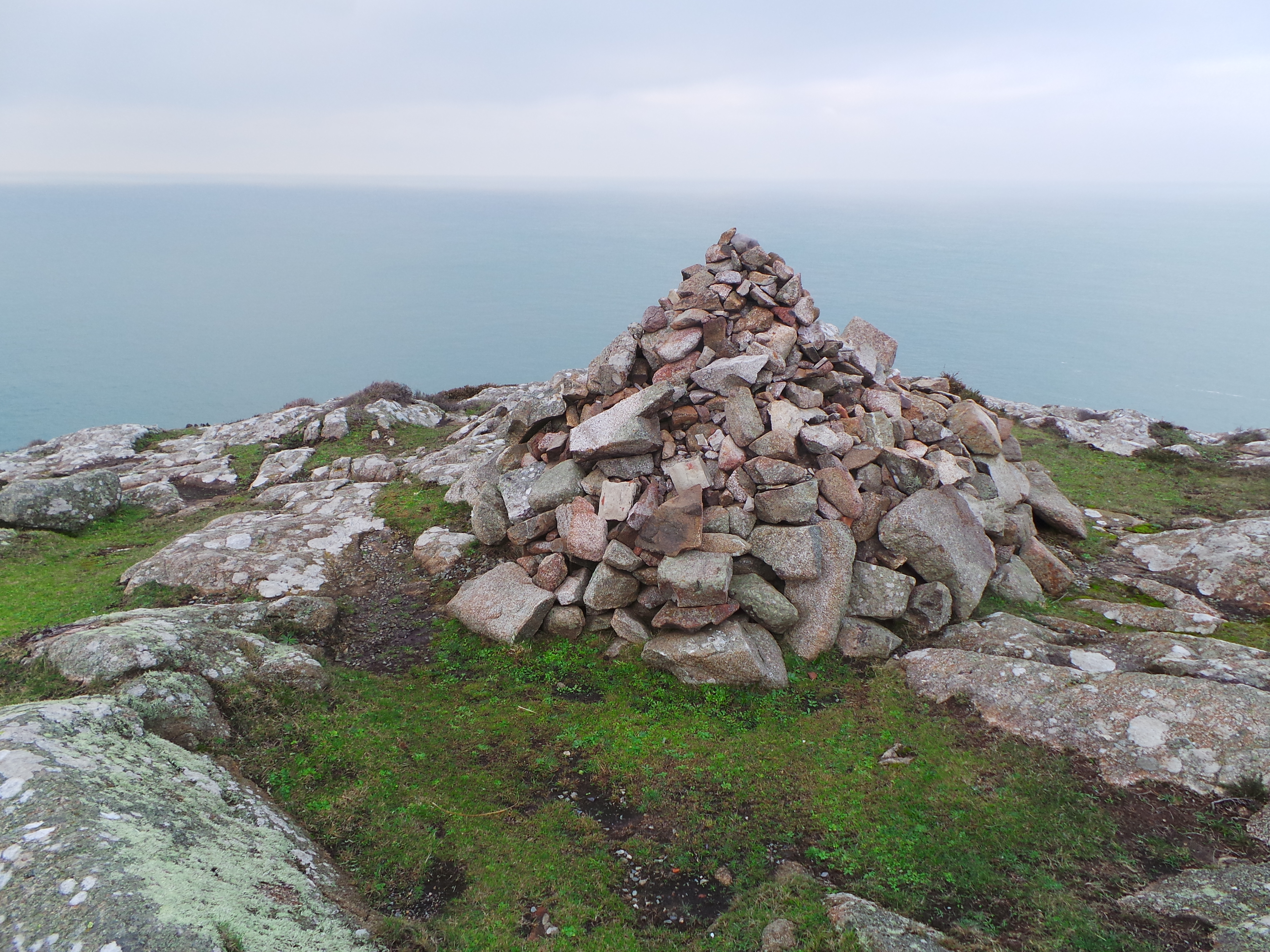
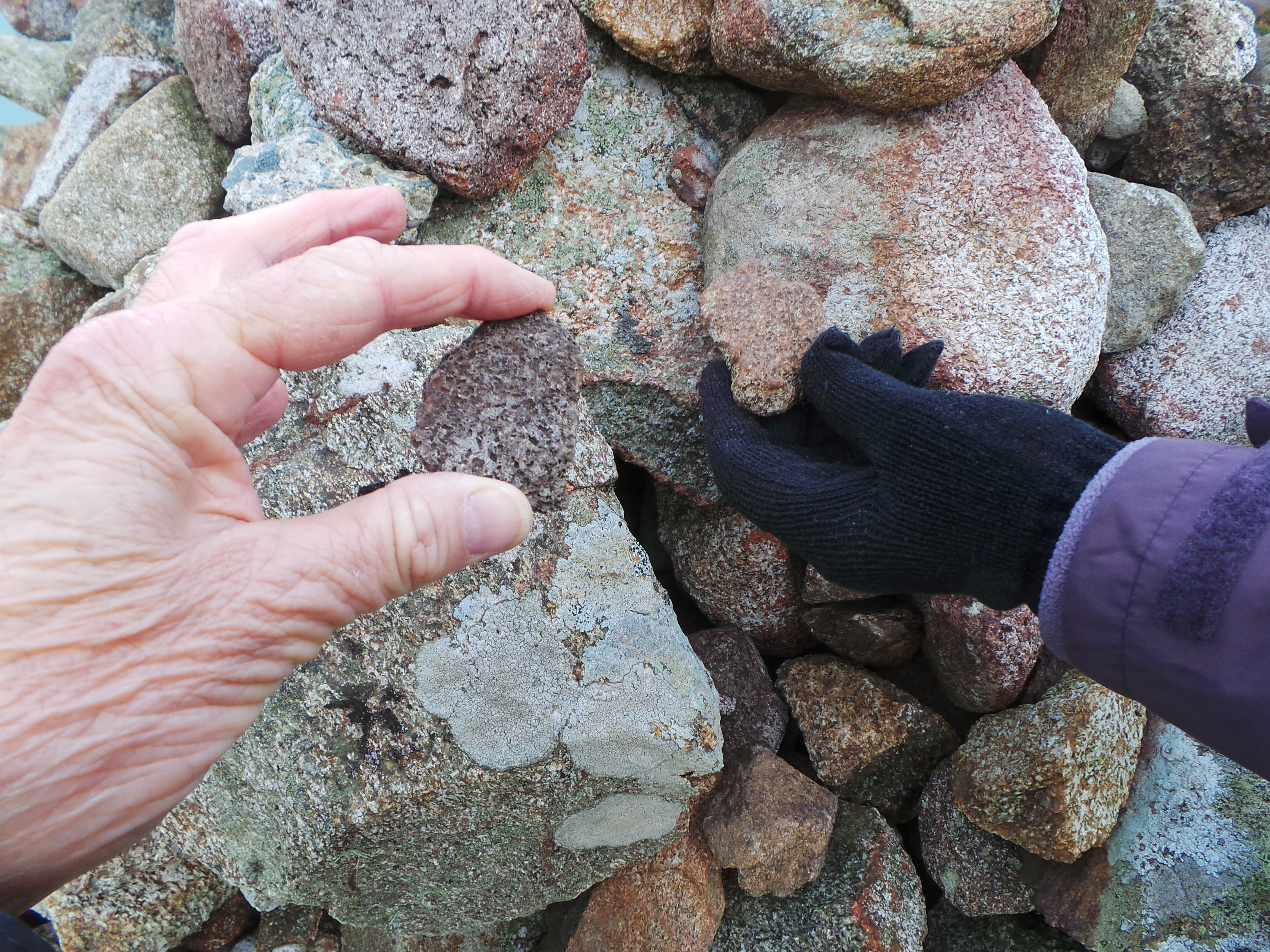
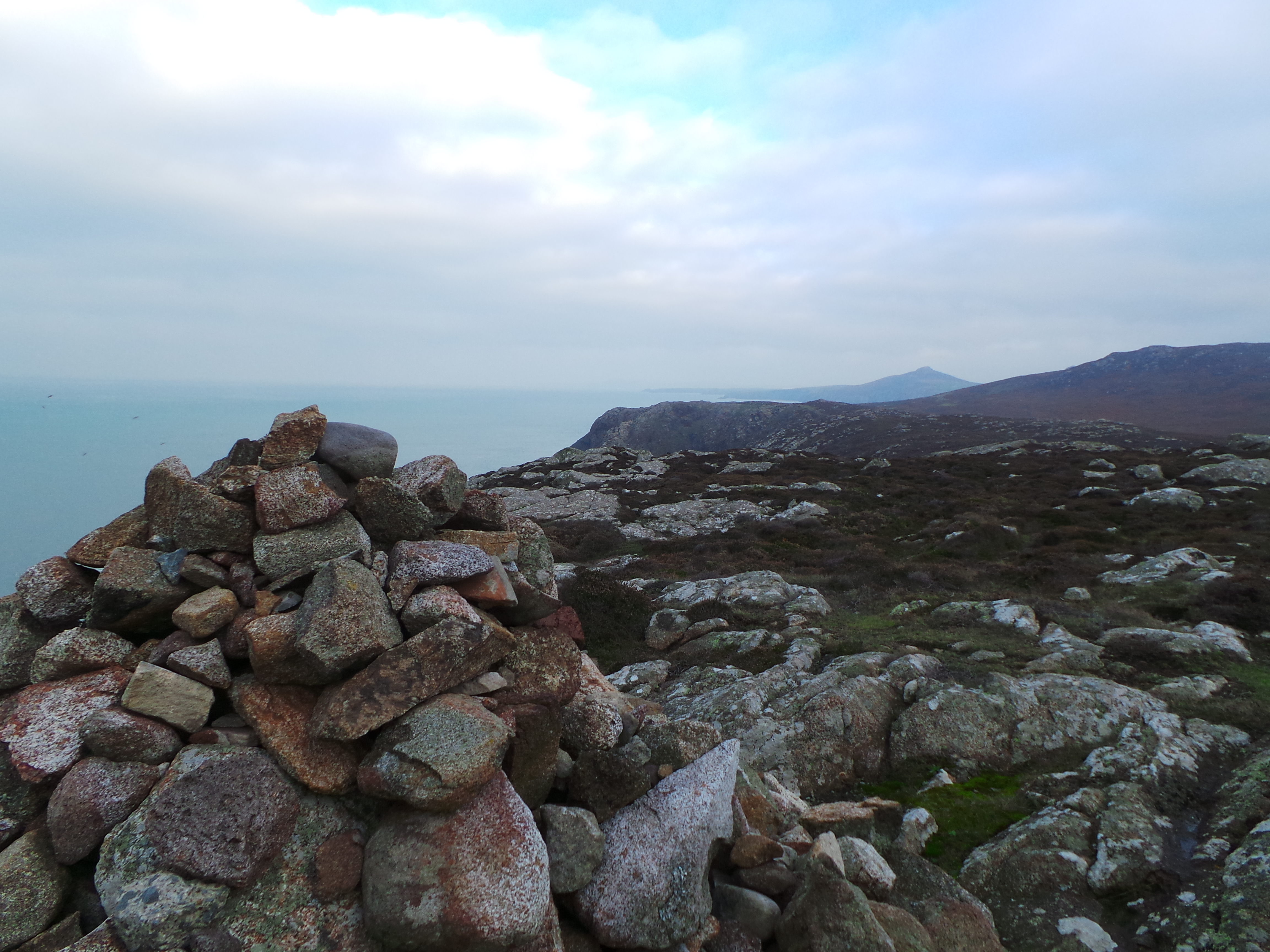
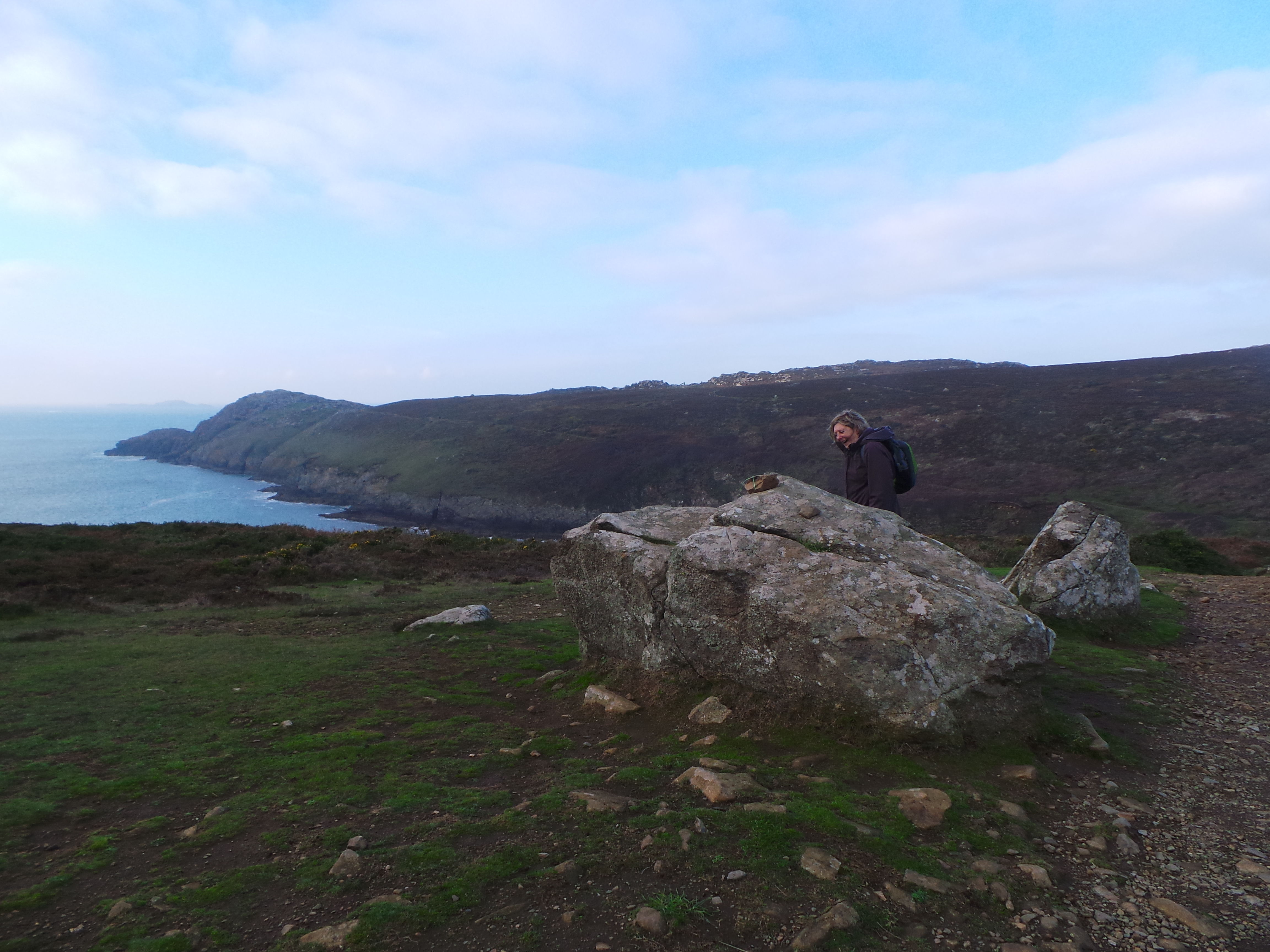
From where we sat we spotted a cairn marking the highest point on the headland. We just had to walk a few hundred yards more. Of course along the way we searched for a stone each to allow ourselves to follow our tradition of placing it on the cairn.

2014 11 21_7698 2014 11 21_7699 2014 11 21_7700 2014 11 21_7701 2014 11 21_7702 2014 11 21_7703


We found returning to our starting point a lot easier following a steady downhill track.

2014 11 21_7706 2014 11 21_7707 2014 11 21_7708 2014 11 21_7709 2014 11 21_7710 2014 11 21_7711

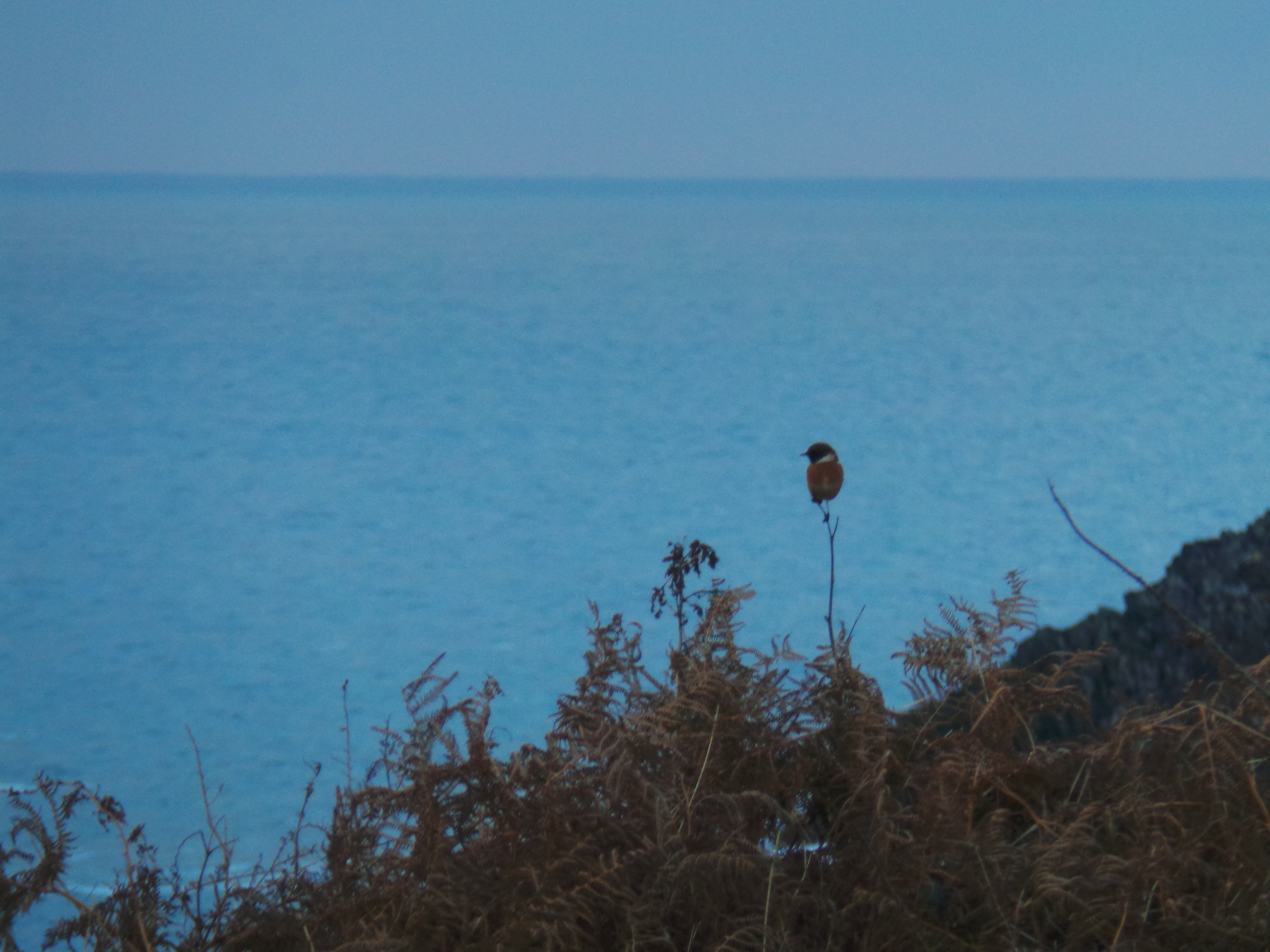
Stonechats followed alongside us as we neared the end of our walk. I managed this one poor photo of one of them.


2014 11 21_7712

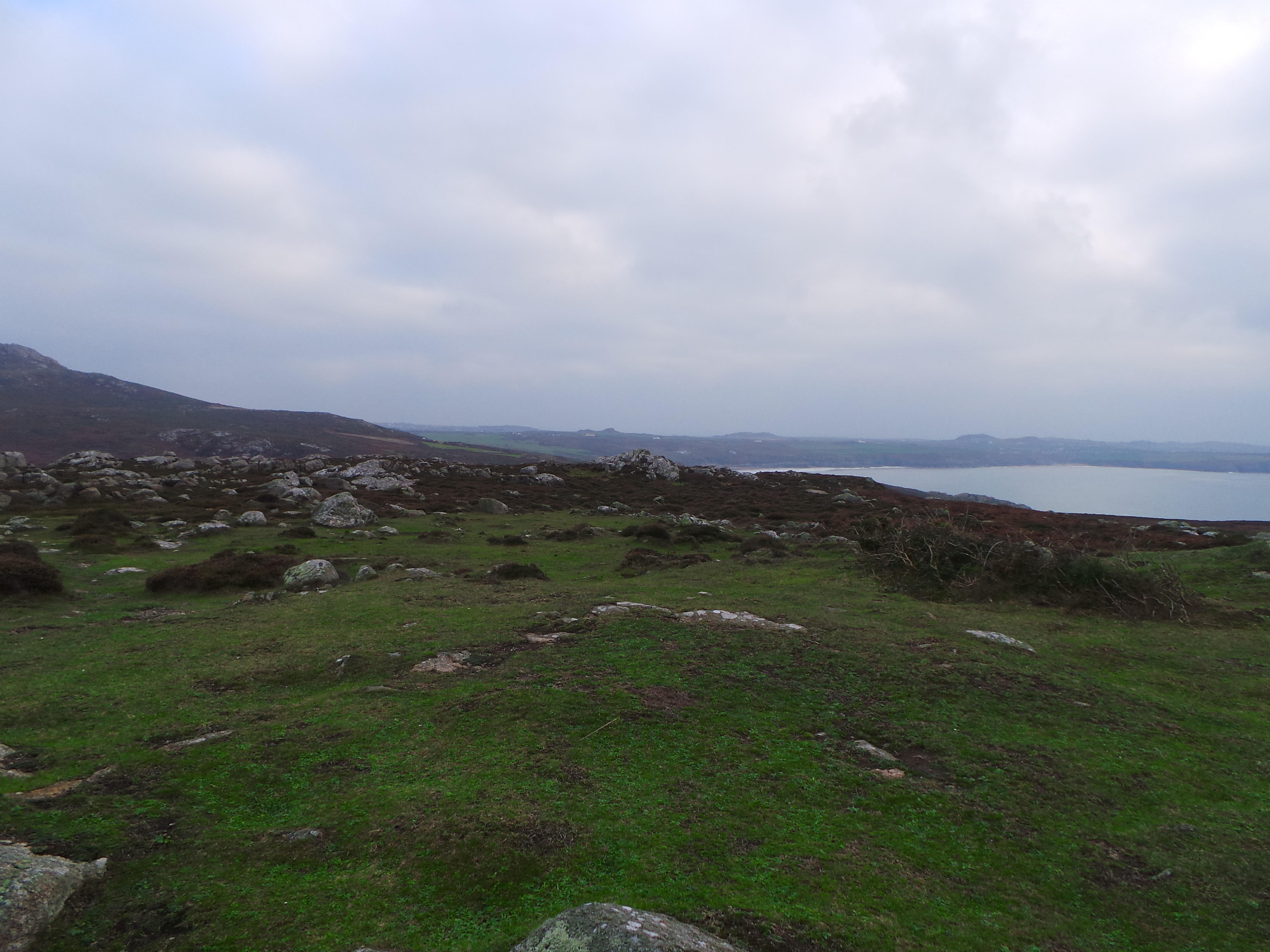
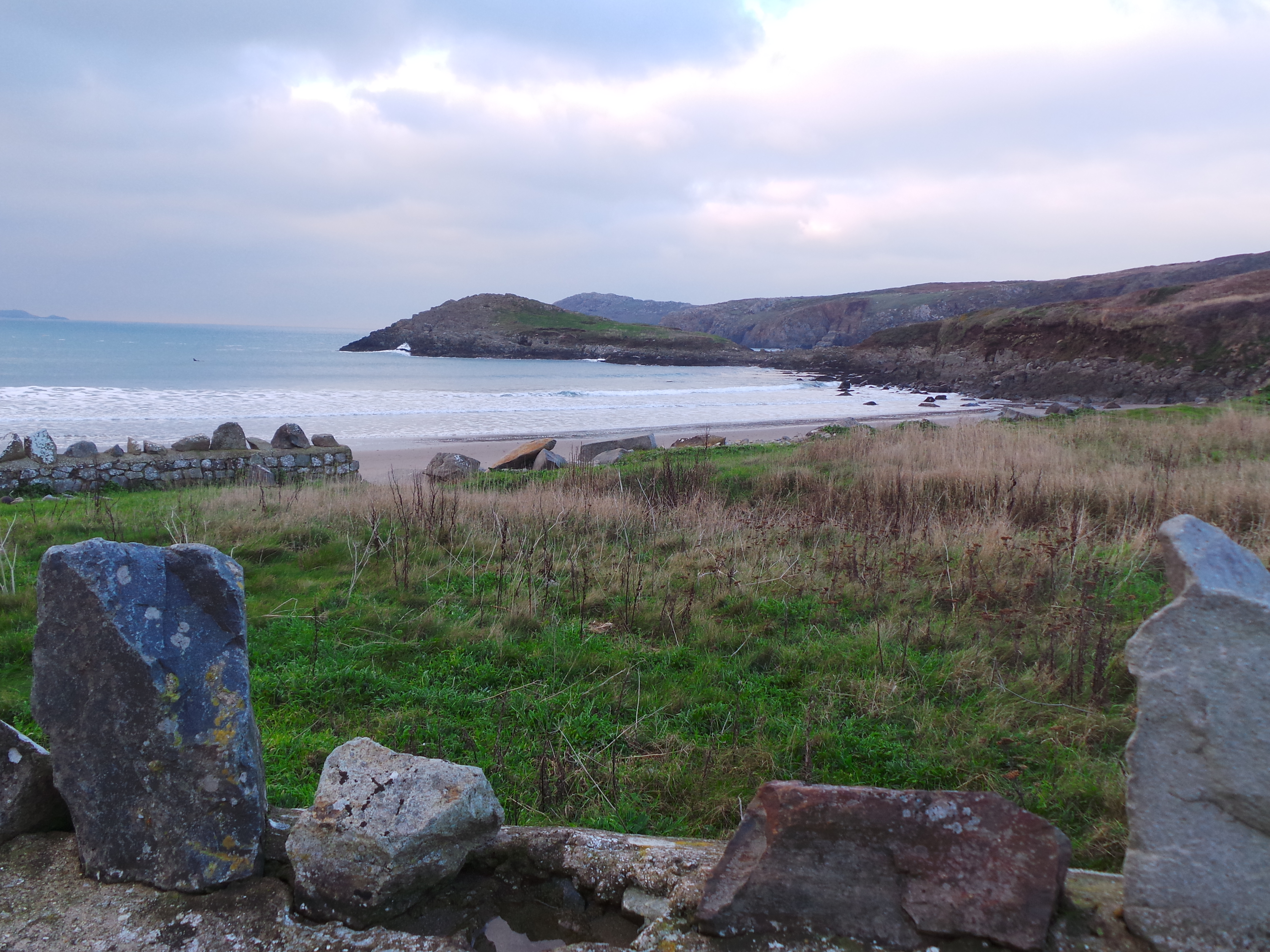
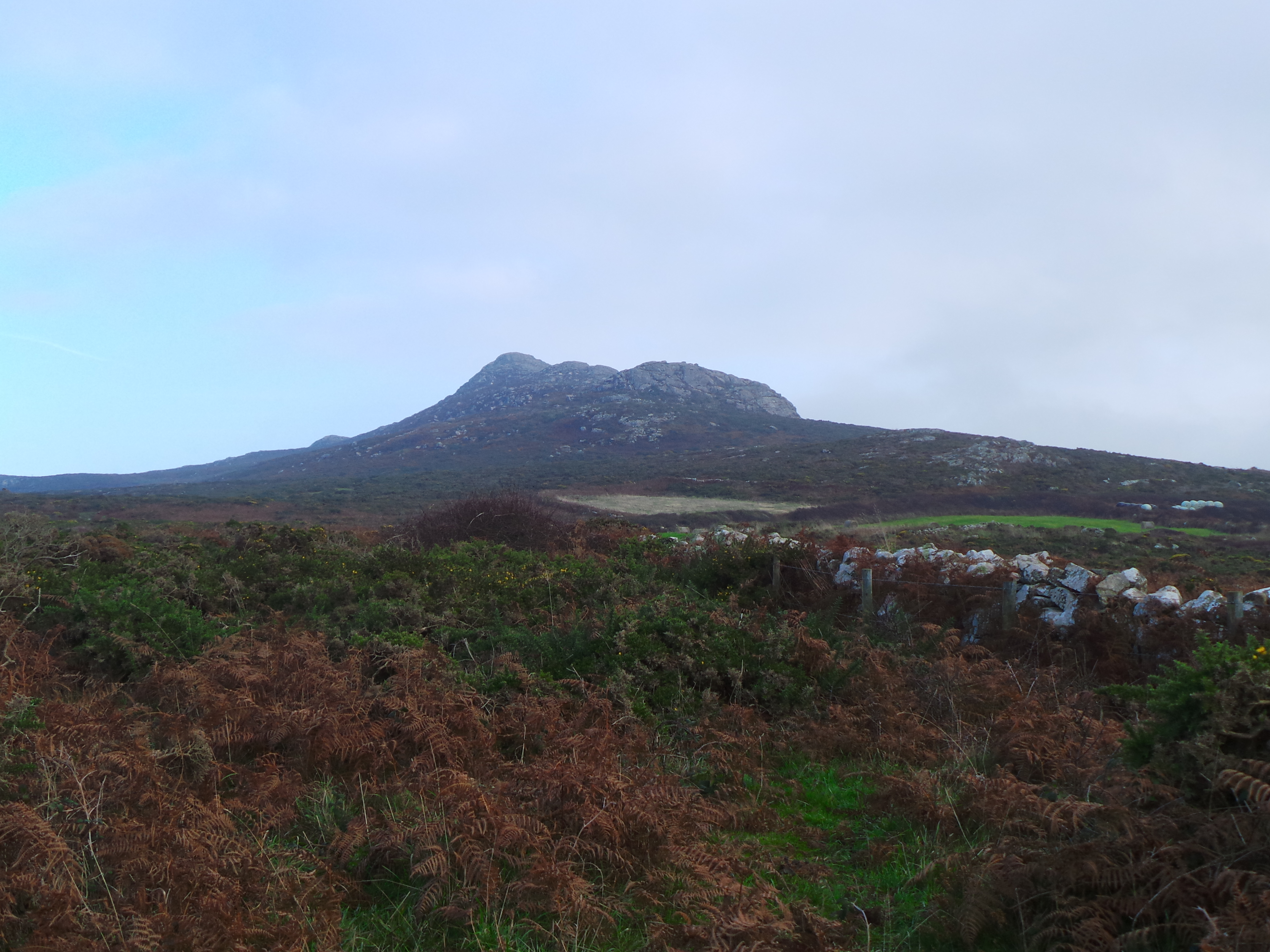
Back where we started off from we can look back over the same wall and appreciate just how far we have been. We could see the headland we had aimed for and reached in the misty distance. We felt exhausted but very satisfied.


2014 11 21_7713

Categories
countryside landscapes light light quality National Trust photography The National Trust the sea the seaside the shore Wales

A Stroll along the Pembrokeshire Coastal Path – Part One

Every year I set myself a challenge that defies my disability. Something totally silly if I take my health into consideration! Something I definitely should not be doing! But these challenges are great fun! I love them! Jude accepts my need to do them but worries when we are following these strange desires. Sometimes I have a need to go a bit further than my actual abilities!

For 2014 my challenge was to walk a mile along a stretch of the Pembrokeshire Coastal Path, probably the most beautiful of Britain’s long distance paths. For me a single mile is a long distance walk! I did it in late November and survived! Okay I suffered for a good few days after but boy did it feel good! I had such a feeling of elation when I finished the walk. Anyone else would have to climb Everest to get the same thrill! My consultant was proud of me. He likes my crazy ideas.

2014 11 21_7605 2014 11 21_7606

So come with us on our trek along the windswept coast near St Davids. As we dressed in suitable gear for a walk in the cold and most likely wet weather we noticed these two using the beautiful backdrop to take photos of their stained glass window. No doubt some great shots will appear in their promotional materials.

2014 11 21_7601 2014 11 21_76022014 11 21_7603 2014 11 21_7604


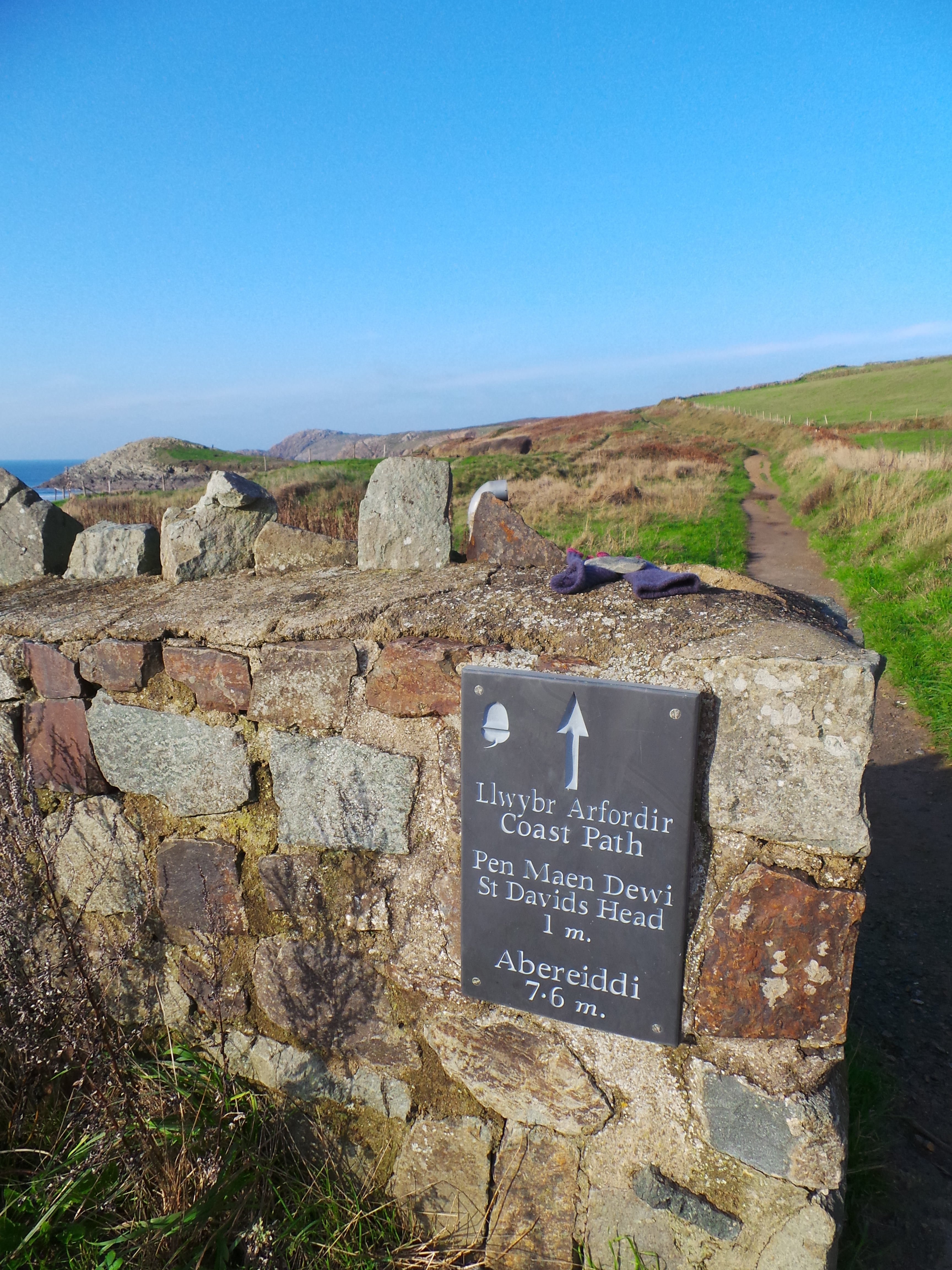
We made our way onto the path by passing through a beautiful stone wall. A sign with wording engraved on slate informed us that the walk to St David’s Head was 1 mile. I hoped to make half way to give us a round trip of 1 mile.

2014 11 21_7609 2014 11 21_7607


2014 11 21_7608


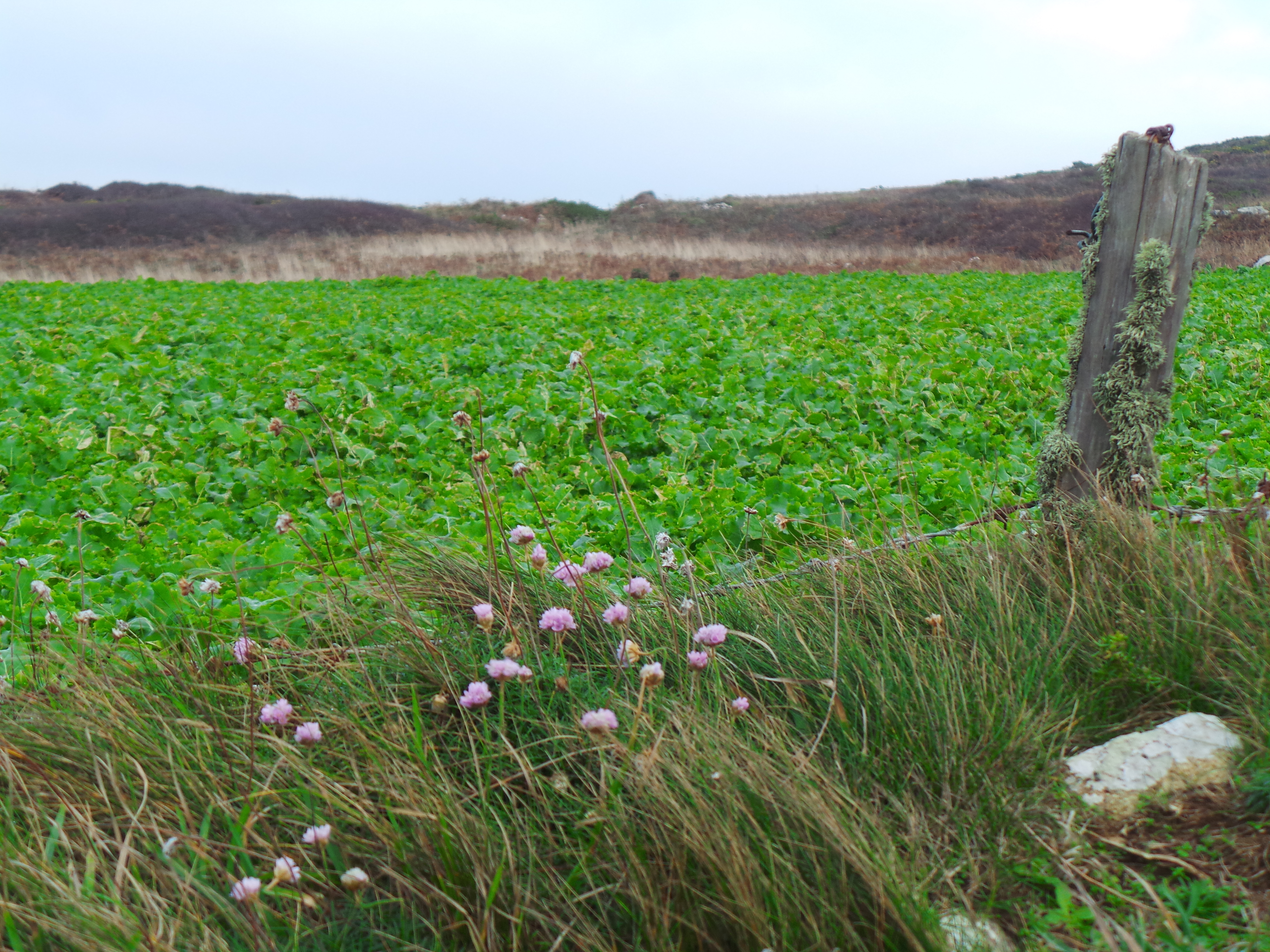
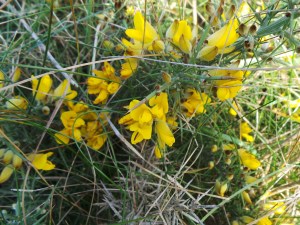
Jude looked ahead and could see just how far away the headland was that I was aiming to reach. She thought I was mad! We soon started finding colour in the tough grasses – wildflowers of coastal habitats. The first was this Armeria, the Sea Thrift. Close by the much brighter coloured Gorse added a bit of sunshine colour.

2014 11 21_7613 2014 11 21_7612  2014 11 21_7617 2014 11 21_7614

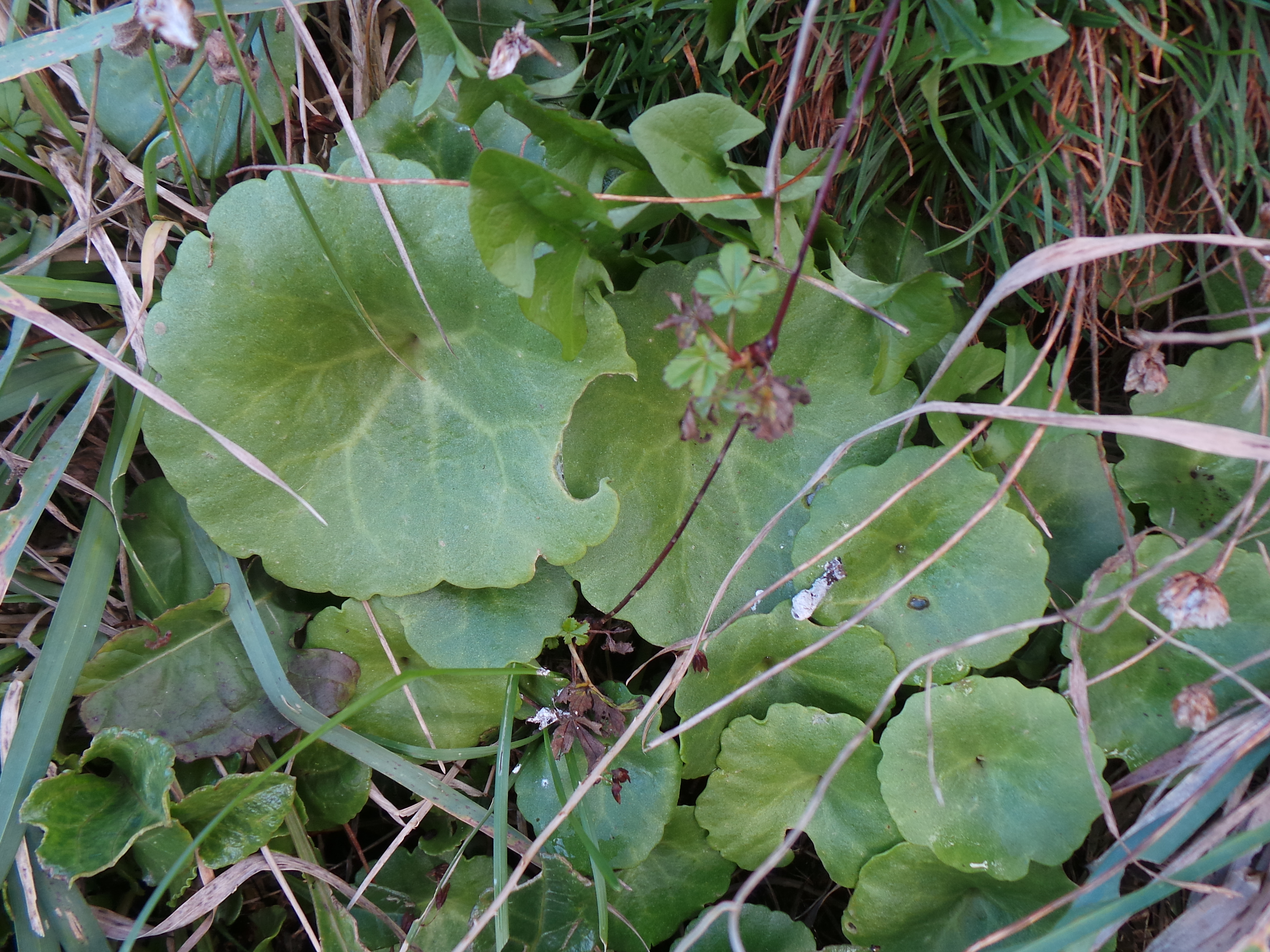
This little delicate plant foiled us completely – neither of us could remember what it was.

2014 11 21_7632 2014 11 21_7635

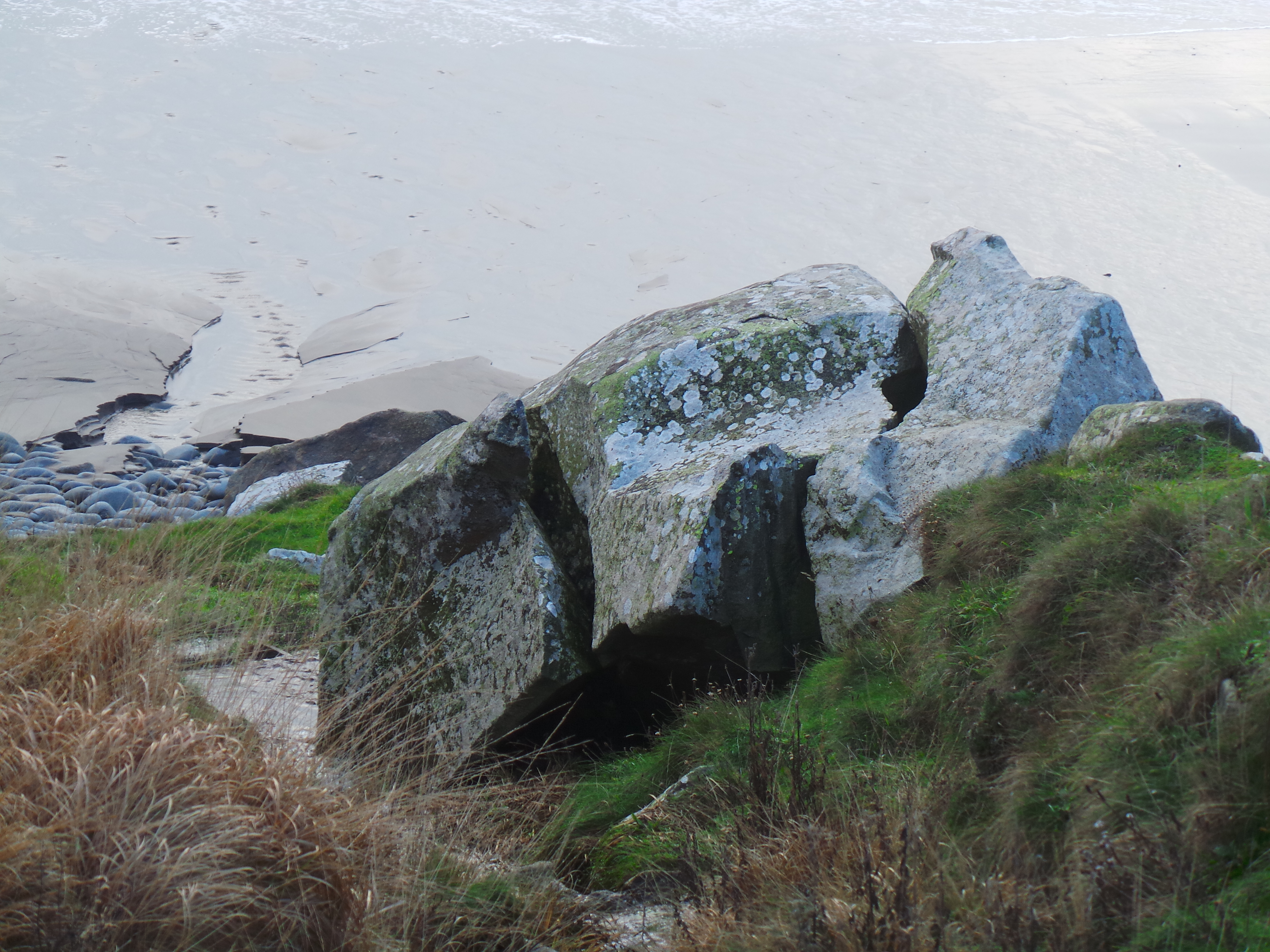
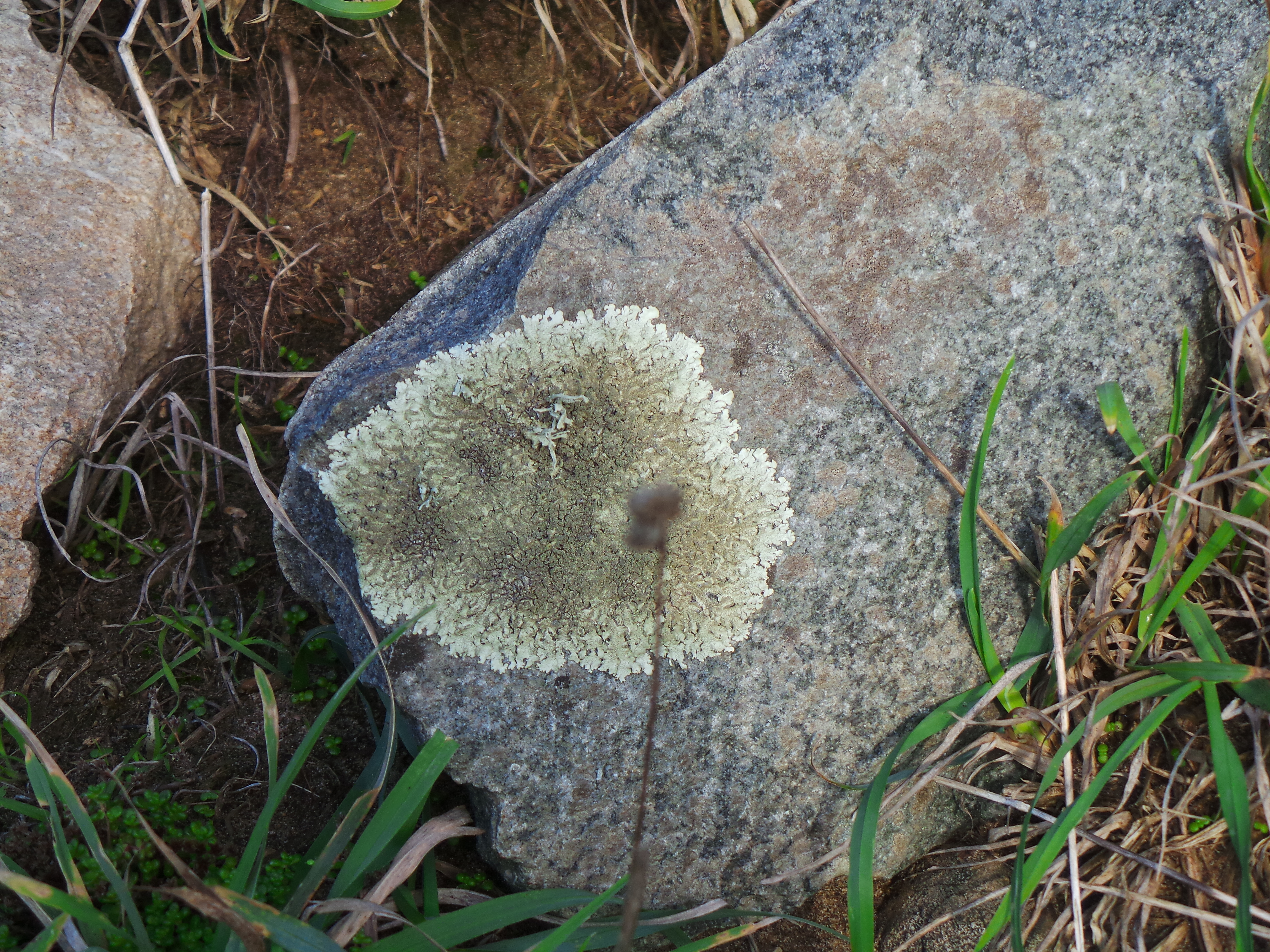
Every rock was painted with Lichen and Mosses. They look just like they have been daubed by an artist. These rocks had fallen from the field boundaries that are specific to this area – stones with soil in the gaps and on top. The soil provides homes for the local flora.

2014 11 21_7620 2014 11 21_7615

2014 11 21_7616 2014 11 21_7621

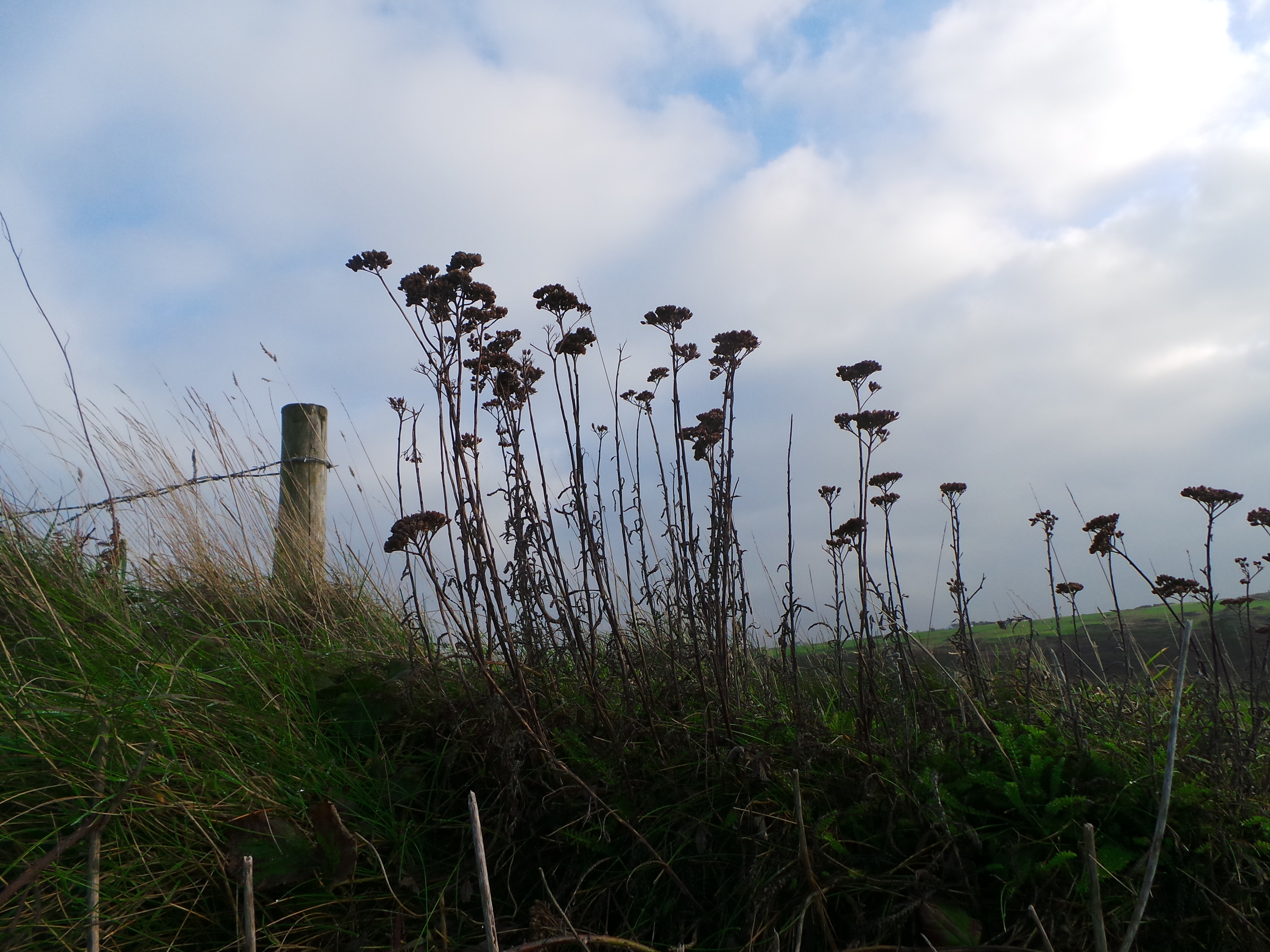
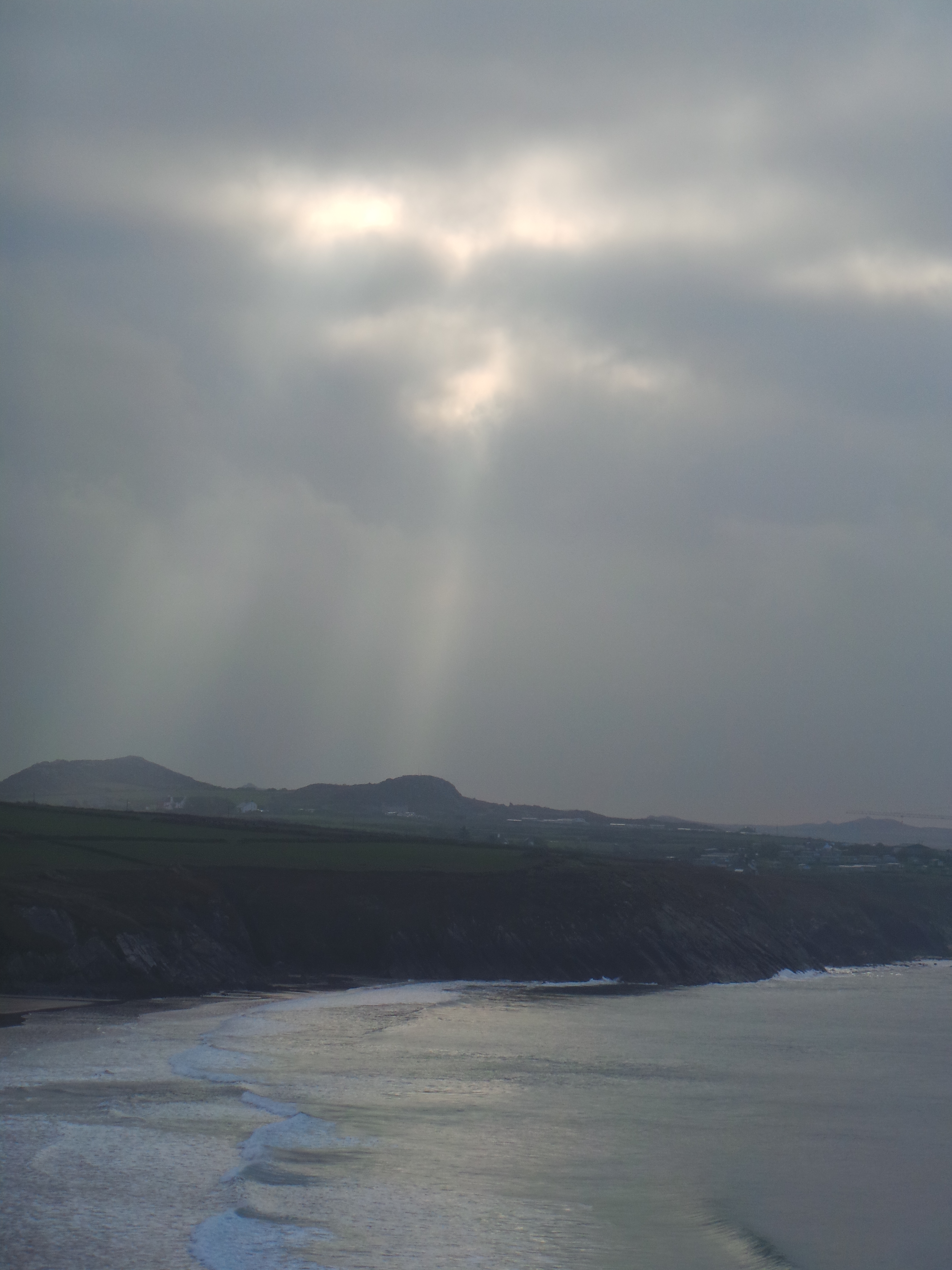
The light was changing by the minute. We could be in sunshine one minute and then under heavy storm clouds the next. Just see the extremes in the photos below taken within minutes of each other. The temperature varied in the same way – hats and gloves were on and off all the time.

2014 11 21_7618 2014 11 21_7619

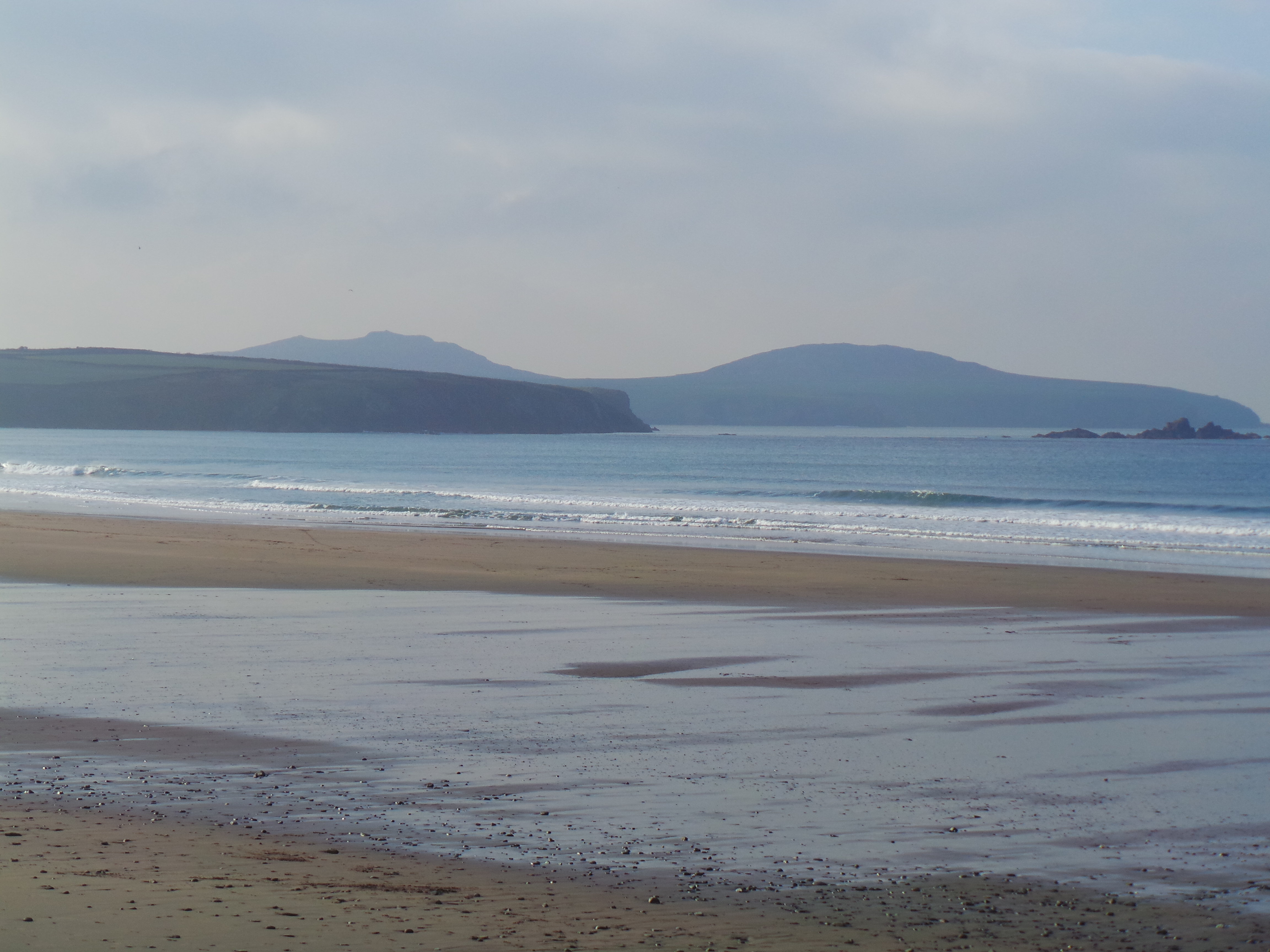
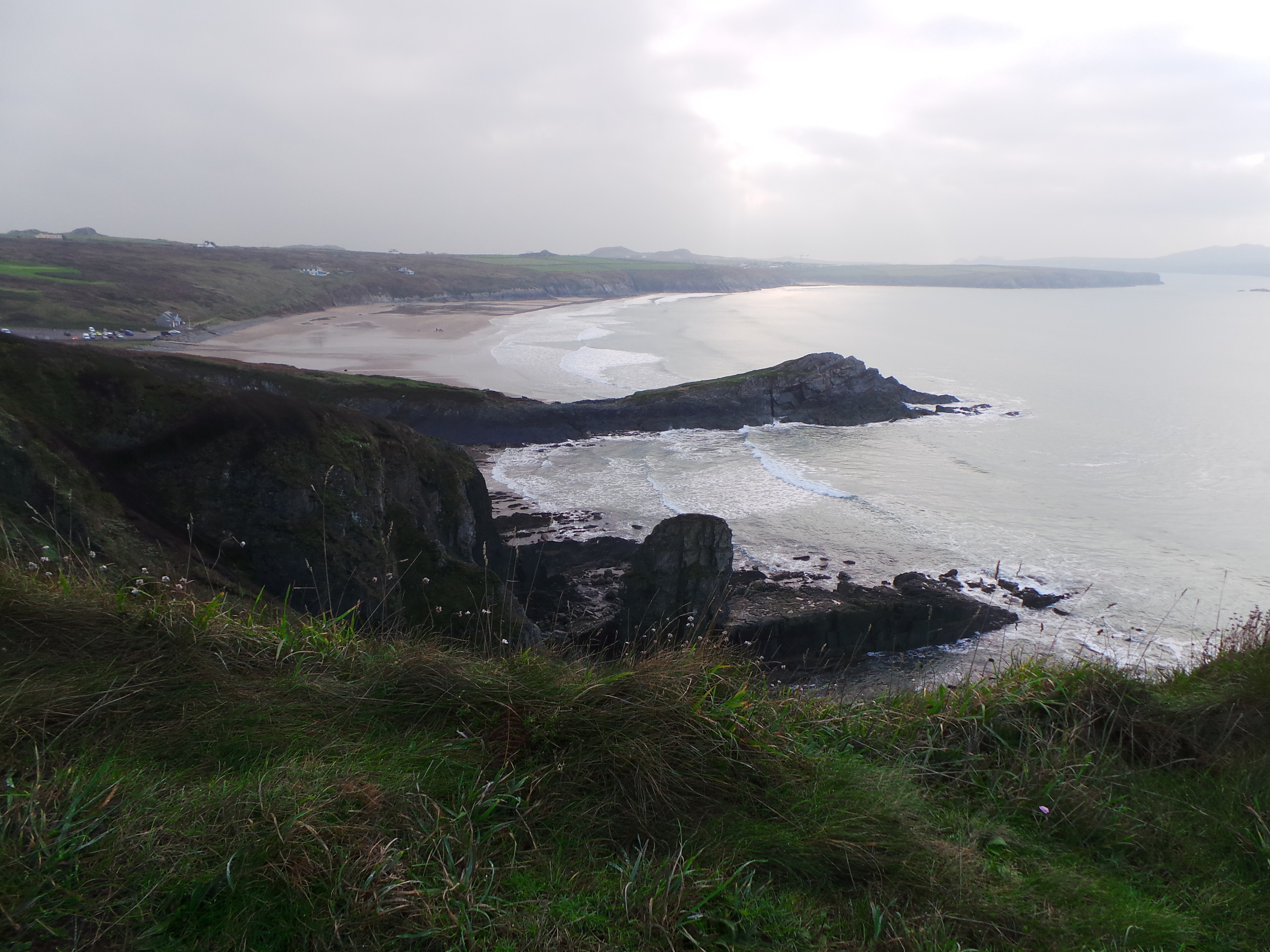
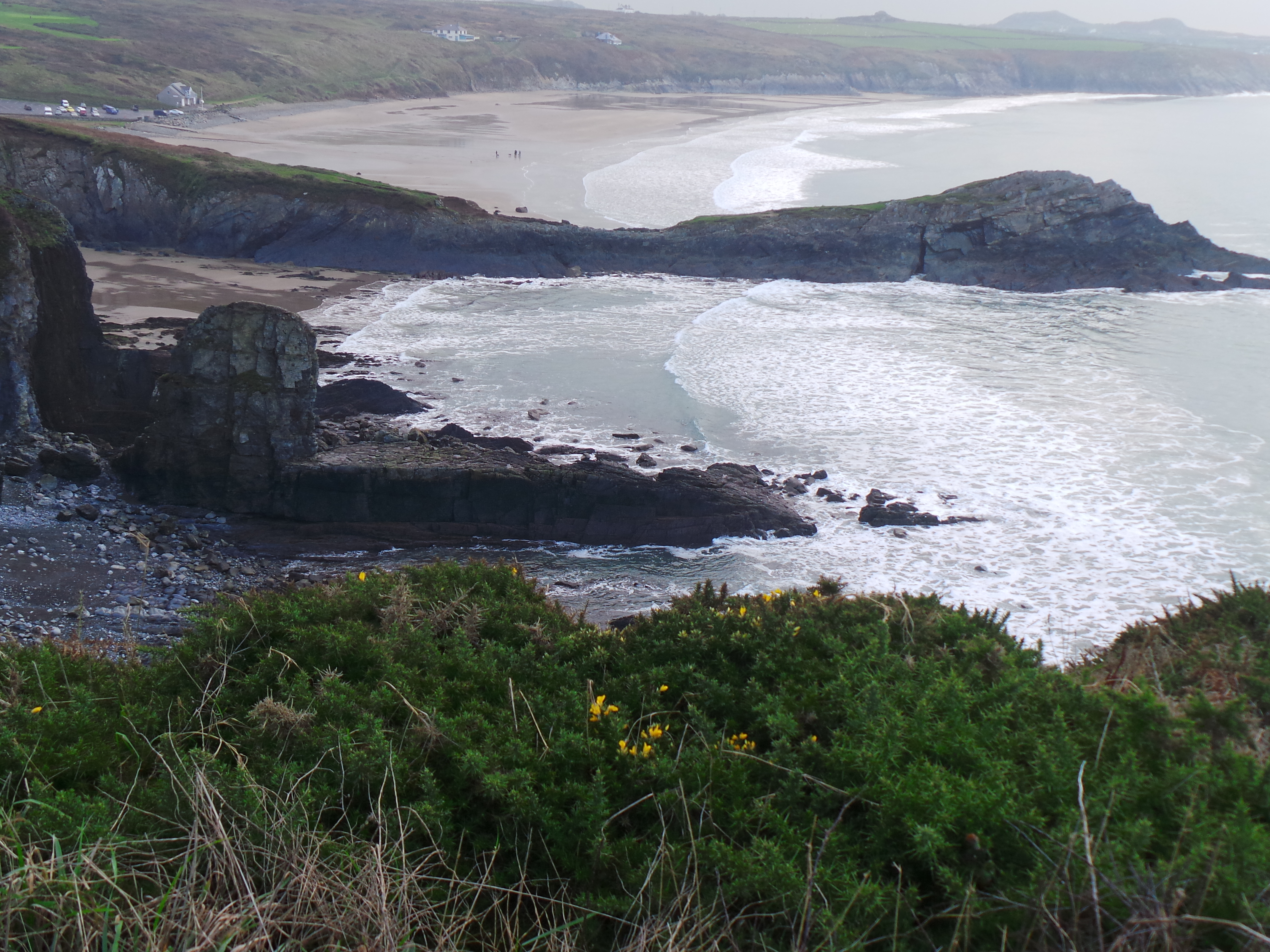
What made this walk extra special was that it gave double value. We had views over the inlets and headlands over one shoulder and views of the countryside inland over the other.

2014 11 21_7622 2014 11 21_7623 2014 11 21_7624 2014 11 21_7625 2014 11 21_7626 2014 11 21_7627  2014 11 21_7629 2014 11 21_7630

2014 11 21_7631 2014 11 21_7633 2014 11 21_7634 2014 11 21_7636 2014 11 21_7637 2014 11 21_7638

2014 11 21_7639 2014 11 21_7640

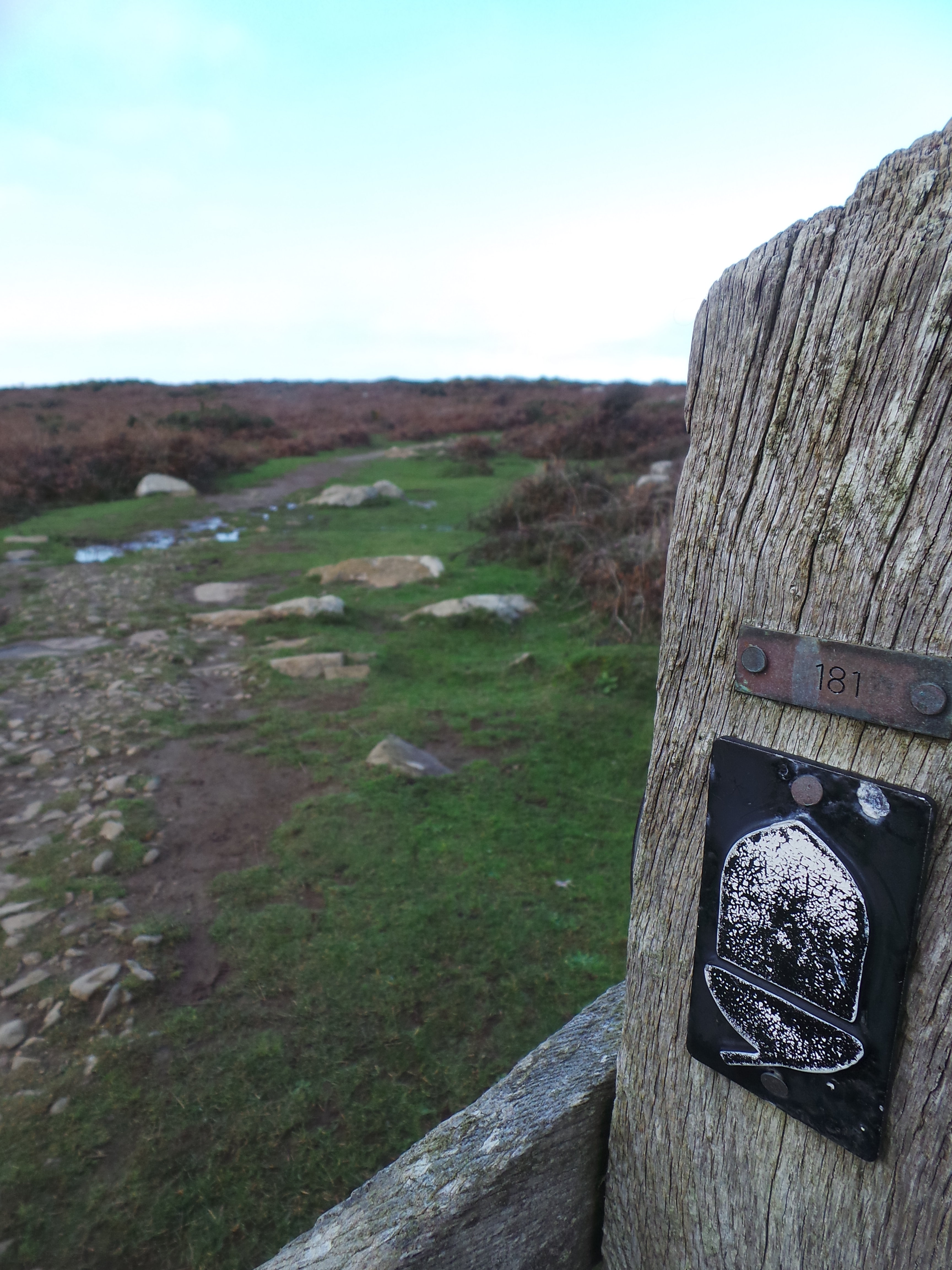
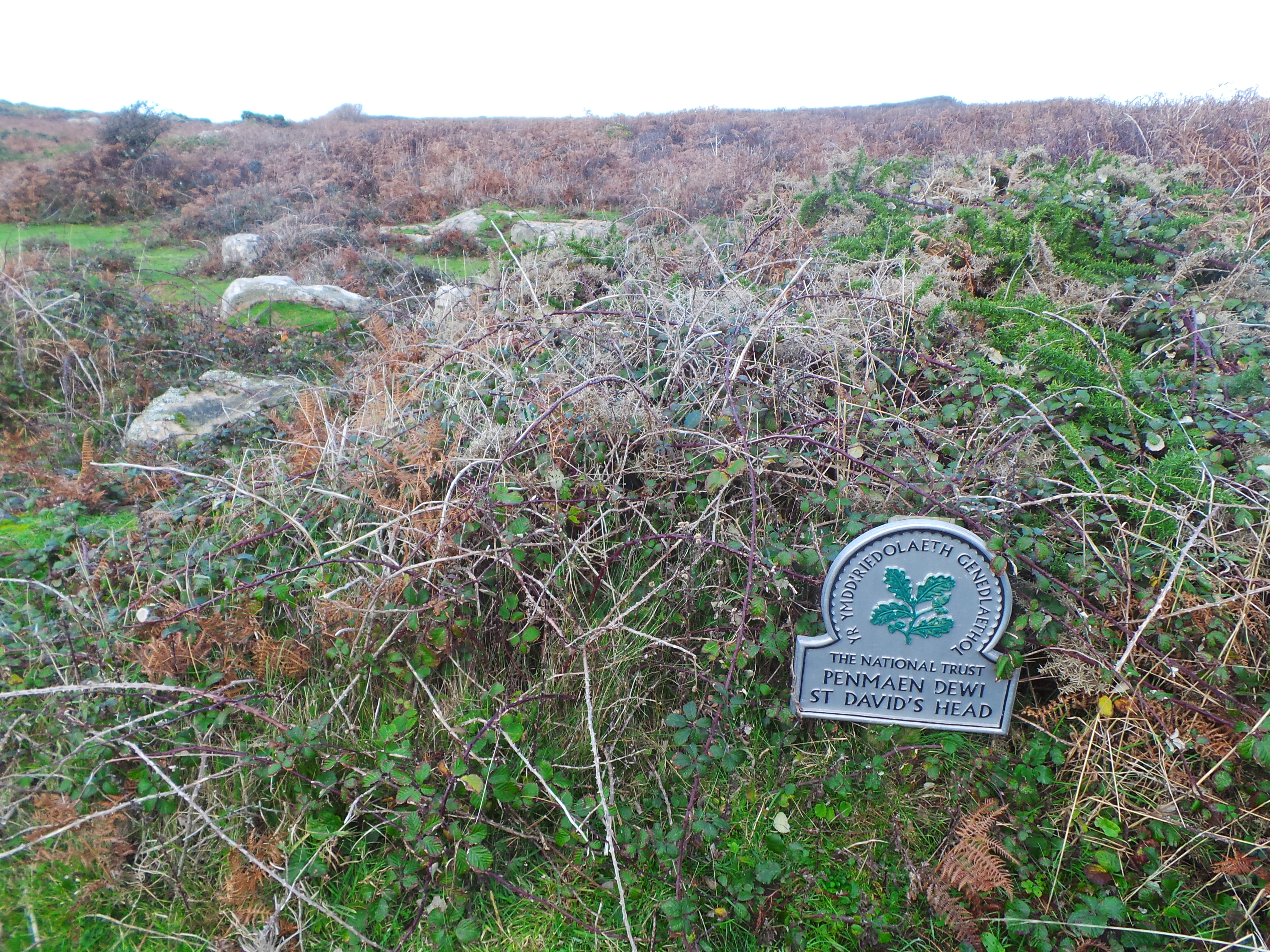
As we passed through a wooden gate the landscape changed and the views opened up. The signs on the gatepost invited us to carry on with our walk but be careful not to fall off the cliffs! We hadn’t been planning to! The National Trust sign informed us that we were on St David’s Head. We realised then that we had already walked further than we had intended. We should have turned back and made our way back but my stubborn nature won over and we decided to carry on perhaps making it to the headland in the far distance. This would give us a total walk of two miles. Far more than I should have been contemplating! We had rugged open moorland to cross to reach the headland itself.


2014 11 21_7643 2014 11 21_7644 2014 11 21_7645 2014 11 21_7646 2014 11 21_7647 2014 11 21_7648


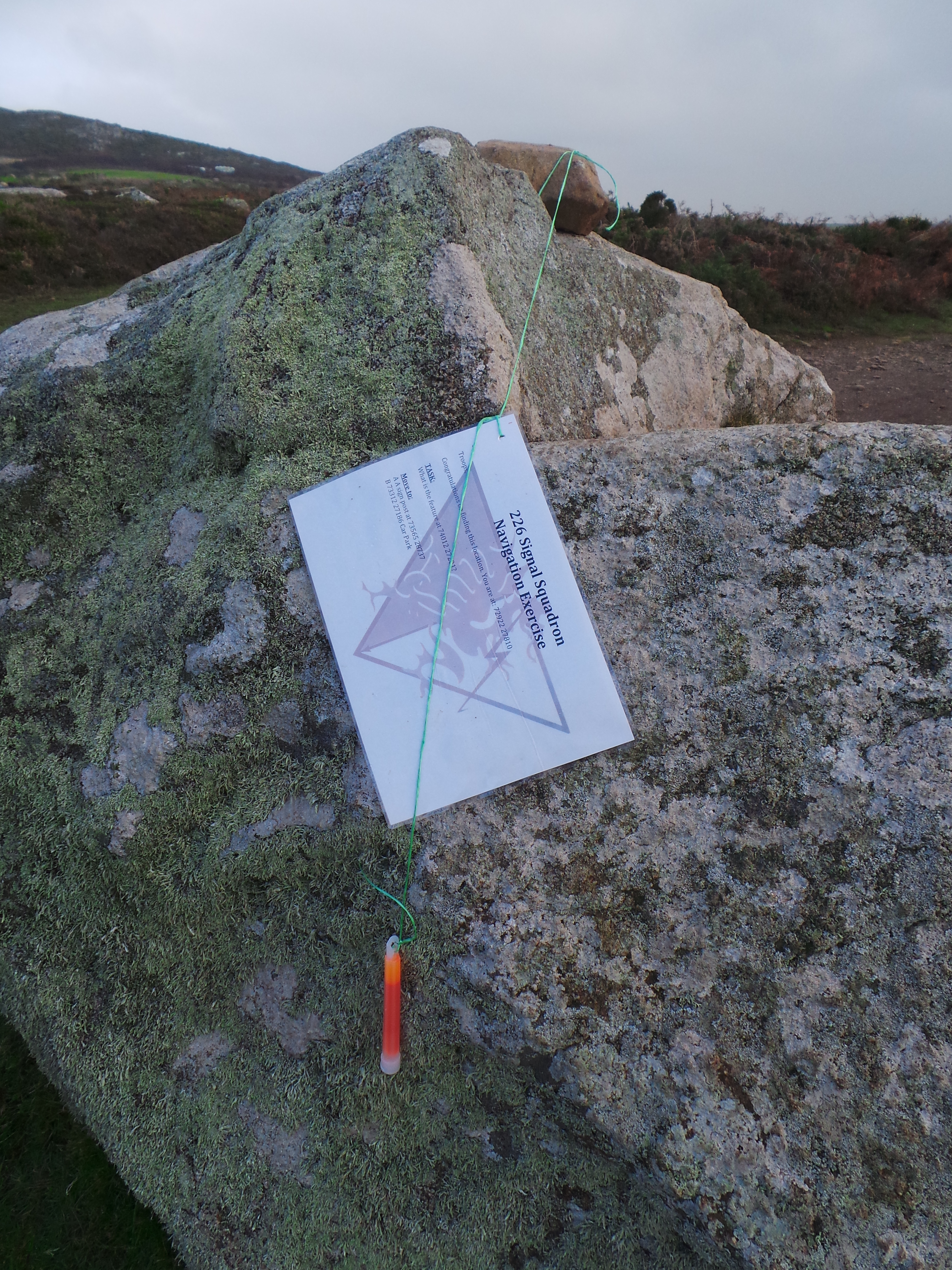
Jude was fascinated by a label hanging over a rock and just had to have a close look. We found it was a marker point on a trail laid out as part of an army training session. We were tempted – just for a moment – to pick it up and take it back to the local barracks to tell them we had found this label. Common sense prevailed however and we resisted the temptation.

2014 11 21_7649 2014 11 21_7650

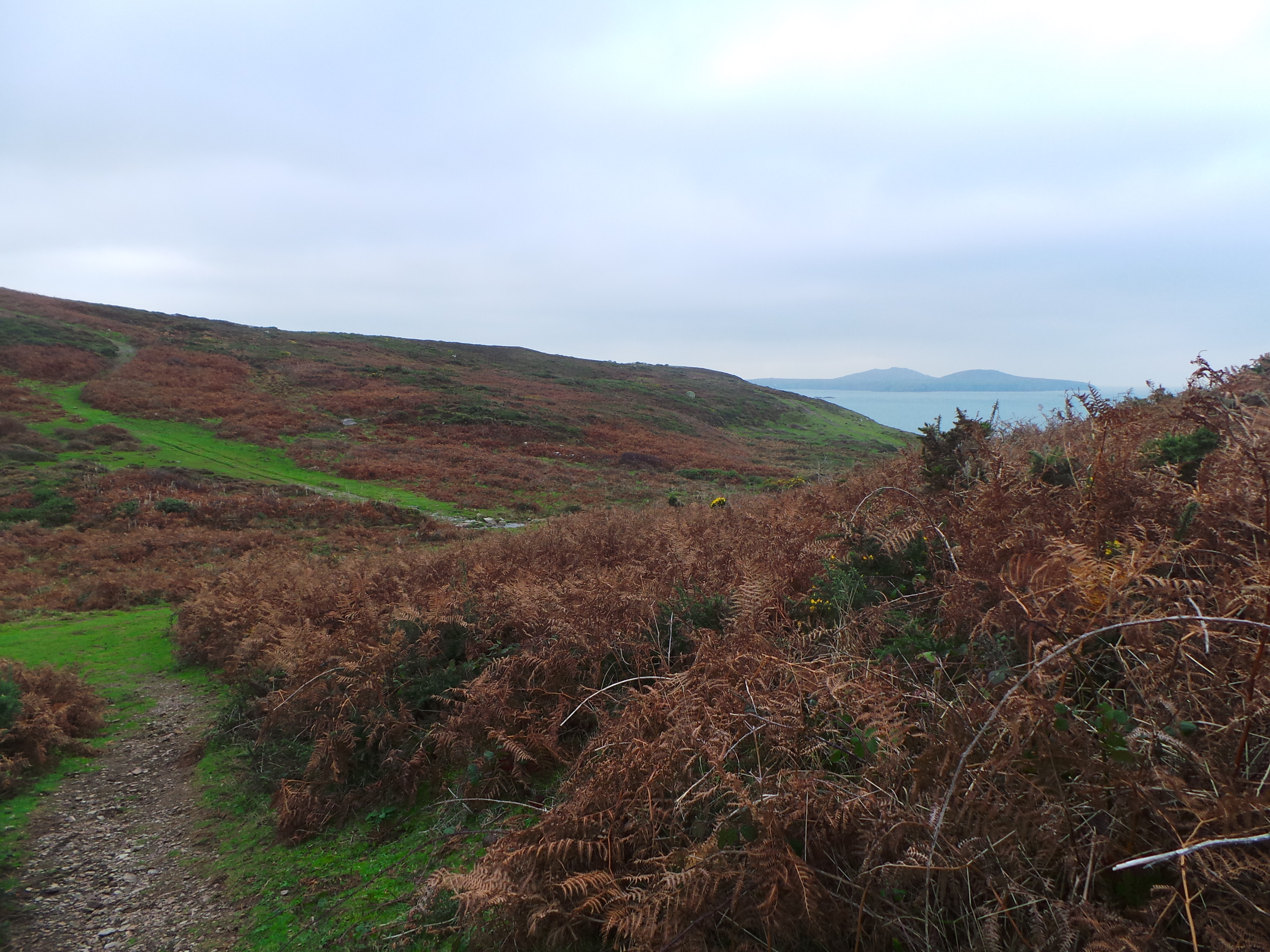
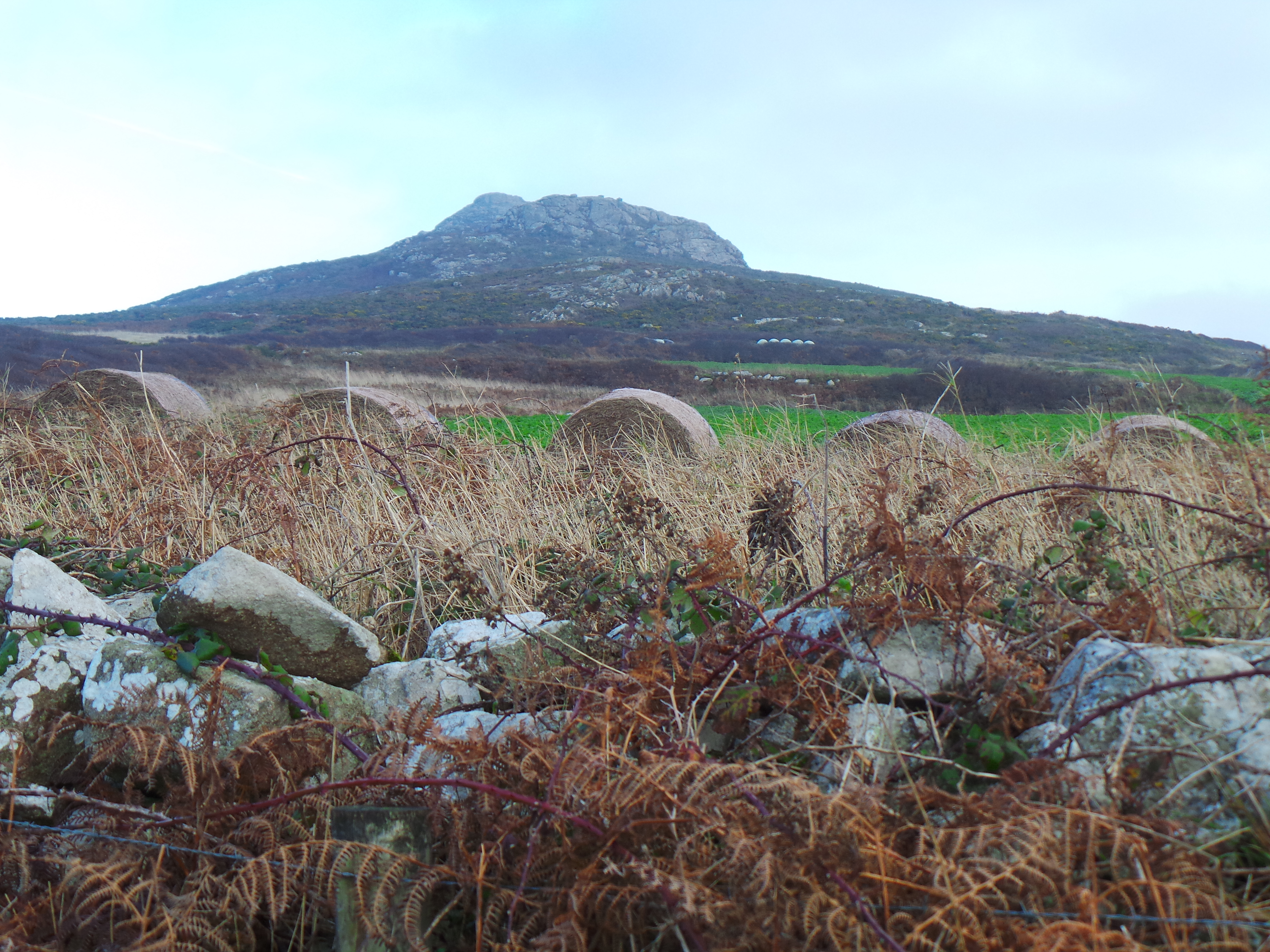
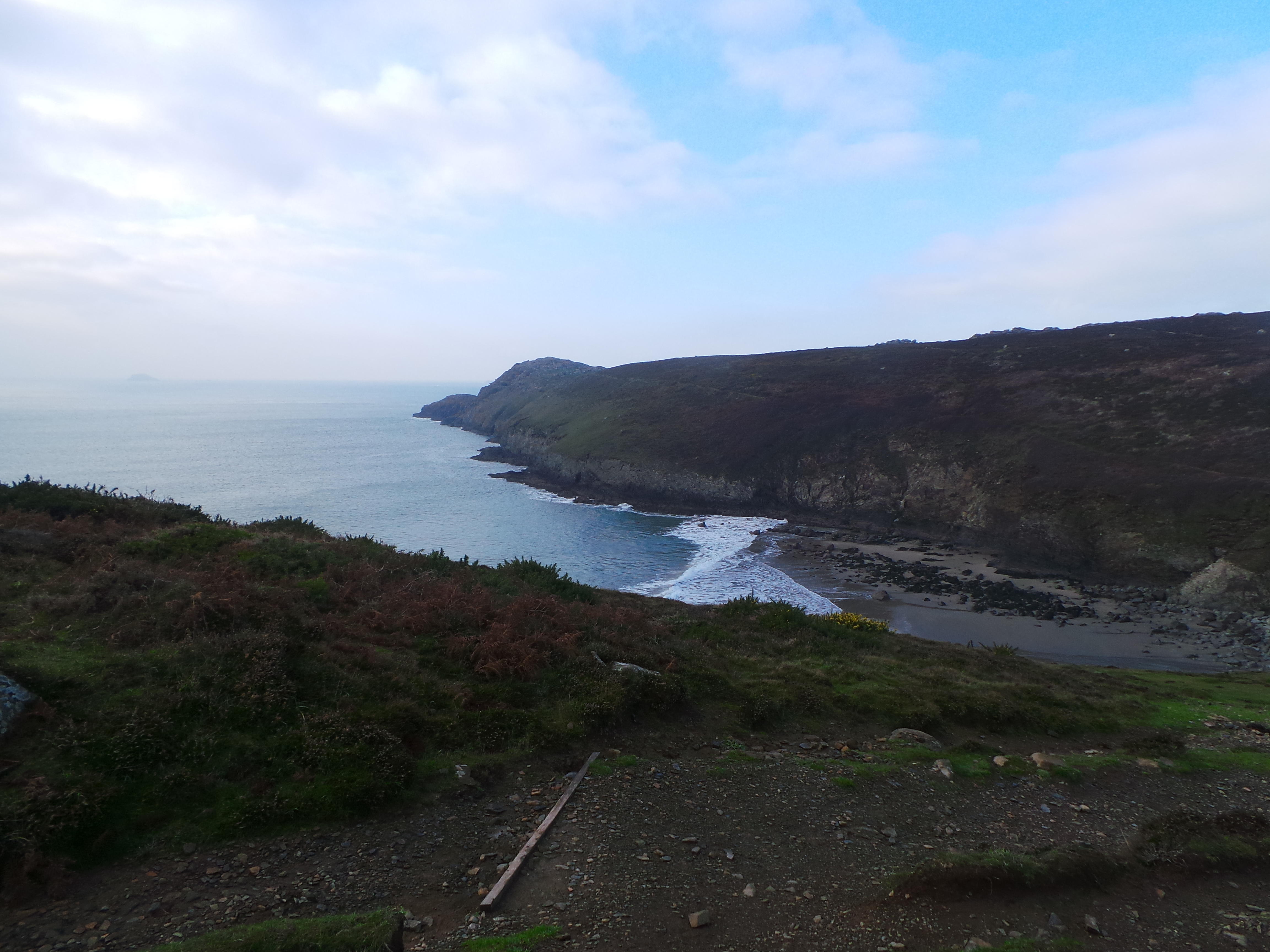
In the photo below we can see the headland for which we were aiming right on the horizon.


2014 11 21_7651

My legs are aching and pain is creeping up my spine just writing this post and loading the photos so we shall take a break for now and return in Part Two.


Categories
colours garden design garden furniture garden photography garden seating gardening gardens gardens open to the public grasses indoor plants ornamental grasses ornamental trees and shrubs recycling Wales walled gardens Winter Gardening winter gardens

The Botanic Garden of Wales in the Rain – part two.

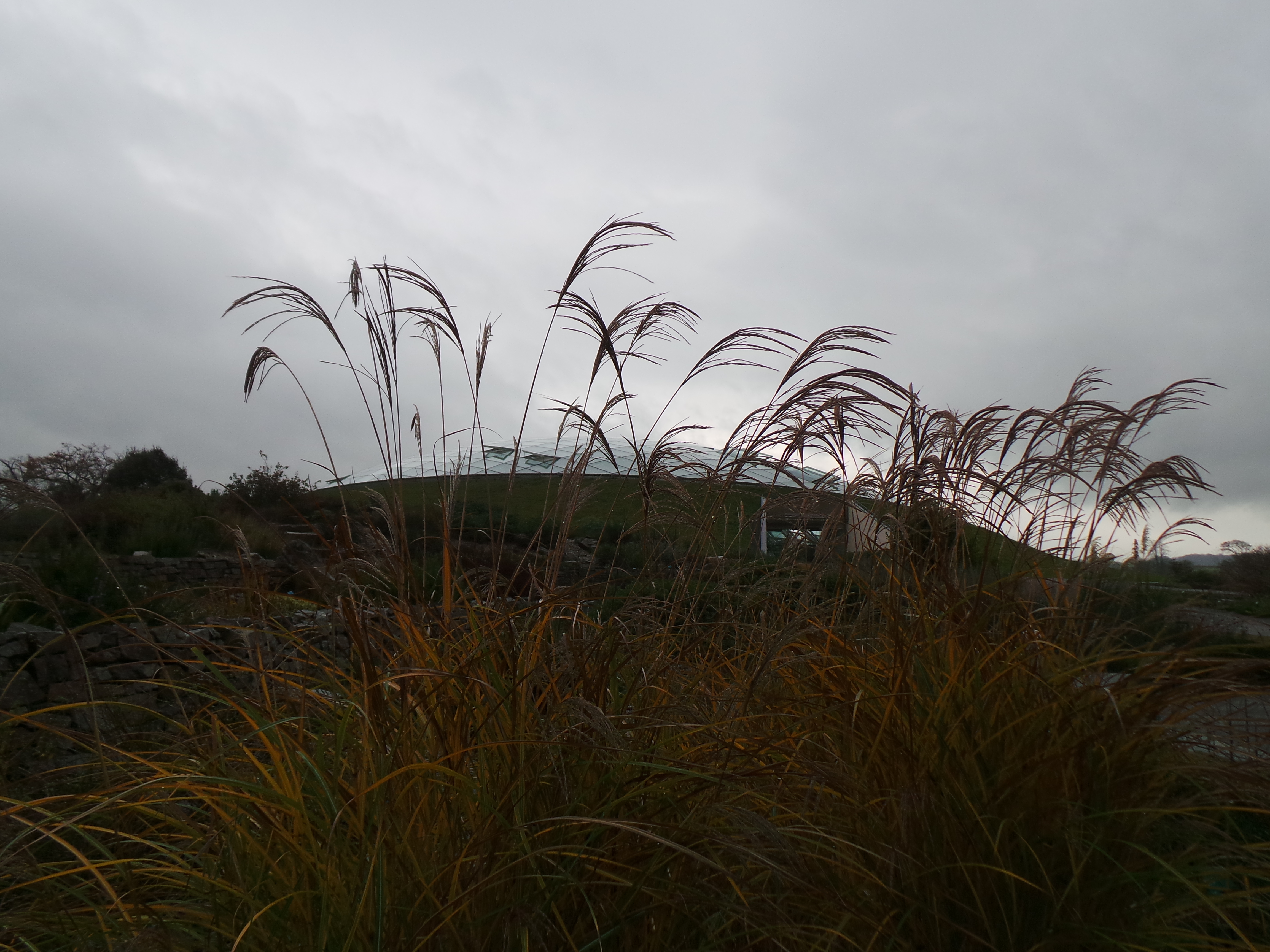
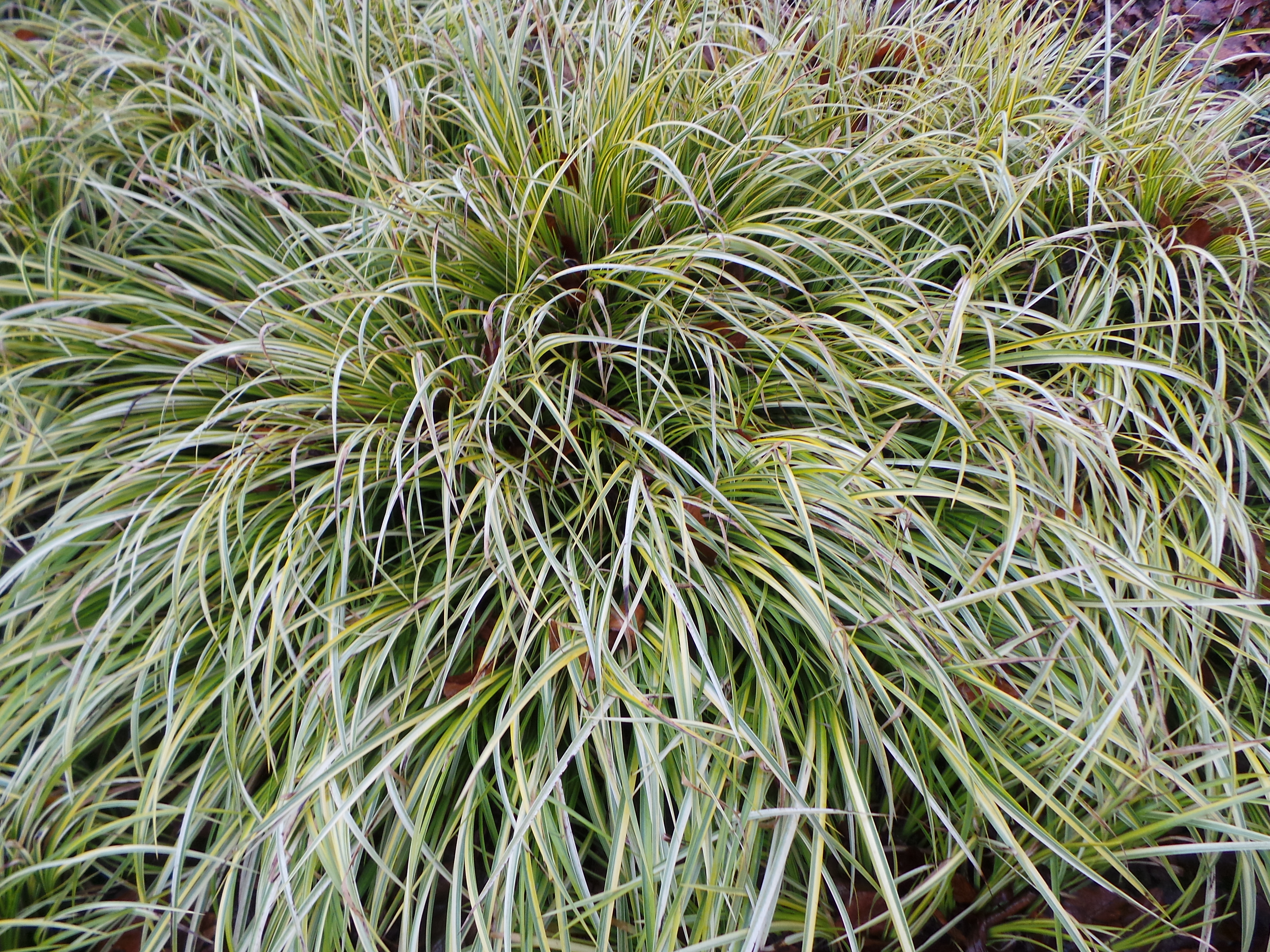
Welcome back to South Wales where we were enjoying a very wet visit to the Botanic Gardens. In part one we looked at the magnificent glasshouse before taking a break. In part two we carry on in the heavy rain. Winding paths provided us with interesting routeways through the newly planted gravel and rock borders full of interesting foliage all glistening with rain droplets.

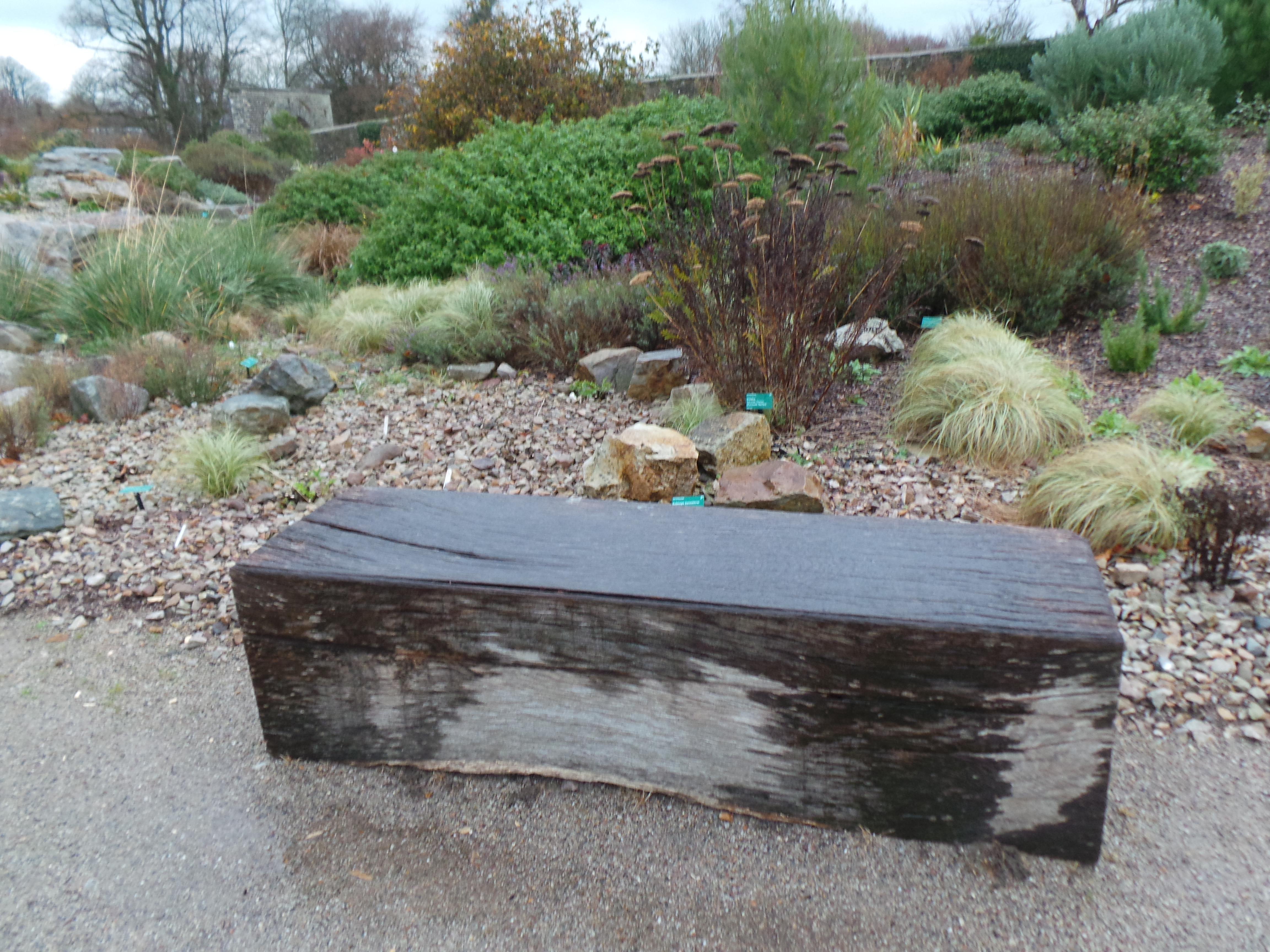
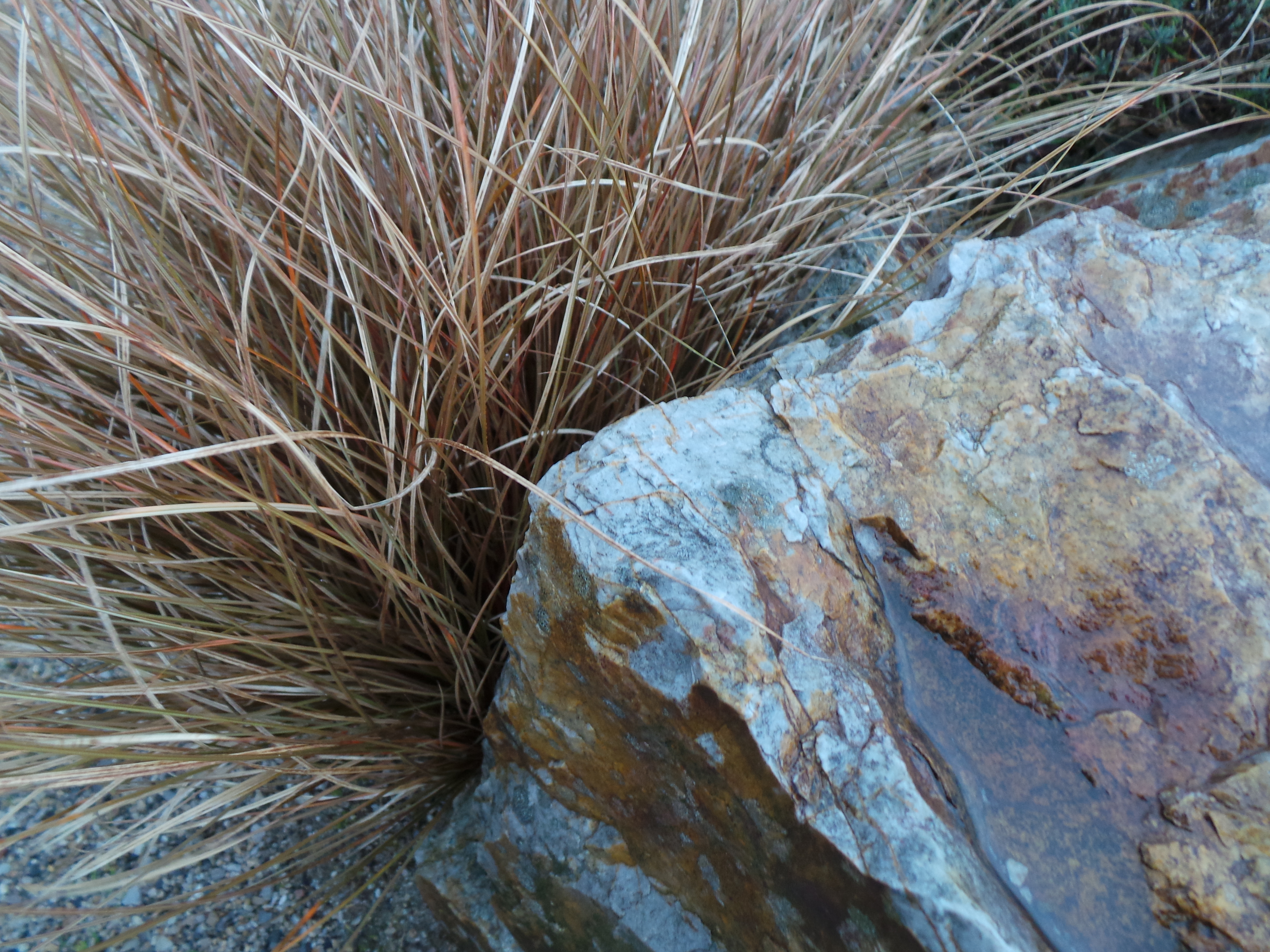
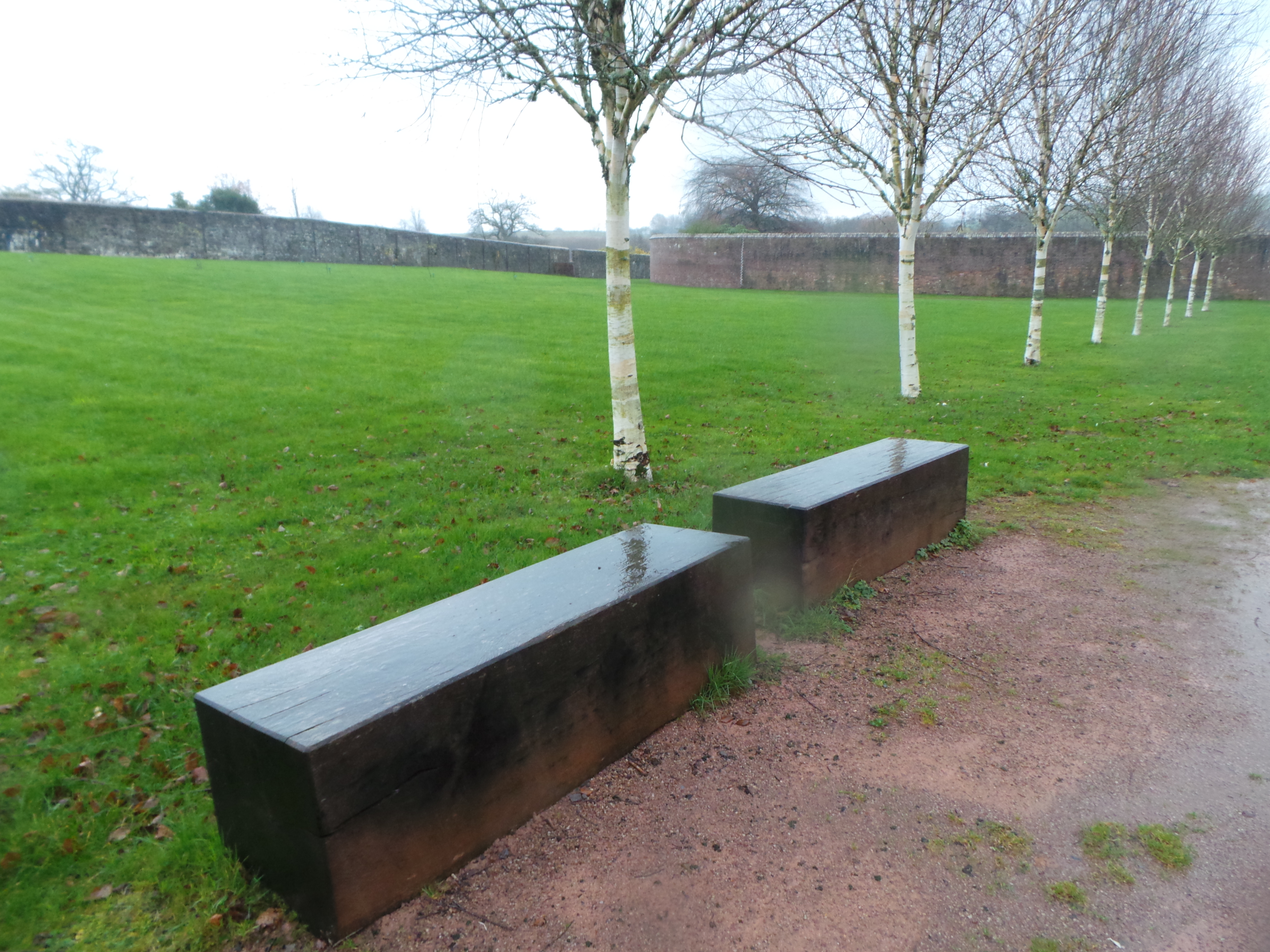
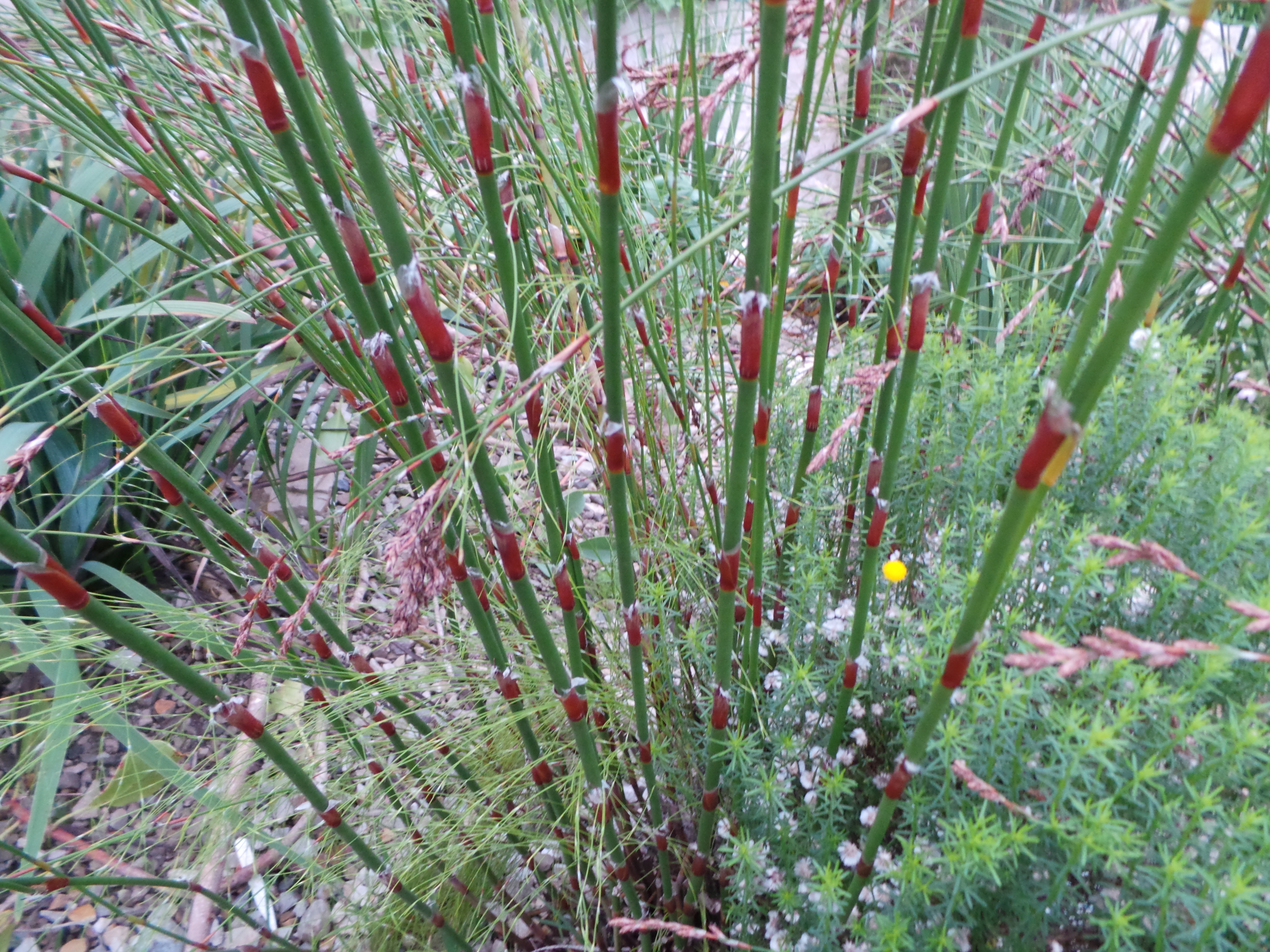
The black seed heads of an Eryngium looked in sharp contrast to the pale blue-grey foliage of the Euphorbia close behind.  A beautiful oak bench of the simplest design was far too wet to enjoy sitting on. Wet rocks looked full of colour – in the dry they would have been almost monochrome. Grasses always look so good with rock!

2014 11 21_7831 2014 11 21_7832 2014 11 21_7833 2014 11 21_7834 2014 11 21_7835 2014 11 21_7836

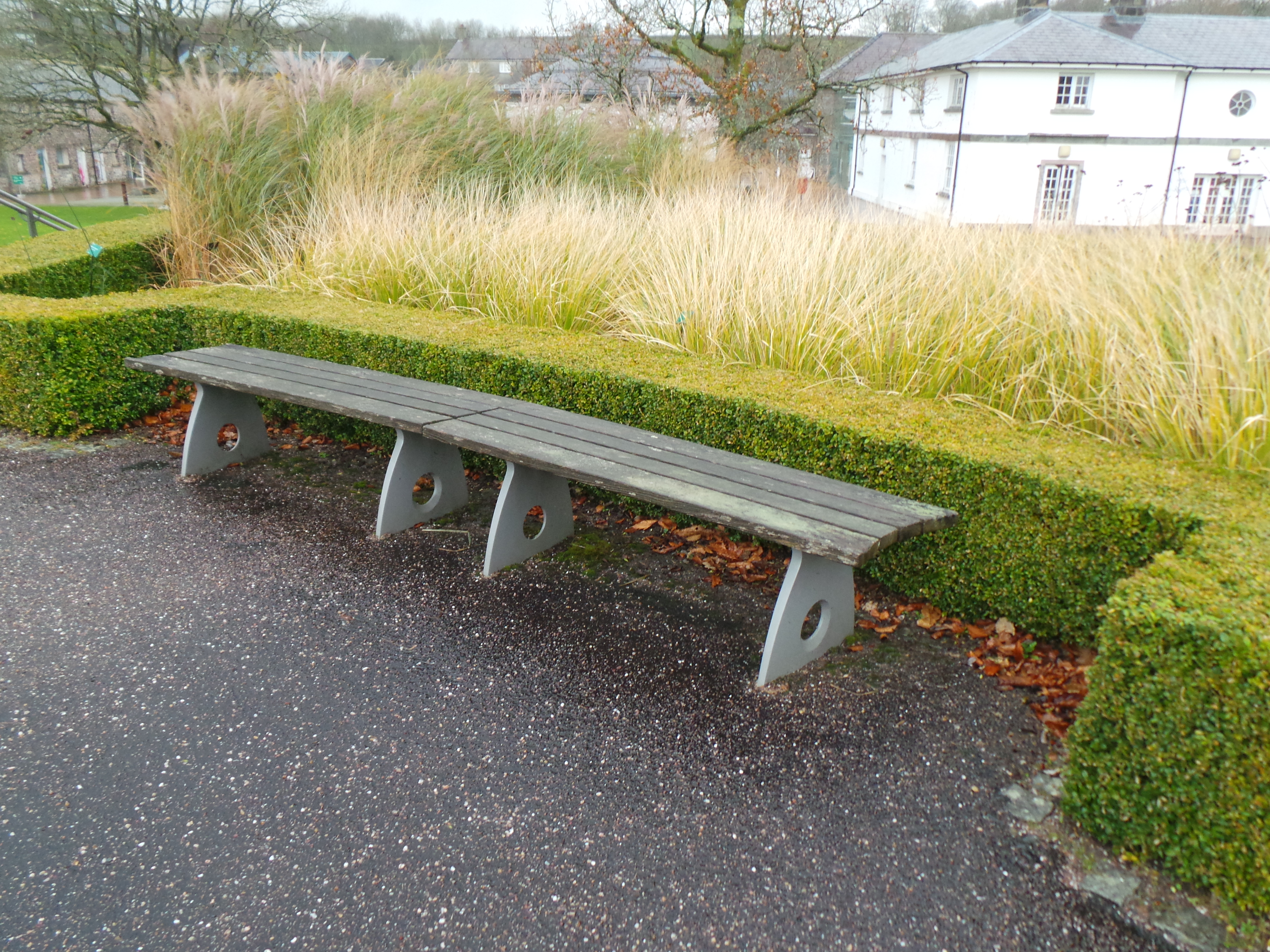
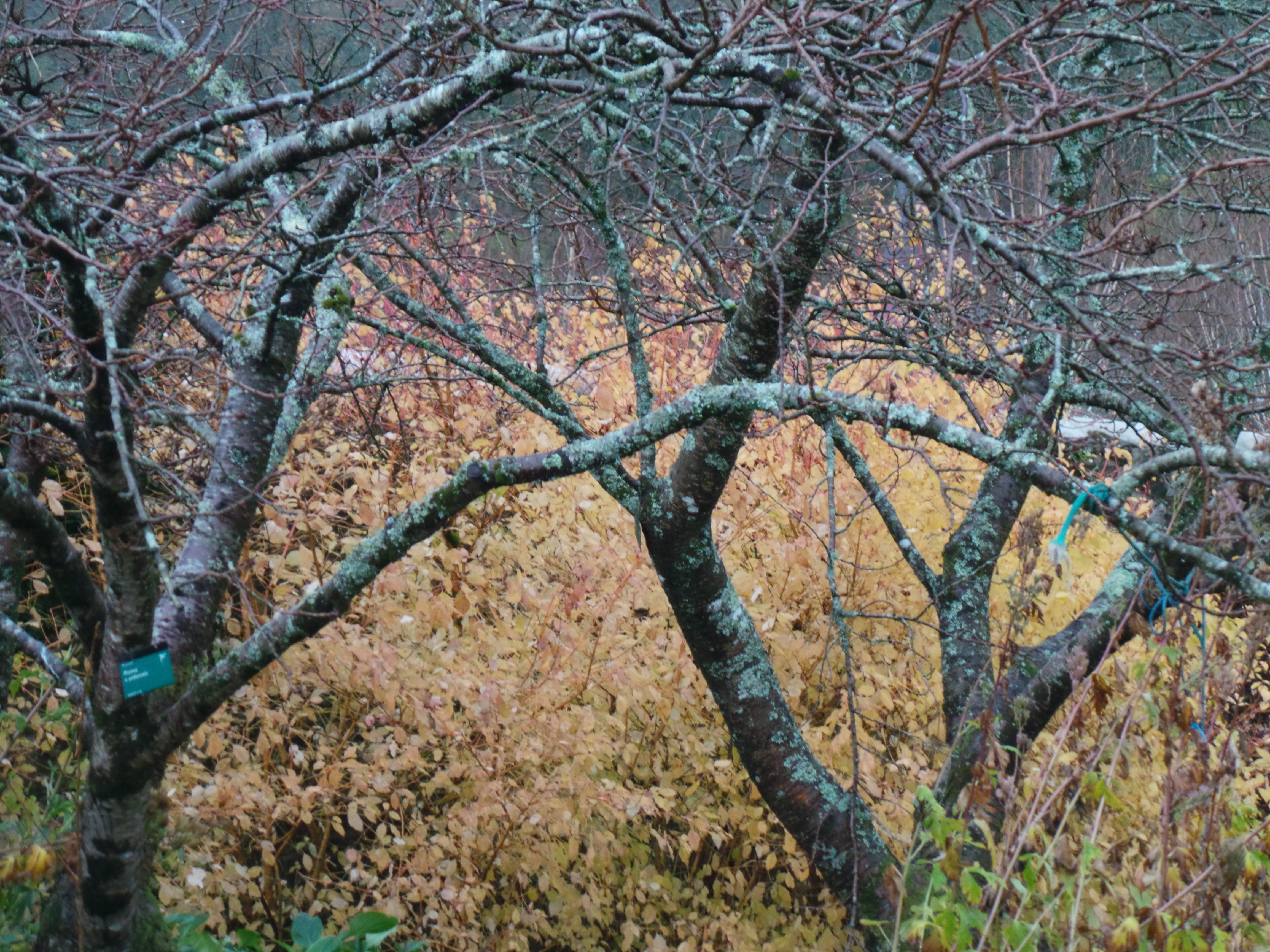
Grass borders with every blade moving in waves like a rough sea are here edged with the neatest of low Box hedging. A bench of modern design looked so good against the Box and grasses. Trees in near silhouette looked good against biscuit coloured grasses.

2014 11 21_7837 2014 11 21_7838

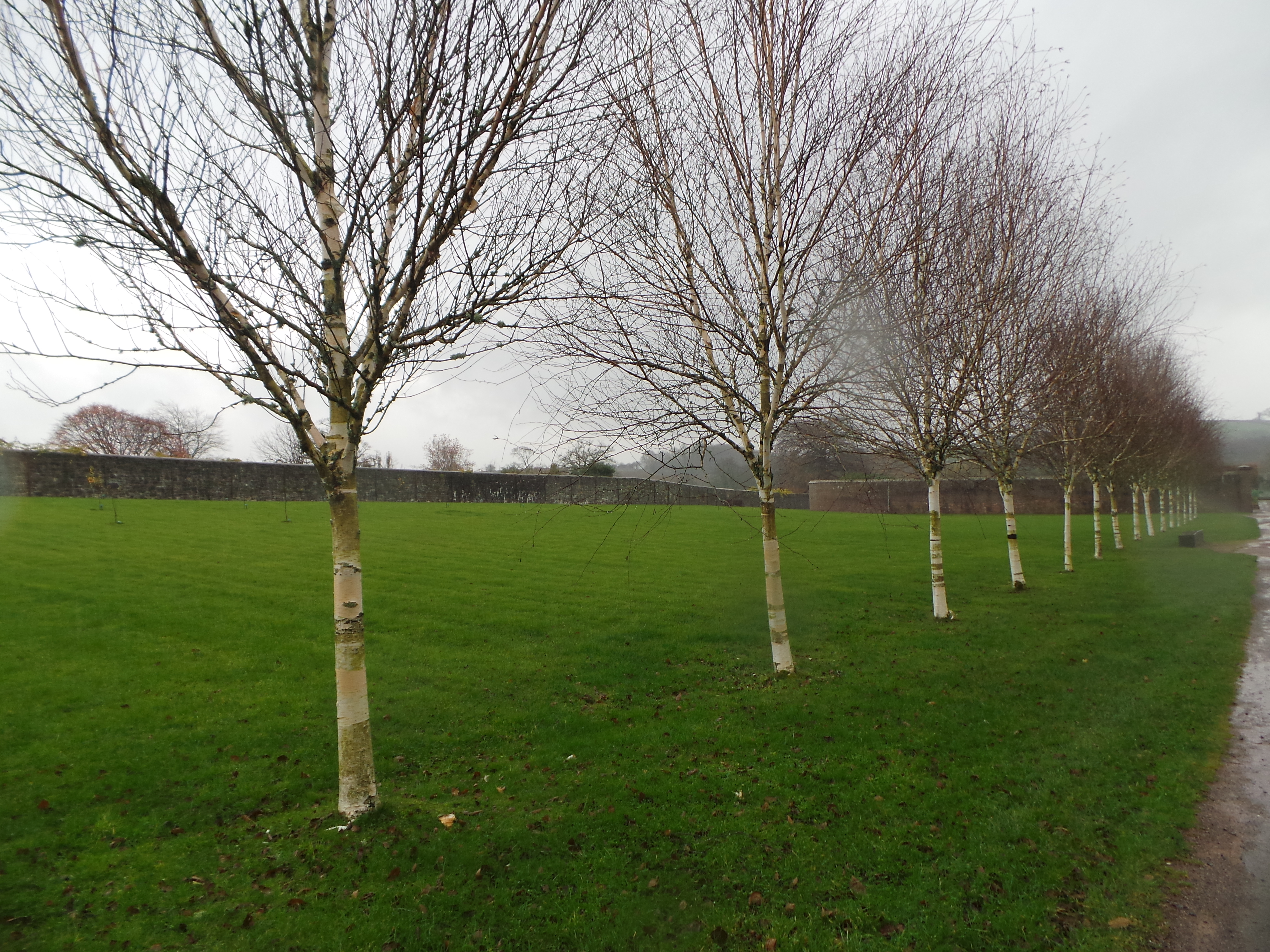
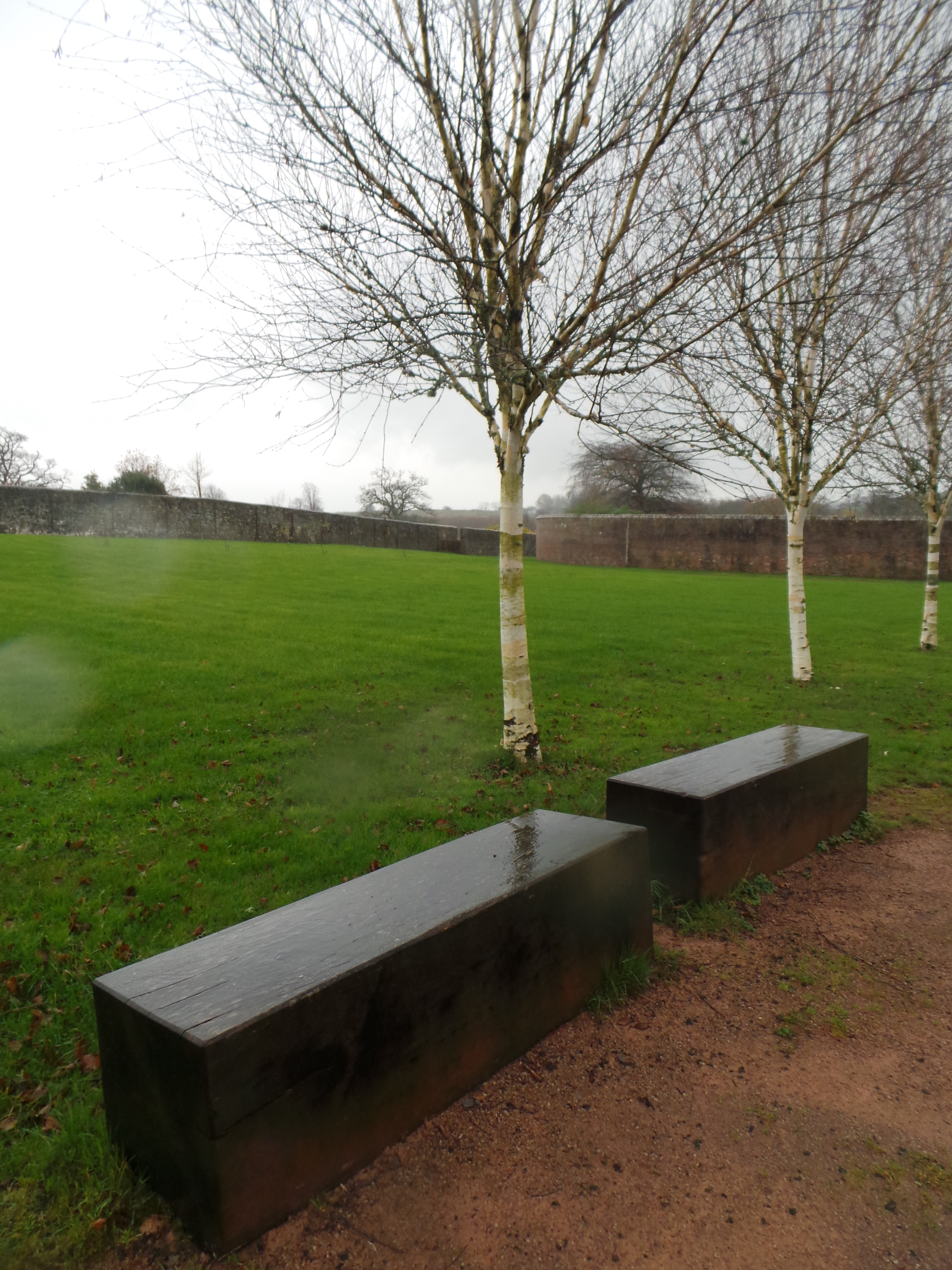
We got soaked through on our walk towards the walled garden but I was still tempted to stop to take a few shots of grasses and my favourite Betulas and some more simple oak block seating.

2014 11 21_7839 2014 11 21_78402014 11 21_7841 2014 11 21_7842 2014 11 21_7843 2014 11 21_7844

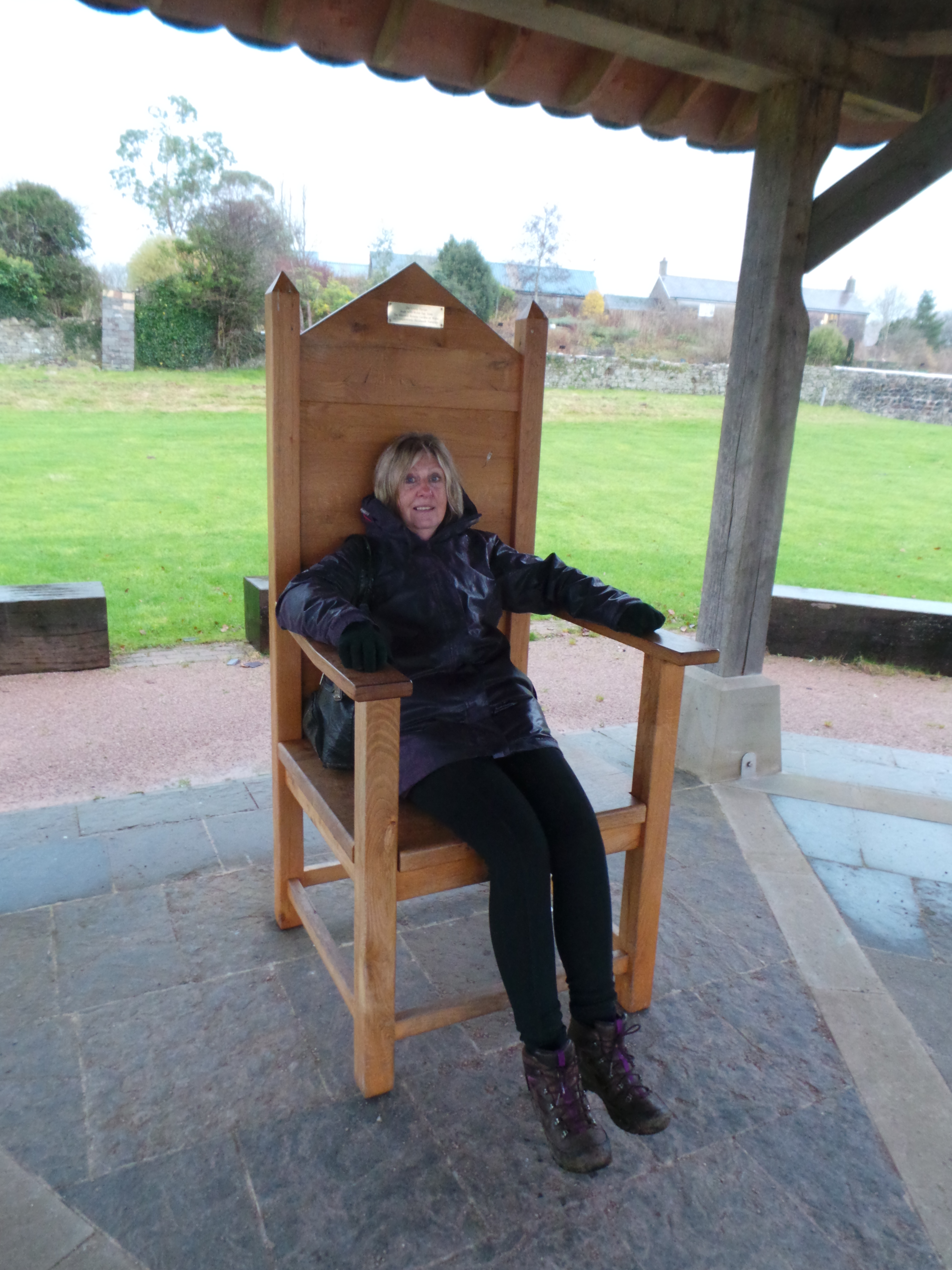
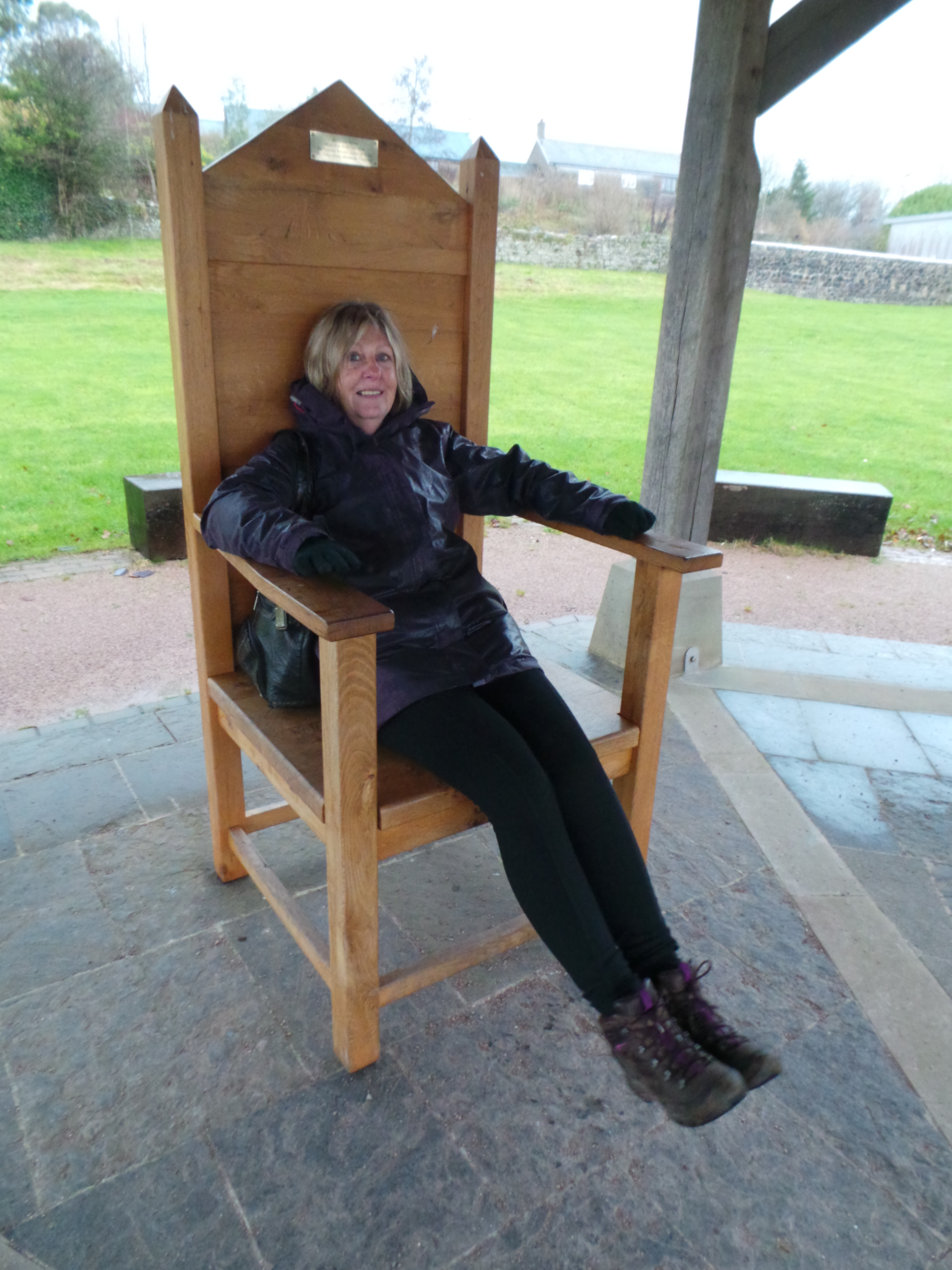
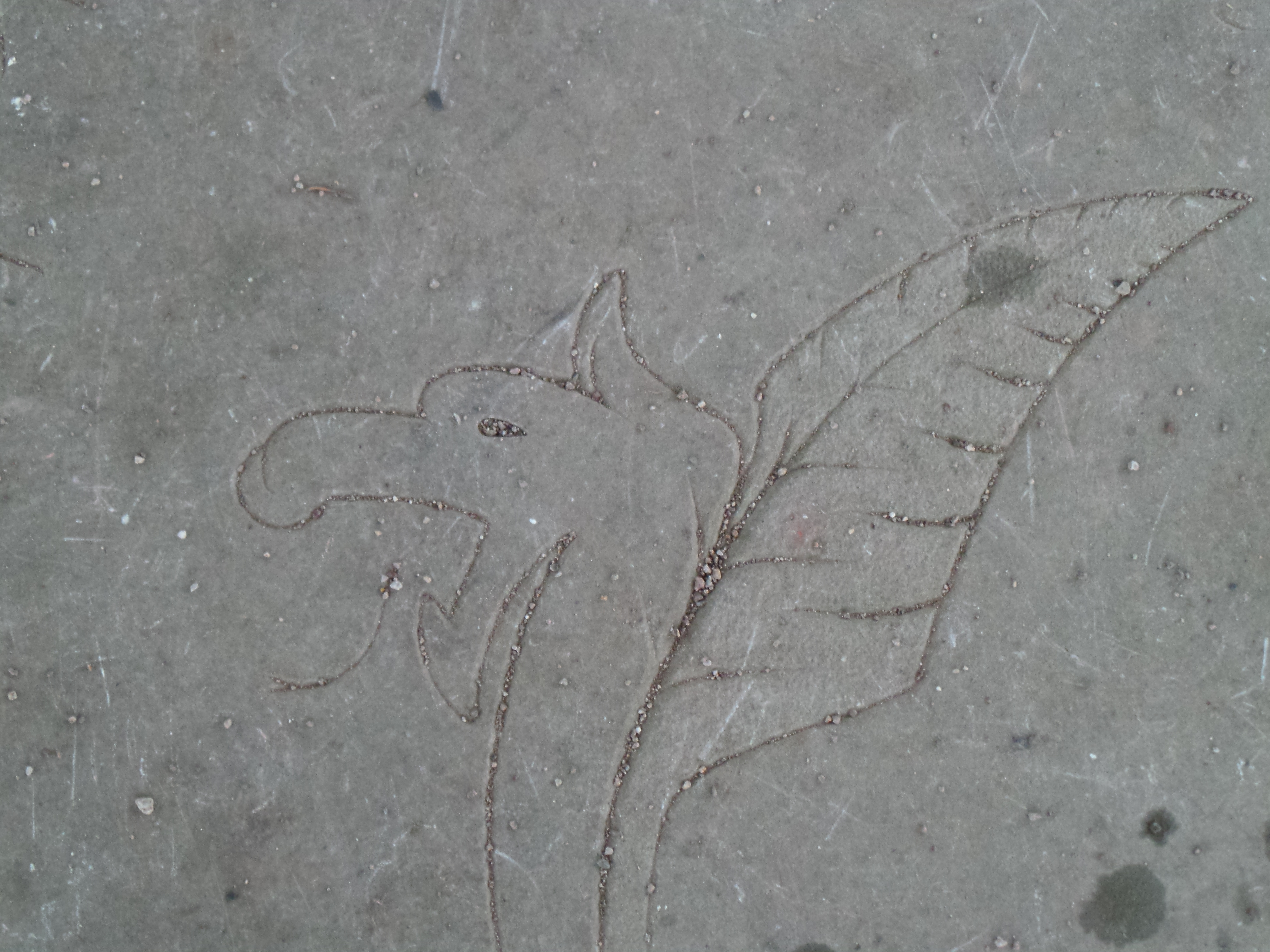
Jude, aka Mrs Greenbench aka The Undergardener, thought she looked good in this throne! It was a pity her feet didn’t reach the ground – it spoiled the illusion somewhat! It was hard to get her off it! The throne sat under an oak framed arbor with a slate floor, both local materials. Drawings of dragons were etched into some of the slate.

2014 11 21_7845 2014 11 21_7846 2014 11 21_7847

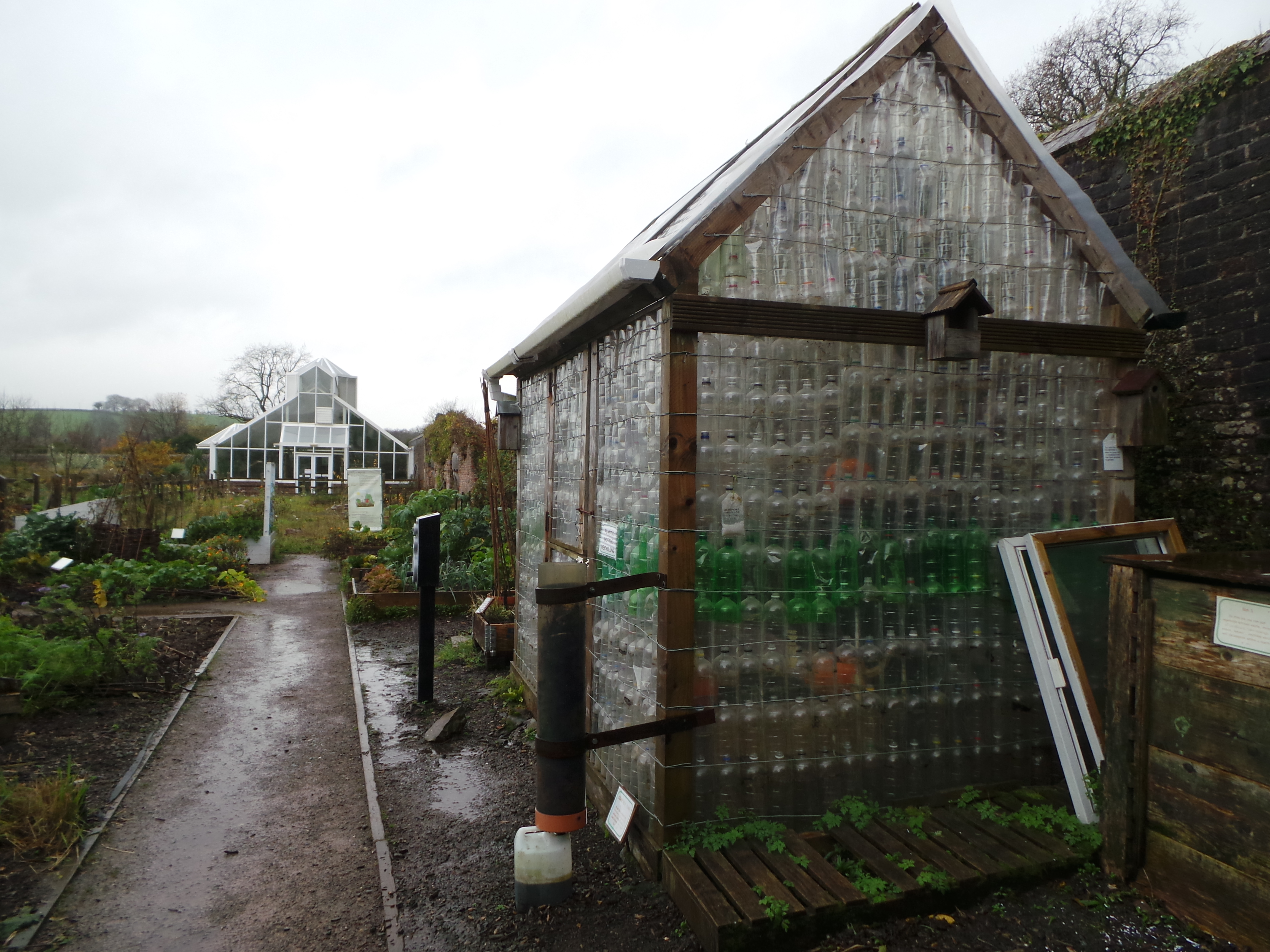
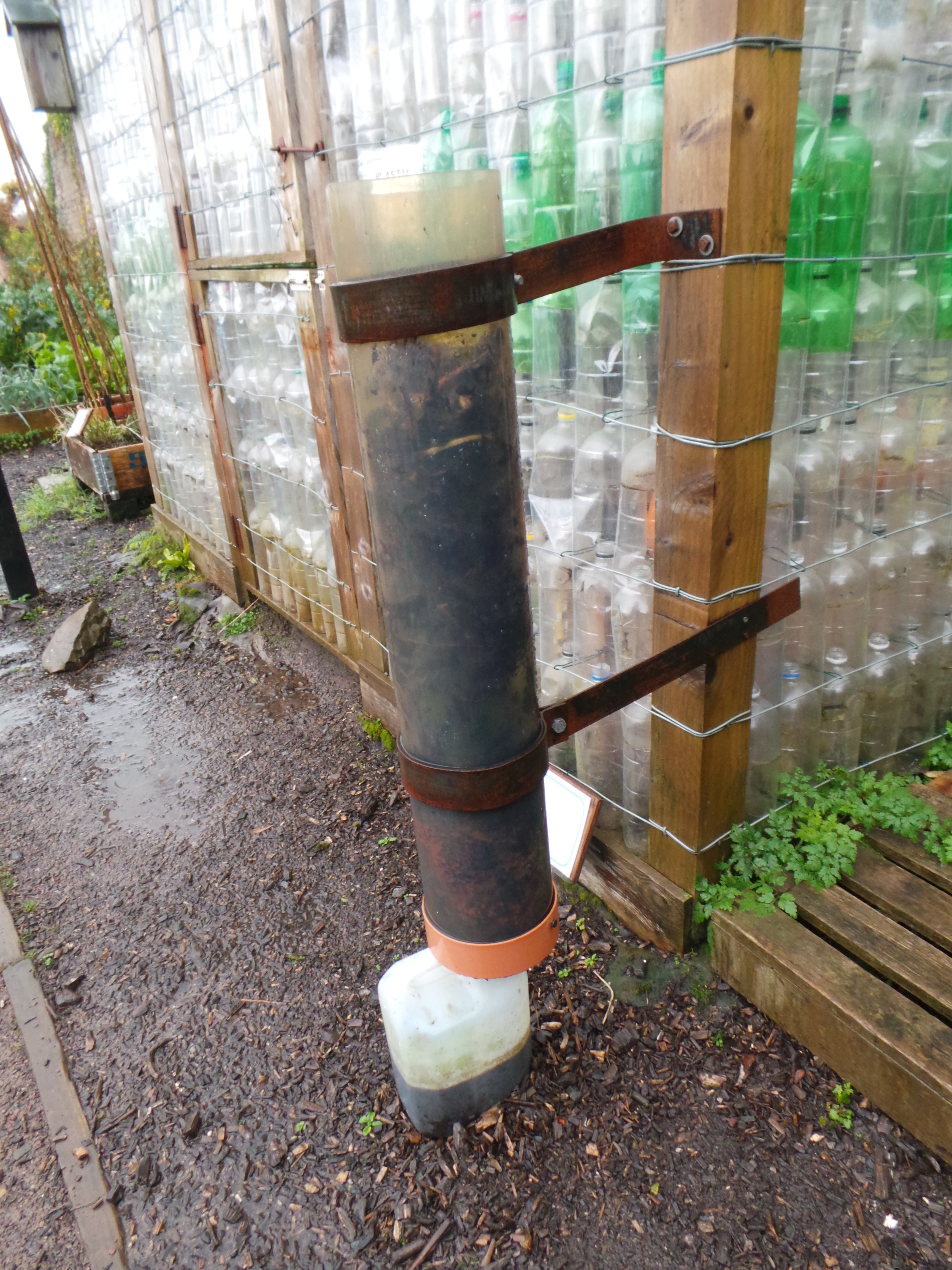
Once in the walled garden, a unique double-walled garden in fact, we enjoyed seeing what the local school children had been up to on their plots. A beautiful bug hotel, a greenhouse made from recycled drinks bottles and an ingenious method comfrey feed all held our interest in spite of the rain.

2014 11 21_7848 2014 11 21_7849 2014 11 21_7850 2014 11 21_7851 2014 11 21_7852

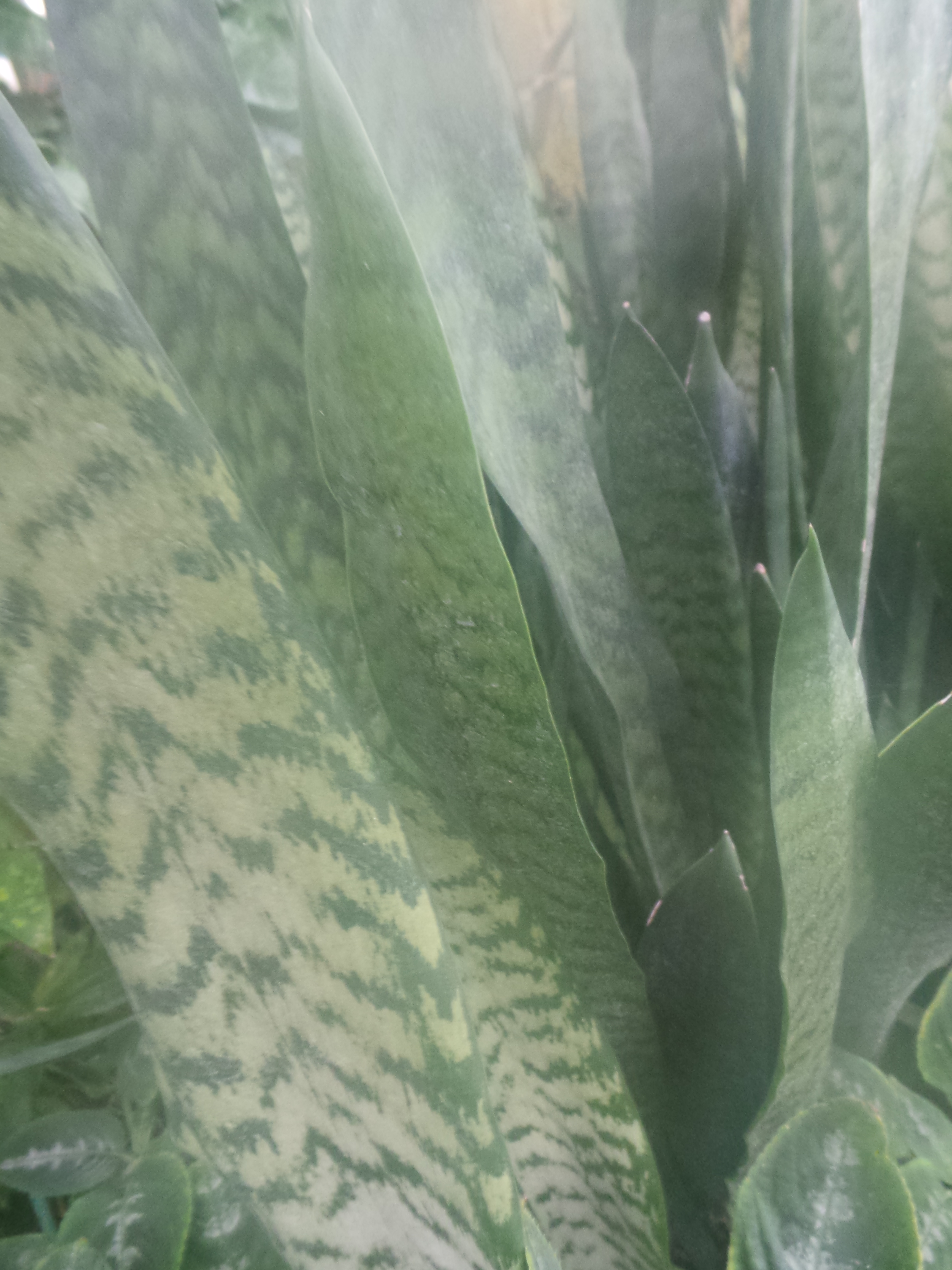
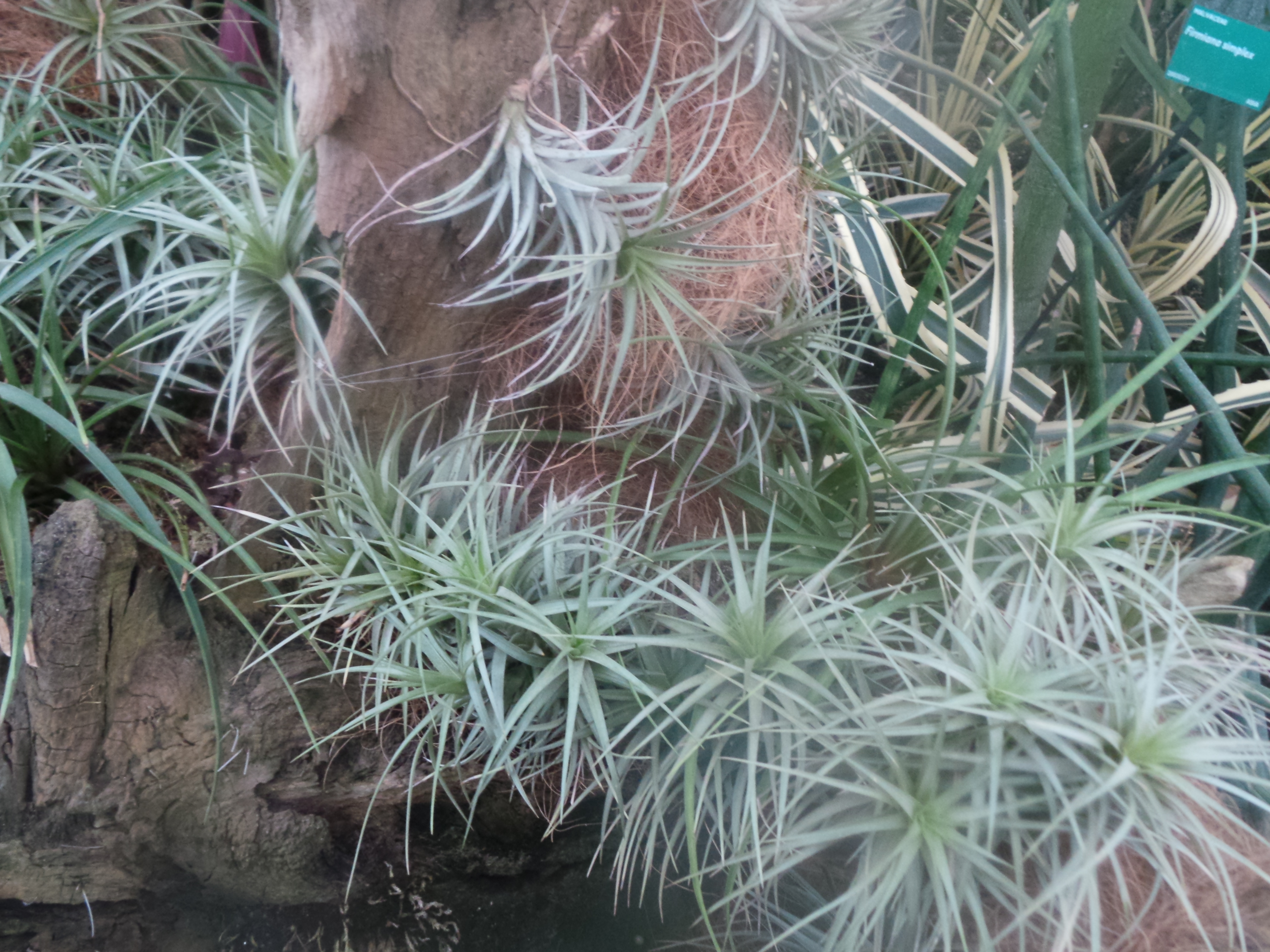
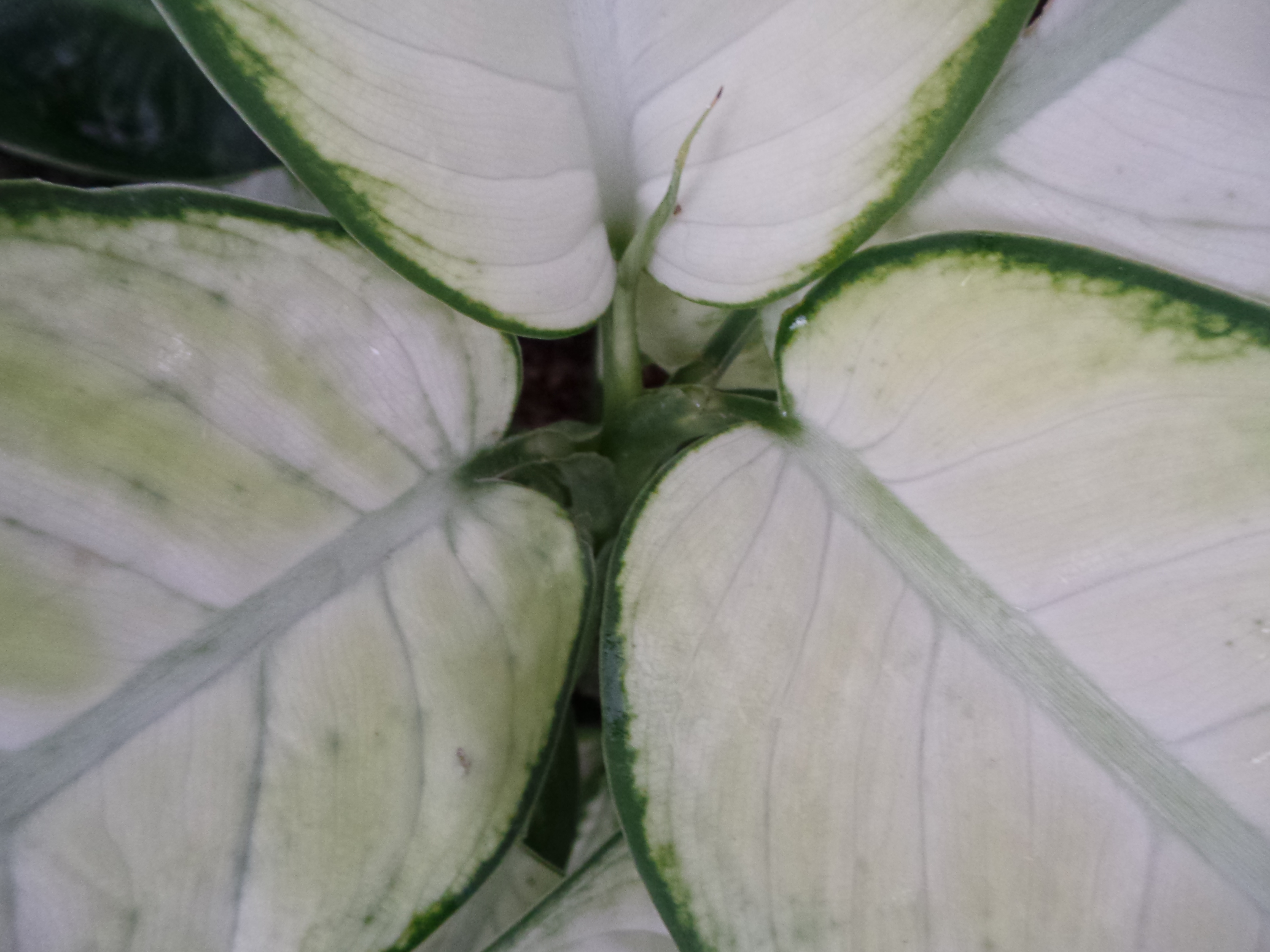
Once inside the tropical glasshouse we certainly warmed up but my glasses and camera lens both misted up. It took a while for us and the camera to acclimatise. When we did, we were enthralled by foliage of all shapes and sizes, many patterned and textured. Just enjoy the photos.

2014 11 21_7854 2014 11 21_78592014 11 21_7856 2014 11 21_7858 2014 11 21_7859 2014 11 21_7860 2014 11 21_7861 2014 11 21_7863 2014 11 21_7866 2014 11 21_78672014 11 21_7869 2014 11 21_78722014 11 21_7873 2014 11 21_7875

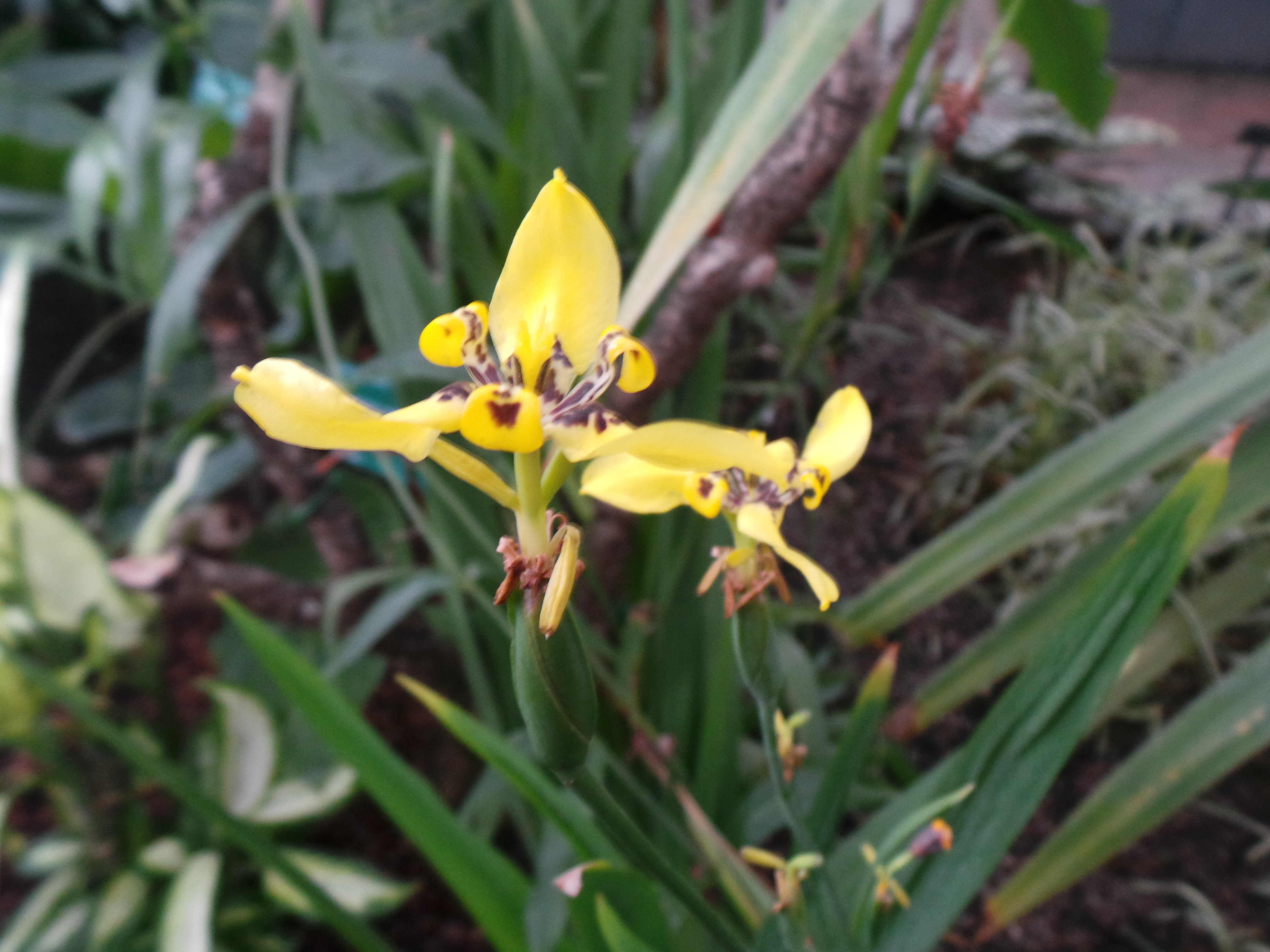
The few blooms present were bright and gaudy!

2014 11 21_7868 2014 11 21_7870 2014 11 21_7871 2014 11 21_7874

When we last visited this garden these old Victorian range of glasshouses were covered in scaffolding so it was great to see they had been renovated and planted up. While the modern curved glasshouse houses temperate plants we were pleased to have discovered the contrast with these old ones housing their tropical plants. It was hot and very humid! The variety of planting was impressive!

The only trouble with the comfort we felt inside the glasshouse was that when we left we had to return to the reality of the wet, cold Welsh weather.

Categories
buildings garden buildings garden design garden photography gardening gardens gardens open to the public outdoor sculpture sculpture succulents Wales

The Botanic Garden of Wales in the Rain – part one

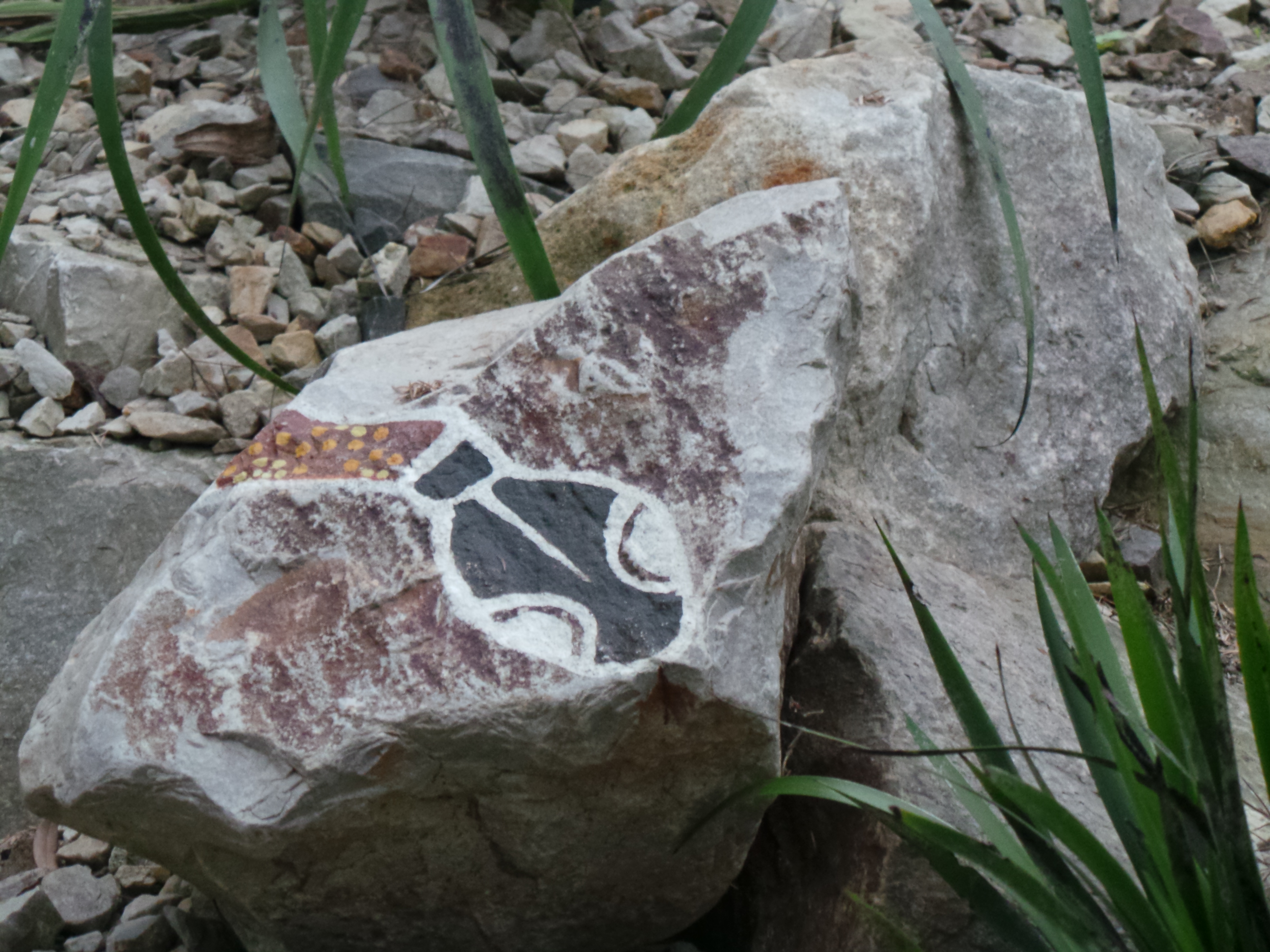
We have come to love visiting gardens in the rain. We put up the brollies and huddle together for protection and just defy the downpours. But on a November day at The Botanic Gardens of Wales the rain was so heavy it beat even us! It was horrendous! This beautiful piece of sculpture managed to glow out in the gloom. It looked like the bark of a tree or the structure of ivy climbing a wall or …….. whatever you wish.

2014 11 21_7754 2014 11 21_7753_edited-1

We did though enjoy a little time in the rain but soon escaped by making for the magnificent glasshouse. The glasshouse emerges from the gently sloping landscape like an armadillo. On this visit it was barely visible against the low deep grey clouds.

2014 11 21_7755 2014 11 21_77562014 11 21_7767

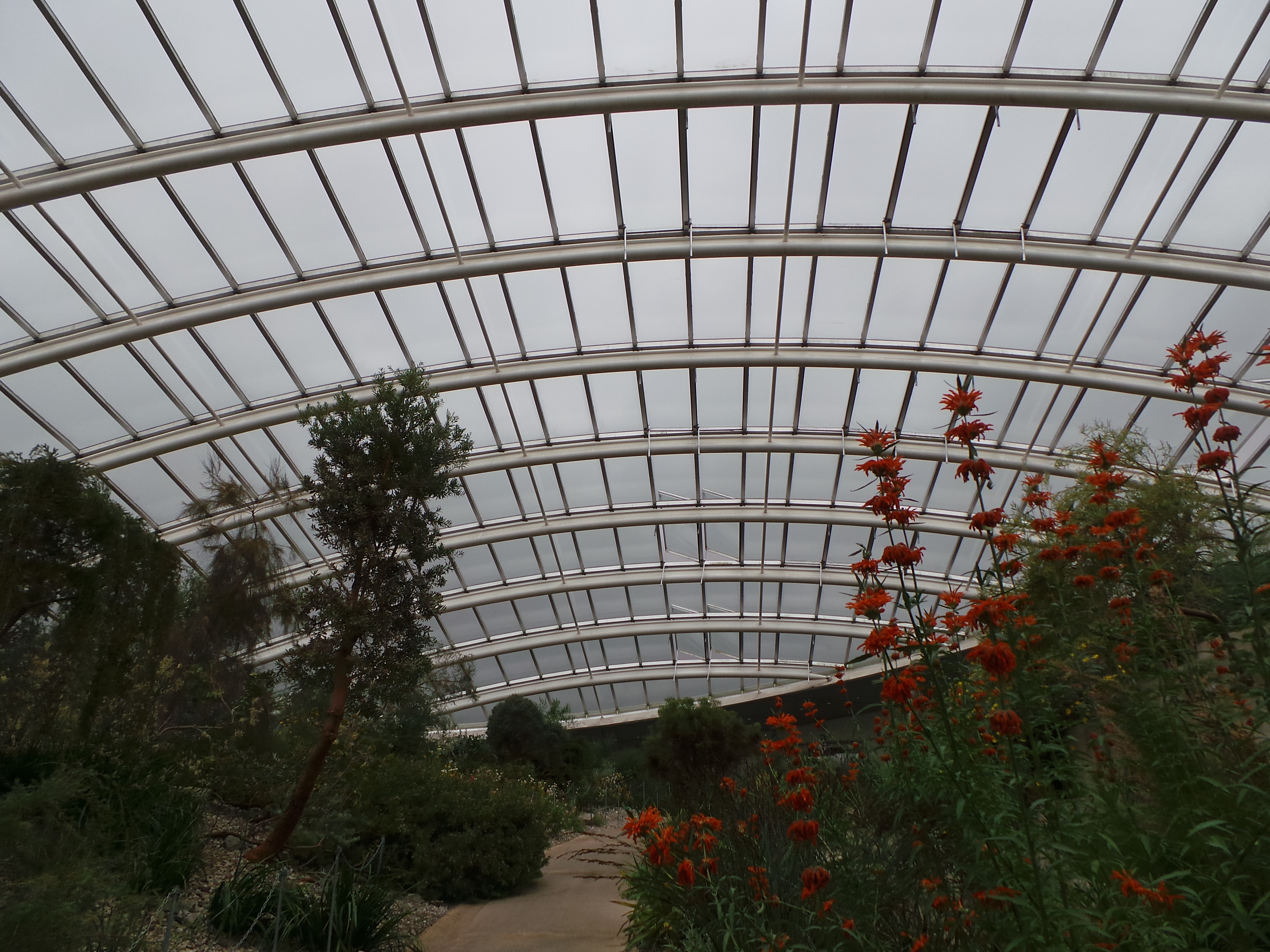
Once inside, the curving lines spanning overhead immediately drew our eyes upward. When architects get greenhouses right they can be dramatic and powerful but still gentle and full of beautiful curves. This is one of the best we have ever visited if not the best of all. It looks so good from both inside and out. From the outside it emerges from the countryside as if it is meant to be there, enhancing the undulation it sits on. From inside it cocoons the visitor in an atmosphere of warmth and greenery.

2014 11 21_7768 2014 11 21_7769 2014 11 21_7767 2014 11 21_77702014 11 21_7784 2014 11 21_7789

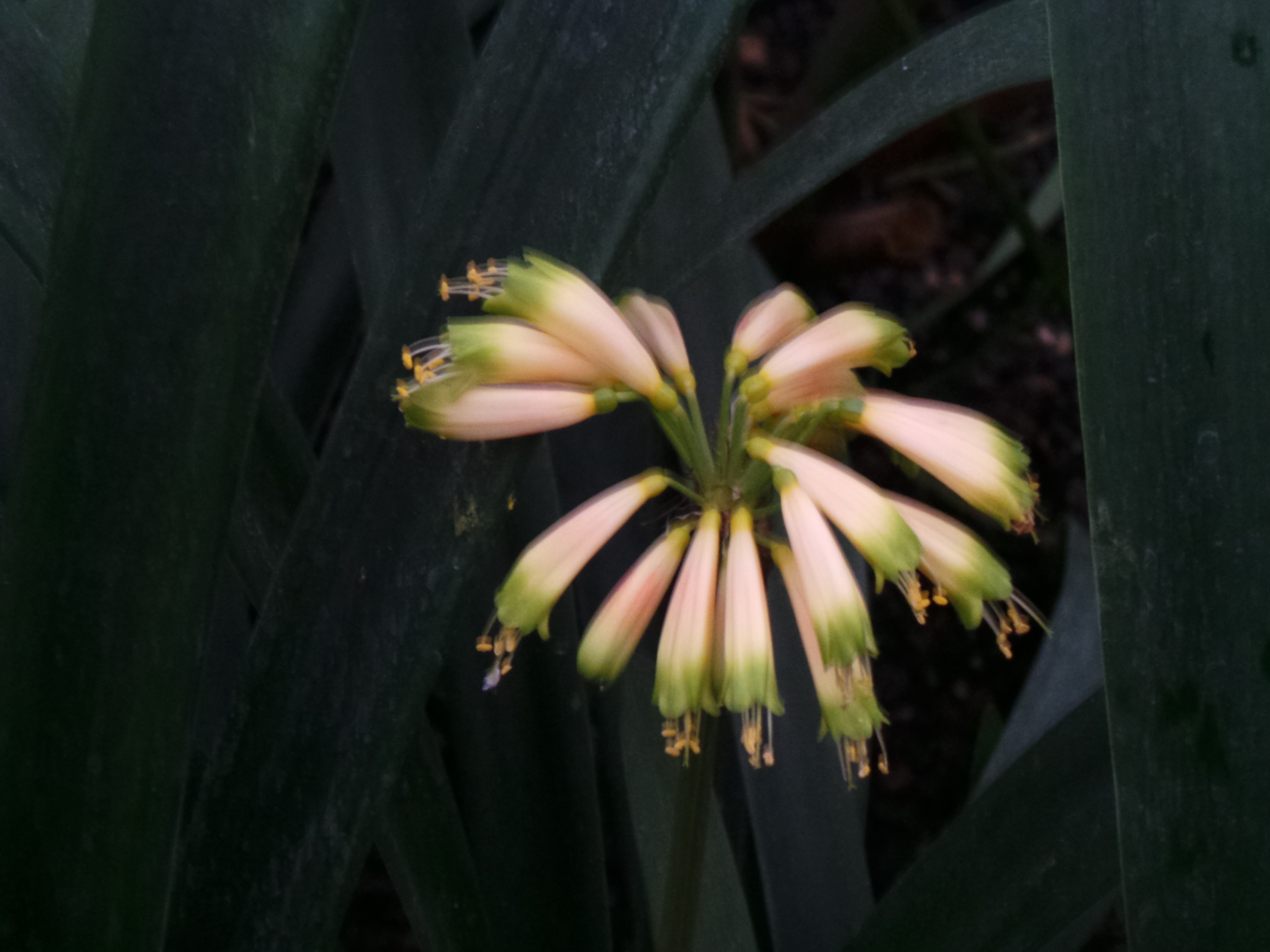
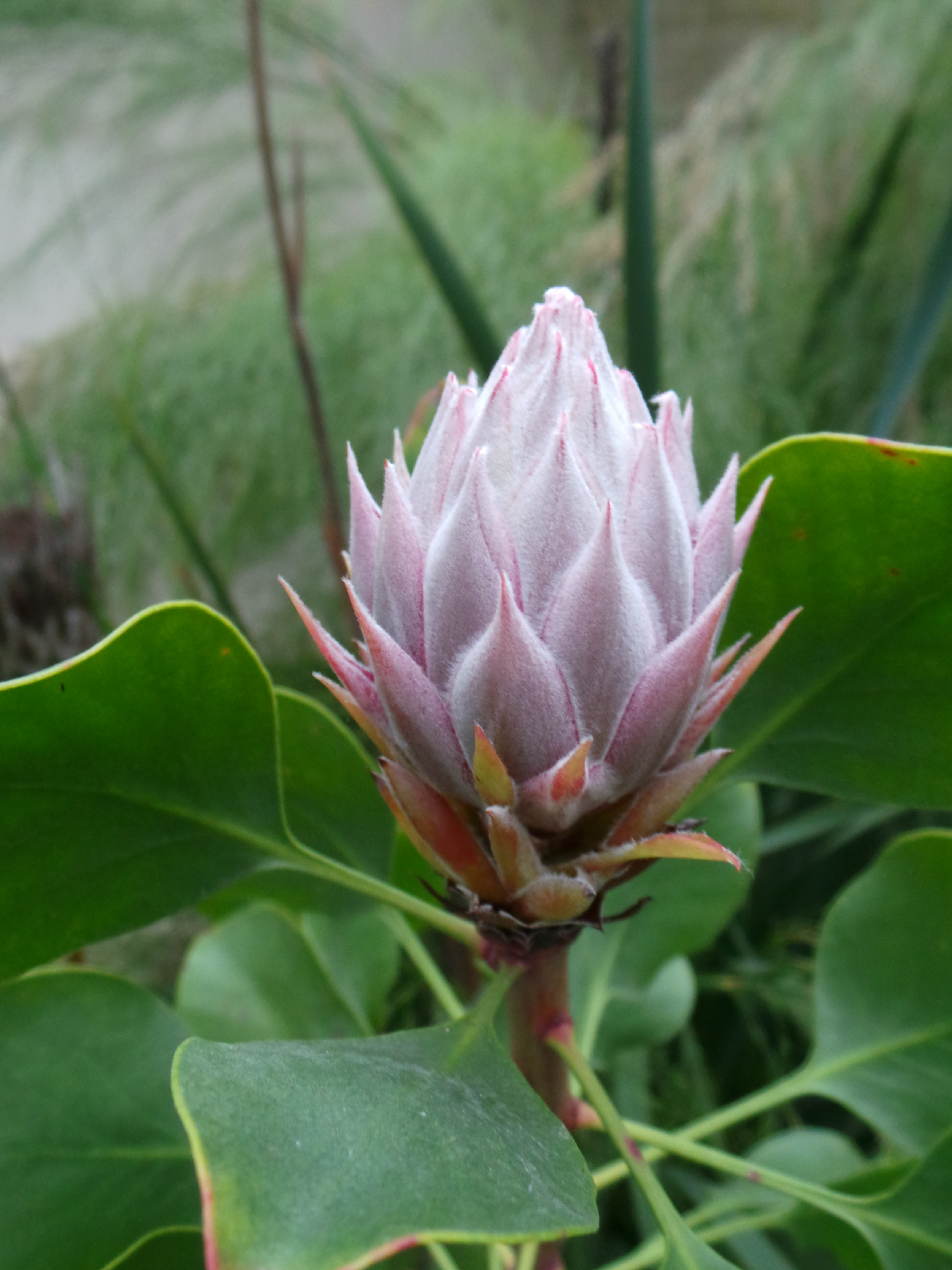
The plant life housed there sits happily in micro-climates made for them. Greenhouse often seem to contain big blousie blooms with too much colour and all full of drama but here things had a subtle beauty. Very stylish. Often the colours were very delicate.

2014 11 21_7772 2014 11 21_77922014 11 21_7793 2014 11 21_78002014 11 21_7776 2014 11 21_7808

2014 11 21_7780 2014 11 21_7786

Bright colours weren’t altogether absent though with plenty of fiery oranges and gaudy pinks. We were taken aback by the size of this Leonotis as it soared to over head height alongside the path. At home in our garden we get it to grow to about two feet tall.

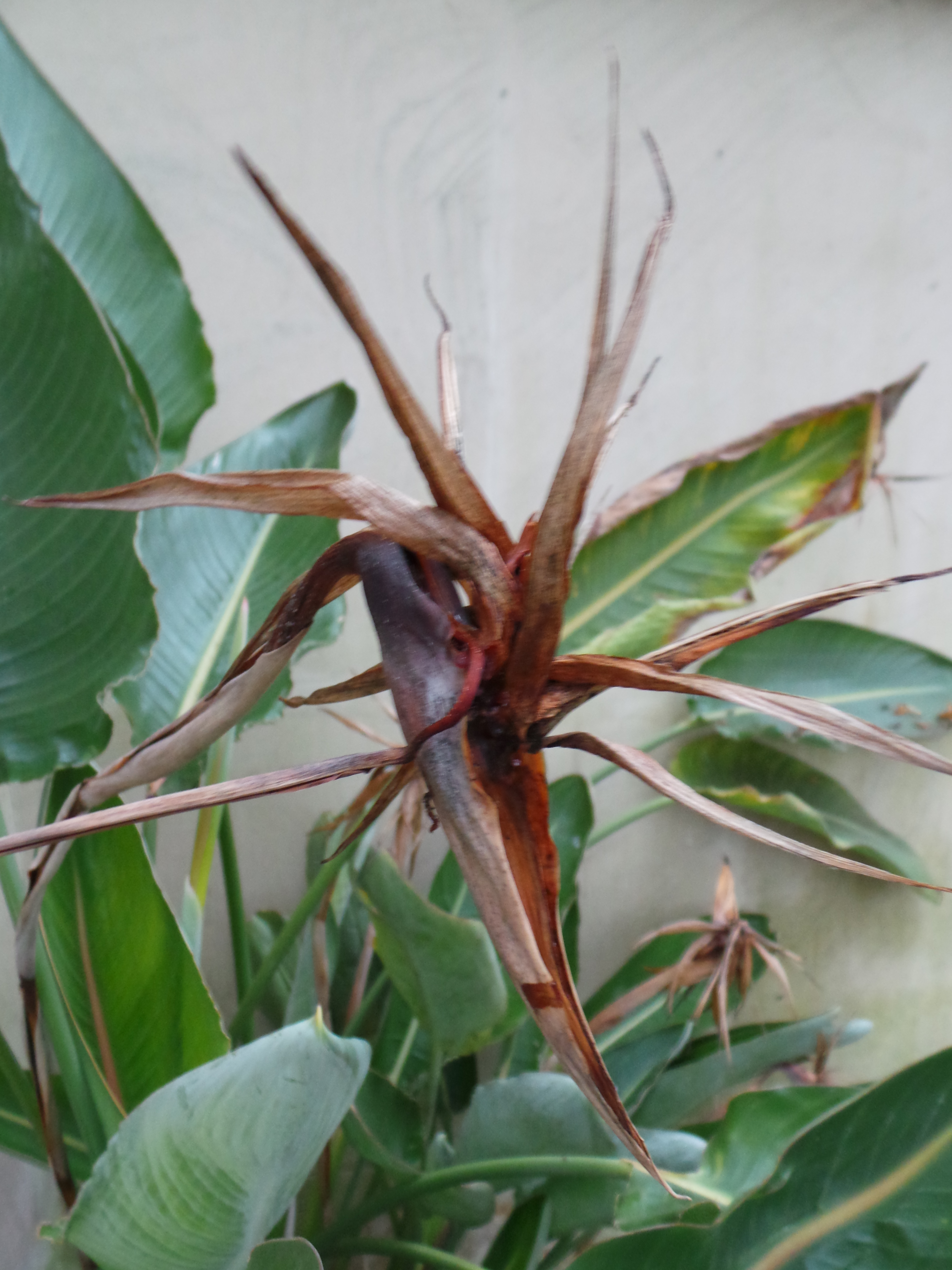
2014 11 21_7781 2014 11 21_77832014 11 21_7782 2014 11 21_77772014 11 21_7798 2014 11 21_78022014 11 21_7801 2014 11 21_7804Some plants simply appeared bizzare, such as the dying flowers of the Strelitzia which turns from orange to deep brown and the odd trunk of this tree which was well past its best!

2014 11 21_7794 2014 11 21_7805

Blue flowers are often not a pure blue but these definitely were as blue as could possibly be.

2014 11 21_7809 2014 11 21_7810

We enjoyed studying the foliage here as much as the flowers, with so much variation in size, colour, texture and shape.

2014 11 21_7795 2014 11 21_77962014 11 21_7788 2014 11 21_77732014 11 21_7779 2014 11 21_7787

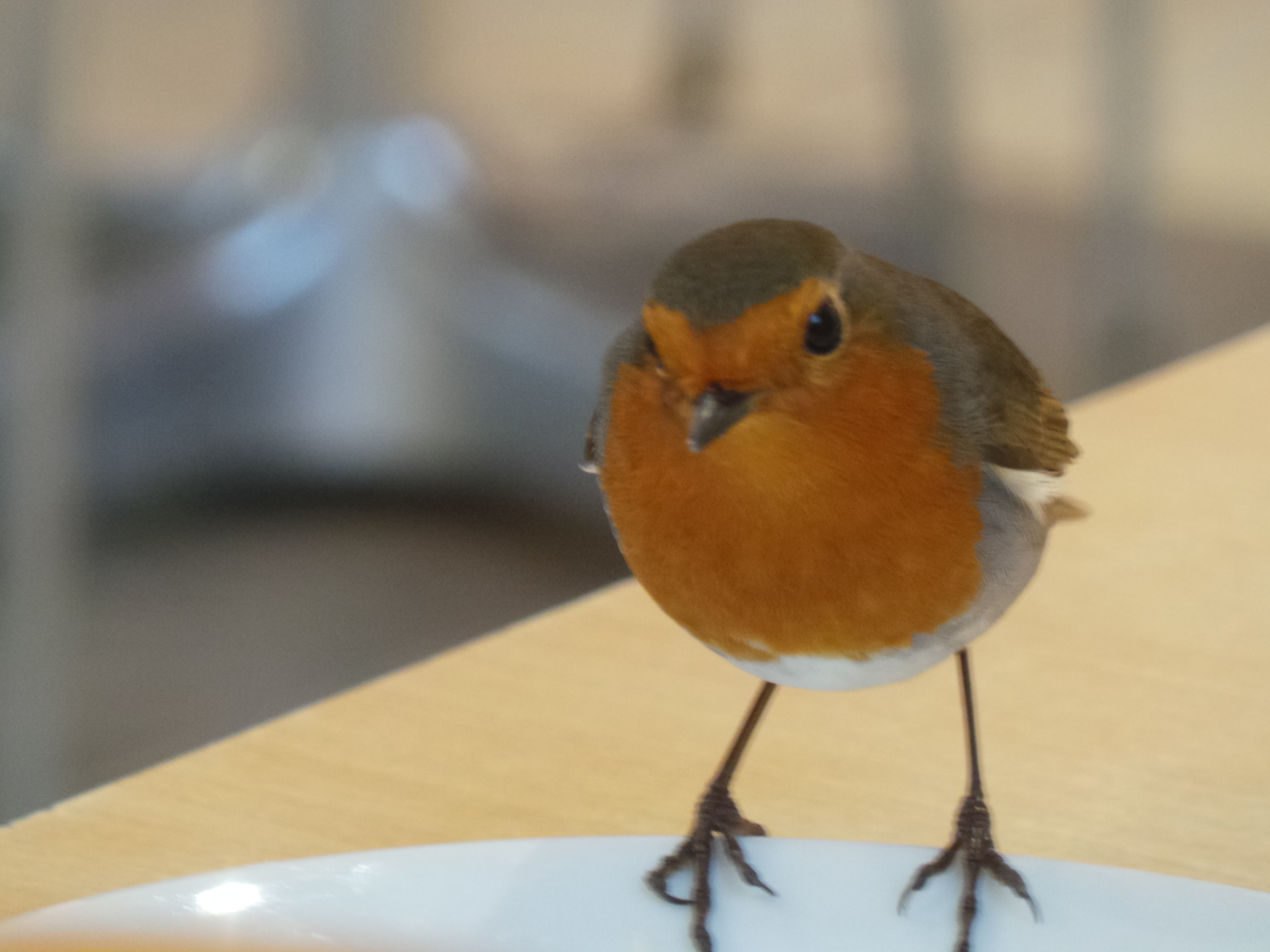
This Robin was enjoying reading the info on this sign but we were more impressed by those signs which relied on simple symbols demarcating each zone.

2014 11 21_7775 2014 11 21_77742014 11 21_7797 2014 11 21_77992014 11 21_7790 2014 11 21_7791

We were amused when we came across this warning triangle, not the usual red unfriendly type found on roadsides but a green edged warning that gardeners were at work. The gardeners were very friendly ones too!

2014 11 21_7803

After wandering around the giant glasshouse absorbed in the beauty of plants from around the temperate world we deserved our lunch break. We shared our break with our red-breasted friend who seemed to have followed us from the glasshouse.

2014 11 21_7764 2014 11 21_7762

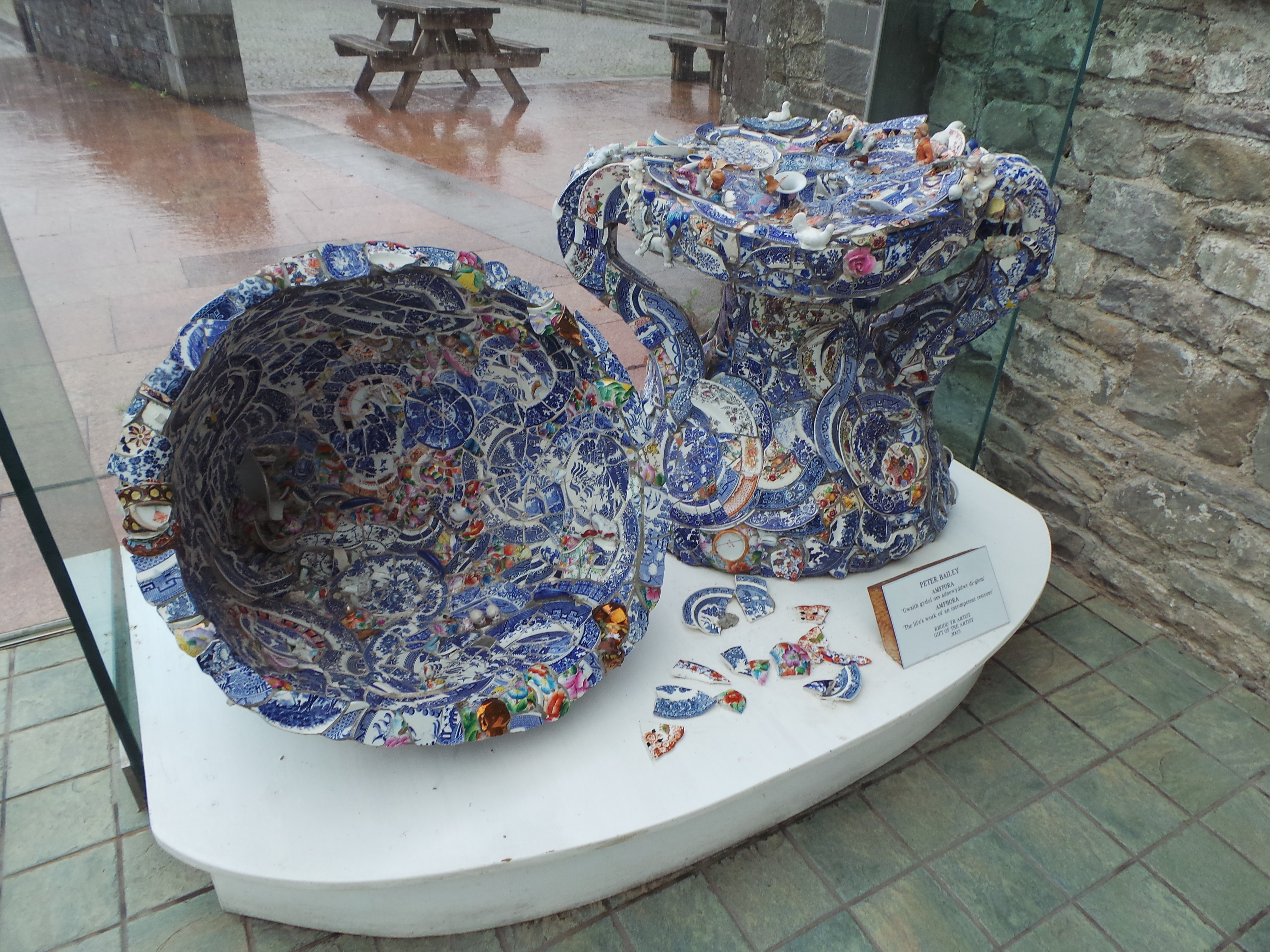
Some original and colourful craftwork graced the foyer. This piece was created using broken pottery shards. Join us in part two when we braved the heavy rain for as long as we could.

2014 11 21_7765 2014 11 21_7766

Categories
birds garden photography garden wildlife gardening ornamental trees and shrubs shrubs Winter Gardening winter gardens

My Garden Journal – January

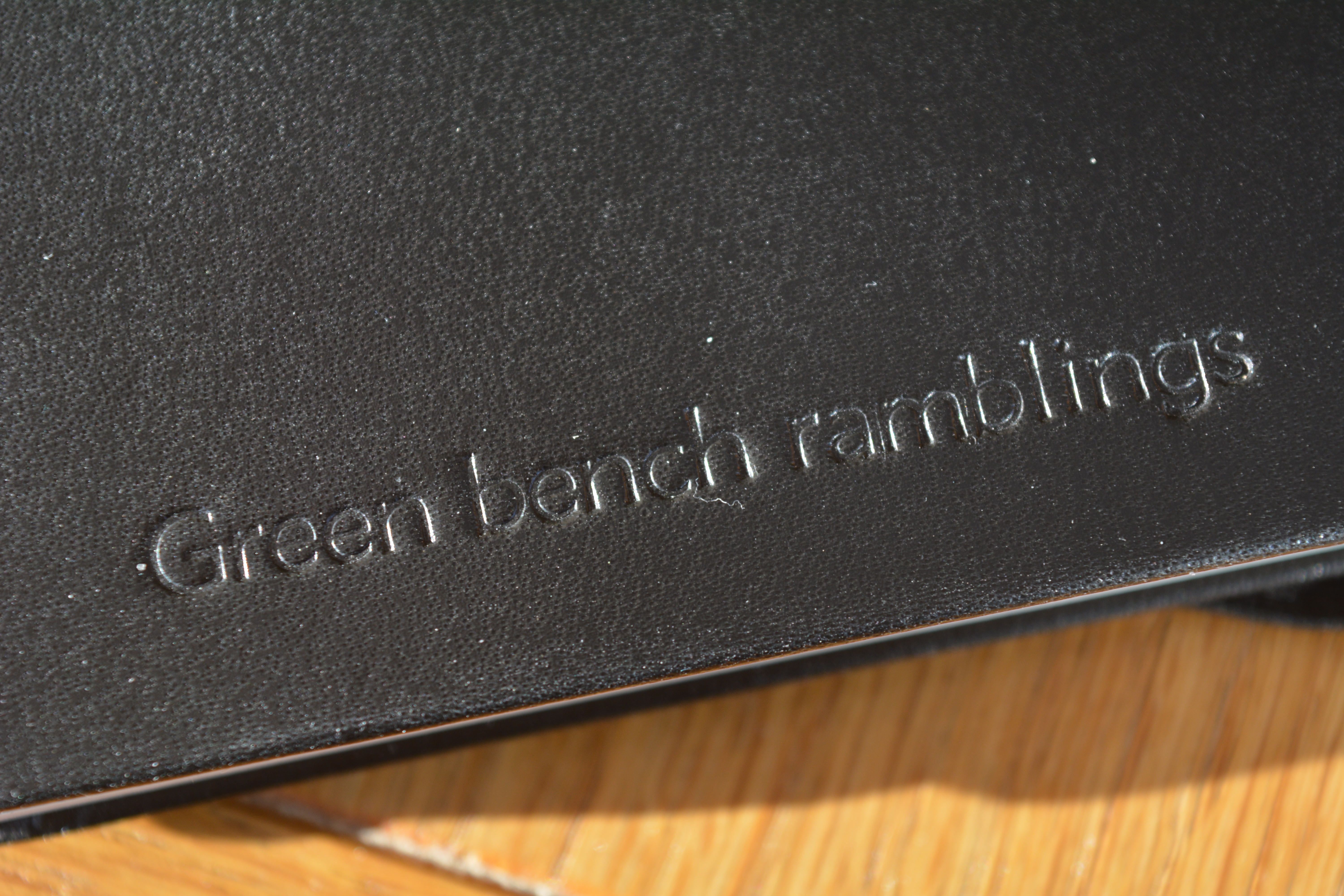
As promised I am creating a garden journal throughout the year to celebrate our garden and this is the first post looking at January. I am writing and painting in my personalised “Moleskine” notebook, a special gift from our daughter and son-in-law, and as the first photo shows it has been embossed with the name of my blog. A beautiful and most luxurious book which feels a pleasure to handle and an honour to write in and a delight to create drawings and paintings in.

2015 02 04_9357 2015 02 04_9358_edited-1

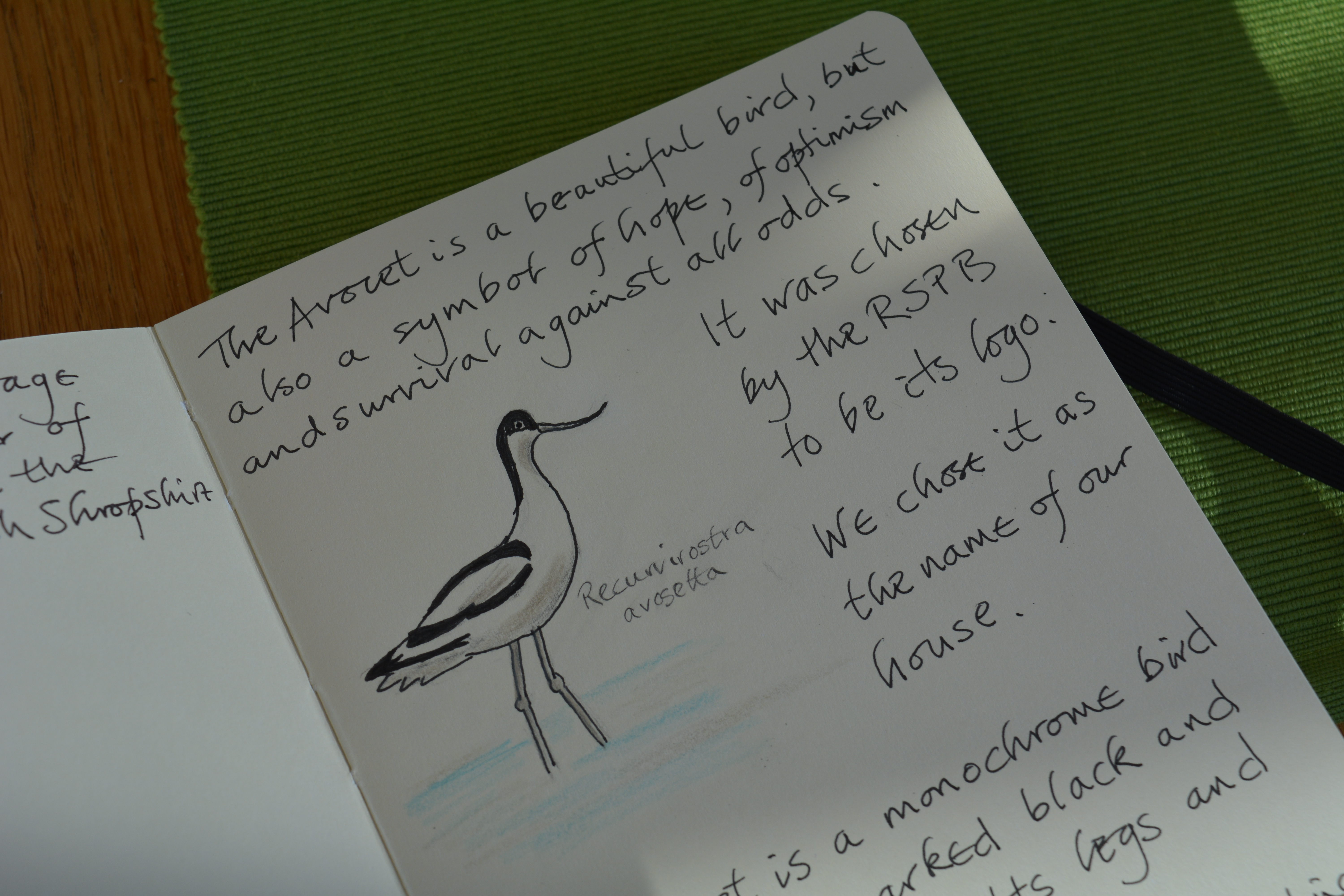
Early on in my journal I have written about the Avocet, the beautiful wader after whom we name our house and made an attempt at a drawing of one.

2015 02 04_9359

2015 02 04_9361_edited-1 2015 02 04_9360_edited-1

I wrote about the scented shrubs that keep us company in the January garden.

2015 02 04_9364_edited-1

Daphne bhuloa “Jacqueline Postil” and Sarcococca confusa.

2015 02 04_9381 2015 02 04_9380

Cornus mas, the Cornelian Cherry and our two Hamamelis “Diane” and “Jelena”.

2015 02 04_9382 2015 02 04_9376 2015 02 04_9375

I moved on to write about our Winter Flowering Jasmine and once again got out the watercolours.

2015 02 04_9362_edited-1

2015 02 04_9363_edited-1

We enjoyed a couple of magic moments involving birds of prey in January and I recorded them in my journal.

2015 02 08_9433_edited-1

What a pleasure to have a Merlin in the garden and a Marsh Harrier flying over – I don’t expect that will happen too often!

Enjoy reading a few pages ……

2015 02 08_9434

2015 02 08_9435


Well, that is it for my January journal. February is here already so my journal is gaining new pages, which will feature in my next Garden journal post.


Categories
architecture buildings Church architecture townscapes

Three Cathedrals – Hereford – Part Two

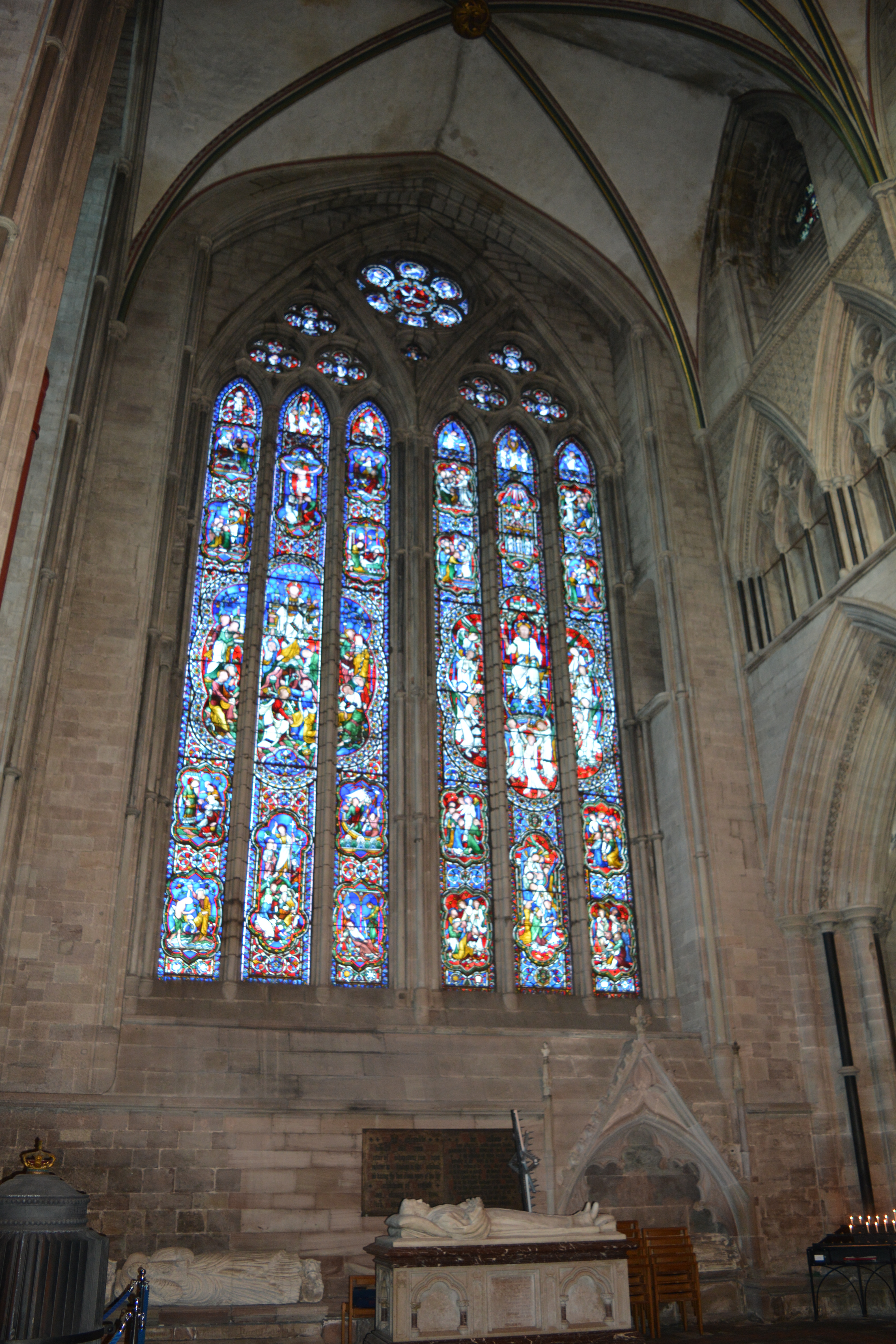
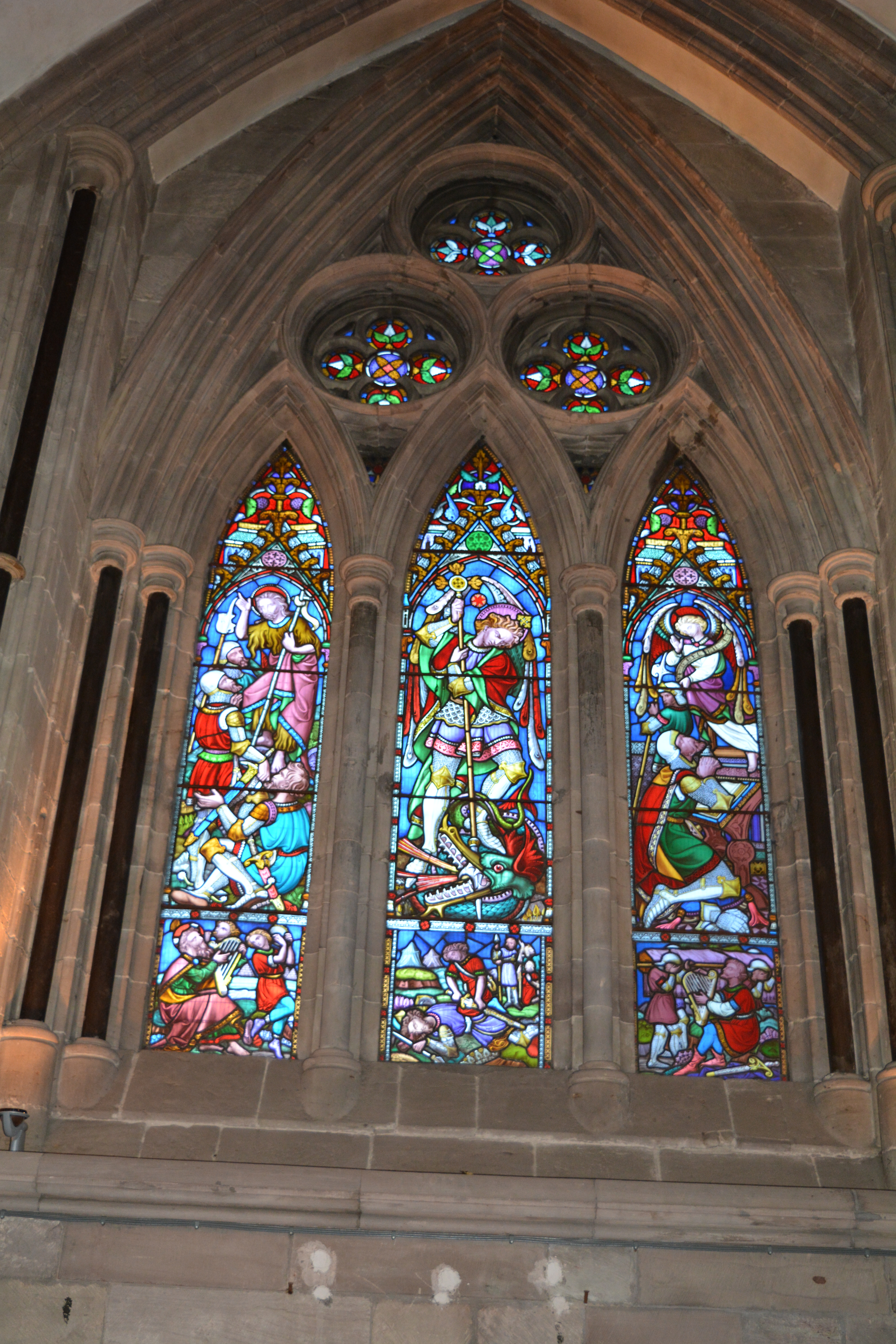
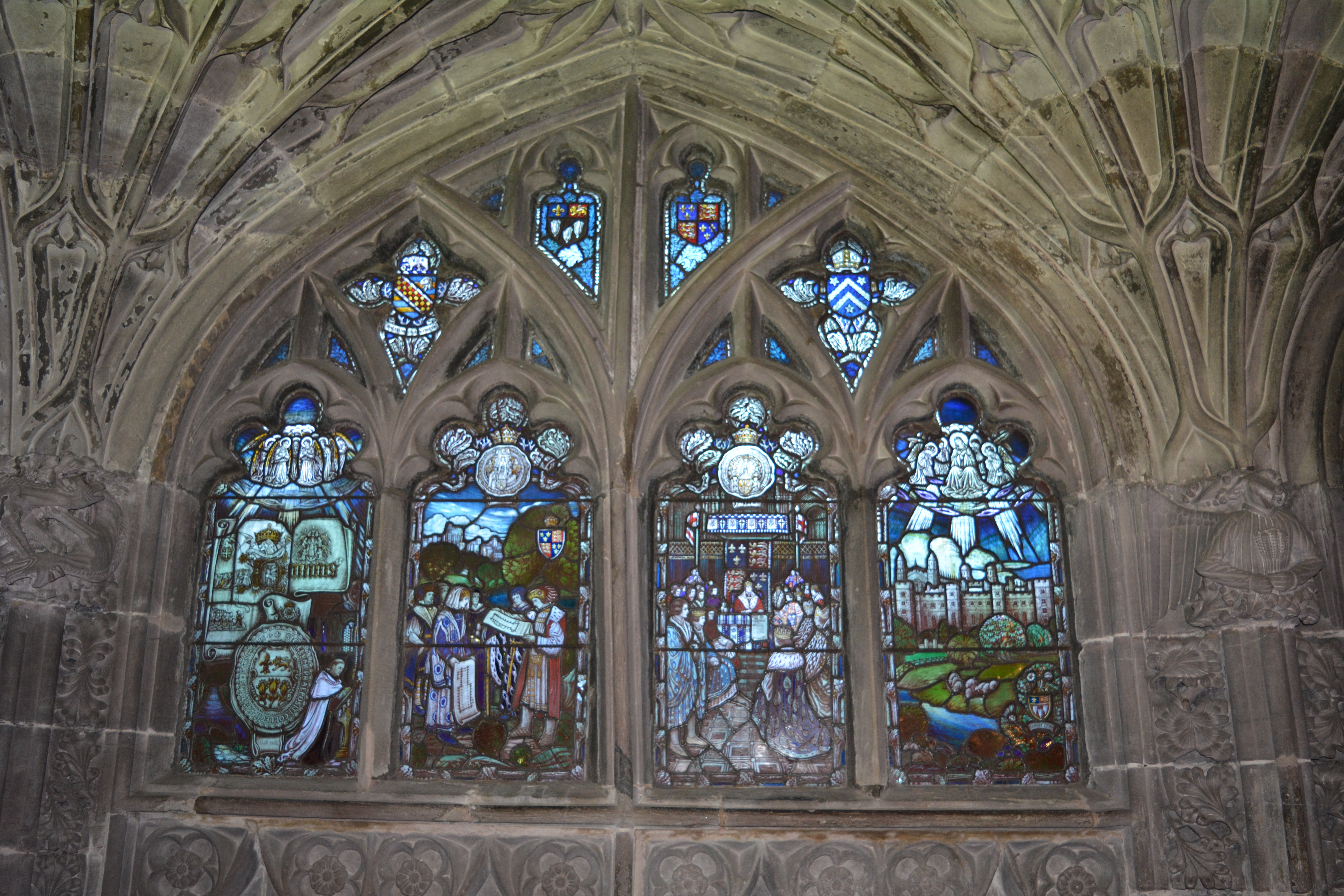
Back at the cathedral in Hereford, we found colour flowing in through the windows even though it was a dull day. The stained glass windows seemed to capture the little light there was. The majority were typical of such windows found in any church building anywhere in the UK …..

2015 01 13_9238 2015 01 13_9251 2015 01 13_9254 2015 01 13_9256 2015 01 13_9261

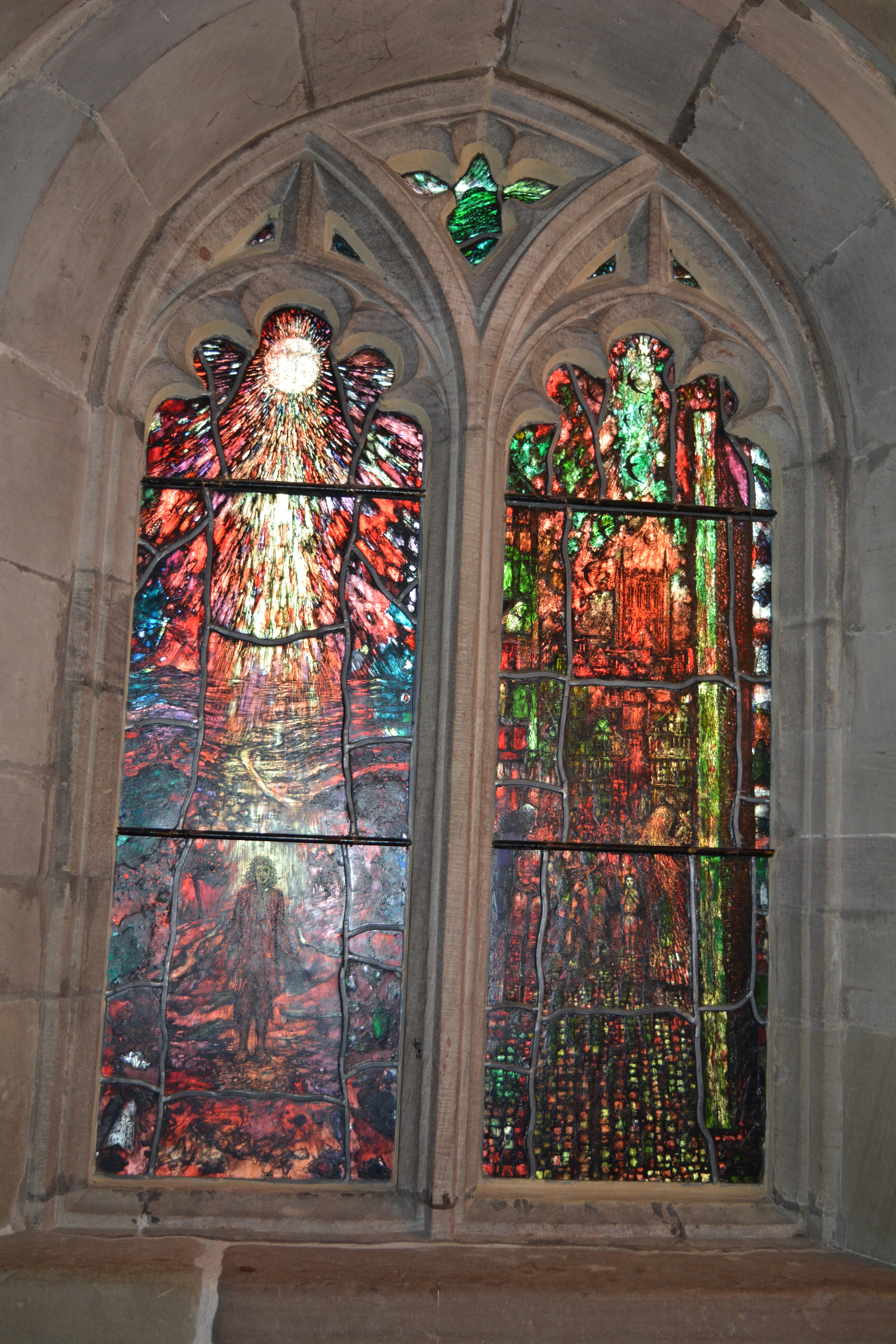
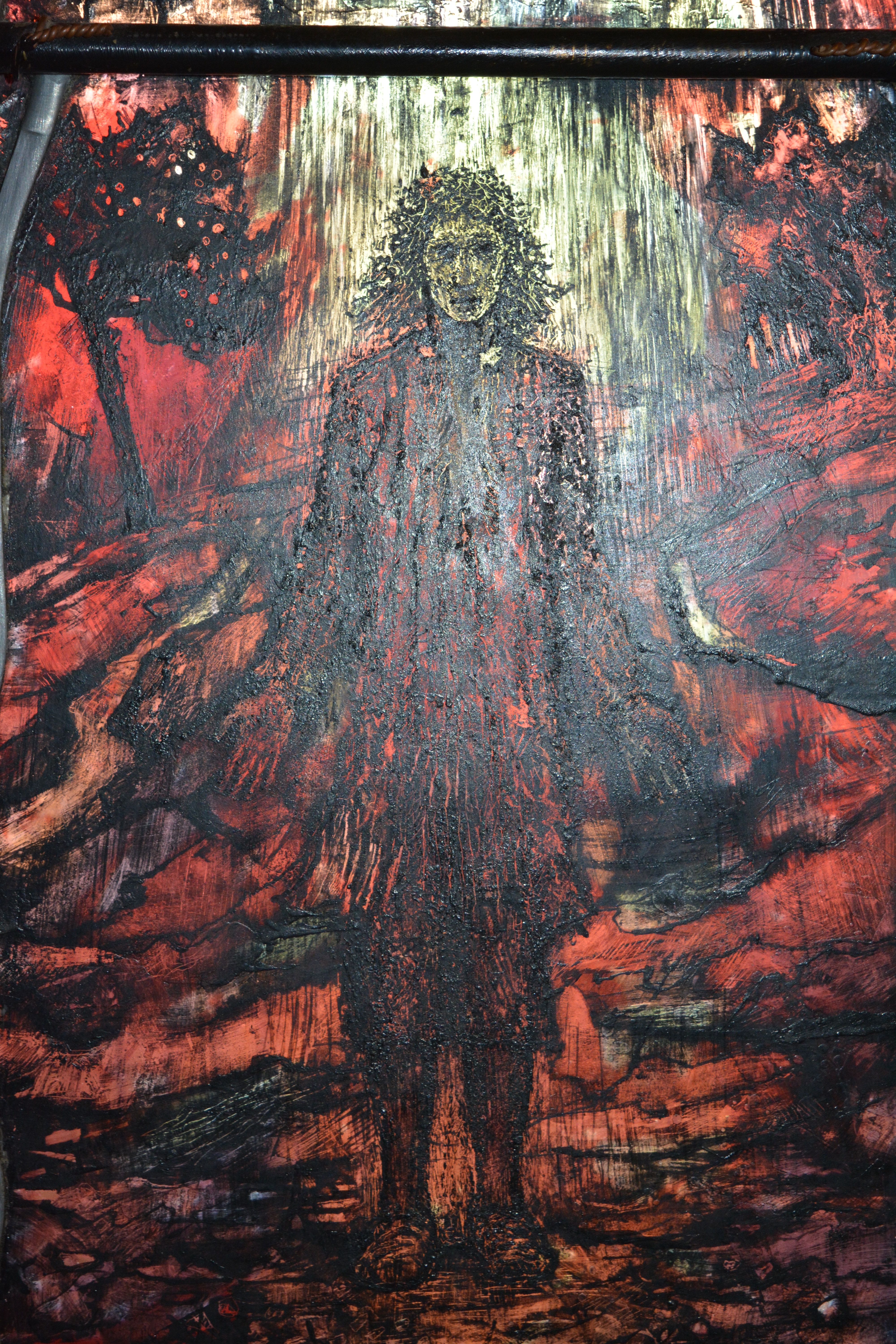
……. but a few were very different indeed. These were of recent design with a original art work and a style and technique we had never seen before.

2015 01 13_9270 2015 01 13_9271 2015 01 13_9272 2015 01 13_9273

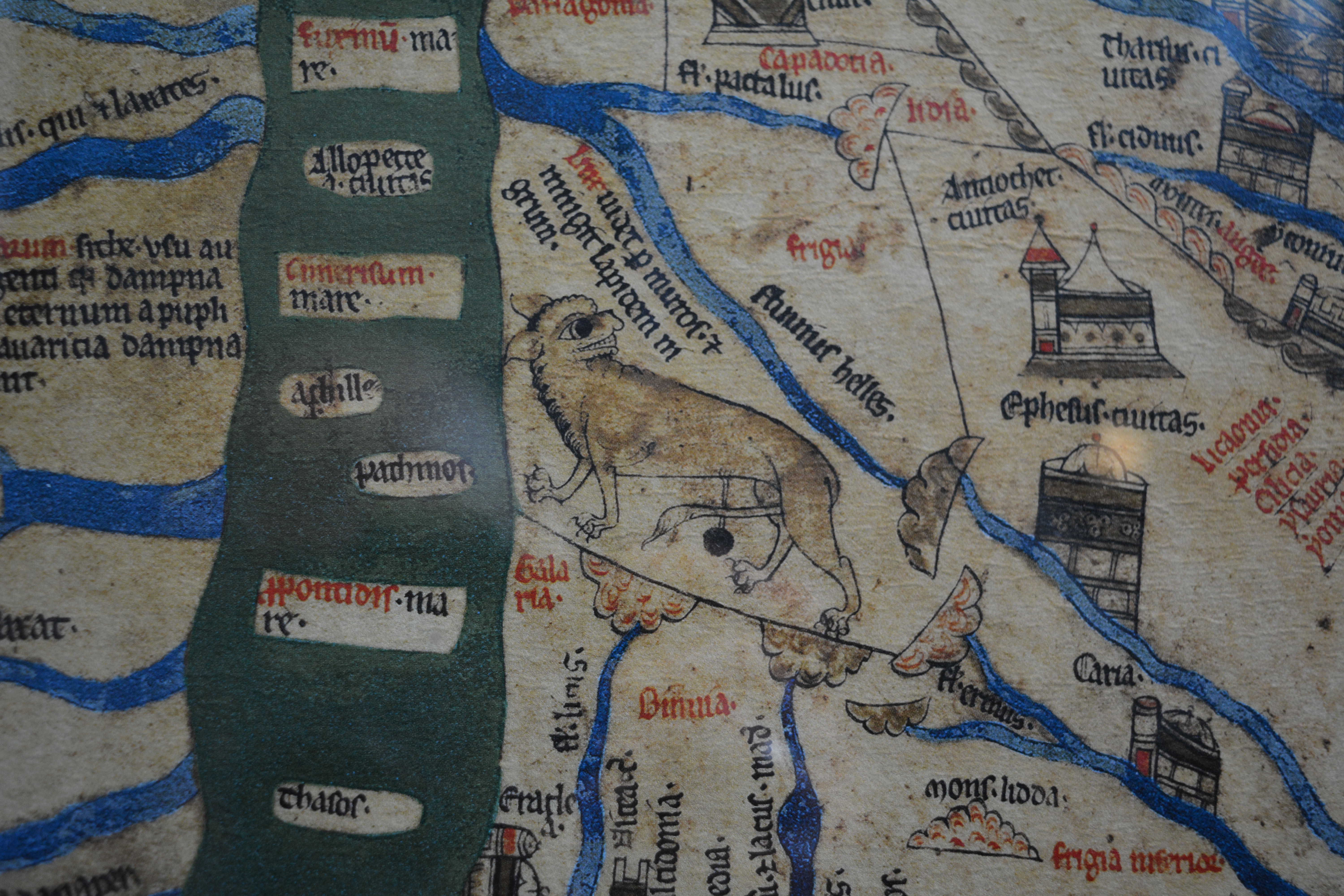
Hereford is famed for being the home of one of the most famous of ancient maps ever produced, the Mappa Mundi. The detail was amazing and it was hard to imagine that this was the work of someone’s imagination. How could it have been conceived? Other ancient books were displayed in glass topped cases.

2015 01 13_9277 2015 01 13_92782015 01 13_9260

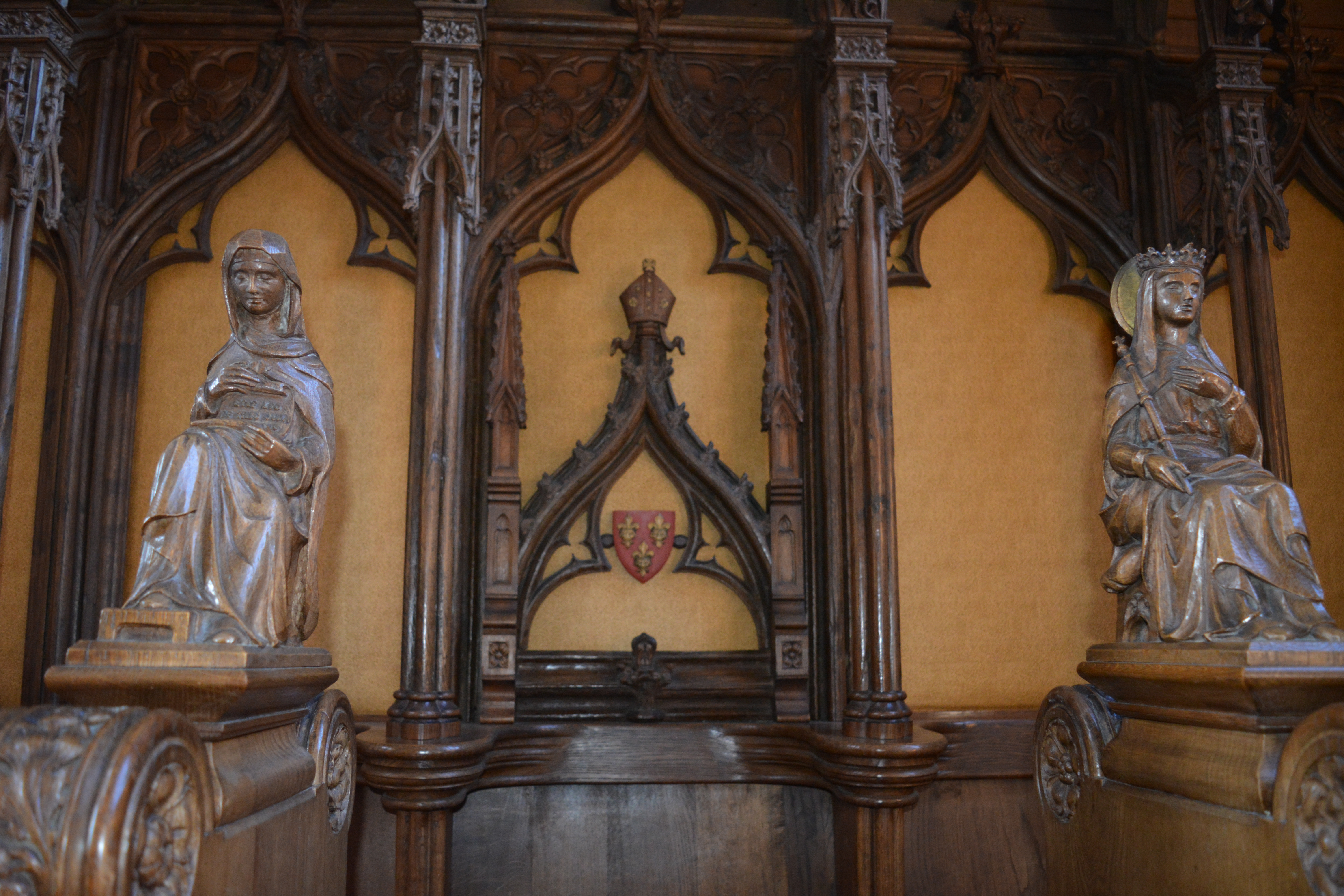
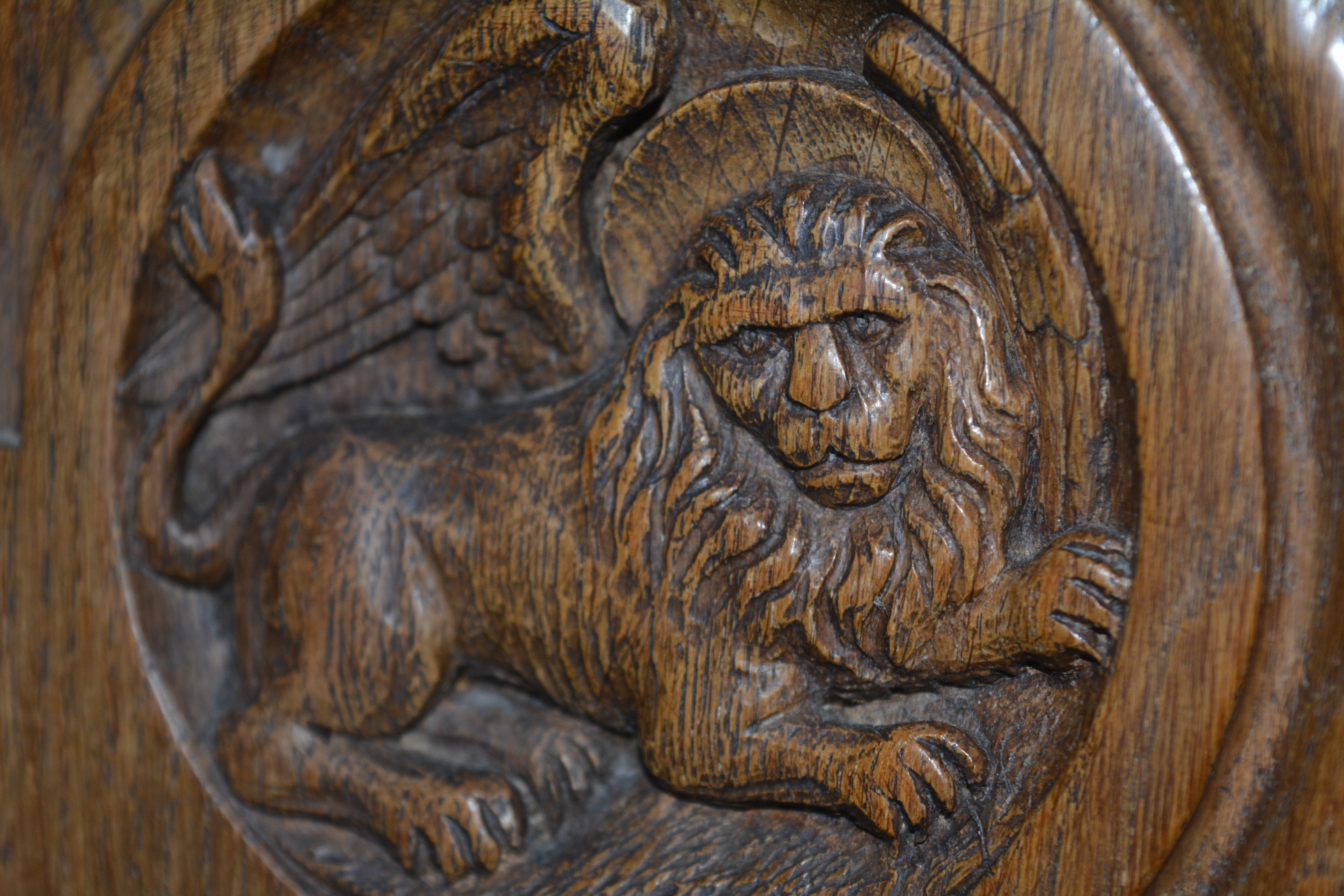
The craft of wood carving is not left out, as we discovered fine examples on misericords and chair backs.

2015 01 13_9248-1 2015 01 13_9246-12015 01 13_9247-1

The smith was not left out either. We found these very detailed carvings on gates at the entrance to a walkway within the cathedral.

2015 01 13_9258-1 2015 01 13_9259-1

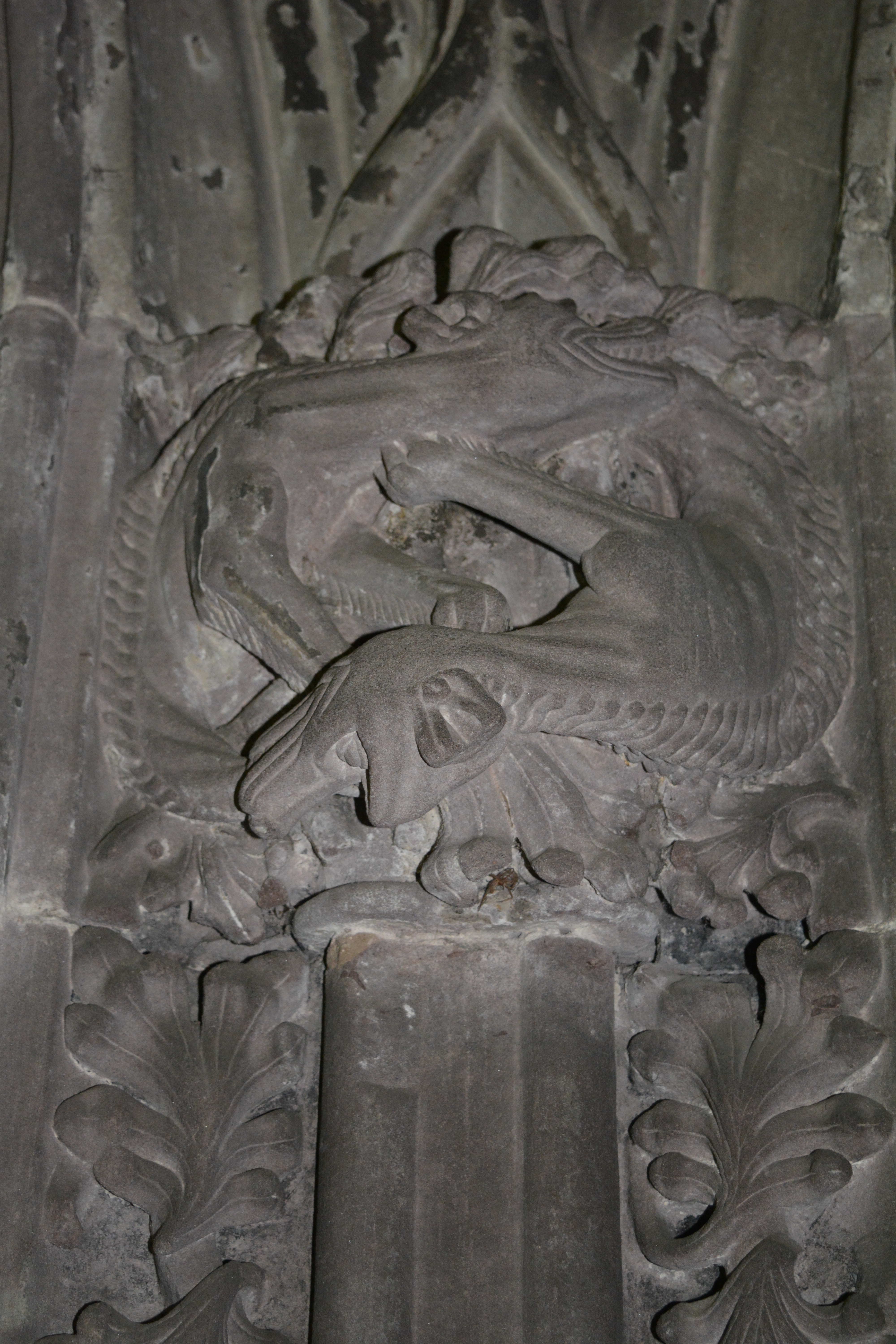
Our final craft we discovered was the work of the stonecarvers. These two dragons topped off pillars in a tiny chapel.

2015 01 13_9262-1 2015 01 13_9263-1

Once back outside we were disappointed not to be able to walk around the the building to view it from all sides but we were very pleased to find a courtyard containing this beautiful piece of sculpture and close by some intricate ironwork on a pair of gates.

2015 01 13_9281 2015 01 13_9282 2015 01 13_9283

2015 01 13_9284-1

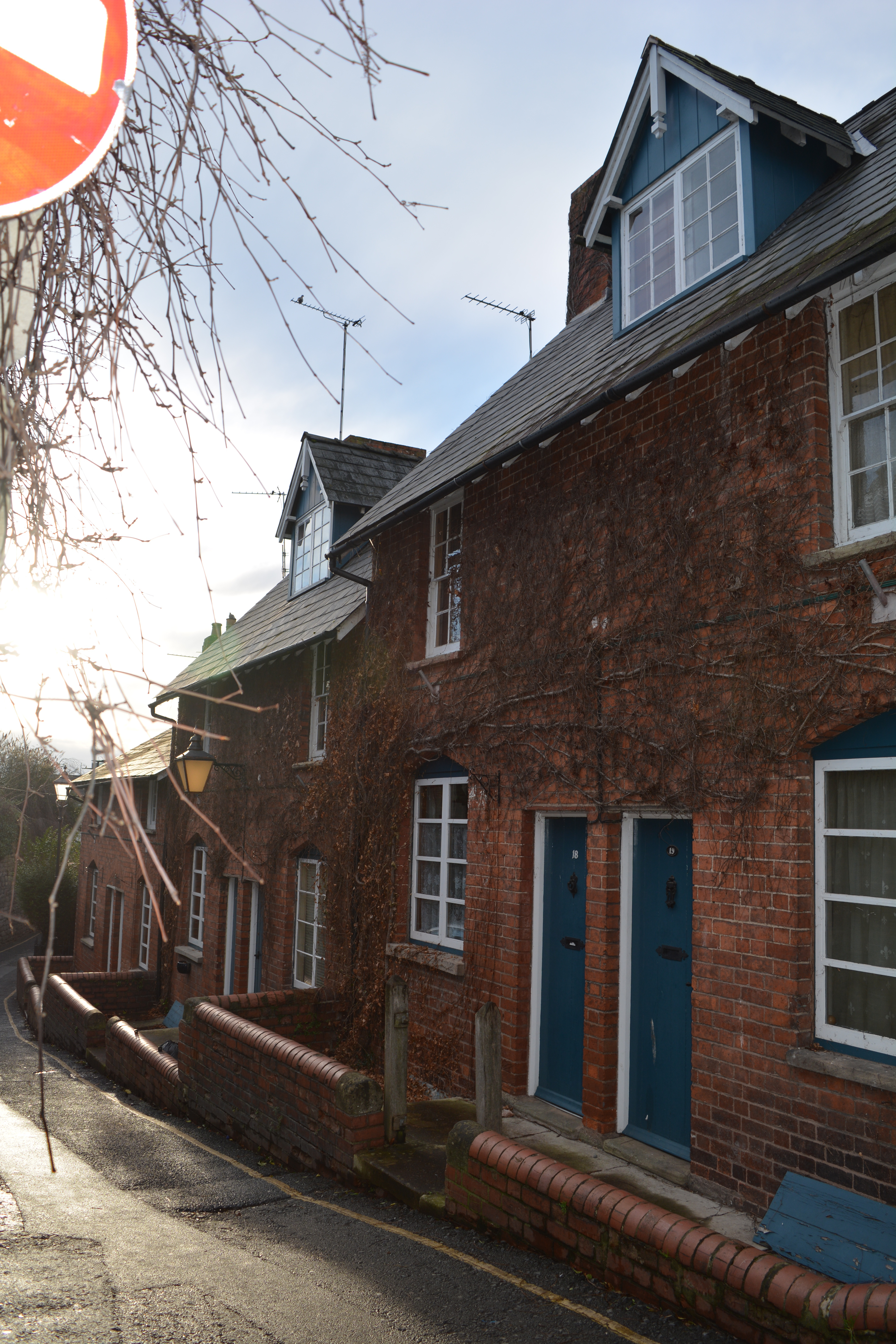
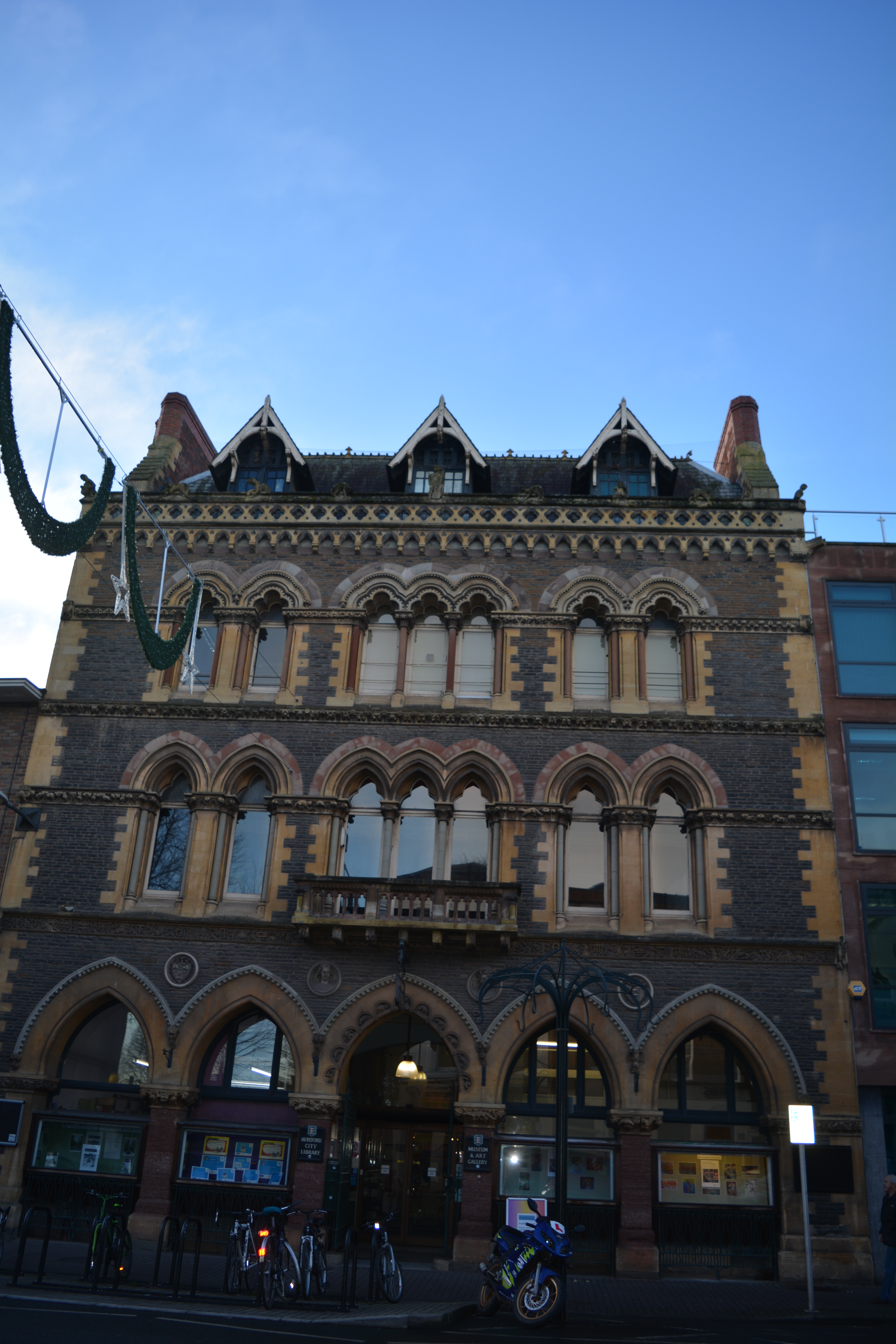
As we returned to the car we found a few interesting buildings left in the centre of the city. A row of old cottages close to the Cathedral, the Victorian Public Library and an old warehouse now restored and extended to provide modern apartments. So there ends the look at the first cathedral in this little series.

2015 01 13_9285-1 2015 01 13_9287-1 2015 01 13_9286-1


Categories
architecture Church architecture

Three Cathedrals – Hereford – Part One

On a freezing cold day in mid January we decided to visit Hereford which, although only an hours journey or so away from us, we had never visited. It is the county capital of Herefordshire. The city centre was not very impressive at all and we had the impression much of its ancient architecture had been destroyed in the ’60’s and ’70’s, exactly the same as had happened to our county town Shrewsbury. A few gems remained but there were an awful lot of ugly building around them.

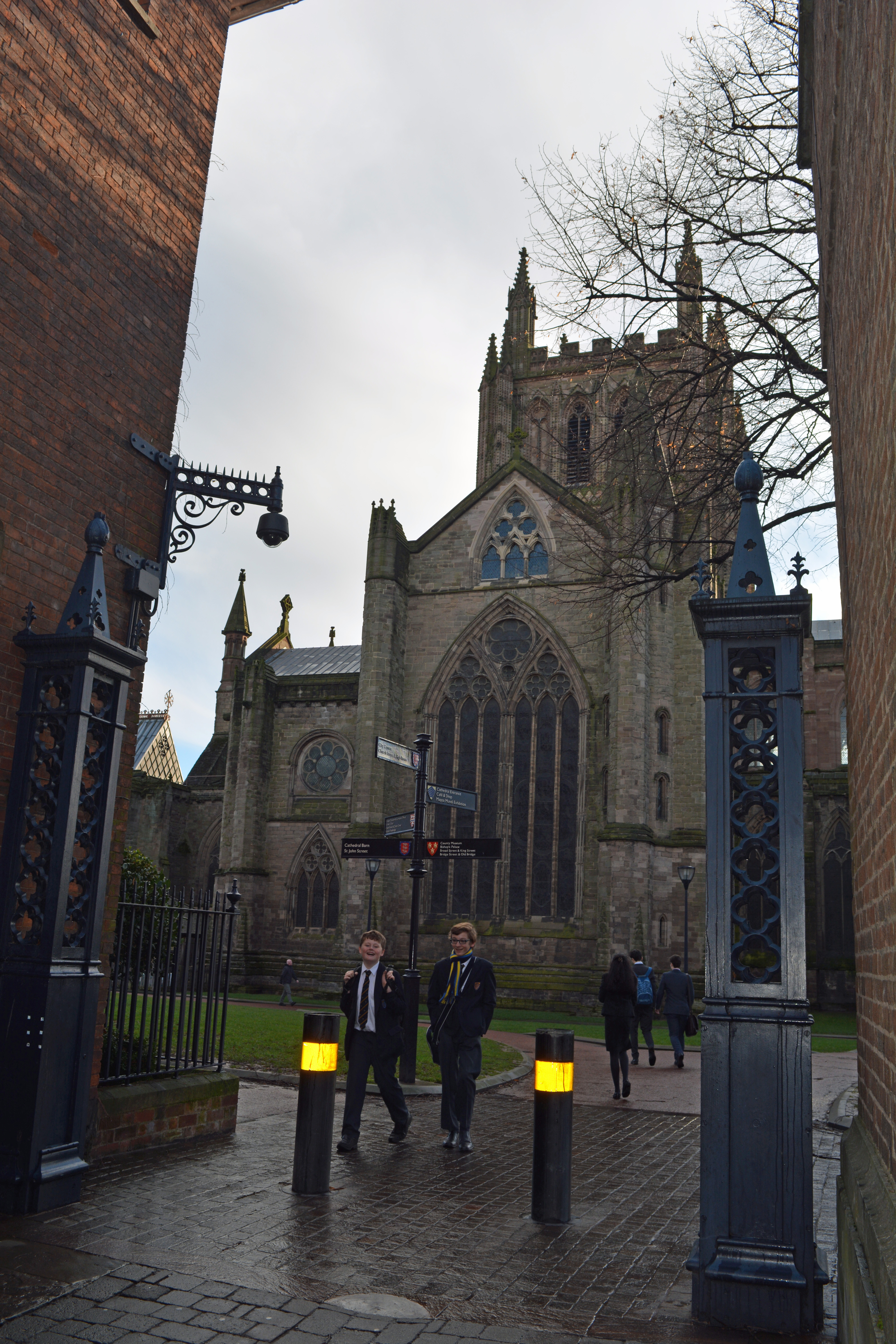
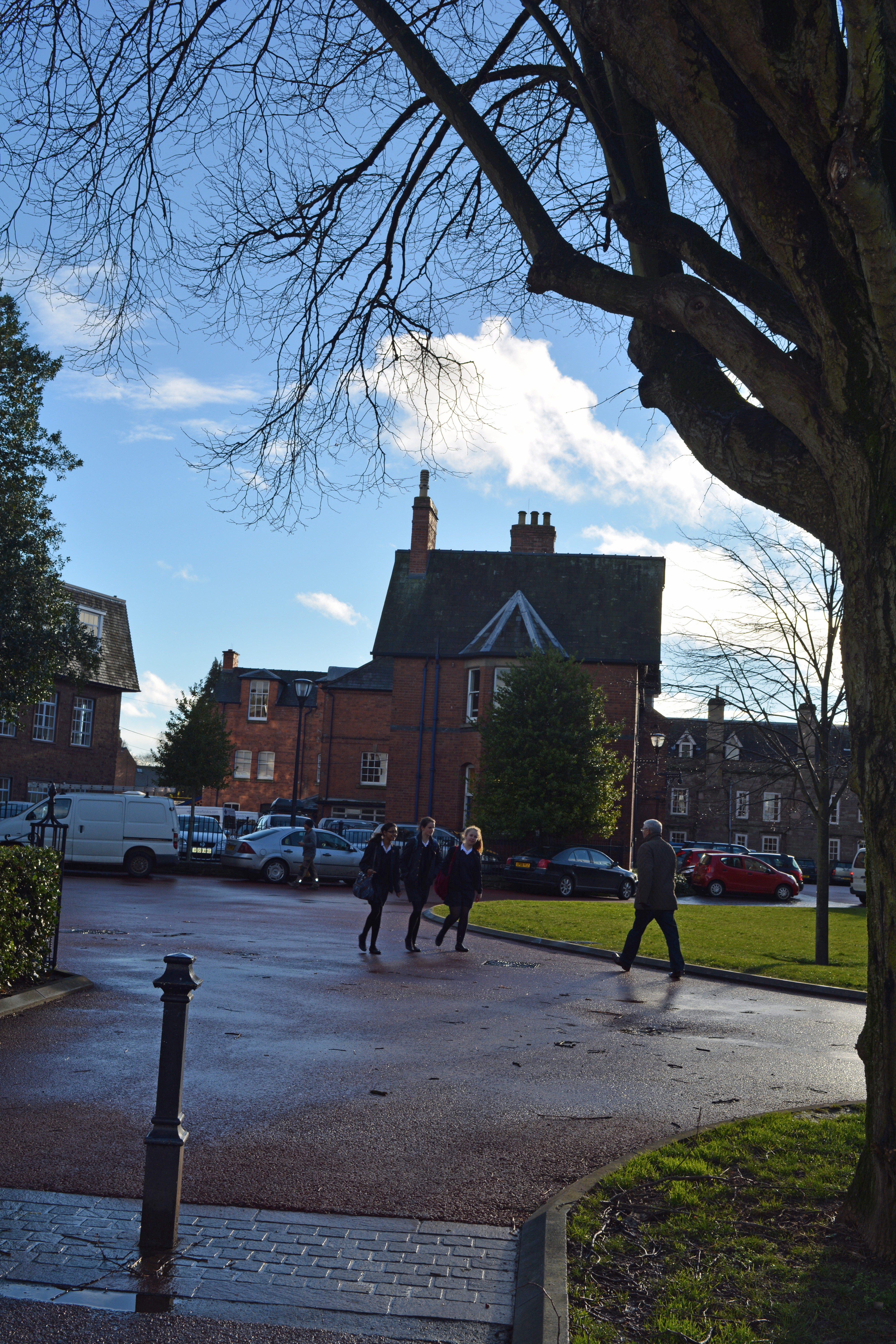
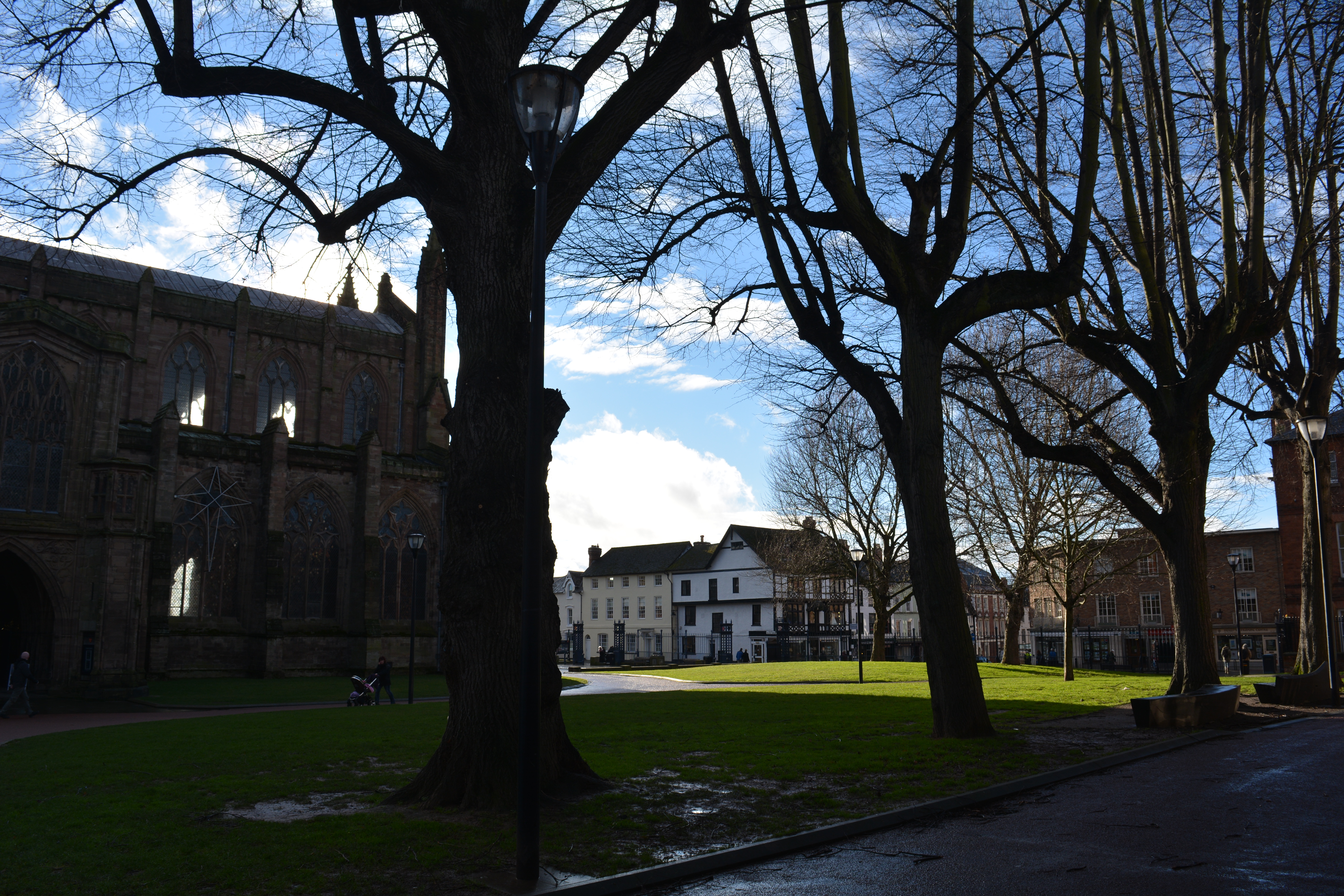
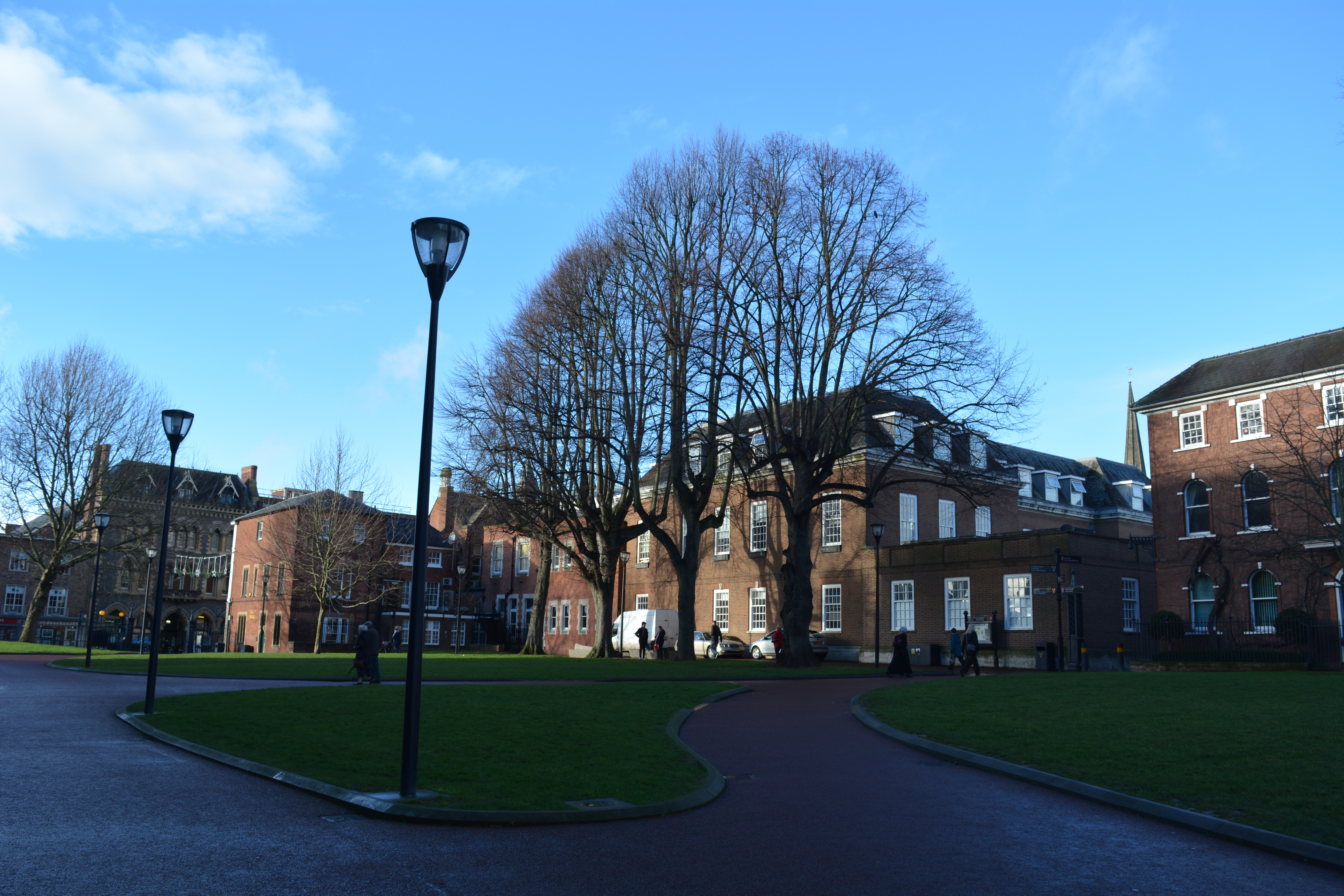
But on a day with sleet and wet snow showers we were here to see the Cathedral. We first sited the cathedral as we walked up a narrow cobbled street with local artisan shops lining each side. The Cathedral School buildings clustered around the entrance gateway to the Cathedral Close so uniformed school children busily and hastily crossed the close in every direction.

2015 01 13_9217_edited-1 2015 01 13_9218_edited-1 2015 01 13_9228_edited-1 2015 01 13_9229_edited-1 2015 01 13_9220

2015 01 13_9219 2015 01 13_9233

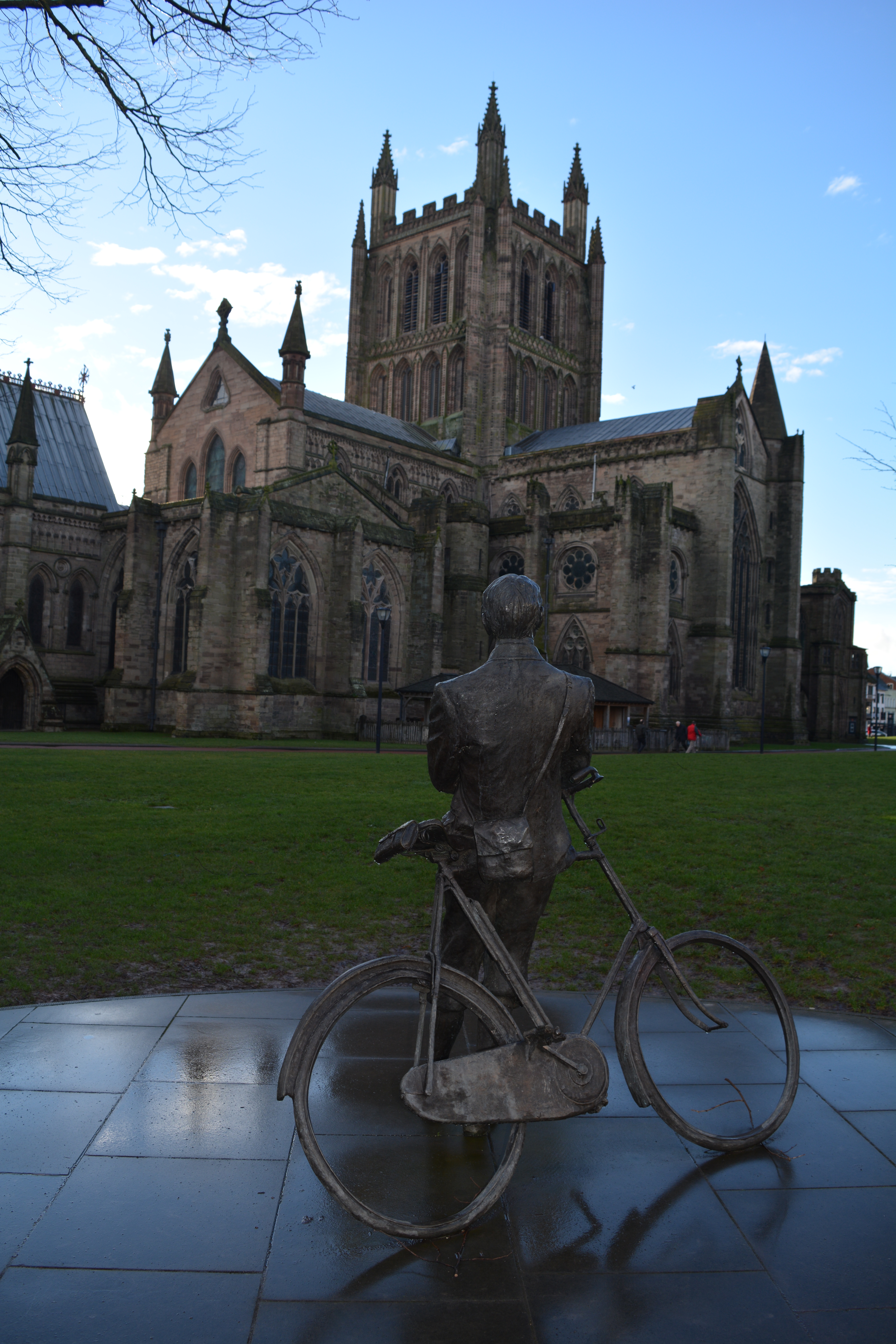
Edward Elgar, composer, is celebrated with this beautiful bronze statue so full of character, where he leans back on his old Samson bicycle admiring the cathedral.

2015 01 13_9222 2015 01 13_9223

A single raindrop had settled itself right on the end of his nose, and hung ready to drip onto his magnificent moustache.

2015 01 13_9224_edited-1

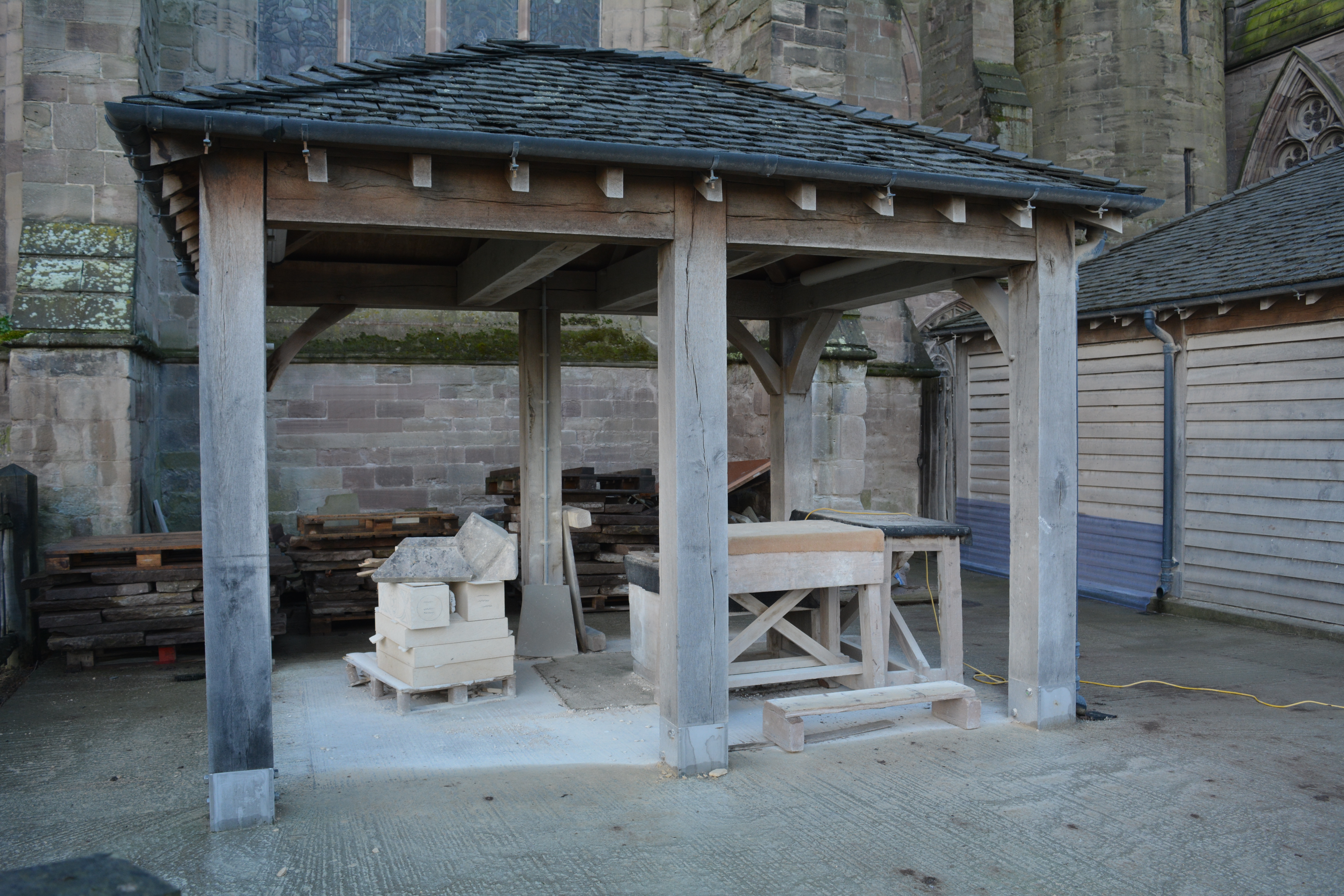
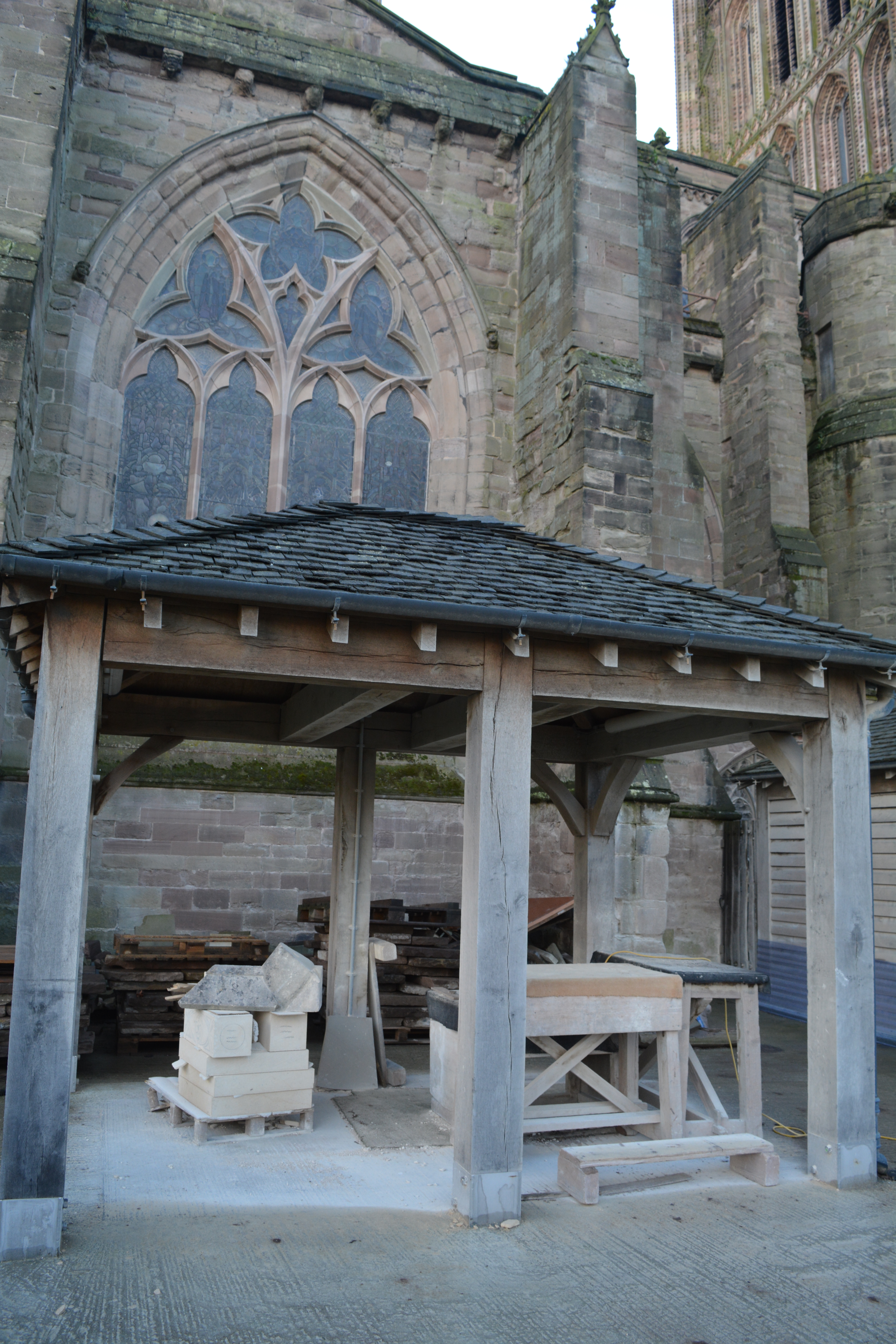
Close to the main Cathedral entrance a recent oak framed building housed the workshop of the stone mason. Masons are constantly kept busy on repairs to stonework in every cathedral around the country.

The Dioscese of Hereford was founded in 676 and the first Cathedral dedicated to King Ethelbert was built in 794. Ethelbert was to become a martyr and the Cathedral dedicated to him became a place of pilgrimage. His bones stored at the Cathedral became a centre of a pilgrimage. A new Cathedral was built between 1020 and 1040 but in 1075 was destroyed by the Welsh.

Thus major rebuilding work followed between 1107 and 1158 in the Norman style, still much in evidence today. So the Cathedral today contains examples of architectural styles from the Norman period right up to the current time.

2015 01 13_9230 2015 01 13_9231

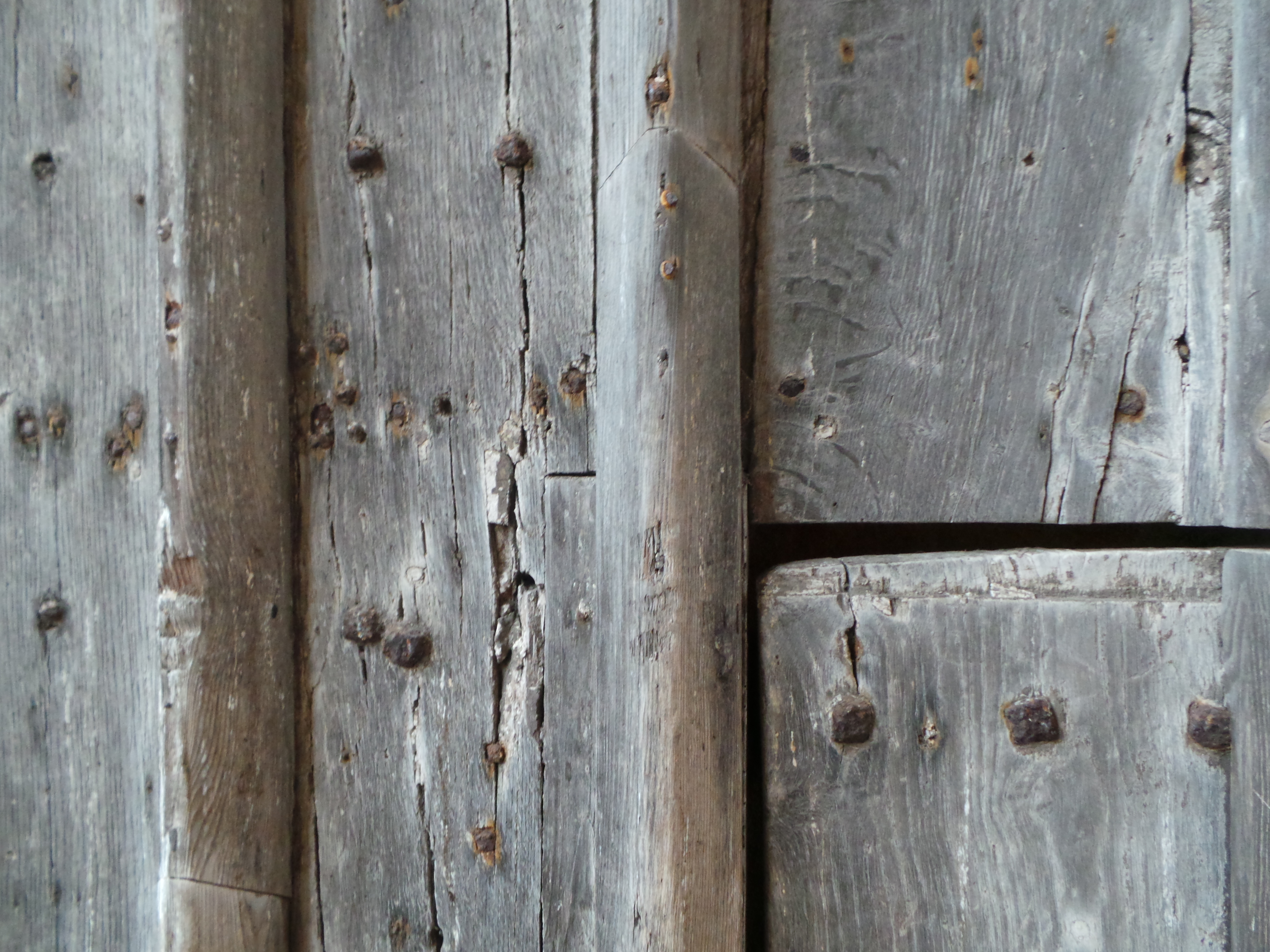
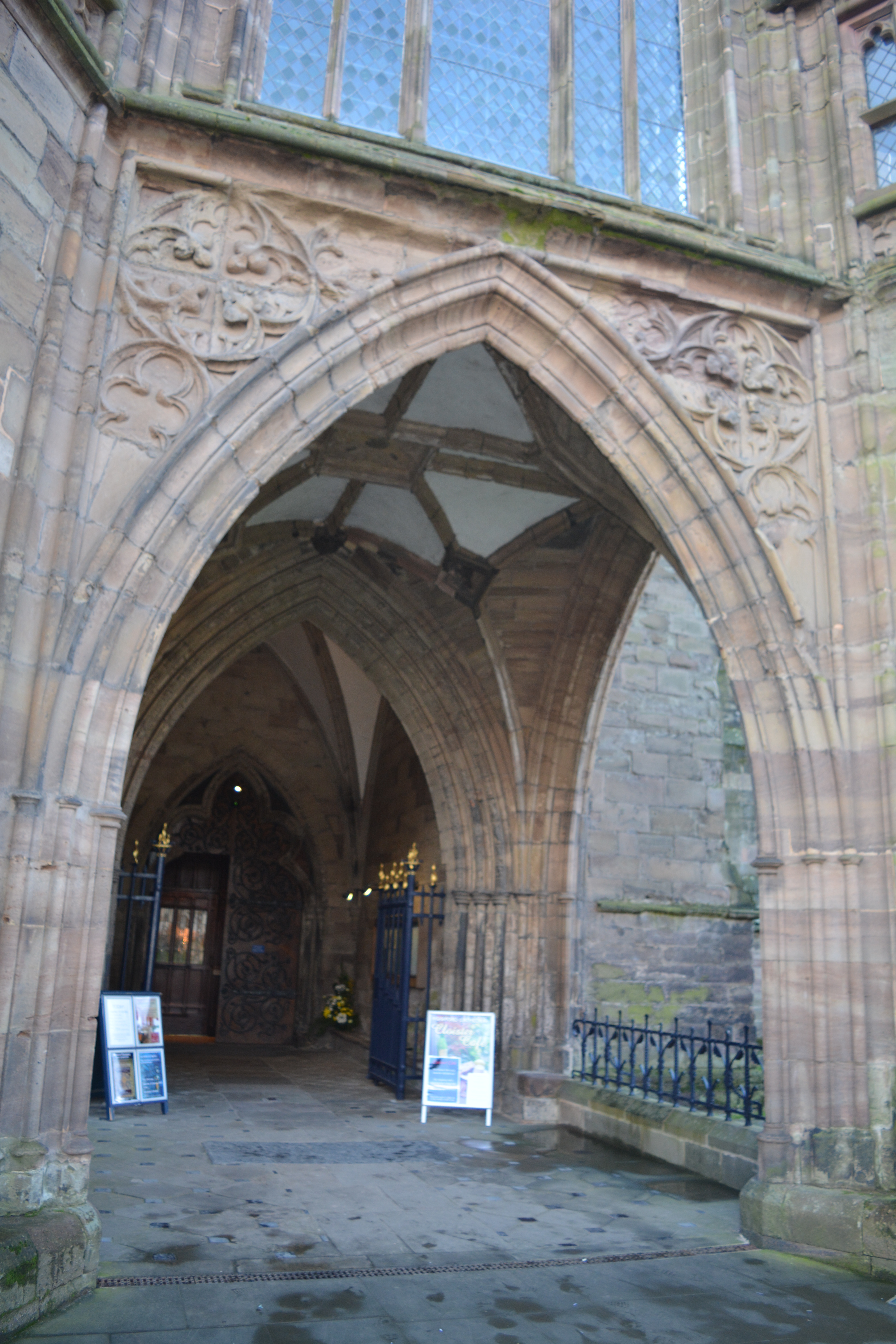
The main way into the Cathedral is through a huge stone porch. Inside massive oak doors were well furnished with iron hinges and a lion headed door knocker.

2015 01 13_9234 2015 01 13_9236

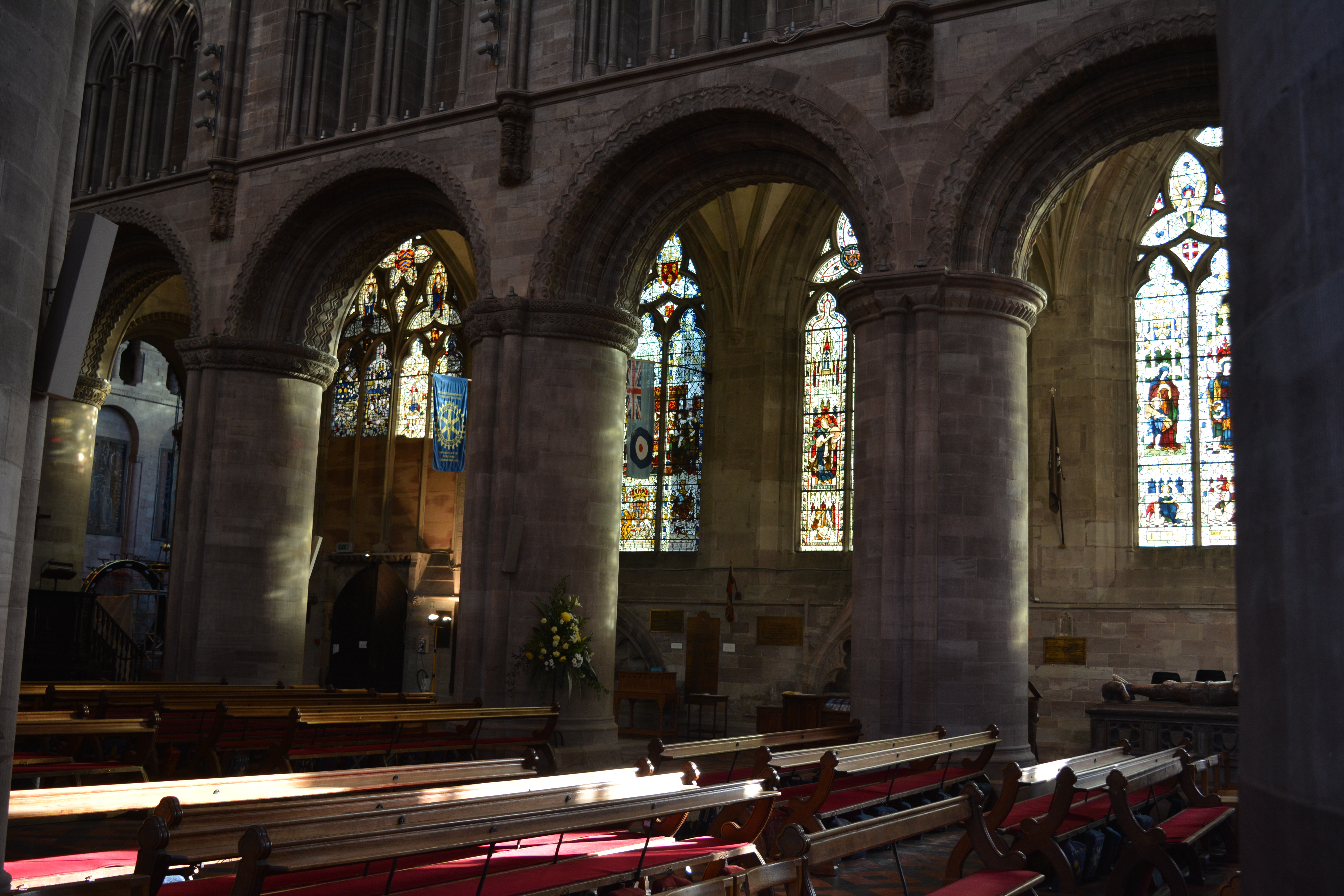
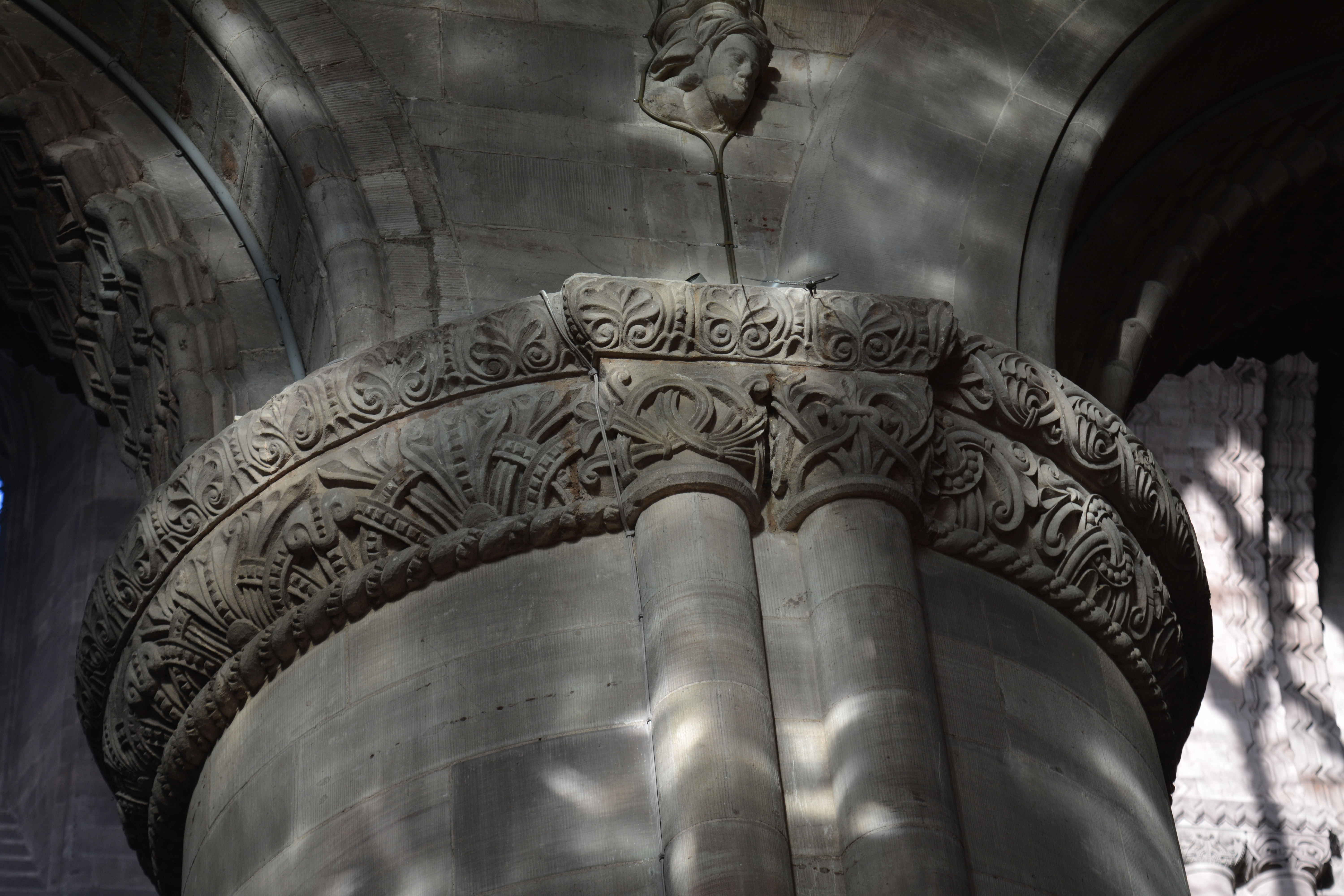
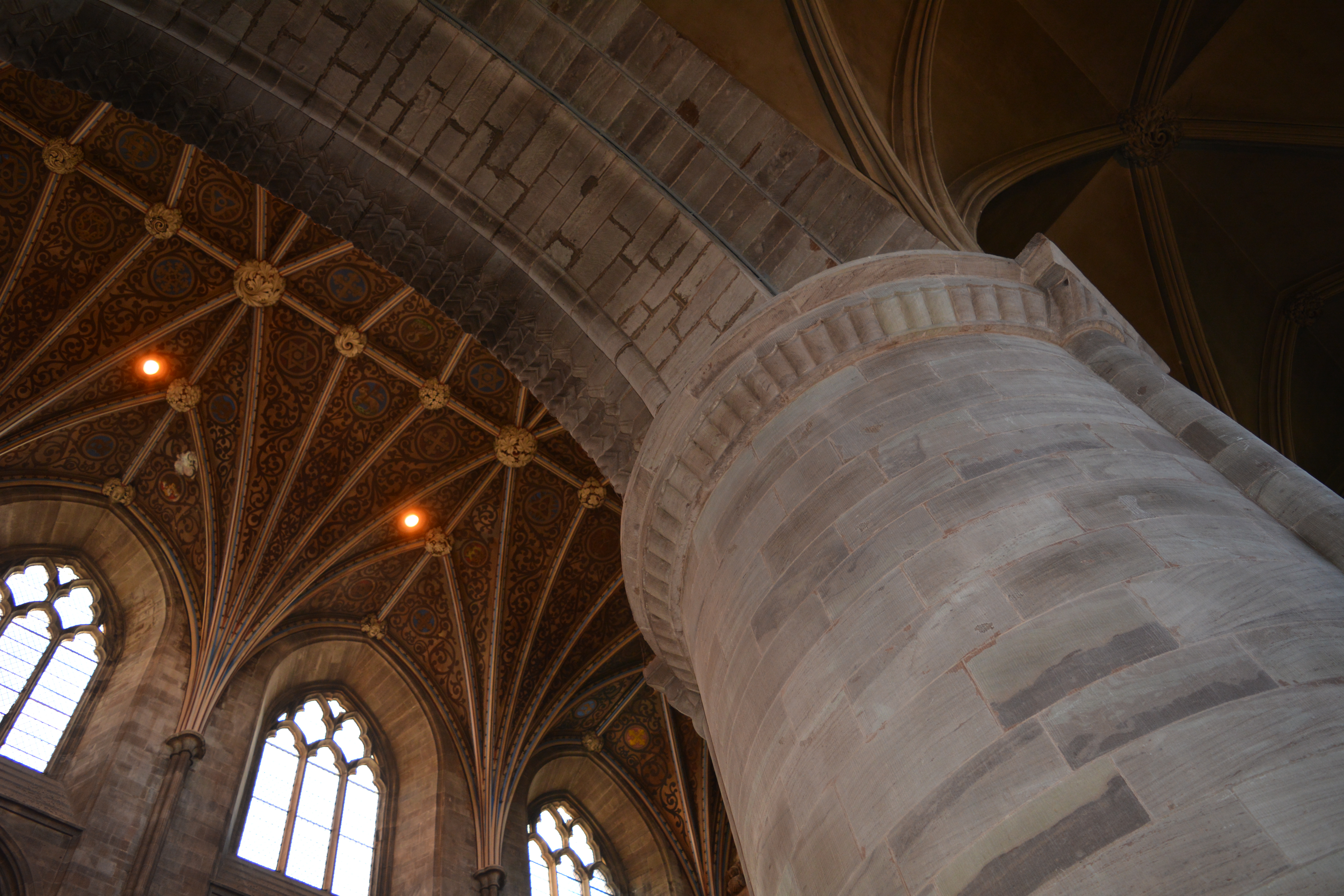
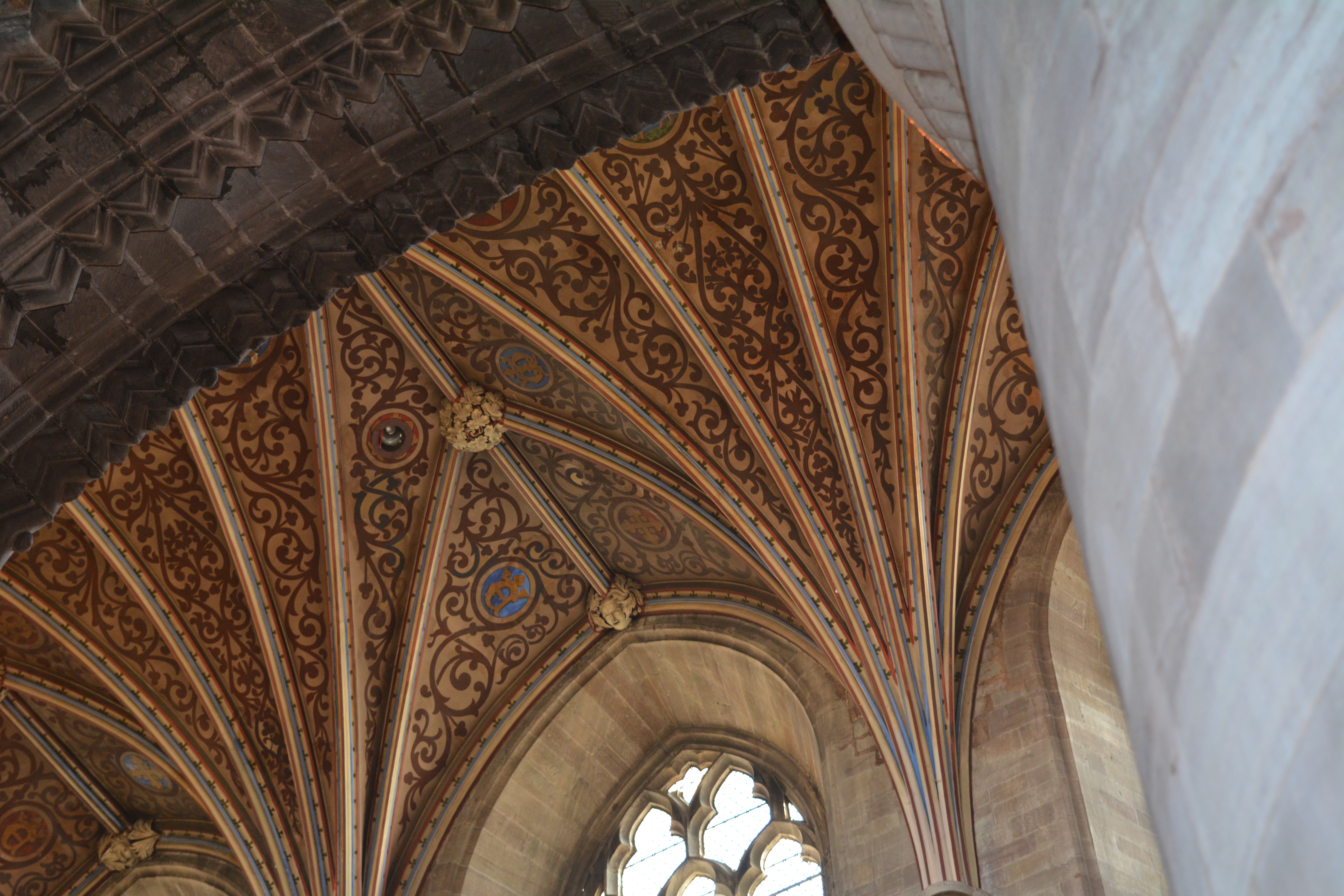
Once inside the incredible height of the building became apparent with wide intricately carved stone pillars leading the eye up to an incredibly beautifully carved and painted vaulted ceiling.

2015 01 13_9237 2015 01 13_92422015 01 13_9243 2015 01 13_92452015 01 13_9250 2015 01 13_9251

It is unusual to see such colour in an Anglican building in this country. We were soon to discover that this building had been very colourfully decorated as we found original examples. Hereford Cathedral is a fine example of English Gothic church architecture. Within it we were to find colour in its stained glass windows, in the tiles on its floor, on wood carvings and in fabric.

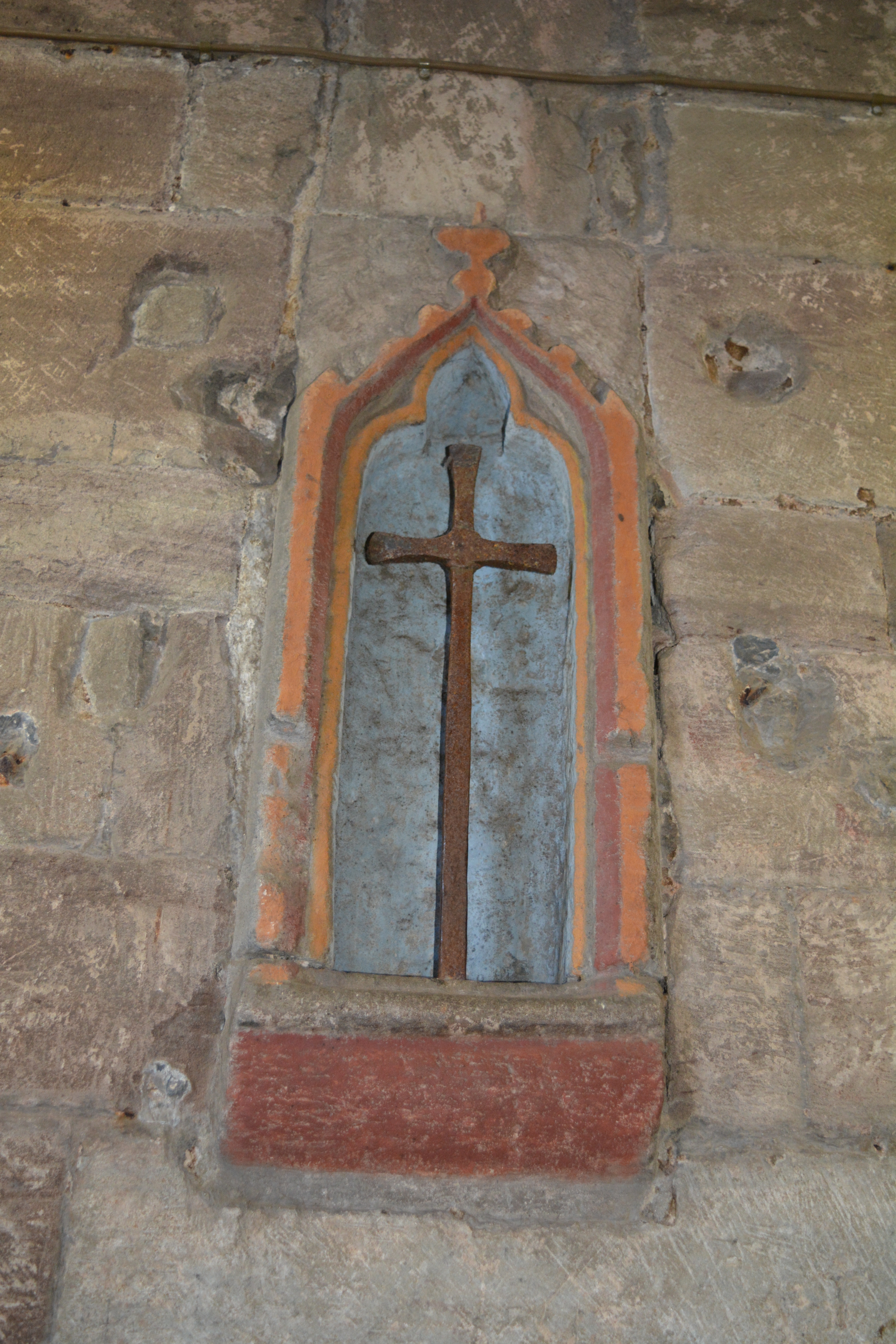
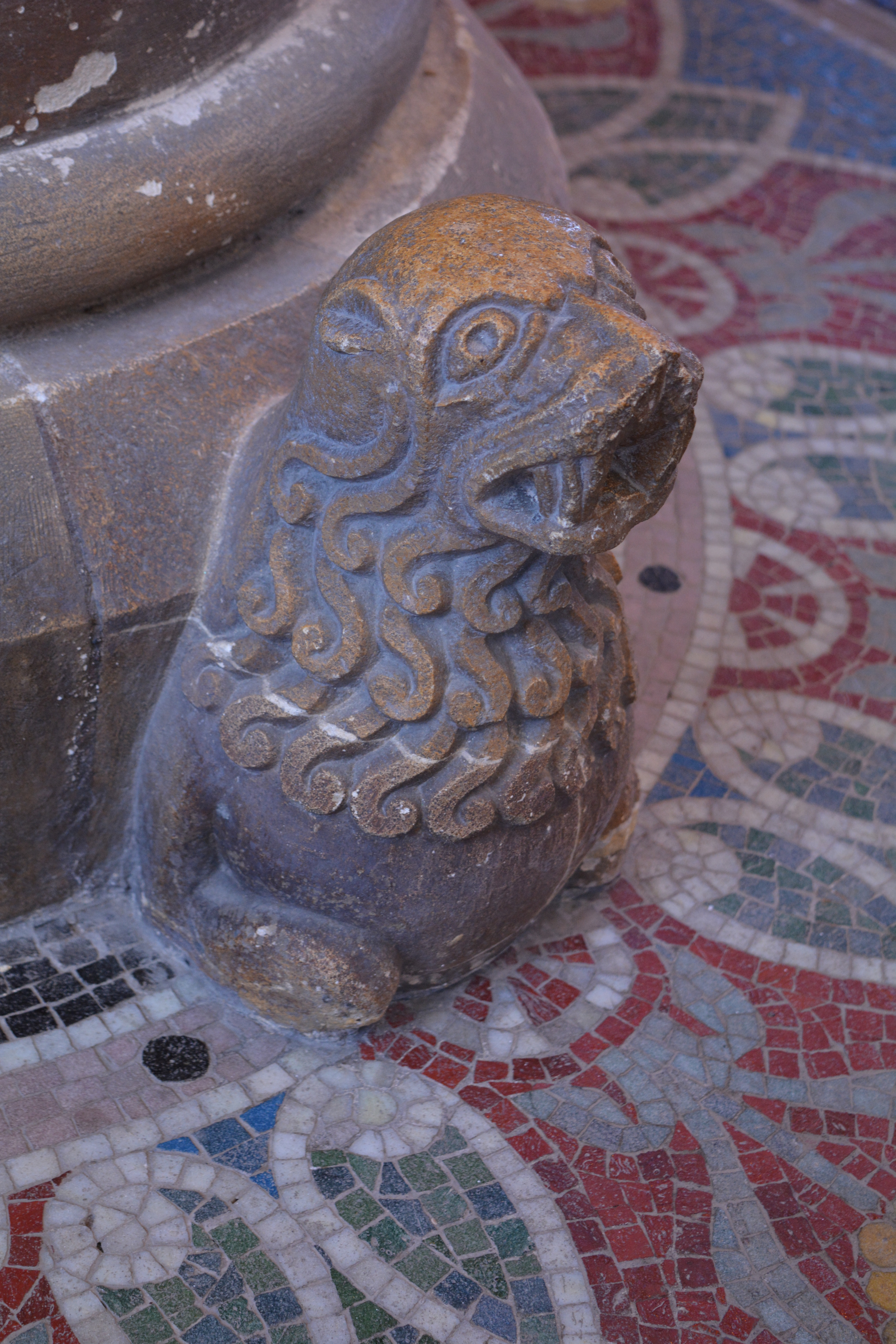
The first example we found was the decoration in orange and red around this tiny stone window but we were soon to find even more colour in the mosaic patterning around the base of the carved stone font.

2015 01 13_9235 2015 01 13_92392015 01 13_9240 2015 01 13_9241

Probably one of the newest examples of colourful craftwork to be found was on the intricately embroidered kneelers hanging from the seats.

2015 01 13_9244

We found many examples of detailed and richly painted carvings in both stone and wood.

2015 01 13_9253  2015 01 13_9257

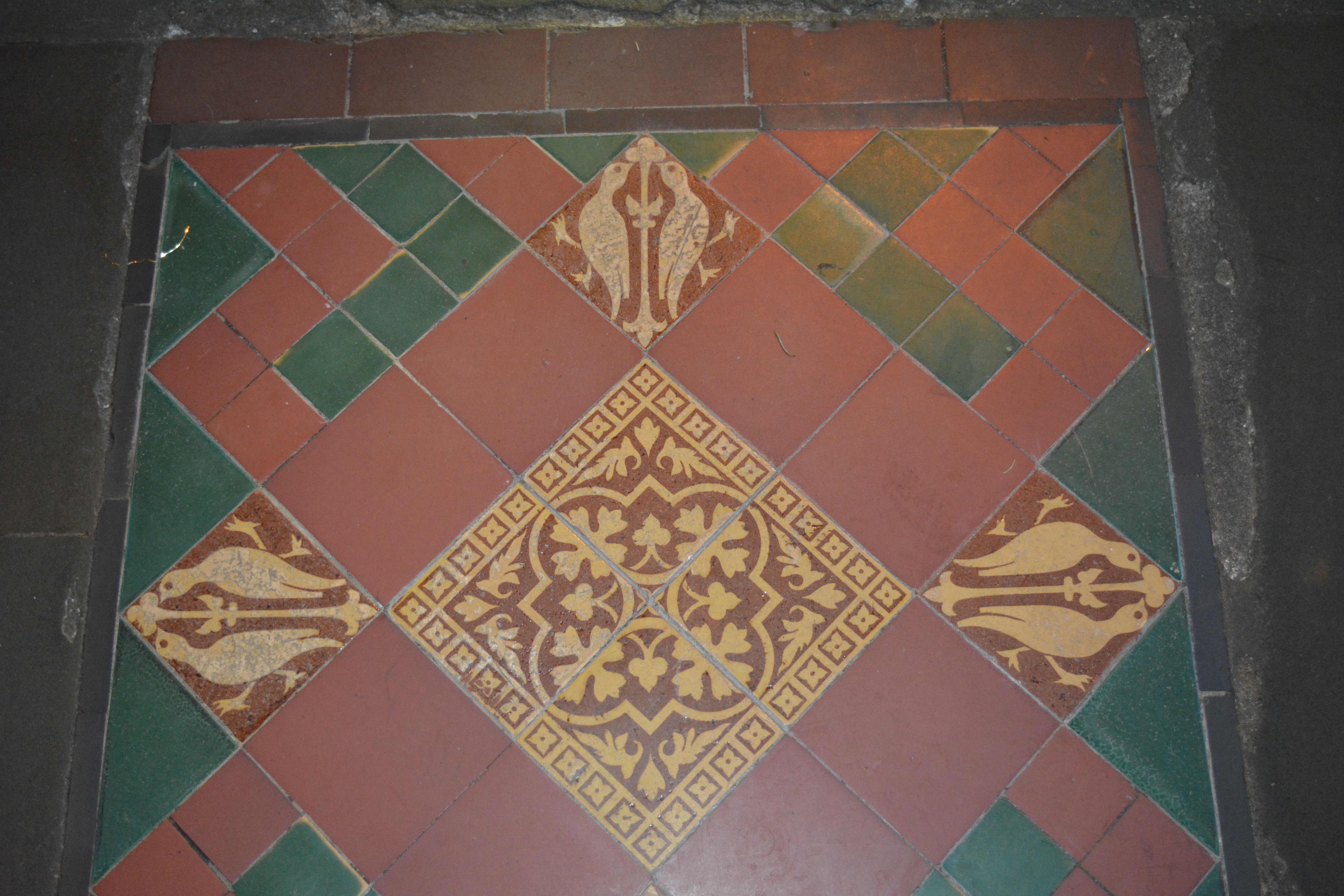
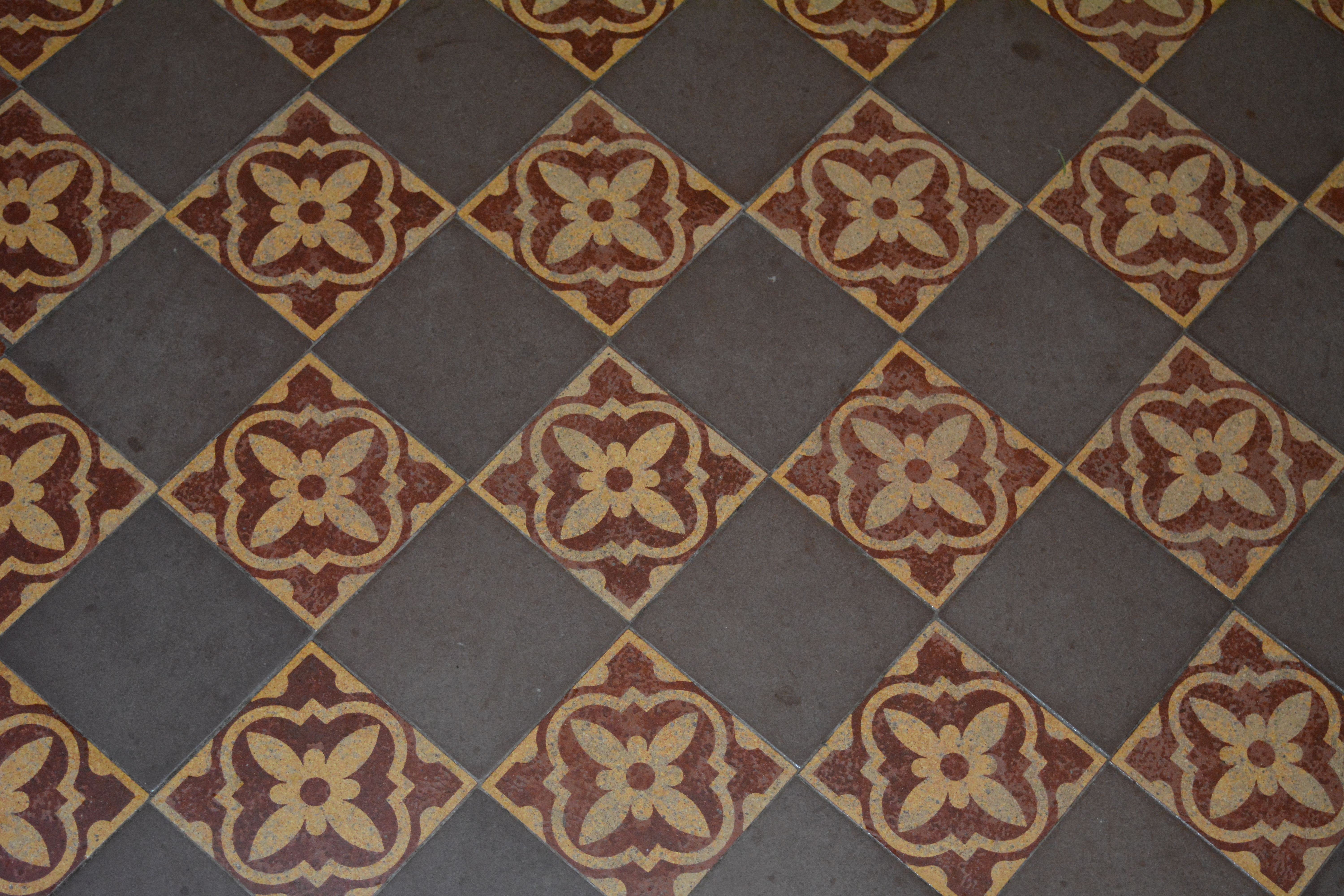
Before we finish part one of our visit to Hereford Cathedral we shall look down at our feet to admire the colourful, patterned tiles.

2015 01 13_9255  2015 01 13_92642015 01 13_9265 2015 01 13_9266

All this ancient delicate craft needs protecting from the damp and cold. Several of these huge, iron, pot-bellied oil burners were working hard to do this. In part two we shall look at carvings in stone and artistry in glass and  in words on paper.

2015 01 13_9252


Categories
allotments colours community gardening flowering bulbs fruit and veg garden photography gardens irises light light quality meadows NGS ornamental trees and shrubs shrubs spring bulbs Winter Gardening winter gardens

The Allotments at Rest

We took a walk around our allotment site today to see what was going on and check that everything was okay. We had just watched the site on TV as we featured on a BBC2 series called the Great British Garden Revival. I filmed with Dermuid Gavin a feature on wildlife gardening. It was a strange experience seeing our allotment site on the screen but even stranger seeing our own plot being used as an example of a wildlife friendly garden.

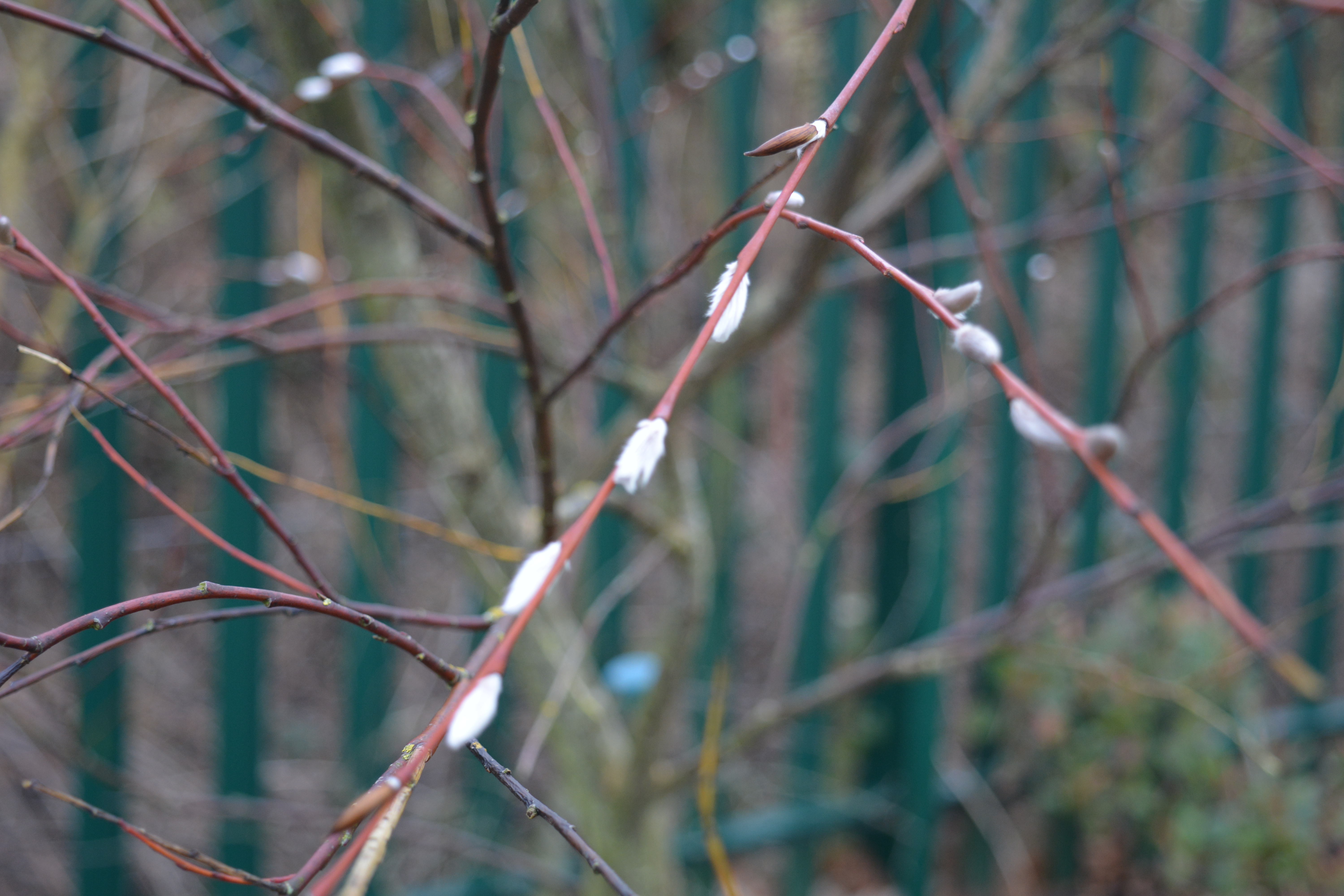
For today’s wander we arrived during a period of sunshine with a clear blue sky over our heads, but by the time we were half way around the clouds had arrived and we were subjected to light but very cold rain. The pure white catkins of the Violet willow in the Spring Garden sit like droplets of rain water after a storm. They are bright enough to be visible from a long way away. They draw attention to themselves very well!

2015 01 18_9332_edited-1

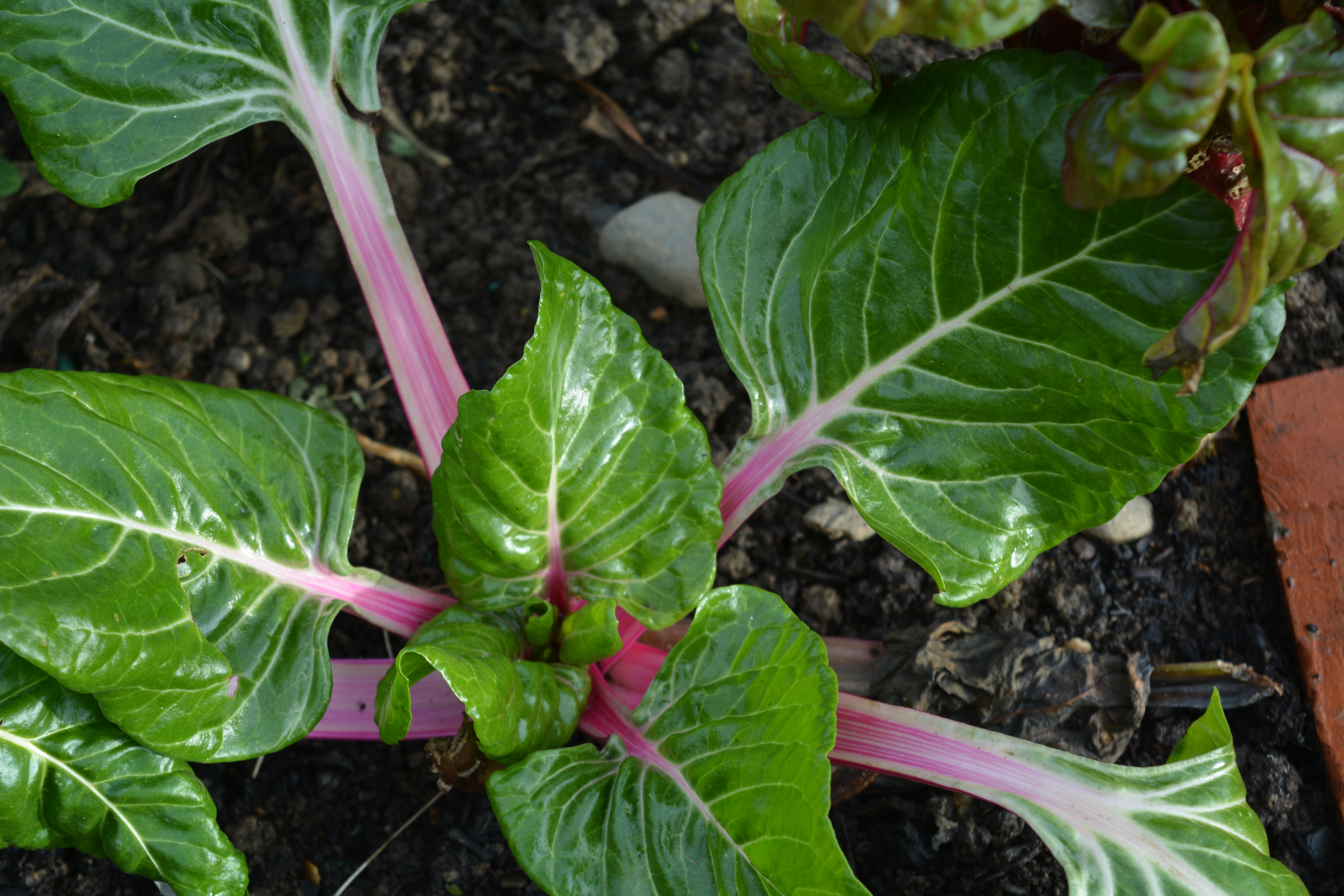
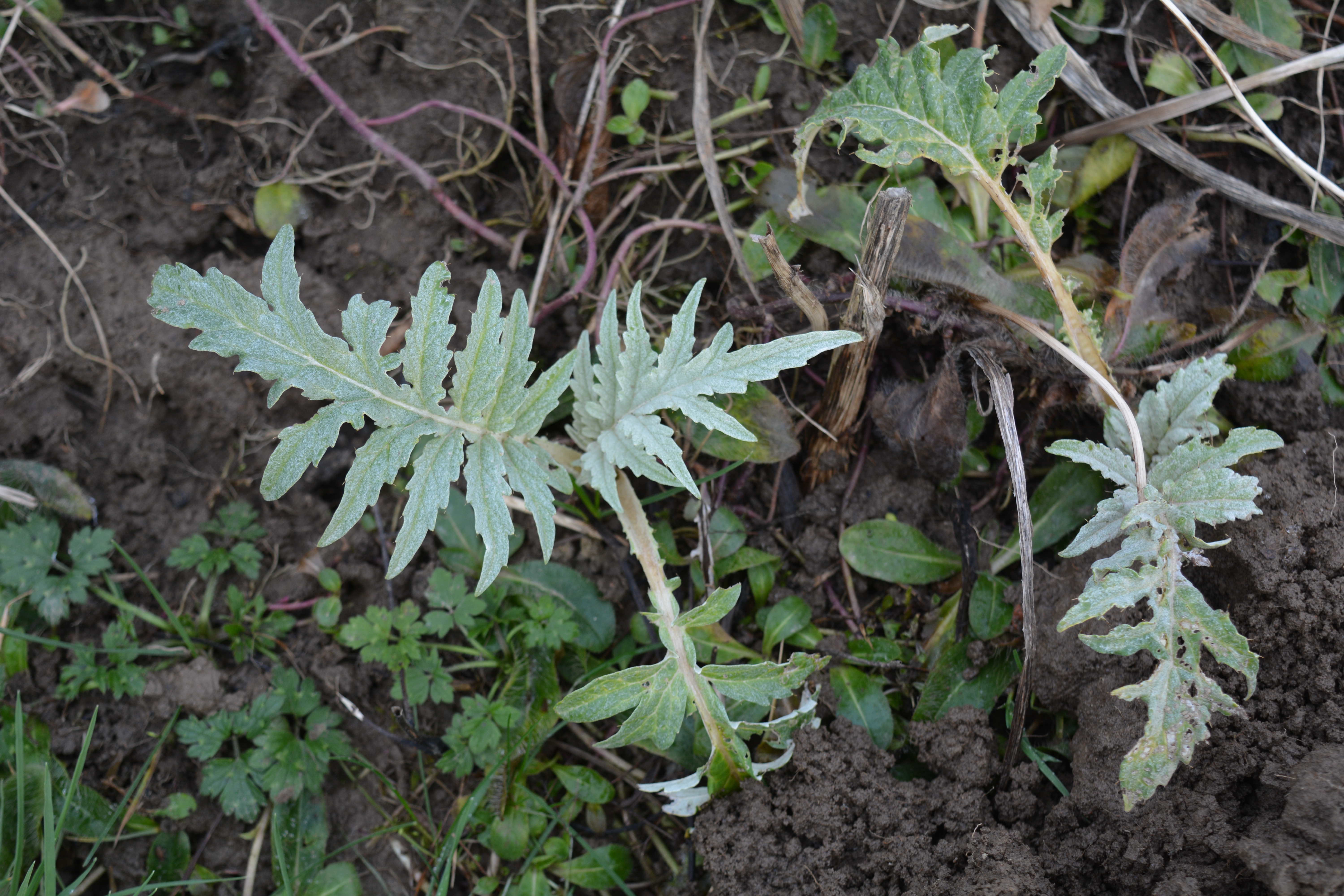
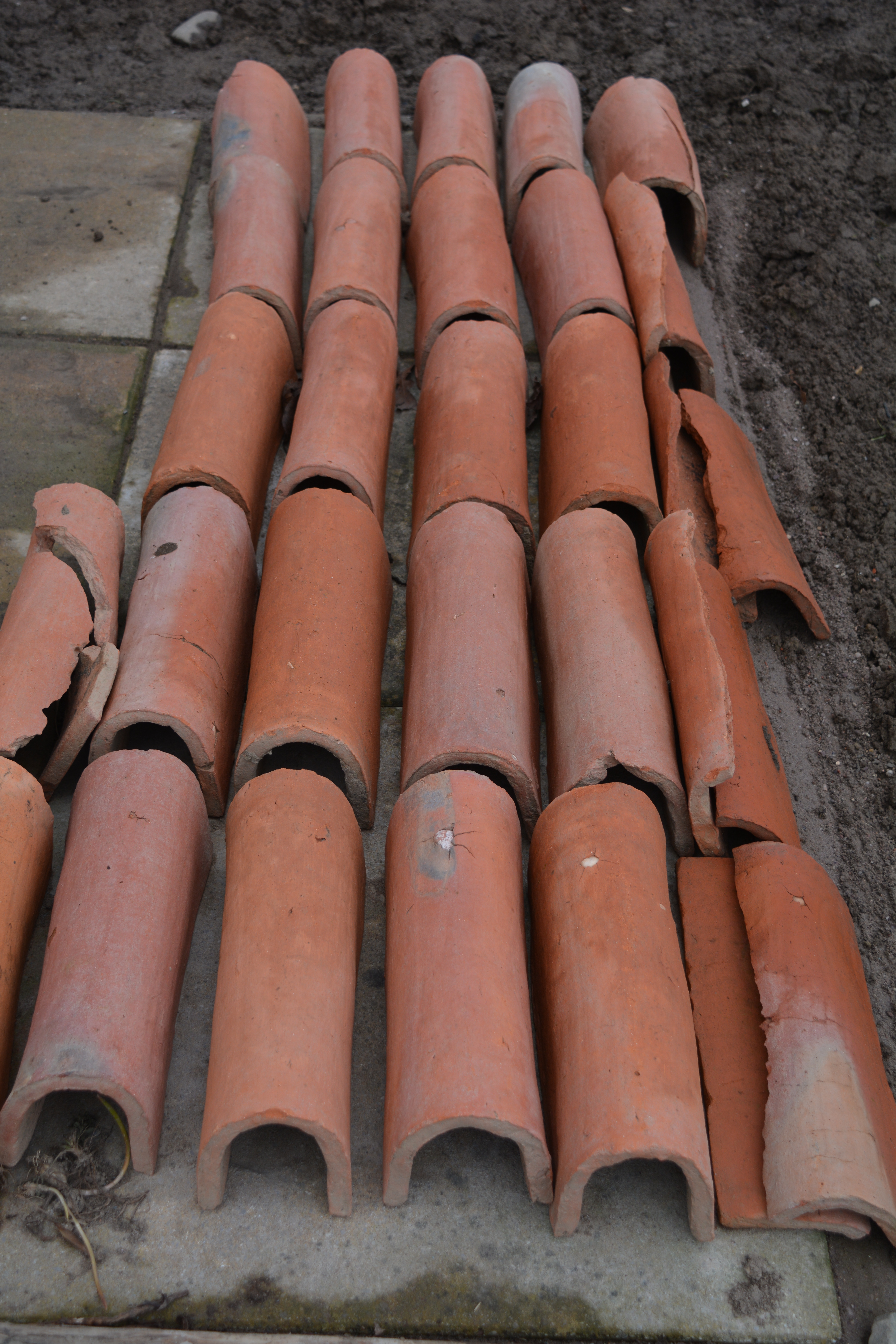
Probably the brightest of winter colours on any veg plot is provided by Swiss Chard especially the cultivar called Bright Lights. Light catches on the textured leaves emphasising their undulating surface. The other crops still in evidence are sprouts that have overwintered and the new fresh foliage of the Globe Artichoke. These leaves now just a few inches long will expand to a massive few feet in length and the plants will reach a good nine or ten feet in height. Their purple, teasel like flowers will delight our pollinators the butterflies, bees and hoverflies and the seed heads that follow will be a magnet to greedy Goldfinches and Linnets in the autumn. Perhaps the strongest pattern of all was found on Tom’s plot, where he has set out all the old clay drainage pipes that he dug up from his plot.

2015 01 18_9312 2015 01 18_9313 2015 01 18_9314 2015 01 18_9330

2015 01 18_9327 2015 01 18_9355

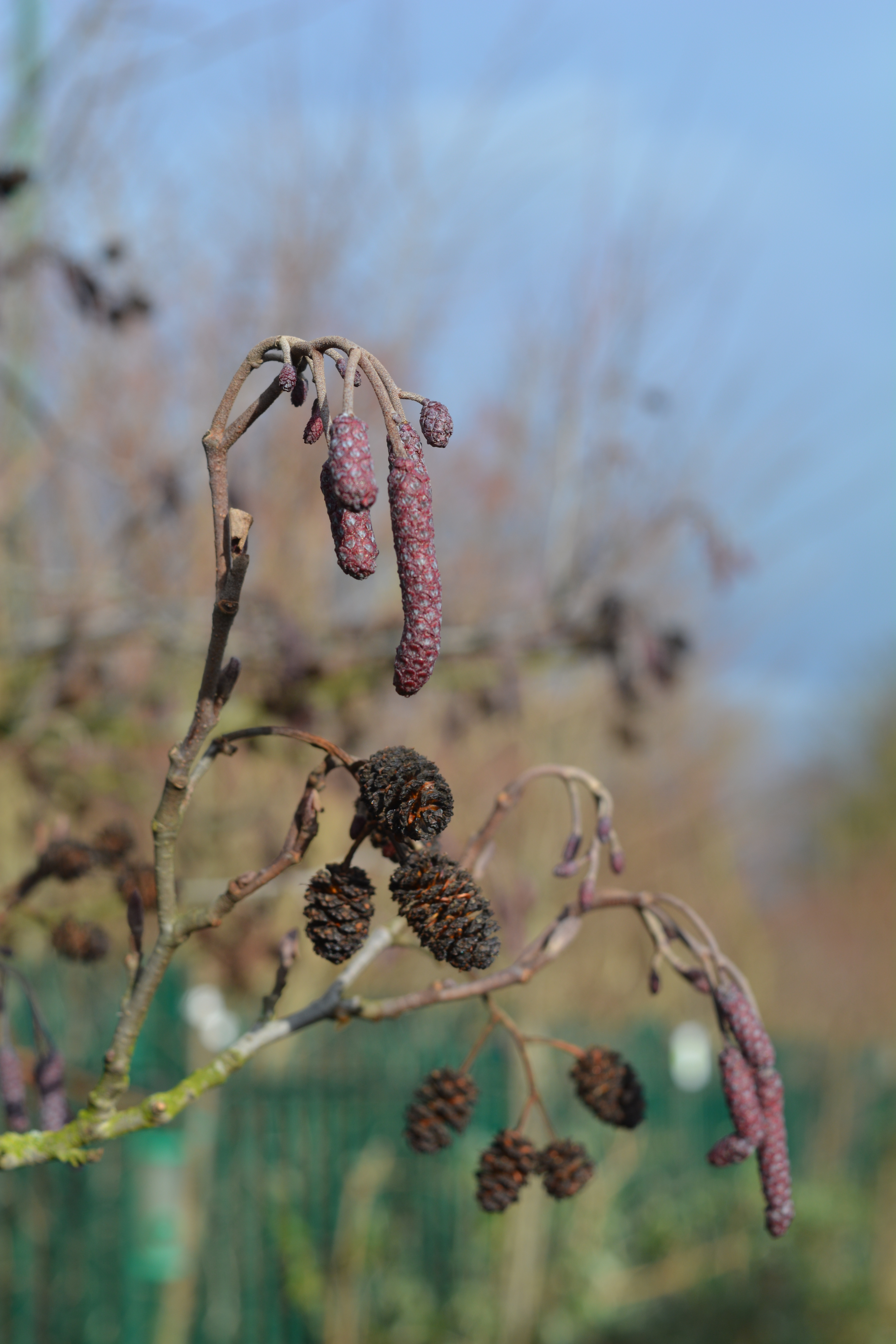
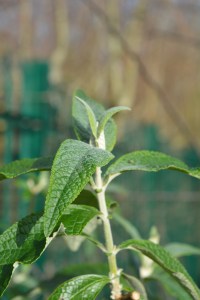
Both the male and female catkins glow purple on the Alders in the Autumn Garden where their neighbours the Buddlejas are showing fresh foliage with their texture like reptilian skin.

2015 01 18_9316 2015 01 18_93152015 01 18_9317

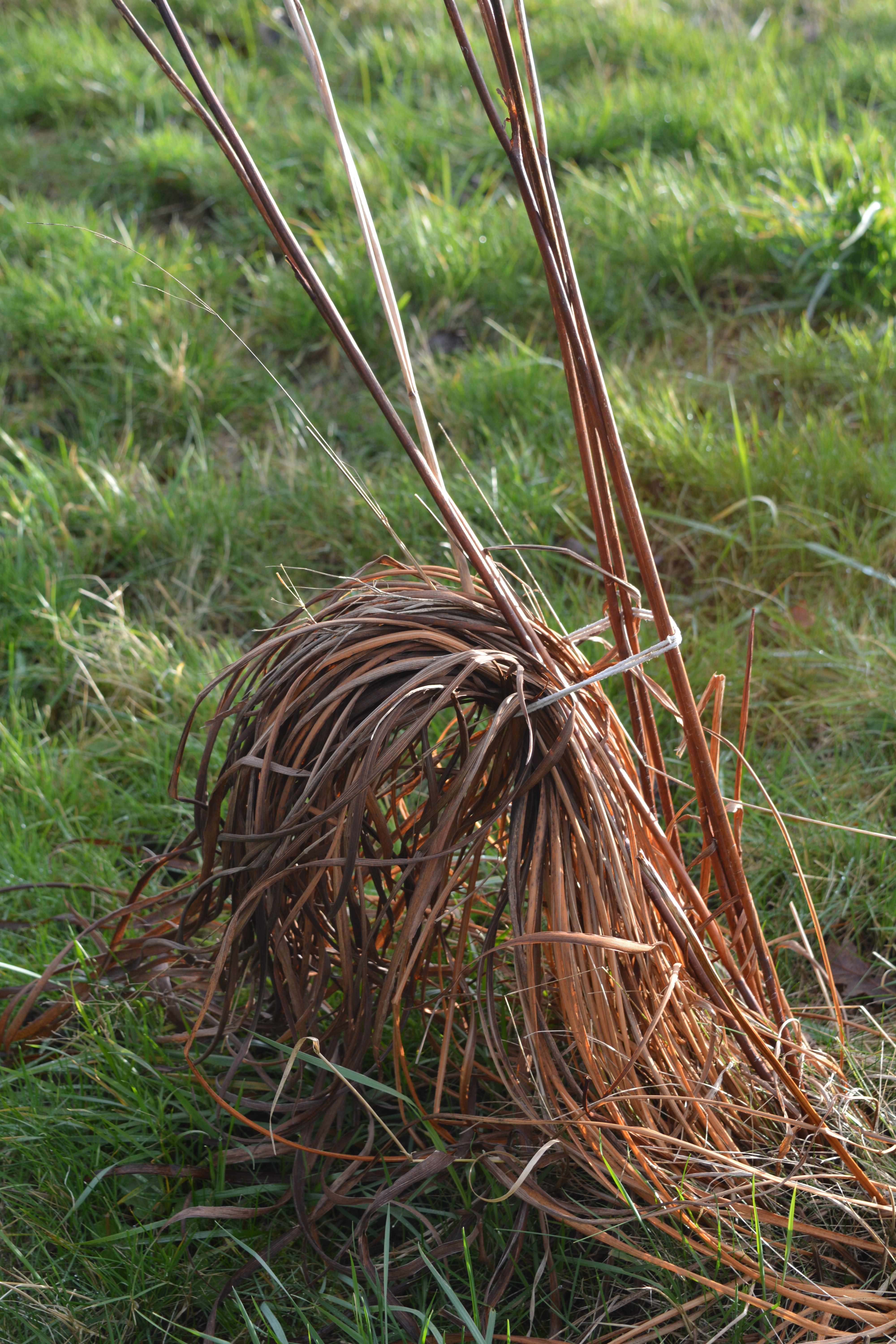
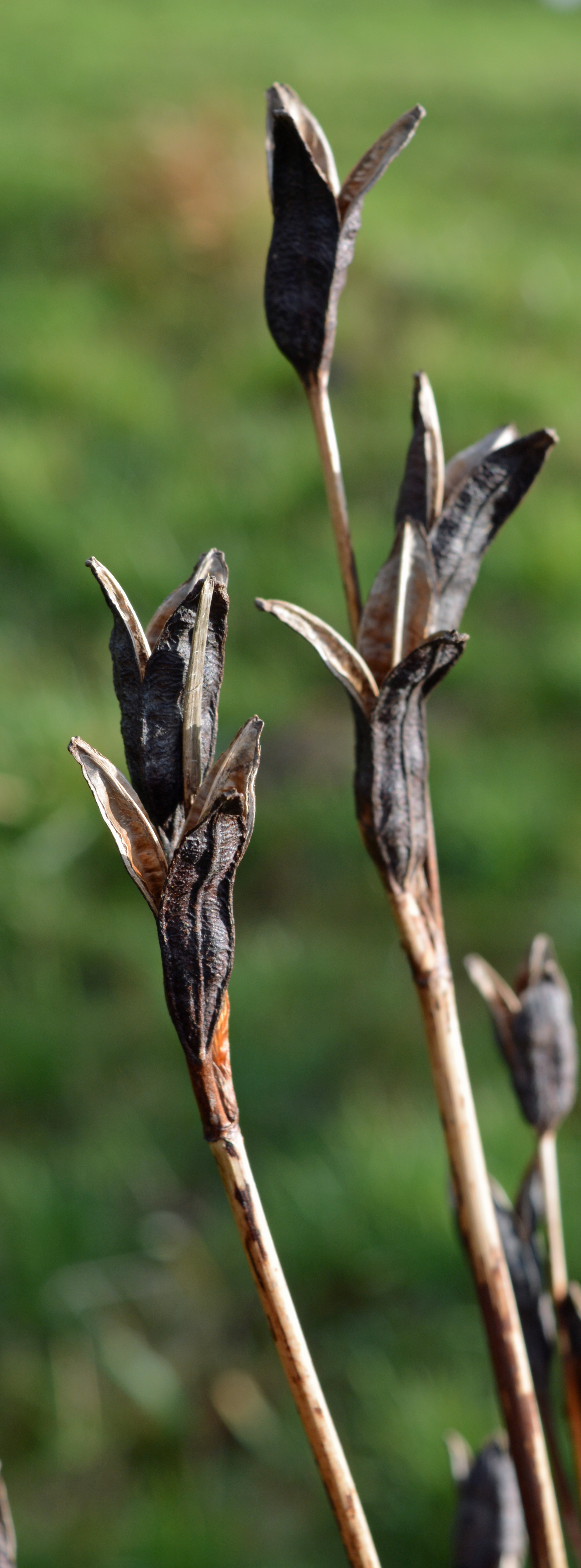
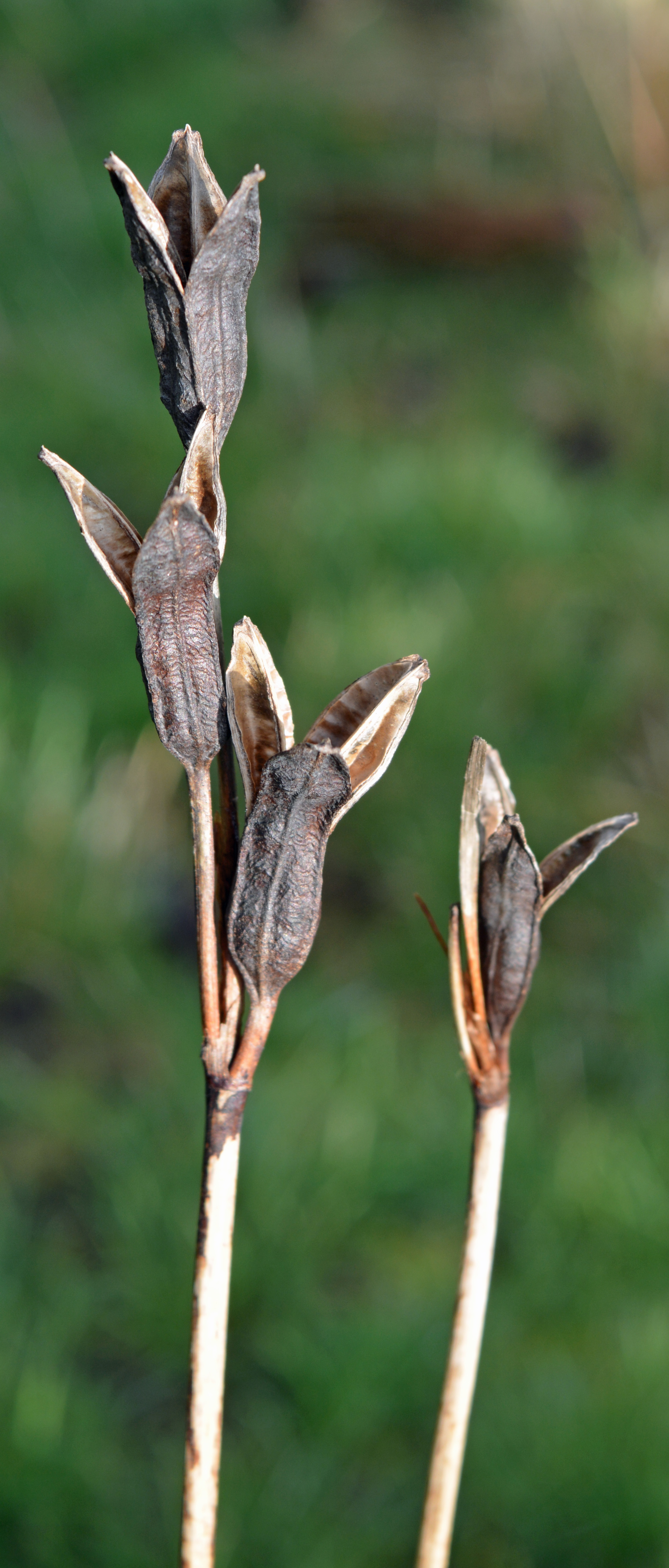
Last year’s plants in the meadows and borders are now skeletons of their former selves. There is a strong structure linked with subtle beauty in these spent seed heads.

2015 01 18_9318 2015 01 18_93222015 01 18_9345 2015 01 18_93482015 01 18_9350_edited-12015 01 18_9319_edited-1 2015 01 18_9320_edited-1

The wildlife shelters sitting in the orchards and meadows hide so many hibernating creatures. They shelter creatures from the winter cold and house anything from the tiniest insects up to amphibians such as frogs, toads and newts, birds like Wrens and Dunnock and mammals including  our confident Weasels. A lost glove adds a splash of colour! In our “Dedge” the bright colours of the various Lichen, yellows, chartreuse and greens, glow however dull the light is.

2015 01 18_9324 2015 01 18_93252015 01 18_9337

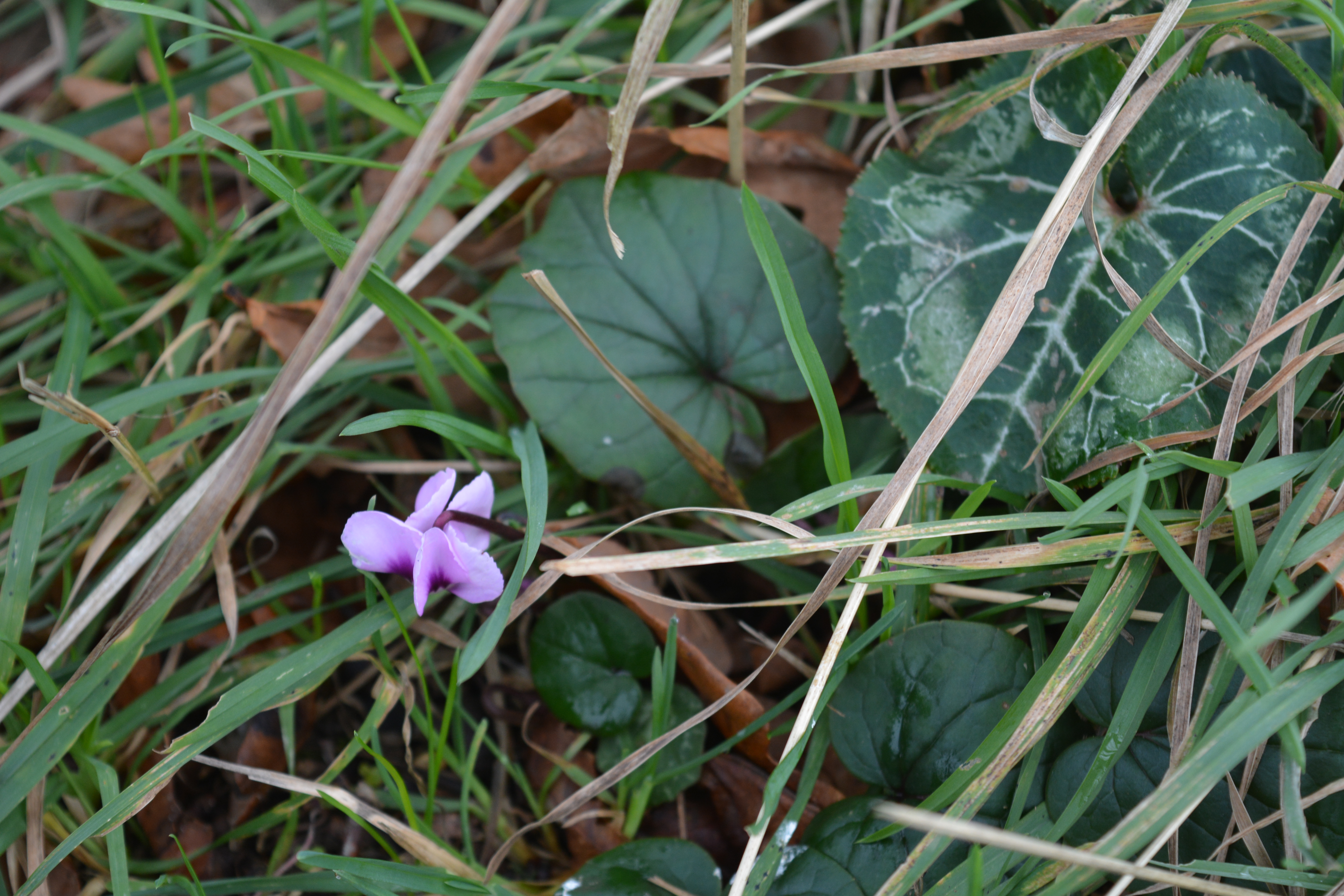
A few spring flowering bulbs are showing spears of green piercing the cold soil. Some are even flowering such as the diminutive Iris reticula and Snowdrops.

2015 01 18_9346 2015 01 18_9323_edited-1

2015 01 18_9334_edited-1 2015 01 18_9336

Variegated foliage always looks good in the winter when the silver or gold stripes, spots or squiggles shine against deep green backgrounds.

2015 01 18_9331 2015 01 18_9335

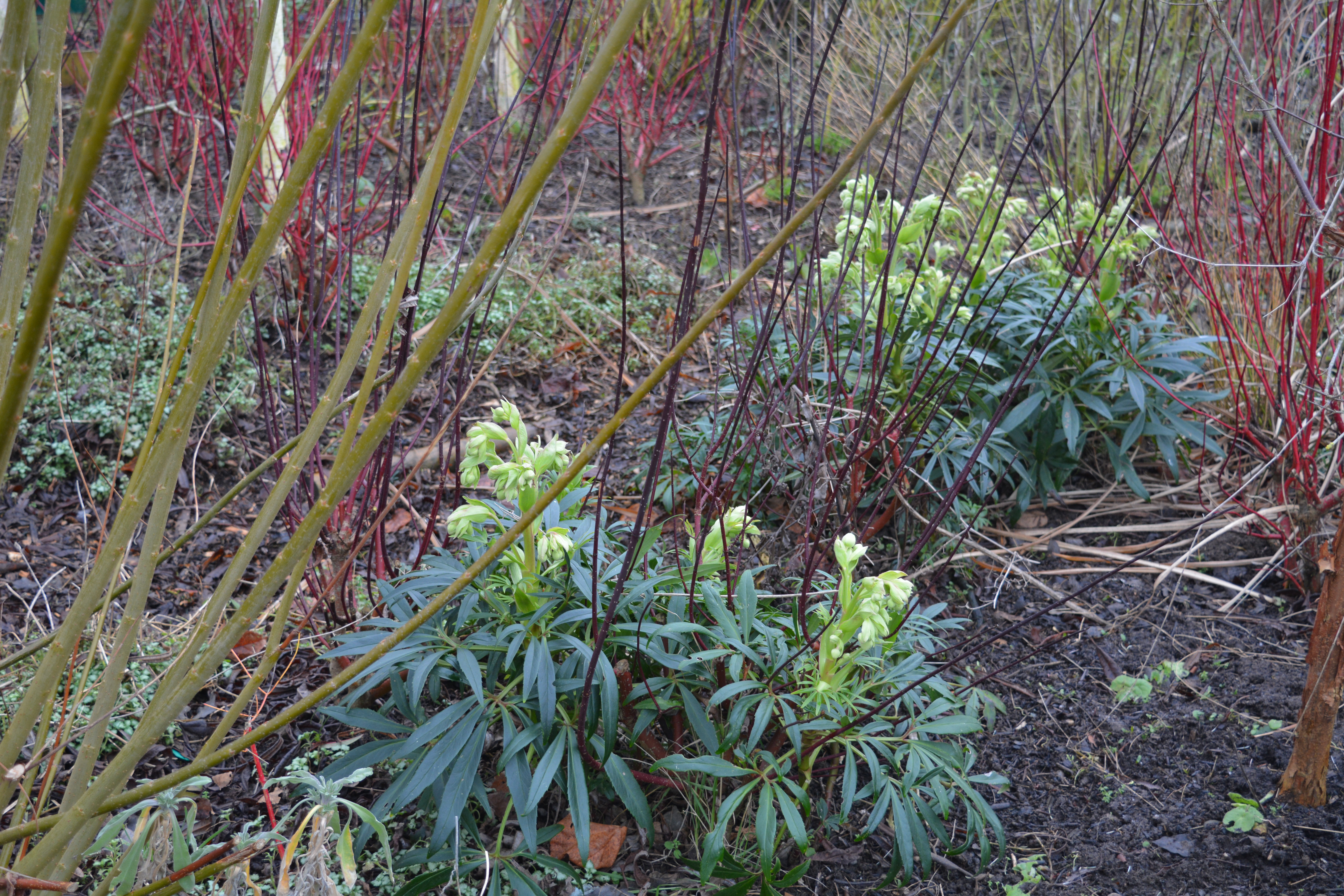
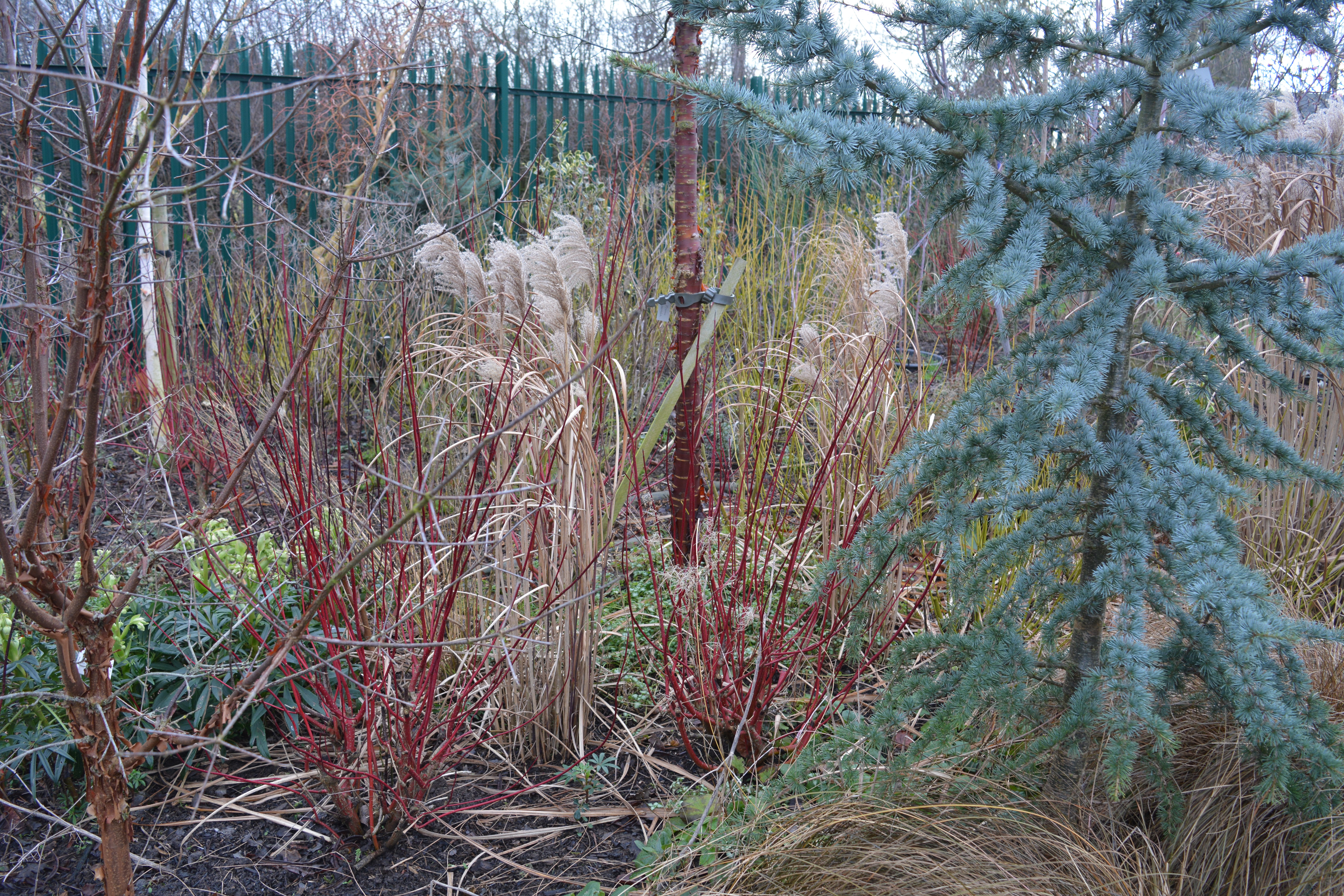
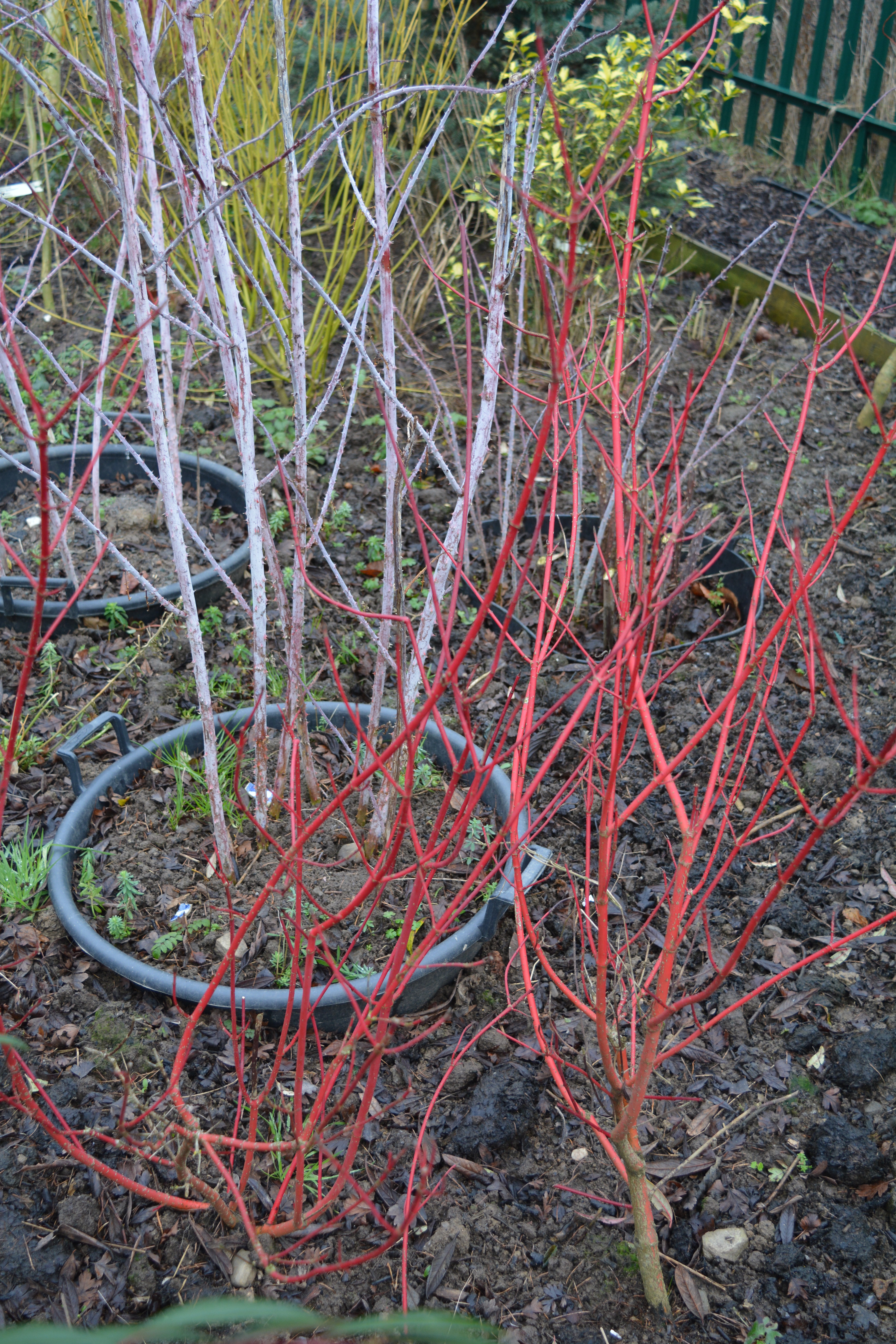
Perhaps it is only right that the most colourful and interesting garden of all at the moment is our Winter Garden. The coloured stems of different forms of Cornus and Salix give us reds, oranges, greens and yellows and even black. The white stemmed Birches are now over 20 feet tall and they dominate this garden. Euphorbias and Hellebores give colour at close to ground level, while the Viburnum bodnantense “Dawn” and Cornus mas provide pink and chartreuse at eye level. Both these shrubs are also powerfully scented.

2015 01 18_9338 2015 01 18_9339 2015 01 18_9340 2015 01 18_9341 2015 01 18_9342 2015 01 18_9343 2015 01 18_9344

Elsewhere the coloured stems of a Salix in our Withy Bed shines gold and the Cornus “Midwinter Fire” glow like flames.

2015 01 18_9347 2015 01 18_9349

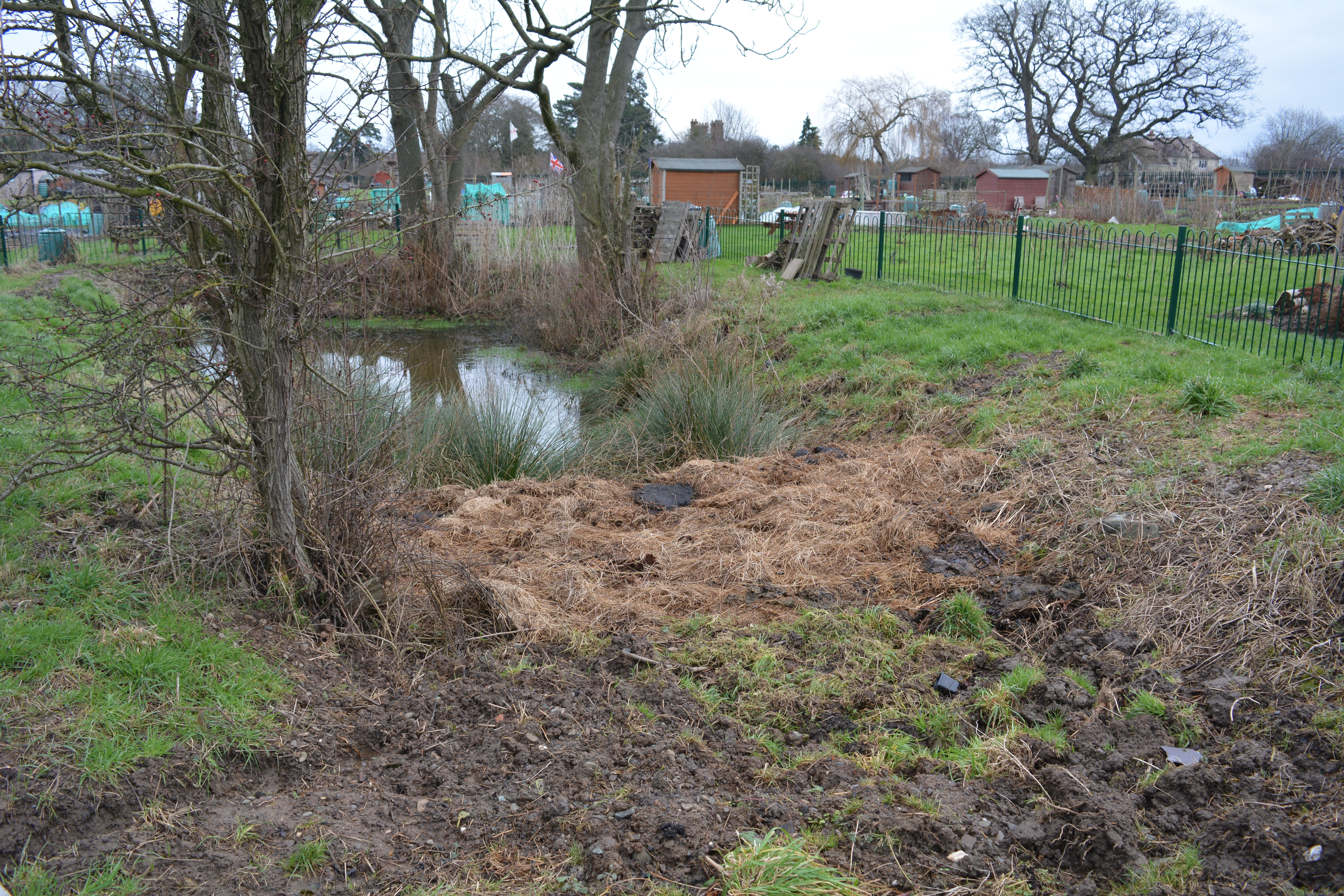
Our tour finishes off with a look at this year’s major project, our wildlife pond. We inherited this large farm pond in the summer and are busy tidying up around it in readiness of the work that lies ahead.

2015 01 18_9353 2015 01 18_9352 2015 01 18_9354

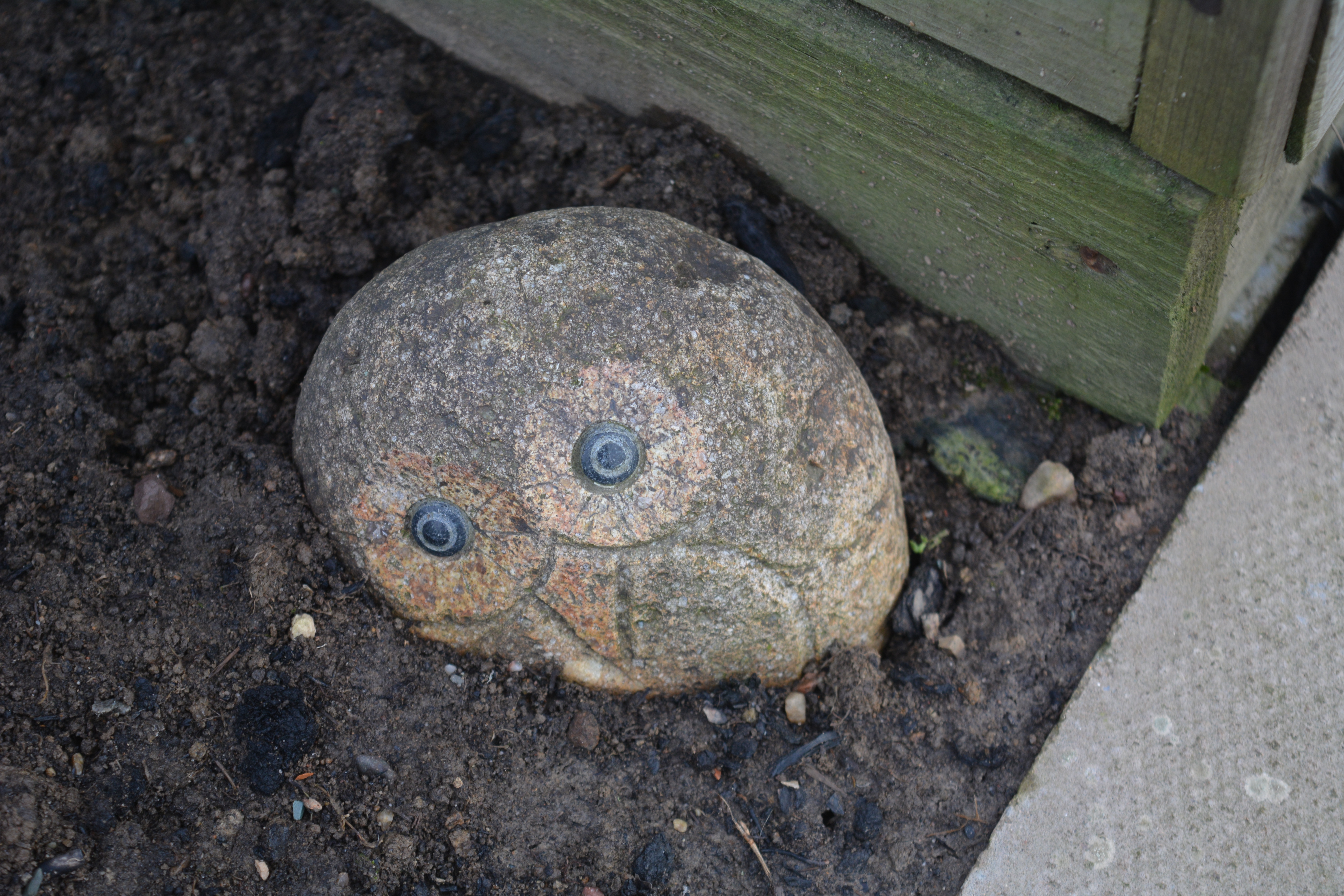
This little character is hidden for most of the year under a patch of Chrysanthemums grown for cutting but in winter he appears to cheer us all up.

2015 01 18_9329

I shall finish this post with a couple of bright jewels.

2015 01 18_9326_edited-1 2015 01 18_9333

Categories
cookies

Taste Treats in a Jar

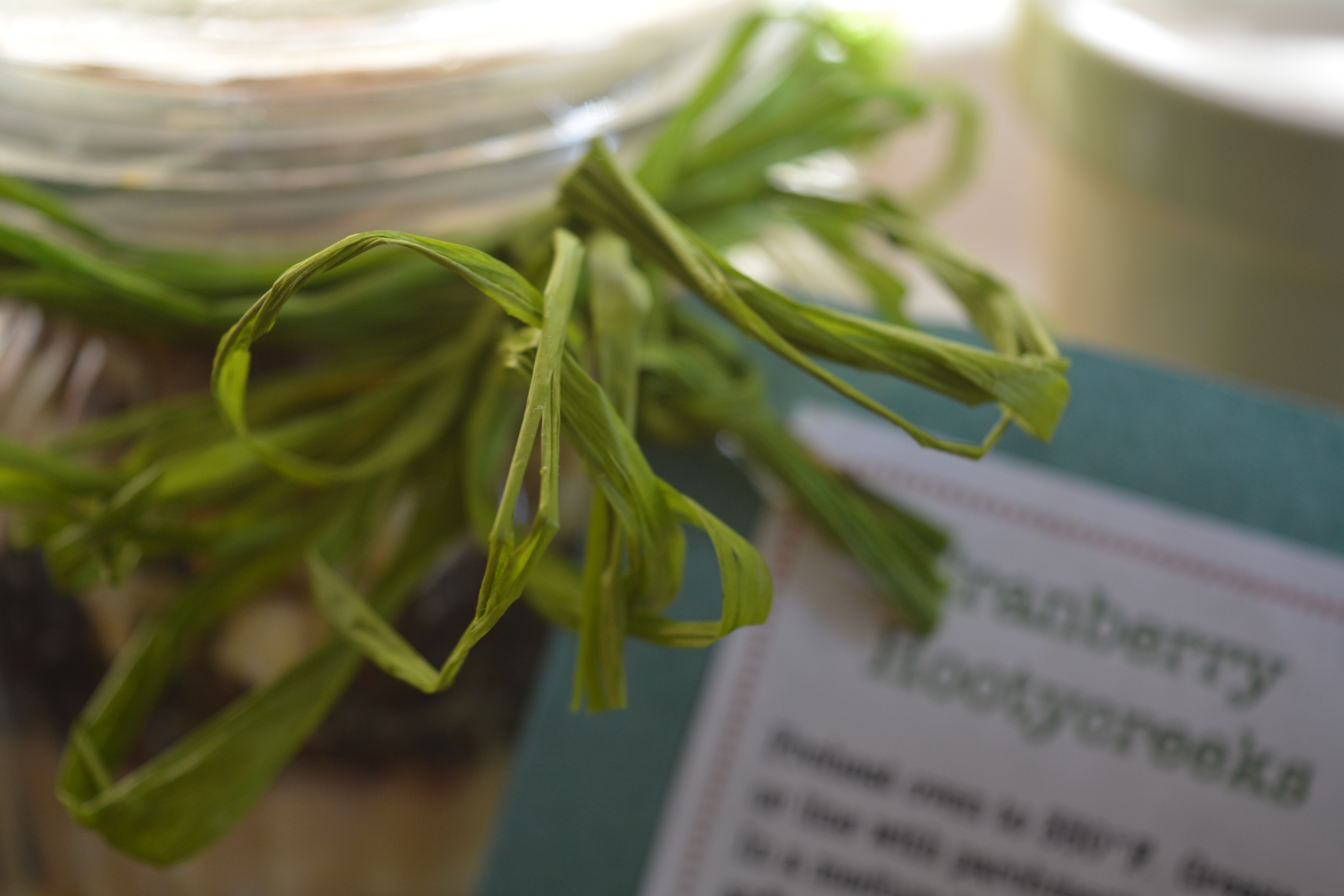
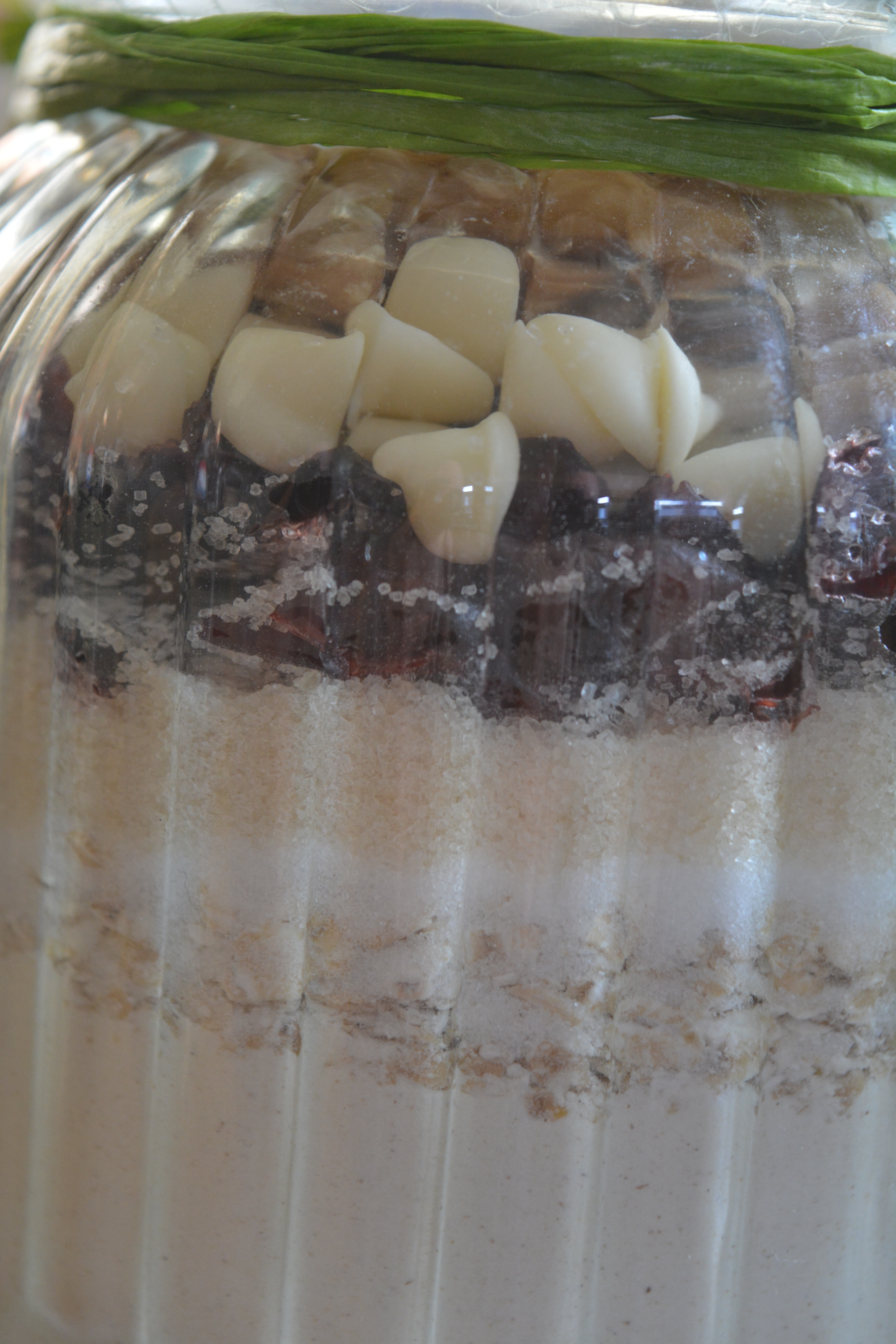
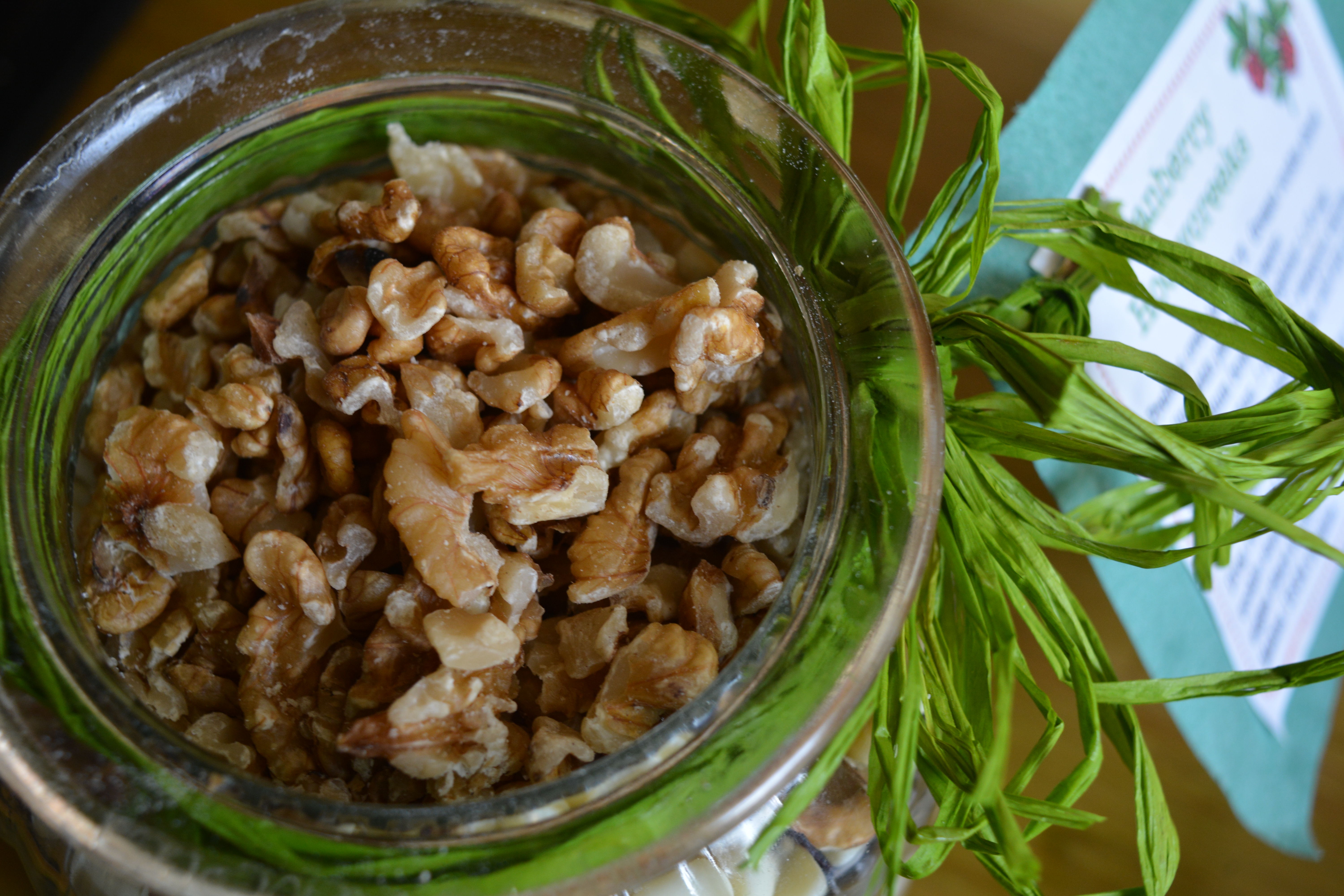
Friends, Pete and Sherlie, gave us a present at Christmas which at first we could not work out. The label called it Cranberry Hootycreeks which meant nothing to us, but reading the smaller print we discovered it was a jar of ingredients artistically layered all ready to be made into cookies. No doubt to our friends across the ocean it would have been instantly obvious.

2015 01 15_9295 2015 01 15_9296 2015 01 15_9297 2015 01 15_9301

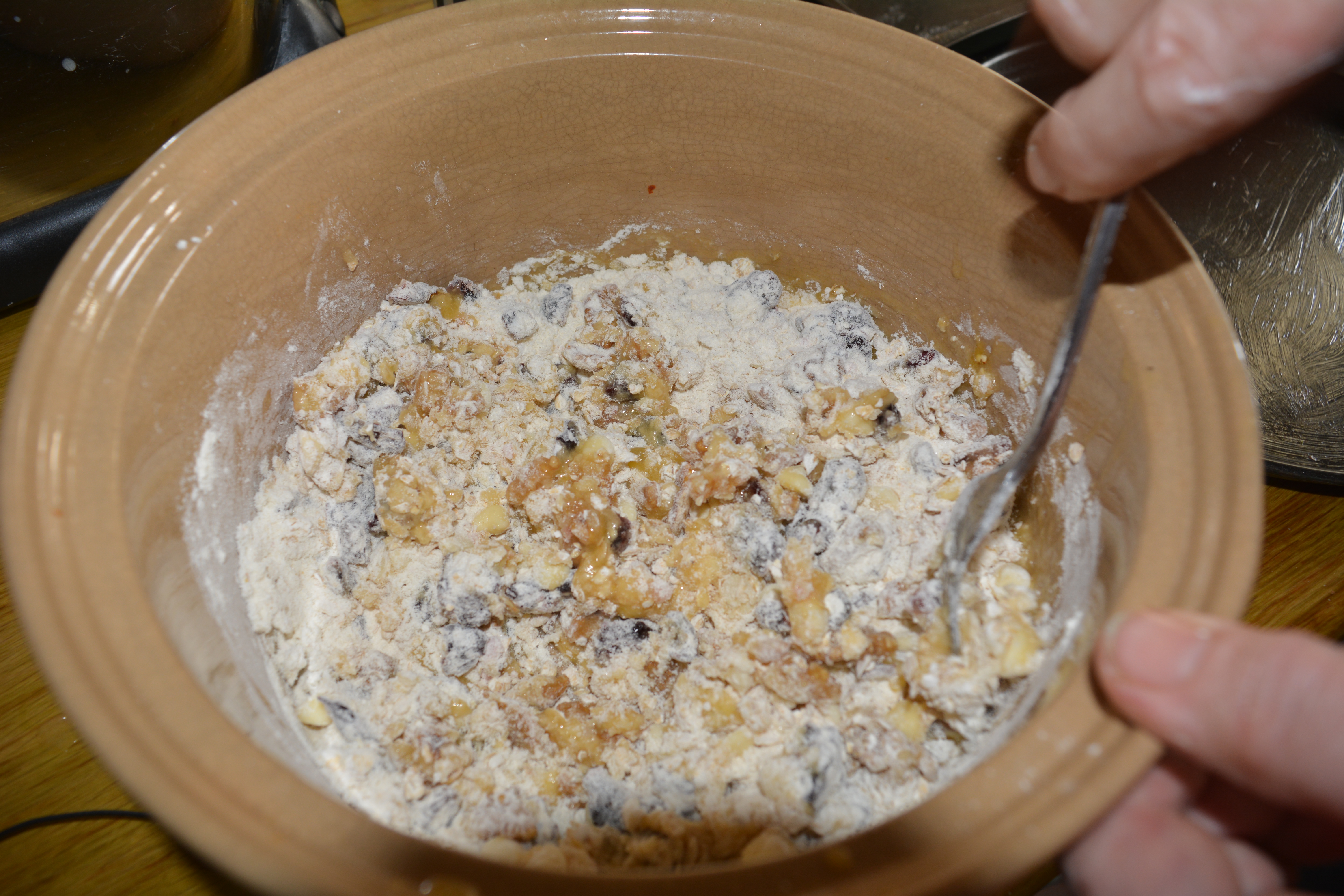
The ingredients looked so good layered in this way that it seemed a pity to interfere with them but to get to taste our cookie treats we just had to do it. The dry ingredients were tipped out and stirred.

2015 01 15_9302 2015 01 15_9303

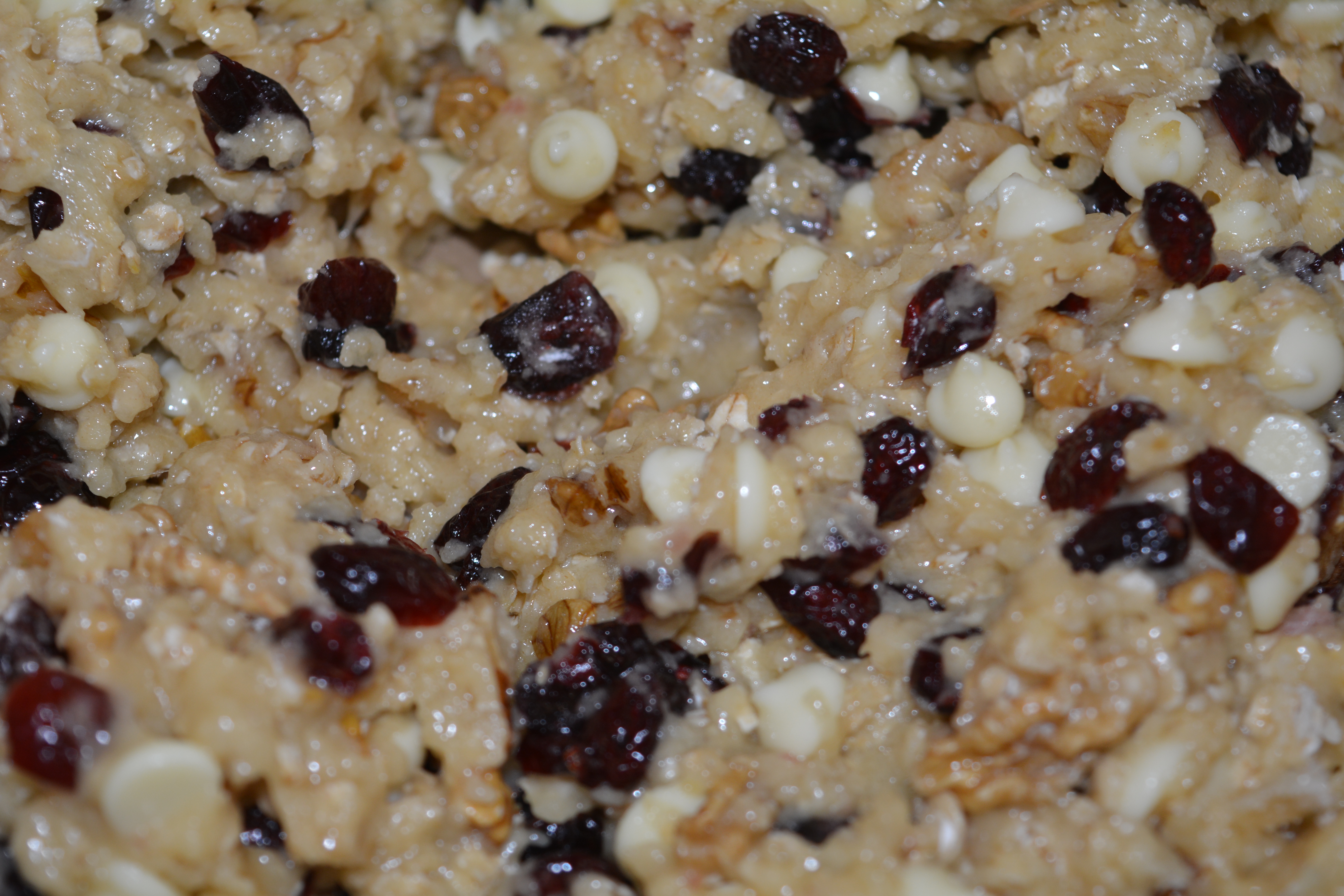
We mixed the dry ingredients in with a mixture of softened butter, an egg and a teaspoon of vanilla and beat them all together until fluffy in consistency.


2015 01 15_9304 2015 01 15_9305

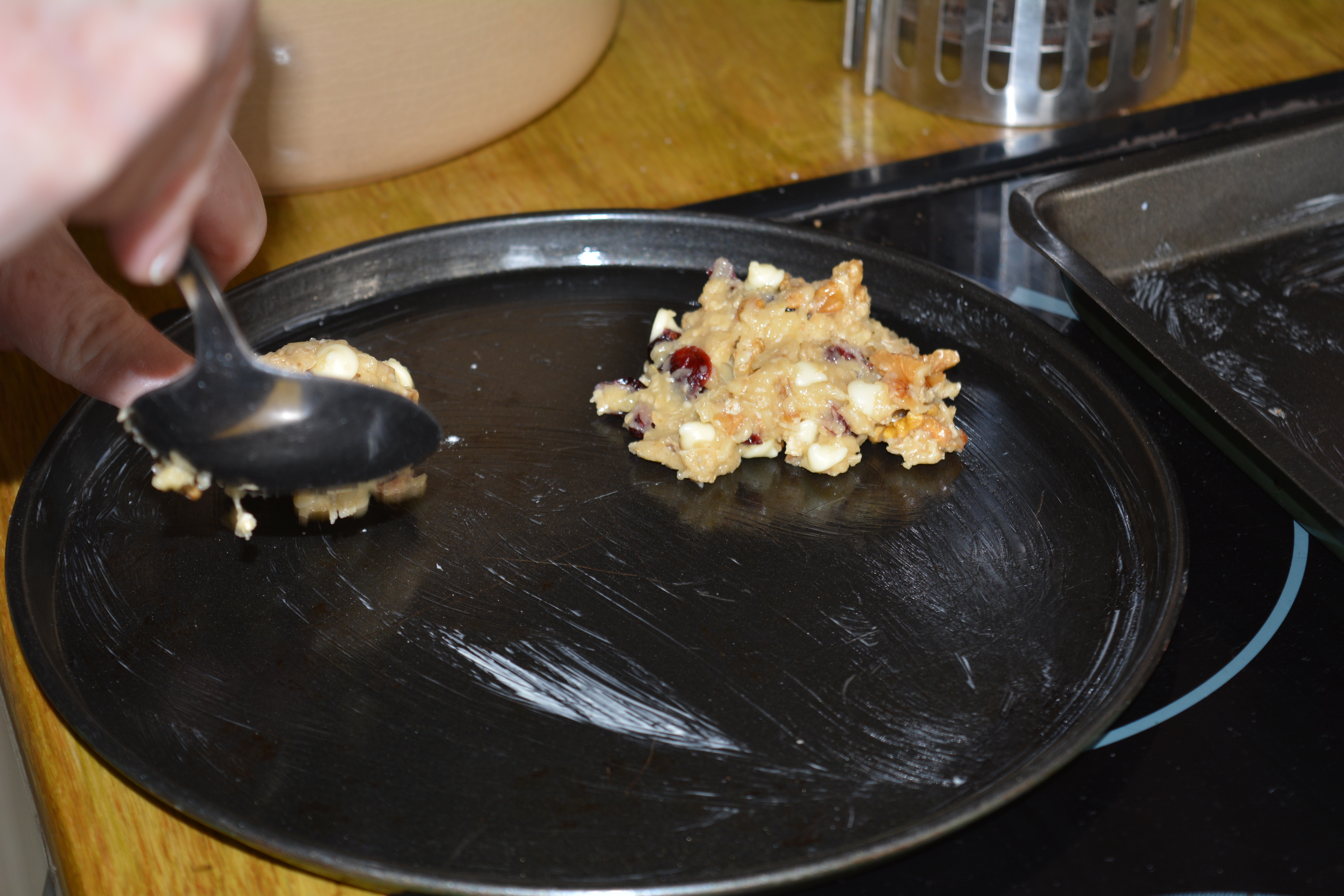
We then dropped tablespoon full amounts onto a baking tray and baked at 350F for about ten minutes.


2015 01 15_9306 2015 01 15_9307

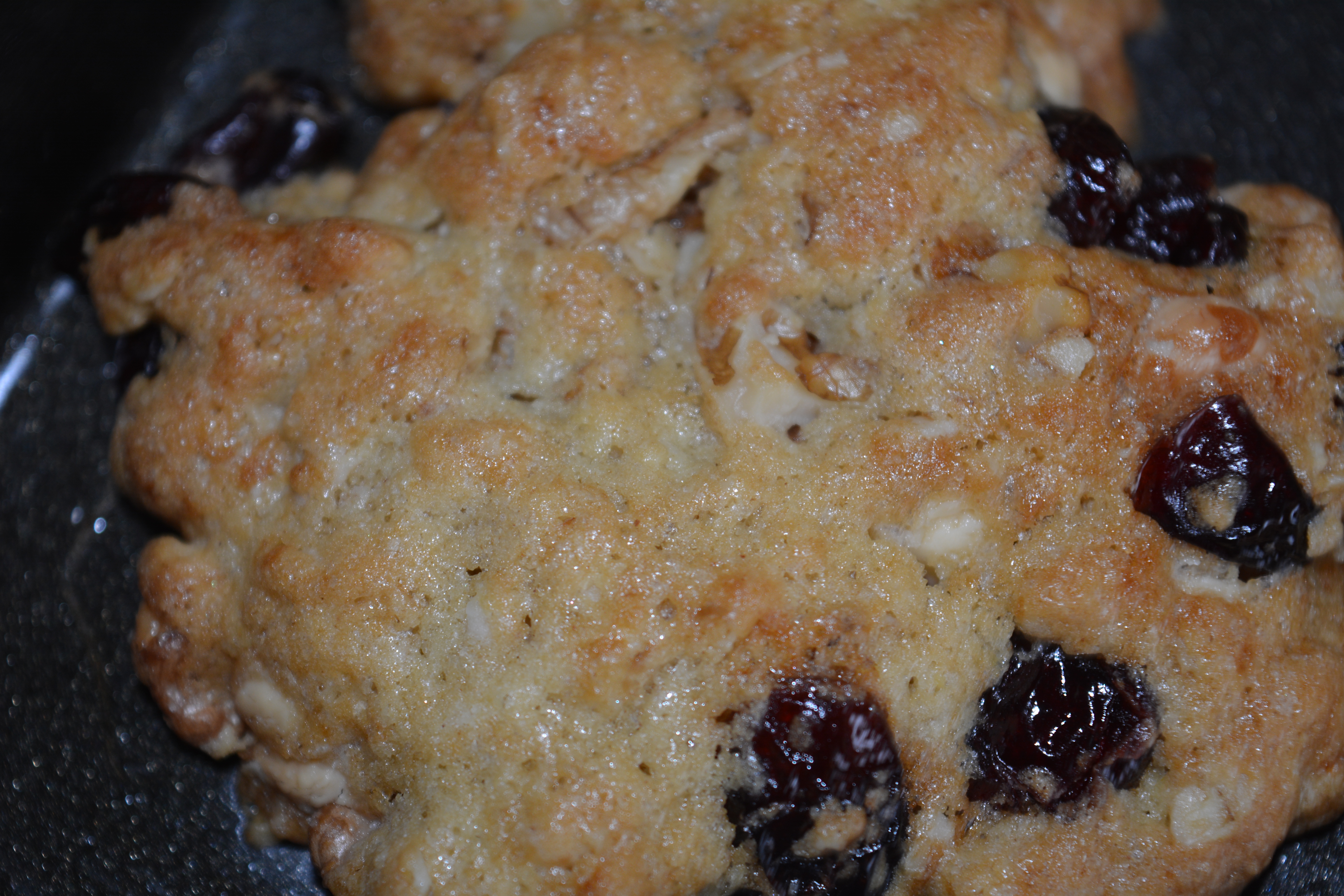
They smelled wonderful as they were baking and looked wonderful when cooling on their trays. Best of all though they tasted wonderful with a big cup of Clipper Tea drunk from a porcelain mug with chicken decorations! Nice present!


2015 01 15_9308 2015 01 15_9309 2015 01 15_9310 2015 01 15_9311


This Veggie Life

A Vegetarian | Nature Lifestyle Blog

Rambling in the Garden

.....and nurturing my soul

The Arch City Gardener

Journeys In St. Louis Gardening and Beyond

Garden Dreaming at Châtillon

Consult the genius of the place

Storyshucker

A blog full of humorous and poignant observations.
gardeninacity

Notes from a wildlife-friendly cottage garden

PlayGroundology

...an emerging social science

The Official Blog of British Wildlife

'The most important and informative publication on wildlife of our times' - The Independent. This blog is a member of The UK & Ireland Natural History Bloggers group: www.uknhb.blogspot.com
iGrowHort

Inspire - Cultivate - Grow Native Plants - Restore Landscapes

Bishops Meadow Trust

To create and protect a semi-natural wild space for the people of Farnham to enjoy and experience an array of British wildlife in our town

Gardening with Children

The www.gardeningwithchildren.co.uk Blog

UKbirdingtimeline

birding through the seasons, why birds matter and how to conserve them

NATURE WALKER

with a camera in hand

Jardin

Transform your outdoor space

Eva's space

My allotment, cooking and other interests

Old School Garden

my gardening life through the year

LEANNE COLE

Trying to live a creative life

fromacountrycottage

trying to live as lightly as possible on our beautiful planet

Good Life Gardening

Nature lovers from Leicester living the good life.

mybeautfulthings

Finding the beautiful in the everyday

mawsonmichelle

Michelle's Allotment

In and Out of My Garden

thoughts from and about my garden

Greenhousing

Big plans for a small garden

The Scottish Country Garden

A Walled Country Garden in South East Scotland

The Fruity Chicken

Life at the fruity chicken

willowarchway

Off grid living. Self sufficient. "PERMAGANICS RULE".

St Anns Allotments

Nottingham's Grade 2* Listed Allotments and Community Orchard

Manifest Joy Harvests

a journey in suburban vegetable gardening

Allotmental

The madness of growing your own

Penny's Garden: a harvest beyond my front door

A novel approach to vegetable gardening

arignagardener

Sustainable living in the Irish countryside.

NewEnglandGardenAndThread

Master Gardener, amateur photographer, quilter, NH native, and sometimes SC snowbird

dianajhale

Recent work and work in progress and anything else that interests me

planthoarder

a chaotic cottage gardener

Lens and Pens by Sally

a weekly blog that creates a personal philosophy through photographs and words

Dewdrops and Sunshine

Stories from a sassy and classy Southern farmbelle.

The Pyjama Gardener

Simple Organic Gardening & Seasonal Living

gettin' fresh!

turning dirt into dinner

JOY...

today the world is created anew

Garden Birds

Notes from a Devon garden

ShootAbout

Life Through The Lens

Adapting Pixels

A photography blog showcasing the best photography pictures and videos on the internet

Wildlifegardening's Blog

Just another WordPress.com site

naturestimeline

personal observations from the natural world as the search continues for a new approach to conservation.

LATEBLOOMERBUDS

The Wonders of Life through my Eyes, my Heart, my Soul