Categories
architecture light light quality photography the sea the seaside the shore Uncategorized

Oh we do like to be beside the seaside! A Crazy Lighthouse

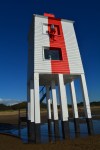
We do love to be beside the seaside and love the surprises it gives us! When we visited Burnham-on-Sea we were in for a real treat, a big colourful surprise which took us totally by surprise. It was a lighthouse on the beach but not only that, it was wooden lighthouse!

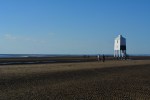
We knew one existed somewhere as we remember seeing it on a BBC series called “Coast” but didn’t realise it was at Burnham until we spotted it in the distance as we were taking in the sea air promenading aimlessly along the soft sandy beach. We walked towards it seeing more detail as we got closer.

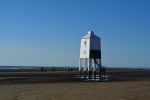
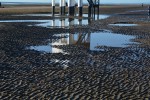
The first picture shows the point at which we stopped to decide if we could get to it and back again in the time we had and of course before the tide slowly returned to maroon the lighthouse back at sea. The second picture shows me photographing the lighthouse just as we reached a point close enough to fully appreciate its strange beauty.

b1-01 b1-21

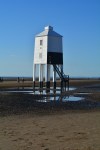
The third photo records the moment that the lighthouse filled the viewfinder.

b1-17

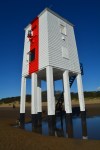
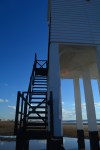
When we got close enough to touch the wooden boards of the lighthouse we looked upwards and then realised how tall it actually was and how bright the red and white clapboards were glaring in the sun and against the deep blue of the October sky.

b1-25

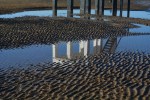
Its reflections in the saltwater pool beneath it were crisp and sharply outlined.

b1-12

To enjoy our visit to see the crazy lighthouse please enjoy my gallery of illustrating our amble across the sands. As usual click on the first photo and then navigate using the arrows.
I hope you enjoyed sharing our discovery of the lovely eccentric construction on the beach. We love being at the seaside, wandering beaches or discovering the character of shoreland towns. Surprises like this lighthouse add to the experience.


Categories
architecture buildings landscapes reflections the sea the seaside the shore

Oh we do like to be beside the seaside! – Burnham-on-Sea

We do love to be beside the seaside, beside the sea, as followers of my blog have probably realised already. Is is great when we discover another seaside town as we did recently on a visit to countryside along the Somerset and Devon border. We were looking at a few gardens down there and fancied some time beside the sea so made our way to Burnham-on-Sea to see what we would find there.

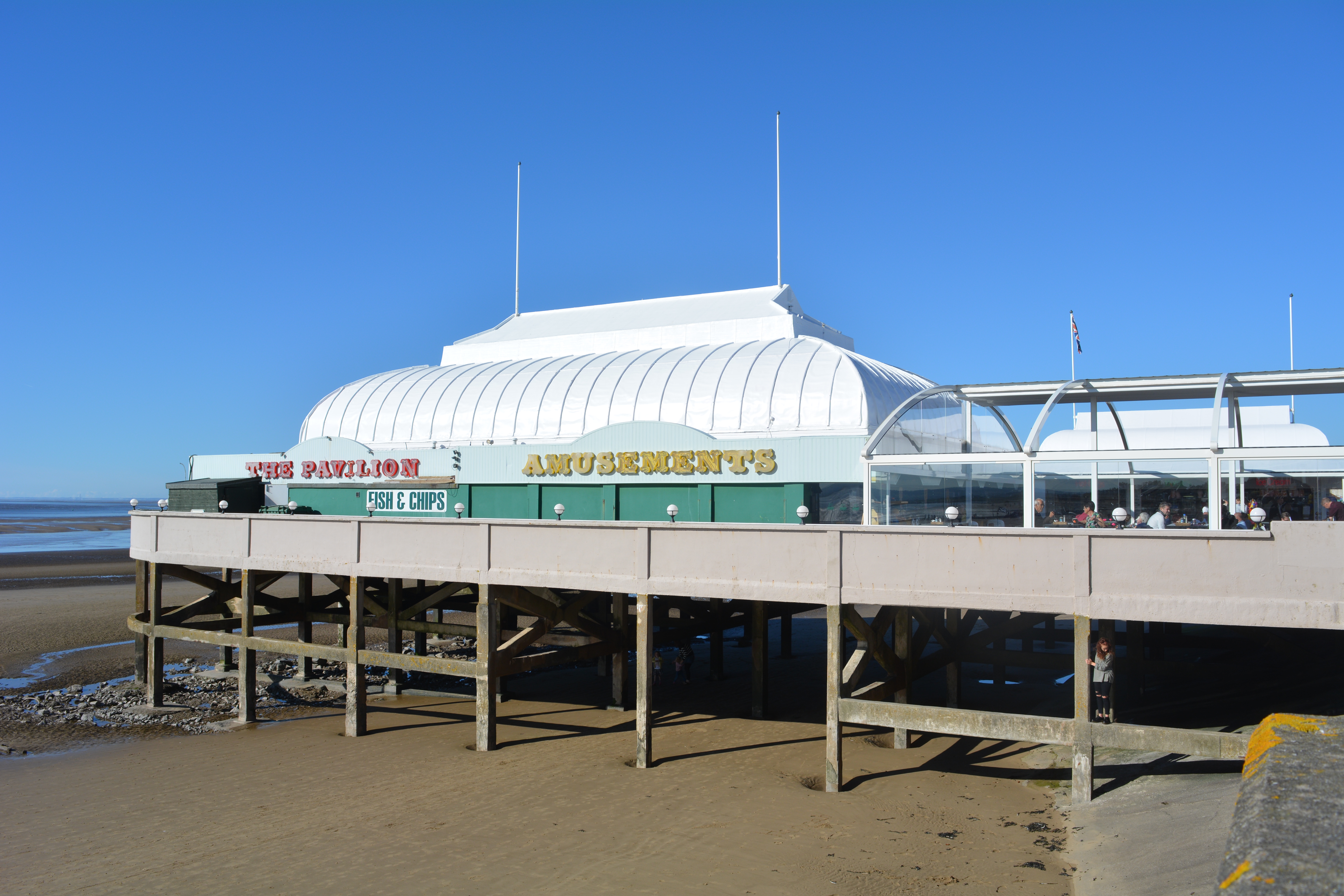
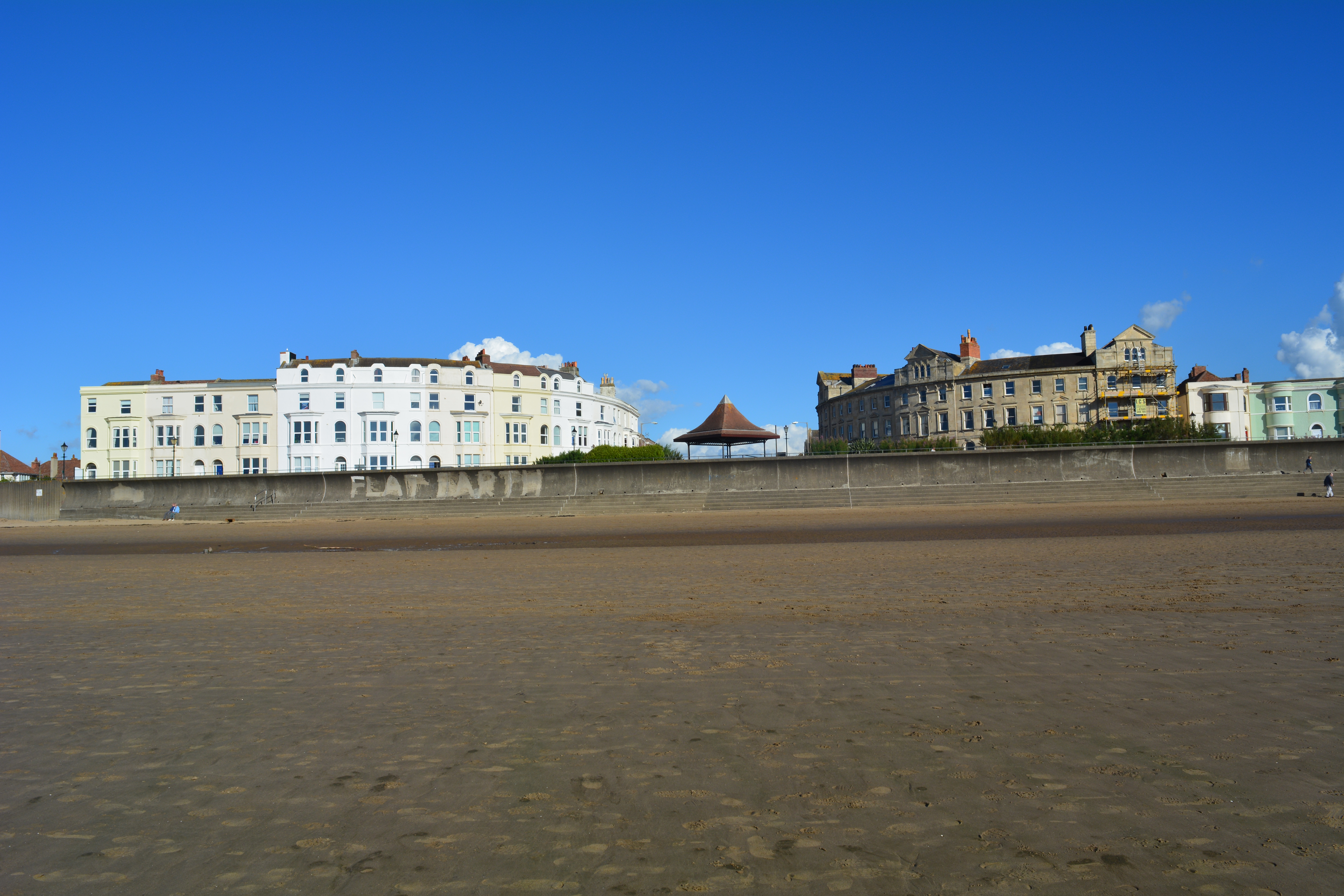
We are always delighted and excited if we learn that the seaside town we are visiting has a pier so Burnham was onto a winner where we were concerned. We also like to see a sense of humour wherever we go and to see B-on-S boasting that it has the smallest pier in the UK rather than the more usual longest, oldest etc. So that was our first port of call, off in search of the tiny pier. We soon spotted its white roof glaring in the sunshine in strong contrast to the deep blue sky.

b2-20 b2-12 b2-15 b2-01

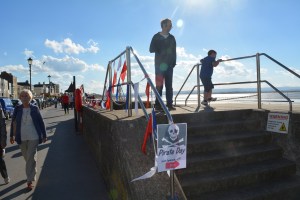
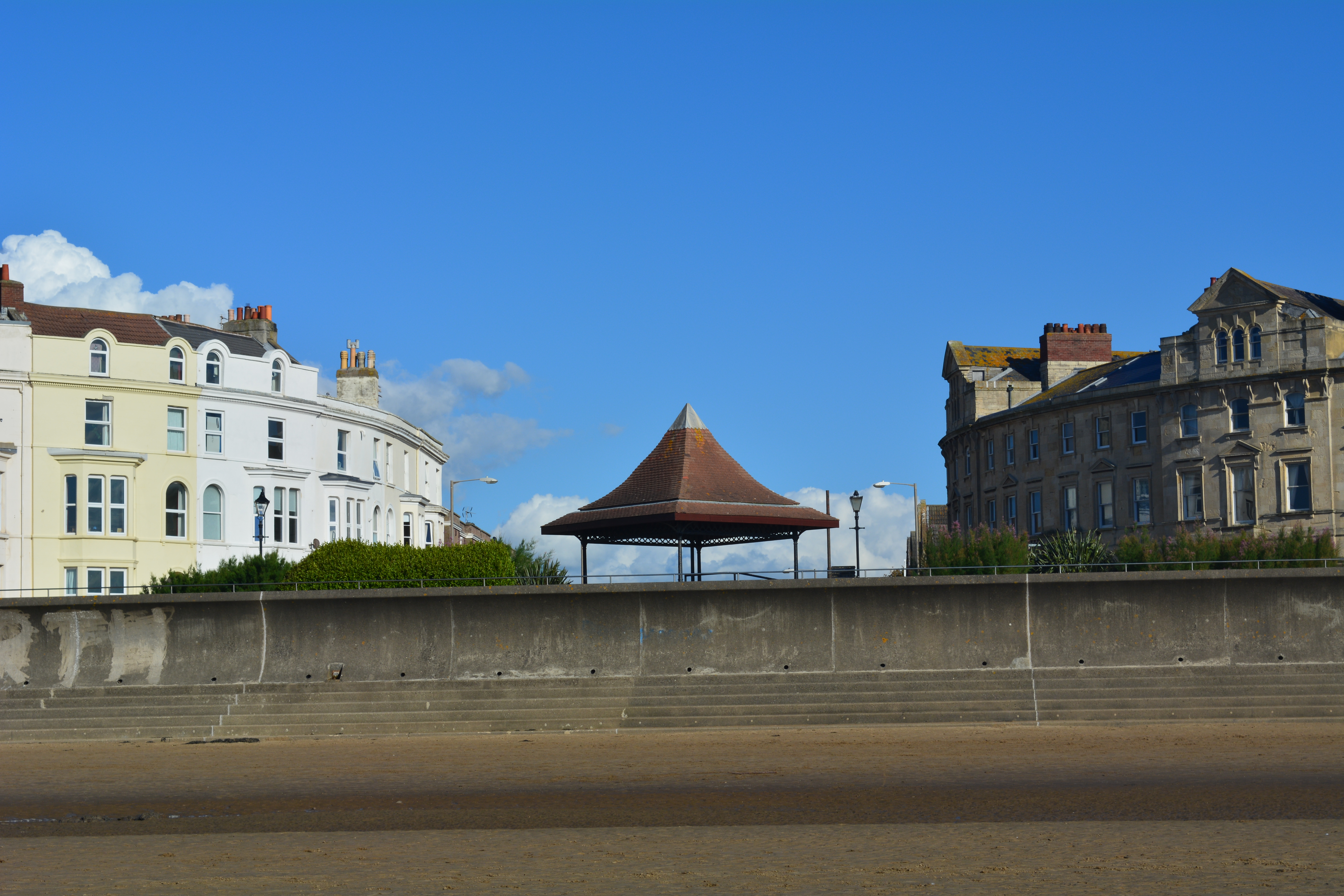
Walking along the promenade we could look down onto the beach to sea what the sandy beach lovers were getting up to. As usual people at the seaside become creative as they discover their creative streak even if it is for just one day.

b2-05 b2-06

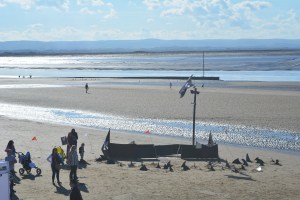
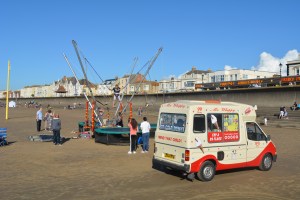
Play leaders were busy providing entertainment for families of young children with games all things pirate and even had a pirate ship mock up on the sands. The ice cream man realised the potential business opportunity of parking on the sand nearby.

b2-09 b2-21b2-23 b2-22

Come for a walk along the promenade with us now and see what was happening through the lens of my trusty Nikon.

b2-02 b2-08  b2-10 b2-11  b2-13 b2-16b2-18 b2-19

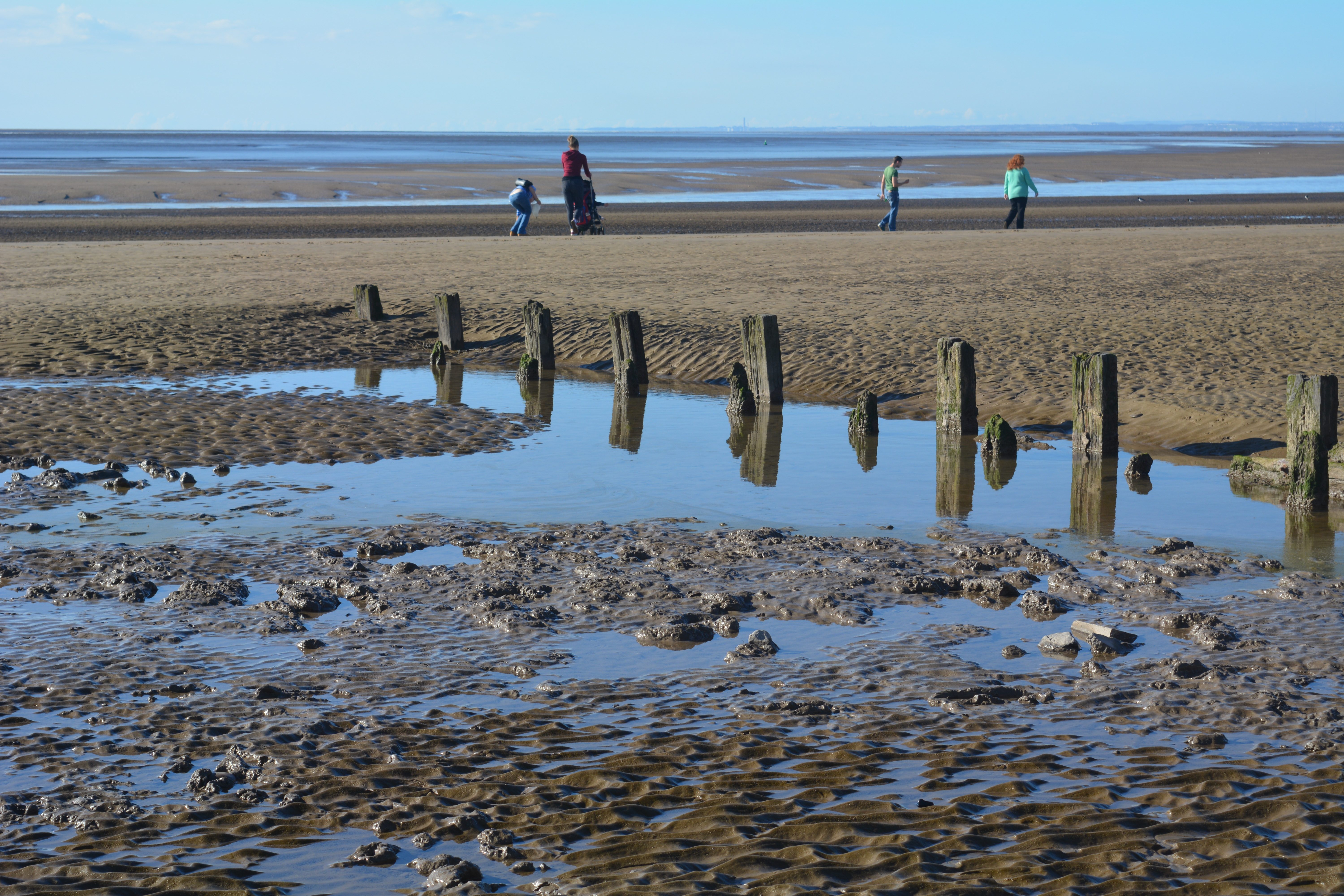
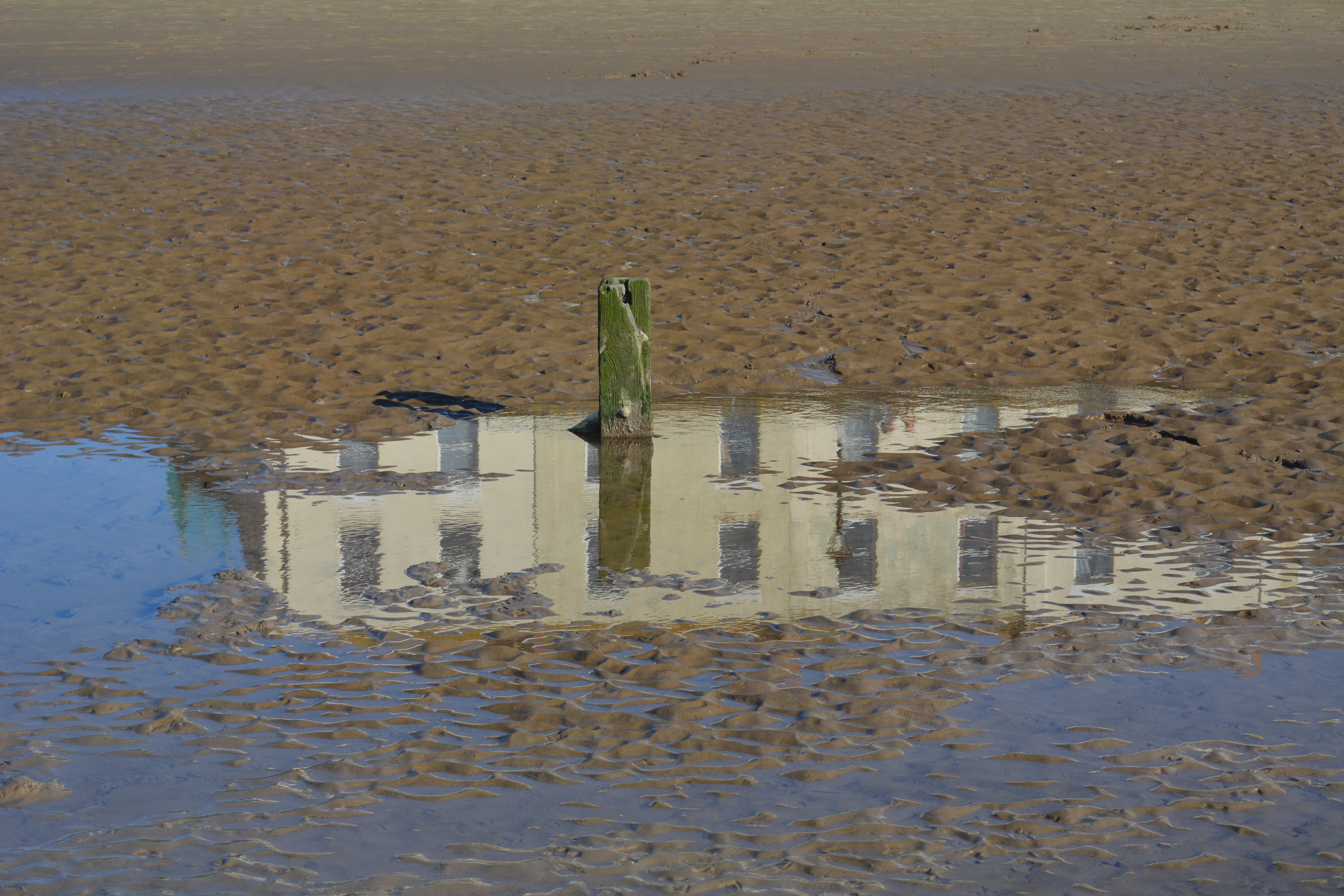
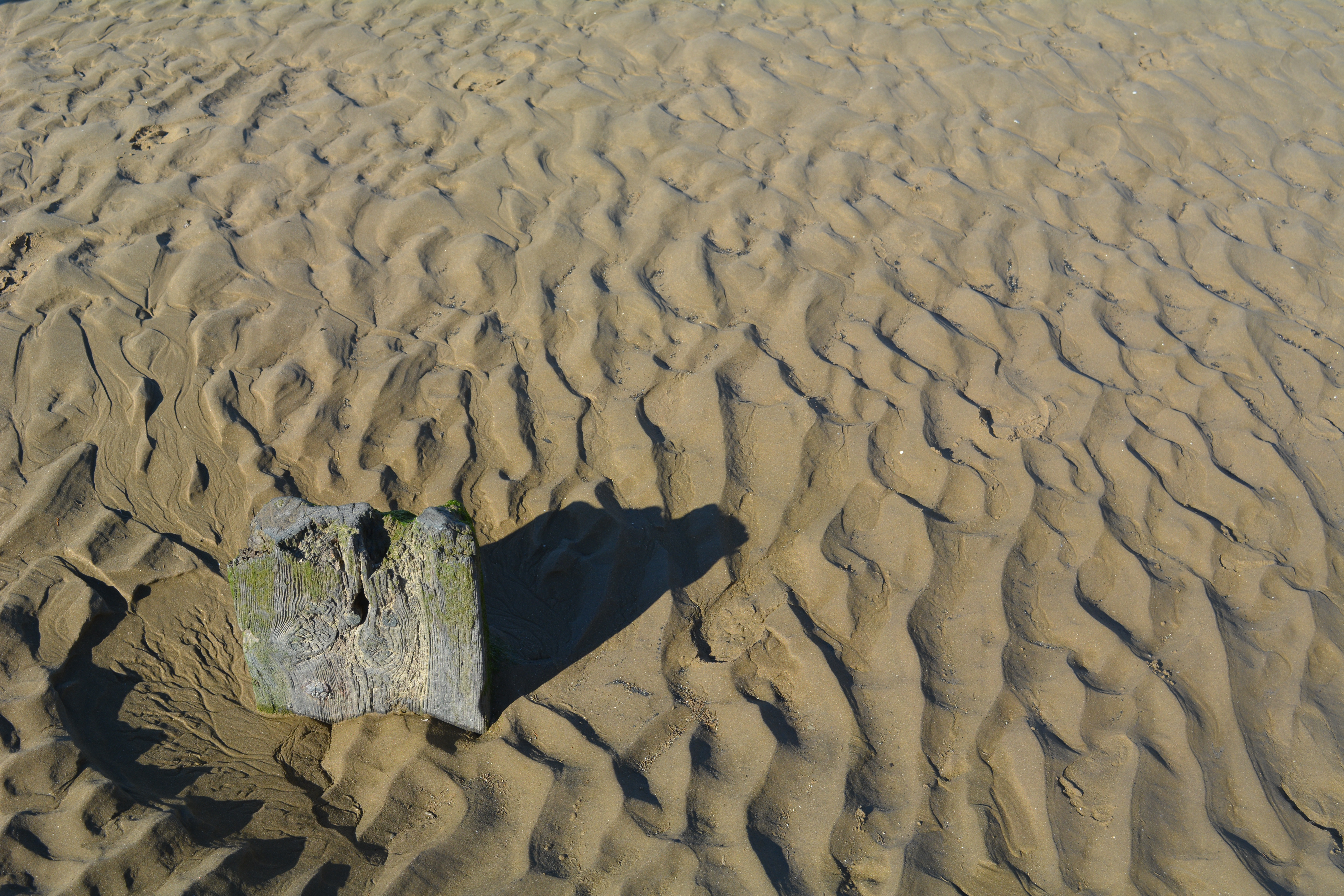
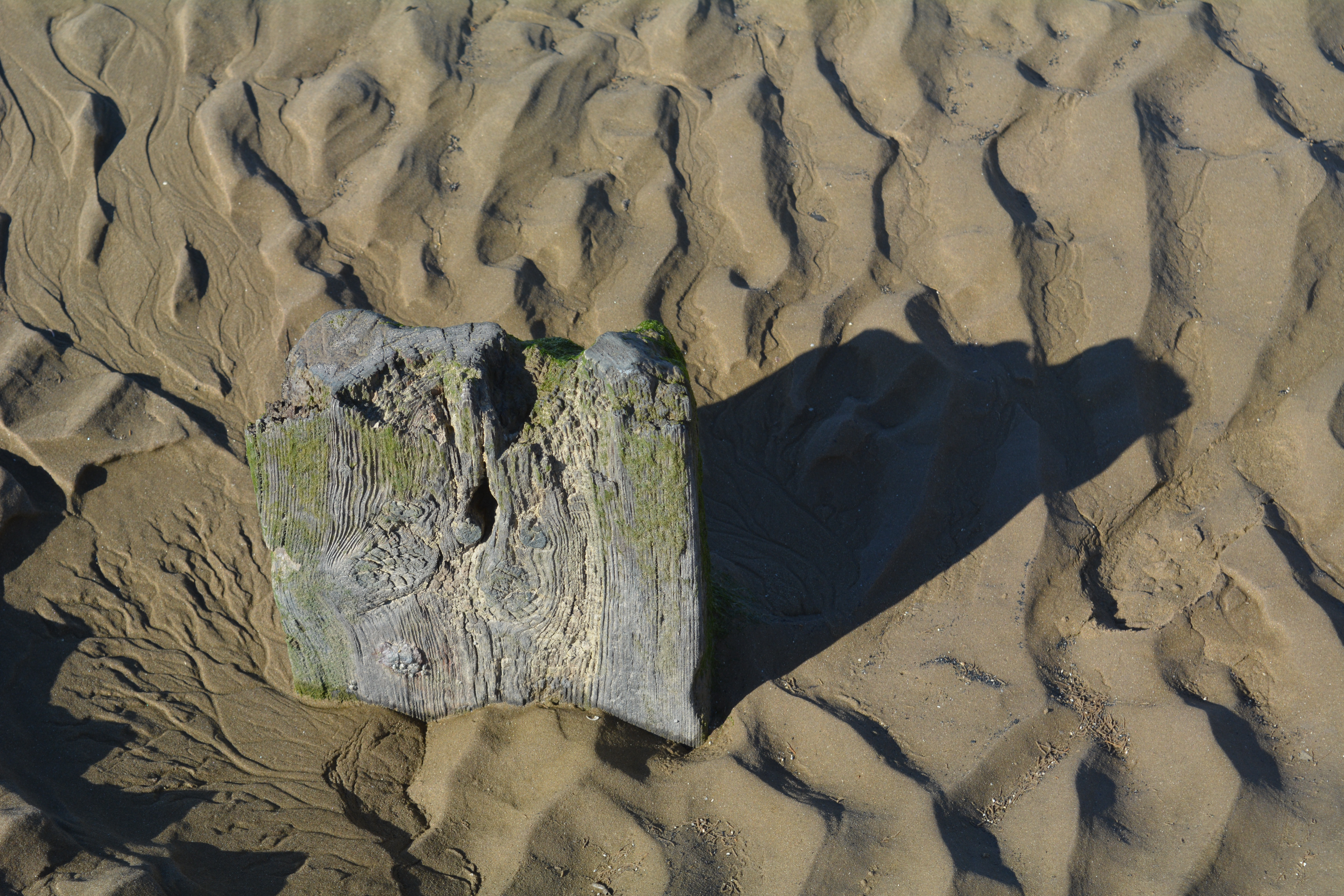
We walked back along the sands rather than retracing our steps along the prom. This gave a very different perspective and afforded the opportunity to take a close look at the sand and the patterns in it.

b2-24 b2-25 b2-26 b2-27  b2-29 b2-30 b2-31 b2-32 b2-33 b2-35 b2-36 b2-37

The most amazing and surprising discovery on the sands was the colourful wooden lighthouse. In my next post I will share my photos of this incredible construction. Burnham-on-Sea was a surprising place and provided us with a most enjoyable day out with added surprises!

b2-34 b2-28 b2-39


Categories
architecture buildings Church architecture photography

Lichfield Cathedral – a three-spired cathedral

We haven’t shared a visit to a cathedral for quite a while now so a trip to Lichfield recently allowed us just that. A religious place of worship has existed on the site for more than 1300 years and the current cathedral now draws not just worshippers but also tourists who come to admire its architecture and artifacts.

We visited on a return journey after a weekend in Leicestershire visiting our son, daughter-in-law and our new granddaughter. We have driven past signs for the city so many times and have been determined to visit one day. This is the story of that day.

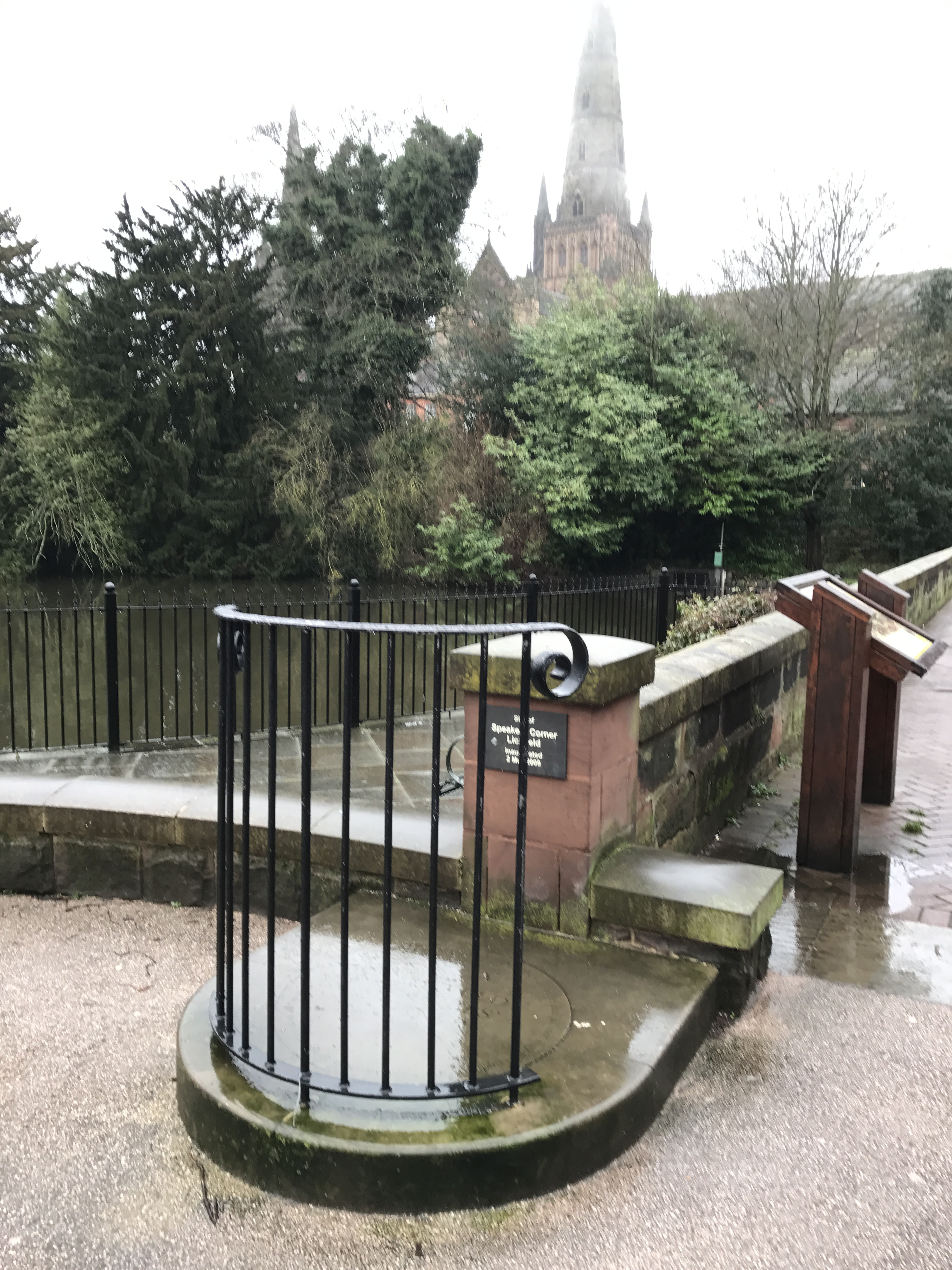
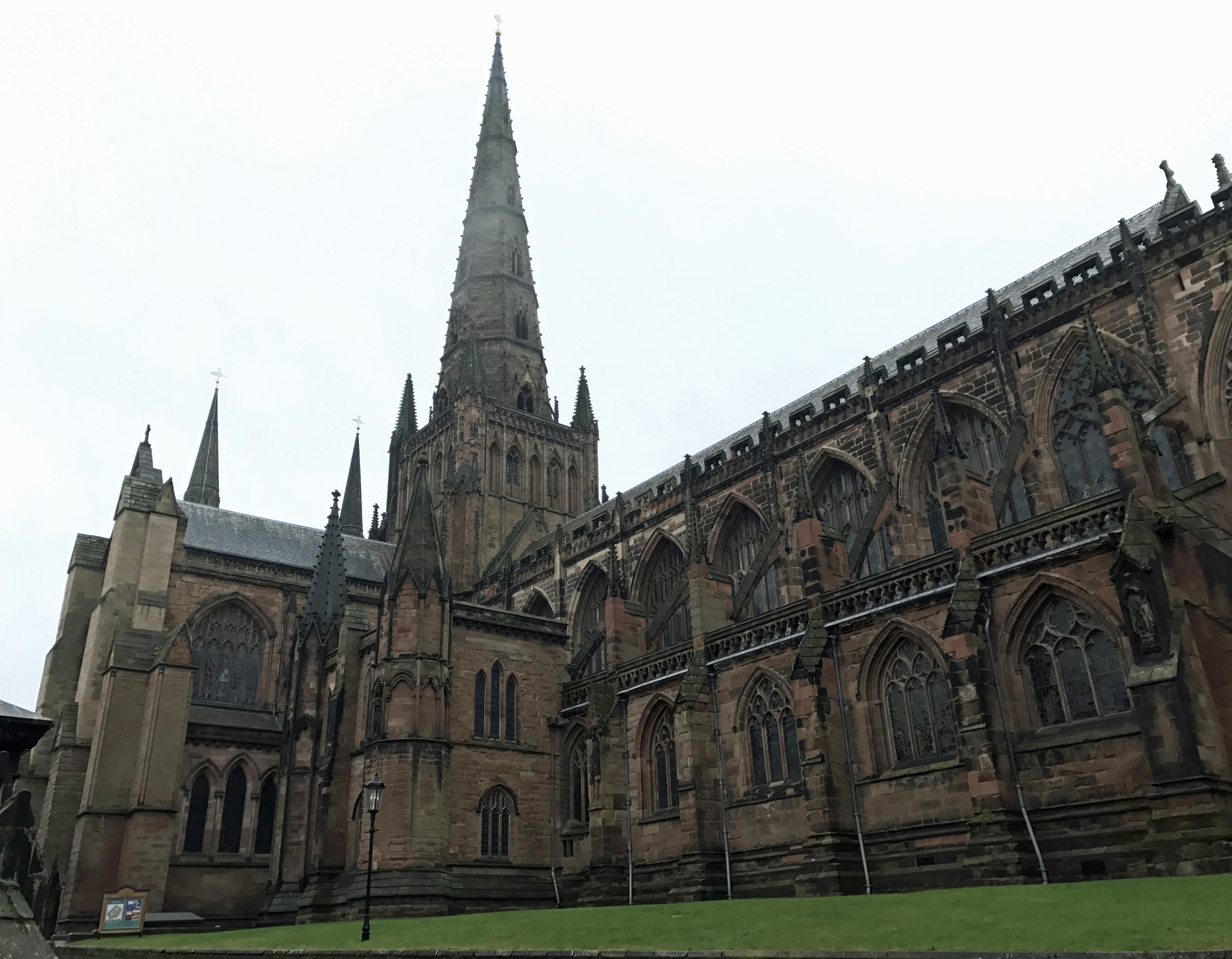
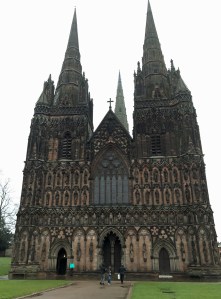
As we approached the cathedral green we found this “speakers’ corner” on the approach to the bridge. The cathedral was visible in the mist with its spire disappearing. There is sadly no place from which we could see its three spires.

lc-01 lc-04

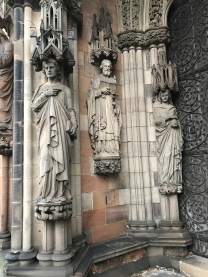
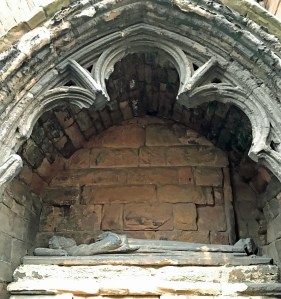
The cathedral’s stonework was dark and well-eroded giving it an untidy finish, and pollution had darkened it in places to black. We were confused to find a carved tomb and a statue on the outside wall which we presumed were perhaps at one time inside the building in a part since demolished.

lc-03 lc-13lc-05 lc-12

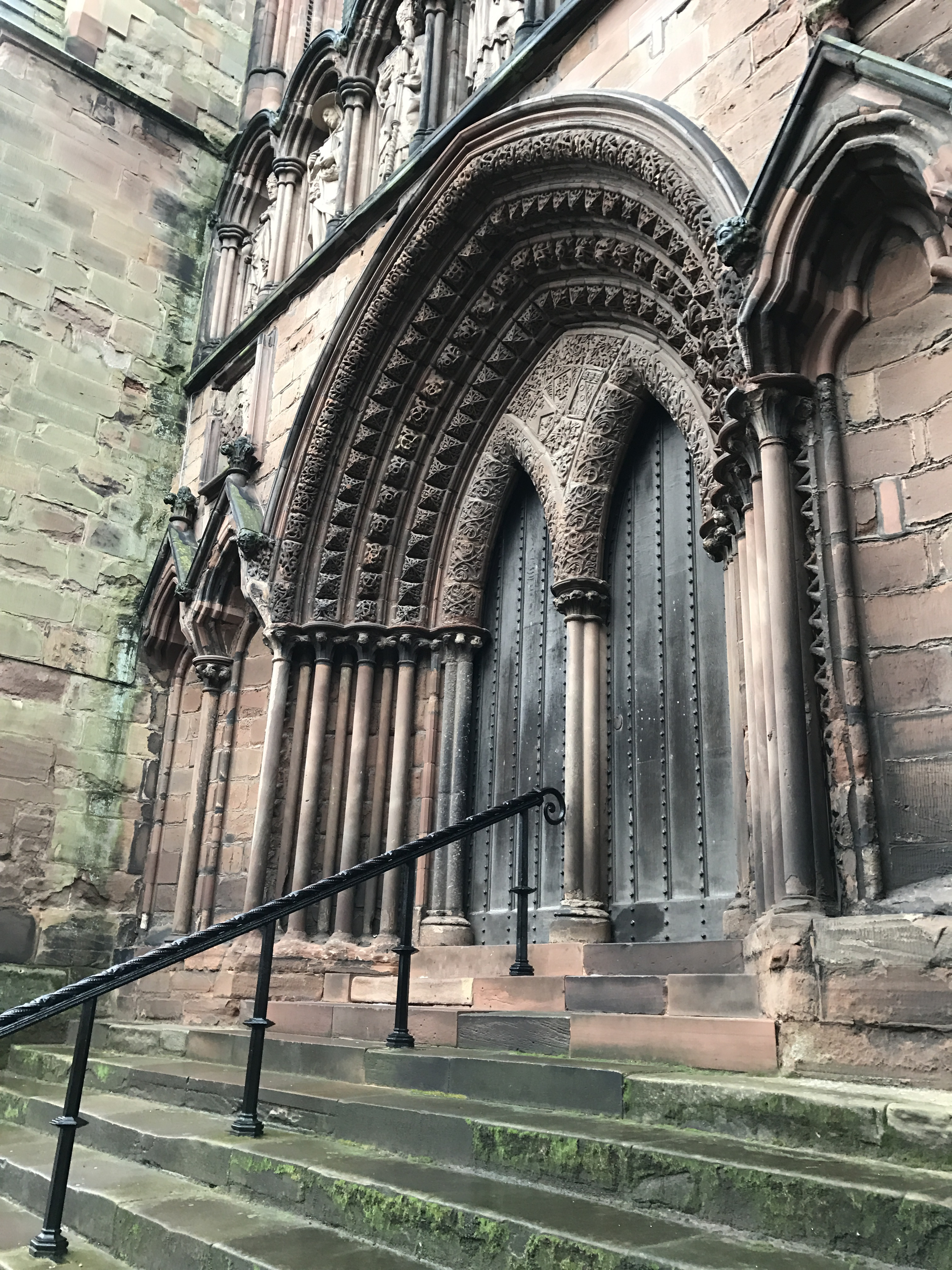
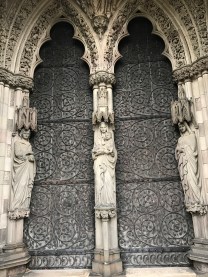
The main entrance was up several stone steps and the doorways arches were beautifully carved with complex patterning. Equally impressive were the carvings on the doors themselves.

lc-15 lc-11lc-09 lc-17 lc-18

lc-10 lc-16   lc-19 lc-20 lc-21 lc-22 lc-23

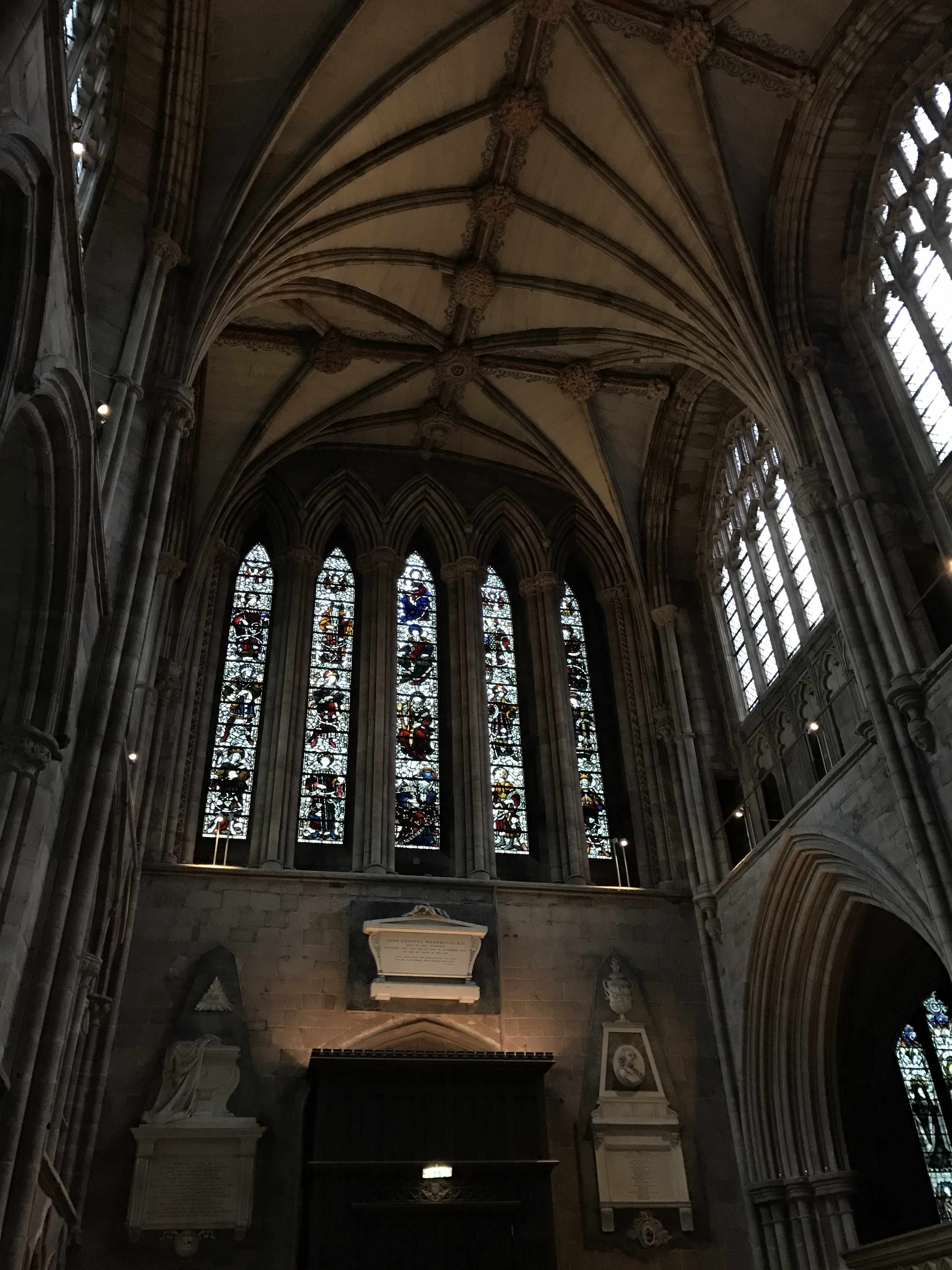
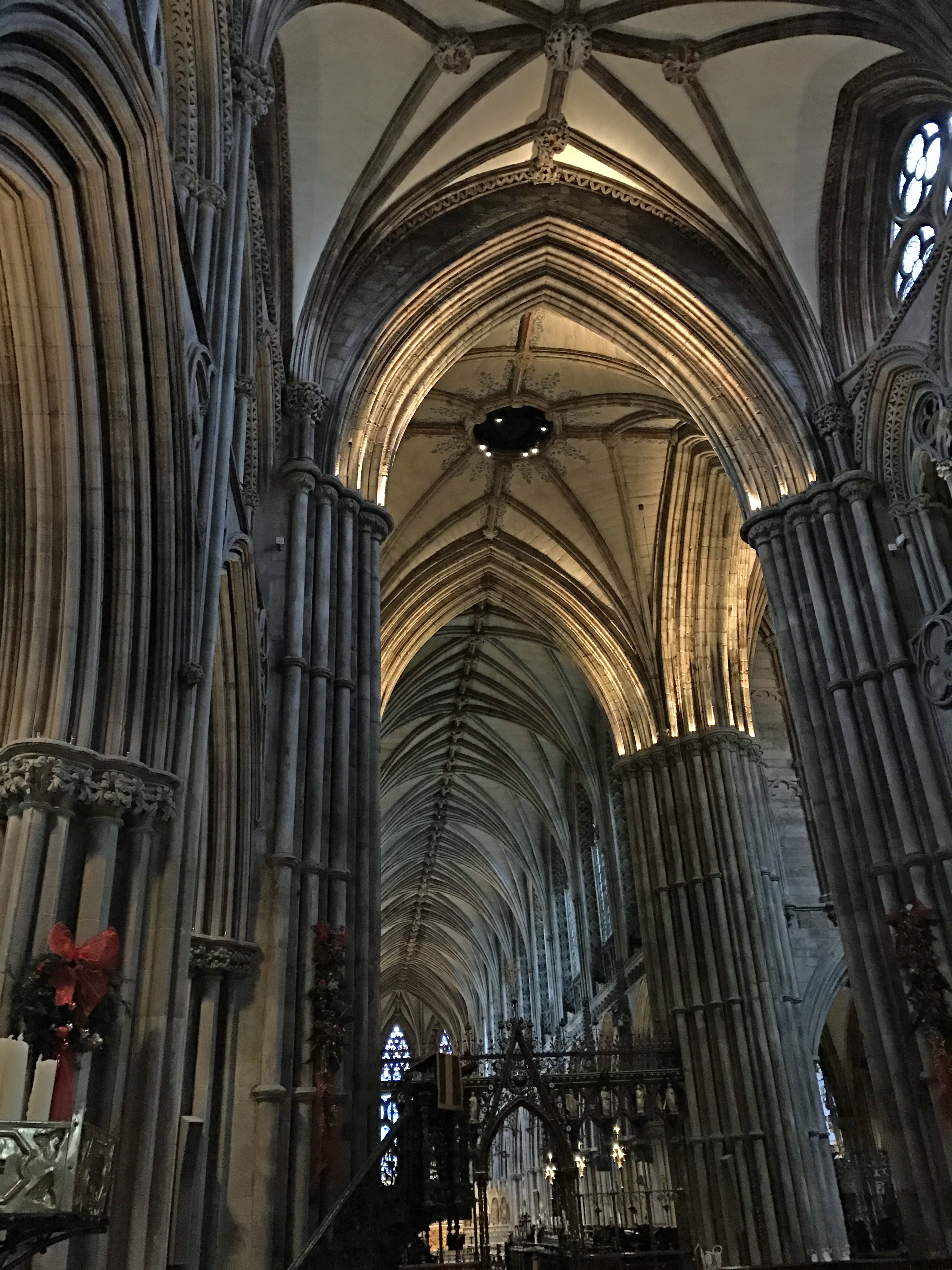
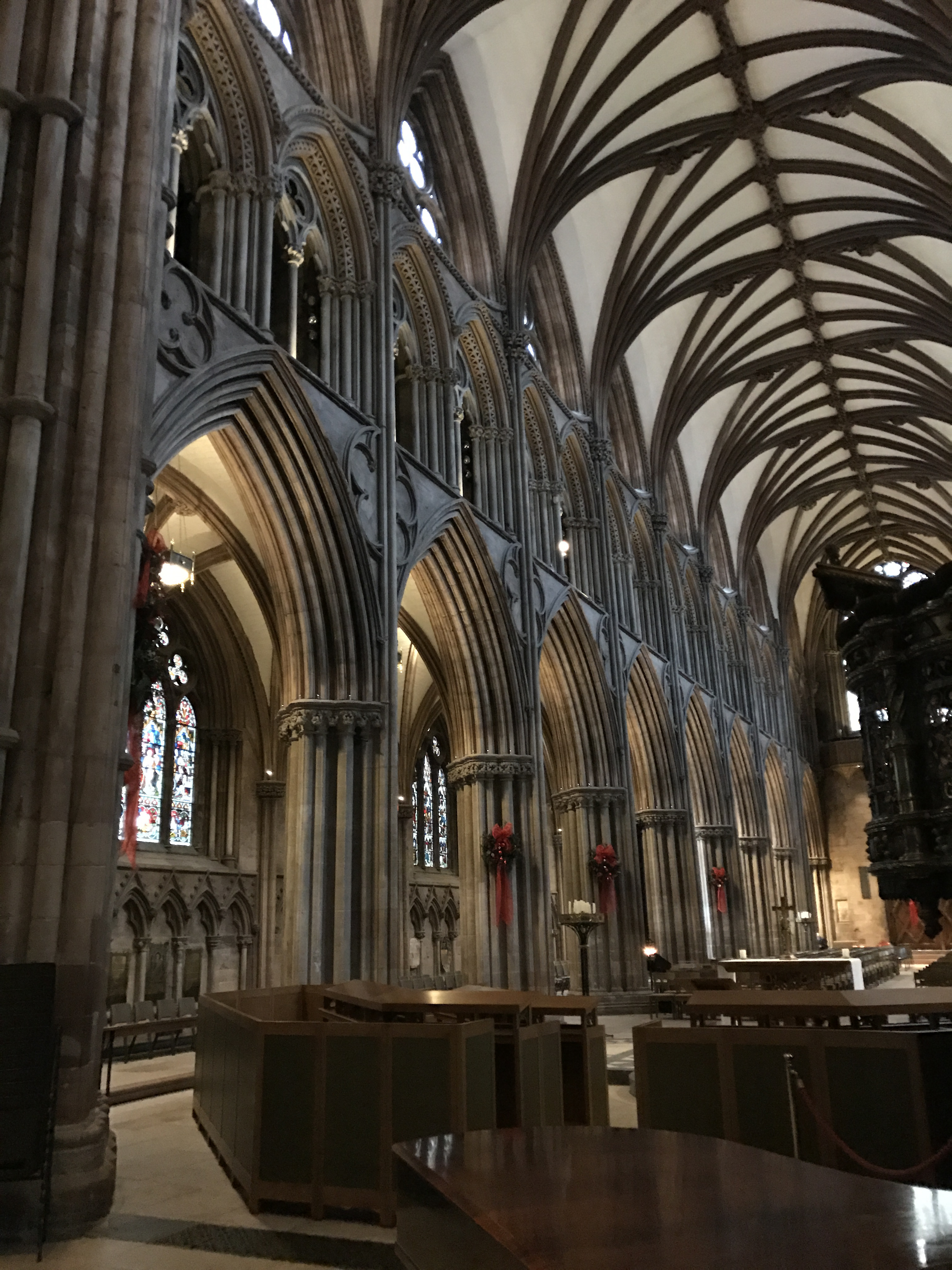
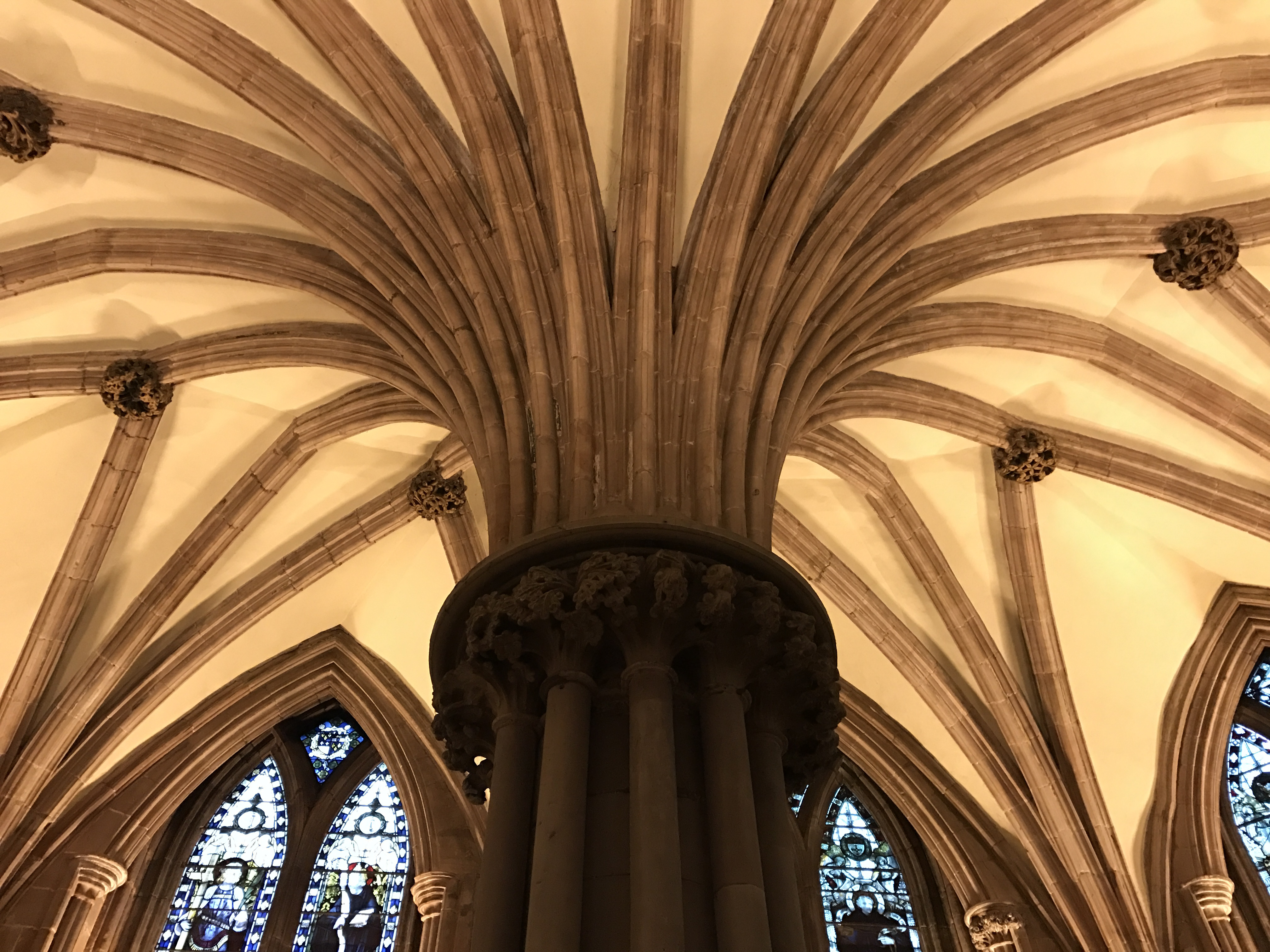
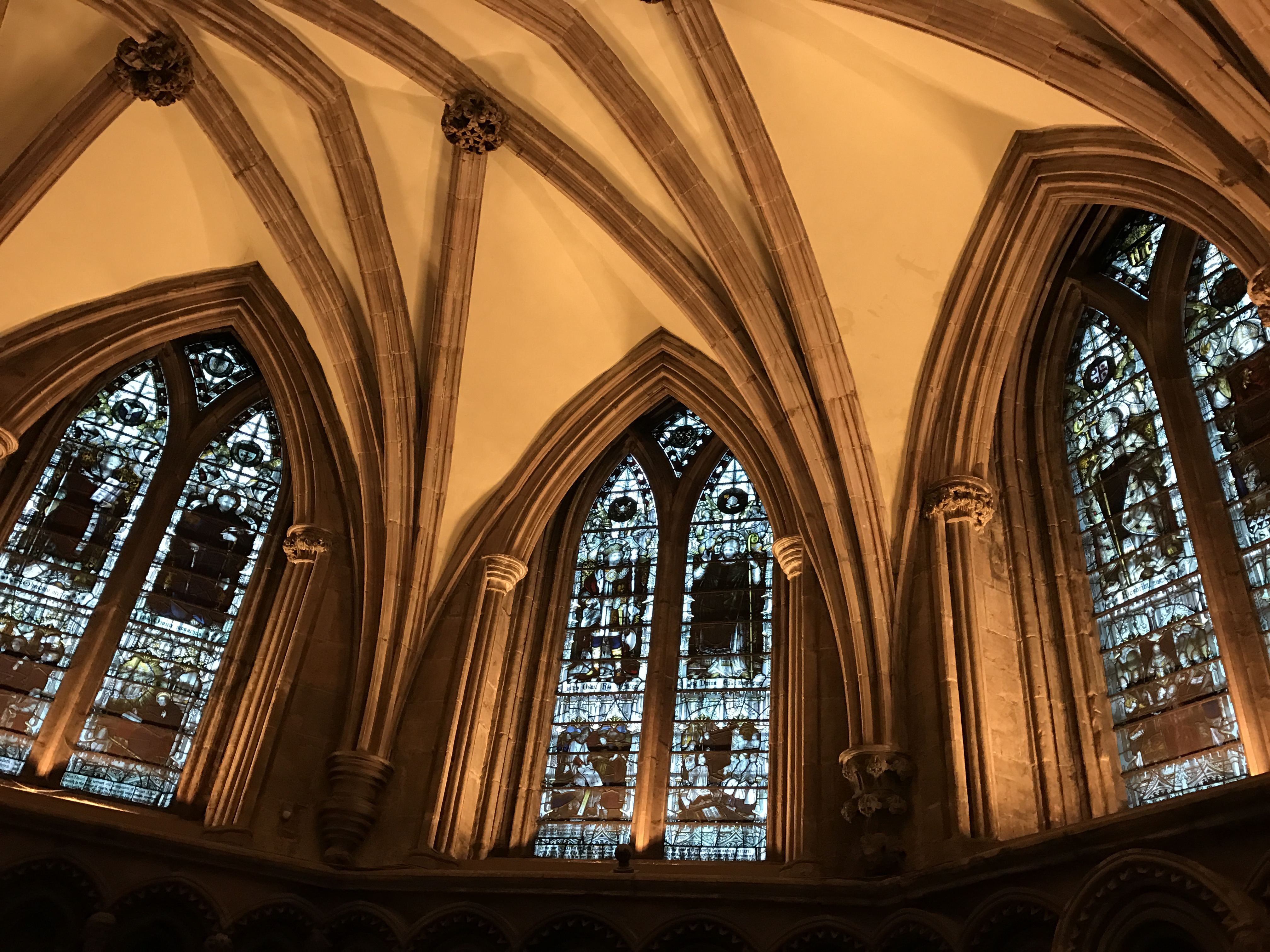
Once inside we were surprised at how dark it seemed and how tall. There was colouful stained glass, beautiful columns and amazingly shaped ceiling structures.

lc-24 lc-29 lc-28 lc-27 lc-25 lc-38

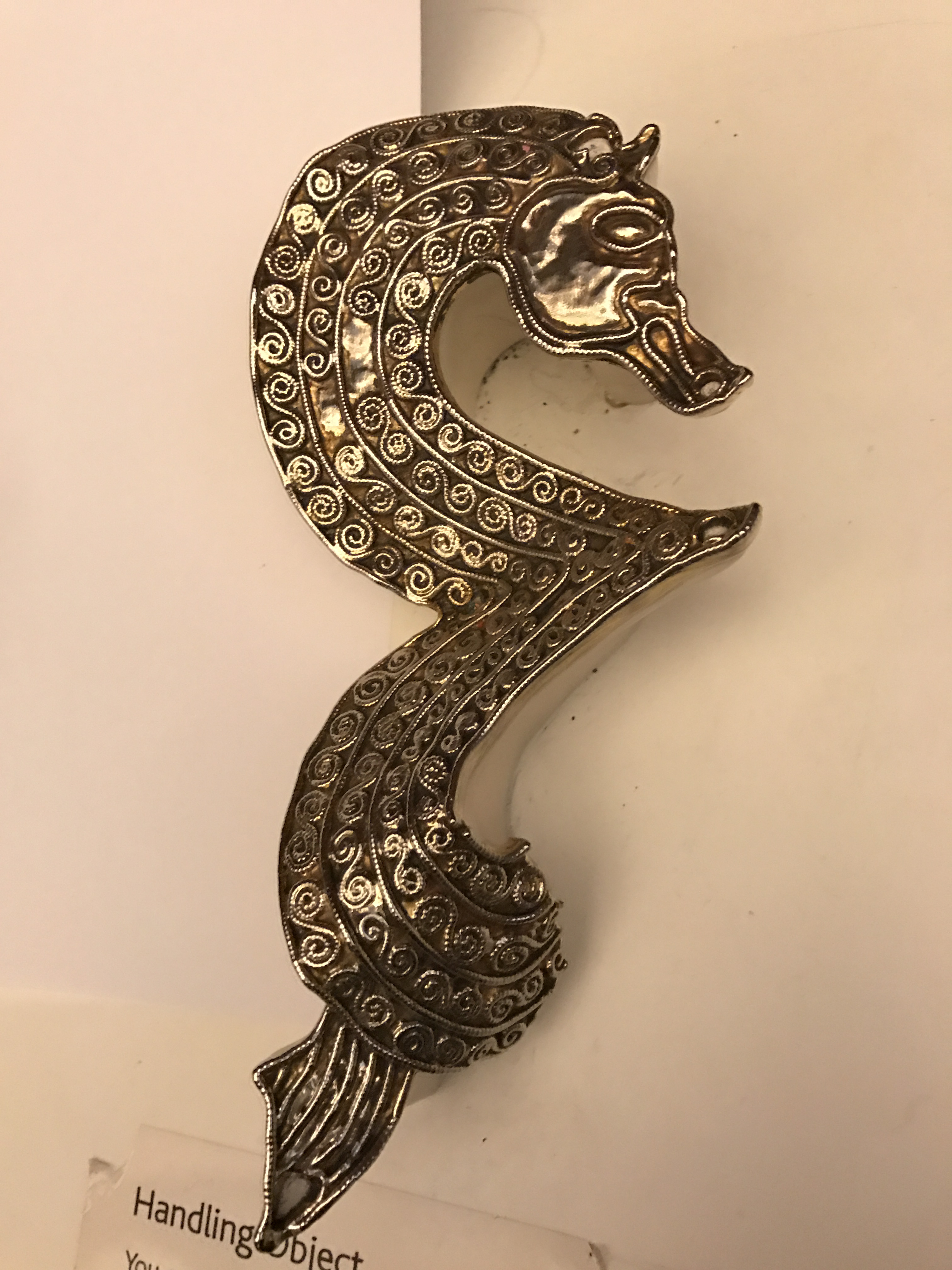
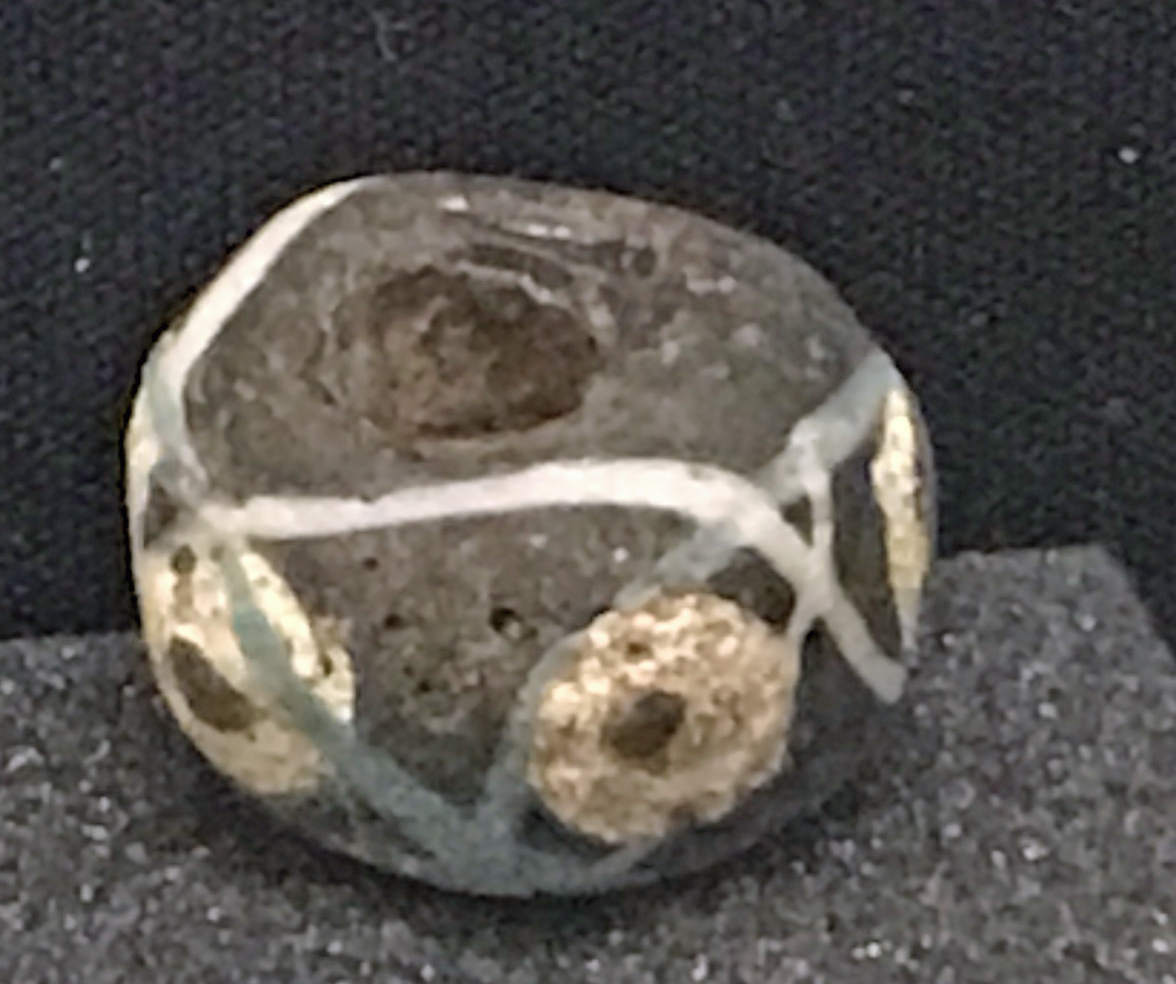
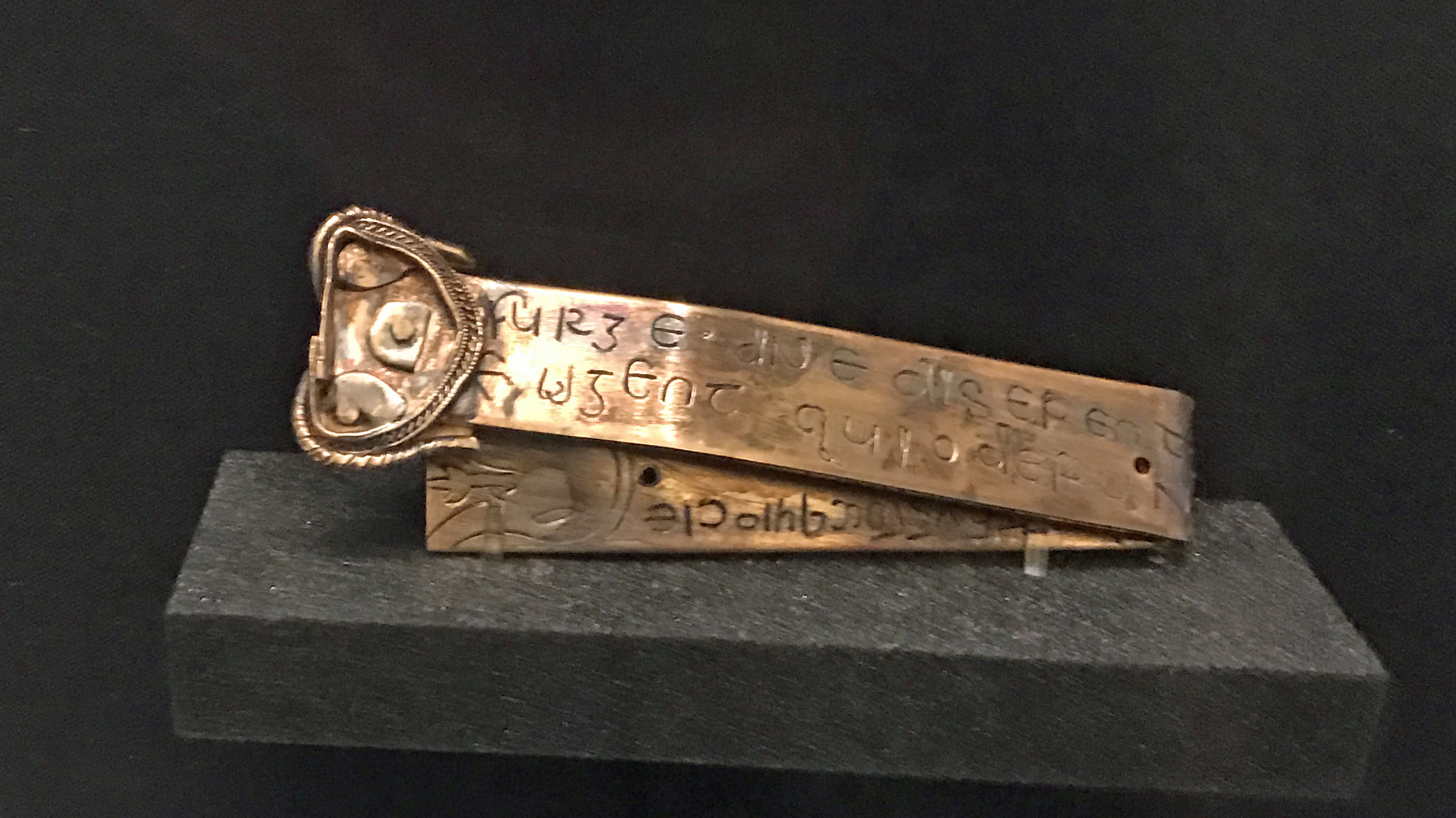
The chancel was impressive because of its high vaulted ceiling and medieval painted walls. We were lucky to visit at a time when there was a display of artifacts from the famous “Staffordshire Hoard”. We were amazed by the beauty of the objects and how tiny but detailed they were.


lc-41 lc-42   lc-45 lc-46 lc-47 lc-43 lc-53lc-44 lc-48 lc-49 lc-51 lc-52 lc-50

There were so many interesting things to see and take photographs of that I have far too many to put in this post so I have created a gallery for you to enjoy. Please click on the first photo and then navigate with the right arrow. We hope you have enjoyed sharing our visit to Lichfield Cathedral.


Categories
architecture buildings gardens open to the public landscapes log piles logs National Trust Shrewsbury Shropshire The National Trust

A Walk in the Park – 3 -The WW2 Walk

In readiness for my new monthly visit blog postings for 2017 we have visited Attingham Park our subject for next year a few times during the late autumn and early winter to walk the paths and introduce them to you.

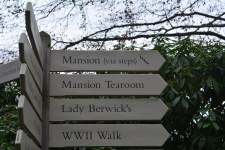
Today it is the turn of the World War II Walk, a walk we had never tried before, so we set off not knowing what to expect.

ww3-1 ww1-4 ww-07-1 ww-03-1

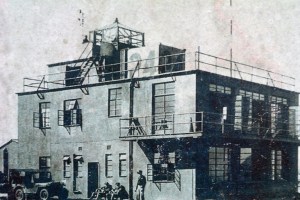
During World War Two Attingham Park was the site of an RAF airfield, which was built over existing smallholdings. It began life as an RAF fighter station but during 1942 it was handed over to the USAAF  when it was used as a training station for American fighter pilots. It closed in the Autumn of 1946. We were not really sure what to expect  so set off full of anticipation.

ww-28-1 ww-30-1  ww-31-1 ww-32-1 ww-44-1

We set off on an overcast chilly day for our walk and the weather was to remain dull for the whole walk.

ww-50

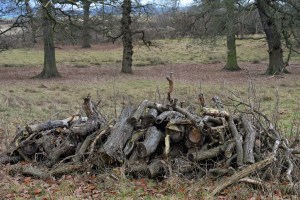
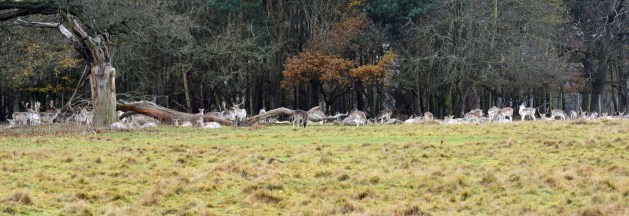
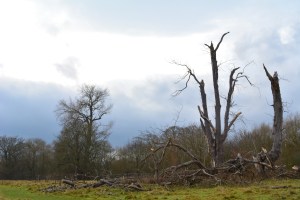
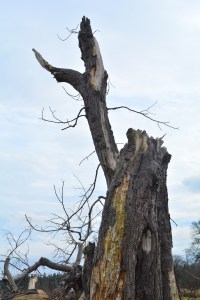
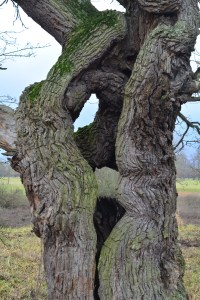
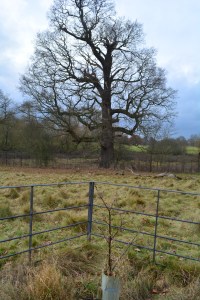
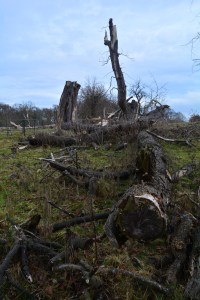
We first crossed the corner of the Deer Park and made our way alongside ancient dying or dead trees. We were pleased to see that plenty of new young trees have been planted to replace them. The old trees were left after they had died to become valuable wildlife haunts from woodpeckers to beetles to myriads of micro-organisms. This is a healthy way to manage woodland and parkland. Fallen wood has been left where it dropped or piled up to create wildlife shelter and food. A local beekeeper has established a good colony of bees with several sorts of colourful hives set alongside the woodland fenceline.

ww-04-1 ww-05-1ww-22-1 ww-21-1ww-08-1 ww-11-1ww-12-1 ww-17-1 ww-14-1ww-10-1 ww-09-1 ww-06-1

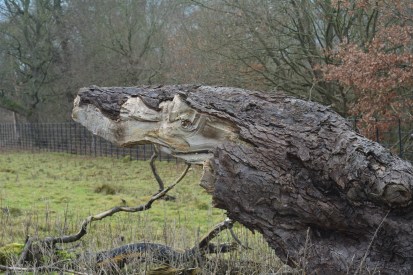
Jude the Undergardener and I are both very imaginative and love looking for shapes in clouds, flames and here within the shapes of fallen rotting wood. The tree trunk in the photo below reminded us of a Komodo Dragon!

ww-16-1

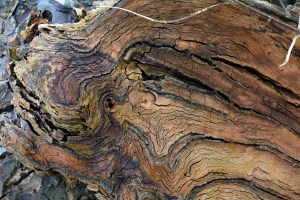
We love the textures in rotting tree wood – the patterns, lines and colours creating works of art.

ww-20-1 ww-19-1

We wandered along a woodland path beneath dark tall conifers, the path soft beneath our feet made from chipped bark and topped with a layer of pine needles.

ww-29-1 ww-23-1ww-27-1 ww-25-1 ww-26-1

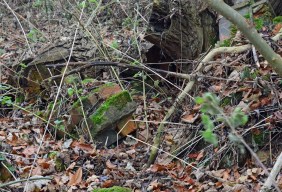
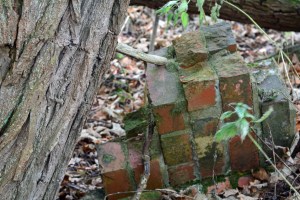
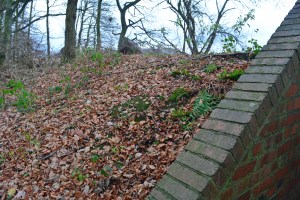
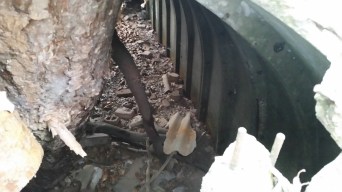
Site Number 10 is where we found the evidence of the Atcham Airfield, ruins of barrack huts, officers’ quarters and latrines. To begin with an odd brick or two then signs of an old wall and then even the ruins of a building.

ww-33-1 ww-34-1ww-48 ww-45-1ww-35-1 ww-36-1ww-43-1 ww-39-1ww-47-1ww-40-1 ww-38-1ww-37-1 ww-41-1 ww-46-1 ww-57ww-49 ww12-1

After experiencing the discovery of the ruins of the airfield complex, we left the artifacts behind us and made our way back through the deer park towards the hall.

ww-56 ww-24-1ww-53 ww-51

We will no doubt re-visit this walk and its WW2 ruins during our monthly visits in 2017.


Categories
architecture buildings community gardening the sea the seaside the shore the South

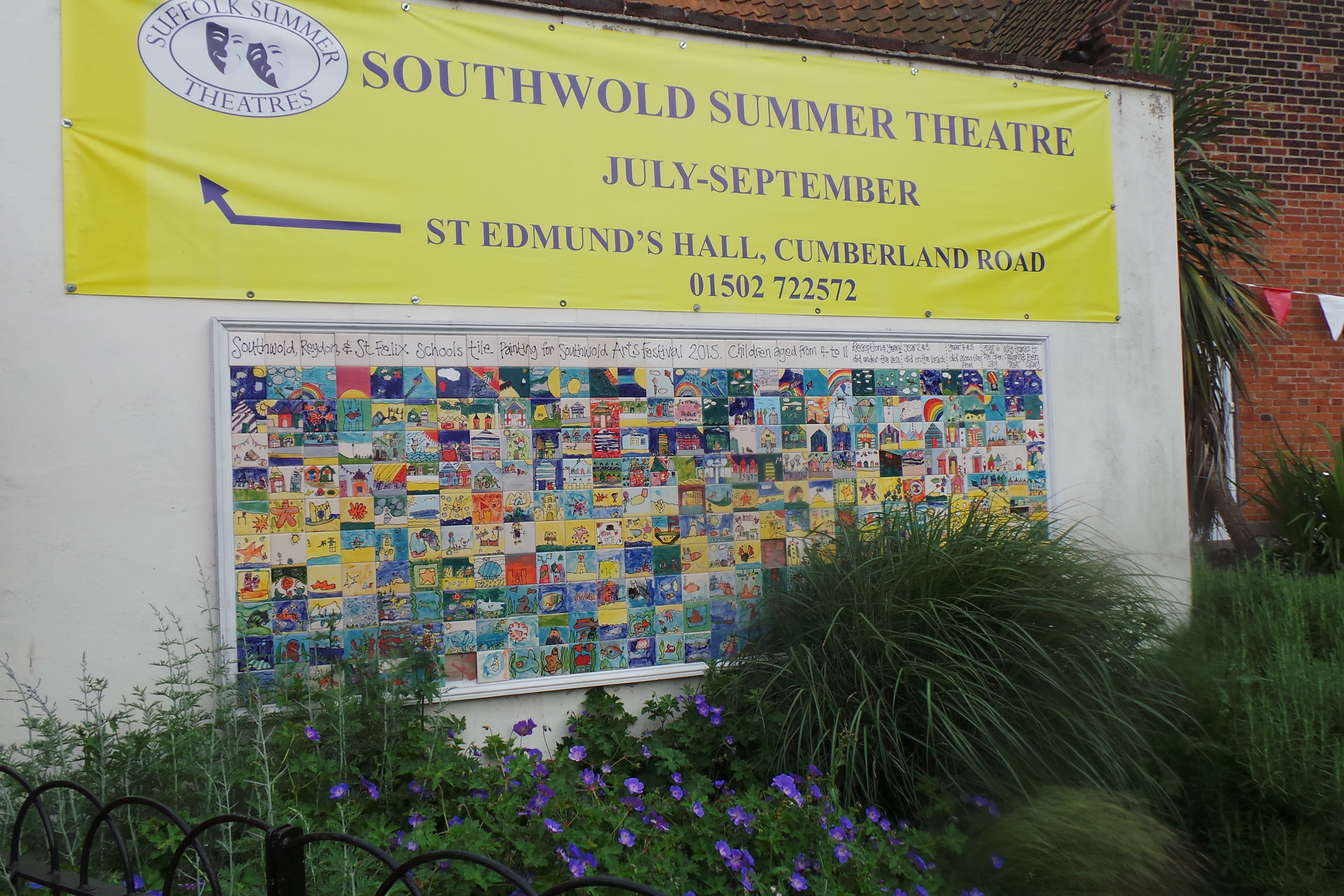
Southwold – a seaside town with added flair!

Southwold has been recommended to us as a seaside place worth a visit a few times so when we found ourselves just 20 or so miles away we simply had to go and see what made Southwold so special.

sw-04 sw-07

We parked the car right in front of the pier as a suitable parking space presented itself and on opening the doors we were greeted by the sound of the song “The Good Ship Lollipop” being broadcast rather too loudly! This was to be the first of several surprises to come!

sw-18 sw-08sw-19 sw-20

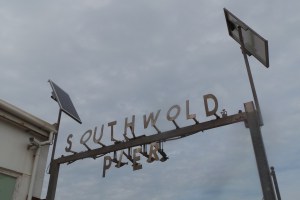
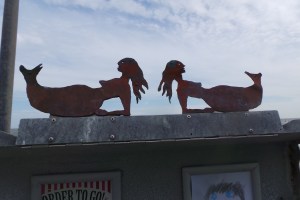
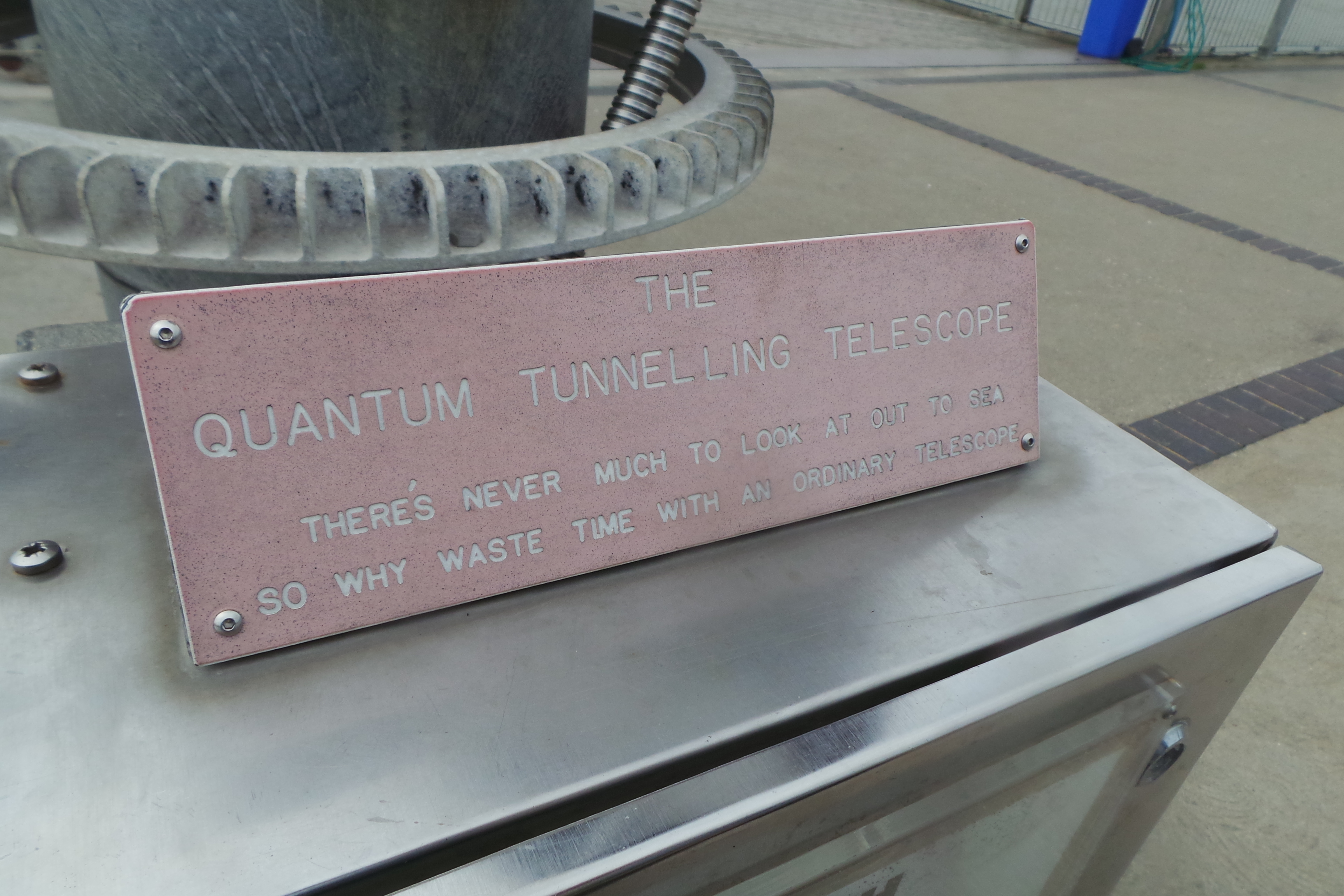
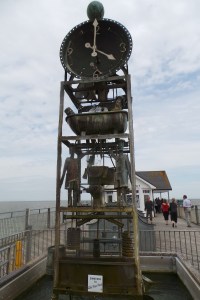
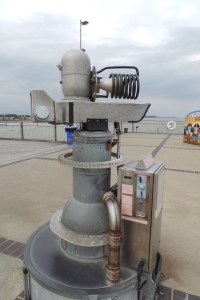
The pier was full of such surprises none more impressive than the metalwork pieces along its length beginning appropriately with the gateway. To follow were seat arms of metal eels, two rather “Heath Robinsonesque” creations, a clock and a telescope.

sw-17 sw-06sw-11 sw-15sw-10 sw-14sw-09 sw-13

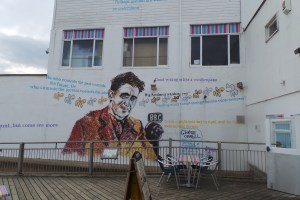
On the back wall of the main entrance building this huge mural is a tribute to writer George Orwell to whom Southwold was home during various periods of his life. Liz Ewing describes Southwold as “…… a place he returned to time and time again,to study, to work, to write, to paint, to fall in love and to convalesce”.

sw-05 sw-16

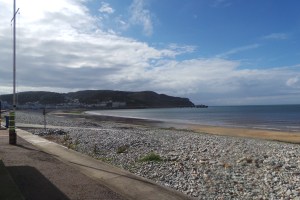
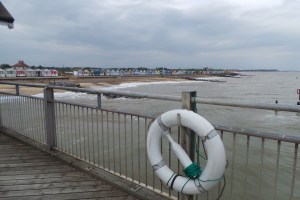
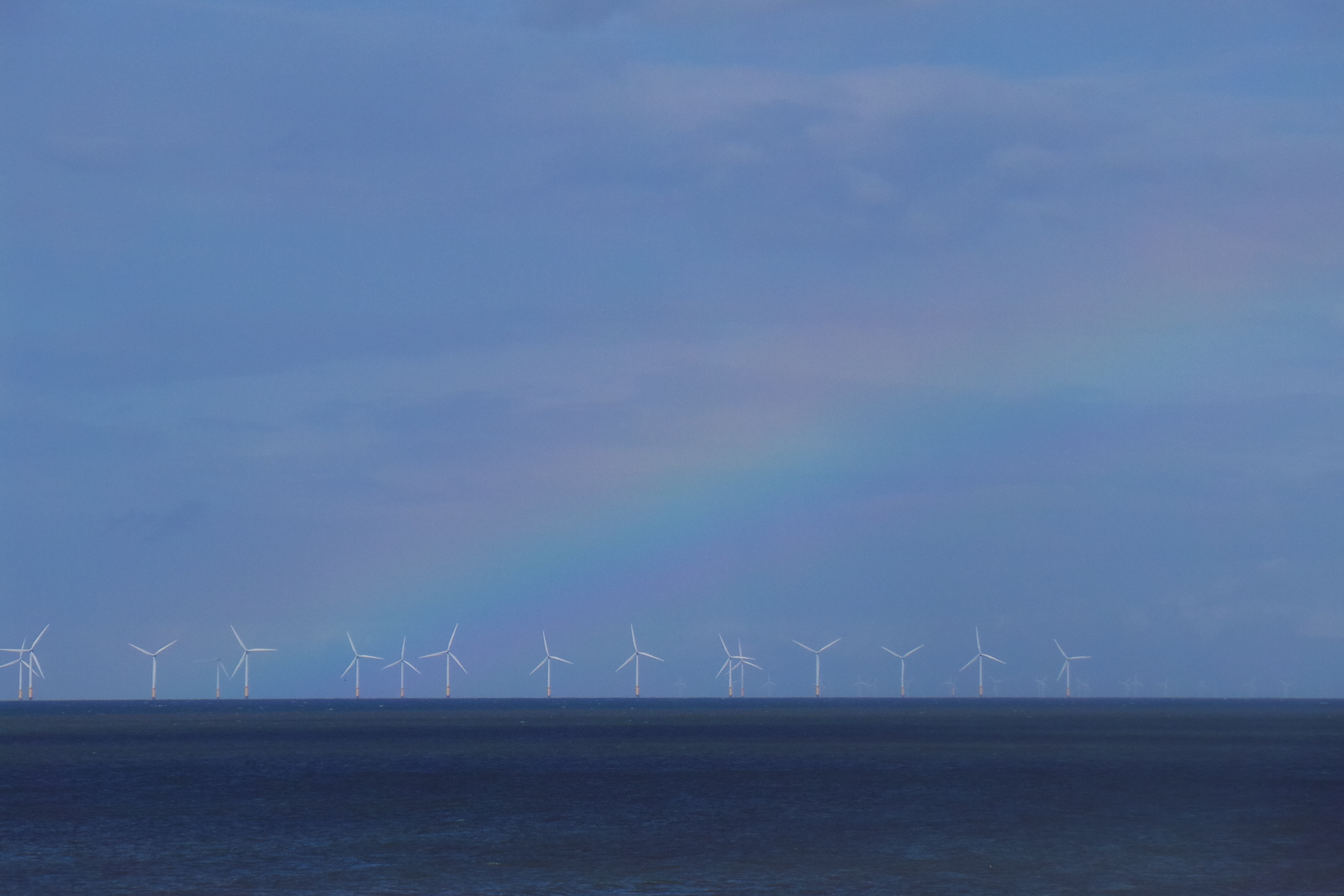
Walking the promenade afforded wide sweeping views of long sandy beaches and looking out to sea the rather beautiful sculptural village of wind turbines.

sw-01 sw-02

From the end of the pier we spotted another favourite seaside feature, a row of beach huts, for which Southwold is famous, but this is the subject of another post all about the seaside at Southwold (published 22\11\2016) . Here are a couple to whet your appetite!

sw-12sw-28 sw-25

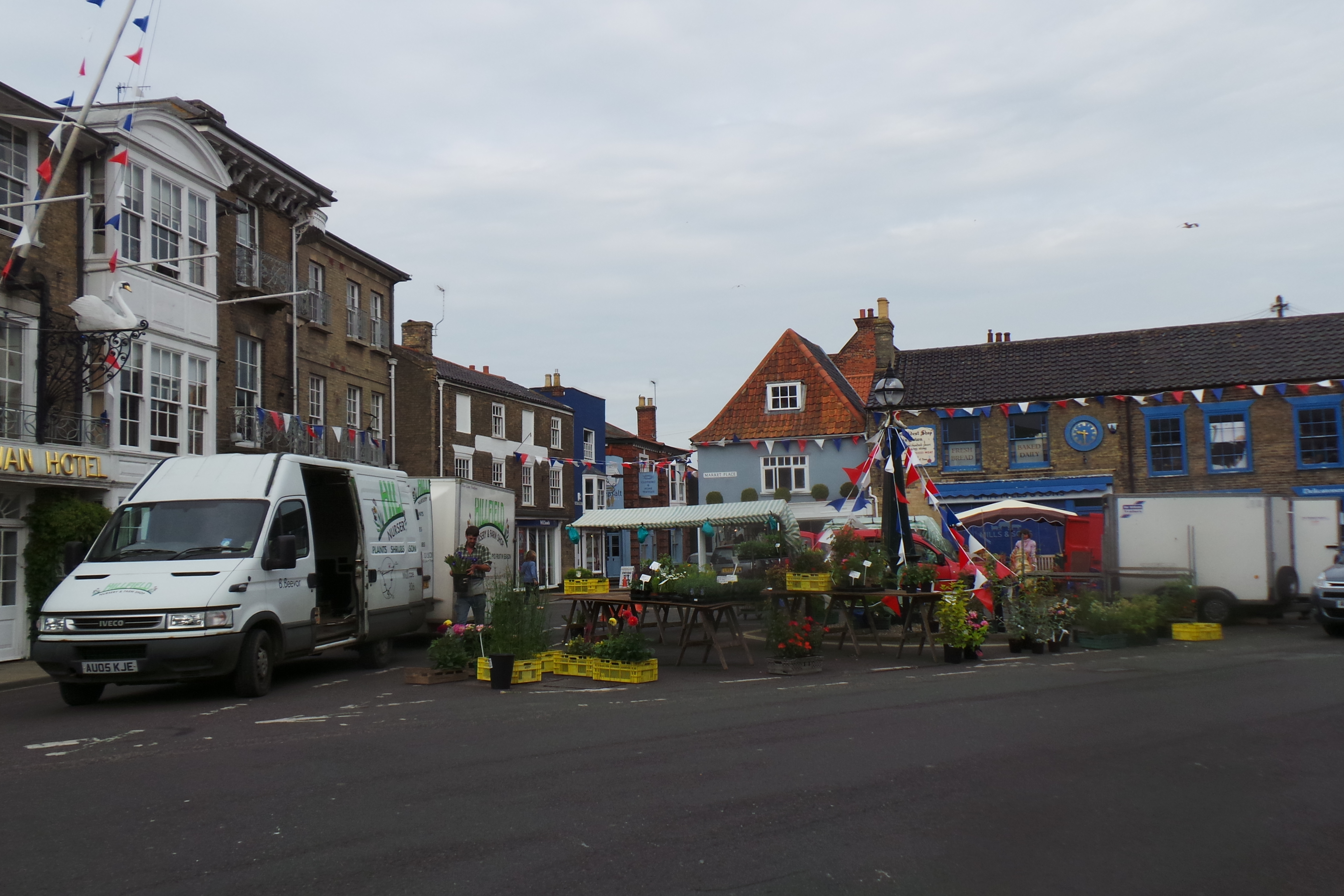
Back to search for other aspects of this interesting little seaside town that is Southwold, we wandered very slowly away from the pier towards the old town itself.

sw-56 sw-52

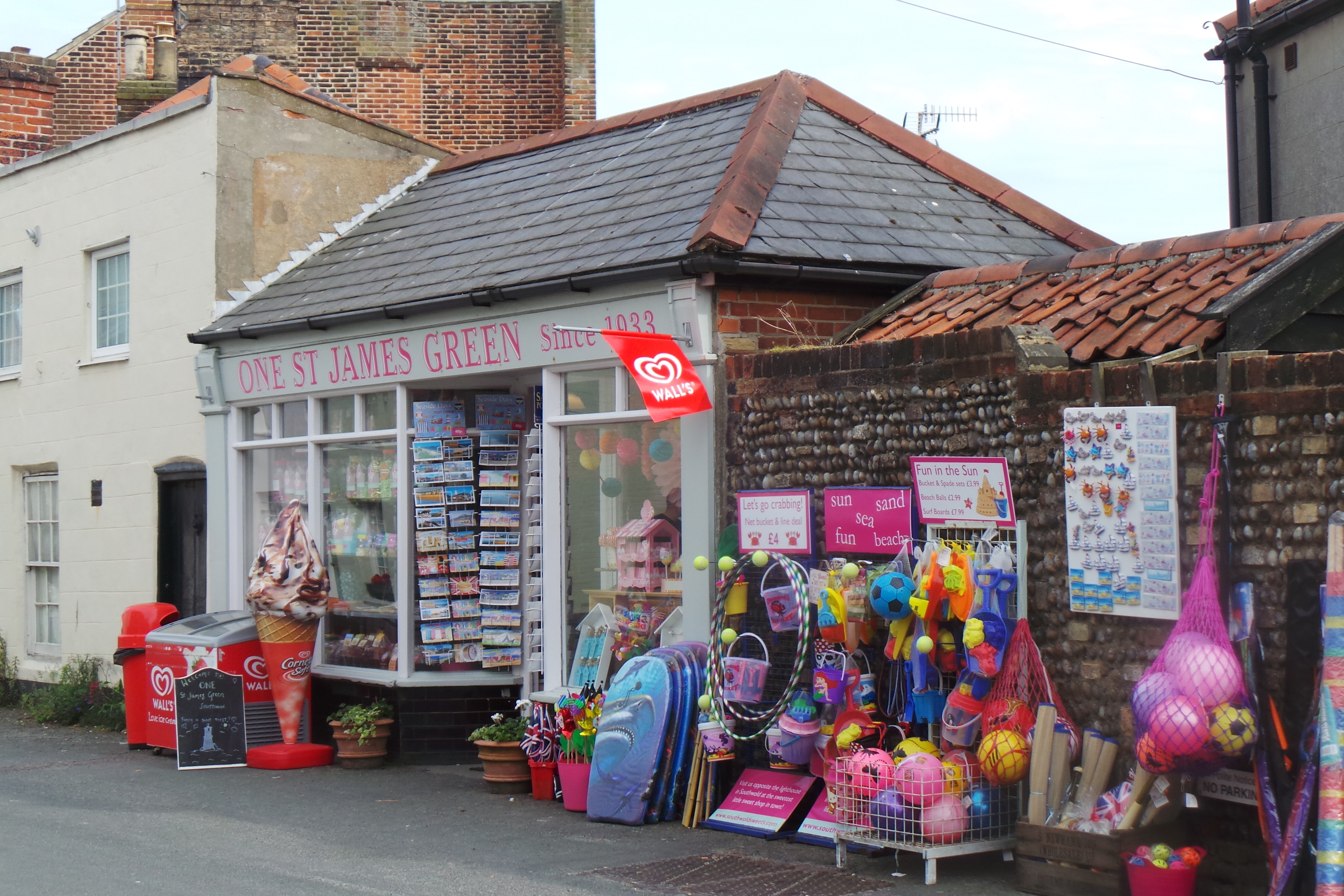
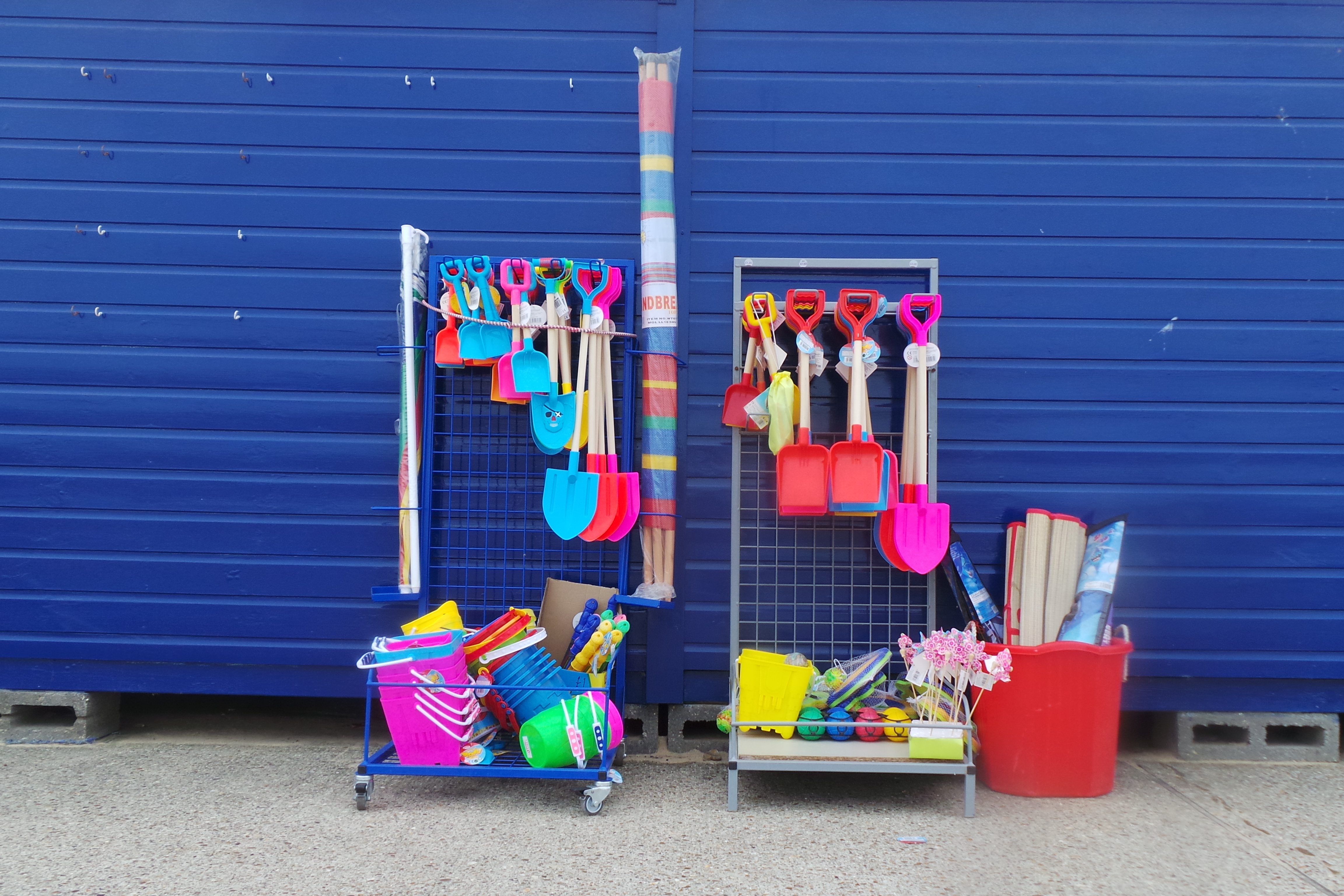
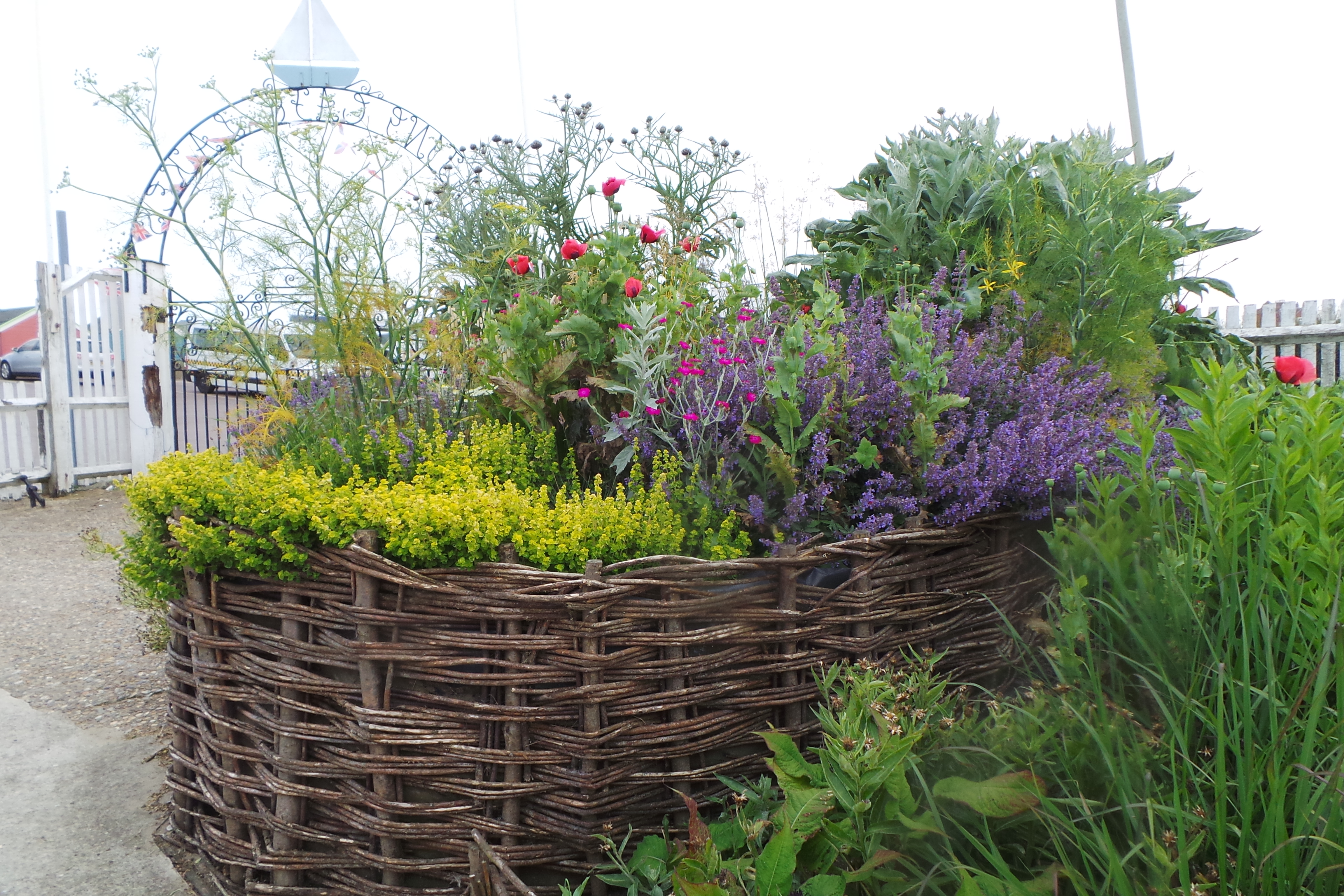
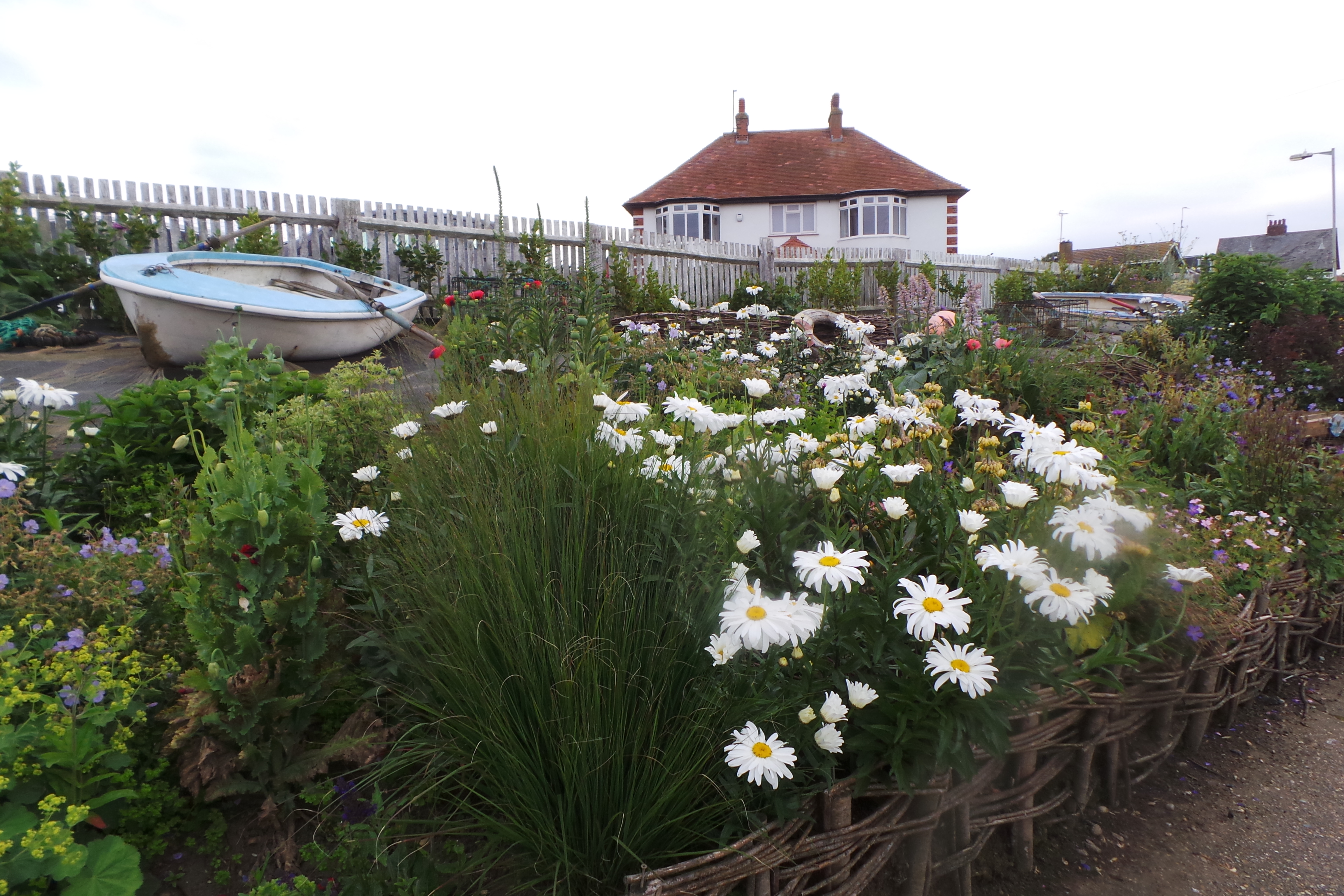
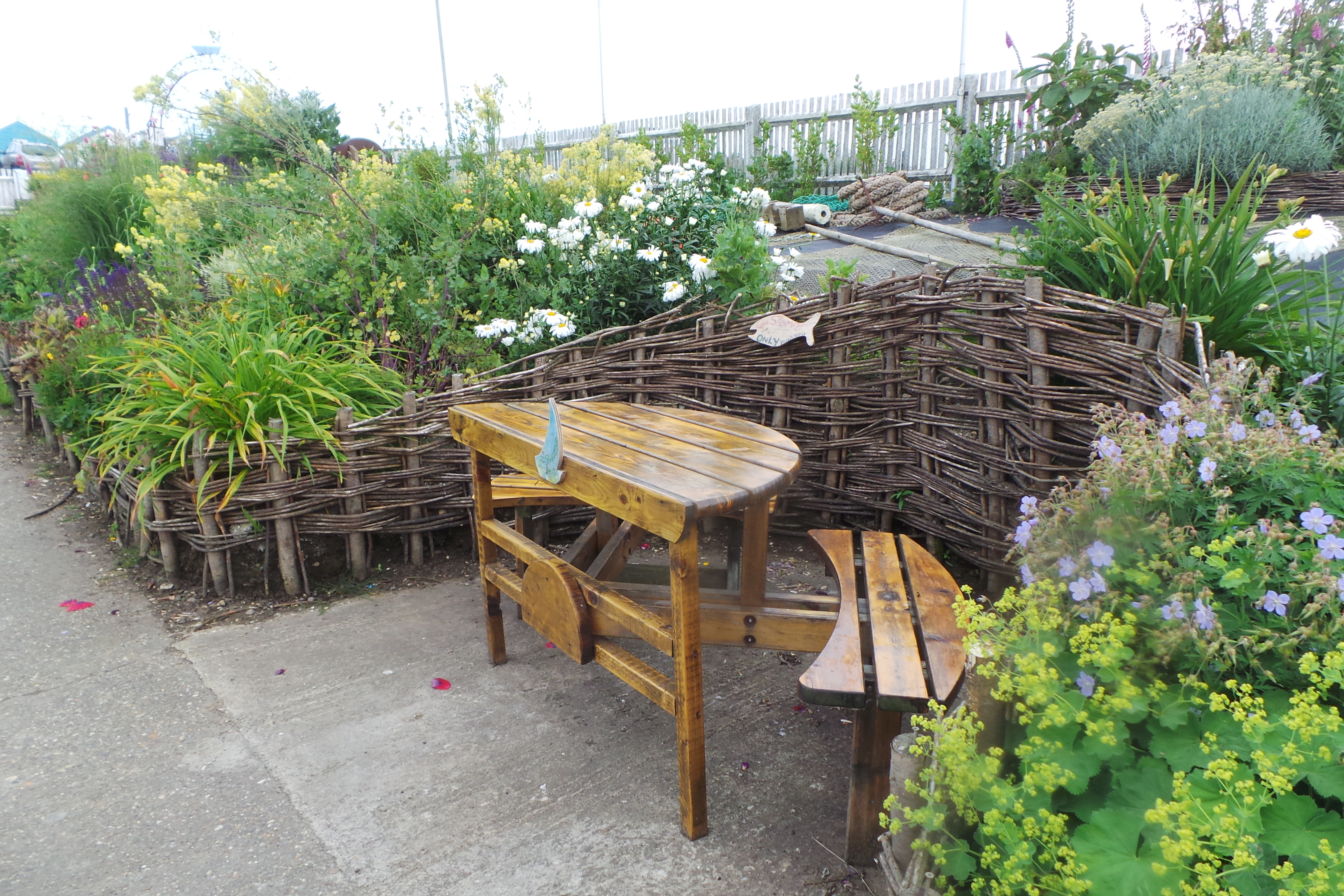
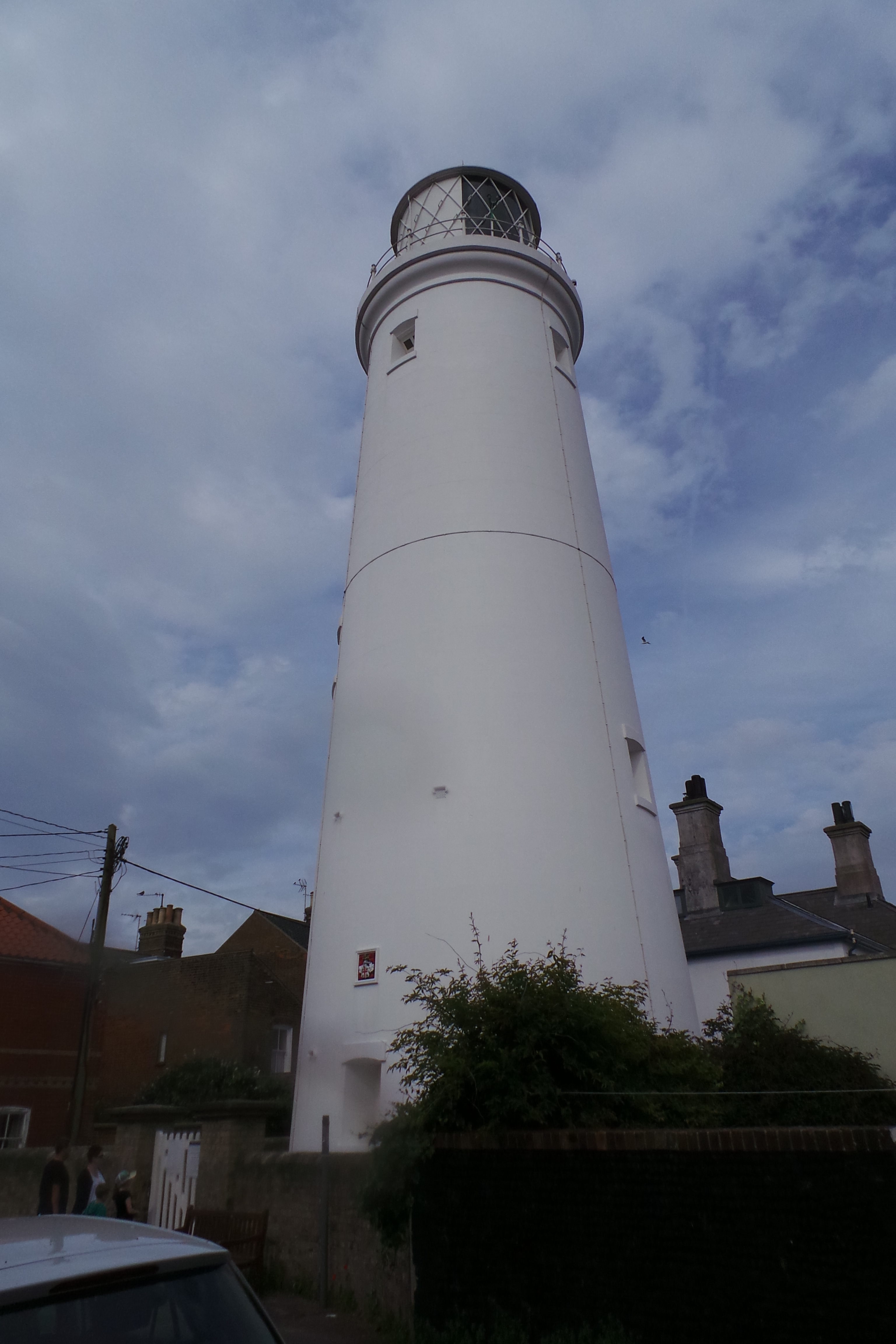
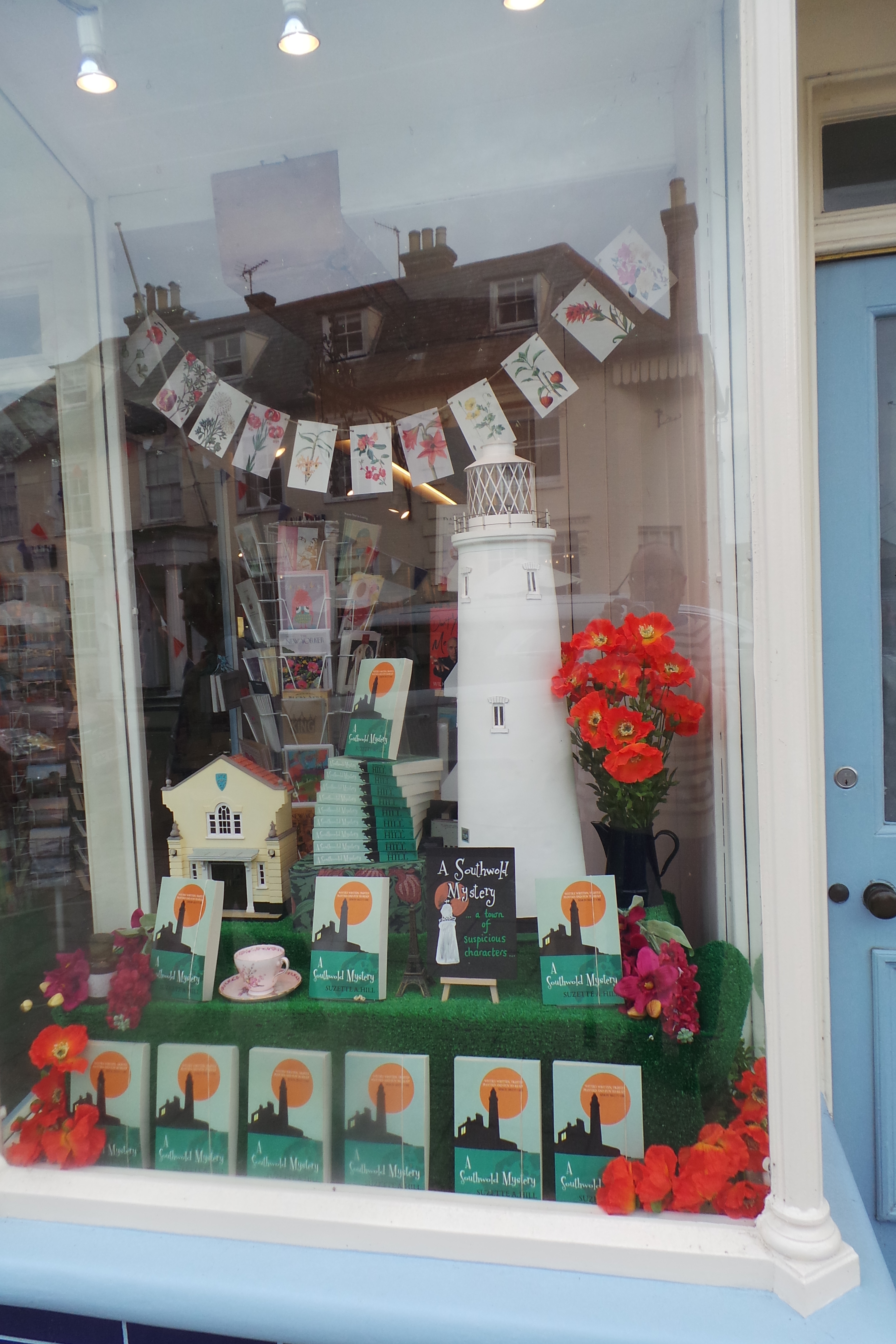
Leaving the bright plastic of beach toys behind us we discovered these interesting little garden cameos with nautical hints, and also an inland lighthouse of all things. This strange and extremely tall building was hundreds of yards from the sea itself and hidden in the back gardens of the village cottages. Strange! You will spot it snuggled into the town centre in one of my pics below.

sw-48 sw-49 sw-50 sw-54

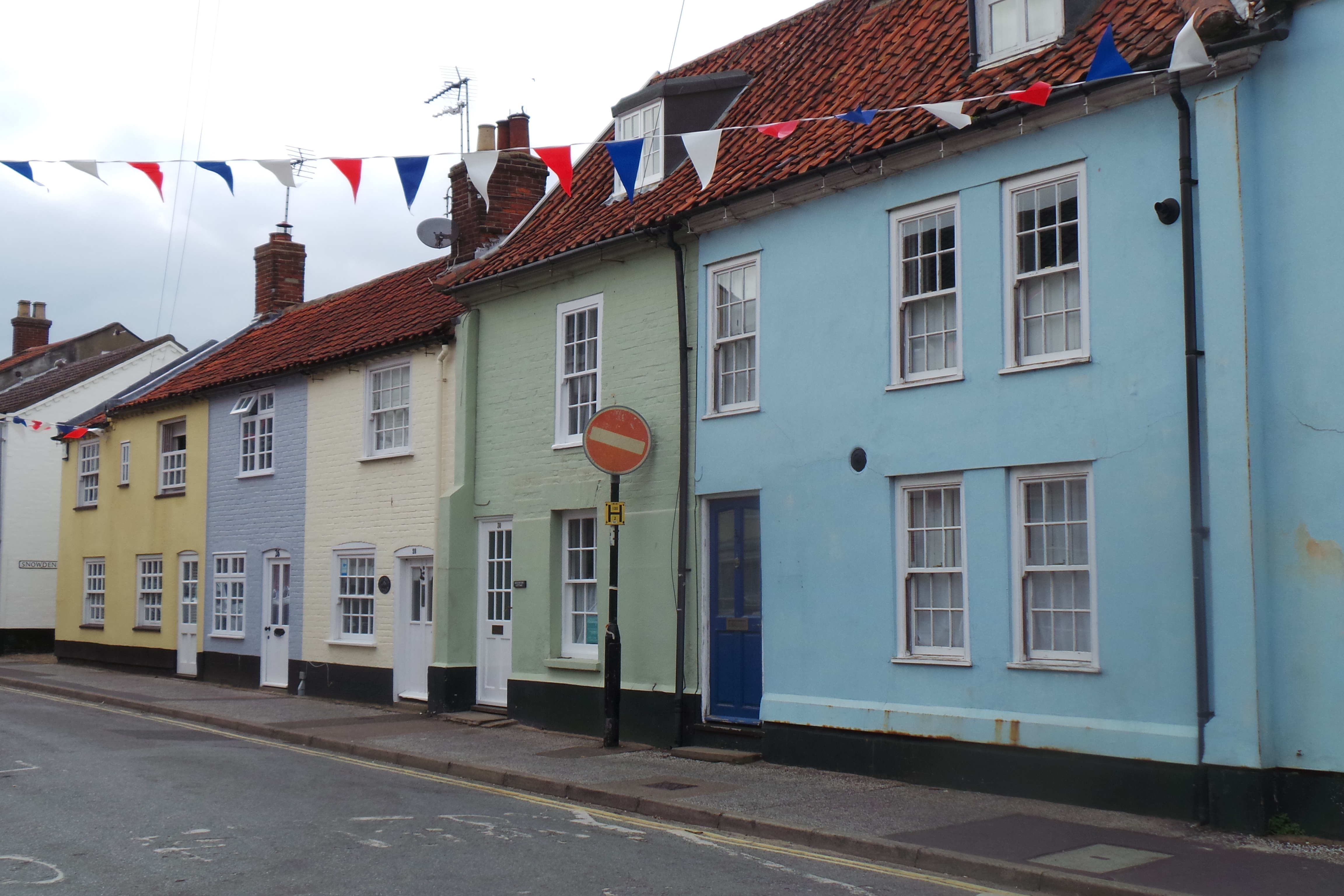
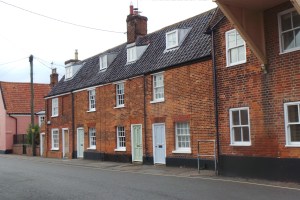
After being surprised by the beauty of the pier and the beach huts were then delighted to find an equally beautiful little town.

sw-70 sw-69 sw-68 sw-71

It appears that at one time in the past Southwold was a busy productive little settlement with its own brewery, distillery and cottage industries. Today the brewery remains integrated into the village with its premises nestled among the shops and cottages.

sw-61 sw-60sw-57 sw-59sw-64 sw-66sw-67 sw-65

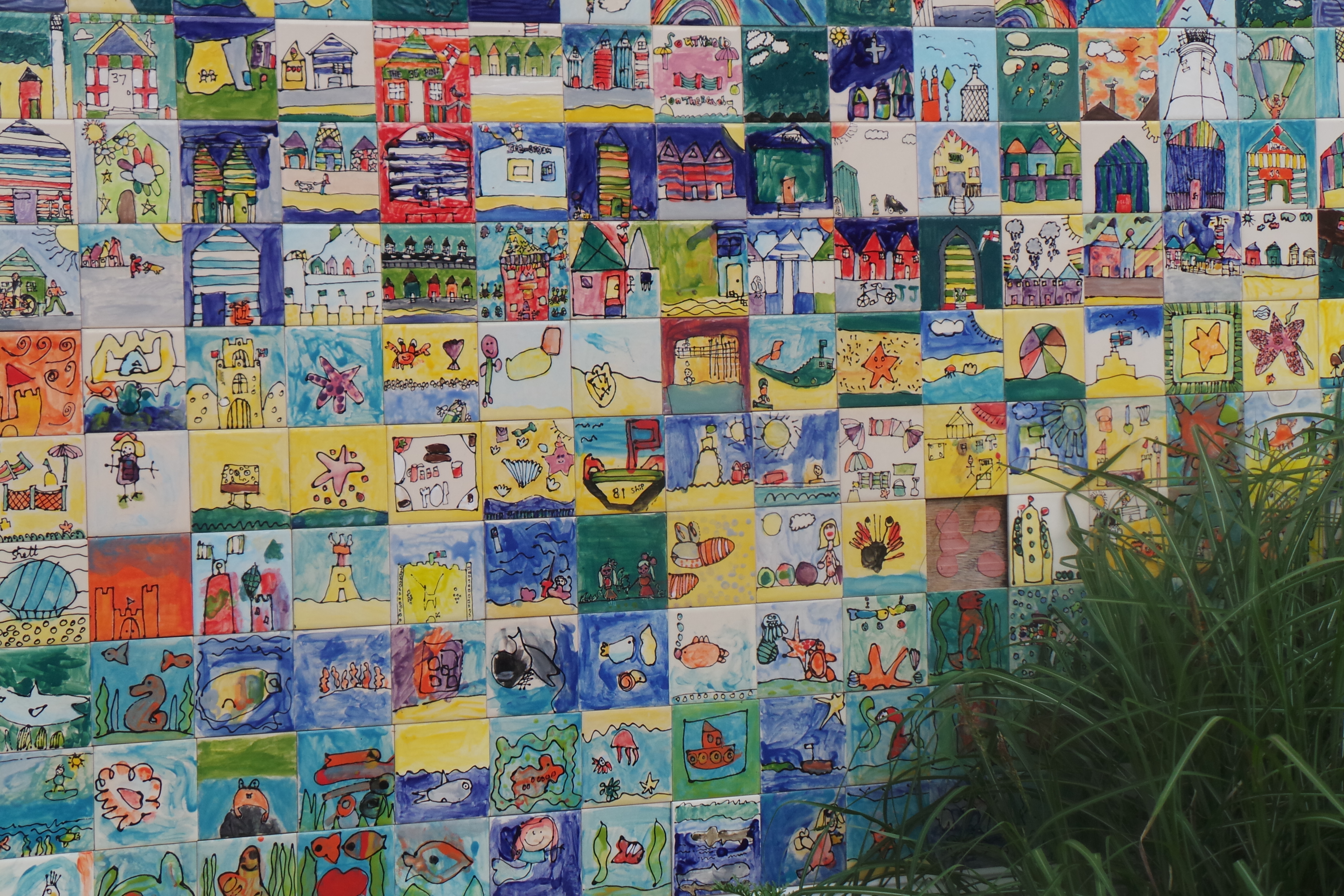
There was obvious pride in this lovely little place with community spirit riding high and a very warm welcome for its visitors.

sw-63 sw-62

We left the inland secrets of Southwold behind and ambled back along the promenade looking out over the beach and the sea itself, a perfect end to a day of finding a new favourite place. A great discovery!
sw-45 sw-44


Categories
architecture buildings colours

Southwold – Beach Hut Special

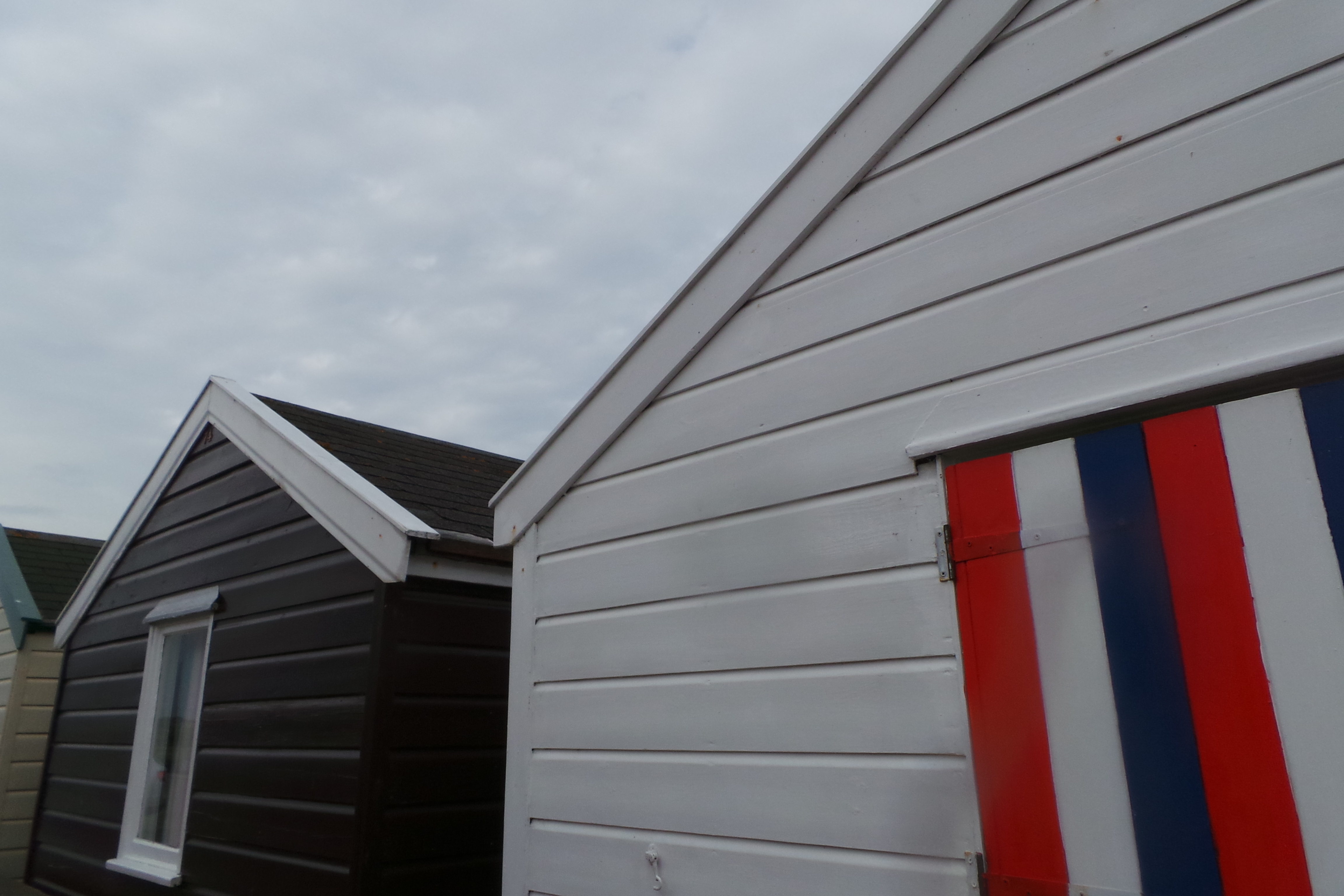
In this blog I will celebrate to the unique beauty and eccentric natures of the great British beach hut. Southwold situated on the Suffolk coast overlooking the North Sea is rightly famous for its huts, having a style of hut named after it and having a couple of rows adding up to a few hundred brightly coloured little “homes-from-homes”.

sw-28 sw-46sw-36 sw-53

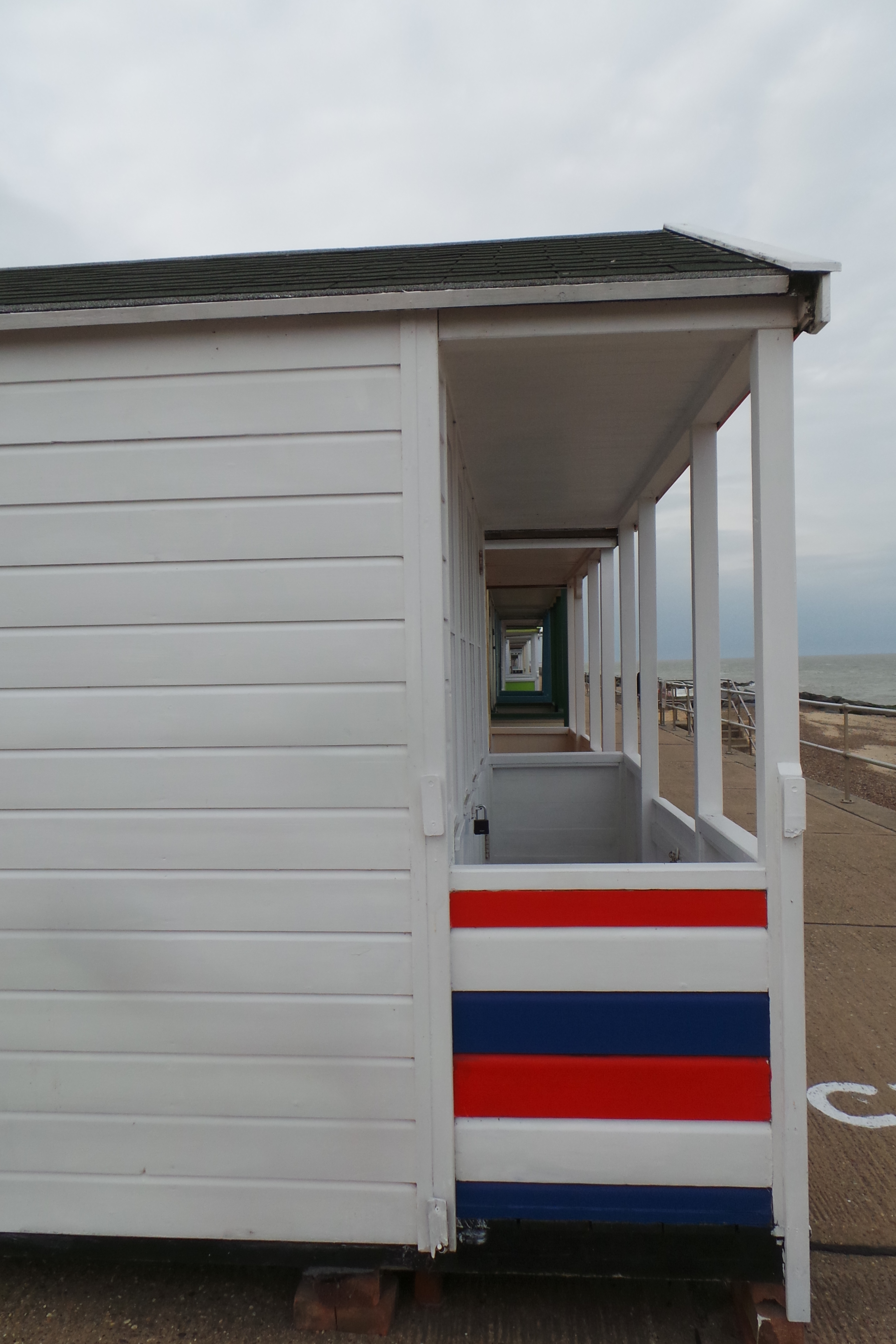
The Southwold style of beach huts has a tiny veranda with wooden balustrading along their frontage. some owners now enclose the balustrade with wooden panels too.
sw-27 sw-39

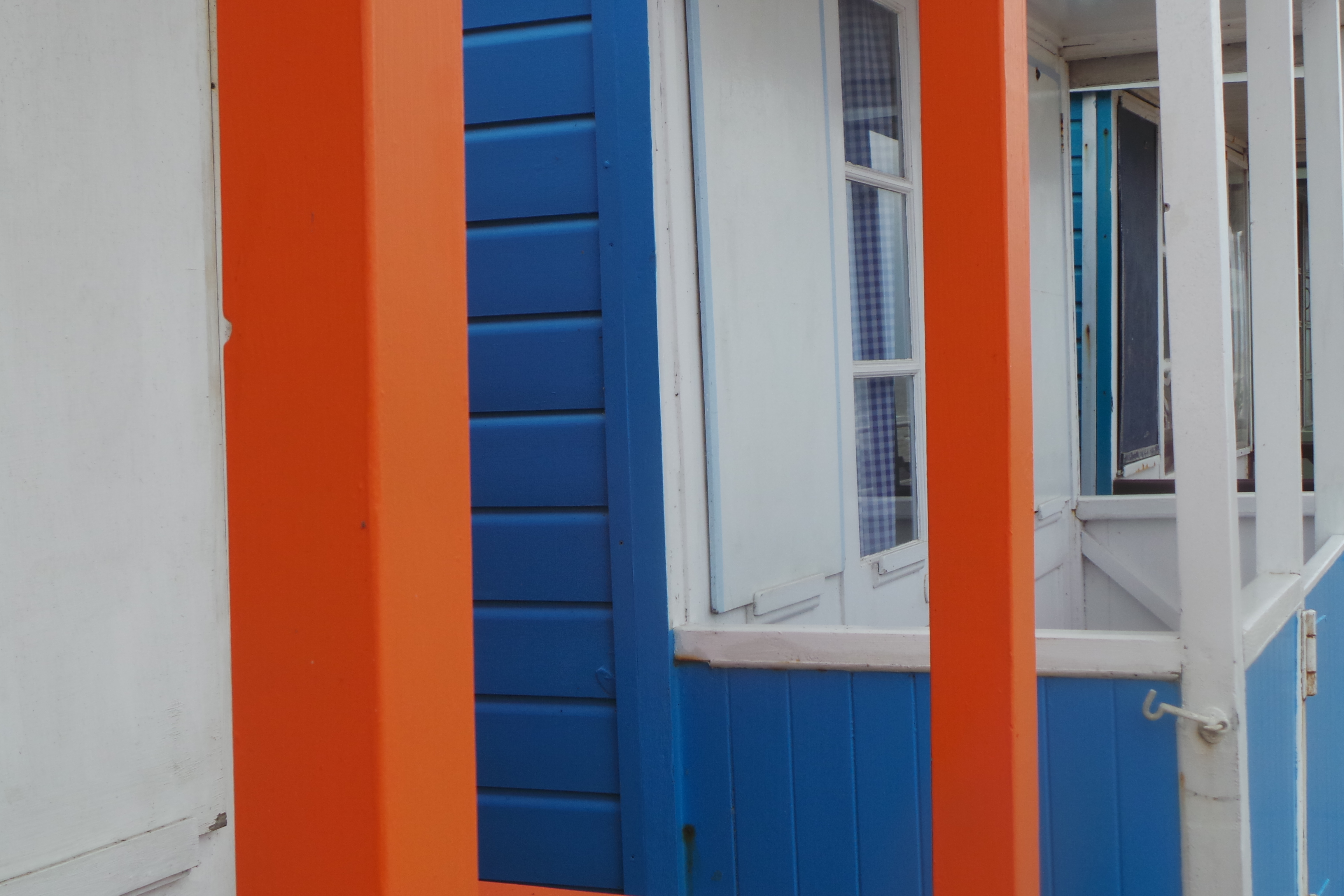
Let us now enjoy the colours, patterns and quirkiness of the Southwold beach huts and spot the owners’ characters as we go along!

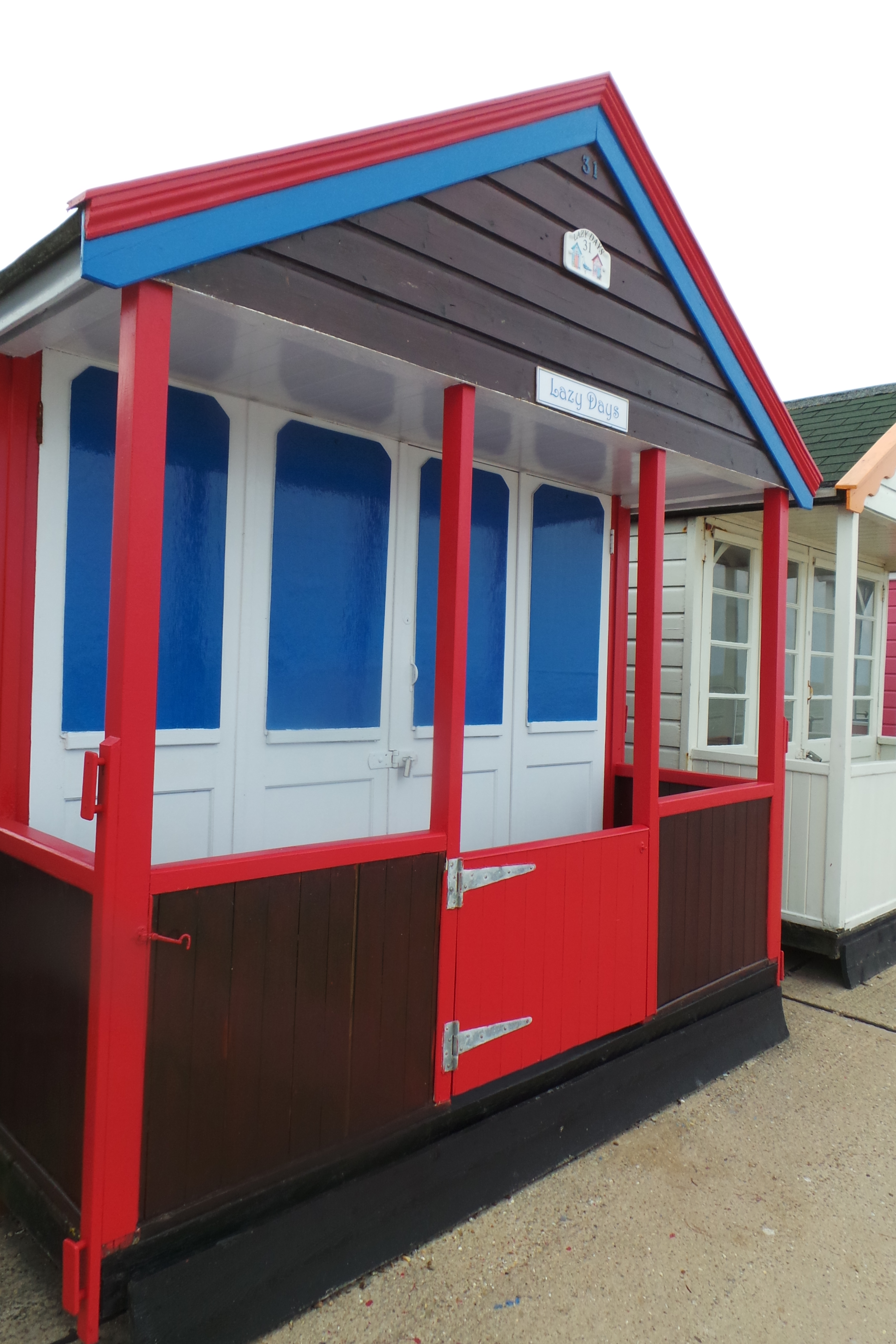
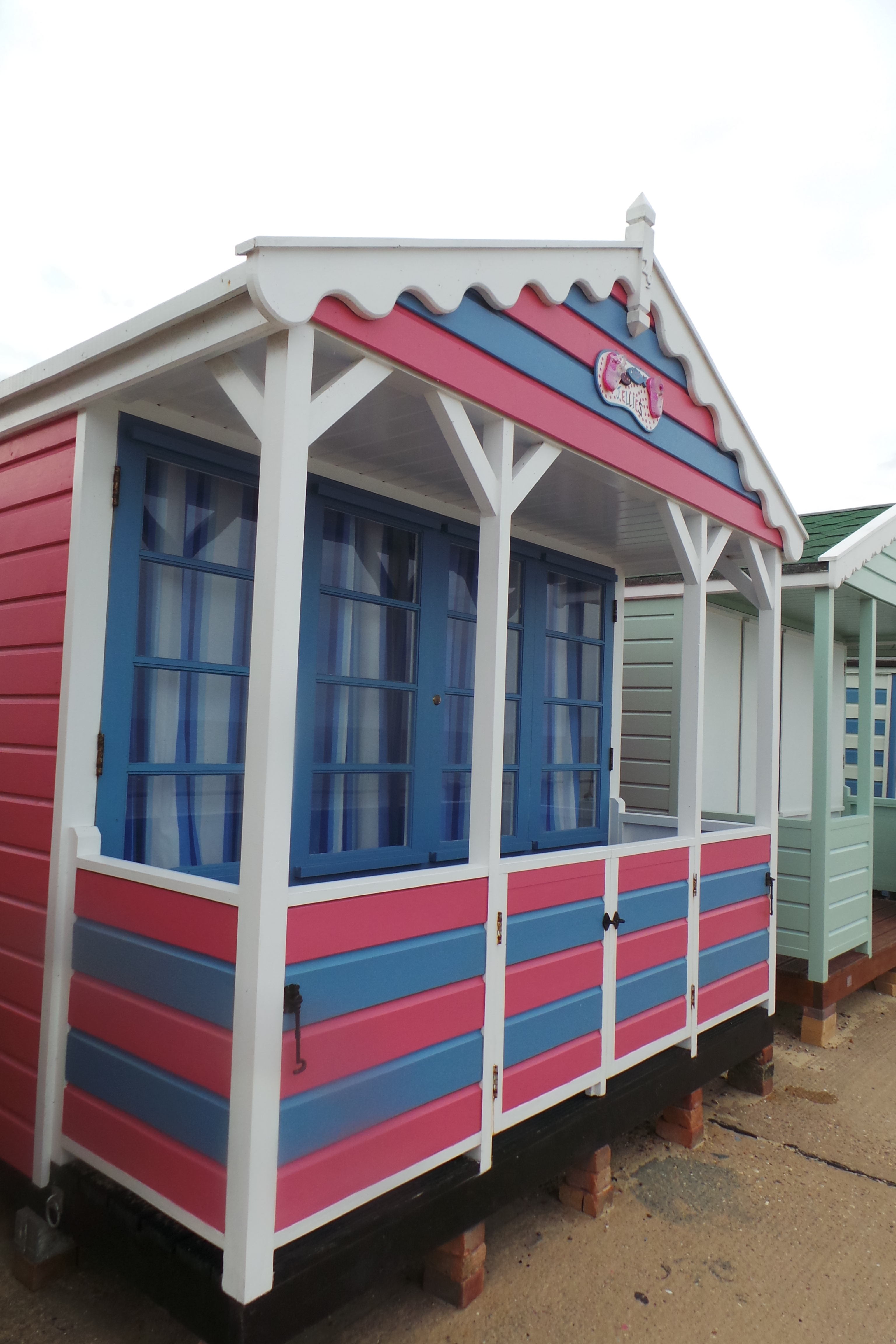
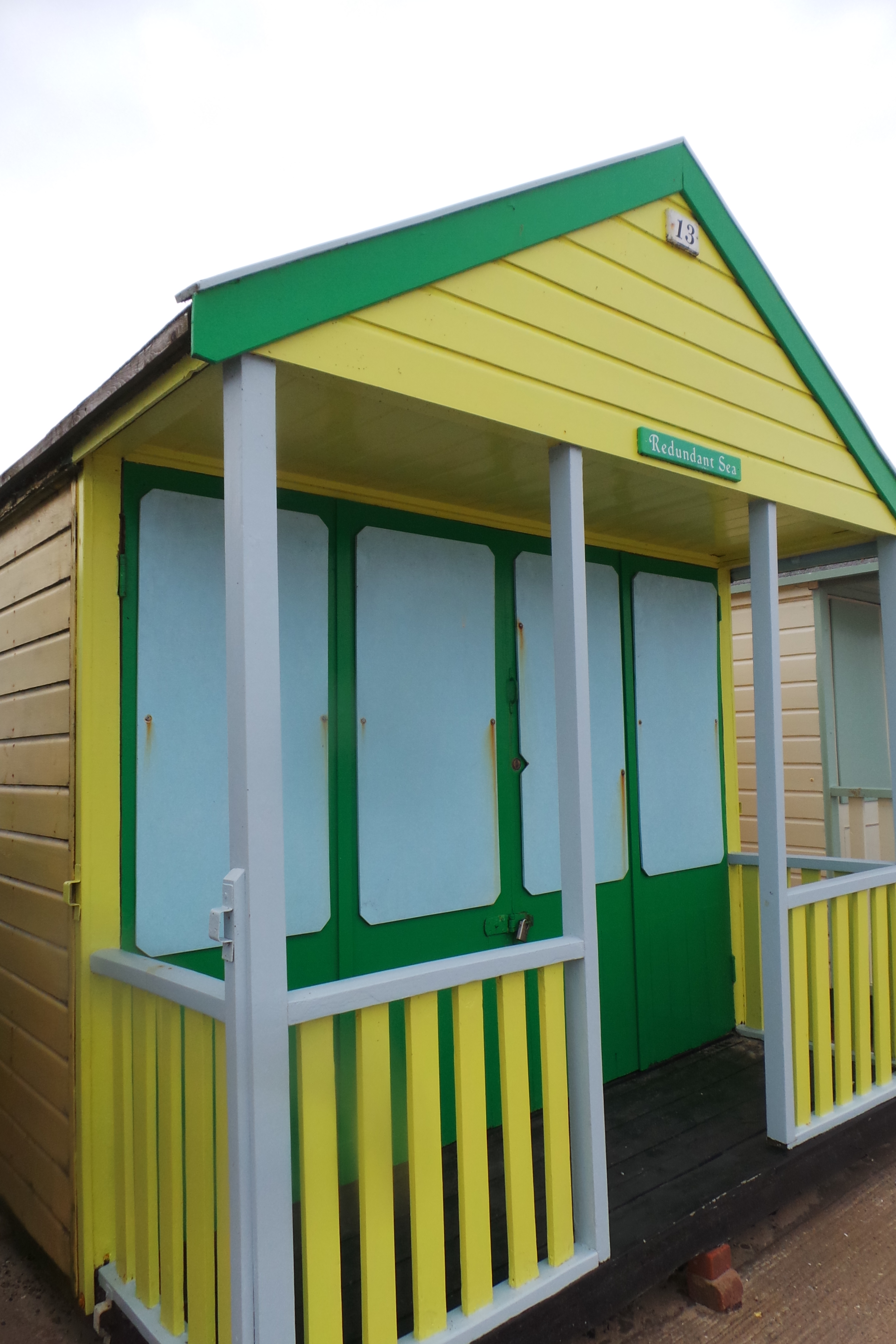
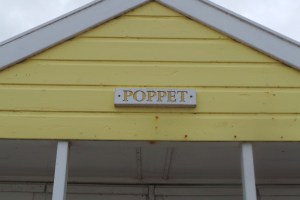
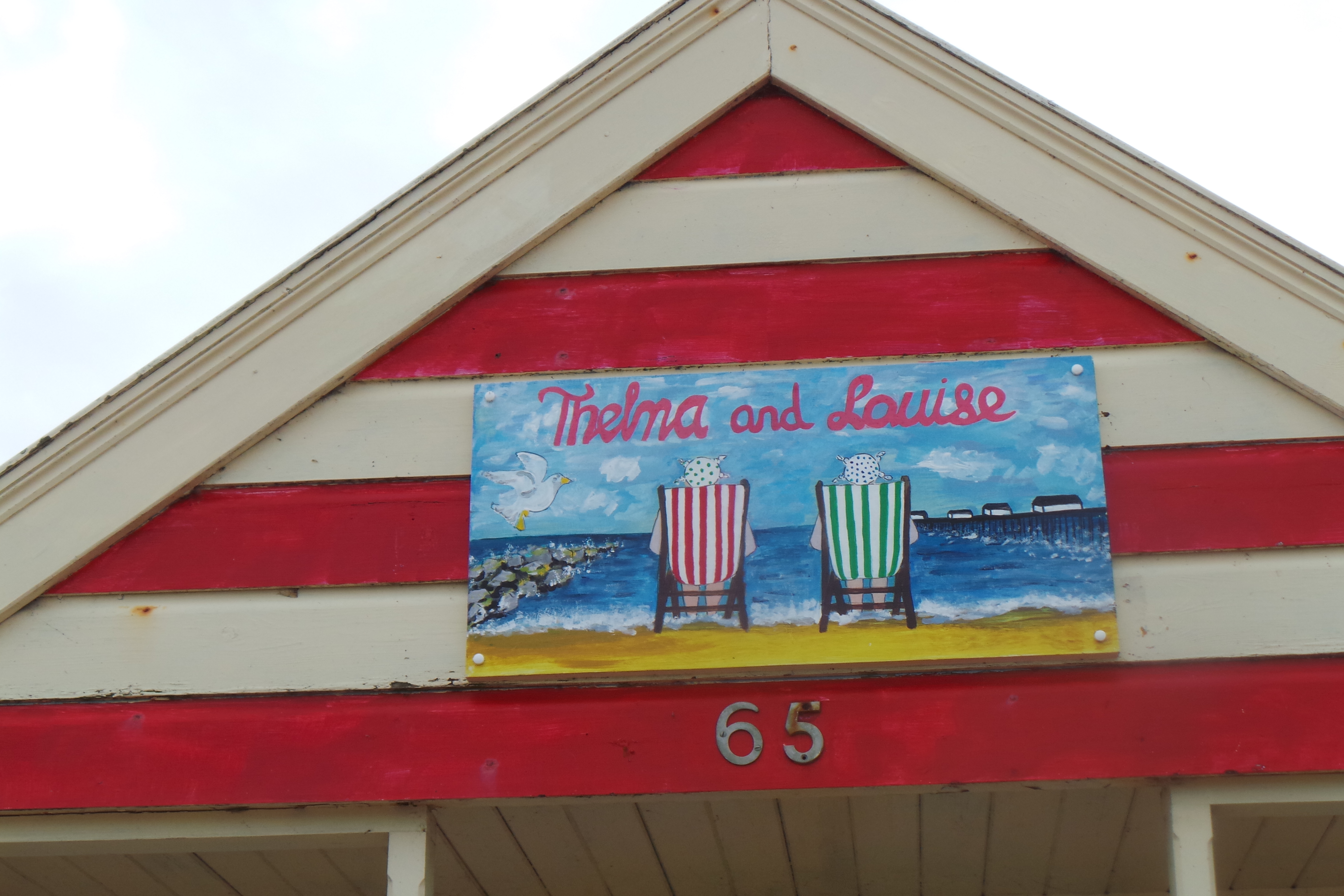
sw-34 sw-33 sw-35 sw-40sw-37 sw-38 sw-42sw-41 sw-32sw-51 sw-31 sw-30 sw-25 sw-26   sw-29 sw-24 sw-22 sw-21sw-23 

Categories
architecture buildings Church architecture Herefordshire

Some Little Churches of Herefordshire – Part 3

The third church in our series exploring the small churches of Herefordshire was one we knew not for its architecture but rather unusually for its unique hedge! We knew of this church because the village, Brampton Bryan, because it is home to a huge used book shop situated in an old barn. It has thousands upon thousands of titles filling so many shelves that cover the walls of many rambling rooms and passage ways. The book barn goes under the name of Aardvark Books and it houses a coffee shop which serves very tasty coffee and cakes. Coffee, cakes and lots of books! How good is that!

2016 02 15_8790_edited-1

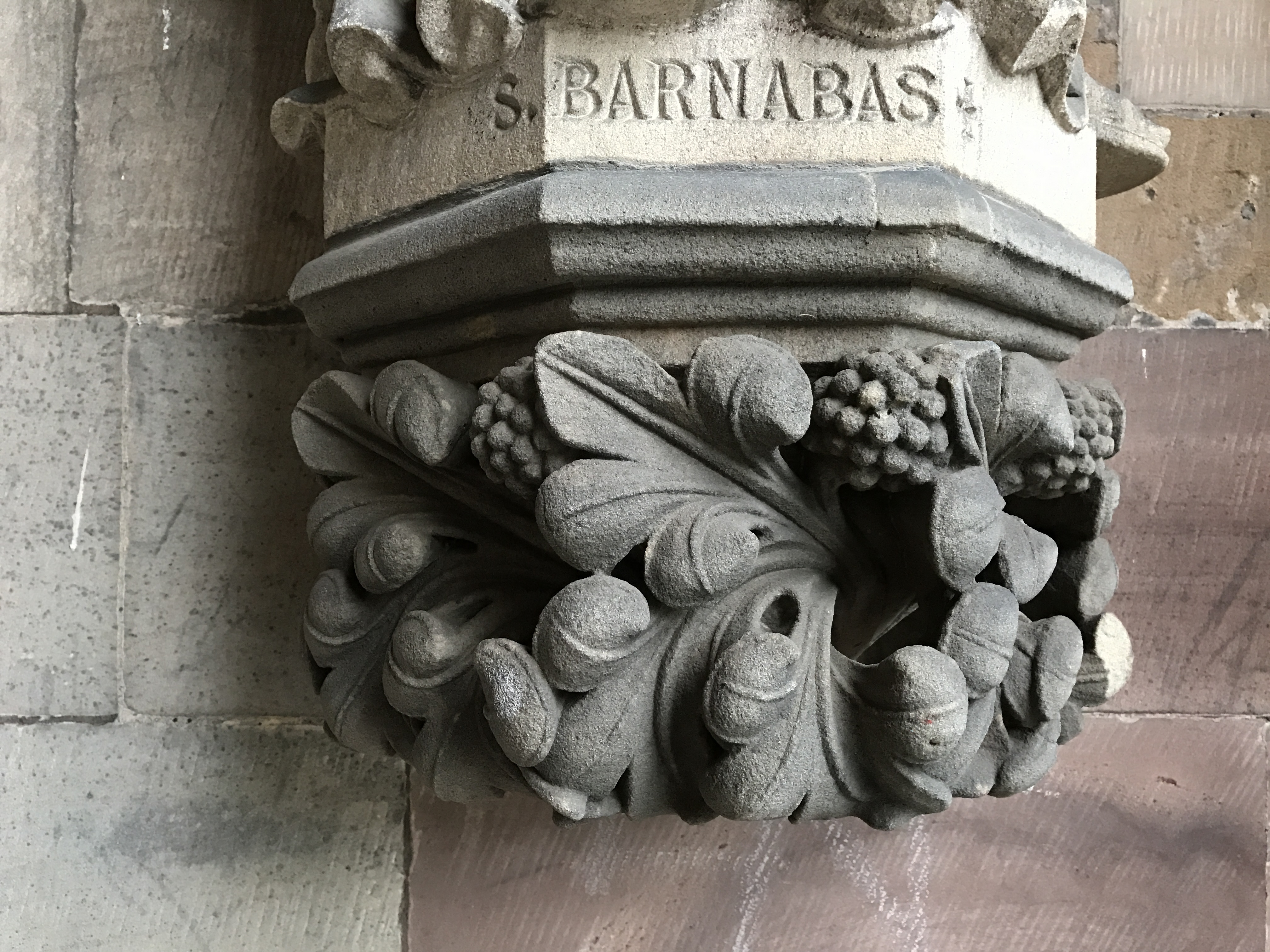
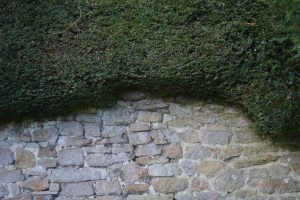
St Barnabus was well hidden among tall Yew trees and secreted away behind a stone wall topped with a wonderfully eccentric wobbly hedge. It curved sinuously around the churchyard and it seemed to us that the volunteer gardener who cut it must have loved this task and the freedom of imagination he put into his work. It was simply stunning! Some of the best “cloud pruning” we have ever seen!

2016 02 15_8789_edited-12016 02 15_8843_edited-1 2016 02 15_8835-1 2016 02 15_8833-1 2016 02 15_8834-1

When we opened the door we were aware of how dark, cold, damp and unwelcoming it felt compared to the other churches we had visited earlier on. There was no sign of community involvement here at all.

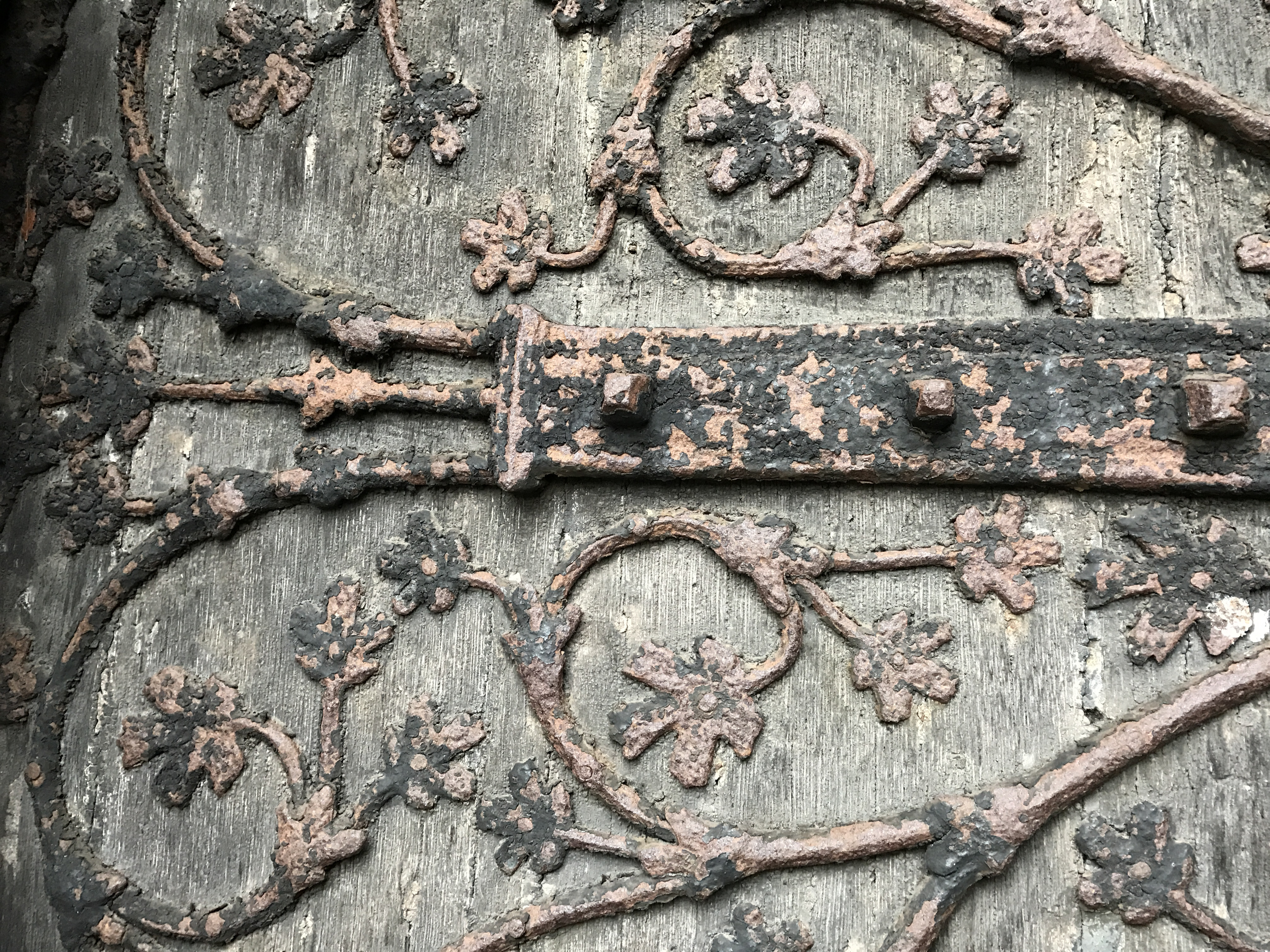
But we did find some artifacts to interest us and above our heads we noticed its dark wood “Hammer Beam” structured ceiling.

2016 02 15_8808-1 2016 02 15_8831_edited-1 2016 02 15_8830_edited-1 2016 02 15_8811_edited-1 2016 02 15_8805_edited-1 2016 02 15_8802_edited-1 2016 02 15_8799_edited-1  2016 02 15_8819_edited-1 2016 02 15_8820_edited-1 2016 02 15_8830_edited-1 2016 02 15_8831_edited-1

We wandered around the outside of the church building to search for points of interest and found a mixed bag of things to interest my camera.

2016 02 15_8824 2016 02 15_8832 2016 02 15_8827 2016 02 15_8822 2016 02 15_8825 2016 02 15_8830_edited-1 2016 02 15_8829

Before saying our goodbyes to St Barnabus we could not leave without another look at its most interesting feature, the crinkly hedge.

2016 02 15_8841-1  2016 02 15_8844-1 2016 02 15_8832-1    2016 02 15_8839-1 2016 02 15_8841  2016 02 15_8844

Categories
architecture buildings Church architecture community gardening Herefordshire

Some Little Churches of Herefordshire – Part 2

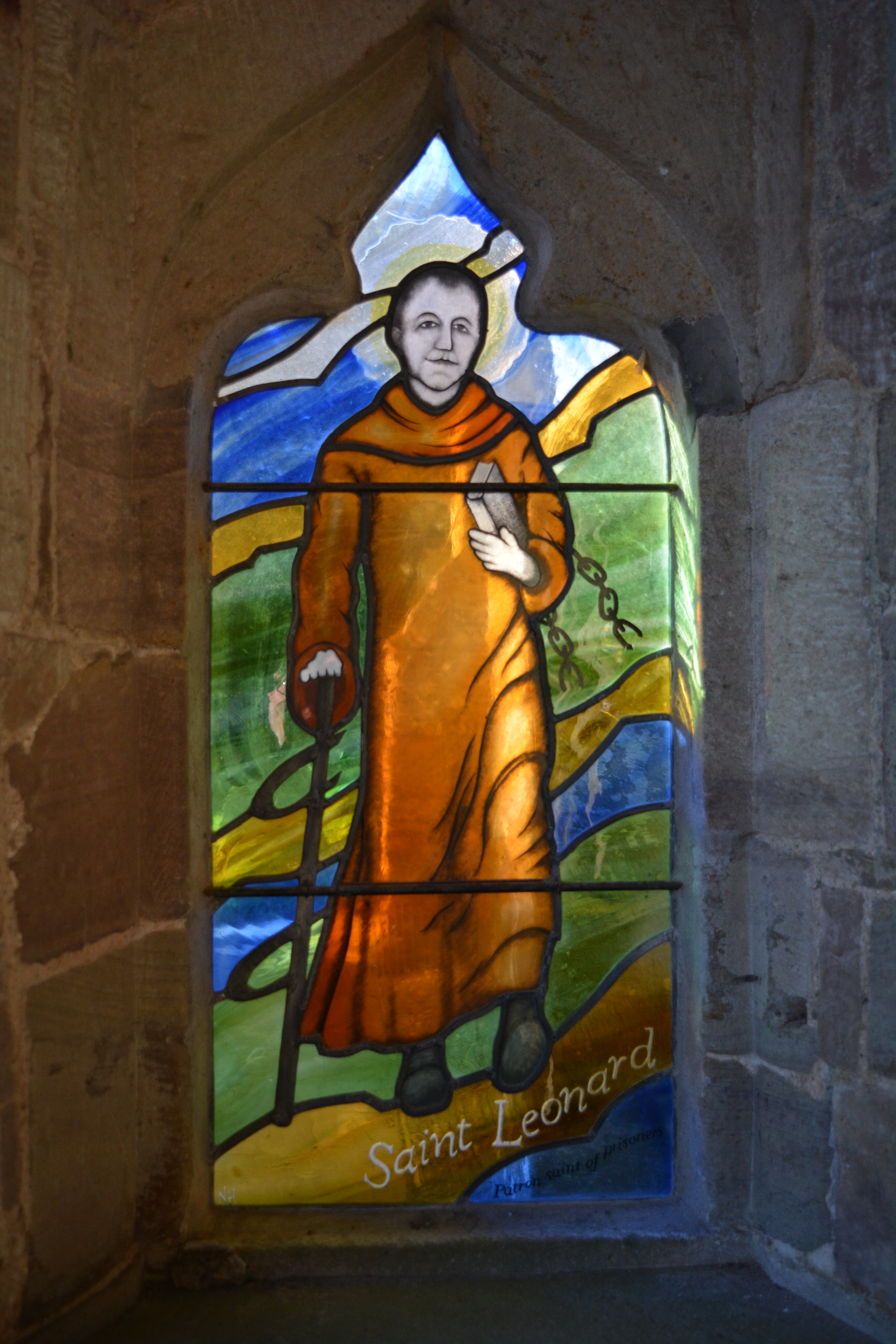
Following on from studying St Michael’s at Brimfield we drove along narrow lanes towards another small village called Yarpole. The direction sign at a junction directed us along an even narrower lane to Yarpole itself and on the opposite side of the road we spotted a brown Tourist Sign directing us to Yarpole Belfry. Thus we were expecting to find a belfry but no church. Separate belfries are a feature of several Herefordshire’s churches.

But when we drove into the village following signs for the Belfry we found both the belfry and an accompanying church only a few metres apart. We certainly were not expecting to find such an exciting place! The church here in Yarpole was a true community affair. We were in for many delightful and heart-warming surprises.

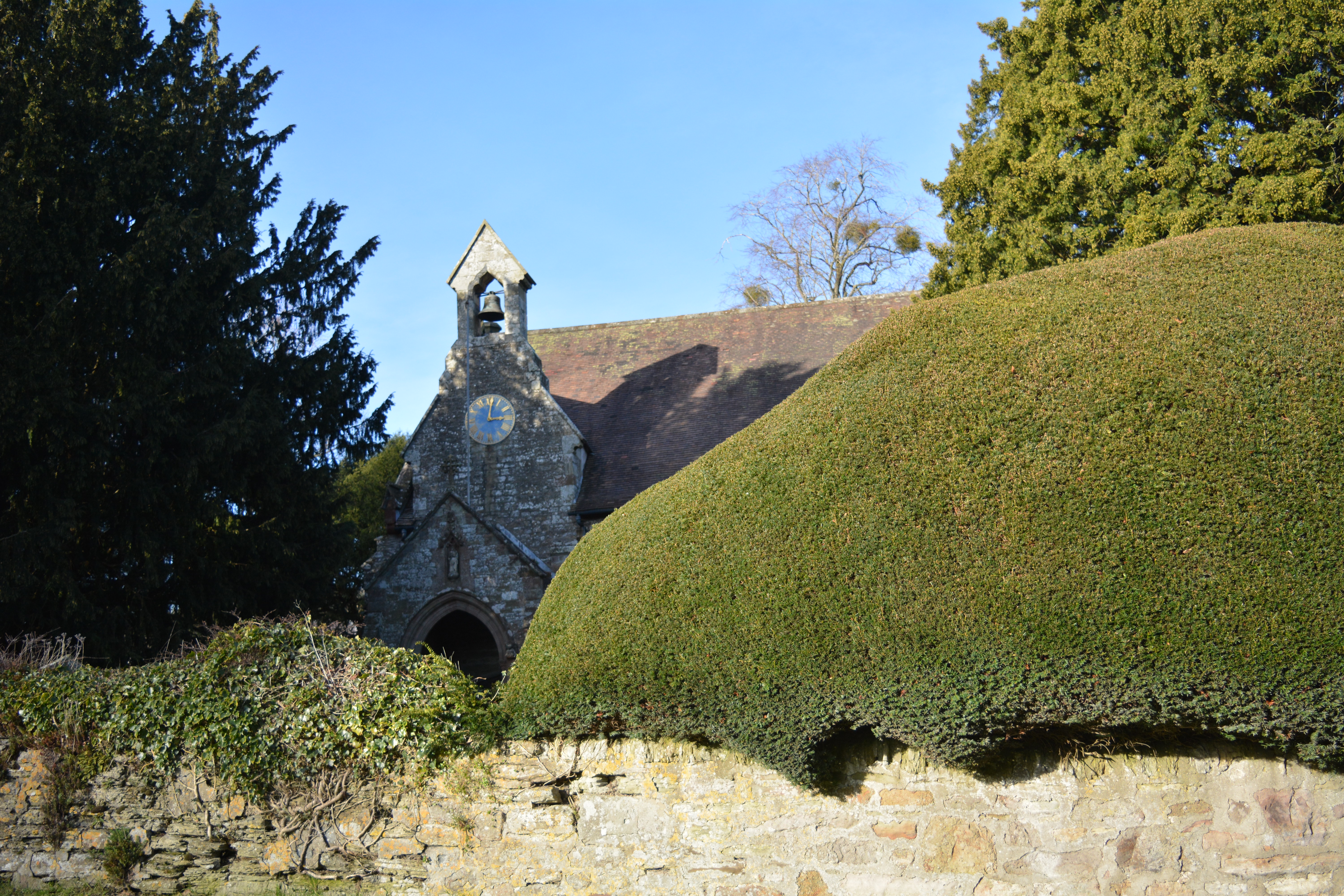
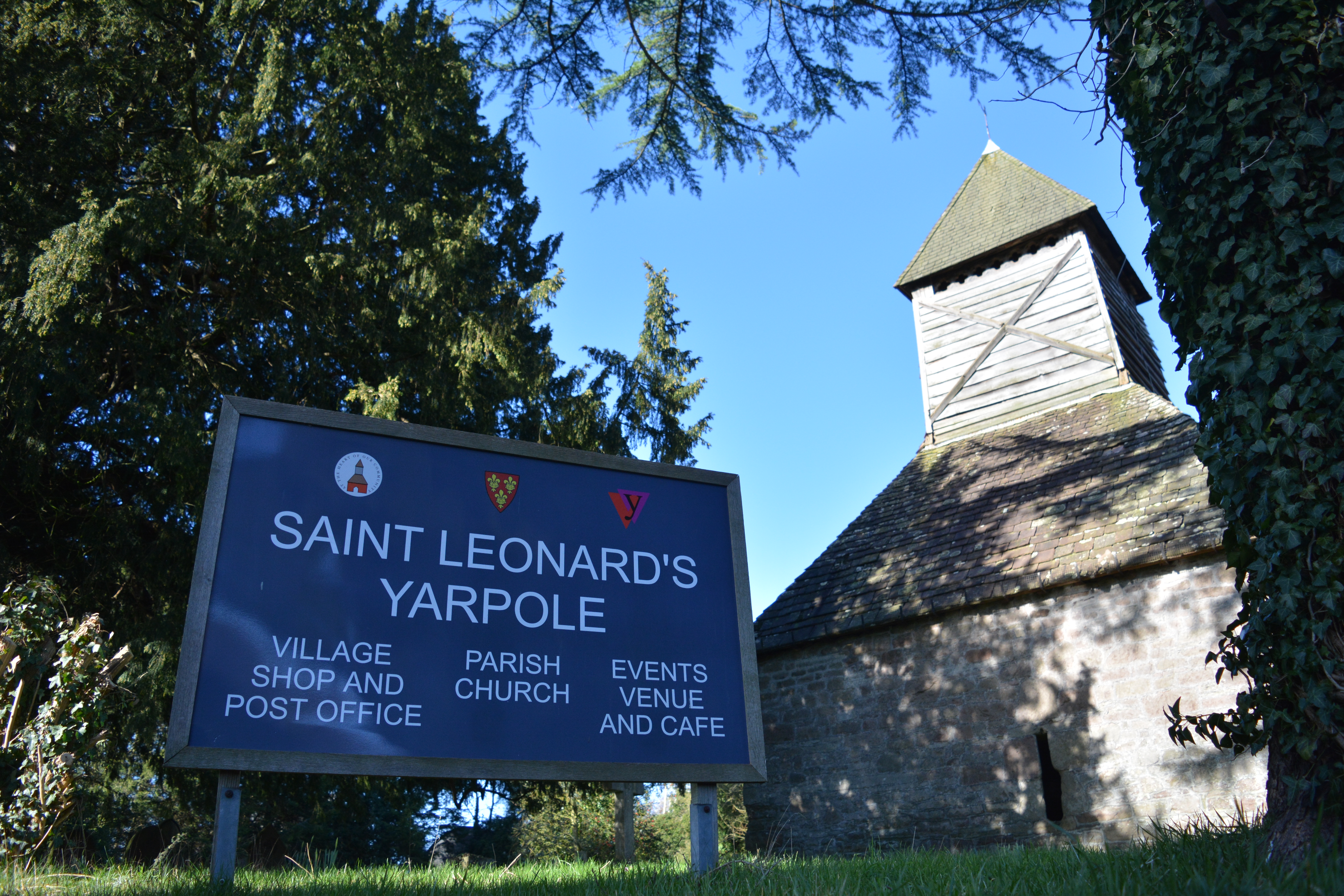
As we closed the car doors alongside the churchyard we got our first view of St Leonard’s over a low wall. We could only see the bell tower at that time but the big blue sign made us think there must be a church to be found there somewhere as well.

2016 02 15_8707 2016 02 15_8780-1 2016 02 15_8708

The next sign was more confusing as it welcomed us to Yarpole Village Shop and Post Office which were both to be found inside the church. We then realised this was a special place, the centre of village life around which the community revolved.

2016 02 15_8709 2016 02 15_8787-1

Signs outside the main porch provided further clues to the character of this community church.

2016 02 15_8716 2016 02 15_8768

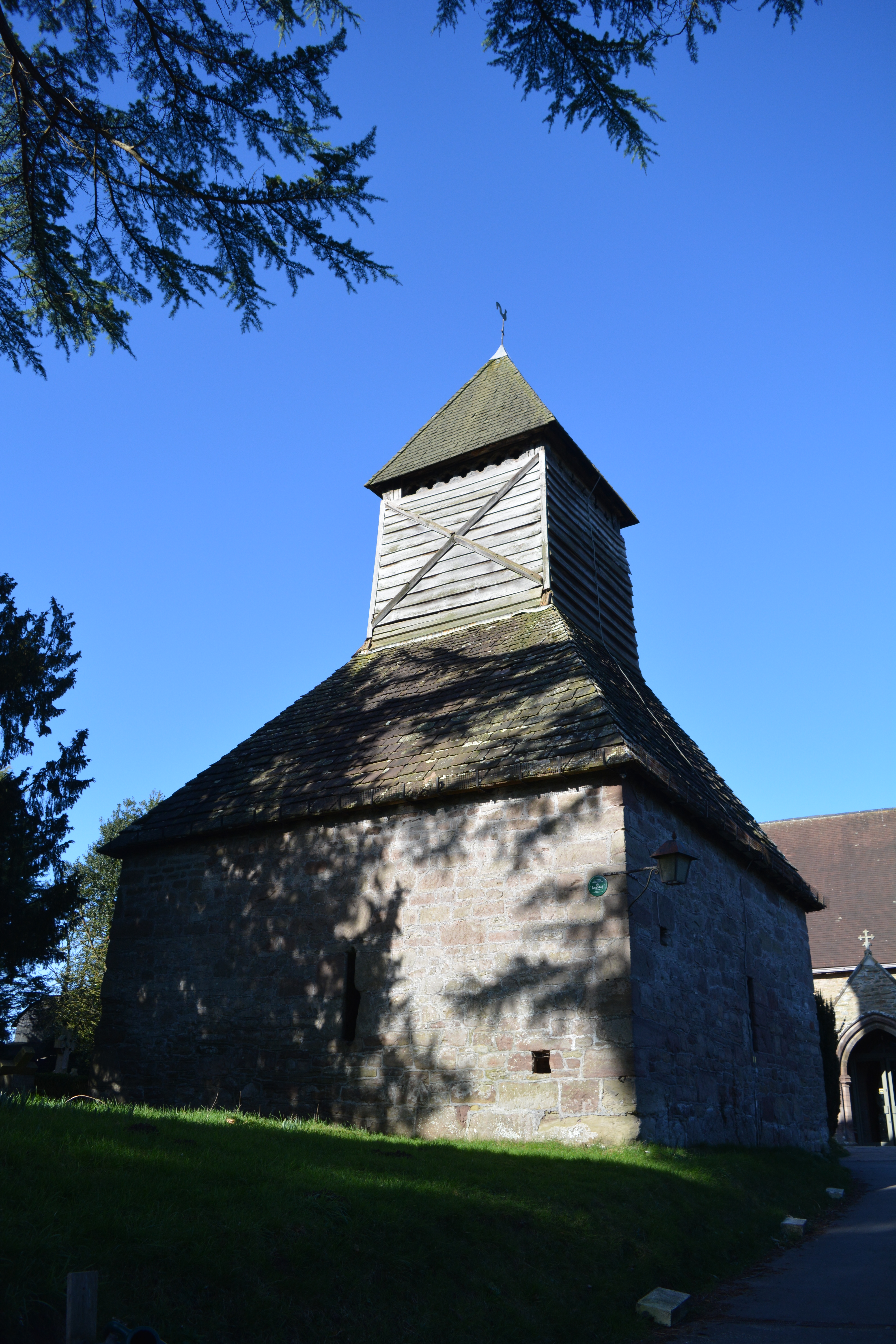
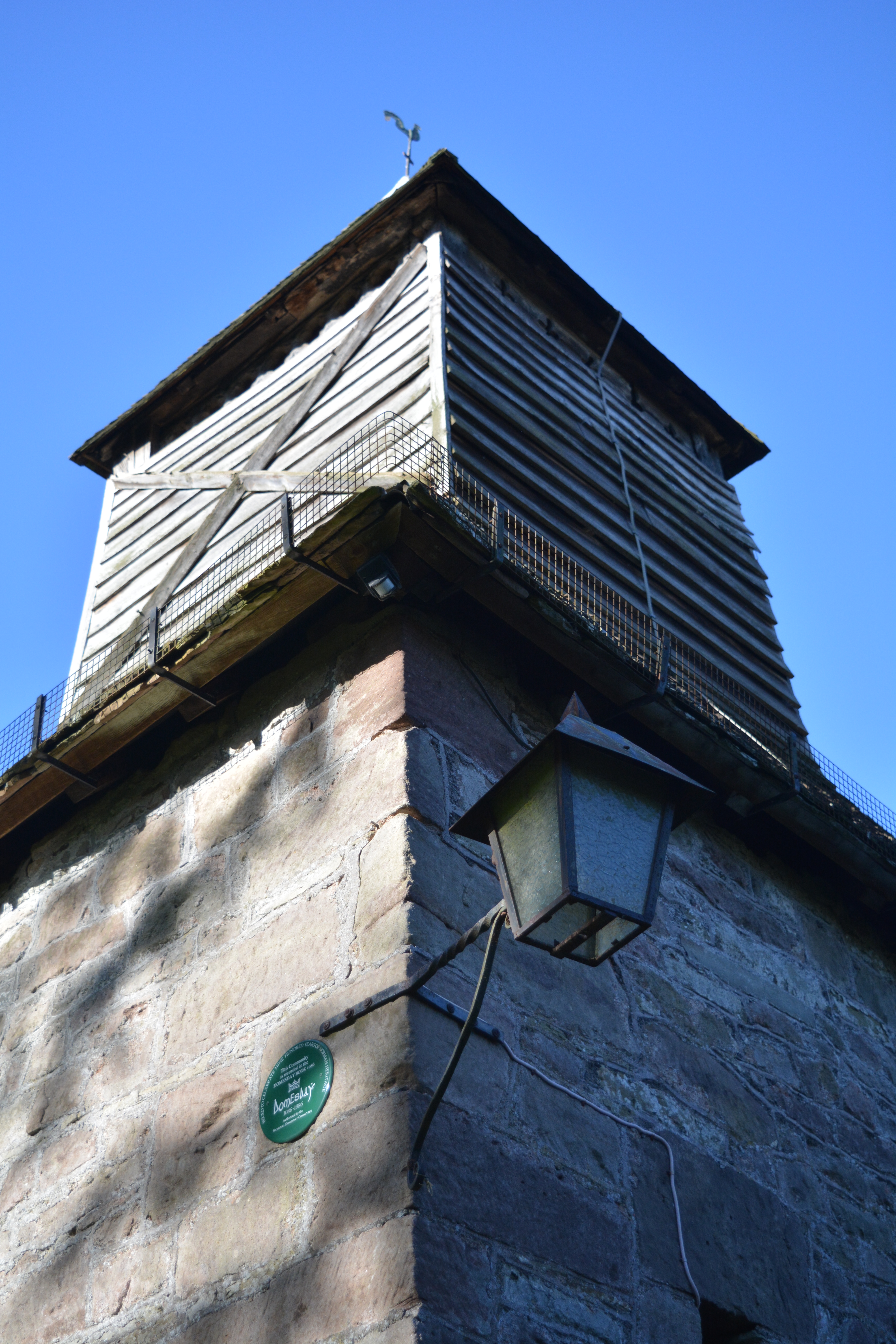
On the path that wound its way towards the church porch we took a diversion to get a close look at the belfry which was separate from the main church building. Once inside it took a while for our eyes to get used to the dark before we could appreciate the ancient woodworking skills of its builders.

2016 02 15_8710 2016 02 15_8711 2016 02 15_87122016 02 15_8721 2016 02 15_8720 2016 02 15_8722 2016 02 15_8727  2016 02 15_8734 2016 02 15_8724 2016 02 15_8732

We were surprised by a little sign explaining what made the churchyard special and different from most others. The graveyard is managed by volunteers to optimise the wildlife potential. Areas of grass are left uncut for wildlife, and lichen is left to grow on gravestones and stonework. Rough areas are left for nest sites, hibernating sites and groundcover for insects and invertebrates. The area is full of wild flowers to attract bees and butterflies. Another sign nearby announced a Spring Concert

2016 02 15_8735 2016 02 15_8715  2016 02 15_8717 2016 02 15_8777-1

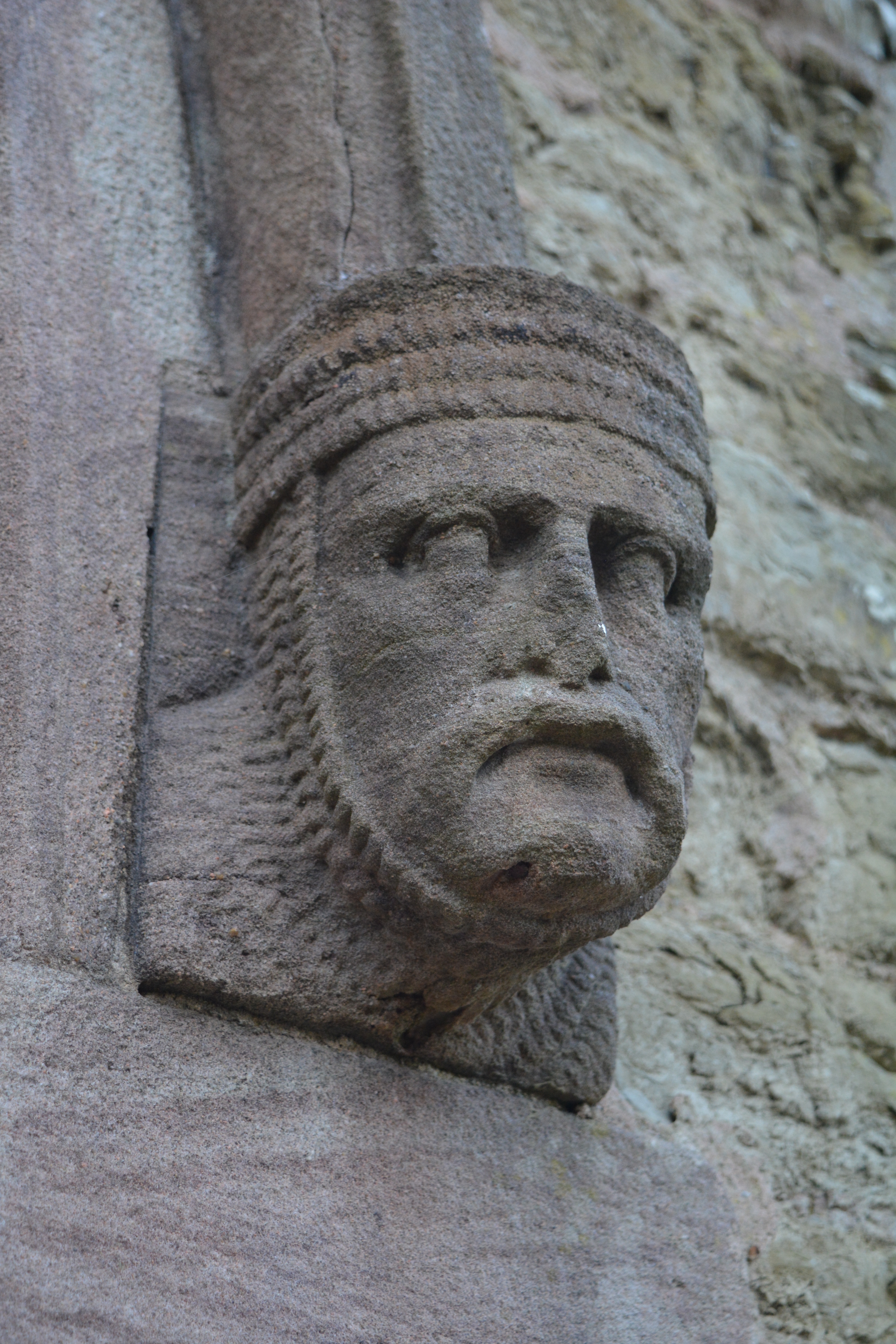
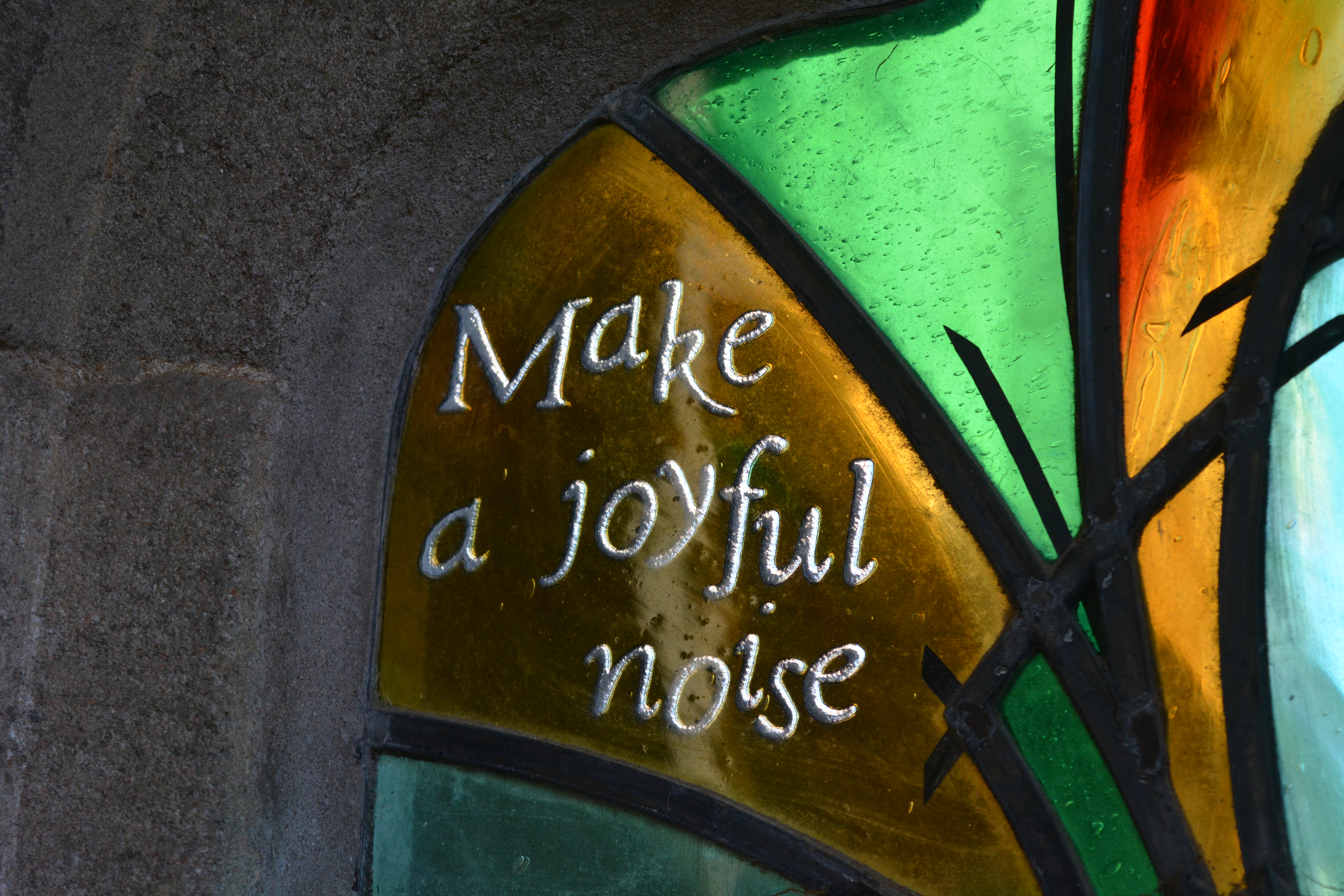
On either side of the porch carved stone faces welcomed us in, and inside the porch modern colourful stained glass windows added warmth to that welcome.

2016 02 15_8737 2016 02 15_8738 2016 02 15_8739 2016 02 15_8740 2016 02 15_8741

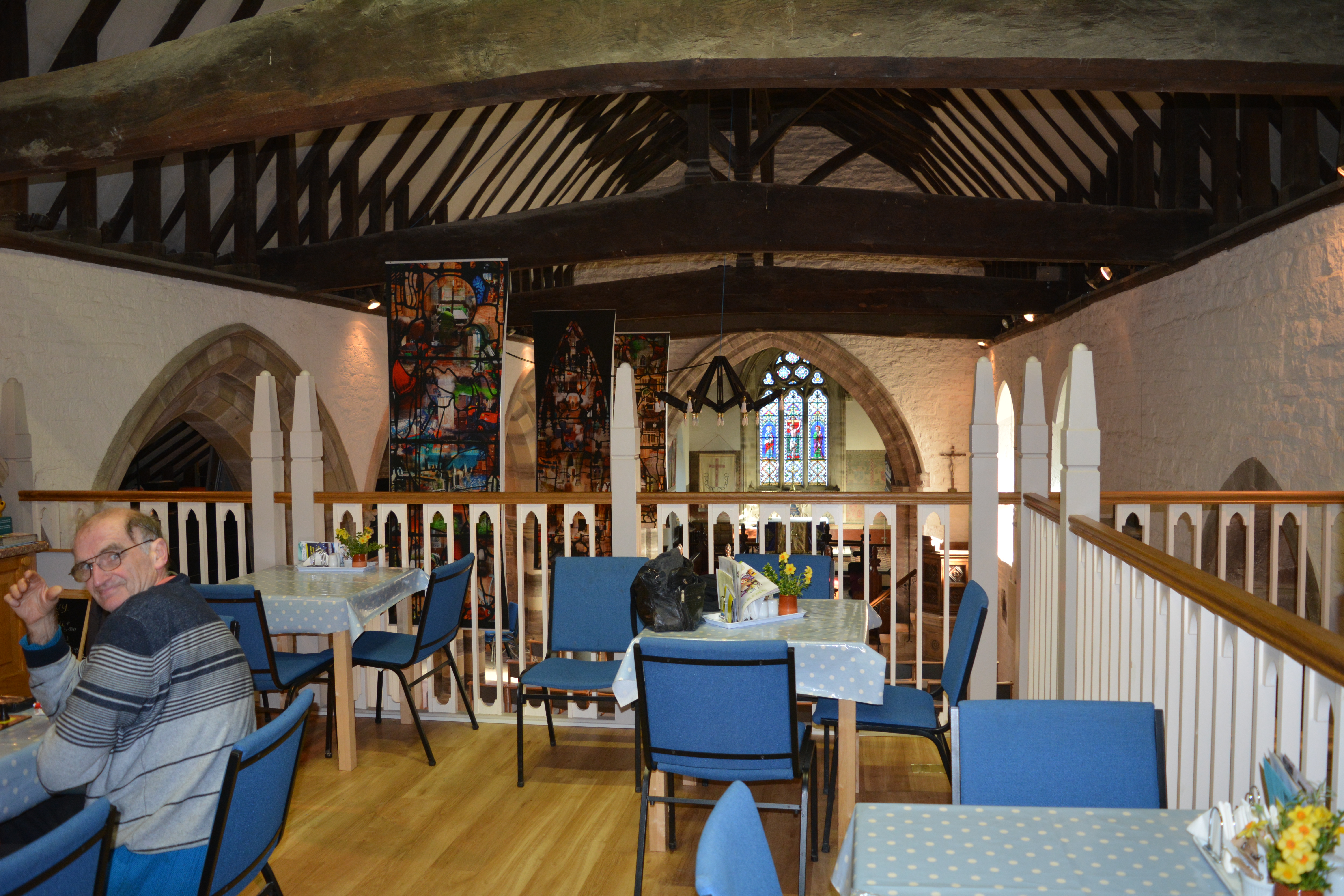
We found the door open and the sounds of voices came to meet us. This was a lively community centre with a cafe, village shop and Post Office. From the roof hung beautiful photographic hangings. The stone pillars were built from two types of stone giving it a striped effect.

2016 02 15_8691_edited-1-1 2016 02 15_8747 2016 02 15_8766_edited-1 2016 02 15_8744 2016 02 15_8743

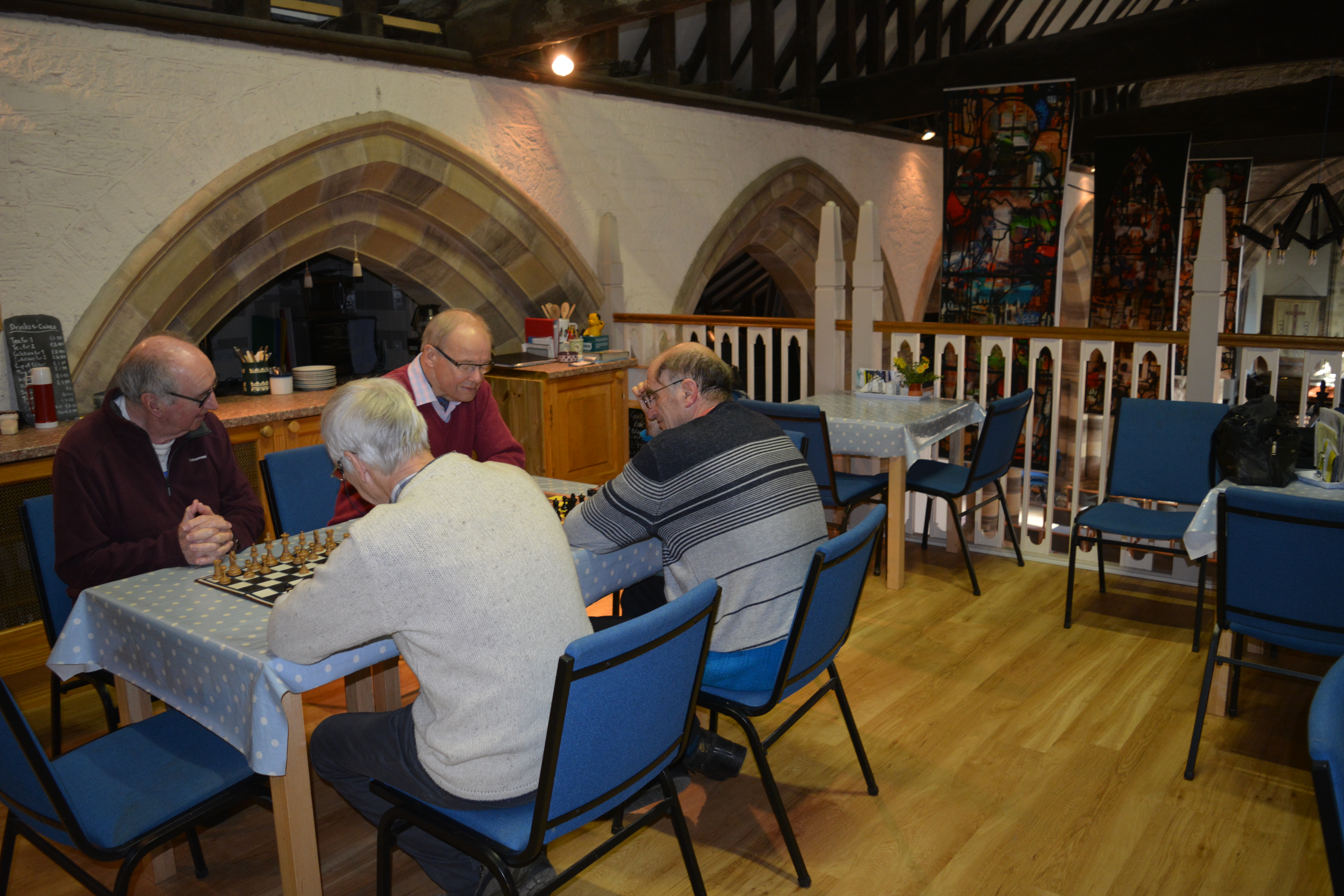
In the gallery where the cafe opened each morning a chess group was silently enjoying their games.

2016 02 15_8745 2016 02 15_8746

Exploring the interior we found the usual furniture and features of any village church and the worship side of the church’s functions sat so comfortably alongside the community functions.This is what village churches should be like, keeping themselves open and used beyond occasional Sunday services and serving the community as they were originally meant to do. Other features however were exactly what we would expect to find in any church.

2016 02 15_8750 2016 02 15_8751 2016 02 15_8755 2016 02 15_8763 2016 02 15_8765

We liked the idea of the pebble pool. Each pebble dropped in the water represented a prayer.

2016 02 15_8767

We then had a wander around the out side of the church looking for interesting little details.

2016 02 15_8769 2016 02 15_8770 2016 02 15_8771 2016 02 15_8772 2016 02 15_8774 2016 02 15_8775 2016 02 15_8773_edited-1

So the first two churches we had discovered on our initial exploration of the villages of Herefordshire in search of little churches serving small communities were totally different. St Michael’s at Brimfield was quite traditional and typical in the way it was used and in how the interior looked and felt. But St Leonard’s at Yarpole was a totally different kettle of fish – it was a community centre and felt full of life. It had a relaxed atmosphere with a warmth missing from so many of the churches in England.
On our first day we found one more little church in this area and we will share this with you in Part 3.


Categories
architecture buildings Church architecture Herefordshire

Some Little Churches of Herefordshire – Part 1

We often drive through Herefordshire, our neighbouring county to the south of our home county of Shropshire when we visit gardens. Herefordshire has many beautiful private gardens open under the auspices of the National Garden Scheme and a few larger ones open more often so we have driven along miles of the county’s tiny winding lanes. These lanes take us through so many tiny villages many with equally tiny churches.

2016 02 15_8664

We decided to explore some of these diminutive churches and find out more about them. We are not interested in those large churches built from the wool money, as these lack the character of their smaller cousins. They sit on high ground and dominate the local area. The little churches we are looking at are much more central to the village and appear to be grounded in their community rather than dominating it.

This is the first in a series about these miniature churches when we will be looking at the Church of St Michael at Brimfield.

2016 02 15_8662_edited-1

We drove south from home down the A49 knowing we had to find a left turn not far after bypassing the market town of Ludlow. We found the sign and turned into a narrow lane where we looked out for signs to the village church. After spotting the sign we discovered that the church was down a gravel road. We soon spotted the church through the trees and it certainly looked very interesting. So we parked up on a grass patch by the churchyard walls and searched for the gateway.

2016 02 15_8706 2016 02 15_87042016 02 15_8663 2016 02 15_8665

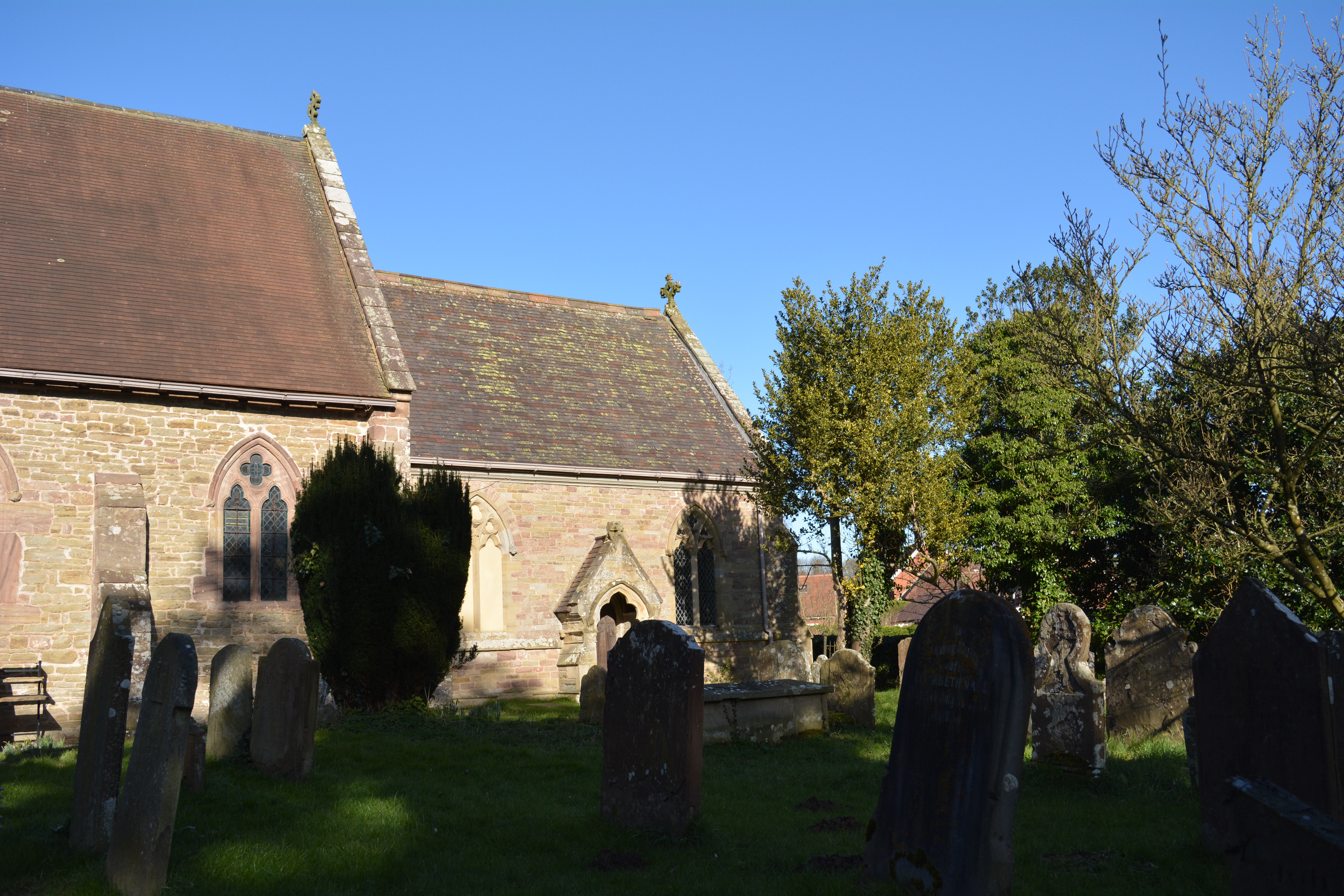
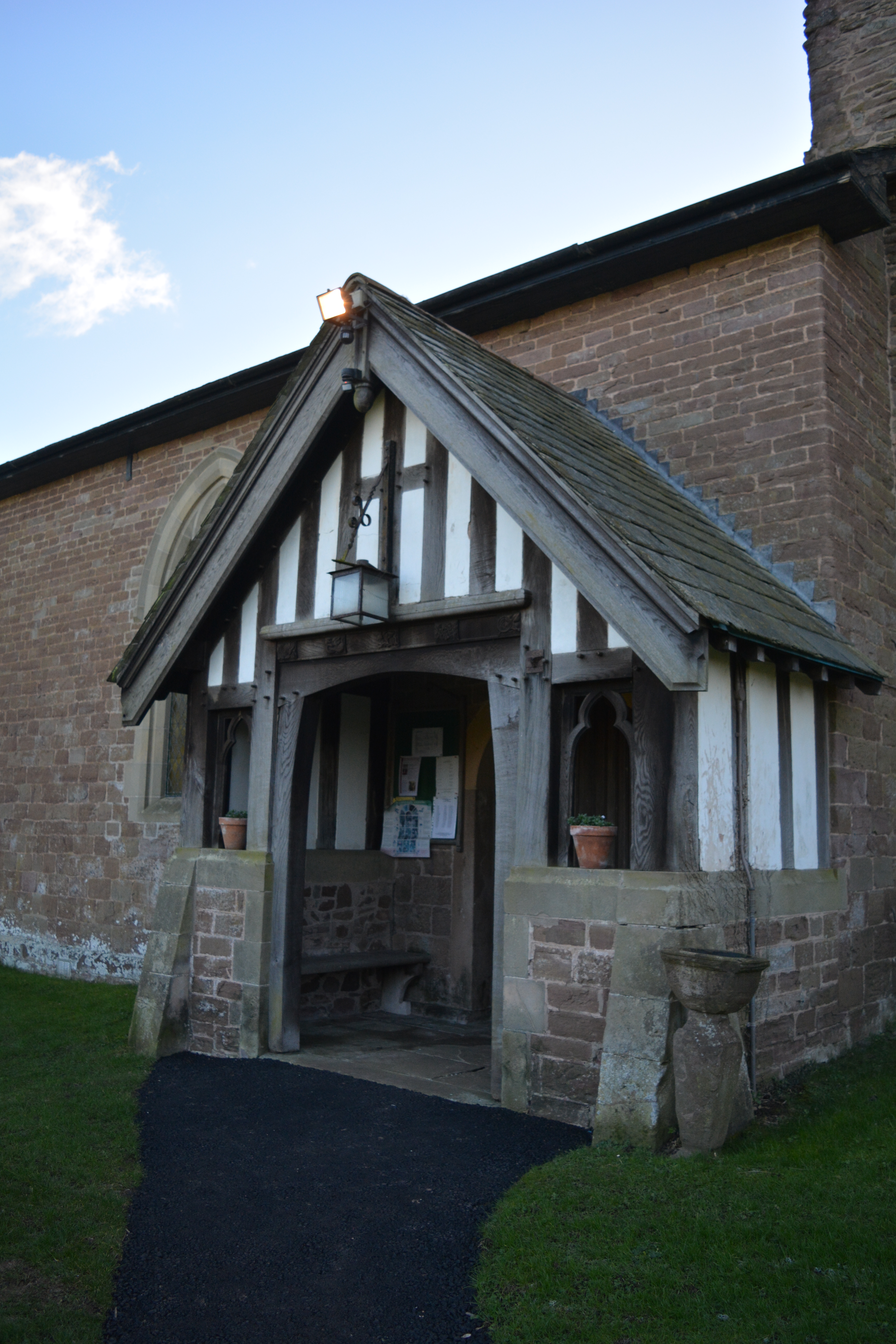
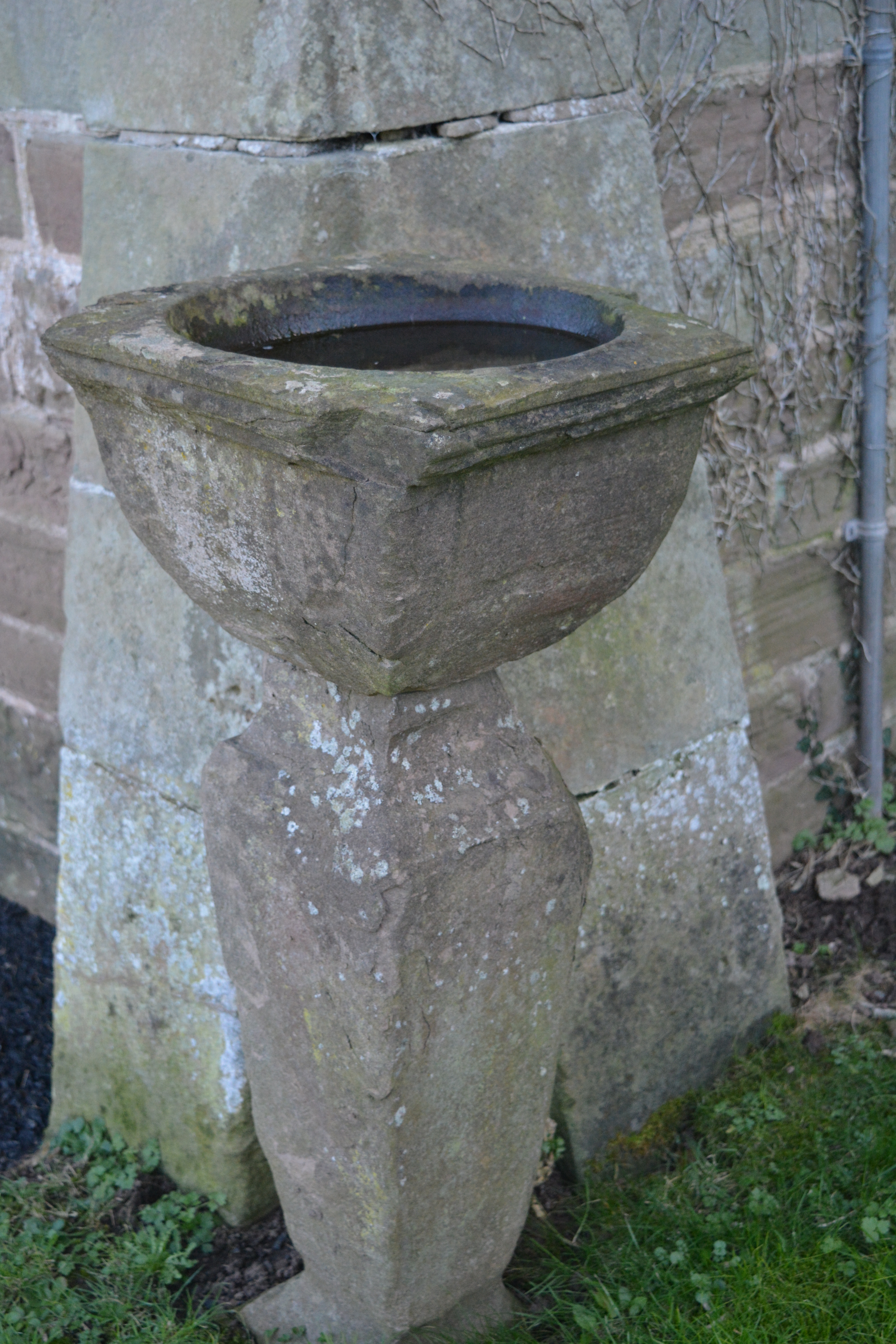
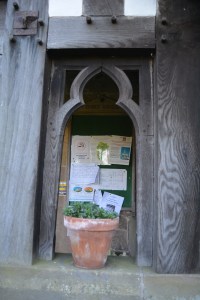
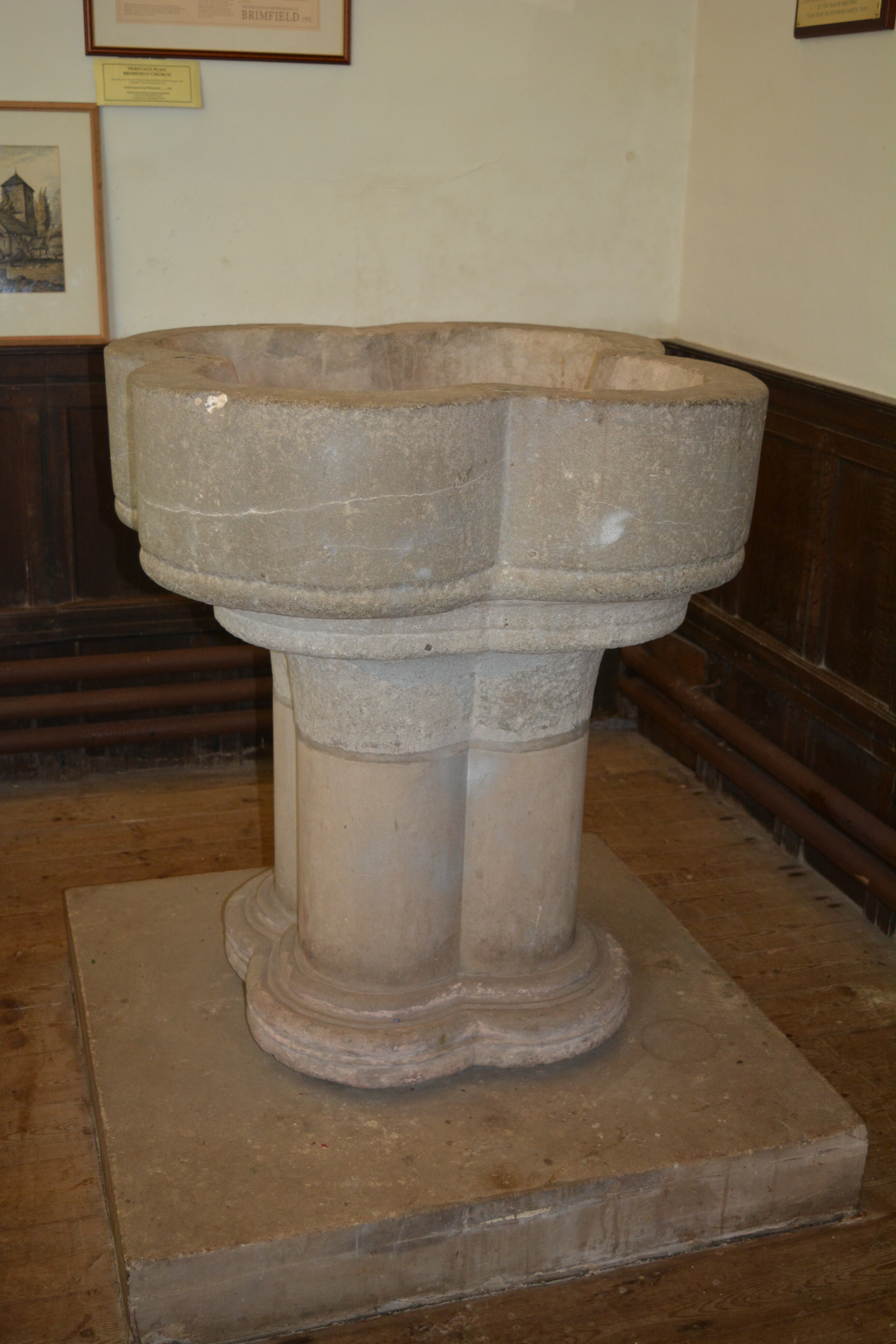
St Michael’s is constructed in sandstone from local quarries but for added interest it has a wood-framed porch and top tower section. When we reached the porch we noticed a stone font on the grass on one corner. Today it probably acts as a very effective birdbath!

2016 02 15_8666 2016 02 15_8668 2016 02 15_86692016 02 15_8670 2016 02 15_8666 2016 02 15_8667

St Michael’s was founded in the C12 but its tower was added later. The lower two stages were built in the C13 with the top section, built in timber added in the C17. The tower houses 3 bells, one Medieval, one early C16 and the third added in 1659.

2016 02 15_8670 2016 02 15_8667 2016 02 15_8697

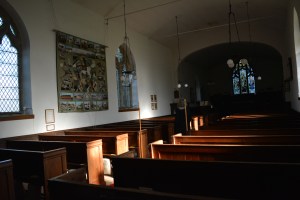
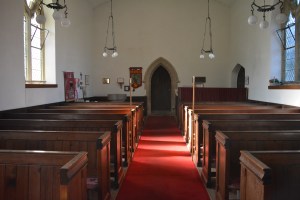
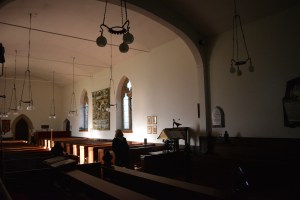
We were surprised how bright and airy the inside of the church felt. Freshly painted white walls bounced the light around the nave and sent alternating bands of light and shade across the aisle.

2016 02 15_8674 2016 02 15_86792016 02 15_8684 2016 02 15_8687

We wandered around the interior in search of interesting features.

2016 02 15_8671 2016 02 15_8673 2016 02 15_8680

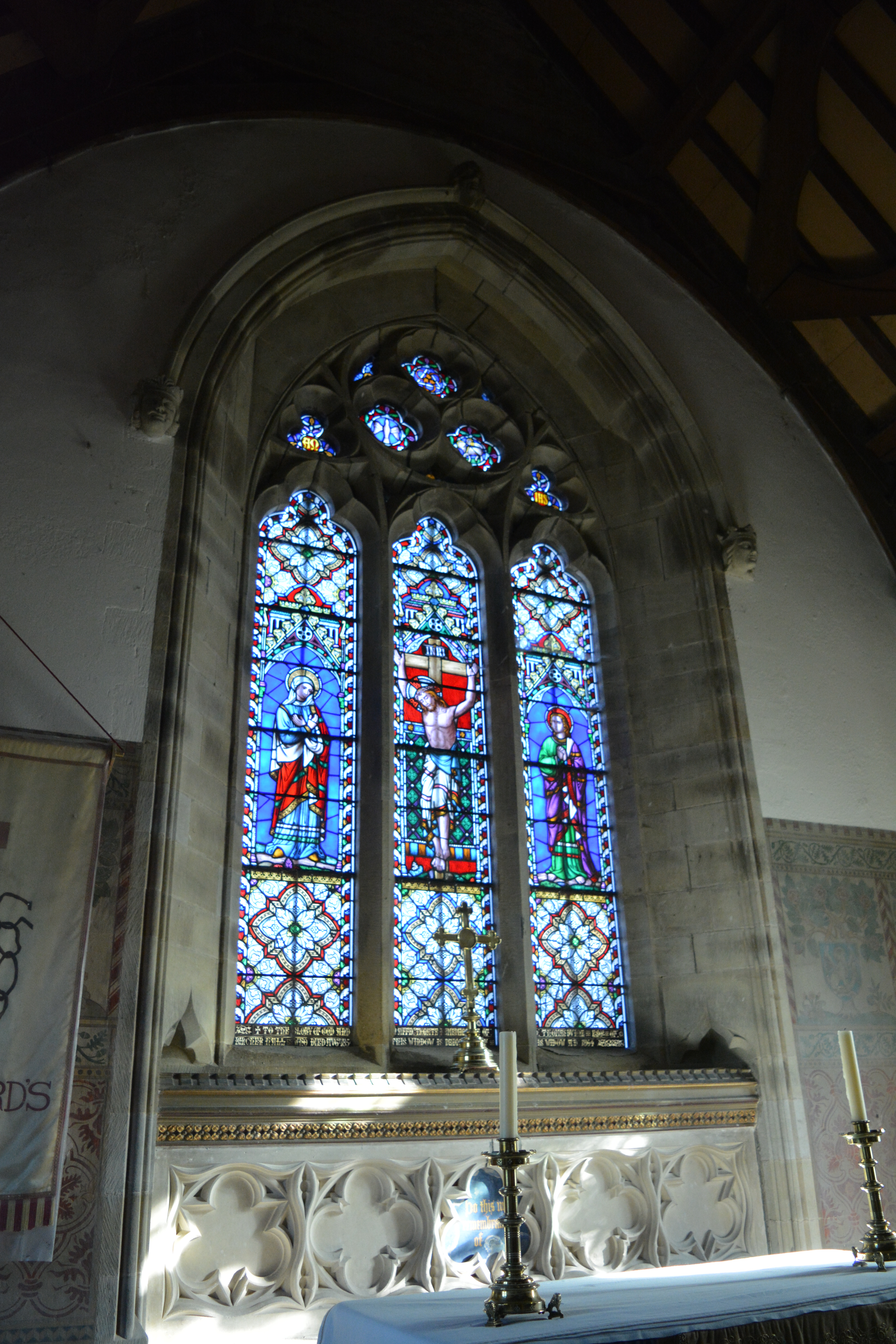
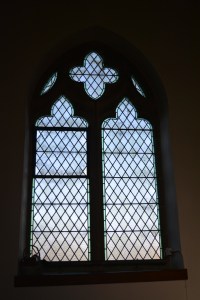
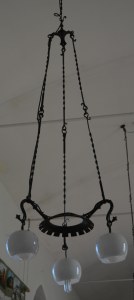
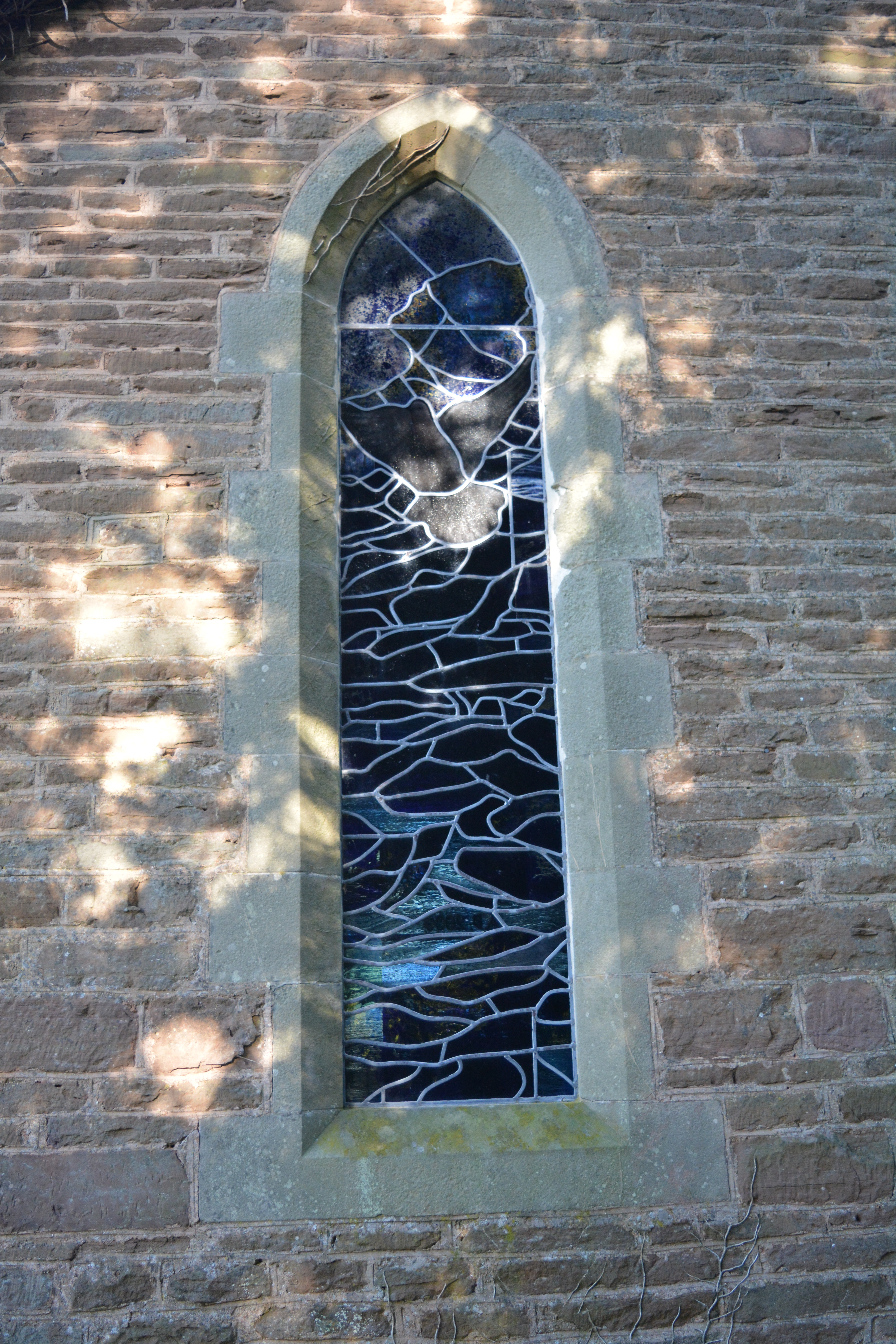
We always look out for interesting windows when we visit churches and St Michael’s boasted a stunning modern stained glass window in shades of blue depicting the dove of peace. Older windows were plain but beautifully proportioned. The light fitting hanging down from the ceiling had once been home for oil lamps and then gas lamps before the current electric bulbs.

2016 02 15_8681 2016 02 15_8690 2016 02 15_8689_edited-1-1

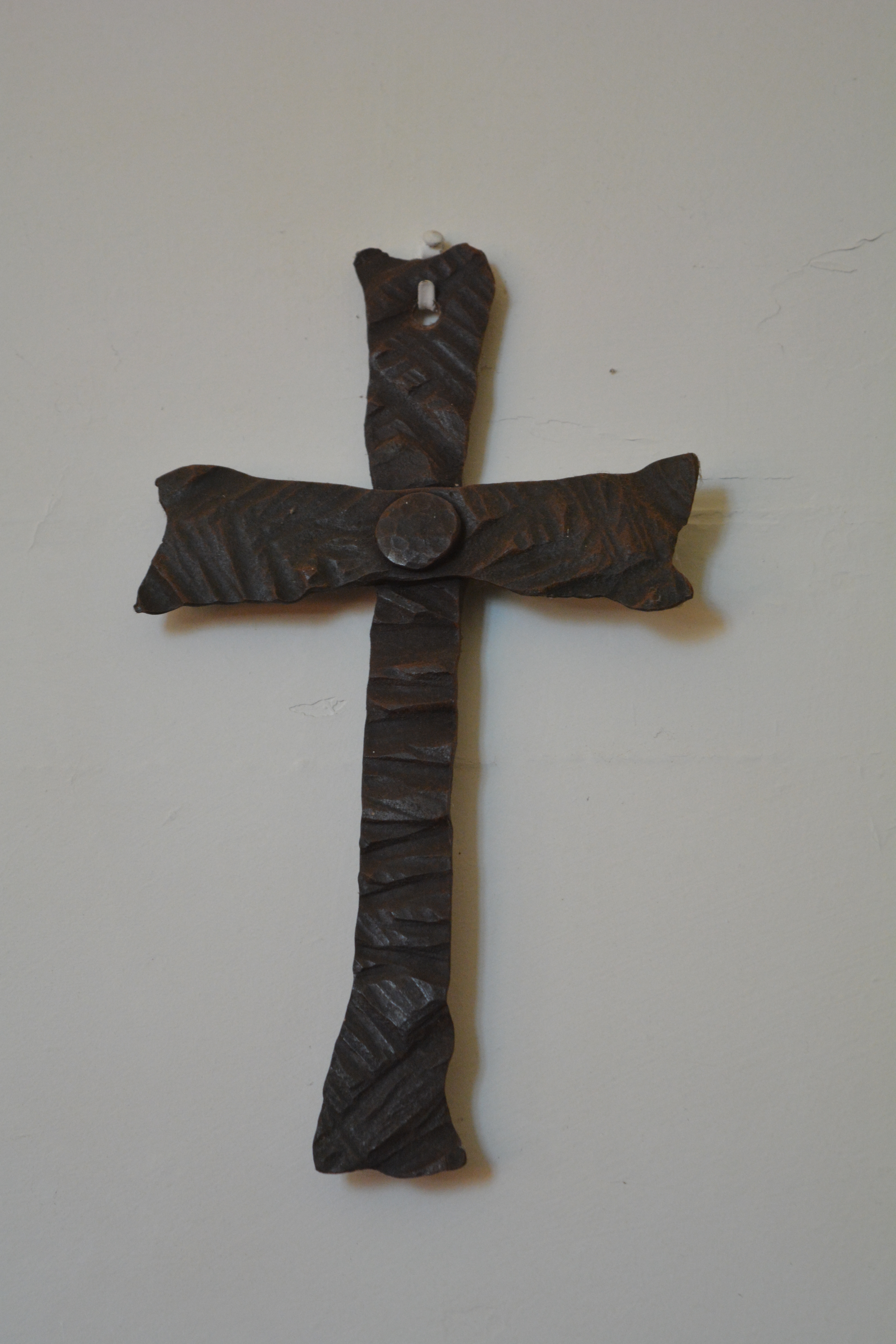
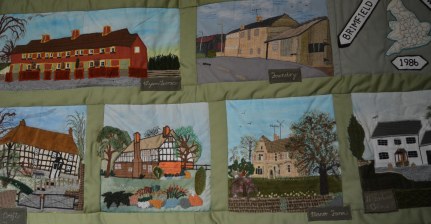
We were pleased to notice links to the local community, original art pieces by the local Women’s Institute and children from the local school. It feels good to see newer pieces of art alongside and on equal terms with ancient carvings in wood and stone.

2016 02 15_8676_edited-1-1 2016 02 15_8678-1 2016 02 15_8677_edited-1-1 2016 02 15_86882016 02 15_8685

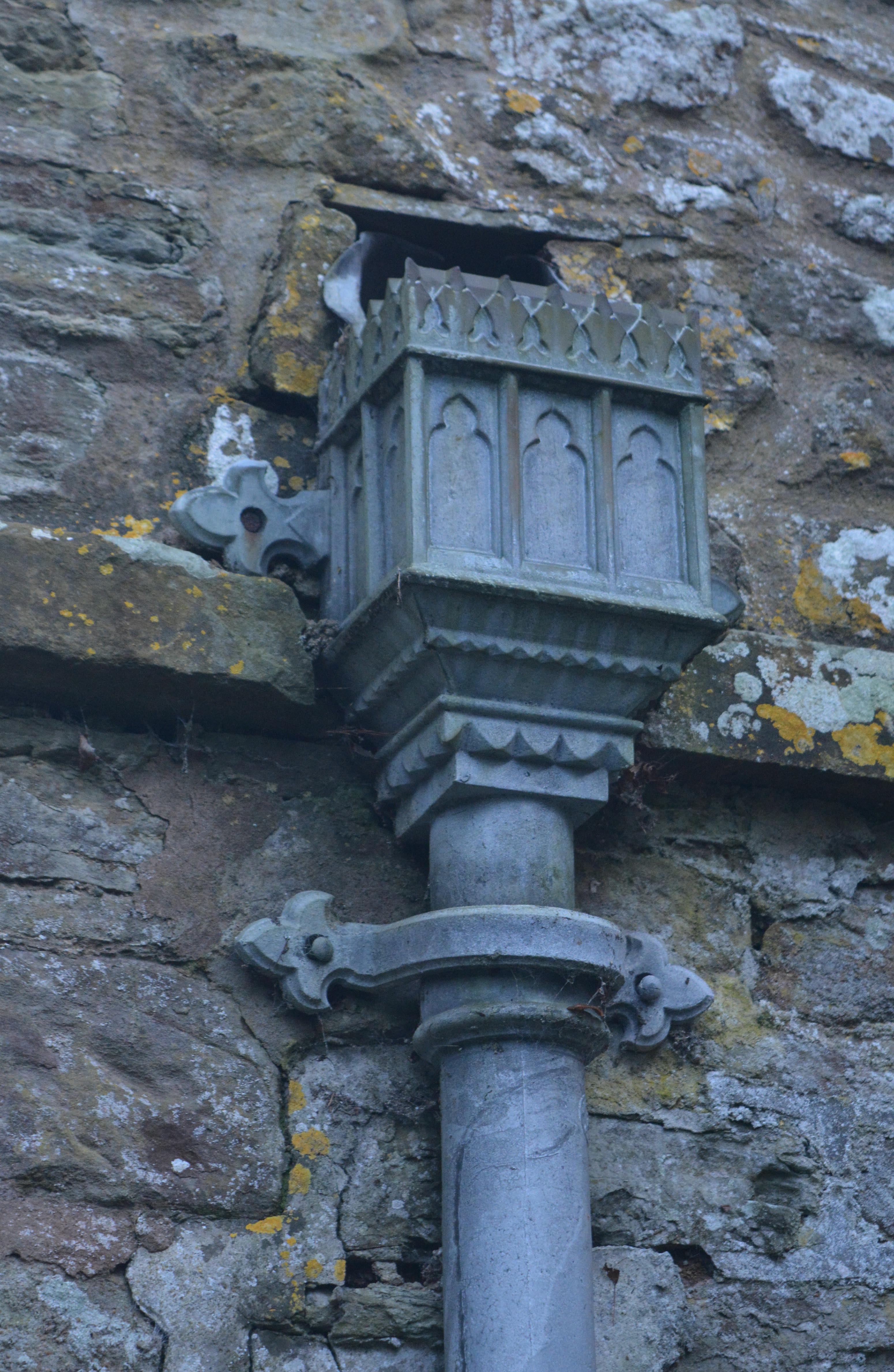
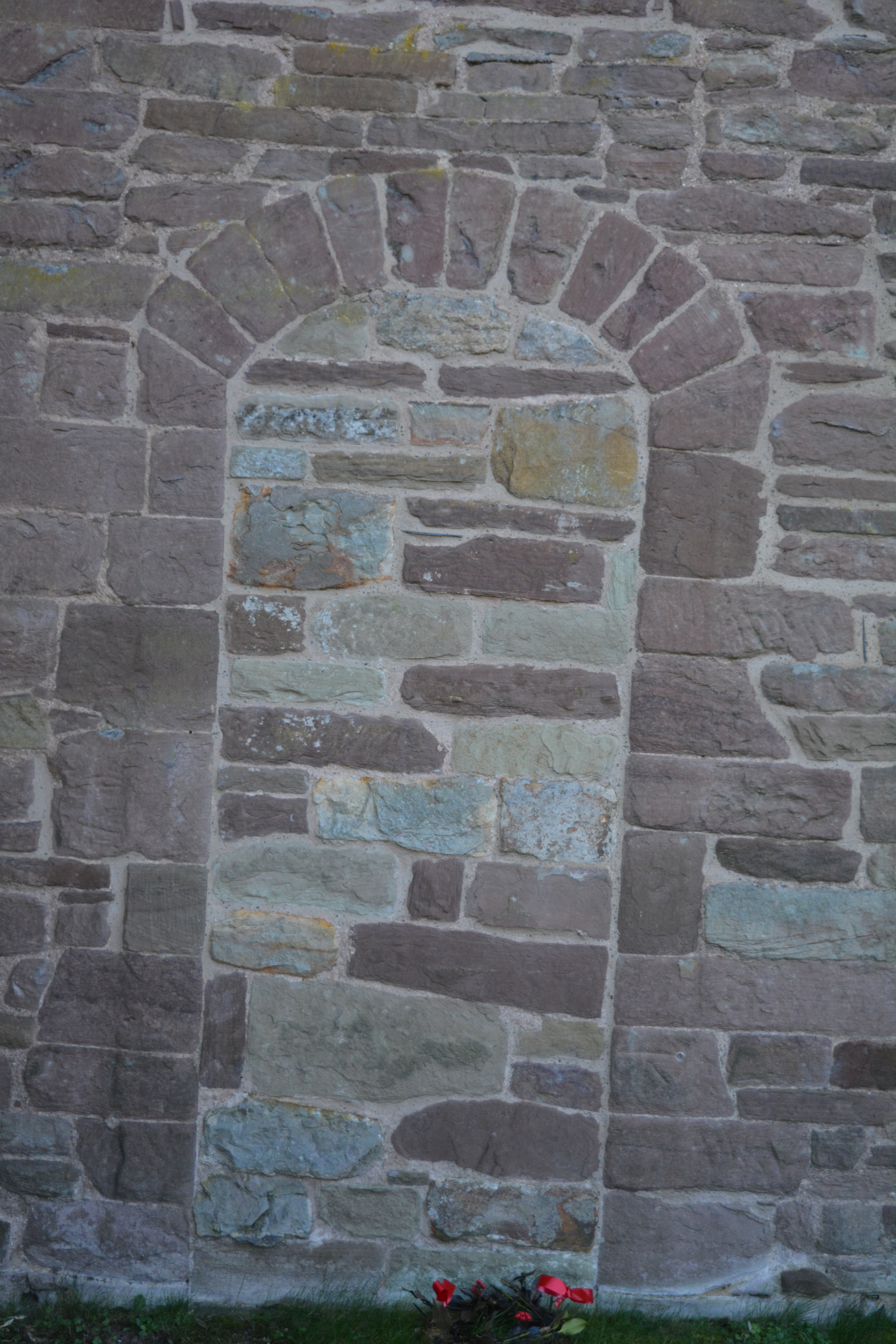
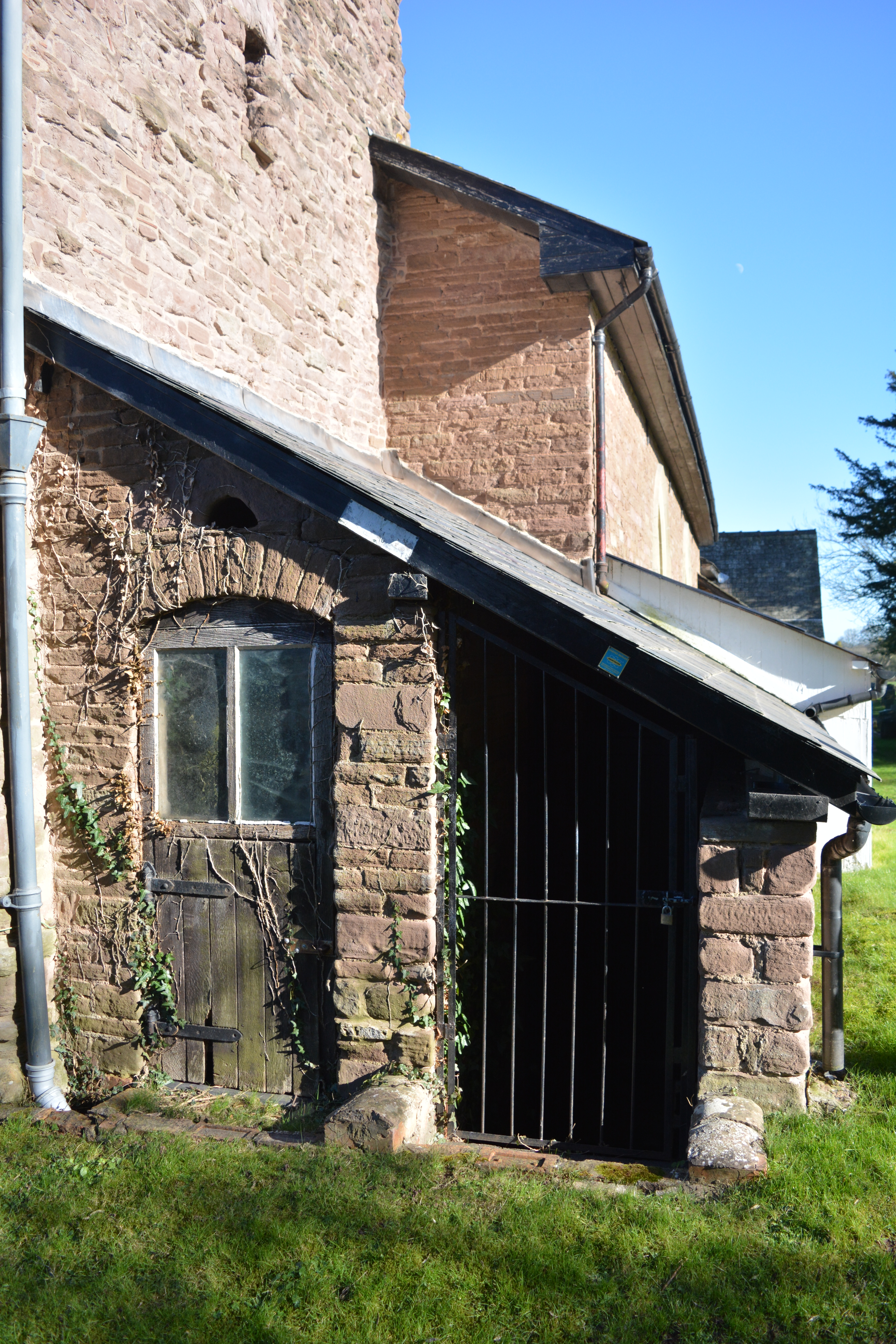
Returning outside, coats were rapidly buttoned up and we donned hats and scarves against the February chill. We wandered around the outside of the building, where we discovered our blue window, a blocked up door and battered sheds and add-ons.

2016 02 15_8692 2016 02 15_8693 2016 02 15_8694 2016 02 15_8695 2016 02 15_8696

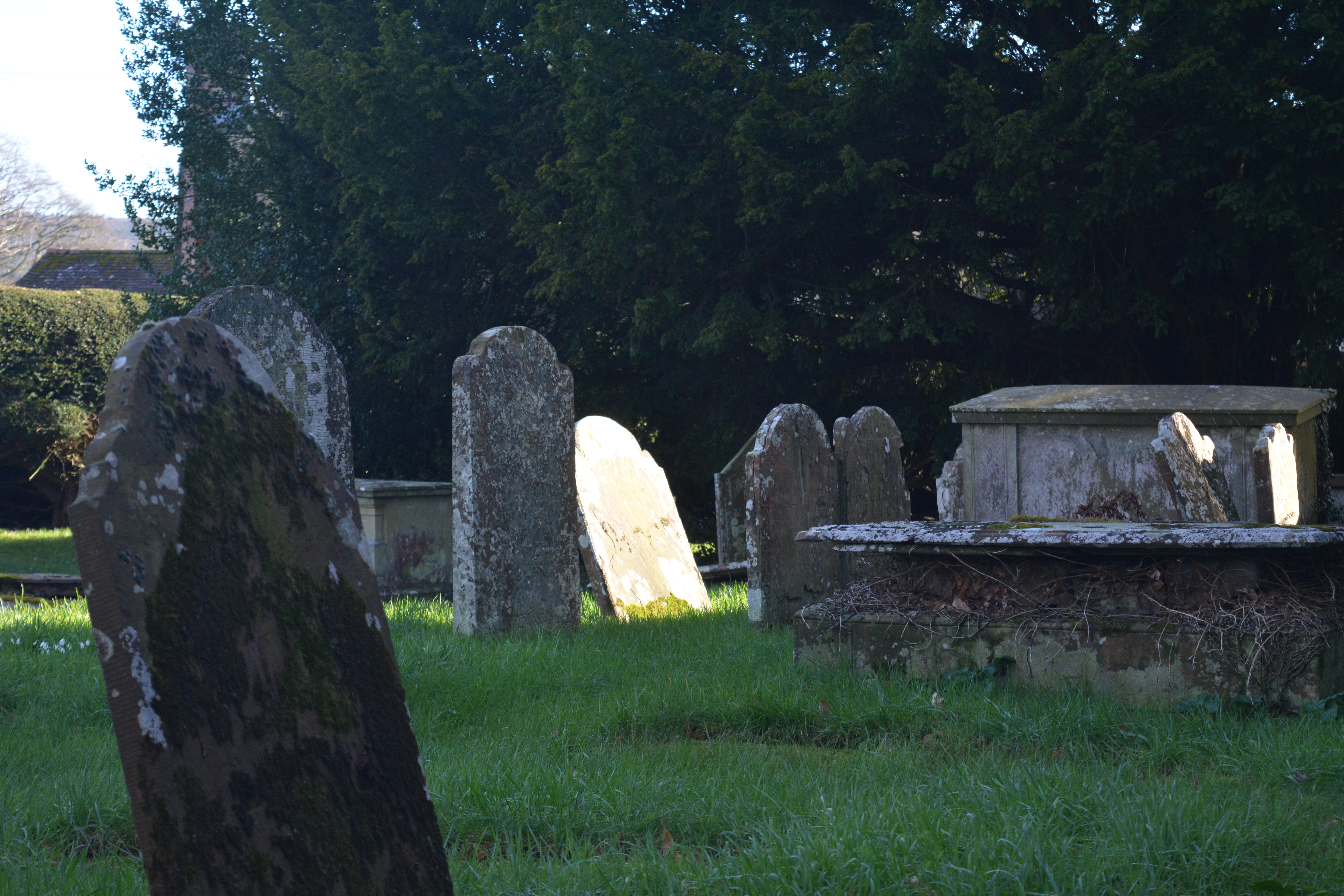
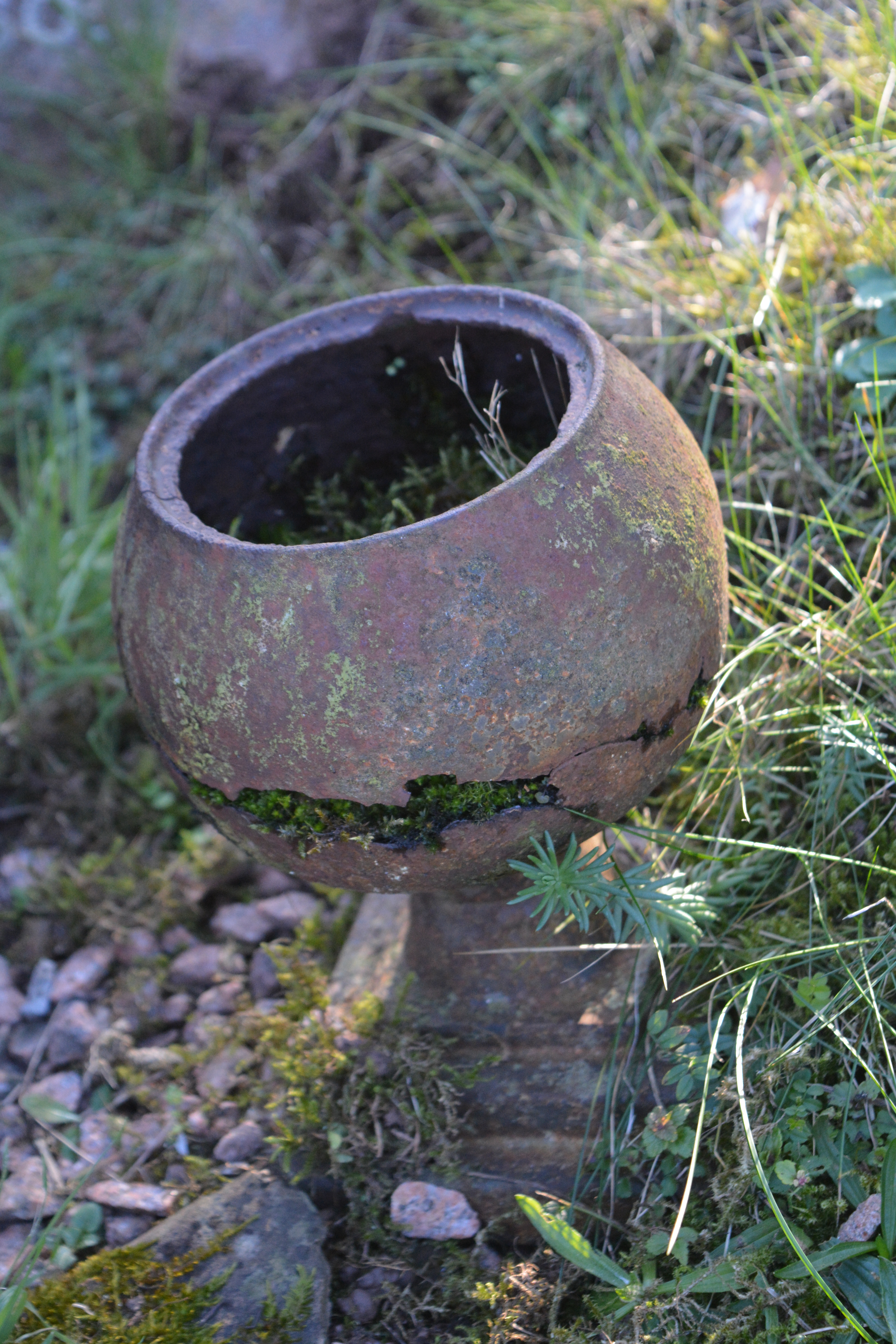
Returning to the car we looked for textures in the grave stones and their sundries.

2016 02 15_8698 2016 02 15_8699 2016 02 15_87022016 02 15_8700  2016 02 15_8703

St Michaels’ in Brimfield gave us a good start in our search for interesting little churches of Herefordshire. In part 2 we study another diminutive village church a short distance away.


Categories
architecture buildings Church architecture the sea the seaside the shore townscapes

Hampshire Seaside – Lymington

Here is another post to remind us of warmer sunnier days. It is the story of the second seaside town we visited while in Hampshire earlier this year.

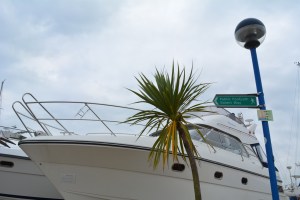
Holidaying in the New Forest gave us access to beautiful countryside, trees aplenty to give us autumn colours and just to please Jude, the Undergardener, proximity to the sea. We spent two afternoons at the seaside, the first at Lymington and the second at Milford on Sea. In this post we will share our day at Lymington.

We got lost getting to the car park  in the town centre but after skirting the coast we went all around Lymington and by luck ended up parking right next to the quay.It was a better place to enjoy the town from than where we had intended to park and to make it even more convenient as we got out of the car our noses caught the aroma of fresh coffee! Brilliant car park! The coffee house was a converted boat house with views across the quay.

2015 10 19_6166 2015 10 19_6168 2015 10 19_6169

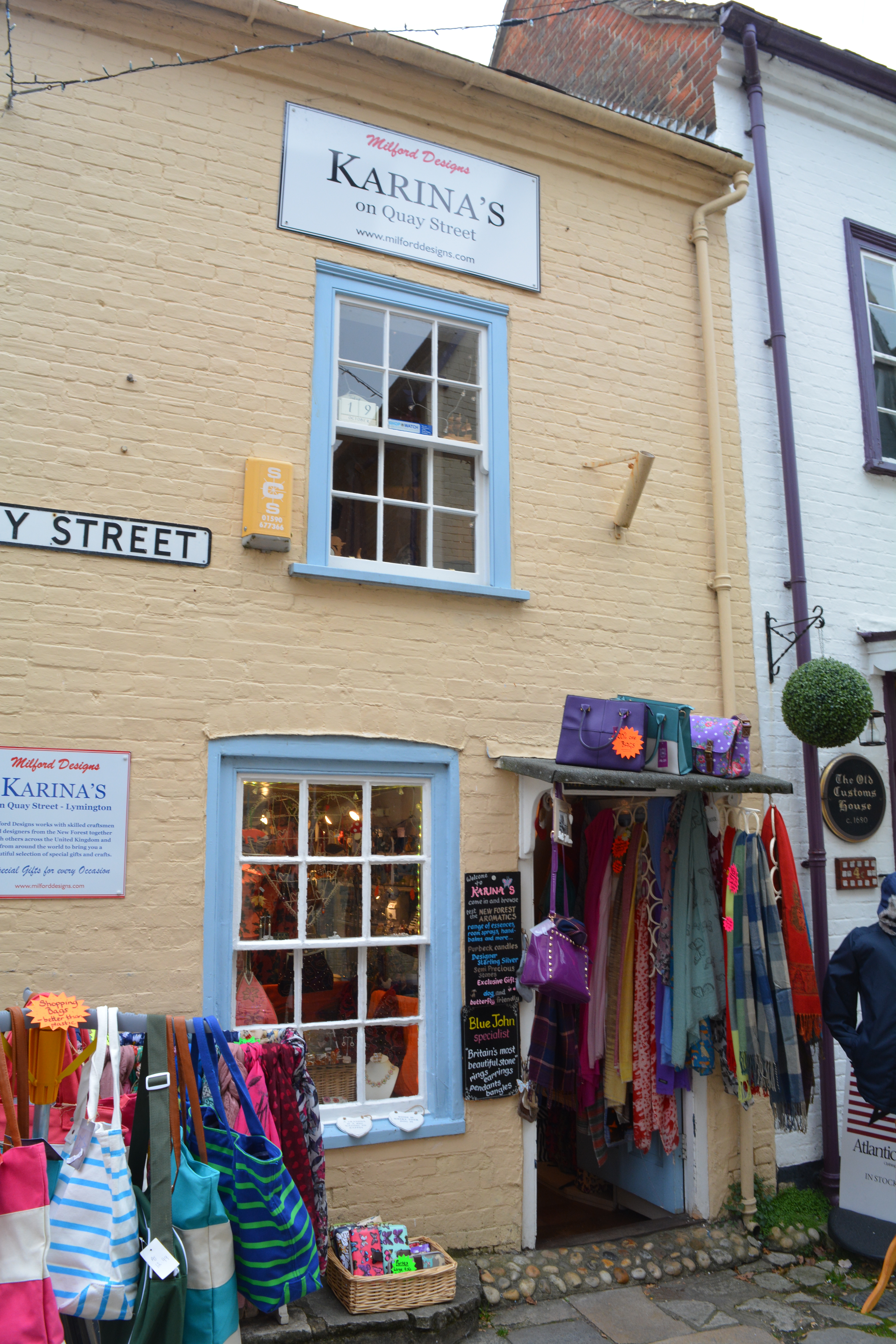
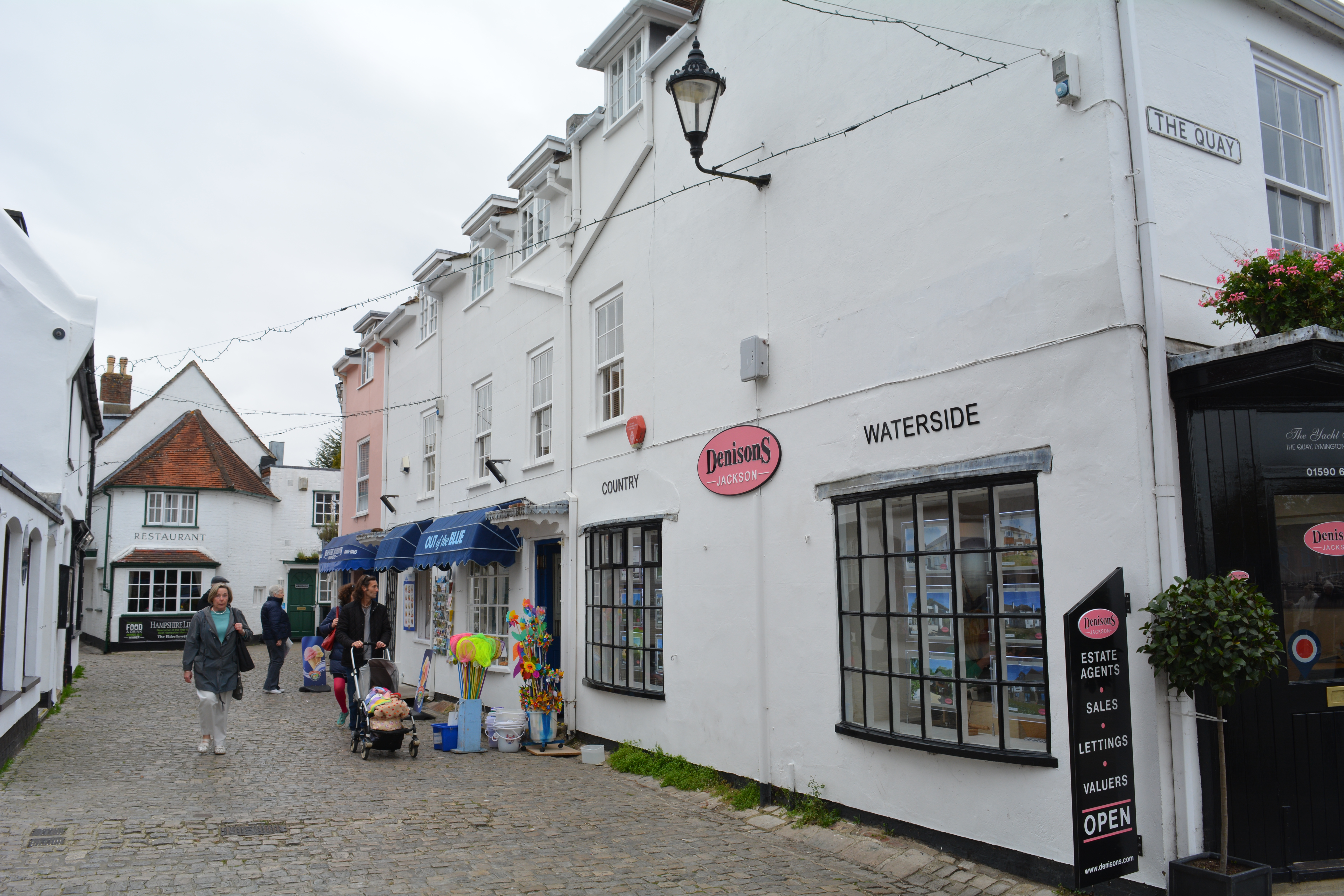
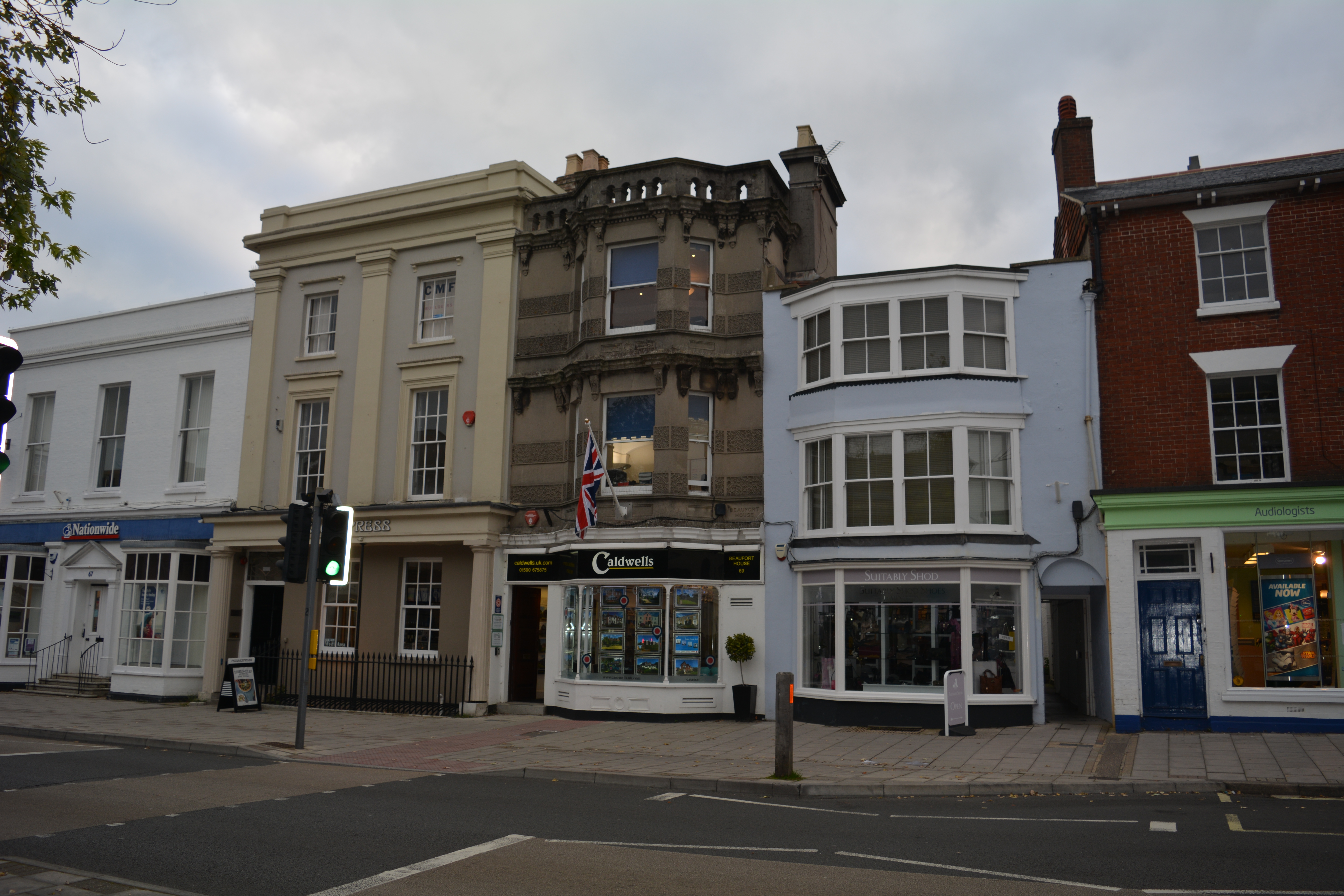
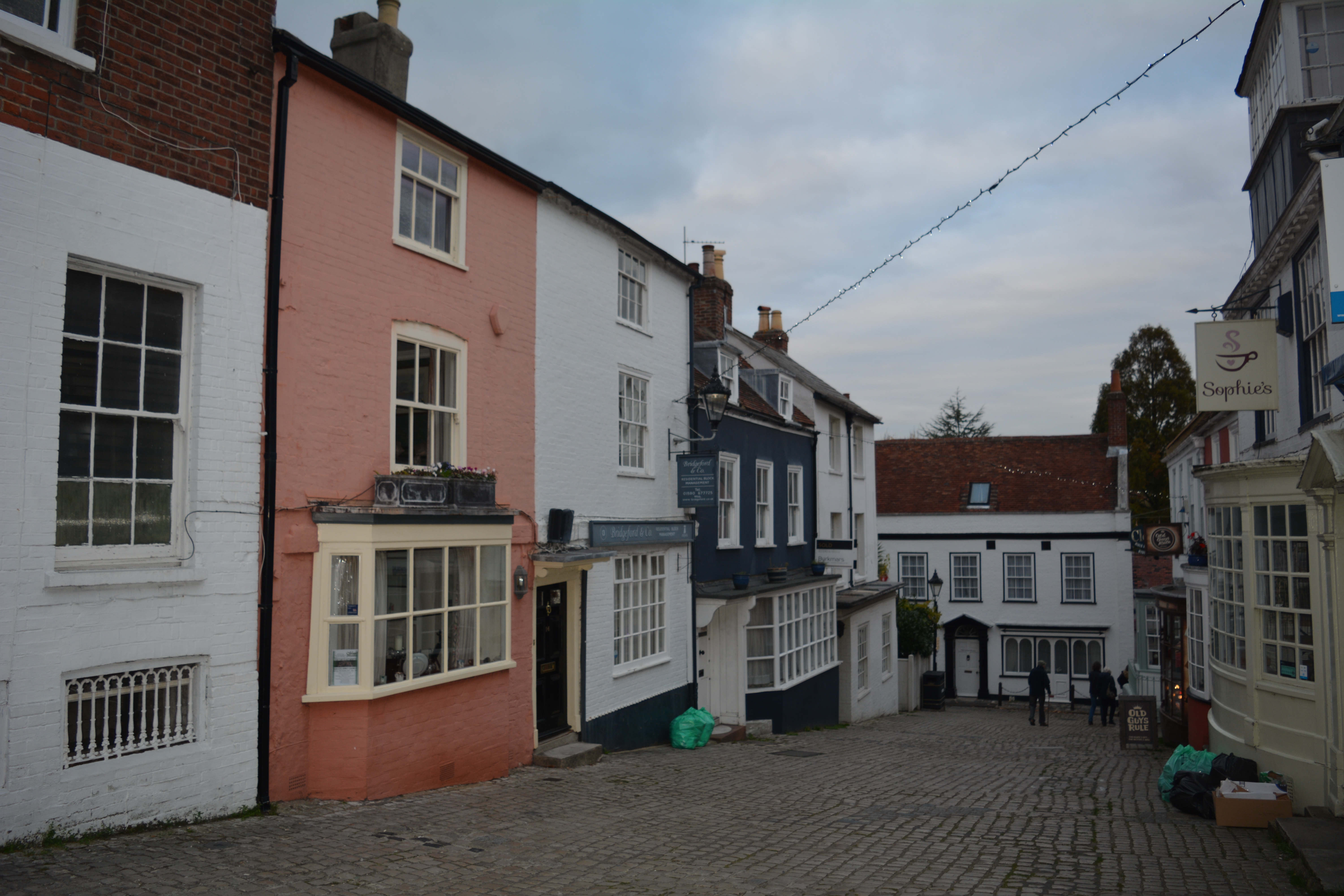
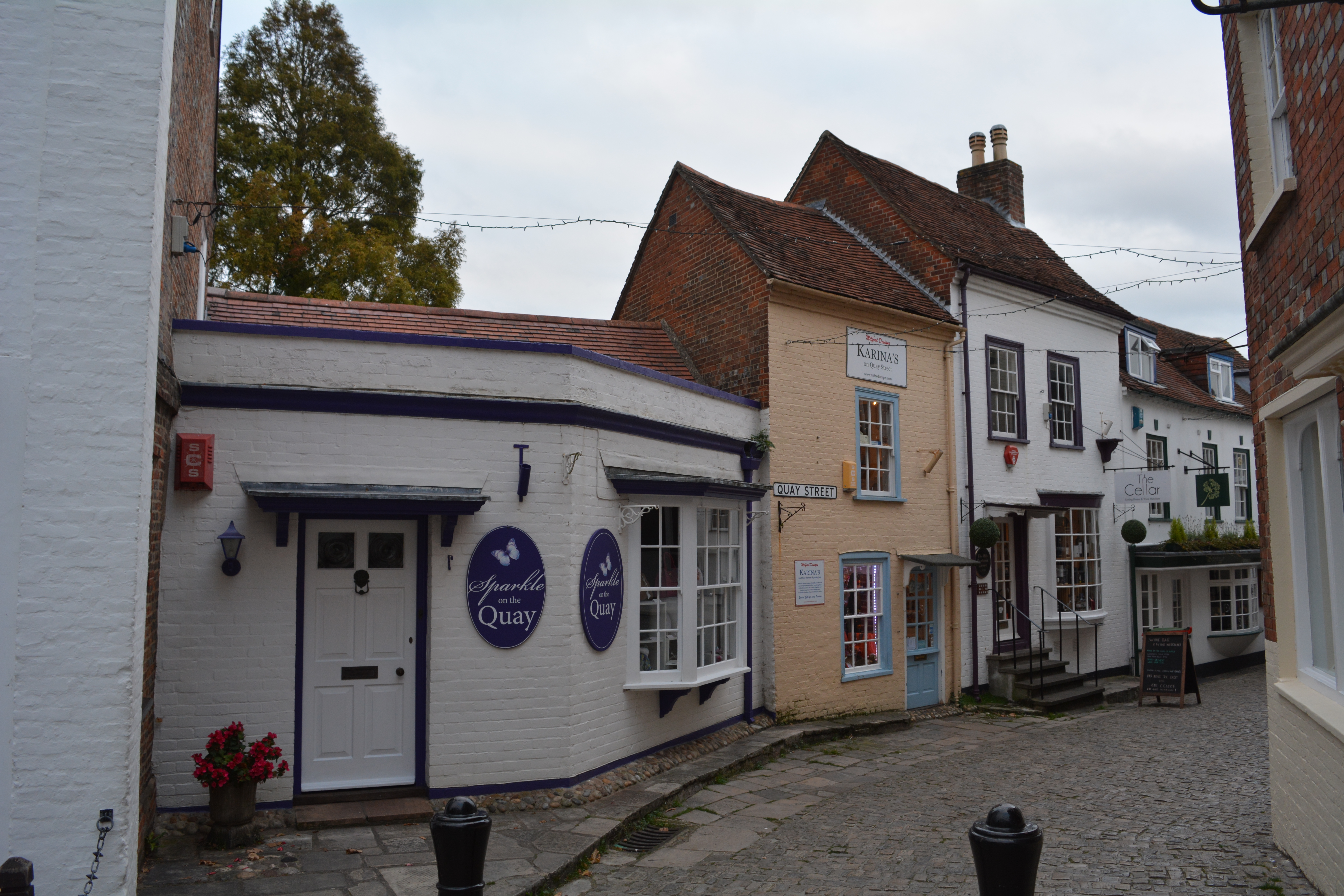
Once suitably refreshed and loaded with caffeine we wandered the old narrow streets close to the quay. We were taken by the amusing and original shop names and their signage.

2015 10 19_6164 2015 10 19_6163 2015 10 19_6162 2015 10 19_6161 2015 10 19_6160   2015 10 19_6167  2015 10 19_61652015 10 19_6219 2015 10 19_6218


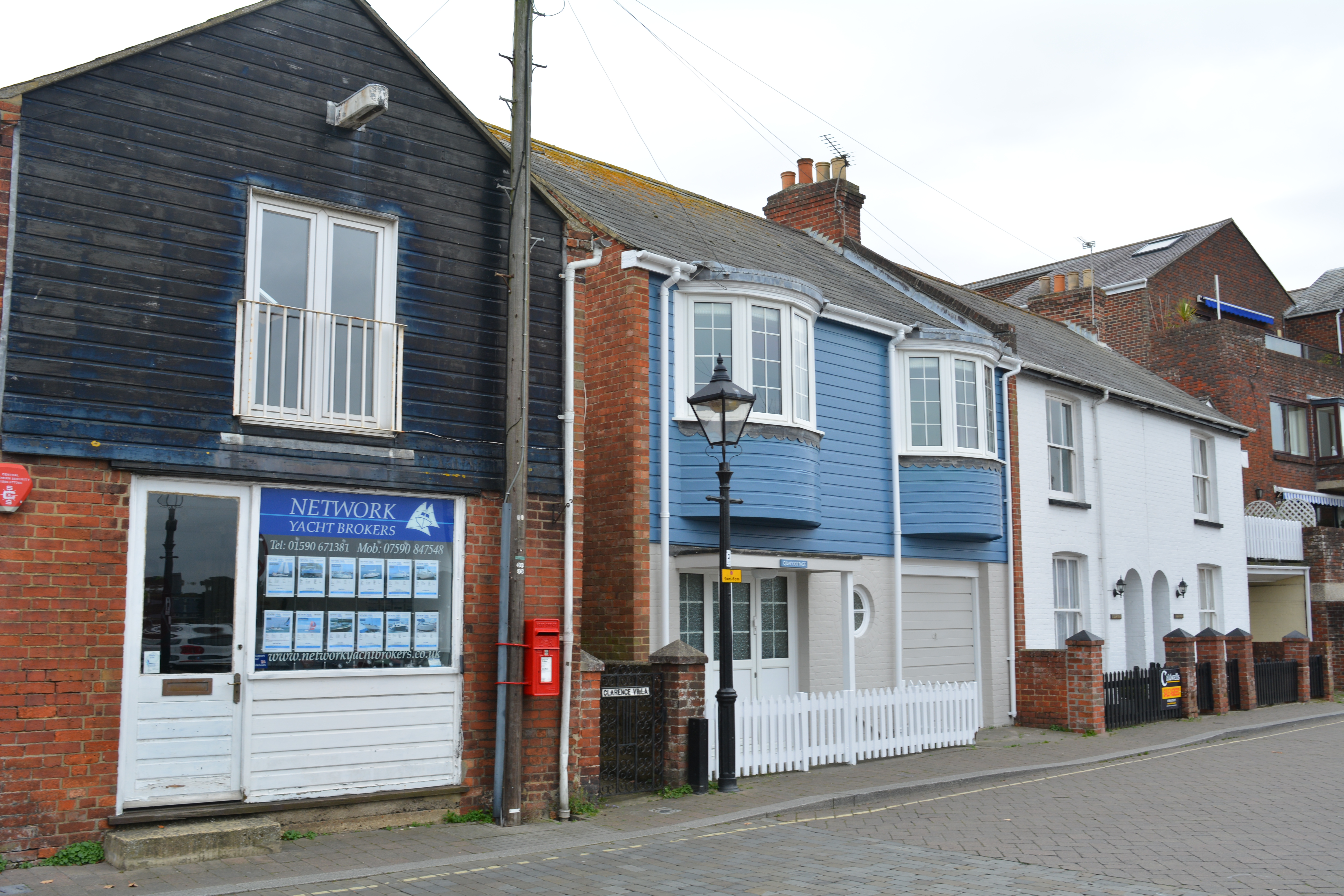
We left the old town and wandered along Quay Road which ran parallel to the estuary. The many old boathouses have been converted into homes, business premises and holiday accommodation.

2015 10 19_6172 2015 10 19_6171 2015 10 19_6170 2015 10 19_6175 2015 10 19_6174 2015 10 19_6173  2015 10 19_6177 2015 10 19_6180

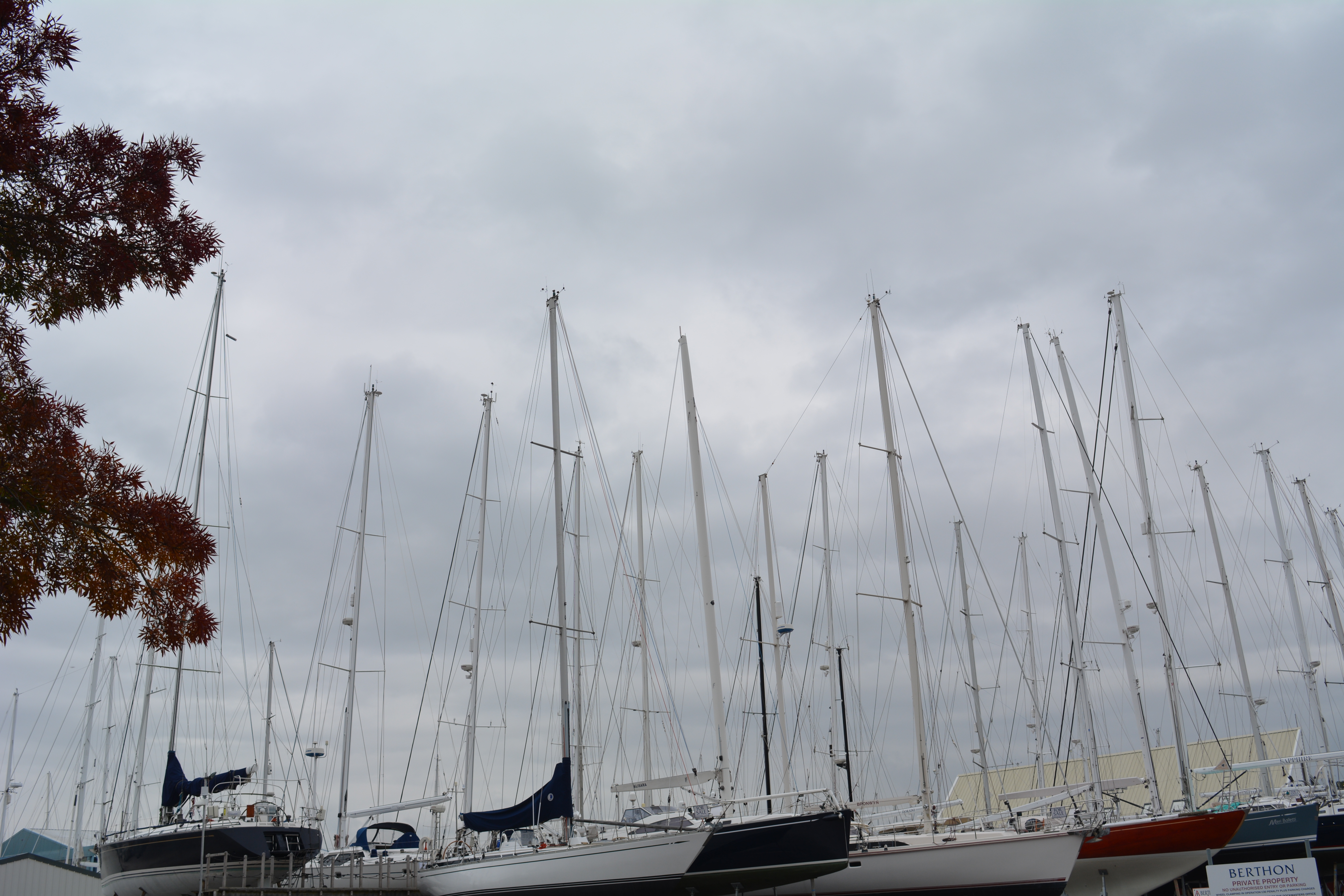
We passed several boat repair yards, marinas and boat builders. We were attracted to the sign of this boat builder, with its two letter B’s depicting yachts with wind-filled sails.

2015 10 19_6176 2015 10 19_6179

2015 10 19_6181 2015 10 19_6185 2015 10 19_6187 2015 10 19_6189 2015 10 19_6190 2015 10 19_6193

2015 10 19_6195 2015 10 19_6196

Jude the Undergardener could not resist playing in this old fashioned seaside entertainment.

2015 10 19_6192

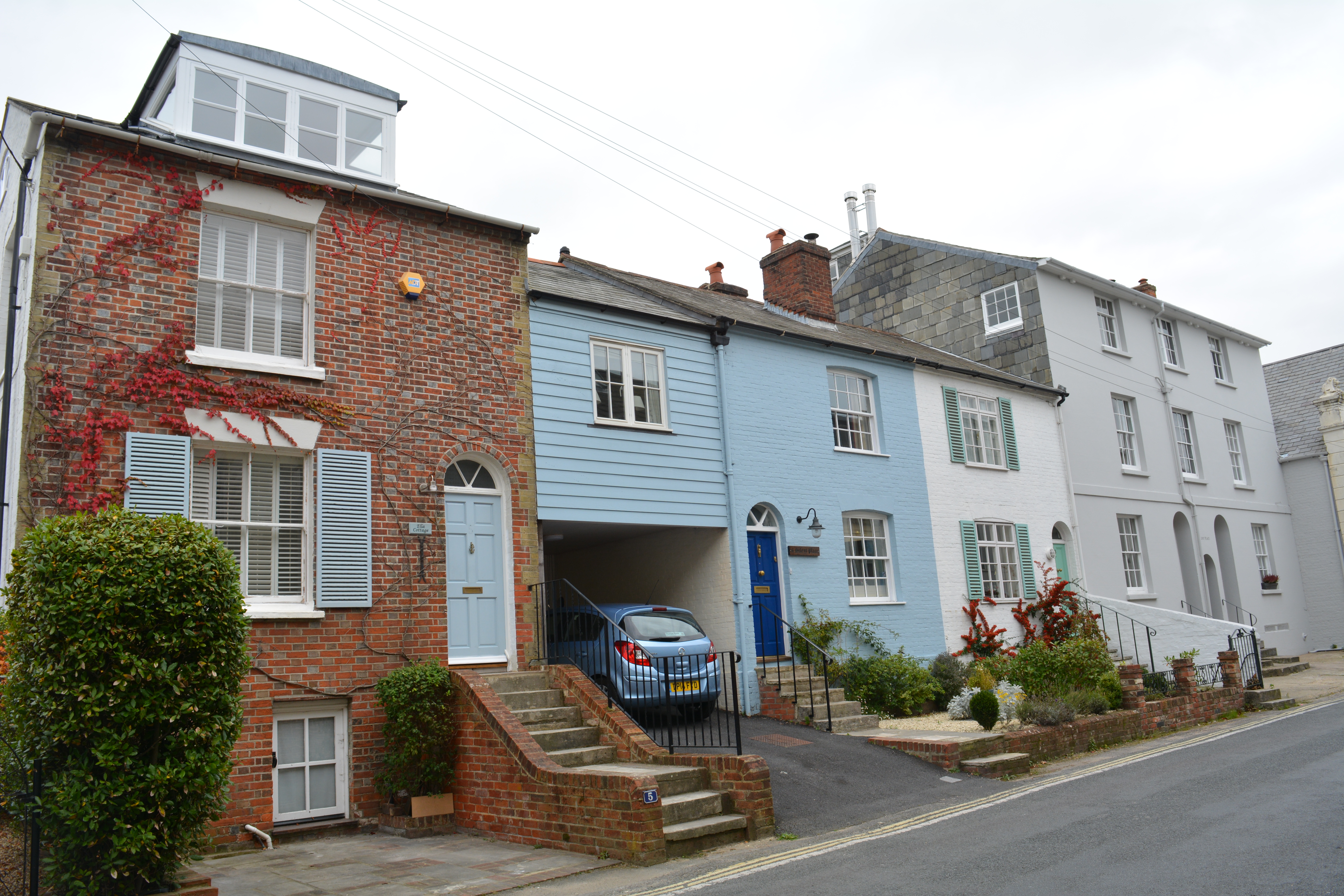
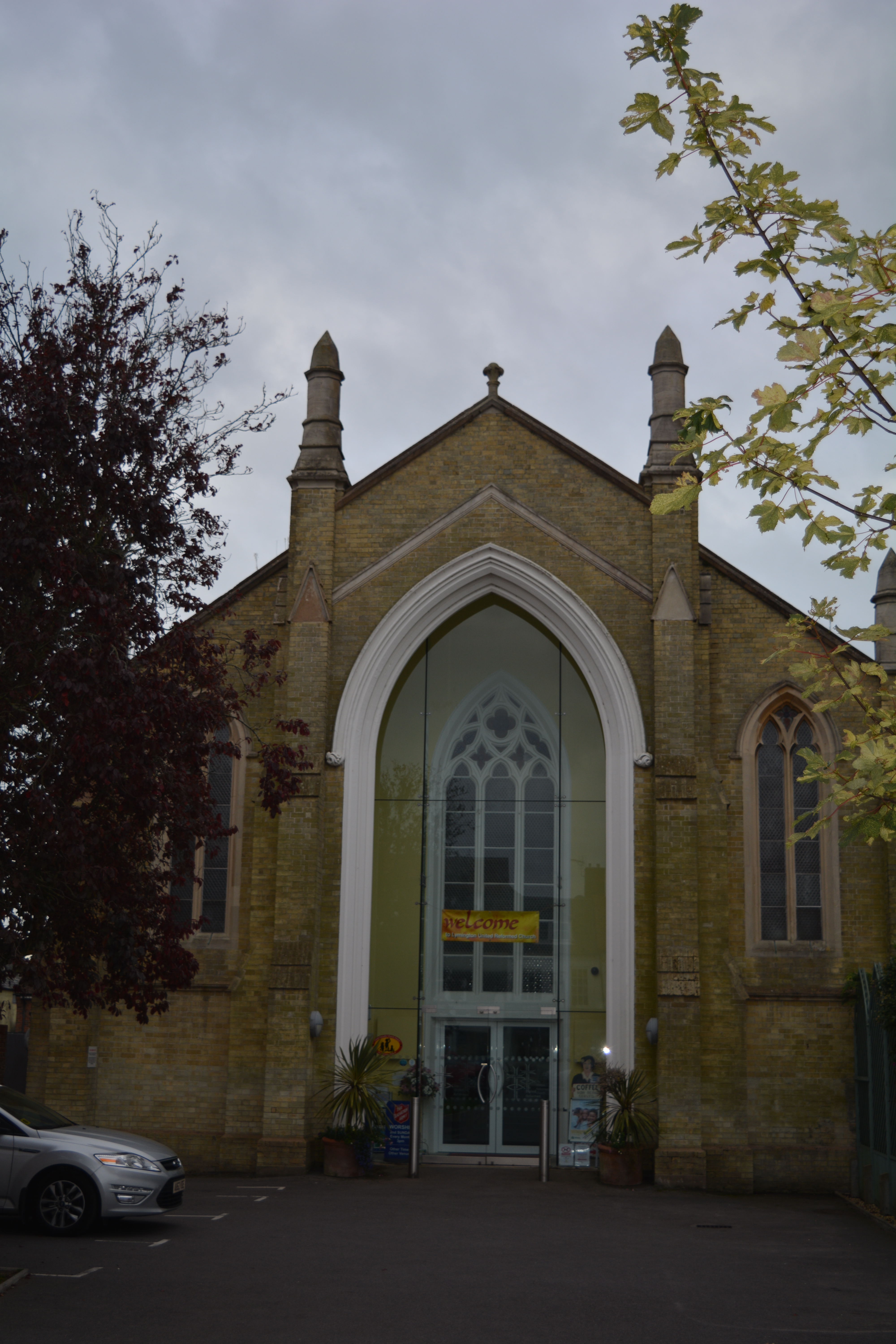
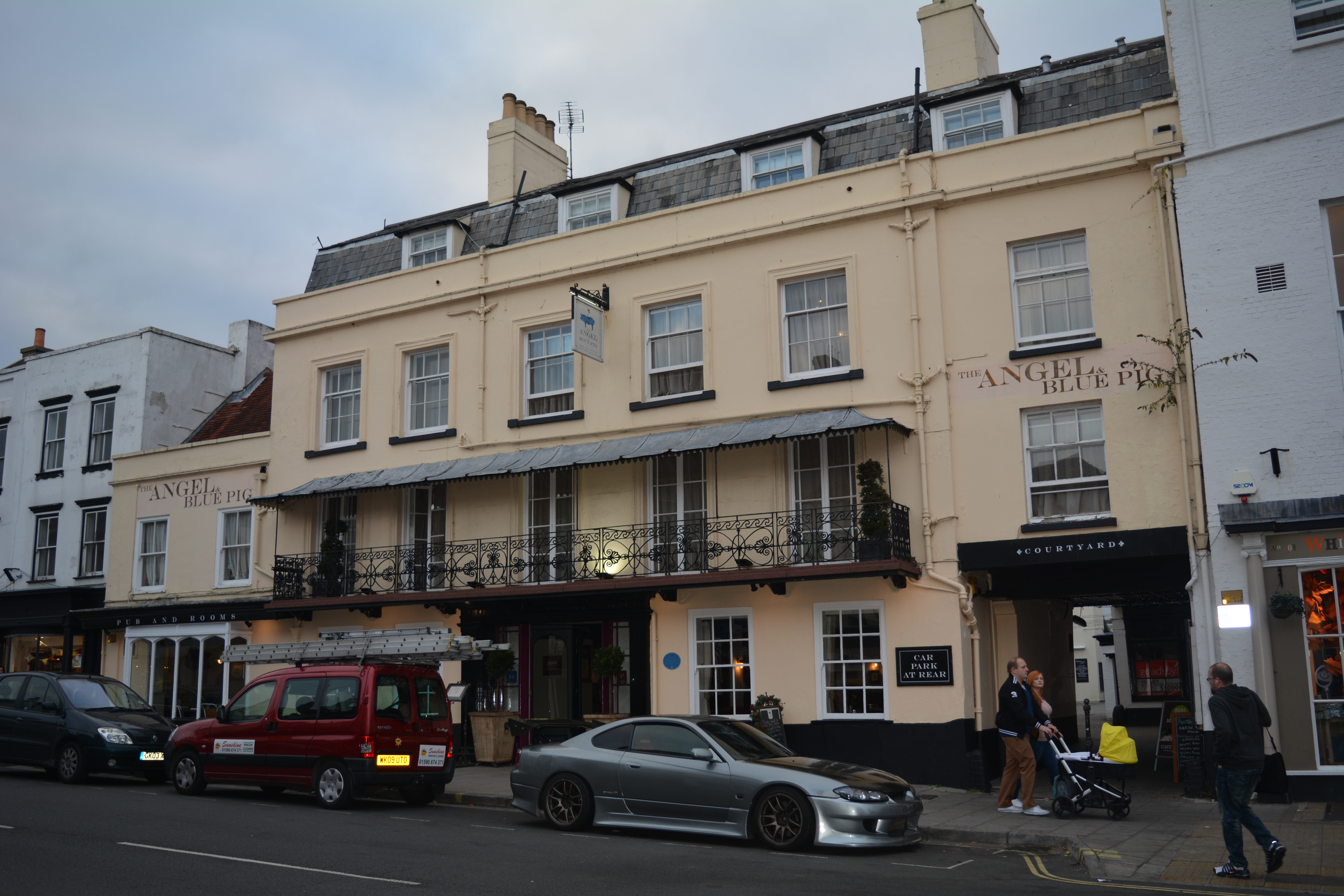
Our walk took us away from the waterfront and back to the town’s main street, where we found buildings of different ages, old shops, churches and cinemas.

2015 10 19_6205 2015 10 19_6204 2015 10 19_6206 2015 10 19_6207 2015 10 19_6208 2015 10 19_6209

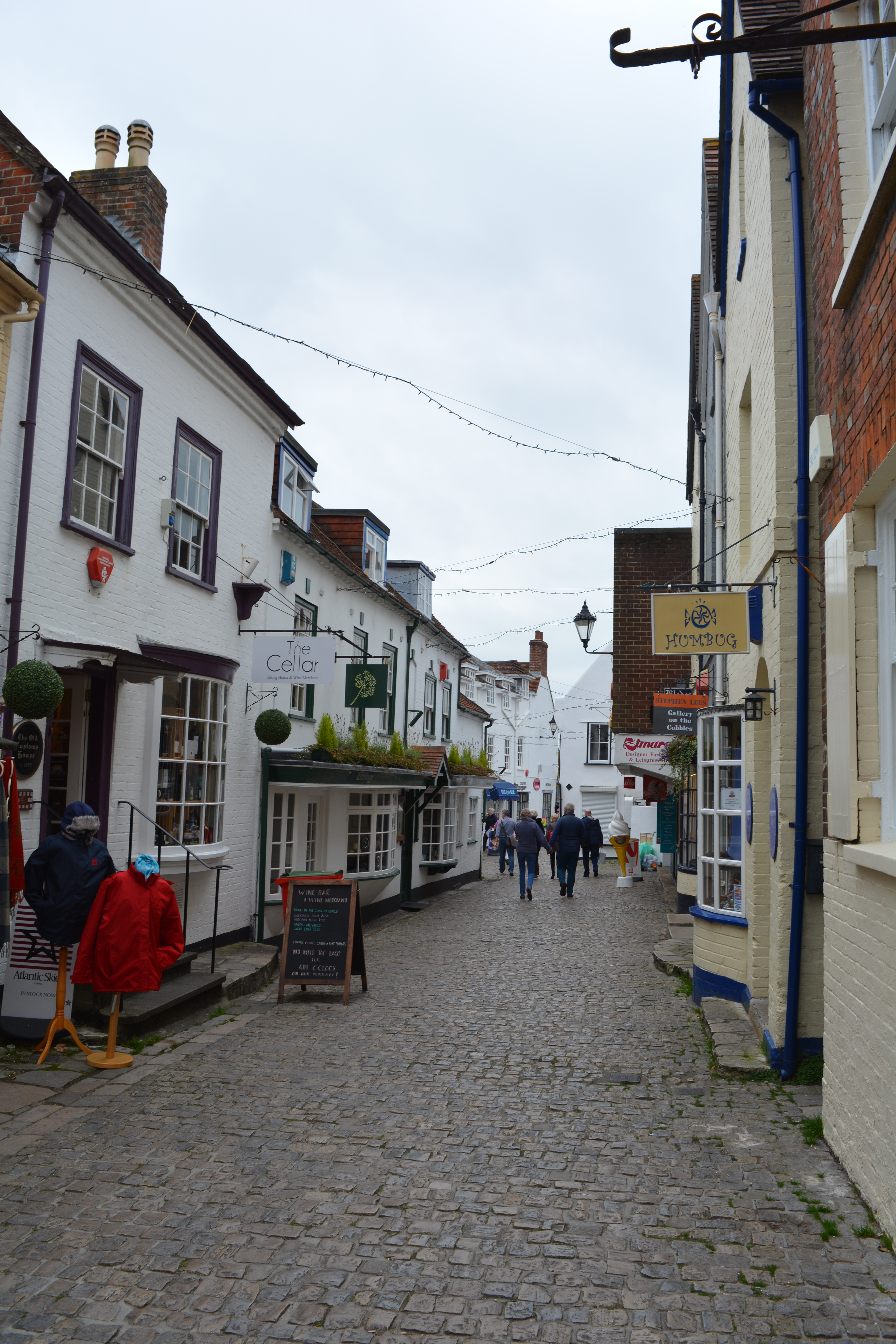
After a stop for coffee and cakes we walked back through the old village with its cobbled streets and tiny shops.

2015 10 19_6210 2015 10 19_6211 2015 10 19_6213 2015 10 19_6217

We had enjoyed our day by the sea even though we found no sandy beach to walk on or even shingle to crunch through.

This Veggie Life

A Vegetarian | Nature Lifestyle Blog

Rambling in the Garden

.....and nurturing my soul

The Arch City Gardener

Journeys In St. Louis Gardening and Beyond

Garden Dreaming at Châtillon

Consult the genius of the place

Storyshucker

A blog full of humorous and poignant observations.

gardeninacity

Notes from a wildlife-friendly cottage garden

PlayGroundology

...an emerging social science

The Official Blog of British Wildlife

'The most important and informative publication on wildlife of our times' - The Independent. This blog is a member of The UK & Ireland Natural History Bloggers group: www.uknhb.blogspot.com

iGrowHort

Inspire - Cultivate - Grow Native Plants - Restore Landscapes

Bishops Meadow Trust

To create and protect a semi-natural wild space for the people of Farnham to enjoy and experience an array of British wildlife in our town

Gardening with Children

The www.gardeningwithchildren.co.uk Blog

UKbirdingtimeline

birding through the seasons, why birds matter and how to conserve them

NATURE WALKER

with a camera in hand

Jardin

Transform your outdoor space

Eva's space

My allotment, cooking and other interests

Old School Garden

my gardening life through the year

LEANNE COLE

Trying to live a creative life

fromacountrycottage

trying to live as lightly as possible on our beautiful planet

Good Life Gardening

Nature lovers from Leicester living the good life.

mybeautfulthings

Finding the beautiful in the everyday

mawsonmichelle

Michelle's Allotment

In and Out of My Garden

thoughts from and about my garden

Greenhousing

Big plans for a small garden

The Scottish Country Garden

A Walled Country Garden in South East Scotland

The Fruity Chicken

Life at the fruity chicken

willowarchway

Off grid living. Self sufficient. "PERMAGANICS RULE".

St Anns Allotments

Nottingham's Grade 2* Listed Allotments and Community Orchard

Manifest Joy Harvests

a journey in suburban vegetable gardening

Allotmental

The madness of growing your own

Penny's Garden: a harvest beyond my front door

A novel approach to vegetable gardening

arignagardener

Sustainable living in the Irish countryside.

NewEnglandGardenAndThread

Master Gardener, amateur photographer, quilter, NH native, and sometimes SC snowbird

dianajhale

Recent work and work in progress and anything else that interests me

planthoarder

a chaotic cottage gardener

Lens and Pens by Sally

a weekly blog that creates a personal philosophy through photographs and words

Dewdrops and Sunshine

Stories from a sassy and classy Southern farmbelle.

The Pyjama Gardener

Simple Organic Gardening & Seasonal Living

gettin' fresh!

turning dirt into dinner

JOY...

today the world is created anew

Garden Birds

Notes from a Devon garden

ShootAbout

Life Through The Lens

Adapting Pixels

A photography blog showcasing the best photography pictures and videos on the internet

Wildlifegardening's Blog

Just another WordPress.com site

naturestimeline

personal observations from the natural world as the search continues for a new approach to conservation.

LATEBLOOMERBUDS

The Wonders of Life through my Eyes, my Heart, my Soul