Categories
climbing plants garden photography

Simply Beautiful – 15

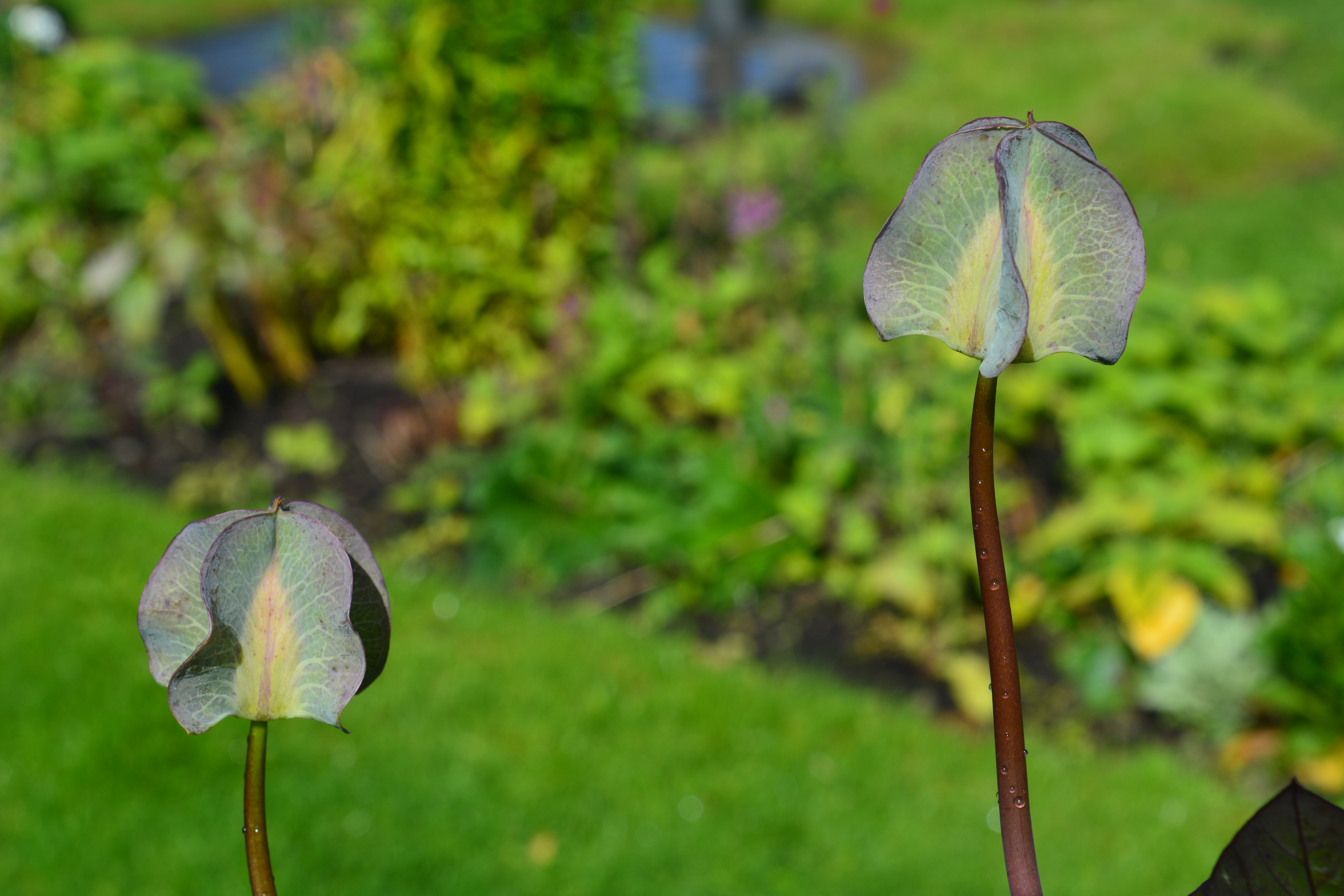
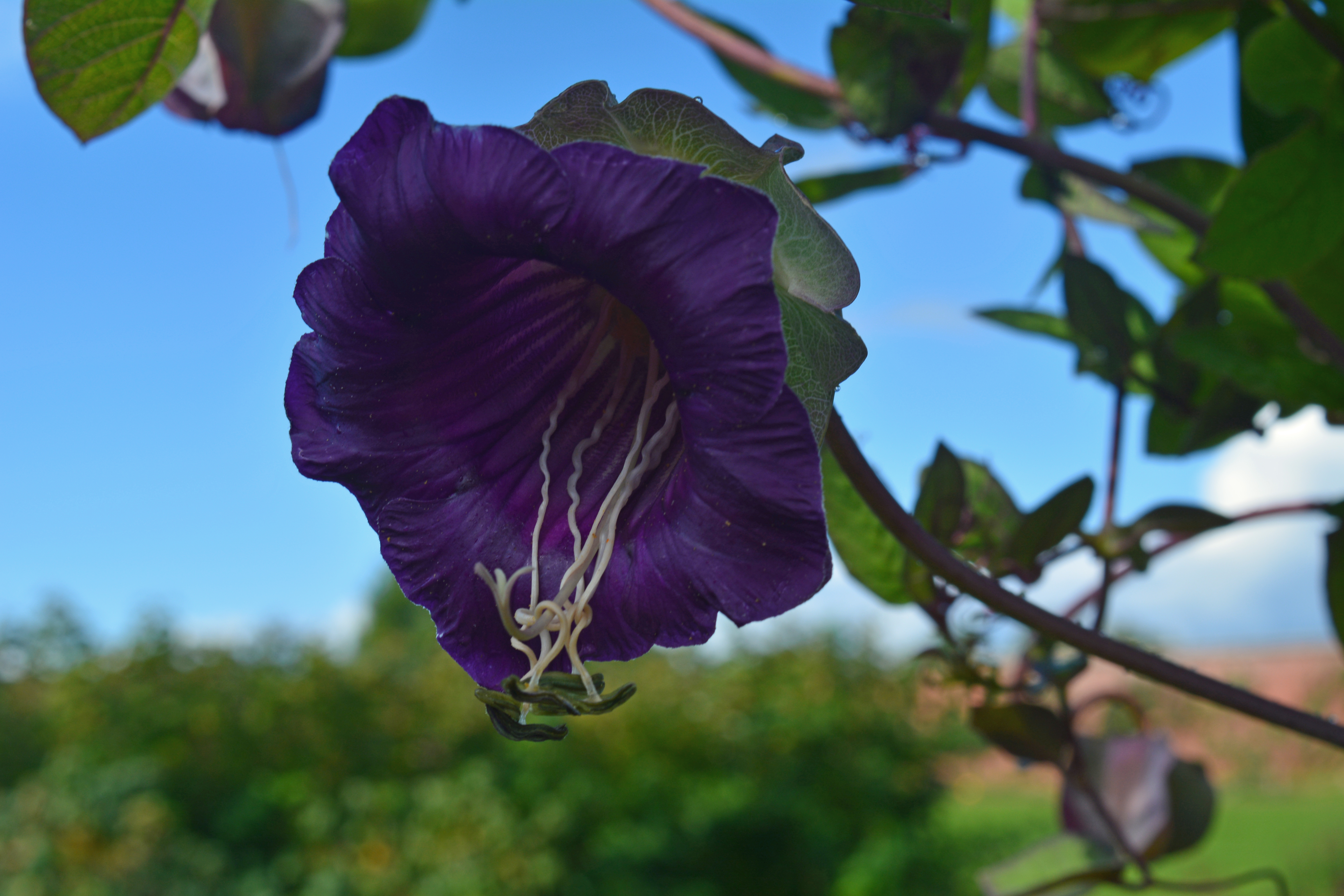
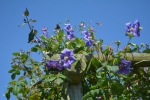
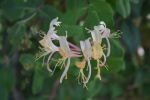
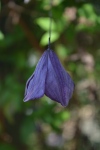
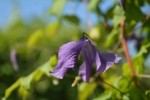
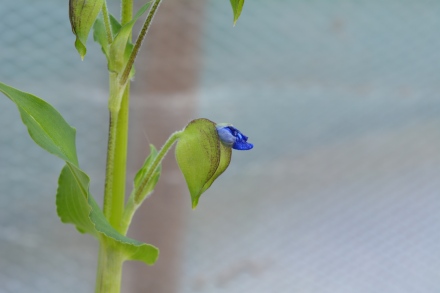
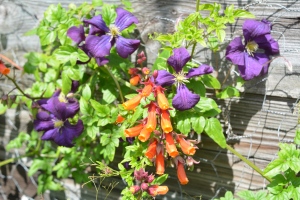
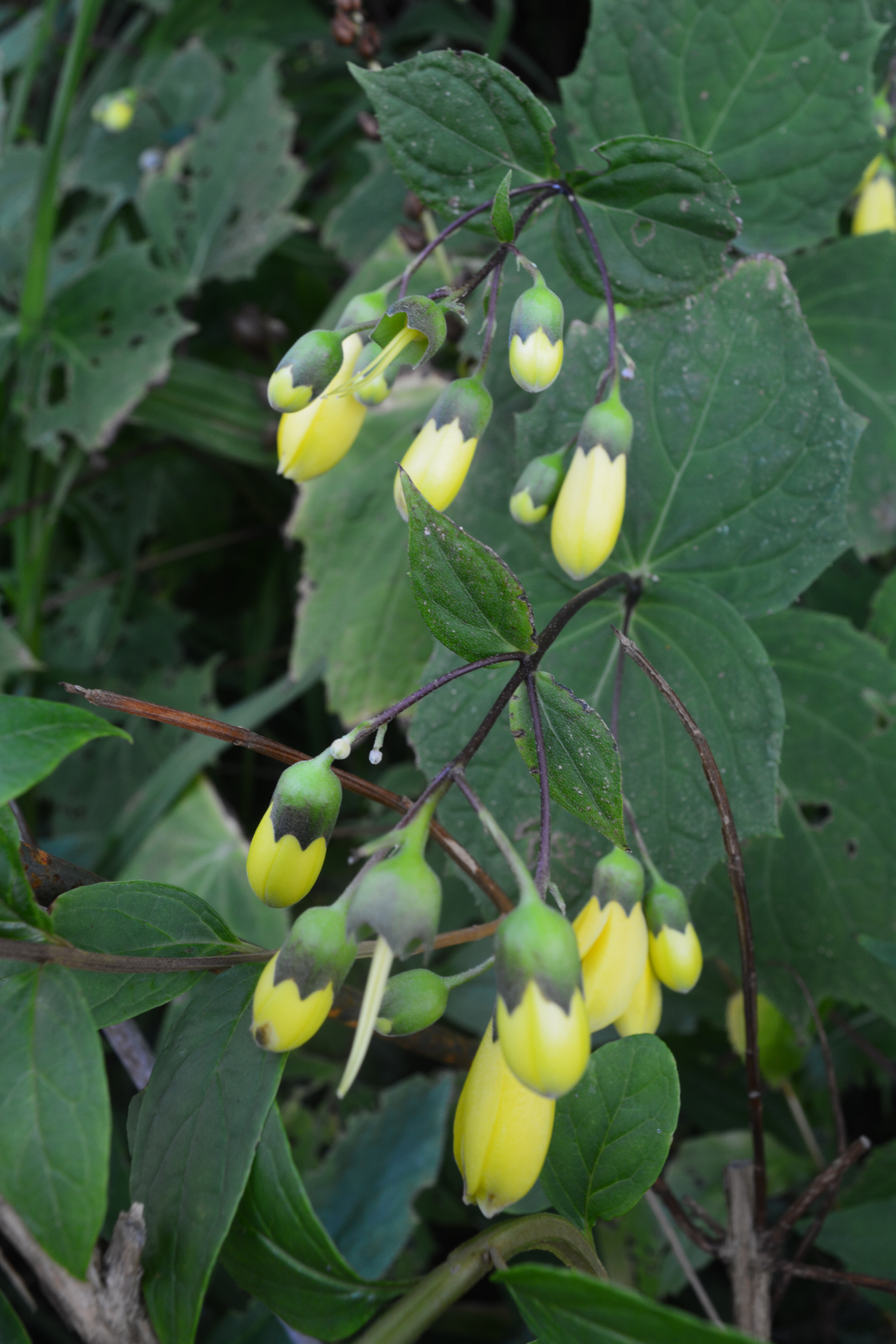
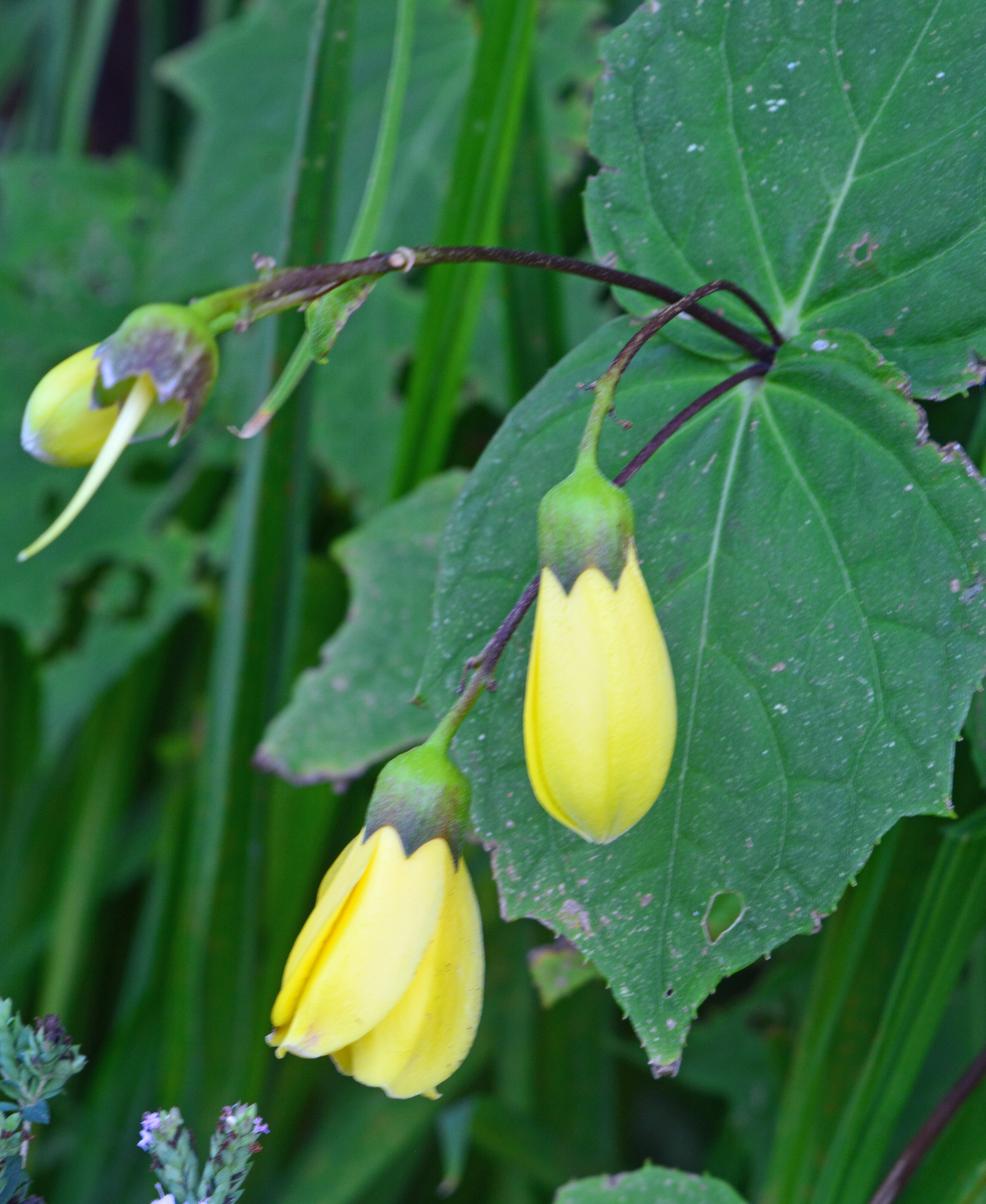
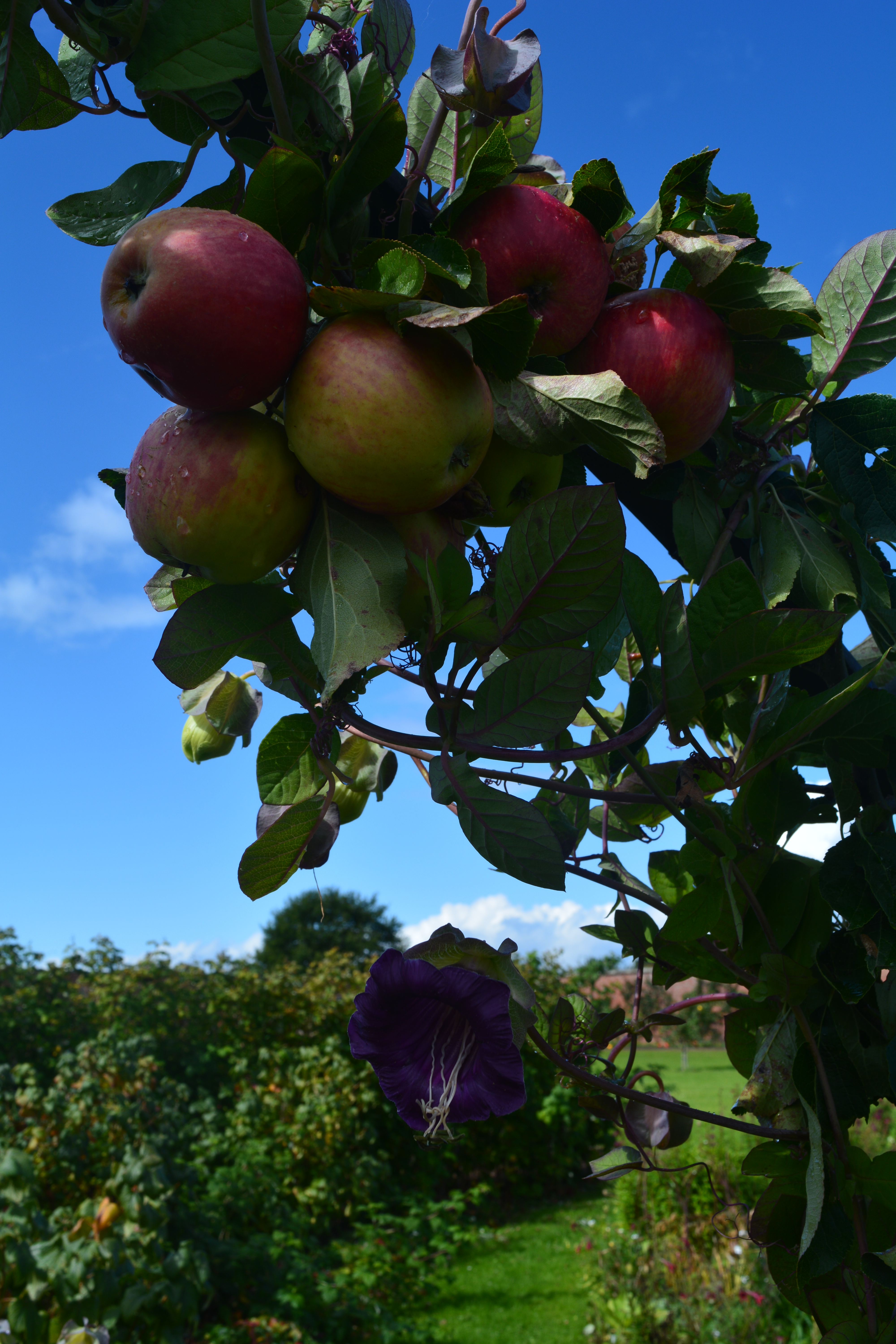
This is the fifteenth in my series featuring simply beautiful natural things and I am going to feature an unusual looking flower as I did in the preceding “Simply Beautiful” post. This time I am going to feature a beautiful and very unusual flowering plant just as I did with the Commelina in my last “Simply Beautiful” post. The Commelina is a small delicate bulb but the plant featured here is a climber. It is Cobaea scandens, a fine climber with trumpet shaped flowers which also resemble a cup and saucer, hence its common name, the “Cup and Saucer Vine”. The colouring is difficult to describe as it has many shades of green and also purple. Check out the photos below and you will see what I mean and also see why I am featuring it in my “Simply Beautiful” series of posts.


Categories
climbing plants colours garden design garden photography gardening gardens gardens open to the public half-hardy perennials hardy perennials meadows National Trust ornamental grasses ornamental trees and shrubs poppies roses The National Trust

Packwood – one of the stars of the National Trust.

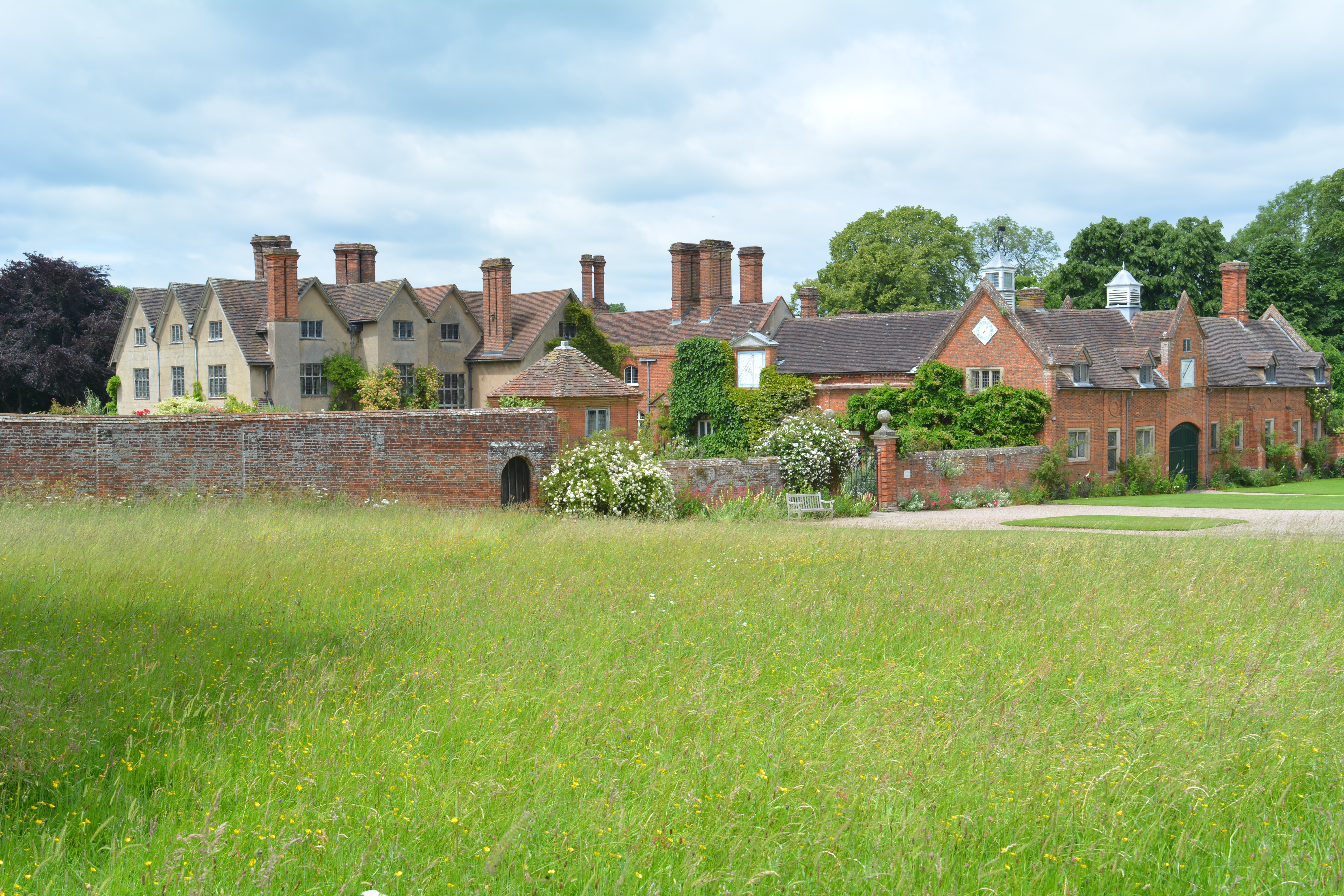
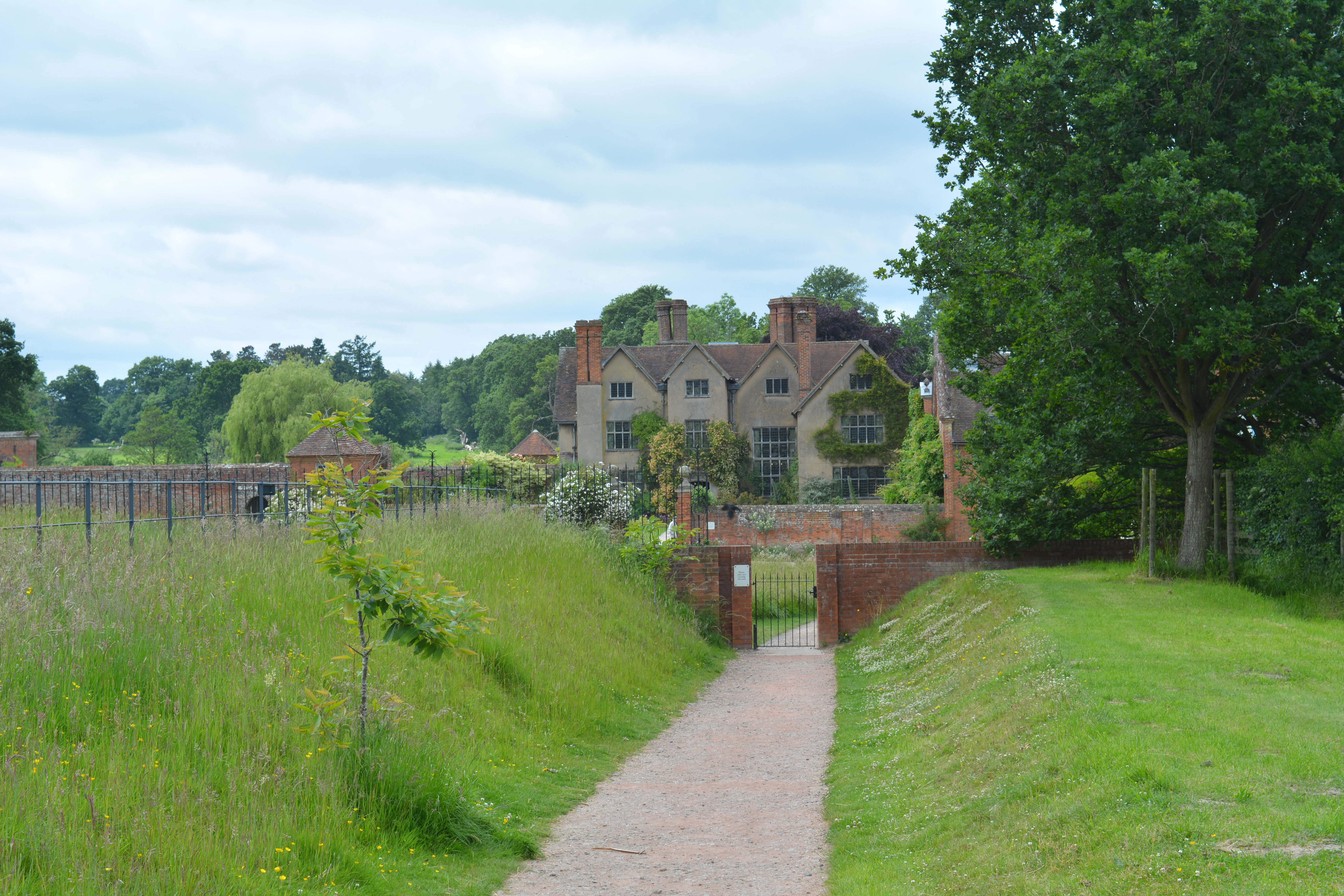
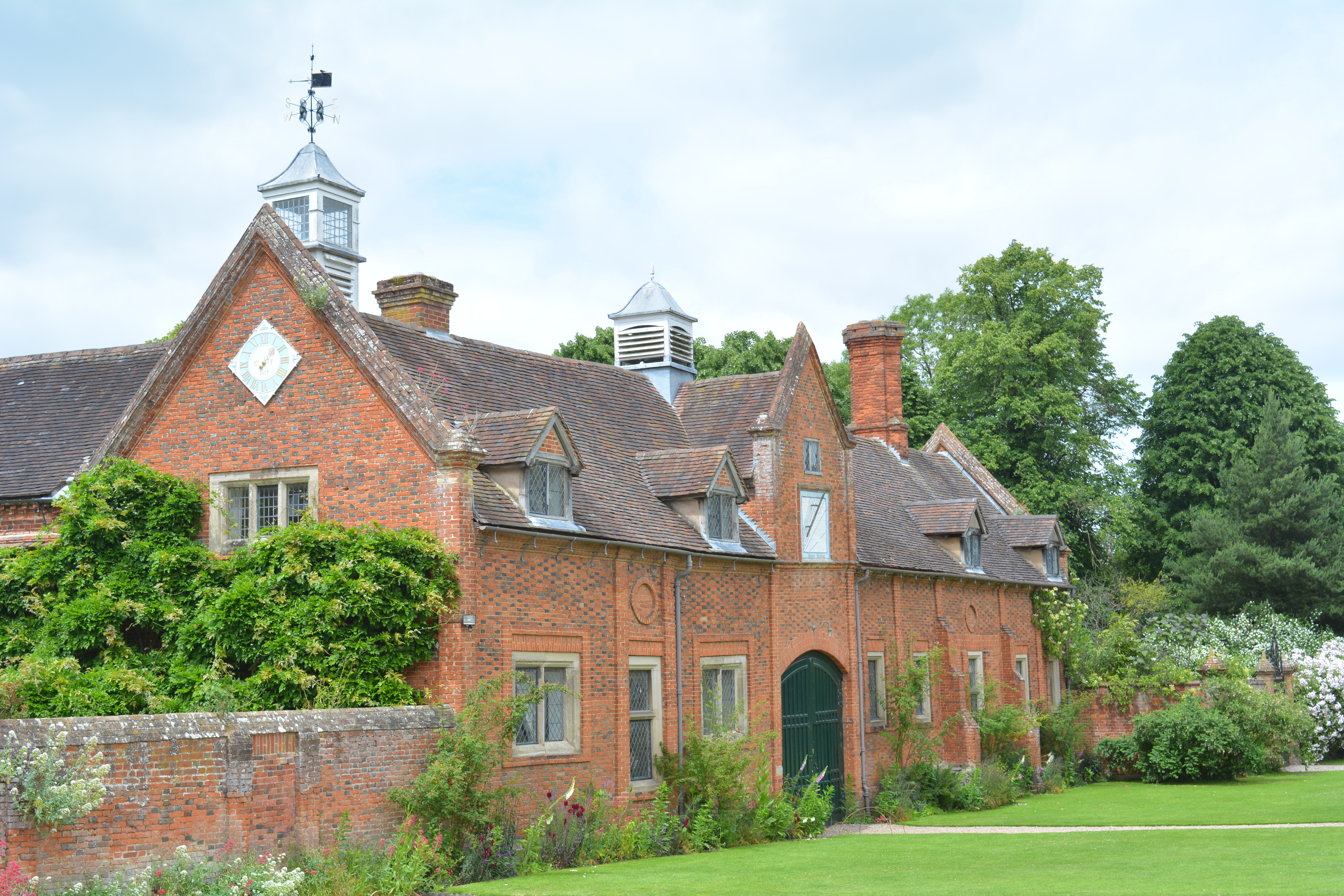
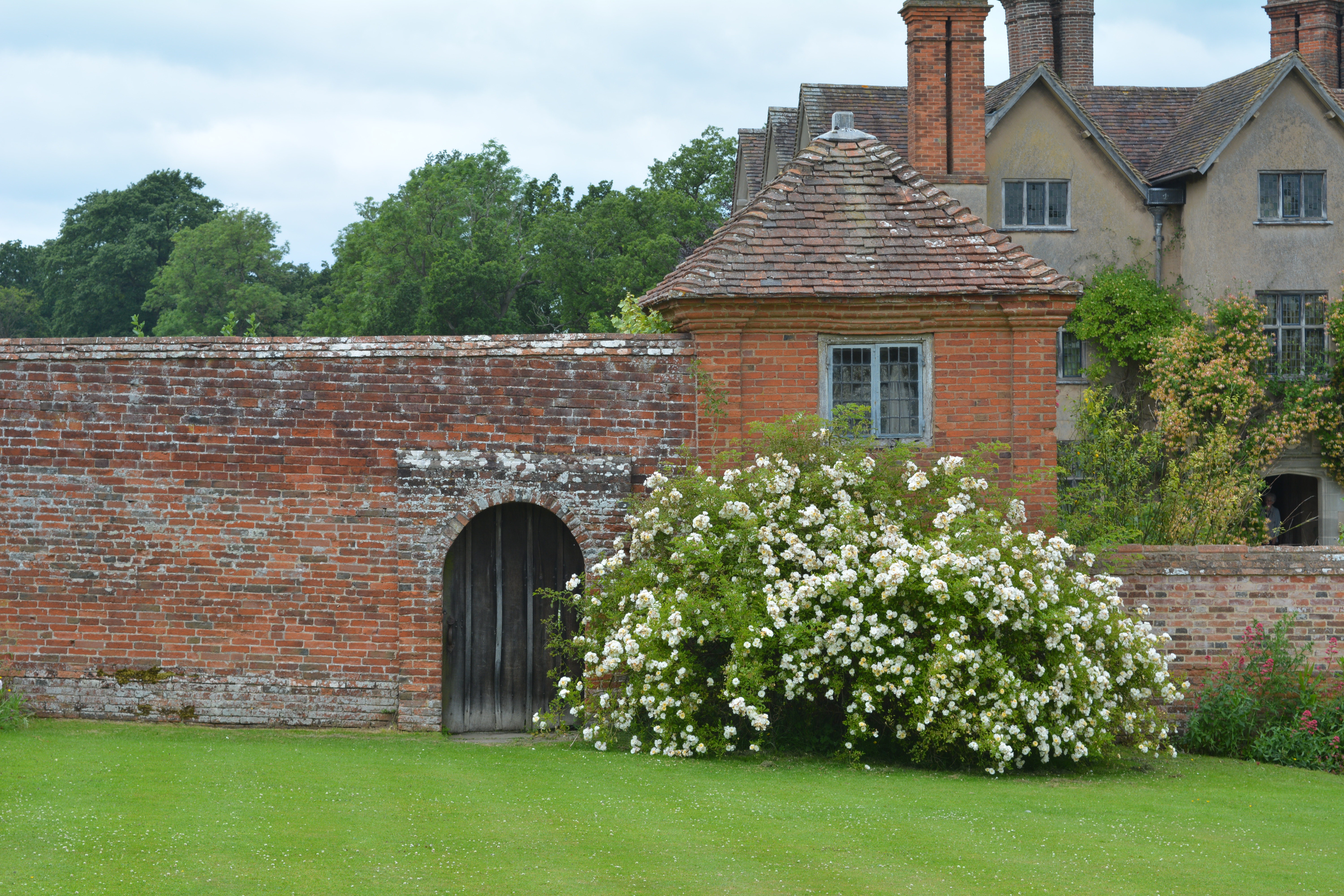
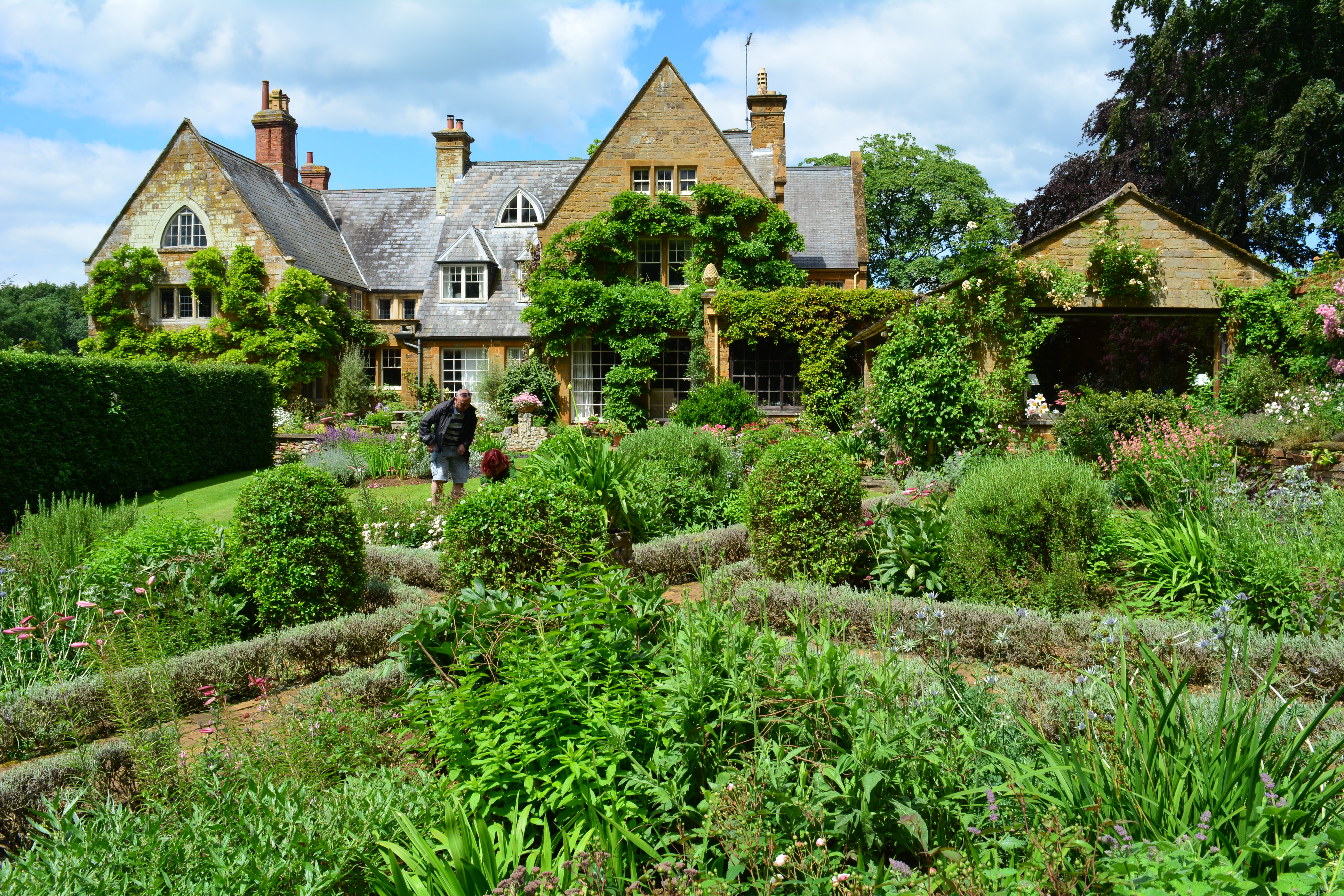
We have held memberships of the National Trust for over 40 years and one of the first we took our two children to was Packwood Hall. Packwood is now a firm favourite and we made a visit again this year. The welcome sign describes Packwood as “a house to dream of, a garden to dream in”. We were only intending to look at the house from the outside and mainly intended to explore the garden in greater detail. Packwood is well known for its unusual collection of sundials.


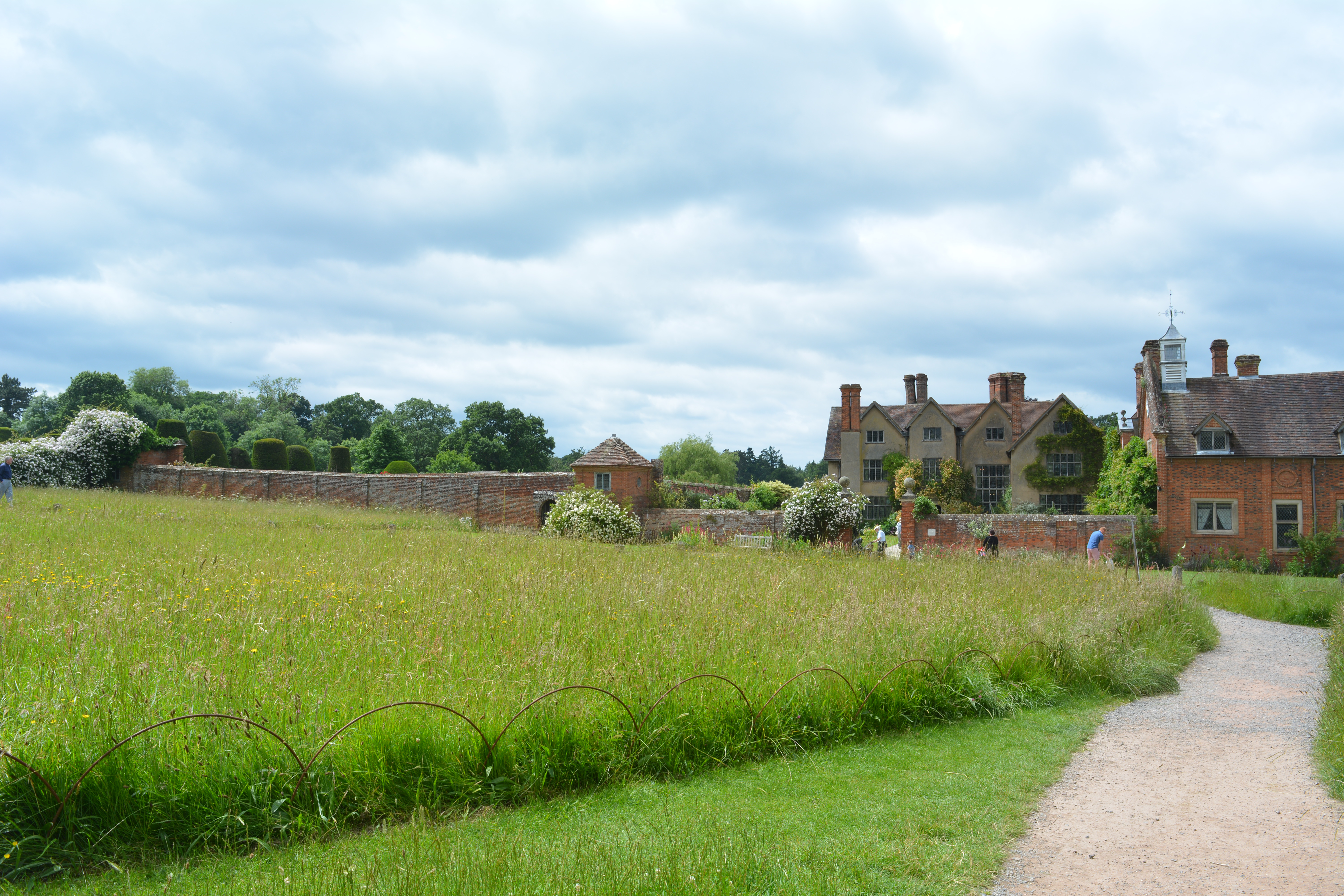
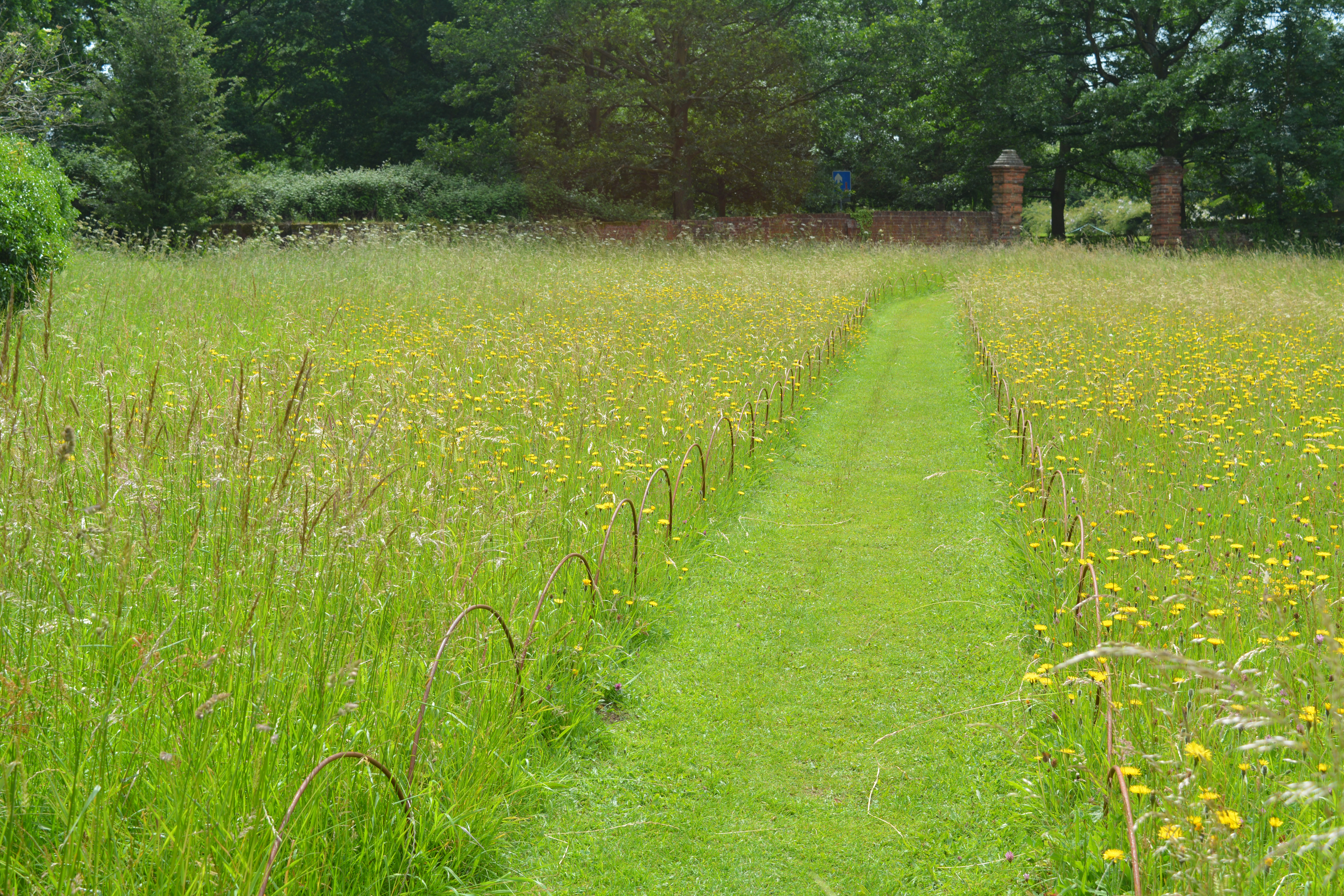
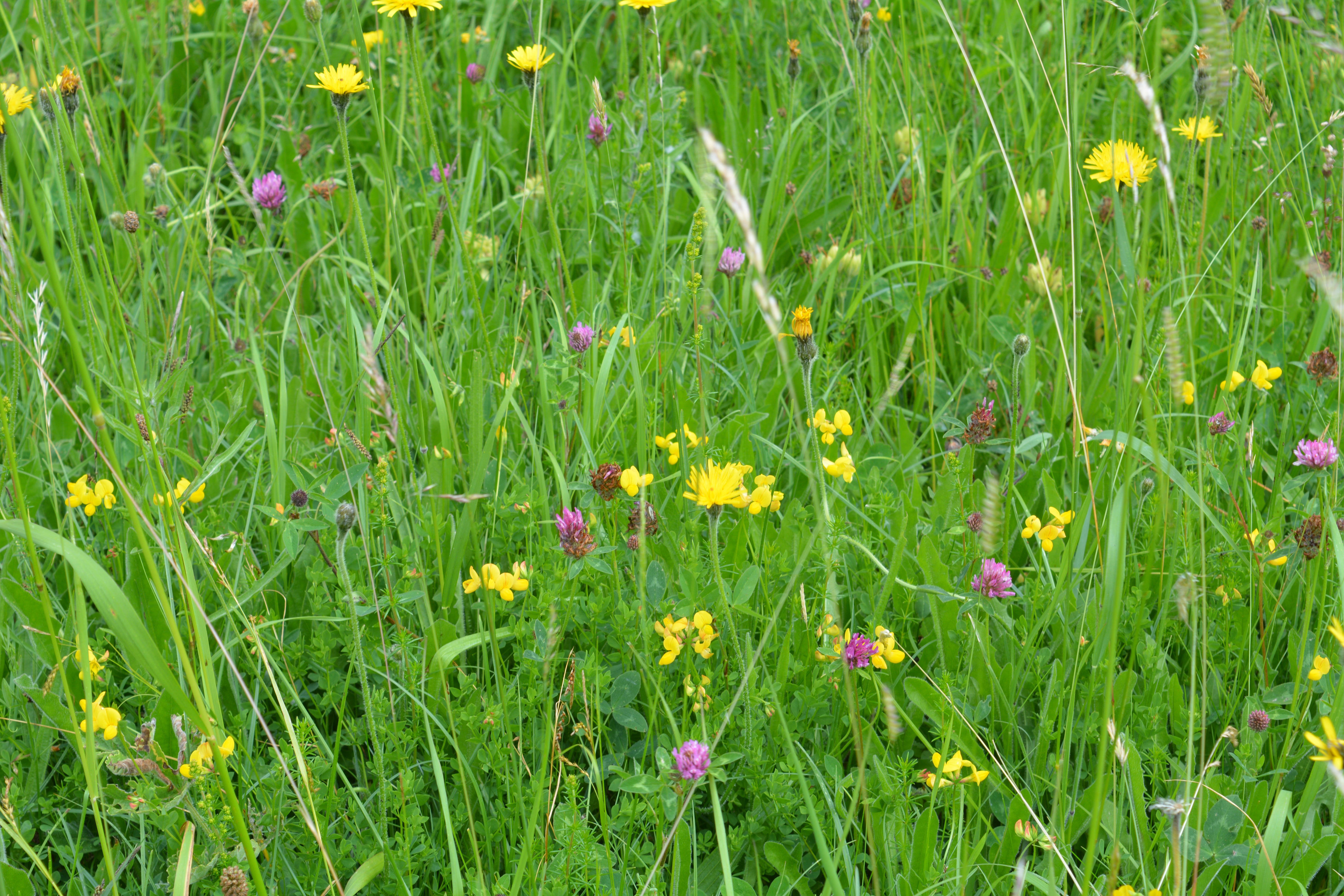
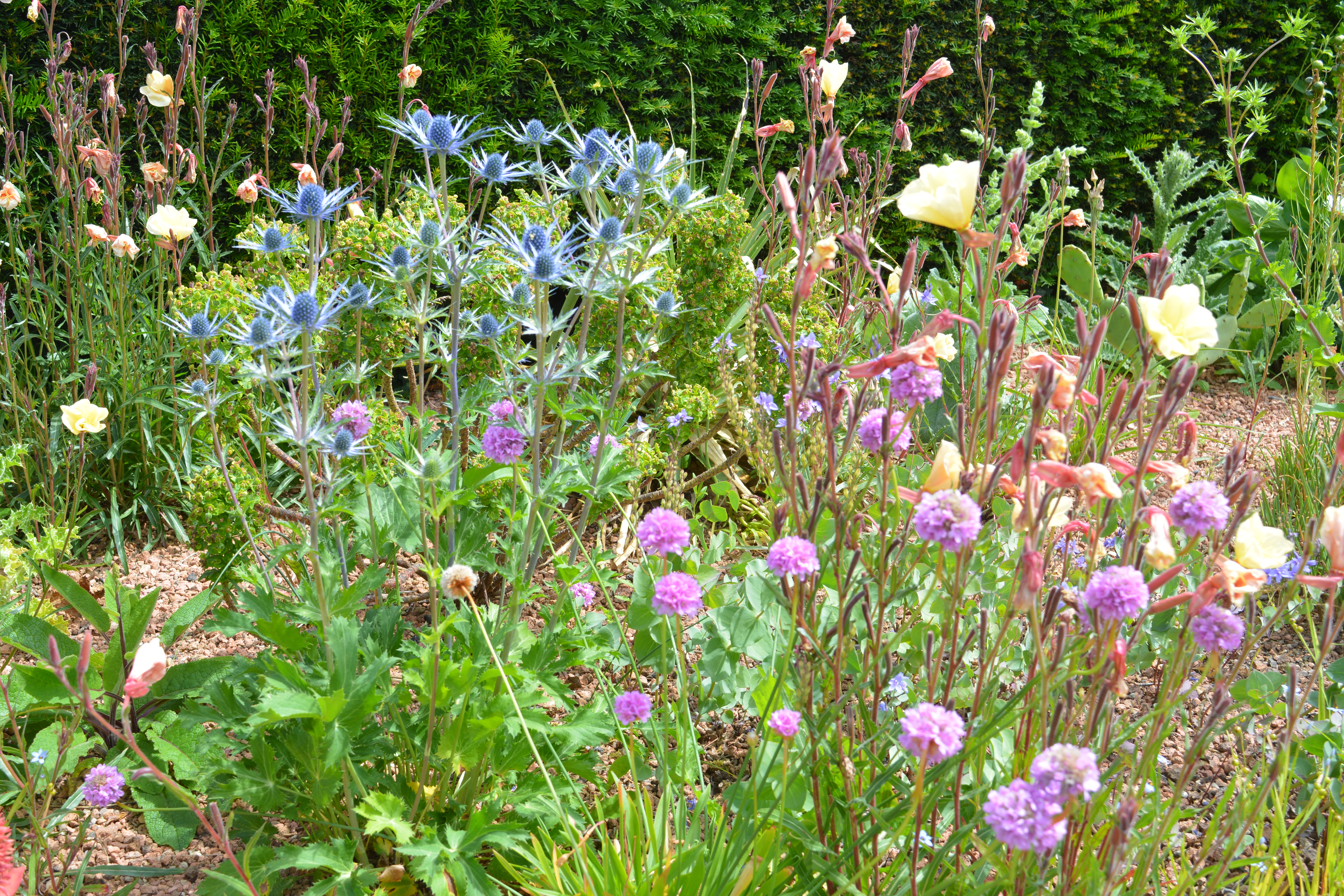
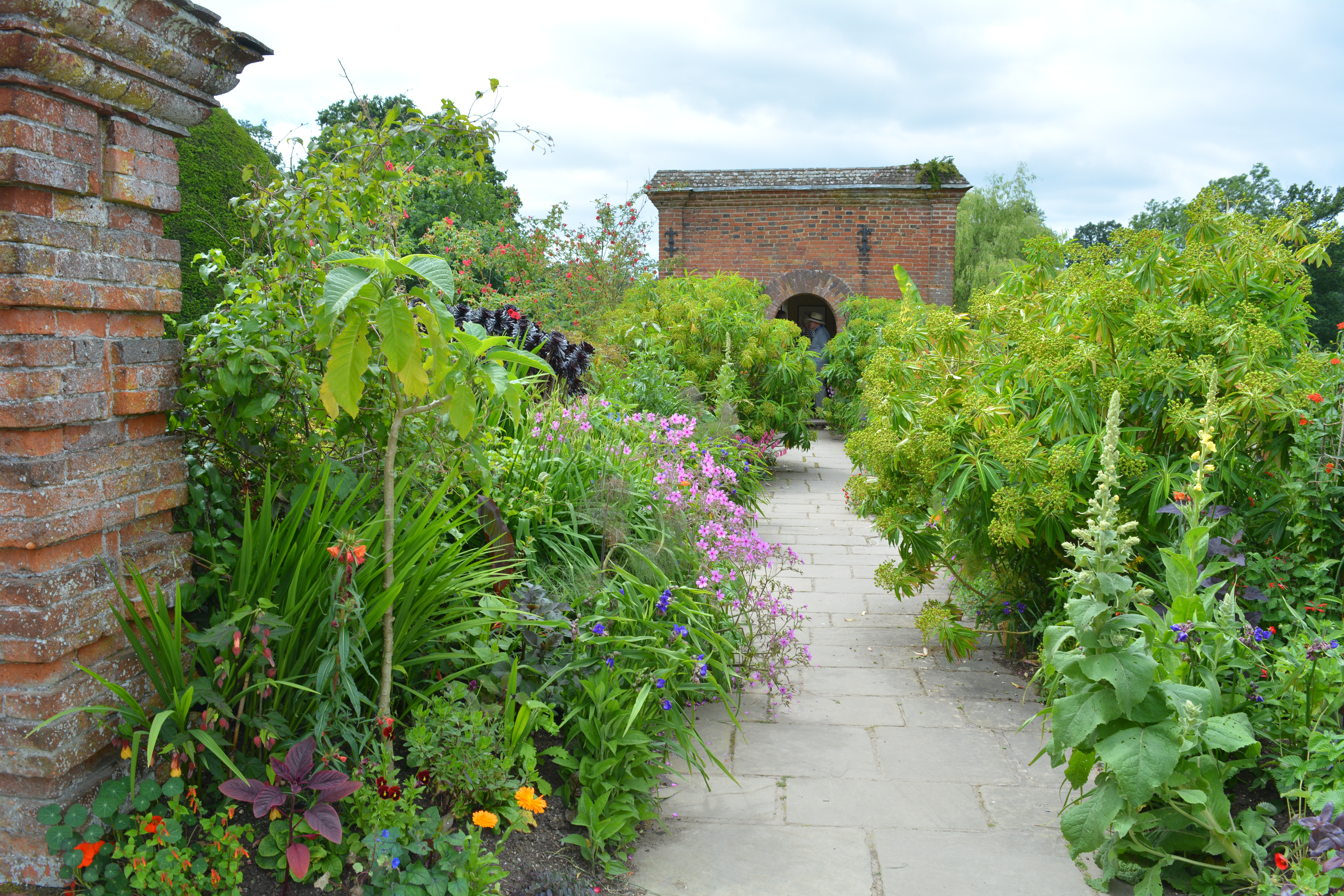
The approach to Packwood is one of the most welcoming we have ever come across, passing through wildflower meadows and impressive gateways.


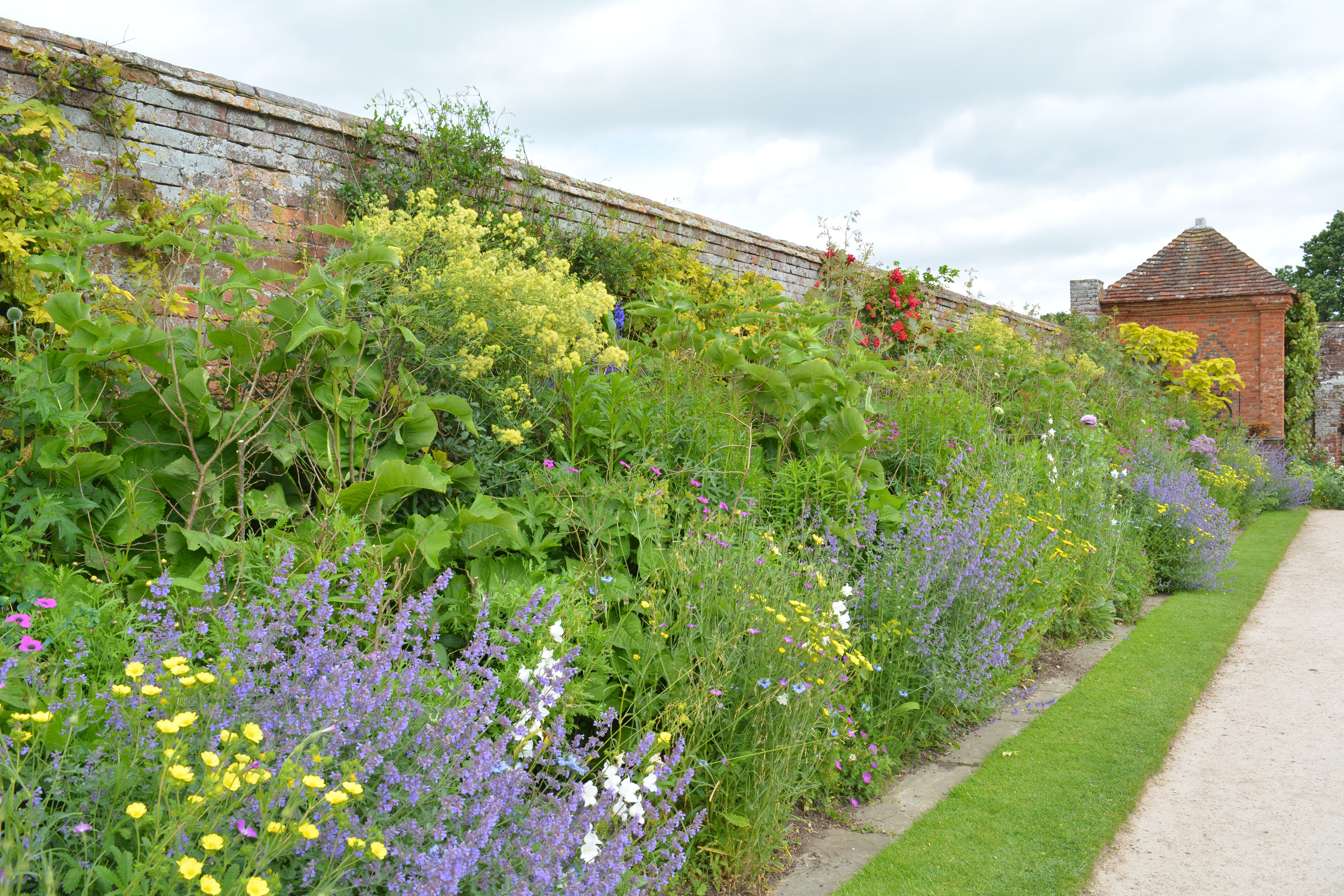
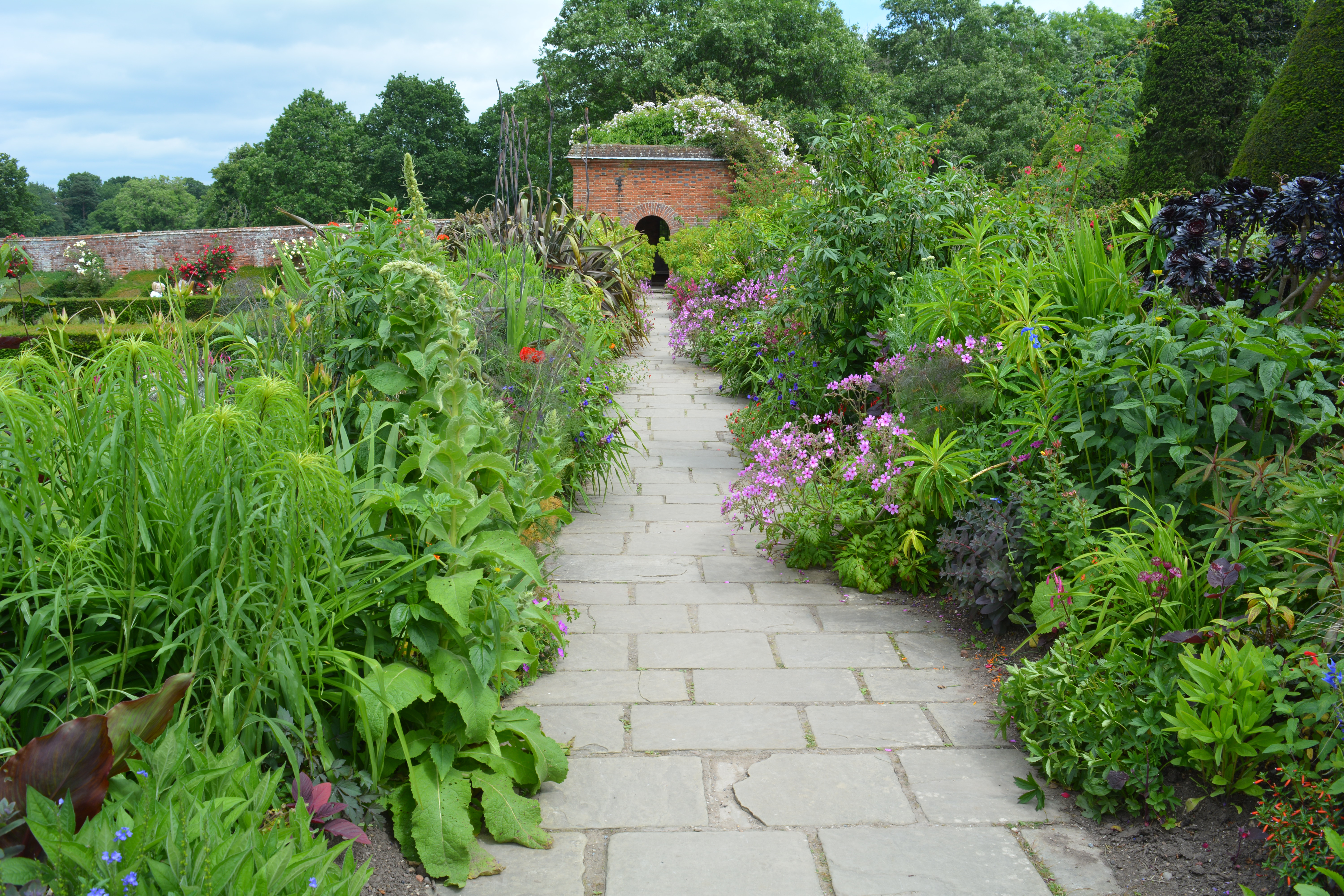
Once we had passed through a few of these gateways and archways we discovered colourful well-designed borders full of herbaceous perennials and roses. Much of the planting had been chosen to attract wildlife, predators and pollinators.


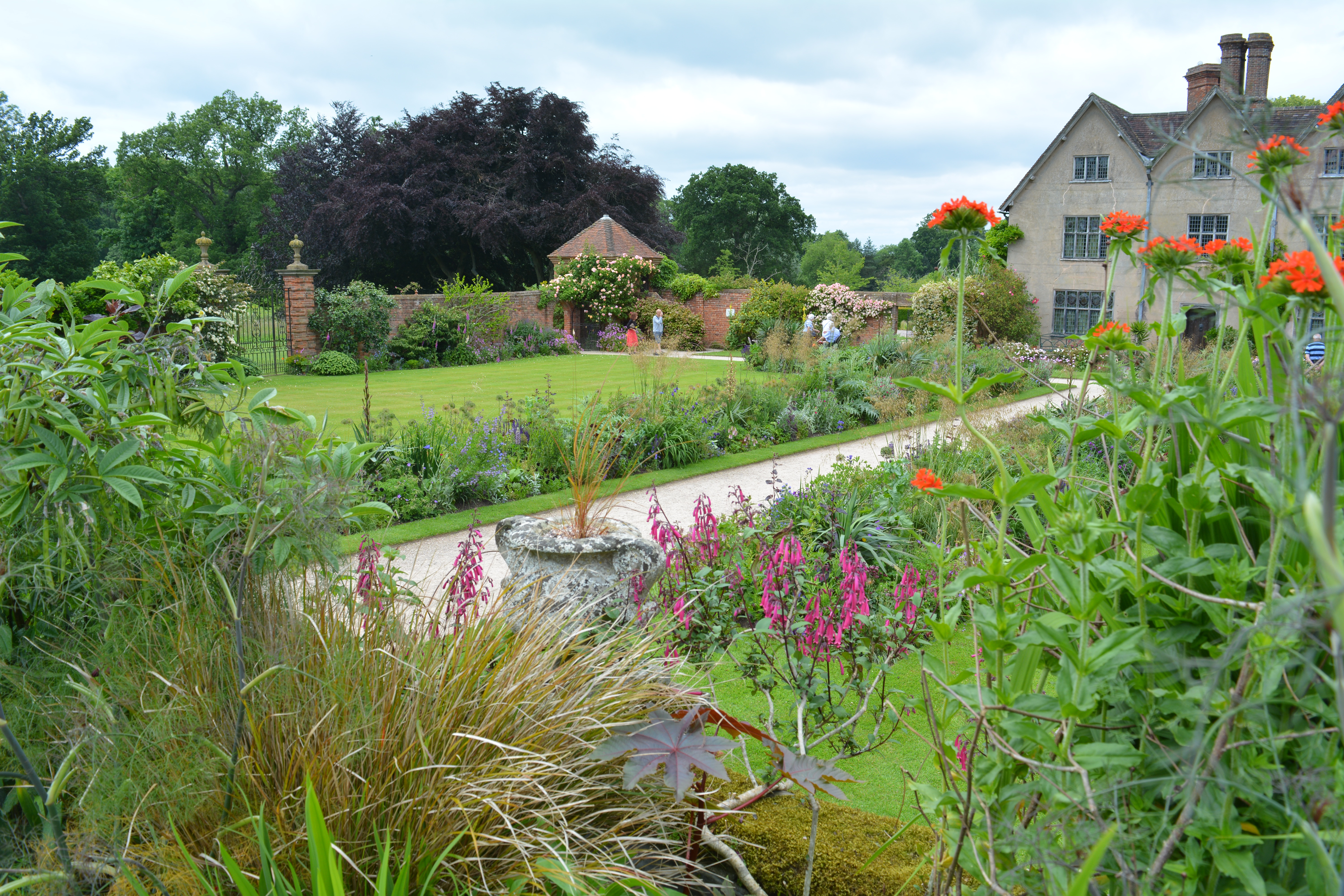
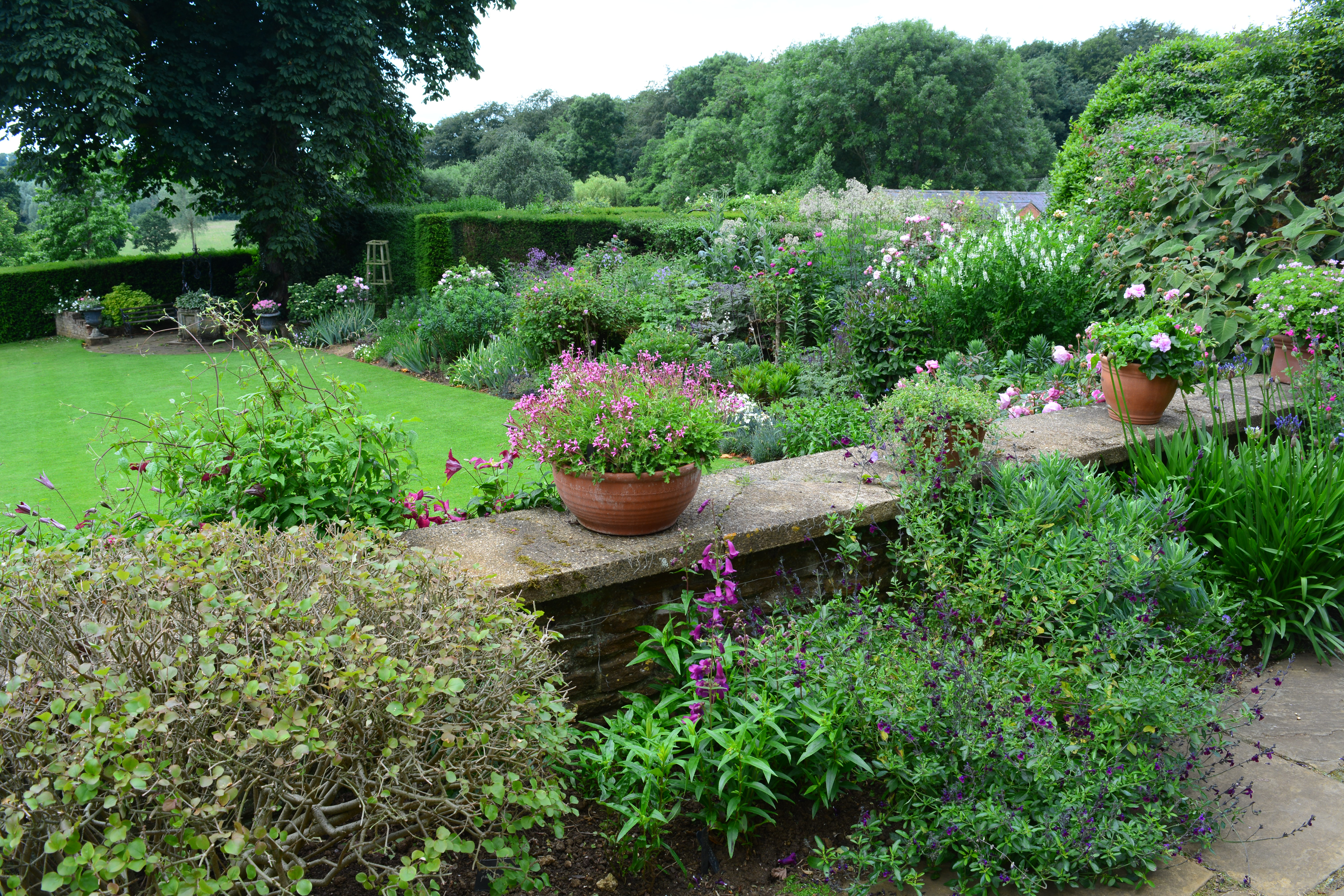
The gardens were well structured, divided into garden rooms with different characters and atmospheres in each. In one formal lawn area we came across a rectangular sunk garden built from limestone and its borders were planted with plants that enjoyed the dry well drained soil. These plants provided a strong contrast to the lush look of the rest of the gardens.


Lush planting was prevalent elsewhere throughout the garden making for an atmosphere of excitement. There were wonderful individual plants to be found as well as well designed borders.


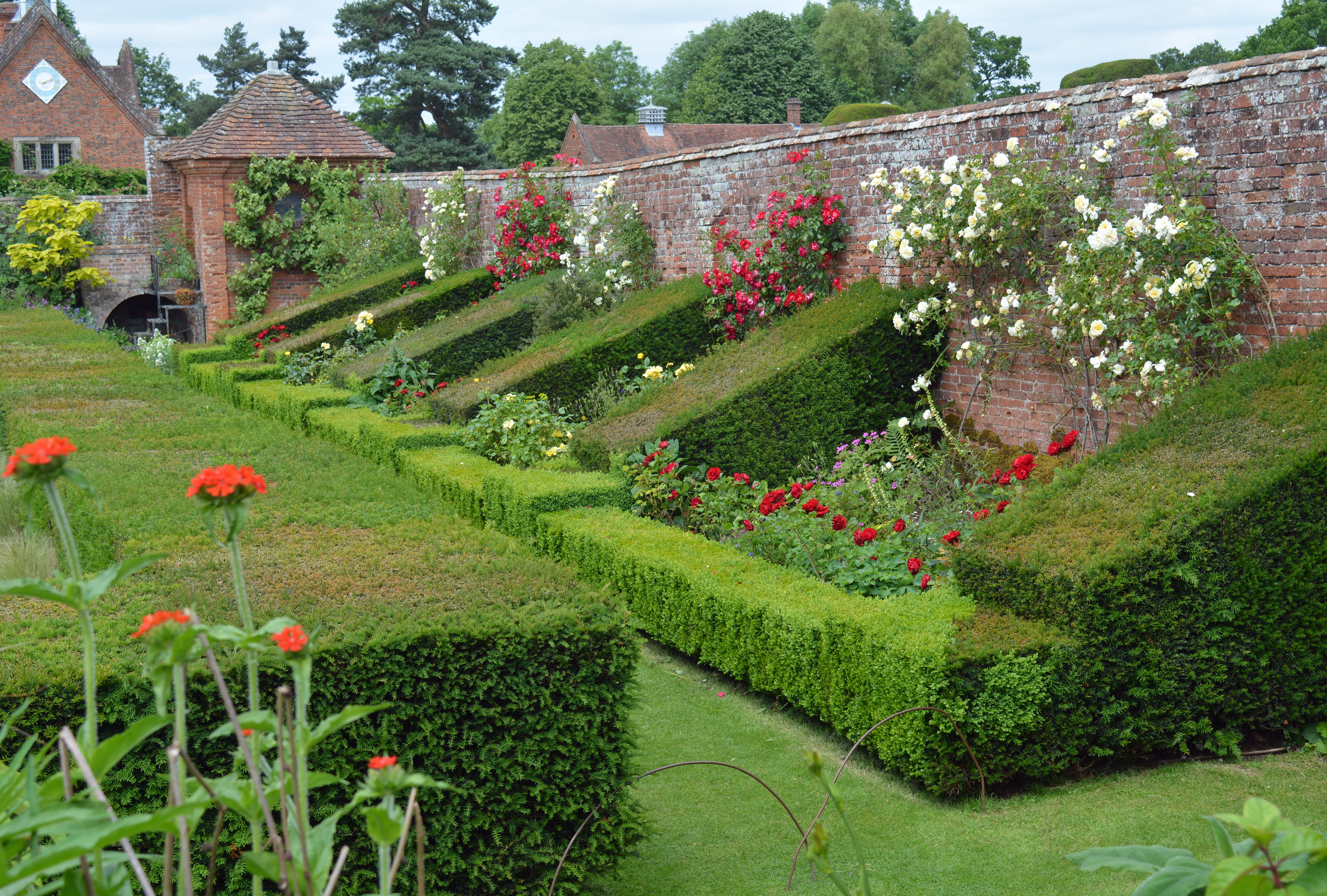
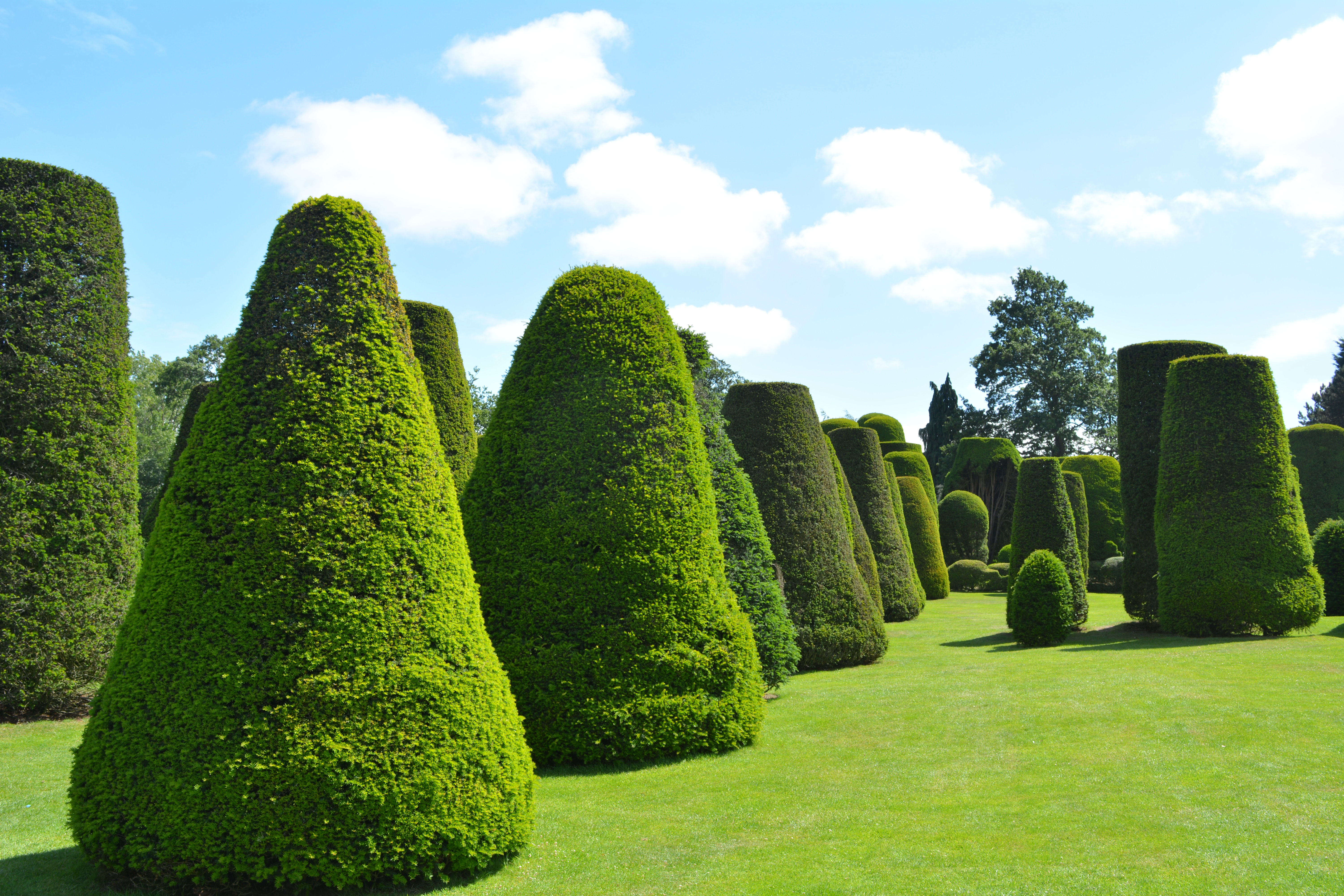
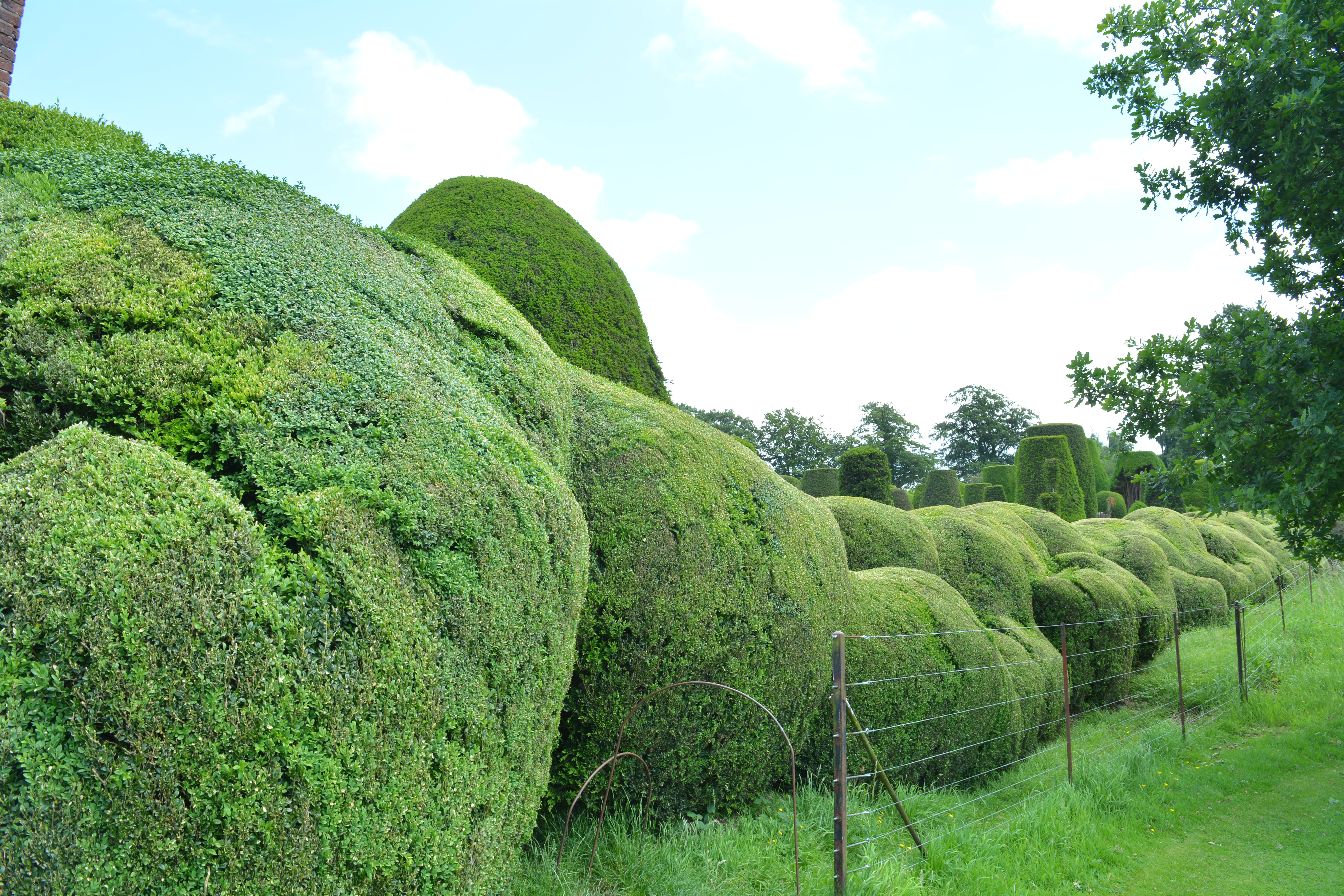
A well-known aspect of the gardens at Packwood is its topiary, especially a group called the twelve apostles. Personally I found this part of Packwood rather dull but here are the photos I took to illustrate it. However I do have a soft spot for cloud pruning of hedges.


Categories
autumn colours climbing plants colours flowering bulbs garden design garden photography garden wildlife gardening gardens half-hardy perennials hardy perennials irises light light quality log piles logs natural pest control ornamental trees and shrubs roses Shrewsbury Shropshire shrubs South Shropshire spring bulbs succulents trees

My Garden Journal 2017 – November

The penultimate visit to my garden journal for 2017 is here – hope you enjoy it. I began by referring back to a development we started in the garden back in September which we finished off in November. We are very pleased with how it has turned out and look forward to seeing the new plants flourish.

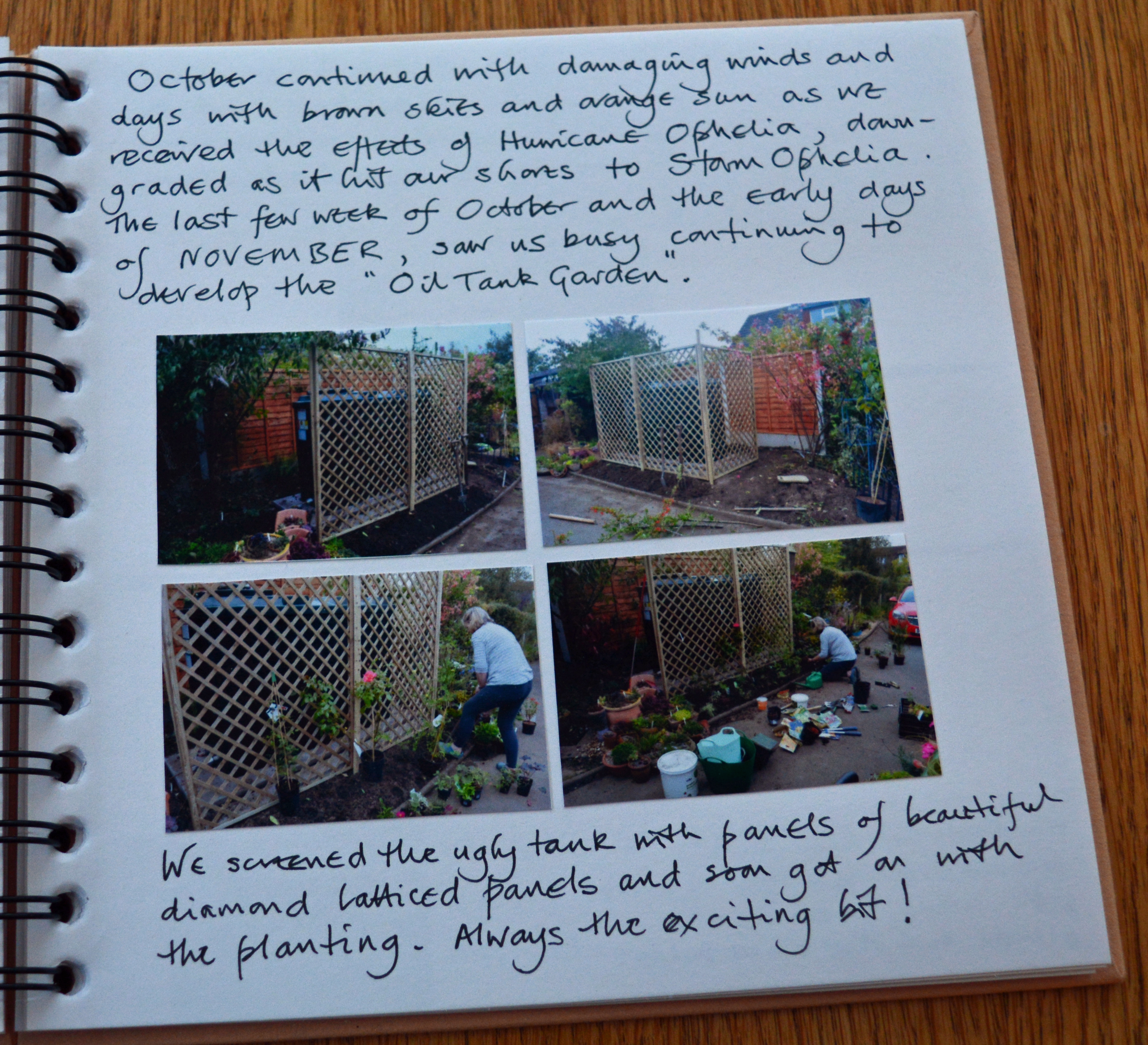
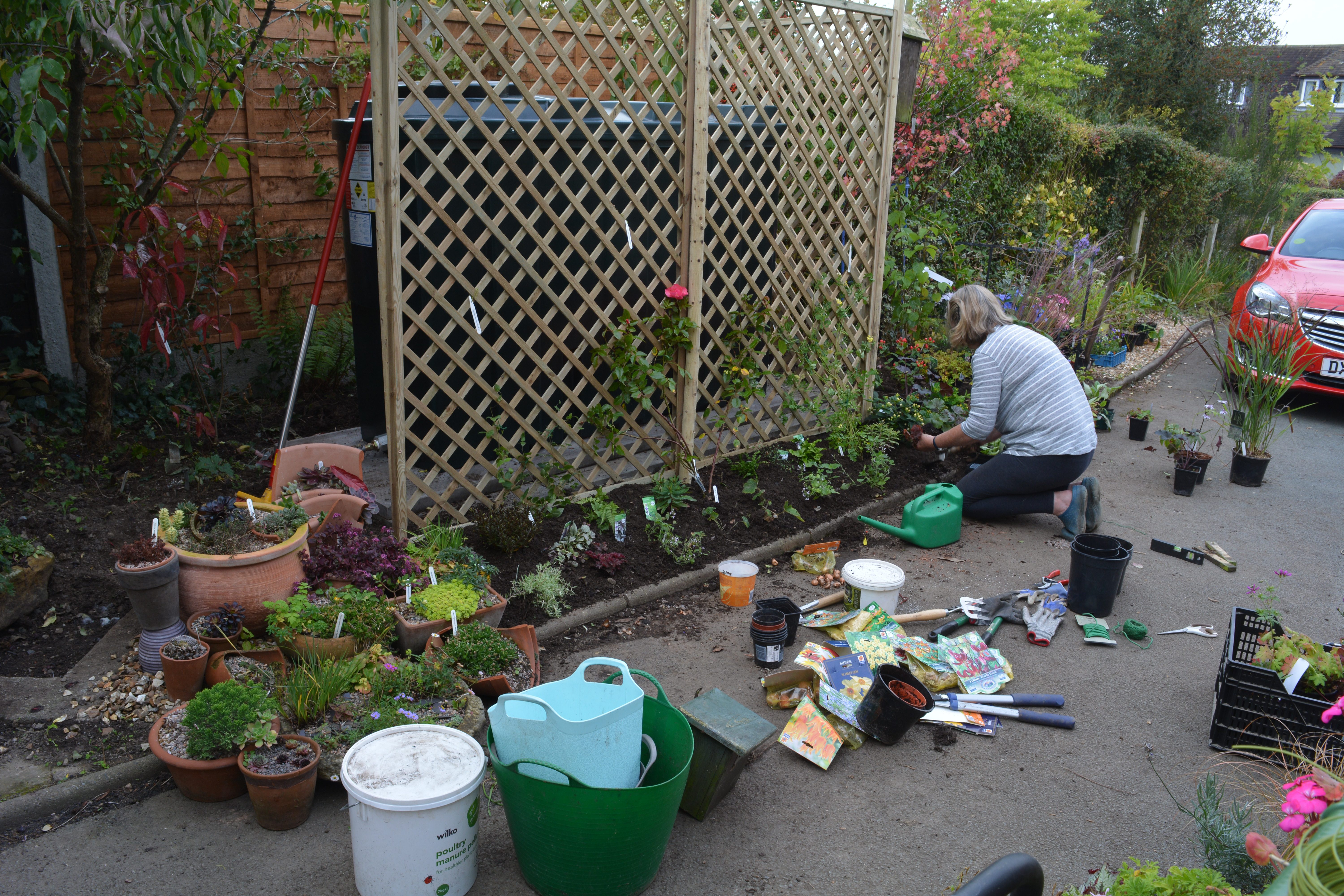
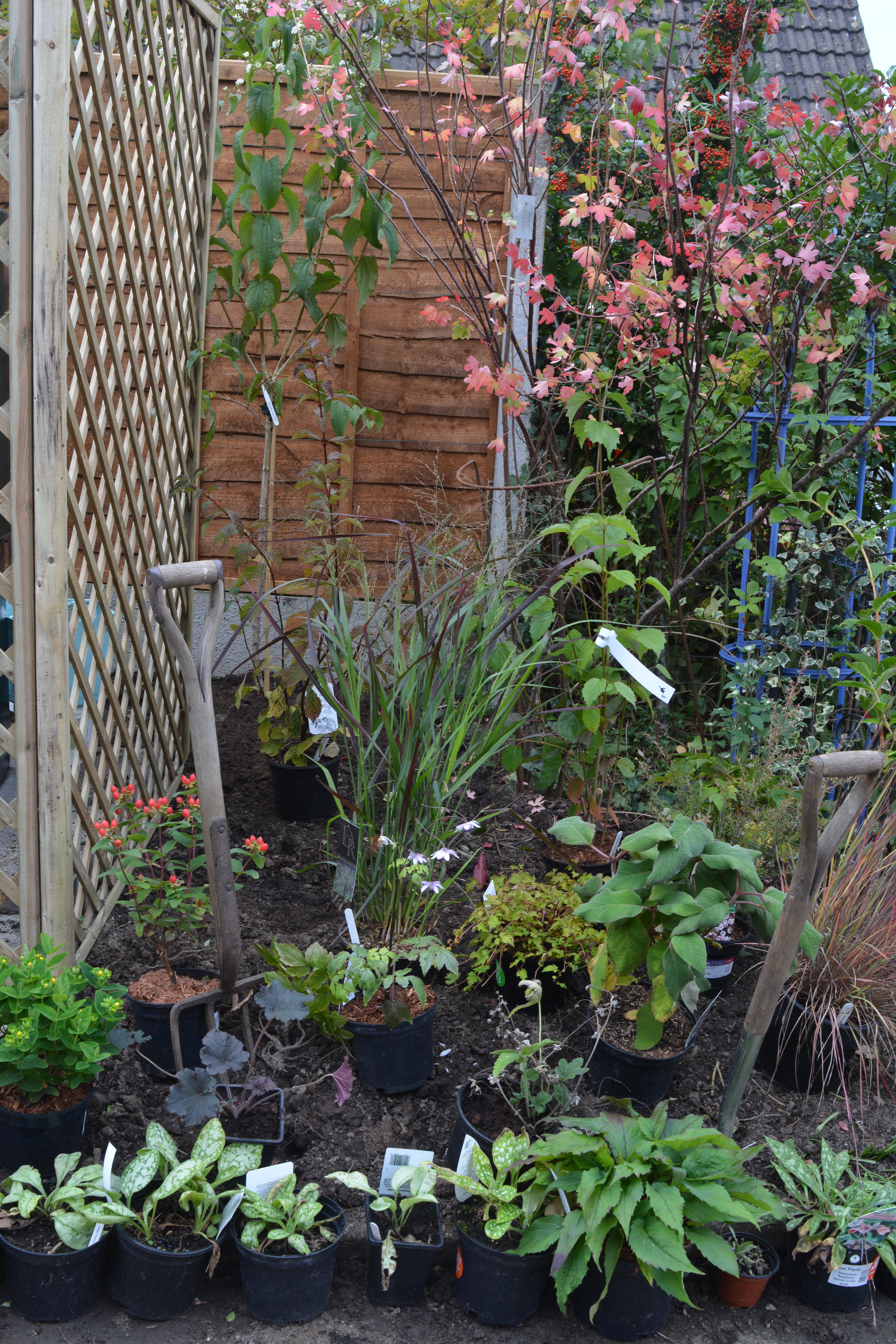
“October continued with damaging winds and days with brown skies and orange sun as we received the effects f Hurricane Ophelia, downgraded to Storm Ophelia as it hit our shores. The last few weeks of October and the early days of November, saw us busy continuing develop our “Oil Tank Garden”.


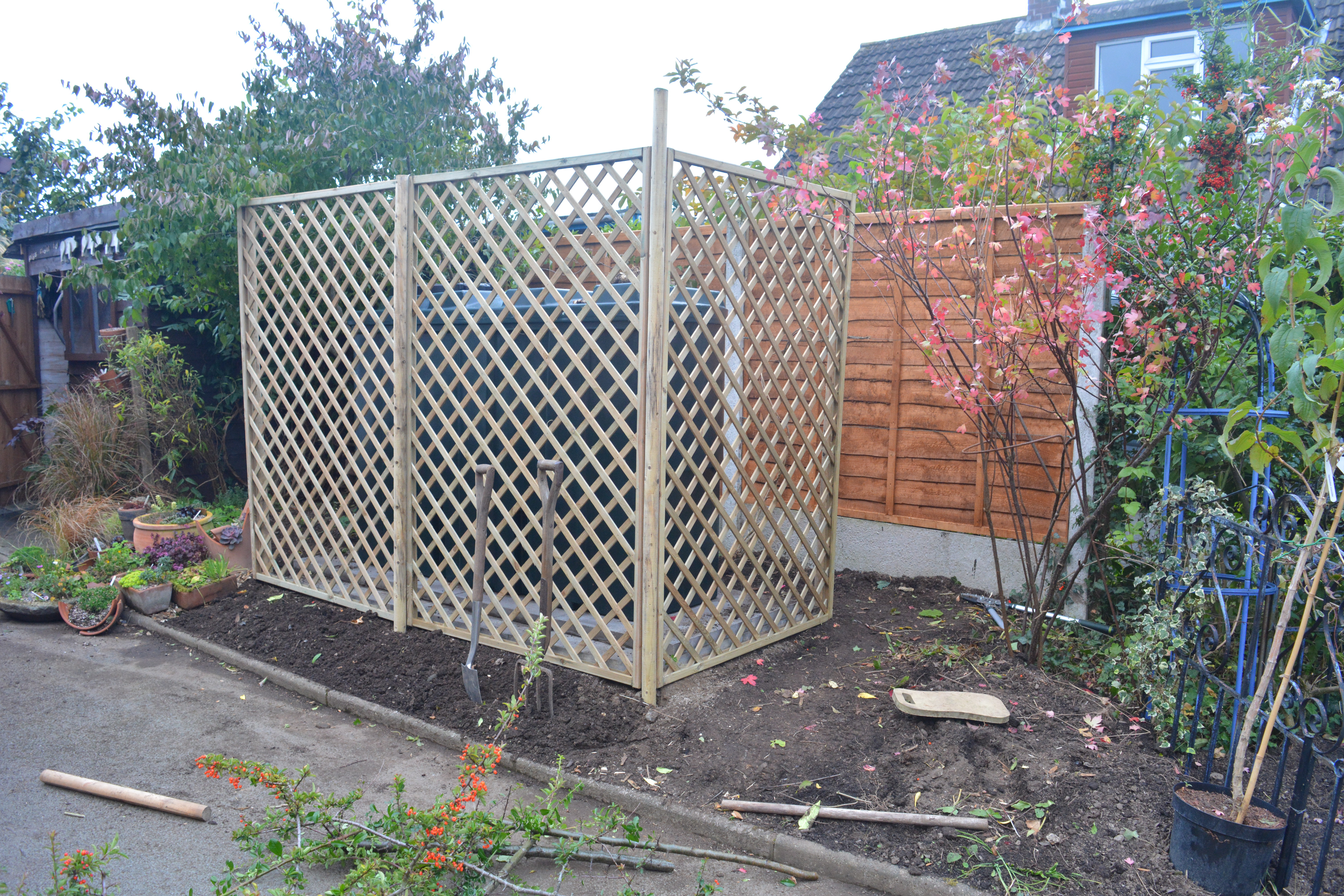
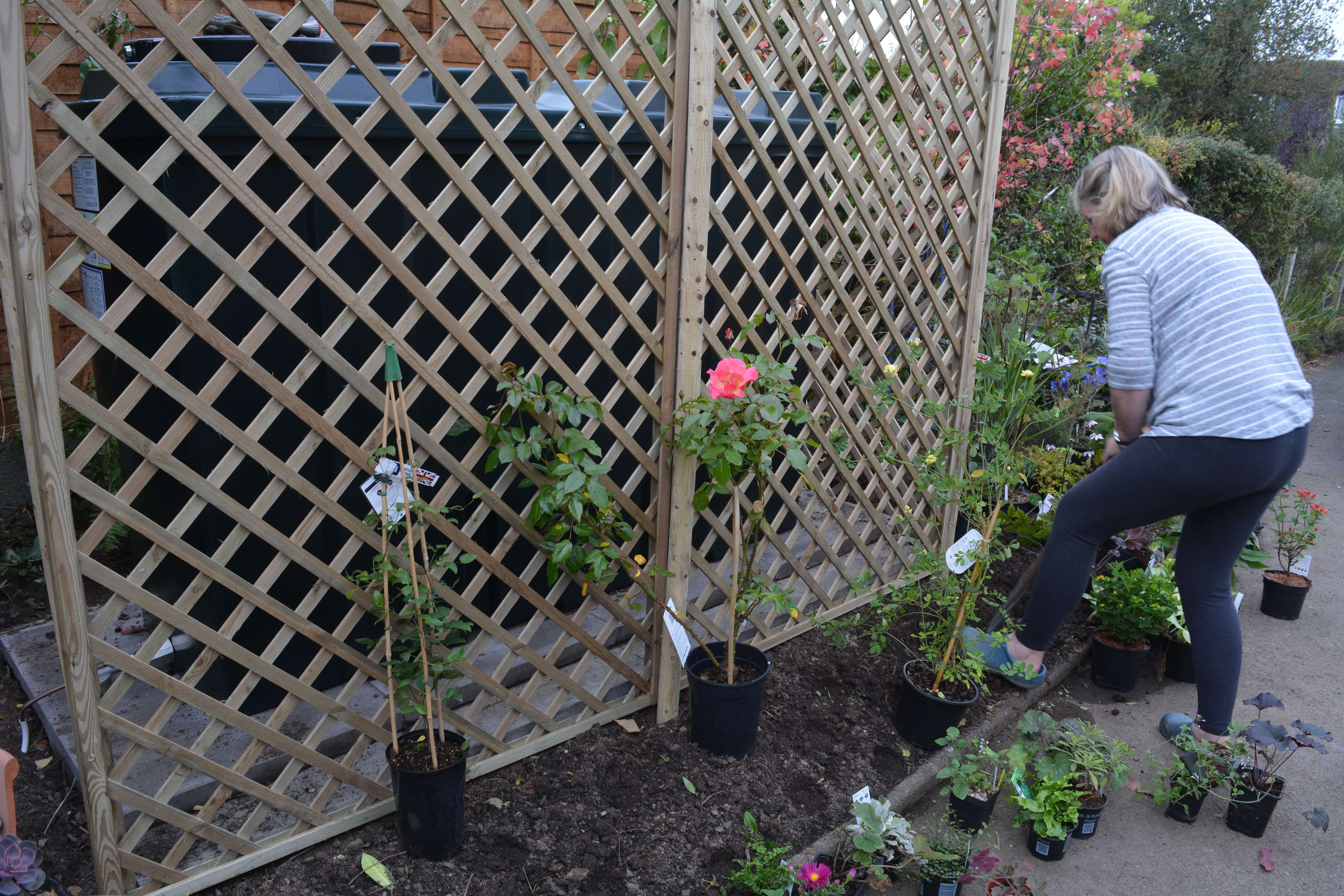
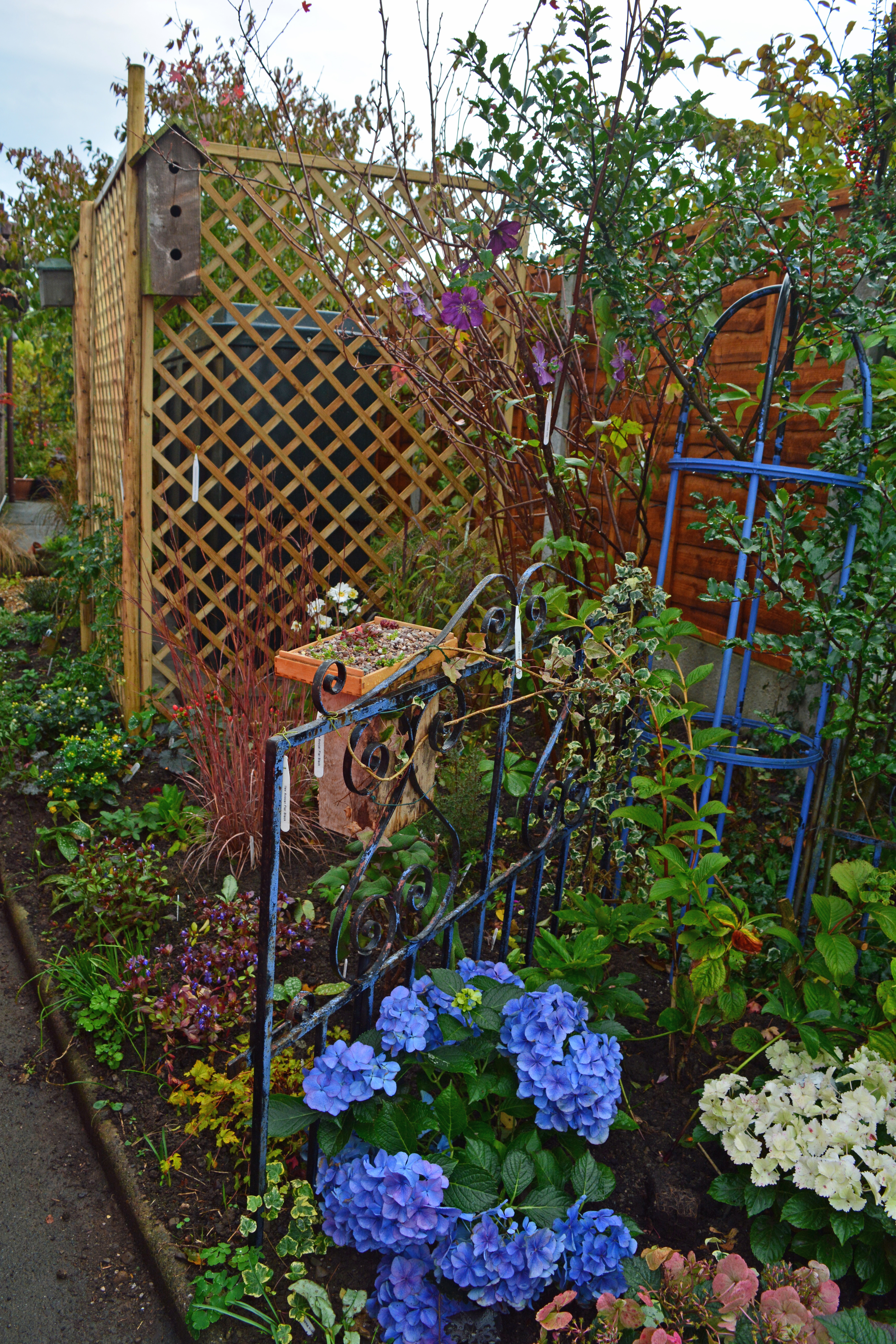
“We screened the ugly tank with panels of beautiful diamond latticed panels and soon got on with the planting. Always the exciting bit!”

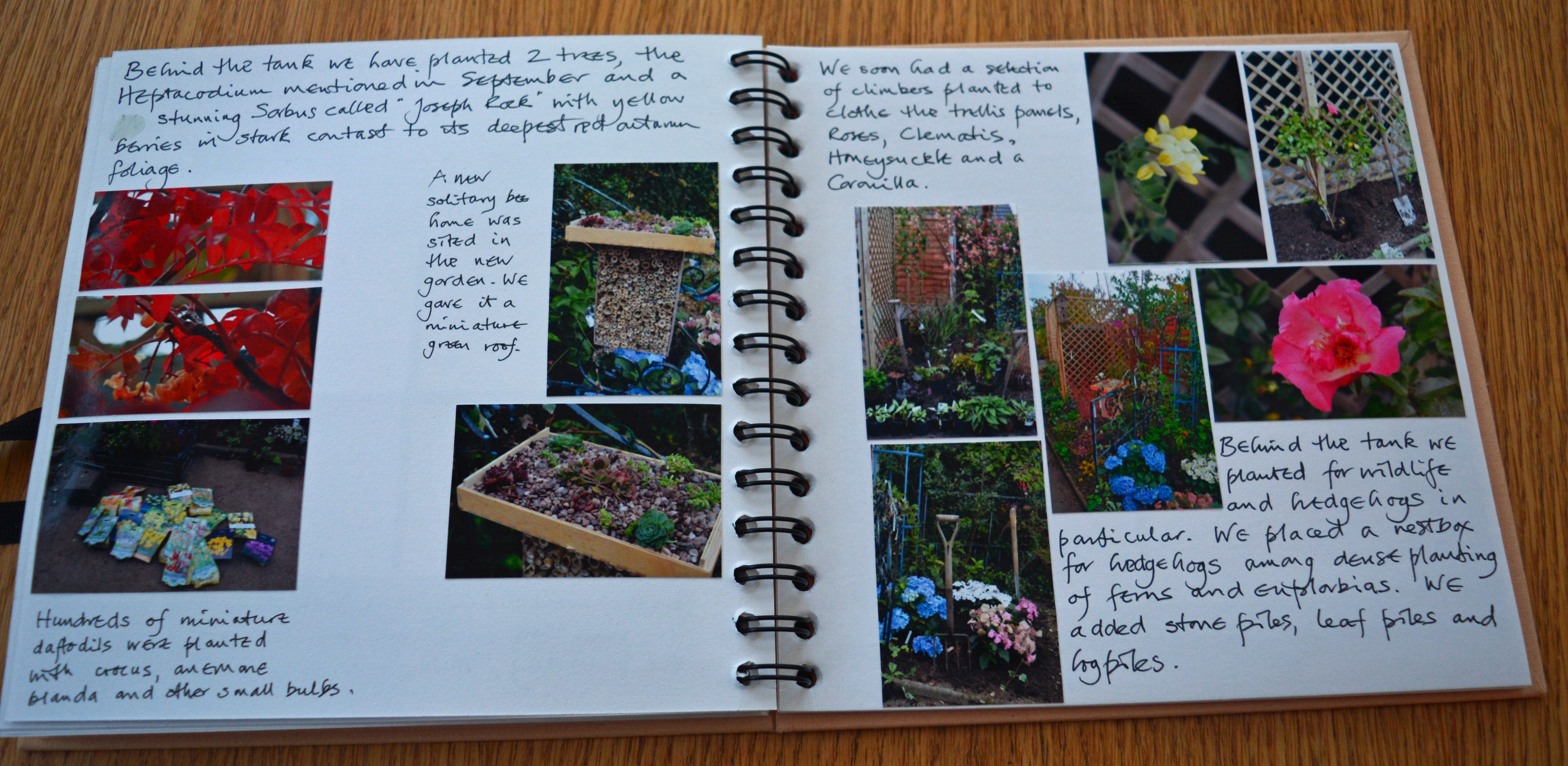
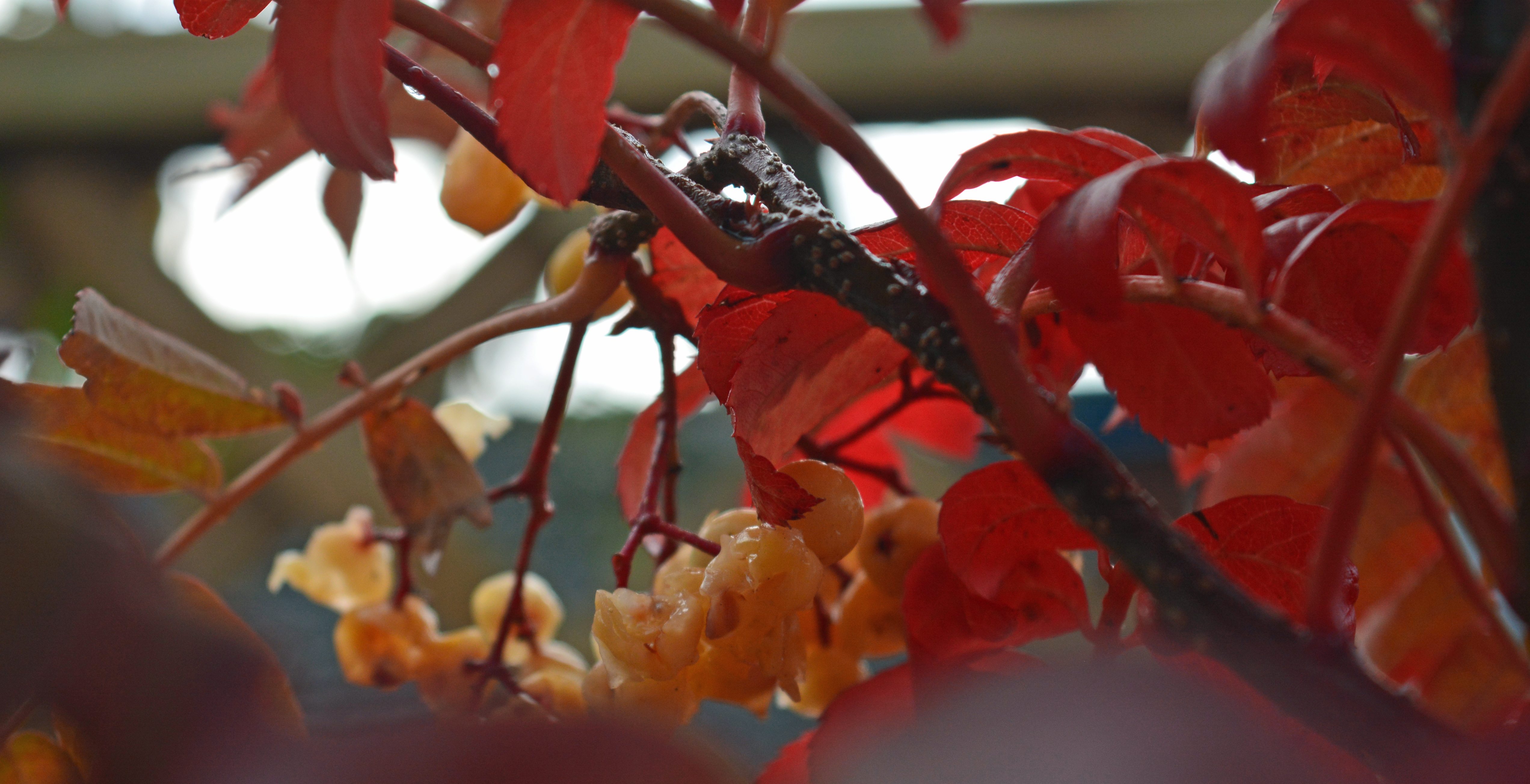
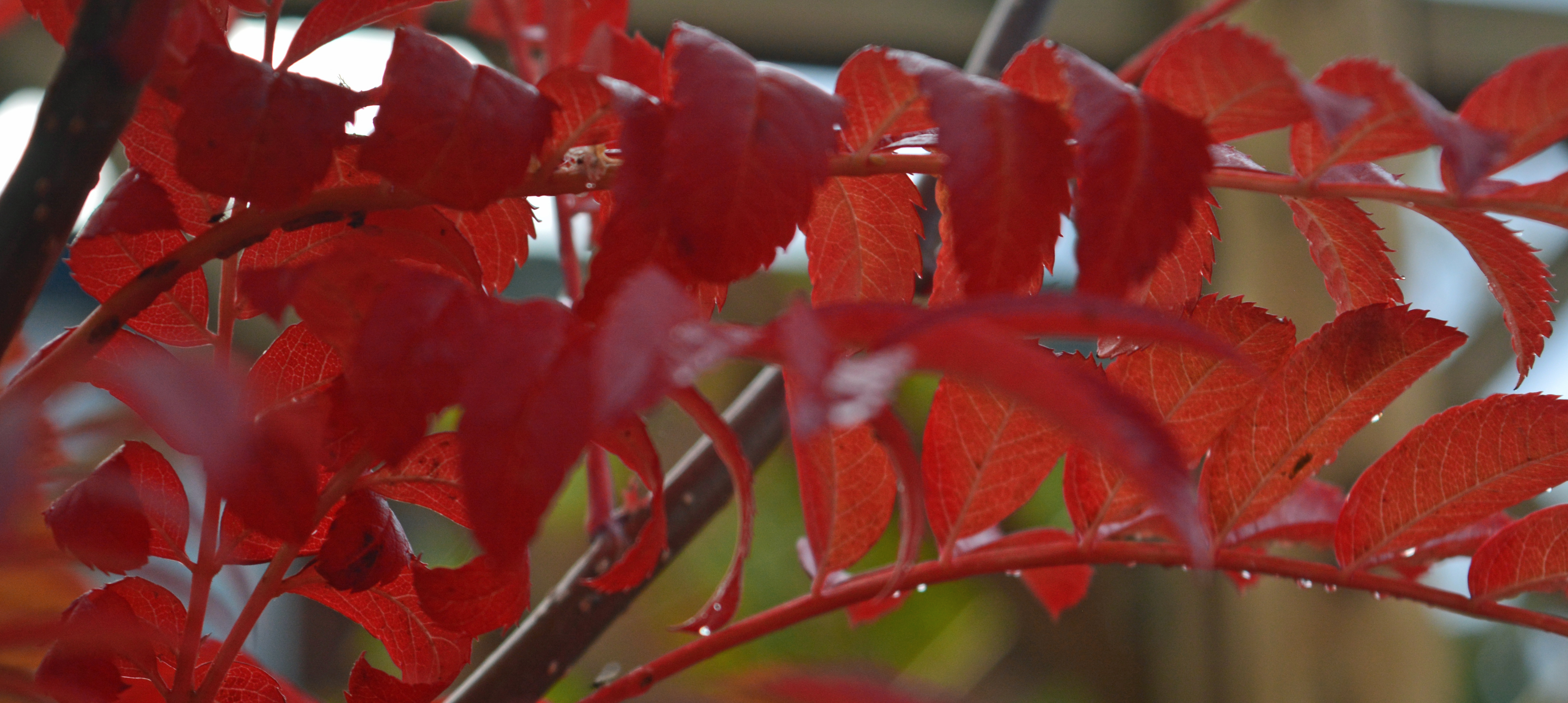
Over the page I continue to describe our development of this border and wrote “Behind the tank we have planted two trees, the Heptacodium mentioned in September and a stunning Sorbus called Joseph Rock with yellow berries in stark contrast to its deepest red autumn foliage.


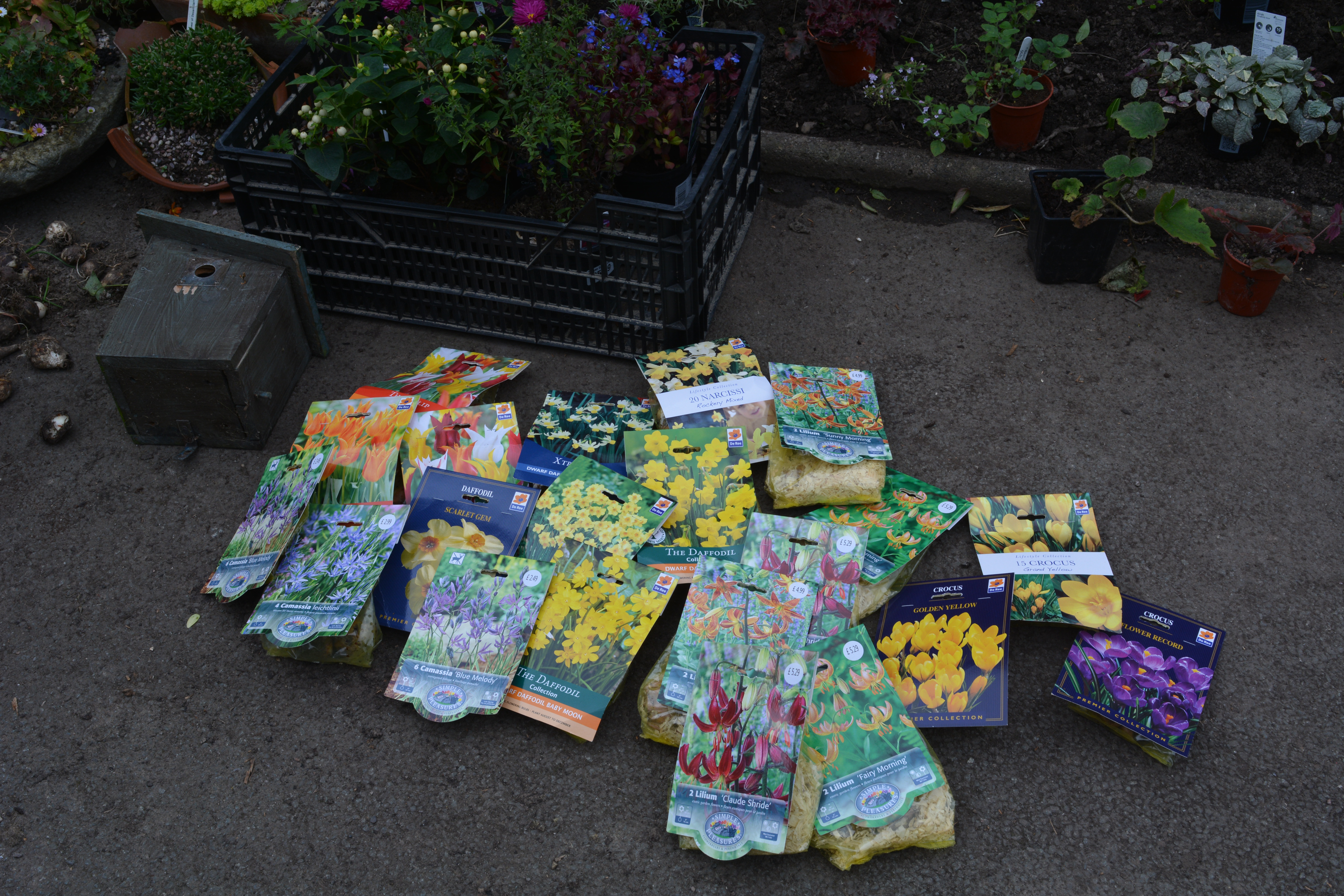
“Hundreds of miniature daffodils were planted with crocus, Anemone blanda and other small bulbs.”

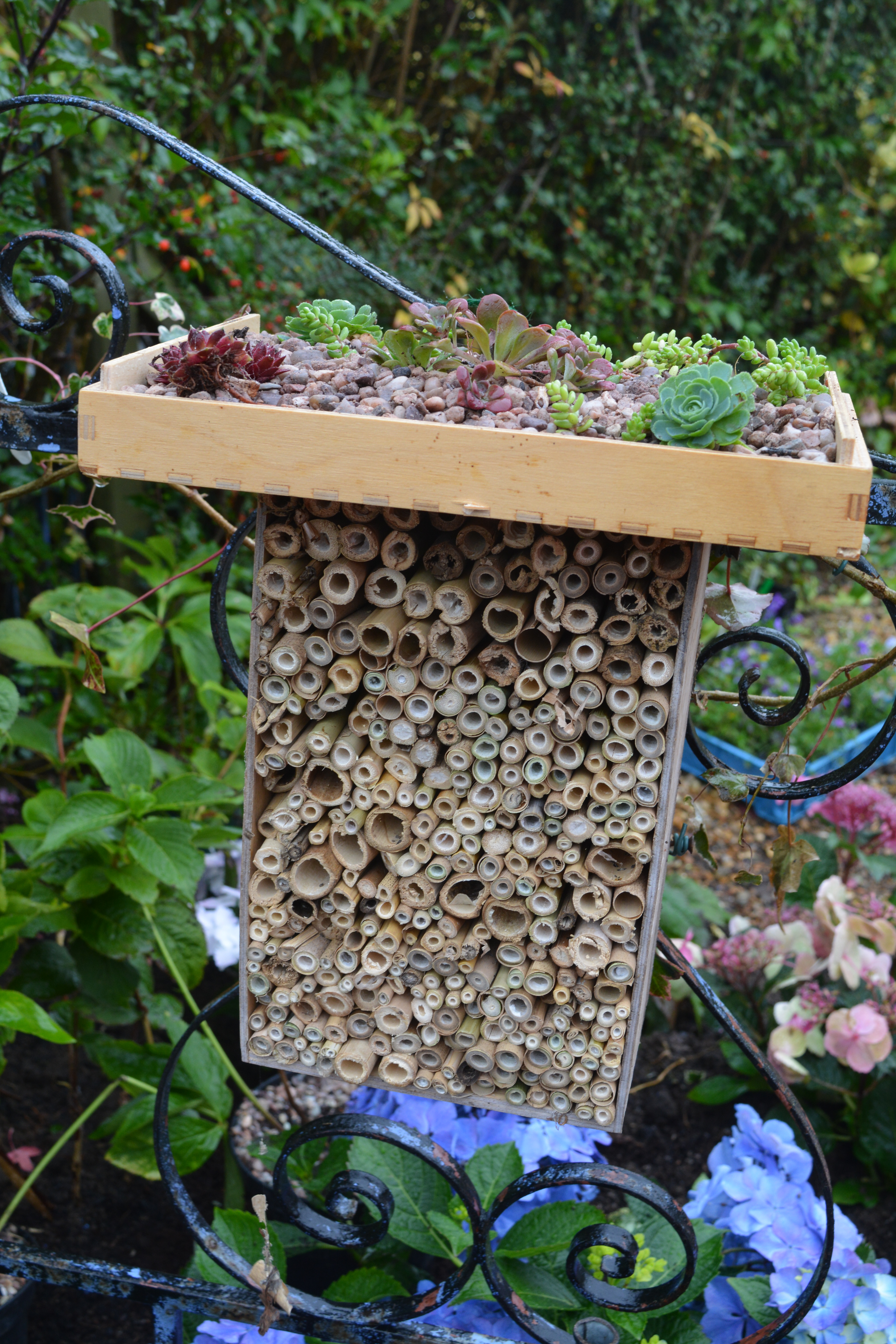
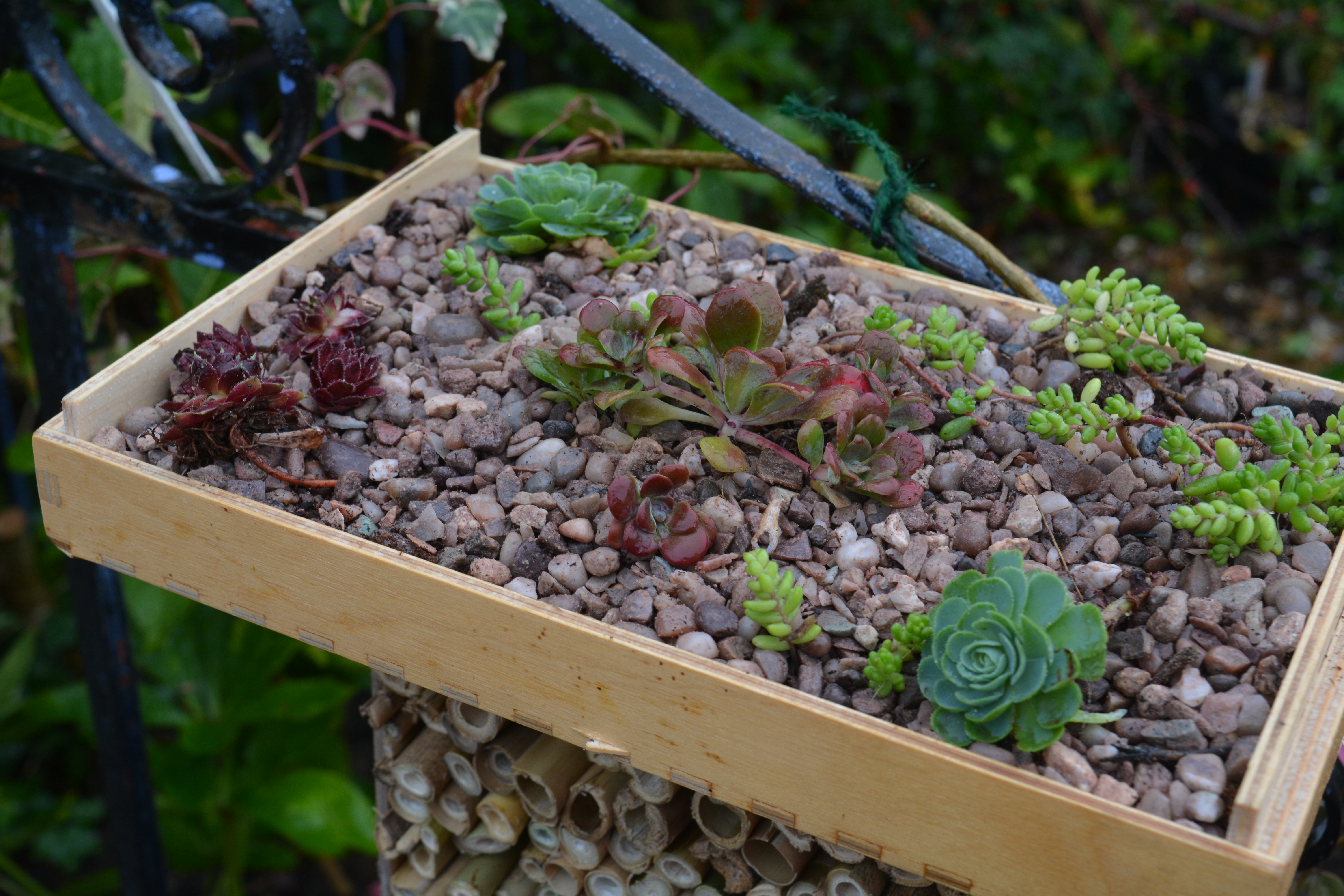
“A new solitary bee home was sited in the new garden. We gave it a miniature green roof!”

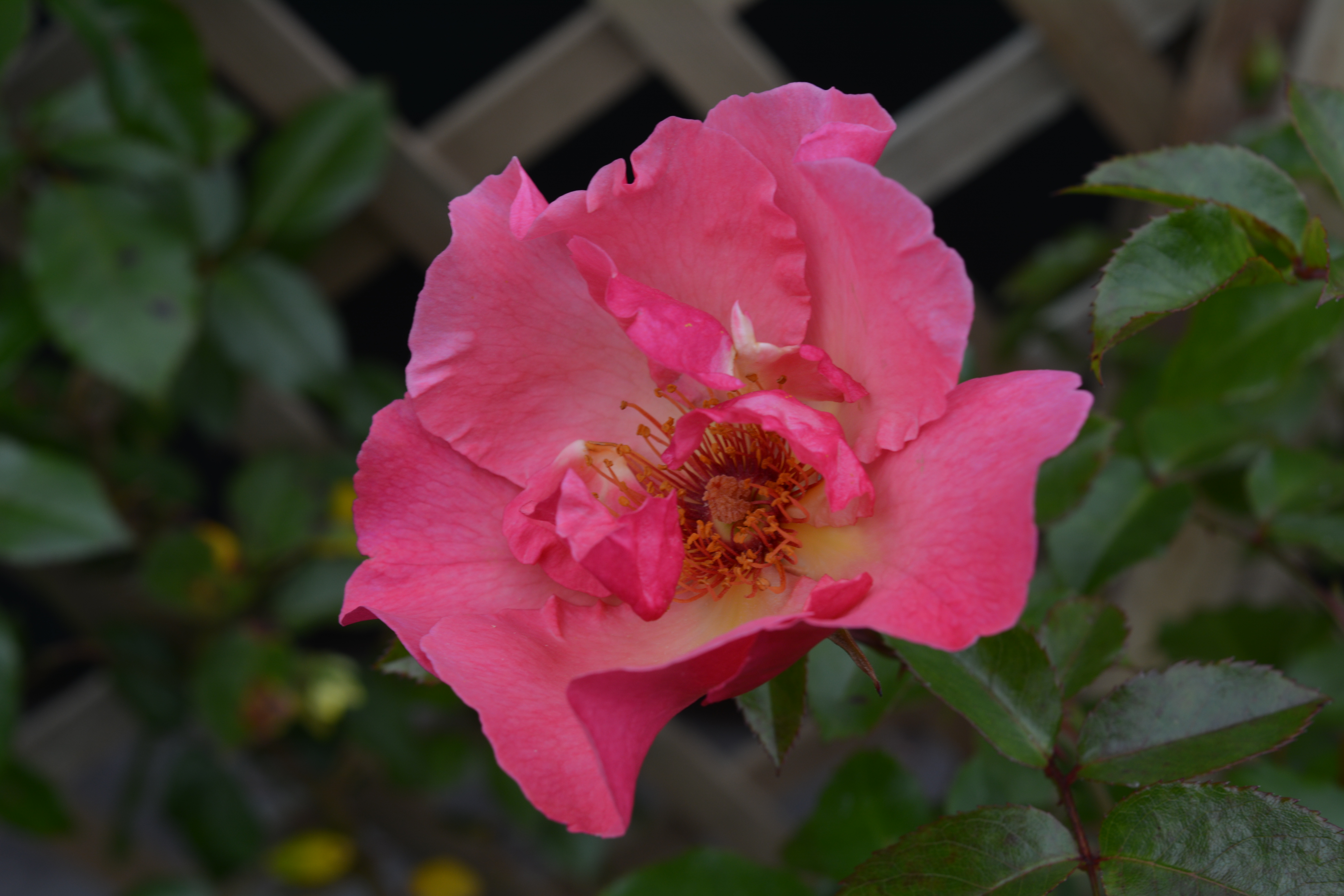
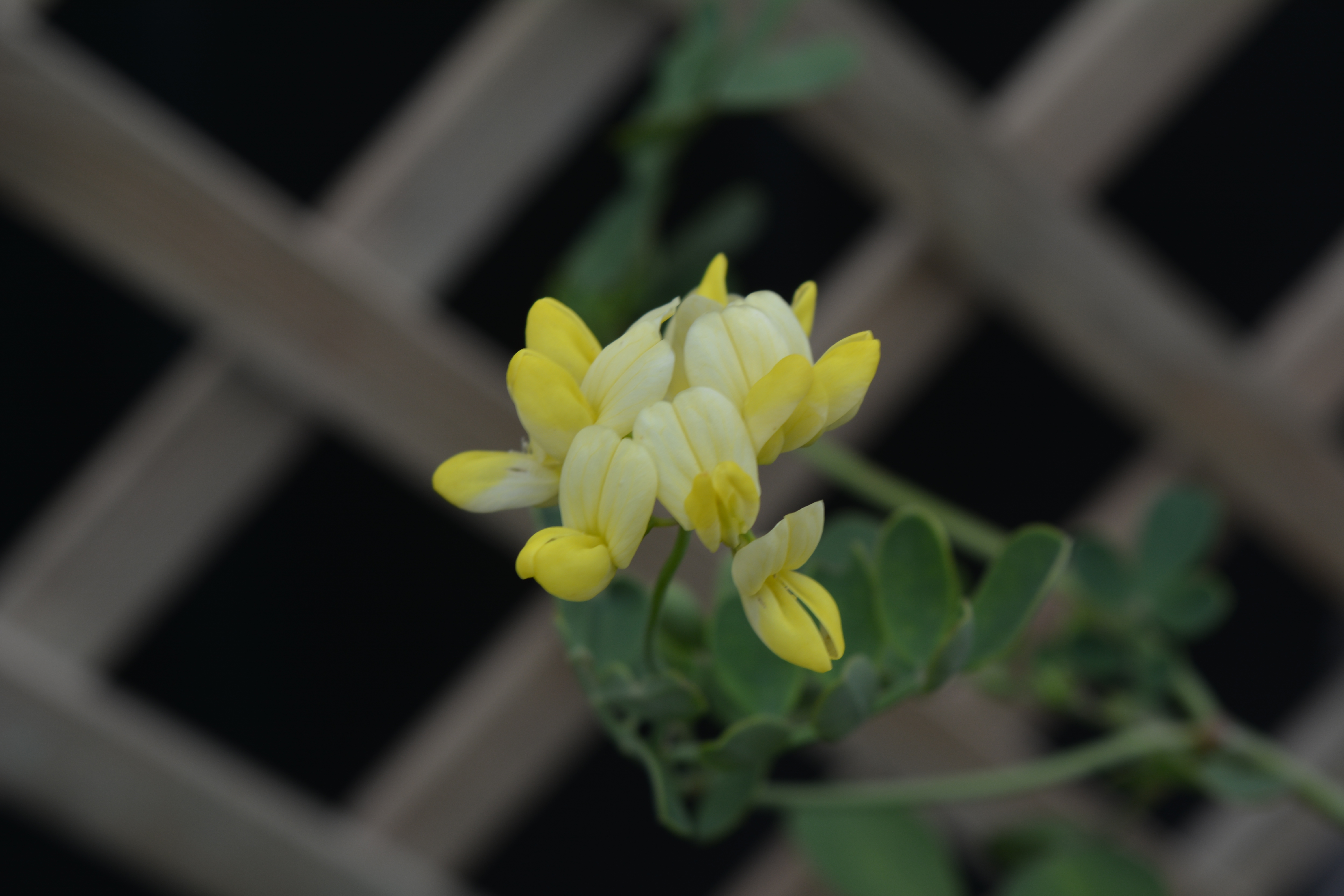
“We soon had a selection of climbers planted to clothe the trellis panels, Roses, Clematis, Honeysuckle and a Coronilla”.


“Behind the tank we planted for wildlife and hedgehogs in particular. We placed a nestbox for hedgehogs among dense planting of ferns and Euphorbias. We added stone piles, leaf piles and log piles.”

Turning over another page I featured some words by Dan Pearson and looked at some autumn flowering plants.

“Taking a look at Dan Pearson’s writings about Autumn in his “Natural Selections” book he wrote,

I want to invite the seasons into the garden, vividly and in layers. I use asters, autumn crocus and gentians at ground level, and shrubs that perform for this season to take the eye up and away, to straighten the back. I weave berrying trees and shrubs into the garden as much for their jewel-like fruit as for the birds which flock down to gorge when the fruit is ready for feasting upon.”

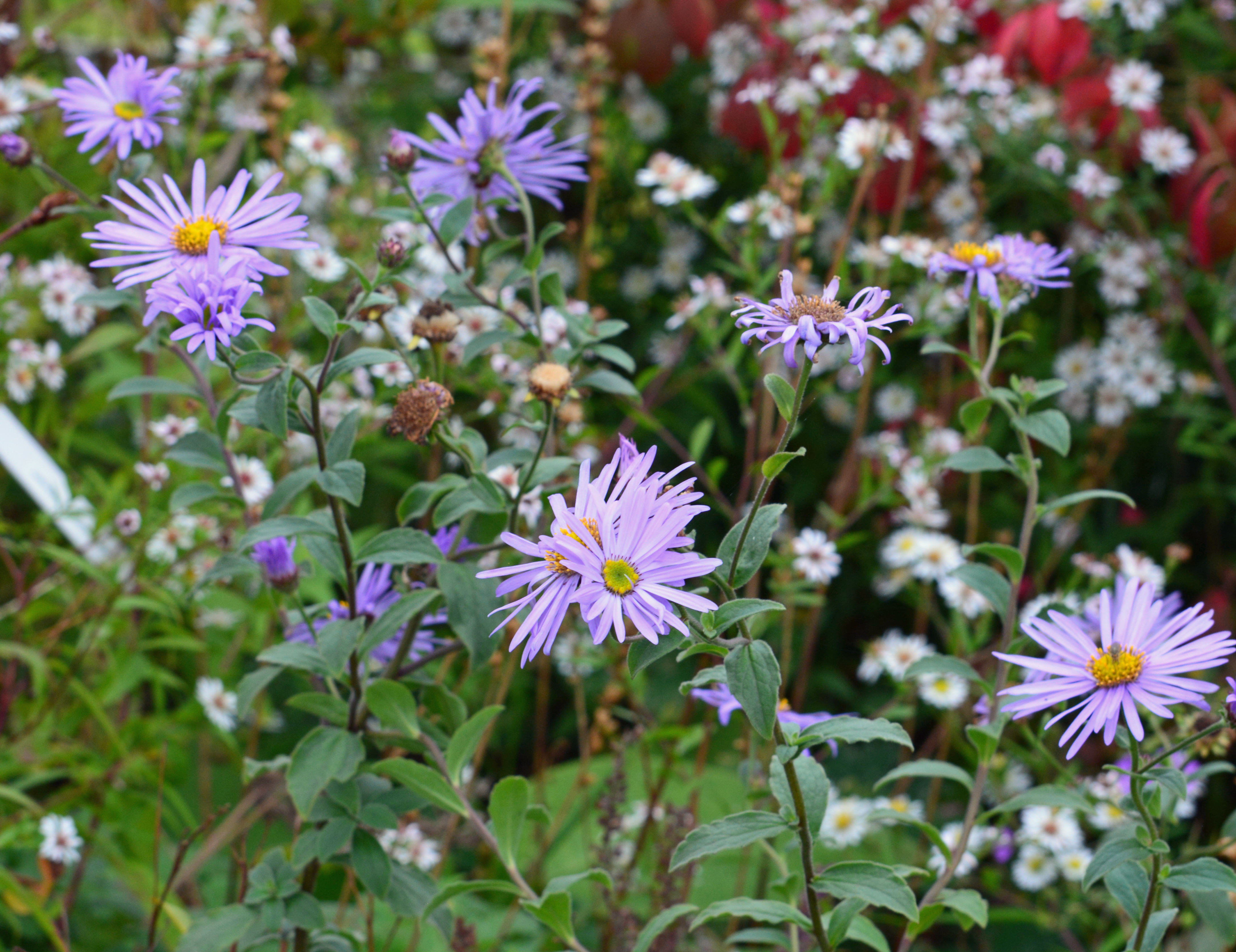
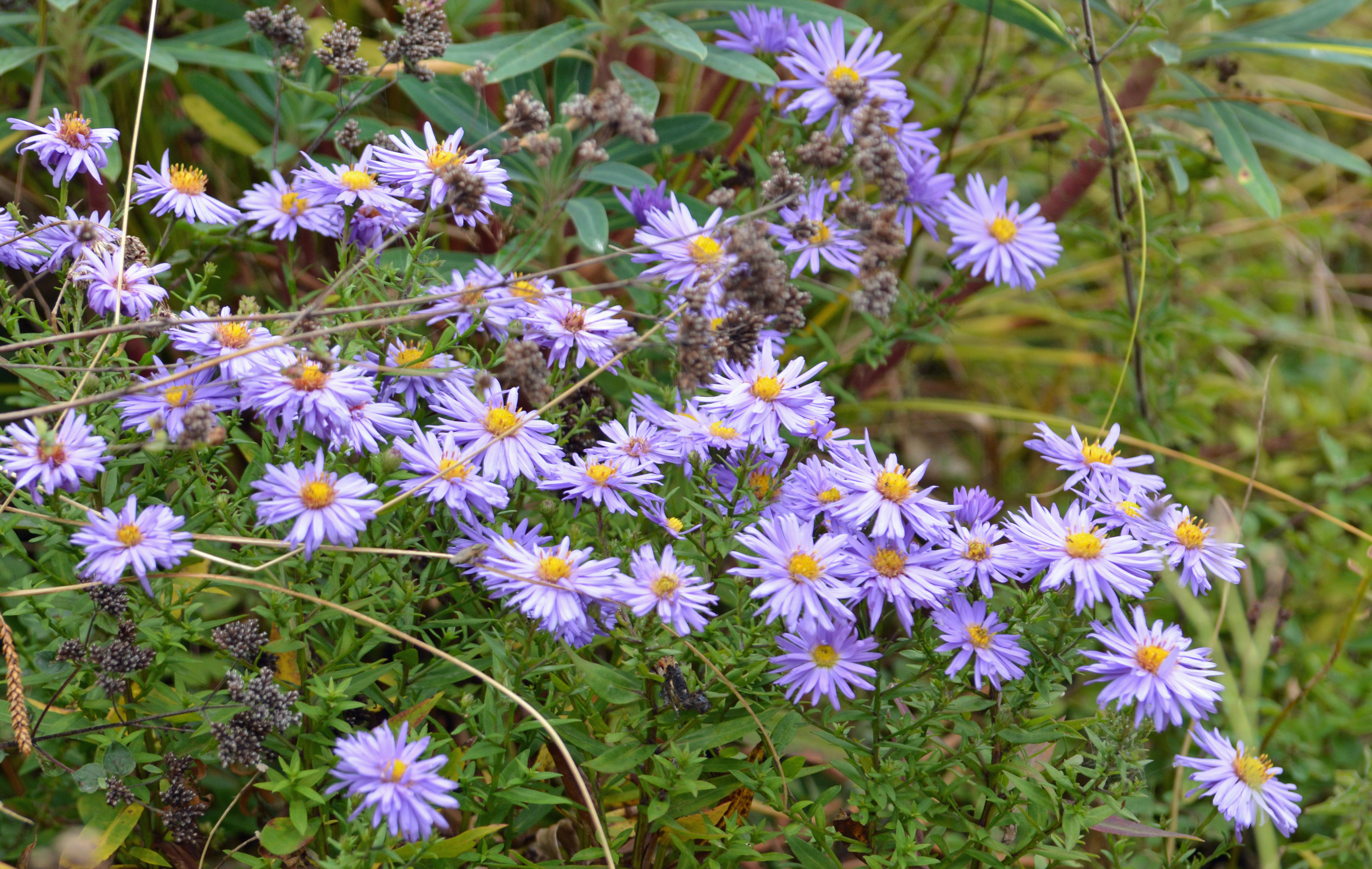
We aim to do exactly the same in our Avocet patch. Below are a few of our Asters which feature in our “Shrub Border”,  a border that brings Autumn in.”


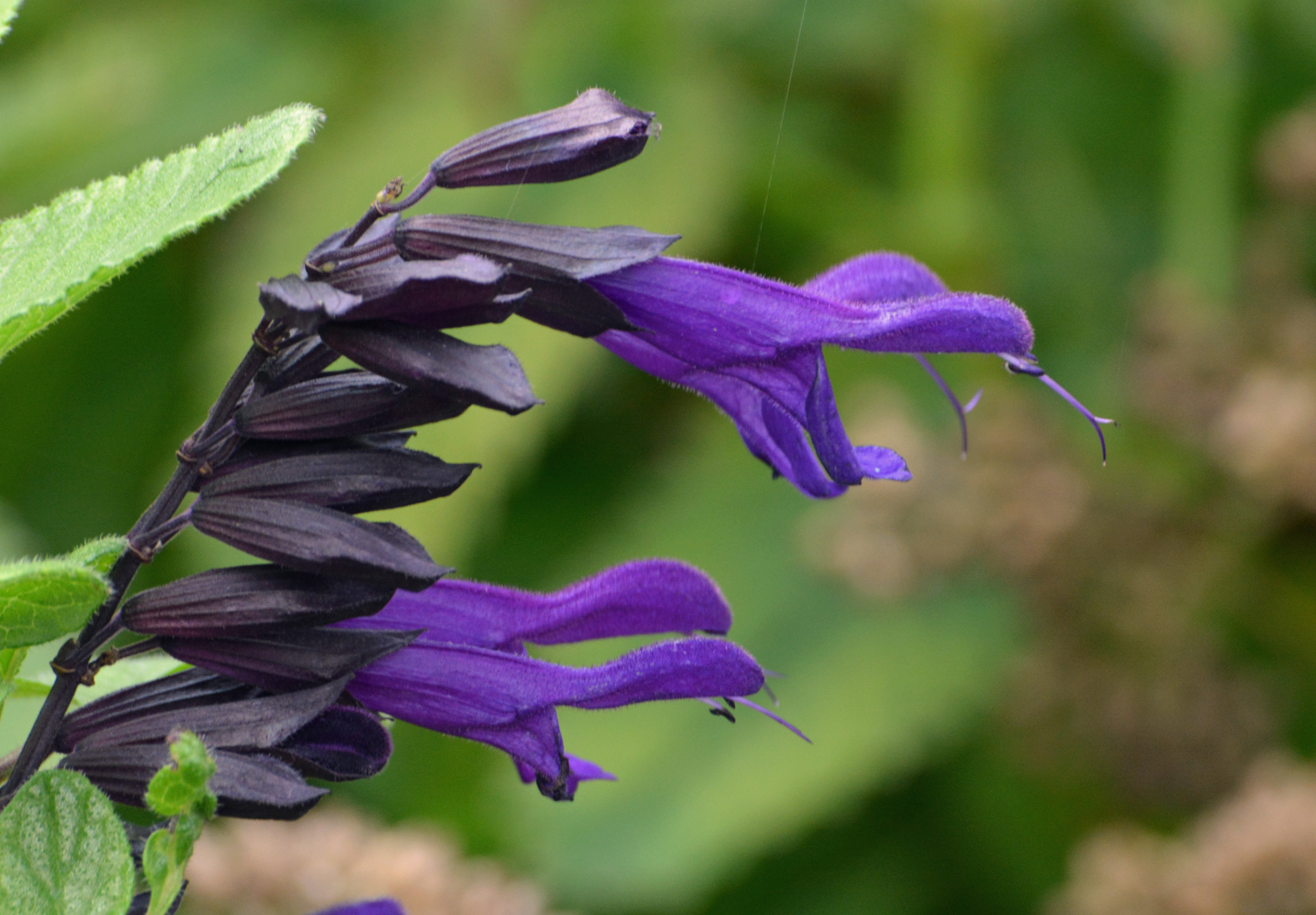
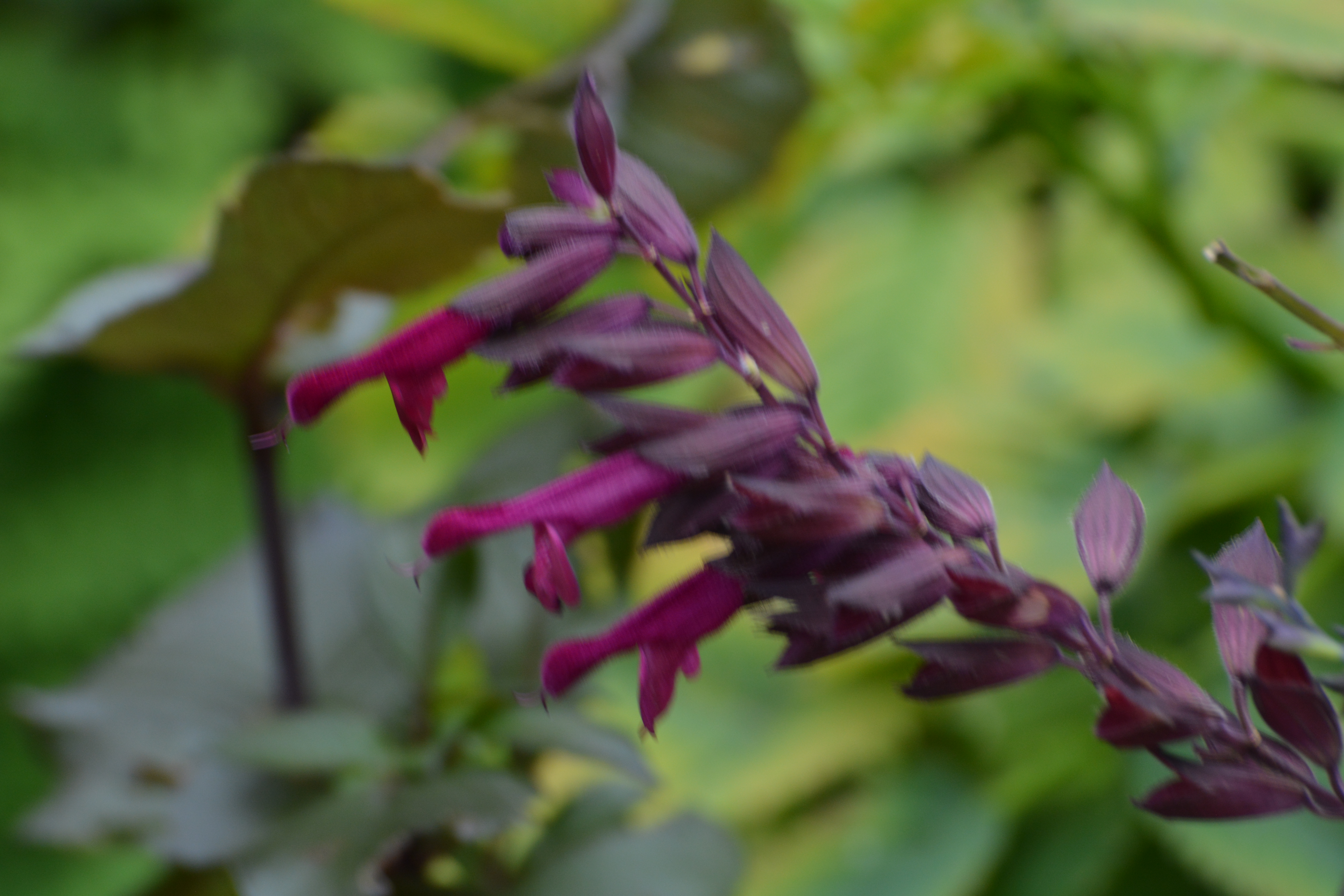
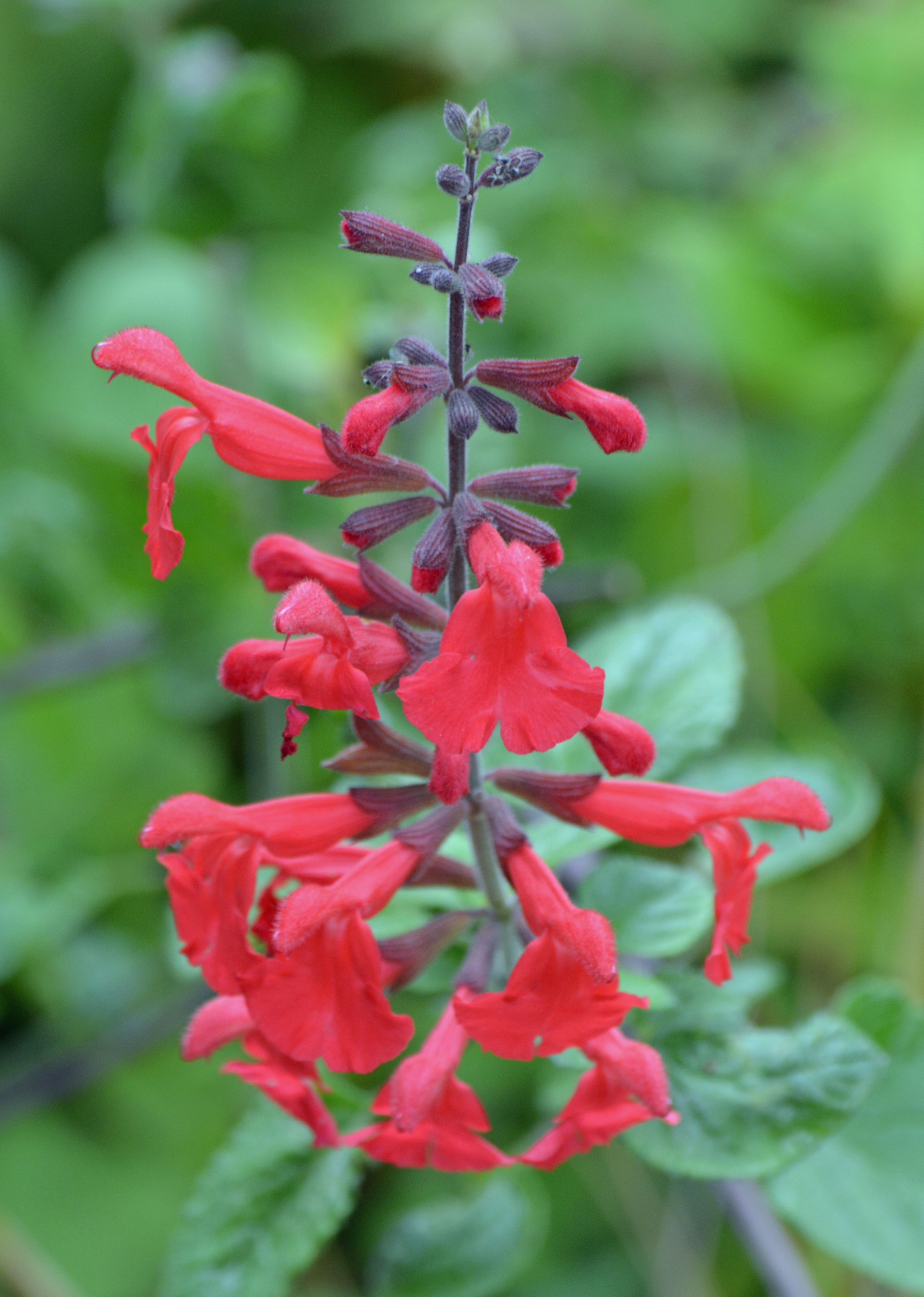
“Another herbaceous perennial that features strongly in our November garden are the Salvias. We leave a few to over-winter in the garden but most will be brought into the cool greenhouse.”


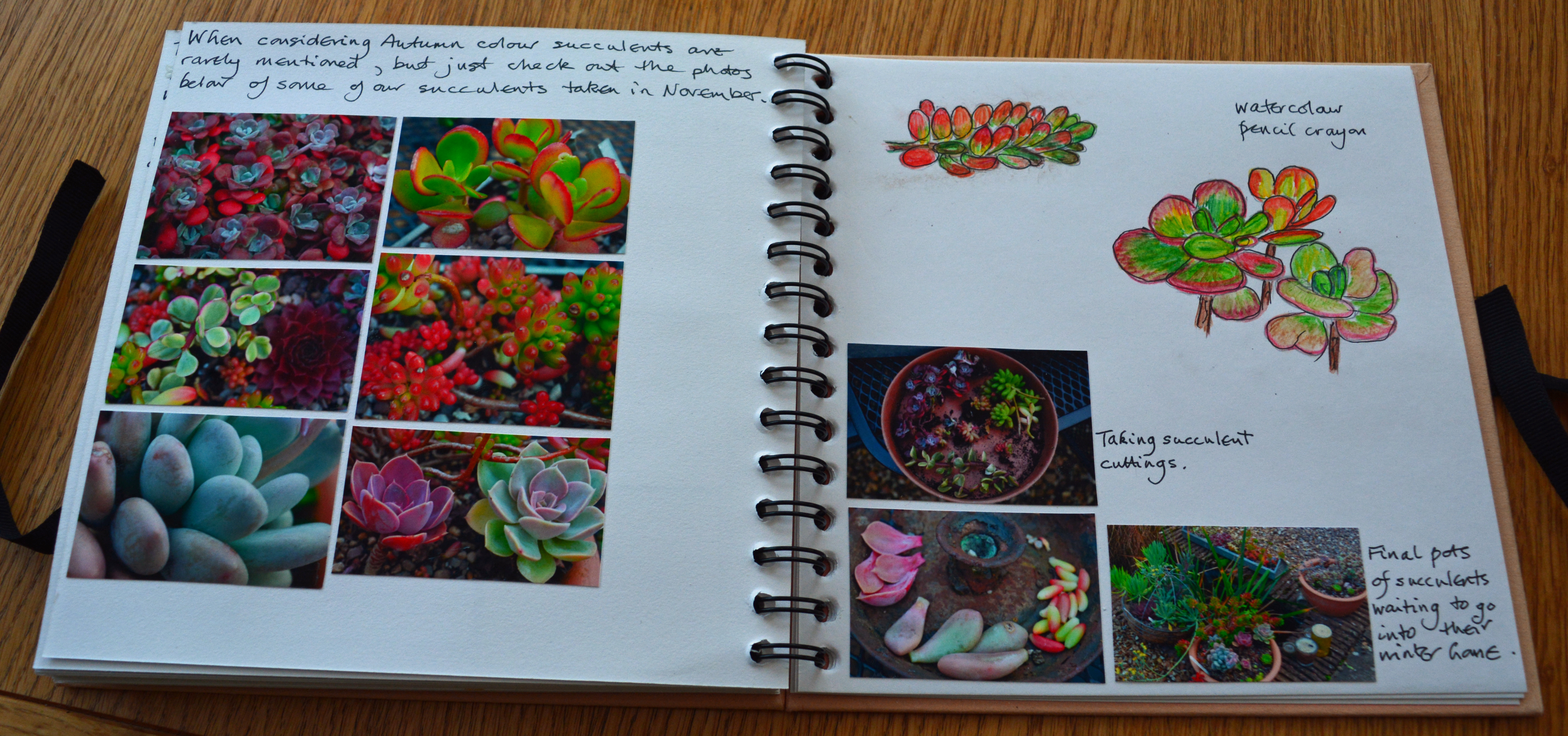
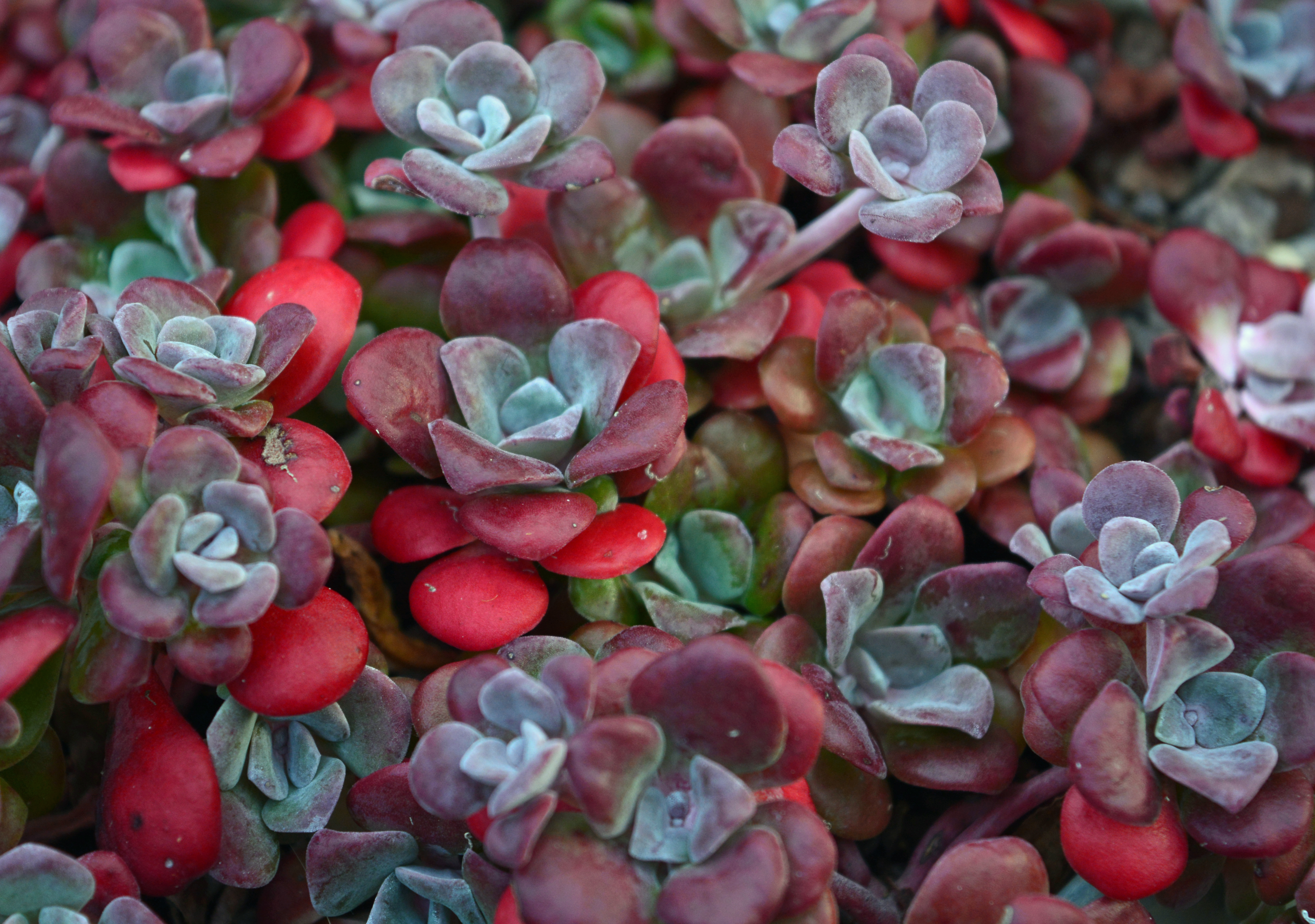
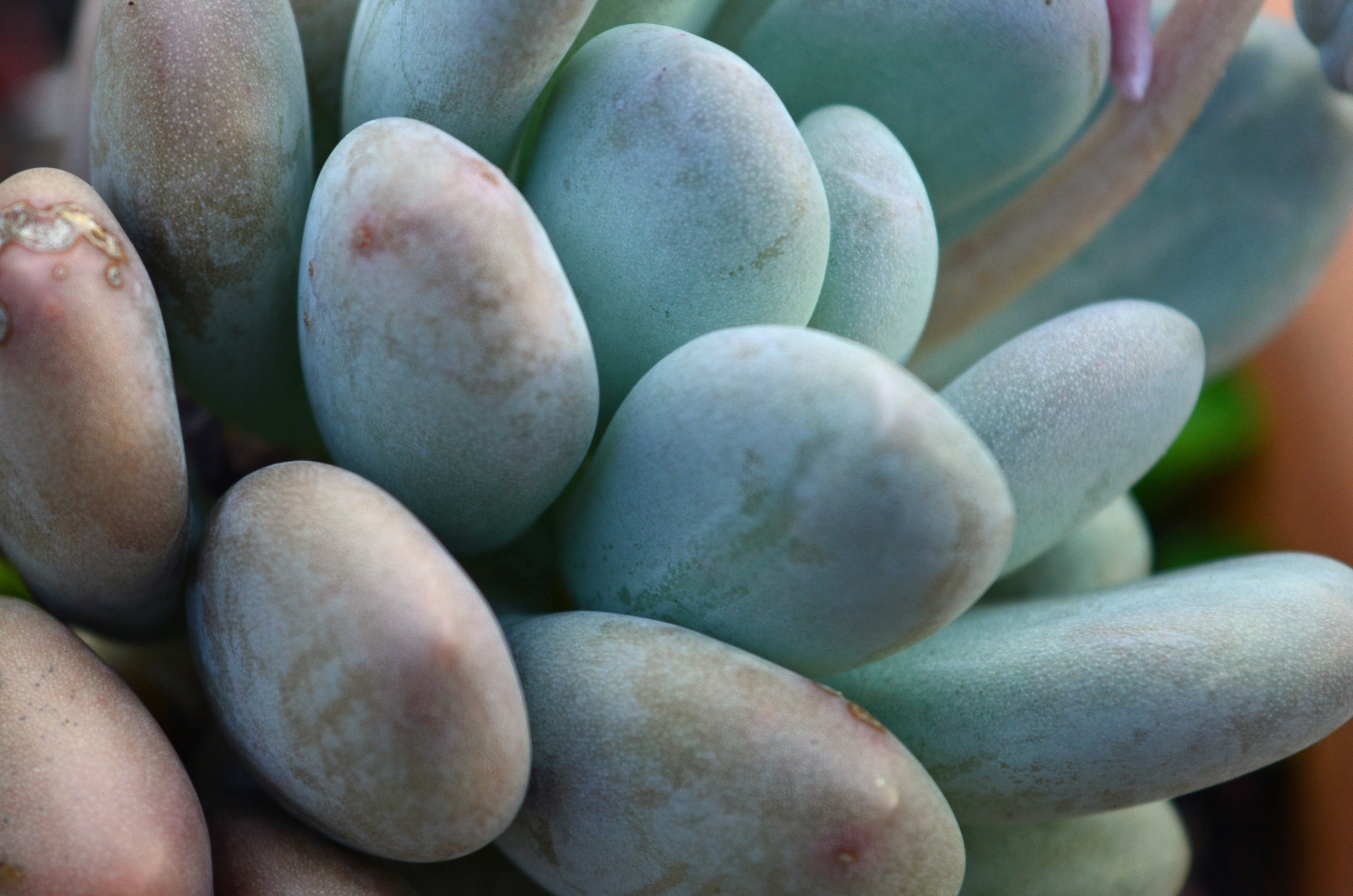
Turning over again I take a look at succulents, plants rarely mentioned in the context of the autumn garden.

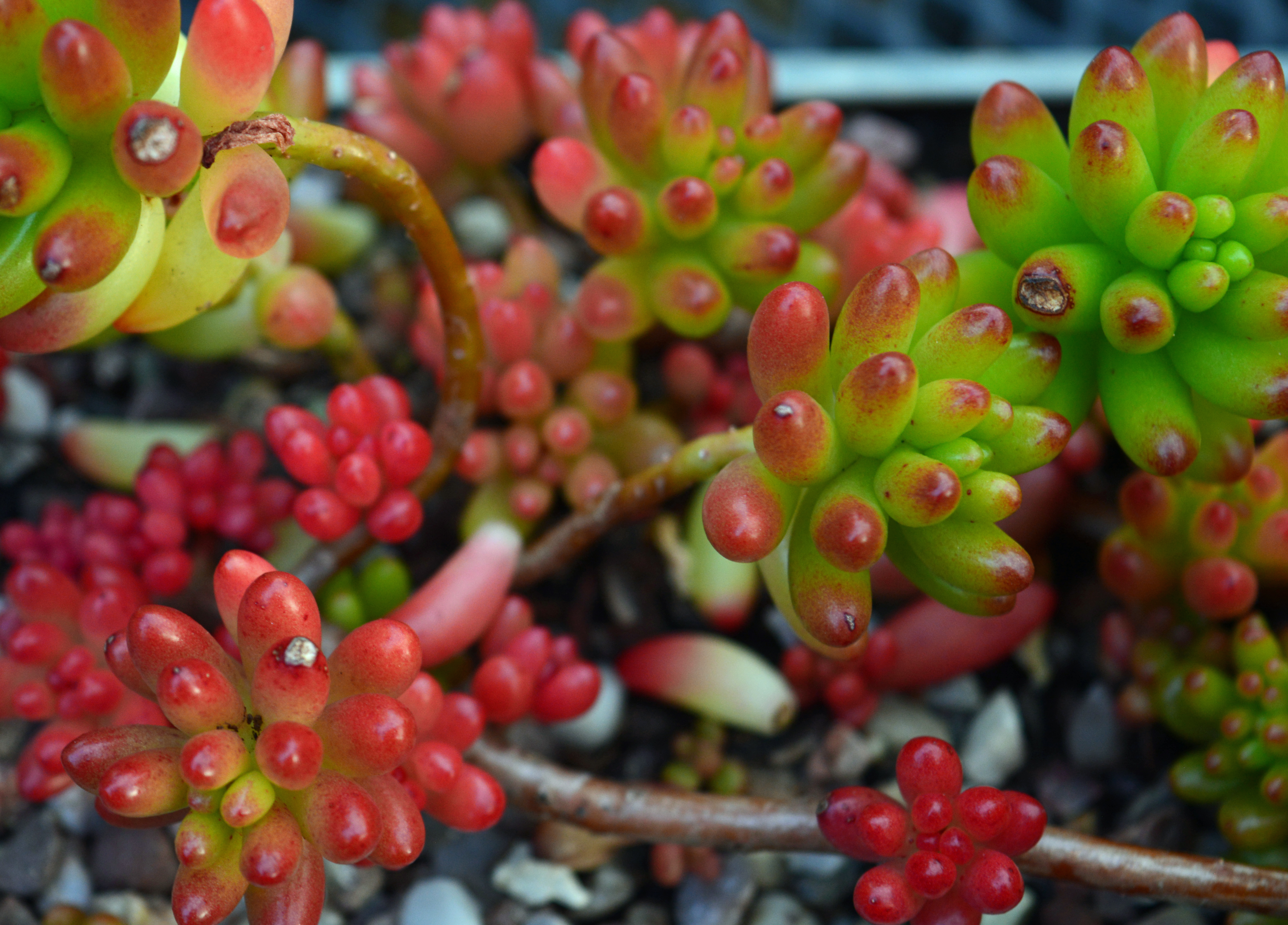
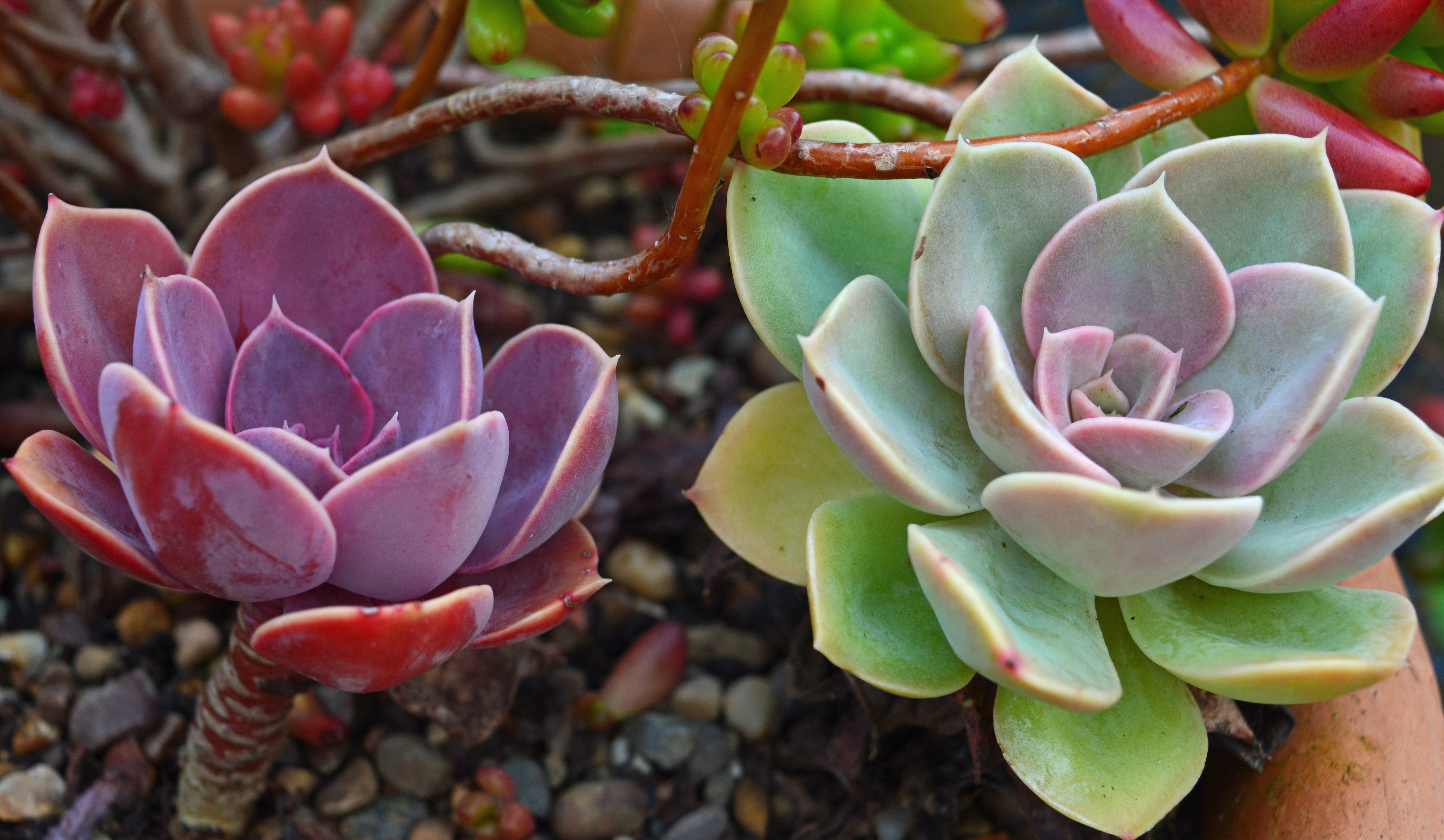
“When considering Autumn colour, succulents are rarely mentioned, but just check out the photos below of some of our succulents taken in November


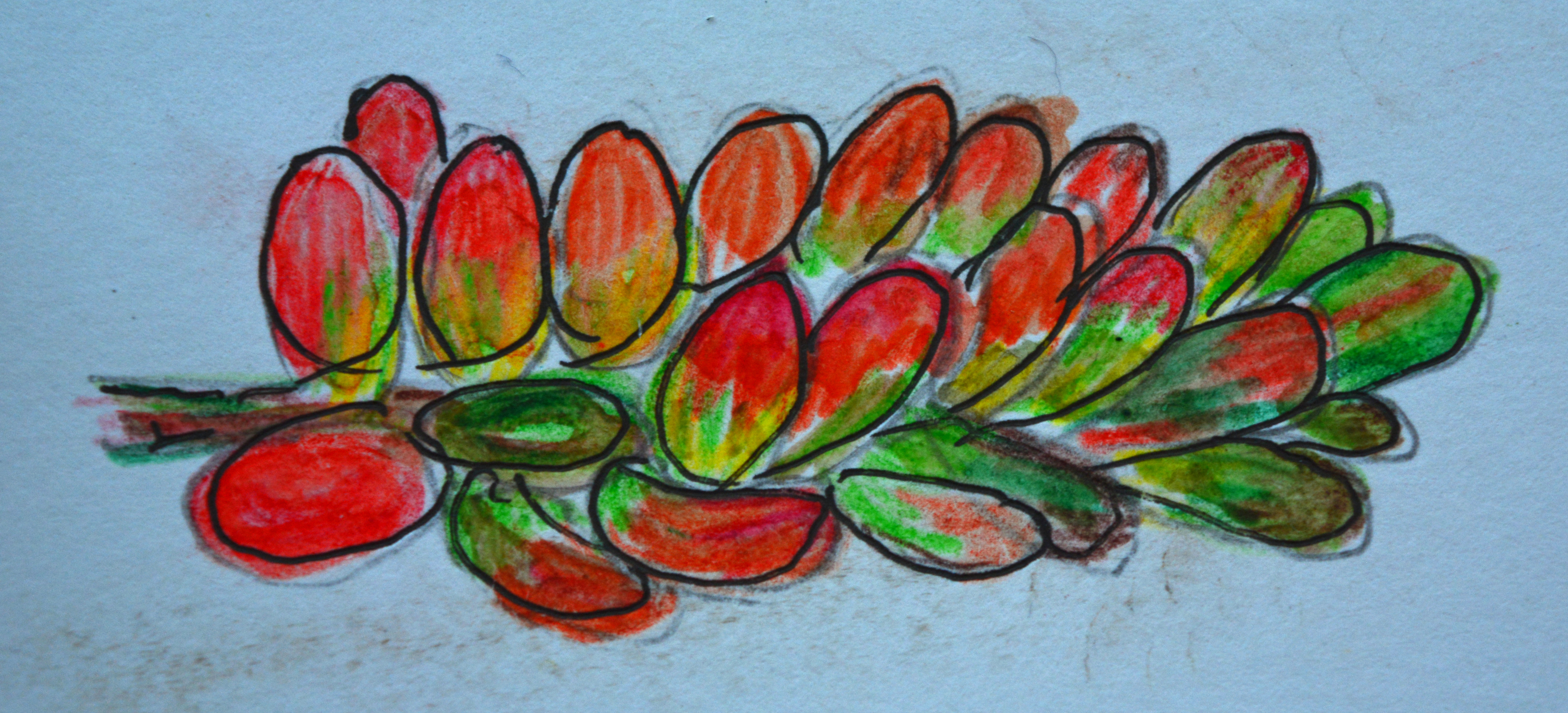
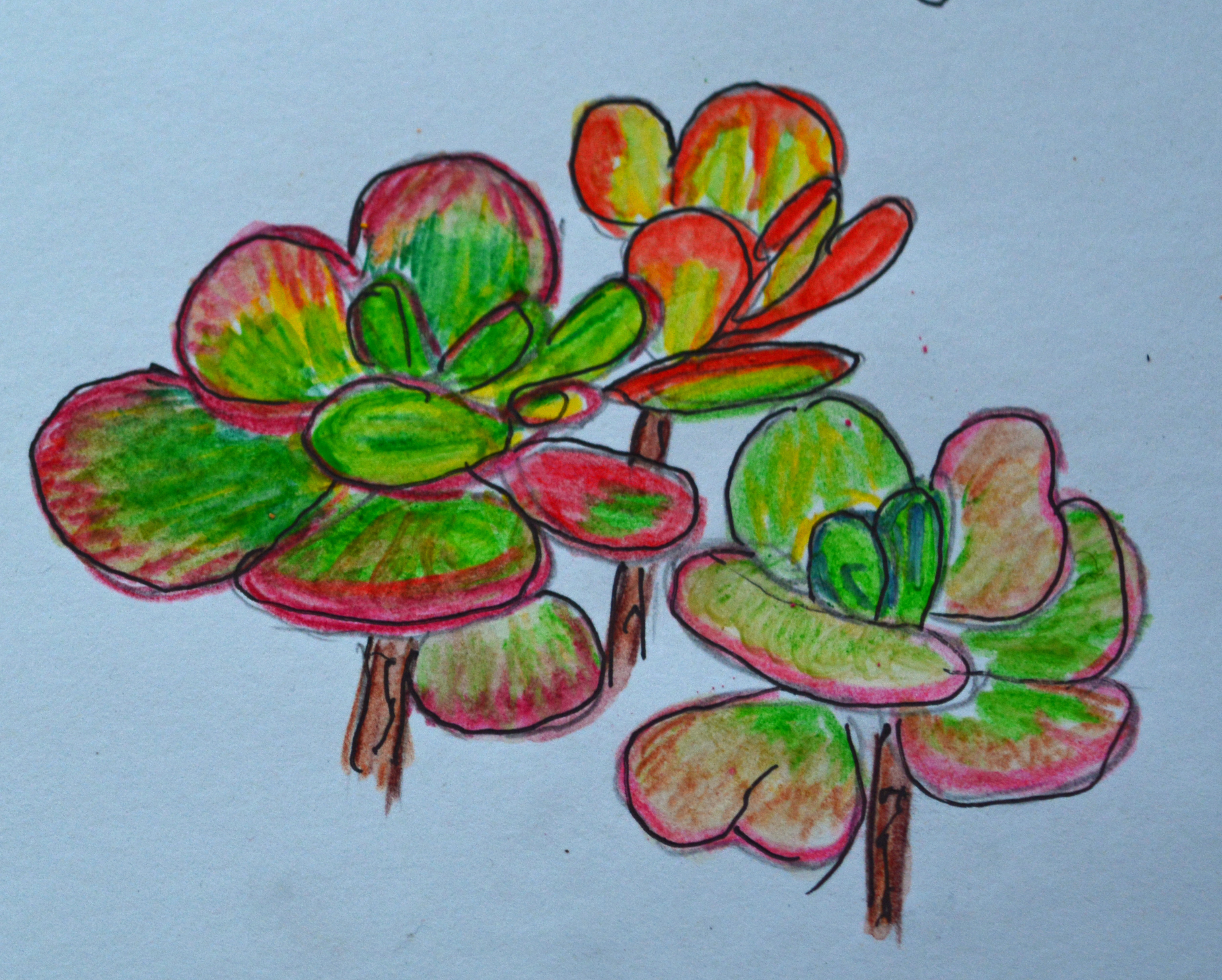
Below are my paintings/drawings of two multi-coloured succulent stems which I created with water soluble pencil crayons.

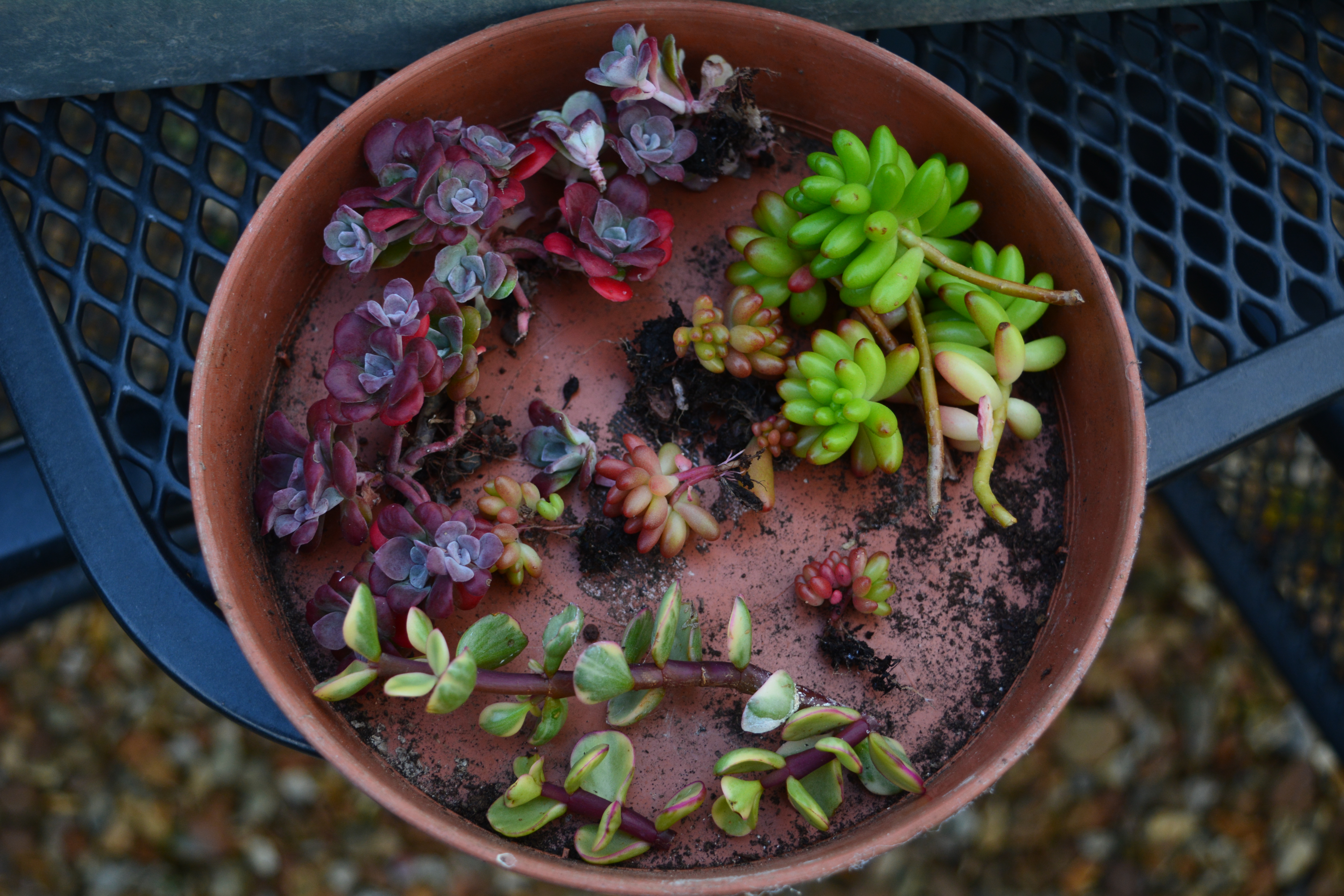
“Taking succulent cuttings.”


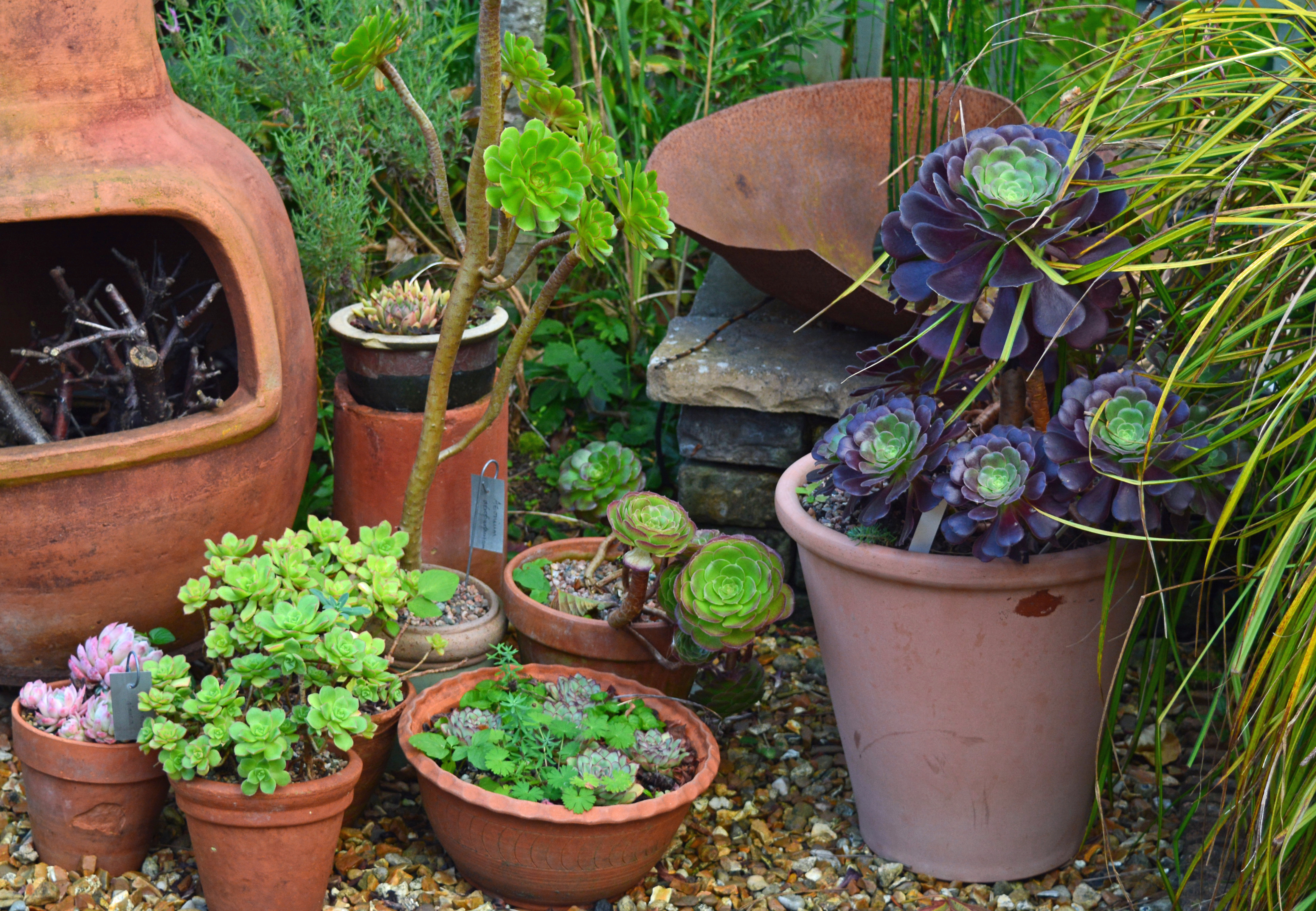
“Final pots of succulents waiting to go into their winter home.”


The final page of my November entries in the Garden Journal celebrates my “Plant of the Month”, which is one of only two Irises native to the UK, Iris foetidissima.


The next visit to look at my Garden Journal in 2017 will be the last one for the year, December.

Categories
birds climbing plants colours flowering bulbs garden design garden photography garden wildlife gardening half-hardy perennials hardy perennials irises ornamental trees and shrubs roses Shrewsbury Shropshire shrubs

My Garden Journal 2017 – May

So as spring moves towards its end and we look forward to summertime, it is time to look at my Garden Journal 2017 entries for May.

I began by writing, “May is the month when Spring turns to Summer and Roses are the stars of many gardens. Irises shine out alongside them and many early hardy perennials join in.”

“Rosa rugosa – deliciously scented purple rose flowers throughout the summer, followed by large, glossy, red hips.


“Bearded iris.”


“This is the month when all our patient hardening off of non-hardy “delicates” pays off and we can return them to the garden where they add another dimension.

Hayworthia cymbiformis with its rosettes of boat-shaped succulent translucent leaves, hails from South Africa.”

I did a watercolour and fibre-tip pen picture of this unusual little succulent, which proved quite a challenge.


Turning over to look at the next double page spread we see a sea of pinks and purples. I share our Cercis siliquastrum with you and some more May specials, all decked out in pinks.

“Plant of the month for the month of May is a small, flowering tree, Cercis siliquastrum , a favourite.” Our Cercis is also called the Judas Tree and the Mediterranean cercis.


I continued to look at May special plants, more pink ones!

“More May time specials – those little flowers so worthy of us seeking them out. Take a walk around our patch and I will look down to see what is looking special. Sugar pinks……..Shocking pinks….. Lipstick pinks…..”


Turn over once again and we see that the pages consider the very special little plants, the Dodecatheons, with Euphorbias alongside.

“Dodecatheon – secret gems of the shade garden – sit demurely in dappled shade. Their delicacy and the unique form of their flowers ask the gardener to stop, stoop and study them close up. They are members of the Primula family, the Primulaceae, but it is hard to spot any family features.

The flowers nod on slender stems rising from a basal clump of foliage. We grow the cerise D. cusickii and the white-flowered D. media White Shooting Star.

Close up we find yellow, brown and pink on the white flowers and yellow, orange, red and even blue on the pink flowers.

Dodecatheon are true shooting stars of any shaded border.”


On the page opposite I feature “Bracts at their brightest and best” and go on to look at Euphorbias, featuring photographs of a few of our many varieties. “Euphorbias burst into the brightest possible shades of yellow, orange and red in May. A good month to do so as the bracts catch the rain drops from the frequent showers and as the sun follows on the colours of these bracts brighten further. Here is a small selection of our many much-loved Euphorbias, and more will follow later in May.”

My journal entries for May continues with a look at our garden after a shower, “After the rain……. Plants buck up, birds sing louder and bees return to search for flowers to rob of pollen and nectar. Leaves catch the last rain drops to fall and store them for later. Droplets sit on veins and in leaf centres and act as lenses. Even the birdbaths are topped up!”


Water, water everywhere ……………..


Over another page and we look at some of our little garden friends and allies and next to that a painting challenge for me as I try to paint two very delicate heads of flowers.

“May is the month when our wildlife friends live and work alongside us everyday, beneath our feet in the soil, in the plants surrounding us and in the sky above. From first light, if not slightly before, birds begin their chorus growing to a crescendo as more and more join in. Blackbirds, robins and wrens are first to open their hearts to us with loud song and this trio are also the last to go quiet after the light dims. Owls keep calling throughout the dark hours.

Above our heads swallows, house martins and swifts chatter and squeal as they put on balletic flying demonstrations, catching high-flying insects as they do so. Under stones, inside shrubs  and in our greenhouse spiders seem so busy, constantly rushing around.”

“Beautiful flower heads, a painting challenge for May.”


My jottings for May next turned to flowering shrubs and roses.

“Roses and other flowering shrubs.”

A selection of our May-flowering roses …………………..


………… and flowering shrubs.


Back to Euphorbias as we turn the page over and I feature more of our collection of the unusual plants with bracts as bright as any flower.

“More crazy Euphorbias!  They have a futuristic look to them, each whorl of bracts like a spaceship.”

“So varied! So bright!”


“Despite their acidic colours, Euphorbias partner well with other plants.”


“We often partner one Euphorbia with another.”


So turning over the page we find the final page for May in my 2017 Garden Journal where I share some of our flowering climbers with you.

“Climbing plants begin to place splashes of colour high up in the trees and on obelisks at eye height, adding another dimension to the Avocet patch. Akebia, Clematis, Lonicera and Coronilla.”


So, the first book in my 2017 Garden Journal comes to an end as the month of May does also. My notes, photos and paintings for the month of June will start off the second 2017 book. See you then.
Categories
climbing plants flowering bulbs garden photography gardening gardens hardy perennials ornamental trees and shrubs shrubs spring bulbs spring gardening trees

My Garden Journal 2017 – April

We are well into Spring now as I share my April journal with you and there has been lots going on. This April has been the most colourful ever in our Avocet Patch.

The last week in March or the first in April is the best time to cut down willows (Salix)  and dogwoods (Cornus). It is a careful balance between enjoying these shrubs’ beautifully coloured stems for as long as possible and cutting them down in time for fresh coloured stems to grow in time to enjoy next winter. I wrote, “Before taking the Dogwood and Willow stems to be made into community compost, I decided to attempt to draw them in fibre tip pens.” Collecting them together and then selecting a bunch to draw emphasises the wide variety in colours these shrubs produce.

In complete contrast we look at brightly coloured flowering bulbs over the next two pages.

I wrote, “Bulbs continue to give brightness and colour at ground level in the garden this month but above them trees and shrubs perform equally well.”

Below I shared photographs of small flowering bulbs all coloured blue, what I labelled “The “lbj’s” of the bulb world – the little blue jobs.”


“One of the most beautiful and brightest of all Spring bulbs is a native in the UK after becoming naturalised. It grows in the South, Central and Eastern parts of England and scattered thinly around Scotland. It must give flowers that are as bright as yellow can become and it is scented too. Tulipa sylvestris.”


Returning to the shrubs and trees I wrote on the next double page spread, So, what sort of performances are our trees and shrubs putting on above the bright flowering bulb?”

“Amelanchier lamarckii”


“Spiraea arguta”


“Viburnum in variety”


“Ribes odoratum”


“Mahonia aquifolium”


“Ribes sanguineum King Edward VII”

“Fruit blossom”


On the next turn of the page we notice two pages about my favourite tree, Betulas (Birches)

I began by writing, “As our Birch trees grow we have to occasionally prune off some lower branches to create a specimen clean-trunked tree. When I recently took off two branches of our Betula albosinensis septentronalis, I kept a few lengths for me to paint or draw.” I created a picture using fibre pens and watercolours.

I continued, “By mid-April our Betula are all at different stages of realisation that spring has arrived. Some are almost in full leaf while others still have tight buds, some have long catkins, others none at all.”


I then moved on to reveal my plant of the month for April and on the opposite page looked at some of our April flowering Clematis.

“Plant of the month, April, is Corylopsis spicata, a flowering shrub with a beautiful habit of growth and beautiful pale yellow flowers, almost lemon shades, which hang in racemes as light as a feather so shimmer and dance in the gentlest of Spring breezes. The flowers are gently, sweetly scented. Our shrub at 2 metres tall is probably fully grown. It grows with an open “airy” habit.”


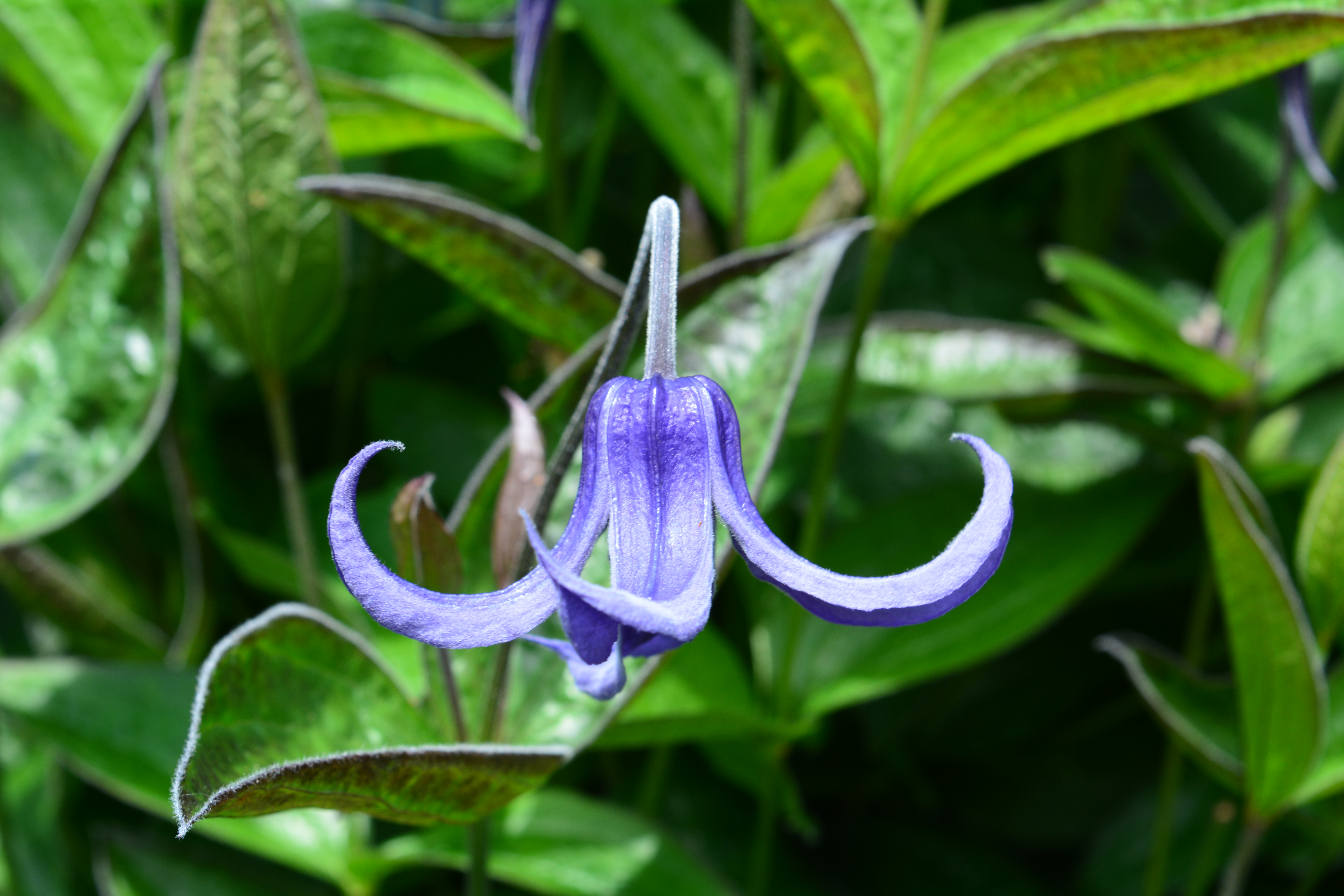
“April sees our early flowering Clematis putting on their show, with delicate hanging bells of calmness.”


Tulips feature on the next double page spread, with photographs of a small selection of the many tulips we grow.

“Tulips are the powerhouse of the April borders here at our Avocet patch, giving bright, shining patches of colour from white, to pink and purple and from yellow through orange to the deepest reds. Some are plain, others striped, splashed or streaked for added interest. In Spring clashing colours seem not to matter. Tulips add colour to every border! Enjoy the show!”


The final two pages of my April entries in my journal feature Acers and a few very special plants.

“Acers spring to life during this month giving wild splashes of colour from their freshly opened buds. Every shade of green with the colours of fire!”


I shall finish my April entries with a look at a selection of a few of our special plants, those plants that are not often seen and in our garden demand a closer look.

“Akebia quinata”

“Muckdenia Crimson Fans”

“Erythronium Pagoda”

“Jeffersonia Dubia”

Categories
climbing plants colours flowering bulbs garden design garden photography gardening gardens hardy perennials Herefordshire irises July light light quality National Garden Scheme NGS ornamental trees and shrubs renovation village gardens water garden water in the garden Yellow Book Gardens

Another Yellow Book Garden: Windsor Cottage

Looking back to a sunny summer’s day!

Off down the A49 trunk road into Herefordshire for another visit to enjoy a fellow NGS, Yellow book garden. Windsor Cottage is near the village of Dilwyn and described as a wildlife friendly half-acre garden which has just completed a 5 year redesign.

wc-5 wc-4

This proved to be garden full of very special plants beautifully grown by a couple of keen, energetic gardeners who were so keen to share their garden with us. They are both artists and their use of colour and planting companions displayed their creative flair.

wc-7 wc-6wc-1 wc-3

In order to share our enjoyment of Windsor Cottage with you I have created this gallery. Please click on the first picture and navigate using the arrows.

So this was a garden of great plants, two great plantspeople and an atmosphere of peacefulness and relaxation.

wc-2     wc-8

Categories
climbing plants colours fruit and veg garden design garden furniture garden photography gardening hardy perennials Hardy Plant Society HPS July Shropshire village gardens

Gordon and Mona’s Place

We like to share with you the gardens owned by our fellow Shropshire gardeners and we especially sharing our visits to some excellent gardens created and looked after by fellow members of the Shropshire Group of the Hardy Plant Society. So here is a short series of three such gardens we enjoyed during 2016.

The first is owned by Gordon and Mona who also have a small nursery selling unusual plants. Gordon also gives garden talks to groups just as Jude and I do, so we have things in common. Gordon is a great lover of Salvias too, just like me, but unlike me he is very knowledgeable about them.

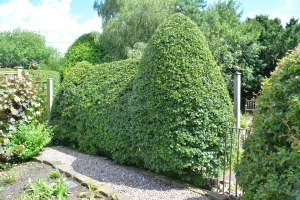
We followed roads leading us north-east from home towards a village known as Sheriffhales where we found the garden surrounding a house in the country. We loved the unusual entrance to the garden, passing through a narrow gateway in a holly hedge, which took us along a path to the back of the house and immediately we found ourselves immersed in the plants. It was like entering a secret garden, always a good start! Gates, hedges and pathways invited us seamlessly around the gardens surrounding Gordon and Mona’s home and comfy seats enticed us to sit a while and take in the scents and sounds of the garden. The movement of the many grasses and the bird song enriched the rest of the experience.
gm-02 gm-09 gm-11 gm-03

gm-40 gm-45gm-48 gm-47

Beautiful happy healthy plants growing upwards against a blue sky raise the spirits up with them.

gm-05 gm-06

Gordon had previously introduced us to Commelinas, perhaps the most delicate and beautiful blue flower to be found in any garden. We now have some of Gordon’s seedling growing on nicely at home and it was good to meet them again.
gm-12

Let us now just share some of the individual plants and plant companions we enjoyed so much on this visit. Some of these plant combinations are so exciting bringing together unlikely colour partners, the sign of confident and knowledgeable gardeners.

gm-43 gm-13 gm-15 gm-17 gm-16 gm-31 gm-35 gm-20 gm-18 gm-38 gm-39 gm-42gm-41 gm-30 gm-46gm-34 gm-26gm-44

Salvias are Gordon’s true specialism and interest and here they are beautifully grown, sitting happily in mixed borders and flowering profusely.

gm-21 gm-23 gm-25 gm-27 gm-29 gm-49

What a great afternoon visiting this lovely, gentle garden full of plant delights! Moments of magic appeared around every corner to add that little extra that raises a garden above the norm, as shown in my four pics below.

gm-24 ht1-37gm-08 gm-10


Categories
climbing plants garden design garden wildlife gardening grasses hardy perennials natural pest control ornamental grasses ornamental trees and shrubs Shropshire

Developing 3 spaces in our garden – part 3

The second new area we were able to develop this winter was a very small border created when we rationalised our sheds. The bed was originally used for a selection of mints which we used for cooking so the soil had to be removed and very bit of mint root removed. Some is bound to come back though as it seems impossible to rid yourself of mint in one go. We will have to keep our eyes peeled. As yet we have not named this little patch but I guess it may end up being something akin to “The Old Mint Patch”.

ng1-1

We began by erecting a screen wrapping around behind the bed and one end and we chose willow hurdle panels for this as it lets some wind through but gives some protection. We also love the natural rural look of it, and have used it effectively elsewhere in our garden. To match the natural look of the fencing we added a border edge of log-roll.

ng1-2ng-01

We planned our planting in three layers. First plantings were climbers, followed by shrubs and finally herbaceous perennials including grasses. The first climber we planted was Trachelospermum asiaticum, chosen for its flowers which are creamy coloured and scented in strong contrast to its dark green glossy foliage. We partnered this climber with a Honeysuckle and a Clematis. Clematis Fragrant Auberon has creamy-white, heavily scented flowers in spring contrasting strongly with its evergreen foliage. The Honeysuckle was Lonicera Spring Purple, where the purple refers to its foliage.

The shrubs we selected were favourites of ours which had graced our wishlist for a few years now so this new, unexpected planting opportunity meant they could now leave their place in the wish list and grace the new border instead. Firstly we planted a Hydrangea aspera, a summer flowering shrub called H. a. “Hot Chocolate”, so we look forward to its lacecap flowers consisting of pink florets surrounding violet florets in the summer, and of course its foliage which is a chocolate colour above and wine-red velvety textured below.

We are always pleased to find space for another deciduous, so we planted a specimen of Euonymus planipes in this new border. We put it in when it was leafless and we spotted its beautiful mahogany long thin leaf buds. Later it will boast bright pink fruits with vivid orange seeds hanging from within, an incredible colour combination.

Our third shrub was an Abeliophyllum distichum, which was showing its gently scented pale pink almost white flowers. We look forward to its foliage turning rich purple in autumn.

fj1-1

The final planting later to put in place was the herbaceous layer where we selected plants mostly for their unusual foliage but a few will flower. Thus we planted three Saxifrages – S. stolonifera called “Hime”, S. fortunei “Blackberry and Apple Pie” and S. stolonifera “Maroon Beauty”, strongly textured, coloured foliage and unusual shaped flowers. We planted a fern too to link across to the one in the container which I write about later. We chose Dryopteris erythrosora “Prolifica” which features copper foliage each spring. Three Libertias join in to give spikes of foliage some with coloured stripes and white flowers in the summer and autumn. These Libertia are L. ixioides “Taupo Sunset”, L. peregrinans “Gold Leaf” and a third is an unknown species we grew from seed. We finished with our usual grasses, essential in every border, so we placed between the other perennials three Uncinia rubra,

We also had space adjacent to the new bed for a large stoneware pot which matched the  one at the far end of the path close by. We planted this up with a Gaultheria mucronata “Sneeuwwiyje” which I think translates as “Snowdrop”. It sports red stems and shiny dark green foliage and in summer white flowers with hints of soft pink followed by white berries later. Beneath this shrub we planted a fern and a couple of trailing ivies for year long foliage colour and texture. The ivies Hedera “Golden Kolibri” and Hedera “White Wonder”, the names reflecting the colour of the leaf variegation. The fern was Polystichum setiferum “Plumosum”, with soft textured foliage.

ng-03 ng-06ng-08 ng-07ng-05 ng-04

The final flourish was installing a wildlife “village” of varied insect homes, some coming from the old garden shed others newly made.

ng-16 ng1-3ng1-4

A few weeks later we added spring flowering bulbs from pots, a few more grasses and a third Saxafraga, S. Blackberry and Apple Pie.

ag2-05 ag2-04 ag2-03 ag2-02 ag2-01

We then had to sit back, let Mother Nature and all her soil workers and the weather do their best and watch the new patch develop. Maybe it will develop well enough to appear in my garden journal later in the year.

Categories
birds climbing plants colours garden design garden furniture garden photography gardening gardens gardens open to the public half-hardy perennials hardy perennials ornamental trees and shrubs poppies water in the garden

Coton Manor – an atmospheric gem.

Coton Manor Gardens are so full of atmosphere. Ten acres of hillside gardens are landscaped to give variety throughout the year on this Northamptonshire estate. There are streams, fountains and ponds, a bluebell wood and meadows. We have visited this romantic garden a few times already but decided to visit again in July of 2016.

cm-1 cm-1-1

Honey coloured stonework make the buildings look warm and welcoming and entering the drive after a short walk from the car park we noticed climbers covering every wall. We entered a cosy courtyard on our right which gave us the chance of refreshments and a peruse of the nursery tables. A surprise here for everyone was the resident Hyacinth Macaw who greets each visitor on arrival with a loud screech!

cm-1-2

The garden itself is designed around a series of garden rooms separated by yew and holly hedges, and each room has its own special character and atmosphere, which makes for a refreshing garden walkabout. Leaving one room you don’t know what to expect next. Close to the house courtyards featuring half-hardy plants such as Pelargonium and Salvia make for a colourful start to our wanderings. Share our wanderings through these areas by following the gallery below. (click on the first photo and navigate through by clicking on right hand arrow)


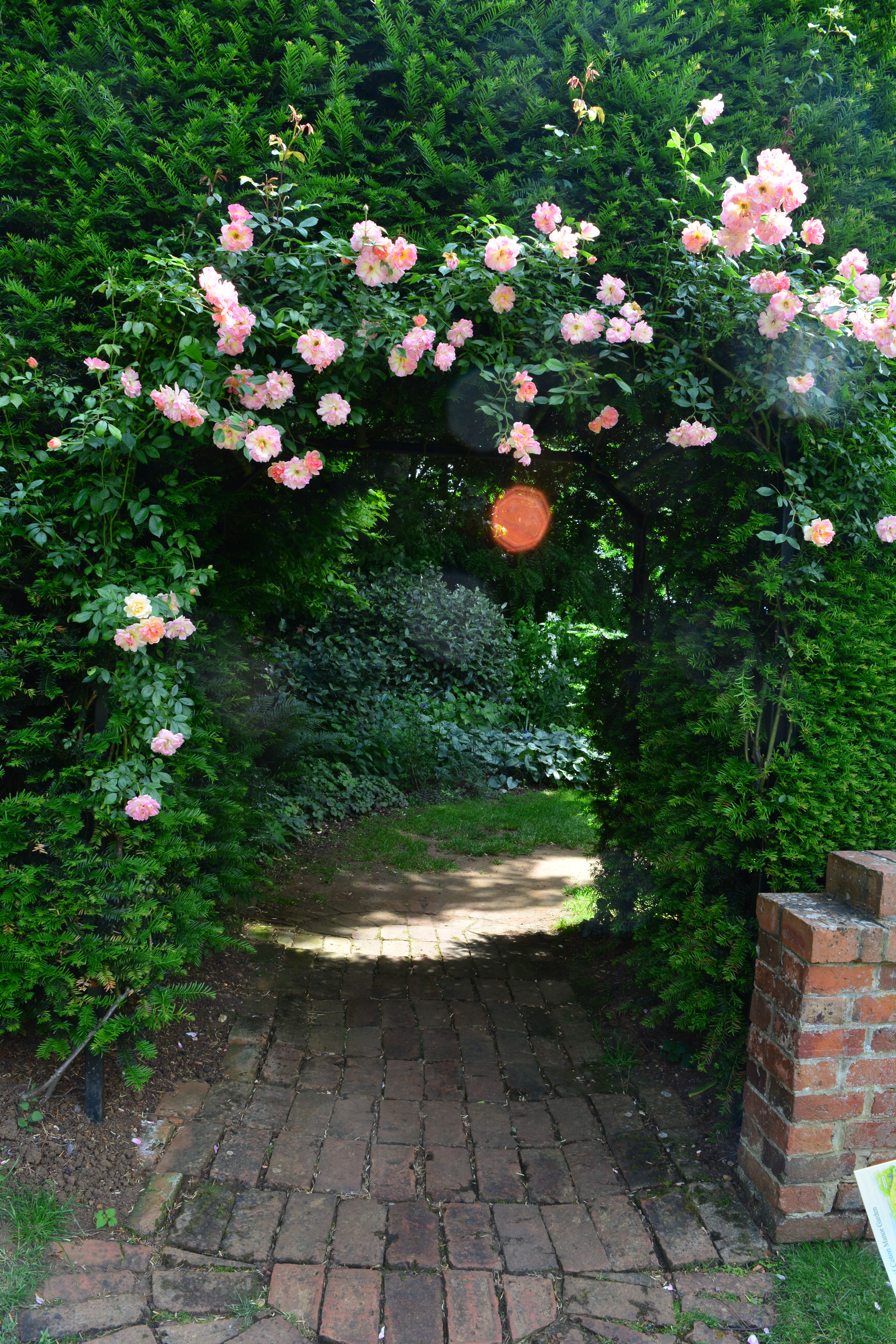
We passed through an archway surrounded by scented pink roses and from there moved on to the Rose Garden and then wandered into an area of woodland shade garden complete with a small stream.

cm2-01 cm2-14 cm2-26cm2-03 cm2-12 cm2-15 cm2-13 cm2-24 cm2-28  cm2-27 cm2-17cm2-19 cm2-18cm2-20 cm2-22cm2-21

Some very unusual and interesting plants came to our attention in the wooded and streamside gardens, all beautifully lit by the rays of the sun penetrating the tree canopy.

cm2-04 cm2-25 cm2-05 cm2-06 cm2-07 cm2-23cm2-02

Steps, paving and walls of warm limestone appeared throughout the garden affording ideal places for wall plants to get a hold.

cm2-09 cm2-10 cm2-11 cm3-30 cm3-29 cm3-28

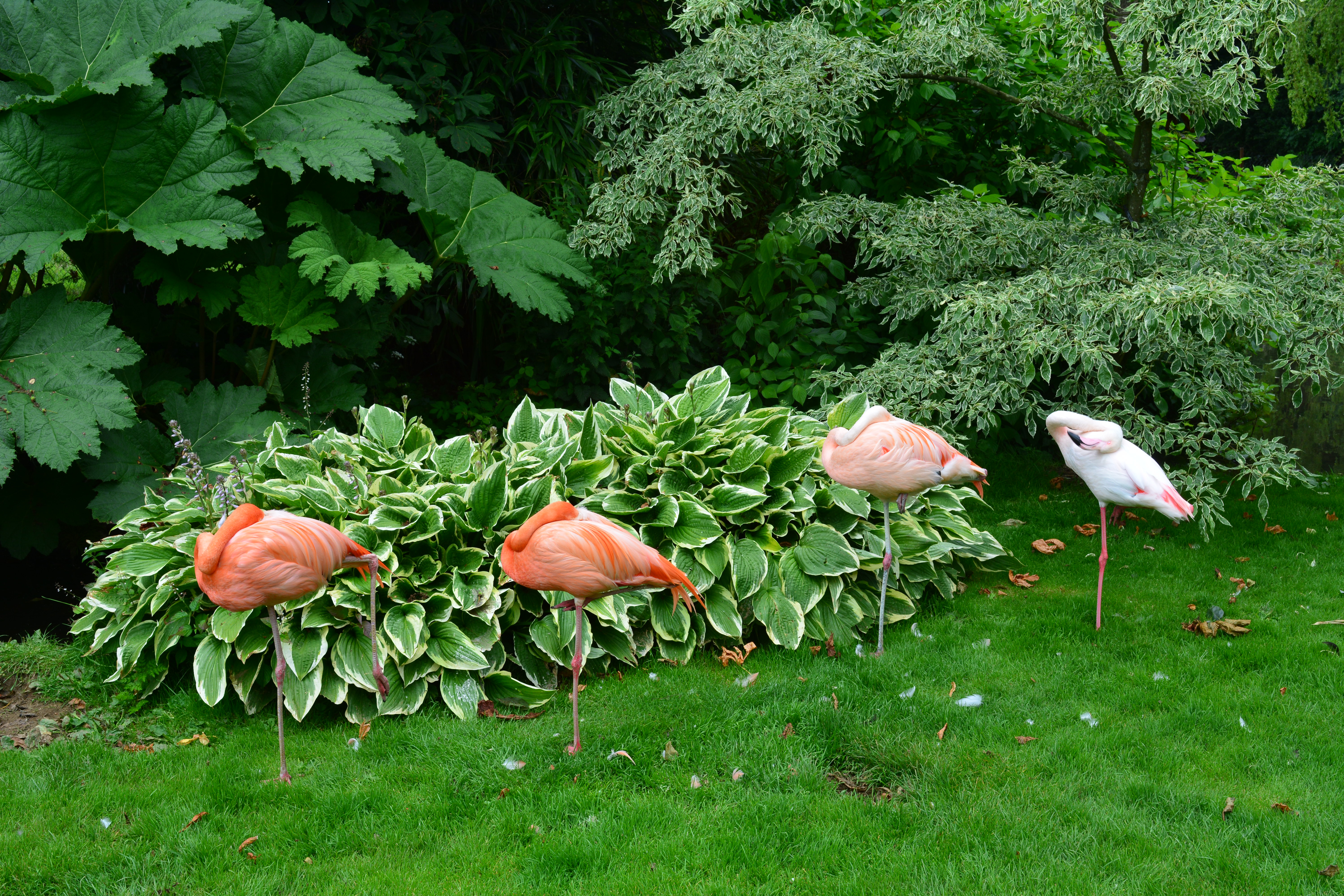
I will finish this report on our visit to the romantic garden at Coton Manor with a few more photos which I particularly enjoyed taking. I hope you like the salmon pink plumaged flamingoes which had free range of the garden but mostly seemed to enjoy sleeping with their head hidden beneath their wings,

cm3-31 cm3-25 cm3-26 cm3-21 cm3-07 cm3-12

Categories
autumn autumn colours climbing plants colours garden photography gardening gardens hardy perennials light light quality ornamental trees and shrubs Shropshire shrubs

My Garden Journal in September

Back to my garden journal and we will look at my entries for September and see what our patch here at Avocet is up to.  According to the weather reporters and meteorologists we should now be in Autumn but the garden is showing few signs of the expected seasonal changes.

sepj-05

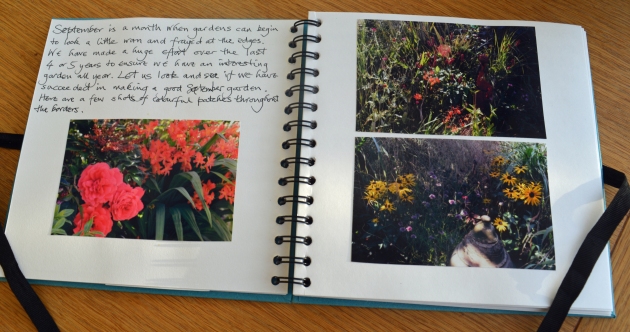
I started by finding patches of colourful plantings and wrote, “September is a month when gardens can begin to look a little worn and frayed at the edges. We have made a huge effort over the last 4 or 5 years to ensure we have an interesting garden all year. Let us look and see if we have succeeded in making a good September garden. Here are a few shots of colourful patches throughout the borders.”

Jude, Mrs Greenbench or The Undergardener, and I have created a talk entitled “The Year Round Garden” which we give to garden societies and other clubs such as WI groups and U3A groups. It is all about how we ensured our garden was good for every month of the year. Some of these groups also visit our garden at various times of year to have a look around. Giving these talks helps us focus on ensuring we continue to develop this ever evolving element of gardening and helps us appreciate every day and what our garden gives us on every individual day.

The three photos on these first September pages show very different patches of our garden.

sepj3-1sepj3-2sepj3-3

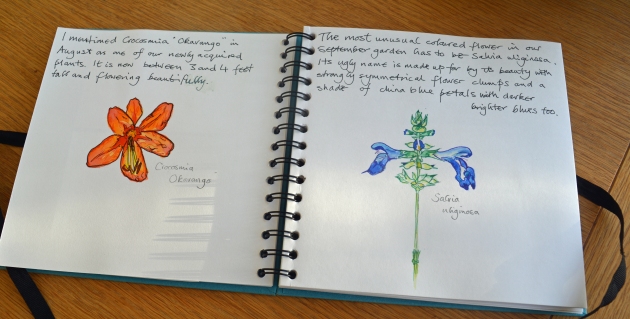
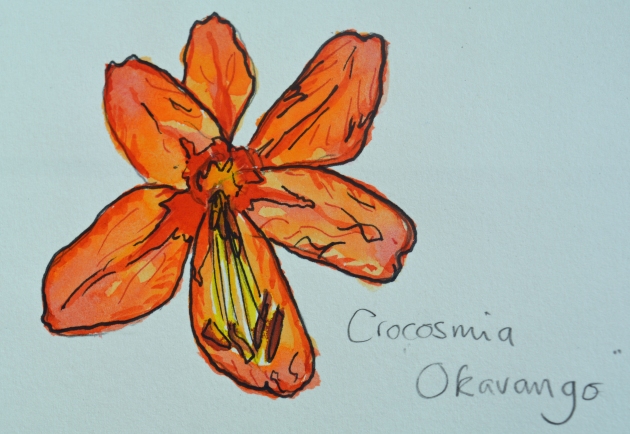
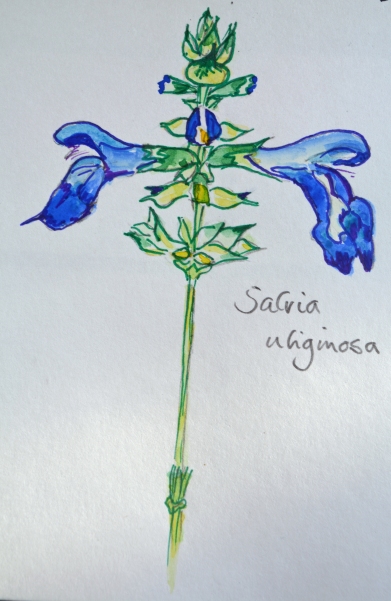
Turning over the page we find a couple of my watercolour paintings of two very differently coloured and differently structured flowers blooming in our September garden, a Crocosmia and a Salvia.

sepj-06

I wrote “I mentioned Crocosmia “Okavango” in my August journal entries as one of our newly acquired plants. It is now between 3 and 4 feet tall and flowering beautifully.”

sepj-07

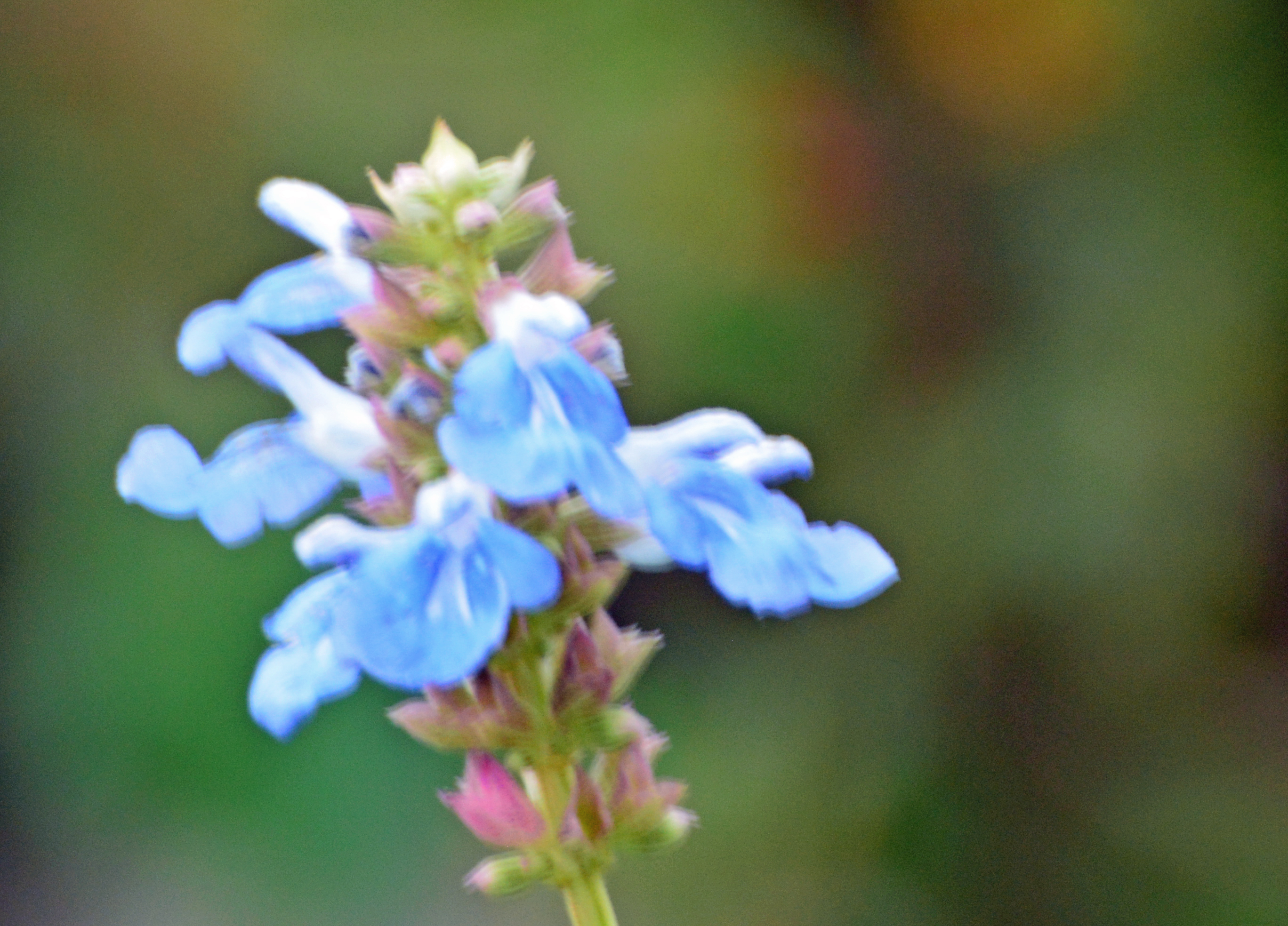
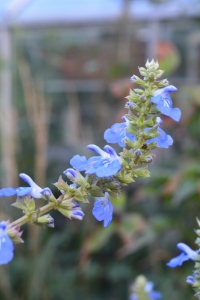
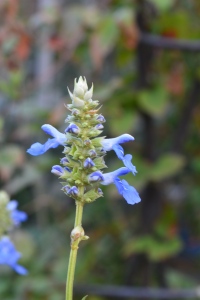
The most unusual coloured flower in our September garden has to be Salvia uliginosa. Its ugly name is made up for by its beauty with strongly symmetrical flower clumps and a shade of china blue petals with darker brighter blues too.”

sepj-08 sepj1-30sepj1-31 sepj1-29

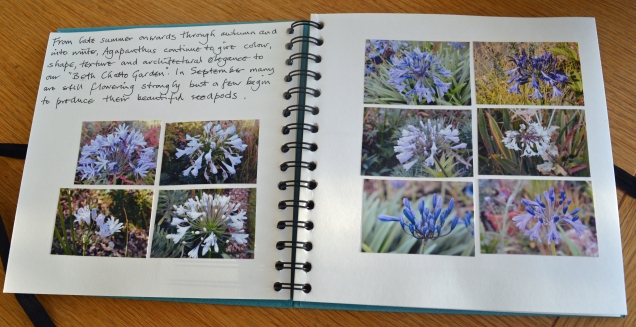
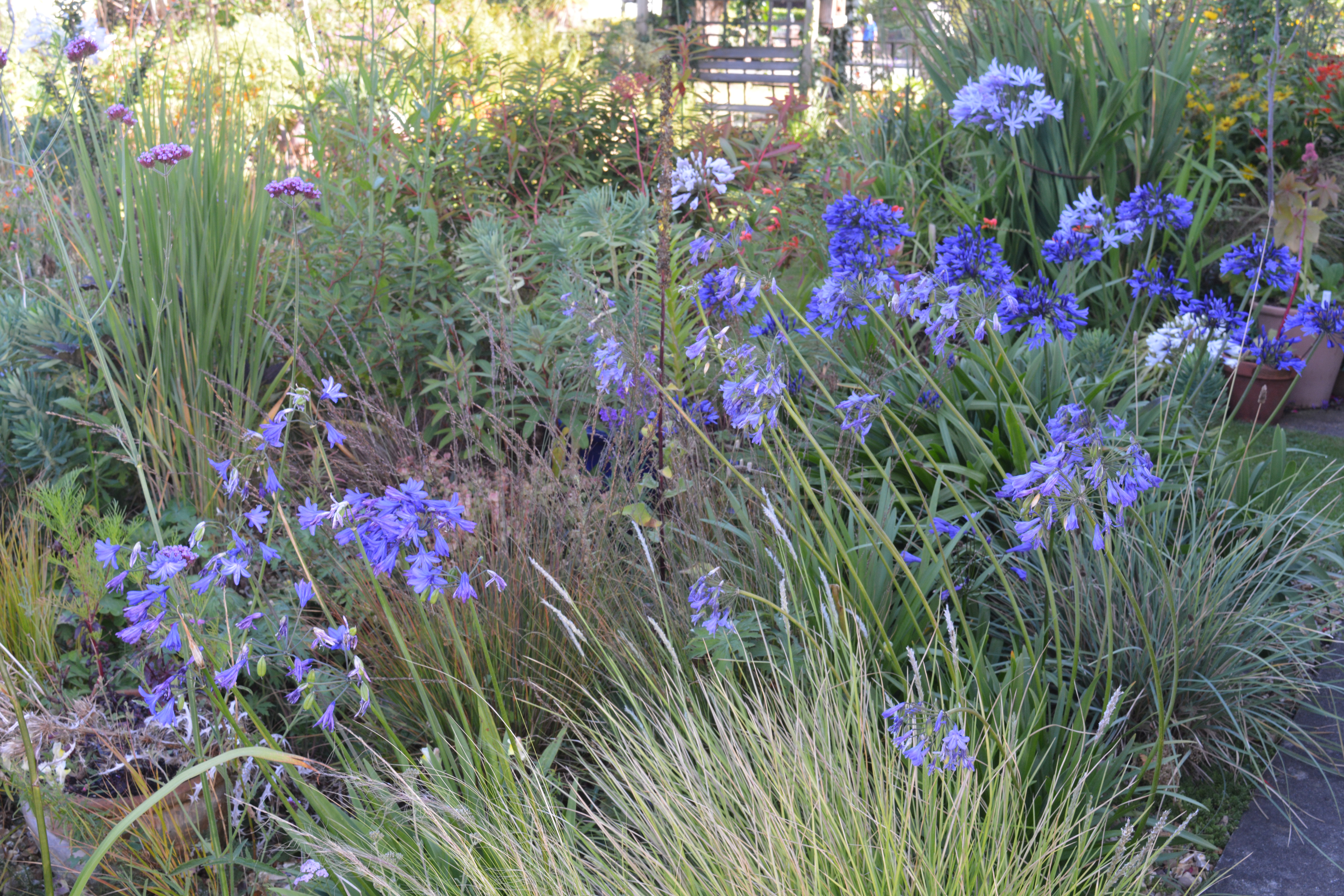
My next double page spread features those wonderful South African summer flowering bulbs, the Agapanthus. We have a large collection of these big blue or white spherical beauties.

sepj-09

“From late summer onwards through autumn and into winter,  Agapanthus continue to give colour, shape, texture and architectural elegance to our “Beth Chatto Garden”. In September many are still flowering strongly but a few begin to produce their beautiful seedpods.”

sepj4-01sepj4-06 sepj4-09sepj4-13 sepj4-07sepj4-04 sepj4-11sepj4-03 sepj4-10

sepj4-08 sepj4-02

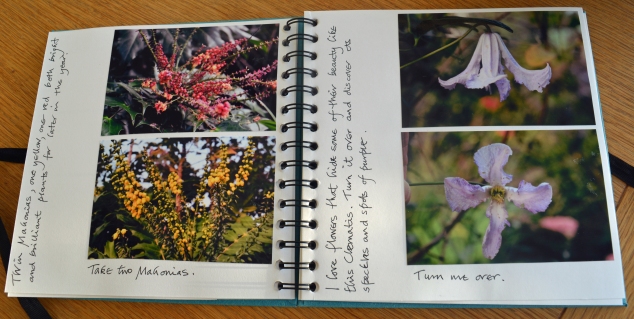
Turning over to the next double page I feature two very differently coloured Mahonias and a beautiful delicate Clematis.

sepj-10

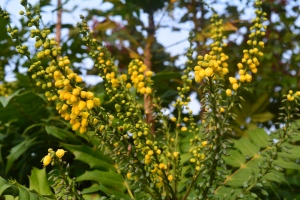
I wrote, “Twin Mahonias, one yellow, one red both bright and brilliant plants for later in the year.”

“Take two Mahonias” 

sepj1-19 sepj1-20

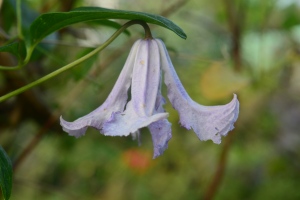
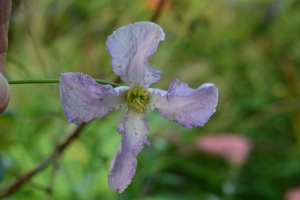
Concerning the Clematis I wrote “I love flowers that hide some of their beauty like this Clematis. Turn it over and discover its speckles and spots of purple.”

“Turn me over!”

sepj1-25 sepj1-26

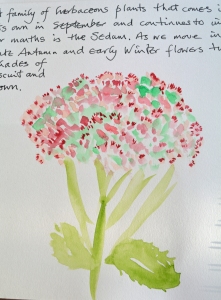
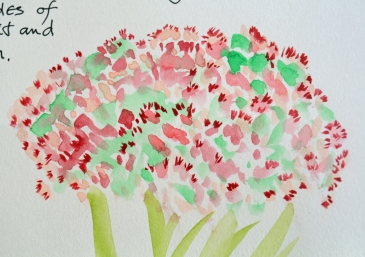
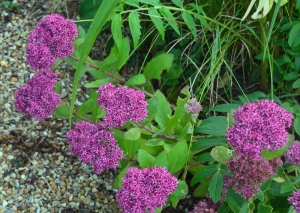
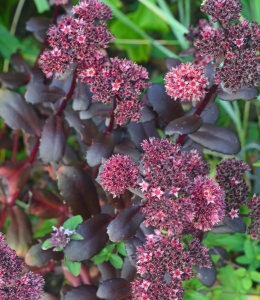
The next double page spread features one of my favourite hardy plant families, the Sedums. I included photos of some flowering in our garden now and a watercolour impression of our plants in flower.

sepj-11

sepj-12 sepj-13

“There are so many variations in foliage colour and flower size and colour We have several. Here are a few from our patch.”

sepj2-1 sepj1-13sepj1-27 sepj1-24    sepj2-2 sepj1-22

Over the page we discover the first signs of the changing foliage colours – the early signs of Autumn.

sepj-14

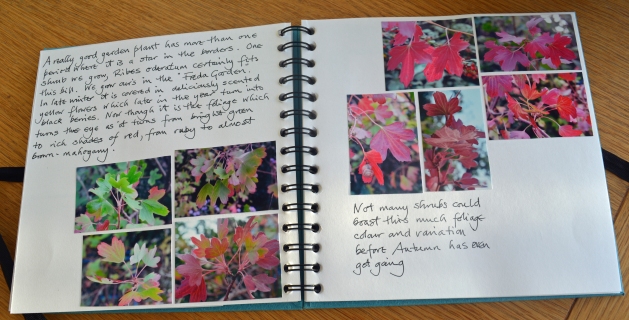
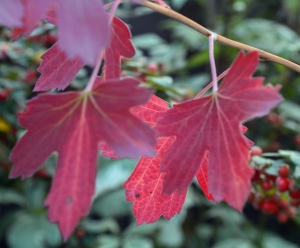
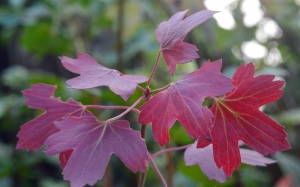
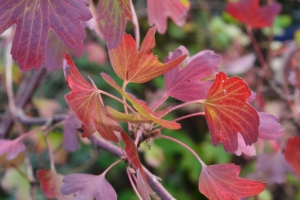
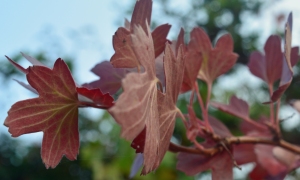
“A really good garden plant has more than one period where it is a star in the borders. One shrub we grow, Ribes oderatum certainly fits this bill. We grow ours in the “Freda Garden”. In late winter it is covered in deliciously scented yellow flowers which later in the year turn into black berries. Now though it is the foliage which turns the eye as it turns from bright green to rich shades of red, from ruby to almost brown-mahogany.

Not many shrubs could boast this much foliage colour and variation before Autumn has even got going.”

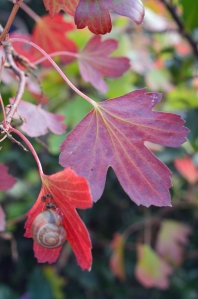
sepj1-12 sepj1-11sepj1-06 sepj1-10sepj1-05 sepj1-04sepj1-08 sepj1-09sepj1-07 Can you spot the colour co-ordinated banded snail on a leaf in the last picture of the Ribes leaf sequence?
sepj-15

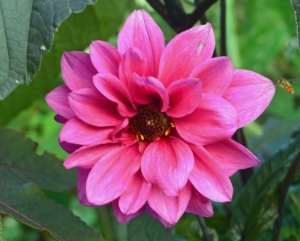
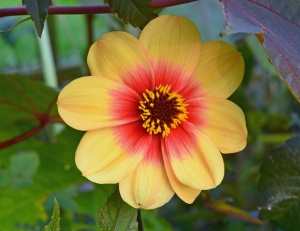
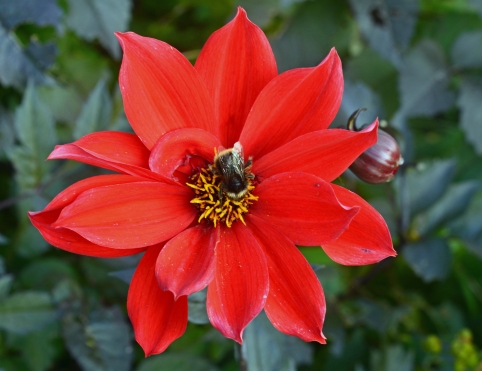
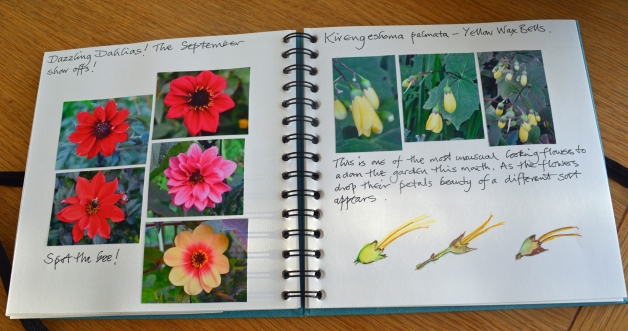
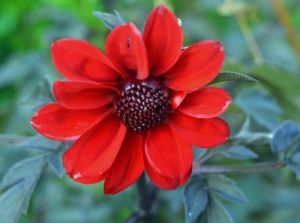
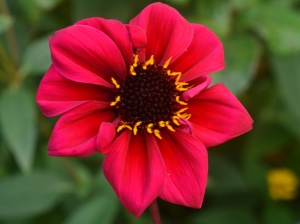
“Dazzling Dahlias! The September show offs!”

sepj1-14 sepj1-18sepj1-16 sepj1-15

“Spot the bee!”

sepj1-17

Opposite the Dahlias I look at a much more delicate flower, that of Kirengeshoma palmata, otherwise known as Yellow Wax Bells.

sepj1-01 sepj1-02 sepj1-03

“This is one of the most unusual looking flowers to adorn the garden this month. As the flowers drop their petals, beauty of a different sort appears.”

sepj-16 sepj-17sepj-18 sepj-19

And that sees the end of my journal entries for September. Next visit to my garden journal will see us moving into Autumn and the changes in weather and light it brings with it. Will I be reporting on the special light and colours, the colours of fire and Autumn?

This Veggie Life

A Vegetarian | Nature Lifestyle Blog

Rambling in the Garden

.....and nurturing my soul

The Arch City Gardener

Journeys In St. Louis Gardening and Beyond

Garden Dreaming at Châtillon

Consult the genius of the place

Storyshucker

A blog full of humorous and poignant observations.

gardeninacity

Notes from a wildlife-friendly cottage garden

PlayGroundology

...an emerging social science

The Official Blog of British Wildlife

'The most important and informative publication on wildlife of our times' - The Independent. This blog is a member of The UK & Ireland Natural History Bloggers group: www.uknhb.blogspot.com

iGrowHort

Inspire - Cultivate - Grow Native Plants - Restore Landscapes

Bishops Meadow Trust

To create and protect a semi-natural wild space for the people of Farnham to enjoy and experience an array of British wildlife in our town

Gardening with Children

The www.gardeningwithchildren.co.uk Blog

UKbirdingtimeline

birding through the seasons, why birds matter and how to conserve them

NATURE WALKER

with a camera in hand

Jardin

Transform your outdoor space

Eva's space

My allotment, cooking and other interests

Old School Garden

my gardening life through the year

LEANNE COLE

Trying to live a creative life

fromacountrycottage

trying to live as lightly as possible on our beautiful planet

Good Life Gardening

Nature lovers from Leicester living the good life.

mybeautfulthings

Finding the beautiful in the everyday

mawsonmichelle

Michelle's Allotment

In and Out of My Garden

thoughts from and about my garden

Greenhousing

Big plans for a small garden

The Scottish Country Garden

A Walled Country Garden in South East Scotland

The Fruity Chicken

Life at the fruity chicken

willowarchway

Off grid living. Self sufficient. "PERMAGANICS RULE".

St Anns Allotments

Nottingham's Grade 2* Listed Allotments and Community Orchard

Manifest Joy Harvests

a journey in suburban vegetable gardening

Allotmental

The madness of growing your own

Penny's Garden: a harvest beyond my front door

A novel approach to vegetable gardening

arignagardener

Sustainable living in the Irish countryside.

NewEnglandGardenAndThread

Master Gardener, amateur photographer, quilter, NH native, and sometimes SC snowbird

dianajhale

Recent work and work in progress and anything else that interests me

planthoarder

a chaotic cottage gardener

Lens and Pens by Sally

a weekly blog that creates a personal philosophy through photographs and words

Dewdrops and Sunshine

Stories from a sassy and classy Southern farmbelle.

The Pyjama Gardener

Simple Organic Gardening & Seasonal Living

gettin' fresh!

turning dirt into dinner

JOY...

today the world is created anew

Garden Birds

Notes from a Devon garden

ShootAbout

Life Through The Lens

Adapting Pixels

A photography blog showcasing the best photography pictures and videos on the internet

Wildlifegardening's Blog

Just another WordPress.com site

naturestimeline

personal observations from the natural world as the search continues for a new approach to conservation.

LATEBLOOMERBUDS

The Wonders of Life through my Eyes, my Heart, my Soul