Categories
bird watching birds climbing plants colours conservation fruit and veg garden design garden photography garden wildlife gardening grasses hardy perennials ornamental grasses ornamental trees and shrubs photography roses Shropshire village gardens wildlife

A Garden Bouquet for August

It is time I took up my camera and took photos of the delights our garden has to offer. This is a particularly important set of photos as we have decided on August 3rd as the date we are going to open our garden for the National Garden Scheme next year. We keep looking for gaps or places in need of improvements be it little tweaks or bigger tasks such as re-laying our main central path in the back garden.

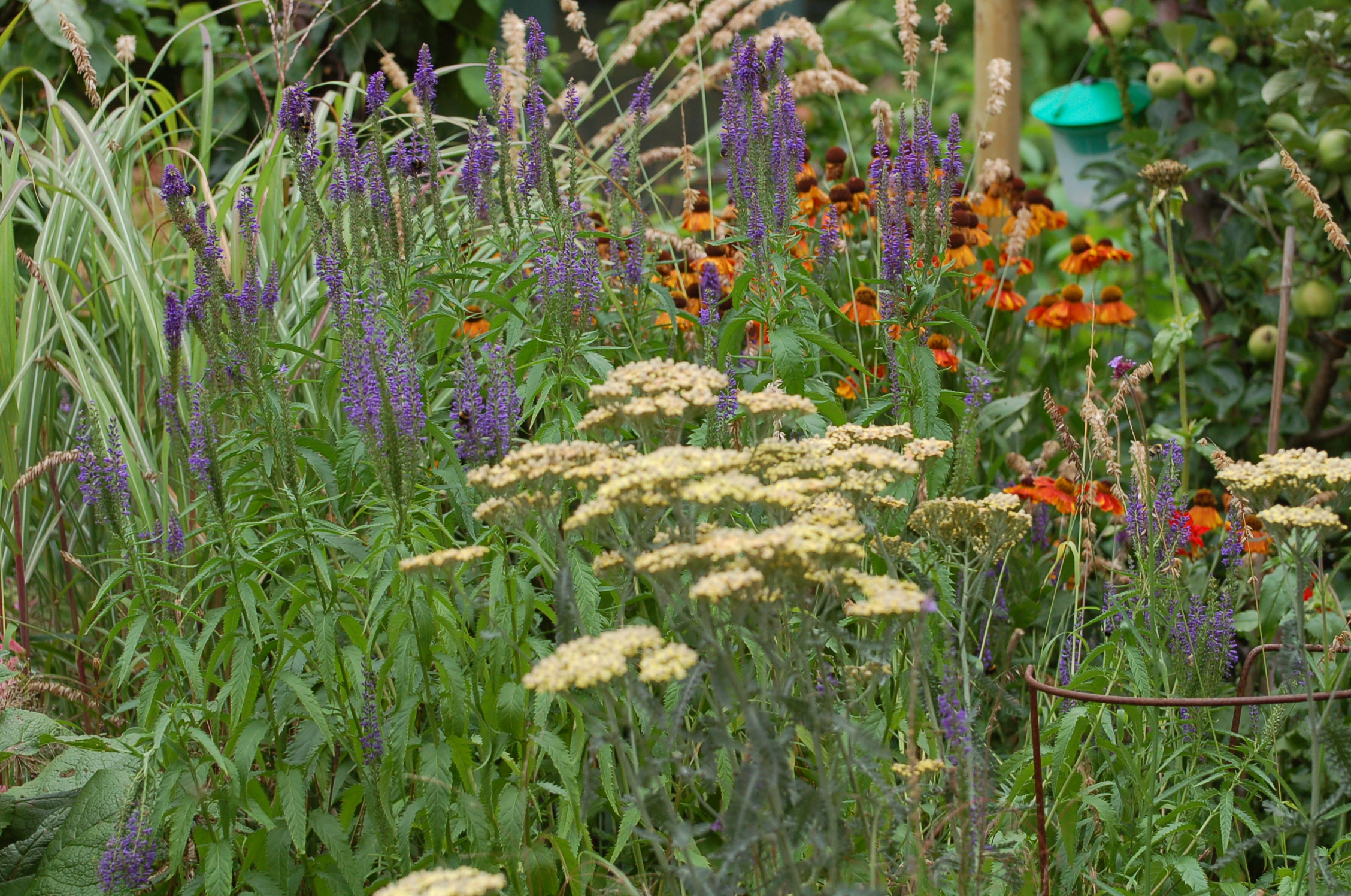
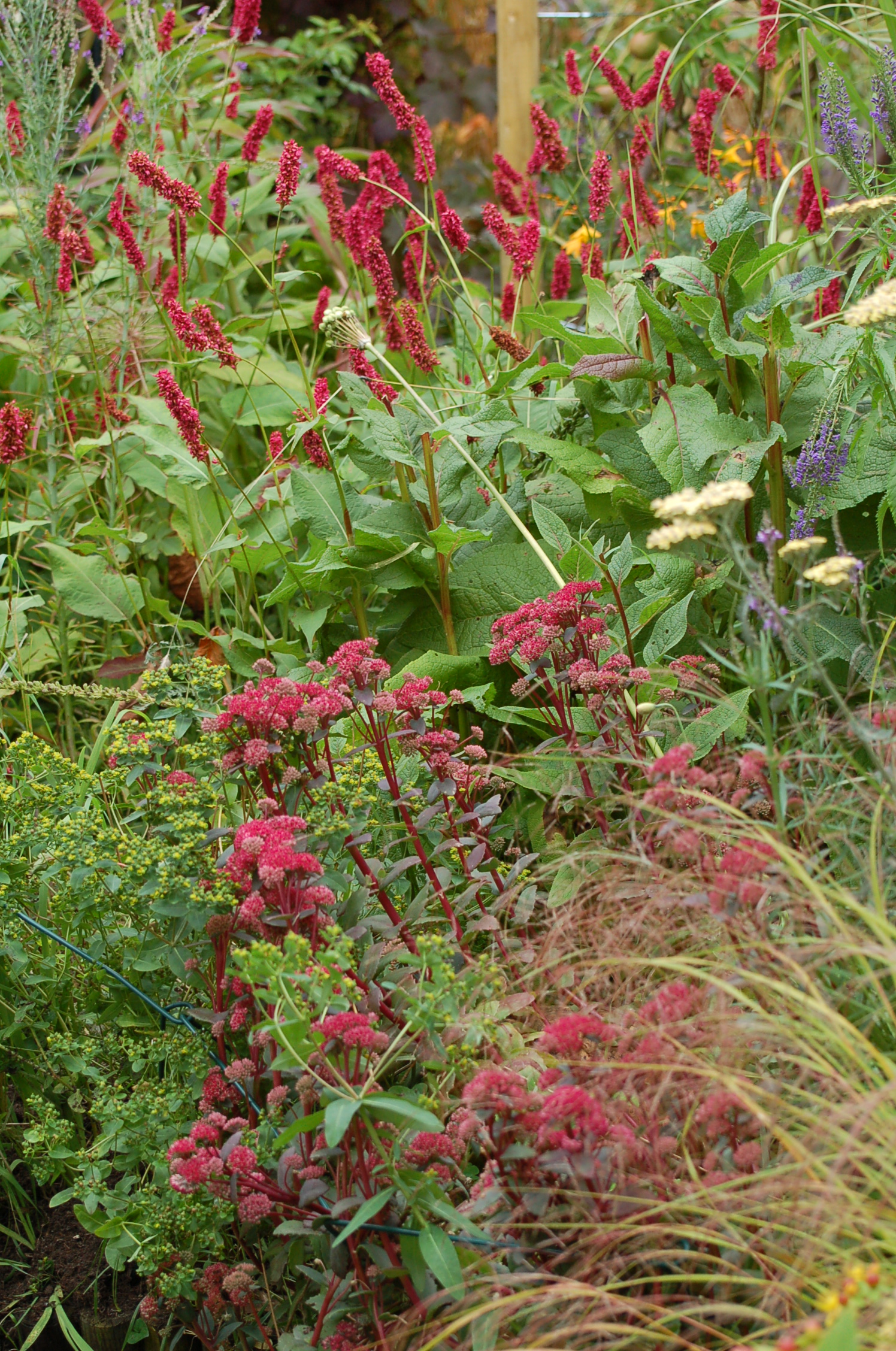
So I went off around the garden with my zoom lens attached to see what’s what in our patch. As it panned out there was so much to see in the back garden that all this month’s photos were taken there. Please enjoy the journey and feel the damp, cool morning air which acted like a soft lens filter giving a delicate misty blue atmosphere to some of the shots.

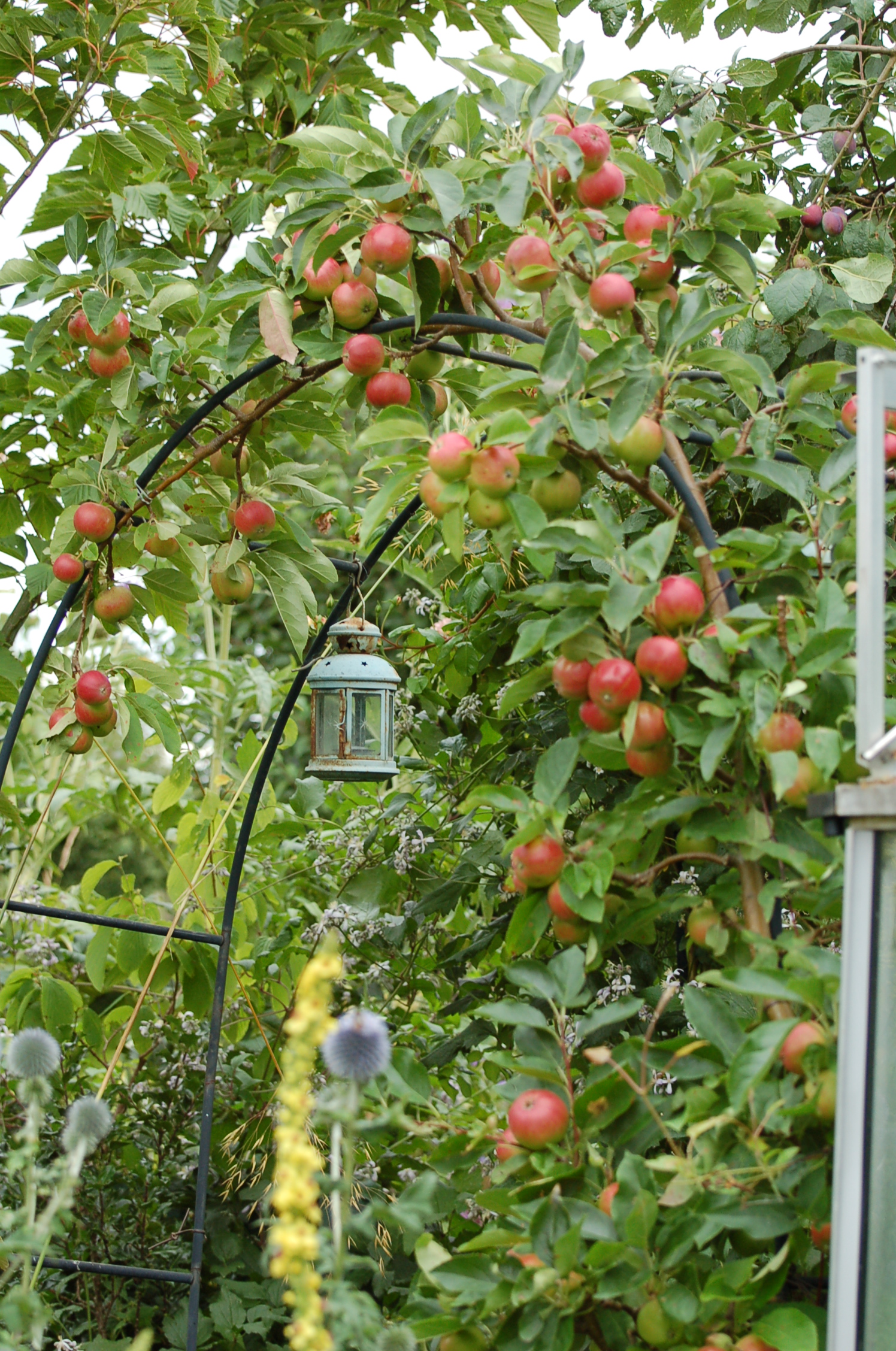
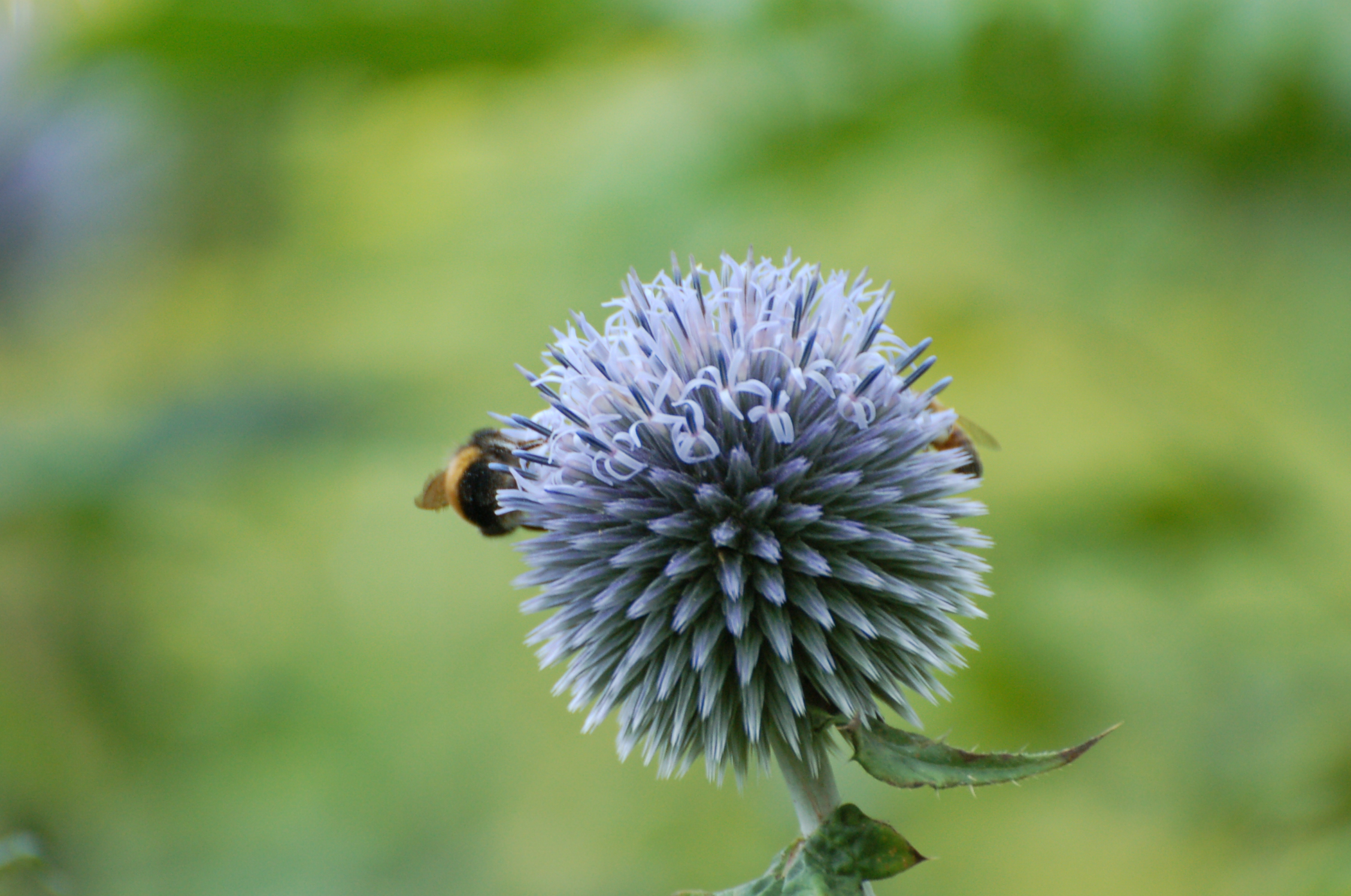
In the “Shed Bed” the delicate china blue flowers popping out of the spiky spheres of the echinops provide sustenance for our bees and the apple tree trained over an arch will provide sustenance for us. The odd white flowers come from the gentle creamy colours of the hydrangea heads.

2013 08 22_2847 2013 08 22_2926 2013 08 22_2927

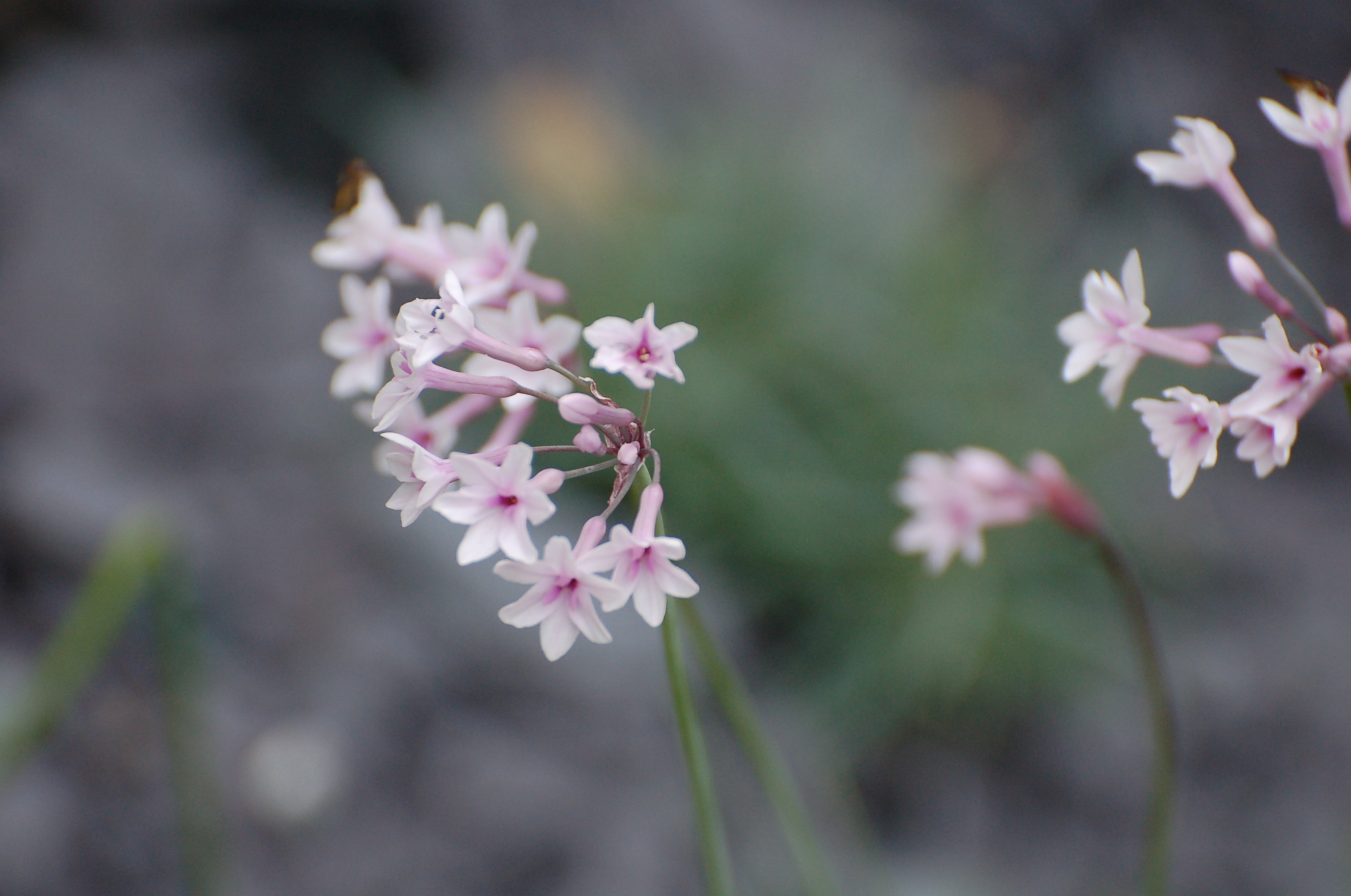
Our tulbagias continue to flower in the new slate garden close by and above them the purple sedum foliage hangs from the old gypsy kettle on our old ladder.
2013 08 22_2928 2013 08 22_2929 2013 08 22_2930 2013 08 22_2931

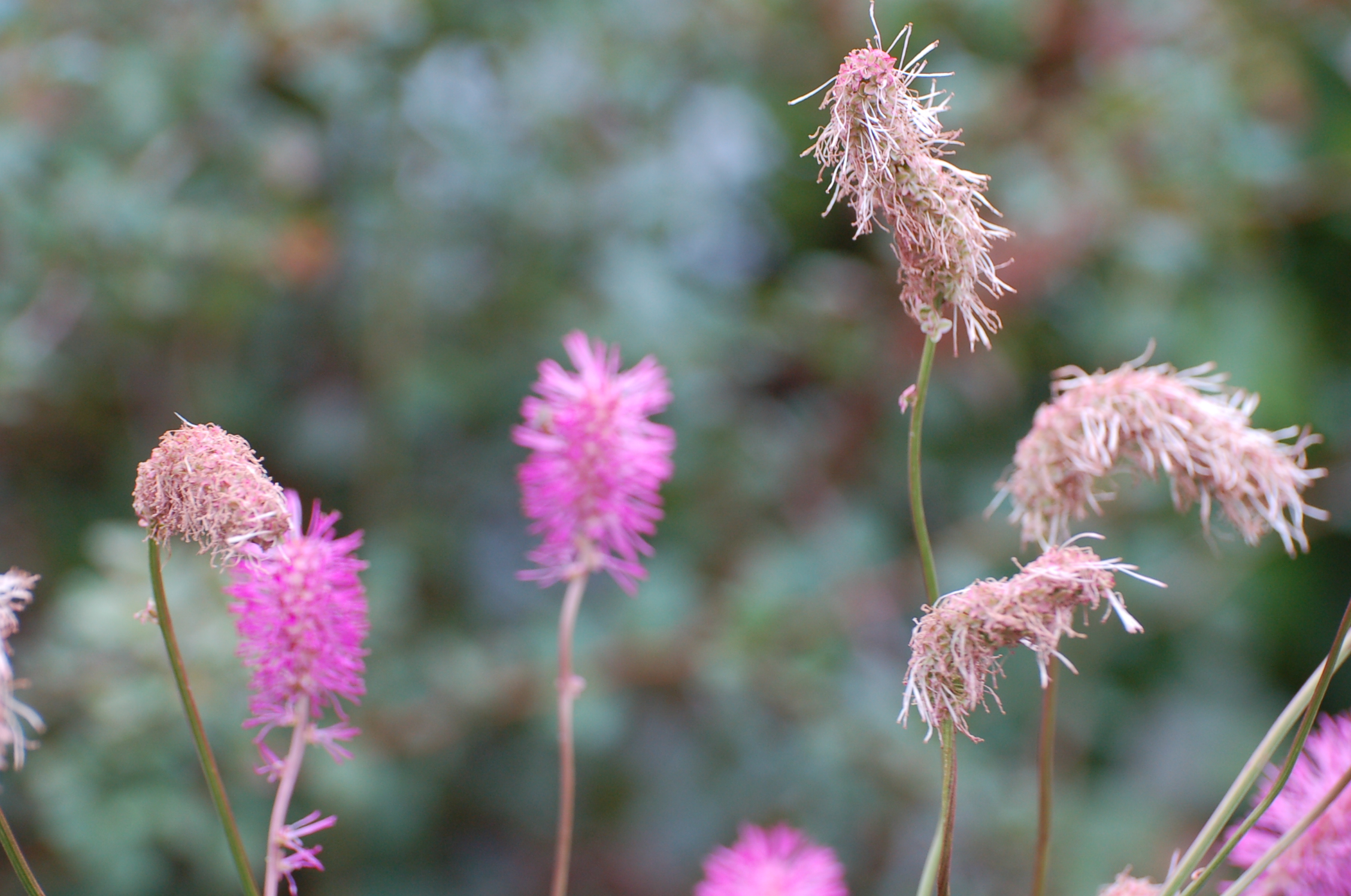
There are lots of plants to look at around the end of the greenhouse where the vine is dripping with grapes awaiting late summer sun to ripen them and paint them in purple and black. The Quince vranga tree has a few fruits hanging at the tips of the branches and the soft pink curled flowers of Sanguisorba “Pink Elephant” brighten the border below.

2013 08 22_2857 2013 08 22_2933 2013 08 22_2935 2013 08 22_2936

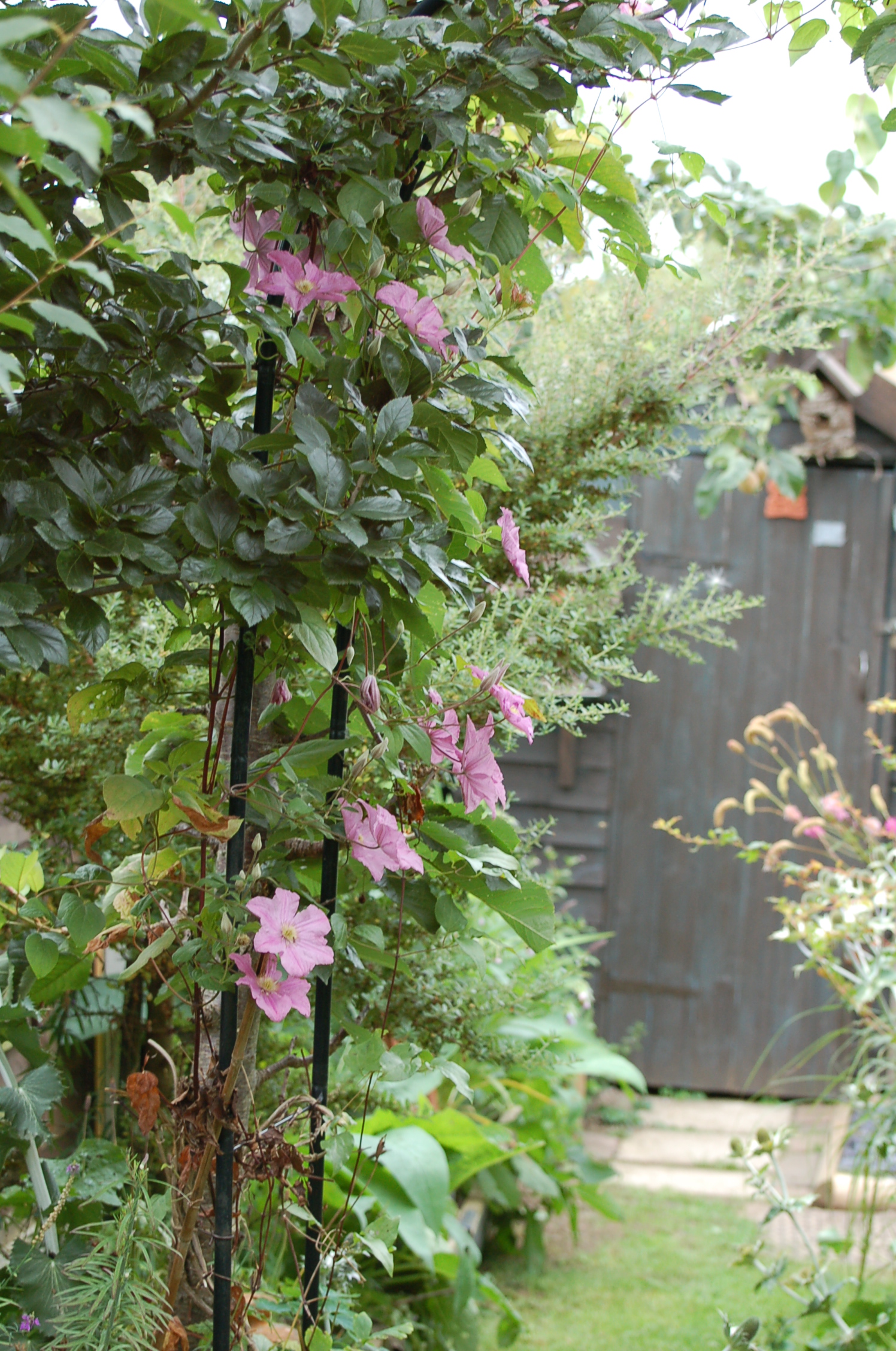
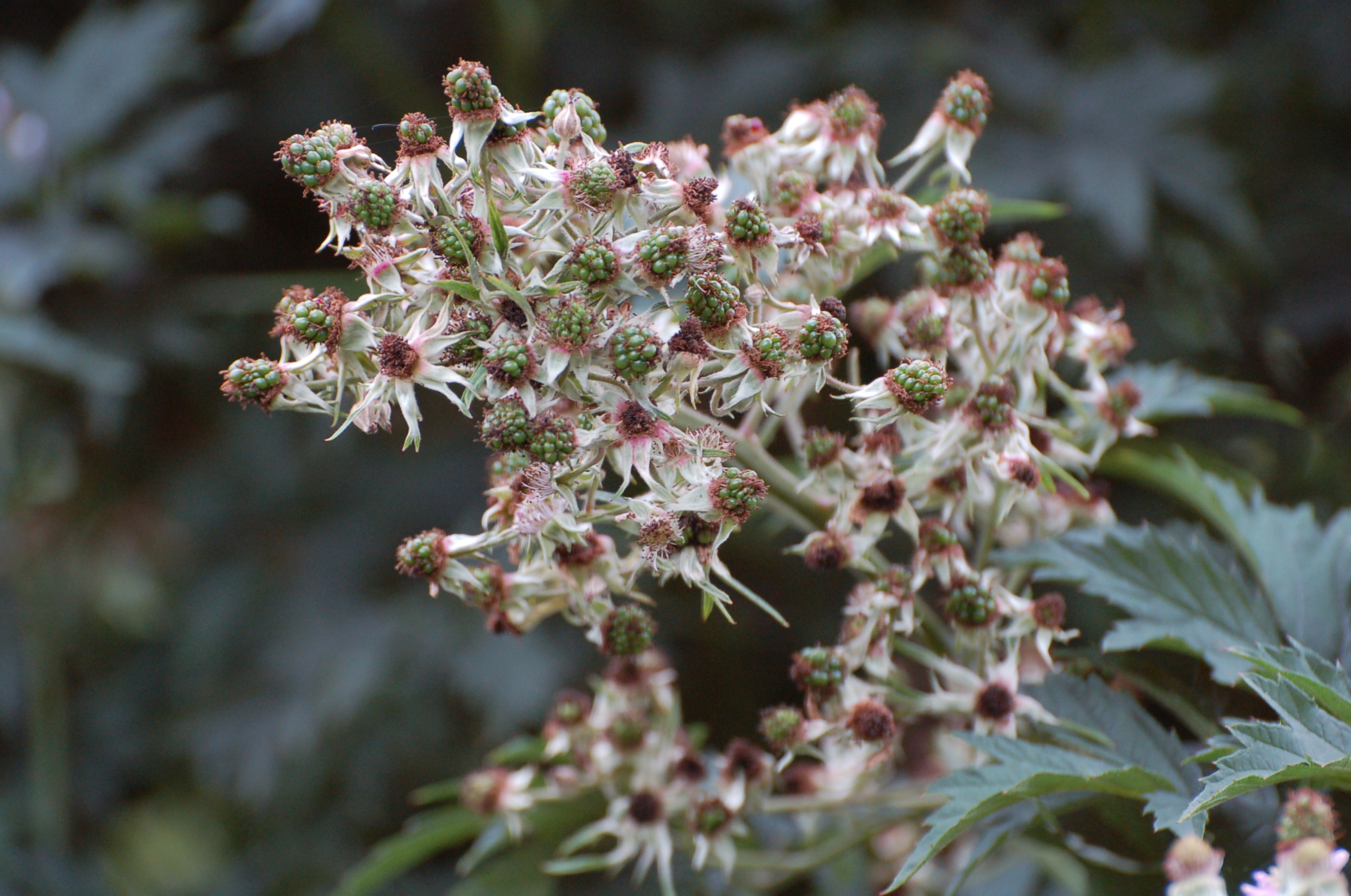
In the long “Tree Border ” this lilac flowered clematis is dripping with flowers and the thornless blackberry is heavy with young unripe fruits.

2013 08 22_2862 2013 08 22_2938

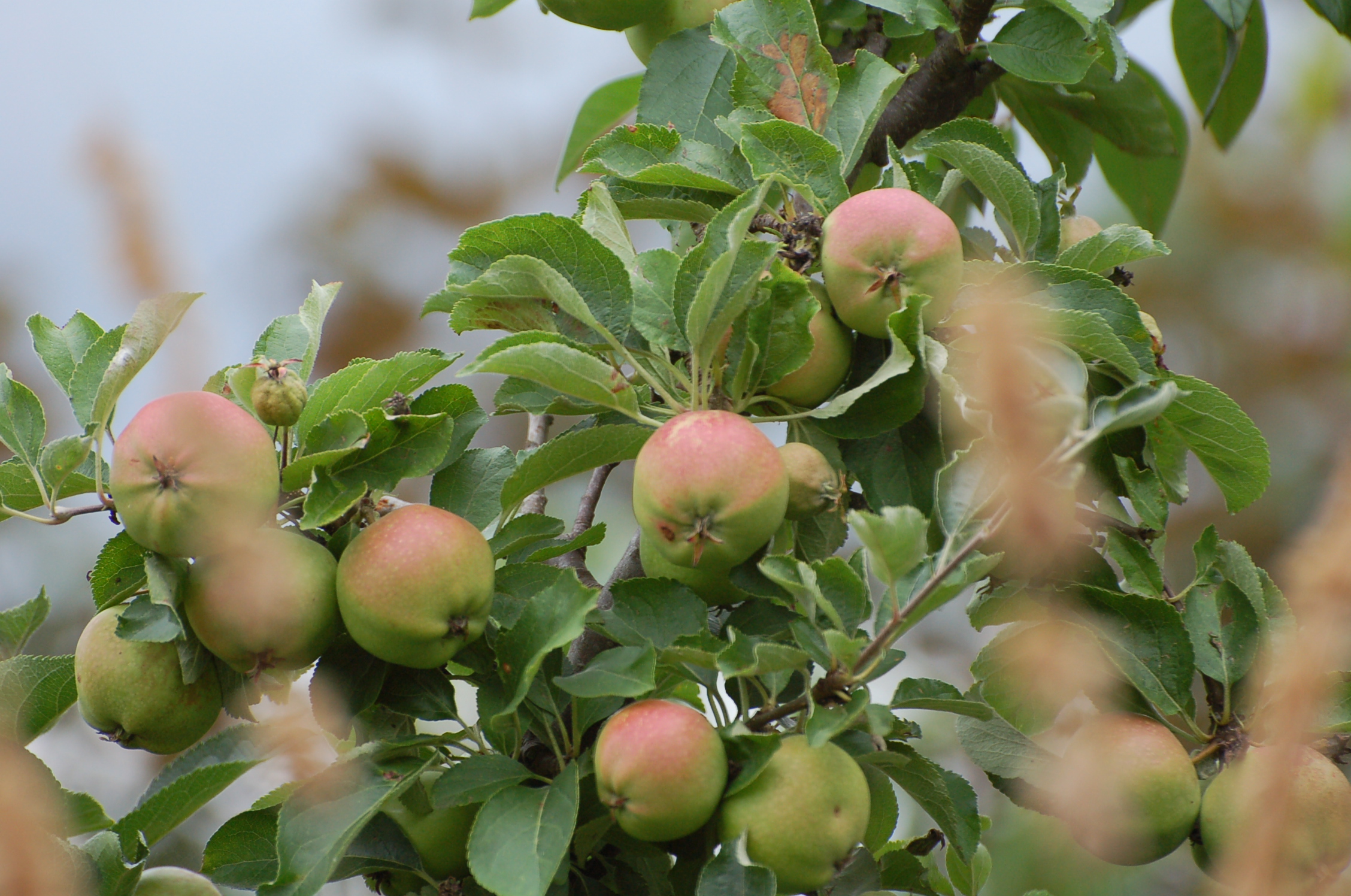
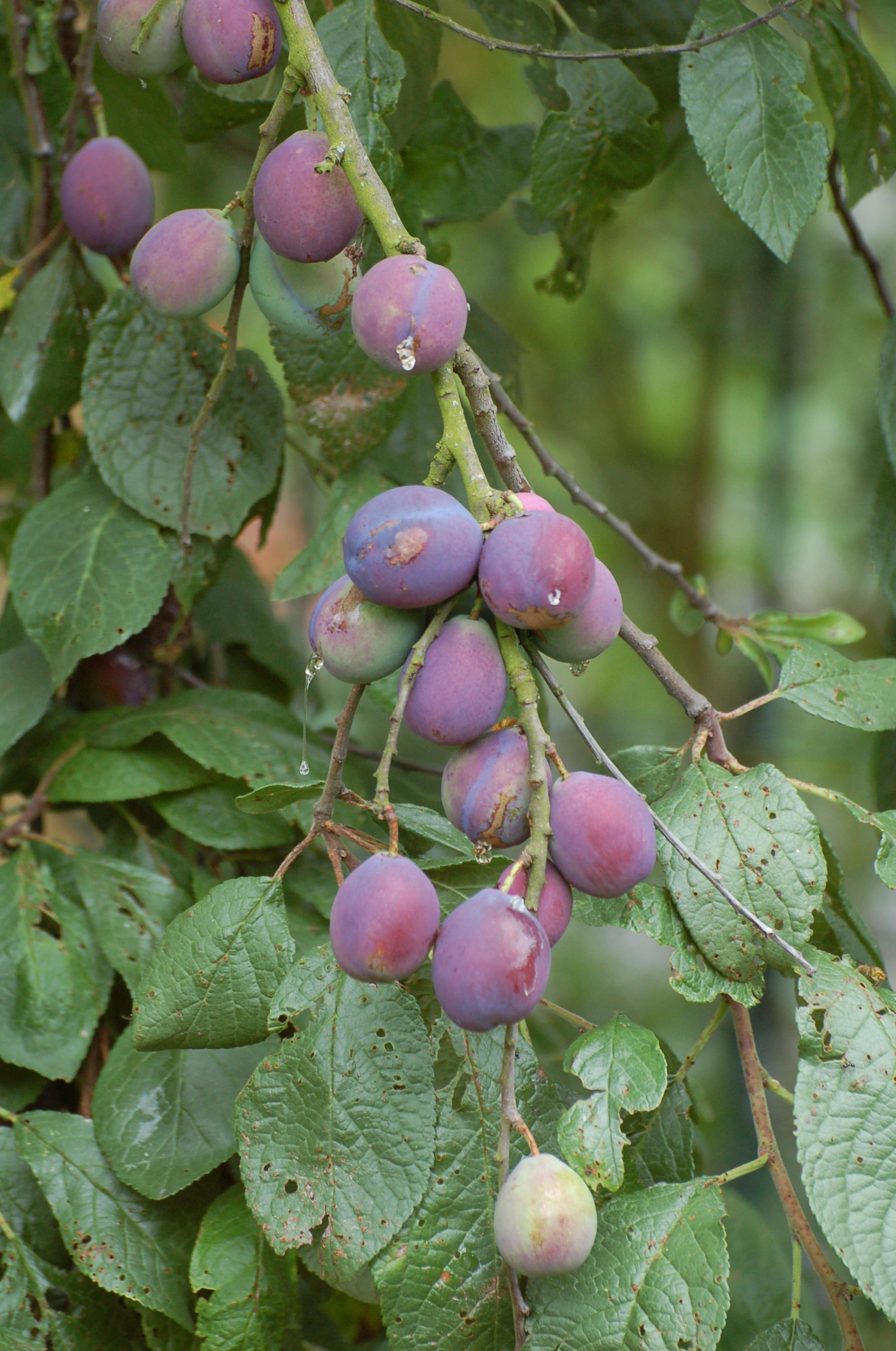
The Secret Garden and the Chicken Garden are at their best, blooming brightly with the cordon apples full of ripening fruit acting as a backdrop, many of which are just beginning to develop a flush in their cheeks. The Shropshire Damson tree overhangs one border and its deep purple fruits are weighing down its branches so heavily that the fruits look like they are reaching out to hold hands with the flowers.

2013 08 22_2939 2013 08 22_2940 2013 08 22_2941 2013 08 22_2867 2013 08 22_2944 2013 08 22_2945 2013 08 22_2946 2013 08 22_2872 2013 08 22_2873 2013 08 22_2949

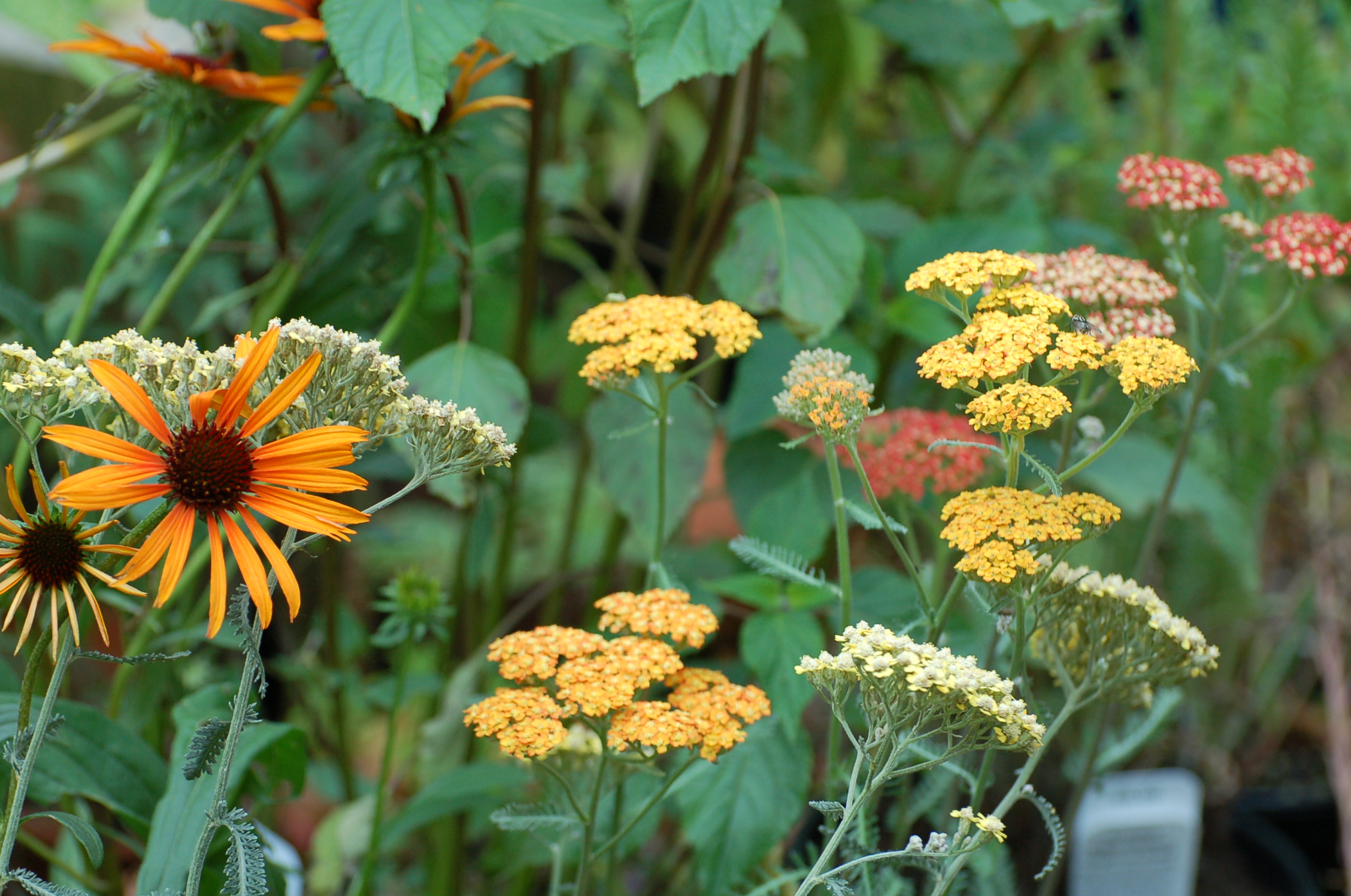
A few new plants are waiting, still in their pots, in the Secret Garden while we decide where to plant them. They seem to be the colours of citrus fruits!

2013 08 22_2950 2013 08 22_2951

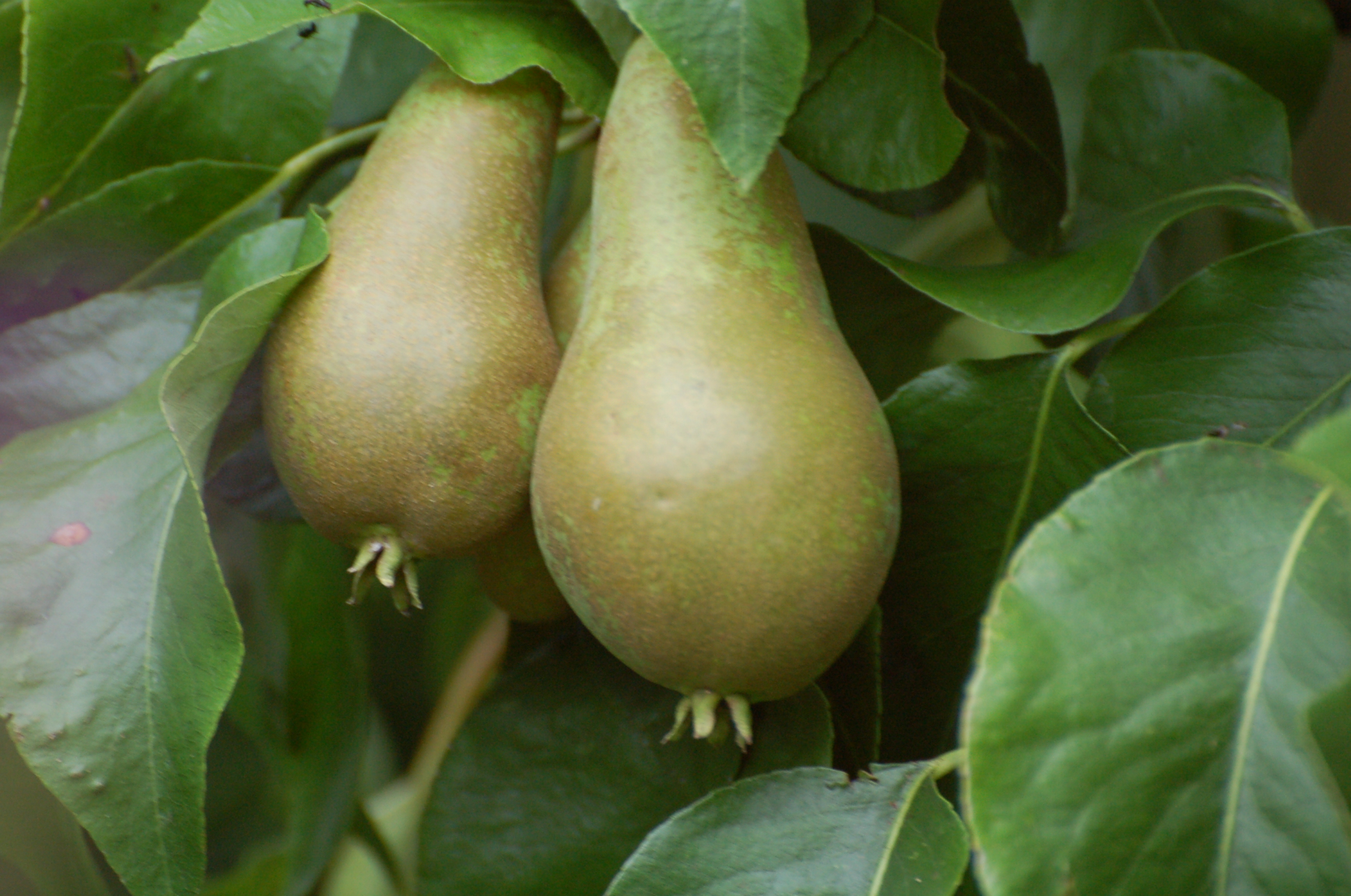
Along the central pathway our pears are close to their peak picking time. As I pass each day I look longingly to see if a couple are ready. Surely this is the ultimate gardening experience, eating a juicy, scented pear still warm from the sunshine just seconds from leaving the branch. The few plums look sad and lonely – from all four cordons we have just one clump of fruit. A poor year!

2013 08 22_2878 2013 08 22_2877 2013 08 22_2955 2013 08 22_2956

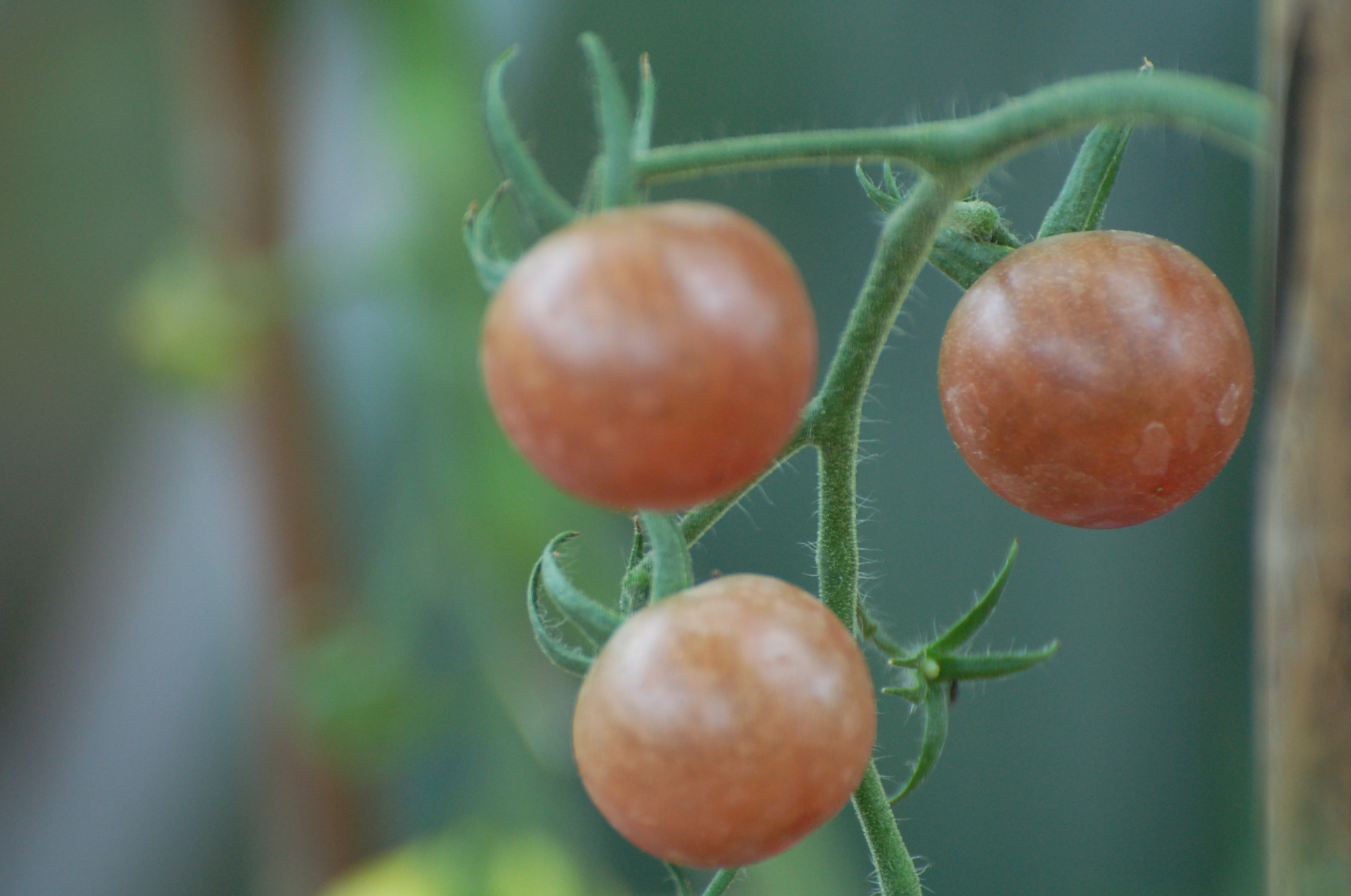
In the greenhouse the tomatoes are producing prolific amount of fruit in shades of yellow, red and purple. We are picking and enjoying them daily and adding some to the store of produce in the freezer. In the late autumn we shall make them into chutney coupled with our onions and apples.

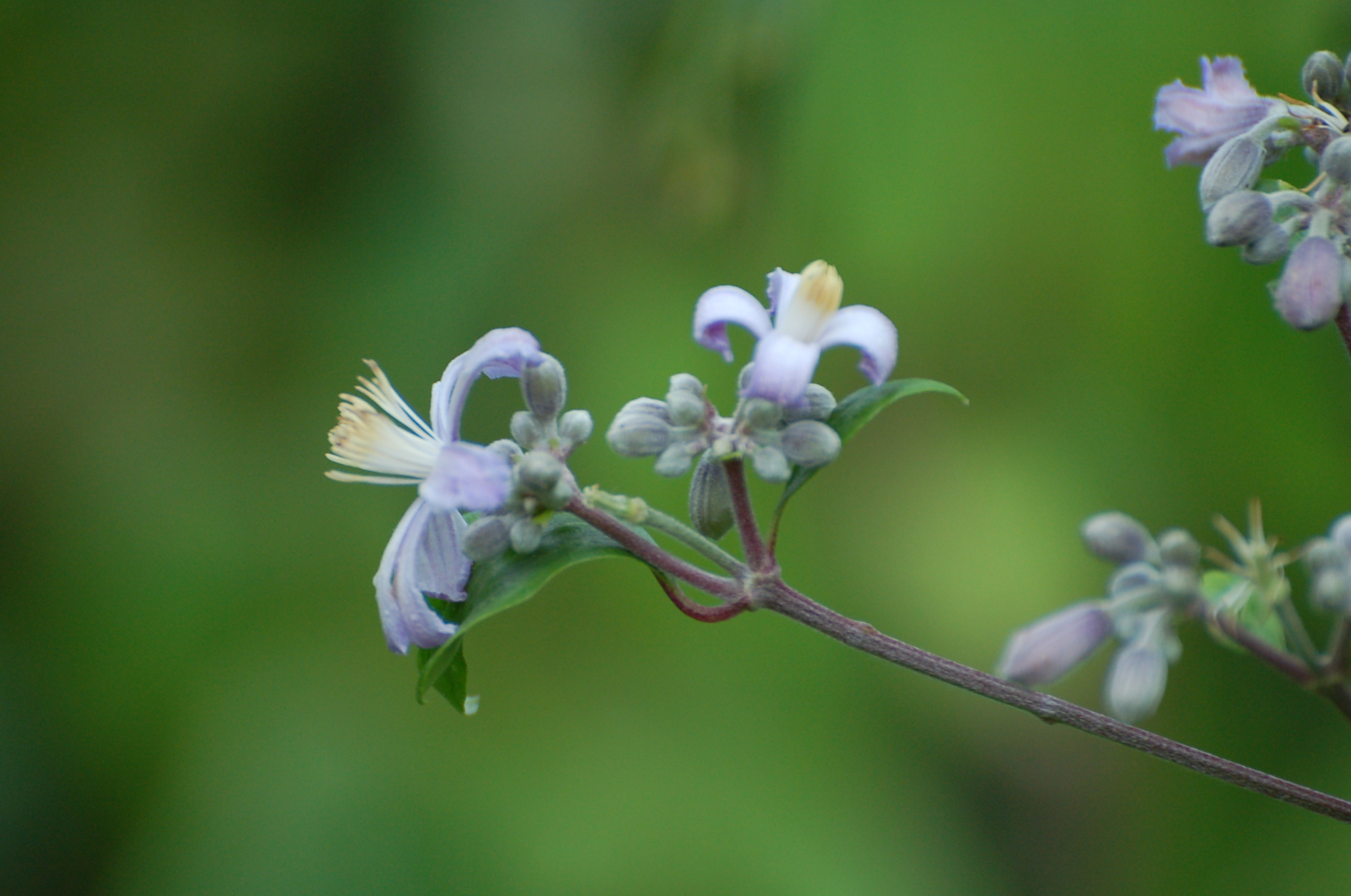
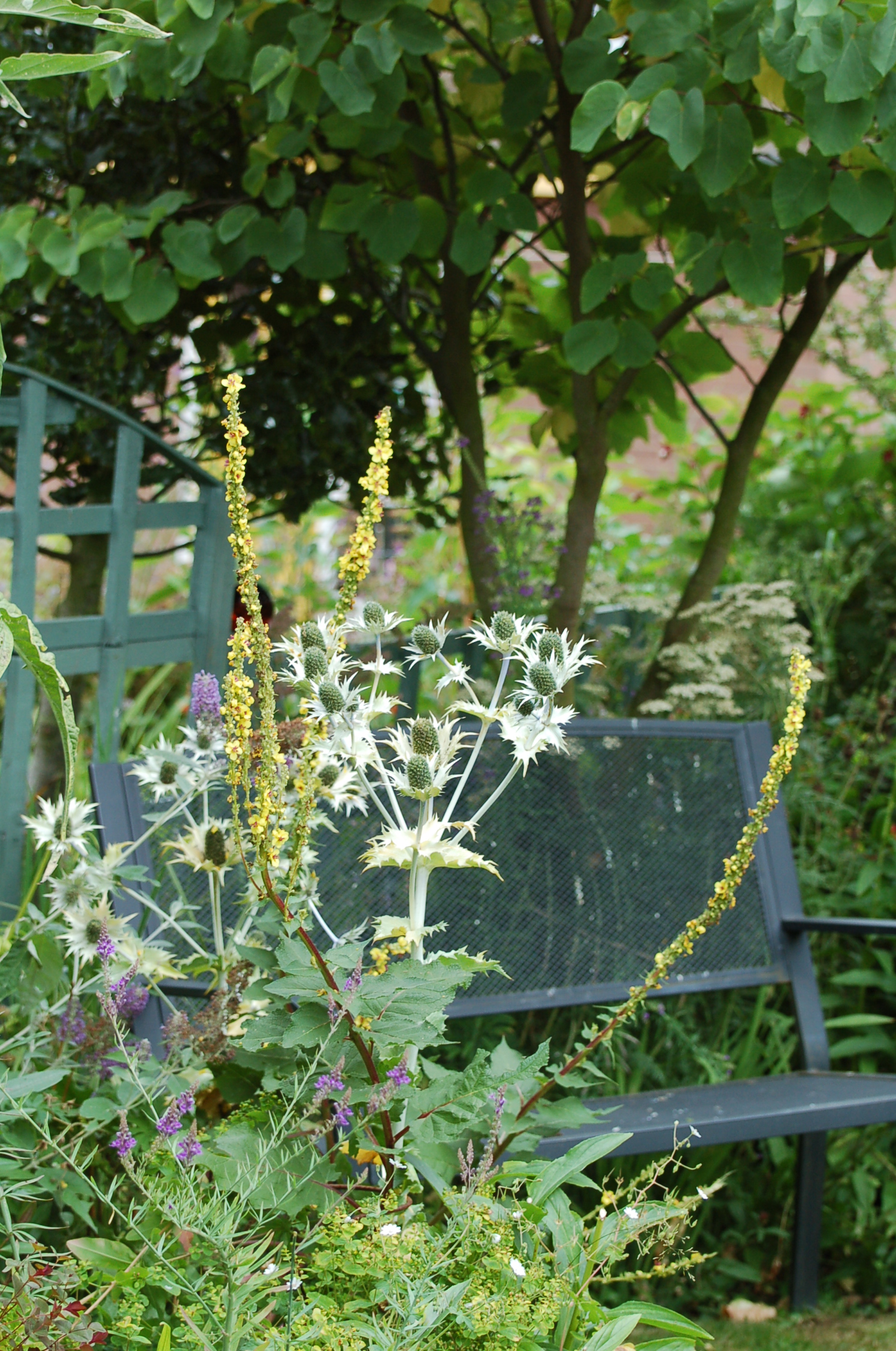
From the greenhouse door I can look out across the “L Bed” and the “Long Border” through an arch draped in richly scented roses and a delicate china blue clematis. This is a herbaceous clematis rather than a climber, but it does enjoy a good scramble over everything in its path.

2013 08 22_2958 2013 08 22_2960 2013 08 22_2961

2013 08 22_2963 2013 08 22_2964 2013 08 22_2965 2013 08 22_2967 2013 08 22_2968 2013 08 22_2970

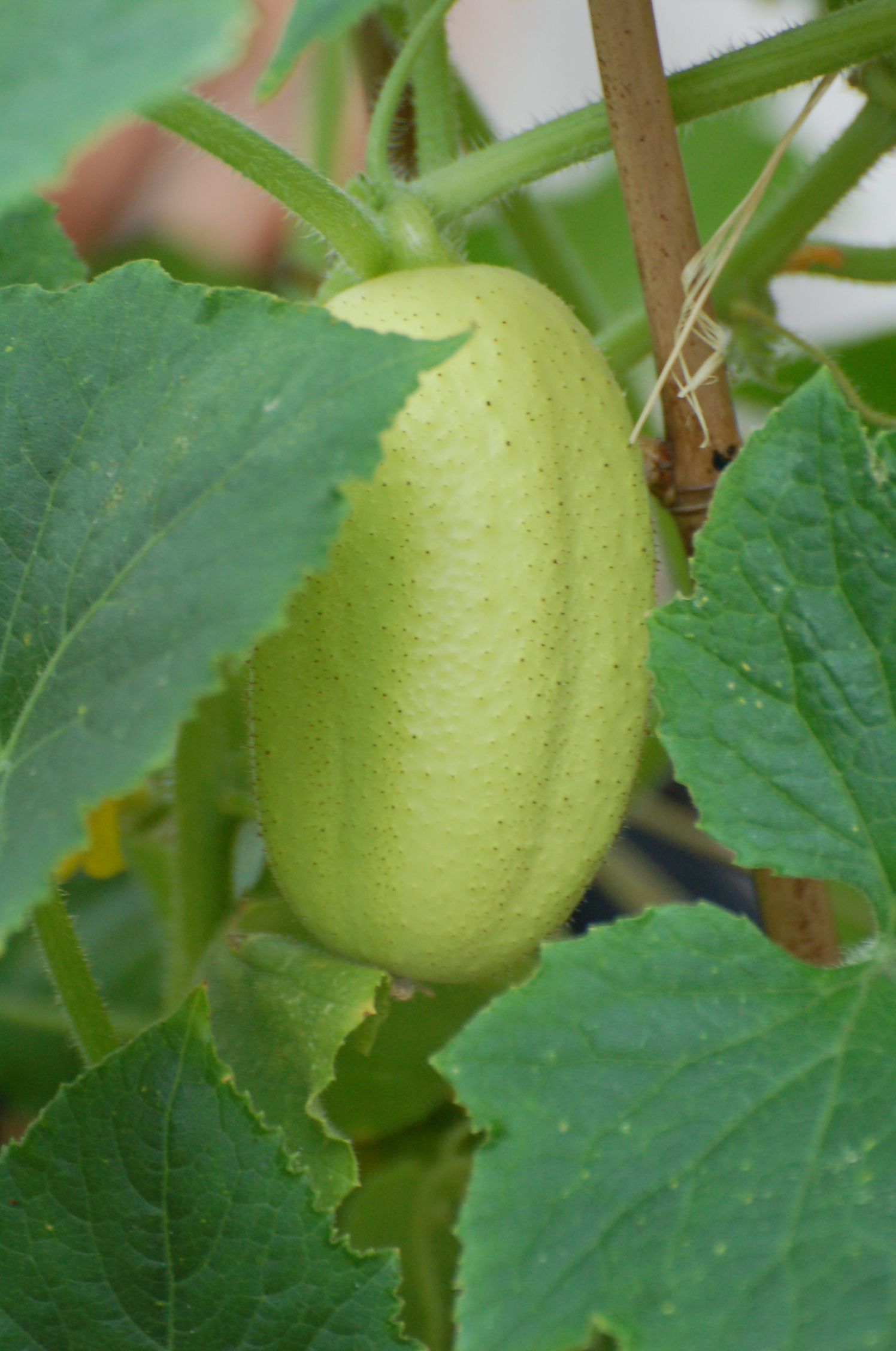
This strange fruit is a heritage cucumber called Booths Blond, which Jude the Undergardener tells me is very tasty. I don’t eat them, they are one of the few fruits and veggies I don’t enjoy. This variety certainly looks very different to the long straight regimental cucumbers sold in supermarkets.
2013 08 22_2971

We have been concerned about the lack of butterflies and bees this year but recently they have come back in good numbers. Honey bees, bumble bees and solitary bees are all feeding furiously on any simple flowers. The butterflies are particularly tempted by the buddlejas and the marjorams. We garden with wildlife in mind particularly in the choice of plants we grow. Our flowers tend to be simple and  open, just the sort preferred by pollinating insects. We rely on our insects and birds to look after our garden for us. We garden totally organically relying on wildlife to do our pest controlling and pollinating of our crops.

2013 08 22_2897 2013 08 22_2969

As I am writing this the sky is full of House Martins and Swallows gathering together in readiness for their long migratory journey to the African continent. There they will find flies to feed on while here in the UK the insect population will disappear with the onset of winter. These acrobatic flying little birds seem to be celebrating a good English summer!

In the shrubs and trees warblers and titmice are busy feeding up after a period of moult. August and September are when we tend to see our warblers, Willow, Garden and this year even a Grasshopper Warbler. Chiffchaff and Whitethroat tend to be with us most of the year.
Categories
colours conservation meadows nature reserves outdoor sculpture trees wildlife Wildlife Trusts woodland

In search of bluebells near Sugnall Walled Garden

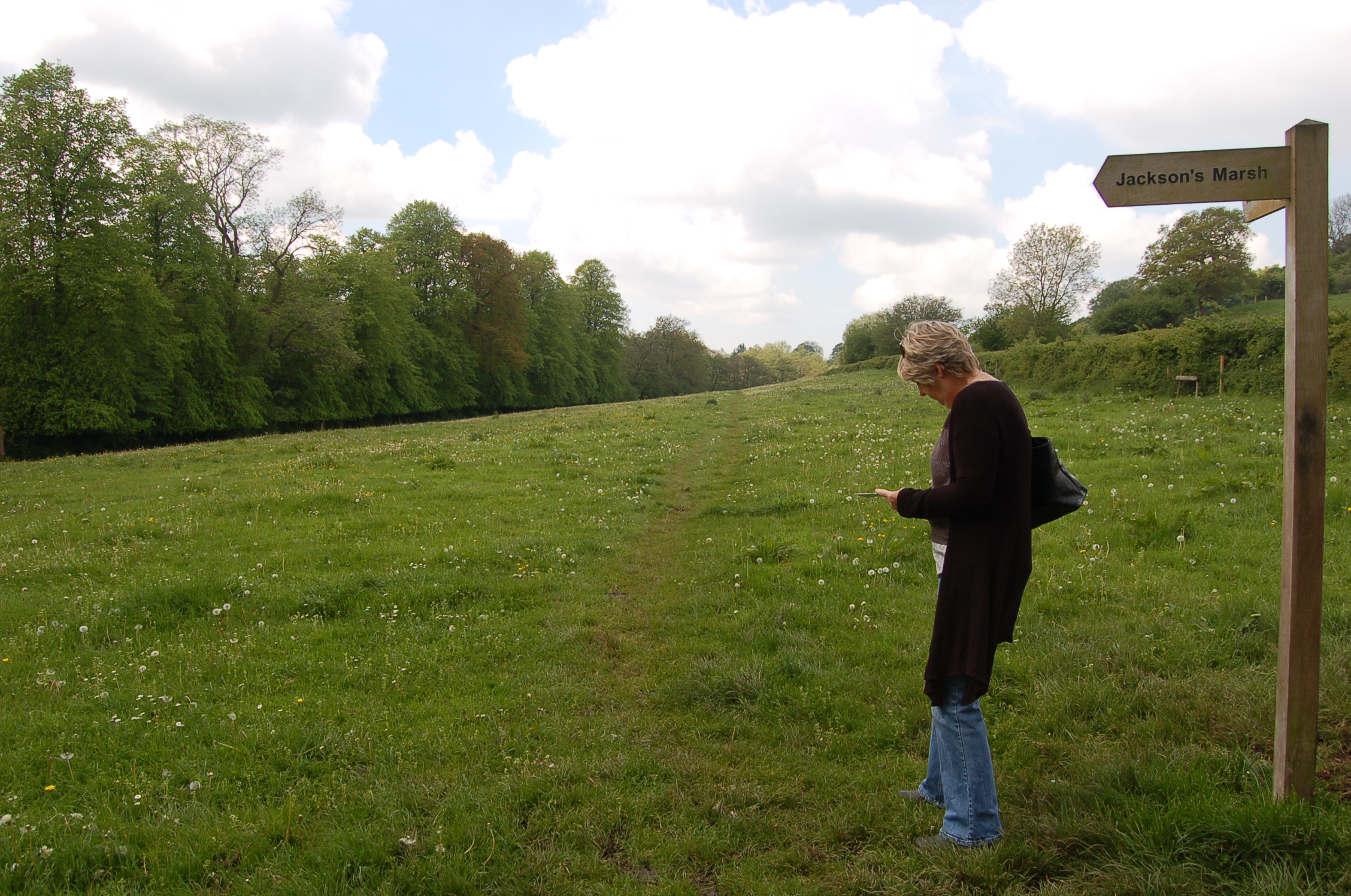
So after enjoying our refreshment in the tea shop at Sugnall and refreshing our souls in the tranquillity of the walled garden we went off up a narrow lane in search of a nature reserve recommended by Geoff. We were anticipating the delightful experience of seeing and smelling the most English of wildflowers, the Bluebell.

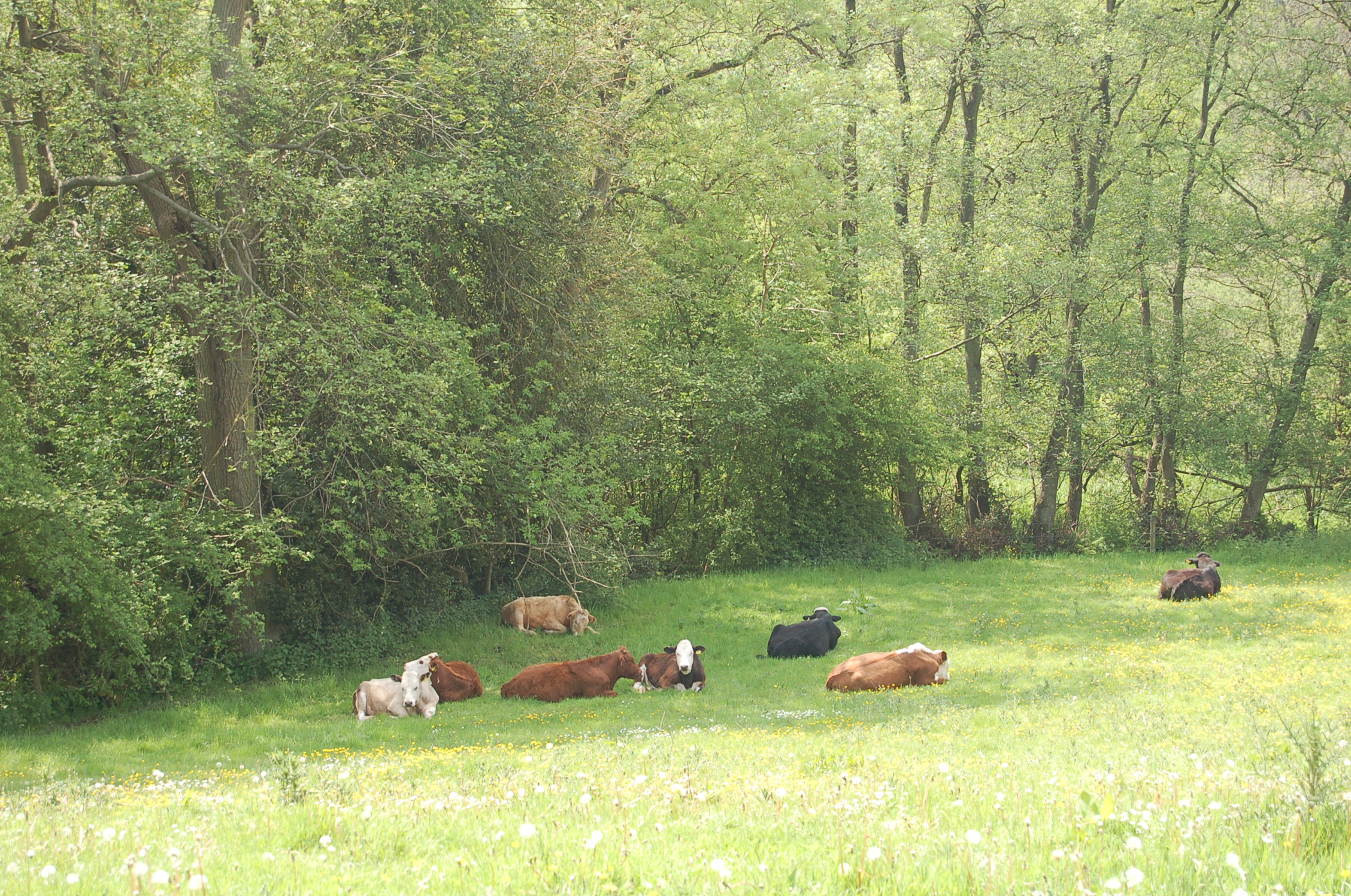
Geoff did not let us down. We found the reserve and it was a stunning place to walk and enjoy what is best about the English countryside. A meadow, a marsh and a broadleaf woodland surrounded by traditional mixed farmland.

It was clearly signed and even had a box on the fence with leaflets in giving us a map and info. Jude the Undergardener loves maps so was happy before we even set off, happy enough to cross a meadow with cattle in!

DSC_0023 DSC_0024

DSC_0025 DSC_0026

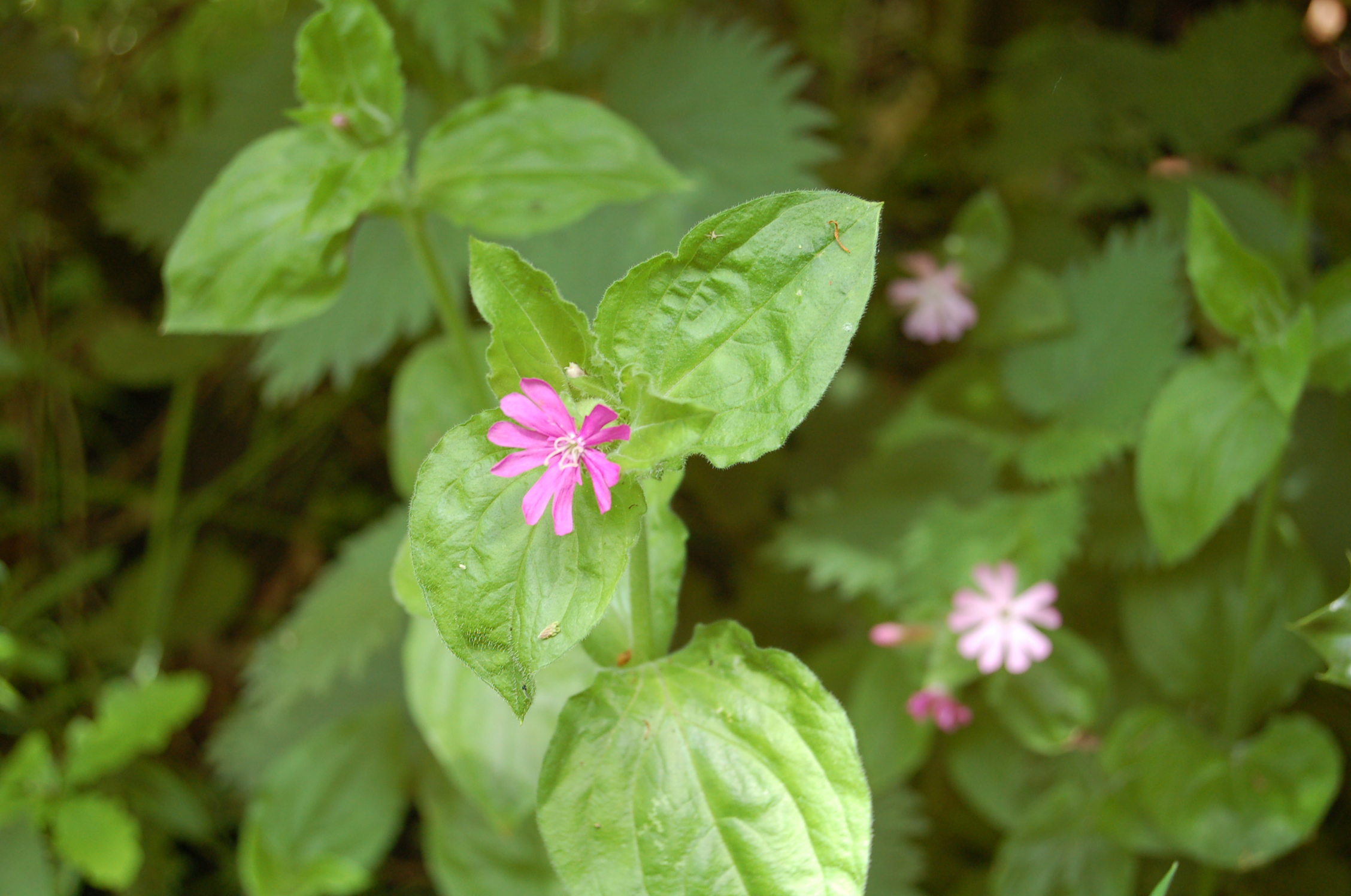
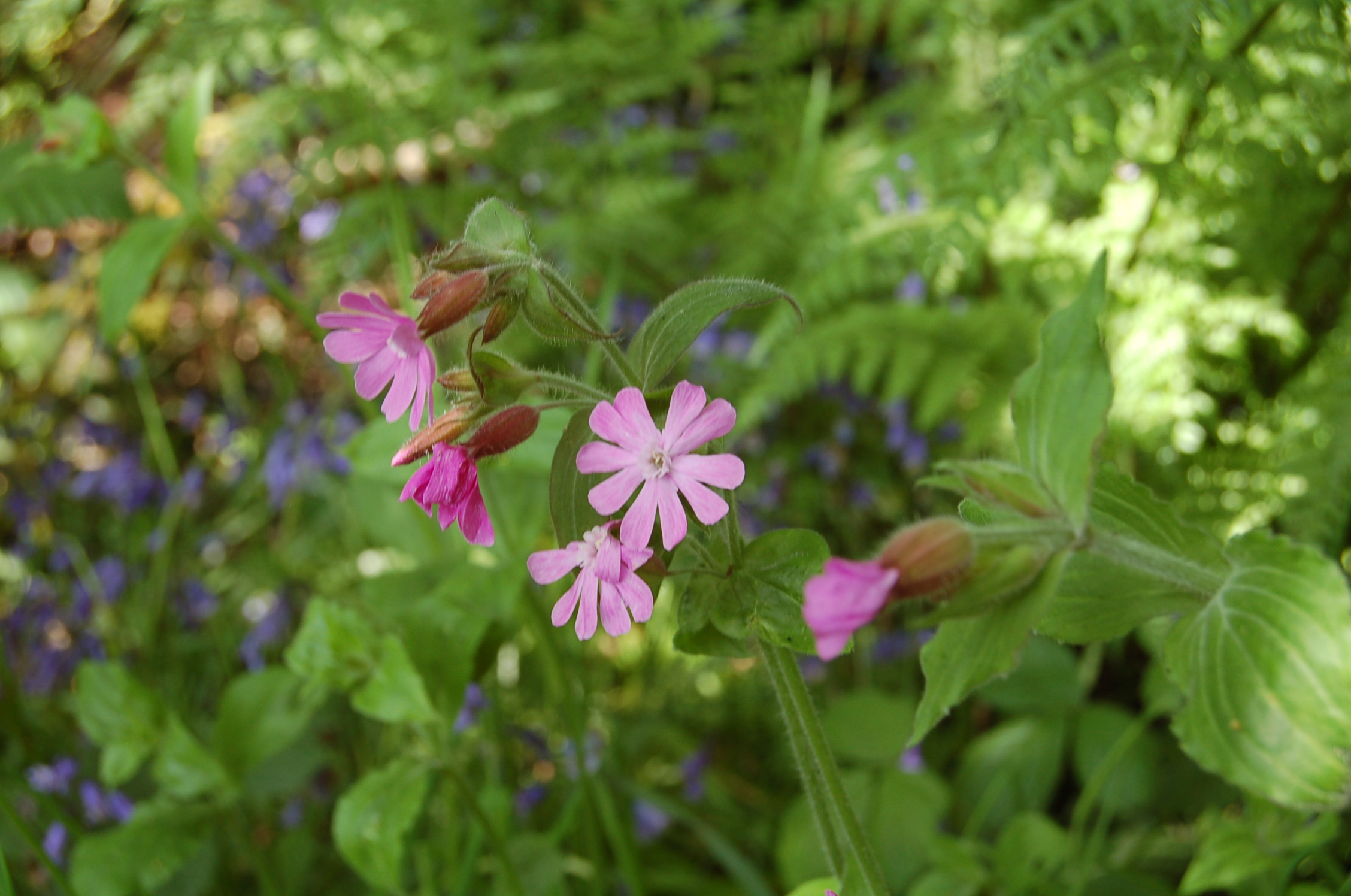
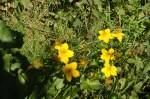
The hedgerow gave protection to a select few delicate wildflowers such as Red Campion and Stitchwort.

DSC_0029 DSC_0028

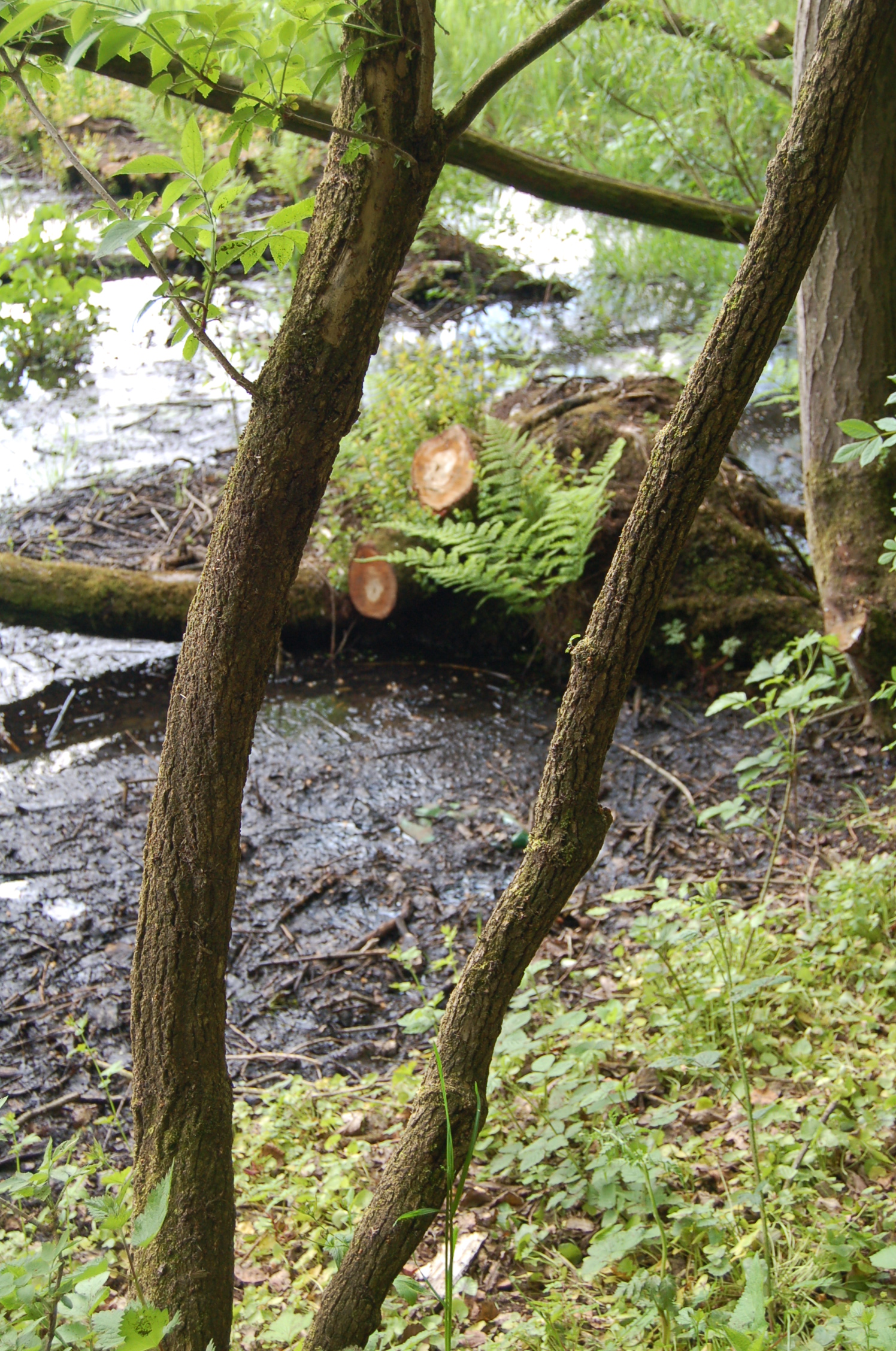
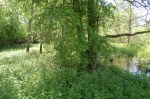
As we left the meadow behind we passed a wet area alongside the track just before we entered the wood itself. It had a primeval quality to it.

DSC_0030 DSC_0031

Entering the wood the temperature fell a few degrees and the strength of the sun weakened as we walked in dappled shade. The pathway look inviting and was soft underfoot as our feet touched the deep leaf litter.

DSC_0032 DSC_0033

DSC_0045

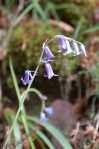
The scent of Bluebells was intense in the humid atmosphere below the heavily leaved ancient oaks, ash and beech. Below this rich scent lingered the warm aroma of leaf mould. Click an image below and use the arrow to take a stroll with us through the bluebells.

This little reserve is well-known for the huge and very ancient badger sett which covers a large proportion of the wood. Entry holes litter the slope all along one side of the wood. Evidence of their liking for the bulbs of the bluebells as part of their diet can be found. Small holes in the ground show where the bulbs have been dug up and consumed, the top growth, stem, leaves and flowers are left to litter the surface. These bulbs are poisonous to most wildlife but badgers relish them.

DSC_0059 DSC_0061

Red Campion thrive mixed within the bluebells just as they did under the hedgerow along the more open meadowland. Campion and bluebell with their pink and blue go so well together.

DSC_0051

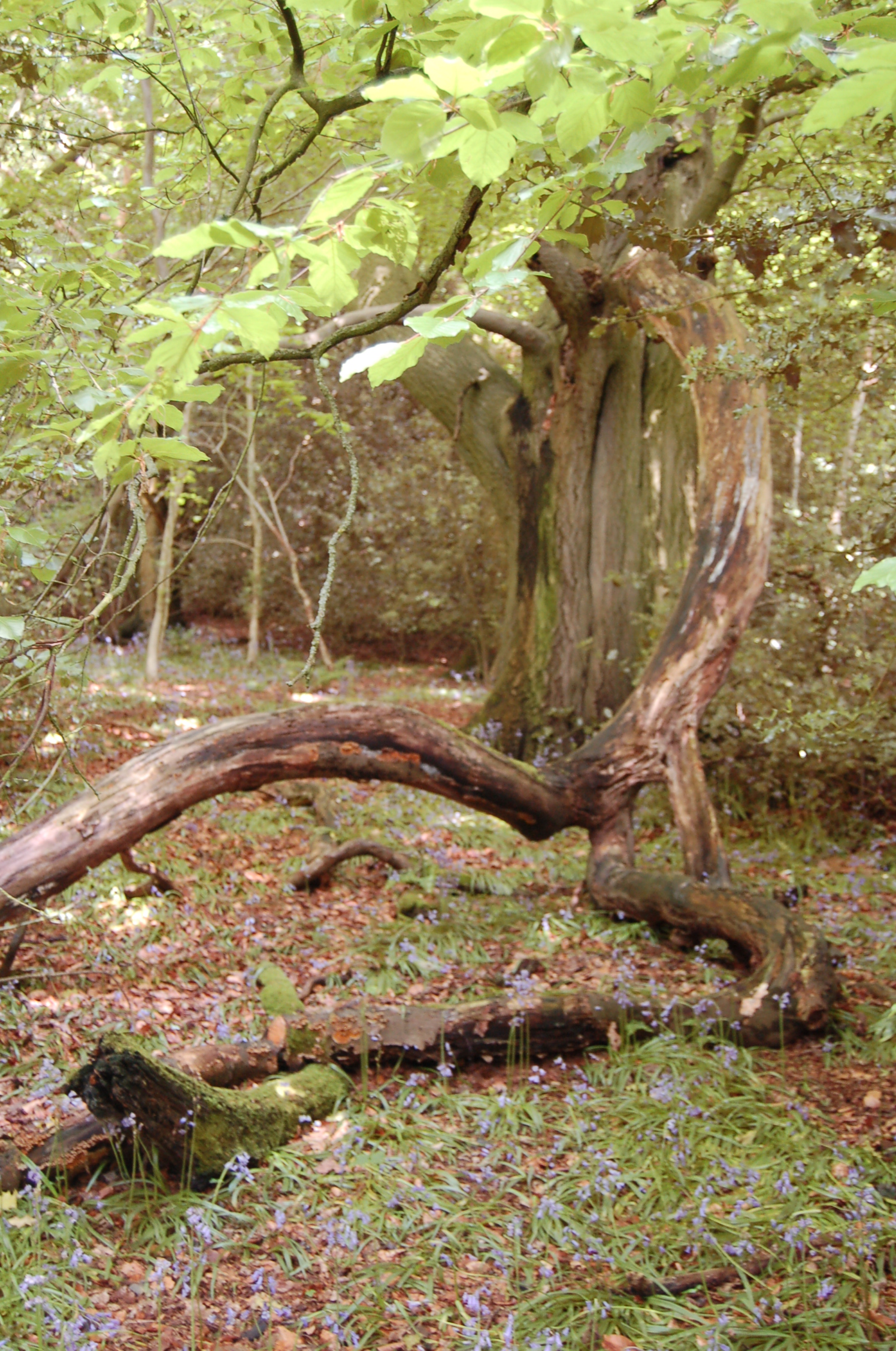
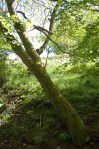
As ever, when visiting any woodland I spot the hand of Mother Nature in the natural sculpture she crafts.

DSC_0043 DSC_0044

So two great places to visit within half a mile of each other and so different from each other. The two things they do have in common though are tranquillity and atmosphere.

Just before leaving for home we took a short stroll along the boardwalk through the marshland bordering the meadow near where we parked the car. Click on any image and use the arrows to view the short gallery.

Categories
bird watching birds conservation nature reserves photography Wildfowl and Wetlands Trust wildlife

Go North – Find Spring

Living here in the midlands, neither North nor South, we always go South to get an early glimpse of Spring or north to get a late look at Winter. This year it all seems topsy-turvy!

Earlier this week we went North and discovered Spring!

DSC_0014 DSC_0016 DSC_0017 DSC_0037 DSC_0040

We visited a Wildfowl and Wetland Trust reserve close to the coast north of Liverpool, called Martin Mere, a reserve we visit regularly. We can get there and back in a day and the walking is on the flat. There are several hides giving views of pools, reedbeds and scrapes and the luxury of clear views of so much wildlife.

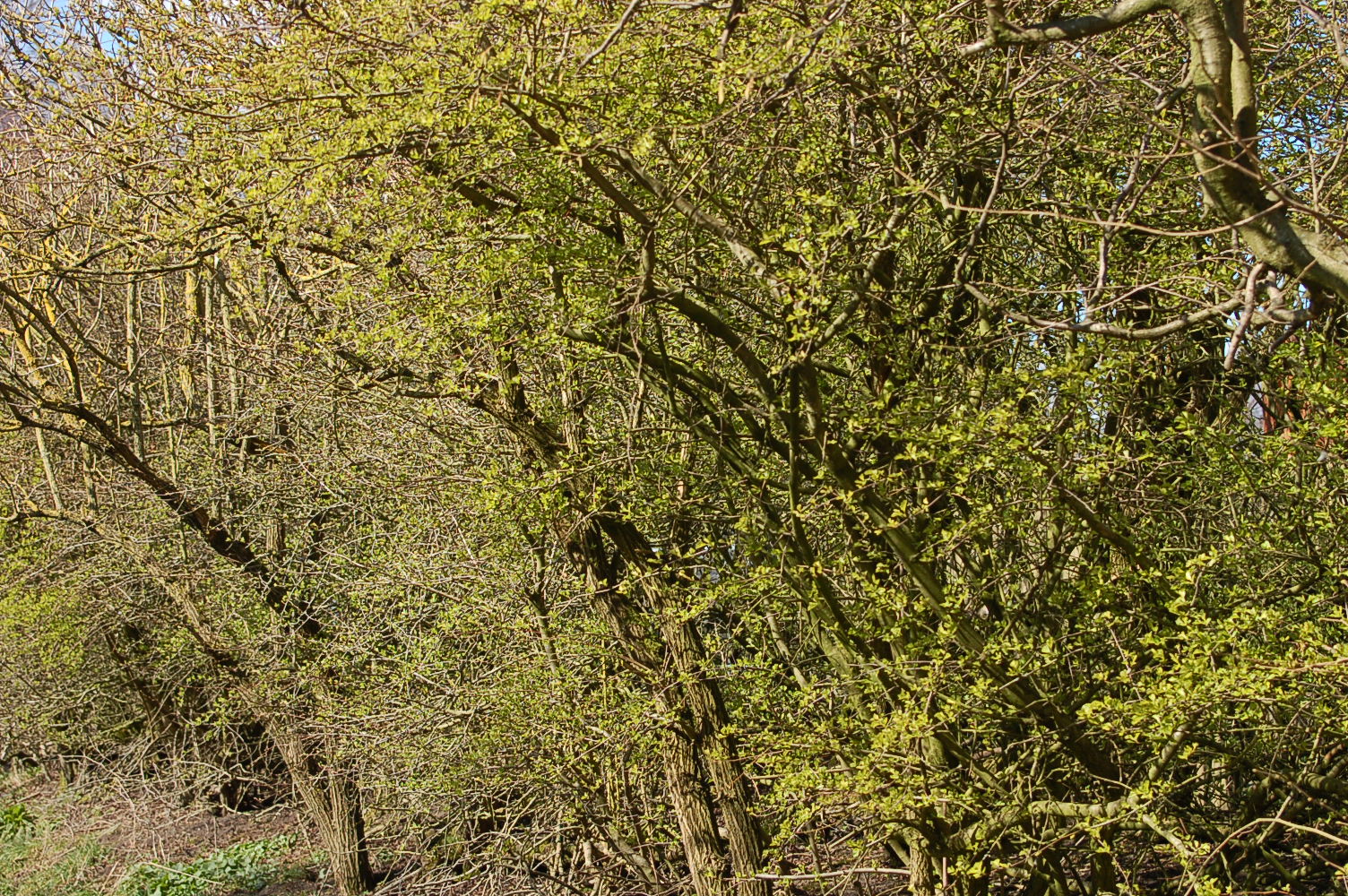
We expected to see the progress towards Spring a good few weeks behind our home patch but we were surprised to find evidence to the contrary. The flowers of spring were showing their golds and creams. We enjoyed the sight of  Celandines and Primroses glowing beneath hedges of Hawthorn bursting into the brightest green leaves, the brightest green it is possible to imagine. The quality of light highlighted the remnant seed-heads from last year and gave them a new lease of life.

DSC_0041 DSC_0042 DSC_0043 DSC_0044 DSC_0045

The commonest of wildfowl and waders fed alongside rarer visitors and we enjoyed them all equally. Just over seventy species of bird spotted in one day are testament to the quality of the reserve’s habitat management.

DSC_0020 DSC_0024 DSC_0035

I took lots of photos during our visit and not all of them fit in with the text above so just click on any shot in the gallery below to enjoy a slide show celebrating our first true day out this Spring.

Categories
birds conservation landscapes Shropshire trees wildlife

Hedgerow Maintenance – the good, the bad and the downright ugly.

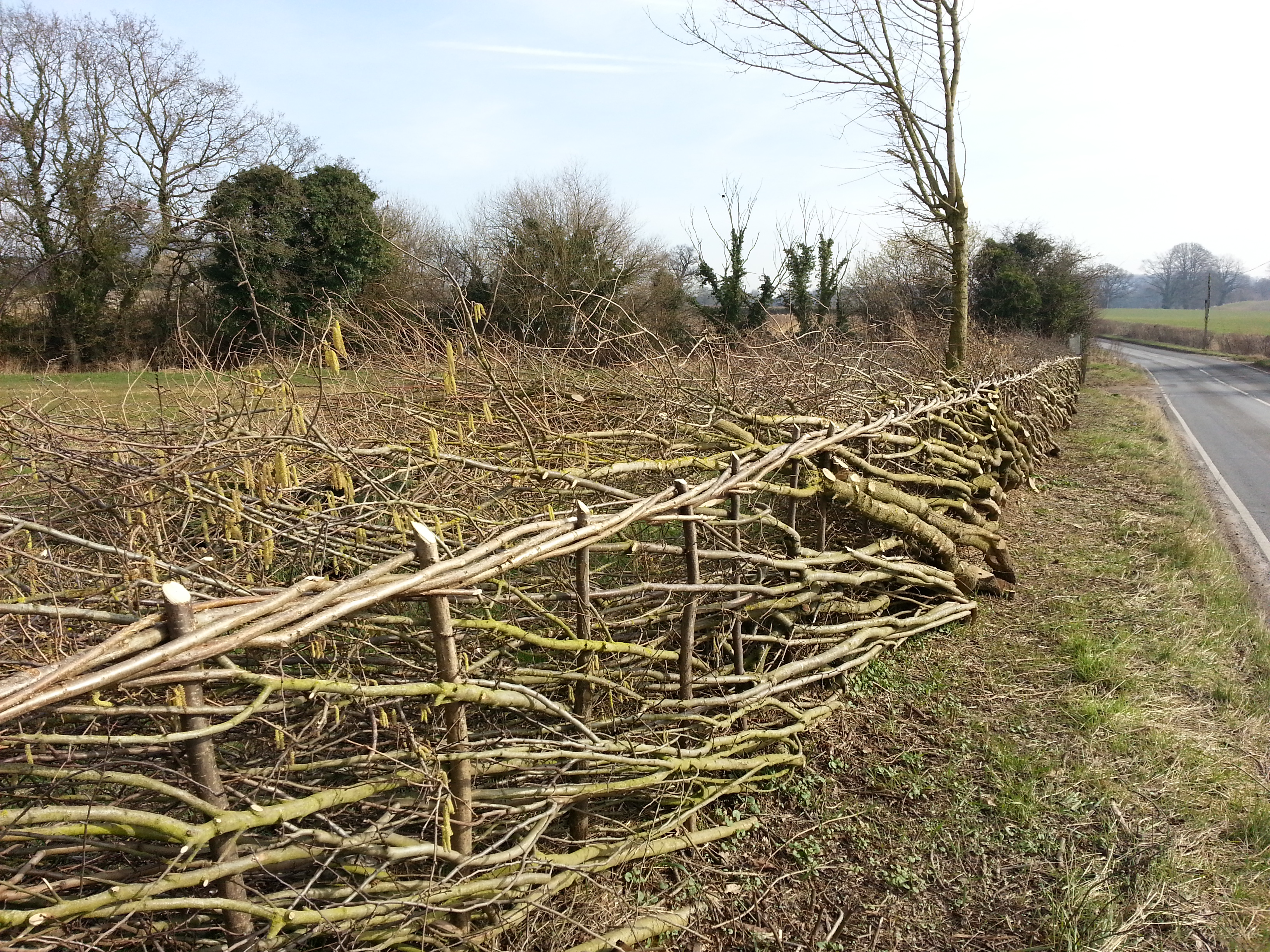
Driving around the countryside around our home in Shropshire we are struck at the difference between the worst and the best examples of hedgerow maintenance. Some are beautifully trimmed providing stock proof boundaries which benefit and encourage wildlife. The best examples of these are those that are “layered” as these remain dense in growth and provide homes, food, shelter and nest sites for all aspects of wildlife and often result in special habitats at the base of them full of wildflowers and accompanying wildlife. Insects, small mammals, birds, butterflies, bees and so much more of our wildlife can take advantage of this beautiful and skilful country craft. The trees of the hedgerow even those of reasonable girth can be trimmed and layered to create dense hedges. We found this beautiful length of hedge in a country lane a few miles from home.

layering 4

I particularly like the artful way it has been thoughtfully finished with a flourish of woven hazel. This may be some sort of “signature” – the craftsman leaving his mark. Although artistic this probably strengthens the structure further by binding the top of the hedge tightly together. This hedger is such a craftsman that the angle of cut on the top of every stake is exactly the same.

layering 5

A mix of shrubs and trees have been beautifully entwined. Even trees with trunks up to 12 inches thick have been split and layered. It is easy to see how impenetrable to stock these layered hedges are.

We were lucky to find  this other hedge in the process of being layered so took some pics. It would have been even luckier if the hedge layer was still around for me to photograph him at work but it must have been his day off!

 hedge 11 hedge 10 hedge 12

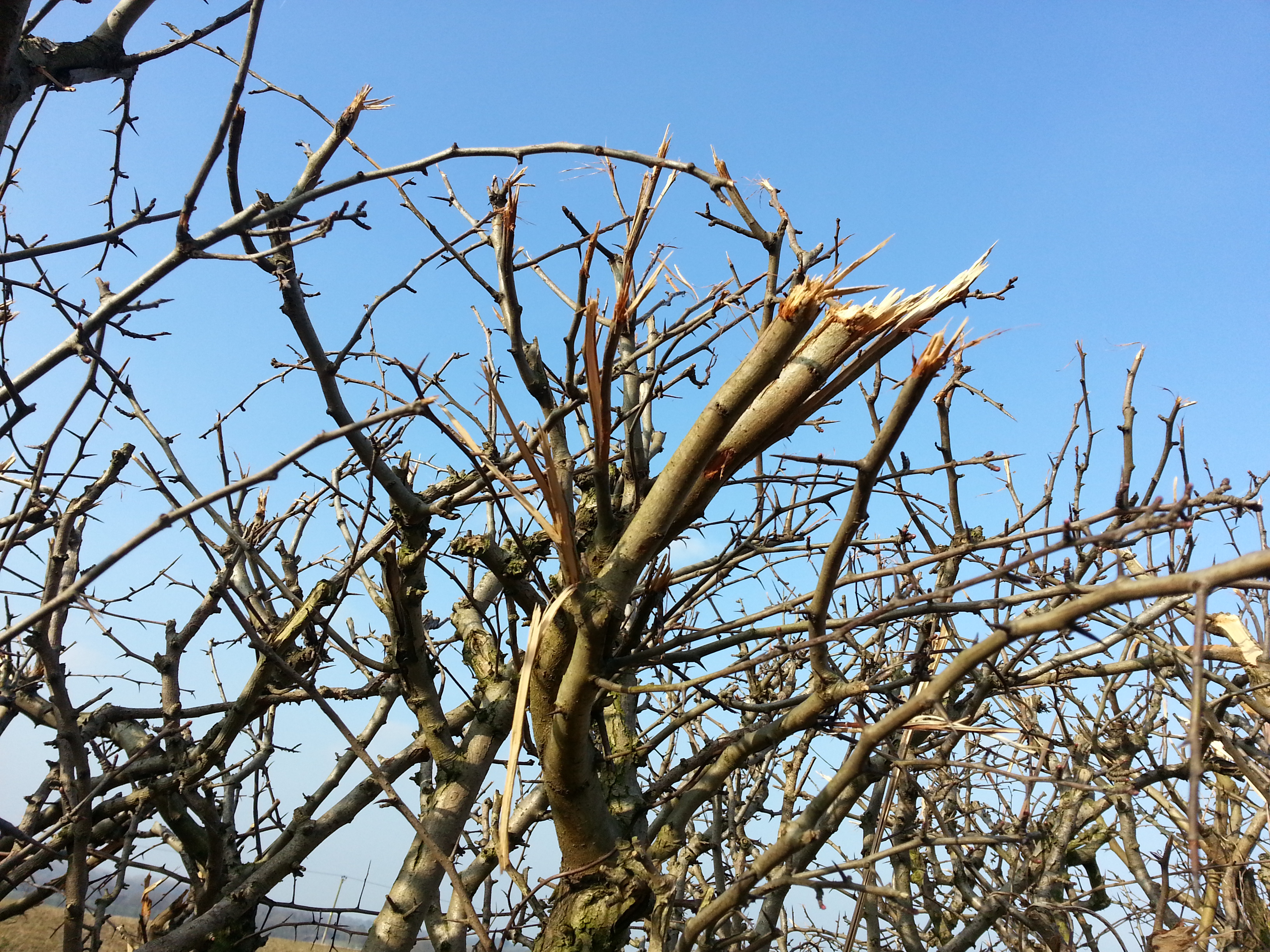
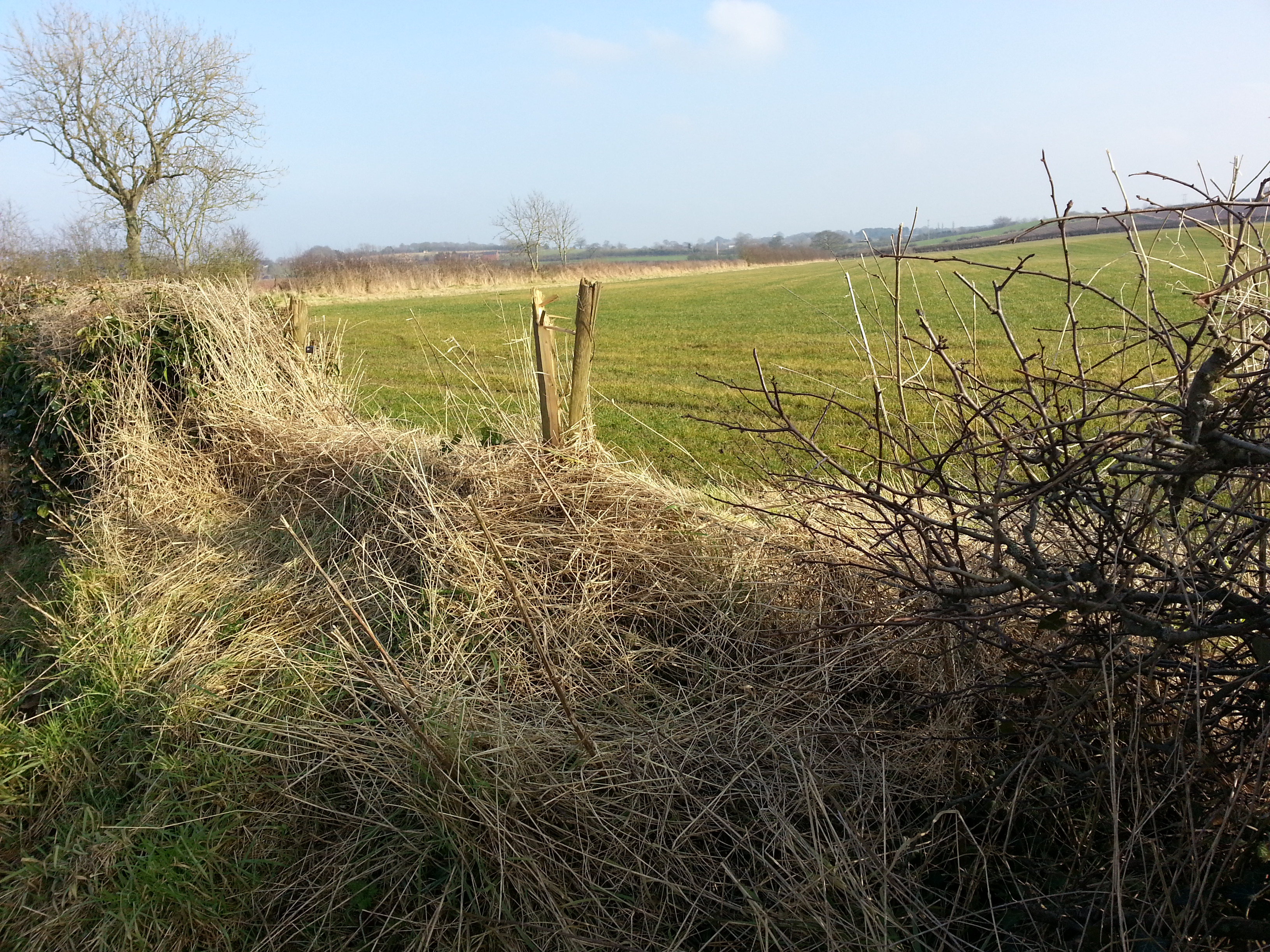
So those are good examples which are few and far between. The bad and ugly are sadly much more common now, hedges cut by machine, slashed to create ugliness. Some of the cutting blades on these machines seem blunt or perhaps inappropriate for the job in hand.  Thicker branches get torn and slowly after a few years these hedges get thinner so are poor as stock proof barriers and even poorer wildlife habitats. Whole sections disappear and tend to be replaced with fencing so the wildlife benefit is lessened further. When the hedge cutter in his tractor cab comes across trees, whatever their size they are cut just the same. The old oak in the photos below had its lower branches hacked off.

hedge 4 hedge 8 hedge 7 hedge 6 hedge 5 hedge 3 hedge 2 hedge 1

The messy hedges that are left are a waste of time, too thin to keep stock in and of little use to wildlife and too thin to allow the usual wildflowers associated with a hedge’s shelter and shade to thrive.

What the answer is to improving hedgerow management in a wildlife friendly manner is difficult to come up with. The agricultural industry in the UK needs to rethink, look again at the idea of countryside stewardship and responsibilities towards the land.

Here endeth my major rant for 2013!

Categories
colours conservation garden design garden photography gardening ornamental trees and shrubs shrubs winter gardens

Colourful Stems

DSC_0026bh

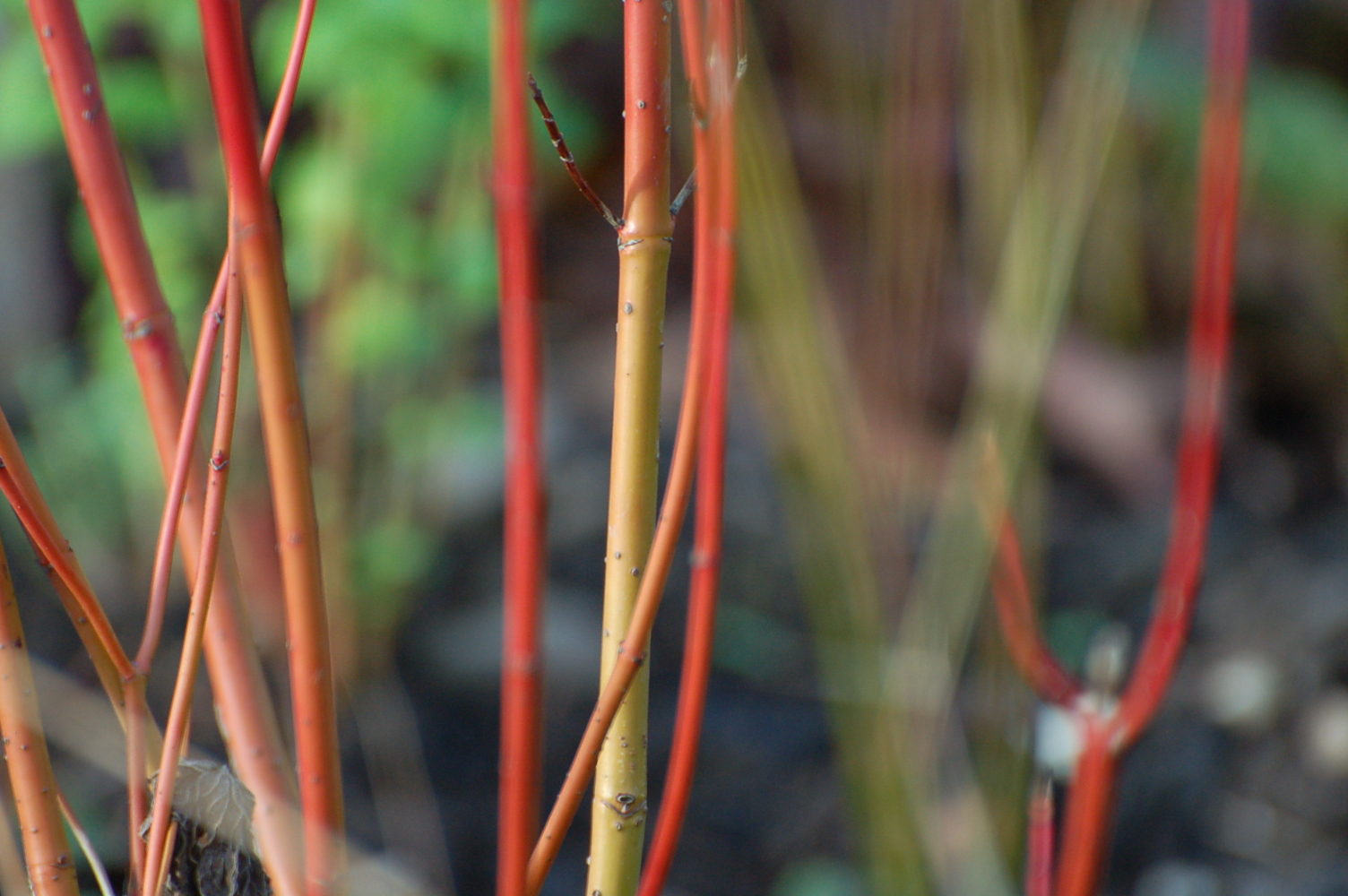
In the first few months of each new year the garden treats us to a colourful show of bright and varied coloured stems of shrubs. The most colourful are the dogwoods and willows of which we grow several specially chosen for their coloured stems. They glow in any bright days at this time of year.
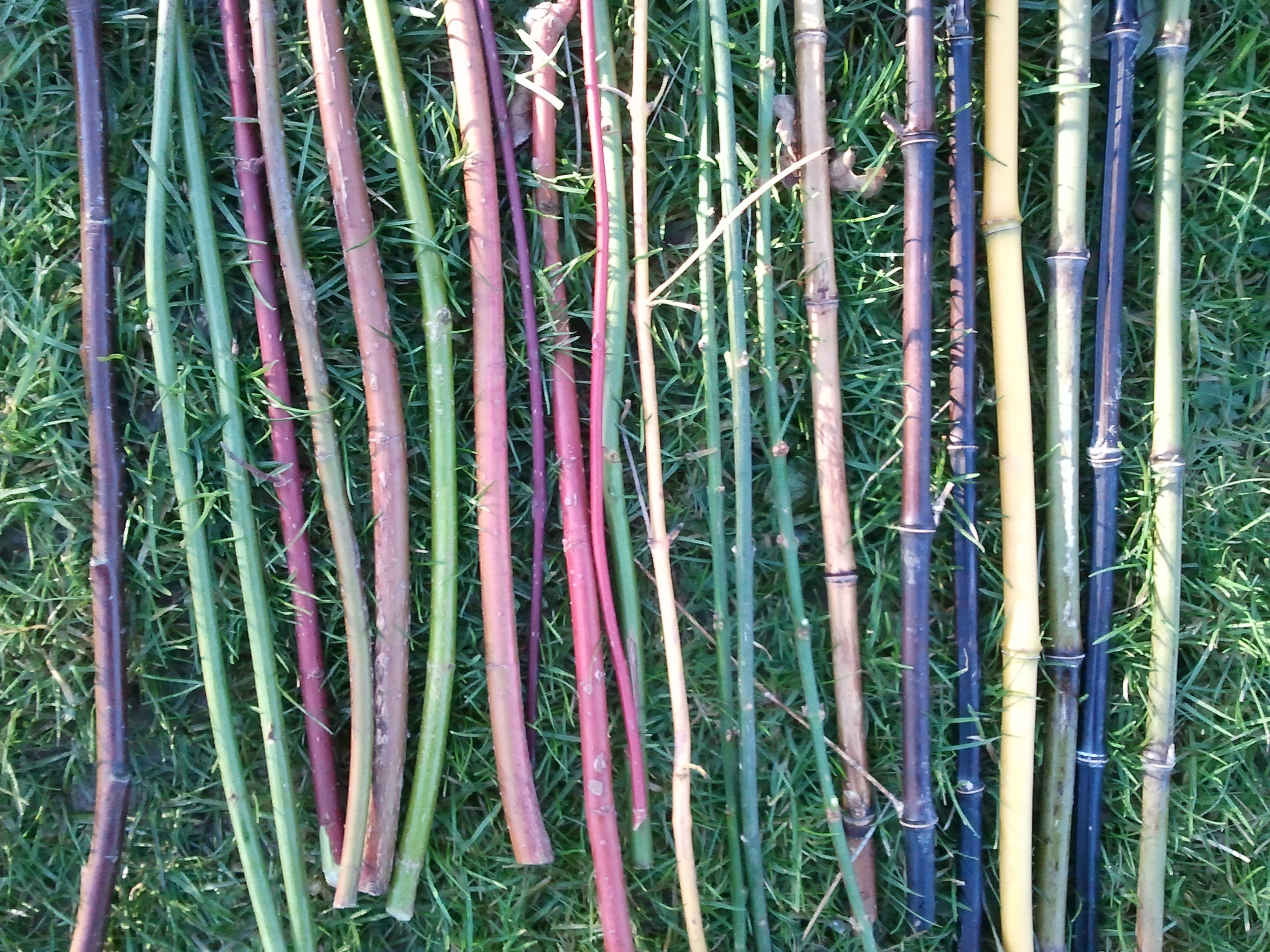
This selection of stems cut from our garden include dogwood, Kerria, willow, bamboo and Winter Jasmine.

SAMSUNG

The first pair of photos shows Cornus, the first is “Midwinter Fire” which we grow alongside our summerhouse just where it gets backlit by the winter sun, the second is “Cardinal” of which we have several specimens around the garden as they look good in any light.

DSC_0002-22  DSC_0027mju

Below is neither a dogwood or willow but an extremely red stemmed Acer called “Sango Kaku”, which we have planted alongside Cornus “Midwinter Fire”. We look forward to seeing them grow together.

DSC_0019

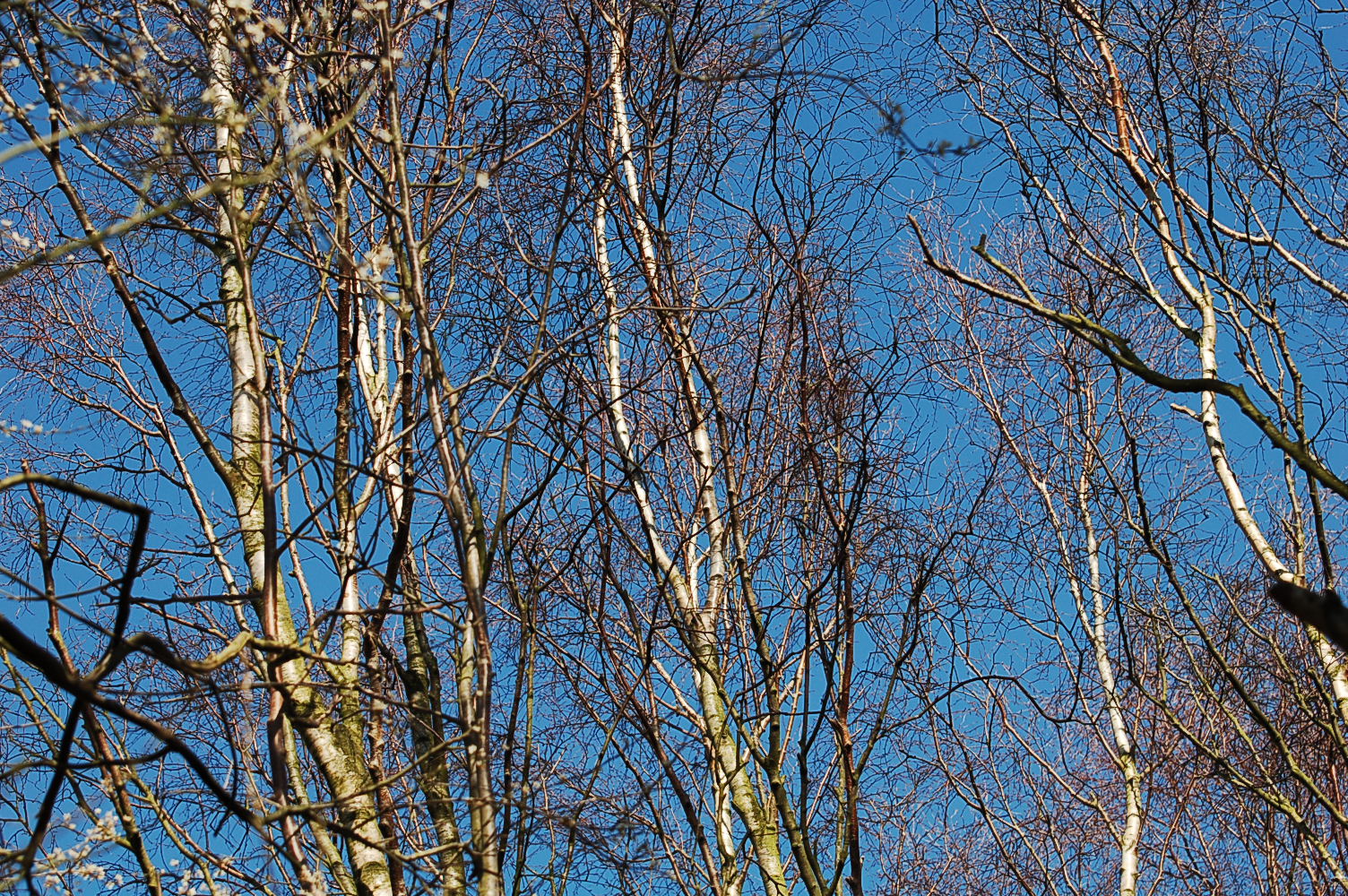
The Cardinals in our front garden grow in front of our White-stemmed Birch, Betula utilis “Silver Queen”.

DSC_0026

DSC_0028

We keep adding shrubs with coloured stems and yesterday I took these cuttings below off gardening friend Pete’s fiery willow.

DSC_0005-15

Sometimes the coloured stems are made even more special with the addition of flowers. The willow below with its black stems glow with the emergence of its white flowers at this time of year.

DSC_0031

I shall finish with the photo of a bunch of stems cut from our bamboos.

SAMSUNG

Categories
conservation fruit and veg gardening grow your own

Odd Harvests

In the last few weeks of last year we harvested two plants that we have rarely harvested before but for very different reasons.

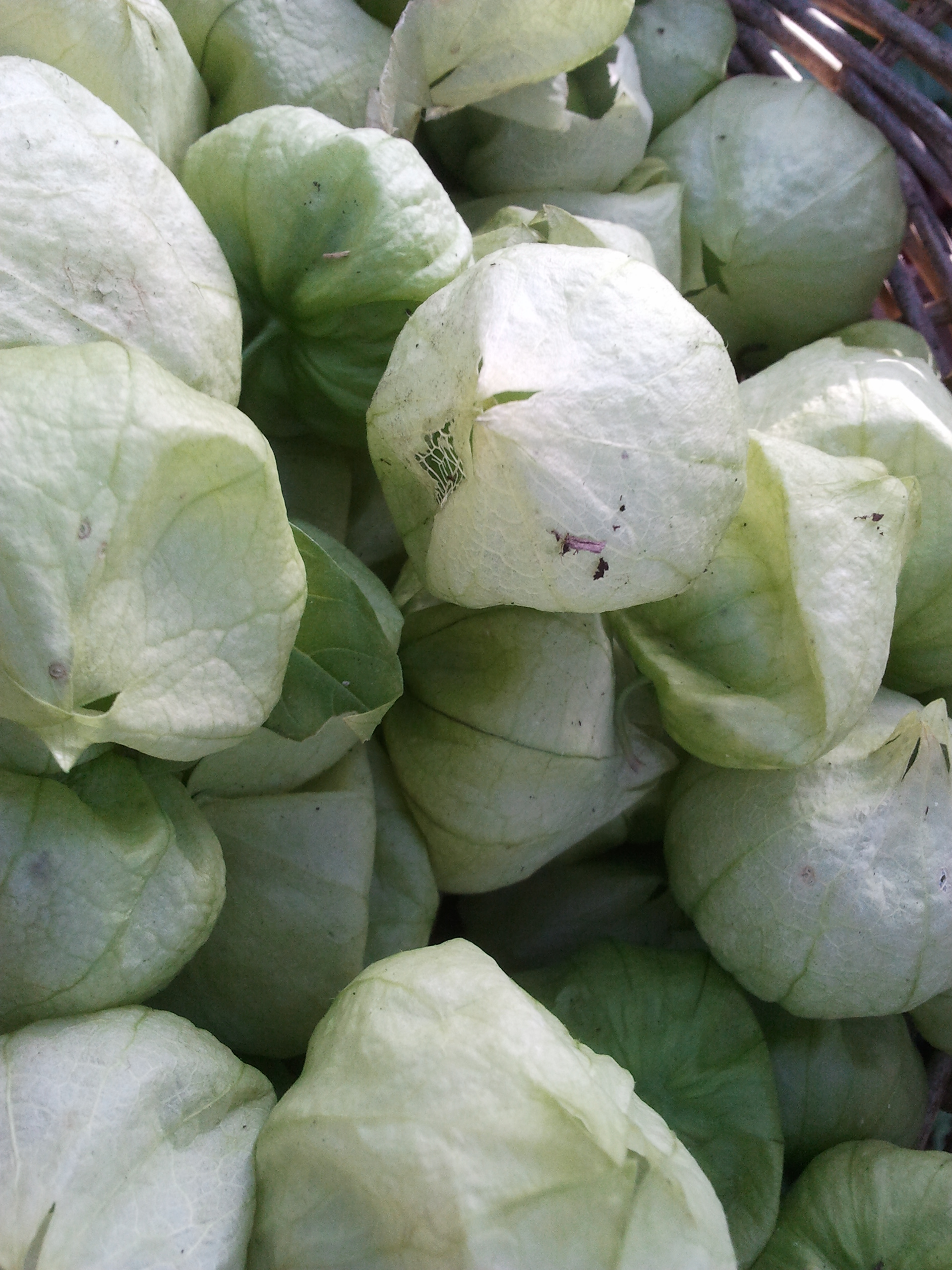
The first crop came from the greenhouse where the plants had been growing away all summer in growing bags after being sown in the propagator early in the spring. We were given the seeds and having never tried them before we decided to give them a go. Tomatillos – the name sounding somewhat like tomatoes and the plants and fruit ending up looking somewhat like cape gooseberries.

Here is the crop, now we had to decide what to do with them. Chutney seemed to be the only answer, but I decided to turn to Google for ideas and perhaps if we were lucky, recipes.

And here they are closer up, thin pale green papery sheaths around fruit like green tomatoes. They didn’t look ready to harvest but we had heard somewhere that this is the stage to pick them and as the plants were suffering as temperatures cooled down, we went ahead and plucked them from the stems.

O.K. Back from a Googling session and I now knew that the botanic name for tomatillo is Physalis philadelphica, which makes it a relative of the Cape Gooseberry and a member of the Nightshade family. It originates from South America. In Mexico it is a staple food of the diet and is often used to make green sauces. Here they are called “Tomate Verde” and are most appreciated for their green colouring and sharp taste.

I found recipes for soups, stews, salsas and yes, chutney.

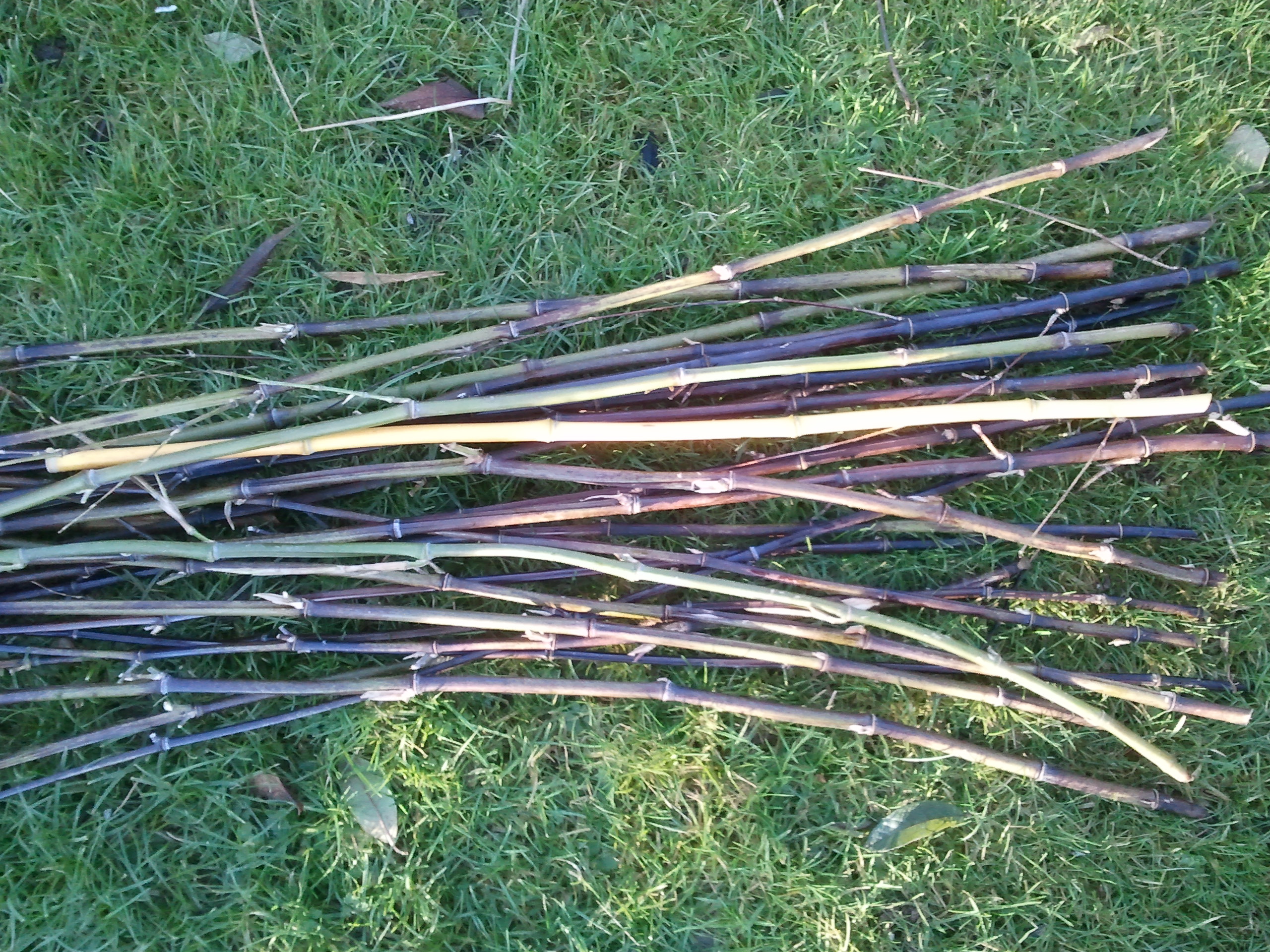
The second “odd” crop is bamboo, odd because it doesn’t often seem to be grown in the uk for anything but decorative reasons and because it is the first time we have seriously harvested our bamboo to use as garden canes. We grow three different bamboos for their different stem colours and originally planted them for their ornamental value, tall and graceful, moving gently adding sound to quiet days.

SAMSUNG

Growing your own garden canes is a good way of helping the environment. Importing them from China seems a terrible waste of resources.

It was mostly the black stemmed variety that was ready this year. Their stems are tough so I struggled with secateurs before turning to a pair of nicely sharpened loppers and getting the job done. The range of colours is very wide as the photos below shows.
SAMSUNG

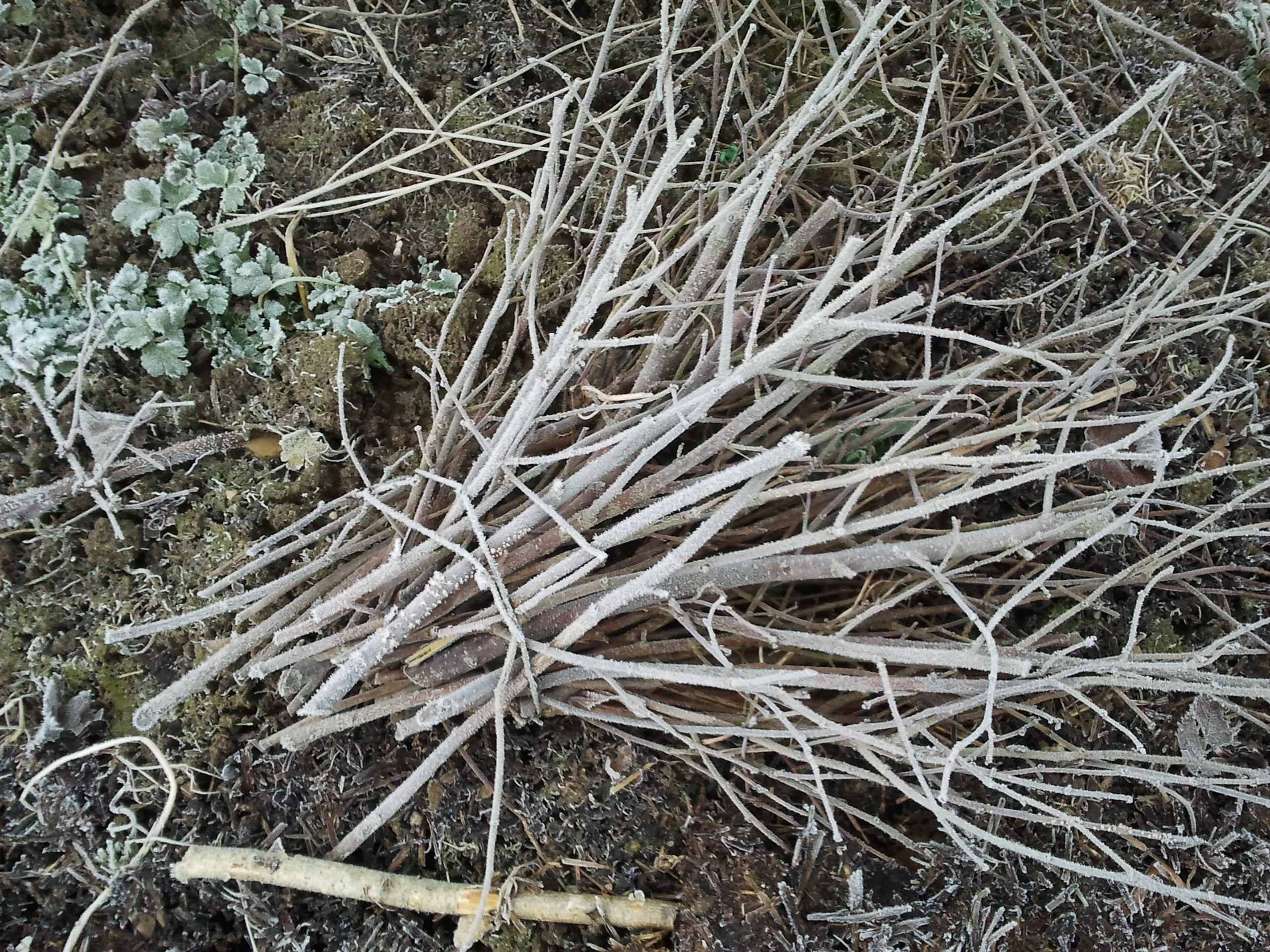
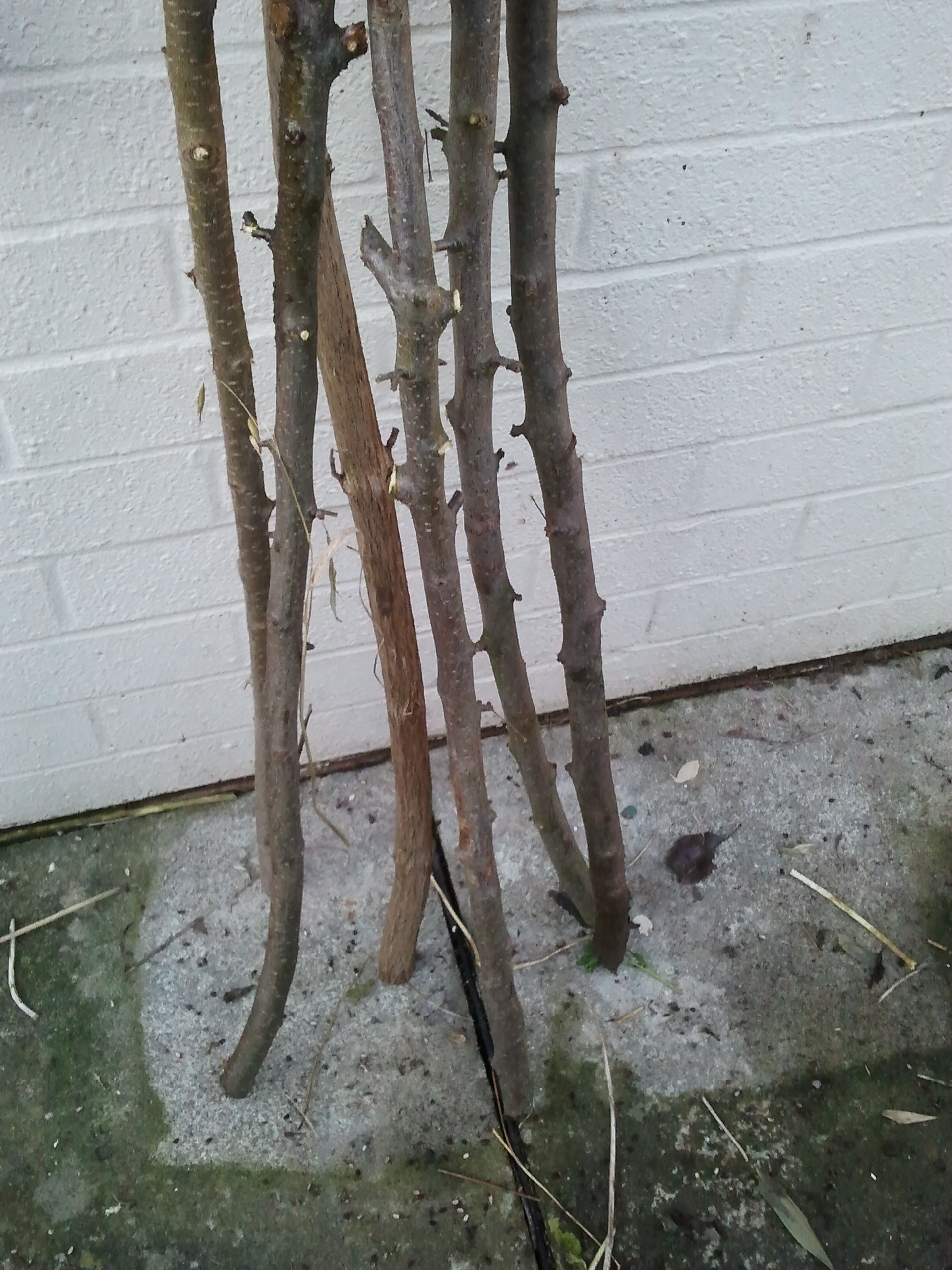
Similarly we harvest our prunings, utilising the large shrubby ones for beanpoles and the scrubbier smaller ones for beansticks. We started to harvest these last week and will continue as we sort out the garden in readiness for the coming growing season.

SAMSUNG

SAMSUNG

Peas and beans seem to like to twine themselves around these rougher sticks and poles in preference to the bamboos available in garden centres. And of course we must remember they are self-sustaining, so there is no cost to the environment.

Categories
architecture buildings conservation Shropshire South Shropshire

Rural Shropshire – Architecture Old and New

 DSC_0122nb

Visitors come to Shropshire for its wonderful countryside, beautiful old market towns and for the peaceful atmosphere. Rural areas of Shropshire are dotted with old farms with ramshackle buildings, barns, cattle biers, cottages and farm houses, but there are isolated examples of good modern architecture. The Ludlow Food Centre provides a good example of this based around old farm buildings and a row of cottages but given a new use and so a new lease of life.

I have always liked their sign seen in the photo above, with the simple representation of fields in natural colours. Sadly recently it has changed to just lettering which is nowhere near as interesting.

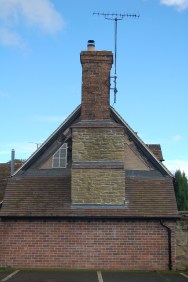
There is now just the row of cottages left which have been renovated recently and  are lived in once again. The walls show an attractive combination of brick and wood and the chimneys are most impressive.

DSC_0116


DSC_0118

DSC_0119

DSC_0120

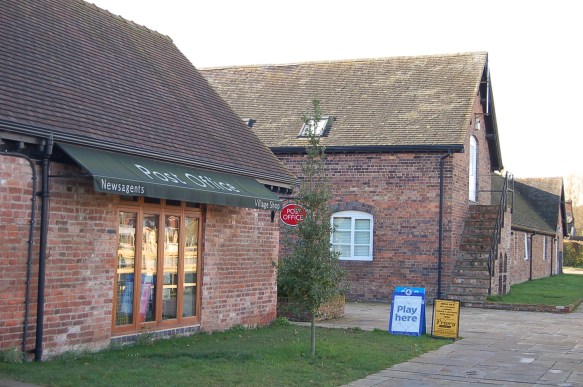
Behind the cottages is the new Food Centre and Garden Centre and these sit alongside a coffee shop and post office in old farm buildings. They have certainly been given a new lease of life. Needless to say we visit the coffee shop whenever we are close by.

DSC_0115

  DSC_0130

SAMSUNG

SAMSUNG

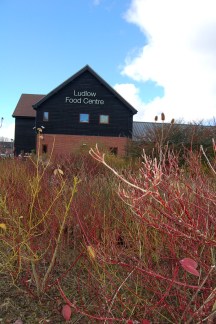
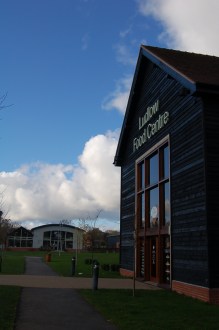
The Food Centre itself is housed in a building that reflects the property’s farming past, with a huge entrance reminiscent of the old barn doorways that allowed loaded carts through and it is clad in darkly painted wood a popular finish for old farm buildings especially barns. Inside local food producers, a baker, a butcher, cheese maker etc, sell their wares and glass walls allow visitors to see food being made and packed before they decide to purchase.

DSC_0123

At the side of the food centre a naturally planted wildlife pool with colourful shrubs enhances the peaceful atmosphere here.

DSC_0127

DSC_0128

DSC_0129

The new plant centre is housed in a new building built just as you would imagine a new upmarket barn would be built. Modern materials are used in a traditional building style. Beautiful local products such as metal sculpture are displayed inside alongside organic gardening fertilisers, bird feeding equipment, books and a rich mixture of gardening sundries. All very tempting! Out back can be found a plant nursery.

DSC_0114

Categories
allotments autumn colours birds community gardening conservation garden wildlife gardening grow your own hardy perennials meadows ornamental trees and shrubs trees wildlife

A Wander around the Allotments in December

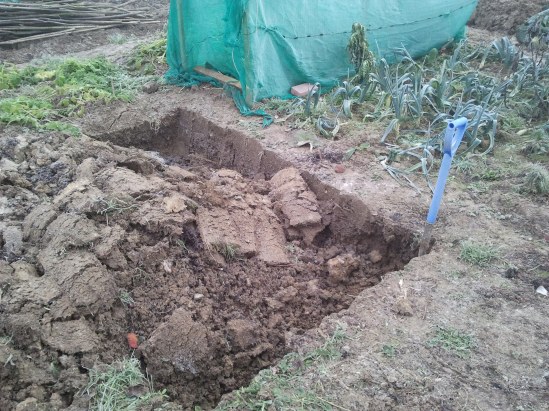
December hasn’t afforded us many days suitable for lottie gardening, sending us too much rain and flooding the site again for a while early on in the month . In fact the first attempt at working on our plot this month resulted in that too well-known sinking feeling. Algae has turned the soil green again.

We arranged to meet council officers and contractors on site one morning to start sorting out the flooding issues. It was of course raining when we met! Four trucks full of machinery and fluorescent coated workers arrived soon after, champing at the bit to start. Sods law came into play. The floods reappeared and water began lapping at our feet and at the wheels of the vehicles. One tractor got stuck in the mud!

The weather won the first round as work was abandoned even before it started, but at least everyone knows what to do now. We were promised that work would commence as soon as the weather allowed.

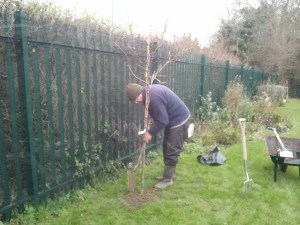
Things had improved a little by the end of the first week of the month, enough to arrange a day for Jude and I to meet our friend Pete to get some site tasks done in the communal gardens. We planted trees that had been donated by members in the new coppice we are developing, plus two others in the Autumn Garden. These were purchased with the prize money we had received when we won an award as the Best Community Garden in Shropshire by the National Garden Scheme.

SAMSUNG

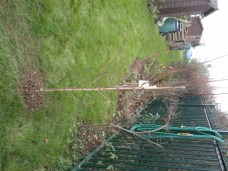
As Pete looks after the Autumn Garden he chose the trees. Two great specimens arrived in the back of his car, an Acer rubra and a Gleditsia Sungold.  In the photo above Pete is planting the Gleditsia and below is the Acer with its red stems. We can now look forward to the golden foliage of the Gleditsia and the red petioles of the Acer which contrast so well with the yellow autumn leaf colour.

SAMSUNG

We also transplanted some wild flowers and wildlife friendly plants kindly donated by a member, Dee. They were on her plot and we transplanted them to the meadows and orchards. Wild Hypericum, Red and White Campion, Mallows, Plantain, Foxgloves and Teasles plus a selection of Verbascum. In the picture below Jude is busily planting verbascum in the orchard meadows. The insect homes look so much bigger when plants die down for the winter. We just hope they are full of our friends, the overwintering pest controllers.

SAMSUNG

In the first few days of December I completed constructing the Tawny Owl nesting box which I had started weeks ago. It is by far the biggest nest box I have ever attempted to make. Each year I ask members to donate their spare wood for nest box construction and plenty came in this year so I hope to make several boxes. My next challenge is to make a box for House Sparrows.

SAMSUNG

On our own plot we have dug over the plot and given it a deep duvet mulch of manure. Now we will let the worms and other little critters get to work on it. We have pruned our fruit bushes and brambles, and are mid-point through cutting down and digging up a blackberry which refuses to produce any fruit. We gave it our “three chance and out” treatment which we allow every failing plant in our gardens.

At the mid-point of December the weather turned cold with clear ” blue-skied” days and deep frosty nights. The workers came back to get started on the flood prevention work. They are getting on well. We met them early one morning to sort things out and I took advantage of the bright conditions to get some photos taken. Having just my Samsung Galaxy with me the rest of the pics in this post are taken with its camera – a great camera for a phone.

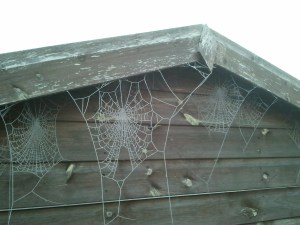
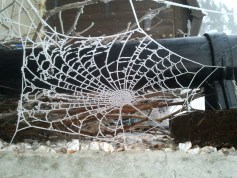
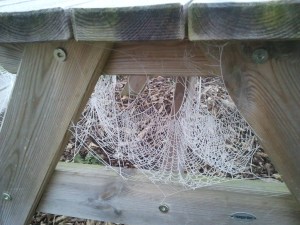
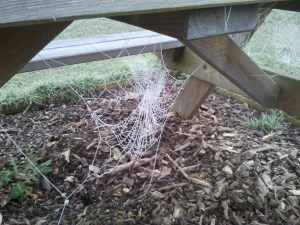
Spiders appeared to have been industrious all through the hours of darkness creating works of art for Jack Frost to add the finishing touches. In the first pic we can admire how they have decorated a shed’s gable end and the second and third show where they have added a feature to the Communal Hut.

SAMSUNG

SAMSUNG

SAMSUNG

It looks as though the spider population of the lotties have taken to using the picnic benches when it is too cold on the rear end for us gardeners to enjoy our coffee breaks on them.

SAMSUNG

SAMSUNG

On Wendy’s plot Jack Frost had iced the rose hips.

SAMSUNG

We have had some beautiful new trees delivered to the site ready for planting when the soil is not frozen. At the moment we would not get a spade in. We have been given a Weeping Silver Lime which we selected to celebrate the Queen’s Jubilee Year, plus two crab apples Malus “Evereste” and Malus “Golden Hornet” to plant, one in each orchard to improve fruit pollination, and two ornamental Hawthorns.

SAMSUNG

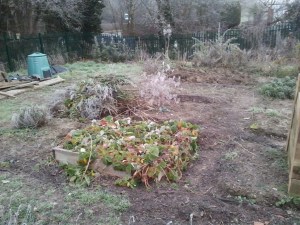
The individual plots are looking bare and forgotten. Some have been well dug for the winter, others await better weather. Where water sits in puddles it had frozen solid. On one plot a double digging session had been interrupted by the weather.

SAMSUNG

SAMSUNG

SAMSUNG

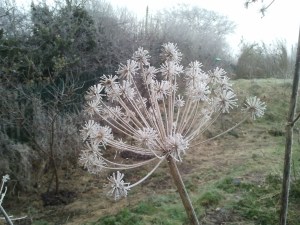
On one plot next to the new coppice area the seed heads of Angelica, left for the Goldfinches and Bullfinches to feast upon, were covered in frost.

SAMSUNG

SAMSUNG

In the coppice area itself, our newly planted Hollies had attracted spiders.

SAMSUNG

The communal gardens  looked monochrome  with frost covering the herbage.

SAMSUNG

SAMSUNG

As befits the season, our Winter Garden is looking good! Pete was with me as I took these photos and he and I created this garden less than two years ago, so we keep admiring our handy work.

SAMSUNG

SAMSUNG

SAMSUNG

Splashes of colour sprang up to shine out in the gloom of the misty grey day, the fruit of the Malus “Evereste”, and the fire-coloured leaves of a Hawthorn in the hedge and a Raspberry on a plot.SAMSUNG

SAMSUNG

SAMSUNG

As we wandered taking these pictures we were followed around by the resident Robins who were waiting for us to start work turning soil over and exposing bugs for them to pounce upon. But no gardening was done, the soil being too solid with frost so no sod could be turned. We found time to top up the bird feeders in our feeding stations. These are busy with tits, finches, Nuthatches and Woodpeckers.

Categories
bird watching birds climbing plants conservation photography Shropshire Shropshire Wildlife Trust trees wildlife woodland

Wandering in a Wet Woodland

It is pouring with rain – continuous heavy miserable rain pouring down from a dark grey headache-inducing sky. Humidity clings to us. Too wet even for us rain-defying gardeners to get out and garden, too hot and humid to work in the greenhouse. so what to do today? Go for a walk and just get wet of course.

So off for a half hour drive down flower edged lanes to a wood on Wenlock Edge, a place enjoyed when our two children were young. Edge Wood. We park the car in a clearing – it is so dark and the rain continues to bang on the roof of Jude’s little car.

Waterproofs are donned and the camera hangs around my neck hidden from the rain under my jacket. We set off along rutted paths, the mud has been churned up by the hooves of horses so we struggle through mud and deep ruts off into the canopy of trees, taking dark photos of a dark day.

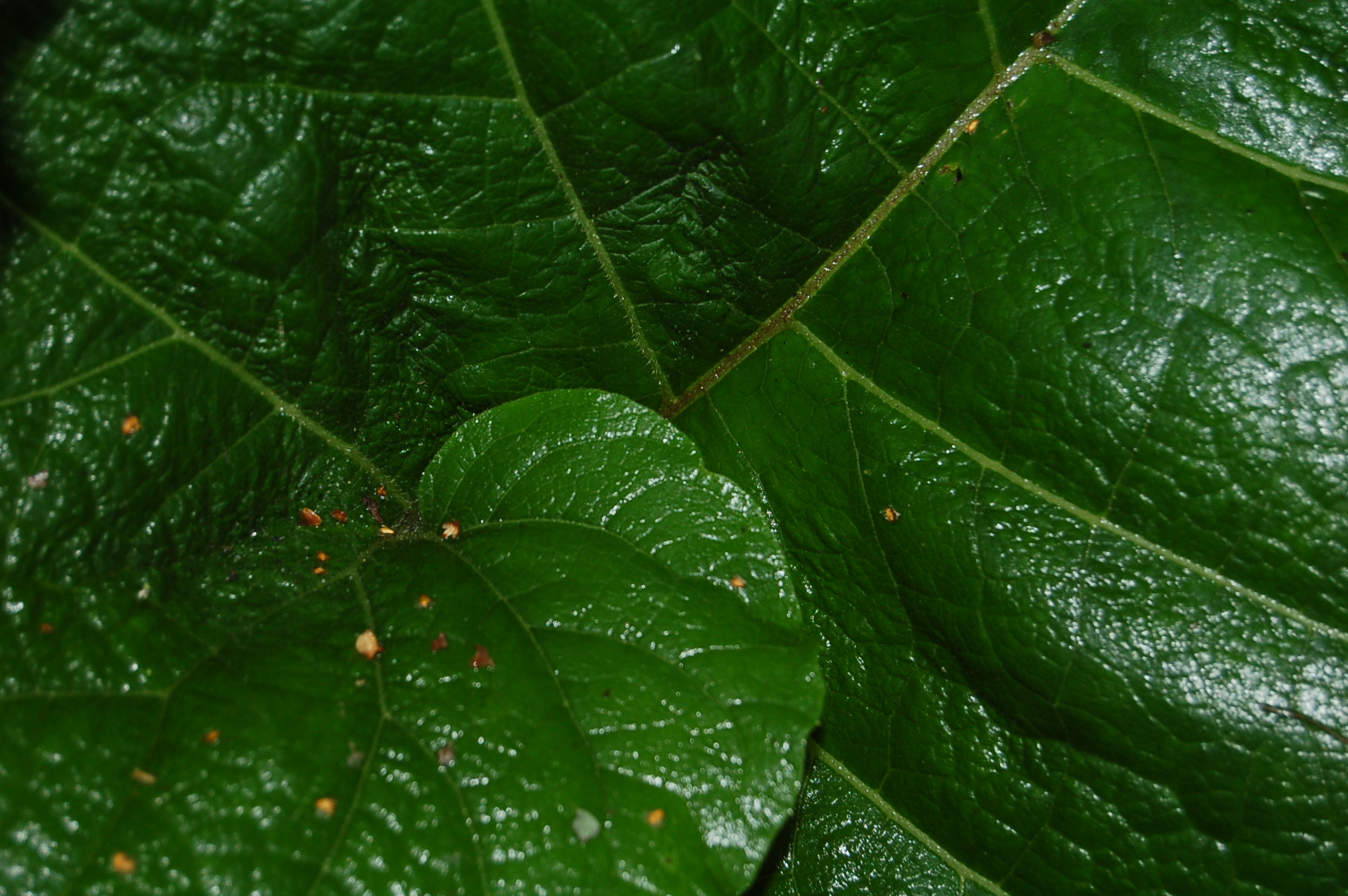
Every leaf surface is shining with wetness and the tip of every leaf has a droplet of rain hanging waiting to drip, matching the drips on the edge of the peak of my cap and on the end of my nose.

The wet surface of foliage serves to emphasise their textures and shapes, increasing their individual beauty.

This little wood is home to 250 different wildflowers but today only a handful are in evidence. It is late in the season and the darkness is not enticing buds to open and display their flowers.

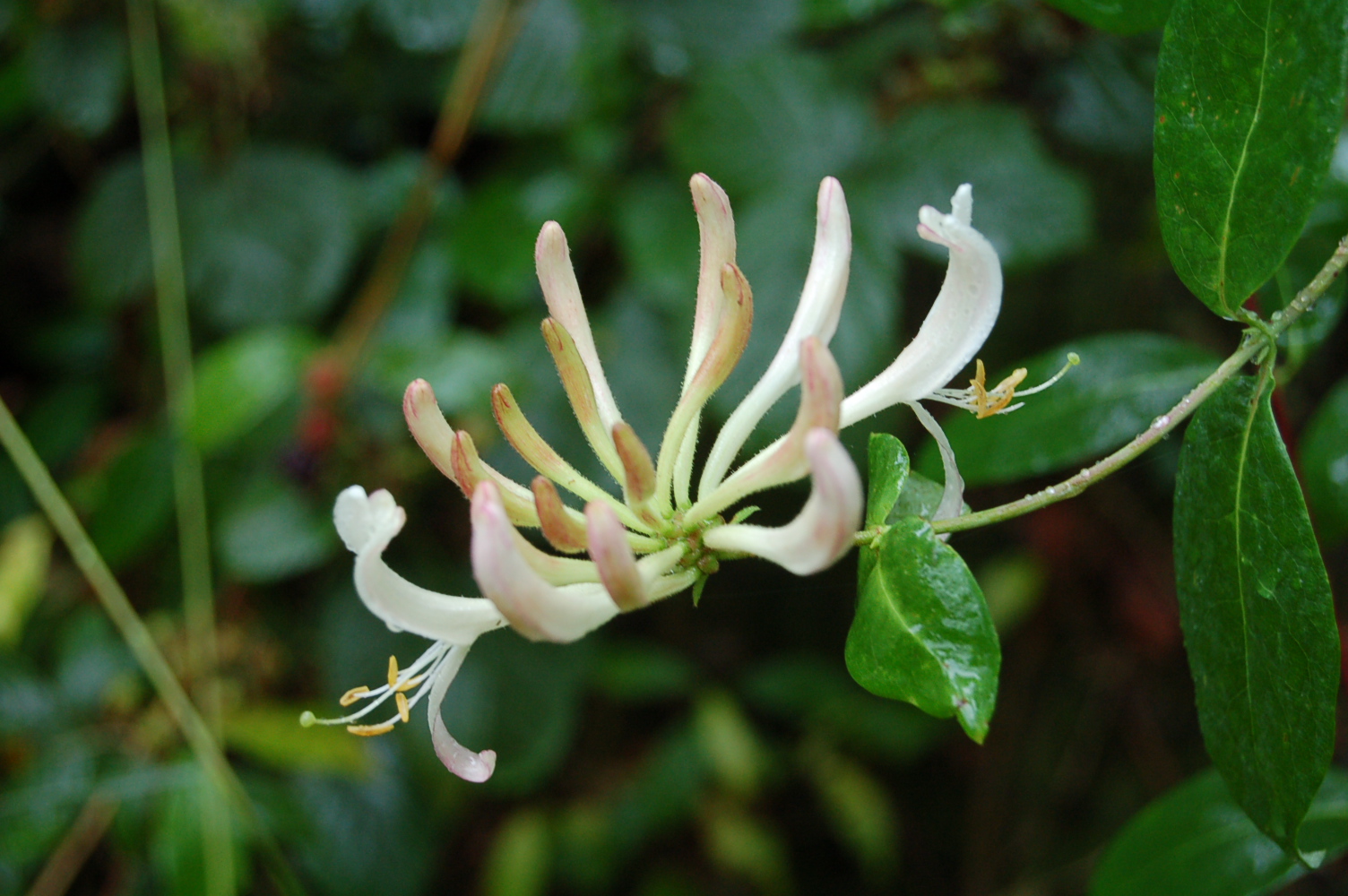
The Woodbine, our native Honeysuckle, clambers up many of the tree trunks and display flowers at nose height encouraging us to enjoy their scent. But in the daytime the scent is hardly discernible from the wet wood smells, for it does not give off scent for us, it will wait until the evening draws in and intensify the scent, a special scent to draw in night-flying moths who will do the Woodbine’s bidding and pollinate the blooms.

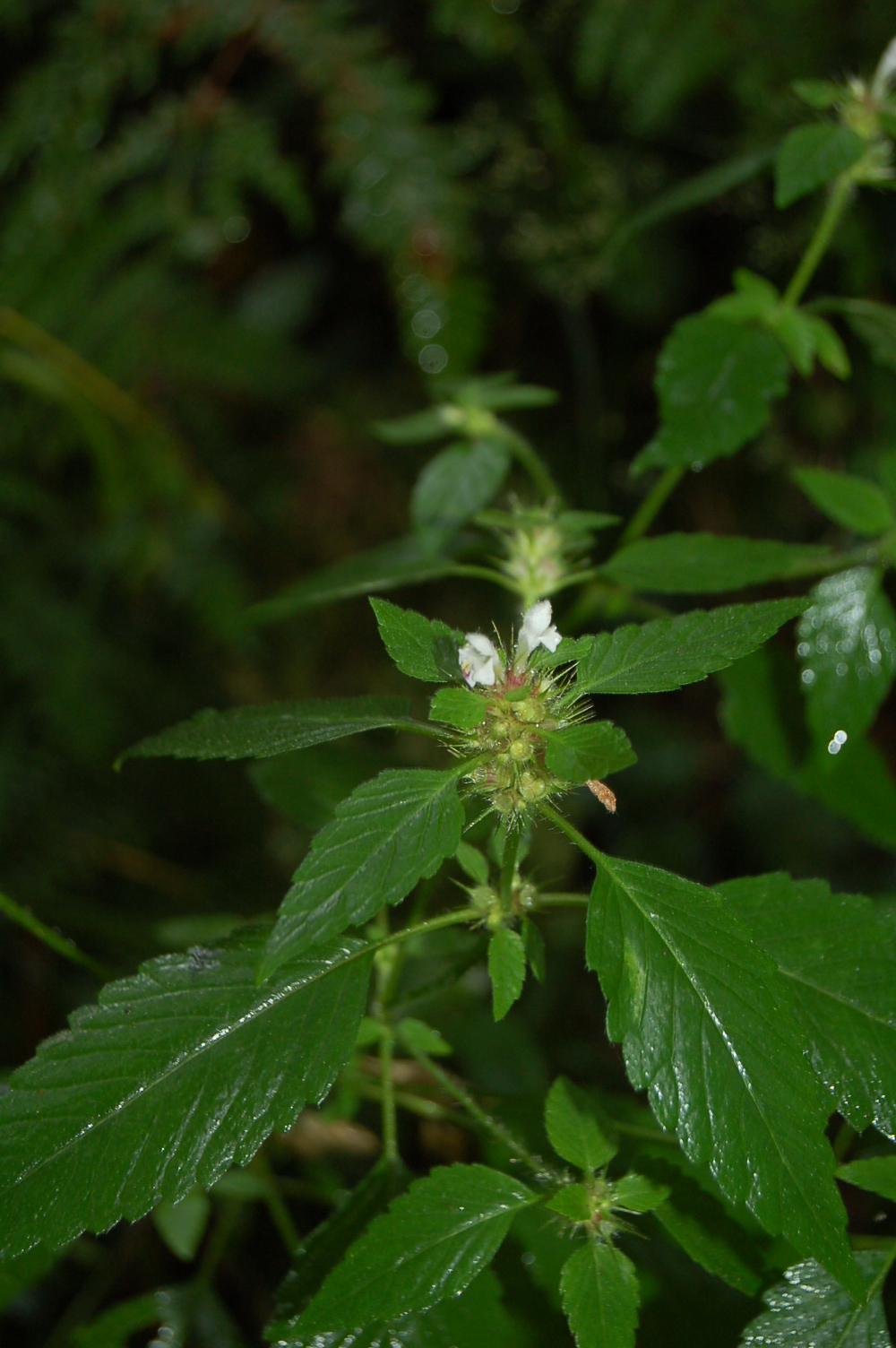
This little white gem shone like stars in the night sky – Gipsy Wort. The green of the foliage is so fresh and whitens the flowers even more.

The most floriferous of all plants in the wood in August are the grasses and sedges displaying a rich diversity of shapes and structures in their flowering.

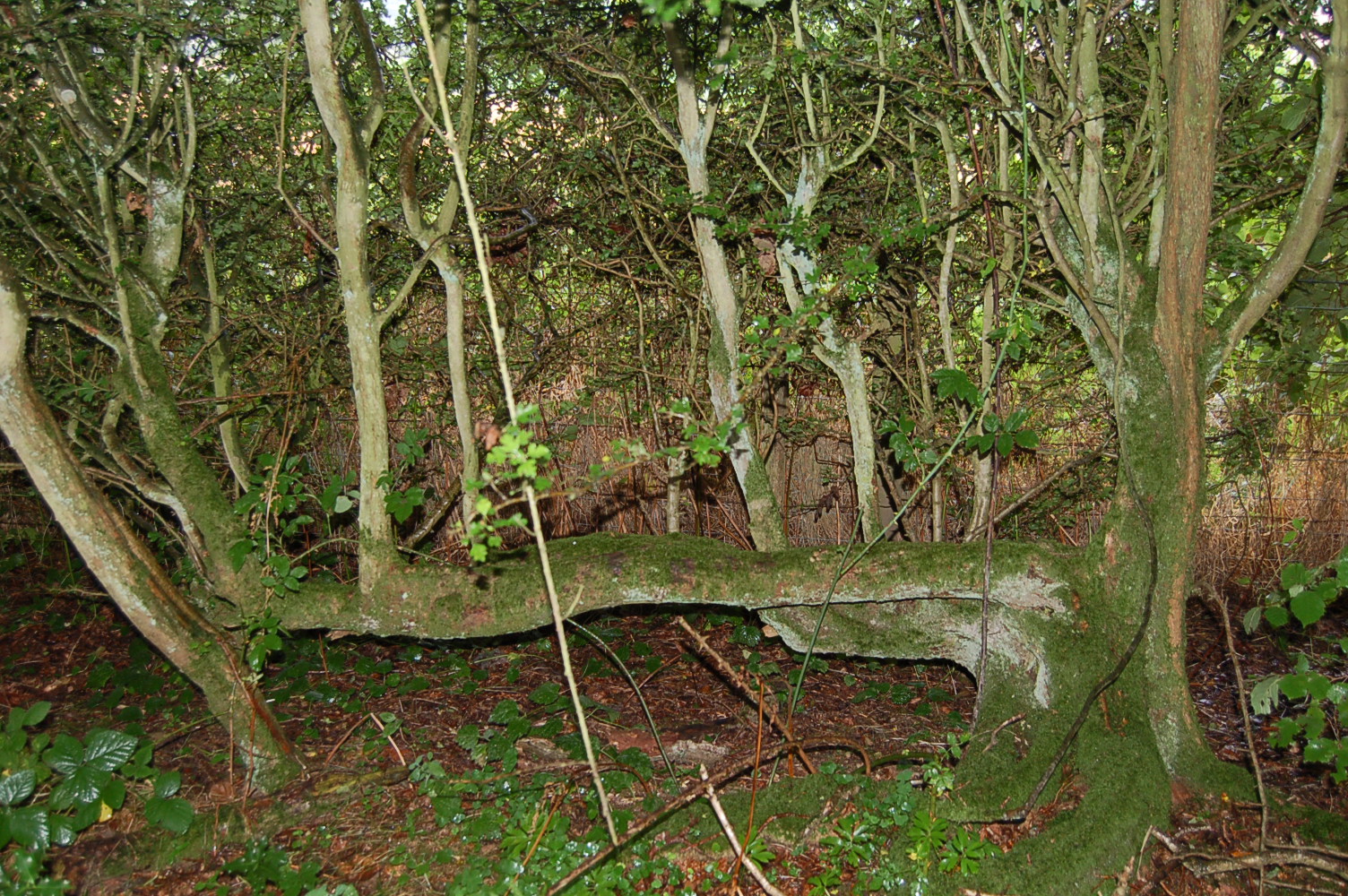
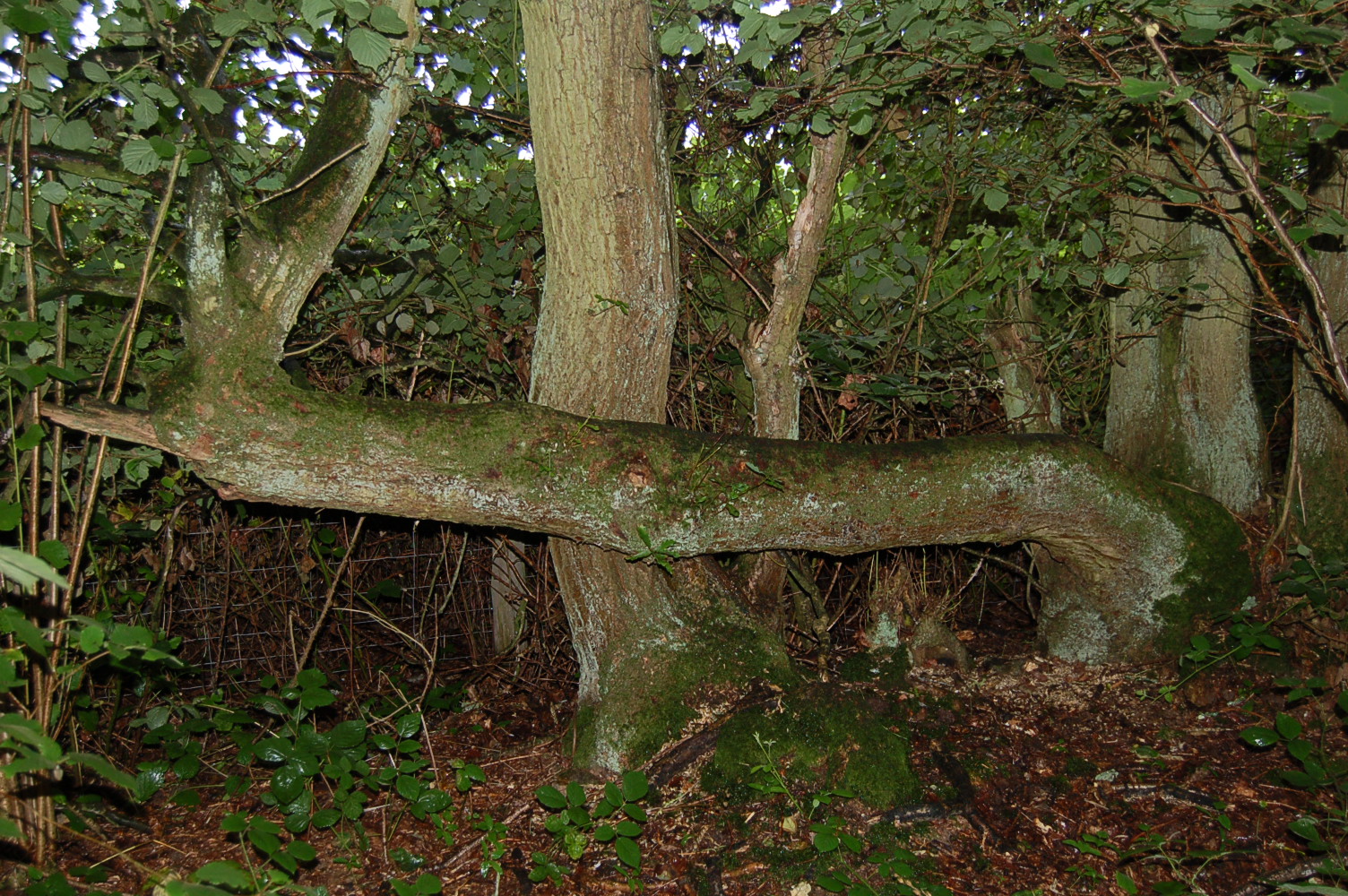
There are signs of man’s influence hidden away in the wood, evidence of coppicing, an old hedgerow, layered hedging gone wild and trees felled. There are clues of man’s past presence, working woodsman and farmers. The hand of man is now being rubbed out by the heart of nature.

As we wander through the wet wood we get regular glimpses of the Shropshire countryside through gateways and gaps in the hedges and trees. The rain is softening the landscape and hiding hills from view.

The wood is home to a couple of rare mammals, dormice and the Yellow-necked Mice. Nestboxes are provided to encourage the dormice to breed and roost.

The tree canopy is mostly silent, the birds in moult keep out of sight ashamed of their scruffy appearance and worried that they are more susceptible to predators. In odd places the calls of small birds show they are moving about high above us, Goldcrests, Treecreepers, Siskin and Titmice in variety.

The paths lead us through the wood almost around its perimeter.
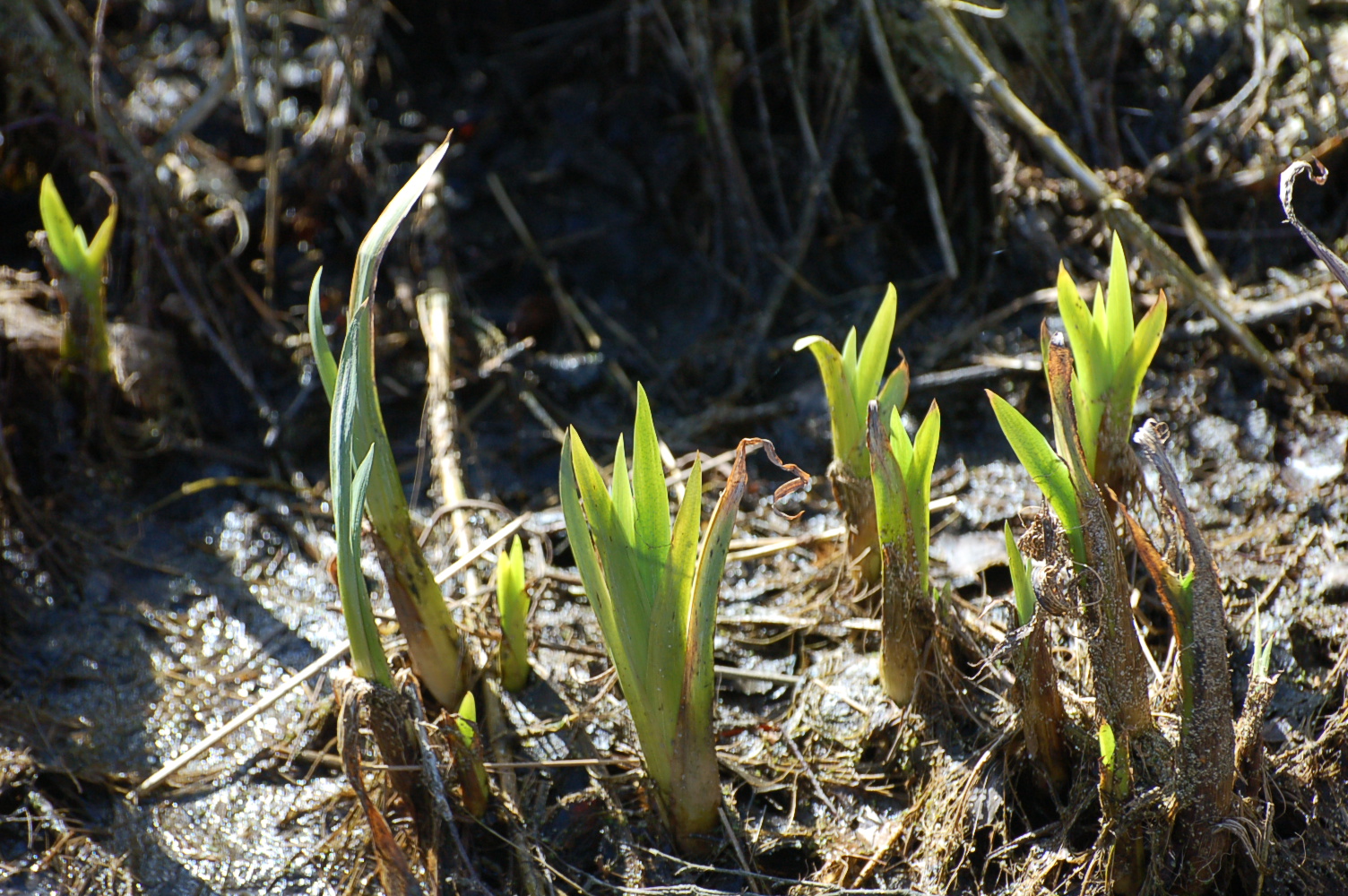
At times little cameos of nature’s work present themselves to us, little details giving glimpses of woodland beauty.

Sometimes being in a dark wood getting wet is the best place to be!

Categories
conservation flower show garden design garden photography garden wildlife gardening hardy perennials July meadows ornamental grasses ornamental trees and shrubs photography RHS The National Trust wildlife

A Day at the RHS Flower Show Tatton Park

We have been to the Chelsea Flower Show, Harrogate Flower Shows and The Autumn and spring Malvern Flower Shows but the one we enjoy the most is always the one set in the grounds of Tatton Park. Luckily this is the RHS show closest to home. Although Chelsea is often called the greatest flower show, having visited once we have no desire to go again. But we frequently go to Tatton.

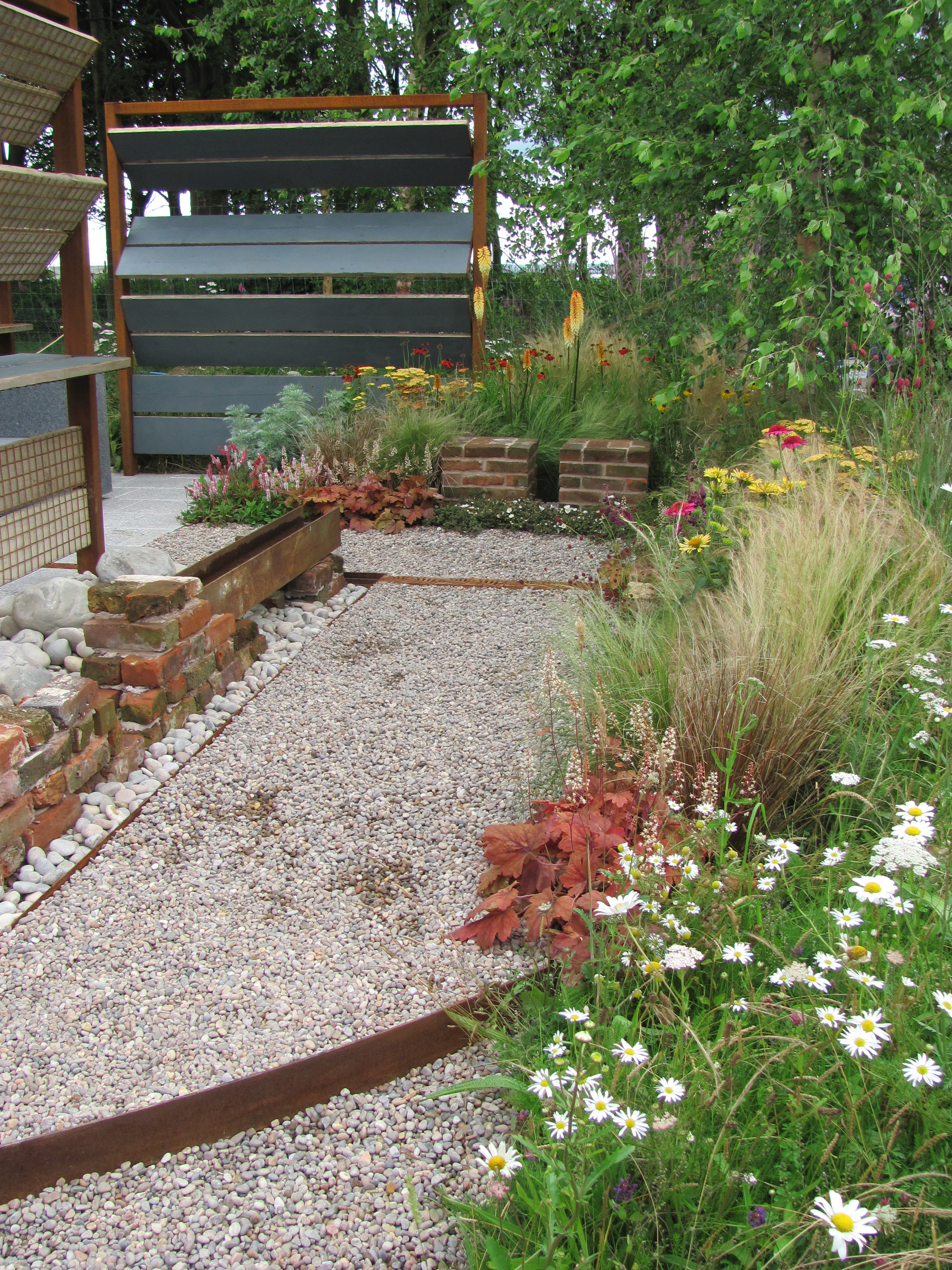
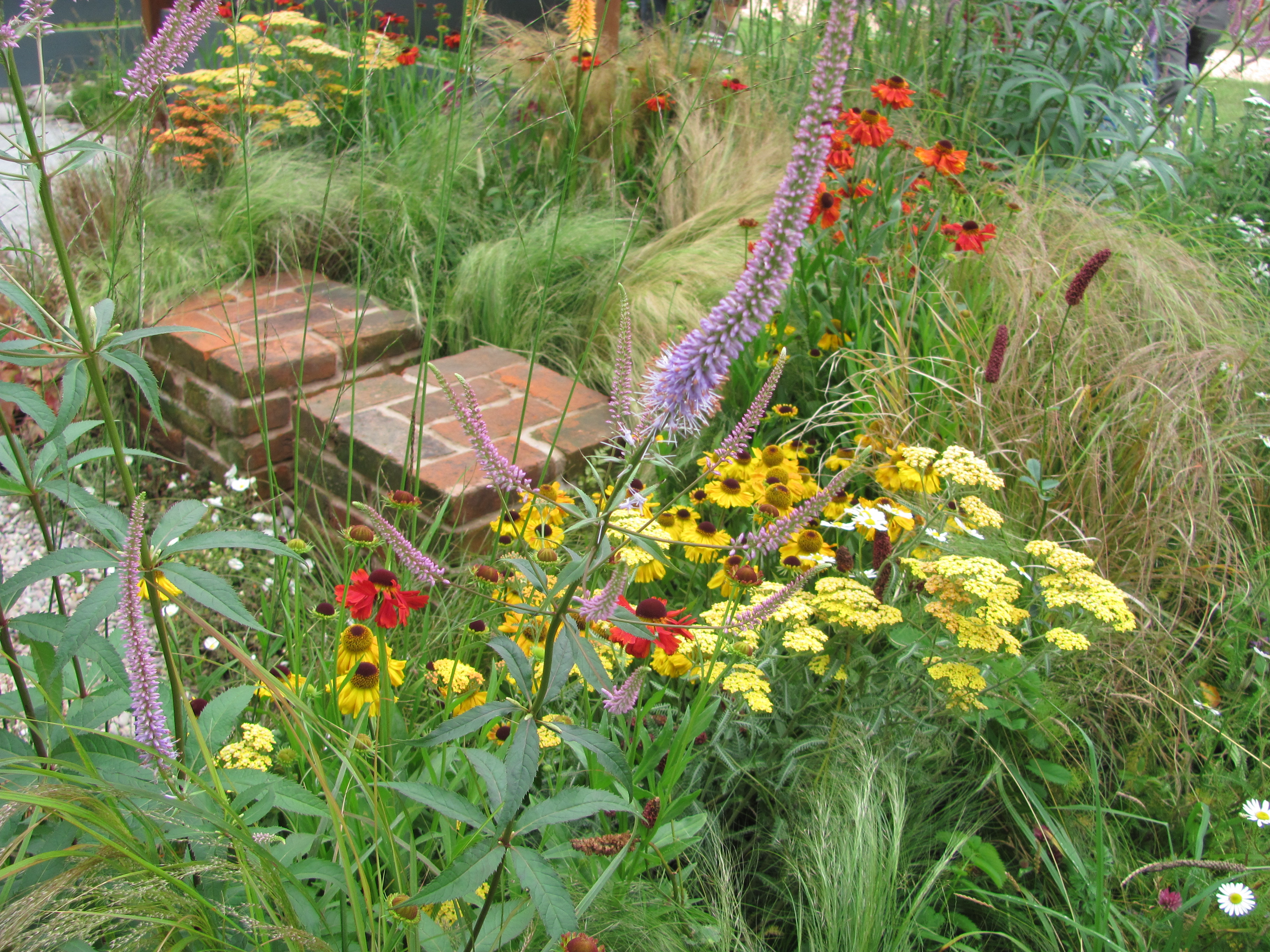
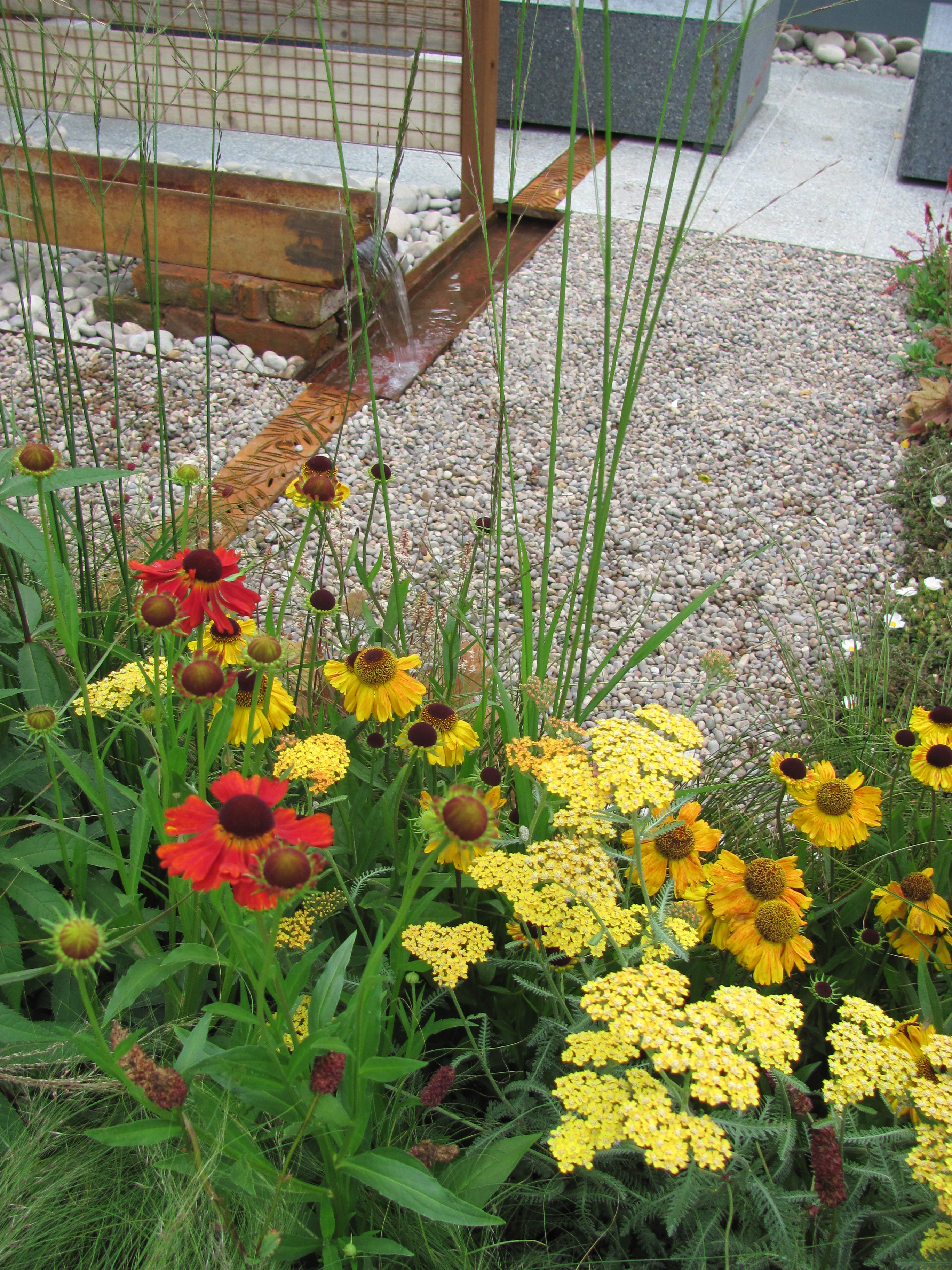
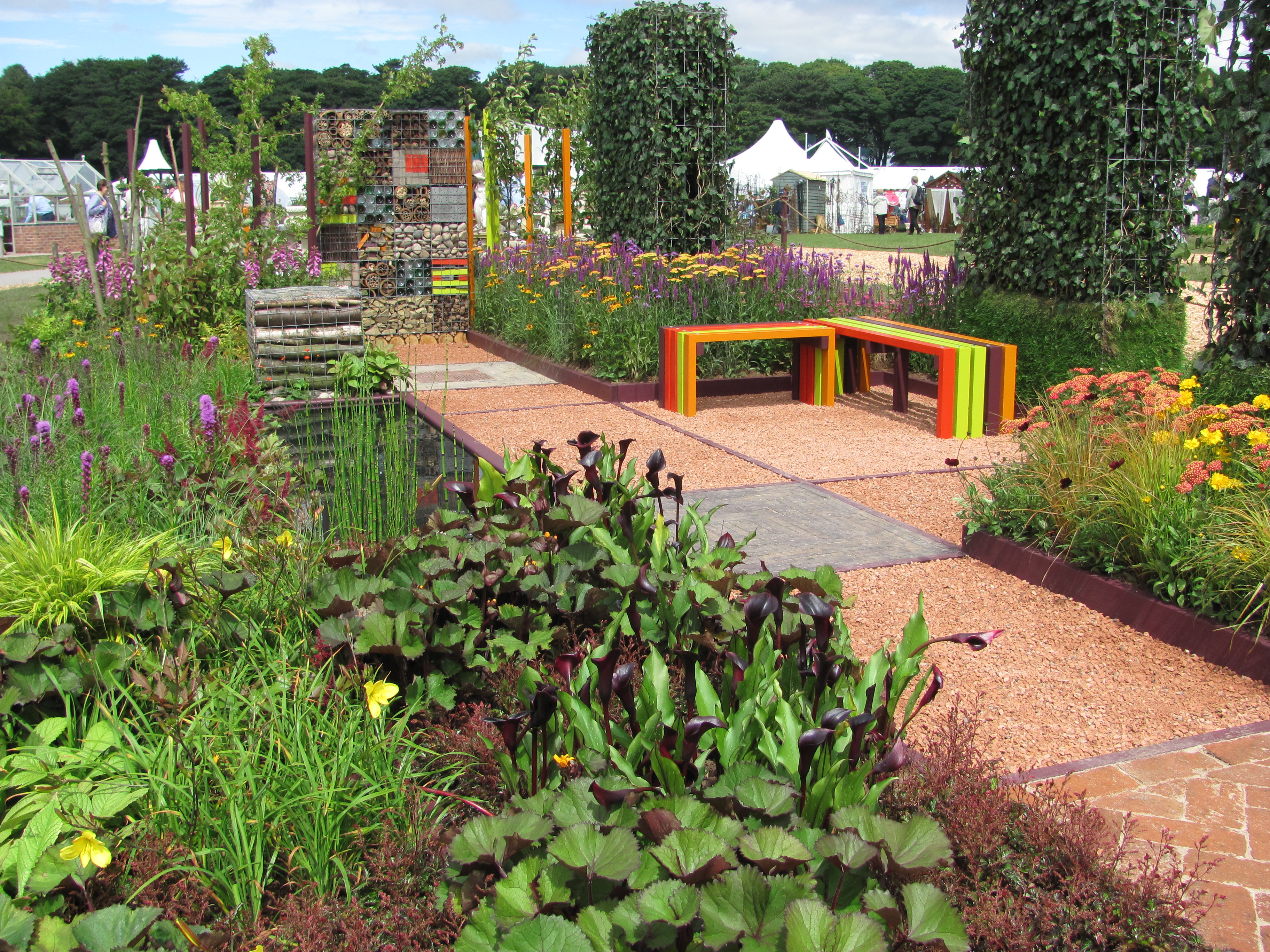
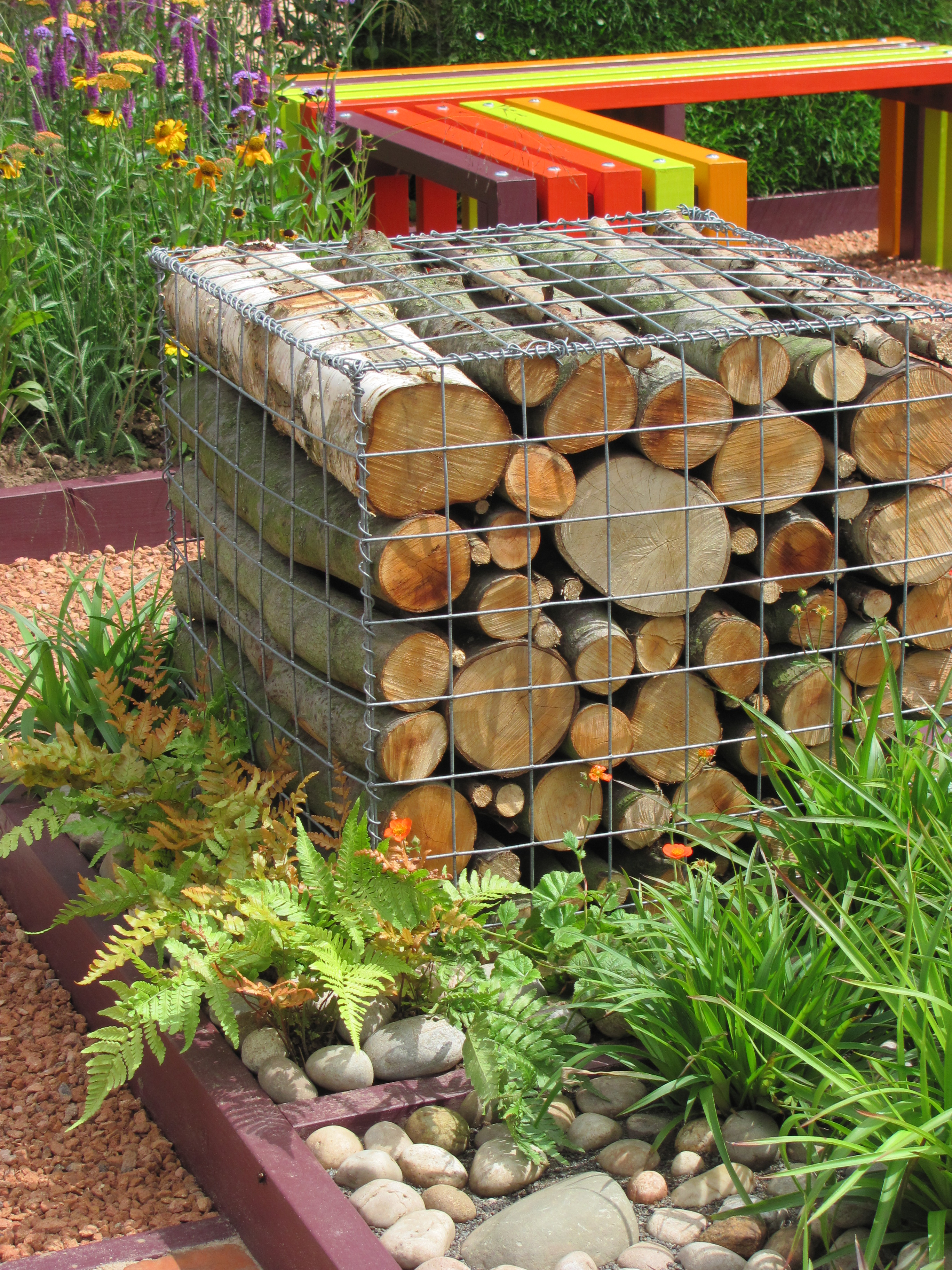
Tatton Park Show is described as “the North’s greatest garden party”. We enjoy its large show gardens, its “Back to Back” gardens and children’s gardens but most of all those designed by young garden designers. This is where the UK’s garden designs of the future lie and the standards are always so high. The designers have to be under 28 and this year their brief was to design a garden based on the theme of “colour”. We were so pleased when we learnt that the designer of our favourite one of these gardens had won the accolade of “RHS National Young Designer of the Year”. Tristen Knight designed this garden using recycled materials and it was full of interesting and original ideas and design feature. The colour of his planting of perennials and grasses was beautiful, all orange and biscuit. He studied for a BA in Industrial Design and Technology before training in garden design at Writtle College. He spoke with great enthusiasm and excitement about his garden and he told us about the materials he had chosen and how they were all items from building sites. For example the rill was formed from a an “H” beam and the flexible screening was created from scaffolding boards. I found it hard to take photographs that did justice to this brilliant young designer’s work. We enjoyed his garden and talking to him about it.

We moved on to the main large garden show gardens, some of which we liked whereas others we did not like at all. But that I suppose is what design is all about. If we all liked the same plants and designs wouldn’t gardens be boring?

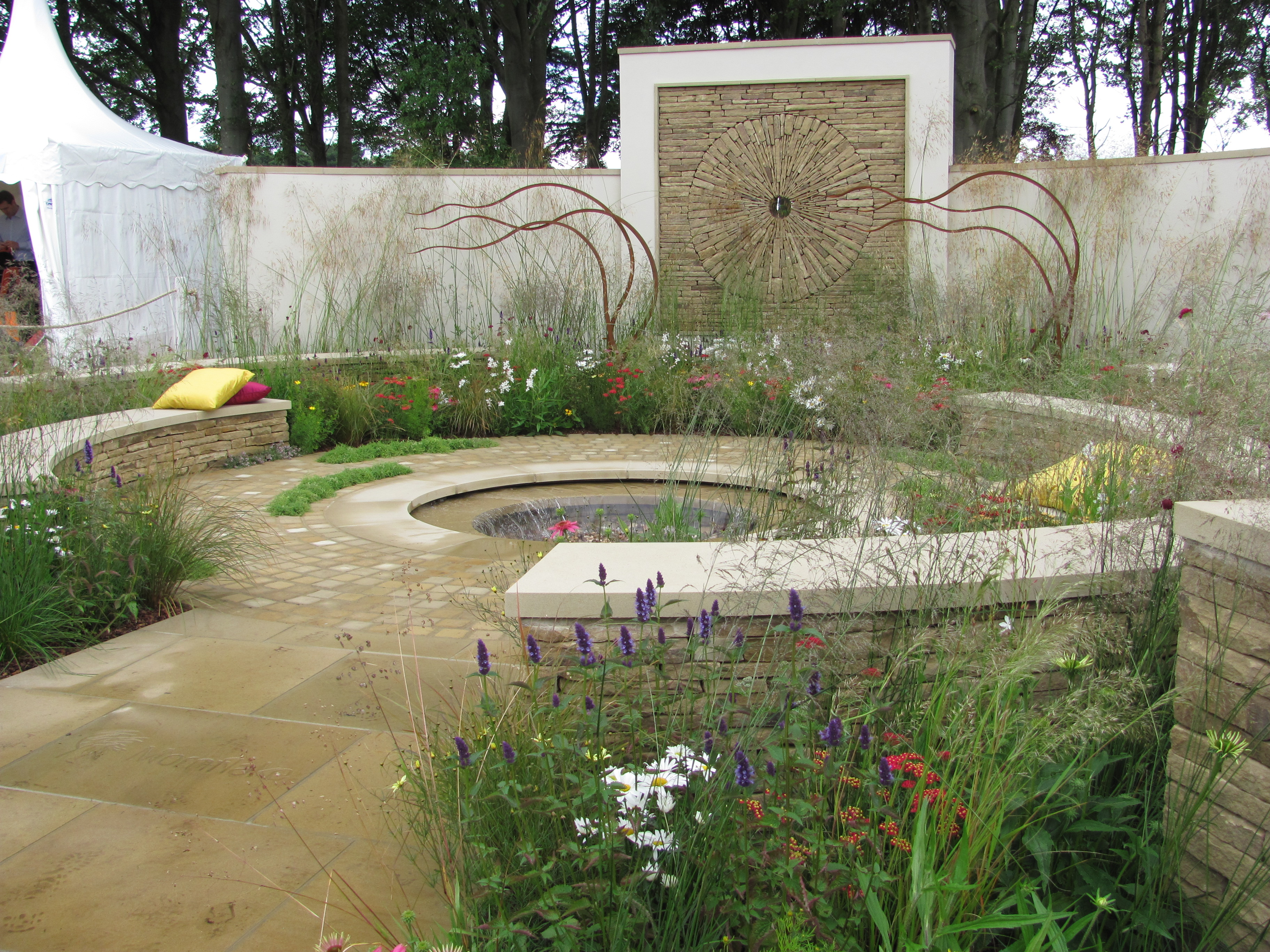
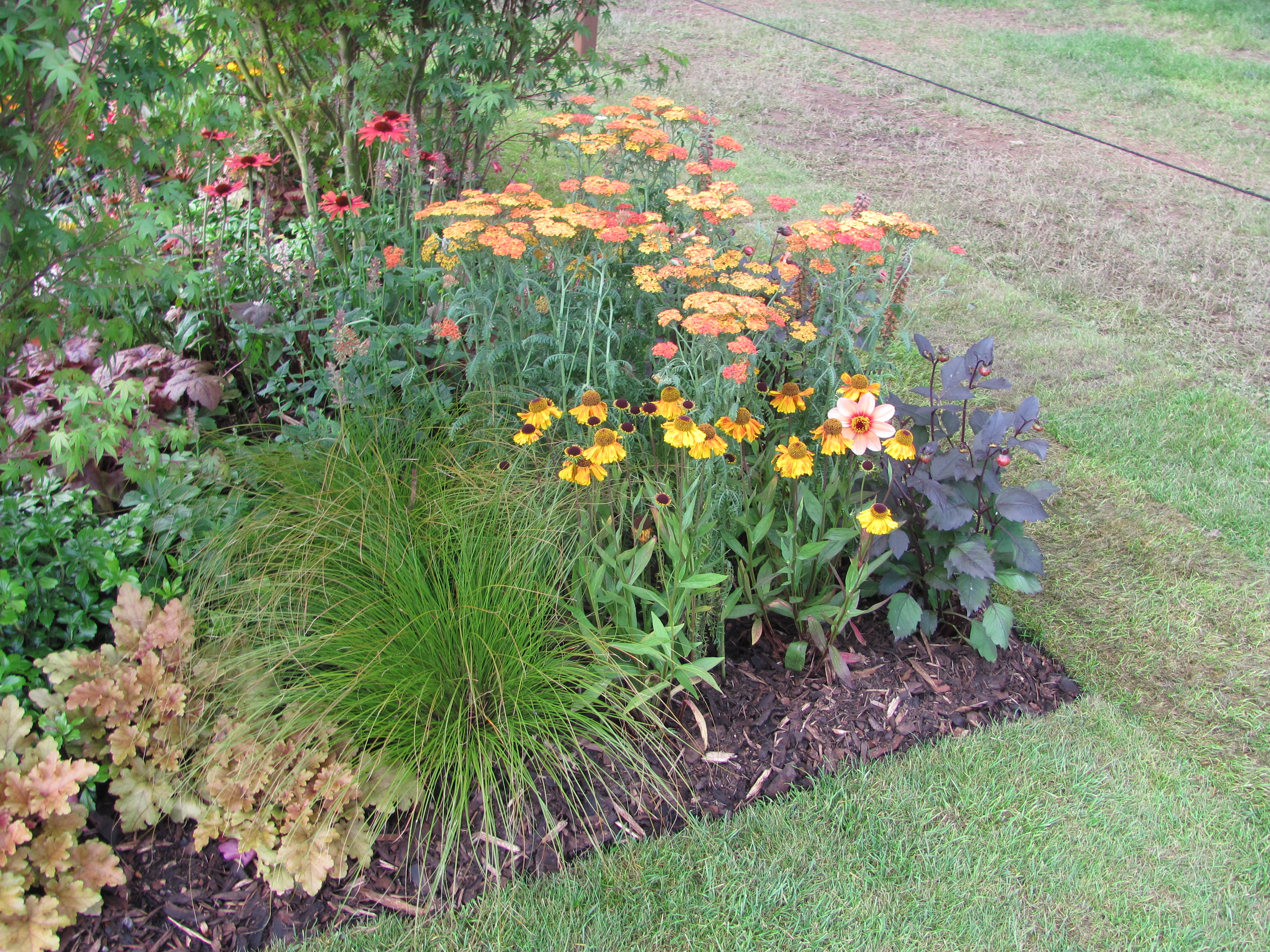
I begin looking at this set of gardens by featuring our favourite, a garden based on circles achieving a wonderful peaceful atmosphere through the planting which was light and wispy. It relied heavily on grasses to do so, with one planting area consisting of just grasses and one variety of allium.

It received the Best in Show award!

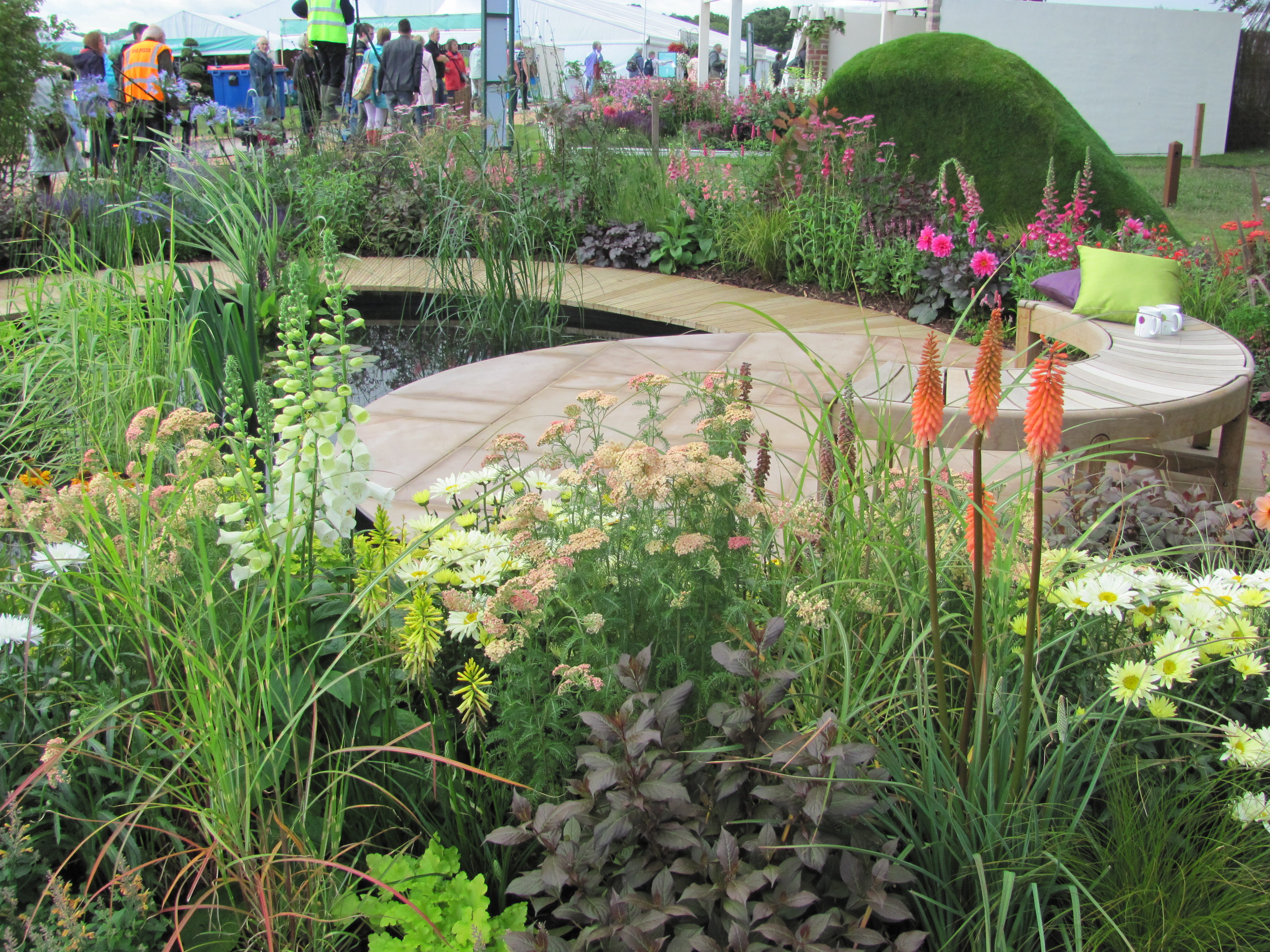
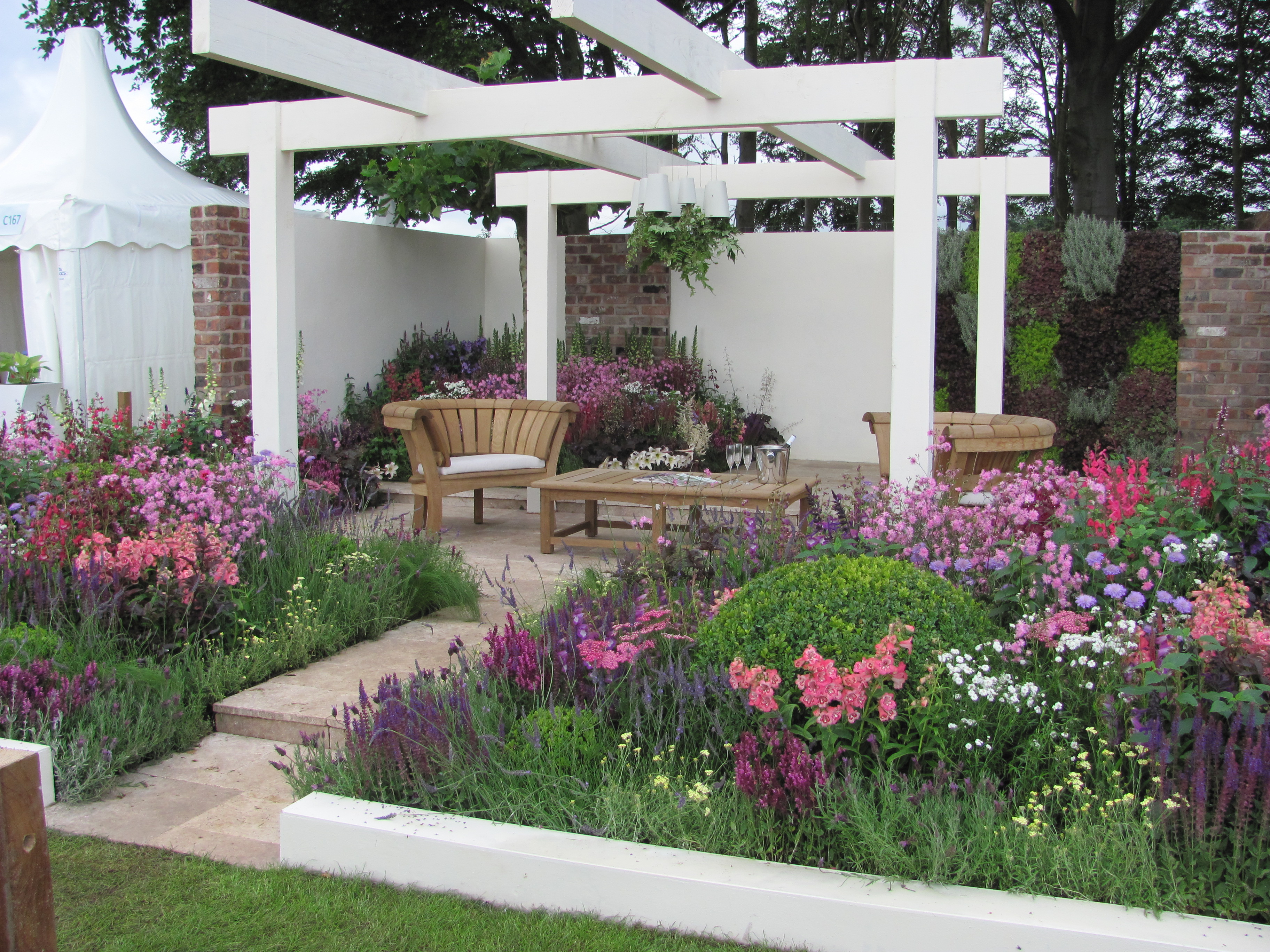
This show garden featured decking curves and colourful planting choice.

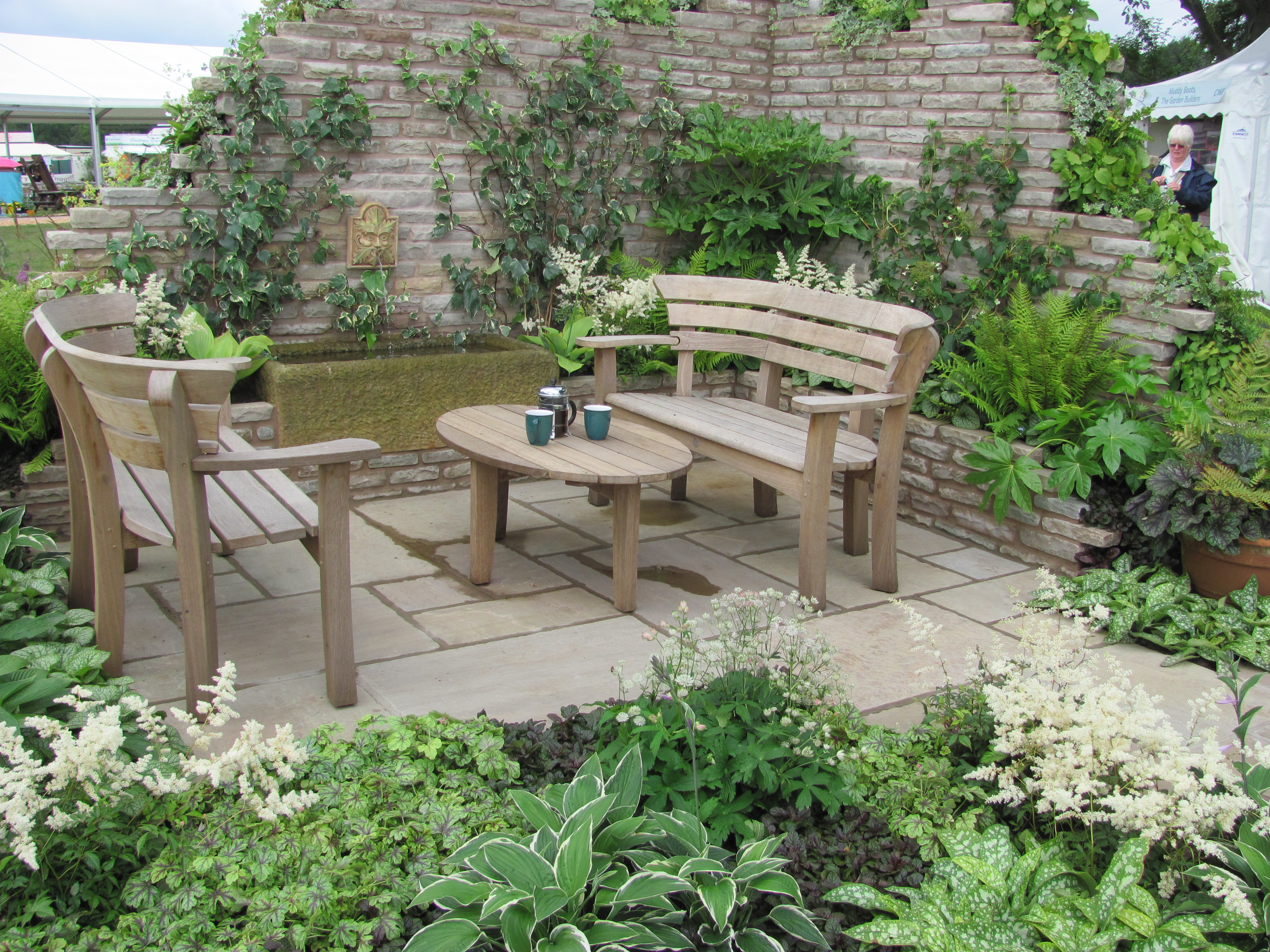
The next sequence of photos illustrates the wide variety of show gardens at Tatton. Enjoy the tour.

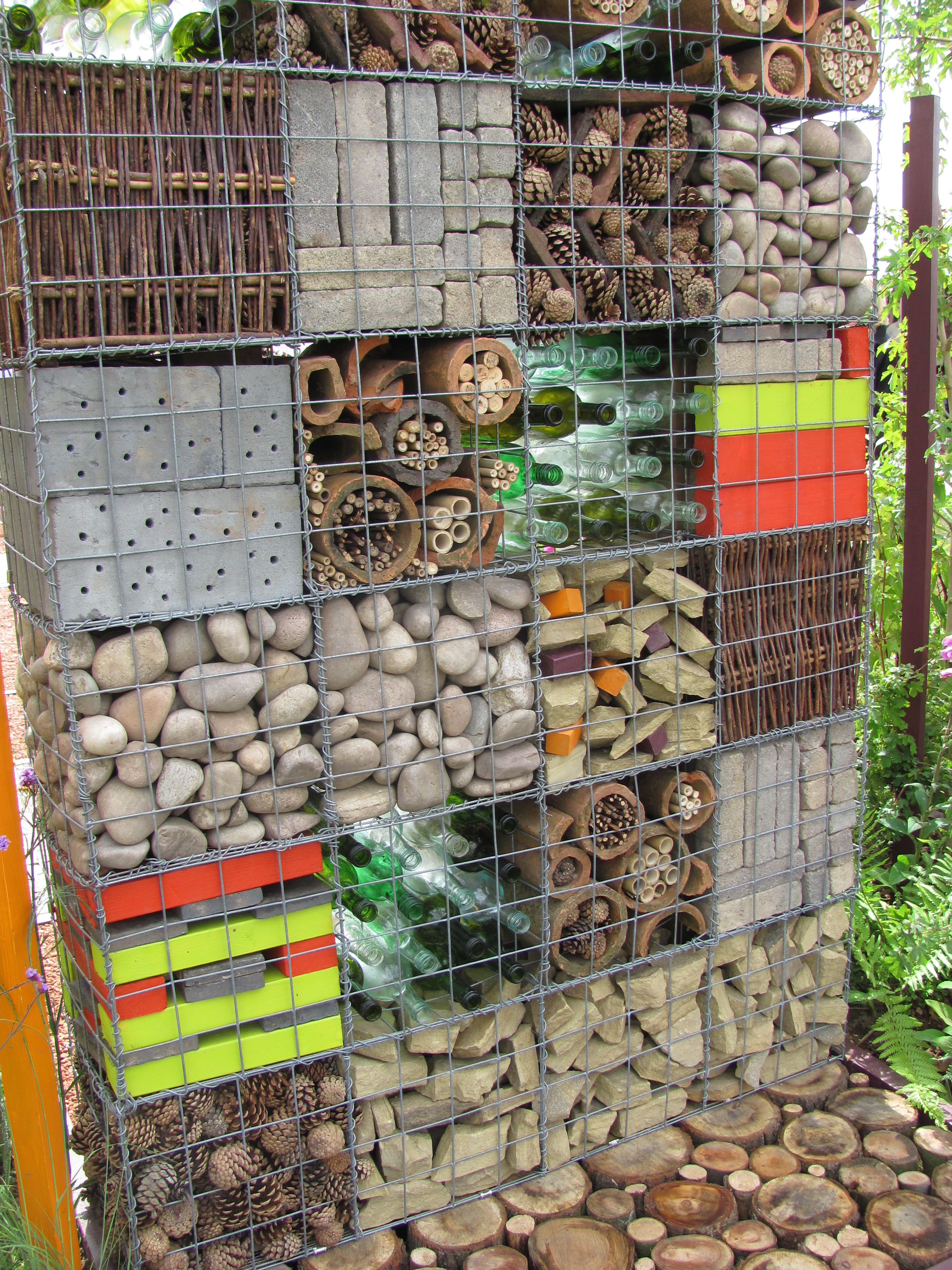
Once we had enjoyed the large show gardens we made a bee line for the garden designed by students and staff of Reaseheath College, partly because their garden is always so interesting with elements of attracting wildlife but also because this is the college where I followed some of my horticulture training several decades ago. This year their garden excelled, with such vibrancy in the planting and in its features. Again the design integrated beautiful features created to attract wildlife.

To finish my first post about the RHS Tatton Park Flower Show I want to share a couple of photos of children’s gardens celebrating the Queen’s Jubilee. In the next post we shall visit the Floral Marquee and the smaller show gardens.

This Veggie Life

A Vegetarian | Nature Lifestyle Blog

Rambling in the Garden

.....and nurturing my soul

The Arch City Gardener

Journeys In St. Louis Gardening and Beyond

Garden Dreaming at Châtillon

Consult the genius of the place

Storyshucker

A blog full of humorous and poignant observations.

gardeninacity

Notes from a wildlife-friendly cottage garden

PlayGroundology

...an emerging social science

The Official Blog of British Wildlife

'The most important and informative publication on wildlife of our times' - The Independent. This blog is a member of The UK & Ireland Natural History Bloggers group: www.uknhb.blogspot.com

iGrowHort

Inspire - Cultivate - Grow Native Plants - Restore Landscapes

Bishops Meadow Trust

To create and protect a semi-natural wild space for the people of Farnham to enjoy and experience an array of British wildlife in our town

Gardening with Children

The www.gardeningwithchildren.co.uk Blog

UKbirdingtimeline

birding through the seasons, why birds matter and how to conserve them

NATURE WALKER

with a camera in hand

Jardin

Transform your outdoor space

Eva's space

My allotment, cooking and other interests

Old School Garden

my gardening life through the year

LEANNE COLE

Trying to live a creative life

fromacountrycottage

trying to live as lightly as possible on our beautiful planet

Good Life Gardening

Nature lovers from Leicester living the good life.

mybeautfulthings

Finding the beautiful in the everyday

mawsonmichelle

Michelle's Allotment

In and Out of My Garden

thoughts from and about my garden

Greenhousing

Big plans for a small garden

The Scottish Country Garden

A Walled Country Garden in South East Scotland

The Fruity Chicken

Life at the fruity chicken

willowarchway

Off grid living. Self sufficient. "PERMAGANICS RULE".

St Anns Allotments

Nottingham's Grade 2* Listed Allotments and Community Orchard

Manifest Joy Harvests

a journey in suburban vegetable gardening

Allotmental

The madness of growing your own

Penny's Garden: a harvest beyond my front door

A novel approach to vegetable gardening

arignagardener

Sustainable living in the Irish countryside.

NewEnglandGardenAndThread

Master Gardener, amateur photographer, quilter, NH native, and sometimes SC snowbird

dianajhale

Recent work and work in progress and anything else that interests me

planthoarder

a chaotic cottage gardener

Lens and Pens by Sally

a weekly blog that creates a personal philosophy through photographs and words

Dewdrops and Sunshine

Stories from a sassy and classy Southern farmbelle.

The Pyjama Gardener

Simple Organic Gardening & Seasonal Living

gettin' fresh!

turning dirt into dinner

JOY...

today the world is created anew

Garden Birds

Notes from a Devon garden

ShootAbout

Life Through The Lens

Adapting Pixels

A photography blog showcasing the best photography pictures and videos on the internet

Wildlifegardening's Blog

Just another WordPress.com site

naturestimeline

personal observations from the natural world as the search continues for a new approach to conservation.

LATEBLOOMERBUDS

The Wonders of Life through my Eyes, my Heart, my Soul