Categories
colours flowering bulbs garden design garden photography gardening gardens hardy perennials ornamental trees and shrubs shrubs South Shropshire spring spring bulbs spring gardening trees village gardens Yellow Book Gardens

My Garden Journal 2019 – May

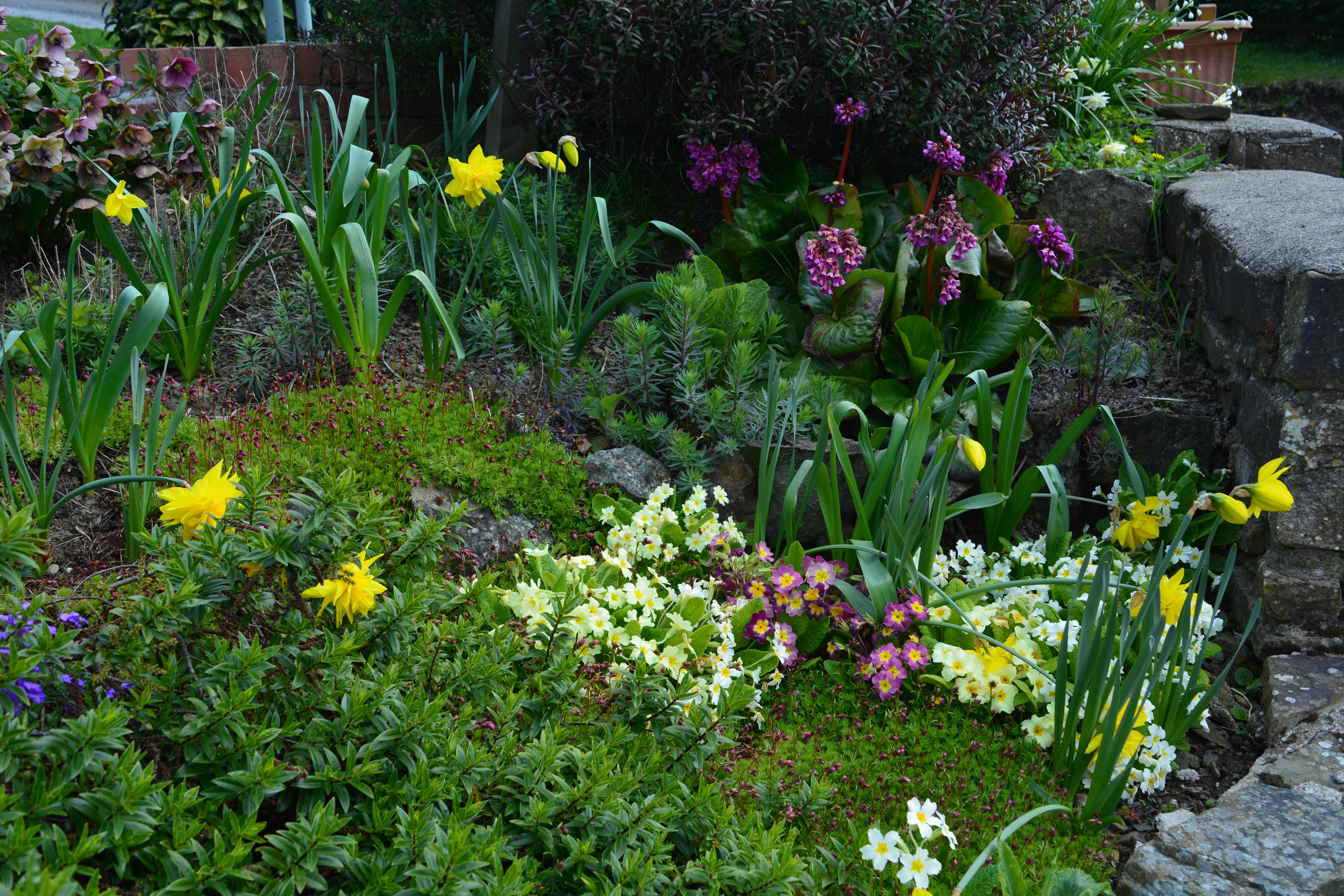
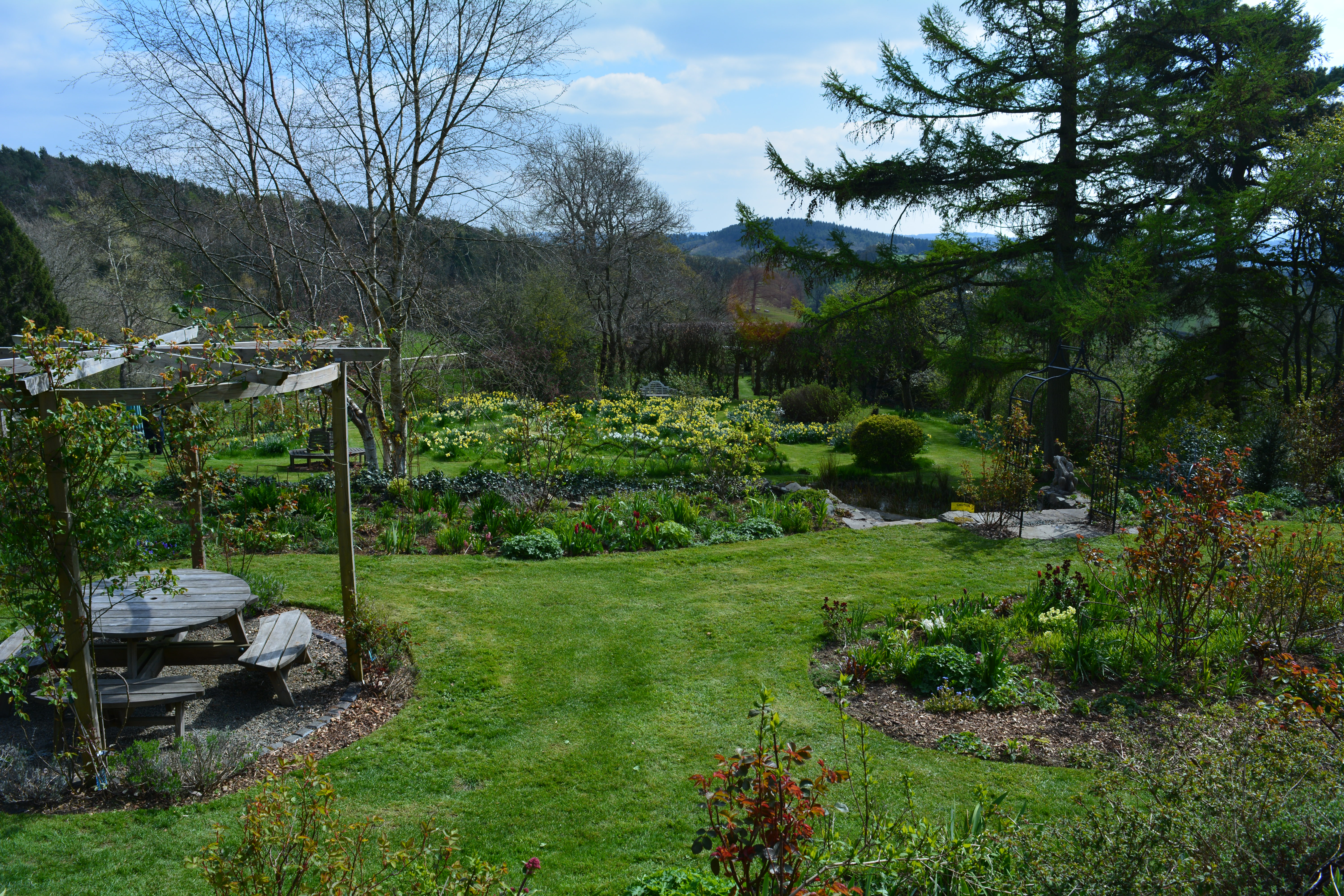
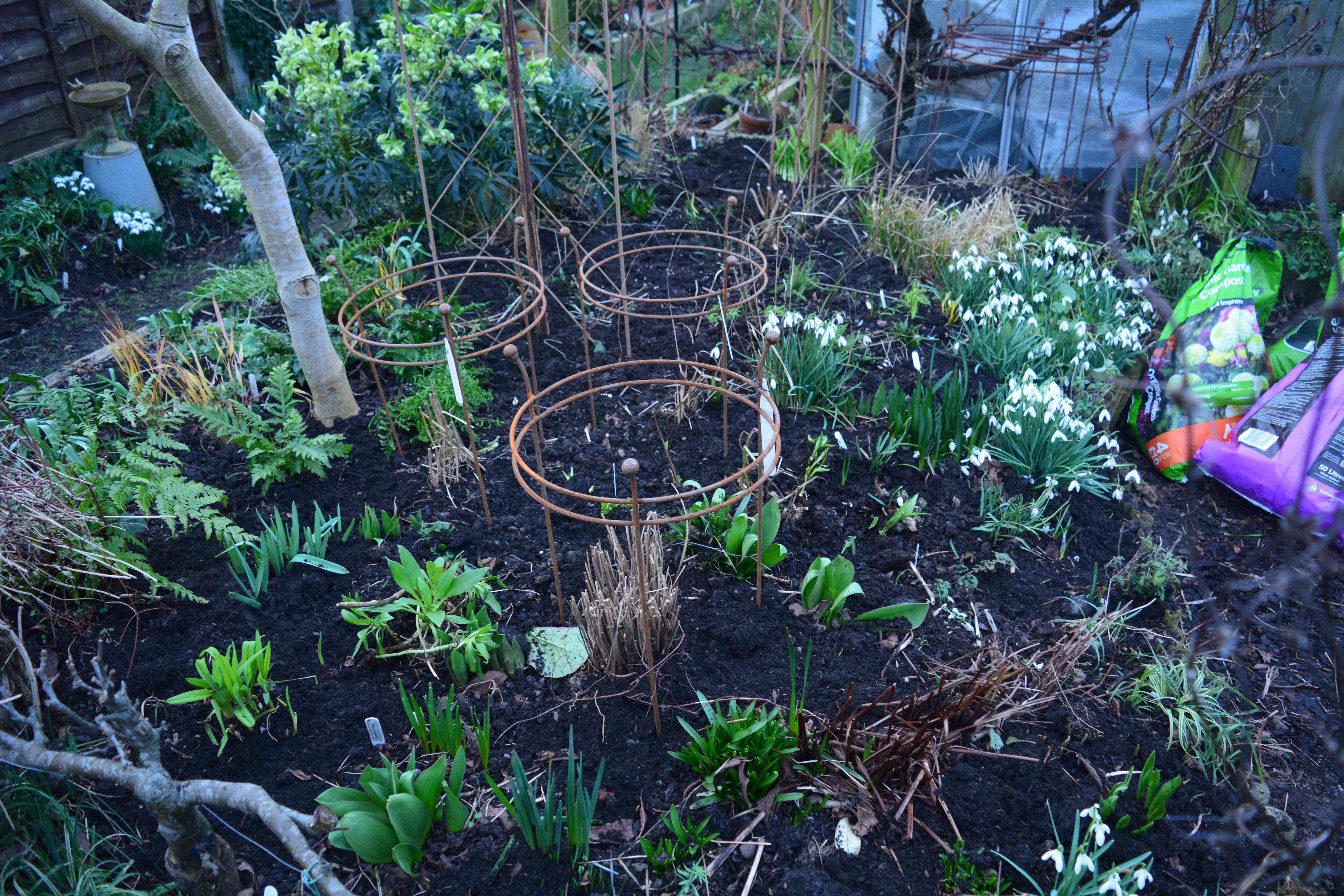
It is the last month of spring and the garden is alive, everything is thriving and growing apace. But the weather is still confusing our plants. Towards  the end of the month we had a few daffodils still in flower alongside normal May flowering plants. Here is my journal entries for the month.

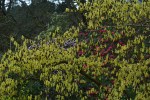
I started by referring back to the weather in April, “April disappeared without giving us a day of ‘April showers’, the garden is still confused by the weather but we carry on enjoying being outside whatever the weather. The garden seems weeks ahead of where it should be, with trees and shrubs flowering and leafing out of season. May is a great month for flowering shrubs, using their fresh foliage as a foil.” I followed with photographs of just a few of our flowering shrubs.
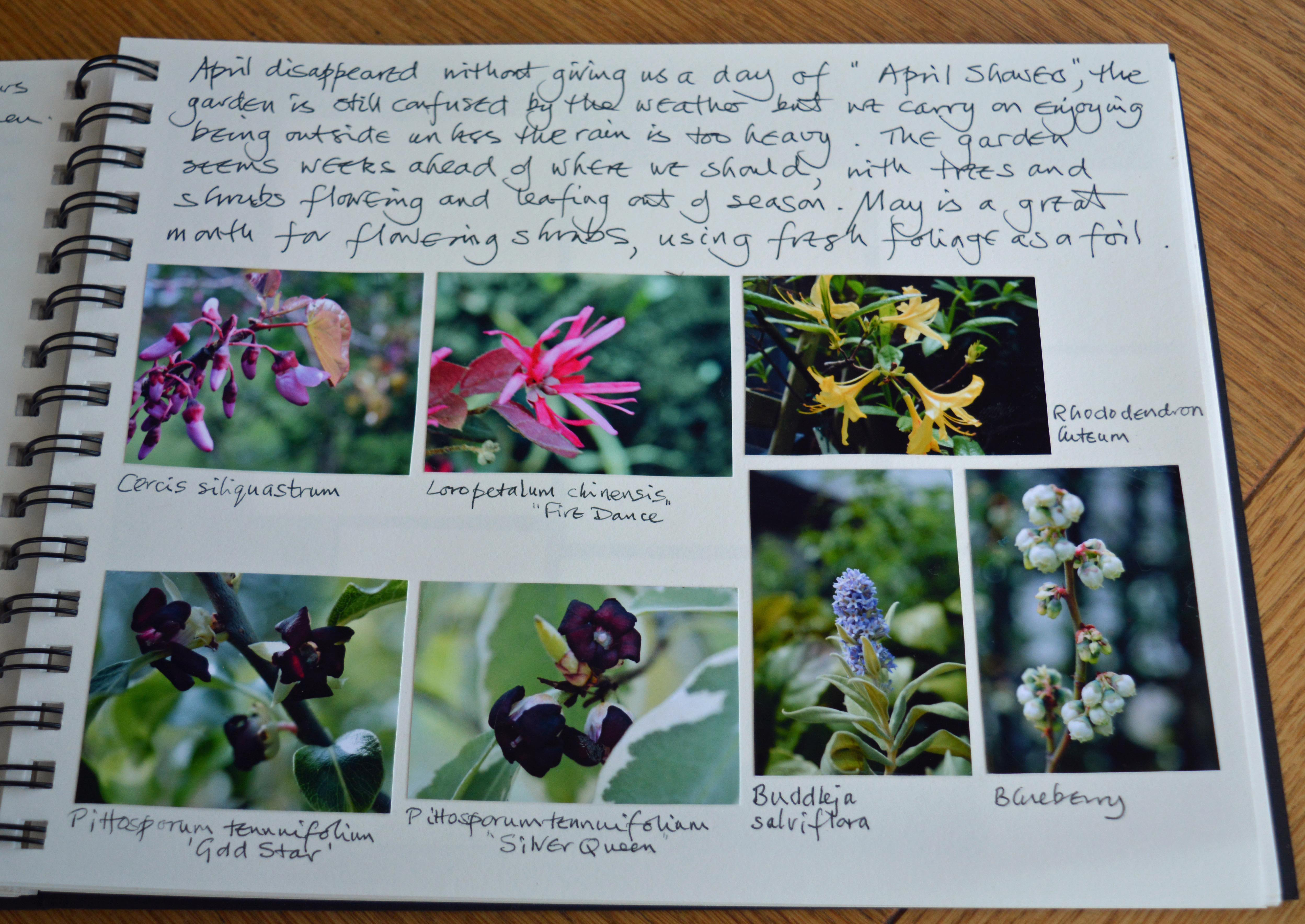
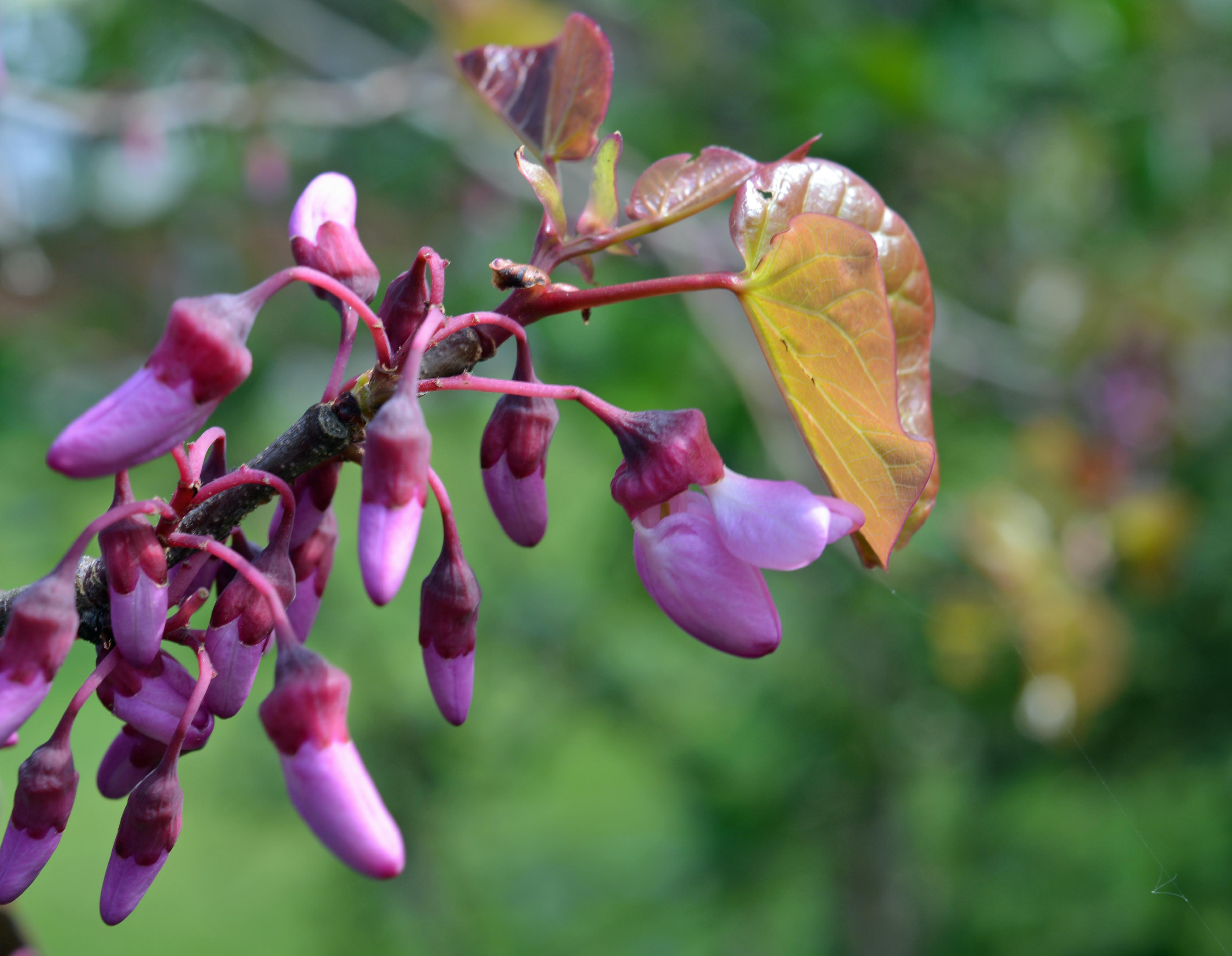
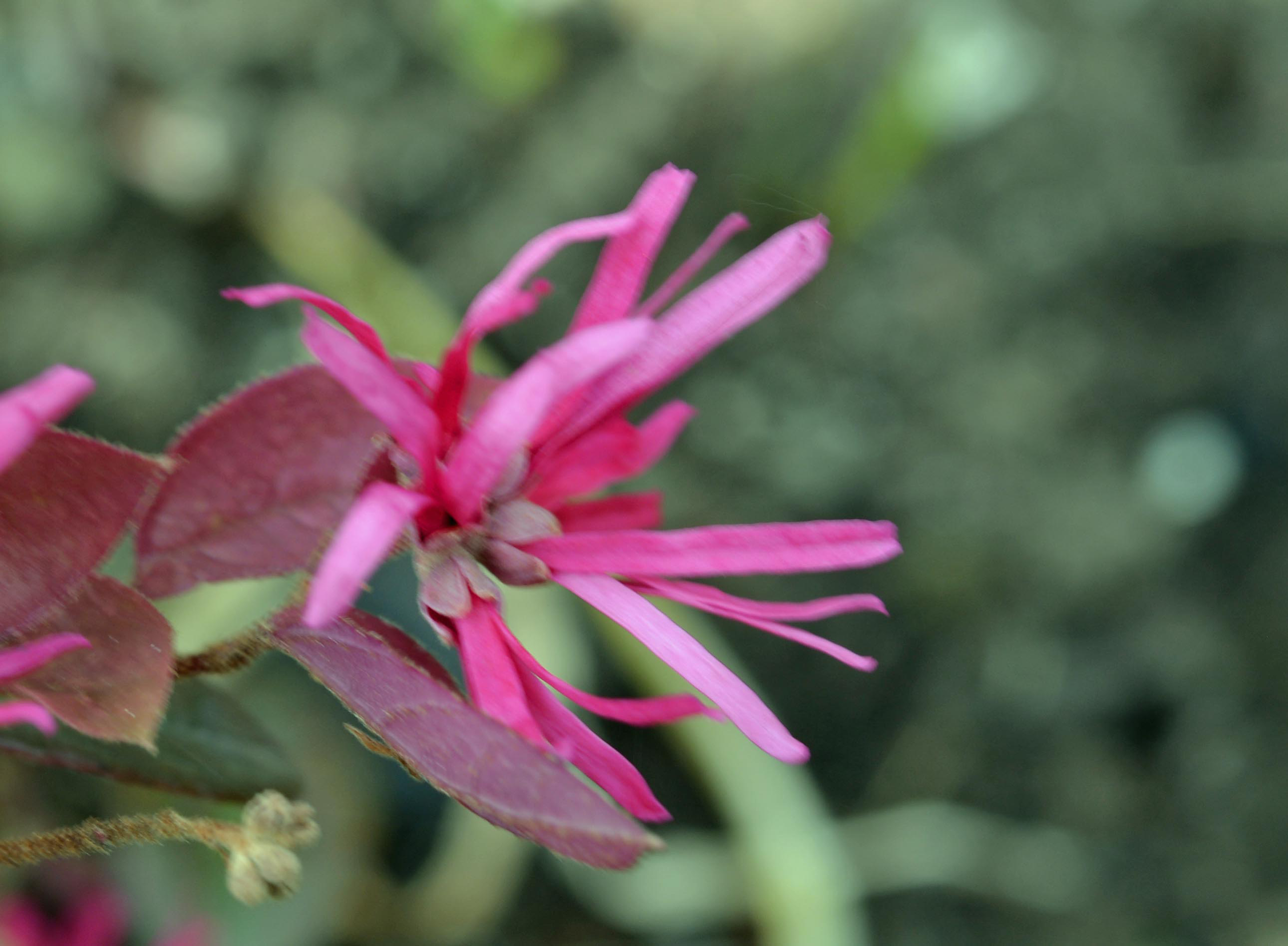
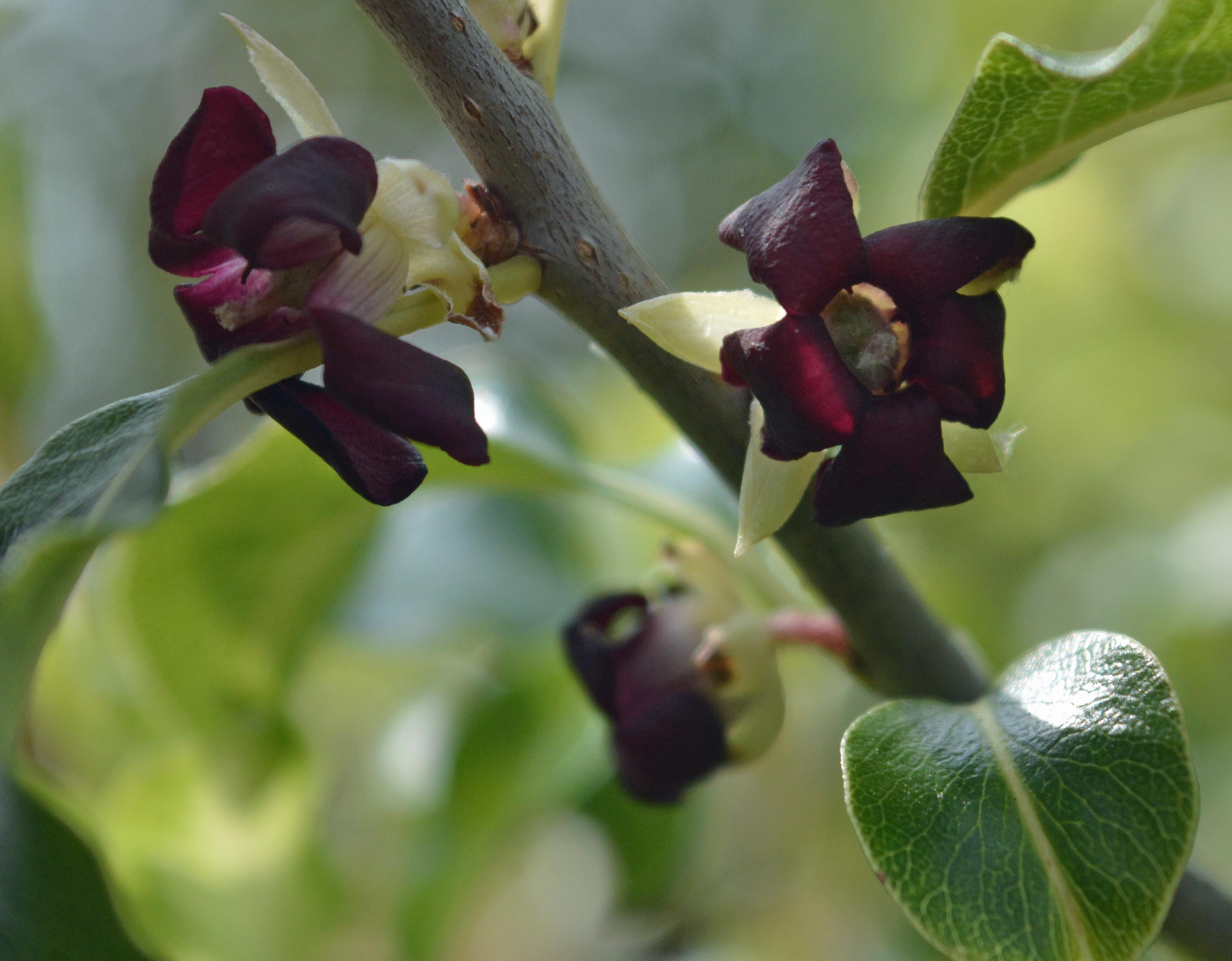
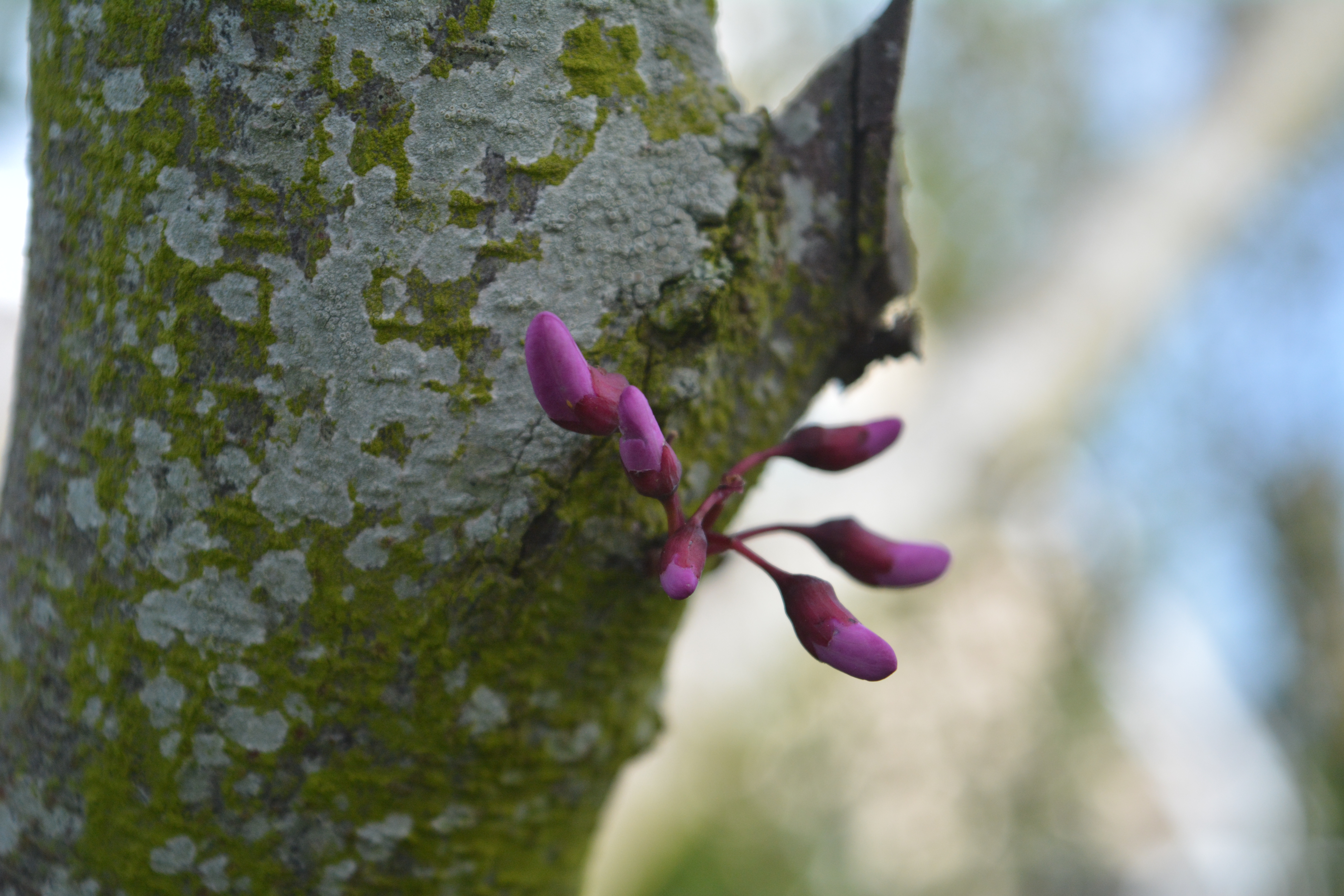
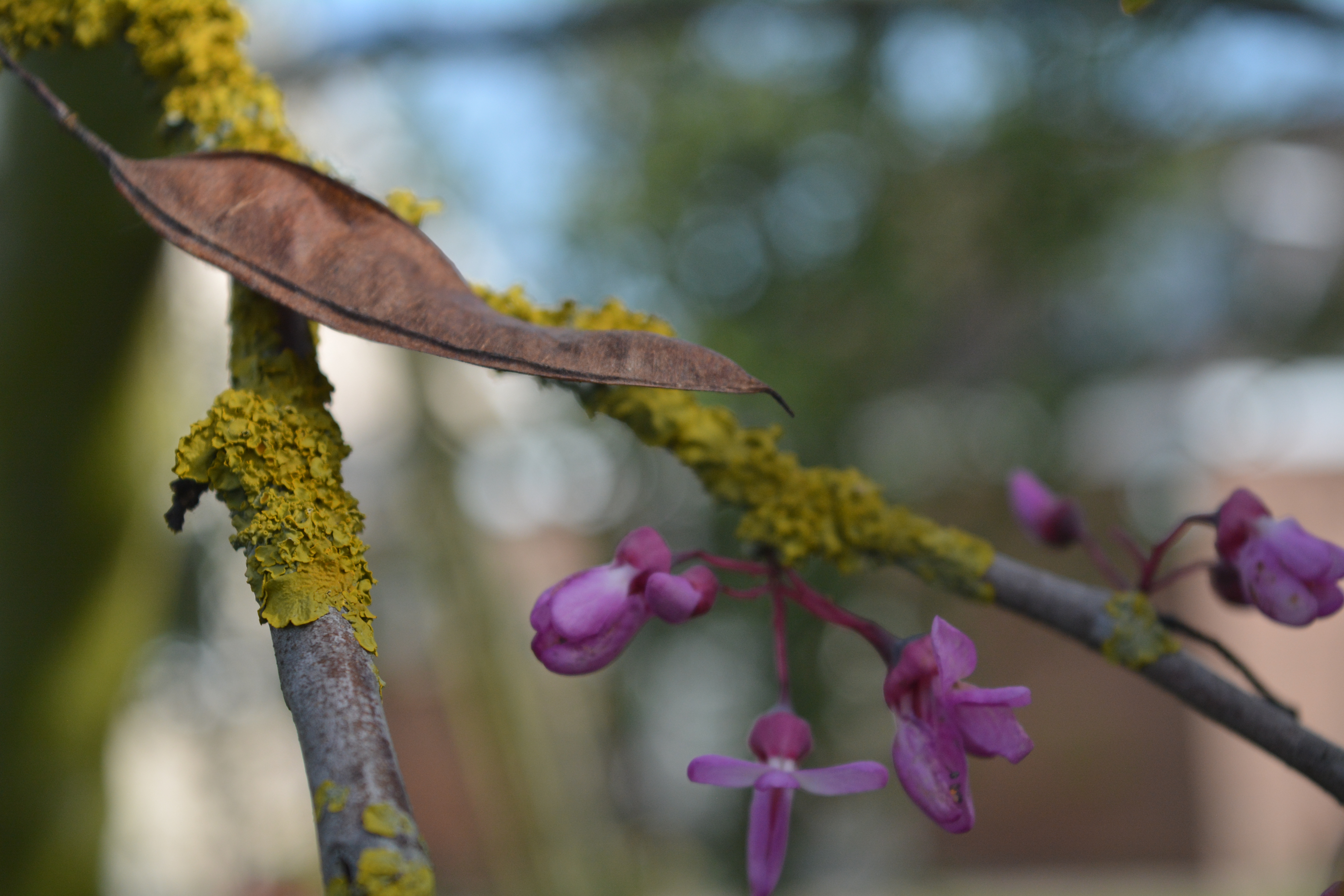
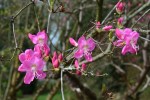
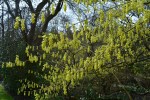
Cercis siliquastrum                                             Loropetalum chinensis “Fire Dance”

Azalea luteum                                                               Pittosporum tennuifolium ‘Gold Star’

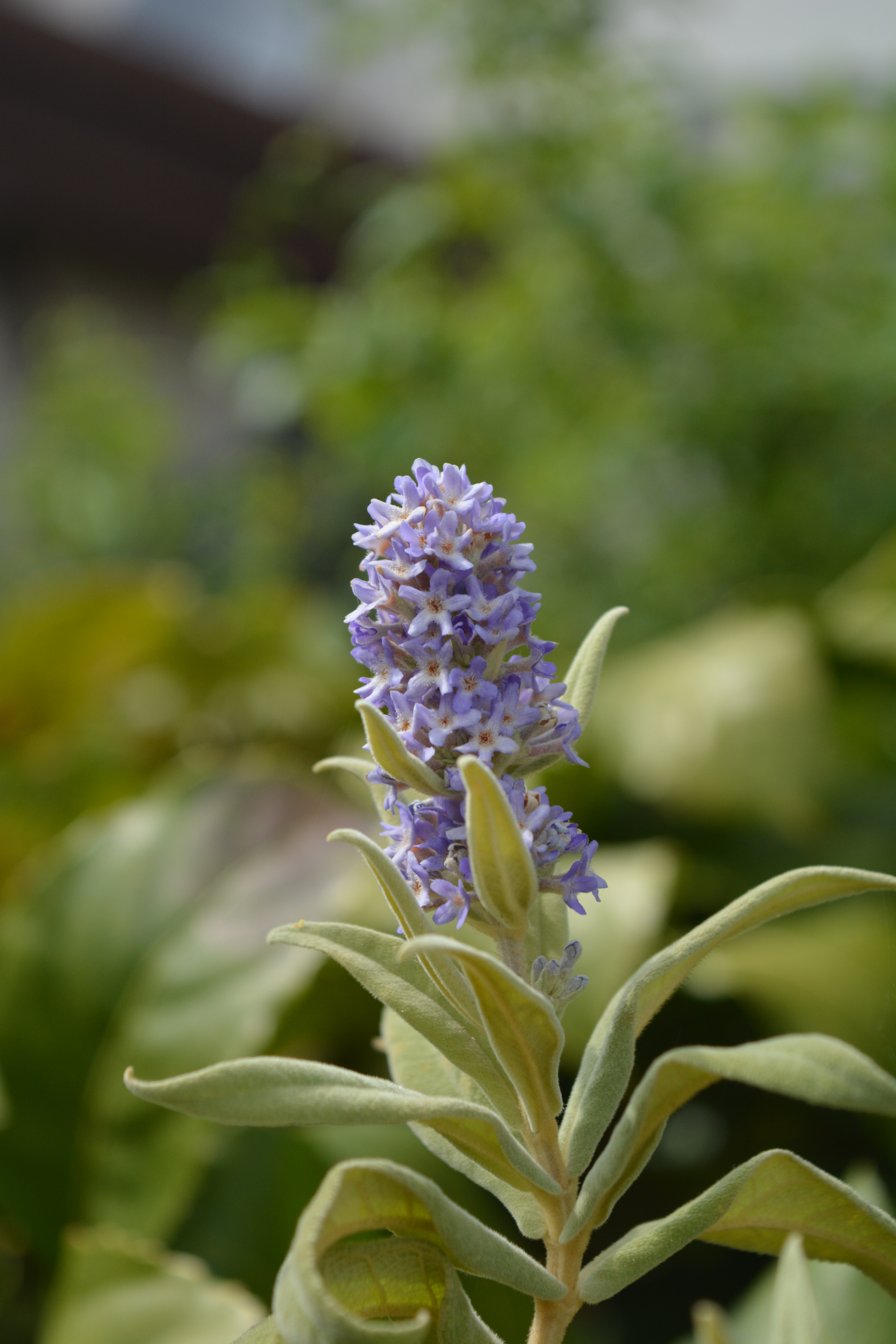
Pittosporum tennuifolium ‘Silver Queen’                   Buddleja salviflora

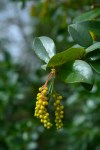
Blueberry

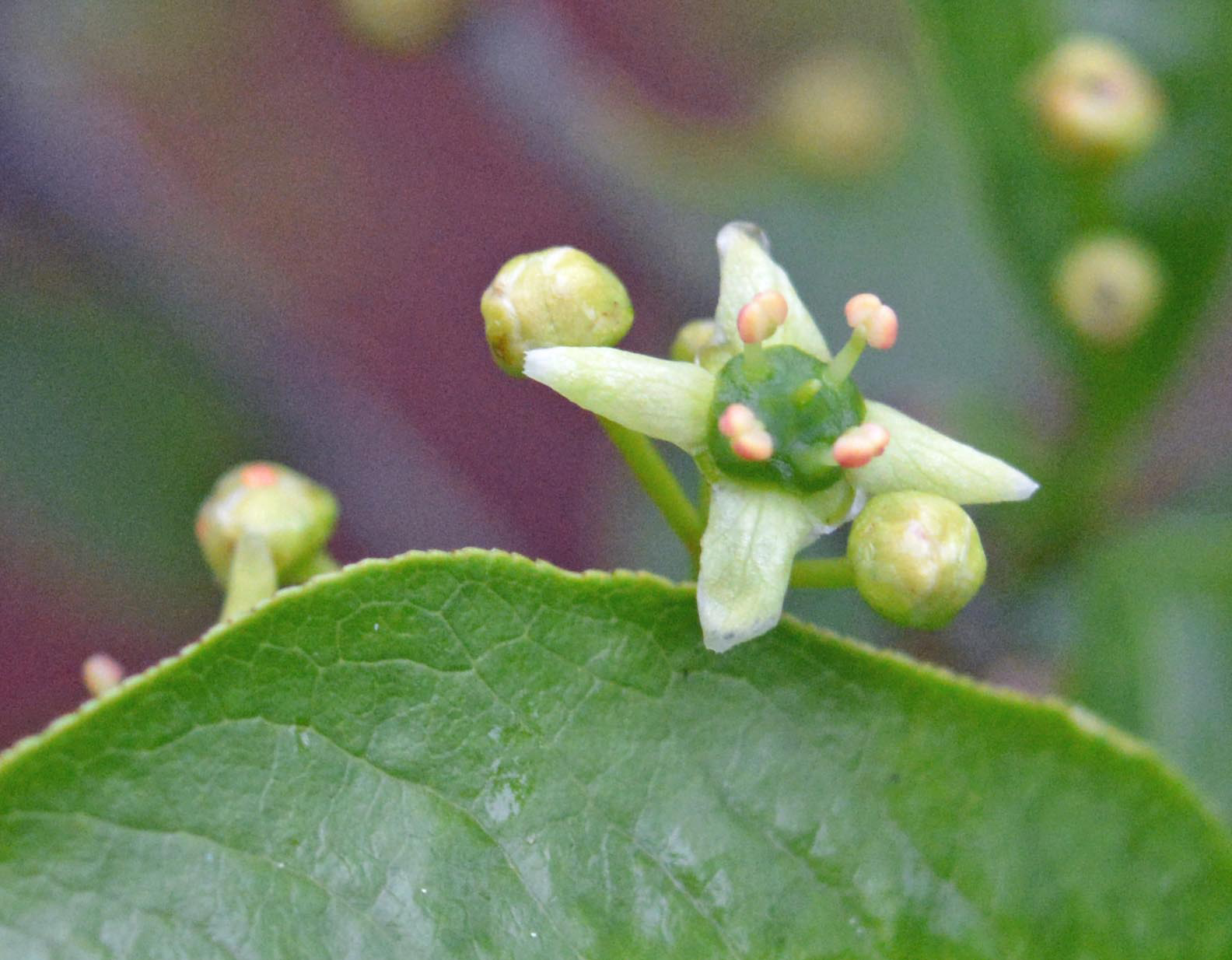
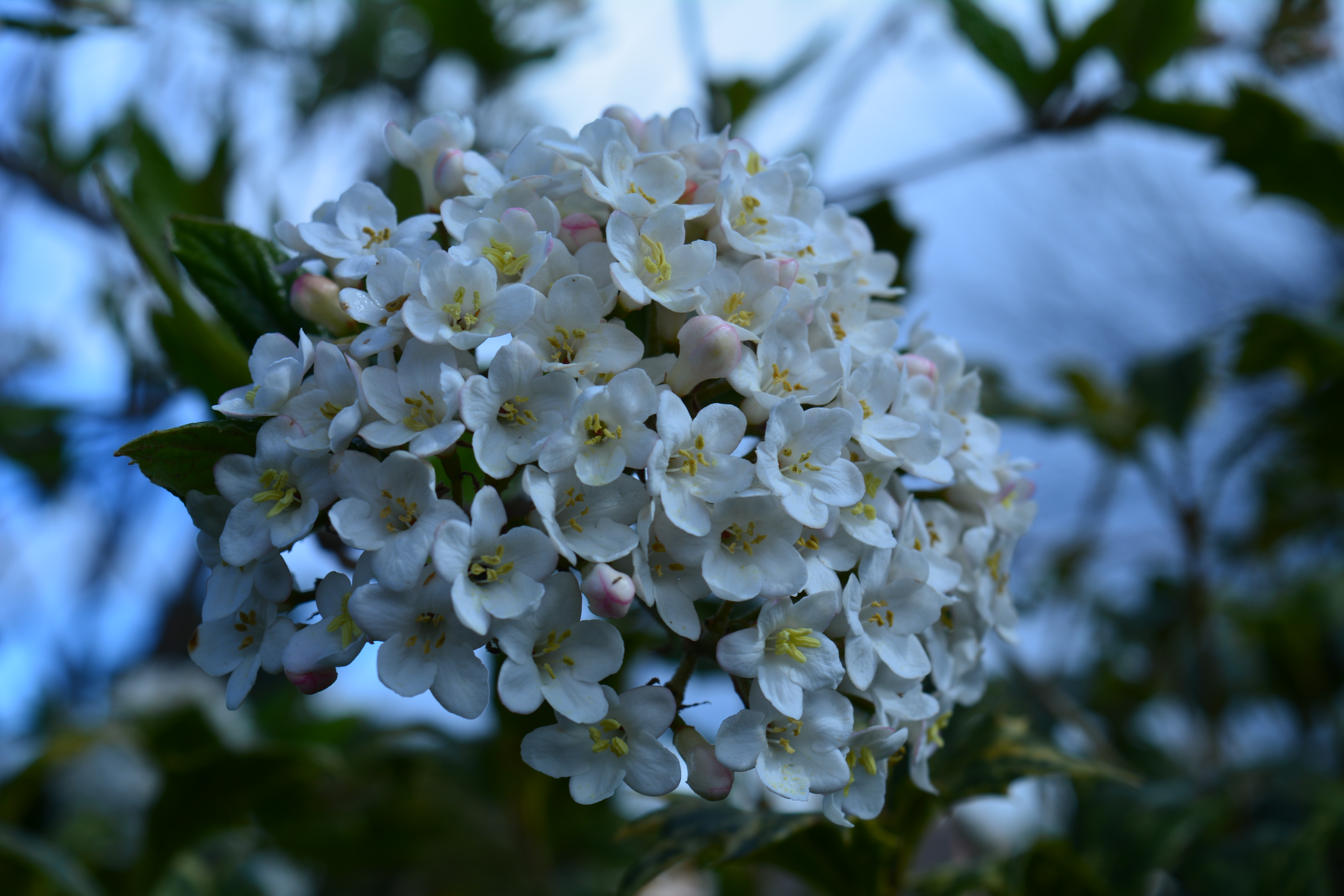
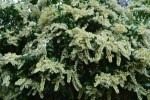
Over the page I continued by writing, “In May many of our flowering shrubs have white or off-white coloured flowers such as Viburnums in variety, Aronia and deciduous Euonymus.”

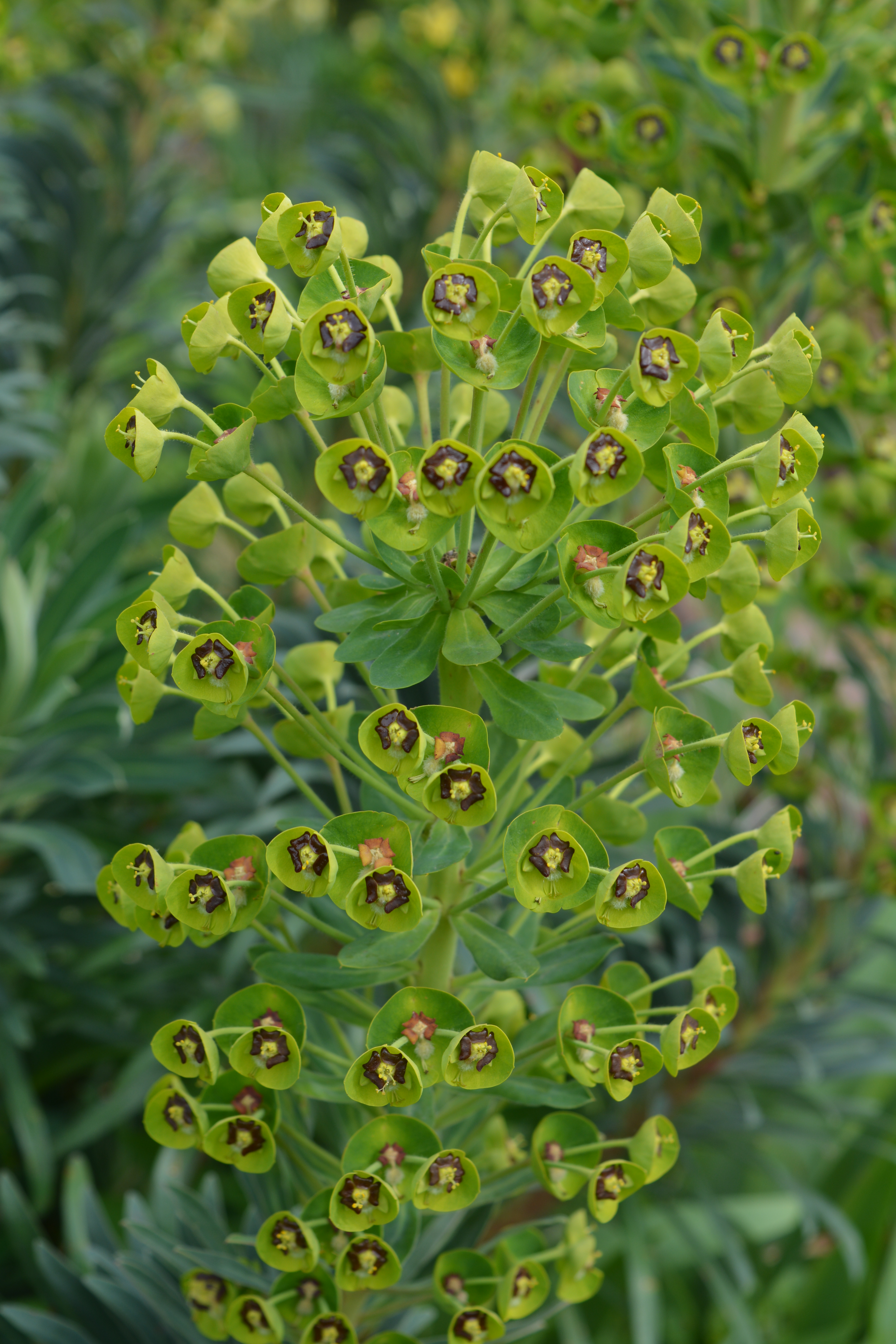
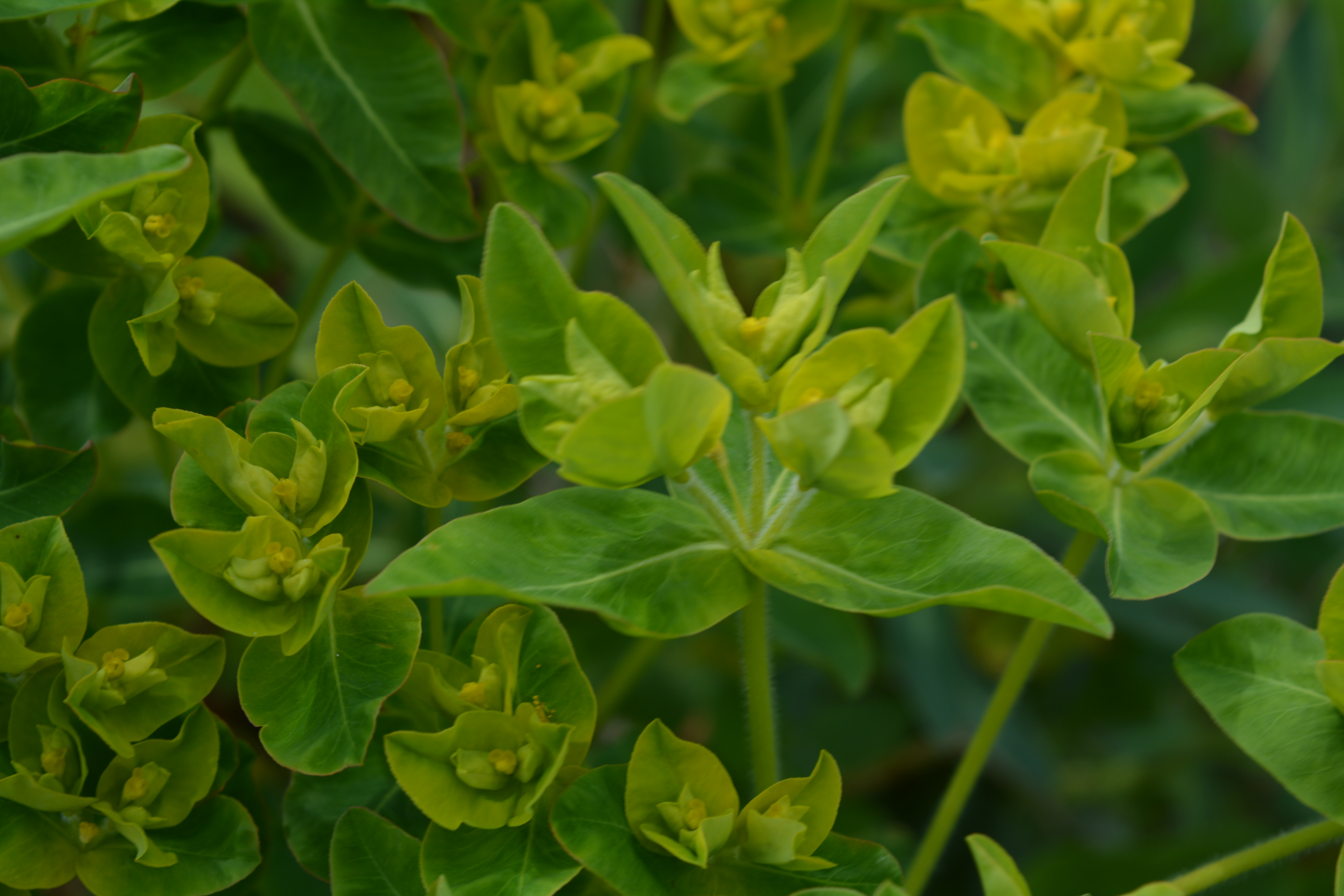
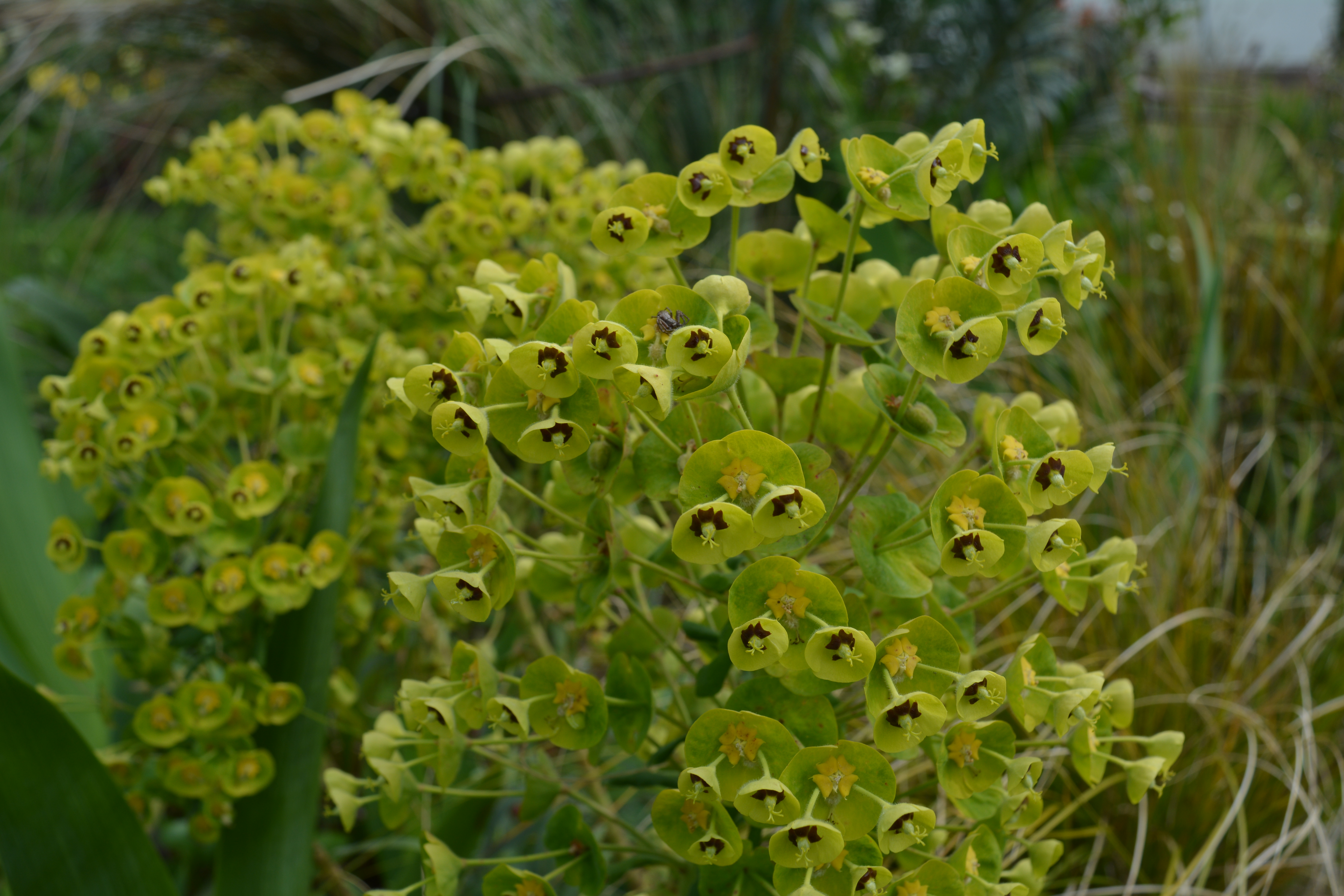
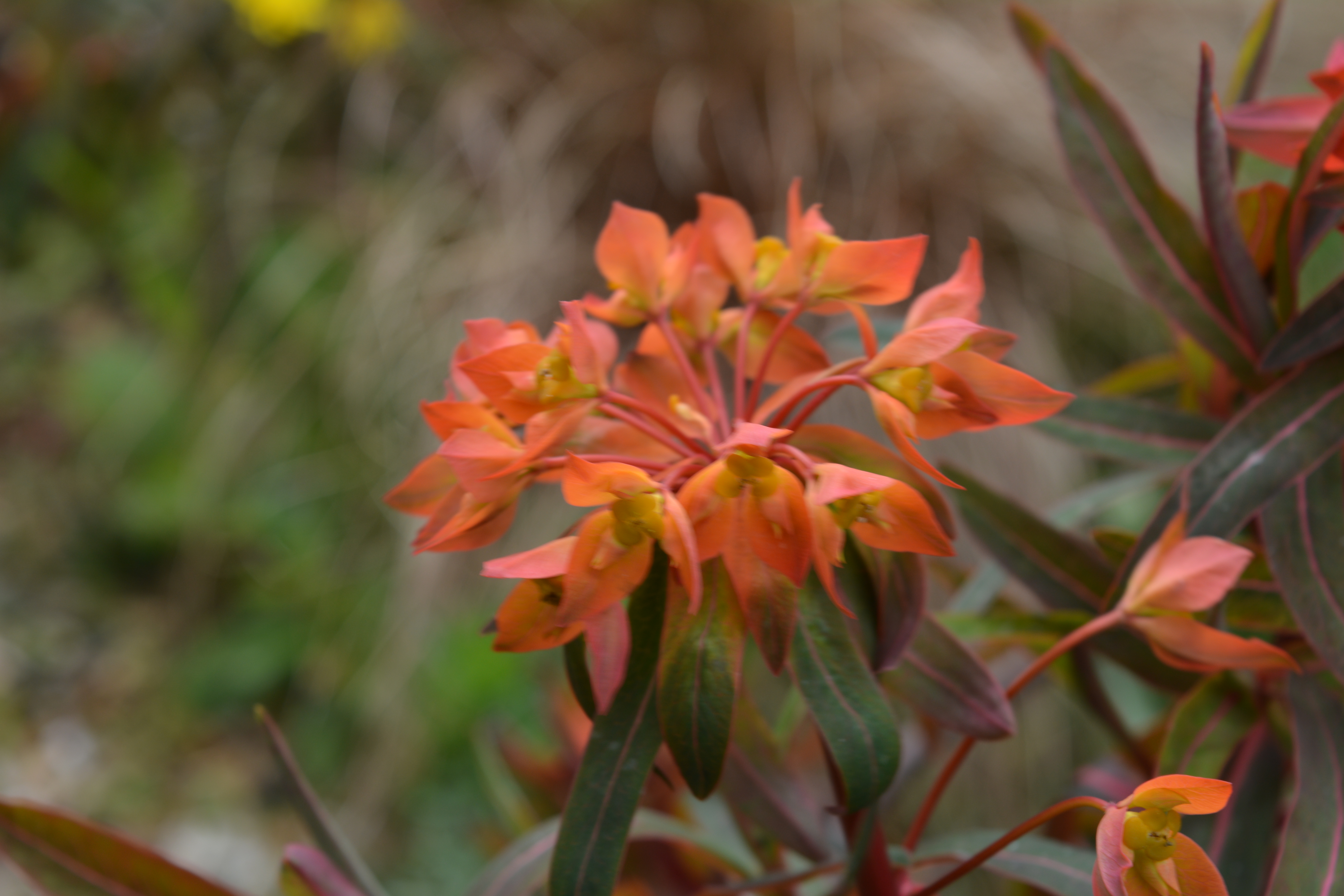
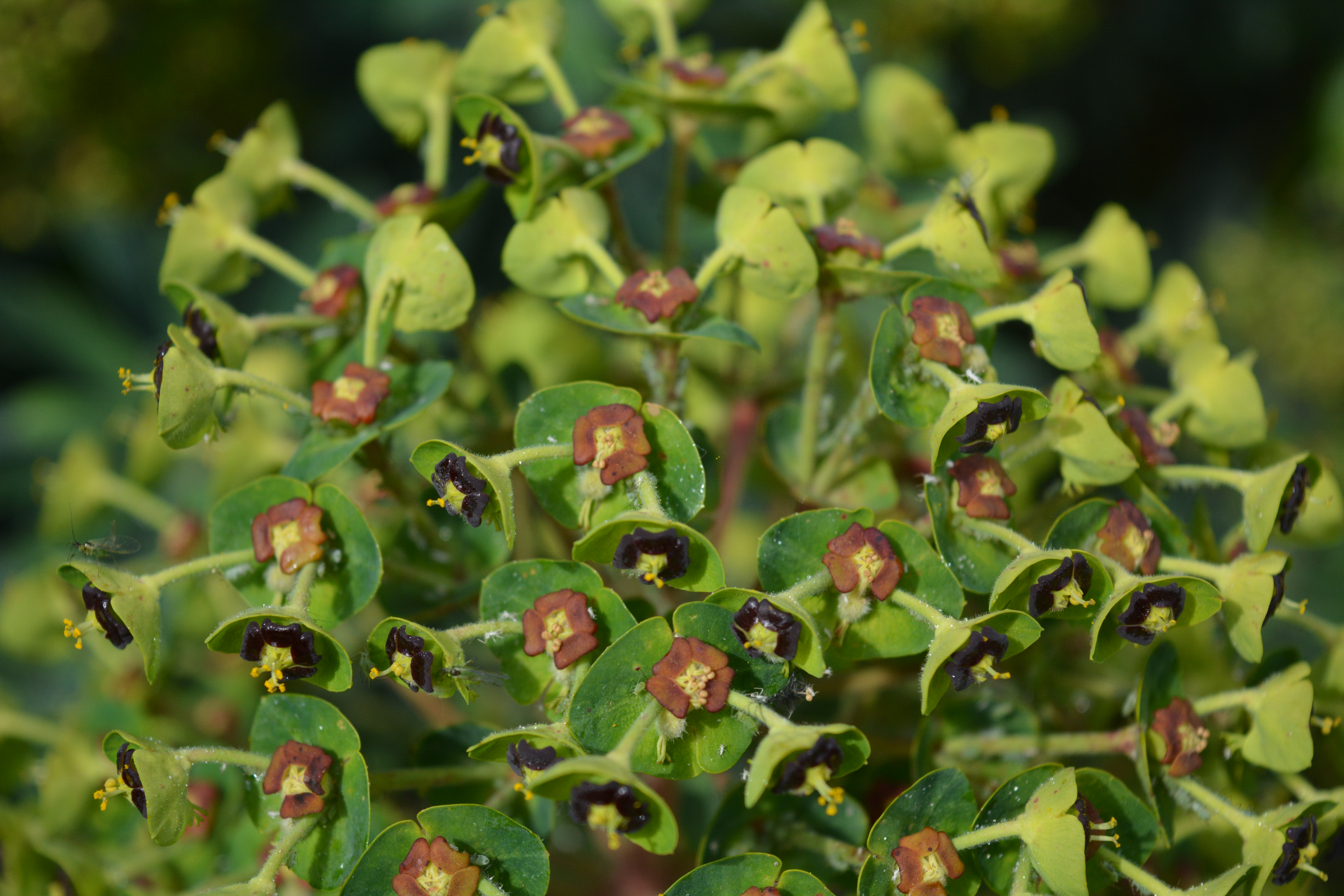
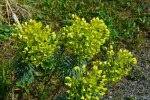
On the opposite page Euphorbias take over, a plant that fills our garden with its bright chartreuse, yellow and green. It is a very exciting plant family.
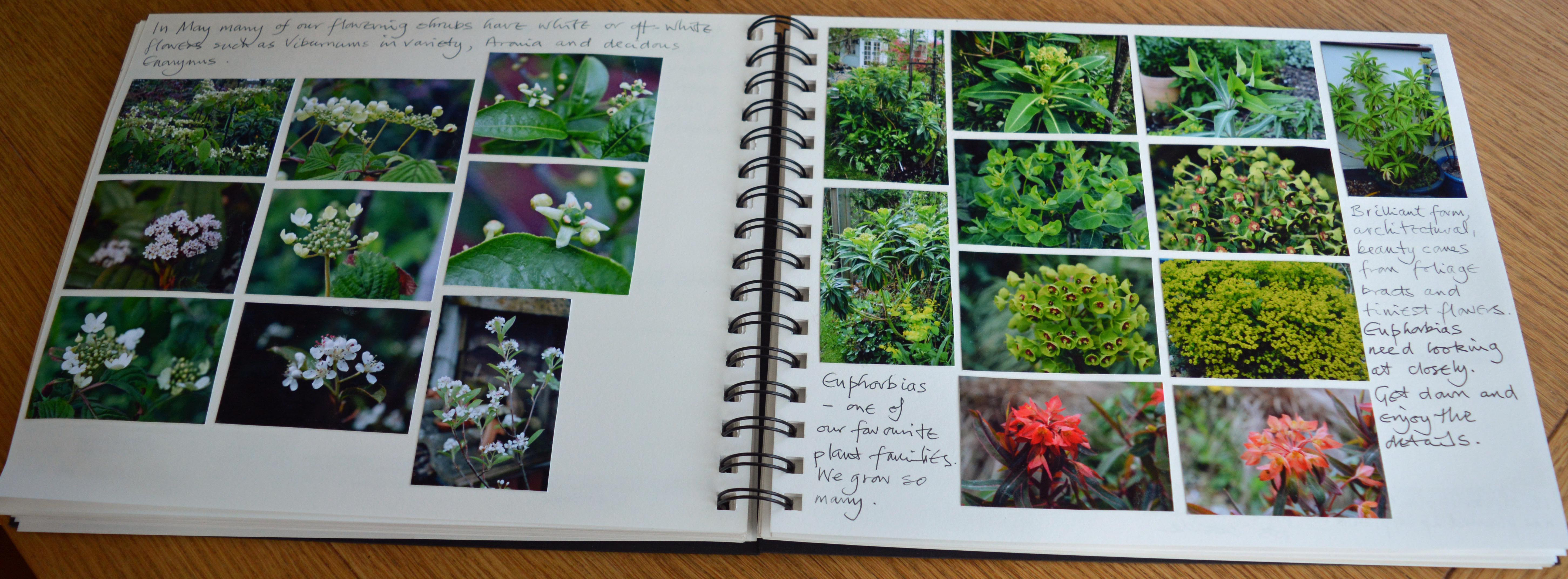
“Euphorbias -one of our favourite plant families. We grow so many! Brilliant form, texture and architectural beauty comes from foliage, bracts, stems and the tiniest of flowers. Euphorbias deserve looking at closely. Get down and enjoy the details.”

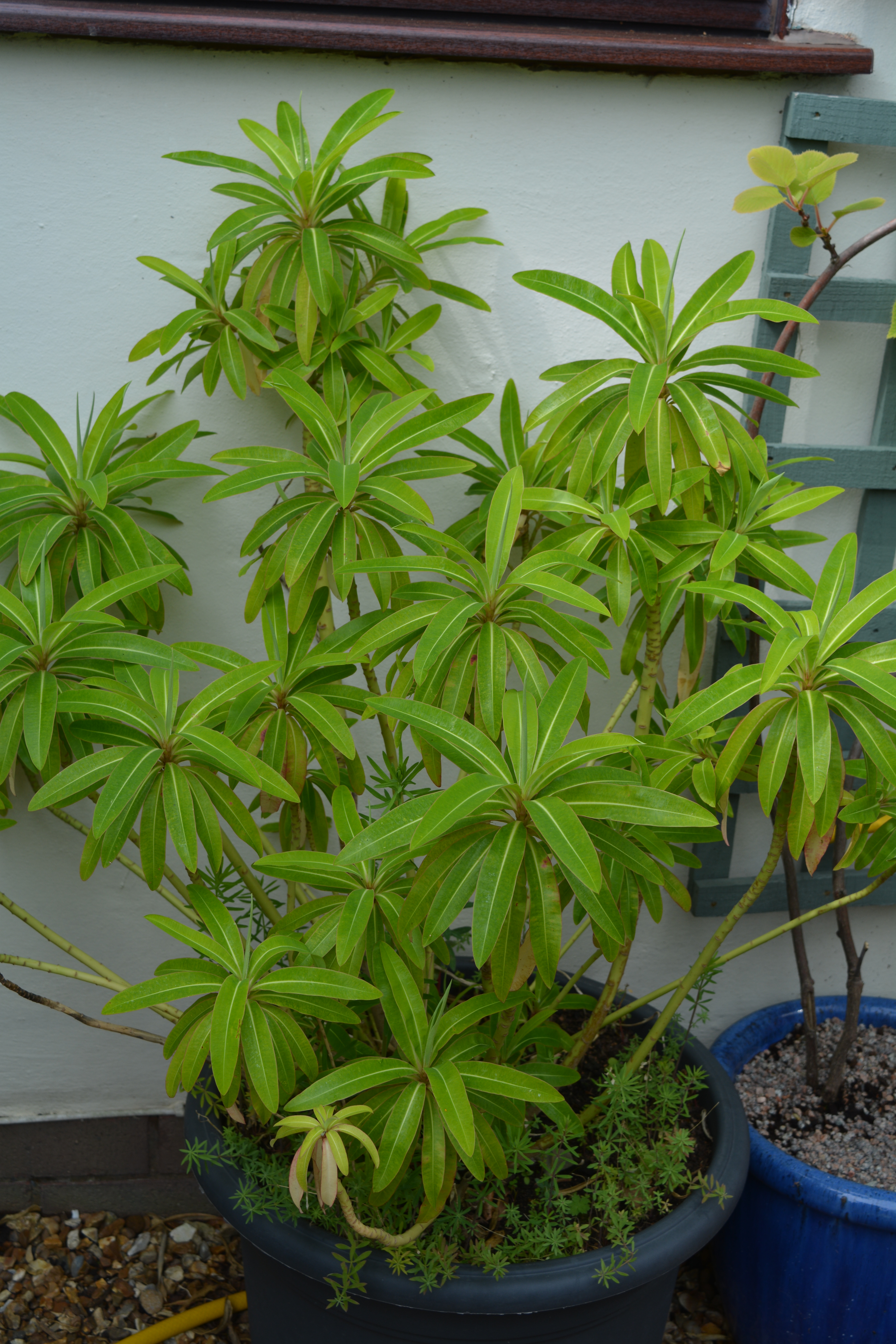
    

Turning over to the next double page we move from Euphorbias to garden jobs and the far more delicate perennial Violas.

“May is a busy month in our Avocet patch, a month when we are still deadheading spring-flowering bulbs and beginning regular mowing and edging of our grass paths and lawns.”
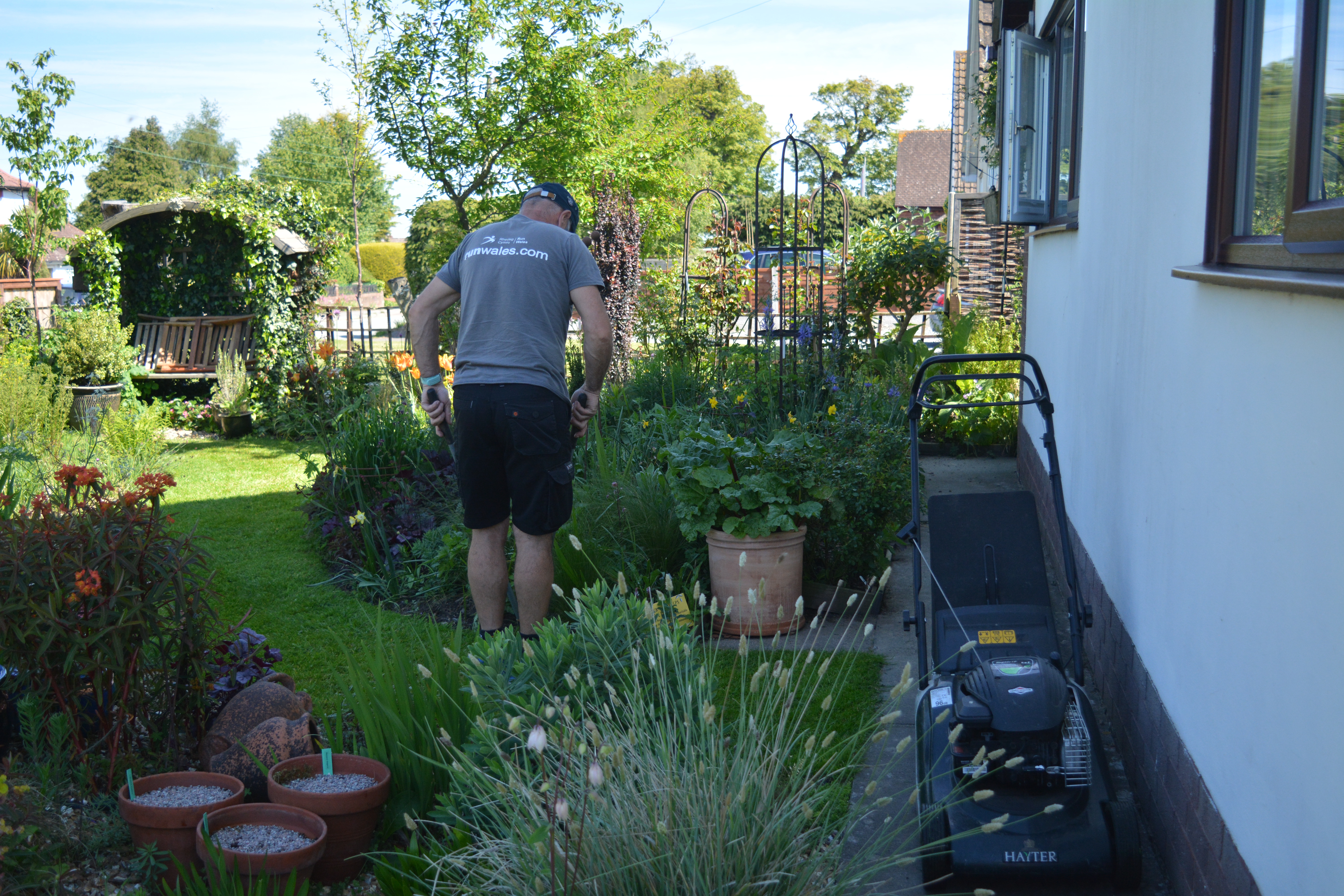
“Ian our garden helper, mows and trims edges while I reorganise my loppers.”
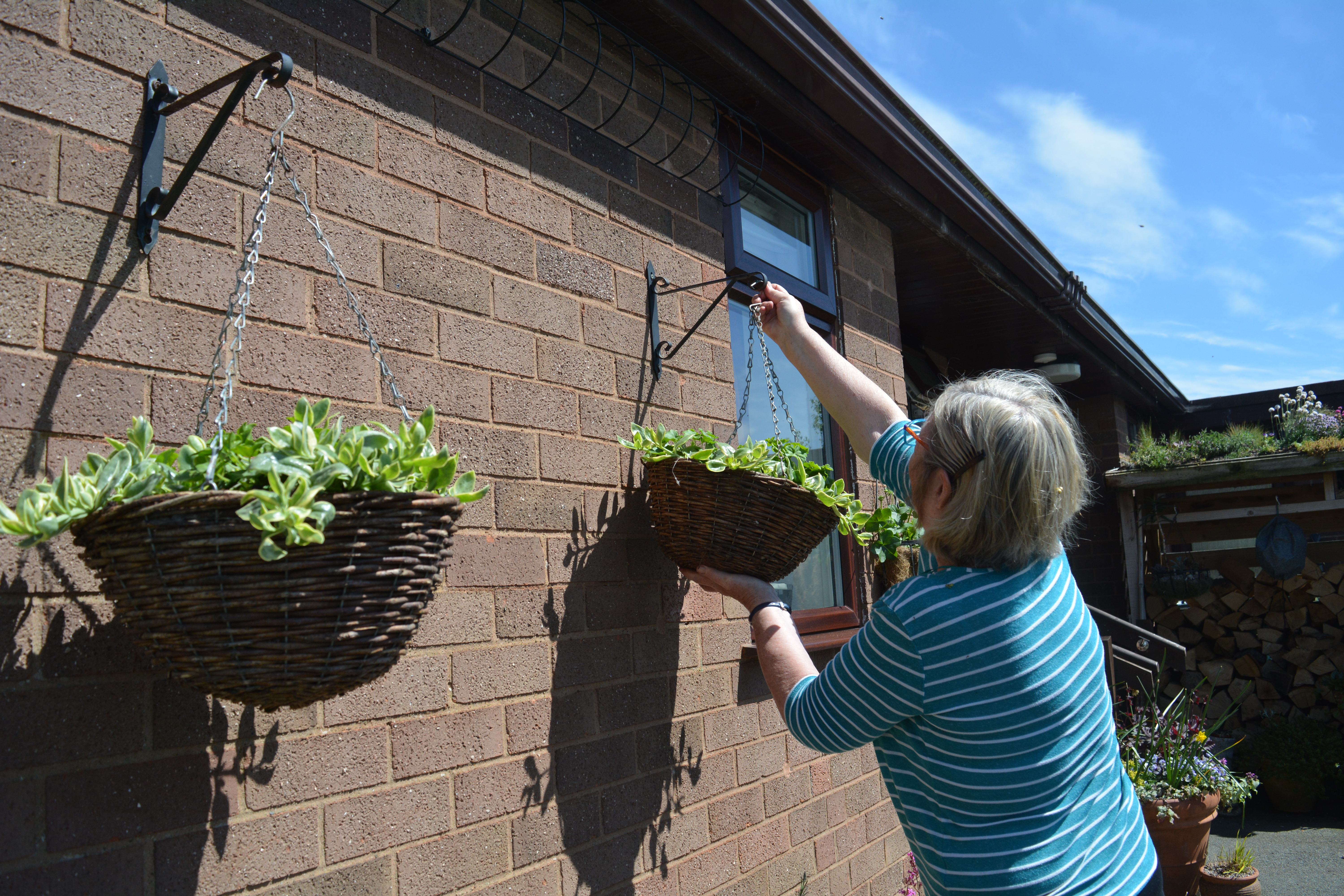
“Jude hangs out the hanging baskets and puts succulent pots outside.”
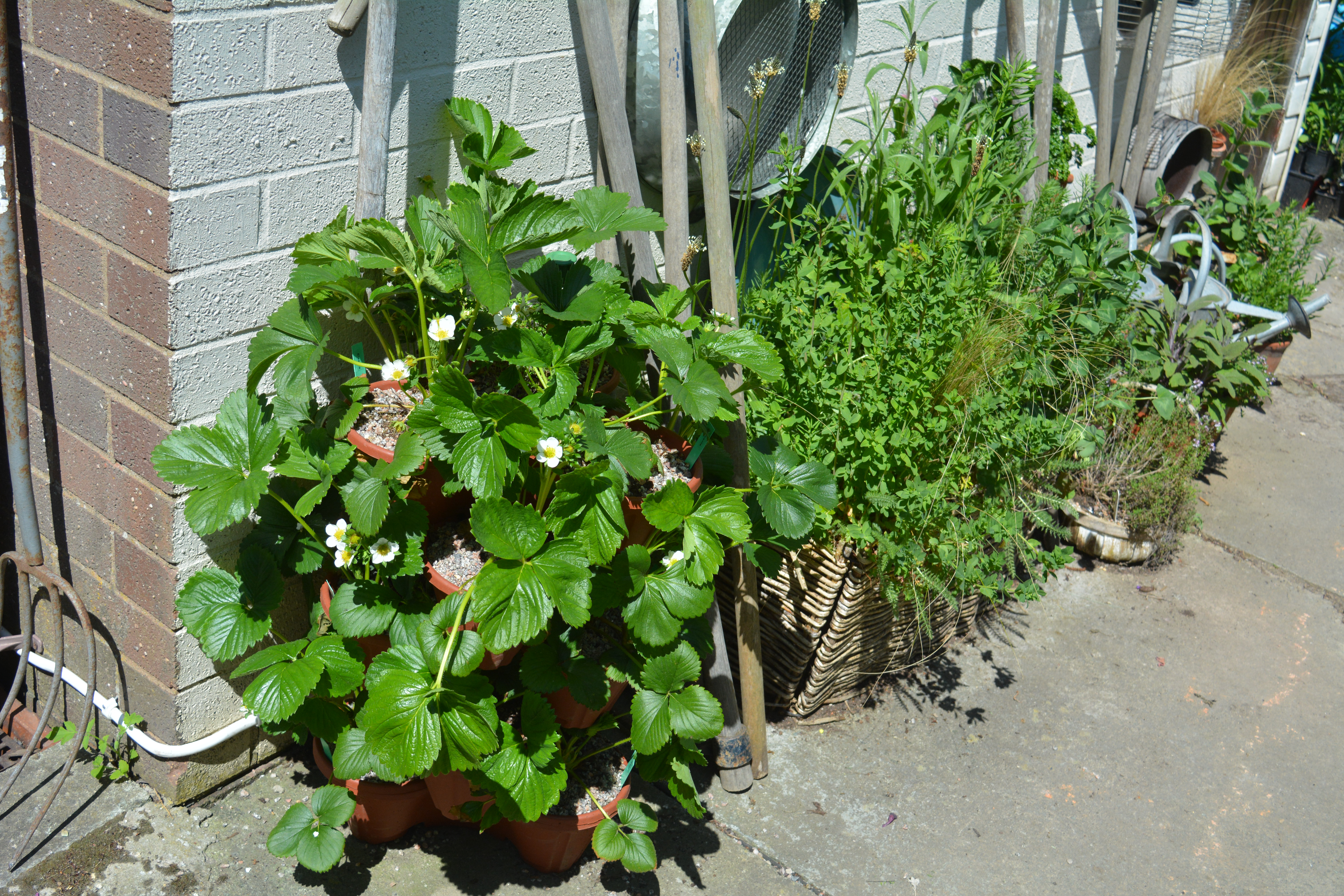
“We have planted strawberries in the strawberry pot.”
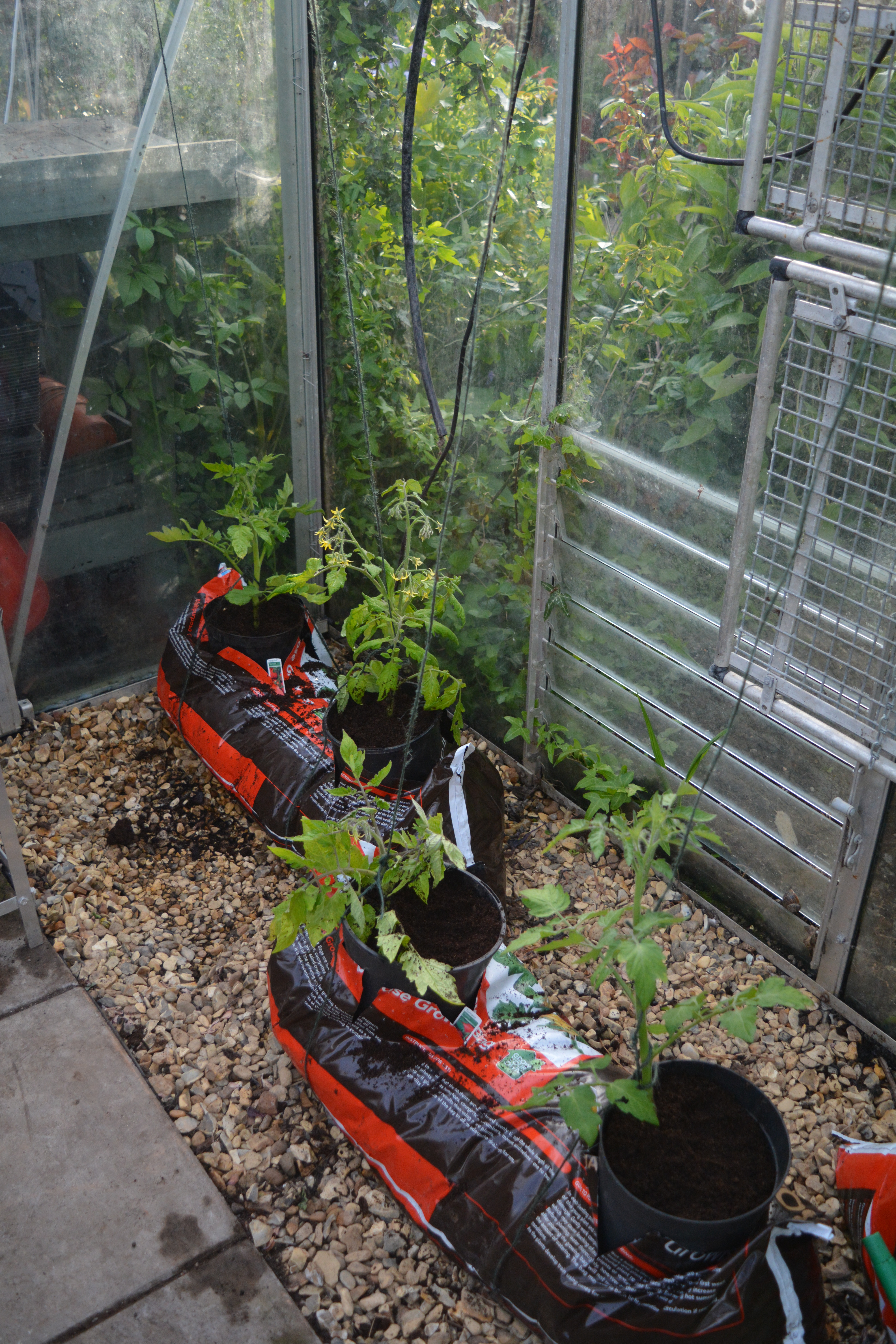
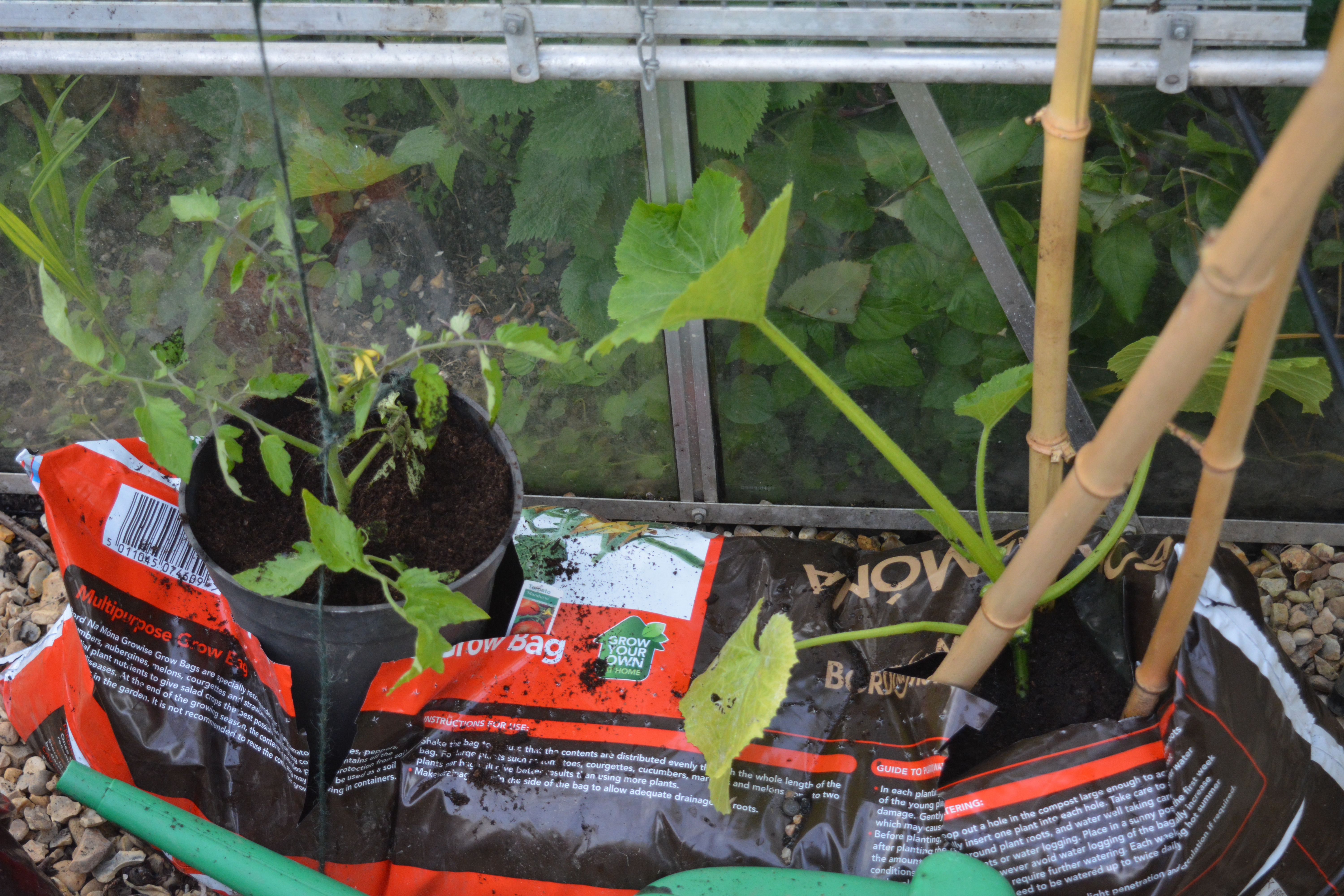
“Our tomatoes and courgette are now snug in their growbags.”

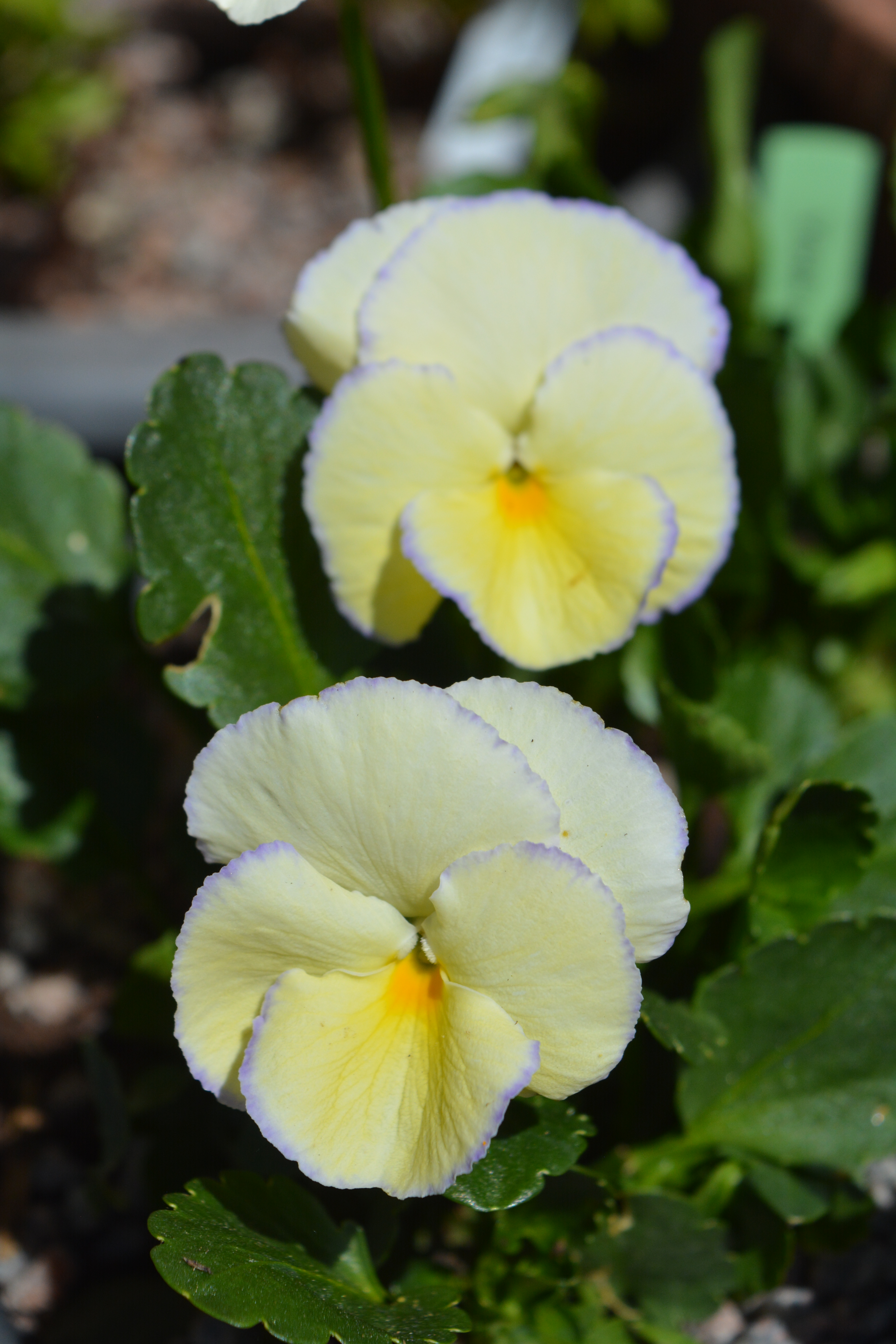
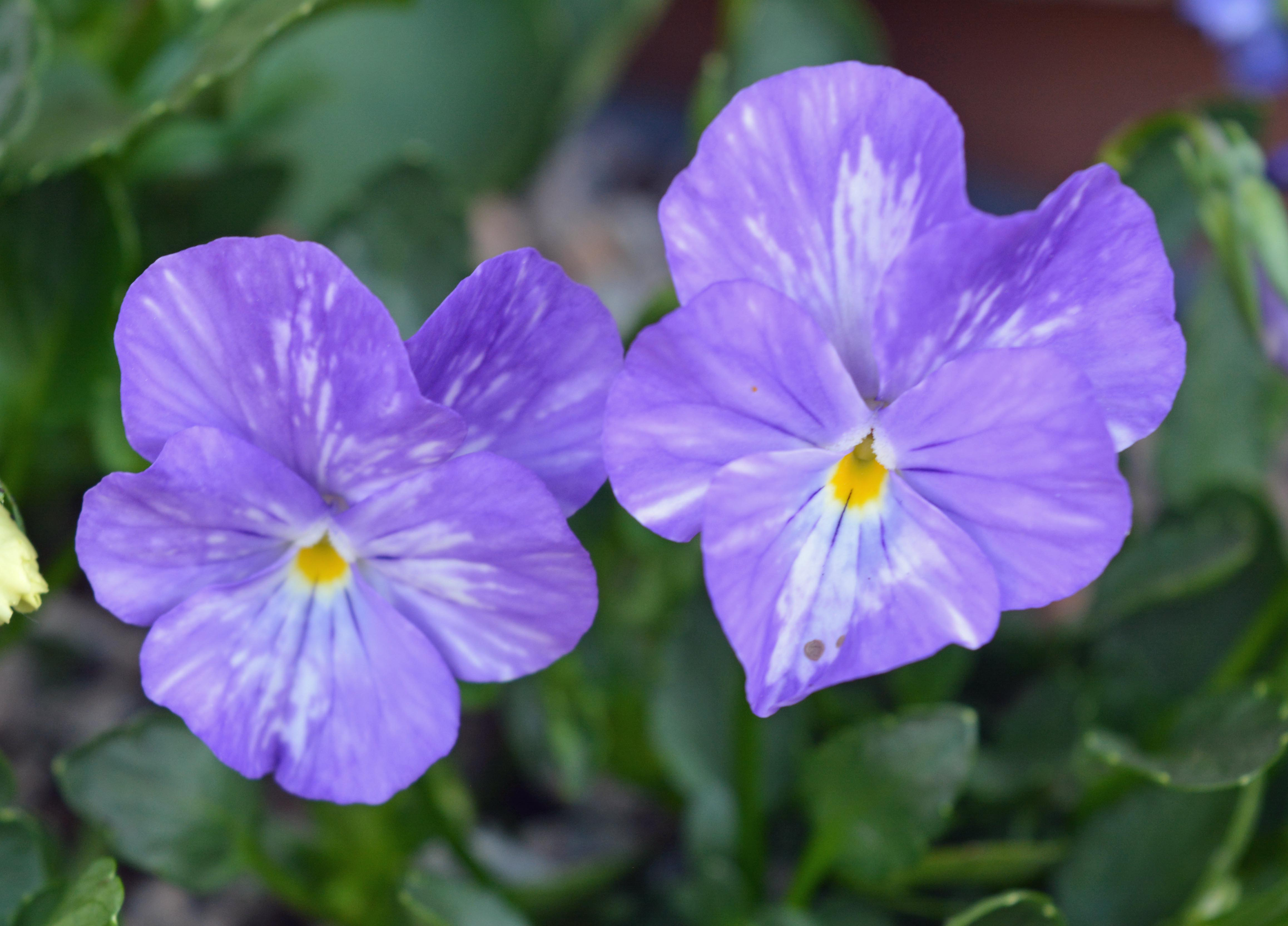
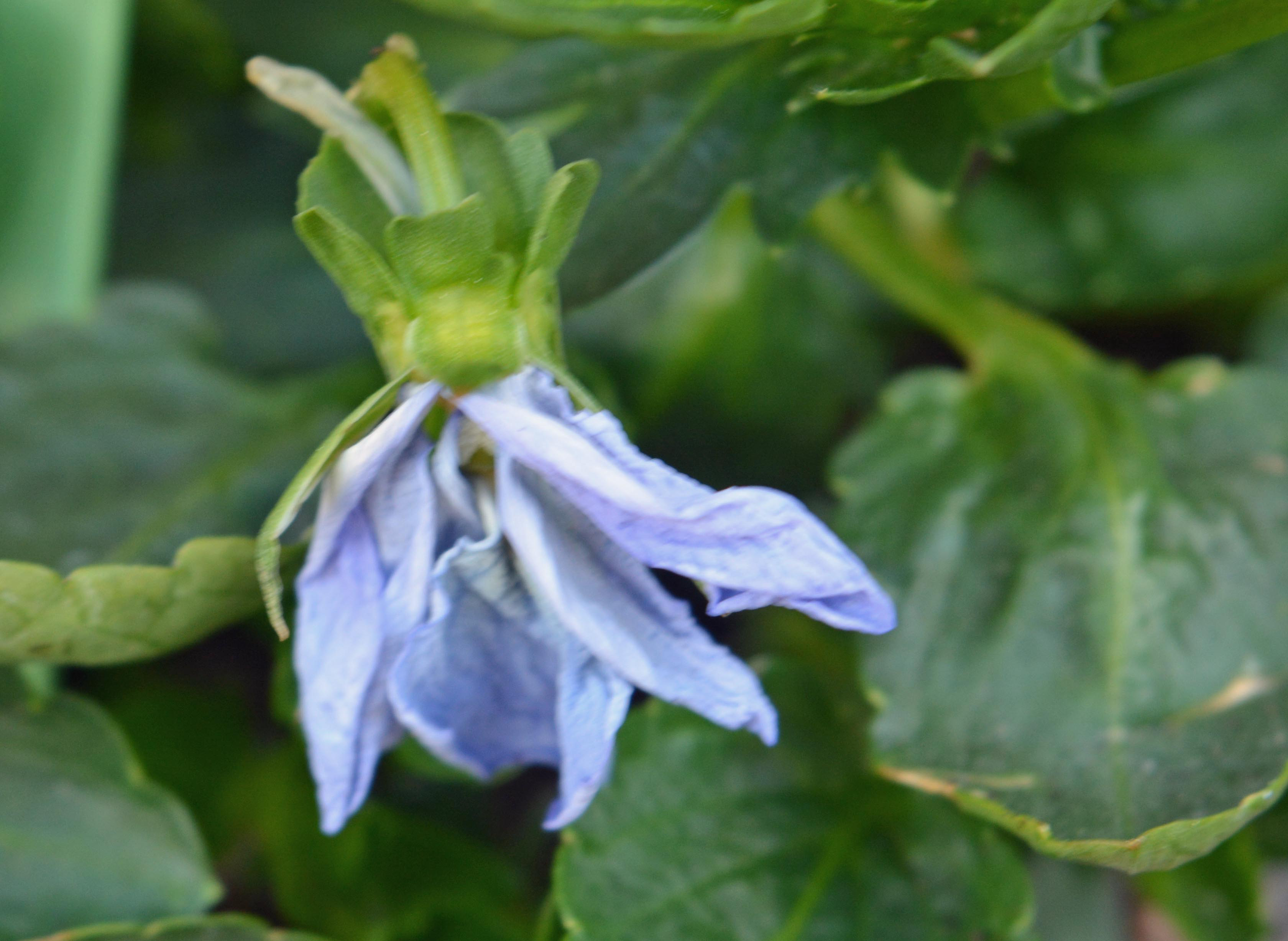
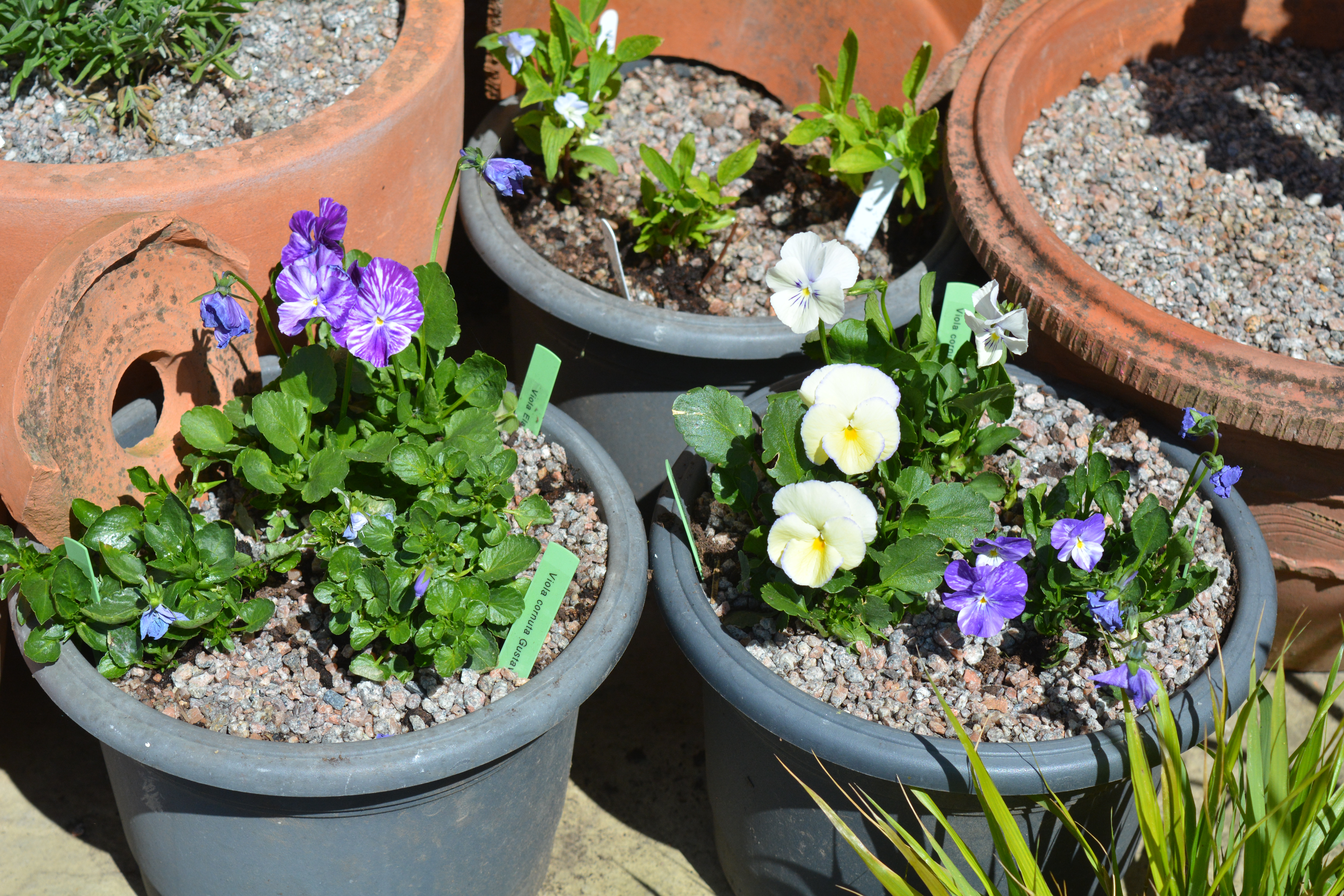
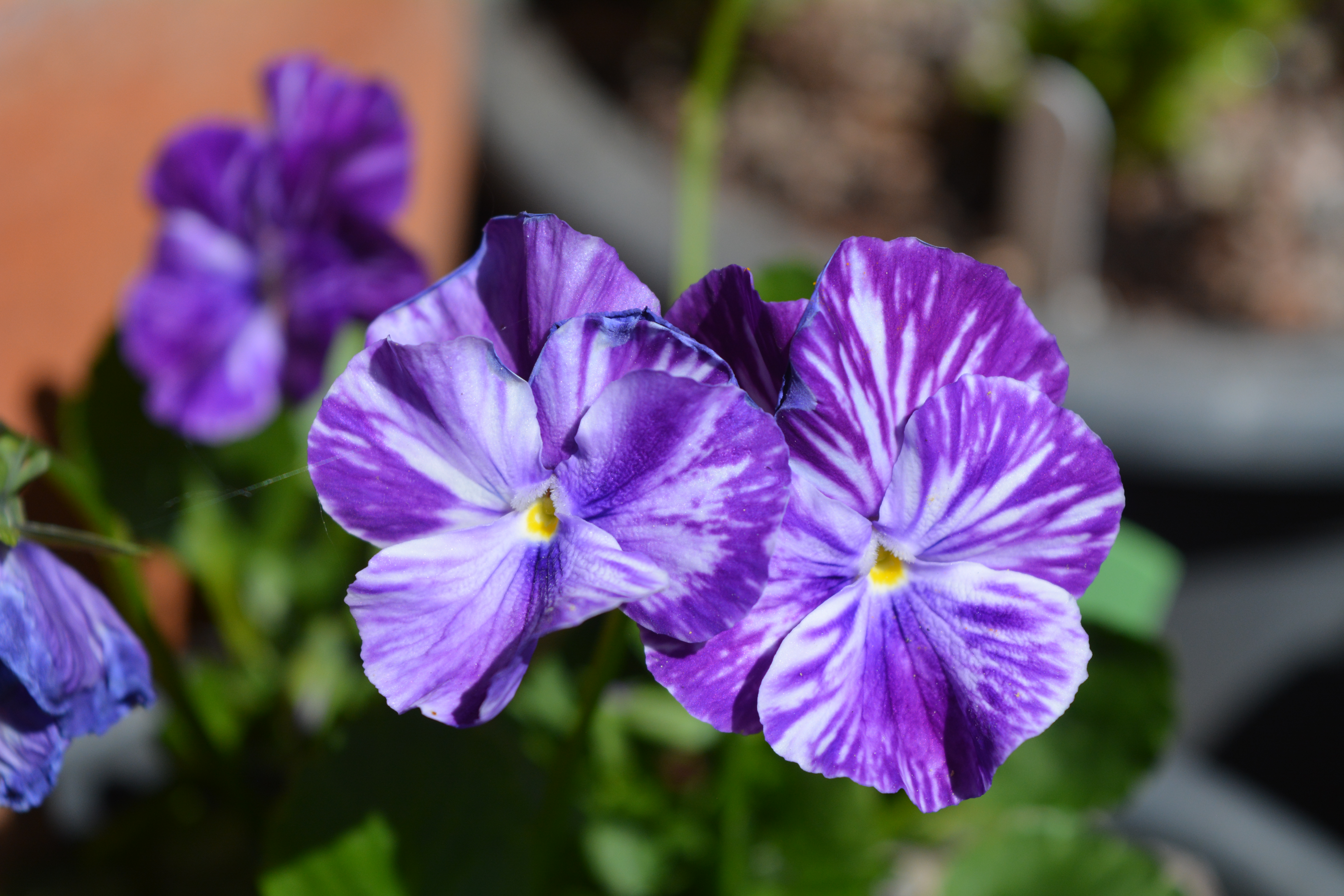
Violas feature on the opposite page where I wrote, “Recently we bought some old varieties of hardy perennial Violas, including V. Elaine Quin, V. Columbine, V. Etaine Cream and V. Belmont Blue.”
   

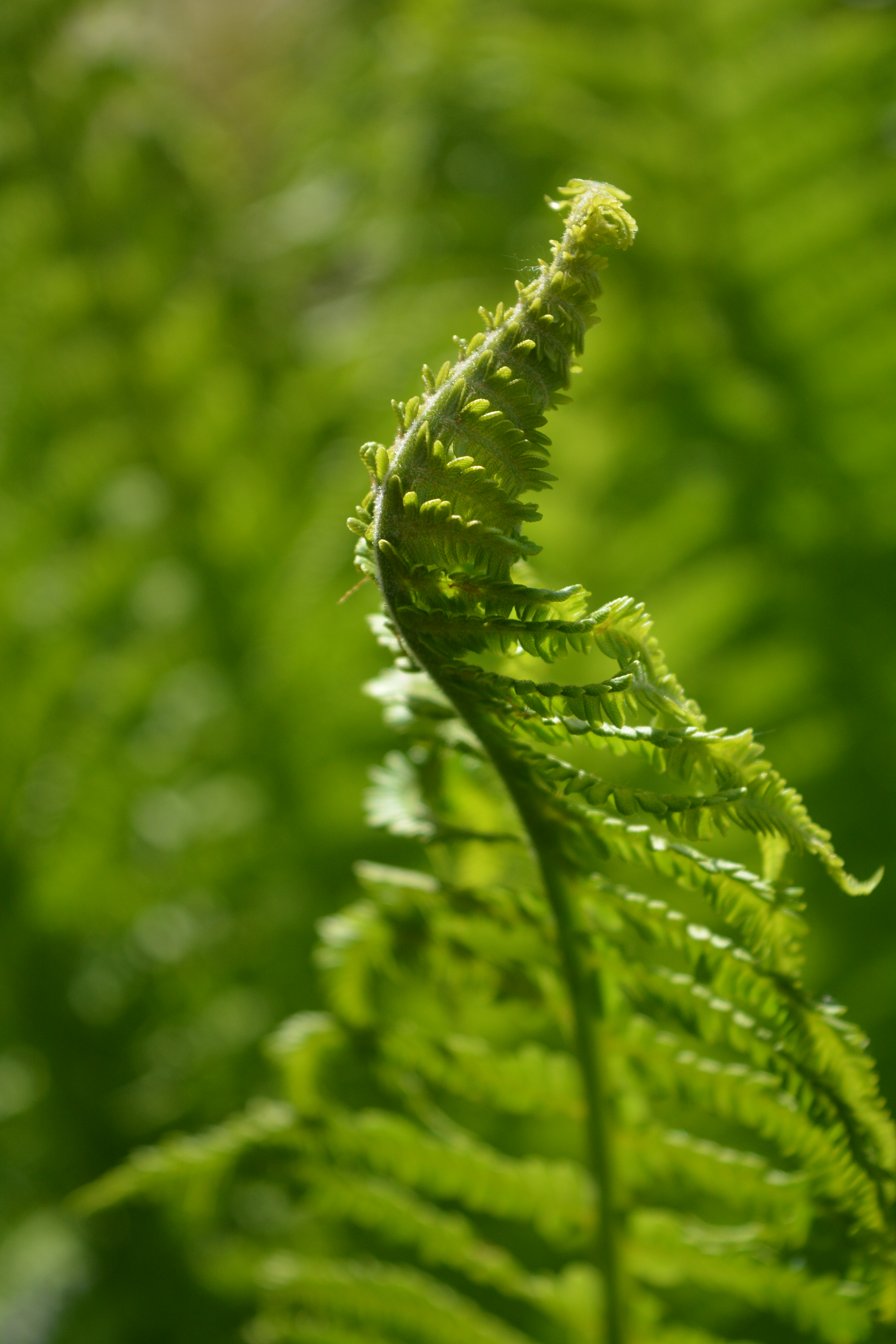
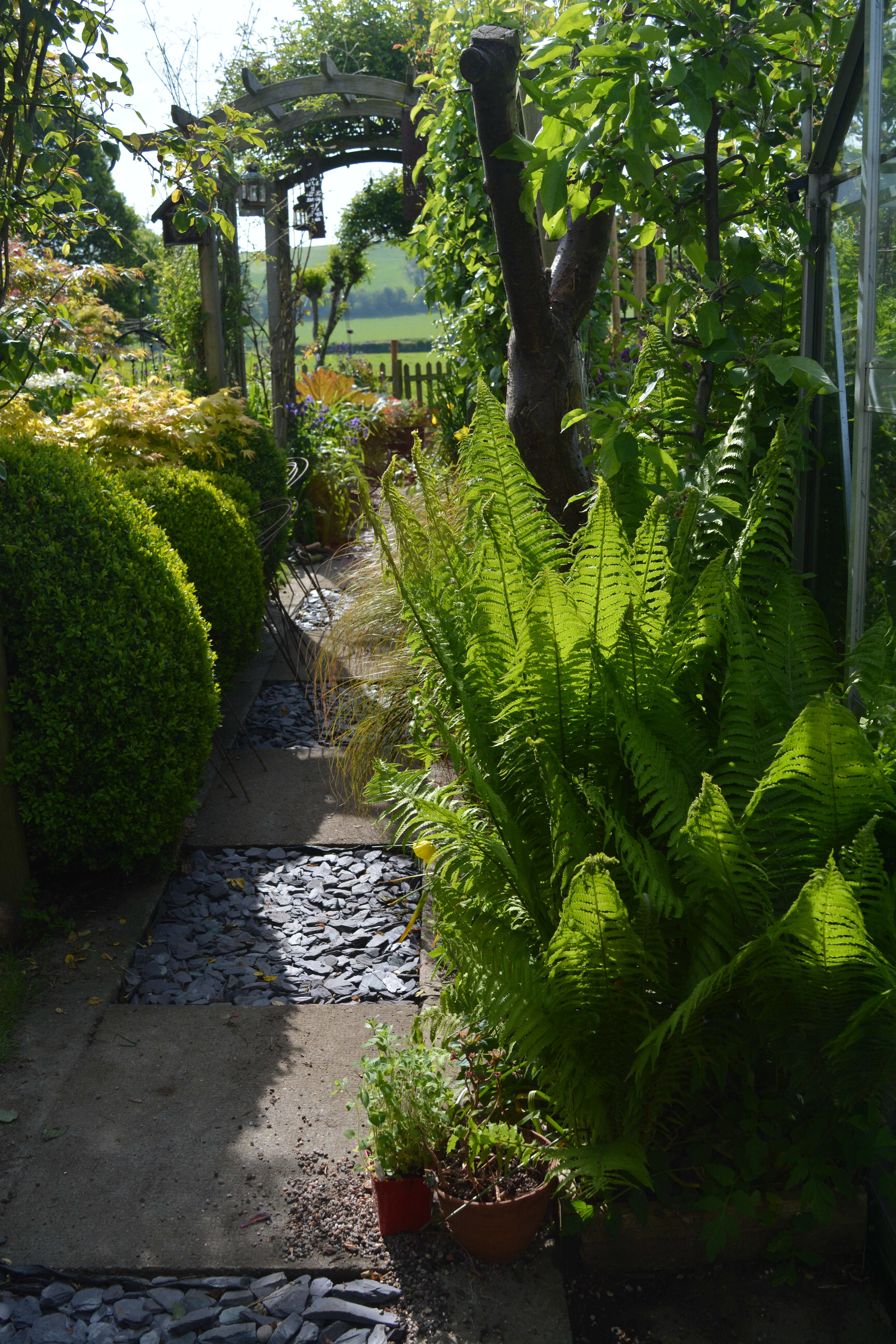
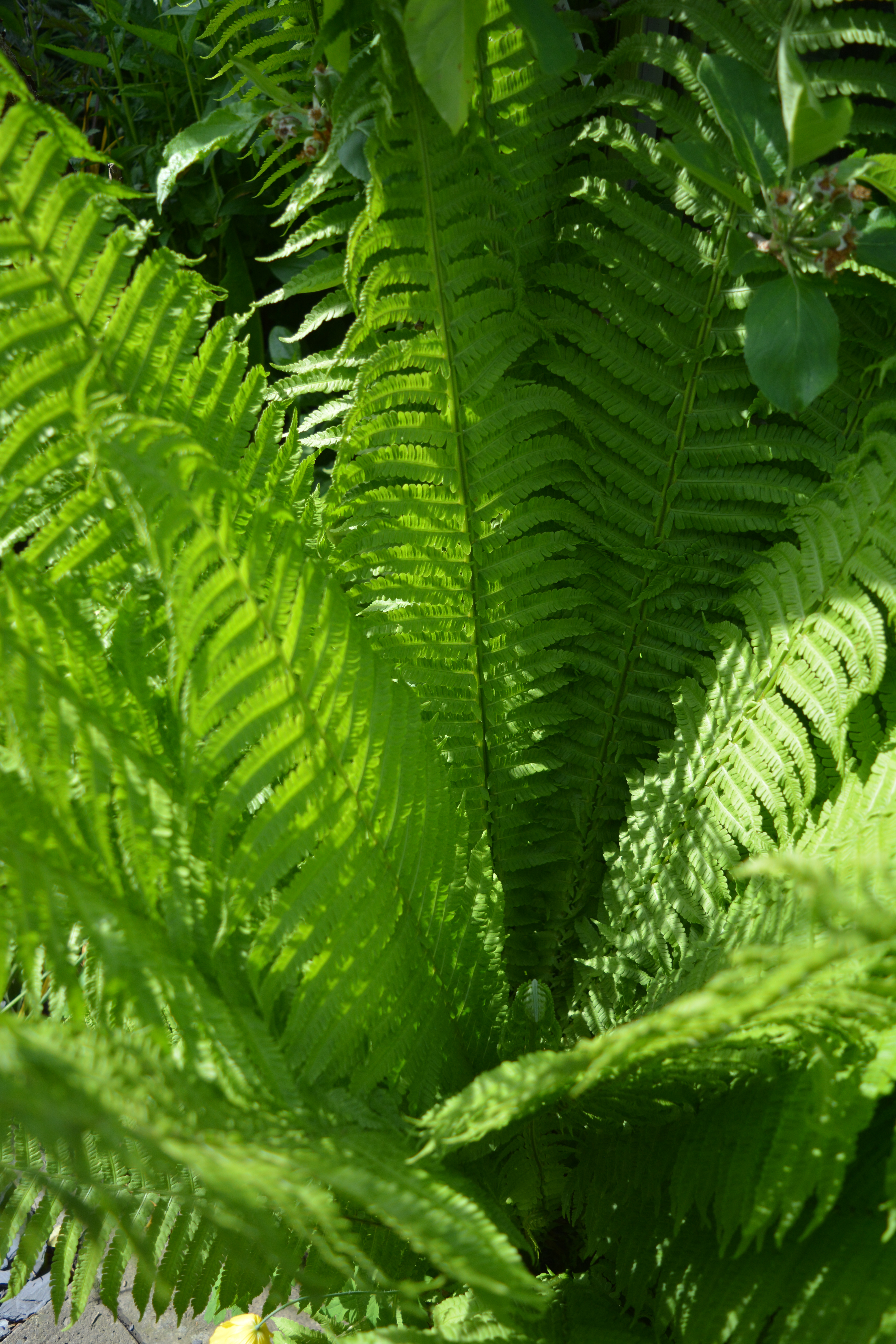
“We grow dozens of different ferns in the shadier parts of the garden. The star fern for May has to be ‘Matteuccia struthiopteris’ the Ostrich Fern.”
As we move on to the next double page we discover my Acer pruning  and lots of Alliums.

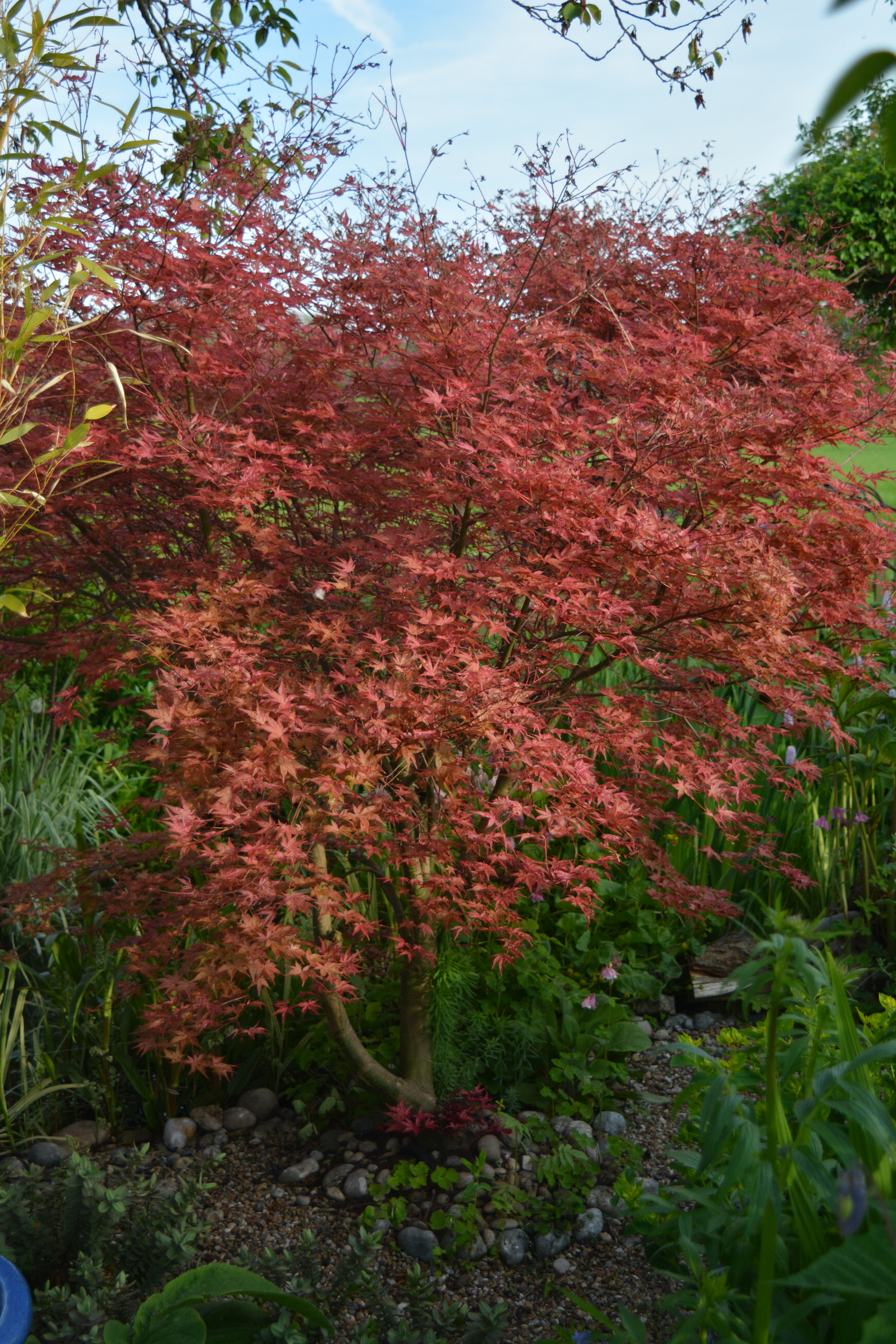
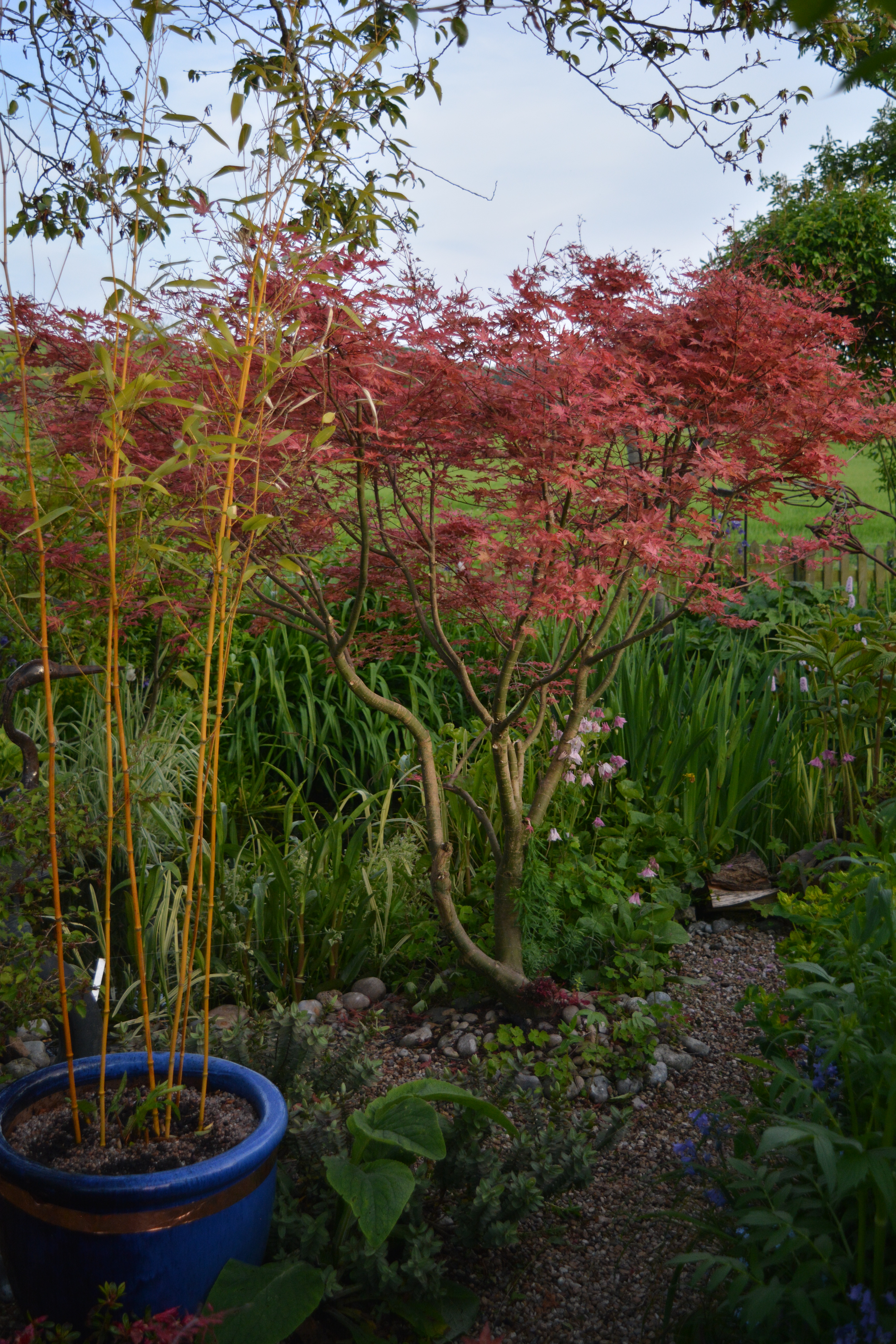
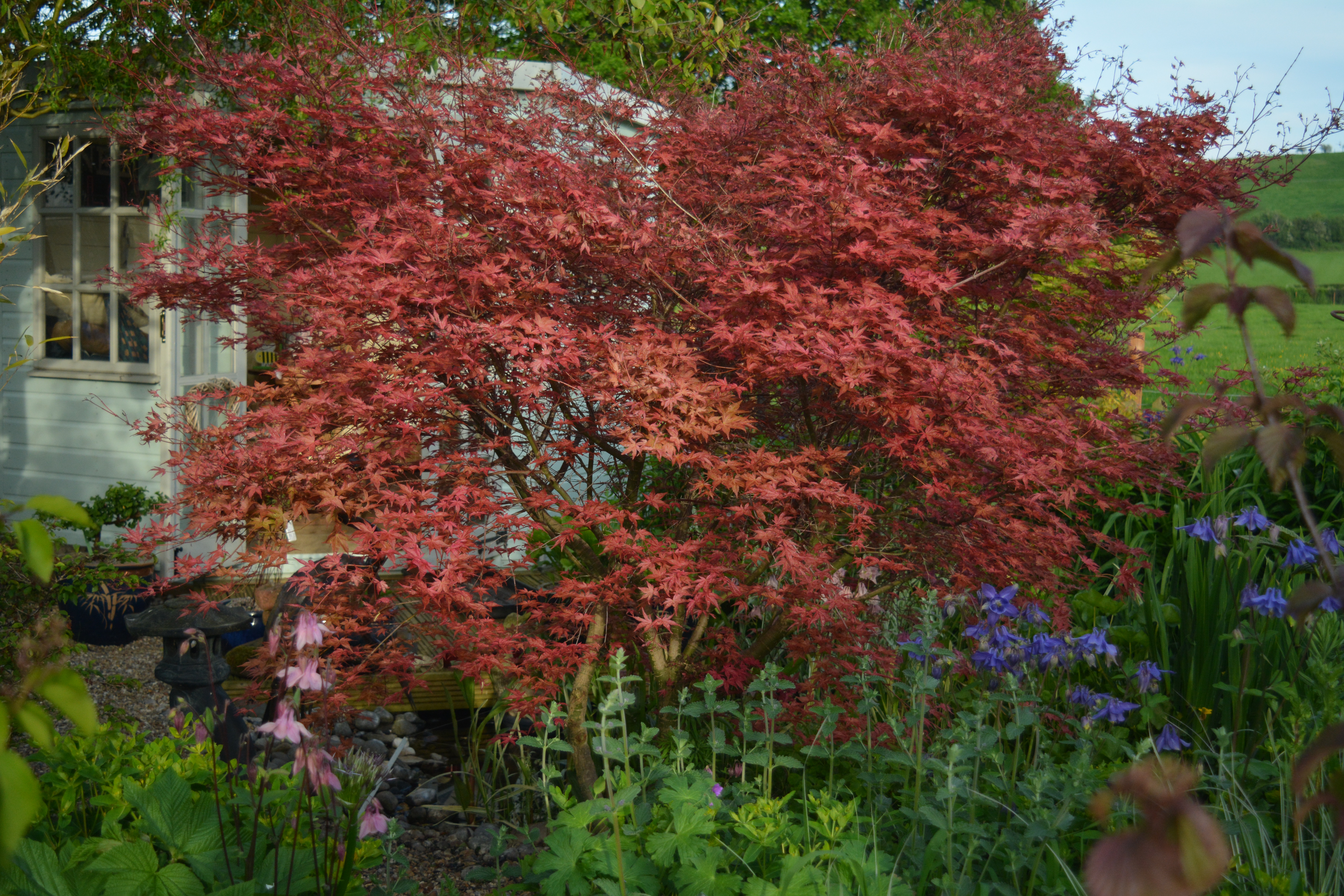
“I enjoy pruning many of our shrubs in a Japanese style called Niwaki, which finds the beauty in each shrub, exposes their lower limbs and lets light in. Our Acer palmatum ‘Bloodgood’ hasn’t been prunes in this way for a couple of years so May was the time I tackled it. The photos show before and after forms. I removed about 50% of the growth.”
  

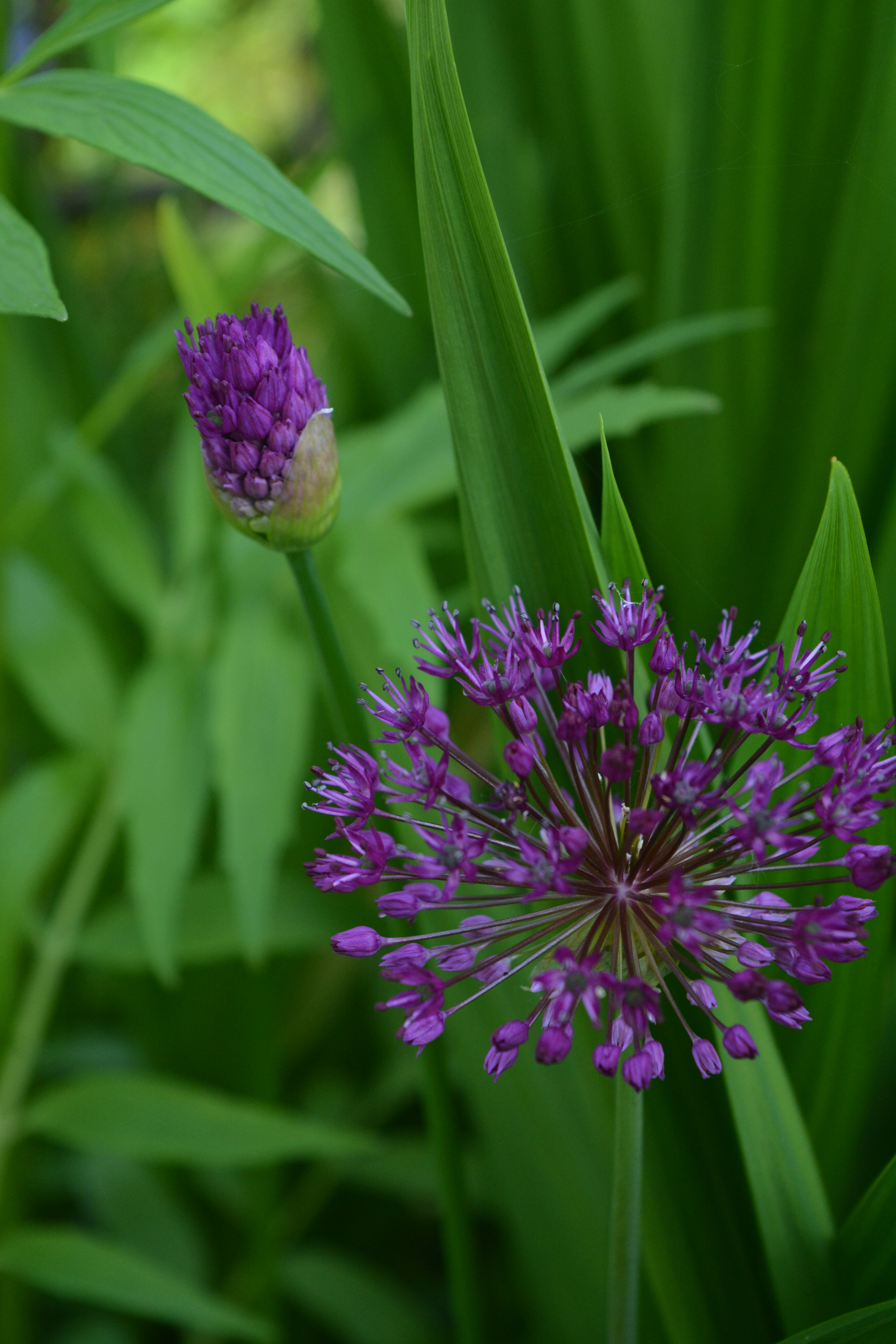
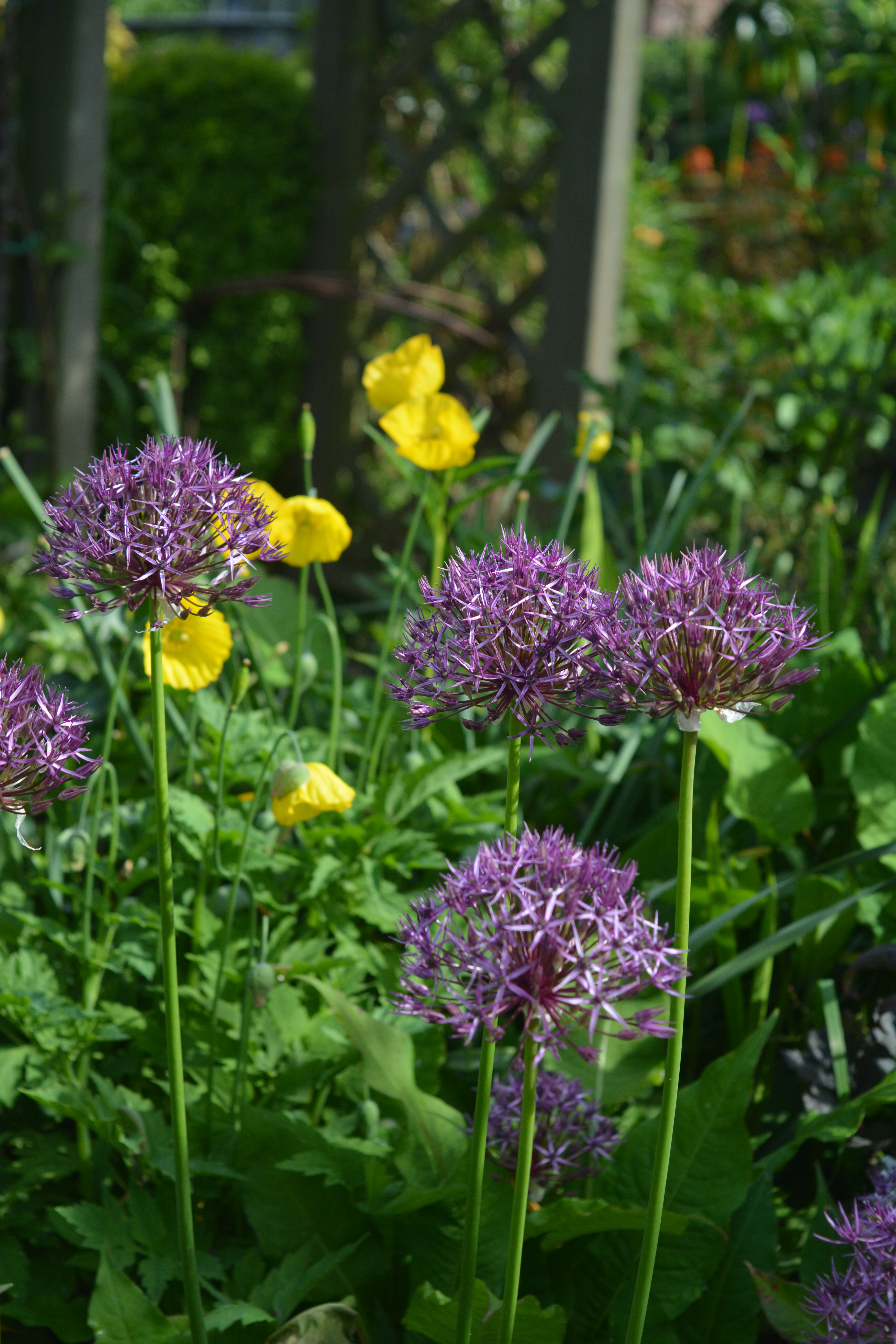
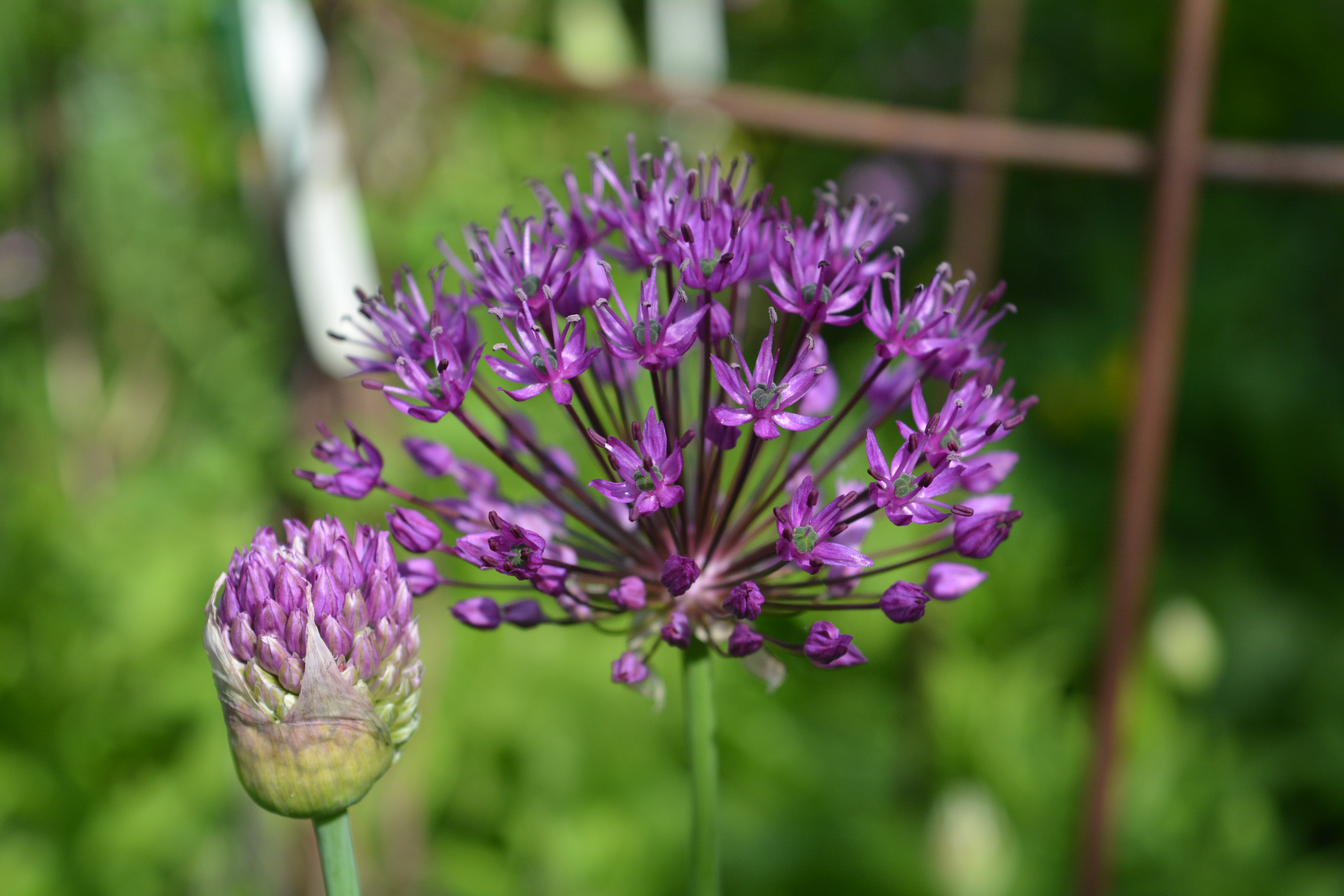
“May is the month when our first variety of Alliums are at their best. Hundreds sweep through our borders with their beautiful, bee-attracting purple spherical flower heads.”

 

And so the final page for my garden journal in May, where we look at probably our favourite tree and the one asked about and admired most by visitors to our garden, Cercis siliquastrum.

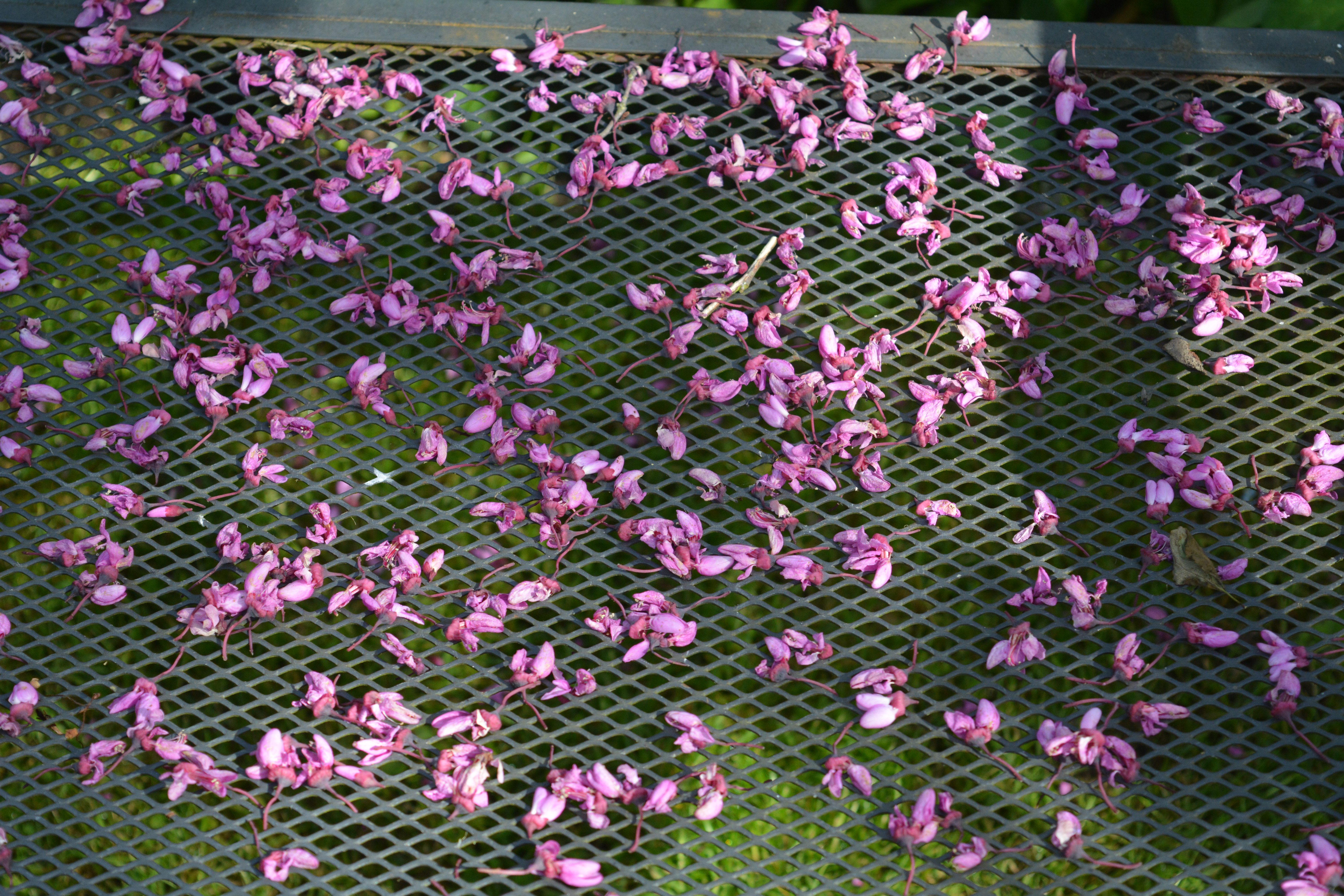
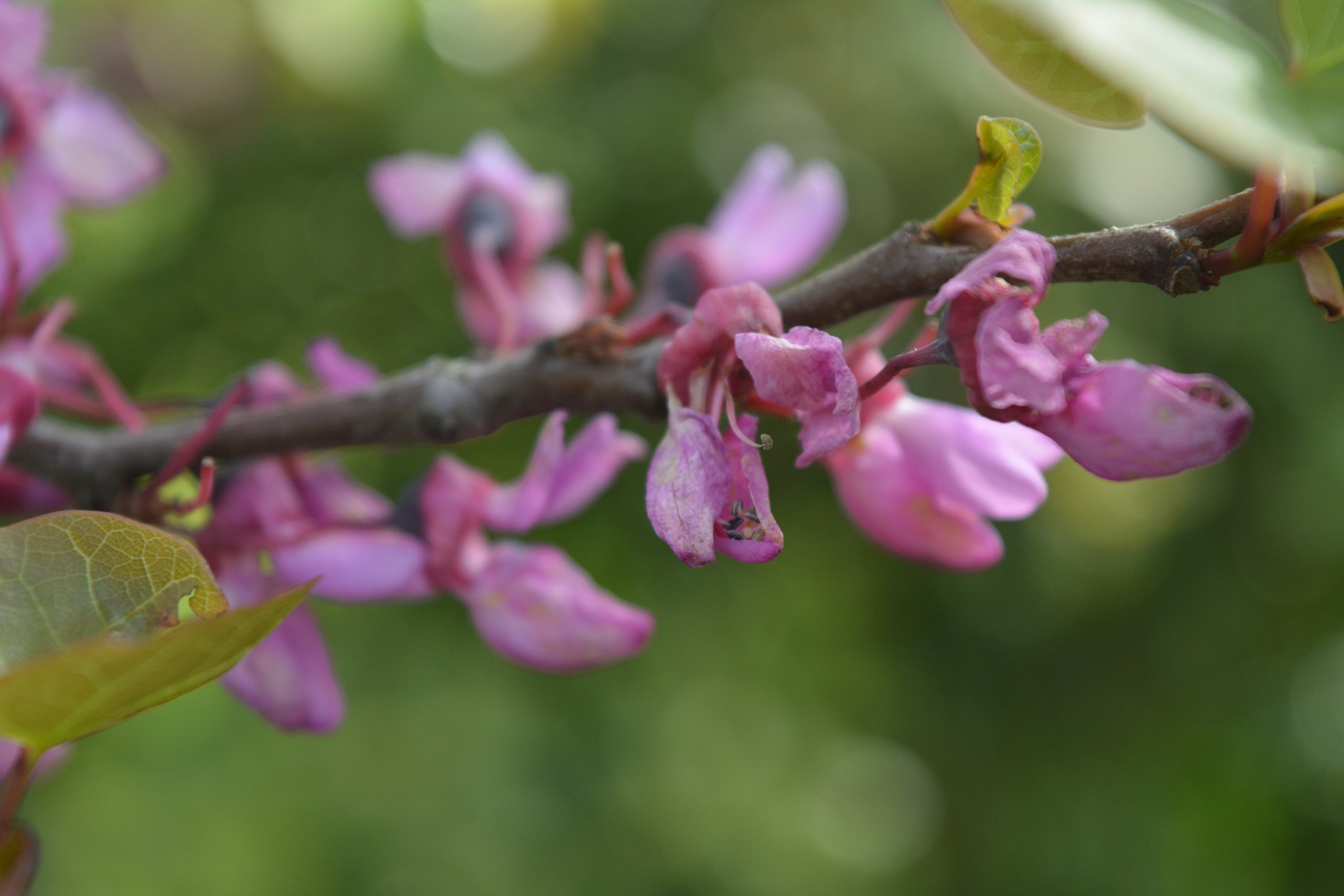
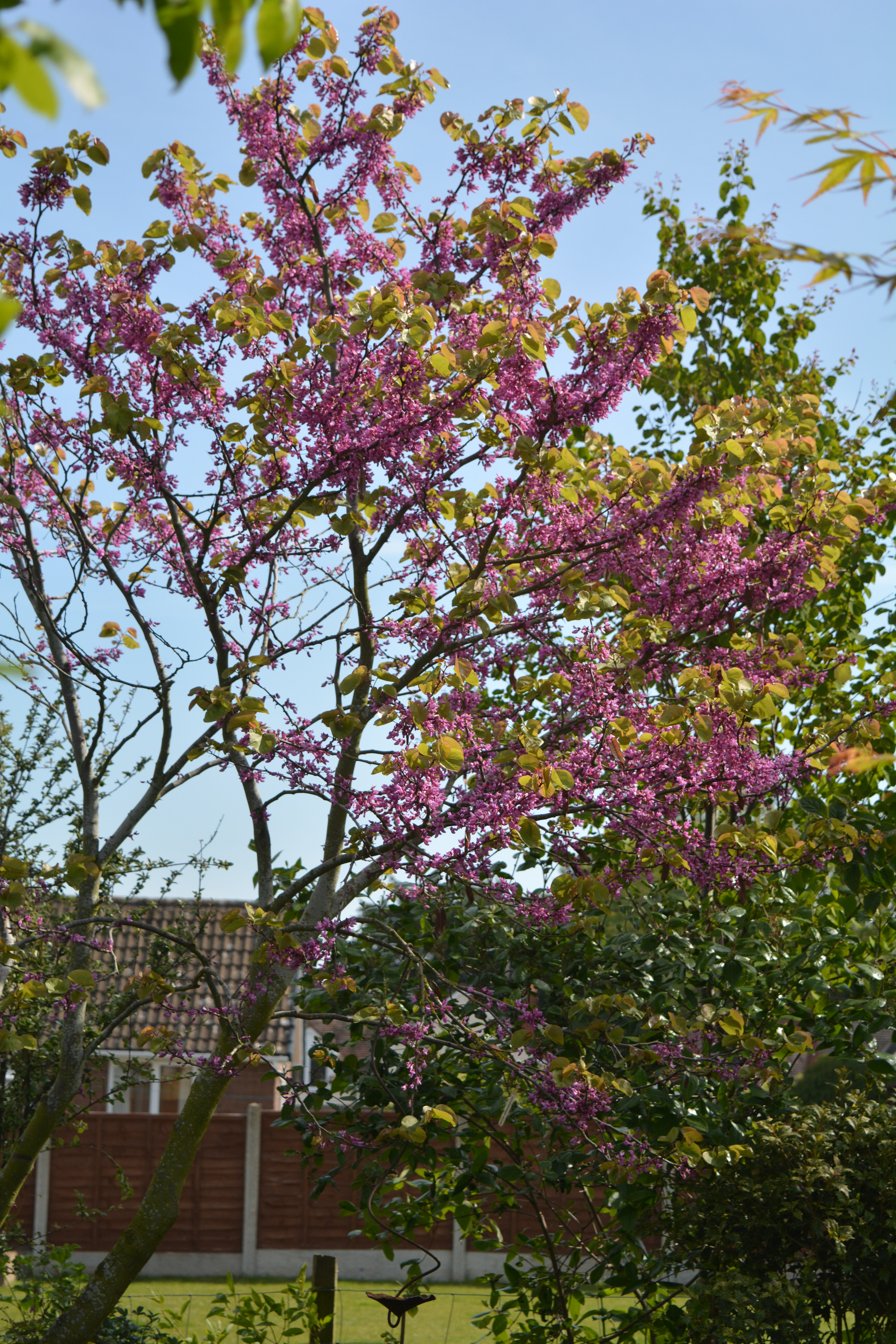
I wrote, Cercis siliquastrum, probably our favourite tree in the garden was in full flower in April and still looks magnificent at the end of May. I treat this to a Niwaki prune too as the first photo shows. As it begins to slowly drop its pink petals it leaves pools of bright pink on the lawn and on the seat beneath it.”
Categories
countryside flowering bulbs garden arches garden buildings garden design garden paths garden photography garden seating garden wildlife gardening gardens gardens open to the public hardy perennials meadows National Garden Scheme NGS ornamental trees and shrubs pathways spring spring gardening village gardens wildlife Yellow Book Gardens

Another NGS Garden : Gorsty Bank – a wildlife friendly garden

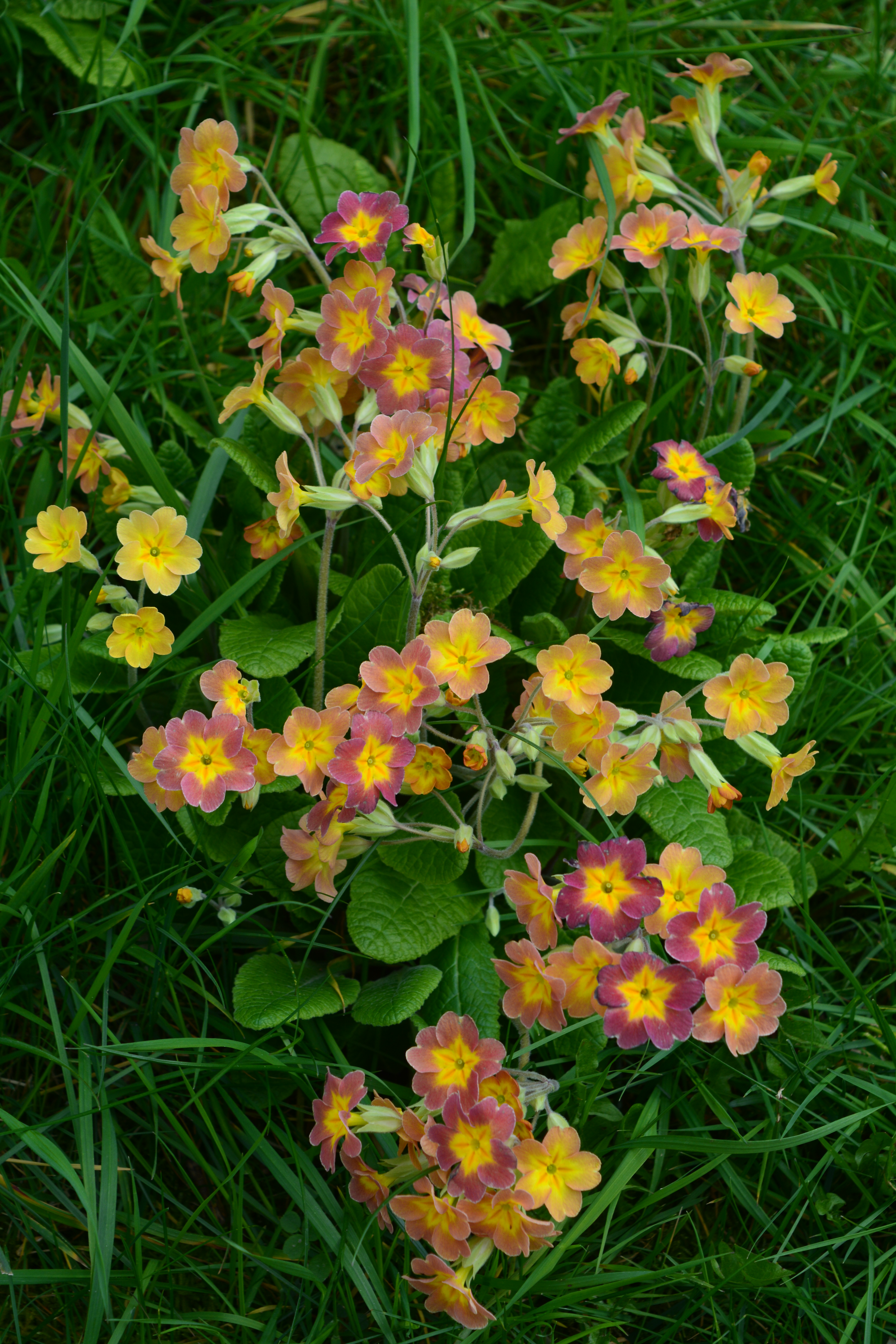
This a wonderful wildlife friendly garden which opens for the NGS and is owned and gardened by fellow Hardy Plant Society Shropshire Group members Annie and Gary Frost. The garden is a short distance from home so we soon arrived after a short journey and enjoyed the walk through the village of Hyssington and up the drive to the garden. We found some lovely primulas along the lane and the driveway itself was atmospheric with old stone walls on one side and native hedging alongside.

We were warmly greeted by Gary and as usual made our way to the refreshments and enjoyed talking with Annie as we enjoyed tea and tasty homemade cakes. The views from our seats afforded an idea of the richness of the experience we could look forward to.

We then enjoyed a slow wander around this gentle garden with its paths and gateways to guide our way. We loved the two meadows and the mini-arboretum.


Another enjoyable return visit to a favourite NGS garden afforded us a great day out. We will be back!

Categories
colours flowering bulbs garden buildings garden design garden designers garden paths garden photography garden seat garden seating garden sheds gardening gardens gardens open to the public grasses hardy perennials light quality National Garden Scheme NGS nurseries ornamental grasses outdoor sculpture sculpture Shropshire South Shropshire spring bulbs spring gardening traditions village gardens walled gardens Yellow Book Gardens

Seasonal visits to two very different gardens

Instead of a monthly visit to the same garden for a whole 12 months I decided to look at two gardens, one small and one large. We have already visited the large one, Bodnant Gardens in North Wales already. So here is our first visit to our chosen small garden Wildegoose Nursery and Garden here in Shropshire.

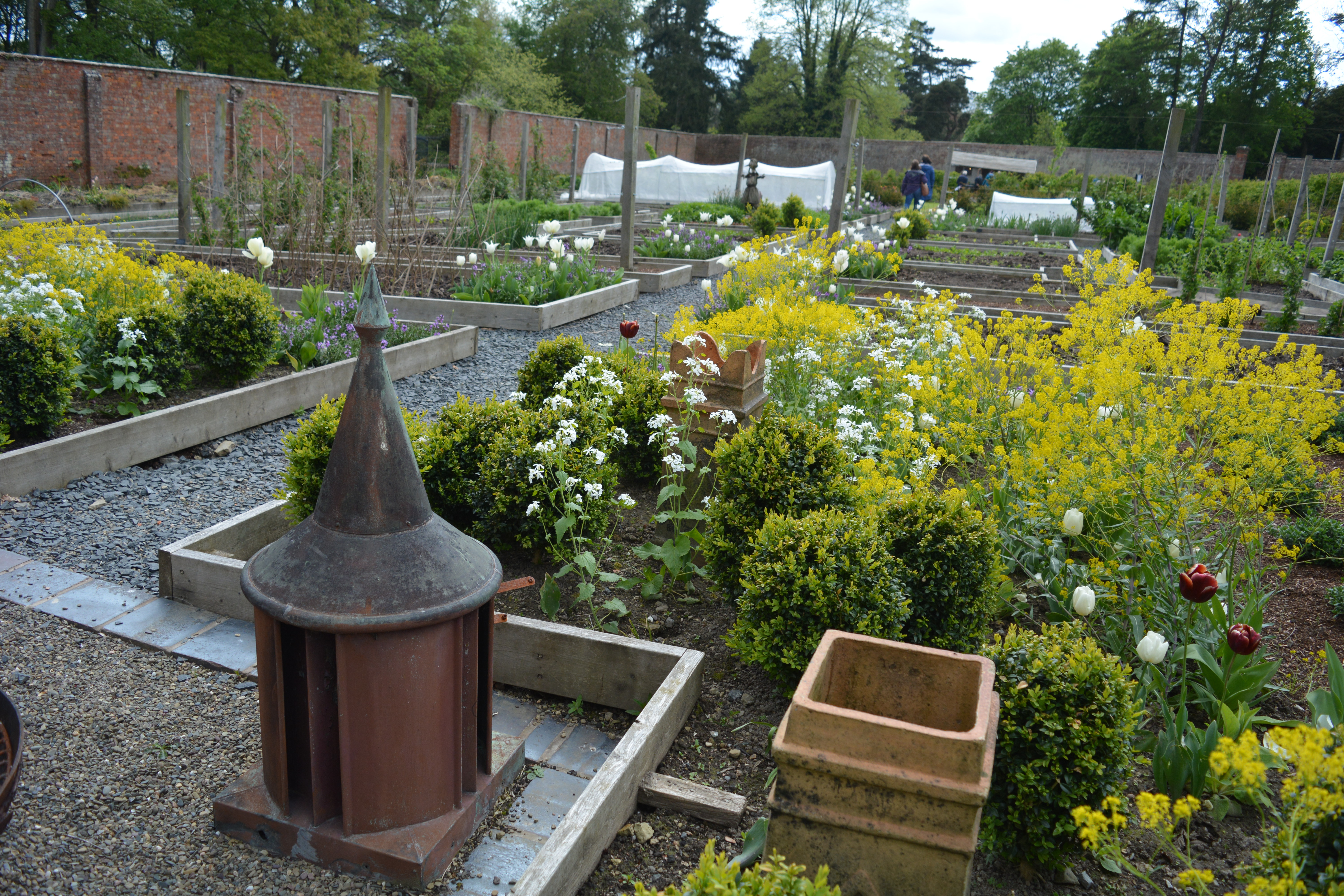
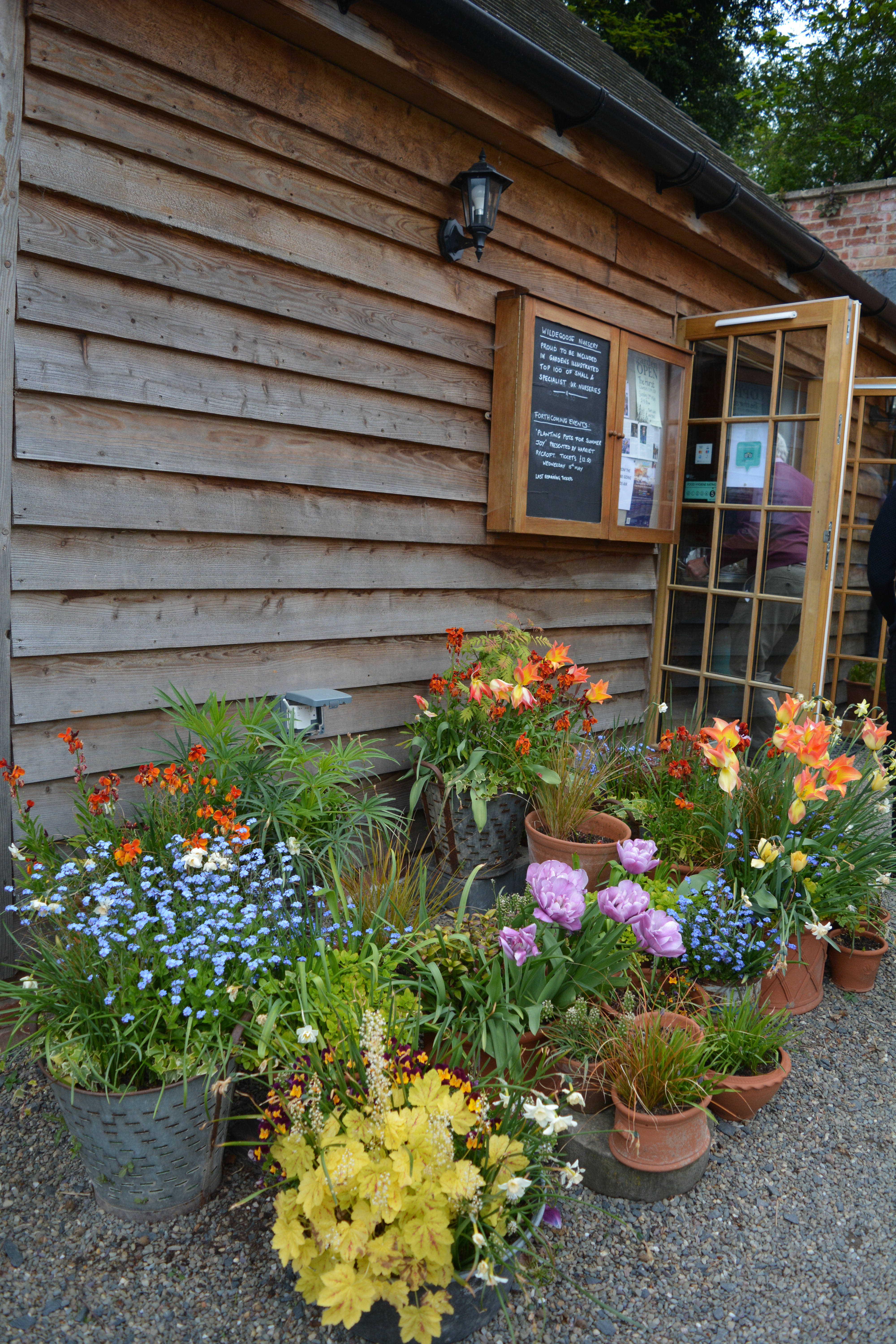
We visited on May 5th, the day that Wildegoose opens with Millichope Hall Gardens for the NGS, just as we do. Wildegoose is the restoration project of the hall’s walled garden. Here a young couple, Jack and Laura Willgoss, have set up a nursery and are developing a modern perennial style garden as well as specialising in hardy perennial violas. It is an exciting project which we love to visit often.

Our first visit for this series of posts was on May 5th, a bright day with a chilly wind but a day with great light for taking photos and enhancing the brightness of colours.

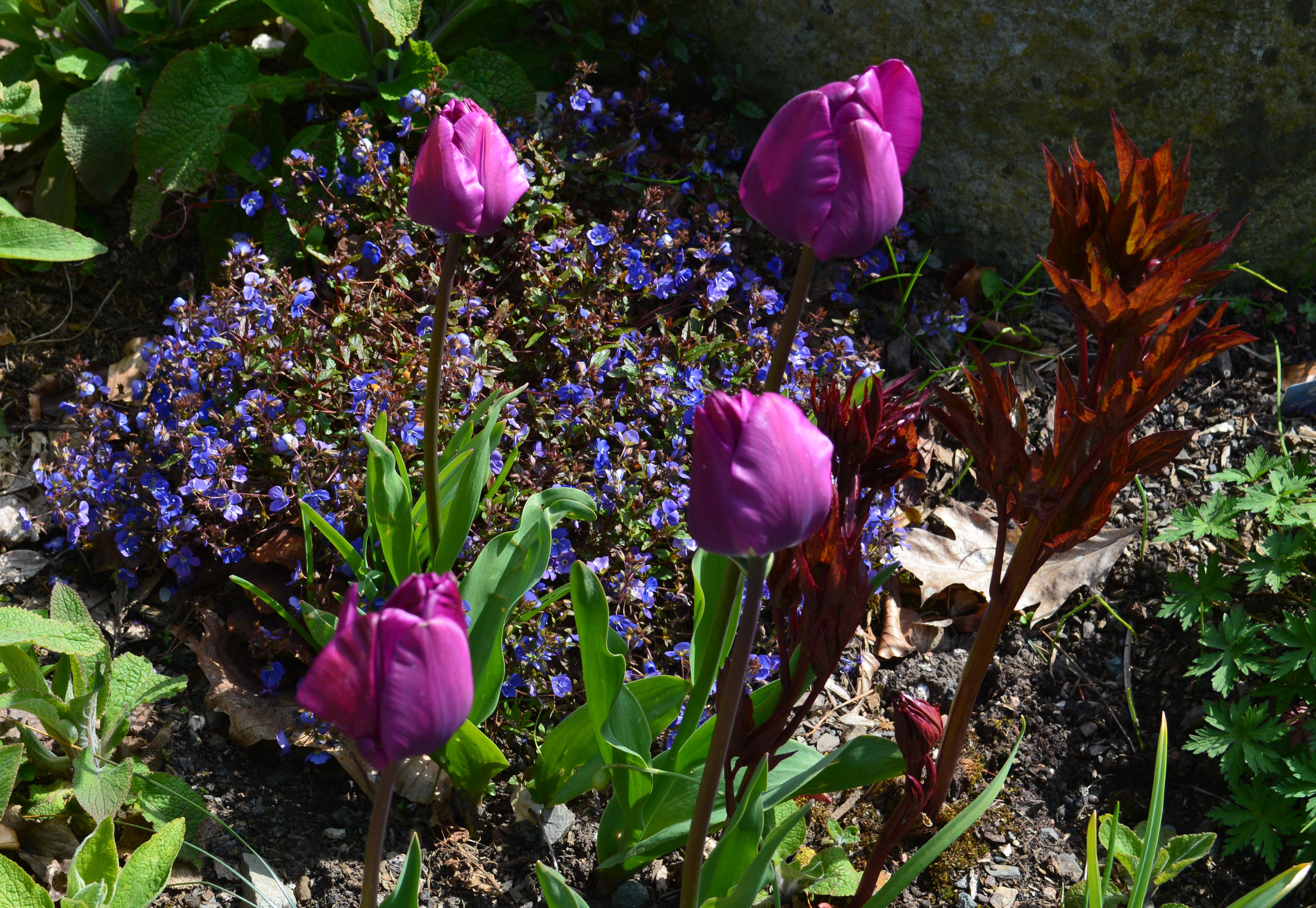
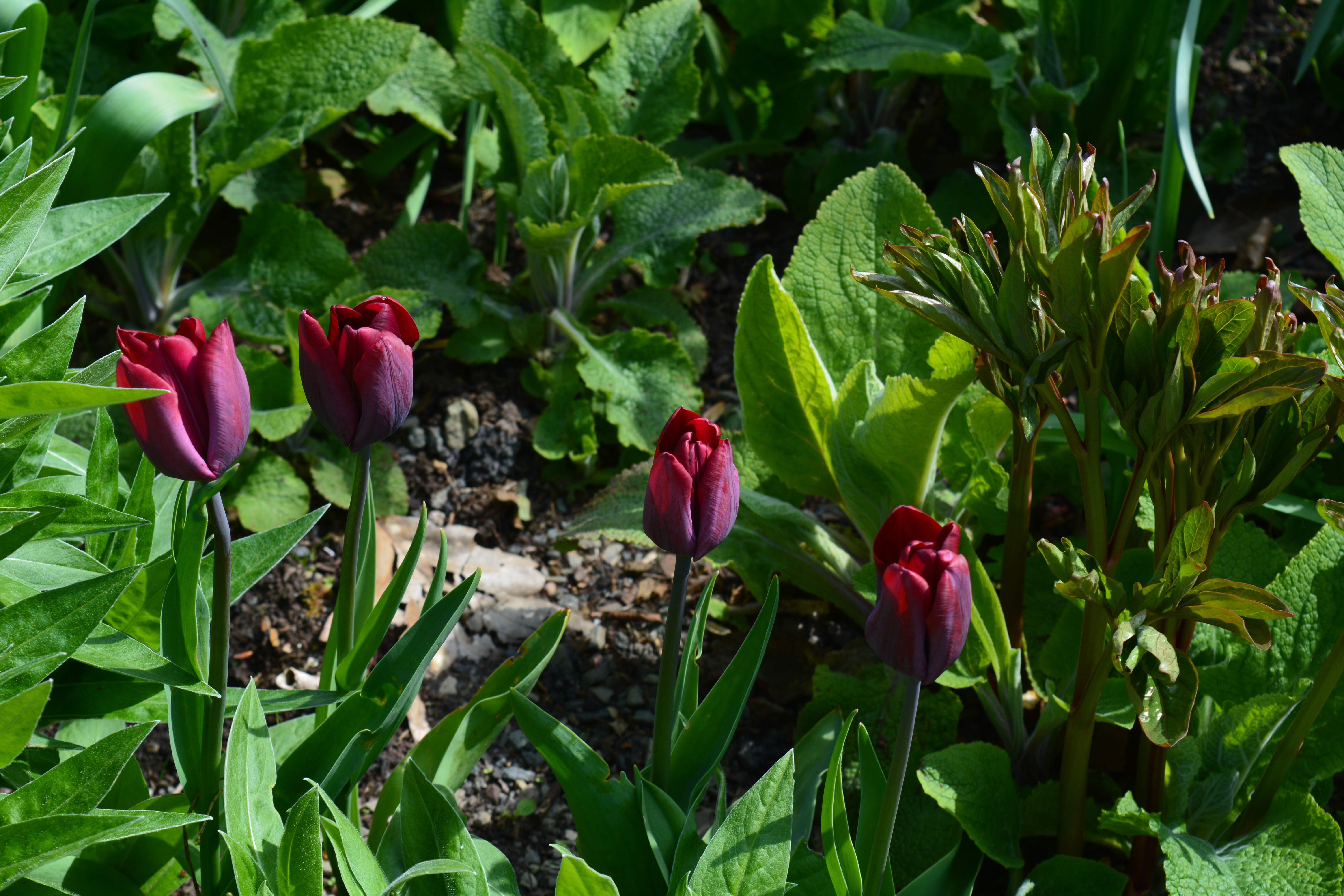
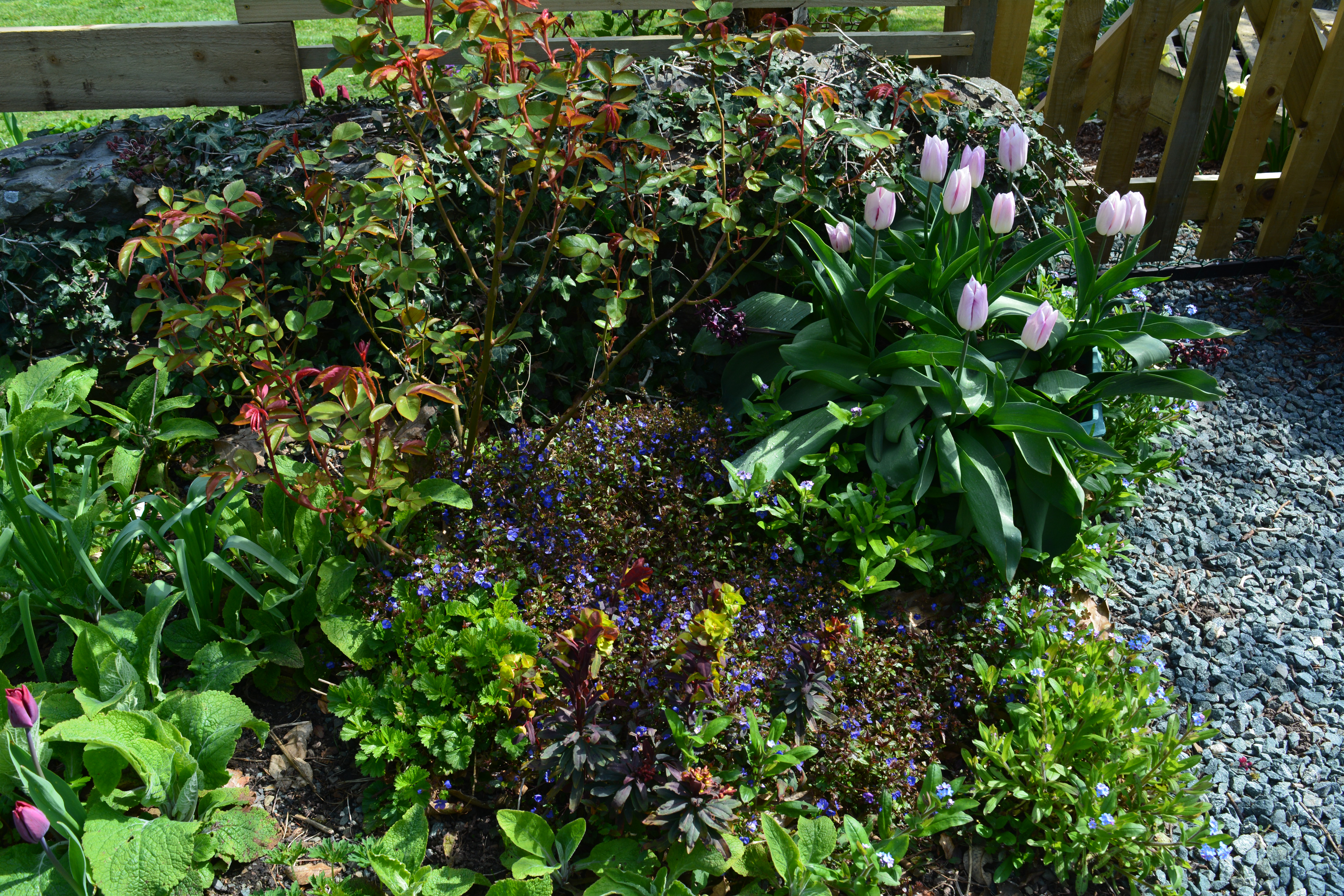
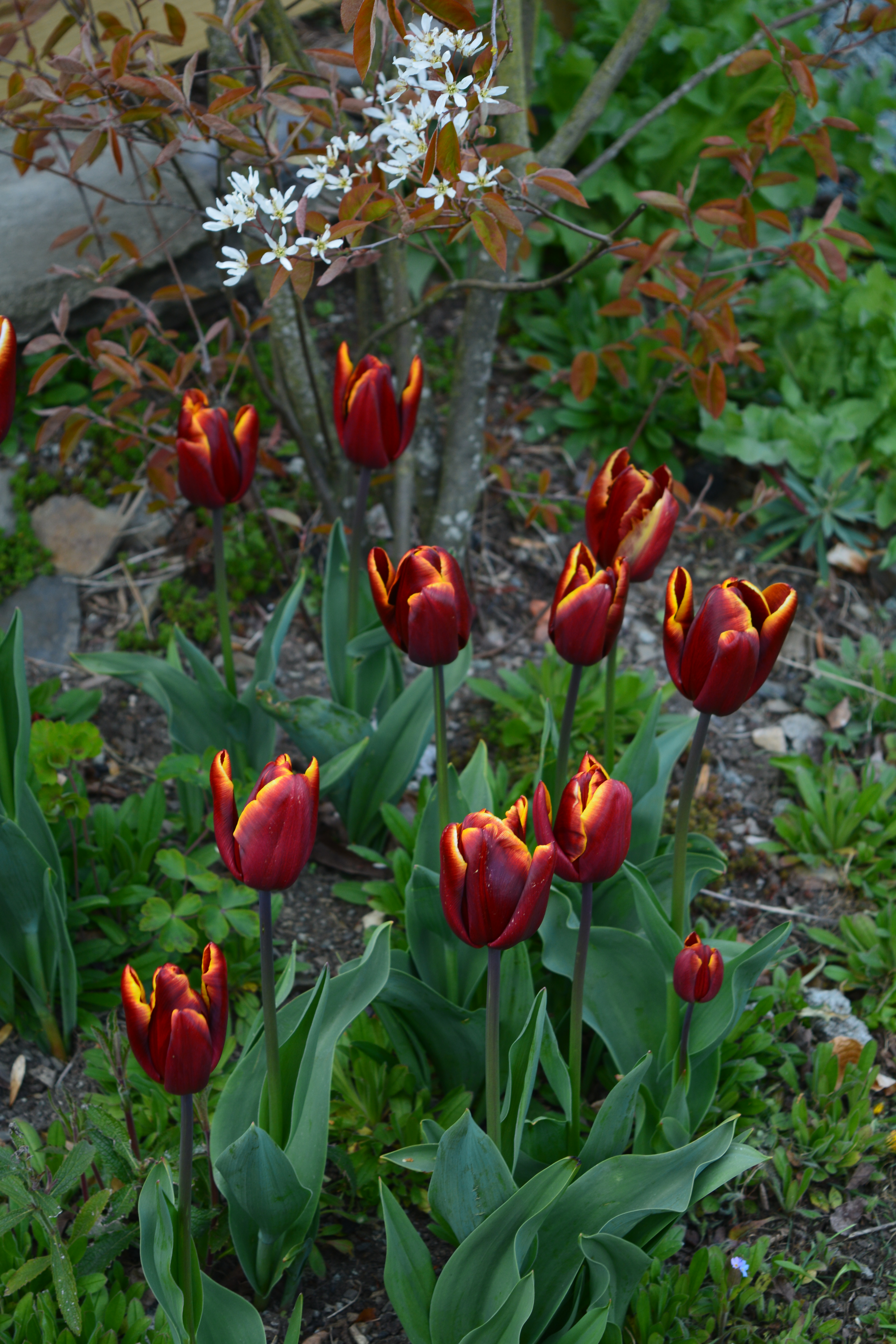
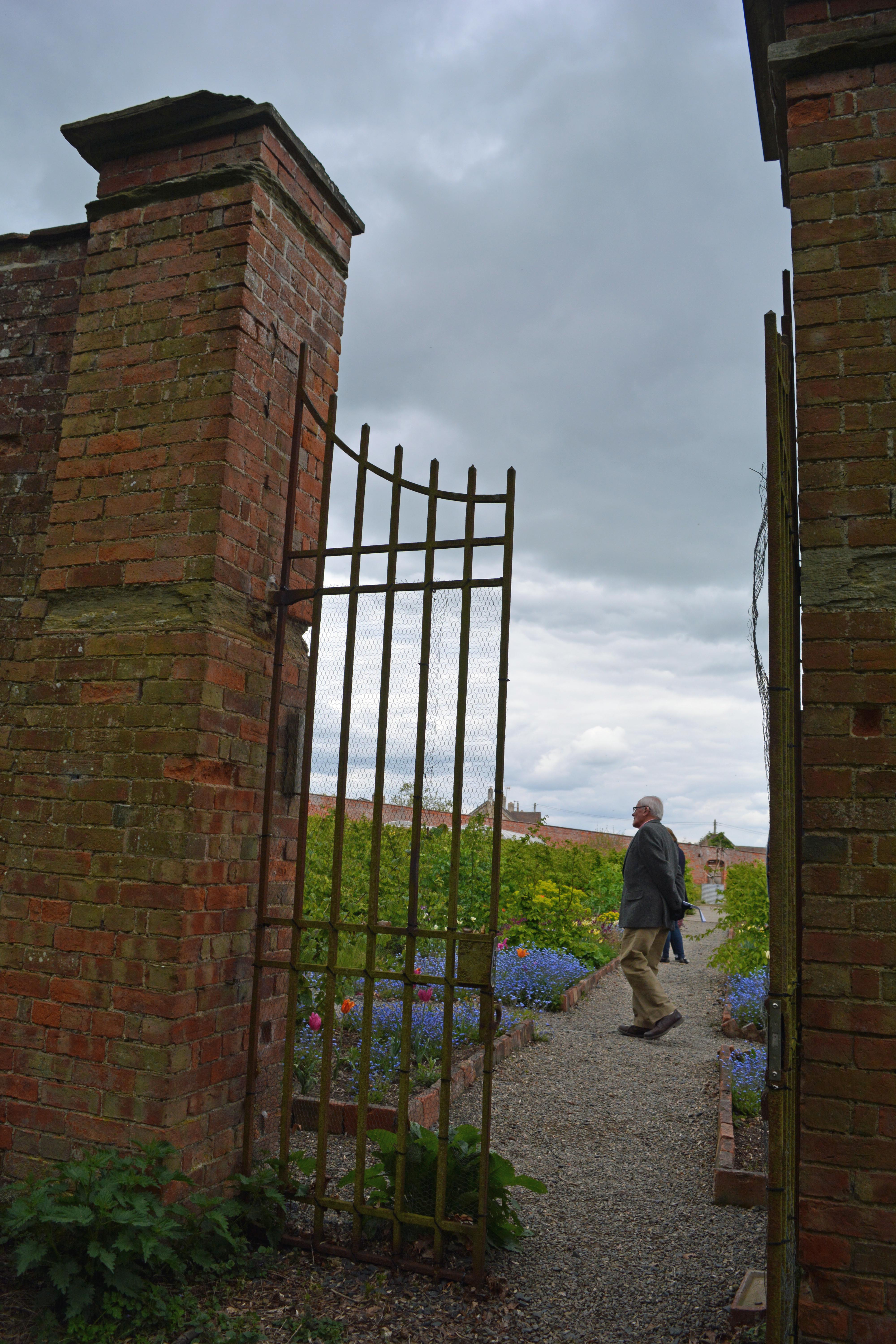
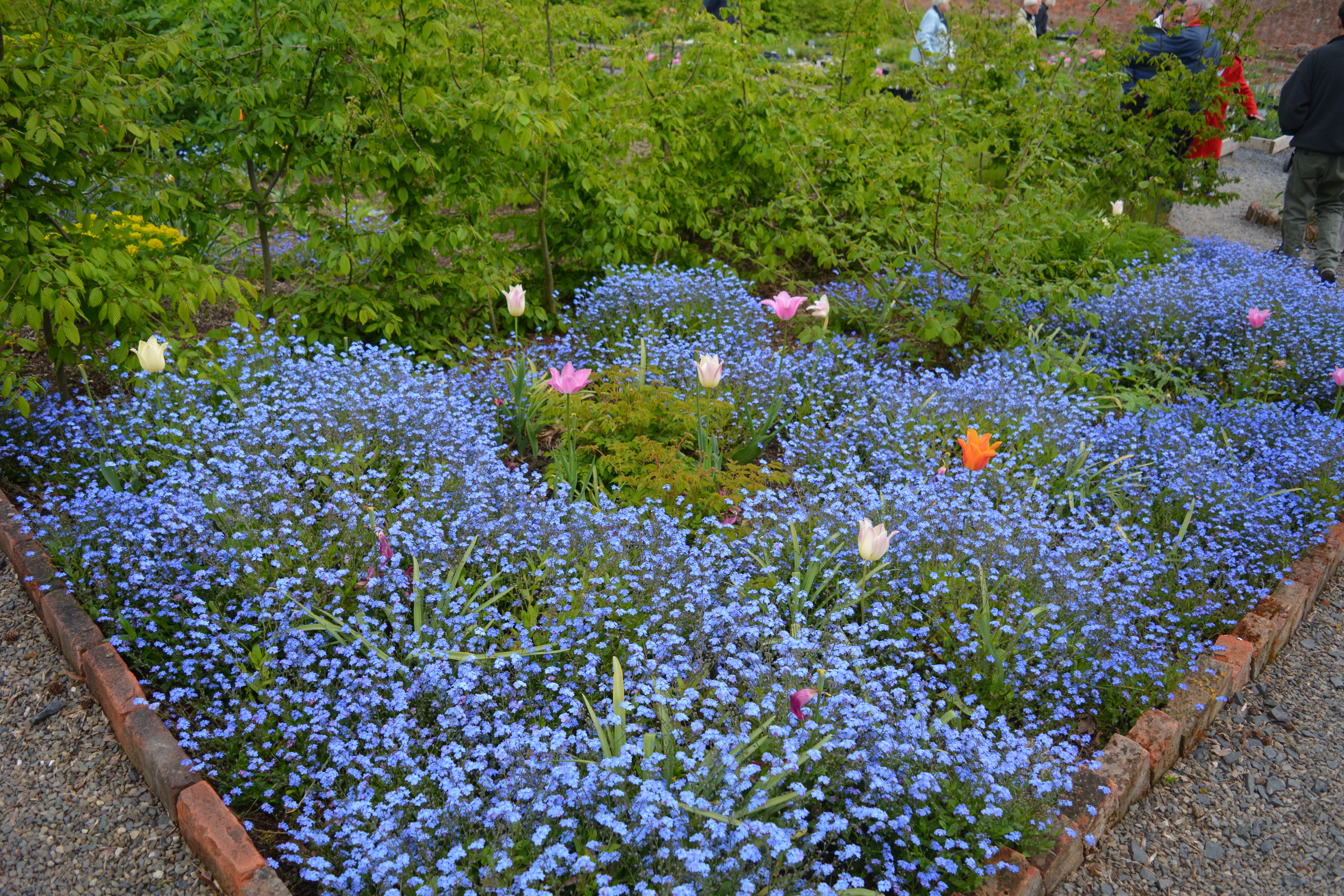
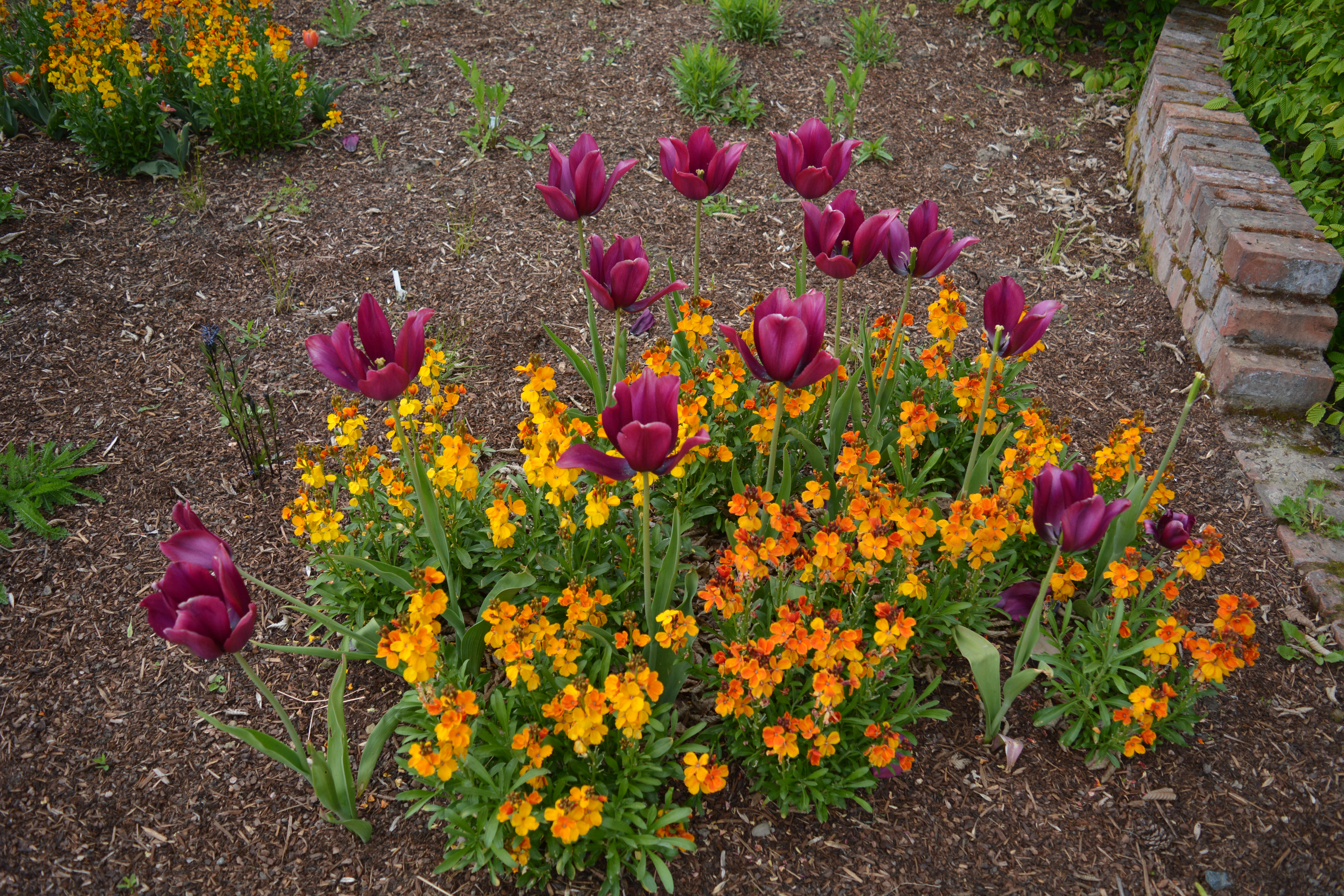
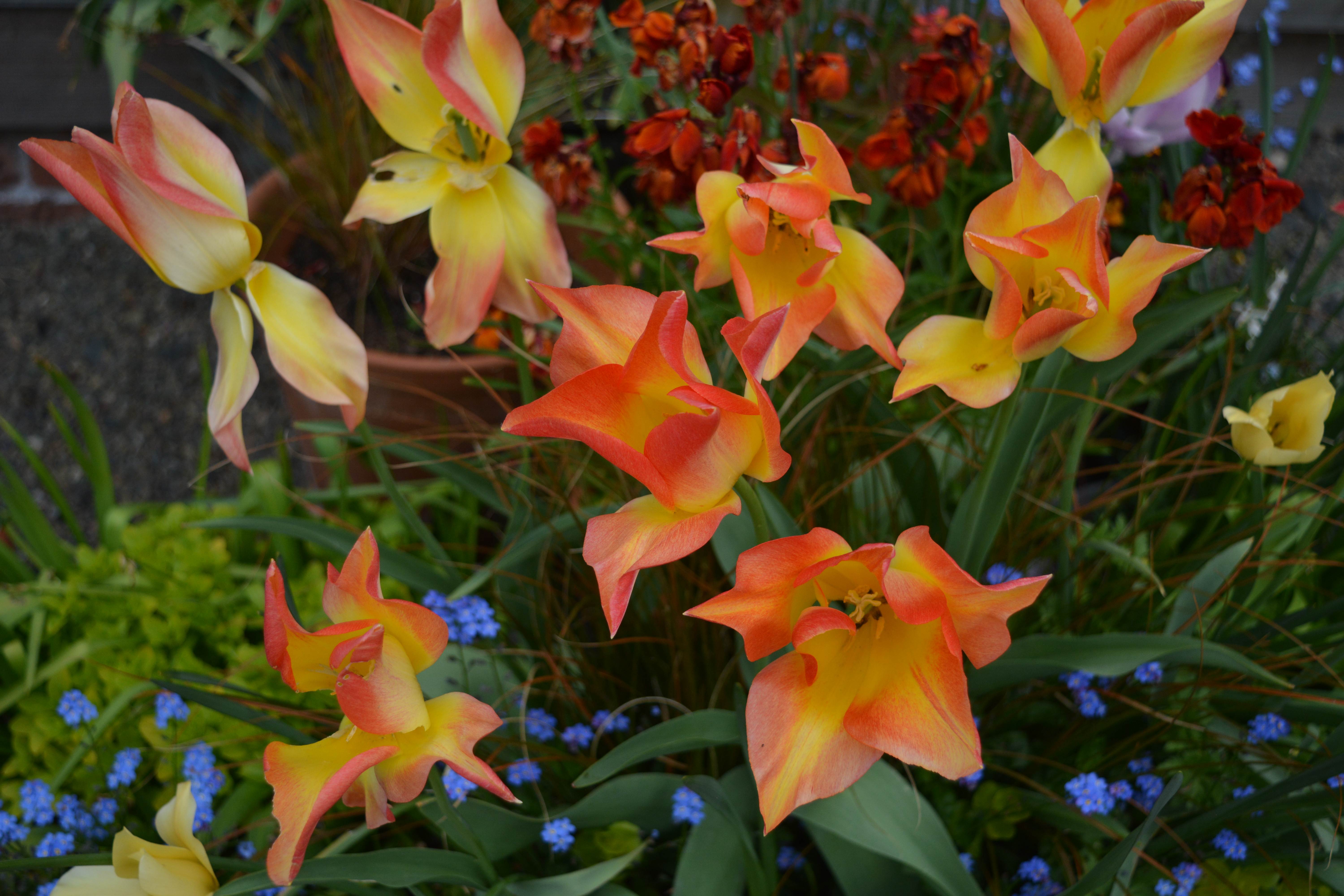
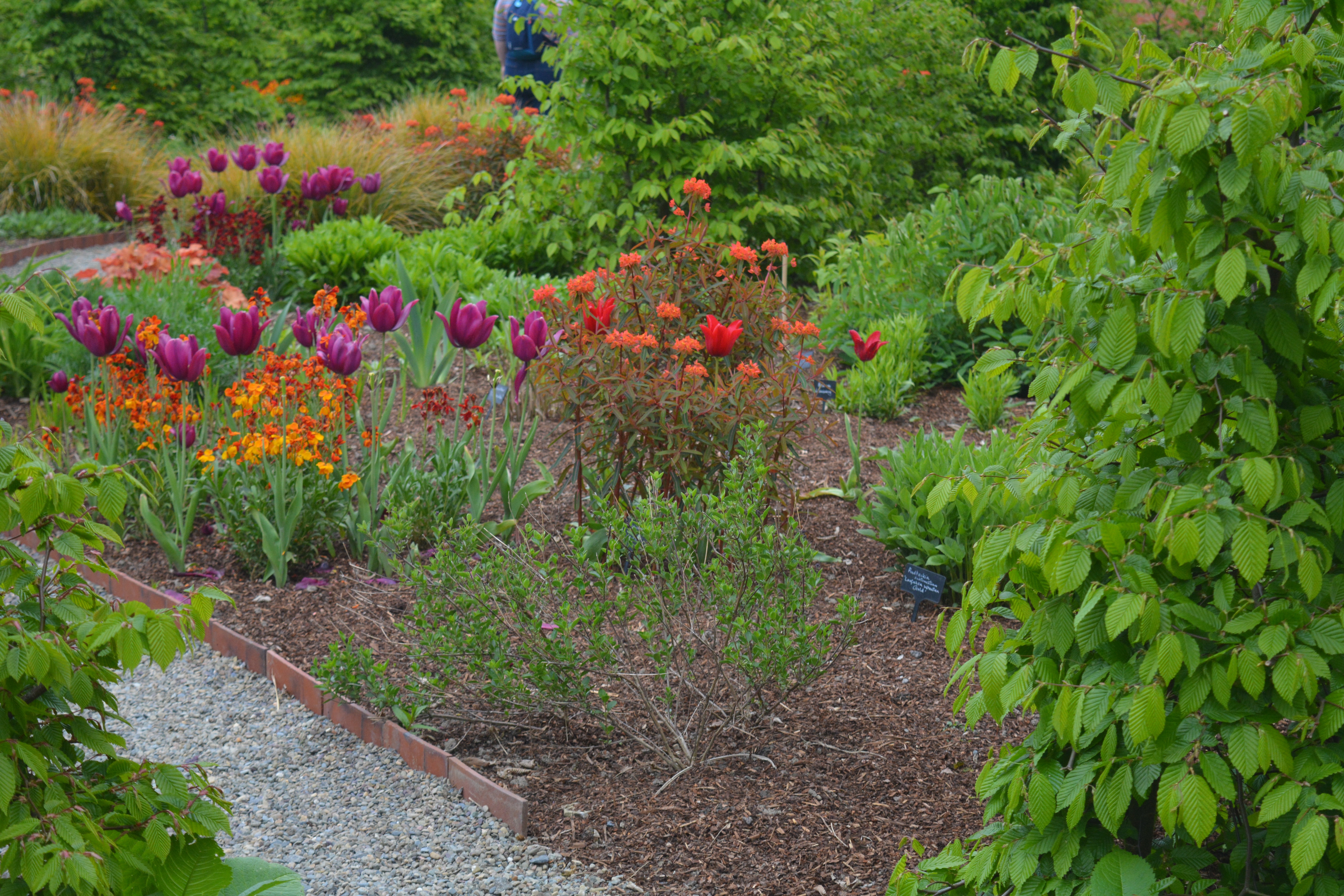
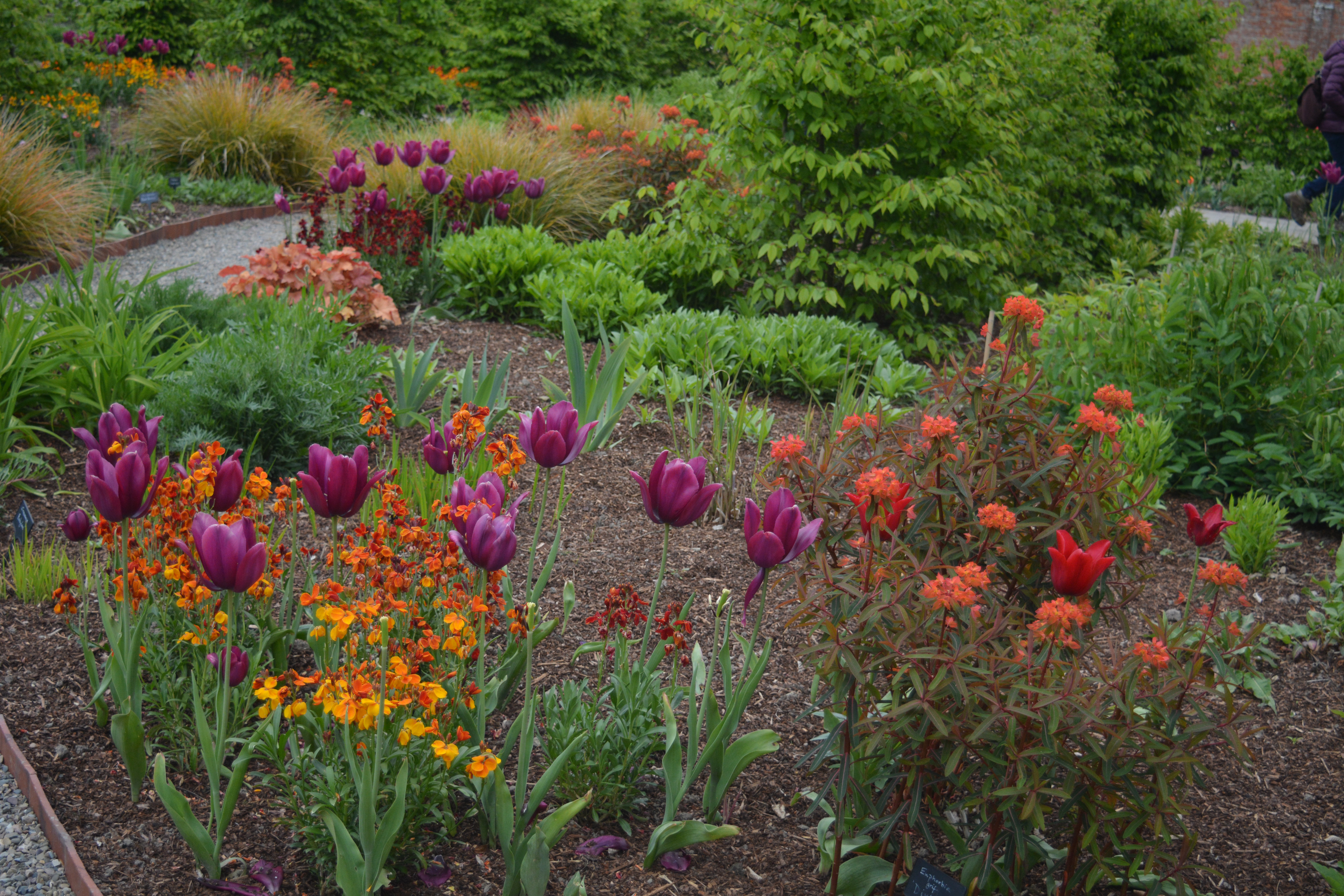
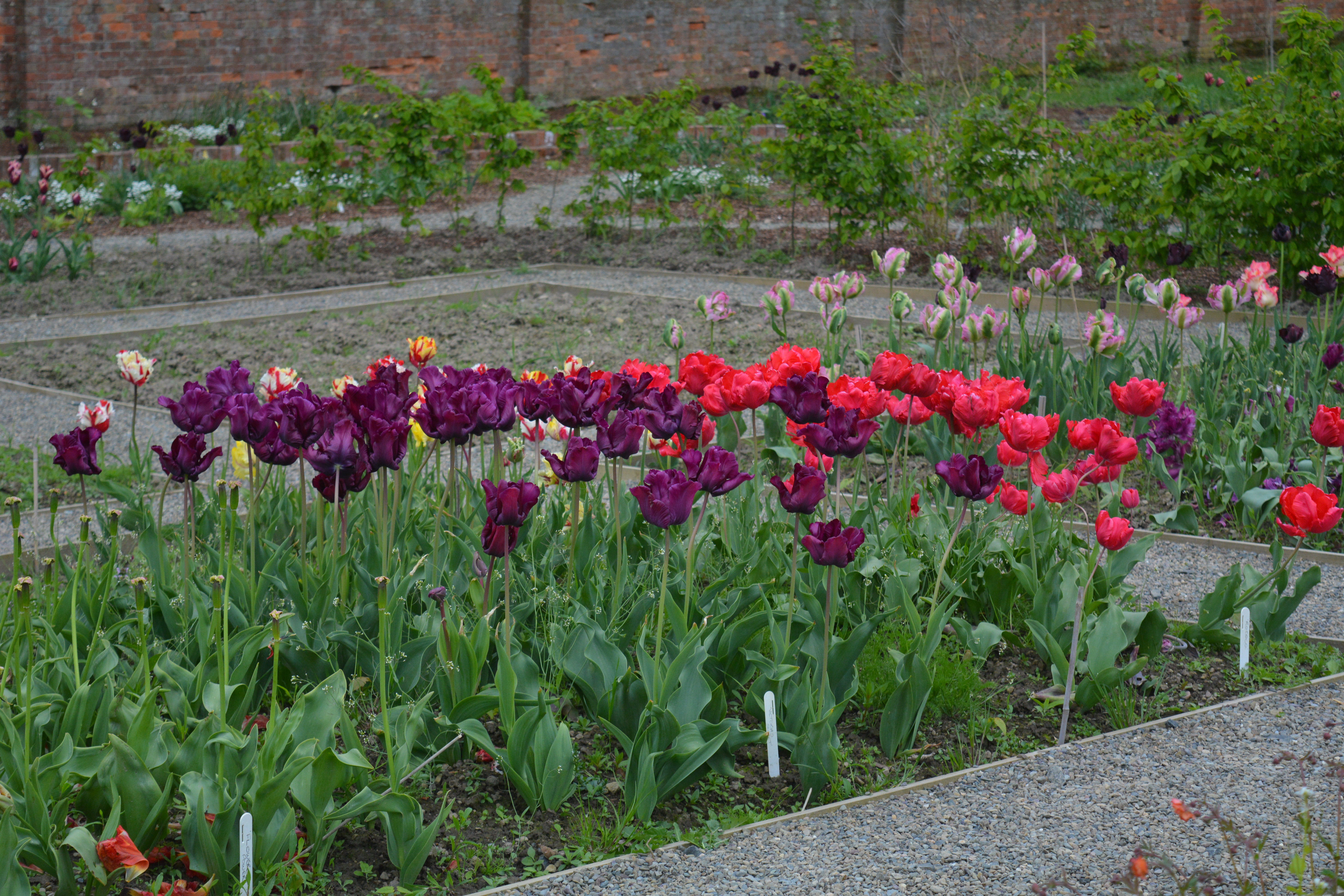
We arrived via a tall gate in the the brick walls and were immediately struck by a patch of Forget-me-nots and tulips. We soon realised that Jack and Laura had a great taste in tulip colours. These tulips complimented so effectively the strength of colours of euphorbias and wallflowers.

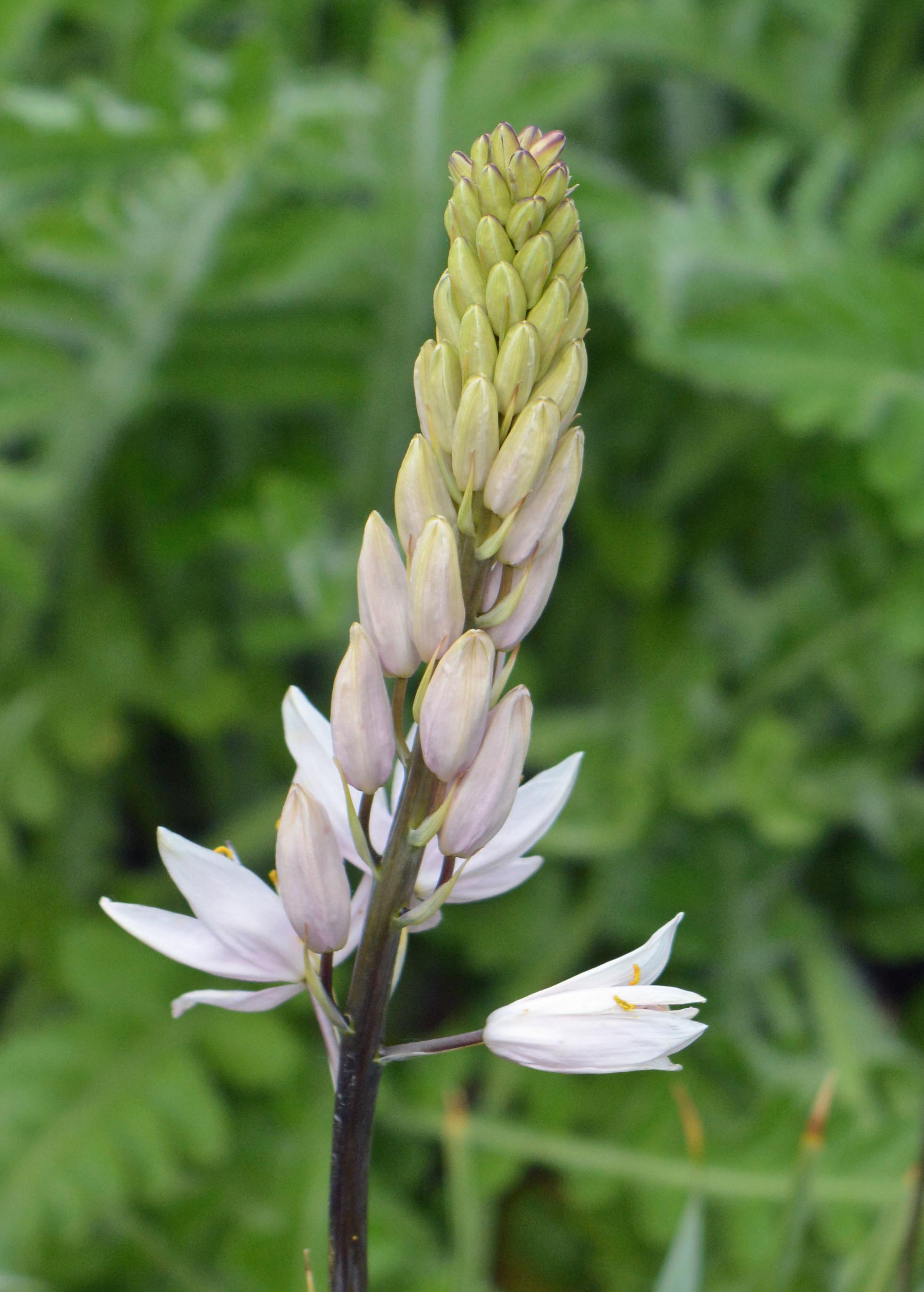
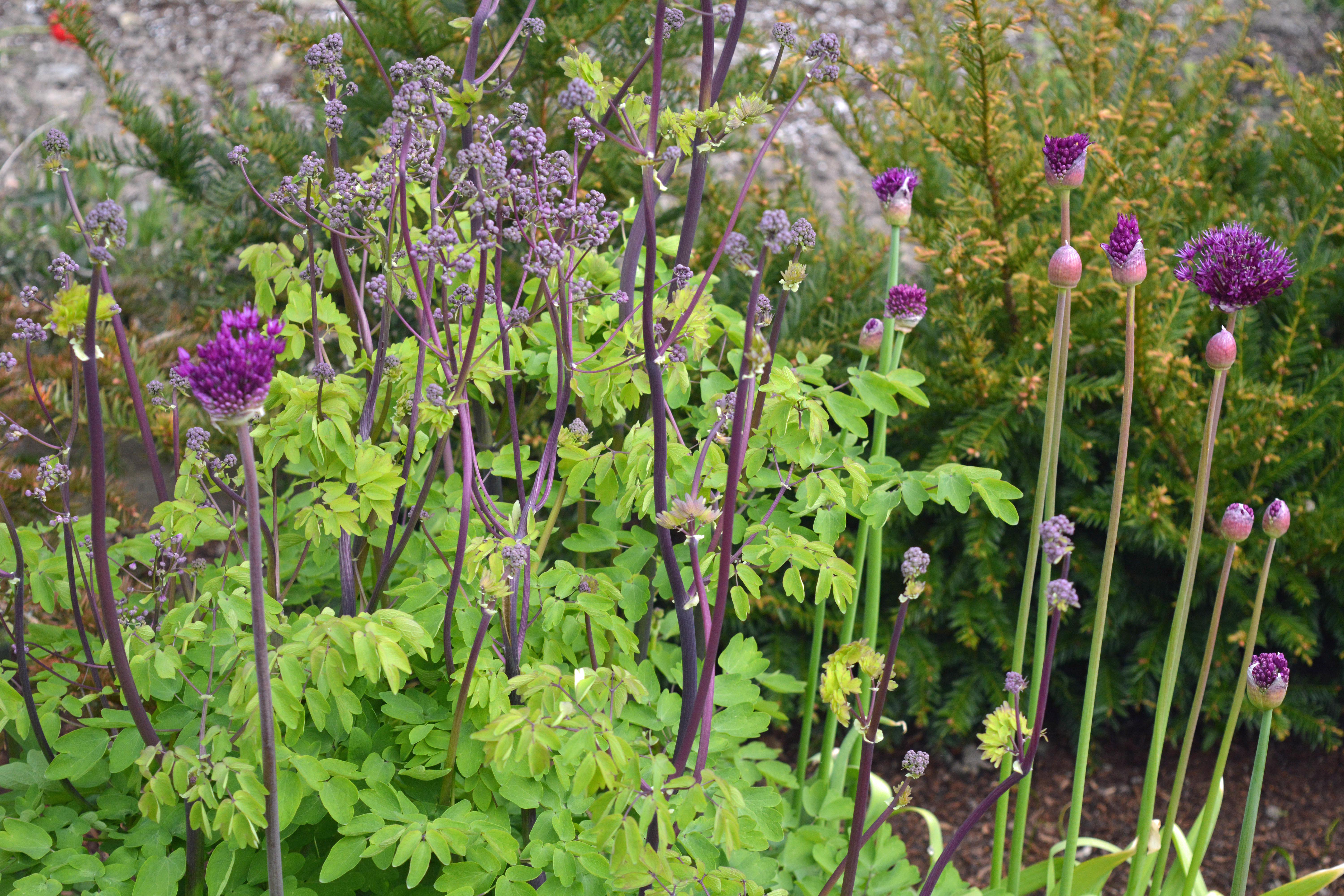
Throughout the garden, as we wandered and explored, little gems of plants caught our eyes like this unusual Cammassia and the strong stemmed Thalictrum “Black Stocking”.


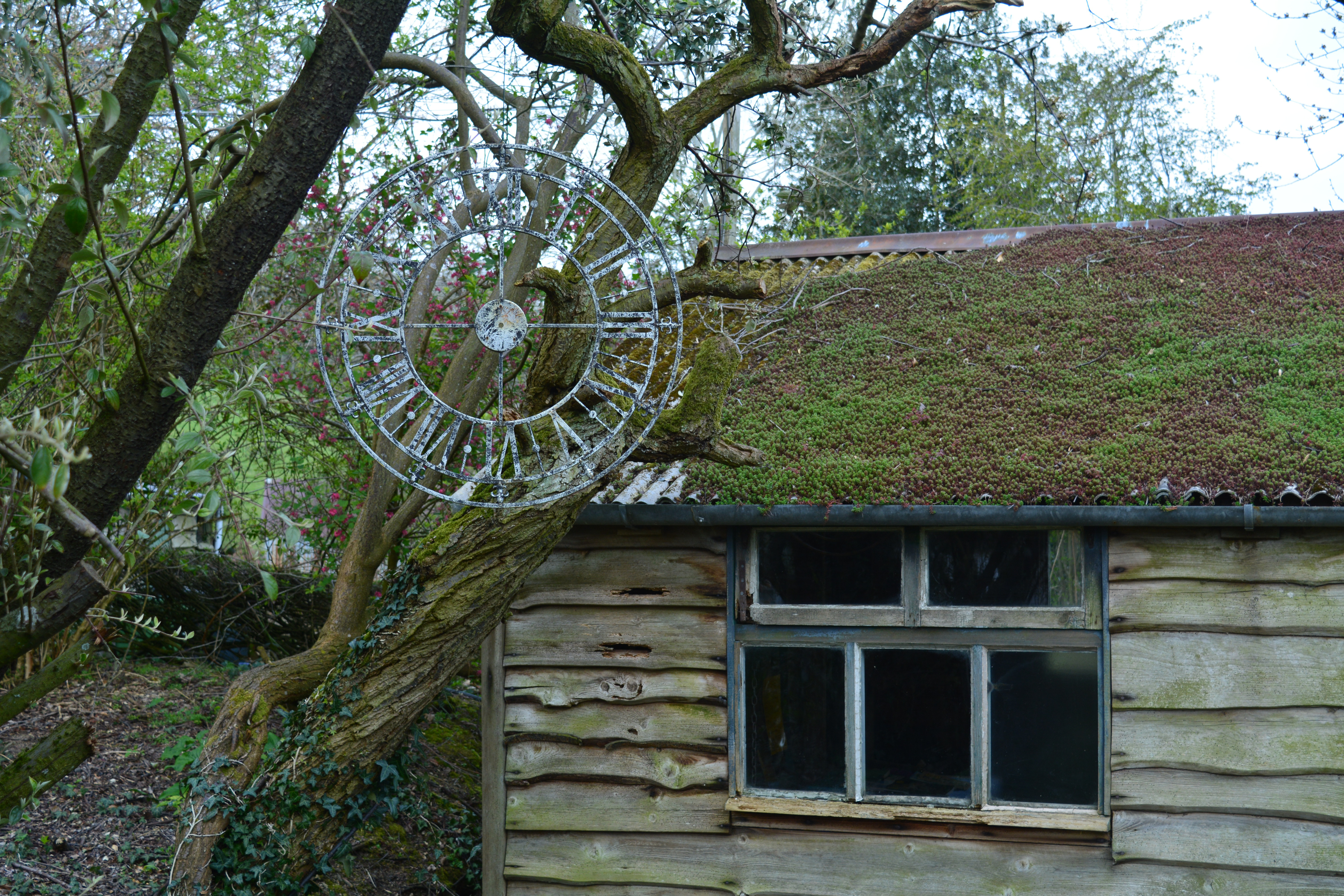
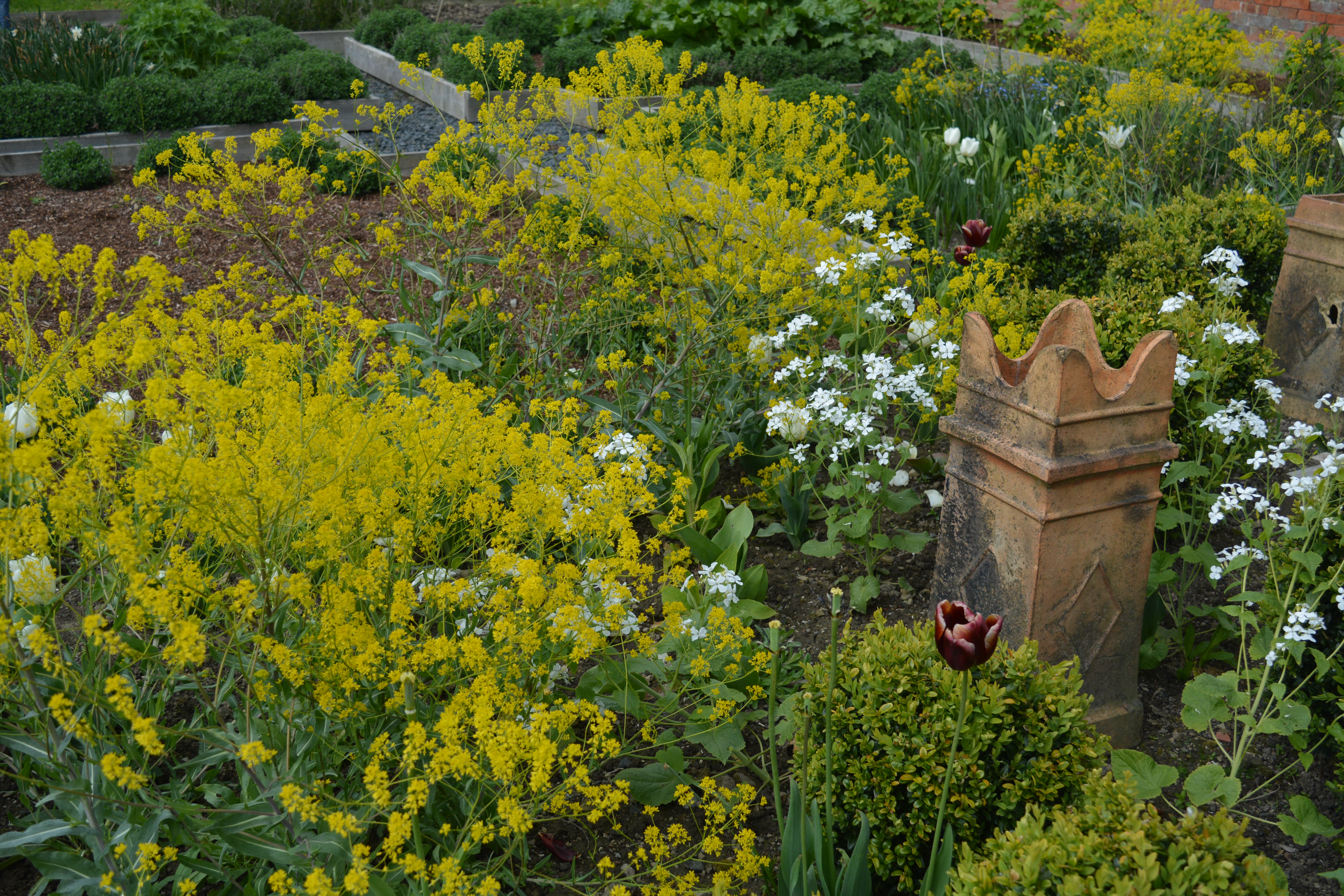
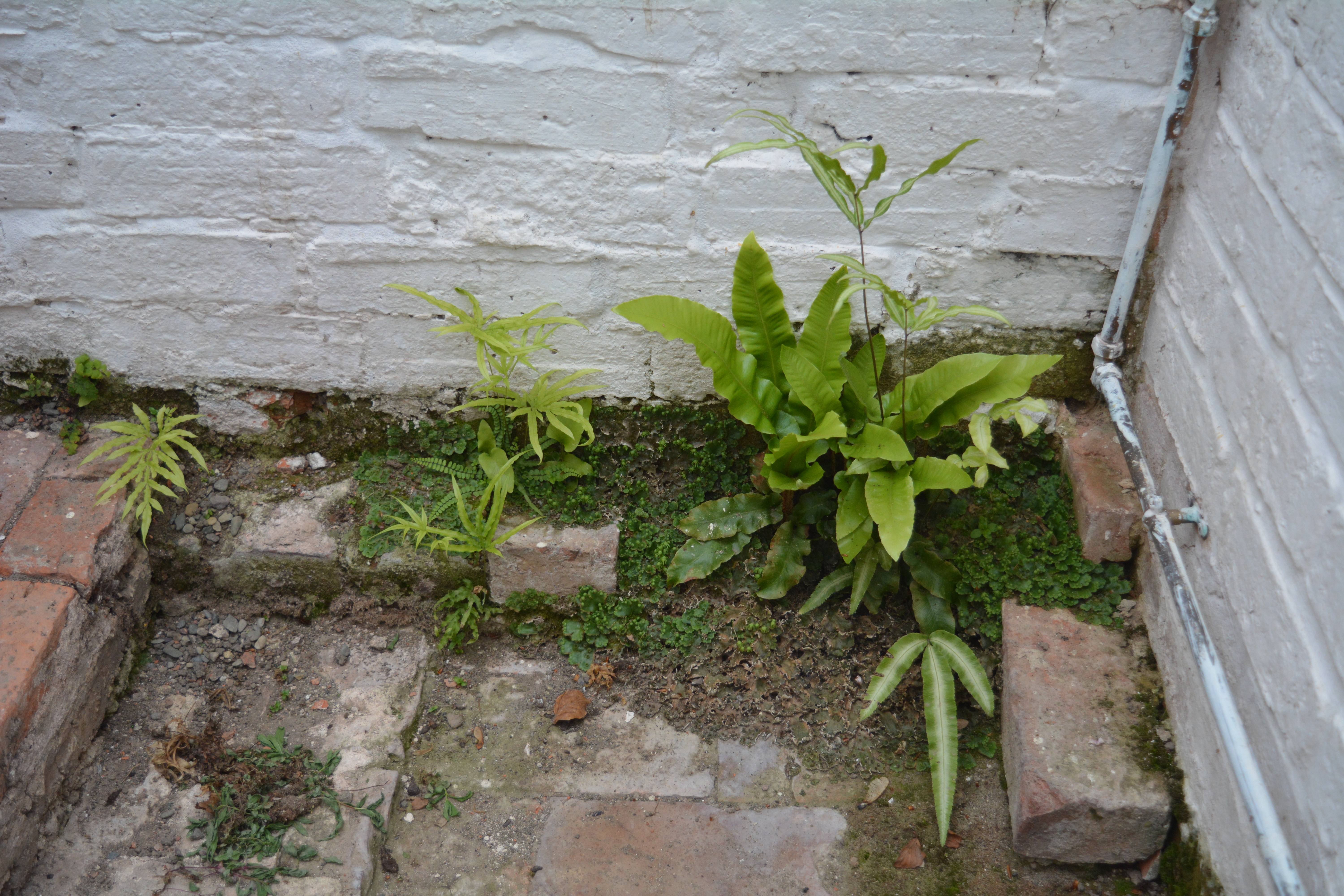
Memories of the walled garden’s Georgian origins and its history until its demise after the two world wars appear occasionally throughout the garden, and exciting artifacts integrate into the plantings.


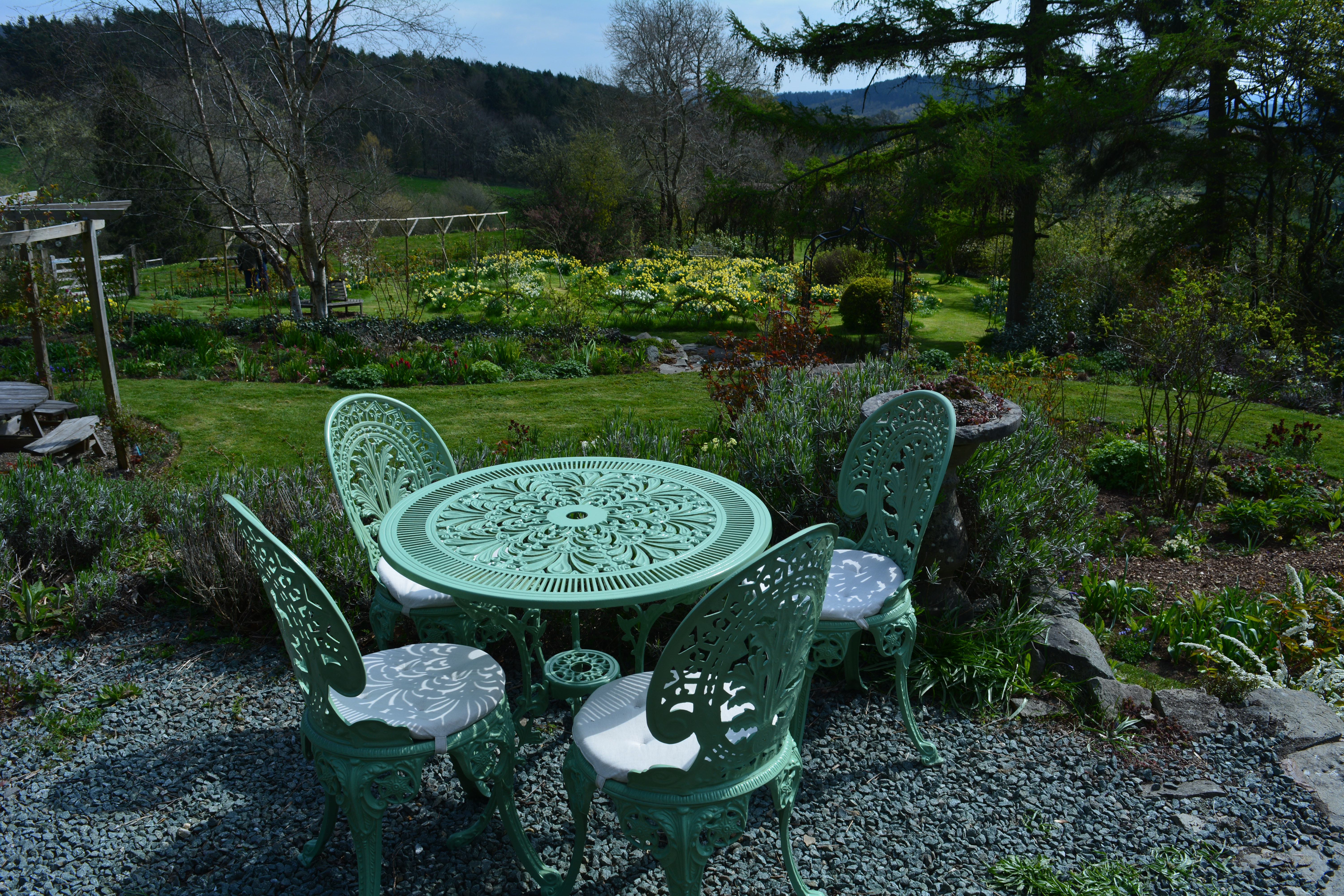
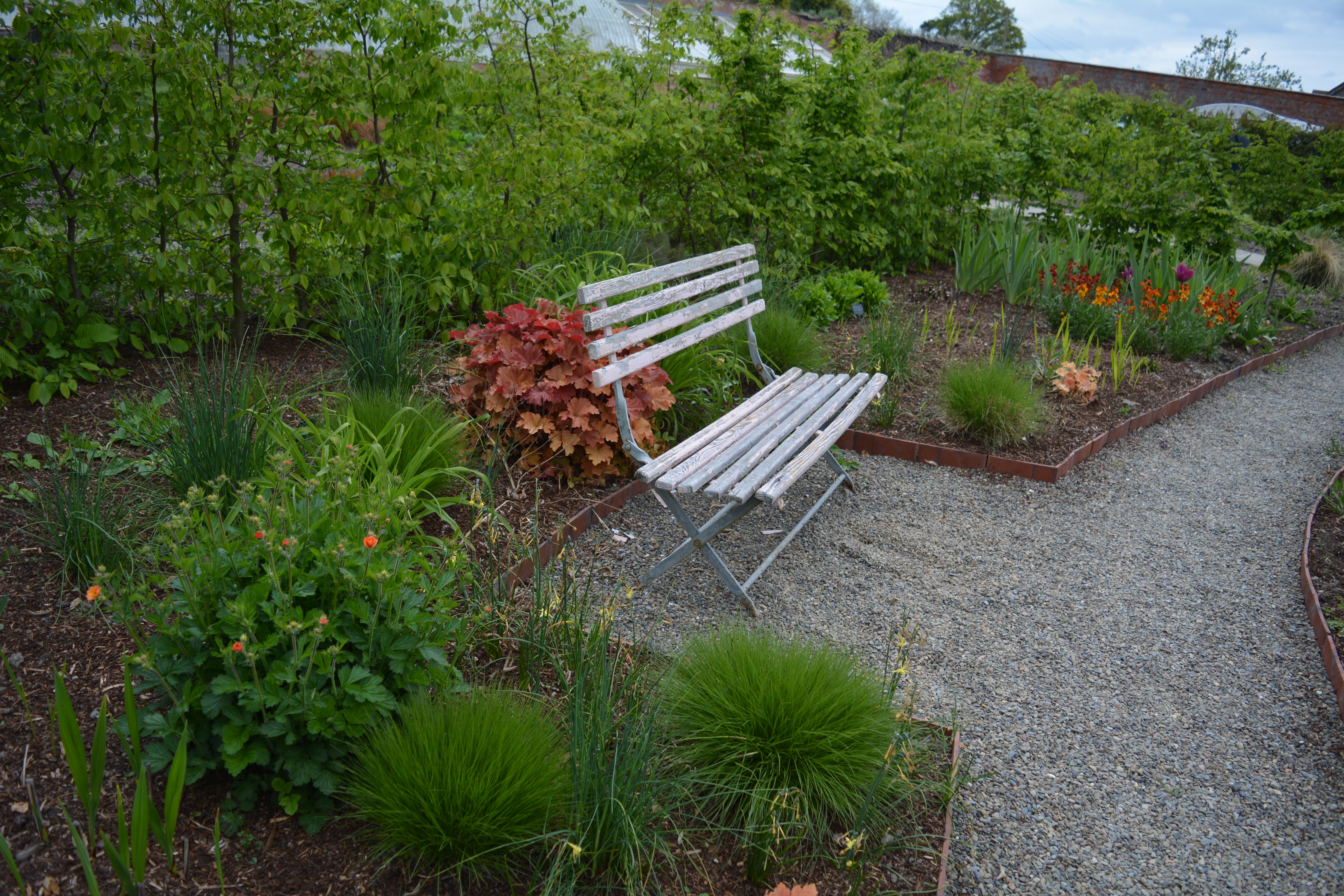
The teashop is wonderfully old-fashioned and is so welcoming with beautiful bone china crockery in which tasty tea is served along with home-made cakes. We found a beautifully coloured table and chairs within the garden. We are tempted to paint some of our metal furniture in that colour as it sits so comfortably in the garden.


Next here is a selection of photos taken throughout the walled garden for you to enjoy.

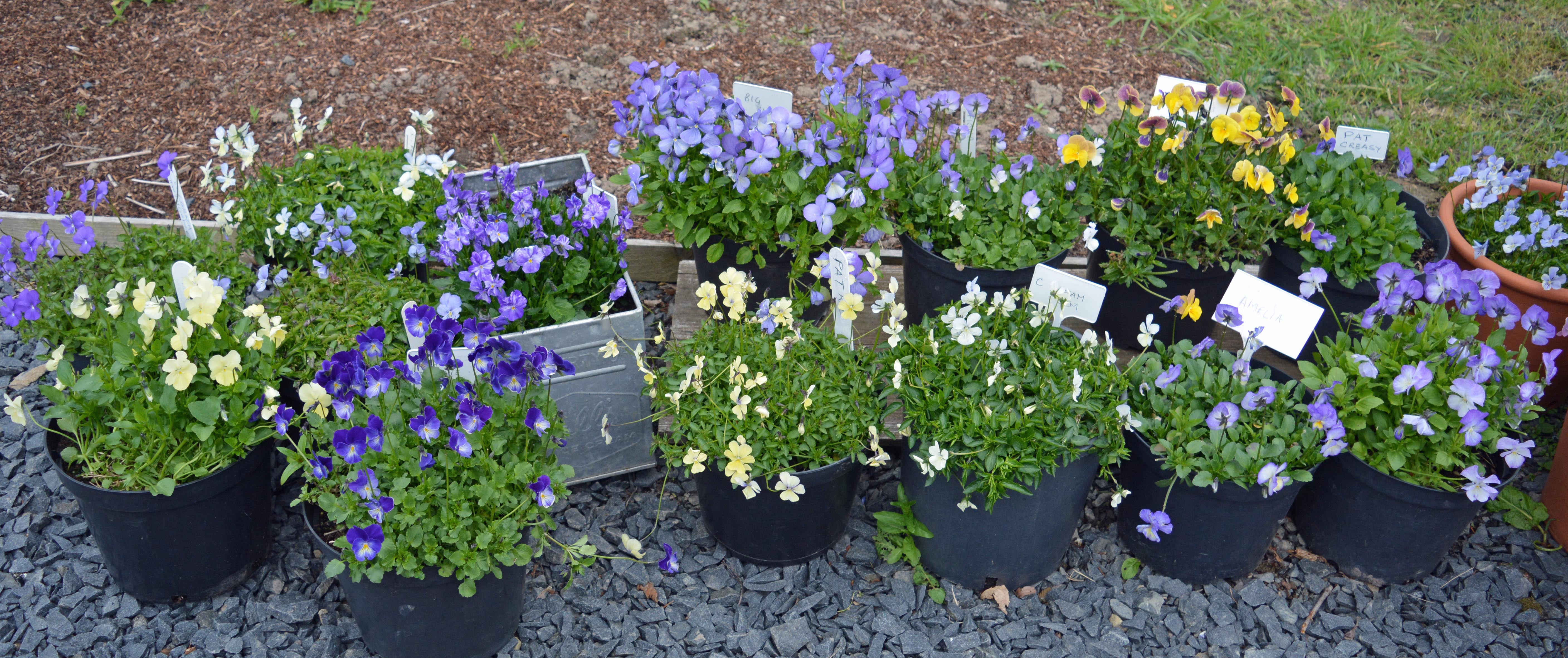
We finished our wanderings at the nursery. Always a good idea! Here we bought a selection of their hardy perennial violas – beautiful!

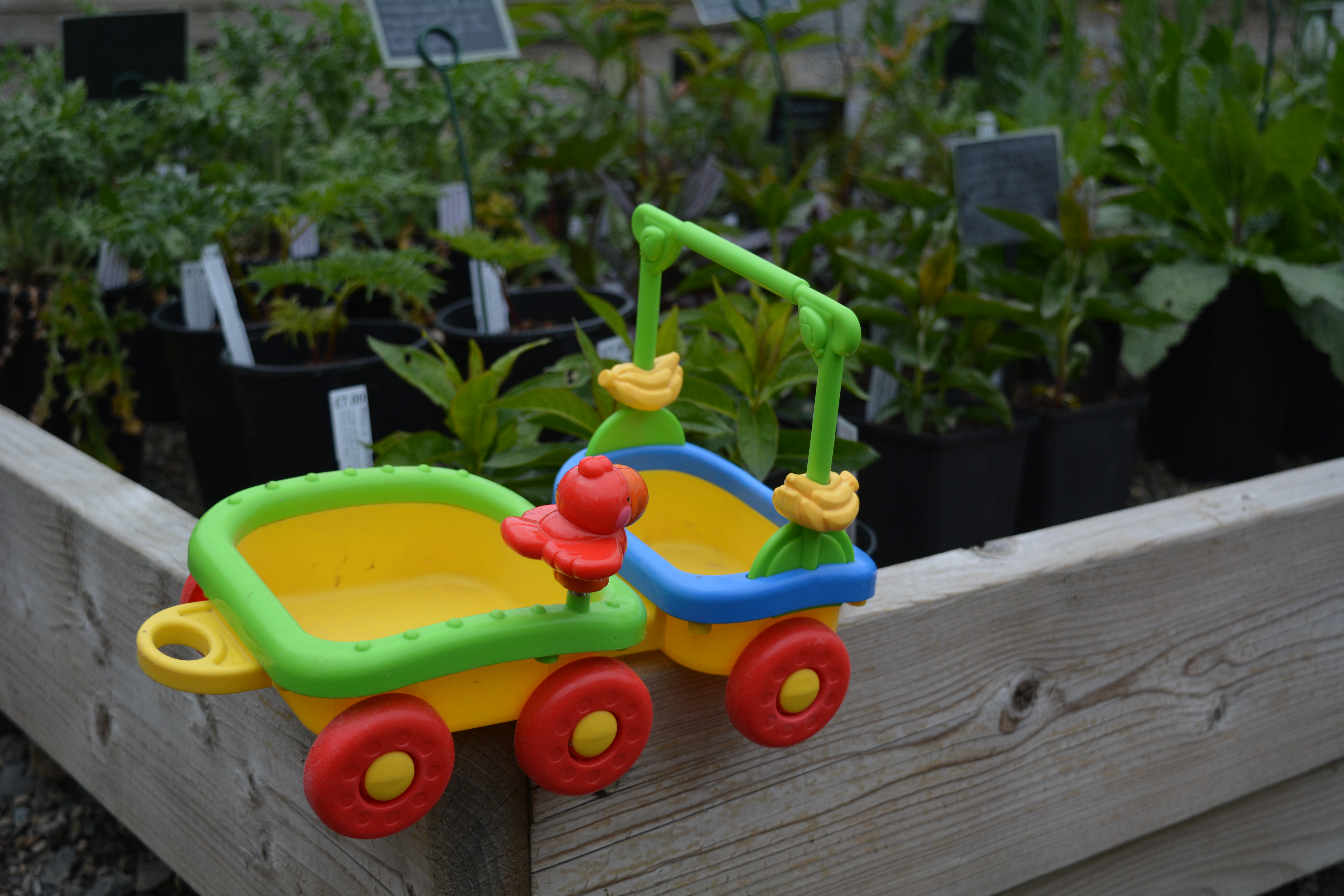
Laura and Jack’s twins always leave a surprise somewhere in the garden and today this was in the nursery beds. A nice friendly way to finish an inspirational, relaxing afternoon.

We will be back in the summer and report that exploration too.


Categories
colours flowering bulbs garden design garden photography gardening gardens hardy perennials ornamental trees and shrubs Shrewsbury Shropshire shrubs spring bulbs spring gardening

My Garden Journal 2019 – April

April is one of our busiest months in our Avocet patch, a month when we are busy, our wildlife colleagues are busy and the plants are growing apace. We have tasks to complete as well as usual garden routines.

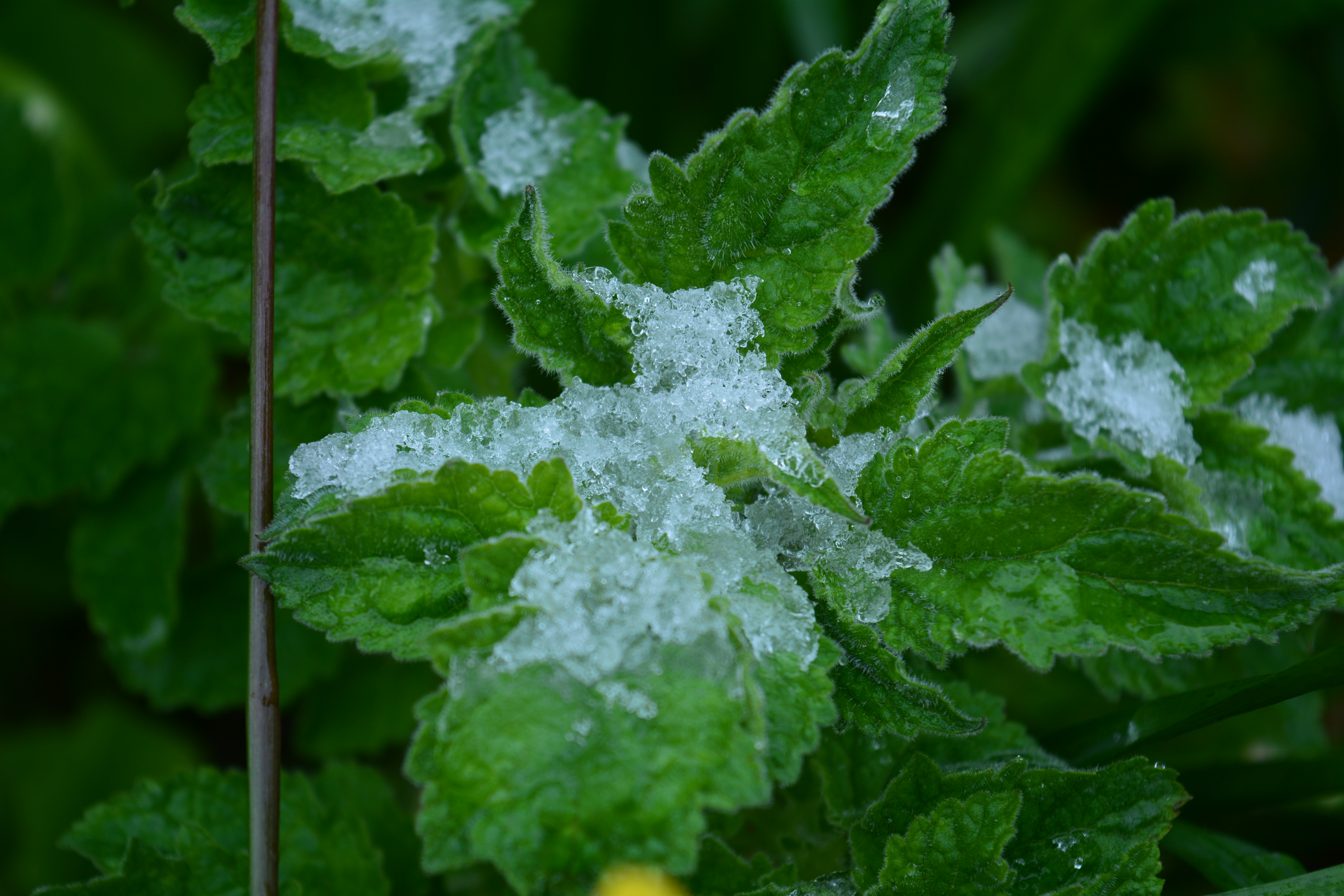
As I often do in my journals I began with the weather and wrote, “April burst onto the scene with a crazy few days of weather. The first day, April Fools’ Day, was bright and mild after a frosty start which gave us hope for a few good days for gardening. Sadly this was far from the reality as during the following few days the weather treated us to rain, sleet, snow, hail and freezing winds! Not good for gardening!” I added a few photos of frozen rain after it had settled on the garden.

Frozen rain on the garden was an unexpected event.


“Succulents love hot dry areas but look good with hats of snow and ice.”


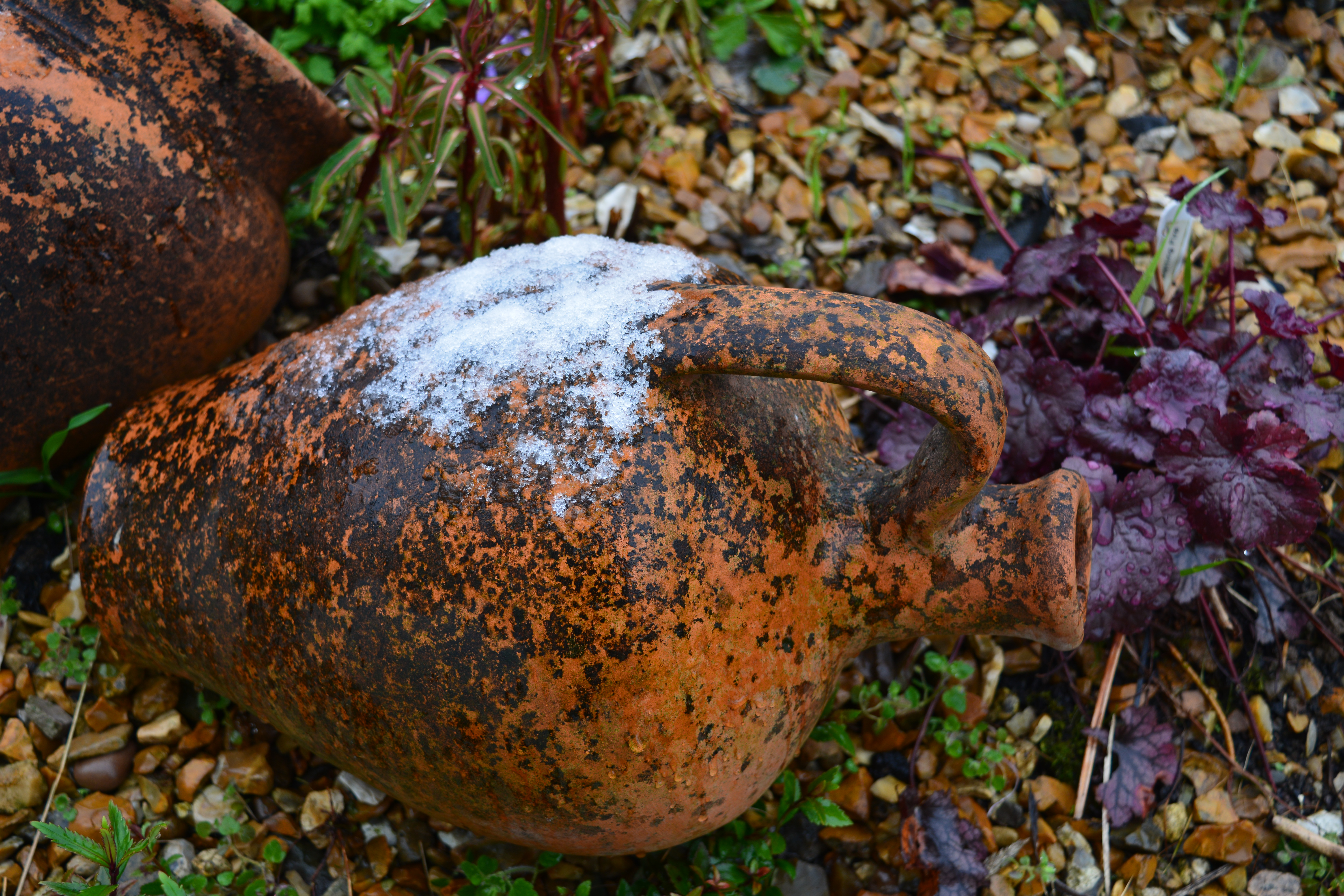
“Pitcher with snow and black lichen.”

“Frozen rain on fresh herbaceous foliage.”

On the page opposite my weather report I considered some of our flowering shrubs that add a fresh dimension to the spring garden.

“April seems to be the month when our collection of flowering shrubs come into their own, many of them will continue to give colour for weeks on end and then delight us with their foliage in summer and autumn and also the addition of berries.” I then shared a set of photos of a few of our spring flowering shrubs.


Next I shared a few of our spring tasks around the garden

I wrote, “Our list of “non-plant” jobs continued well into the spring, when we made a new shed, in a bright blue painted sentry-box style, specially to fit in our seaside garden.”

“The flat-packed shed arrived in a box and we soon opened it up and lined up all the pieces in readiness.”

“It took longer to make than expected and the finished shed was a bit flimsier than we would have liked so I will add more structural wooden struts to it.”

On the opposite page I looked at other jobs we undertook in April.

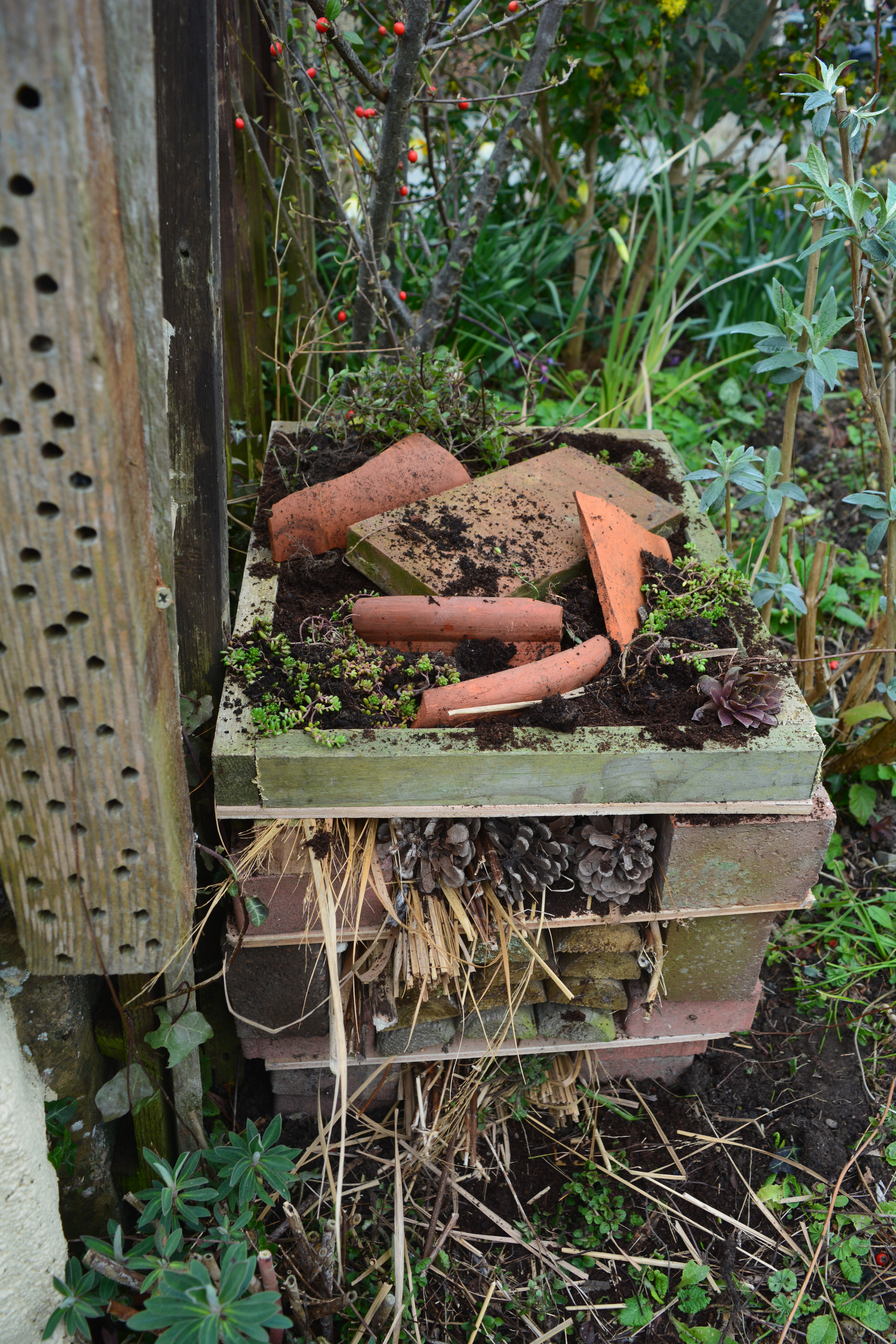
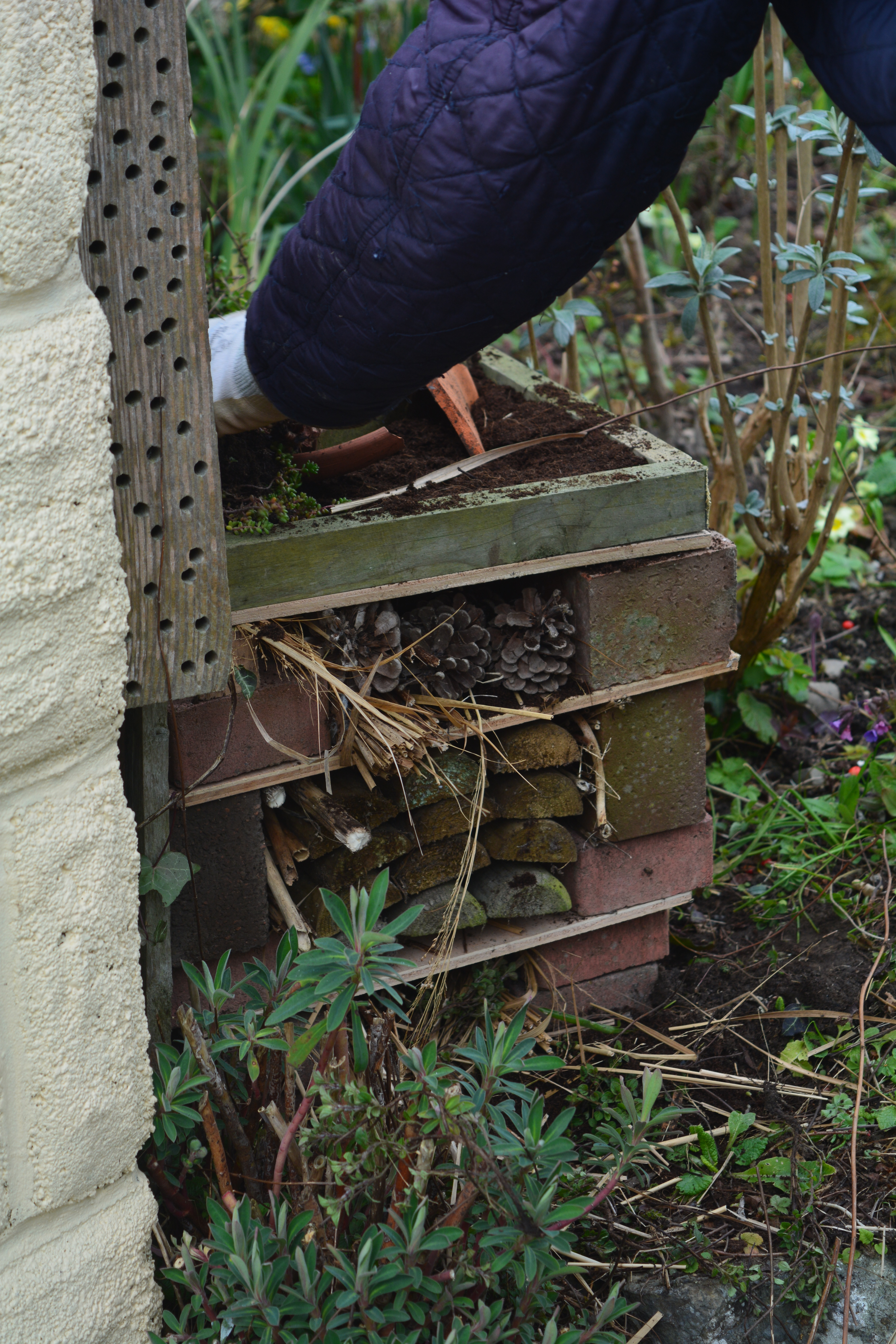
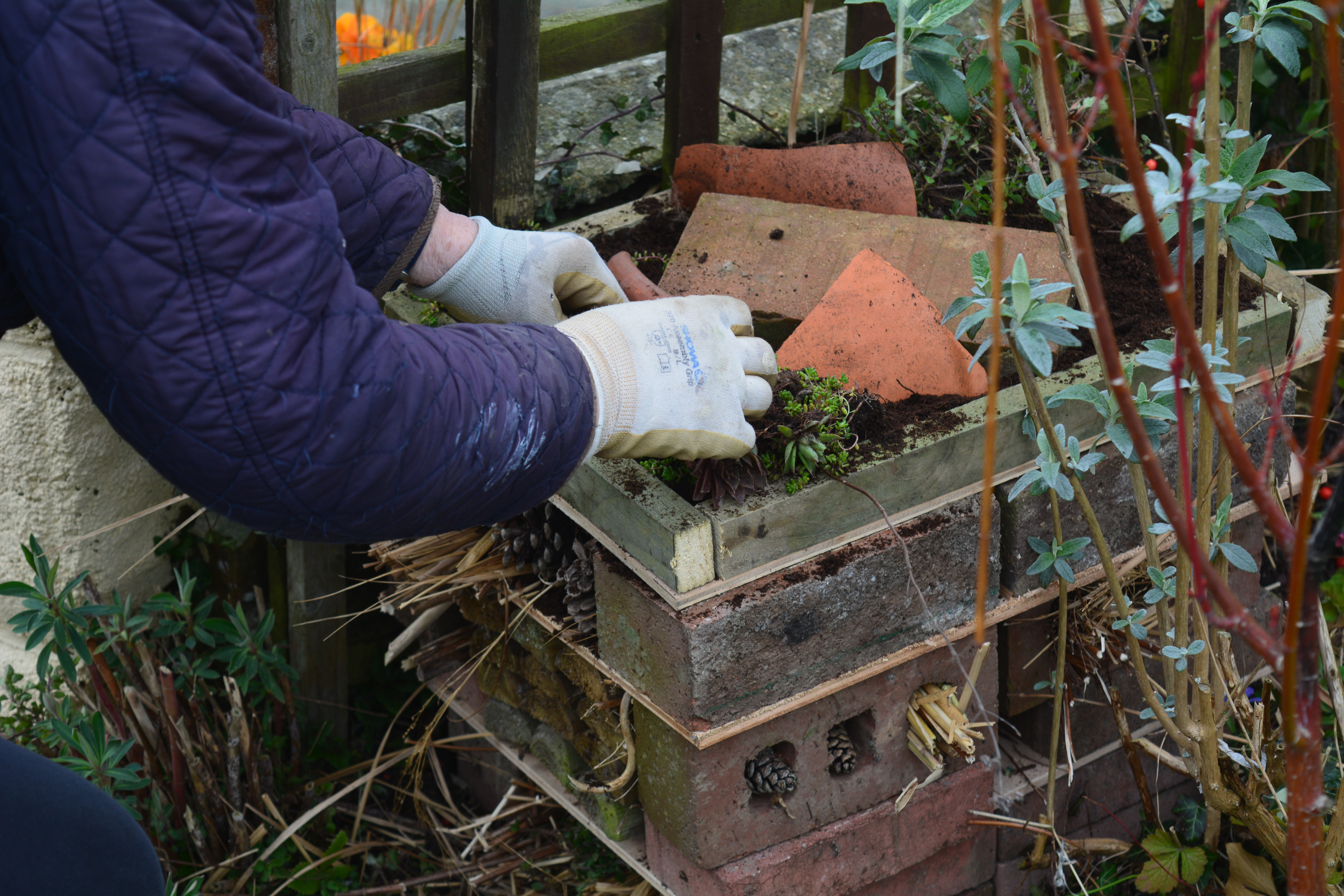
“More jobs to launch a new month ….. Jude created a new insect hotel.”

“We planted potatoes in bags.” “We sowed wildflowers in Arabella’s Garden.”

“Roses on arches needed a trim and some shrubs needed pollarding.”


When we turn over the page we see that the next two pages are all about those special flowers of spring, flowering bulbs.

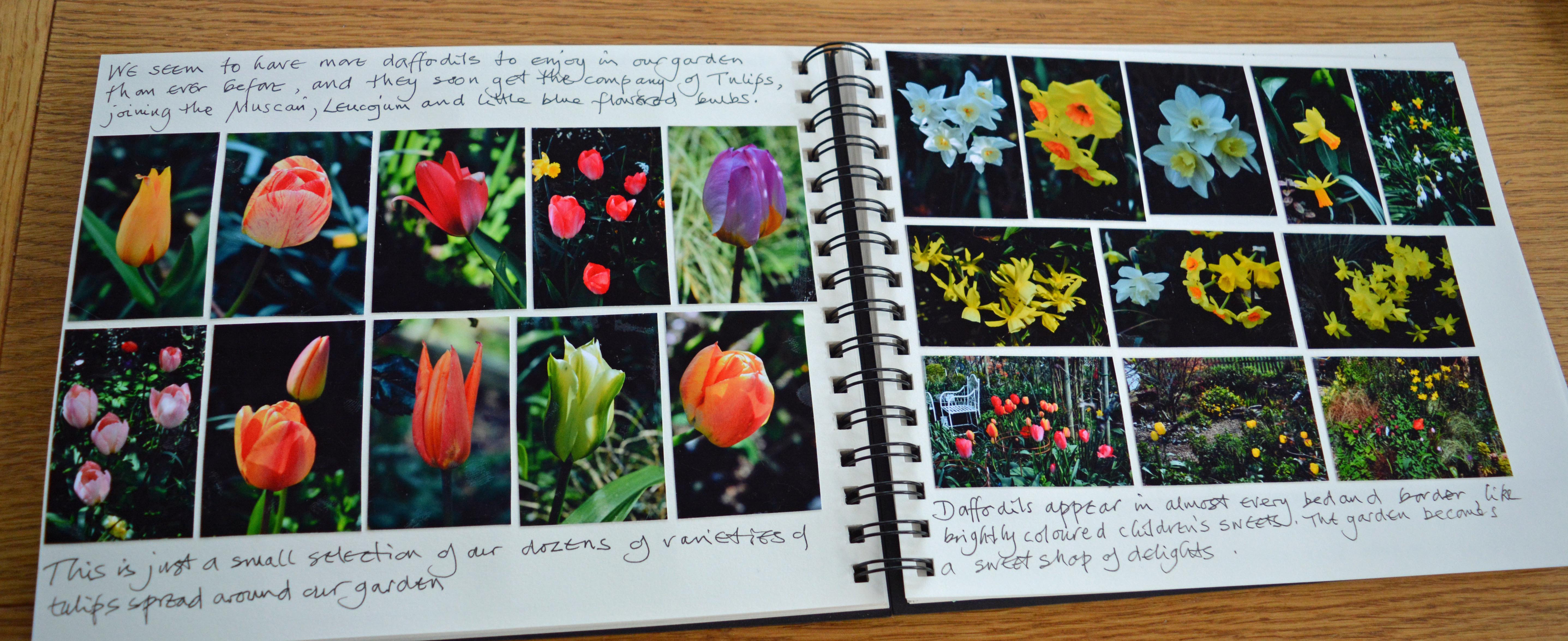
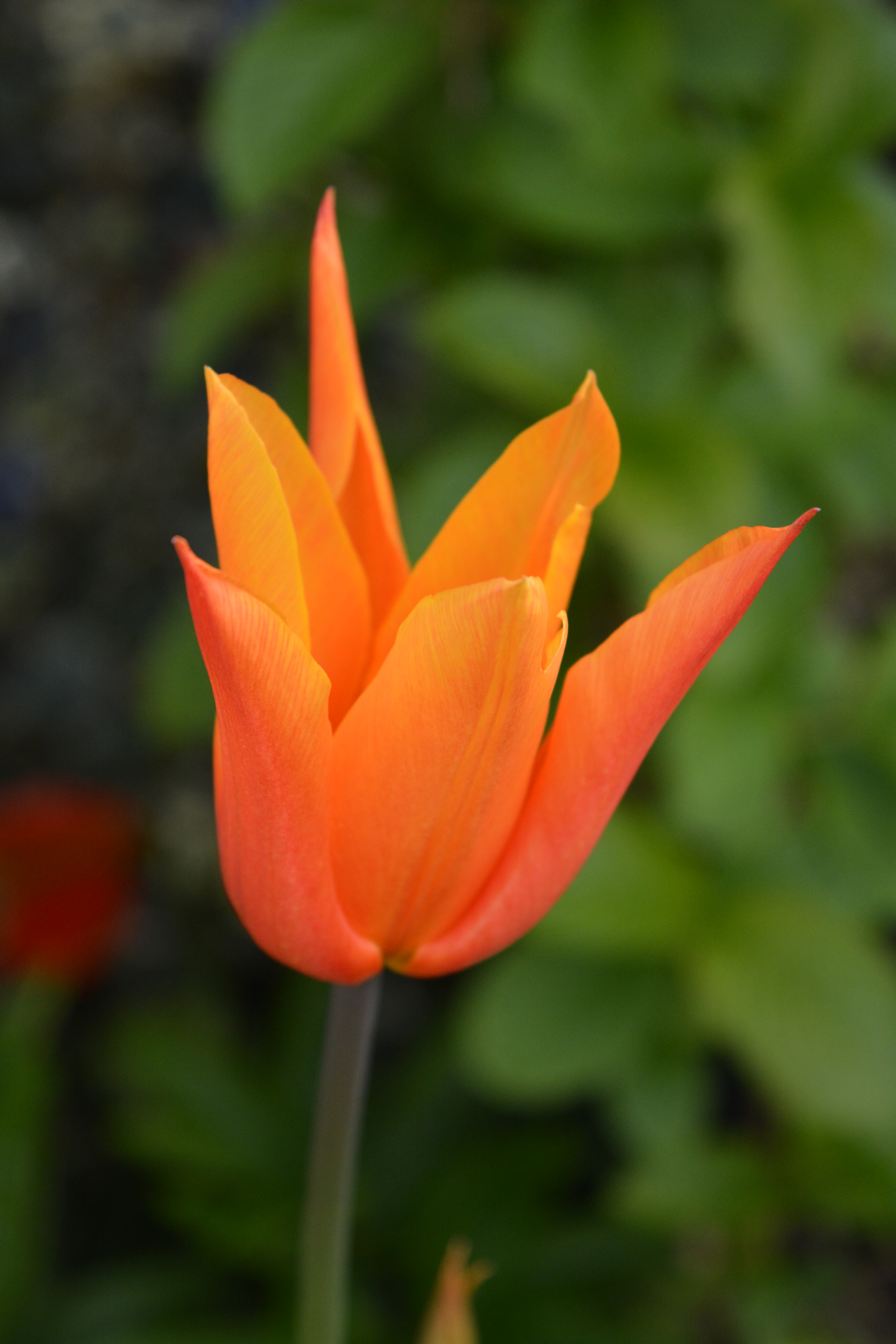
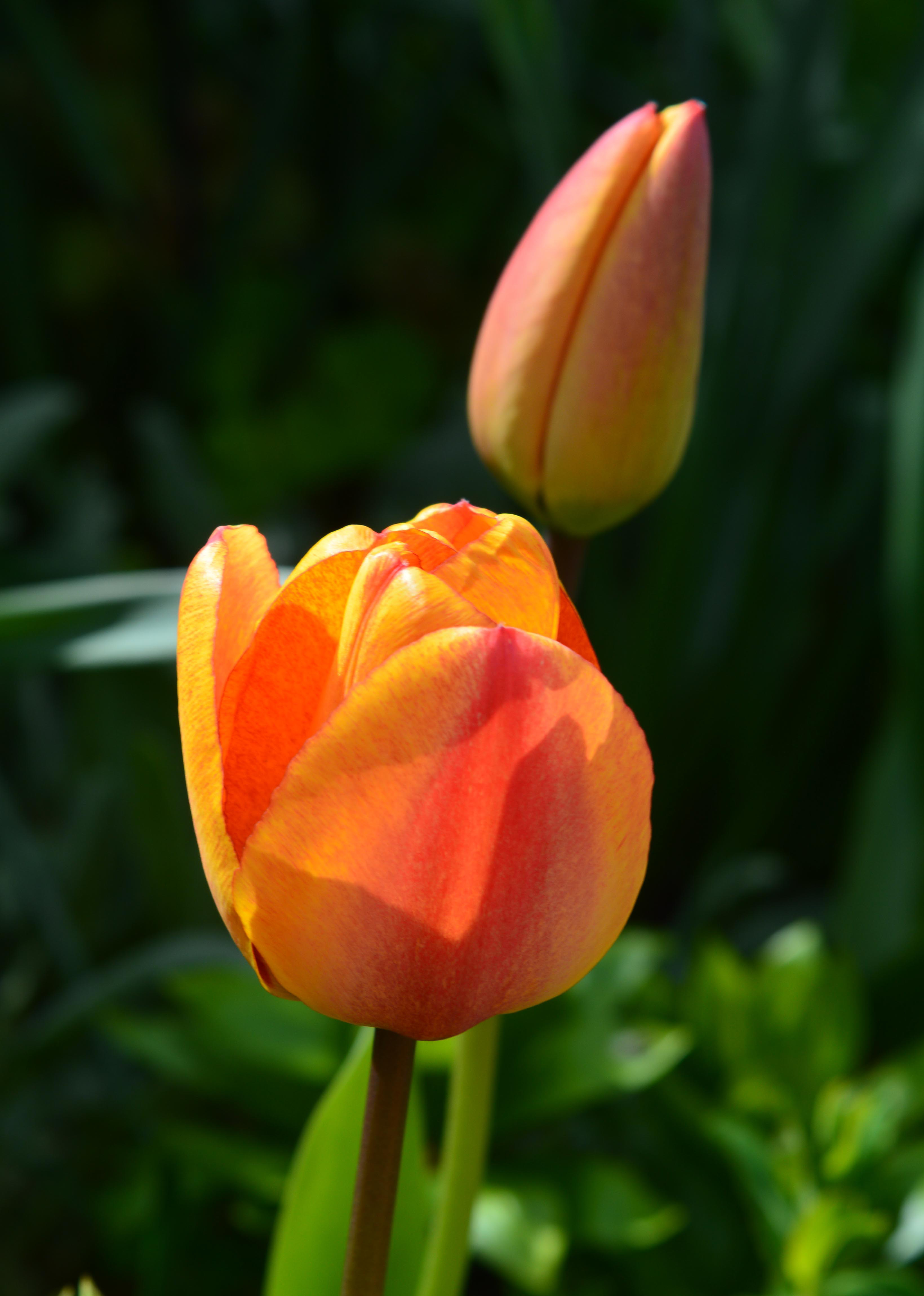
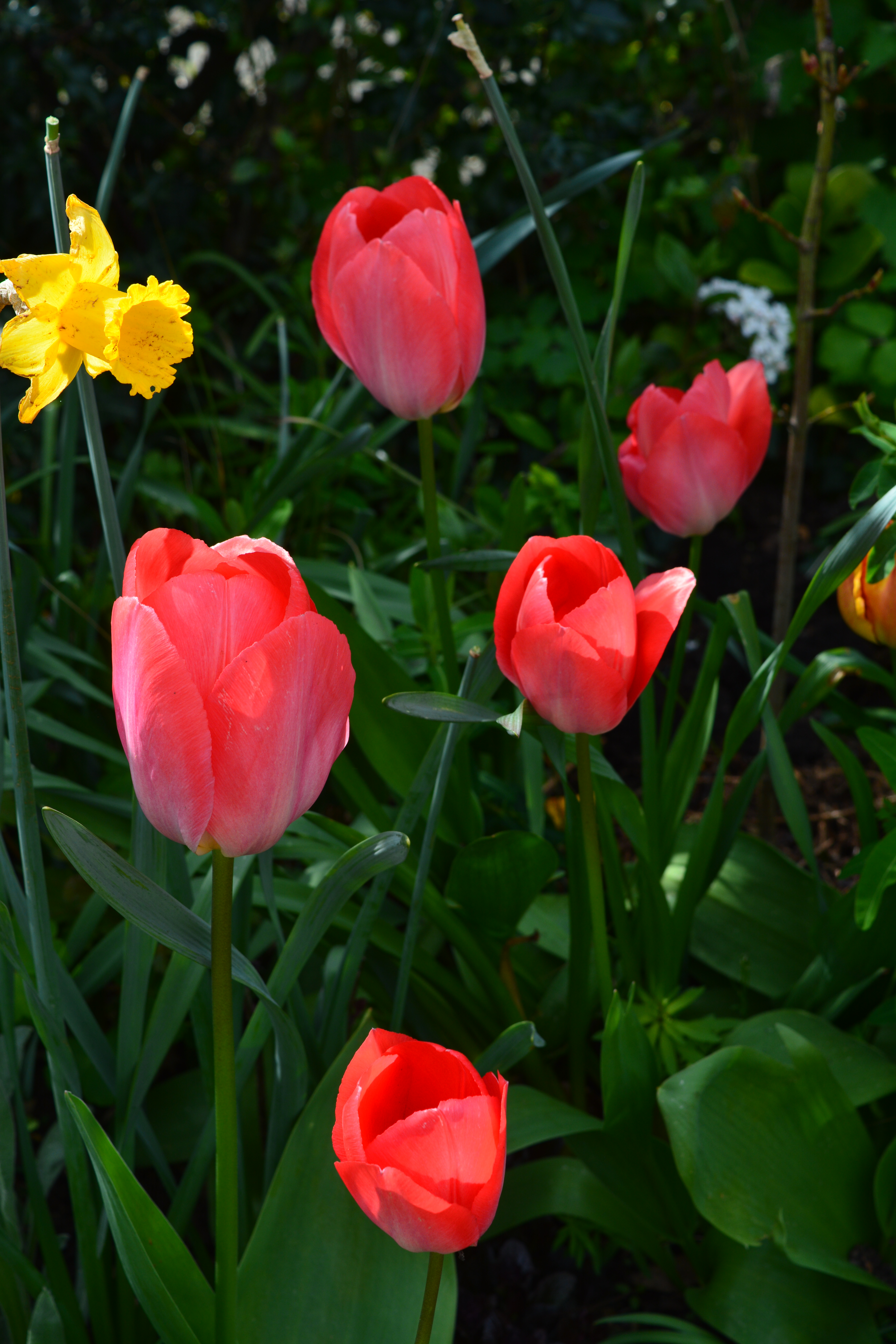
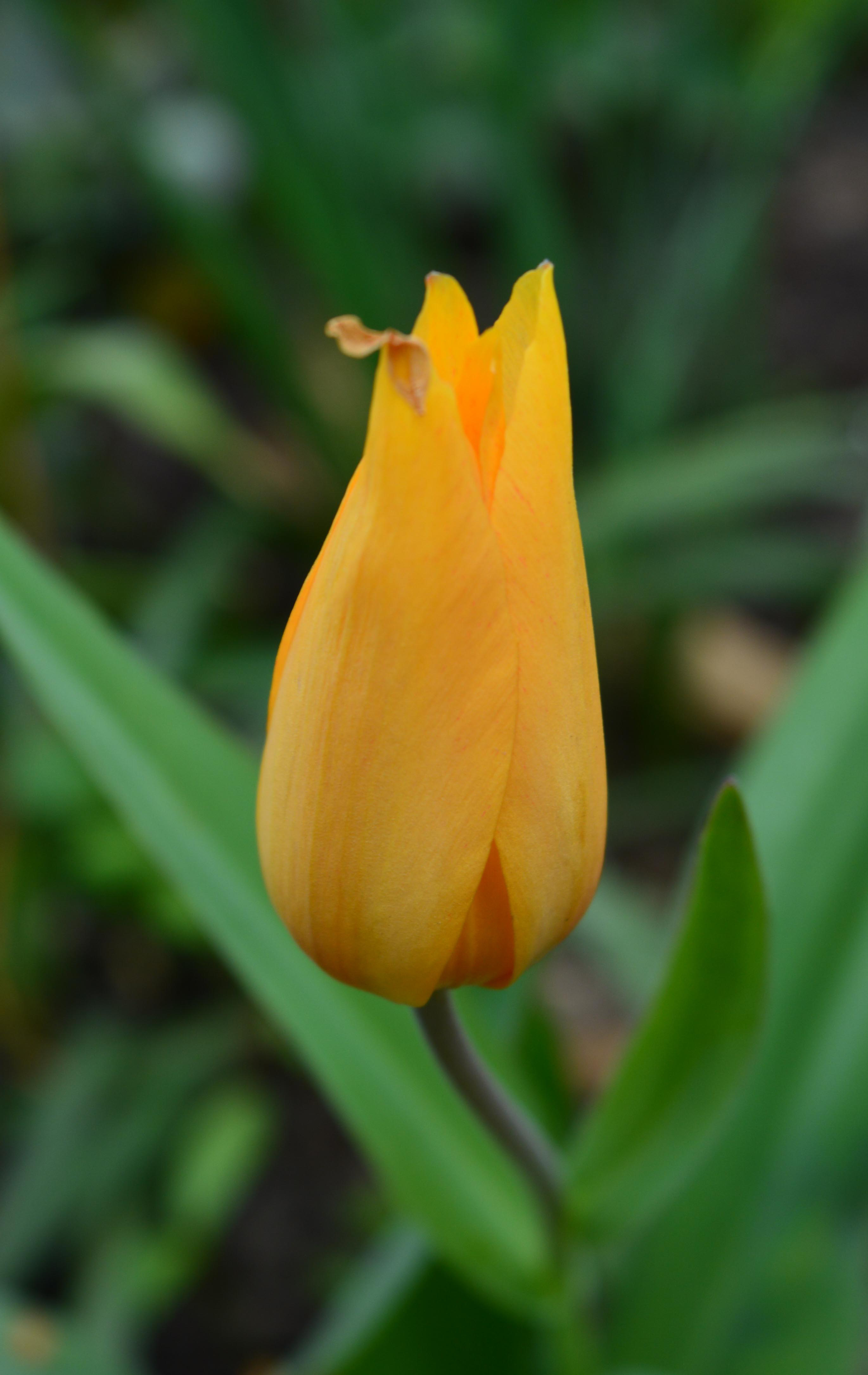
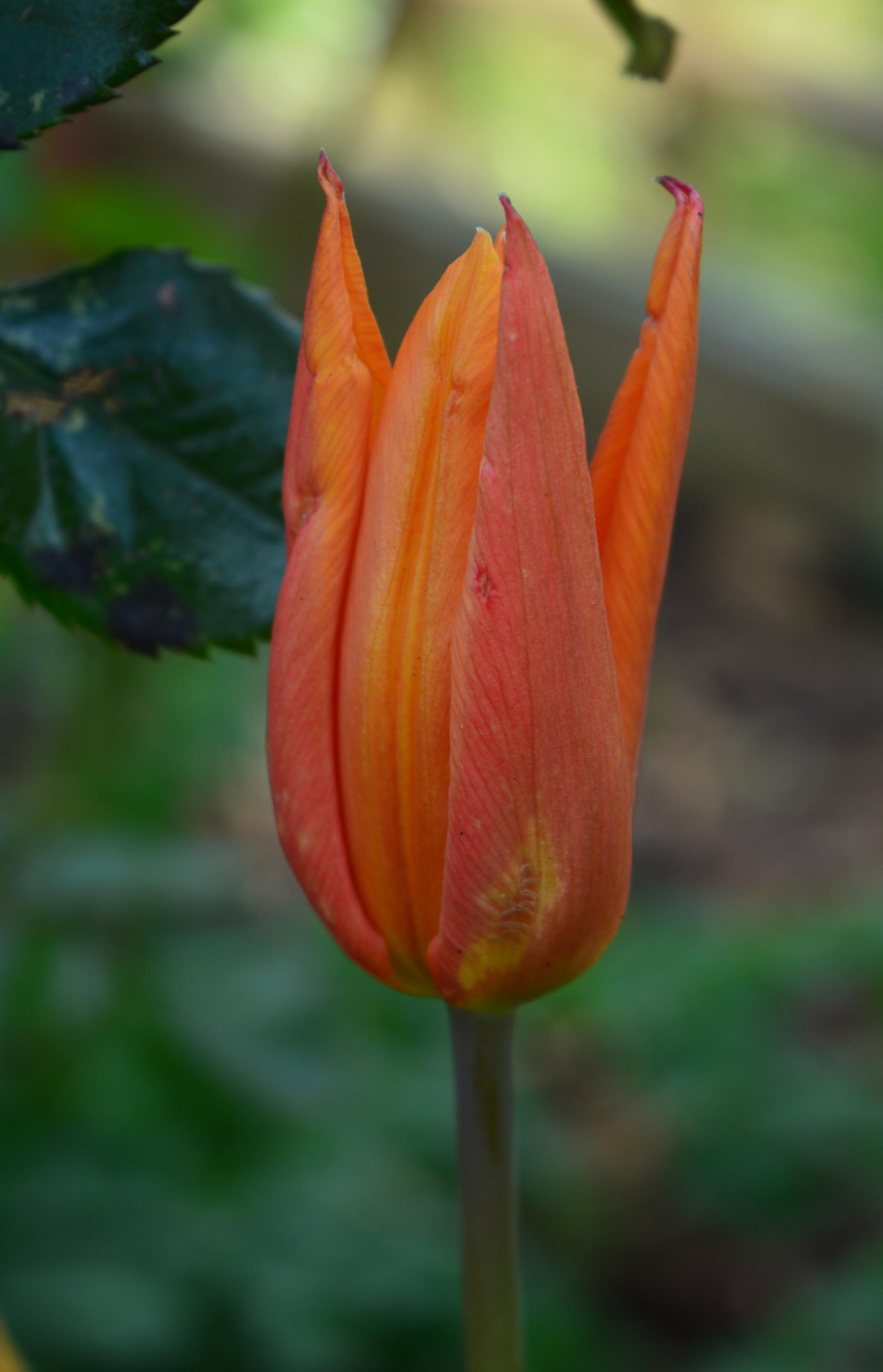
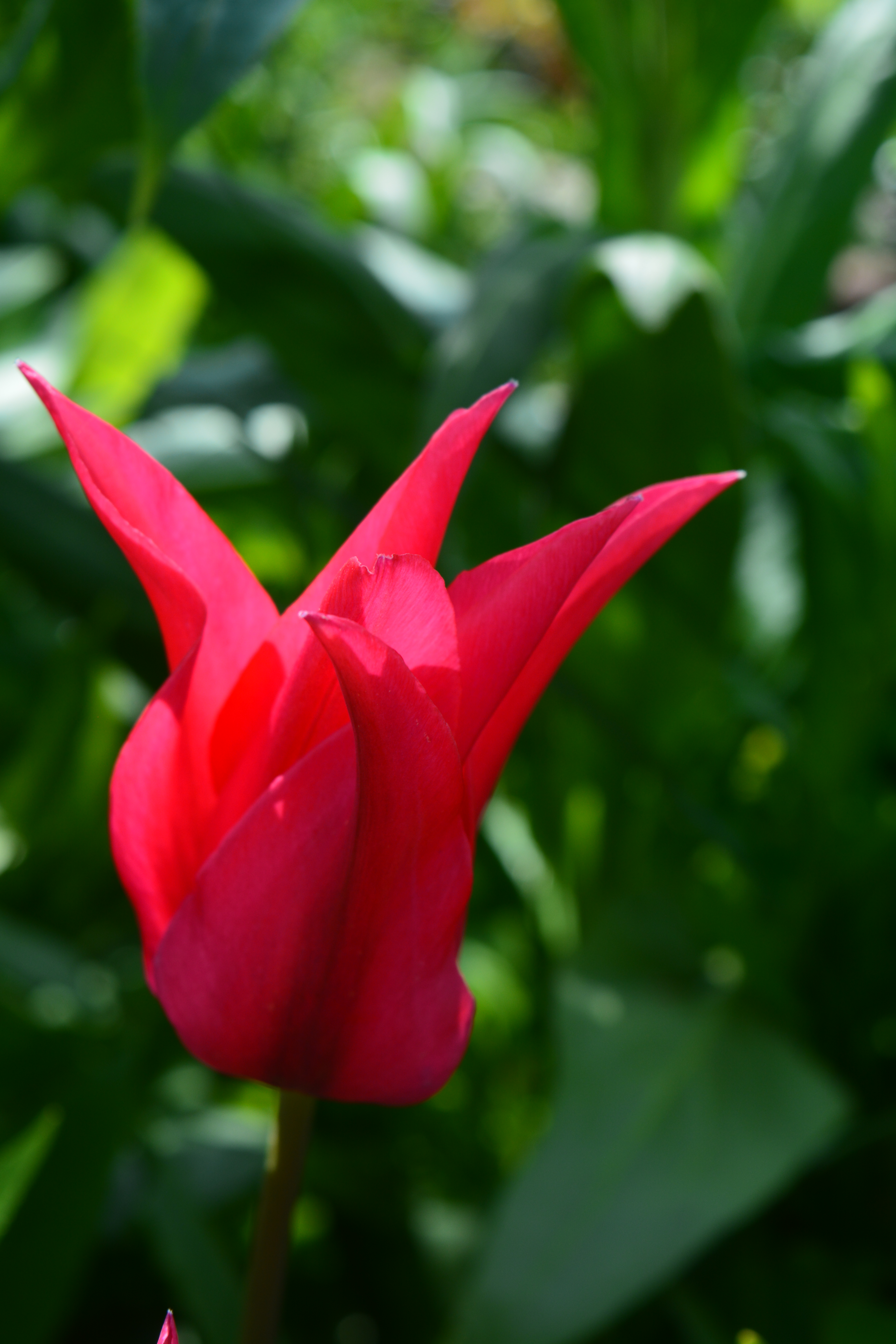
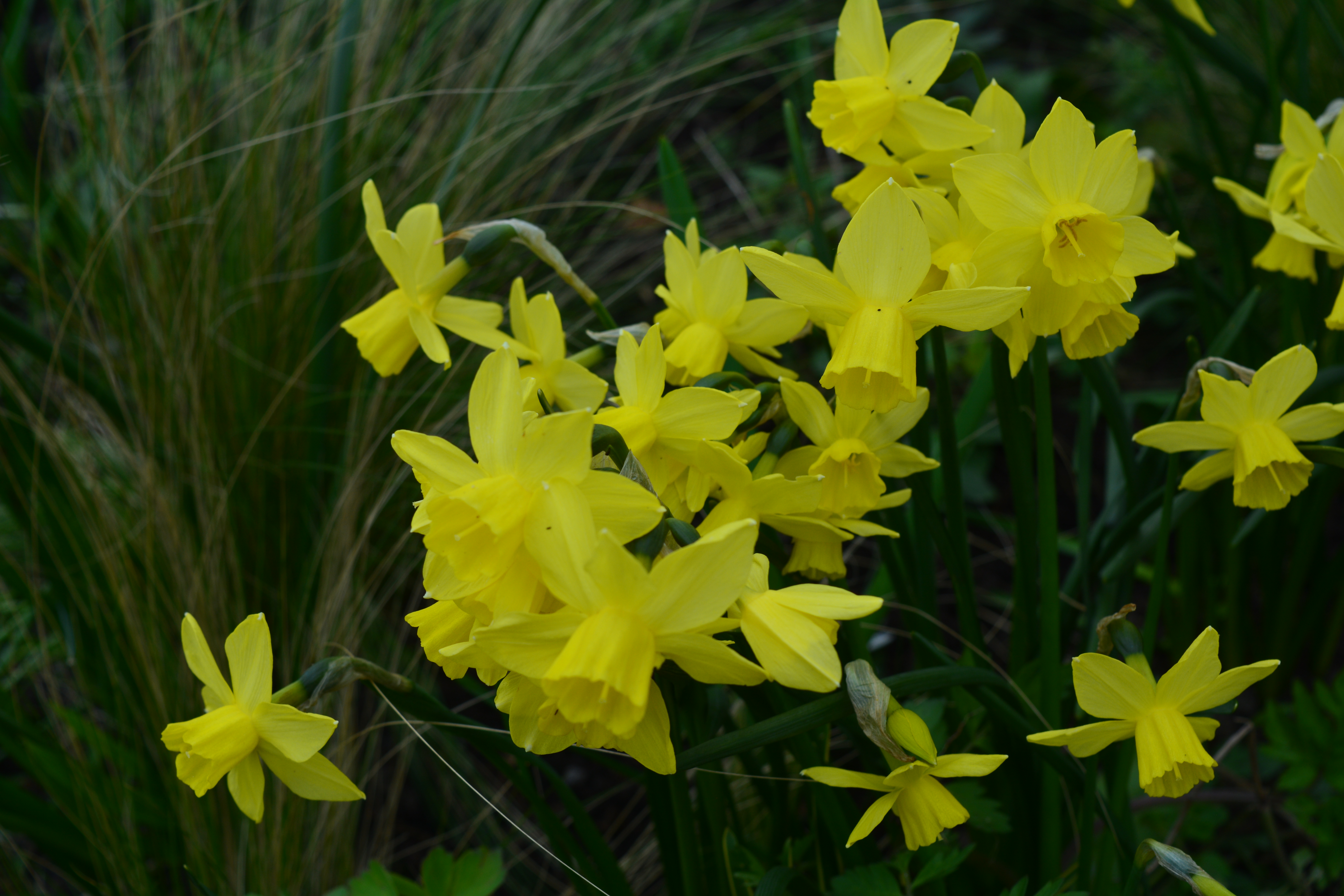
I wrote, “We seem to have more daffodils to enjoy in our garden than ever before, and they soon get the company of tulips joining the Muscari, Leucojum and the little blue flowered bulbs.”

I shared a collection of photos of our tulips on one page and of our daffodils on the opposite page.

“This is just a small selection of our dozens of varieties of tulips spread around our garden.”


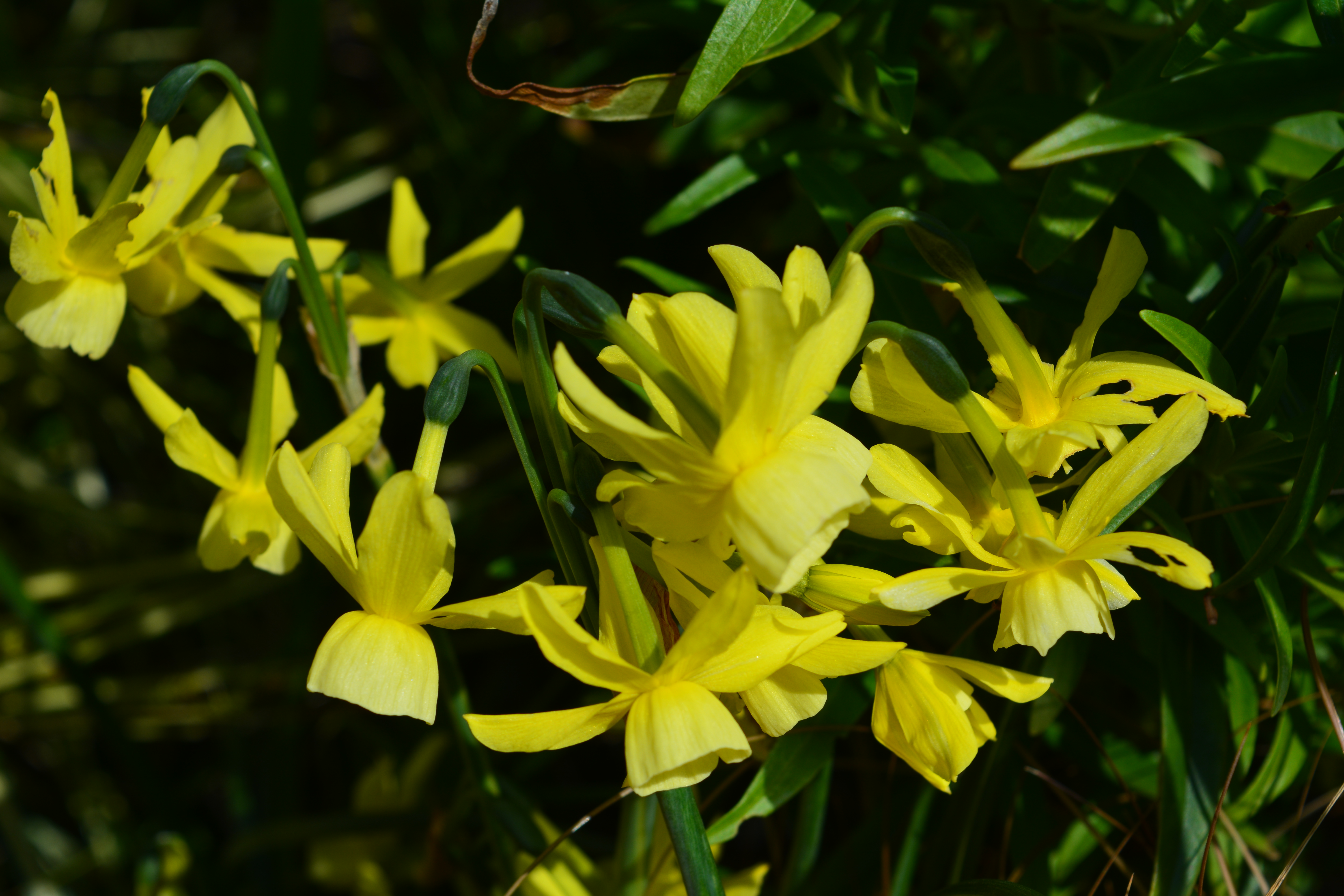
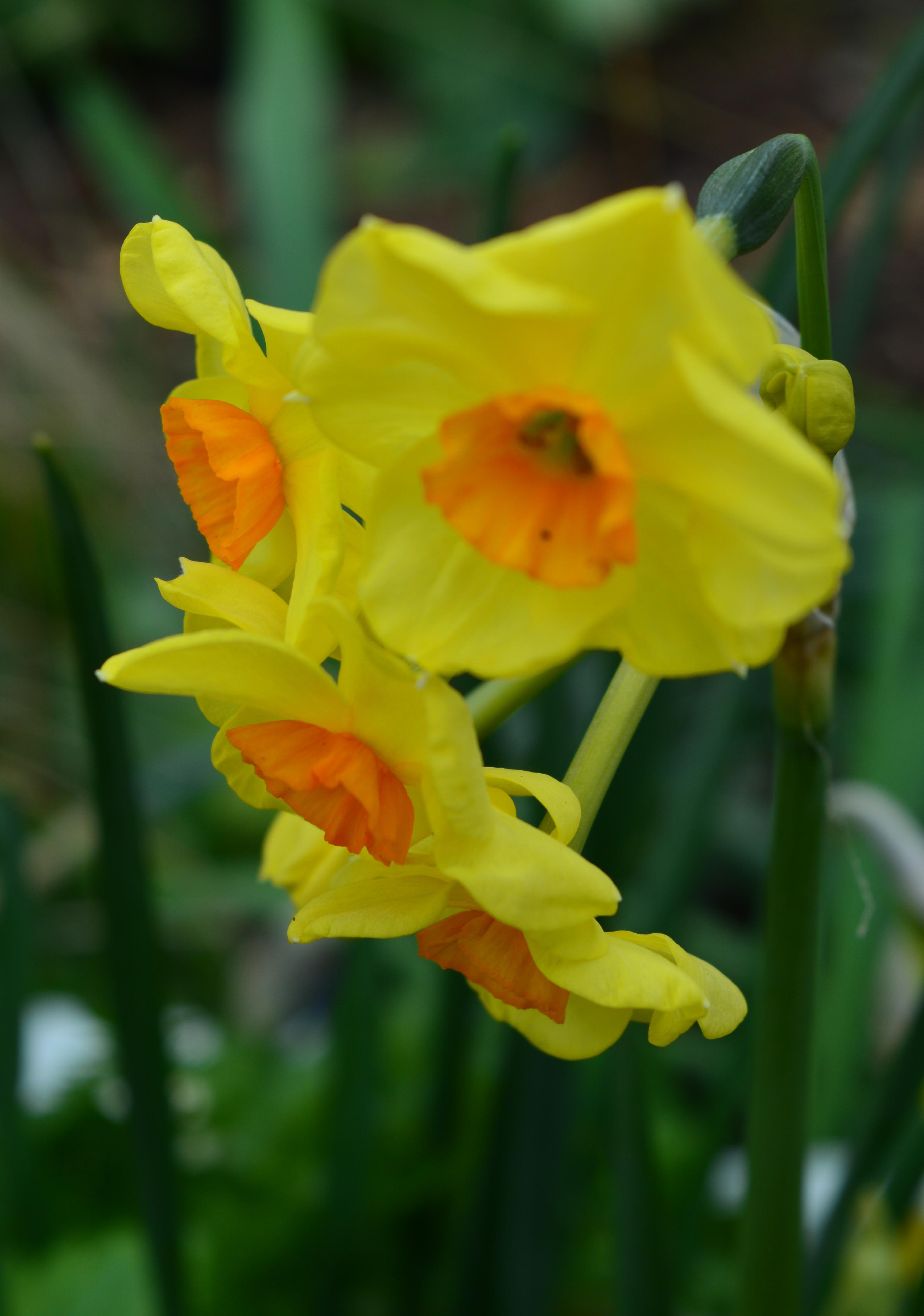
“Daffodils appear in almost every bed and border, like brightly coloured children’s sweets. The garden becomes a sweet shop of delights.”

Over to the next double page spread we return to the garden tasks we performed during April.

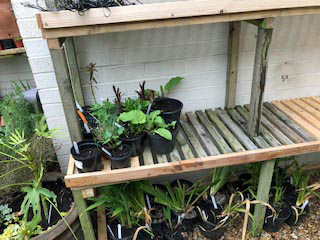
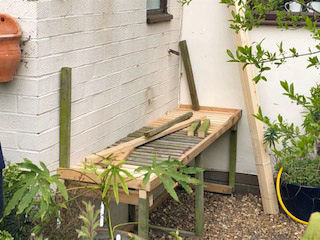
I wrote, “When we host visitors to our garden we sell plants and Jude has established what we call her ‘micro nursery’. We also take plants with us when we give garden talks around counties close to us and in neighbouring Welsh counties. We needed to increase our nursery space as we go out to give talks more and more. I doubled the size of Jude’s herbaceous plant sales shelves. We mostly used re-cycled wood.”

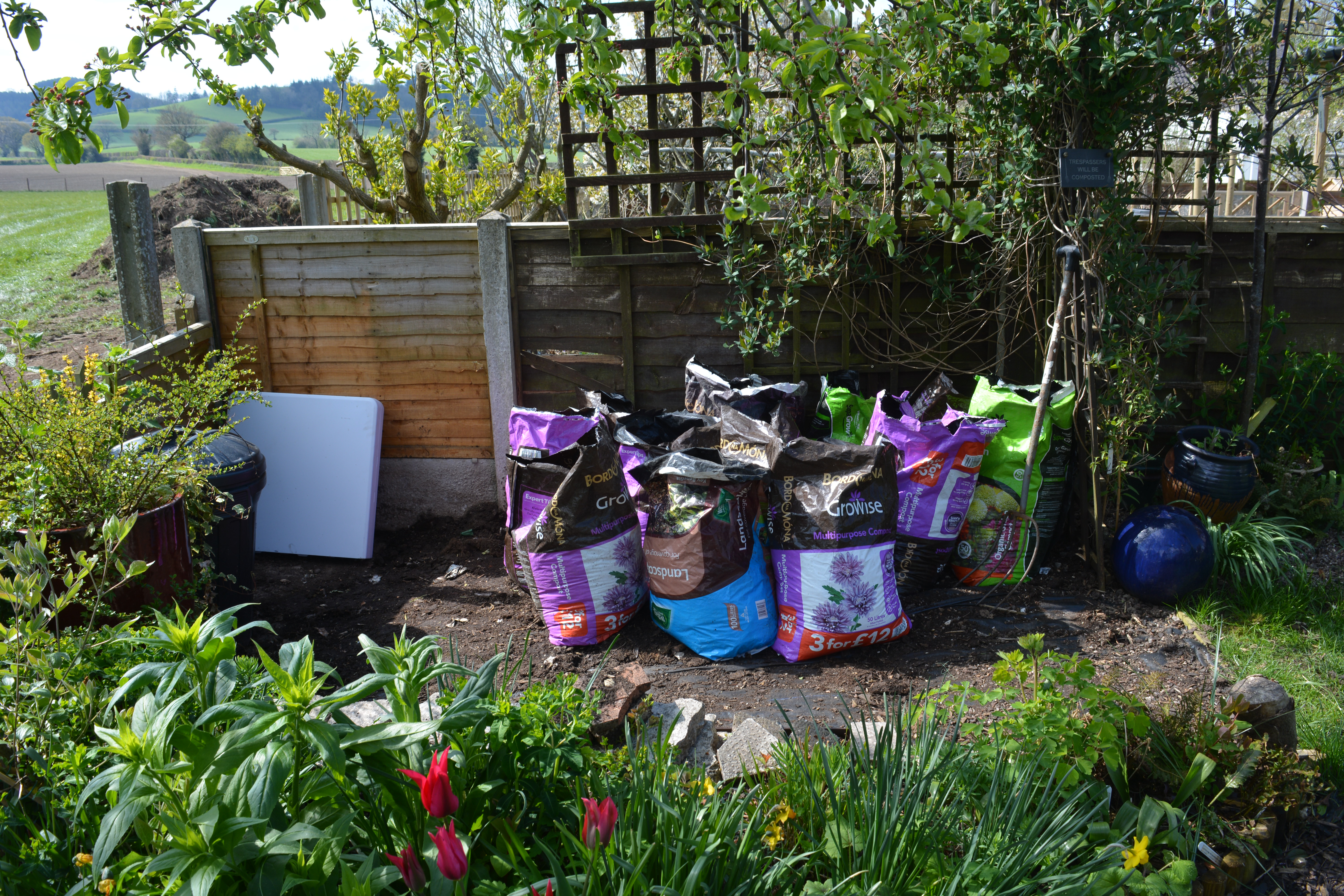
I carried on to the next page saying, “I also created a shrub nursery at the bottom of the garden in the space where our compost was made. We needed space for cuttings in ‘long tom pots’ and the individually potted shrubs.”

“The first job was to get Ian, our garden helper, to bag up our compost ready to be used as a mulch around the many borders.”

“We put up tables to show our shrubs on and put membrane down underfoot.”

“All that is left to do now is to put slate down on the membrane to give a comfortable and attractive surface.” That is a job to be done when we revitalize our central path, replacing slate that has been down for several years so now has a bit too mush soil mixed in, with fresh clean slate mulch. Watch this space!

So once again turning the page the next double page spread features bluebells and Primula auriculas. I wrote of bluebells, “Towards the end of the month the first of our native Bluebells come into flower. They give us a shot of bright blue and enrich the air with their sweet aroma.”

I then shared a couple of i-Pad drawings I attempted to show the vitality of these amazing flowers of spring.

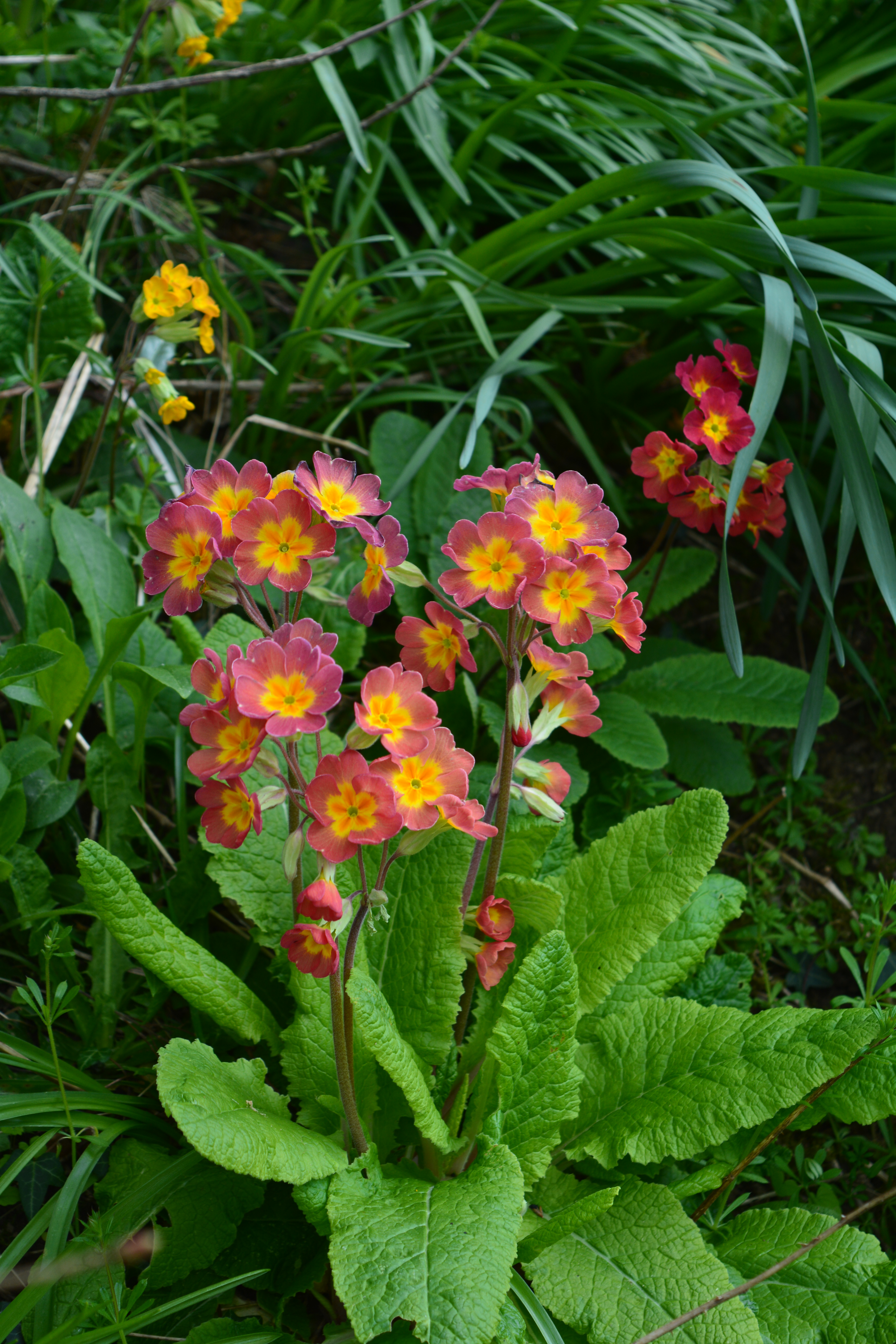
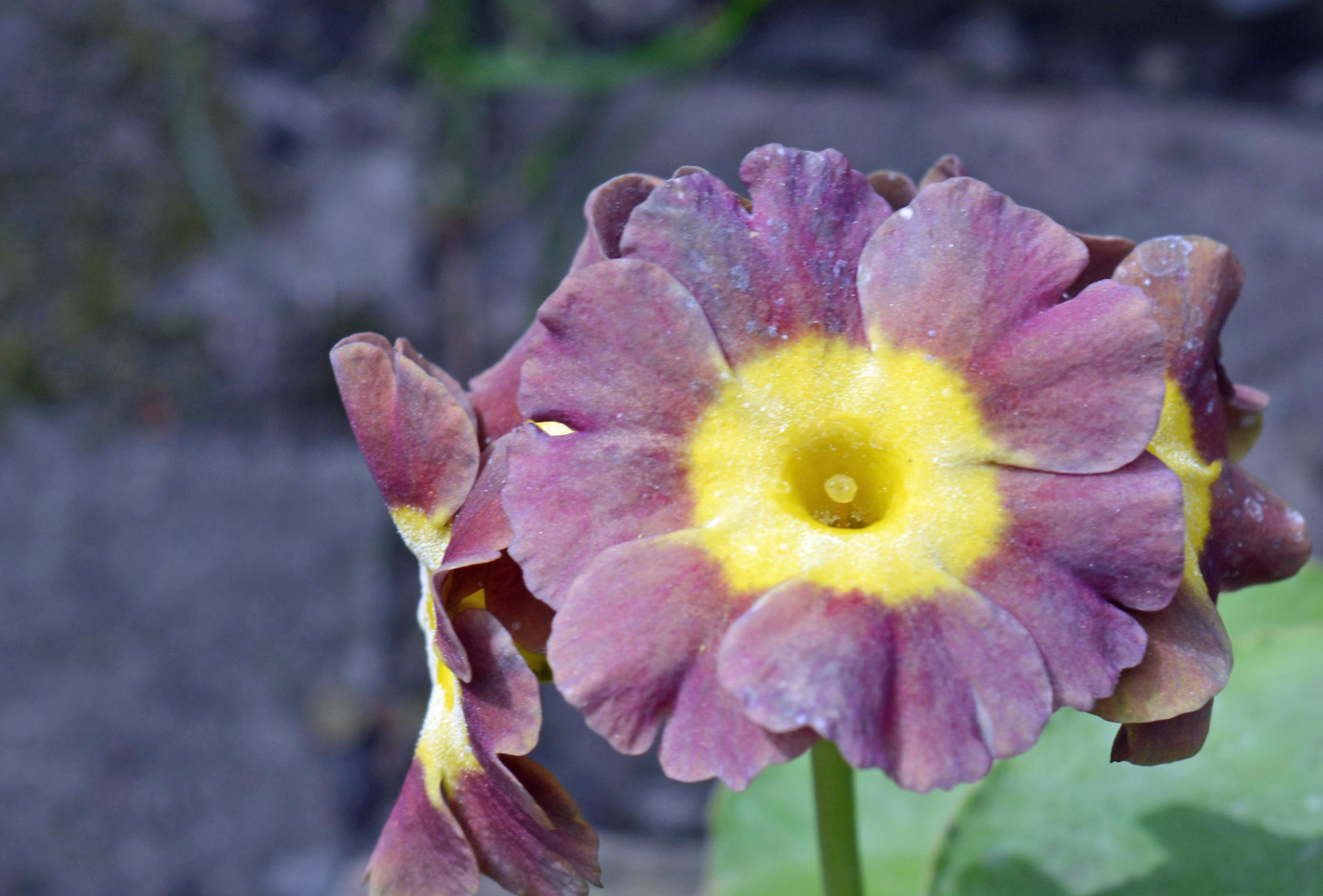
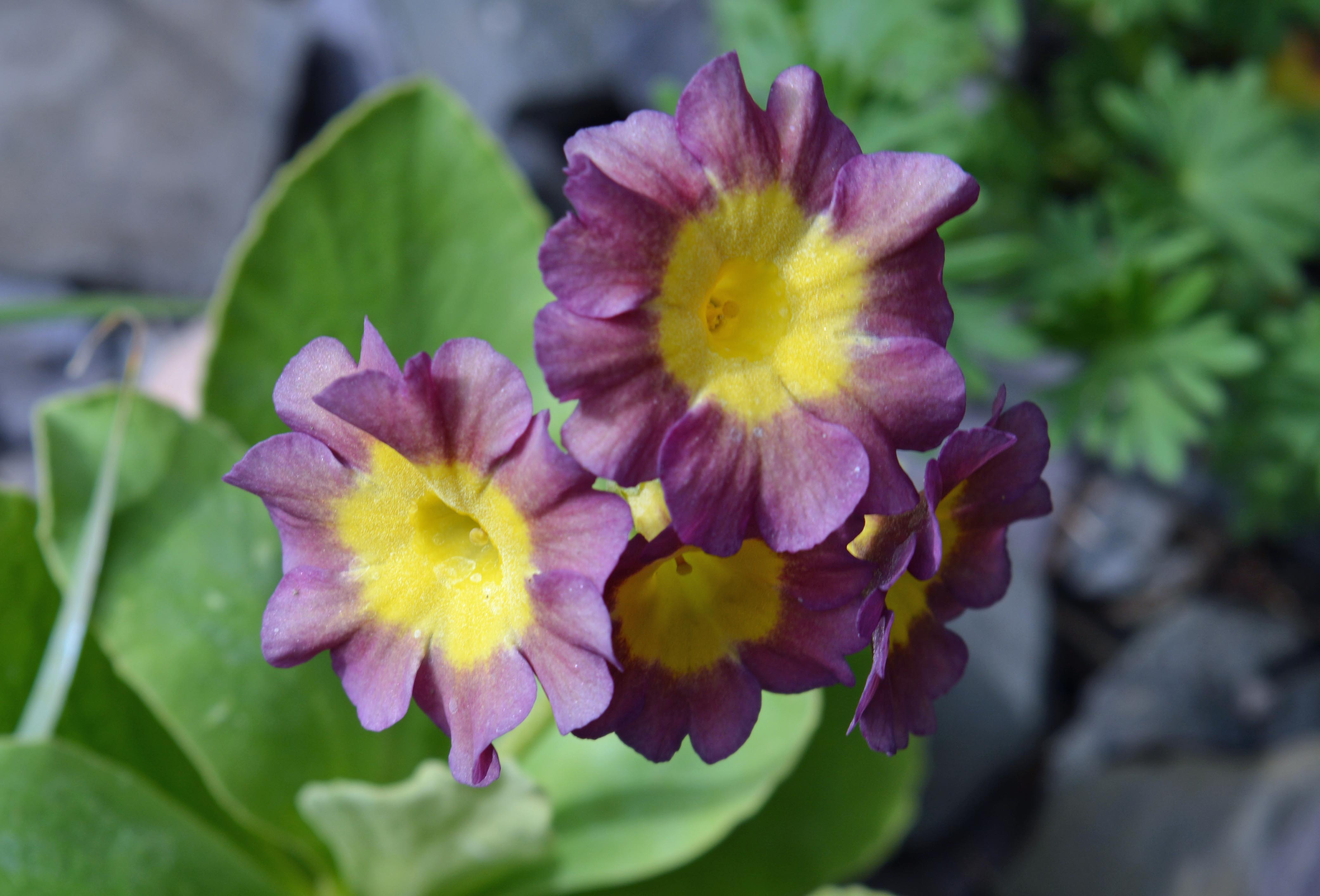
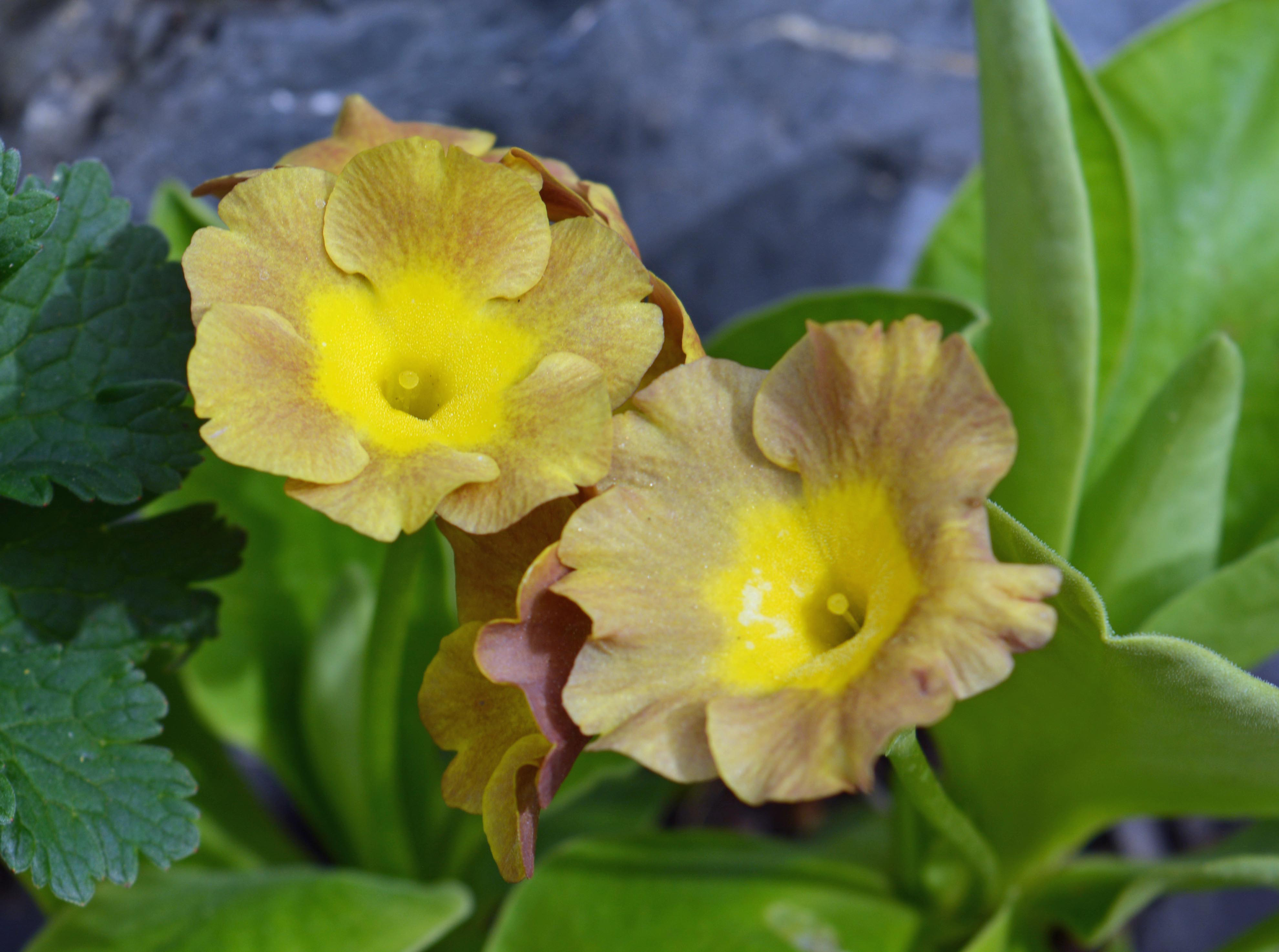
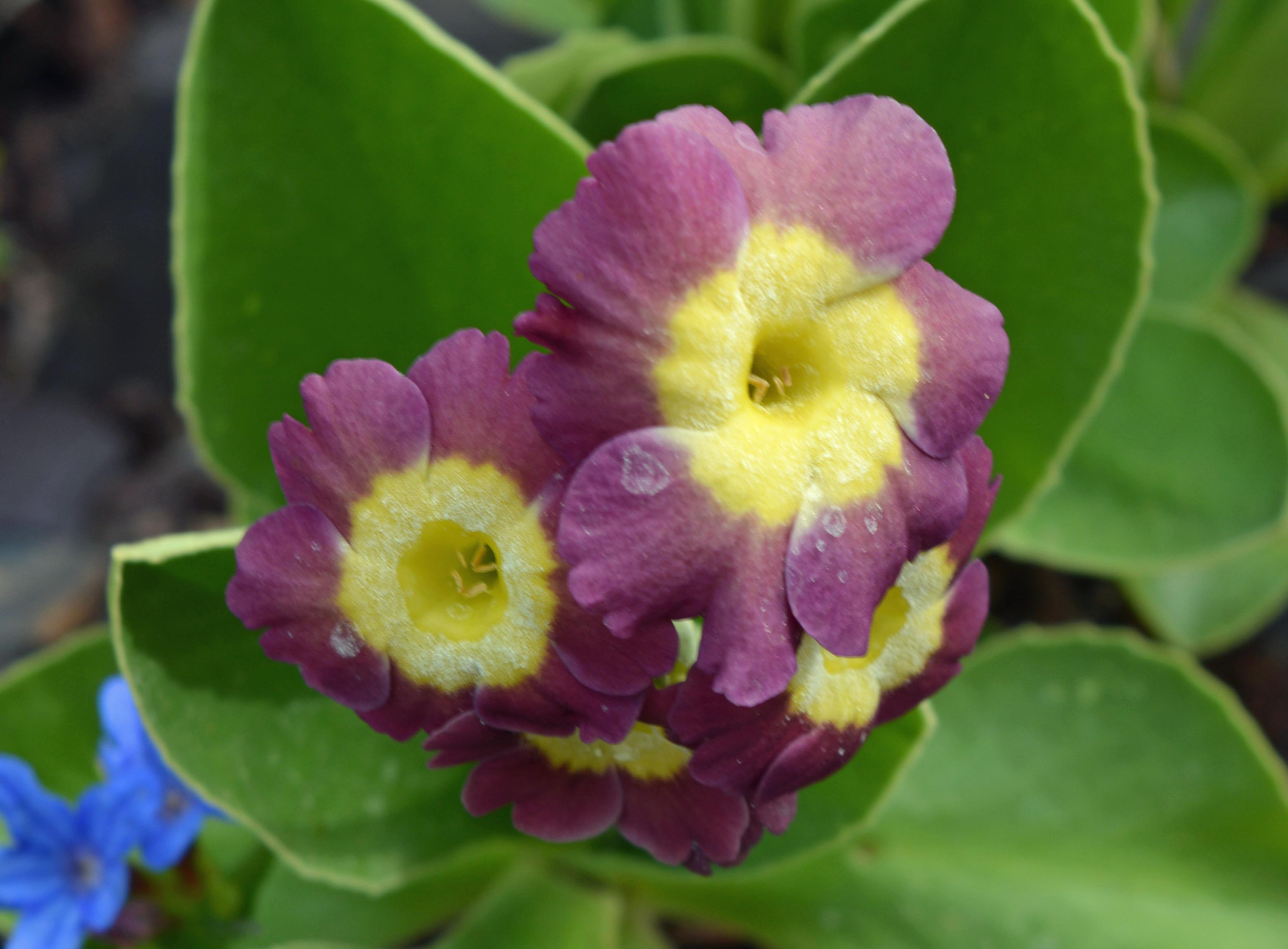
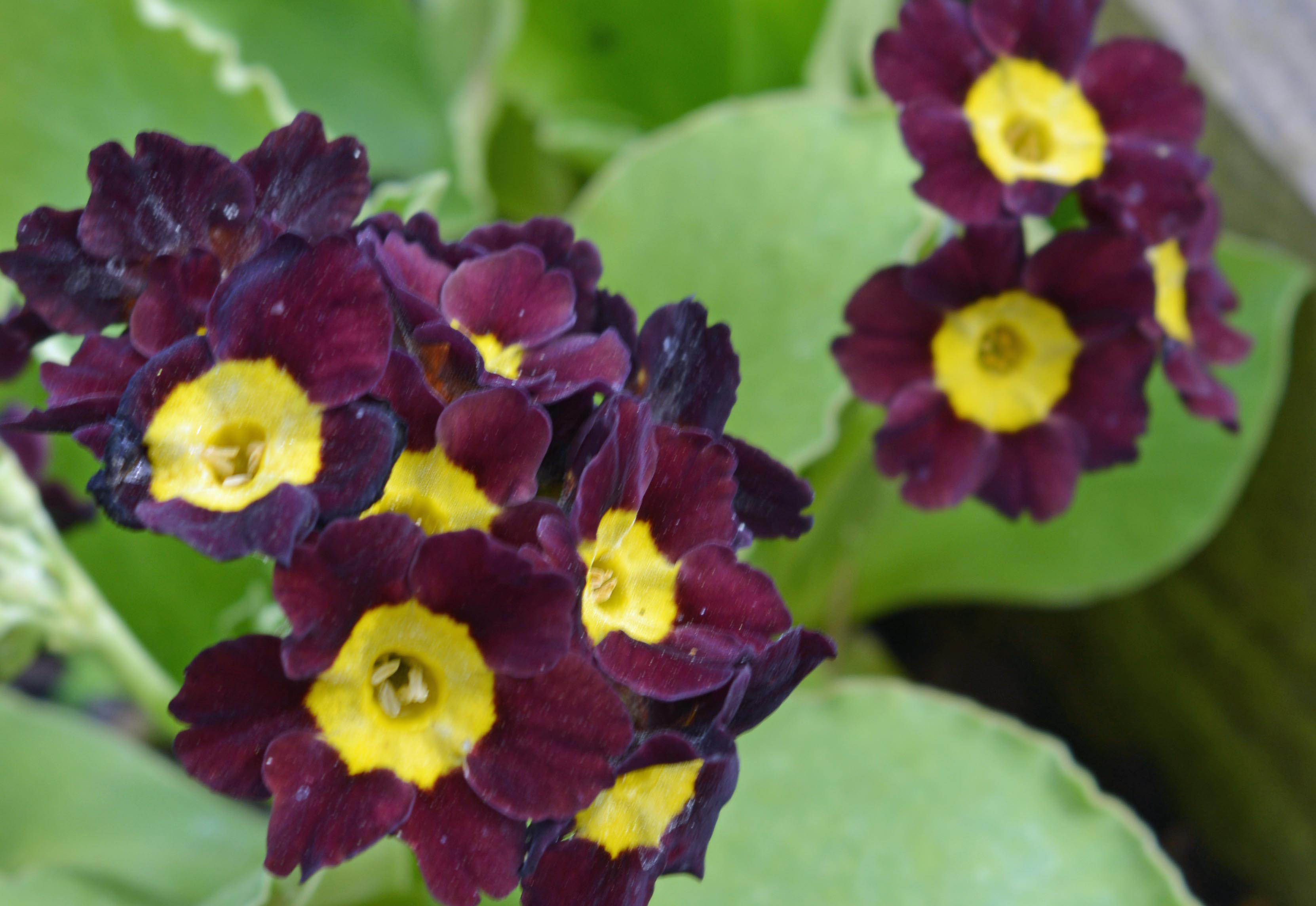
On the page opposite the bluebells I looked at some of our Auriculas, with their unique colour range and combinations. I wrote, The wide range of unique colour combinations, sometimes enriched with a fine ‘meal’, seen in the flowers of Primula auricula are what made these flowers appeal to the enthusiasts and show men in their hayday. Today they are grown more as alpines. Jude bought a tray of mixed seedlings a few years ago and she has selected out some special ones.”

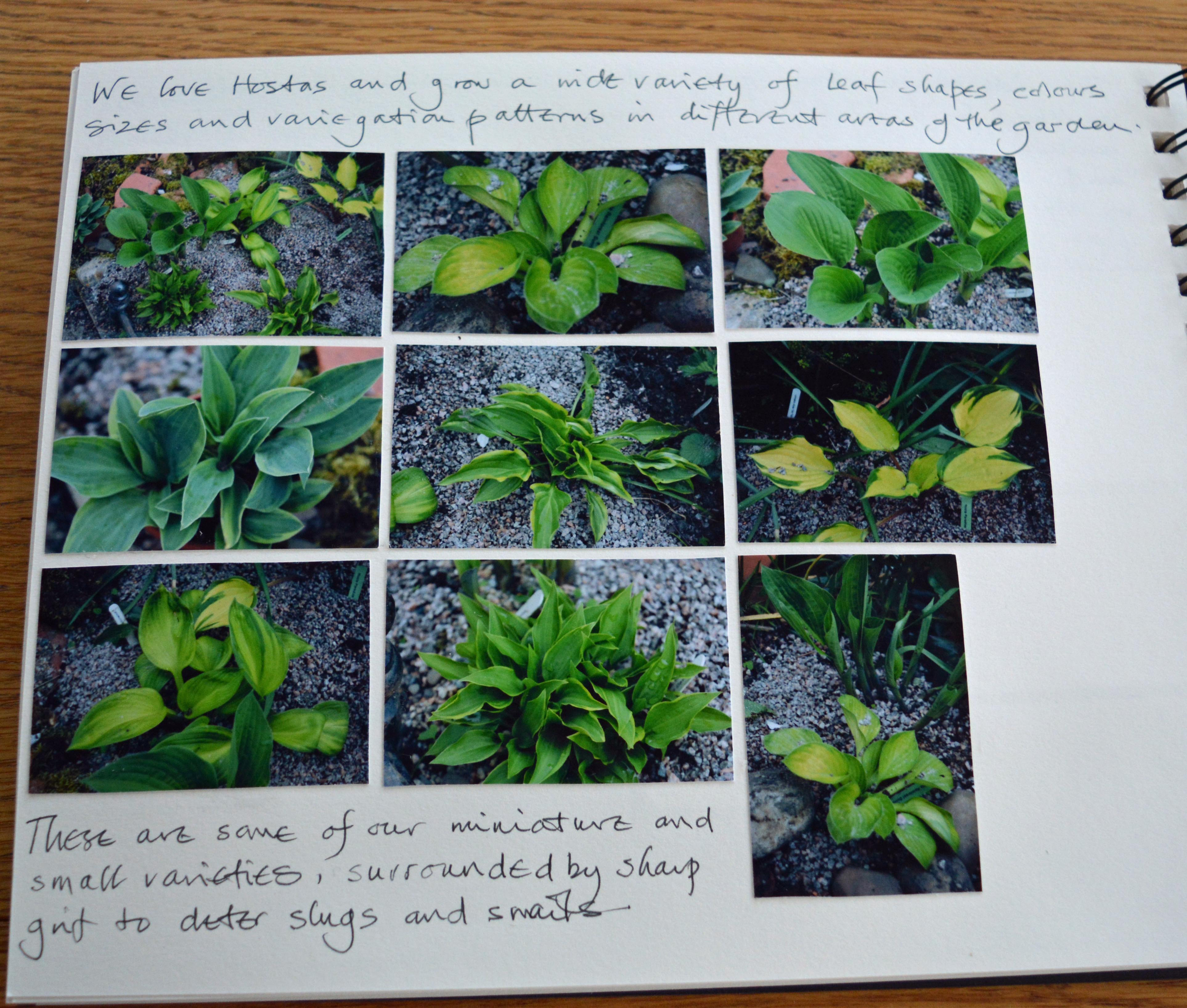
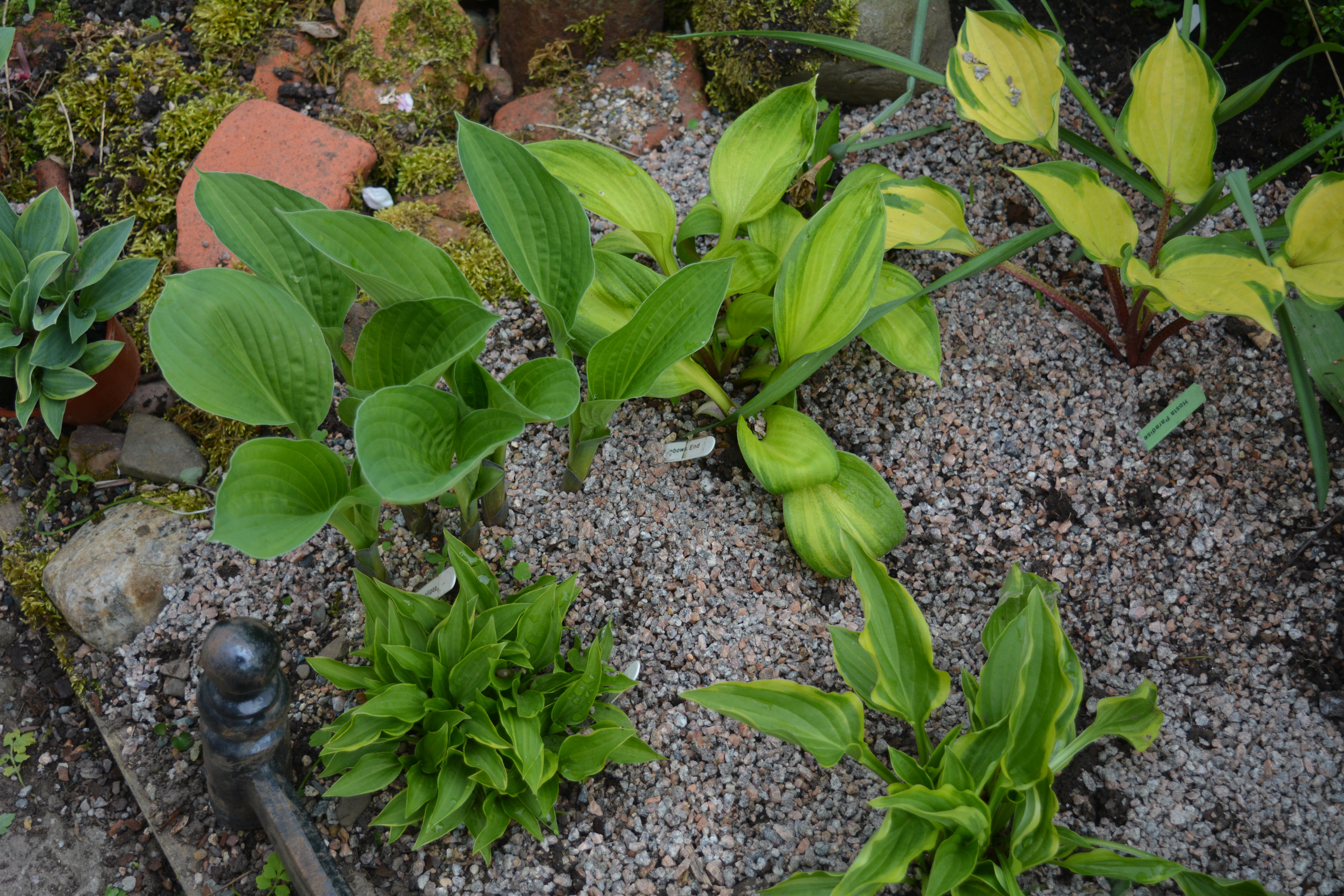
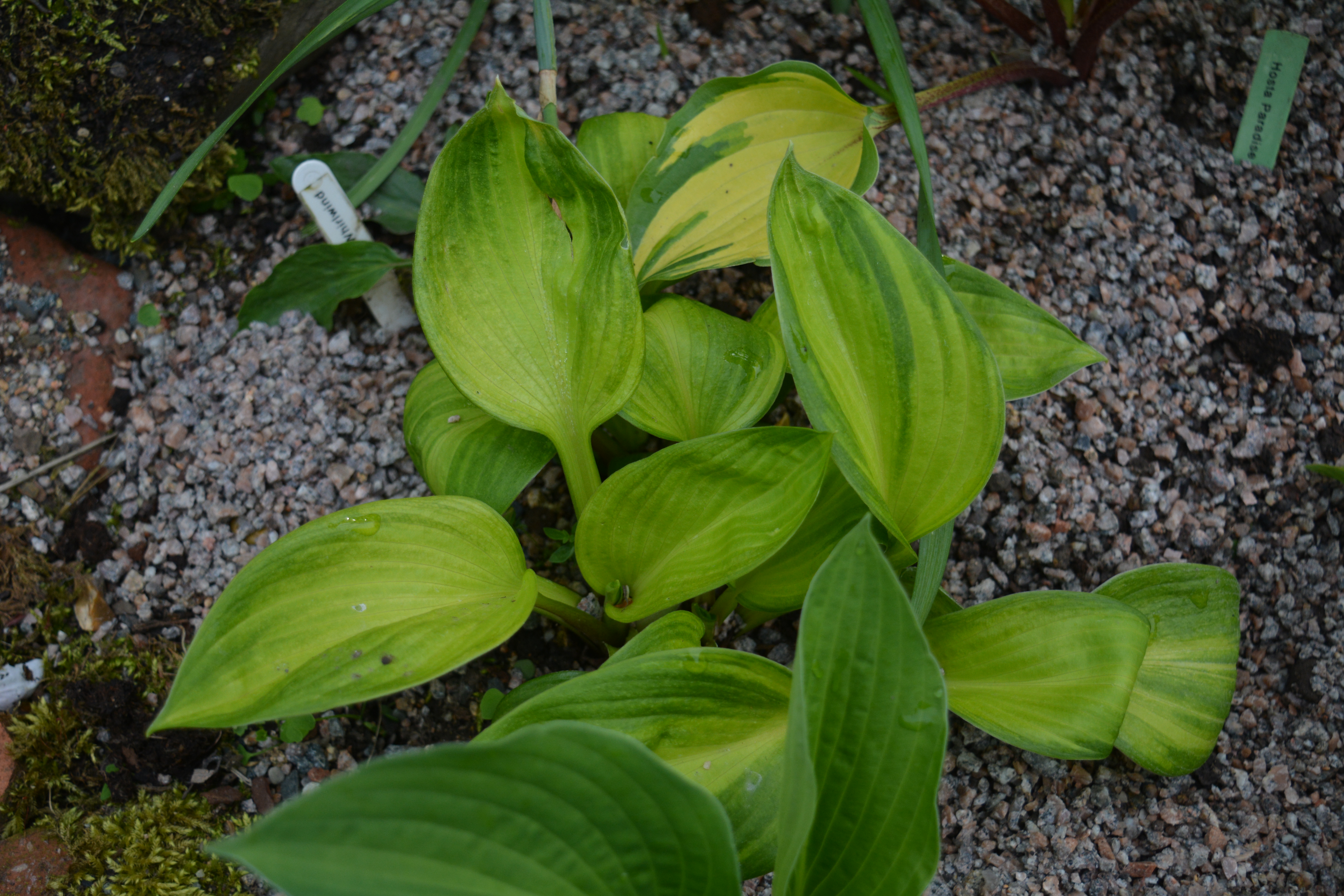
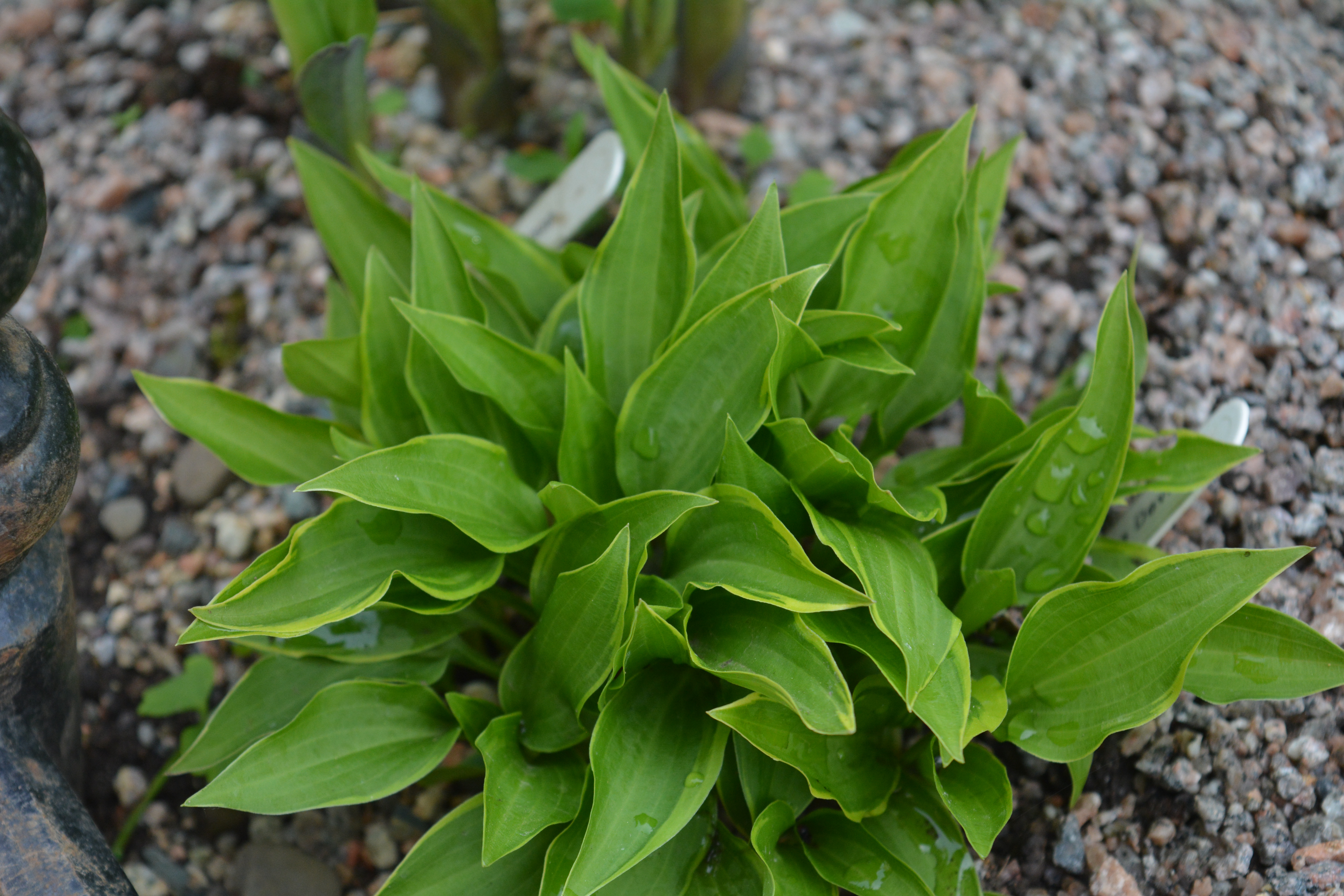
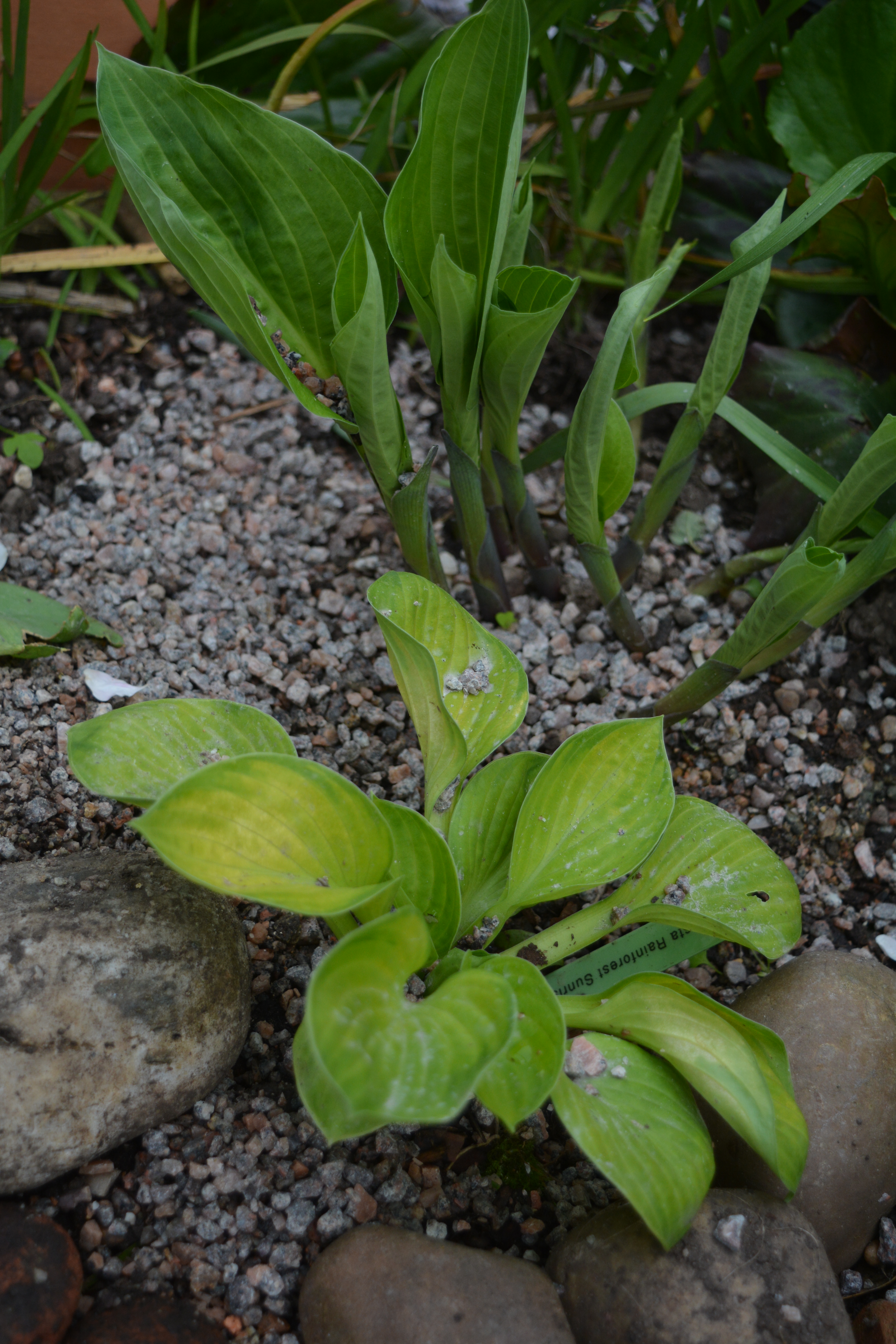
The final page for my journal in April features another popular collectors’ plant, the Hostas, “We love Hostas and grow many with a wide variety of leaf shapes, colours, sizes and variegation patterns in different areas of the garden.”

 “These are some of our miniature and small varieties, surrounded by sharp grit to deter slugs and snails.”

And that is where my April entries into my garden journal came to a conclusion. The next visit to its pages will be in May when the garden should be looking even better.


← Back

Thank you for your response. ✨


Categories
flowering bulbs garden design garden paths garden photography garden ponds garden pools gardening gardens gardens open to the public grasses hardy perennials meadows National Trust ornamental grasses ornamental trees and shrubs spring bulbs spring gardening The National Trust trees Wales water in the garden Winter Gardening winter gardens woodland woodlands

Early Spring in Bodnant Gardens – Part 2 – The Dingle and back to the hall

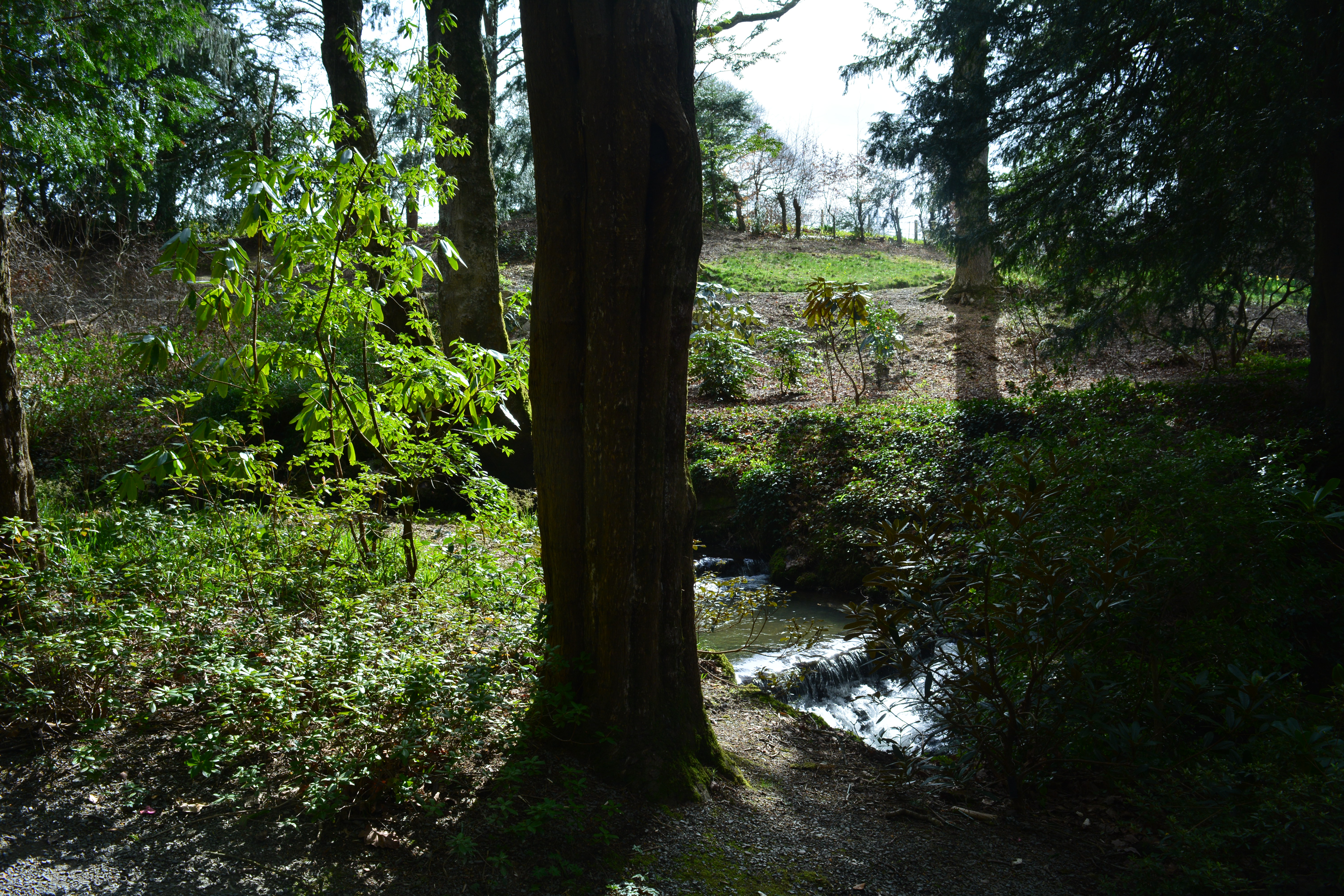
So here is Part 2 of the post concerning our visit to the National Trust’s Bodnant Hall Gardens. We will explore the Dingle and then make our way back to the nursery via a route taking us by the hall itself. In Part 1 we wandered as far as the end of the Yew Walk ready to drop down into the stream valley and follow the clear, fast-moving waters.

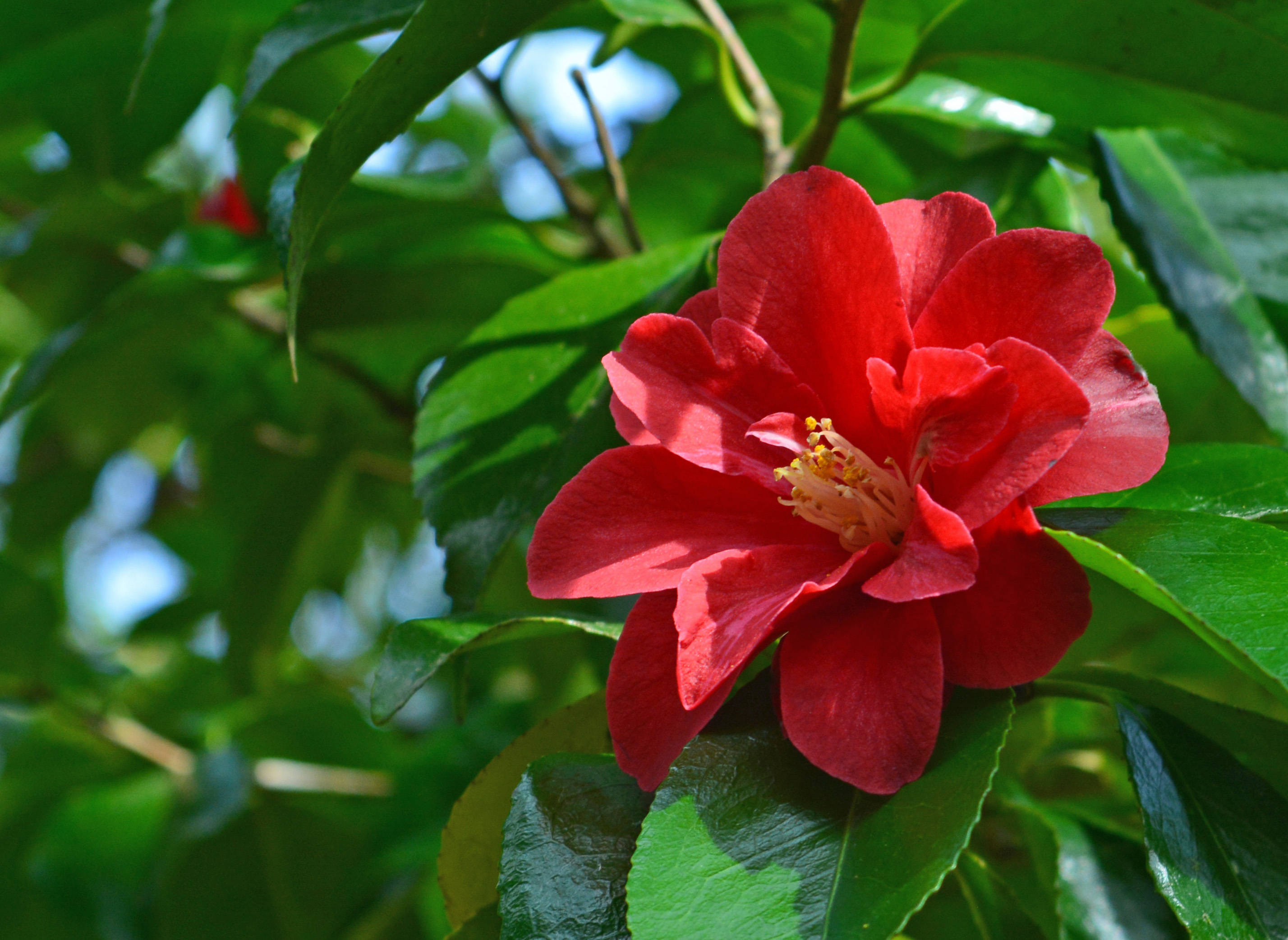
Another important flowering shrub that attracts thousands of visitors to Bodnant at this time of year is the Camellia, with its gaudy pink or white flowers and glossy evergreen foliage. I will admit it is not a favourite of mine but here is a small selection of those we wandered by. Someone likes the flowers enough to create a little piece of artwork with them for others to enjoy.

To continuing sharing our visit to Bodnant with you, I shall share a gallery of photos taken as we wandered around the area on two sides of the hall. Click on the first photo and then navigate using the right arrow.

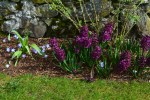
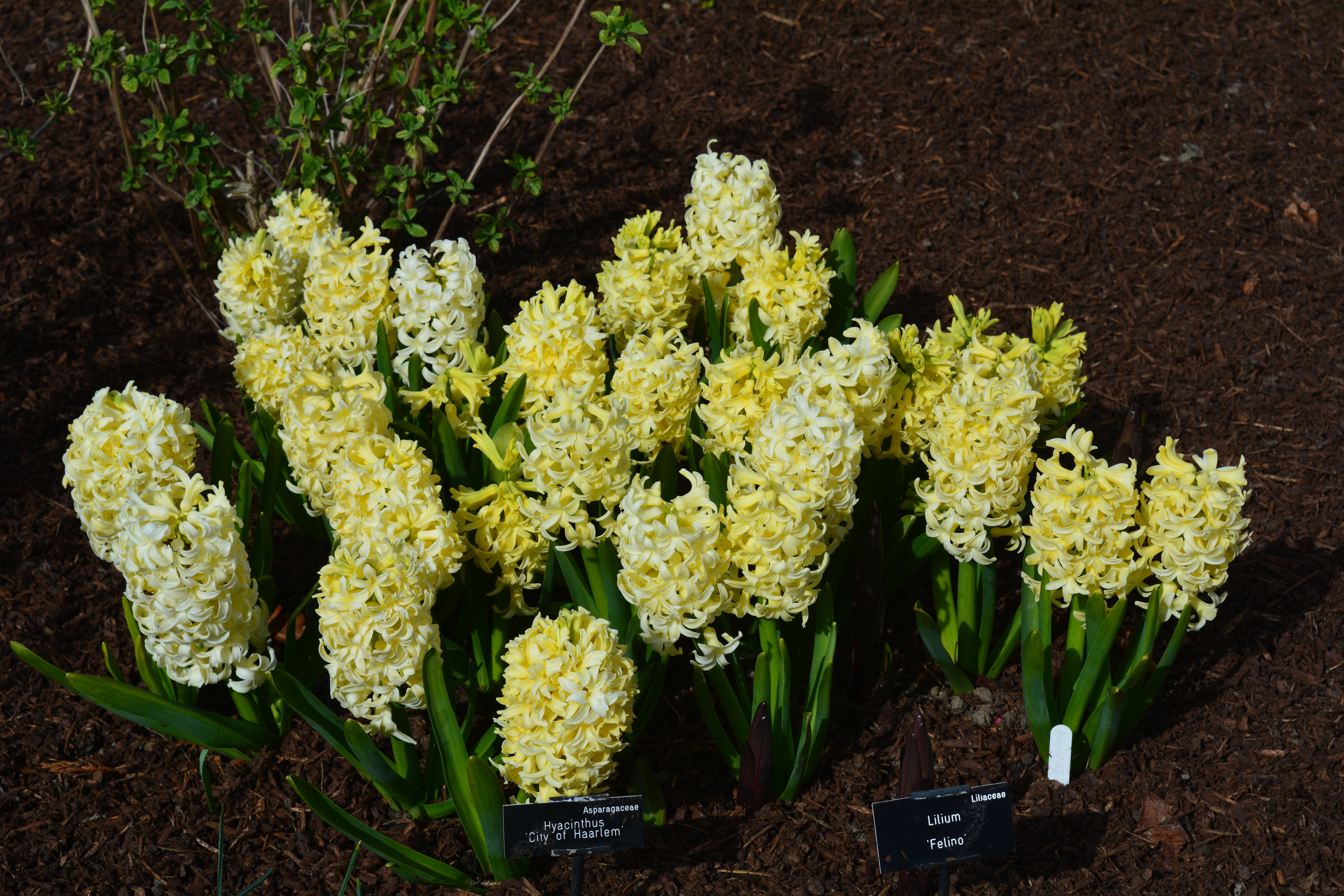
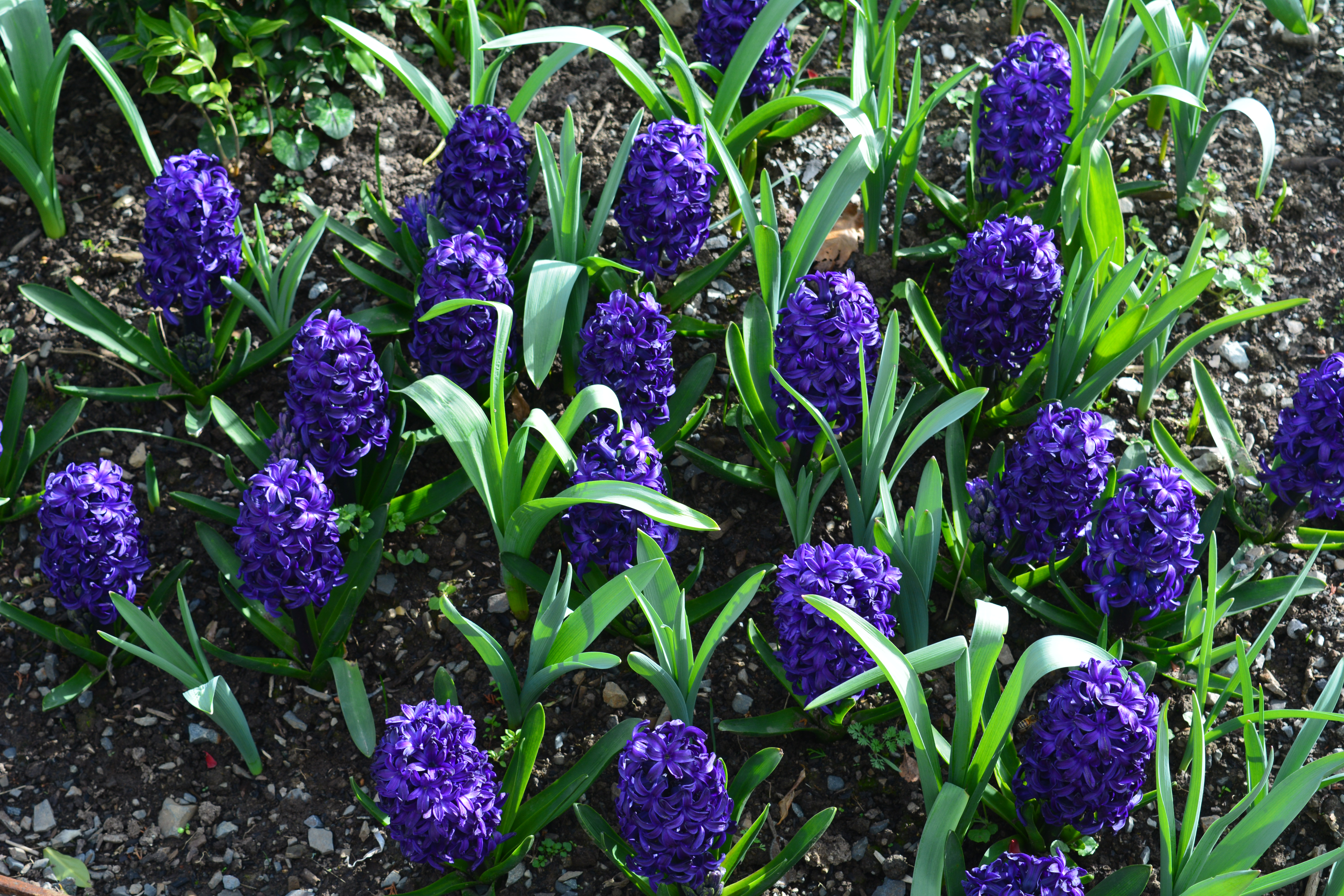
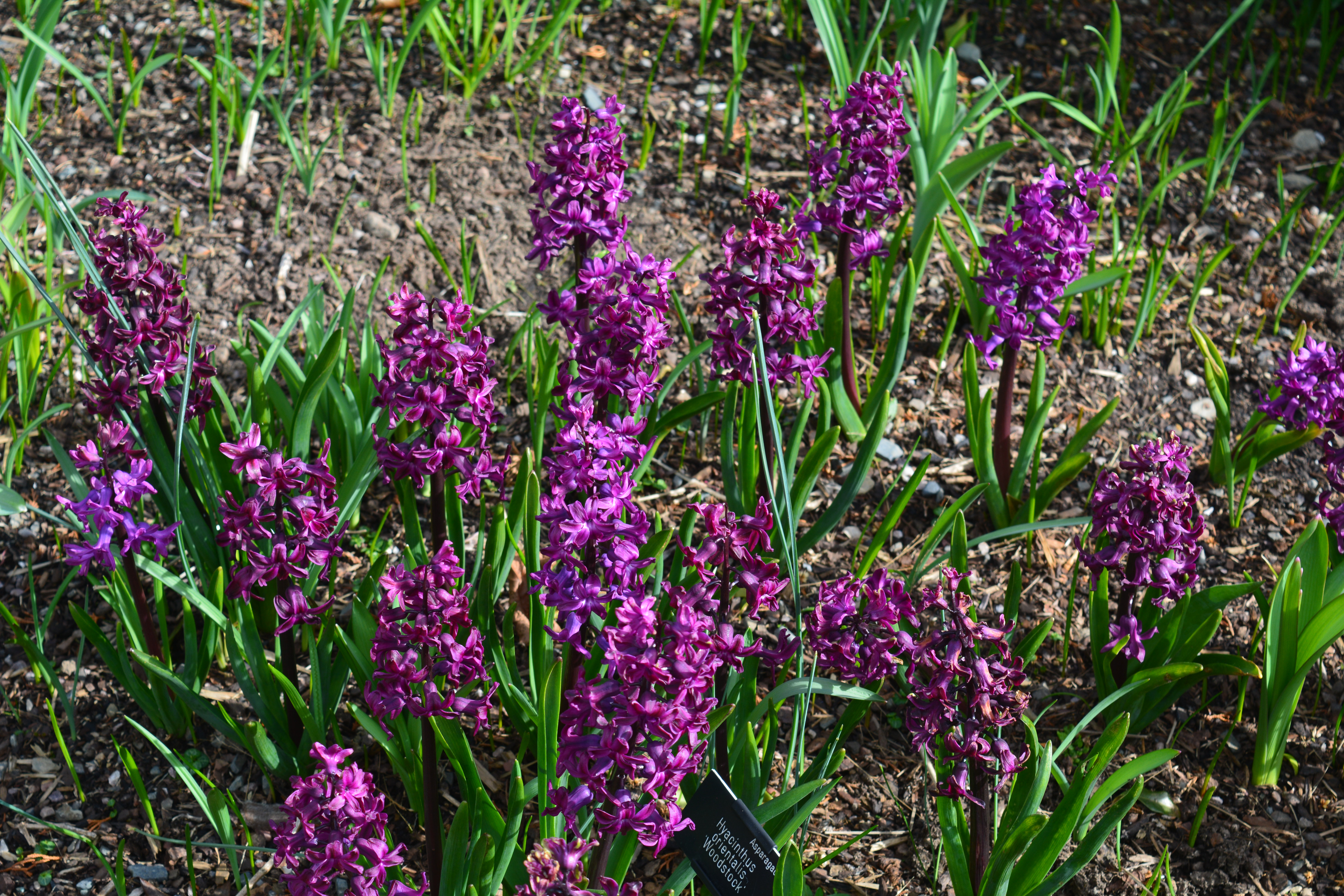
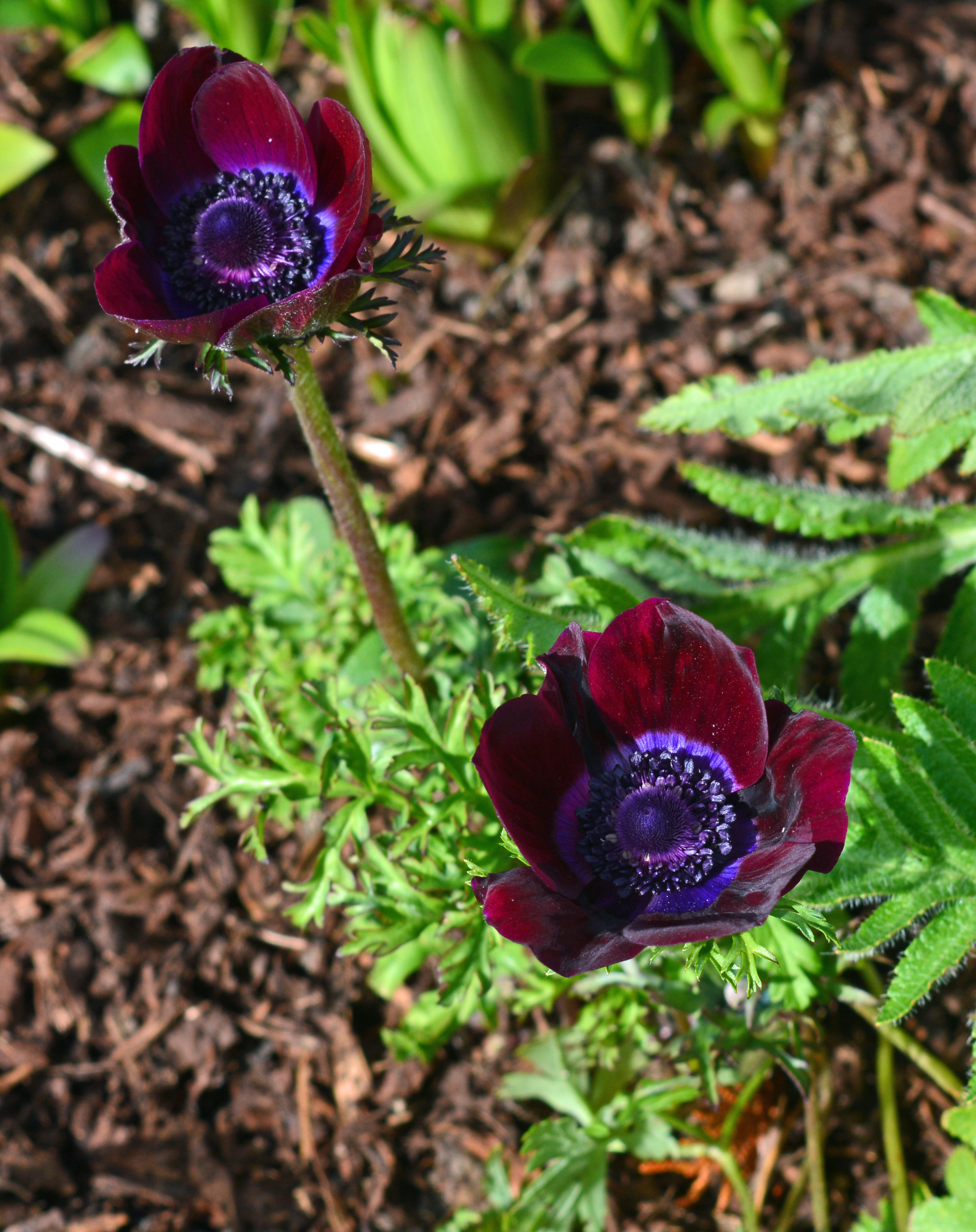
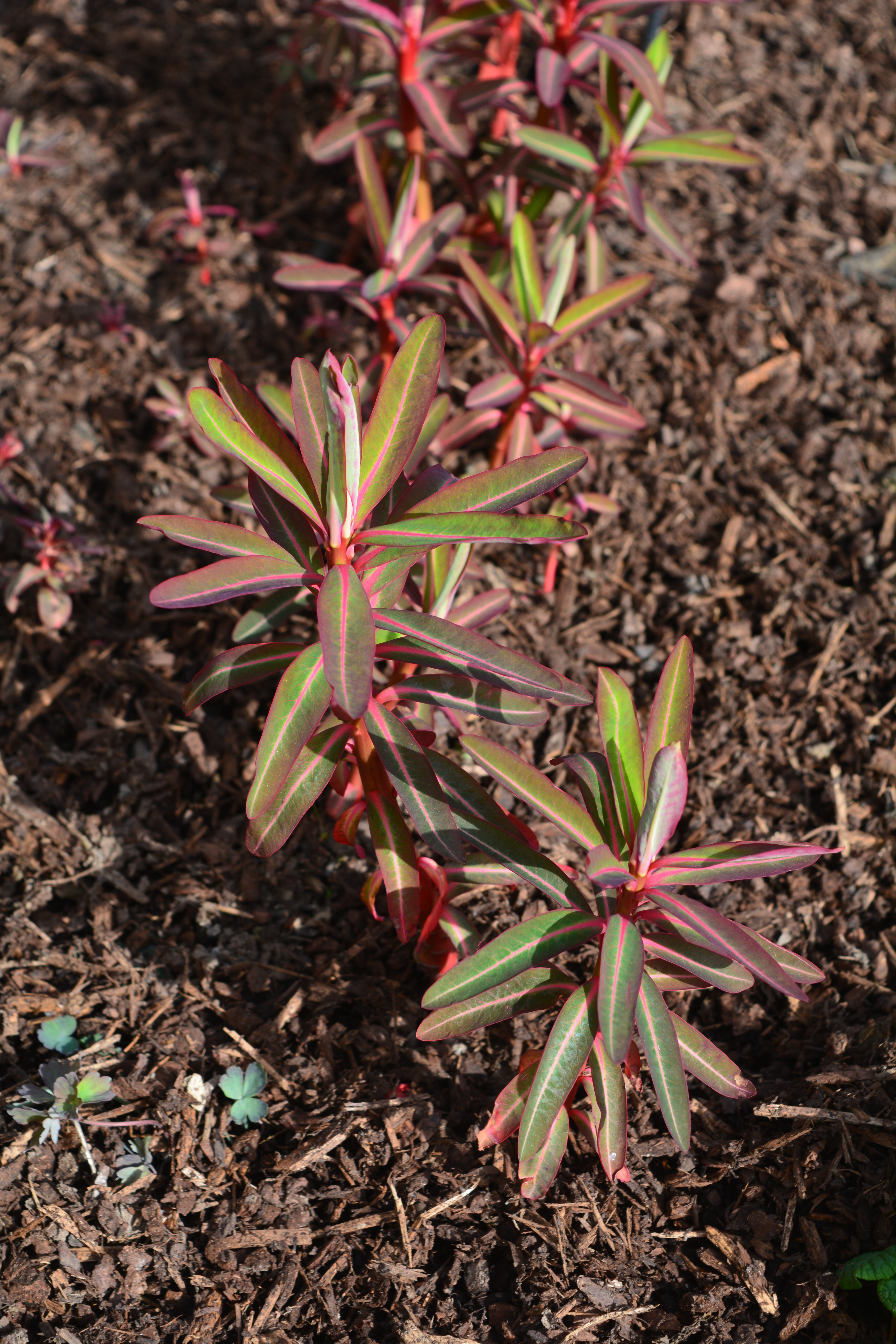
Just before we left the garden we walked through the hot garden alongside a tall stone wall, a border we love in the late summer when it is at its best, but on this visit we found a few interesting plants. The strongest feature was the selection of Hyacinths in an exciting range of colours from creamy yellow to nearly black. These were joined by Tulips, Anemones, Bergenias and emerging fresh growth of Euphorbia griffithii.


We had a great day out exploring these wonderful gardens, full of atmosphere and such a wide variety of different areas developed in different ways. We will return for a follow up visit in the summer.


Categories
flowering bulbs garden design garden furniture garden paths garden photography garden ponds garden pools garden seat garden seating gardening gardens gardens open to the public grasses hardy perennials meadows National Trust ornamental grasses ornamental trees and shrubs pergolas shrubs spring bulbs spring gardening The National Trust trees Wales

Early Spring at Bodnant Garden – Part 1 – to the Dell

I promised a few reports on our planned visits to Bodnant Garden in North Wales so we are pleased to share our visit in early spring, a day with the most perfect weather possible to make our exploration a good one.

Warm, calm and blue skies! We stayed over nearby to make sure we had time to wander slowly around this large garden at a leisurely pace, the only way to appreciate a garden so full of interesting plants.

After parking up we soon spotted a bank of little blue bulbs which we thought were possibly Scilla. As we entered the garden itself we came across this informative and attractive sign prepared by the head gardener giving us ideas of what was looking good in the garden.

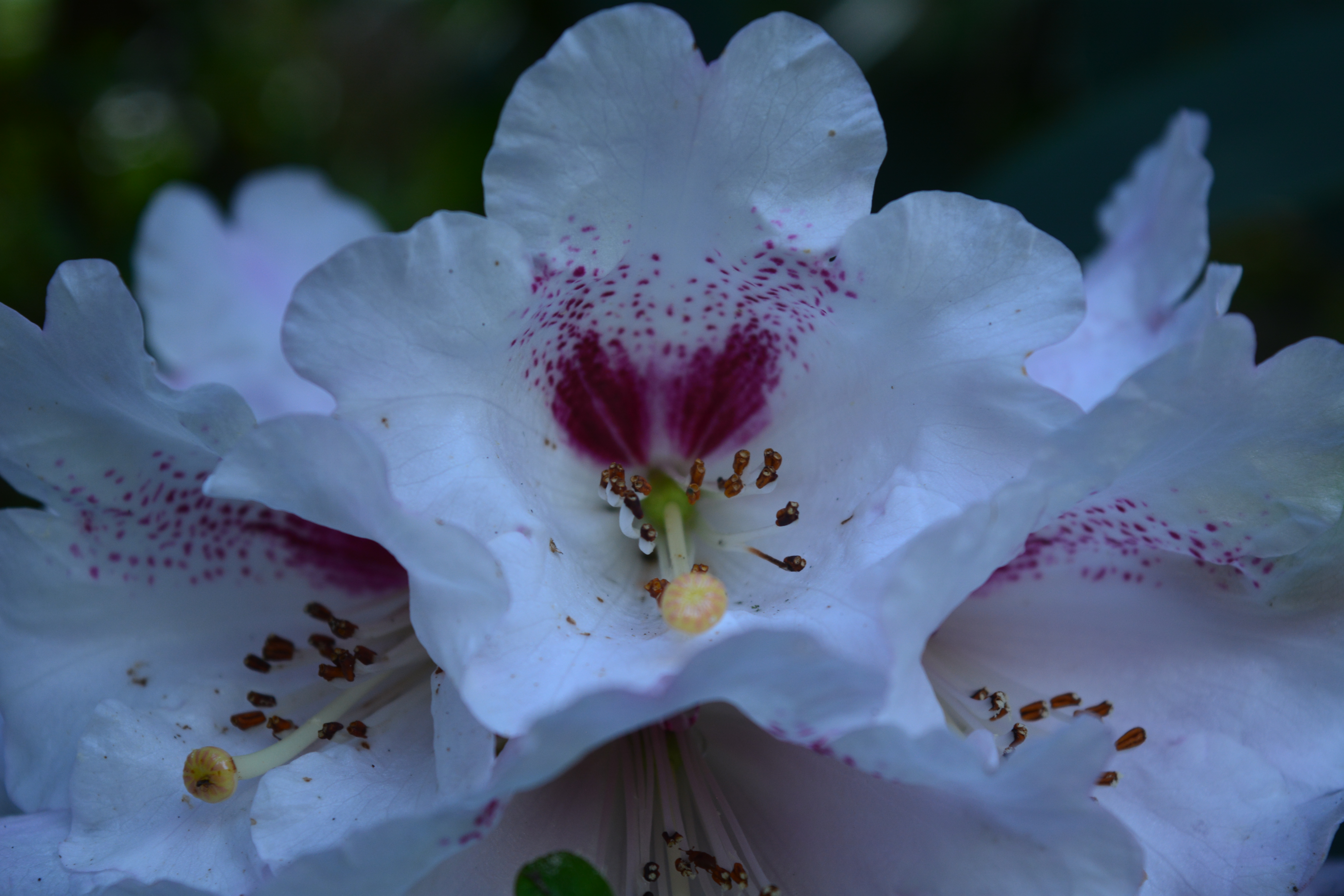
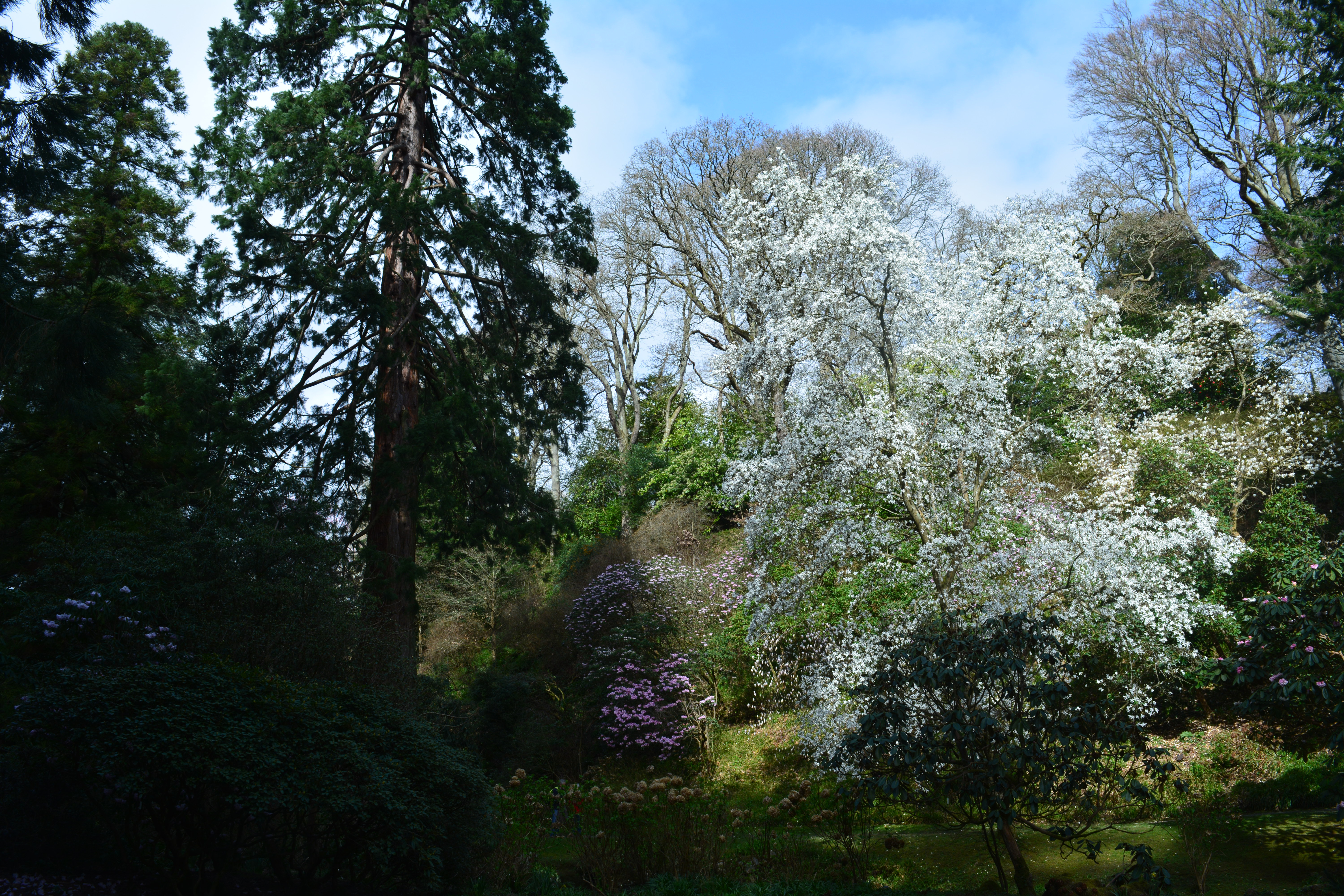
Our visit coincided with the height of the flowering seasons for Magnolias, Rhododendrons and Camellias as well as spring flowering bulbs and the earliest of perennials, so we were in for a colourful day’s exploration. Bodnant is a garden designed to present choices where paths fork and cross.

We made our way to the Winter Garden, one of our favourite parts of the garden, a place so full of ideas for anyone to use to add winter interest to their own patches.


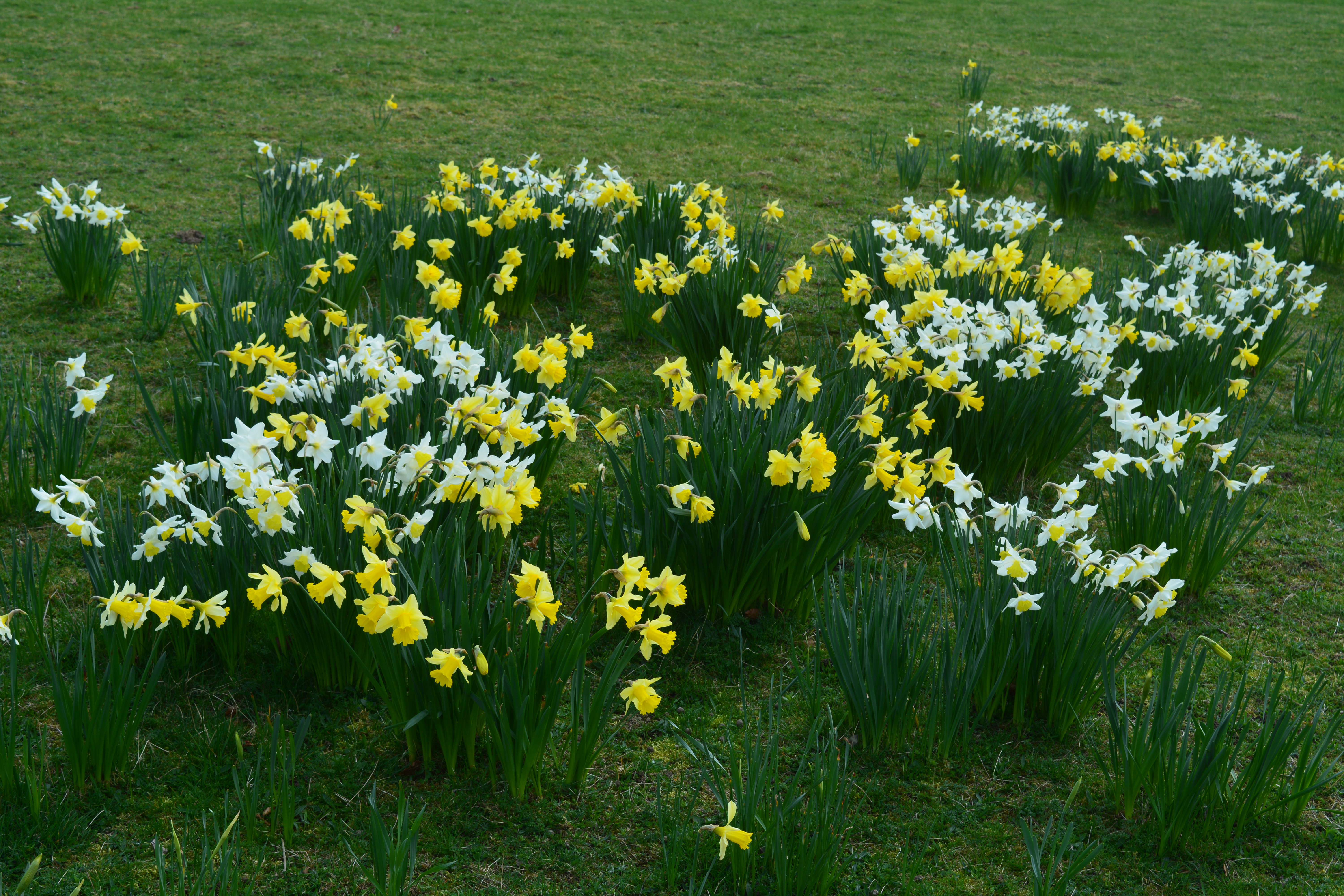
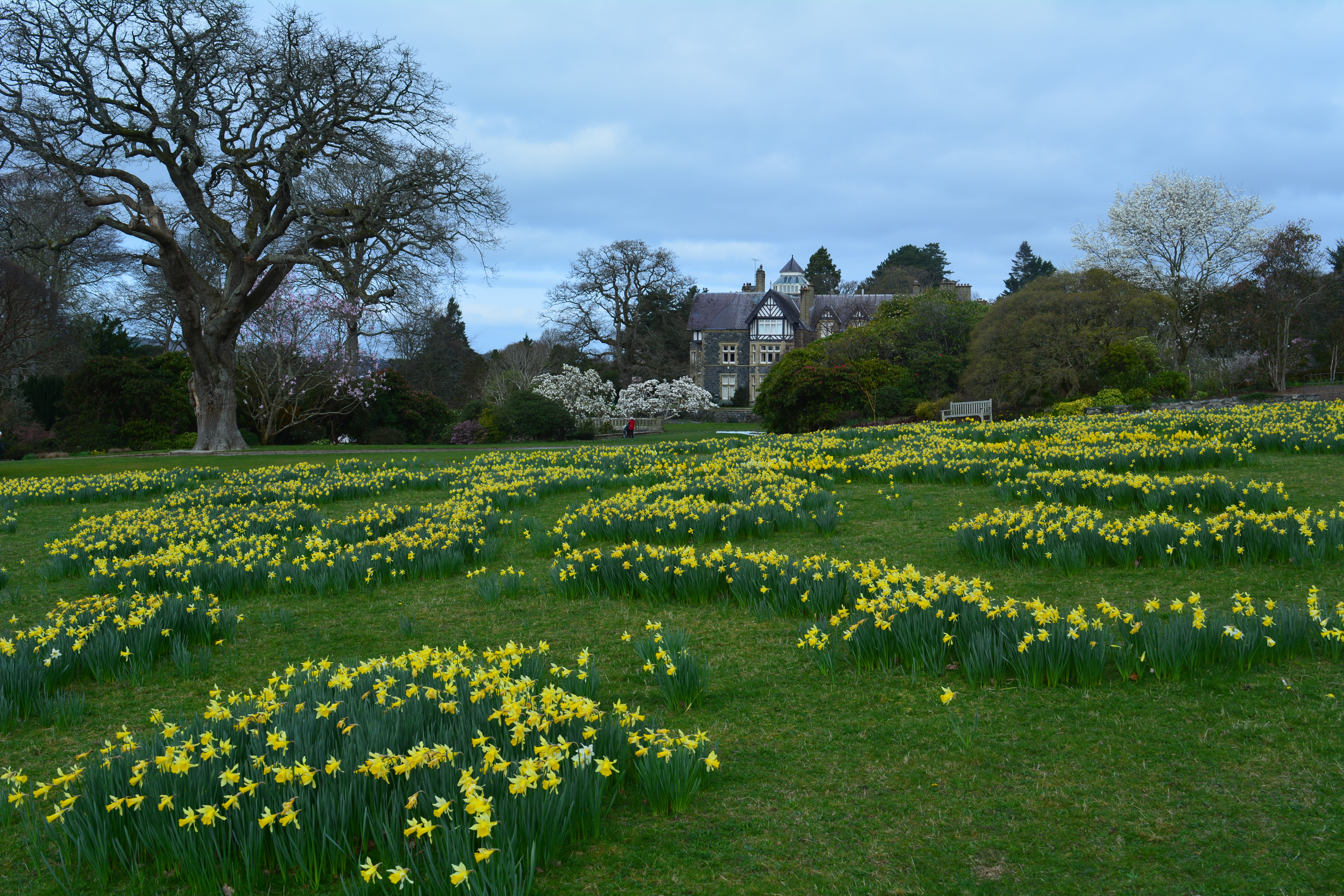
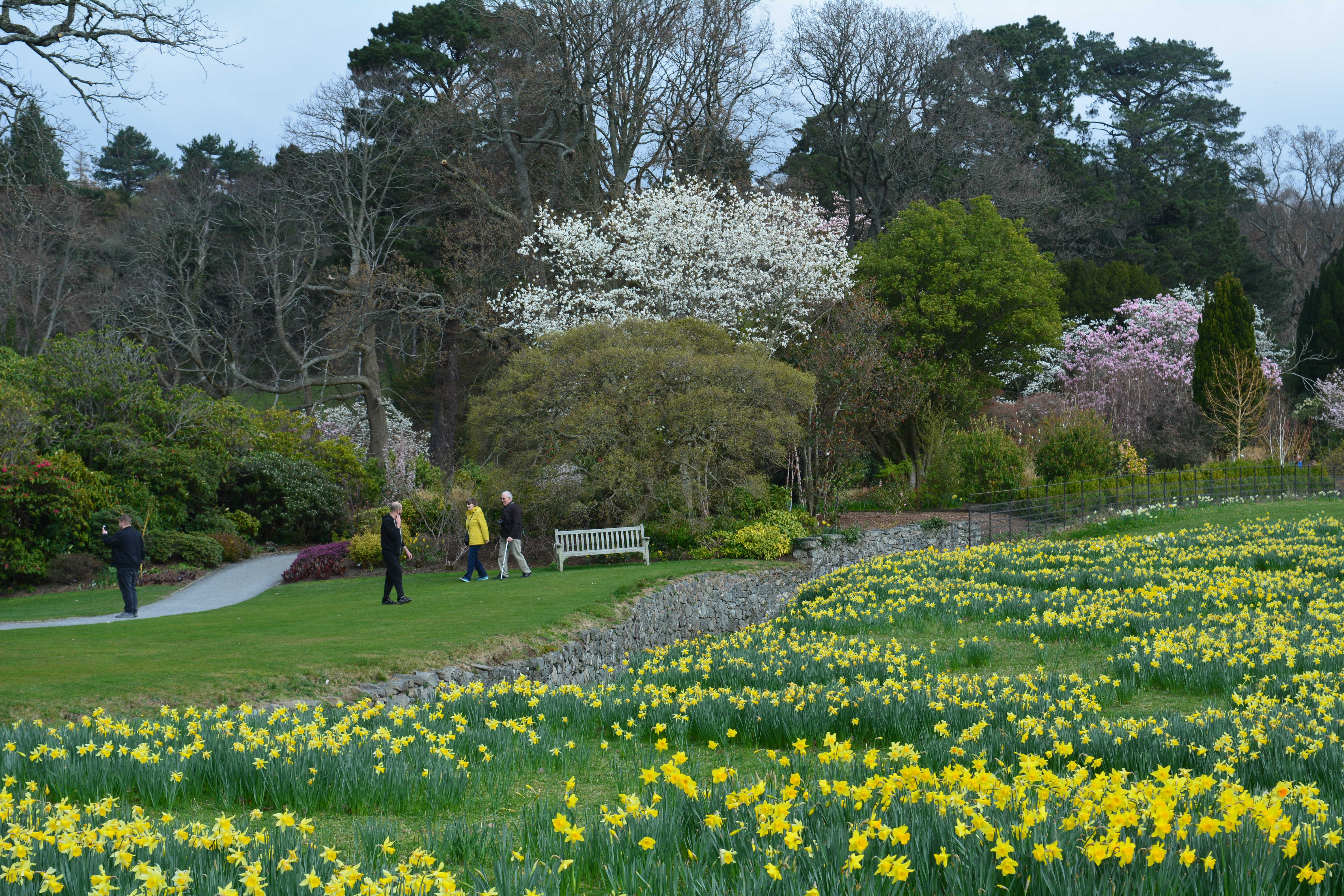
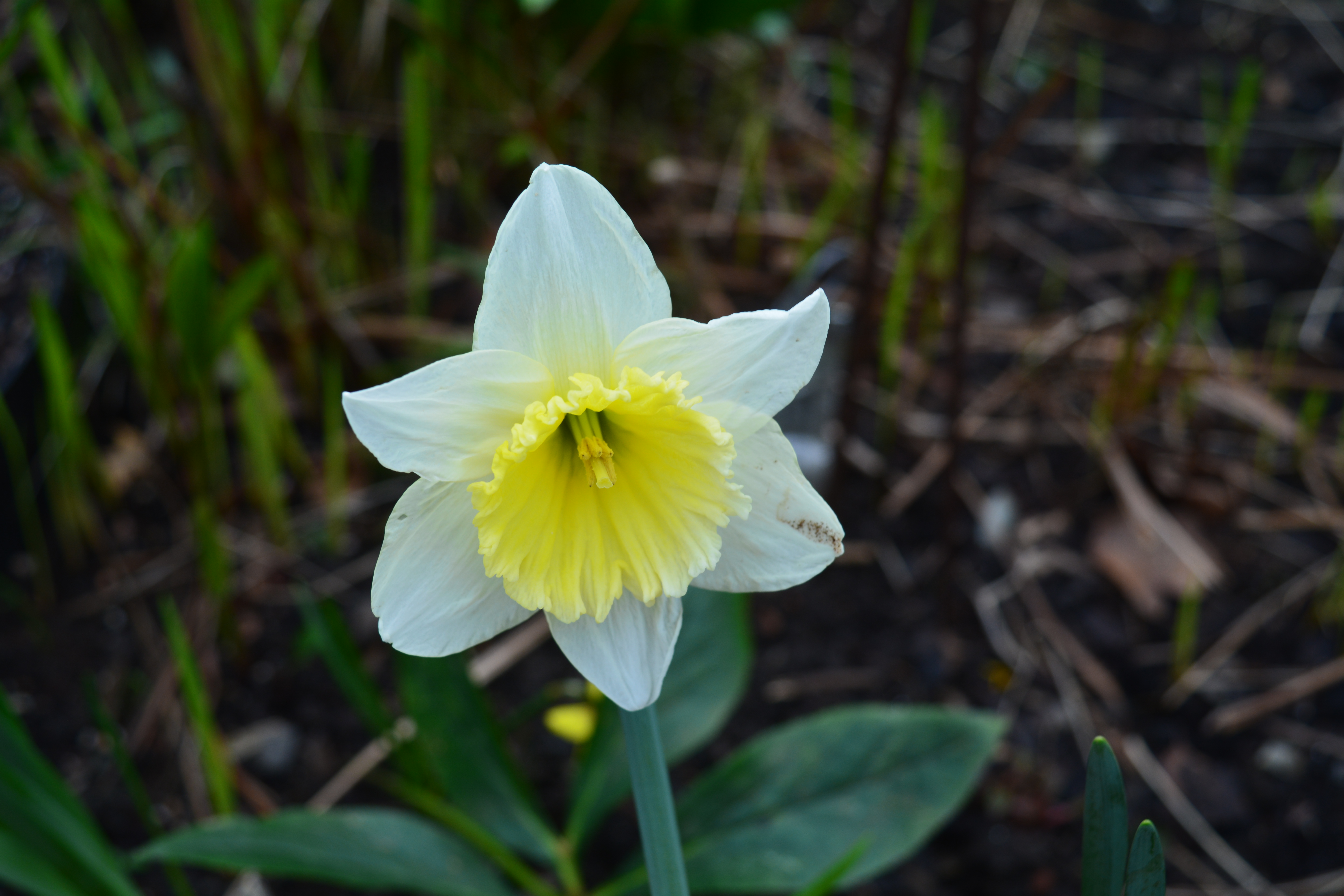
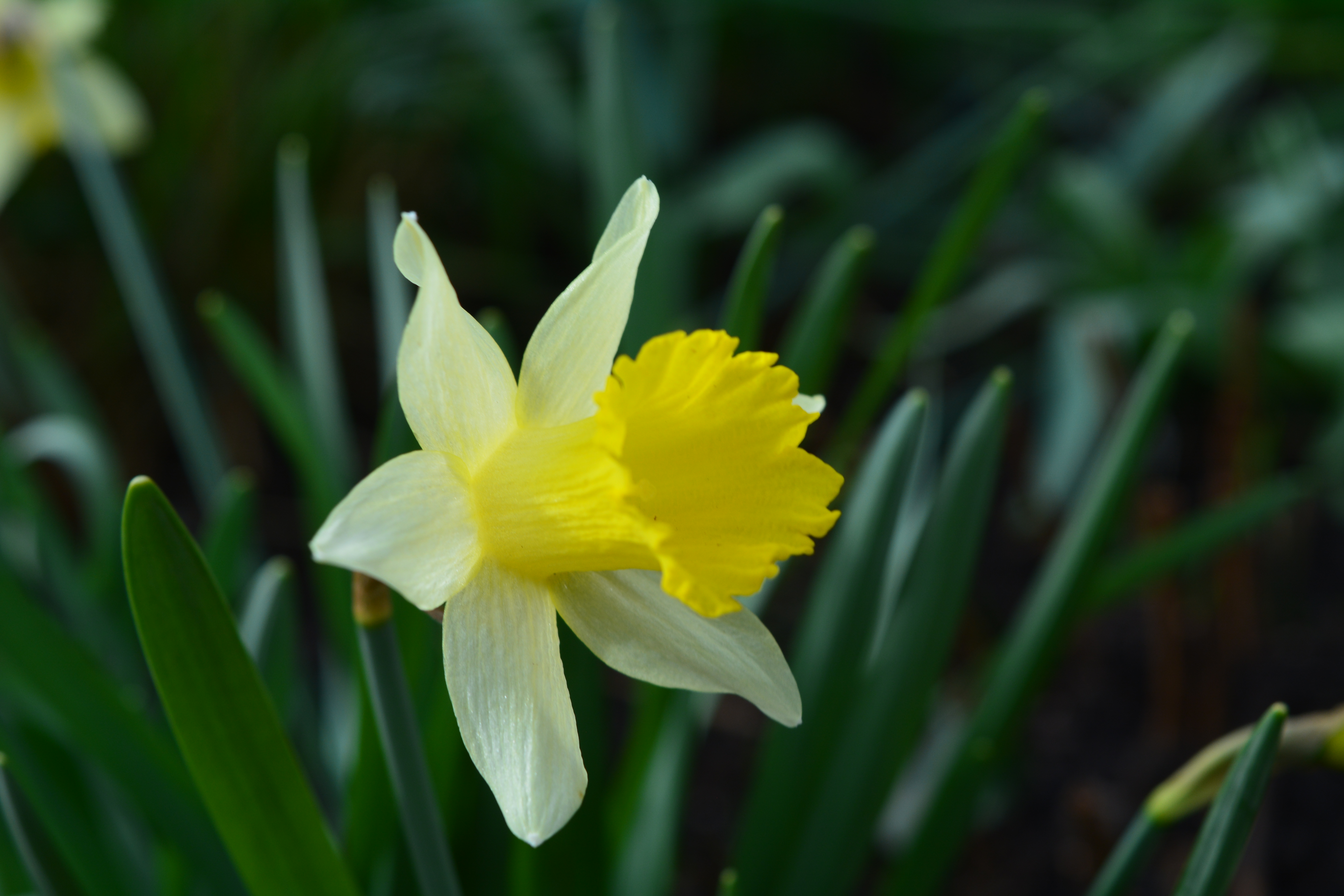
We then found a gateway that took us into a field of daffodils, simple old cultivars, creating a peaceful place to wander slowly and take in the atmosphere of this special space.

We strolled through the field slowly and then made our way down to the top of the Dell. The gallery that follows shares this part of our time at Bodnant. In part 2 we shall wander along the dell and then back up the long slope to explore the areas around the hall.


Categories
colours flowering bulbs garden design garden photography gardening gardens grasses hardy perennials ornamental grasses ornamental trees and shrubs Shrewsbury Shropshire shrubs spring bulbs

My Garden Journal 2019 – March

It is already time for sharing my third month’s entries in my garden journal. So here are the March pages for you to enjoy and for you to see what the garden has been up to and what we have been up to in the garden.

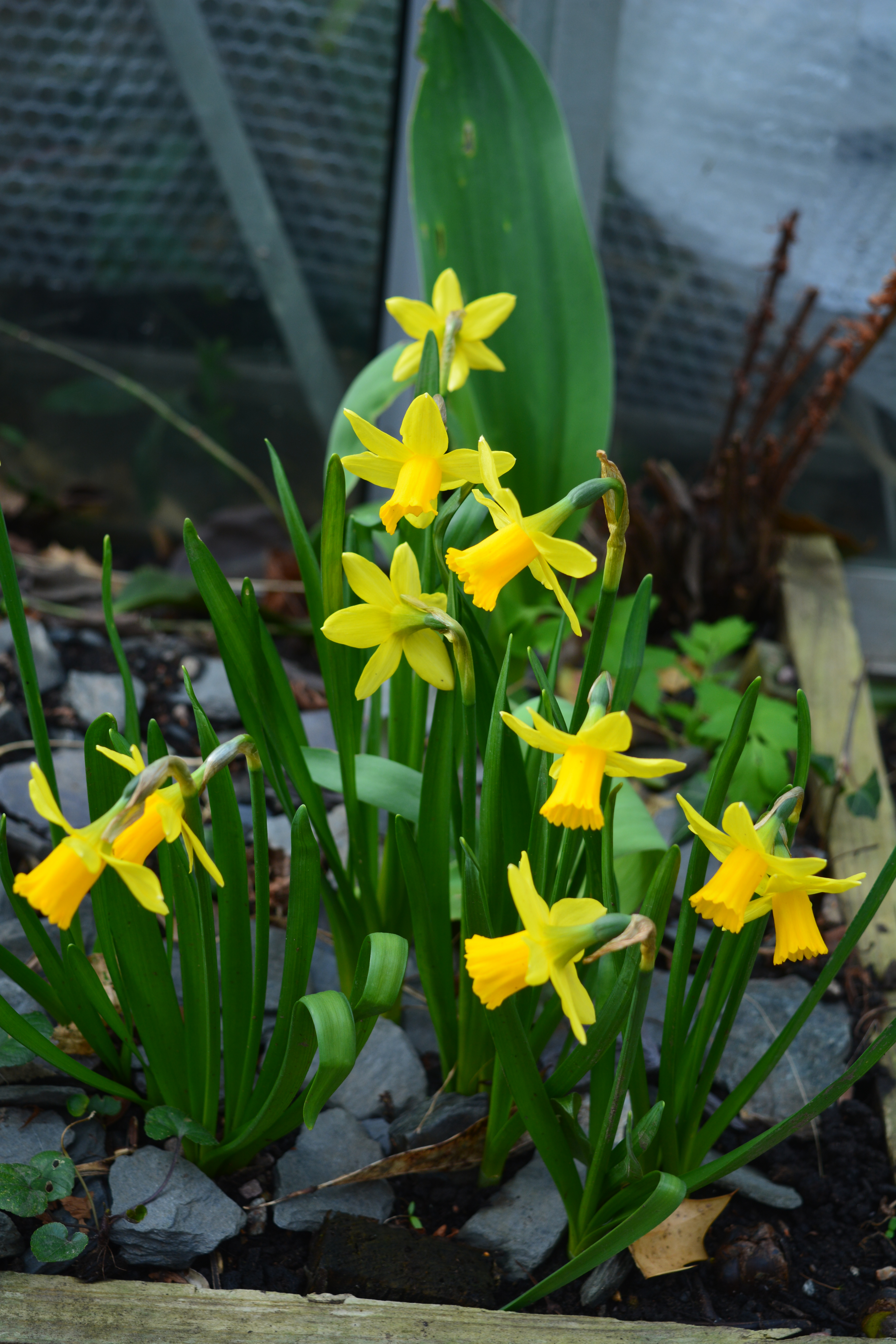
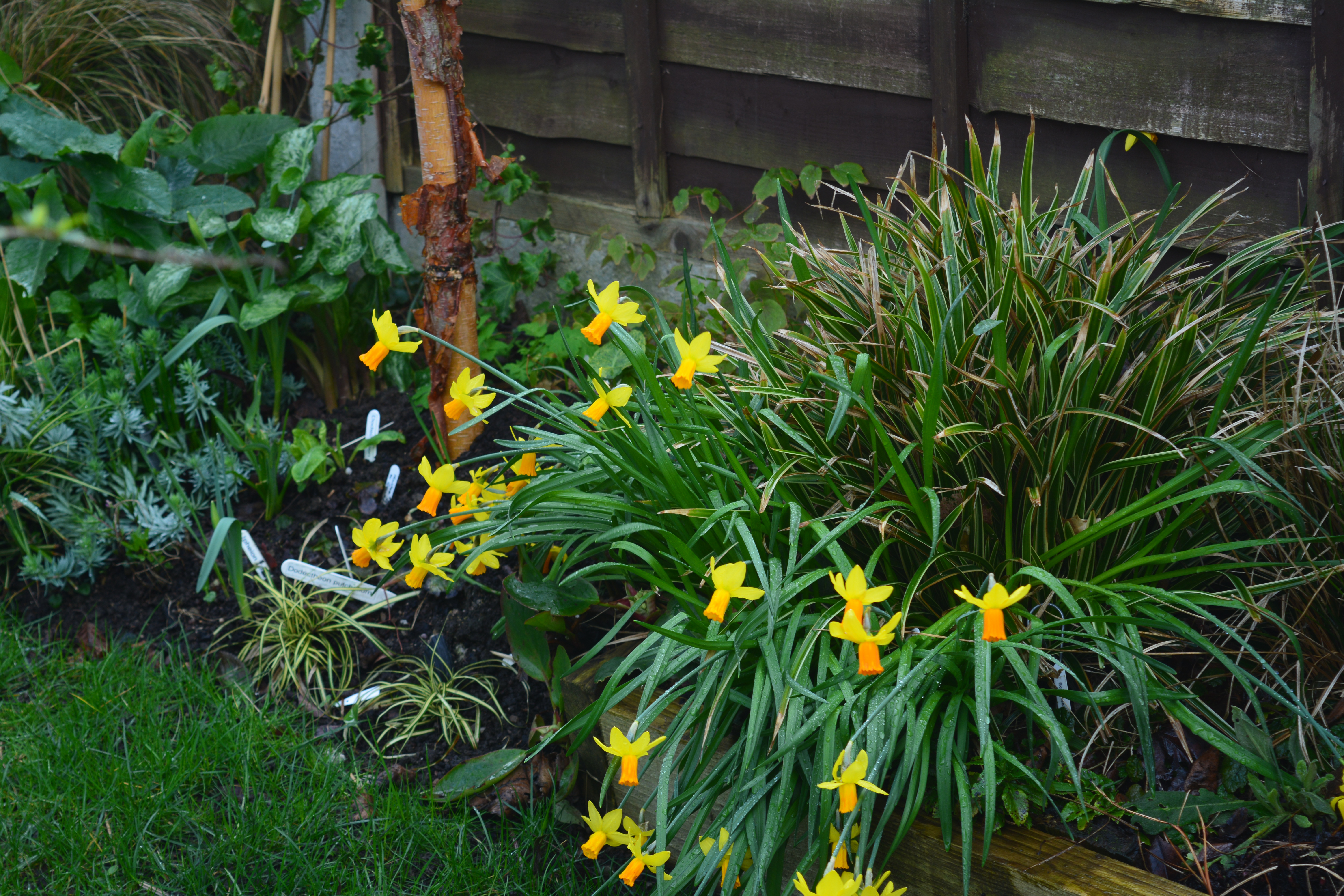
I began by writing, “March came on the scene dull, grey and lifeless looking. After the mild temperatures of the last few weeks with virtually no rain, the last day of February was very wet. Thank goodness for Daffodils, the spring bulbs that can cheer up the dullest of days.”

I then showed 9 photos of our wonderful early daffodils, mostly miniature narcissi.


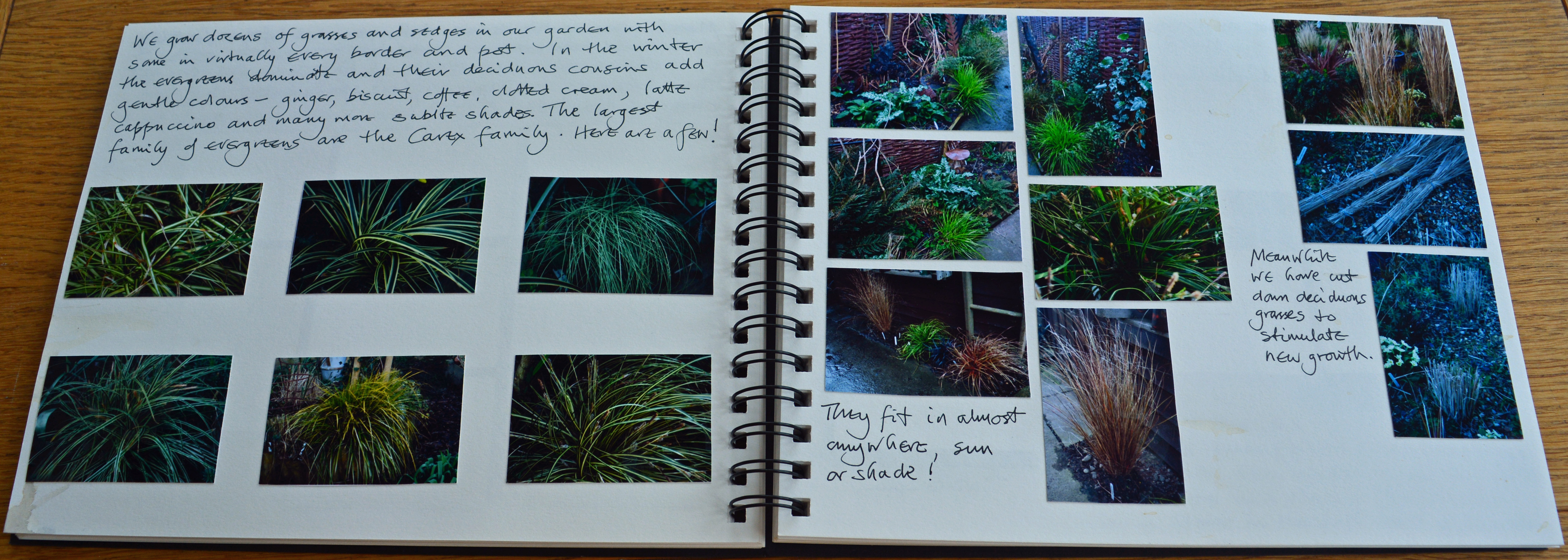
On the next page I looked at our selection of Carex.

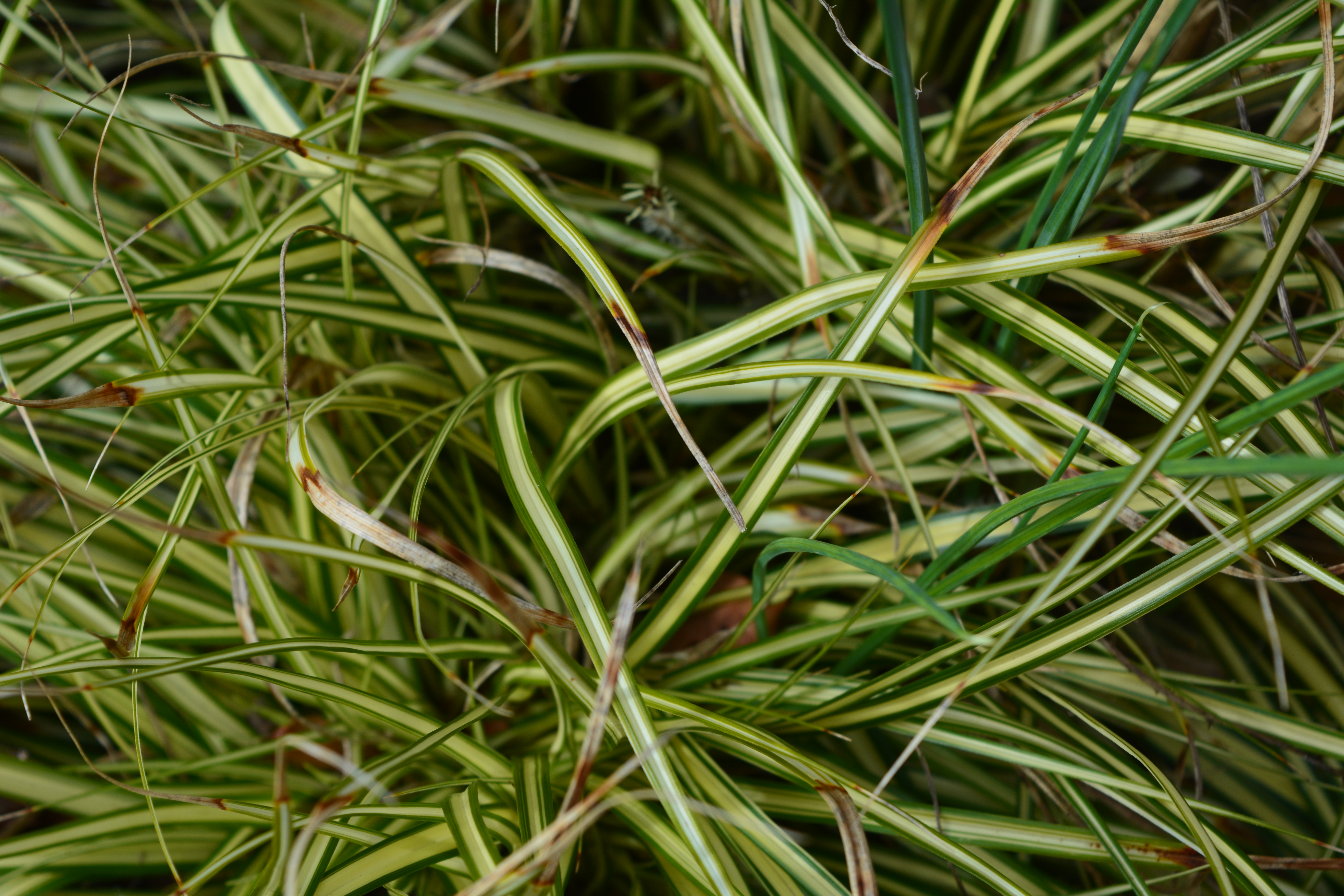
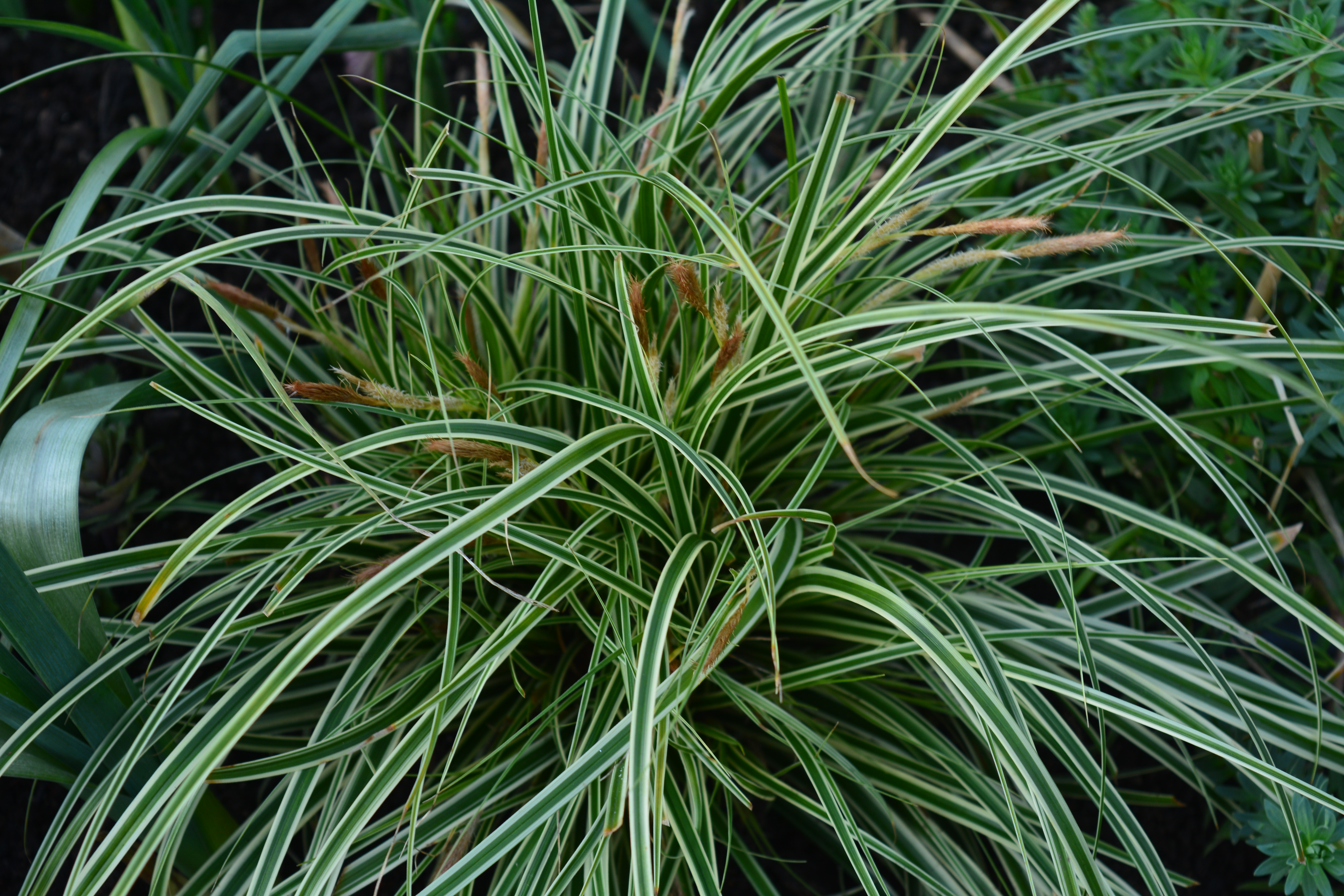
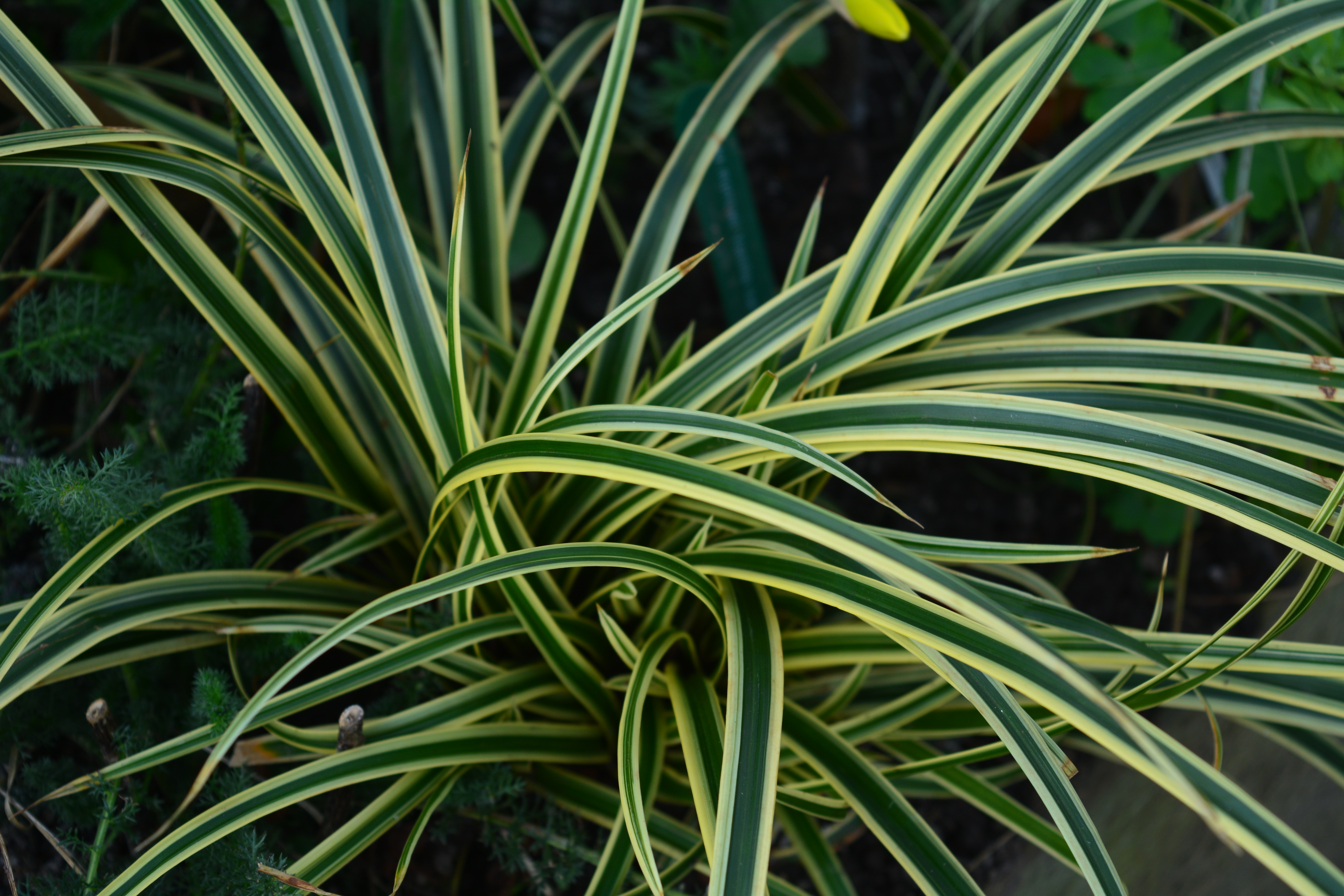
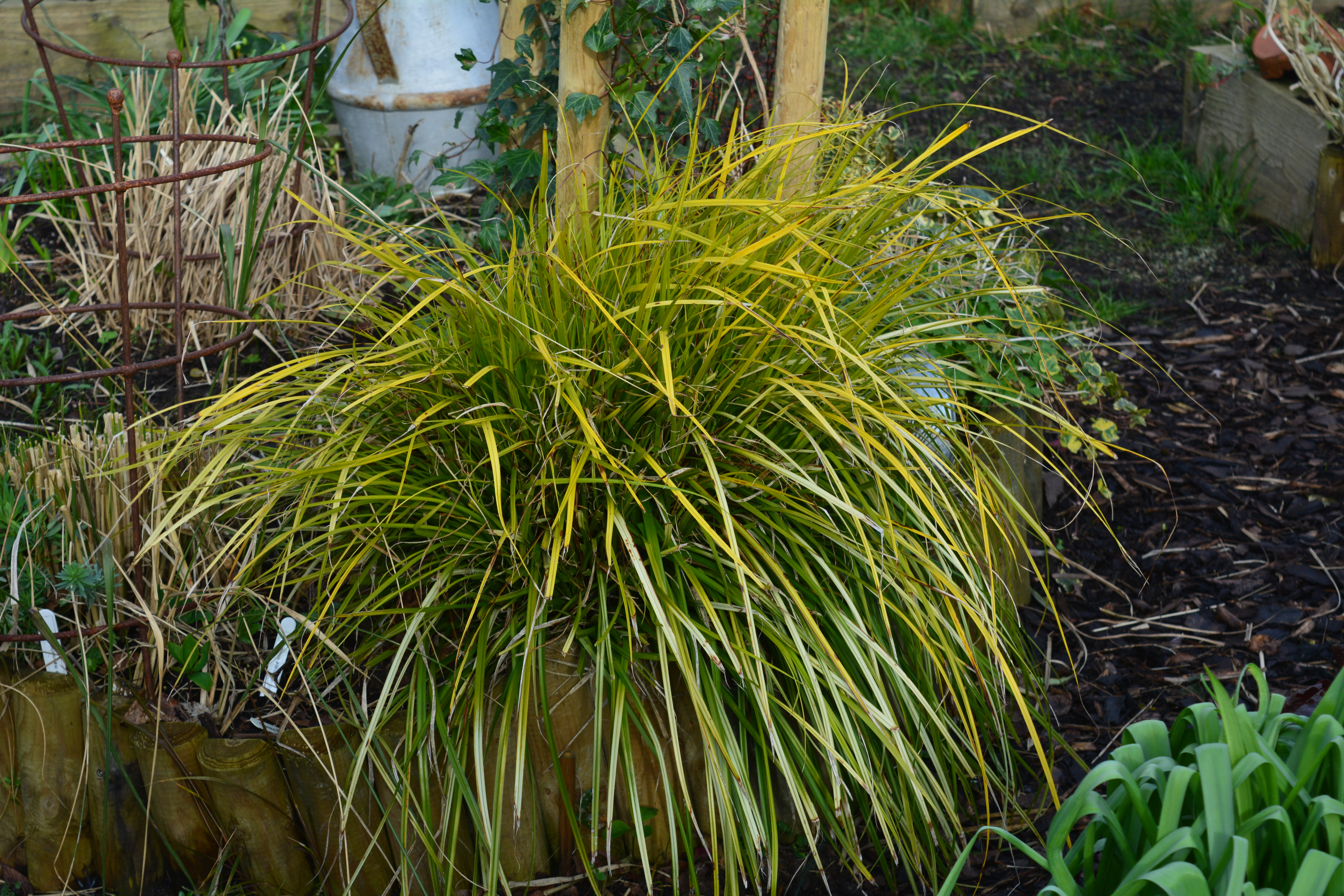
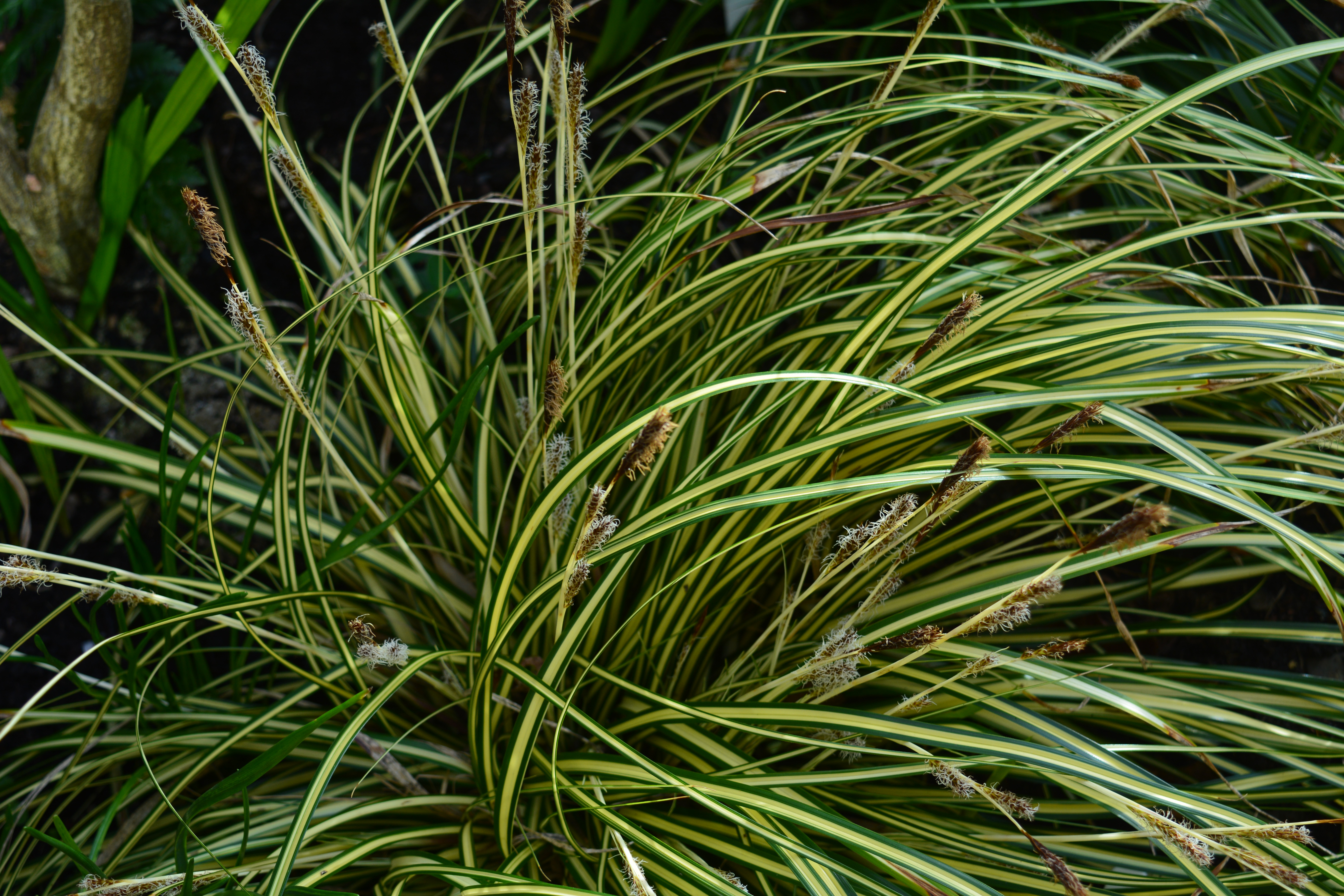
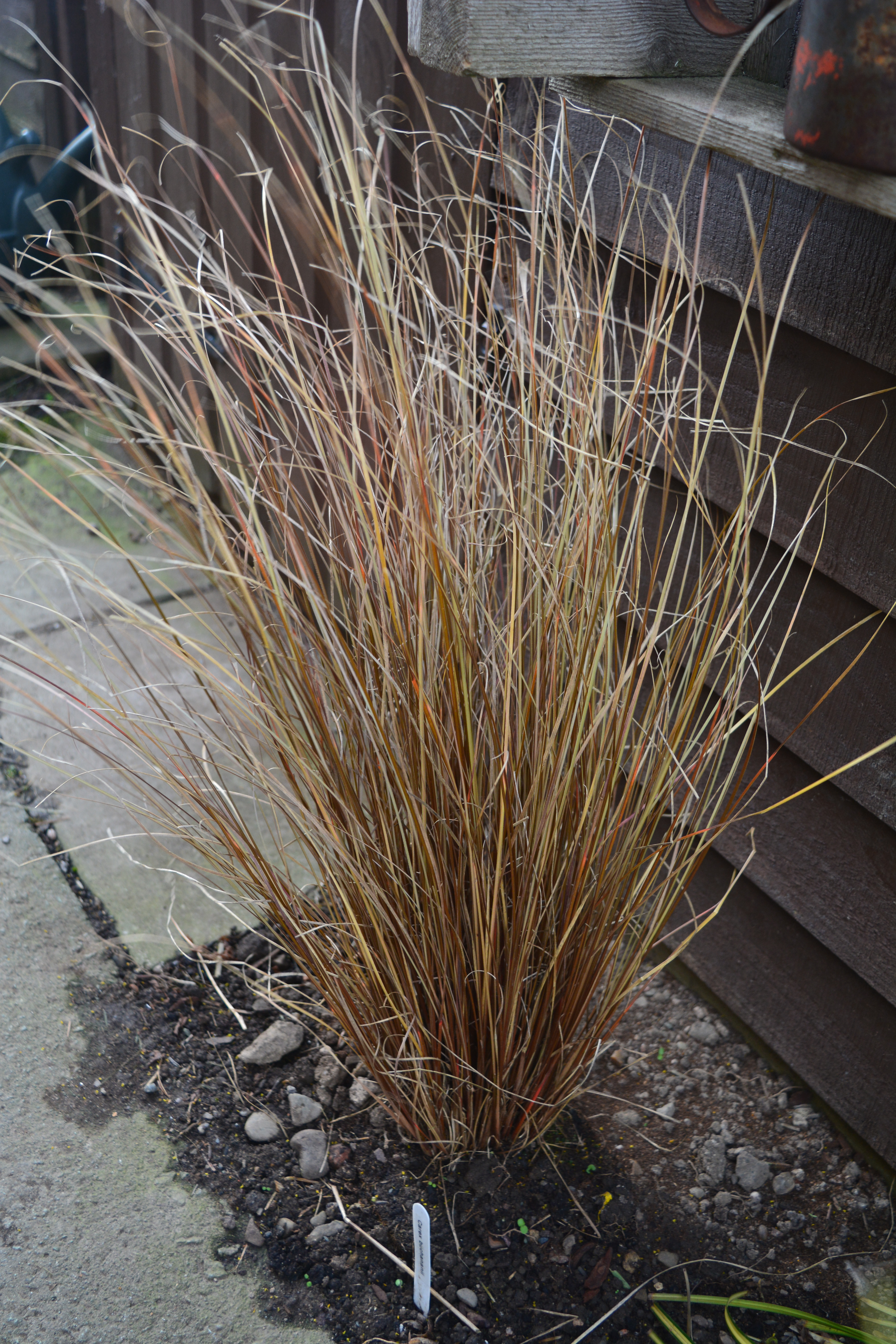
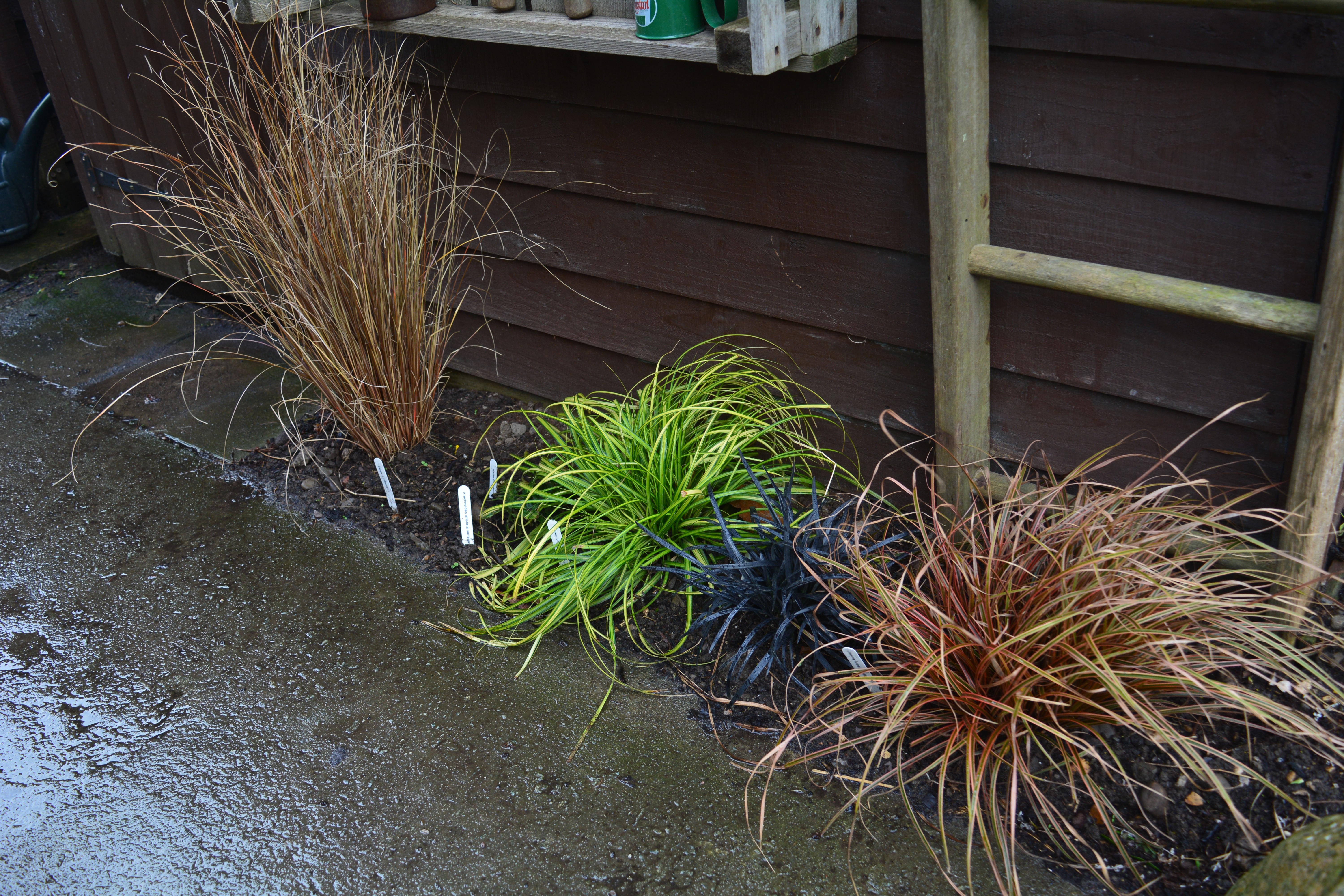
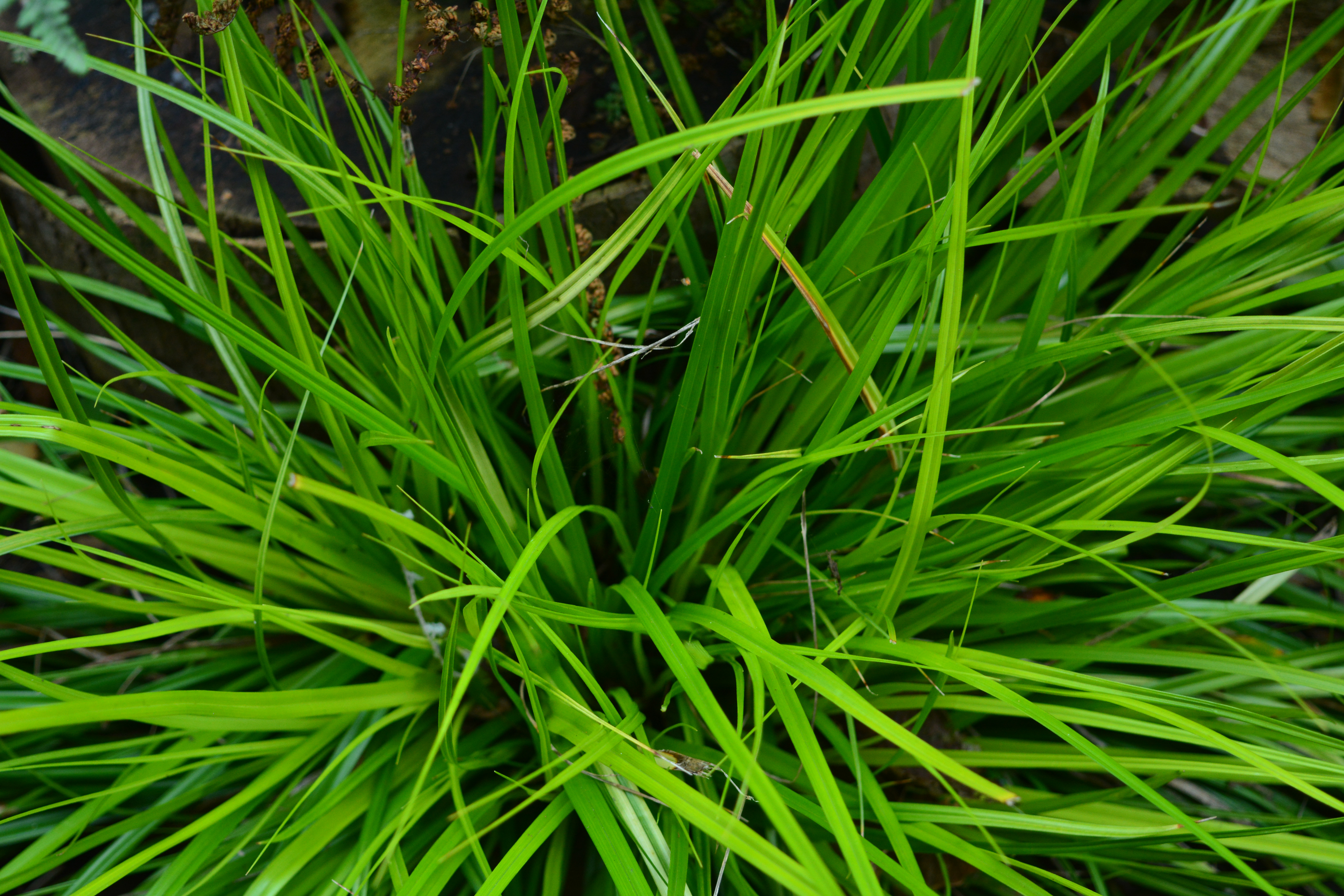
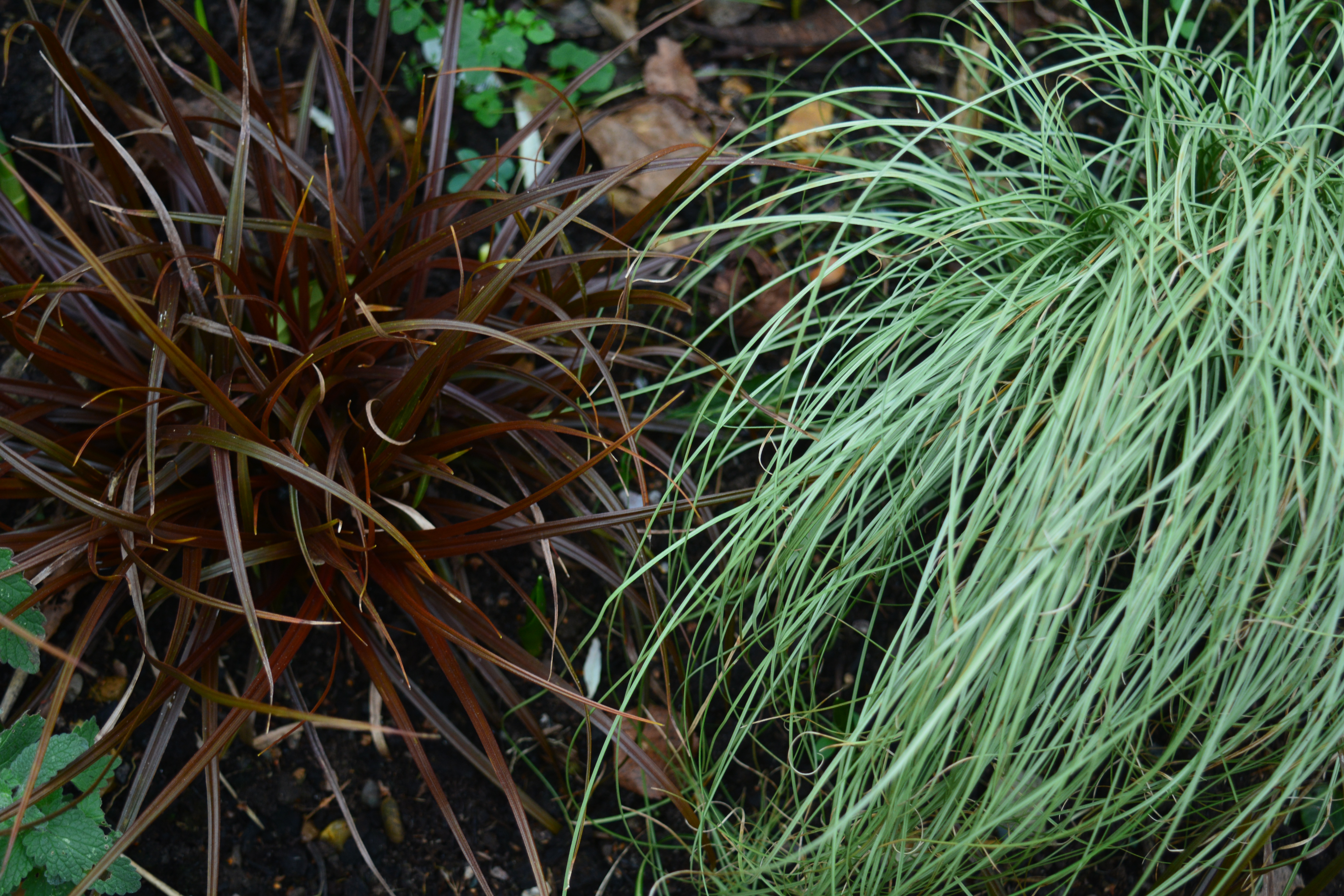
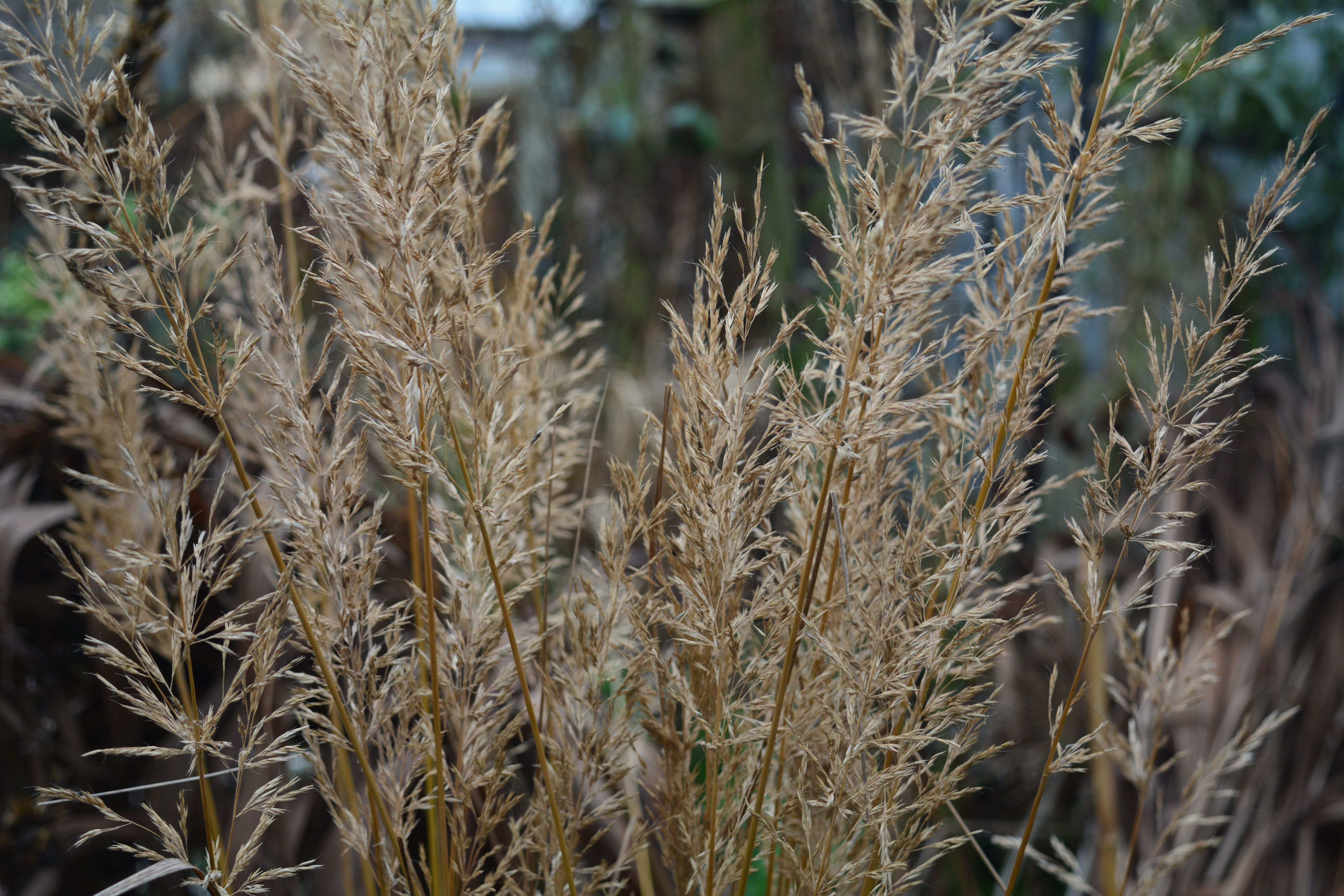
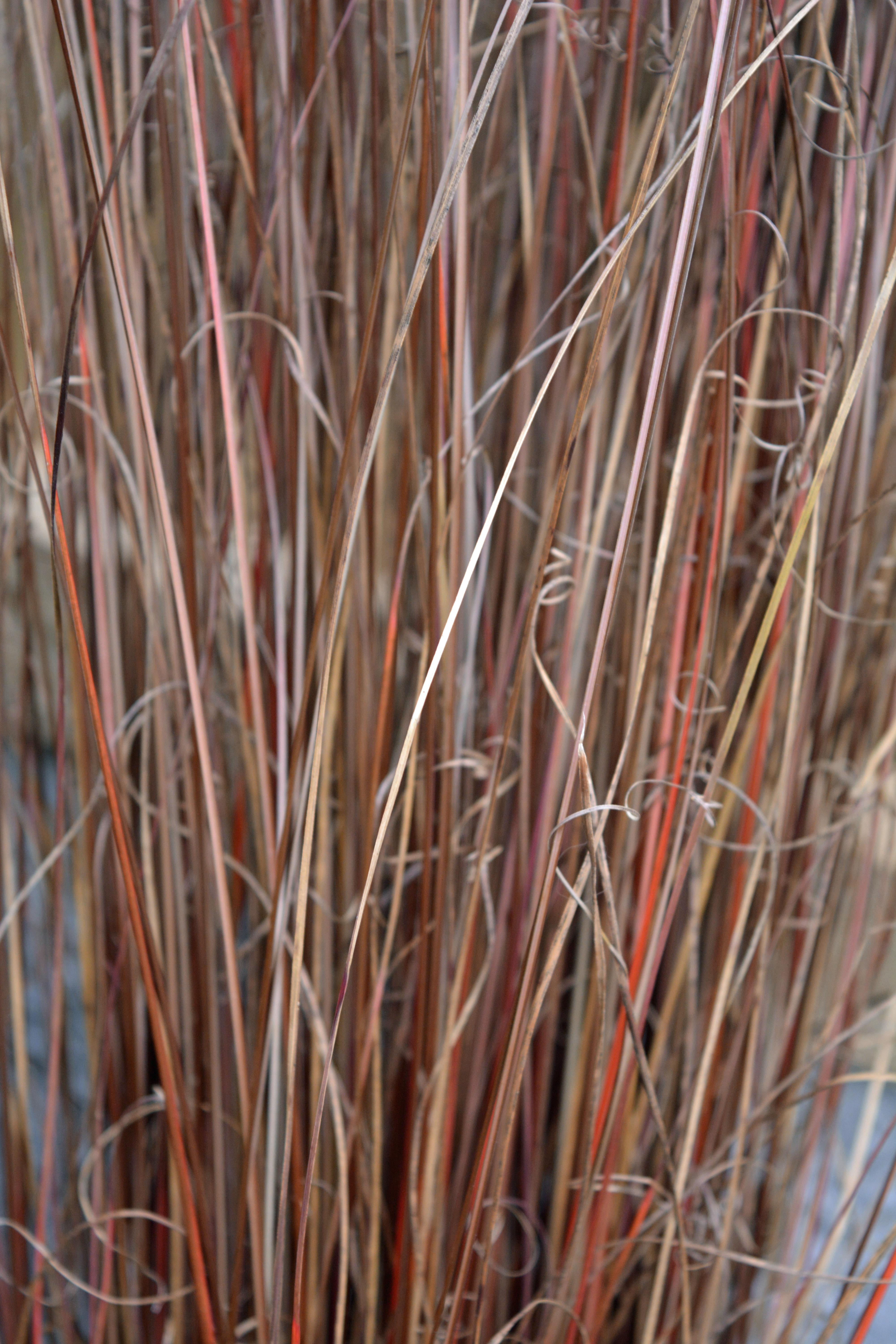
“We grow dozens of grasses and sedges in our garden with some in virtually every border and container. In the winter the evergreens dominate and their deciduous cousins add gentle colours – ginger, biscuit, coffee, clotted cream, latte, cappuccino and many more subtle shades. The largest family of evergreens are the Carex family. Here are just a few that we grow!”

Here is a selection of the many Carex we grow.

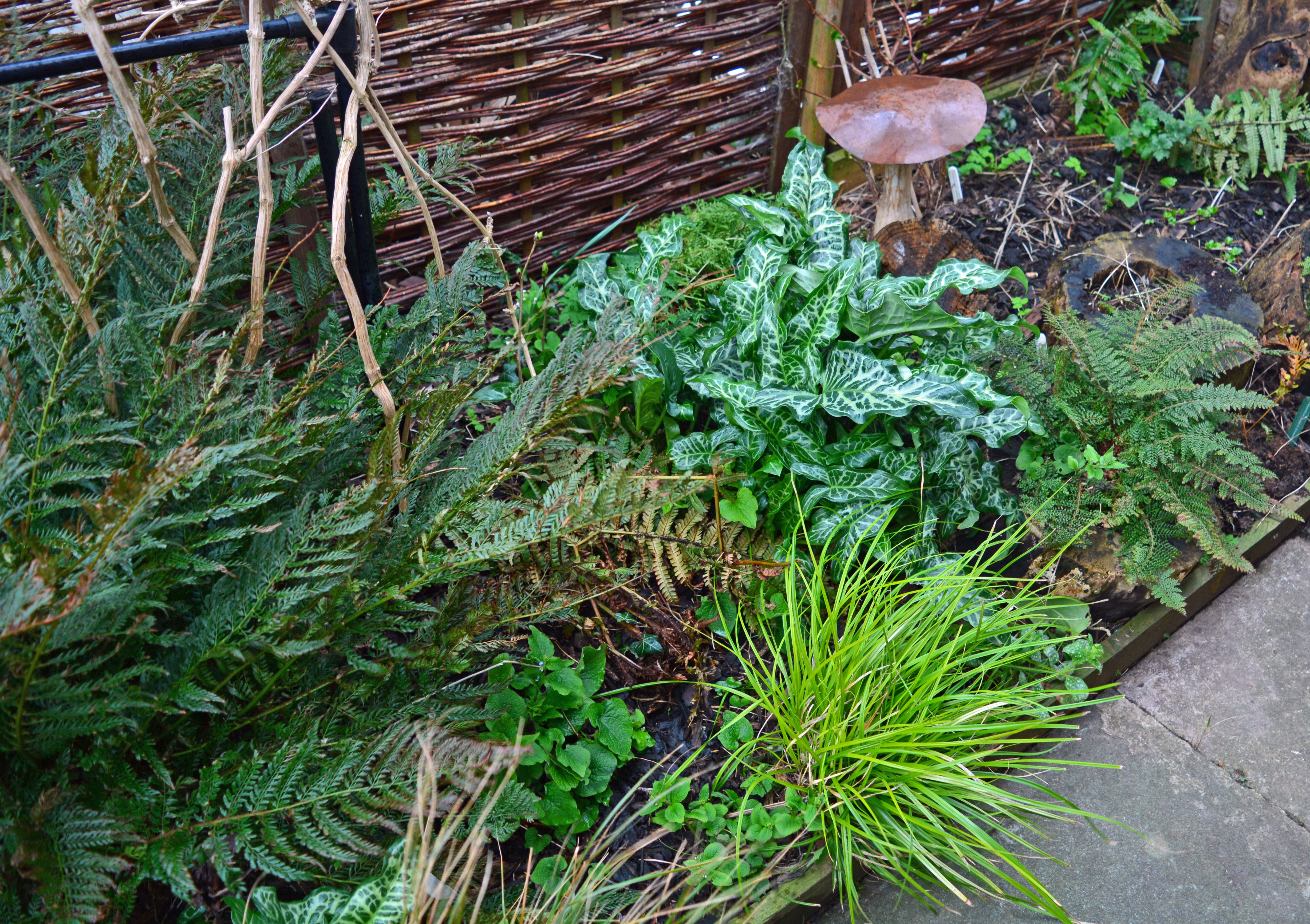
On the opposite page I consider how well the Carex family of grasses fit in with other plants and plant combinations. I wrote, “They fit in almost anywhere, sun or shade!”


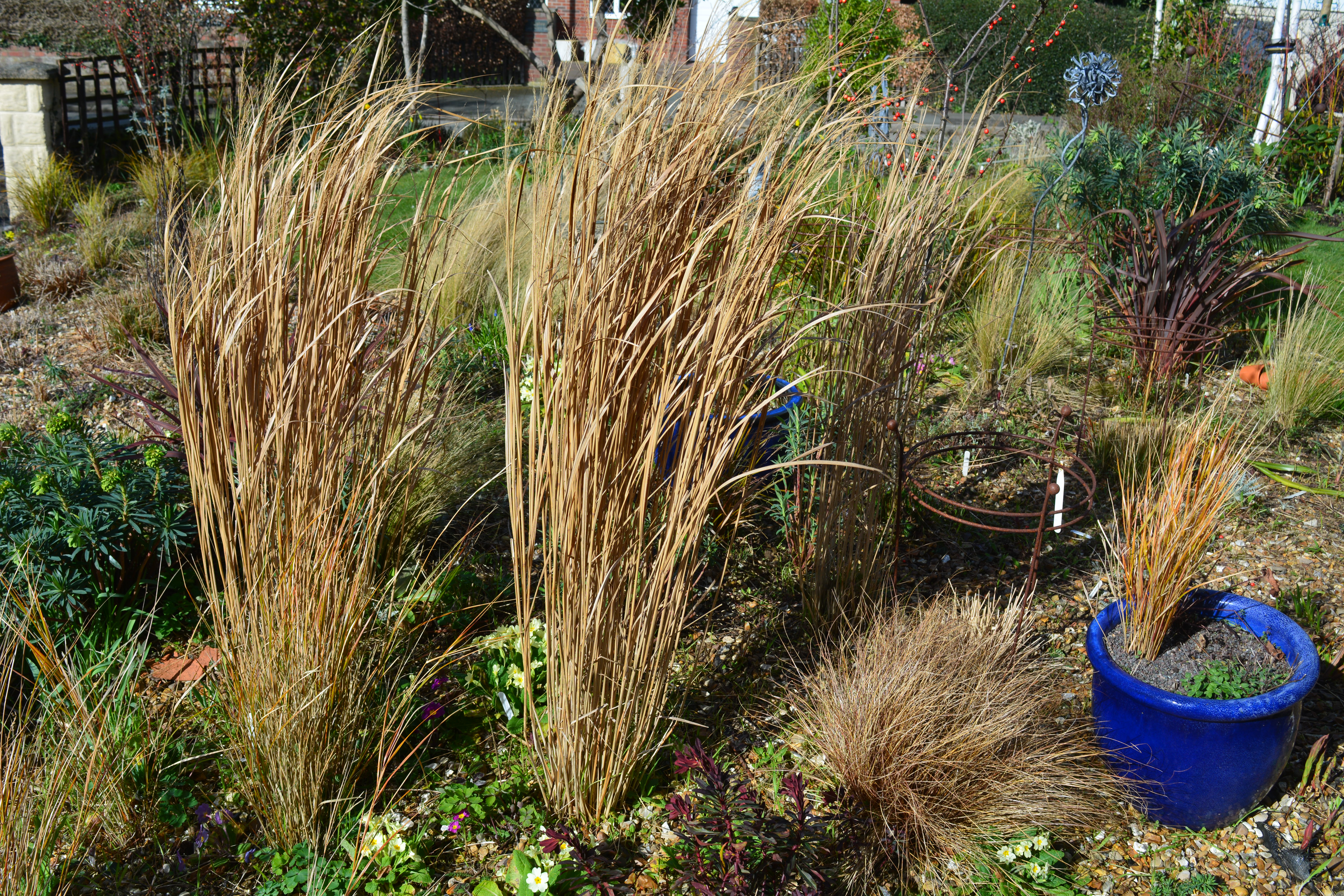
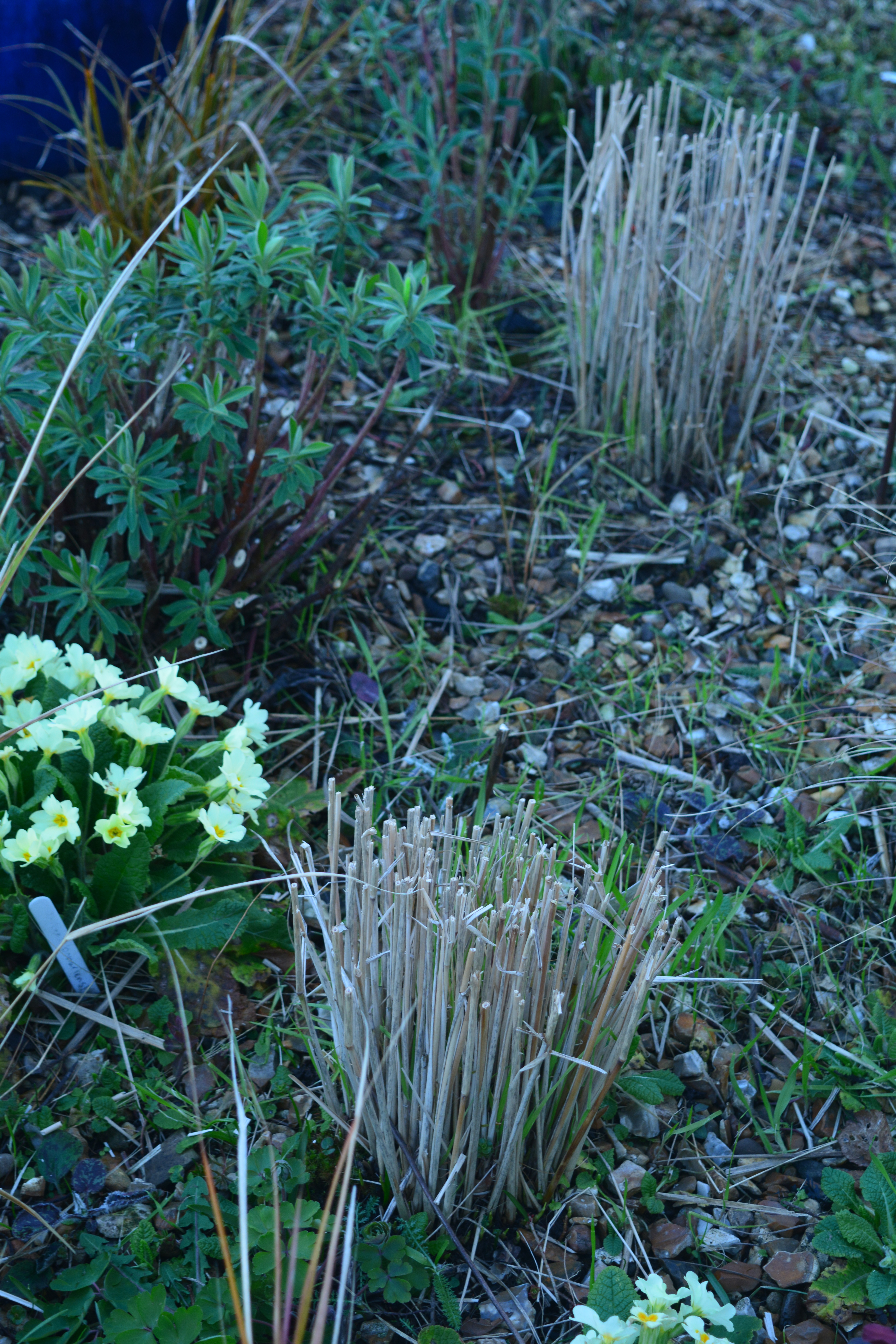
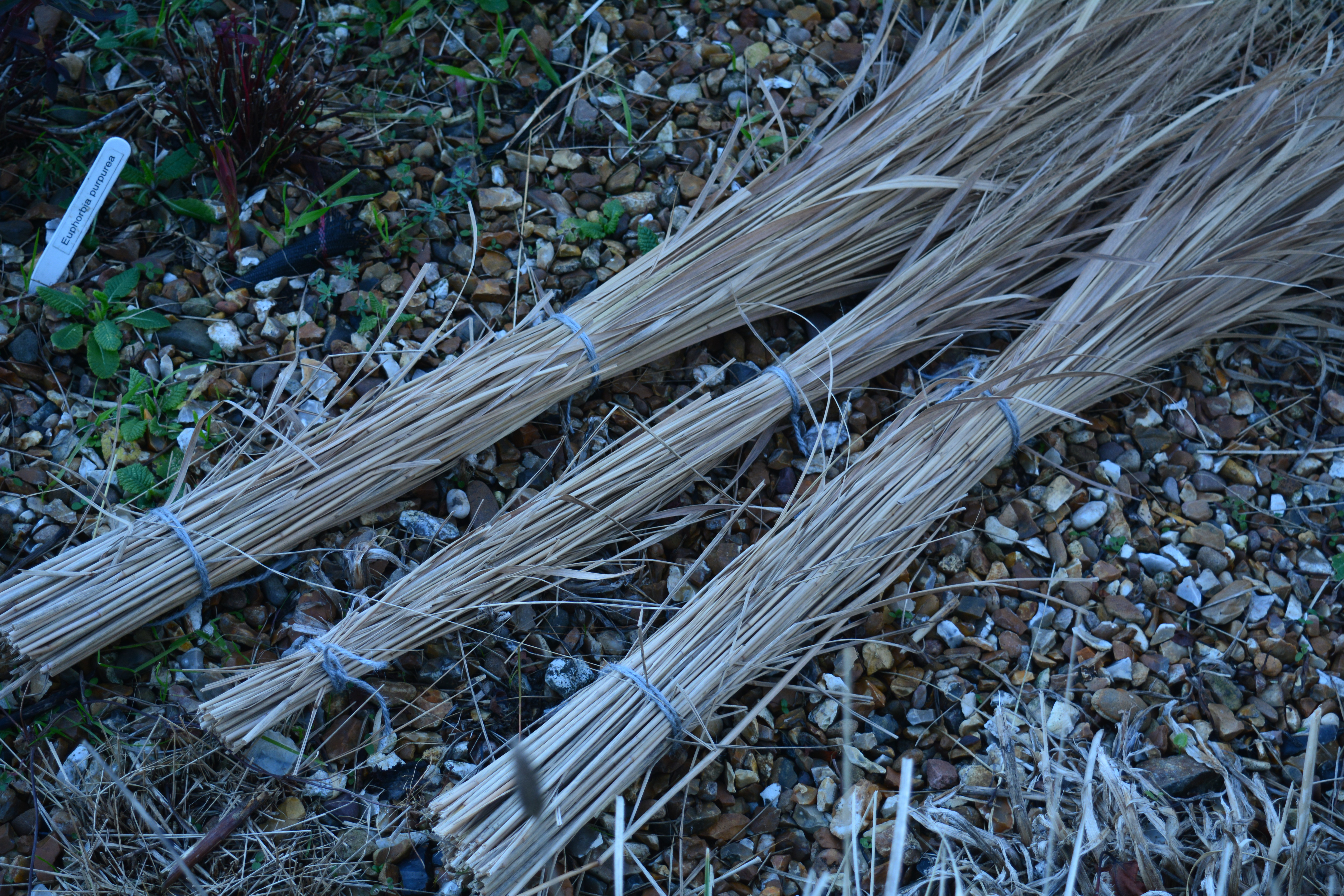
“Meanwhile we have cut down deciduous grasses to stimulate new growth.”

Turning over to the next double page spread I have a look at a couple of under-appreciated plants.

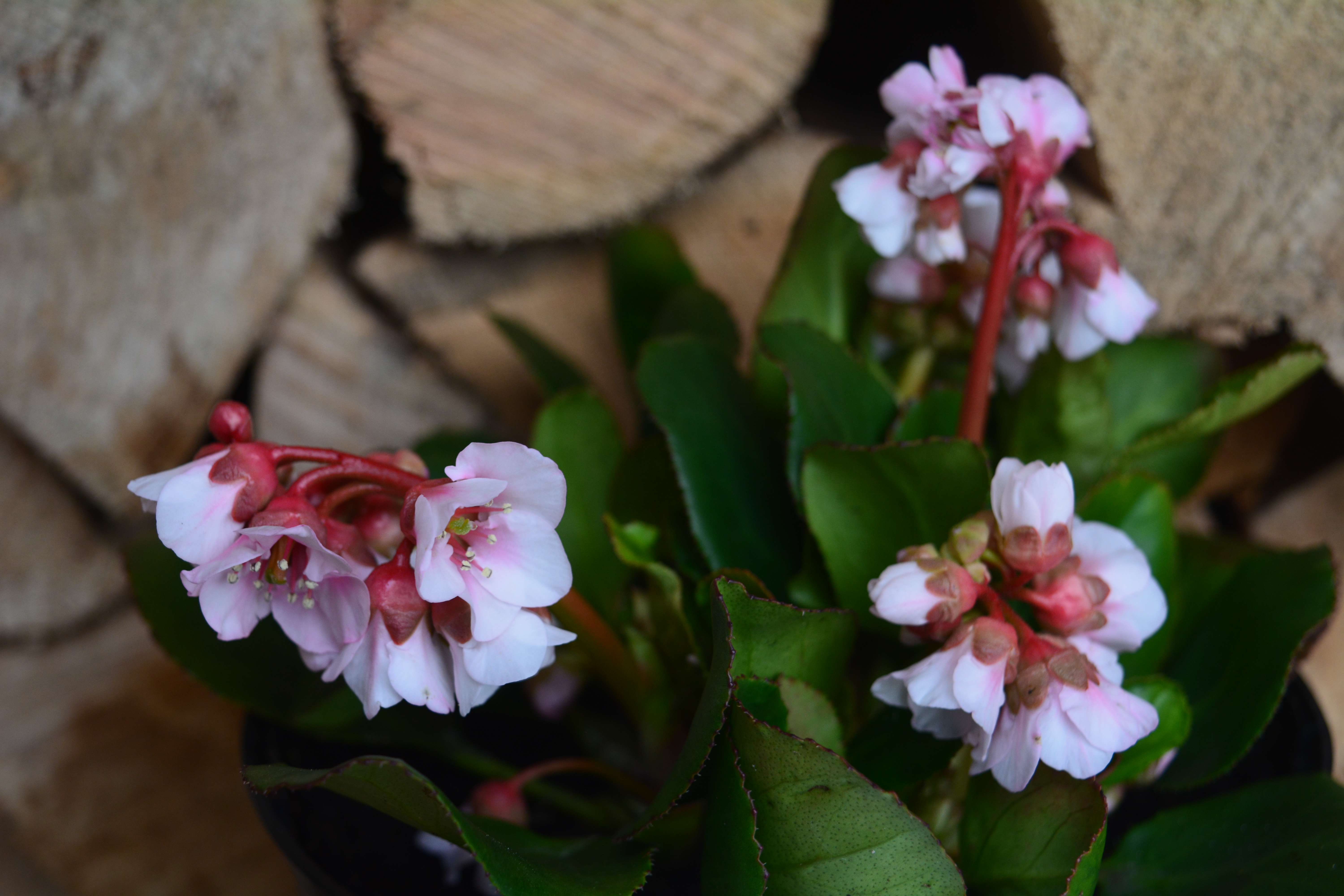
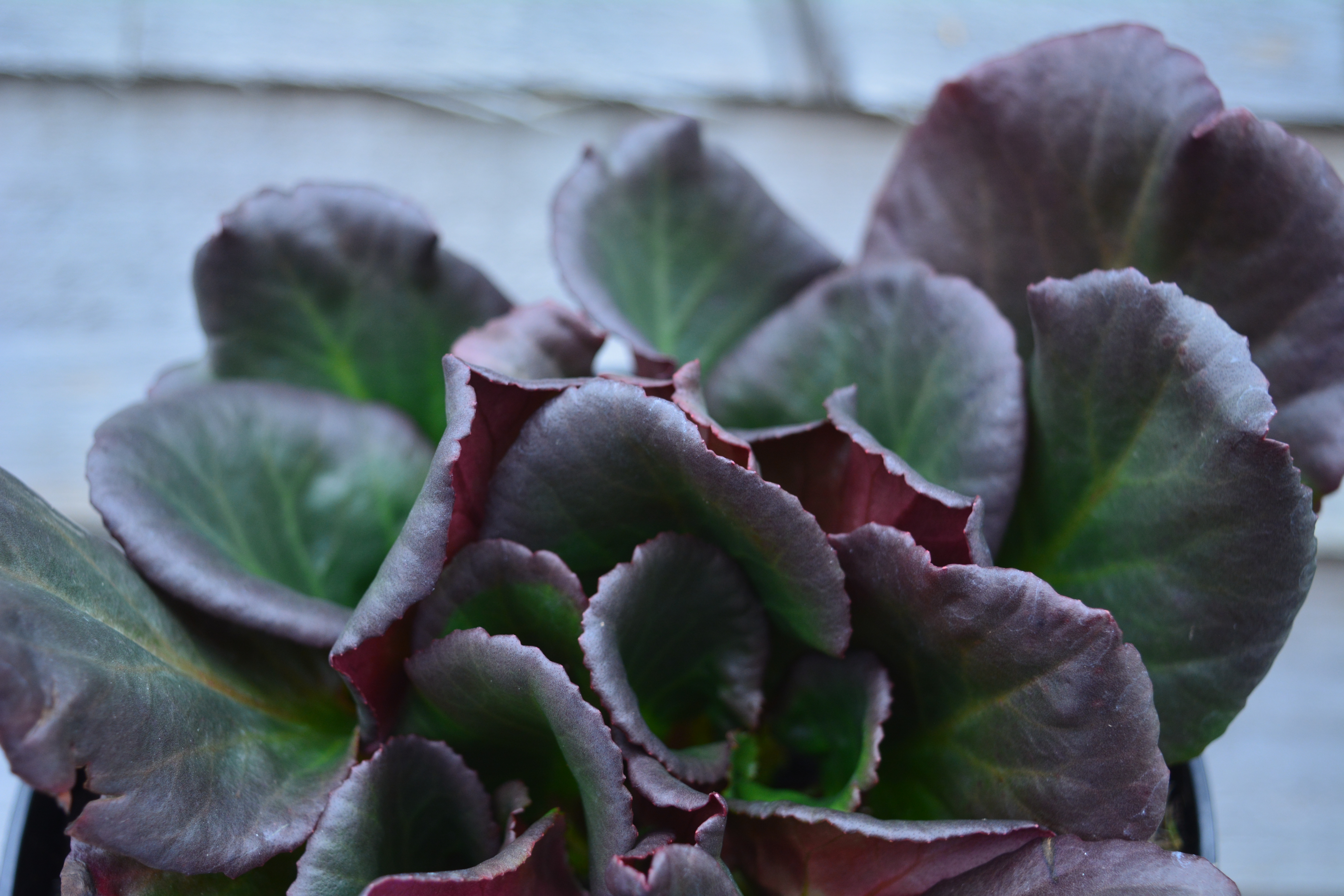
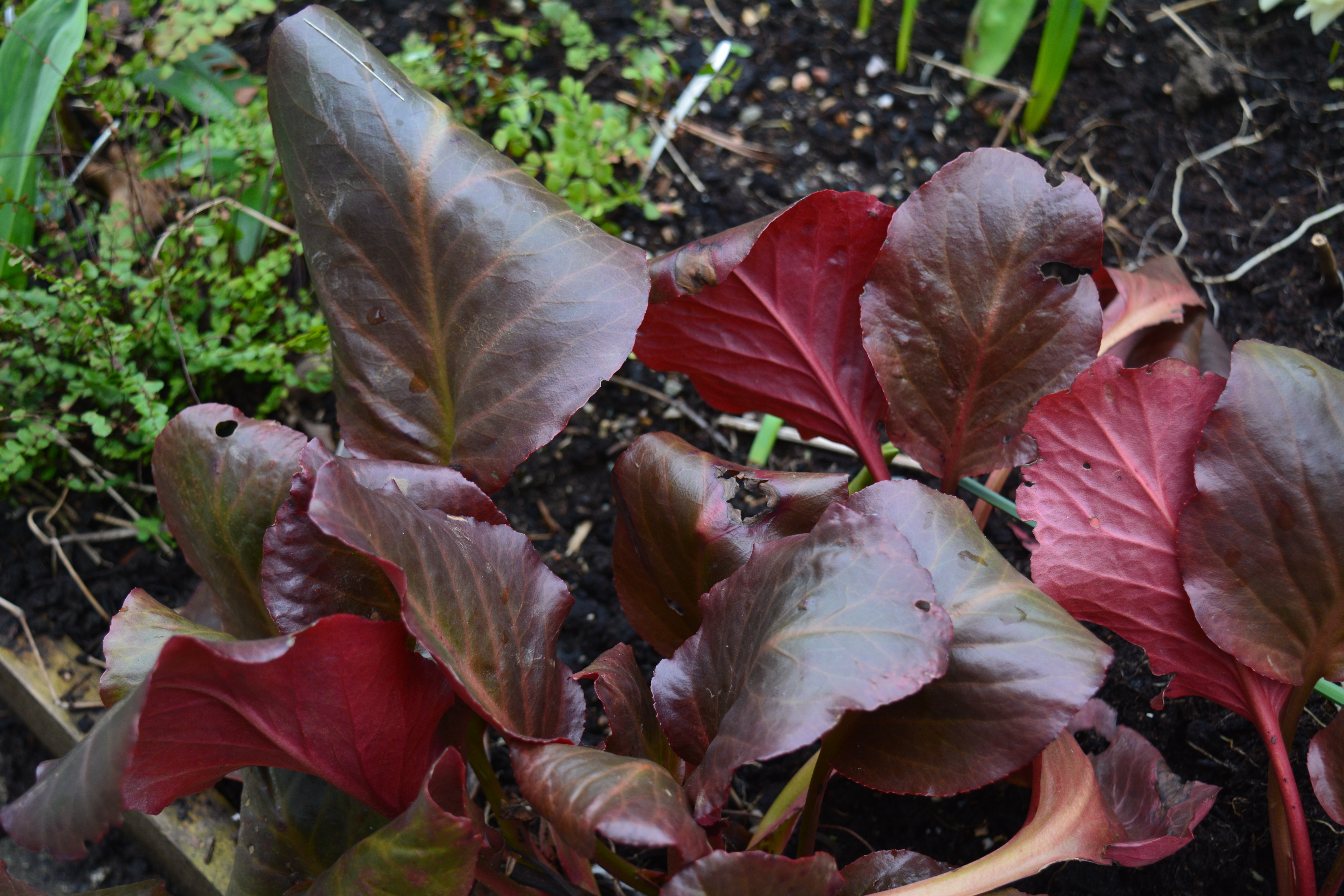
I wrote, “An unknown plant and an under appreciated plant, both stalwarts of the March garden, Bergenias and Drimys. I love them both!”

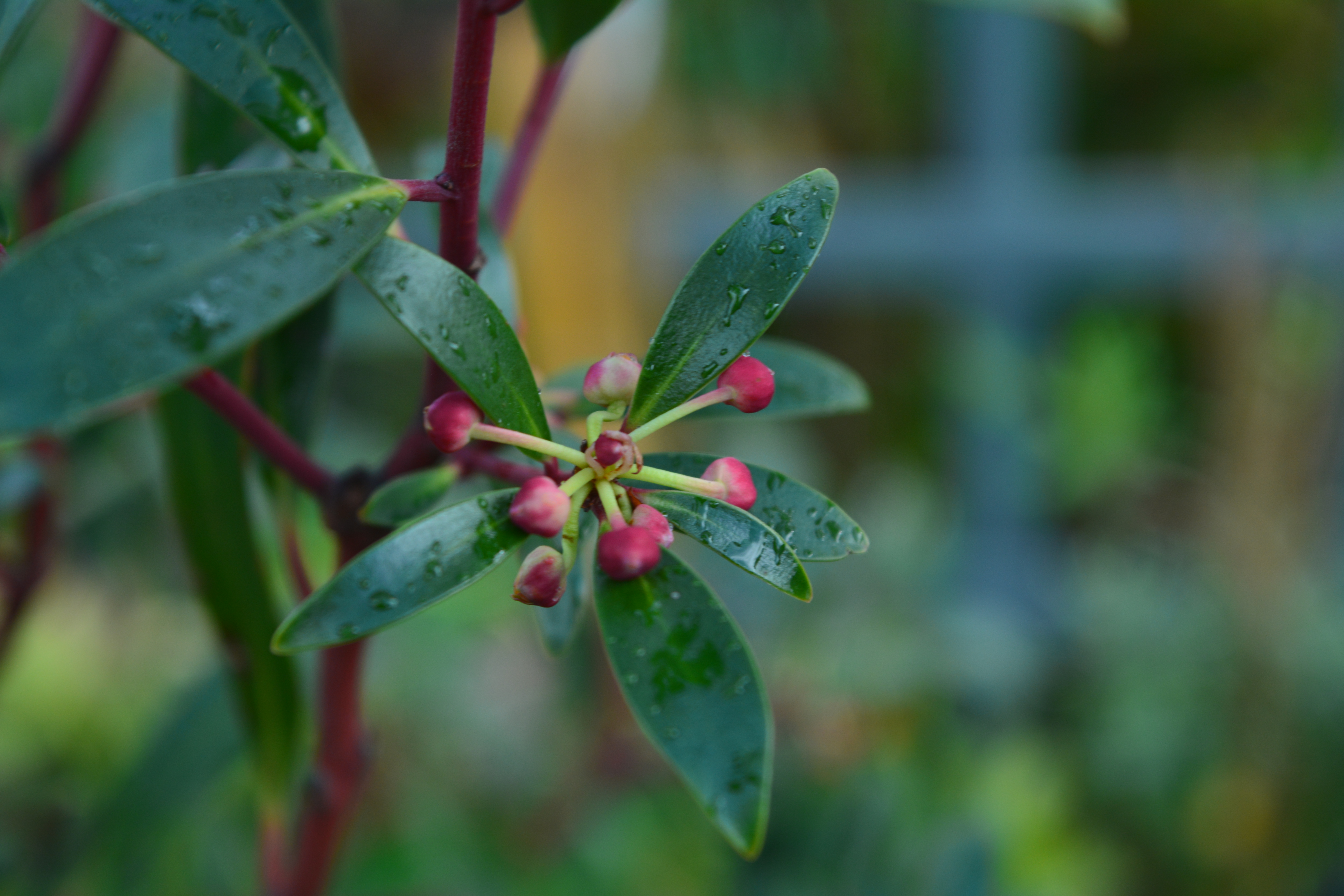
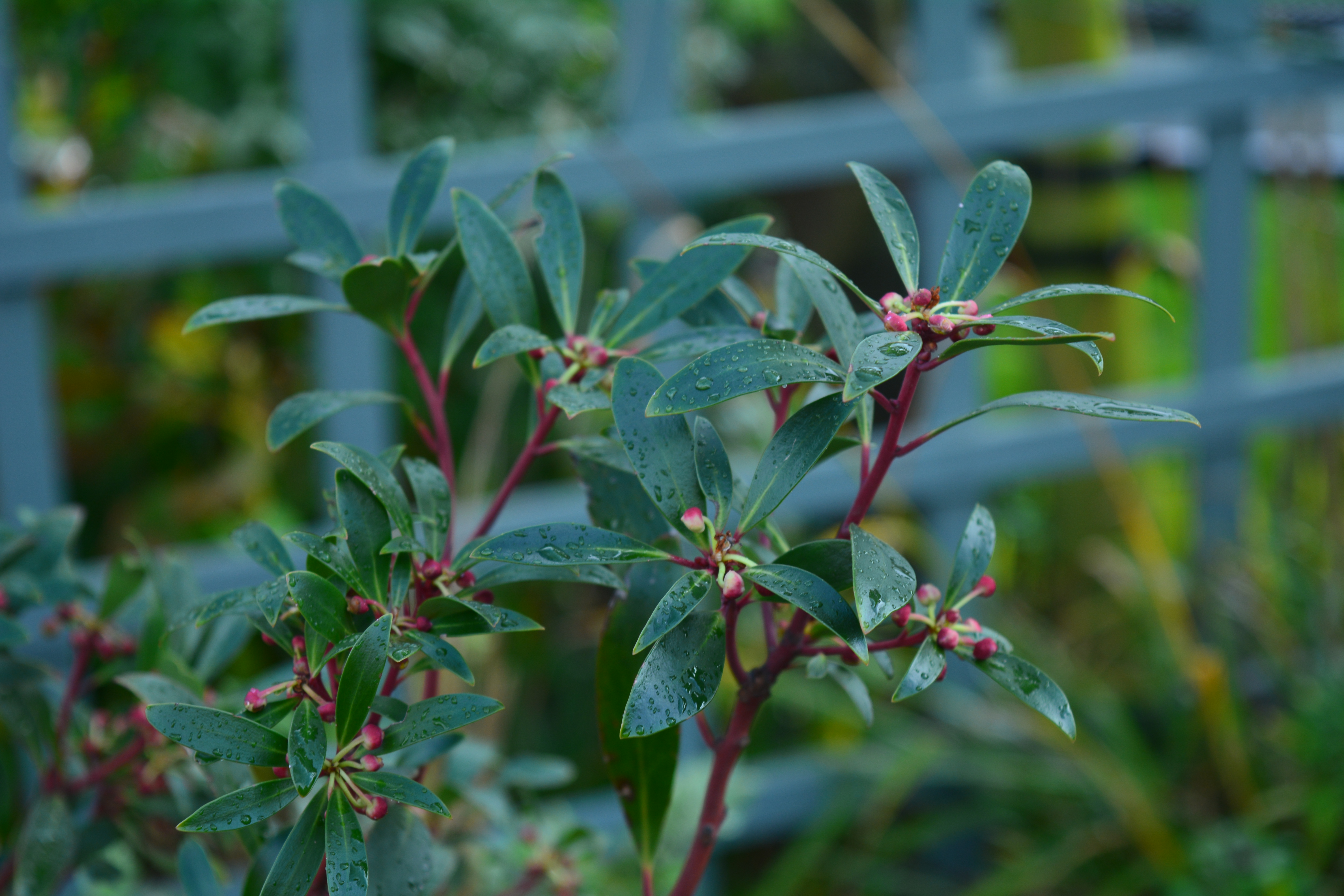
“Drimys lanceolata ‘Winter Spice’.

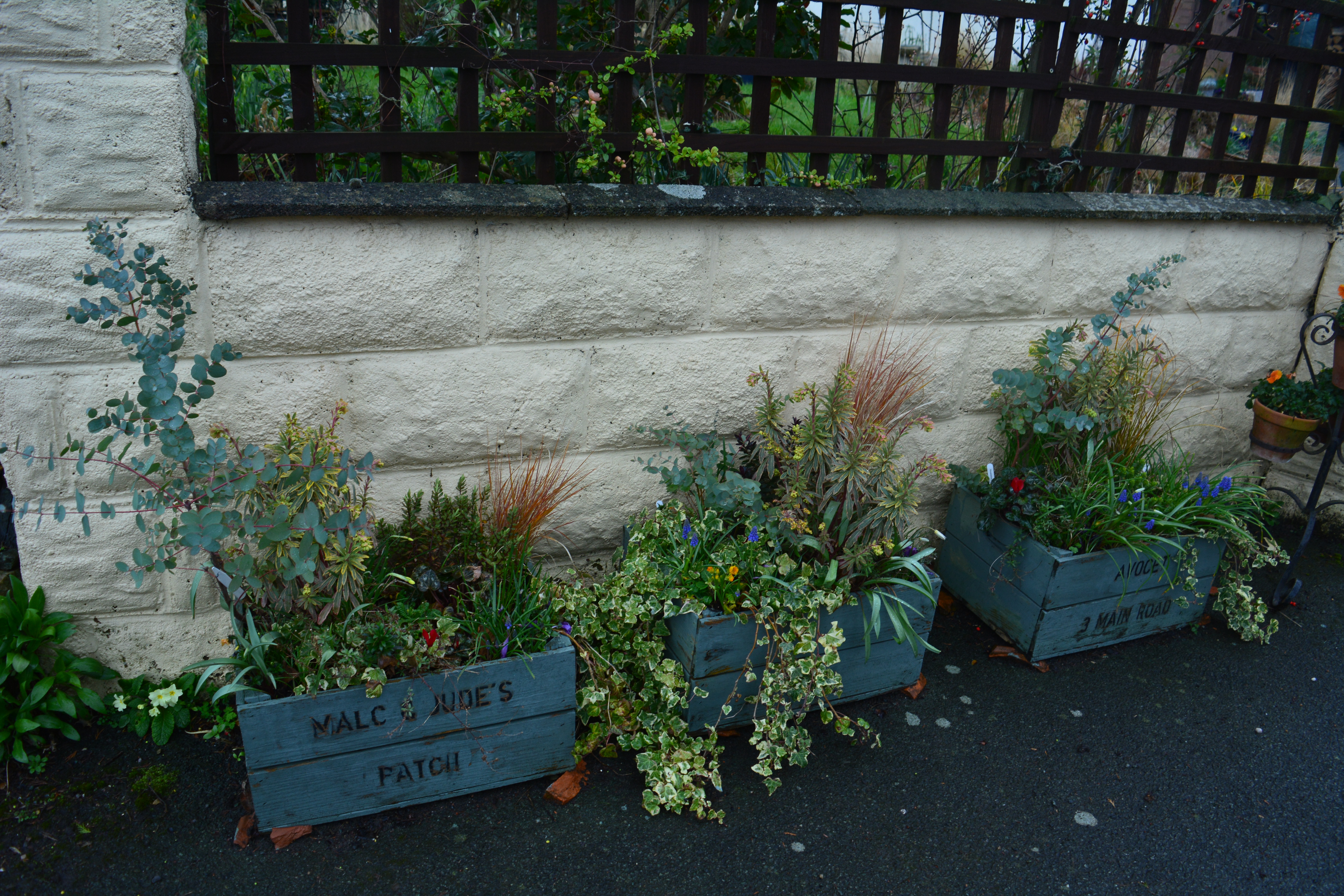
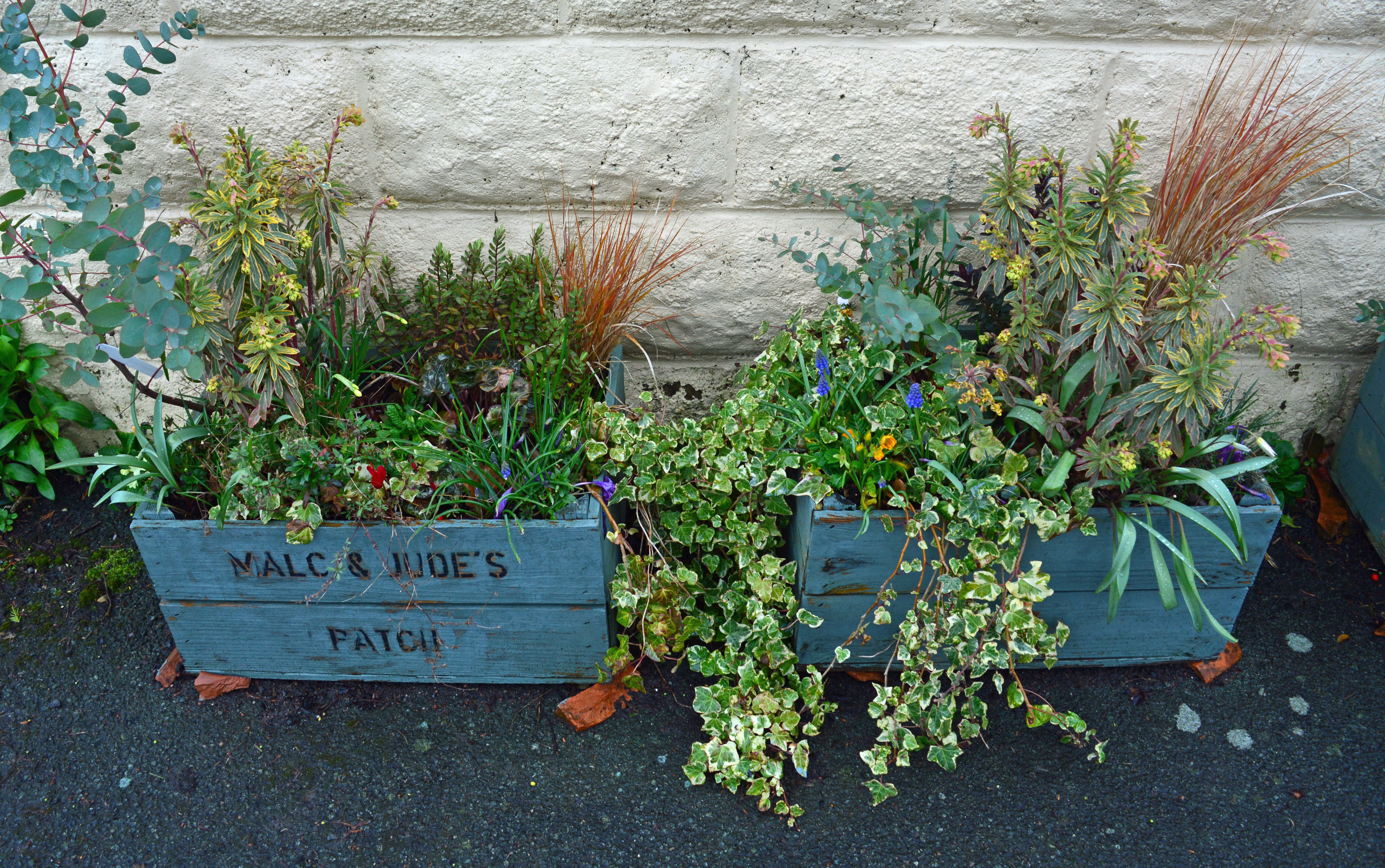
On the opposite page I looked at two places of warmth, a warm welcome and the warm greenhouse. Firstly I wrote, “A warm welcome to your garden is essential throughout the year. We welcome visitors to our Avocet patch using three fruit boxes planted up with interesting seasonal plants. Here they are in March.”

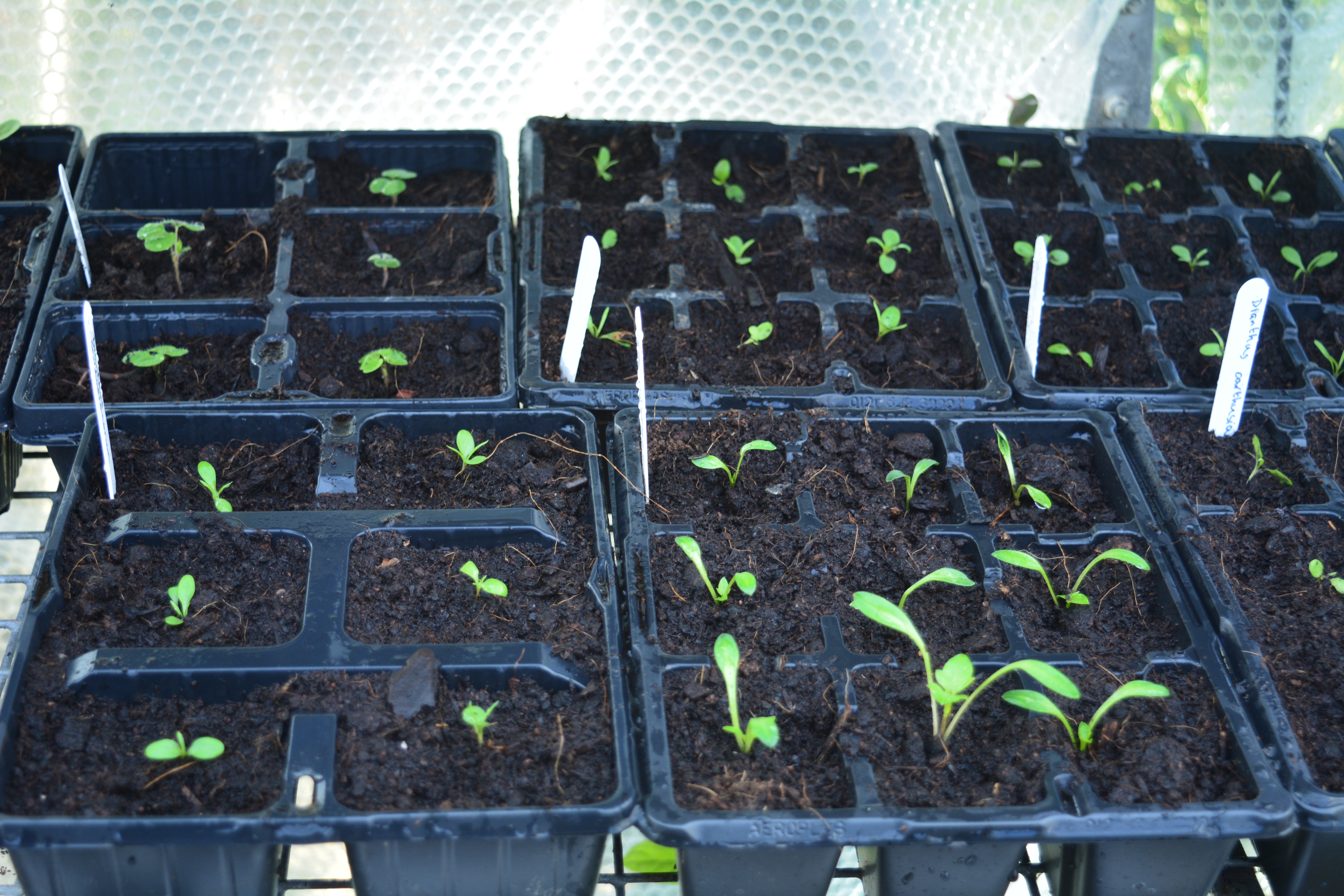
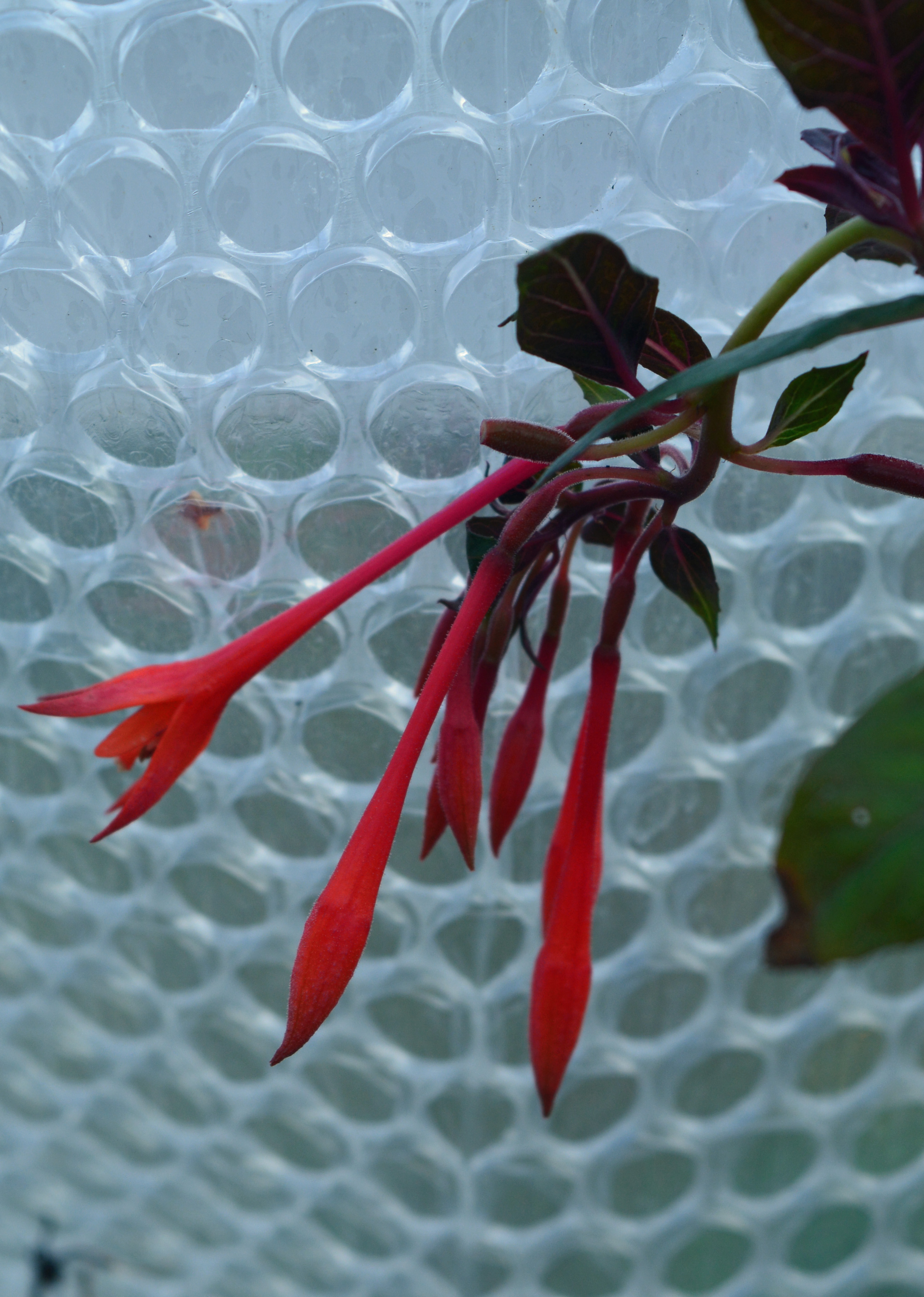
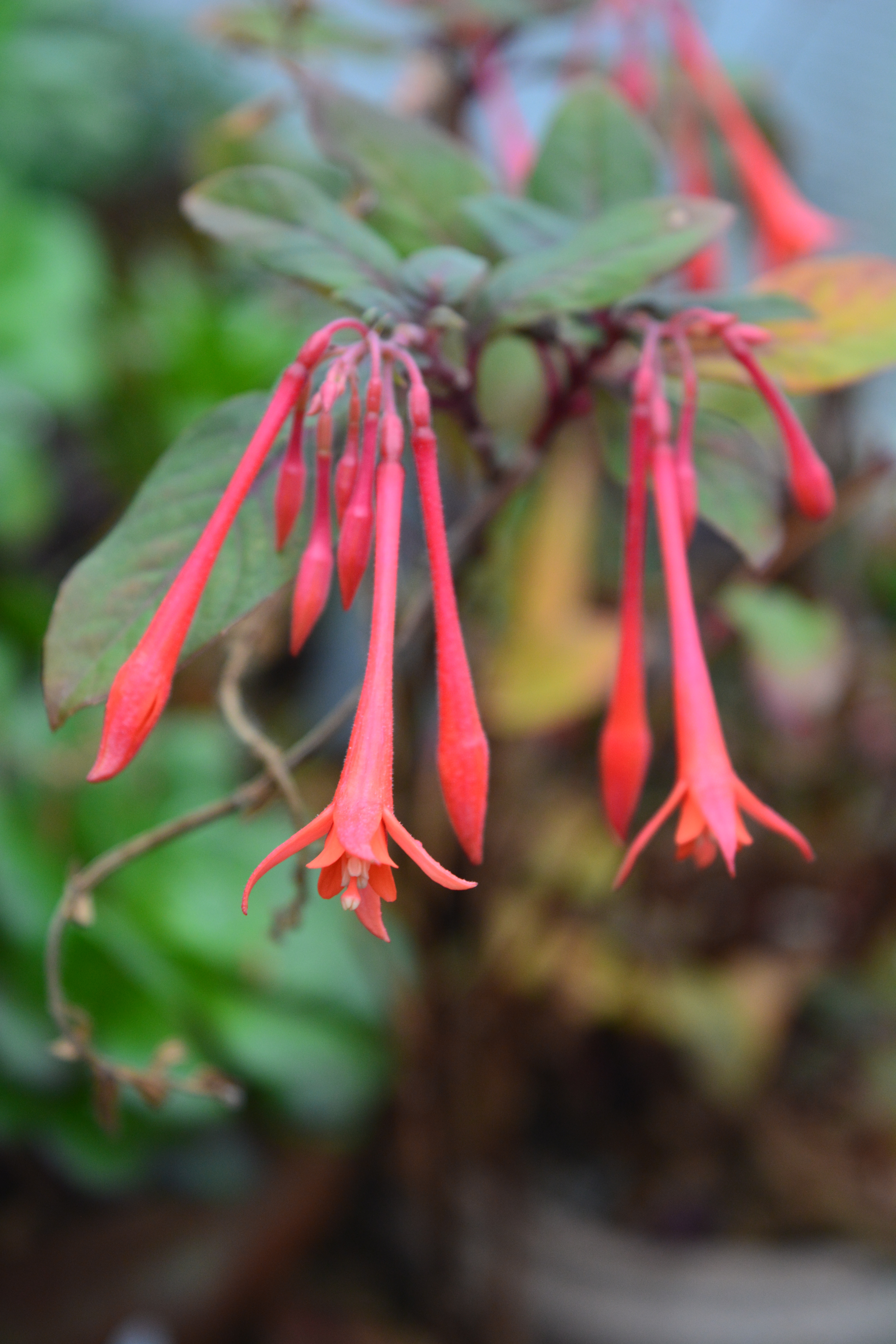
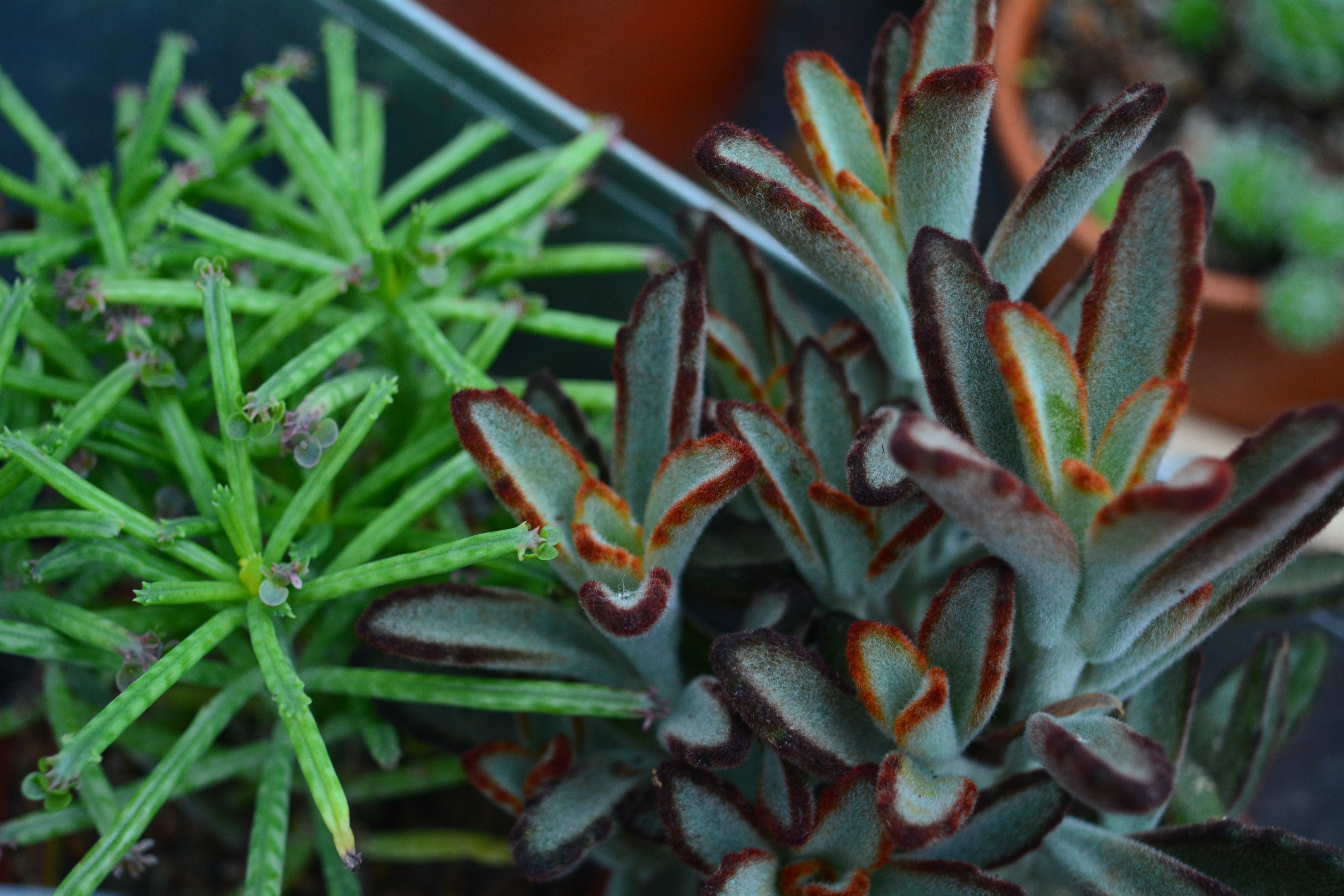
“When winter weather gets too much we retreat to the greenhouse where Jude has been pricking out seedlings and I have been nurturing my delicate succulents and Fuschia thalia which is in flower in the first week of March.”


On the next couple of pages I consider March pruning and some flowers we enjoyed in our March garden.

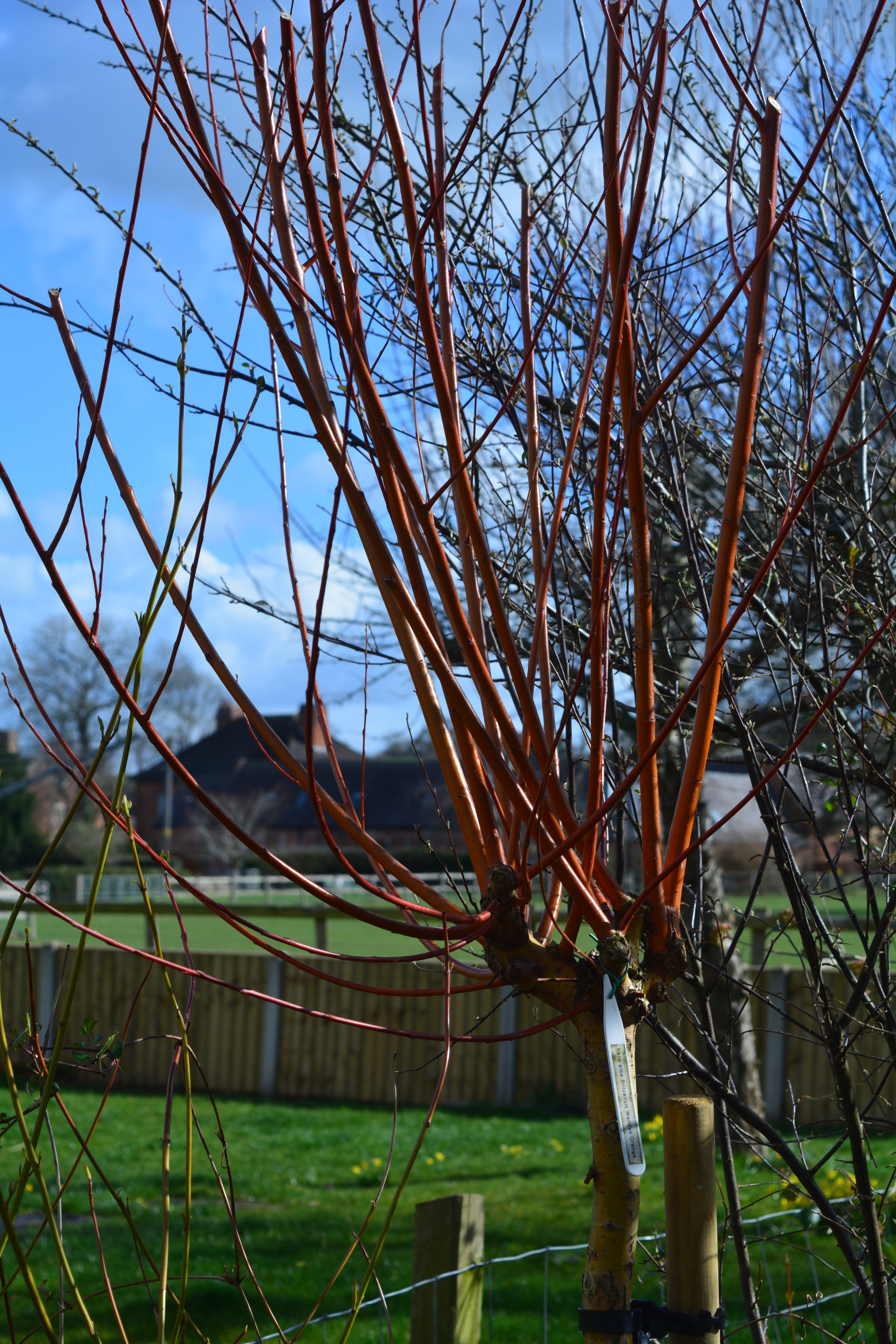
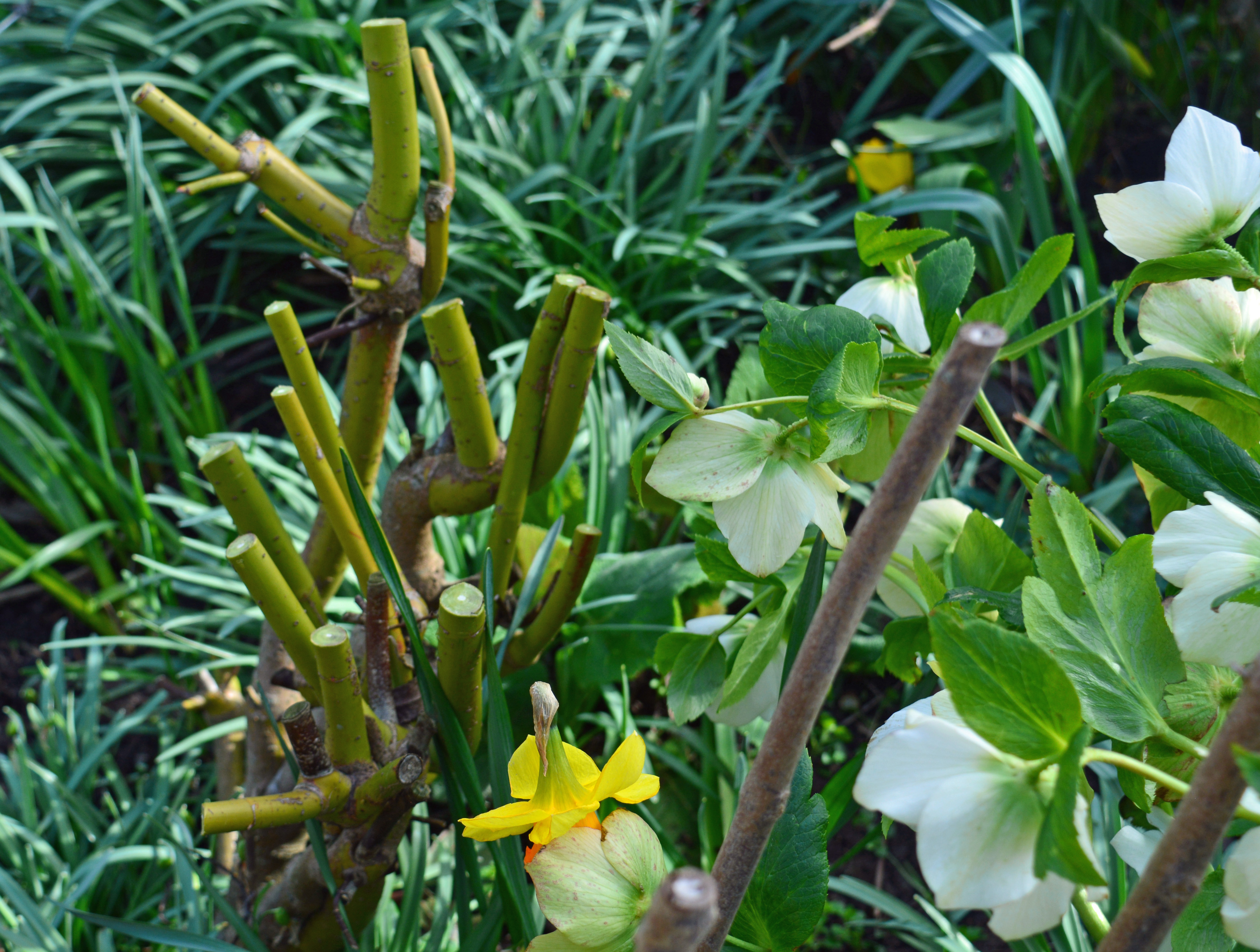
Of pruning I wrote, “March is a busy month in our garden. As well as cutting deciduous grasses rather drastically almost down to the ground we have to coppice or pollard Salix and Cornus to ensure we will enjoy their coloured stems next winter.”

“Flowers are appearing, some expected but others well out of their season.”


Over the page I moved on to consider the fresh growth appearing throughout the garden during March.

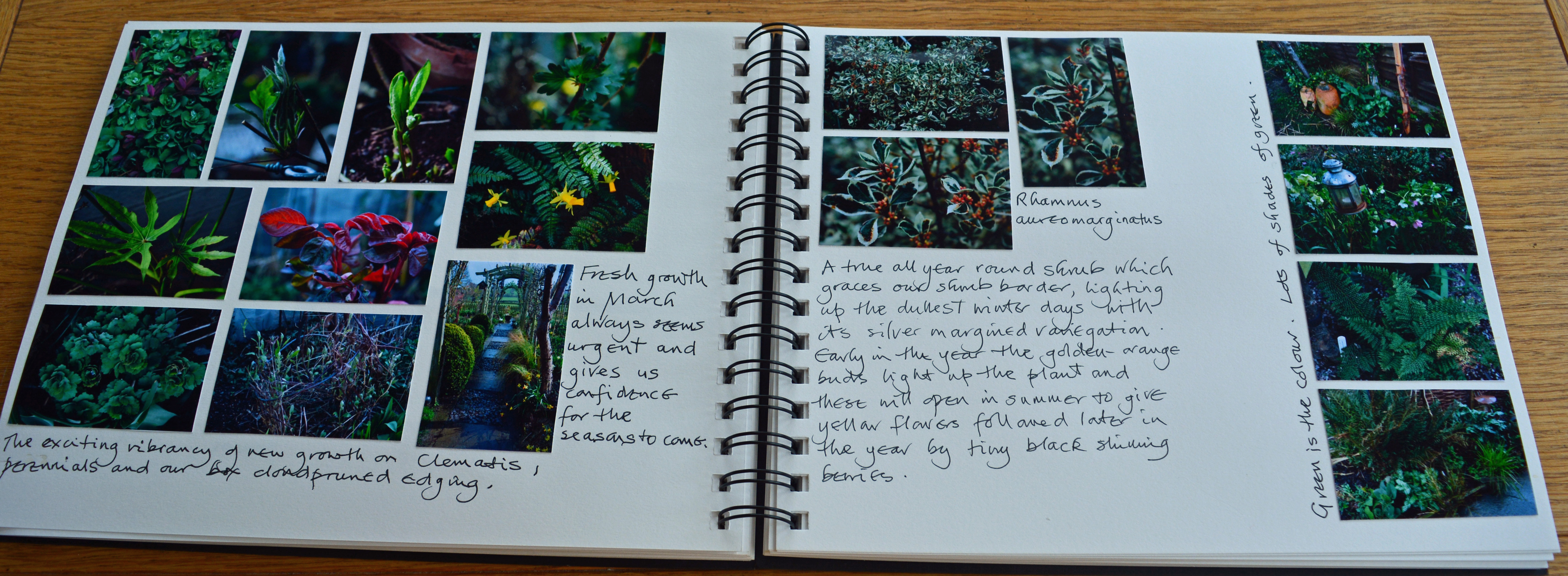
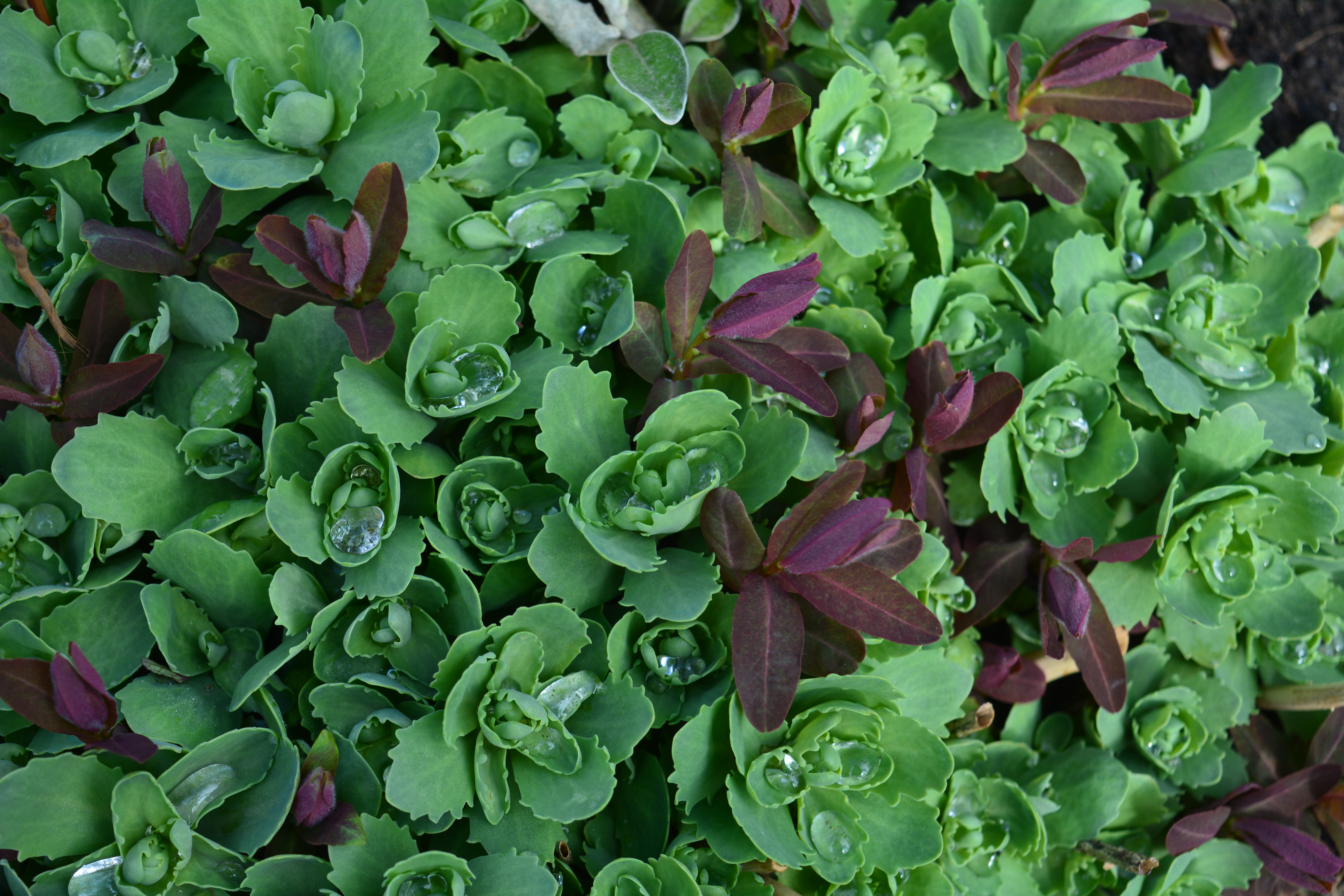
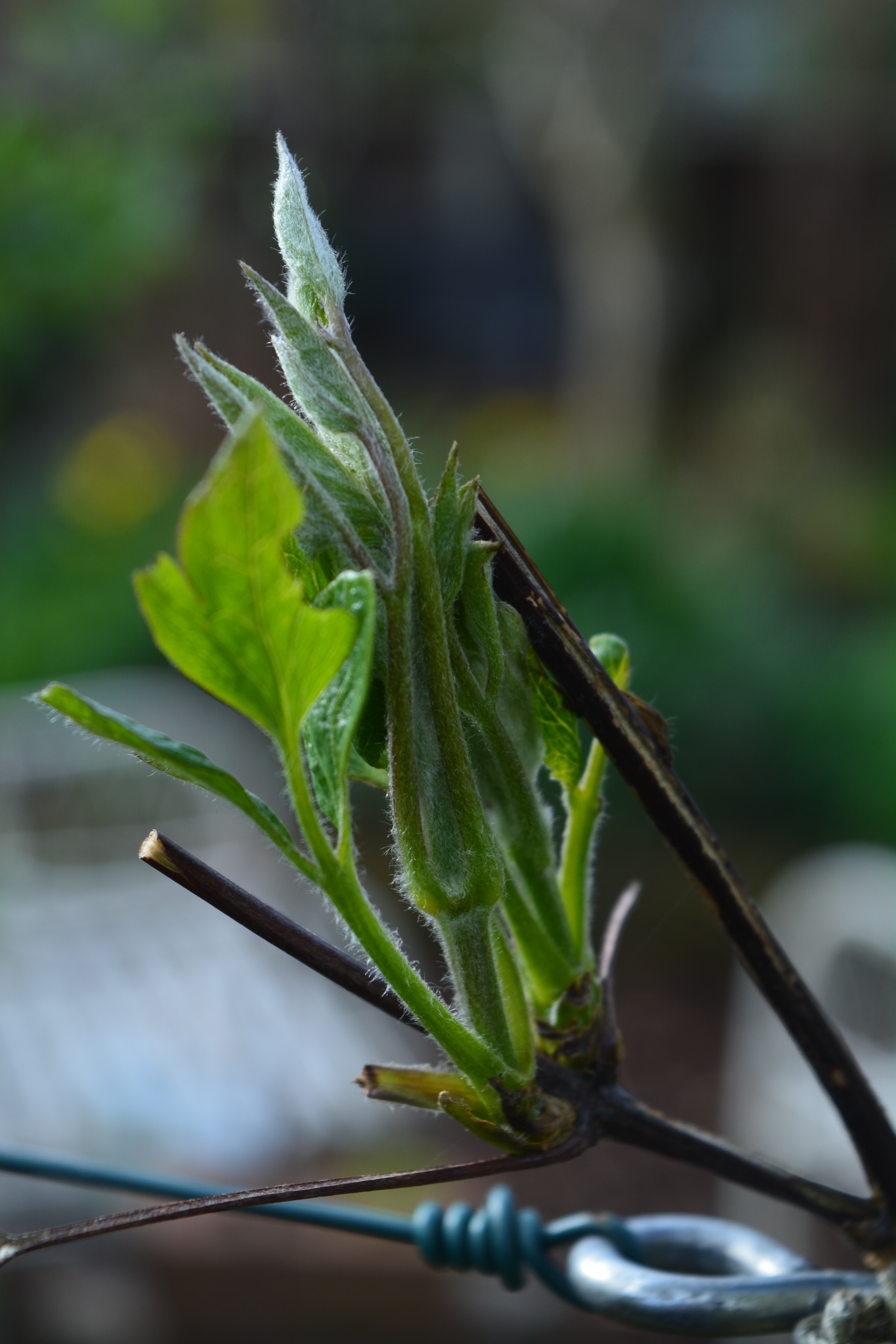
I wrote, “Fresh growth in March always seems urgent and gives us confidence for the seasons to come. The excitement and vibrancy of new growth on Clematis, perennials and our cloud-pruned box edging.”

On the opposite page I considered a favourite shrub growing in our “Shrub Border”, Rhamnus aureomarginatus, and looked at the importance of all the greens in our March garden. About Rhamnus I wrote, A true all year round shrub which graces our shrub border, lighting up the dullest winter days with its silver margined variegation. Early in the year the golden-orange flower buds light up the plant and these will open in summer to give yellow flowers followed later in the year by tiny black shining berries.”


Opposite I wrote, “Green is the colour. Lots of shades of green.”


So that is it for my March gardening report so in a few days it will be time to start on April’s entries.


Categories
flowering bulbs garden photography ornamental grasses ornamental trees and shrubs Winter Gardening winter gardens

My Garden Journal 2019 – February

Here we are visiting my garden journal for the second time in 2019 with my February entries. My first double page spread was all about the week that spanned the last few days of January which delivered snowfall and the first few days of February which gave us a heavy frost.

The photos on the left hand page illustrated some of our winter flowering scented shrubs topped off with a layer of deep frost. I wrote, The last few days of January shared a week with the first few days of February. It was a cold week cheered greatly by the appearance of flowers on our winter shrubs, which also delighted with their rich scents.”

“The delights of scented winter shrubs. Food for winter flying moths.”


Opposite my photos showed the effects of snow on our sculpture, both man-made and created by Mother Nature, the seedleads of grasses and perennials.

“The snowfall that came and went all within a day.”


Over the page my next two pages concerned with a period of strong winds and the earliest of bulbs to flower in our patch.

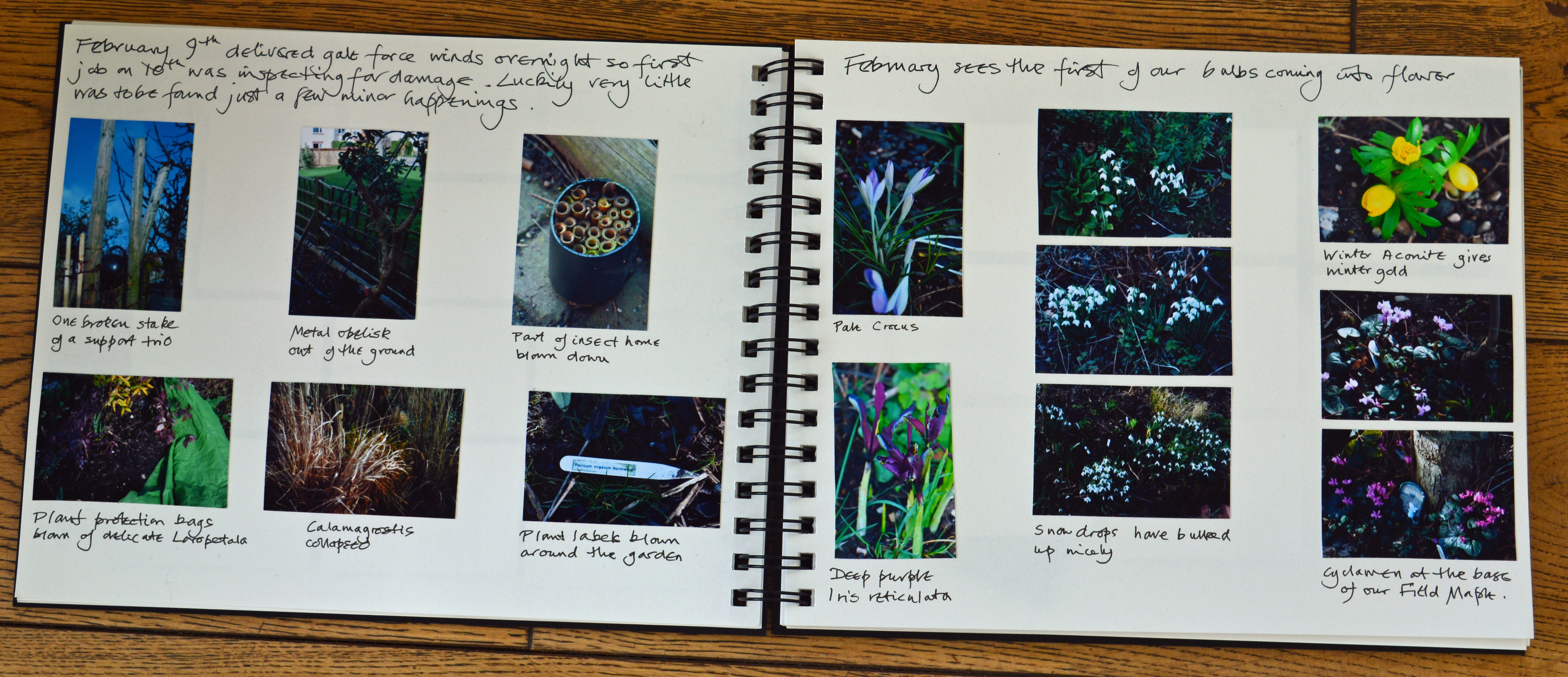
I wrote, “February 9th delivered gale force winds overnight so firstjob on the 10th was inspecting for damage. Luckily very little was to be found just a few minor happenings.” 


“One broken stake of a support trio. Plant labels blown around the garden. 

“Part of an insect home blown down. Plant protection bags blown off delicate shrub Loropetala.”

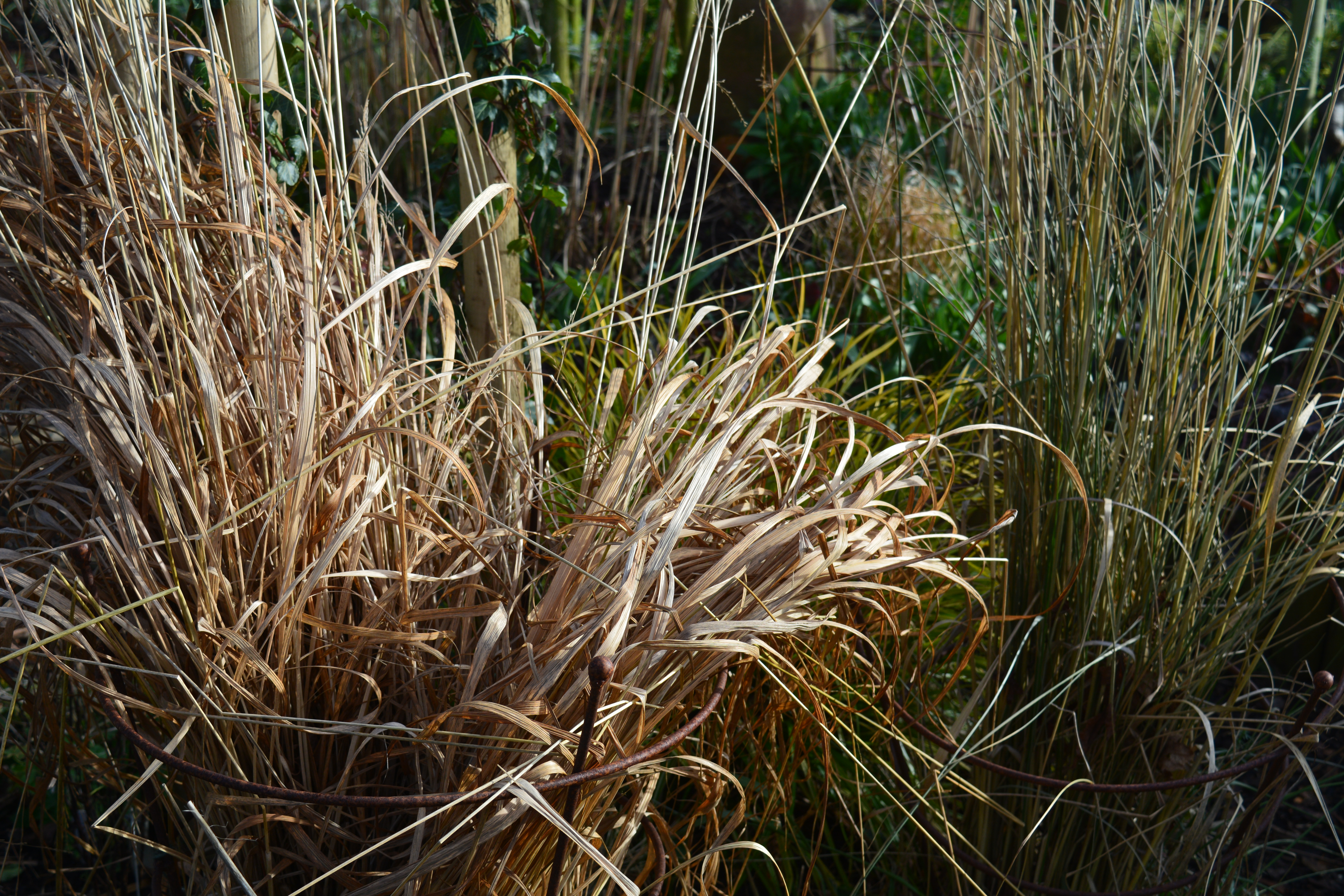
 “Collapsed Calamagrostis”

On the opposite page I wrote, “February sees the first of our bulbs coming into flower.”


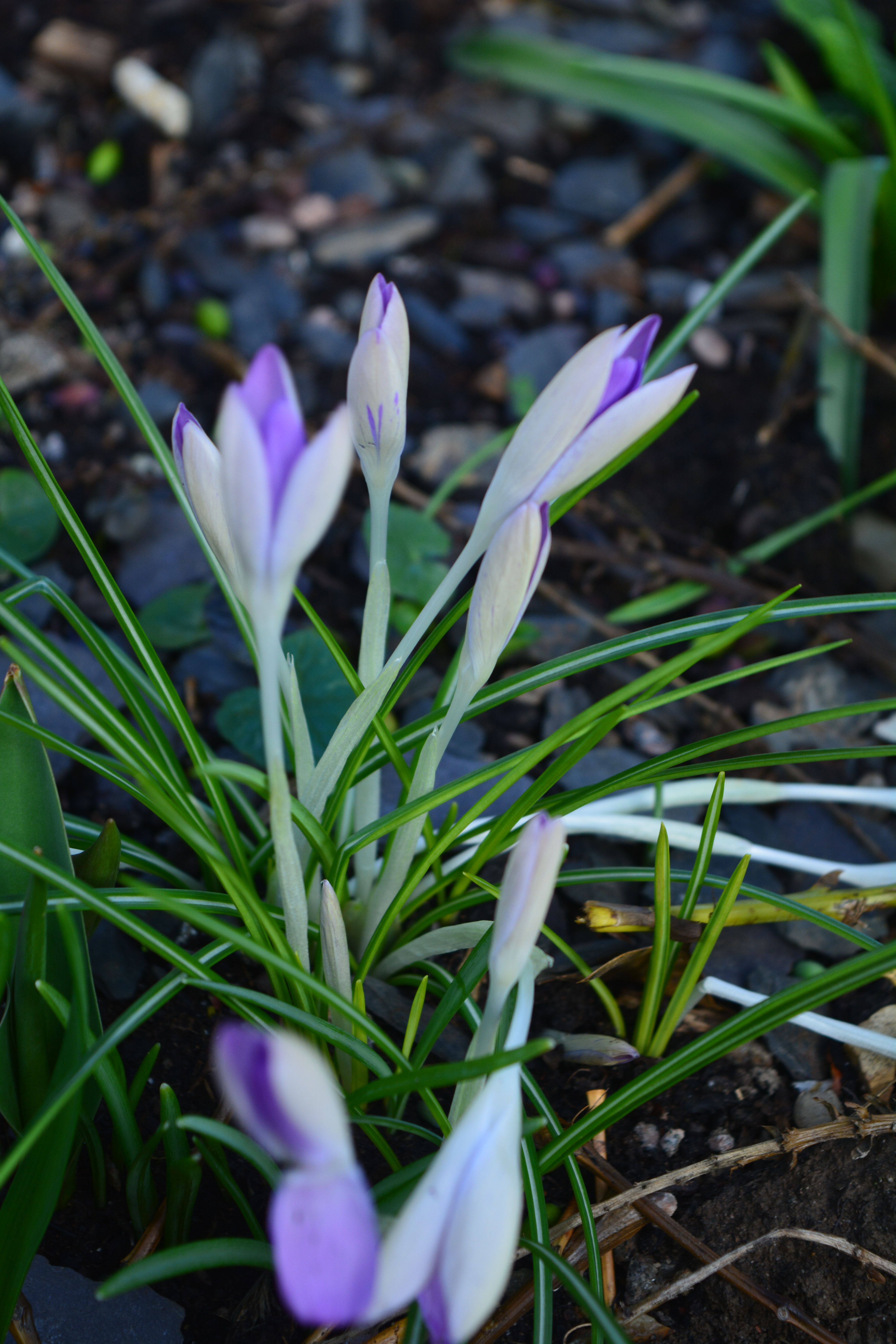
“A pale crocus and an deep purple Iris reticulata.”


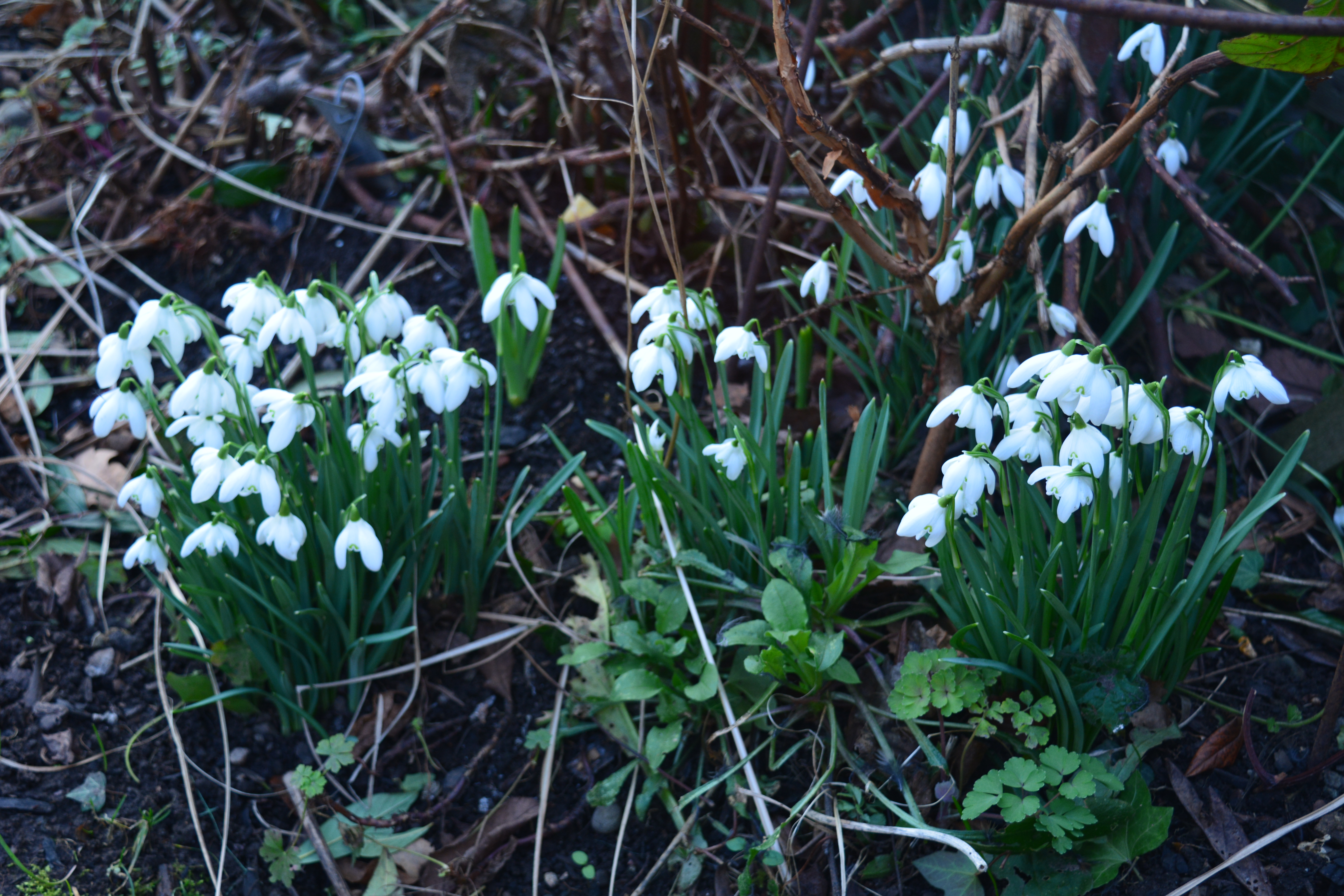
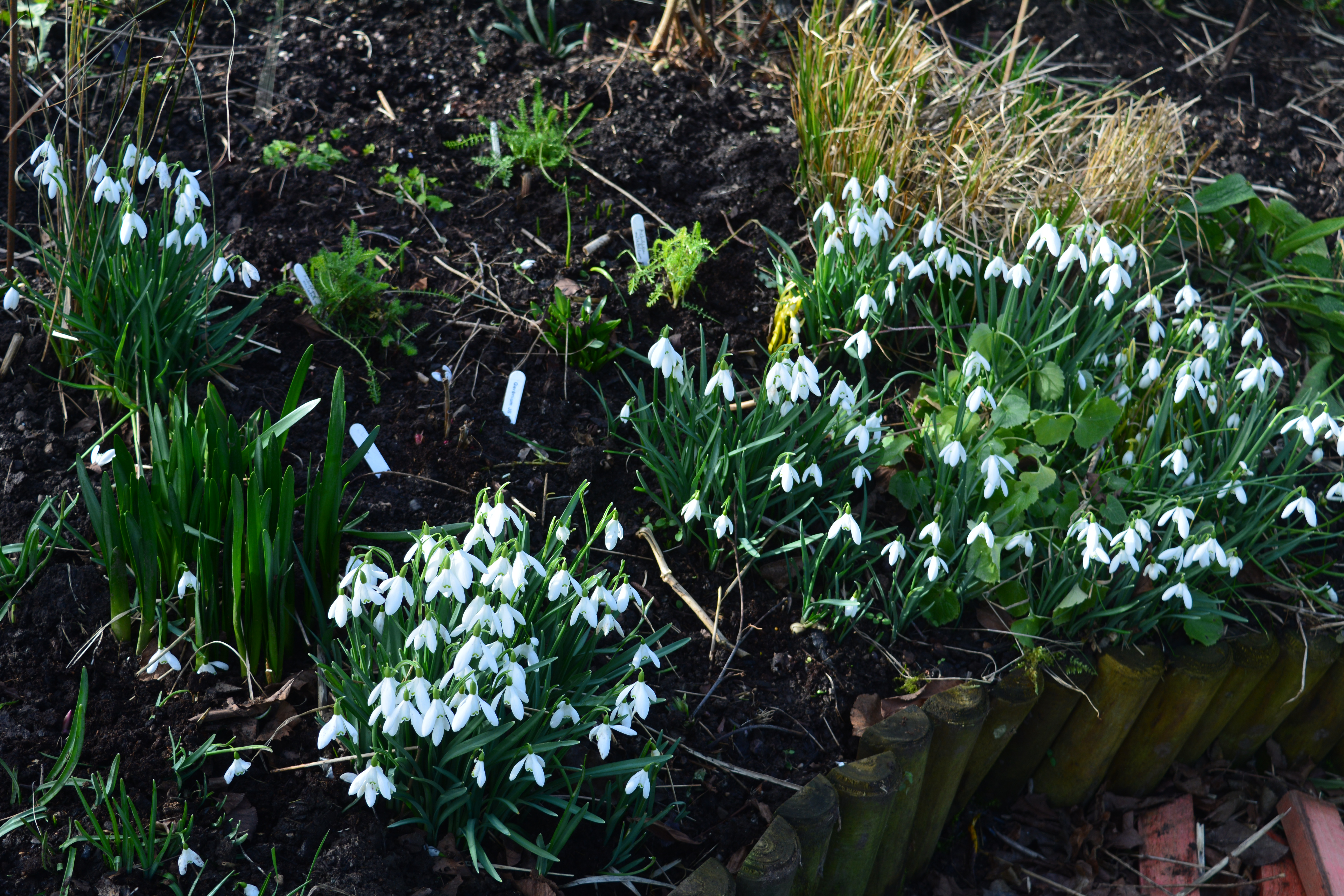
“Snowdrops have bulked up nicely.”

 “Winter Aconite give winter gold”  

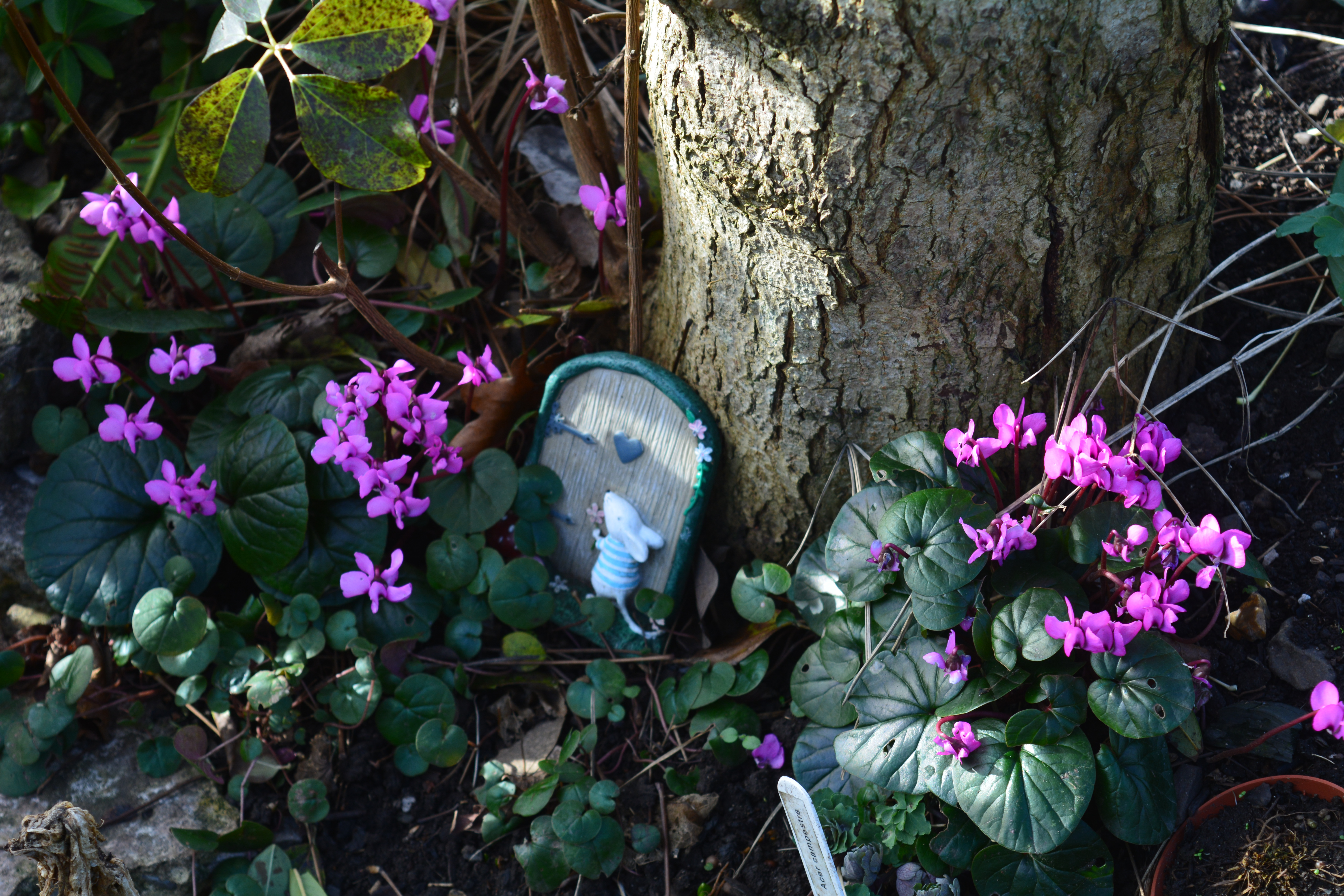
“Cyclamen at the base of our Field Maple.”

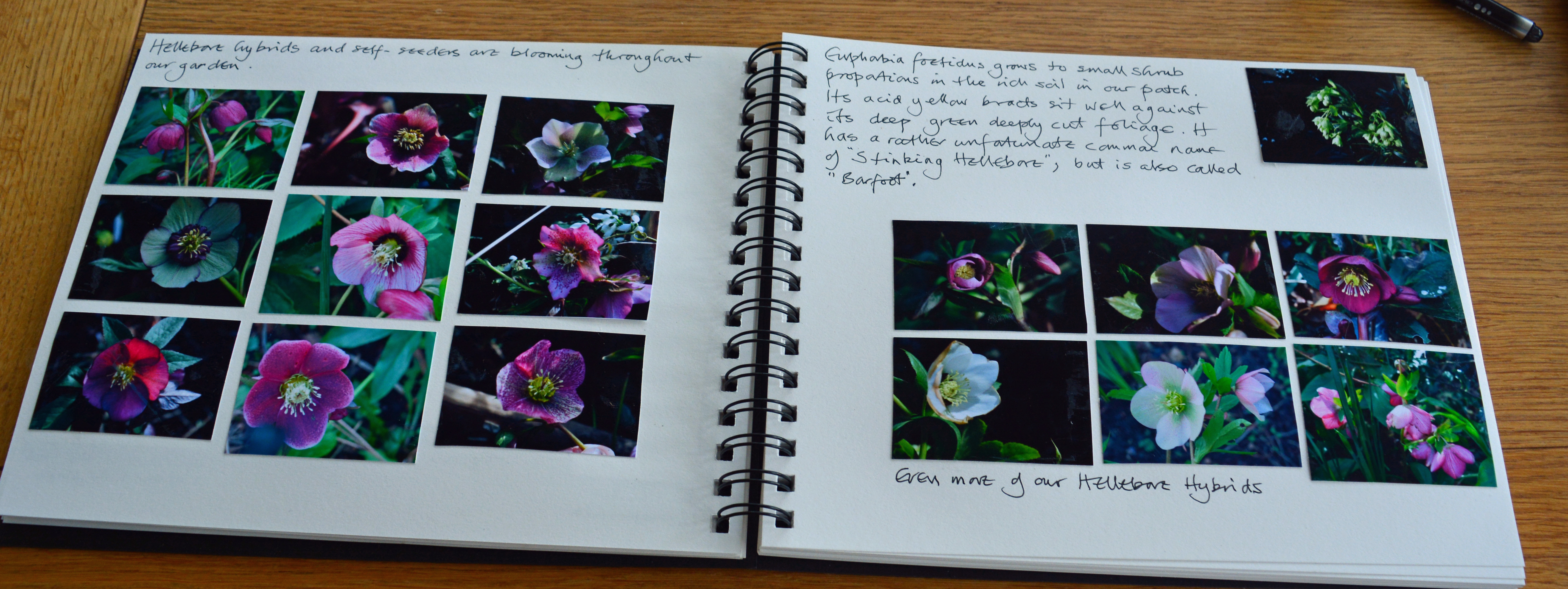
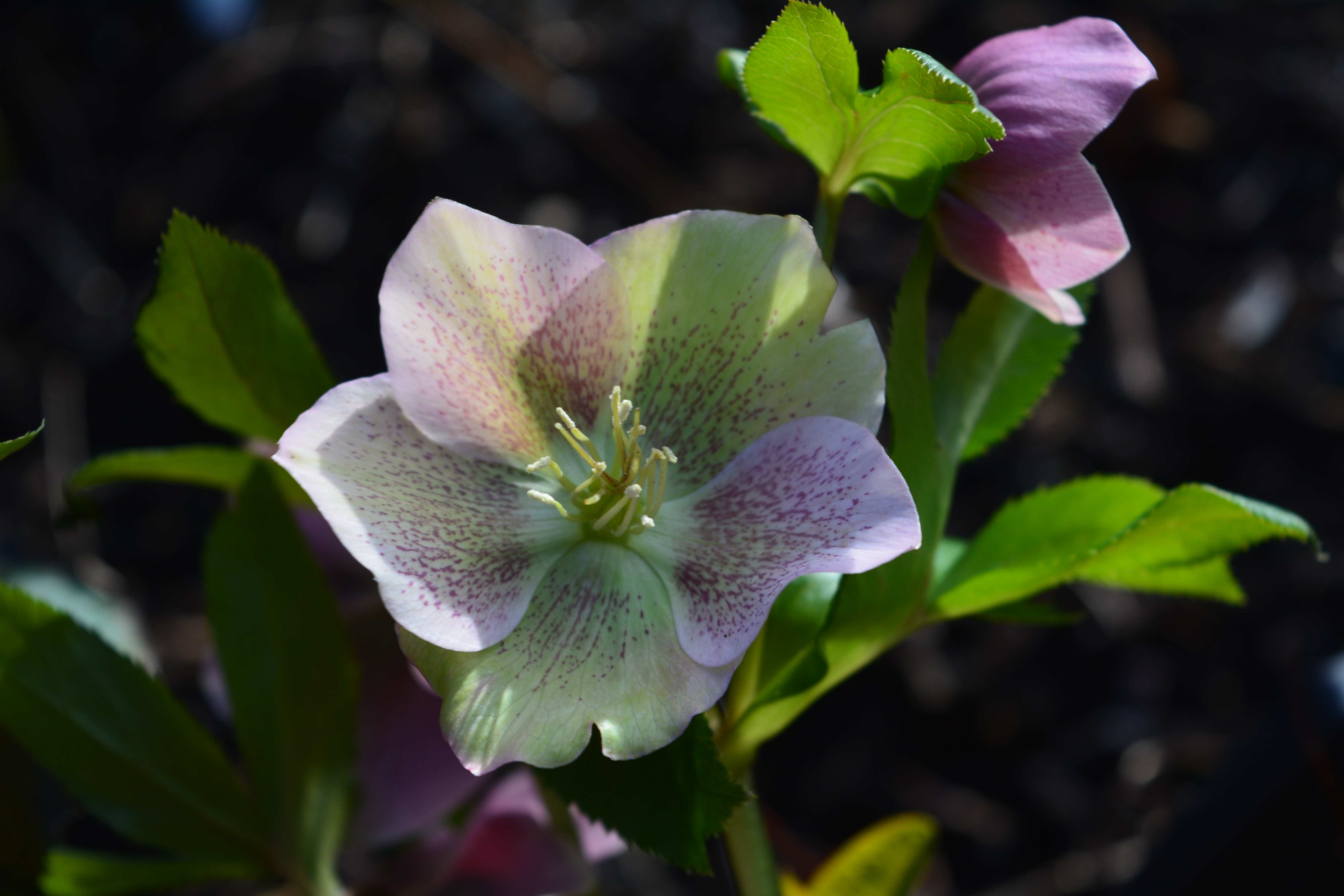
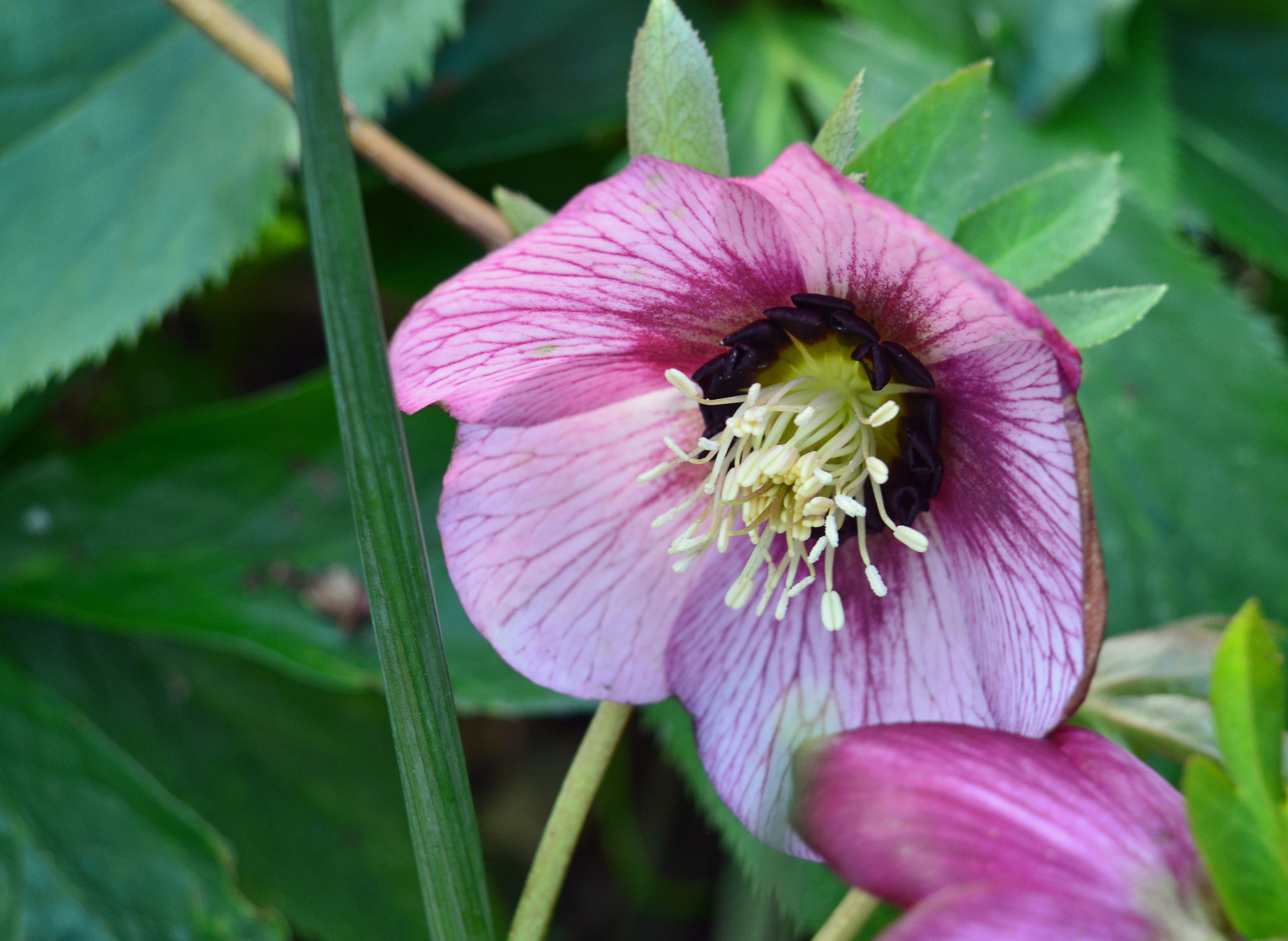
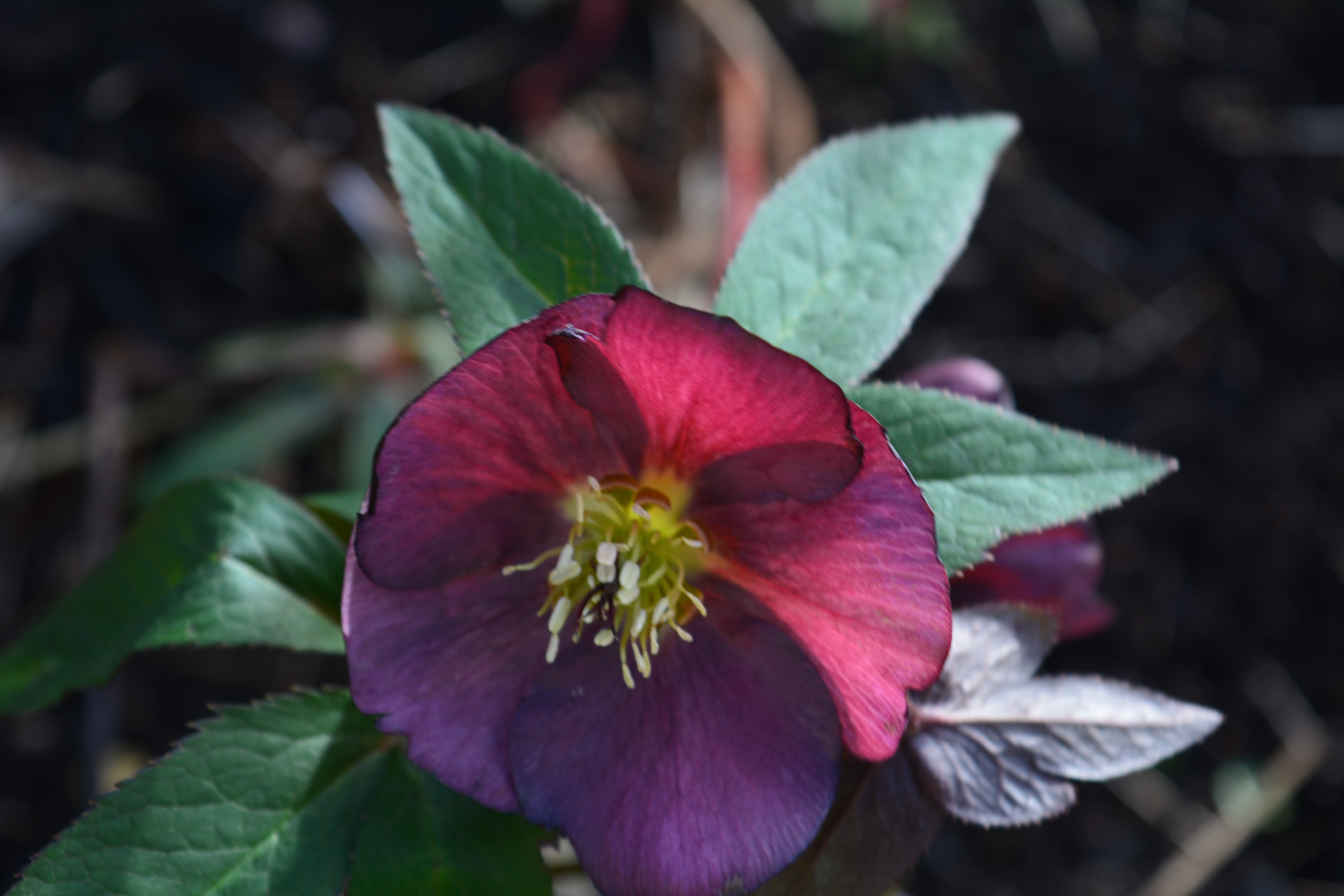
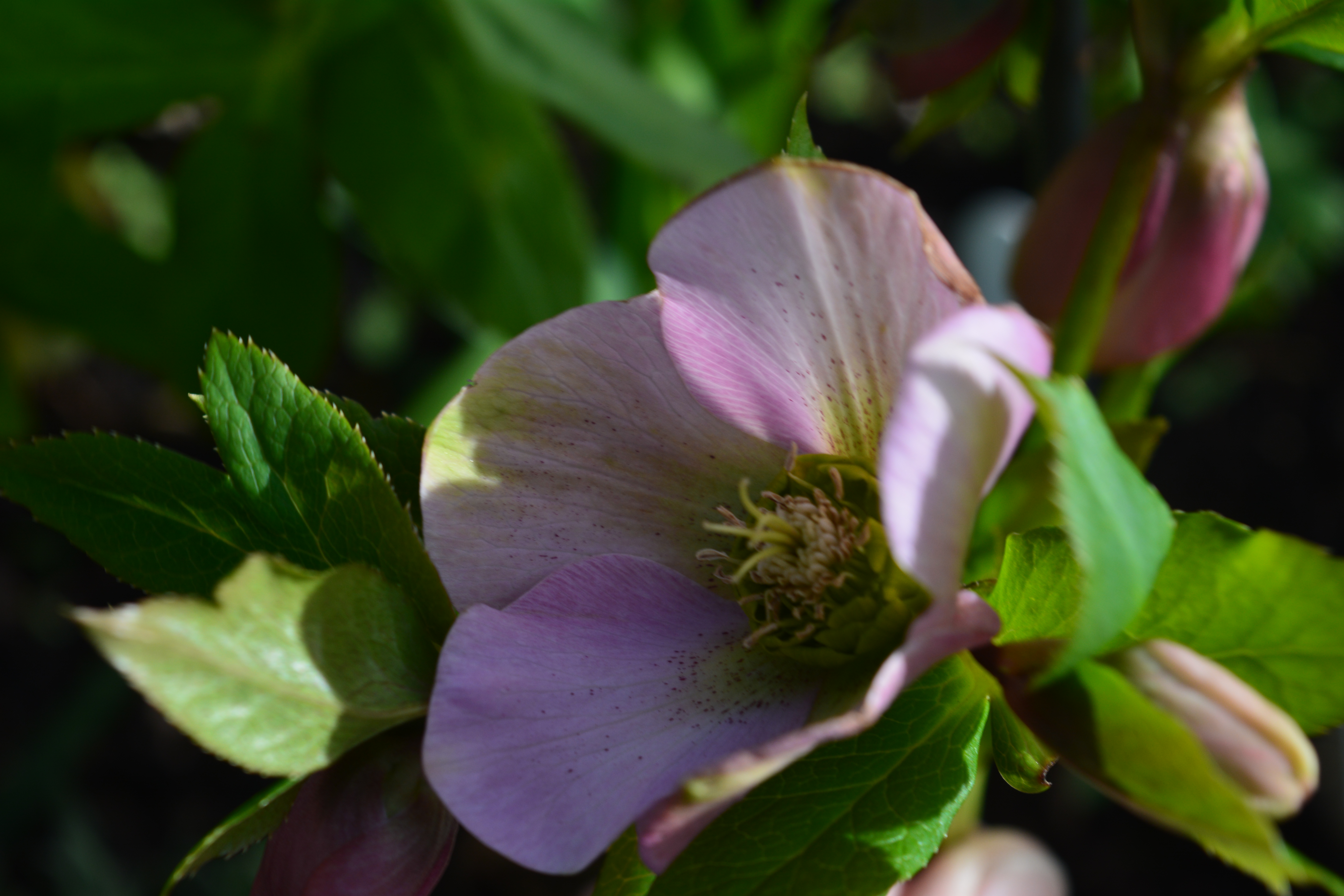
The next double page spread is all about Hellebores and we have so many.

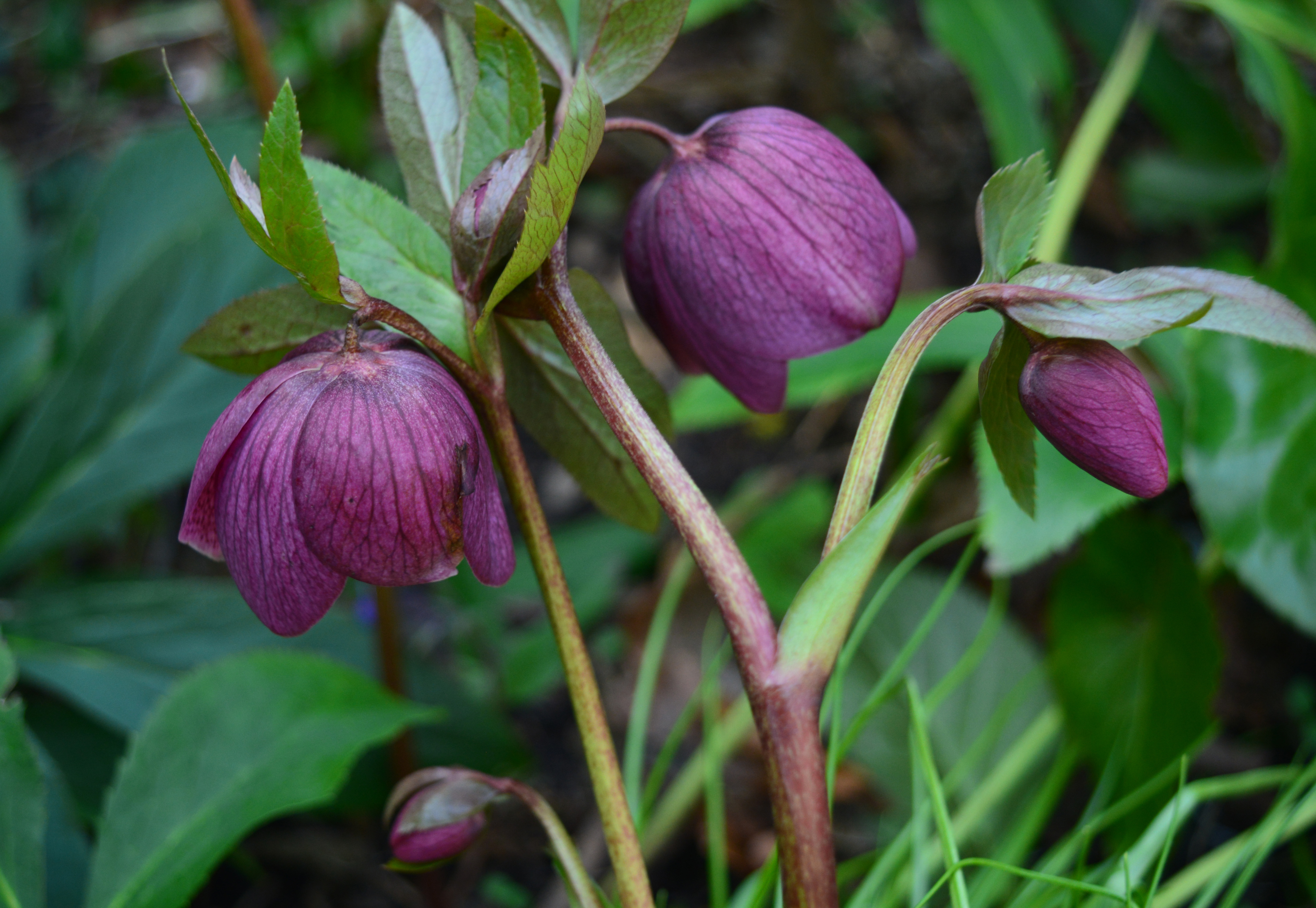
I wrote, “Hellebore hybrids and self-seeders are blooming throughout our garden.”


“Euphorbia foetidus grows to small shrub proportions in the rich soil in our patch. Its acid-yellow bracts sit well against its deep green deeply cut foliage. It has a rather unfortunate common name of “Stinking Hellebore”, but is also called “Barfoot”.

“Even more of our Hellebore hybrids.”


Turning over the page one more time I looked at some indoor gardening related jobs and wrote, “Wet days in February afford us the opportunity to catch up on indoor tasks such as chitting potatoes, starting off Dahlias and Cannas as well as sowing seeds of perennials and a few annuals.”


I continued, “Meanwhile outside we continue to tidy up border by border. Sorting our gravel garden, the Chatto Border, is a major task so we do that work on days when Ian, our part-time gardener is around to help us. We also dug up and divided Day Lilies.”


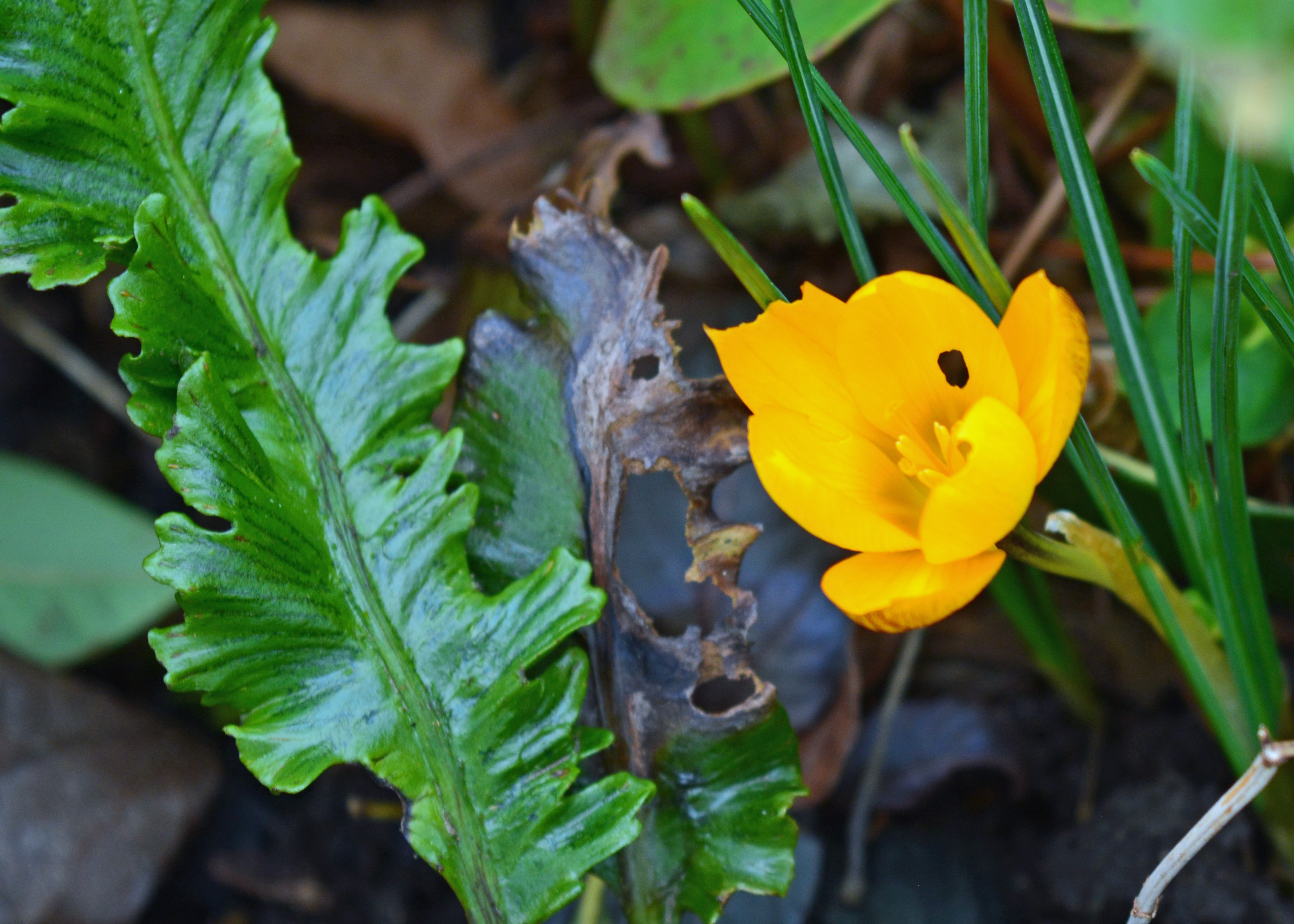
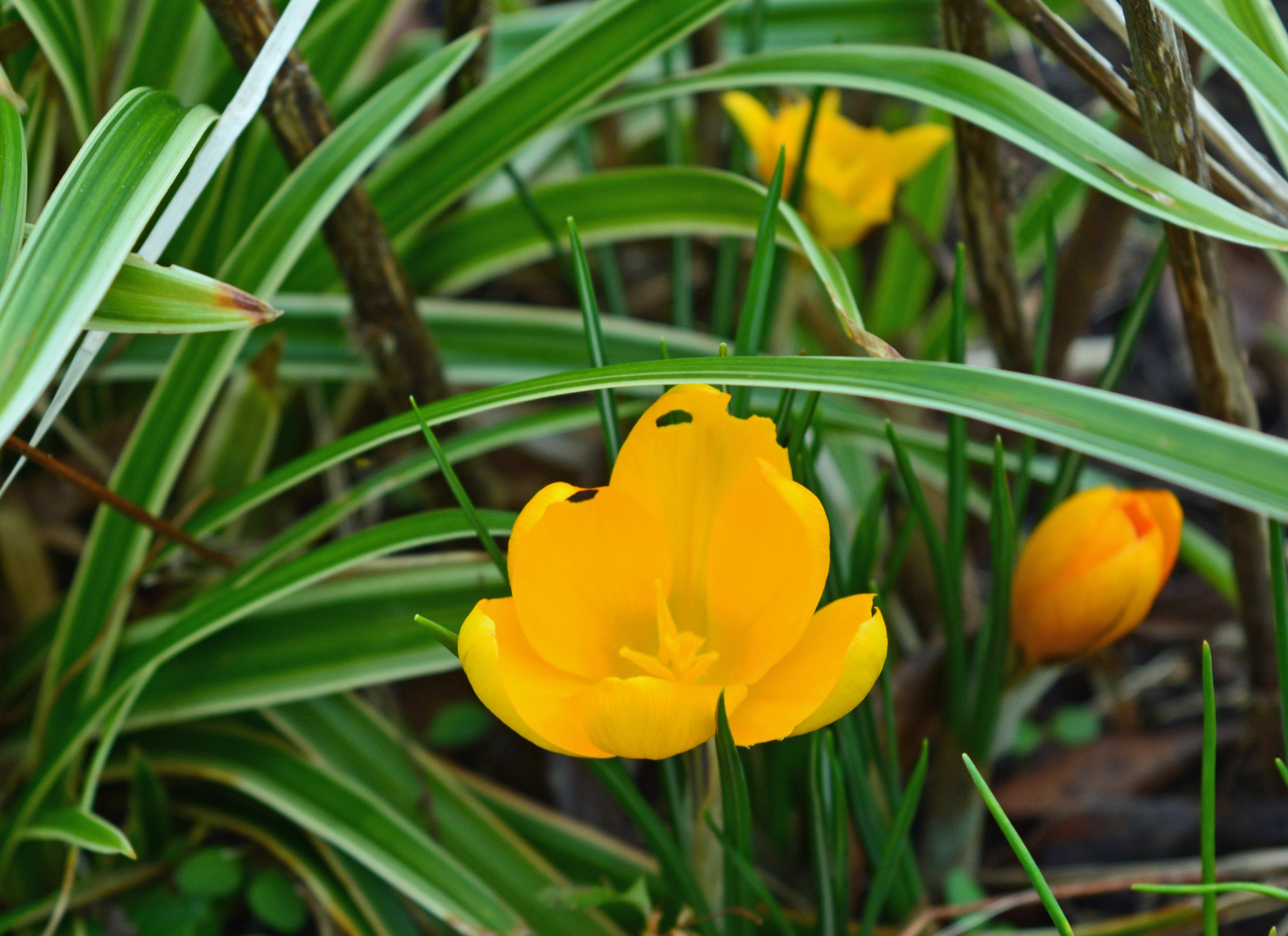
About Crocus I wrote, “Whatever the weather, sunny or overcast, the gold of Crocus shines through, even the purple coloured varieties have spots of deep yellow, almost orange.”

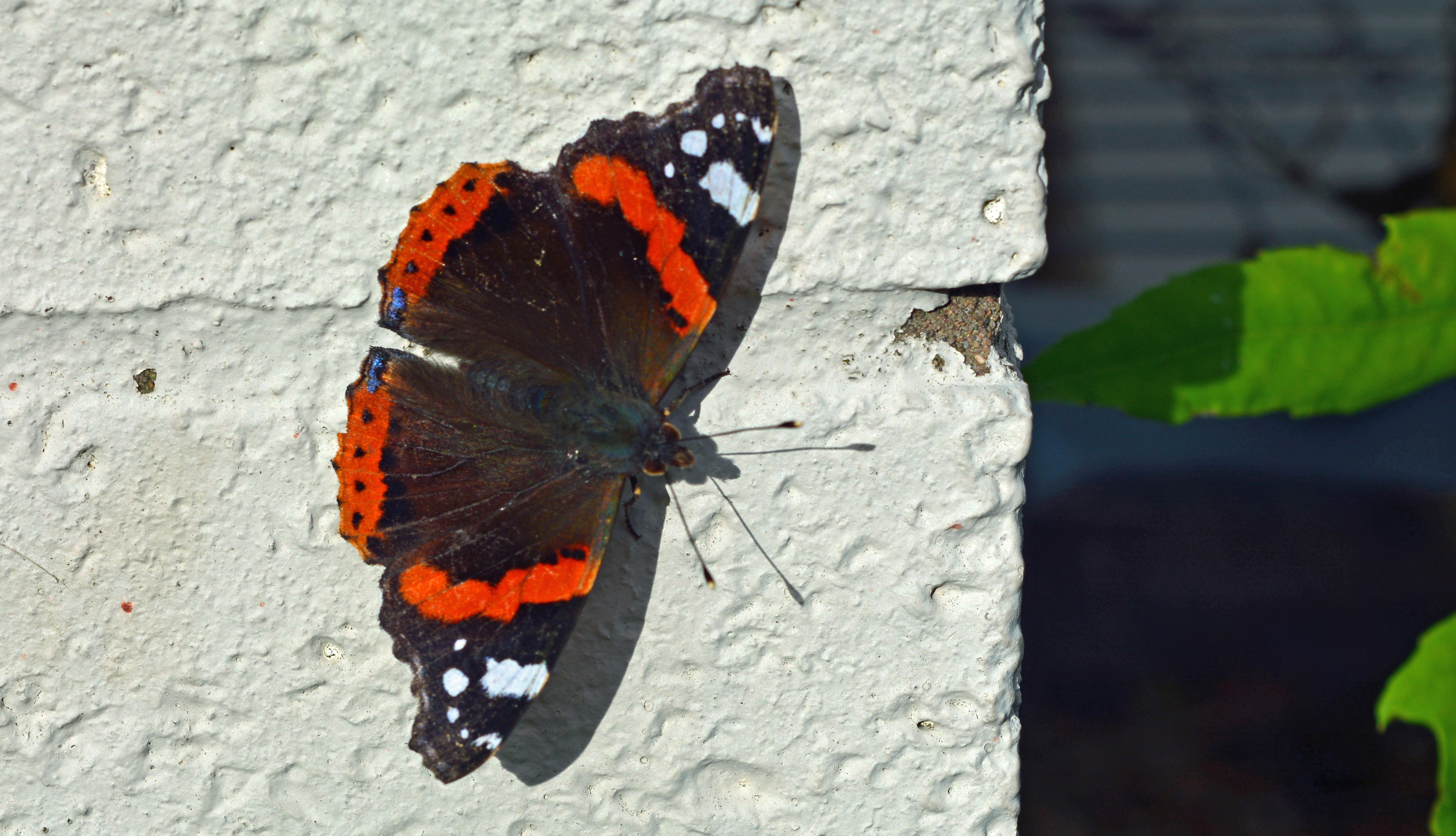
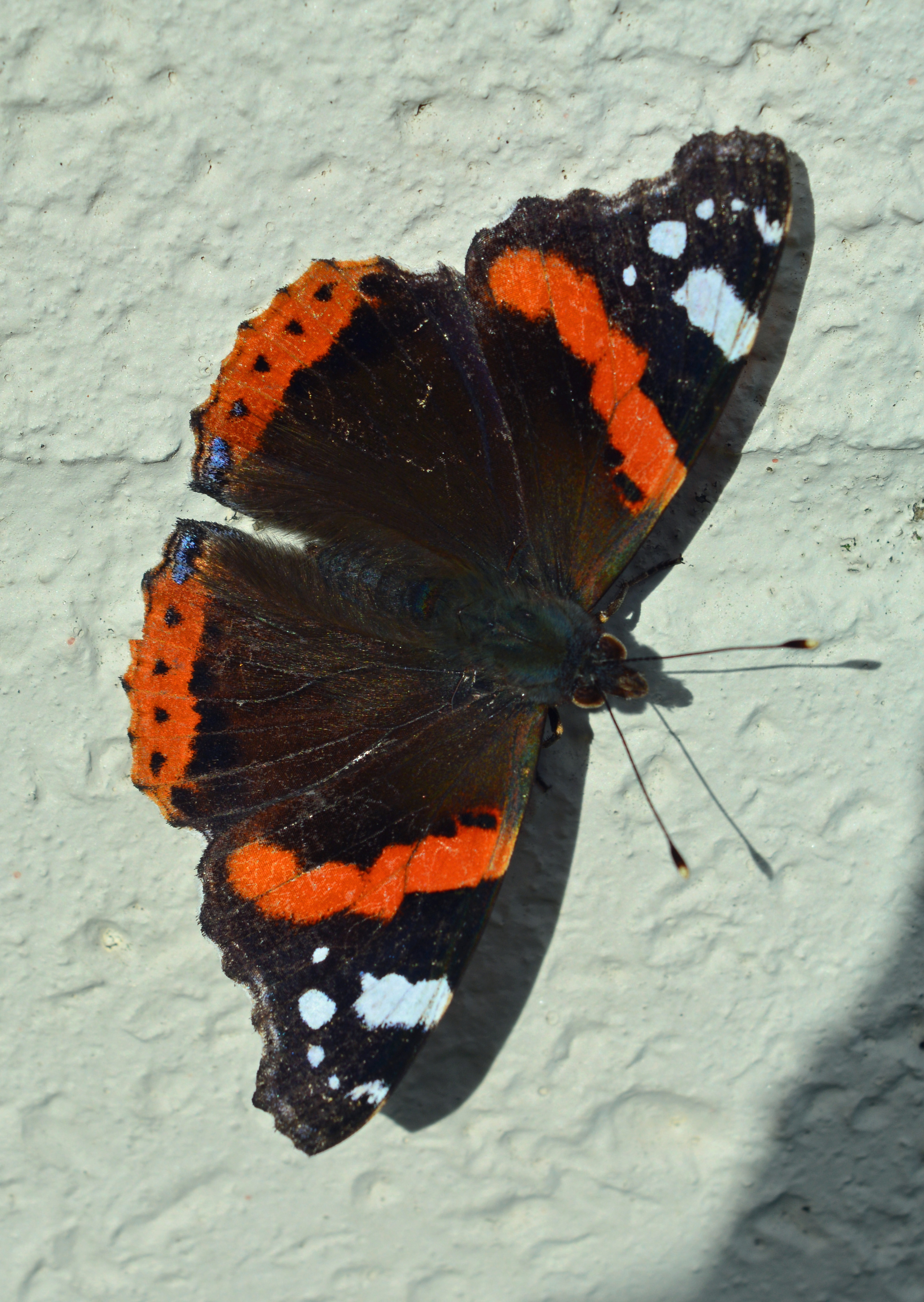
Turn over and I share the surprise of a wildlife visitor, about which I wrote, “There is a surprising amount of wildlife activity in our February garden. Recent sunny, warmer than average days have encouraged our resident birds to start singing and calling. The Song Thrush calls loudly from first light along with Robins, Dunnock and Wren while overhead Buzzards and Red Kite mewl as they soar. As the light levels drop Tawny Owls called for long periods of time. Sunshine also brings out Bumble Bees and Honey Bees to feed off early flowers of bulbs and the first butterfly of the year makes its appearance. A stunningly beautiful Red Admiral rests on a wall taking in the extra warmth of the sun on the bricks.


Categories
colours flowering bulbs garden design garden photography gardening gardens grasses hardy perennials ornamental grasses Shrewsbury Shropshire South Shropshire Winter Gardening winter gardens

My Garden Journal 2019 – January

Back with my new journal for a new year, my Garden Journal 2019. January is often described a s a quiet month in the garden and gardeners are often told to keep inside in the warm, order seeds from catalogues, clean their sheds and sharpen bladed tools and clean up all tools. But in reality a good garden is a good garden for 12 months of the year and a good gardener keeps his bladed tools sharp continously, all his tools are cared for througout the year and there is plenty to look at and enjoy in the garden and plenty of interest to be found in plants.

I begin my January journal entries with the words, “What is in flower in our Avocet patch early in January? A quick wander around on a calm, dry day with camera in hand provides the answer. I thought I wouls be out in the garden for 10 minutes or so but there was so much t lok at that it was three times longer.” 

I shared a set of 8 photos showing “Violas, Cyclamen, members of the Primula family and even an adventurous Rose.”


I then went onwards with my camera into the greenhouse which is not yet heated at all, so we are simply keeping things ticking over. Soon we will put heat on and the heated propagating bench in readiness for the exciting task of seed sowing. I wrote, “The greenhouse is a busy place in the winter full to overflowing with over-wintering sensitive plants, autumn seedlings ticking over and cuttingstaken late in the year.”

Examples of these sorts of plants are shown in the set of photos, including seedling Achilleas, Fuschia thalia and Sedum Matrona cuttings.

On the opposite page I looked at some of our many grasses that shine in January and shared a set of pics. “Grasses come into their own in January both deciduous and evergreen. Carex are exceptionally valuable winter grasses.”


Carex elata aurea                                                Carex elata aurea

Calamagrostis “Northwood”    Miscanthus sinensis         Carex “Evergold”

Carex elata “Evergold”                             Uncinia rubra       Carex “Frosted Curls”


Carex elata “Bowles Gold”                                Anemalanthe lessoniana


Calamostris brachytricha                                                        Carex buchanii

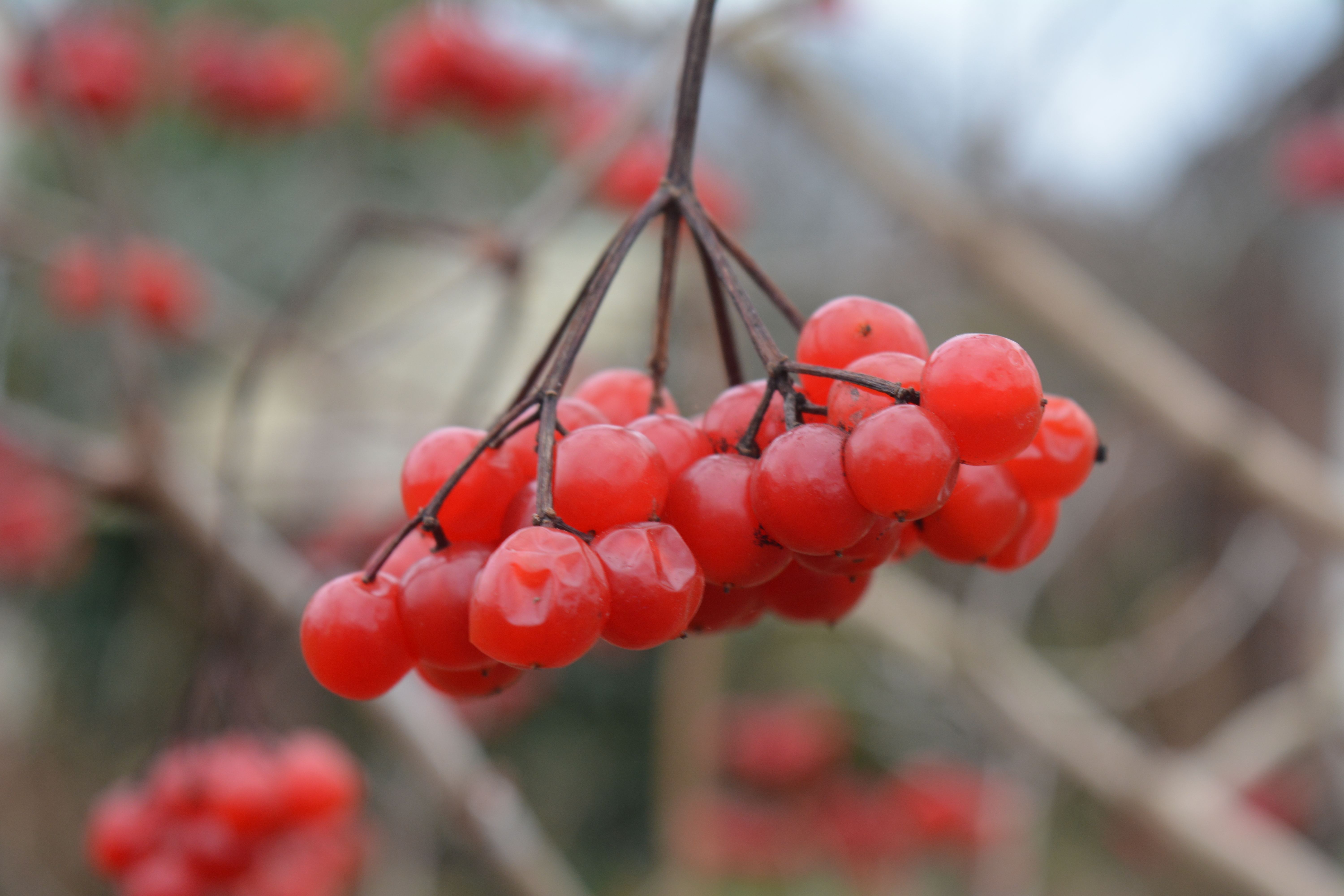
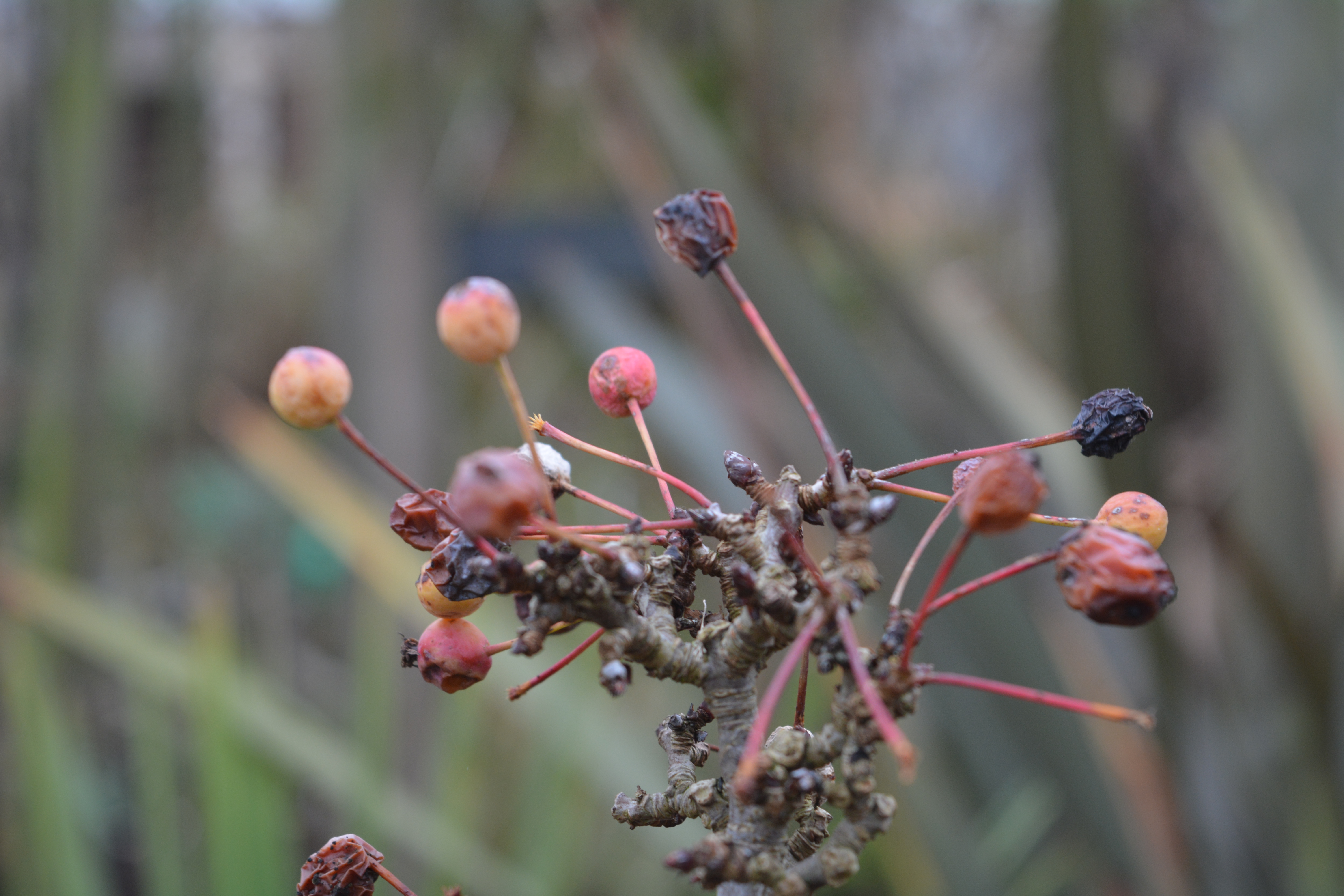
On the following double page spread I moved on to look at some of our berries and foliage plants giving interest in January. On the first page I wrote, “Throughout the winter birds especially members of the Thrush family enjoy gorging on the berries on our trees and shrubs. We grow berrying plants for the birds to eat as well as for our own visual feast. By January a few are still left over.”


Guelder Rose                                                Mahonia “Winter Sun”


Honeysuckle berries                                  Malus “Admiration”


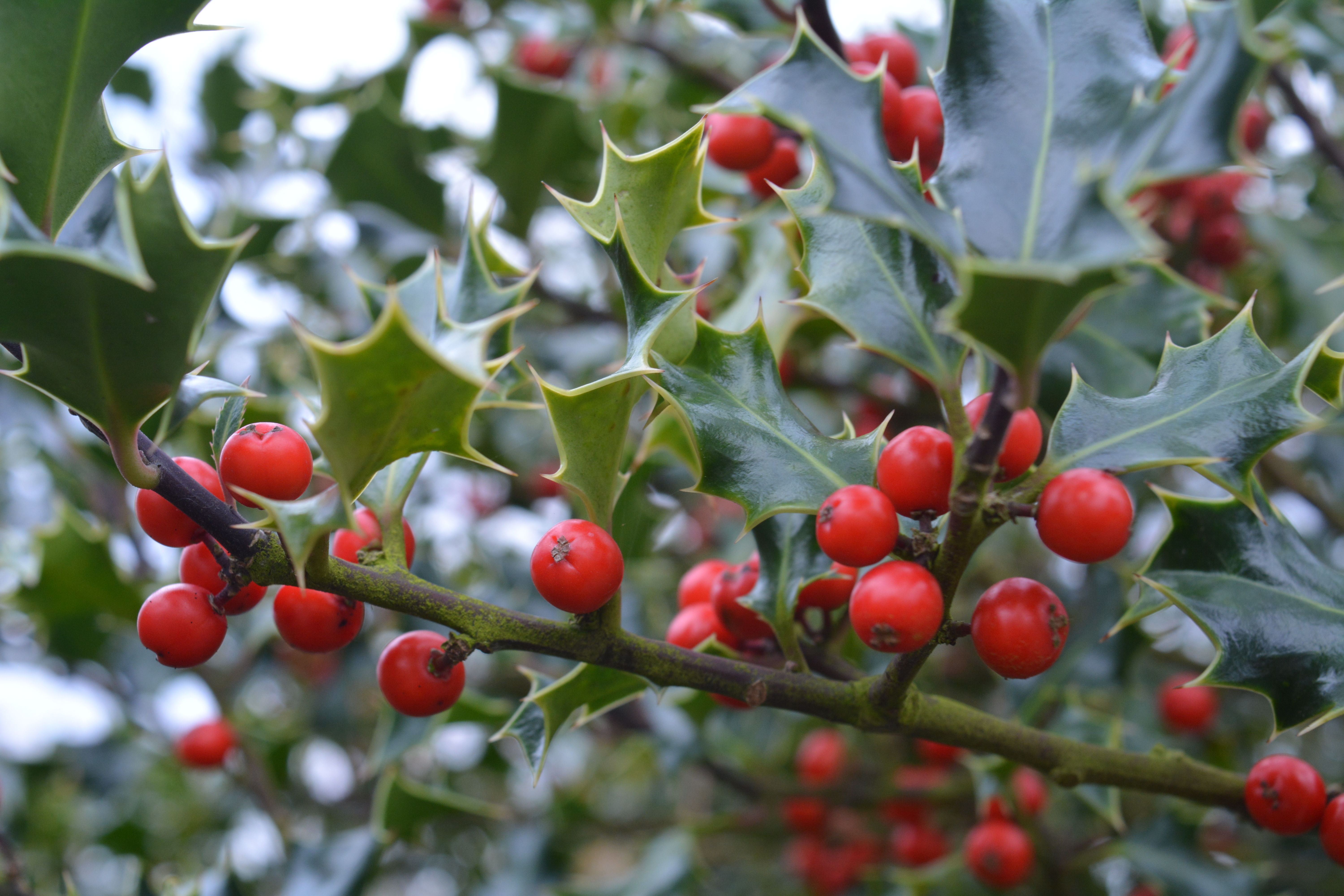
Native Holly                                                  Iris foetidissima

Cotoneaster                                                    Libertia

Sarcococa confusa

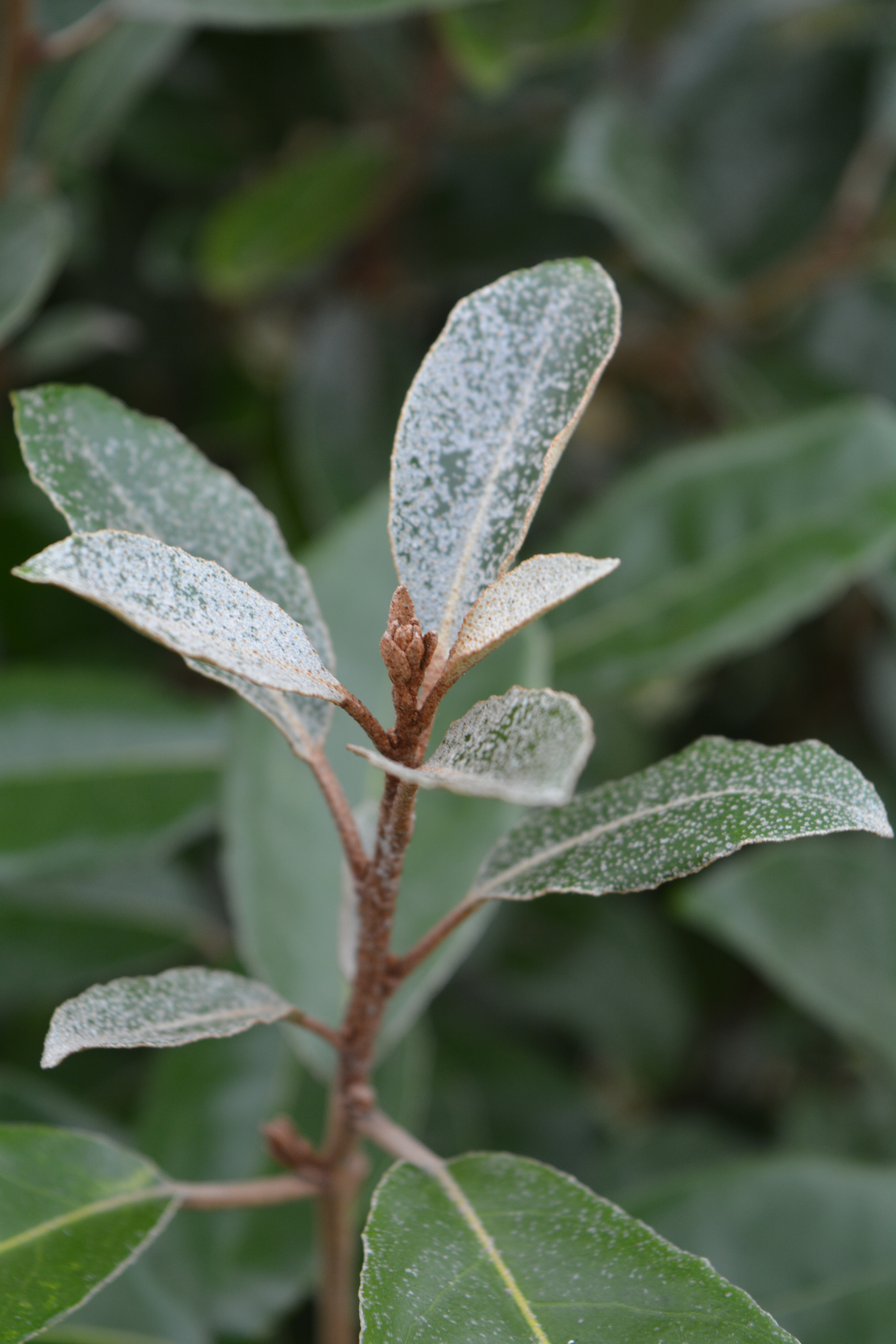
We can now look at the opposite page and consider some of our interesting foliage, where I wrote, “In January interesting foliage catches the eye, variegation, dusting with silver, glaucous or ruby coloured.”

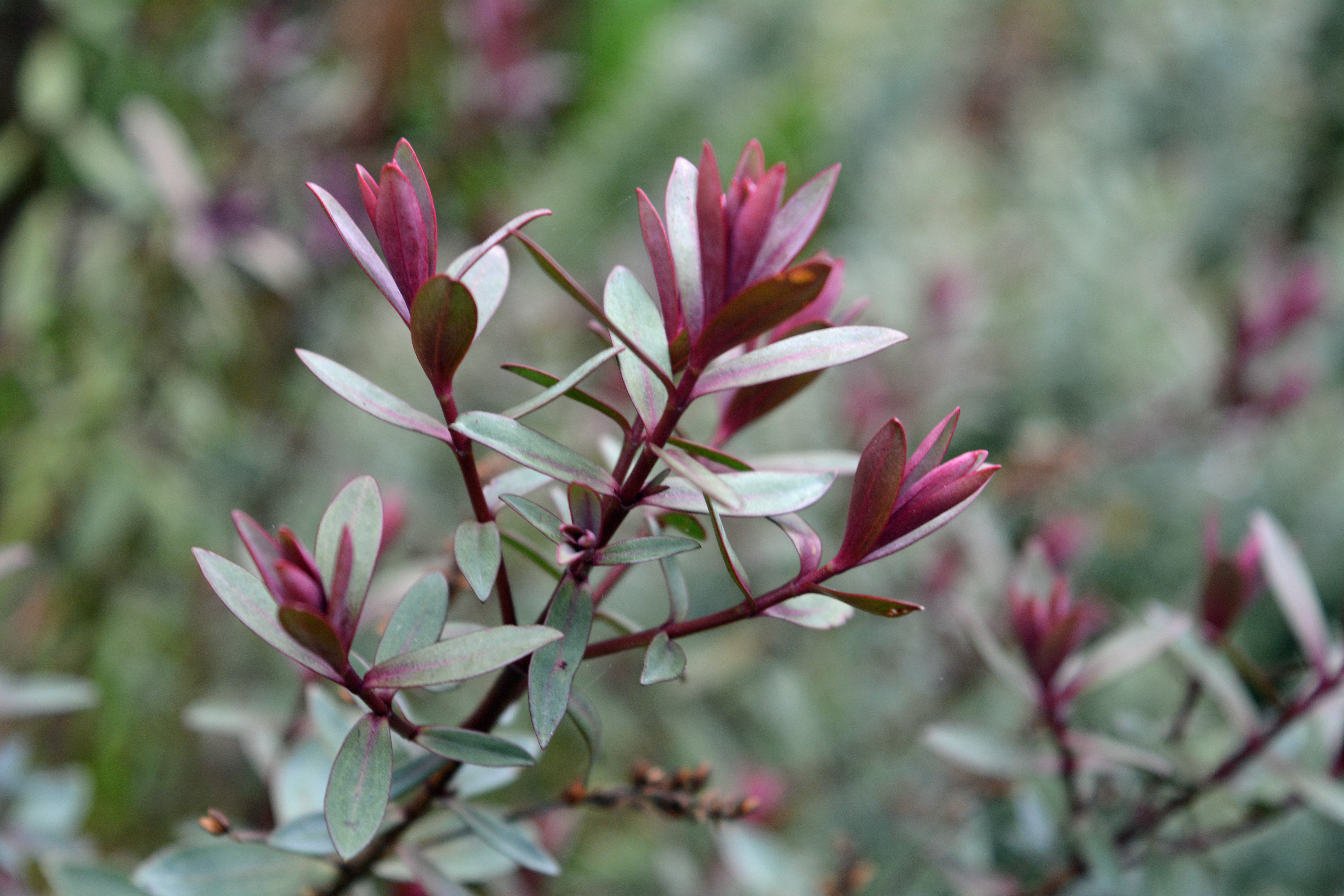
Eucalyptus parvula               Rhamnus aureomarginata         Eleagnus ebbingei

Coprosmia “Pacific Night”     Pinus mugo “Mumpitz”

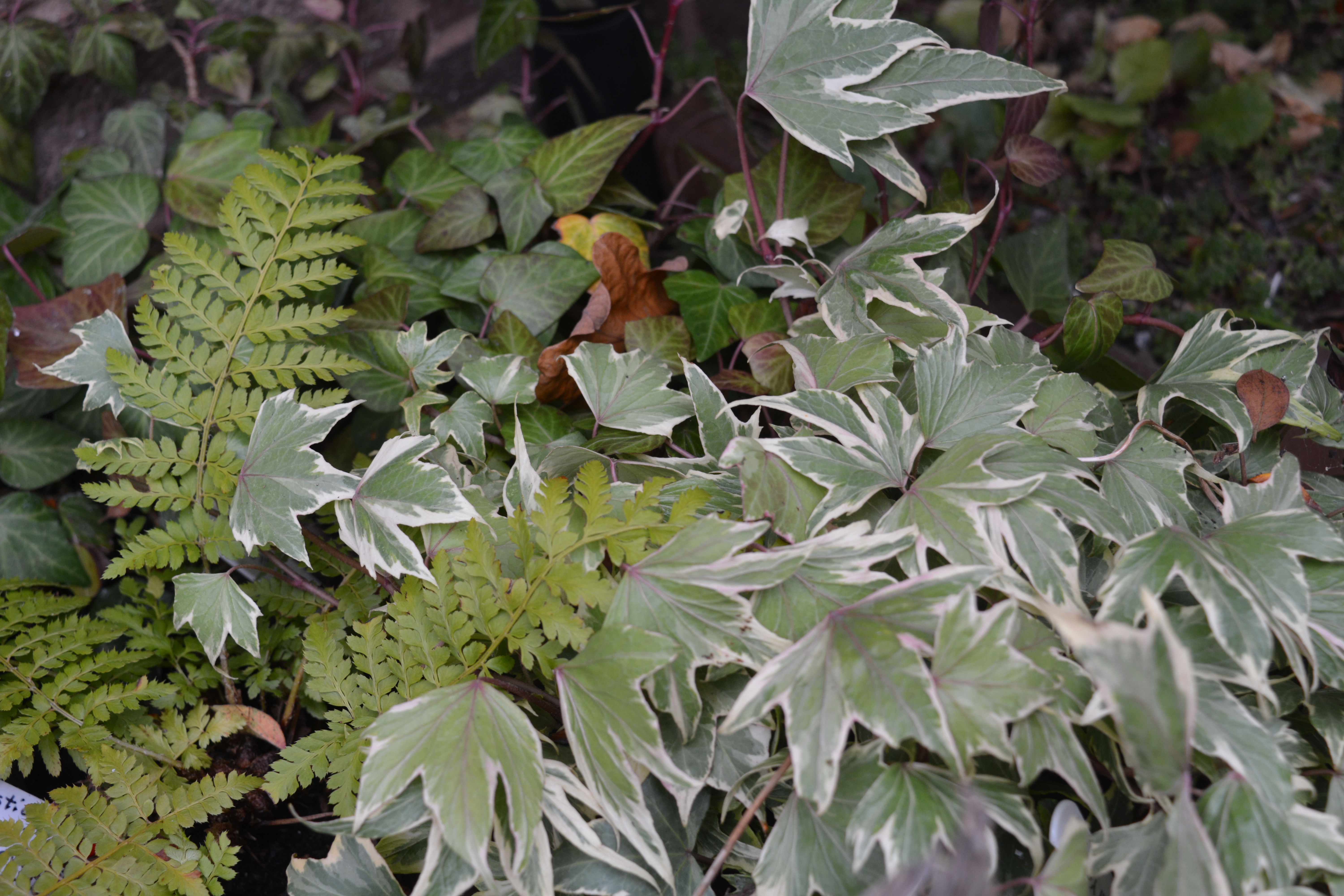
Hedera helix “Long Trail Yellow”         Hebe 

Budleja “Lochinch”                                    Euphorbia lathyris

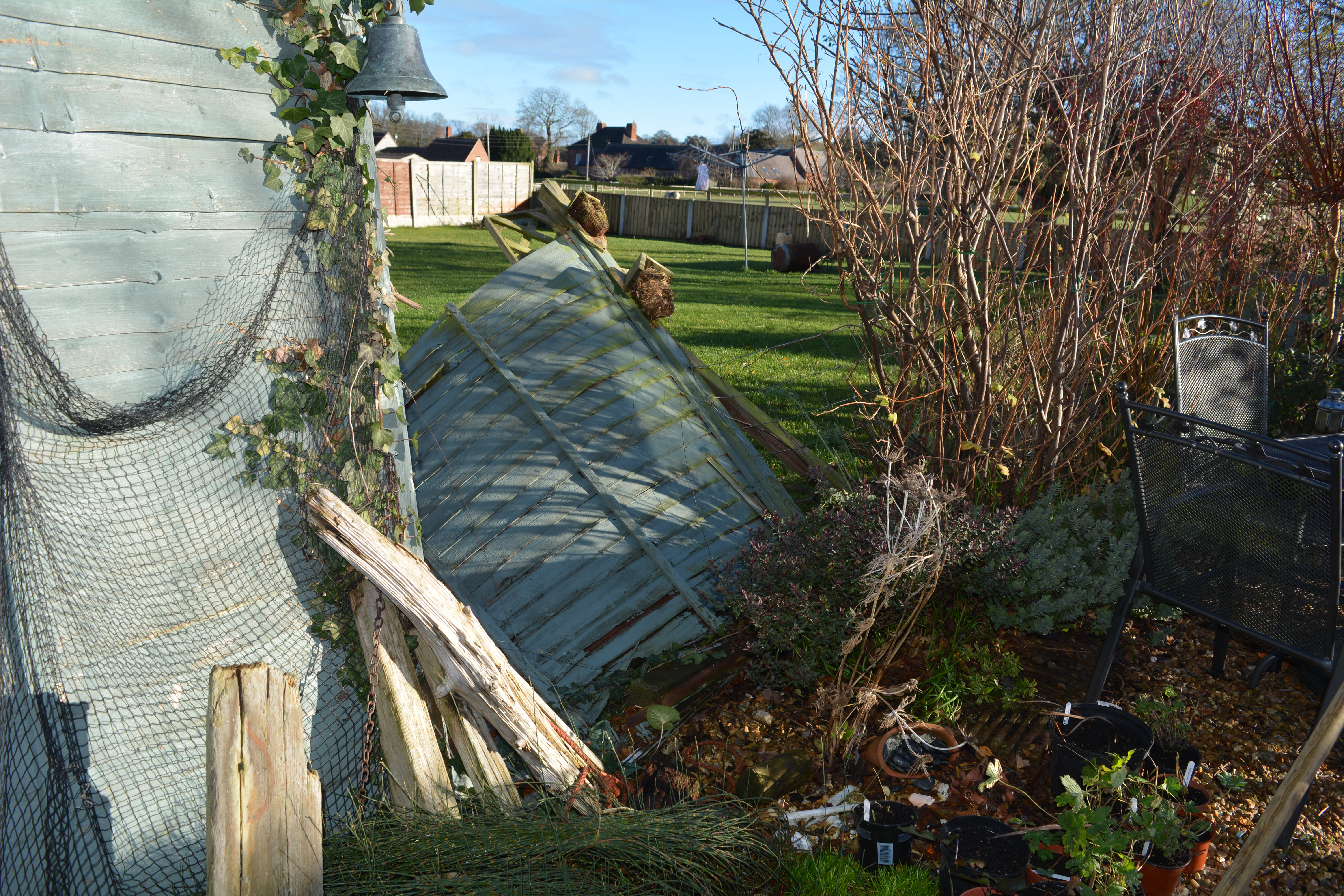
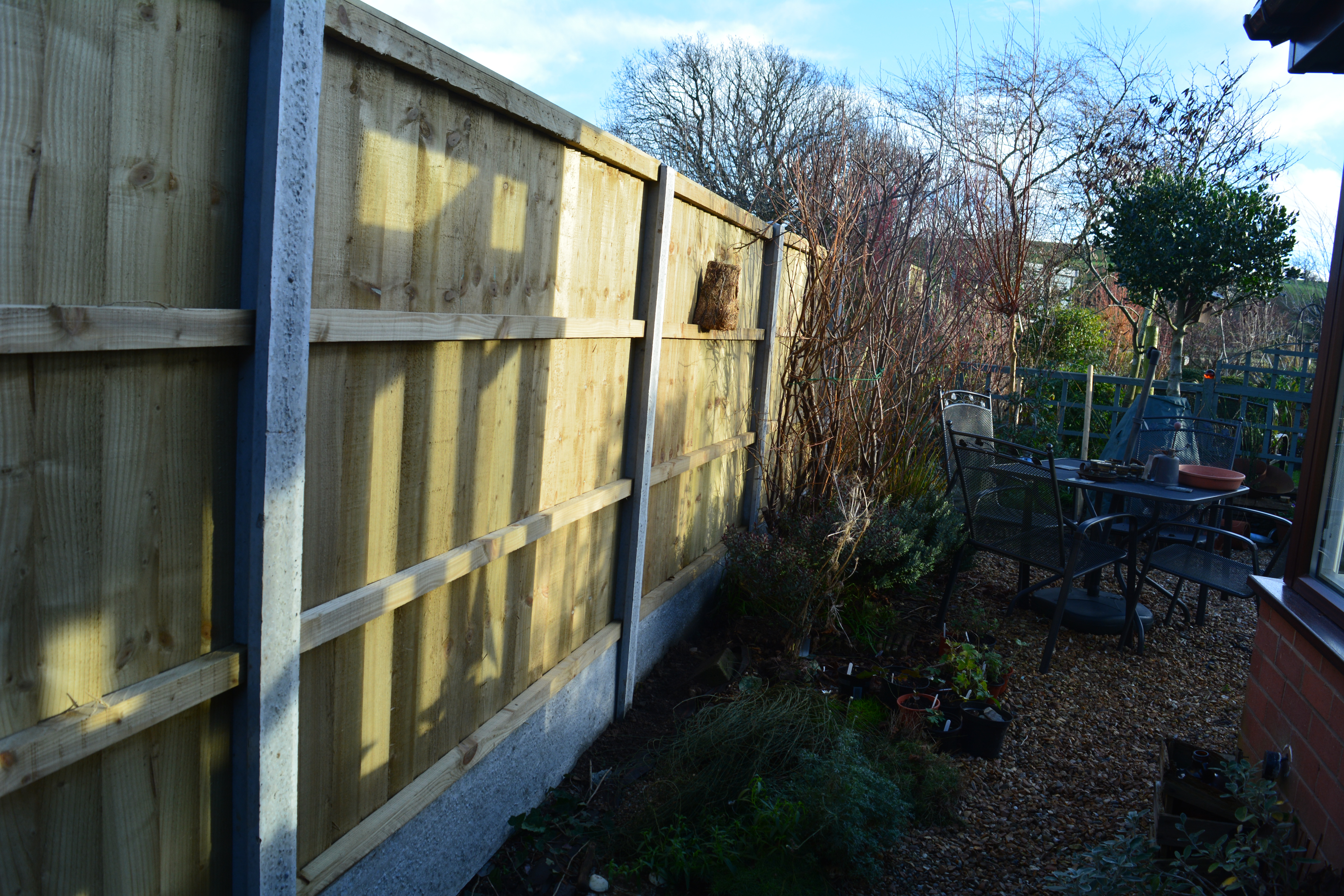
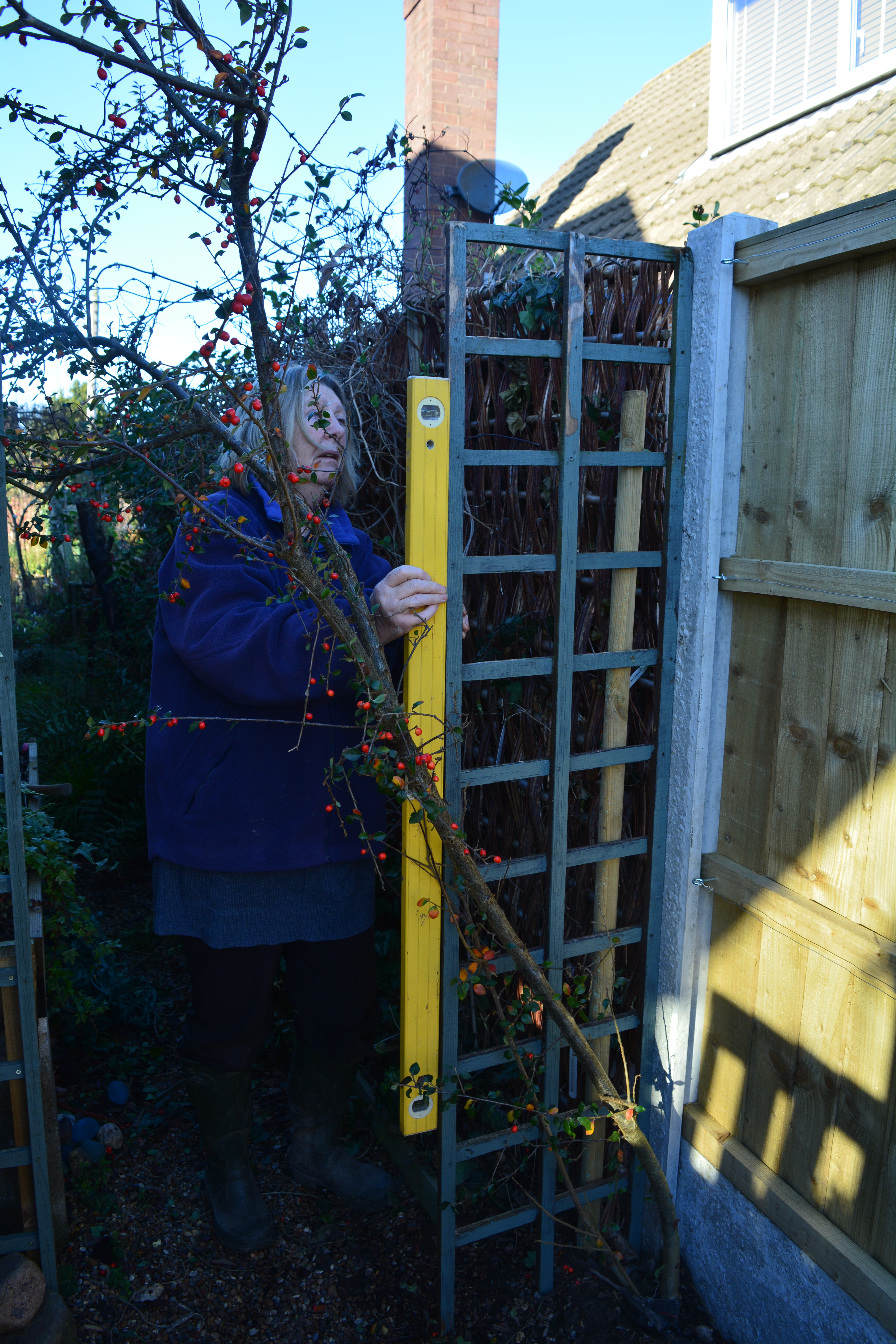
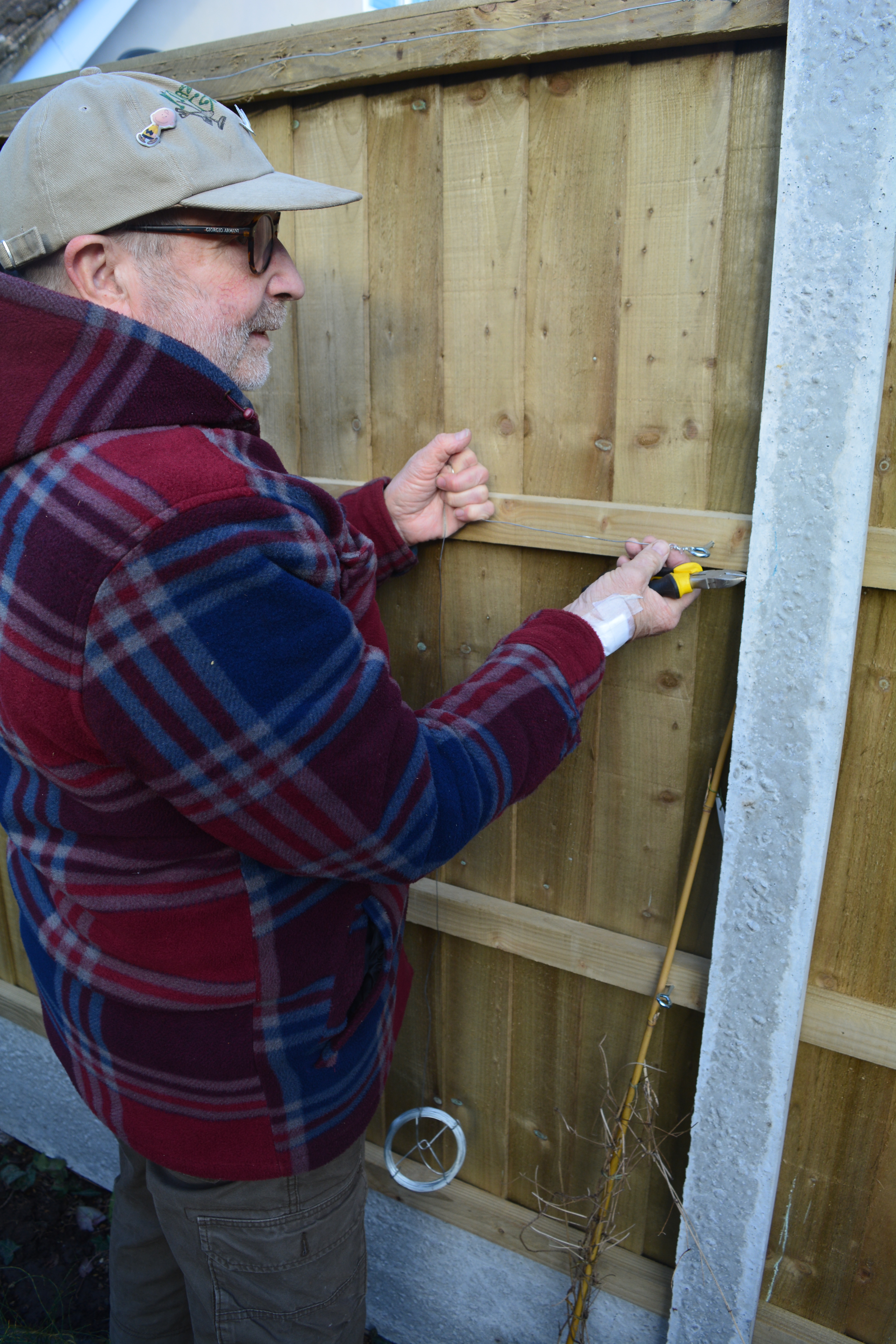
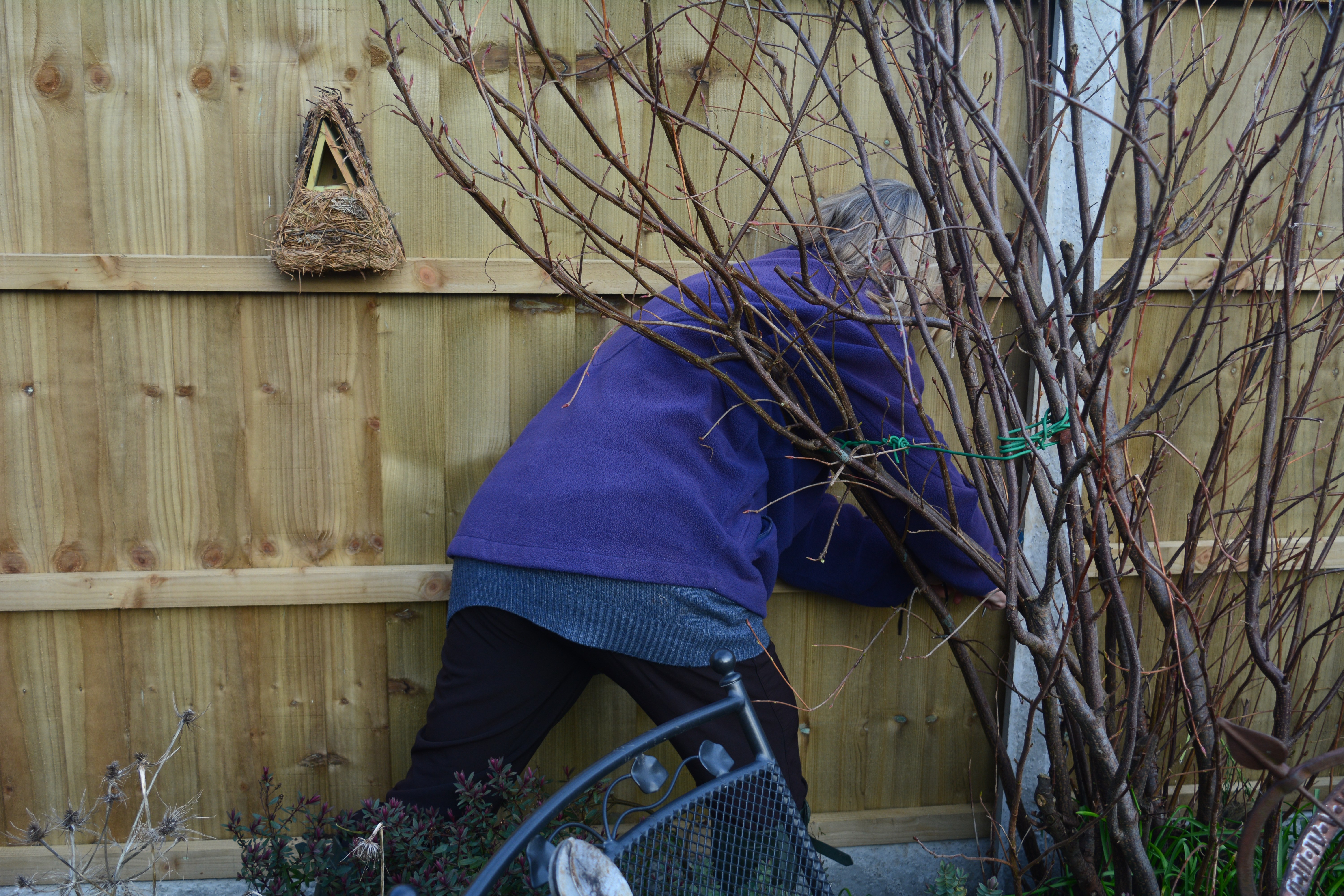
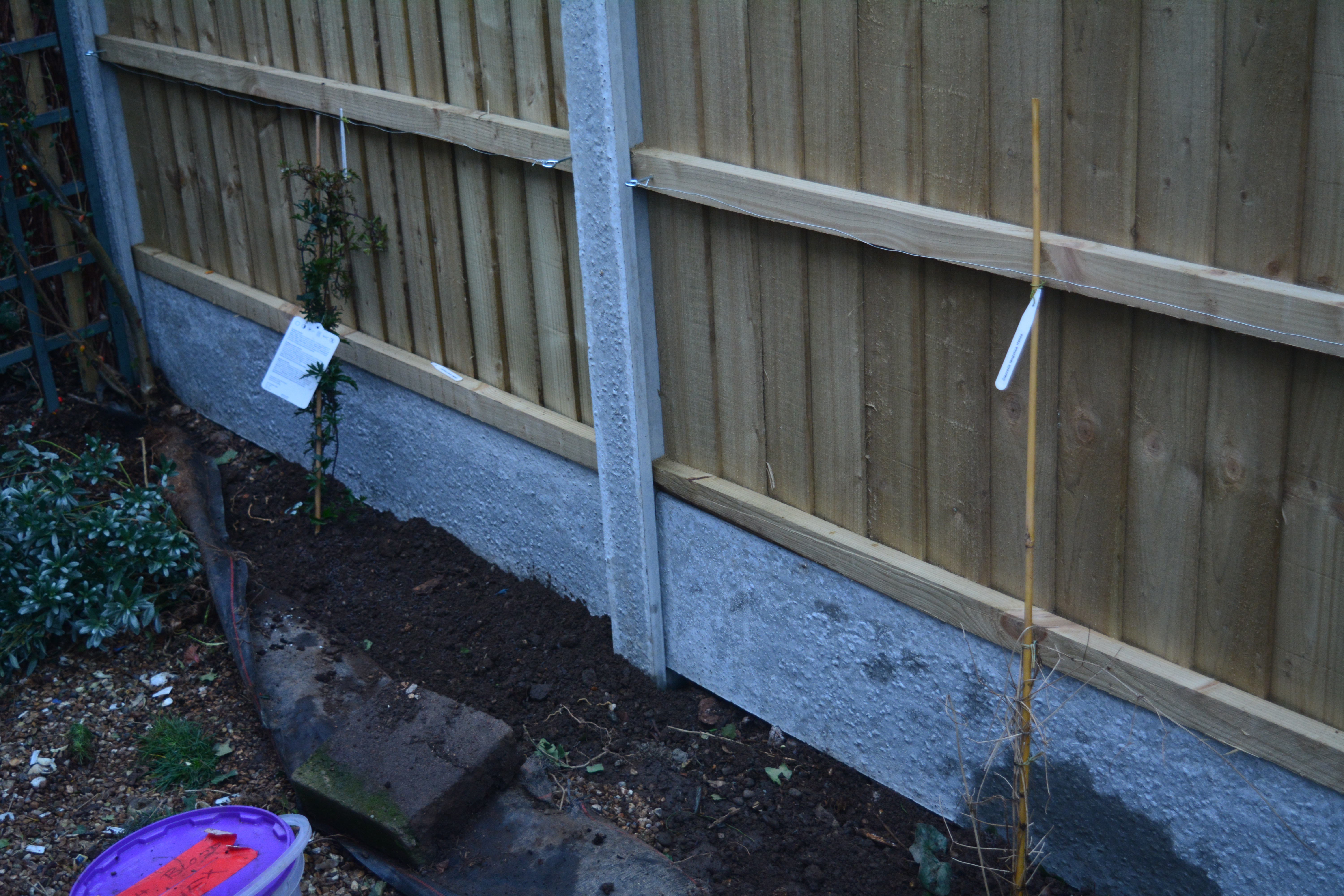
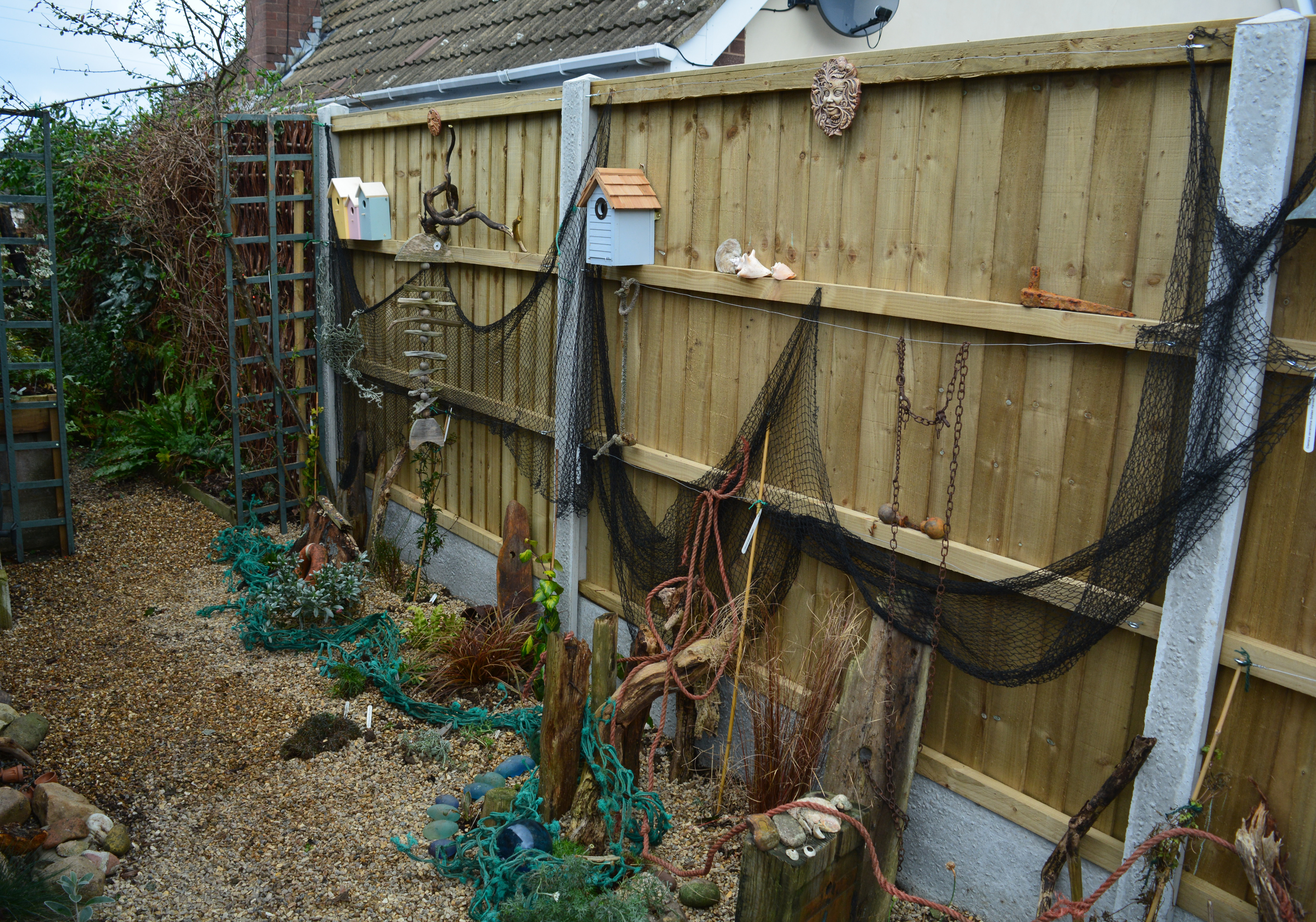
Over the page I wanted to share the disaster we had with our old fence that backed our Seaside Garden. I wrote, “I shall now report on the progress we have made with our winter projects and look at work in progress too. You will not be surprised that strong winds broke down the fence panels backing the Seaside Garden so this area neededa complete renovation. The old fence was soon replaced jointly with our neighbours and the new, better quality fence presented opportunities to put up vine eyes and wires. We planned to plant plenty of new climbers as well as renew and replenish the other plants and artefacts. We decided to include more plants this time.”


The new fence ………………….


The trellis goes back up and the vine eyes and wires are being fixed up.


The climbers are planted ……………. and grasses soon join them.

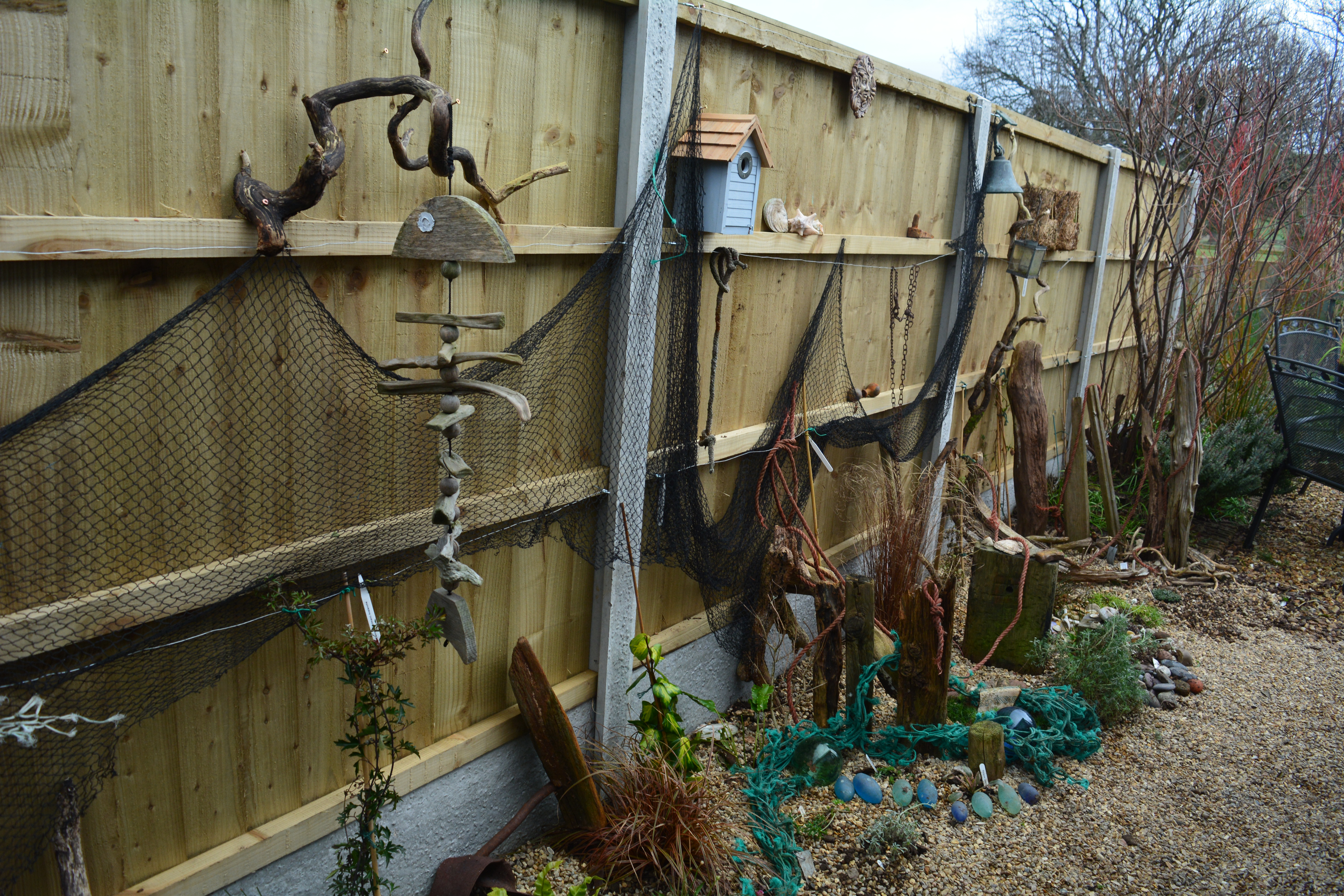
To finish the month of January off, we can have a quick look at what the finished revamped seaside garden ended looking like, ready for the growing season ahead.

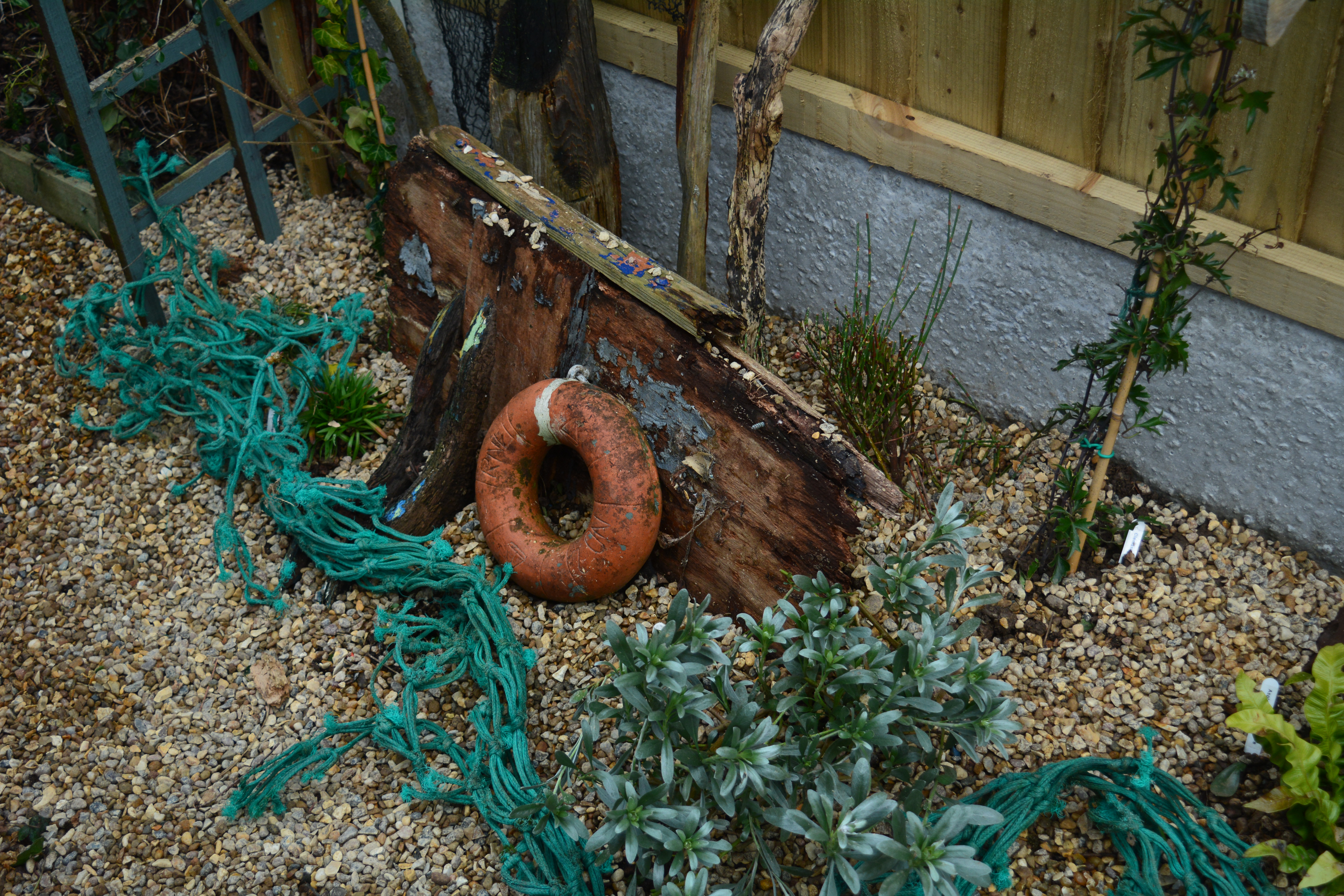
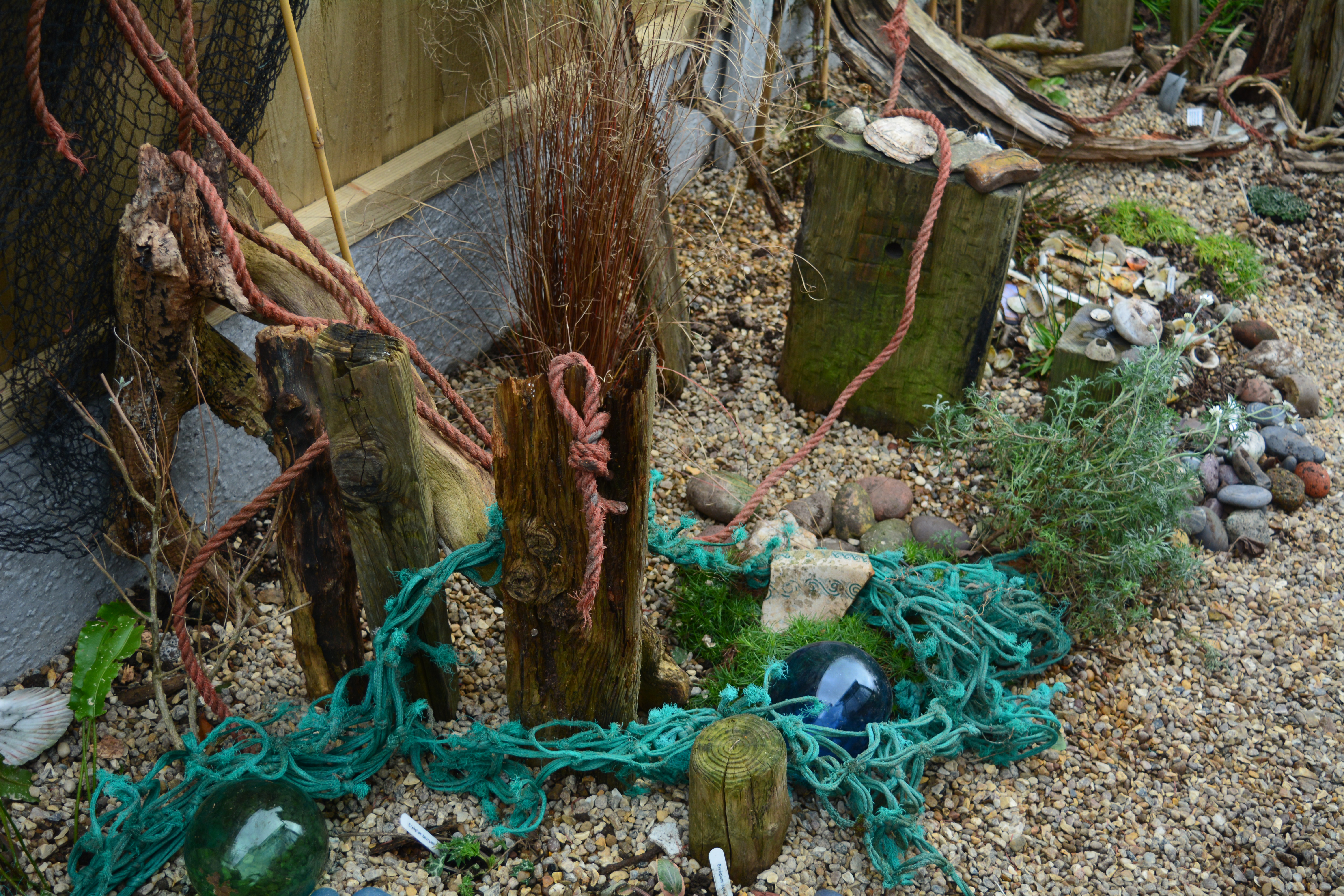
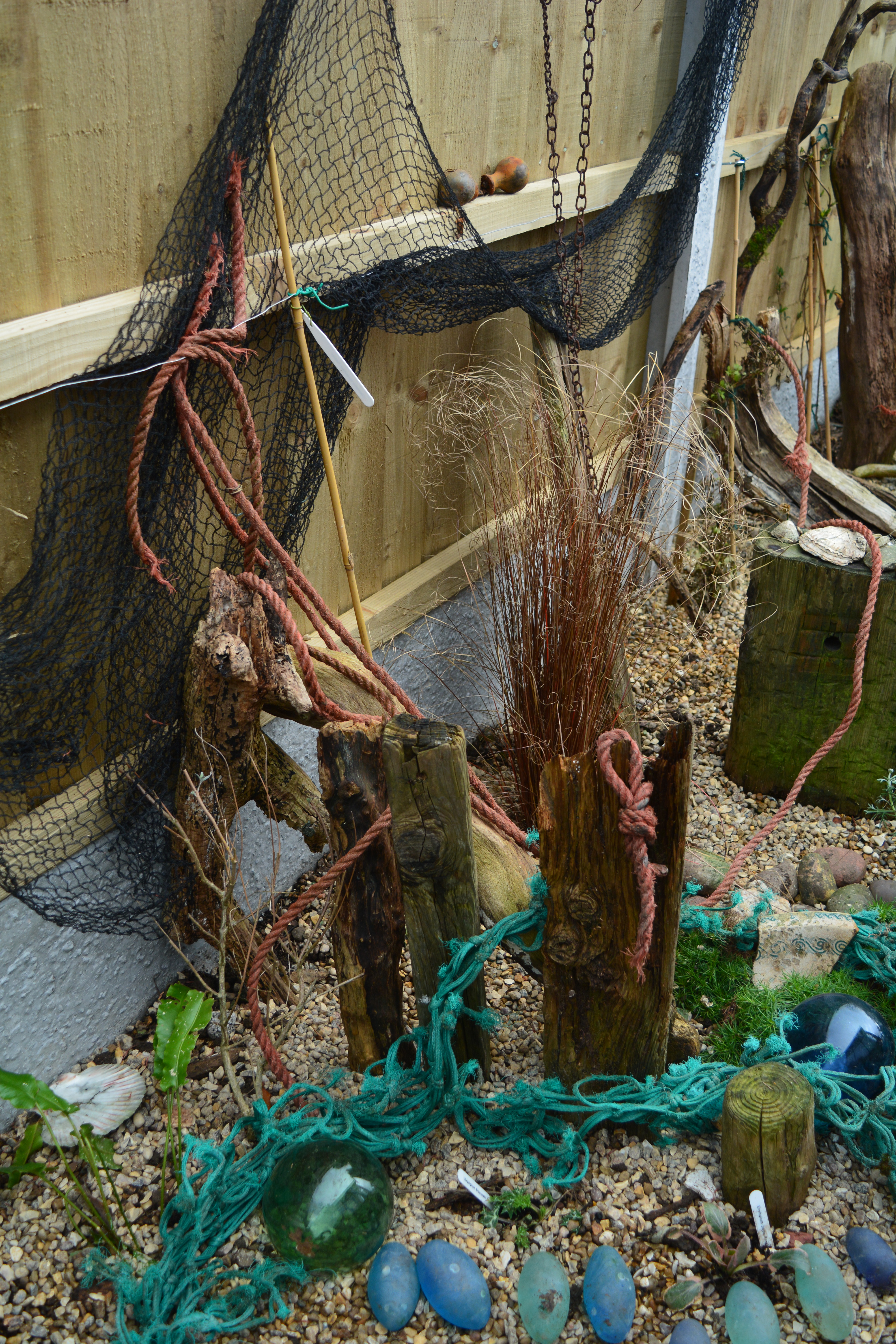
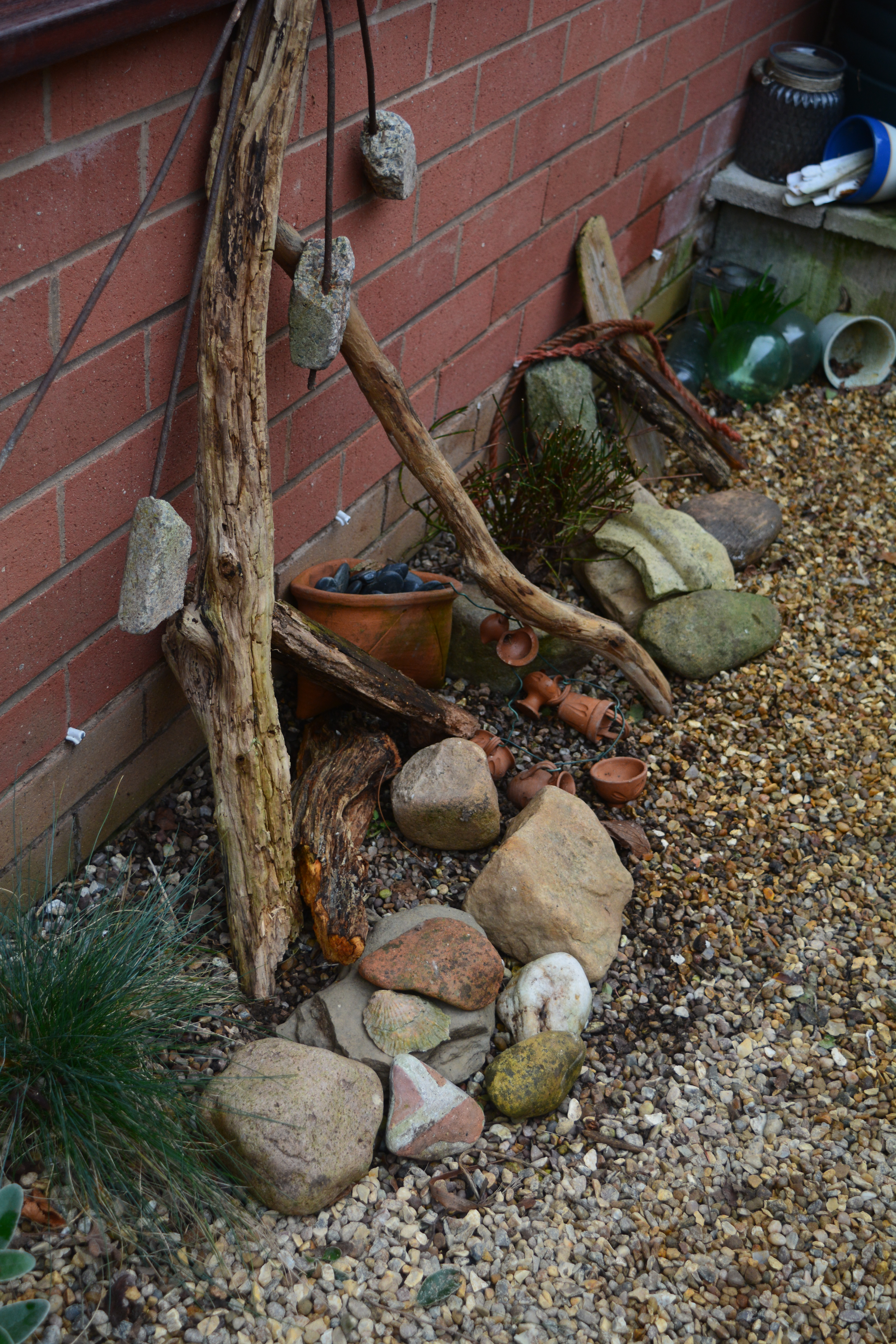
I wrote, “We had great fun rebuilding the Seaside Garden despite cold temperatures made more severe by the icy cold winds. So, wrapped up well against this typical January weather we put up old fishing nets from Scotland, sea-washed driftwood from Devon and Anglesey plus shells and pebbles.”


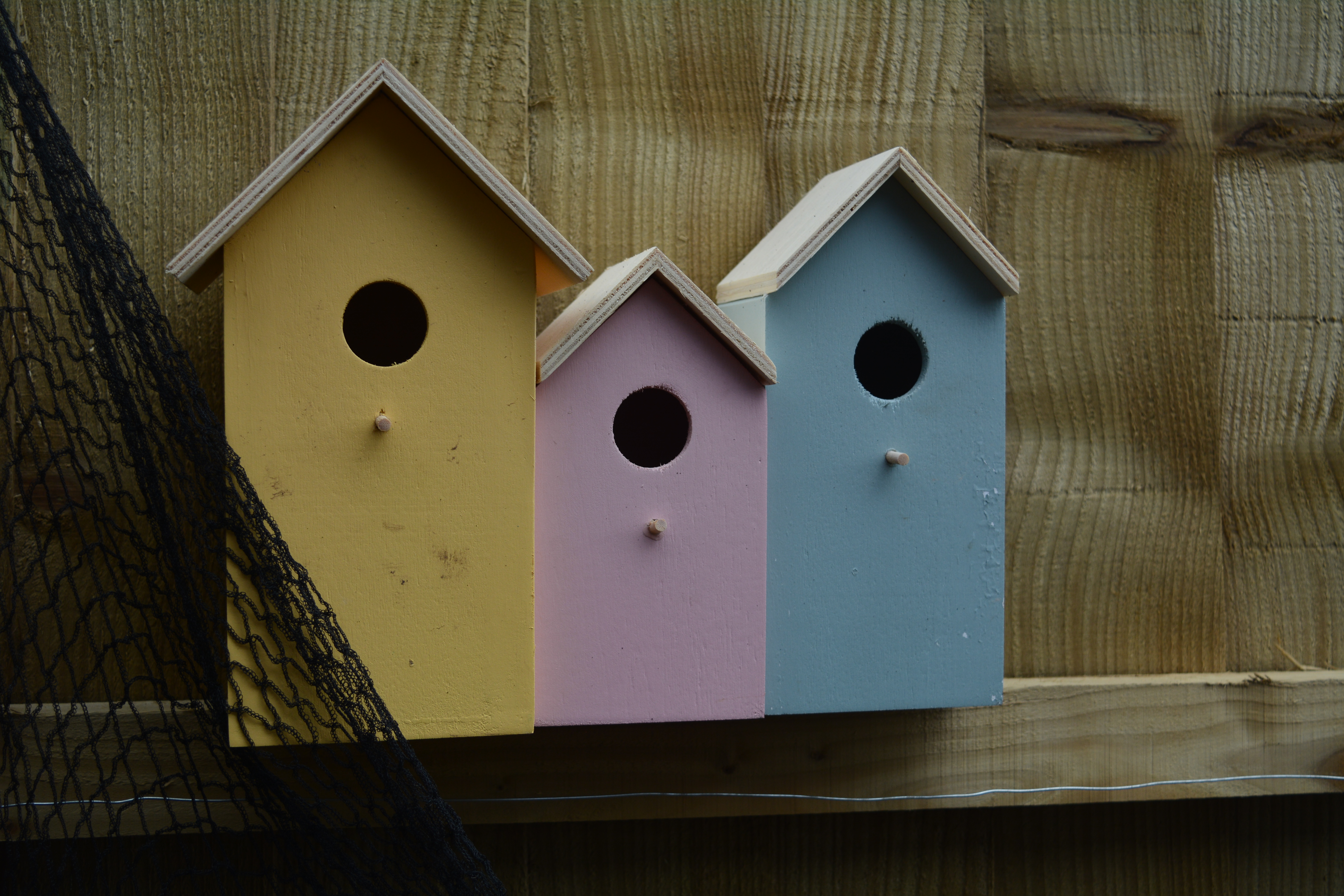
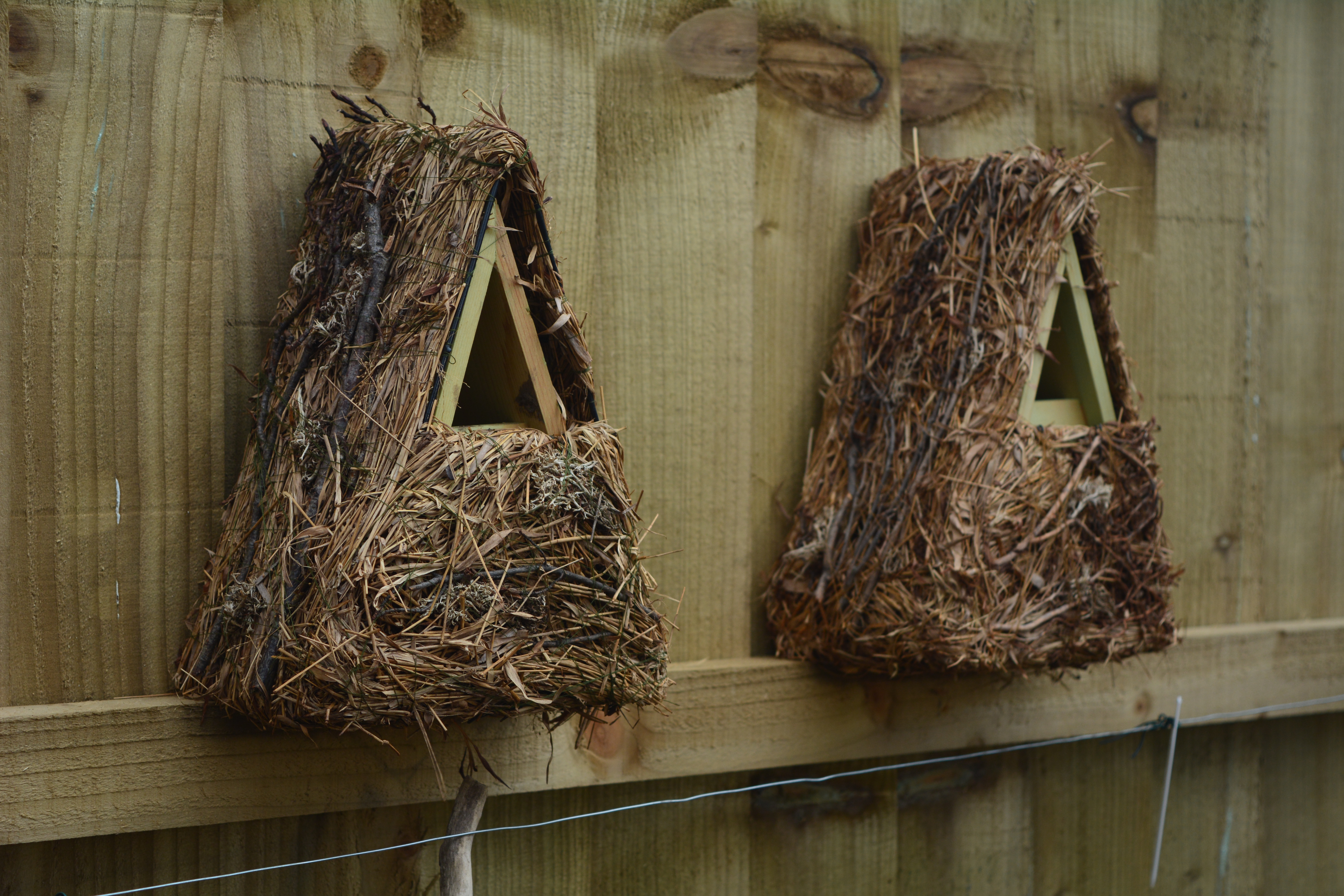
“Avian des res!”


“House Sparrows”

“Titmice”

“Wrens”


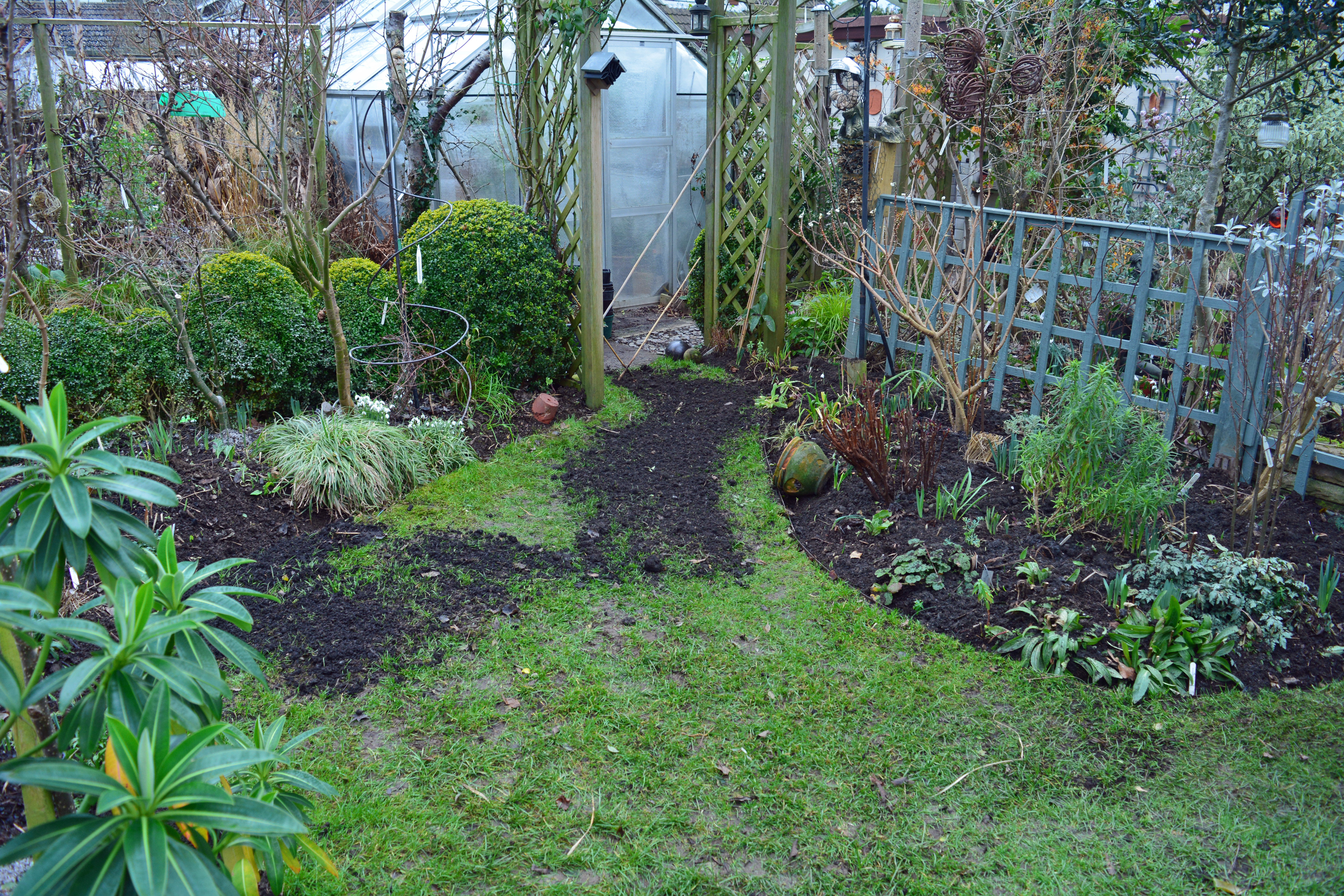
“Meanwhile we continued to change the 3 beds around the back grass into a new hot garden. Sadly we messed up the grass so had to also prepare this for repair. We have now finished planting the new plants and repaired the grass area ready for seeding in March.”


So there we have my entries for January in my 2019 garden journal.


Categories
flowering bulbs garden design garden photography garden seat garden seating gardening gardens gardens open to the public grasses hardy perennials Herefordshire irises kitchen gardens log piles logs National Garden Scheme NGS nurseries ornamental grasses ornamental trees and shrubs spring bulbs trees village gardens Winter Gardening winter gardens Yellow Book Gardens

Snowdrops and Creative Pruning – Ivy Croft Garden

I often publish posts about summer days out in winter to help us warm up so as we are in the middle of an exceptionally hot period of weather I shall do the opposite and publish this post I wrote in the winter in the hope it may cool us down!

There were two main reasons we wanted to visit Ivy Croft Garden and Nursery to look at, firstly their huge collection of snowdrops and secondly their imaginative pruning techniques. Both these elements are highlights of the February garden. We drove down to Herefordshire with gardening friends Pete and Sherlie who had never visited the garden before. We had been once before several years ago, when it was still quite early on in the development stage. We were looking forward to seeing what it was like after so many years.

The garden which was started in 1997, surrounds the cottage which has a formal area close to the house partly enclosed by an ivy hedge. Further afield the garden becomes less formal and a wander around gave us the chance to look at its pond, willow and dogwood collections, a perry pear orchard and a vegetable garden enclosed with trained fruit trees.

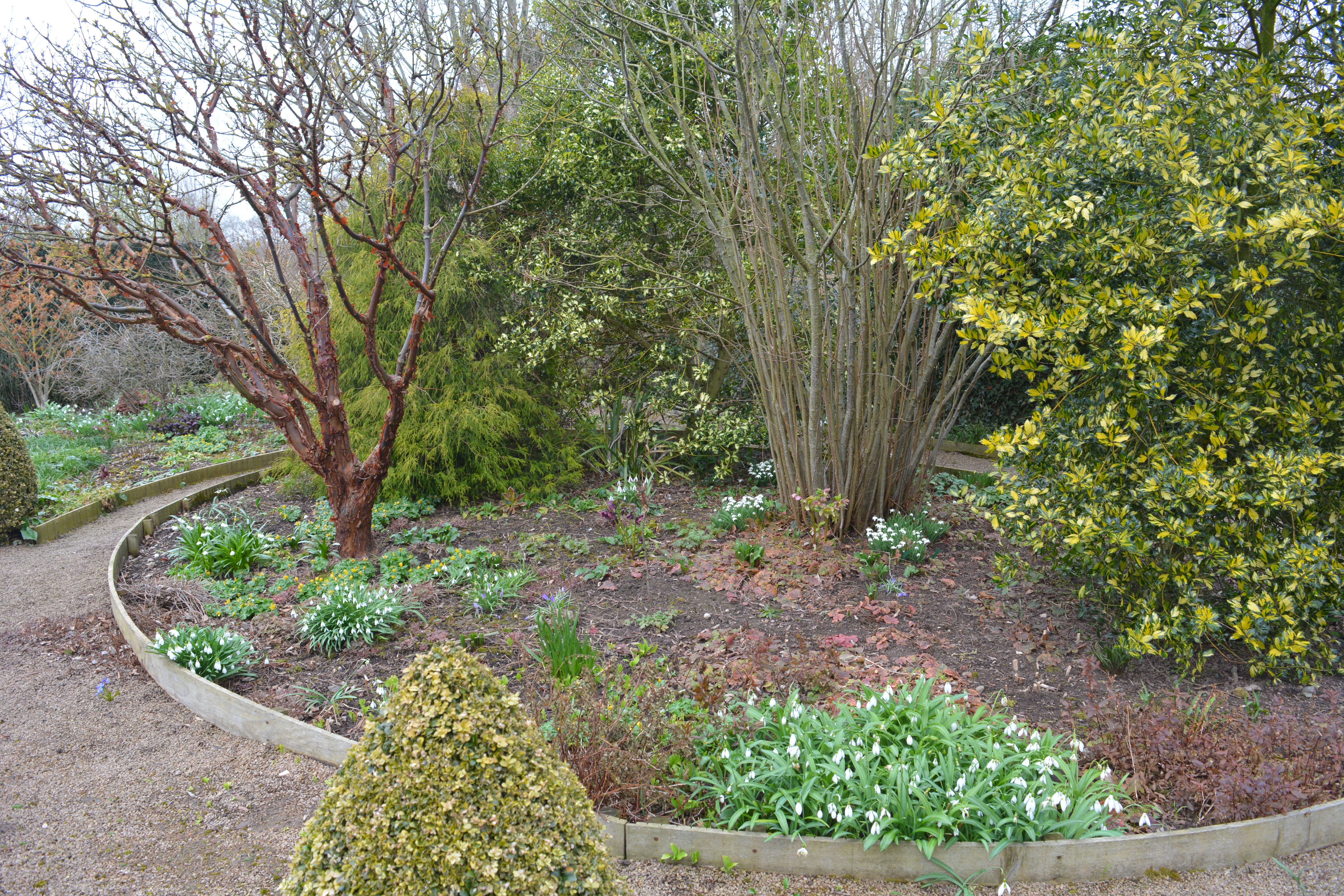
The area around the house featured many flowering bulbs and in the spring and summer alpines would take over. A colourful Acer griseum stood with two variegated Hollies in a circular bed surrounded by a gravel pathway.


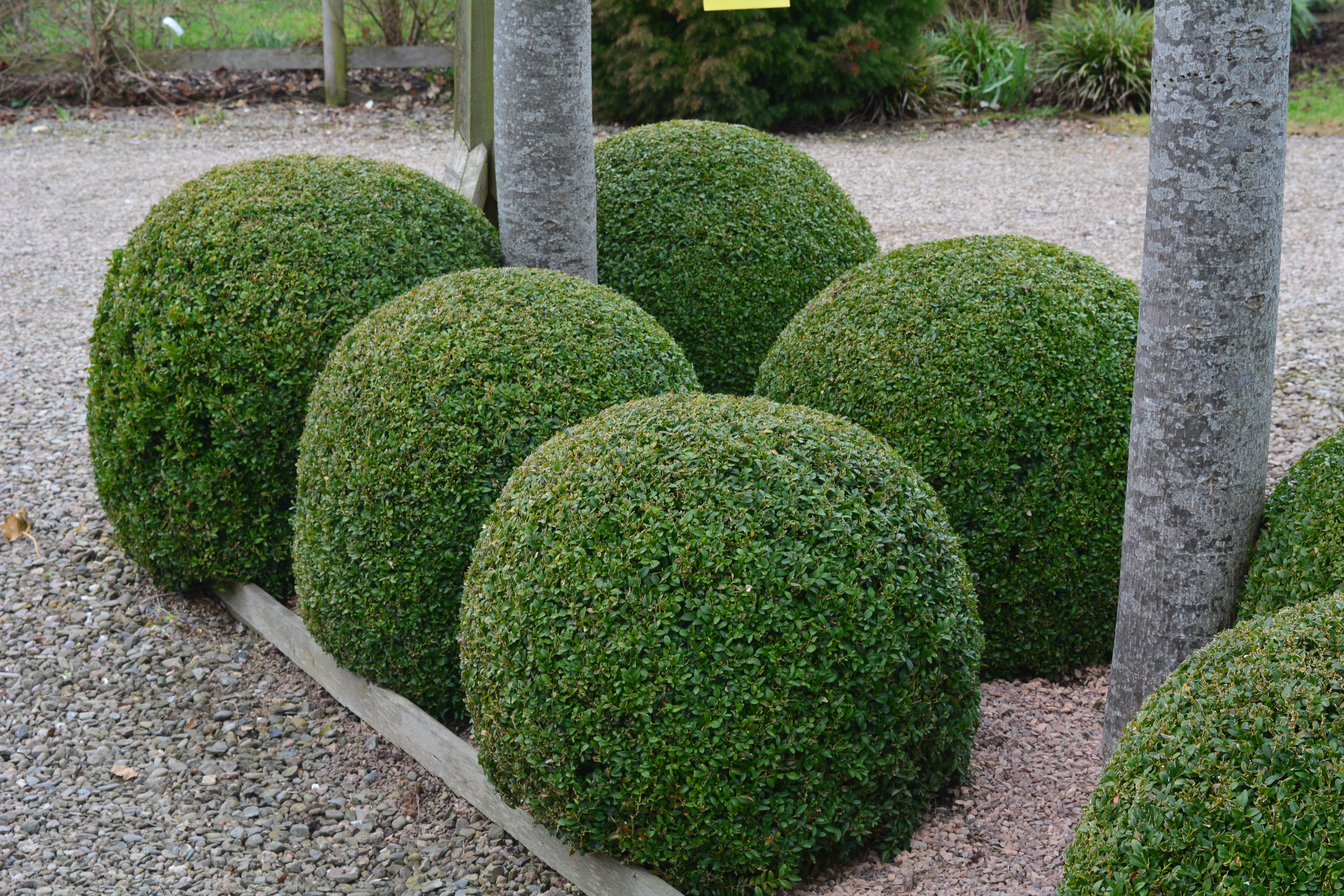
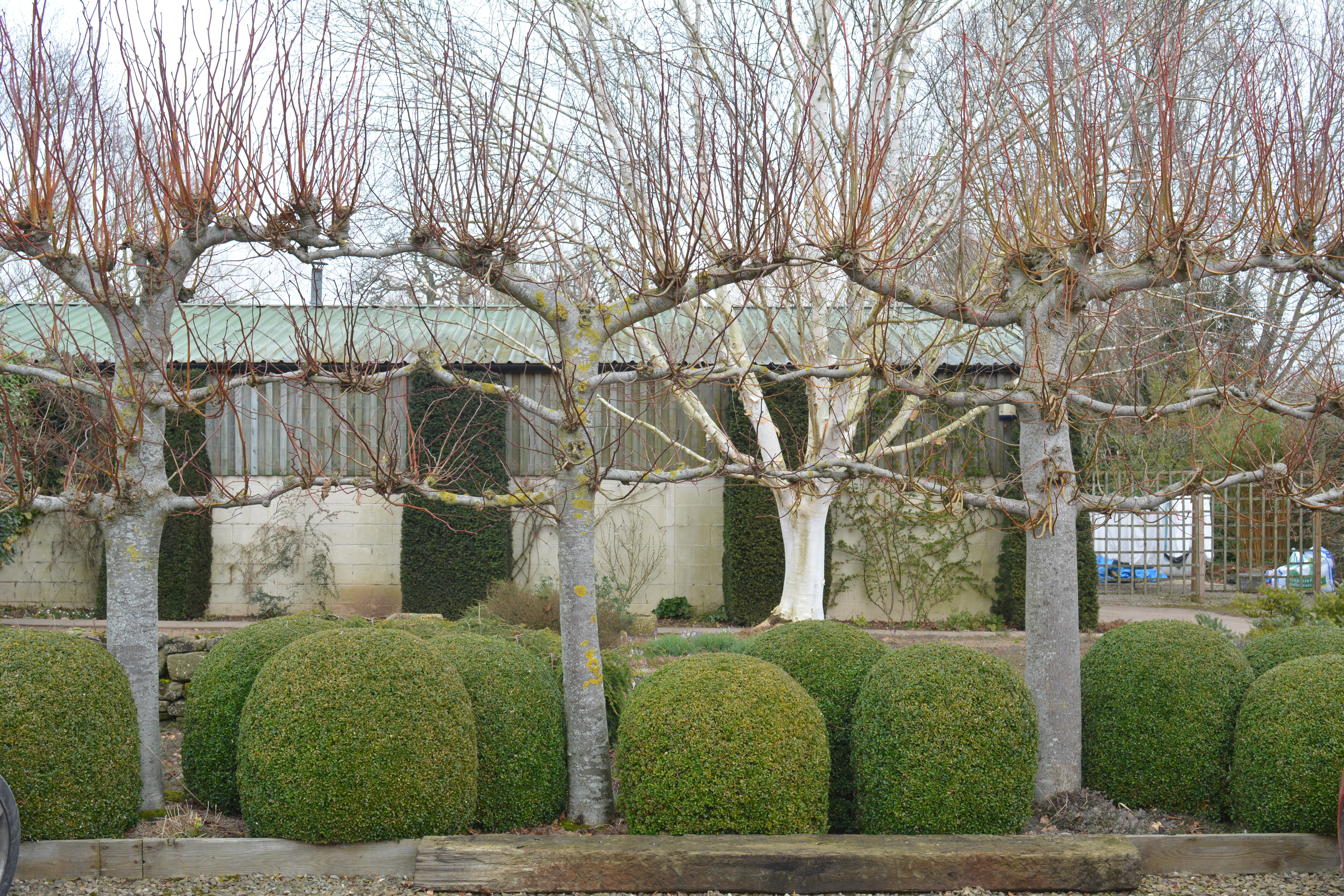
The pruned features we discovered as we parked up included a pleached limes, box balls and all were neatly presented.


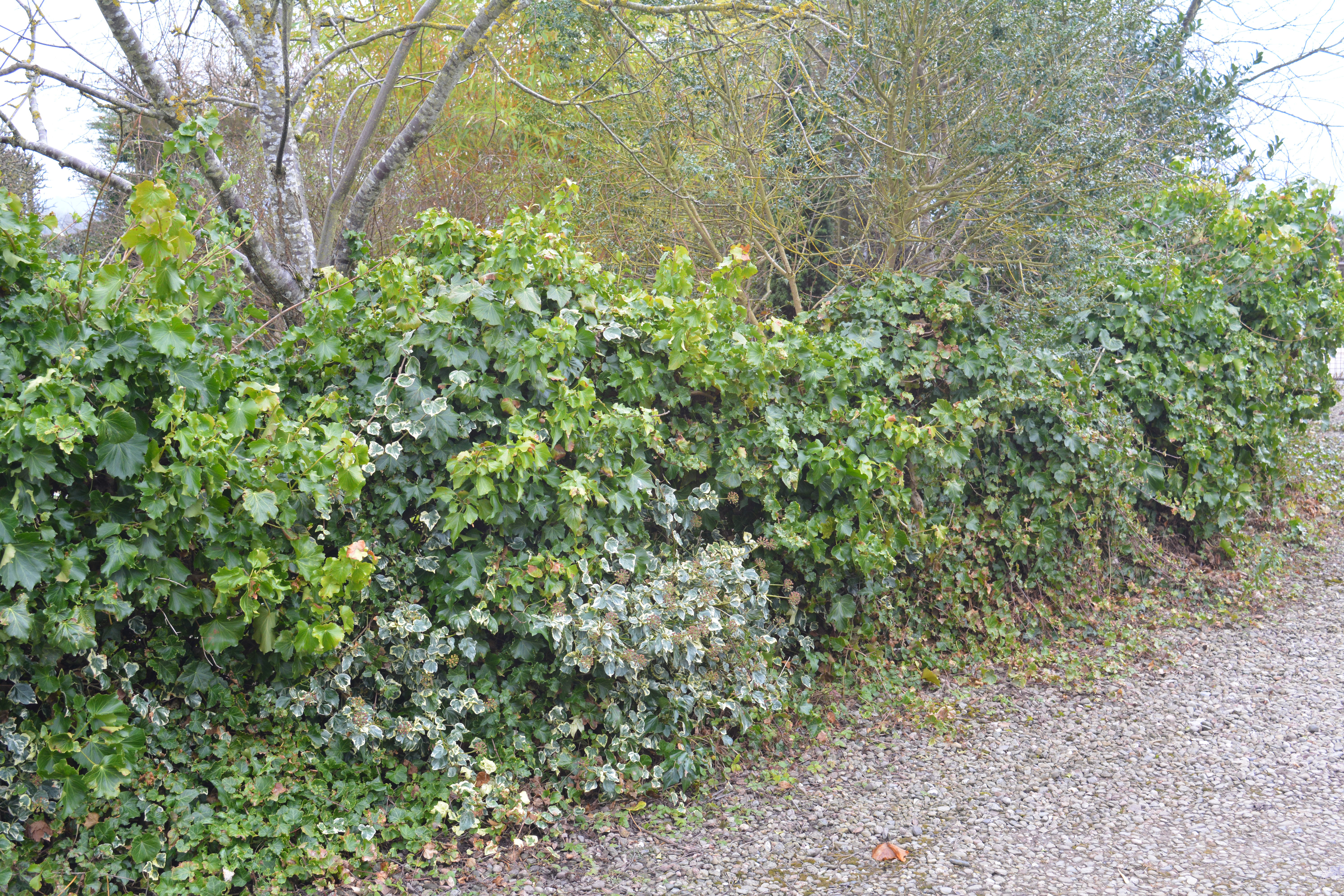
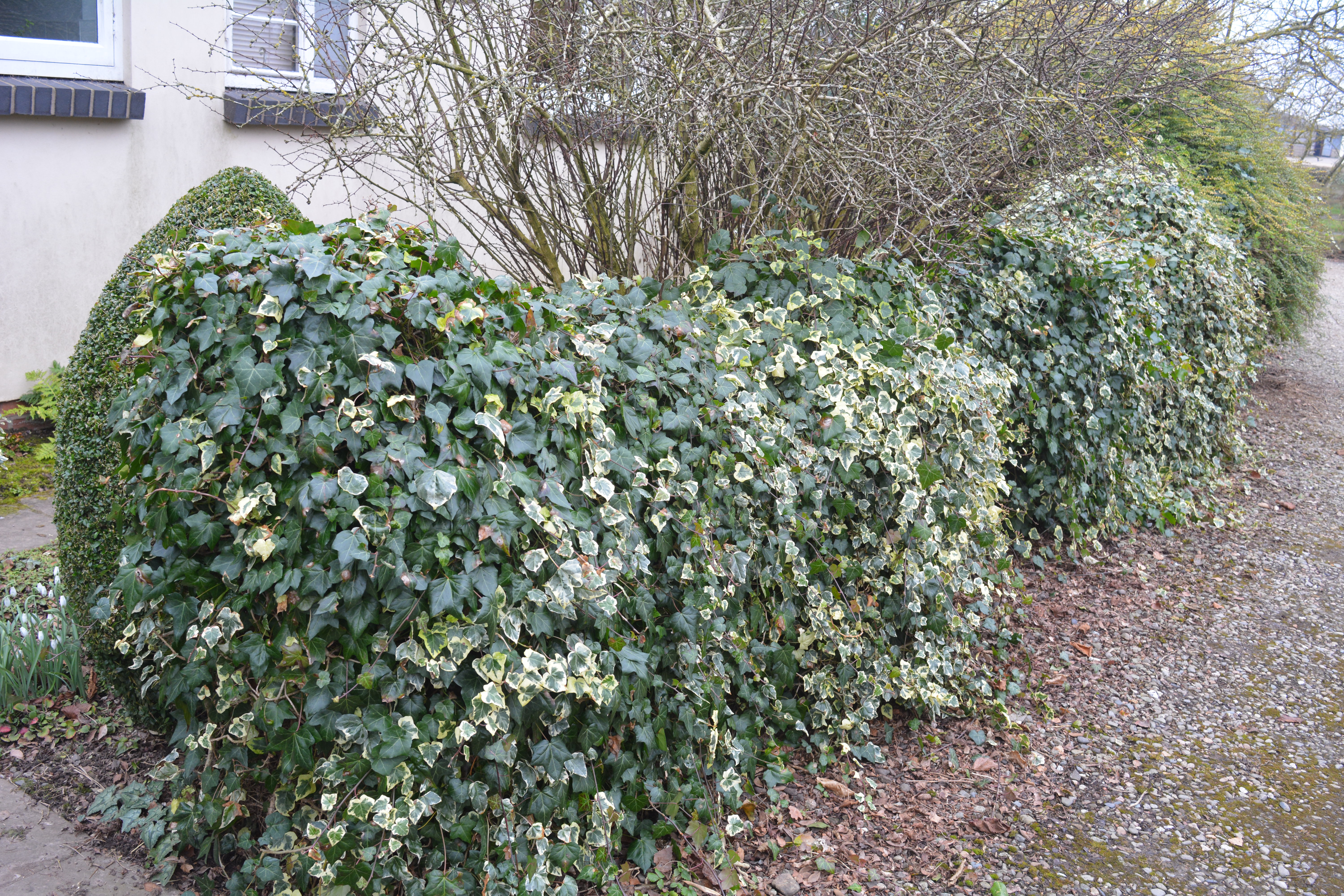
An amazing selection of ivies made up the ivy hedge which surround two sides of the formal garden around the cottage. It was a beautiful, unusual feature to welcome visitors.


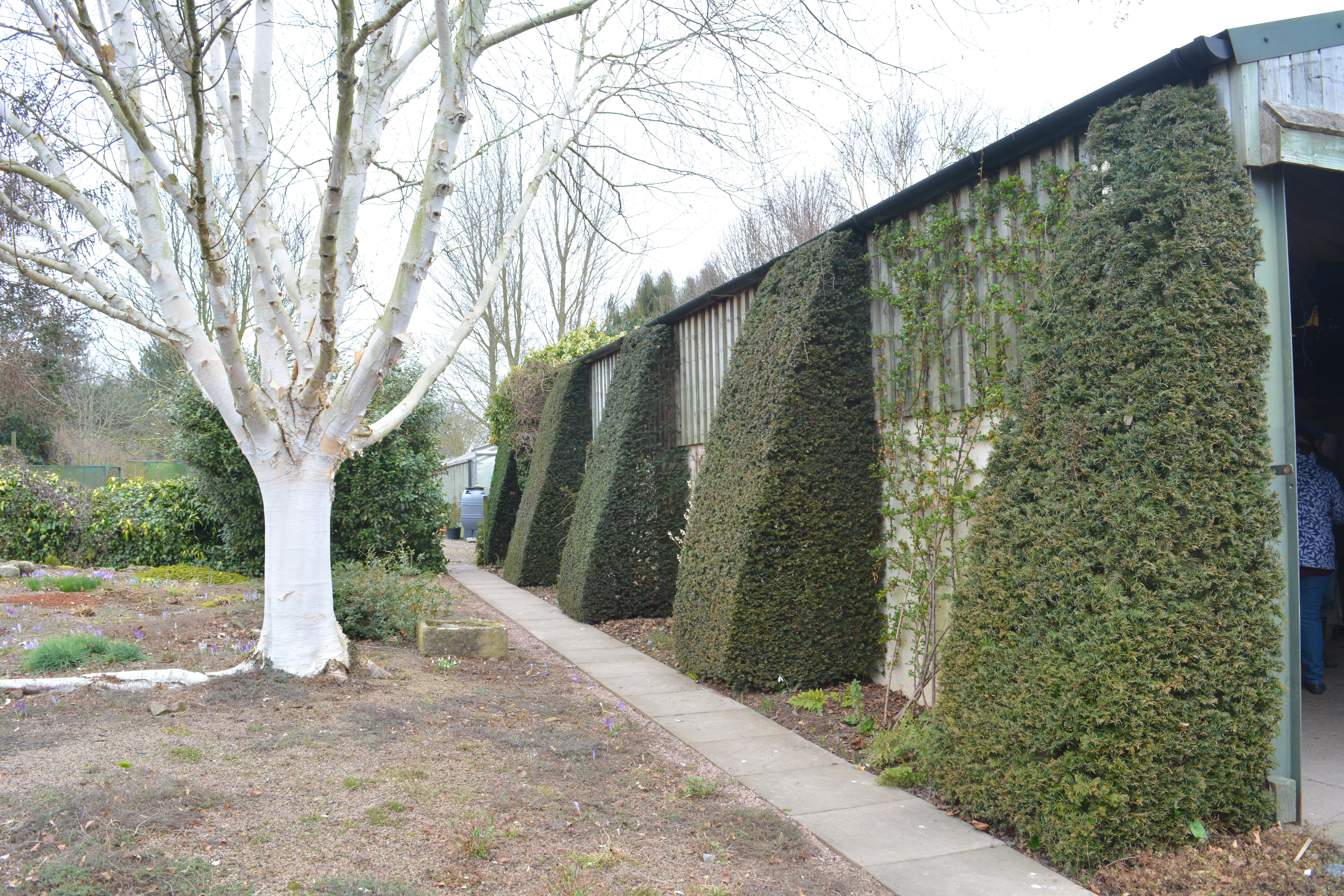
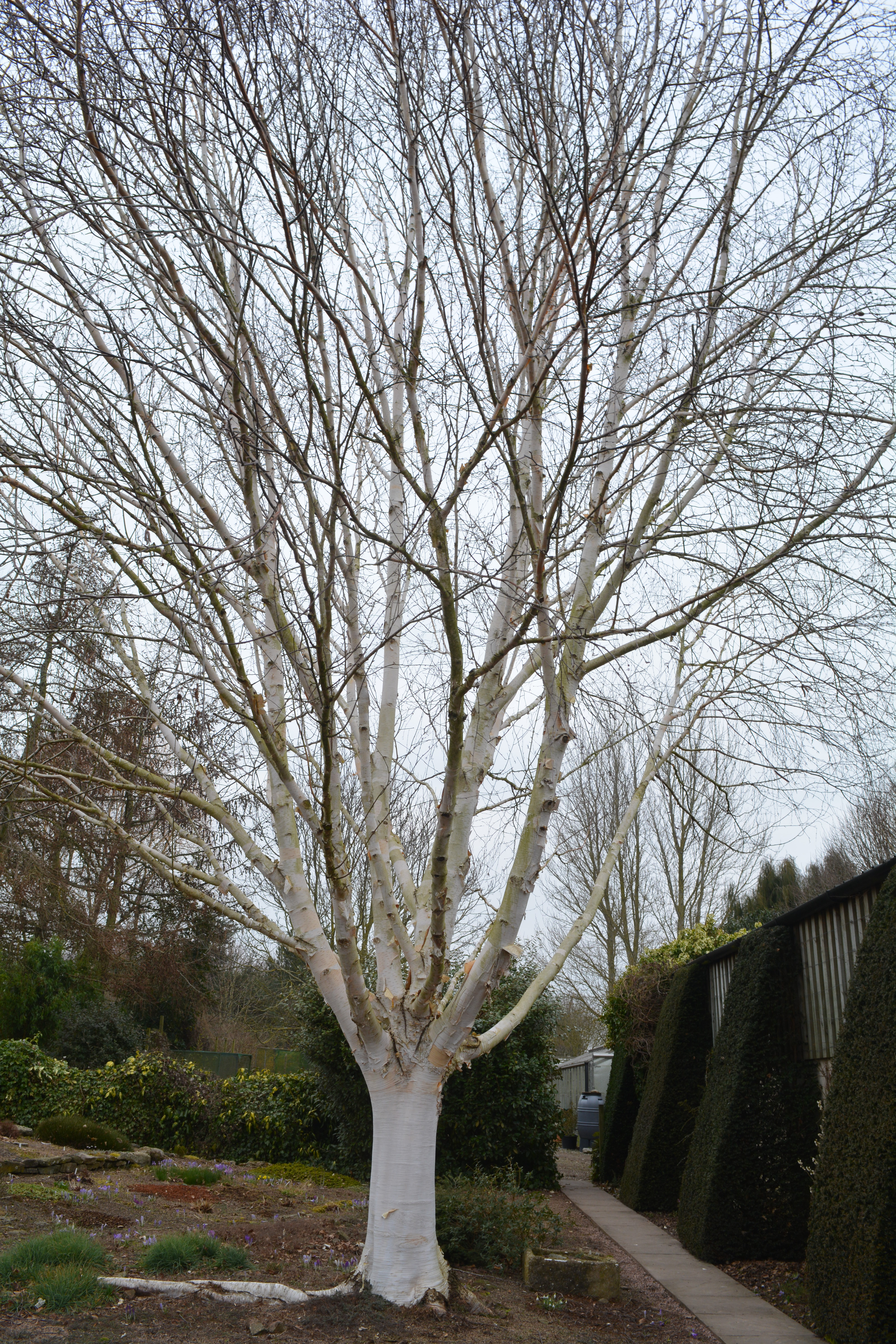
The huge work shed had a unique humorous tough, buttresses created by training and pruning yew trees. Close by stood this beautiful white barked birch tree.


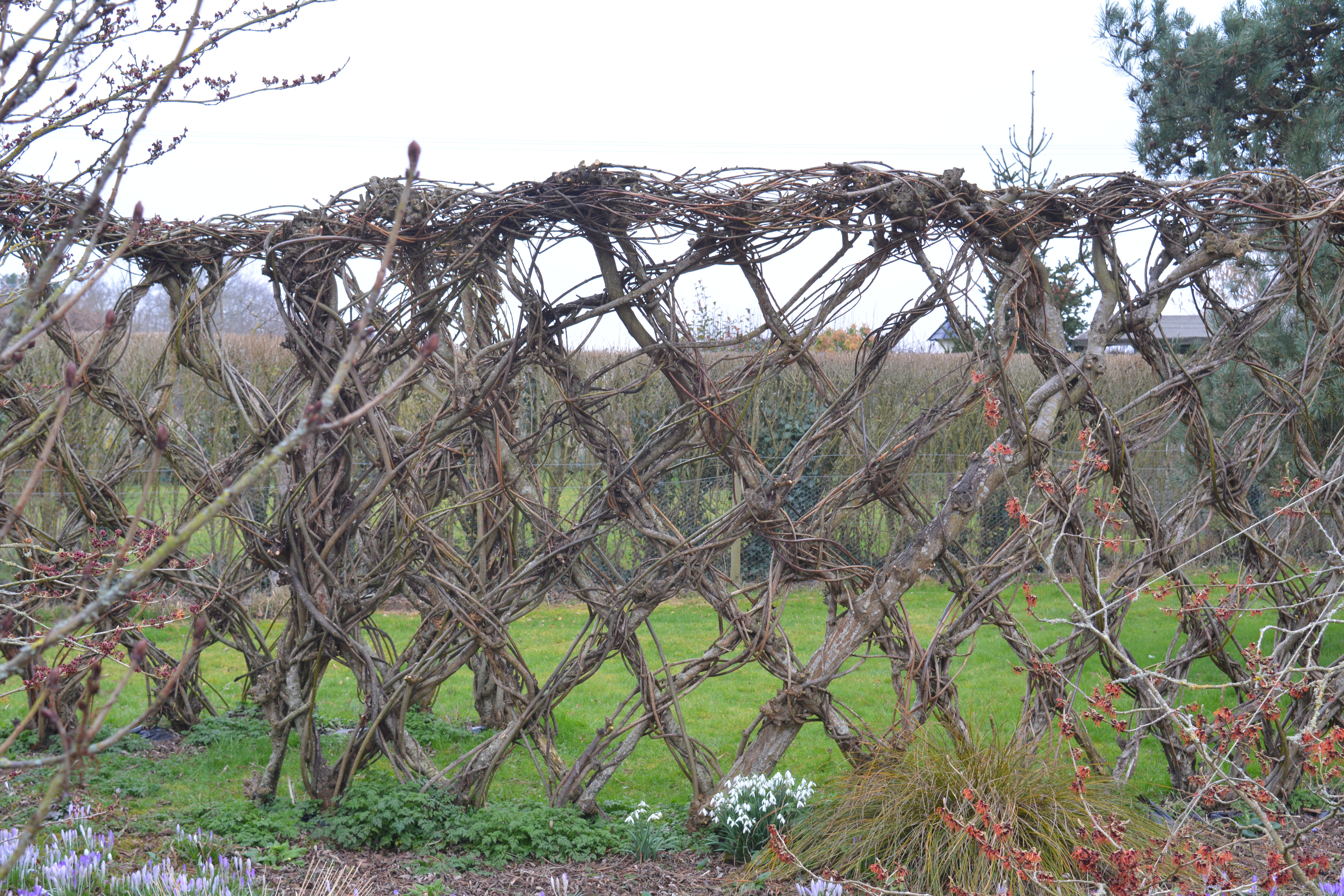
As we walked away from the pleached limes and box ball topiary, we wandered through the wide selection of rare and unusual snowdrops. Beyond this border was a trellis-like “fedge”, a living hedge made from willow.


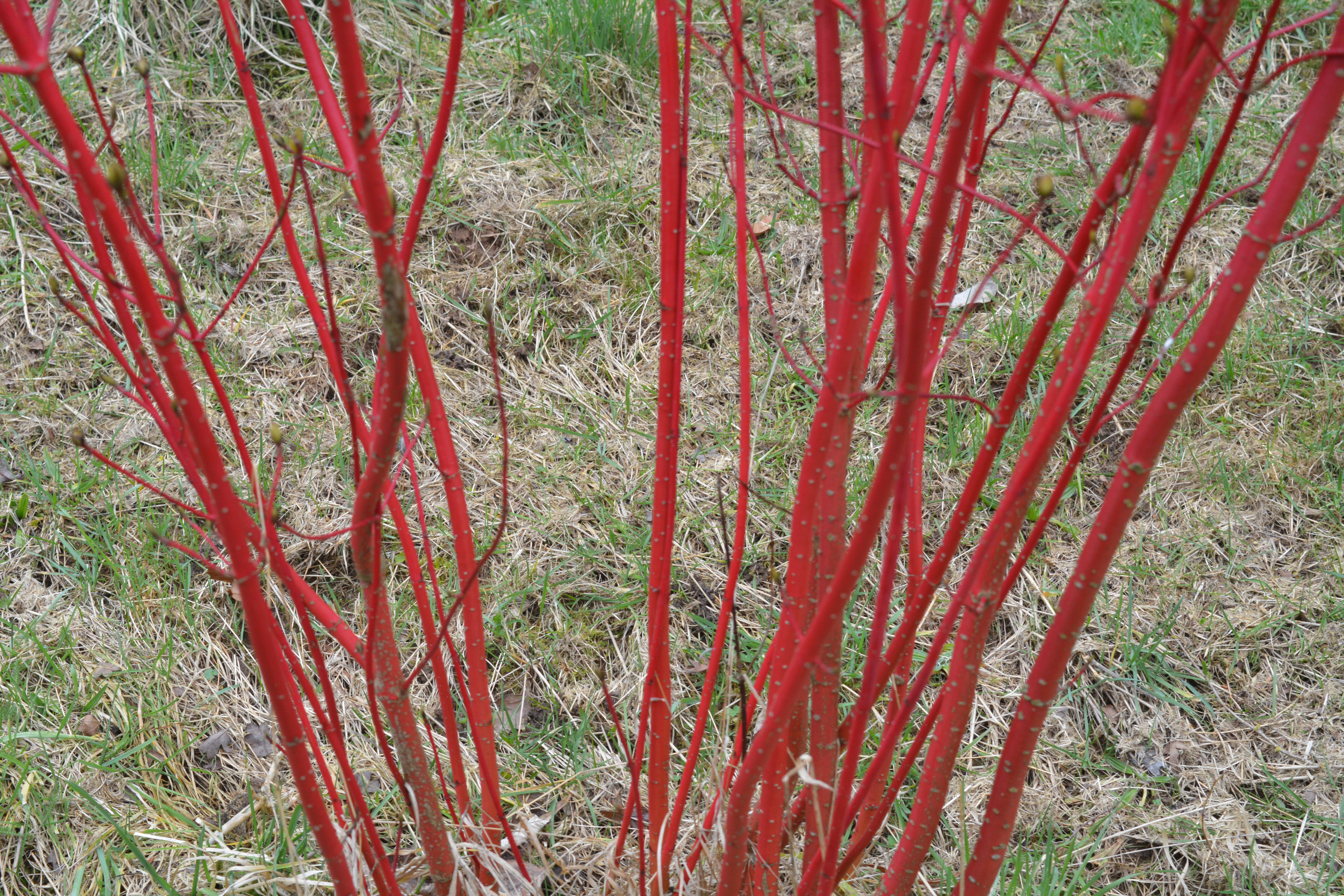
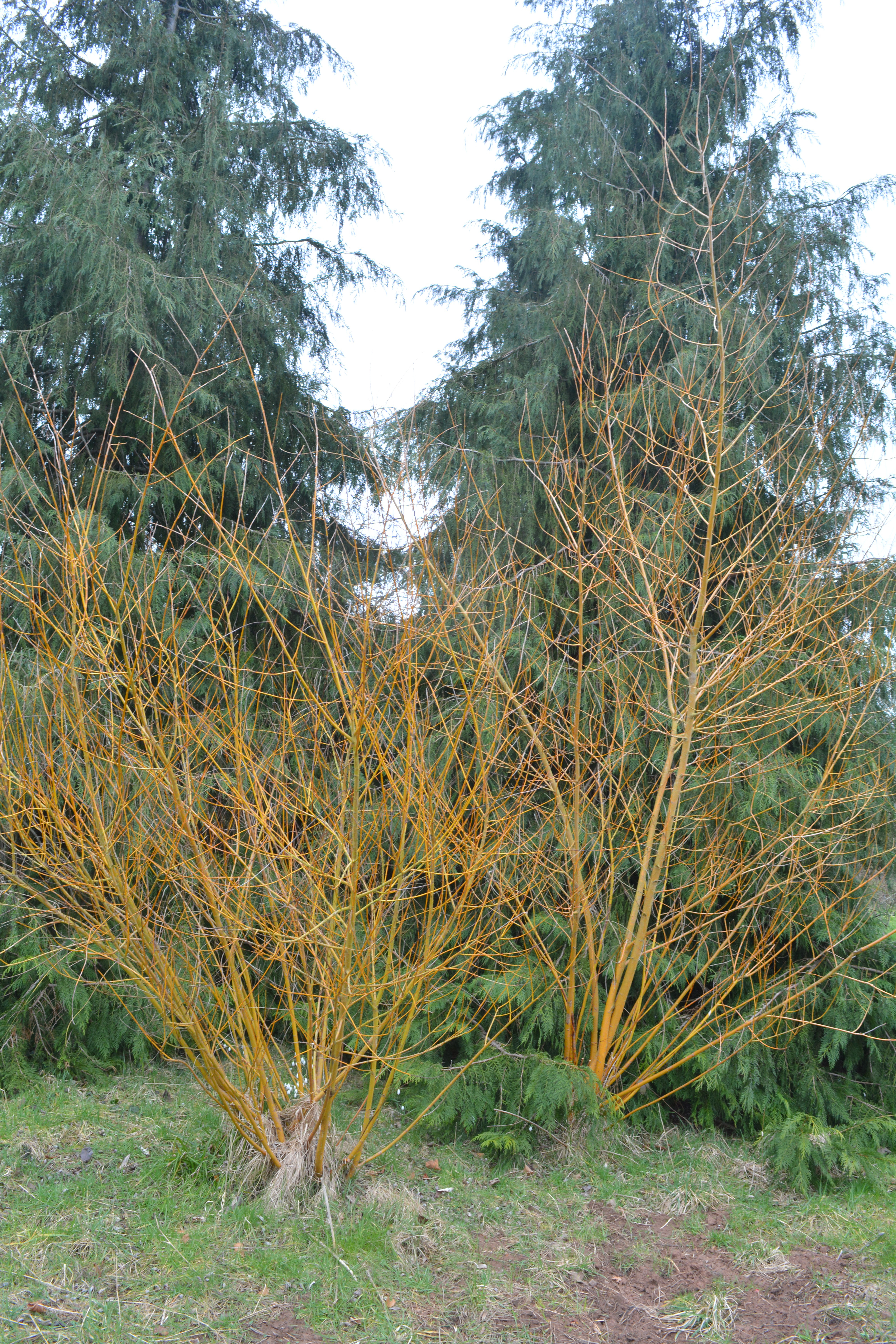
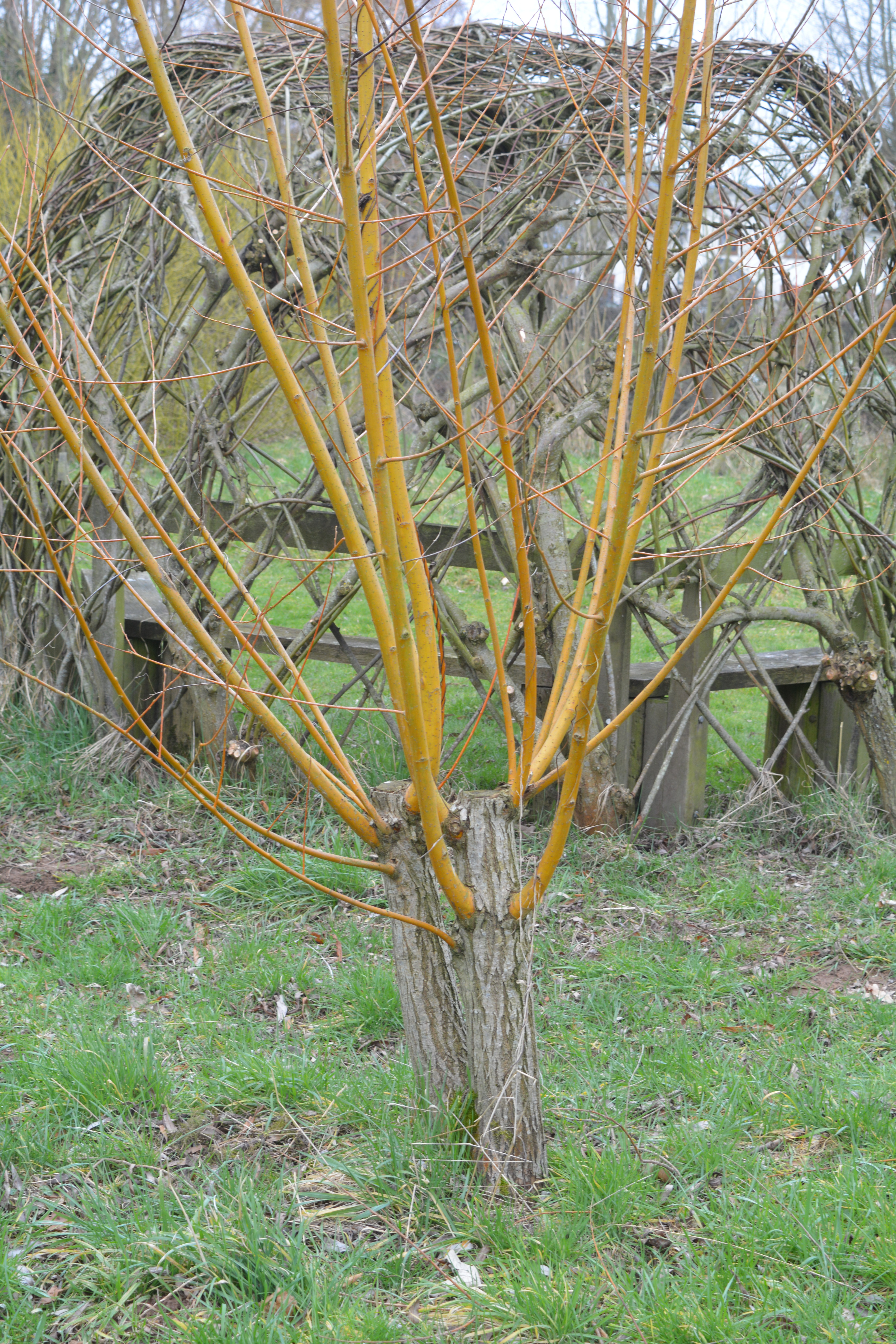
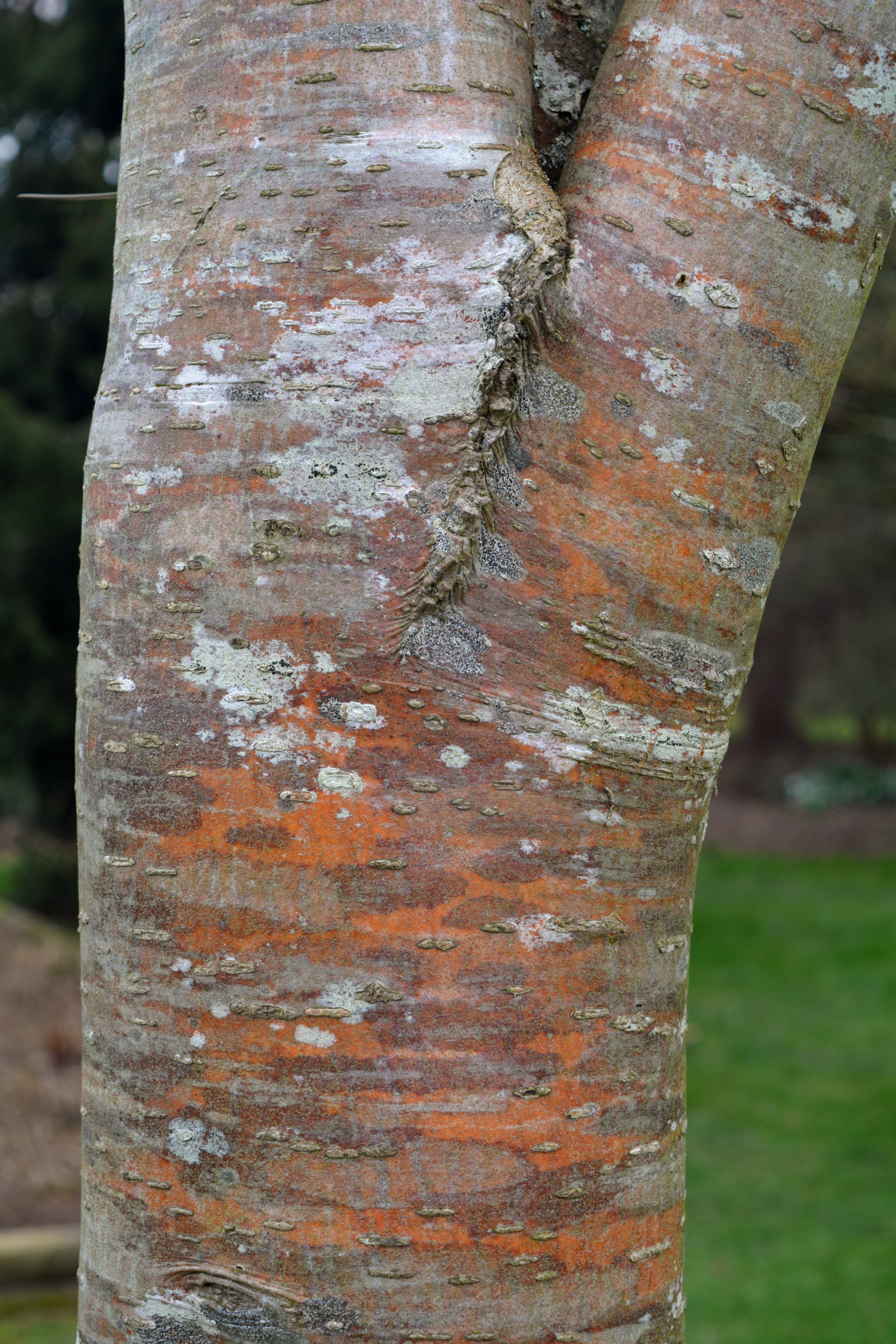
Shrubs with coloured stems and trees with coloured bark are strong features of the winter garden, and Ivycroft had some fine examples of both. Coloured stems were provided by Salix and Cornus, whereas the coloured bark appeared on Betulas and Prunus.


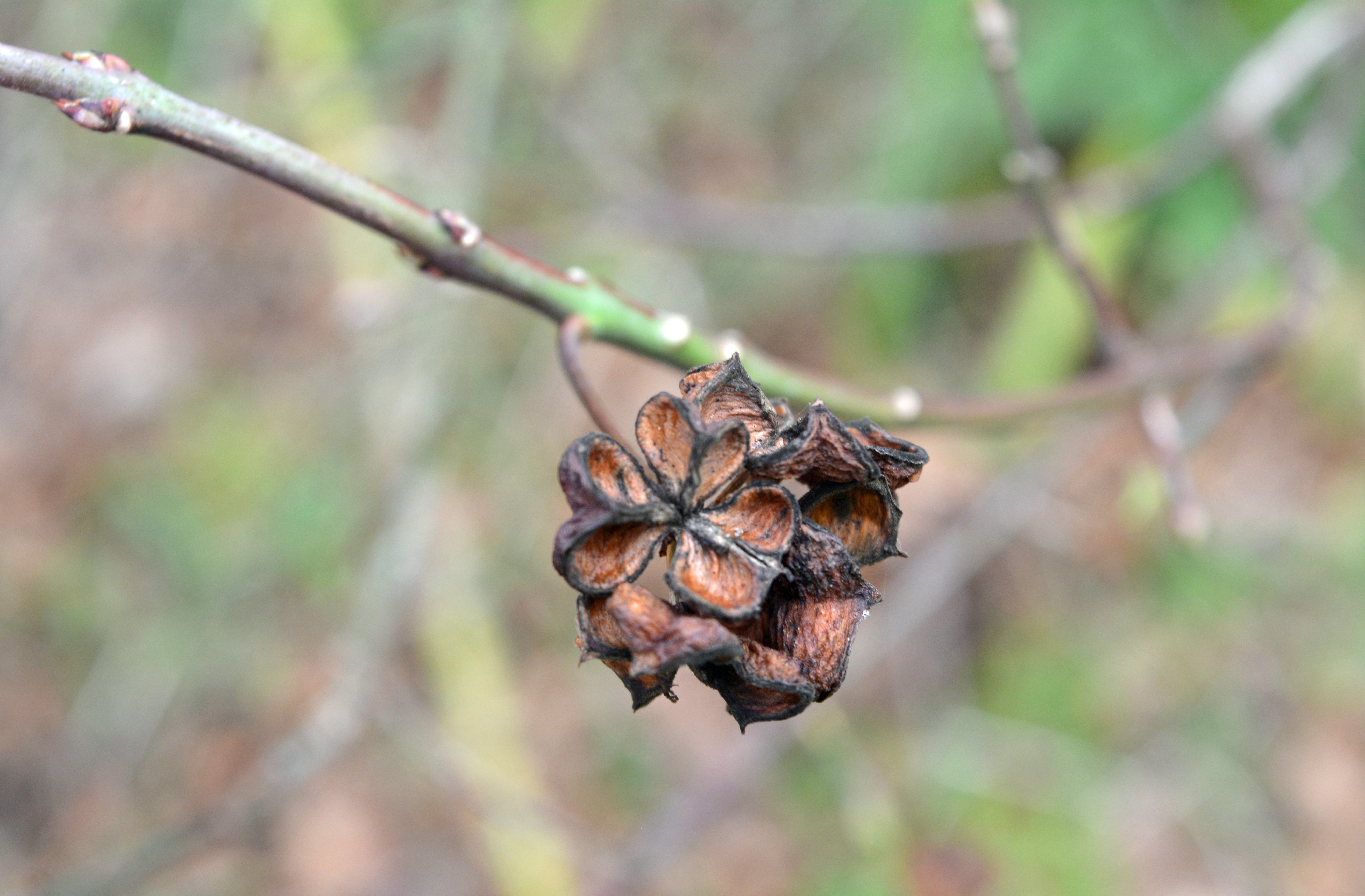
Little details reward those who take a closer look, a catkin, a flower or an old seed pod.


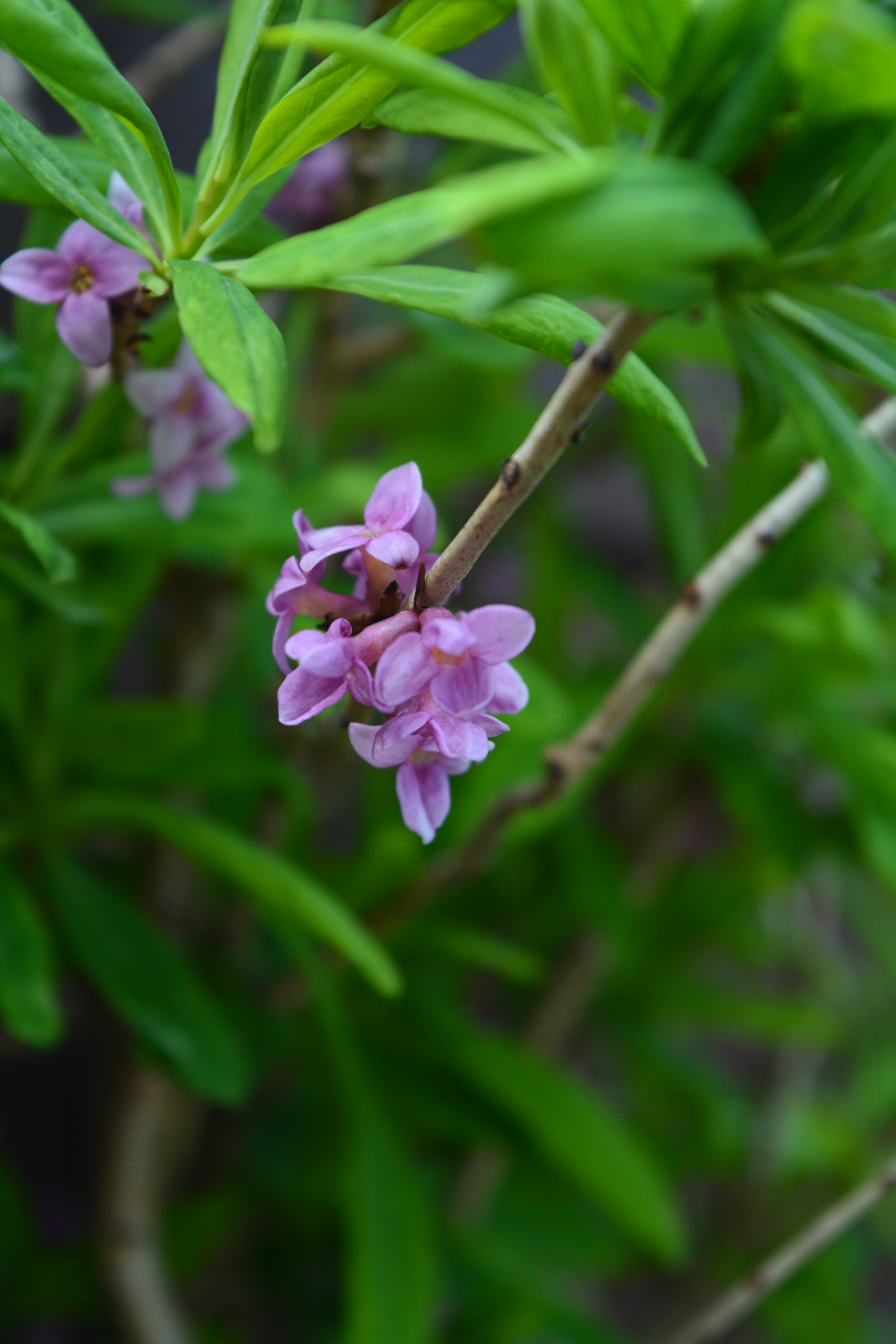
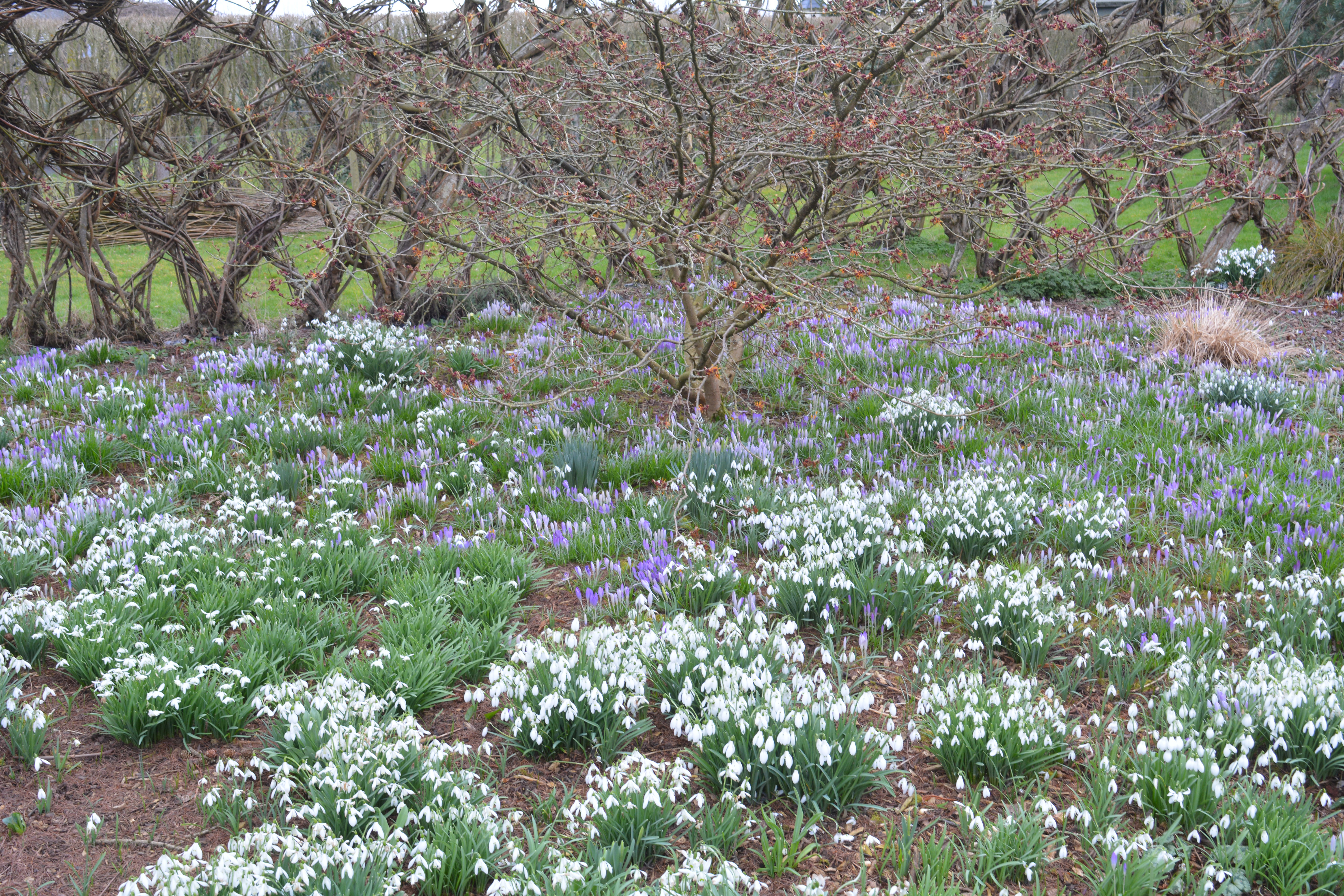
As mentioned earlier Snowdrops were a special feature of the gardens at Ivy Croft, but we also enjoyed cyclamen, miniature daffodils and hellebores. Colours shone from shrubs too, Hamamelis, Daphne mezereum and Hedera helix in its shrubby form.


We certainly had plenty to enjoy at Ivy Croft and it had changed so much since our last visit over 10 years ago. We will certainly be visiting once again when it opens again for a day in the spring.


This Veggie Life

A Vegetarian | Nature Lifestyle Blog

Rambling in the Garden

.....and nurturing my soul

The Arch City Gardener

Journeys In St. Louis Gardening and Beyond

Garden Dreaming at Châtillon

Consult the genius of the place

Storyshucker

A blog full of humorous and poignant observations.

gardeninacity

Notes from a wildlife-friendly cottage garden

PlayGroundology

...an emerging social science

The Official Blog of British Wildlife

'The most important and informative publication on wildlife of our times' - The Independent. This blog is a member of The UK & Ireland Natural History Bloggers group: www.uknhb.blogspot.com

iGrowHort

Inspire - Cultivate - Grow Native Plants - Restore Landscapes

Bishops Meadow Trust

To create and protect a semi-natural wild space for the people of Farnham to enjoy and experience an array of British wildlife in our town

Gardening with Children

The www.gardeningwithchildren.co.uk Blog

UKbirdingtimeline

birding through the seasons, why birds matter and how to conserve them

NATURE WALKER

with a camera in hand

Jardin

Transform your outdoor space

Eva's space

My allotment, cooking and other interests

Old School Garden

my gardening life through the year

LEANNE COLE

Trying to live a creative life

fromacountrycottage

trying to live as lightly as possible on our beautiful planet

Good Life Gardening

Nature lovers from Leicester living the good life.

mybeautfulthings

Finding the beautiful in the everyday

mawsonmichelle

Michelle's Allotment

In and Out of My Garden

thoughts from and about my garden

Greenhousing

Big plans for a small garden

The Scottish Country Garden

A Walled Country Garden in South East Scotland

The Fruity Chicken

Life at the fruity chicken

willowarchway

Off grid living. Self sufficient. "PERMAGANICS RULE".

St Anns Allotments

Nottingham's Grade 2* Listed Allotments and Community Orchard

Manifest Joy Harvests

a journey in suburban vegetable gardening

Allotmental

The madness of growing your own

Penny's Garden: a harvest beyond my front door

A novel approach to vegetable gardening

arignagardener

Sustainable living in the Irish countryside.

NewEnglandGardenAndThread

Master Gardener, amateur photographer, quilter, NH native, and sometimes SC snowbird

dianajhale

Recent work and work in progress and anything else that interests me

planthoarder

a chaotic cottage gardener

Lens and Pens by Sally

a weekly blog that creates a personal philosophy through photographs and words

Dewdrops and Sunshine

Stories from a sassy and classy Southern farmbelle.

The Pyjama Gardener

Simple Organic Gardening & Seasonal Living

gettin' fresh!

turning dirt into dinner

JOY...

today the world is created anew

Garden Birds

Notes from a Devon garden

ShootAbout

Life Through The Lens

Adapting Pixels

A photography blog showcasing the best photography pictures and videos on the internet

Wildlifegardening's Blog

Just another WordPress.com site

naturestimeline

personal observations from the natural world as the search continues for a new approach to conservation.

LATEBLOOMERBUDS

The Wonders of Life through my Eyes, my Heart, my Soul