Categories
fruit and veg garden design garden photography garden ponds garden pools gardens gardens open to the public irises kitchen gardens lakes meadows National Trust ornamental trees and shrubs outdoor sculpture sculpture The National Trust water in the garden

A Week in the Lake District – Part One – Sizergh

We decided that it was about time we re-visited one of our favourite family holiday destinations from when our children were youngsters, the Lake District. So a week in early June saw us journeying northwards to re-find some old haunts.

The first place we visited was the National Trust property, Sizergh Castle, right at the southern end of the lakes, in an area described as the “gateway to the Lakes”. The National Trust is very much in evidence in this area owning many properties as well as lakes, hillsides, fells and farms. The Lake district was central to the Trust’s early development.

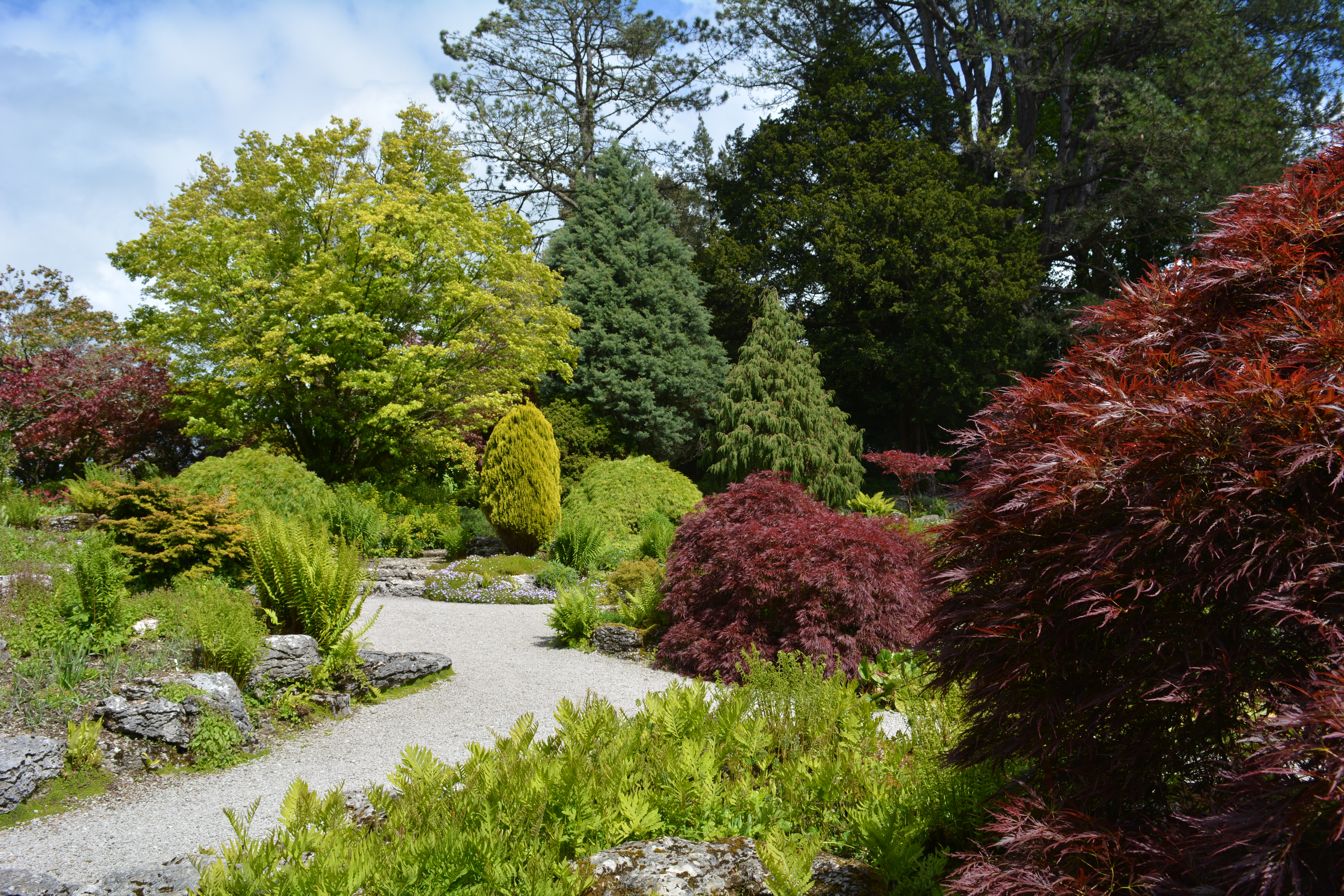
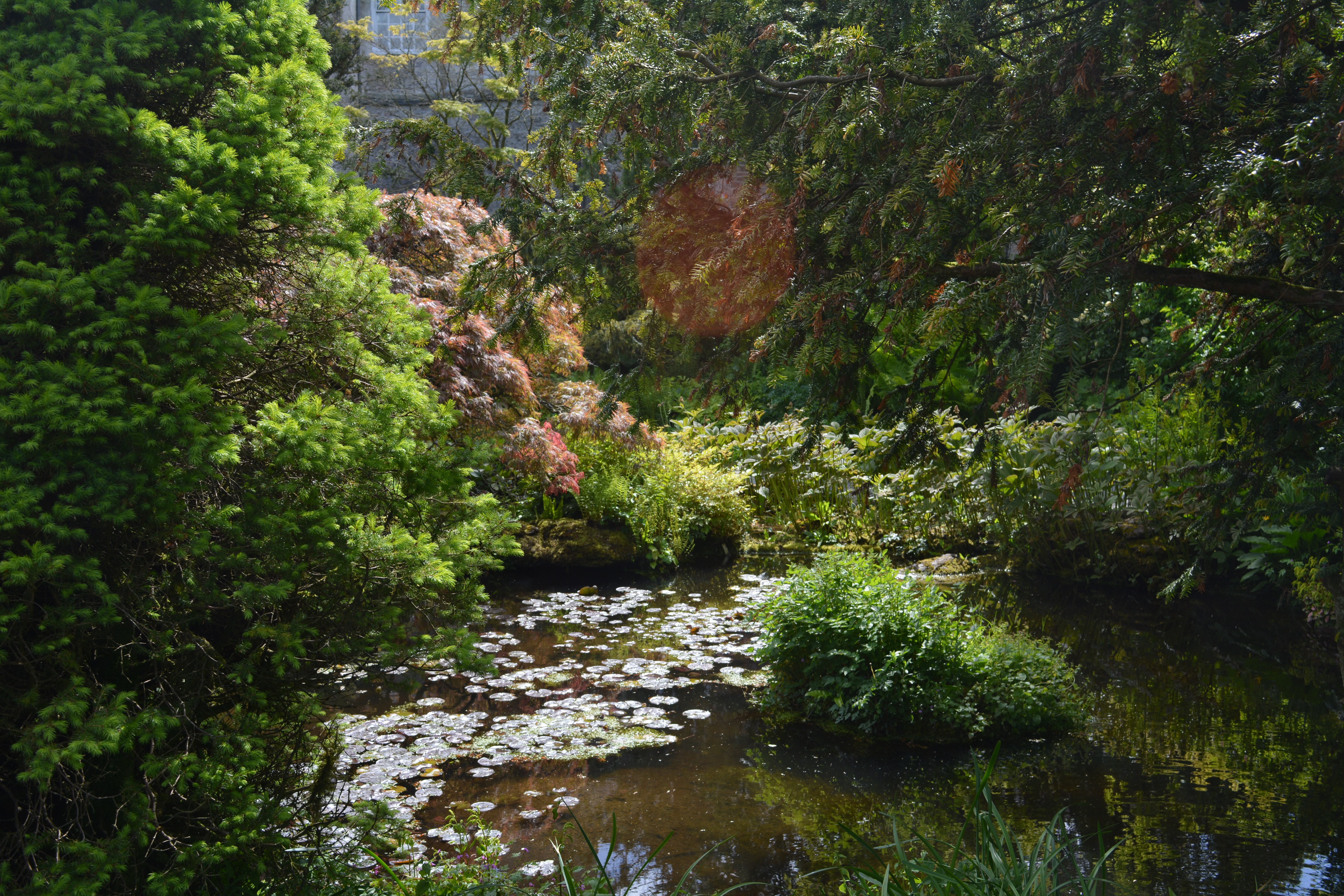
Sizergh Castle is a Medieval house with gardens, orchards, limestone pasture and semi-natural woodland. The garden features fern collections, a kitchen garden, a pond, lake and its main feature a massive rock garden.

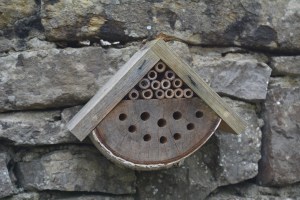
We soon realised that this was going to be a place full of interesting plants which also looked after its wildlife.

2015 06 02_2223 2015 06 02_2224

2015 06 02_2225 2015 06 02_2226

The little wooden sign clearly showed us the way!

2015 06 02_2220 2015 06 02_2221

2015 06 02_2222 2015 06 02_2227

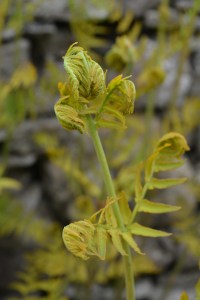
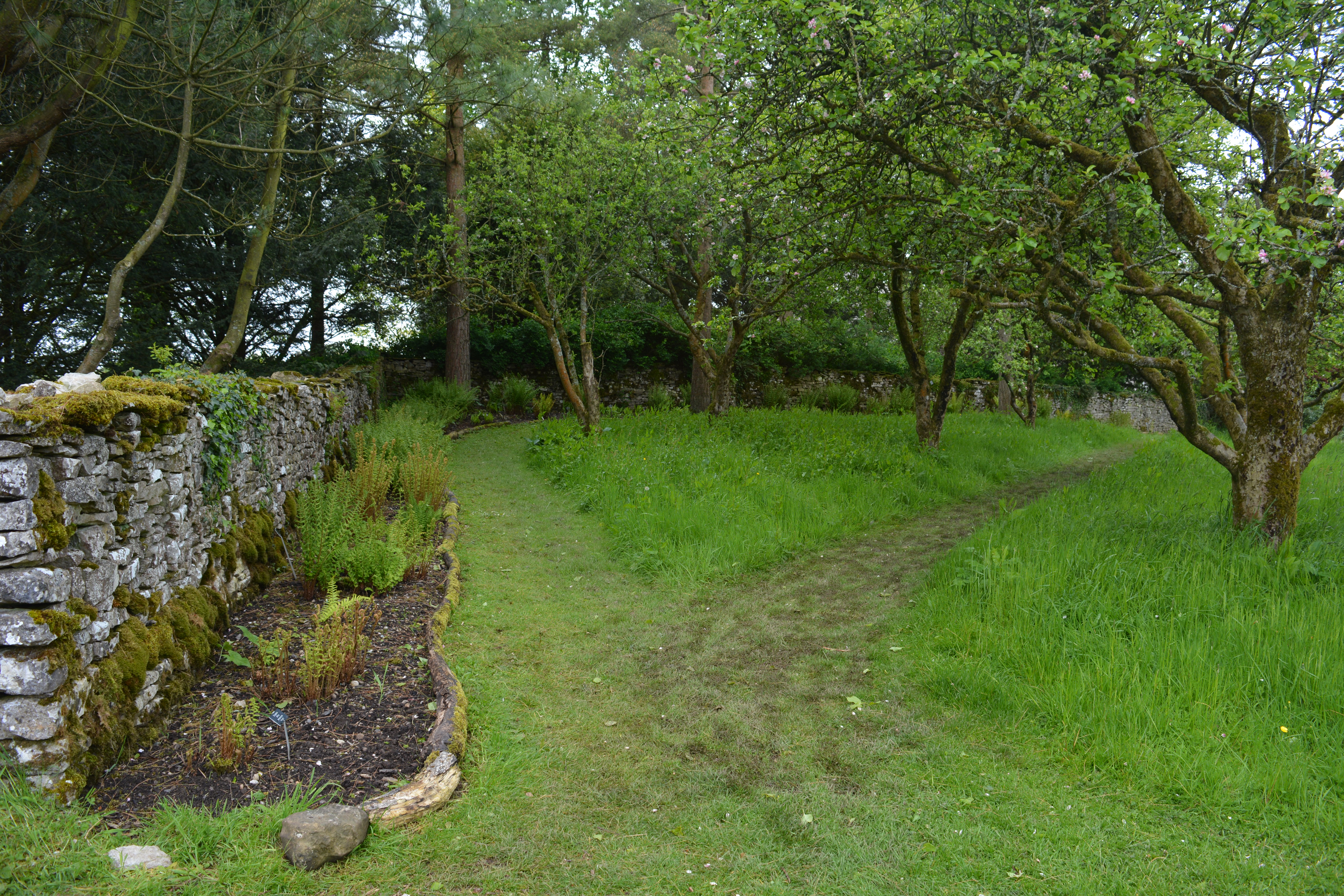
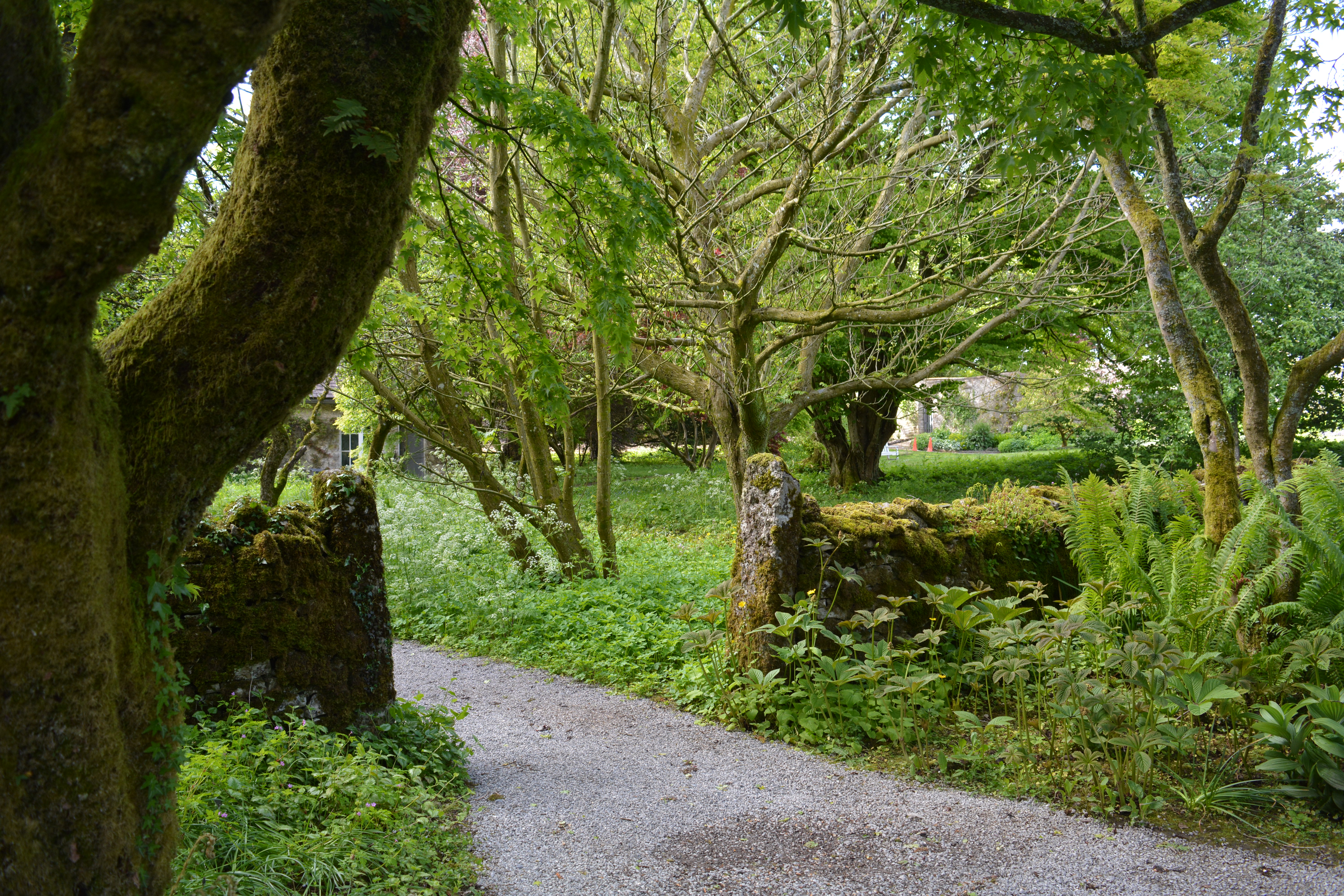
We followed the little wooden sign on a stone wall directing us to the garden and made our way towards the kitchen garden. On the way we stumbled across the “stumpery” where the garden’s fern collections are being re-homed. The variety of ferns was vast and we spotted many we had never seen before.

2015 06 02_2237 2015 06 02_2233

2015 06 02_2228 2015 06 02_2230 2015 06 02_2231

2015 06 02_2232 2015 06 02_2234

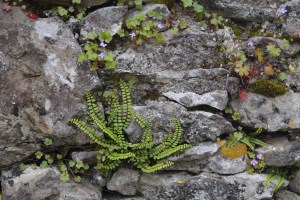
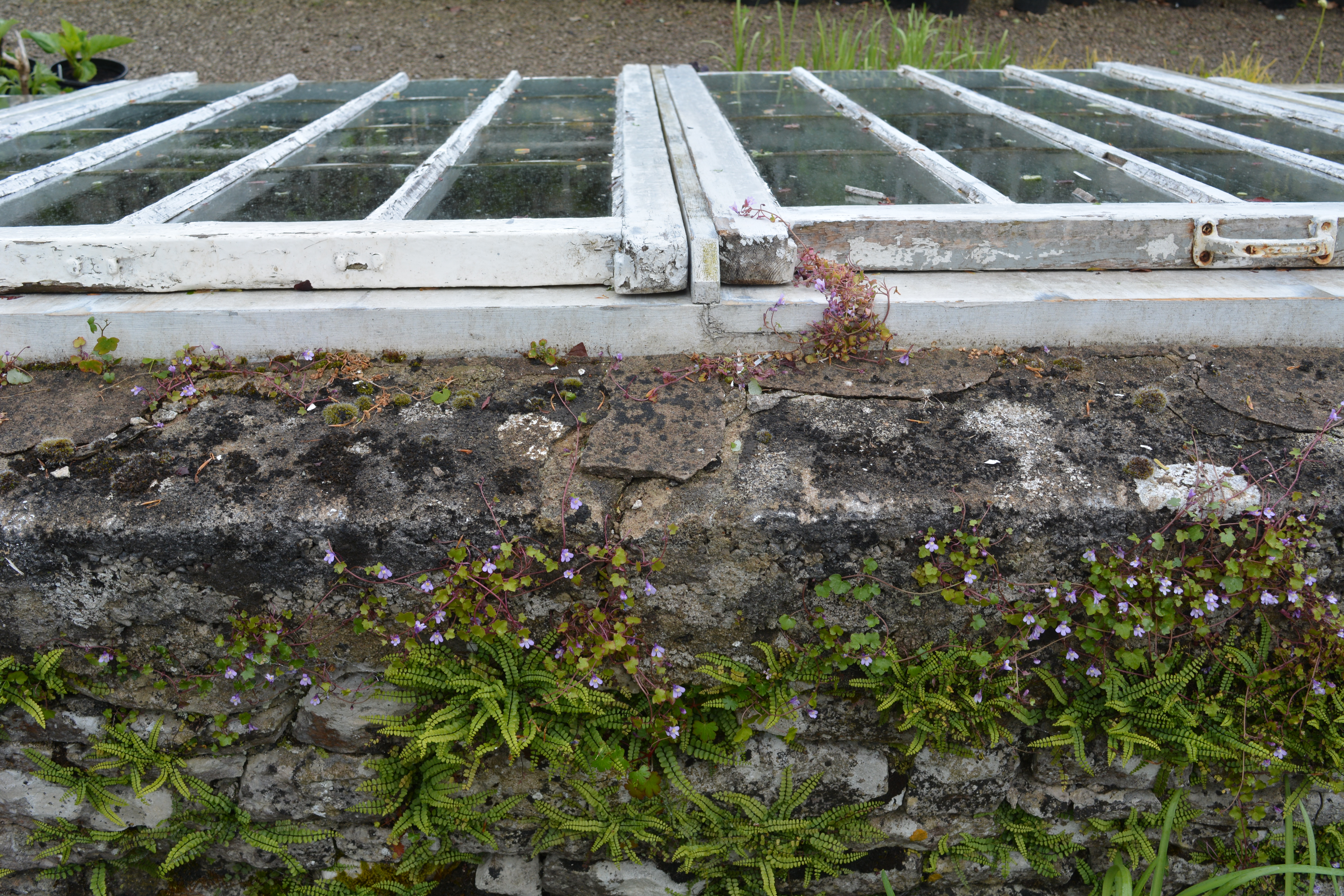
The walls in the fernery and walled garden were home to so many different tiny plants as well as just ferns. We were soon to discover that this was a feature of the walls throughout the gardens.
2015 06 02_2235 2015 06 02_2236

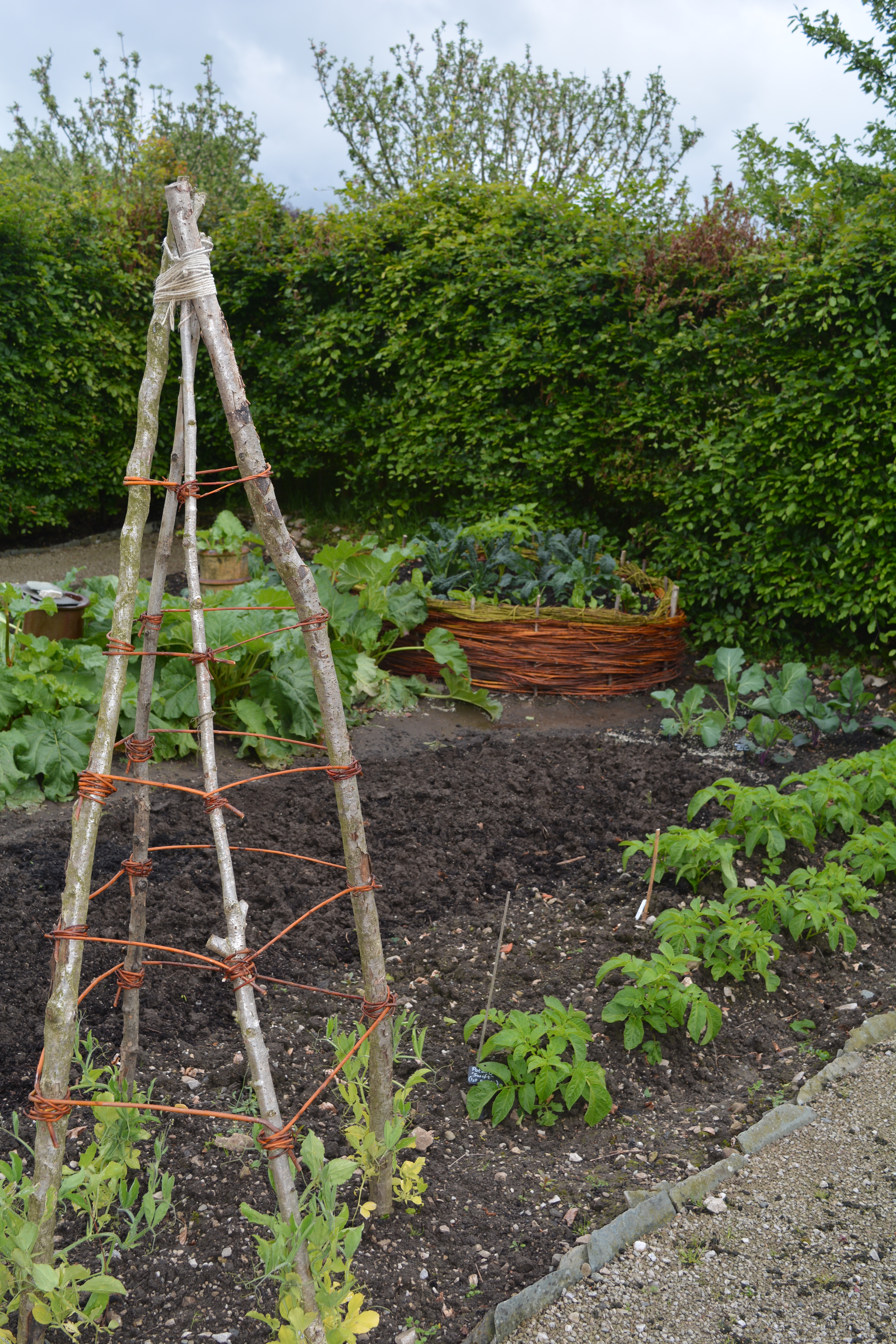
The kitchen garden was on a gentle slope and based on a strange shape somewhat like a long bent rectangle! The old wooden cold frames were still fully in use. We were fascinated by the raised hot beds where plants grew in soil covering heaped manure. This gave heat and later as it broke down fertility and structure to the soil.

2015 06 02_2238 2015 06 02_2239  2015 06 02_2241 2015 06 02_2242 2015 06 02_2243 2015 06 02_2245


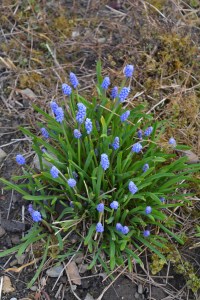
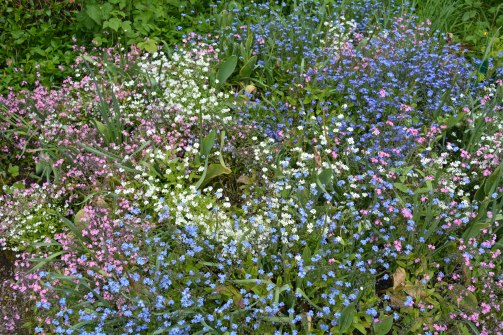
Within the kitchen garden we found a small patch of multi-coloured Forget-me-Nots. We found lots more throughout the gardens.
2015 06 02_2240

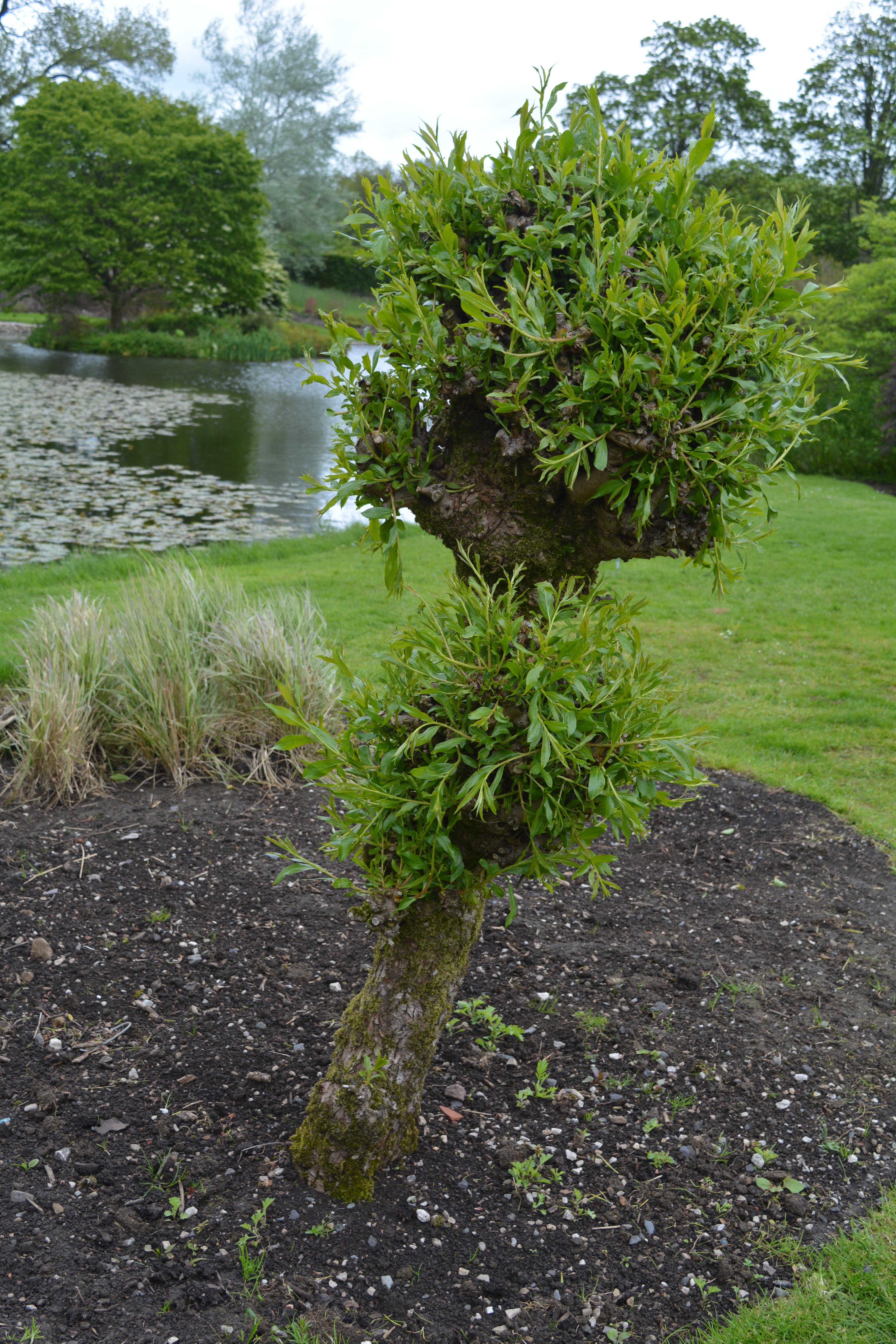
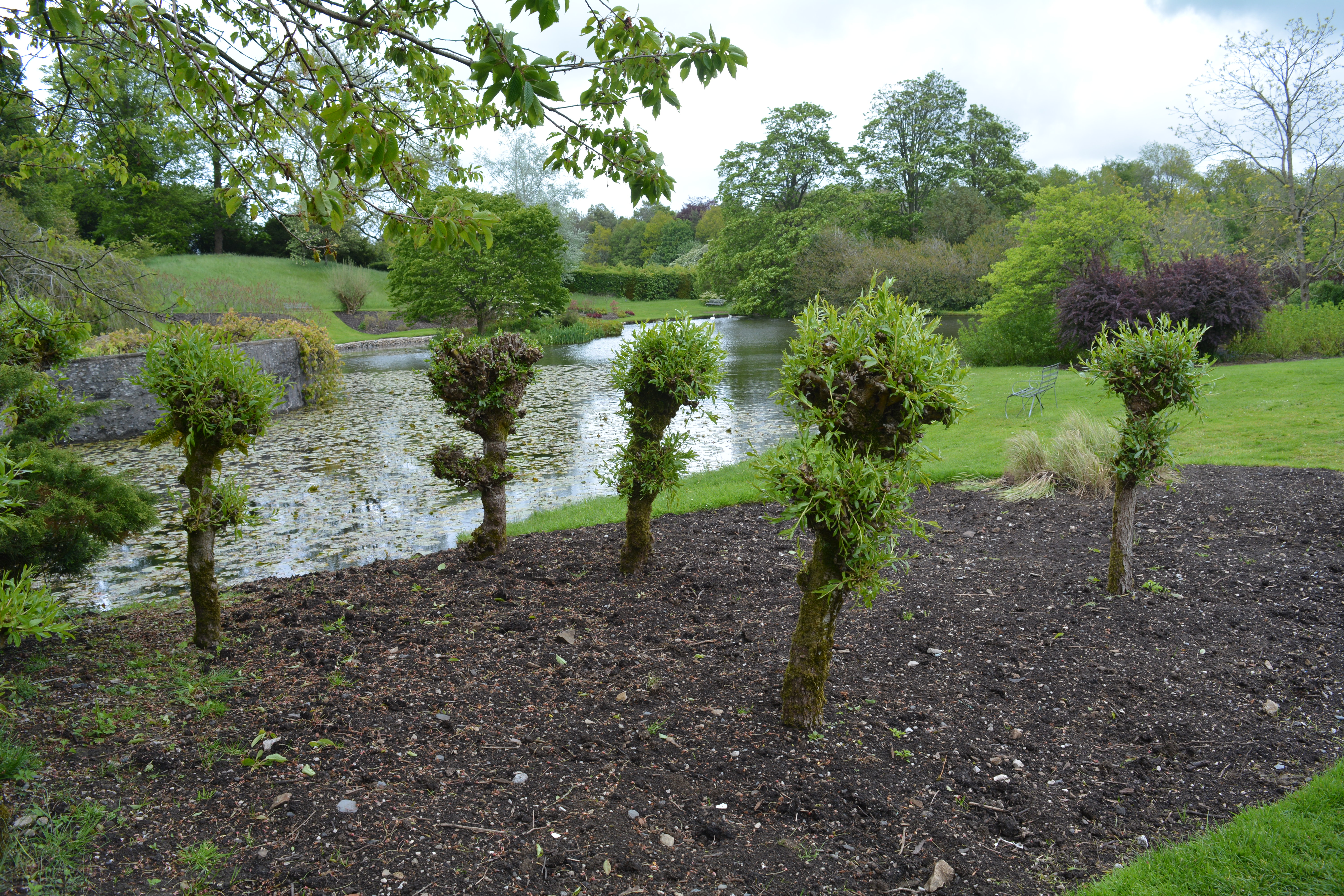
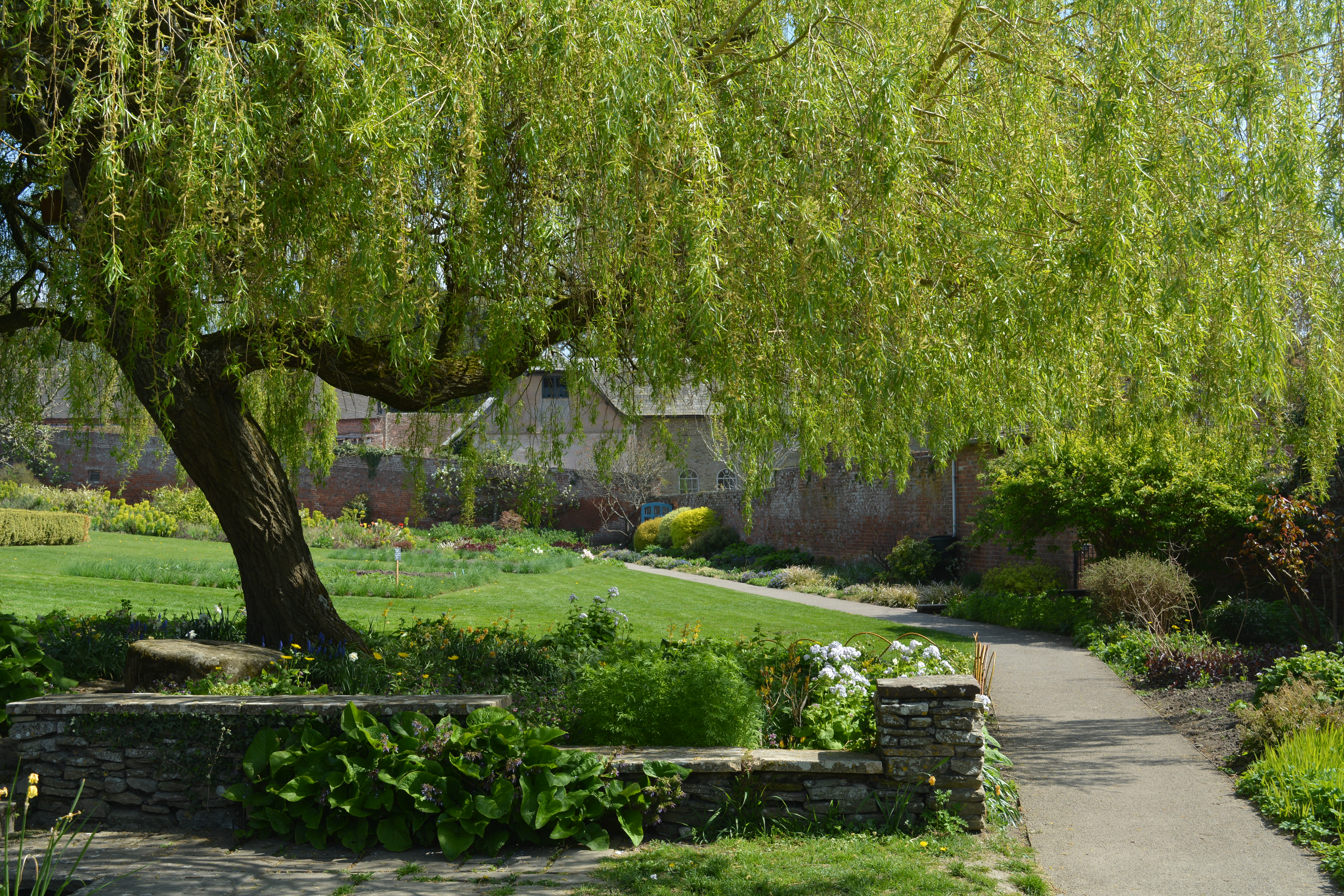
From the kitchen garden we wandered into the orchard with its bee hives, buzzing with activity. Beyond the orchard we came across a small lake. In the borders on the lake side were beautifully sculptural pollarded willows. They looked like a group of people meeting up for a chat.


2015 06 02_2246 2015 06 02_2247

2015 06 02_2248 2015 06 02_2249_edited-1

2015 06 02_2250  2015 06 02_2252 2015 06 02_2254 2015 06 02_2259 2015 06 02_2260


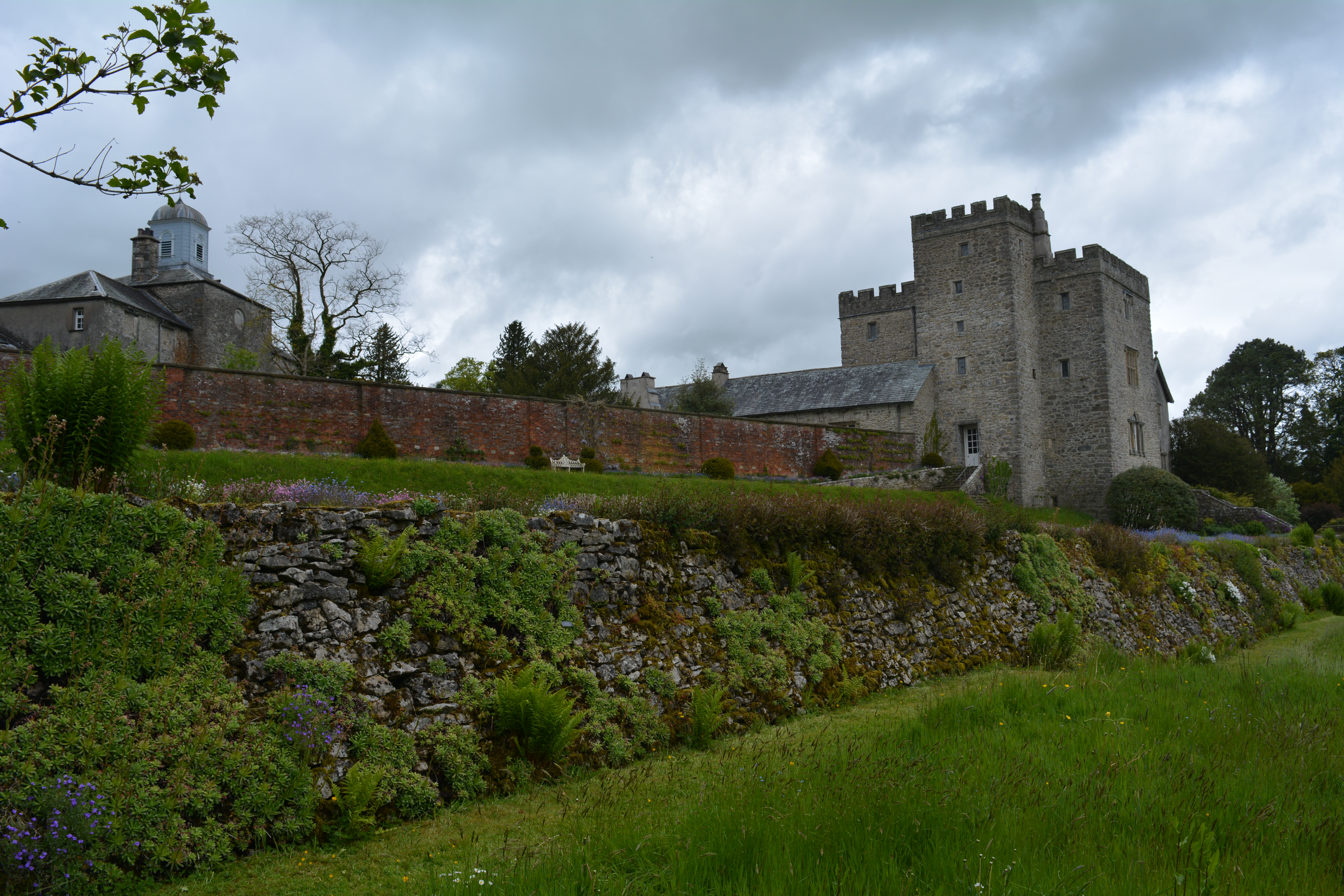
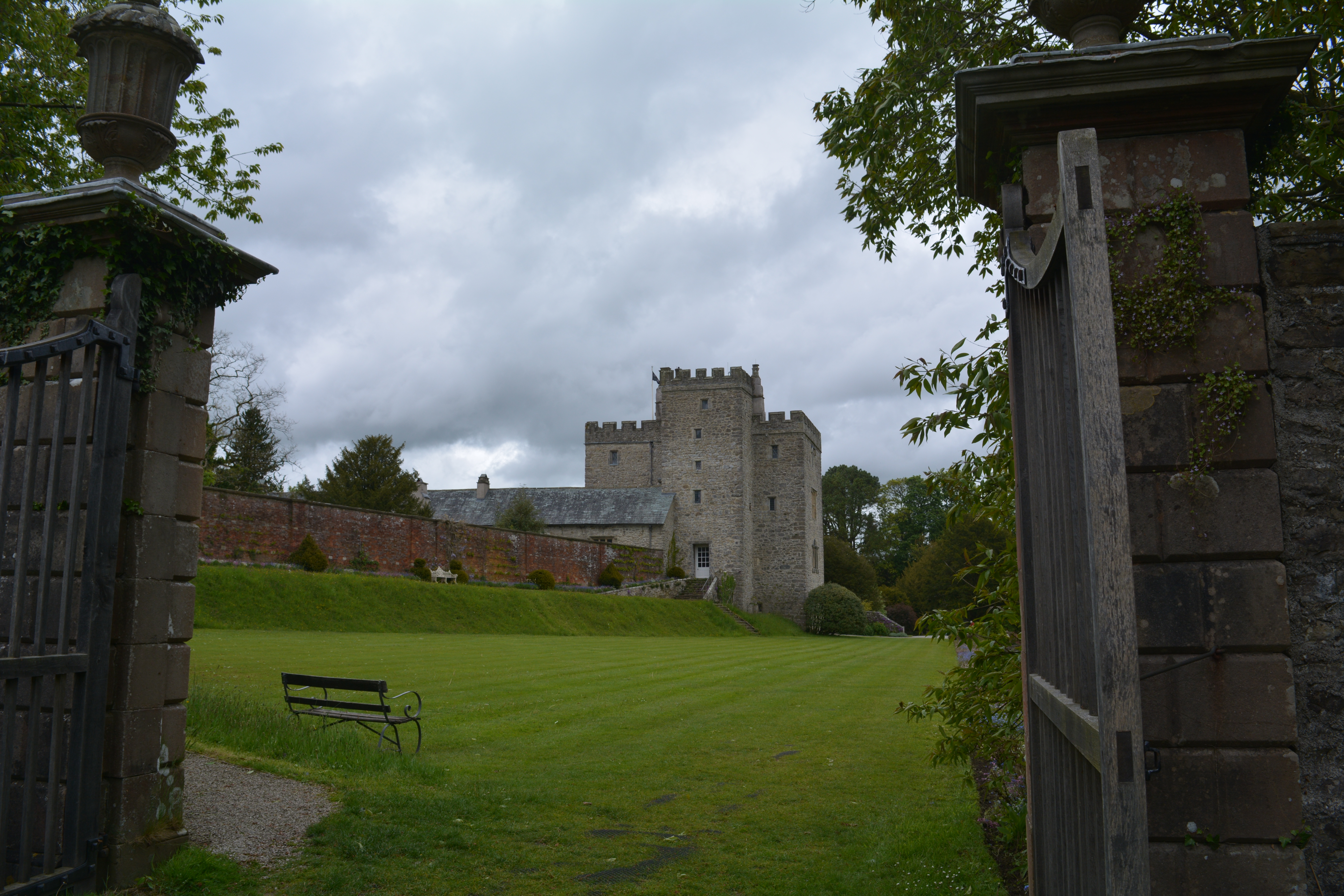
Wide open expanses of lawn opened up in front of us as we walked away from the lake. These afforded us views of the castle buildings themselves.
2015 06 02_2276 2015 06 02_2278 2015 06 02_2279


Where there was a change of level the grass banks were sown as narrow wild flower meadows. They were full of life.


2015 06 02_2309 2015 06 02_2310

2015 06 02_2315 2015 06 02_2318

Behind the main buildings we found the “Great Barn”, an agricultural building of a type we had never seen before. The barn was raised up on a bank to create two levels. In the lower level the animals were housed while carts loaded with cereals drove up the grass covered gradients to the upper level.

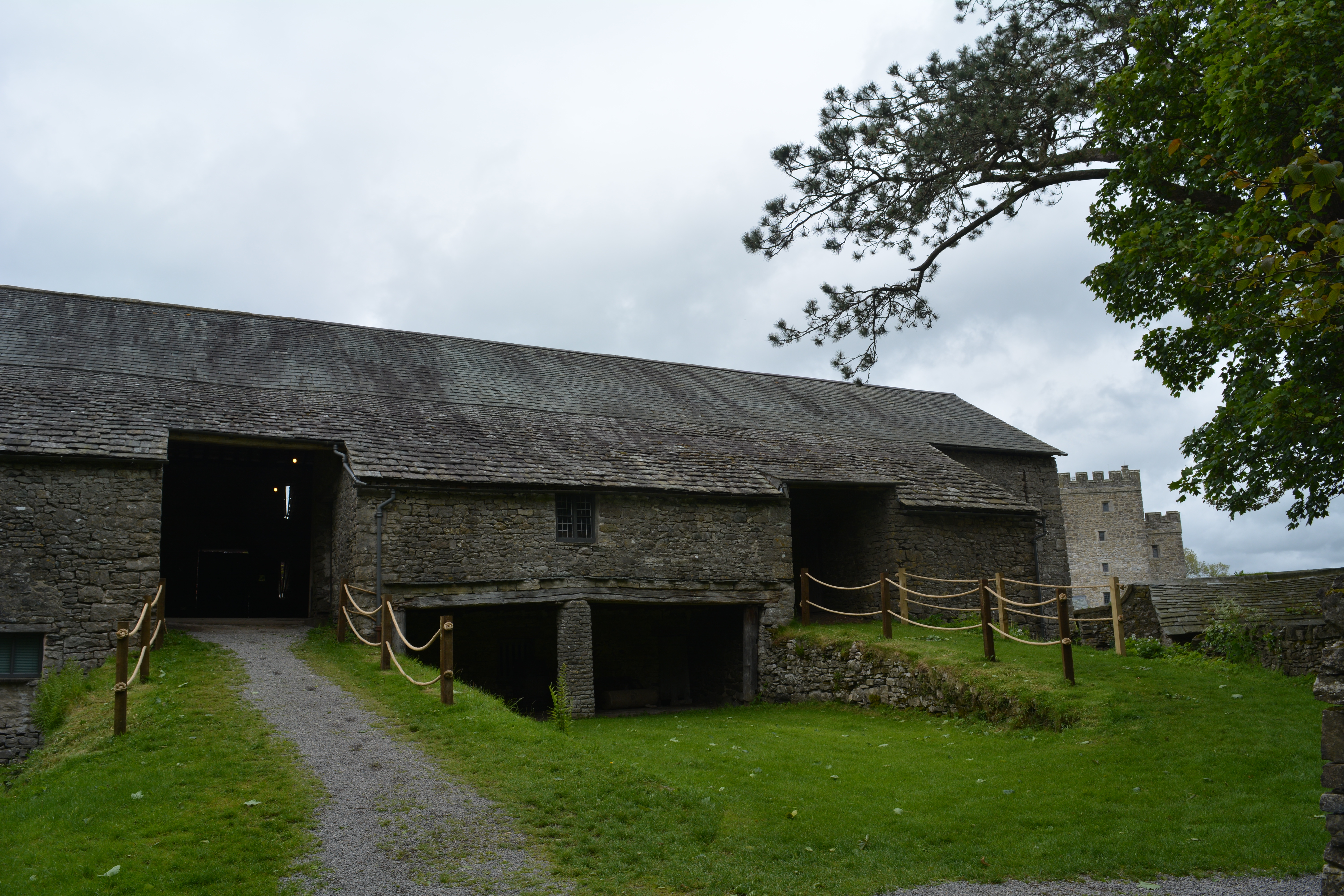
 

2015 06 02_2281 2015 06 02_2282

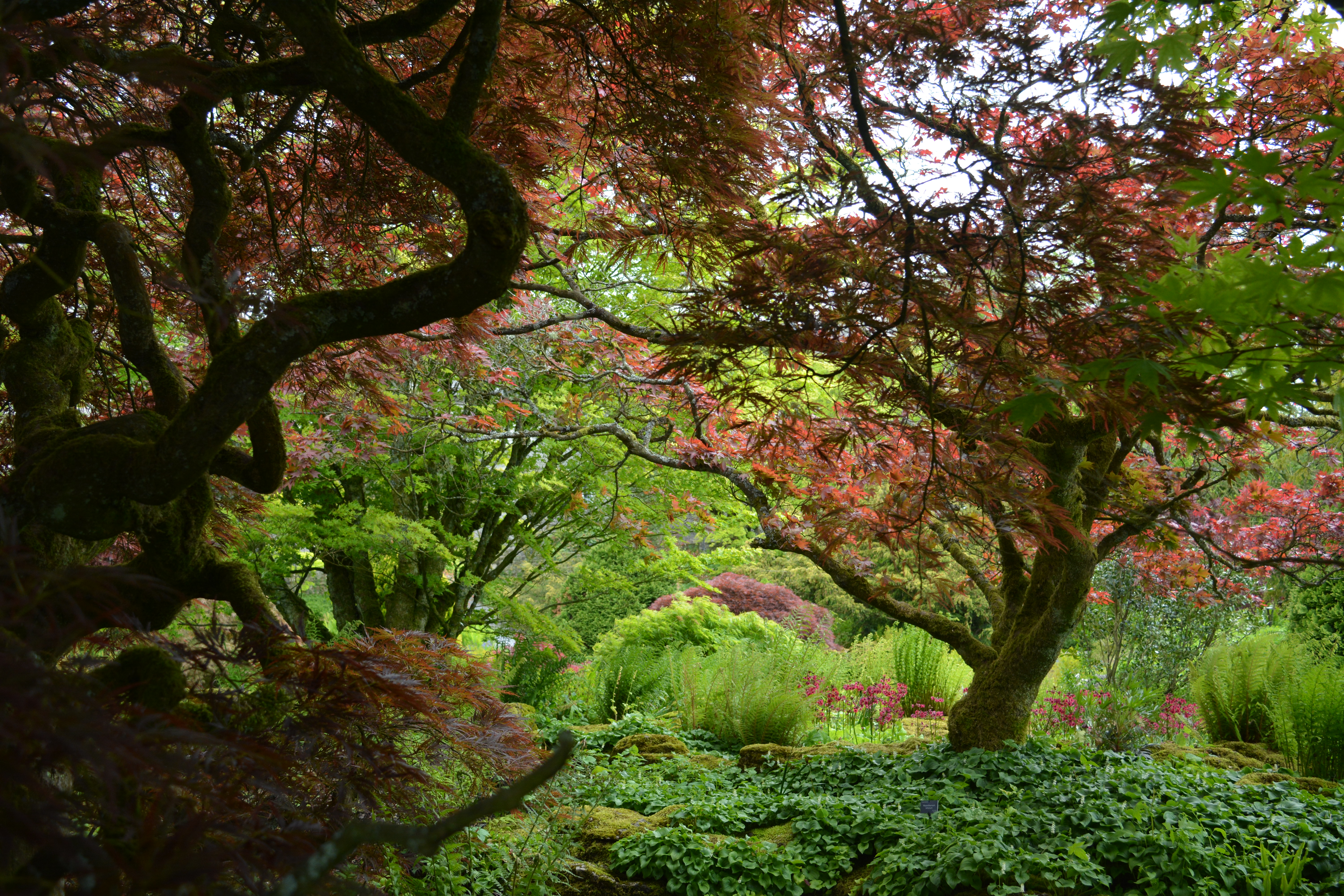
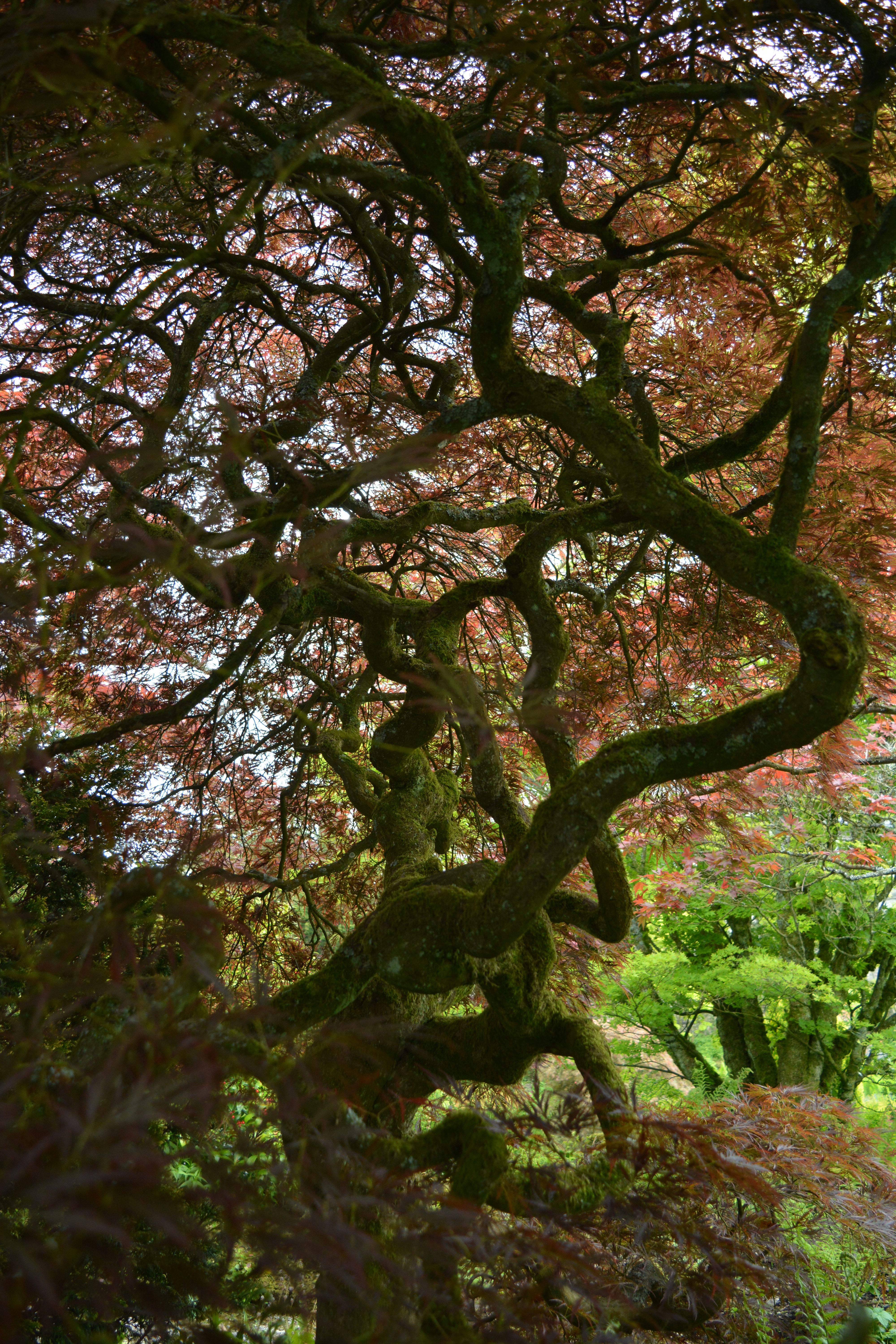
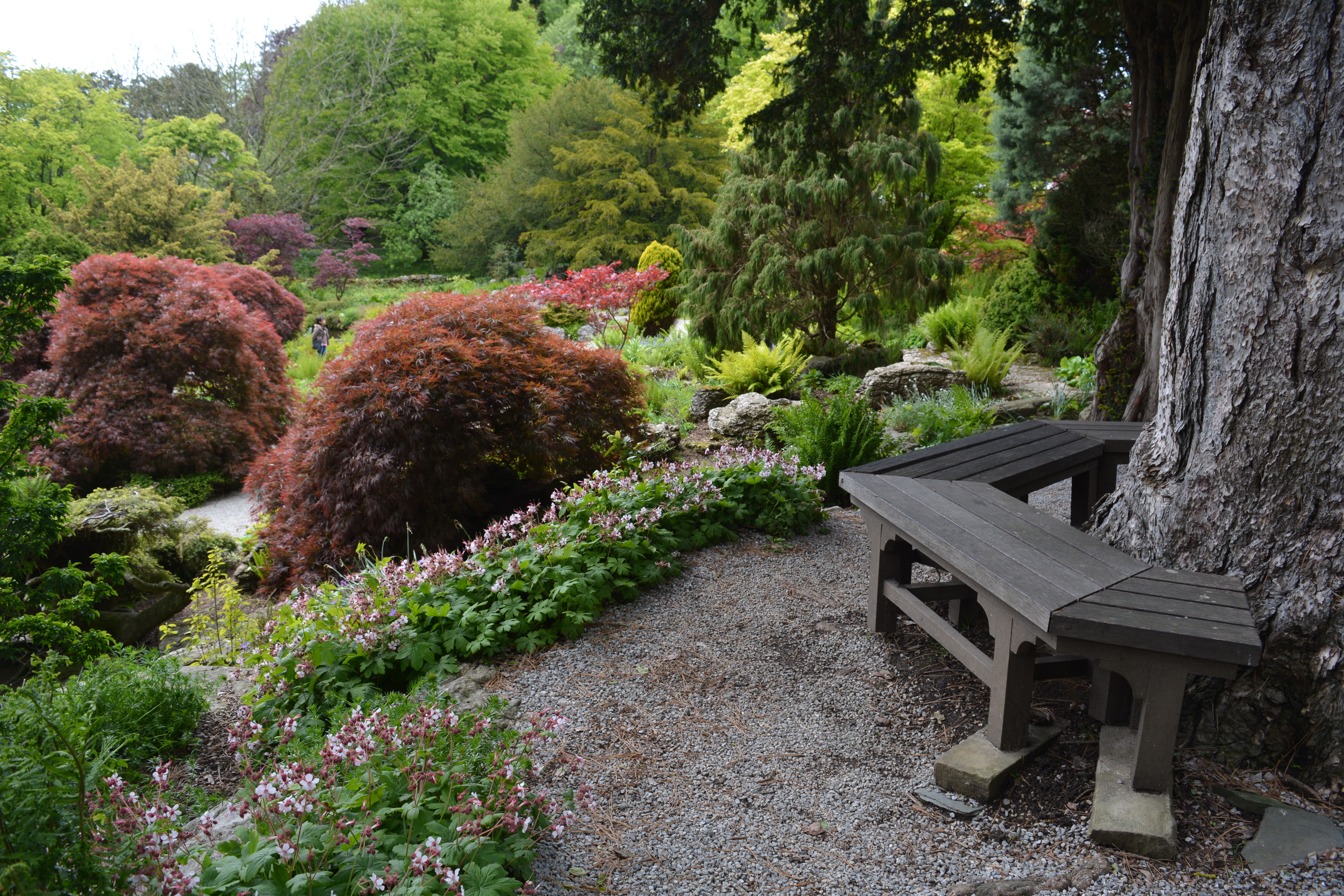
One of the most famous sections of the gardens was the vast rock garden.  Acers gave this area colour and texture and provided great views back to the castle itself. Tiny streams wound their way through the rocky outcrops ans areas of planting.

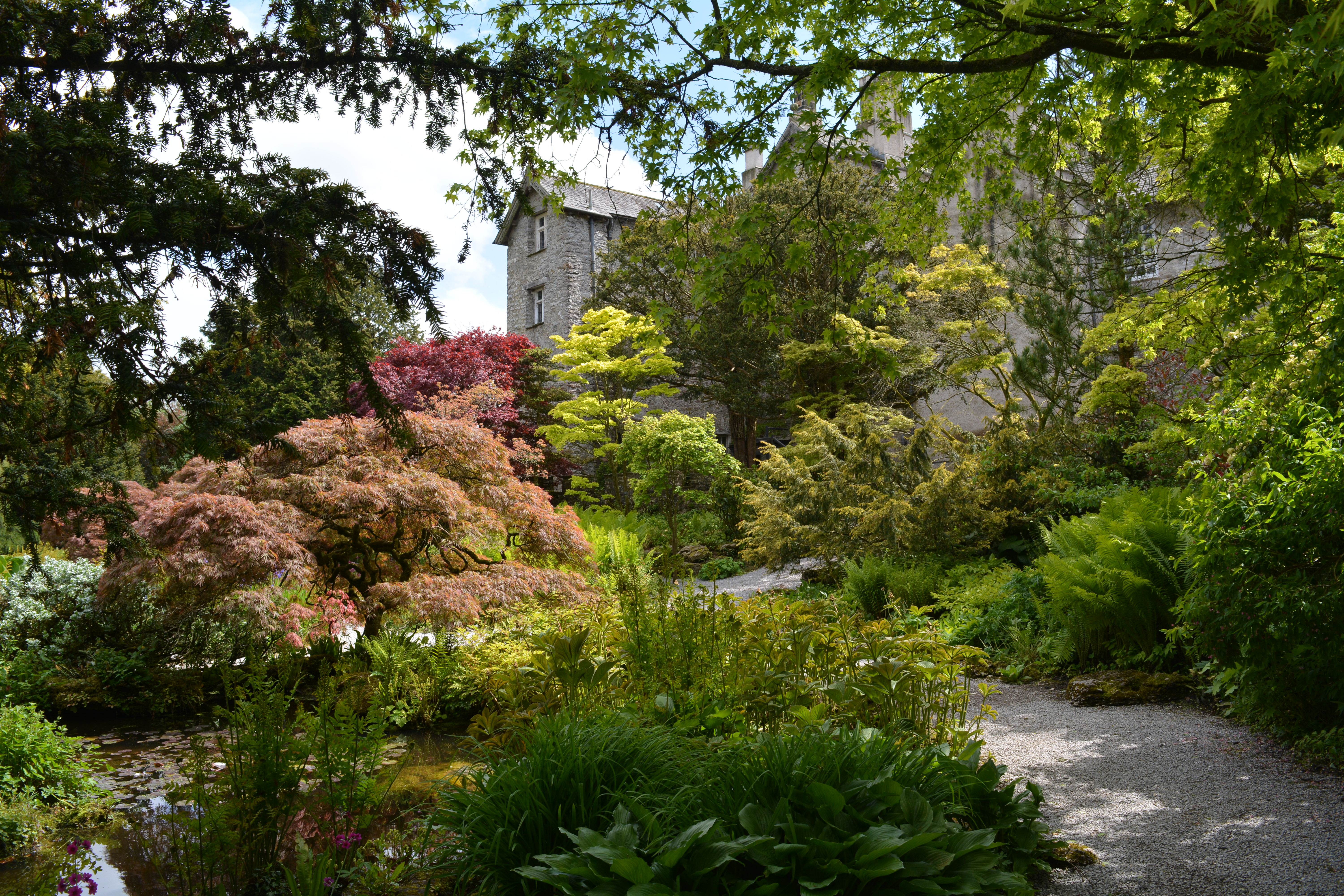
 

2015 06 02_2287 2015 06 02_2288 2015 06 02_2290 2015 06 02_2292 2015 06 02_2293 2015 06 02_2294

2015 06 02_2297 2015 06 02_2298 2015 06 02_2299 2015 06 02_2301     2015 06 02_2320 2015 06 02_2321 2015 06 02_2322 2015 06 02_2323 2015 06 02_2324 2015 06 02_2325

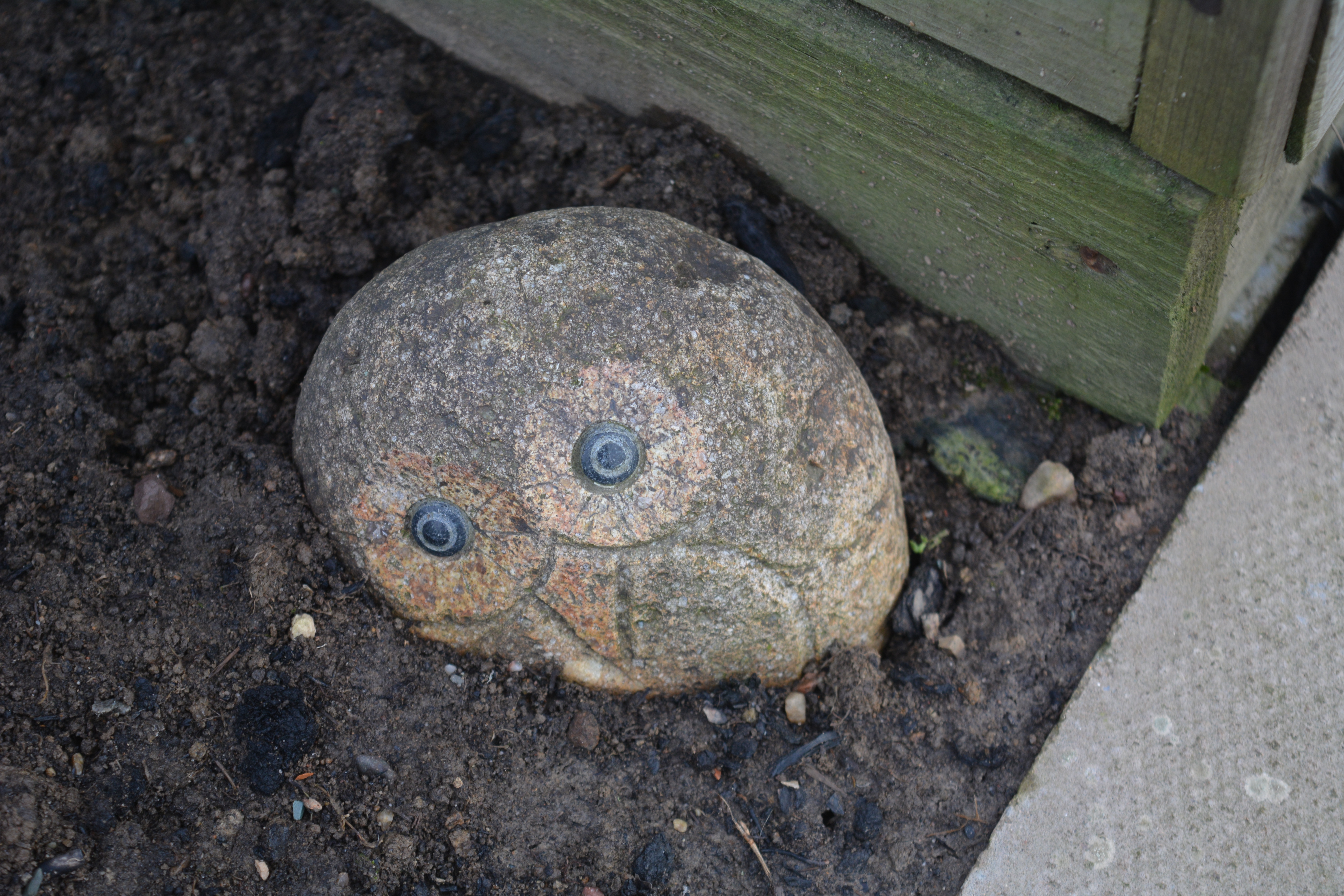
We found these appealing little carvings while we wandered around. The first was a yard high snail carved in wood while the second was a sculpture created by Mother Nature and again we thought it resembled a snail. The final piece was a wise old owl carved from wood.

Our first day in the Lake District was most enjoyable and we hoped our other days would be equally as inspiring.


2015 06 02_2251 2015 06 02_2326

2015 06 02_2285

Categories
colours fruit and veg garden ponds garden pools garden seating gardens gardens open to the public grow your own kitchen gardens National Garden Scheme ornamental trees and shrubs outdoor sculpture poppies recycling sculpture shrubs trees walled gardens water garden water in the garden Yellow Book Gardens

Yellow Book Gardens – 4 – Upper Shelderton Hall

We set out to visit our fourth Yellow Book garden on a cloudy day that promised showers and with a chill in the air. However as we drove down through the Shropshire countryside the skies cleared and the temperature rose. We left the main road and traveled down lanes that got more narrow as we got closer to our destination, the village of Shelderton.

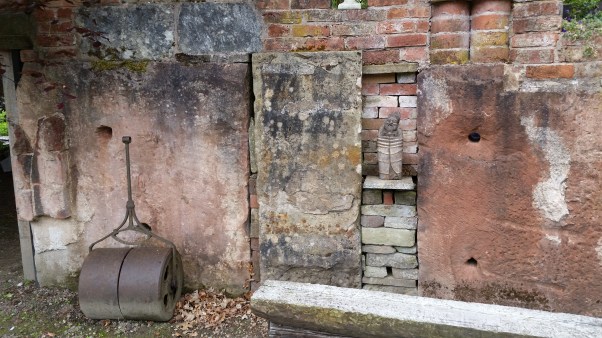
The garden at Upper Shelderton Hall spread to over 6 acres and was mostly a wooded garden with areas of Rhodendrons and borders of herbaceous plantings. As usual we began with tea and cake which we enjoyed sat in the strangest walled garden we had ever experienced. The walls were a truly original creation. Each section was a sculpture in its own right made from a conglomeration of found or collected bricks and stones and ephemera.

2015 05 25_1966 2015 05 25_1964 2015 05 25_1987

From our seat where we enjoyed our refreshment we could enjoy these amazing walls and also take in glimpses of the kitchen garden nearby. An old water trolley now unused sat alongside.

2015 05 25_1965 2015 05 25_19882015 05 25_1990

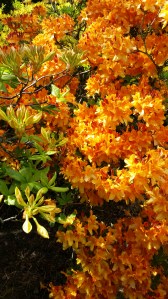
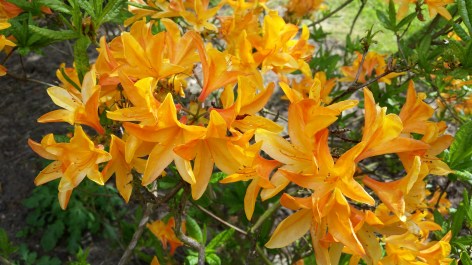
After a wander around the fruit and veg beds we made our way towards a border that glowed with bright yellows, oranges and reds. We discovered that the bright blooms were those of a collection of deciduous Rhodendrons. Our noses were also delighted by these shrubs as the yellow ones had the richest sweetest of fragrances.

2015 05 25_19672015 05 25_1977 2015 05 25_19782015 05 25_1979

We wandered on through the shade of wooded areas with the sound of a stream wandering through it and the scent of Bluebells following our every step.

2015 05 25_19762015 05 25_1970 2015 05 25_1969

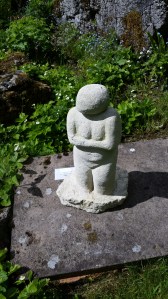
Leaving the shade of the tall trees we stumbled across a beautifully planted pond with crystal clear water. On one bank we discovered a lovely little stone carving, the first of several interesting pieces of sculpture we were to find in the gardens.

2015 05 25_19732015 05 25_1975 2015 05 25_1972 2015 05 25_19852015 05 25_1971 2015 05 25_1989

On the edge of the main garden was an area of more mature woodland of mixed deciduous and coniferous specimen trees. Beneath them larger evergreen Rhodendrons provided splashes of colour.

2015 05 25_1986 2015 05 25_1983 2015 05 25_19802015 05 25_1981 2015 05 25_19822015 05 25_1984

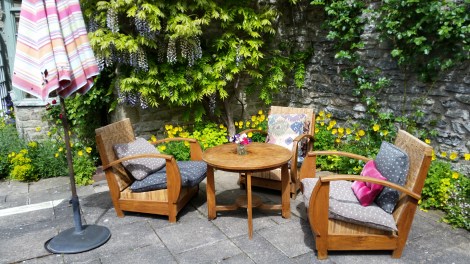
This comfortable set of table and chairs was simply too enticing for us. We just had to have more teas and cakes in order to try them out!

2015 05 25_1963

As we enjoyed our refreshment we also enjoyed the colourful planting around us.

2015 05 25_1991 2015 05 25_1992 2015 05 25_1996

We also looked up to spy this imposing cockerel windvane.  Once we had enjoyed our refreshment we left the gardens of Upper Shelderton Hall having enjoyed yet another brilliant Yellow Book garden. We can’t wait for the next!

2015 05 25_19942015 05 25_1993


Categories
birds fruit and veg garden photography garden ponds garden pools garden wildlife gardens National Trust natural pest control NGS ornamental trees and shrubs Shrewsbury shrubs spring gardening The National Gardening Scheme" water in the garden wildlife Yellow Book Gardens

My Garden Journal – April

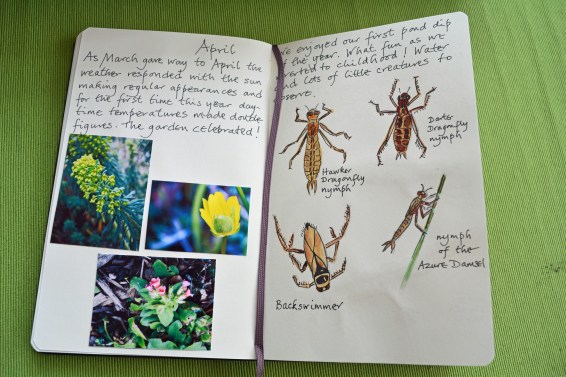
Back to my garden journal where we can see what was interesting me in our garden at Avocet during the month of April. My journal for April begins “As March gave way to April the weather responded with the sun making regular appearances and for the first time this year daytime temperatures made double figures. The garden celebrates!”

It celebrated with bright colours of spring flowers such as Celendines, Pulmonarias and early chartreuse flower s and bracts of Euphorbias.

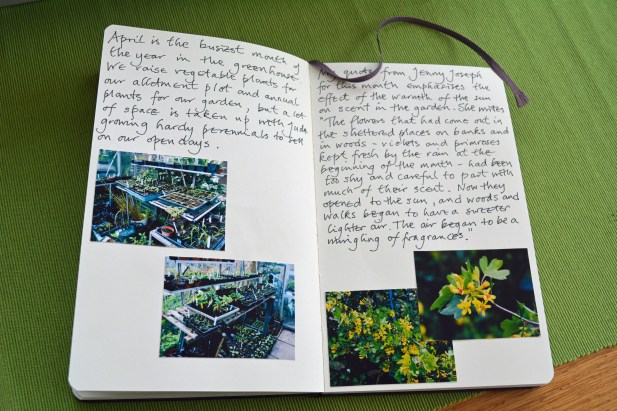
My quote from Jenny Joseph’s book “Led by the Nose – A Garden of Smells” speaks of the delicate scents of the garden and in the countryside that are so important in spring.
The flowers that had come out in the sheltered places on banks and in woods – violets and primroses kept fresh by the rain at the beginning of the month – had been too shy and careful to part with much of their scent. Now they opened to the sun, and woods and walks began to have a lighter sweeter air. The air began to be a mingling of fragrances.”

2015 05 07_1425_edited-1

As the water in the wildlife pond warmed up we thought we would have our first dip with our net to see what wildlife was in evidence beneath the surface. In the journal I wrote “What fun as we reverted to childhood!”We were surprised by just how many different creatures had already stirred into life. I chose to paint the nymphs of Dragonflies and Dameslflies and a Backswimmer. The Damselfly Nymph will hatch out into an Azure Damsel and the two Dragonfly Nymphs into a Hawker Dragonfly and a Darter Dragonfly. They were quite a challenge to paint in their subtle earthy hues.

2015 05 07_1427_edited-1 2015 05 07_1426_edited-1

Continuing on the watery theme on the next page of my garden journal I wrote “Jude gets excited each time she catches a newt when she is on her regular pond maintenance forays. The first this year appeared in early April. Such excitement at Avocet!”  We were so pleased to find so many newts out and about and so active this early in the year. As well as enjoying seeing them using our pond we are even more pleased to know that they are helping us with out pest control out in the borders. They spend much of their time out of water and are partial to slugs. Welcome visitors indeed!

2015 05 07_1428_edited-1

Now these little critters were even more of a challenge to paint than the other pond creatures! Anyway here are the results.

2015 05 07_1430_edited-1

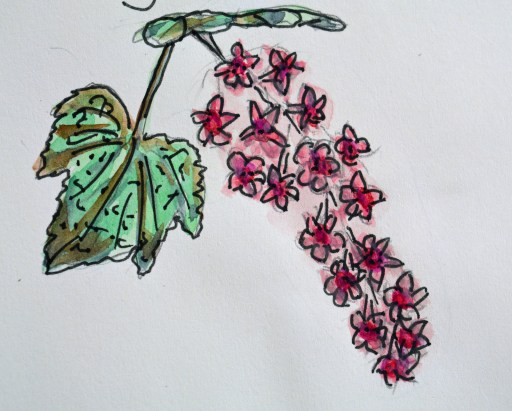
On my next page I wrote, “During Easter Weekend, usually associated with cold and rain, the sky turned the deepest, clearest blue. Temperatures suddenly doubled and the garden buzzed and hummed with the arrival of bees and hoverflies. The most popular of all plants is the flowering currant, Ribes sanguineum.” 

2015 05 07_1429_edited-1

April is the busiest month of the year in the greenhouse. We raise vegetable plants for our allotment plot and annual plants for our garden, but a lot of space is taken up with Jude growing hardy perennials to sell on our open days.

2015 05 07_1431_edited-1 

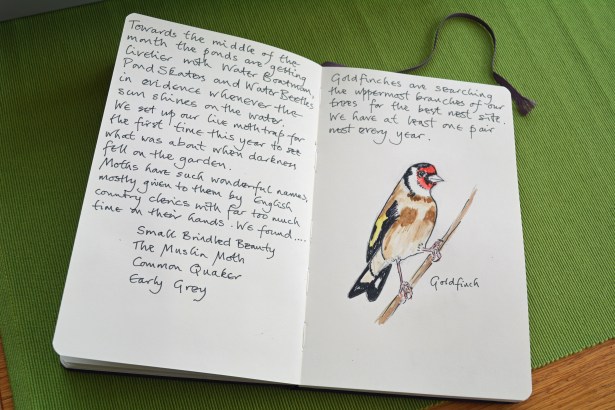
Towards the middle of the month the ponds were getting livelier with Water Boatmen, Pond Skaters and Water Beetles in evidence whenever the sun shone on the water. We set up our live moth trap for the first time this year to see what was about when darkness fell on the garden. Moths have such wonderful names, mostly given to them by English country clerics with far too much time on their hands. We found Small Brindled Beauties, Muslin Moths, Common Quakers and Early Greys.

2015 05 07_1432_edited-1

I next wrote “Goldfinches are searching the uppermost branches of our trees for the best nest site. We have at least one pair nest every year”. I then got out my watercolour paints and pens and attempted a painting of a Goldfinch.

2015 05 07_1433_edited-1

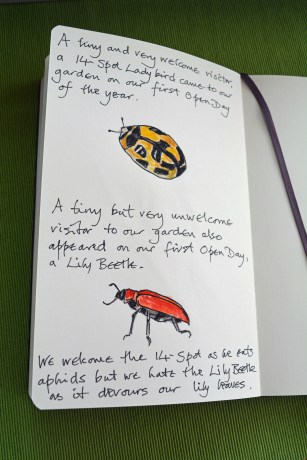
My final page in my journal entries for April featured two colourful beetles which we found in our garden in that month. “A tiny and very welcome visitor, a 14-Spot Ladybird came to our garden on our first Open Day of the year. A tiny but very unwelcome visitor to our garden also appeared on our first Open Day, a Lily Beetle. We welcome the 14-Spot as he eats aphids but we hate the Lily Beetle as it devours our lily leaves.”


2015 05 07_1435_edited-1

Categories
colours flowering bulbs fruit and veg garden design garden photography gardening gardens gardens open to the public hardy perennials National Trust natural pest control ornamental trees and shrubs spring bulbs spring gardening The National Trust trees walled gardens

Croft Castle Month by Month – Part 4 – April

2015 04 24_0985_edited-1

It is already time for our fourth visit to the National Trust’s Herefordshire property, Croft Castle. On this visit the sun shone on us and we enjoyed a lovely warm spring day.

2015 04 24_0994_edited-2

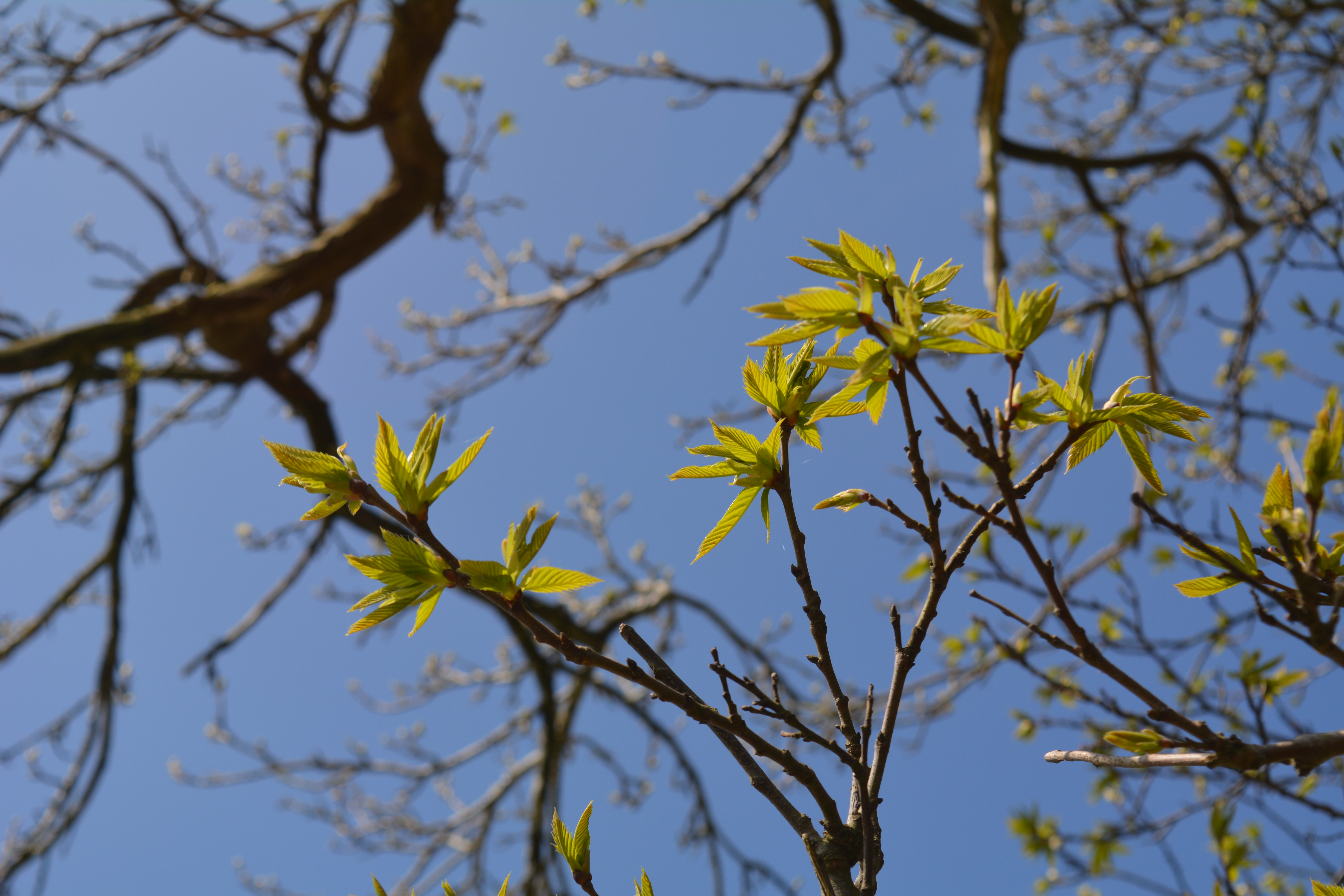
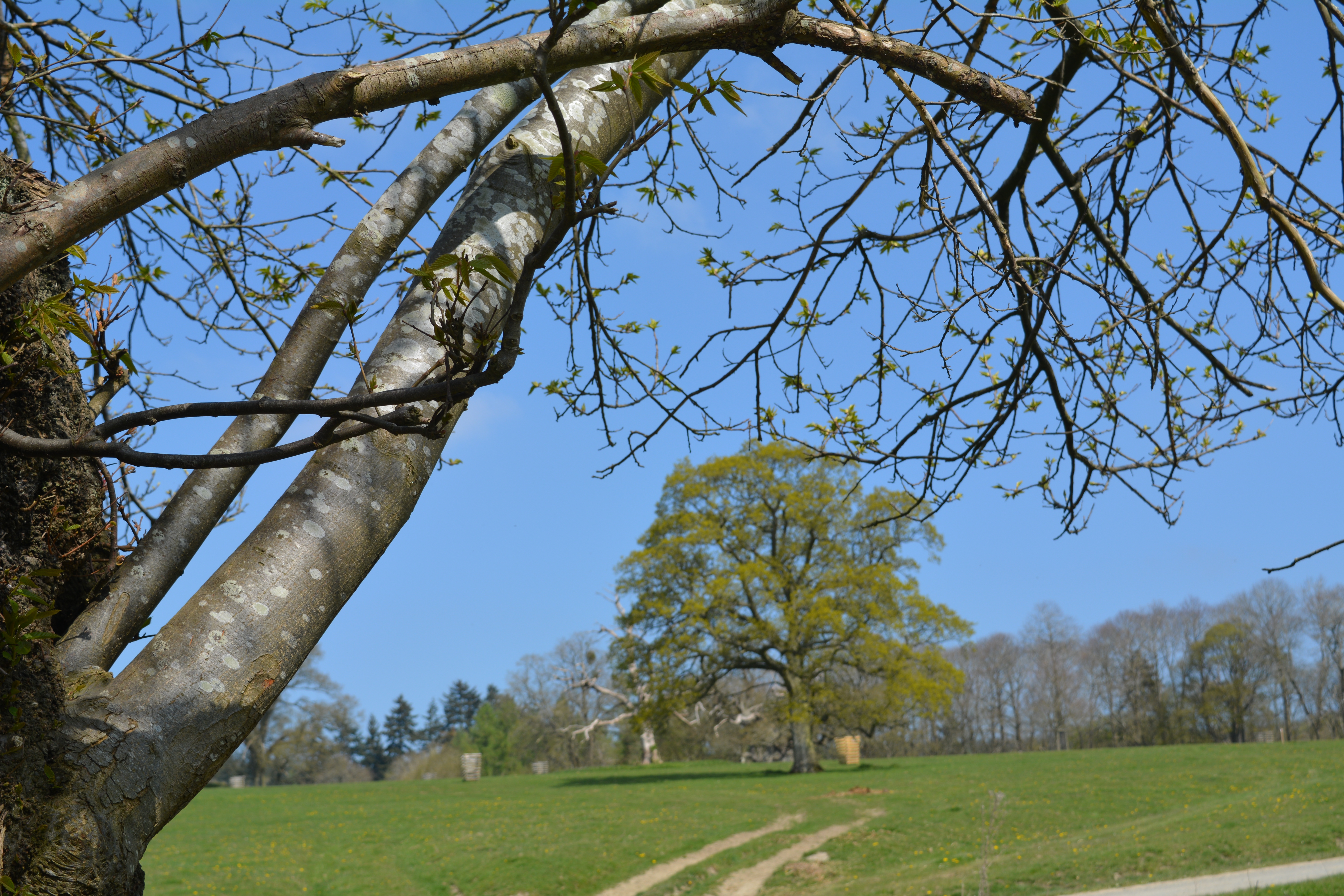
The first noticeable change was that there was now life in the trees as buds were bursting and delicate bright green leaves were making their entrance.

2015 04 24_0975 2015 04 24_09762015 04 24_0982

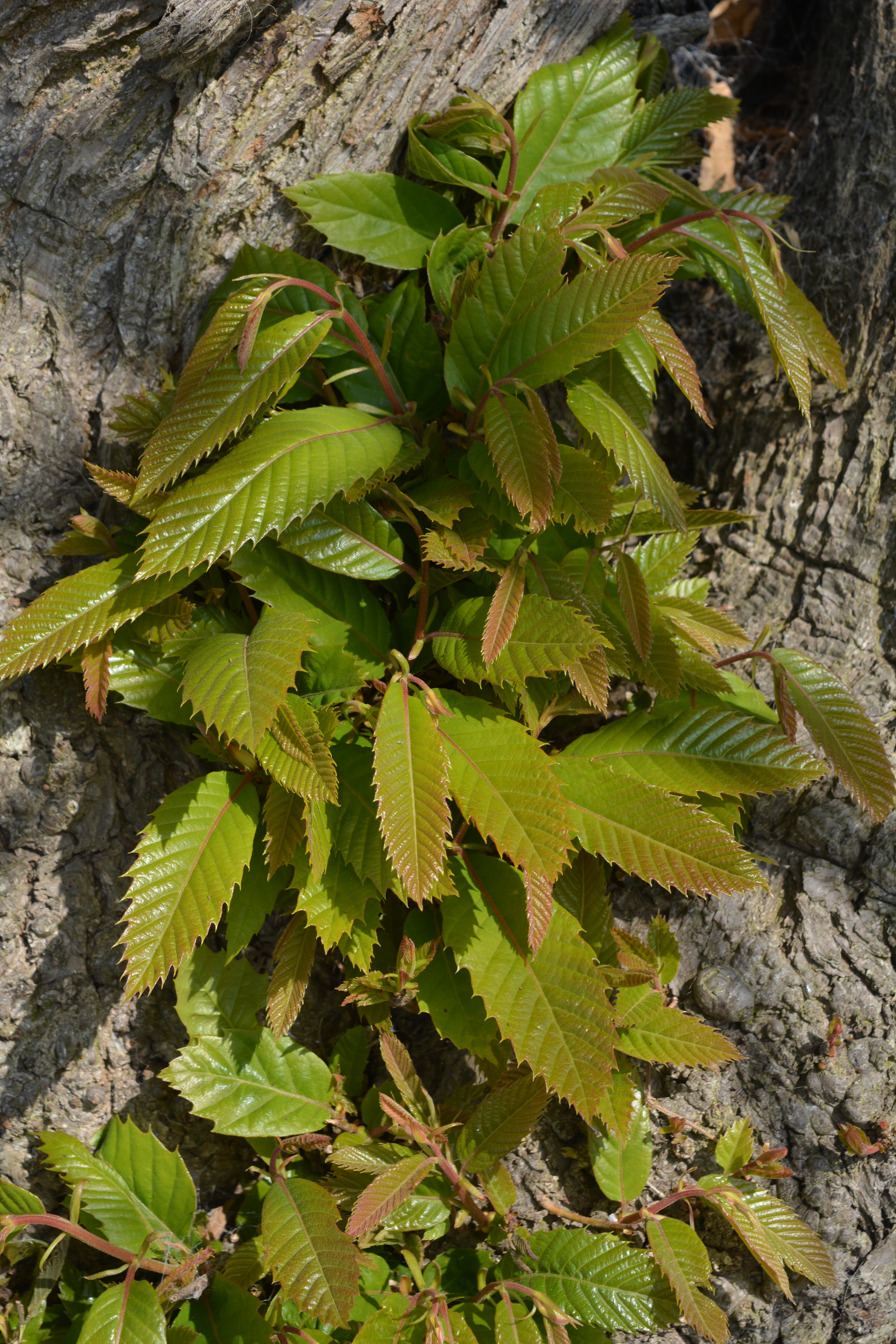
The ancient Sweet Chestnuts were beginning to show glossy ribbed fresh green foliage.

2015 04 24_0981_edited-12015 04 24_1040

2015 04 24_0978 2015 04 24_0979 2015 04 24_0980

Different wildflowers  added colour to the little meadow area that we pass on our way to the walled garden, Lady’s Smock with the softest possible pink petals, white and purple Fritilleries and buttercup yellow Dandelions.

2015 04 24_0983 2015 04 24_0984

Beyond the meadow we passed through the gateway in the stone wall and got a glimpse of the castle and its chapel. We then walked along the deep long mixed border.

2015 04 24_09872015 04 24_0986 2015 04 24_0988 2015 04 24_0989

We arrived expecting to see big changes in the walled garden itself and immediately we were struck by how lush green everything looked.

2015 04 24_0990 2015 04 24_0992 2015 04 24_0993 2015 04 24_0995 2015 04 24_0996 2015 04 24_0997 2015 04 24_0998

In the bothy we read the job list for the gardeners. The greenhouse had a surprise in store for us, these zingy orange Clivia flowers. I couldn’t resist taking a shot of the peeling paint on an old wooden seat.

2015 04 24_1003_edited-12015 04 24_0999 2015 04 24_1000 2015 04 24_1002

Although there was little sign of growth on the vines the Apples were showing their first blossoms and the Rhubarb plants were producing strong stems. The garden staff had already picked a large crop. In the Rose Garden Tulips provided bright patches of colour.

2015 04 24_1004 2015 04 24_1005 2015 04 24_1008 2015 04 24_1010 2015 04 24_1011 2015 04 24_1012 2015 04 24_1014 2015 04 24_1036 2015 04 24_1013

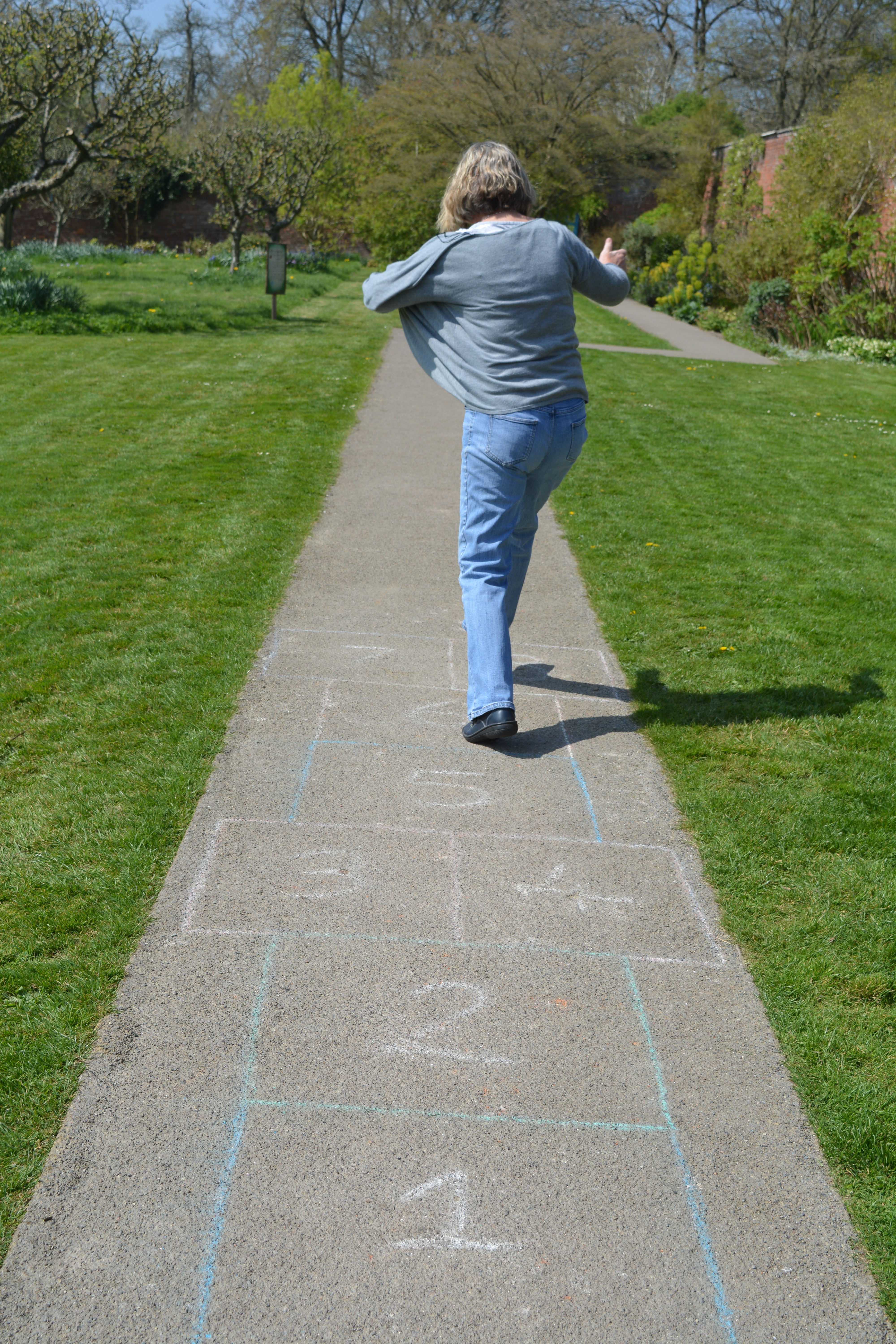
In readiness for the next school holiday the staff had put out games from times past. Jude the Undergardener just couldn’t resist it!

2015 04 24_10452015 04 24_1015 2015 04 24_1016 2015 04 24_1017

Close to the Hopscotch game our noses were attracted to the scent from the Wisteria flowers.

2015 04 24_1019 2015 04 24_1020

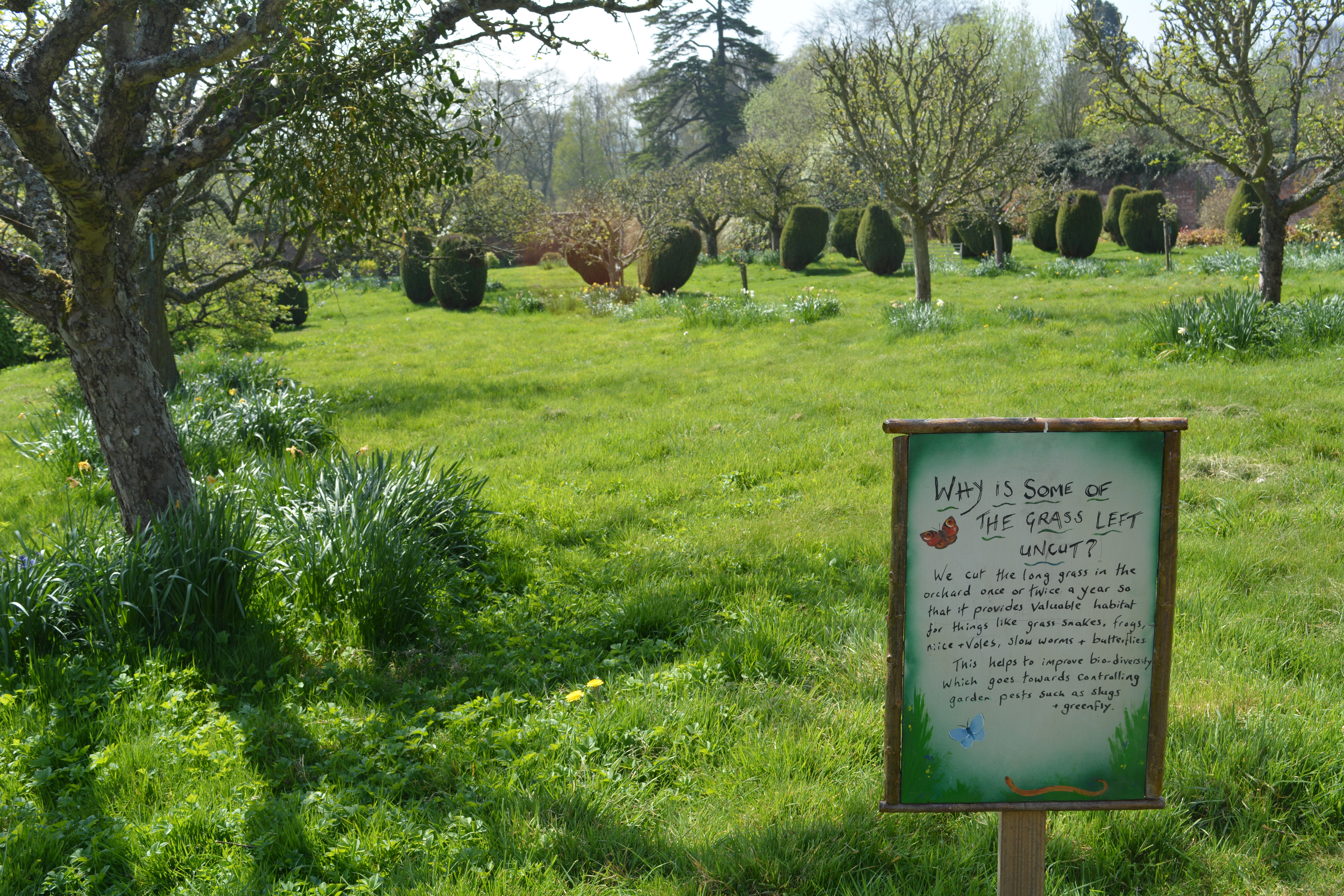
We loved this sign explaining why some grass was left uncut.

2015 04 24_1021 2015 04 24_1022

We discovered colour in every border in the walled garden, flowering bulbs and early shrubs.

2015 04 24_1009_edited-12015 04 24_1023 2015 04 24_1024 2015 04 24_1026 2015 04 24_10272015 04 24_1030 2015 04 24_1031 2015 04 24_1033 2015 04 24_1034 2015 04 24_10372015 04 24_1035  2015 04 24_1039 2015 04 24_1041     2015 04 24_1042 2015 04 24_10462015 04 24_1044

Next visit to the gardens at Croft Castle will be in May when Spring will be in”full swing”.

Categories
flowering bulbs fruit and veg garden design garden photography garden ponds garden pools gardens hardy perennials light National Garden Scheme ornamental trees and shrubs Shropshire South Shropshire spring bulbs spring gardening succulents The National Gardening Scheme" trees water in the garden Yellow Book Gardens

Yellow Book Gardens 2 – Radnor Cottage

Our second visit to an NGS Yellow Book garden for 2015 was just a few days after the first of the year to Bury Court Farmhouse, and was to a garden in South Shropshire near to the village of Clun.

Radnor Cottage sits on a steep hillside with broad views over the countryside. We visited on a bright sunny day with temperatures in the upper teens and this surprising Spring weather brought out lots of garden visitors.

We hadn’t been to Radnor Cottage for many years so really couldn’t remember what to expect. The garden owners described it as a semi-wild woodland garden so the plants of this season looked good in their setting. As we walked slowly up the steep gravel driveway we spotted wetland areas to our right and a mini-arboretum to our left, but we passed these by in search of the sign indicating “TEAS”.

2015 04 07_0454 2015 04 07_0455

While fetching the teas I spotted this bright yellow leaved Berberis which we were pleased to see looked so fresh and lively as we have just planted one in our front garden in the Hot Garden. We enjoyed our tea and cake sat among a vast array of containers planted up with Sempervivums and other cushion alpines.

2015 04 07_0456 2015 04 07_0457 2015 04 07_0458 2015 04 07_04592015 04 07_0474

I have a soft spot for Celandines so I just had to stop for a close look at this double form.

2015 04 07_0461

We began our tour of the garden meandering up a steep slope with typical Spring planting among the close cut grass. We liked the juxtaposition of the formal box balls and the gentle naturalistic planting on the grassed bank. William Robinson would have enjoyed this garden! Species Tulips, Anemones, Muscari and other spring bulbs were to be discovered from the narrow gravel paths.

2015 04 07_0463 2015 04 07_04712015 04 07_0464 2015 04 07_0465 2015 04 07_0469 2015 04 07_04702015 04 07_0466 2015 04 07_0472 2015 04 07_0478 2015 04 07_0479

We found a little veggie patch hidden behind a beech hedge.

2015 04 07_0475 2015 04 07_0476

We then moved back down the drive to explore the wet area with a series of pools beneath old trees. Banks of daffodils flanked the grass paths. These grass paths appeared as we rounded corners presenting a choice of ways to go each time.

2015 04 07_0489 2015 04 07_04922015 04 07_0494 2015 04 07_0481 2015 04 07_04832015 04 07_0482  2015 04 07_0484 2015 04 07_0486 2015 04 07_0490


Leaving the wetland we crossed the gravel drive and entered the mini-arboretum. Buds were bursting and bark glowing in the sunshine.

2015 04 07_0495 2015 04 07_04962015 04 07_0502 2015 04 07_05032015 04 07_0497 2015 04 07_0498 2015 04 07_04992015 04 07_0501   2015 04 07_0504


Apart from the fact that it was on a steeply sloping hillside, we could not remember the garden at Radnor Cottage at all, so it was just as if we were visiting it for the first time.

Categories
flowering bulbs fruit and veg garden buildings garden wildlife gardening gardens gardens open to the public grow your own hardy perennials National Trust ornamental trees and shrubs spring bulbs spring gardening The National Trust trees

Croft Castle month by month – part three – March

2015 03 25_0152_edited-1

So back we went for the third of our monthly visits to the Herefordshire property of theNational Trust, Croft Castle where we had a wander to see what had changed since our visit in February. As usual we began our tour by checking out that the coffee and cakes were still up to our high expectations! To get there we walked past the parkland which features the ancient Sweet Chestnuts. These old trees were still showing no signs of spring, their buds tightly closed.

2015 03 25_0066 2015 03 25_0068

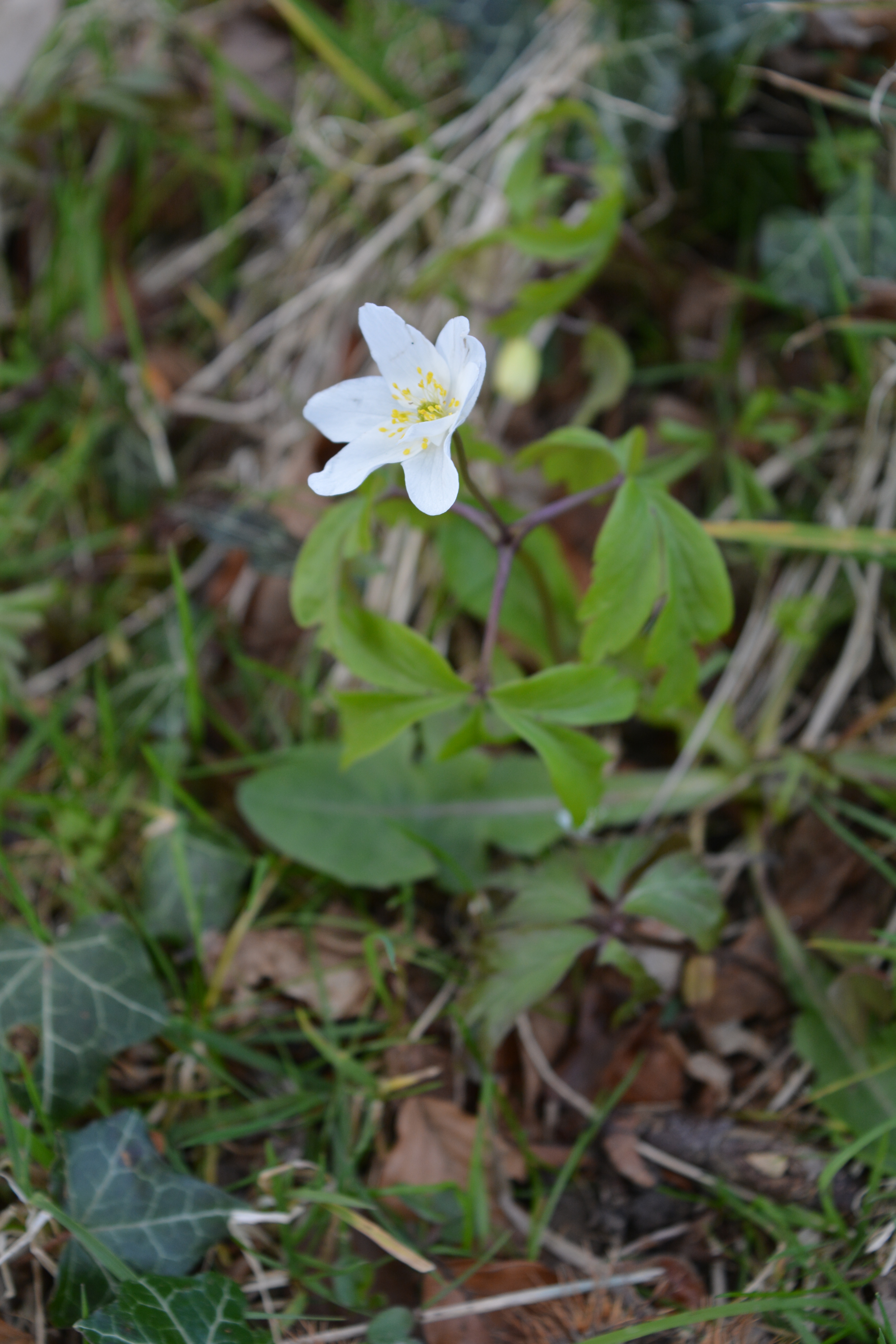
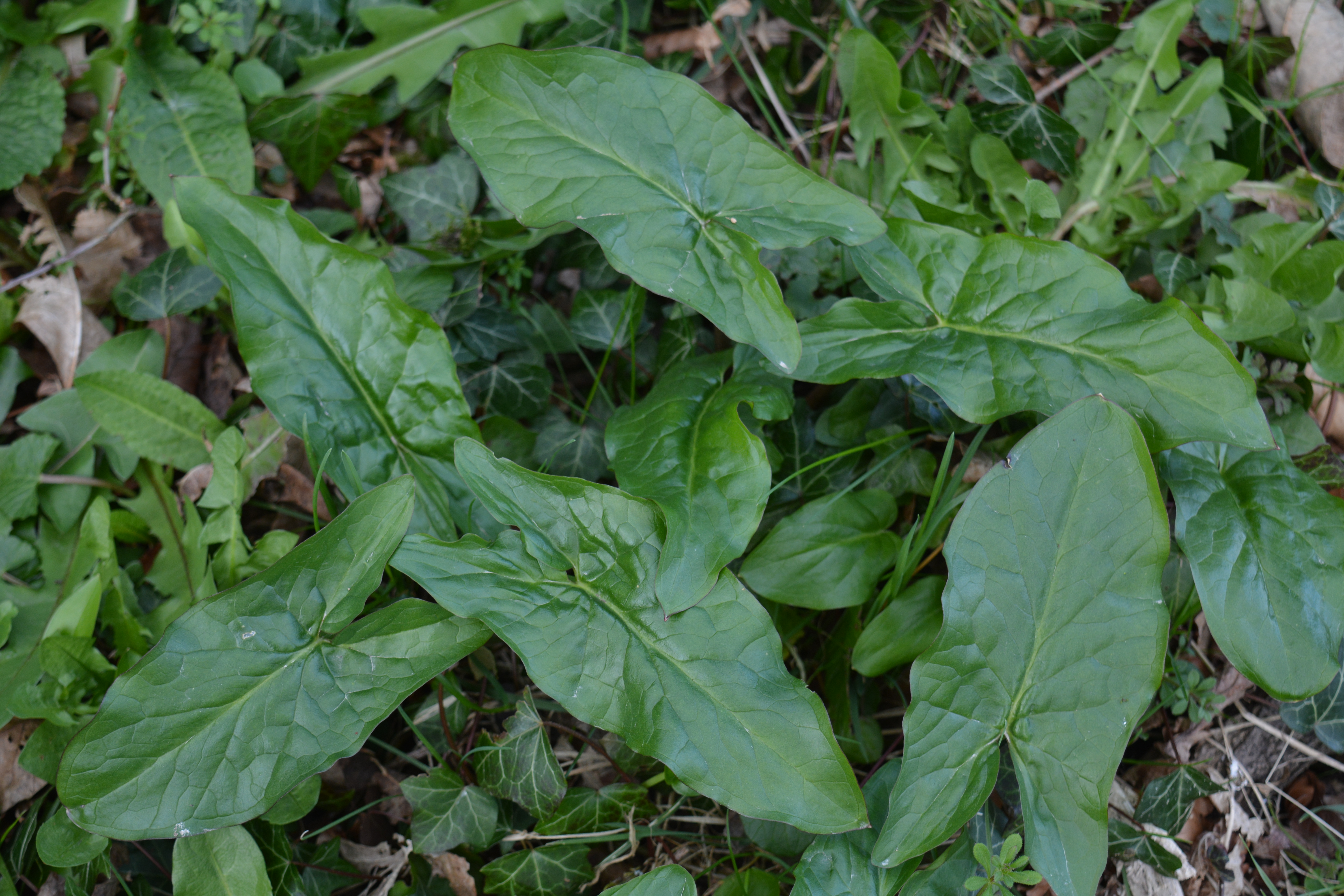
Suitably refreshed we cut through a meadow area on our way to the walled garden, and in that meadow little patches of colour shone out, white Wood Anemones, the purple of Fritilleries and the yellows of Celandines and Dandelions. Amongst these the patterned leaves of Arum Italicum, our native Arum Lily clothed the ground. Fritilleries although dramatic flowers with purple chequerboard patterned petals were remarkably difficult to make out among the grass.

2015 03 25_0071 2015 03 25_0072 2015 03 25_0073 2015 03 25_0074

The long, deep mixed border was showing colour too, mostly primulas and bulbs.

2015 03 25_0077 2015 03 25_0078 2015 03 25_0080 2015 03 25_0081 2015 03 25_0083 2015 03 25_00842015 03 25_0085 2015 03 25_0087 2015 03 25_0089 2015 03 25_0090

We walked quickly along the long border trying to avoid the biting wind and reach the protection of the walled garden. When we caught the first glimpse of the doorway into the walled garden we were amazed to see that the little section of cobbled path the gardeners had recently discovered had now been exposed and restored right across the lawned area.

2015 03 25_0067_edited-1

Passing through the little doorway you can see in the photo below at the right hand end of the wall gave welcome relief. There was no wind within the walls and the temperature was so much warmer. It made the day feel comfortable to wander in so we slowed down and took time to look.

2015 03 25_0091

The long border beneath the wall had a scattering of blooms such as these Pulmonaria and Muscari and the buds on a few of the shrubs were beginning to burst. The vineyard however was still deep in its state of hibernation.

2015 03 25_0092 2015 03 25_00932015 03 25_0070_edited-1 2015 03 25_0069_edited-1 2015 03 25_00942015 03 25_0095

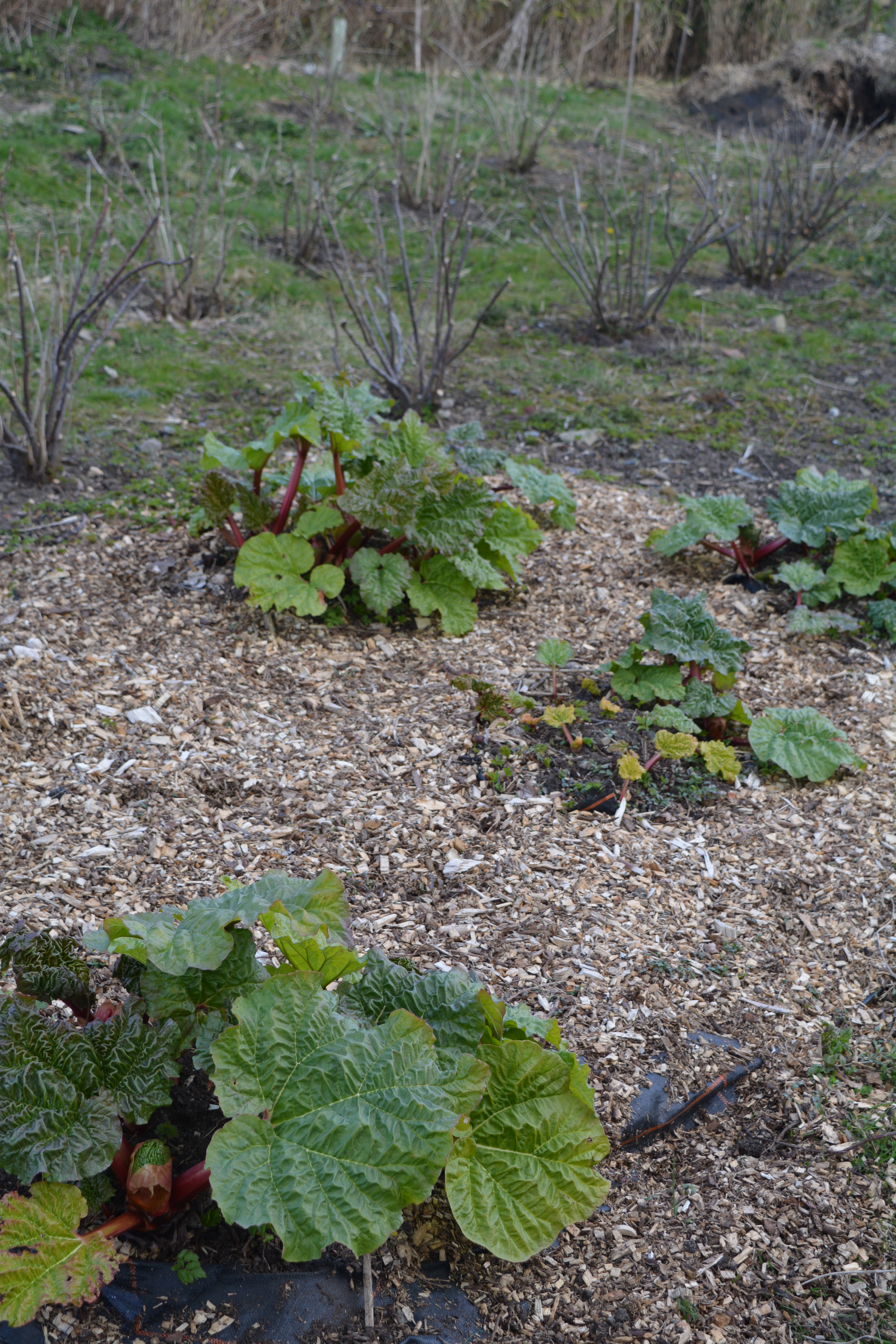
As usual we were tempted to go through the blue gates into the working heart of the walled garden. We discovered a newly created fruit garden and close by a Rhubarb plant waited patiently to take its place.

2015 03 25_0107 2015 03 25_01012015 03 25_0100 2015 03 25_0102

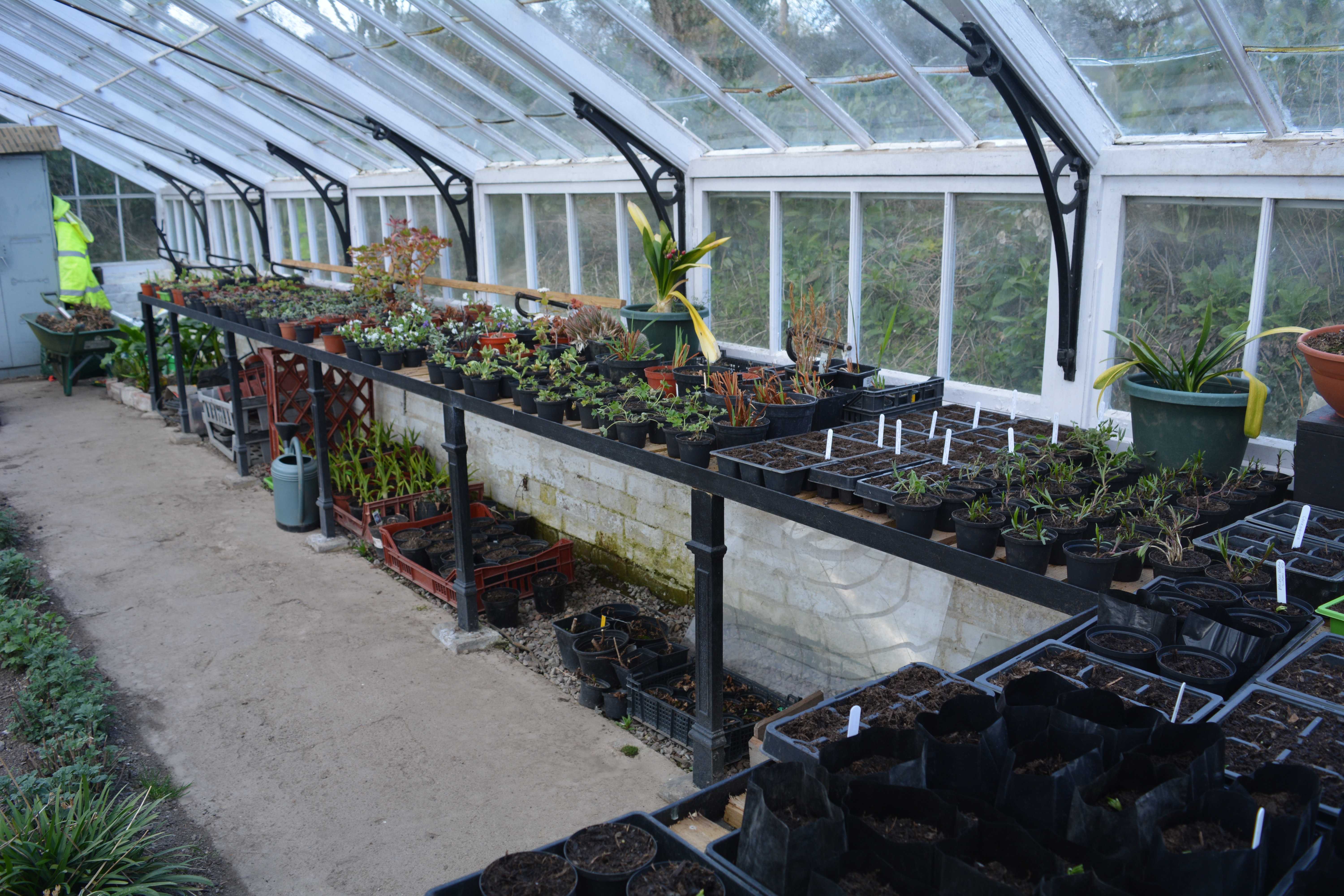
In the greenhouse plants had been potted up ready to be sold later in the season, including this array of Pulmonarias.

2015 03 25_01032015 03 25_0104 2015 03 25_0105

Back out in the main walled garden we found more Rhubarb and this looked well on its way to being ready for harvesting. There were signs of spring everywhere in the protected environment within the wall, fresh greens and reds of newly burst buds on willows and roses.

2015 03 25_0108 2015 03 25_0114 2015 03 25_0115 2015 03 25_0116

We noticed as we wandered around the comfortable grassed paths that whenever we caught a glimpse of the garden buildings they seemed to be framed by trees and hedges.

2015 03 25_0124 2015 03 25_0125 2015 03 25_0130 2015 03 25_0142

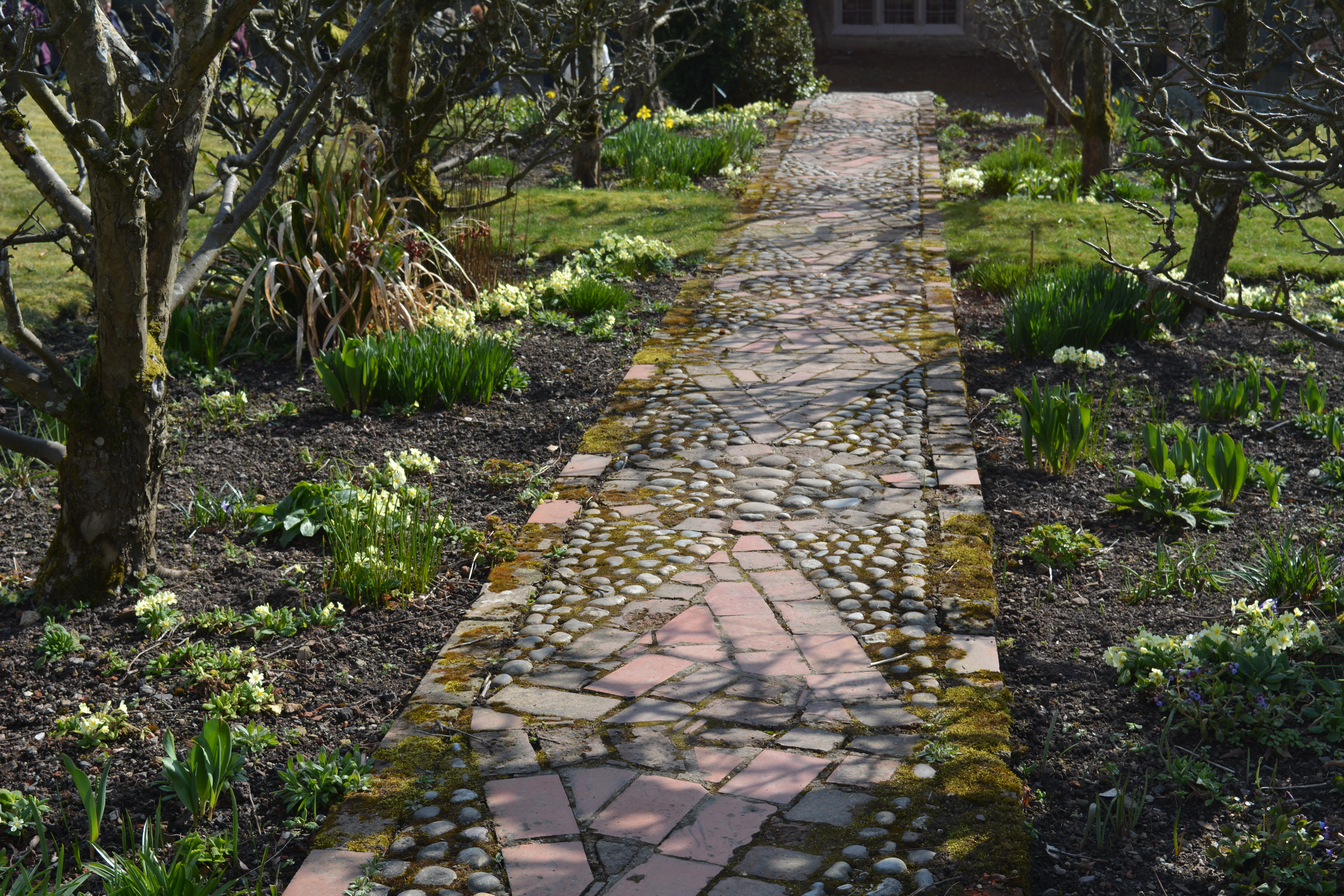
Leaving the walled garden behind we followed cobbled patterned paths beneath old fruit trees underplanted with Primroses and Daffodils.

2015 03 25_0134 2015 03 25_0140 2015 03 25_0141 2015 03 25_0121

The enclosed courtyard garden was full of the contrasting colours of Primroses and Chionodoxa. A cheerful sight!

2015 03 25_0146 2015 03 25_0147

We seemed to be at Croft on a day when many volunteer gardeners were working on site. They seemed to be enjoying their work and their time was punctuated with laughter and chatter.

2015 03 25_0167

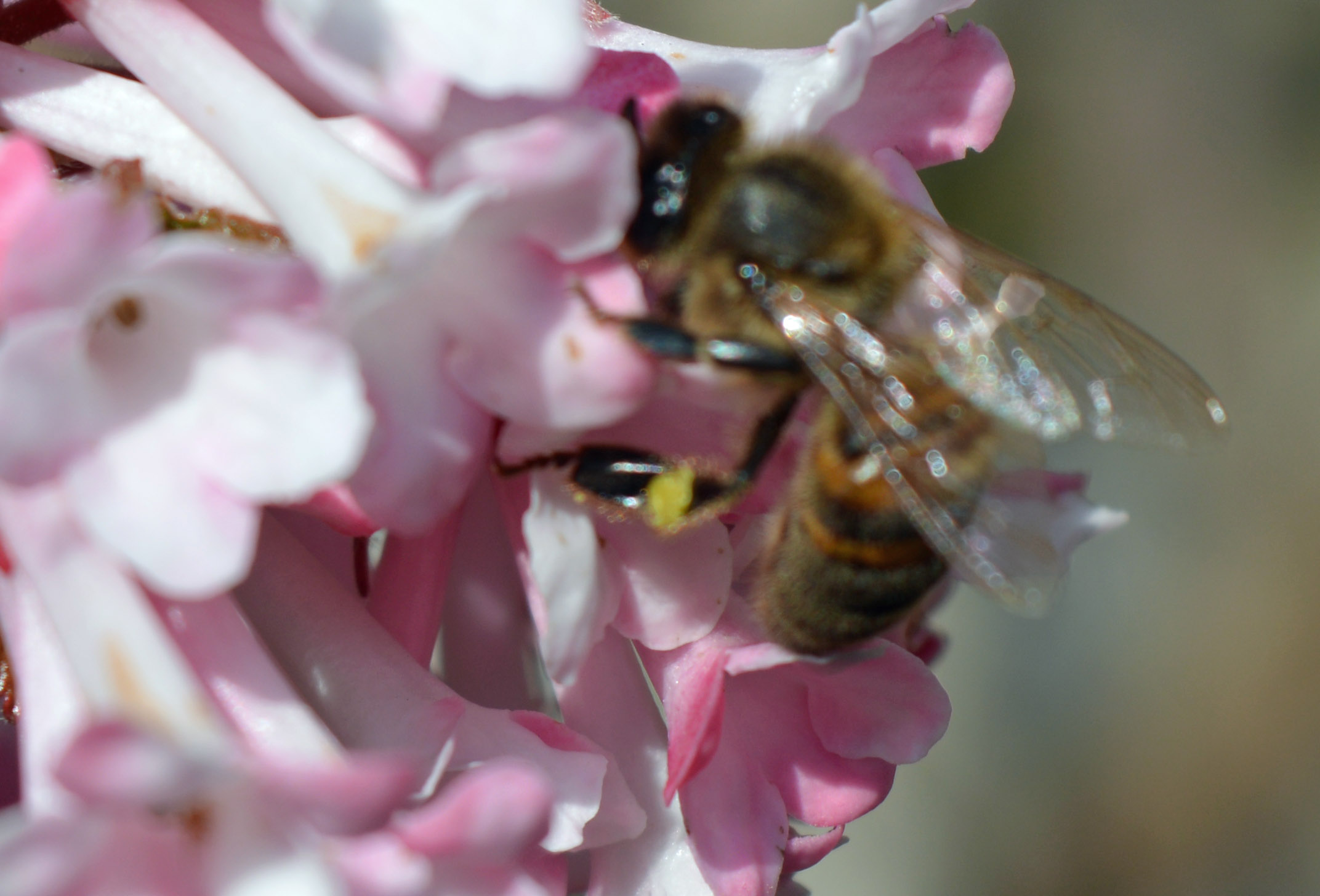
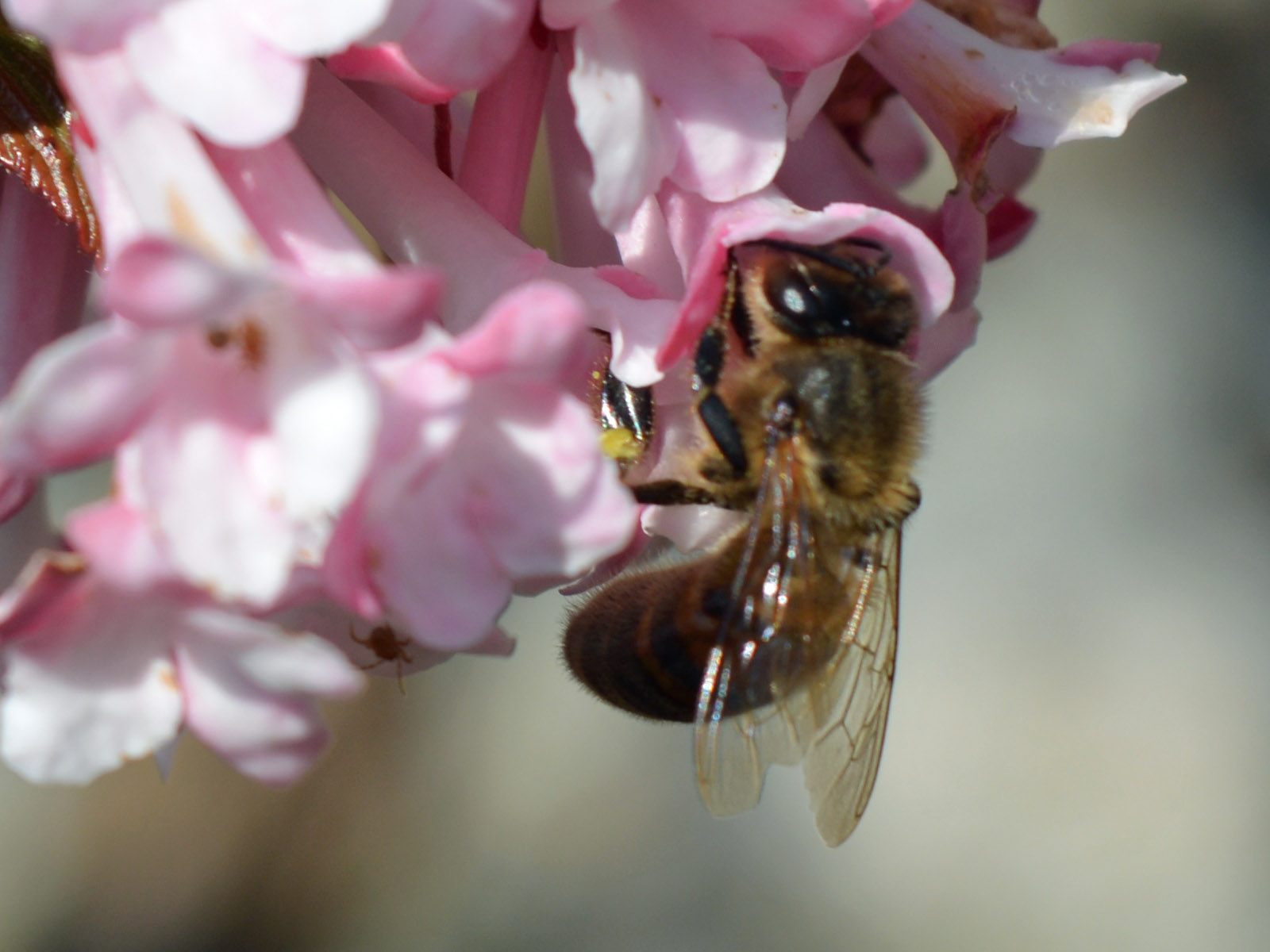
Bees, hoverflies and a few butterflies were out enjoying the early spring sunshine and a little unexpected warmth.

2015 03 25_0157_edited-1

2015 03 25_0162_edited-1 2015 03 25_0161_edited-1 2015 03 25_0160_edited-1 2015 03 25_0159_edited-1 2015 03 25_0158 2015 03 25_0158_edited-1

Our next visit will be in April when we expect to see Spring in full swing.


Categories
allotments architecture buildings Church architecture community gardening fruit and veg garden design garden photography garden seating gardening gardens gardens open to the public grow your own hardy perennials ornamental trees and shrubs outdoor sculpture sculpture town gardens trees

A Bishop’s Garden

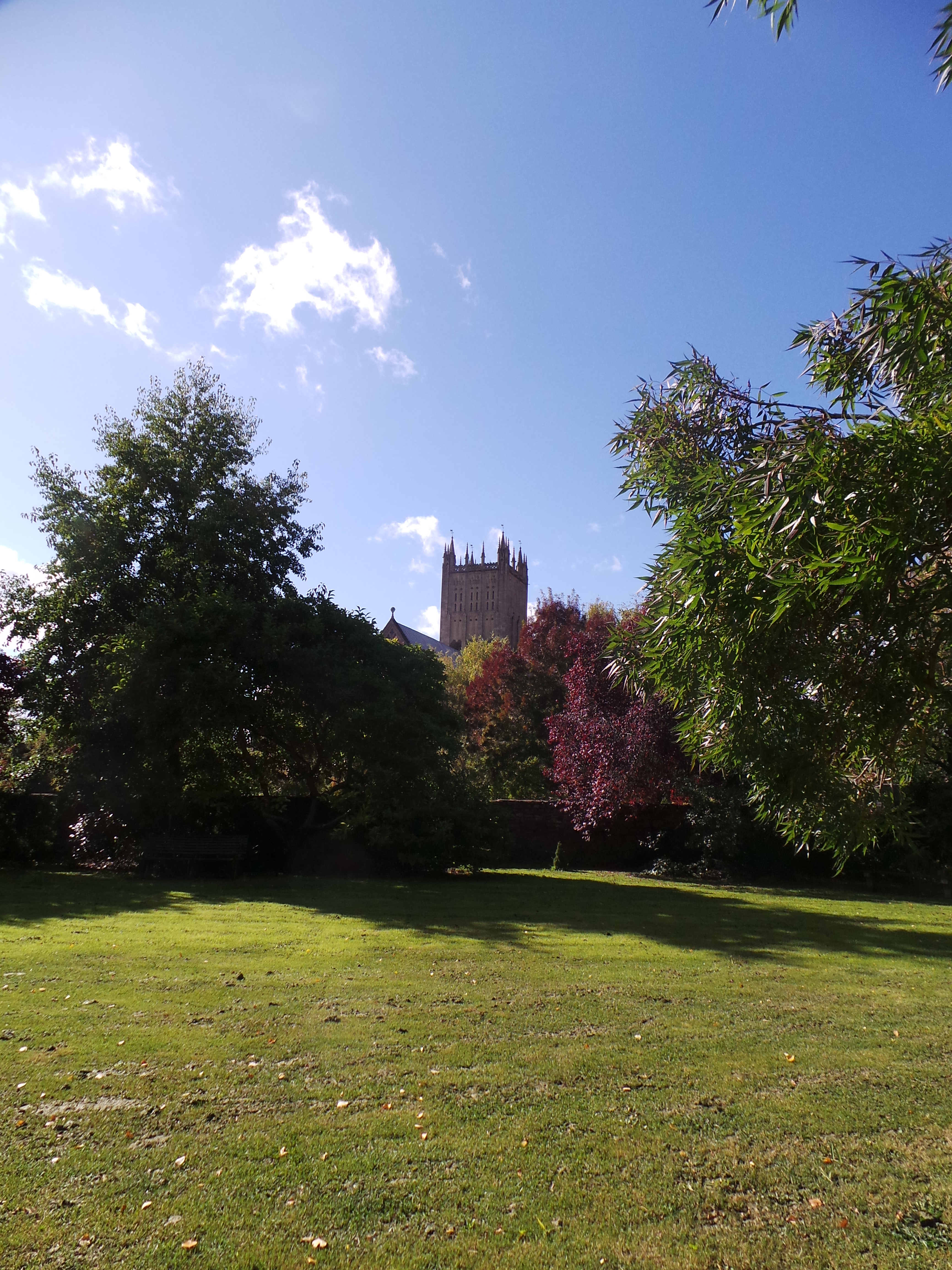
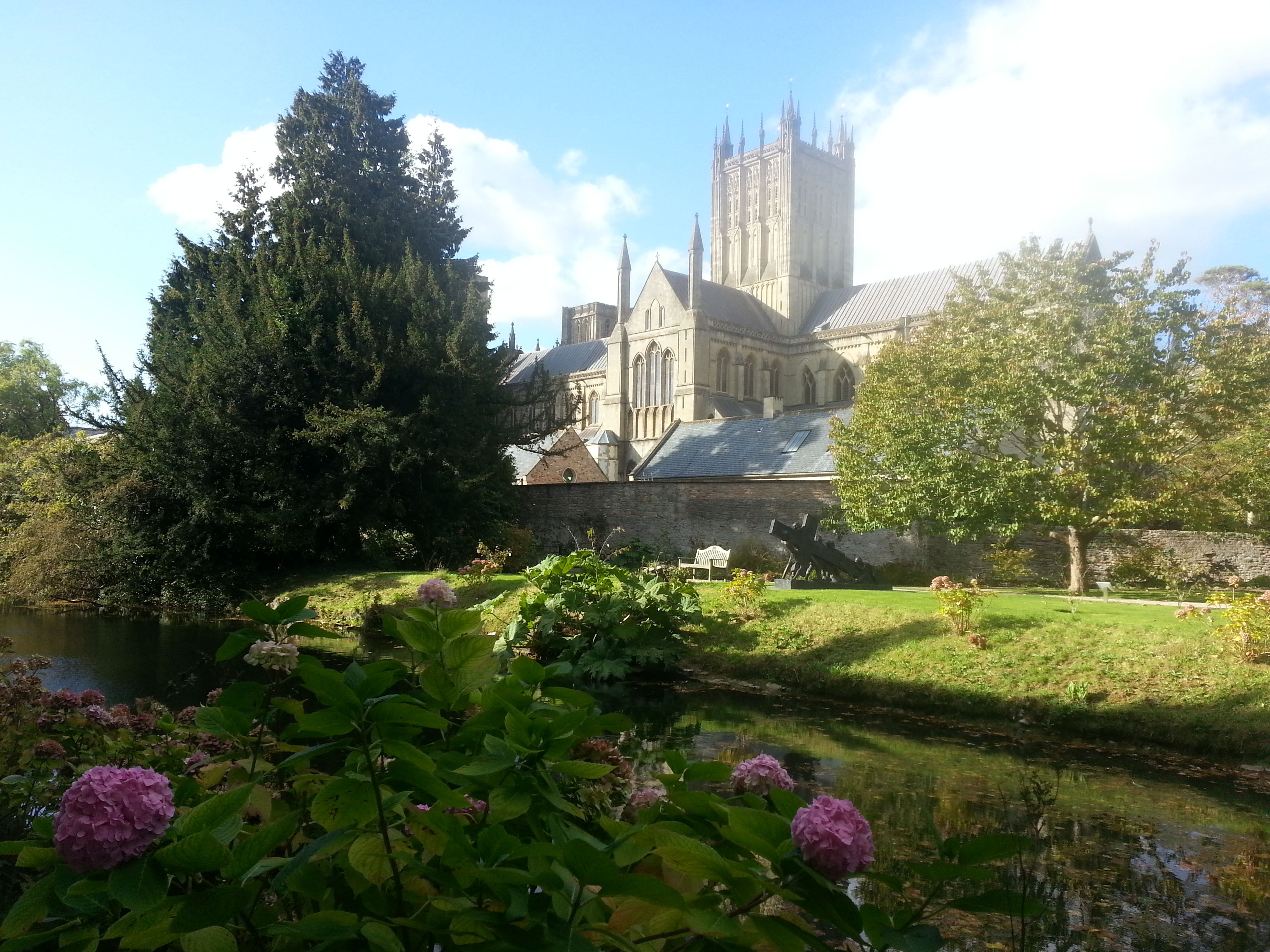
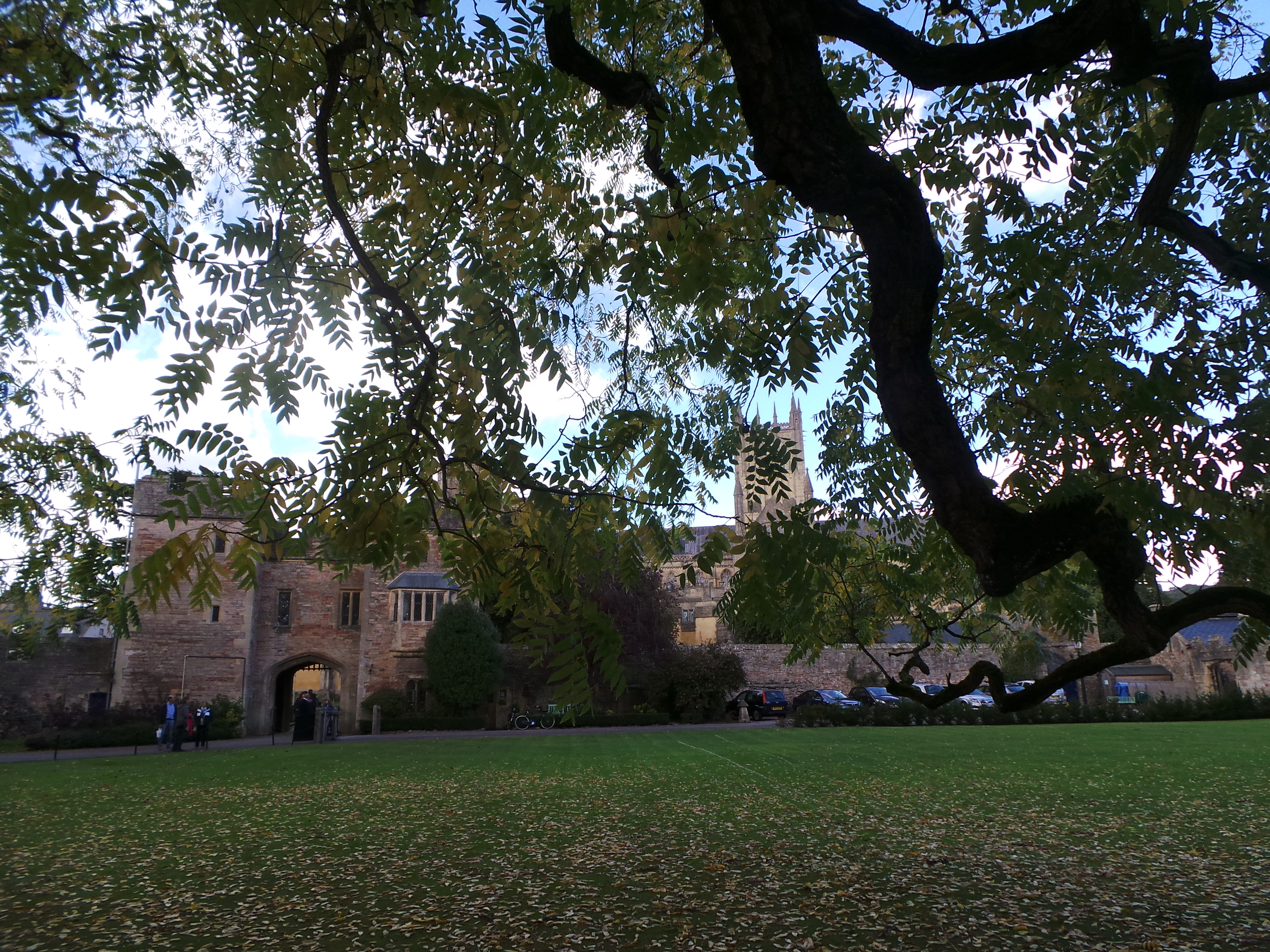
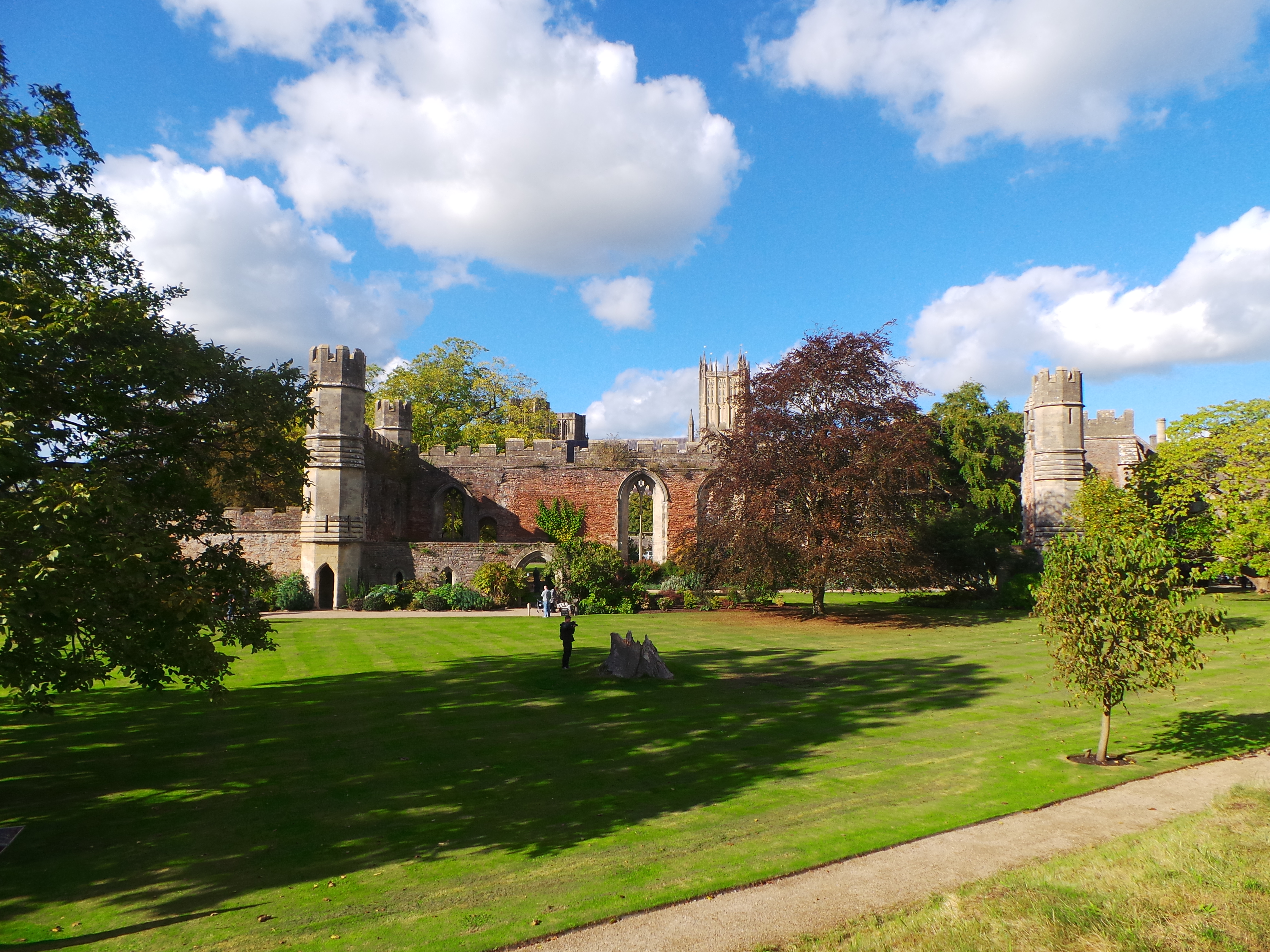
The grounds of a cathedral doesn’t sound the most promising place to find an interesting garden but we had heard good things about the gardens at Wells Cathedral , so when visiting the cathedral itself we just had to have a look.

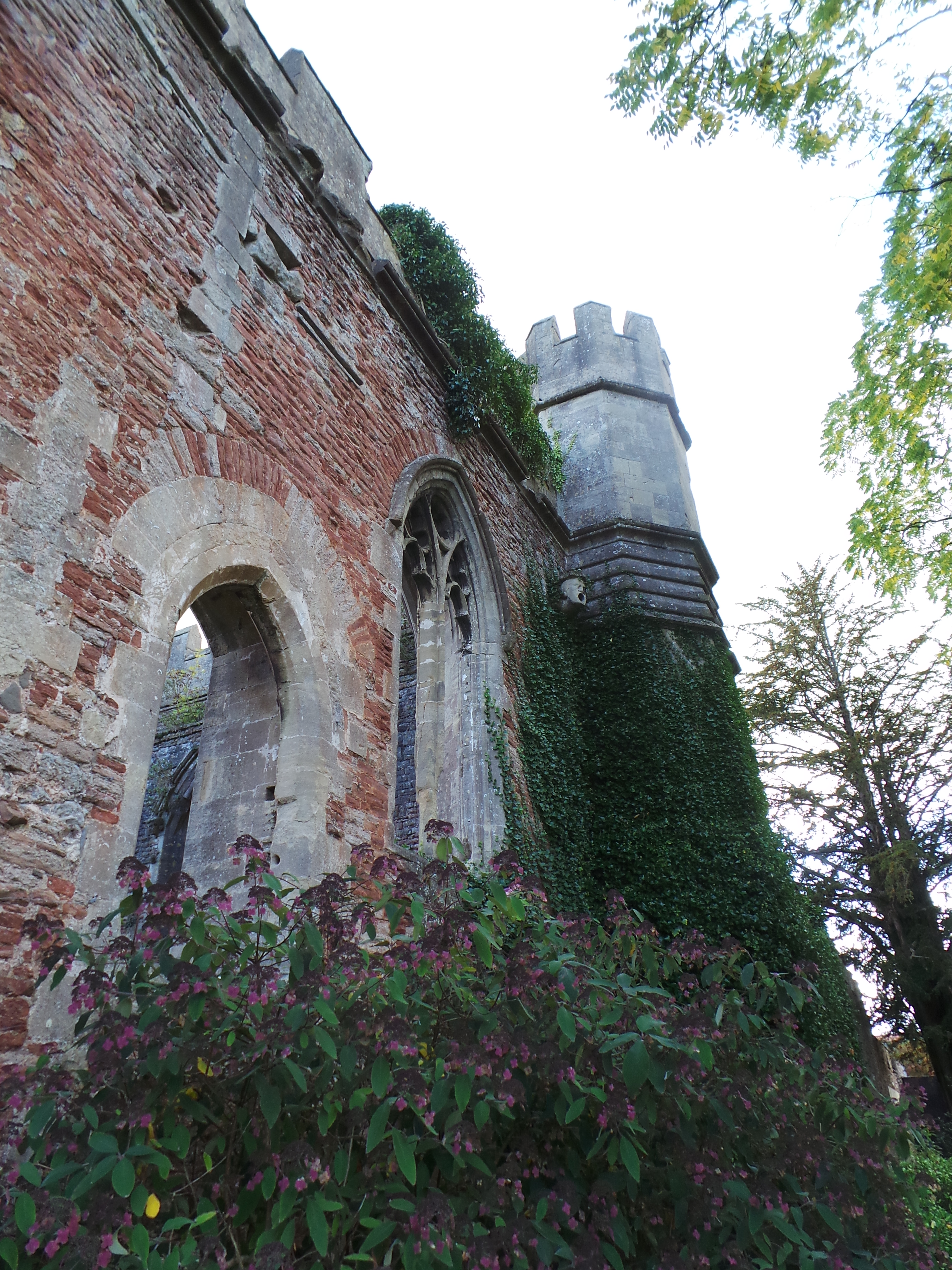
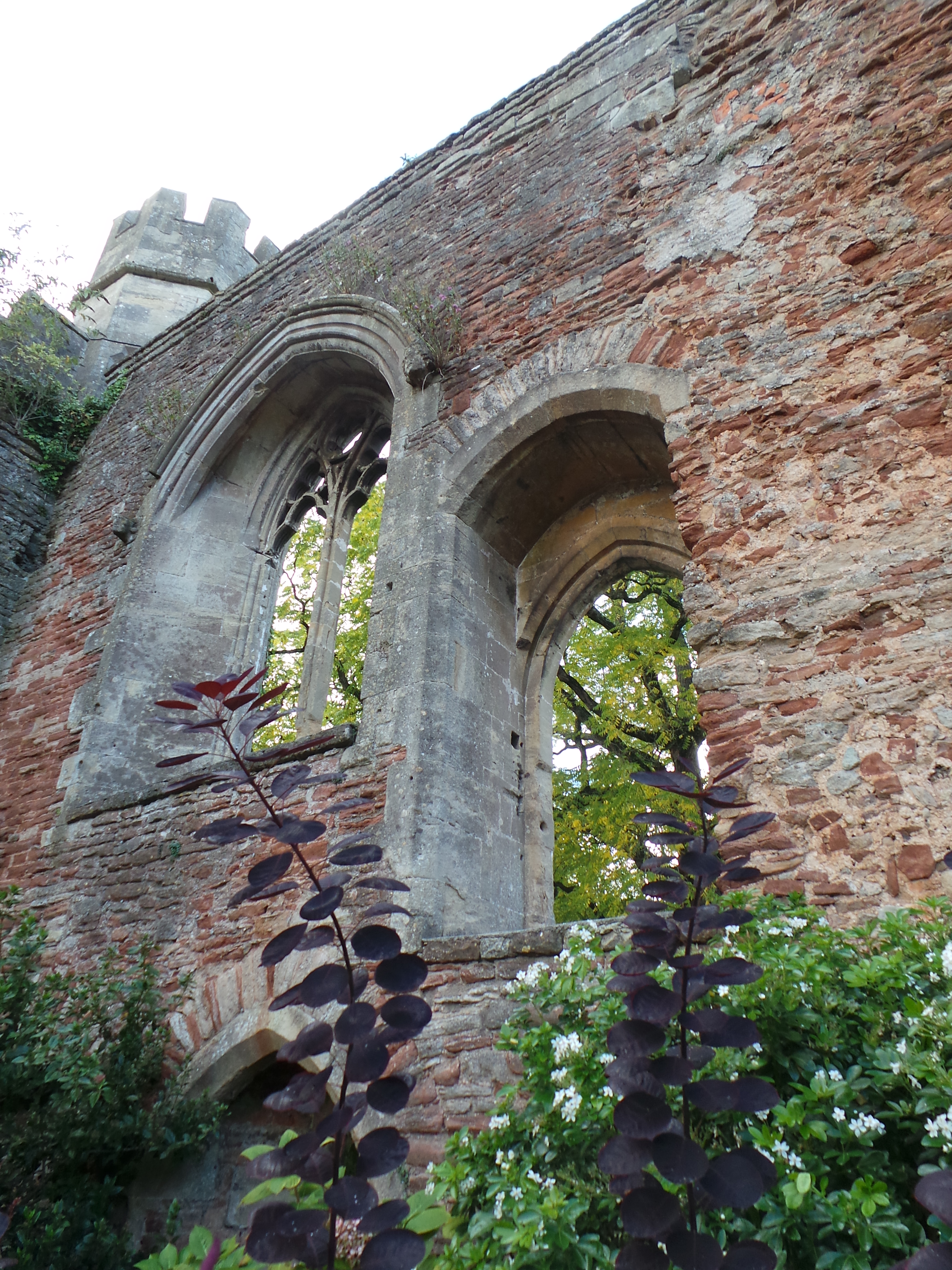
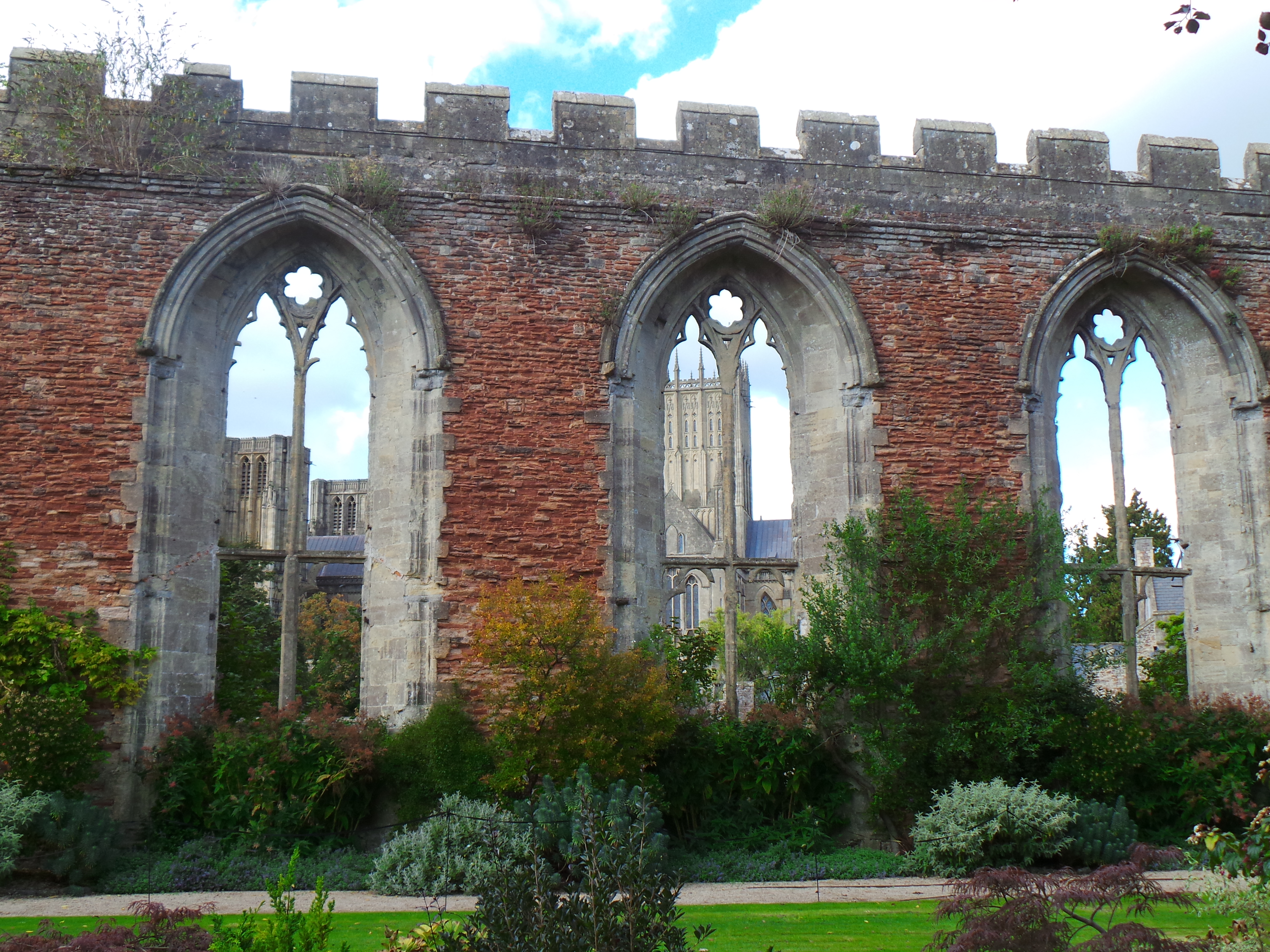
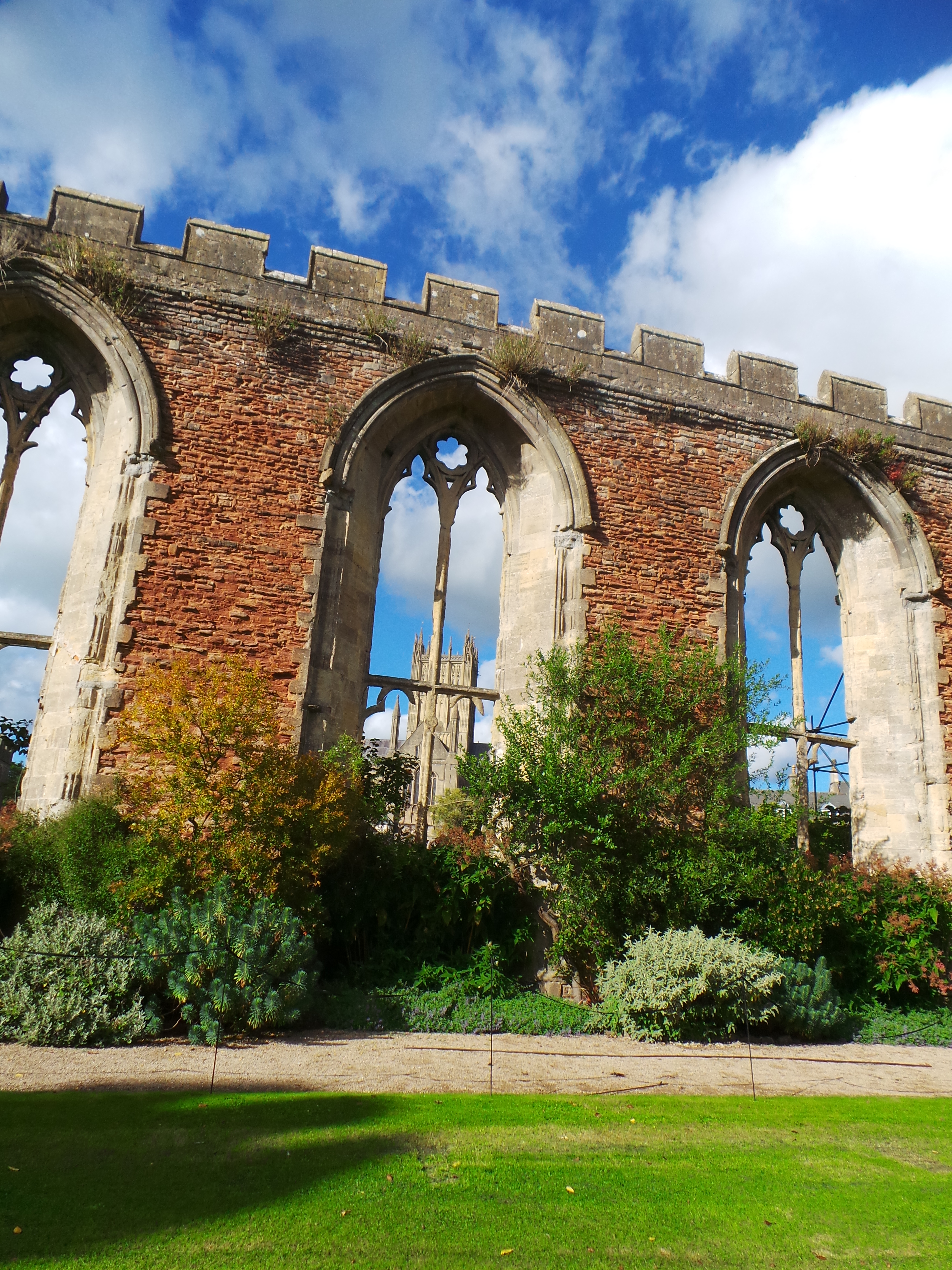
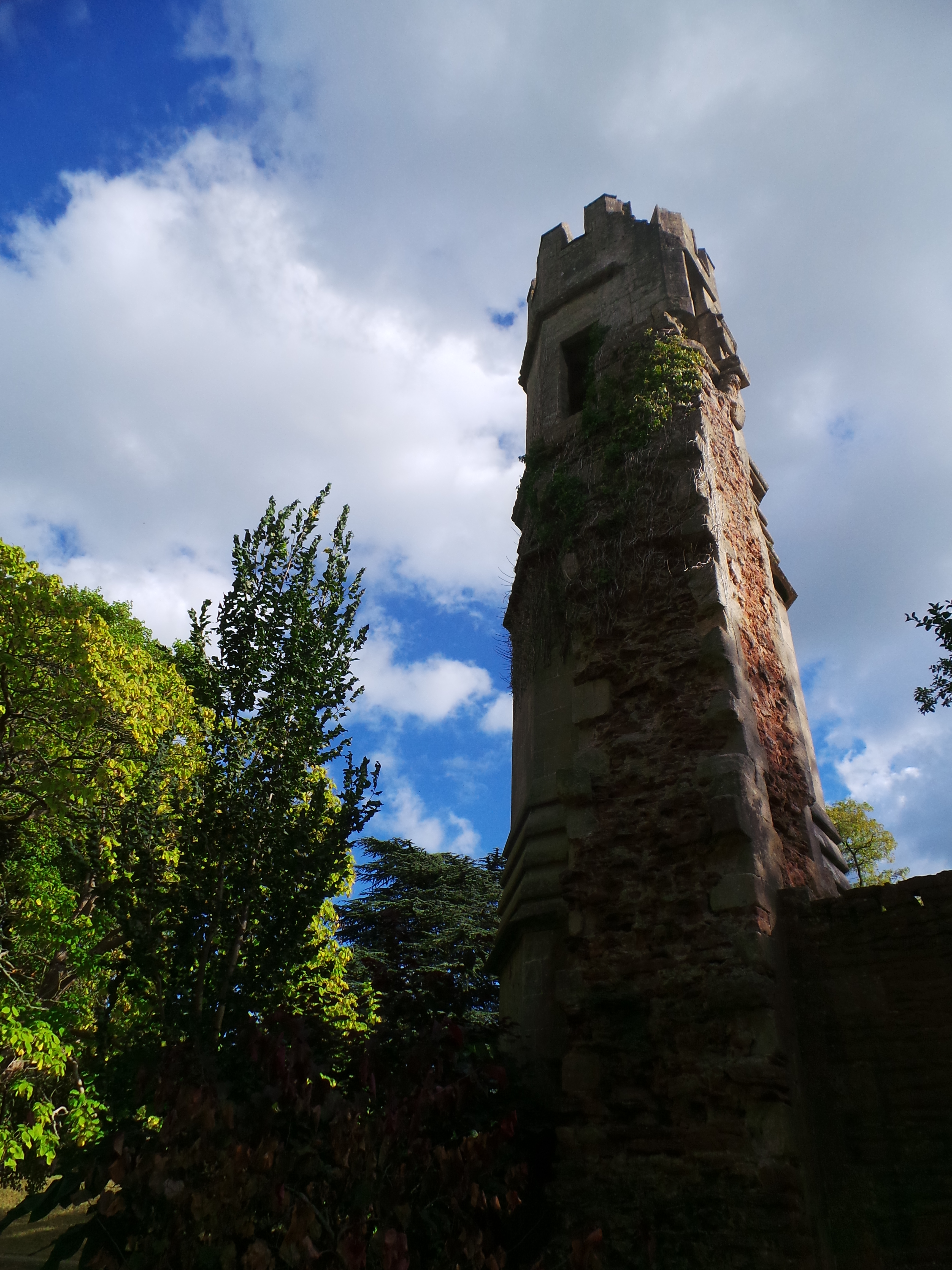
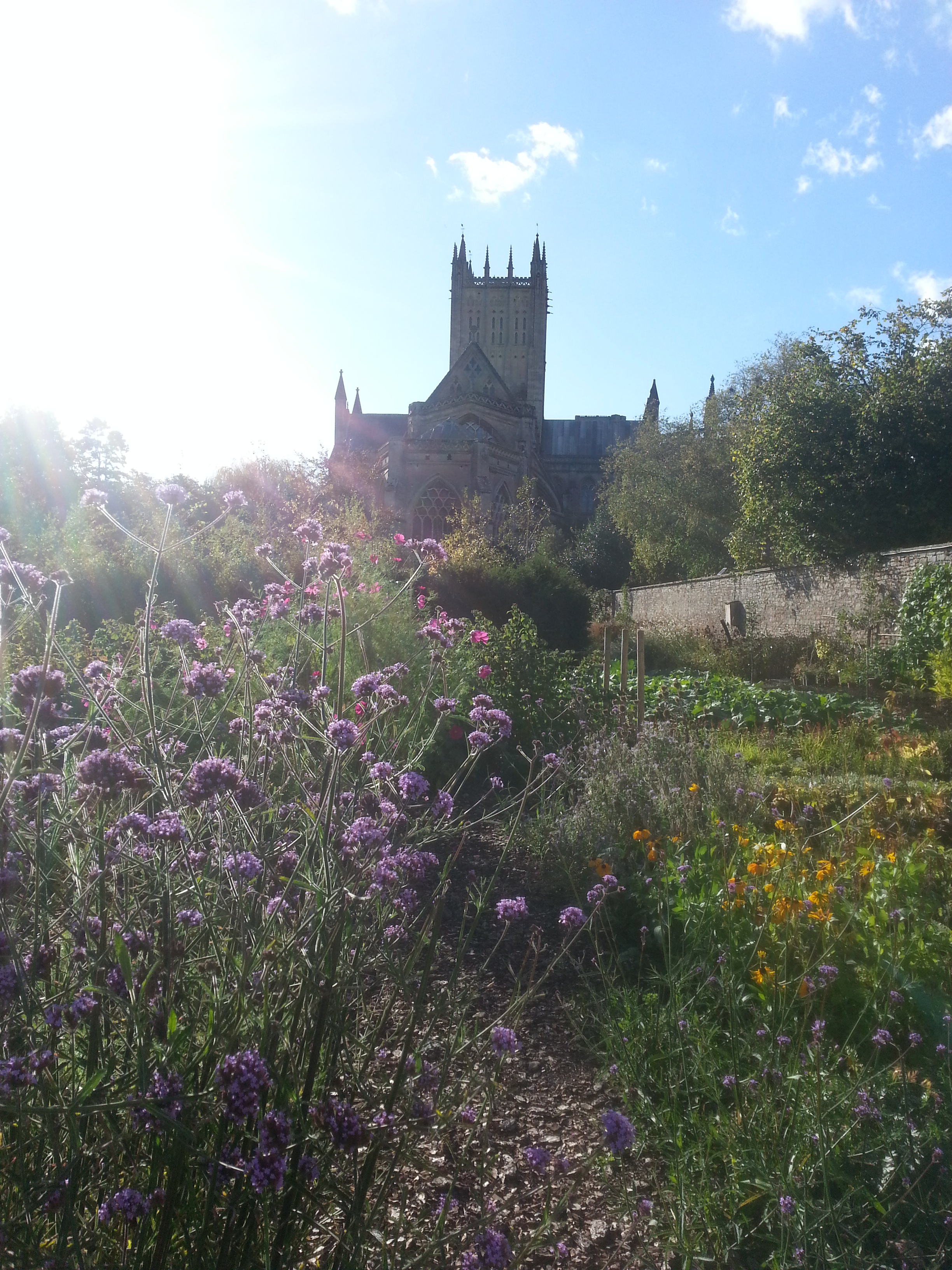
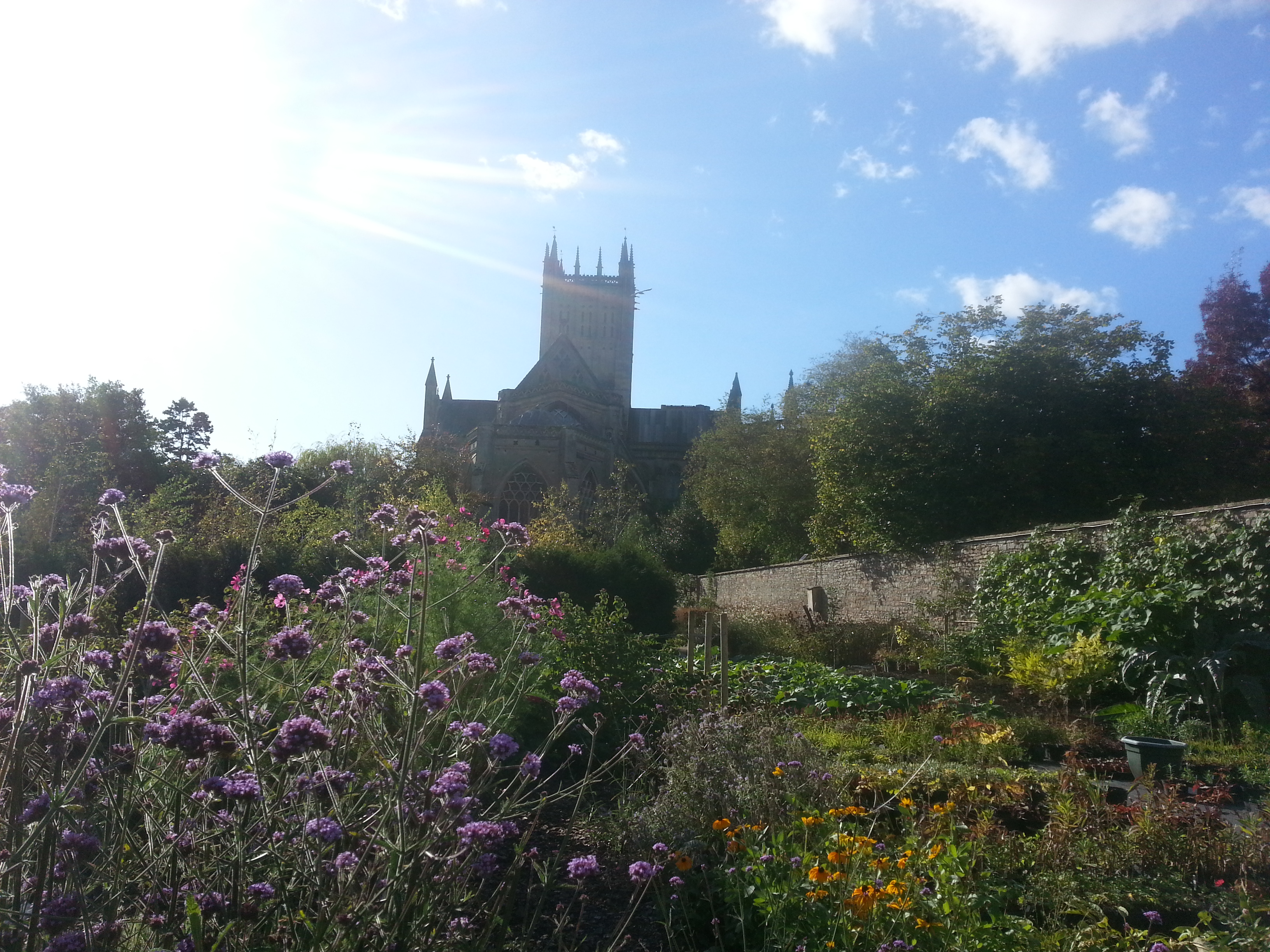
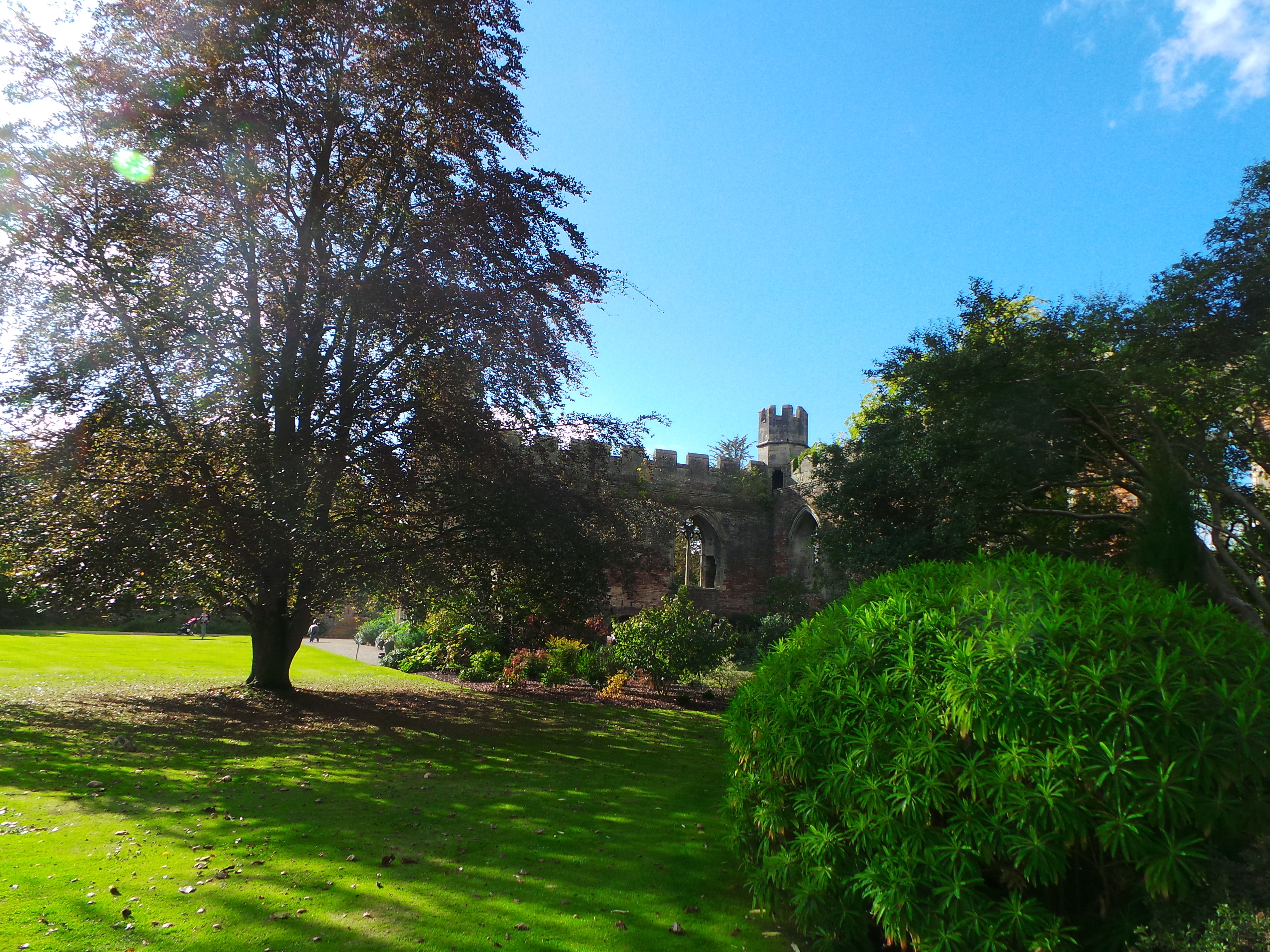
It turned out to be an excellent idea as we found the bishop’s garden to be full of interest and atmosphere. Come for a wander and see if you agree! The garden sits well with the architecture which encloses it or sits within it. At times the plants climb the walls or scramble over ruins. At times the architecture is a backdrop and the colours of the stone and brick act as a great foil for the colour of foliage and flower.

It is a garden of plants and walls.

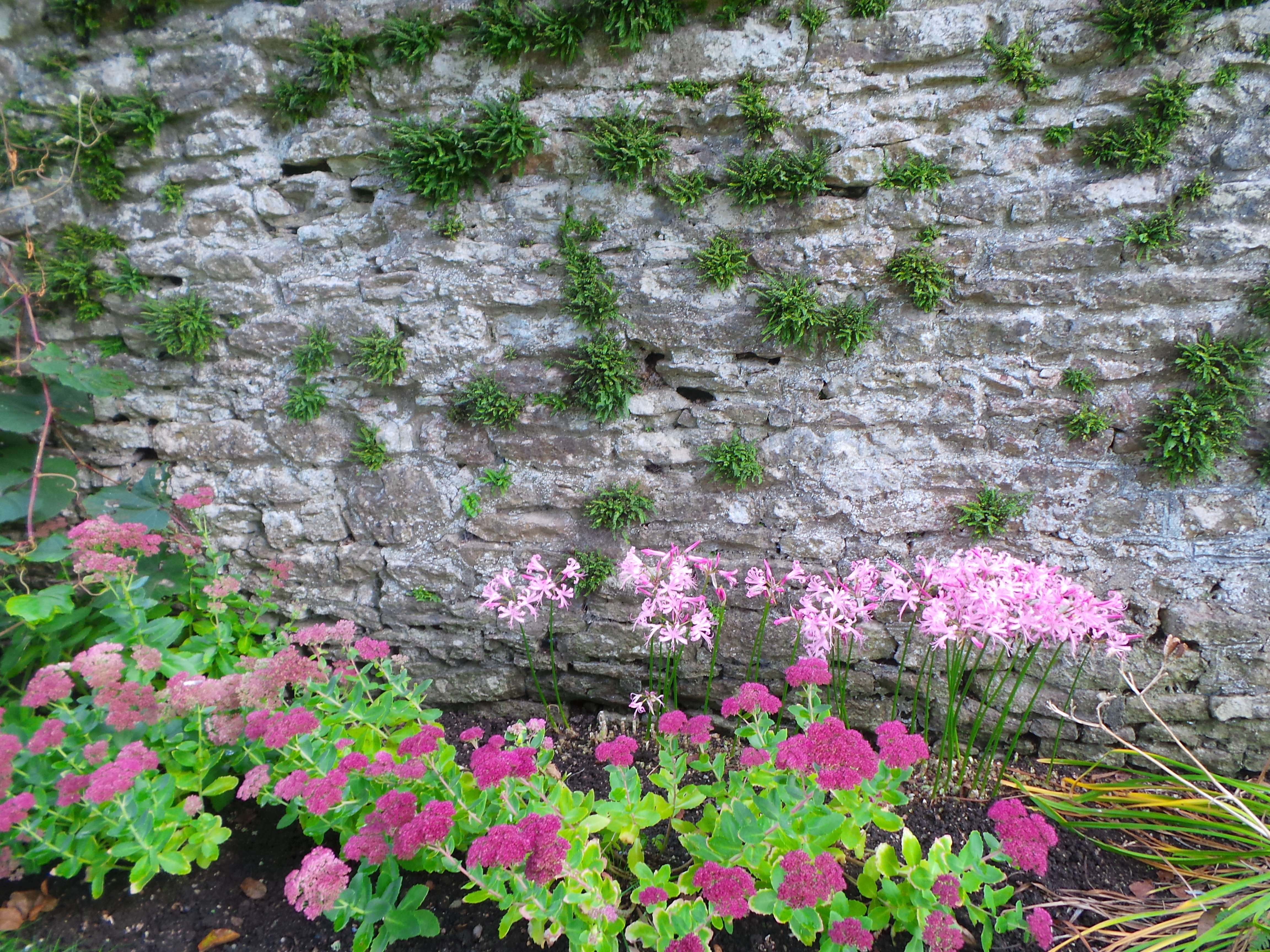
2014 10 04_5780 2014 10 04_5781 2014 10 04_5548 2014 10 04_5549 2014 10 04_5551 2014 10 04_5782 2014 10 04_5783 2014 10 04_5785 2014 10 04_5796 2014 10 04_57982014 10 04_5800 2014 10 04_5801 2014 10 04_5802

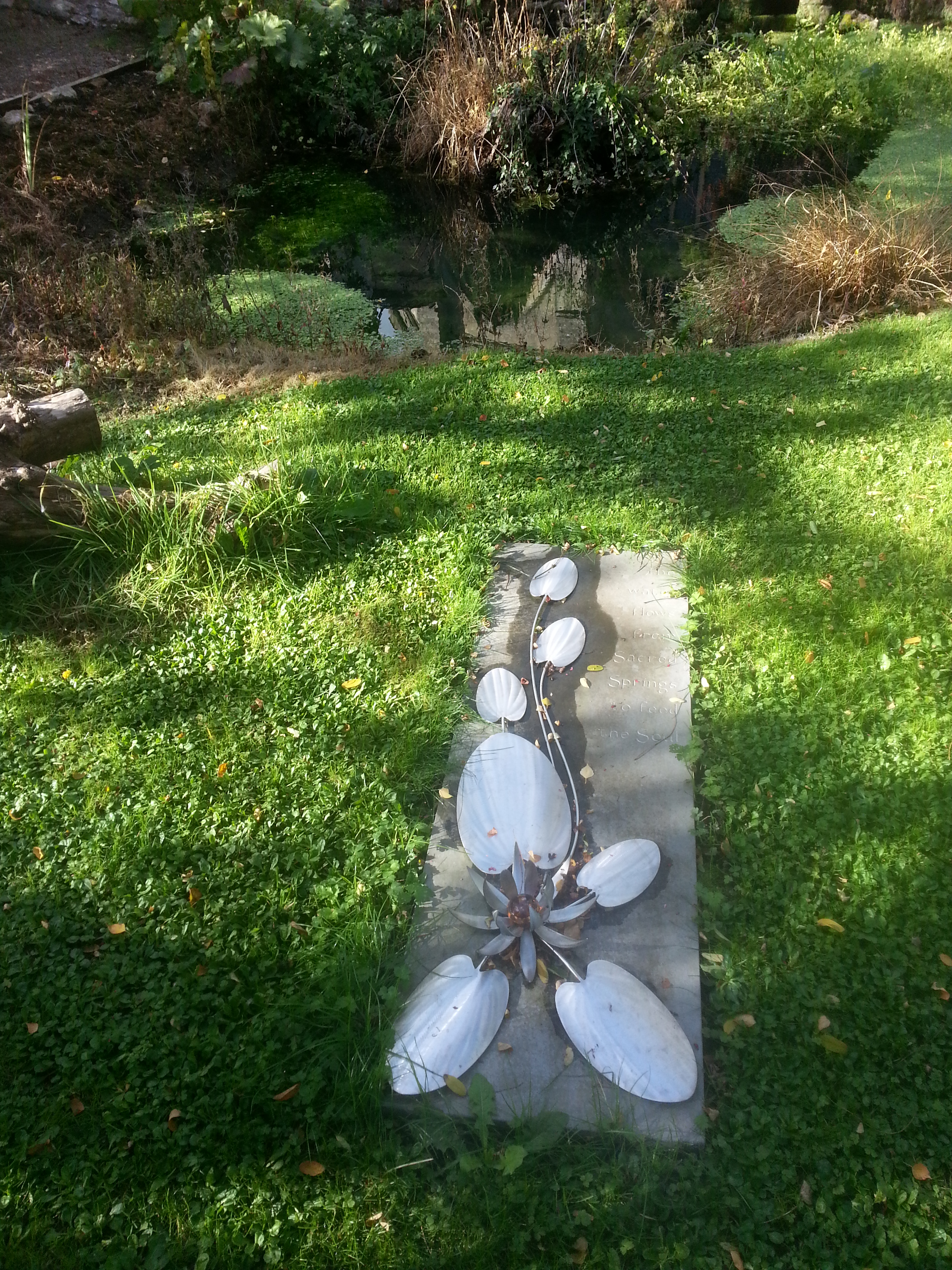
We found sculpture in several styles and from different eras within the garden.

2014 10 04_57872014 10 04_5784 2014 10 04_55502014 10 04_55532014 10 04_5795 2014 10 04_58052014 10 04_5821 2014 10 04_5816

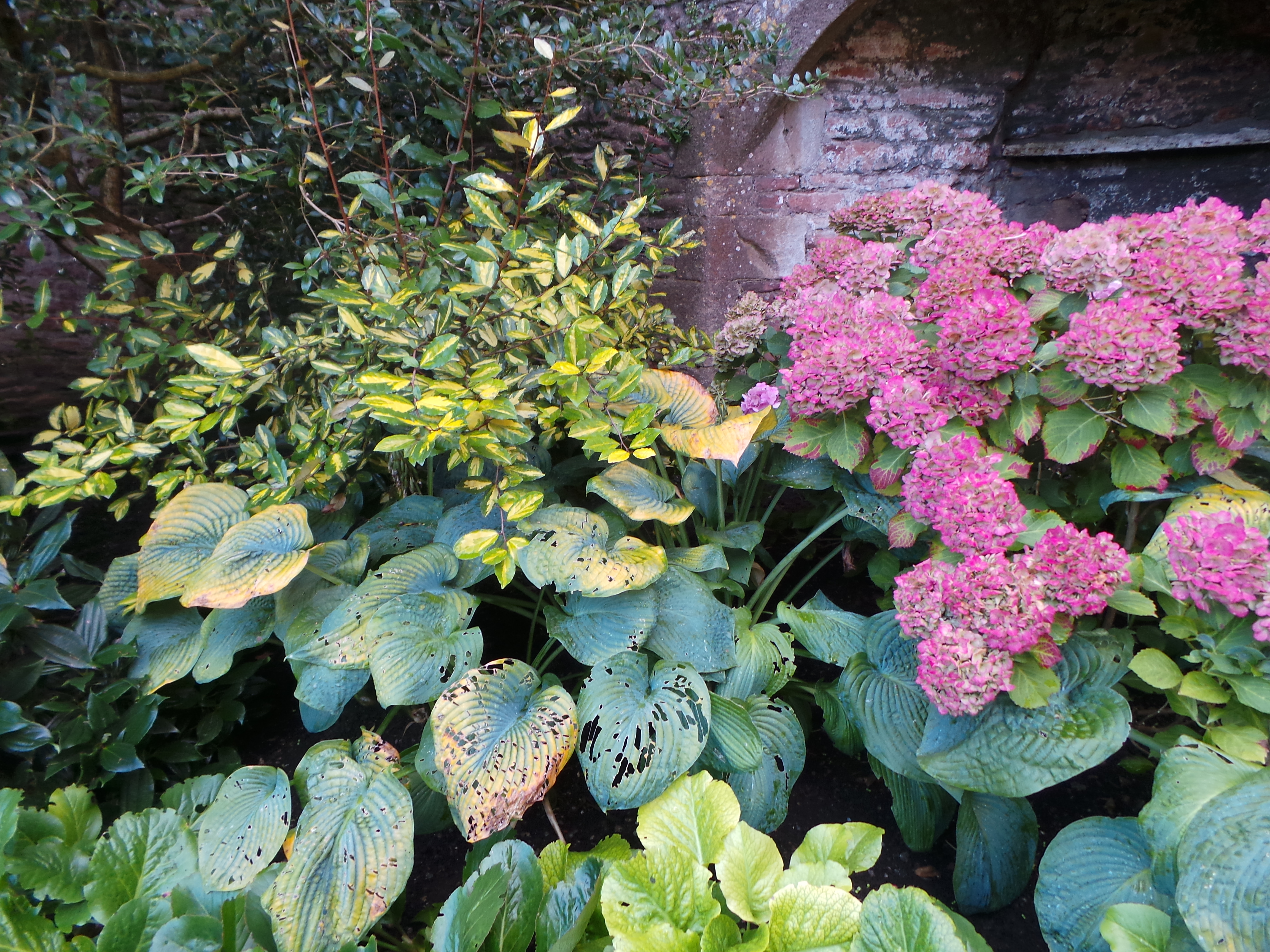
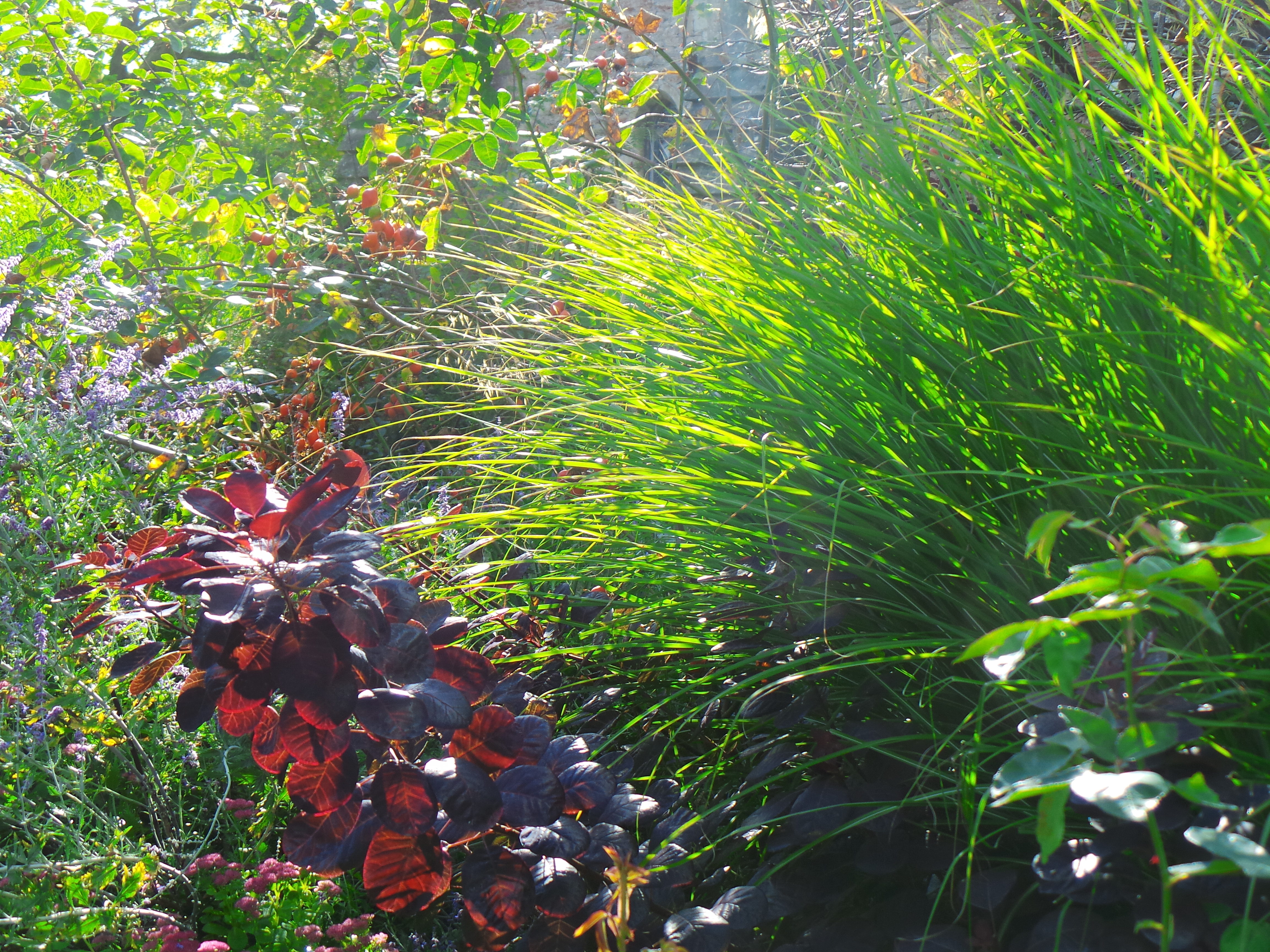
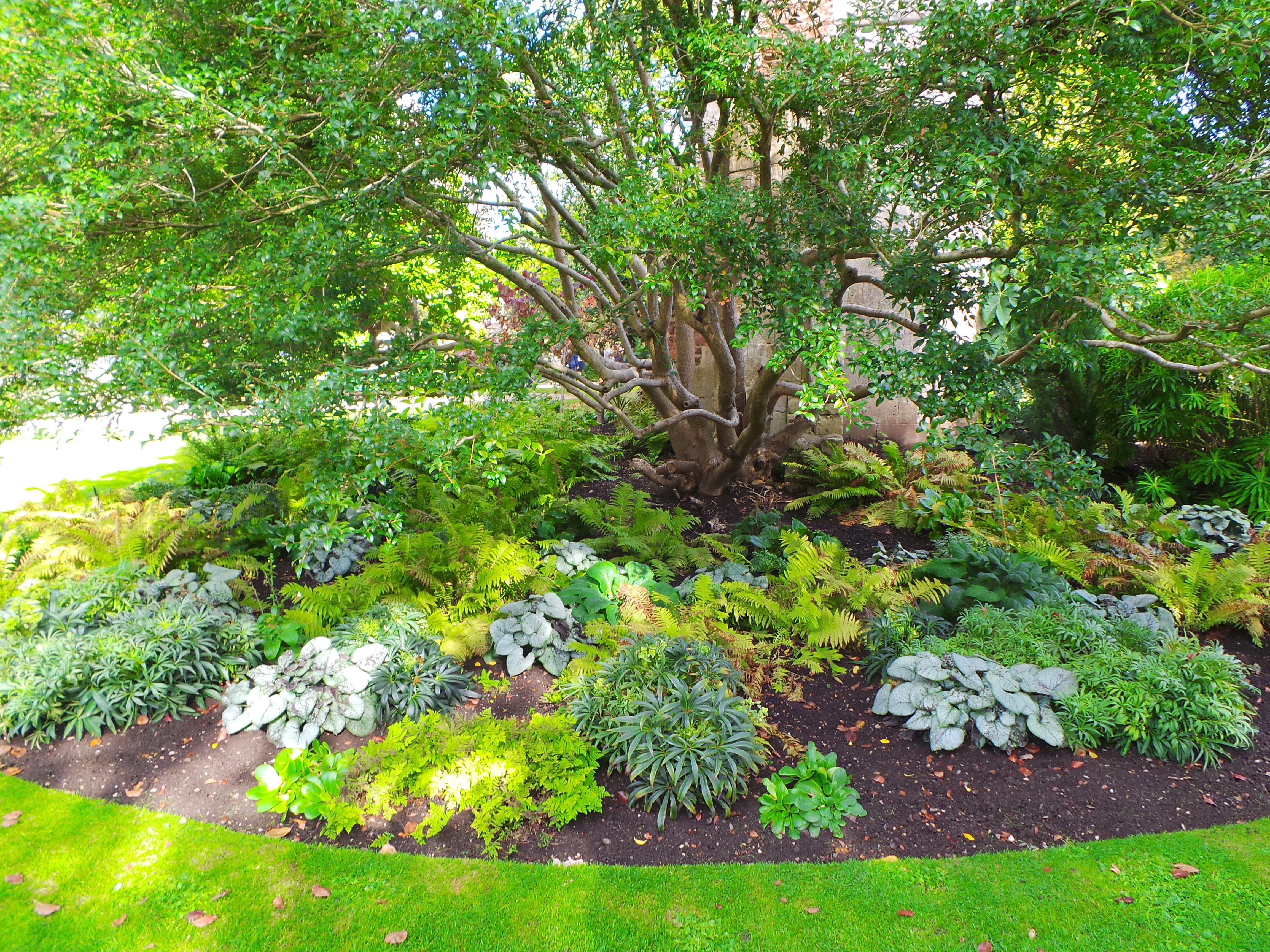
The planting was well thought out with interesting combinations.

2014 10 04_5786 2014 10 04_57882014 10 04_5789 2014 10 04_57902014 10 04_5794 2014 10 04_57932014 10 04_5820 2014 10 04_58182014 10 04_5799

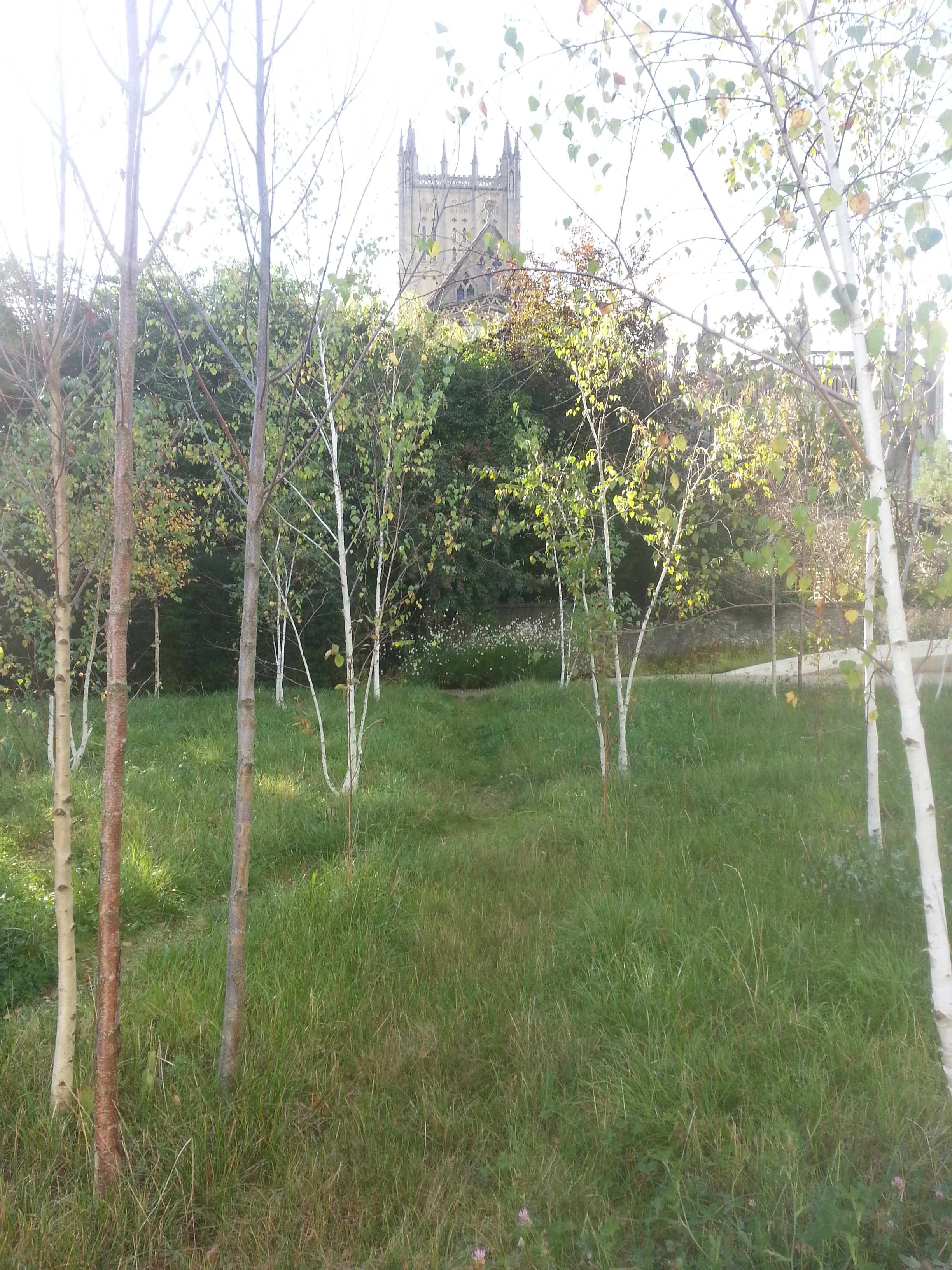
White stemmed Birches bleached in the brightness of the day looked so at home against the white of the stone.

2014 10 04_5555 2014 10 04_55562014 10 04_5552 2014 10 04_5558

Overall the garden design was informal but in an area enclosed by buildings we found a more formally structured garden. In the borders within the formal structure the planting was ebullient and lively.

2014 10 04_5817 2014 10 04_58192014 10 04_5815 2014 10 04_58142014 10 04_5813

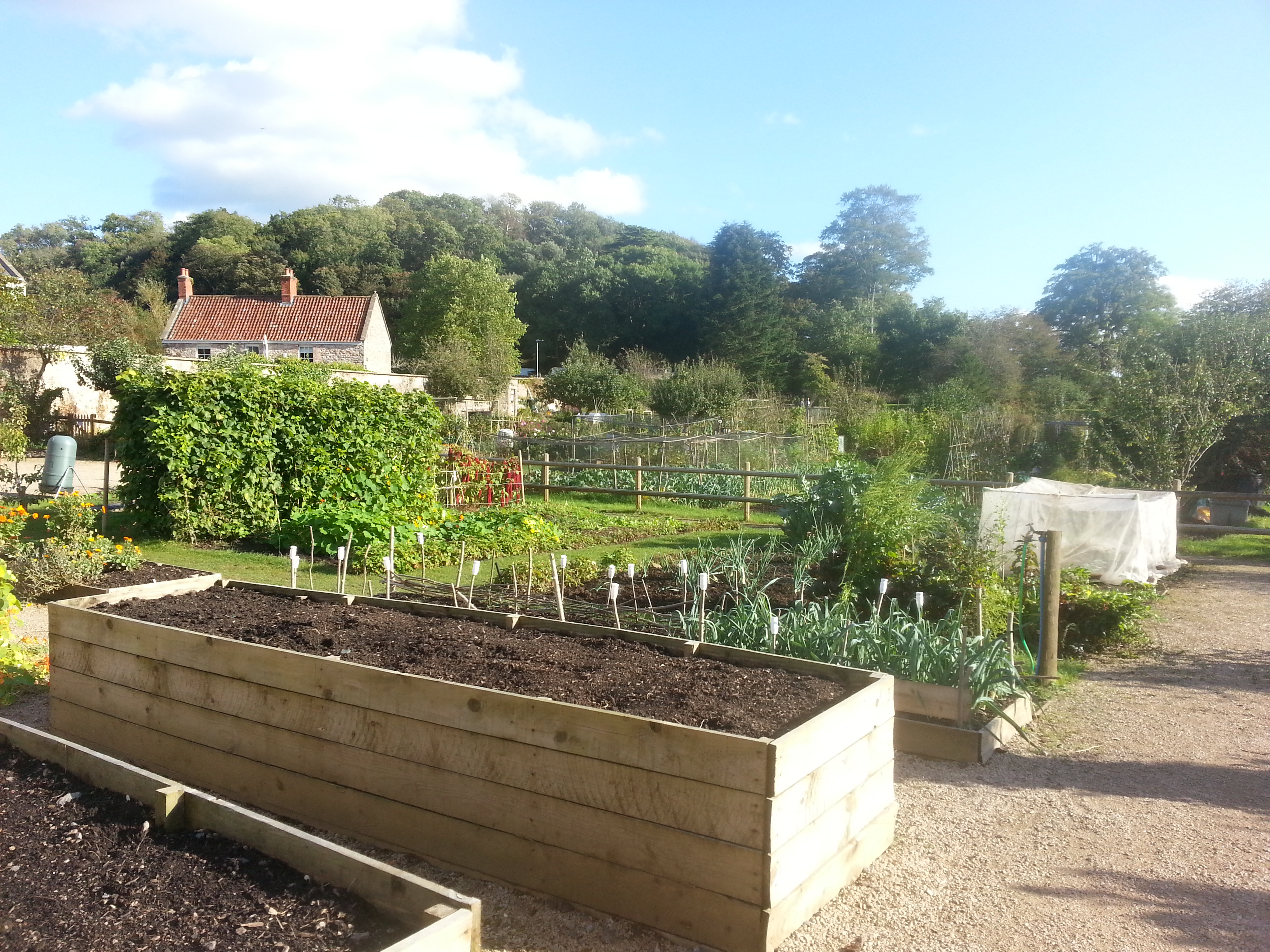
Part of the garden had been given over to the local community to use as a communal garden including allotments.

2014 10 04_5560 2014 10 04_5561 2014 10 04_5562 2014 10 04_5804 2014 10 04_5806 2014 10 04_55662014 10 04_5565 2014 10 04_5564 2014 10 04_5563 2014 10 04_5810

So the discovery of the Bishops Garden proved to be an unexpected treat, a place full of delights, tumbling ruins, rich plantings and sculpture.

2014 10 04_5811 2014 10 04_5804


Categories
allotments colours community gardening flowering bulbs fruit and veg garden photography gardens irises light light quality meadows NGS ornamental trees and shrubs shrubs spring bulbs Winter Gardening winter gardens

The Allotments at Rest

We took a walk around our allotment site today to see what was going on and check that everything was okay. We had just watched the site on TV as we featured on a BBC2 series called the Great British Garden Revival. I filmed with Dermuid Gavin a feature on wildlife gardening. It was a strange experience seeing our allotment site on the screen but even stranger seeing our own plot being used as an example of a wildlife friendly garden.

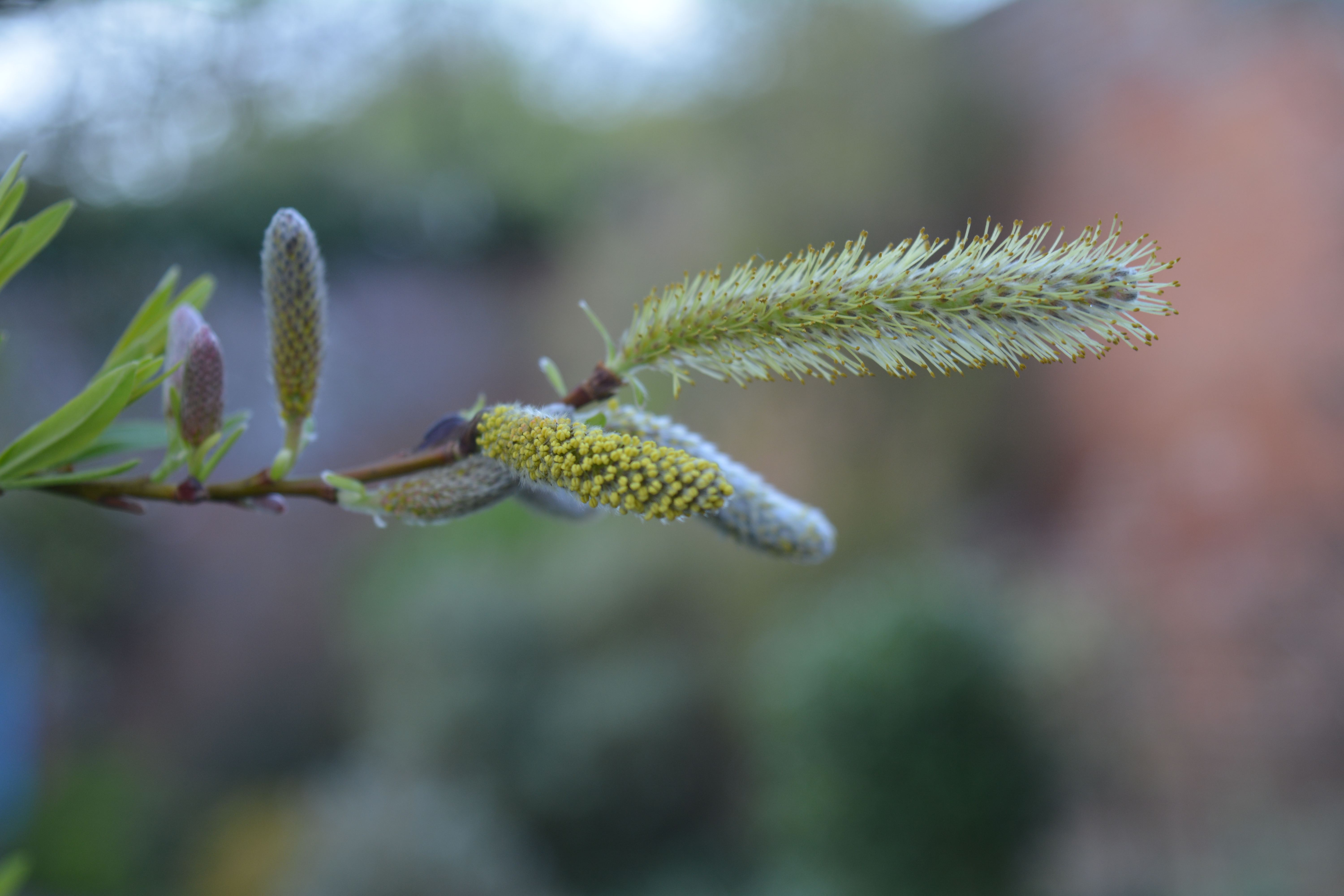
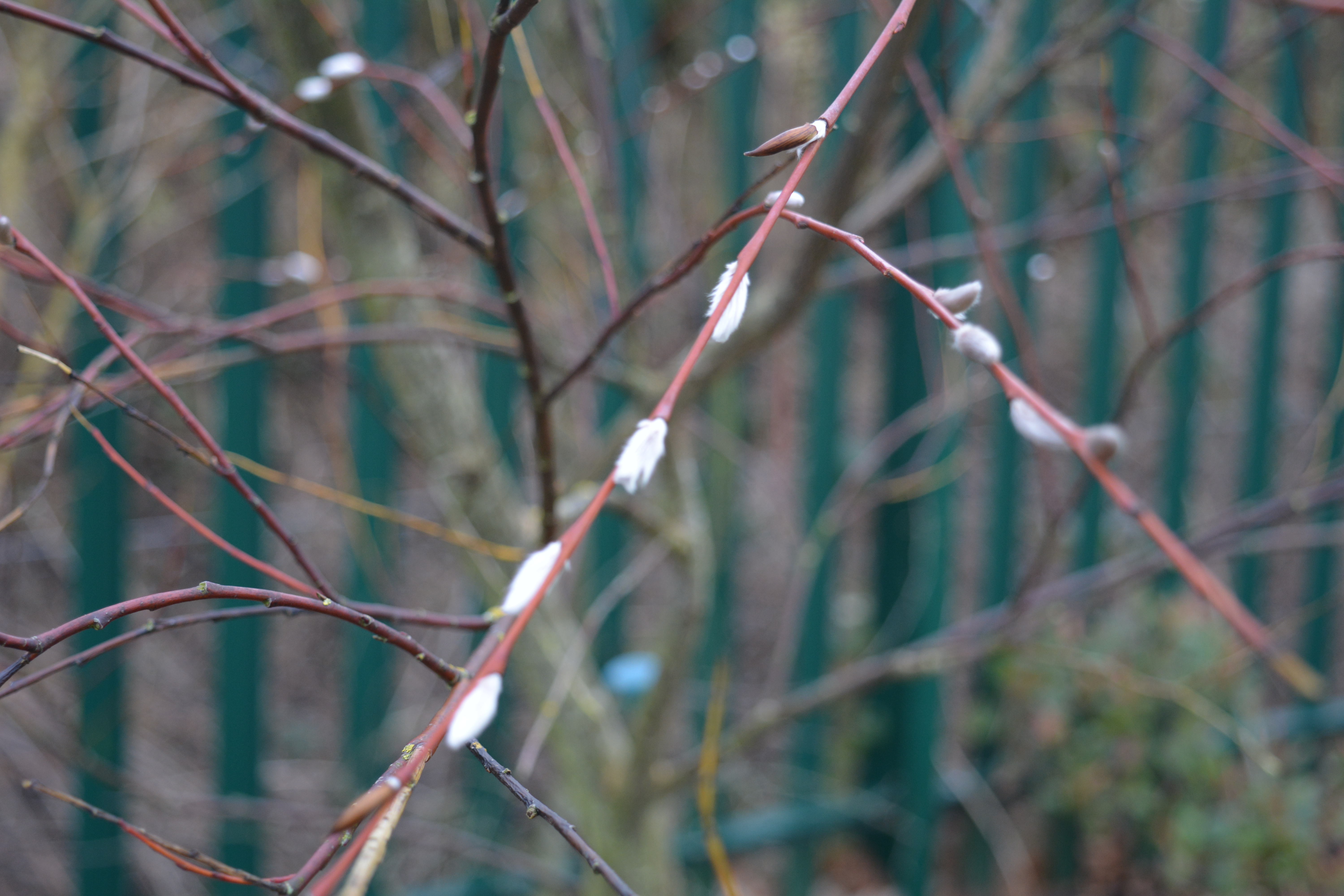
For today’s wander we arrived during a period of sunshine with a clear blue sky over our heads, but by the time we were half way around the clouds had arrived and we were subjected to light but very cold rain. The pure white catkins of the Violet willow in the Spring Garden sit like droplets of rain water after a storm. They are bright enough to be visible from a long way away. They draw attention to themselves very well!

2015 01 18_9332_edited-1

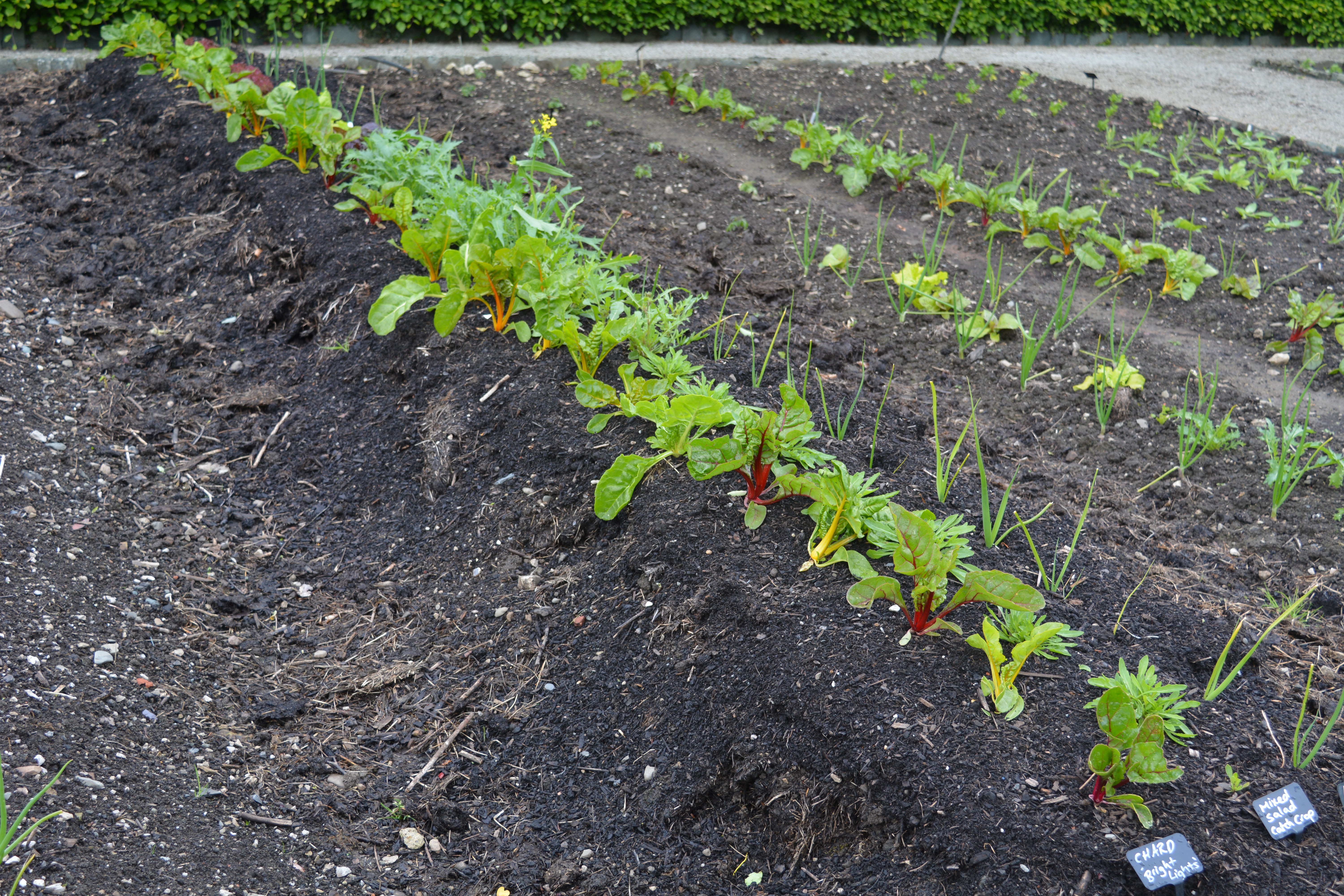
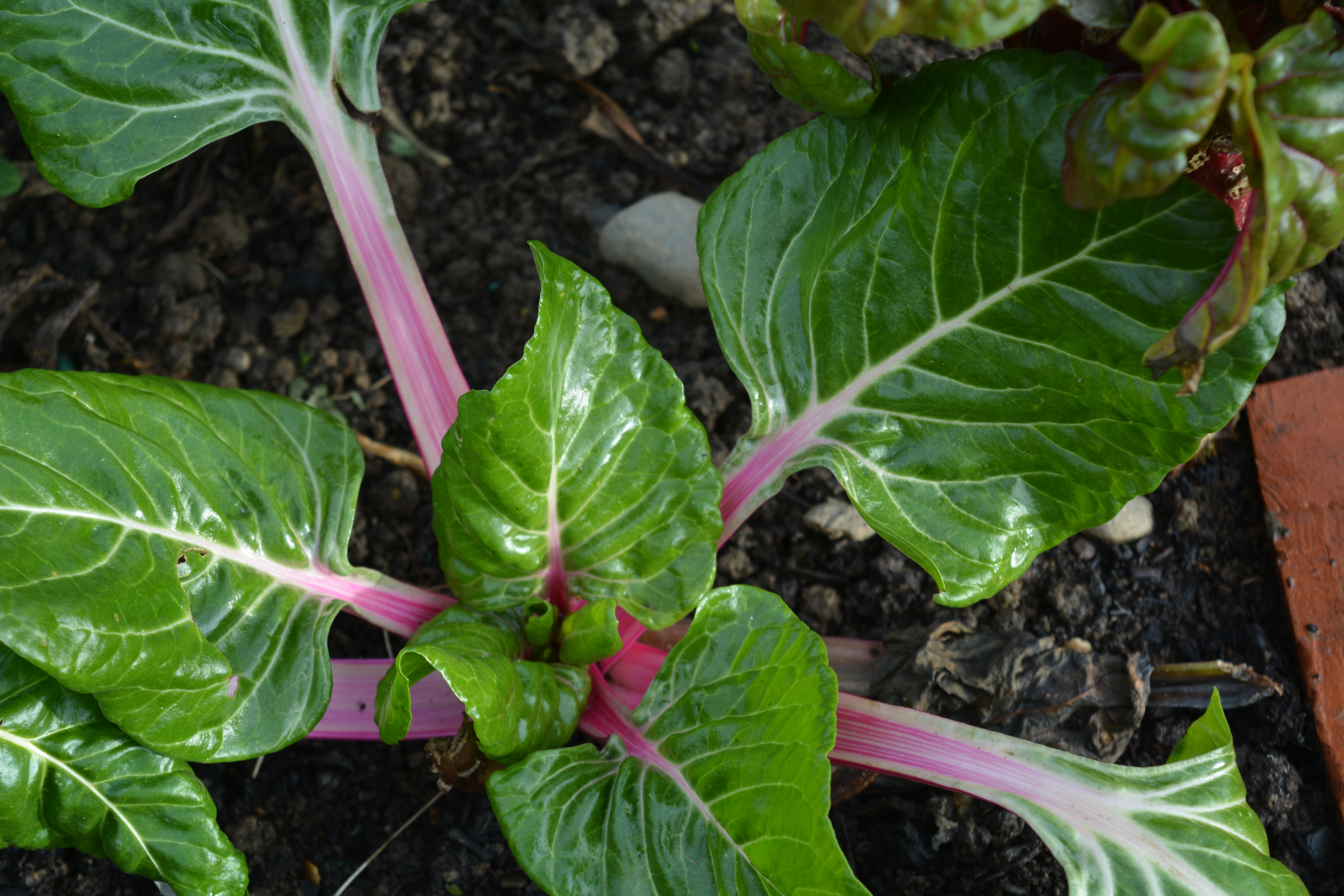
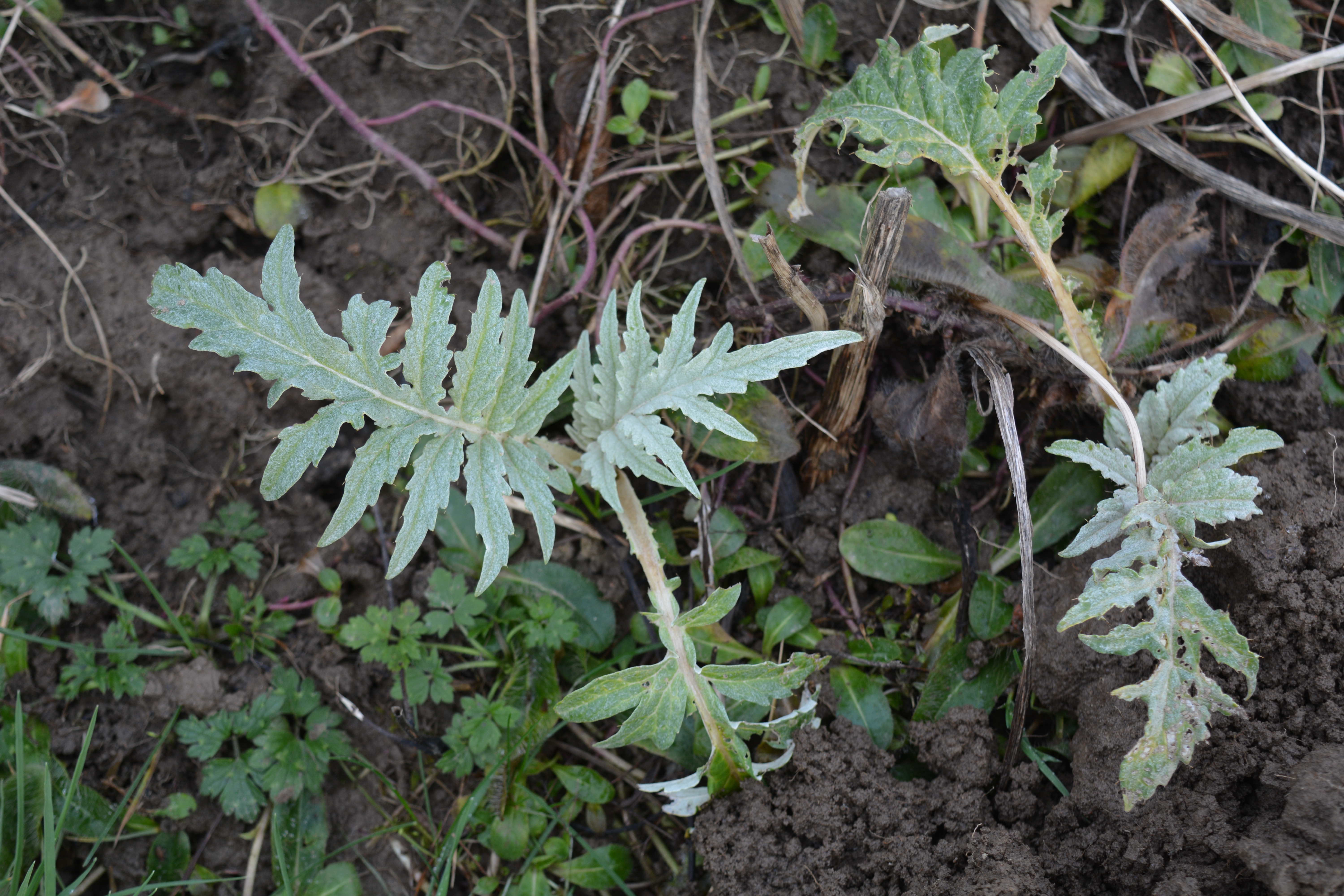
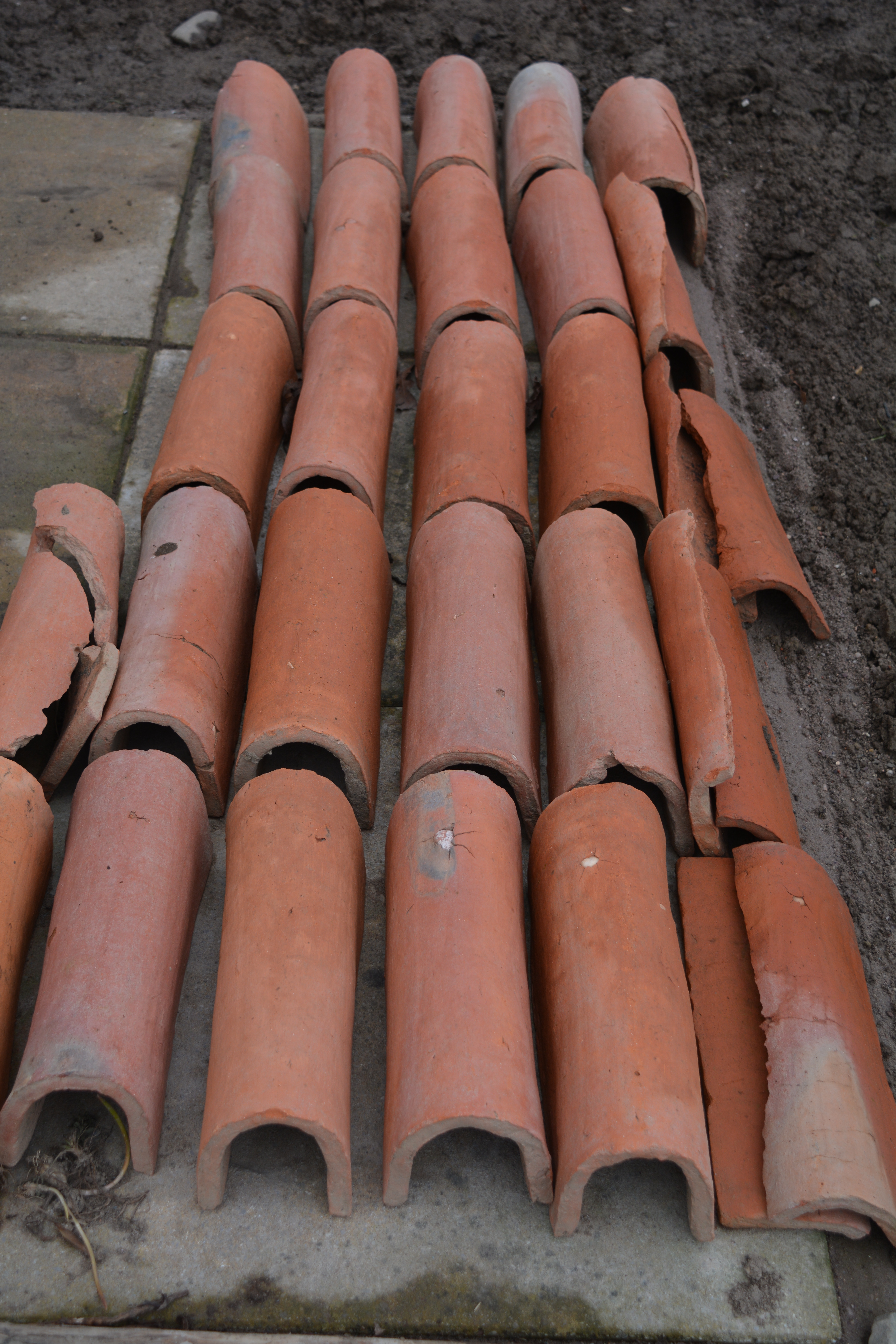
Probably the brightest of winter colours on any veg plot is provided by Swiss Chard especially the cultivar called Bright Lights. Light catches on the textured leaves emphasising their undulating surface. The other crops still in evidence are sprouts that have overwintered and the new fresh foliage of the Globe Artichoke. These leaves now just a few inches long will expand to a massive few feet in length and the plants will reach a good nine or ten feet in height. Their purple, teasel like flowers will delight our pollinators the butterflies, bees and hoverflies and the seed heads that follow will be a magnet to greedy Goldfinches and Linnets in the autumn. Perhaps the strongest pattern of all was found on Tom’s plot, where he has set out all the old clay drainage pipes that he dug up from his plot.

2015 01 18_9312 2015 01 18_9313 2015 01 18_9314 2015 01 18_9330

2015 01 18_9327 2015 01 18_9355

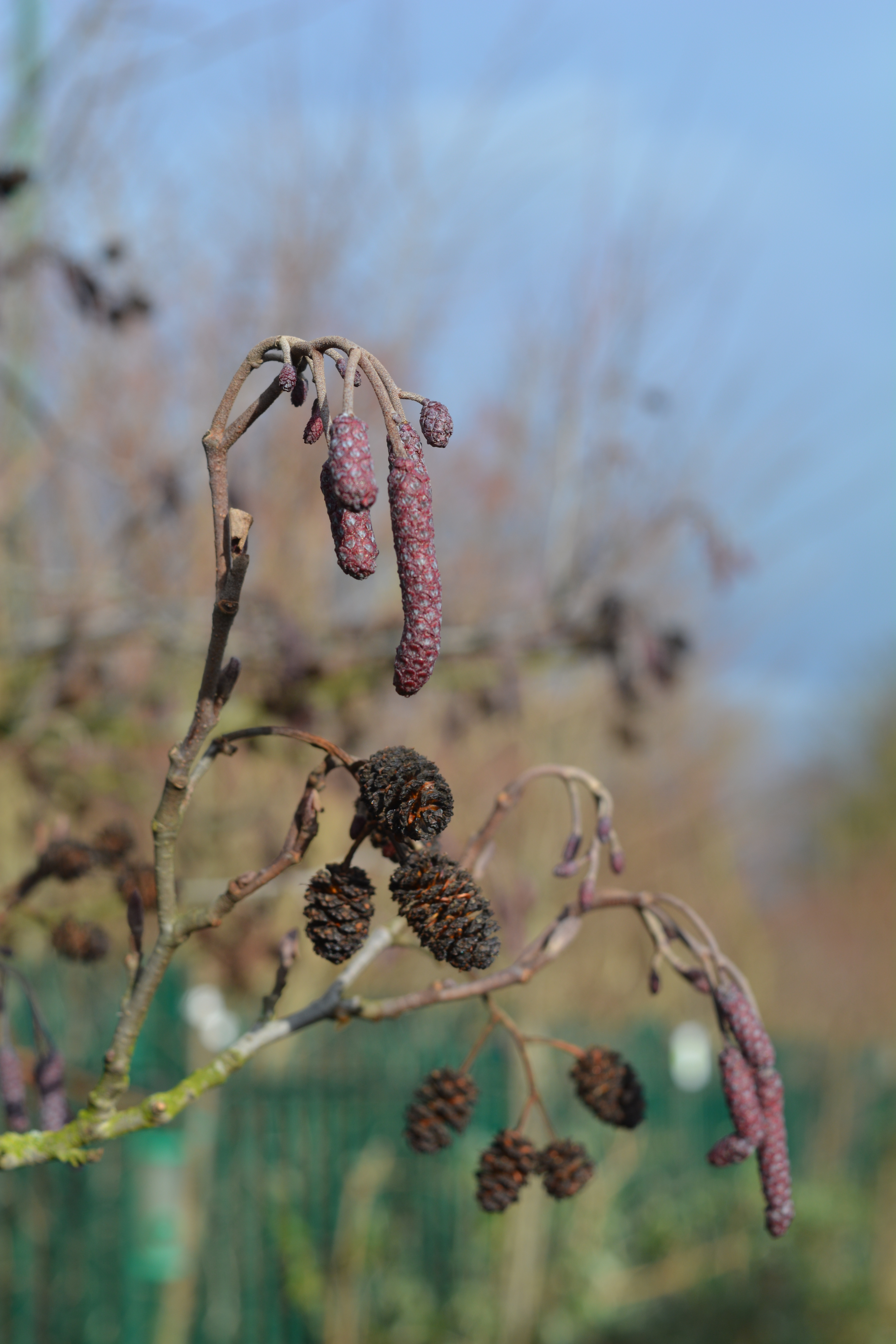
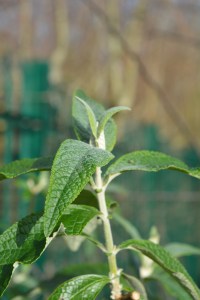
Both the male and female catkins glow purple on the Alders in the Autumn Garden where their neighbours the Buddlejas are showing fresh foliage with their texture like reptilian skin.

2015 01 18_9316 2015 01 18_93152015 01 18_9317

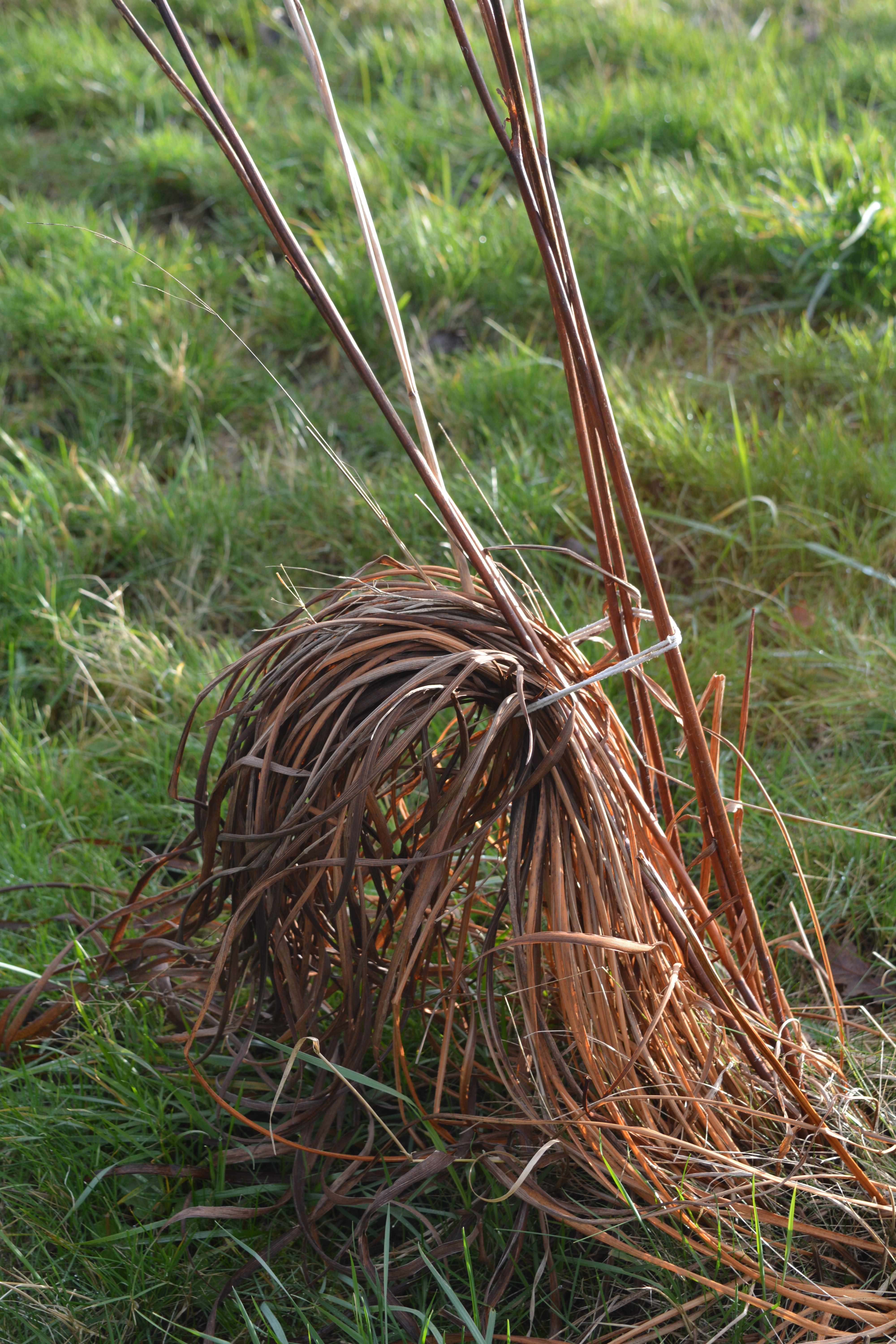
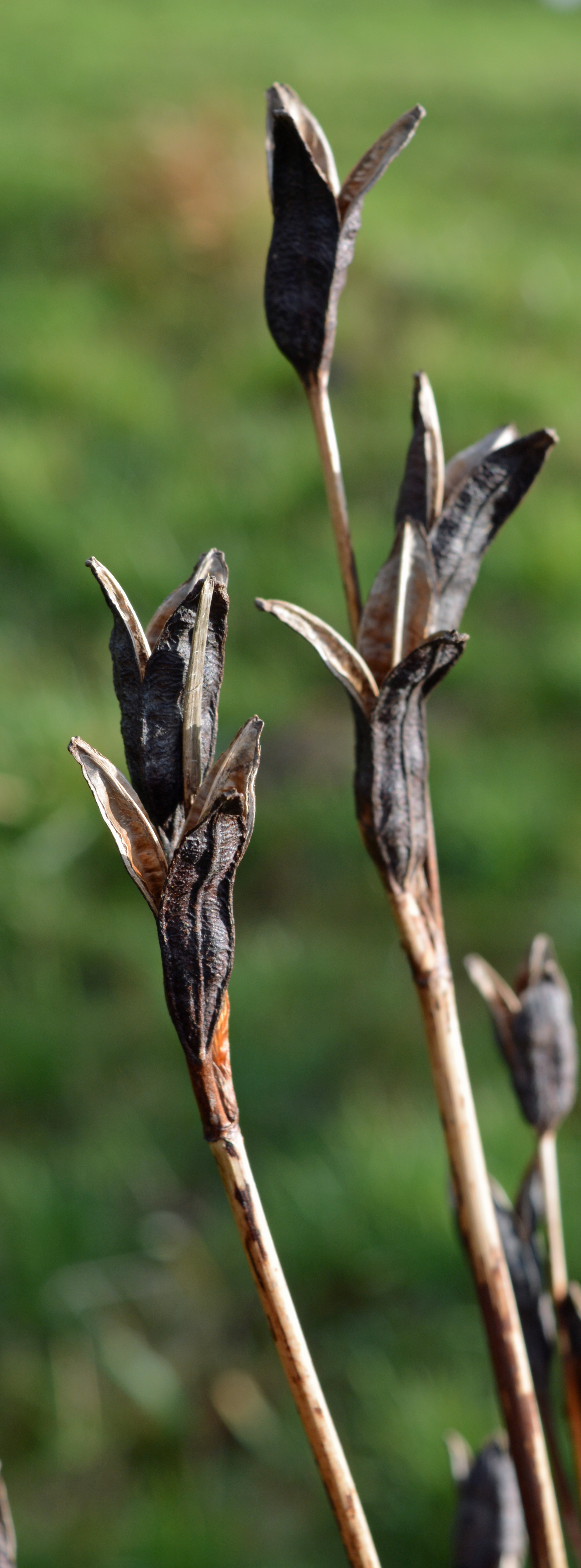
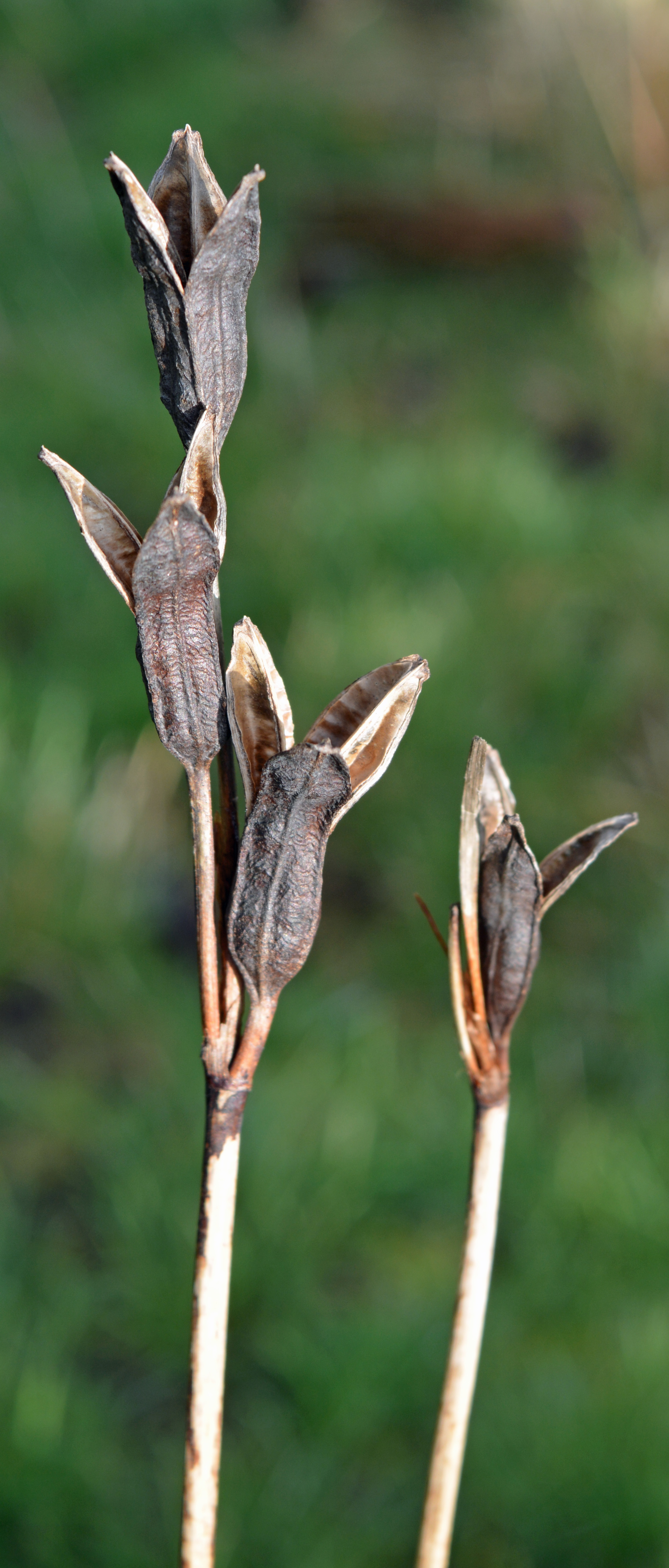
Last year’s plants in the meadows and borders are now skeletons of their former selves. There is a strong structure linked with subtle beauty in these spent seed heads.

2015 01 18_9318 2015 01 18_93222015 01 18_9345 2015 01 18_93482015 01 18_9350_edited-12015 01 18_9319_edited-1 2015 01 18_9320_edited-1

The wildlife shelters sitting in the orchards and meadows hide so many hibernating creatures. They shelter creatures from the winter cold and house anything from the tiniest insects up to amphibians such as frogs, toads and newts, birds like Wrens and Dunnock and mammals including  our confident Weasels. A lost glove adds a splash of colour! In our “Dedge” the bright colours of the various Lichen, yellows, chartreuse and greens, glow however dull the light is.

2015 01 18_9324 2015 01 18_93252015 01 18_9337

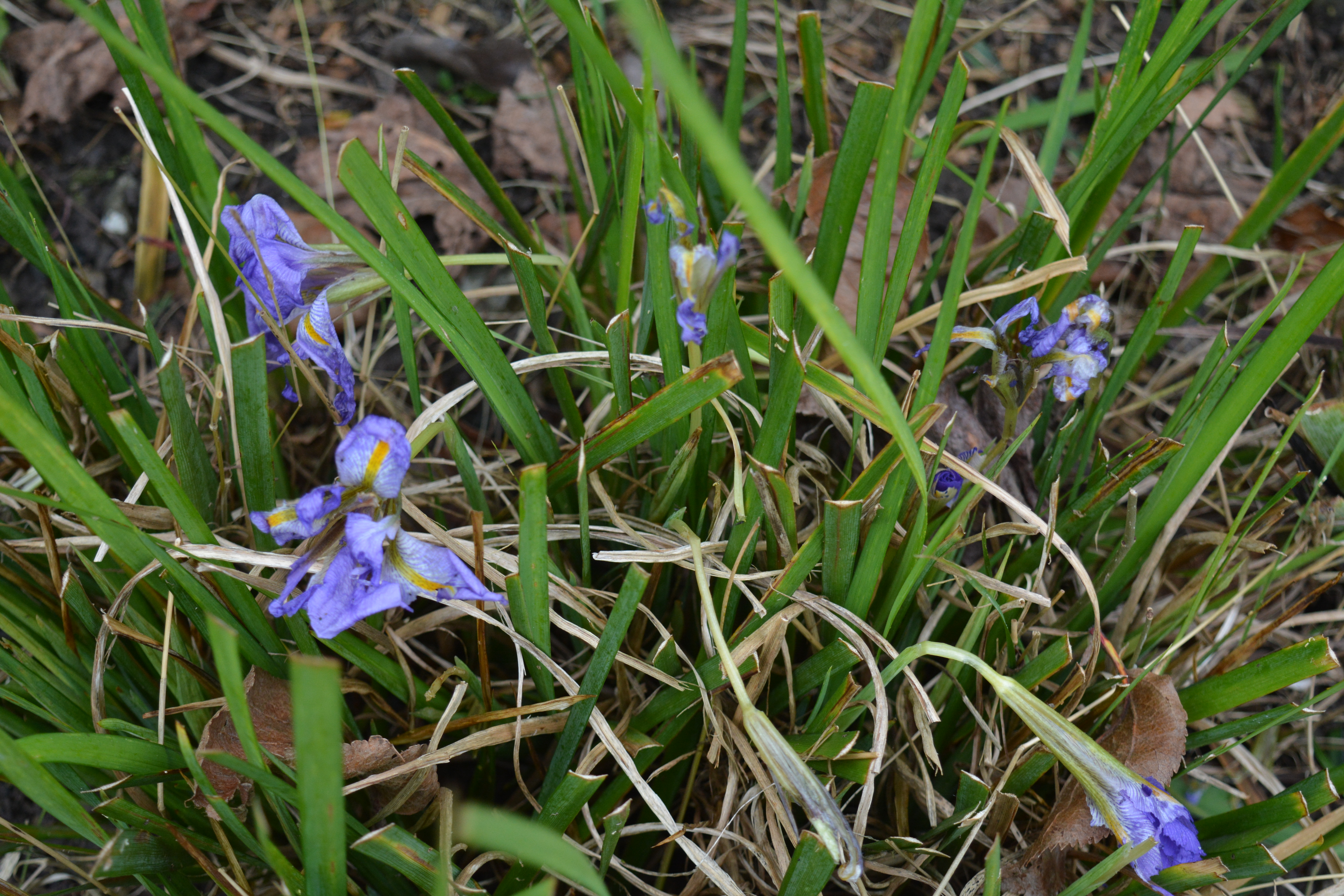
A few spring flowering bulbs are showing spears of green piercing the cold soil. Some are even flowering such as the diminutive Iris reticula and Snowdrops.

2015 01 18_9346 2015 01 18_9323_edited-1

2015 01 18_9334_edited-1 2015 01 18_9336

Variegated foliage always looks good in the winter when the silver or gold stripes, spots or squiggles shine against deep green backgrounds.

2015 01 18_9331 2015 01 18_9335

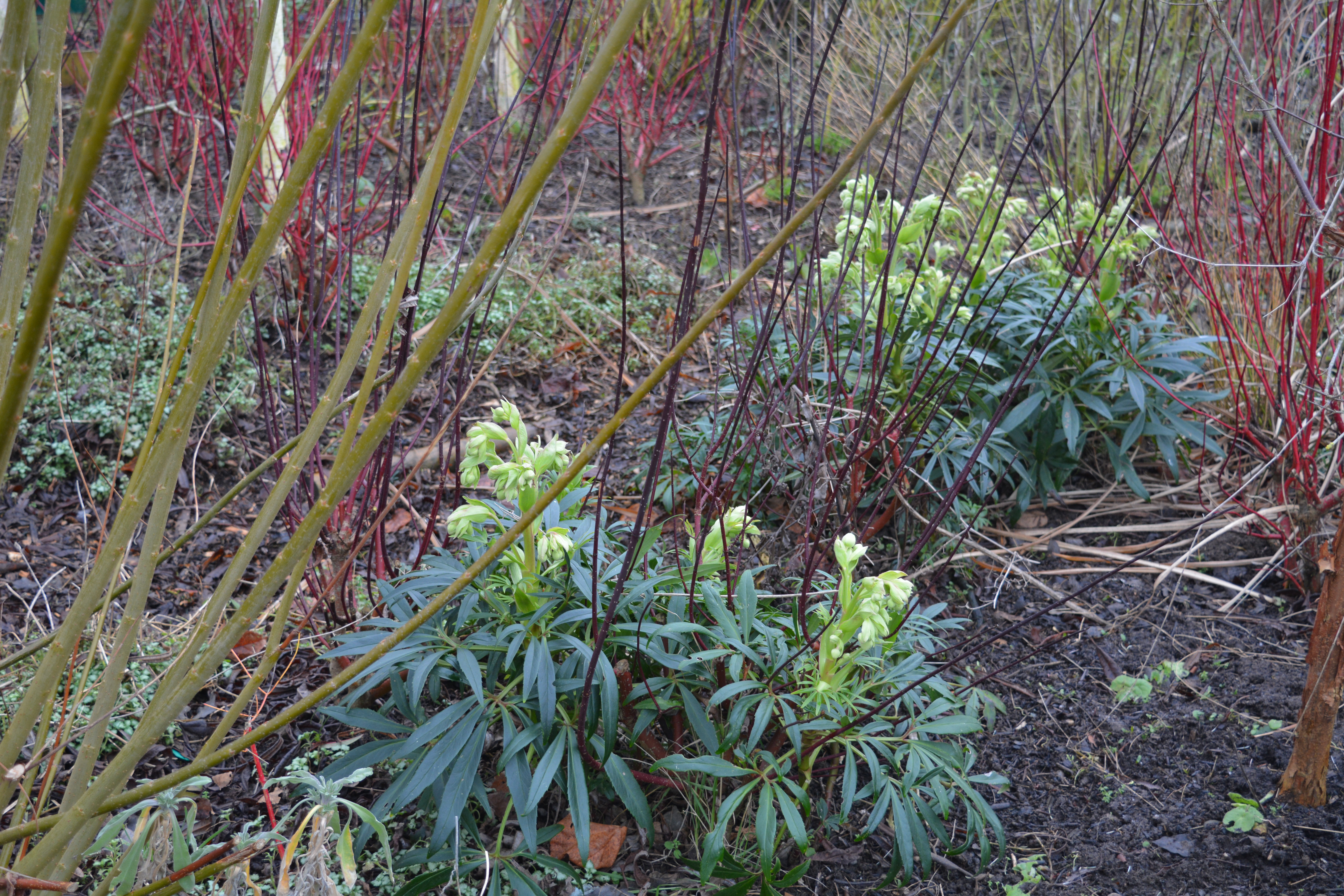
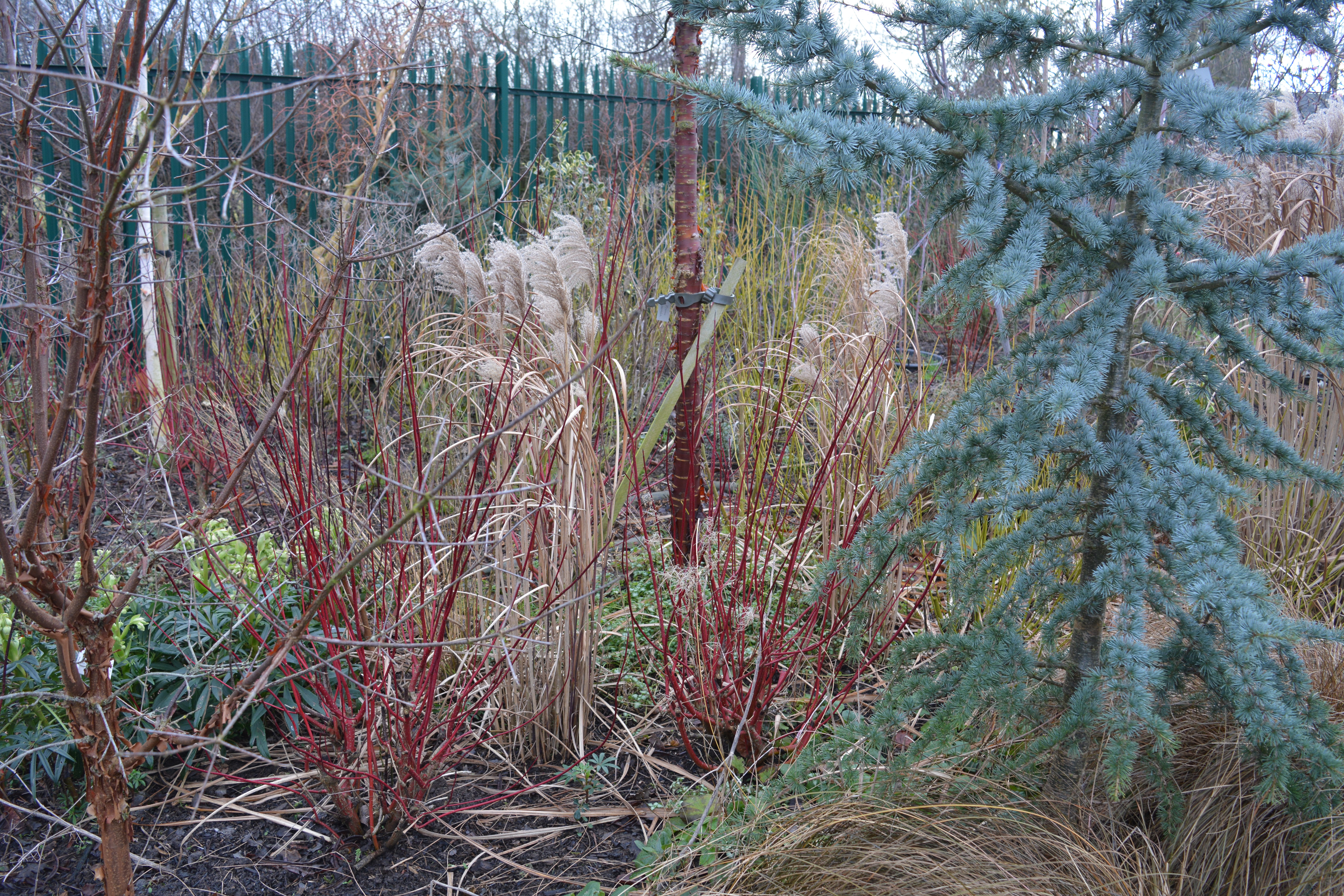
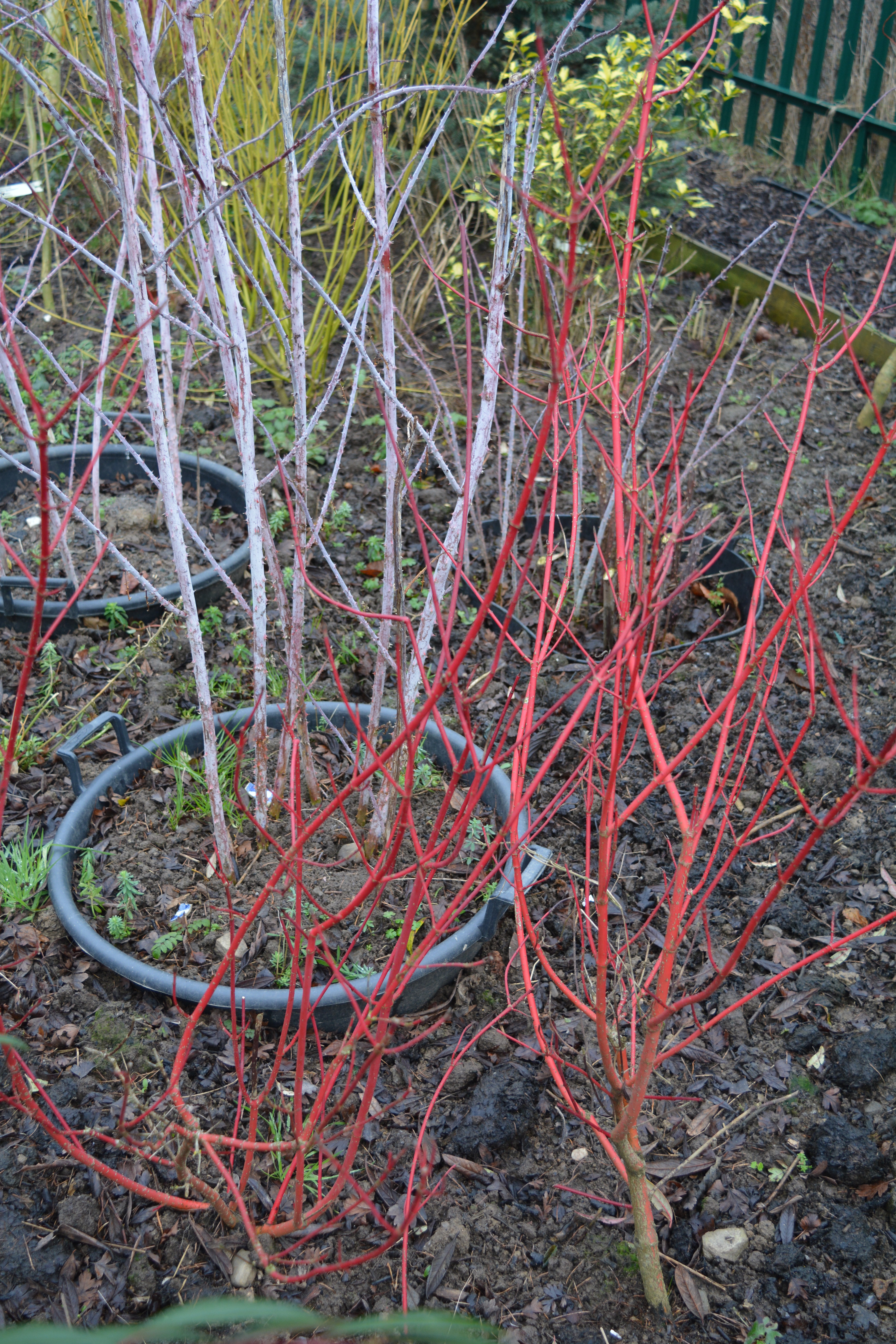
Perhaps it is only right that the most colourful and interesting garden of all at the moment is our Winter Garden. The coloured stems of different forms of Cornus and Salix give us reds, oranges, greens and yellows and even black. The white stemmed Birches are now over 20 feet tall and they dominate this garden. Euphorbias and Hellebores give colour at close to ground level, while the Viburnum bodnantense “Dawn” and Cornus mas provide pink and chartreuse at eye level. Both these shrubs are also powerfully scented.

2015 01 18_9338 2015 01 18_9339 2015 01 18_9340 2015 01 18_9341 2015 01 18_9342 2015 01 18_9343 2015 01 18_9344

Elsewhere the coloured stems of a Salix in our Withy Bed shines gold and the Cornus “Midwinter Fire” glow like flames.

2015 01 18_9347 2015 01 18_9349

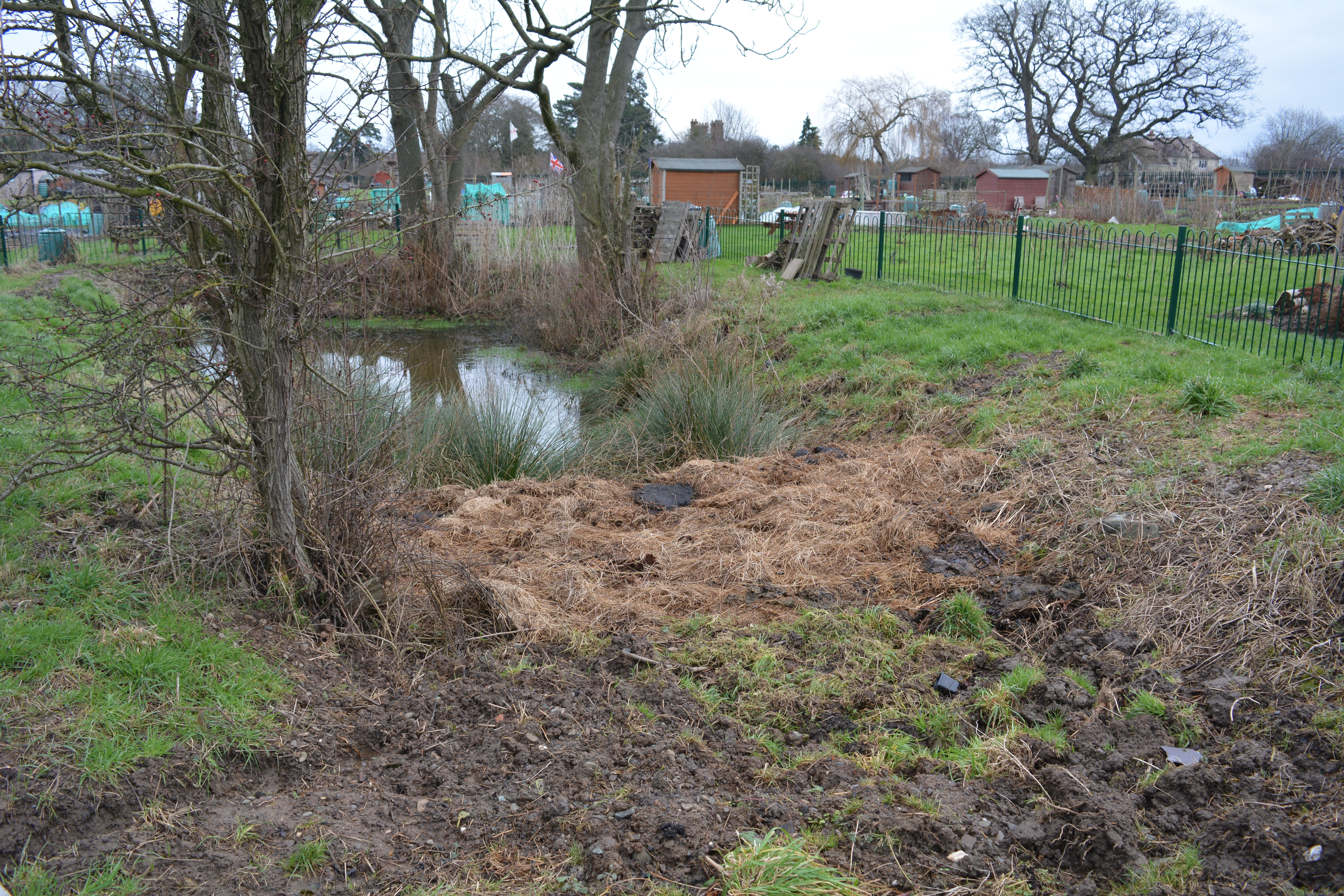
Our tour finishes off with a look at this year’s major project, our wildlife pond. We inherited this large farm pond in the summer and are busy tidying up around it in readiness of the work that lies ahead.

2015 01 18_9353 2015 01 18_9352 2015 01 18_9354

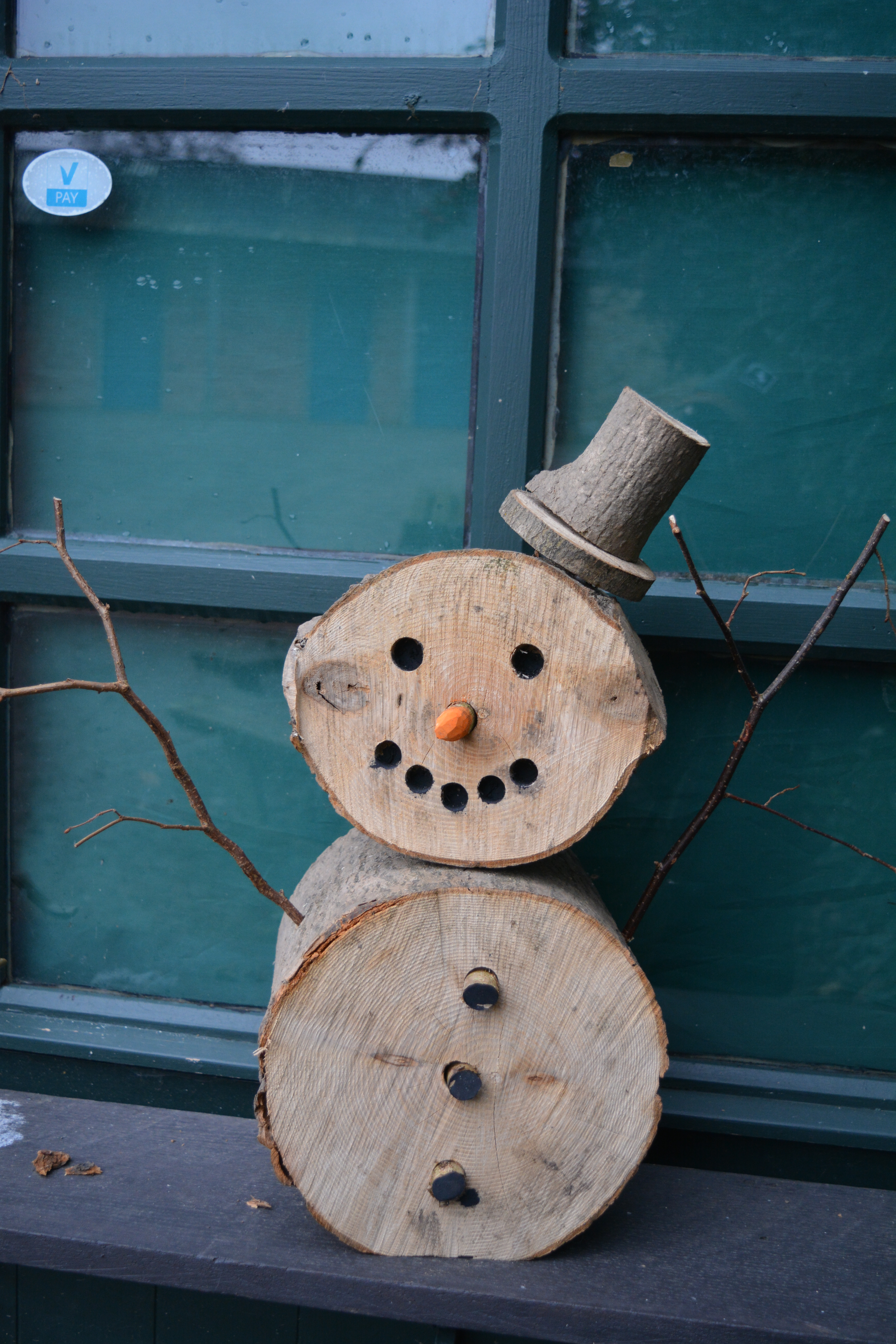
This little character is hidden for most of the year under a patch of Chrysanthemums grown for cutting but in winter he appears to cheer us all up.

2015 01 18_9329

I shall finish this post with a couple of bright jewels.

2015 01 18_9326_edited-1 2015 01 18_9333

Categories
birds buildings fruit and veg garden buildings garden design garden photography garden wildlife gardening gardens gardens open to the public grow your own hardy perennials irises kitchen gardens light National Trust ornamental trees and shrubs The National Trust walled gardens walled kitchen gardens Winter Gardening winter gardens

Croft Castle Month by Month – January

Welcome to the first post in my series of monthly posts looking at a local garden. Throughout 2014 we traveled northward through the Shropshire Plains into neighbouring county Staffordshire in order to visit Trentham Gardens.

Throughout 2015 we will travel south to Croft Castle just into our neighbouring county of Herefordshire. We live at the northern tip of the Shropshire Hills, with the welcome sign just three-quarters of a mile away. In order to get to Croft we have to go southward through this range of hills, one of the most beautiful upland areas in the UK. We will enjoy our journeys!

At the entrance building a “Tramper” scooter acted as an effective sign. As we wandered towards the garden we enjoyed views of some of the estate’s ancient trees. These old massive Sweet Chestnuts are hundreds of years old and each year another dies. Luckily new ones have been planted as replacements. A natural mulch of leaves and nut casts are snuggled at their feet.

2015 01 01_9072 2015 01 01_9075 2015 01 01_9078

2015 01 01_9074 2015 01 01_9076

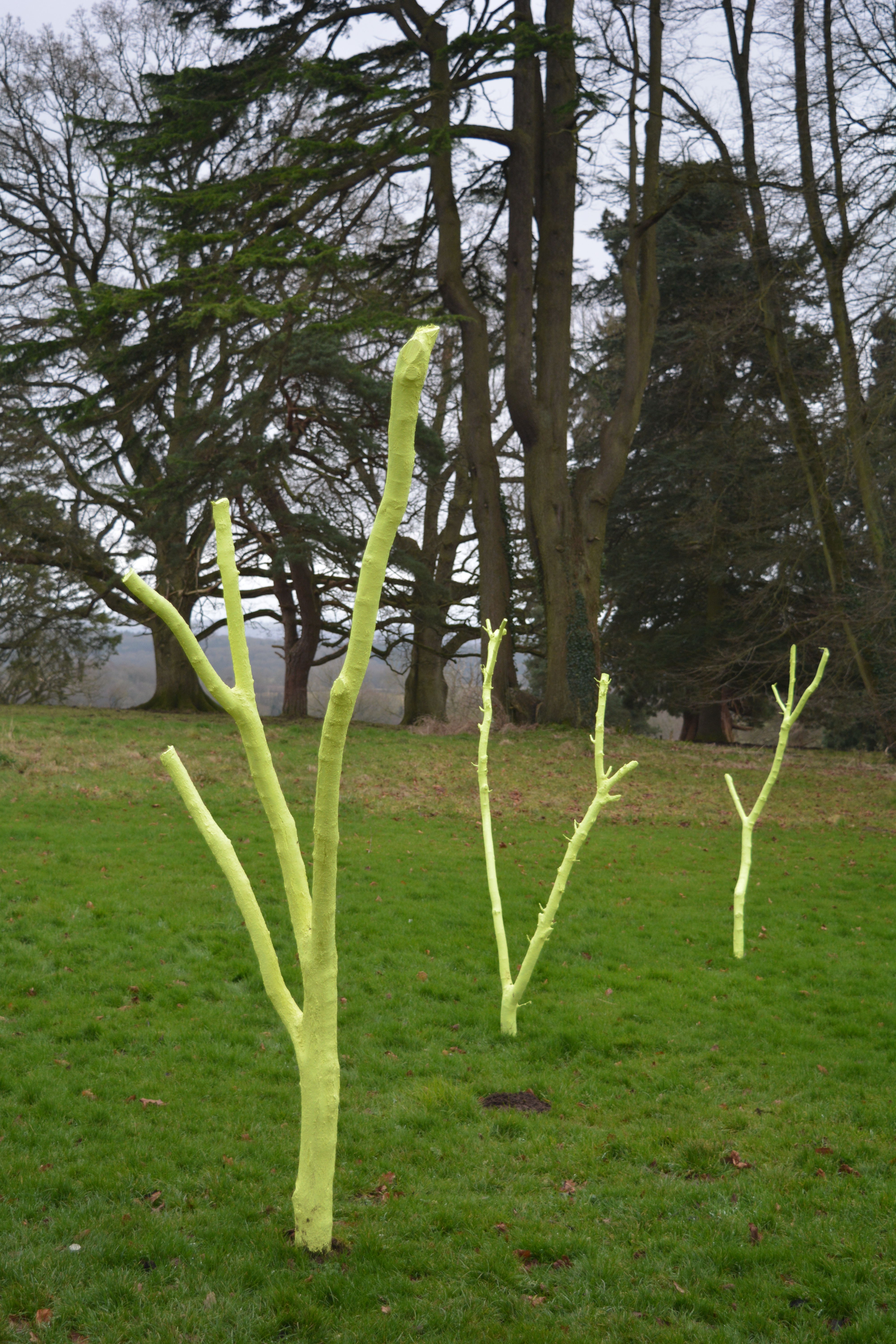
We soon met a much smaller and younger character, placed to help celebrate wintertime. We were to find many more of his friends. Currently there is an evening event on here based on light and these trees were part of it. We vowed to visit one evening!

2015 01 01_9081 2015 01 01_9083

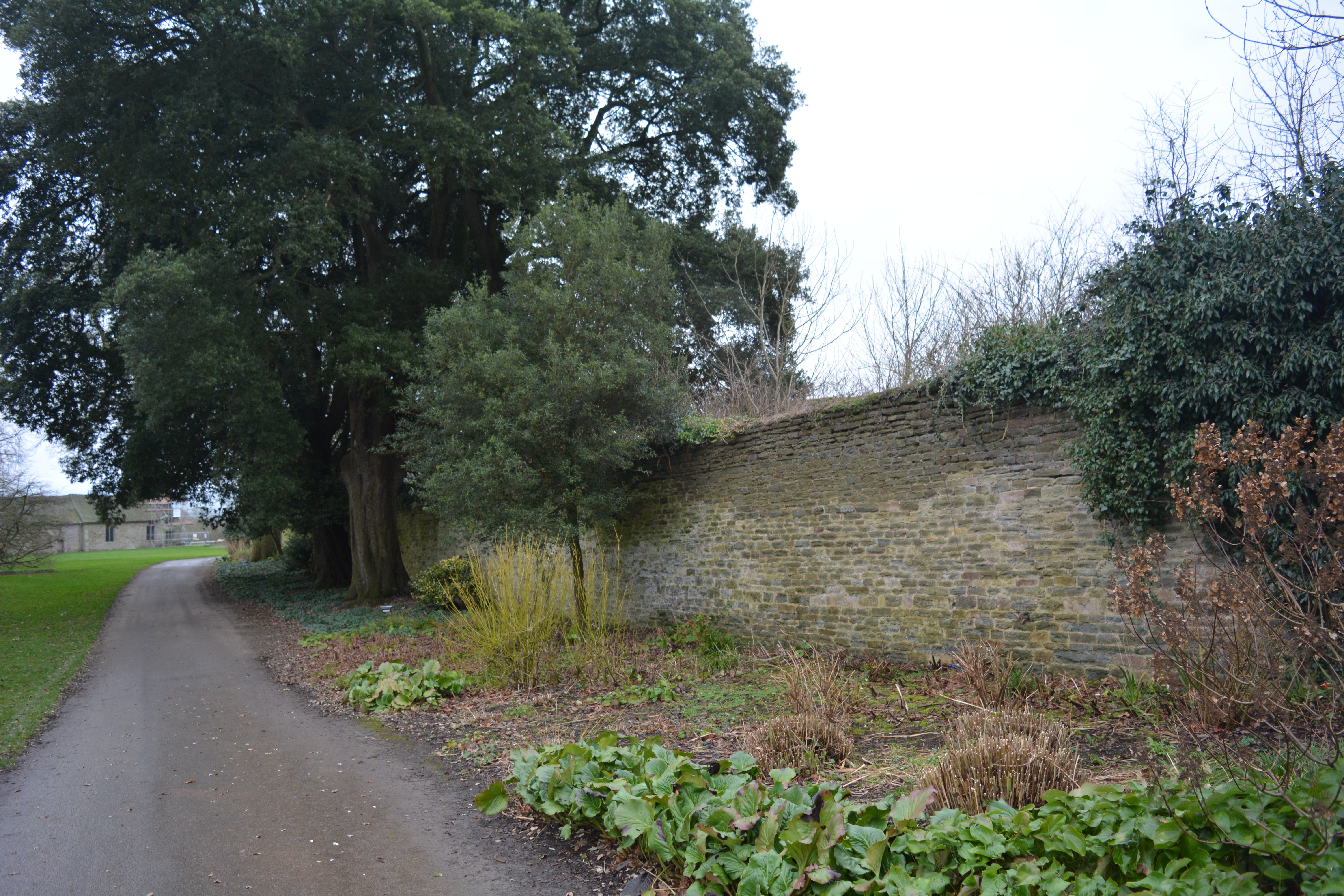
We were soon on our way to the walled garden, our favourite part of Croft. To get there we followed a long mixed border abutting a tall stone wall. There was not much to see here in January but it looked full of promise. But we found character number two and three both smiling away just like their colleague we met earlier.

2015 01 01_9080 2015 01 01_90852015 01 01_9084 2015 01 01_9088

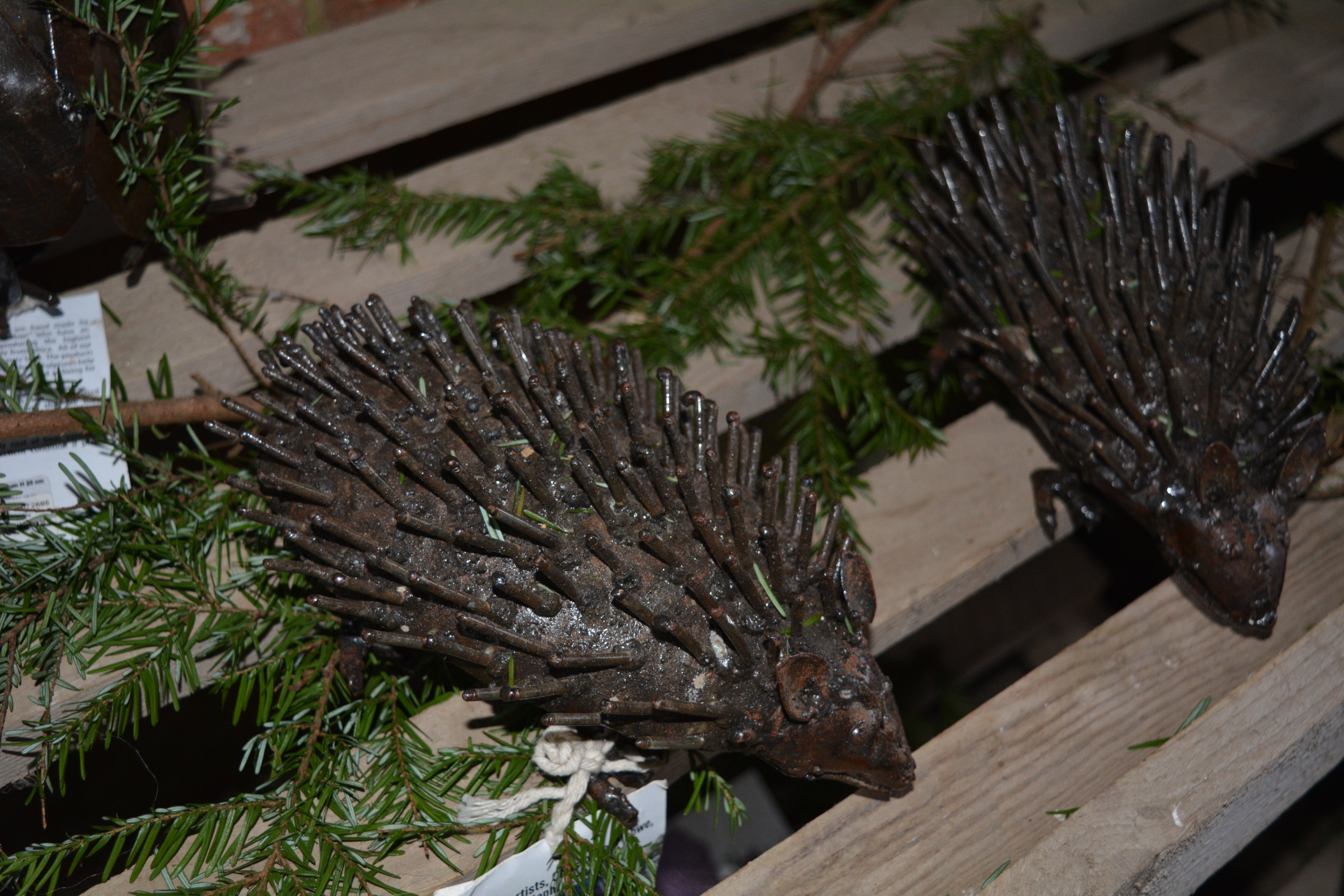
The shop, not open in the winter, is housed in an ancient barn and on shelves at its entrance these hedgehogs caught our eyes. More interesting characters!

2015 01 01_9089 2015 01 01_9090

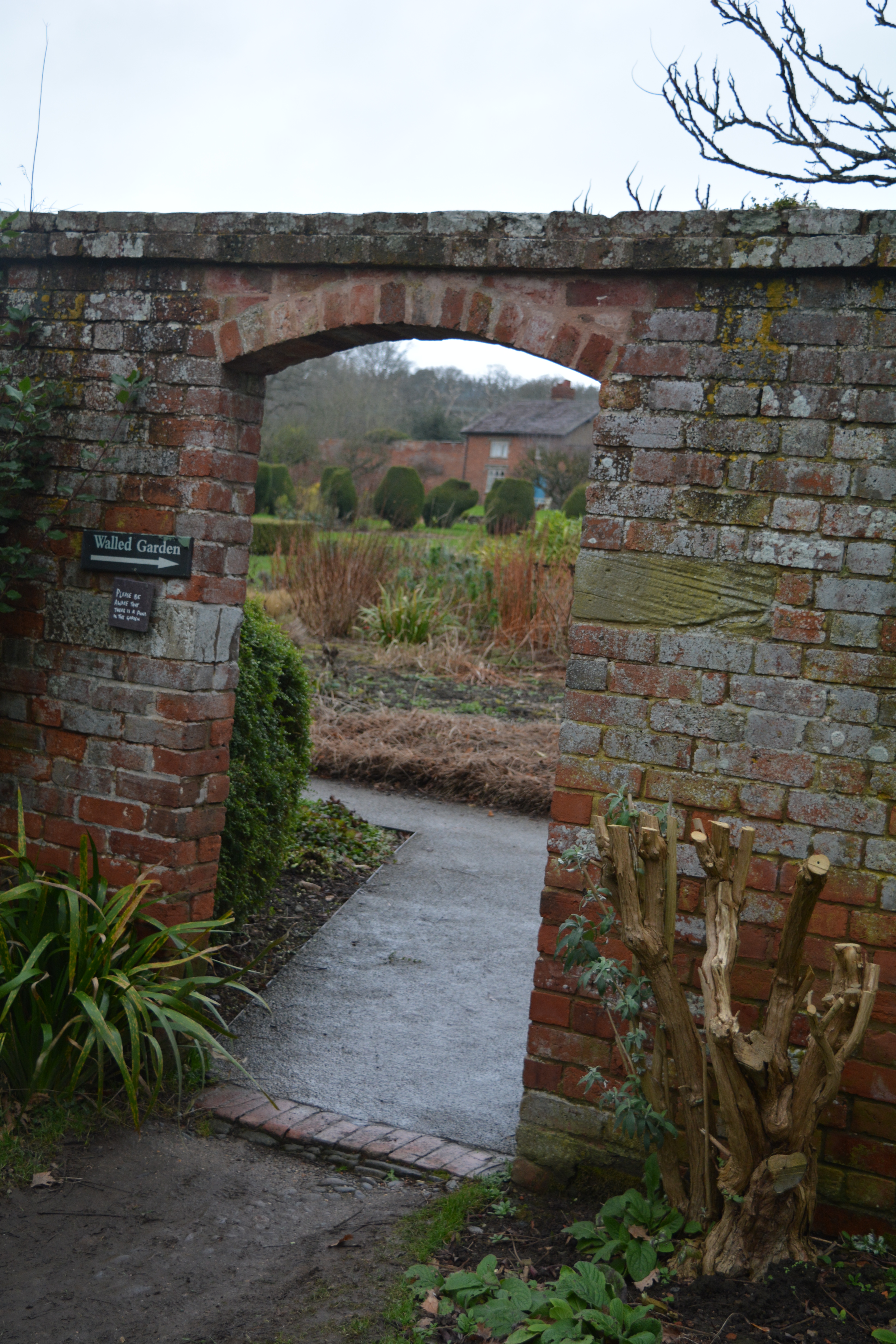
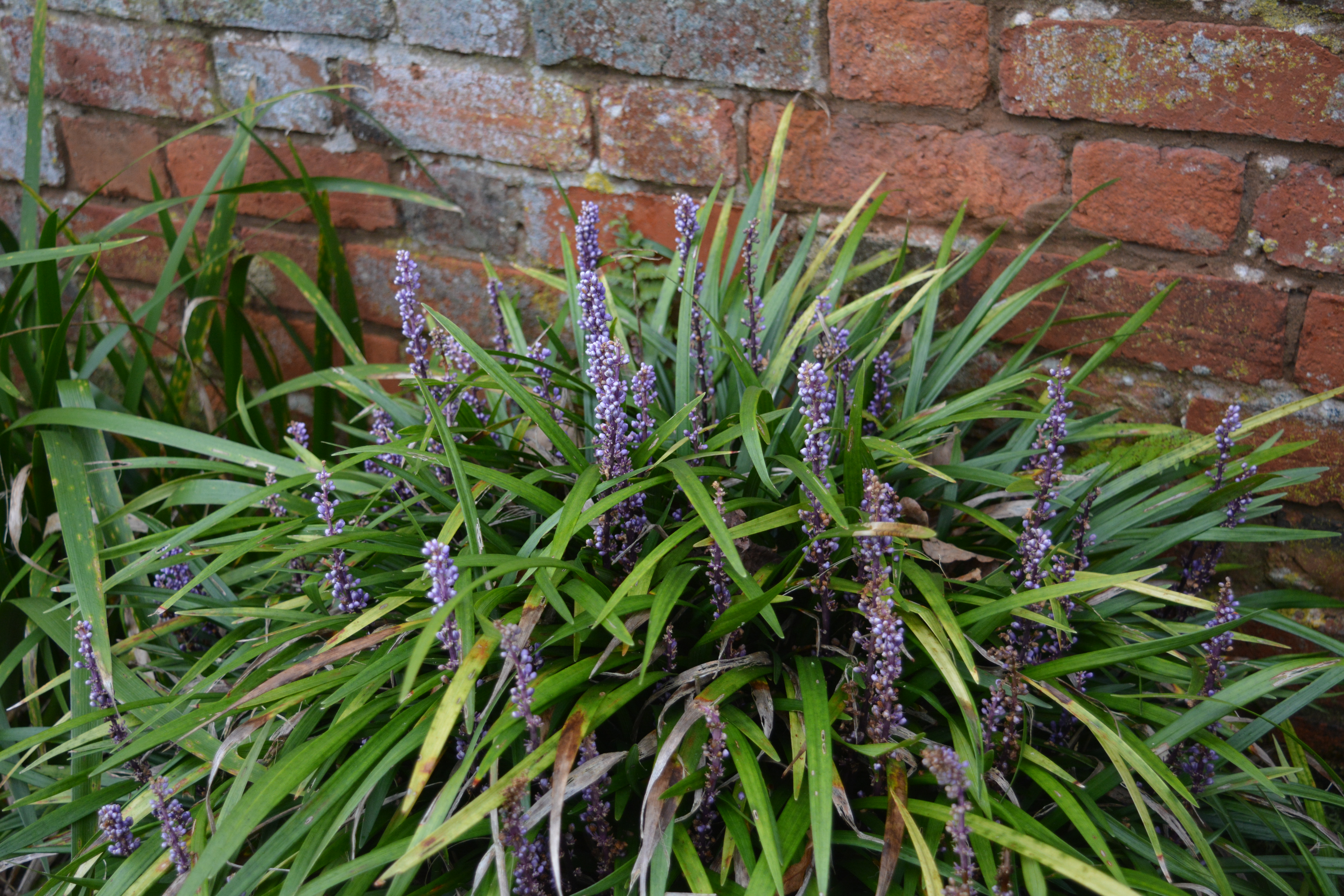
A gap in the brick wall enticed us into the walled garden. We always enter with great anticipation, perhaps more so on this visit as we had never visited in the winter before. Either side of the doorway there was signs of colour in the narrow borders. The colours of the berries of an Iris, the mauve flowers of Liriope muscari and the silver of the long thin catkins of Garrya eliptica.

2015 01 01_9091 2015 01 01_90922015 01 01_9093 2015 01 01_9094

From the open doorway views of the walled garden opened up in front of us. We soon espied different types of trained fruit and clumps of textured perennials in the borders.

2015 01 01_9095 2015 01 01_9096

The textured foliage was provided by silver narrow foliage of Santolinas and in strong contrast the thin strap-like leaves of the Black Grass, Ophiopogon. This is not a grass at all but in reality a Lily!

2015 01 01_9099  2015 01 01_9100

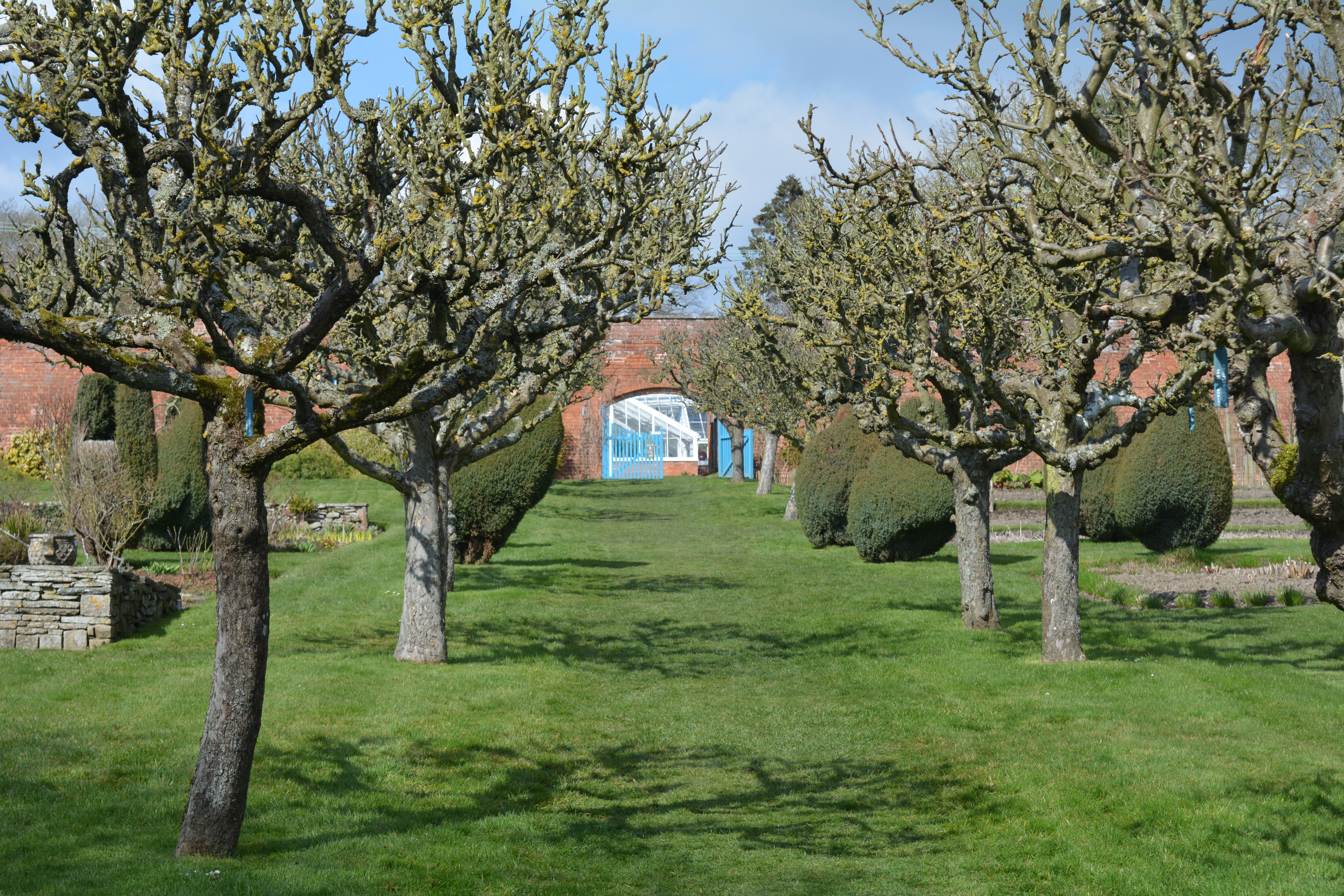
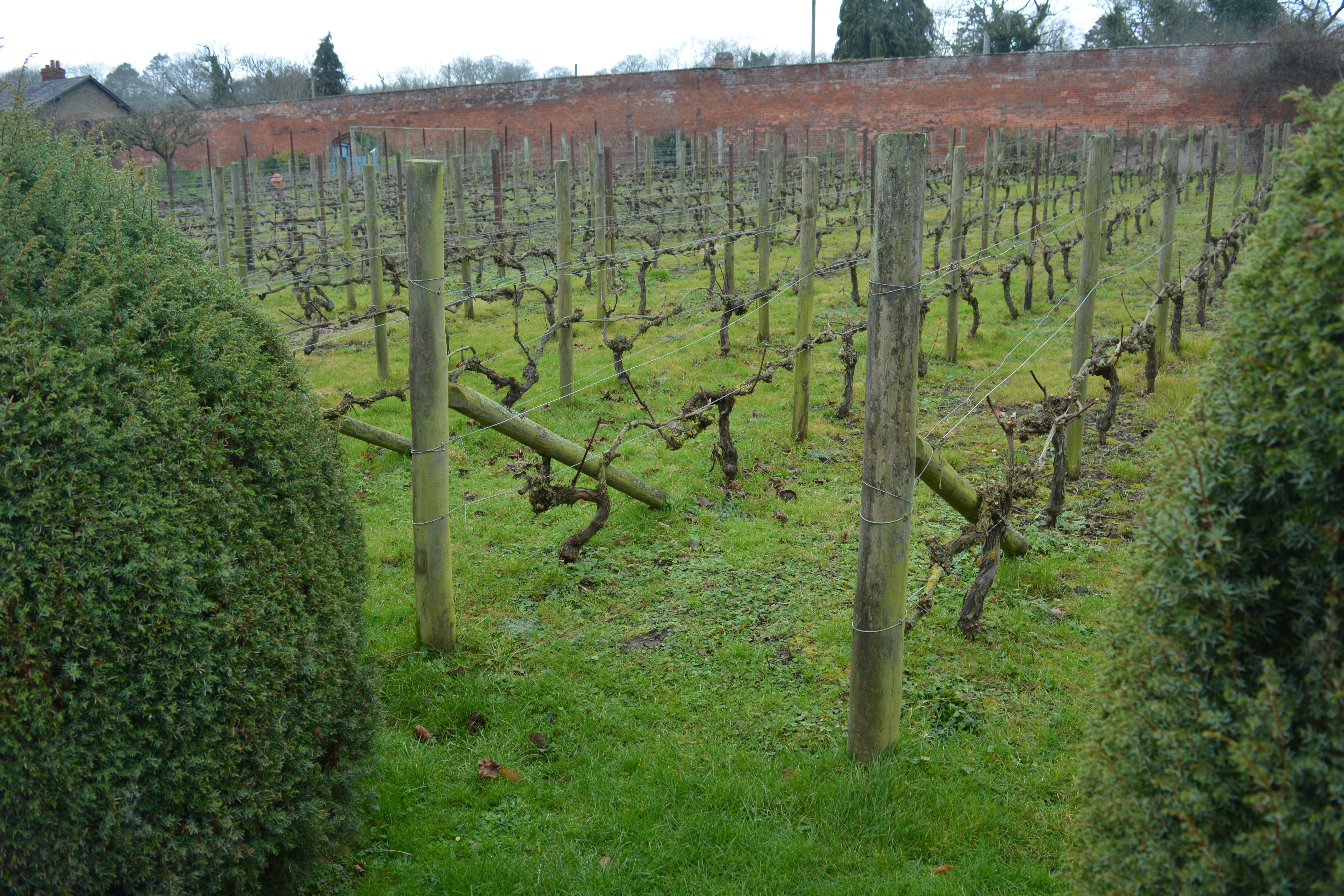
There were two very contrasting sorts of trained fruit. Ancient beautifully sculpted apples and a much newer array of grape vines, also beautifully trained. It was so good to see the skills of fruit training created at two very different periods of time.

2015 01 01_9098 2015 01 01_9101 2015 01 01_9105

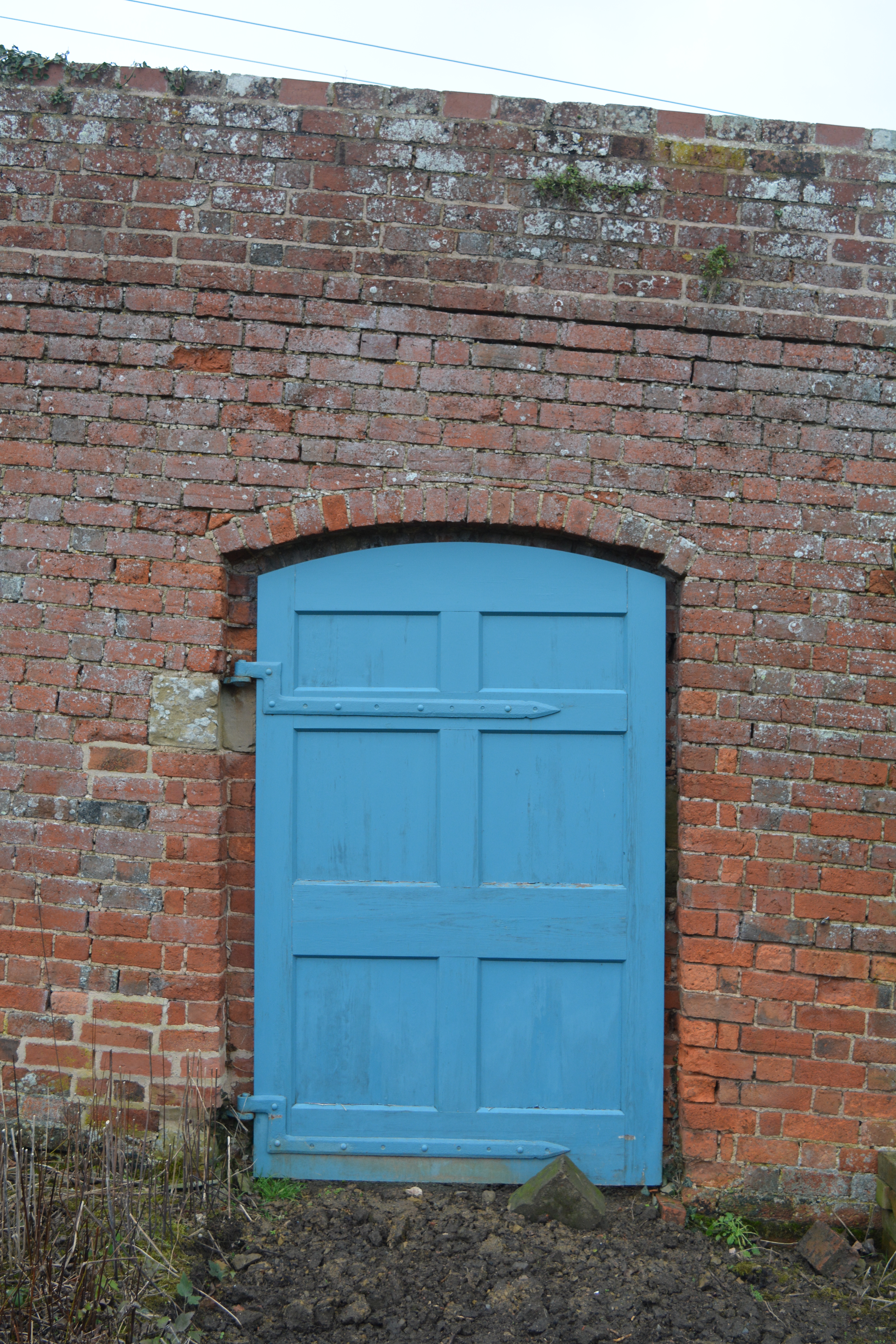
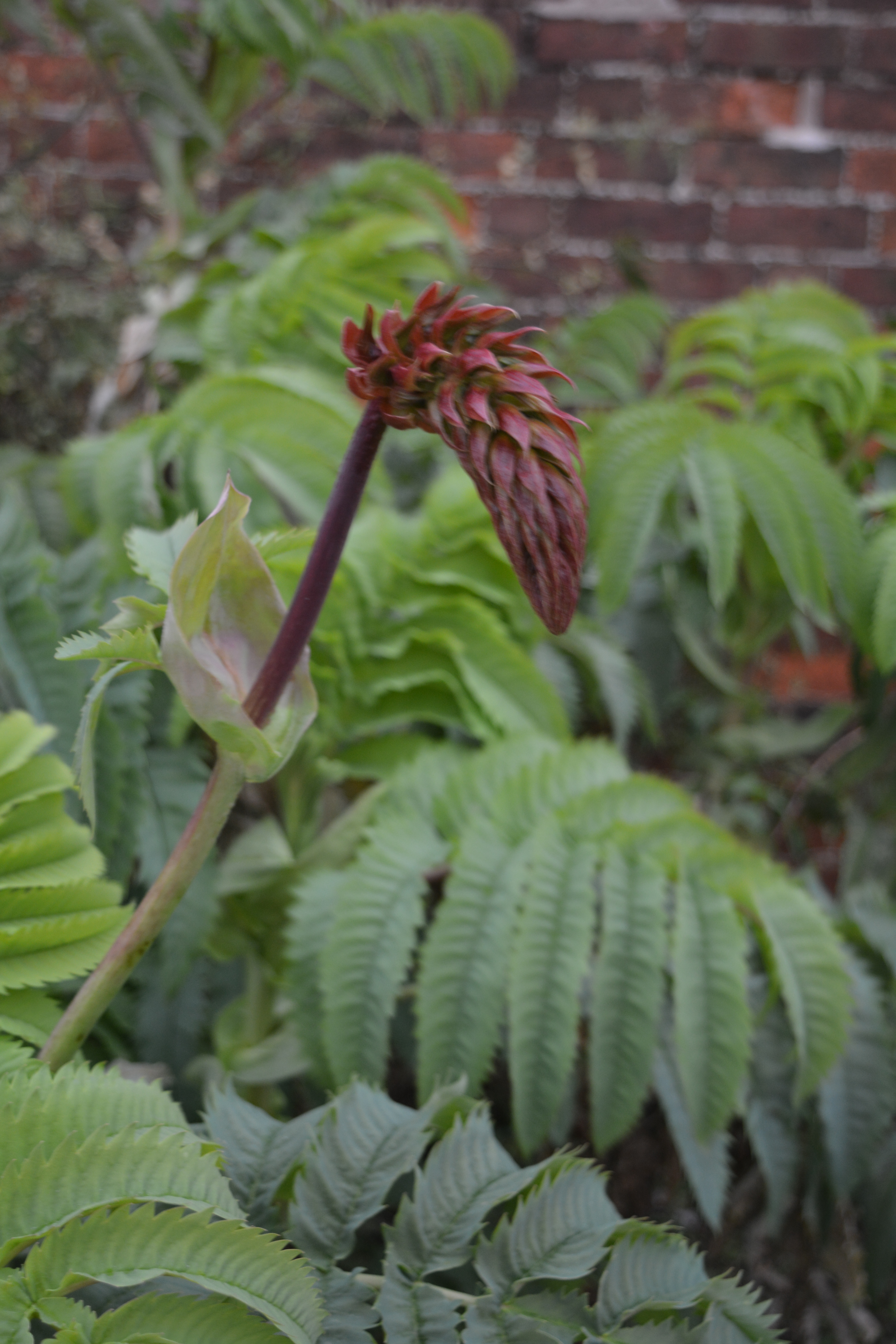
What made this walled garden extra good for productive gardening was the fact that it was on a slope encouraging the sun to warm up the soil to its maximum. Even in early January the difference in temperature was noticeable. We could feel the change as we entered and exited the walled area. The photo of the door in the wall illustrates the slope and shows how steep it is.  The plants also illustrate the effects of the walls protective powers. An Iris was in flower and a Melianthus was in bud. Arum italicum “Marmoratum” was in full marbled leaf.

2015 01 01_9102 2015 01 01_9103 2015 01 01_9104 2015 01 01_9107

When we were half way along the second edge of the walled garden we reached the gateway leading out of the garden which in the past had been clearly marked “private – keep out” so we were pleased to discover that it has been opened up for us to explore. Jude was soon on her way through! We had always longed to get a close up look at the old greenhouse range.

2015 01 01_9108

We will leave you here for now as we disappear behind the beautiful, unusually shaped blue gate where we found out what new treats were in store for us before we returned to the walled garden. See part two where we discover what was going on behind the blue gate as well as in the rest of the walled garden. We also wander around the rest of the gardens at Croft.

Categories
flowering bulbs fruit and veg gardening grasses grow your own ornamental grasses spring bulbs trees

Out with the old in with the new!

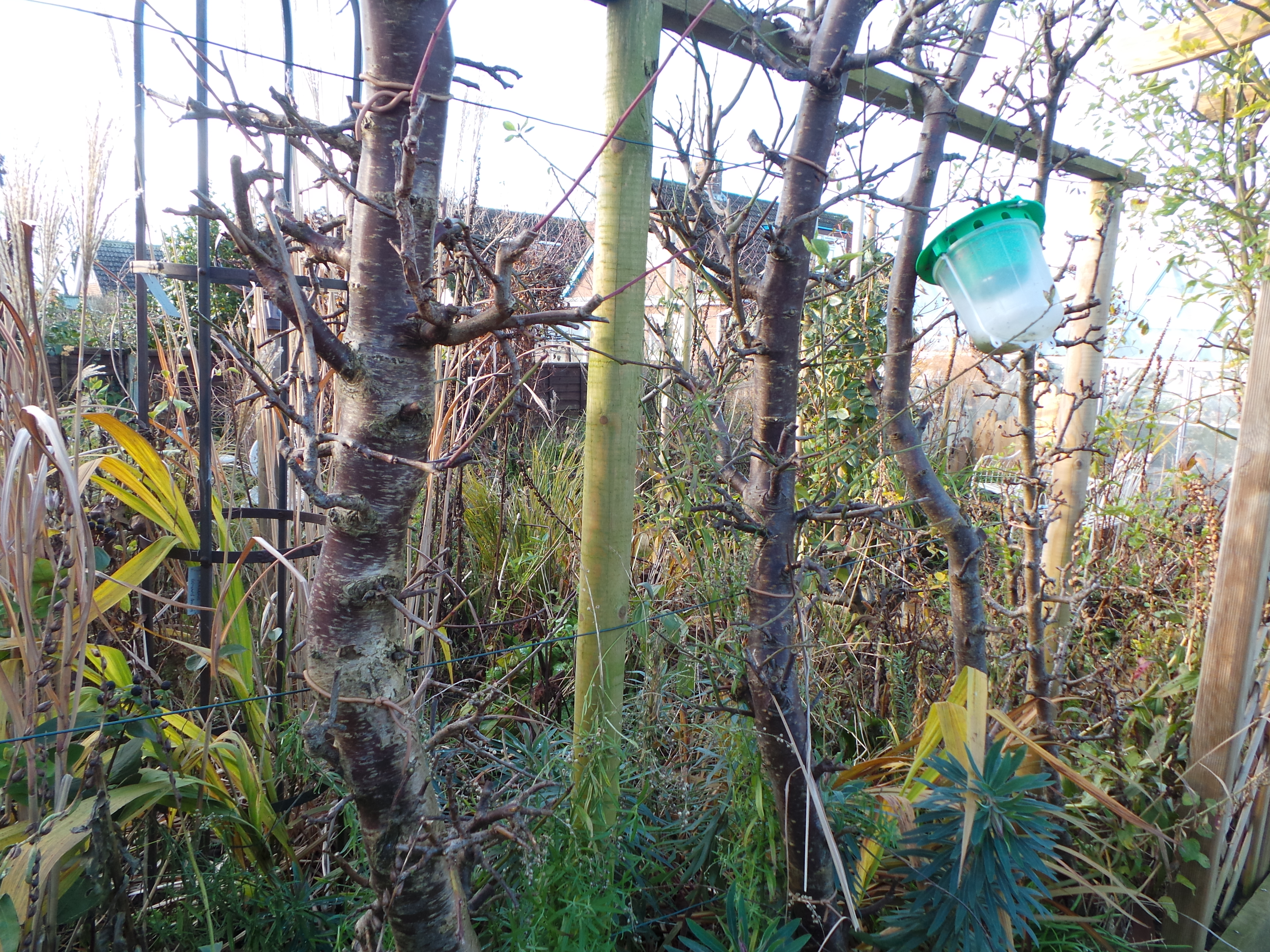
No, this isn’t a New Year post! It is about fruit trees. We have had a row of cordon grown plums along our central path since we first created our garden about ten years ago. They fruited well to start with but in the last few years they have struggled to produce just a handful of plums each or at worst none at all. Hence it was time for out with the old and in with the new.

2014 12 19_8935  2014 12 19_8936

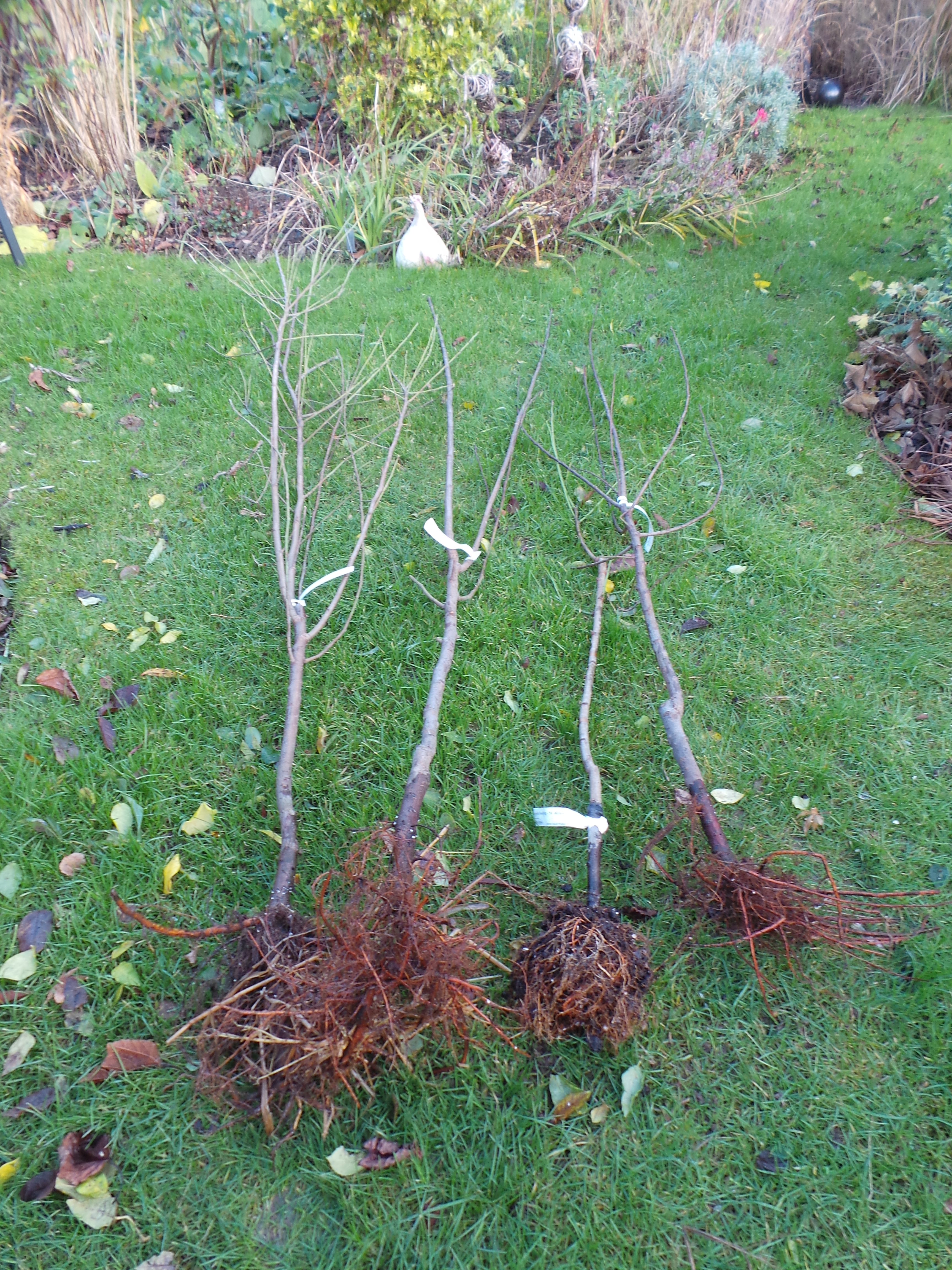
The new trees arrived by courier all the way from Devon bare rooted and packed beautifully in the same way my Father used to receive his plants back in the 1950s. It is amazing how small a package of 4 trees looks. We ordered them from Adam’s Apples also known as Talaton Plants, a firm we have used to purchase all our fruit trees from for home and the allotments for many years now. We have never had a tree fail! As the photo below shows they arrived with top quality root balls. Without a good root ball a tree will not thrive so we were delighted with these.

2014 12 19_8911

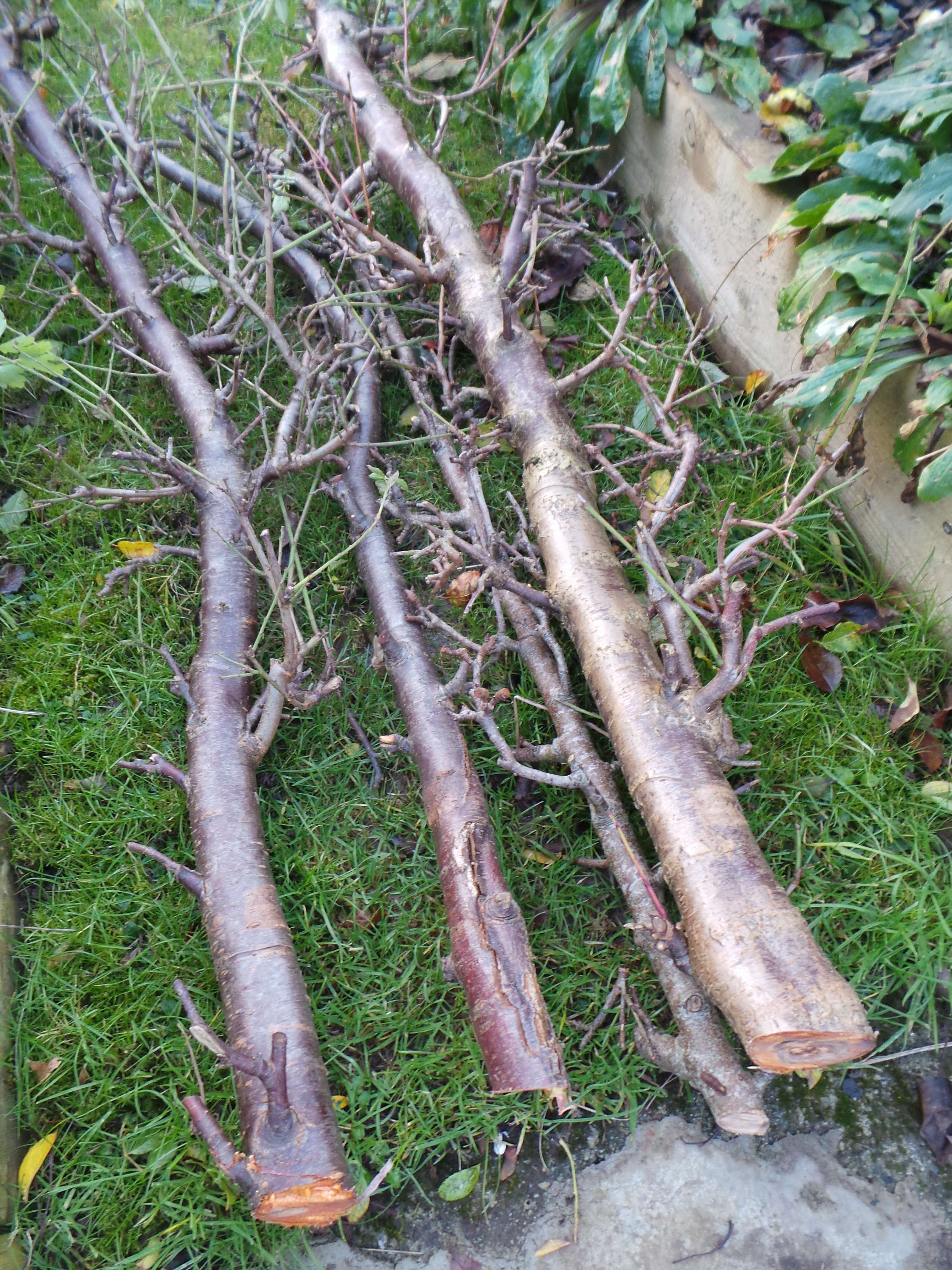
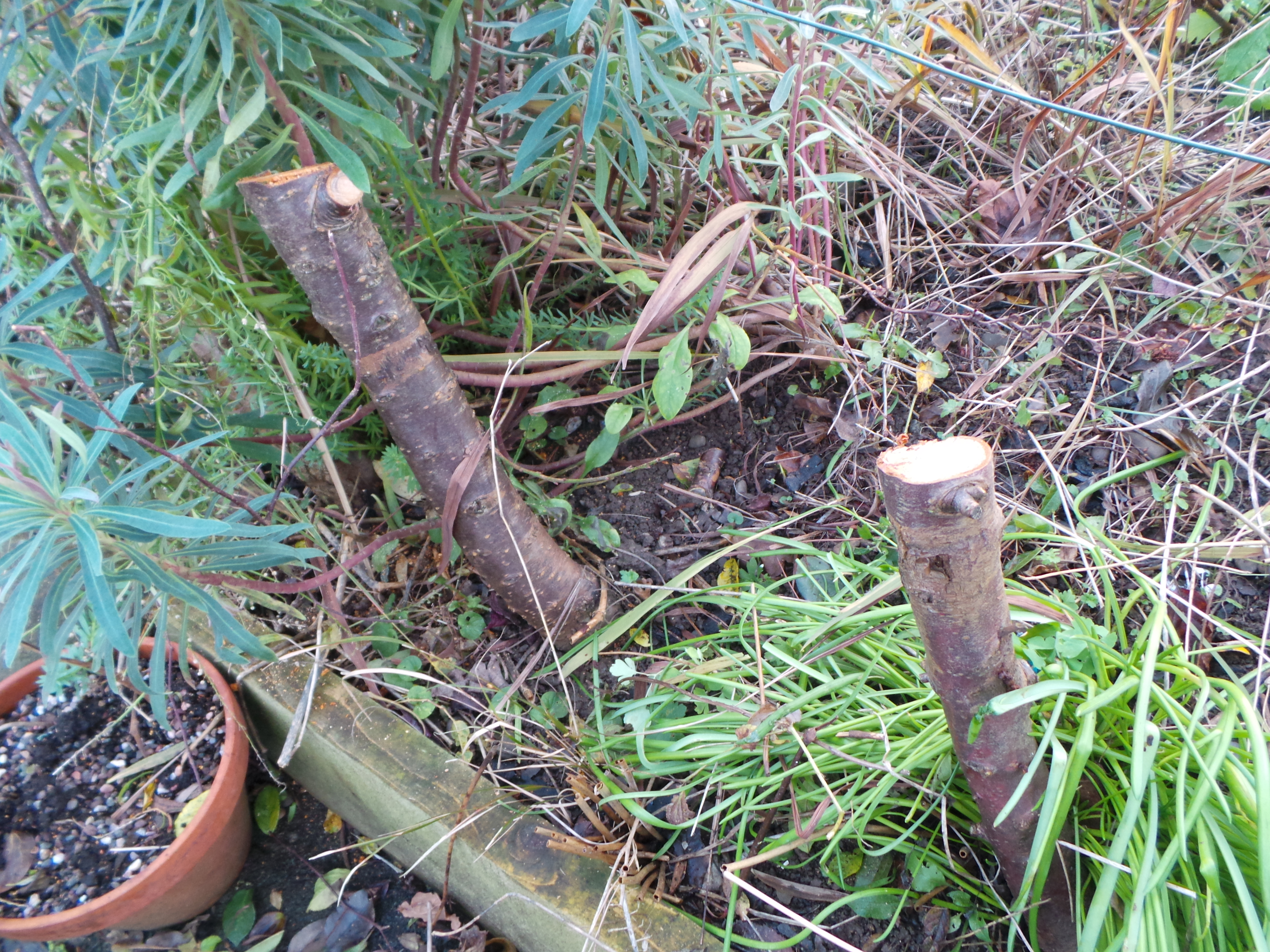
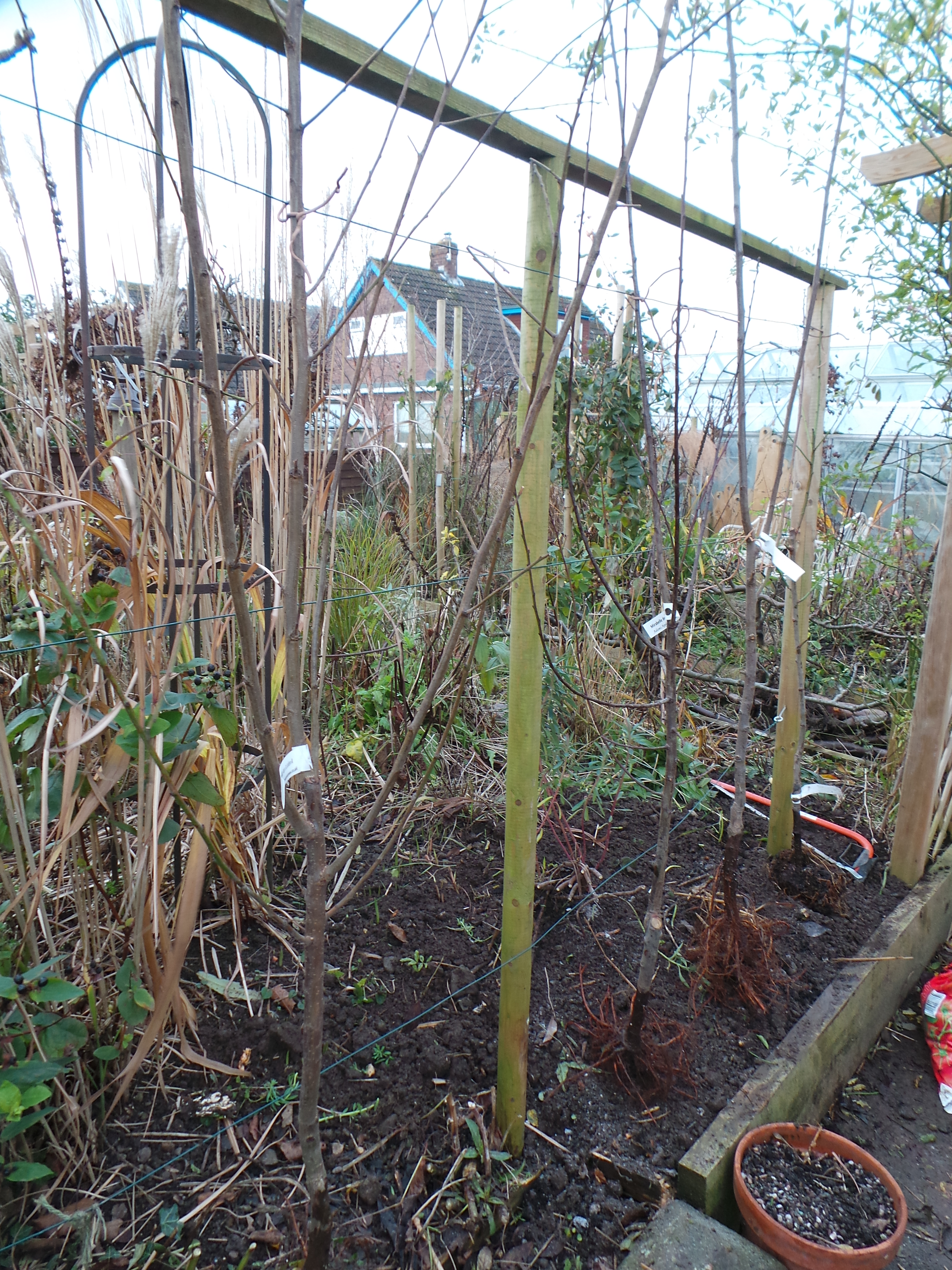
First job was the hardest, getting up the old trees. Luckily the soil was soft and easy to dig. We chopped the trunks down leaving just the right amount to act as a lever.

2014 12 19_8939 2014 12 19_89402014 12 19_8941

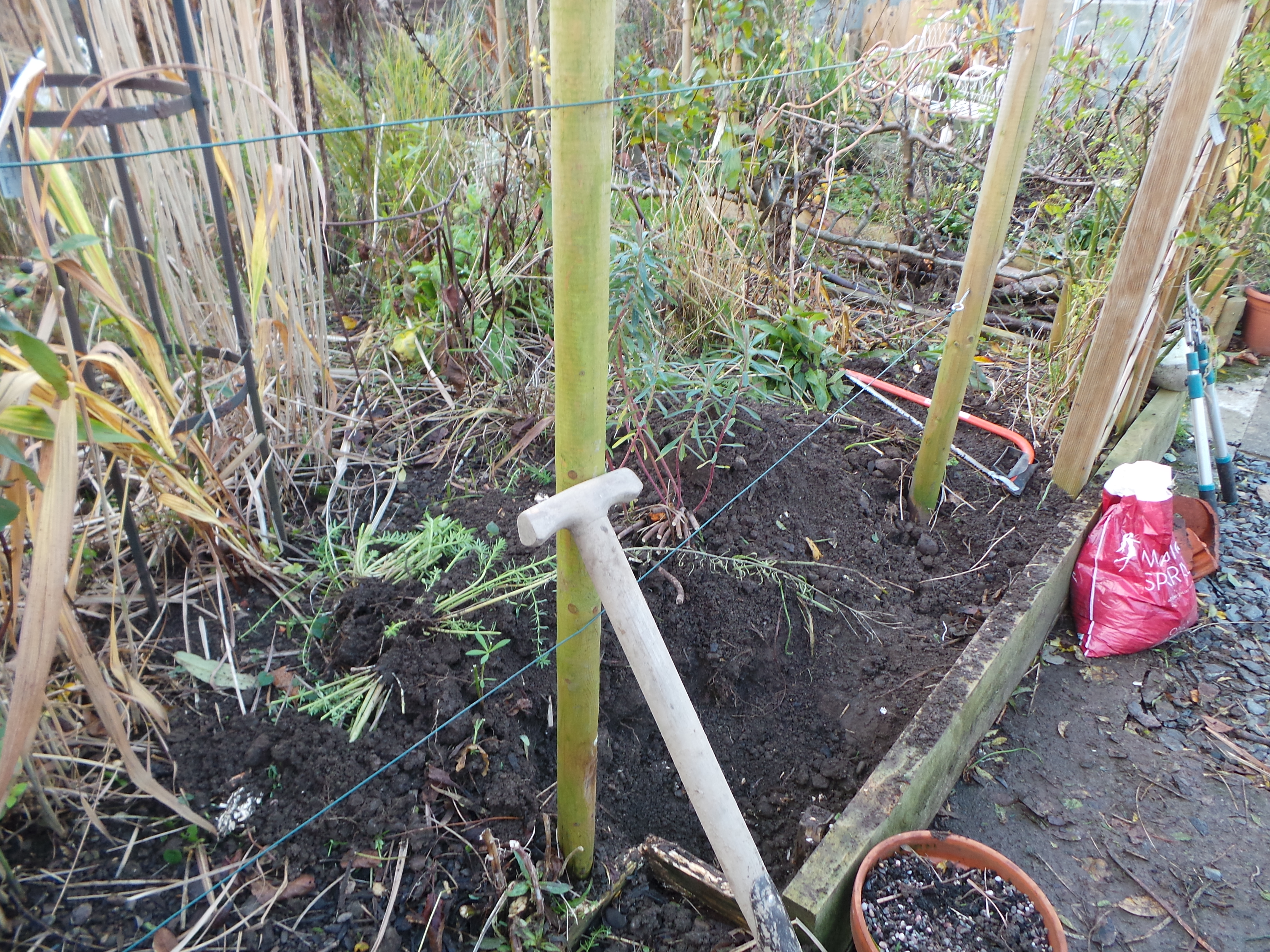
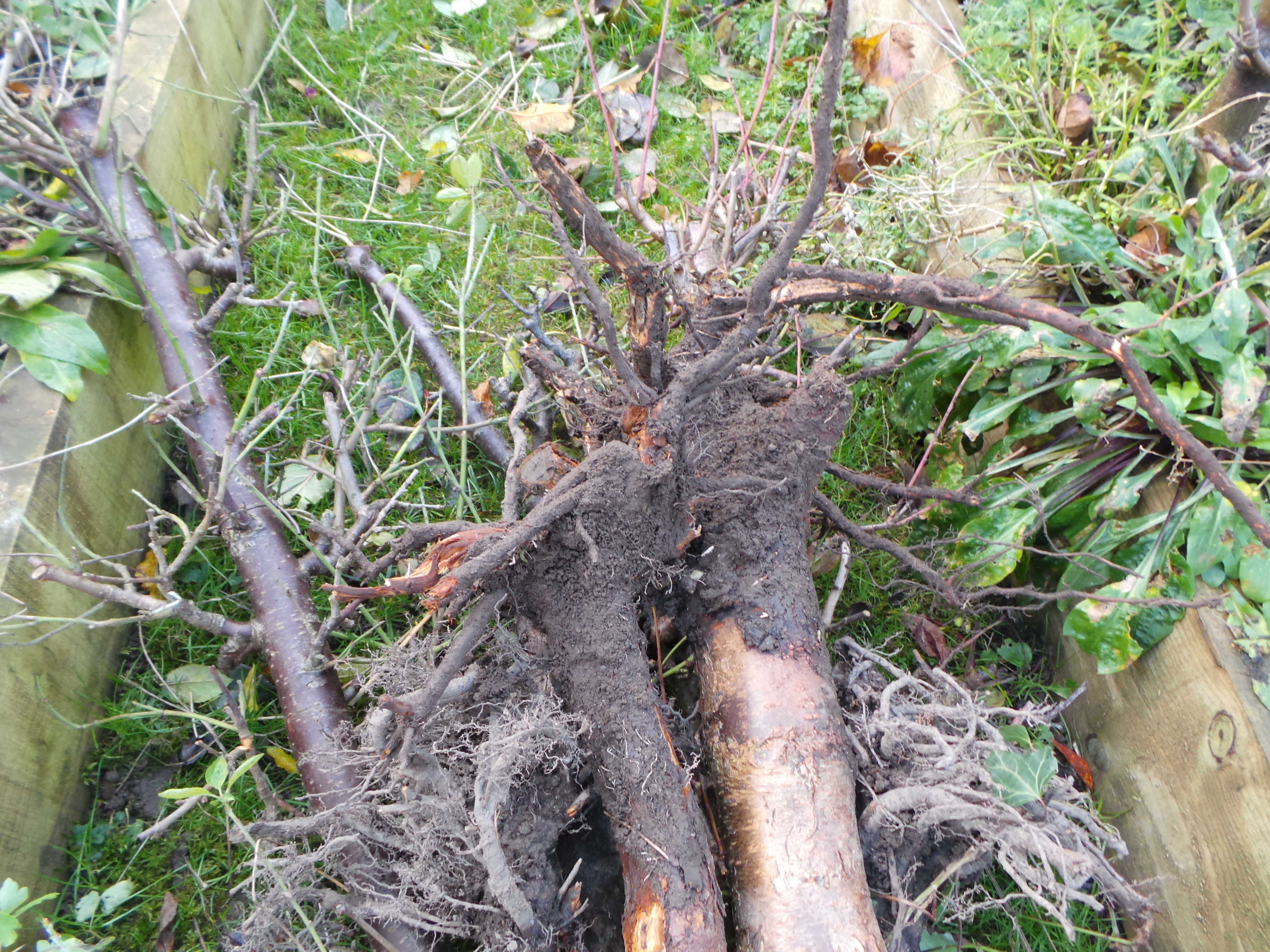
Luckily the task of digging out the roots was not as difficult as anticipated.


2014 12 19_8907 2014 12 19_8908


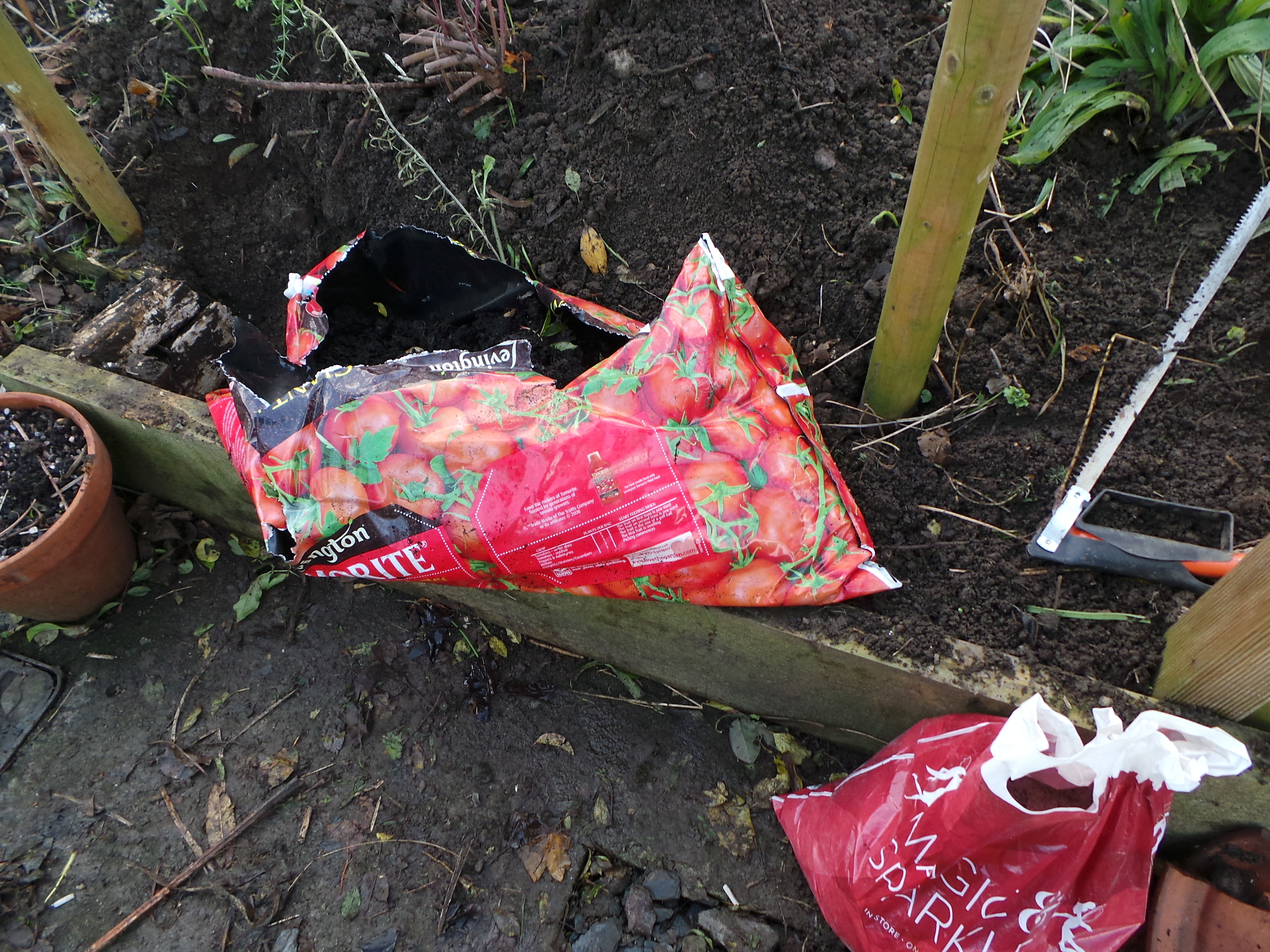
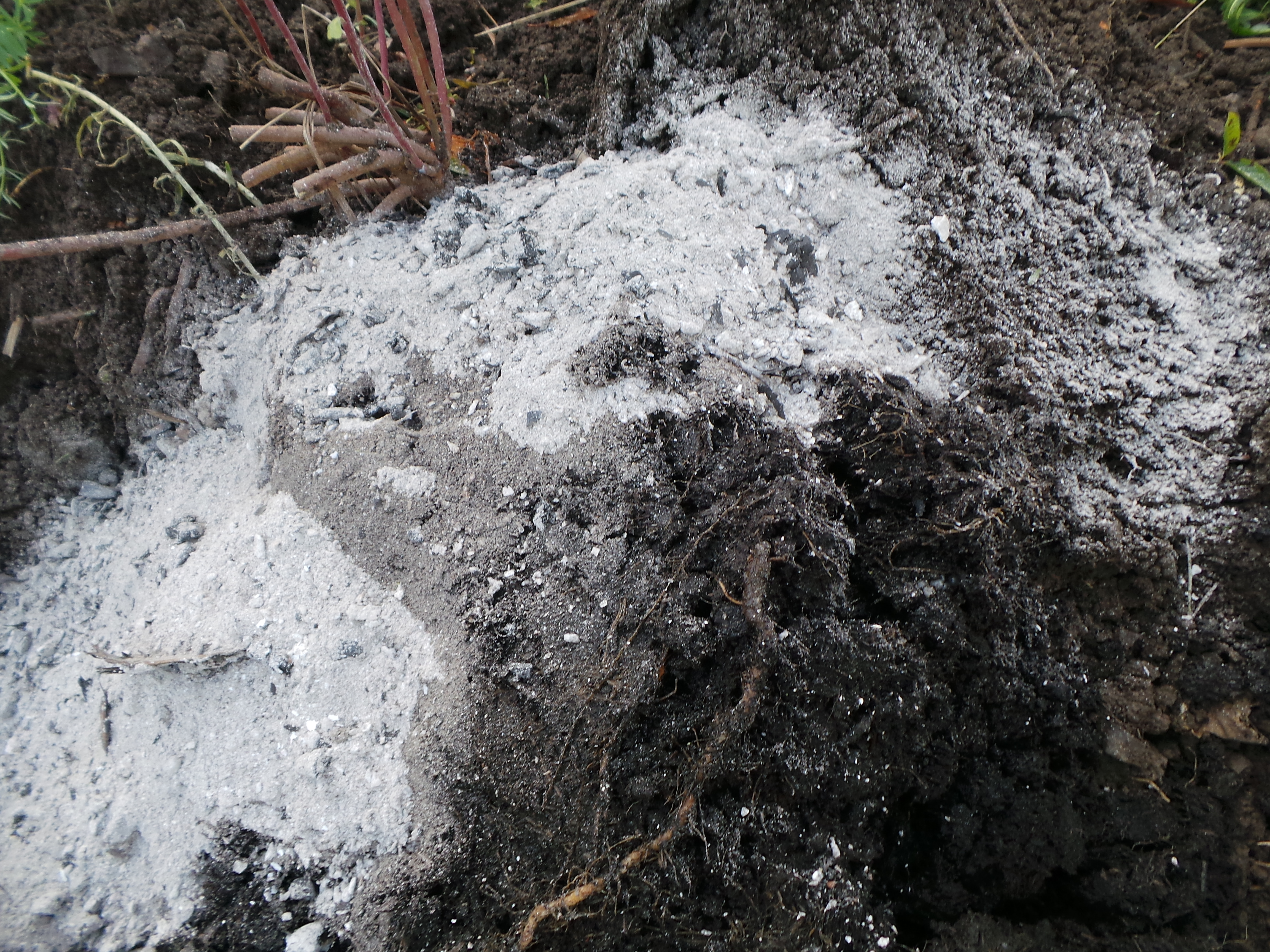
We then improved the soil structure by adding in the compost from the old “growbags”  in which our tomatoes had spent the summer. Then we added some wood ash from our woodburning stove and open fire to encourage blossom and fruit next season.


2014 12 19_8909 2014 12 19_8910

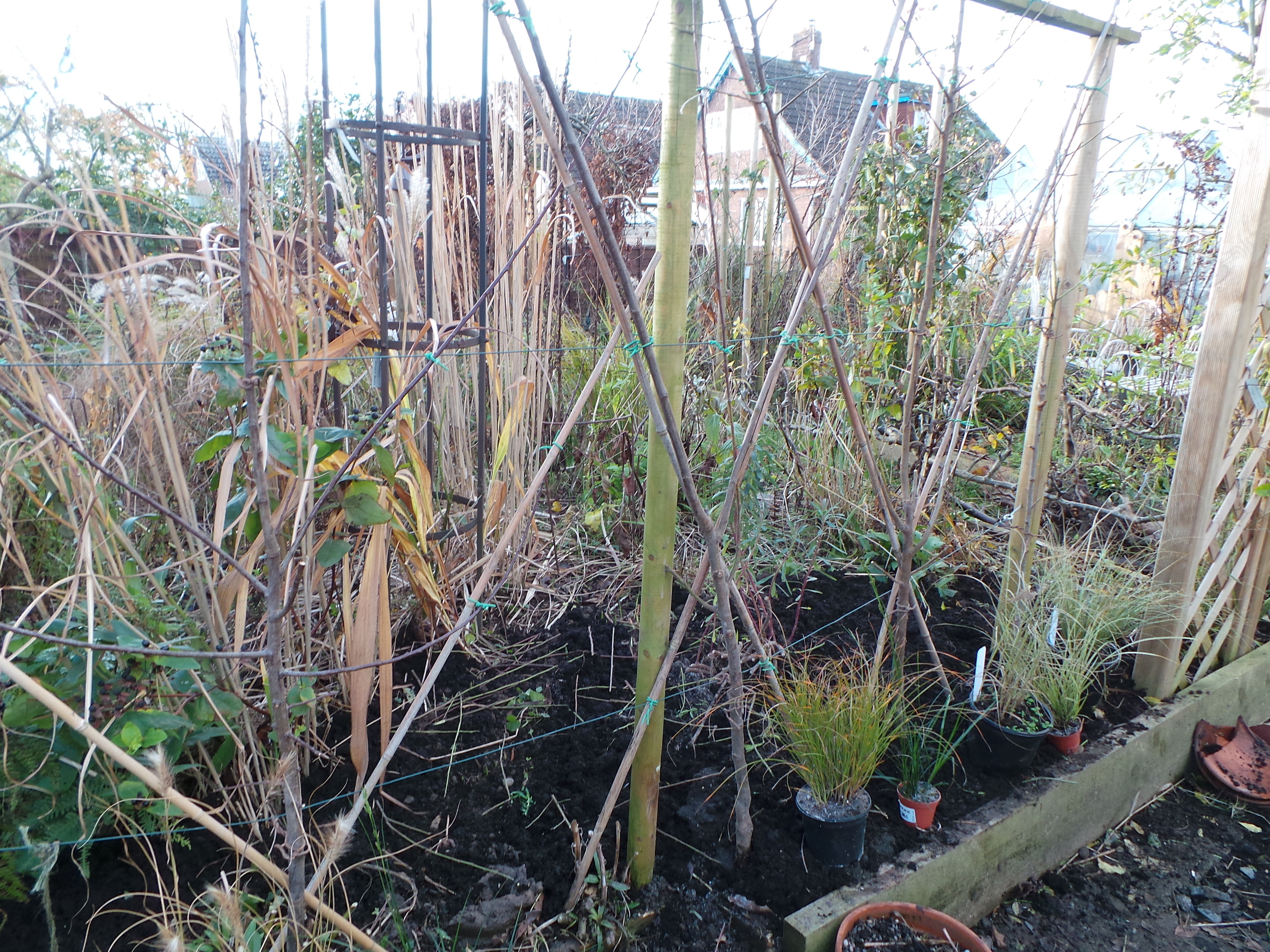
We placed the new trees to check they would look okay and then planted them, adding daffodil bulbs to the planting holes for colour in the spring.

2014 12 19_8916 2014 12 19_8919

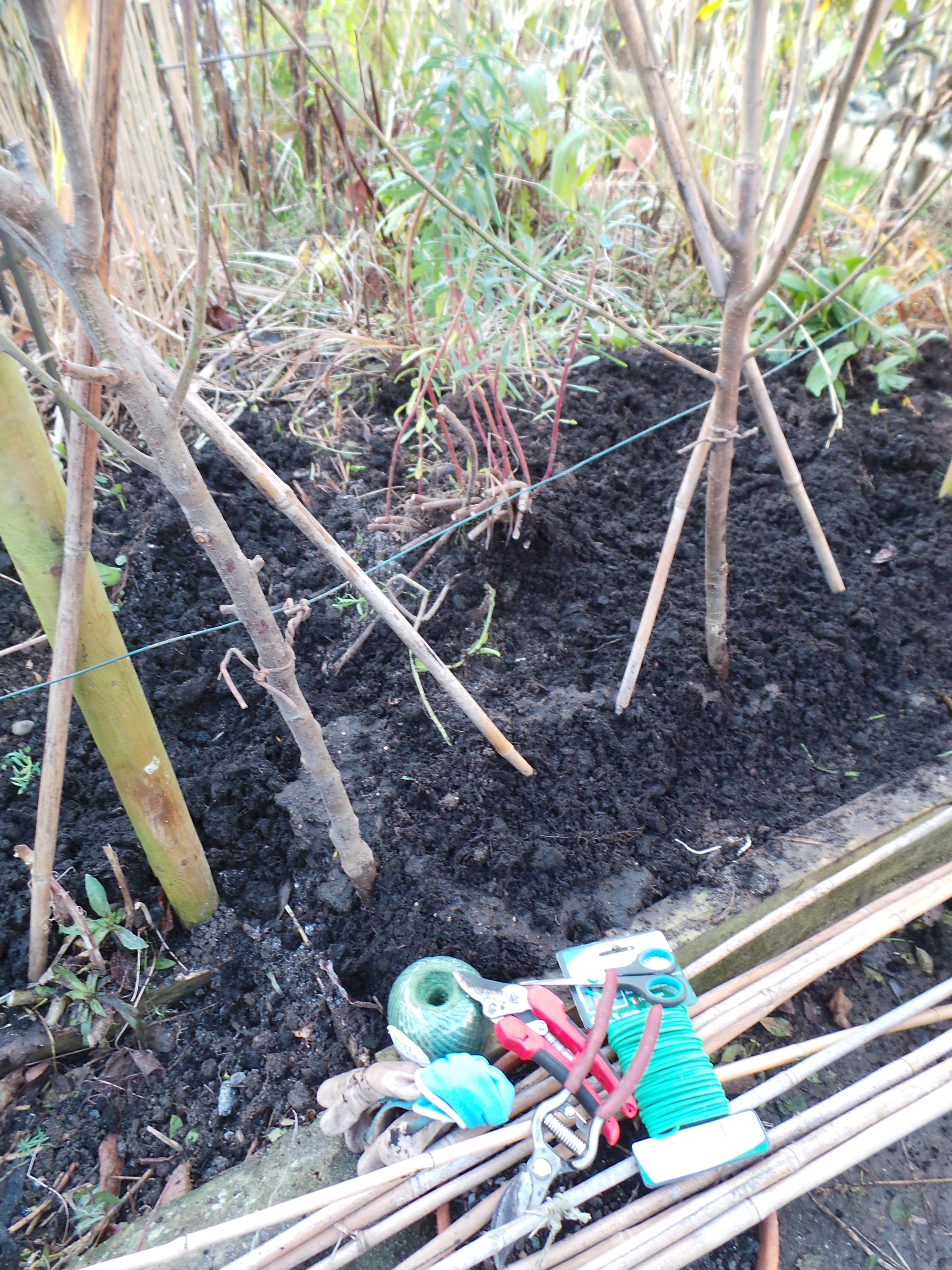
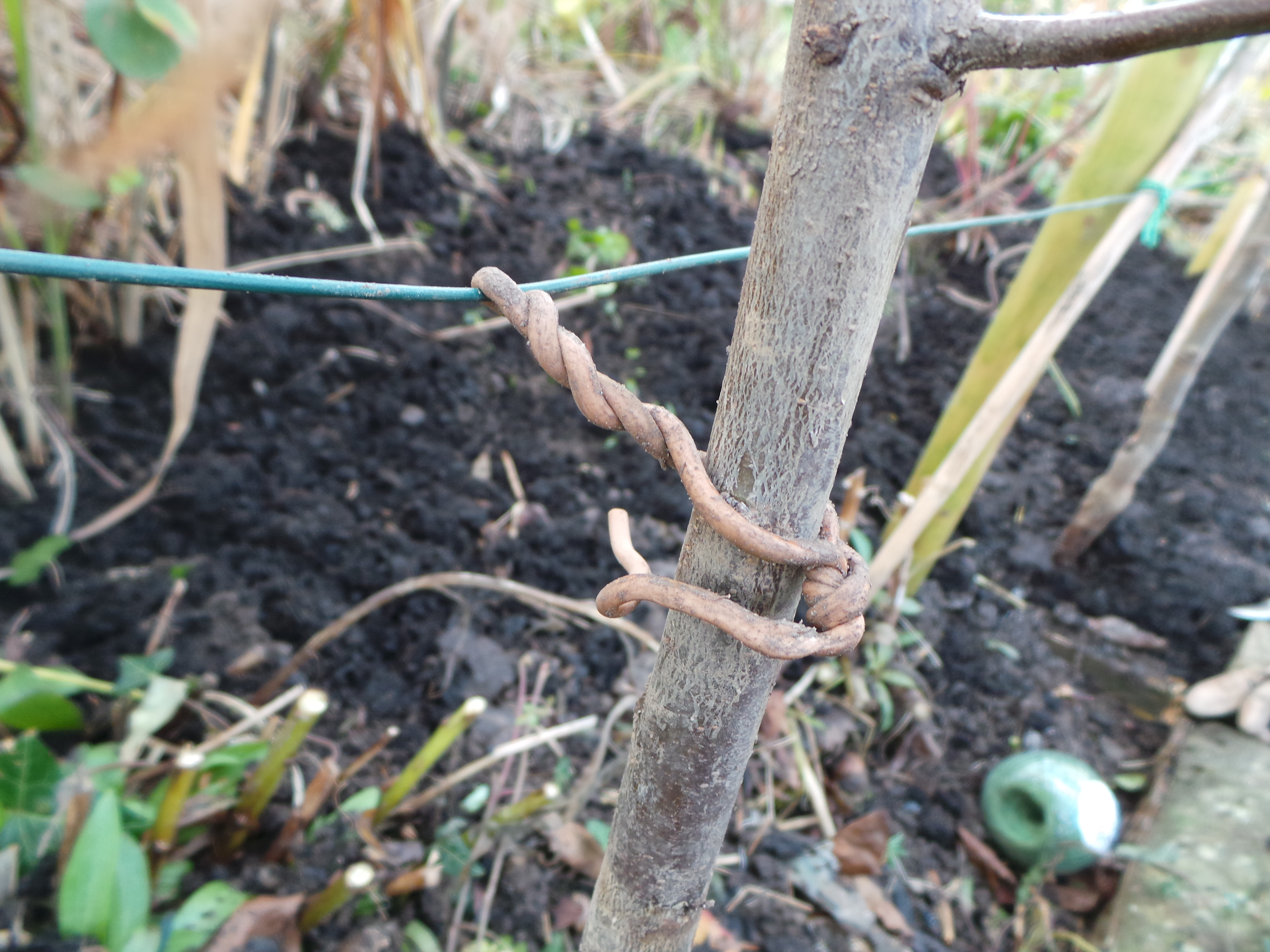
We then tied the new trees to their canes training them into fans. We used soft plastic covered wire to tie them in as this allows us to keep the branches away from the canes and supports.

2014 12 19_8917 2014 12 19_8918

2014 12 19_8920_edited-1 2014 12 19_8919


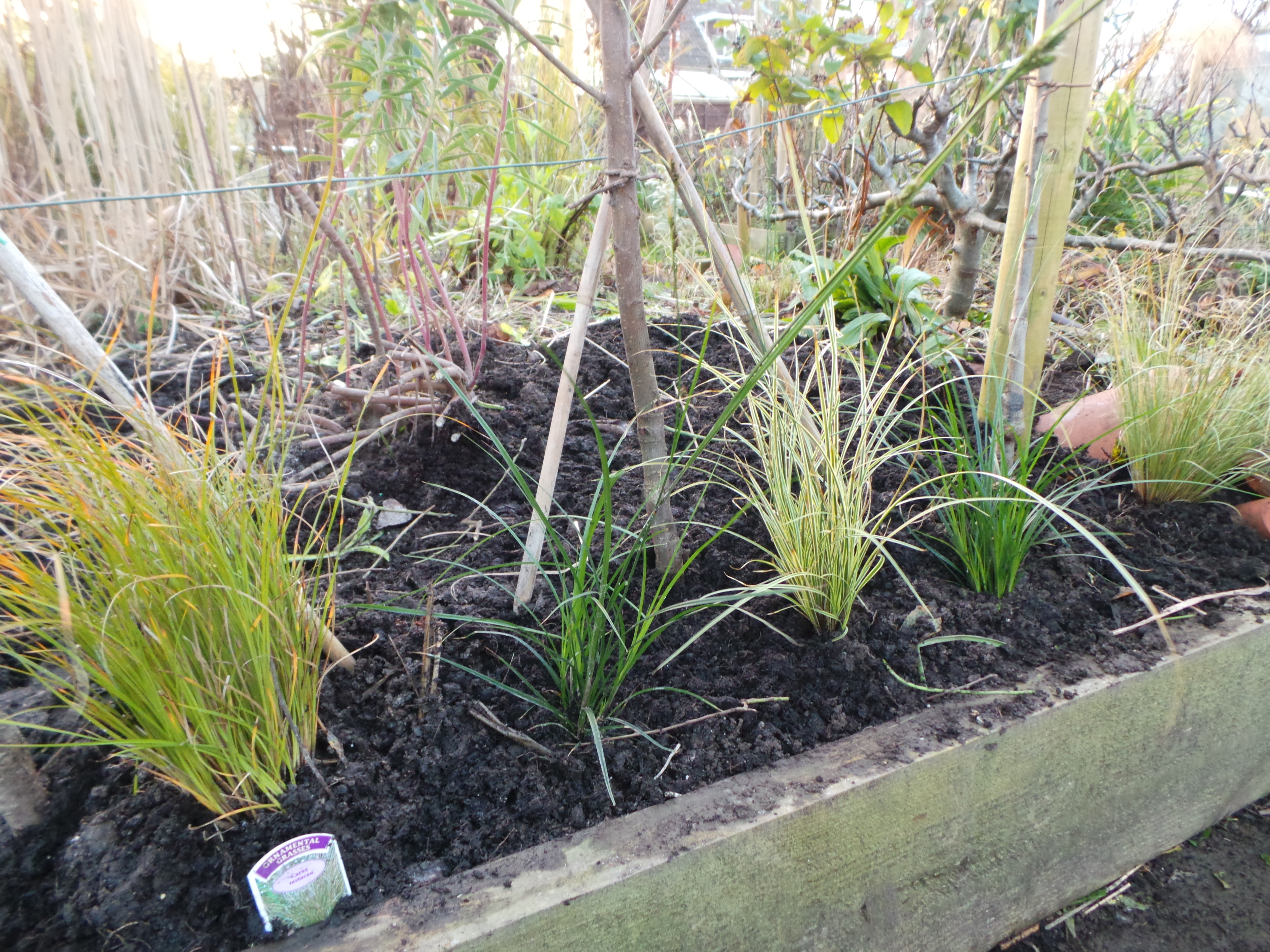
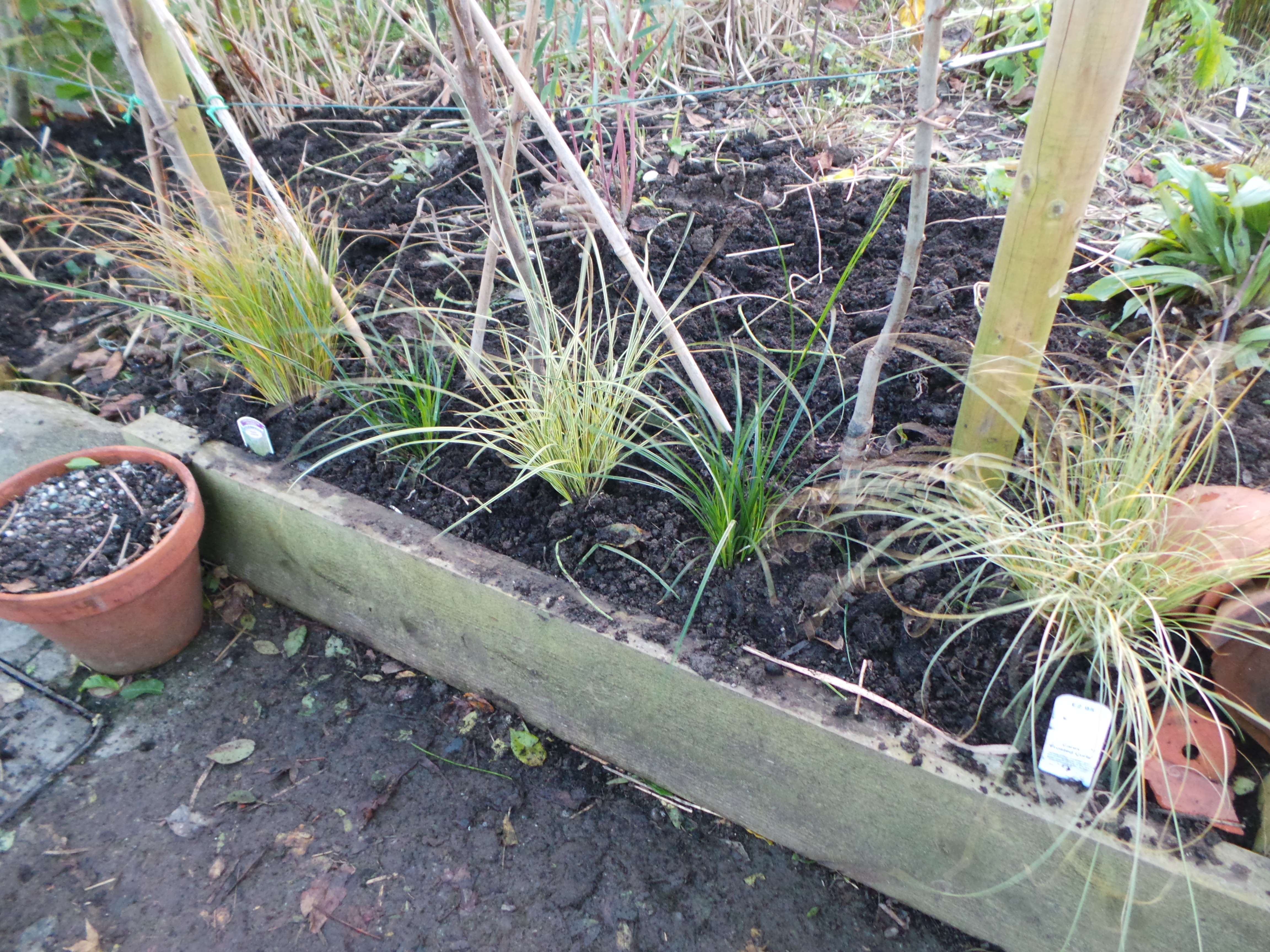
The final touch was to plant small ornamental grasses between the trees to add interest and some ground cover. We chose different varieties of Carex for their different leaf colours and textures, because they stay small and because they are evergreen.

2014 12 19_8921 2014 12 19_8927

2014 12 19_8926

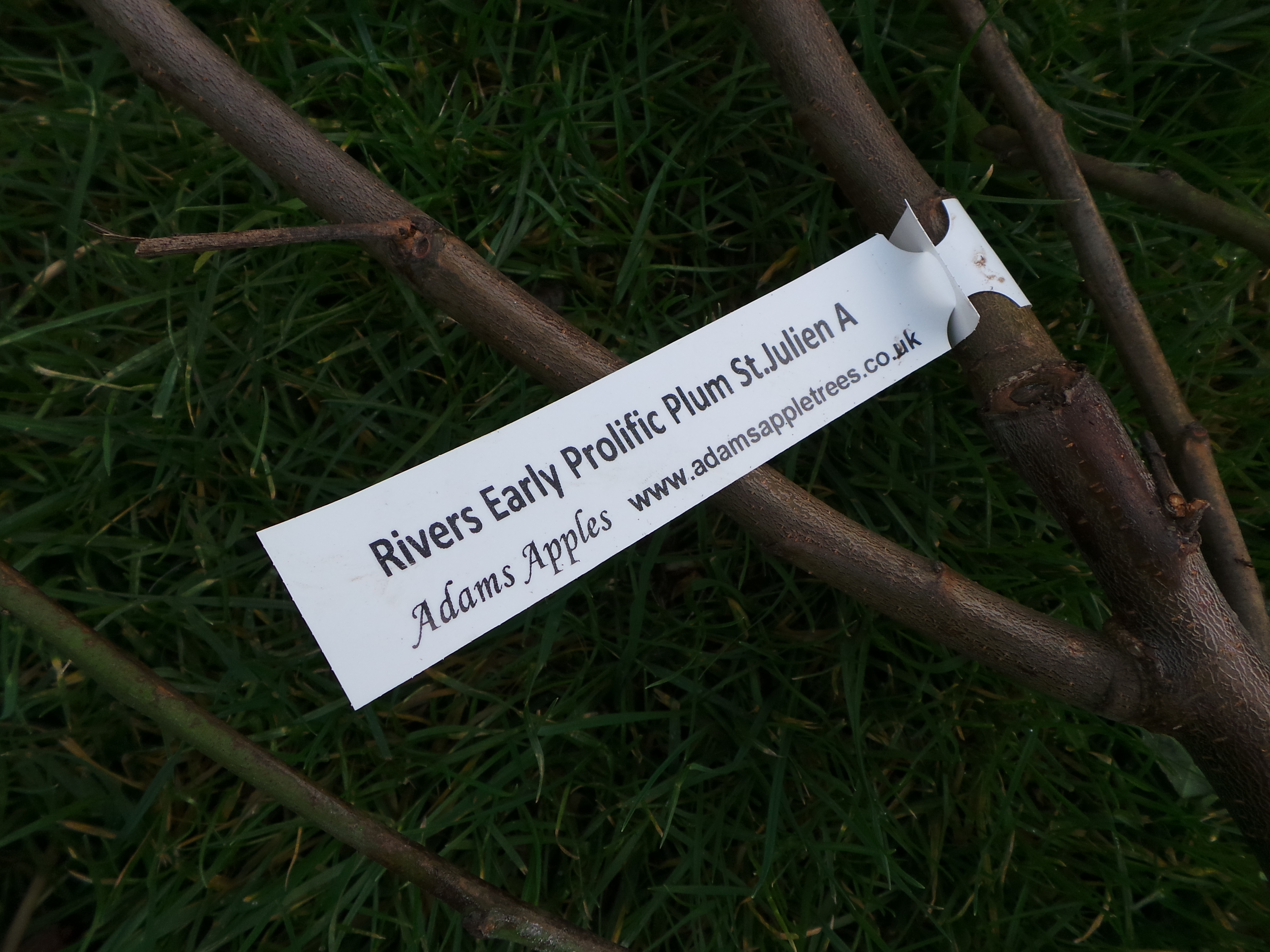
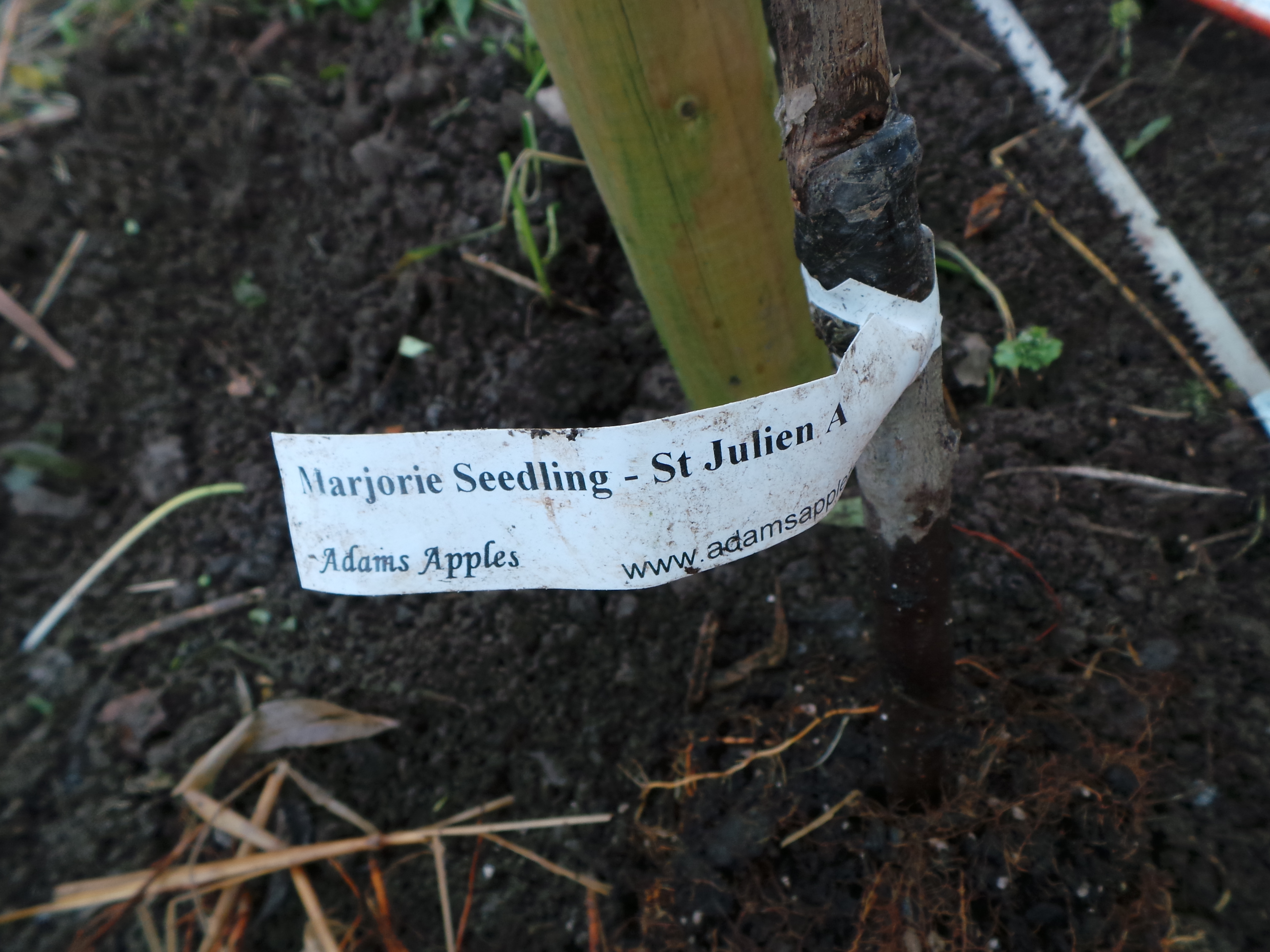
And that was it – job done! If you are wondering which cultivars we chose here are their labels.


2014 12 19_8912 2014 12 19_89132014 12 19_8914 2014 12 19_8915


This Veggie Life

A Vegetarian | Nature Lifestyle Blog

Rambling in the Garden

.....and nurturing my soul

The Arch City Gardener

Journeys In St. Louis Gardening and Beyond

Garden Dreaming at Châtillon

Consult the genius of the place

Storyshucker

A blog full of humorous and poignant observations.

gardeninacity

Notes from a wildlife-friendly cottage garden

PlayGroundology

...an emerging social science

The Official Blog of British Wildlife

'The most important and informative publication on wildlife of our times' - The Independent. This blog is a member of The UK & Ireland Natural History Bloggers group: www.uknhb.blogspot.com

iGrowHort

Inspire - Cultivate - Grow Native Plants - Restore Landscapes

Bishops Meadow Trust

To create and protect a semi-natural wild space for the people of Farnham to enjoy and experience an array of British wildlife in our town

Gardening with Children

The www.gardeningwithchildren.co.uk Blog

UKbirdingtimeline

birding through the seasons, why birds matter and how to conserve them

NATURE WALKER

with a camera in hand

Jardin

Transform your outdoor space

Eva's space

My allotment, cooking and other interests

Old School Garden

my gardening life through the year

LEANNE COLE

Trying to live a creative life

fromacountrycottage

trying to live as lightly as possible on our beautiful planet

Good Life Gardening

Nature lovers from Leicester living the good life.

mybeautfulthings

Finding the beautiful in the everyday

mawsonmichelle

Michelle's Allotment

In and Out of My Garden

thoughts from and about my garden

Greenhousing

Big plans for a small garden

The Scottish Country Garden

A Walled Country Garden in South East Scotland

The Fruity Chicken

Life at the fruity chicken

willowarchway

Off grid living. Self sufficient. "PERMAGANICS RULE".
St Anns Allotments

Nottingham's Grade 2* Listed Allotments and Community Orchard

Manifest Joy Harvests

a journey in suburban vegetable gardening

Allotmental

The madness of growing your own

Penny's Garden: a harvest beyond my front door

A novel approach to vegetable gardening

arignagardener

Sustainable living in the Irish countryside.

NewEnglandGardenAndThread

Master Gardener, amateur photographer, quilter, NH native, and sometimes SC snowbird

dianajhale

Recent work and work in progress and anything else that interests me

planthoarder

a chaotic cottage gardener

Lens and Pens by Sally

a weekly blog that creates a personal philosophy through photographs and words

Dewdrops and Sunshine

Stories from a sassy and classy Southern farmbelle.

The Pyjama Gardener

Simple Organic Gardening & Seasonal Living

gettin' fresh!

turning dirt into dinner

JOY...

today the world is created anew

Garden Birds

Notes from a Devon garden

ShootAbout

Life Through The Lens

Adapting Pixels

A photography blog showcasing the best photography pictures and videos on the internet

Wildlifegardening's Blog

Just another WordPress.com site

naturestimeline

personal observations from the natural world as the search continues for a new approach to conservation.

LATEBLOOMERBUDS

The Wonders of Life through my Eyes, my Heart, my Soul