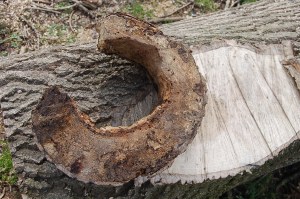
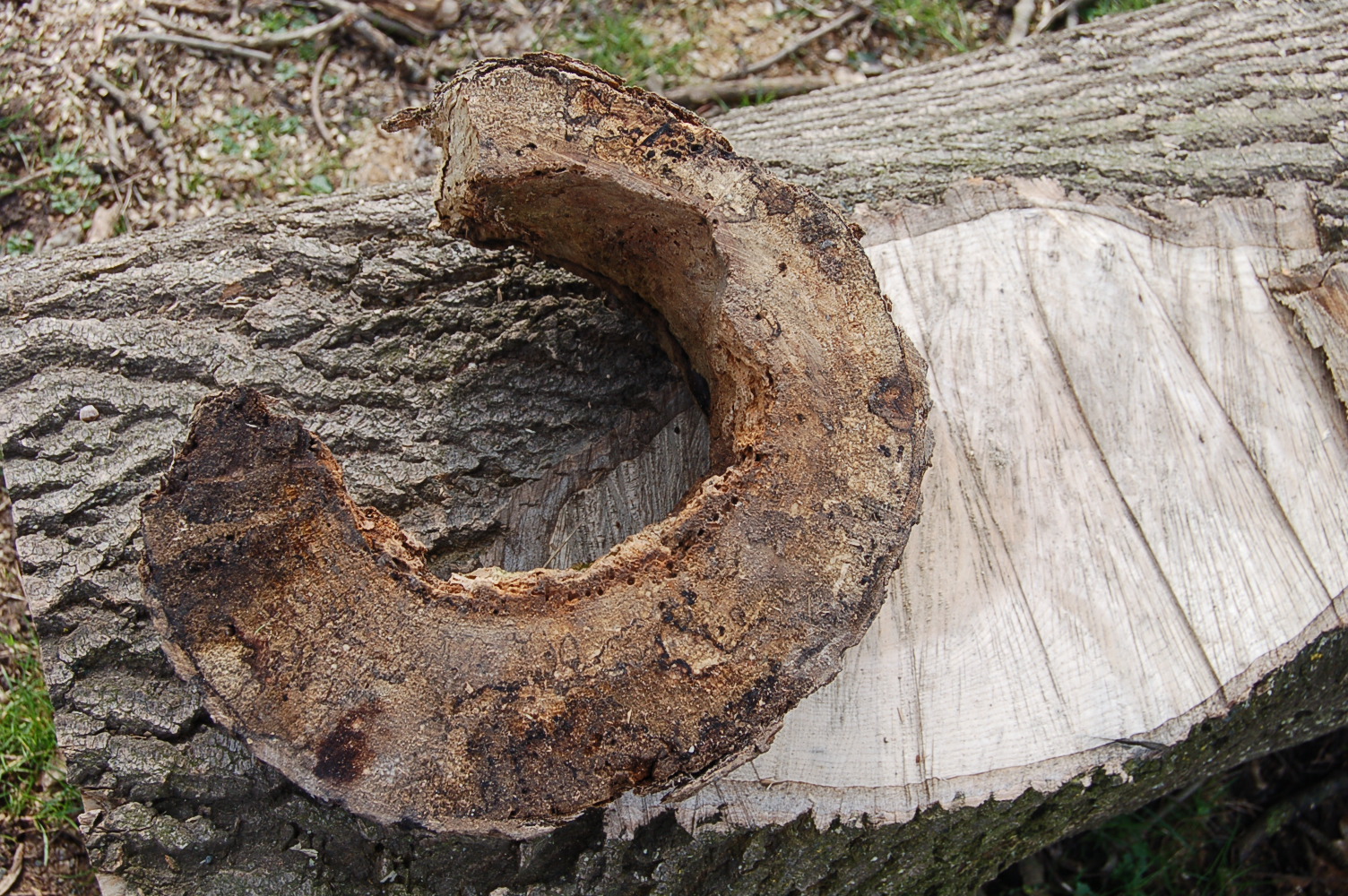
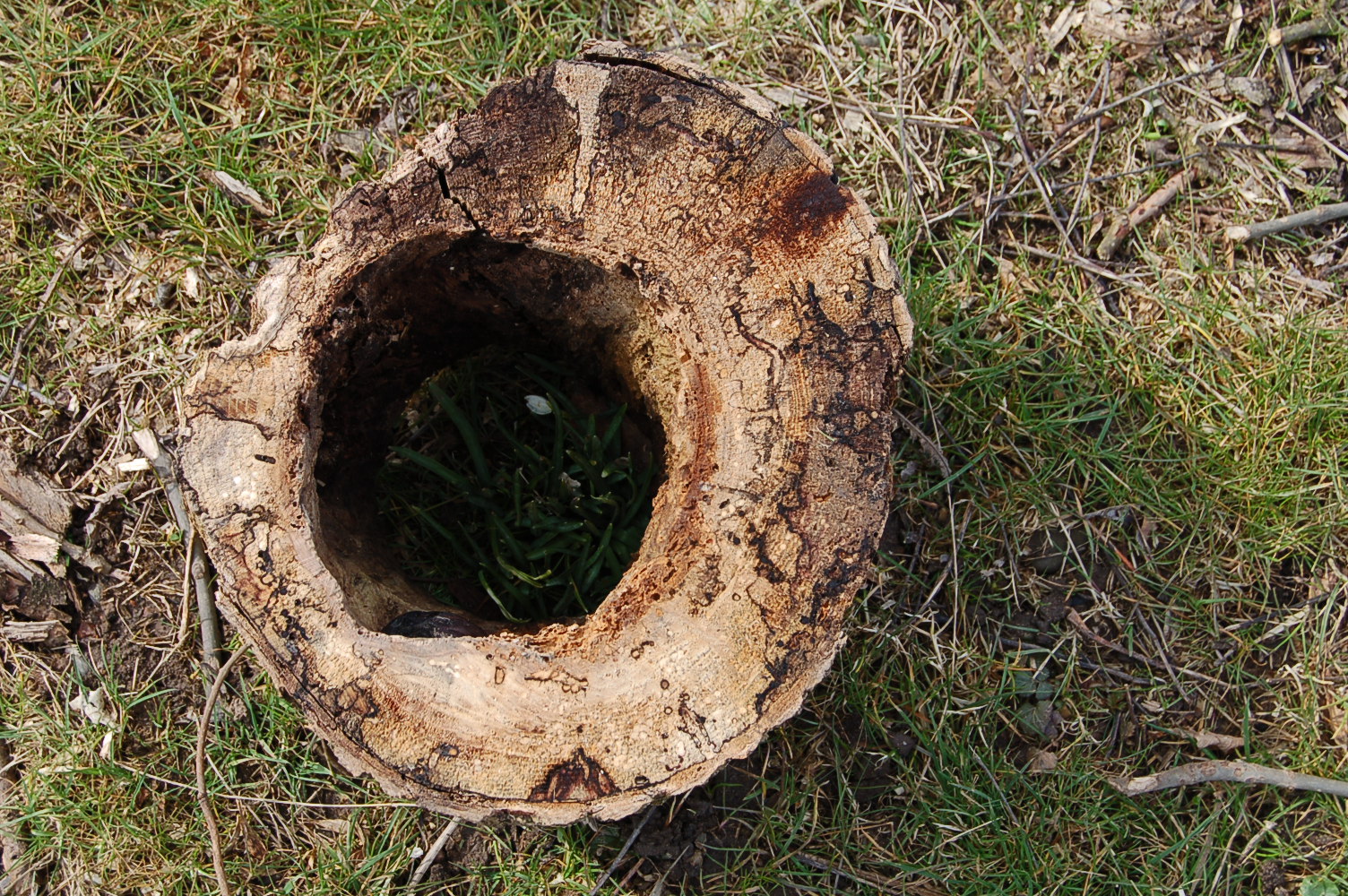
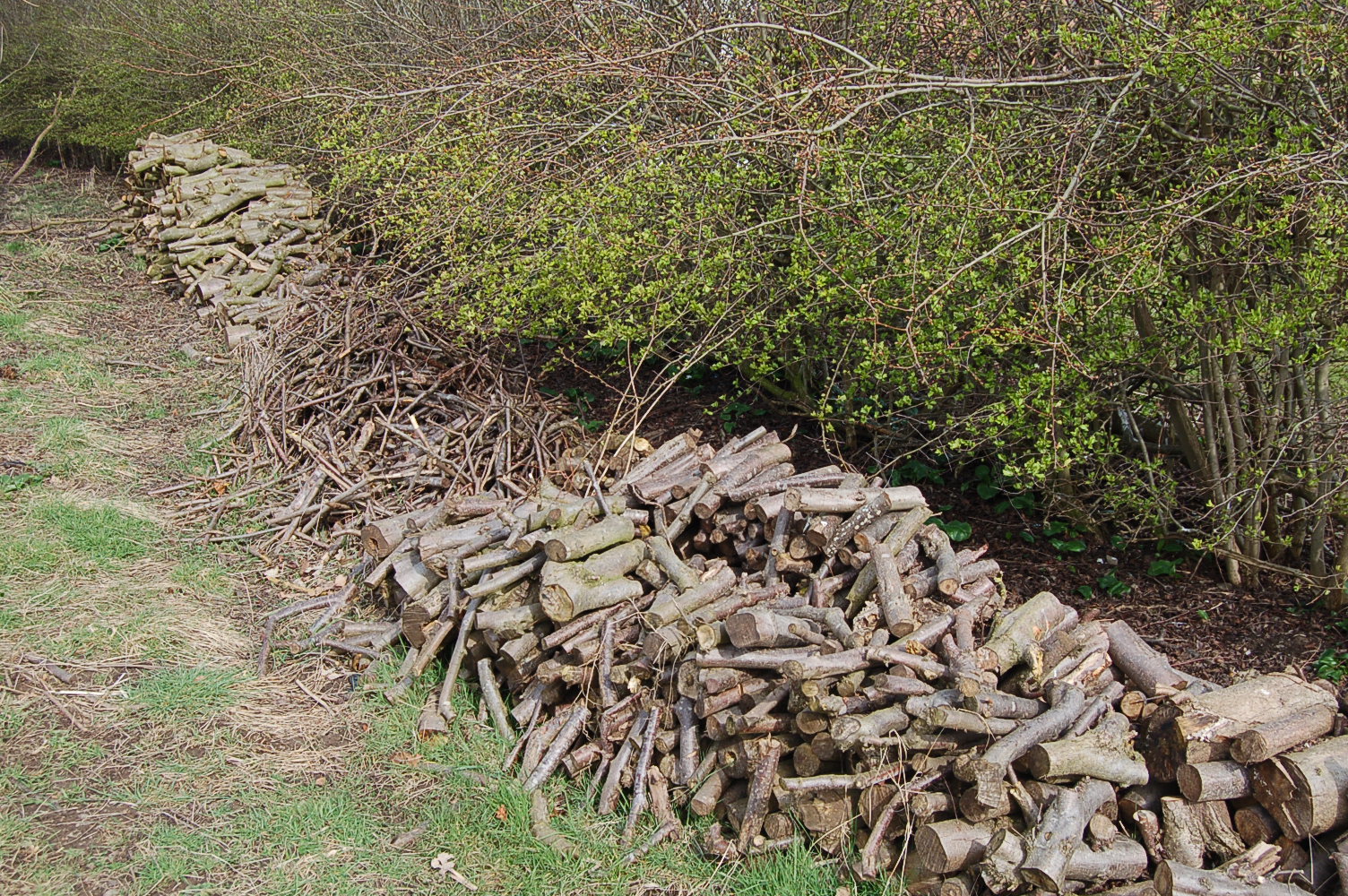
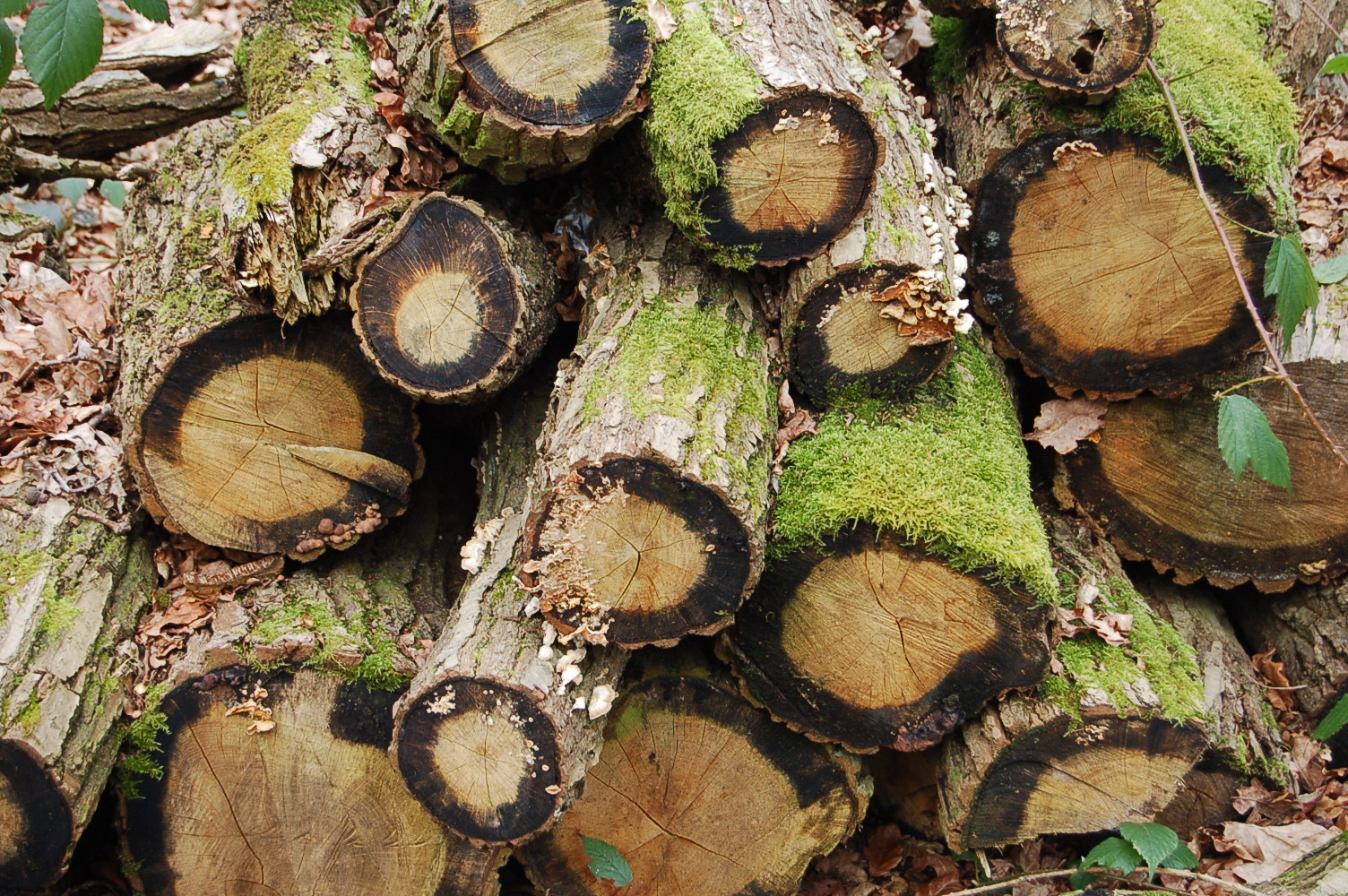
As we wandered through the woods at Attingham Park, our local National Trust Property, we were looking at some tree surgeon’s work, the felled branches, neat piles of logs, less neat brash heaps and some boughs separated out into stacks suitable for becoming fence posts in the future. On the ends of several felled trunks we noticed holes where the centres had been hollowed out, possibly through the ravages of age or disease killing the tree from the middle outwards.

I couldn’t resist photographing several!


As we continued our woodland wanderings we noticed holes all around, in tree trunks, stumps, in the ground itself. Thus the idea for this post was born. I chose the title over several alternatives, such as “A Hole in One” and “The Hole Truth” but stuck with “The Hole Story” as this is really the story of a walk.
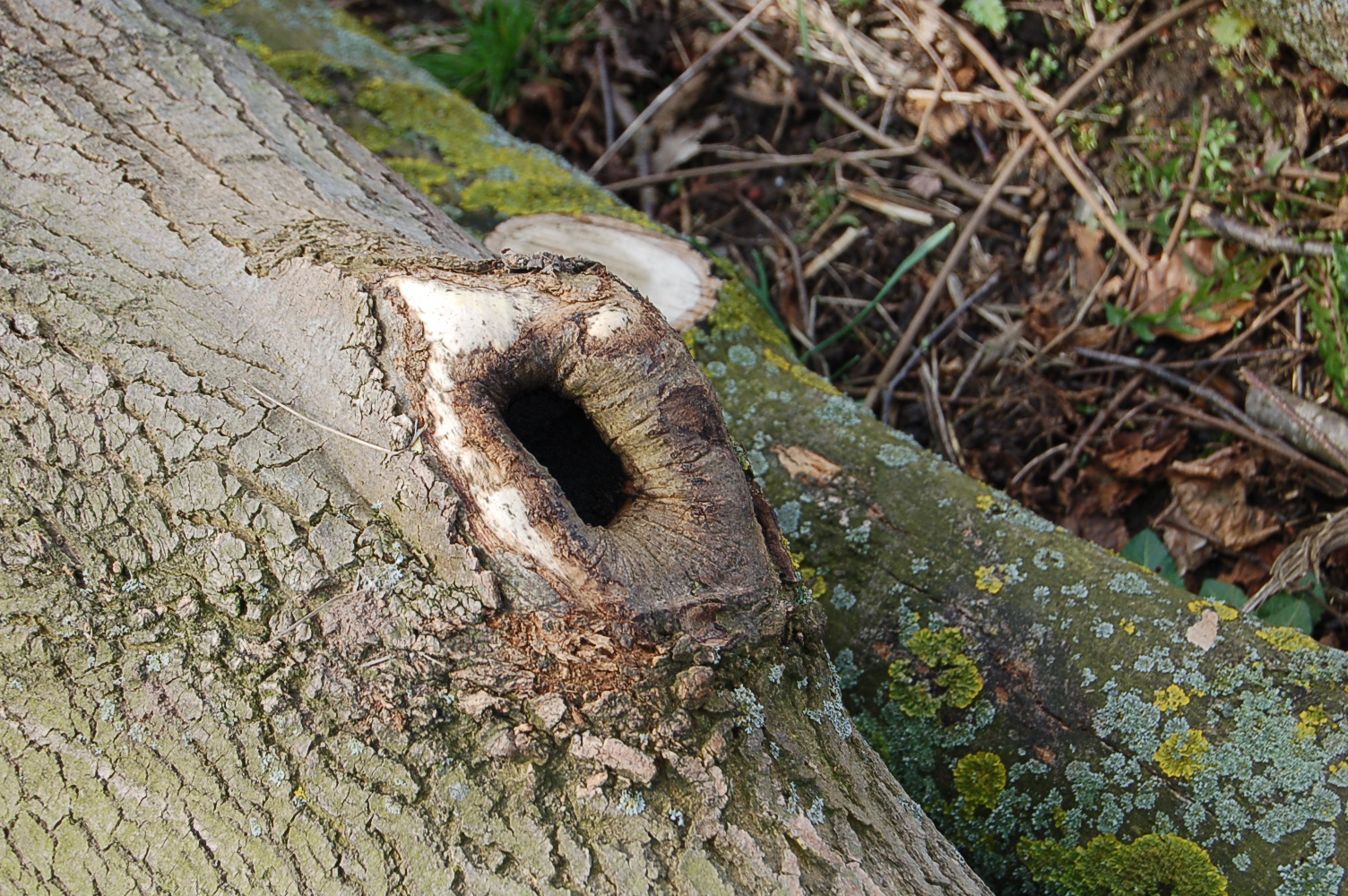
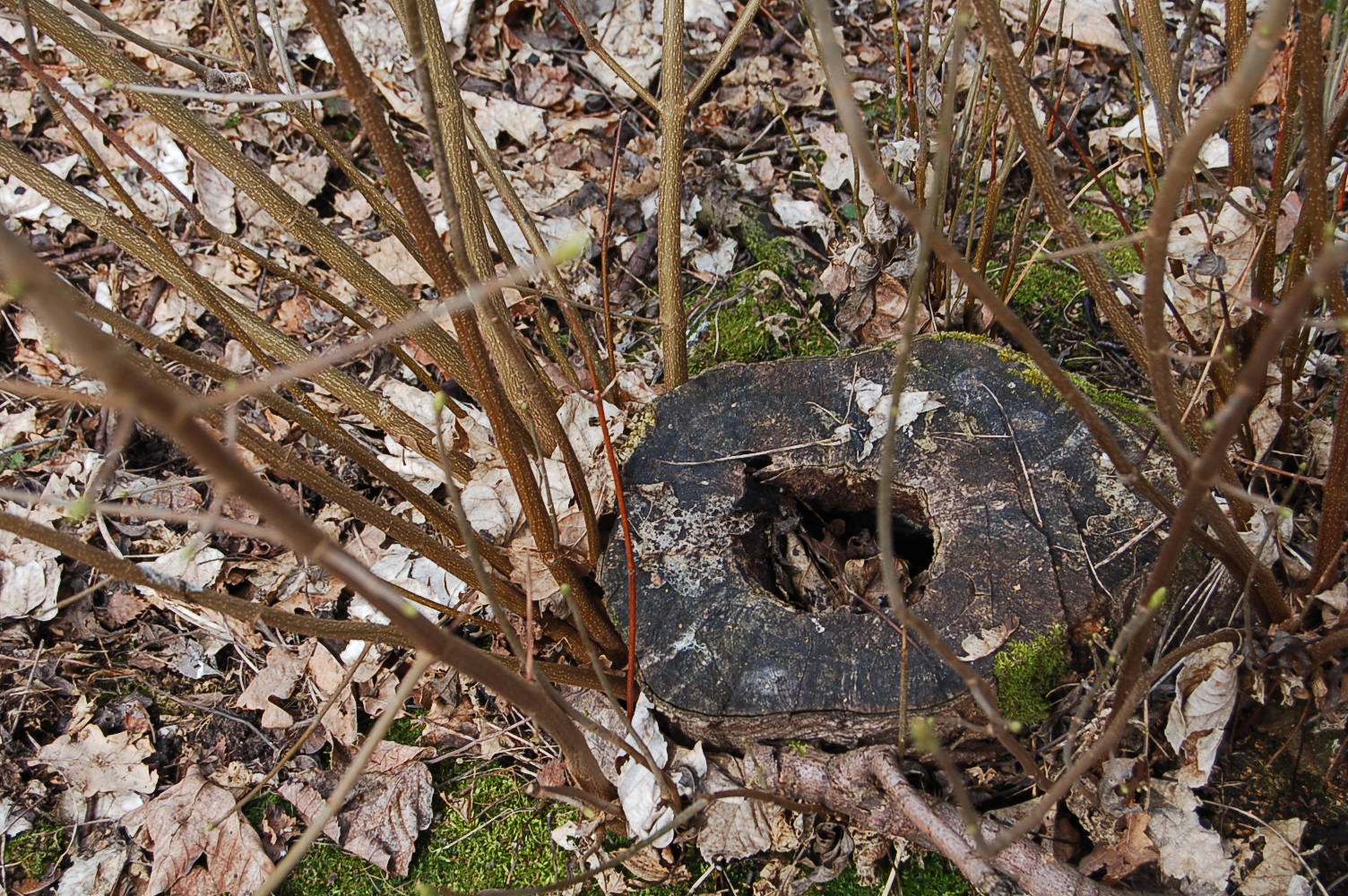
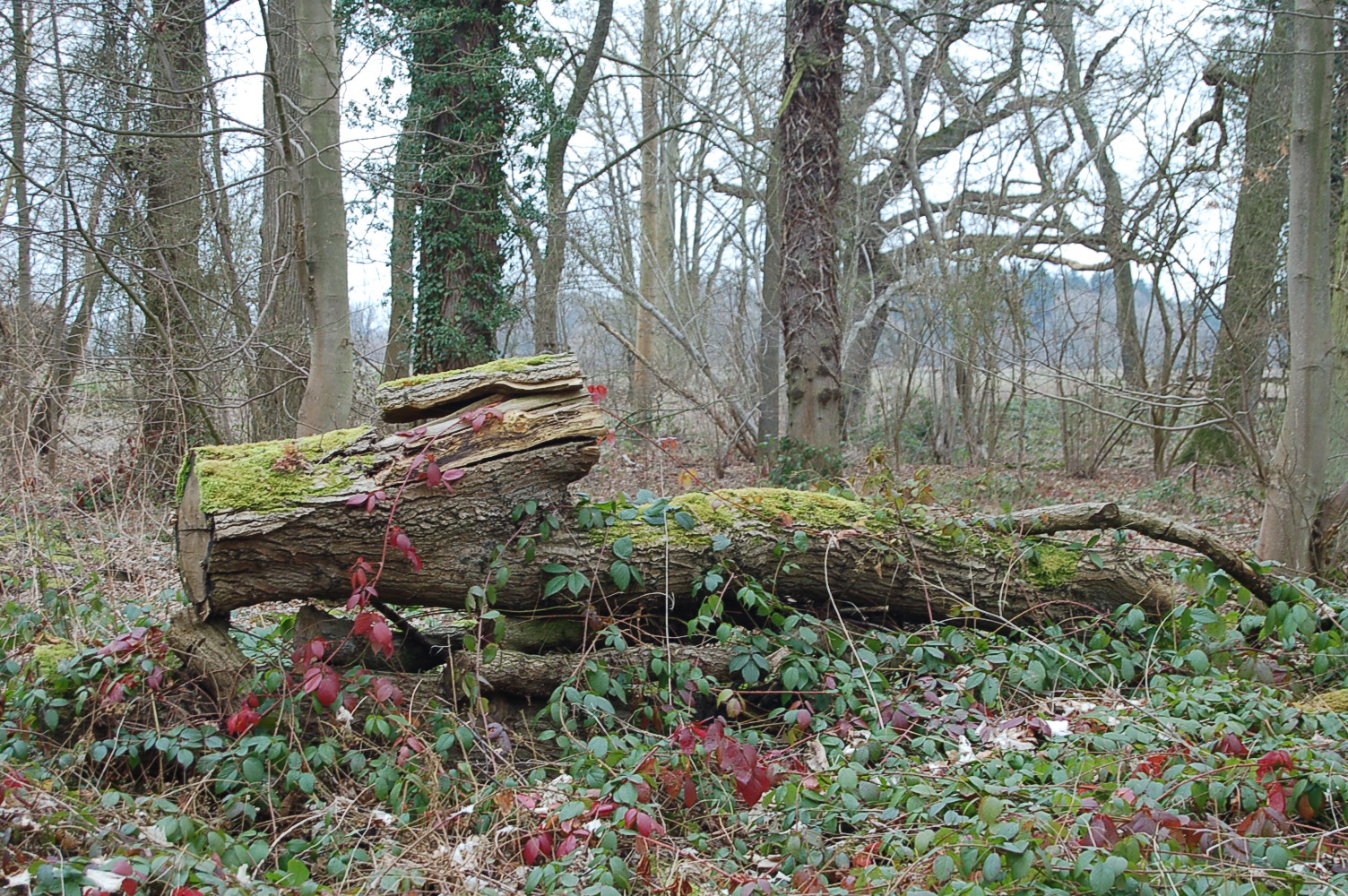
Where trees had fallen naturally rather than by the hand and saw of man holes form where branches break away and the natural processes of decay get to work. Callous forms around the holes in the last hope of repair. We were impressed with the way nature fights back against all the odds, where the hollowed out stump of a long ago felled tree breaks into growth. New whippy branches burst from close to the ground. Mother Nature seems good at coppicing.


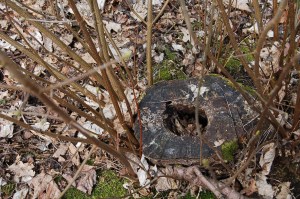
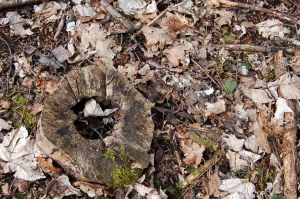
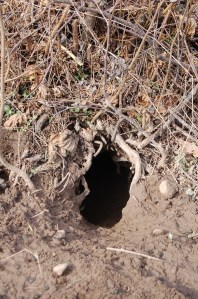
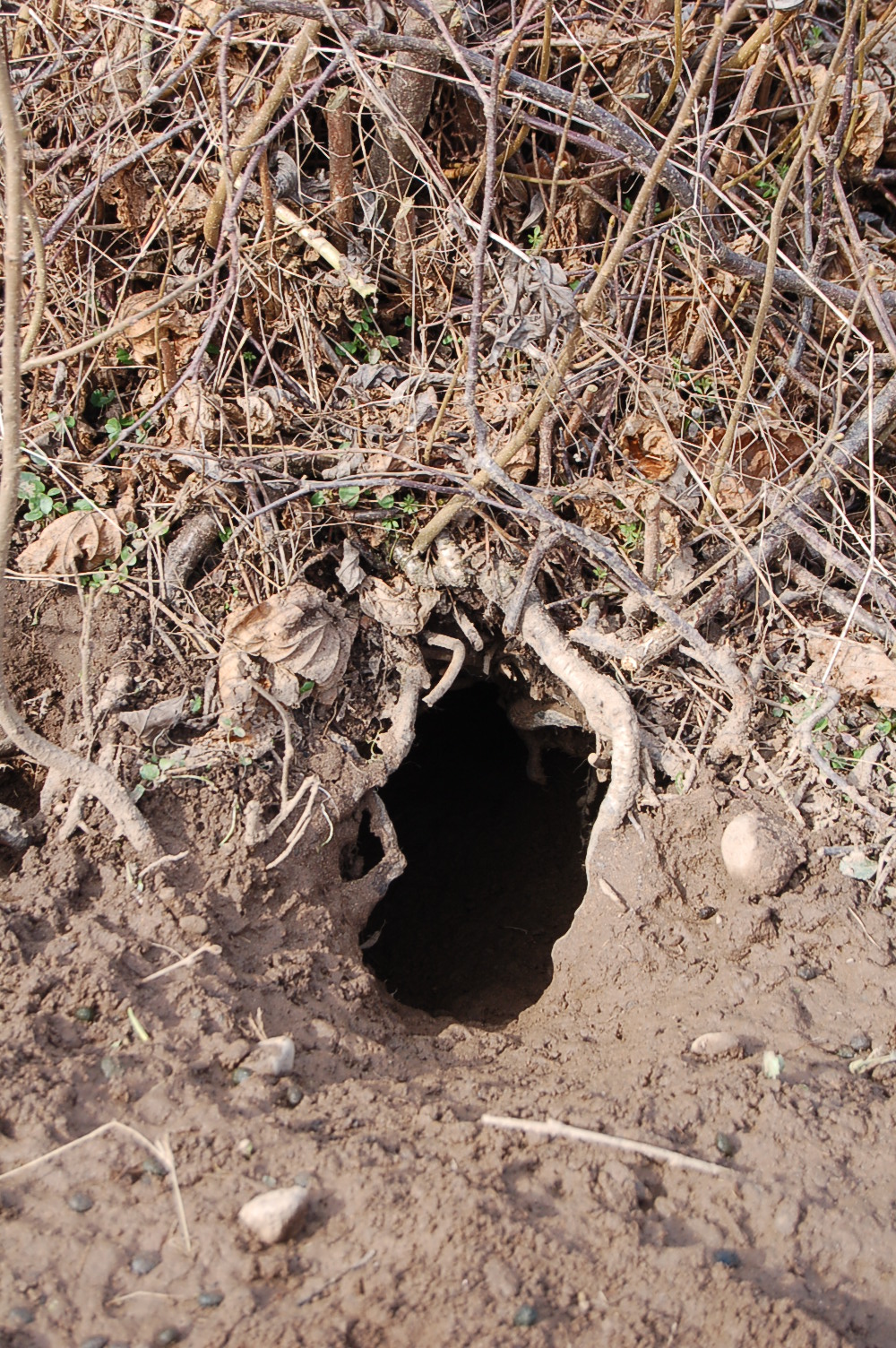
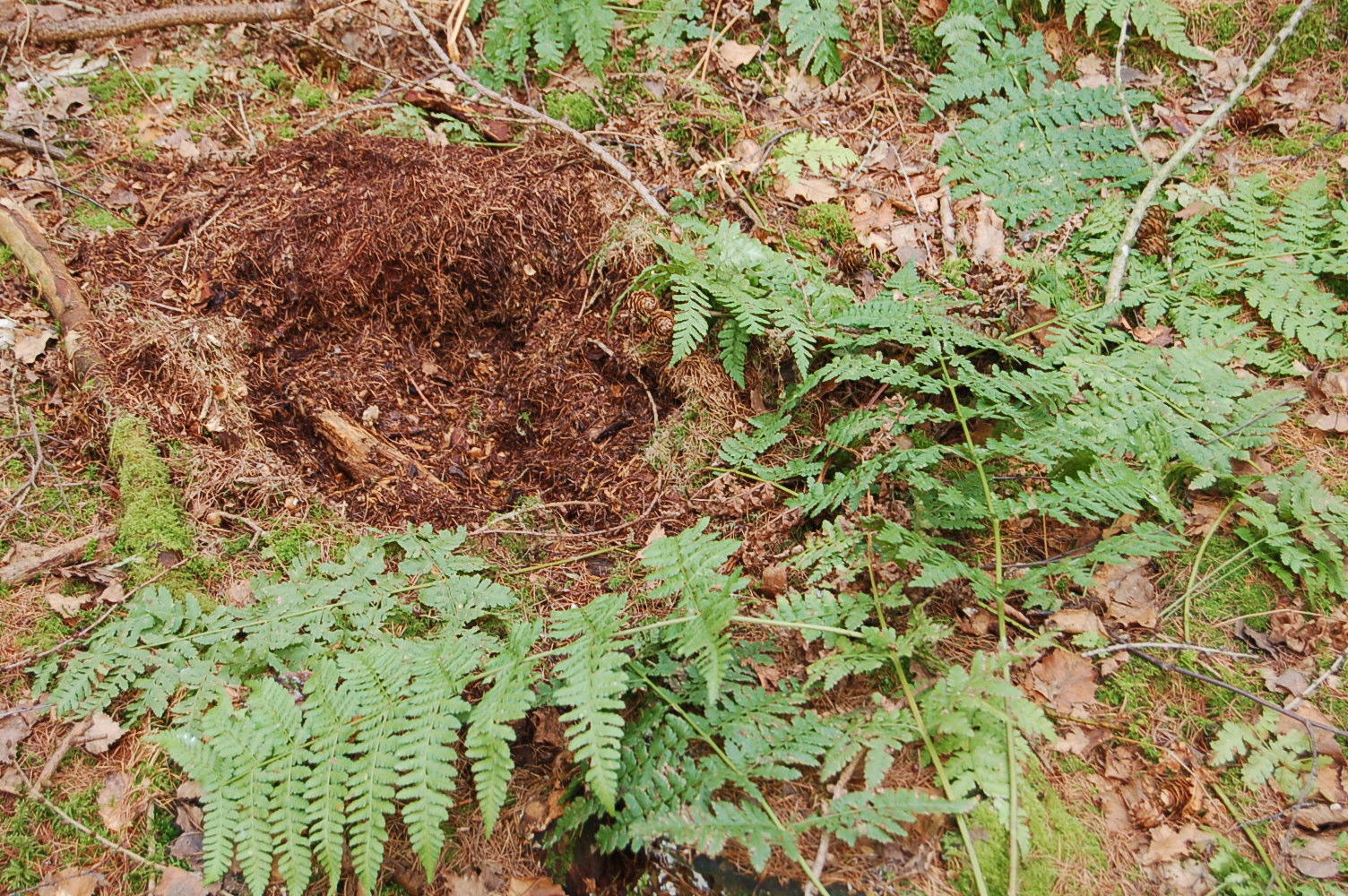
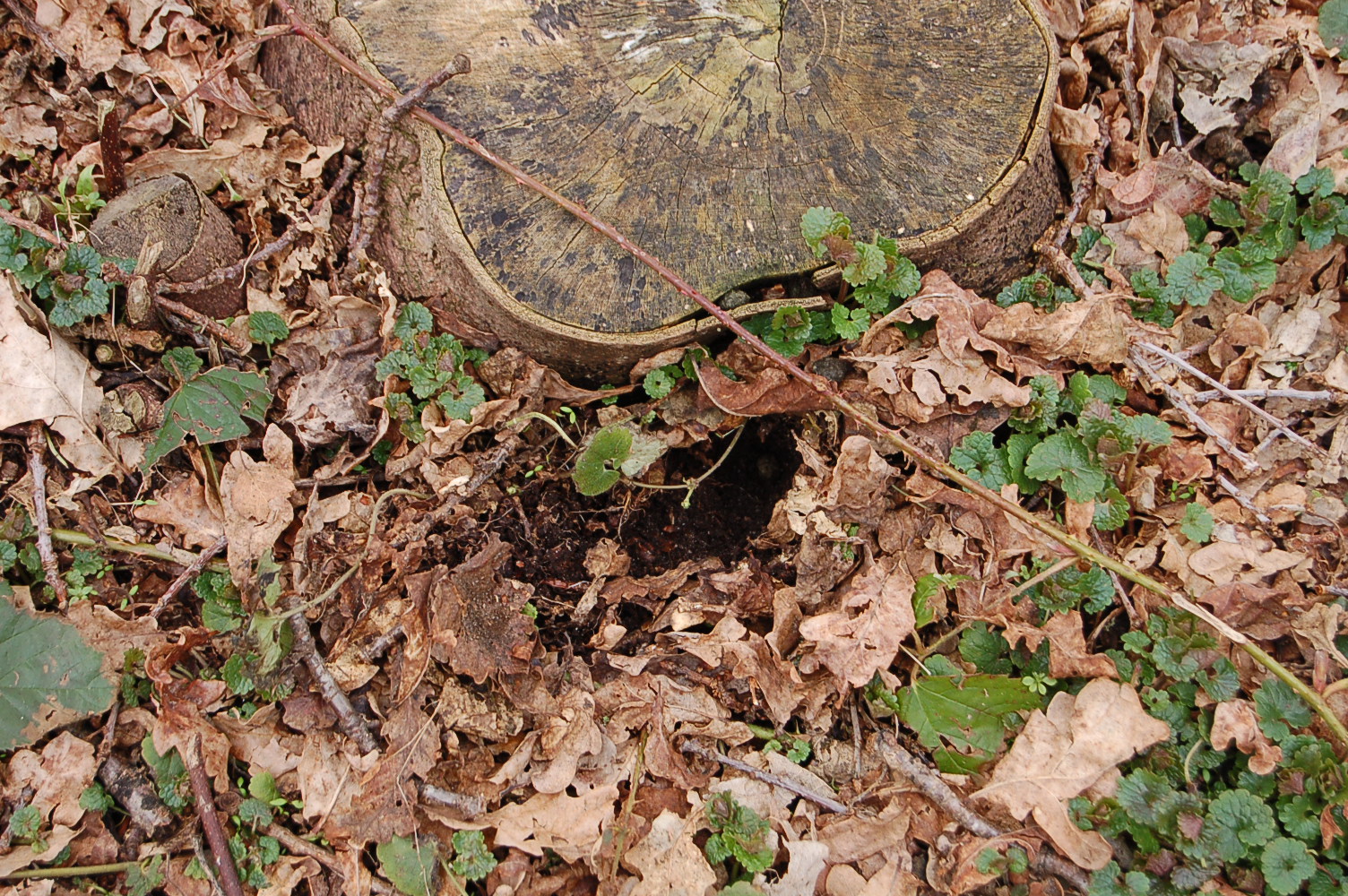
Animals and birds have been at work creating holes too, holes to live in or to store food in and to excavate later to retrieve it.
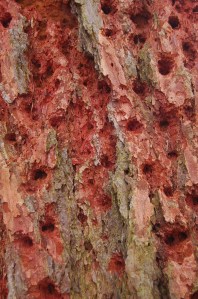
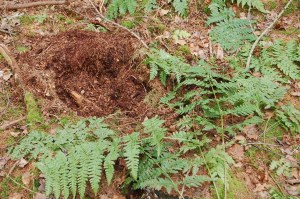
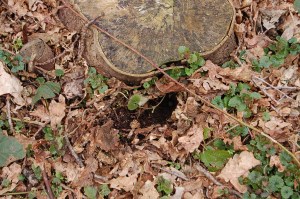
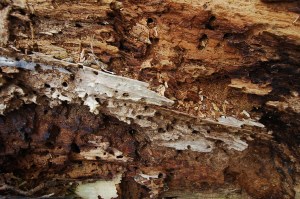
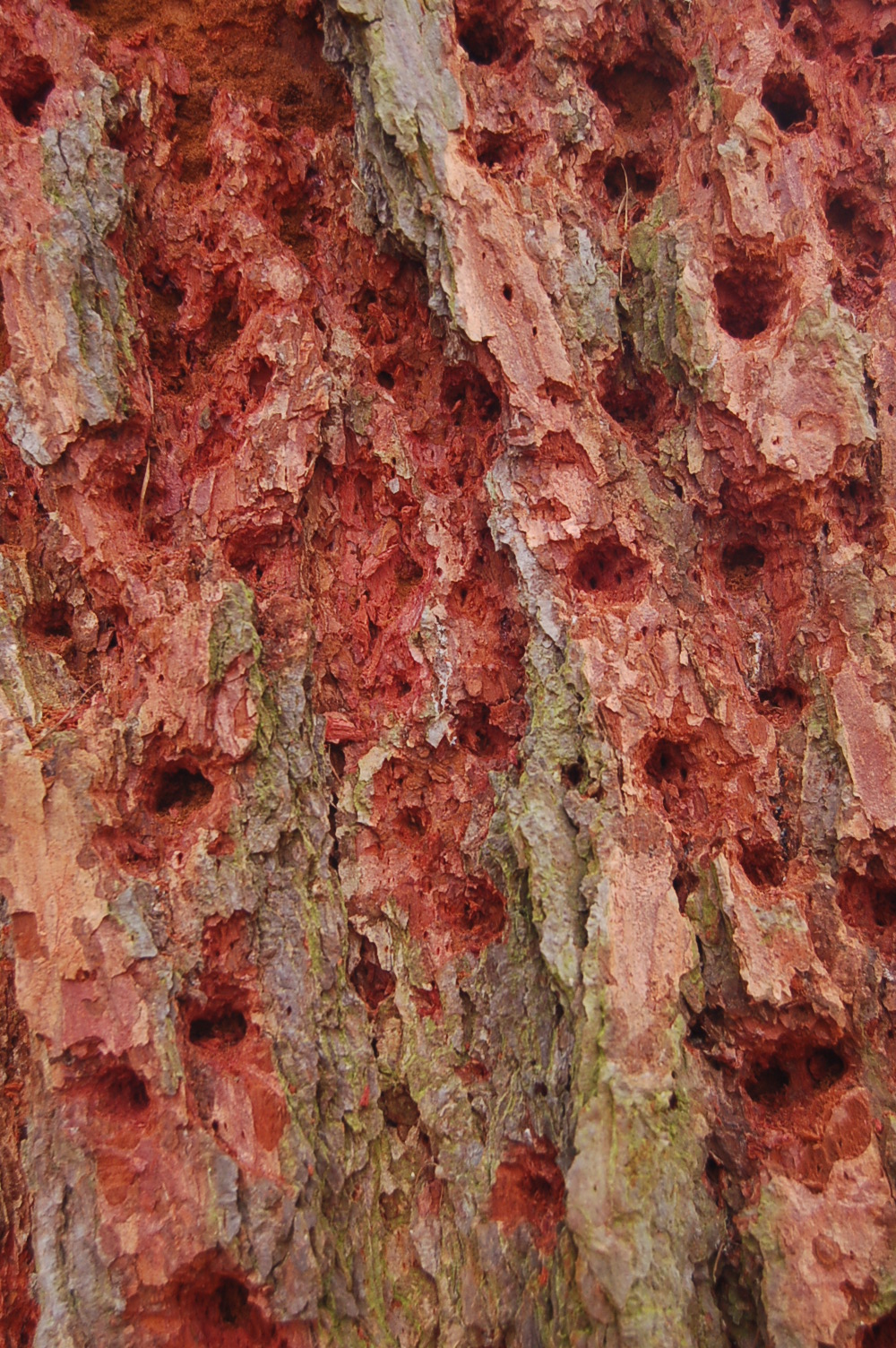
A rabbit has burrowed out his home, Nuthatches and Woodpeckers have bored into bark to get at beetles living there, a squirrel or perhaps a Jay have searched for a cache of nuts, a Wood Mouse has made its home at the base of a stump and beetles have bored their way into rotten wood.
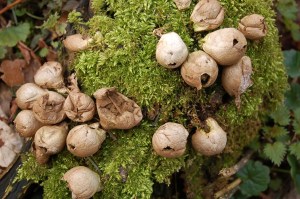
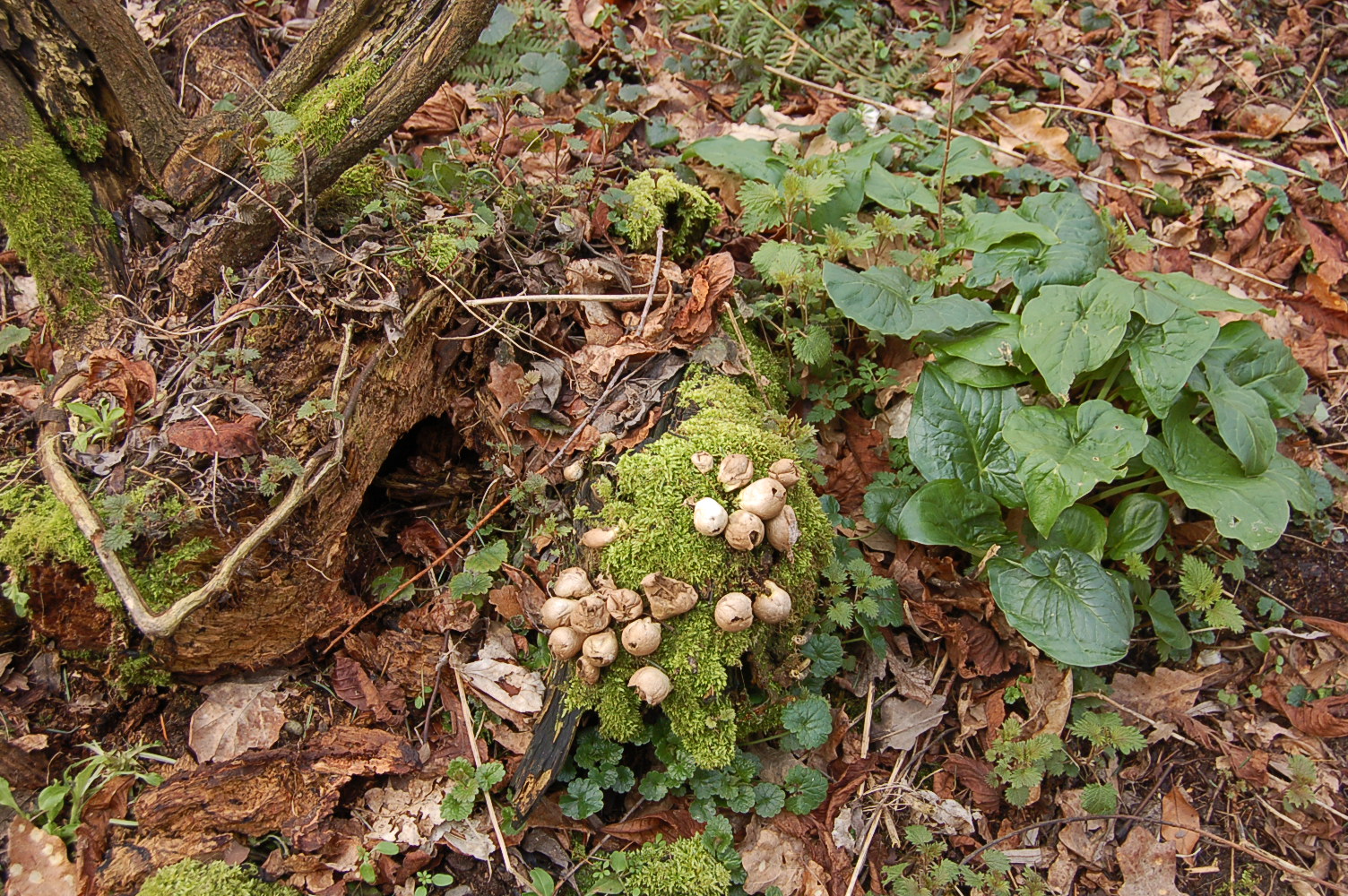
In the photo below spores have burst out through holes in the miniature puff-ball fungi. The fungi look like old, burst table tennis balls.
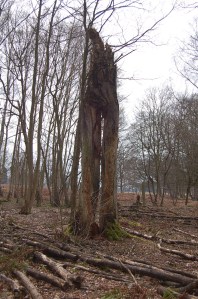
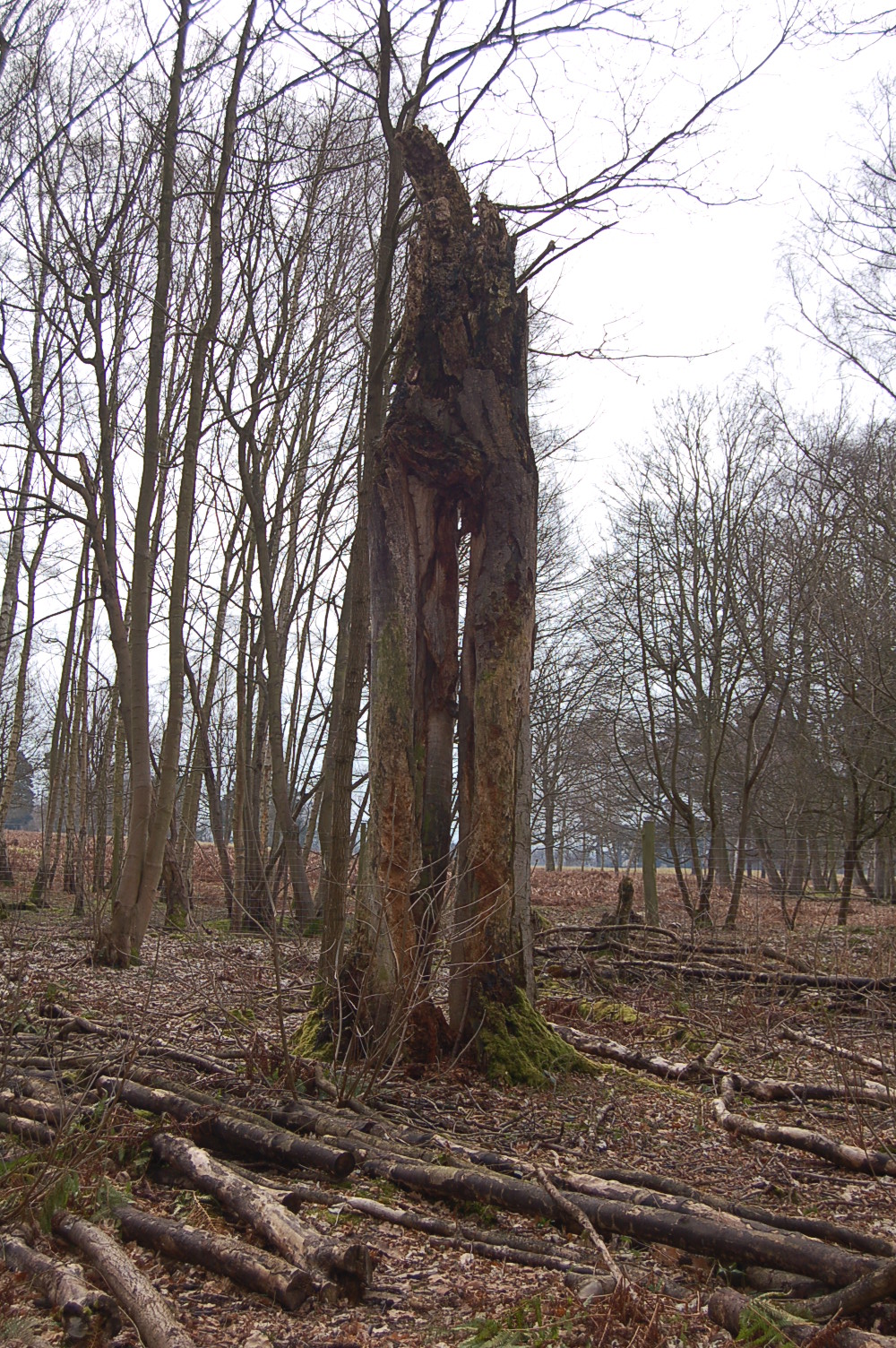
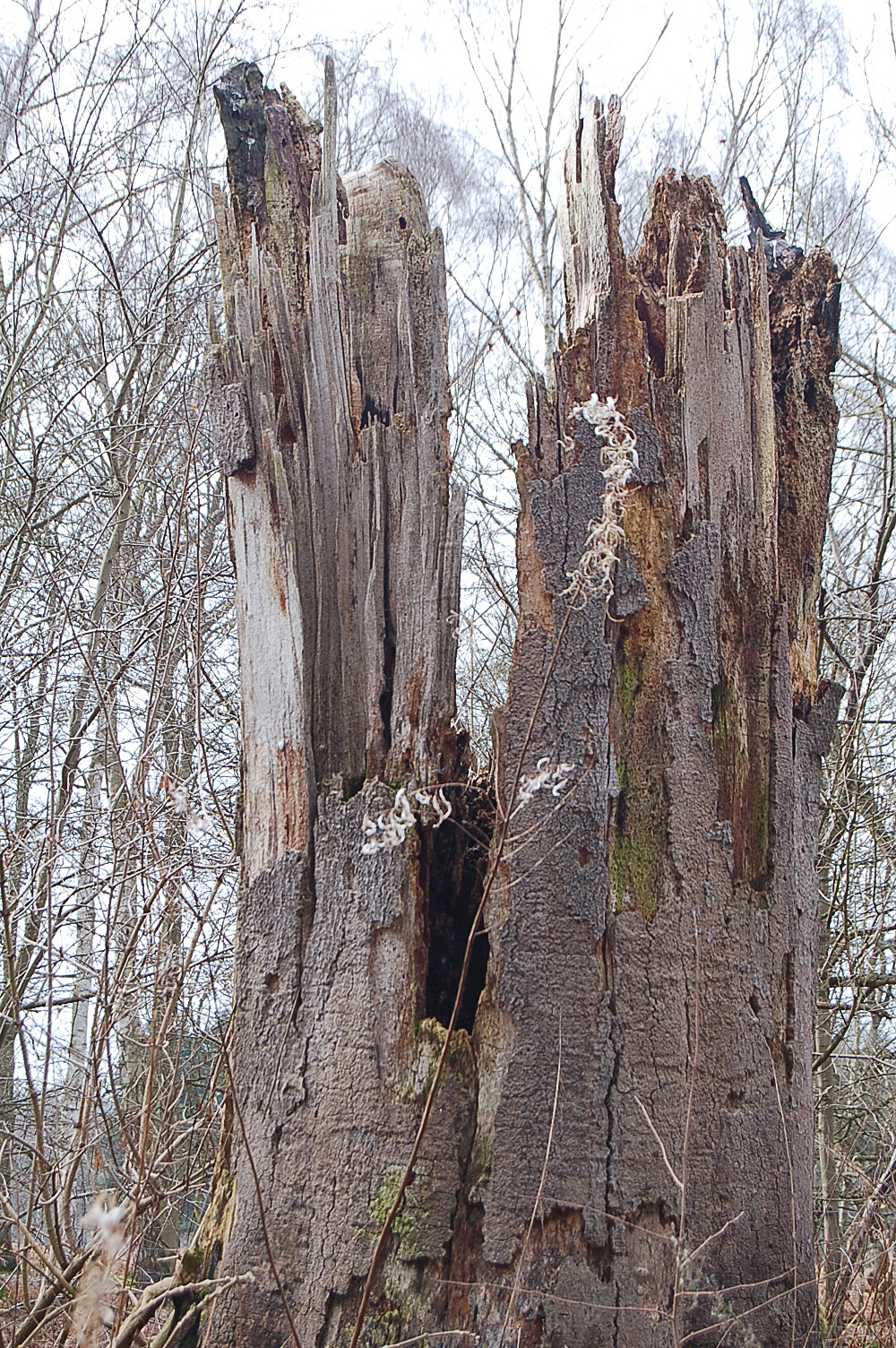
The biggest holes of all were in the still-standing half trunk of a grand old tree still standing rotting away and feeding a multitude of creatures from the tiniest microbes to Green Woodpeckers. This long vertical split looked like sculpture from a distance. Close up it revealed itself as the work of weather, wind or lightning.
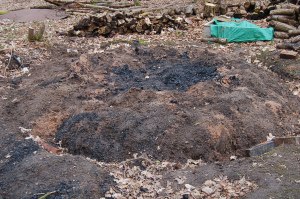
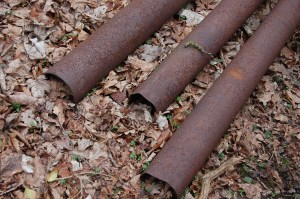
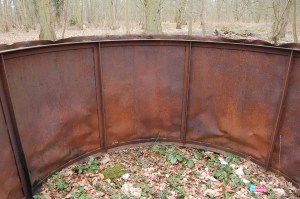
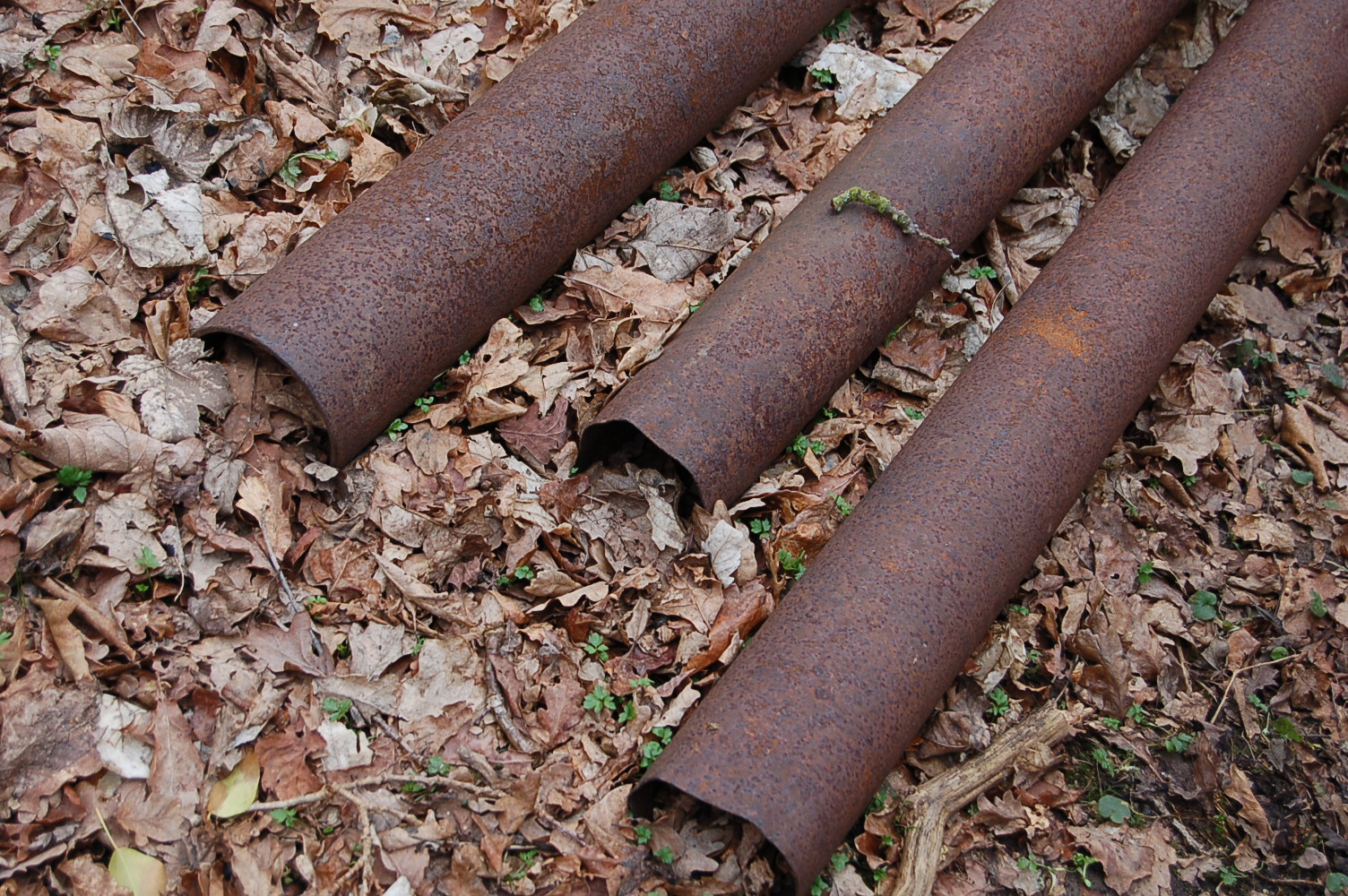
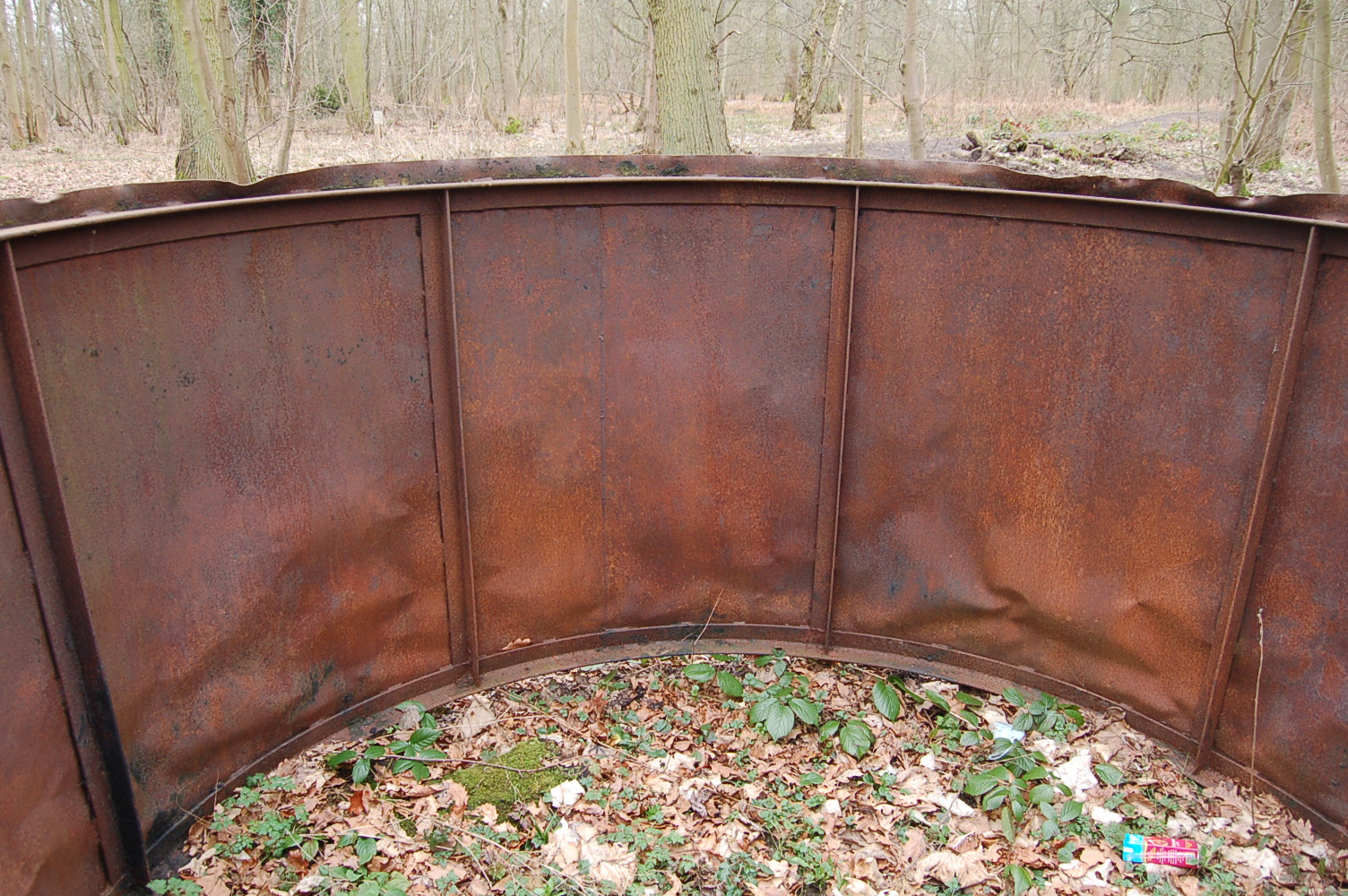
Not all the holes we discovered at Attingham were created by Mother Nature, some were there because of the activities of man. In particular the charcoal burners leave their marks, pipes, a circular scar where their metal structure was at one time situated and the burner itself.

So that is it, the whole story of our hole searching wander.



















































 greenbenchramblings