Categories
garden ponds garden pools garden wildlife natural pest control Shropshire South Shropshire wildlife Winter Gardening

Young naturalists visit Avocet

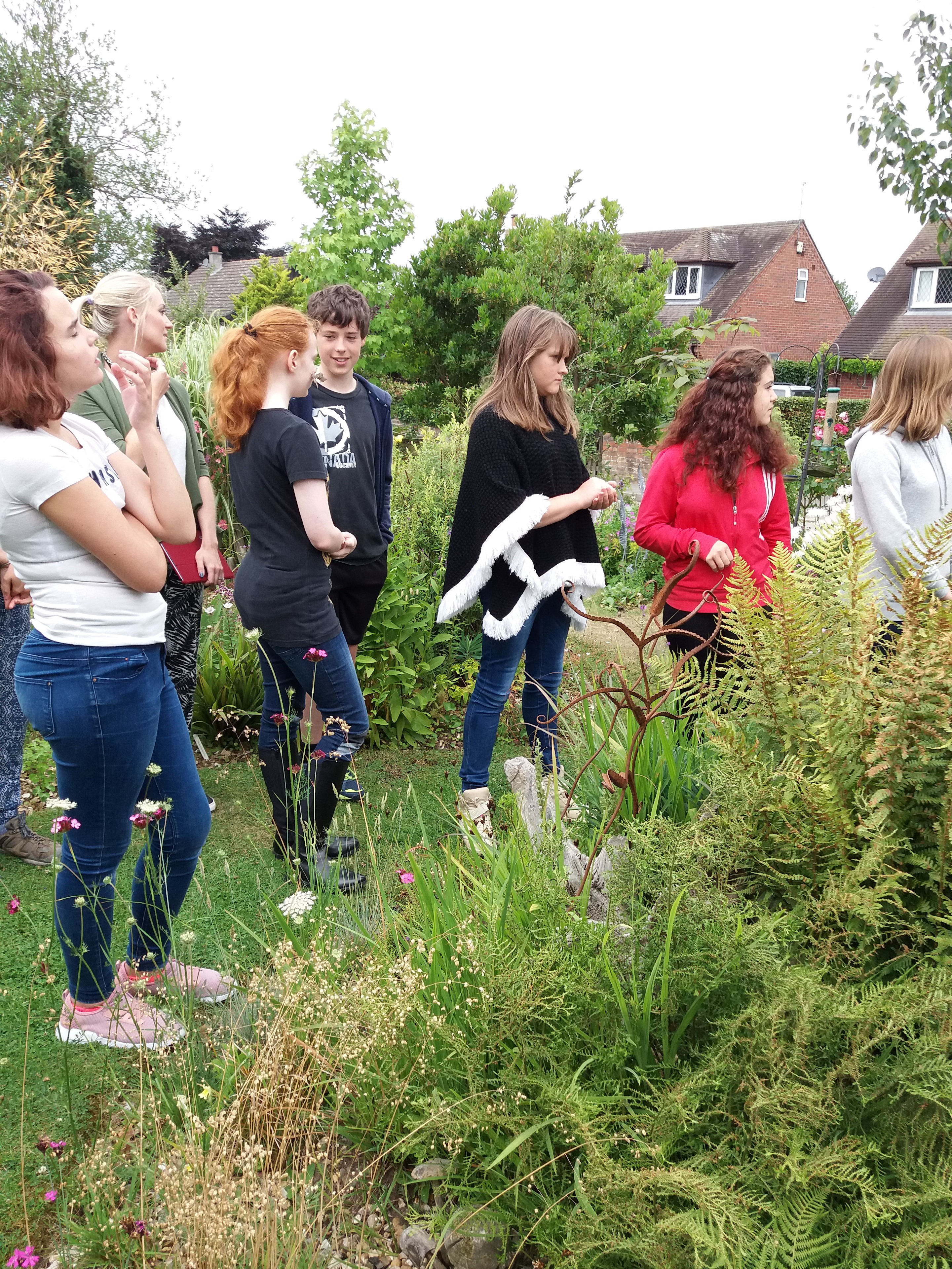
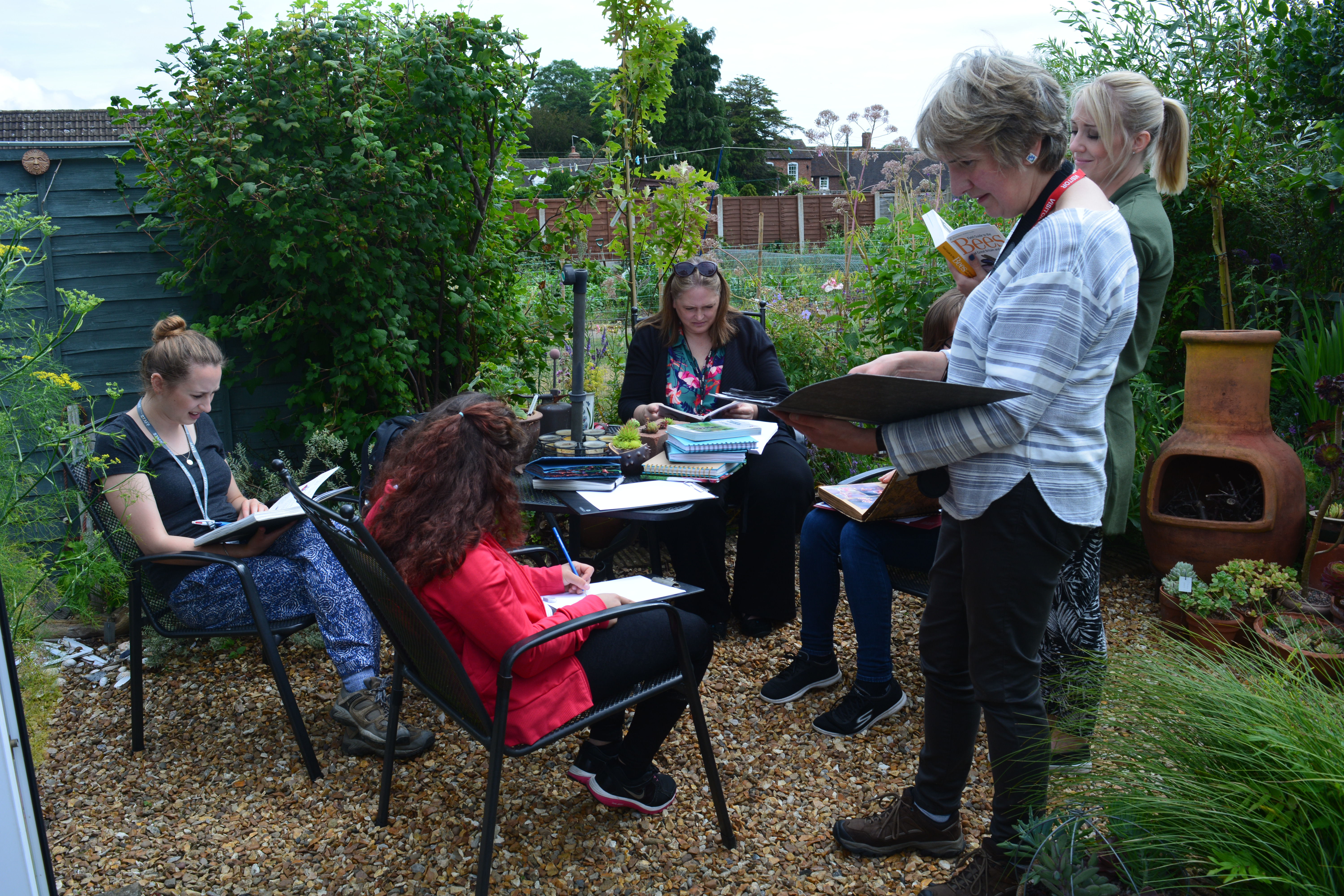
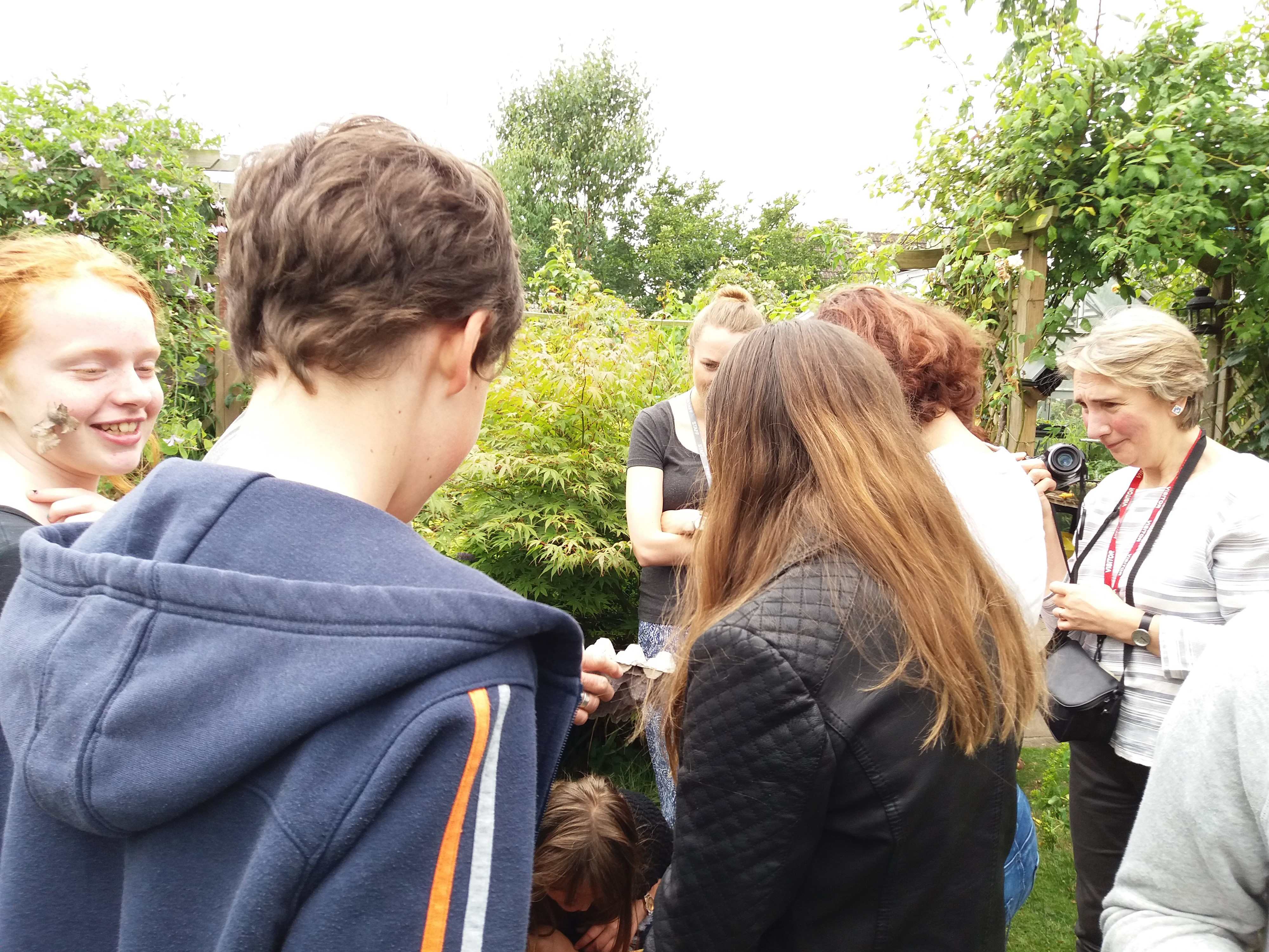
We recently hosted a visit to our garden by students from our local school, who came to look at how we garden with wildlife in mind, how we attract wildlife of all sorts and create a balanced ecosystem. We all had a great time!

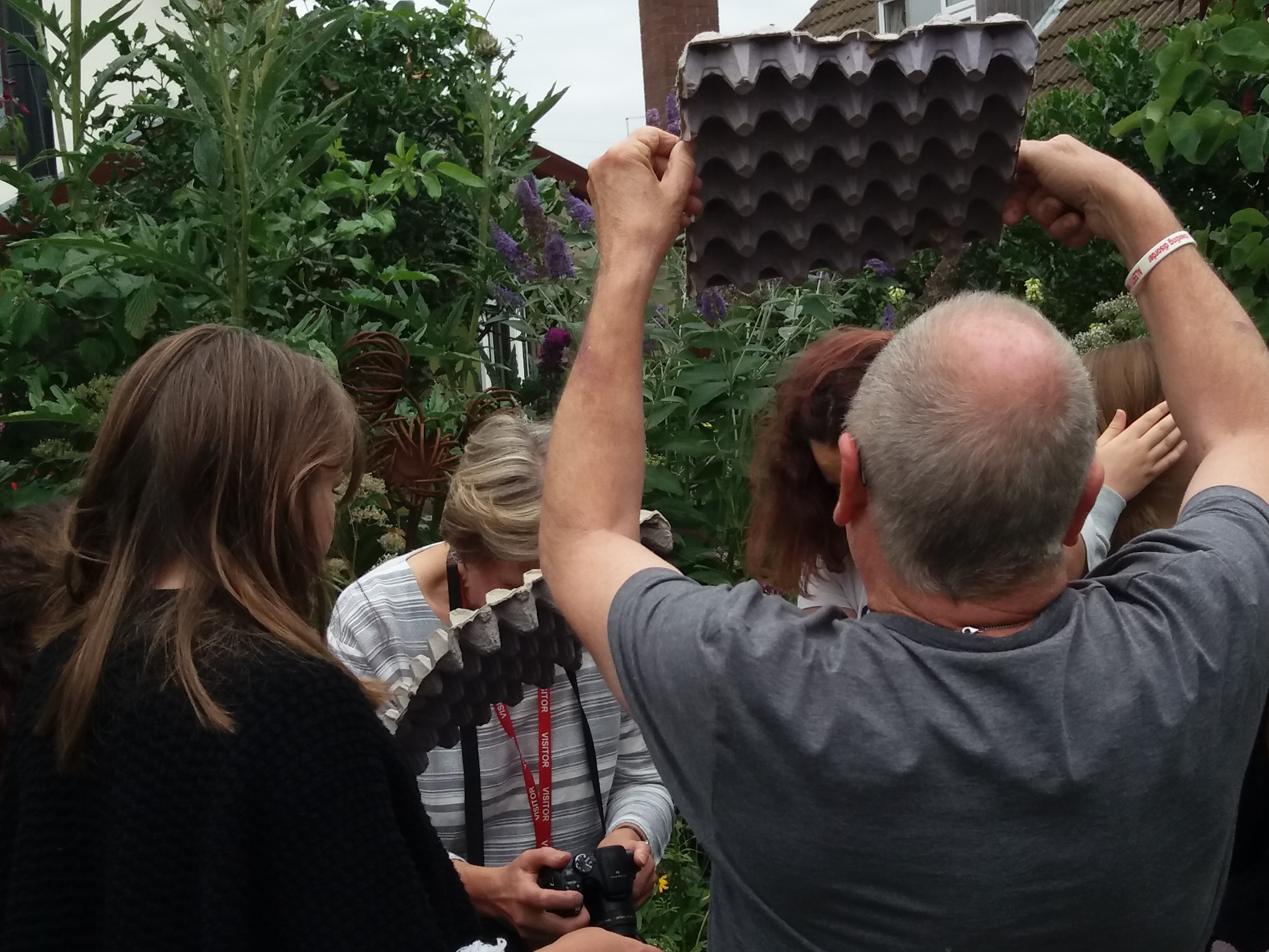
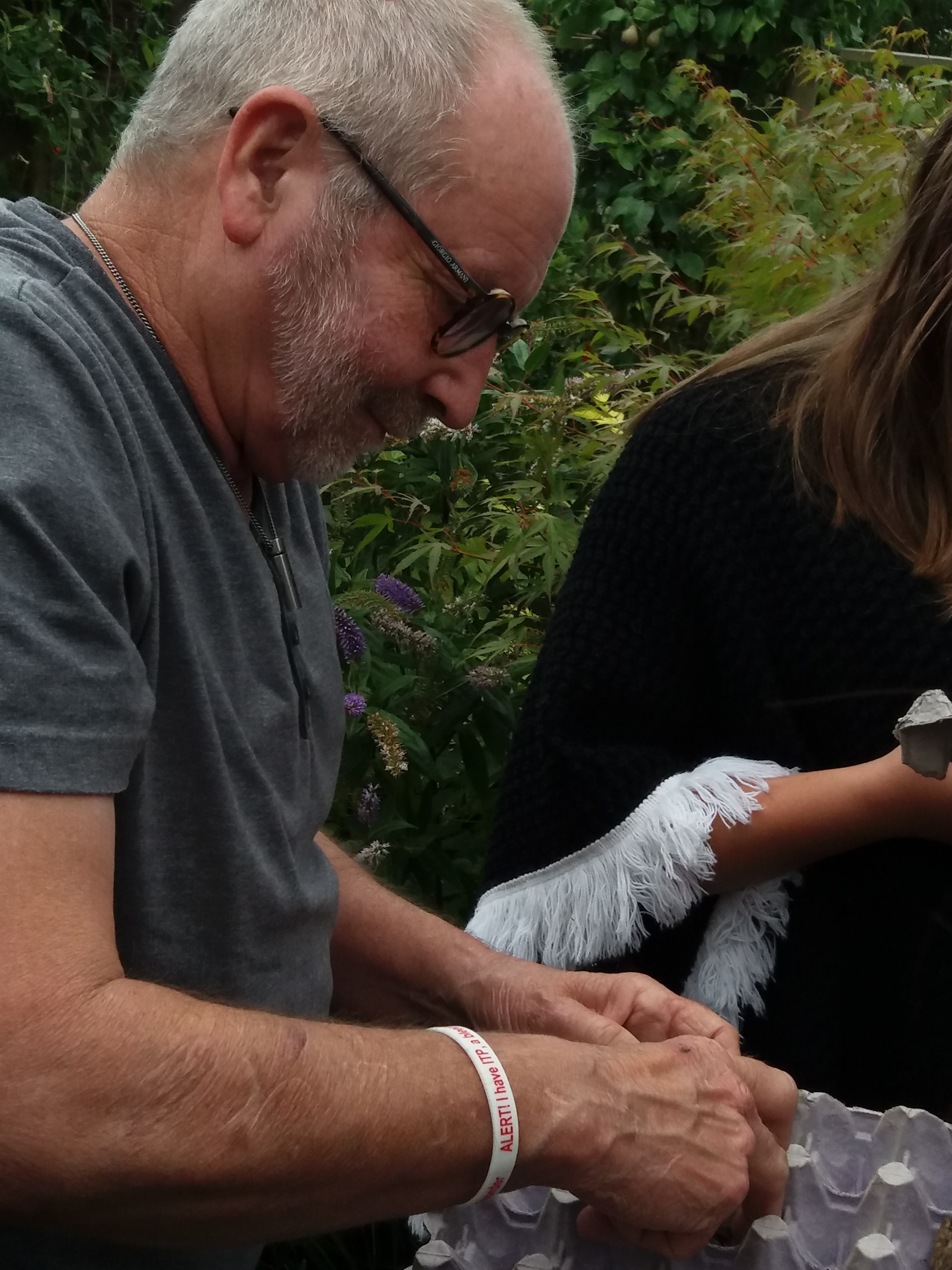
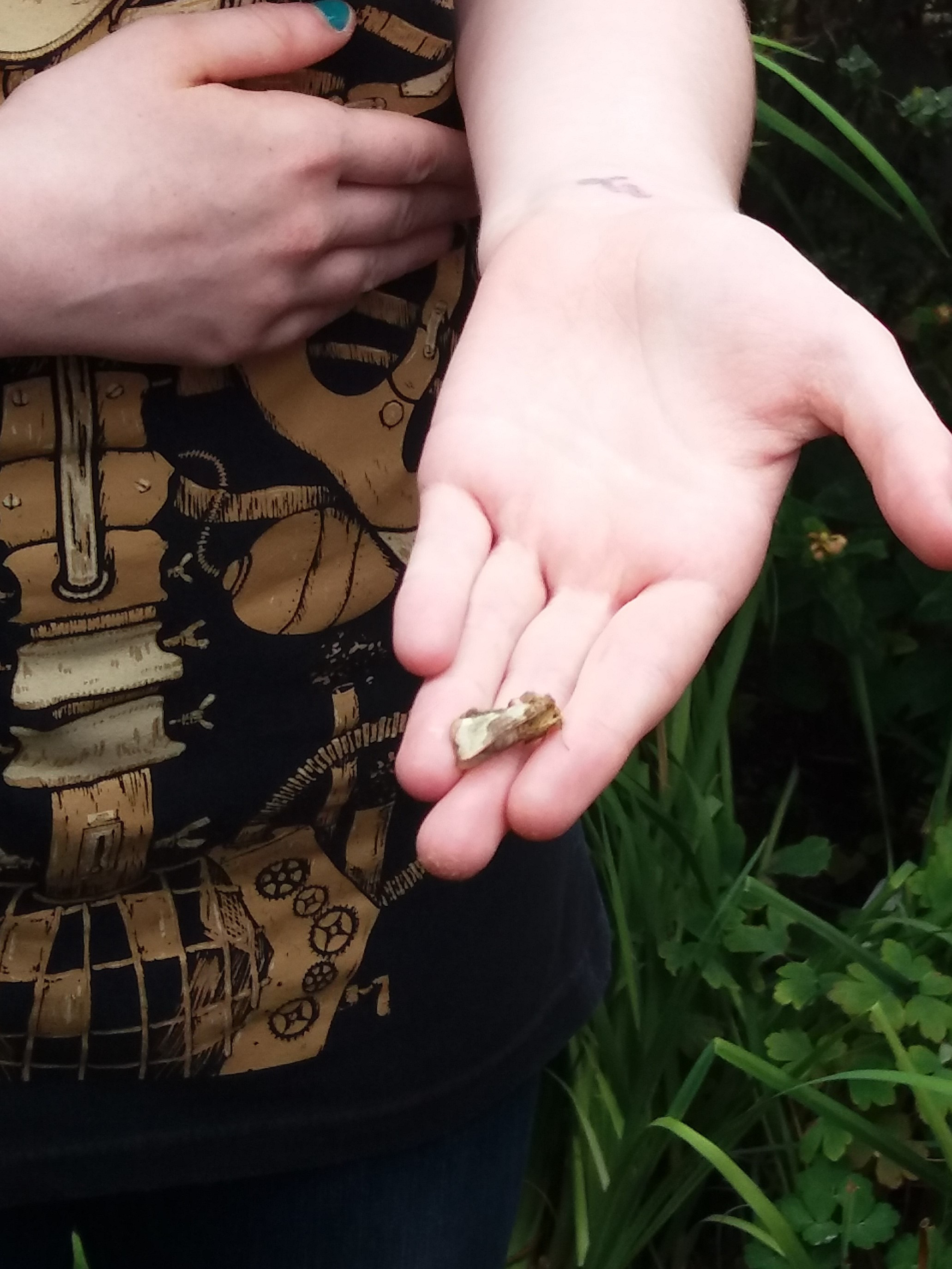
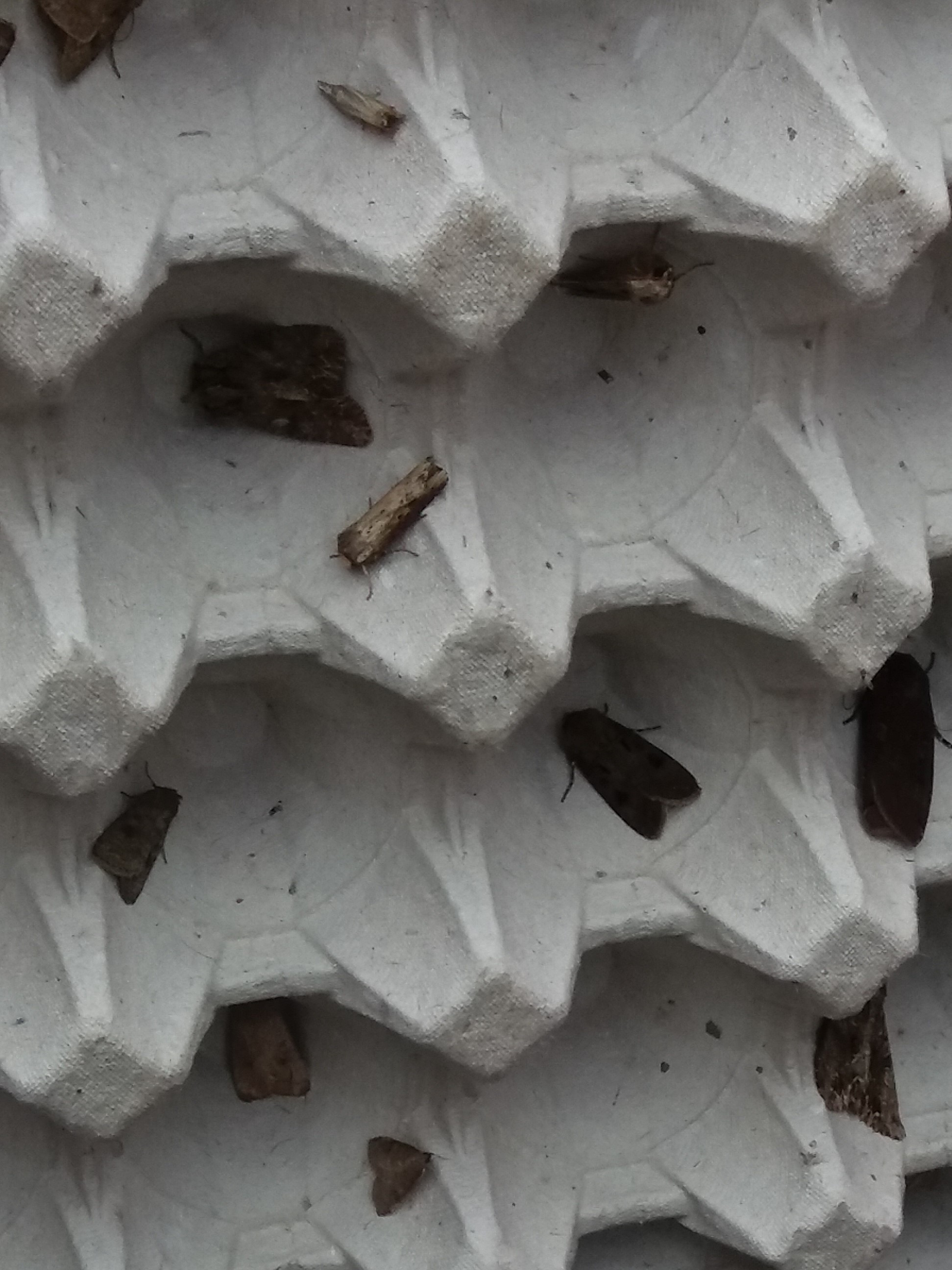
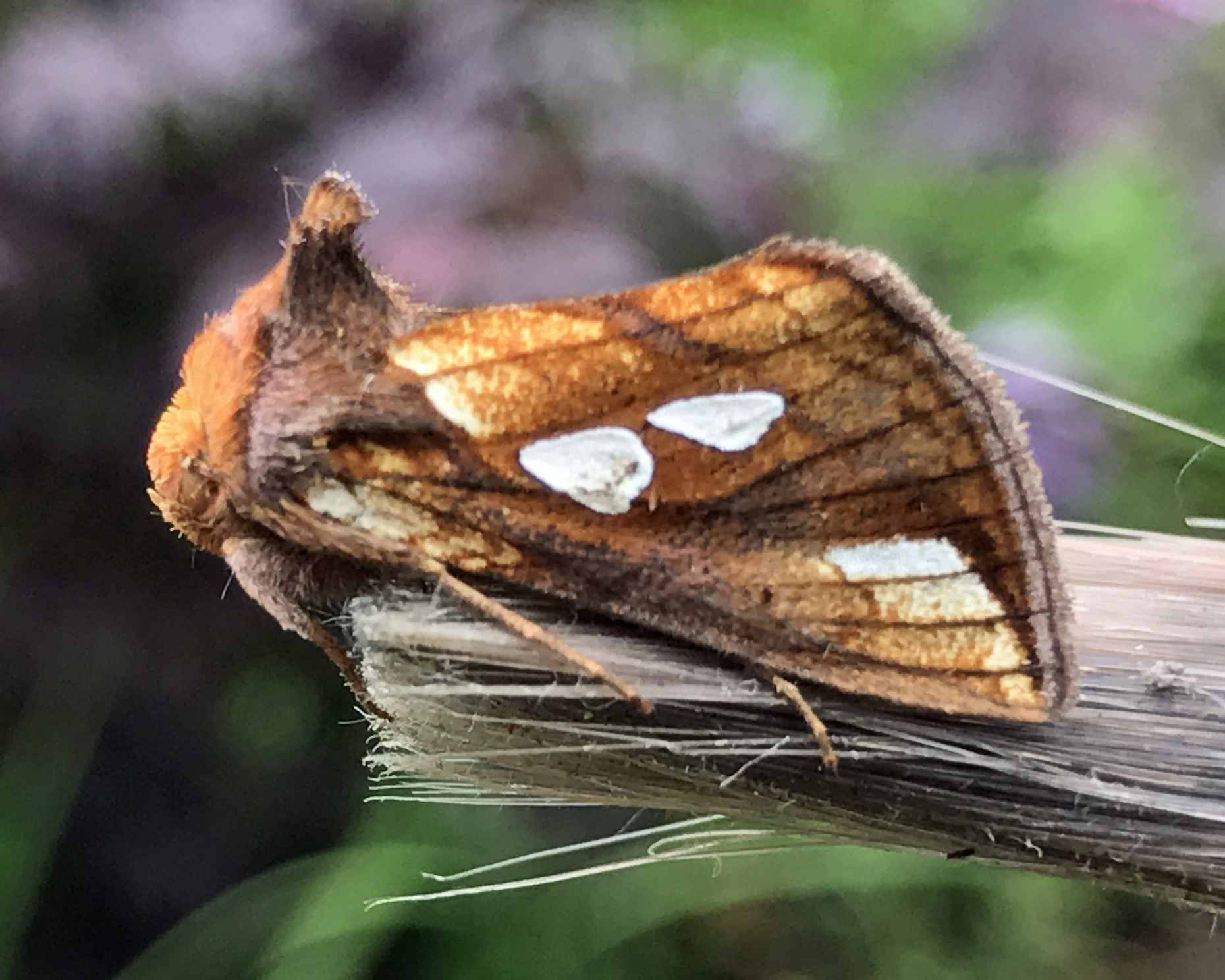
We began by looking at our live moth trap that had been in operation overnight. We studied the wide variety of moths that inhabit our garden overnight and slowly released them after encouraging each student to let a moth or two sit on their hands. Our overnight trapping was most successful with hundreds caught, with dozens of different species from the smallest micro moth up to our largest hawk moth. All were successfully released unharmed.


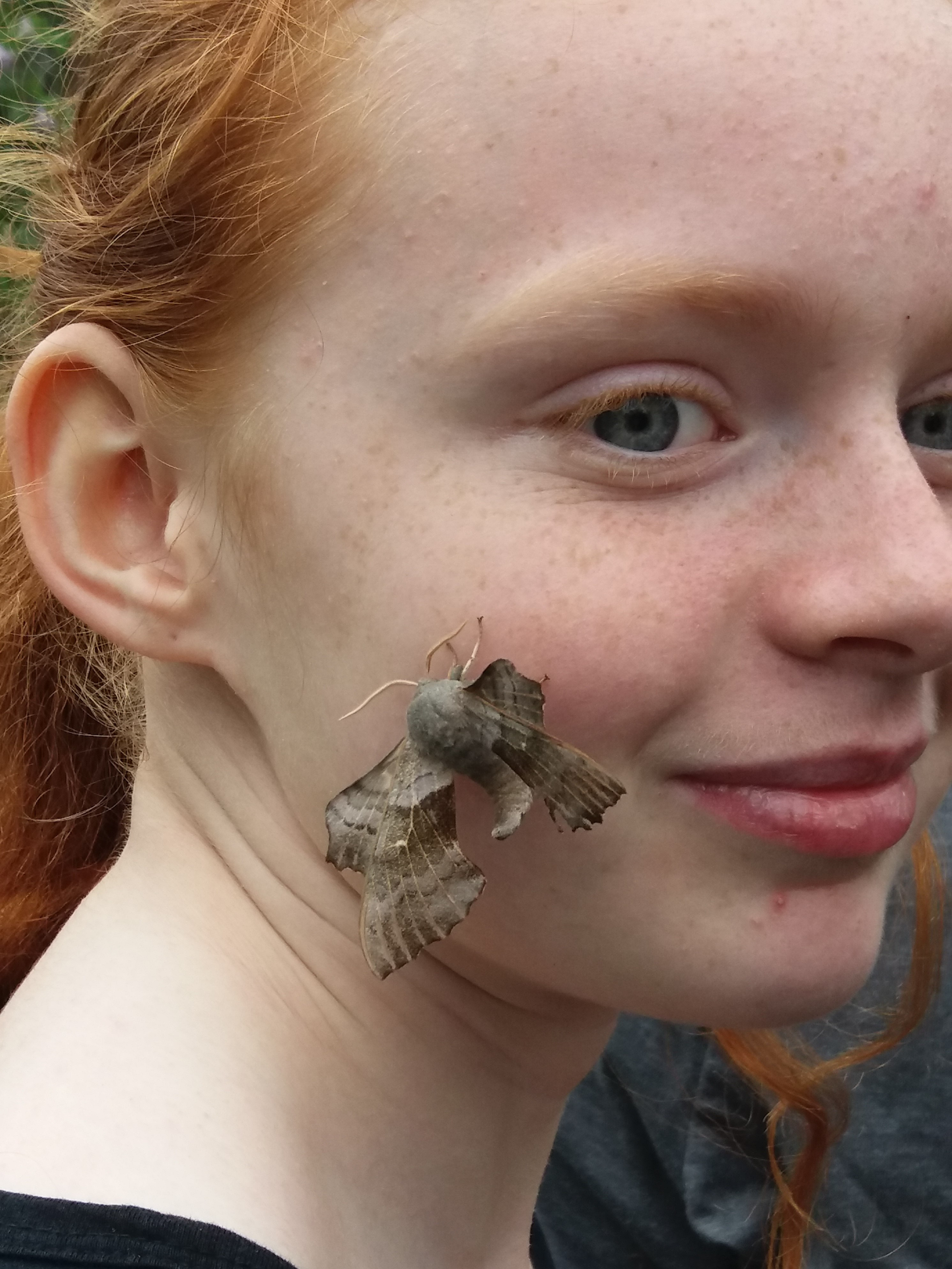
This Poplar Hawk Moth took a real liking to this young lady and stayed on her face for the whole visit. She even named him Steve!


We then enjoyed giving a guided tour of our patch, starting in the front garden and slowly moving through the whole patch, looking for plants that attract wild and identifying why and seeking out wildlife habitats and home made features.


A quick pond dip and the students were delighted to meet one of our frogs, a really impressive large one.

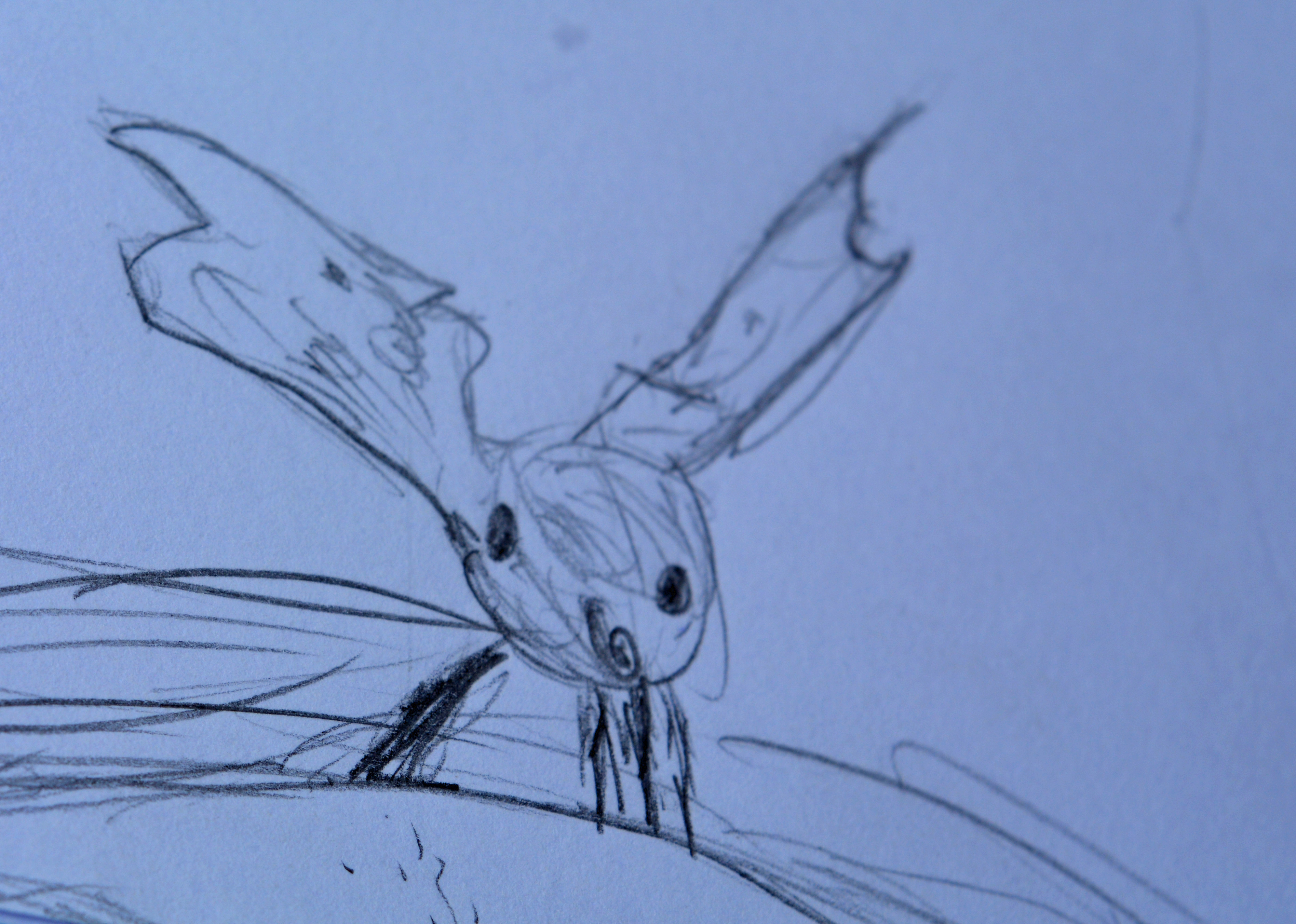
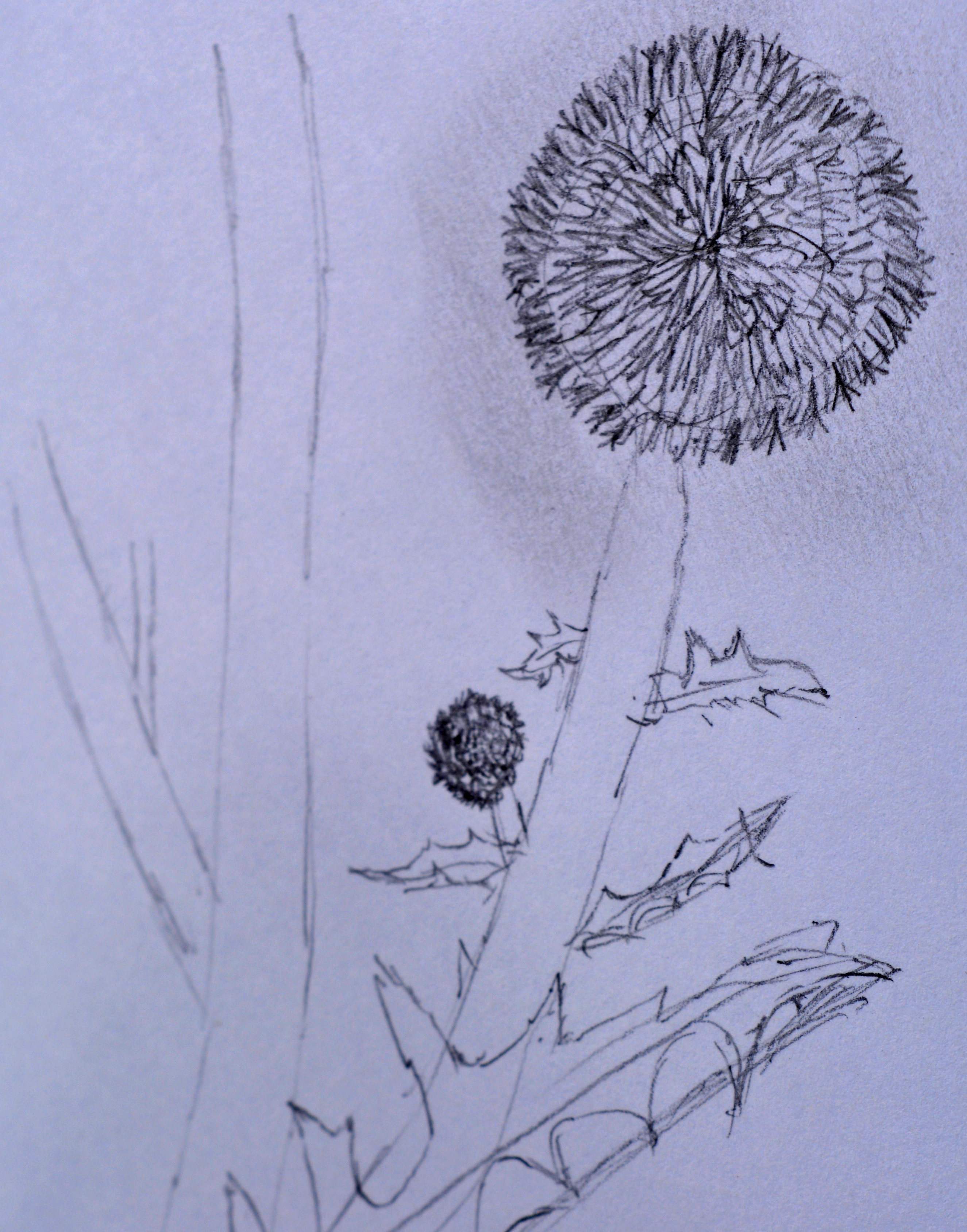
We then moved into the front garden and began a tour of our plot when we pointed out how we attract wildlife to our garden, highlighting plants that attract pollinators and all our home-made features, such as insect hotels and bird boxes. There was then time for a break when we all enjoyed tea, coffee and some of Jude’s home-made cakes. This was followed by a quiet time when the students explored the garden on their own and recorded what they had experienced in words and drawings.


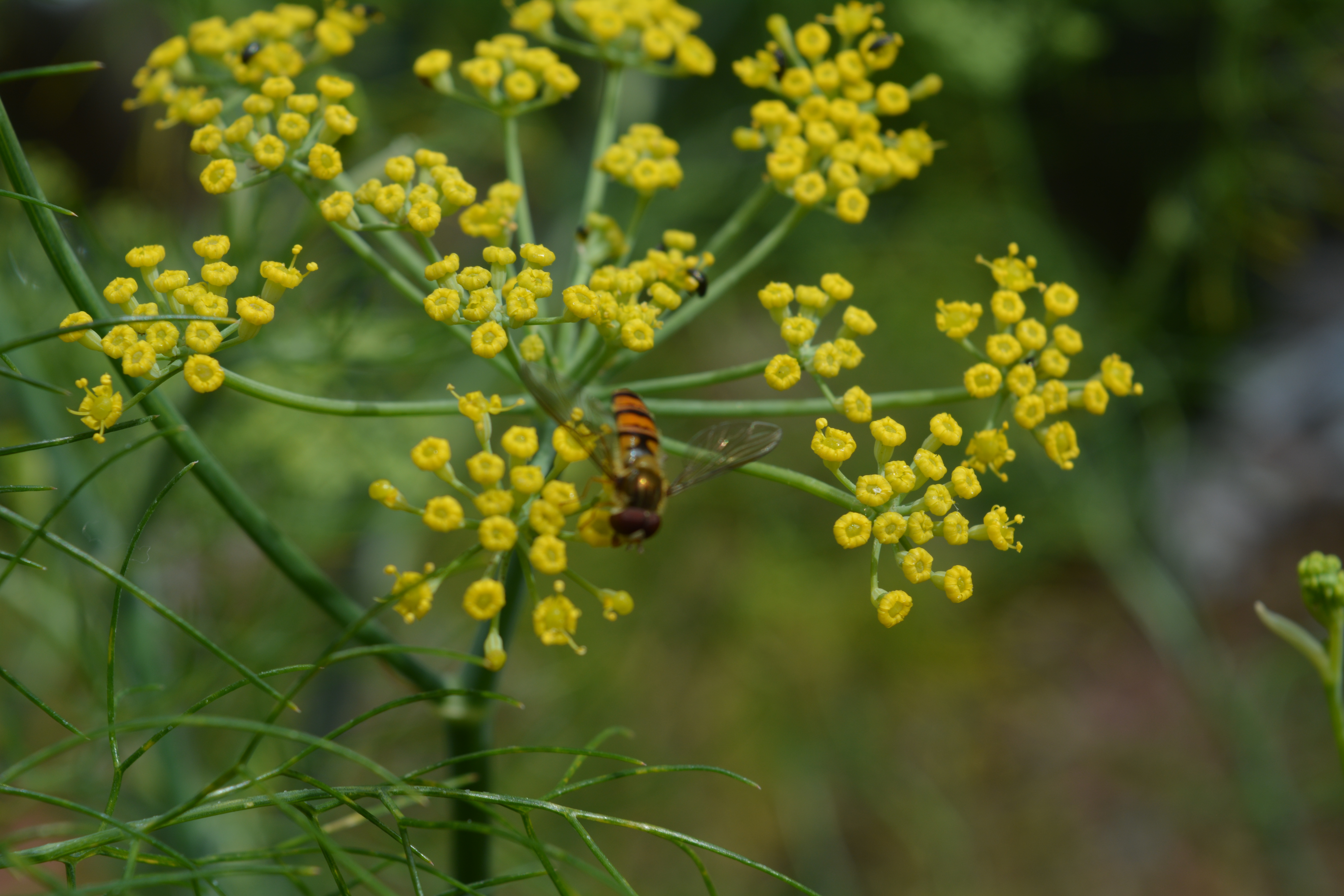
The group had target pollinator species to find and several were found and identified during the morning including this Marmalade Hoverfly, in its orange and black striped pyjamas.

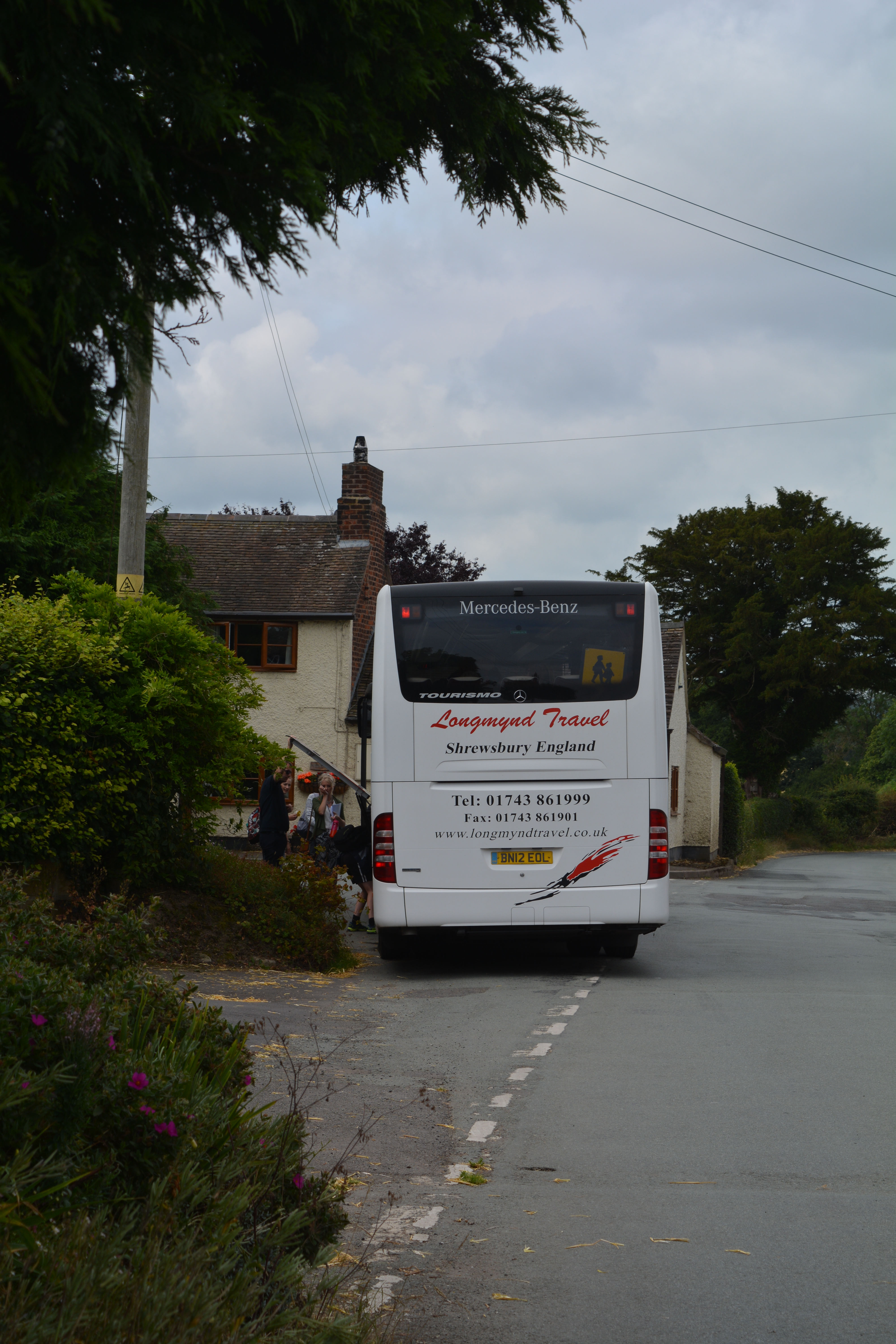
All too soon it was time for the group to leave us and wander down the road to board their coach, with a request to come again. We enjoyed the big waves we received as the bus drove off.


Categories
birds garden design garden photography garden wildlife gardening gardens hardy perennials ornamental trees and shrubs poppies roses Shrewsbury Shropshire shrubs trees Yellow Book Gardens

My Garden Journal 2017 – June

We have reached the half way point through the year and I am beginning a second book in my Garden Journal 2017. A book of blank pages waiting to be filled with words, paintings and photographs.

On the first page of my new book I started my June reports by writing, “June is the month when our wildlife friends become very obvious, pollinators and predators work away helping us out, and all our wild friends entertain us, stimulating our senses. We had a dip in the wildlife pond with a net and found a healthy population of newts and dragonfly larvae. Whenever we sit in the summerhouse for a tea break we are entertained by birds coming for a drink or bathe in the pebbled shallow end, especially bright are the Goldfinches with their splashes of red and yellow. Next to the summerhouse door a pair of Blue Tits is nesting in one of our boxes. Both parents are making frequent visits into the garden to collect caterpillars to feed to their young. Each day these caterpillars get larger as the youngsters  grow and their appetites grow even more quickly.

Wildlife in the garden is so entertaining!”

Over the page brightly coloured photographs glow from the pages, photographs of Geum cultivars.

“Plant of the month for June is the Geum, the cultivars with hot colours – yellows, oranges and reds, – Totally Tangerine, Koi, Mrs Bradshaw, Lady Stratheden ………………..”


Leaving the brightly coloured Geums behind I next looked at a few representatives of our garden’s wildlife friends.

“Double Brimstones, butterfly and moth, the Brimstone Moth and the Brimstone Butterfly. 

The Brimstone Butterflies are one of the earliest arrivals in our garden but a few continue to fly in May and June. The Brimstone Moth flies in both daytime and night time.”

On the page opposite I talk about and paint the Little Owl, a regular visitor to our patch.

“We host three owls in our garden, the Tawny, the Barn and the Little. When we first moved to Plealey our Little Owl migrated in search of warmer places every Autumn to return in Spring.Today they stay with us year round. We love this change!”


Over the page I share with you some of our Foxgloves, the Digitalis family.

“Foxgloves, spires of colour buzzing with bees,  flower every day this month. Bumble Bees and our neighbour’s  Honey Bees disappear right inside the larger flower gloves. Bees explore each flower on each spike starting at the lowest bloom and moving upwards methodically.”


Next I looked at one of our poppies, Papaver somniferum the Opium Poppy.

“Papaver somniferum comes in a variety of  pinks and lilacs”. 


“The small orange double poppy is Papaver rupifragum “Orange Feathers”.

From an orange poppy to an orange rose I moved on to look at a small flowered orange patio climber.

“Rosa “Warm Welcome” is a small climber and a cheerful charmer. Roses continue to flower profusely throughout the June garden.”


June turned out to be a difficult month for the garden with extremes of heat accompanied by a long dry spell causing plants to suffer especially relatively recently planted trees and shrubs. We water trees every week for a year after planting but a week’s holiday prevented us from doing this. We returned to find trees and shrubs with brown shrivelled leaves. A sad sight. I wrote, “June ended up being a dry month with many plants showing signs of stress, especially trees planted this year and lawn areas. We need rain urgently!” I included photos of some of the plants looking worse for wear.


On the opposite page, which is the final page for June I mentioned the return of the rain, refreshing us and the garden. “In the last few days of the month, steady rain helped put life and vitality back into our garden putting extra sparkle in flowers and gloss on foliage. We can only hope that trees planted earlier this year survive. They look troubled! Lilies however quickly burst back into life.”


Categories
fruit and veg garden photography garden wildlife gardening gardens gardens open to the public kitchen gardens National Trust ornamental trees and shrubs Shrewsbury Shropshire The National Trust walled gardens walled kitchen gardens wildlife woodland

A Walk in the Park – Attingham Park May

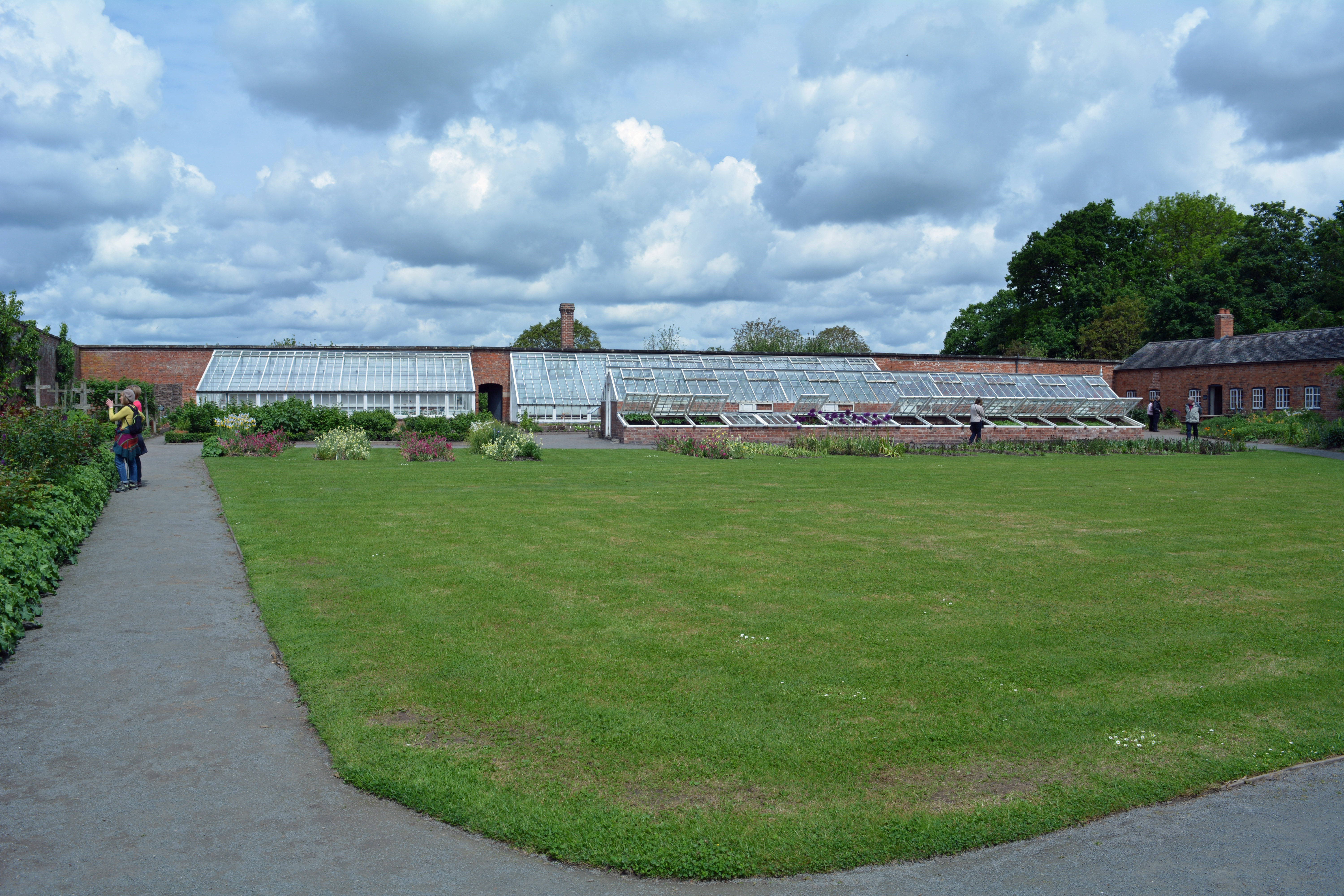
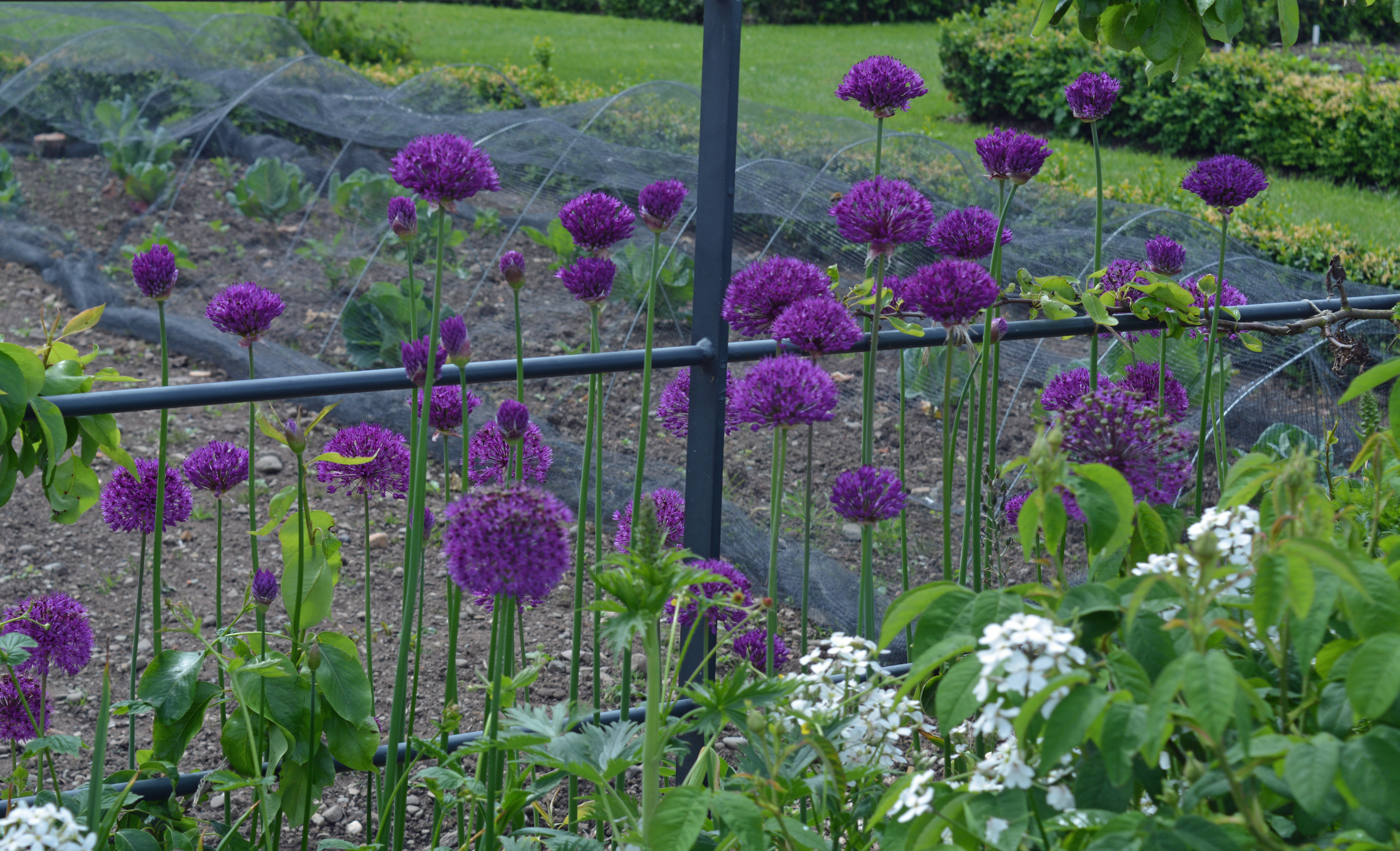
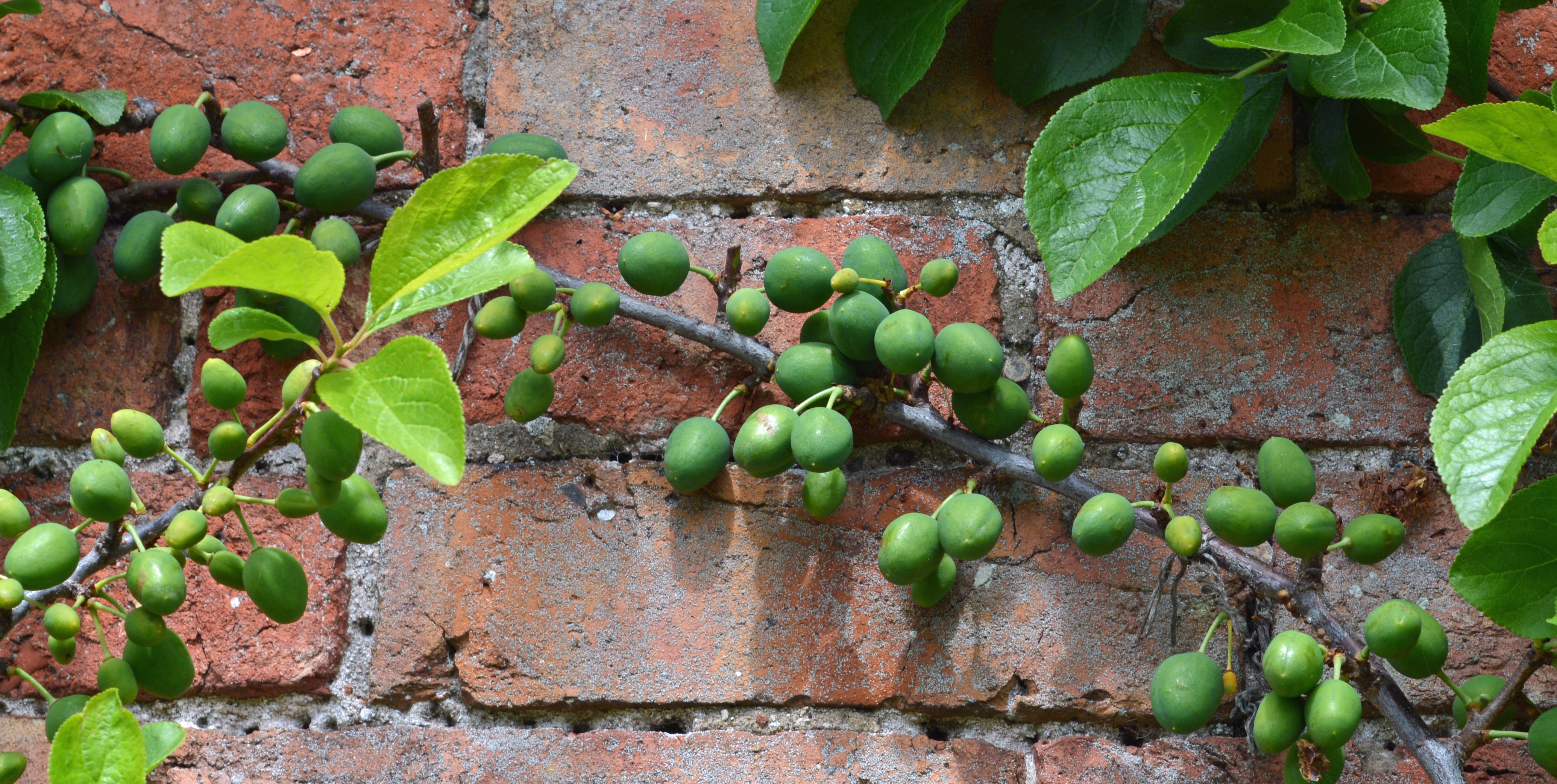
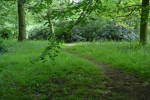
Spring is slowly turning into summer as we enjoy our monthly visit to our local National Trust property, Attingham Park. The walks are getting busier, the volunteers in the walled garden even busier.


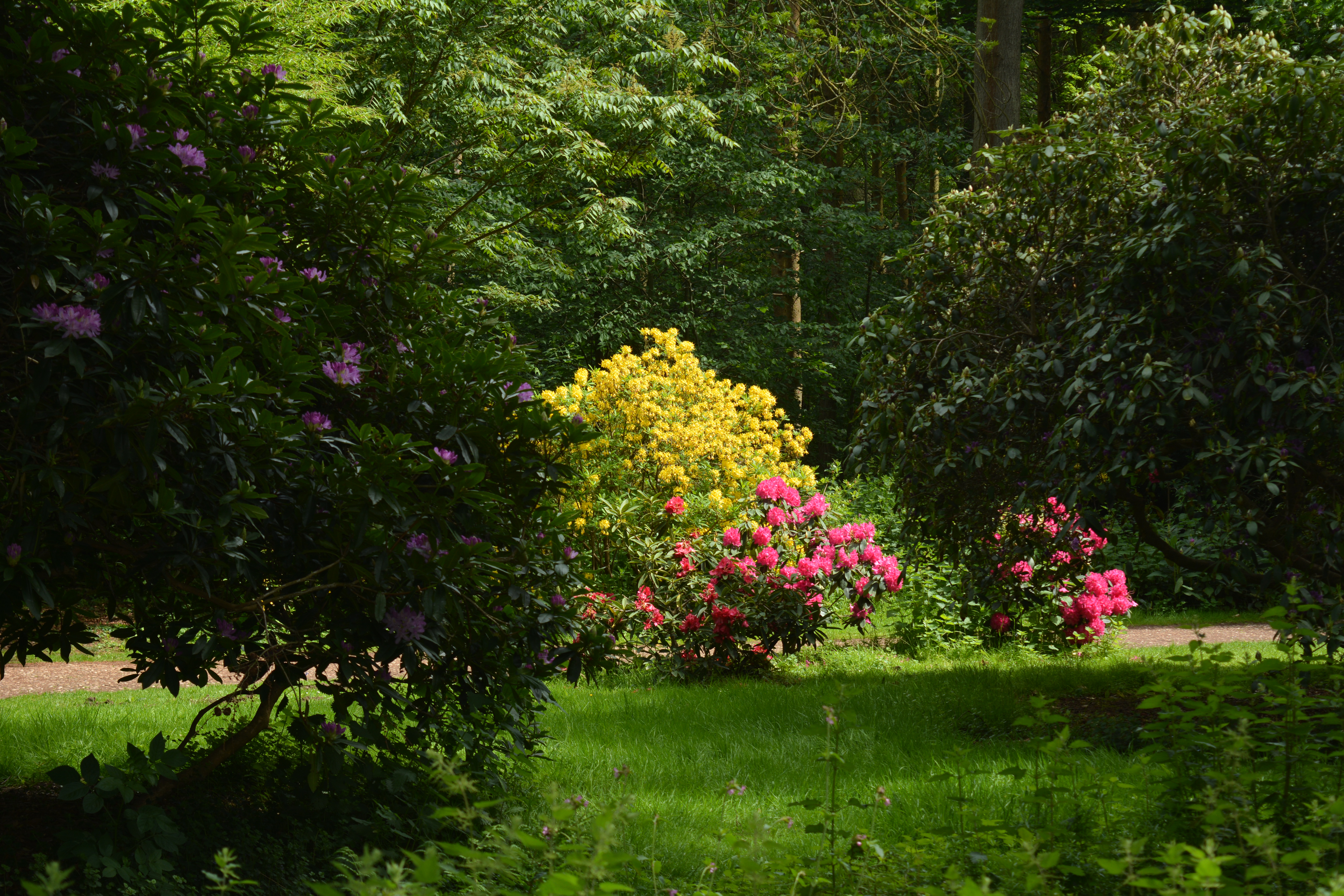
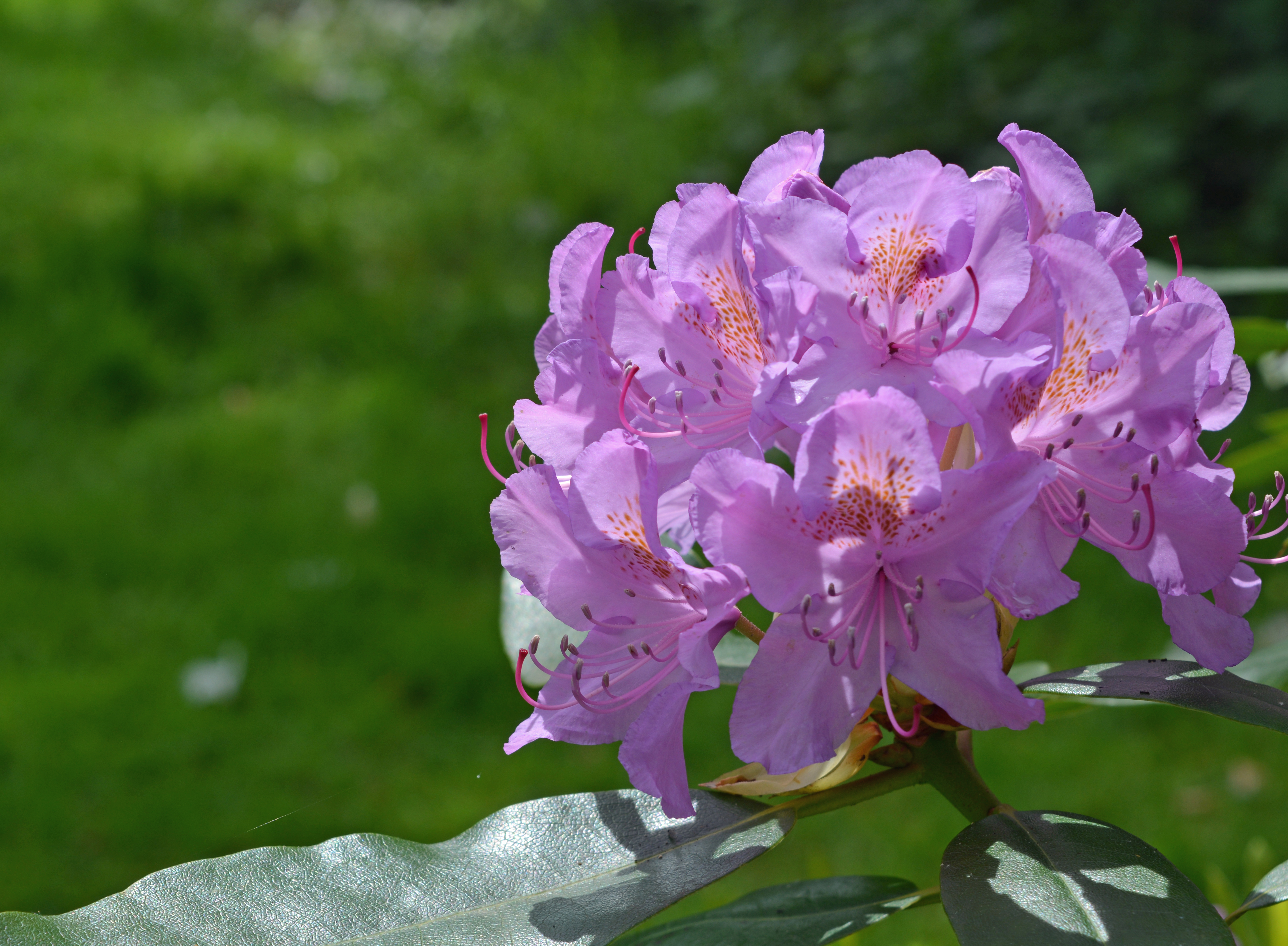
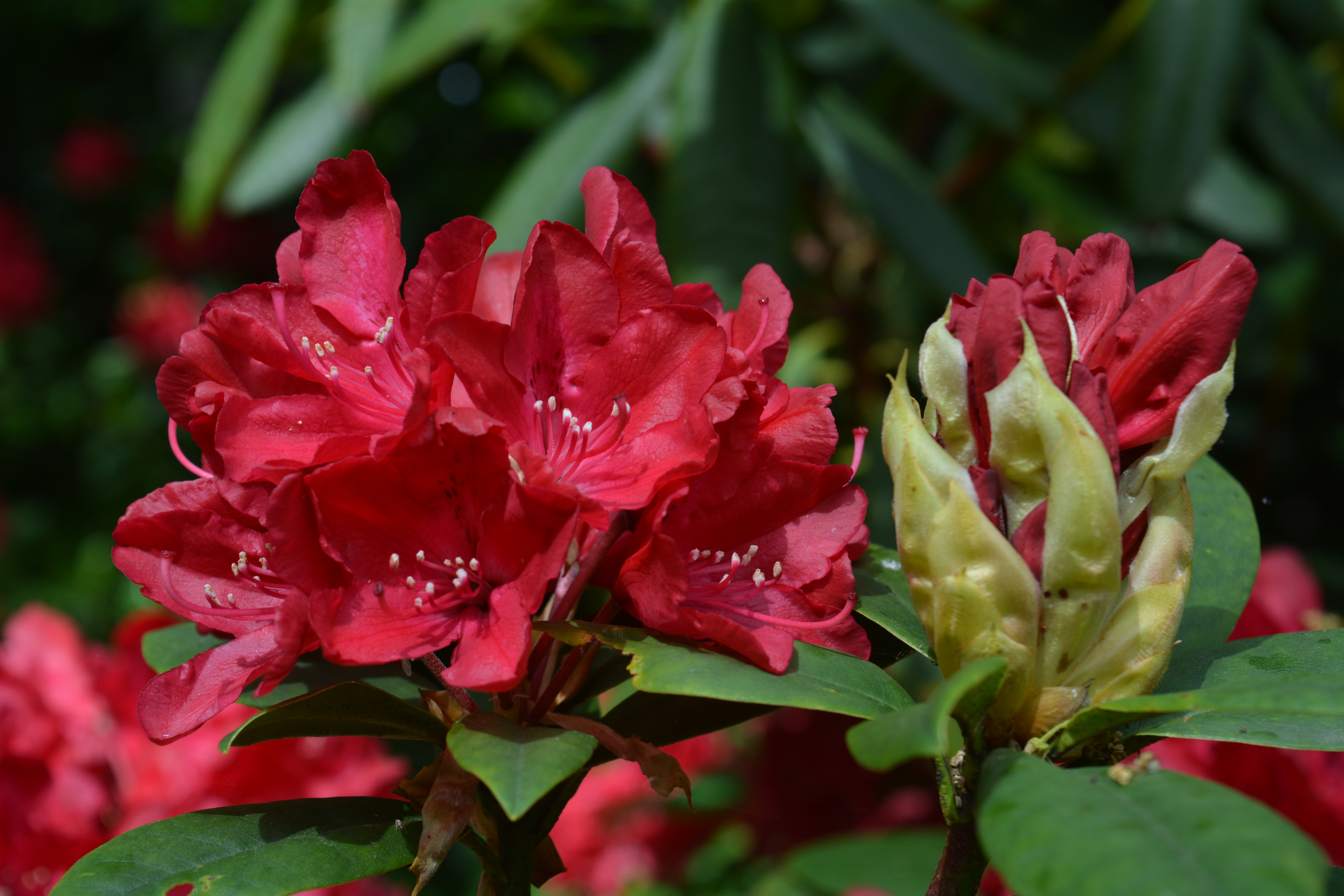
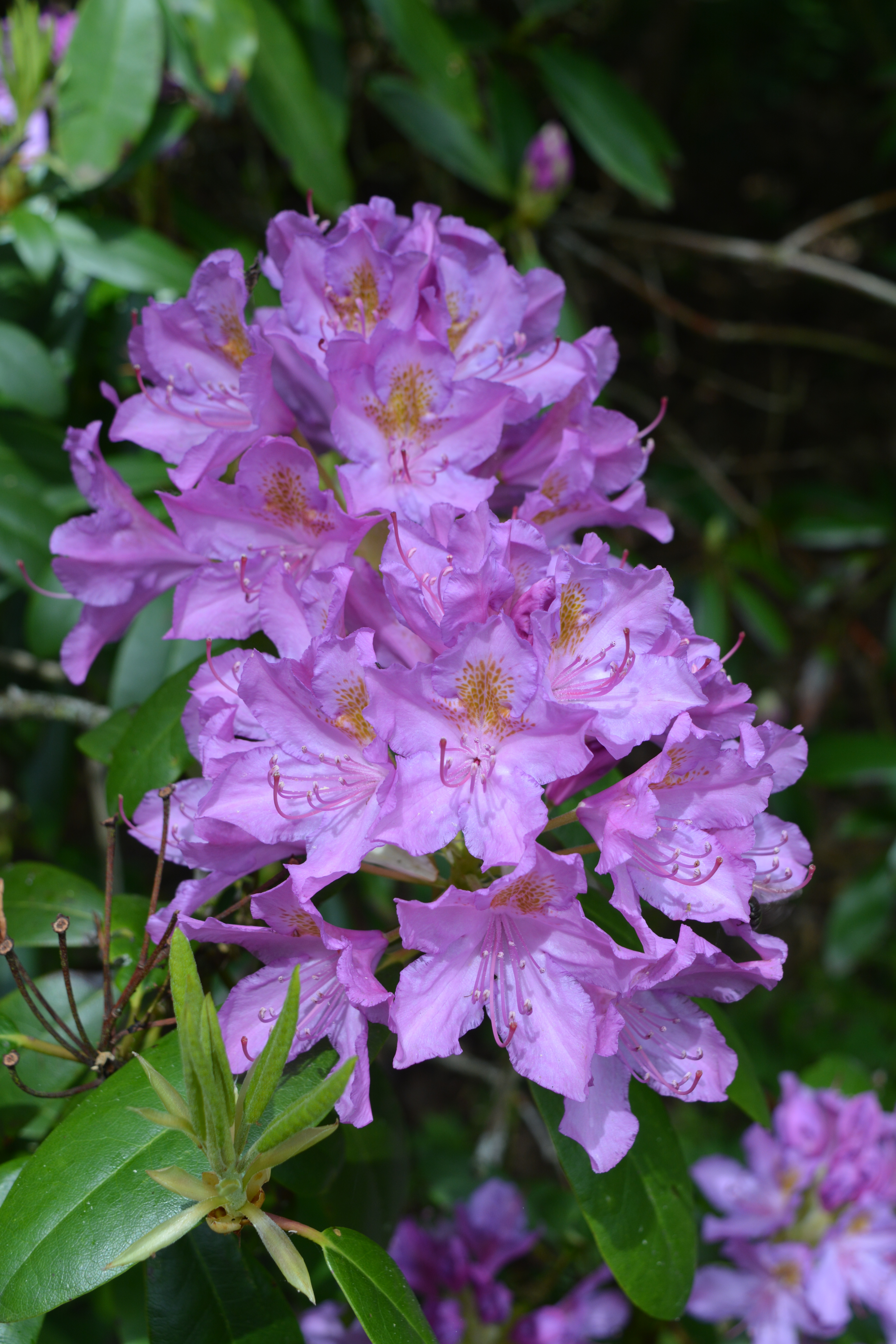
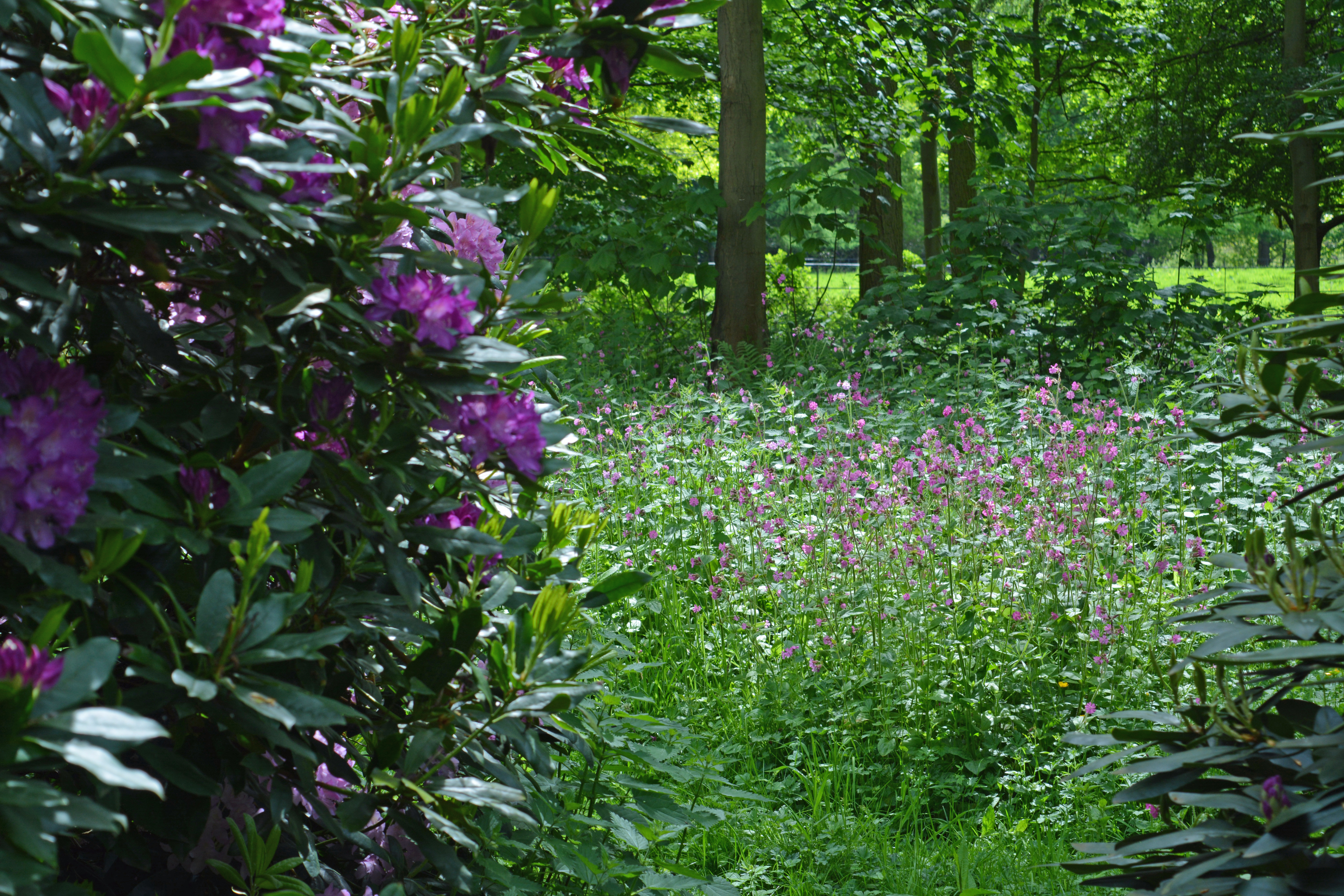
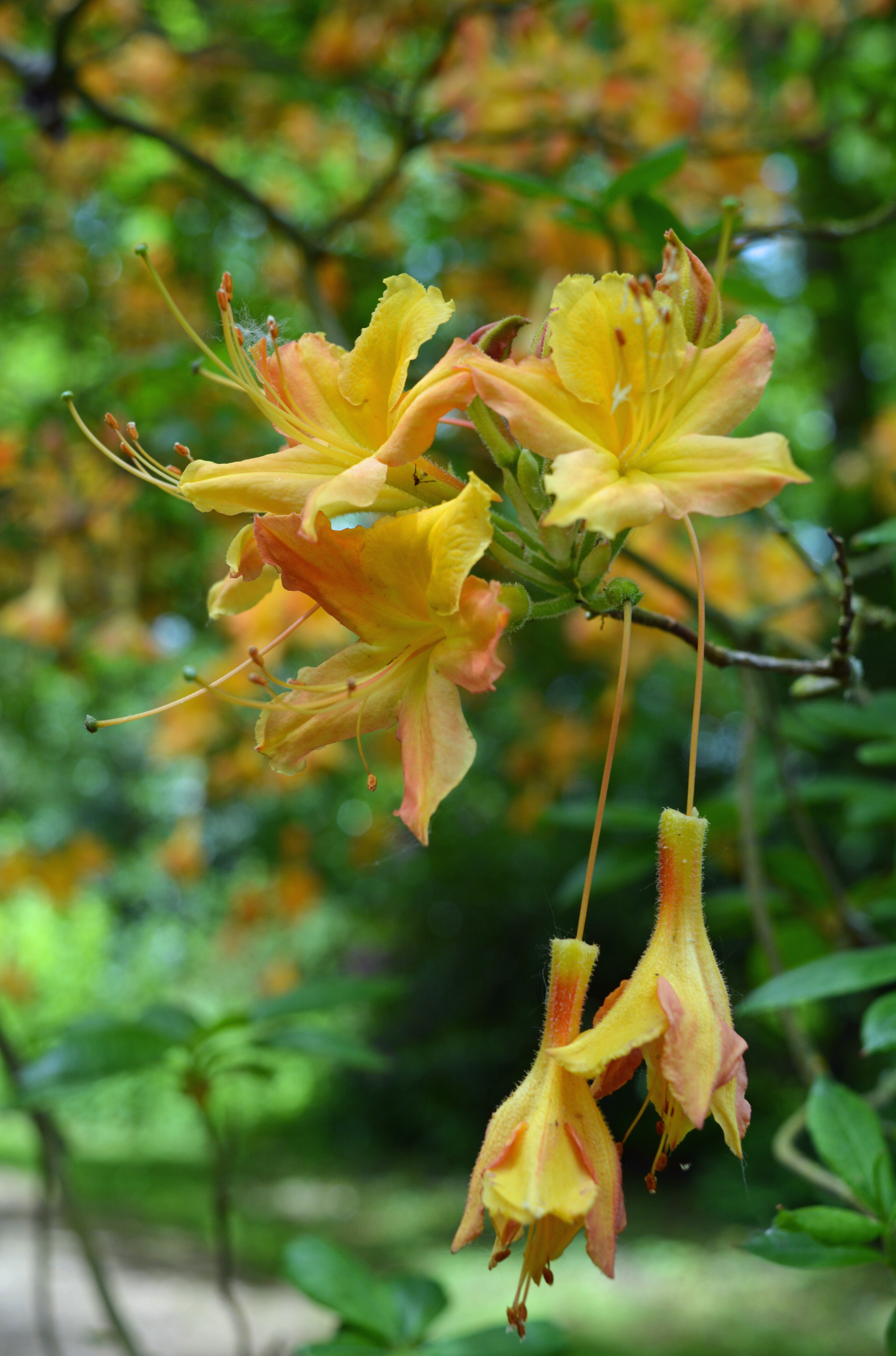
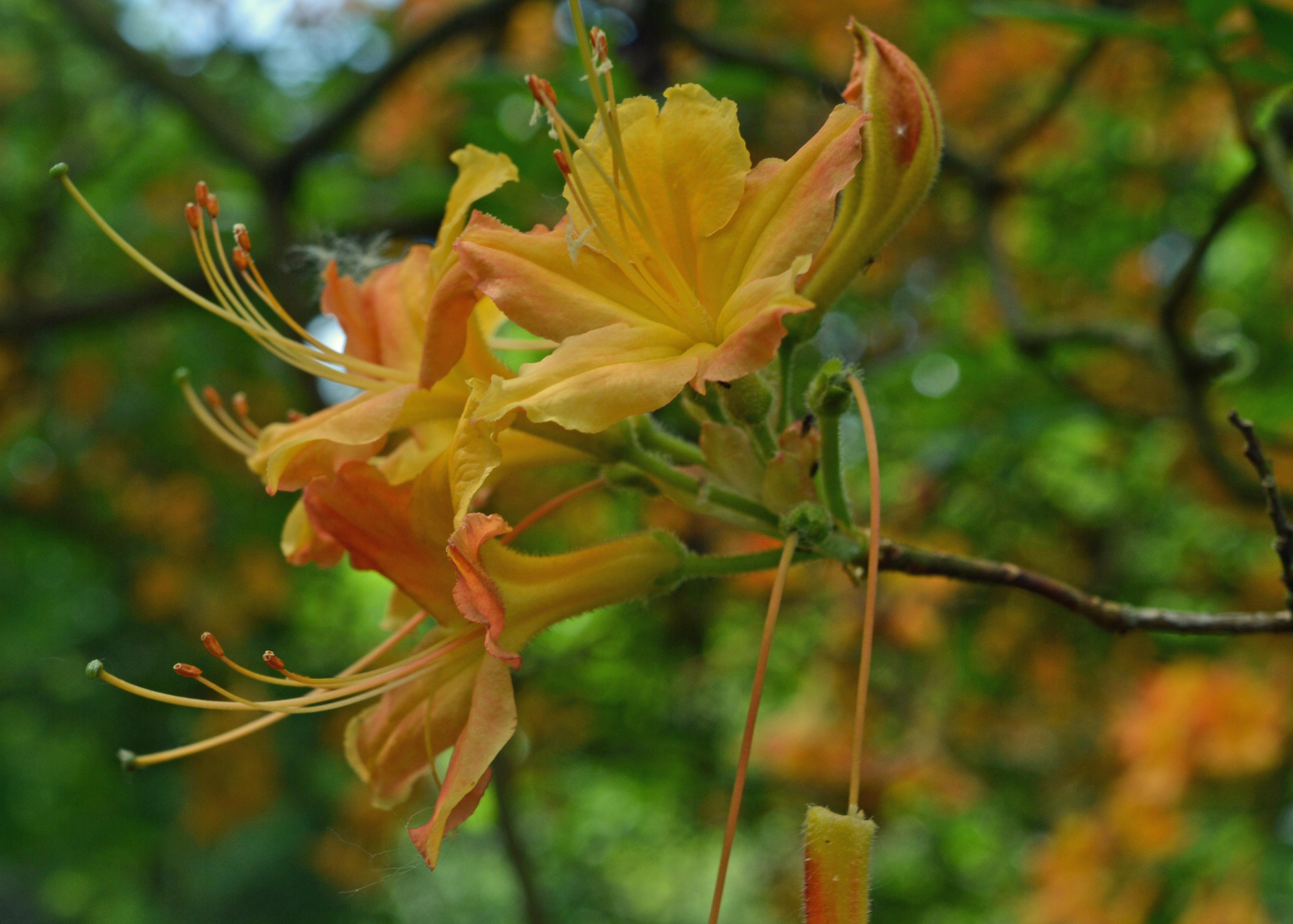
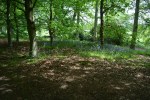
Continuing our through the woodland we were attracted to a bright patch of colour beneath the tall mature trees, which turned out to be a clutch of Rhododendrons.

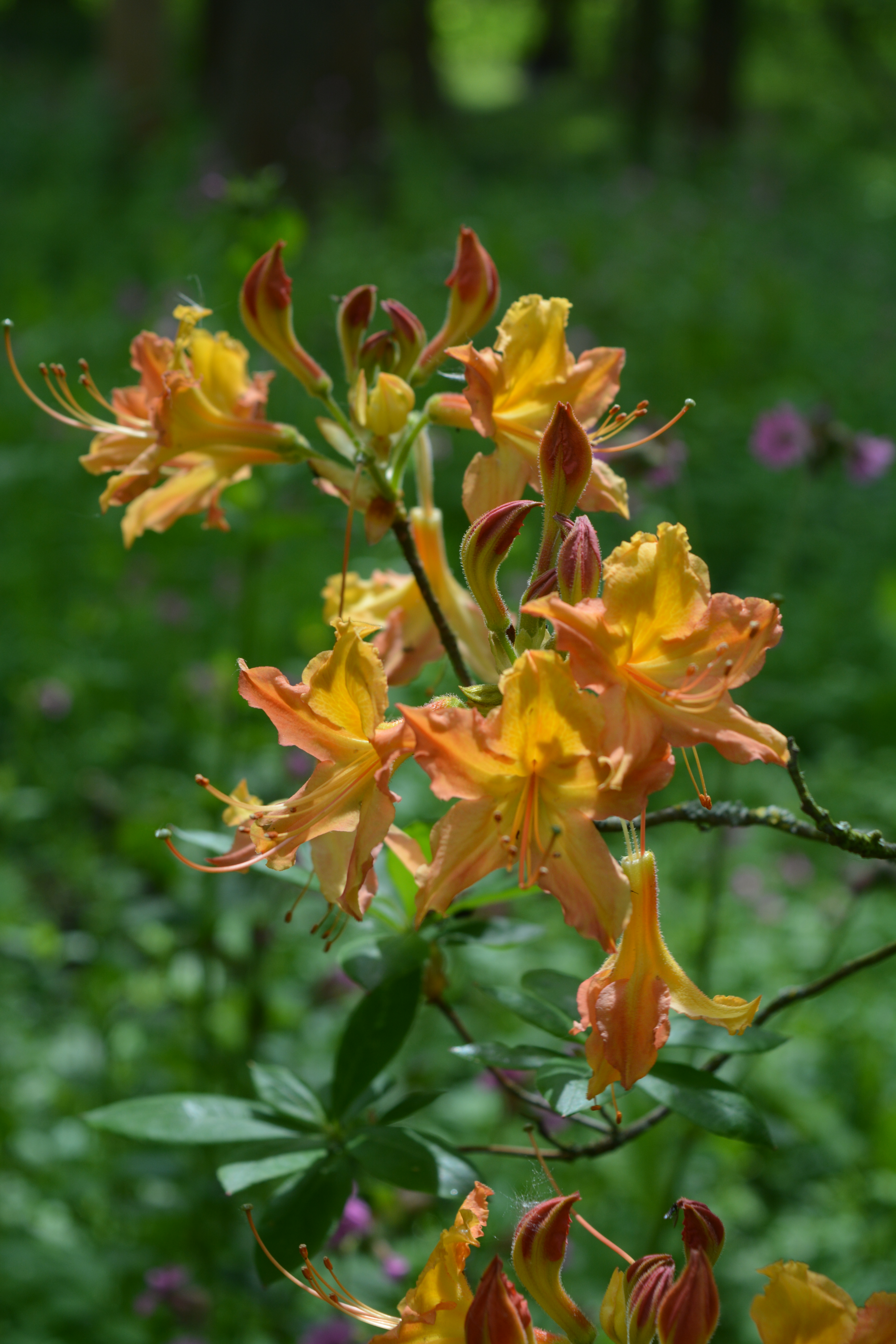
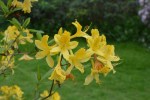
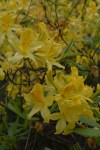
This bright yellow variety, Rhododendron luteum was beautiful with the hints of salmon orange, had the added interest of a rich sweet scent, which could be appreciated from metres away.

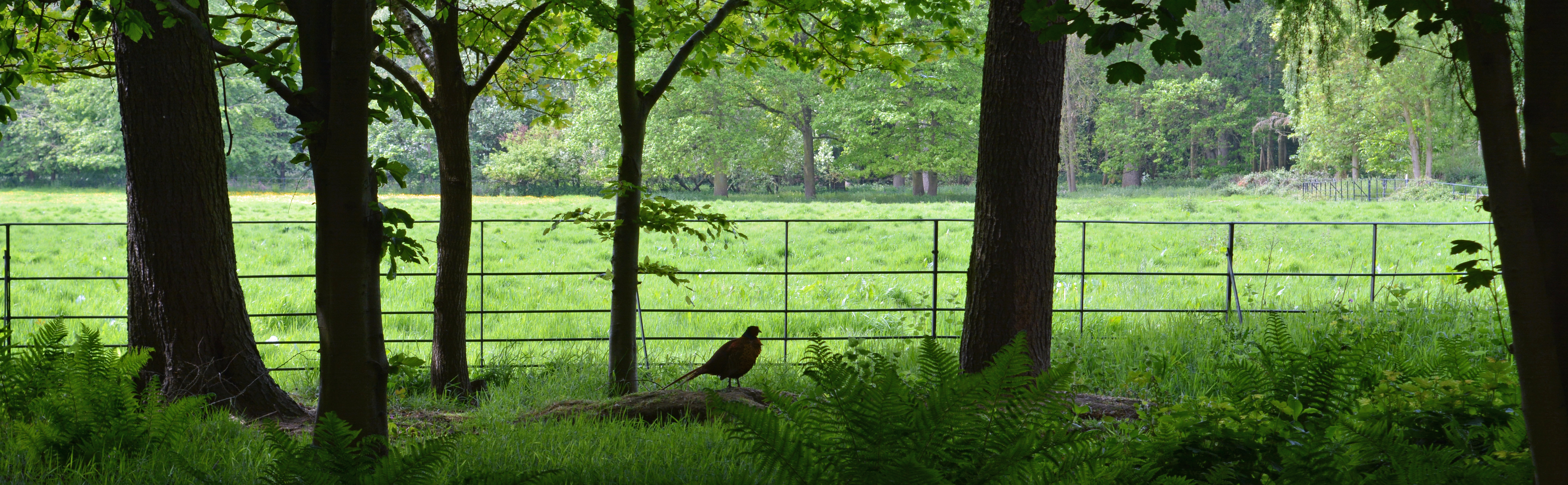
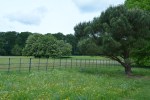
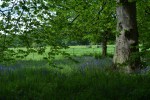
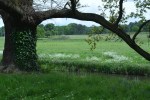
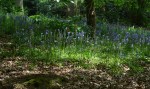
Throughout the woodland we discovered signs of wildlife living there.


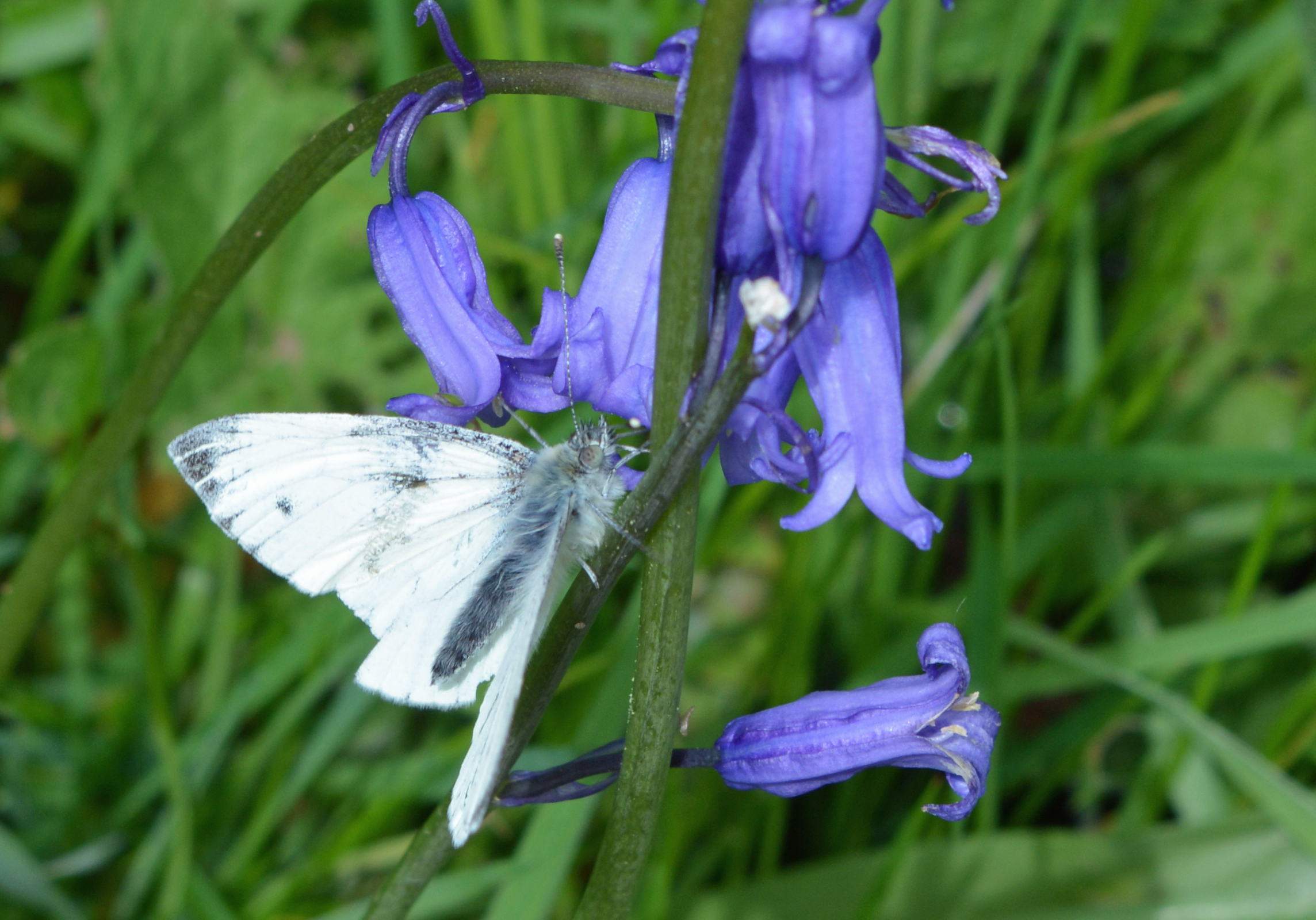
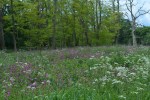
Wildflowers decorated the grassy patches beneath the trees and alongside the tracks.


I shall finish my report of our May visit to Attingham Park with a gallery for you to enjoy. Click on the first photo and navigate with the arrows.


Categories
birds climbing plants colours flowering bulbs garden design garden photography garden wildlife gardening half-hardy perennials hardy perennials irises ornamental trees and shrubs roses Shrewsbury Shropshire shrubs

My Garden Journal 2017 – May

So as spring moves towards its end and we look forward to summertime, it is time to look at my Garden Journal 2017 entries for May.

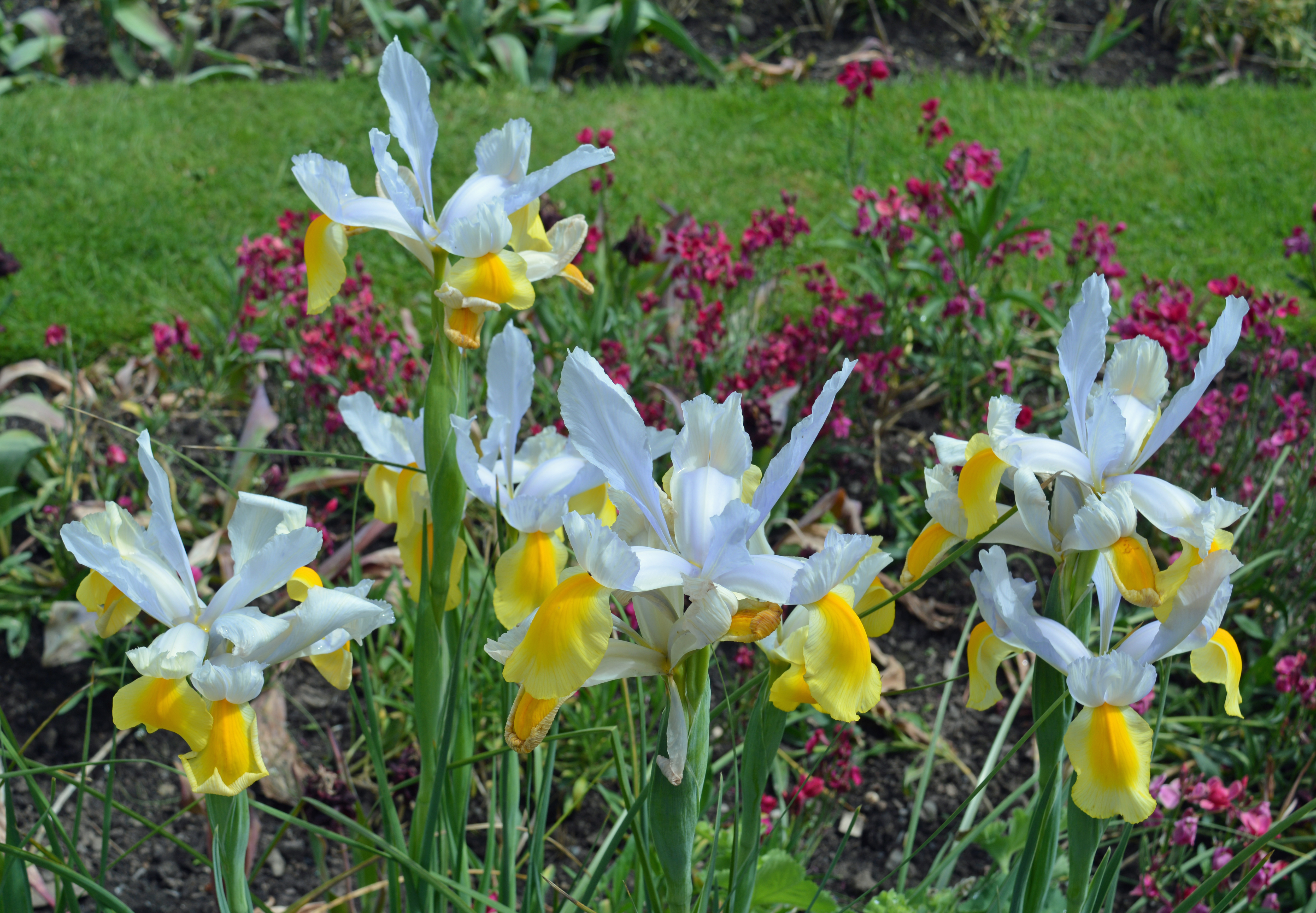
I began by writing, “May is the month when Spring turns to Summer and Roses are the stars of many gardens. Irises shine out alongside them and many early hardy perennials join in.”

“Rosa rugosa – deliciously scented purple rose flowers throughout the summer, followed by large, glossy, red hips.


“Bearded iris.”


“This is the month when all our patient hardening off of non-hardy “delicates” pays off and we can return them to the garden where they add another dimension.

Hayworthia cymbiformis with its rosettes of boat-shaped succulent translucent leaves, hails from South Africa.”

I did a watercolour and fibre-tip pen picture of this unusual little succulent, which proved quite a challenge.


Turning over to look at the next double page spread we see a sea of pinks and purples. I share our Cercis siliquastrum with you and some more May specials, all decked out in pinks.

“Plant of the month for the month of May is a small, flowering tree, Cercis siliquastrum , a favourite.” Our Cercis is also called the Judas Tree and the Mediterranean cercis.


I continued to look at May special plants, more pink ones!

“More May time specials – those little flowers so worthy of us seeking them out. Take a walk around our patch and I will look down to see what is looking special. Sugar pinks……..Shocking pinks….. Lipstick pinks…..”


Turn over once again and we see that the pages consider the very special little plants, the Dodecatheons, with Euphorbias alongside.

“Dodecatheon – secret gems of the shade garden – sit demurely in dappled shade. Their delicacy and the unique form of their flowers ask the gardener to stop, stoop and study them close up. They are members of the Primula family, the Primulaceae, but it is hard to spot any family features.

The flowers nod on slender stems rising from a basal clump of foliage. We grow the cerise D. cusickii and the white-flowered D. media White Shooting Star.

Close up we find yellow, brown and pink on the white flowers and yellow, orange, red and even blue on the pink flowers.

Dodecatheon are true shooting stars of any shaded border.”


On the page opposite I feature “Bracts at their brightest and best” and go on to look at Euphorbias, featuring photographs of a few of our many varieties. “Euphorbias burst into the brightest possible shades of yellow, orange and red in May. A good month to do so as the bracts catch the rain drops from the frequent showers and as the sun follows on the colours of these bracts brighten further. Here is a small selection of our many much-loved Euphorbias, and more will follow later in May.”

My journal entries for May continues with a look at our garden after a shower, “After the rain……. Plants buck up, birds sing louder and bees return to search for flowers to rob of pollen and nectar. Leaves catch the last rain drops to fall and store them for later. Droplets sit on veins and in leaf centres and act as lenses. Even the birdbaths are topped up!”


Water, water everywhere ……………..


Over another page and we look at some of our little garden friends and allies and next to that a painting challenge for me as I try to paint two very delicate heads of flowers.

“May is the month when our wildlife friends live and work alongside us everyday, beneath our feet in the soil, in the plants surrounding us and in the sky above. From first light, if not slightly before, birds begin their chorus growing to a crescendo as more and more join in. Blackbirds, robins and wrens are first to open their hearts to us with loud song and this trio are also the last to go quiet after the light dims. Owls keep calling throughout the dark hours.

Above our heads swallows, house martins and swifts chatter and squeal as they put on balletic flying demonstrations, catching high-flying insects as they do so. Under stones, inside shrubs  and in our greenhouse spiders seem so busy, constantly rushing around.”

“Beautiful flower heads, a painting challenge for May.”


My jottings for May next turned to flowering shrubs and roses.

“Roses and other flowering shrubs.”

A selection of our May-flowering roses …………………..


………… and flowering shrubs.


Back to Euphorbias as we turn the page over and I feature more of our collection of the unusual plants with bracts as bright as any flower.

“More crazy Euphorbias!  They have a futuristic look to them, each whorl of bracts like a spaceship.”

“So varied! So bright!”


“Despite their acidic colours, Euphorbias partner well with other plants.”


“We often partner one Euphorbia with another.”


So turning over the page we find the final page for May in my 2017 Garden Journal where I share some of our flowering climbers with you.

“Climbing plants begin to place splashes of colour high up in the trees and on obelisks at eye height, adding another dimension to the Avocet patch. Akebia, Clematis, Lonicera and Coronilla.”


So, the first book in my 2017 Garden Journal comes to an end as the month of May does also. My notes, photos and paintings for the month of June will start off the second 2017 book. See you then.

Categories
colours flowering bulbs fruit and veg garden design garden photography garden wildlife gardening gardens gardens open to the public grow your own hardy perennials irises kitchen gardens National Trust ornamental trees and shrubs Shrewsbury Shropshire shrubs spring bulbs spring gardening The National Trust trees walled gardens walled kitchen gardens woodland woodlands

A Walk in the Park – Attingham Park April – Part 2

In this, the second part of April’s  report of our wanderings around Attingham Park, I want to feature the flowers of the park , the wildflowers living in the woodland and the cultivated flowers in the borders and walled garden. I will also share pics of the fresh growth of the bursting buds on the trees and shrubs.

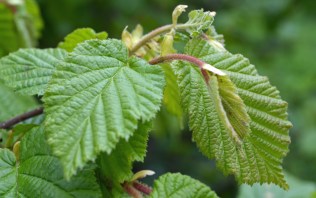
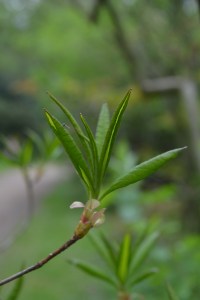
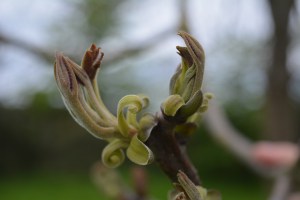
Most new leaves that had burst from buds on trees were the brightest of green imaginable.


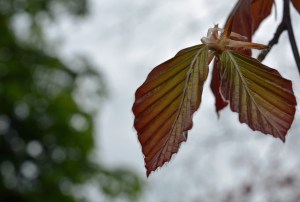
Some buds had opened to reveal more colours than simply green, they glowed with hints of bronze, browns and purples.


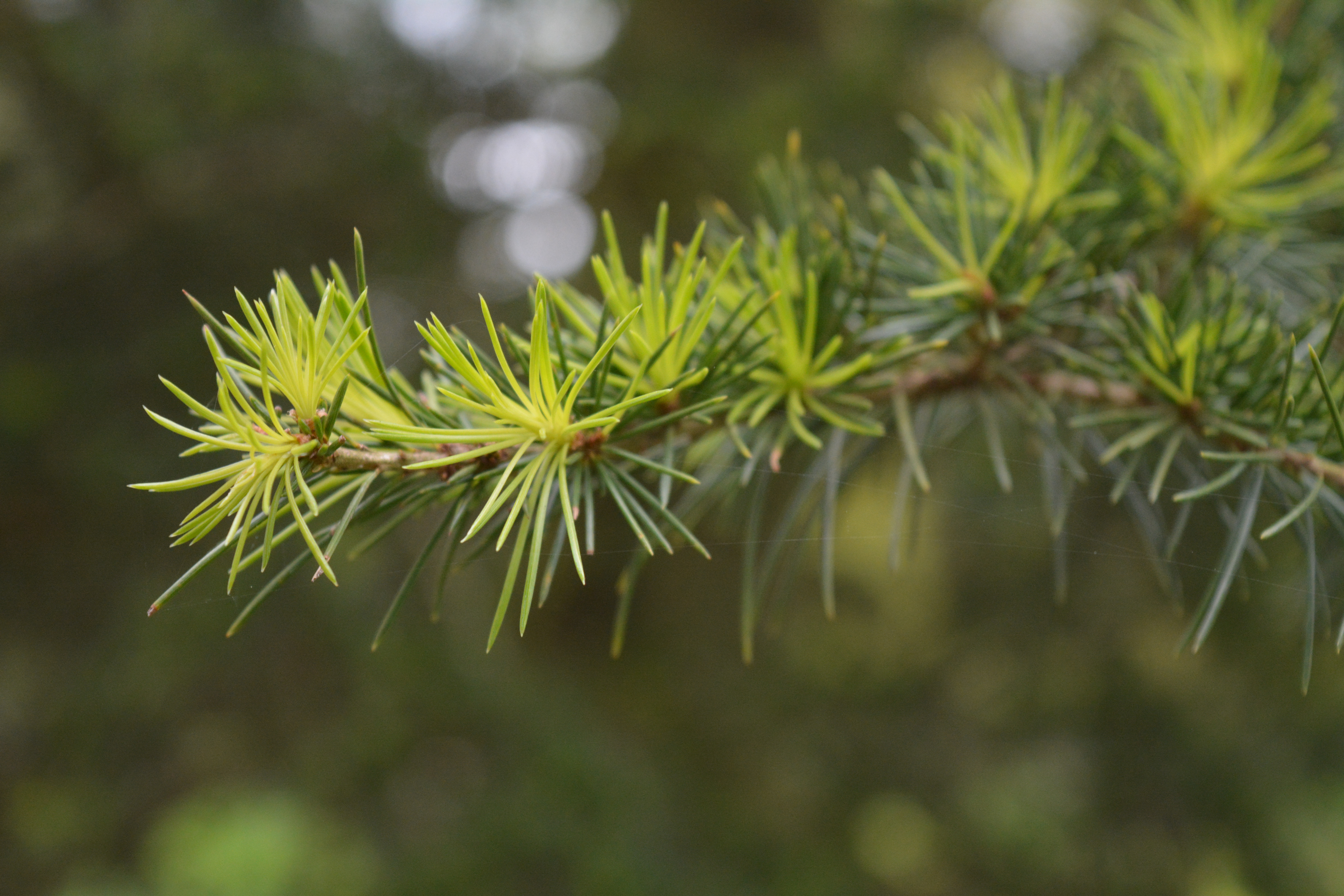
Fresh growth on evergreen trees and shrubs were also bright green, on both conifers and broadleaves.

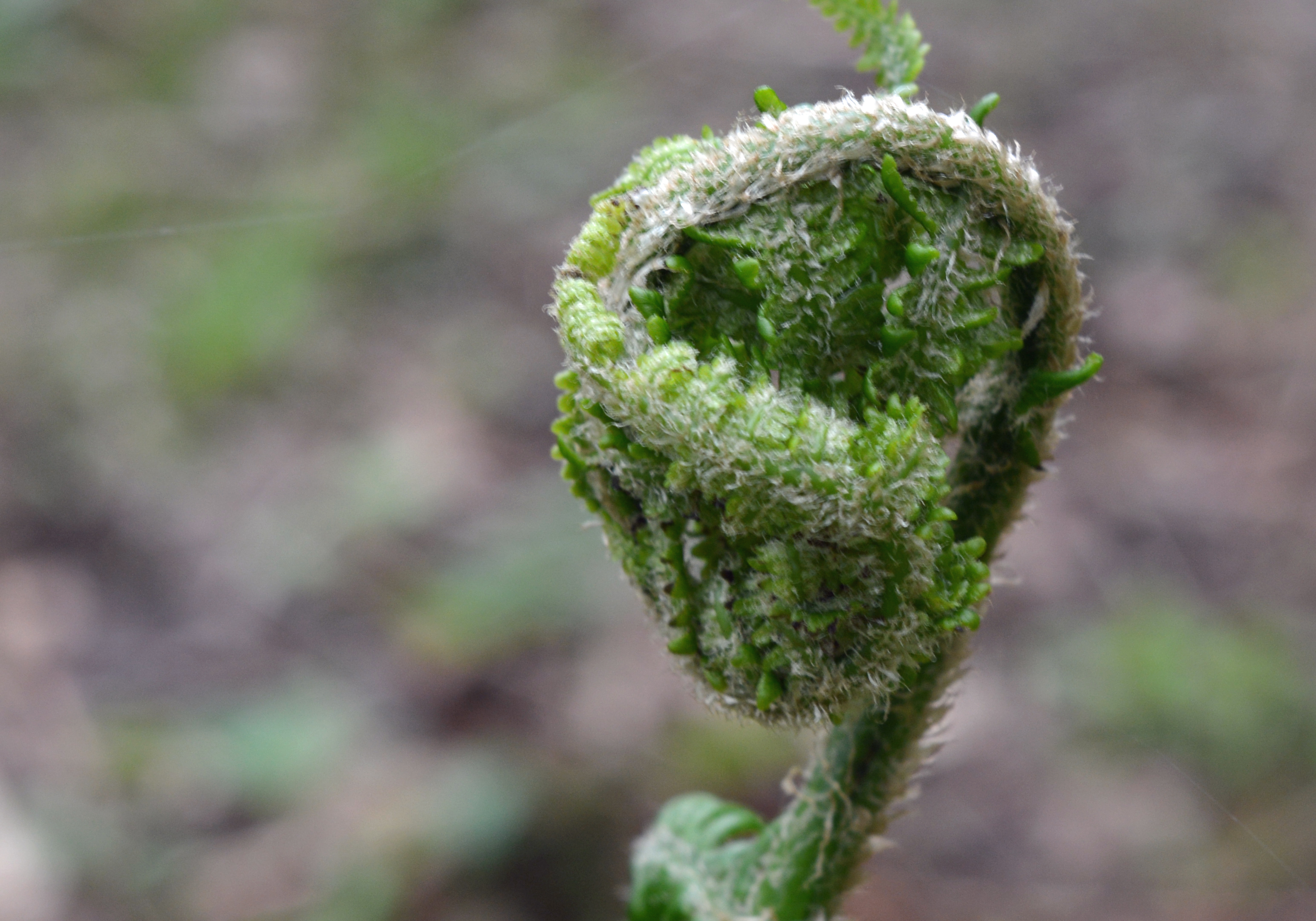
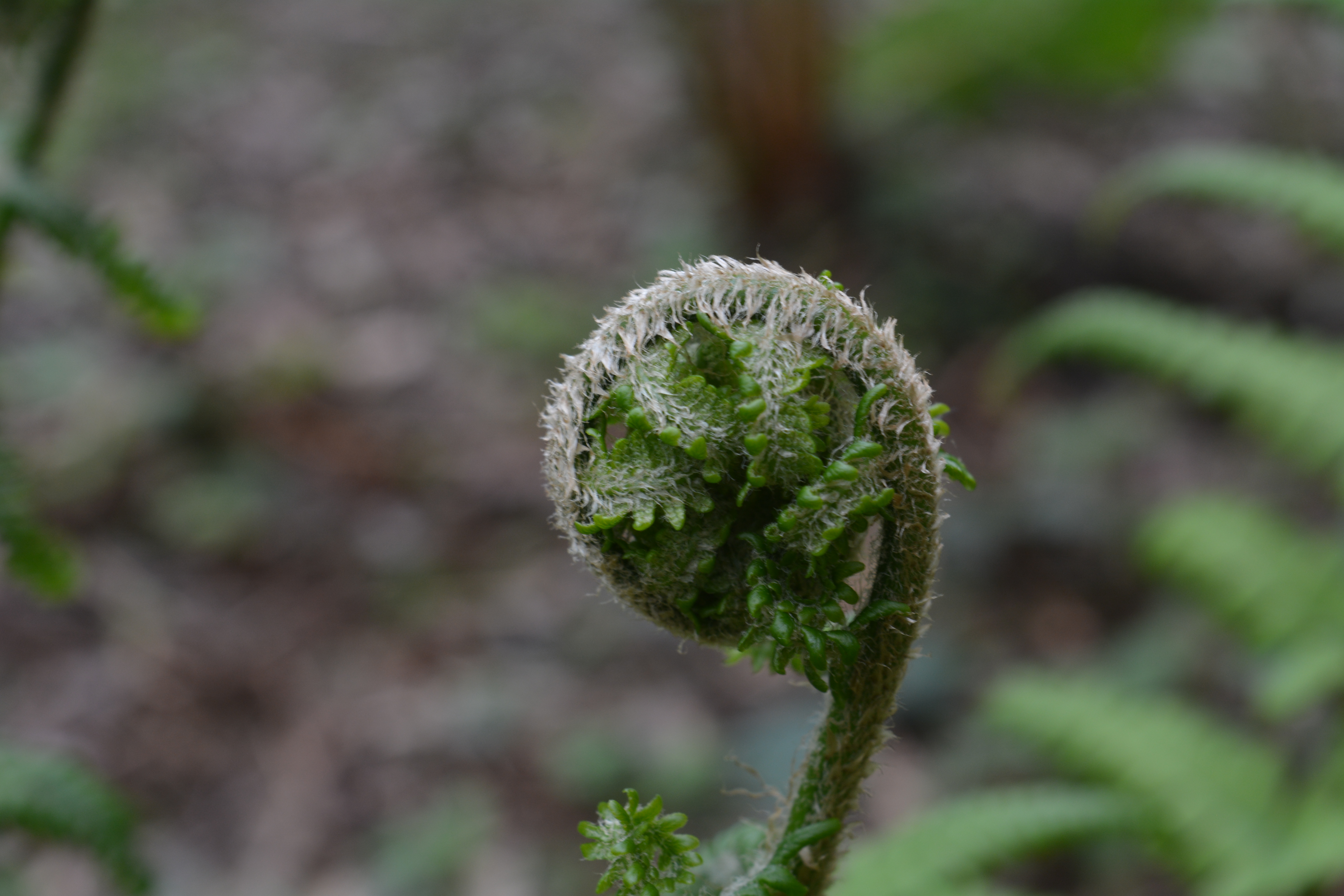
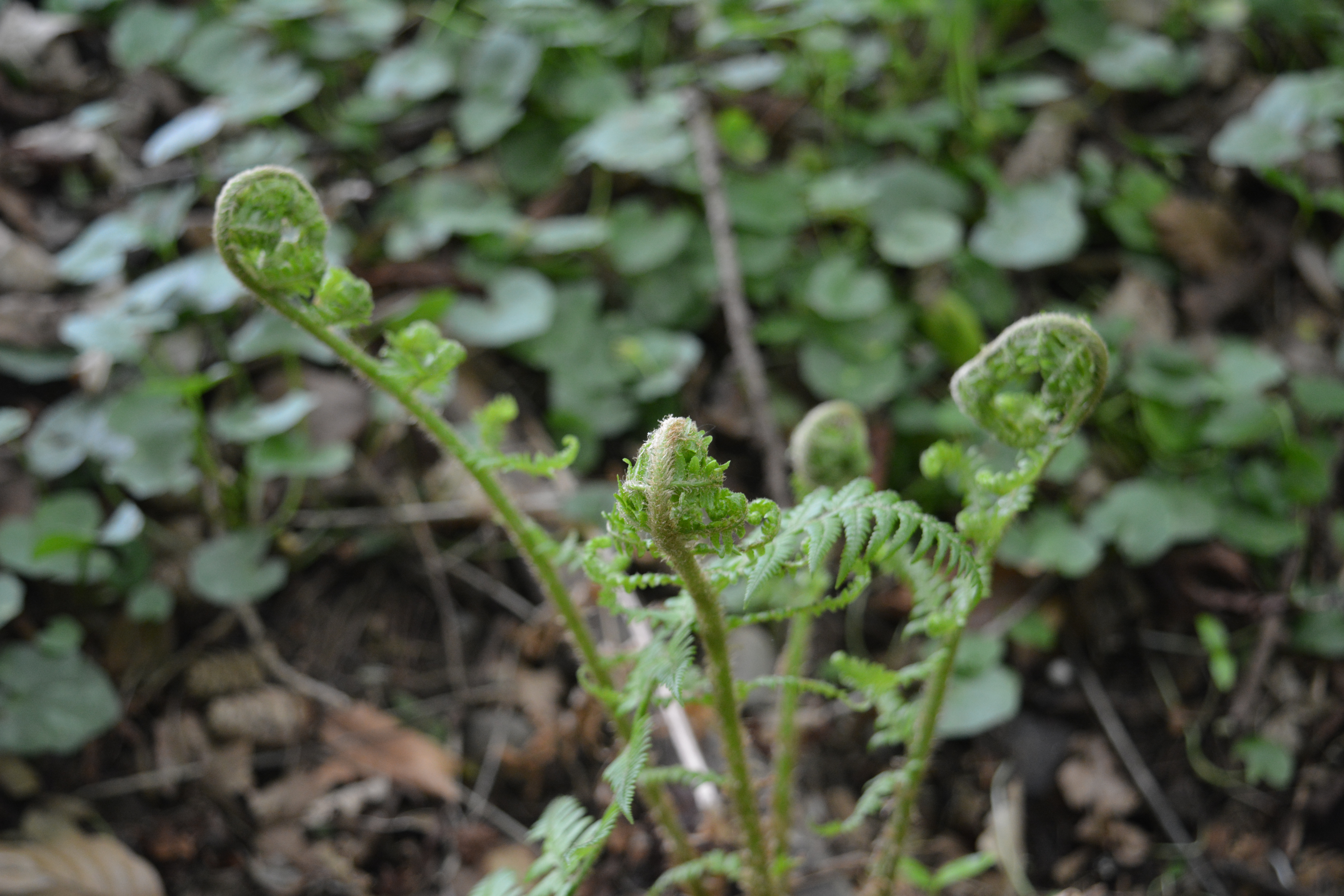
Beneath the trees and shrubs ferns revealed their leaves in such a beautiful way, unfurling from a tight spiral like slowly unwinding springs. As their shapes change so do the textures.


We found so many plants flowering on our April wanders that the best way to share them with you and illustrate the huge variety so early in the year is by presenting my photographs as a gallery. Please enjoy by clicking on the first photo then navigate by clicking the right arrow.

We will return in May when summer will be in full swing!


Categories
garden buildings garden wildlife natural pest control

A New Summerhouse for Avocet

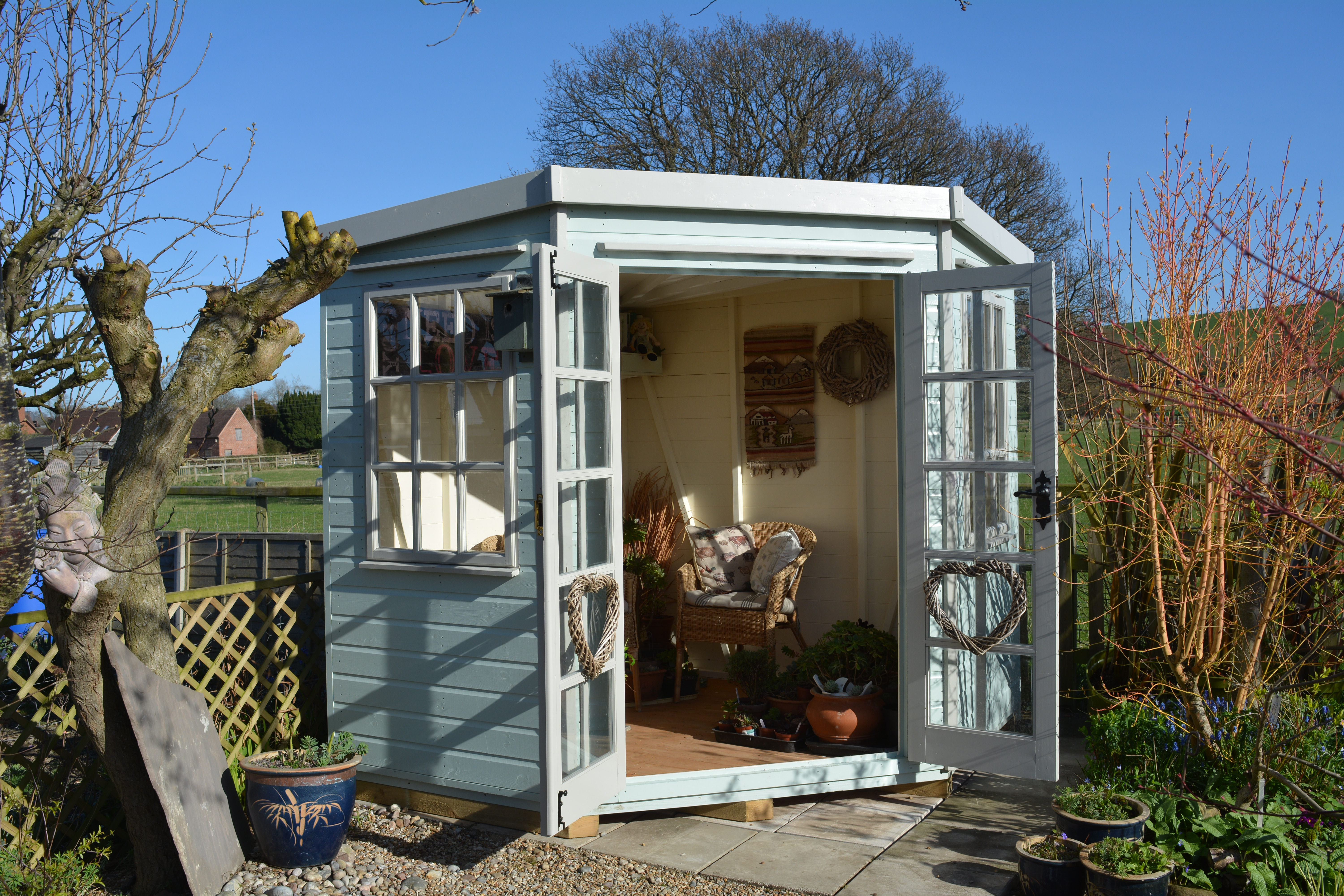
There comes a time when every wooden garden building reaches the point when it can no longer be repaired – beyond the point of no return! This recently happened to our summerhouse which looked out over our wildlife pond. It had been up for 12 years or so and I have lost track of the times I had to repair weather damage from sun, wind and rain. So the time arrived when we had to bite the bullet and order a new one.

We ordered a replacement which would sit on the footprint of the original, not an easy task as it is an unusual shape.Normally we would have erected and painted it ourselves, but with serious hand surgery in the offing we had our new summerhouse delivered, painted and erected as part of the deal. But we did demolish the old one – we were not going to miss out on the fun!

We wandered down to the bottom of the garden and set about the destruction heartily, with lump and sledge hammers and monkey and gorilla wrenches to hand. We had week of bashing fun!

sh3-01 sh3-03sh3-05 sh3-07sh3-10 sh3-11

We made some new spidery friends who were hibernating behind panels so we had to re-house them. They are an essential part of our wildlife pest control unit so we had to look after them.

sh3-09

And so with our spider friends rehoused we raised the old summerhouse to the ground. For a while we had a see-through summerhouse and then none at all!

nsh-1 nsh-3nsh-4 nsh-5

We then had to break up the old wood to use as firewood for the woodburner.

sh2-02 sh2-01

Before the new summerhouse arrived we had to prepare a level solid base for it.

sh2-03 sh2-05

We were delighted  with the new summerhouse and were soon looking forward to painting the inside and putting the furniture and artifacts back.

sh1-5 sh1-3

First though we had to paint the interior as we want it to be as light as possible. Once the paint dried some of our artefacts soon decorated the walls.


We can’t wait to take advantage of our new summer house and sit inside admiring our garden while we drink coffee and enjoy some of Jude’s delicious home-made cake!

A few weeks after completing our summer house build we added a deck which would sit in front of it and go out over the end of the pond. Our son and son-in-law, Jamie and Rob came with their families to build the deck for us as following surgery on my thumb I can only use one hand. We sent for the cavalry! While the boys constructed the deck daughter Jo worked away in the new Arabella Garden adding edging to the borders  and stopped frequently to give advice.

The final jobs were to put down carpet, varnish the deck and get the furniture and pictures back in.


We are so pleased with our new summerhouse now it is finished and are regularly enjoying spending time relaxing in it.


Categories
flowering bulbs garden buildings garden design garden photography garden wildlife gardening hardy perennials migration ornamental trees and shrubs Shropshire shrubs spring bulbs spring gardening trees Yellow Book Gardens

My Garden Journal 2017 – March

The weathermen tell us that March is the first month of Spring so in this our third look at my 2017 Garden Journal we shall see if our garden illustrates this idea at all.

As an introduction to the month I wrote,”March is the month that should come in like a lion and go out like a lamb”. This year it came in like a wet fish! Rain and wind dominated, interspersed with occasional bright cheerful days. In the first week we managed very few gardening moments. But the Avocet patch will not be beaten, with leaf and flower buds bursting on trees and shrubs, signs of colour waiting in the wings.”

“Bursting blooms”! I continued by sharing photos of flowers bursting from buds.


 “Unfurling foliage!” And more of foliage escaping their bursting buds.


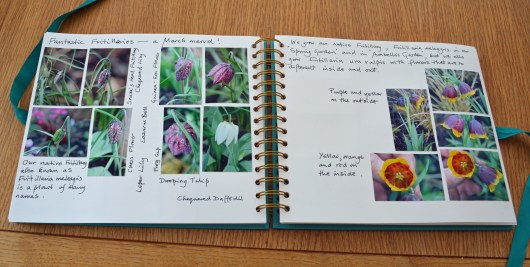
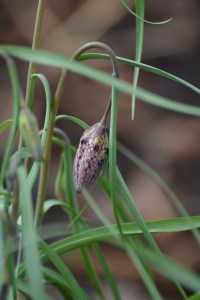
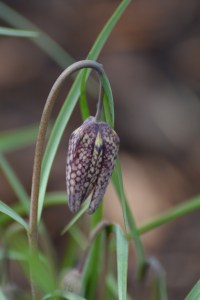
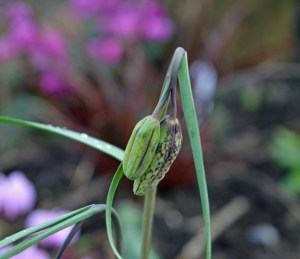
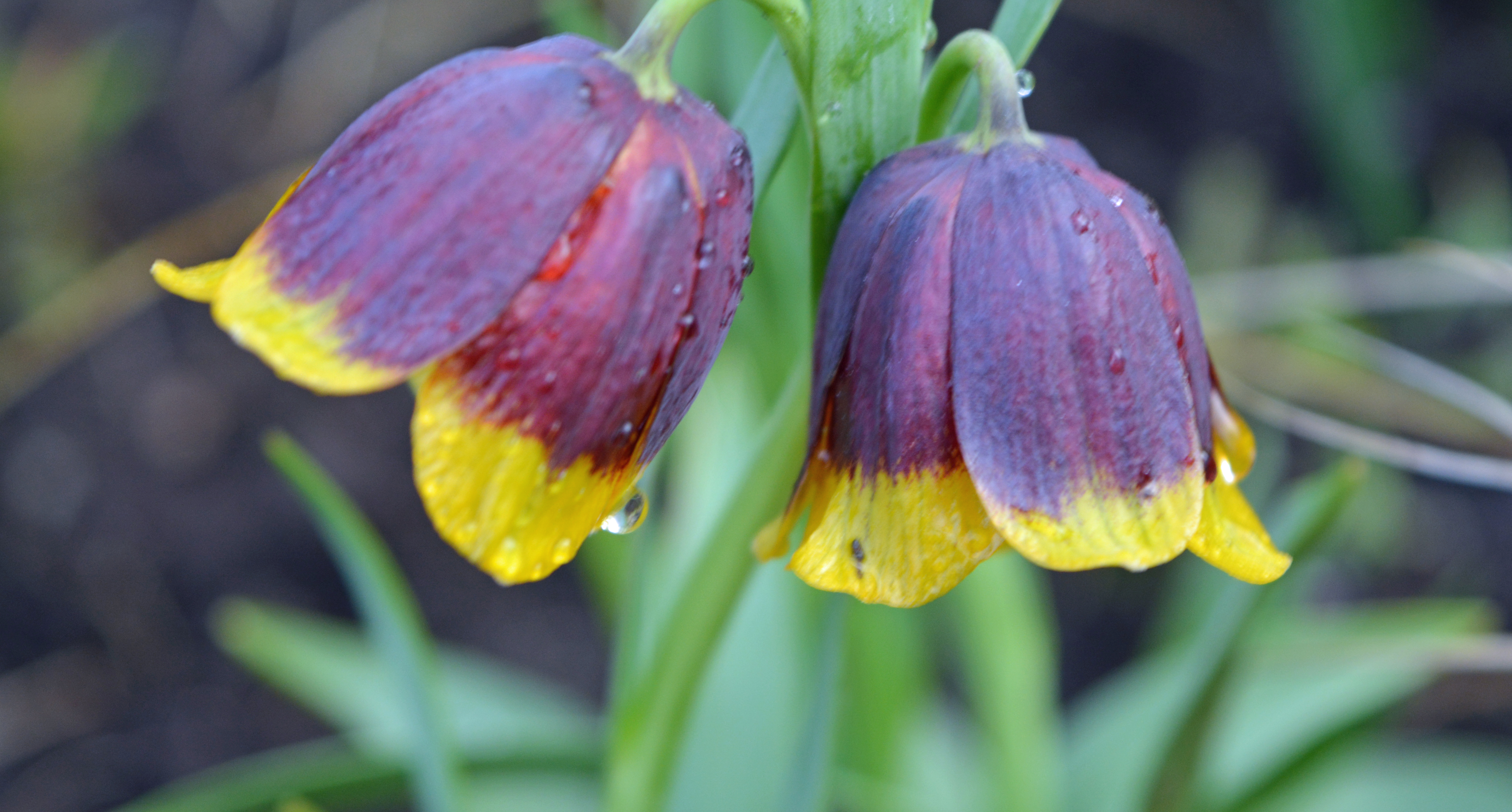
Turing over the page reveals a look at our Fritillaries, Fritillaria meleagris and Fritillaria uva vulpis which grow in our Spring Garden and in Arabella’s Garden.

I write among my  photos of Fritillaries,  “Fantastic Fritillaries – a March marvel! 

I looked for all the common local names for this Fritillary. “Our native Fritillary also known as Fritillaria meleagris is a plant of many names.”


“Snake’s Head Fritillary – Chequered Lily.”


“Chess Flower – Leper Lily” – Lazurus Bell”


“Guinea-Hen Flower” –  “Frog Cup”


“Drooping Tulip” – “Chequered Daffodil”

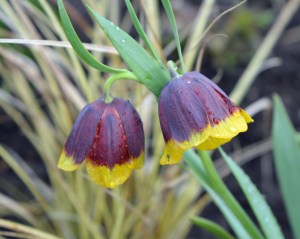
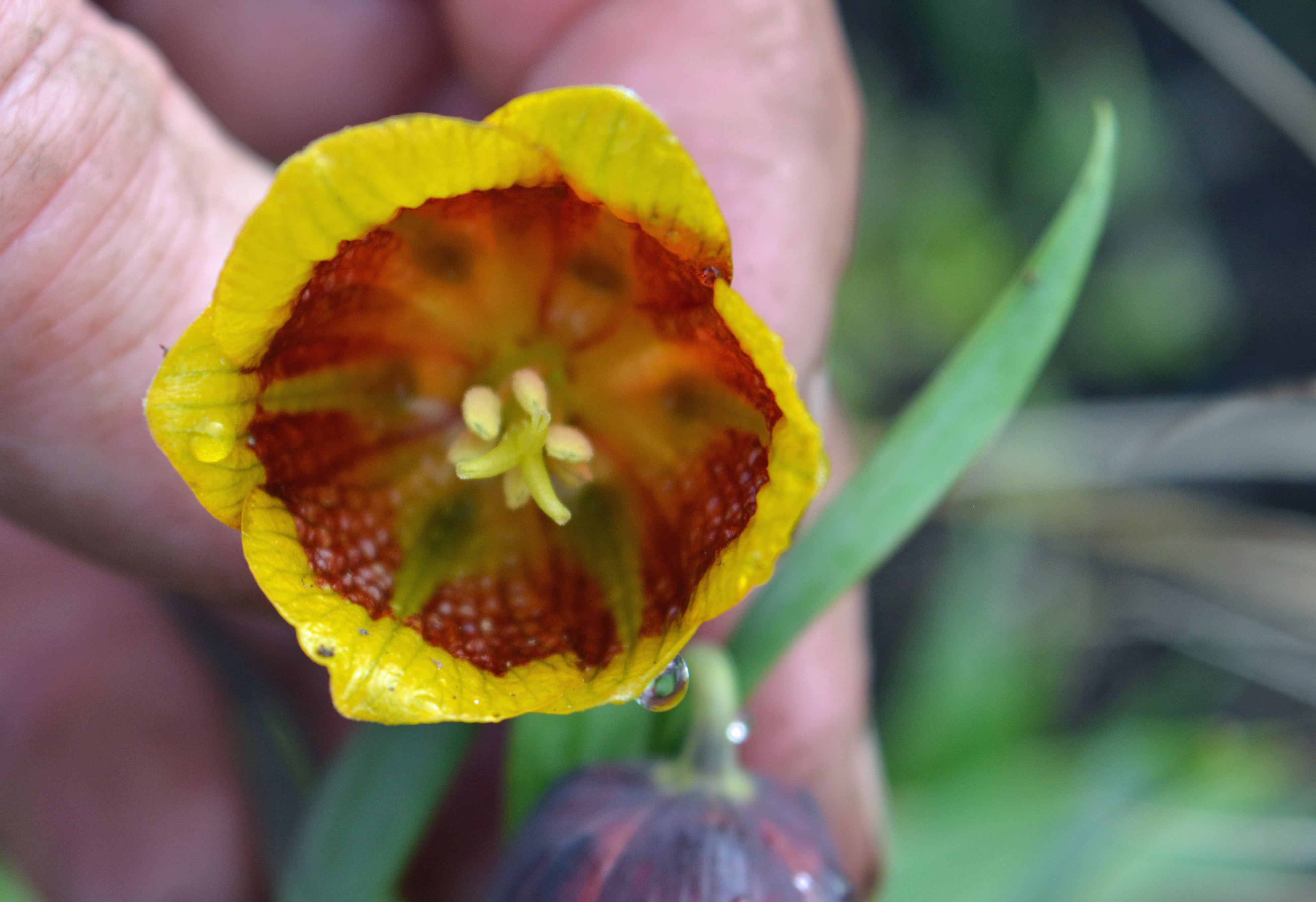
We grow our native Fritillary, Fritillaria meleagris in our “Spring Garden”, but we also grow Fritillaria uva vulpis with flowers that are so different inside and out.


“Purple and yellow on the outside.”

“Yellow, orange and red on the inside.”


Over onto the next double page spread and I take a look at a special rather subtle plant combination and some early tulips.

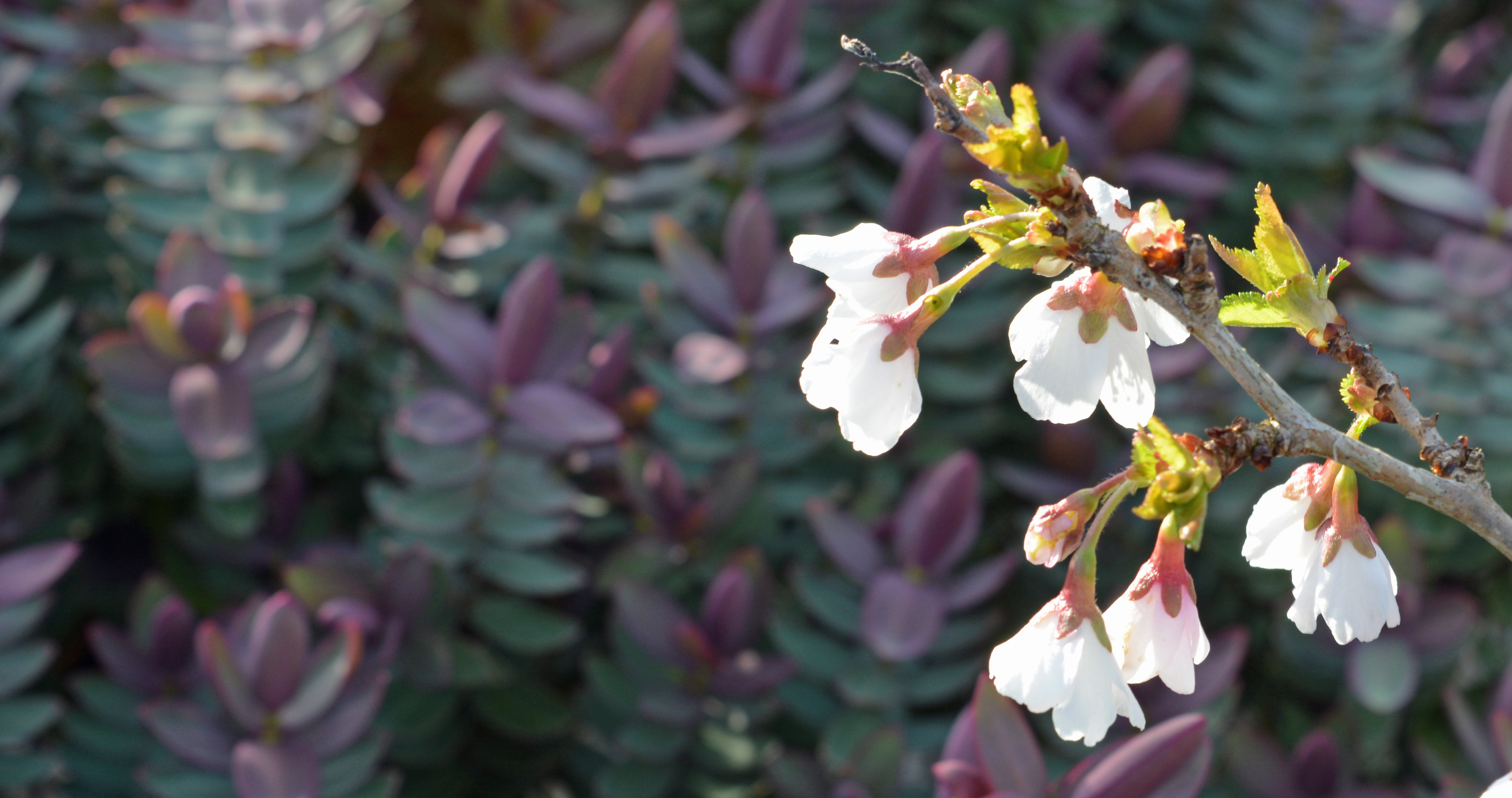
I wrote that “Good plant companions and communities are what lifts a garden above a collection of plants put on display. Sometimes two beautiful special plants with strong attributes of their own shine out even more when joined  together to produce a harmonious pairing, each enhancing the other. Here, I feature the combination of a Hebe “Red Edge” and a Prunus, P. “Kojo No Mai”. The blushing of the Hebe foliage is a perfect foil for the “washing powder white” of the Prunus’ petals.”


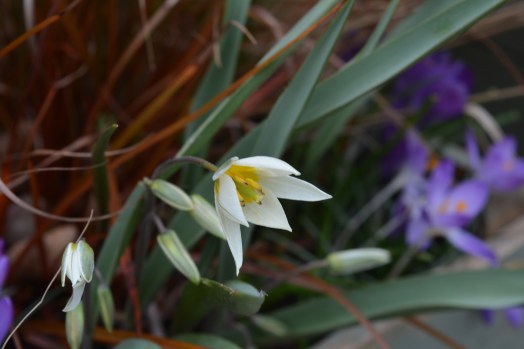
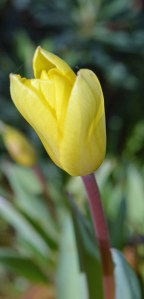
Moving on to look at some of our species tulips, I wrote, “The tiny flowers of our many species Tulips are now putting in an appearance, impressing with their delicacy and subtlety. The blooms open with the sun and close with its disappearance.”


Next we move on to my plant of the month for March. I wrote.

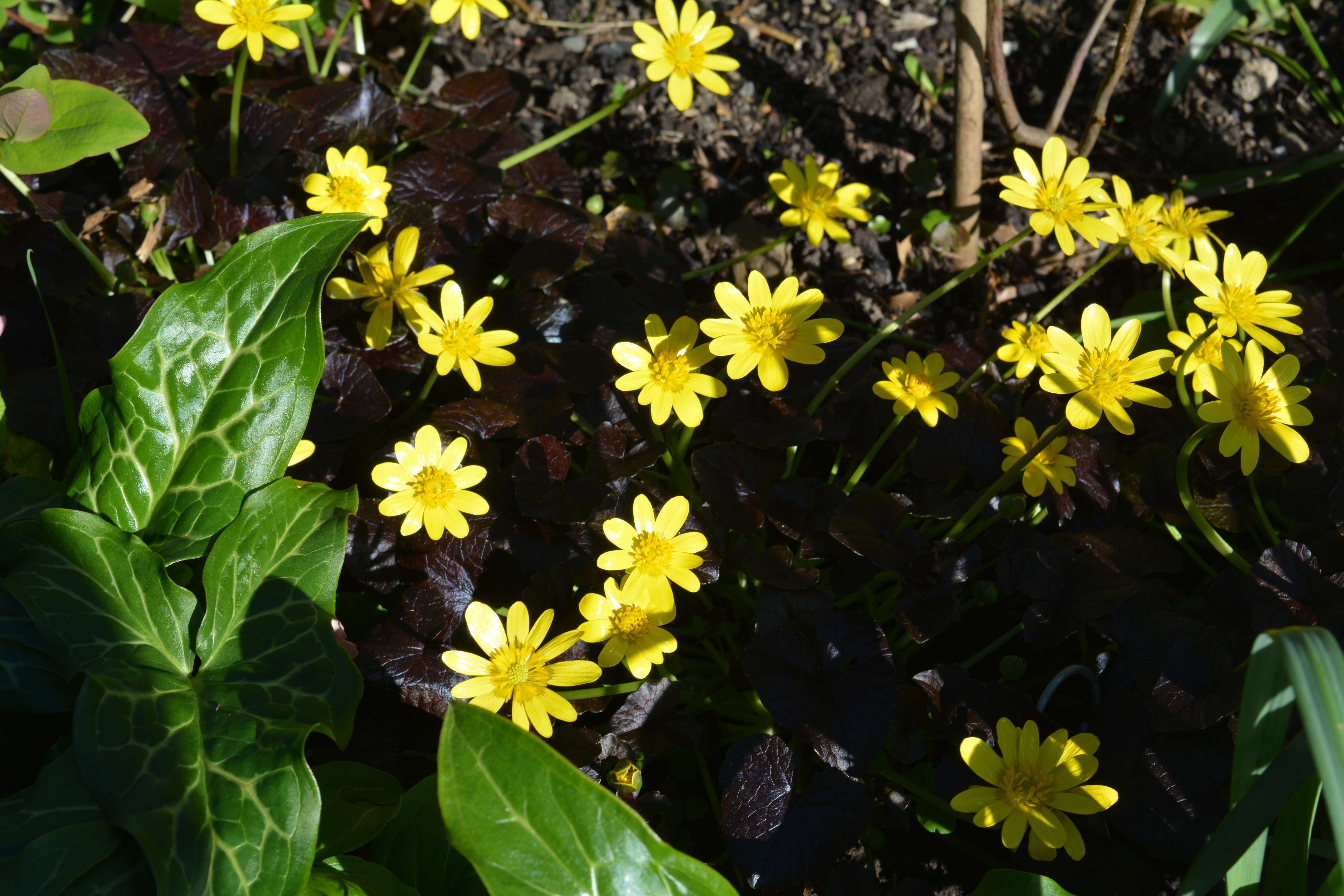
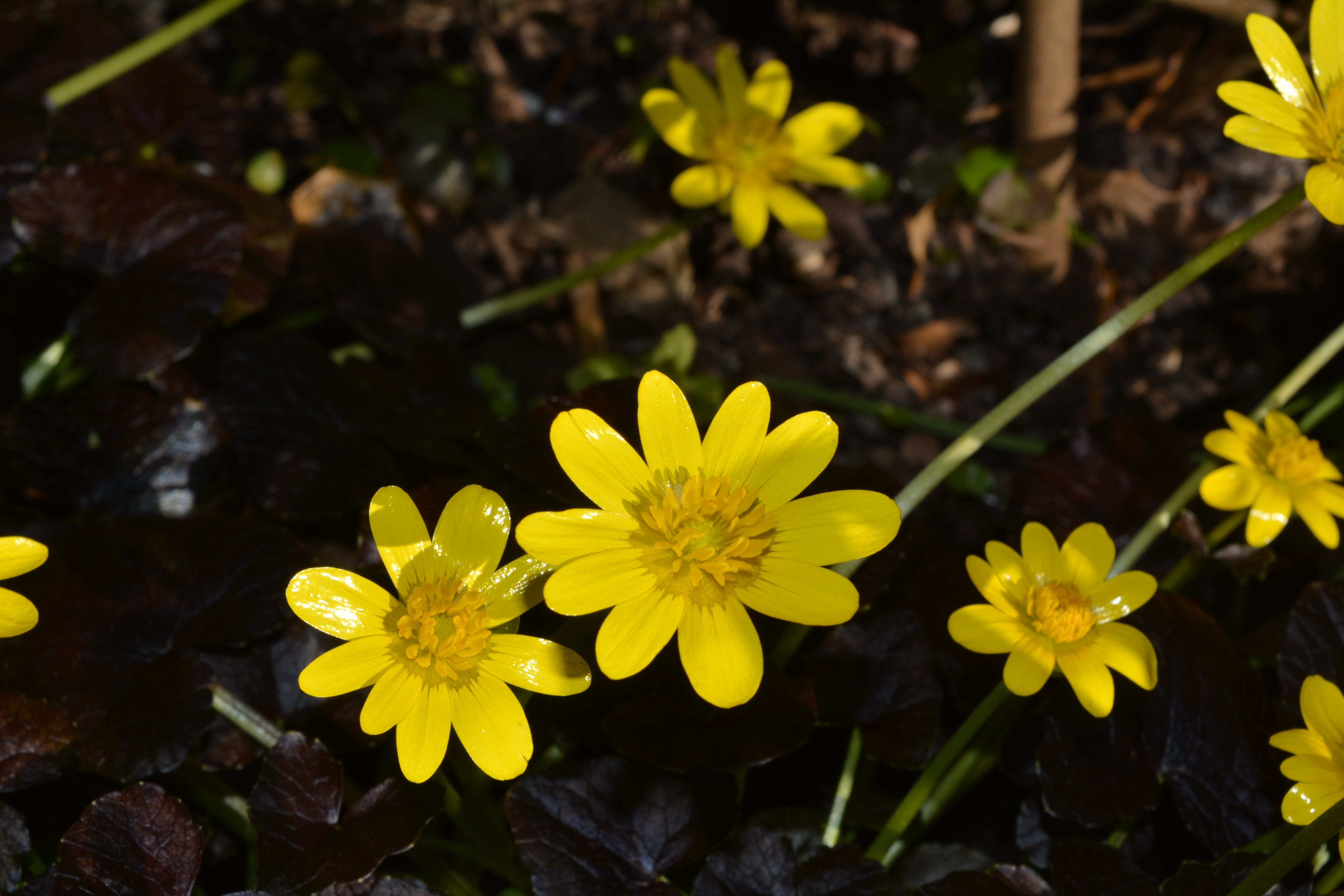
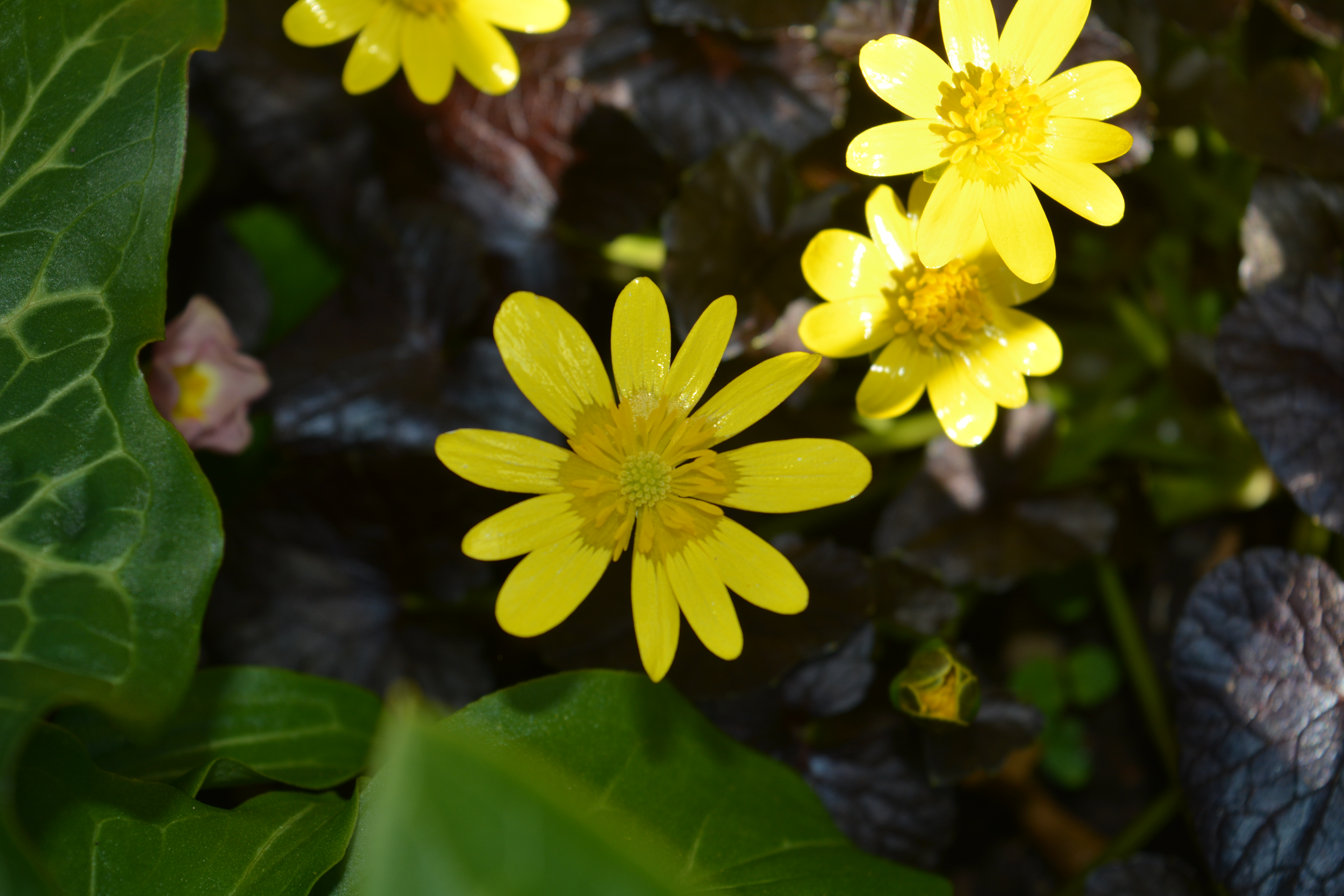
My plant of the month for March is a Celandine called “Brazen Hussey”, a chance find by Christopher Lloyd discovered in a clump of our native Celandine in a lane near his home. Our native Celandine, Ranunculus ficaria brightens up our hedgerows with its deeply glossy foliage and yellow “Buttercup” flowers, while “Brazen Hussey” sports glossy purple-black foliage. 


“We grow a small patch of our native Celandine but as it can become very invasive it has to be strictly controlled.”

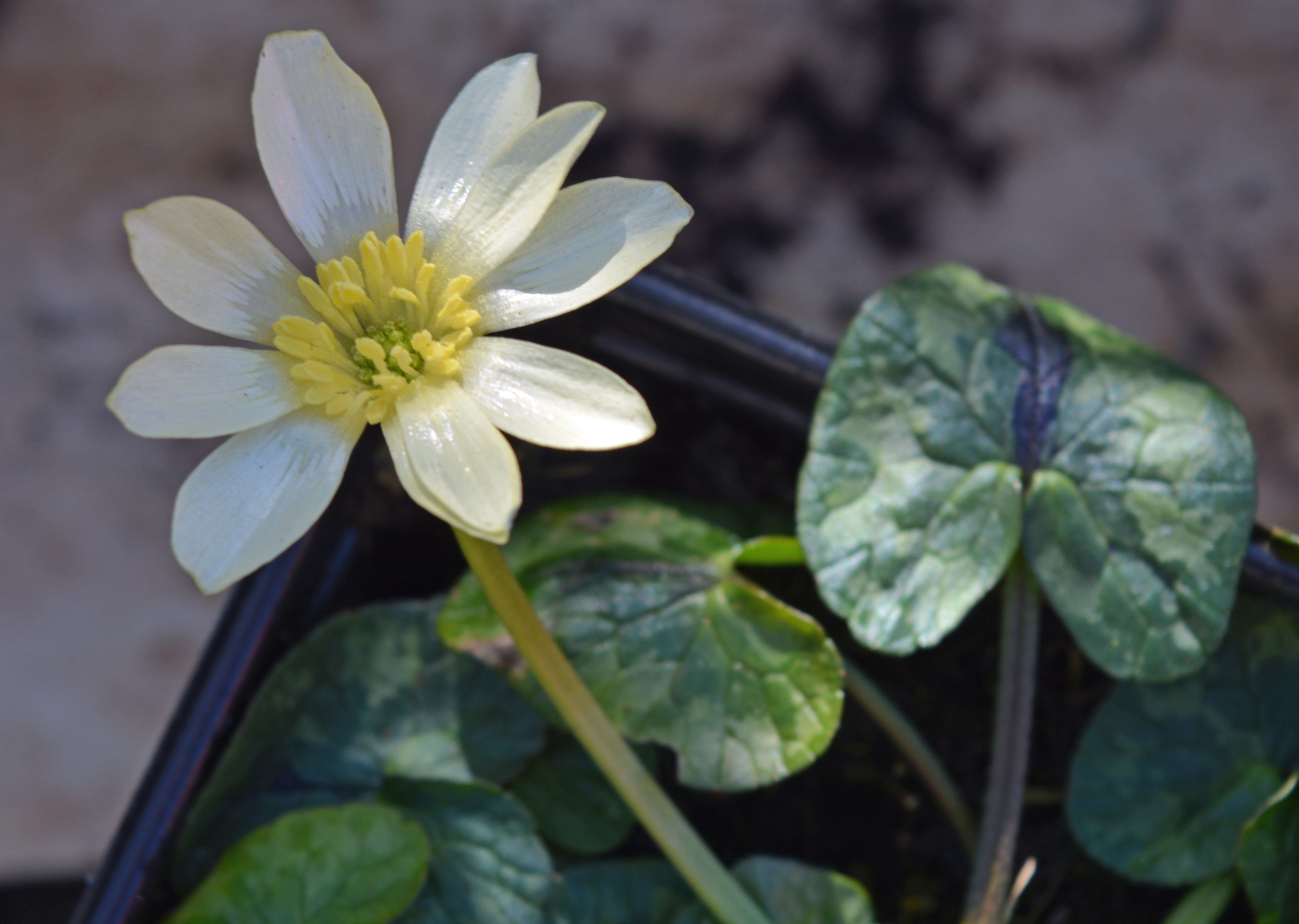
“We grow several other Celandines too because they are such cheerful addictions to the Spring Garden, a white cultivar, Ranunculus fiscaria “Randall’s White …………….”

“….. a pale yellow flower against bronzed foliage ……”


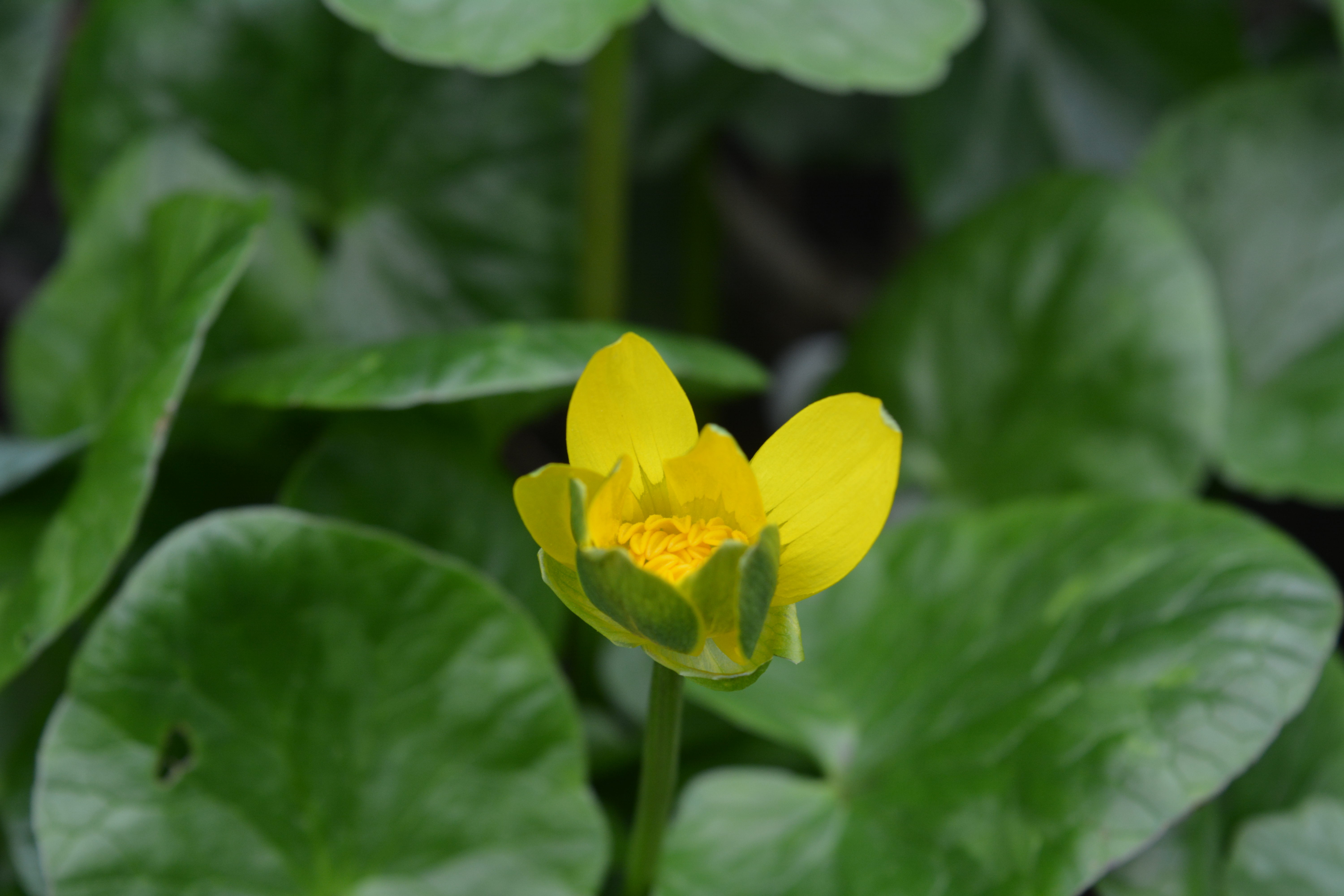
“……. a Giant Celandine and a Green Celandine.”

On the next double page spread we look at our new summerhouse and a selection of special small flowers.

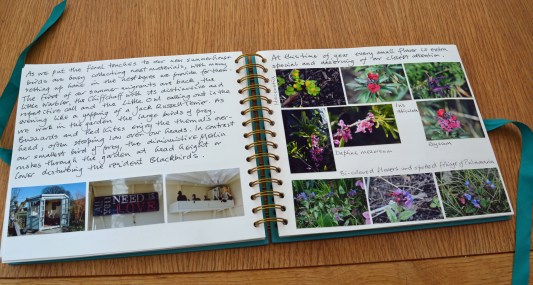
Concerning the summerhouse I wrote, “As we put the finishing touches to our new summerhouse birds are busy gathering nest materials, with many setting up home in the nestboxes we provide for them. The first of our summer migrants are back, the little warbler, the Chiffchaff with its distinctive and repetitive call and the Little Owl calling out in the evening like a yapping Jack Russell Terrier. As we work in the garden the larger of our birds of prey, Buzzards and Red Kites enjoy the thermals overhead, often stooping low over our heads. In contrast our smallest bird of prey, the diminutive Merlin rushes through the garden at head height or lower disturbing the resident Blackbirds.

On the opposite page I looked at those special little flowering plants that catch the gardener’s eye at this time of the gardening year. In other seasons when the garden is rich in flowers these special little gems may get overlooked in favour of the bigger, bolder and brighter cousins. I wrote, “At this time of year every small flower is extra special and deserving of our closest attention.”


Hacquetia epipactus and Iris reticulata “George”

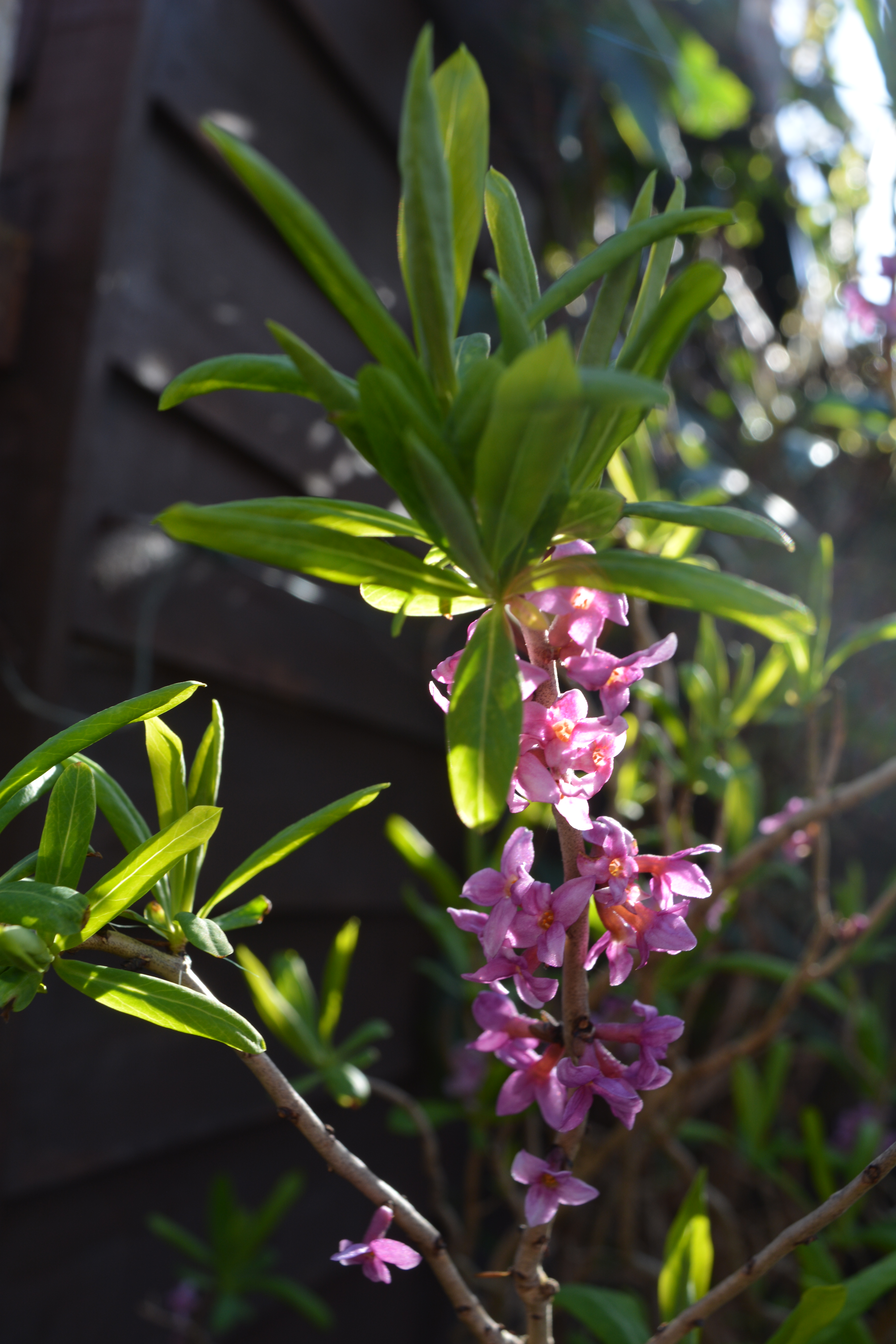
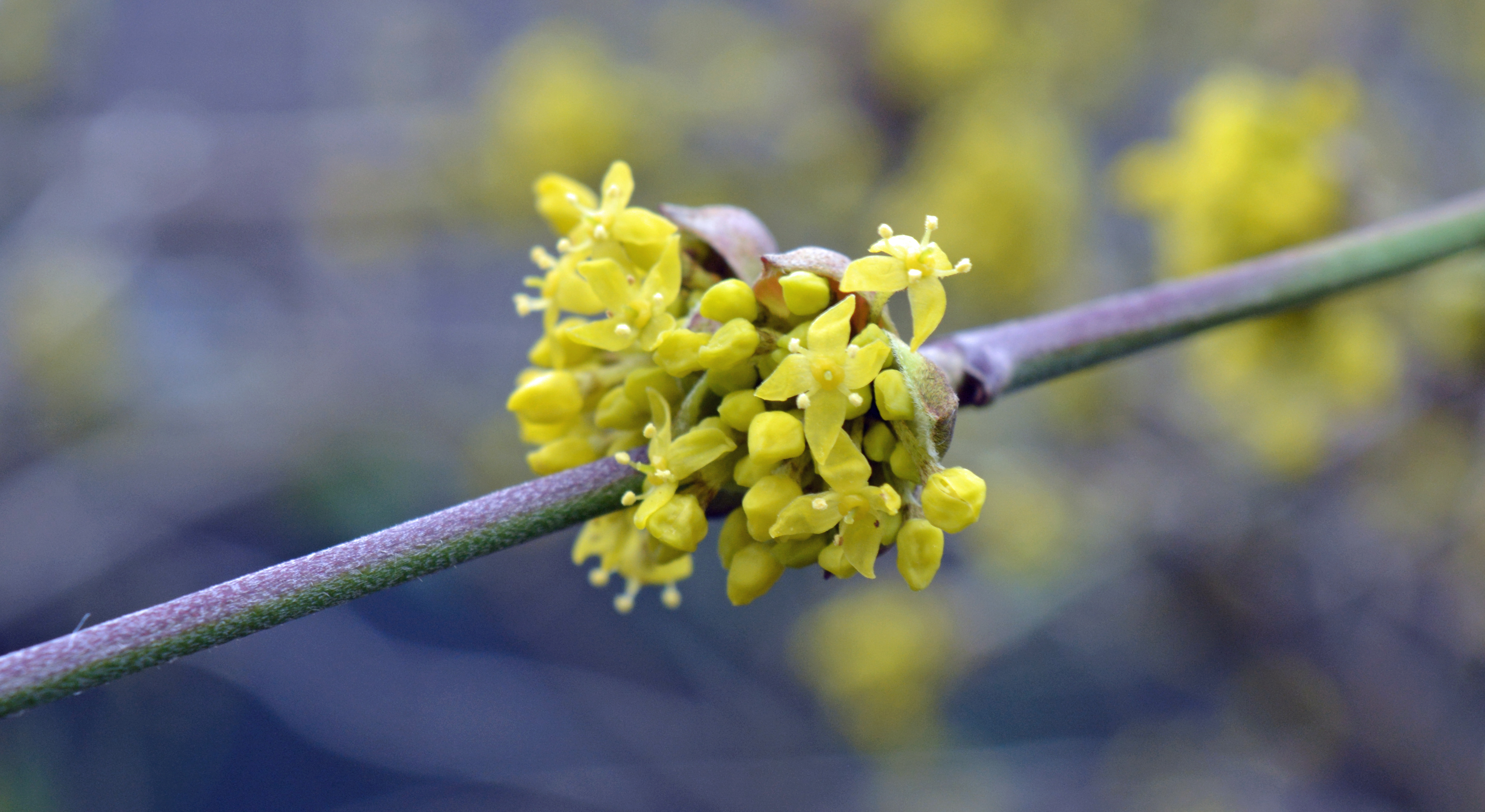
“Daphne mezerium.”


Erysimum Red Jep”

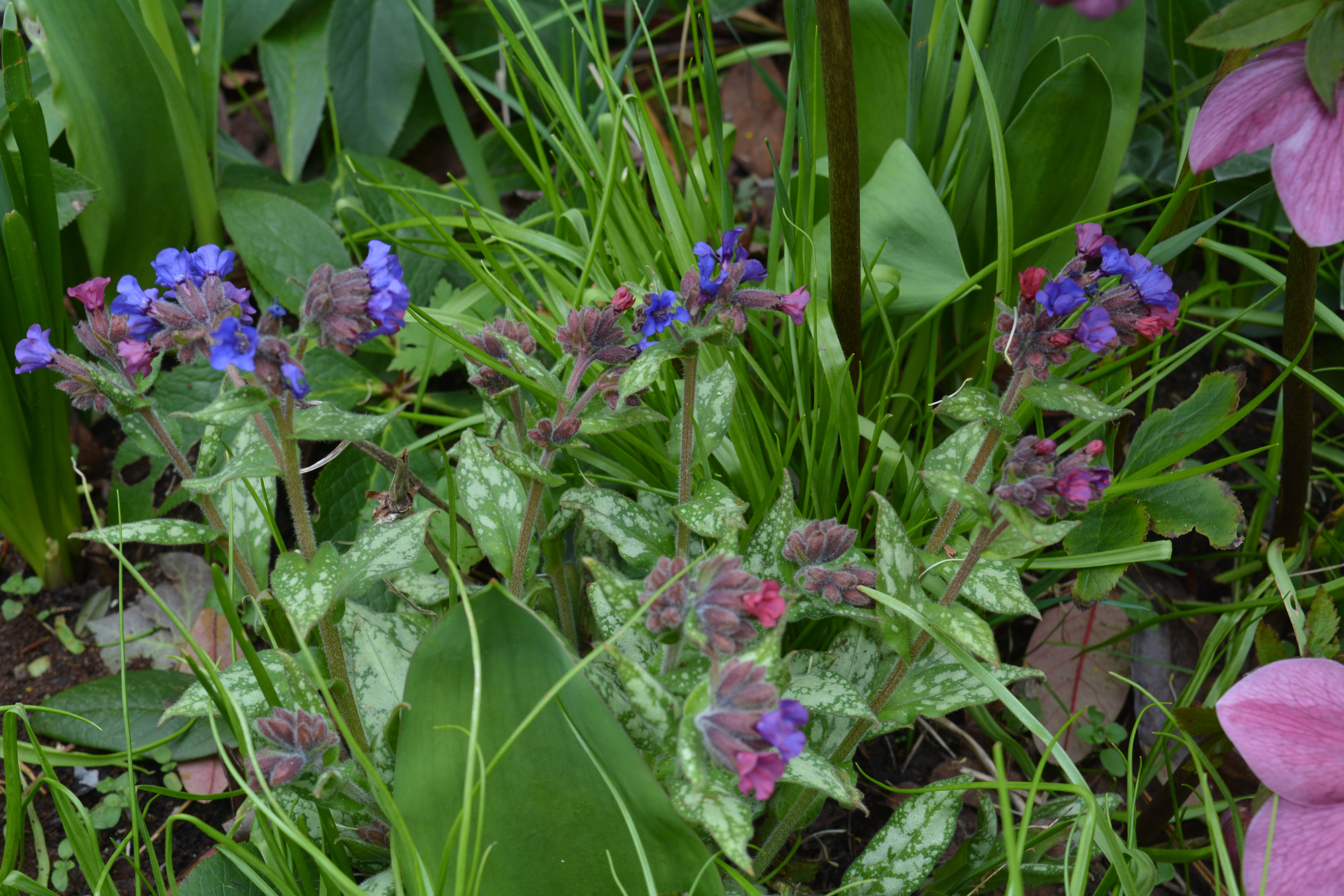
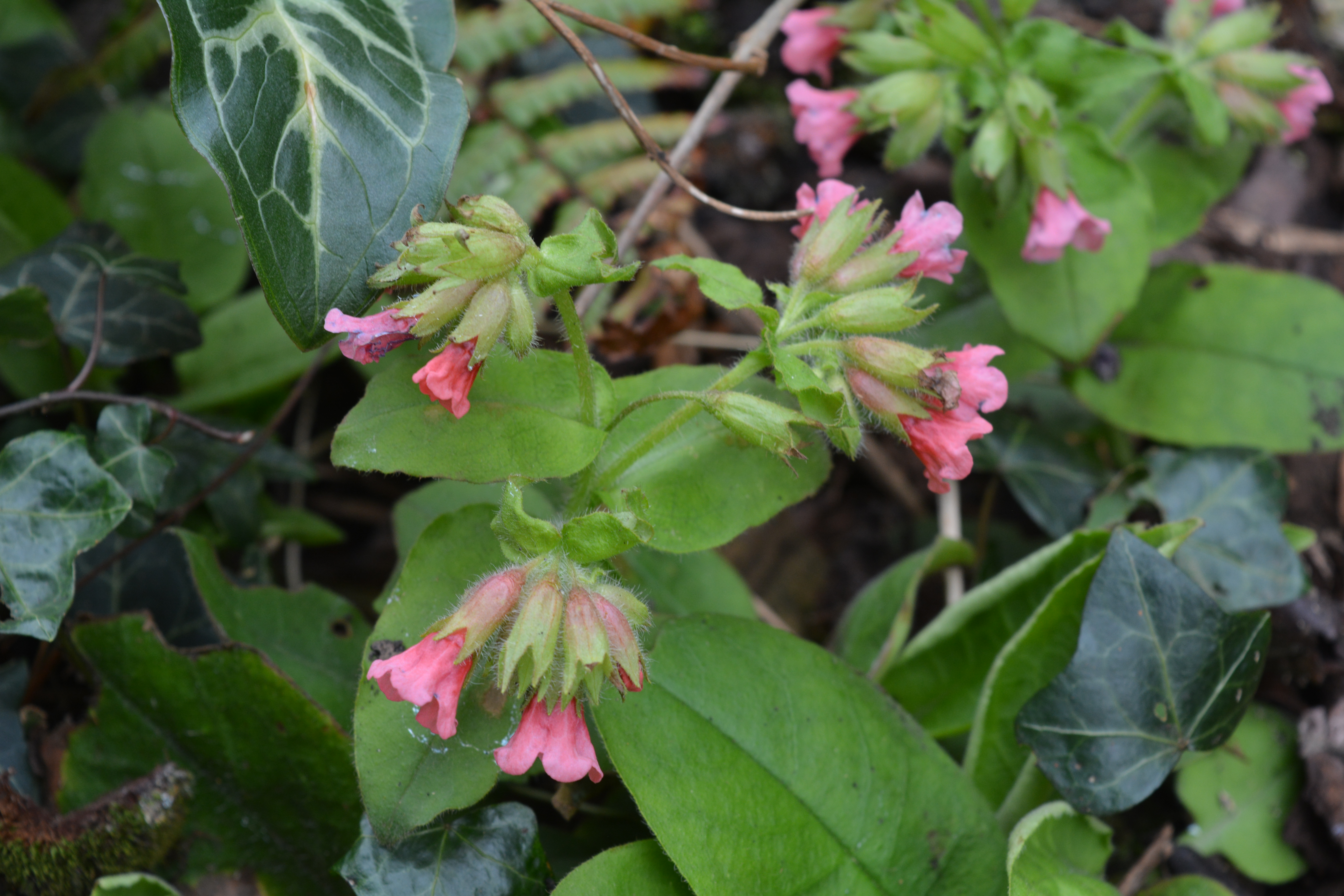
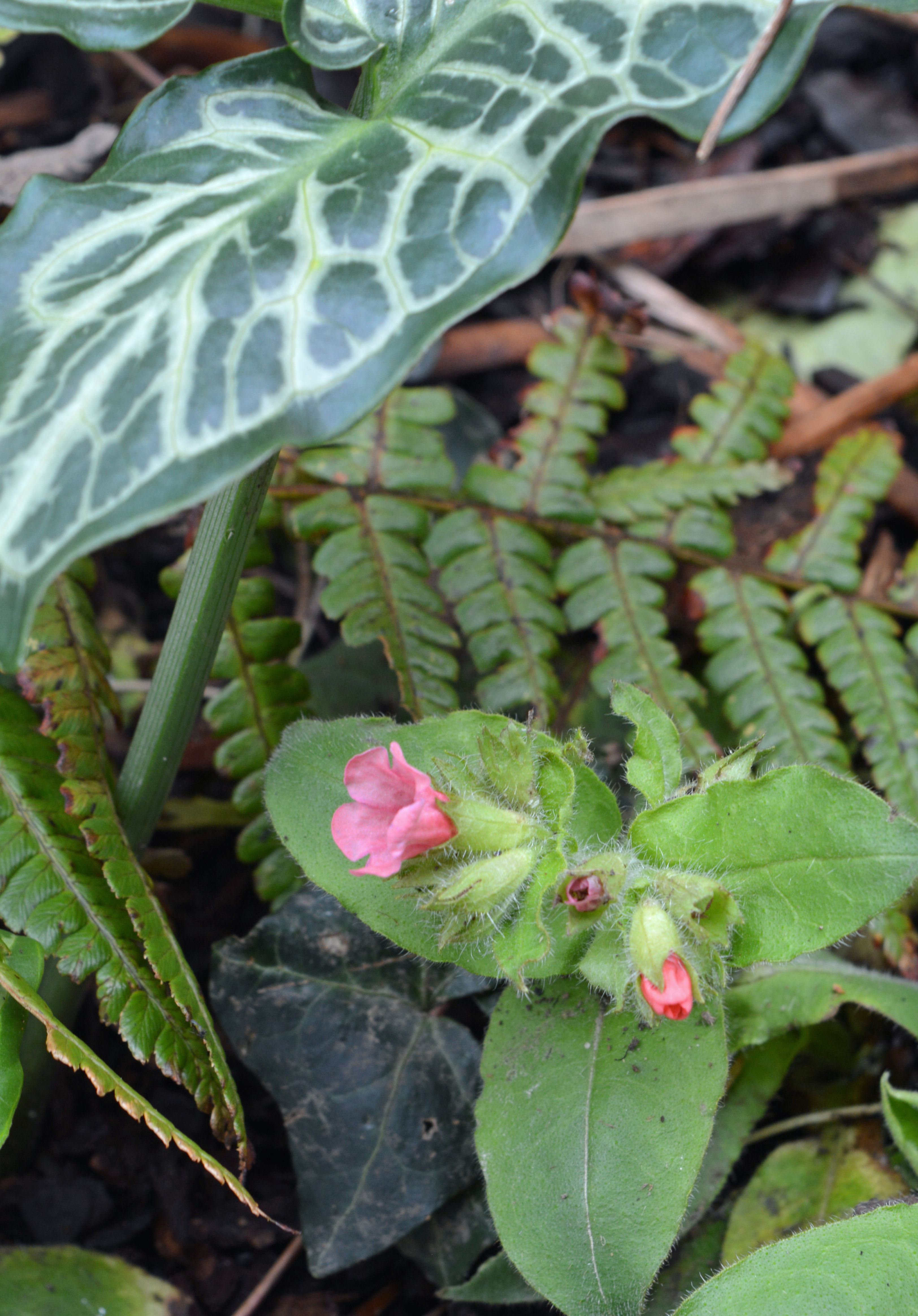
Assorted Pulmonaria.”

The next turn of the page reveals a page about Primulas and the next about pollarding willows and dogwoods.

I wrote,”In February I wrote about the first of our native Primroses coming into flower, but in March they flourish along with their relatives.The pictures below show the diversity that we grow and enjoy.”


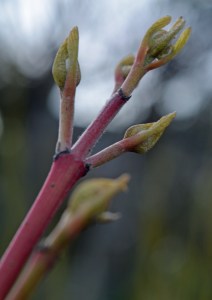
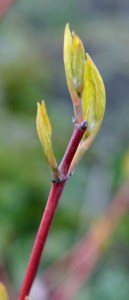
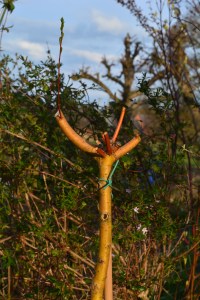
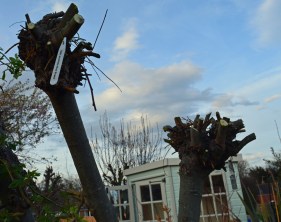
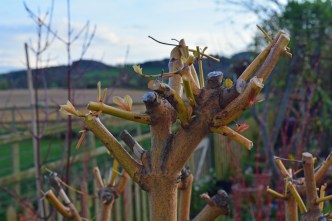
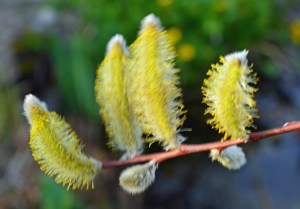
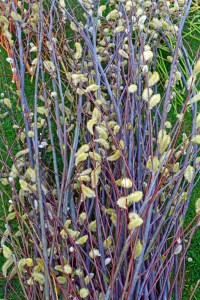
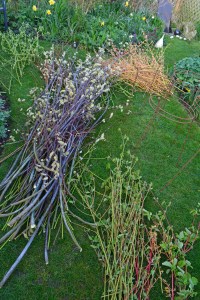
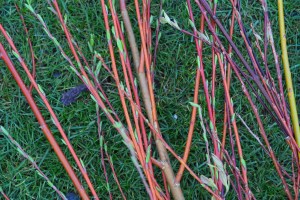
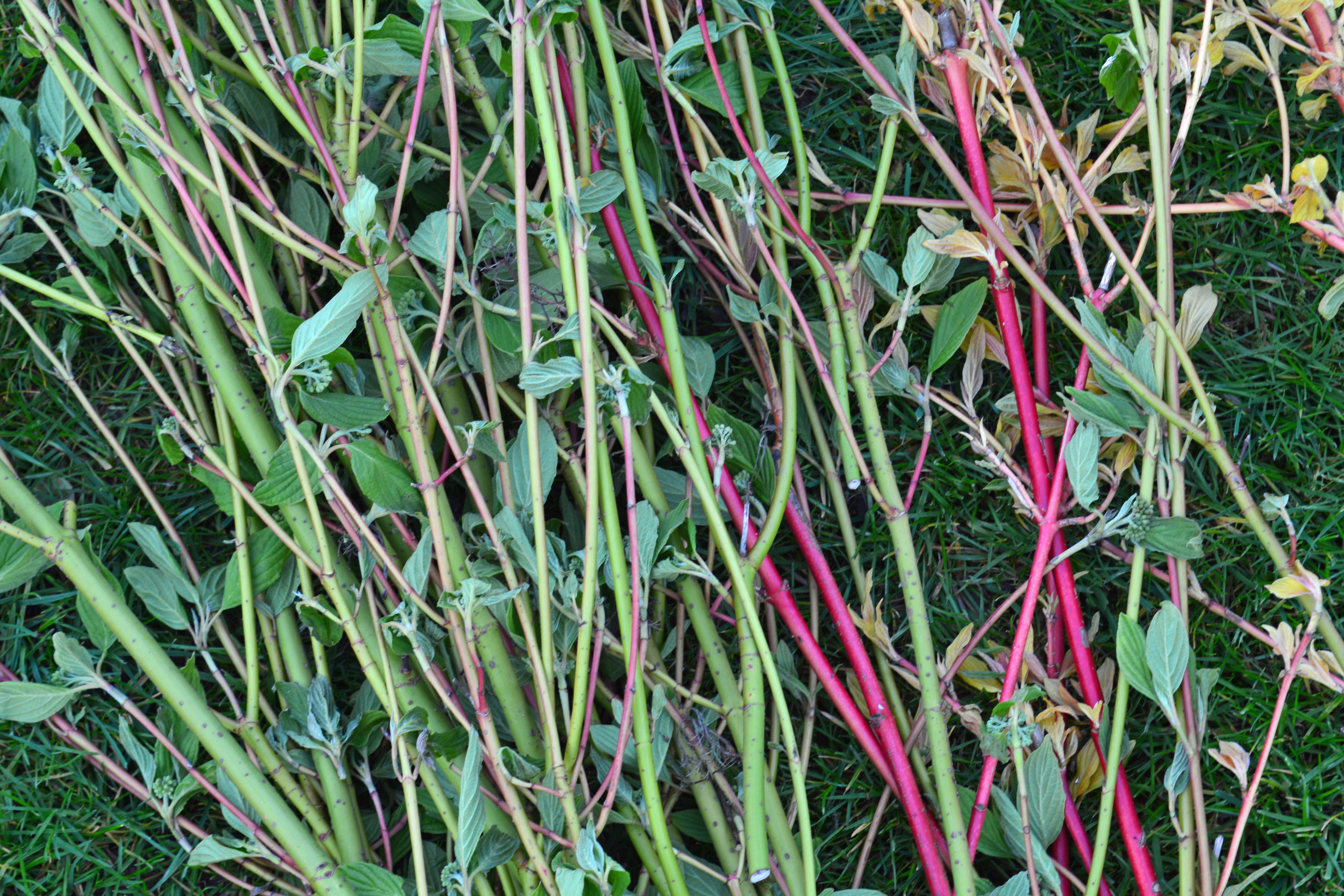
When I looked at pollarding and coppicing I wrote that, “The last week of March were mild and sometimes sunny so we took the opportunity to prune down our shrubs that we grow for their coloured stems, Cornus and Salix. We coppice some, pollard others.”


I continued to look at Salix and Cornus coloured stems on the last page of my entries for March, where I featured photographs of the bundles of cut stems.


So that was my garden journal for March. For the next month, April, we will see big changes as Spring becomes established.


Categories
birds flowering bulbs garden design garden photography garden wildlife gardening gardens hardy perennials ornamental trees and shrubs Shropshire shrubs spring bulbs wildlife Winter Gardening winter gardens

My 2017 Garden Journal – February

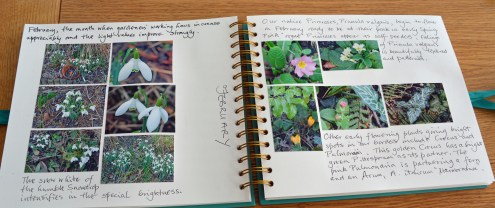
Here is the second time in 2017 when I share with you my Garden Journal, so please enjoy my February pages.
fj-1

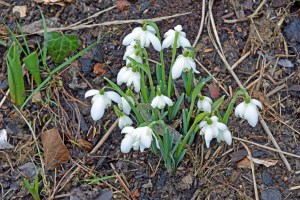
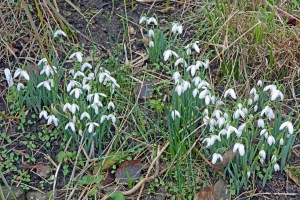
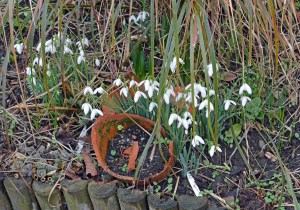
On the first double page spread I look at Snowdrops and some early plants of interest. I wrote, “February, the month when gardeners’ working hours increase and the light values improve strongly. The snow white of the humble Snowdrop intensifies in the special brightness.”
fj1-03 fj1-06fj1-01 fj1-05 fj1-02 fj1-04

On the opposite page I wrote, “Our native Primroses, Primula vulgaris, begin to flower in February ready to be at their peak in early Spring. Pink “rogue” Primroses appear as self-seeders. Foliage of Primula vulgaris is beautifully textured and patterned.”

fj1-07 fj1-08

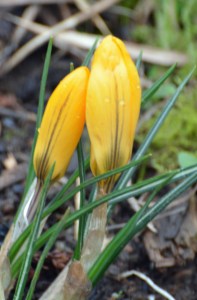
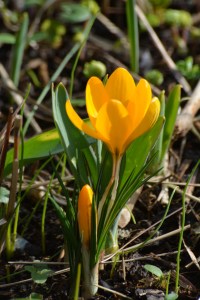
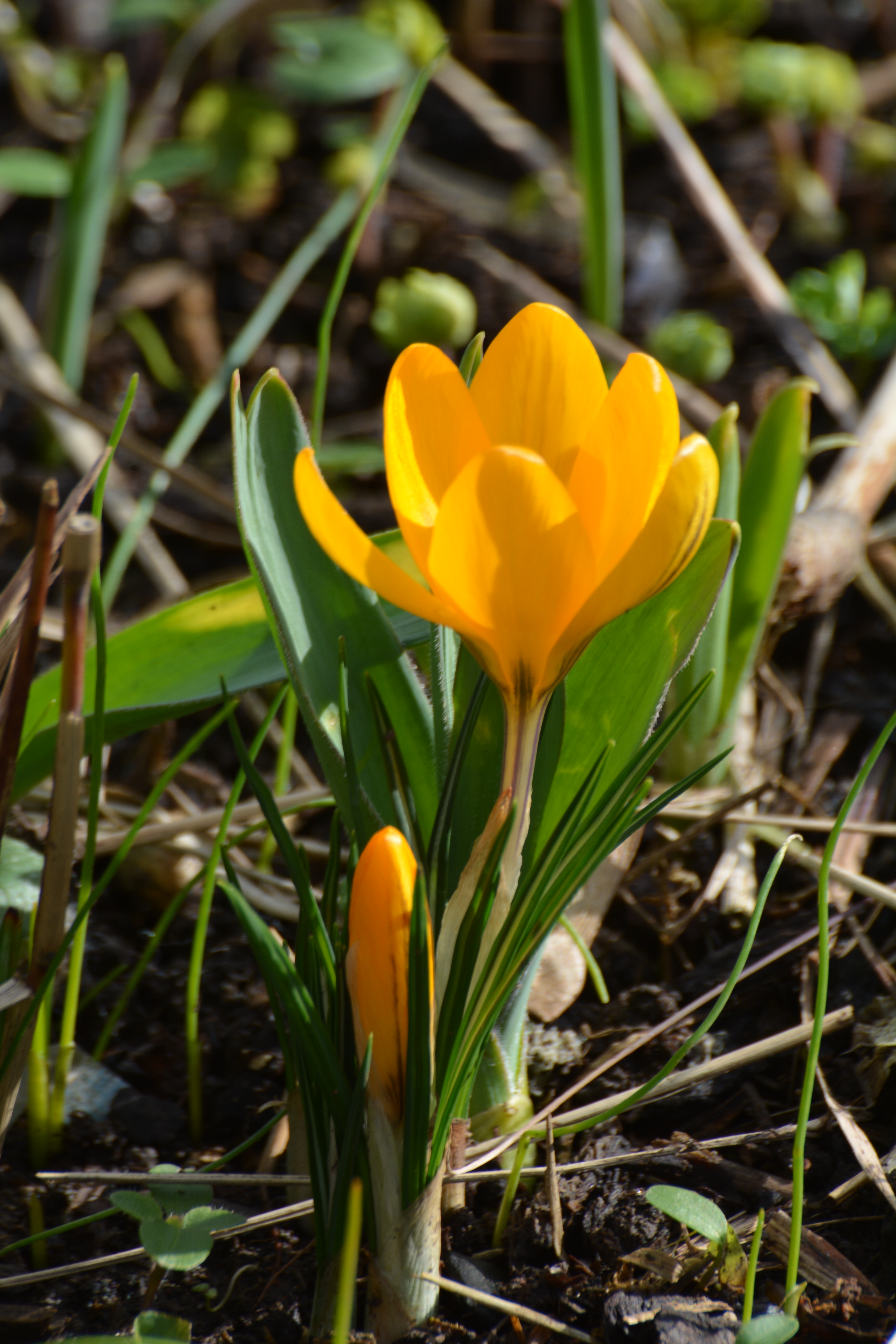
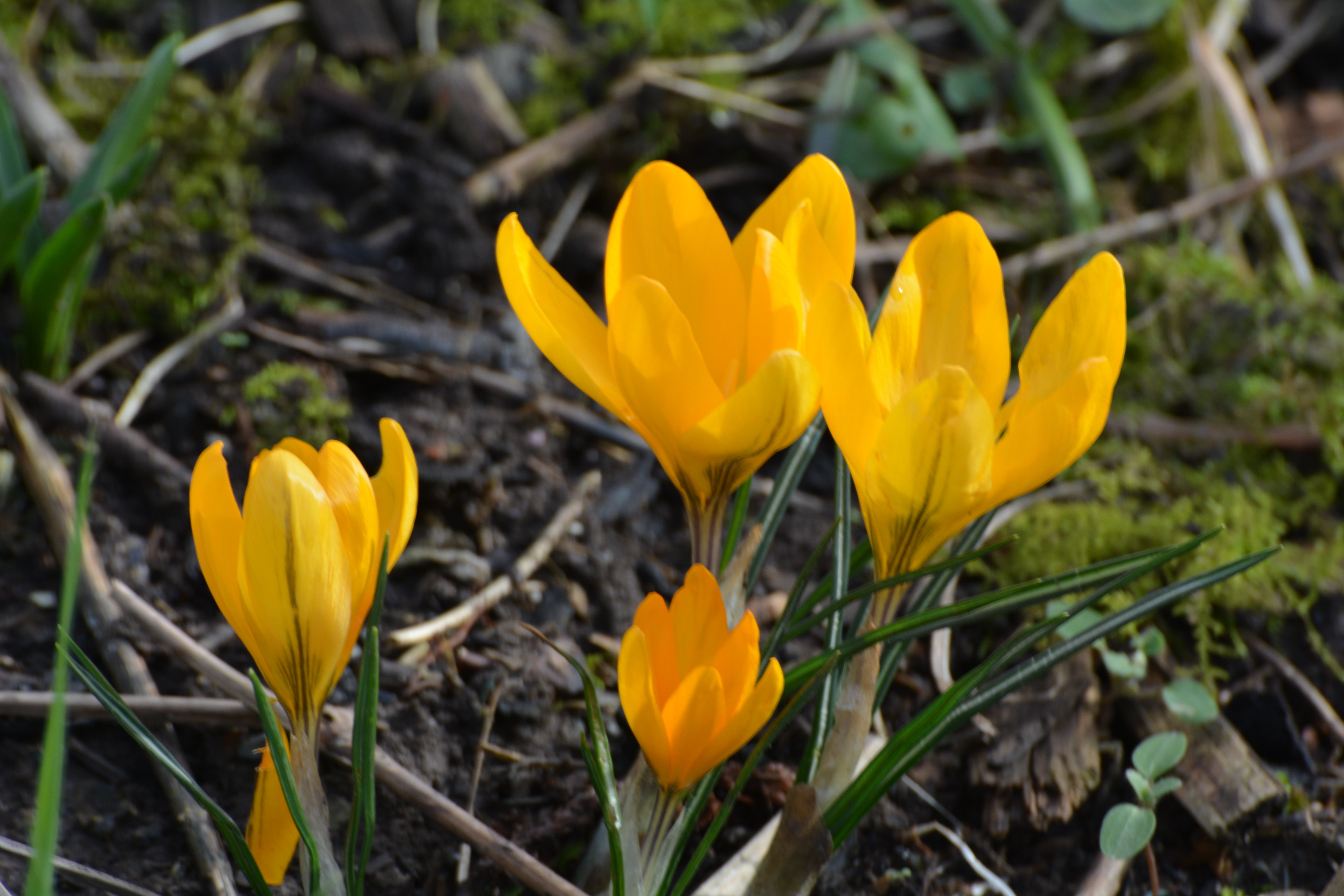
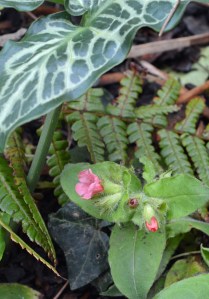
Other early flowering plants giving bright spots in our borders include Crocus and Pulmonaria. This golden Crocus has a bright green Pittosporum as its partner. The pink Pulmonaria is partnering a fern and an Arum, A. italicum “Marmoratum”.

fj1-09 fj1-10 fj1-11

A February flowering shrub features on the next double-page spread along with Hellebores.

fj-2

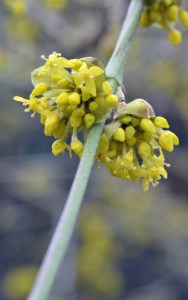
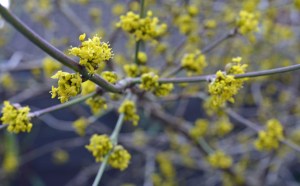
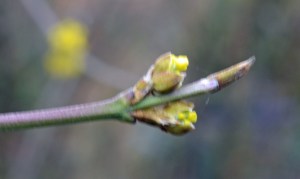
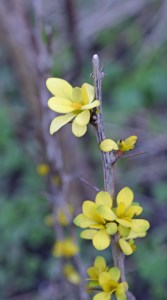
The flowering shrub is Cornus mas, which reliably flowers profusely early every year. I  have selected it as my “Plant of the Month” for February. I wrote, “The star of our garden this month has to be Cornus mas, the Cornelian Cherry, with its bright yellow flowers with just a hint of green. We prune off the lower branches and select main boughs to improve the structure of our’s and this also exposes the texture of the bark on the lowest boughs.”

fj2-01 fj2-07 fj2-05fj2-03 fj2-06fj2-04

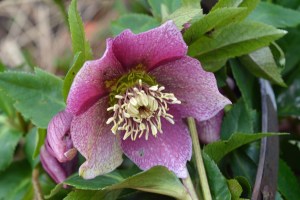
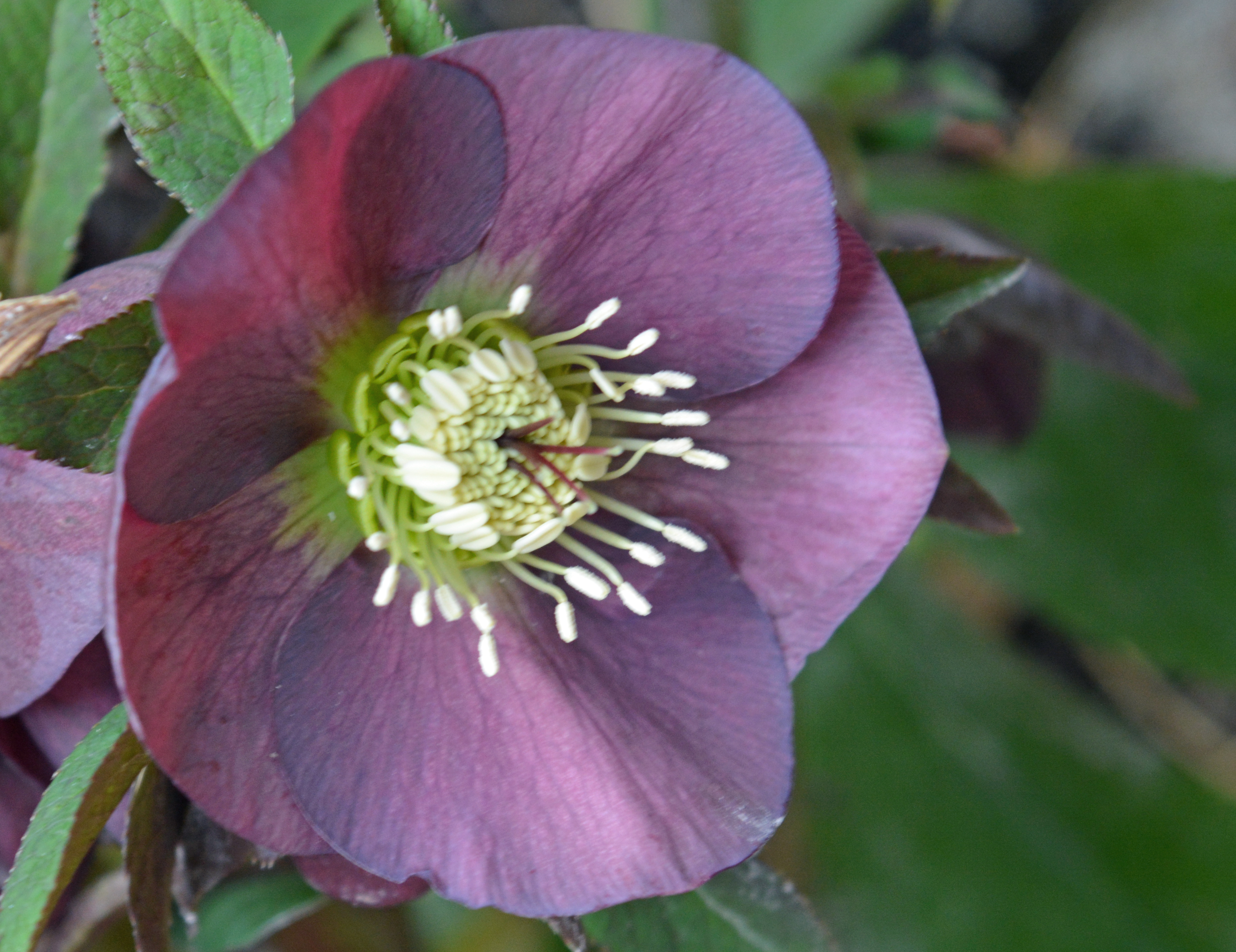
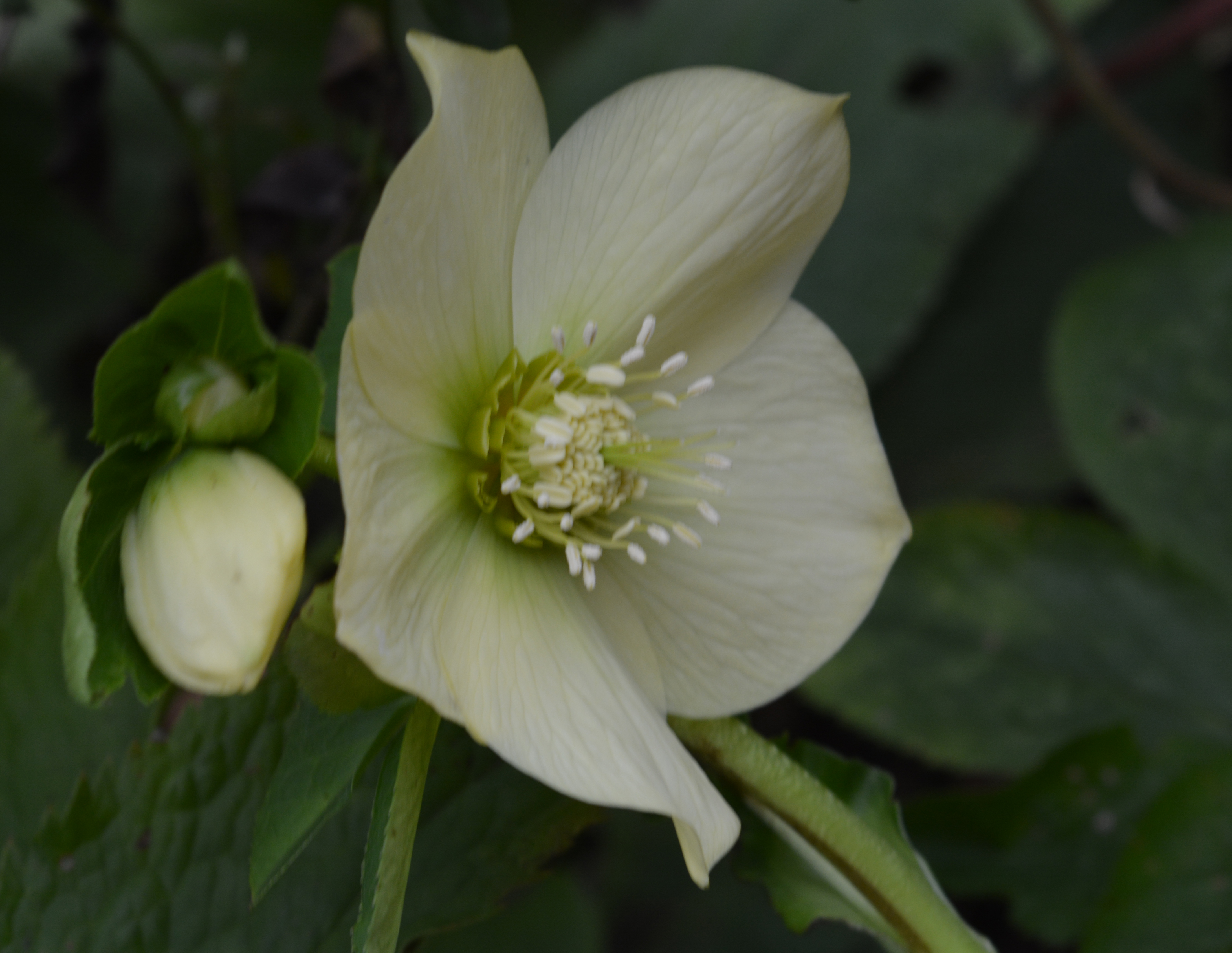
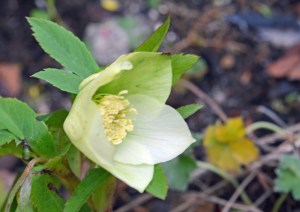
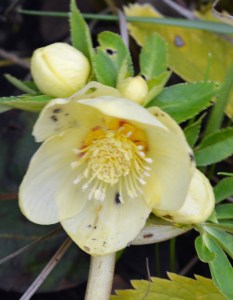
I moved on to show a few of our many Hellebore hybrids and wrote, “Hellebore hybrids start to put on a colourful show from green to yellow and from red to purple. Lots more will come into flower throughout the coming weeks.”
fj2-10 fj2-12fj2-09 fj2-11  fj2-13 fj2-08

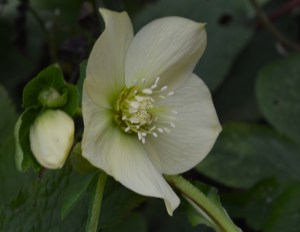
The last photo is not a hybrid Hellebore like the others but our native Helleborus foetidus with its pale green flowers, a subtle beauty with an upright habit.

On the turning of the page we discover my account of re-developing an old border, the Shade Garden”.

fj-3

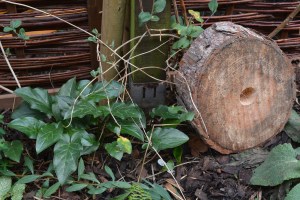
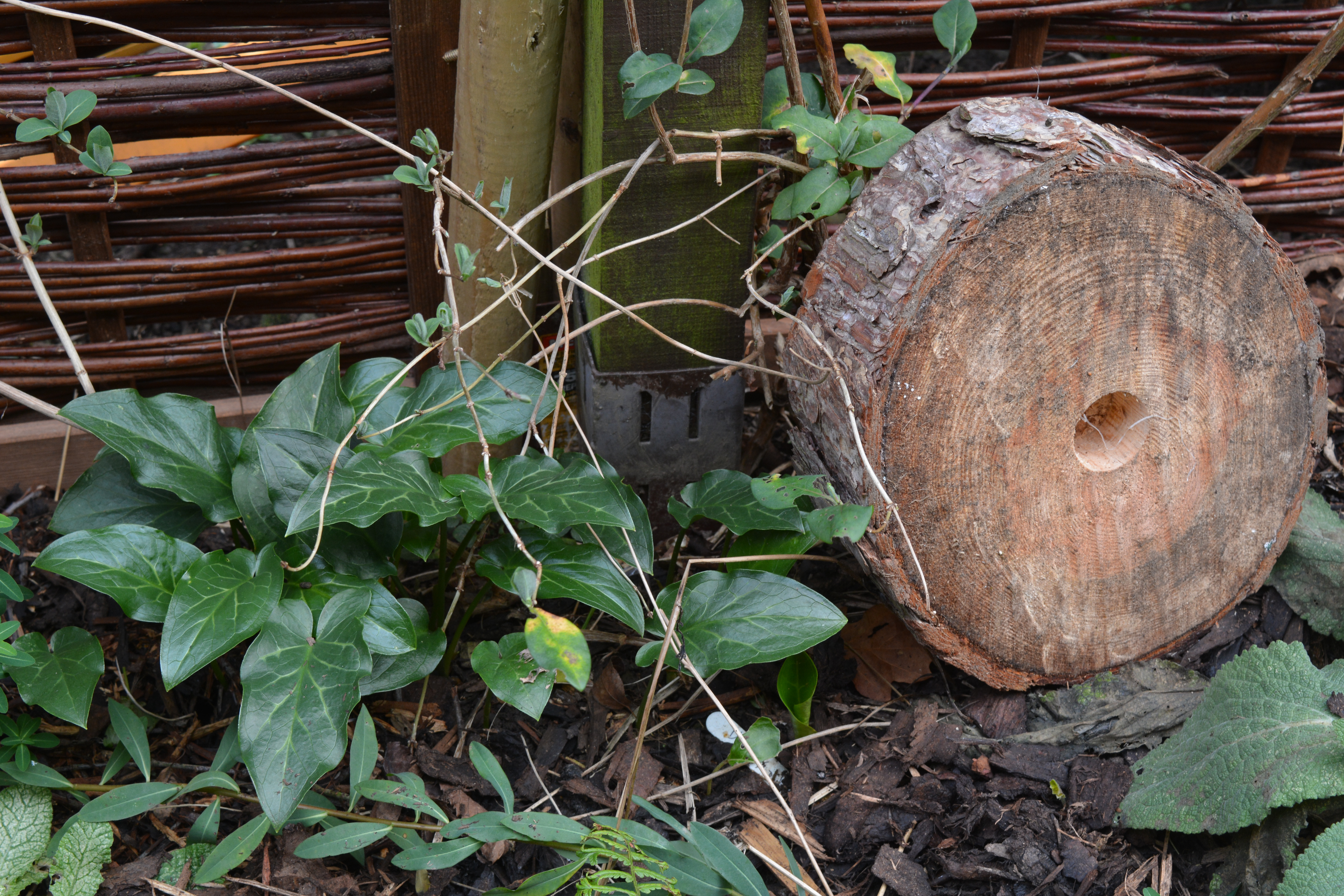
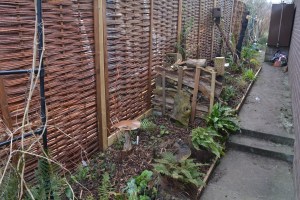
I wrote that “By mid-February we had finished re-vamping our “Shade Garden”, an opportunity that arose when we moved a shed that was situated part way along it. The shed was just 6ft by 3ft but the space released by its removal seemed far more significant that that. Its removal opened up the border. We decided to add a couple of Maples, Acer palmatum “Koto-no-ito” and Acer palmatum “Eddisbury”, and increase the variety and number of ferns and grasses, We liked the idea of mixing ferns and grasses, a new plant combination for us.”
fj3-08 fj3-02fj3-07 fj3-09fj3-11

“Mr and Mrs Green Man”

fj3-03 fj3-05

Rotting wood pile, Acer and Ivy, Ivy and Fern.”

fj3-06 fj3-01 fj3-12

New growth appearing in the Shade Garden”

fj3-04 fj3-10

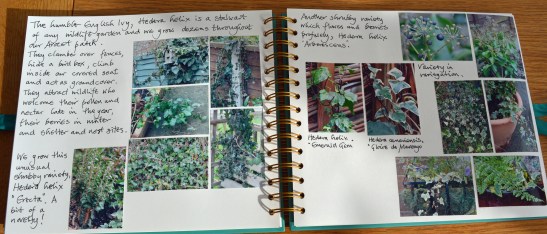
Ivy is the feature plant over the next pair of pages.
fj-4

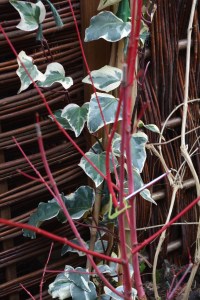
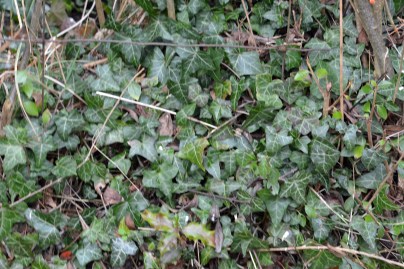
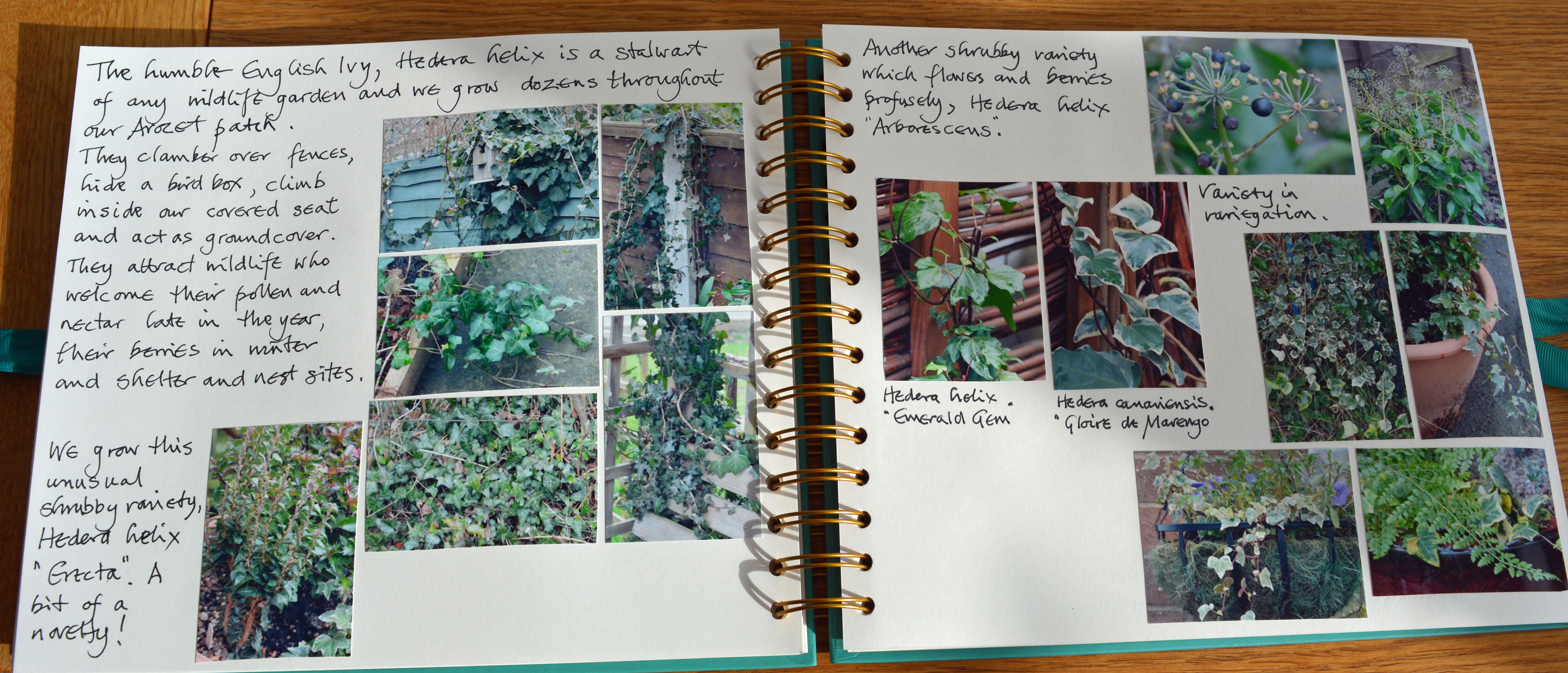
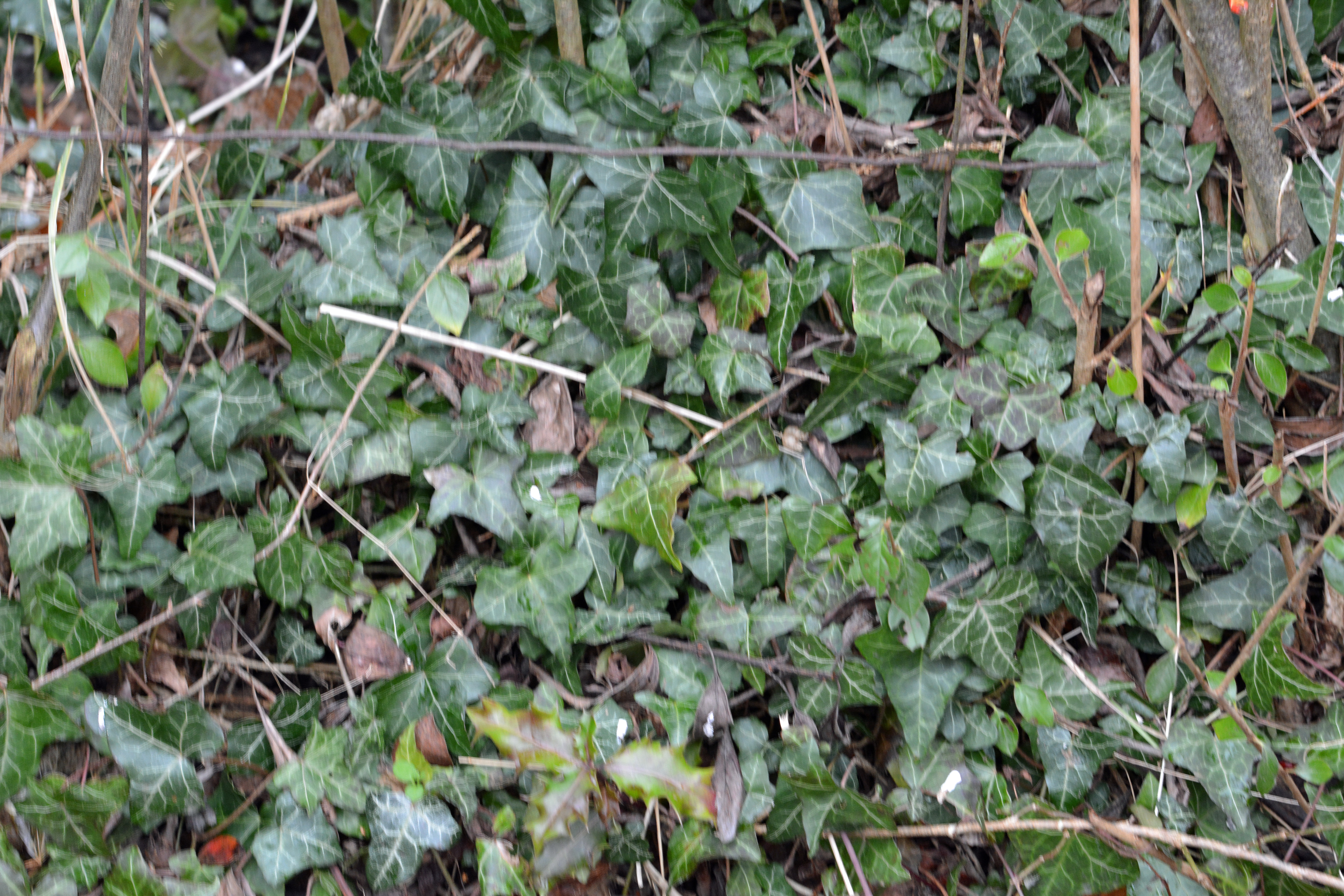
I wrote of the ivy, “The humble English Ivy, Hedera helix is a stalwart of any wildlife garden and we grow dozens throughout our Avocet patch. They clamber over fences, climb inside our covered seat and act as ground-cover. They attract wildlife who welcome their pollen and nectar late in the year, their berries in winter and shelter and nest sites.”

fj4-15 fj4-11fj4-03 fj4-10 fj4-09

We grow this unusual shrubby variety, Hedera helix “Erecta”, a bit of a novelty!”

fj4-05 fj4-07

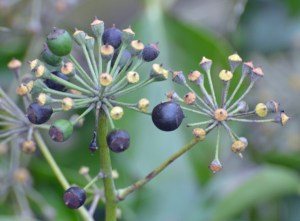
Another shrubby variety which flowers and berries profusely, Hedera helix “Arborescens.”
fj4-02 fj4-01

Variety in variegation.”

fj4-08 fj4-06fj4-04 fj4-16

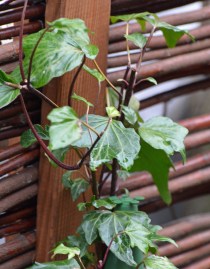
Finally two climbing ivies growing in our Shade Garden.
fj4-12 fj4-13 fj4-14

“Hedera helix “Emerald Gem”                         “Hedera canariensis “Gloire de Marengo.”

Next I featured the birds that share our garden with us, particularly the ones who take advantage of our feeding stations.
fj-7

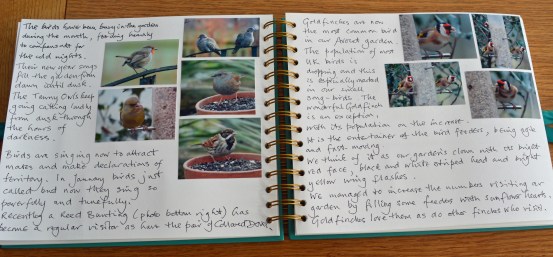
“The birds have been busy in the garden during the month, feeding heavily to compensate for the cold nights. Their new year songs fill the garden from dawn until dusk. The Tawny Owls keep going, calling loudly from dusk through the hours of darkness.”

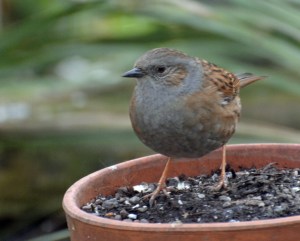
“Birds are singing now to attract mates and make declarations of territory. In January birds just called but now they sing so powerfully and tunefully. Recently a Reed Bunting (photo bottom right) has become a regular visitor as have the pair of Collared Doves.”

fj5-4-1 fj5-9-1fj5-7-1 fj5-8-1fj5-6-1

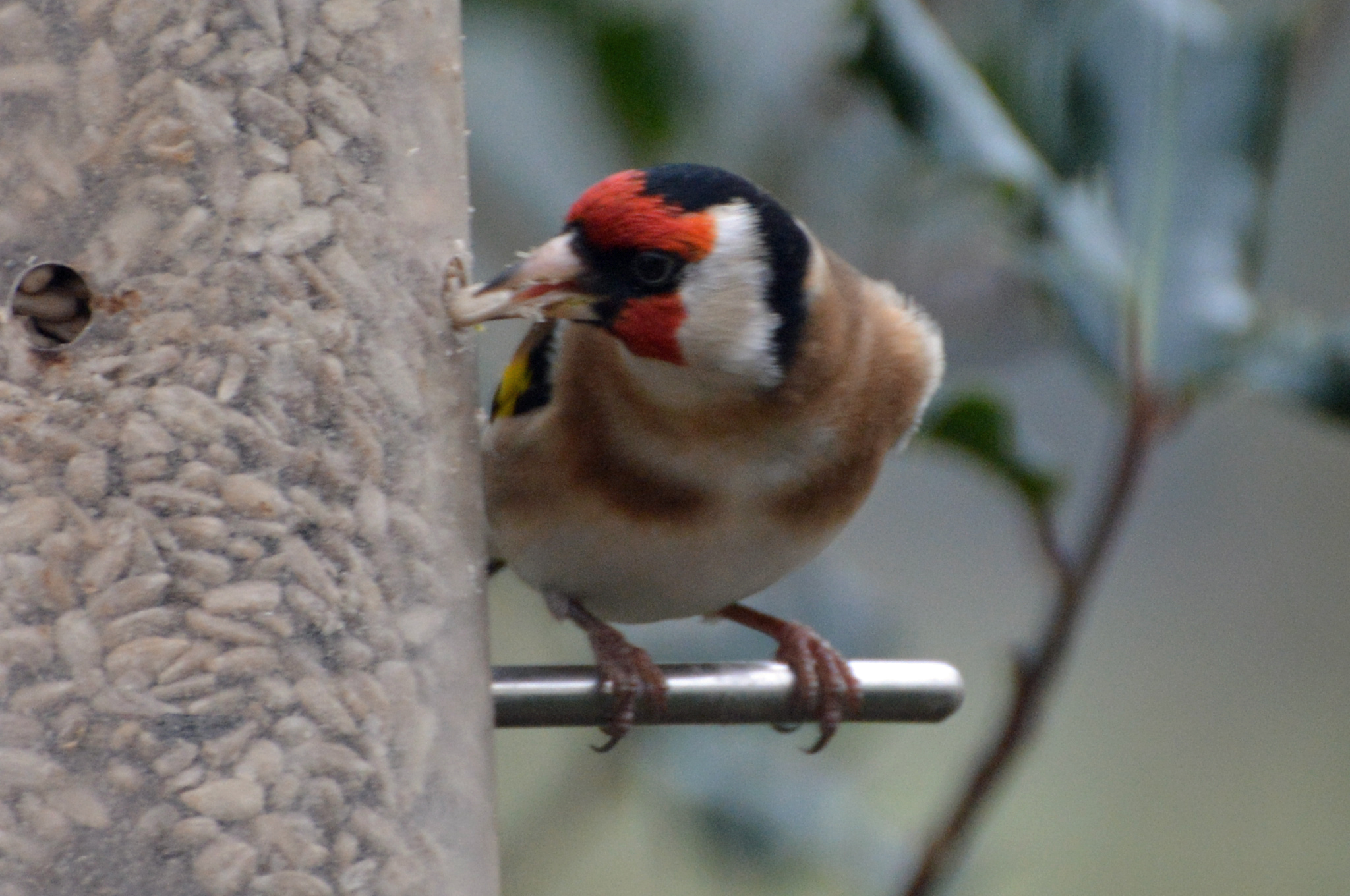
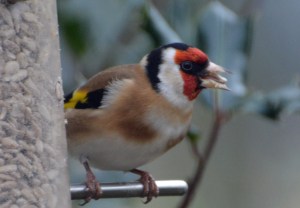
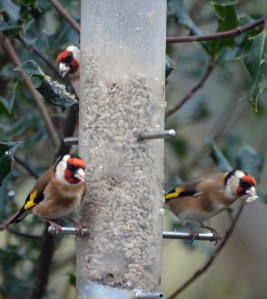
“Goldfinches are now the most common bird in our Avocet garden. The population of most UK birds is dropping and this is especially marked in our song-birds. The wonderful Goldfinch is an exception, with its population on the increase. It is the entertainer of the bird feeders, being agile and fast-moving.

We think of it as our garden’s clown with its bright red face, black and white striped head and bright yellow wing flashes. We managed to increase the numbers visiting our garden by filling some feeders with sunflower hearts. Goldfinches love them as do other finches who visit.”
fj5-3-1 fj5-2-1fj5-1-1 fj5-5-1

We next turn over to a double page spread all about early flowers and a plant that displays amazing unusual foliage.

fj-6

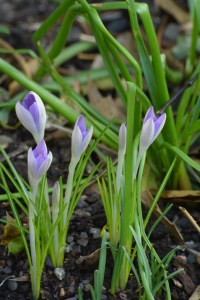
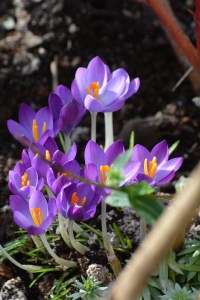
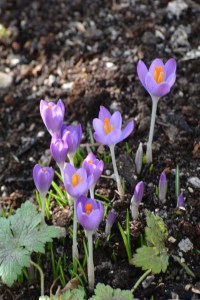
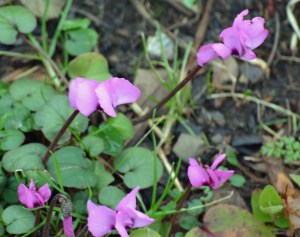
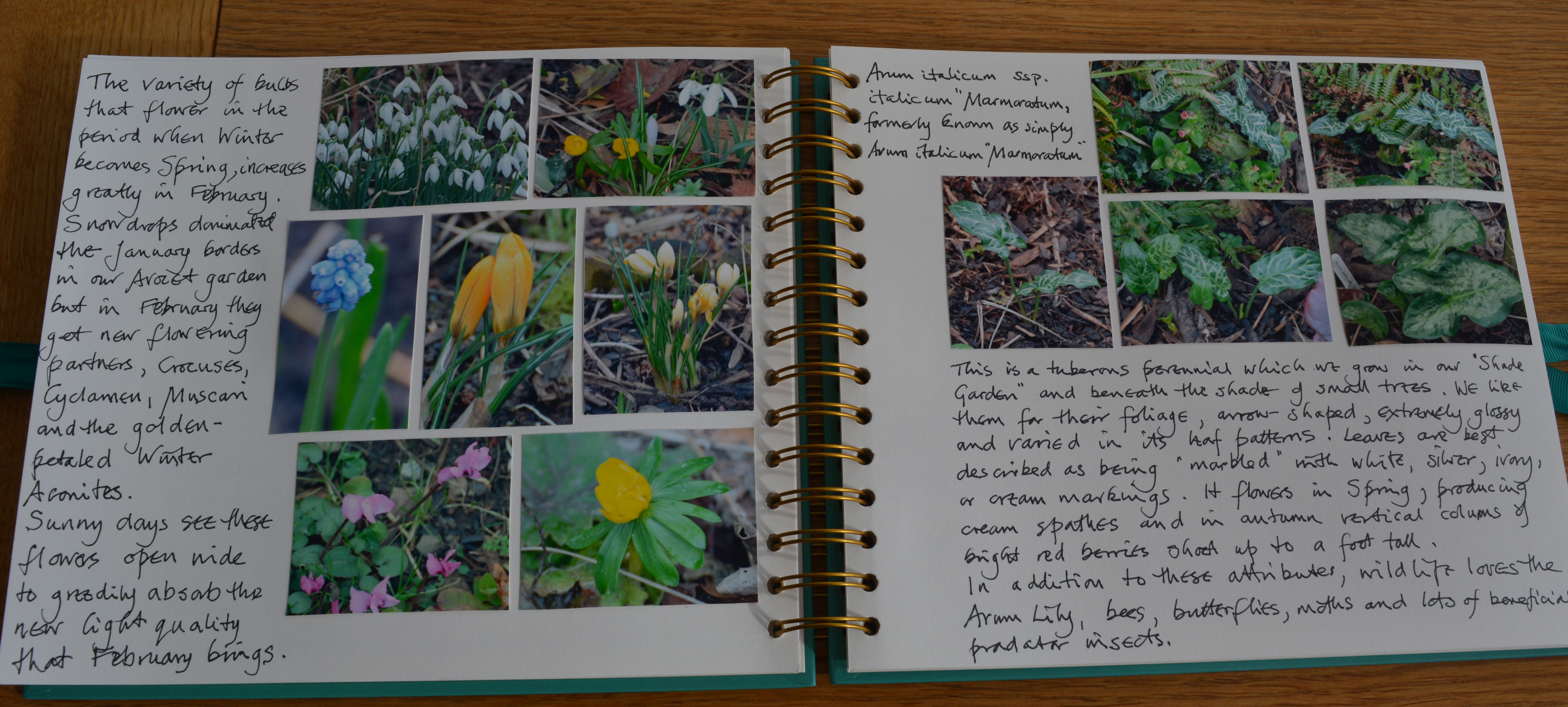
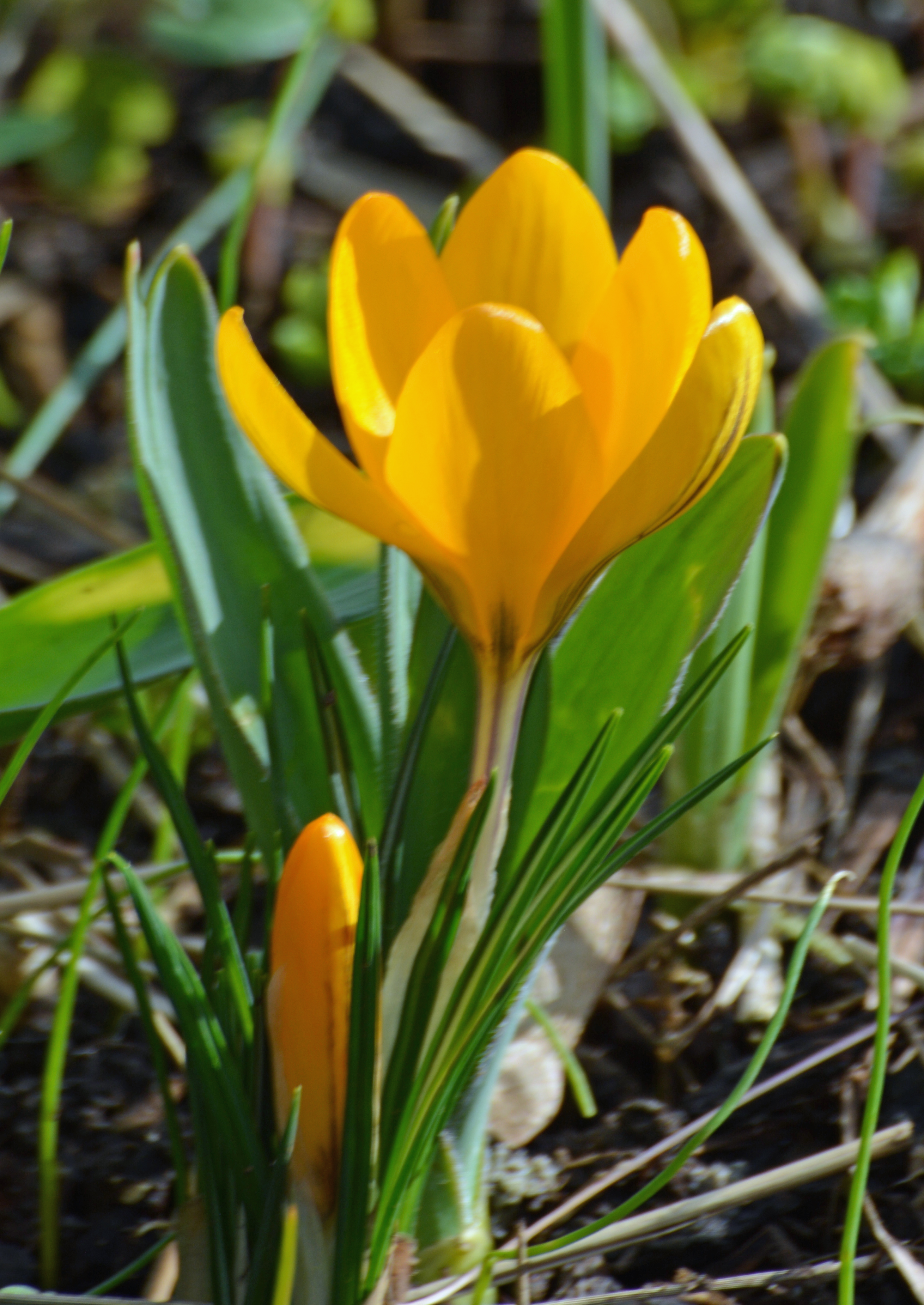
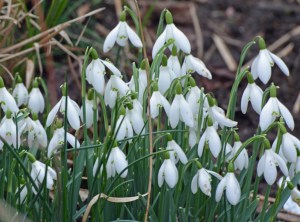
I wrote, “The variety of bulbs that flower in the period when Winter becomes Spring, increases greatly in February. Snowdrops dominated the January borders in our Avocet garden but in February they get new flowering partners, Crocuses, Cyclamen, Muscari and the golden-petaled Winter Aconites.

Sunny days see these flowers open wide to greedily absorb the new light quality that February brings.”
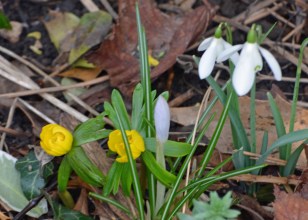
fj6-18 fj6-15fj6-17 fj6-19 fj6-16fj6-01 fj6-02 fj6-03  fj6-05 fj6-06 fj6-07 fj6-14fj6-04 fj6-09

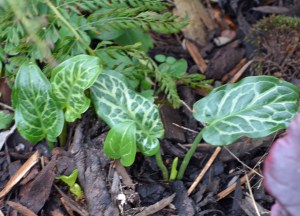
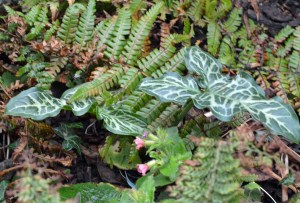
Concerning the unusual Arums we grow I continued, “Arum italicum ssp. italicum “Marmoratum” formerly known simply as Arum italicum “Marmoratum”. This is a tuberous perennial which we grow in our Shade Garden and beneath the shade of small trees. We like them for their foliage, arrow-shaped, extremely glossy and varied in its leaf patterns. Leaves are best described as being “marbled” with white, silver, ivory or cream markings. It flowers in Spring, producing cream spathes and in Autumn vertical columns of bright red berries shoot up to a foot tall. In addition to those attributes, wildlife loves the Arum Lily, bees, butterflies, moths and lots of beneficial predatory insects.” 
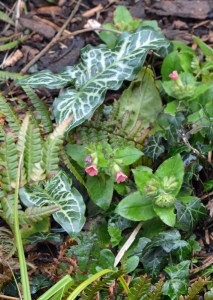
fj6-11 fj6-10fj6-13 fj6-12

We are so pleased to have established a clump of the rare Arum Lily called “Arum italicum Chameleon”, seen in photo below.
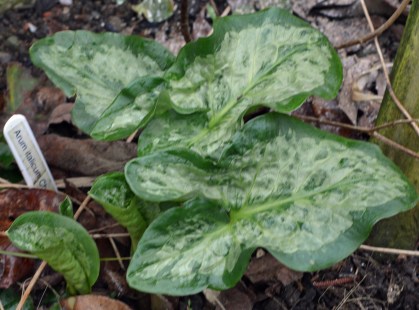
fj6-08

More foliage features over on the following pages, the newly emerging foliage of perennials.


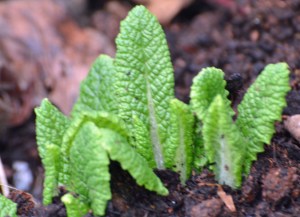
I wrote, “In the second half of the month we had a special treat in store, a few days of heatwave with daytime temperatures reaching 15 C in Plealey. This resulted in rush of new growth from the perennials that had died down after their display last year. The photos show perennial growth with new leaf growth penetrating the soil like the blades of swords.
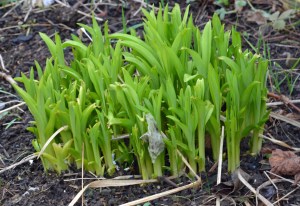
fj7-11 fj7-09fj7-12 fj7-04fj7-10 fj7-07

This final picture of new growth illustrates how new growth of Pulmonarias shows both foliage and flower bud shooting together.

fj7-06

Opposite I share photos of broad-leaved perennials displaying their new growth, where I wrote, “Elsewhere broad-leaved herbaceous perennials were unfurling their fresh foliage ready for the new year. Here we have new leaves of Primula vulgaris, Sedum, Aquilegia, Polemonium, Centaurea, Fennel and Geranium palmatum. More growth appears daily as February comes to an end. It all bodes well for Spring and Summer.”
fj7-02 fj7-13fj7-03 fj7-05fj7-01 fj7-08fj7-14

And so that is my February report from my Garden Journal. We will visit again in March.
 

Categories
bird watching birds garden wildlife natural pest control wildlife

Nest Box Cam

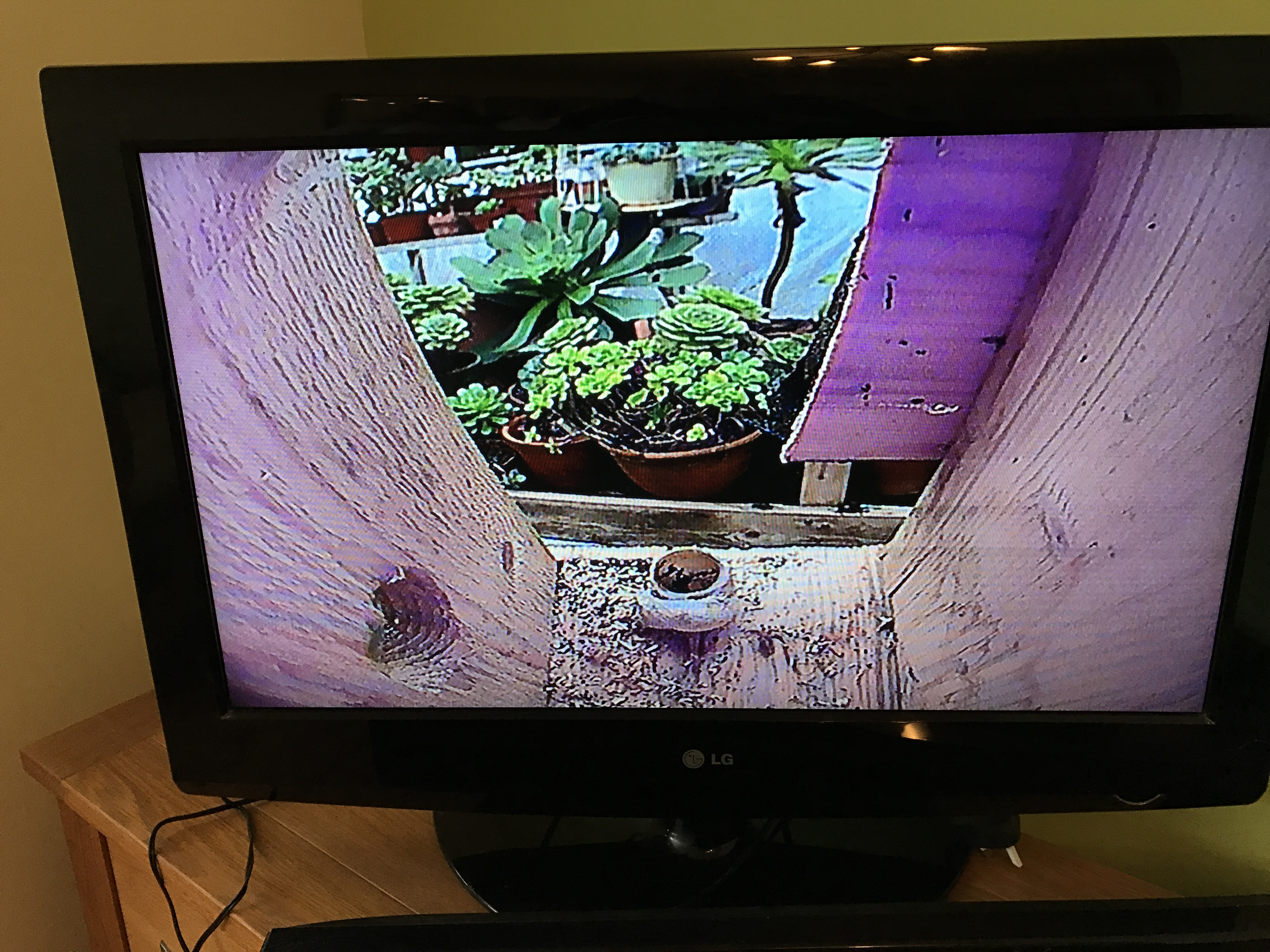
During the early Winter I made a special nest box for Blue Tits, one designed to house a wireless camera. To finish the project son-in-law Rob fixed  the tiny “spy” camera inside and linked it up to our television. So now that it is fixed up, partly hidden in our grape vine, we patiently wait to see if a pair take up residence to raise a brood. Exciting!

bb-7 bb-5 bb-6

You can see the second hole on the side, covered in a sheet of scratched perspex placed to let some light in.

It felt so good to see our first images of the empty box appear on our TV screen. Just how excited will we become if we spot a Blue Tit entering! Watch this space! It will be so good if they do nest because not only will we love watching them but we will know that they will be acting as great natural pest controllers, devouring thousands of insects especially aphids and thousands of caterpillars as they raise their young. Now that is real natural gardening!

bb-2 bb-3


Categories
climbing plants garden design garden wildlife gardening grasses hardy perennials natural pest control ornamental grasses ornamental trees and shrubs Shropshire

Developing 3 spaces in our garden – part 3

The second new area we were able to develop this winter was a very small border created when we rationalised our sheds. The bed was originally used for a selection of mints which we used for cooking so the soil had to be removed and very bit of mint root removed. Some is bound to come back though as it seems impossible to rid yourself of mint in one go. We will have to keep our eyes peeled. As yet we have not named this little patch but I guess it may end up being something akin to “The Old Mint Patch”.

ng1-1

We began by erecting a screen wrapping around behind the bed and one end and we chose willow hurdle panels for this as it lets some wind through but gives some protection. We also love the natural rural look of it, and have used it effectively elsewhere in our garden. To match the natural look of the fencing we added a border edge of log-roll.

ng1-2ng-01

We planned our planting in three layers. First plantings were climbers, followed by shrubs and finally herbaceous perennials including grasses. The first climber we planted was Trachelospermum asiaticum, chosen for its flowers which are creamy coloured and scented in strong contrast to its dark green glossy foliage. We partnered this climber with a Honeysuckle and a Clematis. Clematis Fragrant Auberon has creamy-white, heavily scented flowers in spring contrasting strongly with its evergreen foliage. The Honeysuckle was Lonicera Spring Purple, where the purple refers to its foliage.

The shrubs we selected were favourites of ours which had graced our wishlist for a few years now so this new, unexpected planting opportunity meant they could now leave their place in the wish list and grace the new border instead. Firstly we planted a Hydrangea aspera, a summer flowering shrub called H. a. “Hot Chocolate”, so we look forward to its lacecap flowers consisting of pink florets surrounding violet florets in the summer, and of course its foliage which is a chocolate colour above and wine-red velvety textured below.

We are always pleased to find space for another deciduous, so we planted a specimen of Euonymus planipes in this new border. We put it in when it was leafless and we spotted its beautiful mahogany long thin leaf buds. Later it will boast bright pink fruits with vivid orange seeds hanging from within, an incredible colour combination.

Our third shrub was an Abeliophyllum distichum, which was showing its gently scented pale pink almost white flowers. We look forward to its foliage turning rich purple in autumn.

fj1-1

The final planting later to put in place was the herbaceous layer where we selected plants mostly for their unusual foliage but a few will flower. Thus we planted three Saxifrages – S. stolonifera called “Hime”, S. fortunei “Blackberry and Apple Pie” and S. stolonifera “Maroon Beauty”, strongly textured, coloured foliage and unusual shaped flowers. We planted a fern too to link across to the one in the container which I write about later. We chose Dryopteris erythrosora “Prolifica” which features copper foliage each spring. Three Libertias join in to give spikes of foliage some with coloured stripes and white flowers in the summer and autumn. These Libertia are L. ixioides “Taupo Sunset”, L. peregrinans “Gold Leaf” and a third is an unknown species we grew from seed. We finished with our usual grasses, essential in every border, so we placed between the other perennials three Uncinia rubra,

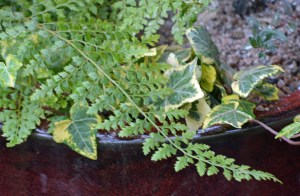
We also had space adjacent to the new bed for a large stoneware pot which matched the  one at the far end of the path close by. We planted this up with a Gaultheria mucronata “Sneeuwwiyje” which I think translates as “Snowdrop”. It sports red stems and shiny dark green foliage and in summer white flowers with hints of soft pink followed by white berries later. Beneath this shrub we planted a fern and a couple of trailing ivies for year long foliage colour and texture. The ivies Hedera “Golden Kolibri” and Hedera “White Wonder”, the names reflecting the colour of the leaf variegation. The fern was Polystichum setiferum “Plumosum”, with soft textured foliage.

ng-03 ng-06ng-08 ng-07ng-05 ng-04

The final flourish was installing a wildlife “village” of varied insect homes, some coming from the old garden shed others newly made.

ng-16 ng1-3ng1-4

A few weeks later we added spring flowering bulbs from pots, a few more grasses and a third Saxafraga, S. Blackberry and Apple Pie.

ag2-05 ag2-04 ag2-03 ag2-02 ag2-01

We then had to sit back, let Mother Nature and all her soil workers and the weather do their best and watch the new patch develop. Maybe it will develop well enough to appear in my garden journal later in the year.

This Veggie Life

A Vegetarian | Nature Lifestyle Blog

Rambling in the Garden

.....and nurturing my soul

The Arch City Gardener

Journeys In St. Louis Gardening and Beyond

Garden Dreaming at Châtillon

Consult the genius of the place

Storyshucker

A blog full of humorous and poignant observations.

gardeninacity

Notes from a wildlife-friendly cottage garden

PlayGroundology

...an emerging social science

The Official Blog of British Wildlife

'The most important and informative publication on wildlife of our times' - The Independent. This blog is a member of The UK & Ireland Natural History Bloggers group: www.uknhb.blogspot.com

iGrowHort

Inspire - Cultivate - Grow Native Plants - Restore Landscapes

Bishops Meadow Trust

To create and protect a semi-natural wild space for the people of Farnham to enjoy and experience an array of British wildlife in our town

Gardening with Children

The www.gardeningwithchildren.co.uk Blog

UKbirdingtimeline

birding through the seasons, why birds matter and how to conserve them

NATURE WALKER

with a camera in hand

Jardin

Transform your outdoor space

Eva's space

My allotment, cooking and other interests

Old School Garden

my gardening life through the year

LEANNE COLE

Trying to live a creative life

fromacountrycottage

trying to live as lightly as possible on our beautiful planet

Good Life Gardening

Nature lovers from Leicester living the good life.

mybeautfulthings

Finding the beautiful in the everyday

mawsonmichelle

Michelle's Allotment

In and Out of My Garden

thoughts from and about my garden

Greenhousing

Big plans for a small garden

The Scottish Country Garden

A Walled Country Garden in South East Scotland

The Fruity Chicken

Life at the fruity chicken

willowarchway

Off grid living. Self sufficient. "PERMAGANICS RULE".

St Anns Allotments

Nottingham's Grade 2* Listed Allotments and Community Orchard

Manifest Joy Harvests

a journey in suburban vegetable gardening

Allotmental

The madness of growing your own

Penny's Garden: a harvest beyond my front door

A novel approach to vegetable gardening

arignagardener

Sustainable living in the Irish countryside.

NewEnglandGardenAndThread

Master Gardener, amateur photographer, quilter, NH native, and sometimes SC snowbird

dianajhale

Recent work and work in progress and anything else that interests me

planthoarder

a chaotic cottage gardener

Lens and Pens by Sally

a weekly blog that creates a personal philosophy through photographs and words

Dewdrops and Sunshine

Stories from a sassy and classy Southern farmbelle.

The Pyjama Gardener

Simple Organic Gardening & Seasonal Living

gettin' fresh!

turning dirt into dinner

JOY...

today the world is created anew

Garden Birds

Notes from a Devon garden

ShootAbout

Life Through The Lens

Adapting Pixels

A photography blog showcasing the best photography pictures and videos on the internet

Wildlifegardening's Blog

Just another WordPress.com site

naturestimeline

personal observations from the natural world as the search continues for a new approach to conservation.

LATEBLOOMERBUDS

The Wonders of Life through my Eyes, my Heart, my Soul