Categories
birds colours flowering bulbs garden design garden photography garden wildlife gardening gardens hardy perennials light light quality ornamental trees and shrubs Shropshire shrubs spring bulbs spring gardening trees

My Garden Journal 2016 – April

Here we are with my April look at my garden journal. I began as I often do with a look at the weather that was affecting our garden.

“April is known for its showery weather and we hope it is the first frost-free weeks of the year. This will allow us to begin hardening off our delicate plants that have hidden away in our greenhouse and summerhouse. Looking back at my first garden journal I notice that in early April birds were then showing signs of nest building. I wrote …Spring is here! Sometimes at least. Birds are collecting nesting materials, blackbirds, greenfinches and all the Titmice family.” This year birds are singing and calling well but we have seen no signs of nest building activities. The Titmice have given up their earlier explorations of our many birdboxes. We hope Spring will catch up and get wildlife stirring again.”

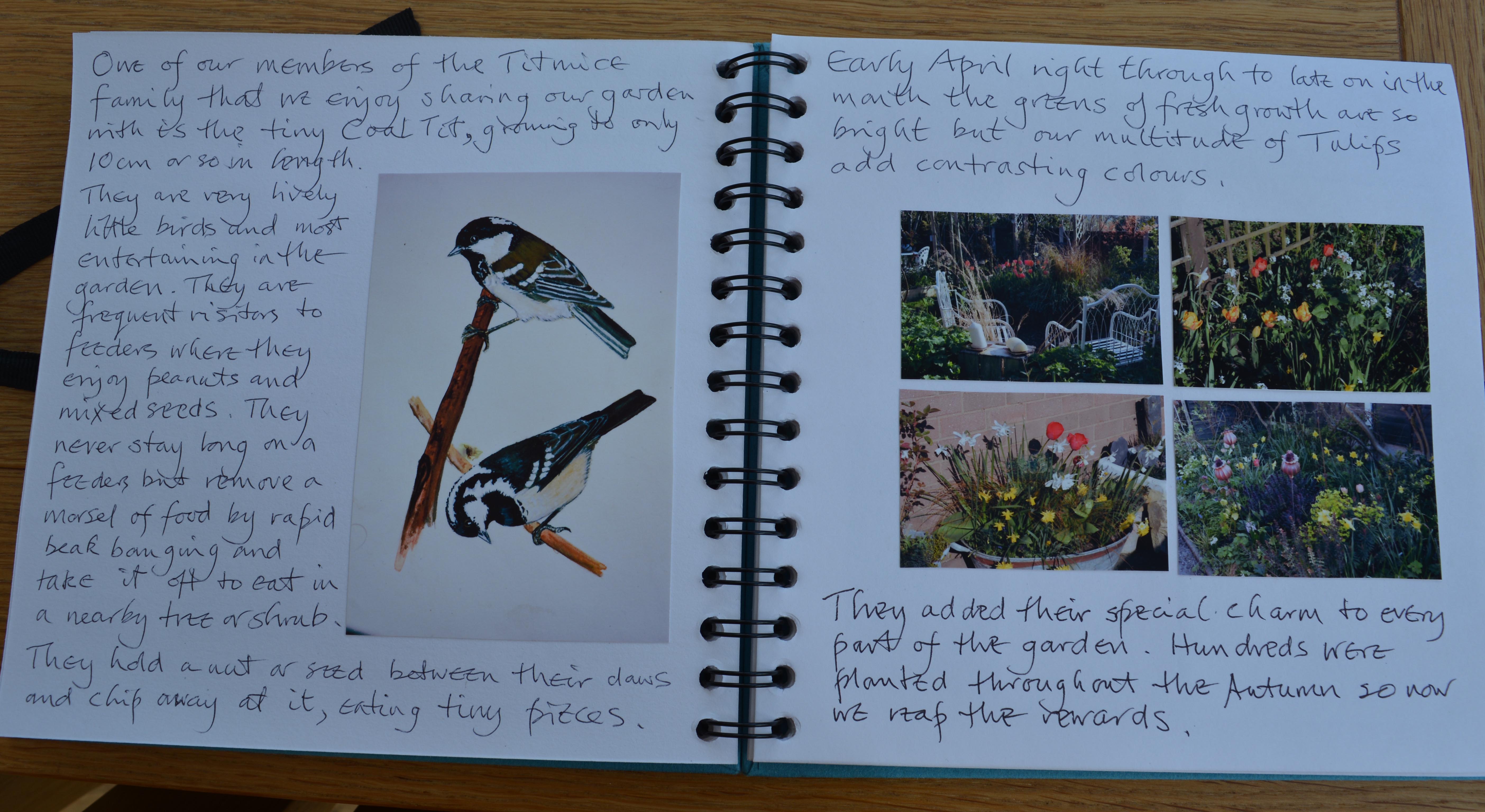
Over the page I continue by looking at one member of the Titmice family, the Coal Tit, and I included one of my gouache paintings of these active little birds.
apr-2

“One of our members of the Titmice family that we enjoy sharing our garden  with is the tiny Coal Tit, growing to only 10cm or so in length. They are very lively little birds and most entertaining in the garden. They are frequent visitors to feeders where they enjoy peanuts and mixed seeds. They never stay long on a feeder but remove a morsel of food by rapid beak banging and take it off to eat in a nearby tree or shrub. They hold a nut or seed between their claws and chip away at it, eating tiny pieces.”

coaltit-1

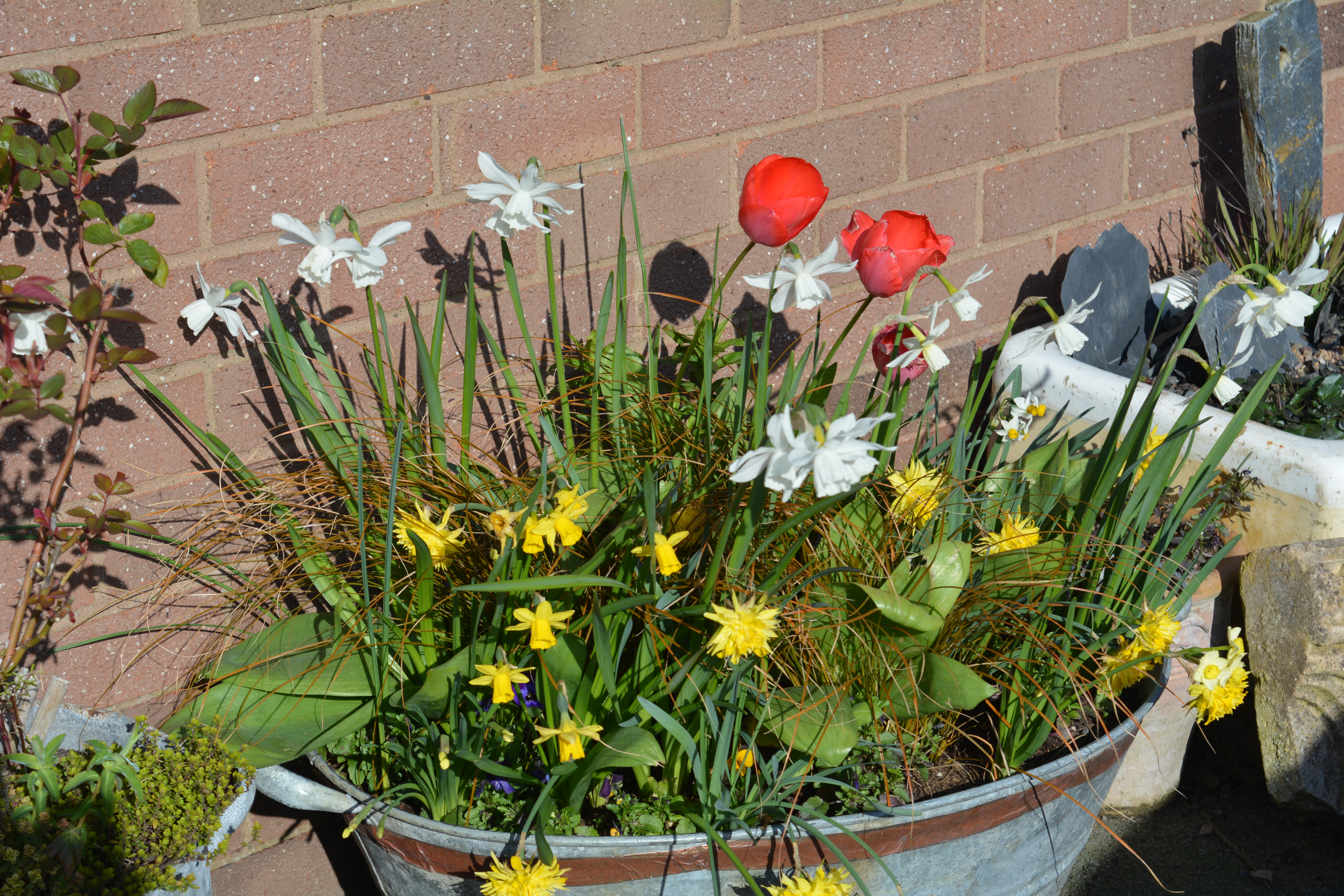
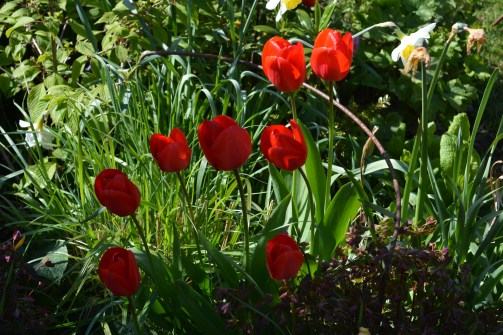
On the page opposite I take a look at the bright Tulips in our garden and what they add to it.

“Early April right through to late on in the month the greens of fresh growth are so bright but our multitude of Tulips add contrasting colours. They add their special charm to every part of the garden. Hundreds were planted throughout the Autumn so now we reap the rewards.”

aprilpics-22 aprilpics-17 aprilpics-29 aprilpics-30 aprilpics-14

Tulips and other bulbs continue to be featured on my next couple of pages.
apr-1

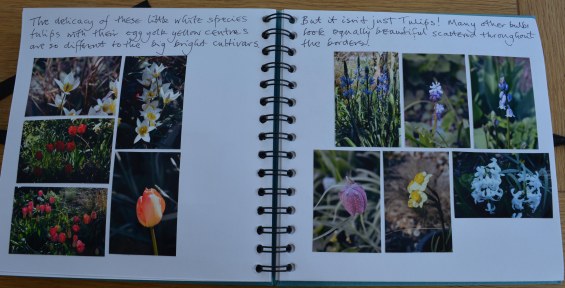
“The delicacy of these little white species Tulips with their egg yolk yellow centres are so different to the big bright cultivars.”
aprilpics-16 white tulip-1aprilpics-01 aprilpics-04aprilpics-10

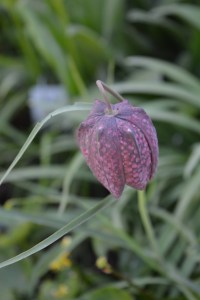
“But it isn’t just Tulips! Many other bulbs look equally beautiful scattered throughout the borders.”

aprilpics-03 aprilpics-09 aprilpics-08aprilpics-15 aprilpics-27aprilpics-05 aprilpics-02

Turning the page we find a much wordier look with an odd photo to illustrate the words, followed by a look at some of our Acers.
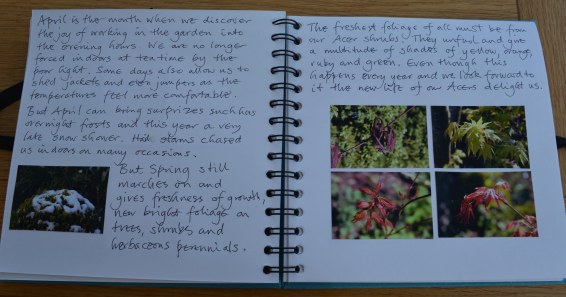
apr-3

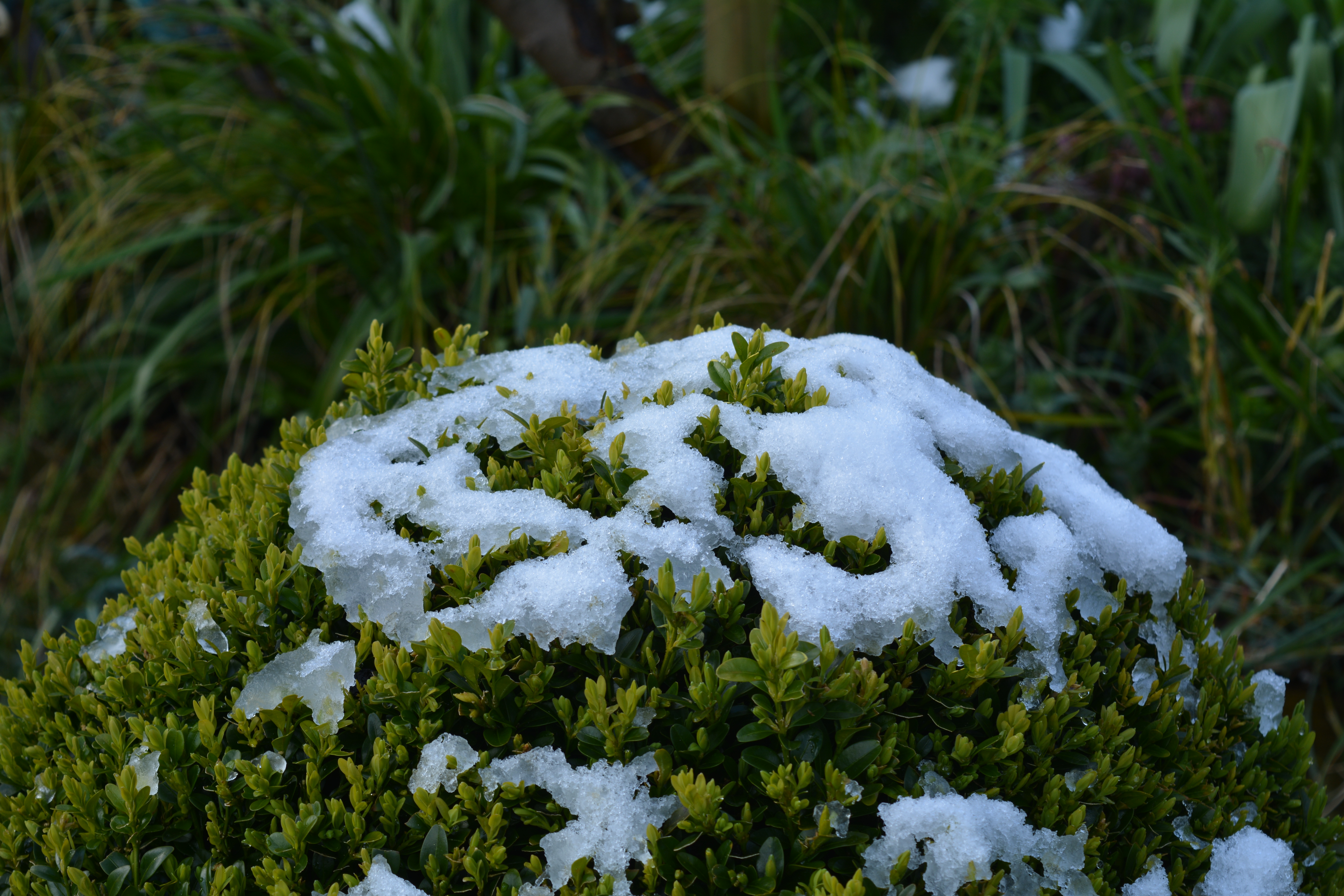
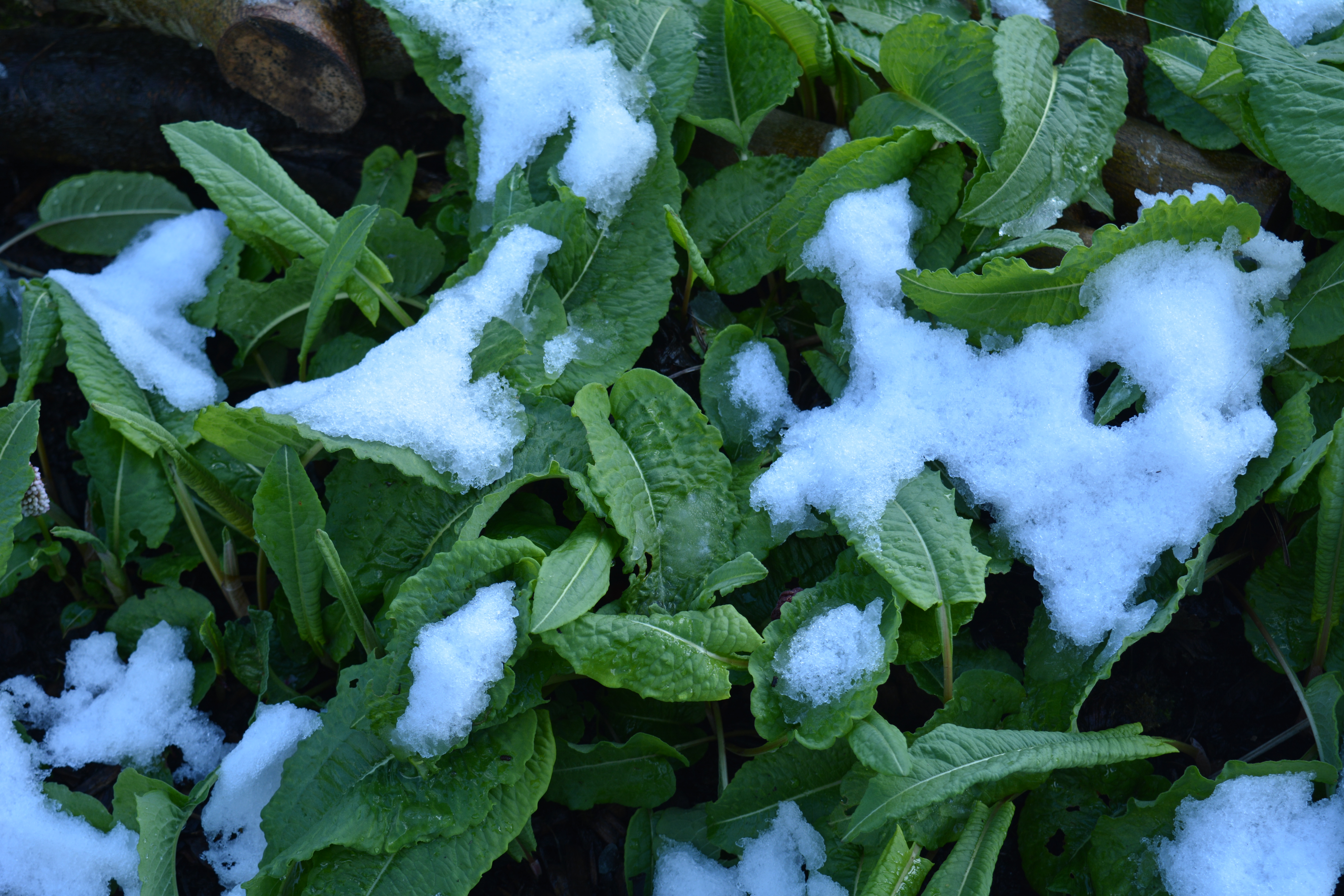
“April is the month  when we discover the joy of working in the garden into the evening hours. We are no longer forced indoors at teatime by the poor light. Some days also allow us to shed jackets and even jumpers as the temperatures feel more comfortable. But April can bring surprises such as overnight frosts and this year a very late snow shower. Hail storms chased us indoors on many occasions. But Spring still marches on and gives freshness of growth, new bright foliage on trees, shrubs and herbaceous perennials.”
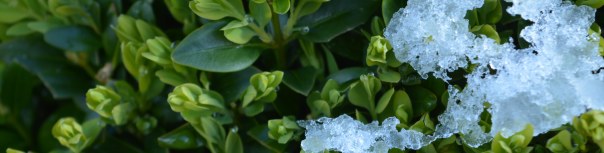
snow box-8snow box-1 snow box-2 snow box-3 snow box-4

“The freshest foliage of all must be from our Acer shrubs. They unfurl their buds and give a multitude of shades of yellow, orange, ruby and green. Even though this happens every year and we look forward to it, the new life of our Acers delights us.”

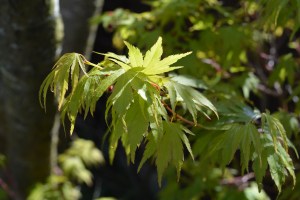
aprilpics-13 aprilpics-07aprilpics-06 aprilpics-12

I then look at yellow in our garden.
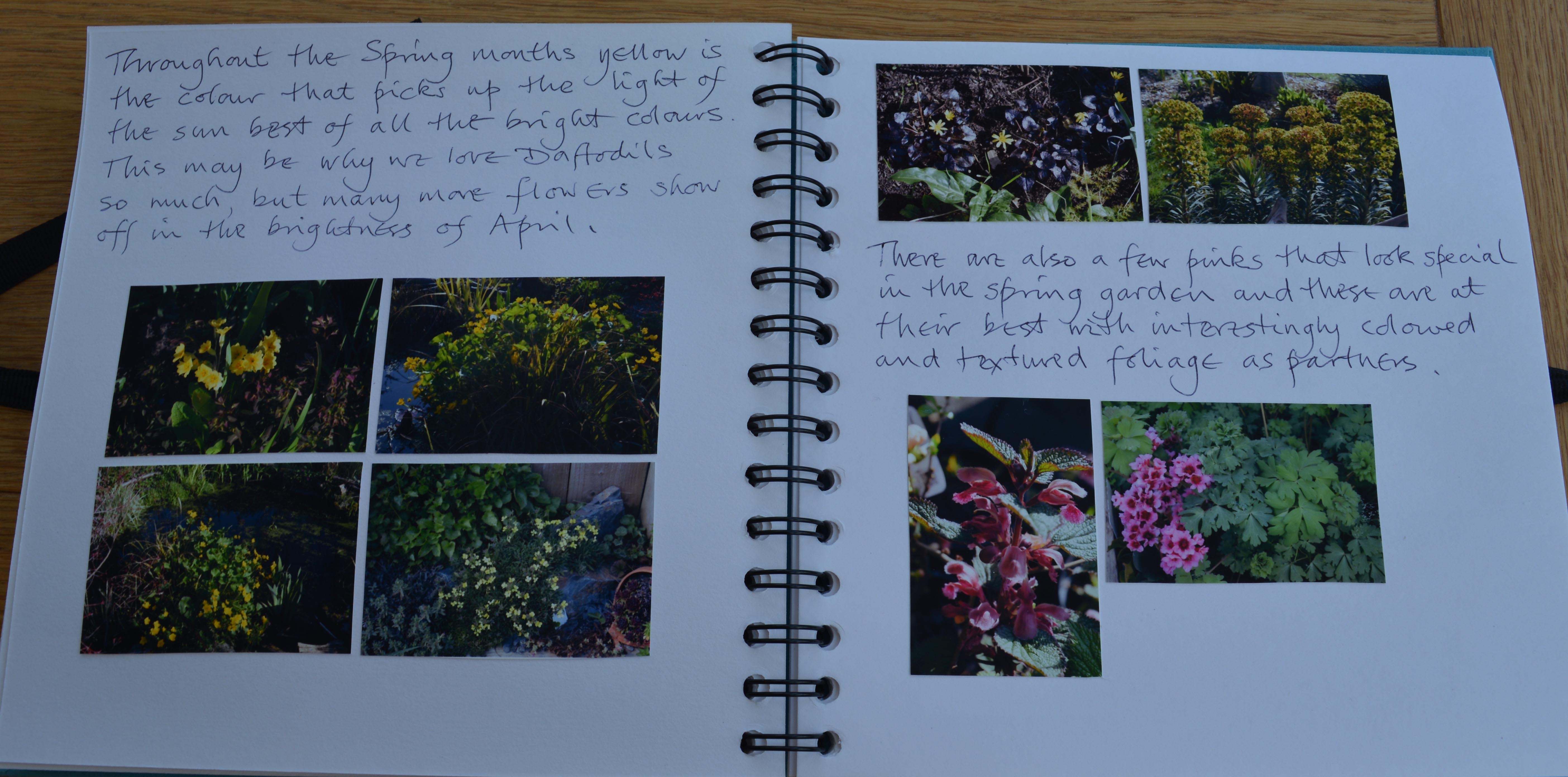
april journal-4

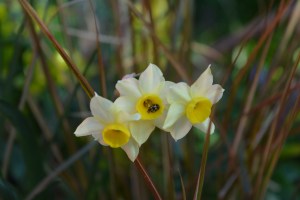
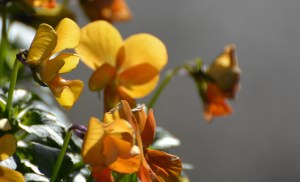
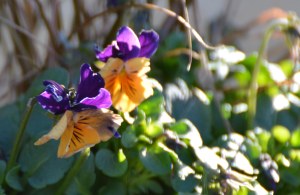
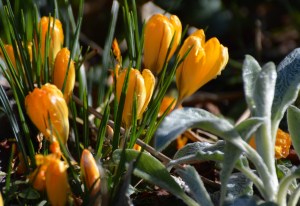
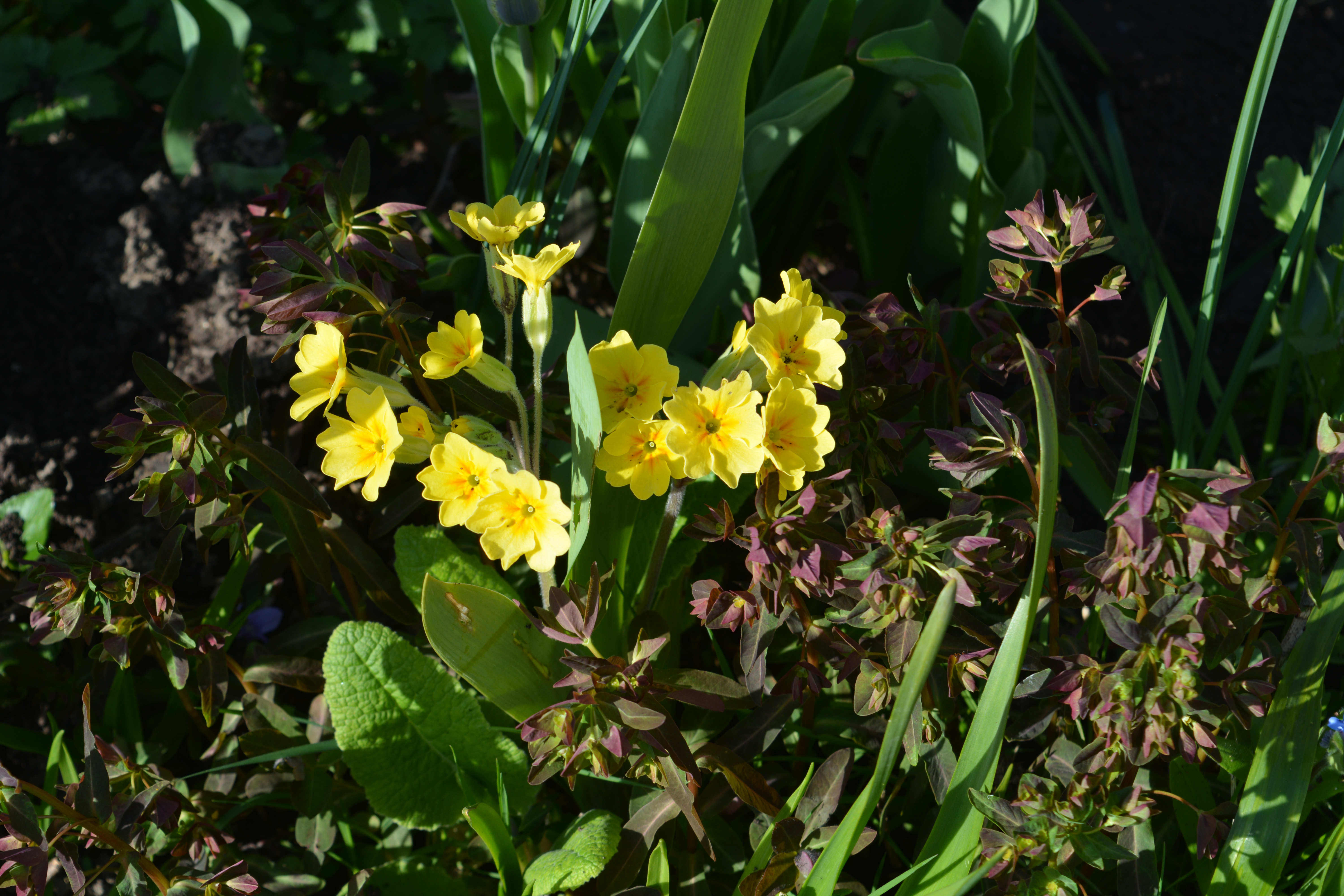
“Throughout the Spring months yellow is the colour that picks up the bright light of the sun best of all the bright colours. This may be why we love Daffodils so much, but many more flowers show off in the brightness of April.”    


aprilpics-20 yellow-4yellow-1 yellow-8aprilpics-18 yellow-9


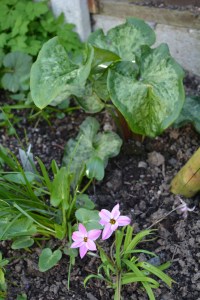
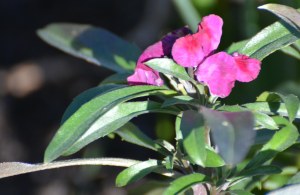
“There are also a few pinks that look special in the Spring garden and these are at their best with interestingly coloured and textured foliage as partners.”

aprilpics-50 yellow-3

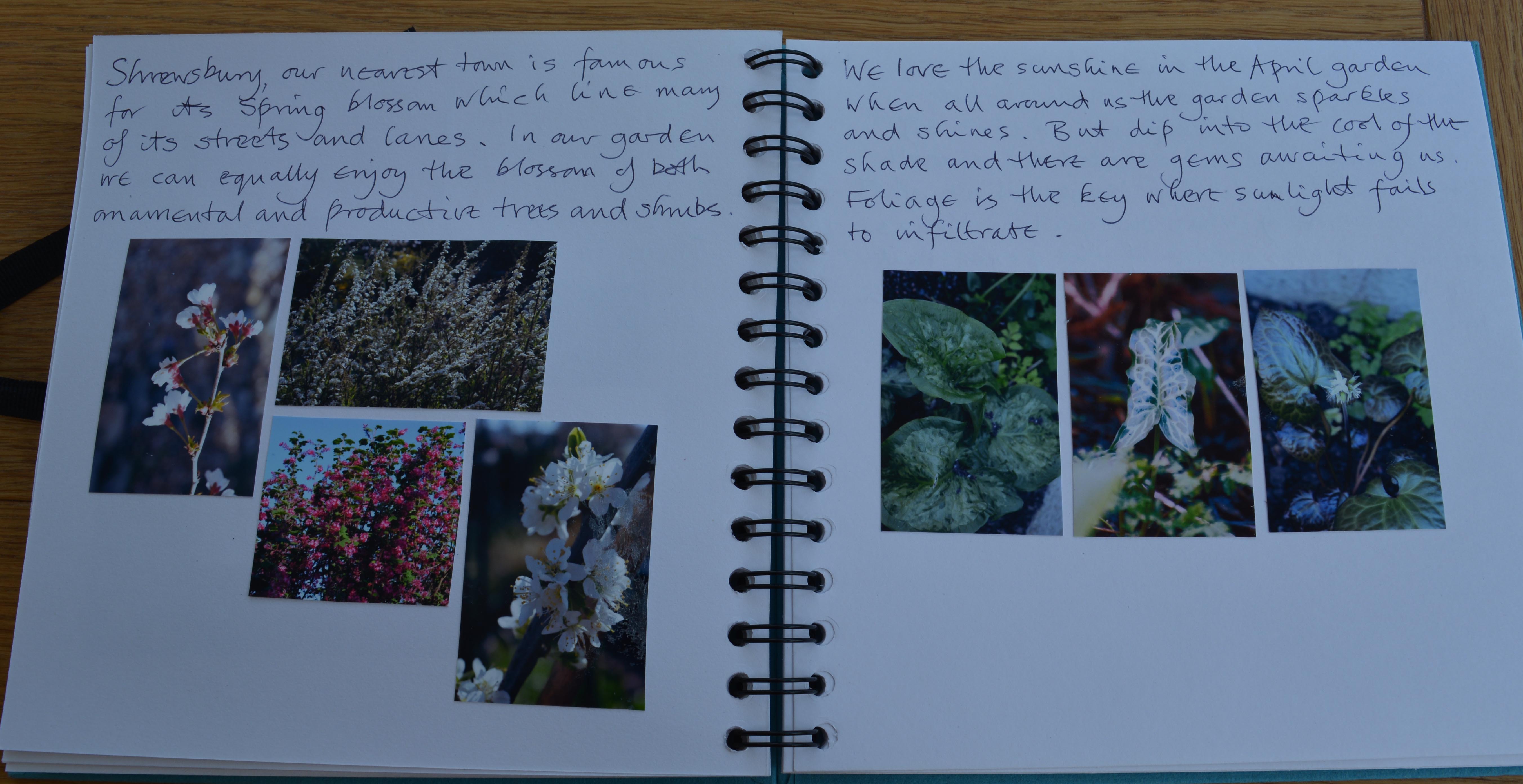
Blossom and the plants of cool shade appear on the final couple of my journal’s pages for April.
april journal-5

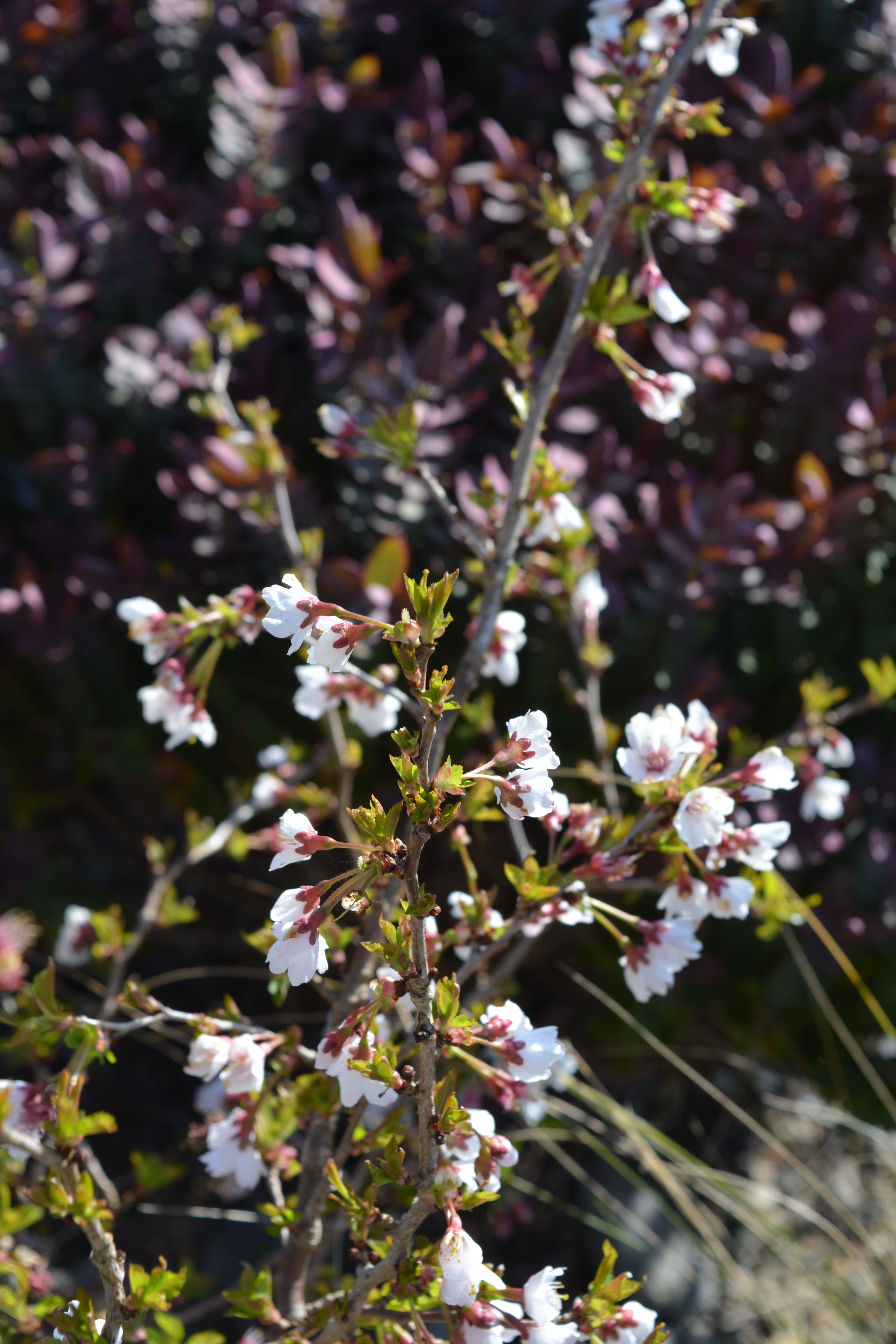
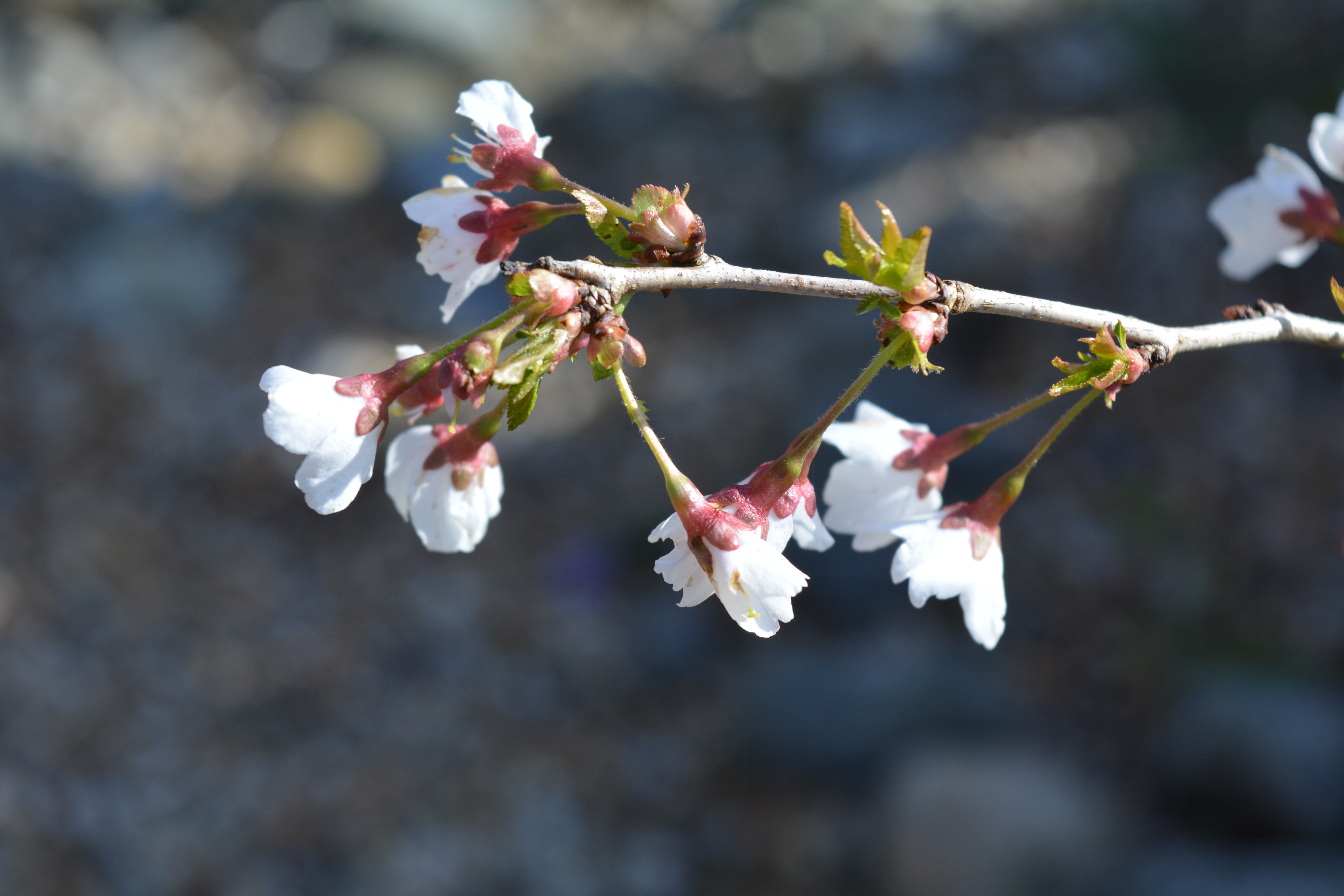
“Shrewsbury, our nearest town, is famous for its Spring blossom which lines many of its streets and lanes. In our garden we can equally enjoy the blossom of both ornamental and productive trees and shrubs.”

blossom-10aprilpics-19 ngs garden-104blossom-01 blossom-04 blossom-03 blossom-02 blossom-07


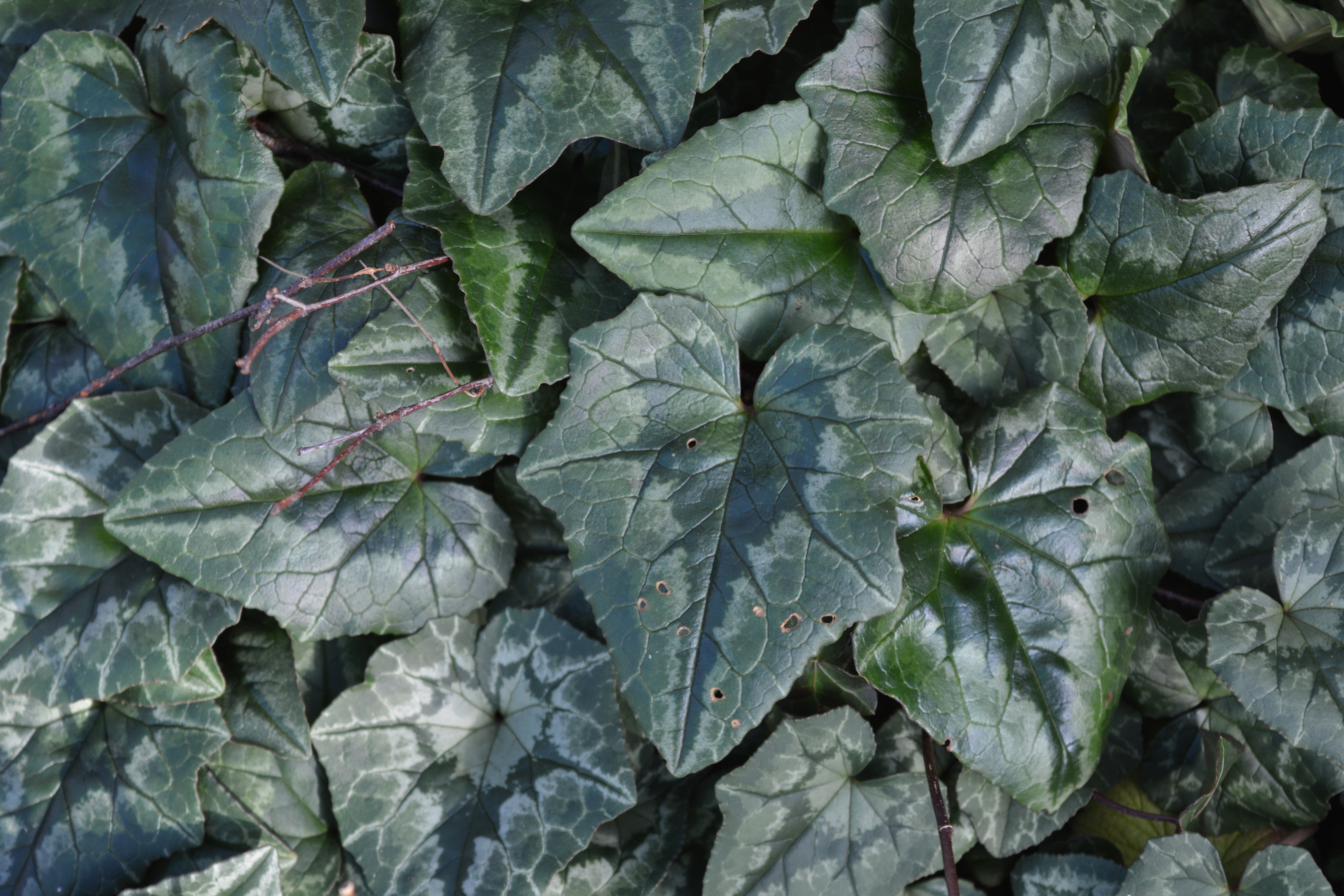
“We love the sunshine in the April garden when all around us the garden sparkles and shines. But dip into the cool of the shade and there are gems awaiting us. Foliage is the key where sunlight fails to infiltrate.”
ngs garden-102 blossom-11blossom-13 blossom-06

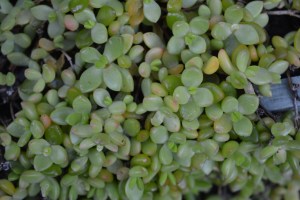
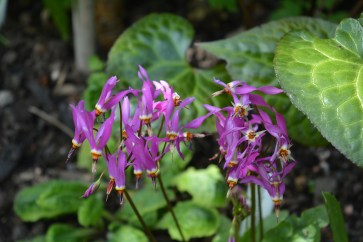
But any flowers that accompany this amazing foliage are tiny little star-like flowers.
ngs garden-100

ngs garden-103 ngs garden-101

So that is April in our garden. We now look forward to what May will bring!


Categories
allotments garden wildlife natural pest control wildlife

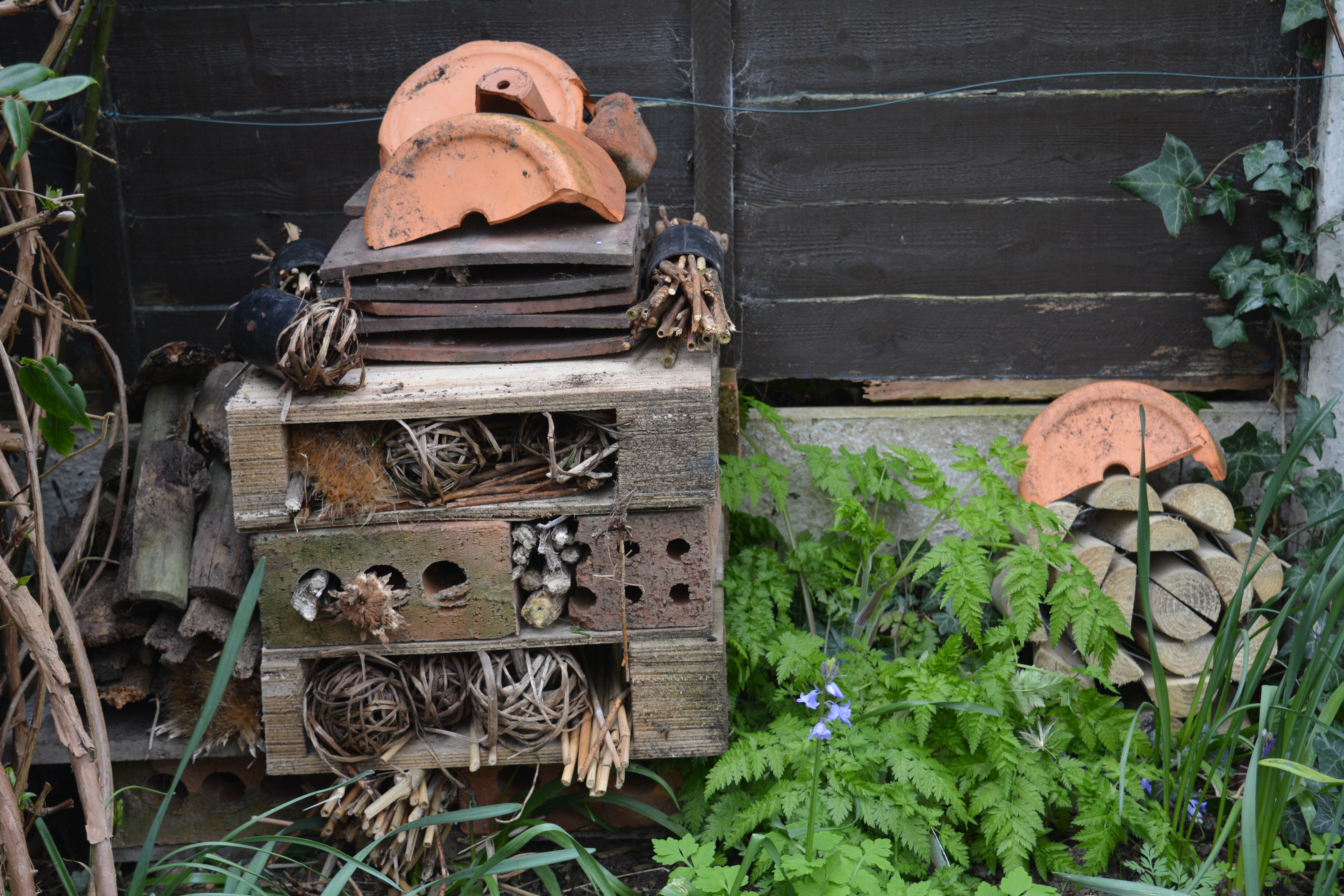
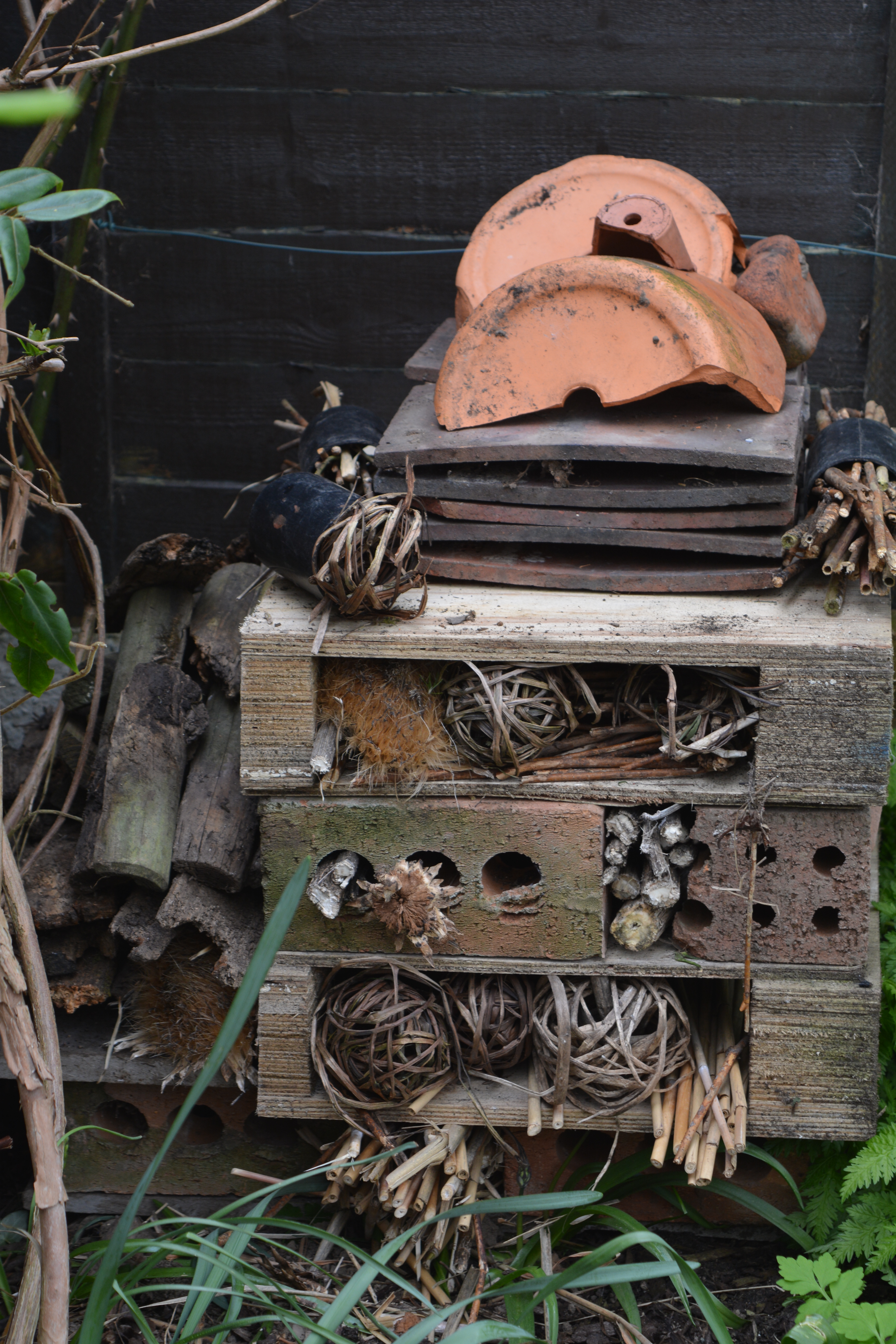
The insect hotels in our garden

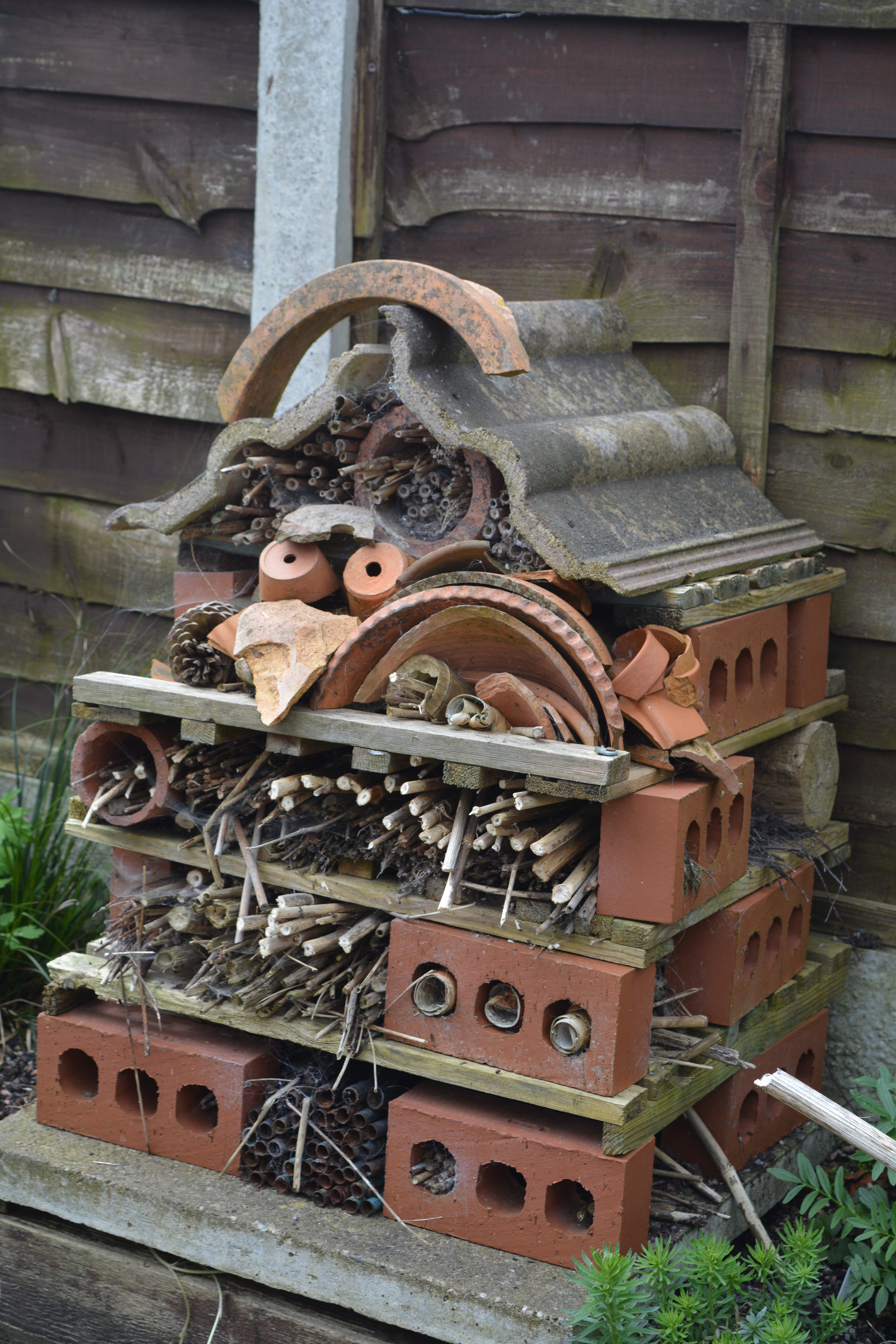
We recently made a new insect hotel and revamped one of the older ones, so I thought I would share them with you. This post is particularly for the follower who asked about insect hotels and adding green roofs to them. Apologies for not getting back to you sooner and more personally – no excuse except a bad memory.

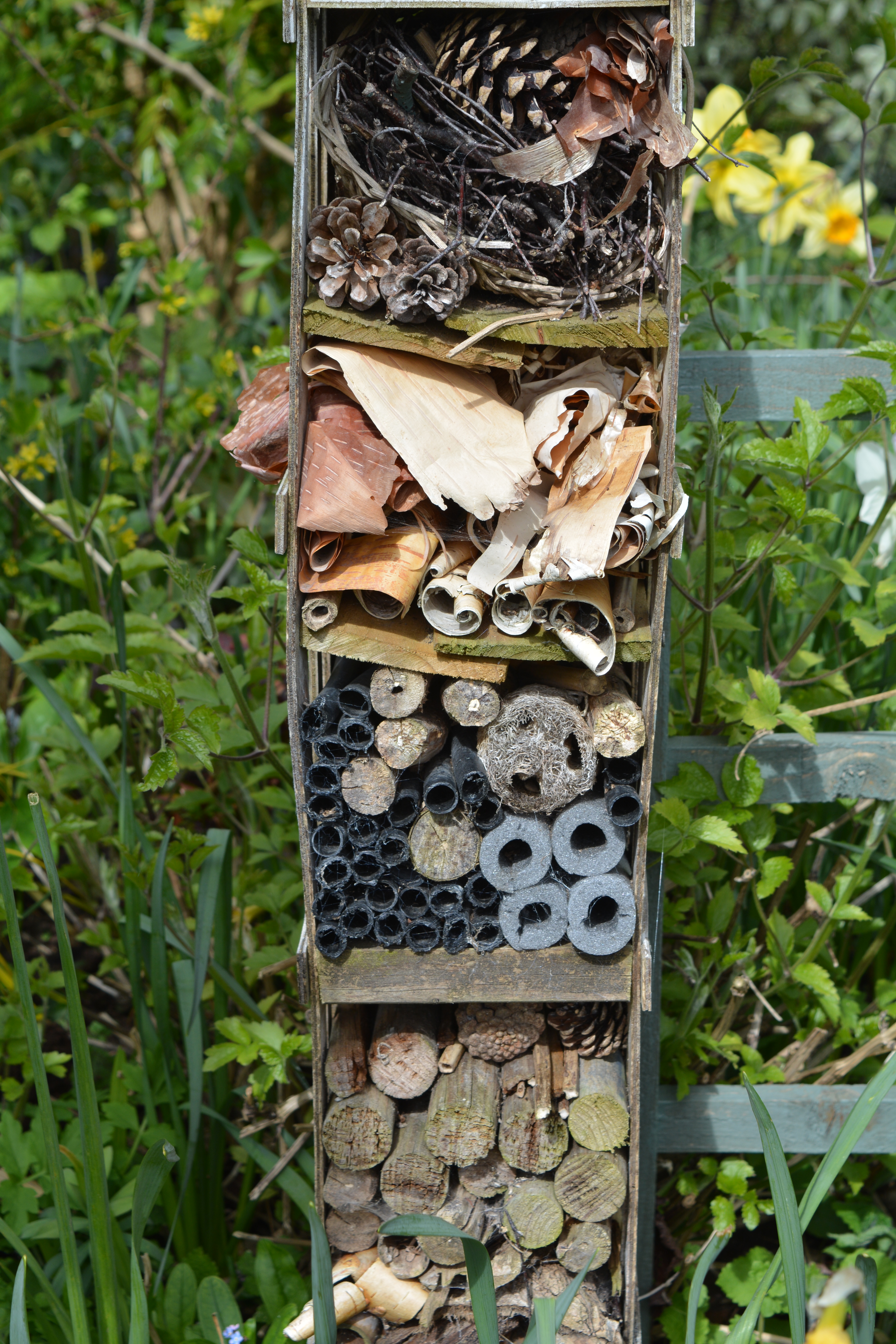
This is the first one we built in our garden and it has proved very successful with plenty of minibeast visitors but it also gave us some surprises! Last year a Dunnock nested on one of the layers and at the end of the year we discovered that a Goldcrest had nested in one of the holes in a brick.

winchester-1

We then built a second hotel for our garden critters in our Spring Border and this one was created from an old wooden vegetable box. This one had a surprise for us too as at the end of last summer we found an old nest of a Dunnock.

winchester-6

We next made a smaller insect hotel from a wine box and placed it in the Crescent Garden. So far no bird has nested in it but there are lots of “minibeasts” especially Ladybirds living in it and hibernating there through the colder months. Sitting on top of it though is one of our pieces of sculpture, a thoughtful young girl.

winchester-8 winchester-7

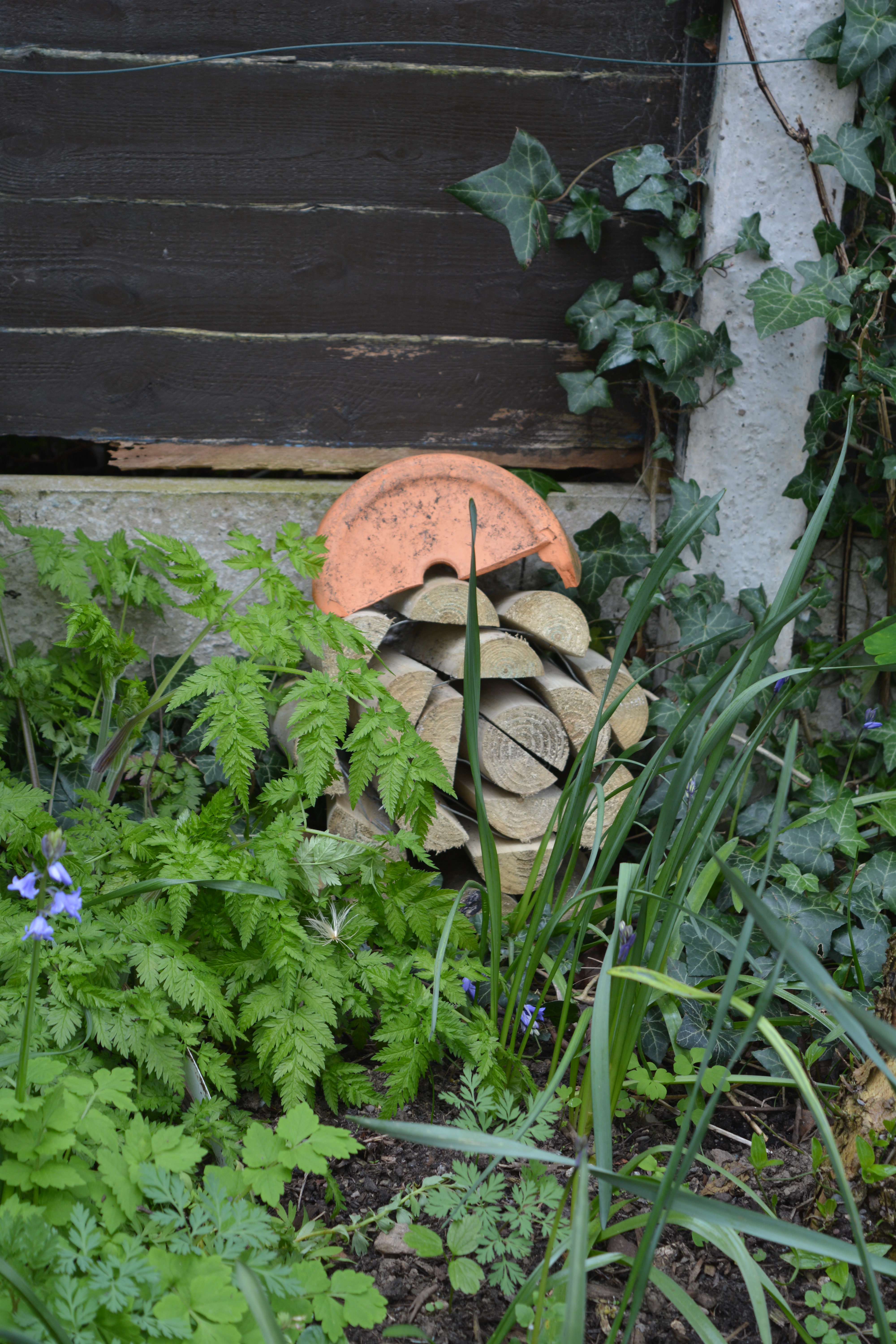
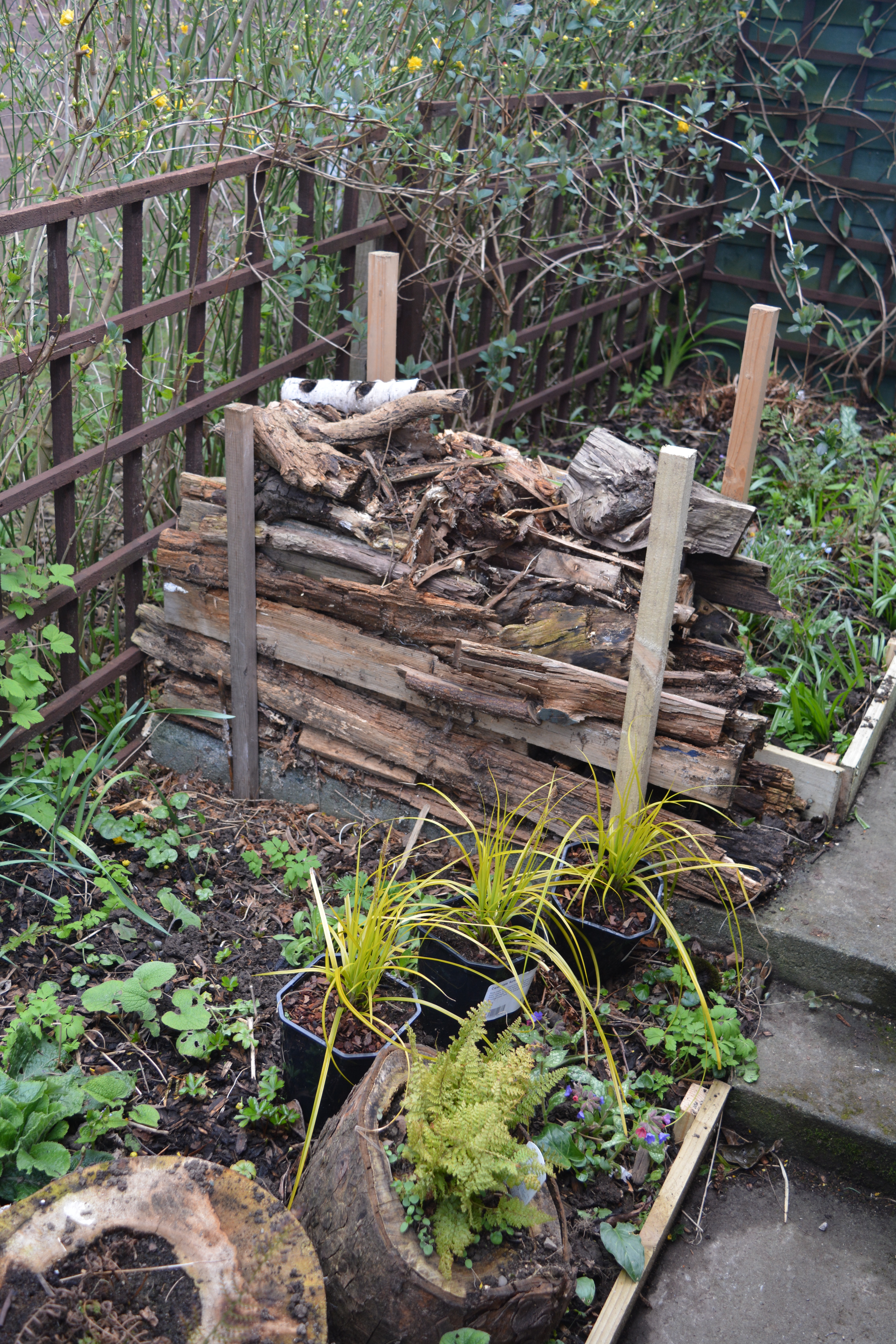
And then this spring we added yet another insect hotel, this time we constructed it in our Freda Garden and placed two small log piles on each side of it to attract Violet Ground Beetles who we hope will eat the slug eggs in the ground.

winchester-2  winchester-3 winchester-4-1

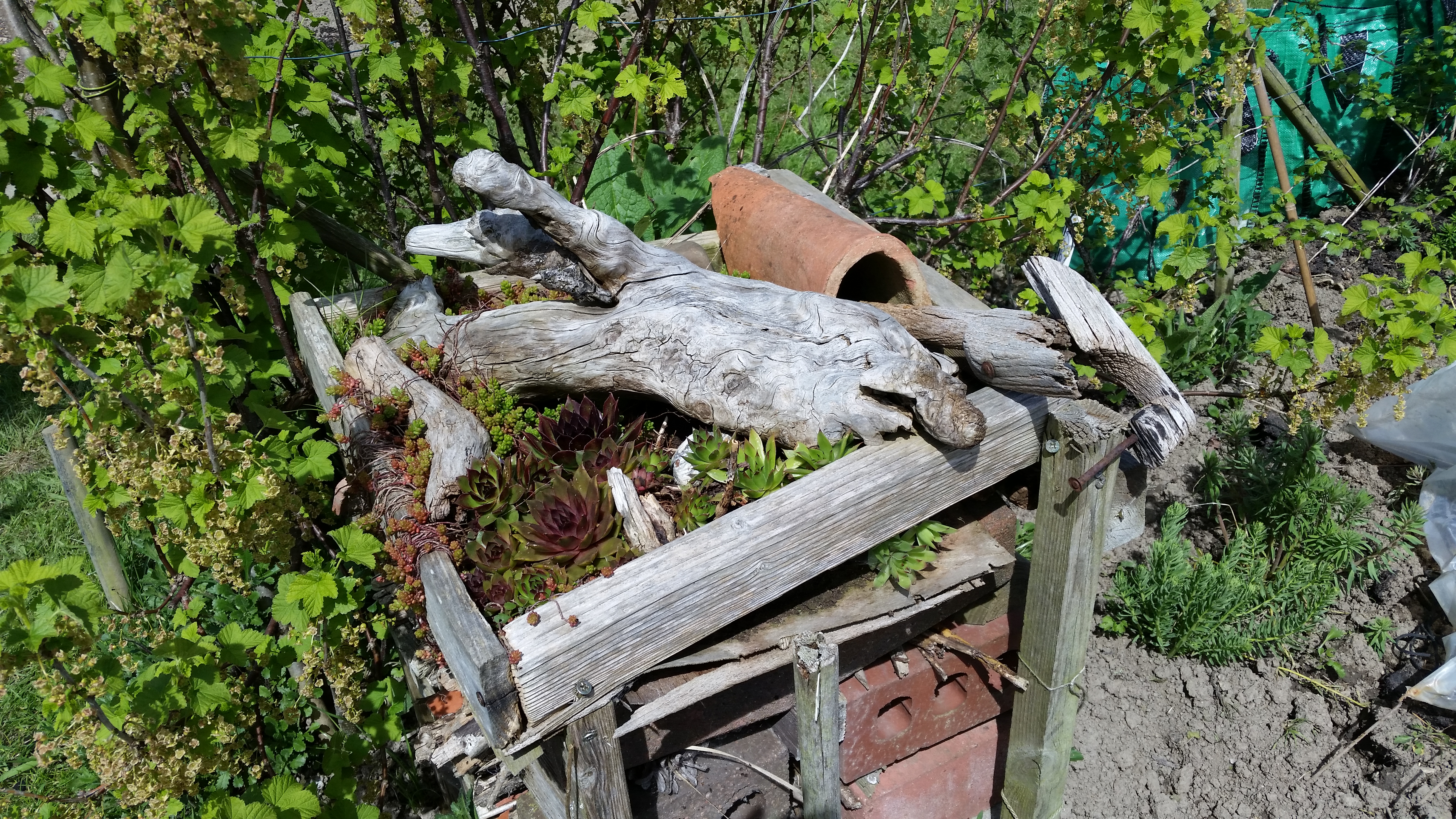
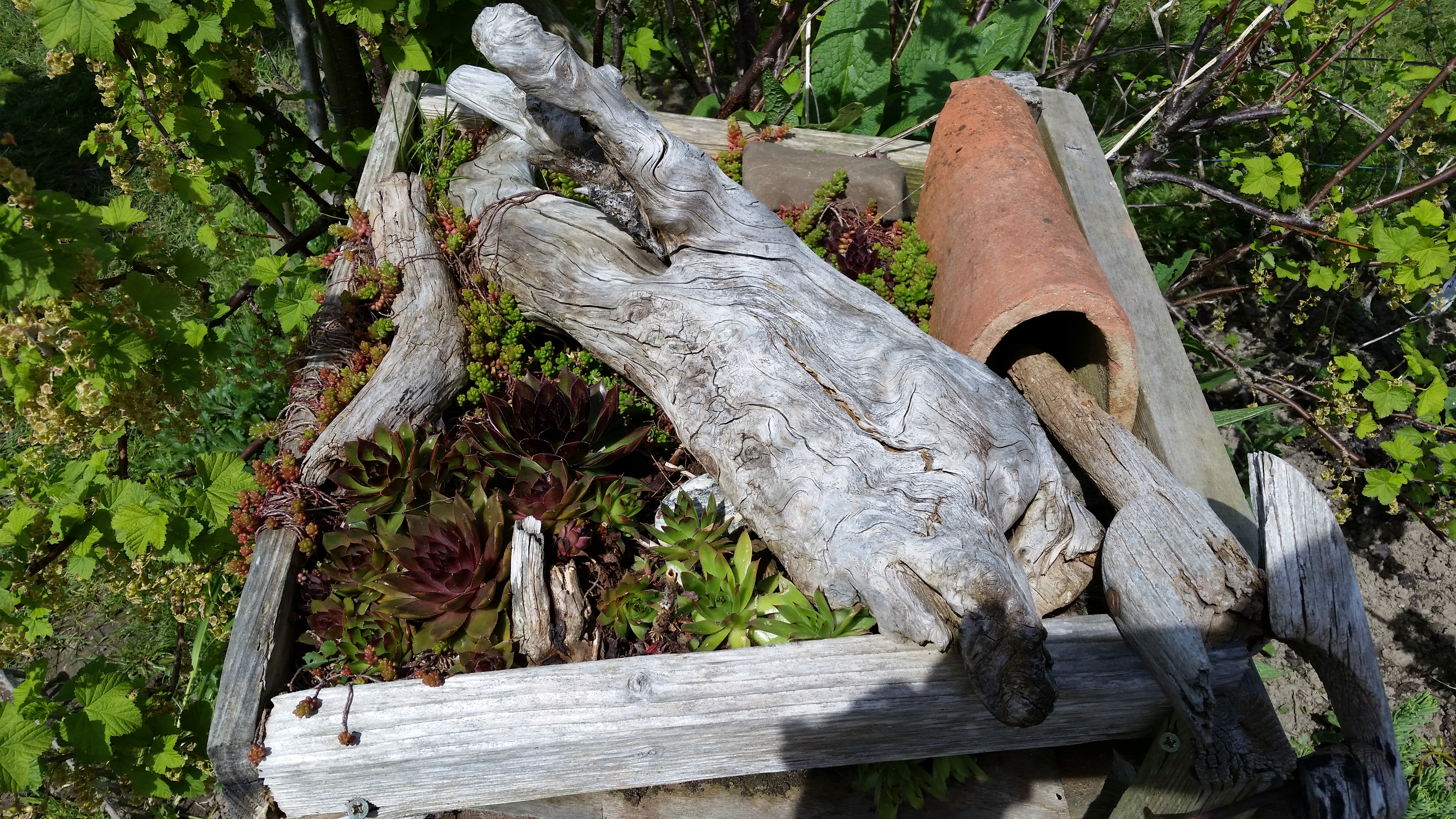
On our allotment we made an insect home with a green roof to add further interest and another habitat. We grow succulents, Sedums and Sempervivums on top of our insect hotel as they have tiny flowers loved by insects especially bees. The secret is to make a tray which sits on top and supported by 4 posts banged into the ground at each corner of the hotel. This means the posts support the green roof rather than putting weight on the insect hotel itself.

winchester-2-2 winchester-1-2

Each spring on warm, calm days we enjoy seeing the Ladybirds emerging and resting on the driftwood pieces to absorb the warmth of the sun.

winchester-2-3

Categories
birds colours flowering bulbs garden photography garden ponds garden pools garden wildlife gardening gardens irises log piles natural pest control ornamental trees and shrubs Shropshire spring bulbs spring gardening village gardens water garden water in the garden wildlife

My Garden Journal in 2016 – March

We were expecting March to bring some signs of spring but really our seasons remained confused and muddled. March has brought us warm sunny days, days with cold biting winds, days with heavy persistent rain and many combinations of these.

winchester-04

My March report started with references to the weather as it controlled when we gardenened and days when it prevented us from getting out in the garden.

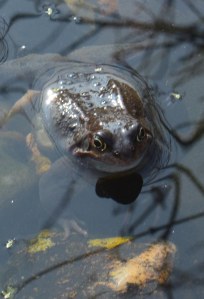
“During the first 2 days, March had delivered so many different types of weather, clear skies, sunshine, dark heavy cloud cover, rain and sleet. I wonder what else this month might have in store. This unseasonal weather delayed the arrival of our frogs until March whereas February is more usual a time. They soon added large clumps of spawn down one side of the wildlife pond.”

winchester-19 winchester-20winchester-21 winchester-22

To help the smaller creatures that share our garden with us and help with pest control and pollination of our fruit we had great fun creating a new habitat for them, in the form of a log pile. The log pile is aimed specifically at beetles who are great pest controllers. We particularly appreciate their love of slug eggs!

winchester-01 winchester-02

On the page opposite my frog photos I feature some of our large collection of Hellebore.

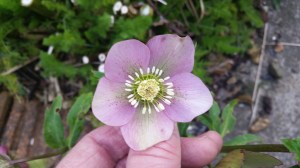
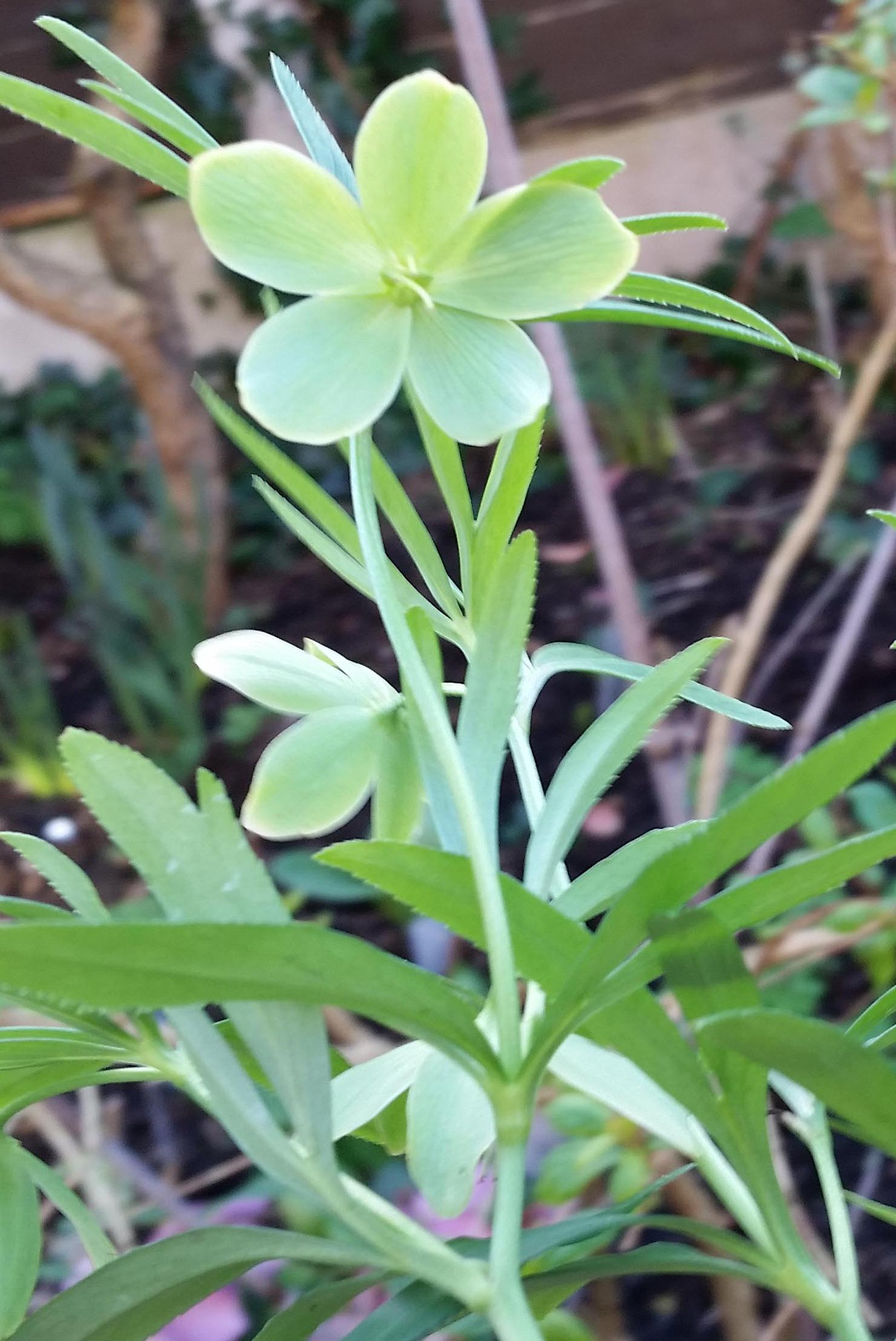
“Each year we add a few more Hellebores to our collection. This year is no exception! We are also getting a few interesting seedlings appearing, and some are worth keeping.”

winchester-47 winchester-11-2 winchester-14-1 winchester-10-2winchester-12-2

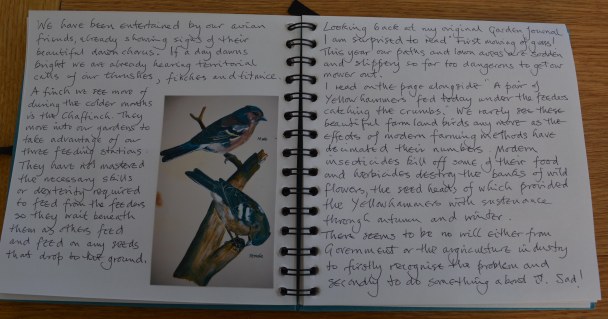
Turning the page I moved on to looking at the bird life we enjoyed in March, where I featured a gouache painting of a pair of Chaffinches and wrote about them.

winchester-05

“We have been entertained by our avian friends, already showing signs of their beautiful dawn chorus. If a day dawns bright we are already hearing territorial calls of our thrushes, finches and titmice. A finch we see more of during the colder months is the Chaffinch. They move into our garden to take advantage of our three feeding stations. They have not mastered the necessary skills or dexterity required to feed from the feeders so they wait beneath them as others feed and feed on any seeds that drop to the ground.”

B0000195

I then moved on to look back at previous garden journals from a decade or so ago.

“Looking  back at my original Garden Journal I am surprised to read “First mowing of grass! This year our paths and lawn areas are sodden and slippery so far too dangerous to get our mower out.

I read a page alongside, “A pair of Yellowhammers fed today under the feeders catching the crumbs.” We rarely see these beautiful farmland birds any more as the effects of modern farming methods have decimated their numbers. Modern insecticides kill off some of their food and herbicides destroy the banks of wild flowers, the seed heads of which provided the Yellowhammers with sustenance through autumn and winter. There seems to be no will either from Government or the agriculture industry to firstly recognise the problem and secondly to do something about it. Sad!”

I then reported on progress we had made with our recently constructed propagation bench.

winchester-06

In my January entries to my journal I wrote about making a propagating bench in the greenhouse and then in February I looked at how we had prepared the greenhouse in readiness for seed sowing. Now in March we have seedlings showing well.”

winchester-45 winchester-46 winchester-36 winchester-35

Flowering shrubs feature over the next few pages, looking at those that flower and provide scent, starting off with the shrubs in the Ribes family.

winchester-06

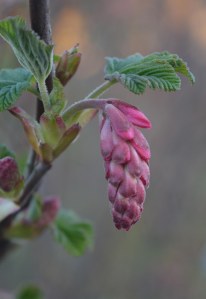
“The genus Ribes is a family of some 150 species of shrubs, mainly deciduous with just a few evergreens. We grow 3 species on our allotment to give us Redcurrants, Blackcurrants and Gooseberries. In the ornamental garden at home we grow 5 species and 4 of these are flowering in March, Ribes sanguineum “King Edward VII” and Ribes s. “Elkington White”.

winchester-40 winchester-41winchester-31 winchester-33 winchester-32

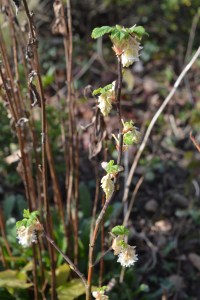
The other two March flowering Ribes are very different to the Ribes sanguineums. Ribes laurifolium has thick evergreen foliage, each leaf shaped and textured just like those oa a Laurel, hence its name. The flowers at first glance appear white but close up they are pale cream with a hint of green – absolutely beautiful! Beautiful and scented! The final Ribes to flower in March is Ribes speciosum with crimson flowers. To be fair though this Ribes species shows flowers on and off all year. It is generally evergreen for us as we planted it in a sheltered spot. Its flowers are like tiny Fuschias hanging along most of its branches. The downside? Every inch of every stem is covered in thin spines, so pruning can be difficult. On our open days so many visitors ask about Ribes speciosum.”

winchester-27 winchester-28winchester-02-2

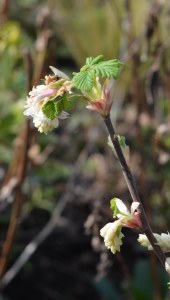
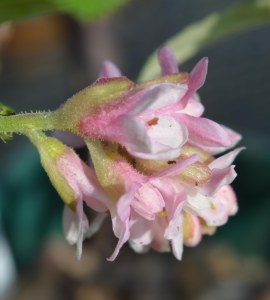
“In the autumn we took cuttings of Ribes s. King Edward VII. What a surprise we had when one of them produced these pale gentle pink flowers. One more shrub of the Ribes family still has not yet flowered, Ribes odorarum.”

winchester-09-1

My journal then tells of other unusual flowering shrubs we grow here at Avocet.

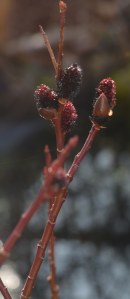
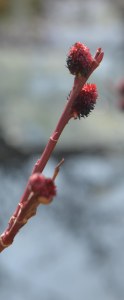
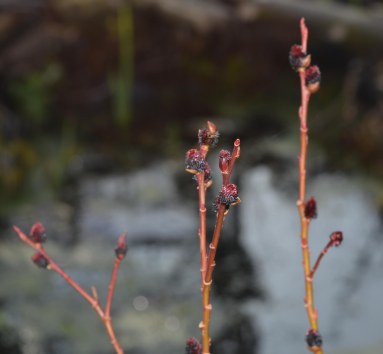
“Abnother unusual shrub we grow for March interest is a special willow. Salix gracilistyla melanostachyla has amazing flowers, red and black catkins. Early flying bees love them.”

winchester-08

winchester-23 winchester-24 winchester-25winchester-26

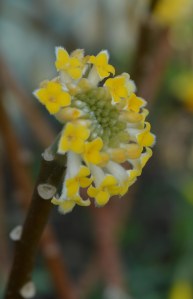
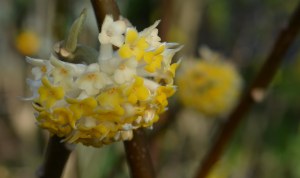
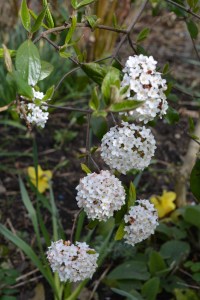
“Two other March flowering shrubs are grown for their large umbels of flowers but also their scent. The first, Edgeworthia chrysantha grandiflora, has unusual bright yellow flowers which add scent to the late winter and early spring garden. Their second is a Viburnum, Viburnum x burkwoodii, which does not open its flower buds until late March.”

winchester-11-1 winchester-10-1winchester-11 winchester-12

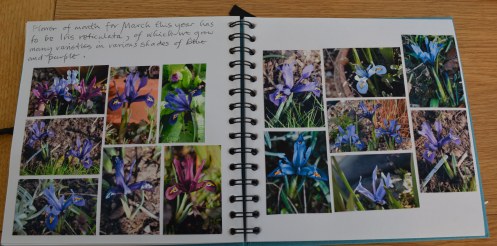
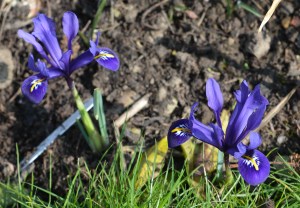
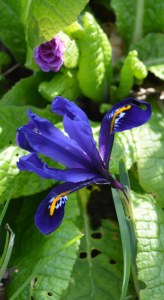
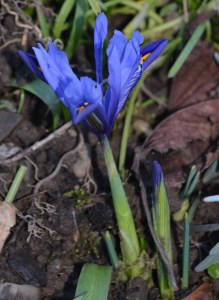
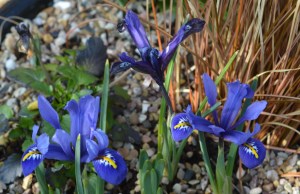
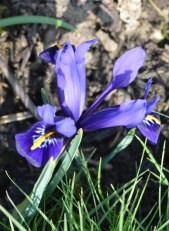
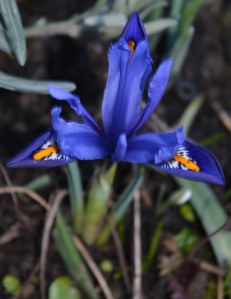
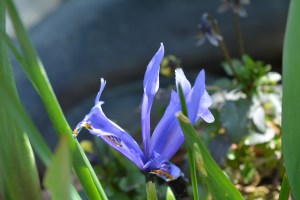
Turn over the page of my journal and you will be delighted by photos of Iris reticulata in all their glorious shades of blue and purple.

winchester-09

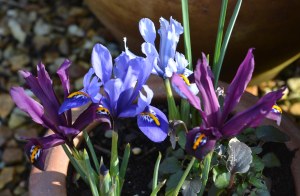
“Flower of the month for March has to be Iris reticulata, of which we grow many varieties in various shades of blue and purple.”

winchester-04-1 winchester-14winchester-29 winchester-12-1 winchester-39winchester-30 winchester-38 winchester-15winchester-03-1 winchester-05-1winchester-07-1 winchester-08-1winchester-13 winchester-17 winchester-16winchester-37 winchester-06-1

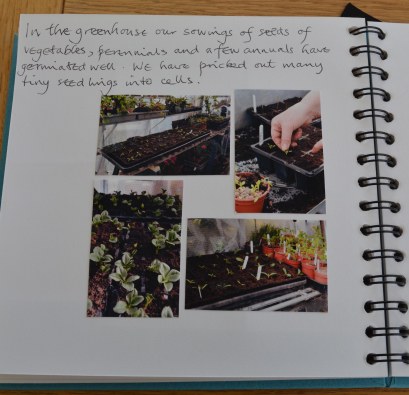
My final page for March takes another look at what is going on in the greenhouse as the month comes to an end.

winchester-10

“In our greenhouse our sowings of seeds of vegetables, perennials and a few annuals have continued to germinate well and grow strongly. We have pricked out many tiny seedlings into cells.”winchester-03-2 winchester-06-2

winchester-05-2 winchester-04-2

Our next visit to my garden journal will report on what will be happening in our garden at Avocet in April, the month traditionally associated with showers.

Categories
flowering bulbs garden photography garden ponds garden pools garden wildlife gardening grasses hardy perennials light light quality ornamental grasses ornamental trees and shrubs Shropshire shrubs spring bulbs water in the garden Winter Gardening winter gardens

My Garden Journal 2016 – February

Back with the second post sharing my 2016 Garden Journal, we will look at what it holds for February.

2016 02 13_8659_edited-1

On the first page for the month I mention the changing light values that occurs during February.

2016 02 24_9066_edited-1

“This is the month when light values really start to improve. We also get longer days when the weather allows. This change in light coupled with slowly rising temperatures encourages birds to change their songs and calls. The Great Tit is the master of calls with its huge repertoire. Luckily they are very frequent visitors to our garden. They are great entertainers! Their song in February is a “see-sawing ditty with mechanical overtones.” (Collins Bird Guide)

I added my gouache painting of a pair of Great Tits.

2014 12 21_8971_edited-1

On the opposite page I carried on talking about our continued development of our greenhouse.

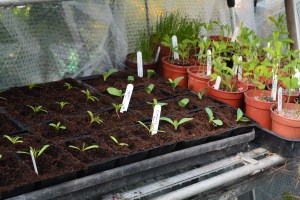
Having completed the construction of our new heated propagation bench last month we then sorted out our pots, trays, pans and cells ready for the new sowing and growing season. We ensured we have plenty of labels as well as sowing compost and horticultural grit. Jude finished putting up insulation bubble wrap.”

2016 02 02_8119-1 2016 02 02_8120-12016 02 02_8121-1 2016 02 02_8131-1 2016 02 02_8122-1

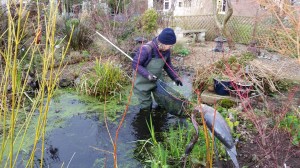
From greenhouse gardening to pond gardening, my next page features two photos of Jude the Undergardener in her waders playing in our wildlife pond.

2016 02 24_9069_edited-1

“Mid to late February is the time each year when our Common Frogs come to sing, mate and then leave balls of spawn in our wildlife pond. Thus early this month Jude donned her chest waders and cleaned up the pond. She removed Duckweed, Blanket Weed and fallen leaves, then thinned out the water plants.

2016 01 26_8057-1 2016 01 26_8056-1

We tidied up the narrow border that edges the pond, pulling a few hardy weeds and taking up seedlings of our Cornus “Midwinter Fire”. It was heartening to discover how workable our soil was, this being the result of a decade of improving it with the addition of our own garden compost and the regular mulching deeply with organic matter.”

I continued onto the next page discussing the welcome appearance of sunshine in the February.

“Sunshine is not often in evidence this February but when it does make an appearance its effects are magical. It highlights the peeling bark of our trees and directs a spotlight on blossom and glossy foliage.”

2016 01 22_8035_edited-1 2016 01 22_8034_edited-12016 02 02_81162016 01 22_8024 2016 01 22_8008 2016 01 22_8009-1 2016 01 22_8018

As I turn the page I see that I have written about cold temperatures and on the opposite page and on the following double page spread I share the amazing number of plants in flower on one day in February.

2016 02 24_9070_edited-12016 02 24_9073_edited-1

“A sudden overnight plunge in temperature can have drastic looking effects on our early flowering plants. The flowering stem of this Bergenia can be standing to attention during the day but cold at night can make it droop, with the flowers almost touching the cold soil”.

2016 01 17_7930-1 2016 01 08_7763

“The following day when the sun has driven away any frost and added a degree or two to the temperature, the Bergenia flower slowly rises again and returns to its former pink glory.”

February flowers are celebrated over the next three pages. I hope you enjoy sharing this selection of plants that keep us cheerful and the garden colourful.

2016 02 18_8904_edited-1 2016 02 18_8901_edited-12016 02 18_8891_edited-1 2016 02 18_8878_edited-12016 02 18_8872_edited-1 2016 02 18_8879_edited-12016 02 18_8867_edited-1 2016 02 18_8847_edited-1 2016 02 18_8869_edited-1 2016 02 18_8863_edited-12016 02 18_8913_edited-1 2016 02 18_8871_edited-12016 02 18_8912_edited-1 2016 02 18_8866_edited-1 2016 02 18_8854_edited-1 2016 02 18_8853    2016 02 18_8887_edited-1 2016 02 18_8873_edited-1  2016 02 18_8902_edited-1 2016 02 18_8855_edited-1

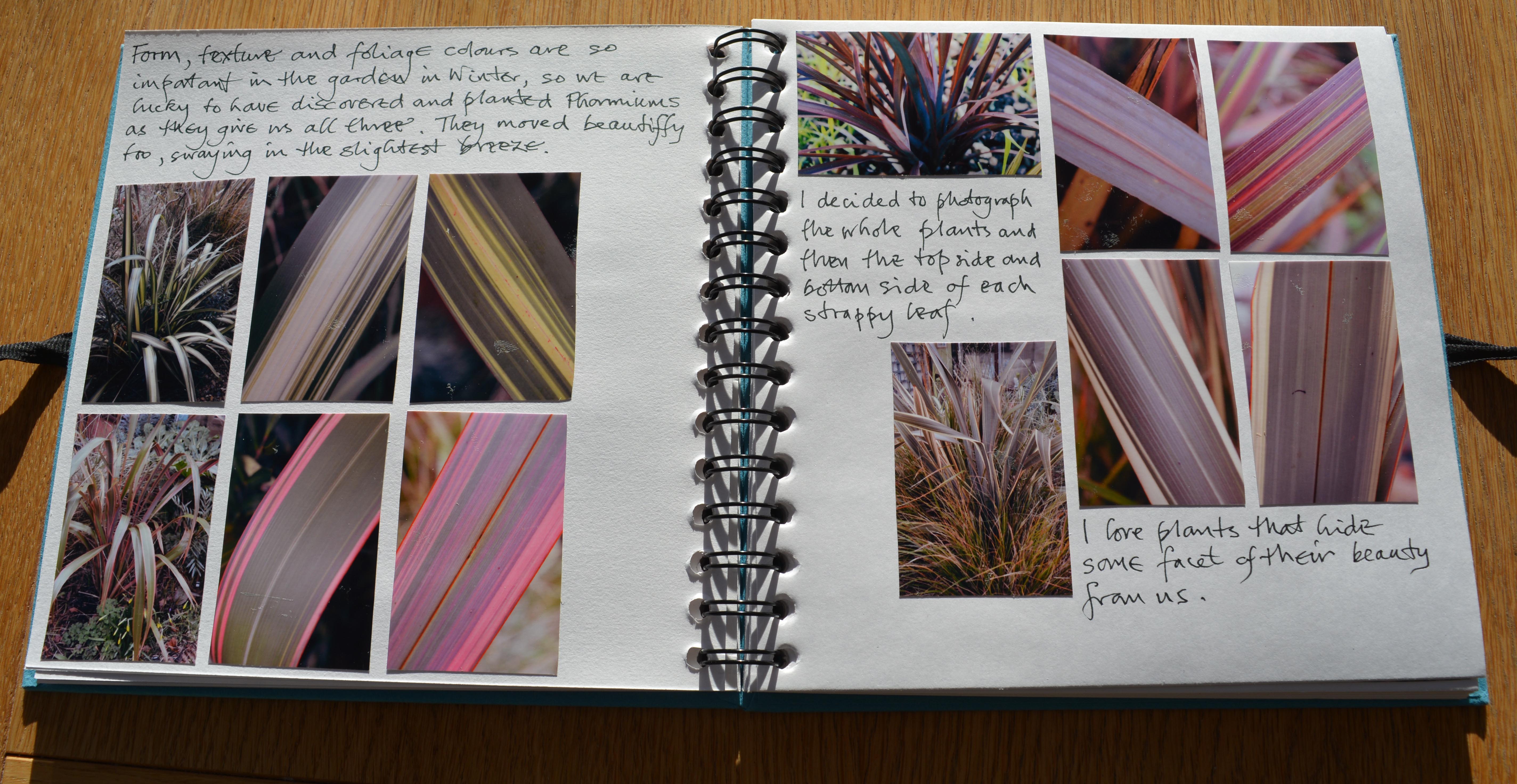
These pictures certainly illustrate how colourful and interesting the garden can still be in the depths of winter. From flowers I moved on to foliage, as on my next double page spread I celebrate Phormiums and how important they are to the winter garden.

2016 02 24_9074_edited-1

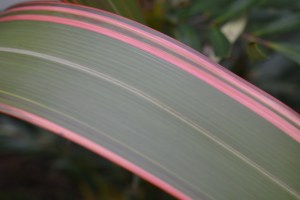
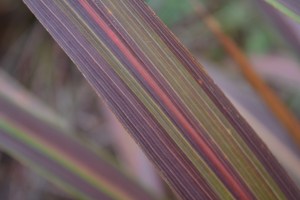
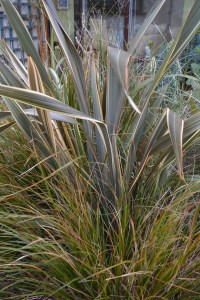
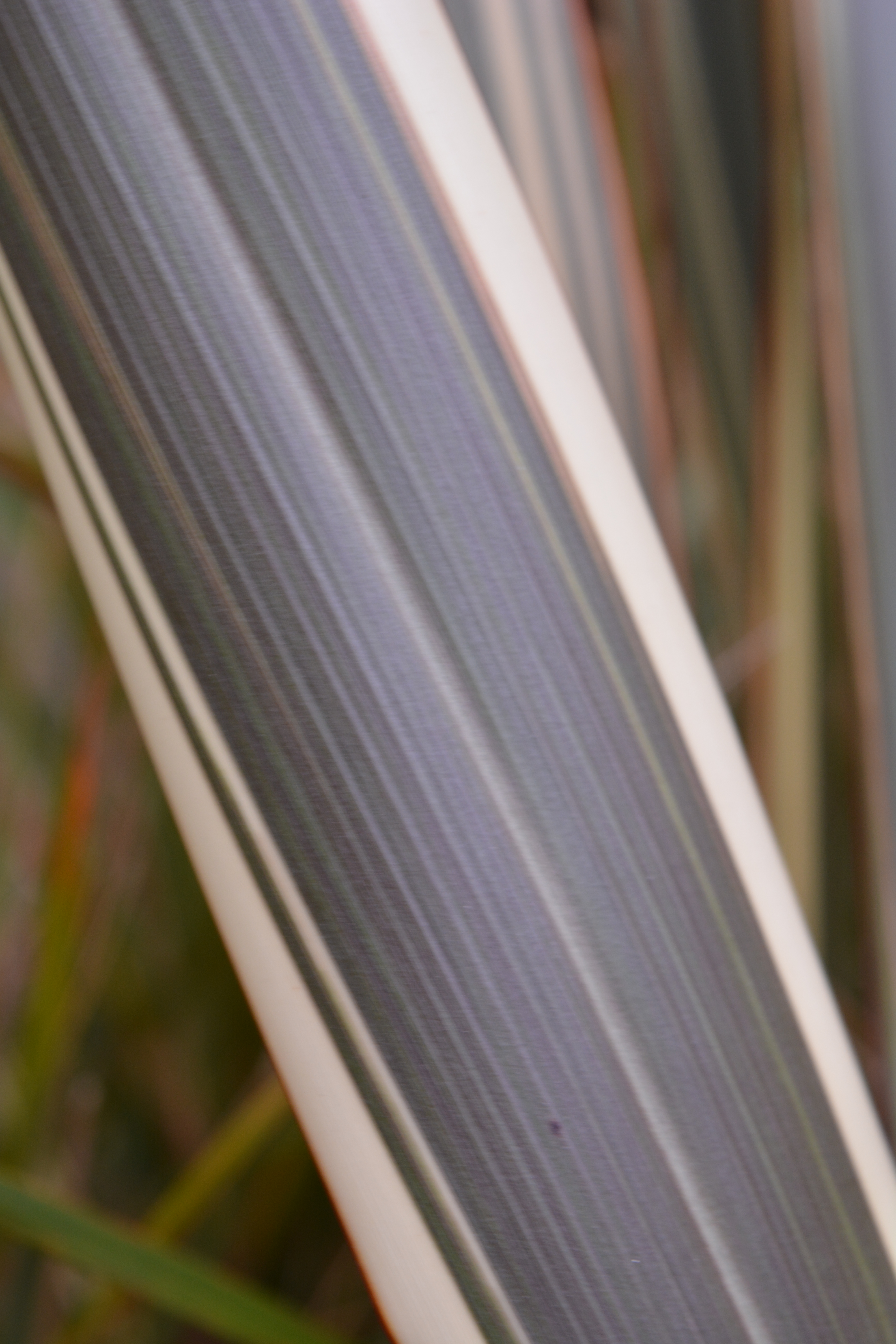
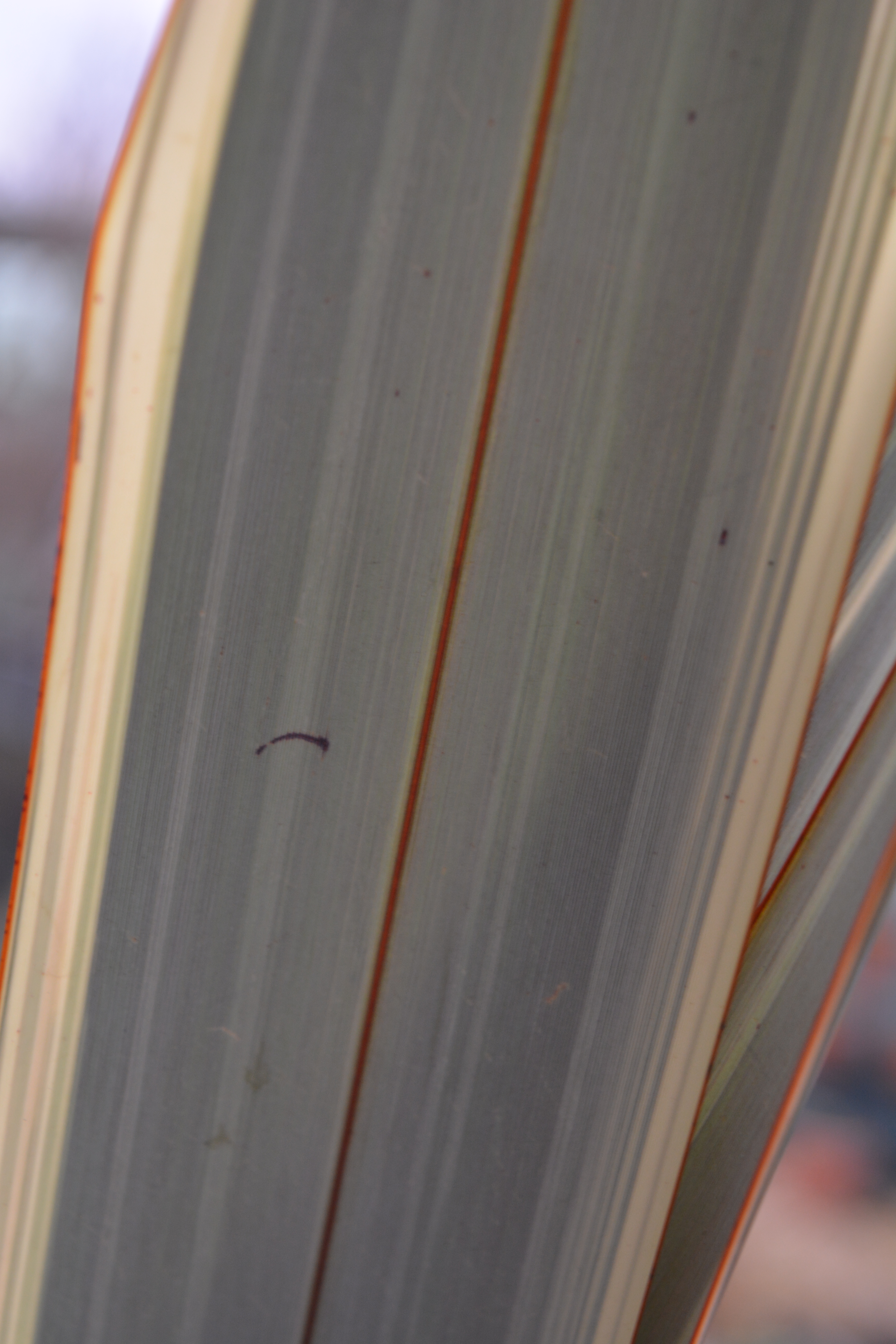
“Form, texture and foliage colours are so important in the garden in winter, so we are lucky to have discovered and planted Phormiums as they give us all three. They move beautifully too, swaying in the slightest breeze.”

2016 02 13_8632 2016 02 13_8640 2016 02 13_8651


For some of our Phormium I took a shot of the whole plant and then one of the top surface of their leaves and finally the final surface. Their two surfaces are usually very different.

“I love plants that hide some facet of their beauty from us”.

2016 02 13_8633 2016 02 13_8634 2016 02 13_86352016 02 13_8630 2016 02 13_8639 2016 02 13_8638

2016 02 13_8655 2016 02 13_86532016 02 13_8654

2016 02 13_8631 2016 02 13_8637 2016 02 13_8636

In the final pages of my February entries in my Garden Journal I wrote about coloured stems and look back at my first garden journal to see what I had put for my February entry.  I discovered that I was writing about grass and grasses.

2016 02 24_9077_edited-1

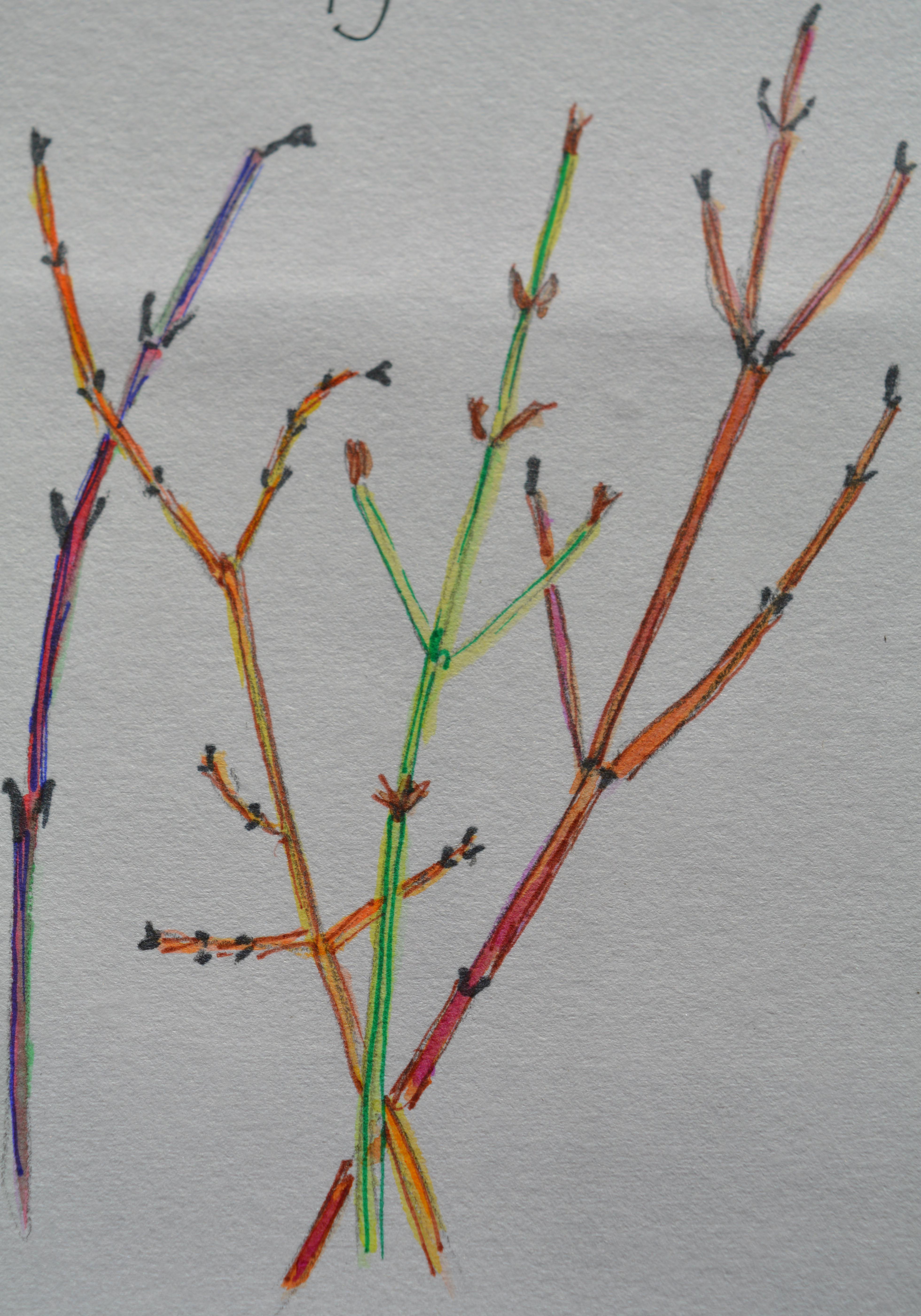
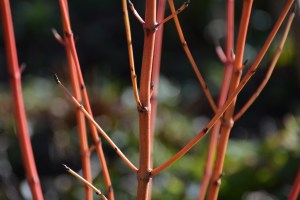
“It is in the dull times of February that we appreciate the brightly coloured stems of our Cornus, Salix and Acers. Once their leaves drop the colours, yellows, oranges and reds begin to intensify. I then shared a watercolour painting of a selection of these stems from our garden alongside a trio of photos.”

2016 02 24_9078_edited-1 2016 02 18_88972016 02 18_8874 2016 02 18_8898

Looking back at my original Garden Journal, I notice that I had commented “14th February and the grass gets its first cut. As the North wind died out the strength of the winter sun meant a good day could be had doing general maintenance work.” This year our grassed areas are wet and slimy and definitely too slippery to get a mower on. But the grass has continued to grow slowly so it is in need of its first cut. Meanwhile our ornamental grasses continue to delight.”

2016 01 22_8033 2016 01 22_8032     2016 01 22_7998-1 2016 01 22_7999-1

So that is it for another month. Next time we make a visit to my Garden Journal we will be in March and maybe we shall be seeing signs of spring.


Categories
birds diy garden photography garden wildlife gardening gardens grasses hardy perennials ornamental grasses ornamental trees and shrubs roses Shropshire shrubs

My Garden Journal 2016 – January

I will once again be keeping my garden journal during 2016 recording my thoughts on our own garden here at Avocet in the tiny hamlet of Plealey situated just inside the Area of Outstanding Natural Beauty, the South Shropshire Hills. I will share the sounds, sights and aromas of our garden and make mention of the wildlife that shares the garden with us. In 2015 I found a quote every month from a little book, ” Led by the Nose” written by Jenny Joseph. In 2016 I will look back at what I recorded in my first garden journal which I began in the first full year of living in Plealey. Although we moved here in August 2004 my journal began in January 2005. It will be interesting to compare 2005 with 2016.

So, welcome to our “Avocet” garden in 2016. I hope you enjoy the journey through the months with me.

2016 02 02_8154_edited-1

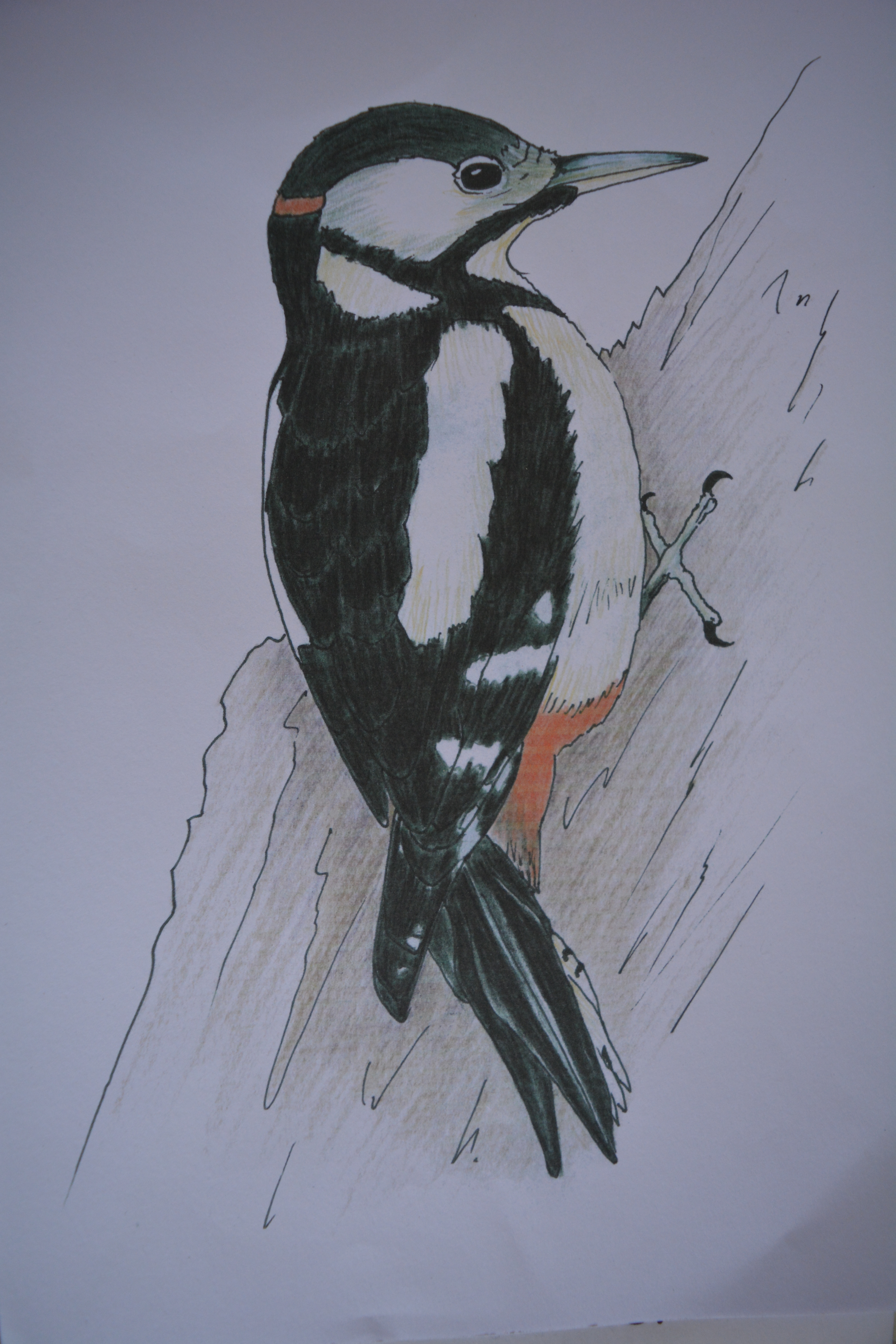
My first page for 2016 features my gouache painting of a Great Spotted Woodpecker and a few words about this charismatic garden visitor.

2016 02 02_8156_edited-1

“The Great Spotted Woodpecker makes its presence felt in our garden. It is black and white with splashes of bright red. It announces its arrival with a loud call as it flies in with its undulating flight. It hits the bird feeders hard so they swing around. These hungry birds stay feeding for far longer then any other bird.”

2014 12 21_8978

On the opposite page I write “Gardeners often pose the question“What is your favourite season in the garden?” It is easier for some to answer this question and they quickly give a definitive answer, while others find the choice impossible to make. For me? Well, I admit  I always answer “The one we are in.” Not many gardeners will say “winter” viewing it as a “non-time” in their gardens. Many put their gardens to bed for the winter by chopping a huge percentage of the plants to the ground. Their interest only returns when spring bulbs burst into flower. I absolutely love the winter garden!”

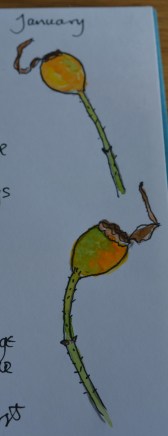
I illustrate the page with my watercolour painting of two hips from Rosa “Graham Thomas”, a David Austin New English Rose which we grow as a climber. It gives joy to the gardener for many months of the year with its profuse golden sunny yellow blooms and when it finally gives up in December it begins to produce its green hips which quickly turn to yellow then orange.

2016 02 02_8157_edited-1

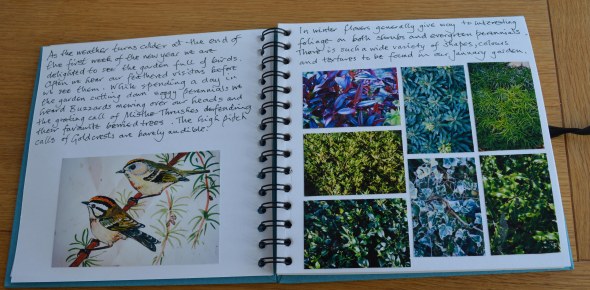
Turning the page over I write “As the weather turns colder at the end of the first week of the new year we are delighted to see the garden full of birds. Often we hear our feathered visitors before we see them. While spending a day in the garden cutting down soggy perennials we heard the Buzzards mewing over our heads and the grating call of Mistle Thrushes defending their favourite berried trees. The high pitch calls of Goldcrests are barely audible” Below these words we find my gouache painting of a pair of Goldcrests.

2014 12 21_8970_edited-12016 02 02_8158_edited-1

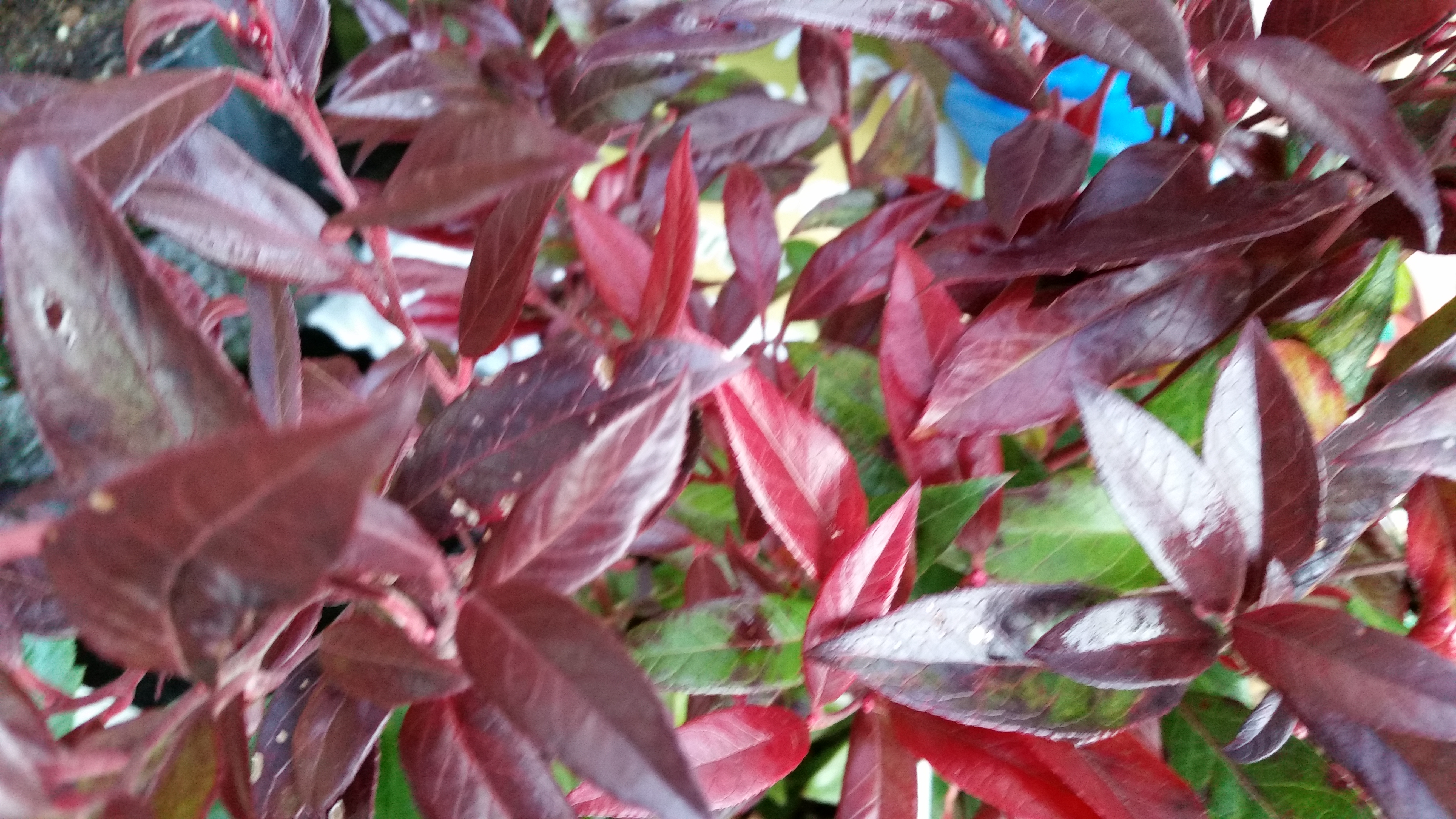
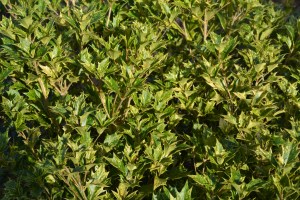
Foliage features on the opposite page where I write “In winter flowers generally give way to interesting foliage on both shrubs and evergreen perennials. There is such a wide variety of shapes, colours and textures to be found in our January garden”.

A selection of photographs which I took in the garden on the same morning follows.

2016 01 26_8079 2016 01 22_79952016 01 22_7997 2016 01 22_80262016 01 22_8001 2016 01 22_7994       2016 01 22_8010 2016 01 22_8009

Turning the next page my text is all about the scents of winter flowering shrubs.

2016 02 02_8159_edited-1

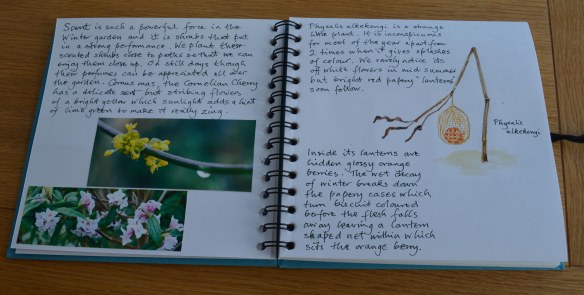
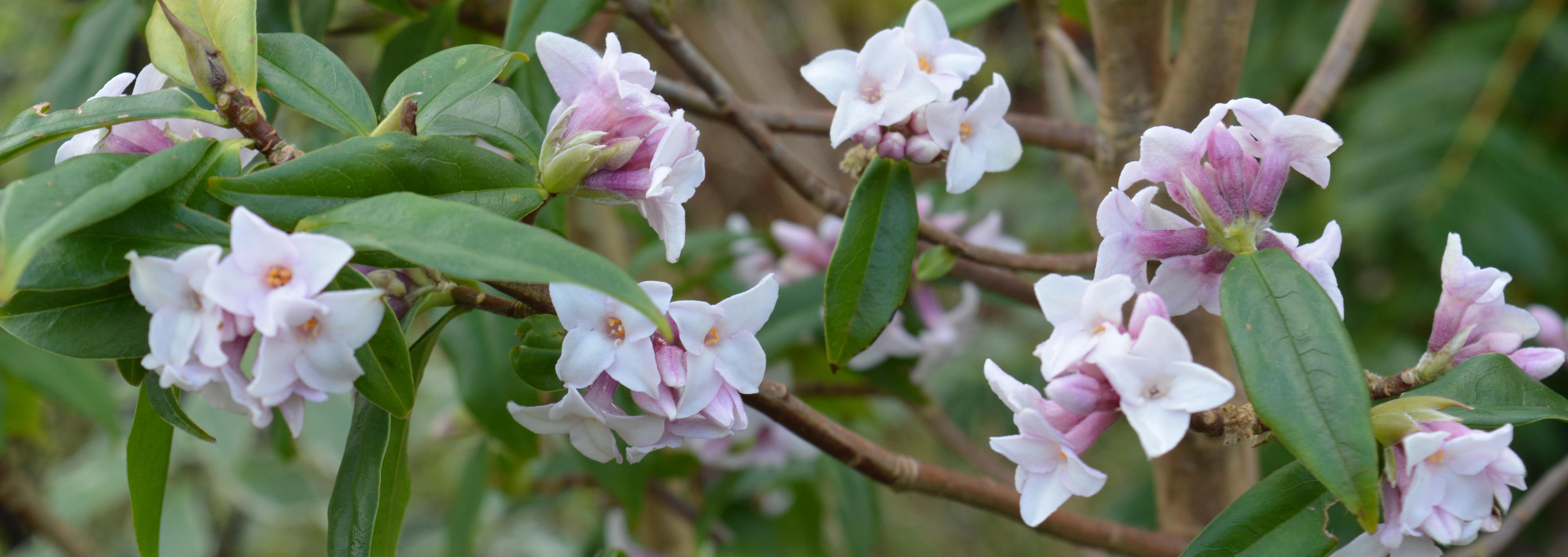
“Scent is such a powerful force in the winter garden and it is shrubs that put in a strong performance. We plant these scented shrubs close to paths so that we can enjoy them close up. On still days though their perfumes can be appreciated all over the garden. Cornus mas, the Cornelian Cherry, has a delicate scent but striking flowers of a bright yellow to which sunlight adds a hint of lime green to make it really zing.” 

A much more strongly scented winter flowering shrub grows close to the main path in our back garden and is generous with its scent spreading it all over nearby borders, is Daphne bhuloa “Jacquiline Postill”.

2016 01 04_7675_edited-1 2016 01 05_7740_edited-1

On the page opposite I put the spotlight on a plant called “Physalis alkenengi” as I had come across the skeletal remains of its fruiting head while gardening in the Hot Garden.

2016 02 02_8162

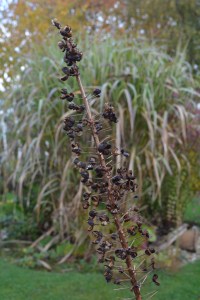
I write “Physalis alkekengi is a strange little plant. It is inconspicuous for most of the year apart for twice when it gives splashes of colour. We rarely notice its off-white flowers in mid-summer but bright red papery “lanterns” soon follow. Inside its lanterns are hidden glossy orange berries. The wet decay of winter breaks down the papery cases which turn biscuit coloured before the flesh falls away leaving a lantern shaped net within which sits the orange berry.”

I illustrated this page with a watercolour painting of this little garden treasure. It was a great challenge!

2016 02 02_8161

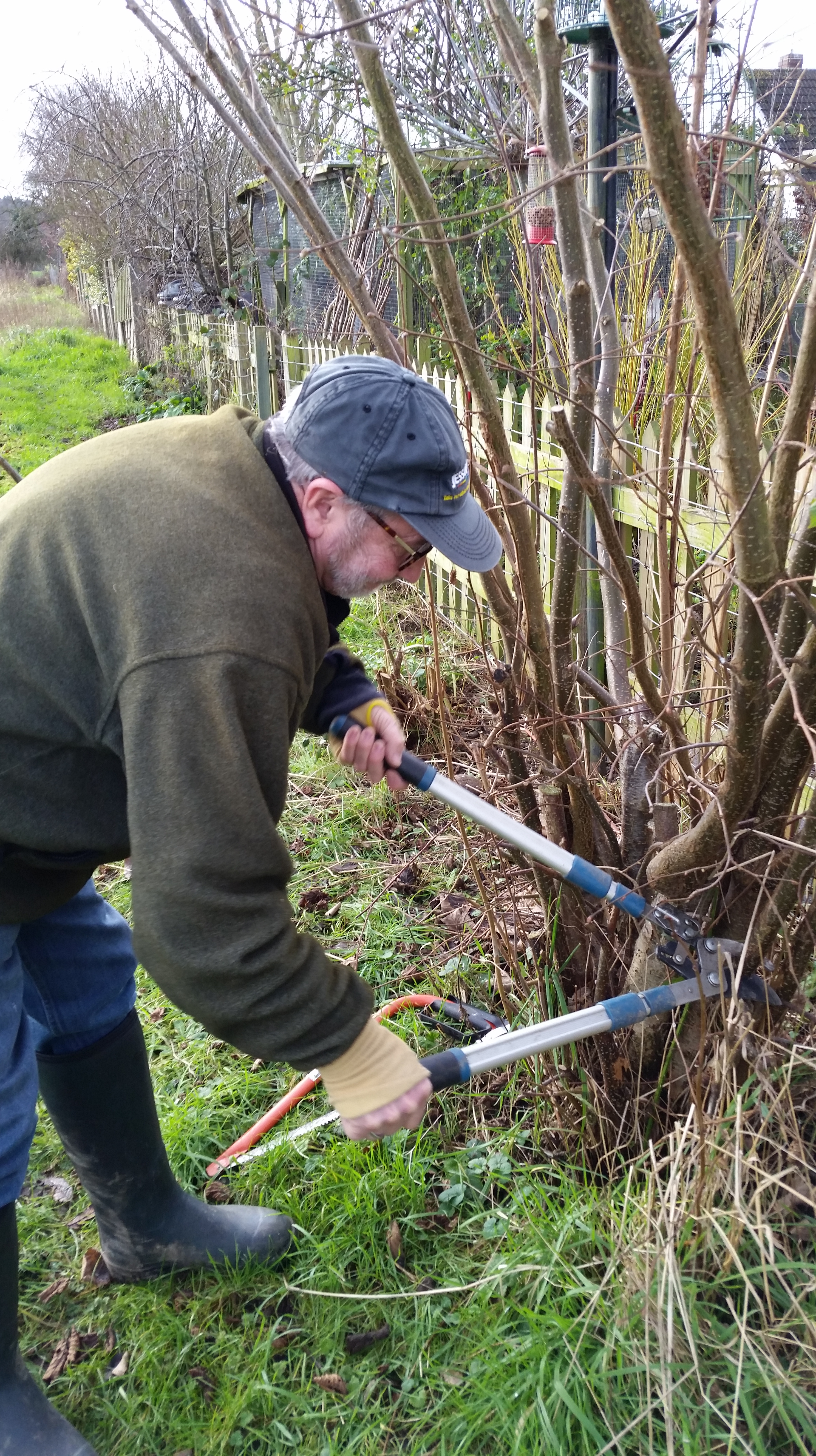
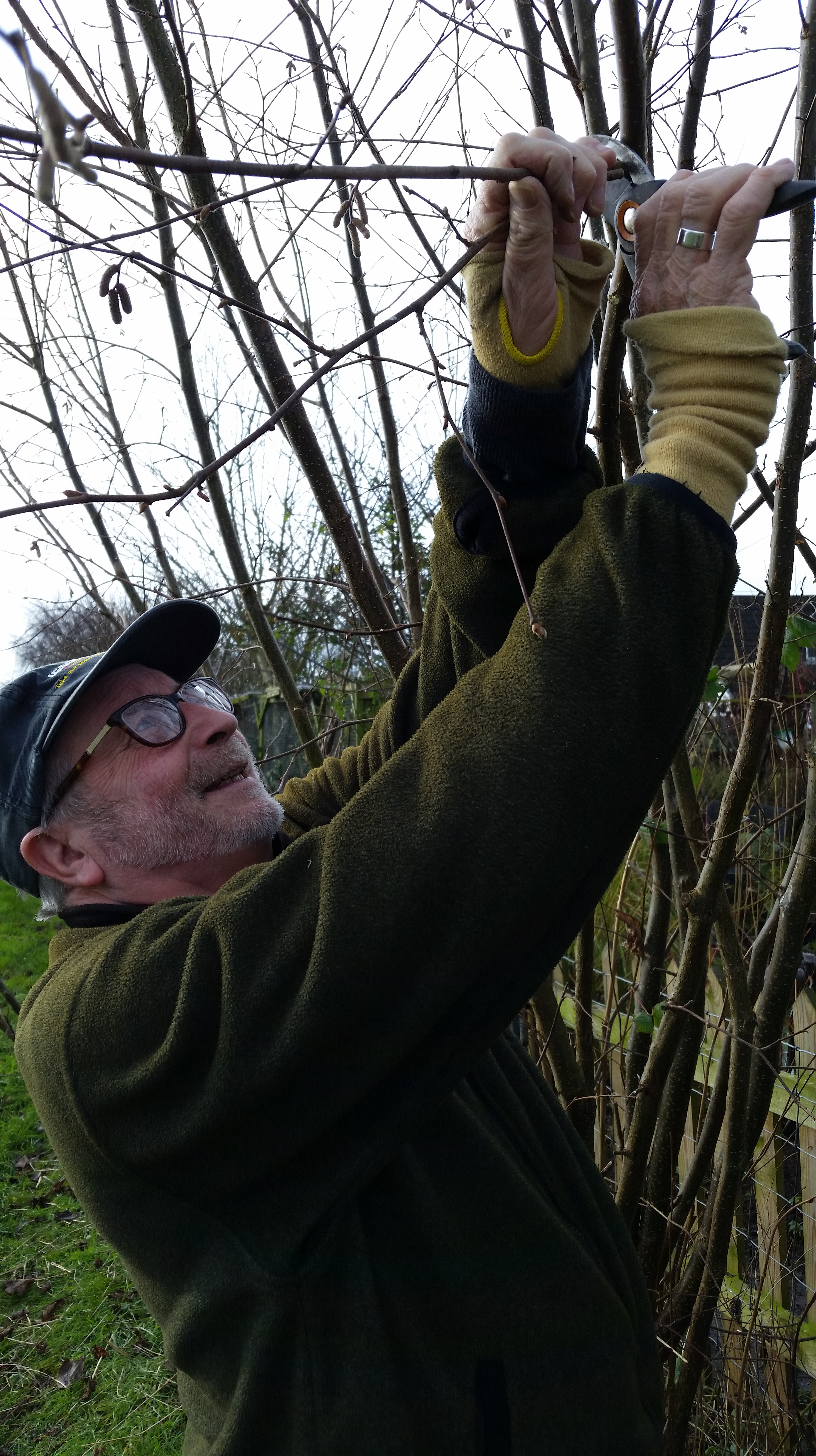
My next page is about two gardeners at work. Jude the Undergardener and I produce our own bean poles and pea sticks to use on our crops which we grow on our allotment plot.

2016 02 02_8163_edited-1

“Bean Poles and Pea Sticks

We have reached the stage now where our garden has matured enough to allow us to produce our own bean poles and pea sticks to use on our allotment. Our two Hazels provide us with the majority, but other shrubs add to our stash when we prune them.”

2016 01 26_8041 2016 01 26_8040 2016 01 26_8038 2016 01 26_8044 2016 01 26_8054 2016 01 26_8049

On the page opposite I share my photos of the first frost of 2016.

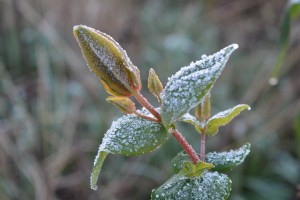
“The first frost of the year arrived in the third week of January. It added a new white dimension to foliage which sported rims of tiny white crystals.”

2016 01 17_7925-1 2016 01 17_7928-12016 01 17_7915-1 2016 01 17_7923-12016 01 22_8011 2016 01 17_7927-1

My final words and pictures in my January entry in my garden journal look back at my 2005 garden journal and a current garden project.

“Looking back at my January entries in my garden journal of 2005, I notice that I was then building a heated propagator in our new 14 foot by 8 foot greenhouse. This has served us well over the years making seed germination so much easier. This year I am making a much bigger propagating bench. For this version I will need support of my Undergardener, Jude.”

I hope you enjoy my photographic journey through this most enjoyable two day project. It was a good task to do while the weather outside was too cold, windy and wet to get any outdoor gardening done. The greenhouse was warm and snug so a good place to be working.  When describing our efforts I used short captions for each photograph.

2016 02 02_8150 2016 02 02_8151

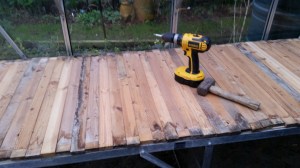
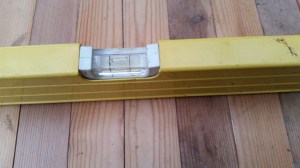
Using recycled wood we made a new bench. We checked it was perfectly level.”

2016 02 02_8136 2016 02 02_8137

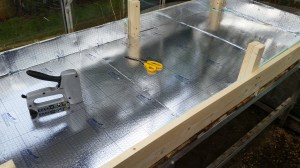
“We fixed in a double layer of insulation boards after adding an edge of 6 inch board. Then we fixed on a layer of plastic sheet.”

2016 02 02_8142 2016 02 02_8133

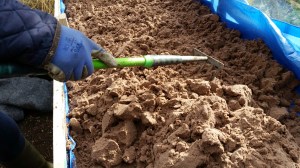
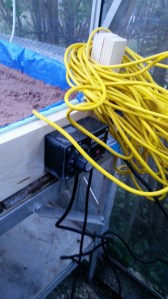
“We added a 2 inch layer of soft sand. The control box, thermostat and probe were fixed to the box.”

2016 02 02_8127 2016 02 02_8128

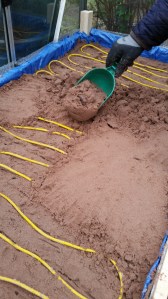
“Then we laid out our heating cable carefully. The cable had to be covered in soft sand.”

2016 02 02_8129 2016 02 02_8118

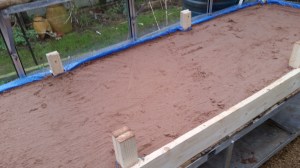
A second layer of soft sand was added to a depth of 2 inches. We carefully made it level. The final touch – a layer of capillary matting”.

Here ends the entries from the first monthly entry into my Garden Journal for 2016. See you in February when we will start to use our newly constructed heated propagation bench.


Categories
birds colours flowering bulbs garden photography garden wildlife gardening grasses half-hardy perennials hardy perennials ornamental grasses ornamental trees and shrubs outdoor sculpture roses shrubs succulents Winter Gardening winter gardens

My Garden Journal – December

To celebrate the moving from 2015 into 2016 I thought an appropriate post to publish would be my final monthly garden journal entries for 2015.

This is the final month of reporting on my garden journal where I have been keeping track of what has been happening in our Avocet garden. December should be a month of cold nights, frosts and wintry showers but this year it has been a month of strong winds and rain accompanying mild temperatures. We have still only had one frost in this last bit of the year. Our Dahlias remain outside as we move into the first week of December as we are waiting for frosts to blacken their foliage which would allow us to prepare them for their winter rest.

Opening up my garden journal onto the first pages for December reveals photos of berries which are such a strong feature of our winter garden.

2015 12 28_7595_edited-1

My first entry for December reads, “The berries of our trees and shrubs give bright splashes of colour in the Winter Garden.”

My photos show berries of Hypericum, Sarcoccoca, various Hollies and one of our Sorbus.

2015 12 01_7338 2015 12 01_73362015 12 01_7334 2015 12 01_73552015 12 01_7363 2015 12 01_7366

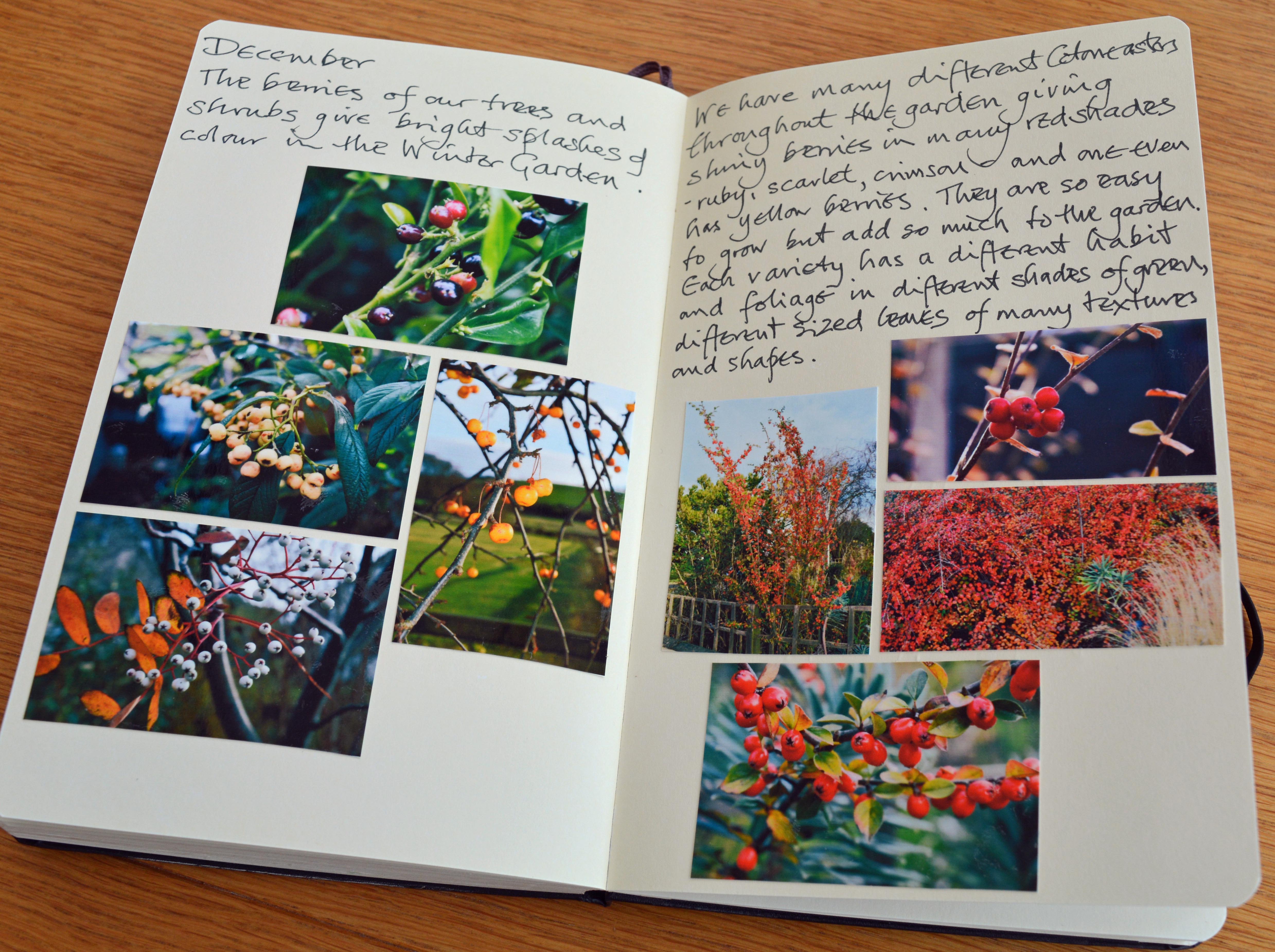
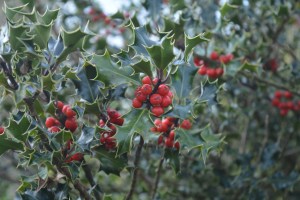
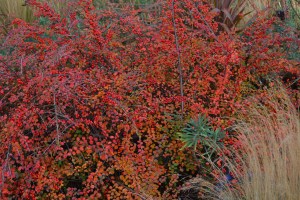
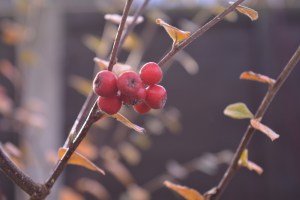
We have many different Cotoneasters throughout the garden giving shiny berries in many red shades – ruby, scarlet, crimson – and one even has yellow berries. They are so easy to grow but add so much to the garden. Each variety has a different habit and foliage in different shades of green, different sizes, shapes and textures. But what is common to them all is that they are true favourites of our berry eating thrushes.”

2015 12 01_7354 2015 12 01_7357 2015 12 01_7358 2015 12 01_7362 2015 12 01_7364 2015 12 01_73682015 12 01_7377 2015 12 01_7340 2015 12 01_7365

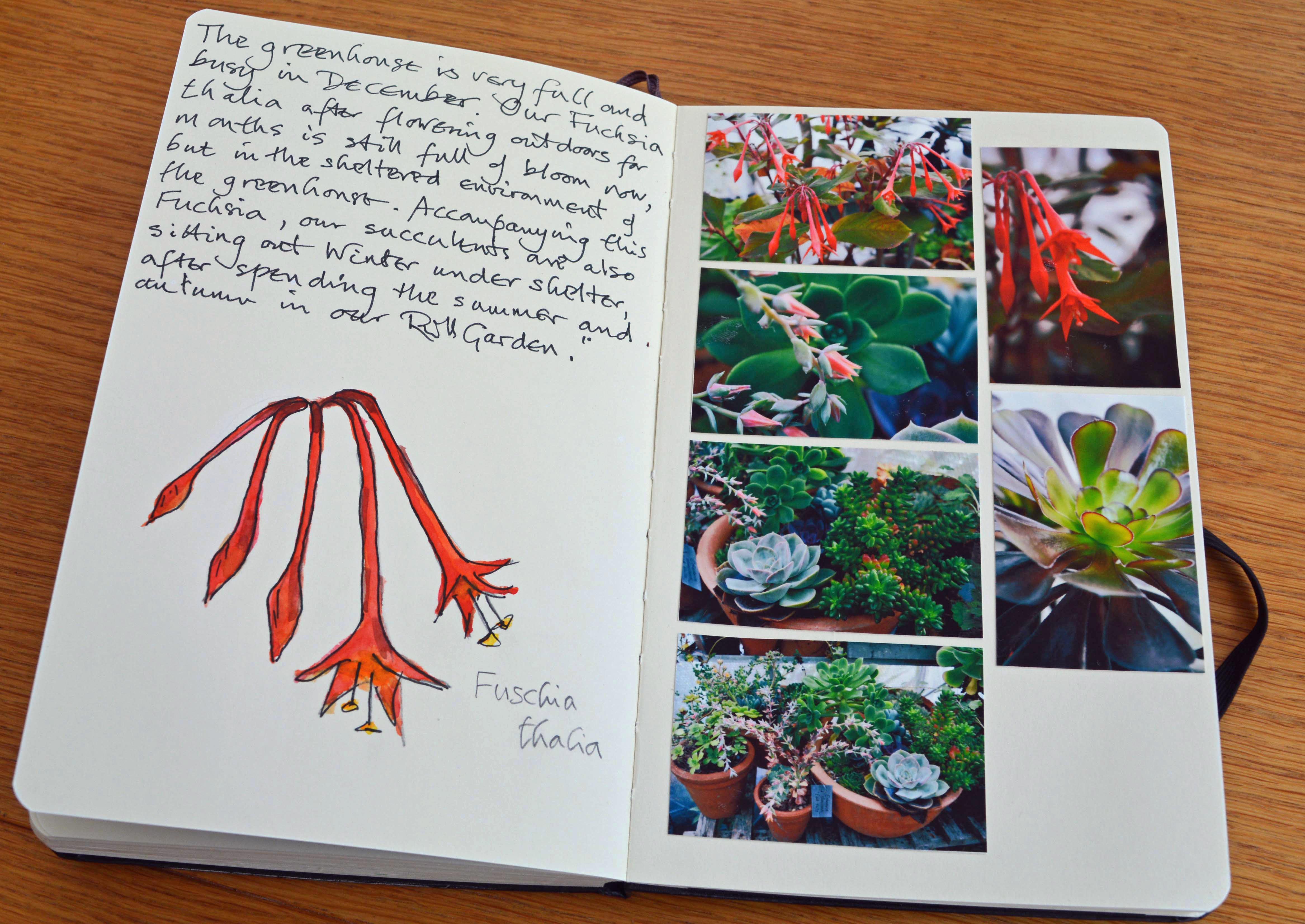
The greenhouse features next in my December Journal as it is during this month that it fills up with tender plants which we want to overwinter.

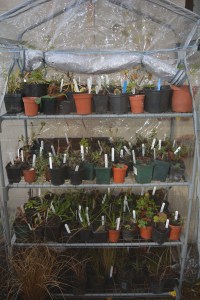
“The greenhouse is very full and busy in December. Our Fuschia thalia after flowering outdoors for months is still full of bloom now but in the sheltered environment of the greenhouse. Accompanying this special Fuschia, our succulents are also sitting out winter under shelter, after spending the summer and autumn in the Rill Garden.” 

2015 12 28_7596_edited-12015 12 01_7323 2015 12 01_7322

I tried to show the uniqueness of the Fuschia and its incredibly bright colour with watercolours.

2015 12 28_7597_edited-1

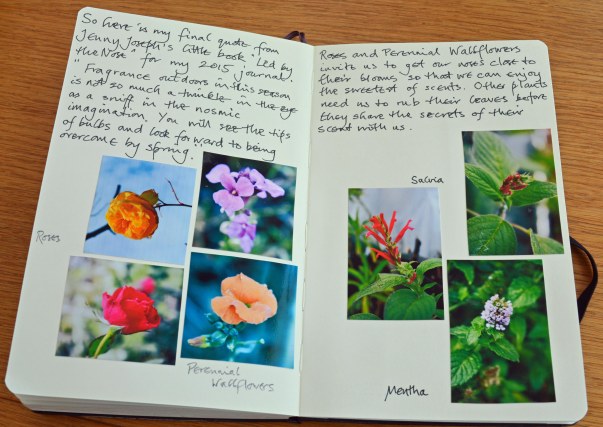
My final quote for 2015 from the little book by Jenny Joseph, “Led by the Nose” appears as we turn the next page.

2015 12 28_7598_edited-1

Fragrance outdoors in this season is not so much a twinkle in the eye as a sniff in the nosmic imagination. You will see the tips of bulbs and look forward to being overcome by spring.” 

Below these words I share photos of a few of the flowers that are sharing their scent with us this month, roses and perennial wallflowers.

2015 12 01_7343 2015 12 01_7384 2015 12 01_7361_edited-1 2015 12 01_7398 2015 12 01_7376_edited-1 2015 12 01_7372

“Roses and Perennial Wallflowers invite us to get our noses close to their blooms so that we can enjoy the sweetest of scents. Other plants need us to rub their leaves before they share the secrets of the scent with us.” 

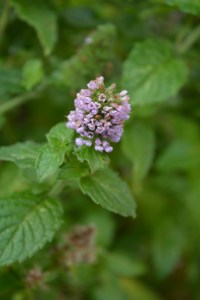
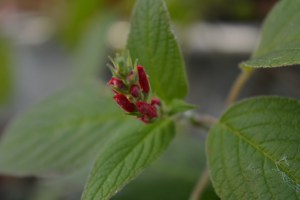
The accompanying pictures show two such plants, salvias and mints.

2015 12 01_7319 2015 12 01_73812015 12 01_7320

The colour yellow can cheer up the garden in the deep dark days of December, so I moved on to see what plants were giving us these golden tints.

2015 12 28_7599_edited-1

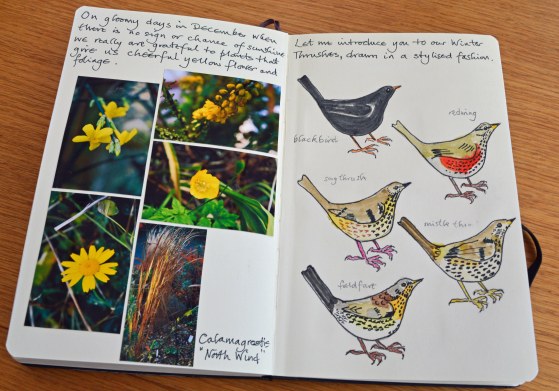
“On gloomy days in December when there is no sign or chance of sunshine, we really are grateful to plants that give us cheerful yellow flower and foliage.”

2015 12 01_7382 2015 12 01_7383 2015 12 01_7412 2015 12 01_7406 2015 12 01_7347  2015 12 01_7352_edited-1

Opposite my tour of our garden yellows I make mention of the members of the ?thrush family that share our garden with us in the winter.

“Let me introduce you to our Winter Thrushes, drawn in a stylised fashion.”  I hope you enjoy them.

2015 12 28_7600_edited-1

We next turn from the colour yellow to bright pinks, Nerines.

2015 12 28_7606_edited-1

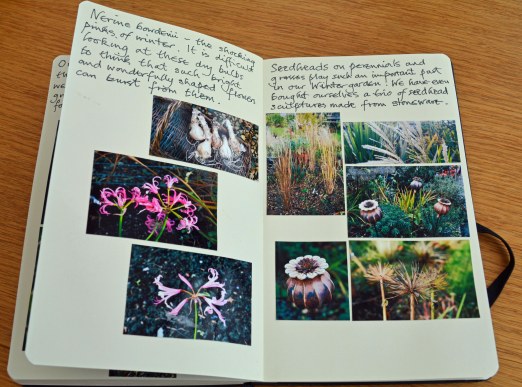
“Nerine bowdenii is the shocking pink of winter. It is difficult looking at these dry bulbs to think that such bright and wonderfully shaped flowers can burst from them.”

2015 12 16_7522 2015 12 01_7339

Seed heads are the theme of the page opposite the Nerines.

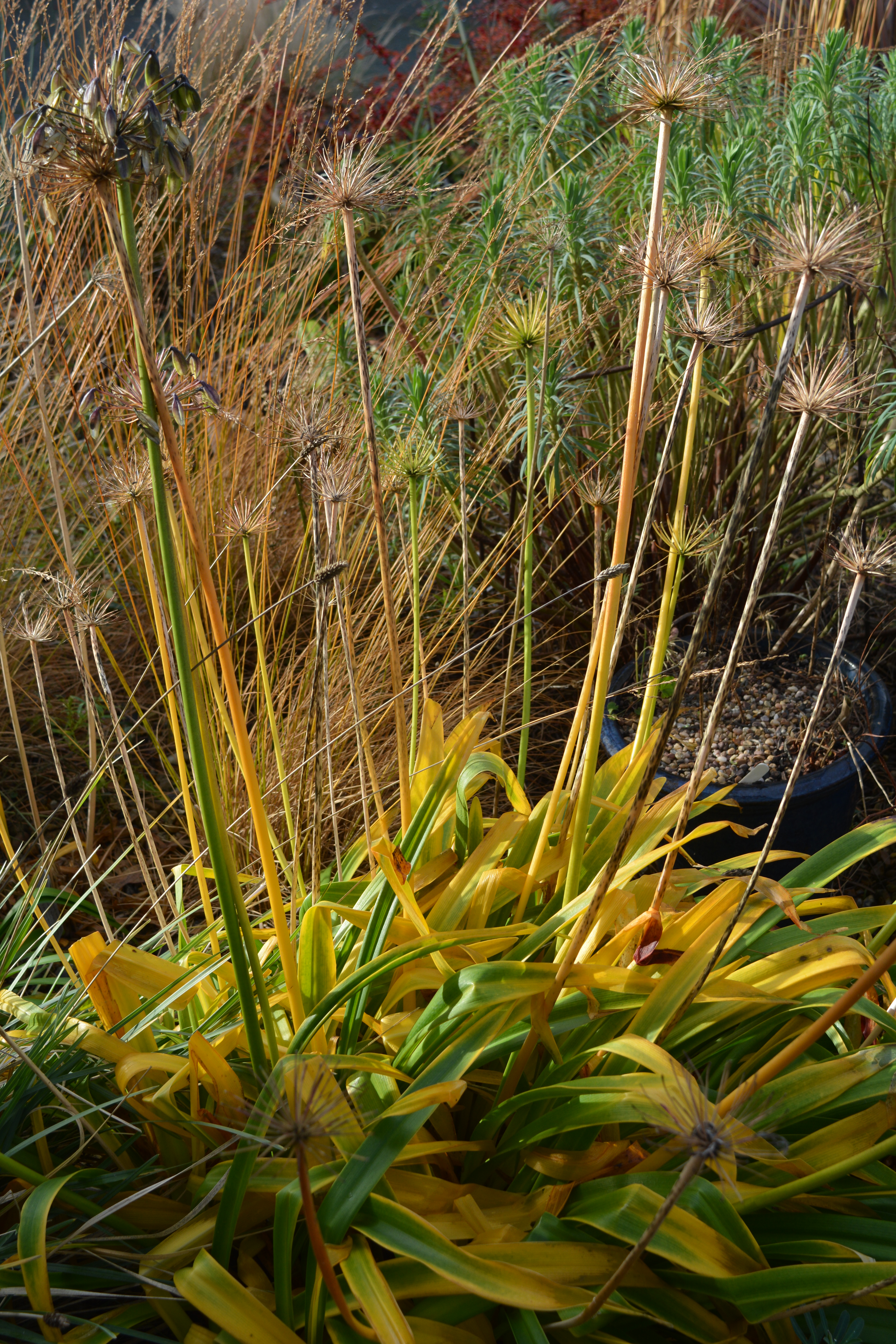
“Seedheads on perennials and grasses play such an important part in our Winter garden. We have even bought ourselves a trio of seedhead sculptures made from stoneware.”

2015 12 01_7353 2015 12 01_73492015 12 01_7350 2015 12 01_7392_edited-1

2015 12 01_7360 2015 12 01_7359

So now we turn the page to the very last entry in my 2015 Garden Journal.

2015 12 28_7607_edited-1

As December slowly comes to an end for 2015, we are already looking ahead. Jude’s little nursery is well-stocked with young plants which we will sell on our open days and to garden clubs who visit Avocet. The greenhouse keeps our tender plants warm and snug. They are patiently awaiting Spring 2016.”

2015 12 01_7317 2015 12 01_7318   2015 12 01_7333

Young plants that we are growing on for sale at next year’s open days are sheltering in a plastic mini-greenhouse to encourage them to grow strong and healthy ready for next year. They look pretty sad through the winter though as most are herbaceous perennials.

2015 12 01_7337


Categories
autumn autumn colours birds colours garden photography garden wildlife gardening gardens hardy perennials light light quality migration ornamental trees and shrubs Shropshire

My Garden Journal – October

So here we are with the tenth post in the “My Garden Journal” monthly series highlighting the changes that we see, hear and smell each month in our Shropshire garden at our home “Avocet”. Our garden open days have finished for the year and we have hosted our last visiting group for the year, so we have the garden to ourselves and our wildlife. From April to September we are open on set days and to visiting groups and although we love sharing our garden there is a feeling of letting go a bit once October arrives a sort of end of term feeling.

We will be busy taking hardwood cuttings and potting on those we struck last autumn. Our greenhouse becomes home to our more delicate plants, our Aeoniums, Salvias, and Echeverias. We put up bubble wrap as a cosy duvet for them and put the heating on gently.

My first page in my journal for October refers to the changing light the month brings.

2015 11 01_6961_edited-1

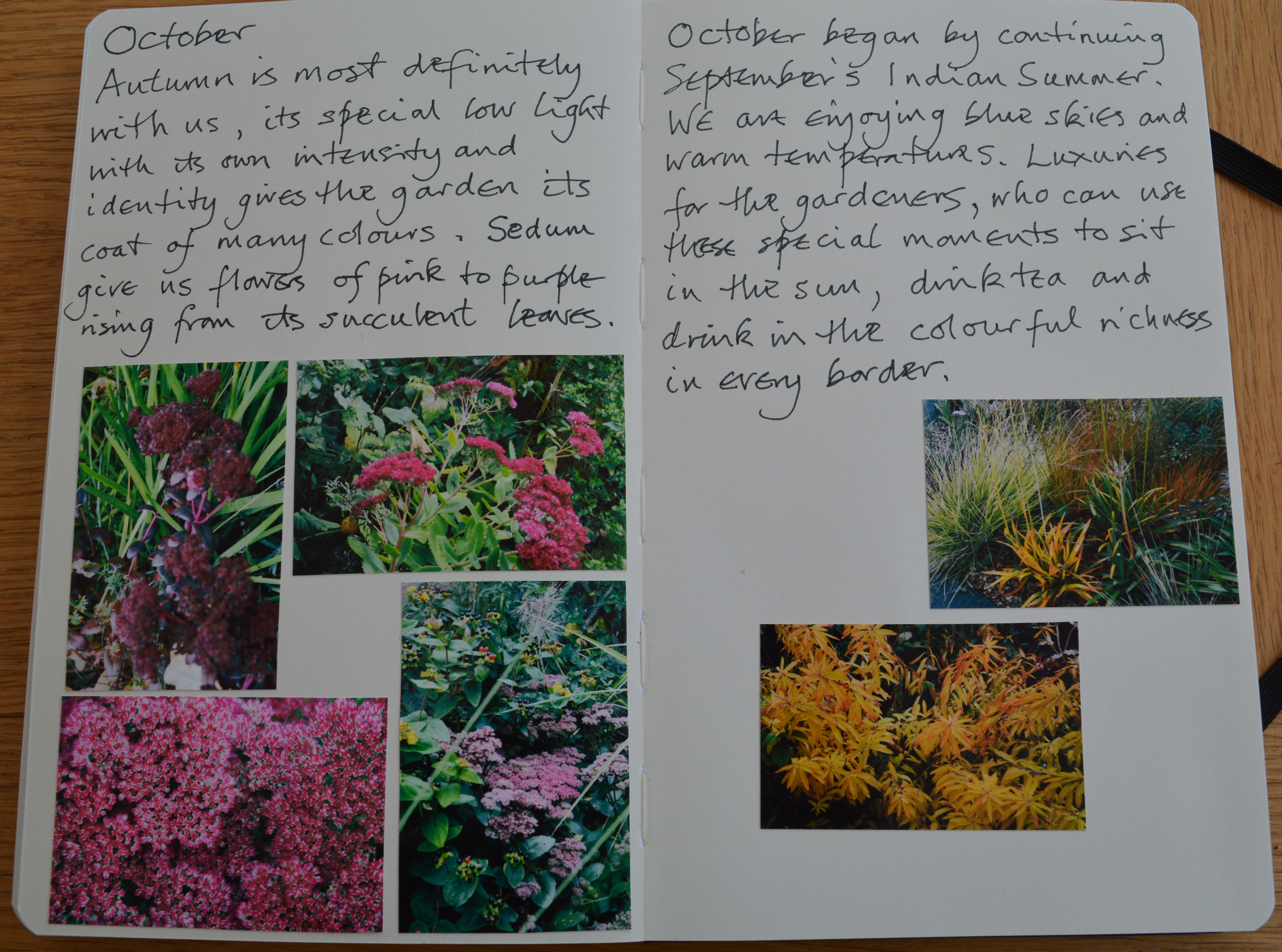
“Autumn is most definitely with us, its special low light with its own intensity and identity gives the garden its coat of many colours. Sedum give us flowers of pink to purple rising from its succulent leaves. 

2015 10 10_5931 2015 10 10_5924 2015 10 10_5936 2015 10 10_5927

“October began by continuing September’s Indian Summer. We are enjoying blue skies and warm temperatures. Luxuries for the gardeners, who can use these special moments to sit in the sun, drink tea and drink in the colourful richness in every border.”

2015 10 26_6842-2 2015 10 26_6800-2

2015 11 01_6962_edited-1

My journal moved on to consider the changing colours which is symbolic of this season. The quote I have selected for October from Jenny Joseph also looks at October’s colours.

“The fire that October first brings to me is what has started in September. It is the woods flaming; not terrifying summer fires in some afforested countries, but the fire with no heat, no destruction. The torch that sets fire to our woods, hedges, trees in roads and gardens, blazing through cool damp darkening days is the sap withdrawing. It is a dying that can make us gasp at the intensity and great range of colour.”

In my journal I wrote “All those myriad shades of green that had been acting as foils for the colours of flowers are now coming to the fore. It is their turn to be the stars! As we move into autumn more deeply the green recedes to reveal yellows, oranges and reds. Our Euphorbia griffithii “Fireglow” glows yellow with thin red lines drawn on.”

2015 10 26_6801-2 2015 10 26_6802-22015 10 26_6803-2

“We grow two different varieties of Hamamelis x intermedia, Jelena and Diana, mostly for their bright late winter/early spring flowers but in autumn they give us the same orange and red colours.”

2015 10 26_6807-2 2015 10 26_6812-22015 10 26_6806-2 2015 10 26_6808-22015 10 26_6805-2

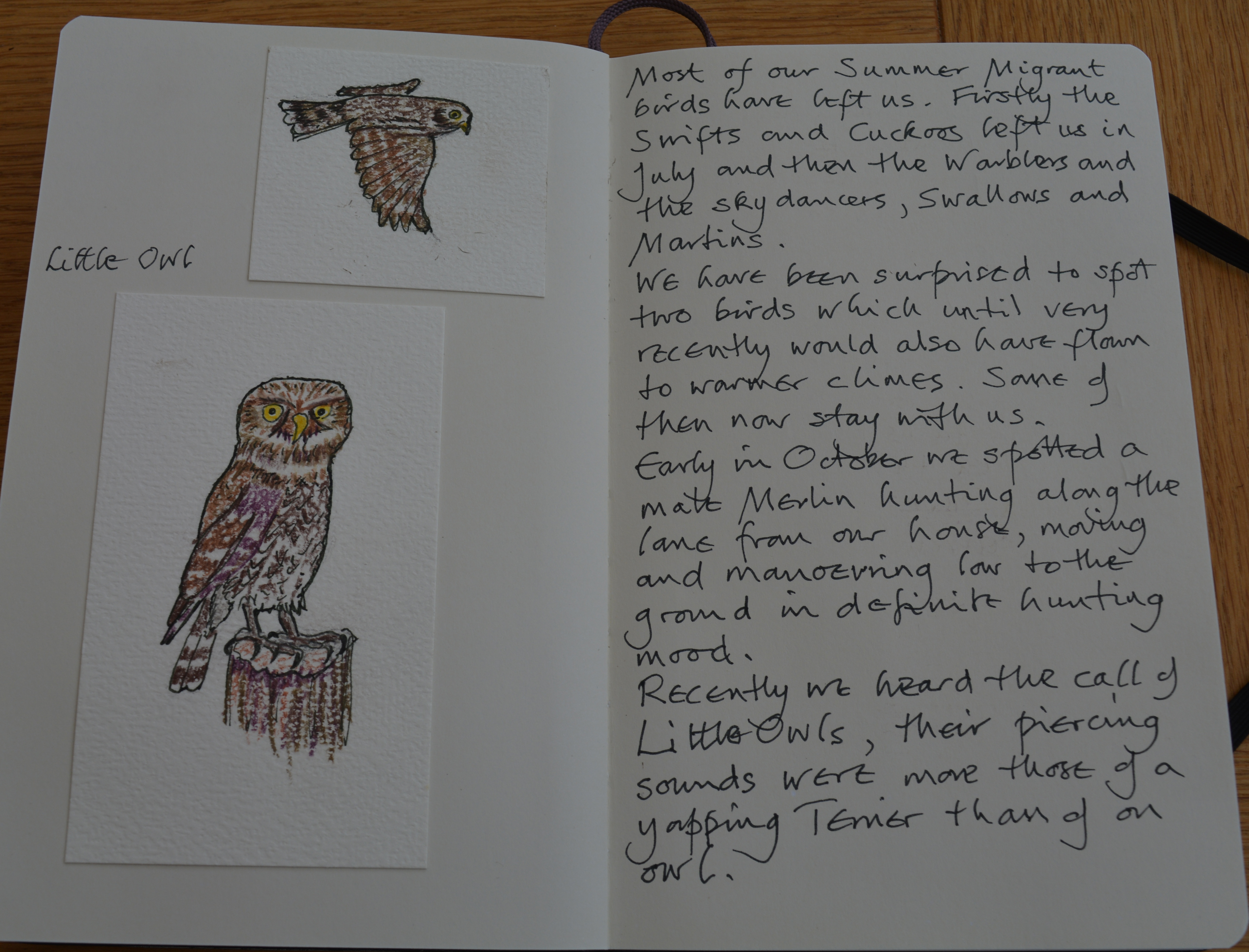
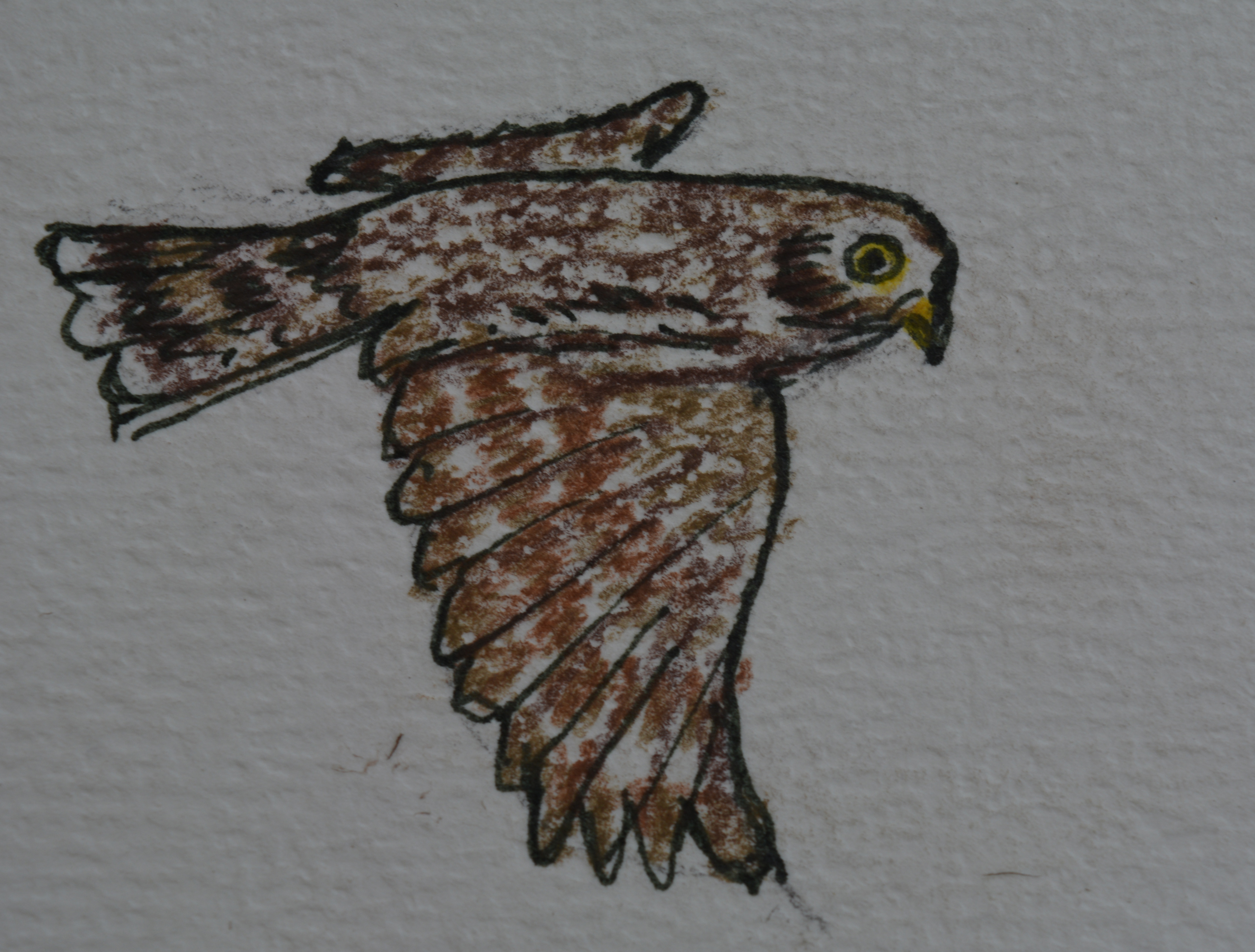
On the following pages I discuss the birds that visited our garden during October, the Merlin and the Little Owl. I hope you enjoy looking at my coloured pencil crayon drawing as much as I enjoyed creating them.

2015 11 01_6963_edited-1

“Most of our Summer Migrant birds have left us. Firstly the Swifts and the Cuckoos left us in July and then the Warblers and the sky dancers, Swallows and House Martins.

We have been surprised to spot two birds which until recently would also have flown to warmer climes. Some of our summer visitors now stay with us. Early in October we spotted a male Merlin hunting along the lane from our house, moving and manoevring low to the ground in definite hunting mood.

Recently we heard the call of Little Owls, their piercing sounds were more those of a yapping Terrier than those of an owl.”

2015 11 01_6965_edited-1 2015 11 01_6966_edited-1

2015 11 01_6967_edited-1

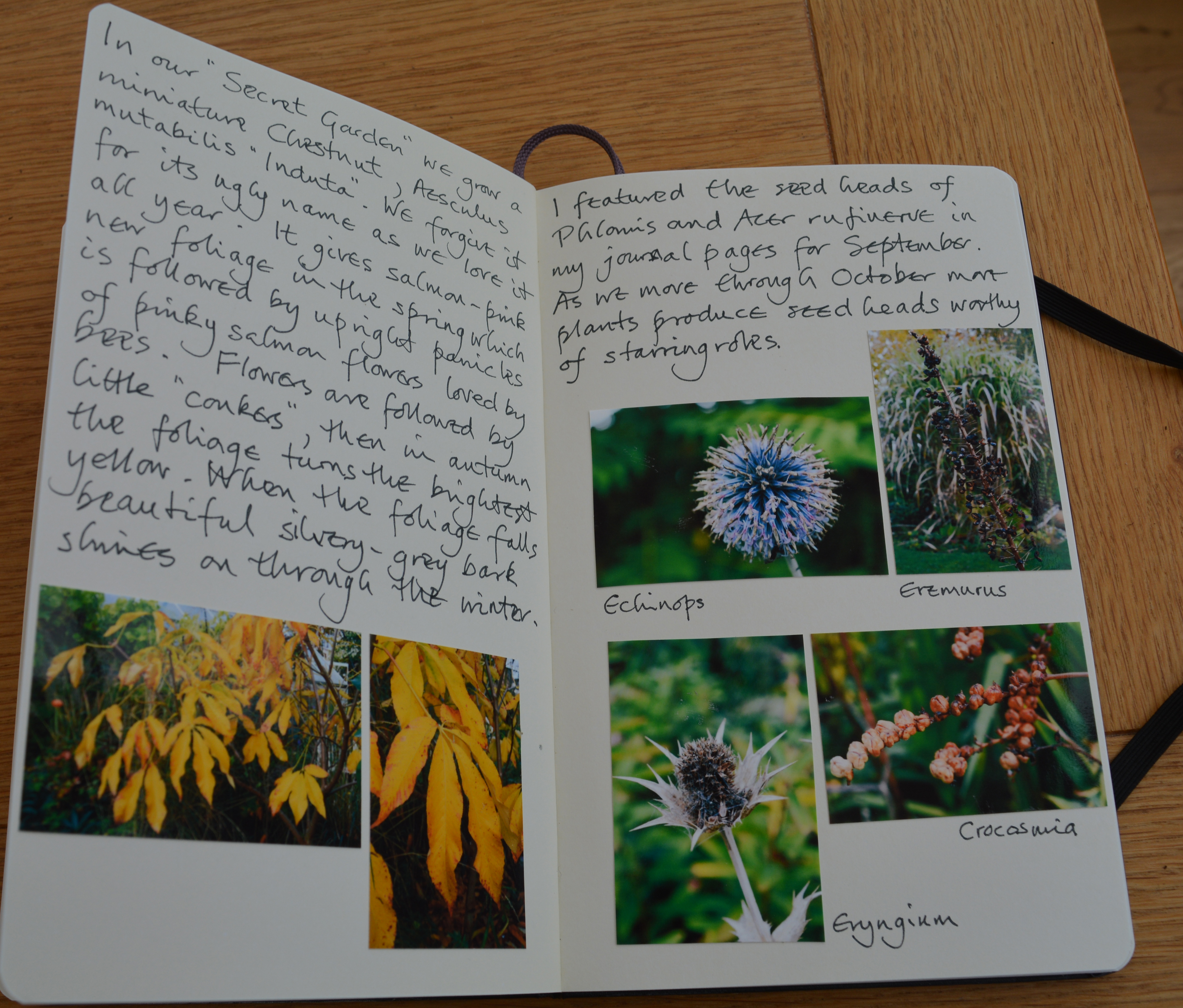
“In our “Secret Garden” we grow a miniature Chestnut, Aesculus mutabilis “Induta”. We forgive it for its ugly name as we love it all year. It gives salmon-pink new foliage in the spring which is followed by upright panicles of pinky-salmon flowers loved by the bees. Flowers are followed by little “conkers”, then in autumn the foliage turns the brightest yellow. When the foliage falls beautiful silvery-grey bark shines through the winter.”

2015 10 26_6817-2 2015 10 26_6818-22015 10 26_6816-2

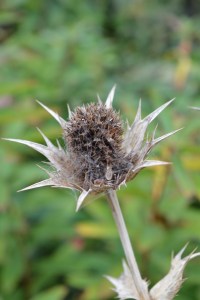
I featured the seed heads of Phlomis and Acer rufinerve in my journal pages for September. As we move through October more plants produce seed heads worthy of starring roles. Echinops, Eremurus, Eryngium and Crocosmia.”

2015 10 10_5923 2015 10 26_6831-22015 10 26_6841-2 2015 10 10_59182015 10 10_5917

November will take us deeper into the autumn which this year is proving to be an exceptionally colourful one.

Categories
autumn autumn colours birds colours flowering bulbs garden photography garden wildlife gardening grasses half-hardy perennials hardy perennials house martins light light quality migration ornamental grasses ornamental trees and shrubs Shropshire swallows trees

My Garden Journal – September

The September pages of my garden journal sees the first signs of autumn creeping in, colours changing, light creeping in at a lower level and our summer migrant birdlife disappearing. The skies are empty and quiet now that the Swallows and Martins have left us for warmer climes. We are missing the sight and sounds of Warblers flitting among the trees and shrubs but hopefully some Garden Warblers and Chiffchaffs will decide to stay with us. Climate change seems to be encouraging more migrants to remain in the UK all year through.

2015 10 22_6619_edited-1

Being a British gardener I start by talking about the weather! “The “Met Office” weathermen tell us that September is the first month of Autumn, but we hope it will be the continuation of Summer. This year September is unlike Summer, and is not even an Indian Summer. It is a dismal month of heavy skies and rain. Every flower that fights its way through the gloom is a ray of sunshine.”

Next comes my usual piece of writing from Jenny Joseph’s little book, “Lead by the Nose”.

For September, it is harvesting and clearing what is there on the one hand, with a great deal of sharp acrid savoury smells from dead-heading, disentangling, weeding, cutting down leaf and stalk, digging up roots.”

2015 10 22_6620_edited-1

I move on to consider a special group of plants which Jude and I love in our garden, the airy, whispy plants that can’t help but move in the gentlest of breezes, the “Windcatchers”.

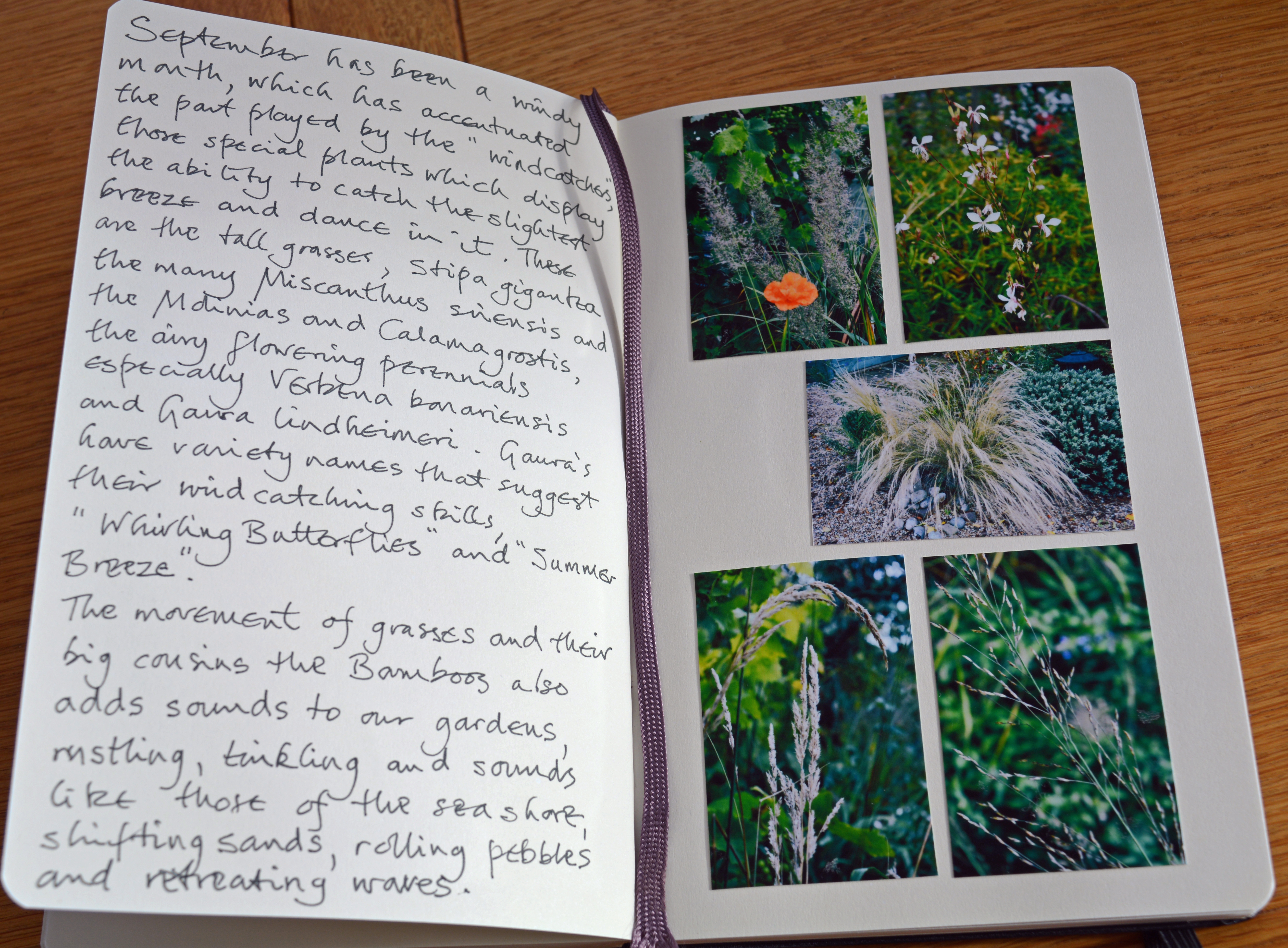
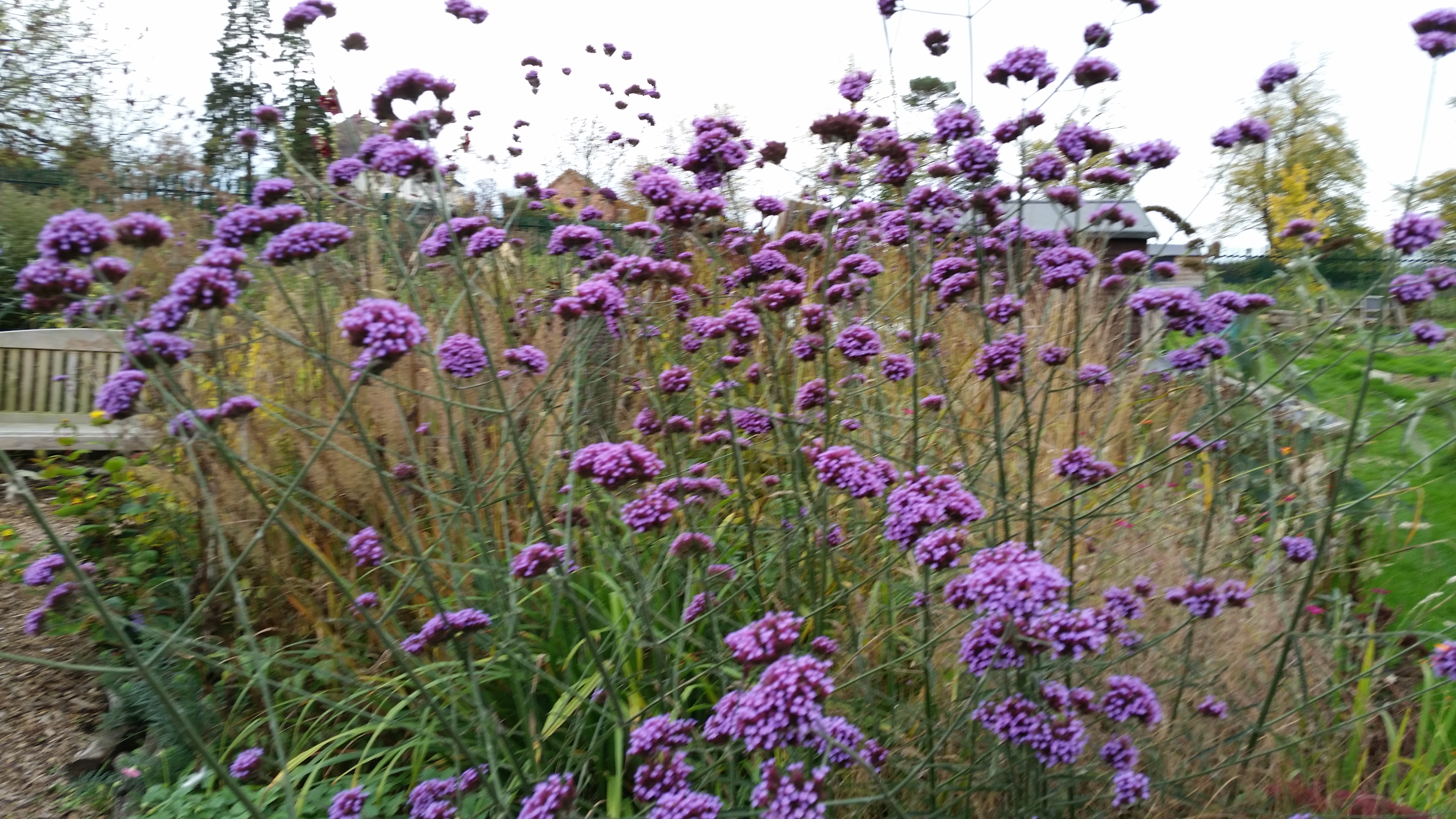
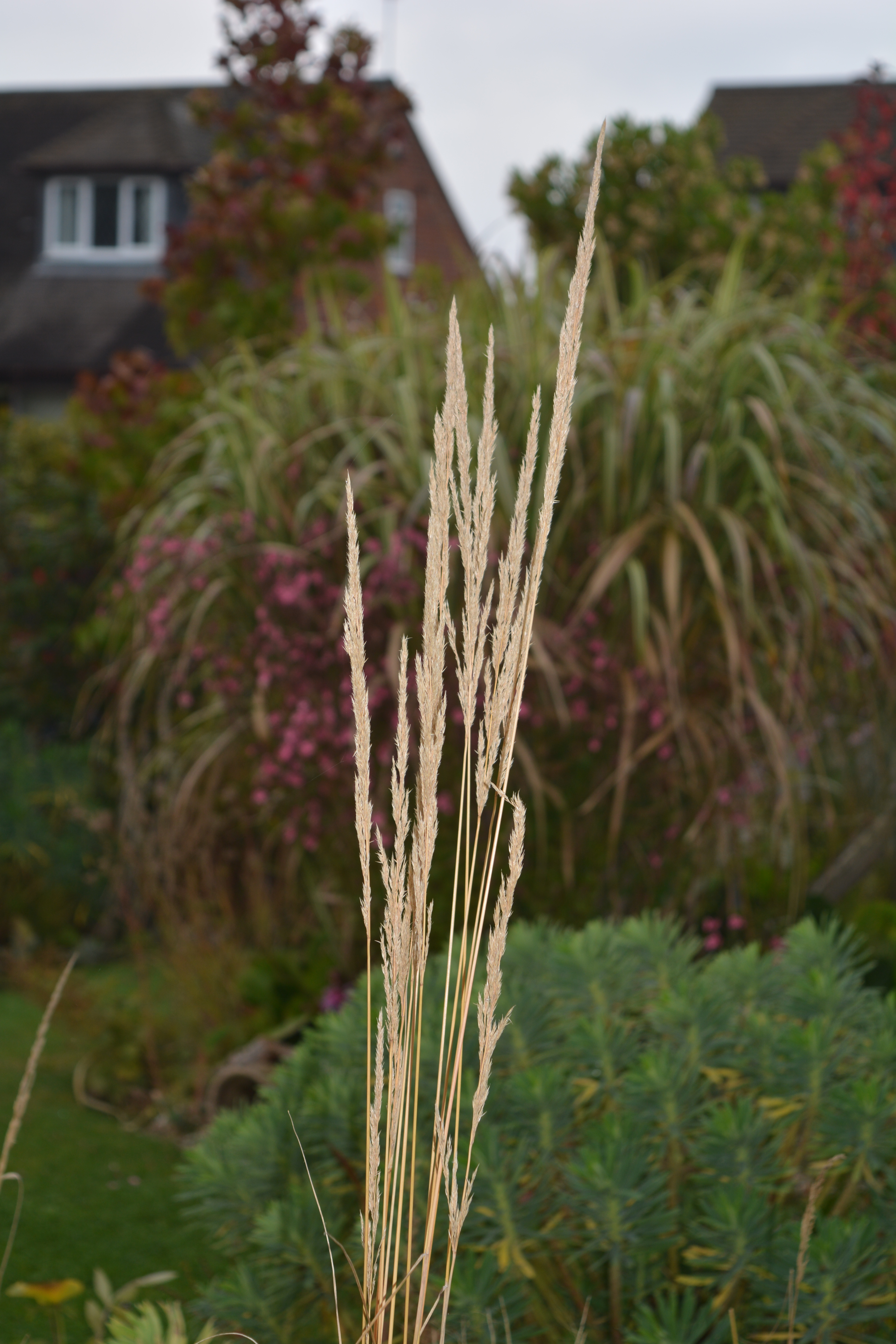
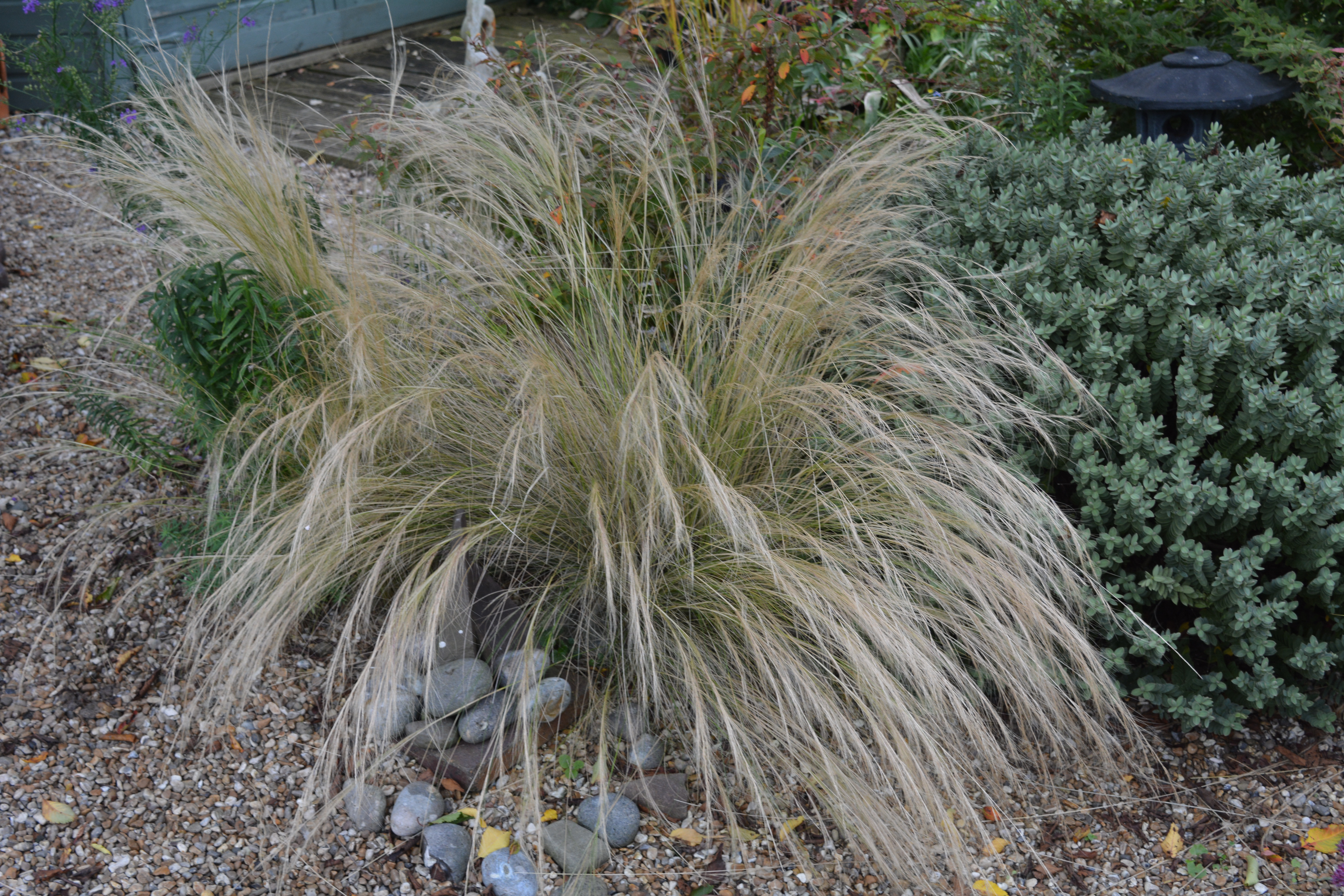
“September has been a windy month, which has accentuated the part played by the “Windcatchers”, those special plants which display the ability to catch the slightest breeze and dance in it. These are the tall grasses, Stipa gigantea, Miscanthus sinensis and the Molinias and Calamagrostis, the airy flowering perennials especially Verbena bonariensis and Gaura lindheimeri. Gauras have variety names that suggest their windcatching skills, “Whirling Butterflies” and “Summer Breeze”. 

The photos below show what a beautiful plant Verbena bonariensis is with its bright purple flower heads nodding in the breeze atop its stiff thin stems. It is a true wildlife magnet too attracting Butterflies and Moths, Bees and Hoverflies and many other flying insects. As the light fades in the evening the flowers glow and their scent intensifies to attract night flying insects and a miriad of Moths.

2015 10 24_6629 2015 10 24_6628

The movement of grasses and their big cousins the Bamboos also adds sounds to our garden, rustling, tinkling and sounds like those of the seashore, shifting sands, rolling pebbles and retreating waves.”

Grasses are such an important element in our garden and help create an all year round garden. From their fresh green leaves emerging in the spring right through to their flowers and on to their seedheads which stand right through the winter.

2015 10 10_5937 2015 10 10_5938 2015 10 10_5943  2015 10 10_5935 2015 10 10_5929 2015 10 10_5930 2015 10 10_5928

Surprises are the subject of my next page.

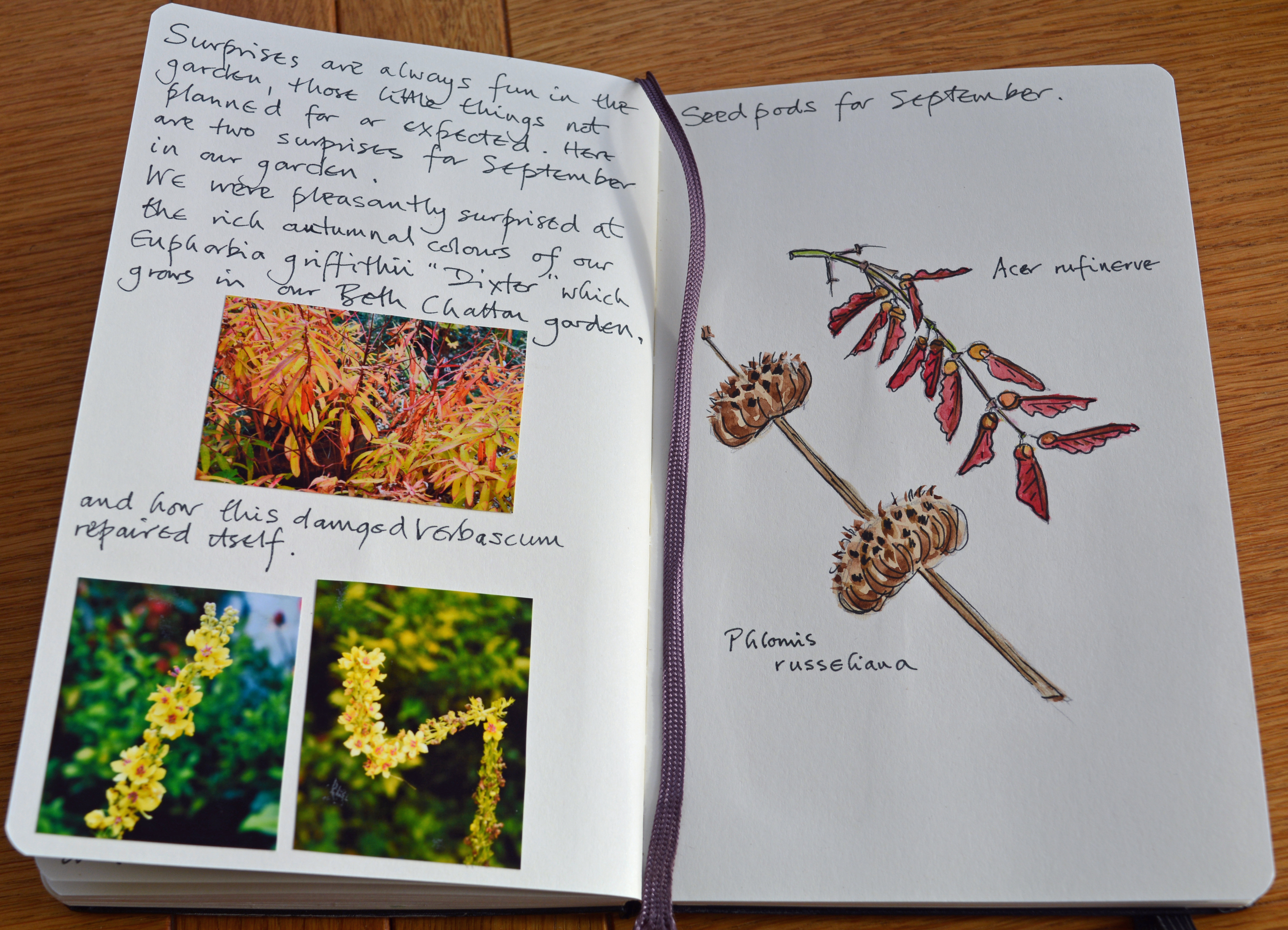
Surprises are always fun in the garden, those little things not planned for or expected. Here are two surprises for September in our garden.

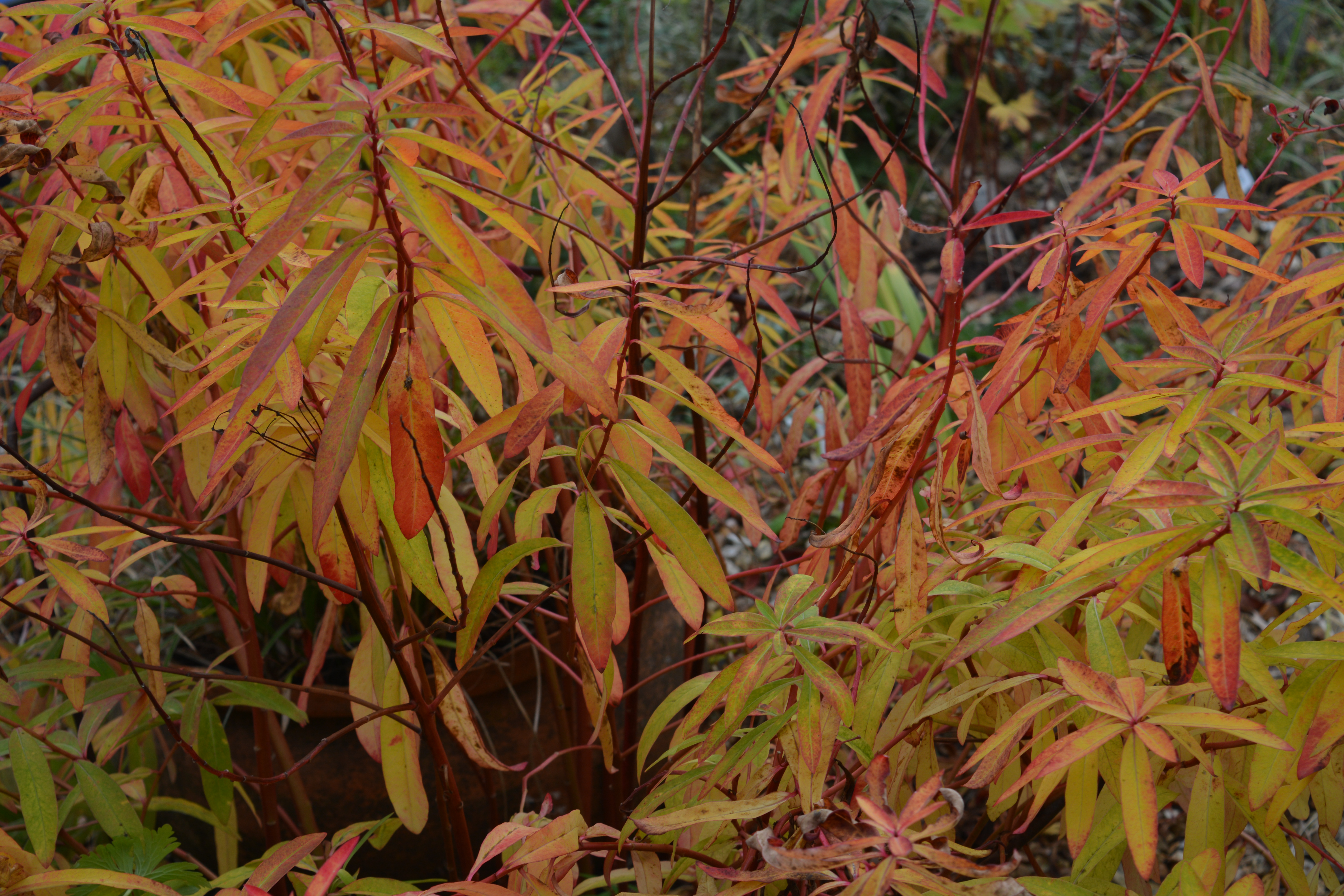
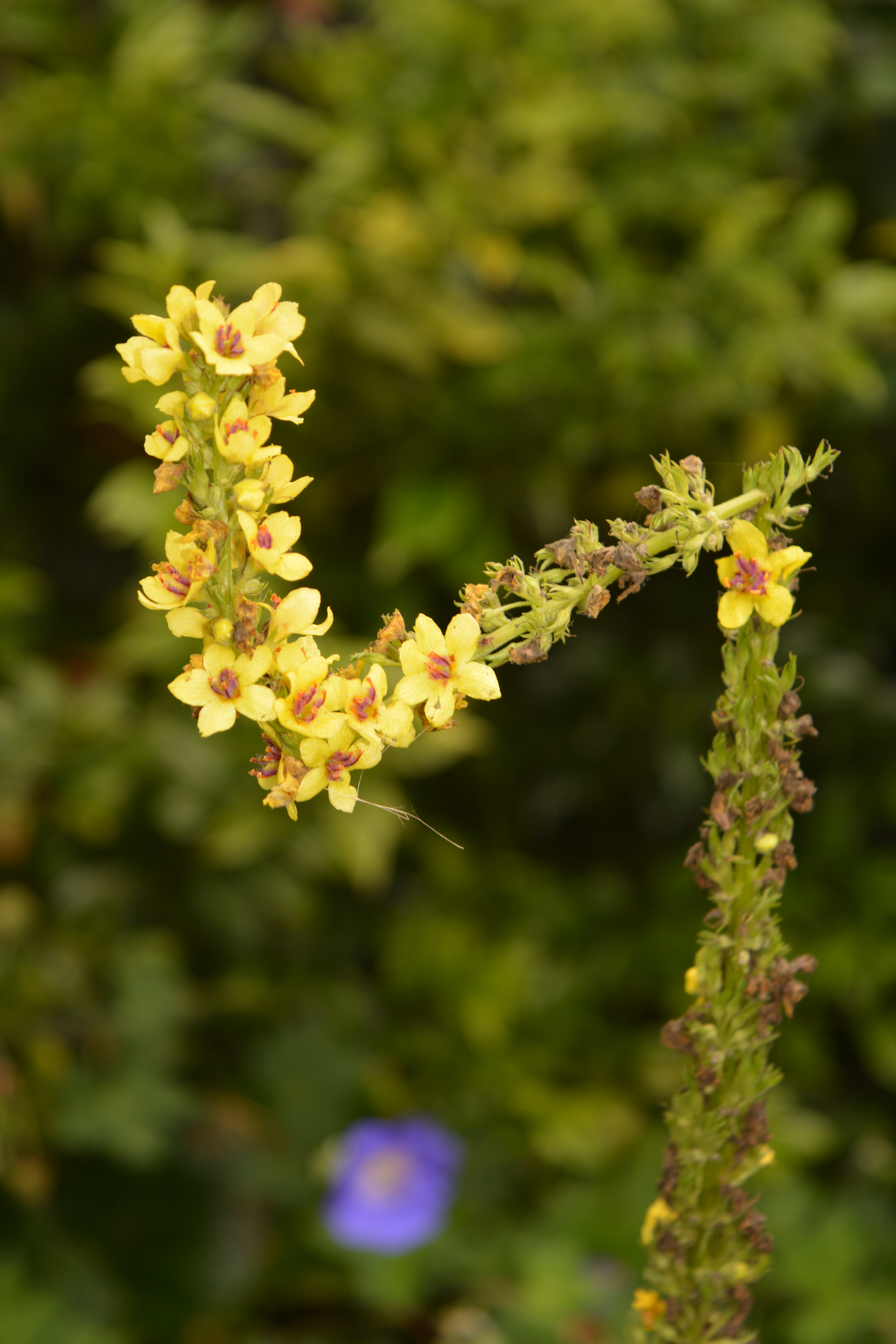
We were pleasantly surprised at the rich autumnal colours of our Euphorbia griffithii “Dixter” which grows in our Beth Chatto garden, and how this damaged Verbascum repaired itself.”

2015 10 22_6621_edited-1

2015 10 10_5942 2015 10 10_5919 2015 10 10_5920

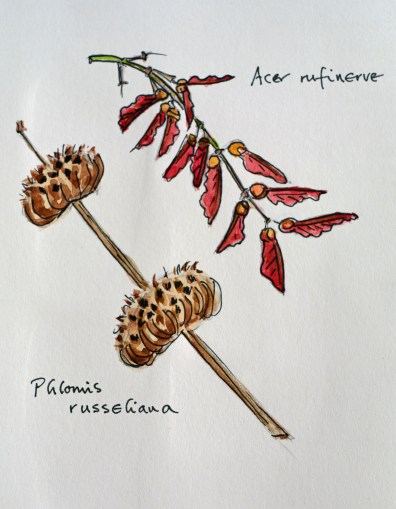
My watercolour paintings of Acer rufinerve and Phlomis russeliana feature on the next page titled “Seedpods for September”. These seeds are capsules of promise, time capsules. The wing-like Acer seeds are shaped and moulded to allow a gentle descent in the wind, each maple key parachuting down to find a place to germinate. The pompom seedheads of the Phlomis are tightly packed balls of rough textured seeds designed to stick to any passing creature who will wander off and drop it away from the parent plant where it can find space to become a herbaceous plant with hairy heart shaped leaves and yellow-orange balls of flowers. 

2015 10 22_6623_edited-1

We now move on to the end of the month when the weather surprised us as it changed for the better, change to good gardening weather and good weather for appreciating gardens.

2015 10 22_6624_edited-1

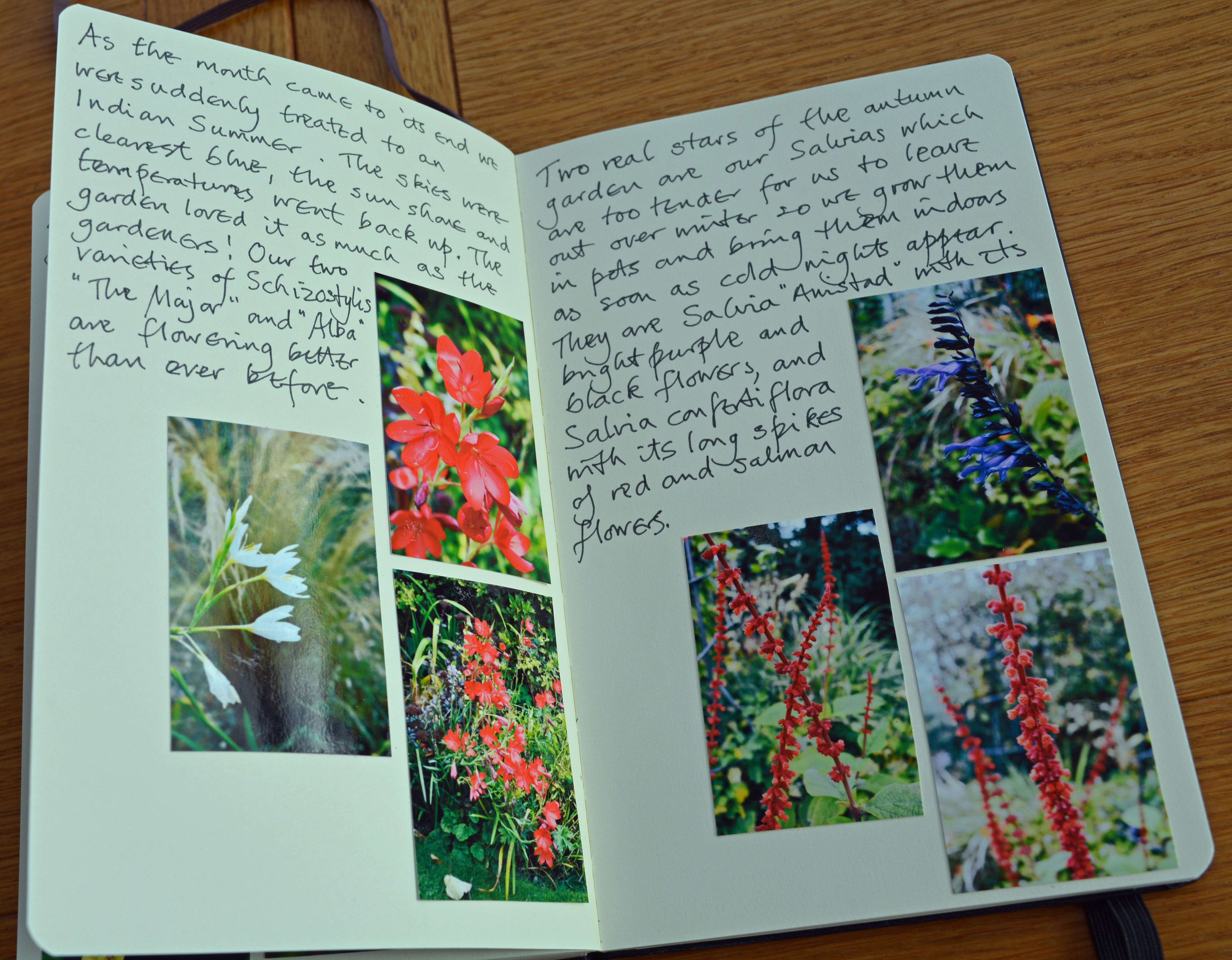
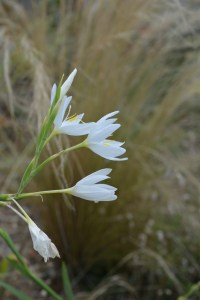
“As the month came to its end we were suddenly treated to an “Indian Summer”. The skies were clearest blue, the sun shone and temperatures went back up. The garden loved it as much as the gardeners! Our two varieties of Schizostylus, “The Major” and “Alba”are flowering better than ever before.”

2015 10 10_5944 2015 10 10_5926 2015 10 10_5925

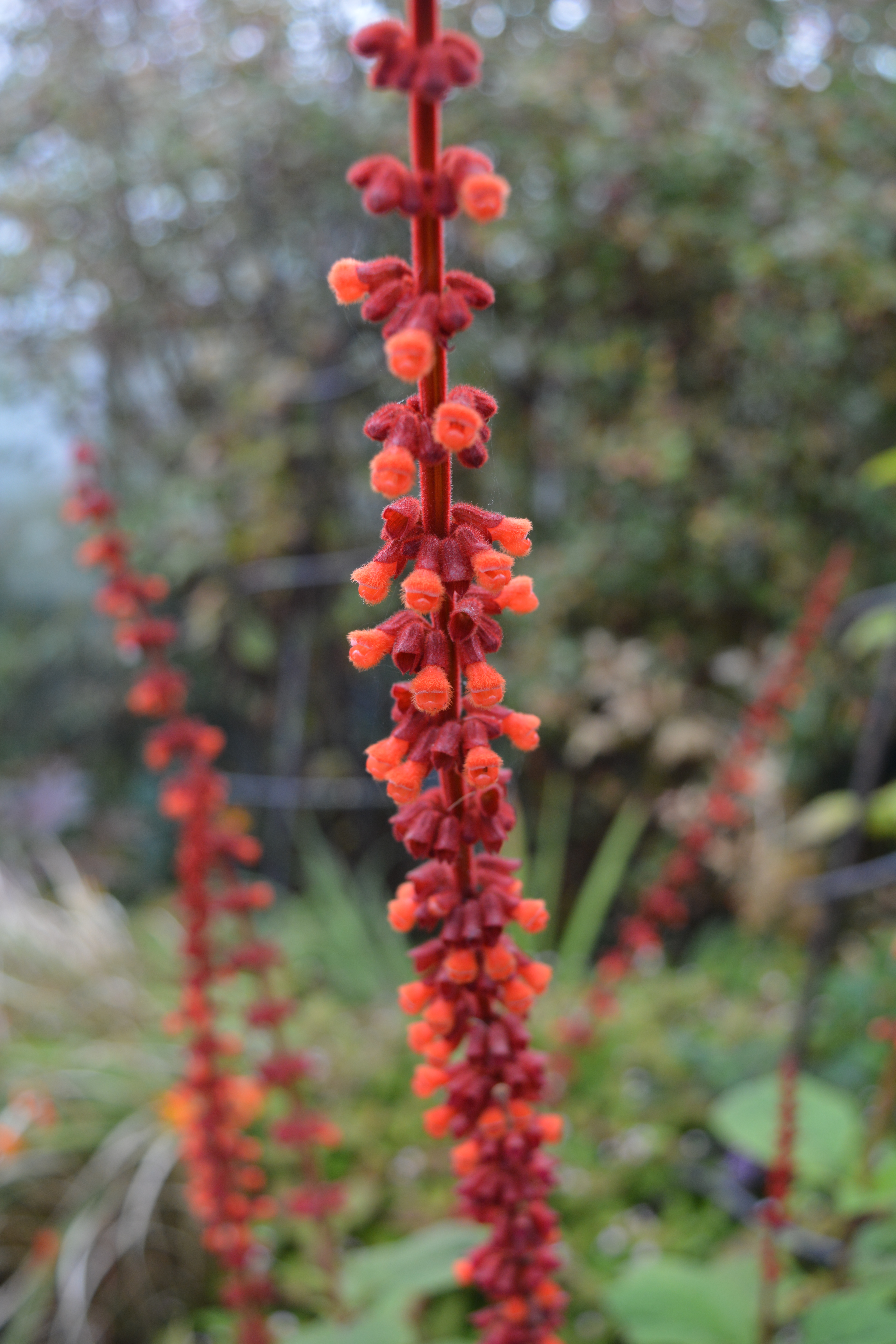
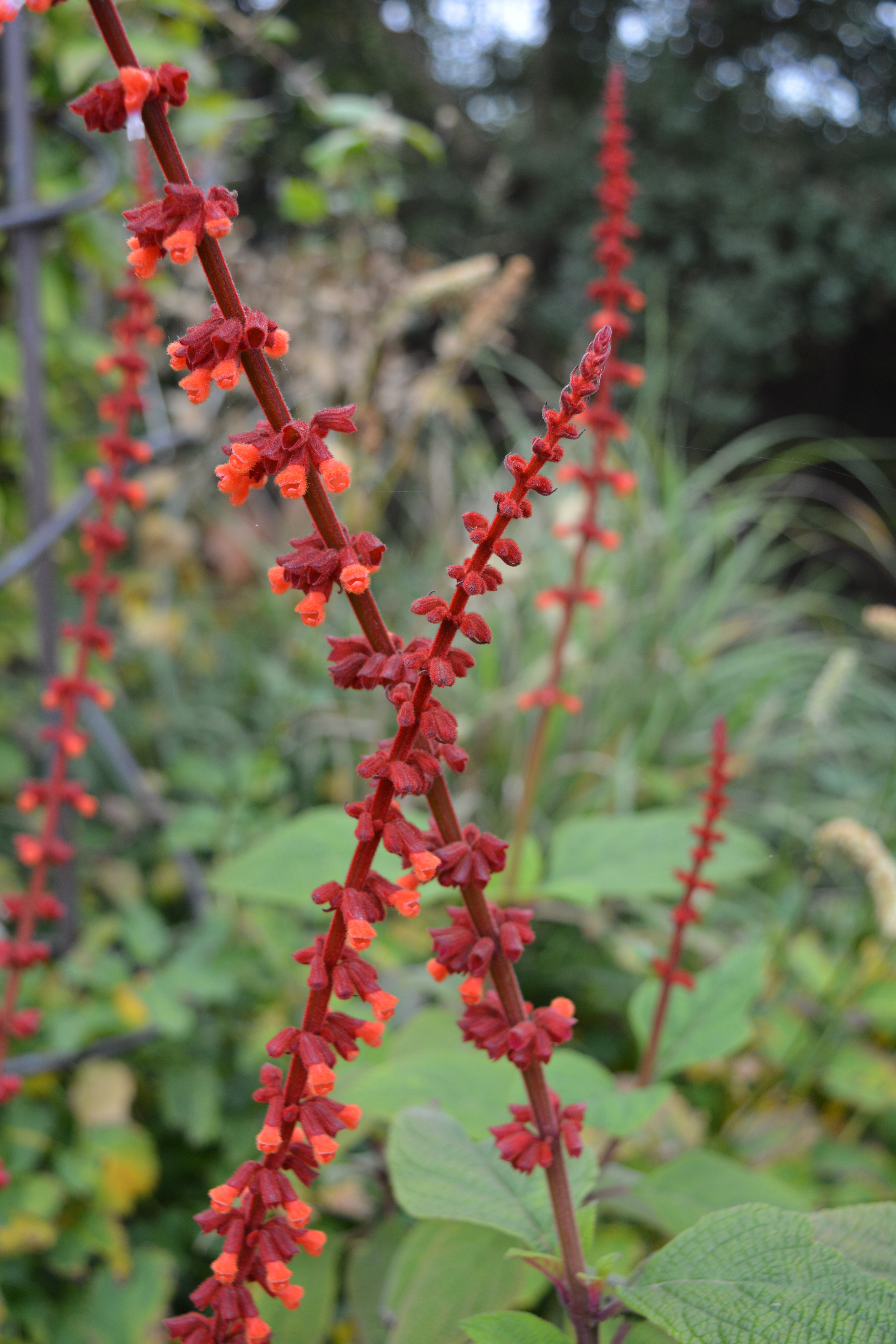
“Two real stars of the autumn garden are our two Salvias that are too tender for us to leave out over our winters, so we grow them in pots and bring them indoors as soon as the cold nights appear. They are Salvia “Amistad” with its bright purple and black flowers and Salvia confertiflora with its long spikes of red and salmon flowers.”

2015 10 10_5952 2015 10 10_5953 2015 10 10_5954

So that is my journal all about our garden in September. I am already writing and painting my entry for October so that will be the next episode of “My Garden Journal”.

Categories
birds climbing plants flowering bulbs garden photography garden ponds garden pools garden wildlife gardening hardy perennials ornamental trees and shrubs trees water in the garden wildlife

My Garden Journal – August

Here we are with part 8 of my monthly series looking at what I have put into my garden journal. August has been a disappointing month weatherwise, with winds, rain and dull skies, and the plants have responded with short flowering periods and even our roses have failed to repeat flower.

I began my August entries, “The month of school holidays when families make their way to the seaside, is not a holiday in the garden. We have to keep dead-heading and tidying to make sure it looks its best.” and continued with my monthly quote from Jenny Joseph“August is a time of vegetables and smells of leaves and roots as we clear: dusty, musty smell of old growth. What flowers we have in August depends on how diligent you’ve been at dead-heading earlier.”

I continued, “We dead-head our Roses most days in an attempt to keep them in bloom, and cut back dying perennials to encourage both fresh blooms and fresh growth from below.” 

2015 09 03_5007_edited-1

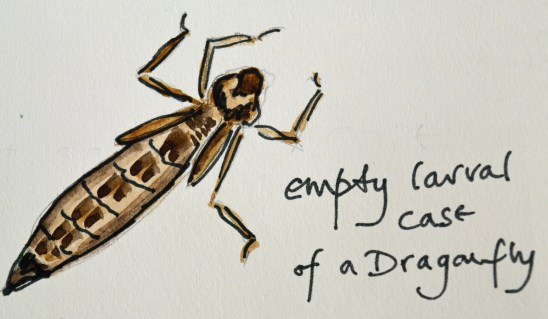
I next referred to our fun activity which takes us back to our childhoods, pond dipping, “An early dip in the pond with our net revealed that young Newts are still very much in evidence. We discovered the shell of a Dragonfly larva and a strangely bodied surface dwelling insect, its shape like an elongated diamond.” I wonder what a pond dipping session will reveal in September as autumn will then be creeping in.

2015 09 03_5014_edited-1 2015 09 03_5015_edited-1

Our Cercis siliquastrum tree featured again as we turn the page of my journal just as it has done in my May entries.

2015 09 03_5008_edited-1

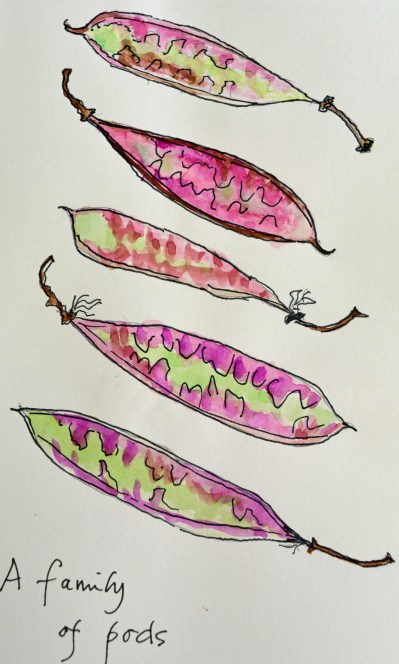
“Discovering new points of interest in the garden is always refreshing. We have always loved our Cercis siliquastrum for its mass of pink flowers in May, but this year we have rows of seed pods hanging from branches like celebratory bunting or prayer flags from Tibet.”

2015 08 10_4637 2015 08 10_4636 2015 08 10_4639 2015 08 10_4638

I attempted to paint a watercolour of a selection of pods and this proved to be a real challenge with the subtle variations of green and pink from pod to pod.

2015 09 03_5016_edited-1

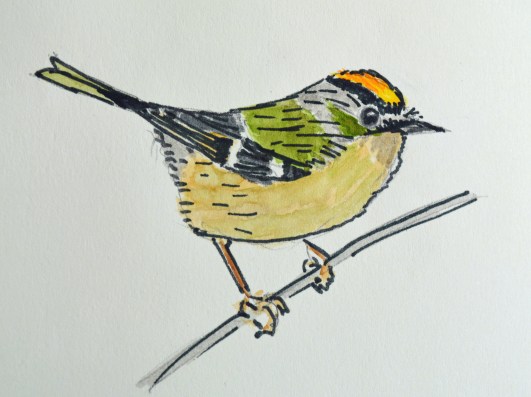
Further notes about the wildlife in our August garden followed on at the turn of the next page, where I noted, “Gardening in August is done with the sounds of Swallows and House Martins wheeling over our heads. Two very contrasting wildlife sounds add to the soundtrack, the deepest croaking grunt of our Toads and the highest pitched song of all our garden birds, the diminutive Goldcrest.” In my painting I tried to capture the character of the Goldcrest, cheerful, jittery and sparkling with life.

2015 09 03_5009_edited-12015 09 03_5018_edited-1

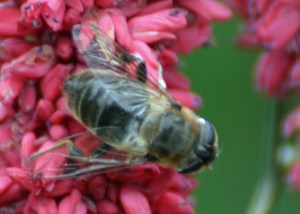
More sounds featured on the facing page, “Gentle, almost inaudible sounds emit from every border, the sounds of Hoverflies. Gentle humming from above flowers, rapid beats make wings almost invisible, the Hoverfly moves in sudden sharp changes of direction. They can be wasp-like, bee-like or fly-like, masters of mimicry and disguise”. I love taking photos of the wildlife that shares our garden and insects and have hundreds in my Photoshop storage space. I have found a few featuring a few of the many different species of Hoverfly to share with you.

2015 08 27_4717-1 2015 08 27_4718_edited-1-12015 08 27_4719_edited-1-1 2015 08 27_4720_edited-1-12015 08 27_4714_edited-1-1

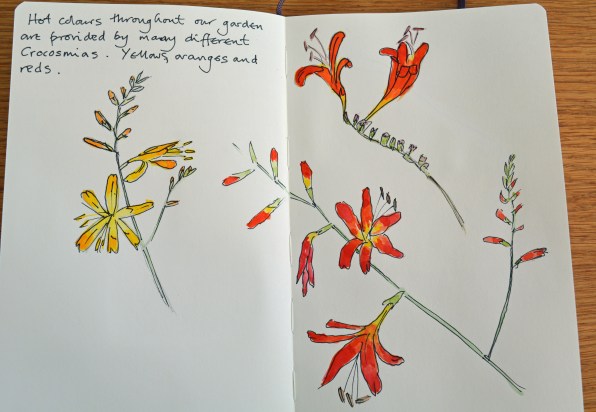
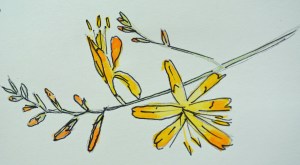
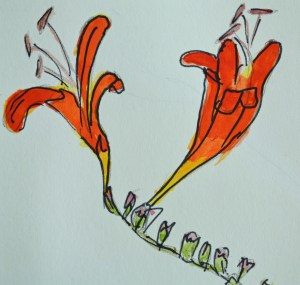
It is one of my favourite families of plants that I featured on the next double page spread, the Crocosmias. “Hot colours throughout our garden are provided by many different Crocosmias. Yellows, Oranges and Reds.” I enjoyed the challenge of creating watercolour paintings of three of our cultivars.

2015 09 03_5019_edited-12015 09 03_5020_edited-1 2015 09 03_5021_edited-1

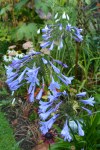
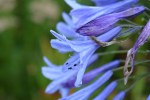
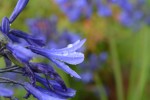
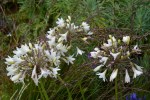
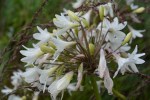
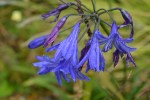
From one bulbous rooted plant to another, from Crocosmias to Agapanthus. “Remember those Aganpanthus buds of July? Well, just look at them now!”

2015 09 03_5011_edited-1

I hope you enjoy this little gallery of photos of our Agapanthus. Just click on the first photo and use the arrows to move on through.

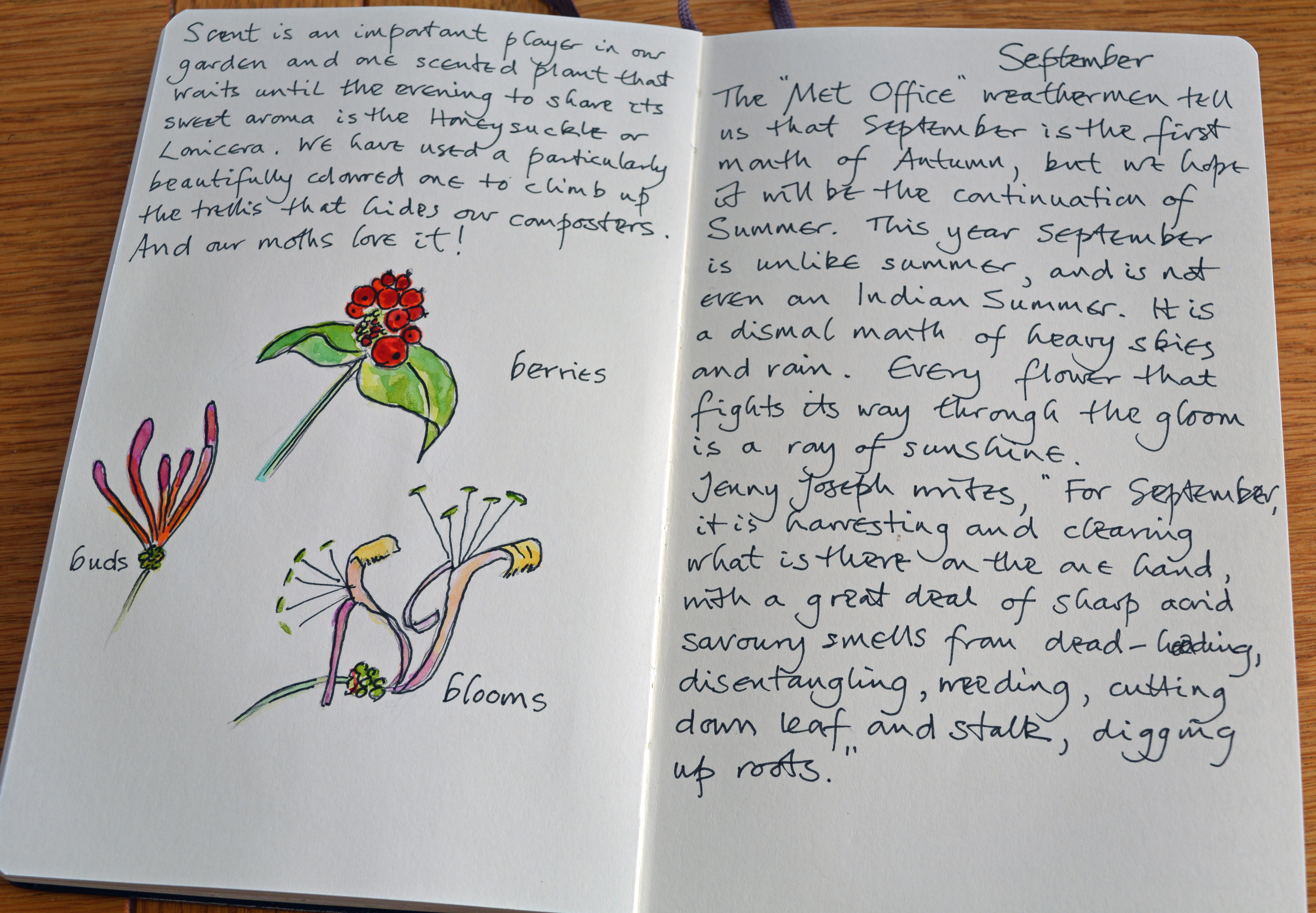
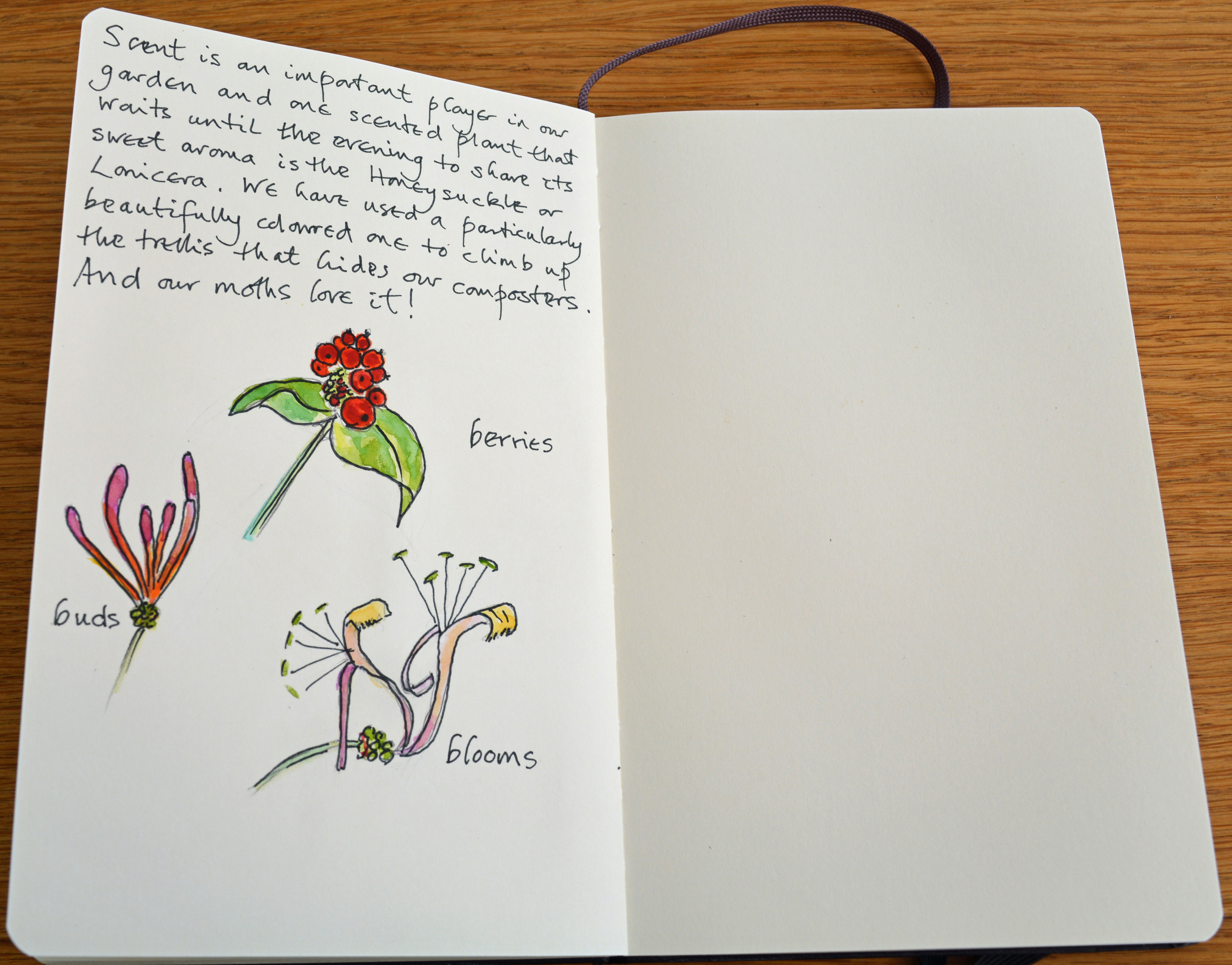
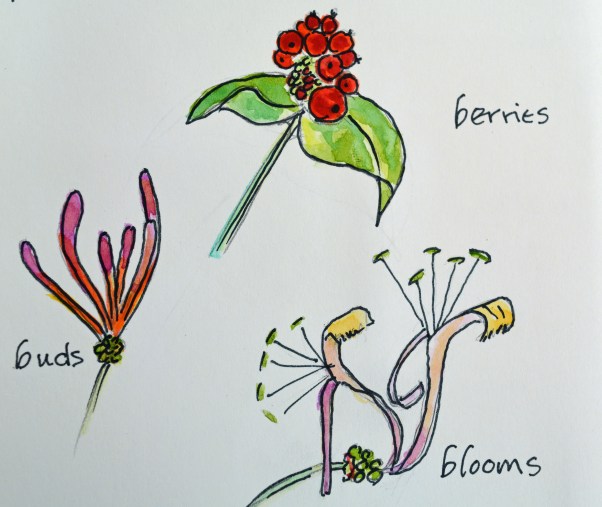
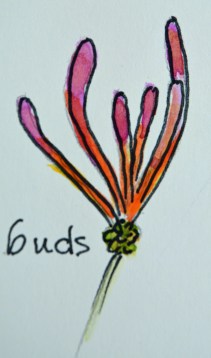
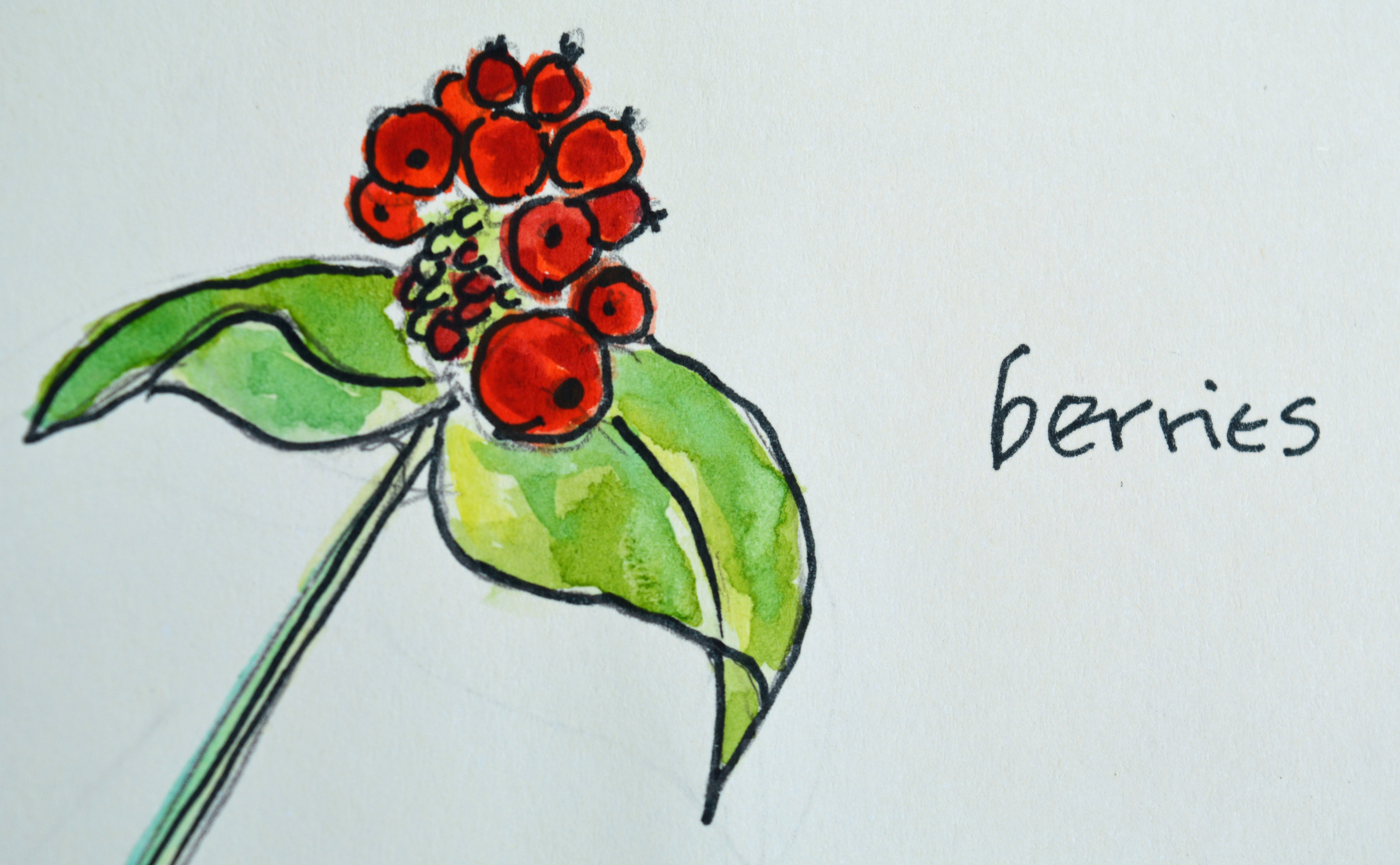
My final page for August featured another garden favourite, this time a climber, the Honeysuckle. I wrote “Scent is an important player in our garden and one scented plant that waits until the evening to share its sweet aromas is the Honeysuckle or Lonicera. We have used a particularly beautifully coloured one to climb up the trellis that hides our composters. And our moths love it!” I turned once again to my beautiful wooden box of watercolour paints to create a little series of pictures of the buds, blooms and berries of the Honeysuckle.

2015 09 03_5012_edited-1   2015 09 03_5025_edited-12015 09 03_5024_edited-1 2015 09 03_5022_edited-1 2015 09 03_5023_edited-1

The next look at my garden journal will be in September when we may be seeing the early signs of Autumn.

Categories
bird watching birds garden photography garden ponds garden pools garden wildlife gardening gardens hardy perennials meadows poppies

My Garden Journal – July

I can’t believe we are in the second half of the year but as this is the post about my garden journal in July then we most certainly are!

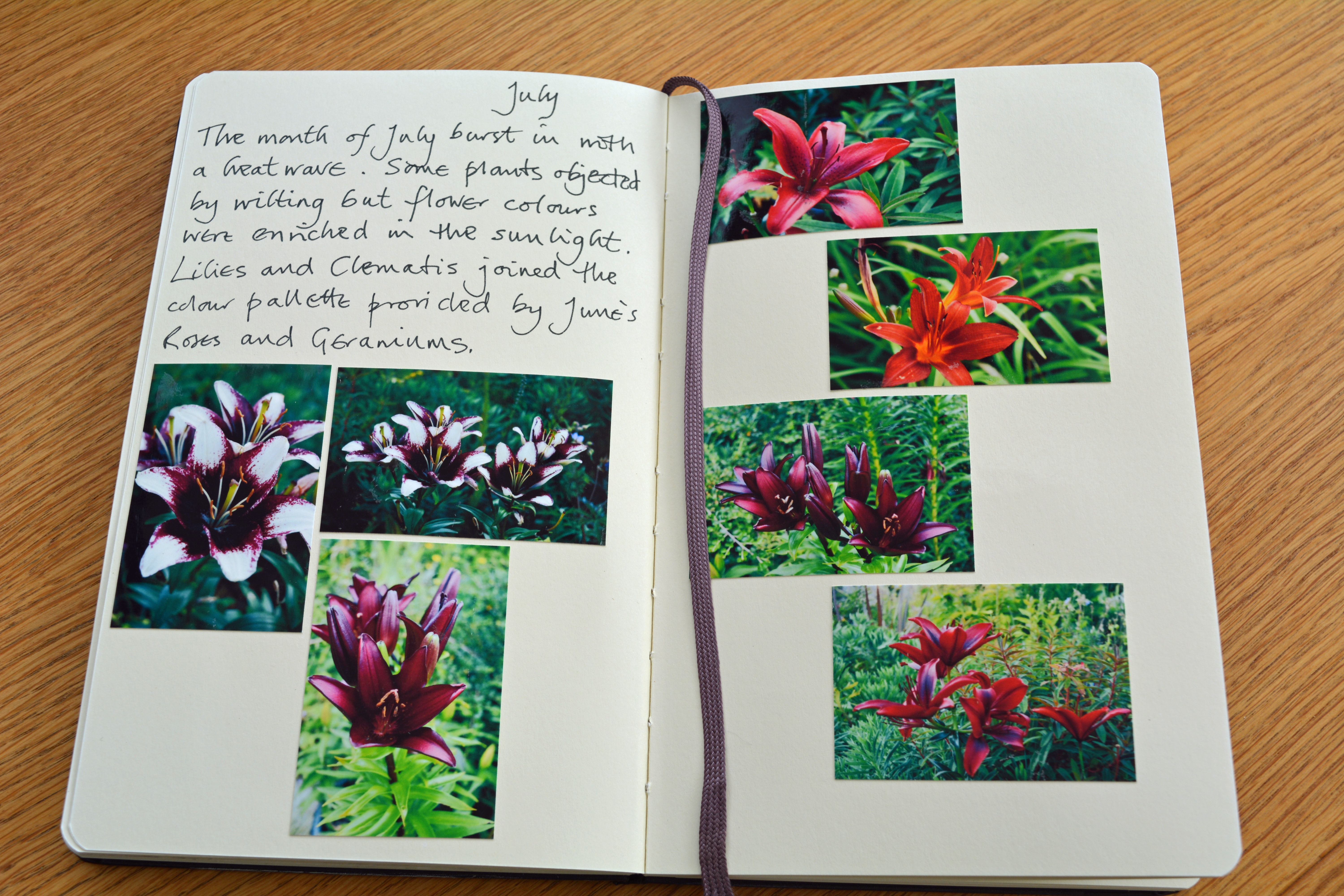
I began my July journal entry with a reference to the weather, the obsession of the British especially gardeners. “The month of July burst in with a heatwave. Some plants objected by wilting but flower colours were enriched in the sunlight. Lilies and Clematis joined the colour pallette provided by June’s Roses and Geraniums.”

2015 08 04_4461_edited-1

Our Oriental Lilies were the best we have ever had this July and we have been growing them for many years. We grow them in big pots so that we can simply drop them in where and when they are needed to add splashes of dramatic colour. Enjoy my little gallery of Lily photos. Just click on the first photo and then use the arrows.

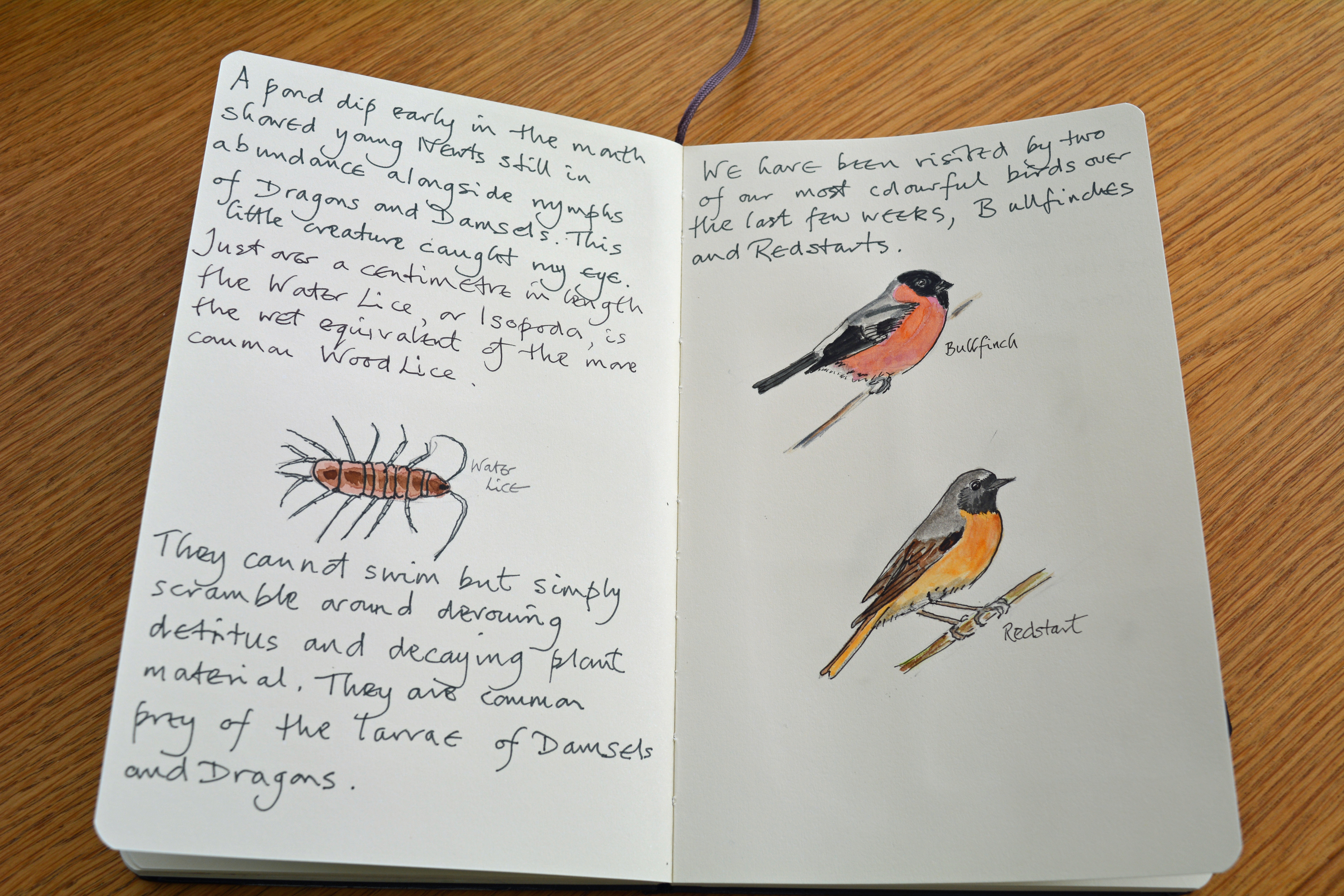
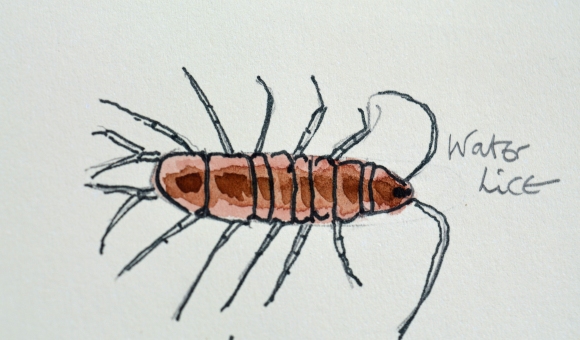
I then wrote about our July pond dipping adventure, “A pond dip early in the month showed young newts still present in abundance alongside nymphs of Dragons and Damsels. This little creature (painting below) caught my eye. At just over a centimetre in length the Water Lice, or Isopoda, is the wet equivalent of the more common Wood Lice. They cannot swim but simply scramble around devouring detritus and decaying plant material. They are common prey of the larvae of Damsels and Dragons.”

2015 08 04_4462_edited-12015 08 04_4466_edited-1

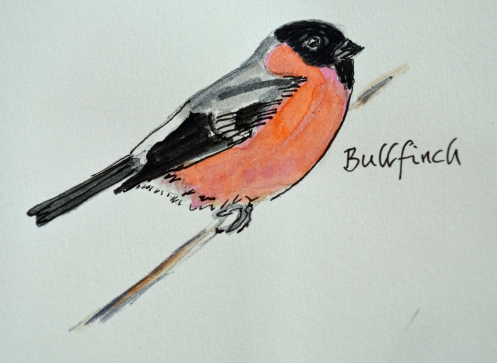
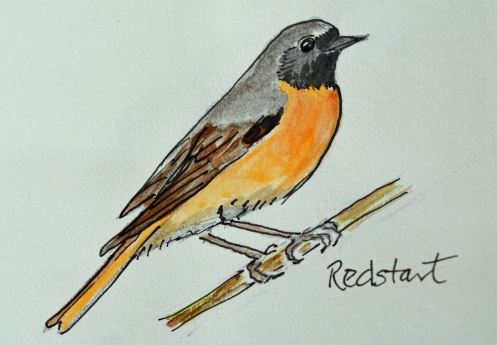
I moved on then from pondlife to birdlife and looked at two of the most beautiful birds that visit our garden. “We have been visited by two of our most colourful birds over the last few weeks, Bullfinches and Redstarts.” The Redstart made a fleeting visit on our last open day at our garden when it was full of visitors, which seemed a bit brazen for a normally shy woodland bird.


2015 08 04_4468_edited-12015 08 04_4469_edited-1

Agapanthus featured next in my July garden journal as our collection in our Beth Chatto garden were budding up nicely promising a beautiful display before too long. We have been building up our collection of favourite Agapanthus for a few years now and it is now coming along well. “Our collection of Agapanthus in our Beth Chatto Garden is slowly getting more colourful as flower buds burst. Surely these are the slowest of buds to become flowers!”

2015 08 04_4463_edited-1


To see some of our Agapanthus up close, some still in tight buds some opening up, please enjoy the little Agapanthus gallery below. As usual click on the first picture and use the arrows to move through. Next month promises to be a month of Agapanthus flowers rather then buds. Can’t wait!

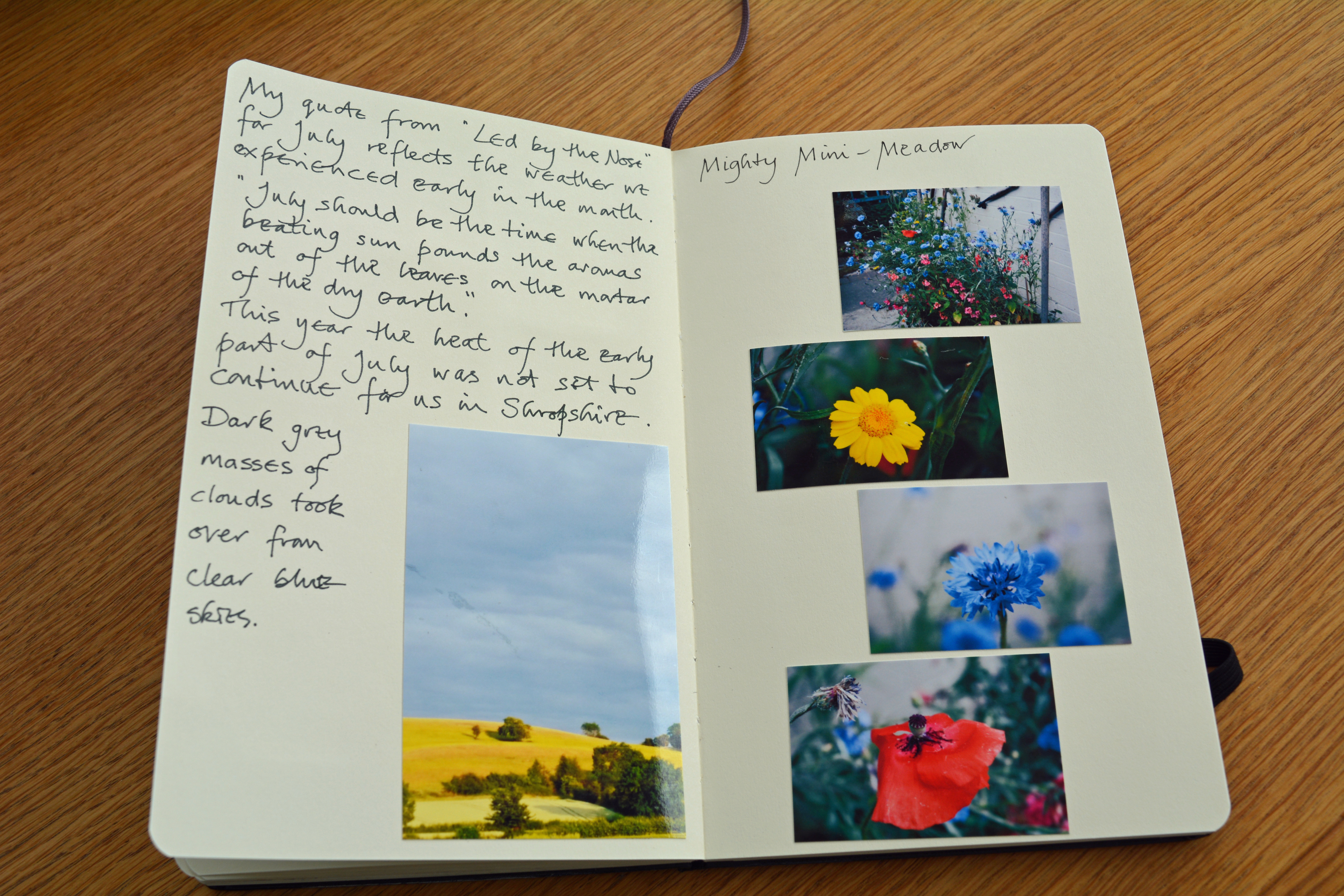
My next double page is about the weather and our min-meadows.

2015 08 04_4464_edited-1

My journal continues, “This year the heat of the early part of July was not set to continue for us in Shropshire. Dark grey masses of clouds took over from clear blue skies.”

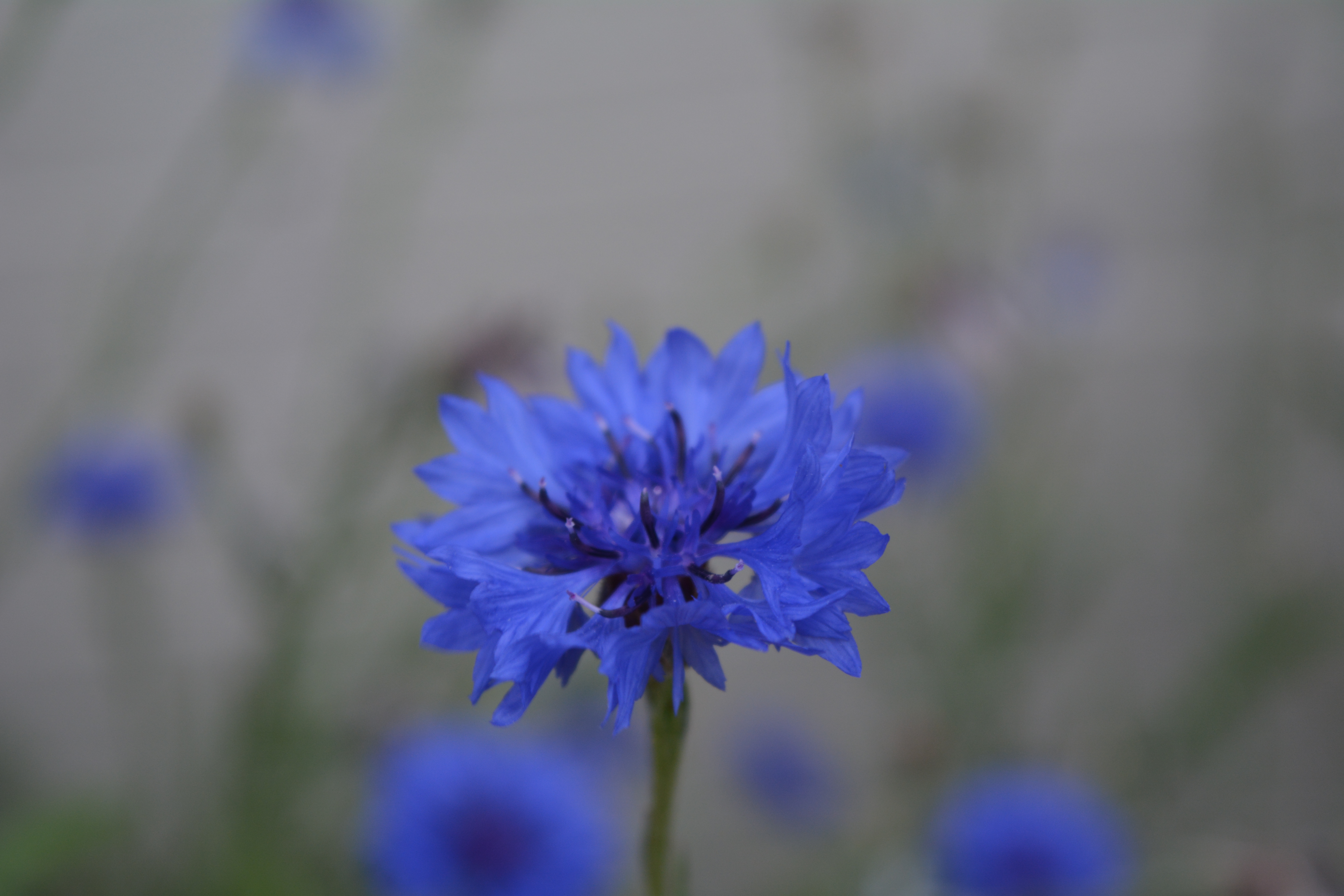
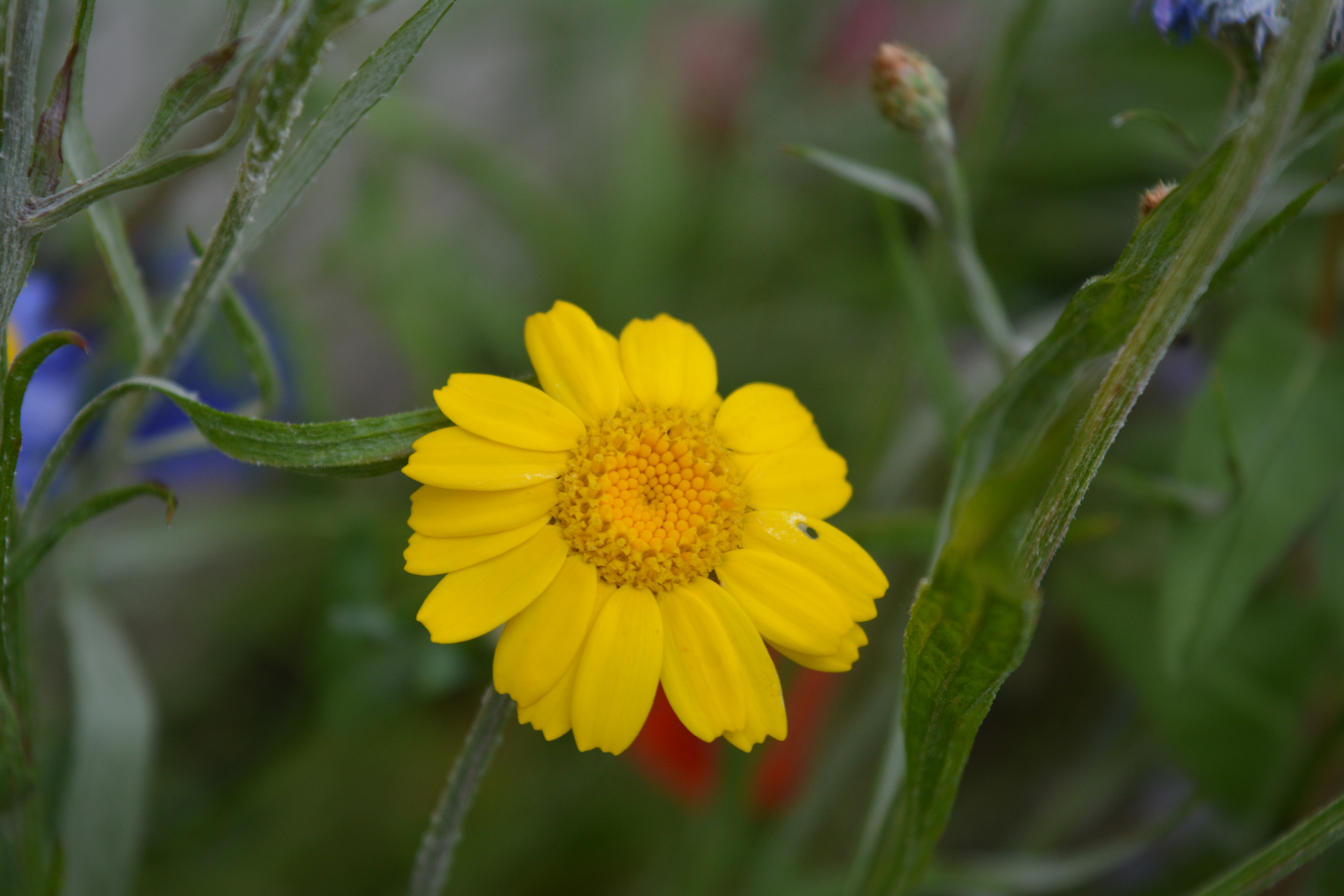
Mighty Mini-Meadow is the title of the next page of my journal which features photos of the little but very floriferous meadow we sowed in early May in vegetable bags. The seeds germinated so well that we have been treated to a mass of blooms reminiscent of a summer meadow from the days before intensive agriculture changed our countryside into huge barren fields of monoculture. It sits beneath my collection of antique garden tools. These native wildlflowers attract insects as if drawn in by distant memories, bees, hoverflies and butterflies.

2015 07 20_3783 2015 07 20_3788 2015 07 20_3784  2015 07 20_3786 2015 07 20_3785

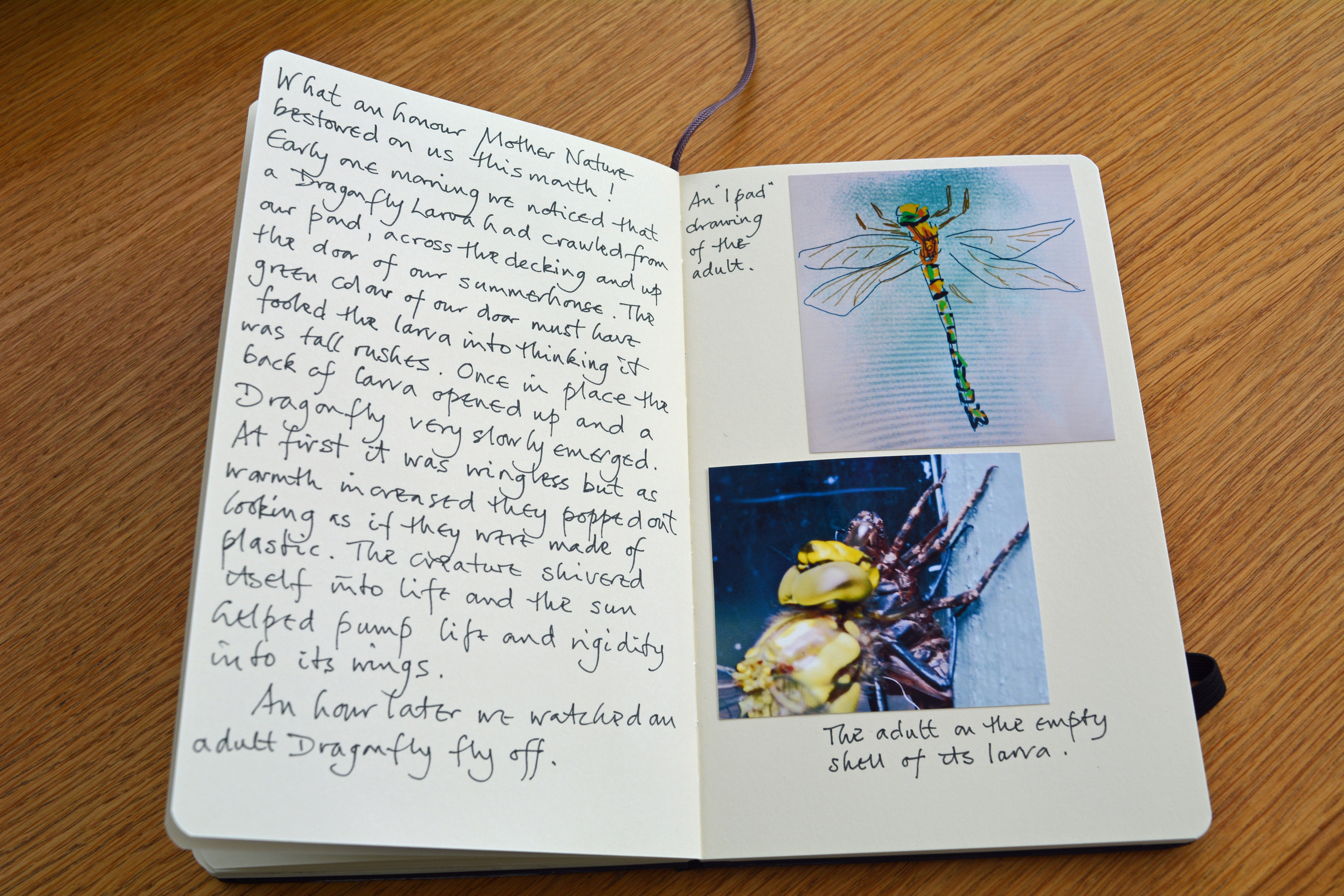
What an honour Mother Nature bestowed on us this month! This is how the next page of my journal begins. It is all about a special time in our garden, a moment we will never forget.

2015 08 04_4465_edited-1


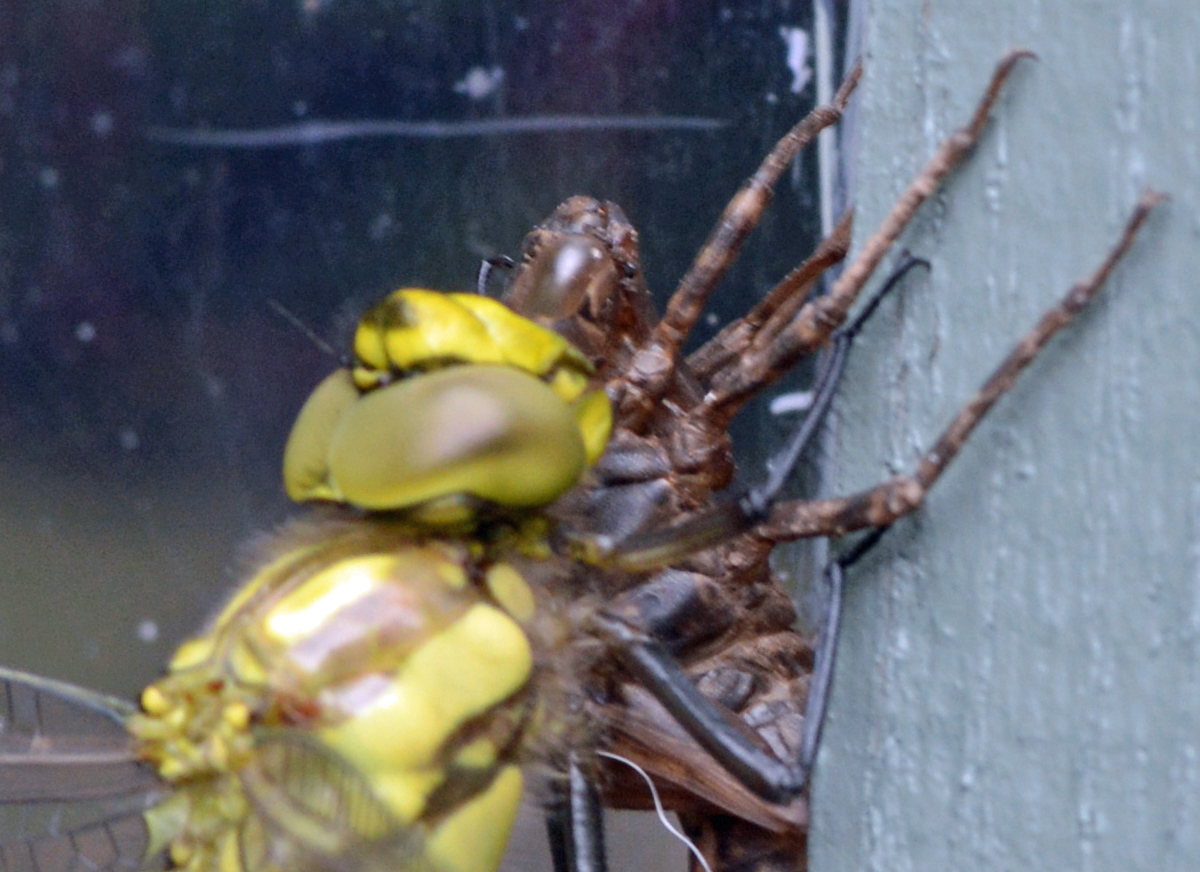
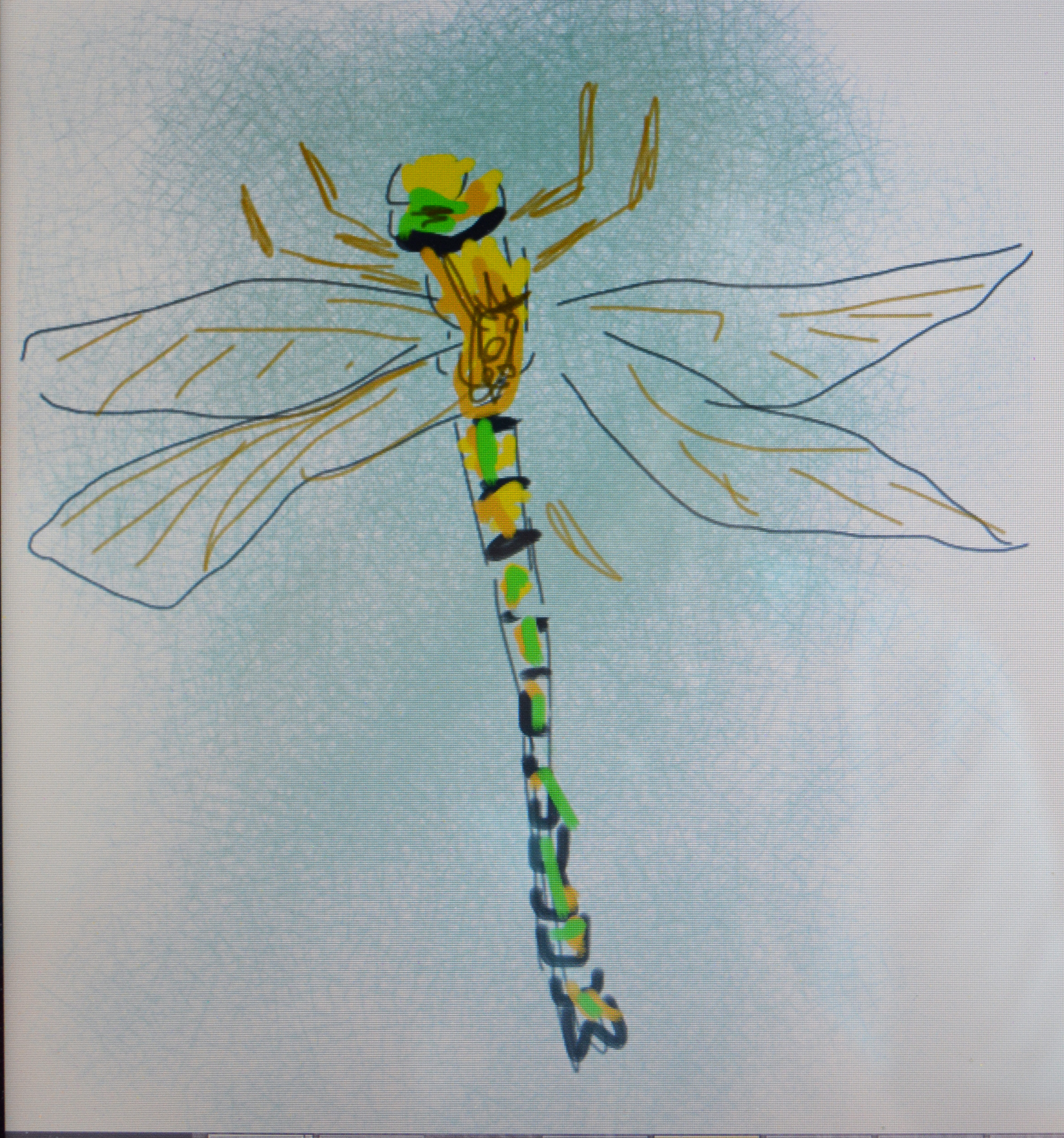
“Early one morning we noticed that a Dragon Fly larva had crawled from our pond, across the decking and up the door of our summerhouse. The green colour of the door must have fooled it into thinking it was tall rushes. Once in place the back of the larva opened up and a Dragonfly very slowly emerged. At first it was wingless but as warmth increased they popped out looking as if they were made of plastic. The creature shivered itself into life and the sun helped pump life and rigidity into its wings. An hour later we watched an adult Dragonfly off.”

2015 07 18_3717_edited-1

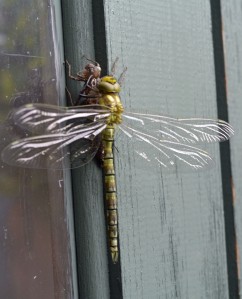
I illustrated this amazing spectacle with a simple i-pad drawing and a photo of the head of the Dragonfly gripping the empty shell of its former self.


2015 07 18_3719_edited-12015 08 03_4460_edited-1-1


So with this amazing experience my journal closed up for July and will soon re-open for August.


This Veggie Life

A Vegetarian | Nature Lifestyle Blog

Rambling in the Garden

.....and nurturing my soul

The Arch City Gardener

Journeys In St. Louis Gardening and Beyond

Garden Dreaming at Châtillon

Consult the genius of the place

Storyshucker

A blog full of humorous and poignant observations.

gardeninacity

Notes from a wildlife-friendly cottage garden

PlayGroundology

...an emerging social science

The Official Blog of British Wildlife

'The most important and informative publication on wildlife of our times' - The Independent. This blog is a member of The UK & Ireland Natural History Bloggers group: www.uknhb.blogspot.com

iGrowHort

Inspire - Cultivate - Grow Native Plants - Restore Landscapes

Bishops Meadow Trust

To create and protect a semi-natural wild space for the people of Farnham to enjoy and experience an array of British wildlife in our town

Gardening with Children

The www.gardeningwithchildren.co.uk Blog

UKbirdingtimeline

birding through the seasons, why birds matter and how to conserve them

NATURE WALKER

with a camera in hand

Jardin

Transform your outdoor space

Eva's space

My allotment, cooking and other interests

Old School Garden

my gardening life through the year

LEANNE COLE

Trying to live a creative life

fromacountrycottage

trying to live as lightly as possible on our beautiful planet

Good Life Gardening

Nature lovers from Leicester living the good life.

mybeautfulthings

Finding the beautiful in the everyday

mawsonmichelle

Michelle's Allotment

In and Out of My Garden

thoughts from and about my garden

Greenhousing

Big plans for a small garden

The Scottish Country Garden

A Walled Country Garden in South East Scotland

The Fruity Chicken

Life at the fruity chicken

willowarchway

Off grid living. Self sufficient. "PERMAGANICS RULE".

St Anns Allotments

Nottingham's Grade 2* Listed Allotments and Community Orchard

Manifest Joy Harvests

a journey in suburban vegetable gardening

Allotmental

The madness of growing your own

Penny's Garden: a harvest beyond my front door

A novel approach to vegetable gardening

arignagardener

Sustainable living in the Irish countryside.

NewEnglandGardenAndThread

Master Gardener, amateur photographer, quilter, NH native, and sometimes SC snowbird

dianajhale

Recent work and work in progress and anything else that interests me

planthoarder

a chaotic cottage gardener

Lens and Pens by Sally

a weekly blog that creates a personal philosophy through photographs and words

Dewdrops and Sunshine

Stories from a sassy and classy Southern farmbelle.

The Pyjama Gardener

Simple Organic Gardening & Seasonal Living

gettin' fresh!

turning dirt into dinner

JOY...

today the world is created anew

Garden Birds

Notes from a Devon garden

ShootAbout

Life Through The Lens

Adapting Pixels

A photography blog showcasing the best photography pictures and videos on the internet

Wildlifegardening's Blog

Just another WordPress.com site

naturestimeline

personal observations from the natural world as the search continues for a new approach to conservation.

LATEBLOOMERBUDS

The Wonders of Life through my Eyes, my Heart, my Soul