Categories
birds colours flowering bulbs garden photography garden wildlife gardening grasses half-hardy perennials hardy perennials ornamental grasses ornamental trees and shrubs outdoor sculpture roses shrubs succulents Winter Gardening winter gardens

My Garden Journal – December

To celebrate the moving from 2015 into 2016 I thought an appropriate post to publish would be my final monthly garden journal entries for 2015.

This is the final month of reporting on my garden journal where I have been keeping track of what has been happening in our Avocet garden. December should be a month of cold nights, frosts and wintry showers but this year it has been a month of strong winds and rain accompanying mild temperatures. We have still only had one frost in this last bit of the year. Our Dahlias remain outside as we move into the first week of December as we are waiting for frosts to blacken their foliage which would allow us to prepare them for their winter rest.

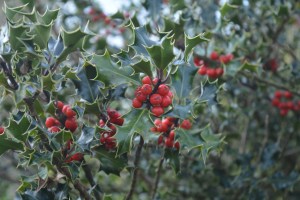
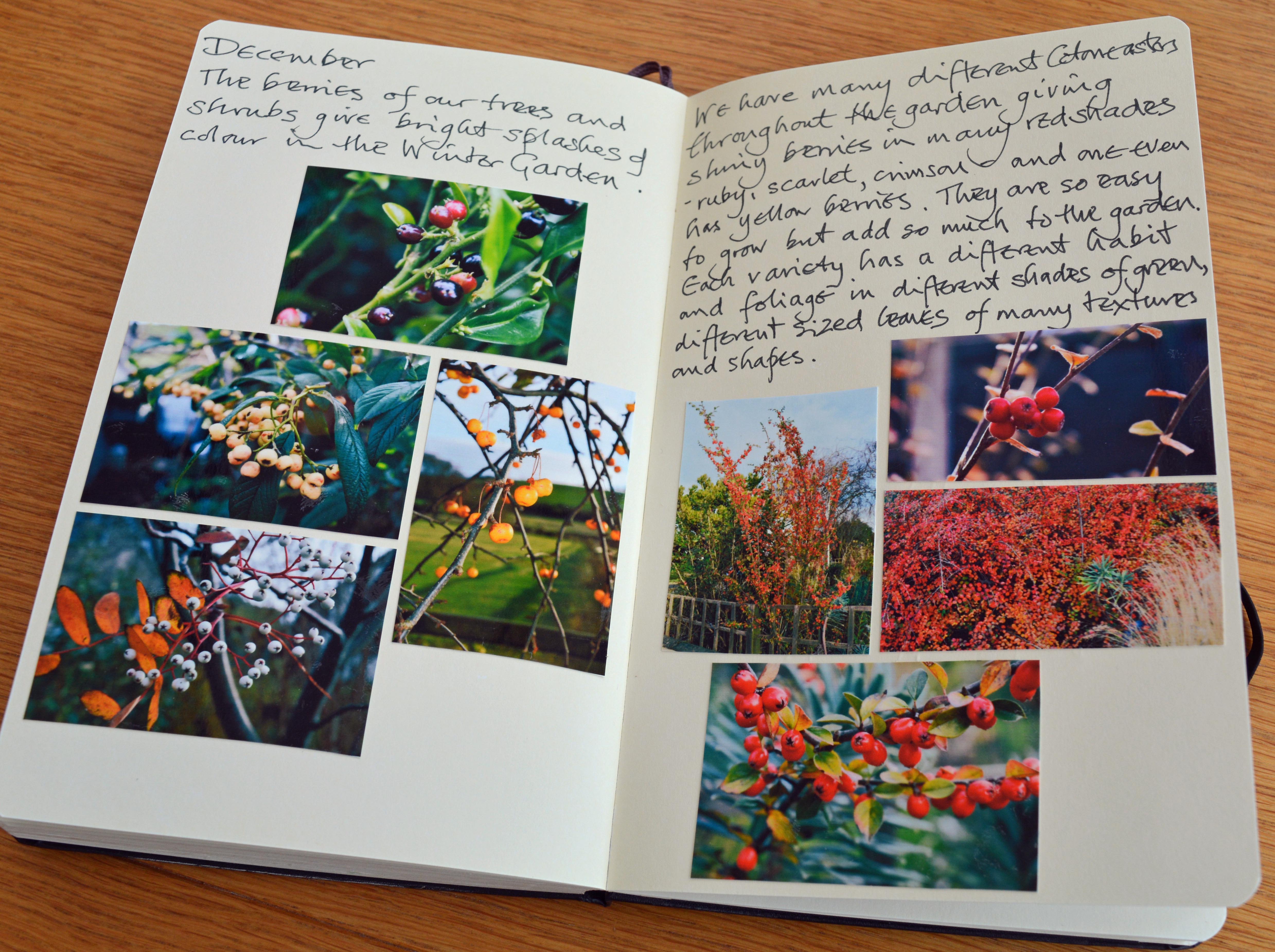
Opening up my garden journal onto the first pages for December reveals photos of berries which are such a strong feature of our winter garden.
2015 12 28_7595_edited-1

My first entry for December reads, “The berries of our trees and shrubs give bright splashes of colour in the Winter Garden.”

My photos show berries of Hypericum, Sarcoccoca, various Hollies and one of our Sorbus.

2015 12 01_7338 2015 12 01_73362015 12 01_7334 2015 12 01_73552015 12 01_7363 2015 12 01_7366

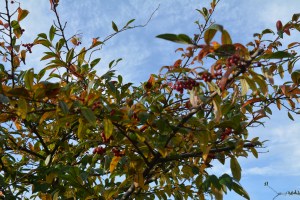
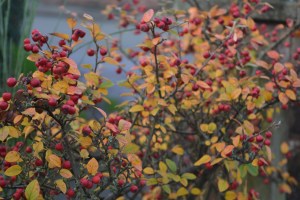
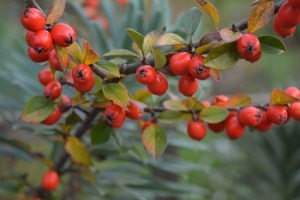
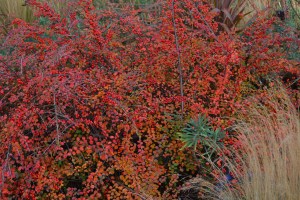
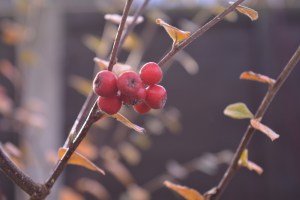
We have many different Cotoneasters throughout the garden giving shiny berries in many red shades – ruby, scarlet, crimson – and one even has yellow berries. They are so easy to grow but add so much to the garden. Each variety has a different habit and foliage in different shades of green, different sizes, shapes and textures. But what is common to them all is that they are true favourites of our berry eating thrushes.”
2015 12 01_7354 2015 12 01_7357 2015 12 01_7358 2015 12 01_7362 2015 12 01_7364 2015 12 01_73682015 12 01_7377 2015 12 01_7340 2015 12 01_7365

The greenhouse features next in my December Journal as it is during this month that it fills up with tender plants which we want to overwinter.

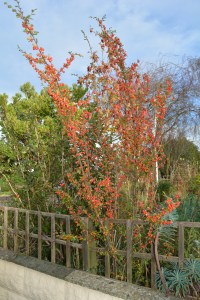
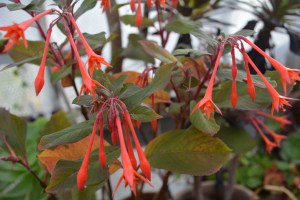
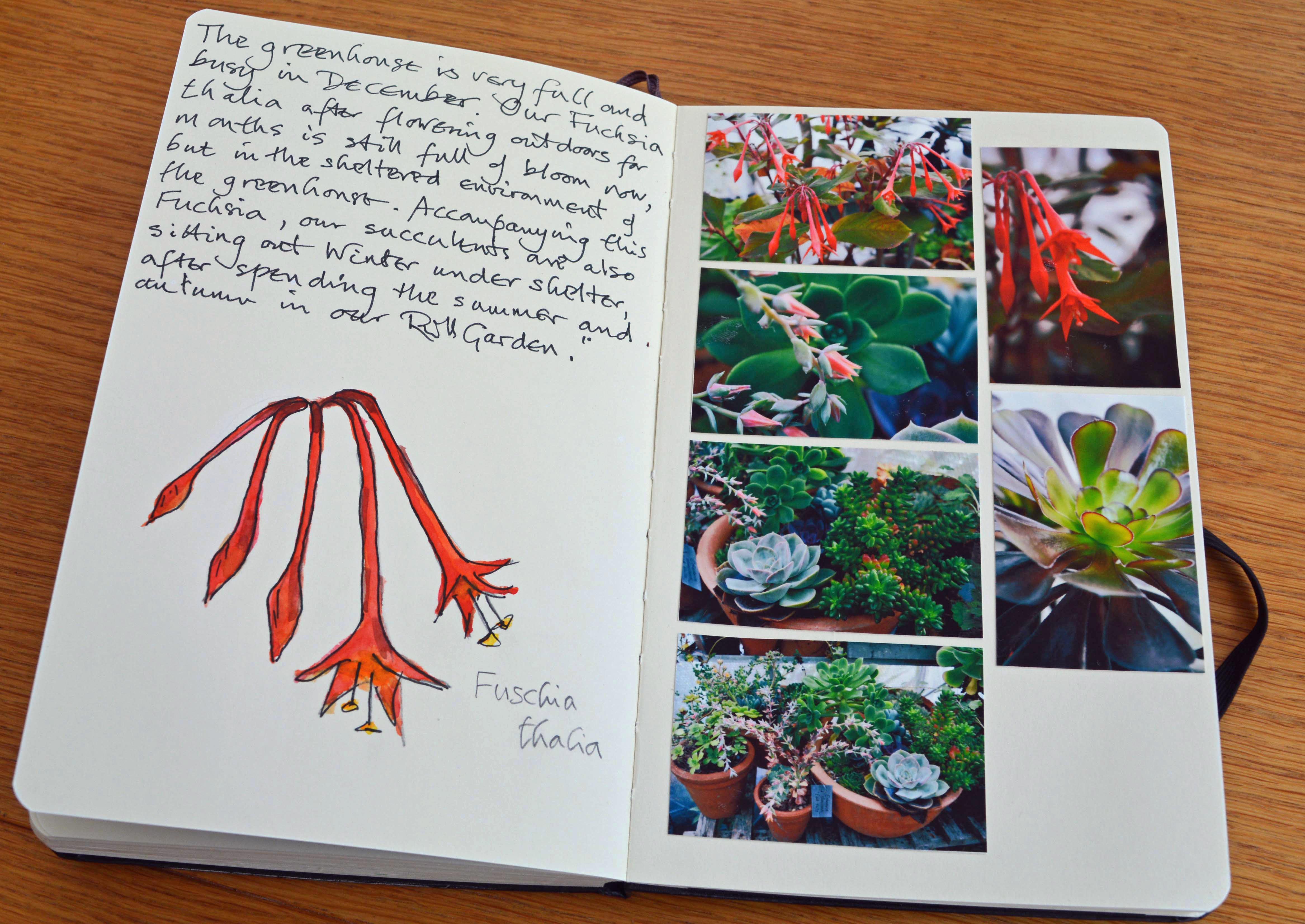
“The greenhouse is very full and busy in December. Our Fuschia thalia after flowering outdoors for months is still full of bloom now but in the sheltered environment of the greenhouse. Accompanying this special Fuschia, our succulents are also sitting out winter under shelter, after spending the summer and autumn in the Rill Garden.” 
2015 12 28_7596_edited-12015 12 01_7323 2015 12 01_7322

I tried to show the uniqueness of the Fuschia and its incredibly bright colour with watercolours.

2015 12 28_7597_edited-1

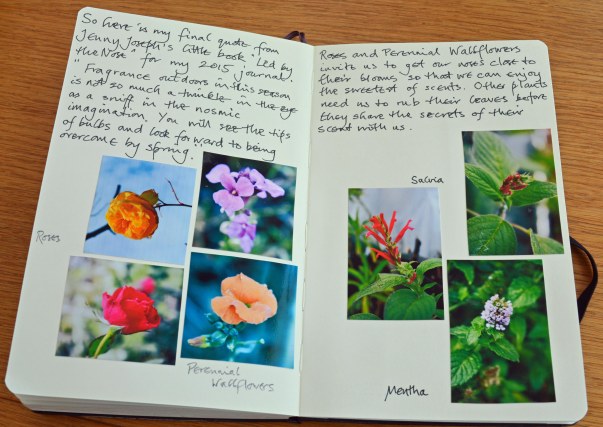
My final quote for 2015 from the little book by Jenny Joseph, “Led by the Nose” appears as we turn the next page.
2015 12 28_7598_edited-1

Fragrance outdoors in this season is not so much a twinkle in the eye as a sniff in the nosmic imagination. You will see the tips of bulbs and look forward to being overcome by spring.” 

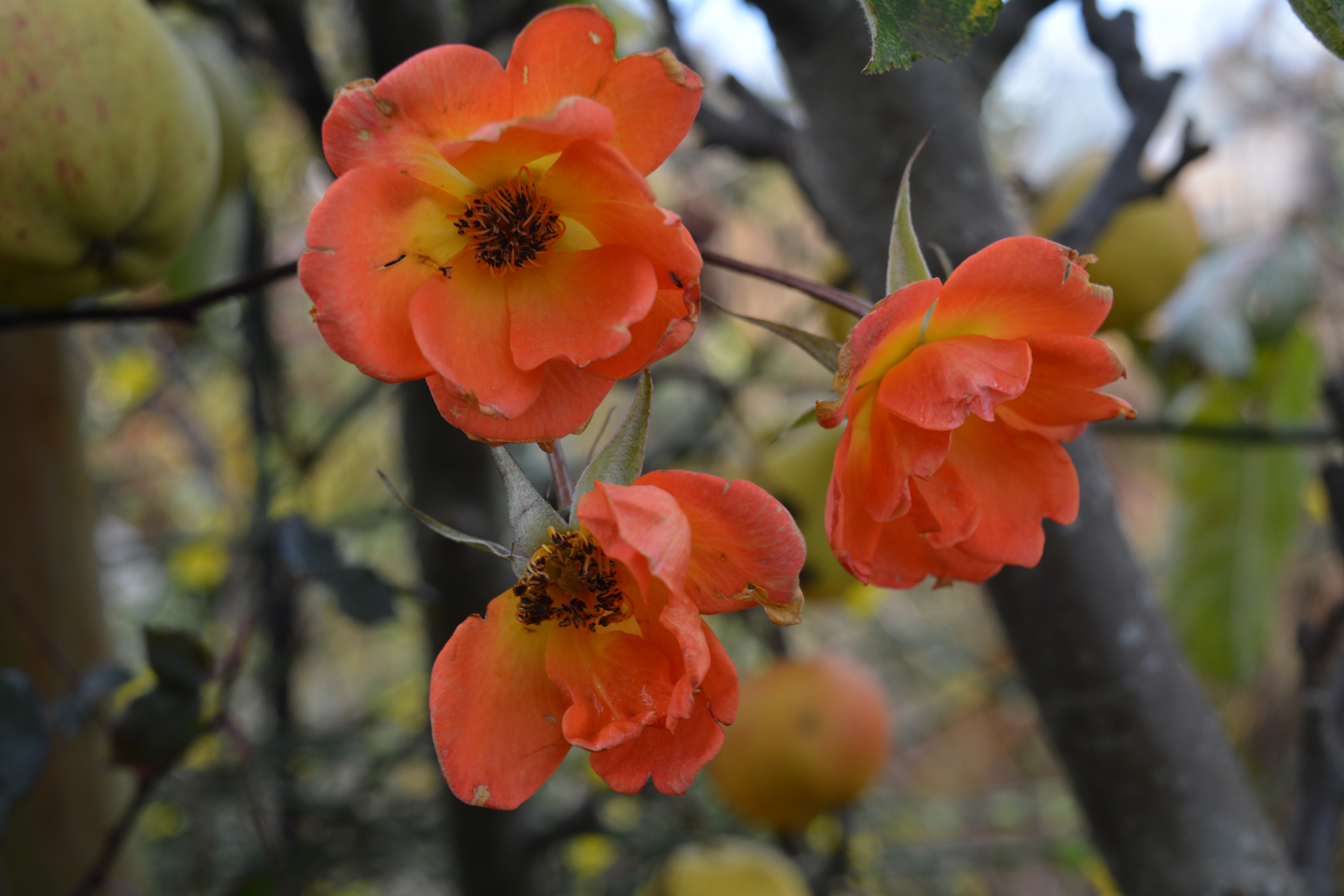
Below these words I share photos of a few of the flowers that are sharing their scent with us this month, roses and perennial wallflowers.

2015 12 01_7343 2015 12 01_7384 2015 12 01_7361_edited-1 2015 12 01_7398 2015 12 01_7376_edited-1 2015 12 01_7372

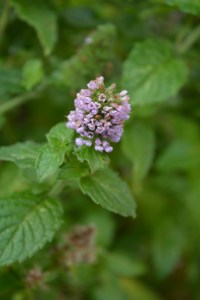
“Roses and Perennial Wallflowers invite us to get our noses close to their blooms so that we can enjoy the sweetest of scents. Other plants need us to rub their leaves before they share the secrets of the scent with us.” 

The accompanying pictures show two such plants, salvias and mints.

2015 12 01_7319 2015 12 01_73812015 12 01_7320

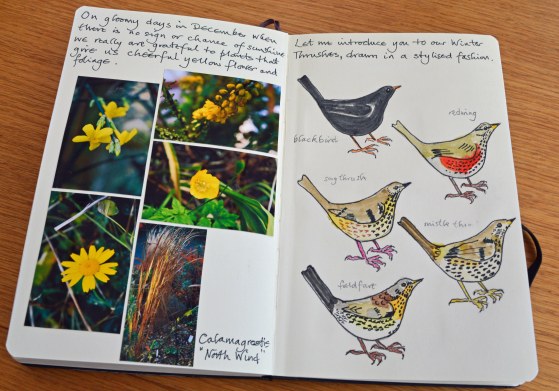
The colour yellow can cheer up the garden in the deep dark days of December, so I moved on to see what plants were giving us these golden tints.
2015 12 28_7599_edited-1

“On gloomy days in December when there is no sign or chance of sunshine, we really are grateful to plants that give us cheerful yellow flower and foliage.”
2015 12 01_7382 2015 12 01_7383 2015 12 01_7412 2015 12 01_7406 2015 12 01_7347  2015 12 01_7352_edited-1

Opposite my tour of our garden yellows I make mention of the members of the ?thrush family that share our garden with us in the winter.

“Let me introduce you to our Winter Thrushes, drawn in a stylised fashion.”  I hope you enjoy them.

2015 12 28_7600_edited-1

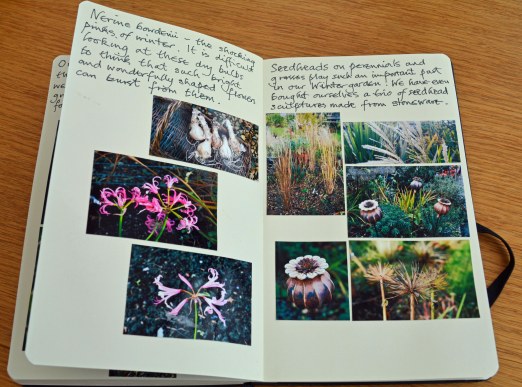
We next turn from the colour yellow to bright pinks, Nerines.
2015 12 28_7606_edited-1

“Nerine bowdenii is the shocking pink of winter. It is difficult looking at these dry bulbs to think that such bright and wonderfully shaped flowers can burst from them.”

2015 12 16_7522 2015 12 01_7339

Seed heads are the theme of the page opposite the Nerines.

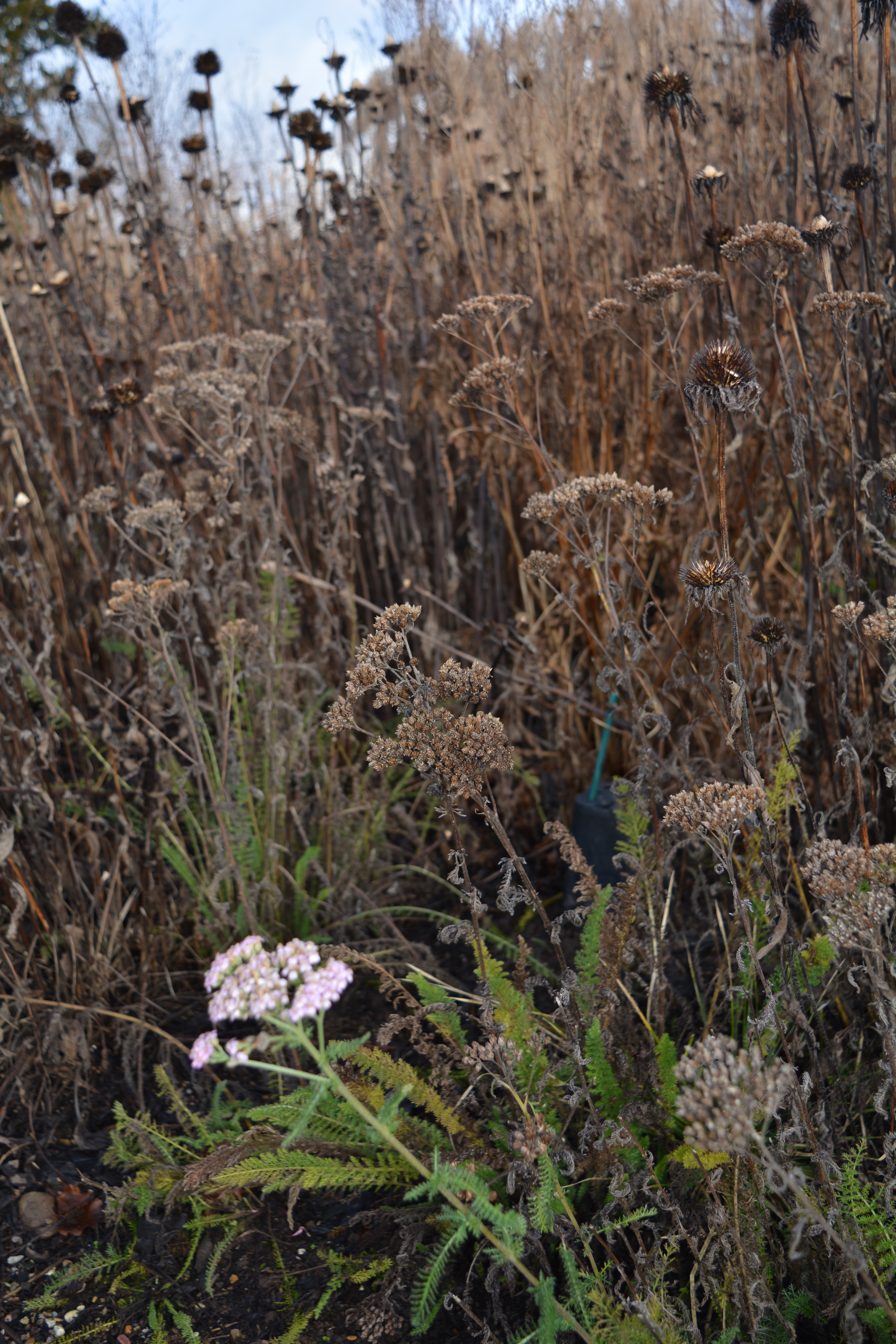
“Seedheads on perennials and grasses play such an important part in our Winter garden. We have even bought ourselves a trio of seedhead sculptures made from stoneware.”
2015 12 01_7353 2015 12 01_73492015 12 01_7350 2015 12 01_7392_edited-1

2015 12 01_7360 2015 12 01_7359

So now we turn the page to the very last entry in my 2015 Garden Journal.

2015 12 28_7607_edited-1

As December slowly comes to an end for 2015, we are already looking ahead. Jude’s little nursery is well-stocked with young plants which we will sell on our open days and to garden clubs who visit Avocet. The greenhouse keeps our tender plants warm and snug. They are patiently awaiting Spring 2016.”

2015 12 01_7317 2015 12 01_7318   2015 12 01_7333

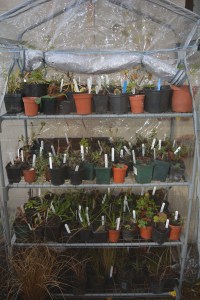
Young plants that we are growing on for sale at next year’s open days are sheltering in a plastic mini-greenhouse to encourage them to grow strong and healthy ready for next year. They look pretty sad through the winter though as most are herbaceous perennials.
2015 12 01_7337


Categories
autumn autumn colours birds colours flowering bulbs garden photography garden wildlife gardening grasses half-hardy perennials hardy perennials house martins light light quality migration ornamental grasses ornamental trees and shrubs Shropshire swallows trees

My Garden Journal – September

The September pages of my garden journal sees the first signs of autumn creeping in, colours changing, light creeping in at a lower level and our summer migrant birdlife disappearing. The skies are empty and quiet now that the Swallows and Martins have left us for warmer climes. We are missing the sight and sounds of Warblers flitting among the trees and shrubs but hopefully some Garden Warblers and Chiffchaffs will decide to stay with us. Climate change seems to be encouraging more migrants to remain in the UK all year through.

2015 10 22_6619_edited-1

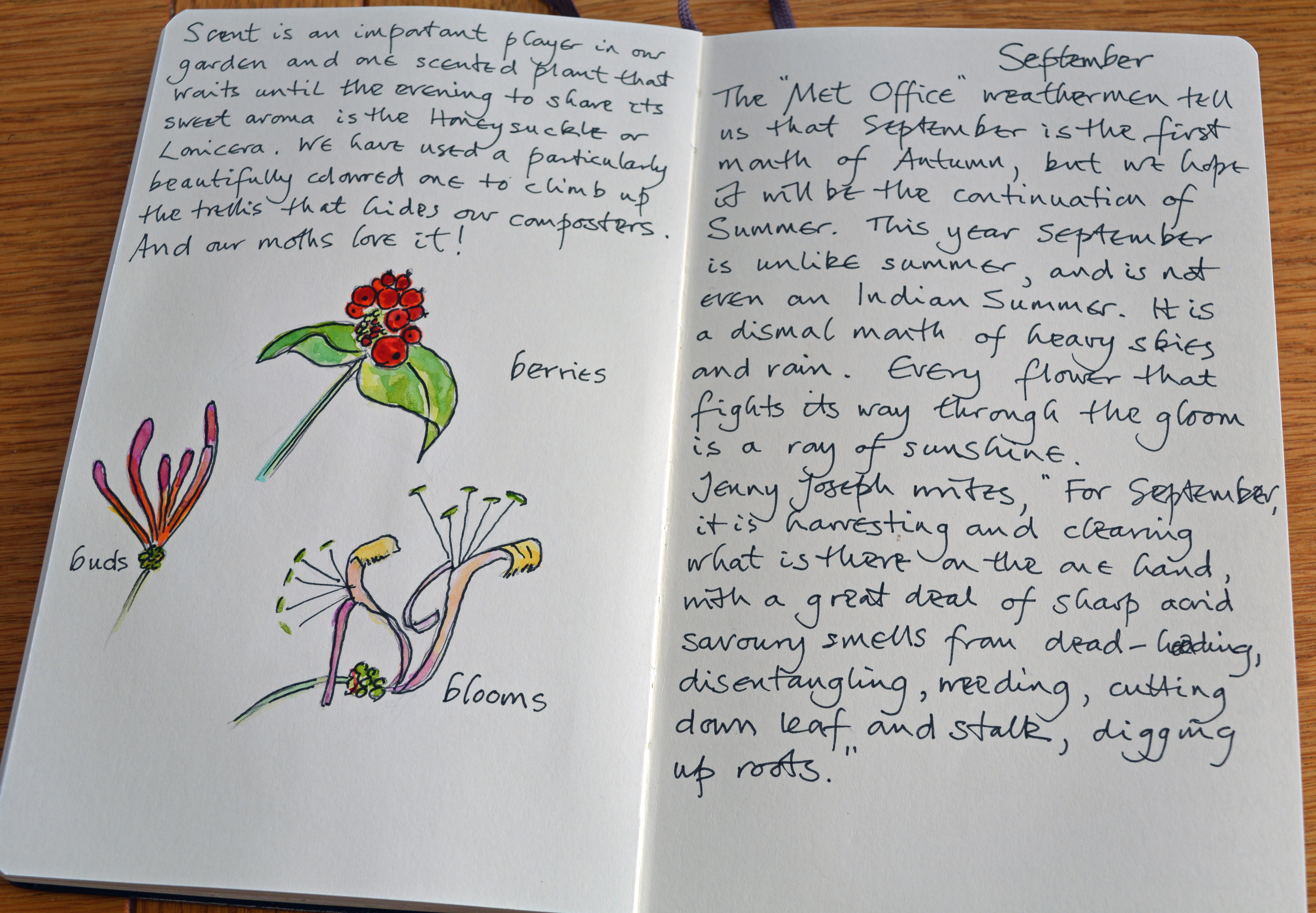
Being a British gardener I start by talking about the weather! “The “Met Office” weathermen tell us that September is the first month of Autumn, but we hope it will be the continuation of Summer. This year September is unlike Summer, and is not even an Indian Summer. It is a dismal month of heavy skies and rain. Every flower that fights its way through the gloom is a ray of sunshine.”

Next comes my usual piece of writing from Jenny Joseph’s little book, “Lead by the Nose”.

For September, it is harvesting and clearing what is there on the one hand, with a great deal of sharp acrid savoury smells from dead-heading, disentangling, weeding, cutting down leaf and stalk, digging up roots.”

2015 10 22_6620_edited-1

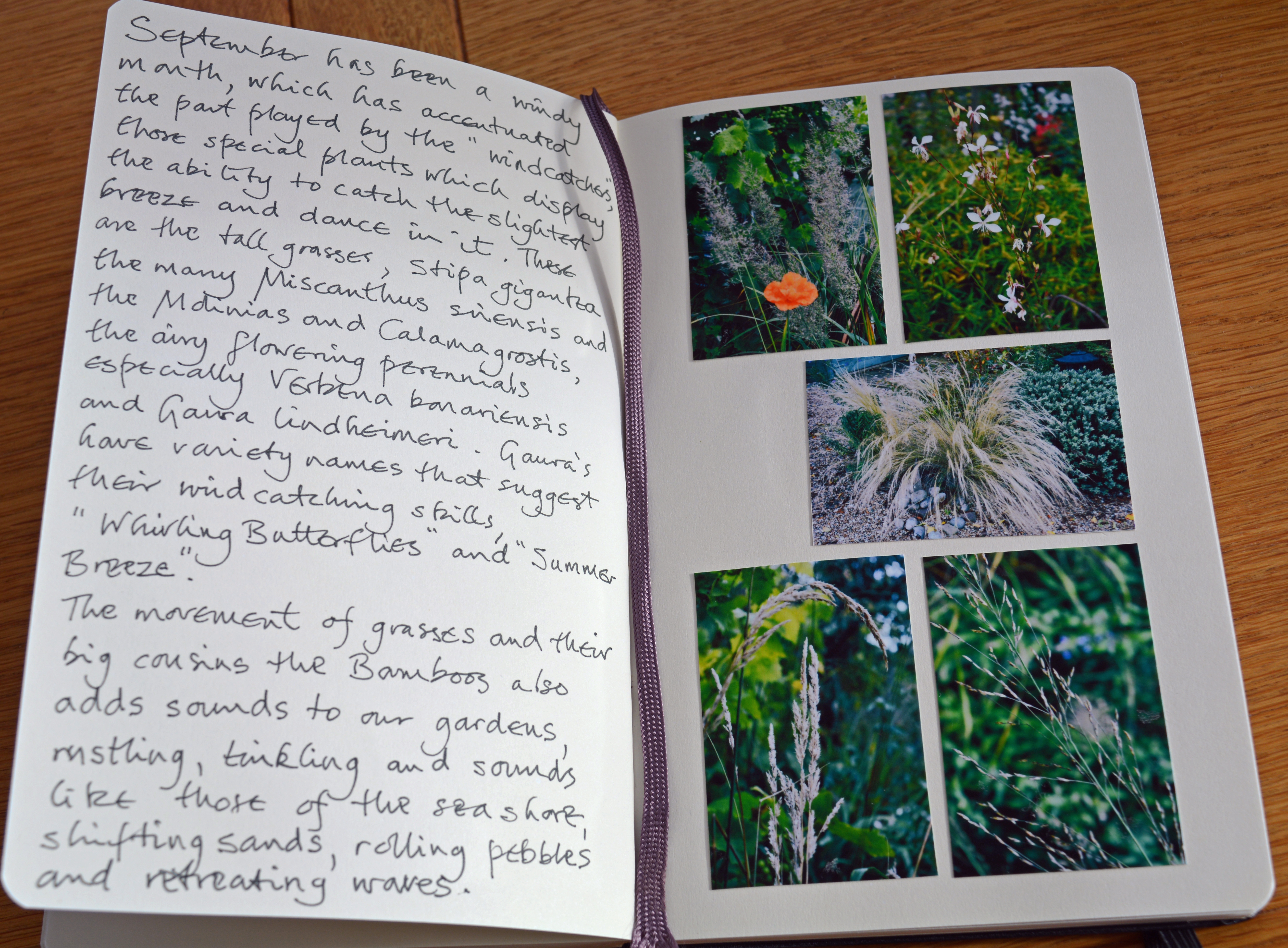
I move on to consider a special group of plants which Jude and I love in our garden, the airy, whispy plants that can’t help but move in the gentlest of breezes, the “Windcatchers”.

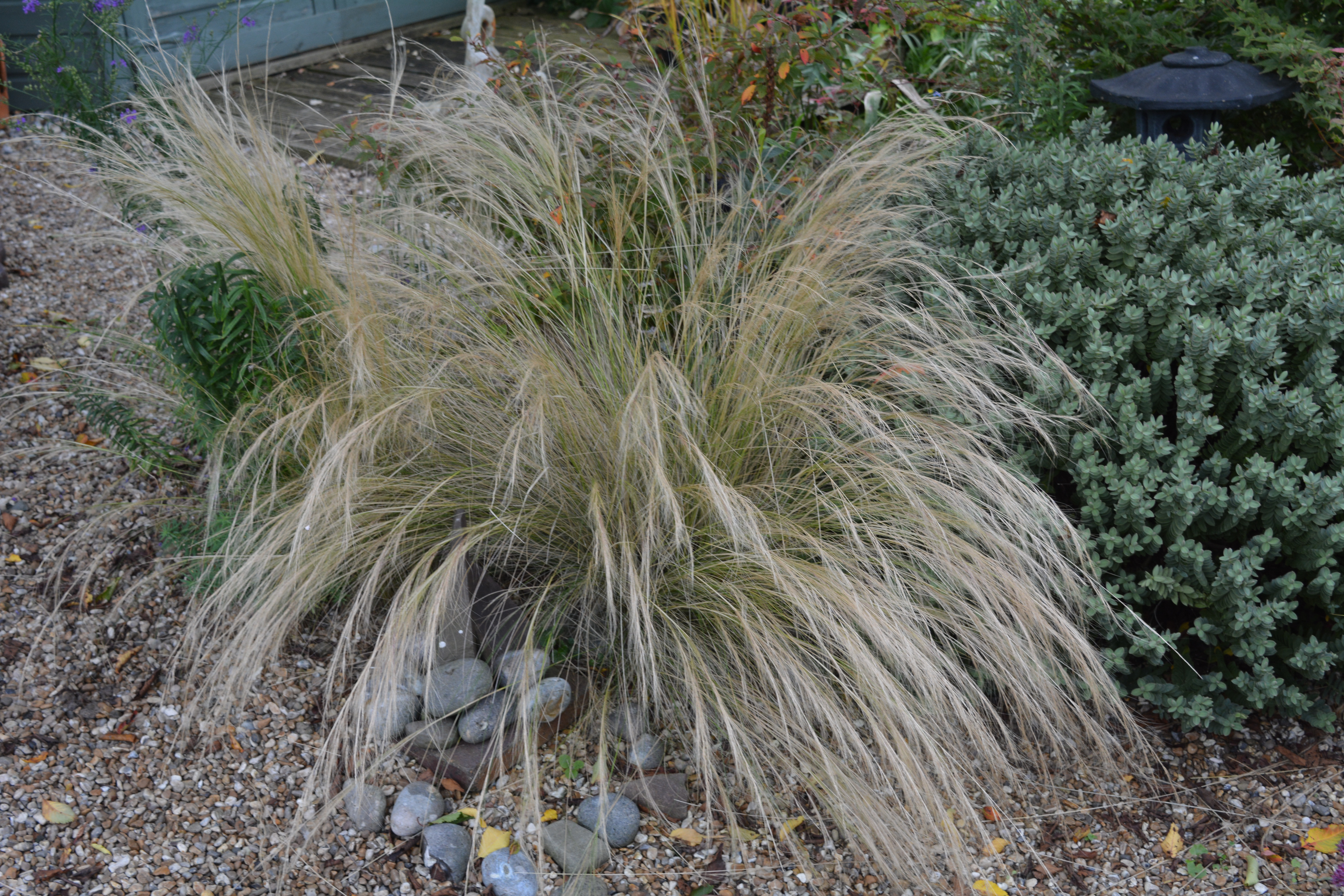
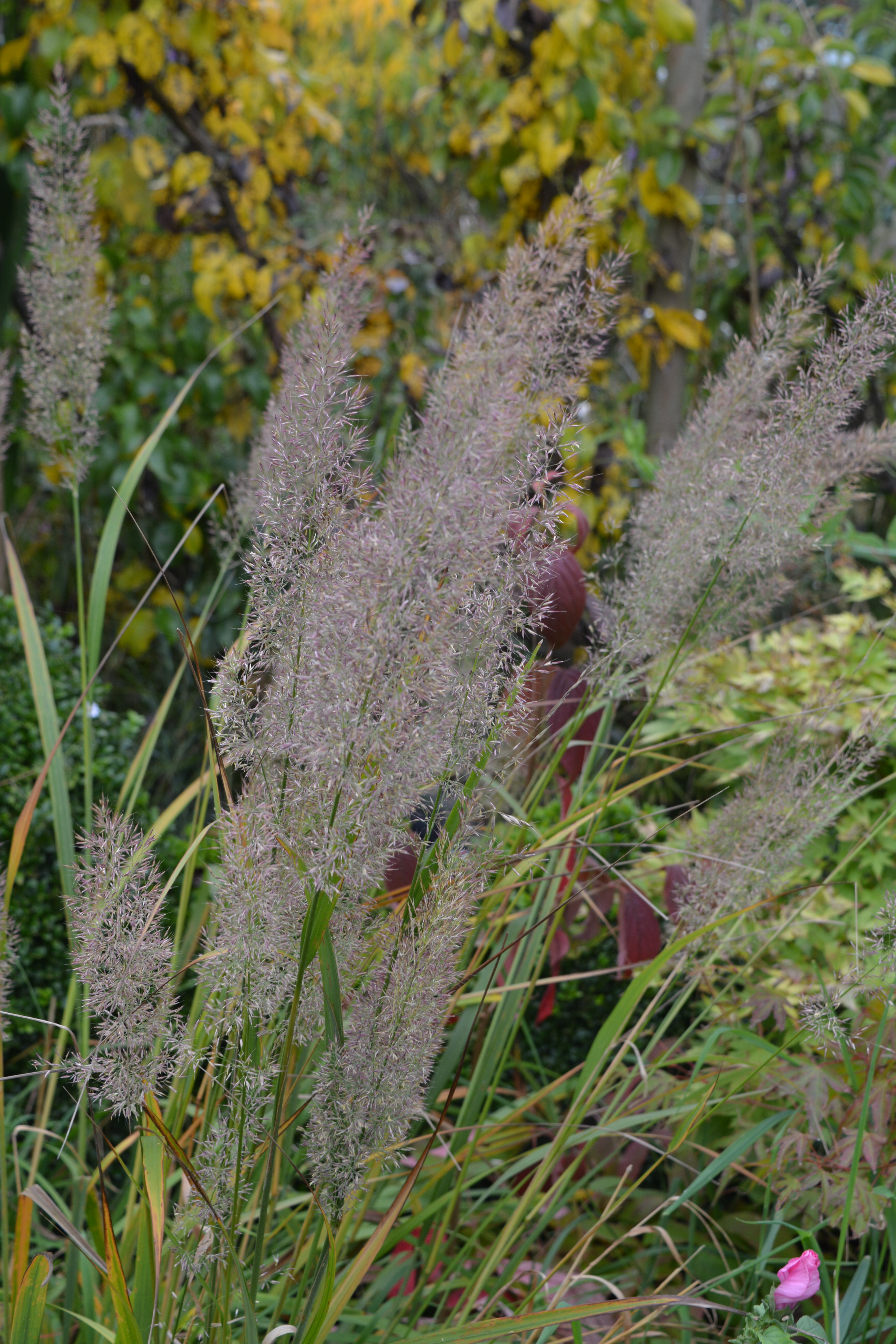
“September has been a windy month, which has accentuated the part played by the “Windcatchers”, those special plants which display the ability to catch the slightest breeze and dance in it. These are the tall grasses, Stipa gigantea, Miscanthus sinensis and the Molinias and Calamagrostis, the airy flowering perennials especially Verbena bonariensis and Gaura lindheimeri. Gauras have variety names that suggest their windcatching skills, “Whirling Butterflies” and “Summer Breeze”. 

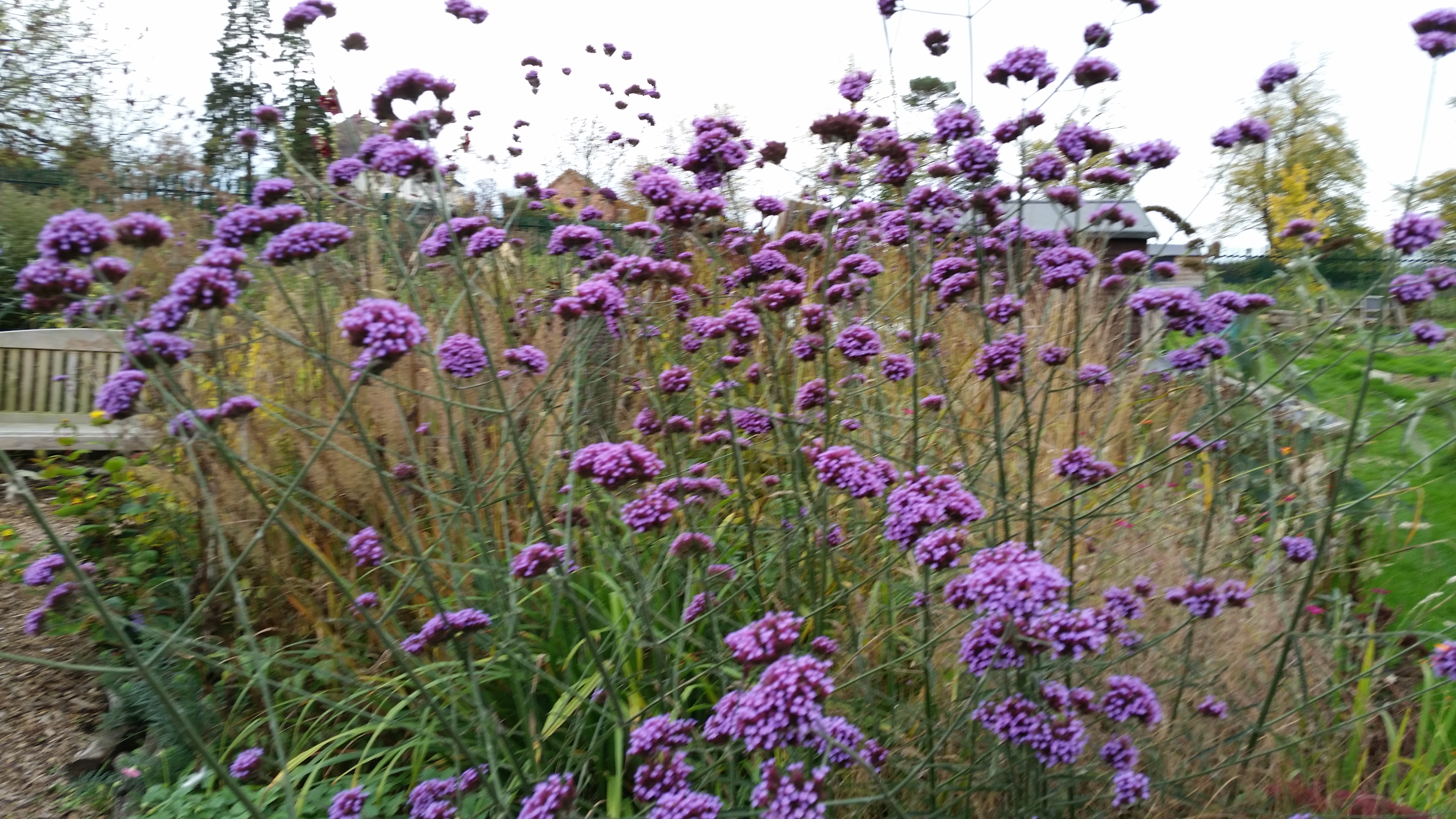
The photos below show what a beautiful plant Verbena bonariensis is with its bright purple flower heads nodding in the breeze atop its stiff thin stems. It is a true wildlife magnet too attracting Butterflies and Moths, Bees and Hoverflies and many other flying insects. As the light fades in the evening the flowers glow and their scent intensifies to attract night flying insects and a miriad of Moths.

2015 10 24_6629 2015 10 24_6628

The movement of grasses and their big cousins the Bamboos also adds sounds to our garden, rustling, tinkling and sounds like those of the seashore, shifting sands, rolling pebbles and retreating waves.”

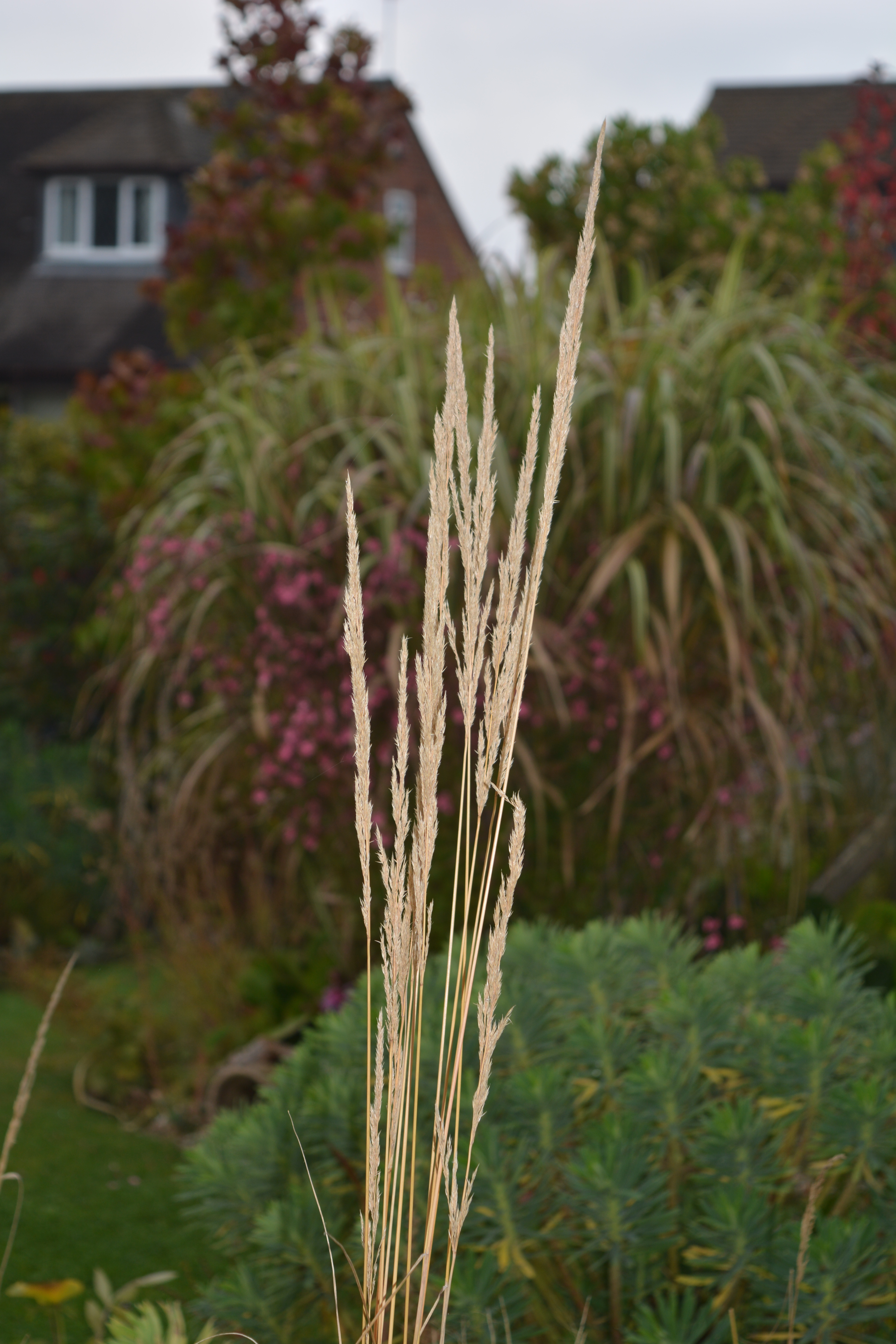
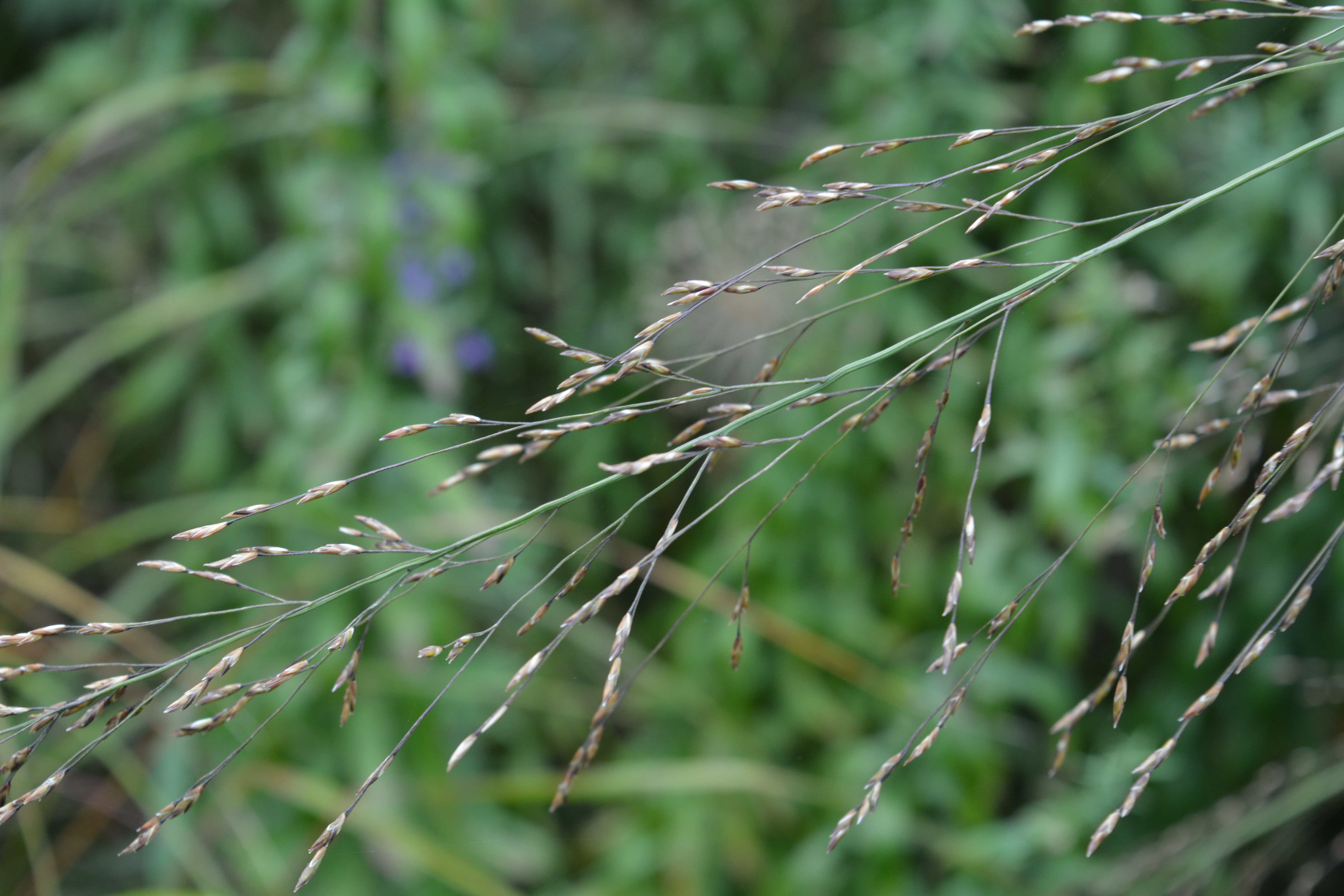
Grasses are such an important element in our garden and help create an all year round garden. From their fresh green leaves emerging in the spring right through to their flowers and on to their seedheads which stand right through the winter.

2015 10 10_5937 2015 10 10_5938 2015 10 10_5943  2015 10 10_5935 2015 10 10_5929 2015 10 10_5930 2015 10 10_5928

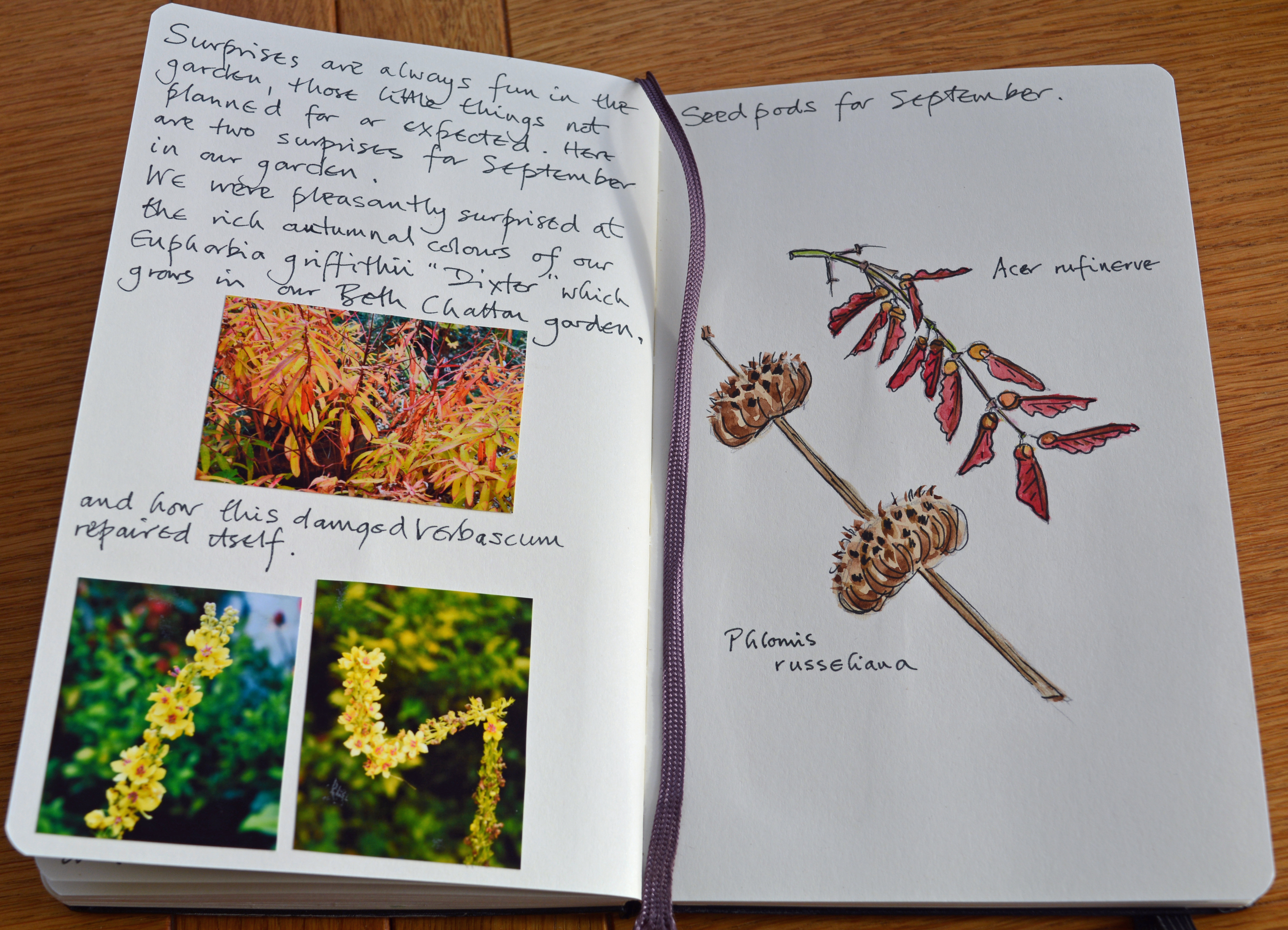
Surprises are the subject of my next page.

Surprises are always fun in the garden, those little things not planned for or expected. Here are two surprises for September in our garden.

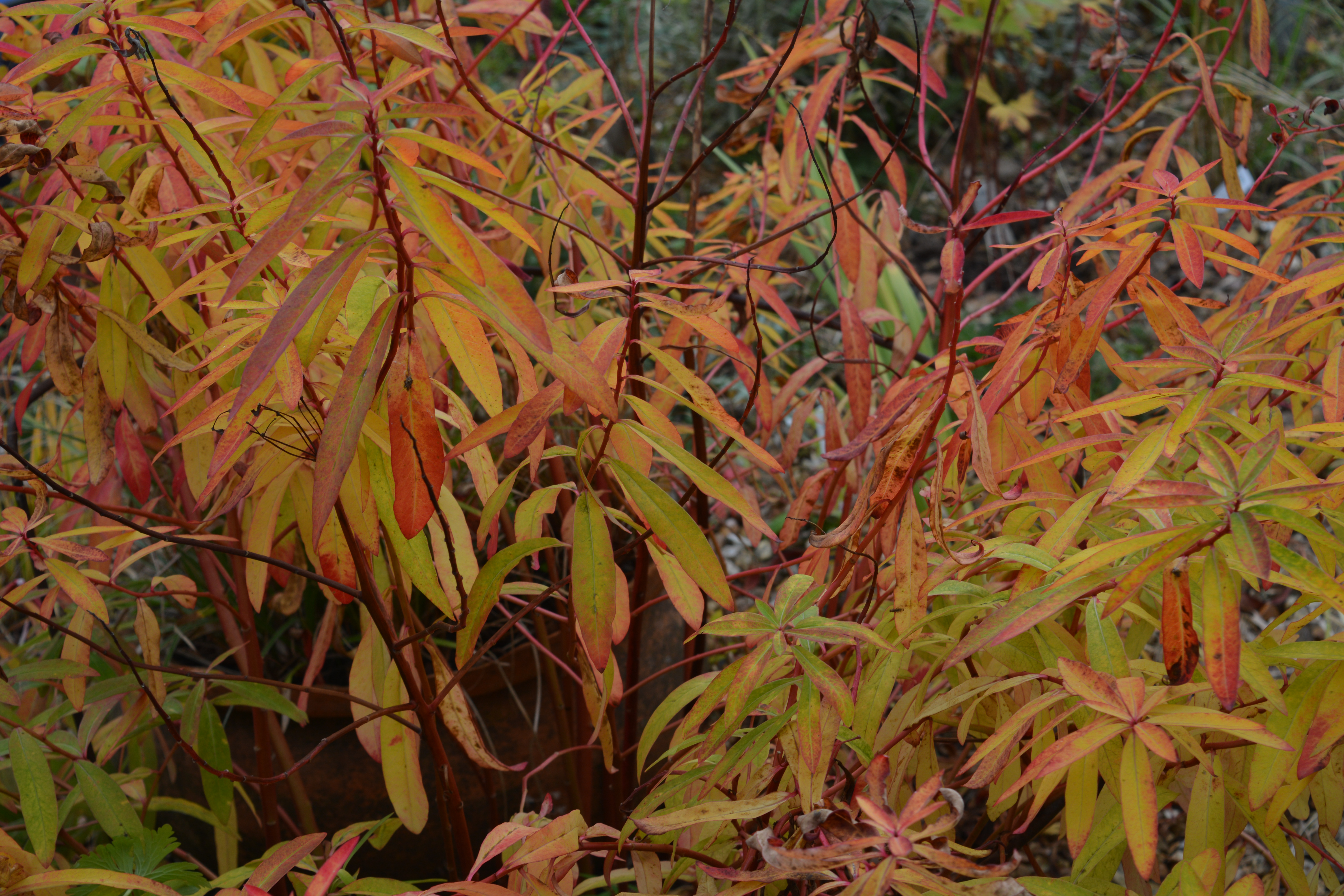
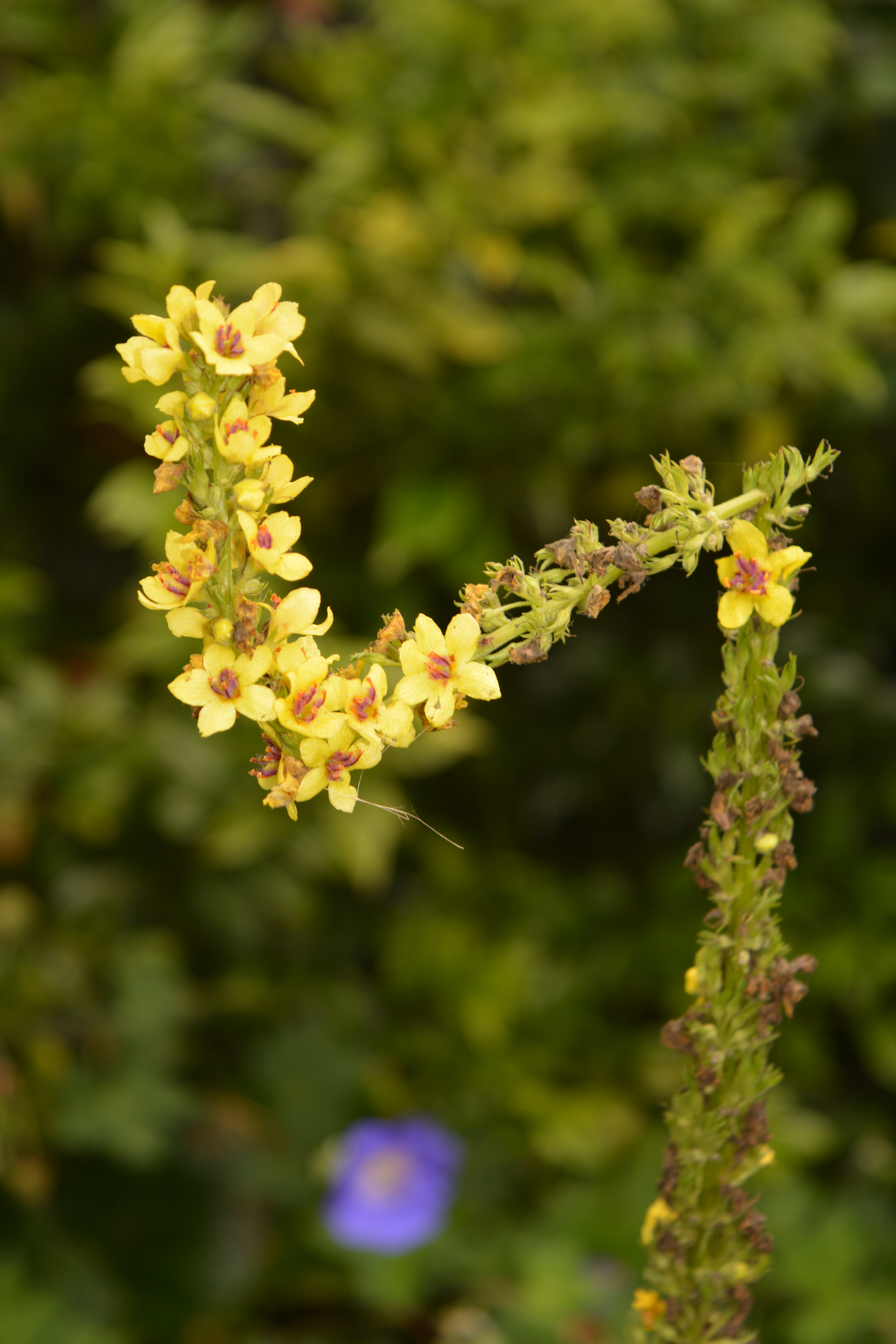
We were pleasantly surprised at the rich autumnal colours of our Euphorbia griffithii “Dixter” which grows in our Beth Chatto garden, and how this damaged Verbascum repaired itself.”

2015 10 22_6621_edited-1

2015 10 10_5942 2015 10 10_5919 2015 10 10_5920

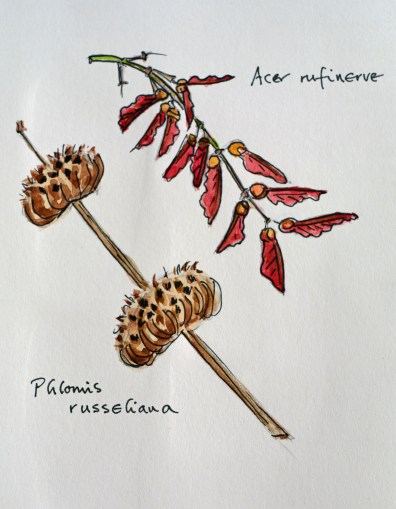
My watercolour paintings of Acer rufinerve and Phlomis russeliana feature on the next page titled “Seedpods for September”. These seeds are capsules of promise, time capsules. The wing-like Acer seeds are shaped and moulded to allow a gentle descent in the wind, each maple key parachuting down to find a place to germinate. The pompom seedheads of the Phlomis are tightly packed balls of rough textured seeds designed to stick to any passing creature who will wander off and drop it away from the parent plant where it can find space to become a herbaceous plant with hairy heart shaped leaves and yellow-orange balls of flowers. 

2015 10 22_6623_edited-1

We now move on to the end of the month when the weather surprised us as it changed for the better, change to good gardening weather and good weather for appreciating gardens.

2015 10 22_6624_edited-1

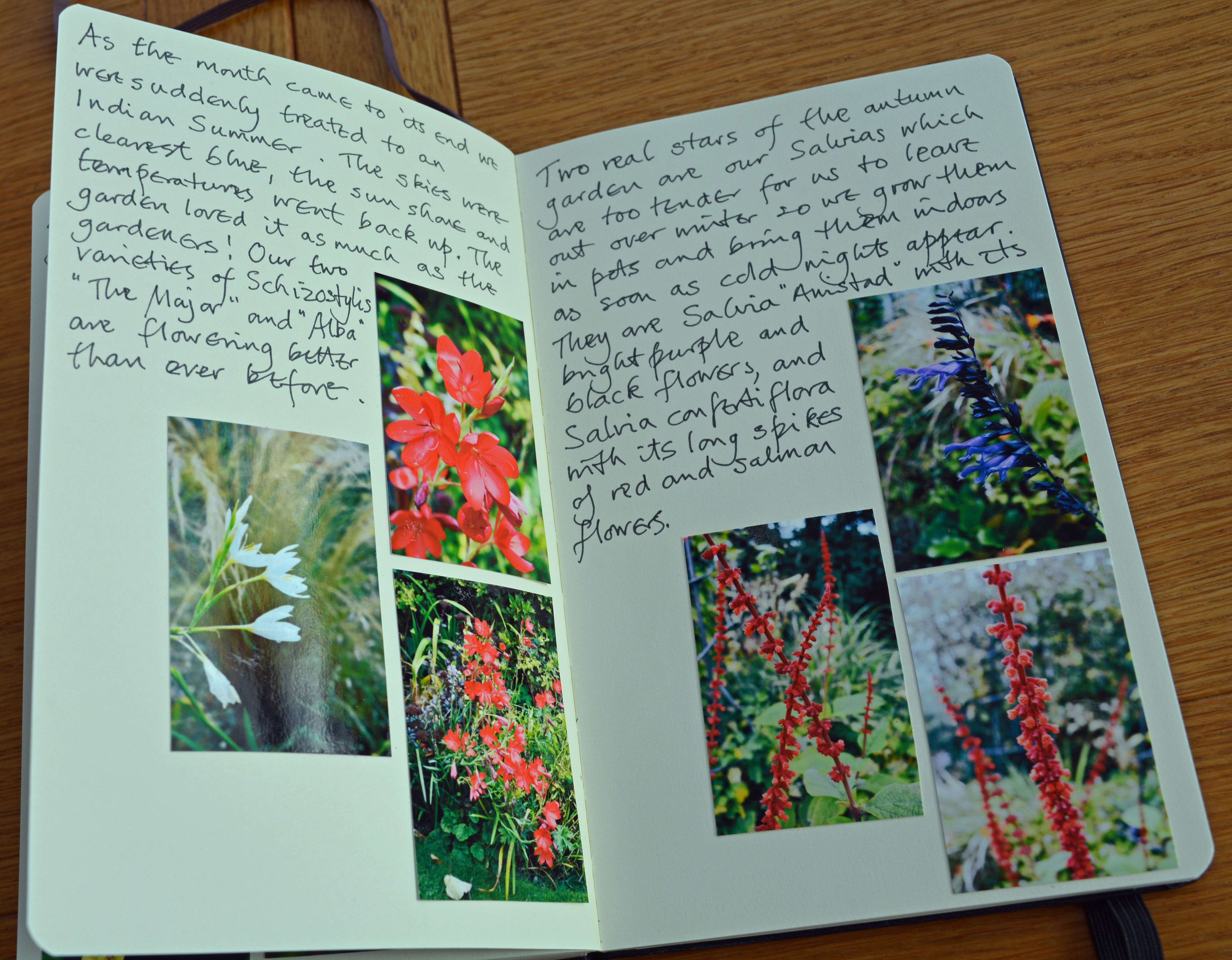
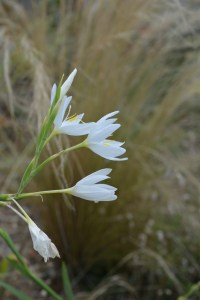
“As the month came to its end we were suddenly treated to an “Indian Summer”. The skies were clearest blue, the sun shone and temperatures went back up. The garden loved it as much as the gardeners! Our two varieties of Schizostylus, “The Major” and “Alba”are flowering better than ever before.”

2015 10 10_5944 2015 10 10_5926 2015 10 10_5925

“Two real stars of the autumn garden are our two Salvias that are too tender for us to leave out over our winters, so we grow them in pots and bring them indoors as soon as the cold nights appear. They are Salvia “Amistad” with its bright purple and black flowers and Salvia confertiflora with its long spikes of red and salmon flowers.”

2015 10 10_5952 2015 10 10_5953 2015 10 10_5954

So that is my journal all about our garden in September. I am already writing and painting my entry for October so that will be the next episode of “My Garden Journal”.

Categories
colours garden design garden photography gardening gardens gardens open to the public grasses hardy perennials light light quality National Garden Scheme NGS ornamental grasses ornamental trees and shrubs outdoor sculpture photography Yellow Book Gardens

Aulden Farm – another Yellow Book garden

We open our garden under the auspices of the National Garden Scheme and love to see our garden in its famous Yellow Book. But we also love to visit other gardens from the Yellow Book.

We recently visited Aulden Farm which is in Herefordshire, our neighbouring county and we were particularly keen to wander around this garden as it has a similar description to our own in their Yellow Book entry although it is much larger! “Informal country garden surrounding old farmhouse, three acres planted with wildlife in mind. Emphasis on structure and form, with a hint of quirkiness, a garden to explore with eclectic planting.”

We had a lovely drive through beautiful countryside before parking on the grass verge and wandering up the gravel drive leading to Aulden Farm’s garden. A gravel area surrounded by interesting planting was a great place to enjoy tea and homemade cakes.

2015 09 07_5027 2015 09 07_5028

Alongside the tea courtyard was a gravel garden in front of a beautiful barn close to tumbling down. Verbena bonariensis was the star in this garden and the afternoon lit it up dramatically. Butterflies were attracted to it as much as me and my camera. This was an area full of texture and interest too good for any photographer to miss.

2015 09 07_5029 2015 09 07_50302015 09 07_5168 2015 09 07_51622015 09 07_5177 2015 09 07_51782015 09 07_5173 2015 09 07_51662015 09 07_5174 2015 09 07_51702015 09 07_5169 2015 09 07_5171

2015 09 07_5165 2015 09 07_5161

We eventually left behind our tea, cakes, verbenas and butterflies and wandered, suitably refreshed, through the shade garden where the low rays of the sun created pools of light and shade. from here we could choose different routes through the garden described in its own leaflet as “very relaxed, tranquil and some even say romantic, but that is for you to decide”. So we couldn’t wait to find out for ourselves.

2015 09 07_5035 2015 09 07_5036

2015 09 07_5037 2015 09 07_5038 2015 09 07_5040 2015 09 07_5042 2015 09 07_5044 2015 09 07_5047 2015 09 07_5048

Now come for a walk with us around this beautiful garden by enjoying my gallery. Please click on the first photo and navigate with the arrows.

I hope you enjoyed this photographic journey around this wonderful garden. Is it romantic? Yes, definitely so! This is a garden with atmosphere.

We left with an invitation to return whenever we wanted – bliss.

In my next couple of posts about Aulden Farm gardens I will share my images of two special families of plants that caught the beautiful light that day and my imagination, Persicarias and Rudbeckias and also a look at some of the wide ranging sculpture we enjoyed there.


Categories
gardening grasses

Rakes Progress

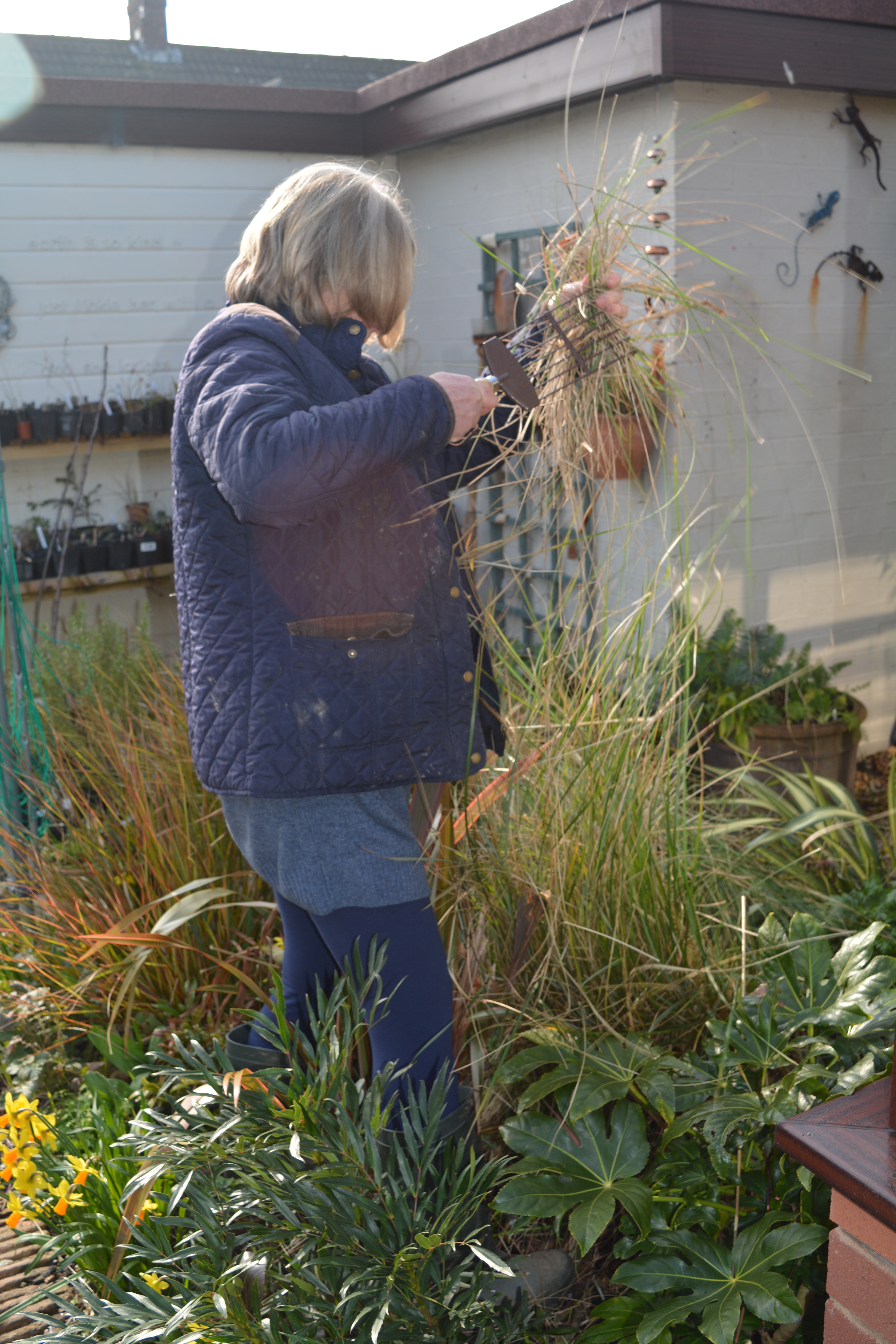
Thought this might be of interest to those gardeners who like us love their grasses. Herbaceous ornamental grasses fall basically into two categories, the first are totally herbaceous and to prune these we simply cut them down close to the ground in early spring being careful not to cut out any extra early fresh growth. The other group the evergreens are more difficult to deal with. They do need some tidying up in early spring in order to remove dead stalks. Books and magazines simply instruct us to comb through the plant with gloved hands but we never feel totally happy with this so we decided to find an alternative.

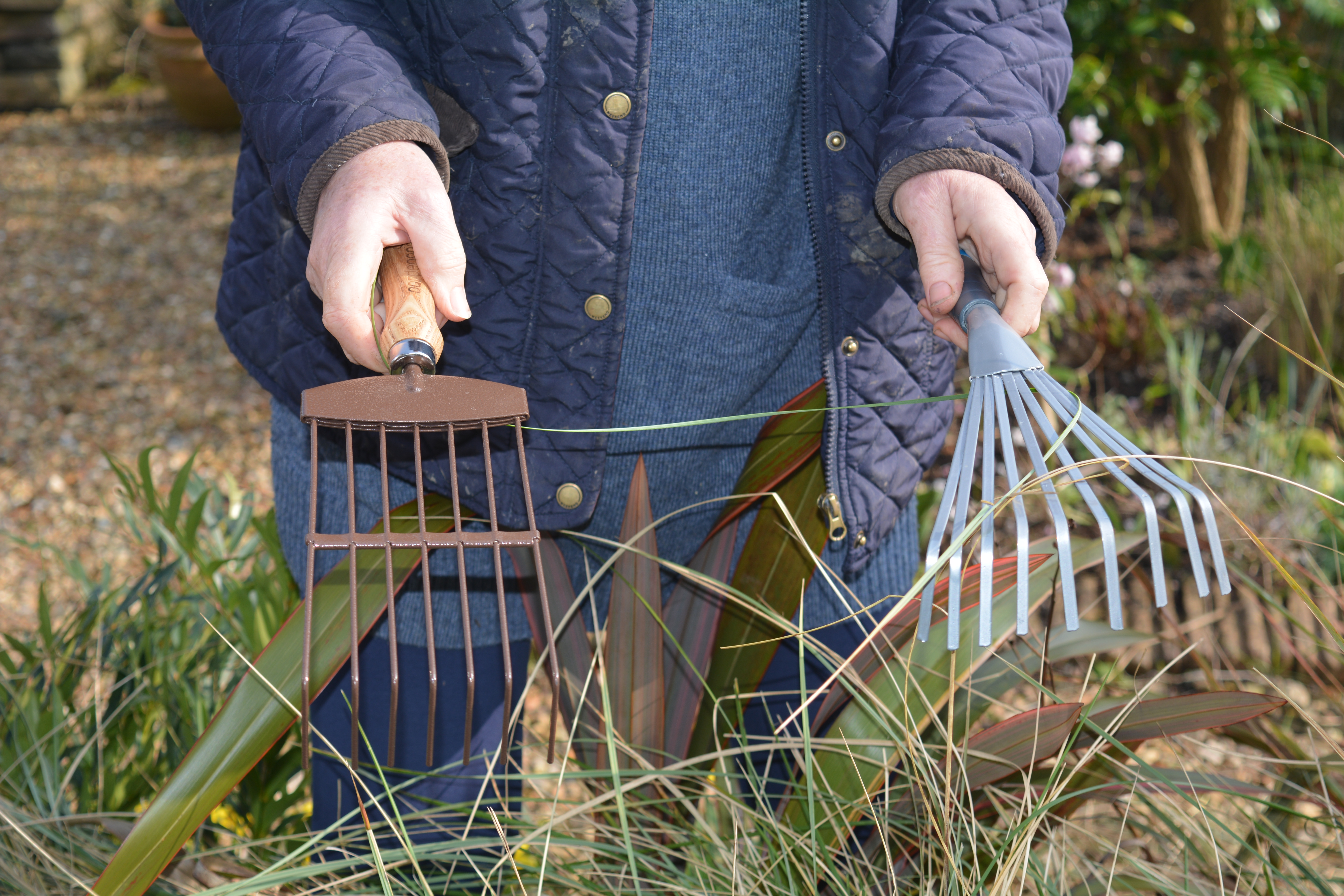
We thought a rake of some sort would be the answer. We tried normal garden rakes and lawn rakes but they were not really satisfactory. We scoured the internet to find something better and found two possibilities, both small rakes. The one on the right of the photo was sold as a “shrub rake” and the left one as a “moss rake”.

2015 03 20_0058

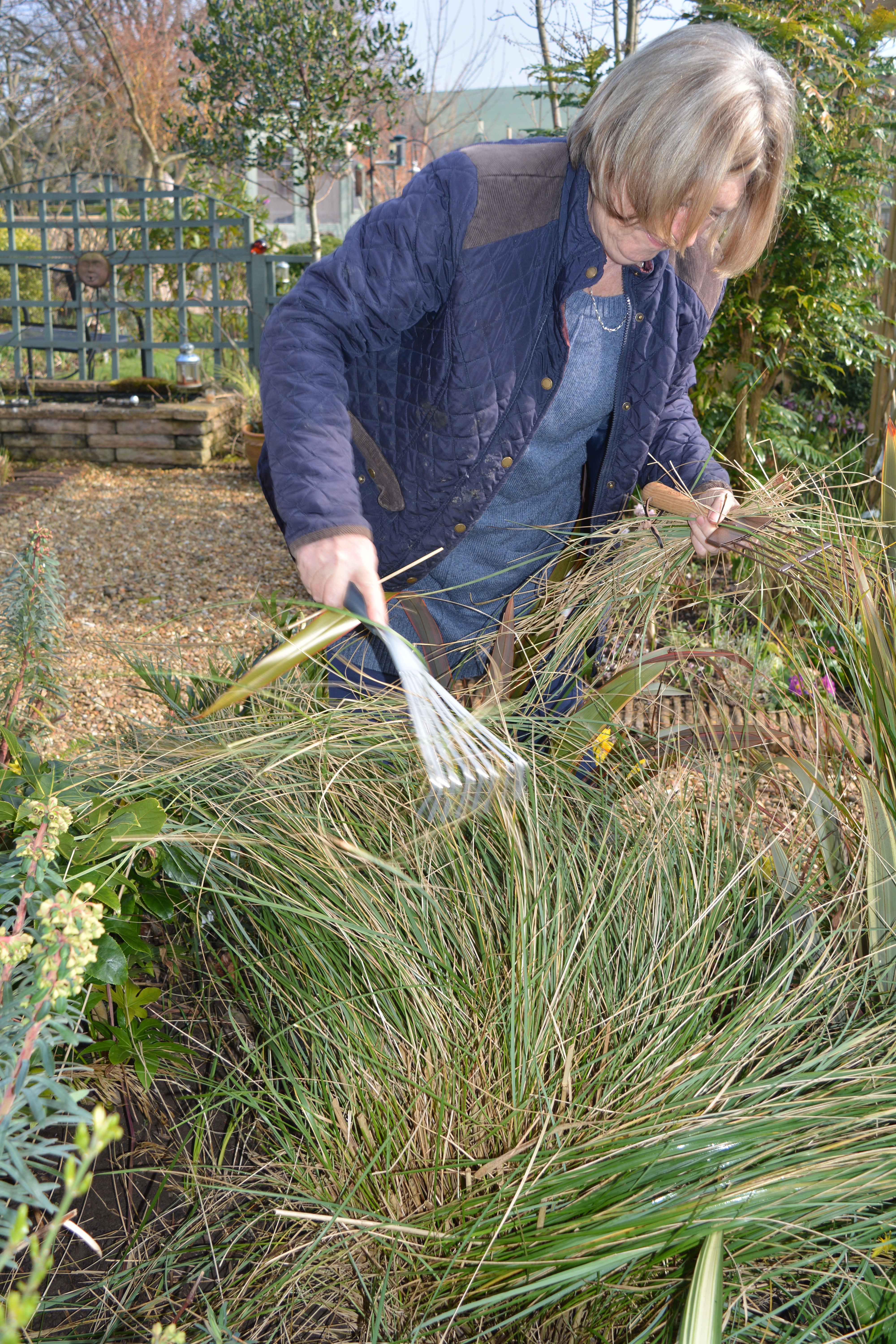
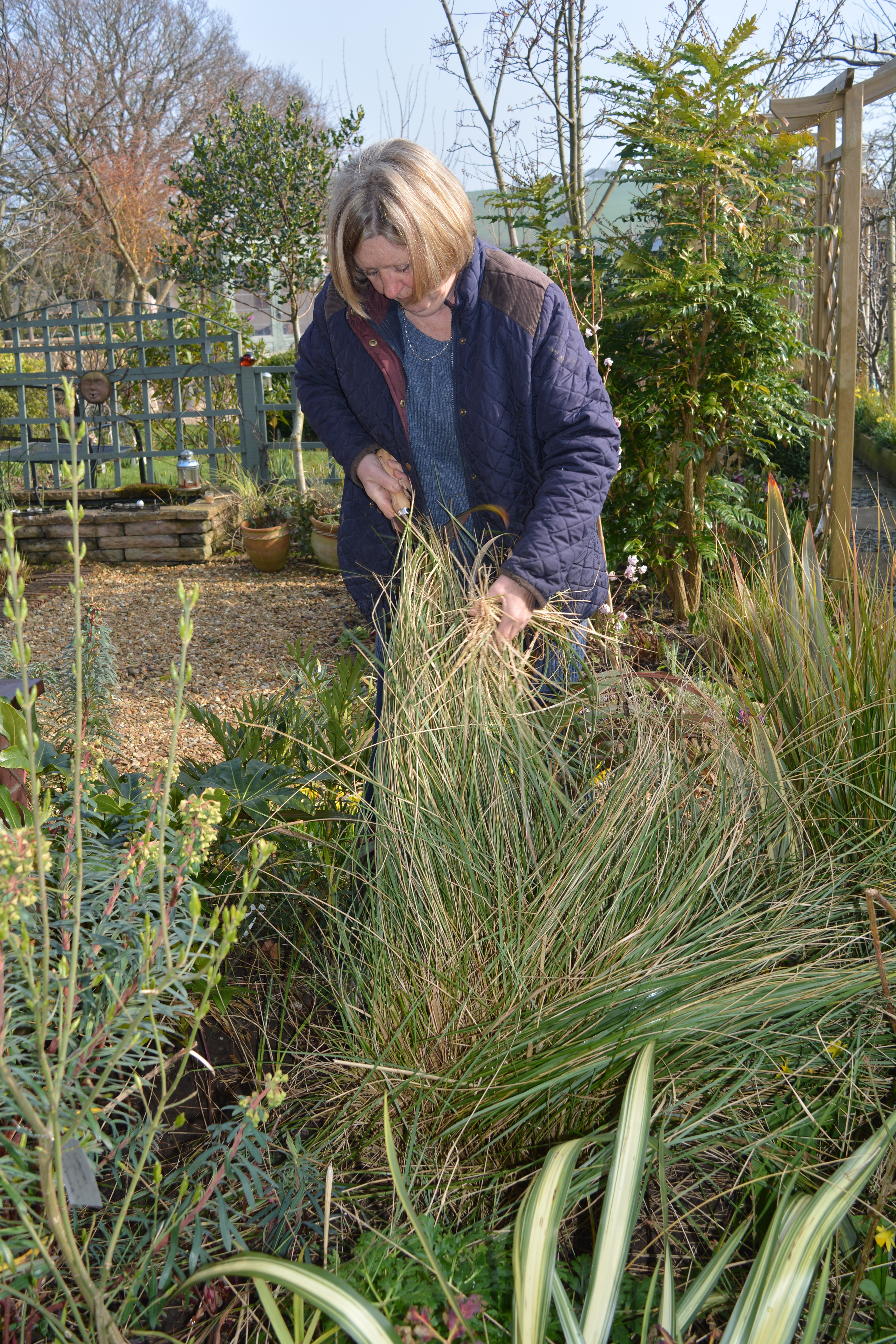
So Jude the Undergardener tried them both on our most difficult grass to keep tidy, Stipa gigantia. This grass tends to drape over its fellow border plants so needs a good tidy up.

2015 03 20_0048 2015 03 20_0039 2015 03 20_0038

So in the end the moss rake won hands down. The photo below shows really well how it out performed its rival. So we have found the answer to our problem. The moss rake worked really well but sadly the shrub rake was a bit of a wash out but it will prove useful in the autumn when we need to clear fallen leaves from the borders.

2015 03 20_0041

Categories
colours flowering bulbs garden photography garden ponds garden pools garden wildlife gardening grasses hardy perennials light light quality ornamental grasses ornamental trees and shrubs recycling Shropshire spring bulbs spring gardening trees wildlife Winter Gardening winter gardens

My Garden Journal – February

Here we are with part two of my post featuring my garden journal, where we can look at what was going on in our garden in February.

2015 03 13_9852_edited-1

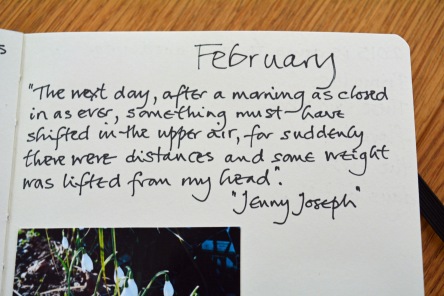
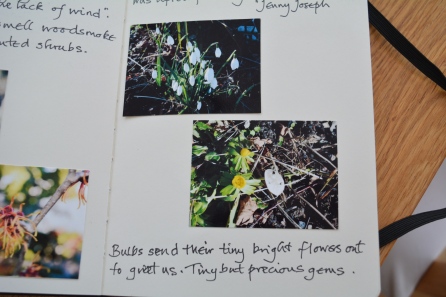
The first entry in my Garden Journal for February shares another quote from Jenny Joseph, “The next day, after a morning as closed in as ever, something must have shifted in the upper air, for suddenly there were distances and some weight was lifted from my head.” The first photos in this month’s journal were of startlingly white Snowdrops. “Bulbs send their tiny bright flowers out to greet us. Tiny but precious gems.” was my accompanying note.

2015 03 13_9853

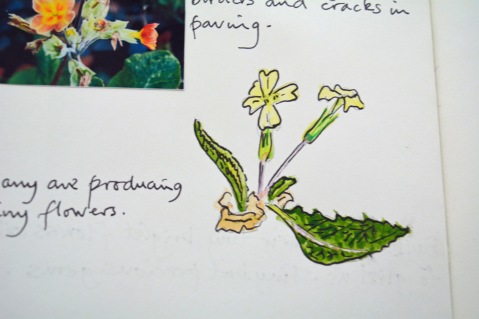
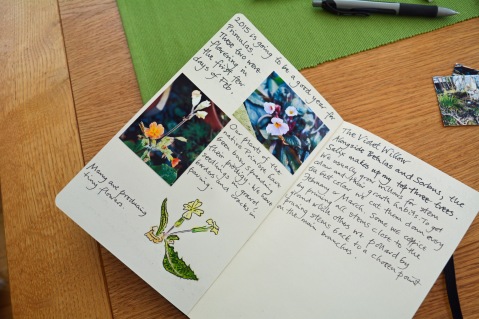
I also featured Primulas this month, “2015 is going to be a good year for Primulas. These two were flowering in the first days of Feb. Our plants of the native Primrose have been busy spreading their prodigy. We have seedlings in the gravel, in borders and in cracks in paving. Many are producing tiny flowers.”

2015 03 13_9855_edited-1

2015 03 13_9854_edited-1

The first day of the new month was spent in the garden and what a wonderful day we had. A bonus day outside in mid-winter is so welcome. We pruned the climbing roses, trimmed down the old growth of perennials to reveal the fresh green shoots eagerly waiting to burst into growth with the onset of Spring. The plant that never fails to impress is the Sedum with its virulent fresh growth waiting thickly at the base of last year’s cut down stumps.

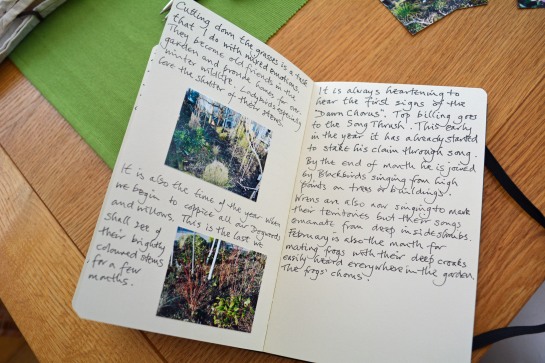
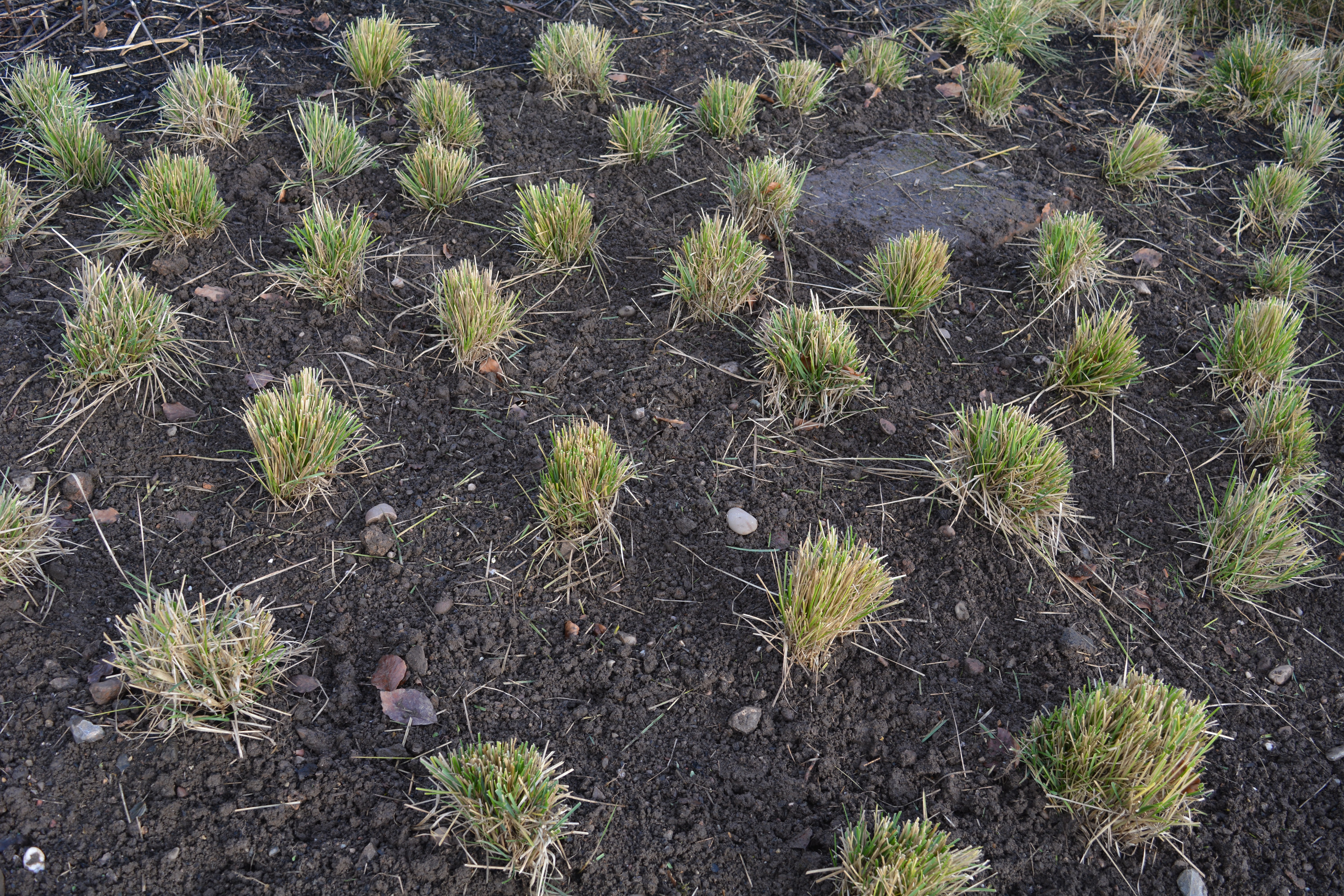
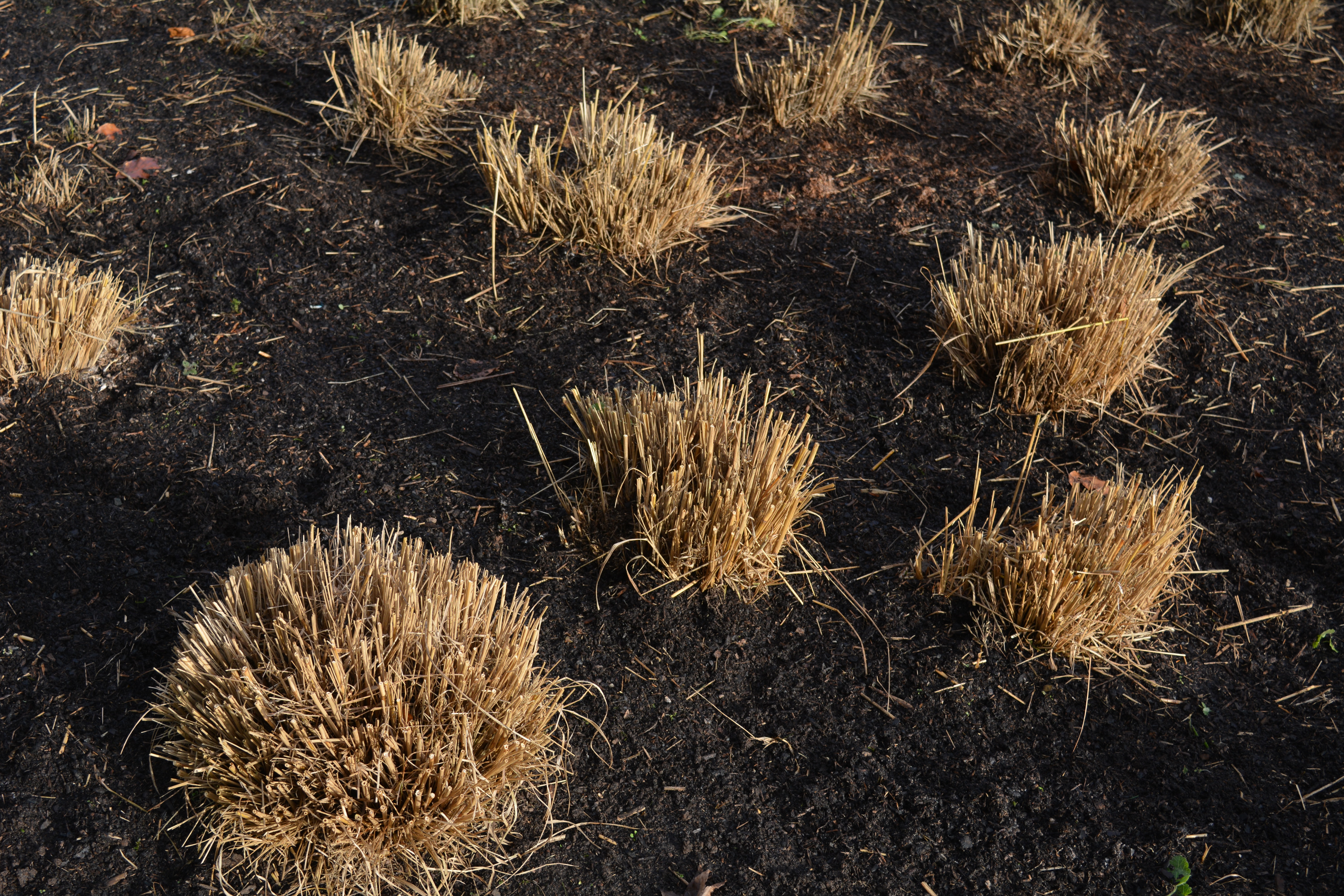
The tall elegant stems of grasses are now cut close to the ground after their winter display. Even the gentlest of breezes has encouraged them to dance, their stems swaying stiffly but gracefully and their seed heads far more fluent in their dances. They will soon be back. In my journal I noted “Cutting down the grasses is a task I do with mixed emotions. They become old friends in the garden and provide homes for over-wintering wildlife. Ladybirds especially love the shelter of their stems.”

2015 03 13_9856_edited-1

We like the month of February, as both Jude the Undergardener and I suffer from S.A.D.(seasonally adjusted disorder)  and mid way through February we can spot a change in the light and literally feel an improvement in light quality and with it an improvement in our mood. I am sure the garden feels the same as all that future growth waits underground to burst forth and all those buds lie waiting on the resting bare branches of the deciduous trees and shrubs.

Birds are showing signs of getting themselves prepared for the rituals of spring that awaits them. Blue Tits are exploring nest boxes already with two boxes already held by two pairs. Collared Doves, those invaders to our shores, entertain us by filling the sky with their acrobatics designed to impress their mates. They fly diagonally backwards into the air!

In my journal I wrote “It is always heartening to hear the first signs of the “Dawn Chorus”. Top billing goes to the Song Thrush. This early in the year it has already started to stake his claim through song. By the end of the month he is joined by Blackbirds singing from high points on trees or buildings. Wrens are also now singing to mark their territories but their songs emanate from deep inside shrubs.”

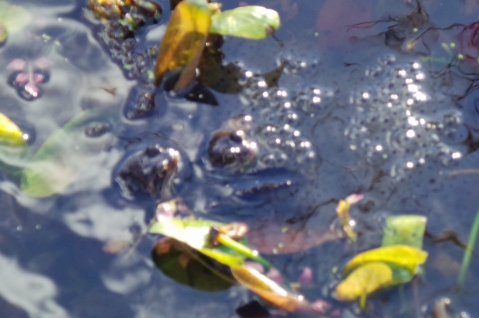
Our attention is drawn to the wildlife pond from mid-February onwards as it is around this time that we start to hear the deep croaks of the male frogs calling the females in to join them in the water. One evening coming in from the garden we made a plan to clear the leaves and any winter debris from the pond the next day before the first frogs arrived. But  they beat us to it for as we went into the garden to do just that a pair of mating frogs was in residence and close by lay a large glob of spawn. Our job became more difficult as we tried not to disturb their nuptials. My journal notes “February is also the month for mating frogs with their deep croaks heard from everywhere in the garden, “The Frogs’ Chorus!” We love frogs in the garden where they act as great pest controllers. Some move into the greenhouse once they leave the pond and work in there for us too. Free labour!

2015 02 28_9789_edited-1

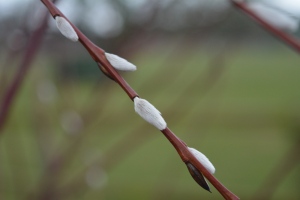
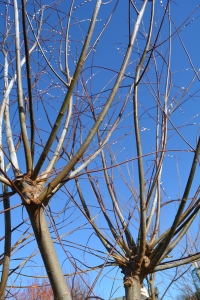
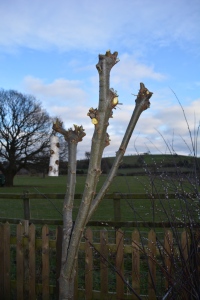
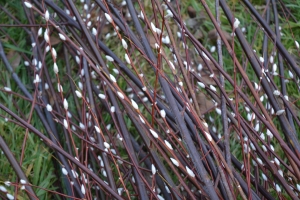
We can still enjoy the coloured stems of Cornus and Salix and the coloured textured trunks of the trees. The Betulas glow white with hints of silver, cream or salmon, while the Prunus serrula shines gold and brown. The brightest of all though must be Cornus “Midwinter Fire”. Late in this month however we begin the task of coppicing and pollarding, hard pruning to give us bright new stems with brighter colours in the year to come. My journal says, “It is also the time of year when we begin to coppice all our Dogwoods and willows. This is the last we shall see of their brightly coloured stems for a few months.” I move on to make special mention of the Violet Willow of which we have a trained multi-stemmed pollarded specimen which holds a great presence in the garden at every time of the year.

The photos below illustrate how its many colours vary with the changing light.

2015 02 17_9597-1 2015 02 17_9596-12015 02 17_9579-1 2015 02 17_9580-1

These shots show the before pruning and after pruning images, so you can see how hard we prune them down. We certainly need our strong, sharp loppers for this job.

2015 02 17_9581-1 2015 02 17_9582-1

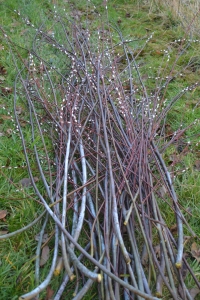
The final pictures illustrate just how much wood is removed and shows the colours of the branches. All this material will be used for making plant supports and will be useful when we make a willow dome for some friends’ garden in a week or so (look out for a post about this). This is a fine example of recycling in action in the garden.

2015 02 17_9585-1 2015 02 17_9584-1

We shall make the next visit to my garden journal in the month of March which we hope is full of the promise of spring.


Categories
colours garden design garden furniture garden photography garden seating gardening gardens gardens open to the public grasses indoor plants ornamental grasses ornamental trees and shrubs recycling Wales walled gardens Winter Gardening winter gardens

The Botanic Garden of Wales in the Rain – part two.

Welcome back to South Wales where we were enjoying a very wet visit to the Botanic Gardens. In part one we looked at the magnificent glasshouse before taking a break. In part two we carry on in the heavy rain. Winding paths provided us with interesting routeways through the newly planted gravel and rock borders full of interesting foliage all glistening with rain droplets.

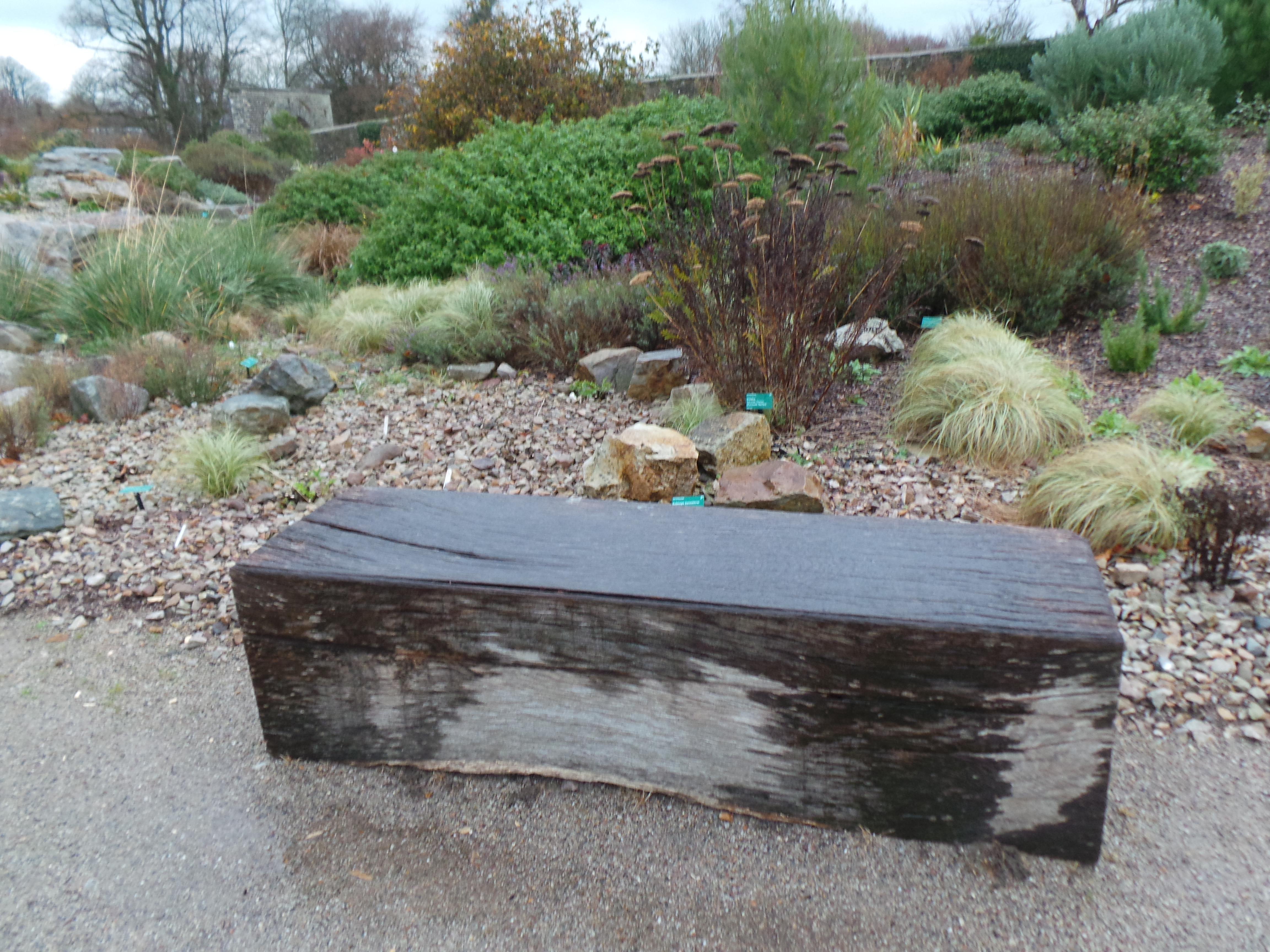
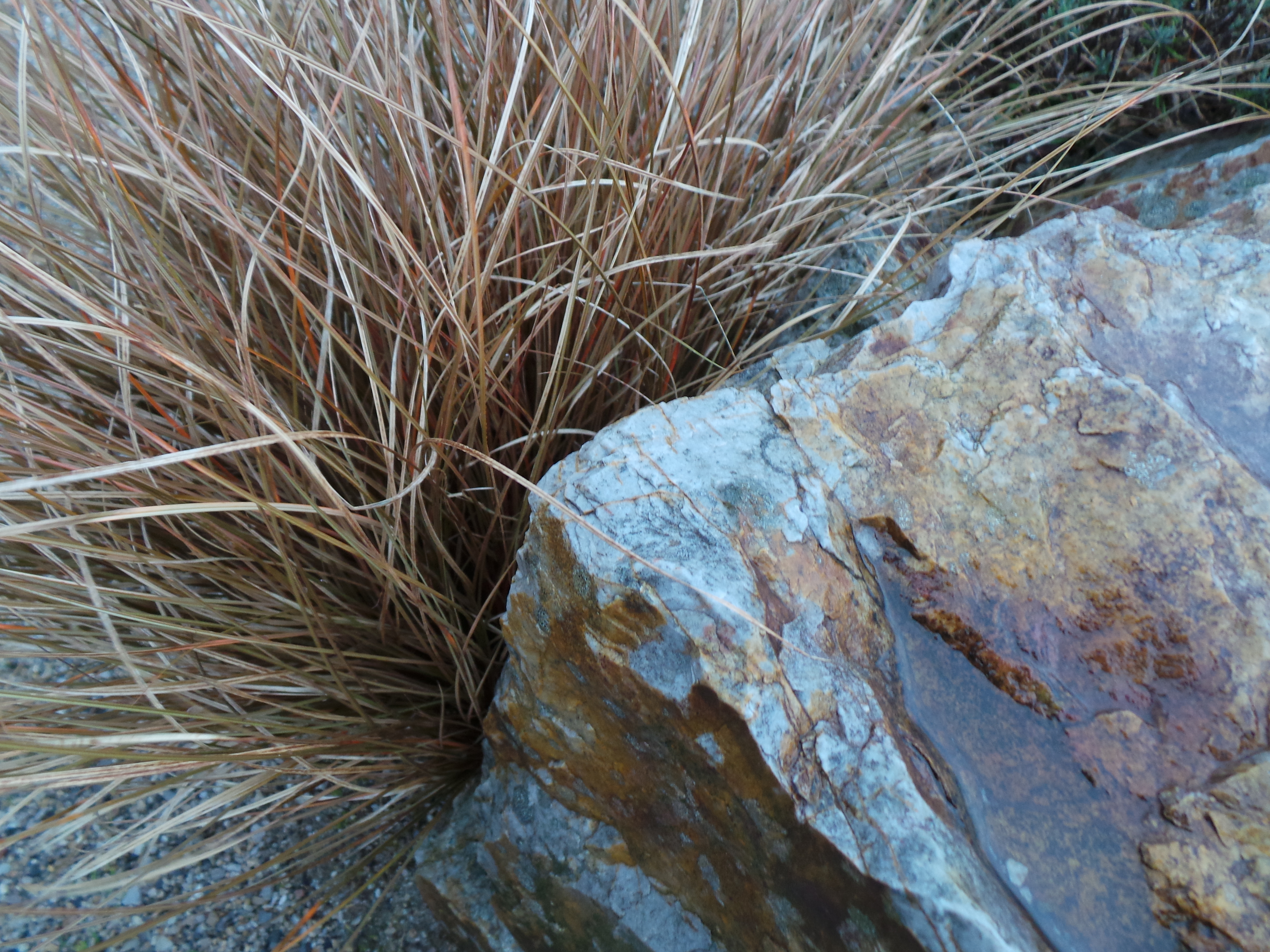
The black seed heads of an Eryngium looked in sharp contrast to the pale blue-grey foliage of the Euphorbia close behind.  A beautiful oak bench of the simplest design was far too wet to enjoy sitting on. Wet rocks looked full of colour – in the dry they would have been almost monochrome. Grasses always look so good with rock!

2014 11 21_7831 2014 11 21_7832 2014 11 21_7833 2014 11 21_7834 2014 11 21_7835 2014 11 21_7836

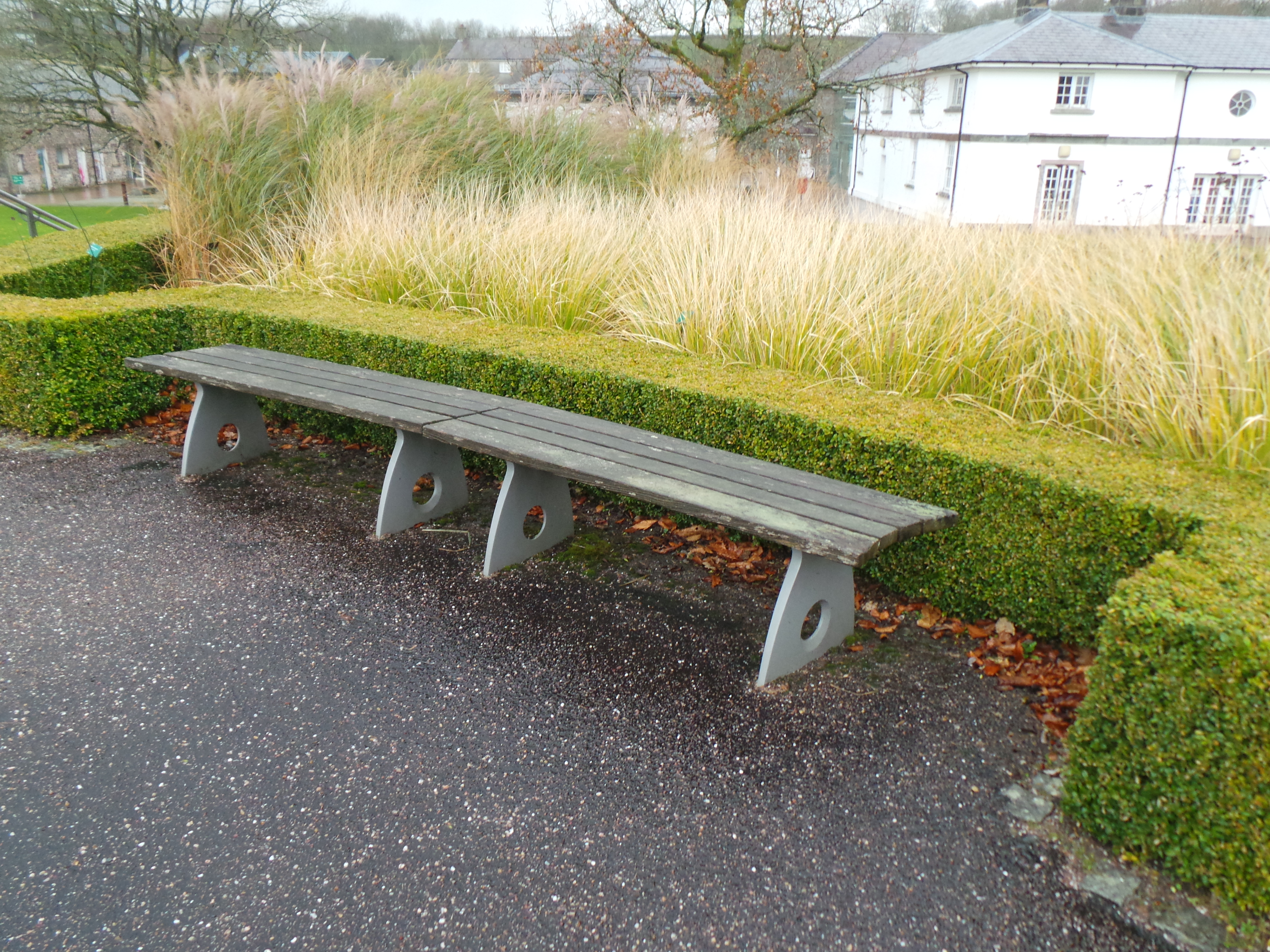
Grass borders with every blade moving in waves like a rough sea are here edged with the neatest of low Box hedging. A bench of modern design looked so good against the Box and grasses. Trees in near silhouette looked good against biscuit coloured grasses.

2014 11 21_7837 2014 11 21_7838

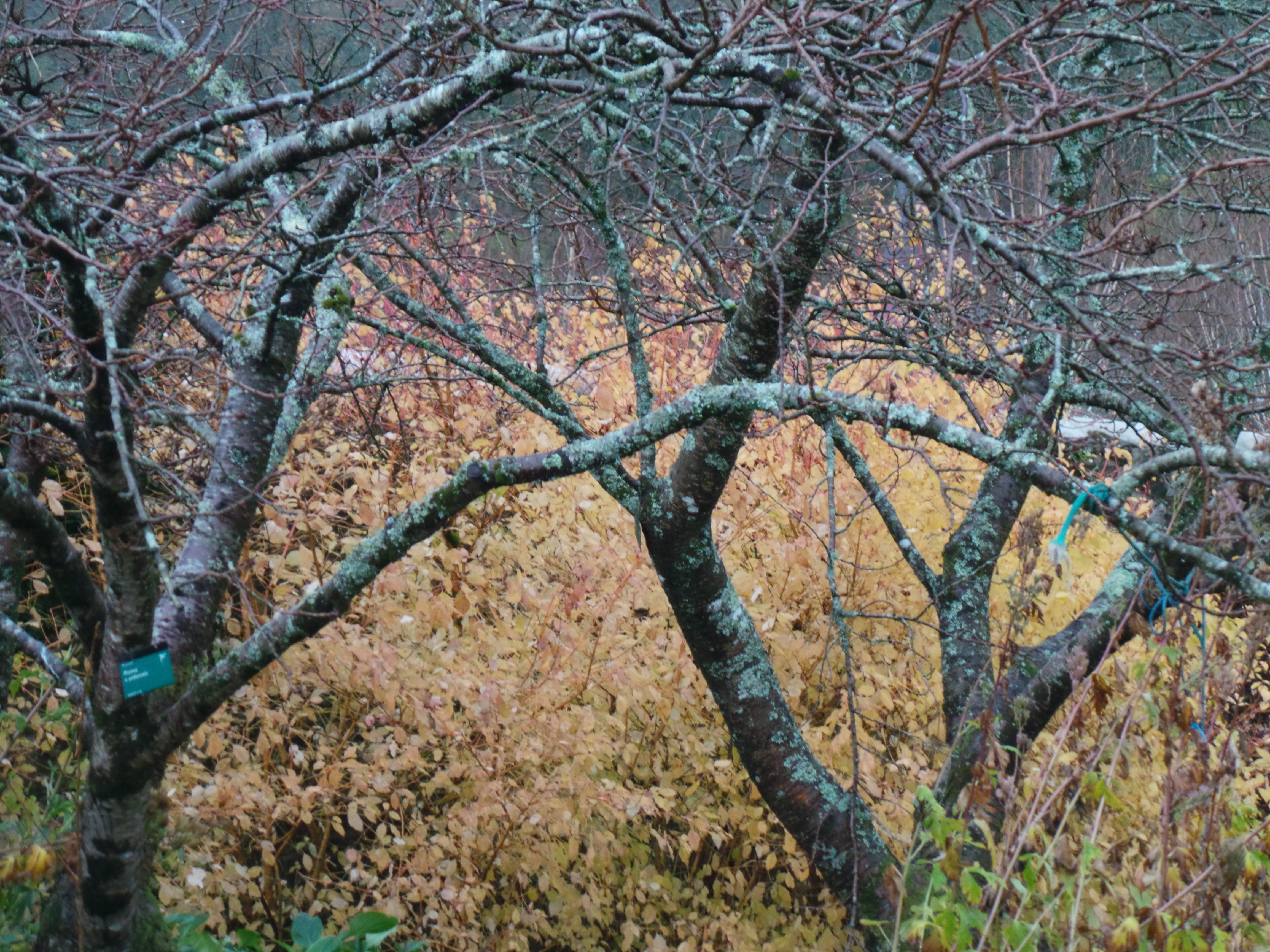
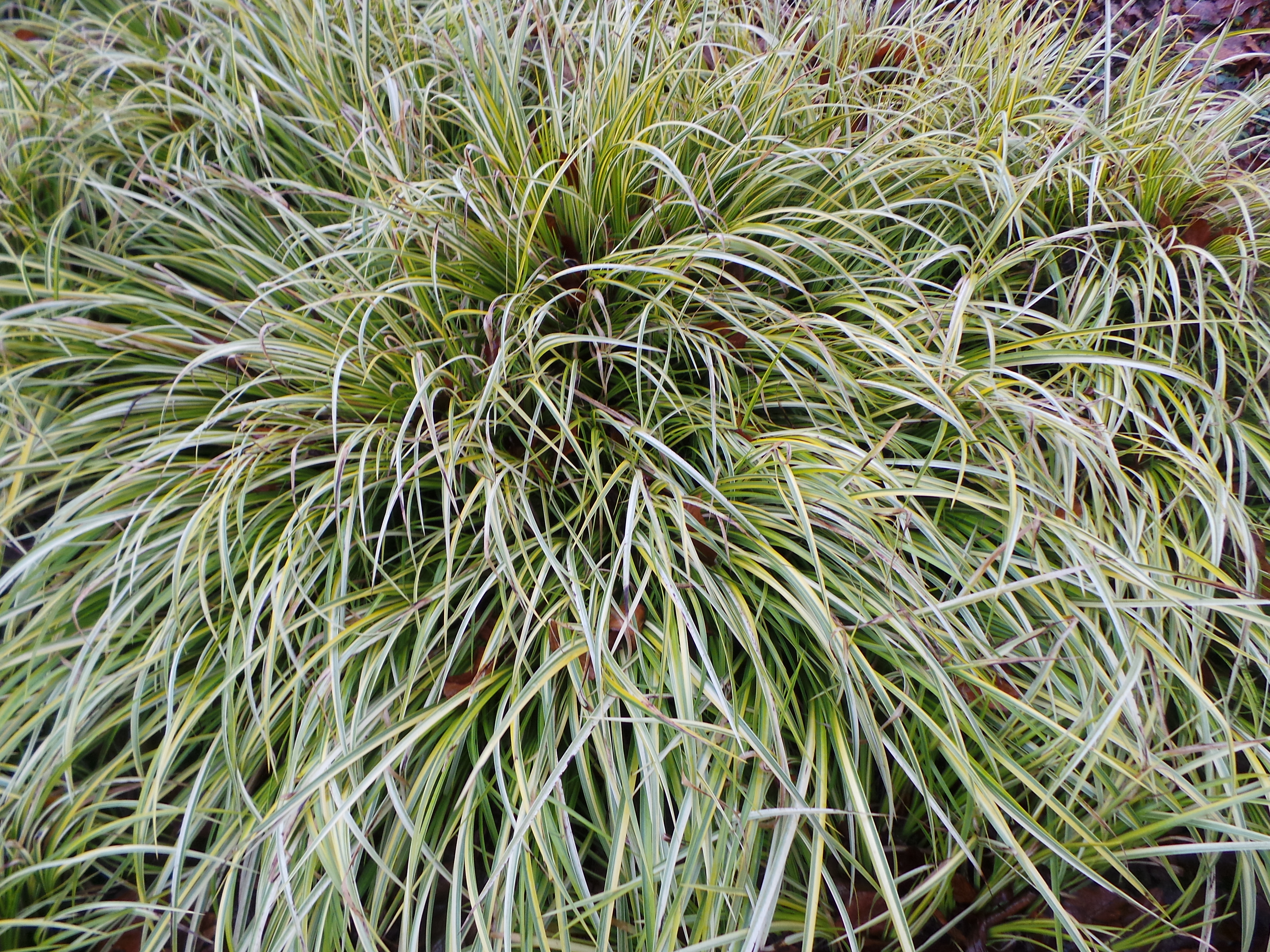
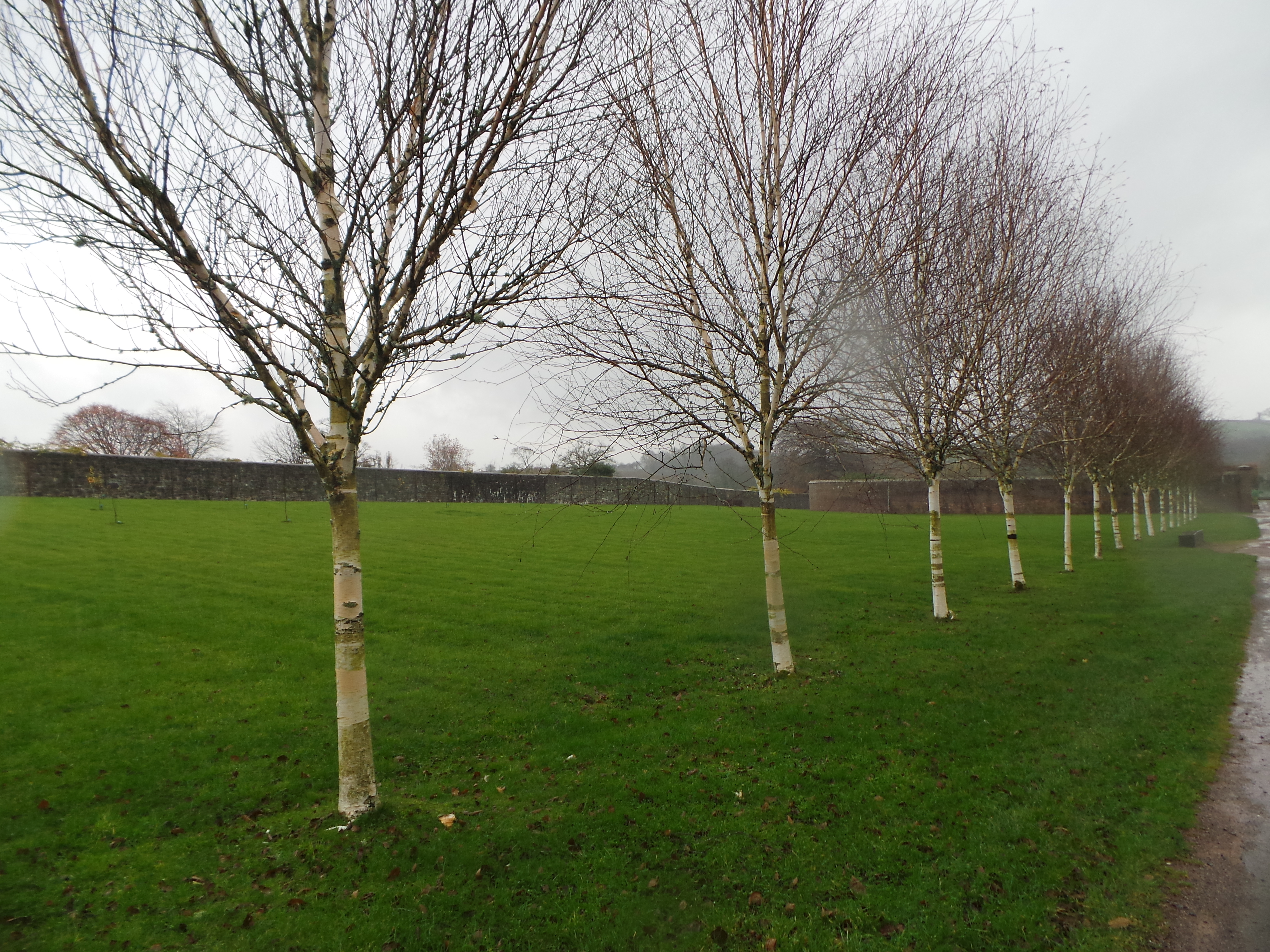
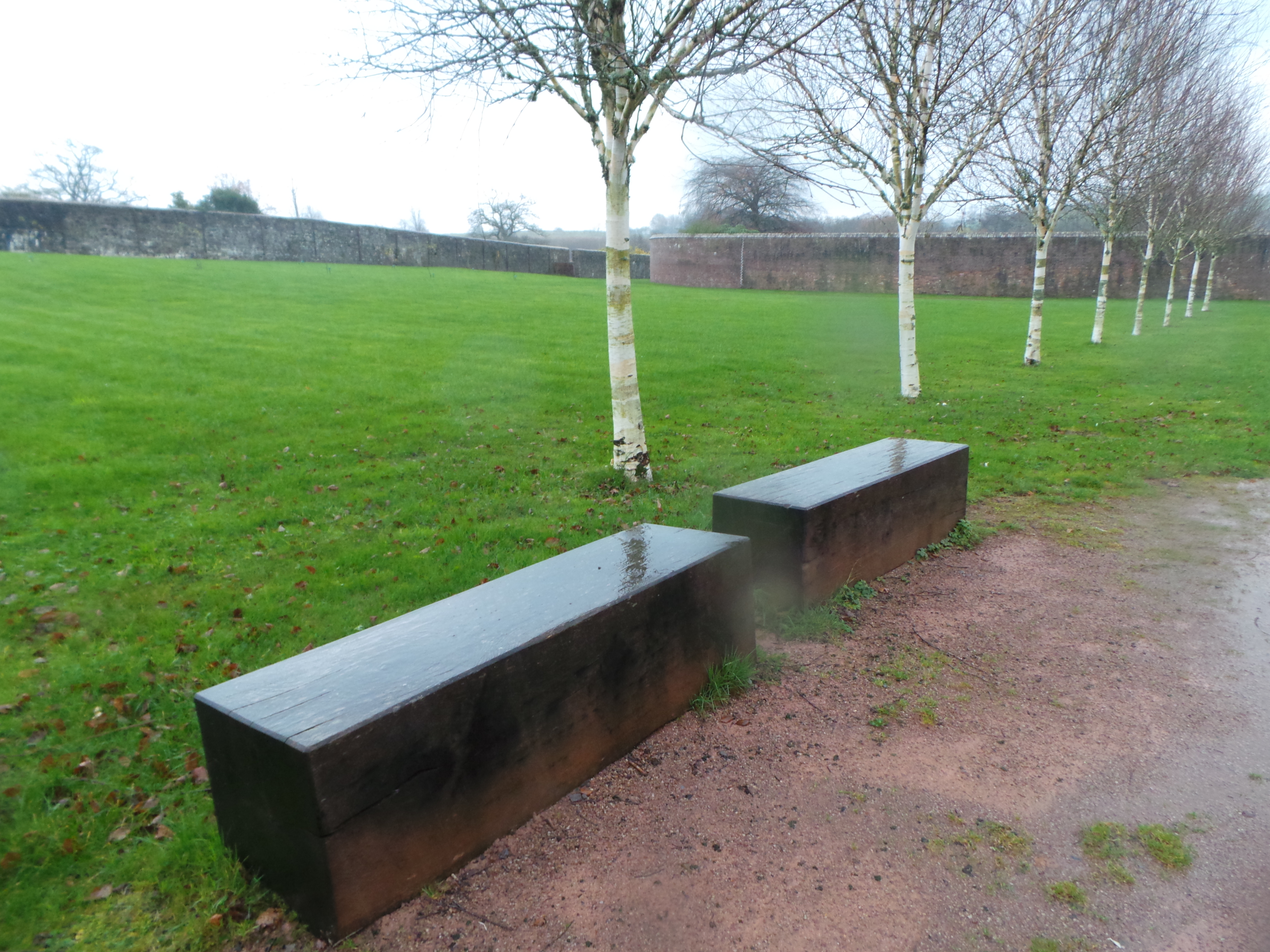
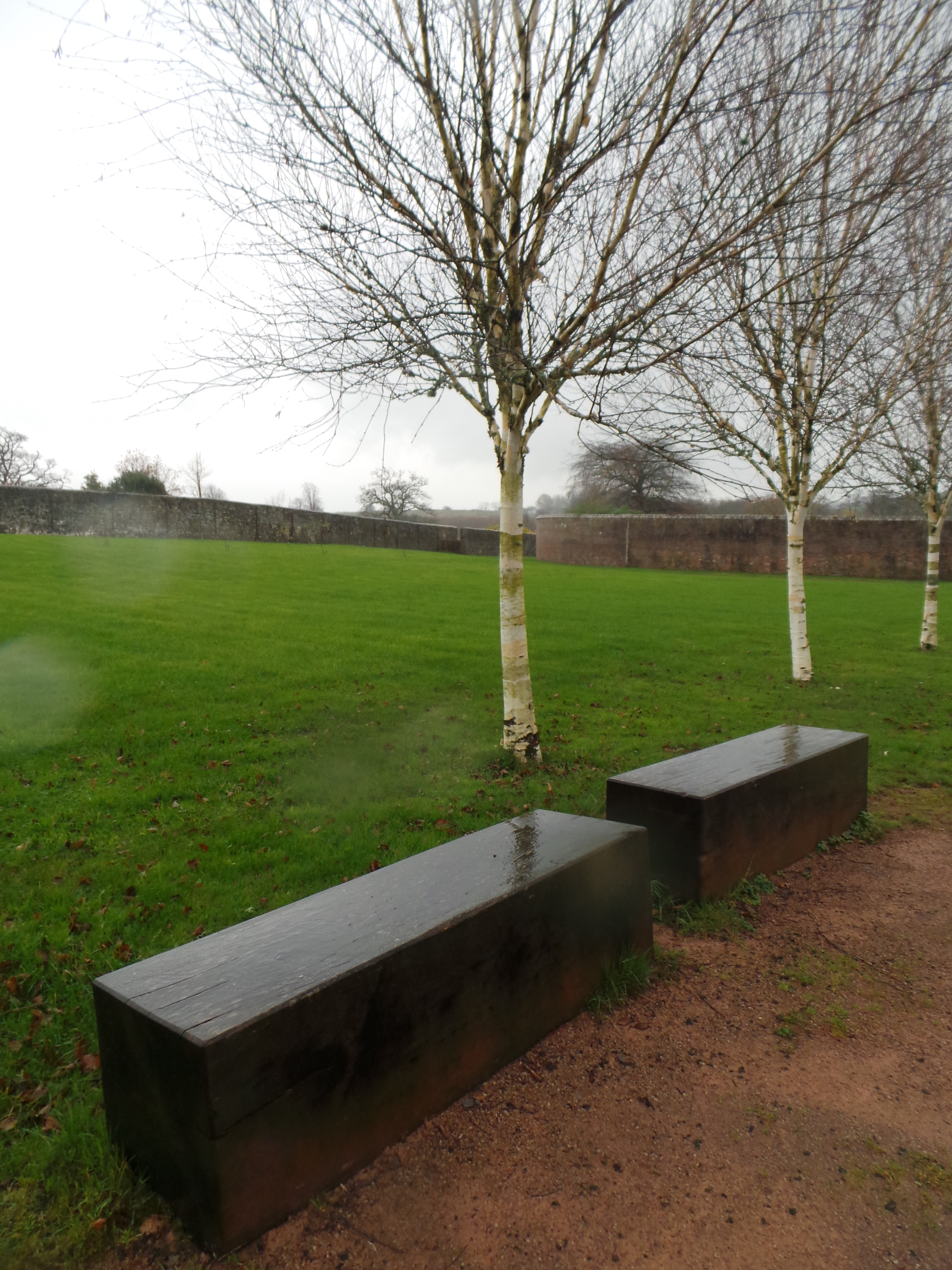
We got soaked through on our walk towards the walled garden but I was still tempted to stop to take a few shots of grasses and my favourite Betulas and some more simple oak block seating.

2014 11 21_7839 2014 11 21_78402014 11 21_7841 2014 11 21_7842 2014 11 21_7843 2014 11 21_7844

Jude, aka Mrs Greenbench aka The Undergardener, thought she looked good in this throne! It was a pity her feet didn’t reach the ground – it spoiled the illusion somewhat! It was hard to get her off it! The throne sat under an oak framed arbor with a slate floor, both local materials. Drawings of dragons were etched into some of the slate.

2014 11 21_7845 2014 11 21_7846 2014 11 21_7847

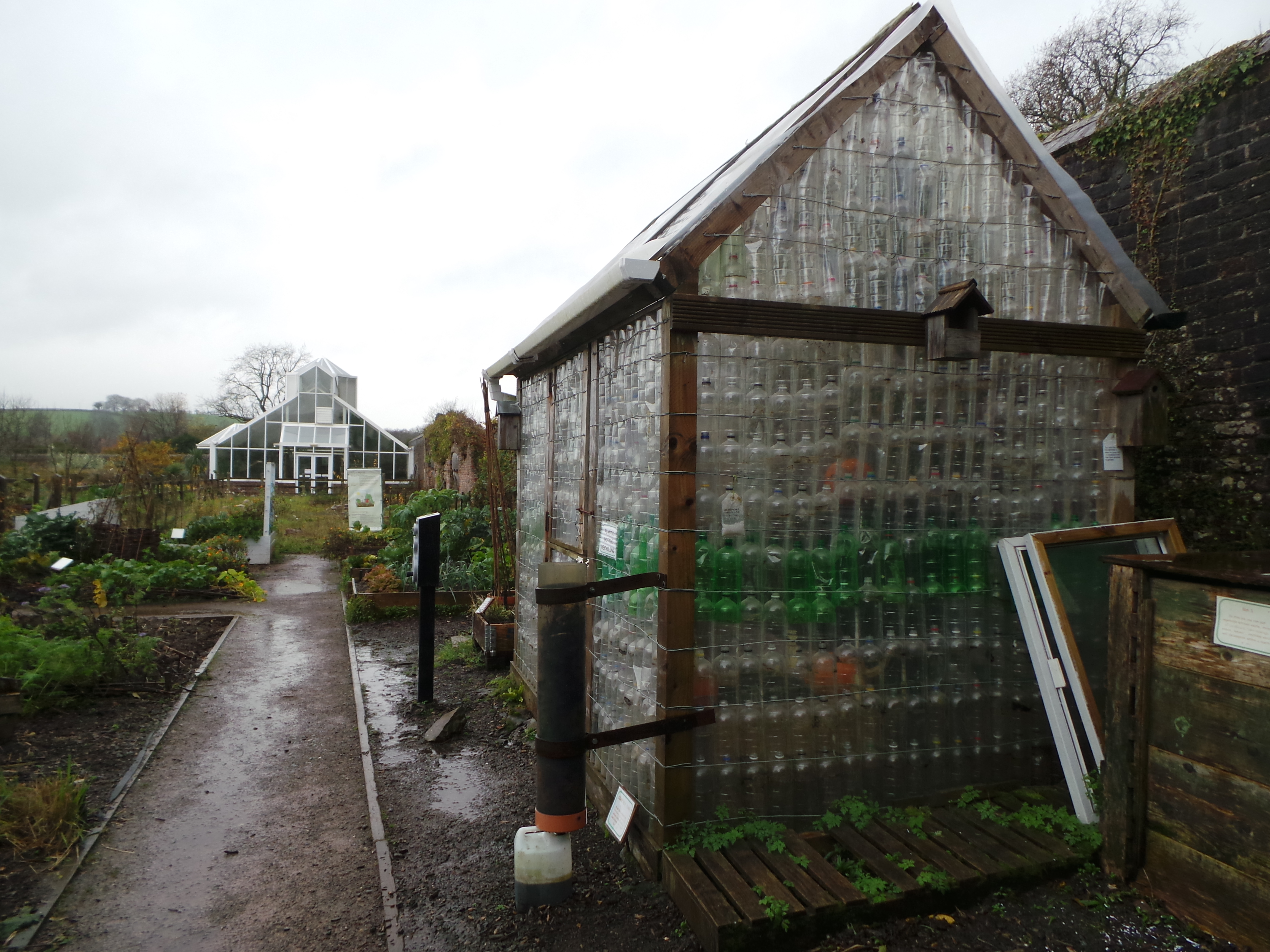
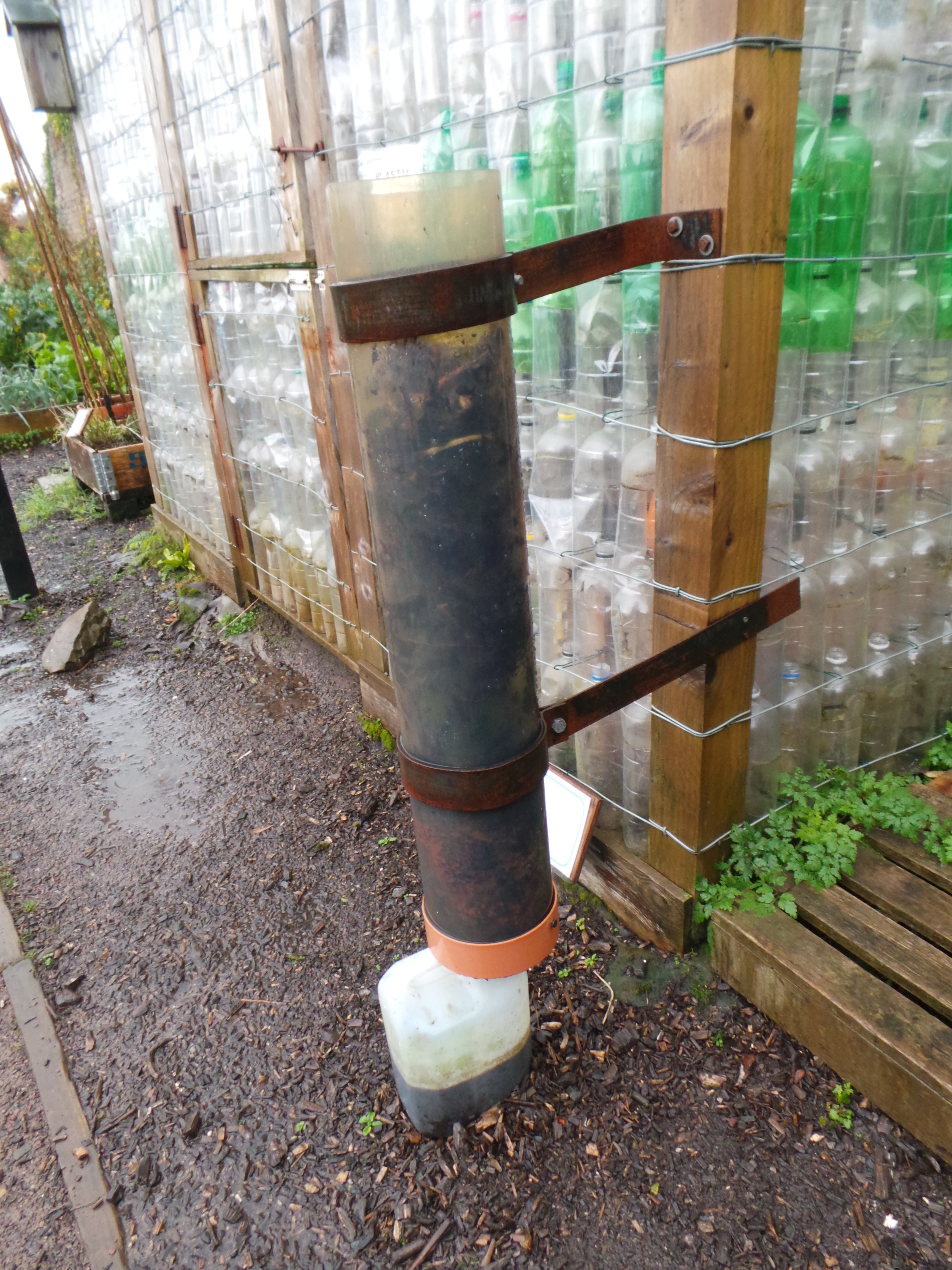
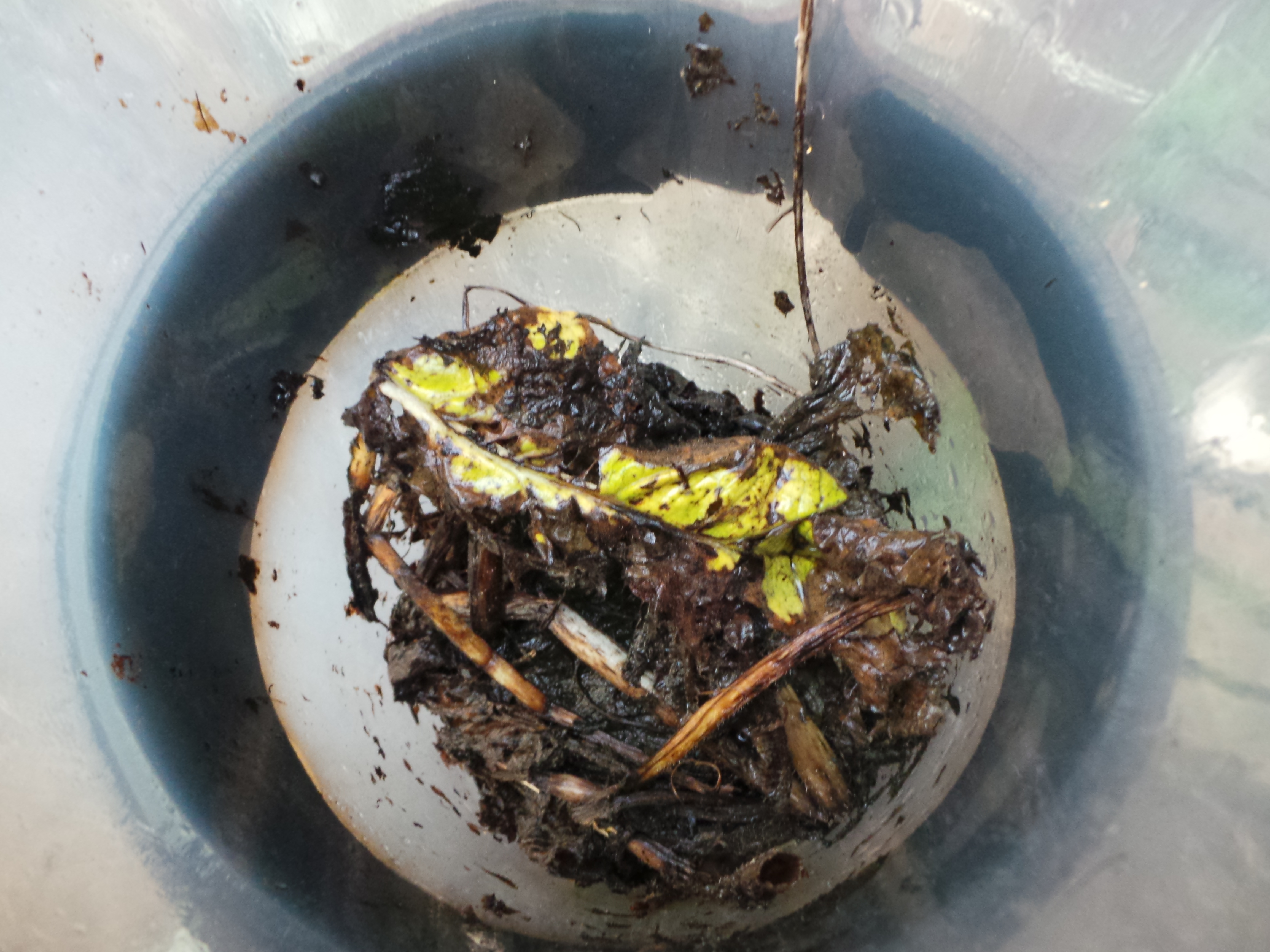
Once in the walled garden, a unique double-walled garden in fact, we enjoyed seeing what the local school children had been up to on their plots. A beautiful bug hotel, a greenhouse made from recycled drinks bottles and an ingenious method comfrey feed all held our interest in spite of the rain.

2014 11 21_7848 2014 11 21_7849 2014 11 21_7850 2014 11 21_7851 2014 11 21_7852

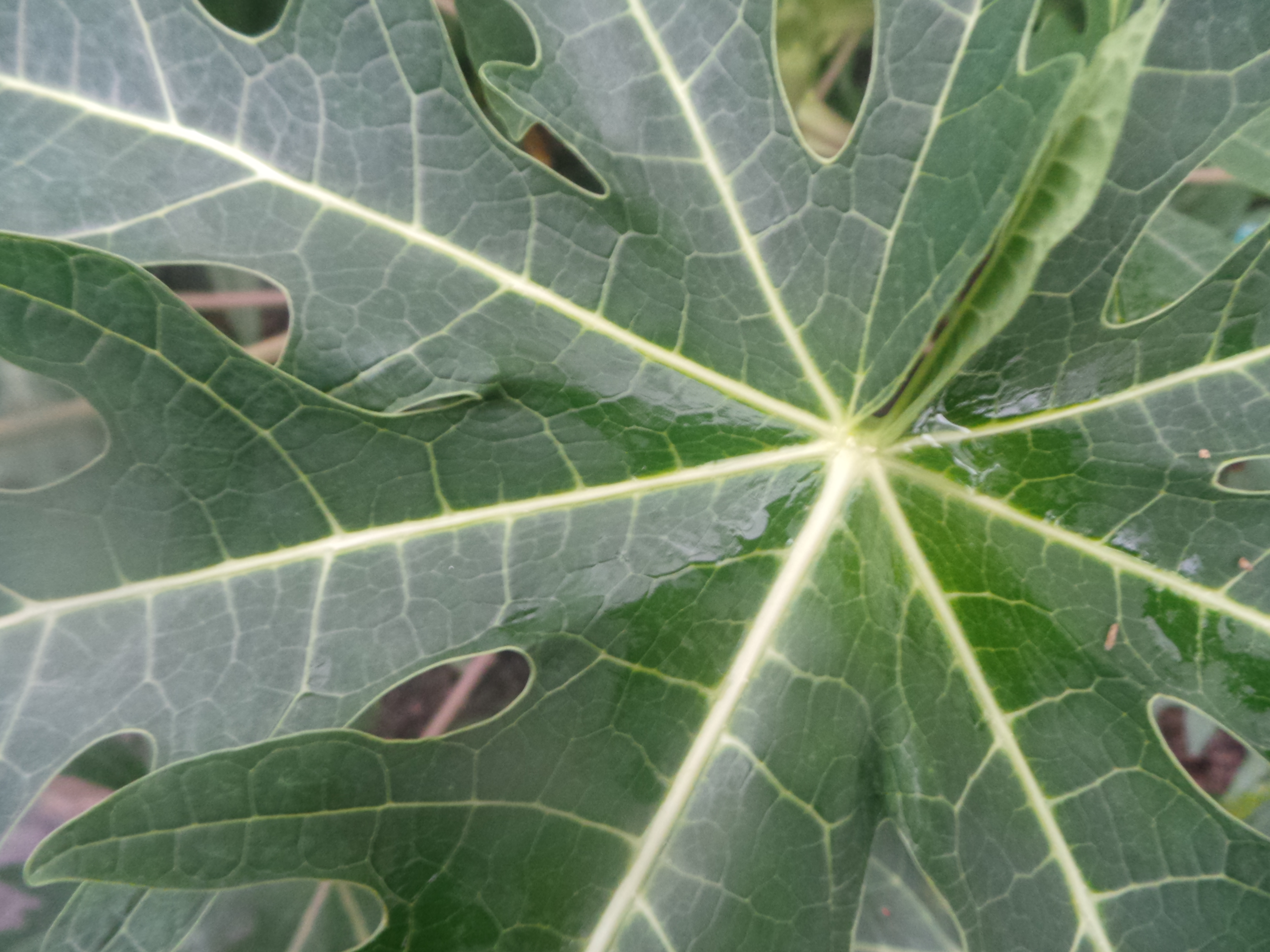
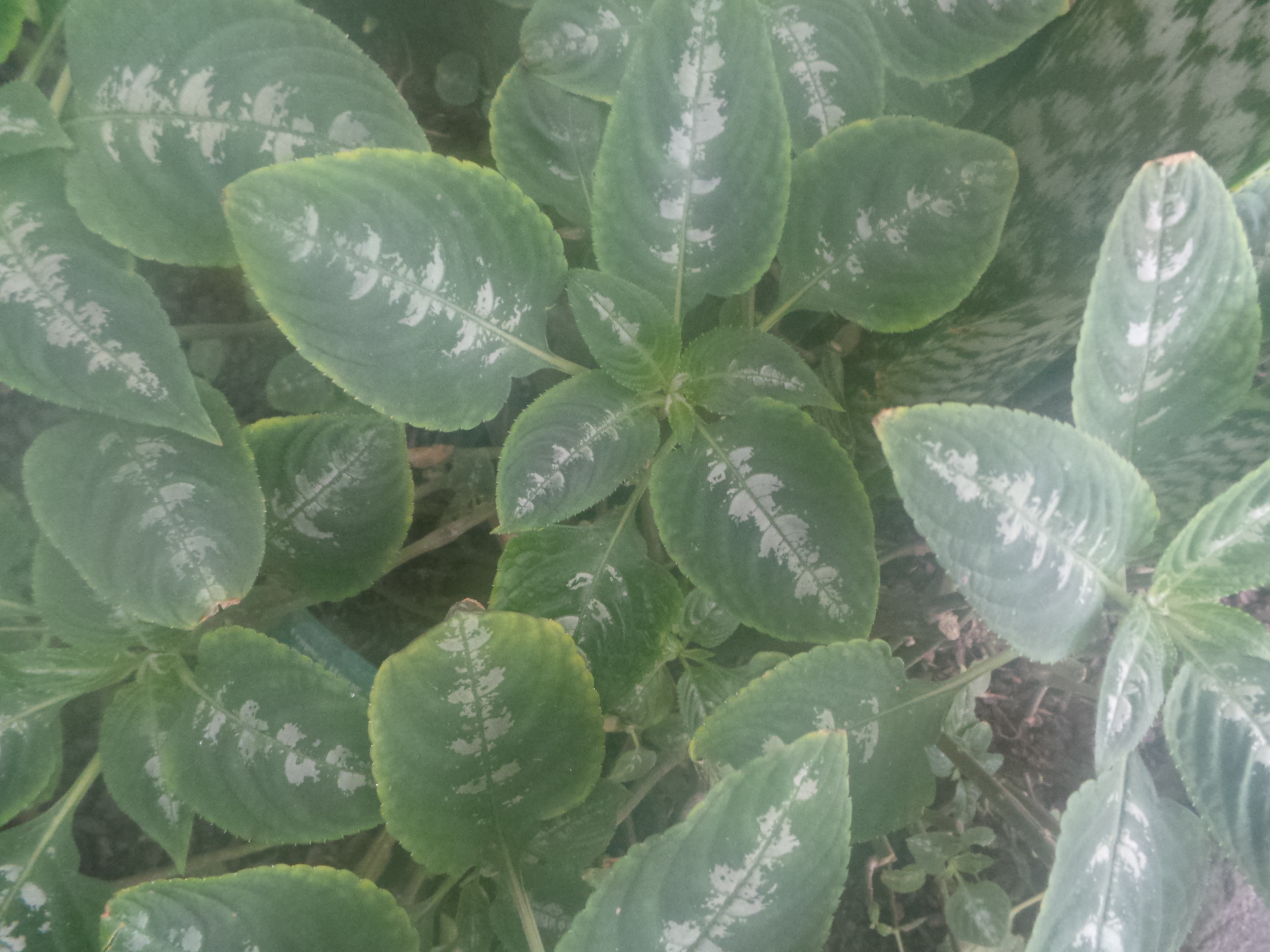
Once inside the tropical glasshouse we certainly warmed up but my glasses and camera lens both misted up. It took a while for us and the camera to acclimatise. When we did, we were enthralled by foliage of all shapes and sizes, many patterned and textured. Just enjoy the photos.

2014 11 21_7854 2014 11 21_78592014 11 21_7856 2014 11 21_7858 2014 11 21_7859 2014 11 21_7860 2014 11 21_7861 2014 11 21_7863 2014 11 21_7866 2014 11 21_78672014 11 21_7869 2014 11 21_78722014 11 21_7873 2014 11 21_7875

The few blooms present were bright and gaudy!

2014 11 21_7868 2014 11 21_7870 2014 11 21_7871 2014 11 21_7874

When we last visited this garden these old Victorian range of glasshouses were covered in scaffolding so it was great to see they had been renovated and planted up. While the modern curved glasshouse houses temperate plants we were pleased to have discovered the contrast with these old ones housing their tropical plants. It was hot and very humid! The variety of planting was impressive!

The only trouble with the comfort we felt inside the glasshouse was that when we left we had to return to the reality of the wet, cold Welsh weather.

Categories
autumn autumn colours colours garden design garden photography garden seating gardening gardens gardens open to the public grasses hardy perennials light light quality ornamental grasses ornamental trees and shrubs outdoor sculpture RHS sculpture Yorkshire

Autumn at RHS Harlow Carr – Part Three

I am back with my third and final part of my posts featuring the wonderful RHS garden Harlow Carr. In the first post I mentioned a willow trail so here are a few of the pieces we came across on our wanderings.

2014 10 31_6949 2014 10 31_69502014 10 31_6984 2014 10 31_69592014 10 31_6958

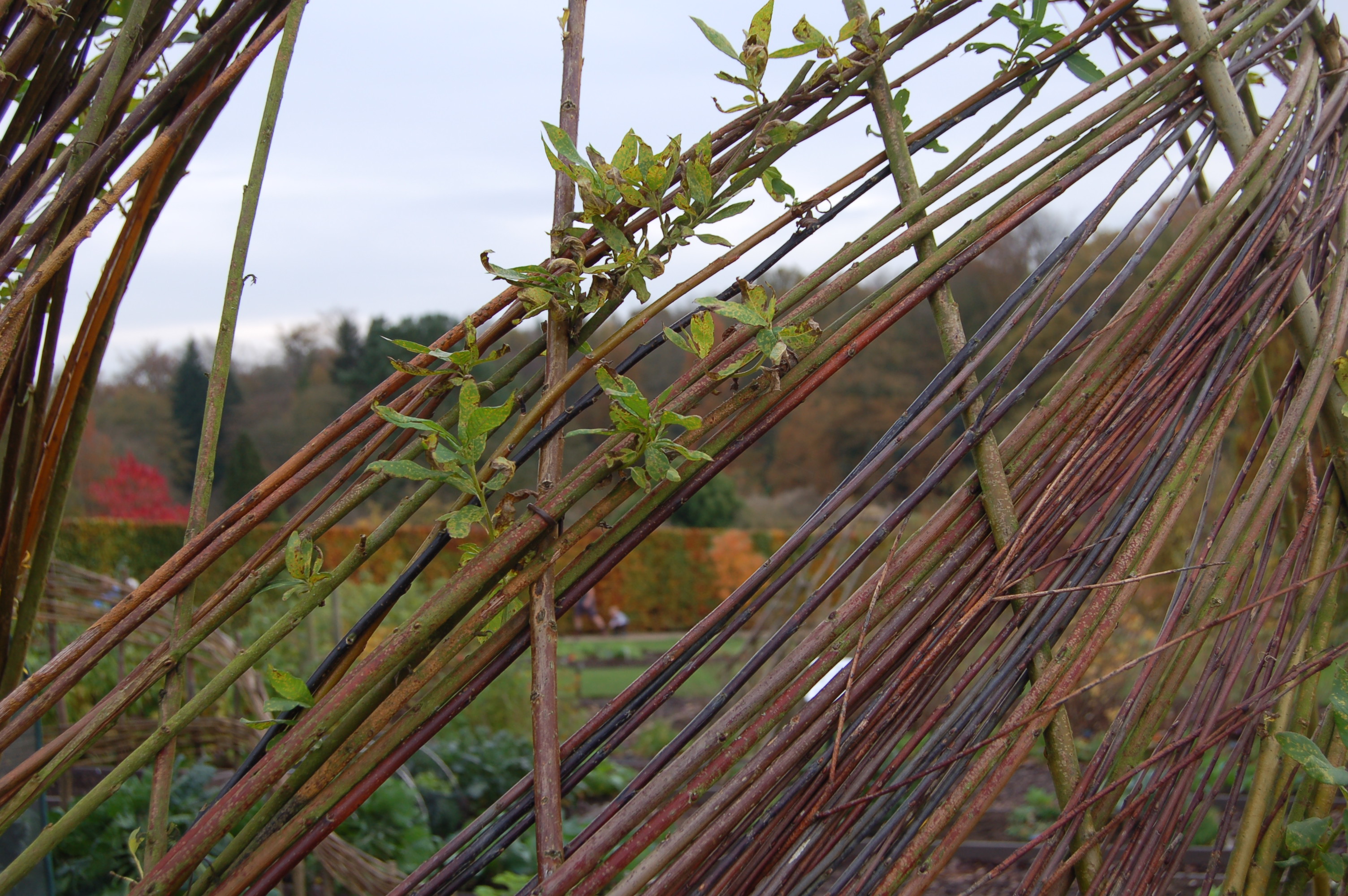
Living fences made from willow and hazel featured strongly in the productive gardens and some included seats built in also made of willow. It was seeing these when they were being created at Harlow Carr during the renovation of the kitchen gardens, that gave us the idea of creating our fedge at our allotment community gardens.

2014 10 31_6951 2014 10 31_6952 2014 10 31_6953 2014 10 31_6955 2014 10 31_6956 2014 10 31_6957

I promised a return to the prairie style borders and my favourite part of late autumn borders, the dried flower heads and seed heads of perennials and grasses. The subtlety of colour and delicate contrasts make for a most pleasing picture.

2014 10 31_6964  2014 10 31_69632014 10 31_6965 2014 10 31_6967 2014 10 31_6968 2014 10 31_6969 2014 10 31_6971 2014 10 31_6972 2014 10 31_6973 2014 10 31_6974

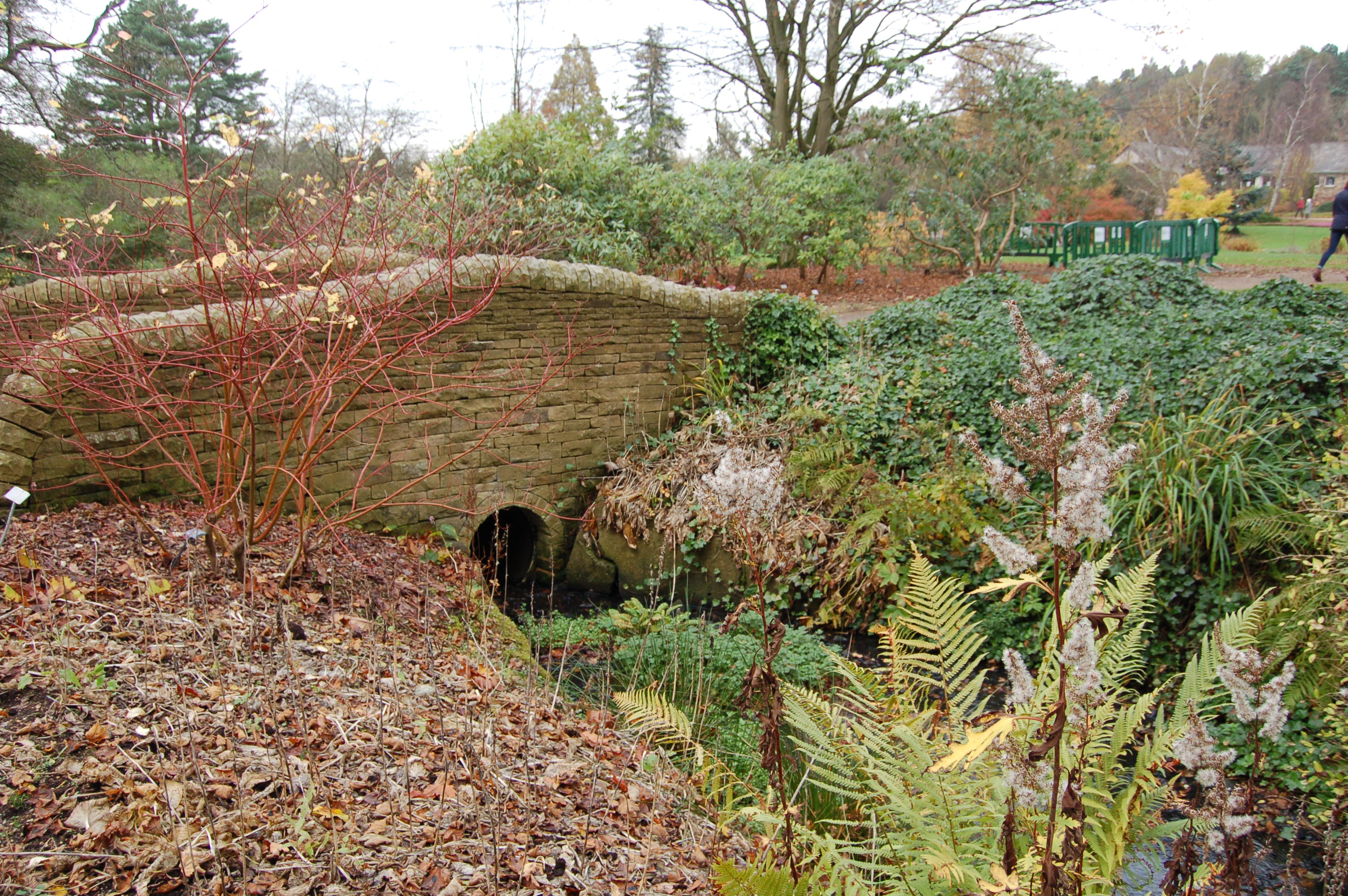
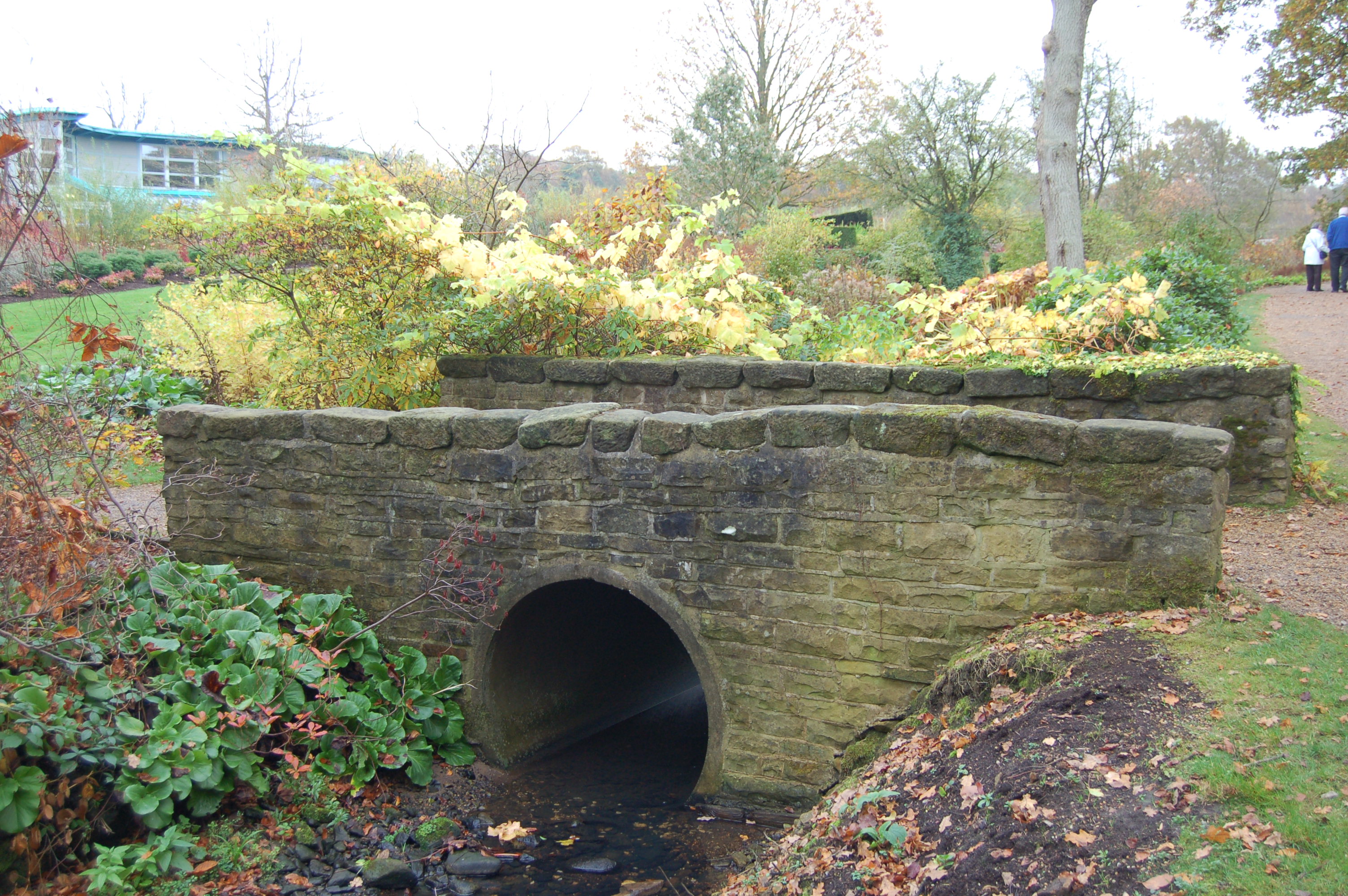
We left the perennial borders to follow paths through the stream garden which would give us the chance for a second look at the winter garden. Willow is used along the water’s edge to secure the bankside using a technique known as spiling. Beautiful stone bridges take the path back and forth over the stream.

2014 10 31_6978 2014 10 31_6979 2014 10 31_6980 2014 10 31_6981 2014 10 31_6983 2014 10 31_69852014 10 31_6987 2014 10 31_69882014 10 31_6990 2014 10 31_69912014 10 31_6992 2014 10 31_69932014 10 31_6994 2014 10 31_69952014 10 31_6996 2014 10 31_69972014 10 31_6998 2014 10 31_69992014 10 31_7000 2014 10 31_70022014 10 31_7003

So that is Harlow Carr the northern jewel in the RHS’s crown, beautiful whenever you visit with surprises galore alongside old favourites. It won’t be long until be come back again!

2014 10 31_7006


Categories
climbing plants colours garden design garden designers garden photography gardening gardens gardens open to the public grasses hardy perennials Italian style gardens meadows ornamental grasses ornamental trees and shrubs Piet Oudolf RSPB sculpture Staffordshire Tom Stuart-Smith Winter Gardening winter gardens

A Garden in December – Trentham – Part Two

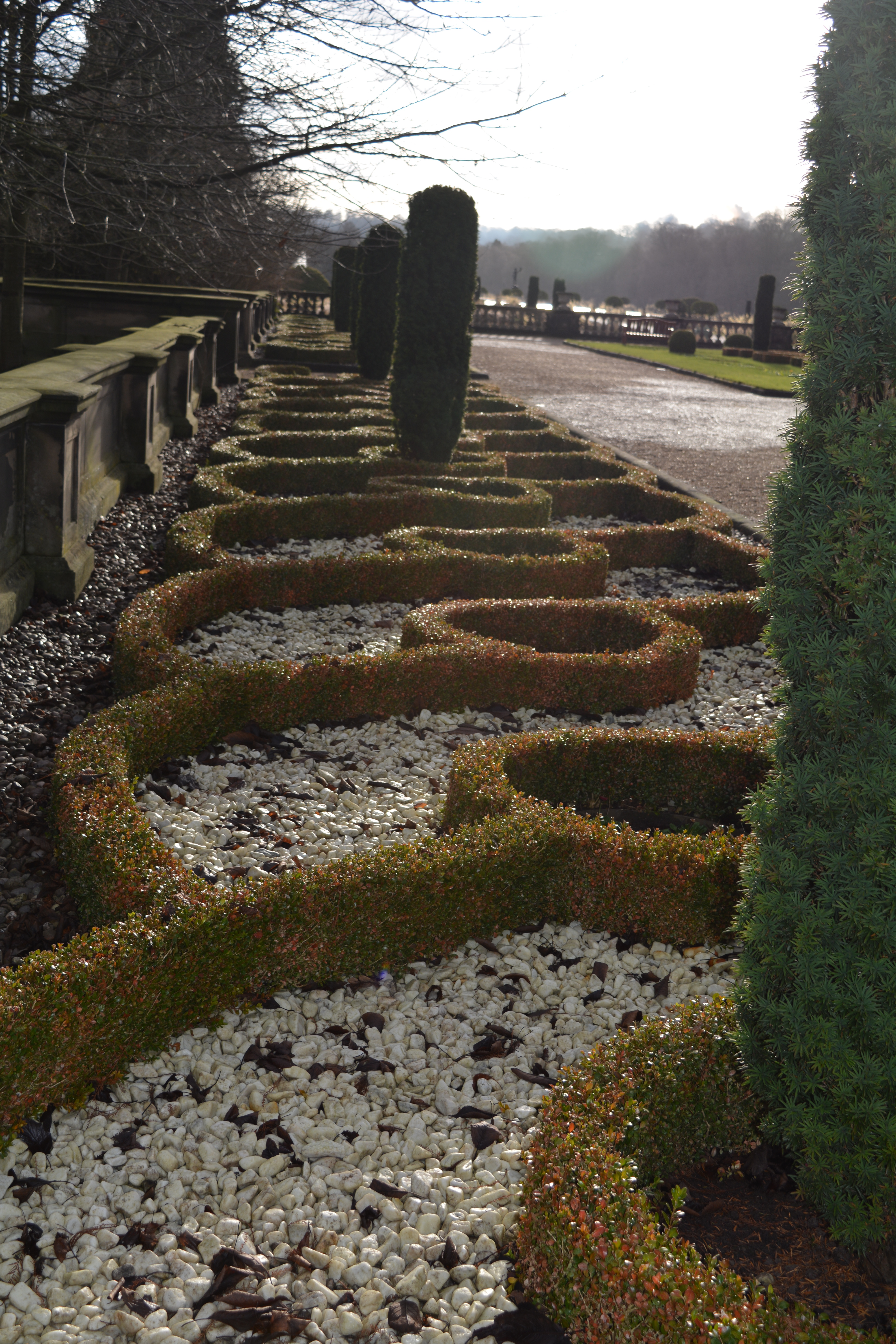
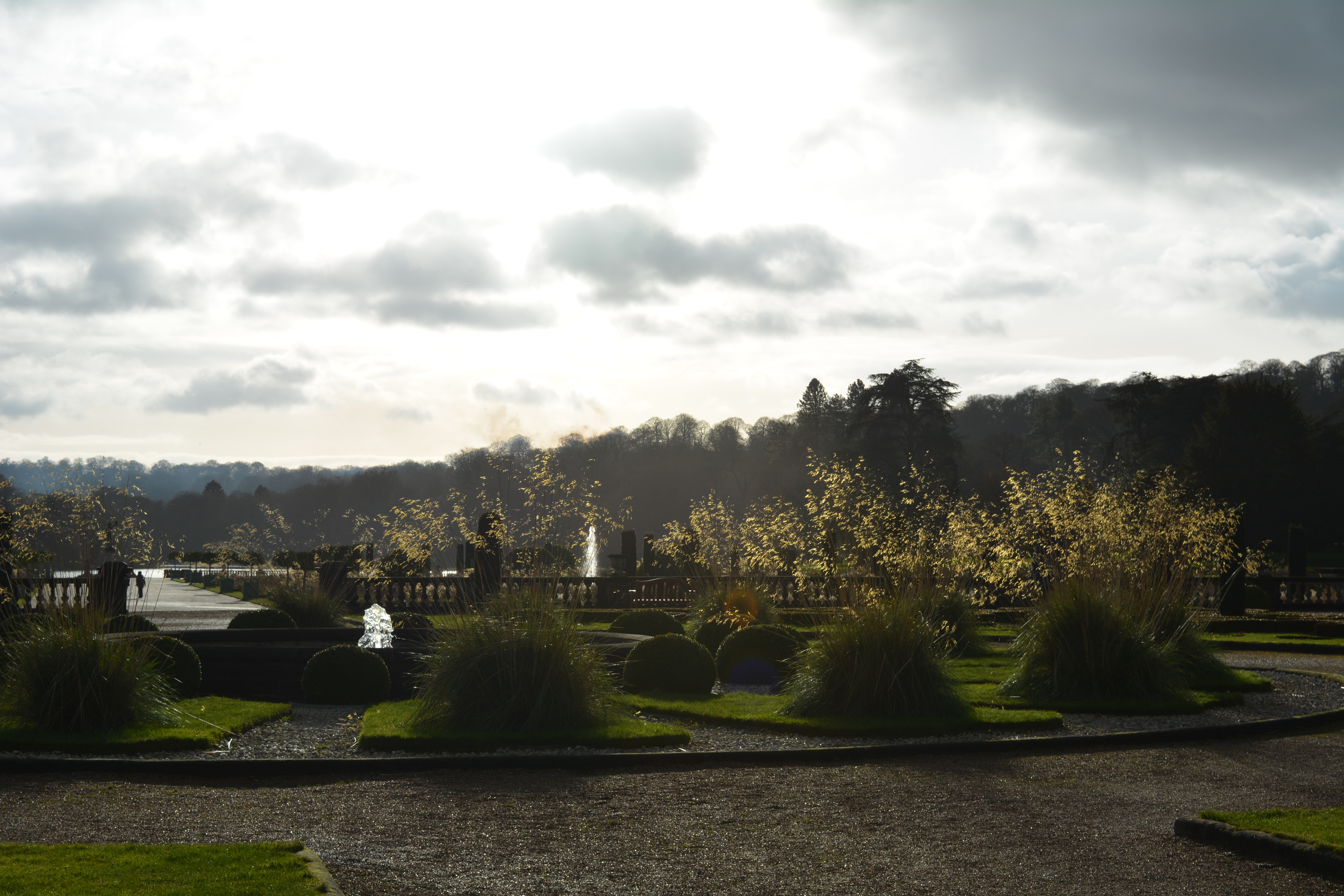
Back at the Trentham Gardens we moved into the borders designed by Tom Stuart-Smith. But first we passed through the formality of the Italianate borders with their strong structure of low box hedges. The view of these borders, which we get from the top of a flight of semi-circular stone steps is guaranteed to take our breath away. We looked forward to this moment every time we visited.

2014 12 16_8815 2014 12 16_8823

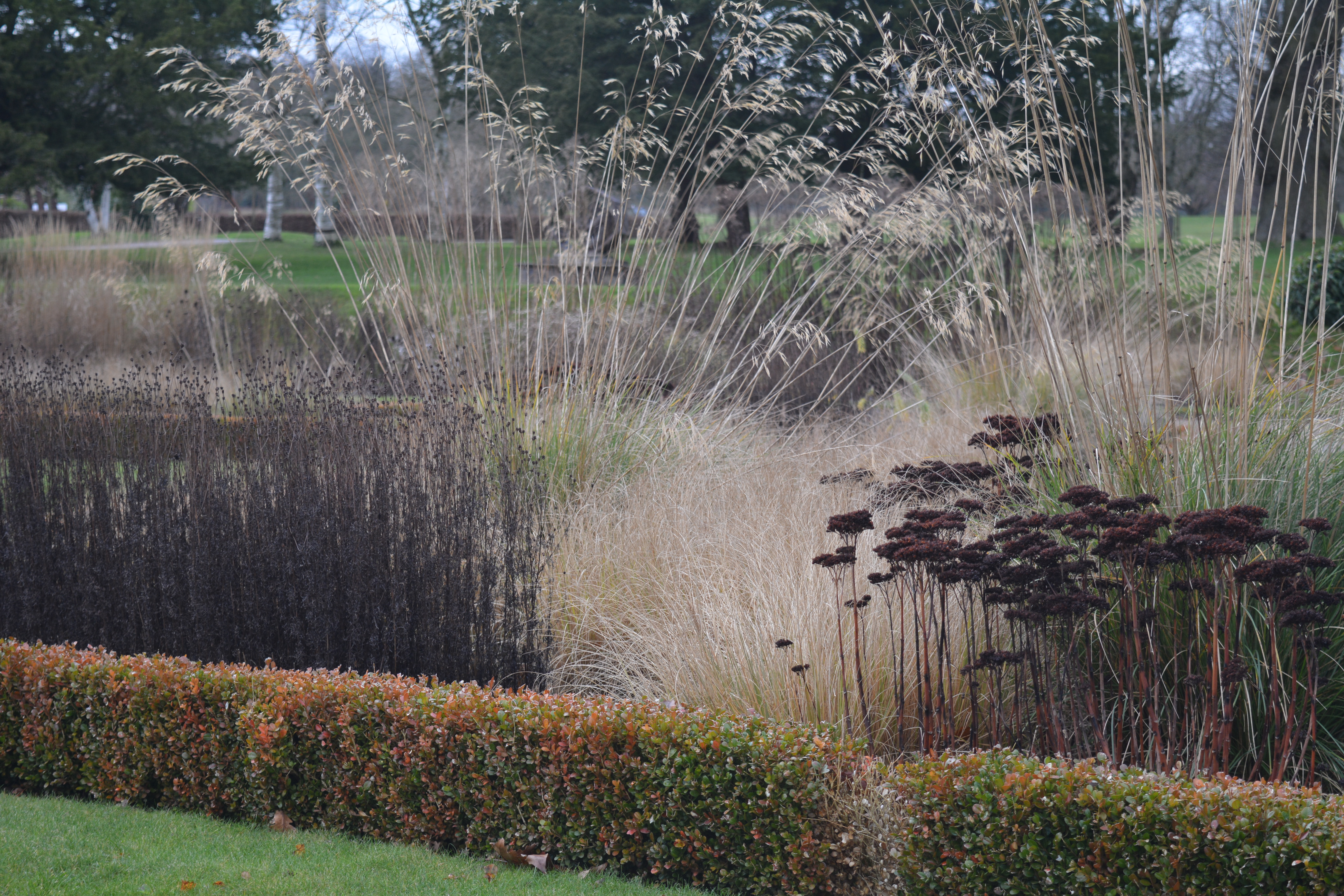
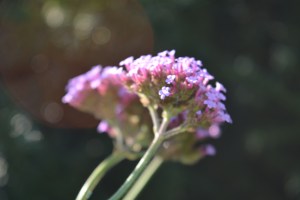
Seed heads were the stars here too with a mix of tall grasses and structural perennials. New growth was appearing promising colour to come in the spring.
2014 12 16_8825 2014 12 16_8826 2014 12 16_8827 2014 12 16_88282014 12 16_8829 2014 12 16_8831

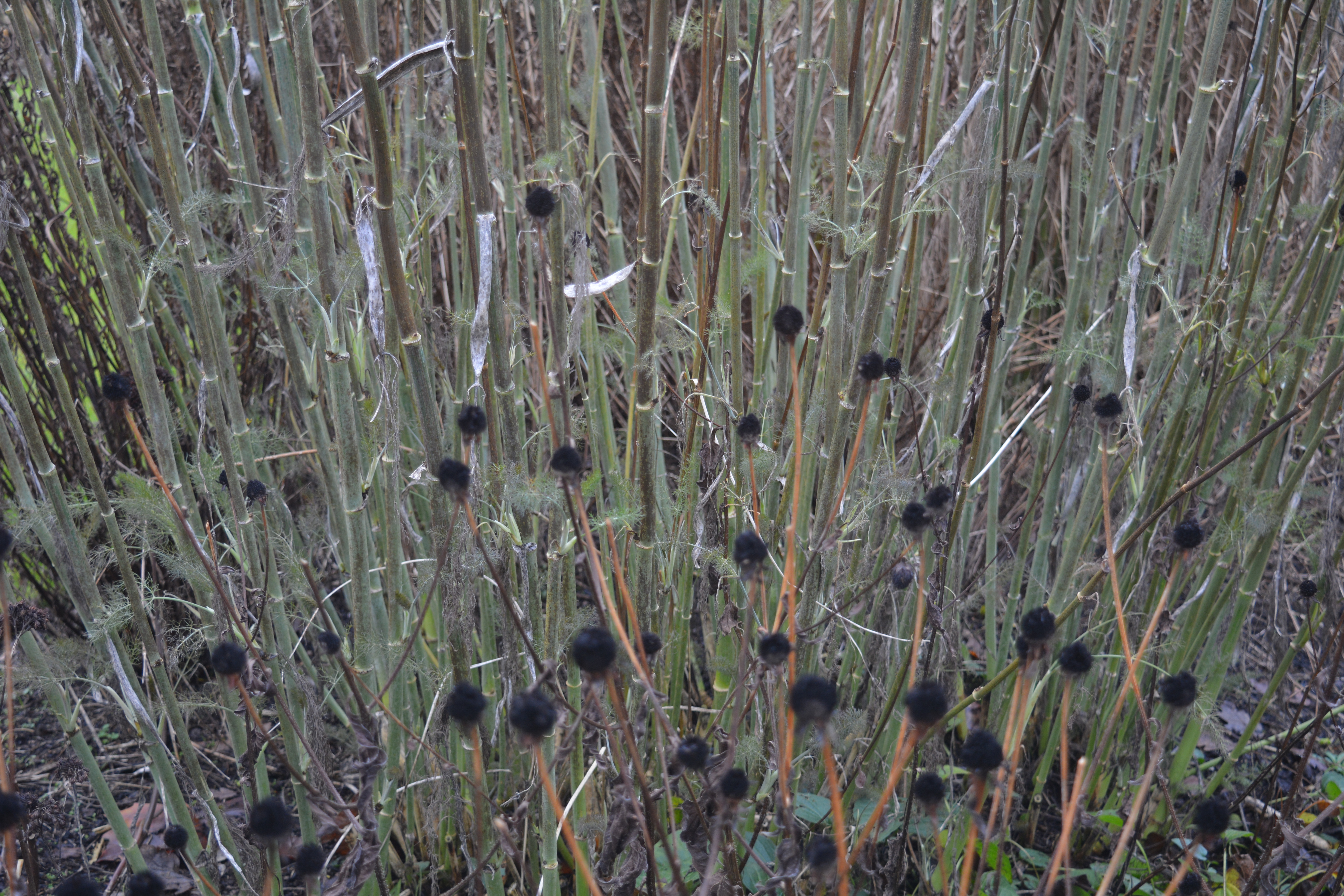
Phlomis, having given bright sunshine coloured flowers in summer, were now starring again with their dark brown almost black spheres of seed heads spaced up the length of their straight stems.

2014 12 16_8830 2014 12 16_88322014 12 16_8847 2014 12 16_8833 2014 12 16_8834

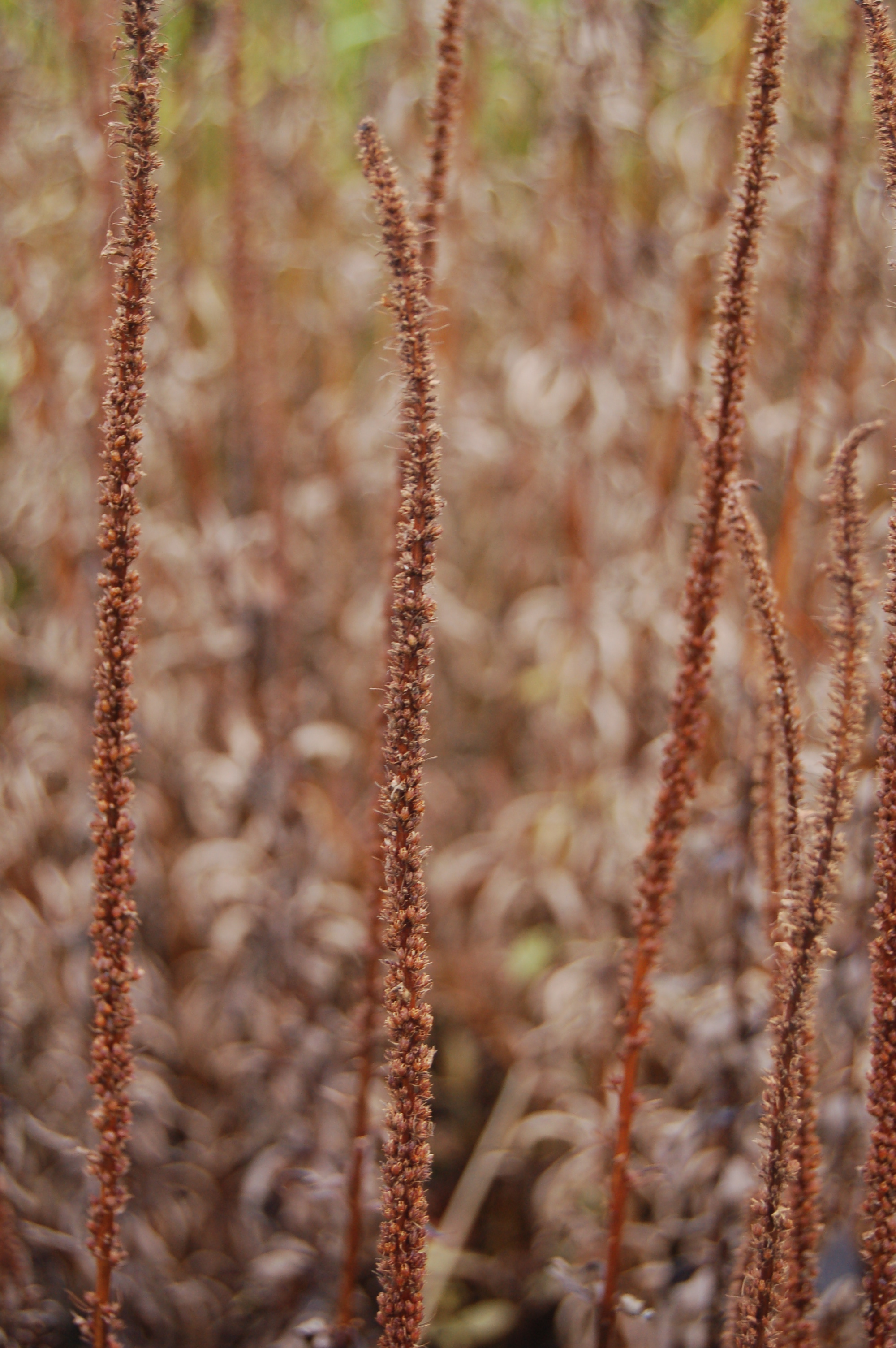
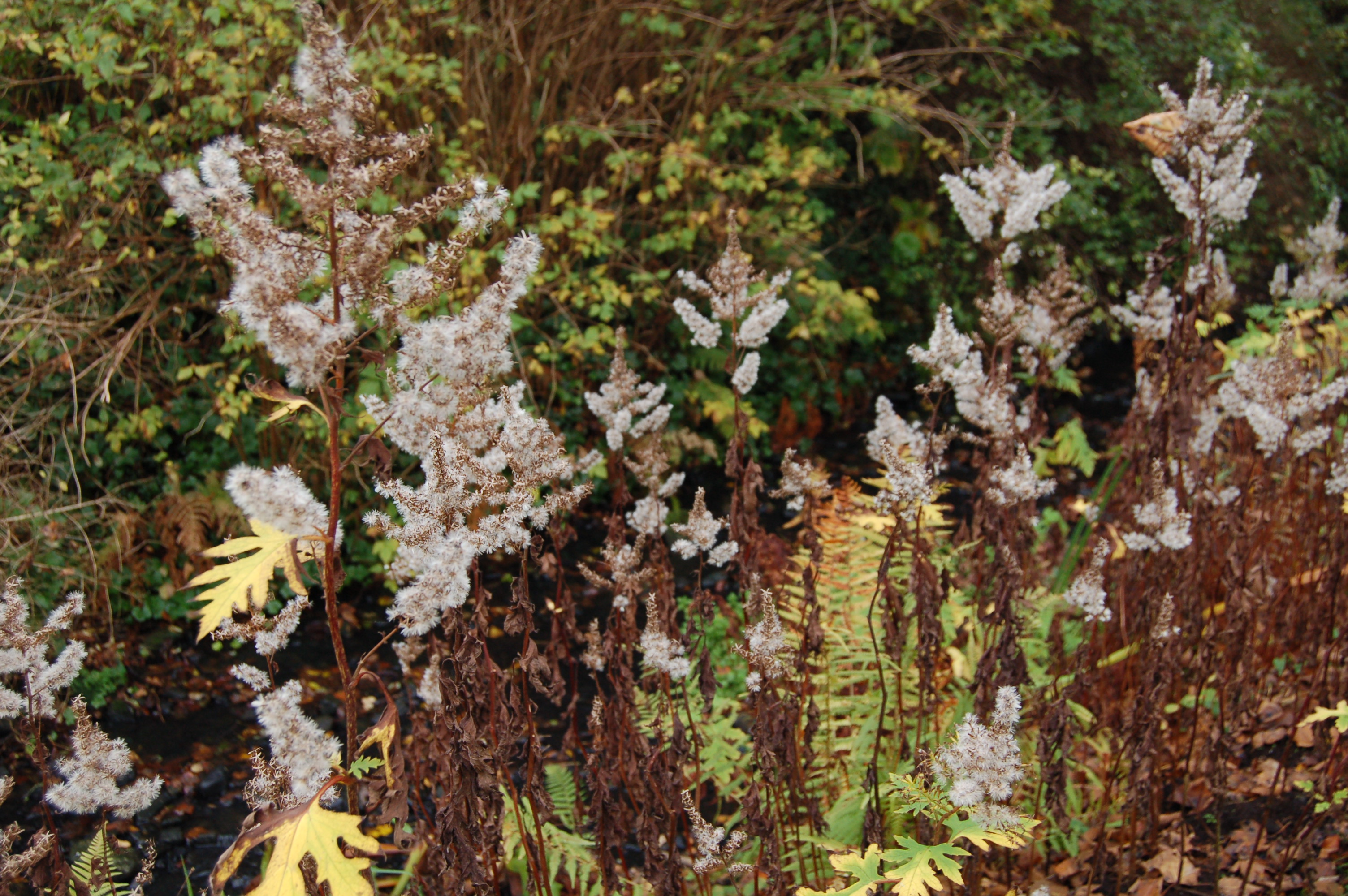
The tallest stems were of a plant we did not recognise. Tiny seed heads hung like Tibetan prayer flags from gently bowing stems.

2014 12 16_8835 2014 12 16_88402014 12 16_8836 2014 12 16_88372014 12 16_8838 2014 12 16_8839

As we left the T S-S borders we looked back over them from the raised pathway. Dampness from earlier showers made the path surface glisten and reflect the blue of the sky.

2014 12 16_8842

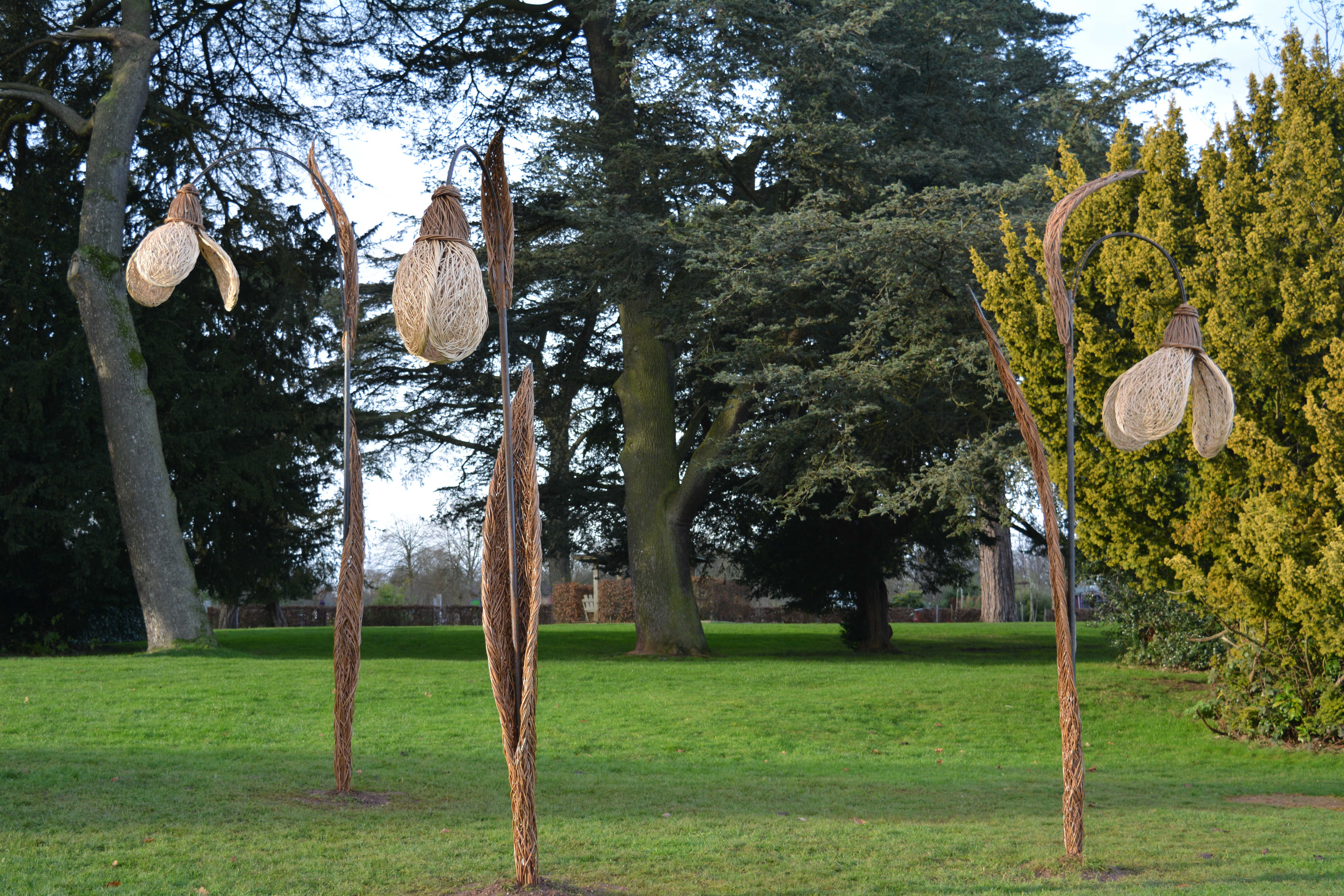
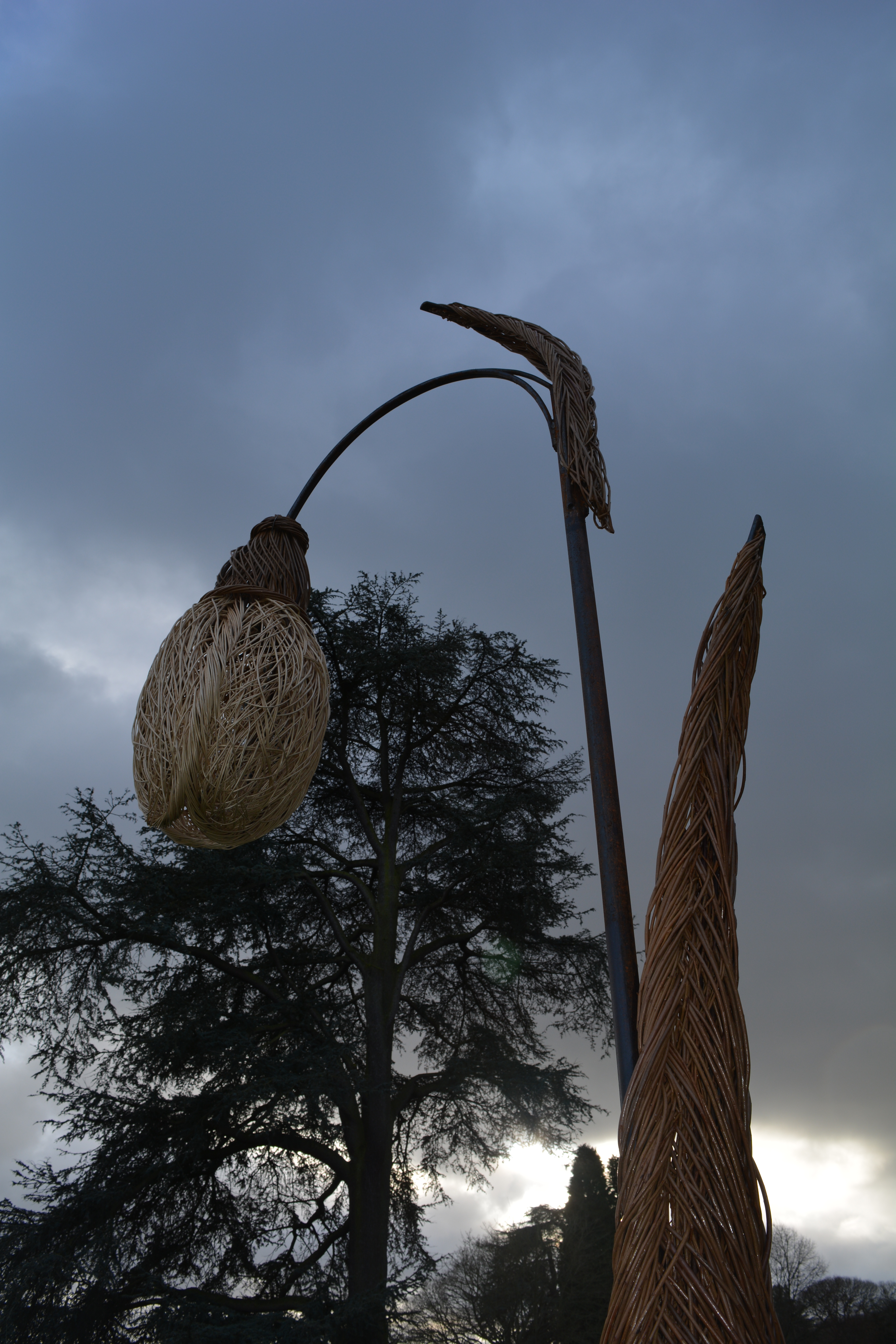
On the lawned slopes by the glass fronted cafe giant snowdrops powered over our heads. We  always love willow structures! These were made from willow, some stripped of their brownish green bark and were beautifully woven and shaped. They stood a good 10 feet tall.

2014 12 16_8841 2014 12 16_8846 2014 12 16_8843 2014 12 16_8845 2014 12 16_8846

After our compulsory coffee stop which, was much appreciated on this cold December morning, we wandered back through the borders towards the Rose Walk. Again my camera snapped away at the wonderful structures of the perennials and grasses.

2014 12 16_8848 2014 12 16_8849 2014 12 16_8850 2014 12 16_8851

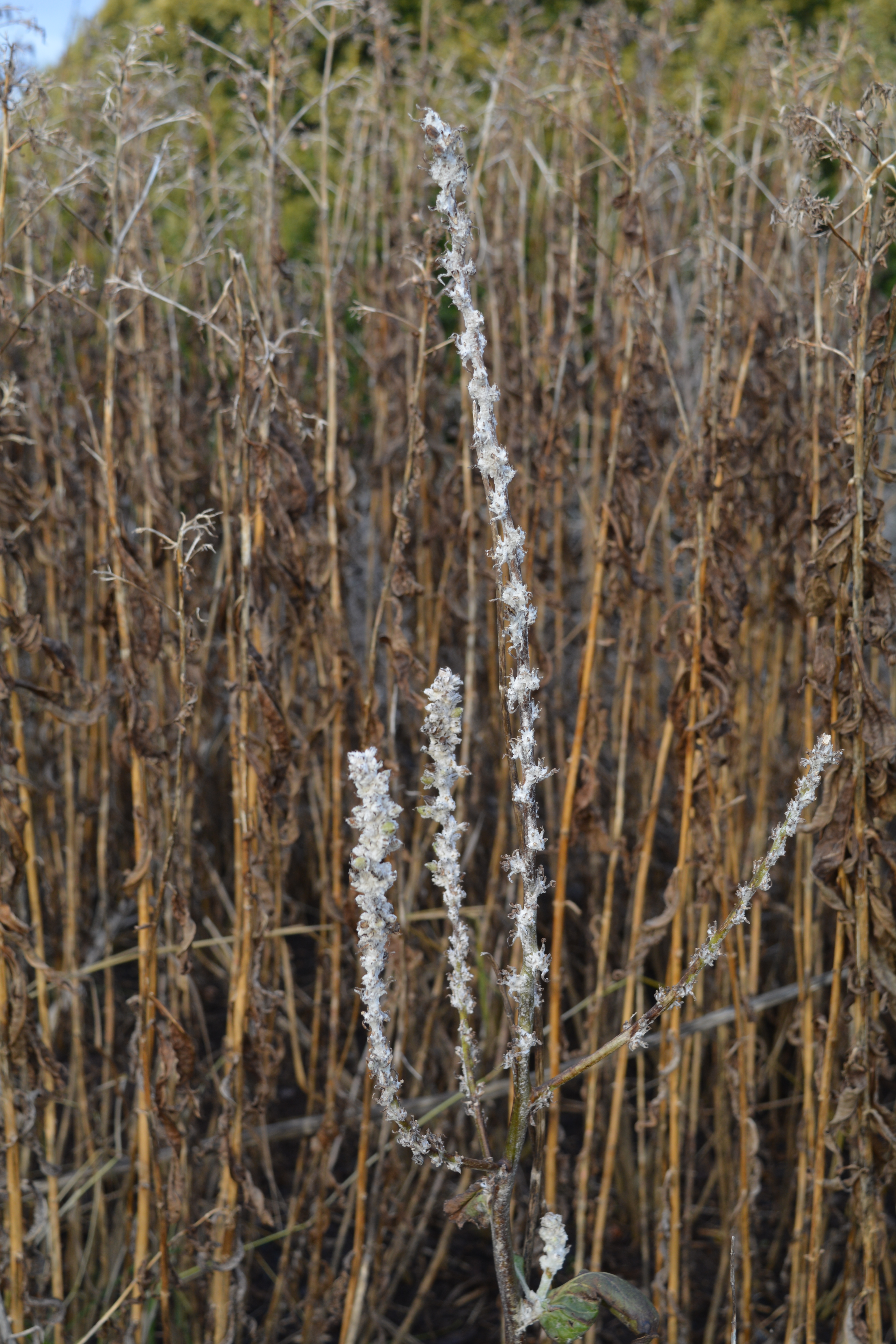
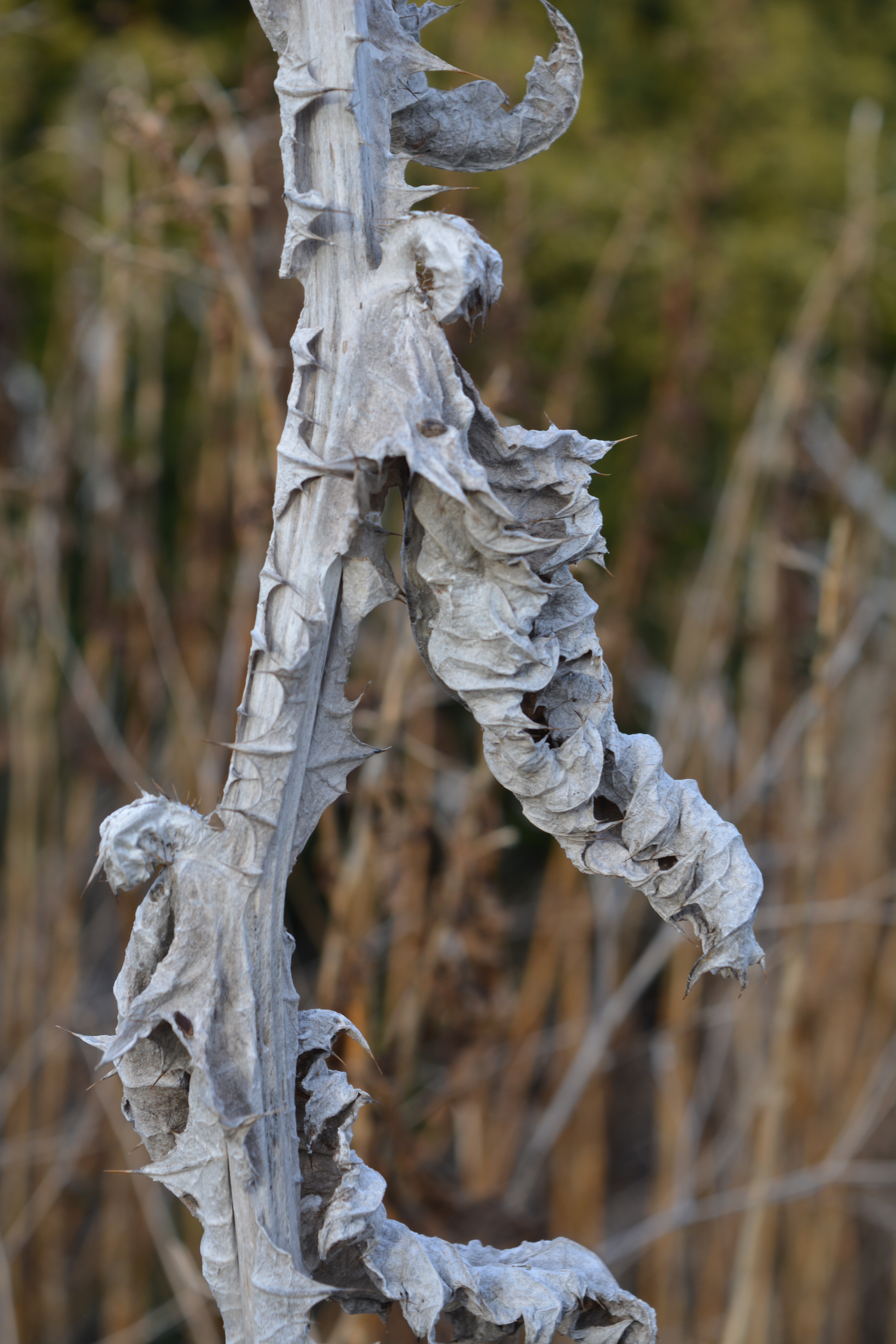
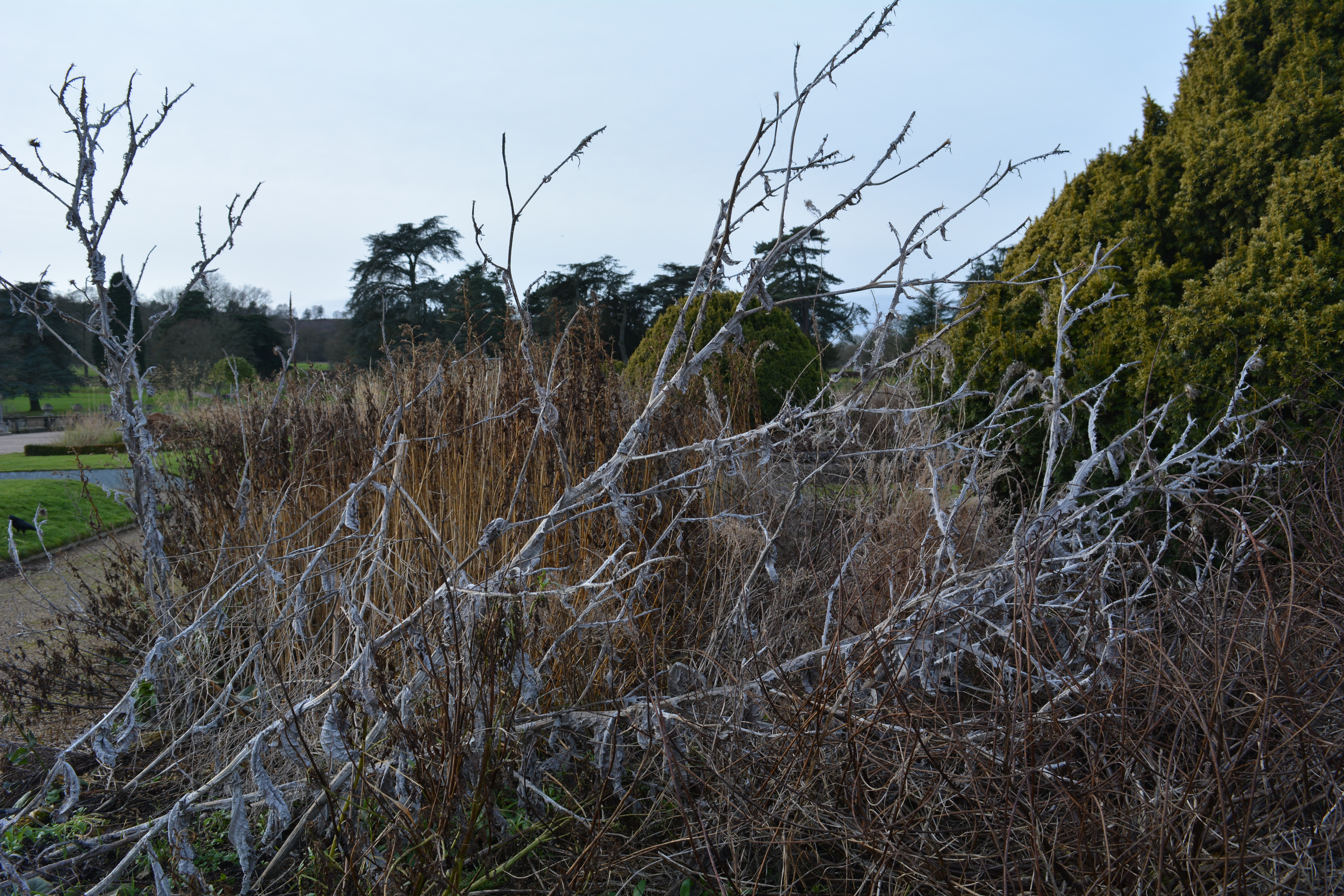
Although most winter structure showsoff the many shades of biscuits and browns, silver seemed to dominate one area. Giant leaves of Verbascum hugged the cold ground in huge, soft, silver rosettes. The silver giants were the Onorpordum or Scotch Thistles which in winter take on strong sculptural shapes.

2014 12 16_8852 2014 12 16_8853 2014 12 16_8854 2014 12 16_8855 2014 12 16_8856 2014 12 16_8857

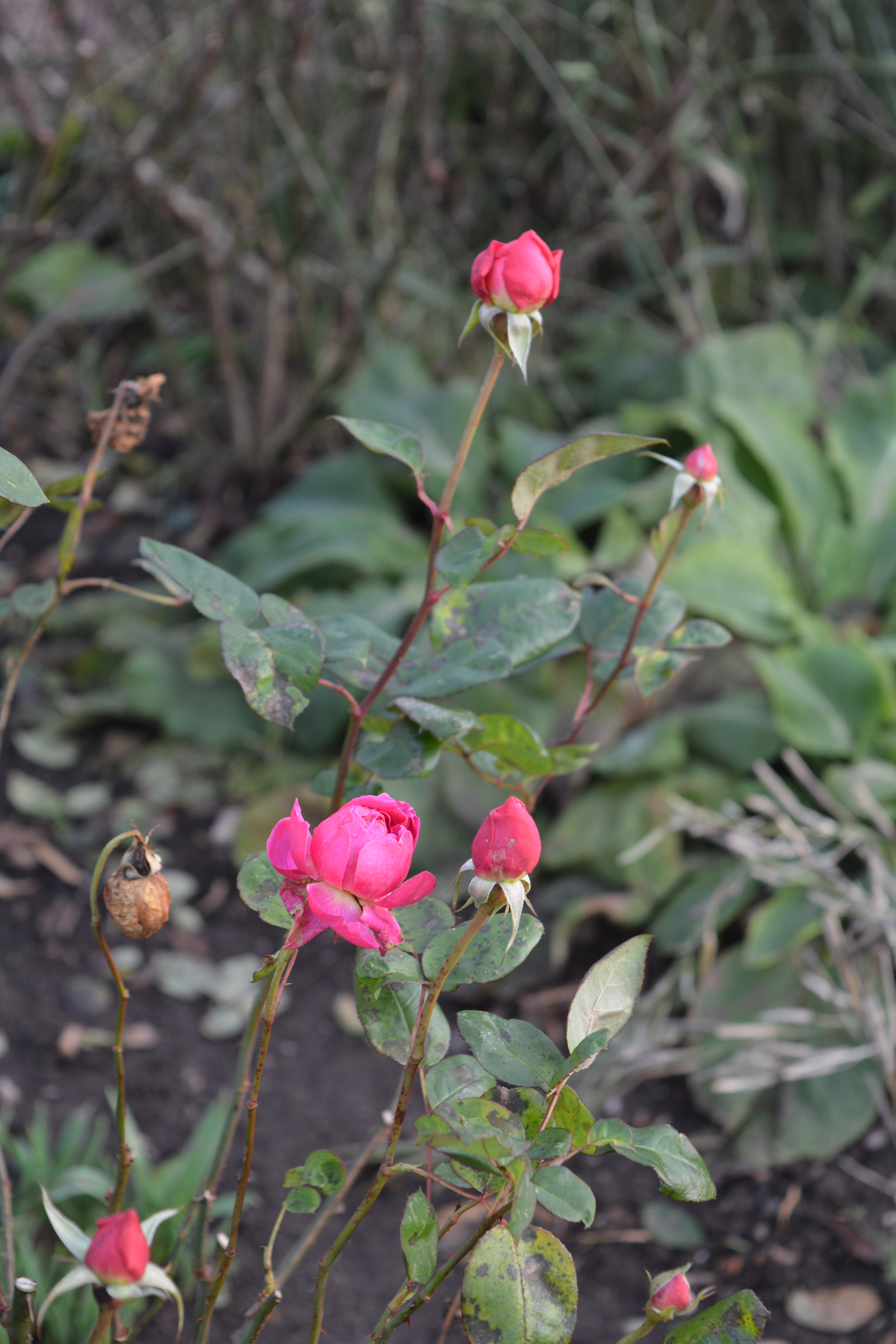
The roses still persisted, producing occasional buds in gentler colours than in the summer. There was an added subtlety about them which gave them extra charm.

2014 12 16_8859 2014 12 16_8860 2014 12 16_8861 2014 12 16_8862 2014 12 16_8863

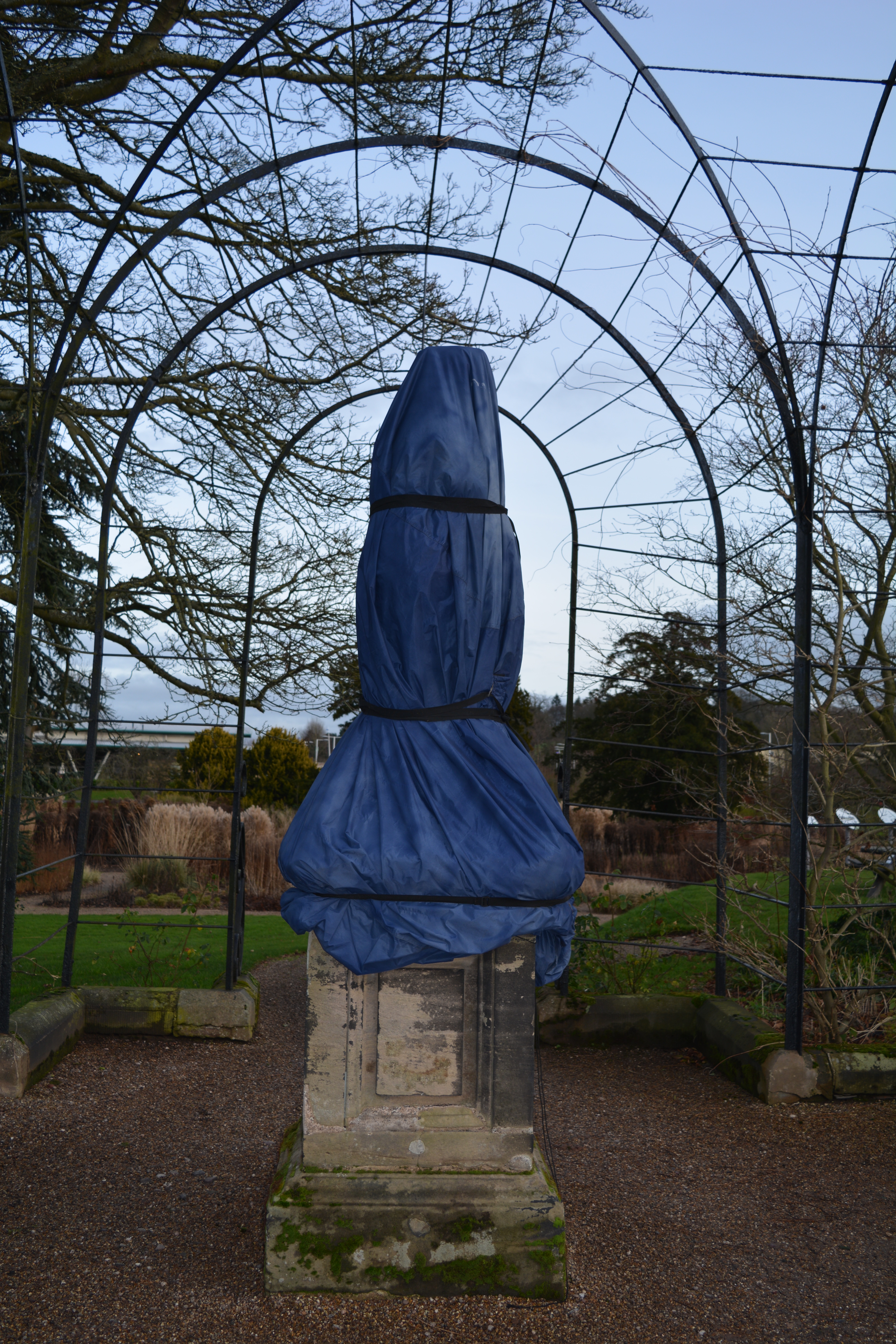
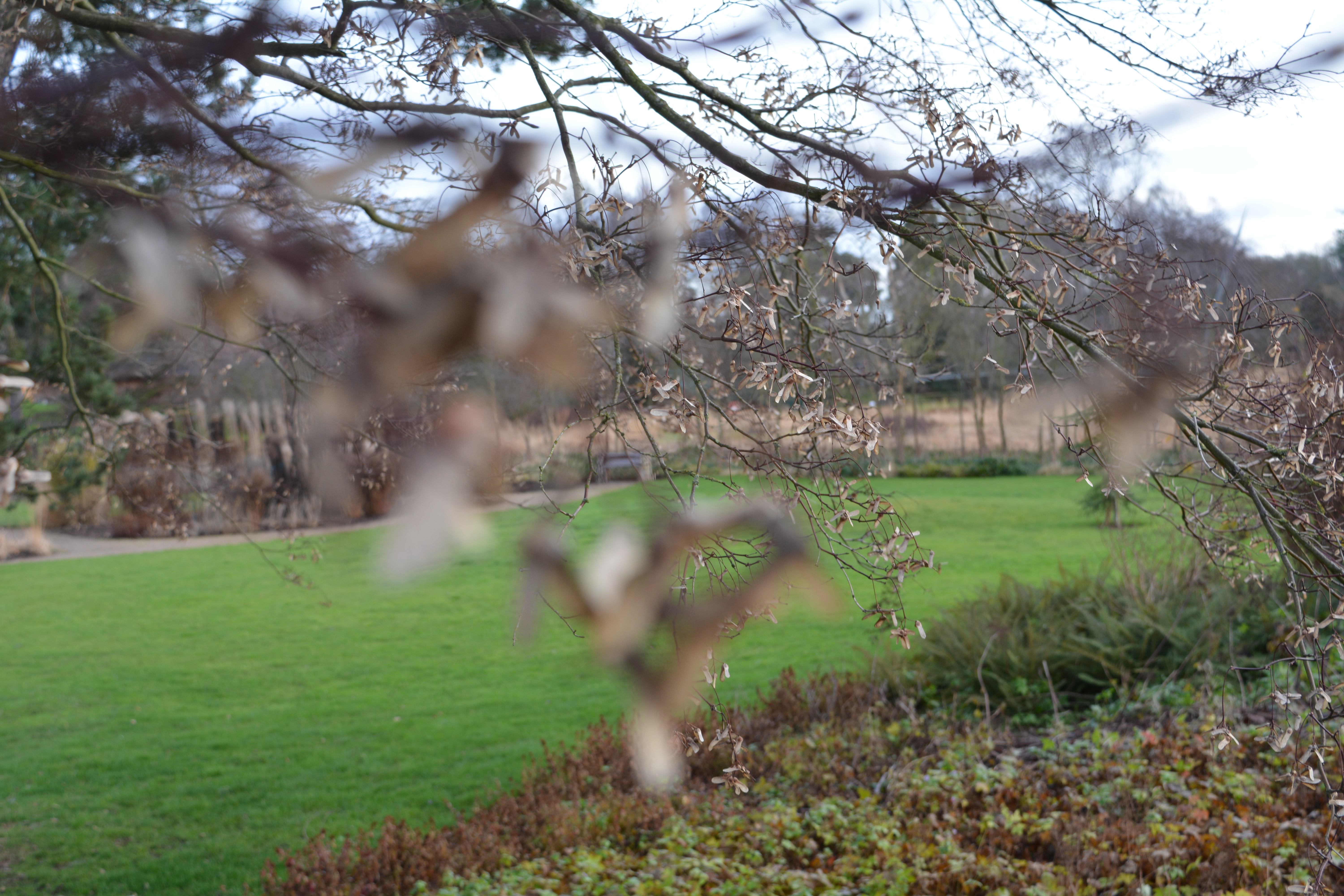
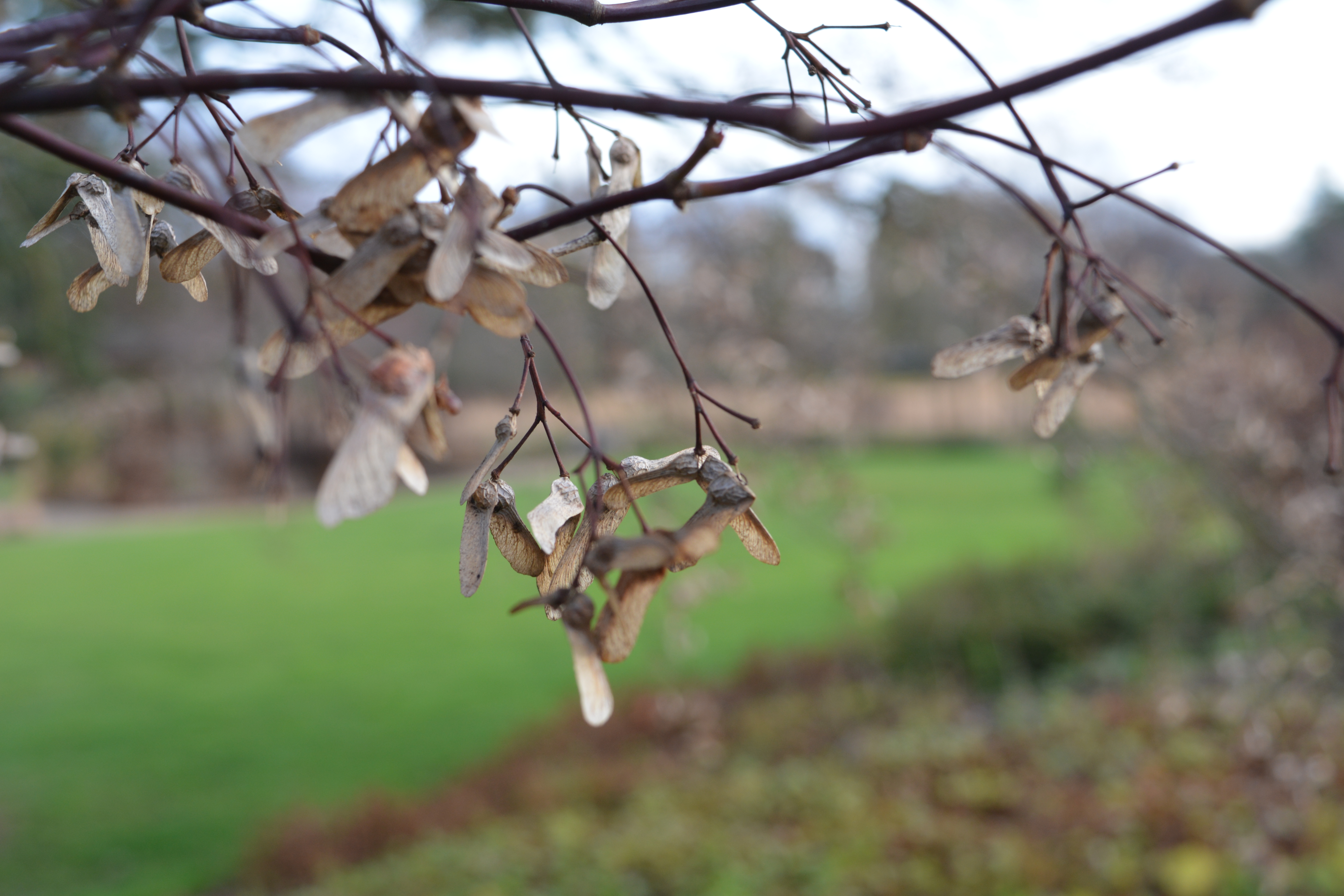
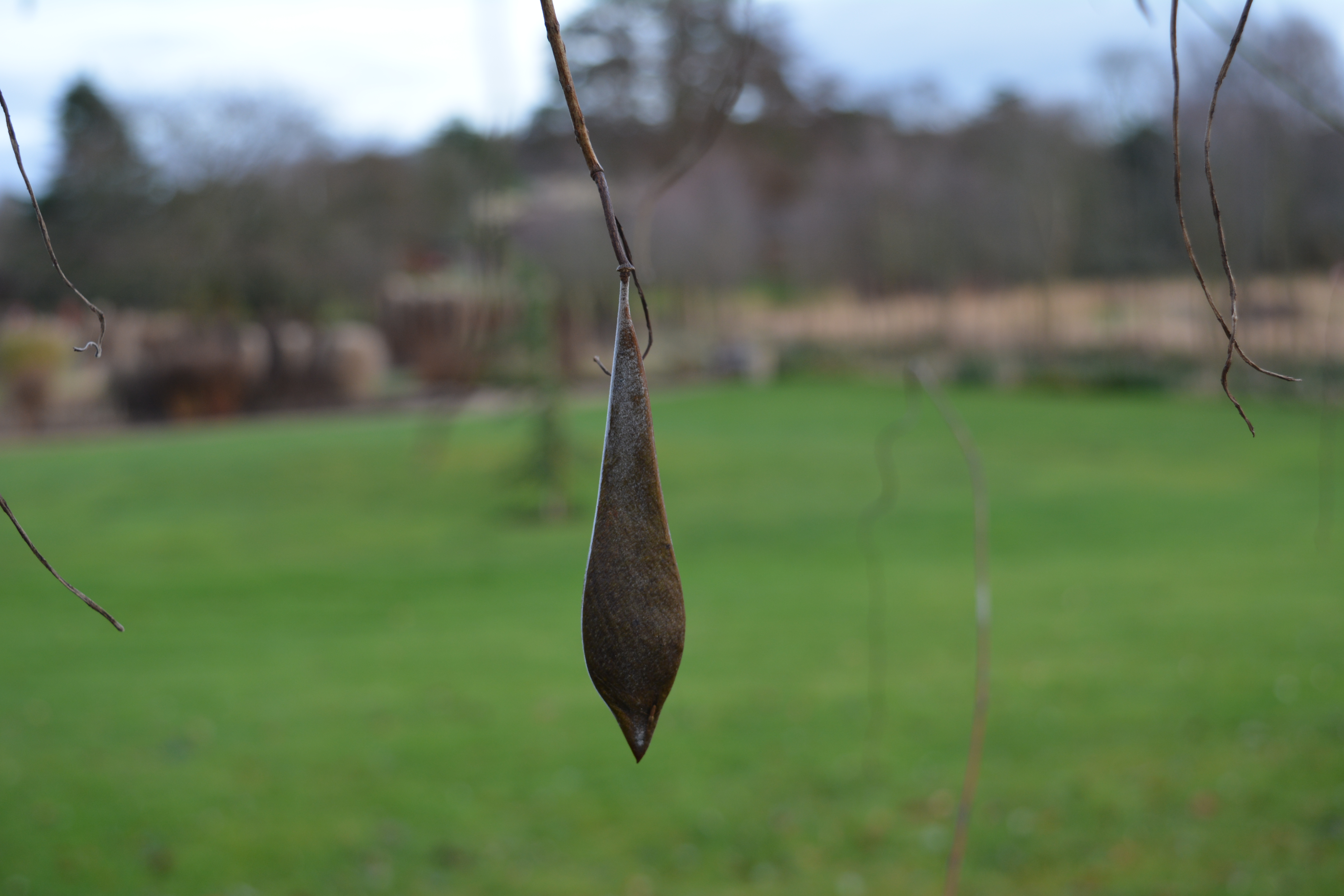
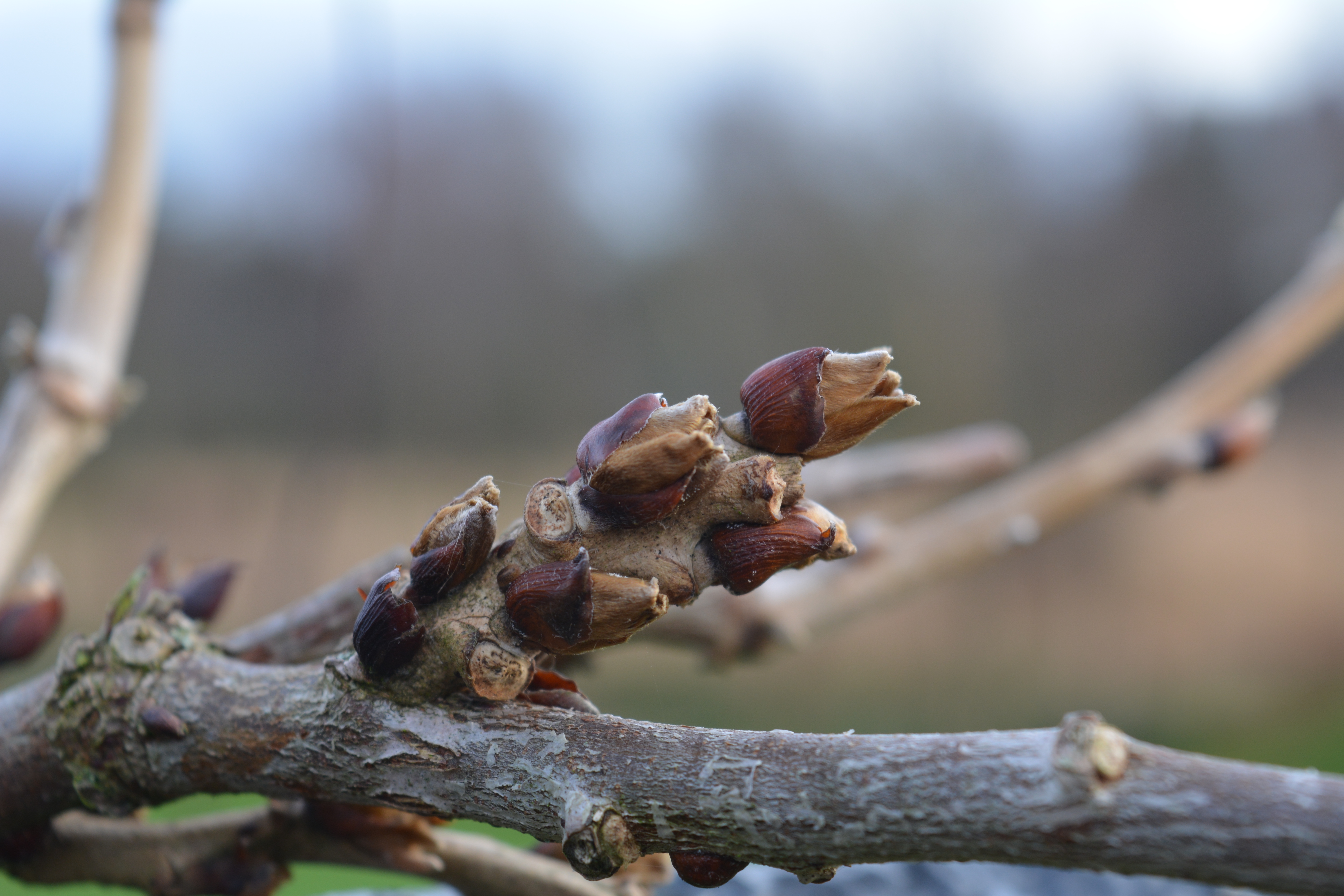
The sculptures at either end of the Rose Walk were wrapped up snuggly against the ravages of the winter. The Japanese Acers along side the walk displayed their seeds like the rotors of helicopters. The Wisteria which had clothed the metalwork with blue racemes of flowers in the Summer was now showing buds and old seed pods.

2014 12 16_8864 2014 12 16_8865 2014 12 16_8867 2014 12 16_8868 2014 12 16_8869 2014 12 16_8870

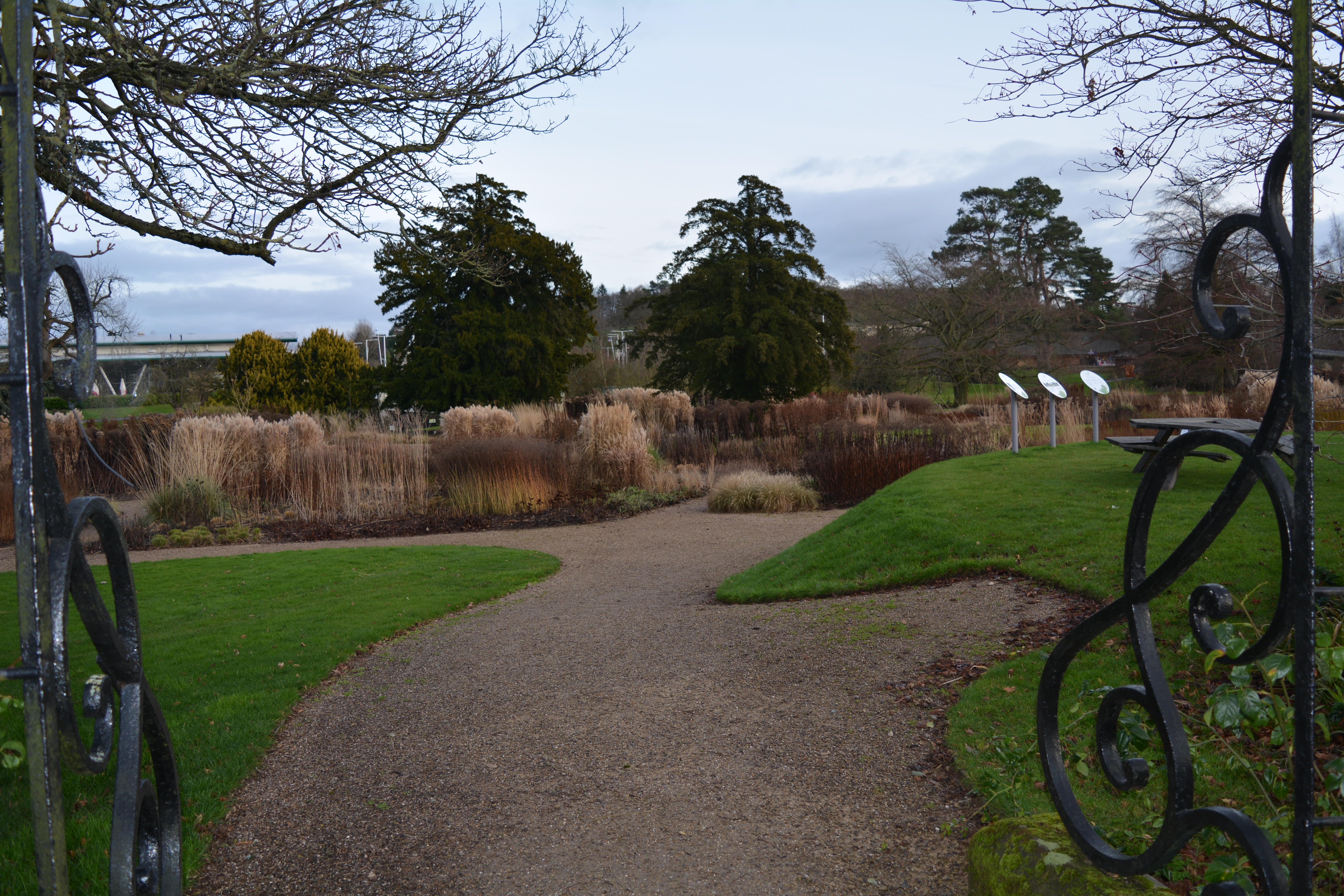
As usual I took a few photos looking through the arches across to the River of Grasses.

2014 12 16_8871 2014 12 16_8865

We were amazed to see a clump of Delphiniums with fresh growth of foliage and strong flower stems with fattening buds. No doubt the weather will have the last say and bring them to a premature ending.

2014 12 16_8866

The team of Trentham gardeners were, as always, beavering away in the borders. We have enjoyed seeing what they are up to on each of our visits. They have always greeted us with a smile and a few words of welcome.

2014 12 16_8873 2014 12 16_8874 2014 12 16_8875

So there we have it – a year in the life of one of Britain’s best gardens! Even though we have made the effort to visit every month throughout 2014 it never seemed a chore. We loved every minute of the many hours spent here. And we shall keep coming back. It has to be our most popular garden destination.


Categories
garden design garden designers garden furniture garden photography gardening gardens gardens open to the public grasses hardy perennials Italian style gardens ornamental grasses outdoor sculpture Piet Oudolf sculpture Staffordshire Tom Stuart-Smith Winter Gardening winter gardens

A Garden in December – Trentham – Part One

The final installment in my monthly series looking at how the gardens at Trentham change throughout the year.

The garden has gone full circle passing through the seasons. We began last January when the gardens were in the throes of winter and finish off in December in another winter.

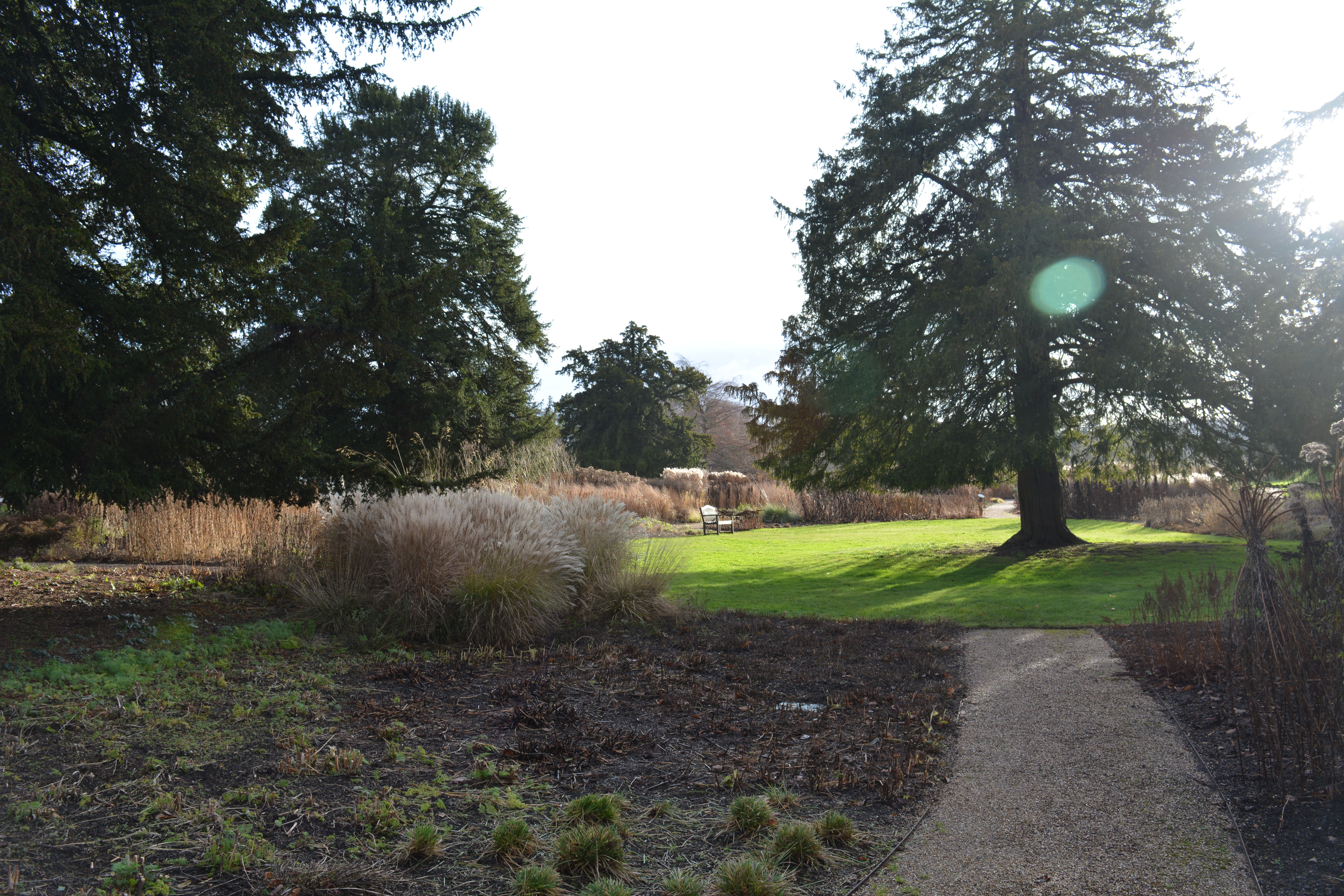
As we crossed the River Trent on the suspension bridge we got a good view of the golden “River of Grasses” through the two trunks of a multi-stemmed Birch, our native Betula pendula. In all or our previous monthly wanders we turned right at the bottom of the bridge into this huge area of grasses. For our December wanderings we turned left partly because we fancied a change but mostly because we spotted a willow word.

2014 12 16_8769 2014 12 16_8770

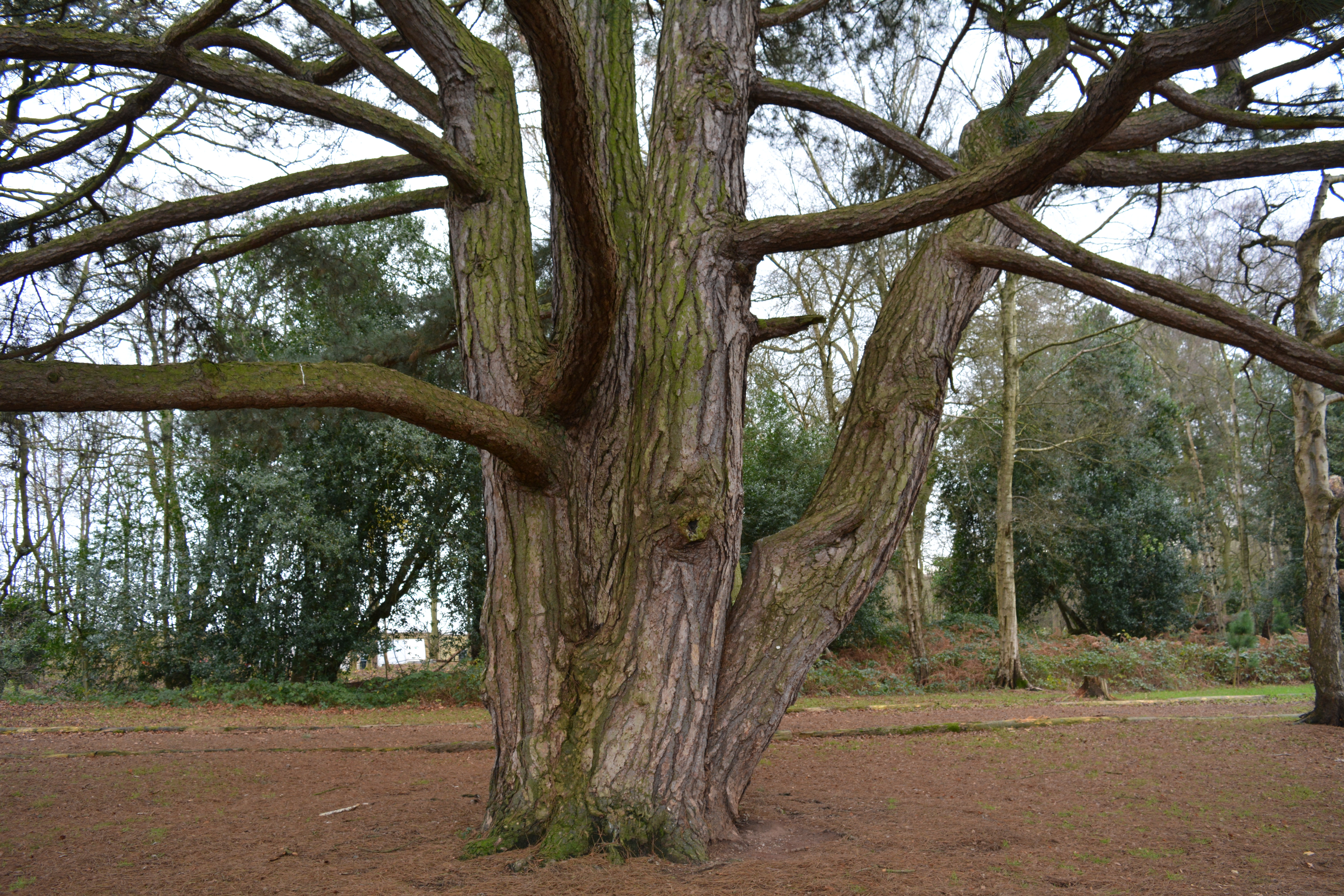
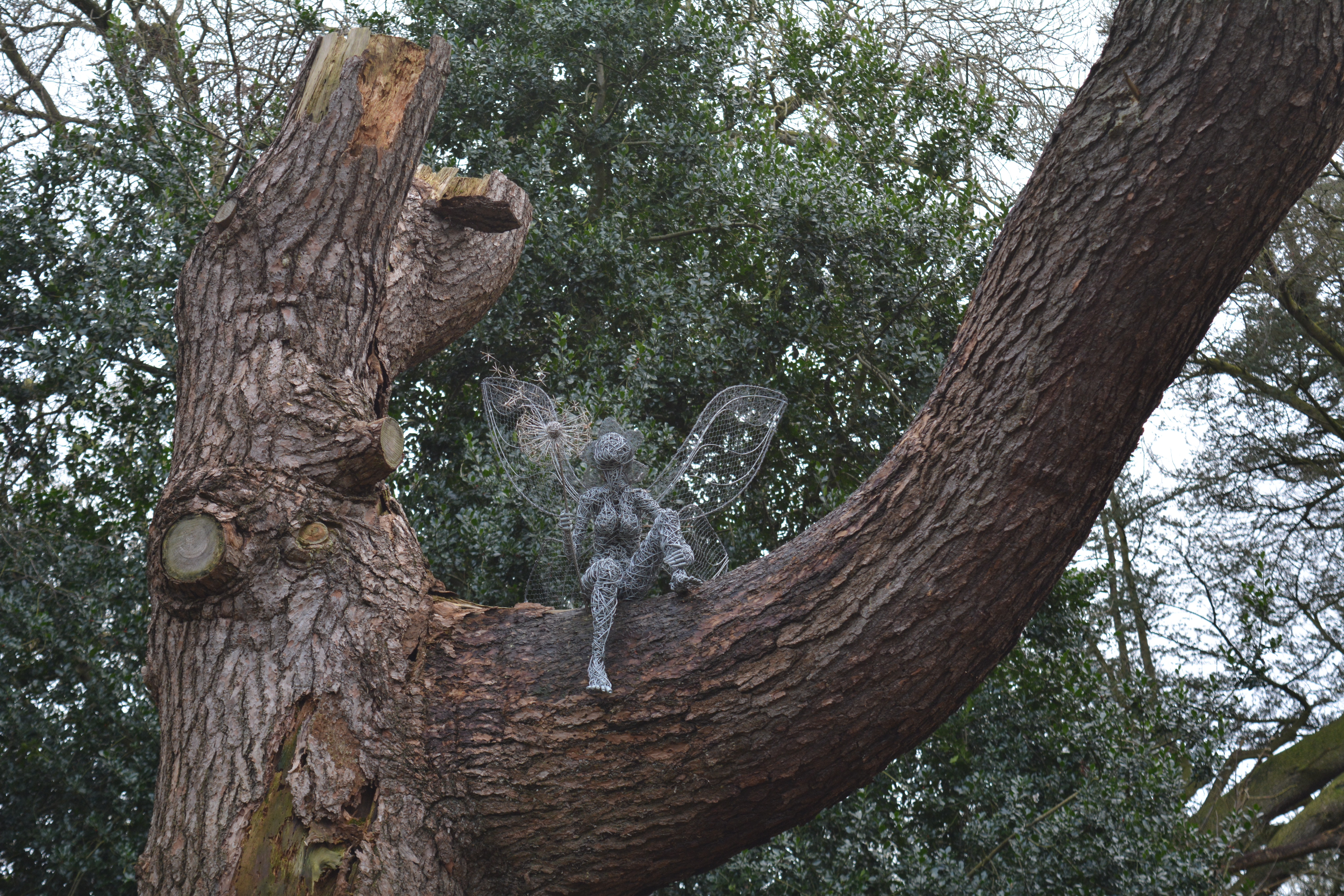
The gravel path took us beneath tall, ancient trees both deciduous and evergreen. Up in one we were surprised again to find a fairy looking down at us watching our every move.2014 12 16_8771 2014 12 16_8772

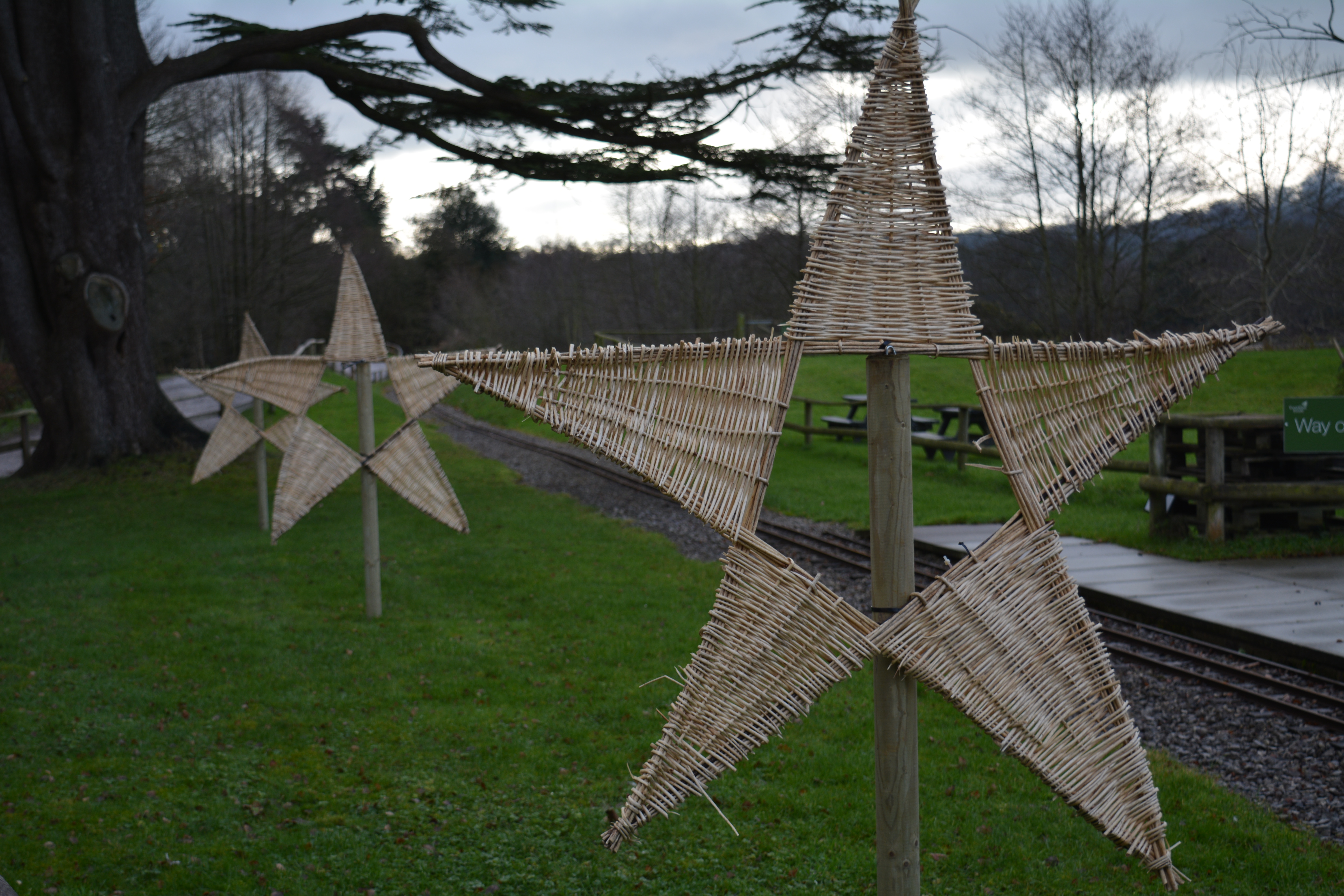
When we reached the willow NOEL we spotted a row of willow stars further along the path .

2014 12 16_8773

On one old trunk where a large bough had been cut off nature had been at work with her army of fungi to eat away at the rotting wood, and thereby creating a piece of relief sculpture. Can you spot a figure emerging?

2014 12 16_8775

After this little diversion from our usual route we retraced our footsteps to explore Piet Oudolf’s River of Grasses. Here a few seed heads stood against all odds having withstood the ravages of early winter.

2014 12 16_8777 2014 12 16_8778 2014 12 16_8779 2014 12 16_8781 2014 12 16_8780 2014 12 16_8782

I have enjoyed seeing how the Betula nigra are looking on each of our monthly visits. The texture and colour of their peeling bark catches the light whatever the time of day or time of year.

2014 12 16_8783 2014 12 16_8784

By passing through the avenue of Birches we found ourselves in Piet Oudolf’s prairie style borders, where so many different seed heads stood strong and proud.

2014 12 16_8785 2014 12 16_8786 2014 12 16_8787 2014 12 16_8791 2014 12 16_8793 2014 12 16_8794 2014 12 16_8796 2014 12 16_8800 2014 12 16_8801 2014 12 16_8802  2014 12 16_8803

We enjoyed seeing how the gardeners had tied up some of the tallest of the old stems. We decided there and then to give it a go in our own patch.

2014 12 16_8808 2014 12 16_88062014 12 16_8792 2014 12 16_87892014 12 16_8790

Where some of the herbaceous plants had been cut back by the gardening team, new growth of the freshest green has burst through and waits patiently for the Spring to come along. The cut down grasses however remain dormant, but without doubt within their sheaths new spears of green are making moves.

2014 12 16_8788 2014 12 16_8795 2014 12 16_8797 2014 12 16_8809

Tiny vestiges of colour remained to surprise us, please us and amaze us.

2014 12 16_8799 2014 12 16_8798

Before we left the prairie borders we looked back for the final time in 2014.

2014 12 16_8805 2014 12 16_88072014 12 16_8812 2014 12 16_8813

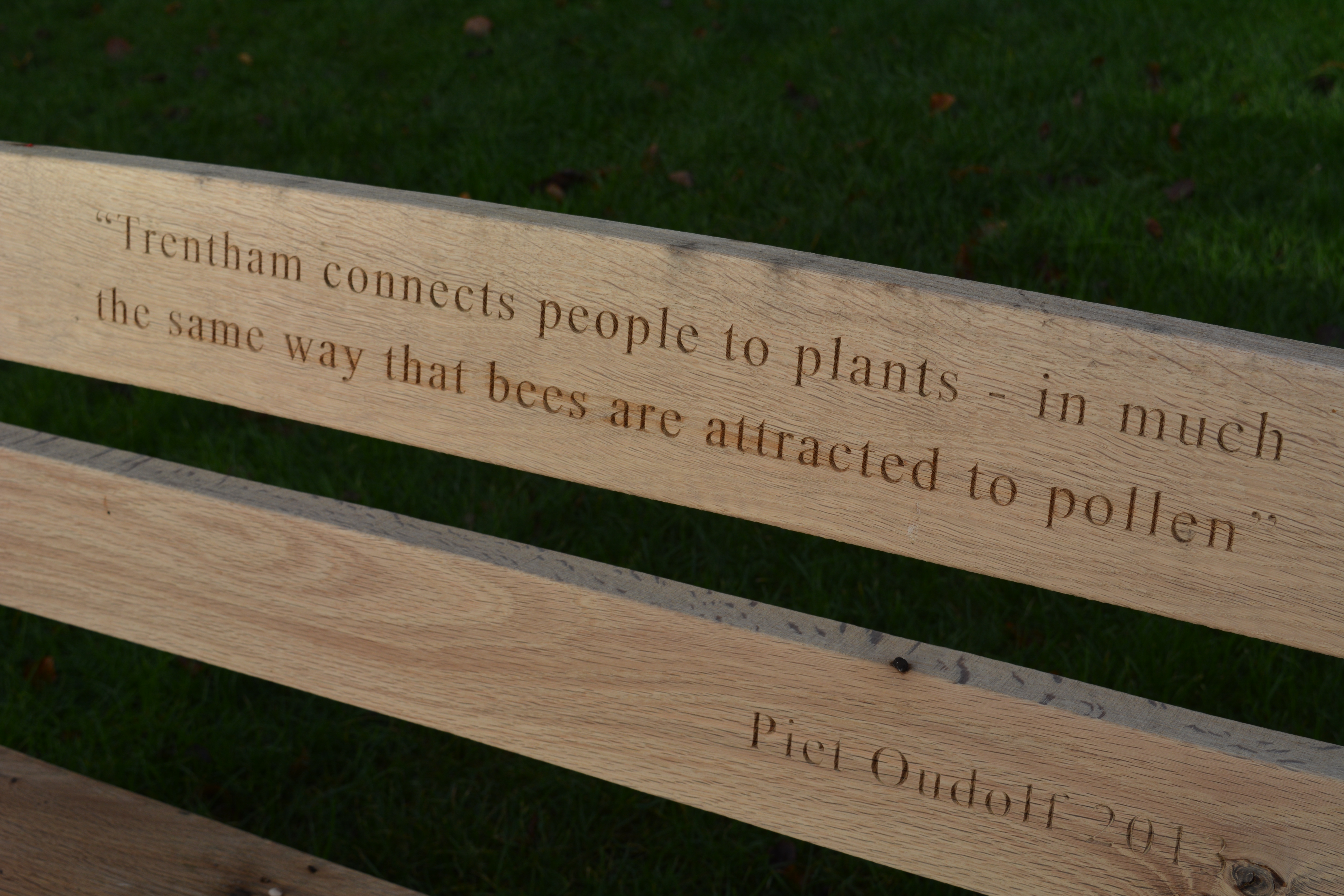
We discovered new things at Trentham even this late in the year – a set of beautifully crafted wooden garden benches complete with meaningful phrases composed by local writers from Stoke-on-Trent’s past alongside a couple from the two great garden designers involved in Trentham Garden’s rebirth, Piet Oudolf and Tom Stuart-Smith.

2014 12 16_8810

Read and enjoy P O’s words of wisdom – words which express the power of these amazing gardens.

2014 12 16_8811

And reflections on the gardens from Tom Stuart-Smith ……….

“What was once a scene of decay is now a breathtaking panorama of beauty.”

There are two phrases from Arnold Bennet, a local 19th Century writer,

“You can turn over a new leaf every hour if you choose.”

“It is easier to go down hill than up but the view is from the top.”

The final two phrases were written much earlier by Capability Brown, 18th Century landscape designer and his contemporary John Bing, Viscount Torrington who owned Trentham at that time. John Bing wrote

“My old friend L Brown is to be traced at every turn……………. and a judicious former of water; the lake, here, is very fine”

Brown himself wrote,

“………. from its edges “quite round, making them everywhere correspond naturally with the ground on each side.”

A new phase of work is just starting to restore some of the early Capability grounds.

The old formal Italianate gardens that link the two main gardens had been replanted with seasonal bedding plants.

2014 12 16_8815 2014 12 16_8817

In part two of our posts sharing our December visits to the wonderful gardens at Trentham, we move on to the gardens designed by Tom Stuart-Smith and see how they look as the year ends.


Categories
flowering bulbs fruit and veg gardening grasses grow your own ornamental grasses spring bulbs trees

Out with the old in with the new!

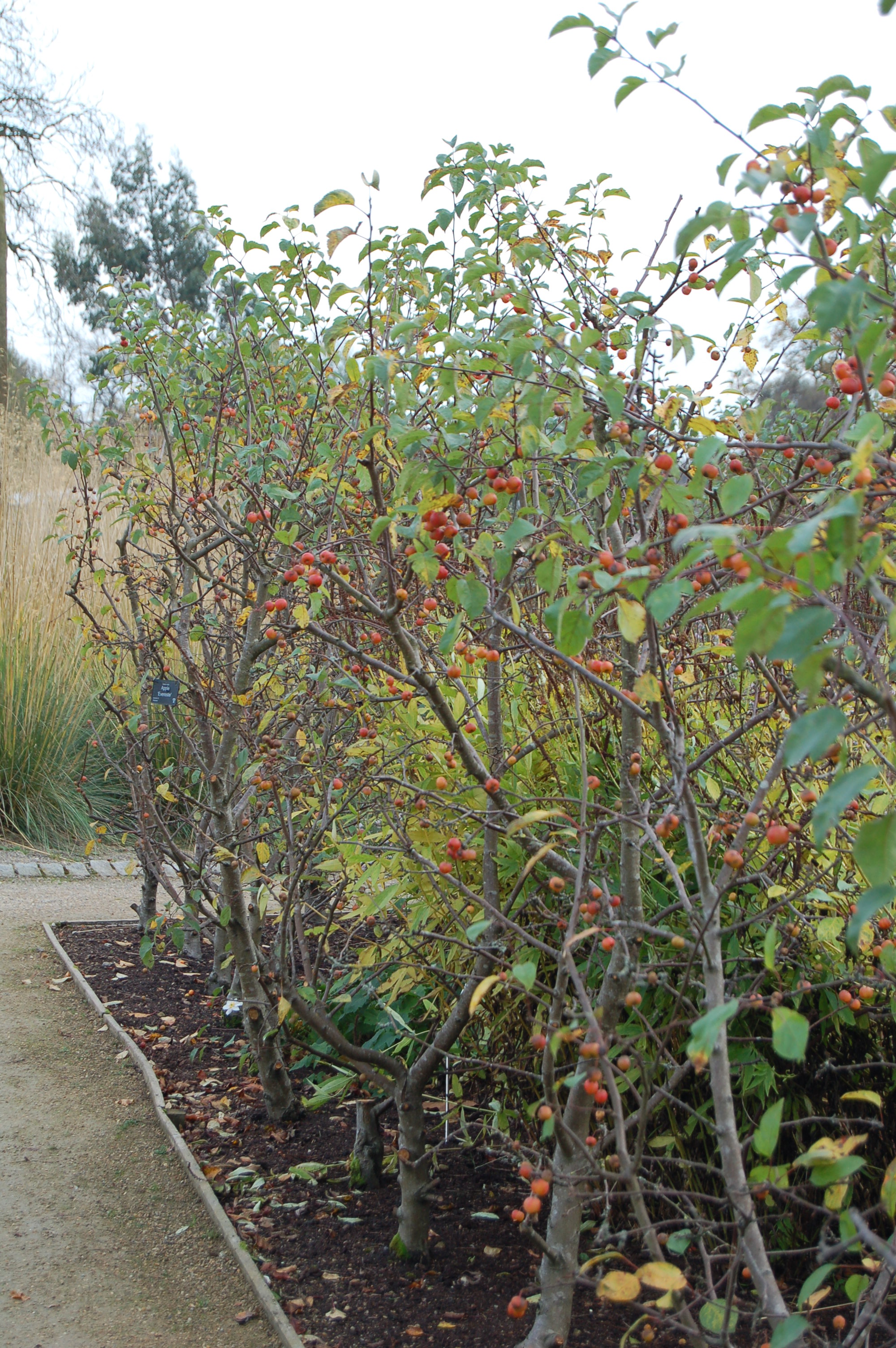
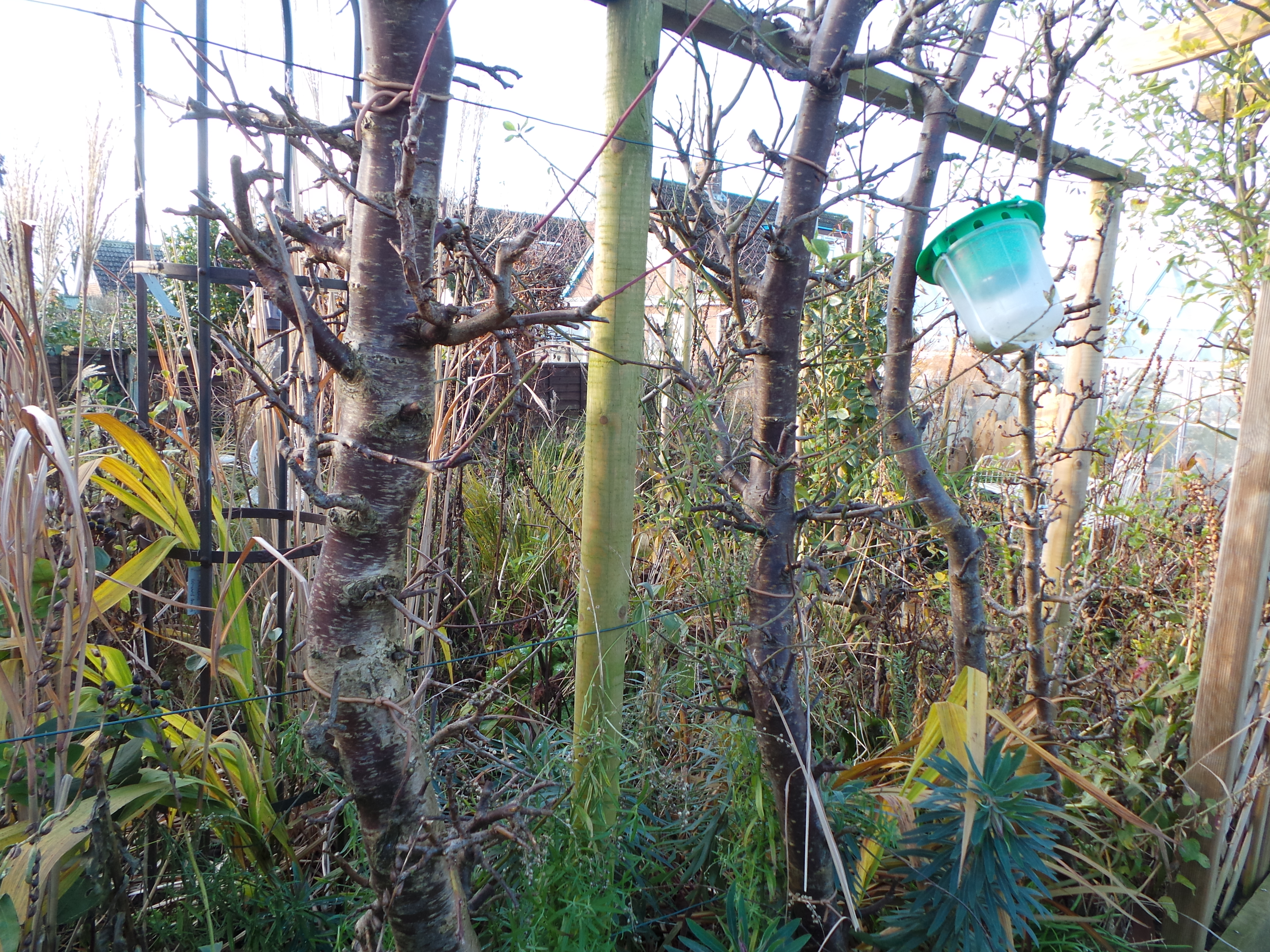
No, this isn’t a New Year post! It is about fruit trees. We have had a row of cordon grown plums along our central path since we first created our garden about ten years ago. They fruited well to start with but in the last few years they have struggled to produce just a handful of plums each or at worst none at all. Hence it was time for out with the old and in with the new.

2014 12 19_8935  2014 12 19_8936

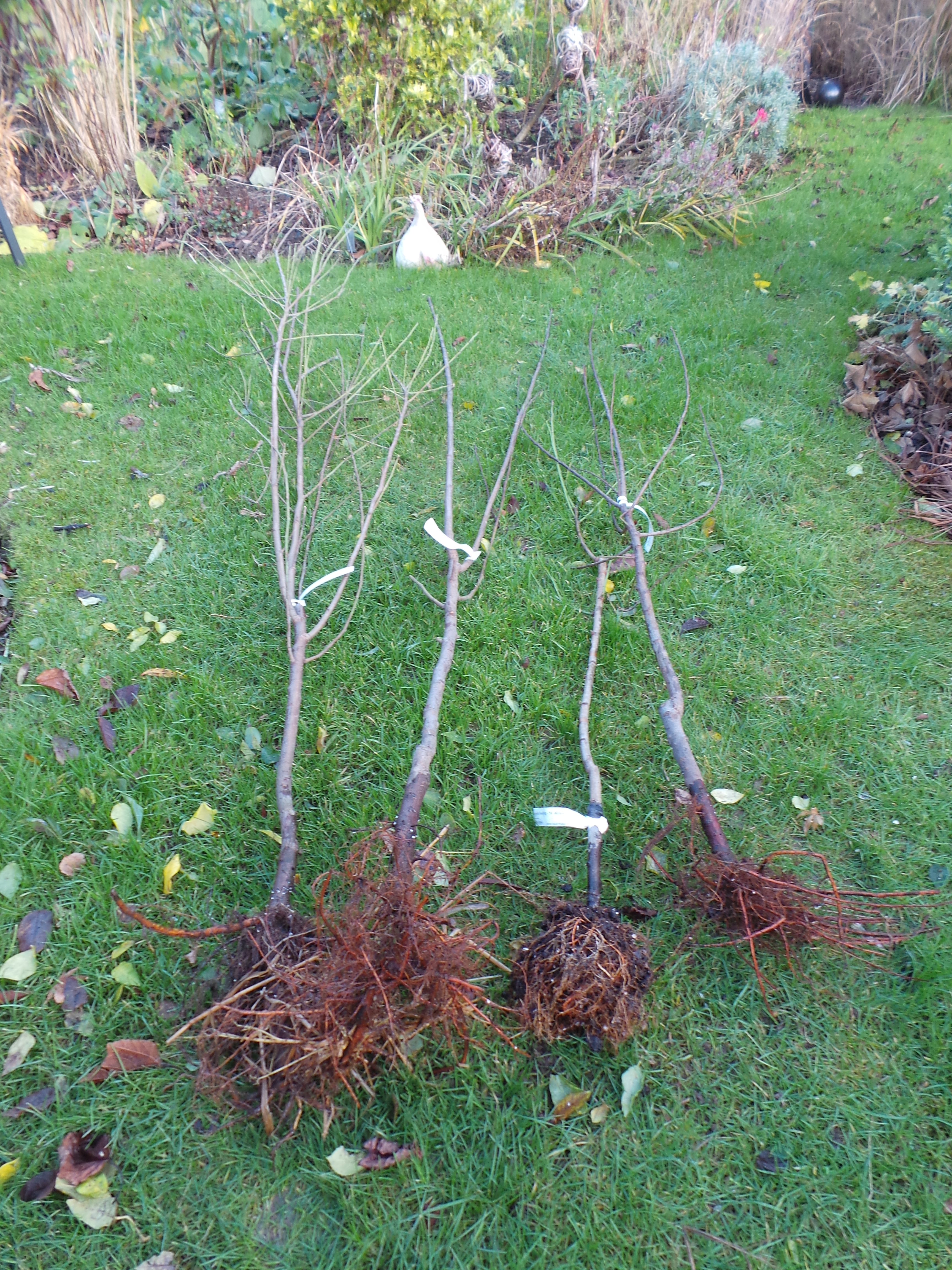
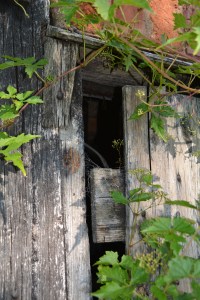
The new trees arrived by courier all the way from Devon bare rooted and packed beautifully in the same way my Father used to receive his plants back in the 1950s. It is amazing how small a package of 4 trees looks. We ordered them from Adam’s Apples also known as Talaton Plants, a firm we have used to purchase all our fruit trees from for home and the allotments for many years now. We have never had a tree fail! As the photo below shows they arrived with top quality root balls. Without a good root ball a tree will not thrive so we were delighted with these.
2014 12 19_8911

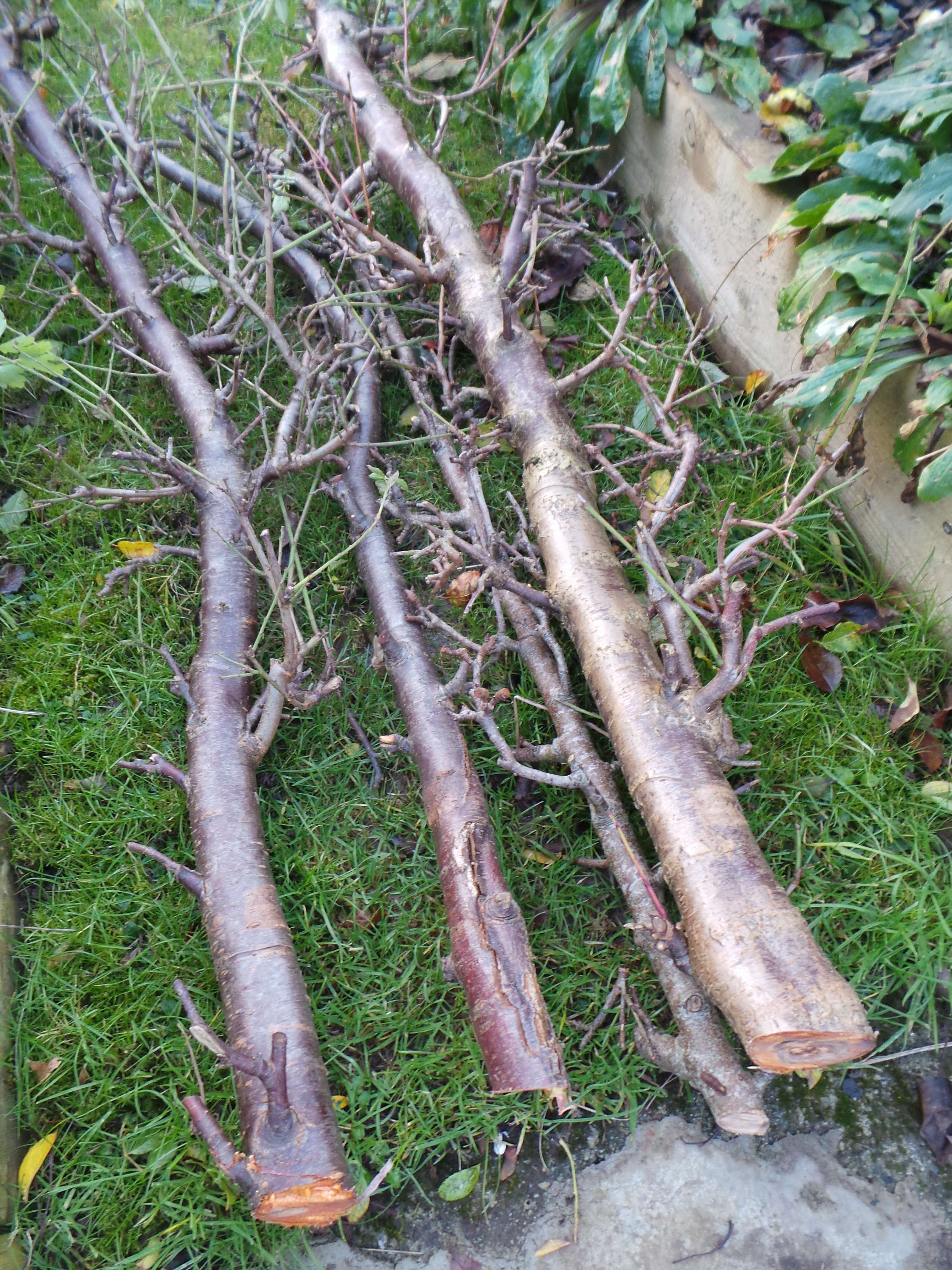
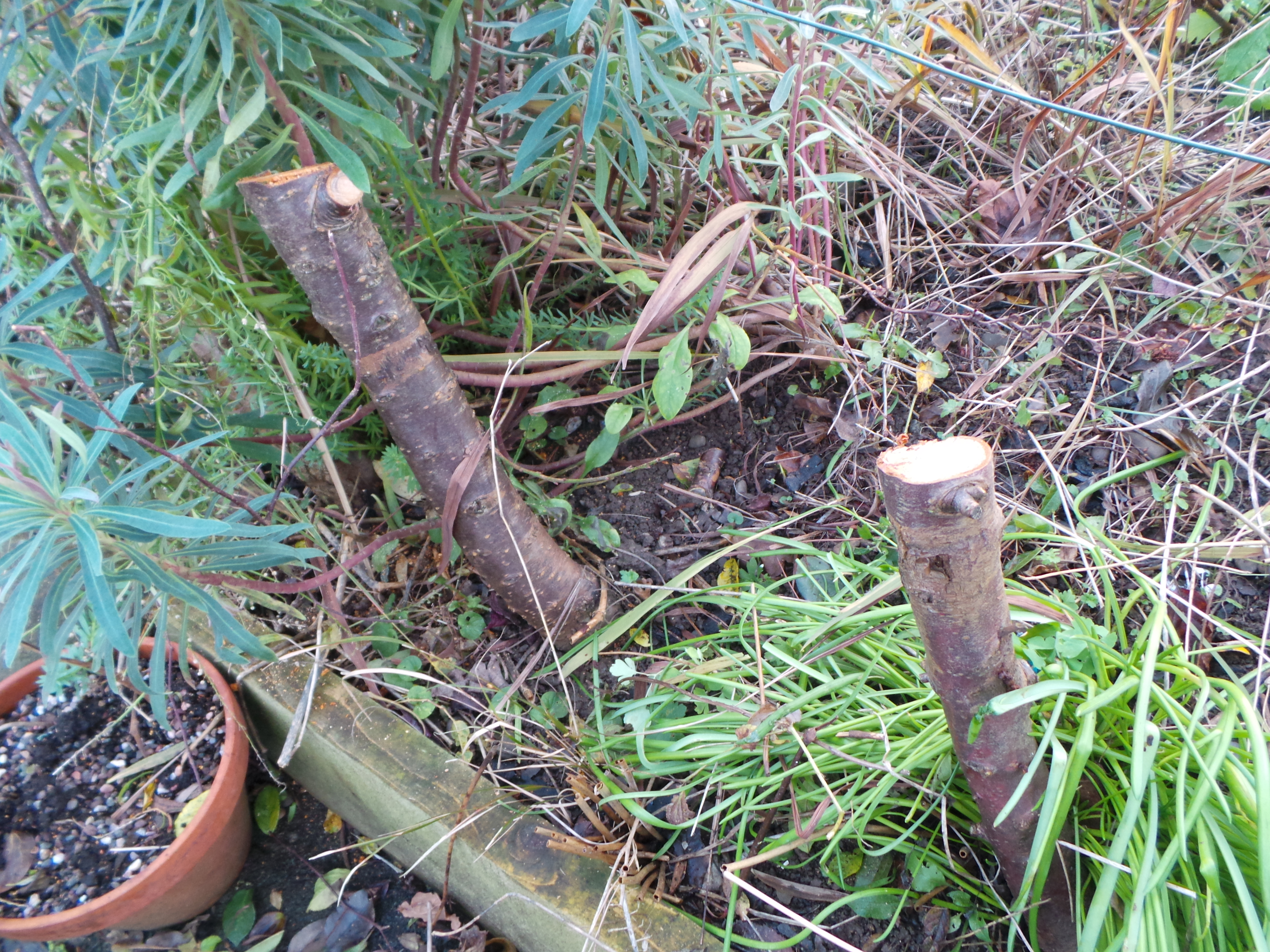
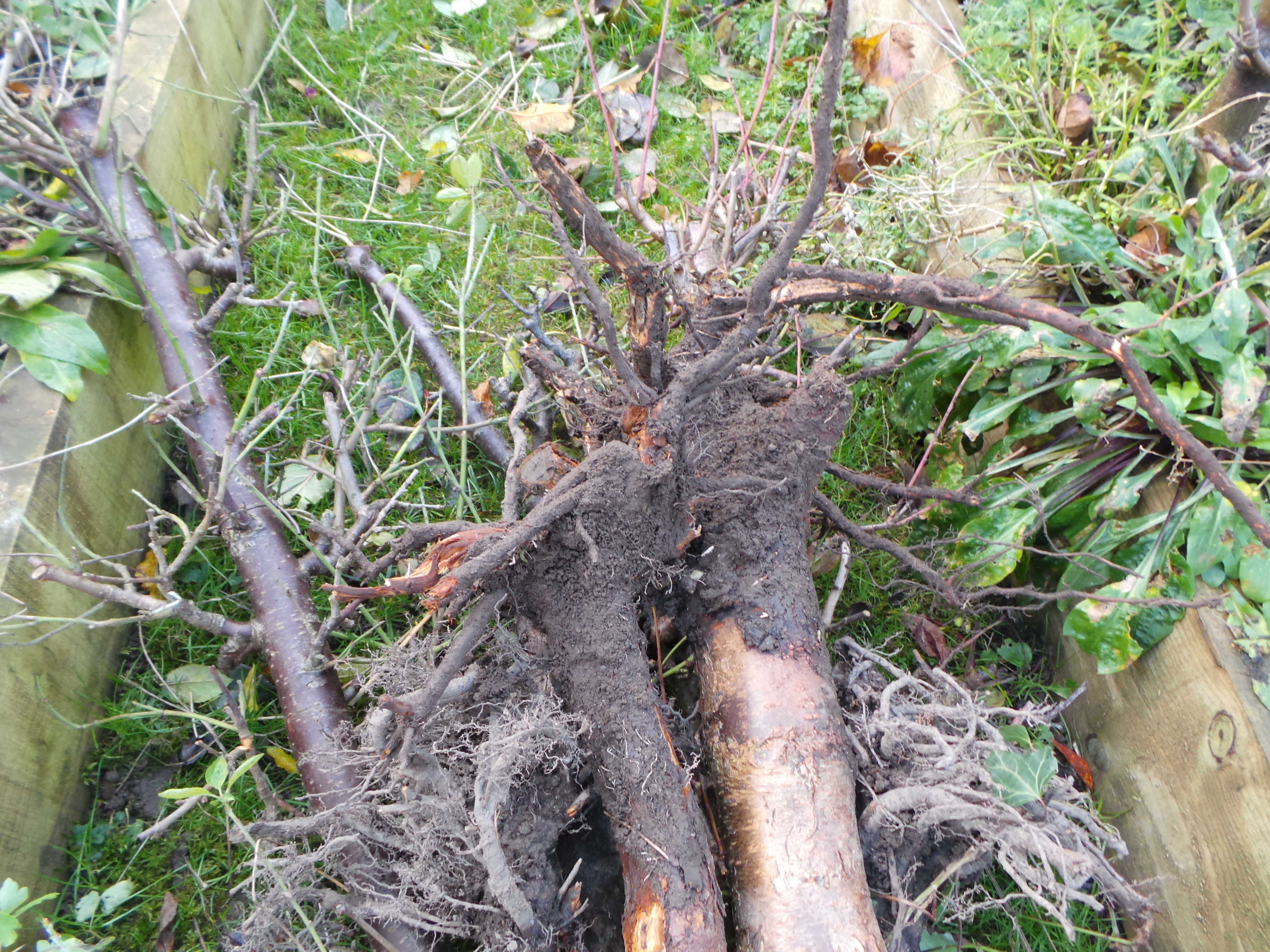
First job was the hardest, getting up the old trees. Luckily the soil was soft and easy to dig. We chopped the trunks down leaving just the right amount to act as a lever.
2014 12 19_8939 2014 12 19_89402014 12 19_8941

Luckily the task of digging out the roots was not as difficult as anticipated.


2014 12 19_8907 2014 12 19_8908


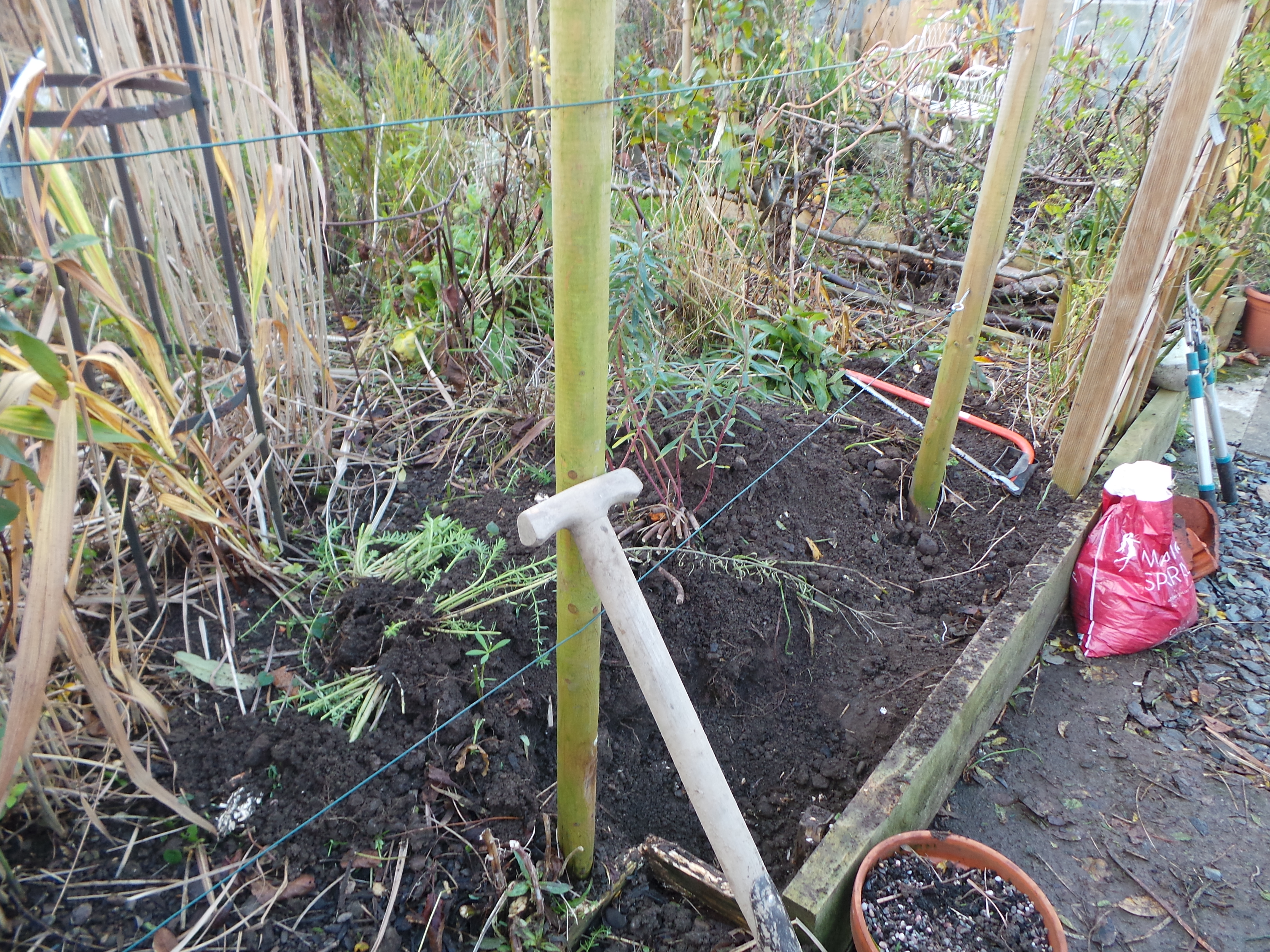
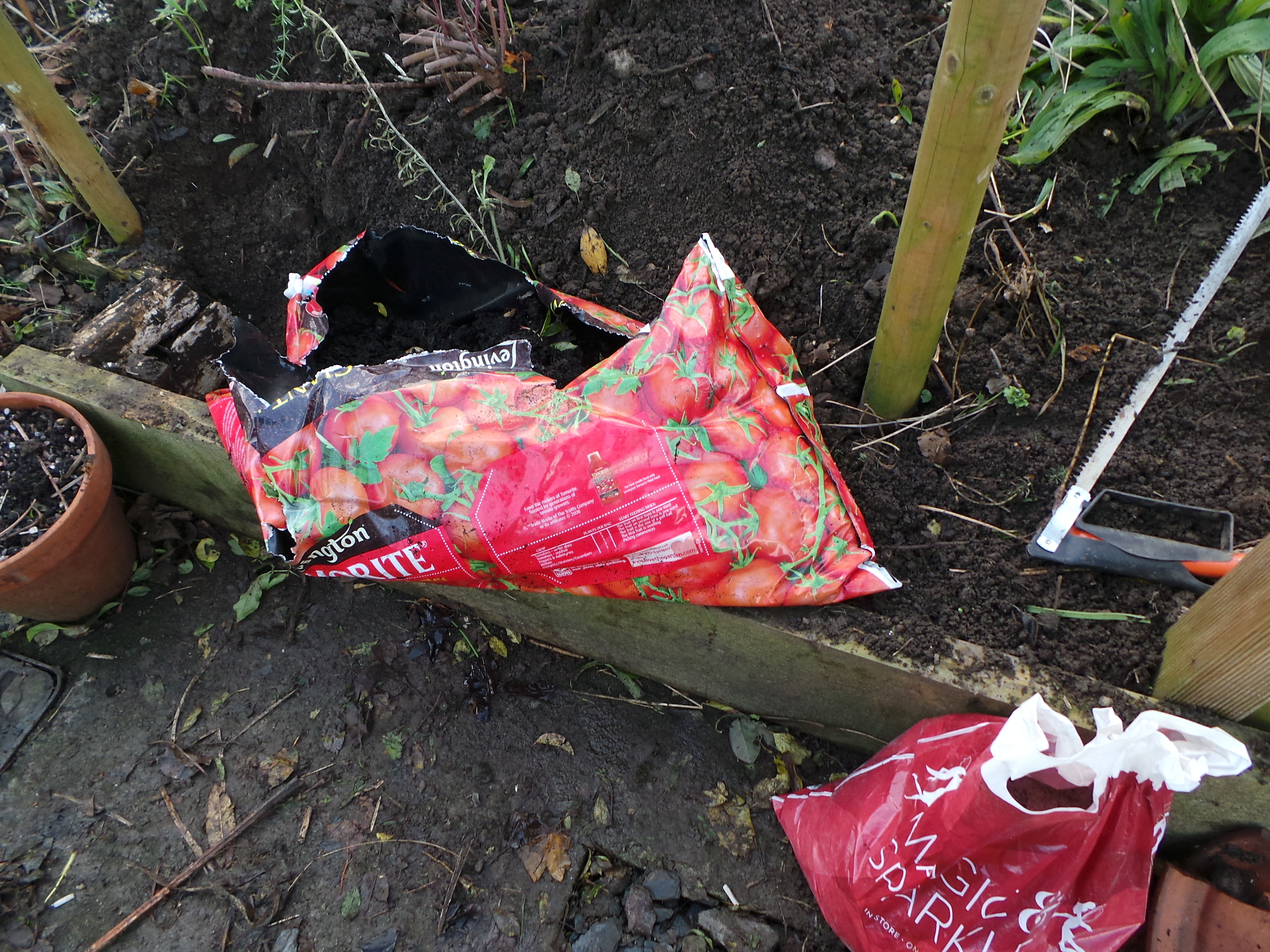
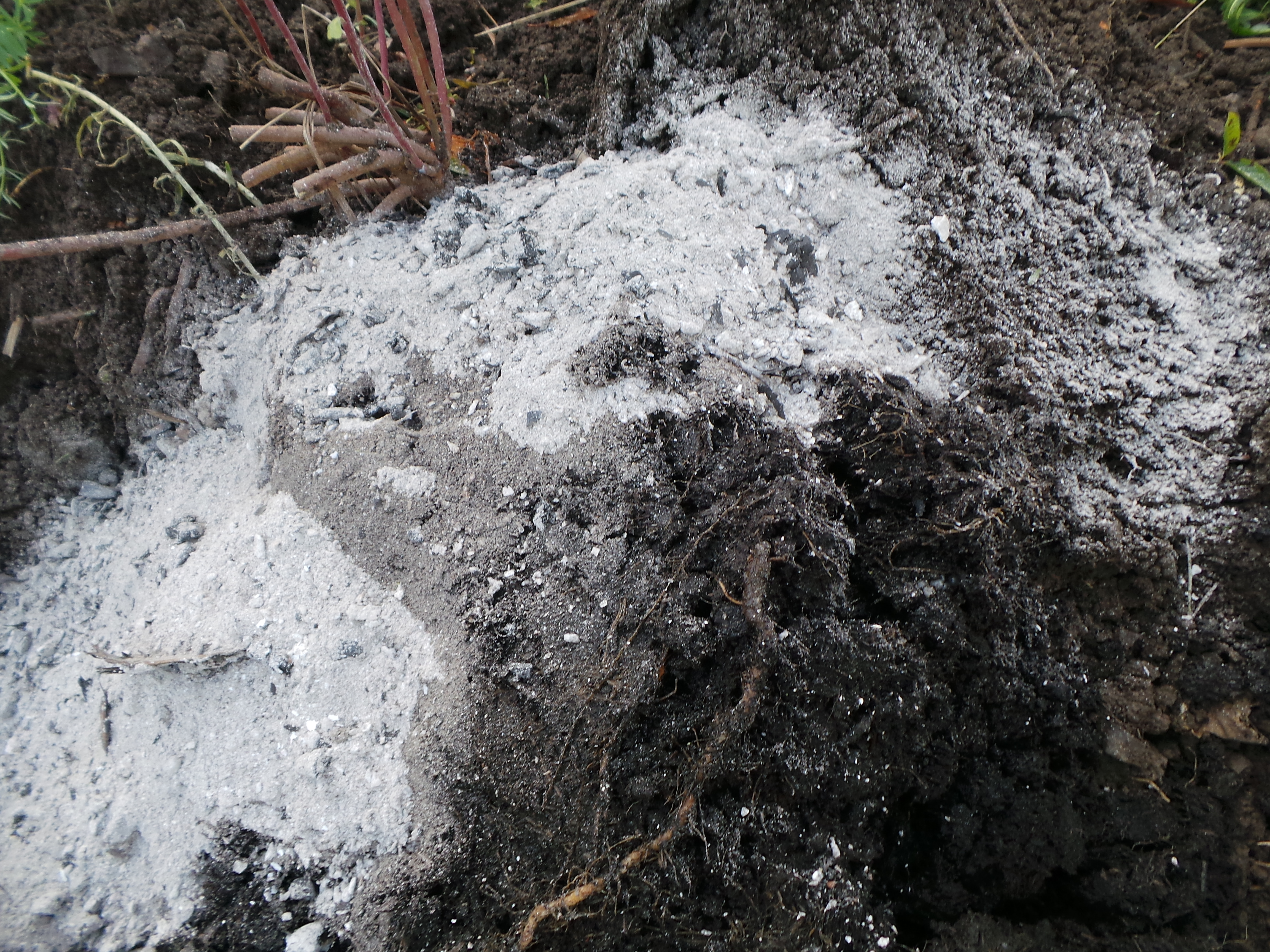
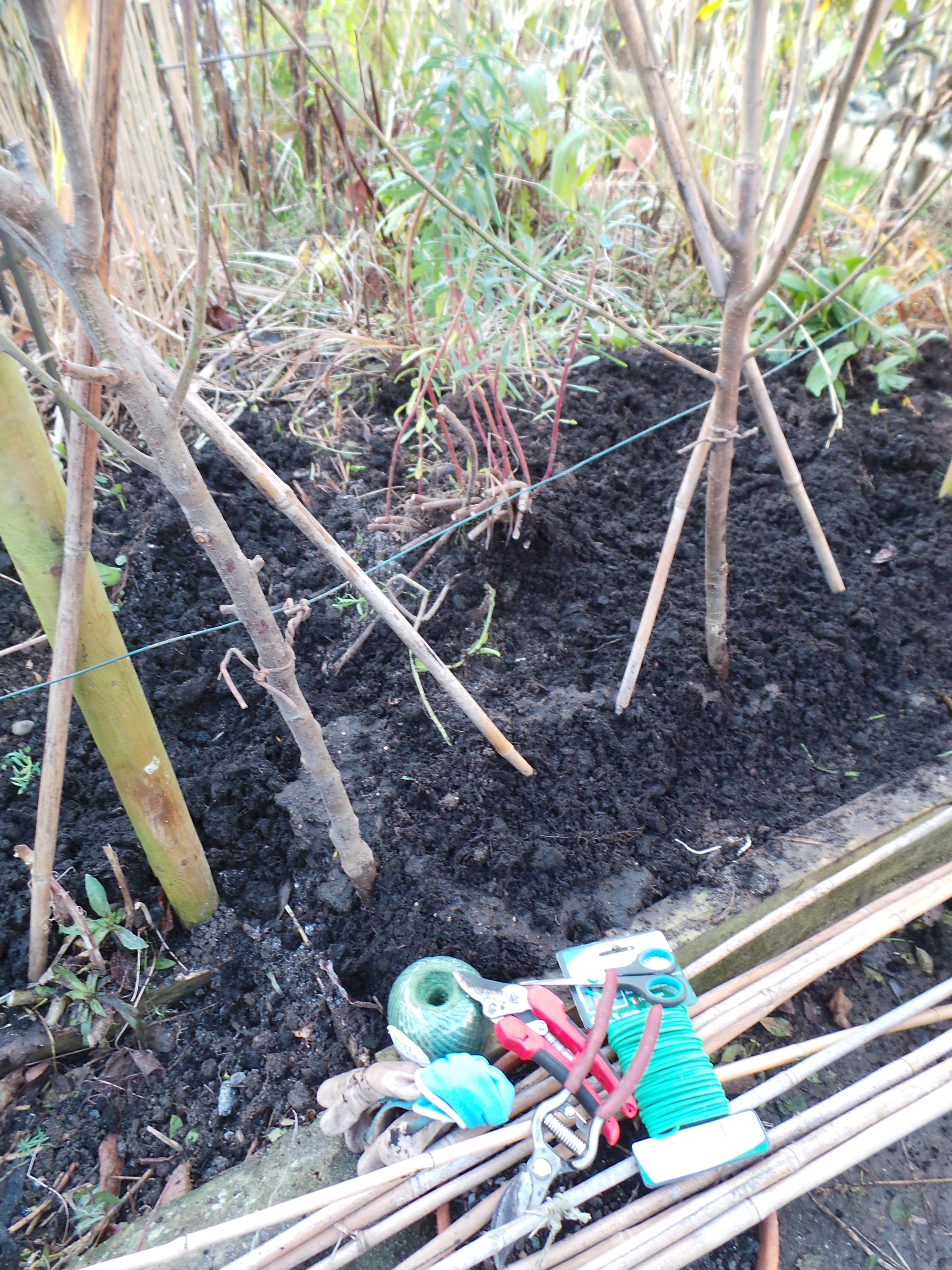
We then improved the soil structure by adding in the compost from the old “growbags”  in which our tomatoes had spent the summer. Then we added some wood ash from our woodburning stove and open fire to encourage blossom and fruit next season.


2014 12 19_8909 2014 12 19_8910

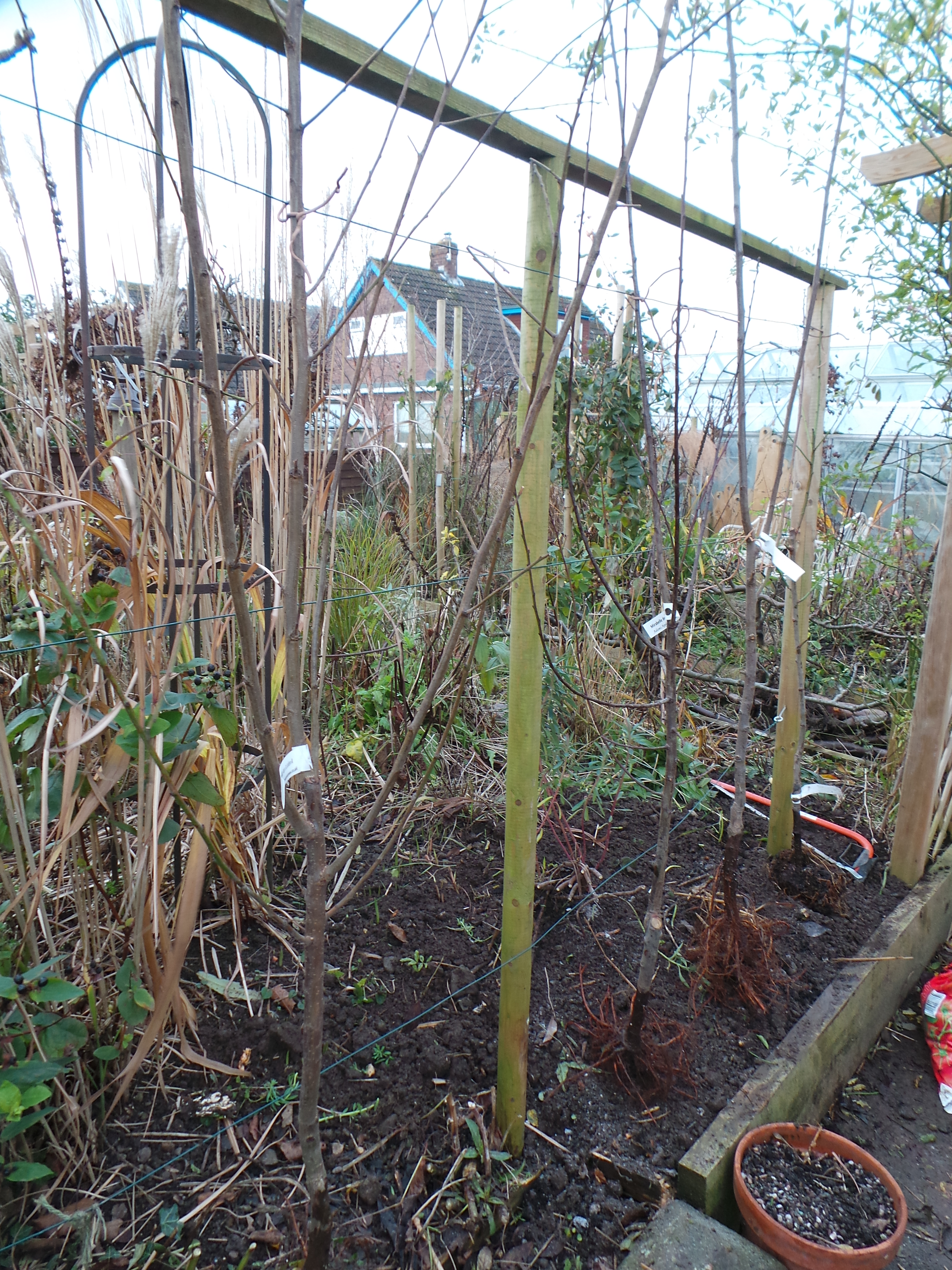
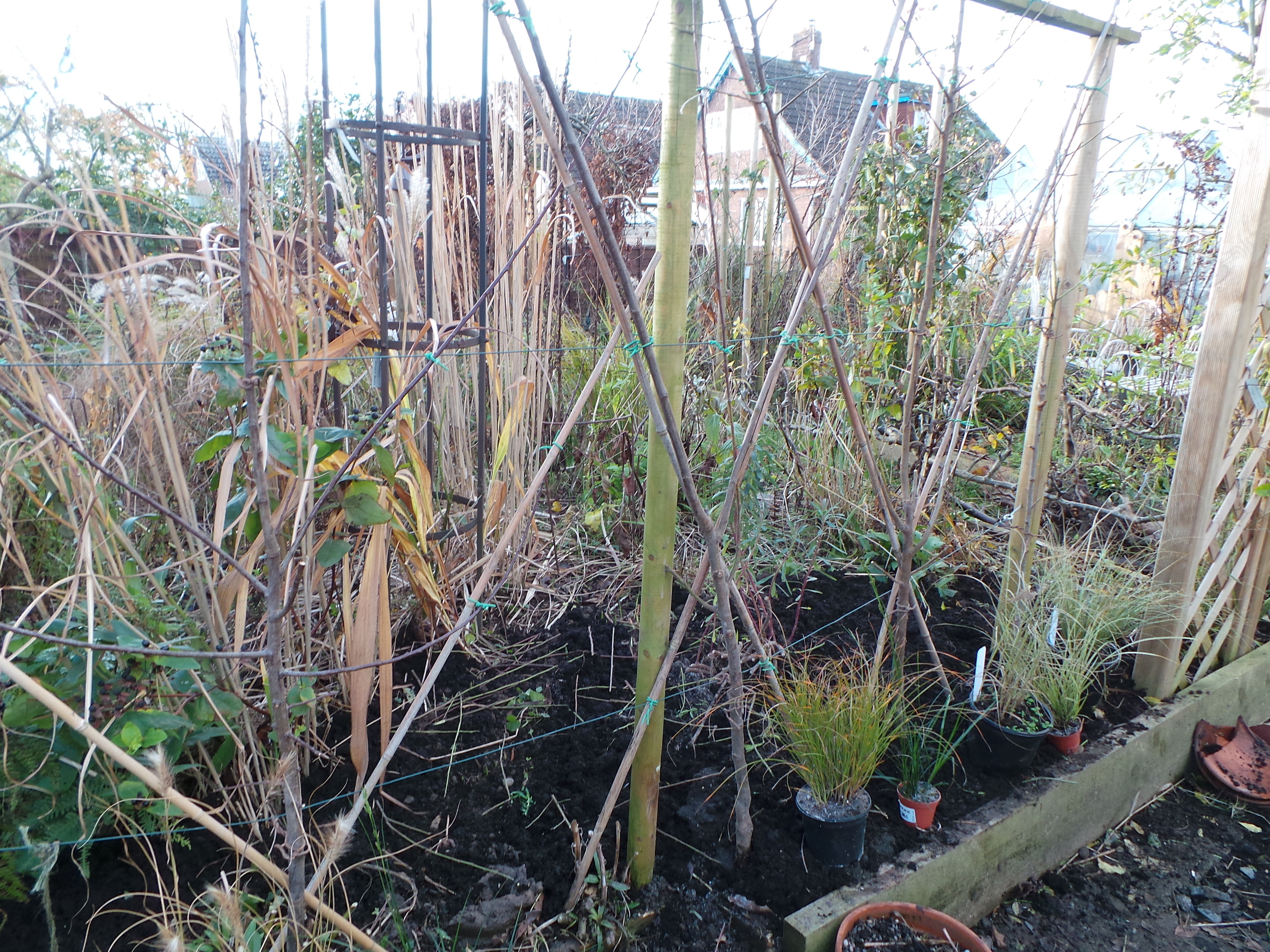
We placed the new trees to check they would look okay and then planted them, adding daffodil bulbs to the planting holes for colour in the spring.

2014 12 19_8916 2014 12 19_8919

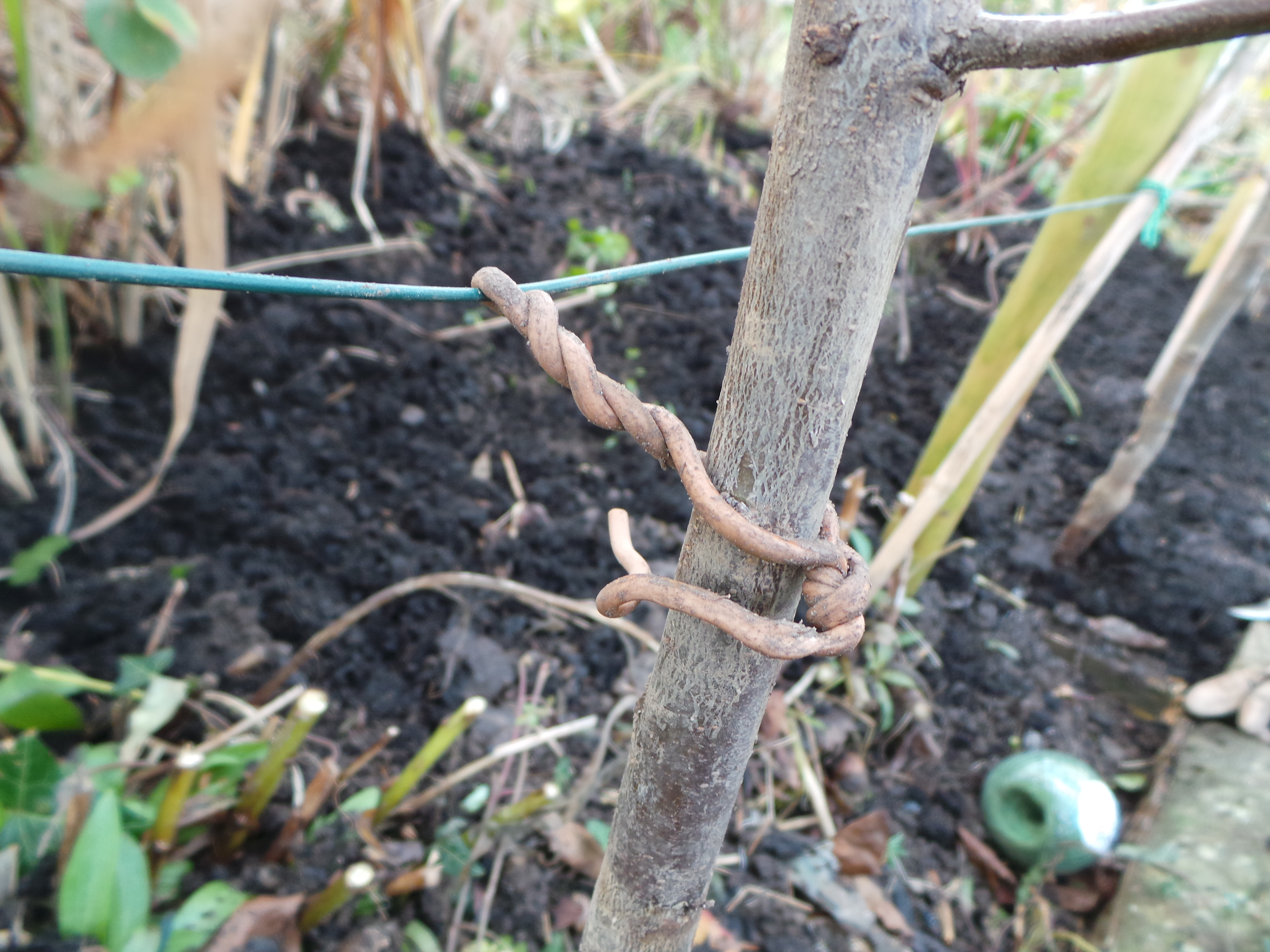
We then tied the new trees to their canes training them into fans. We used soft plastic covered wire to tie them in as this allows us to keep the branches away from the canes and supports.

2014 12 19_8917 2014 12 19_8918

2014 12 19_8920_edited-1 2014 12 19_8919


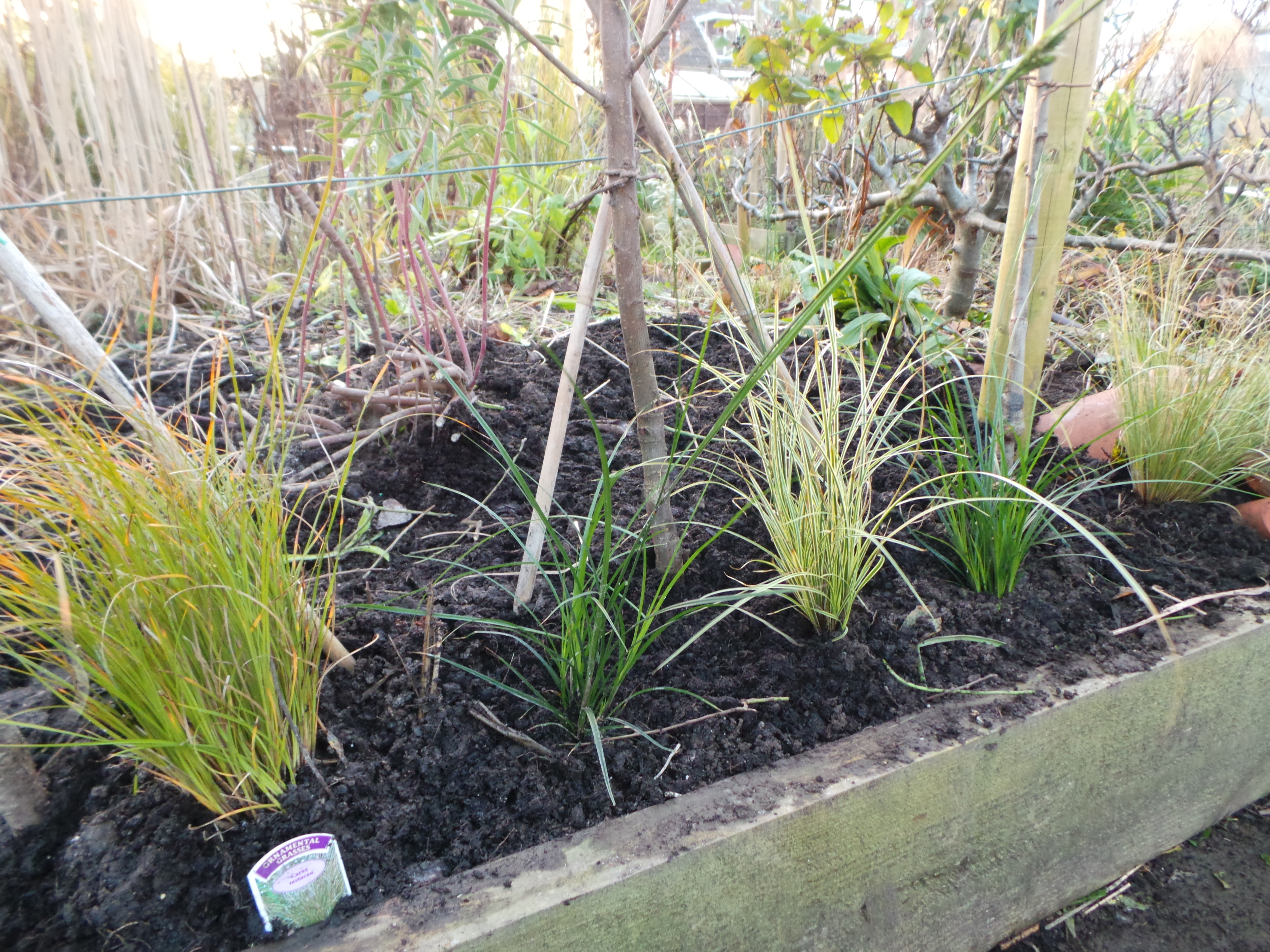
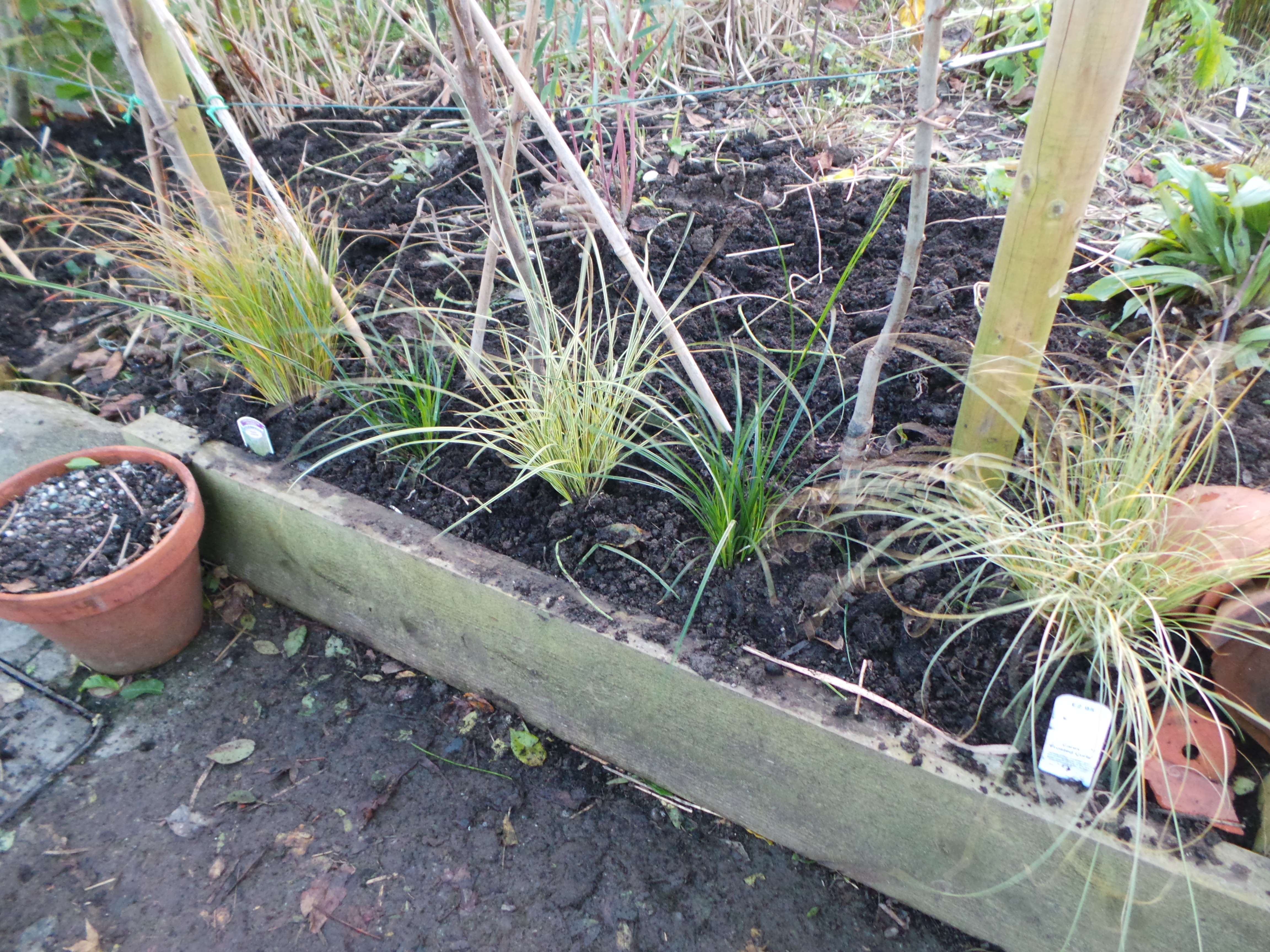
The final touch was to plant small ornamental grasses between the trees to add interest and some ground cover. We chose different varieties of Carex for their different leaf colours and textures, because they stay small and because they are evergreen.

2014 12 19_8921 2014 12 19_8927

2014 12 19_8926

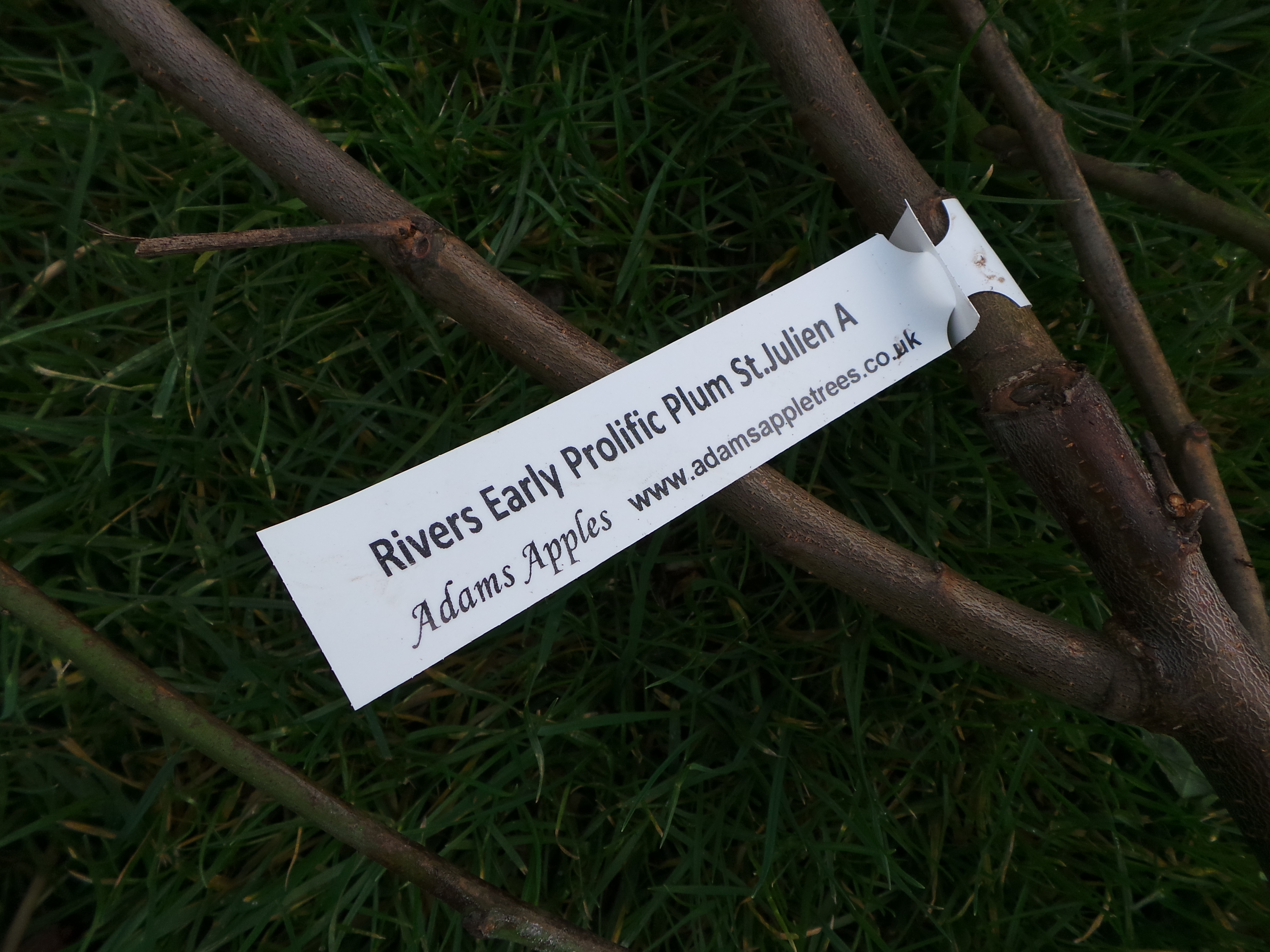
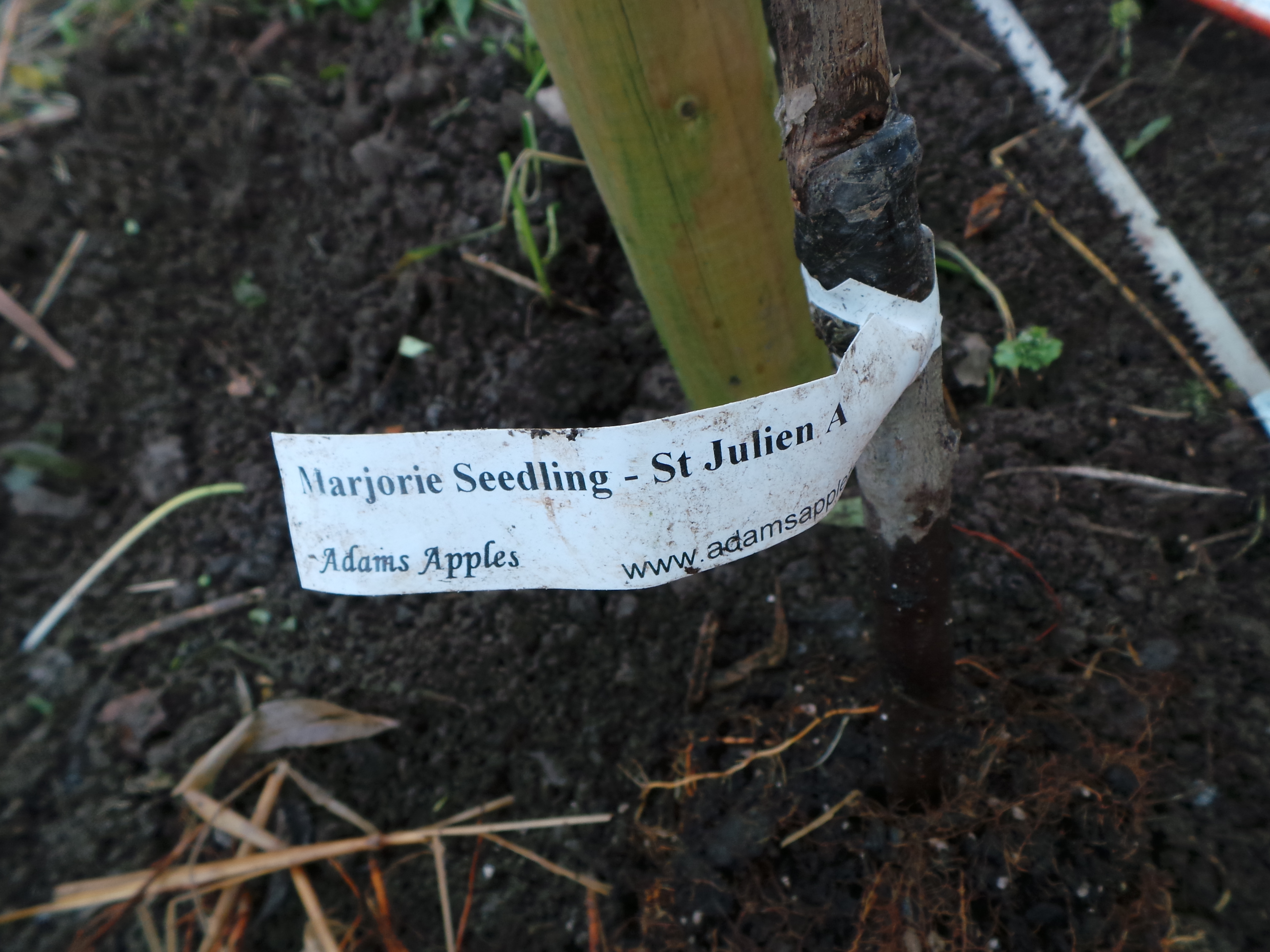
And that was it – job done! If you are wondering which cultivars we chose here are their labels.


2014 12 19_8912 2014 12 19_89132014 12 19_8914 2014 12 19_8915


This Veggie Life

A Vegetarian | Nature Lifestyle Blog

Rambling in the Garden

.....and nurturing my soul

The Arch City Gardener

Journeys In St. Louis Gardening and Beyond

Garden Dreaming at Châtillon

Consult the genius of the place

Storyshucker

A blog full of humorous and poignant observations.
gardeninacity

Notes from a wildlife-friendly cottage garden

PlayGroundology

...an emerging social science

The Official Blog of British Wildlife

'The most important and informative publication on wildlife of our times' - The Independent. This blog is a member of The UK & Ireland Natural History Bloggers group: www.uknhb.blogspot.com

iGrowHort

Inspire - Cultivate - Grow Native Plants - Restore Landscapes

Bishops Meadow Trust

To create and protect a semi-natural wild space for the people of Farnham to enjoy and experience an array of British wildlife in our town

Gardening with Children

The www.gardeningwithchildren.co.uk Blog

UKbirdingtimeline

birding through the seasons, why birds matter and how to conserve them

NATURE WALKER

with a camera in hand

Jardin

Transform your outdoor space

Eva's space

My allotment, cooking and other interests

Old School Garden

my gardening life through the year

LEANNE COLE

Trying to live a creative life

fromacountrycottage

trying to live as lightly as possible on our beautiful planet

Good Life Gardening

Nature lovers from Leicester living the good life.

mybeautfulthings

Finding the beautiful in the everyday

mawsonmichelle

Michelle's Allotment

In and Out of My Garden

thoughts from and about my garden

Greenhousing

Big plans for a small garden

The Scottish Country Garden

A Walled Country Garden in South East Scotland

The Fruity Chicken

Life at the fruity chicken

willowarchway

Off grid living. Self sufficient. "PERMAGANICS RULE".

St Anns Allotments

Nottingham's Grade 2* Listed Allotments and Community Orchard

Manifest Joy Harvests

a journey in suburban vegetable gardening

Allotmental

The madness of growing your own

Penny's Garden: a harvest beyond my front door

A novel approach to vegetable gardening

arignagardener

Sustainable living in the Irish countryside.

NewEnglandGardenAndThread

Master Gardener, amateur photographer, quilter, NH native, and sometimes SC snowbird

dianajhale

Recent work and work in progress and anything else that interests me

planthoarder

a chaotic cottage gardener

Lens and Pens by Sally

a weekly blog that creates a personal philosophy through photographs and words

Dewdrops and Sunshine

Stories from a sassy and classy Southern farmbelle.

The Pyjama Gardener

Simple Organic Gardening & Seasonal Living

gettin' fresh!

turning dirt into dinner

JOY...

today the world is created anew

Garden Birds

Notes from a Devon garden

ShootAbout

Life Through The Lens

Adapting Pixels

A photography blog showcasing the best photography pictures and videos on the internet

Wildlifegardening's Blog

Just another WordPress.com site

naturestimeline

personal observations from the natural world as the search continues for a new approach to conservation.

LATEBLOOMERBUDS

The Wonders of Life through my Eyes, my Heart, my Soul