Categories
fruit and veg garden design garden photography gardening hardy perennials HPS ornamental trees and shrubs roses Shropshire South Shropshire village gardens

“Sheila’s Cafe” – The Garden of Two Hardy Planters’

We spend many days visiting gardens all over the country, several of them large gardens run by the RHS or the NT, which we enjoy greatly. But we enjoy even more small gardens in our own county of Shropshire or in the neighbouring counties of ~Hereford, Staffordshire and Cheshire, many of them opening under the auspices of the National Garden Scheme. But most of all we enjoy our visits with the Shropshire Branch of the Hardy Plant Society, and in particular gardens tended by fellow members.

On a wet, dull, chilly mid-June day we visited just such a garden a few miles from our home in the Shropshire Hills.

Fairview is the garden of Geoff and Sheila Aston and although not a large garden it has a large heart. It welcomed us with such warmth.

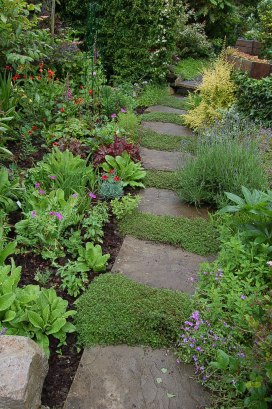
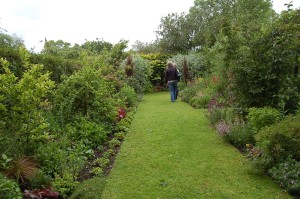
It invited us to follow its paths and discover its secrets hidden behind hedges and around corners.

DSC_0166

DSC_0152

DSC_0155

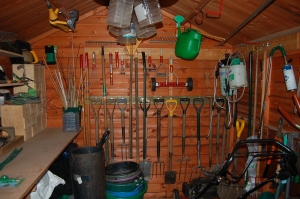
When we think back to this garden we think of Sheila’s Café and the tidiest garden shed in the world. I will admit to experiencing a bout of “shed envy” – just how does Geoff keep his work spaces so tidy and well organised? This shed envy was closely followed by “compost heap envy”!

Sheila had turned the garage into a café where we met for a coffee and cakes and a chat about the garden before we had a slow wander. Now that is what I call a welcome!

DSC_0167

DSC_0158

DSC_0159 Time for a wander ………………..

DSC_0156

DSC_0151

DSC_0154

DSC_0147

DSC_0165

Before finishing our tour we were to be impressed by the veggie patch.

DSC_0157

DSC_0164

DSC_0150

Off to Holly Cottage now – just a short journey down a maze of Shropshire lanes. (see next post)

Categories
architecture buildings Shropshire townscapes

The Architectural Heritage of Shrewsbury Part 2

This is the second post about the architecture of our county town. the photos for the posts were taken in late autumn.

Continuing our journey through the streets, alleys and pathways of Shrewsbury we move away from the station towards the river.

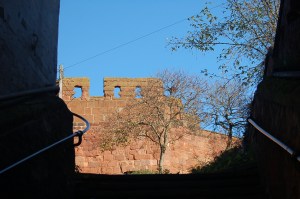
Firstly we go down a narrow steep road where these blue features against the beautiful red stonework of the old town walls caught my eye.

DSC_0027 DSC_0028DSC_0031

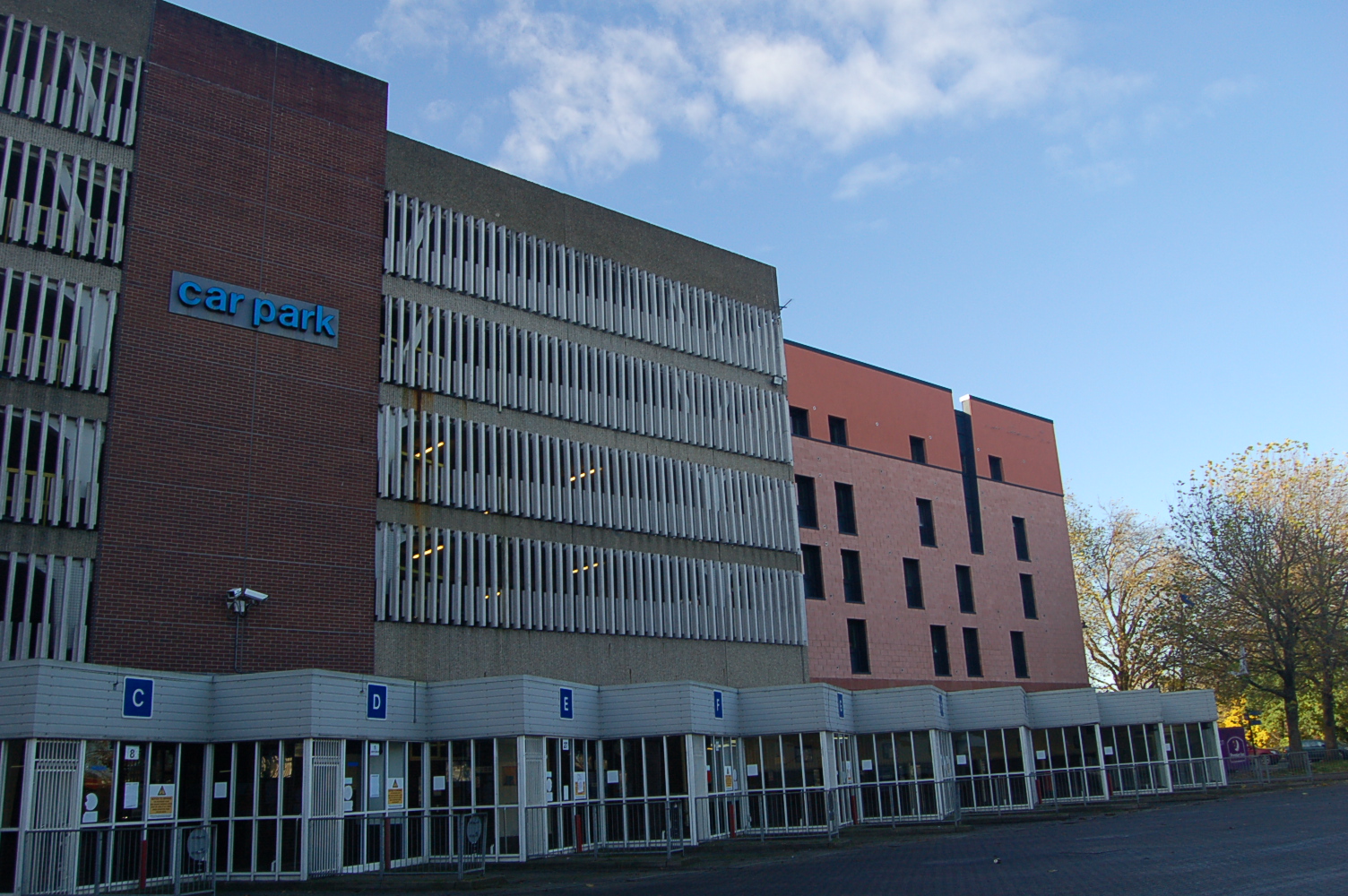
Just to show that Shrewsbury’s architecture isn’t all about the past we next visit some 20th and 21st century buildings. The first picture shows the dreadful 70’s concrete monstrosity that is the town’s only multi-storey car park with a new building attached to its right. At its base is a row of bus-stops.

DSC_0033

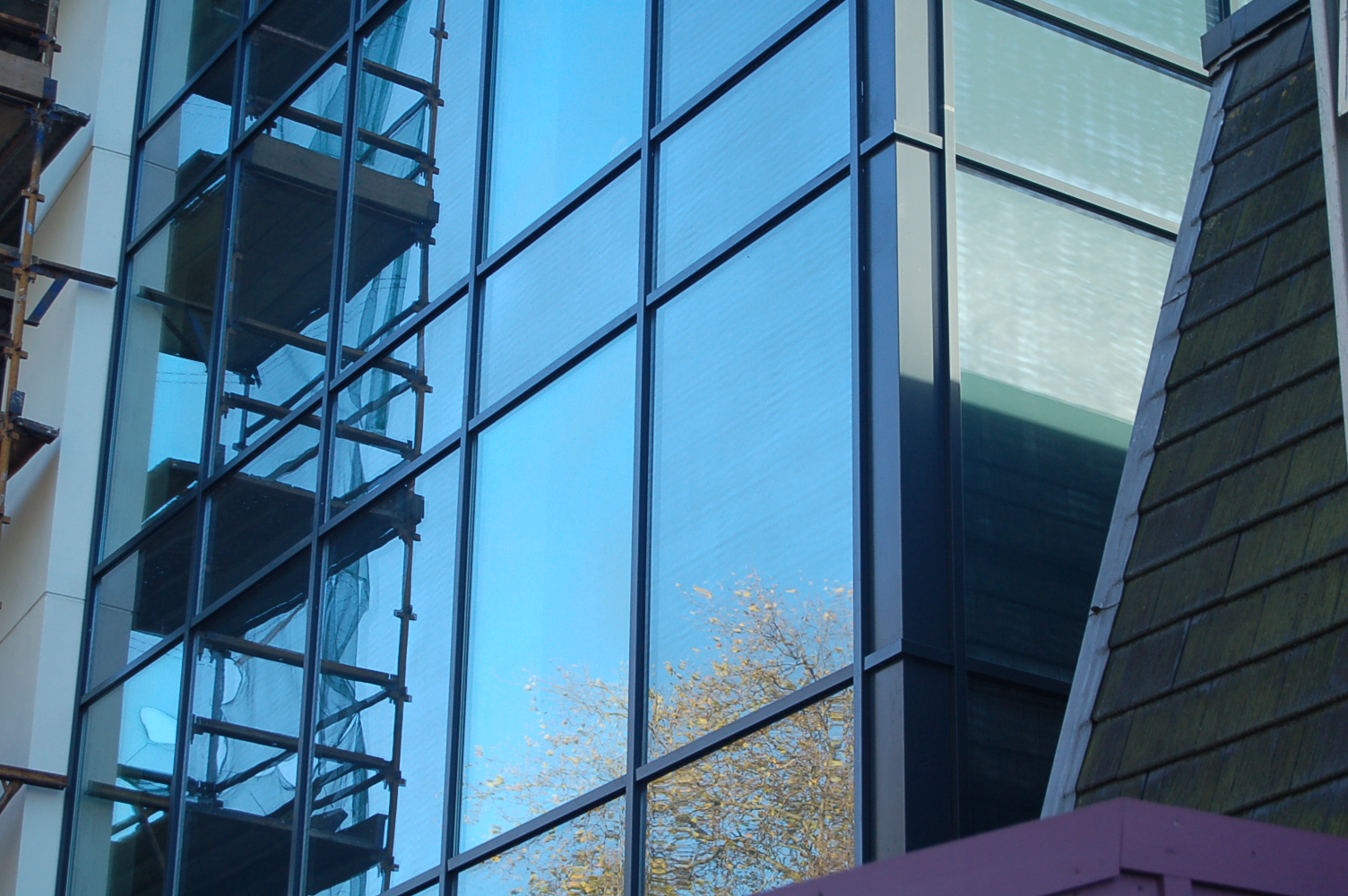
When we have a close look at this new building we see that it is a hotel which is still to open. I prefer it to the 70’s building next to it, but we shall have to see how well it weathers.

DSC_0035 DSC_0036 DSC_0037

The reason that there are so few example of good modern architecture in our county town, is that so many residents are stuck in the past. Any proposals for modern architecture are strongly objected to by many. Below is a sad reflection of this where architects have tried to reflect the town’s medieval heritage. We just ended up with this mock half-timbered shopping centre.

DSC_0030

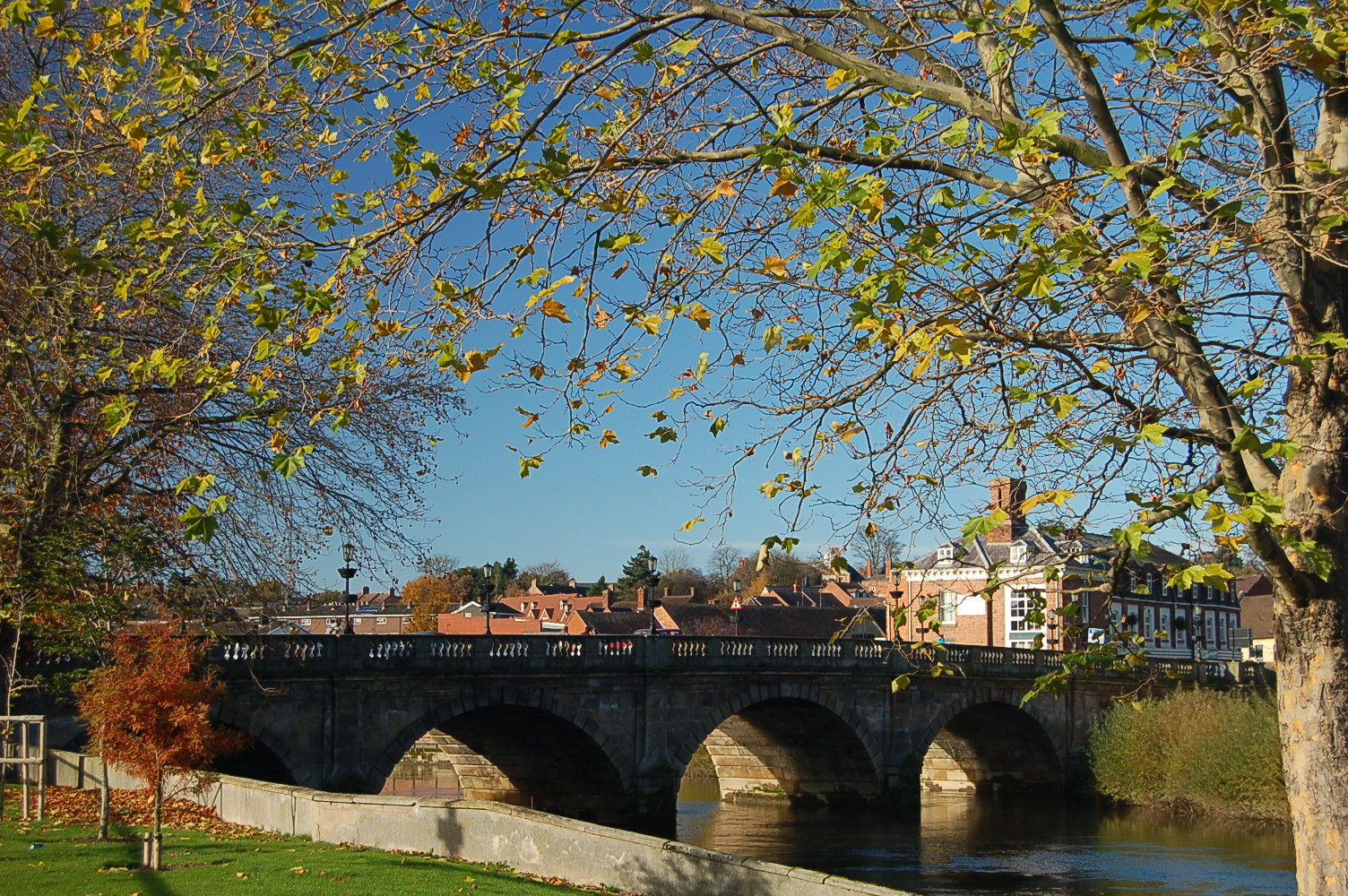
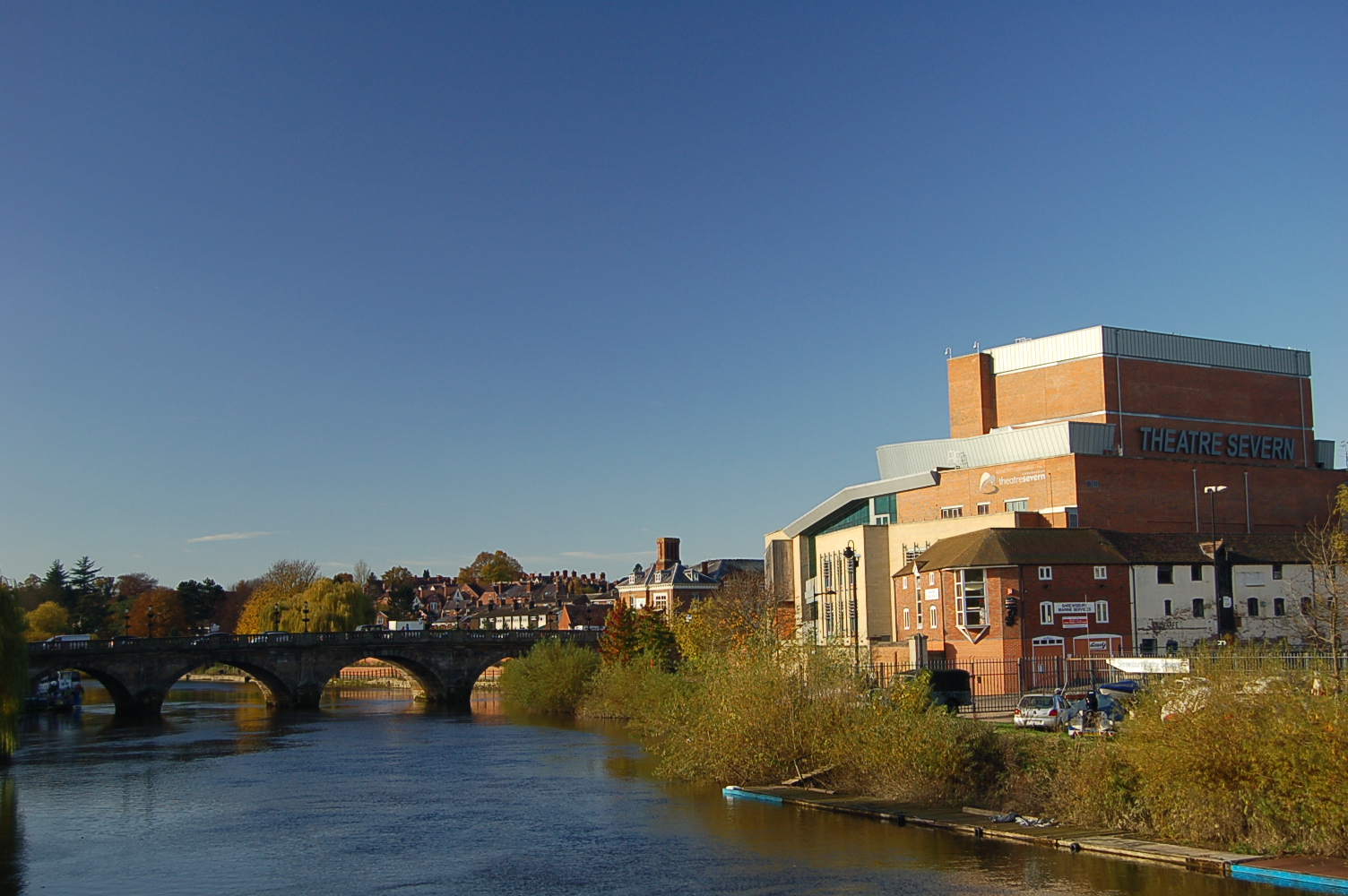
And now off to the riverside! The old centre of Shrewsbury is totally enclosed within a loop of the River Severn.

DSC_0053hb

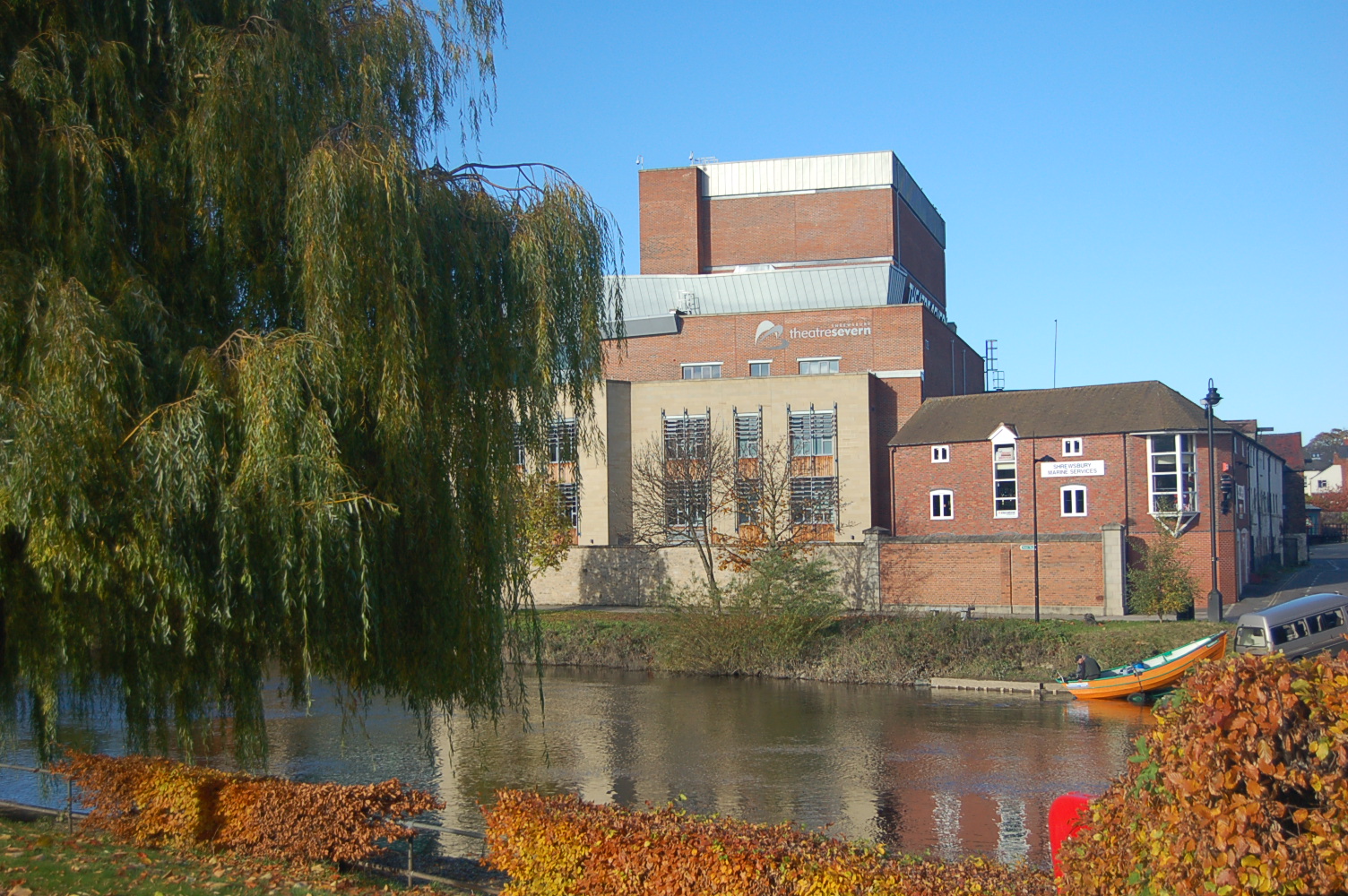
Below is our wonderful new theatre and the new sculpture created to commemorate Charles Darwin.

DSC_0048 DSC_0041 DSC_0049 DSC_0040 DSC_0052 DSC_0051

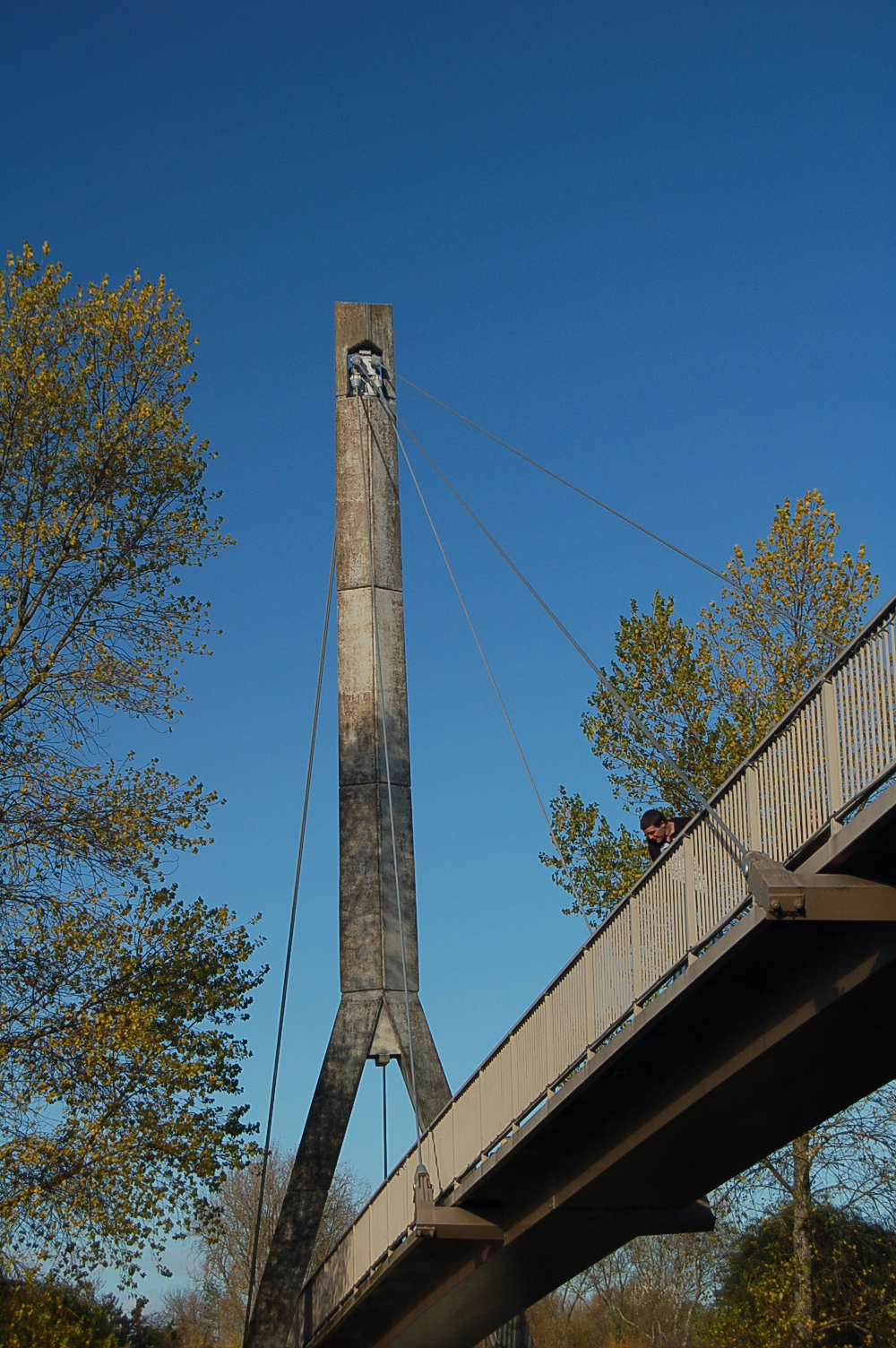
My favourite structure in this part of the town is this pedestrian suspension bridge. It is such a simple but elegant design and certainly invites you to walk over its gentle arching span. It sways as you walk across and the sway gets stronger the more people are crossing over.

DSC_0038

Categories
buildings photography Shropshire

The Architectural Heritage of Shrewsbury – Part 1 From Station to Castle.

Back to some Shropshire architecture for this posting as promised. At the back-end of 2012 I posted a couple of articles based around the market town of Ludlow after being challenged by some followers to feature architecture photos. So here is another batch of posts on the architecture of Shropshire.

Just ten minutes up the road we find the county town of Shropshire. It is not a large town but its ambition is to become a city. Shrewsbury is famous for its historical buildings, for being the birthplace of Charles Darwin and for being the friendliest, most well-mannered town in England.

We don’t go into our shire capital often for the usual reason ie shopping. We avoid shopping whenever we can and try even harder to avoid shopping in town centres. Too much noise, too many people, too much traffic!

But we love Shrewsbury for its buildings and the entertainment it provides for us. Theatre, cinema, jazz club and coffee houses.

This series of posts feature the buildings of our town. They will not follow a chronological order but we shall explore streets, alleys and lanes in bite-sized chunks of town, chunks just the right size to explore in a half day. It would be all too easy and obvious to present the architecture in historical order but I really want to give you the atmosphere of patches of the town. Sometimes the selected areas will seem random but that is how my mind works.

The starting point for today’s random collection of buildings is the coffee shop in Marks and Spencers. After a latte (Malc) and cappuccino (Jude), we are suitably refreshed and warmed up.

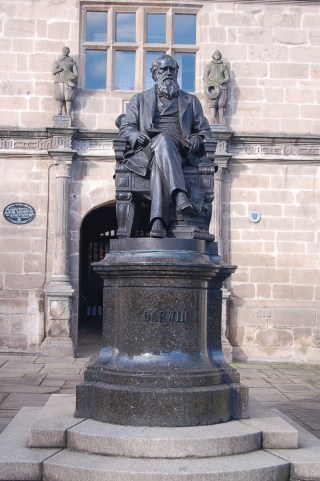
First stop is the school attended by Charles Darwin, where we find a big, bronze statue of the great man himself sat outside, while inside on one of the windowsills is the scratched signature of his brother. The building now houses the town’s public library and this famous graffiti is in between the book cases. Darwin is often described as the town’s most famous son, but he is more than that. The most intelligent person ever to have lived for example?

DSC_0006

DSC_0008

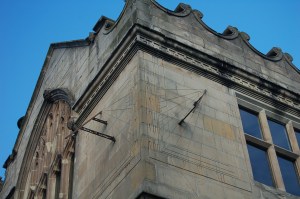
The building displays interesting detail in its stonework and a wonderful big sundial with two faces sits astride the one corner.

DSC_0011

DSC_0017

DSC_0016

DSC_0015

The cobbled lane leading to the library is overlooked by an interesting row of town houses and a beautiful gateway.

DSC_0019

DSC_0018

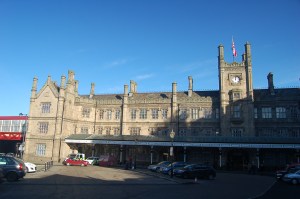
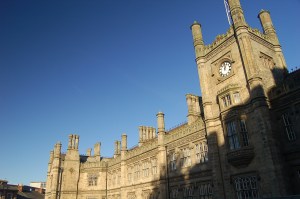
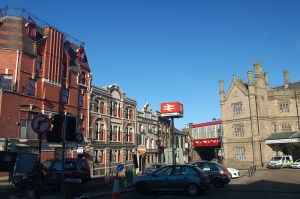
We walked on down Castle Street towards one of Shrewsbury’s most photographed buildings. It appears in many books about railways and about the Victorian era. The railway station. How can a railway station look so good?

DSC_0061

DSC_0071

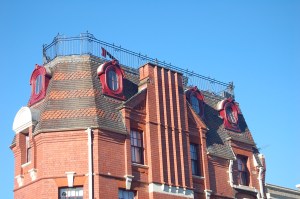
To the left of the station forecourt we spotted a real “Mary Poppins” balustraded roof garden constructed in wonderful shades of red.

DSC_0062

DSC_0063

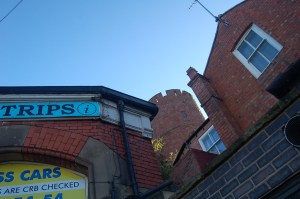
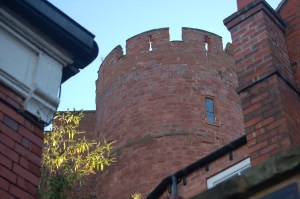
From the railway station we see hints of the castle, so we made our way towards it.

DSC_0067

DSC_0069

DSC_0103

DSC_0093

DSC_0102

DSC_0094

DSC_0110

DSC_0111

As we walked around this small corner of Shrewsbury town little details attracted my eye and my camera lens.

DSC_0074 DSC_0078 DSC_0079 DSC_0082 DSC_0080 DSC_0084 DSC_0091 DSC_0097 DSC_0100 DSC_0105

Categories
architecture buildings conservation Shropshire South Shropshire

Rural Shropshire – Architecture Old and New

 DSC_0122nb

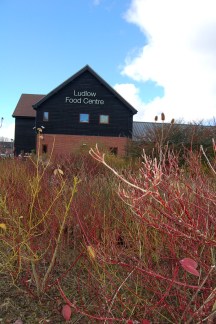
Visitors come to Shropshire for its wonderful countryside, beautiful old market towns and for the peaceful atmosphere. Rural areas of Shropshire are dotted with old farms with ramshackle buildings, barns, cattle biers, cottages and farm houses, but there are isolated examples of good modern architecture. The Ludlow Food Centre provides a good example of this based around old farm buildings and a row of cottages but given a new use and so a new lease of life.

I have always liked their sign seen in the photo above, with the simple representation of fields in natural colours. Sadly recently it has changed to just lettering which is nowhere near as interesting.

There is now just the row of cottages left which have been renovated recently and  are lived in once again. The walls show an attractive combination of brick and wood and the chimneys are most impressive.

DSC_0116


DSC_0118

DSC_0119

DSC_0120

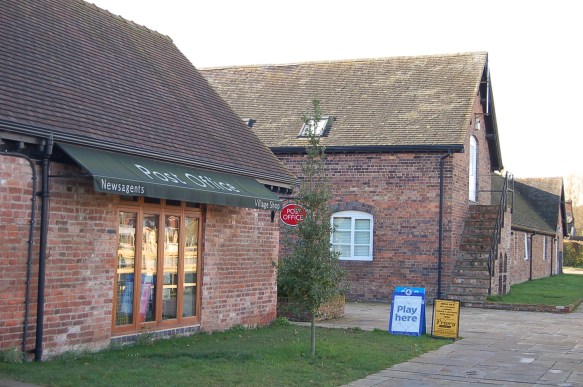
Behind the cottages is the new Food Centre and Garden Centre and these sit alongside a coffee shop and post office in old farm buildings. They have certainly been given a new lease of life. Needless to say we visit the coffee shop whenever we are close by.

DSC_0115

  DSC_0130

SAMSUNG

SAMSUNG

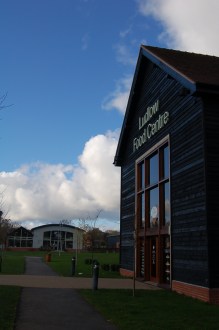
The Food Centre itself is housed in a building that reflects the property’s farming past, with a huge entrance reminiscent of the old barn doorways that allowed loaded carts through and it is clad in darkly painted wood a popular finish for old farm buildings especially barns. Inside local food producers, a baker, a butcher, cheese maker etc, sell their wares and glass walls allow visitors to see food being made and packed before they decide to purchase.

DSC_0123

At the side of the food centre a naturally planted wildlife pool with colourful shrubs enhances the peaceful atmosphere here.

DSC_0127

DSC_0128

DSC_0129

The new plant centre is housed in a new building built just as you would imagine a new upmarket barn would be built. Modern materials are used in a traditional building style. Beautiful local products such as metal sculpture are displayed inside alongside organic gardening fertilisers, bird feeding equipment, books and a rich mixture of gardening sundries. All very tempting! Out back can be found a plant nursery.

DSC_0114

Categories
photography Shropshire

Shropshire Architecture – Part 1. A Taste of Ludlow

This series of posts all about architecture in Shropshire is in response to a challenge after a fellow blogger’s request for some photos of architecture. So Margie, if no-one likes these it is all your fault! Only joking!

A morning in Ludlow to visit a craft exhibition in which our daughter was showing her silver jewelery (see earlier posting), afforded us a few hours to walk a few of the narrow streets of this South Shropshire market town. This is a taste of some more detailed posts to come both of Ludlow and other towns and villages of our county.

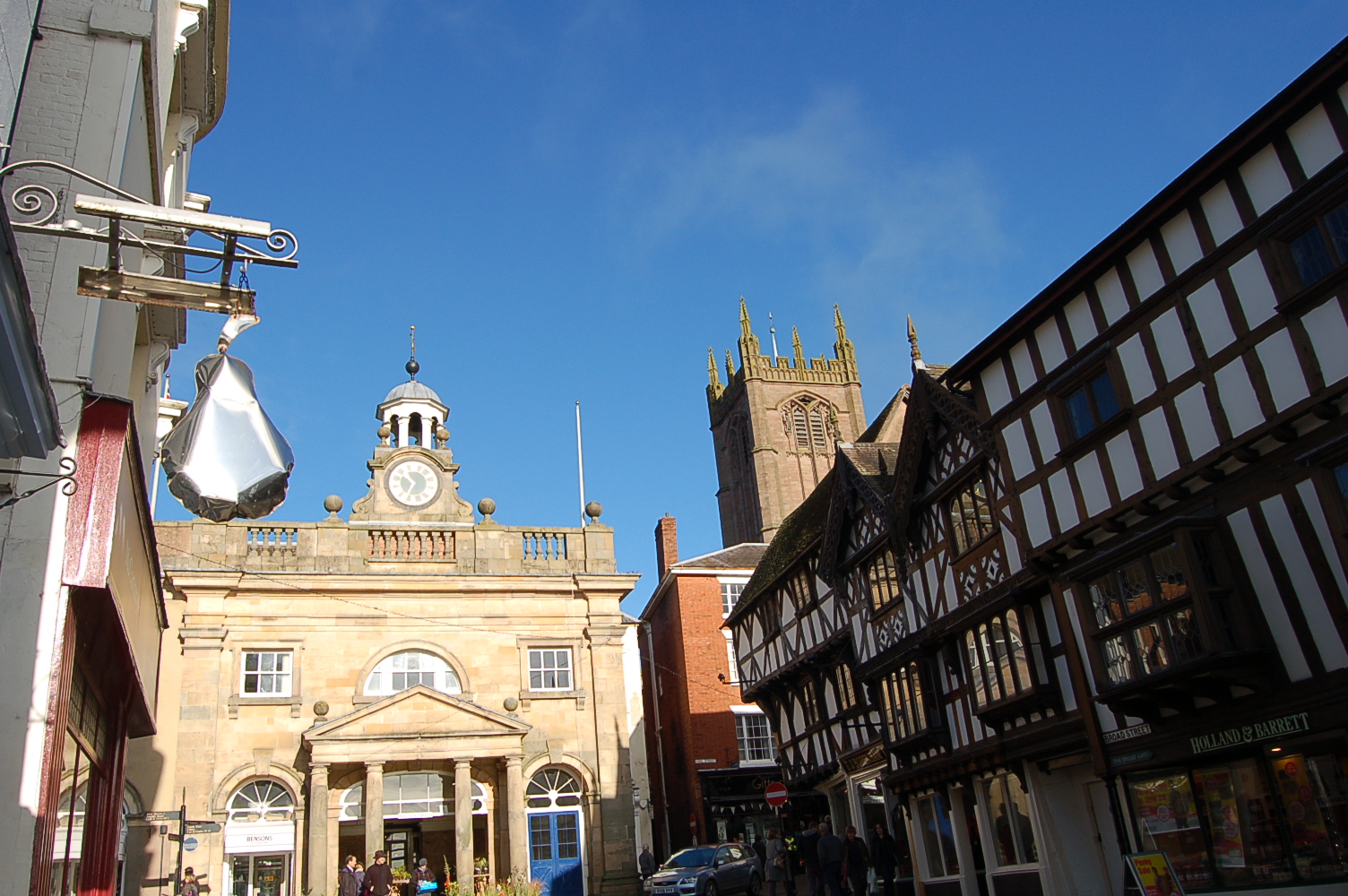
A “taste of Ludlow” means different things to different people. For foodies the first ideas to spring to their minds, or stomachs, will be the number of restaurants with Michelin Stars and Egon Ronay mentions. Ludlow to many is the capital city of food, bettered only by London. But it is only a small market town. To historians and the architecturally minded it would be the buildings that popped up. Ludlow is well-known for ancient buildings going back in history for centuries. The streets boast a juxtaposition of styles and ages. Facades hide older gems.

Ludlow was the UK’s first town ever to be designated a “Slow City”.

Saturday is a busy time for the streets of Ludlow so most of these pics are looking up to avoid traffic and people.

The most important building in Ludlow though is really the Orvis Store where us fishermen can buy our fly fishing gear.

Most streets here are steep, some very steep! It is so lucky that there are lots of coffee shops as well as gourmet restaurants.

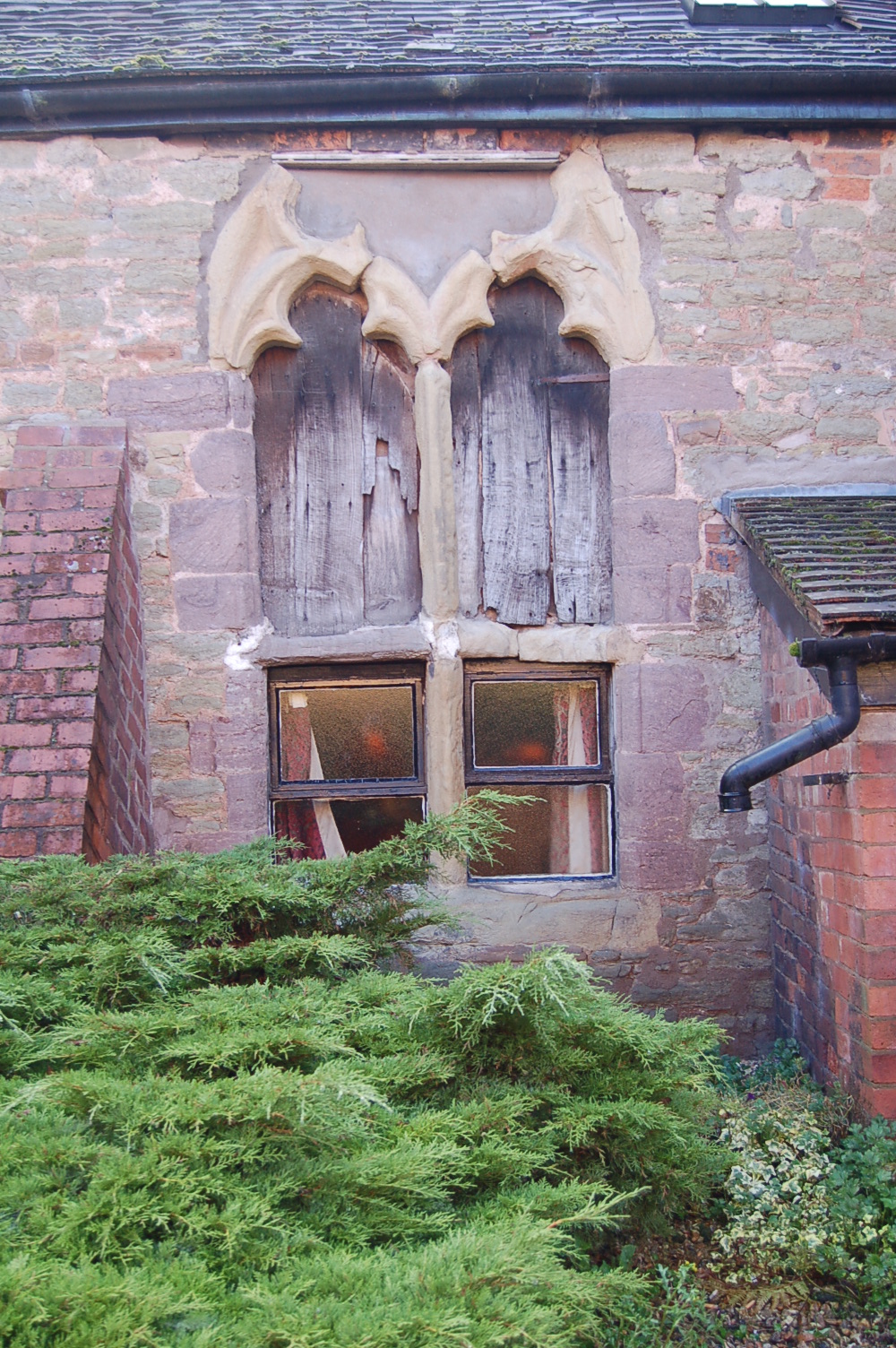
Here is a fine example of Ludlow’s hidden gems. This ancient window and patch of wall sits inside a much later building.

To most people especially calendar designers, holiday tour operators, the writers of gazeteers of the towns of England and TV crews, Ludlow is known for this one old building. The Feathers Hotel is featured in so many books and magazines. The path opposite it is worn away by the feet of photographers! It is pretty good but there is so much more!

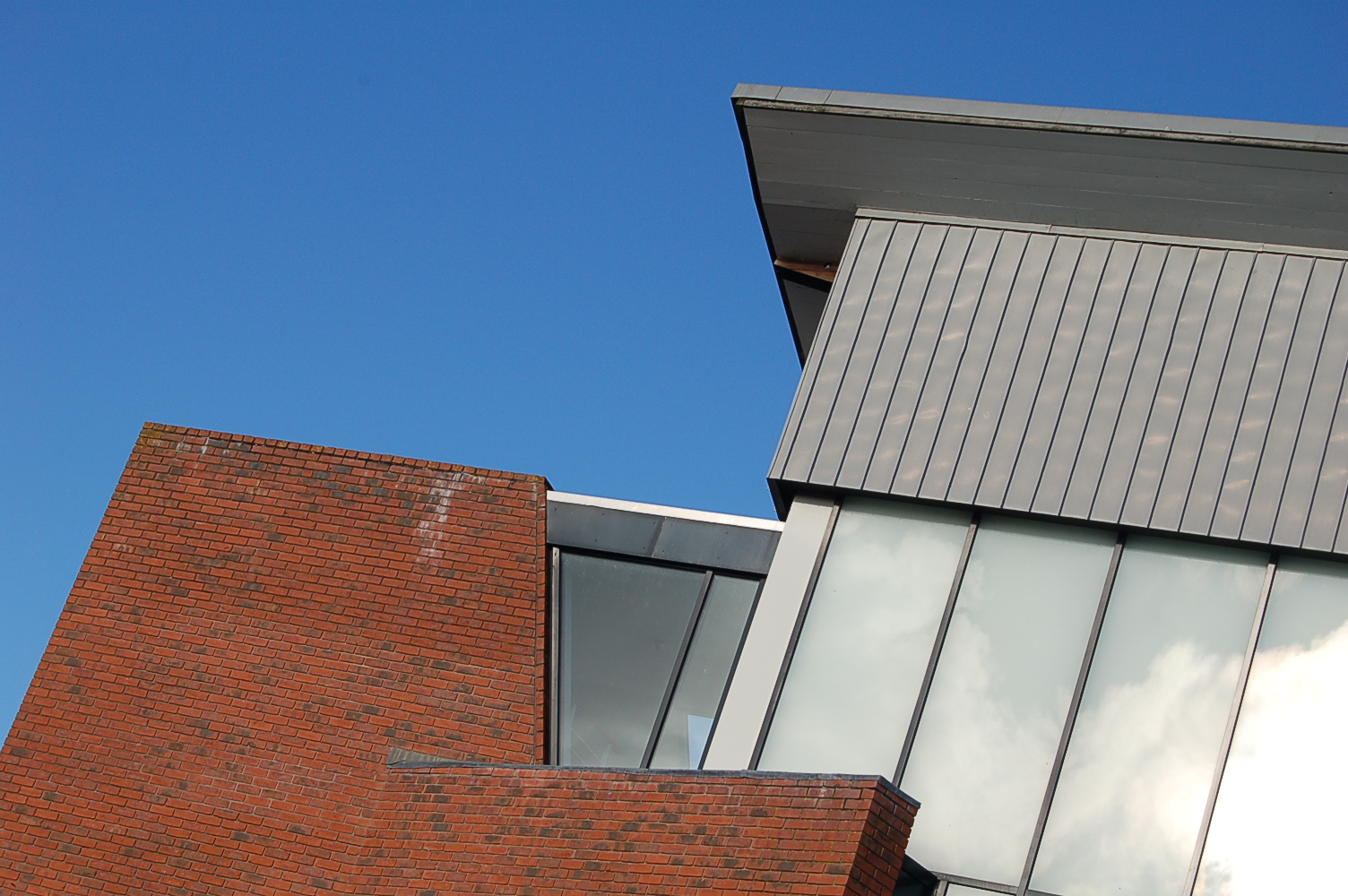
There is even the odd modern piece of corporate architecture hidden away behind the historic street frontages and away from tourists’ glances. The new library and museum building is impossible to find, signed from nowhere but quite a handsome building of its type.

Ludlow architecture holds little details to delight the photographer’s lens. Just look through open gateways and up alleyways and there they hide.

And so I can only hope this little taster showing the variety that exists within the architecture of Ludlow will leave you wishing for more. If not there is more on its way anyway! I am thinking “Gates, Doors and Windows”, “Little Details”, ……………

Categories
bird watching birds landscapes nature reserves Shropshire Wildlife Trusts

Bracken and Bilberries – Part 3. The Easy Walk at Stiperstones

In Shropshire we are lucky to have a few paths in nature reserves that are designed for visitors with mobility issues. The ones we have tried out are excellent, but the best we have experienced so far has to be the walk at Stiperstones. We tried it out when I was suffering with my spine and leg pain and followed the trail on crutches.

The route has been well chosen taking in many of the important features of the reserve and has a few useful information boards along the way. There are many resting places, some with wheelchair space alongside a bench for able-bodied companions. On our walk we were impressed with the design of seats for crutch/walking stick users. In actual fact seat is not the correct term – they were really like perches with backs all just at comfortable heights. Simple wooden construction makes them look like a section of fencing but they proved to be quite comfortable.

Every point of interest and each special viewpoint seemed to have a resting place perfectly sited.

The pathway and its resting places gave good close up views of many wild plants which sparkled in the low light of setting autumnal sun.

Alongside the track we came across a small patch of woodland being used for pheasant rearing. The local finch population had cottoned on to the value of this woodland and the easy food source. There are so few trees on the Stiperstones that this group of trees must have seemed like an oasis to small birds. The feeders intended for the young pheasants were attracting Greenfinches, Goldfinches, Chaffinches and Bullfinches as well as the odd Robin and Blackbird.

This was a surprisingly interesting and enjoyable walk so well done to whoever designed and built it. It combines easy access with features to view and plenty of info.

Categories
birds colours gardens open to the public Land Art National Trust outdoor sculpture photography Shropshire The National Trust trees wildlife woodland

Woodland – Mother Nature as Artist, Sculptor, and Scribe.

A winter wander around our local woodland patch within the grounds of the National Trust’s Attingham Park got off to a strange start. Expecting the cold weather to have restricted visitors to a few hardy souls, we arrived to see the main car park full, all overflow parking fields full and lots of extra parking also filling up rapidly.

We had arrived just after the start of their first Christmas related event – The Frost Fair. Bad planning! However the woodlands were quiet, the only sounds following us around were the songs of small and squeaky birds, Coal Tits, Treecreepers and Goldcrests.

DSC_0037

The event we searched out was the art exhibition of the works of Mother Nature. She was her usual brilliant imaginative self.

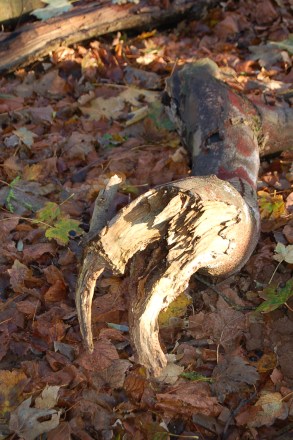
Her woodcarving looked freshly made and full of texture and colour.

DSC_0017

This piece looks to be based on the shapes of a crab’s claw.

DSC_0034

DSC_0022

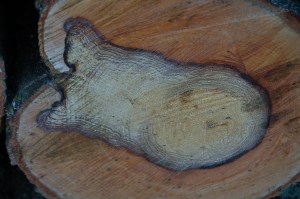
Drawings on the cut trunks of a diseased Ash tree reminded me of cave paintings.

DSC_0018

DSC_0021


DSC_0020

This triangular land art installation shows Mother Nature working in a more geometric way.

DSC_0025

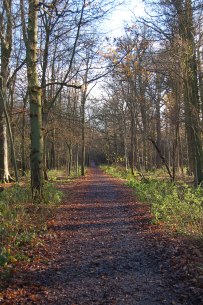
As the woodland path took us deeper in amongst the trees we appreciated the quietness of our footfalls, the quietness of the soft deep pine needle duvet. When it is quiet the subtleties of bird songs and calls are more easily enjoyed. We stood feet away from a Goldcrest feeding on insects he had searched out from the conifer needles with thin probing beak. He suddenly fell to the floor as if dead, or mimicking the gentleness of a falling leaf. He dropped into the fern and bramble undergrowth and stayed there out of sight. Was he feigning death to fool a predator or pretending to be a falling leaf with the same purpose in mind? As we stood silently in awe of what we had witnessed he reappeared vertically up into the branch he had fallen out of. One of those magical moments that two observers of the natural world will never forget! Any idea what he may have been up to?

DSC_0032

DSC_0031

DSC_0035

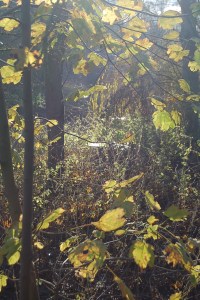
Nature playing with light fascinated us as the sun dropped lower in the thin blue sky lighting up the understory  with golds and oranges.

DSC_0033

DSC_0039

DSC_0044

DSC_0052

DSC_0051

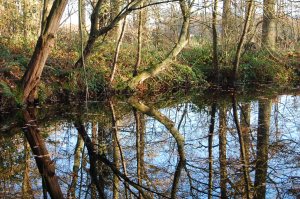
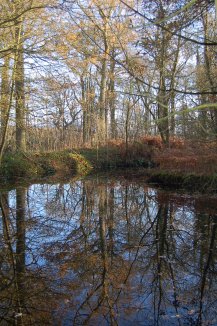
Water, be it a stream, ditch, river or pool, affords nature the chance of playing with mirrors to create illusions and mysteries.

DSC_0042

DSC_0041

DSC_0043

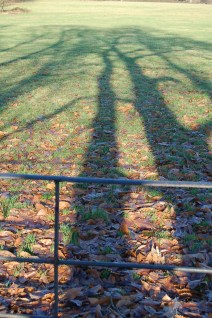
On the land shadows are drawn long and dark. The long tall tree shadow stretches out across the pastureland. My own shadow tried to get in the picture until I managed to persuade it to move into the shadow of one of the tree trunks.

DSC_0023

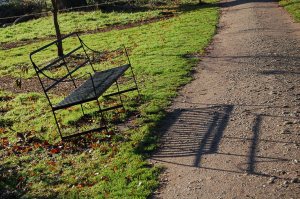
The shadow of the precariously leaning seat crossed our path as we approached the gap in the tall wall that would take us into the productive gardens.

DSC_0026

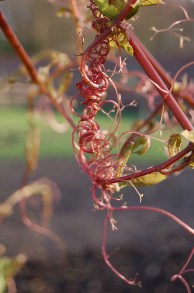
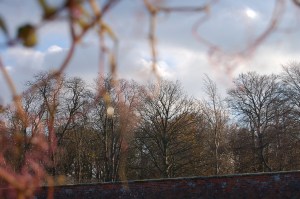
The climbing, curling tendrils of this vine glow pink and red in the sunlight, forming a natural frame for the filigree skeletons of trees.

DSC_0030

DSC_0029

We greatly enjoyed our visit to the open air gallery.

DSC_0053nbm

Categories
colours jewelry Shropshire

Jo’s Jewellery on show.

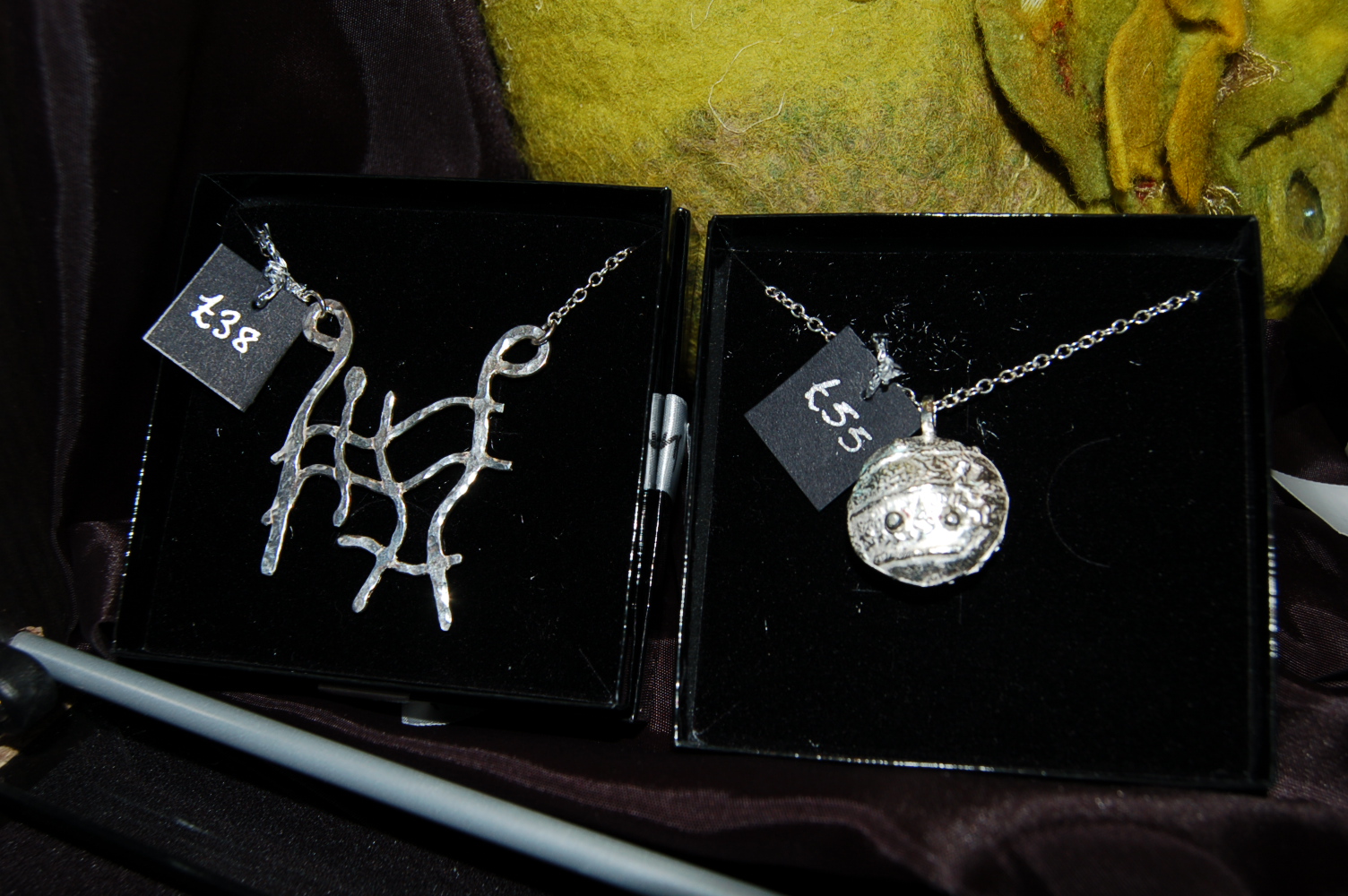
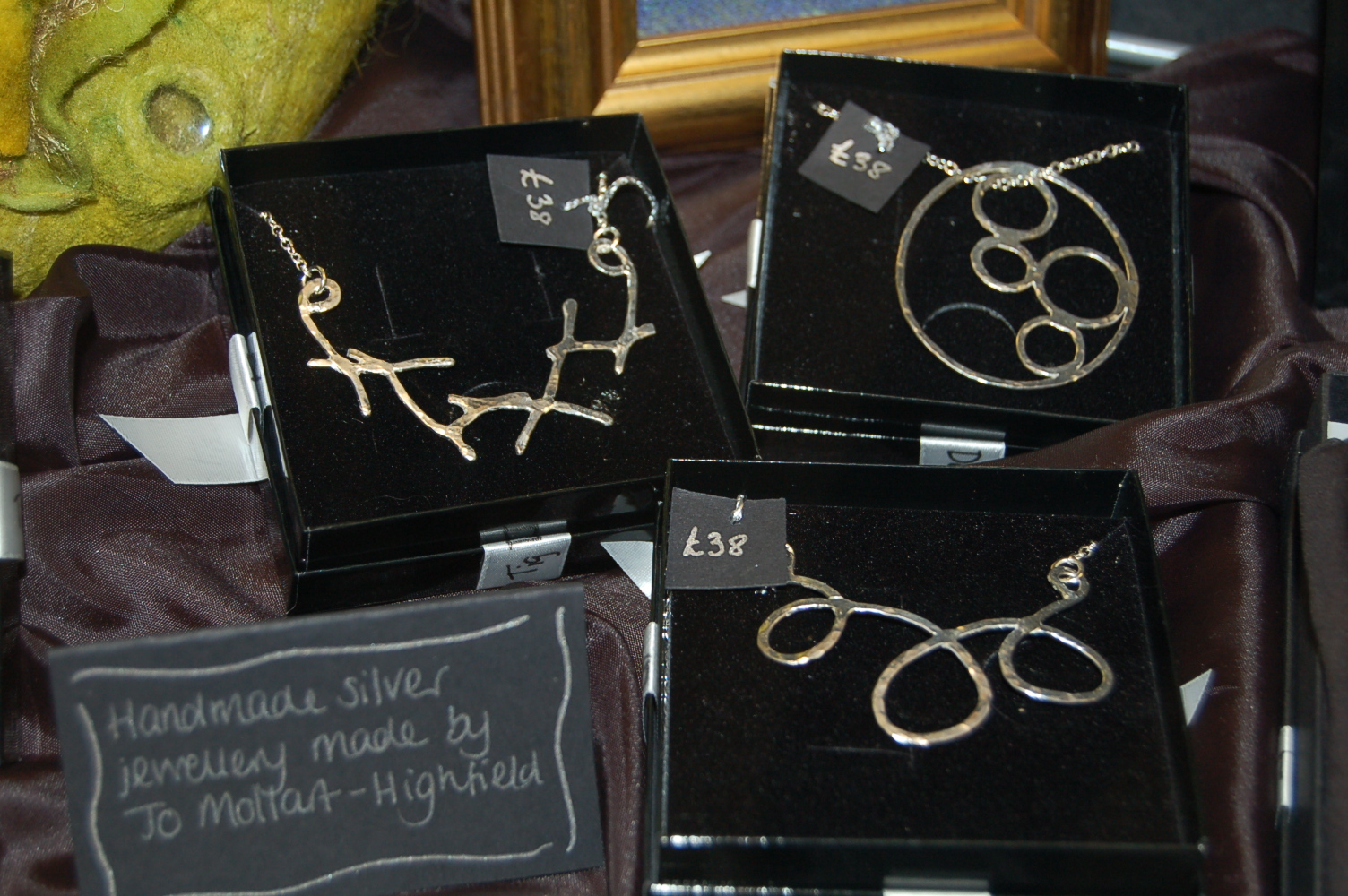
In Ludlow Library our daughter, Jo exhibited some of her silver jewellery, so we trotted along to take a look. Her fellow craftspeople at the Westhope Guild of Contemporary Designers had put on a fine display, showing great skill and creativity. The level of creativity and originality was startlingly impressive.

When we arrived Jo was there performing her meeting and greeting duties.

And here is some of her work ……………..

Check out Jo’s website which is currently being developed by her husband, Rob, www.tigdesigns.co.uk .

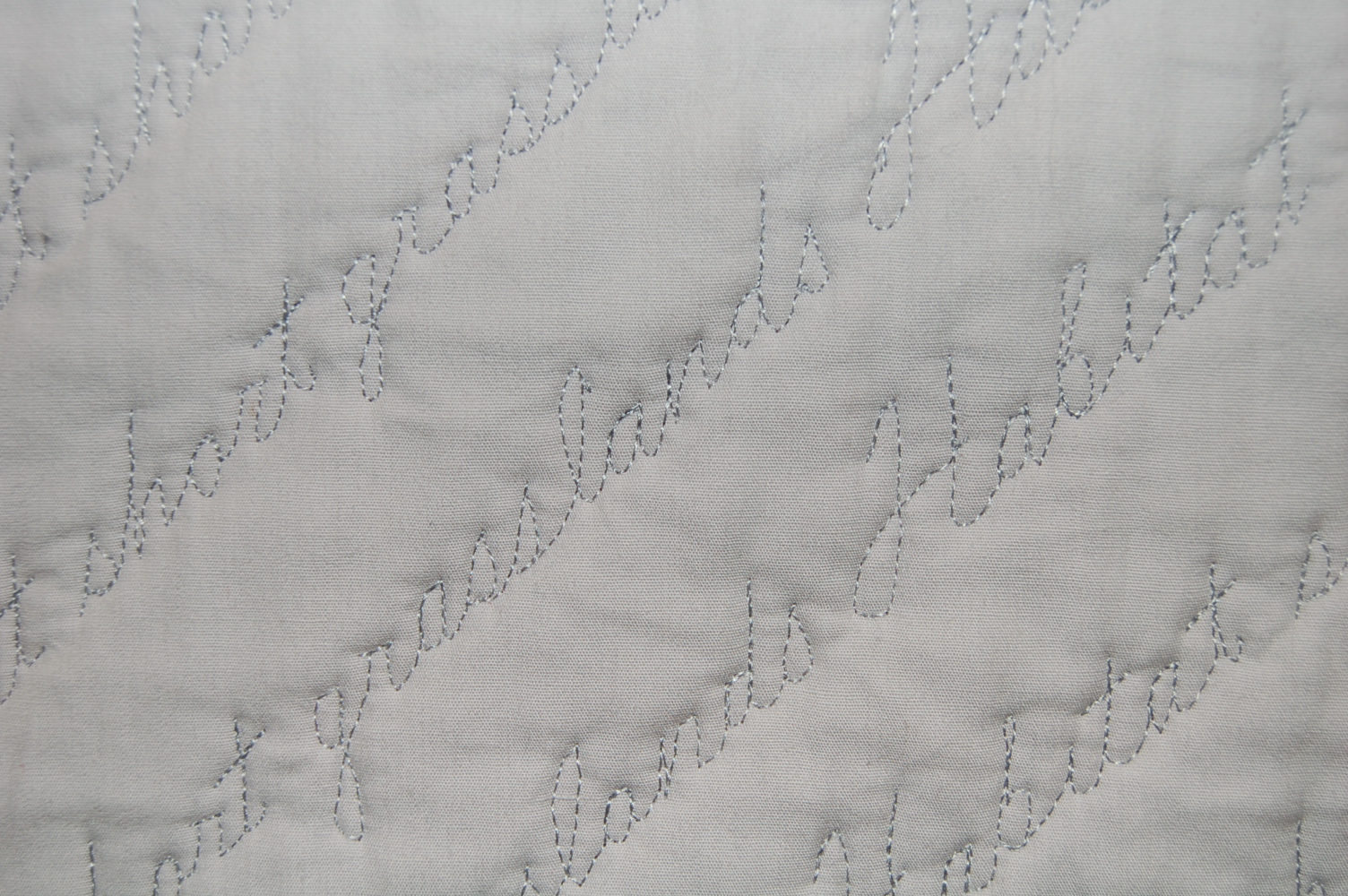
Other members of the group exhibited fabric work full of textures and patterns. I was tempted to take these close-up photos.

Talented bunch!!

Categories
autumn autumn colours climbing plants colours garden design garden photography gardening grasses hardy perennials ornamental grasses ornamental trees and shrubs photography poppies roses Shropshire trees

A Wander Around our Garden in November

This is the penultimate garden wander for the year and what a colourful one it is. The weather has turned cold with daytime temperatures failing to reach double figures and night time temperatures only just above freezing. Some days though do please the camera, with deep blue skies in between storms.

This rich red oriental poppy never fails to impress even this late in the year.

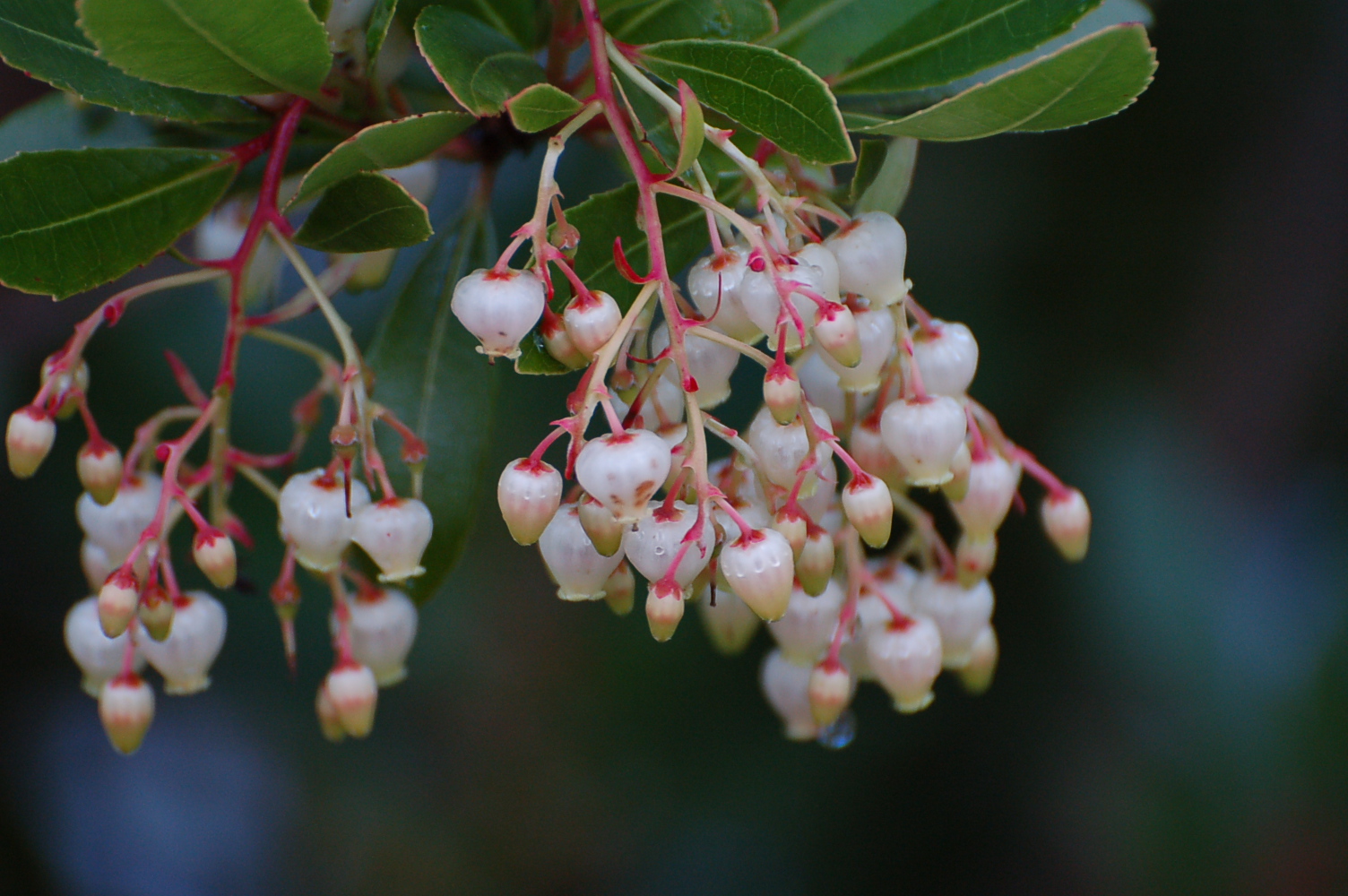
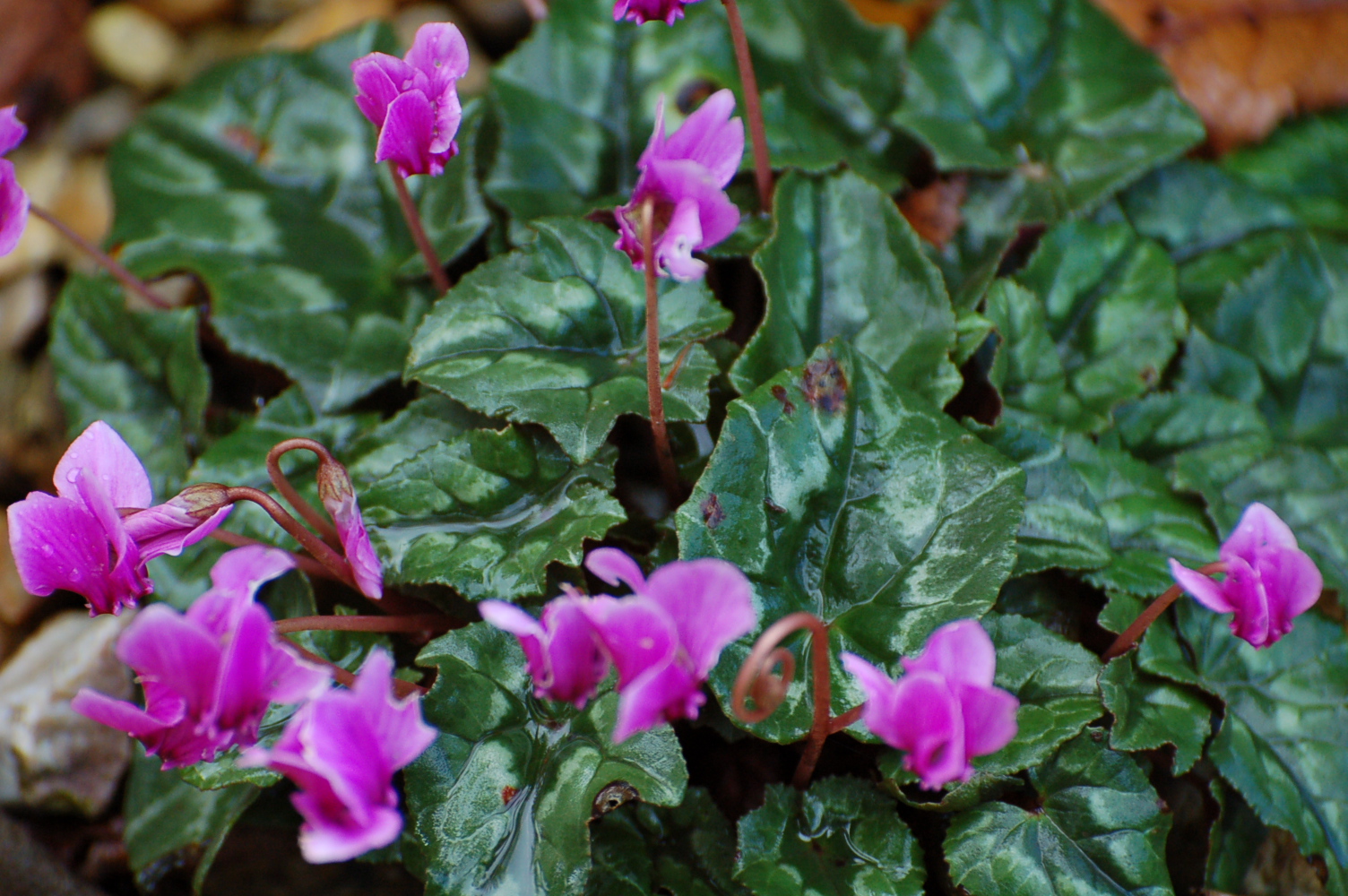
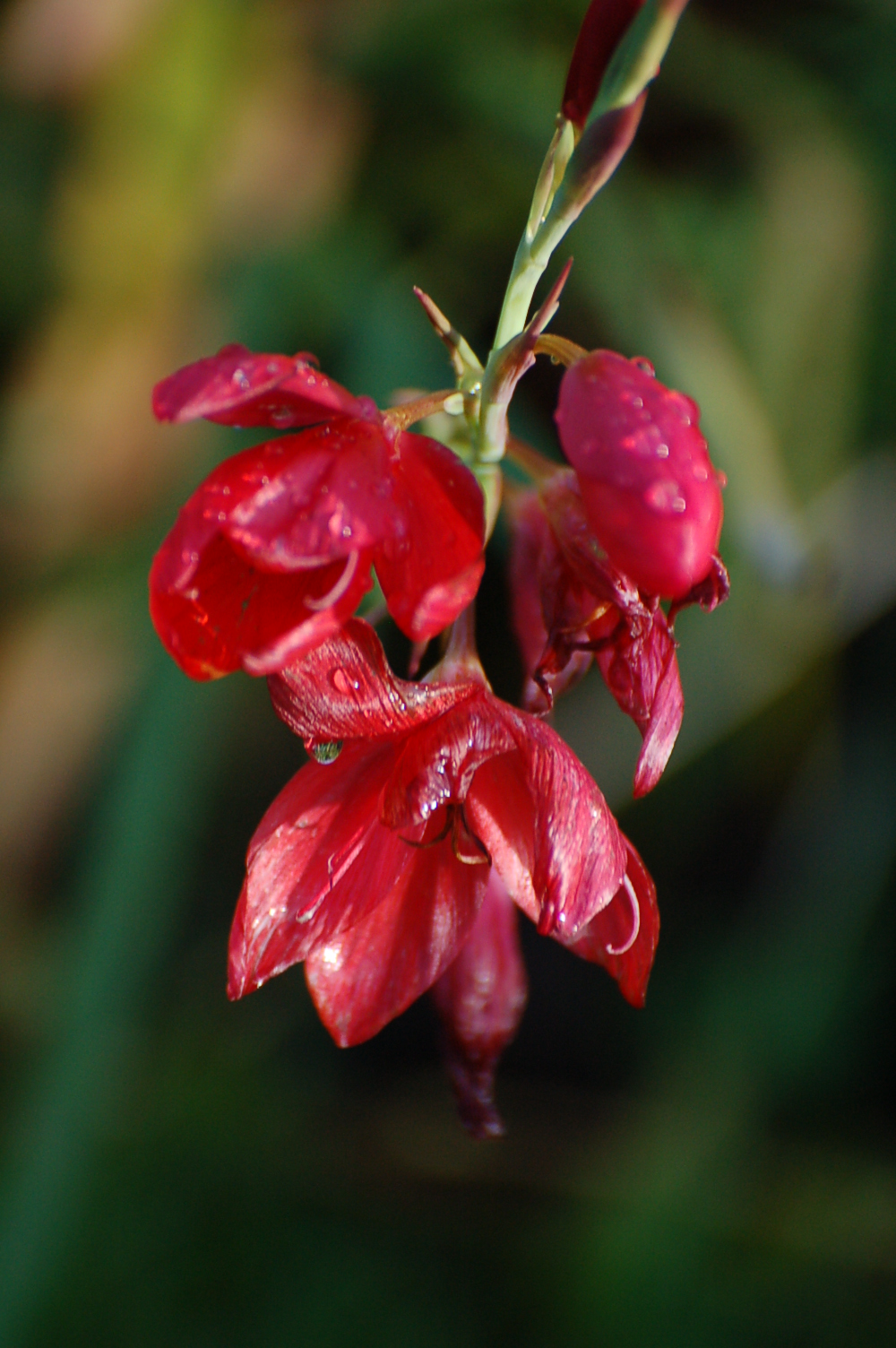
Several of the plants that feature in the November garden seem to sport odd shaped flowers. The Strawberry Tree, Arbutus unedo has flowers that hang like pearly cream bells. Cyclamen hederifolium have curious fly away petals while Shystostylus flowers hang on gently curving stems.

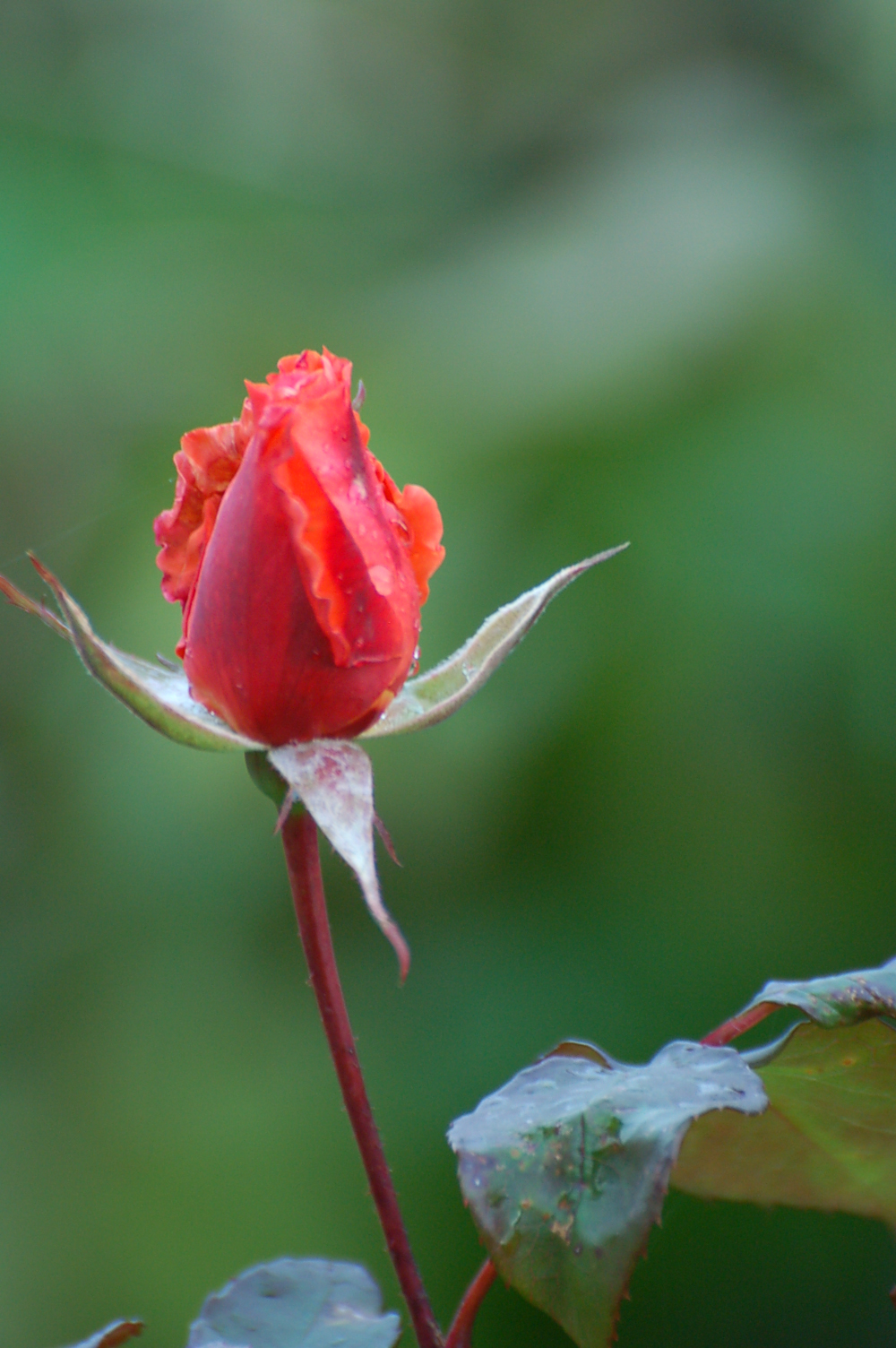
Roses seem to be blooming away giving us brightness for most of the year. Many that started blooming in late May are still flowering now and they are producing buds in readiness to flower right through to the end of the year.

At the moment I pass the wonderfully colourful corner of the Shed Bed, where grasses have coloured up intermingled with the dries flower heads of Eryngium and Agastache. It has to be my favourite November patch in the garden.

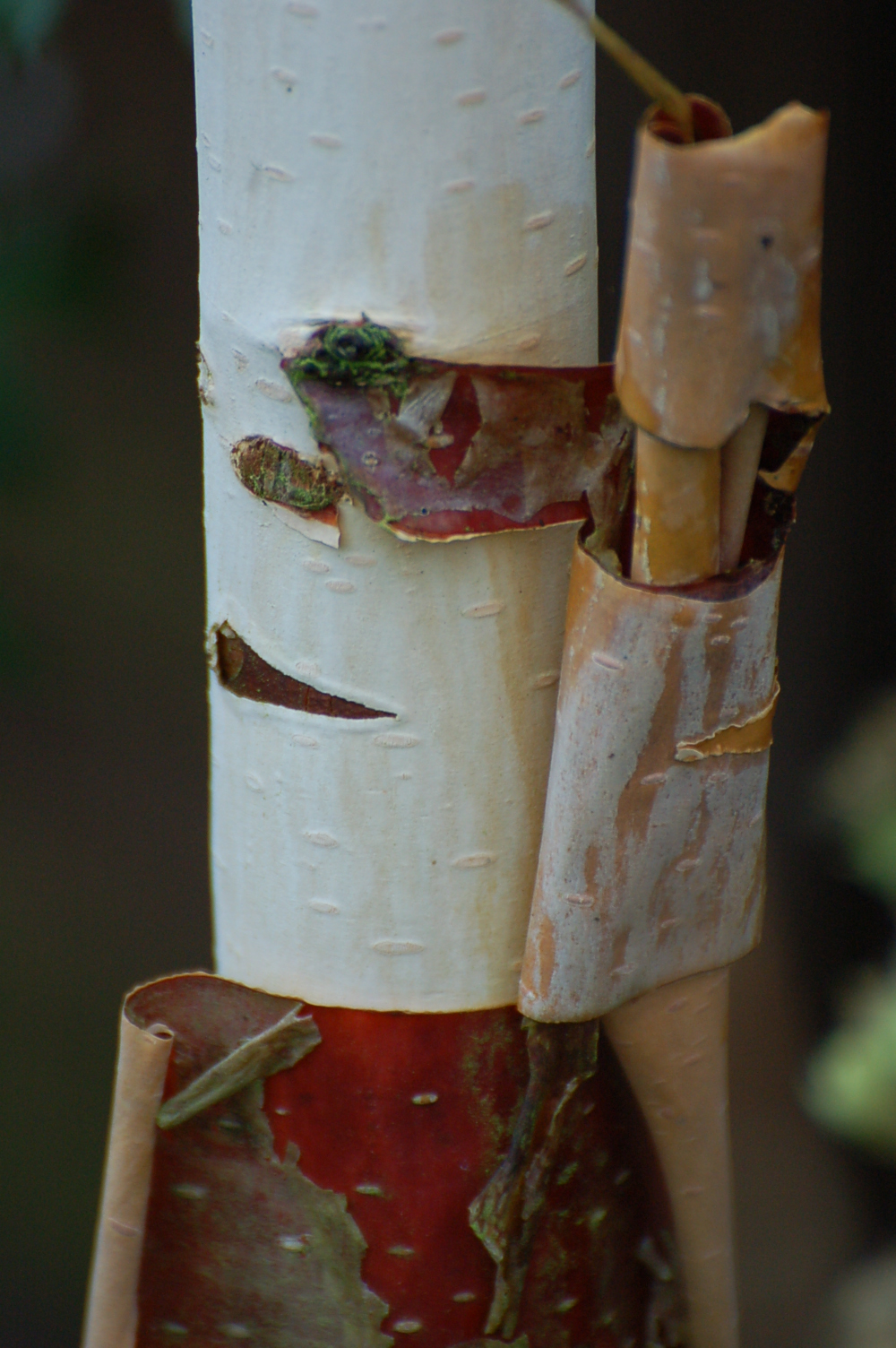
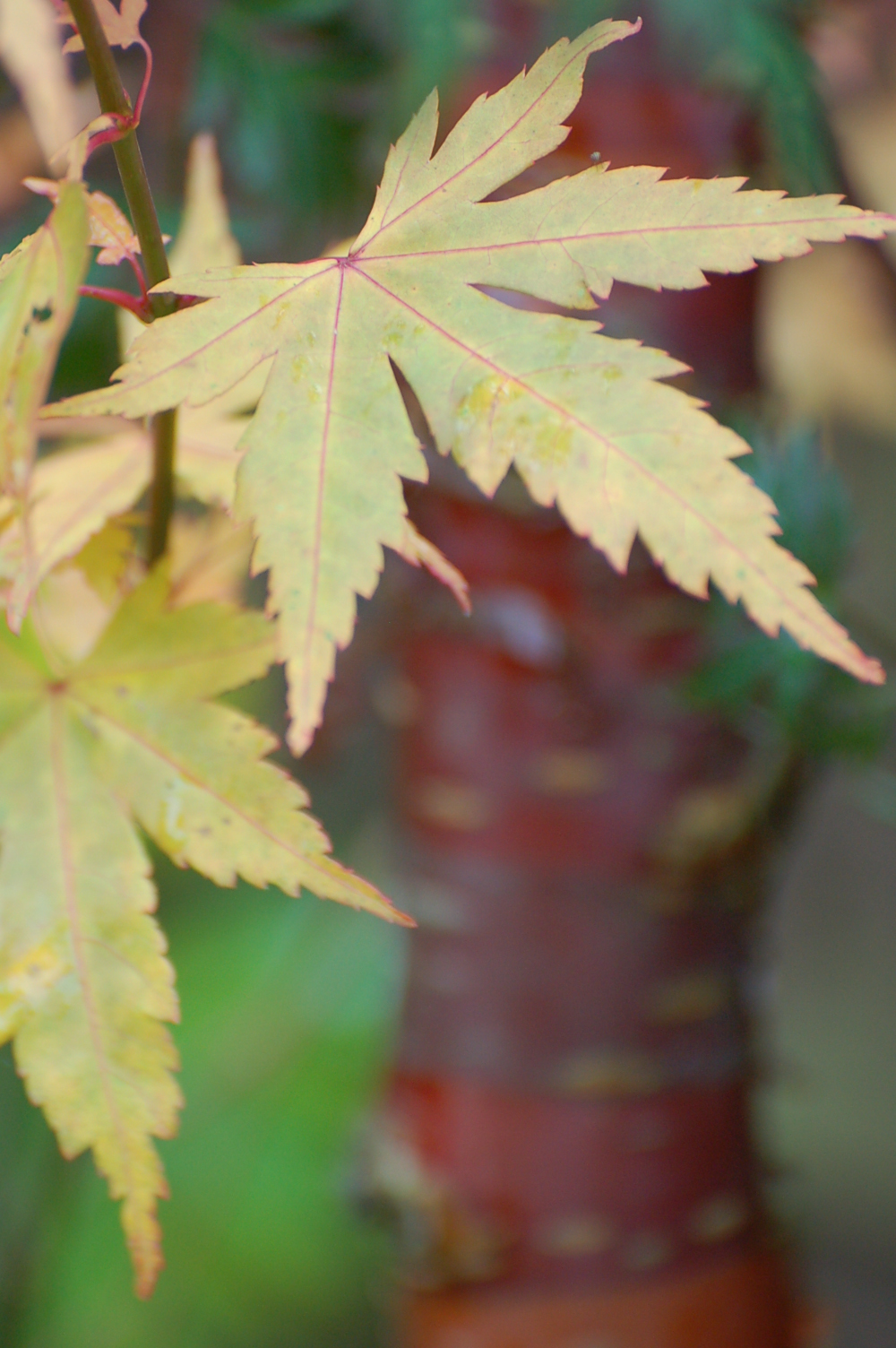
Having passed my favourite corner I pass our trees as I go down to to the bottom of the garden to feed the chicks. Their bark textures and colours change every day. This birch’s chocolate coloured bark is peeling back to reveal snow white smooth bark below, like a white shirt beneath jacket collars.

It seems to be a special year for cotoneaster berries, with every variety covered thickly in readiness for arrival of the winter migrant thrushes.

There is something very special about the freshness of the flowers of the Fatsia, with their creamy, greeny whitish colours. They always look to me as if they should smell of vanilla and be edible!

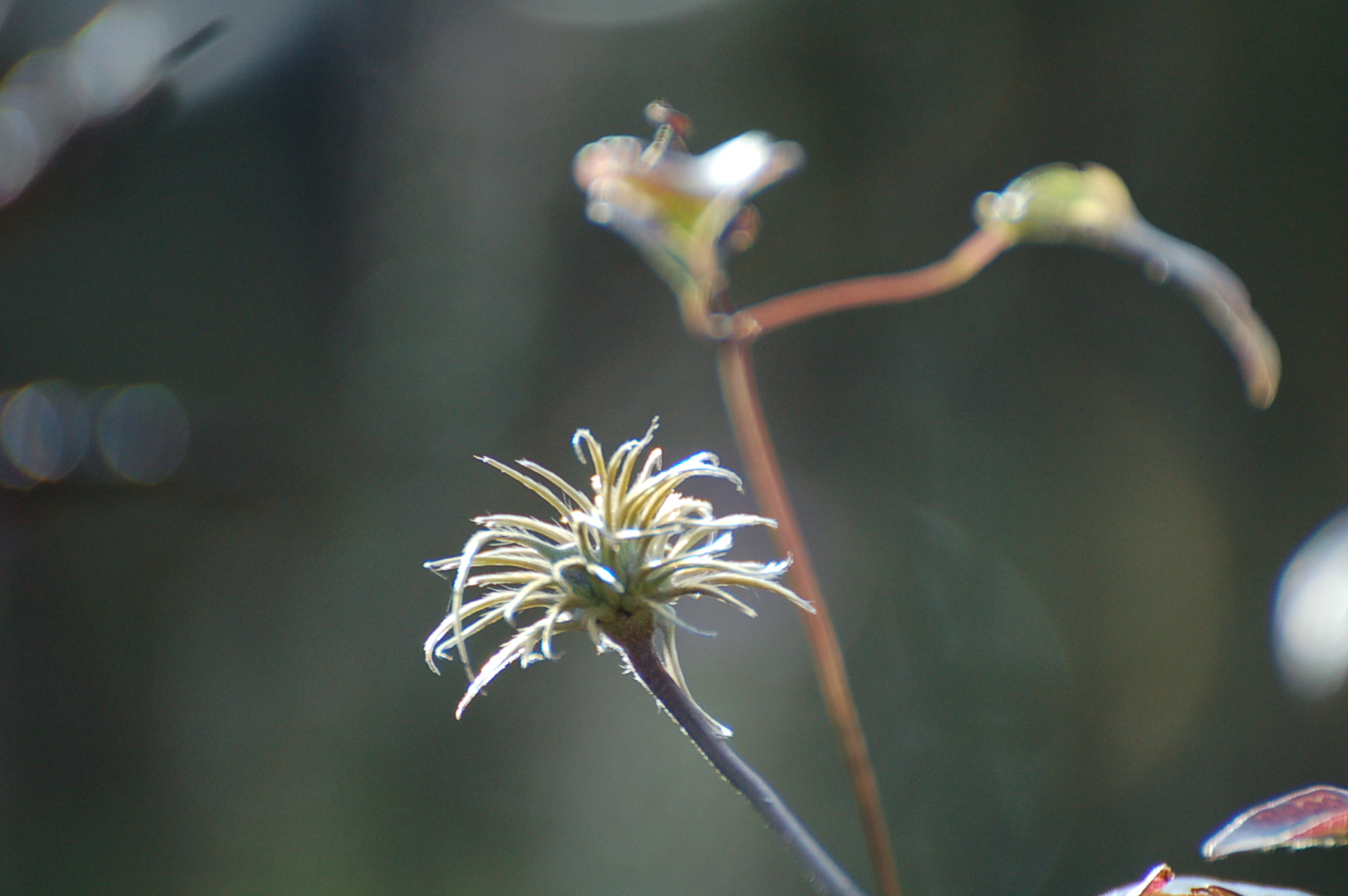
There are difficult decisions to be made in the November garden. Which seed heads to cut down and which to leave for their looks and wildlife value is perhaps the most difficult. How could you possible cut this clematis down when it looks this good? We tend now to leave perennials standing unless or until they fall and become soggy. Once they do this they endanger the lives of the plants they may be smothering. To me the idea of “putting the garden to bed for winter” just doesn’t add up. A garden is for 12 months, all of them

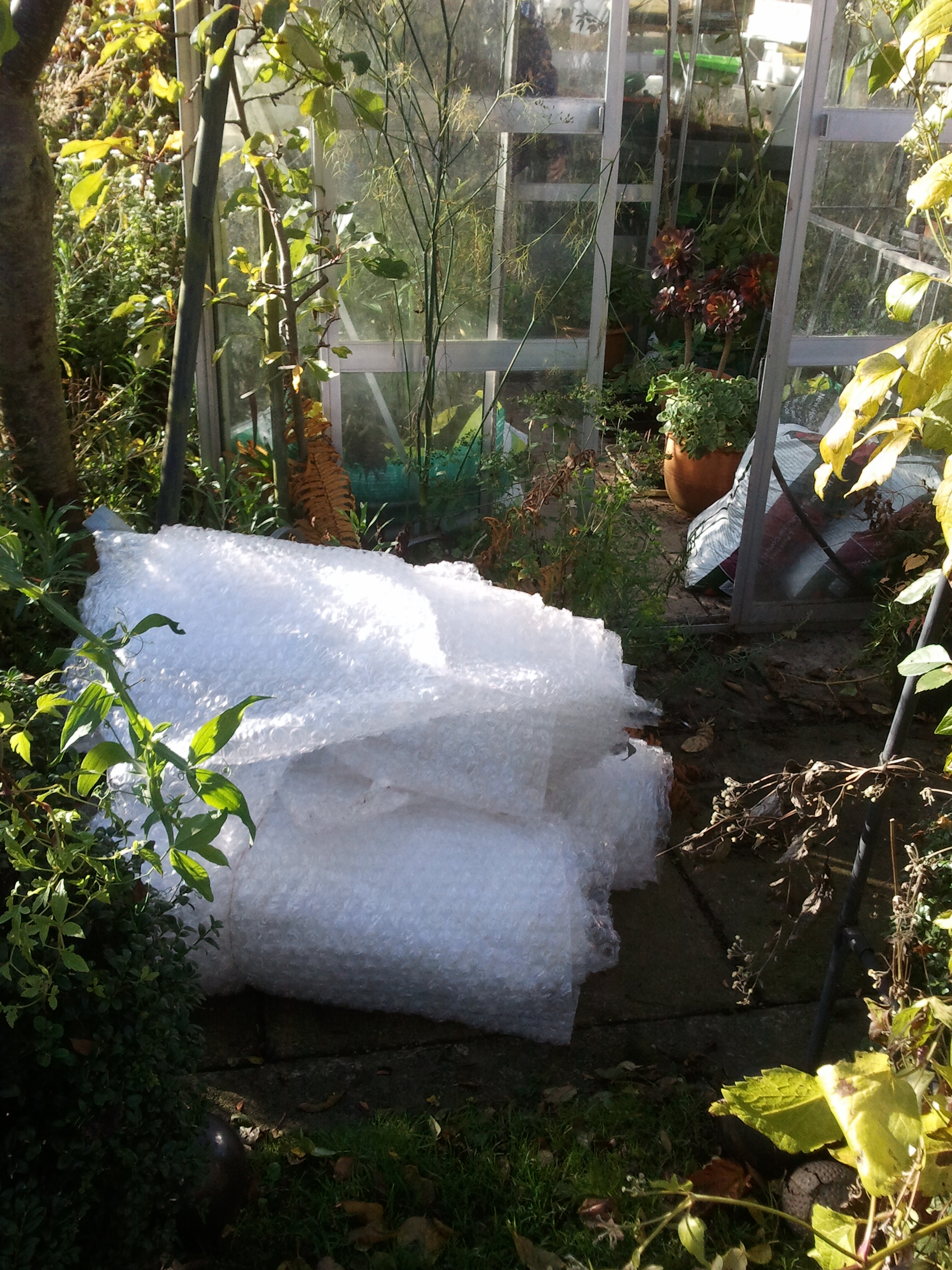
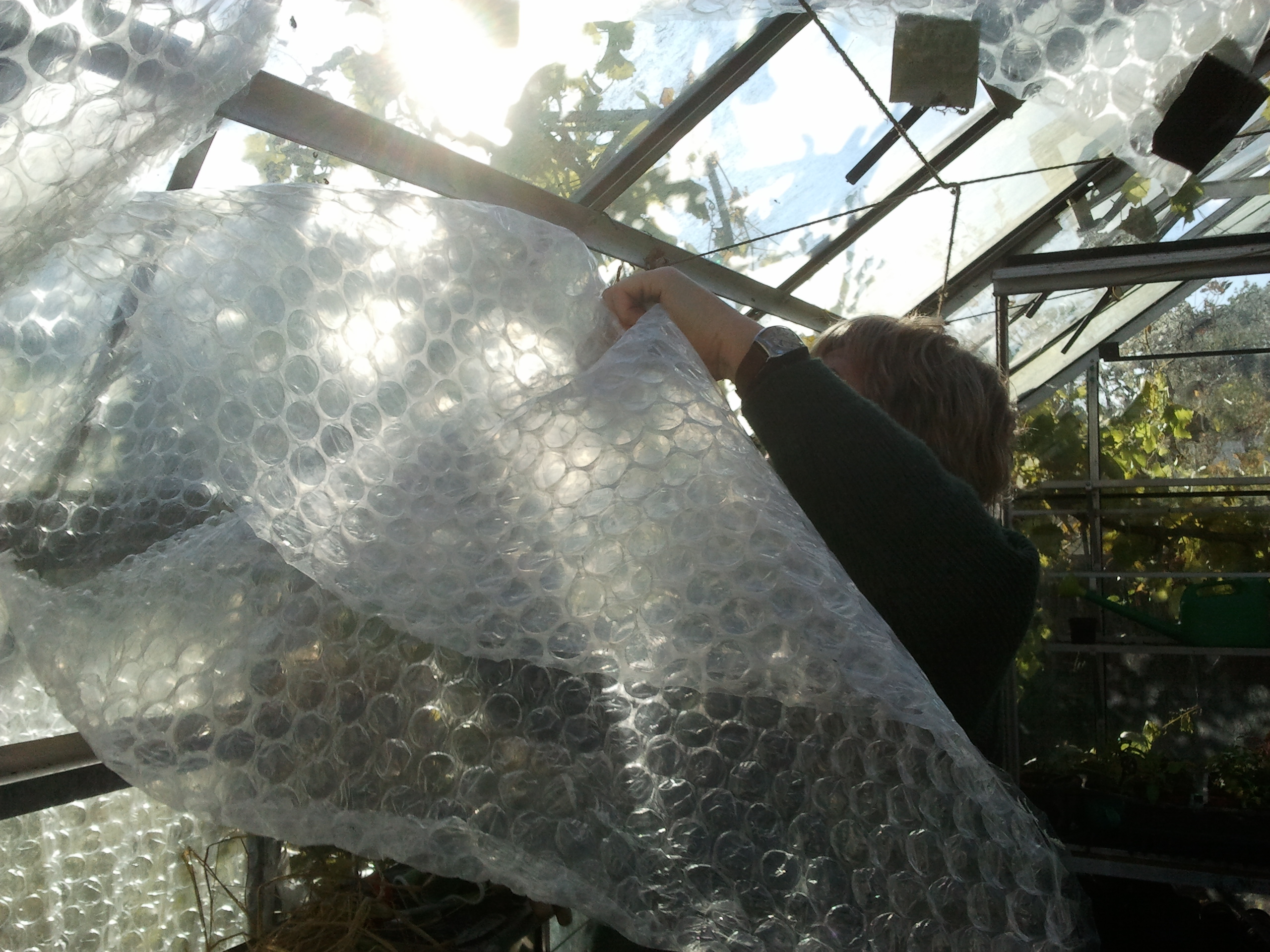
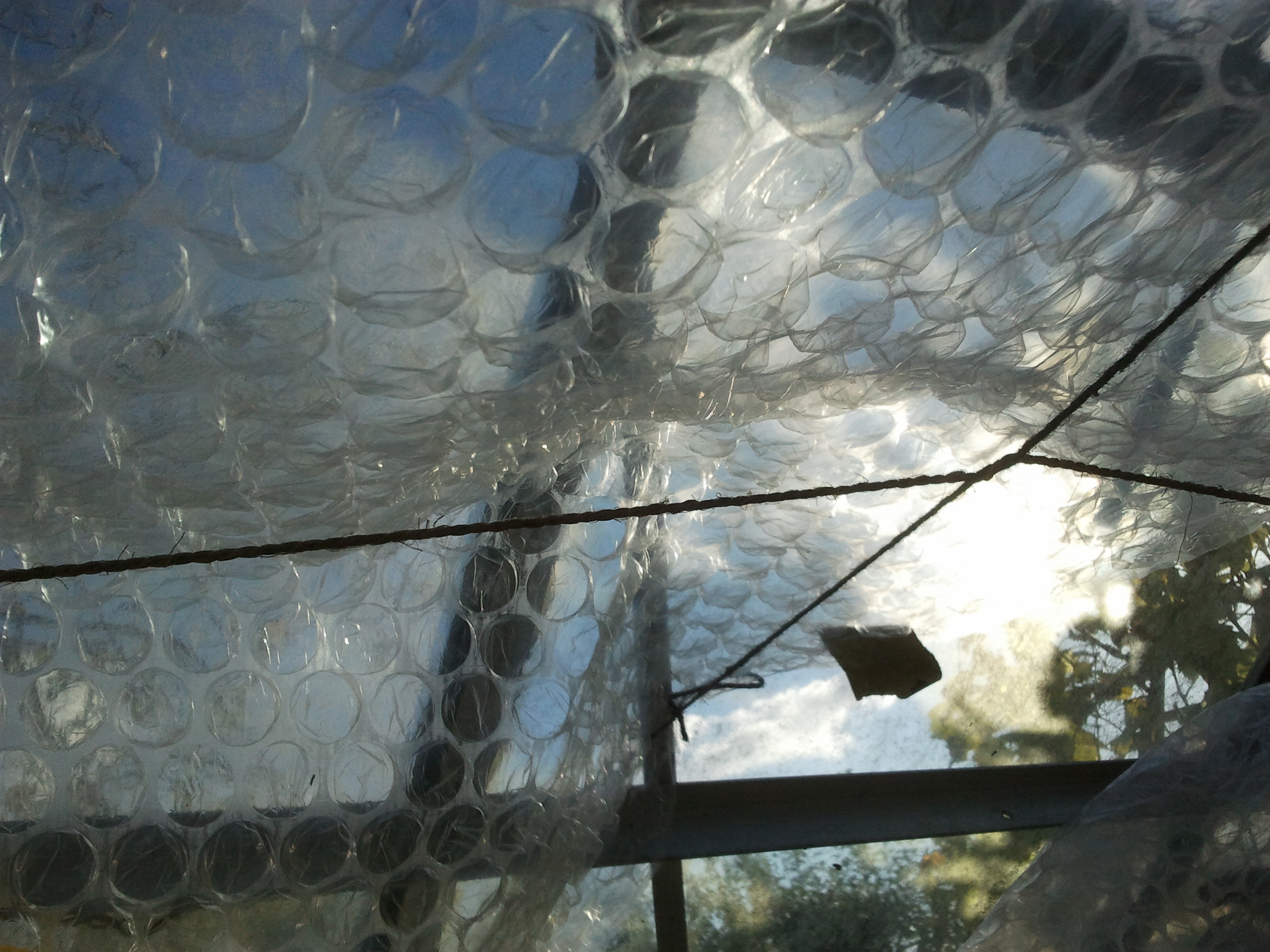
Wrapping the greenhouse in its winter jacket of bubble-wrap is the least favourite of all of our gardening tasks. This Novenber we started on a cold day knowing that as we added the thermal layer to the greenhouse we would heat up as well. But the sun came out and we got too hot. We started off wearing fleece jackets over jumpers but by the time we had finished we had shed both these layers and were down to tee-shirts.

First we collected the rolls of wrap from their summer quarters – the woodshed, and piled them up outside

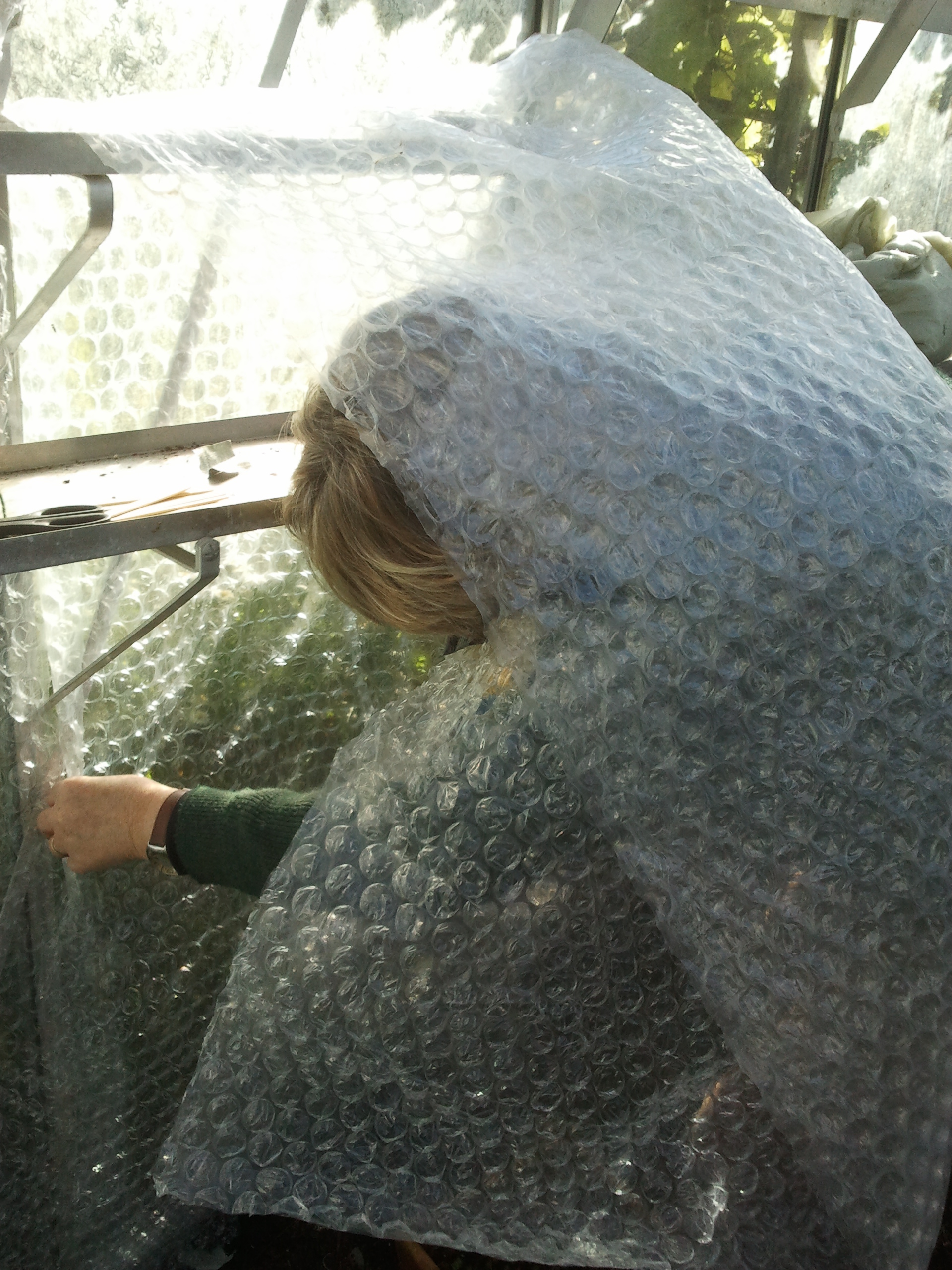
Next we attempted to begin hanging it inside the greenhouse over specially positioned strings and wires. The bubblewrap then attacked Jude, the Undergardener.

Eventually Jude managed to overcome the wrap and get on with the job in hand, lining the sides and then hanging it over strings tied across the roof. Soon the temperature increased.

I hope these plants appreciate it!

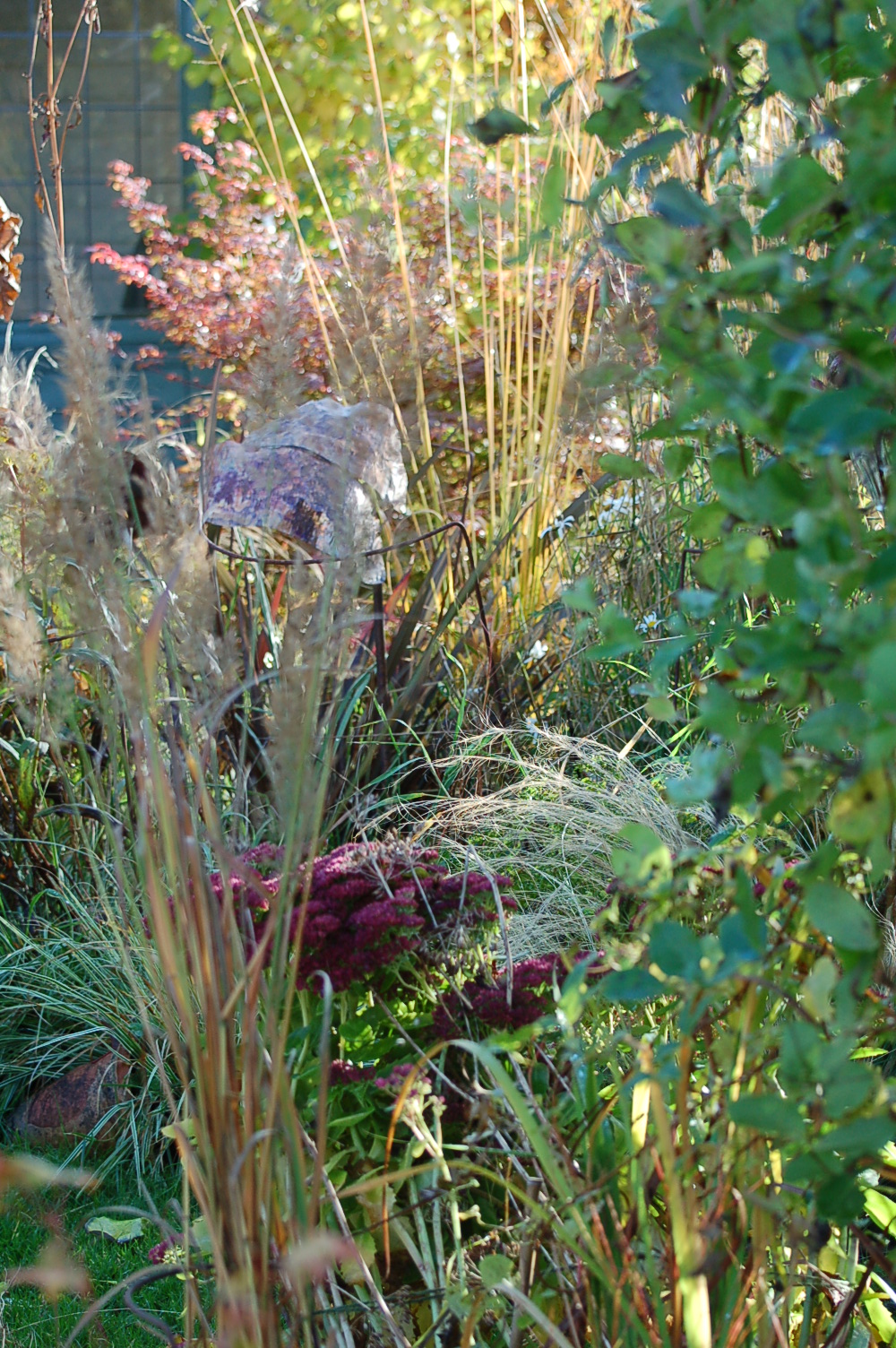
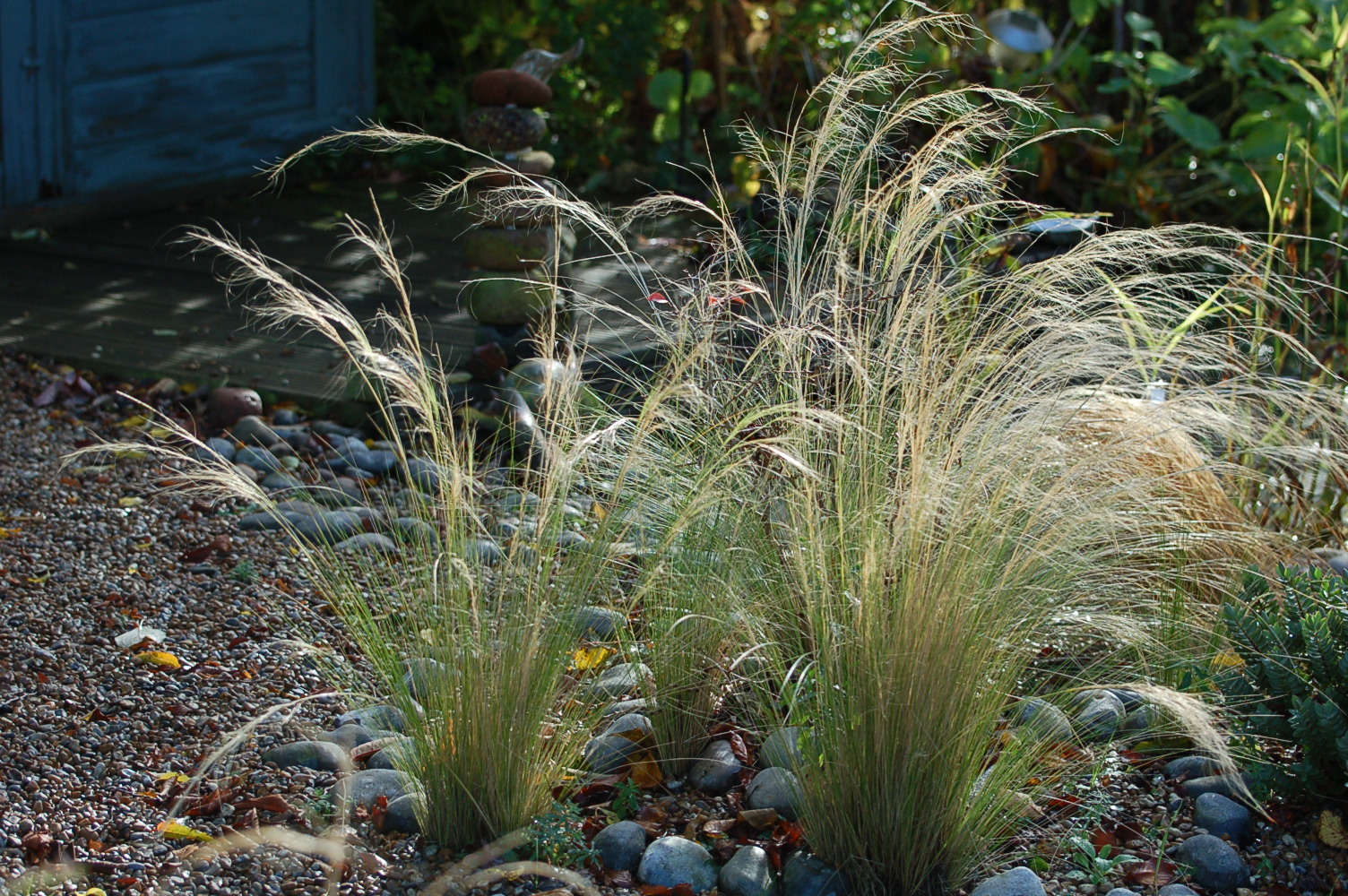
Let’s us finish our November wander with a couple of richly coloured beautifully lit views across borders, and a quick look across our borrowed landscape.

Categories
autumn autumn colours bird watching birds landscapes nature reserves photography Shropshire shrubs wildlife

Bracken and Bilberries – Part 2. The Stiperstones

As promised in the post “Bracken and Bilberries – Part 1” here now is a post about the Stiperstones, the ridge of hills that begins close behind our home and runs down towards the south of the county. It has been a long time since we climbed this rugged landscape, even though it is so close to home. My disabilities with spine and leg troubles coupled with  breathing problems stop me doing such things very often but I set myself a target each year to tackle something crazy! Climbing the Stiperstones was this year’s challenge.

The walk up to the ridge is a steep but wide grass path, shorn short by the resident ponies and cattle. From the gate at the bottom it looks a long way up. It looked even longer when we realised that we had left our flask of coffee at hom!. It was a bright day but there was a cold biting wind so we wrapped up well and set off. It looked much brighter than the day when we recently tackled the walk along the Stapeley Hill ridge.

Our green trackway through bracken was suffering from erosion from recent heavy rains which seem to come each autumn now. New drainage gulleys cross our path which mark an attempt to secure the surface more effectively when feet walk heavily over sodden turf.

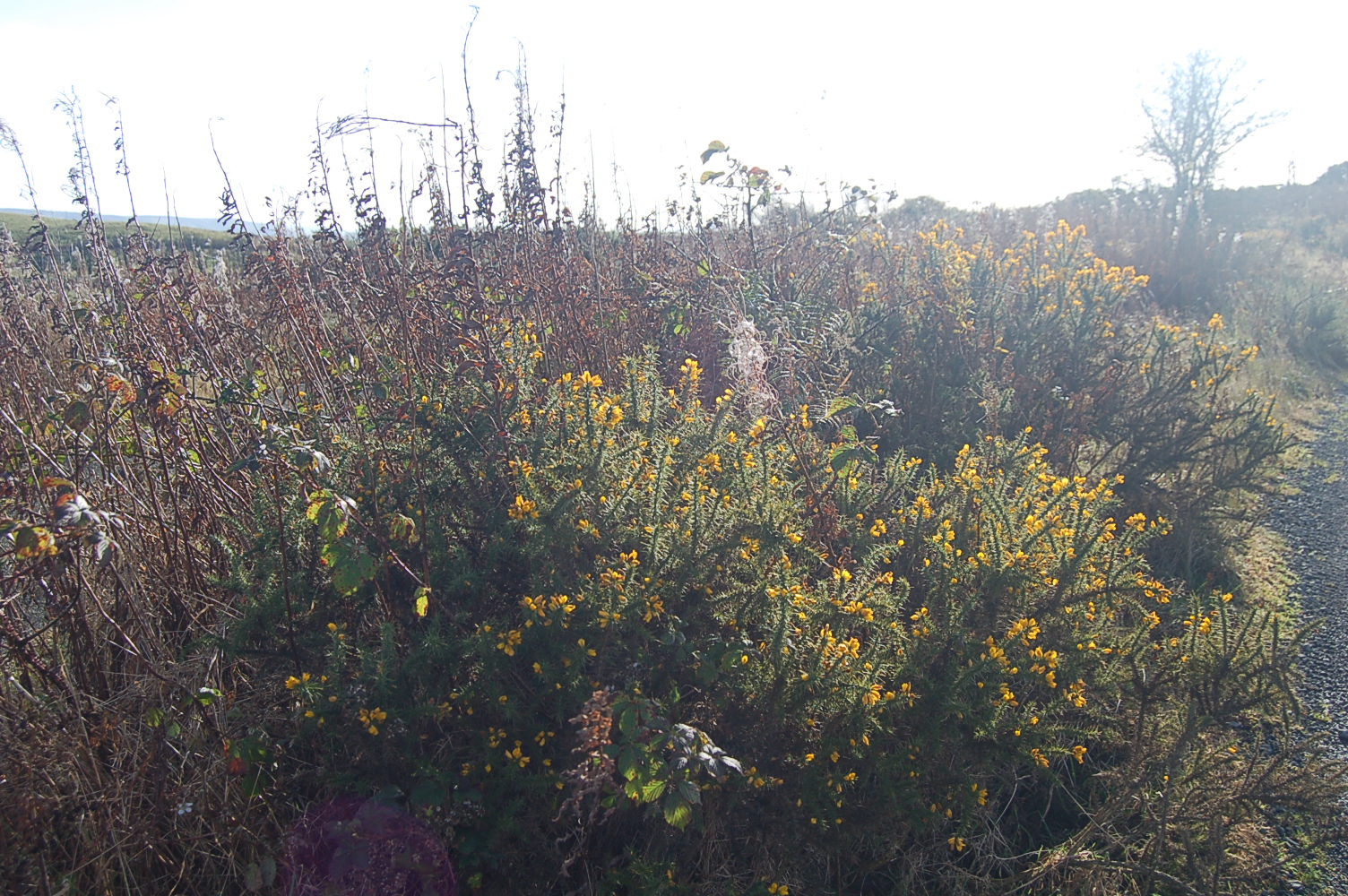
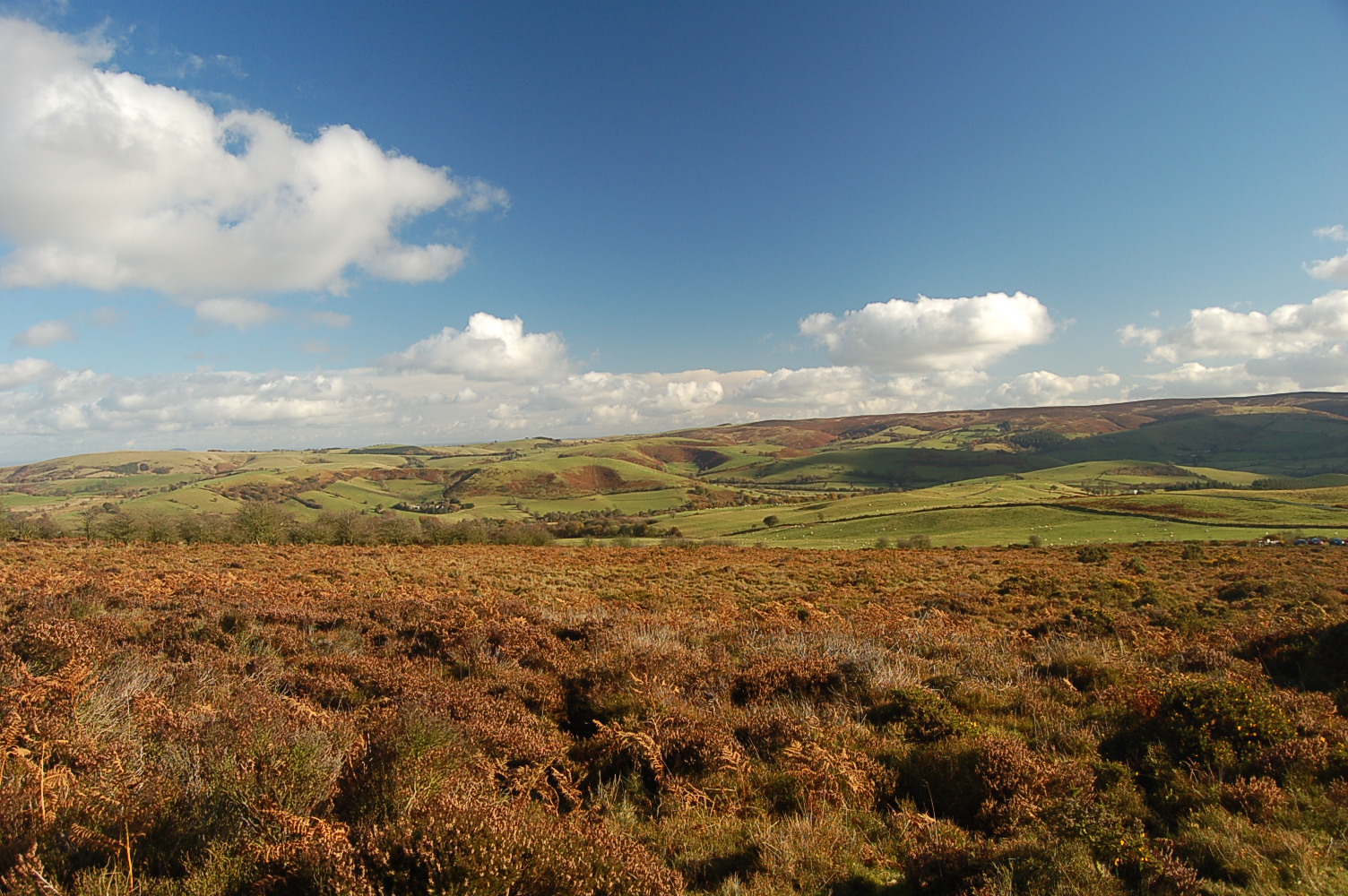
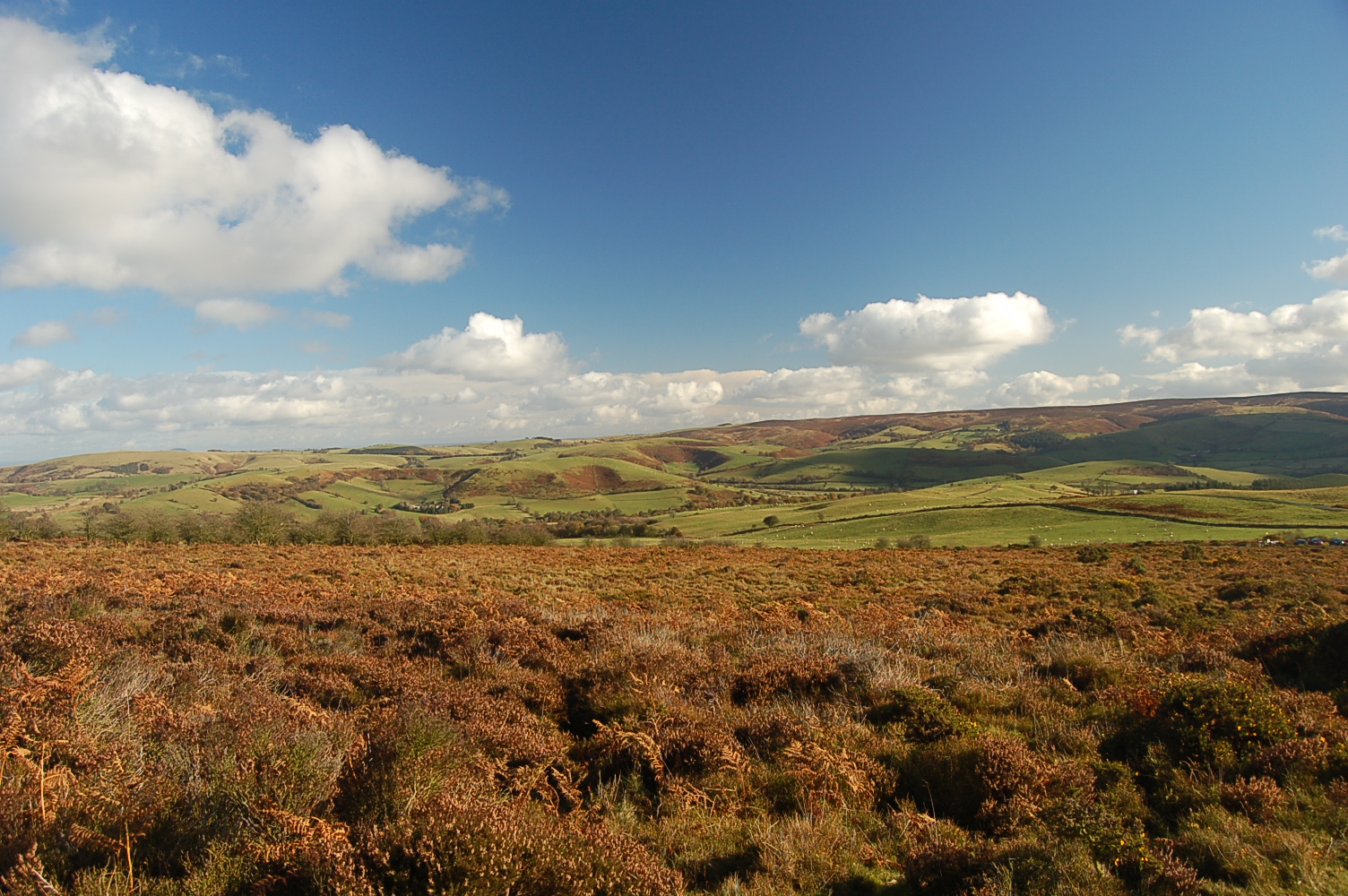
Areas of bracken here, just as on the Stapeley Hill trail in my previous “Bracken and Bilberries” post, have been cut down in an attempt to get the heather back. This project is called “Returning to Purple”. Bracken does tend to take over but slowly the purples of heathers are re-emerging in our hills. Apart from bracken and the occasional heathers small evergreen shrubs which produce berries are the commonest plants – Bilberries, Cowberries, Crowberries and Whinberries. Locals still collect these berries for jams, jellies and fruit pies, but in previous centuries they were an important food source and even provided a little income for the cottagers. All these little, low-growing shrubs have dark evergreen leaves and berries offering varied colours and tastes. Cowberries, also known as Lingonberries, have edible berries with a stange mixture of sweetness and sourness. As well as here in the Shropshire Hills they are native to the Arctic Tundra and Boreal Forest. Bilberries produce edible black fruits and Crowberries similarly give black berries which have good flavour but are rather dry.
We stopped half way up the slope to get our breaths back and look back over the path we had so far covered. The view over towards “The Long Mynd was lit beautifully. Our next Bracken and Bilberry wander perhaps?
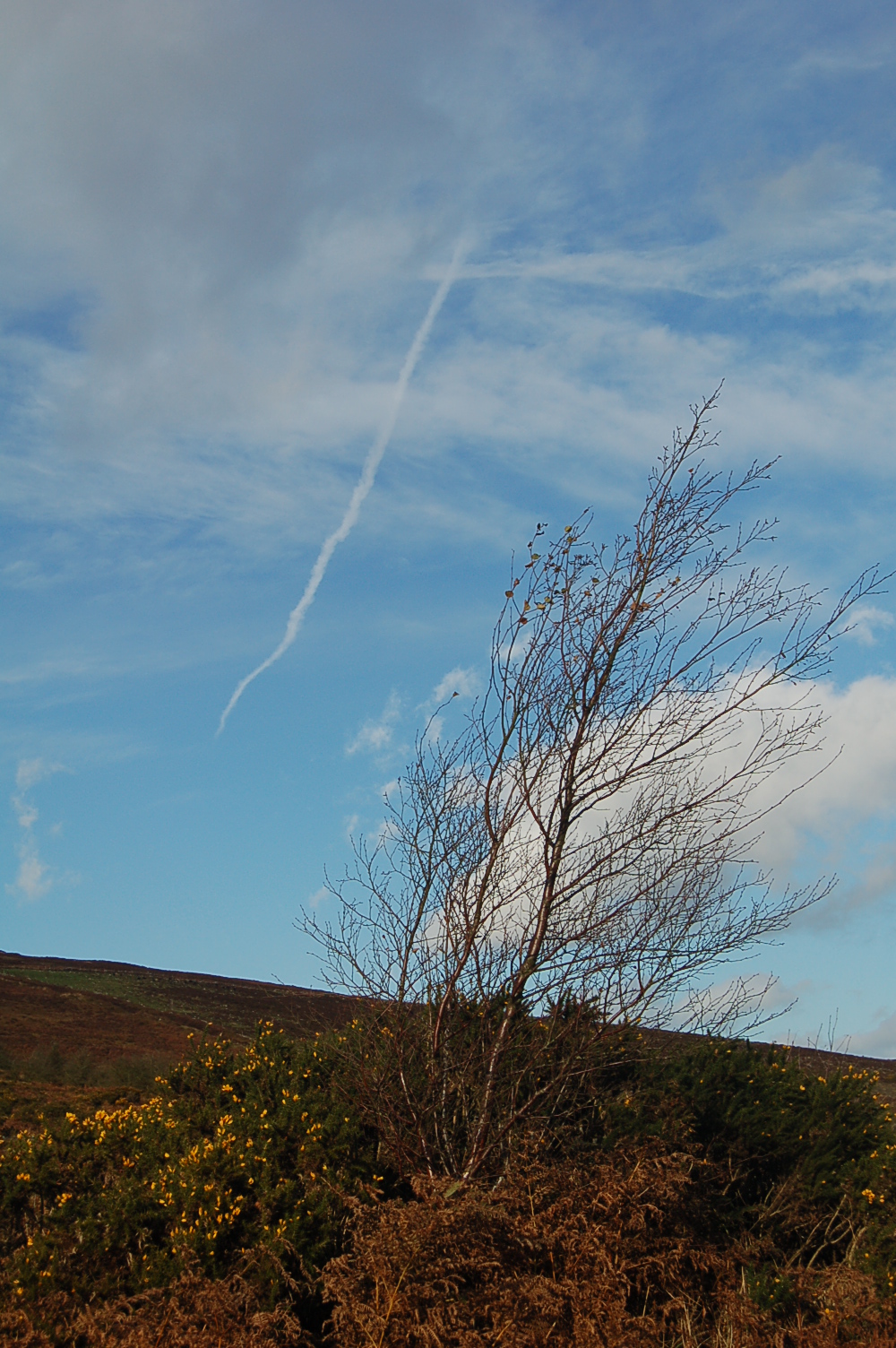
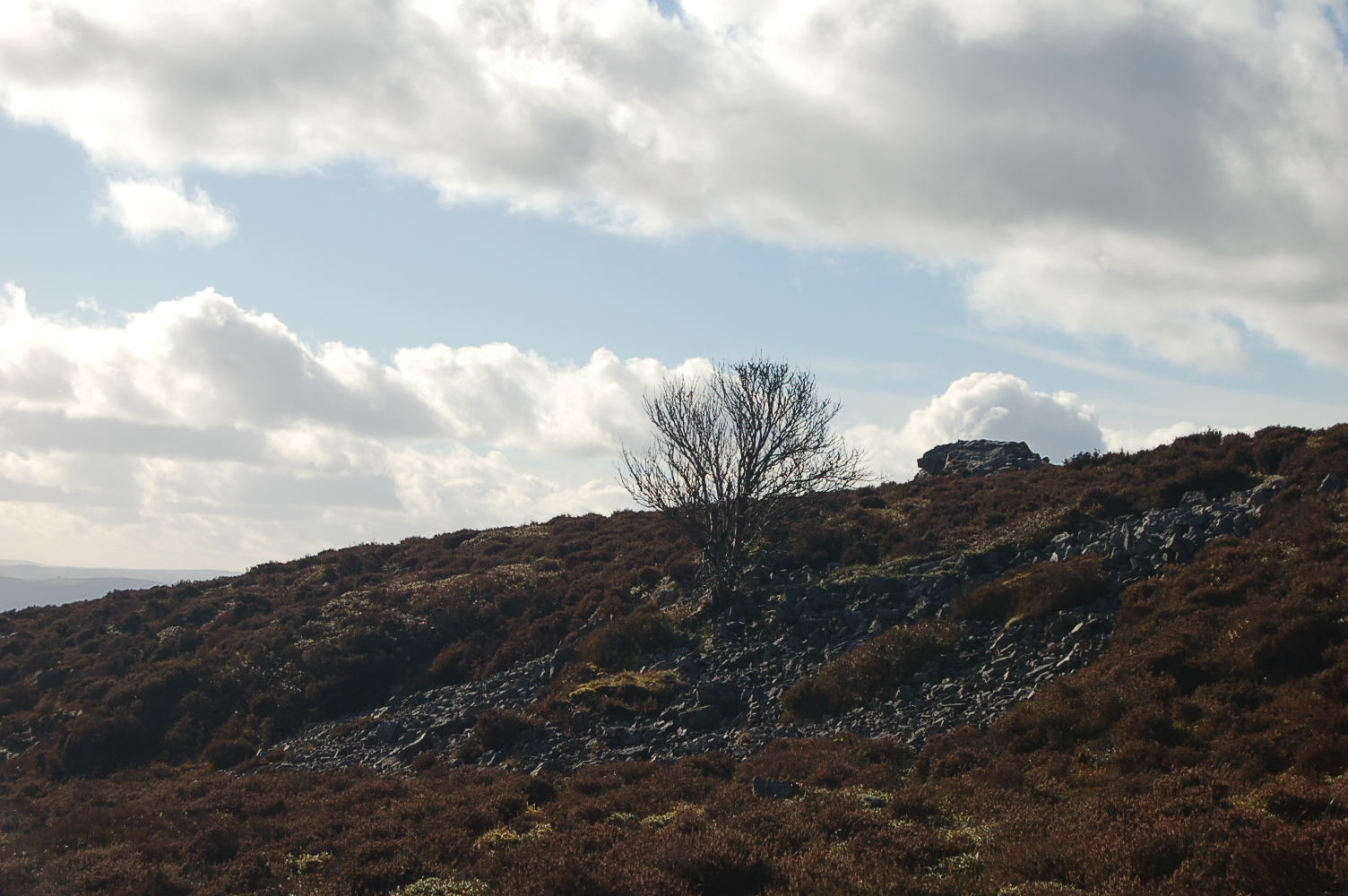
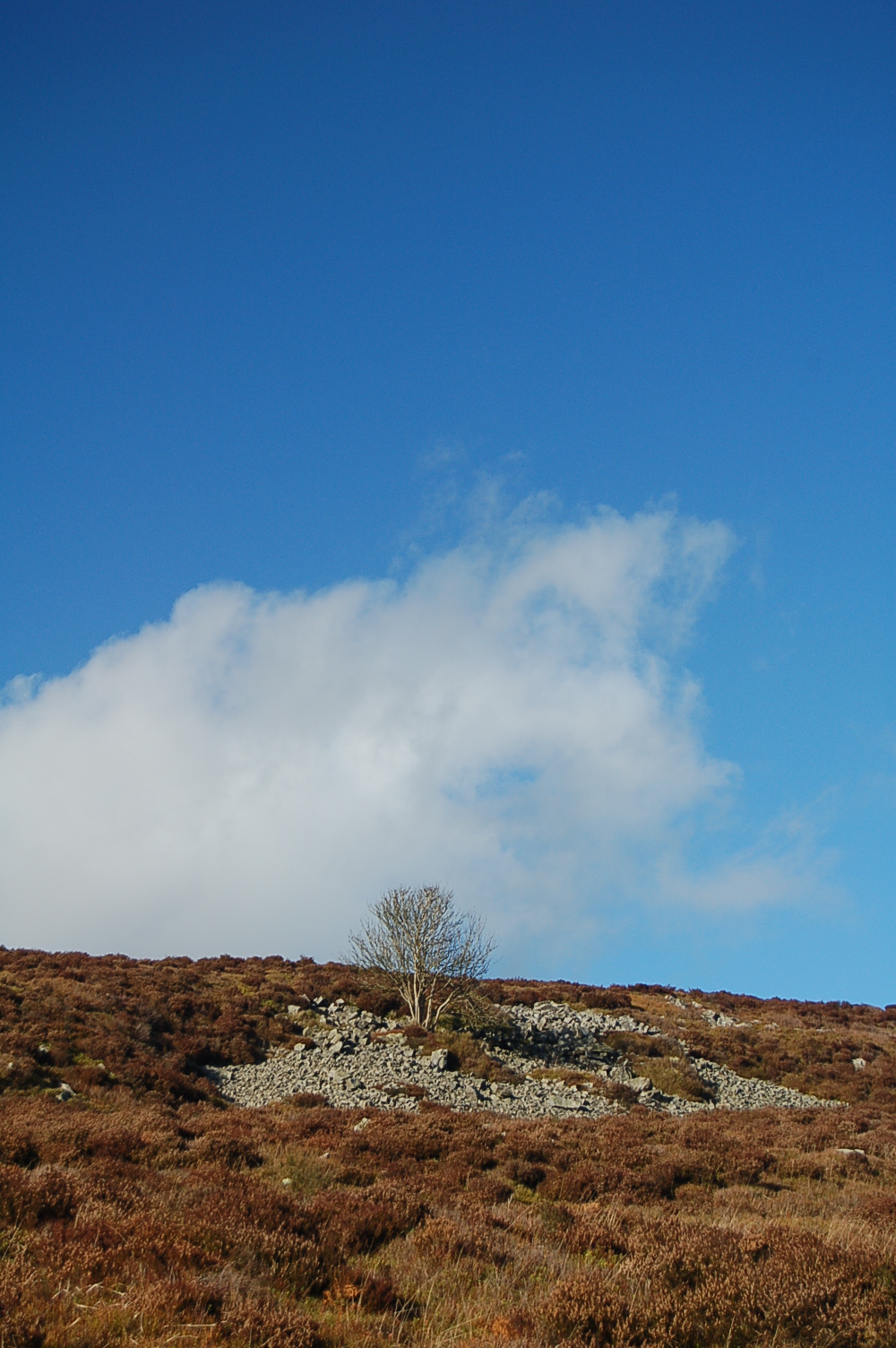
On the next stage of our ascent our eyes were drawn to a solitary tree high up on our left just below the top of the ridge. There are so few trees up here once you leave the low area where we parked the car. Every tree looks extra special because of this exclusivity and its stunted growth due to altitude, poor soils and prevailing weather.

As we neared the ridge the path got rockier and outcrops more frequent. The wind got colder making our eyes sting and run, and our ears. hurt.
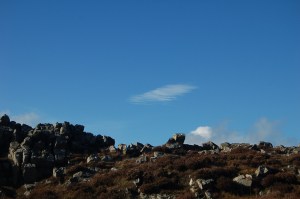
The path divided as we reached the spine of the ridge with the route left taking us a short way along just over the other side of the ridge, the route right taking a long path right along the ridge to a series of rock outcrops. With the time we had left to walk and the sudden drop in temperature that hit us as we met the cold air rising up from the other side of the ridge we decided to do the shorter option. We would come back another day with more time and make sure we did not forget our coffee and fruit sustenance!

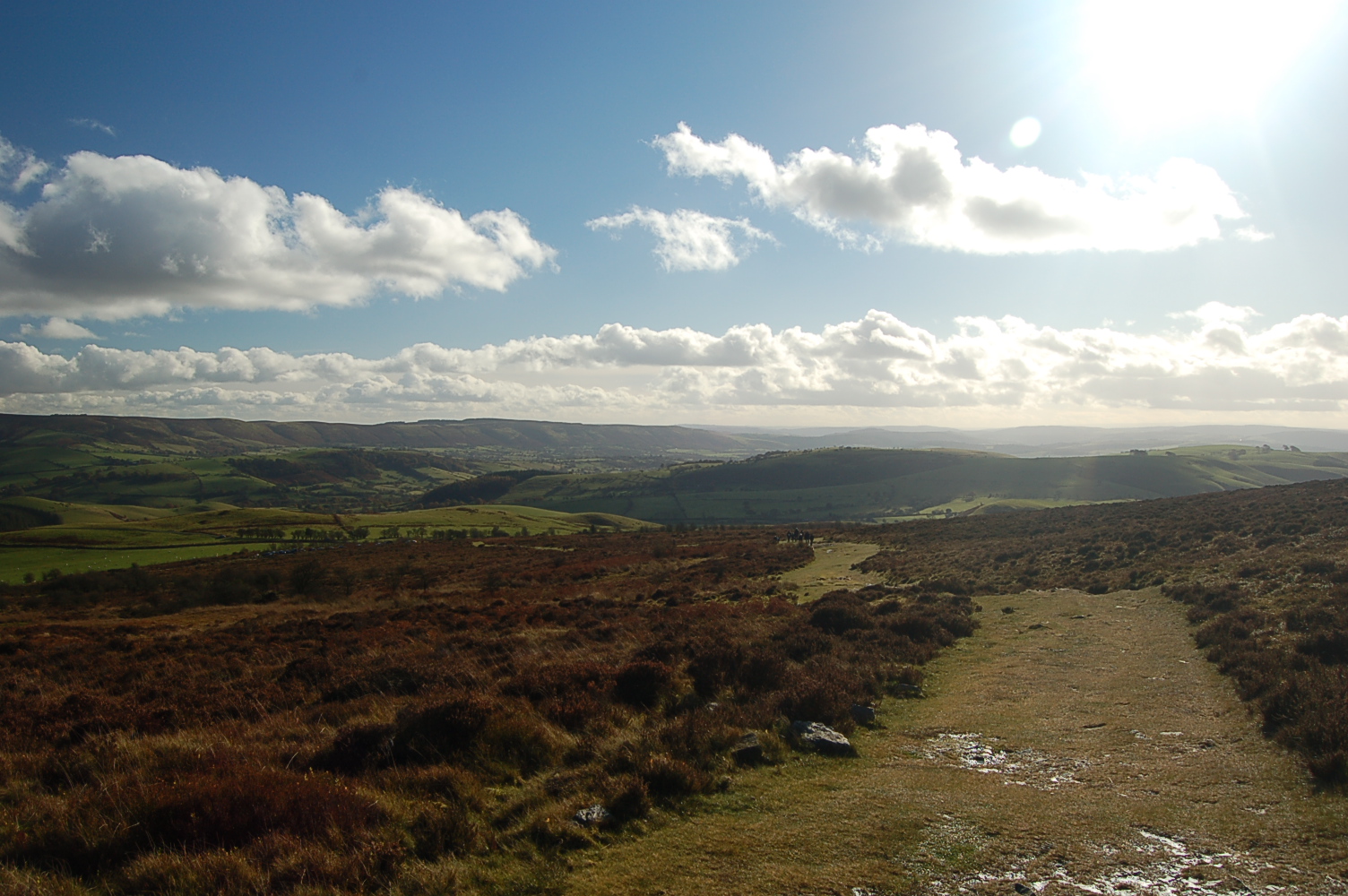
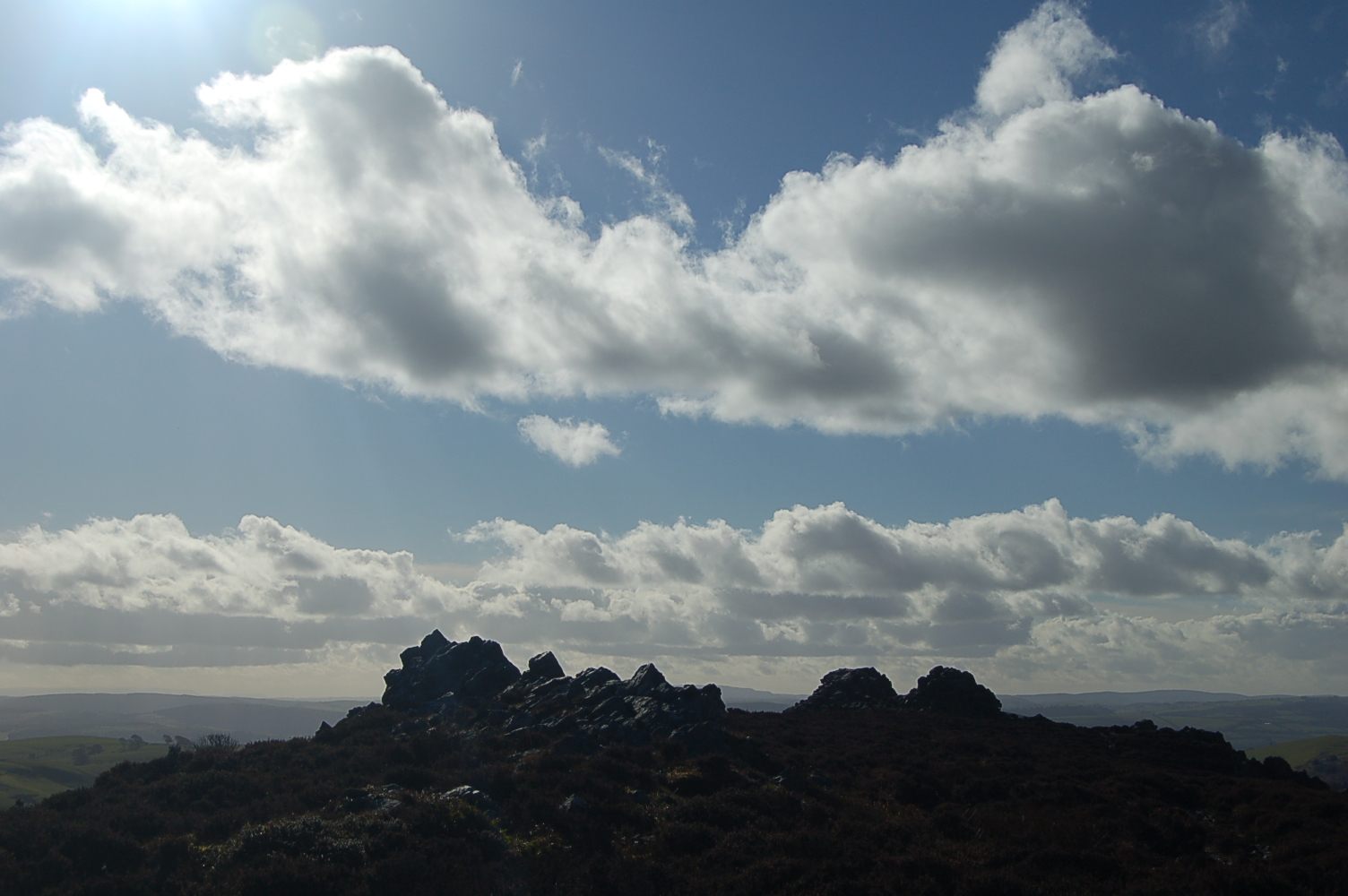
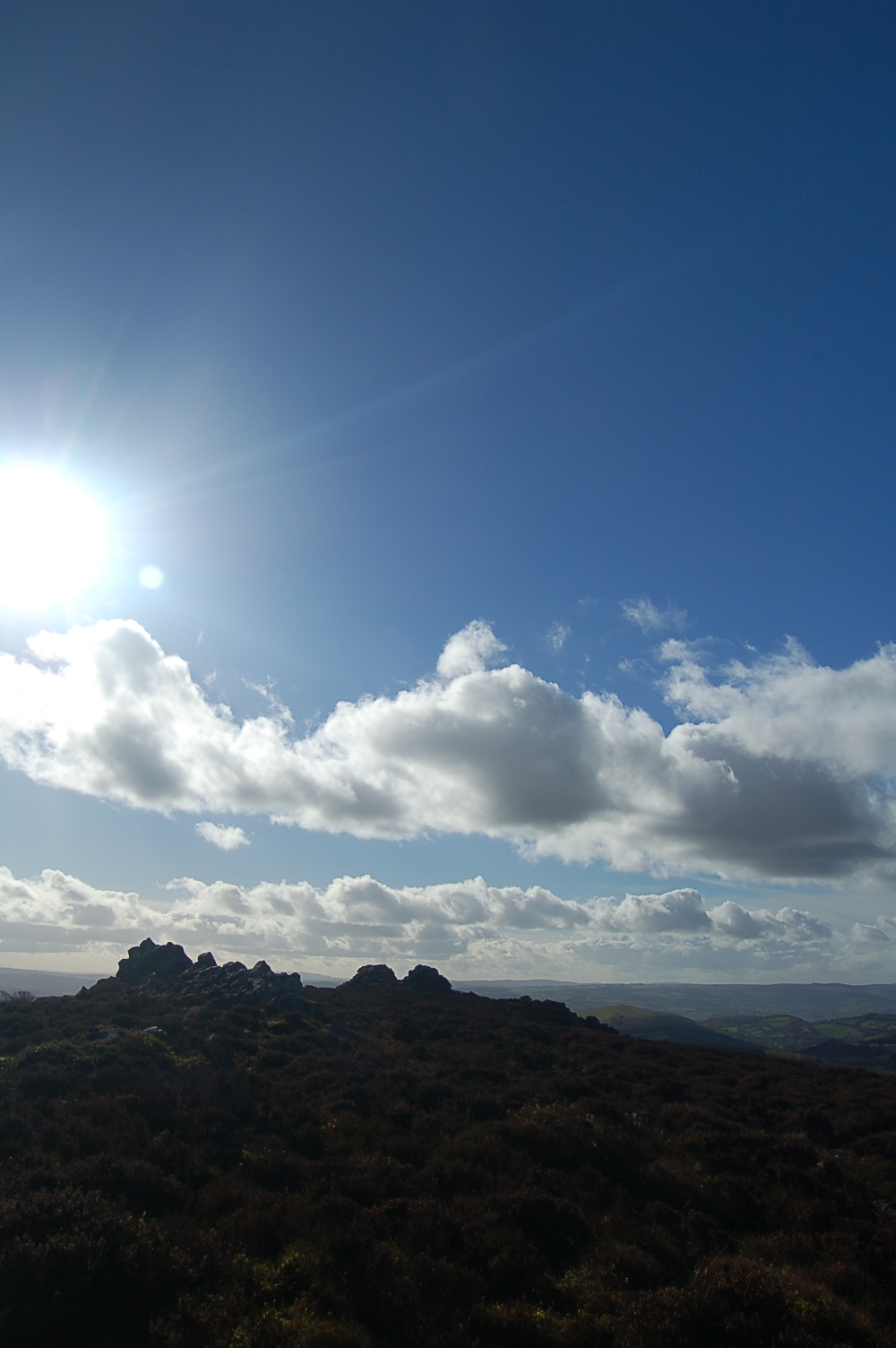
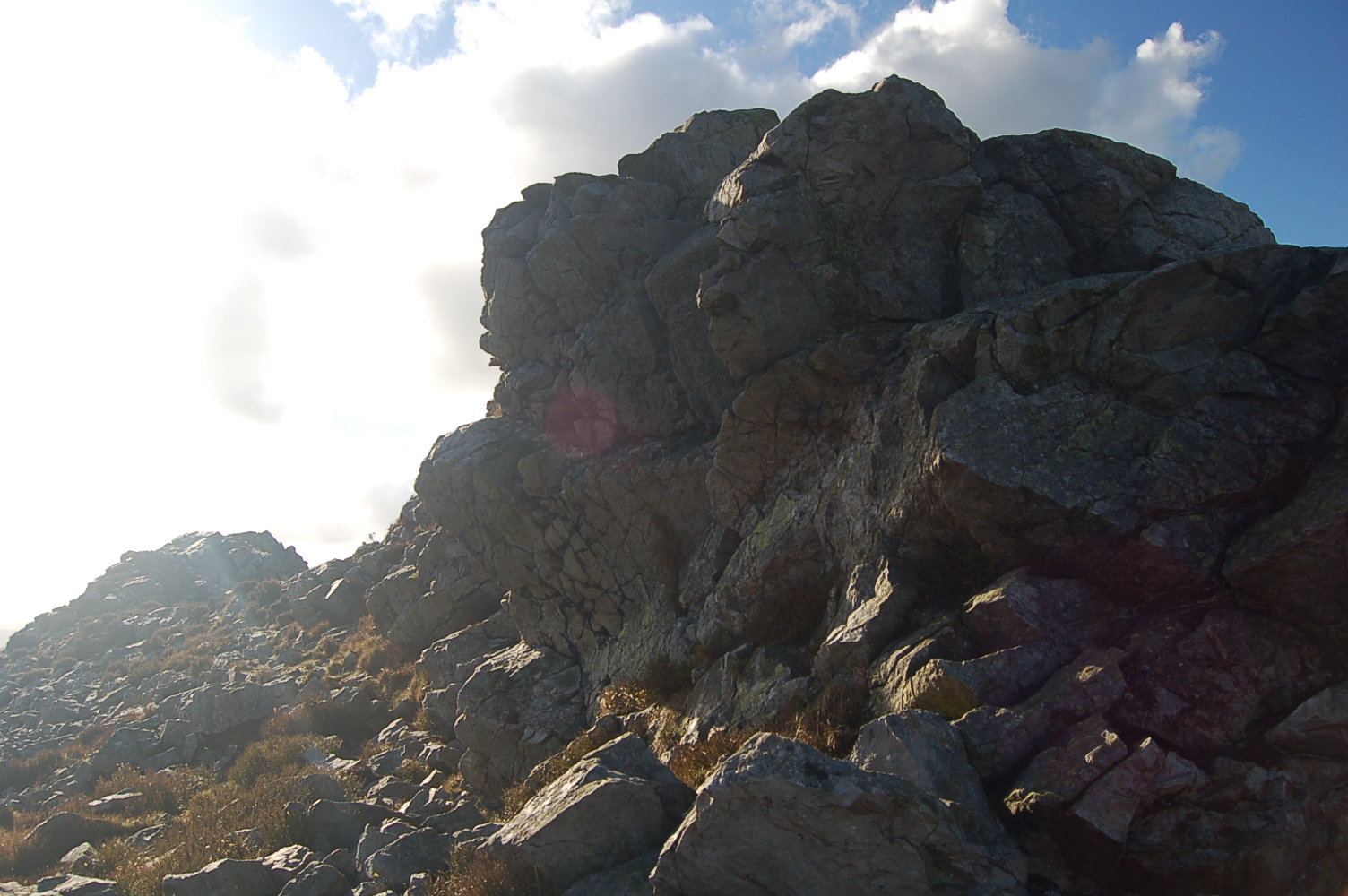
The path we took went  along the sharp top of the ridge occasionally dropping onto the colder side. It was freezing, so cold that little patches of snow lay on the path in places. This is a bit early in the year for snow around here! We walked into the sun and battled the strengthening biting wind, making our way towards the silhouetted rocky outcrops. It proved to be a lazy wind – too lazy to go around us so it went straight through.
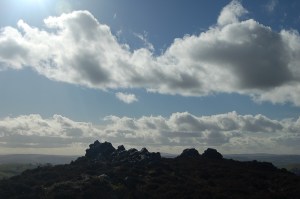
We were so glad of our thermal gloves and thermal coats but we had forgotten our thermal beanie hats. Jude tried to cope with her jacket hood which proved simply too thin. I tried to cope with a baseball cap – the wind that was too lazy to walk around us was sadly not lazy when it came to blowing my hat away!

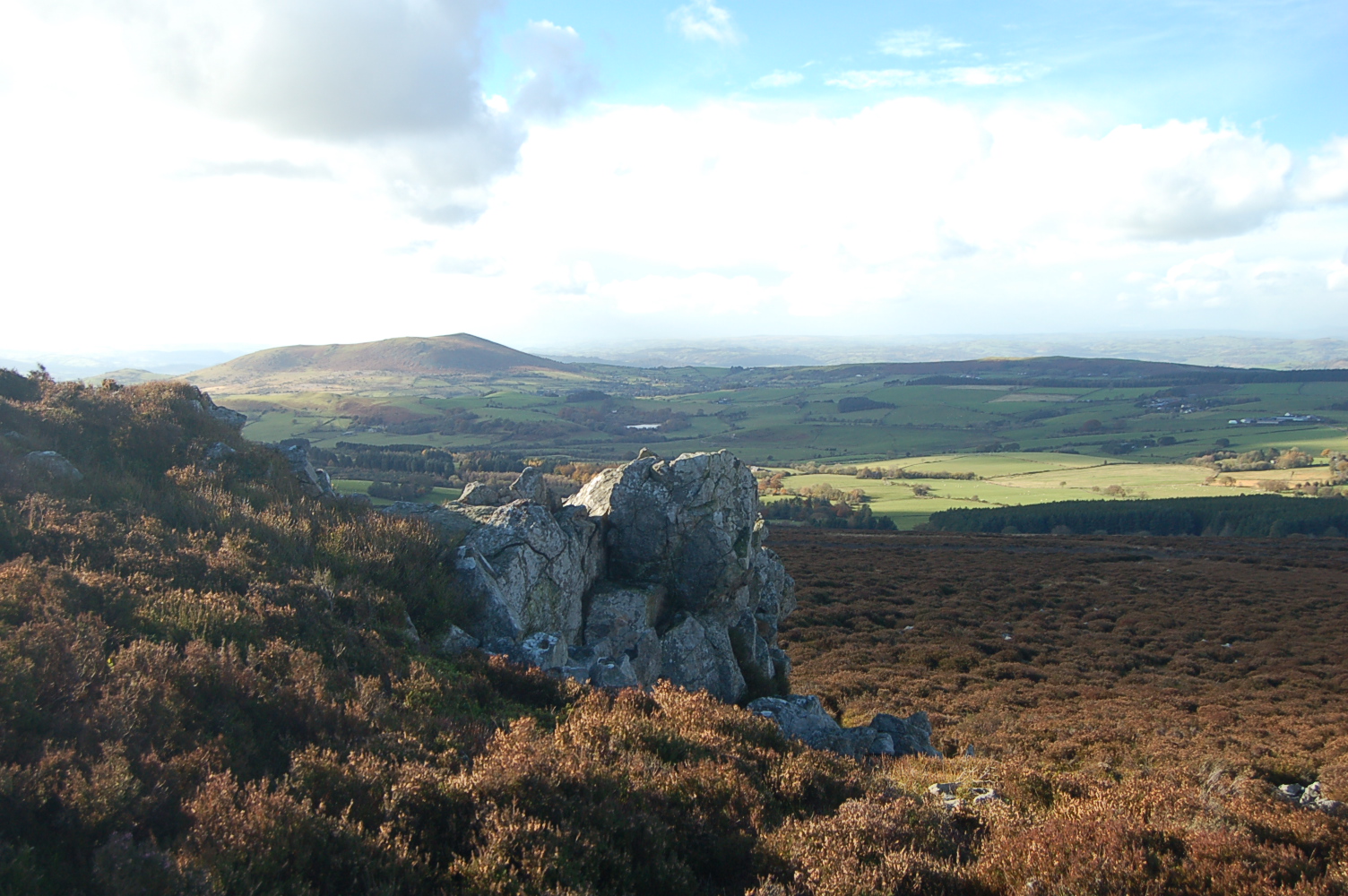
When we reached the rugged outcrop we were aiming for we knew it was worth getting cold for. A dramatic spiky rough outcrop!

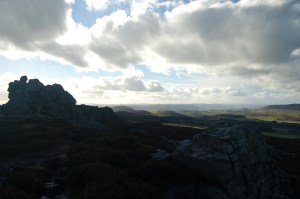
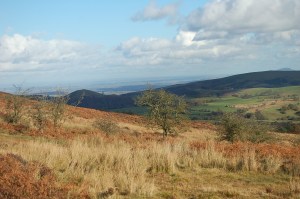
From this ridge the views westward back towards Mitchells Fold and Stapeley Ridge and Wales beyond were breath-taking. Another place to stand together and think what a wonderful place we live in.
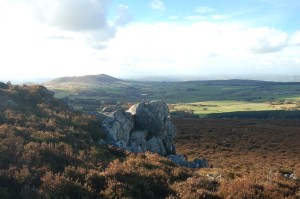
The views to the south were equally stunning.
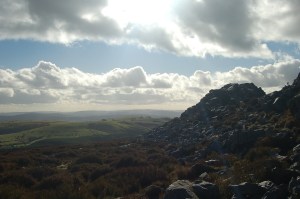
The cold was penetrating too deeply and lack of sustenance was beginning to tell so we turned away from the sun and made our way back to the parting of the paths to begin the descent through the bracken and bilberries along the grassy track. The wind was now on our backs, so biting less and even helping us on our way a little.

As we reached the paths’ junction before turning back downhill we took a long look along the other walk we were determined to return to tackle another day. It looked inviting with the sun shining on it, calling out to us to return. We couldn’t refuse, so pledged to come back soon.

As we stood considering the trek we would make on our return to the Stiperstones, we watched Red Kite hunting the slopes below us. A rare chance to watch these big predators from above. Little else showed, just one Meadow Pipit and the commonest bird of the day Raven working their way over the hills in pairs.
This Veggie Life

A Vegetarian | Nature Lifestyle Blog

Rambling in the Garden

.....and nurturing my soul

The Arch City Gardener

Journeys In St. Louis Gardening and Beyond

Garden Dreaming at Châtillon

Consult the genius of the place

Storyshucker

A blog full of humorous and poignant observations.

gardeninacity

Notes from a wildlife-friendly cottage garden

PlayGroundology

...an emerging social science

The Official Blog of British Wildlife

'The most important and informative publication on wildlife of our times' - The Independent. This blog is a member of The UK & Ireland Natural History Bloggers group: www.uknhb.blogspot.com

iGrowHort

Inspire - Cultivate - Grow Native Plants - Restore Landscapes

Bishops Meadow Trust

To create and protect a semi-natural wild space for the people of Farnham to enjoy and experience an array of British wildlife in our town

Gardening with Children

The www.gardeningwithchildren.co.uk Blog

UKbirdingtimeline

birding through the seasons, why birds matter and how to conserve them

NATURE WALKER

with a camera in hand

Jardin

Transform your outdoor space

Eva's space

My allotment, cooking and other interests

Old School Garden

my gardening life through the year

LEANNE COLE

Trying to live a creative life

fromacountrycottage

trying to live as lightly as possible on our beautiful planet

Good Life Gardening

Nature lovers from Leicester living the good life.

mybeautfulthings

Finding the beautiful in the everyday

mawsonmichelle

Michelle's Allotment

In and Out of My Garden

thoughts from and about my garden

Greenhousing

Big plans for a small garden

The Scottish Country Garden

A Walled Country Garden in South East Scotland

The Fruity Chicken

Life at the fruity chicken

willowarchway

Off grid living. Self sufficient. "PERMAGANICS RULE".

St Anns Allotments

Nottingham's Grade 2* Listed Allotments and Community Orchard

Manifest Joy Harvests

a journey in suburban vegetable gardening

Allotmental

The madness of growing your own

Penny's Garden: a harvest beyond my front door

A novel approach to vegetable gardening

arignagardener

Sustainable living in the Irish countryside.

NewEnglandGardenAndThread

Master Gardener, amateur photographer, quilter, NH native, and sometimes SC snowbird

dianajhale

Recent work and work in progress and anything else that interests me

planthoarder

a chaotic cottage gardener

Lens and Pens by Sally

a weekly blog that creates a personal philosophy through photographs and words

Dewdrops and Sunshine

Stories from a sassy and classy Southern farmbelle.

The Pyjama Gardener

Simple Organic Gardening & Seasonal Living

gettin' fresh!

turning dirt into dinner

JOY...

today the world is created anew

Garden Birds

Notes from a Devon garden

ShootAbout

Life Through The Lens

Adapting Pixels

A photography blog showcasing the best photography pictures and videos on the internet

Wildlifegardening's Blog

Just another WordPress.com site

naturestimeline

personal observations from the natural world as the search continues for a new approach to conservation.
LATEBLOOMERBUDS

The Wonders of Life through my Eyes, my Heart, my Soul