A warm day seemed just what was needed when we visited the Shropshire village of Cardington just twenty minutes from home. We made this village garden pilgrimage last year as well and couldn’t wait to return, as we had been so impressed. This year there were extra gardens to enjoy too!
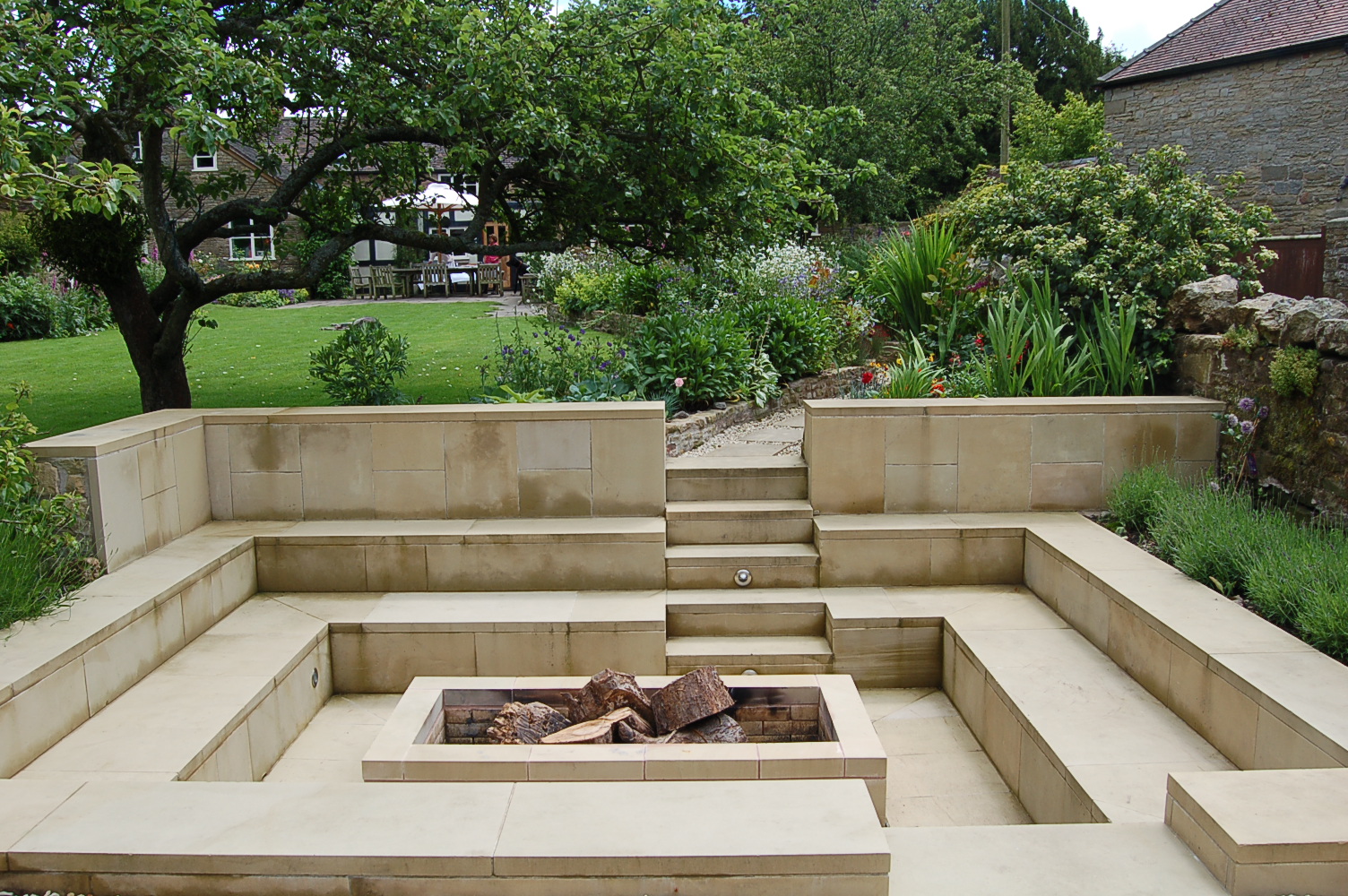
The first two gardens we visited were next door neighbours but oh so different. In the first garden there were few borders and much of the available space had been taken up by a huge stone built gym and swimming pool with decking around complete with hot tub. The formal fire pit area was interesting but I did wonder if it would have housed a nice pond.
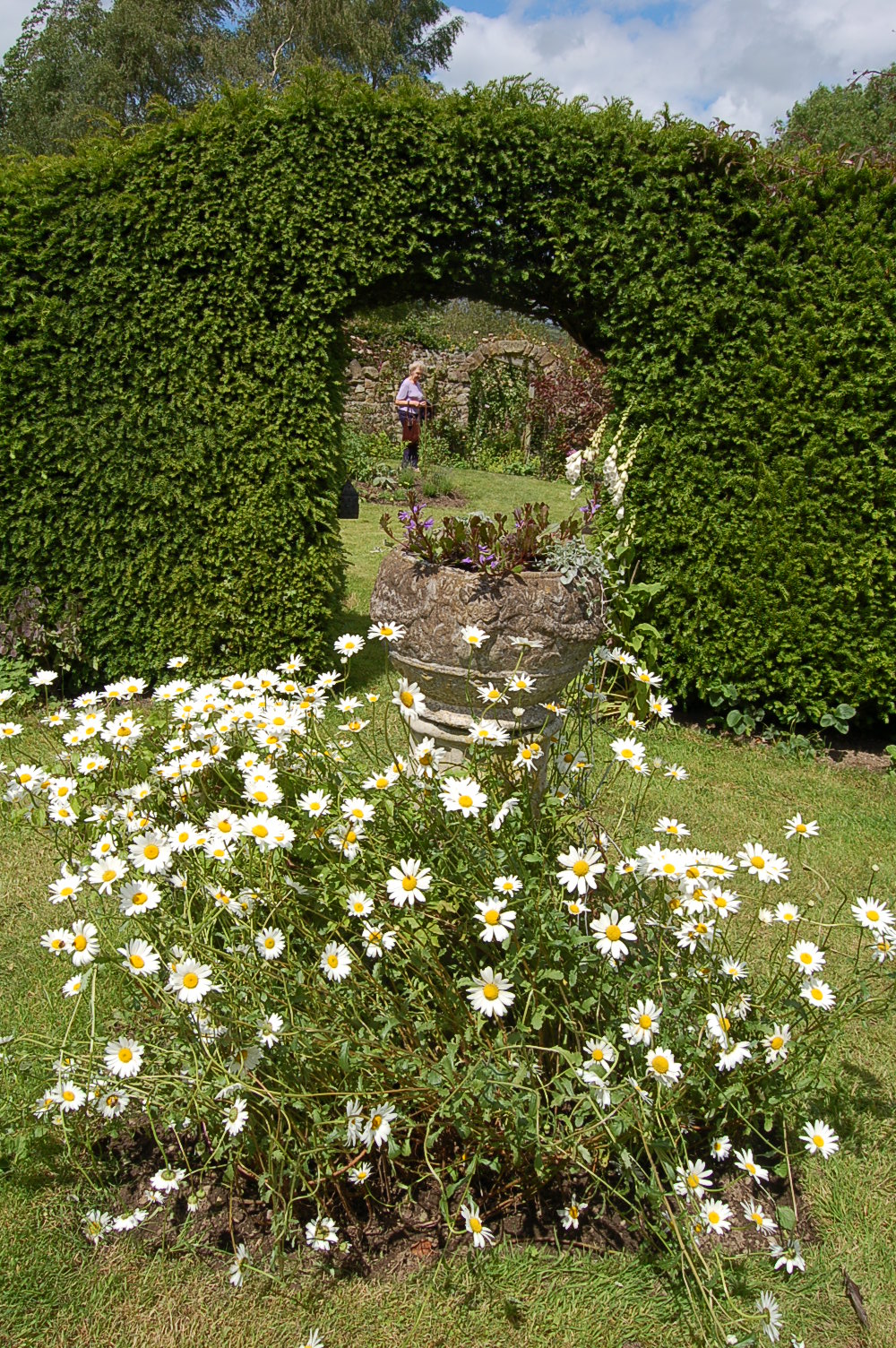
Their neighbours however had wide expanses of well-maintained lawn with beds, both formal and informal cut into it. The garden looked a little dated but had a good pool area and some interesting sculpture and pots hidden in the borders.
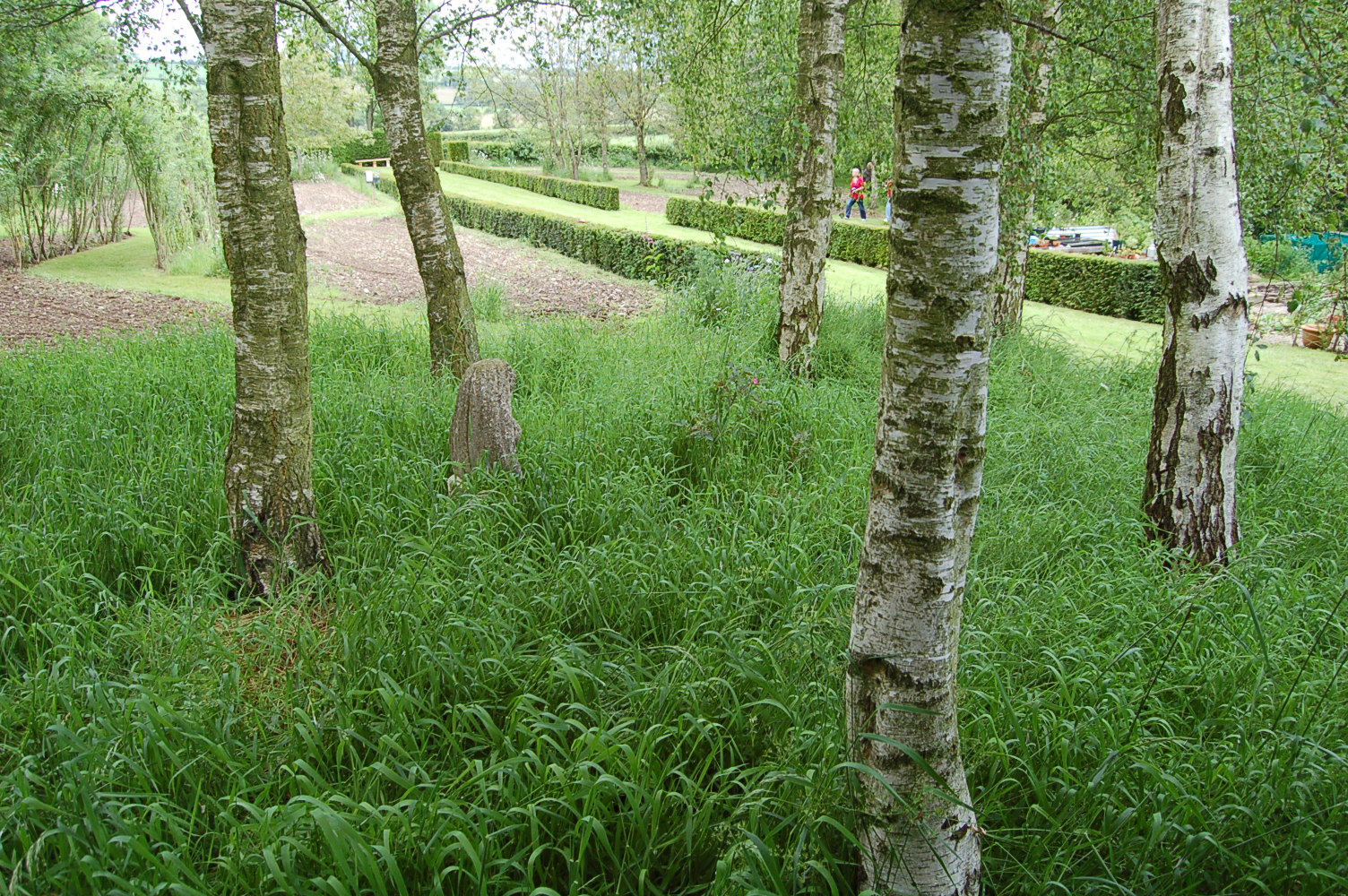
Wandering through the village to the next garden we noticed interesting little cameos along the way. We were looking forward to the next garden as it was owned by one of our friends from the Shropshire Hardy Plant Society.
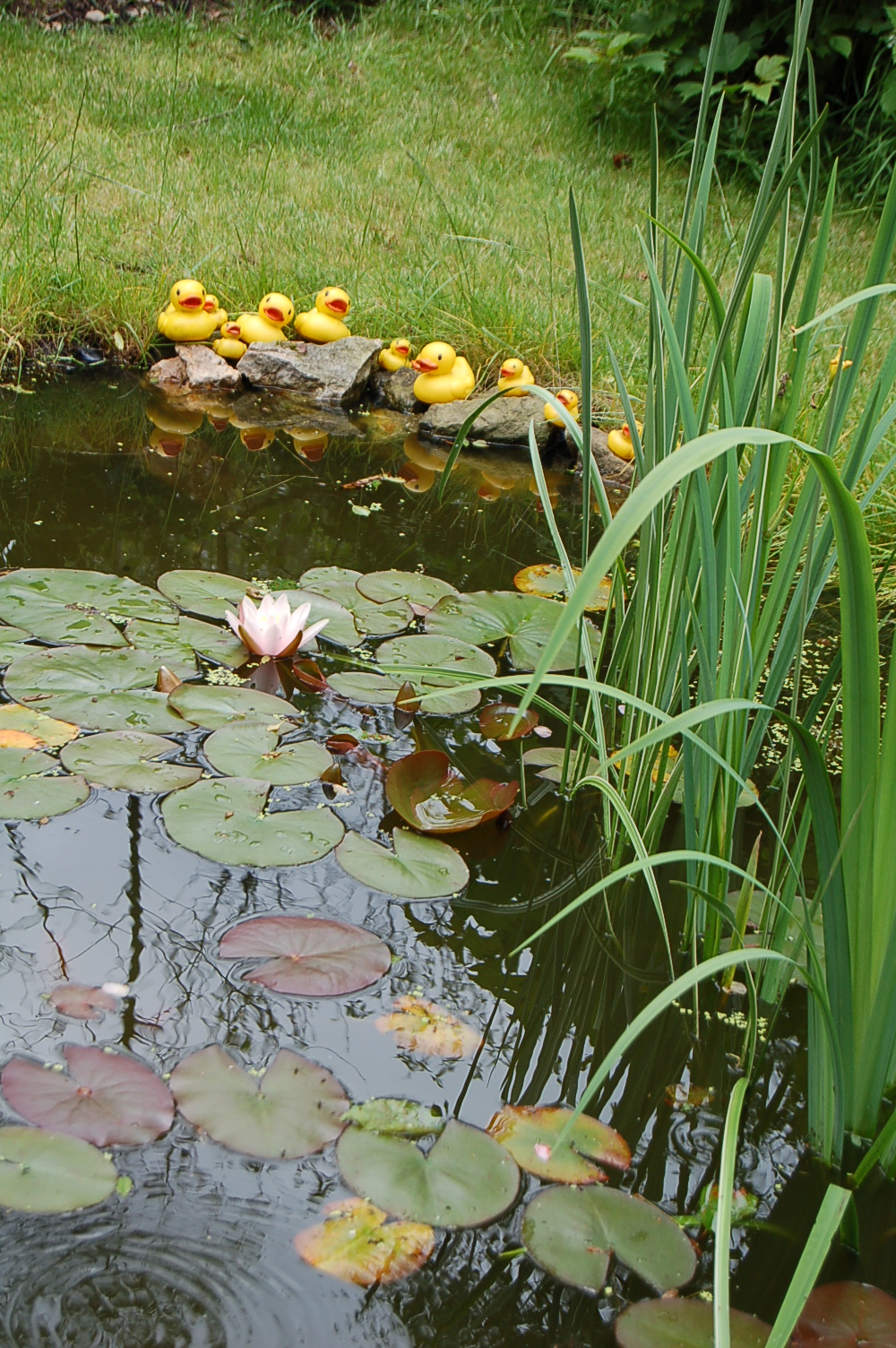
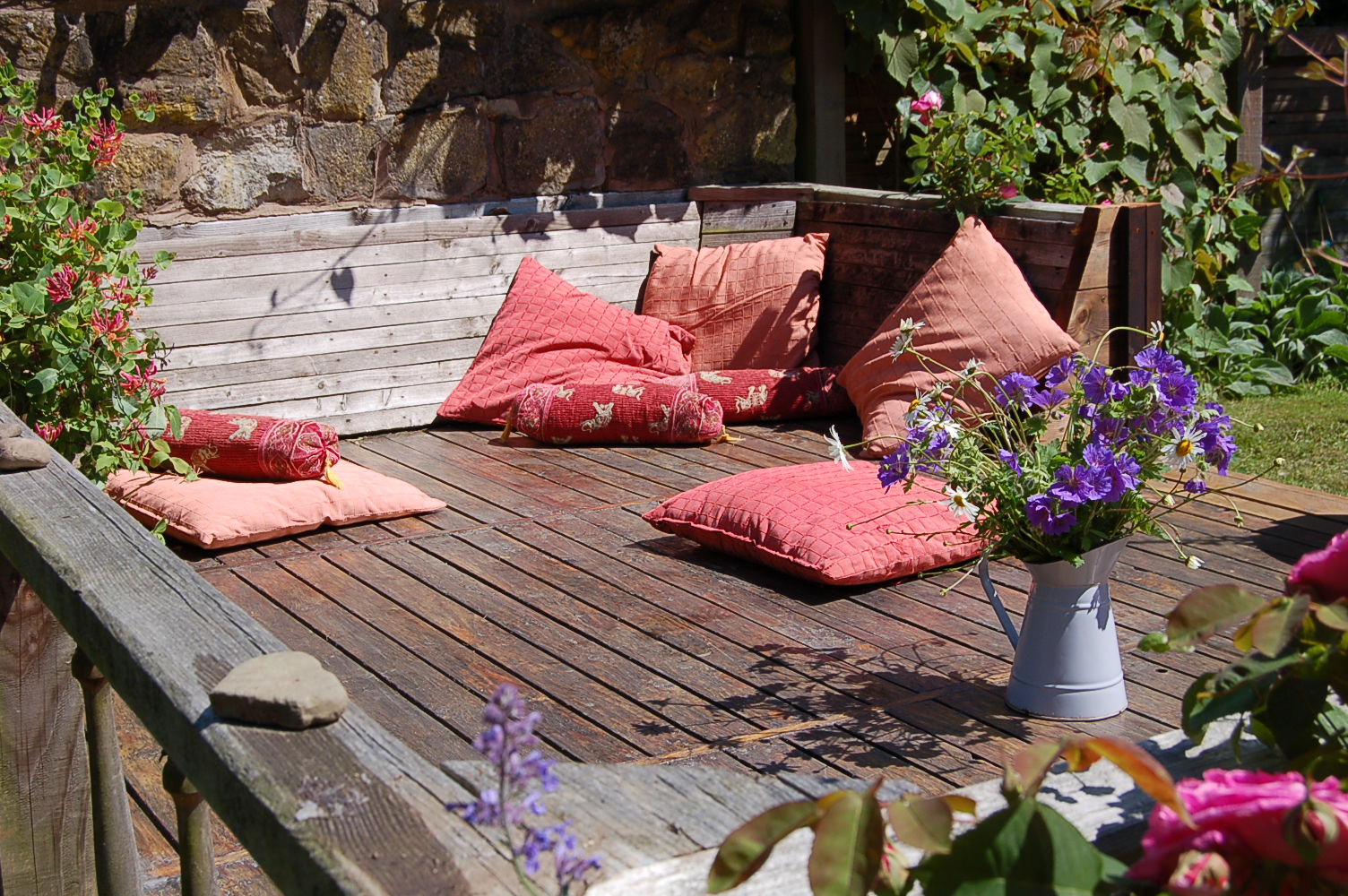
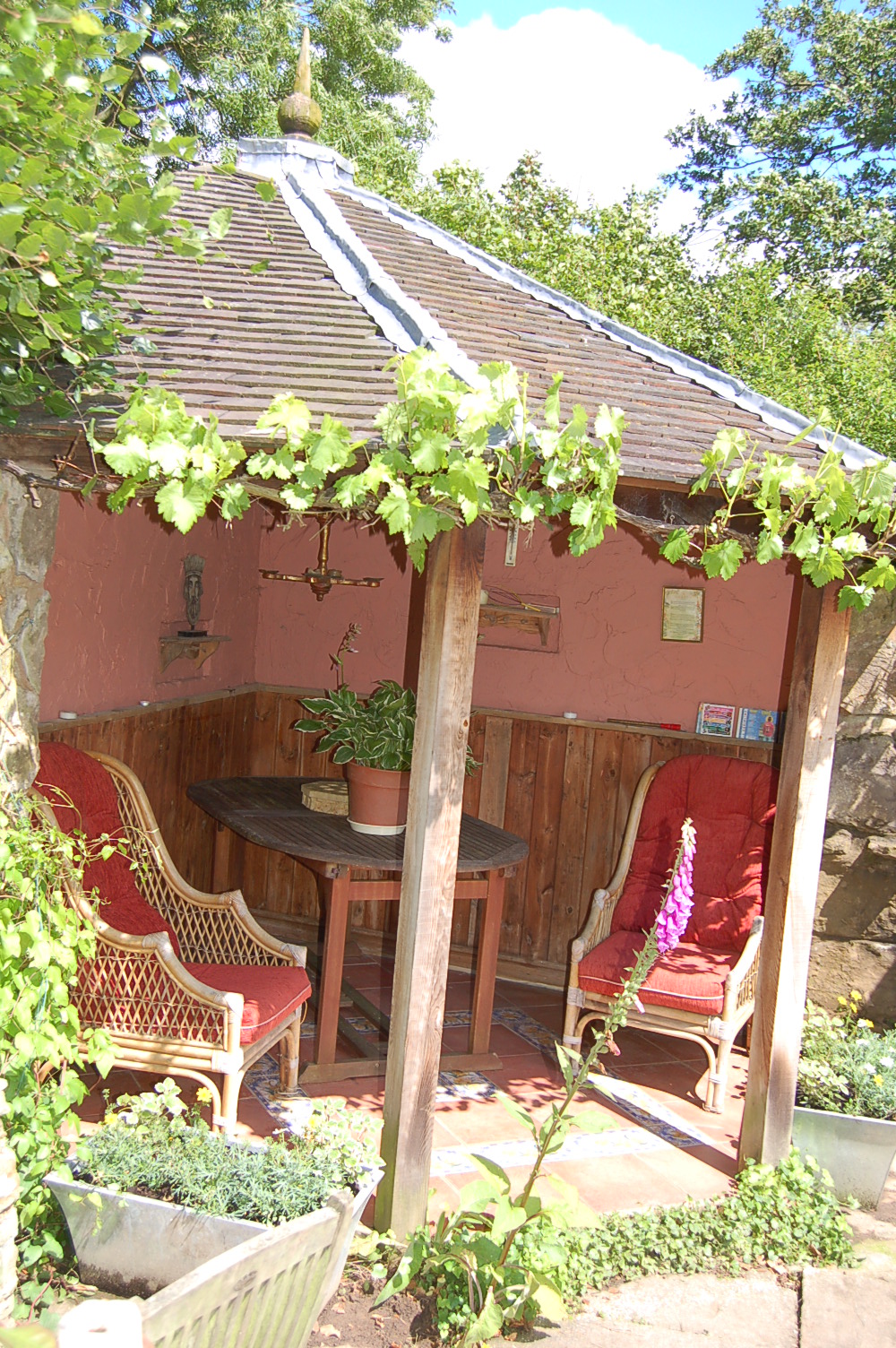
We weren’t to be disappointed. Her garden was one of interesting plants as one would expect, inspired little details and unusual places to sit, rest and enjoy the garden and the peace of the Shropshire countryside. (look out for the family of little plastic ducks!)
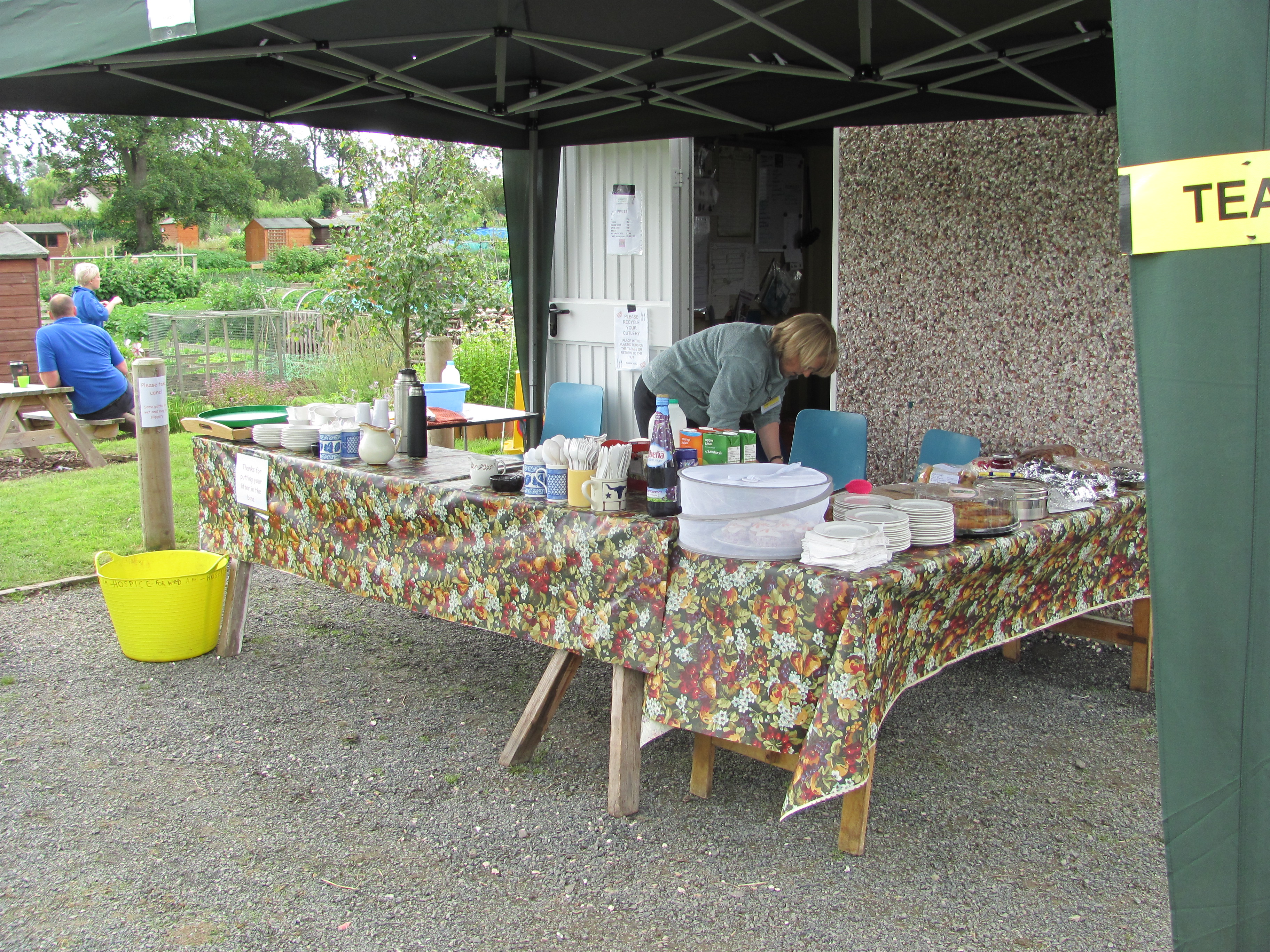
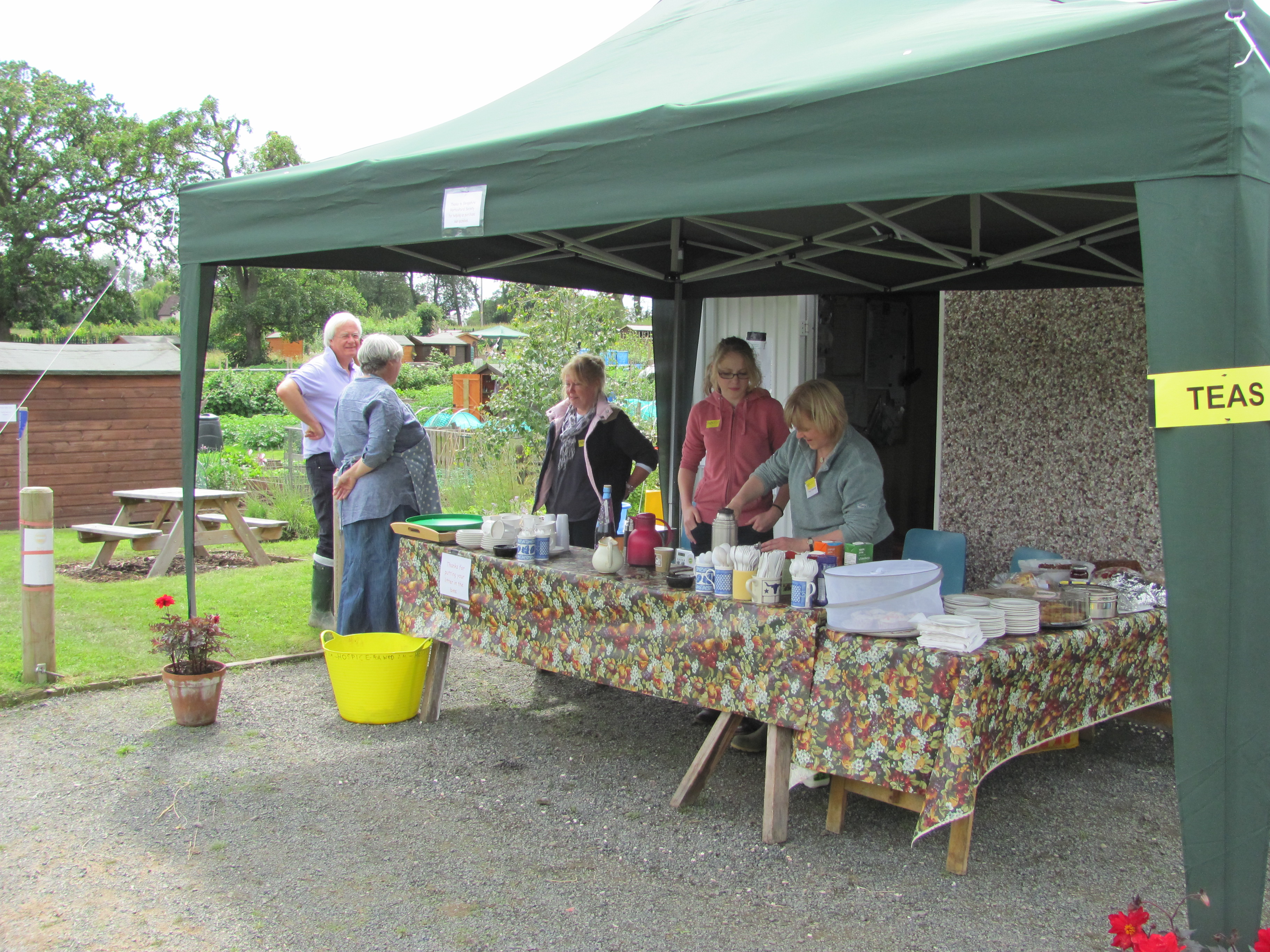
Once we had visited this selection of gardens we were ready for a return to the village hall where villagers had prepared teas, coffees and home-baked cakes. Part two follows after the tea break!
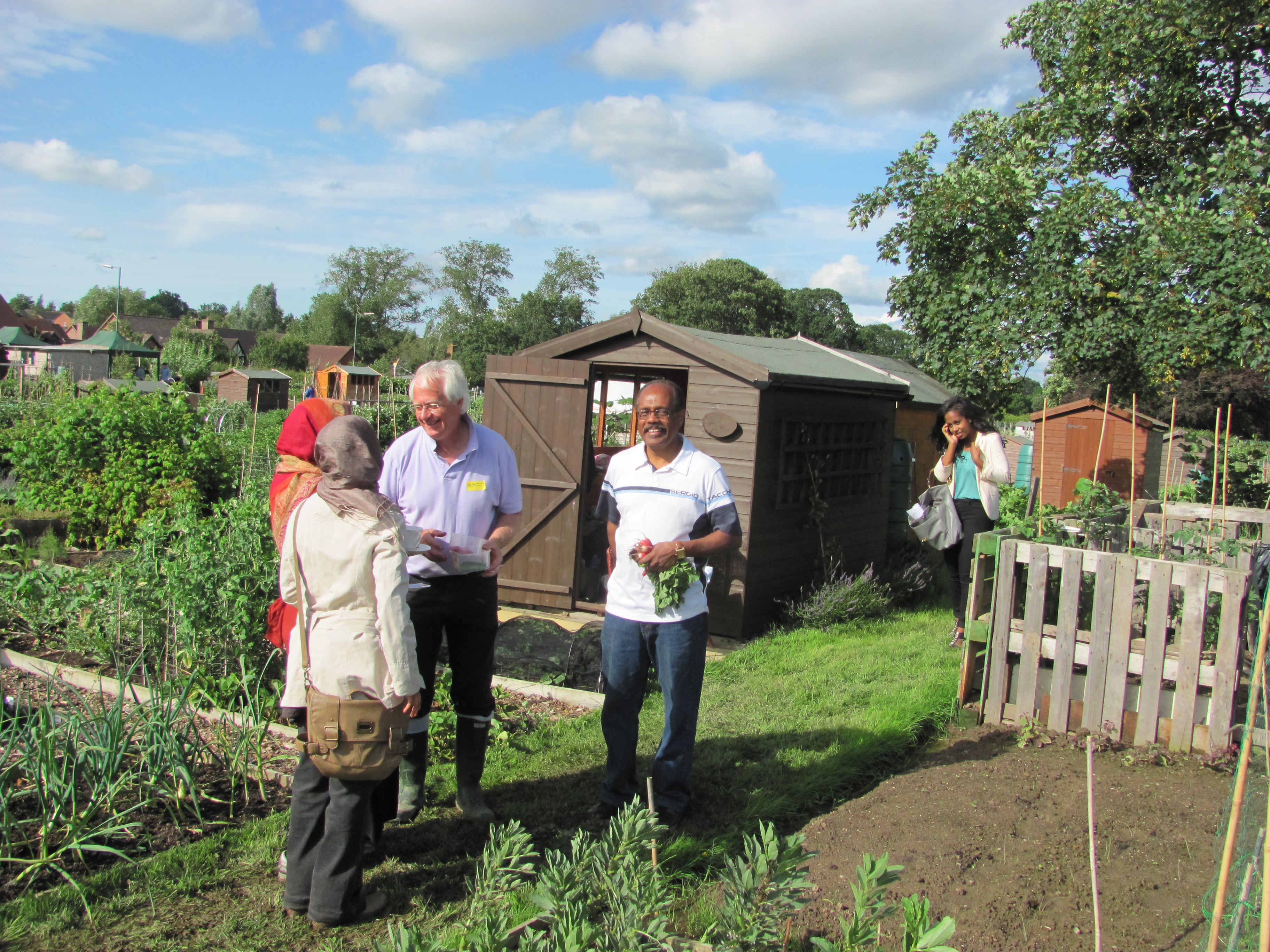
For one day each year, in the middle of July, we open our allotment site, Bowbrook Allotment Community, for charity. We open under the auspices of the National Garden Scheme so are proud to be in the famous Yellow Book. The choice was made to join the NGS because they raise money for caring charities, such as the Macmillan Nurses and Marie Curie. This is our second year of opening – in the first year in gale force winds and rain we raised £415 and this year on a dry day in the middle of the wettest of summers we raised £815 – so we feel a little proud! This means we have now sent the NGS £1230.
We chose July as the month to open as it seemed to be a month when we would be most guaranteed to have a spell of good weather to encourage visitors to come along. Last year we opened in heavy rain and gale force winds.
This year however after weeks of rain, we had two dry days coinciding with the day when we planned to spruce up and prepare the site and the open day itself. Although the whole area was very wet underfoot, plots themselves too wet to get on, some paths unusable and standing water in places, we felt the site looked as good as it could.
The day of the opening dawned bright and dry. The sun was shining and it felt warm. As we arrived early in the morning the car park was full and the site crawled with members working away. Soon the signs were in place, the gazebos up, the tea shop readied and the quiz pictures in place. We felt ready!
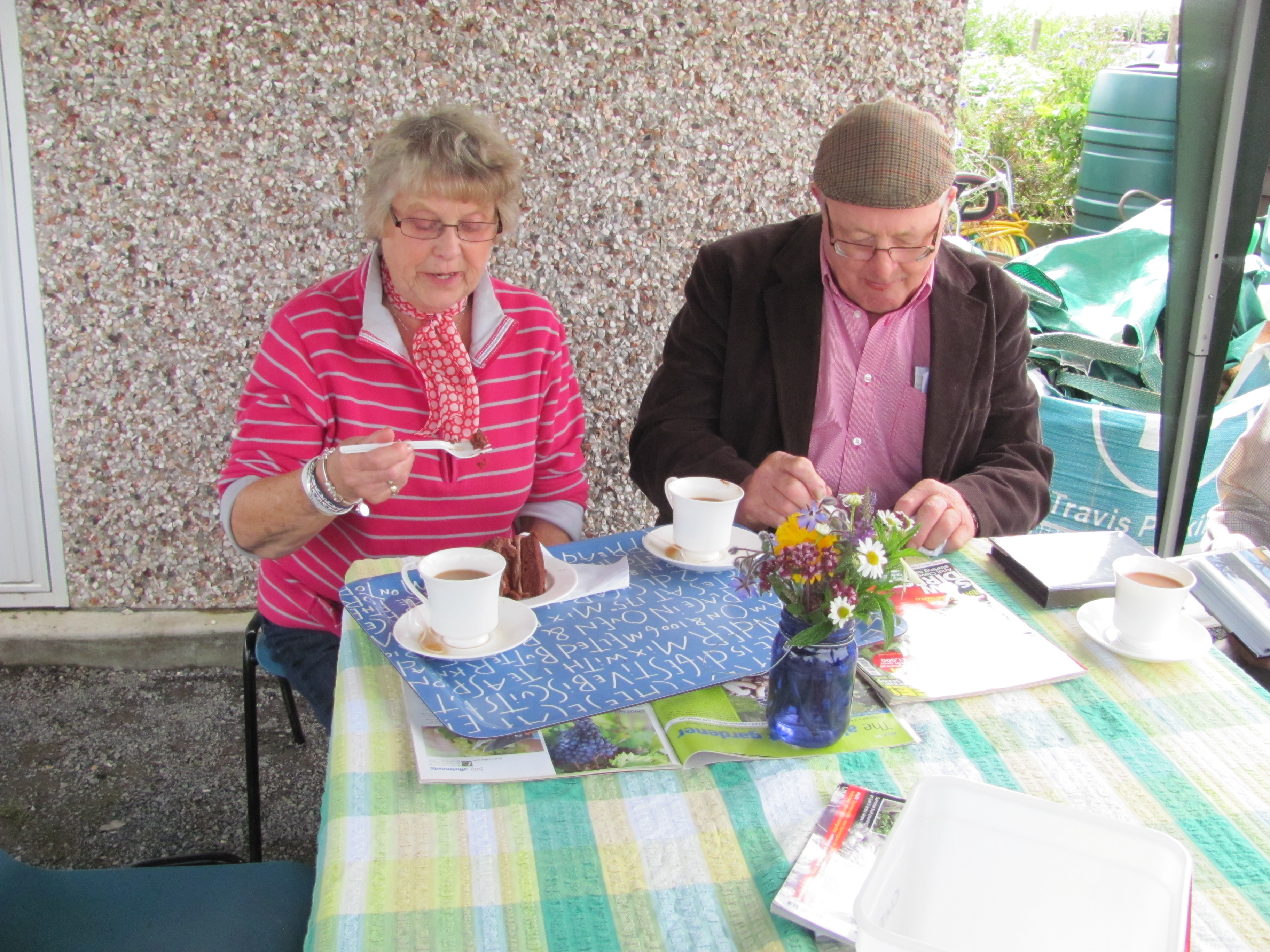
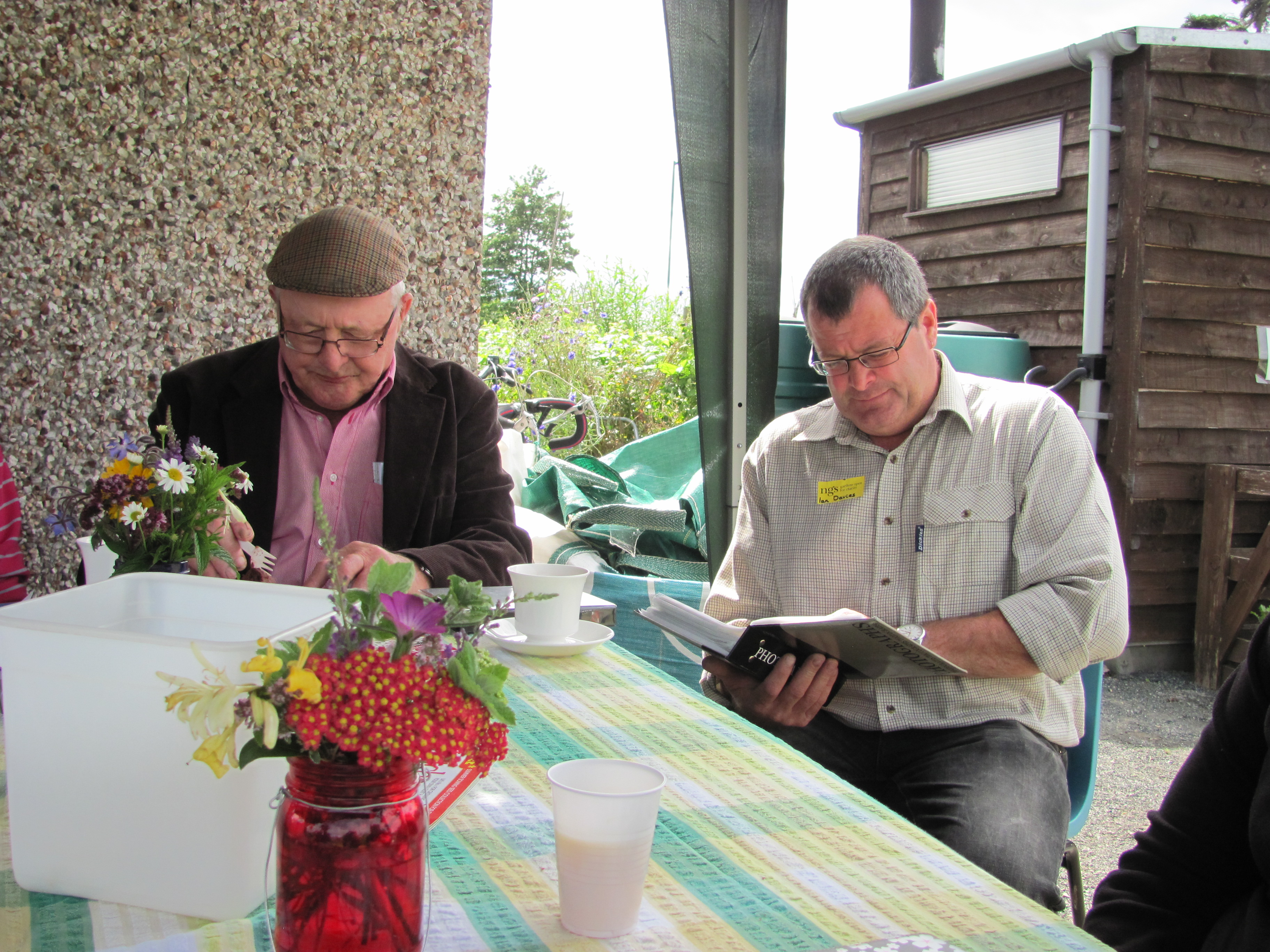
We were so pleased to see so many plot holders helping out in so many ways – true community spirit! The tea shop was stocked with dozens of cakes baked by members and the table under the gazebos were made attractive and welcoming after one member, Shirlie, created beautiful table centre posies, magazines were placed on them for visitors to read and our photo albums made available for their enjoyment.
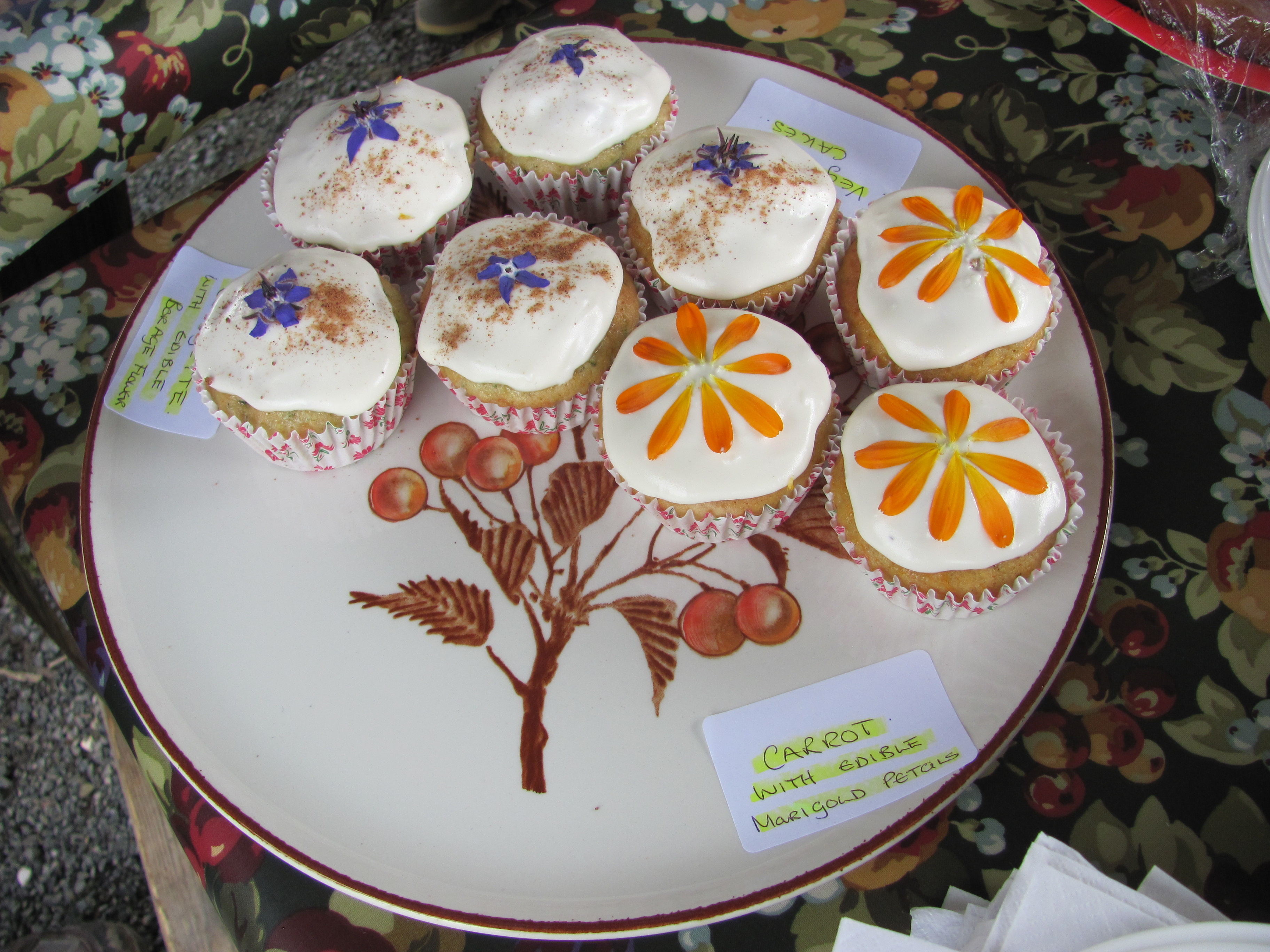
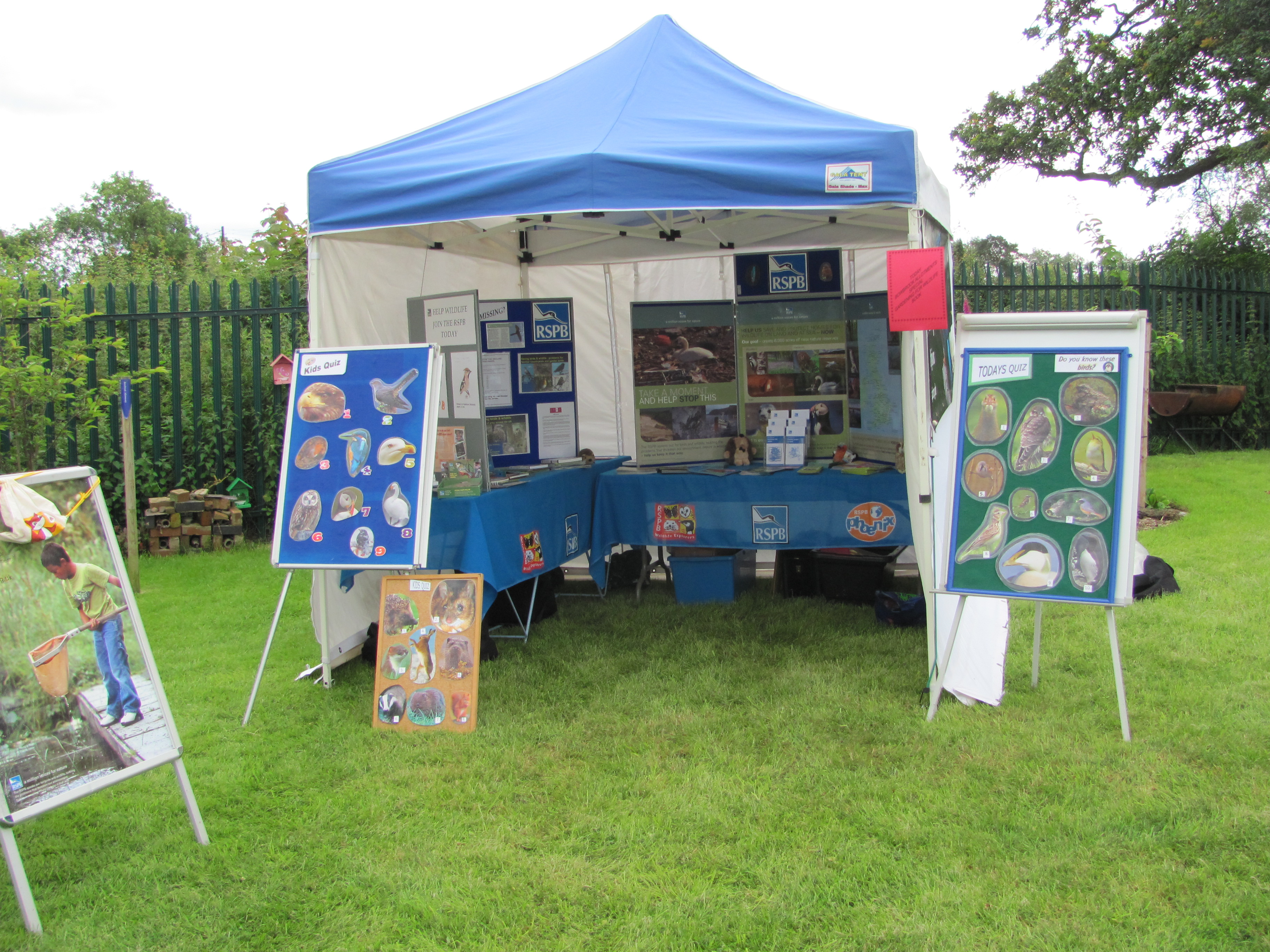
Tracy getting the tea shop sorted.Special “Allotment Cakes” carrot cakes decorated with petals of Calendula and Borage.Tea shop all ready for action and in plenty of time.Di and Jill prepare their “meet and greet” table.Warning signs in place.The volunteers from the RSPB (Royal Society for the Protection of Birds) take a break once their display is set up in readiness.Pete and Sherlie all ready and togged up in fluorescent safety to do car park control.
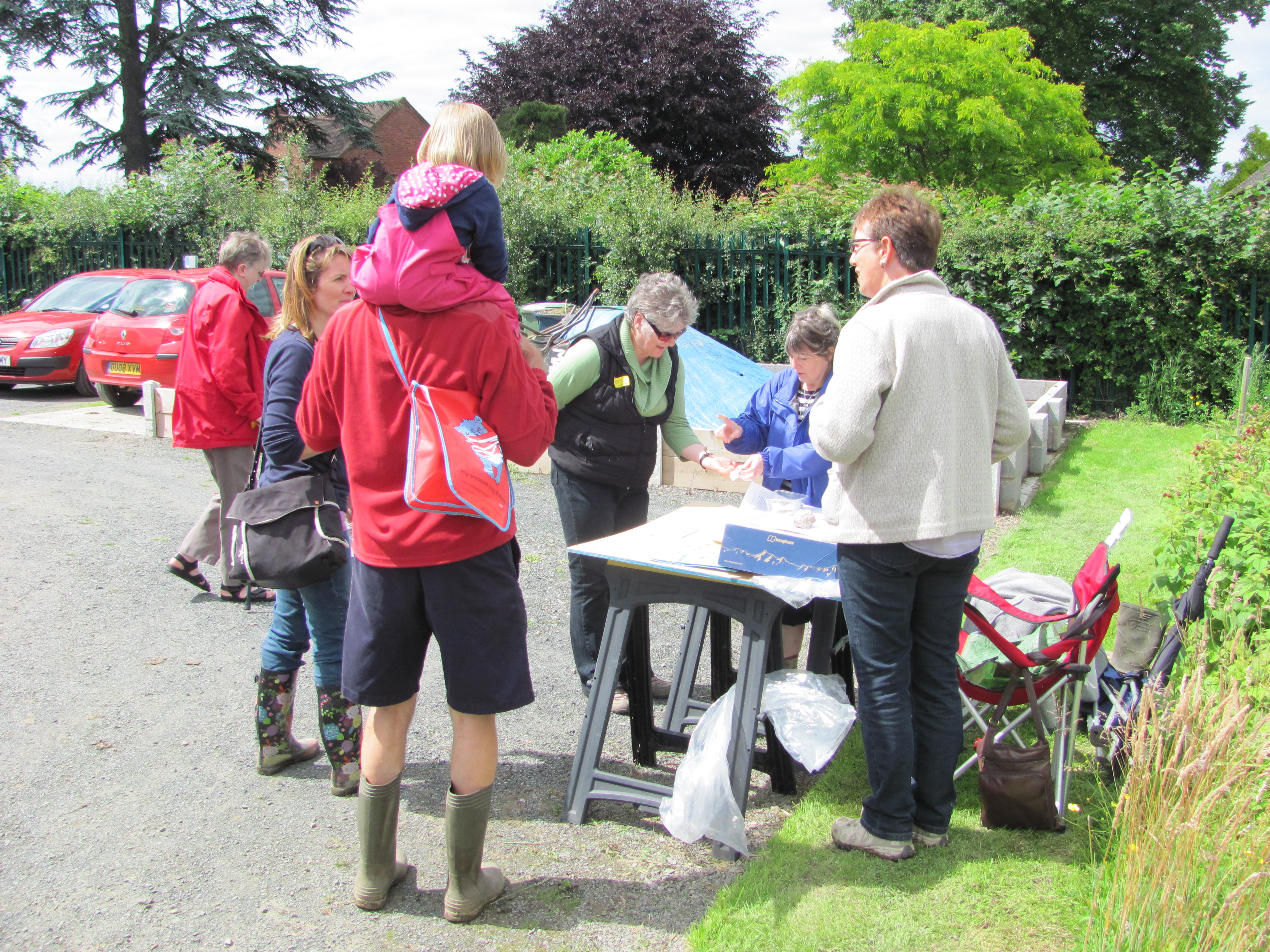
As soon as the clock showed 1:00 our visited started arriving – it is always a relief when the first one comes through the gate. Each visitor was handed a map and suggested route, competition details. Children were given a quiz sheet requesting they find pictures of some of our wildlife hidden around the site, matched to their favourite habitats.
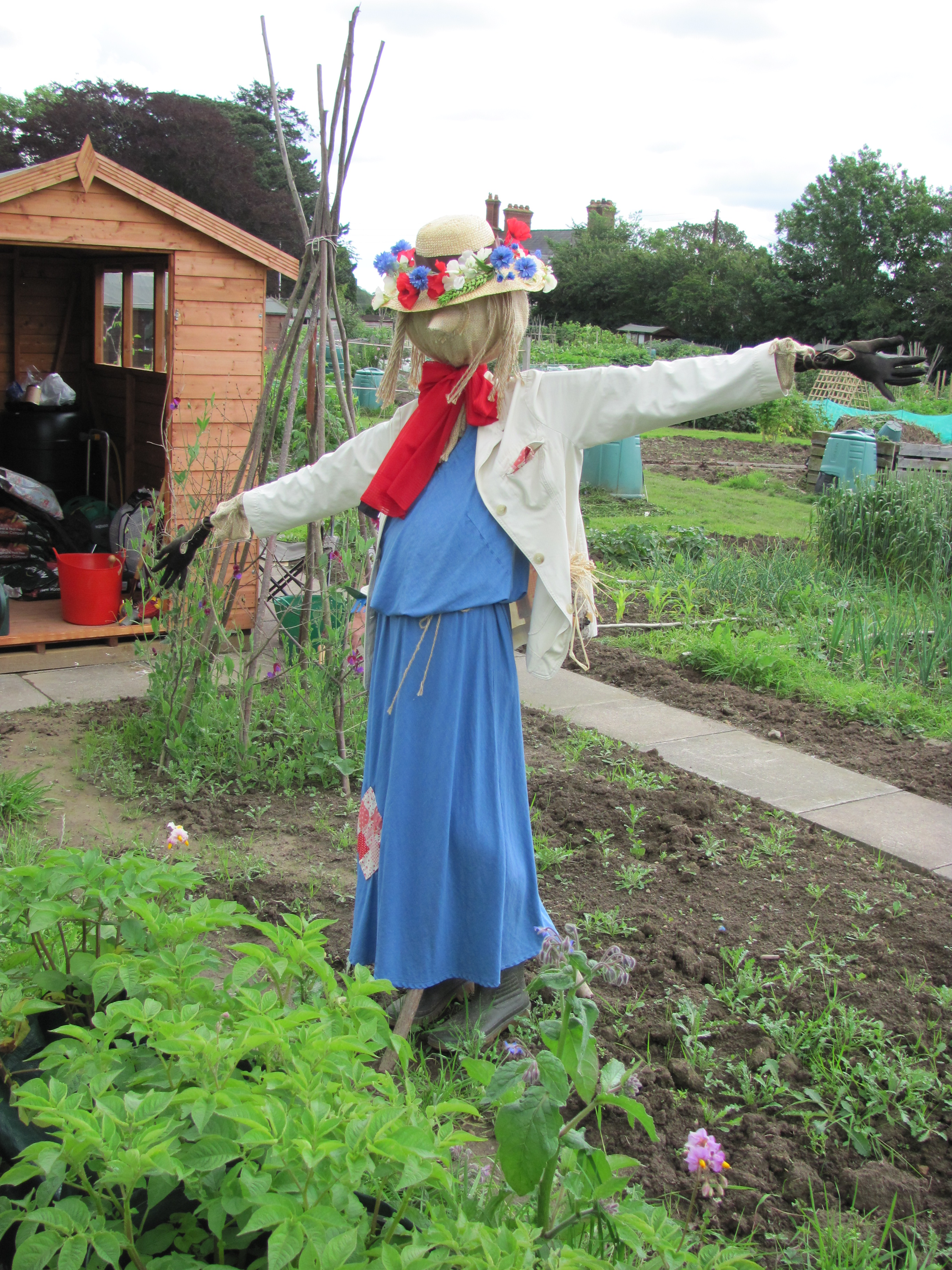
We invited our visitors to judge two competitions for us during their amblings, The Best Scarecrow and The Favourite Plot. The two following pictures show the winning plot and the winning scarecrow.
The plots are all neat and ready for the perusal of our guests including Jill’s pink plot.Ken and Lesley’s very beautifully designed scarecrow.
As we pride ourselves in designing our site and interest trail to be accessible to all we were pleased to see so many young families with toddlers or youngsters in push-chairs and people with mobility problems some using sticks or crutches, others wheelchairs or mobility scooters. We were delighted how easily they accessed the site and we received many compliments.
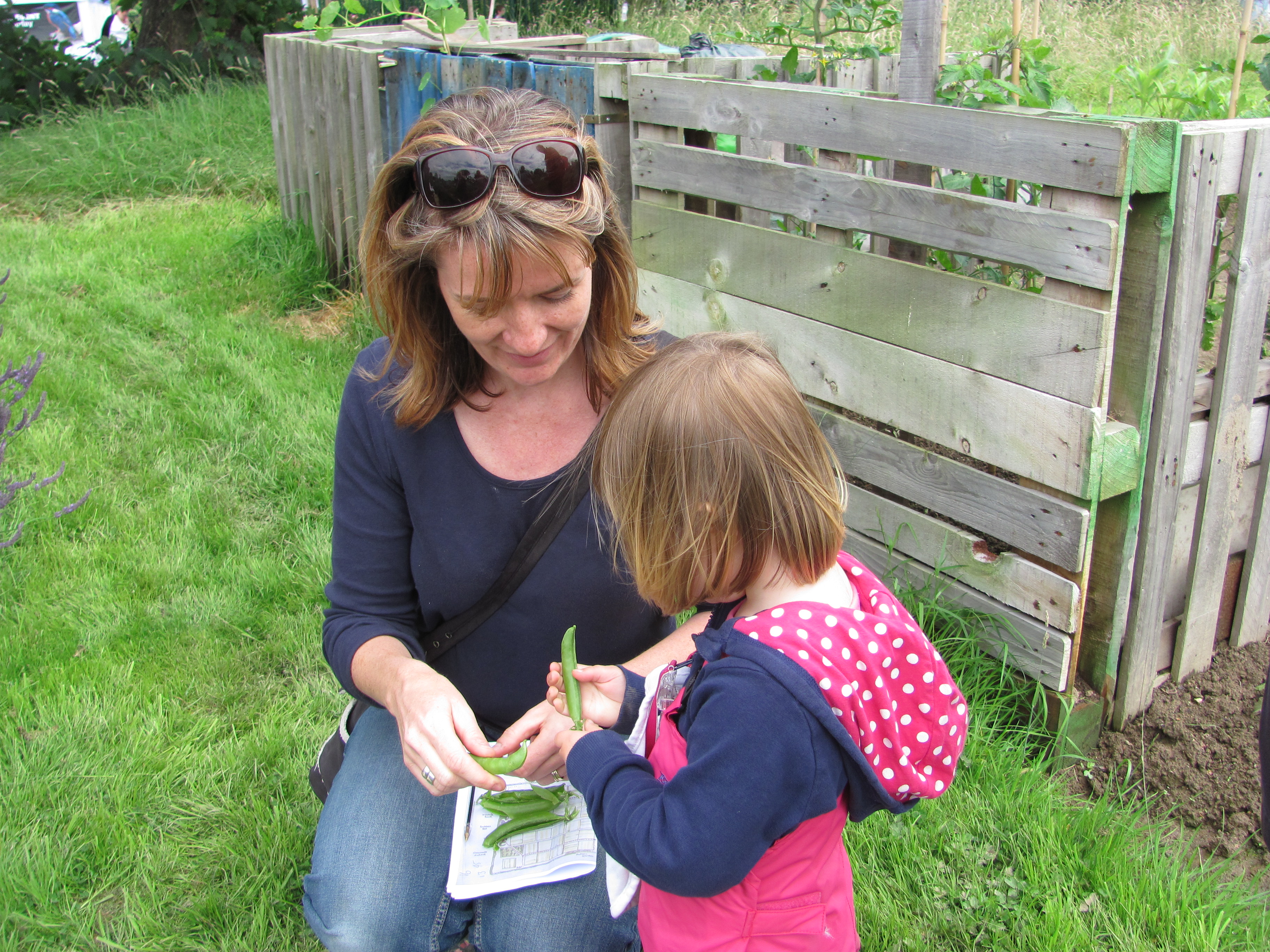
Our visitors enjoyed lots of free advice and even free strawberries and fresh peas straight off the plots. I spent most of my day as a mobile “Gardeners Question Time”, answering queries about pests, diseases and how to grow certain crops and identifying plants. I was handed a cabbage leaf with pests attached and a drawing of a “nasty, looking insect which looked like a dragon and was mostly black with bits of red”. I managed to identify the dragon insect as the larvae of a ladybird and the cabbage dwelling ones as whitefly. I suggested that the ladybirds should be encouraged to stay and informed the gardeners that they were very lucky to have them, but had to tell the cabbage growers that they were not lucky and advised them to get rid of their pests quickly.
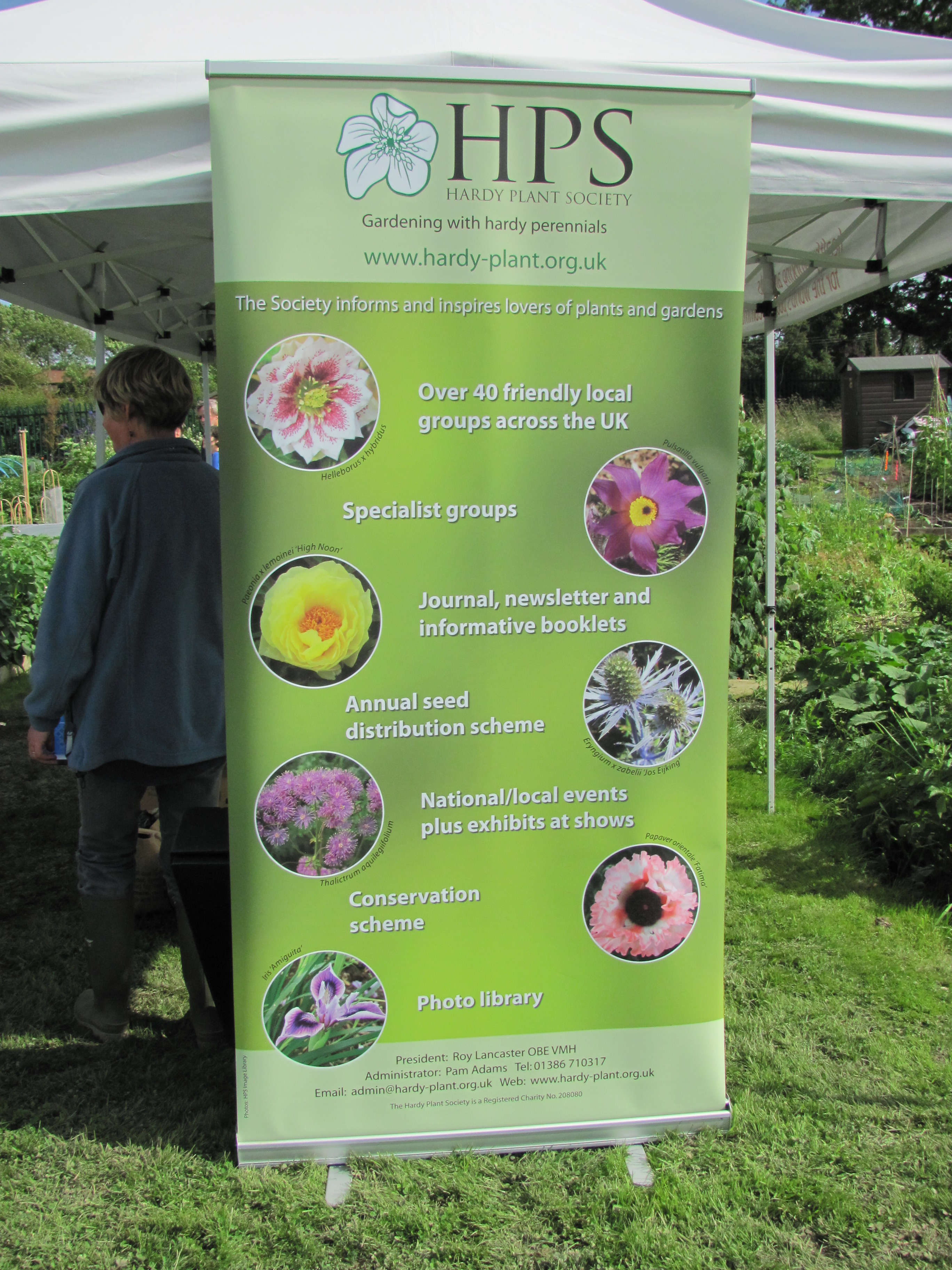
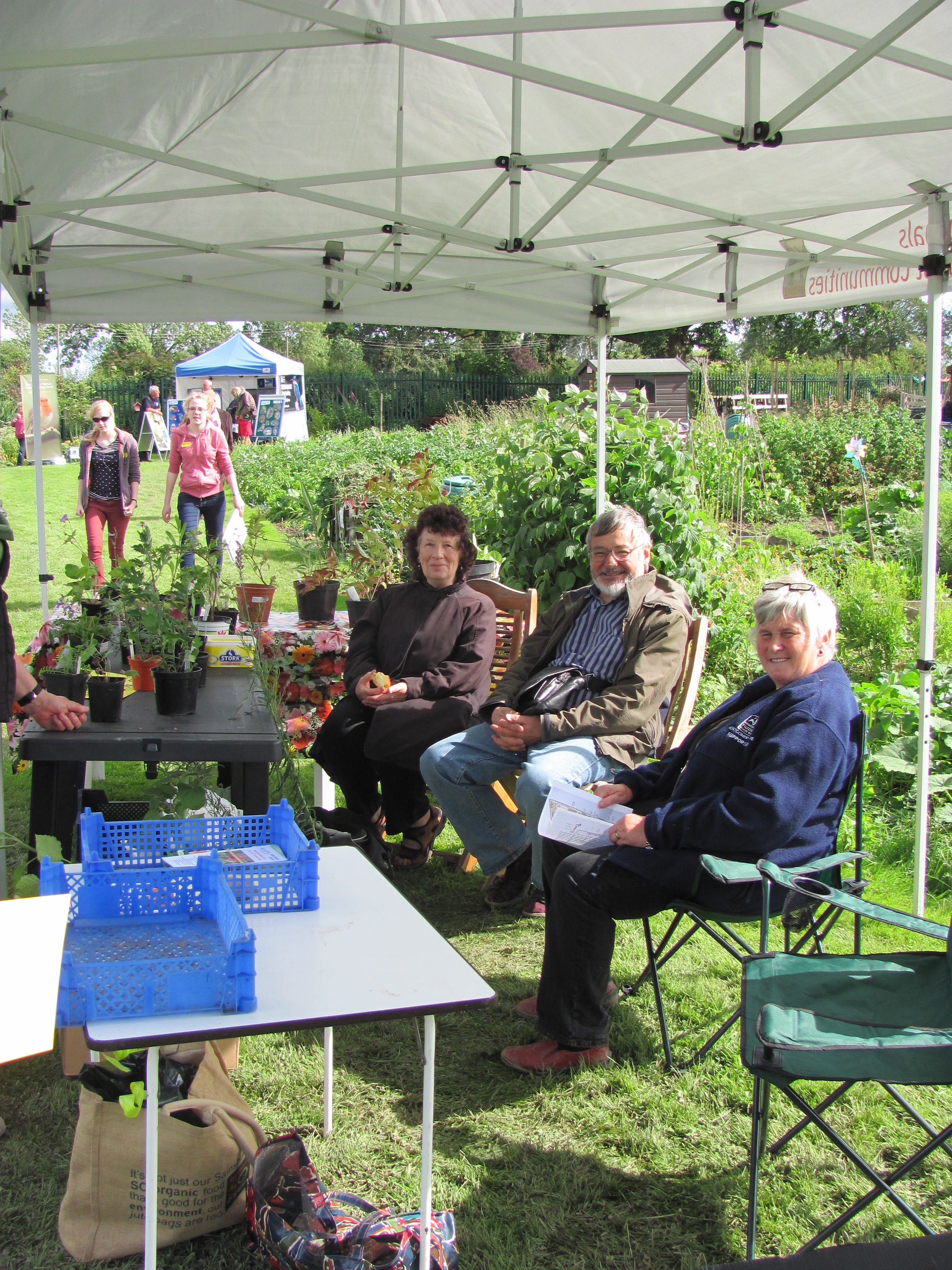
Some of our friends from the Shropshire Hardy Plant Society organised a plant sale and many guests left happy with their bags or boxes of unusual plants.
Most visitors who came spent several hours looking around with occasional breaks for a sit while enjoying a tea and cake, with some staying for the whole four hours we were open.
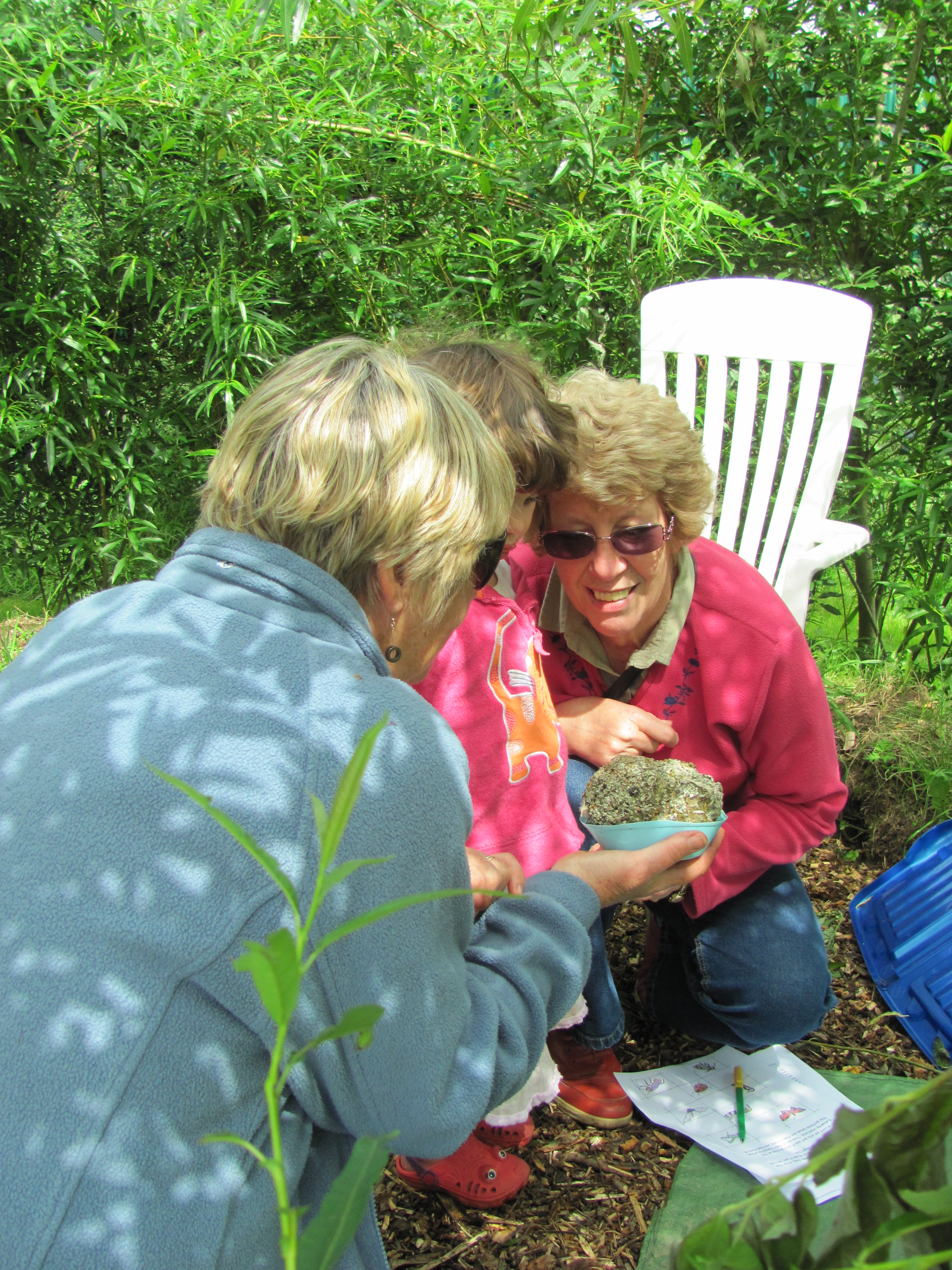
“The Undergardener”, Jude used her teaching experience to good purpose showing young visitors interesting artifacts found by plot holders such as an old Wren’s nest and an aborted Wasp nest.
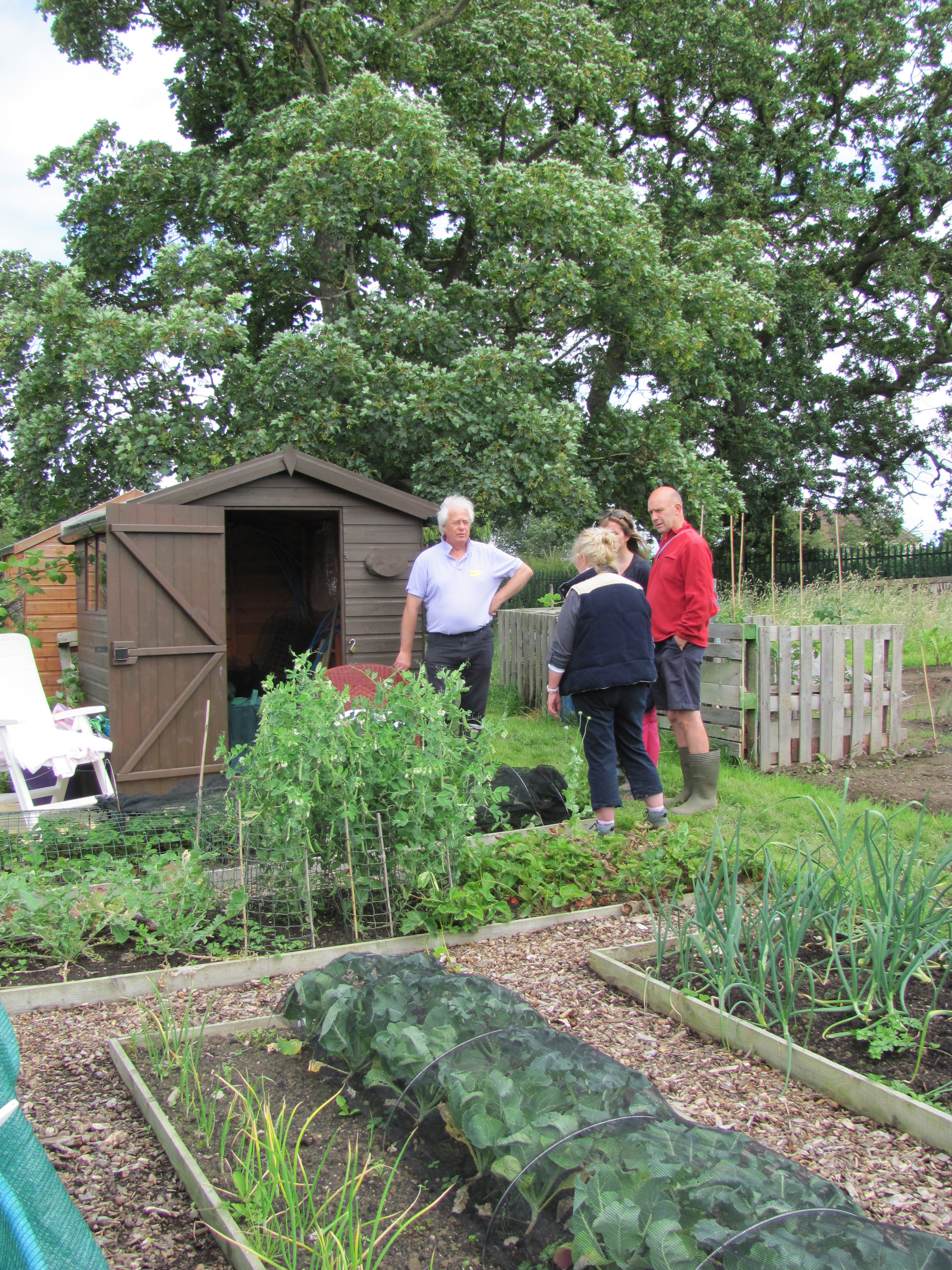
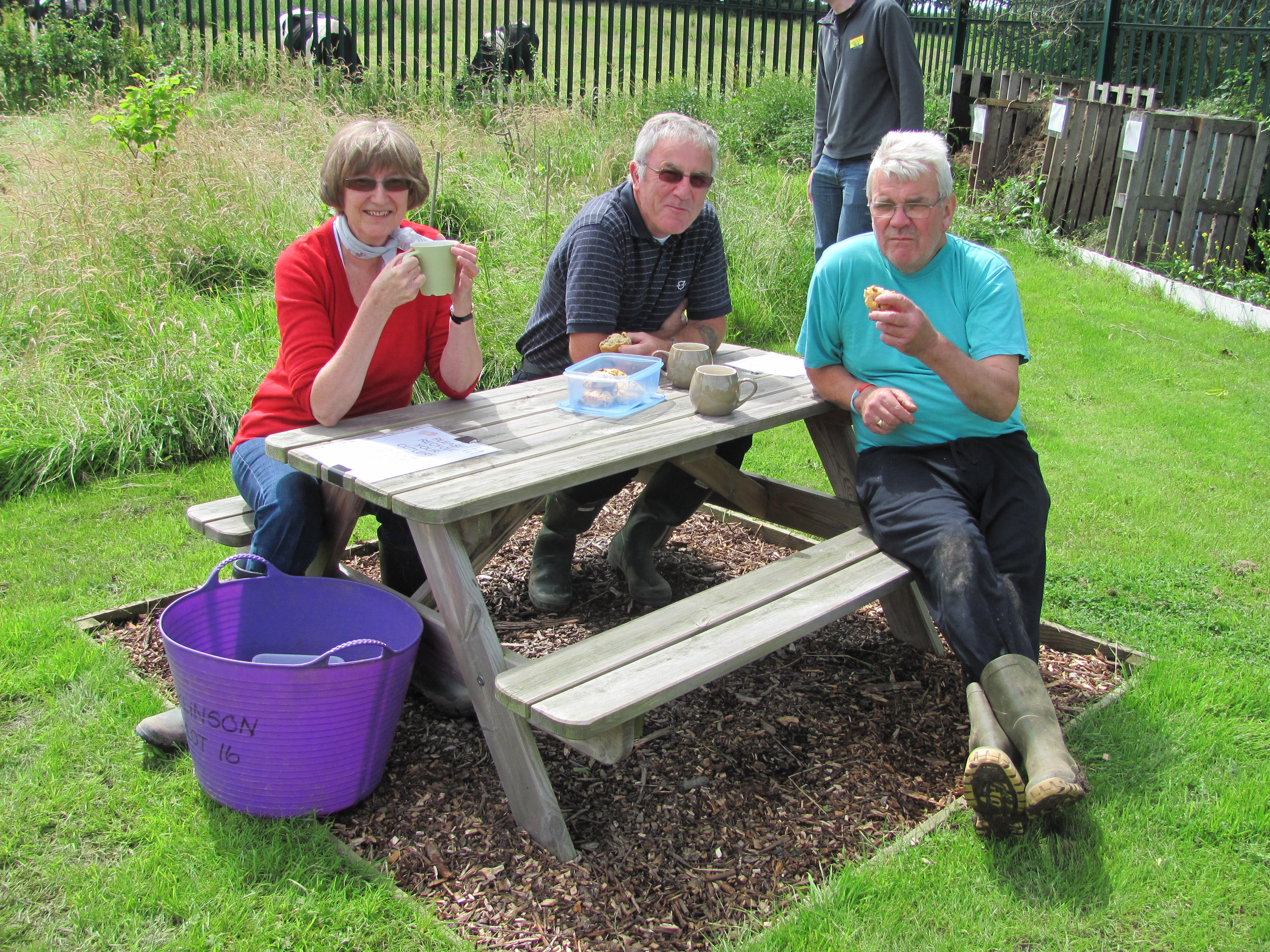
Several plot holders worked on their plots so that our visitors could ask them questions, others sat on picnic benches around the site to greet visitors and make them welcome.
When we closed and the last of our guests had left members rallied around and returned the site back to its former state. The tea shop returned to its function as a community hut, the gazebos were taken down and returned to their boxes, signs along the local roads were pulled up and put back into store. The RSPB and HPS volunteers packed up their goods and gazebos and said their goodbyes, and said they looked forward to our open day in 2013.
The last visitors to leave were these two characters who had spent the day sat comfortably in their thrones under the trees and greeted their subjects.
It had been a great day! Our visitors book contained some complimentary comments. We enjoyed reading them as they help show that we are achieving our aims. Here are some to examples to share.
“Fantastic, so much to see, great kids trail, thank you.”
“Completely lost in the interesting ideas. What a wonderful time I’ve had!”
“A truly inspiring place, wonderful for wildlife and kids.”
“Beautiful plots and welcoming tea and cake.”
“Inspirational model for all allotments.”
“Friendly, knowledgable gardeners.”
“Inspiring and clever ideas to encourage wildlife whilst giving plenty of space for produce. So much done in three years.”
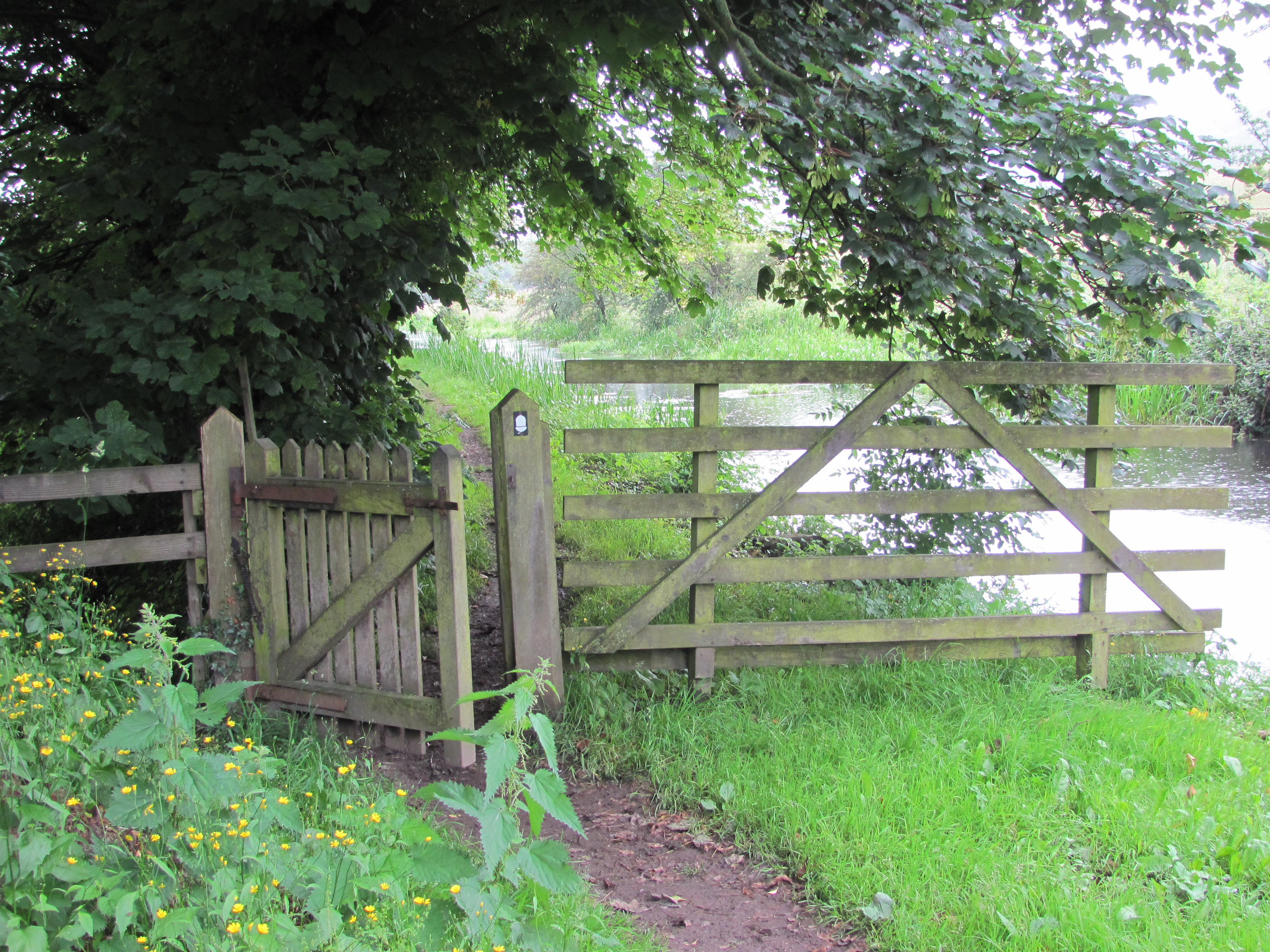
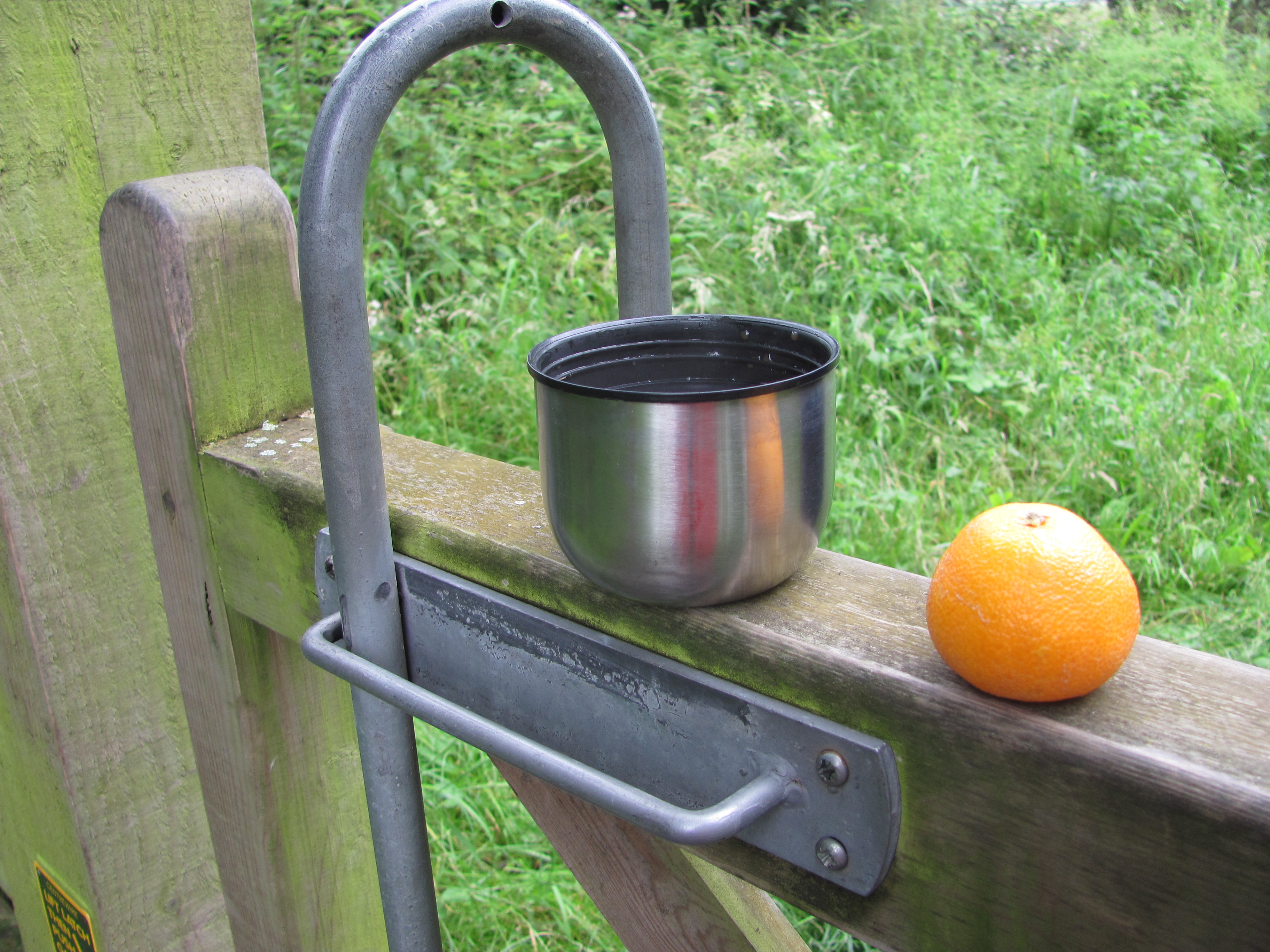
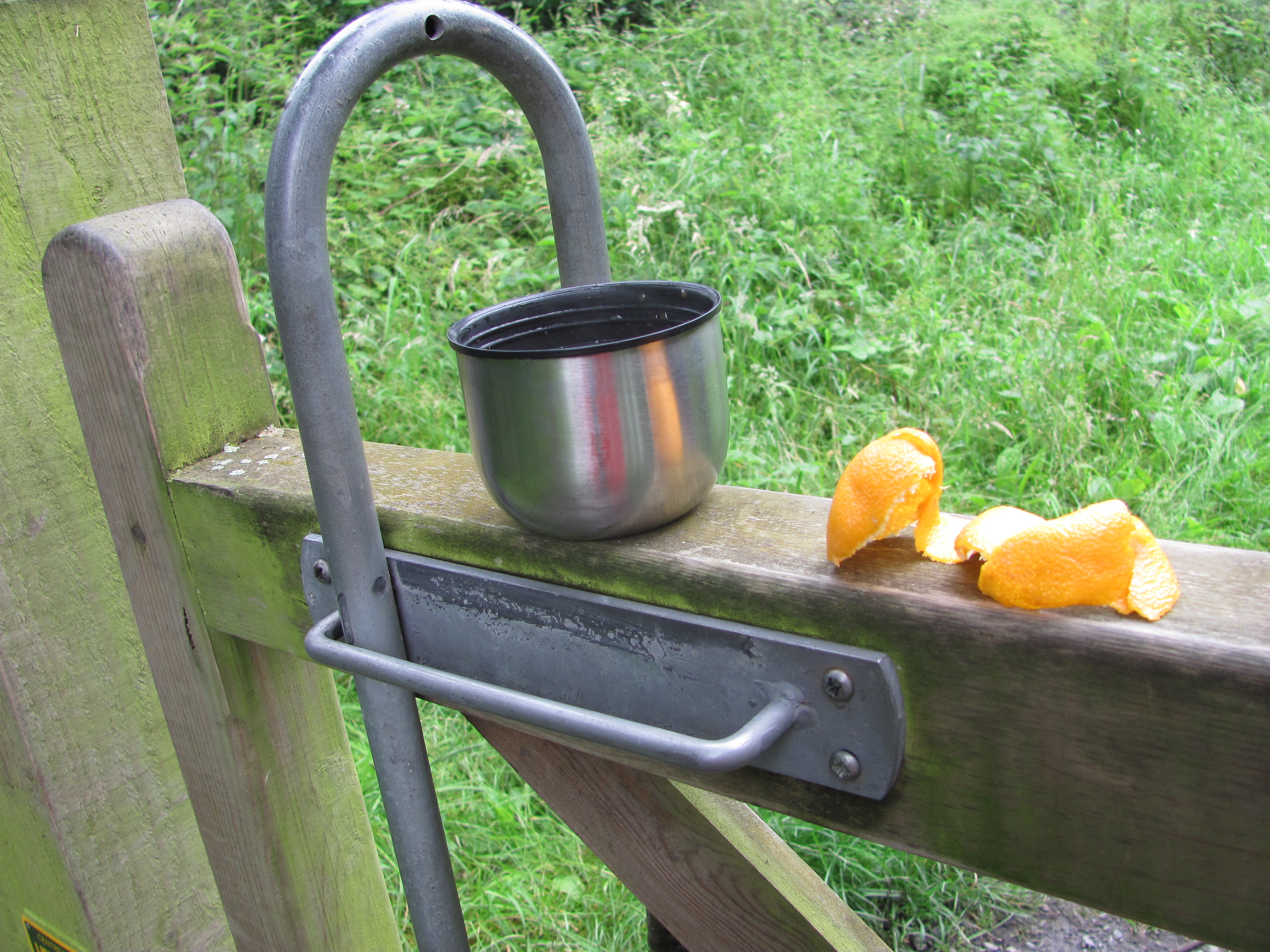
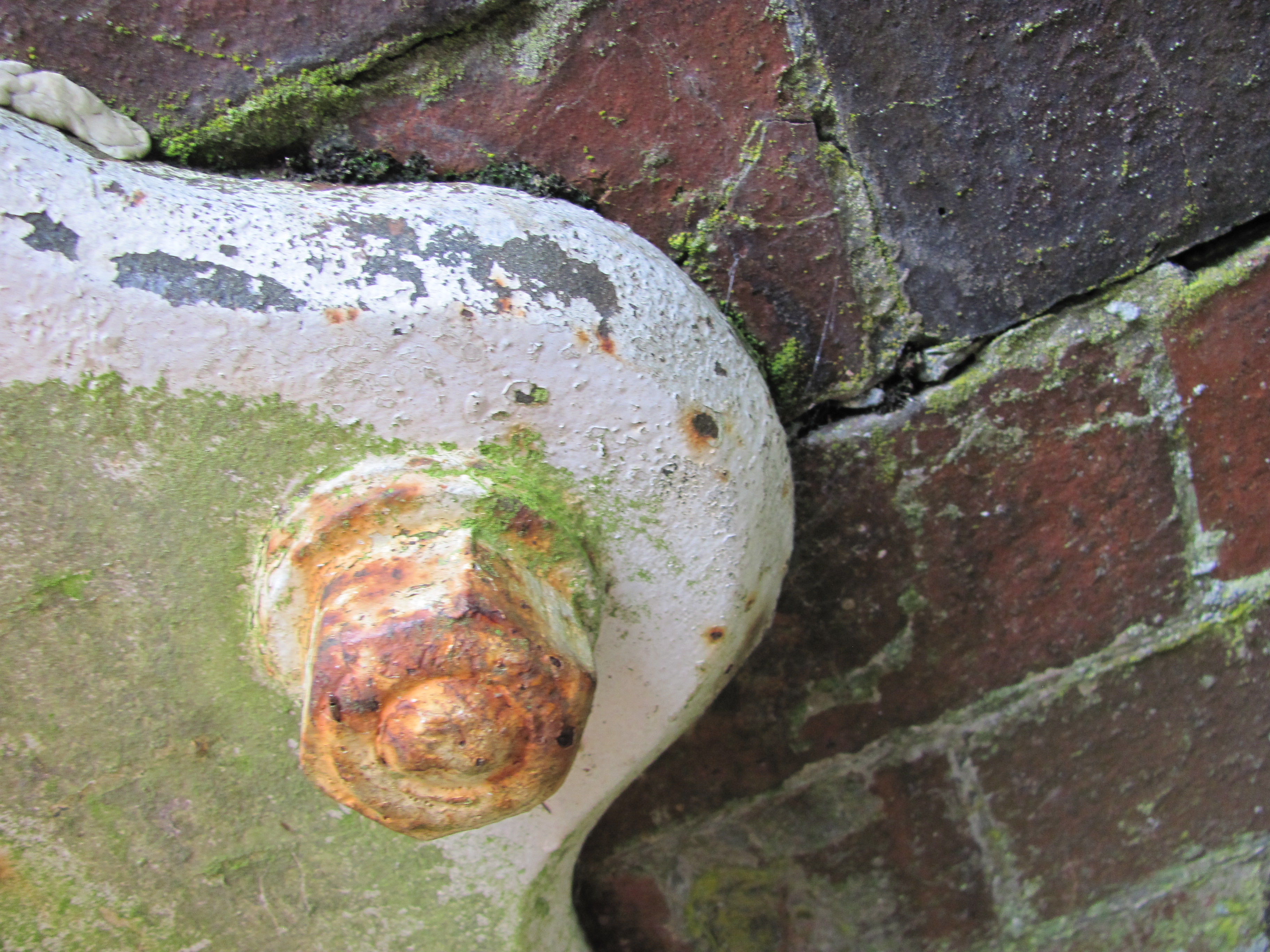
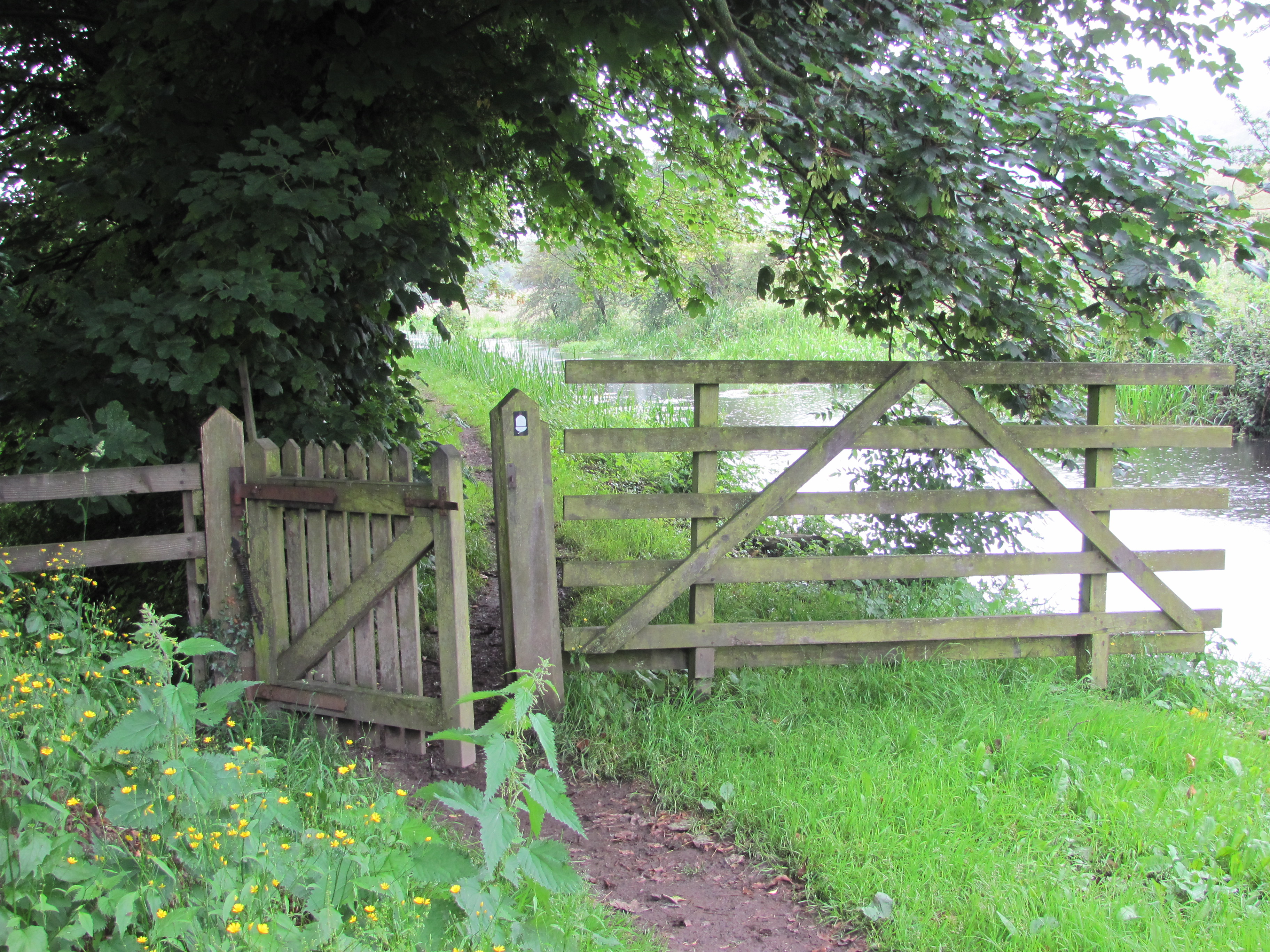
My last ramblings left us just as we retreated into the shelter of the wooded bank of the canal, through the little wooden gate. Inviting as the shelter was I was tempted to linger and photograph the silvered wood and rusted, pitted ironwork on the gate.
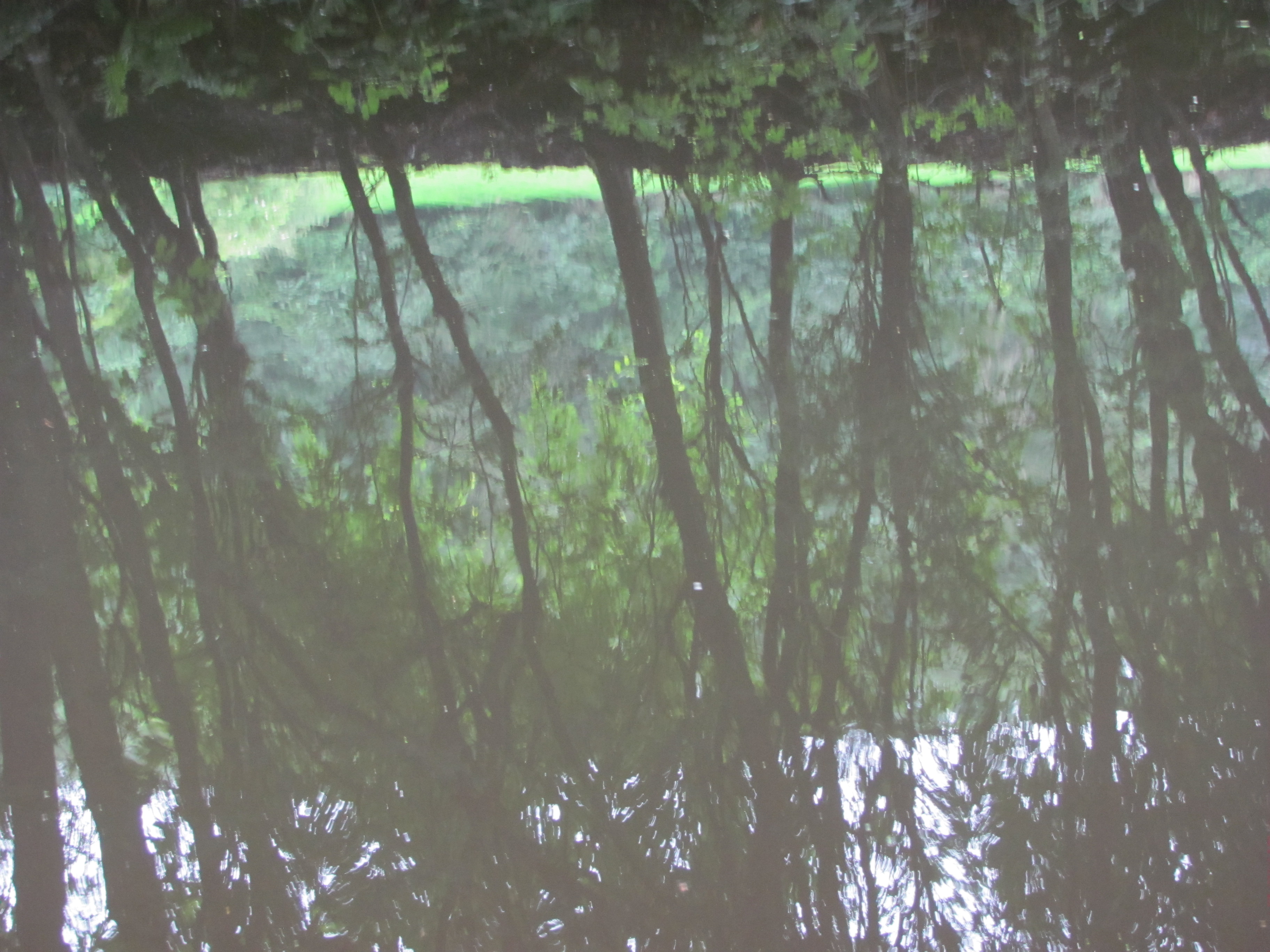
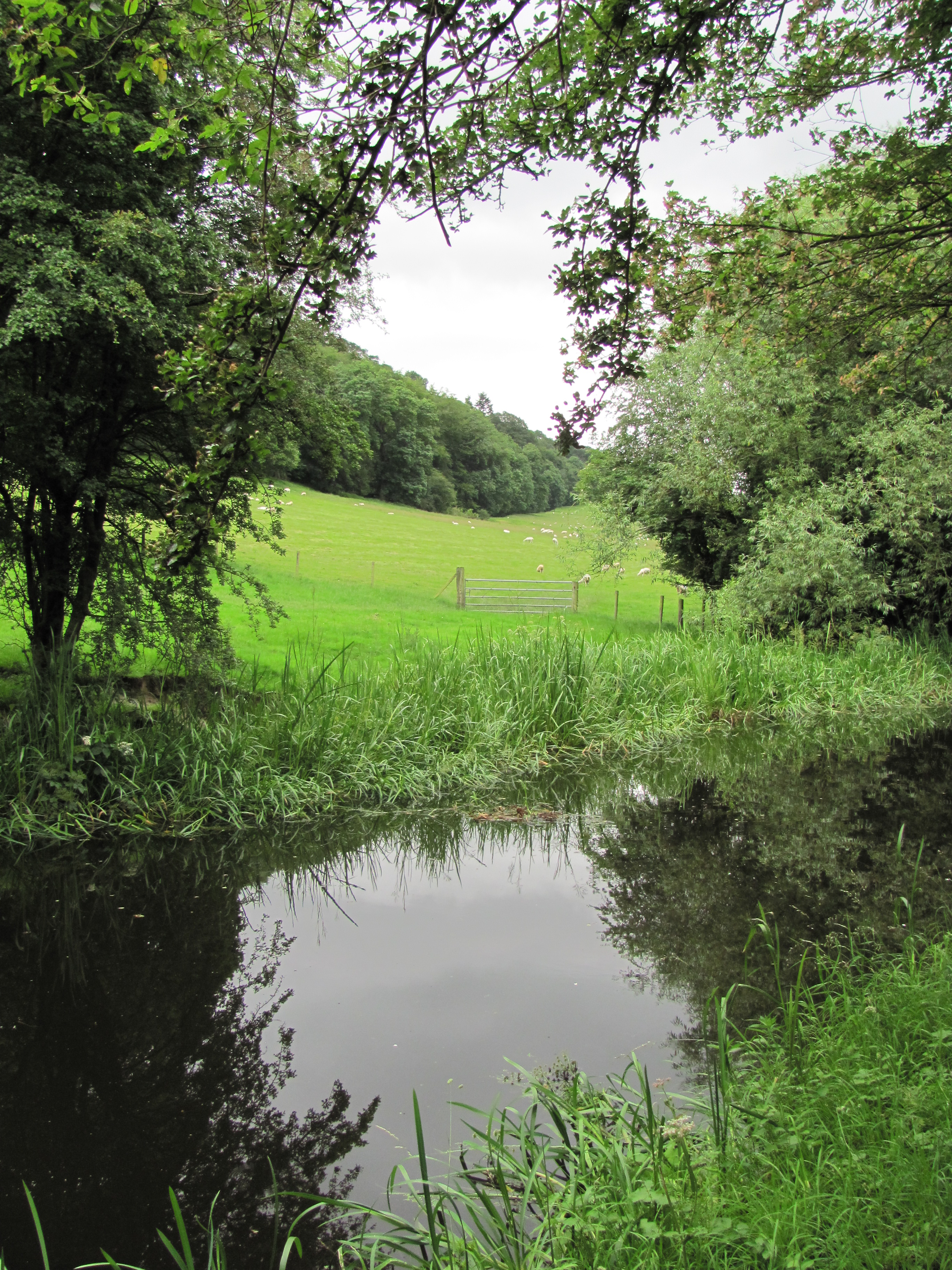
It always surprises me just how different a return journey can be. Different things catch the eye, different sounds invade the ear, different scents entice the nose for a closer appreciation. We found wild flowers, trees and bushes that we had not spotted on our way and enjoyed different reflections on the mirrored surface of the canal.
When we reached the spot where we had stopped for a coffee break on the way we stopped once again and leant on the same gate, but it was not quite a case of deju vu.
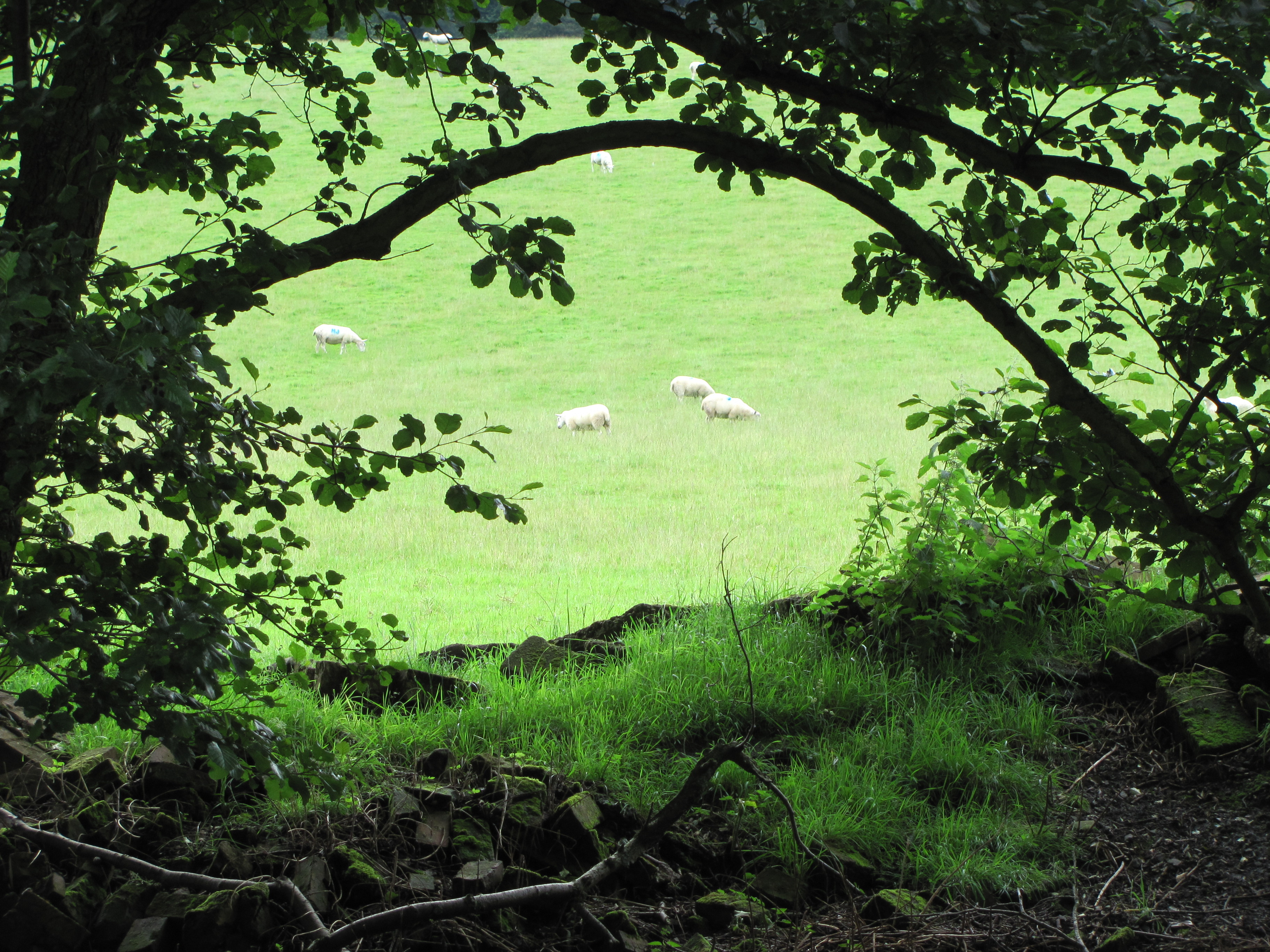
From our coffee-drinking, gate-leaning vantage point we watched sheep grazing on the field beyond the far-bank trees and spotted a long, low red-bricked barn half way up the sloping field.
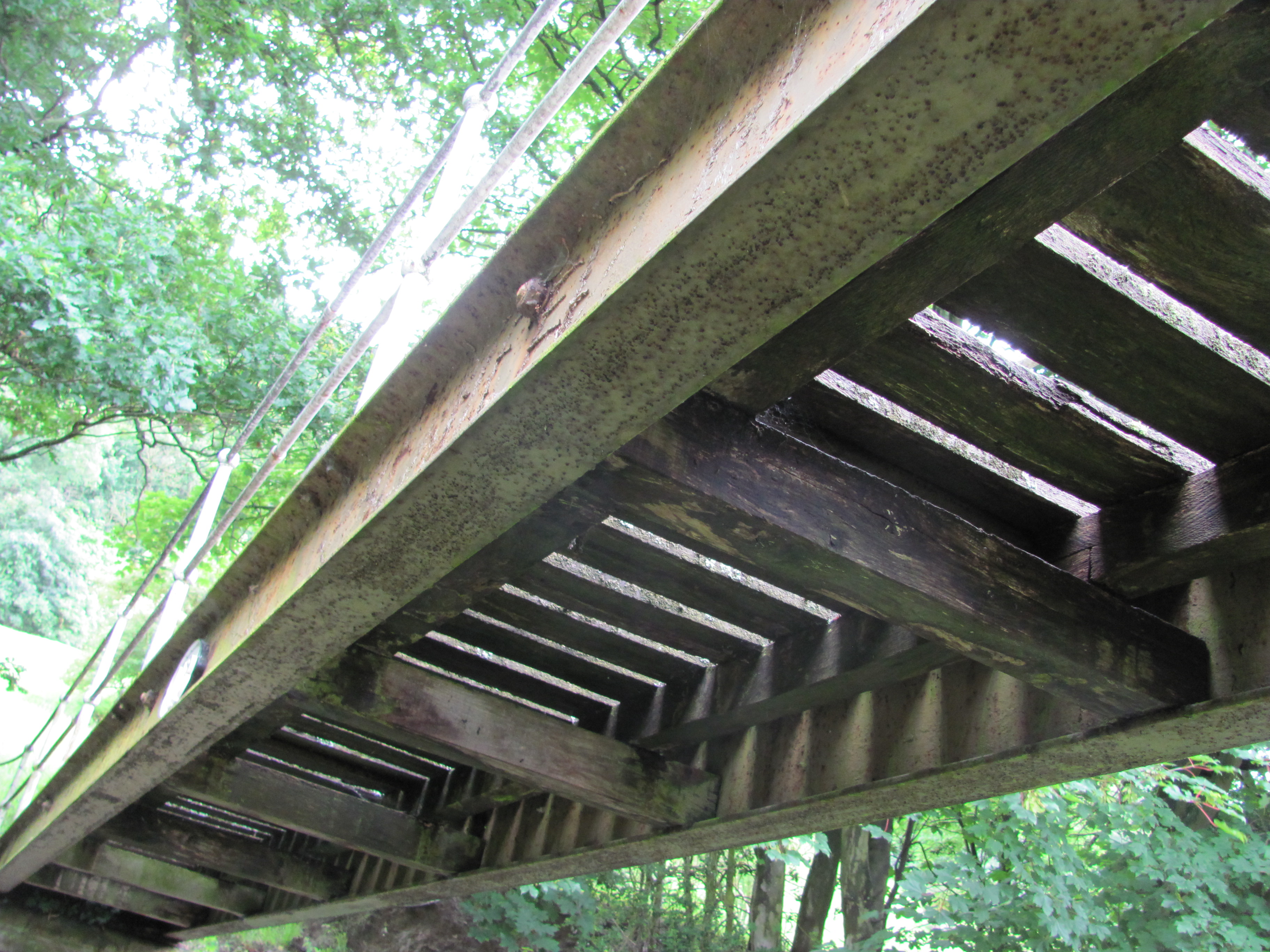
The footbridge that passed over our heads provided ample opportunities for some creative picture-taking.
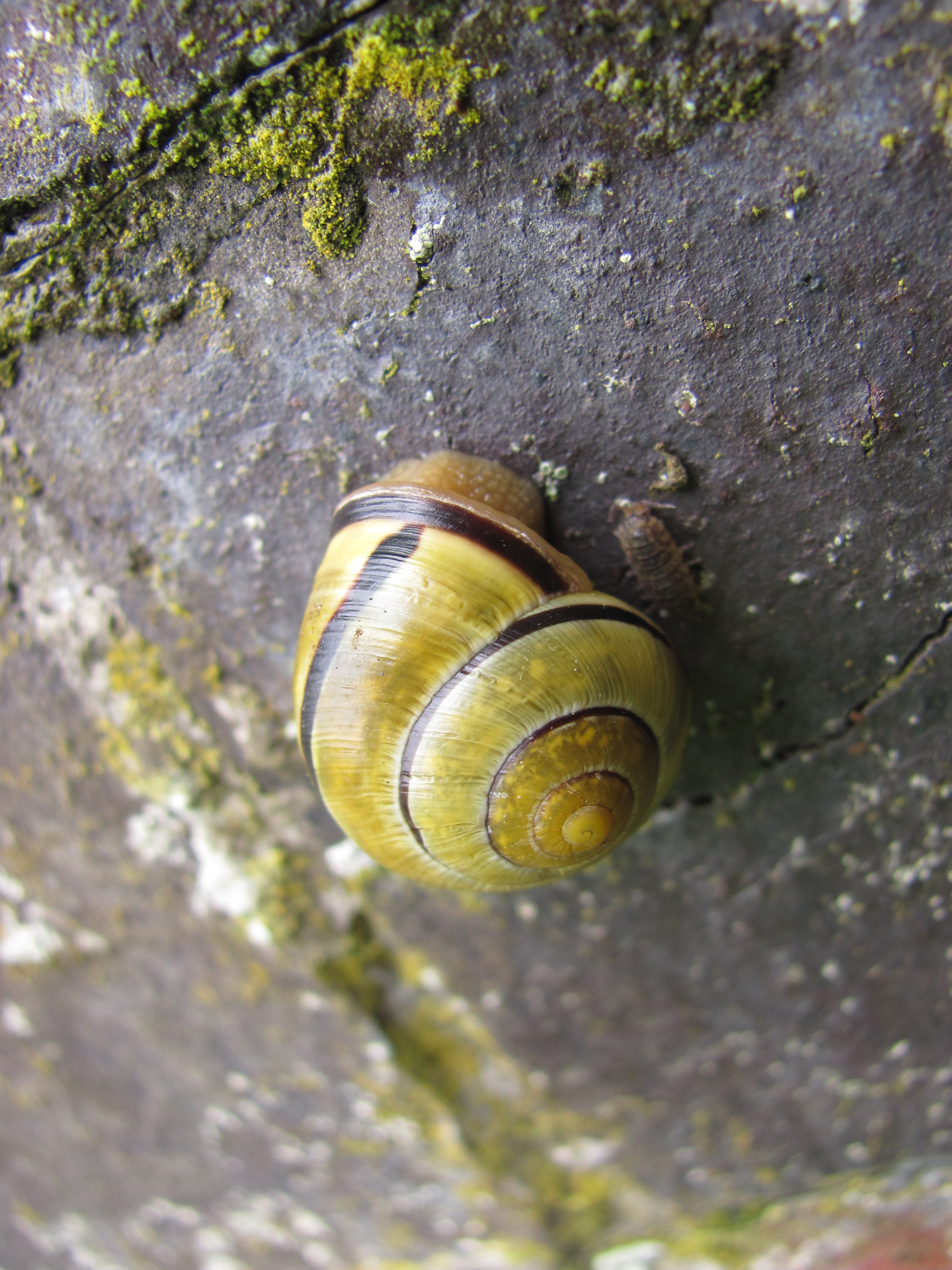
These little banded snails with their glossy coloured shells decorated with chocolate or black bands which followed the spiralling shape of their shell homes, began to appear after the shower of rain.
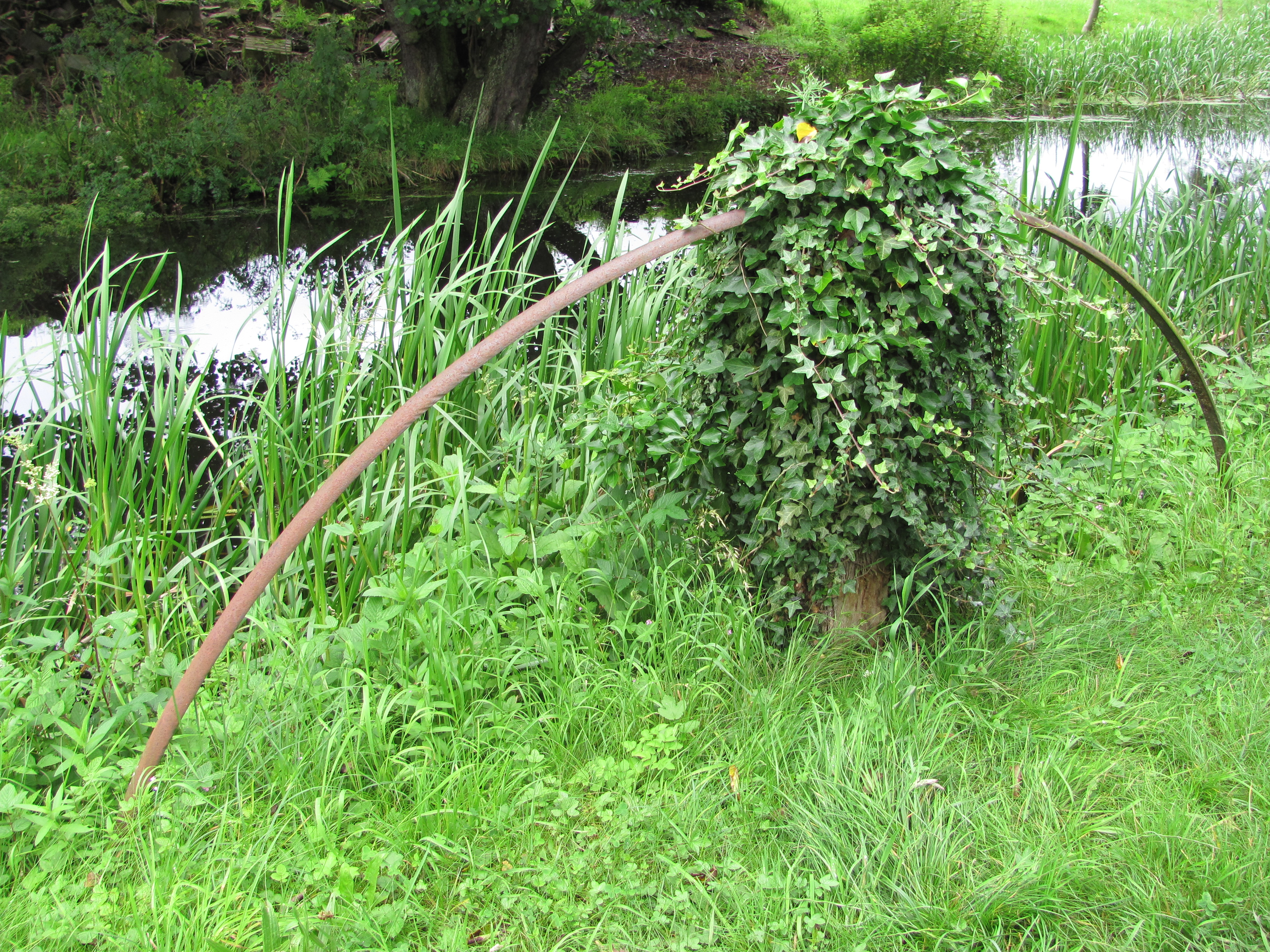
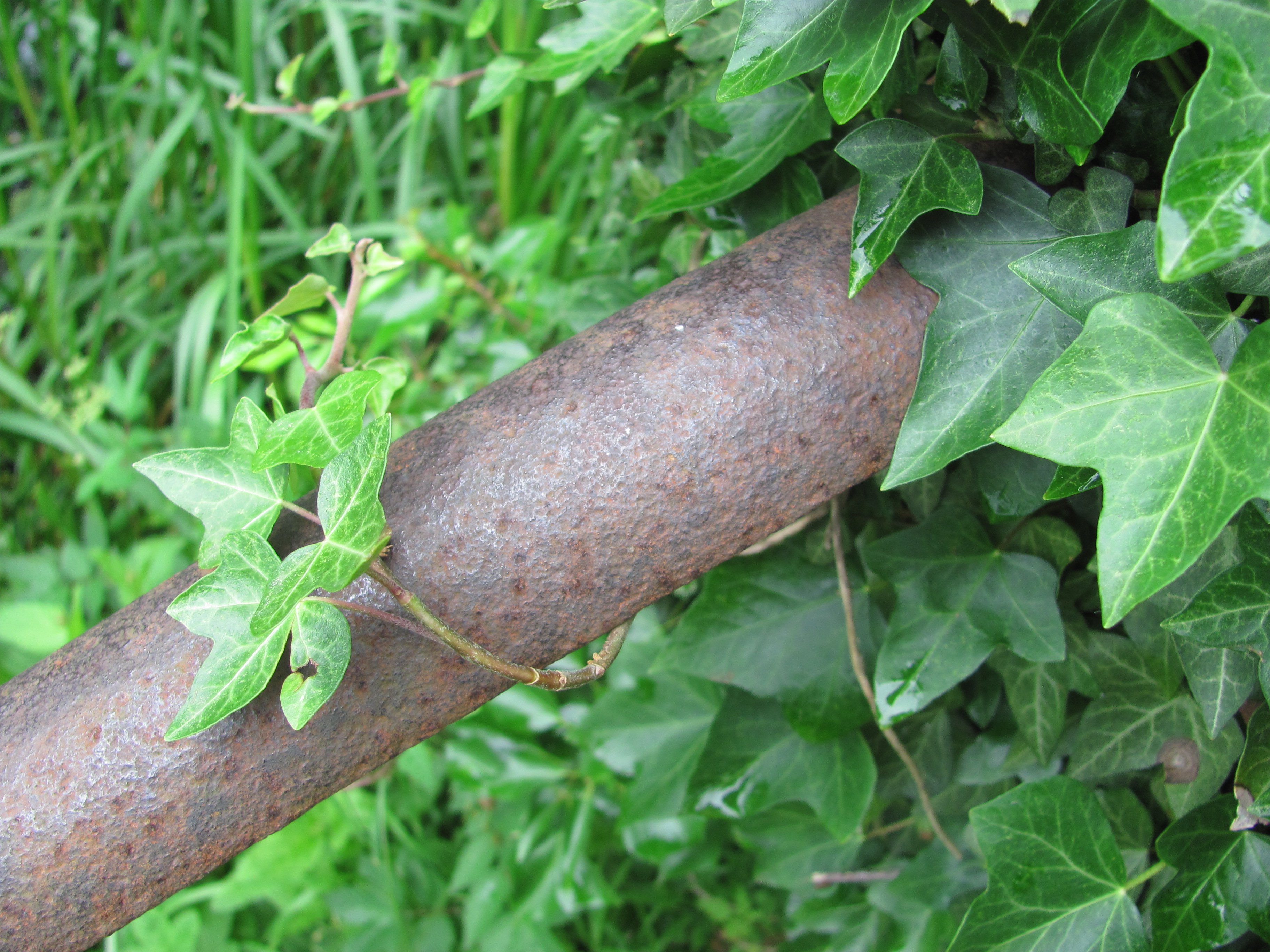
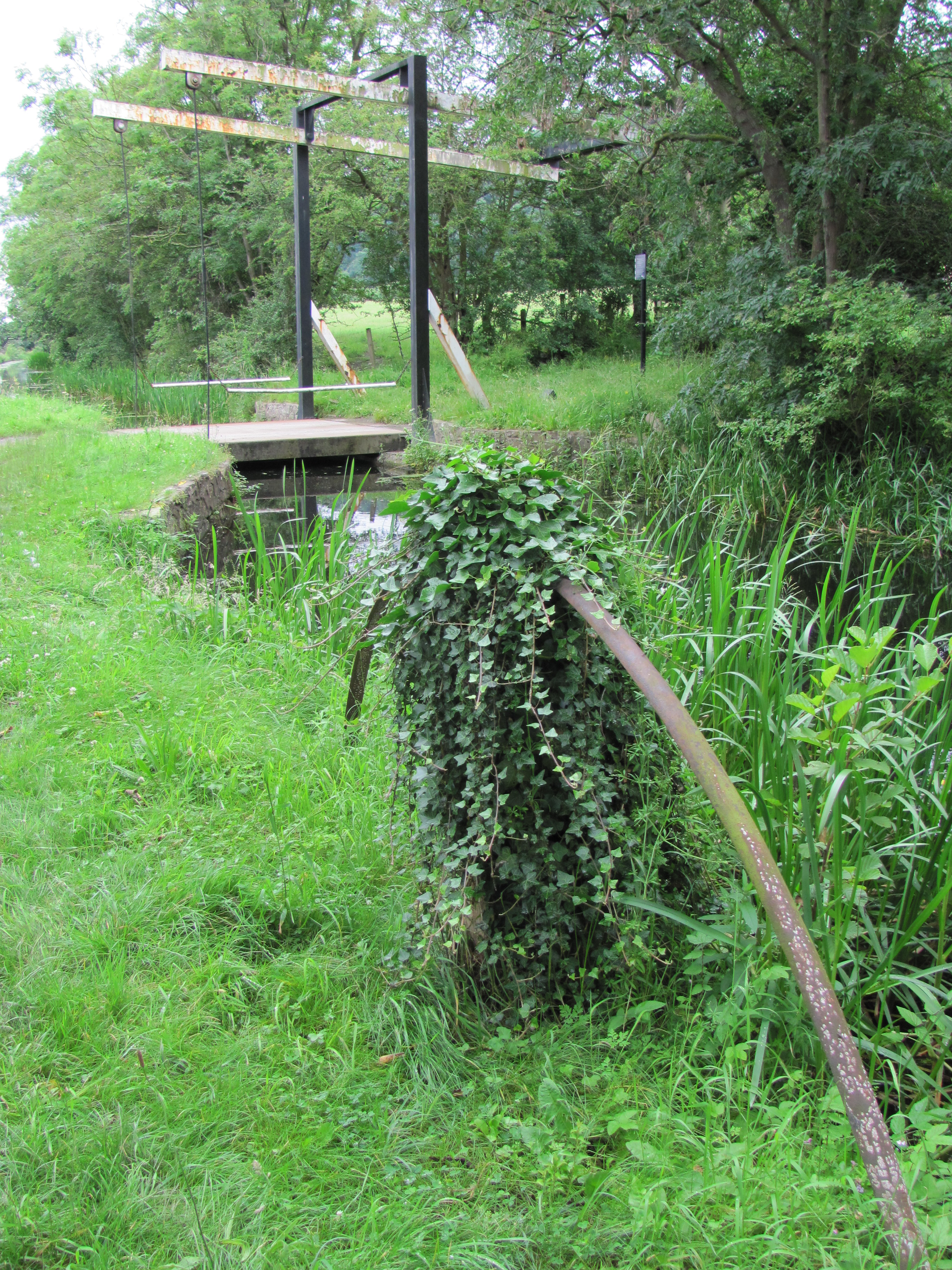
Canalside paraphernalia draws attention along any towpath walk, bringing to mind queries and questions of their uses and names. This first object was a simple arch of iron appearing from the ground and disappearing about a dozen feet further along the towpath. We couldn’t work out what its purpose could possibly be but it did present a graceful archway in the grass.
As we follow the last stretch of the Montgomery Canal back to our starting point of a few hours earlier we can look at the different native plants we found and views of the canal that we enjoyed.
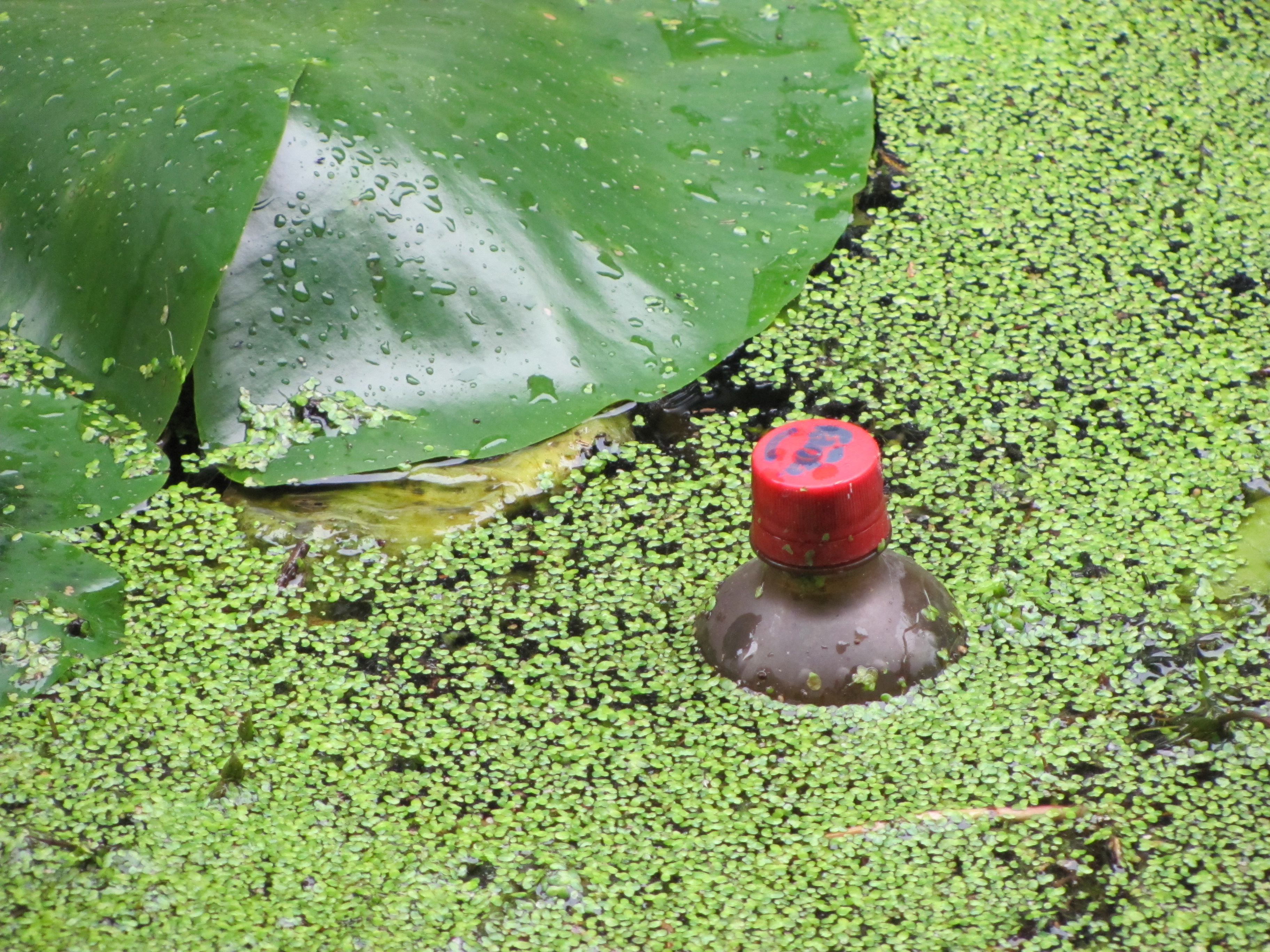
What an inspiring way to spend an afternoon that presented us with uninspiring weather. We enjoyed this wander very much were saddened to see that in such a beautiful place the selfishness and laziness of a few can leave their mark – plastic litter, probably one of the most damaging marks of man’s existence.
Fed up with the constant rain yesterday we decided we would defy it once again, get our walking boots and waterproof jackets on and go for a walk. We felt like wandering alongside water but as the nearby River Severn and Rea Brook were both flooded we set off for the Montgomery Canal. A half hour drive took us to Welshpool, just into Wales, and surprisingly as we got nearer the rain gave over and we were treated to a dry walk. Dry overhead but very wet and muddy underfoot. I had new walking boots to settle in and make sure they didn’t look new. This was just perfect conditions to knock the shine off them and make them look a bit more lived in and more loved.
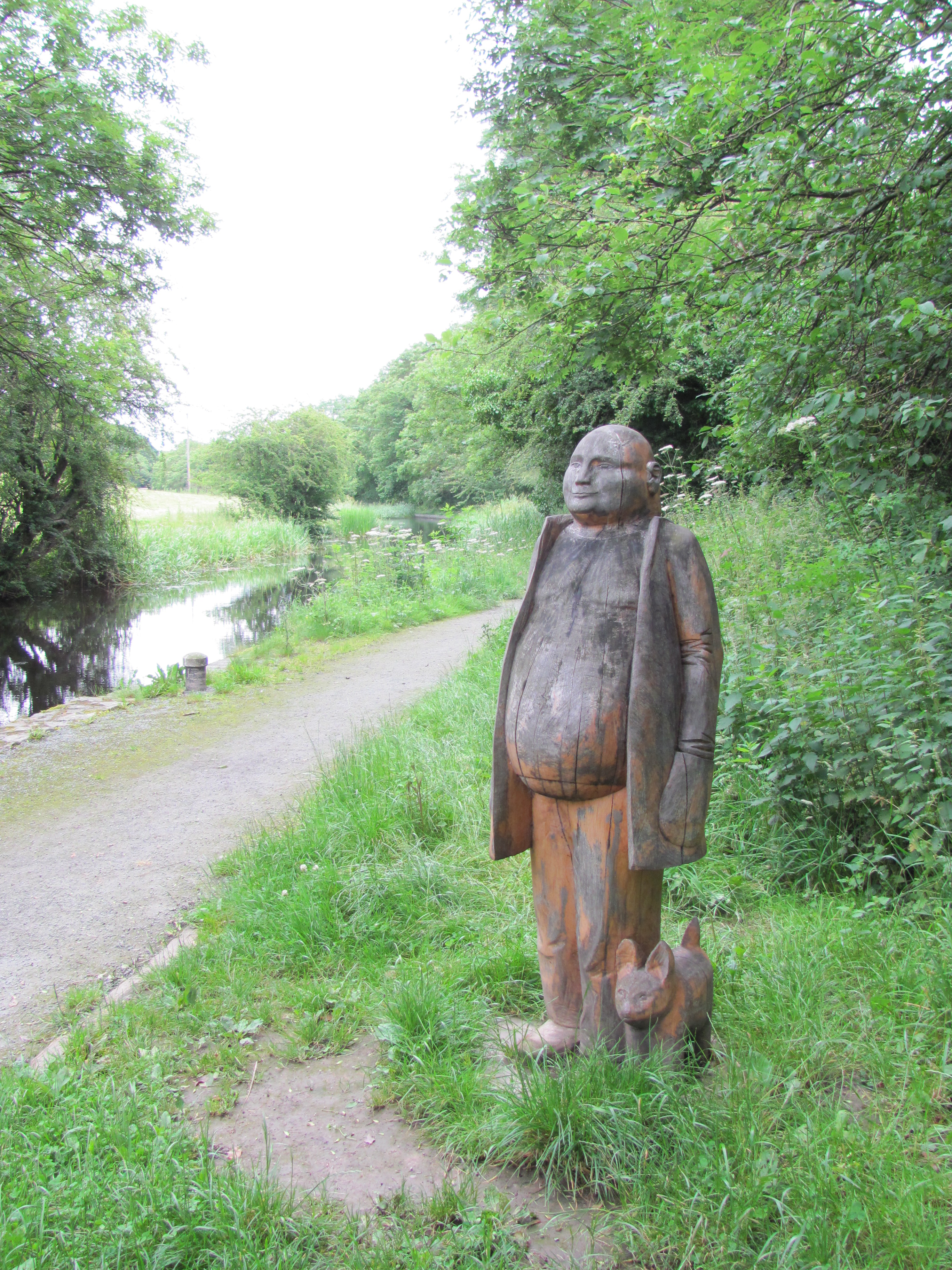
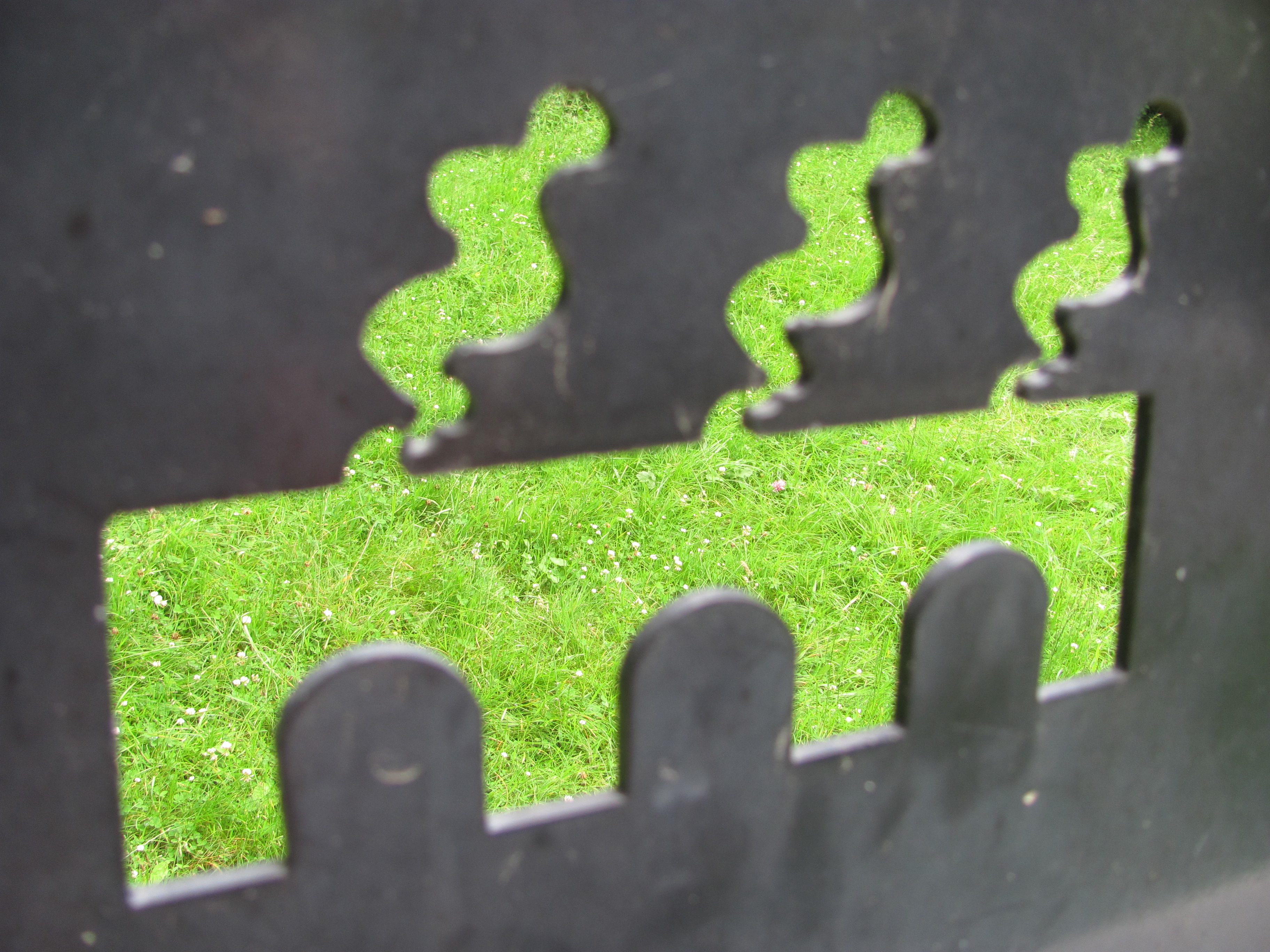
The tiny car park at Buttington Wharf holds a half-dozen or so cars and we were surprised to find three others parked up before us. Other lovers of the great outdoors fed up with the rain? On the banks of the canal just through the trees we spied this sculpture of a jolly looking character – David Jones. He was a lime-kiln owner and coal merchant back in the early 1800’s, and we found signs of the kilns nearby. No wonder he looked jolly – he must have been a rich man. A symbol based on his working lime kilns was cut out of the metal information board.
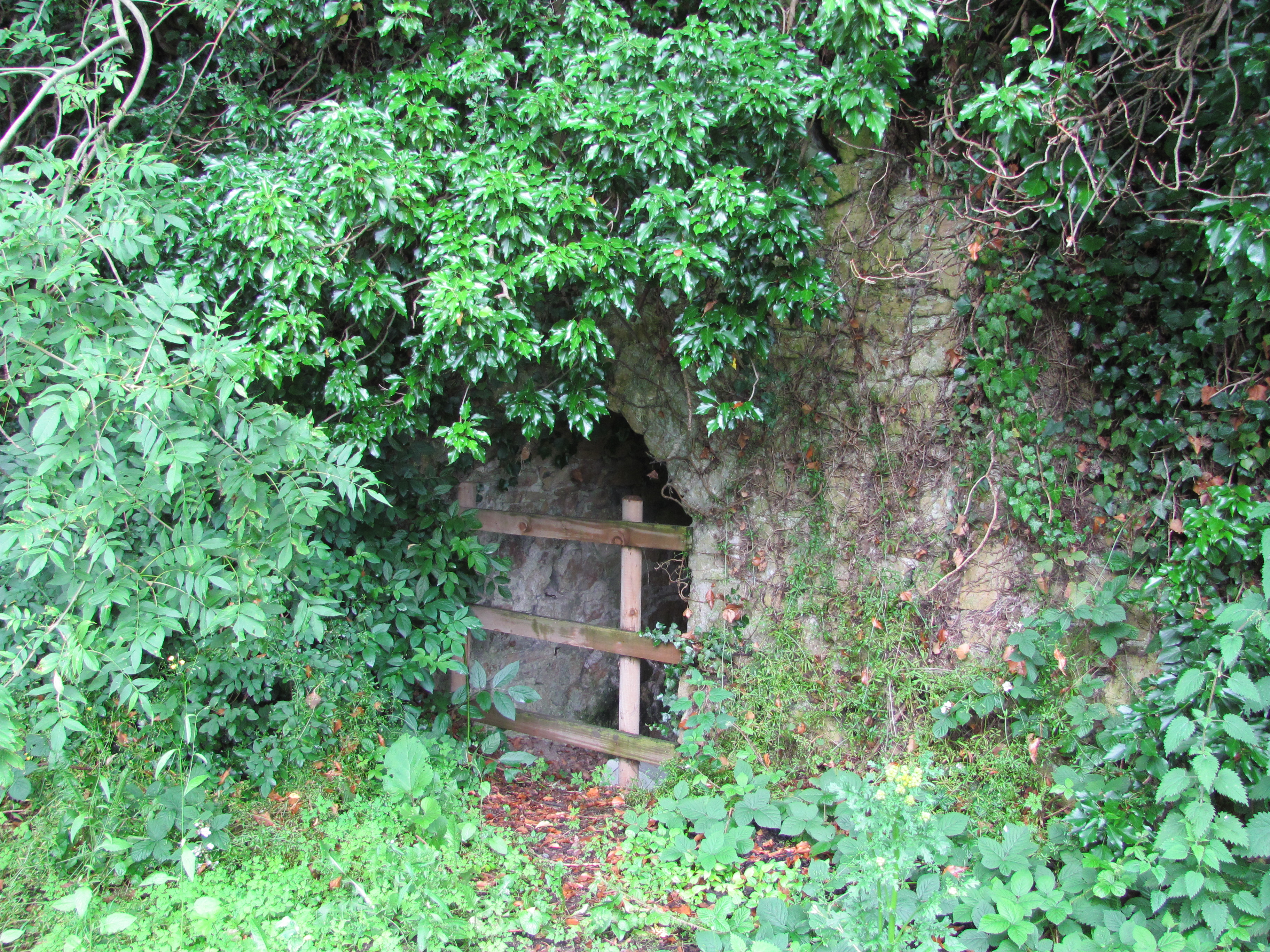
In the surrounding greenery, well-hidden under trees and bushes we found some old brickwork, the remains of the kiln entrances.
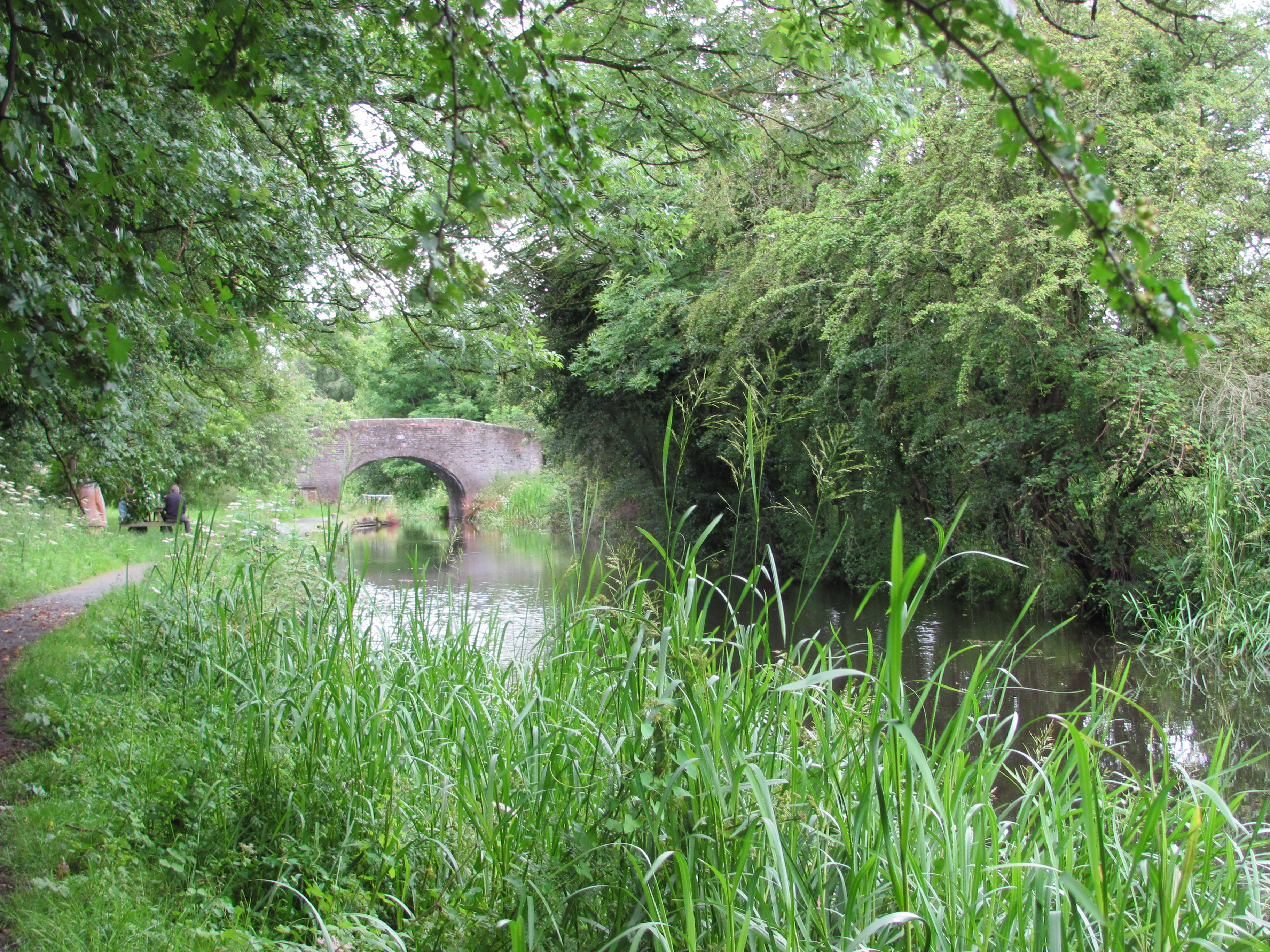
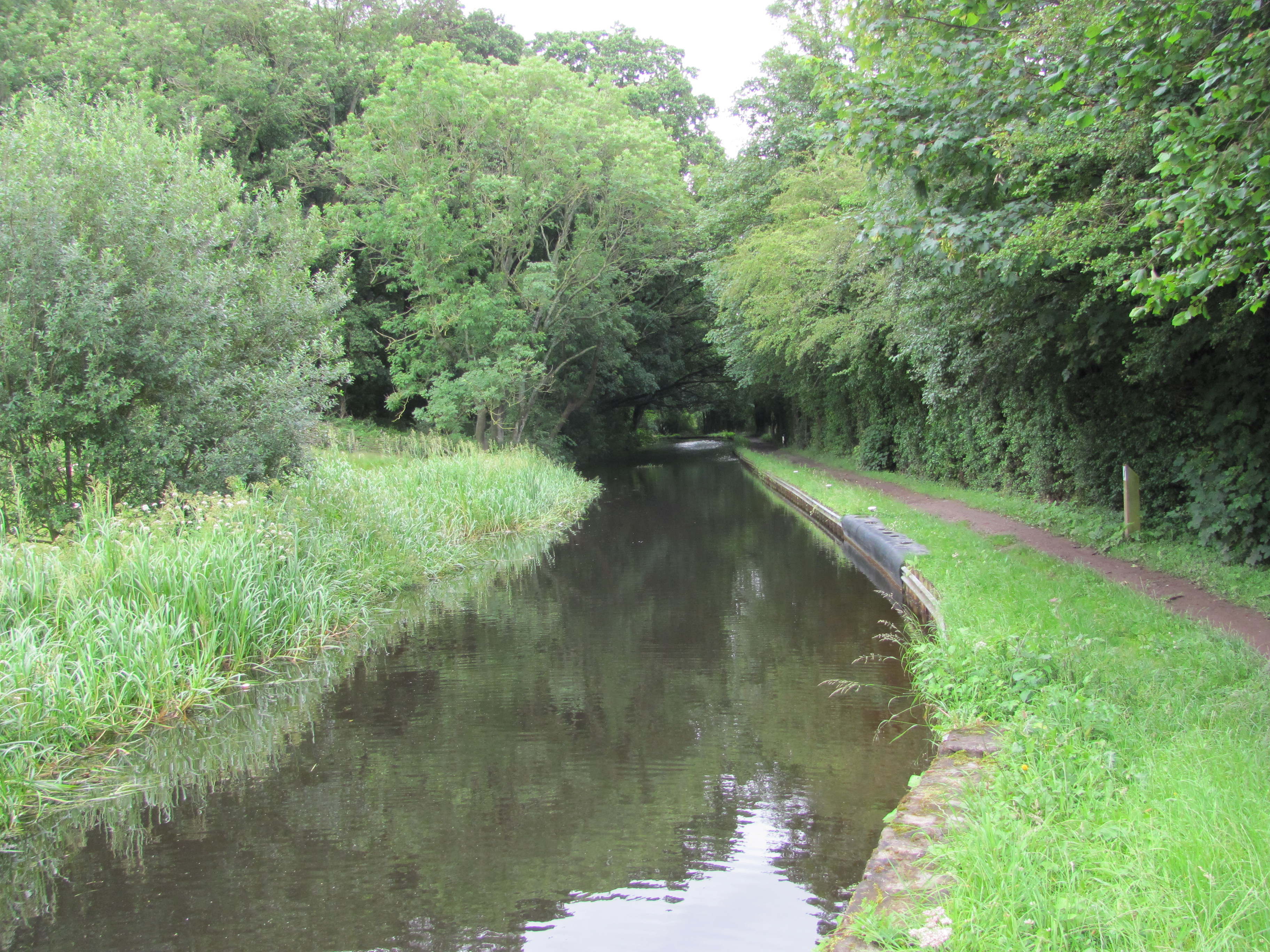
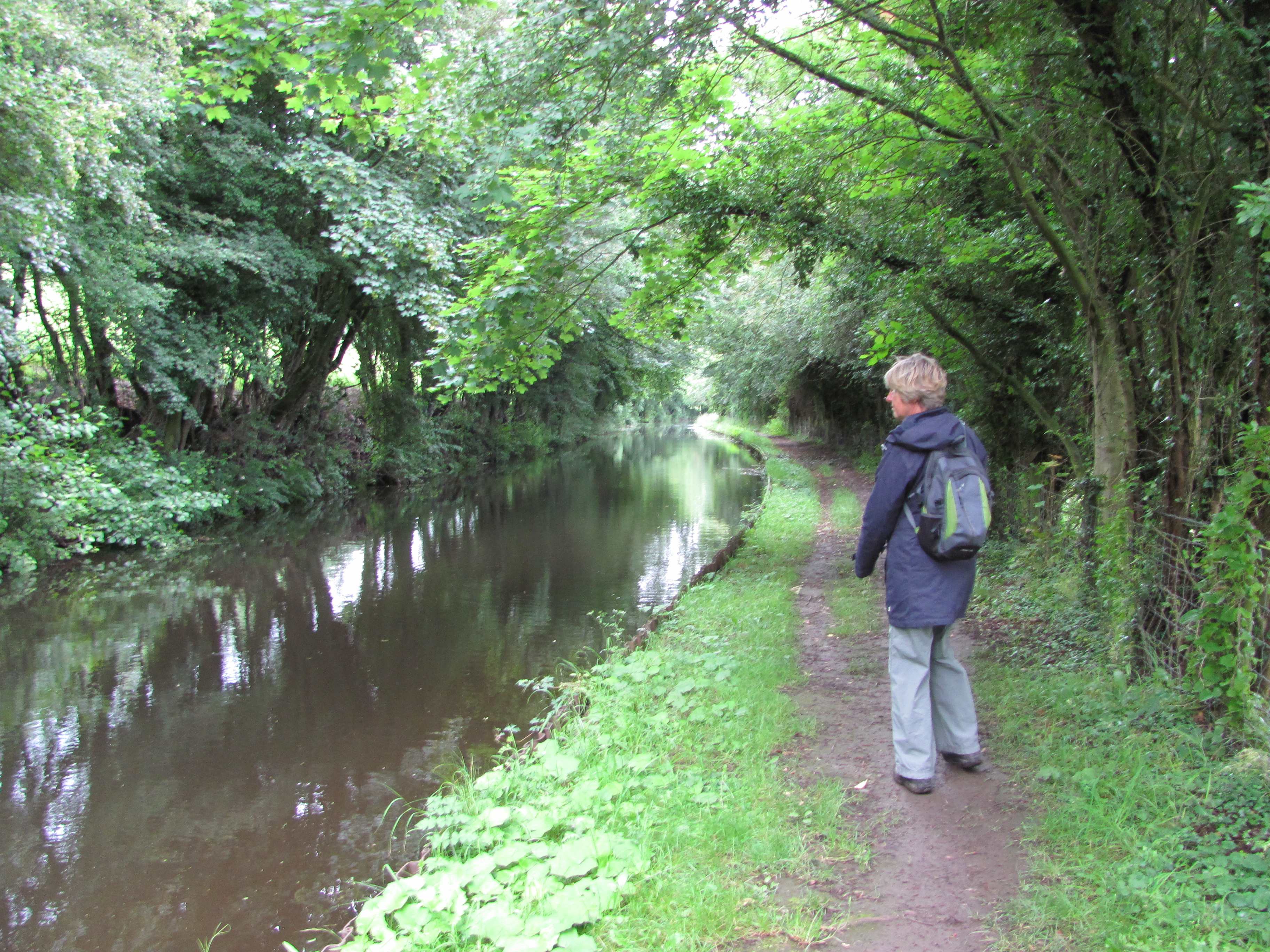
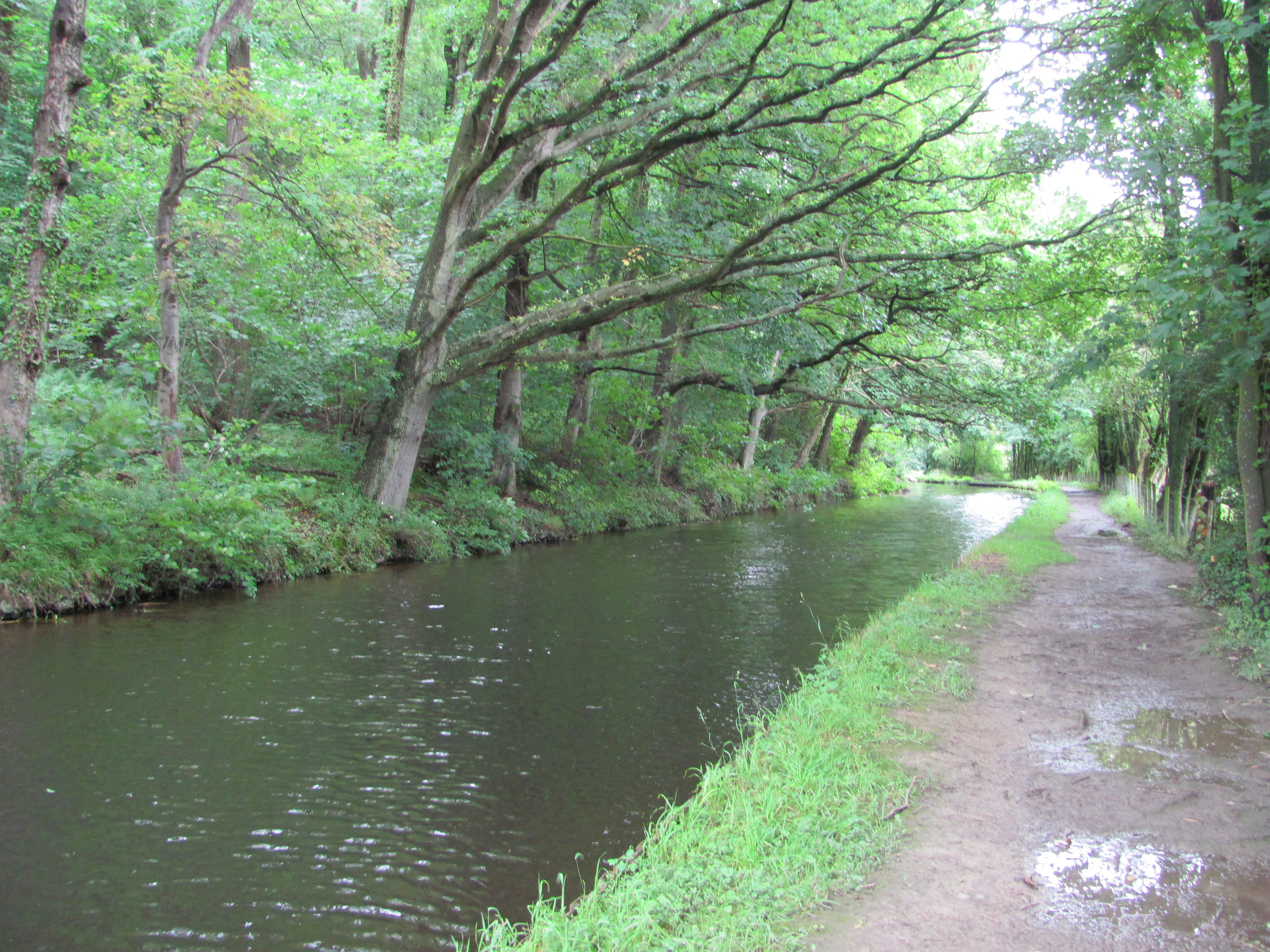
After this discovery we set off along the mud of the towpath under the trees dripping with rain. It looked so inviting. It didn’t disappoint!
The canal side was lined with trees and mature hedgerows, which occasionally opened up to give windows onto the local Welsh countryside.
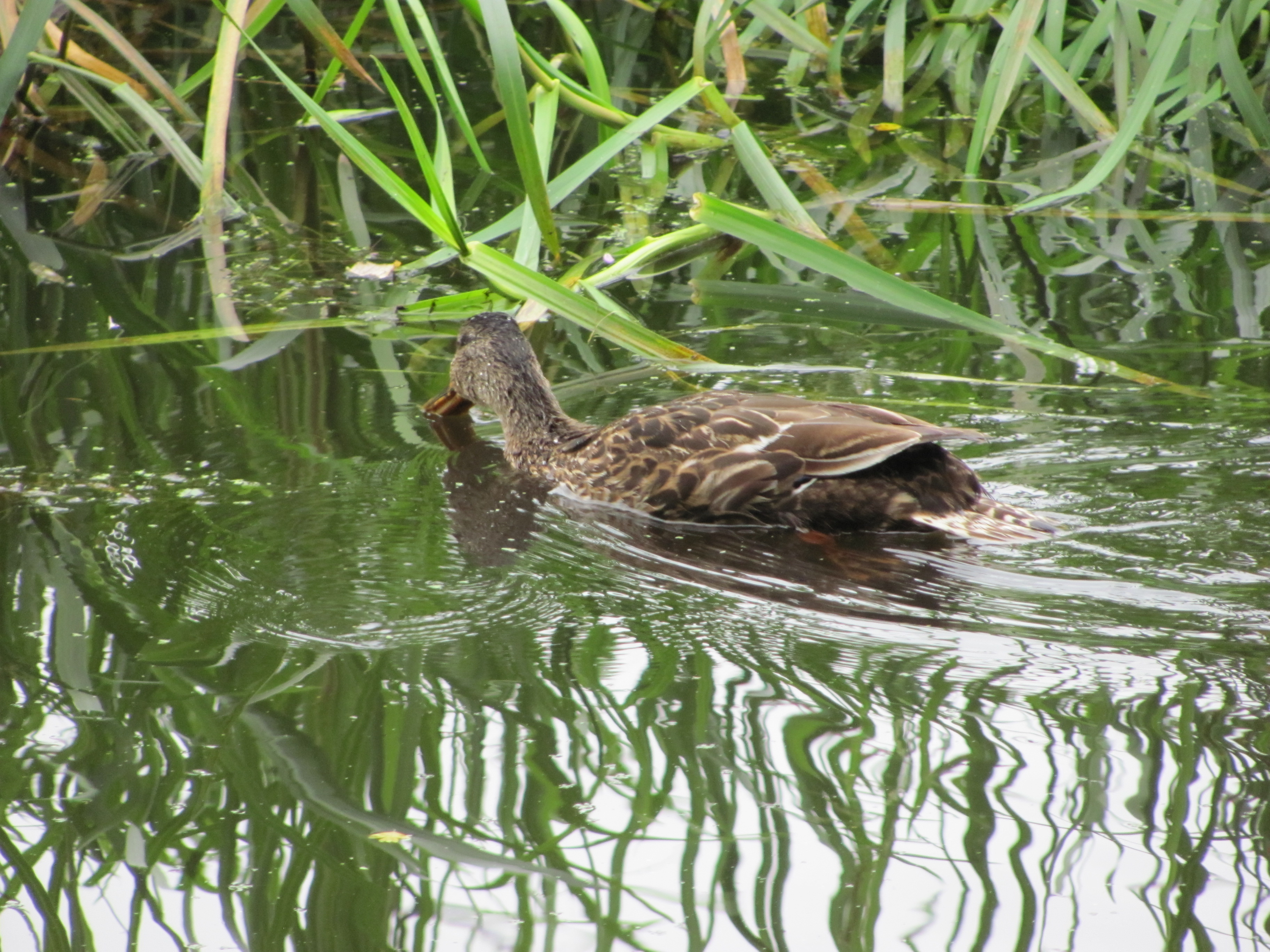
After the rough weather in the morning wildlife was not much in evidence, the skies empty and the trees quiet but this female Mallard fed busily in the far reed-lined margin. But as the day moved on and with the passing of time the weather improved, birds re-appeared and their celebratory song accompanied us for the rest of our waterside wandering. The Mallard created shimmering shapes in the reflections as she busied herself.
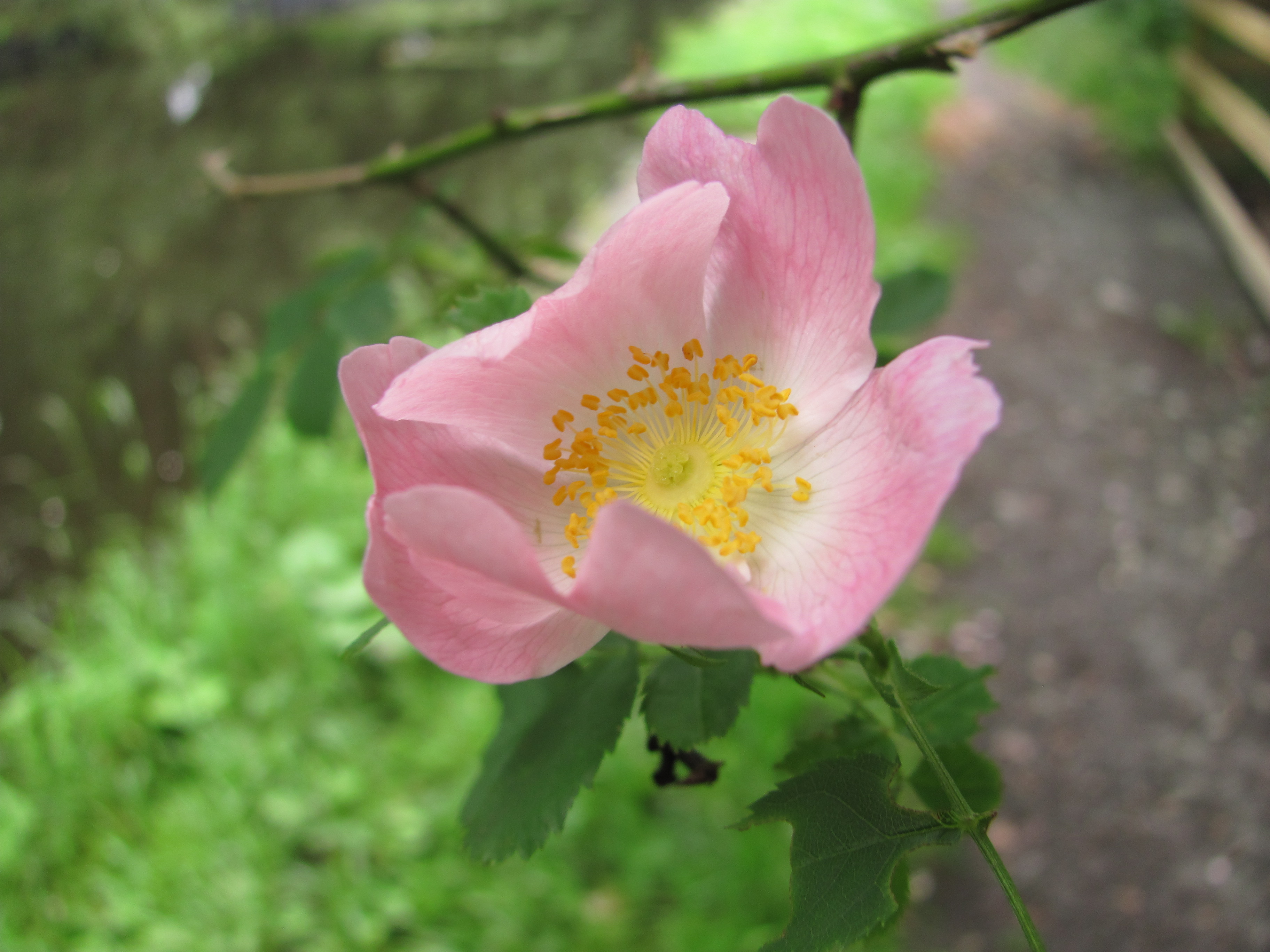
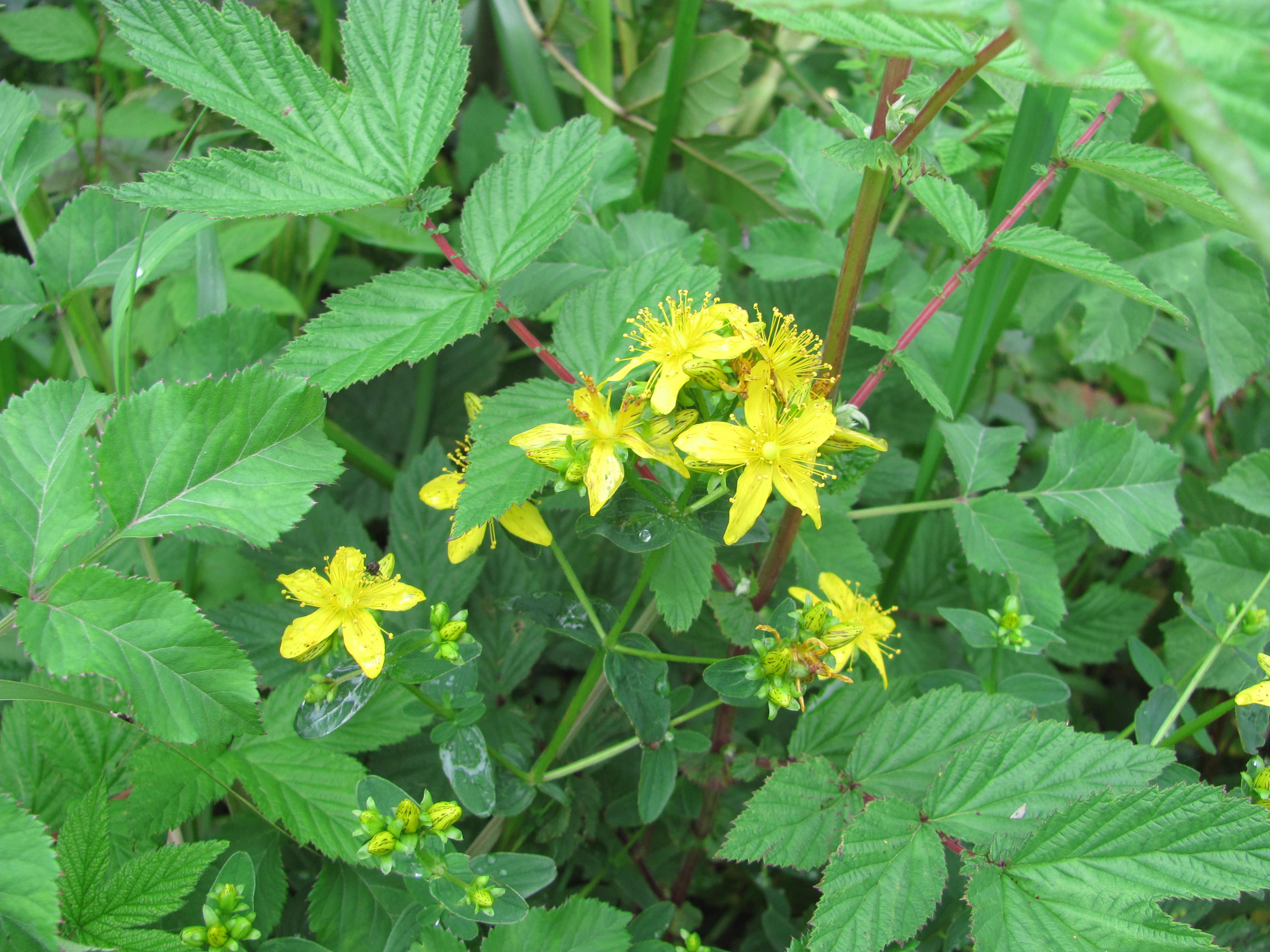
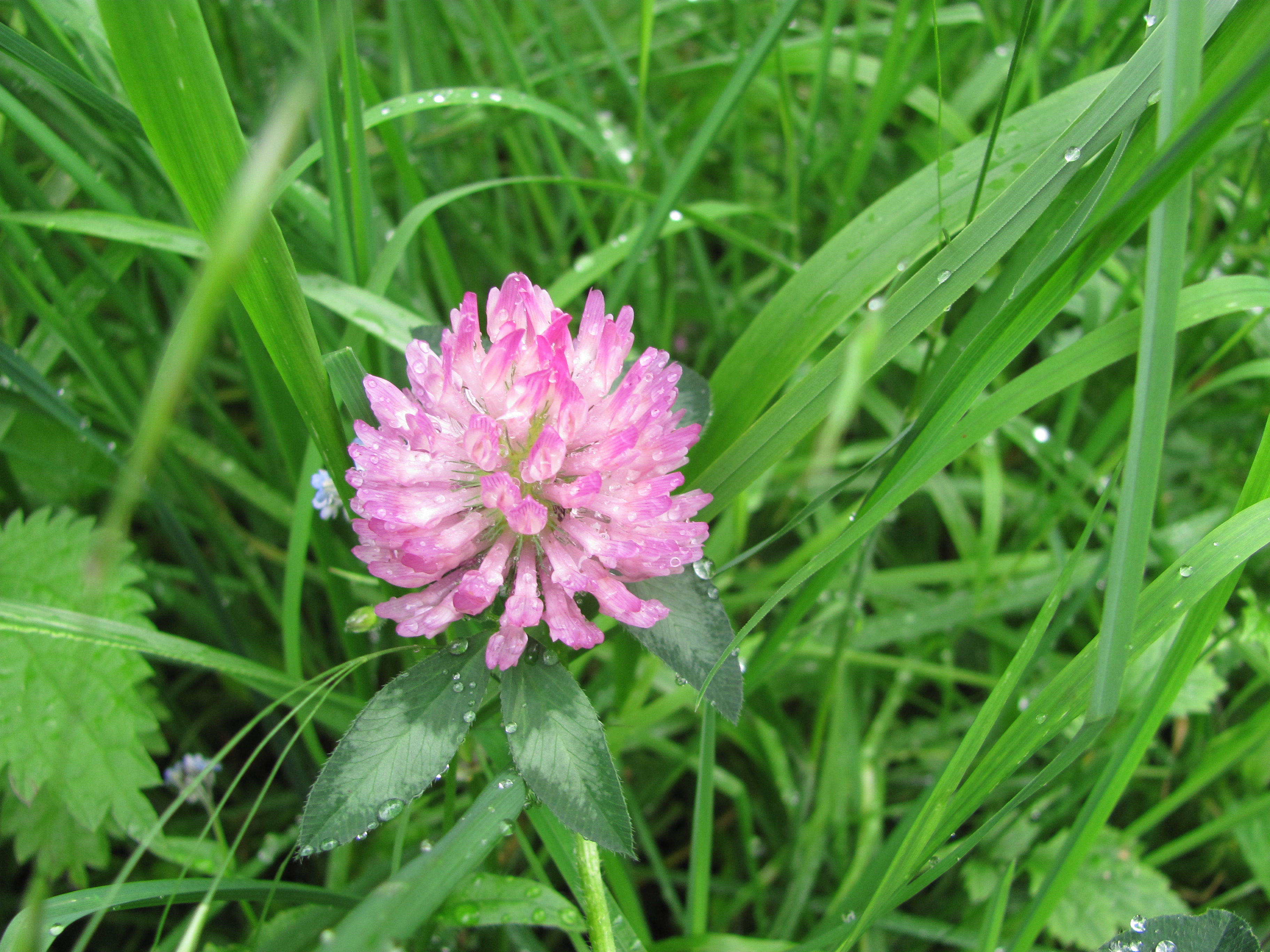
The wild flowers decorating the towpath and canal banks were like sparkling jewels glowing in the dull light.
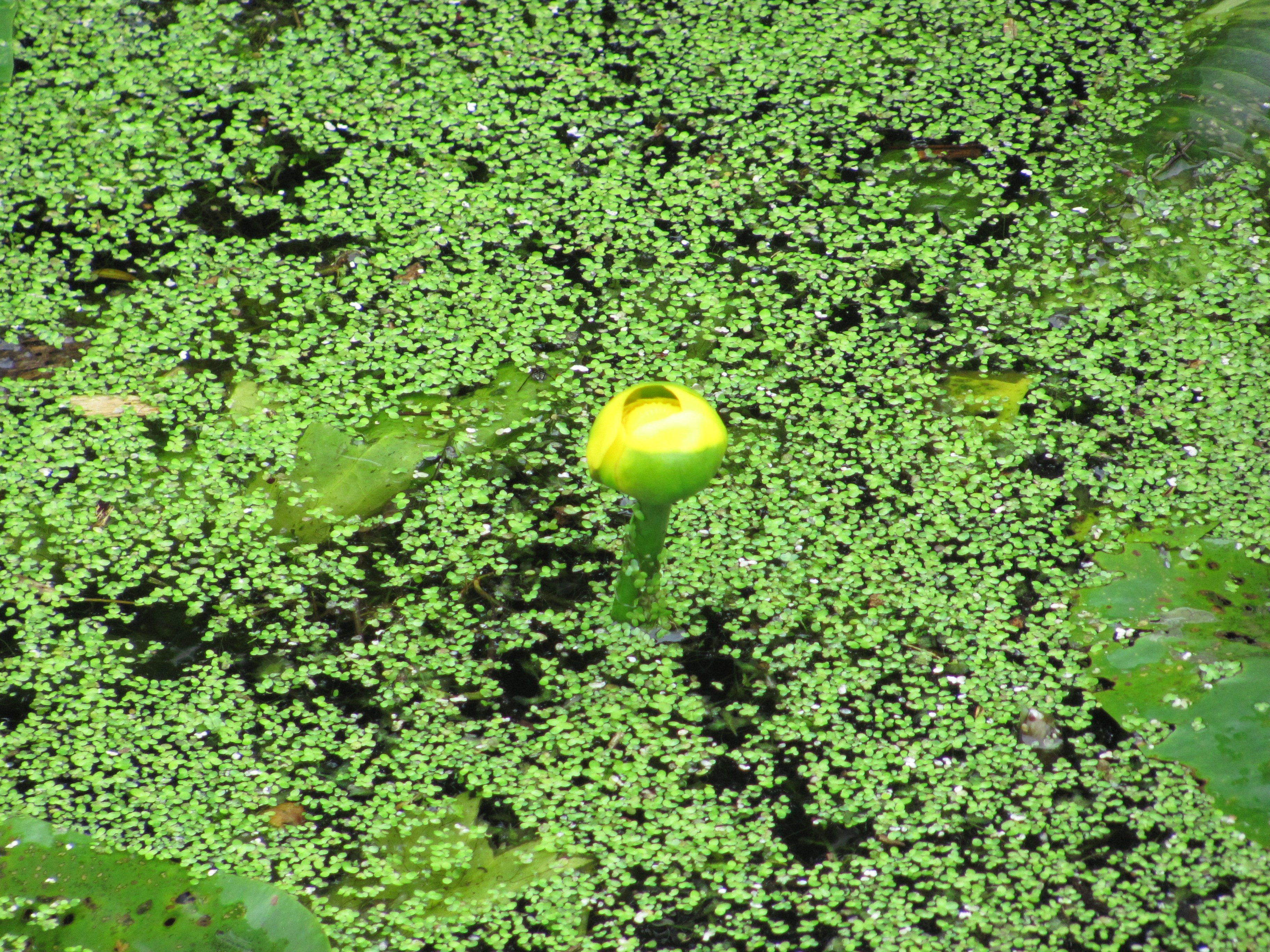
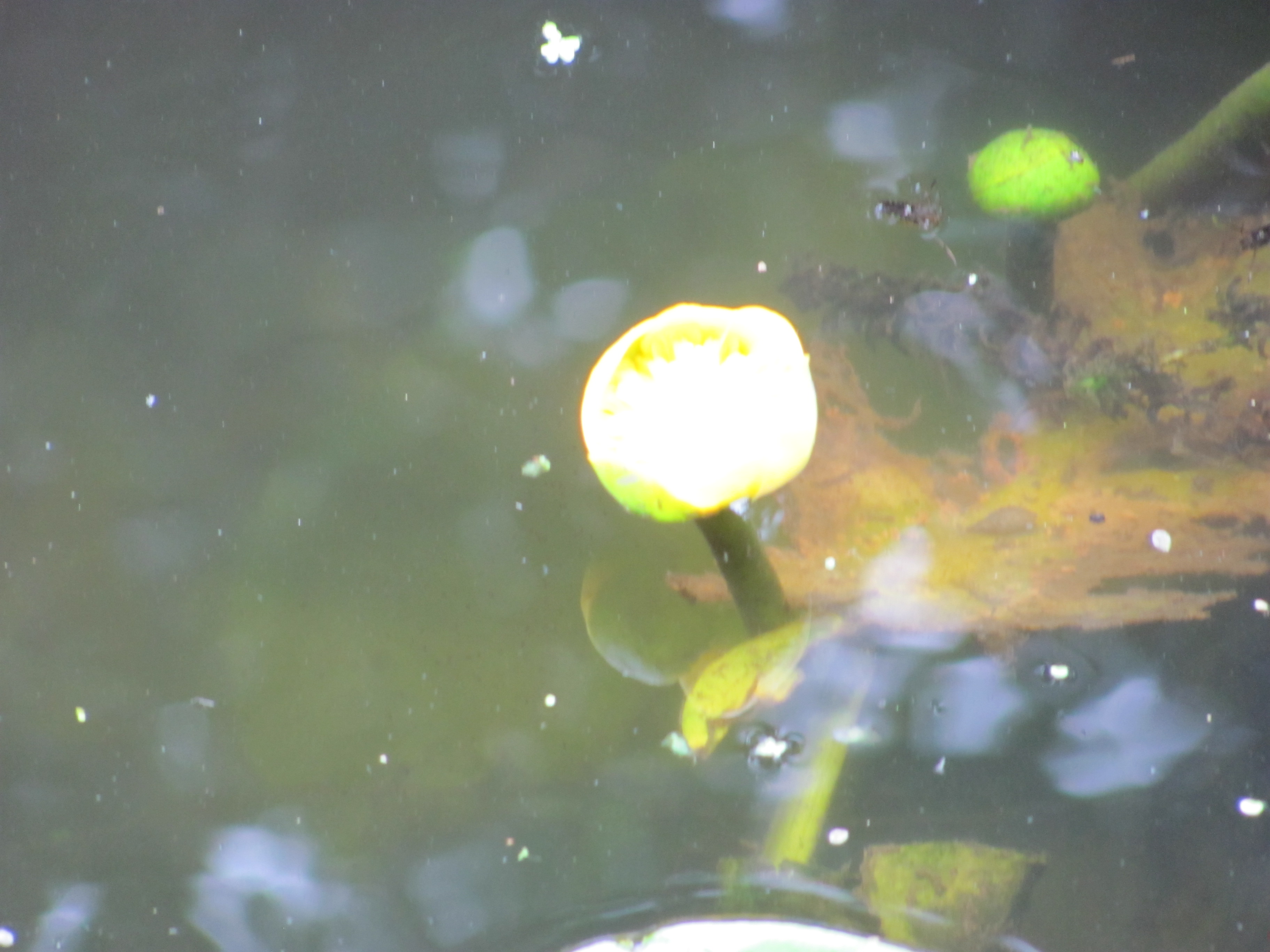
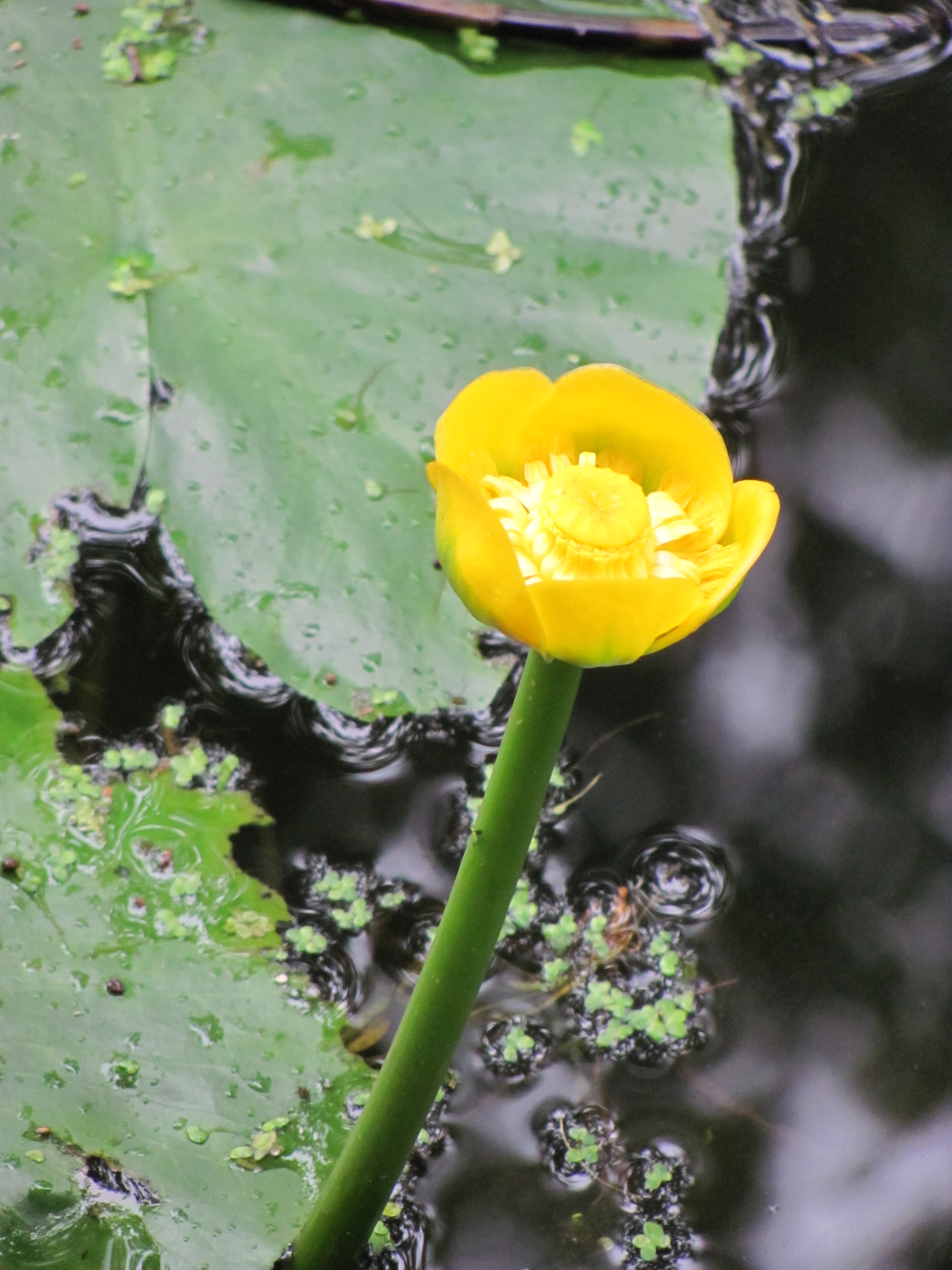
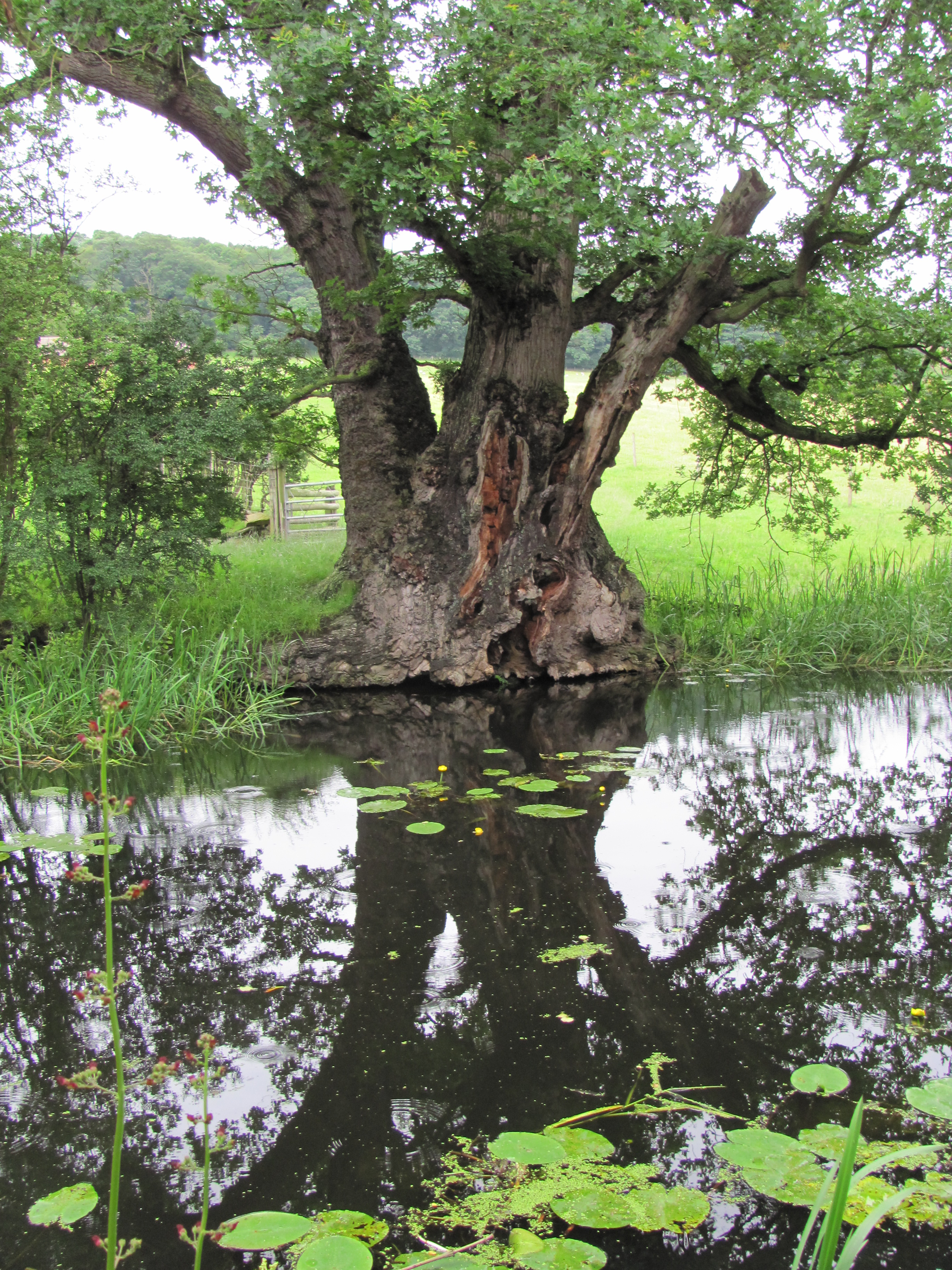
One wild flower shone out like a yellow globe having burst through the surface of the water – one of our native waterlilies.
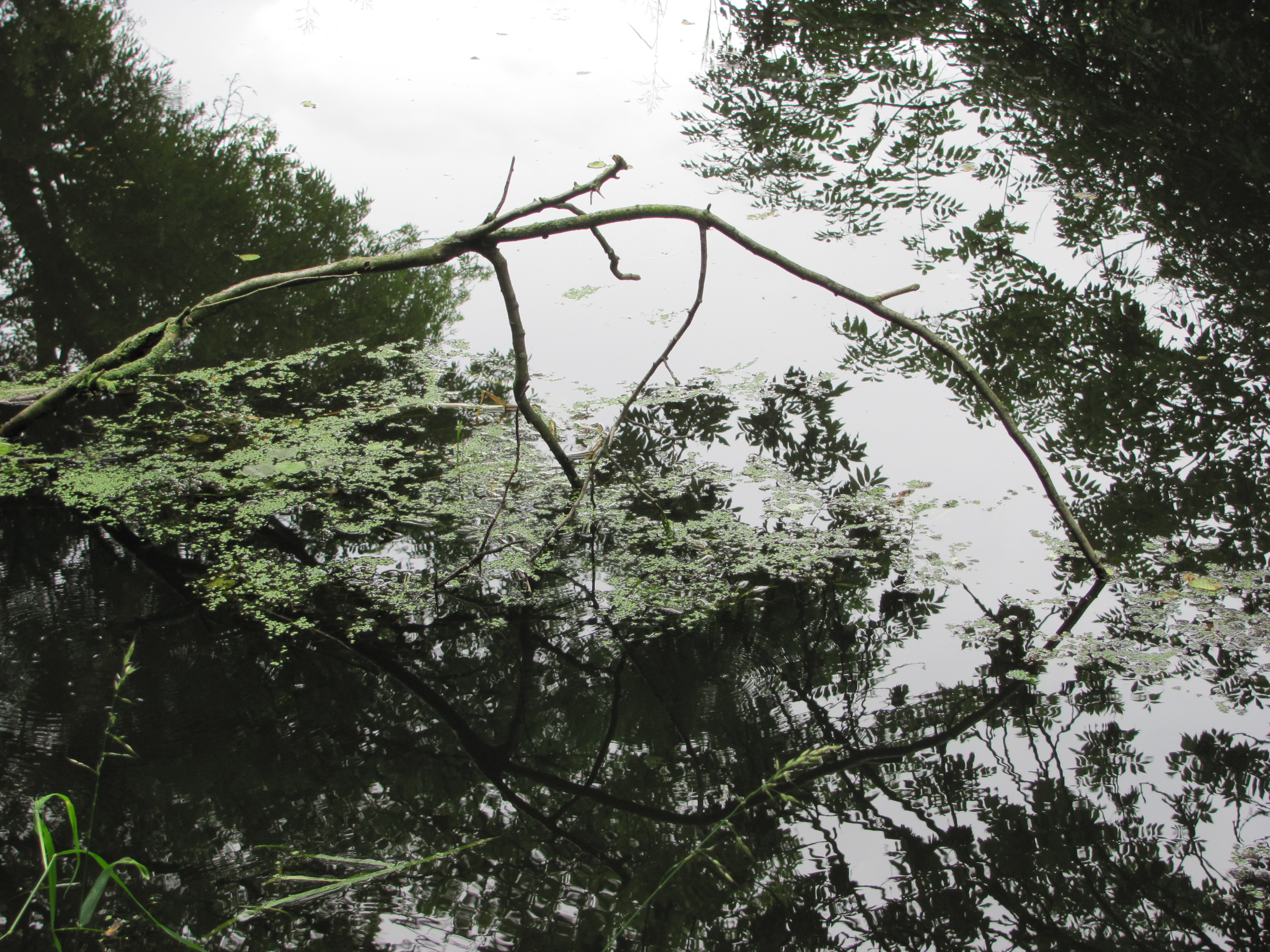
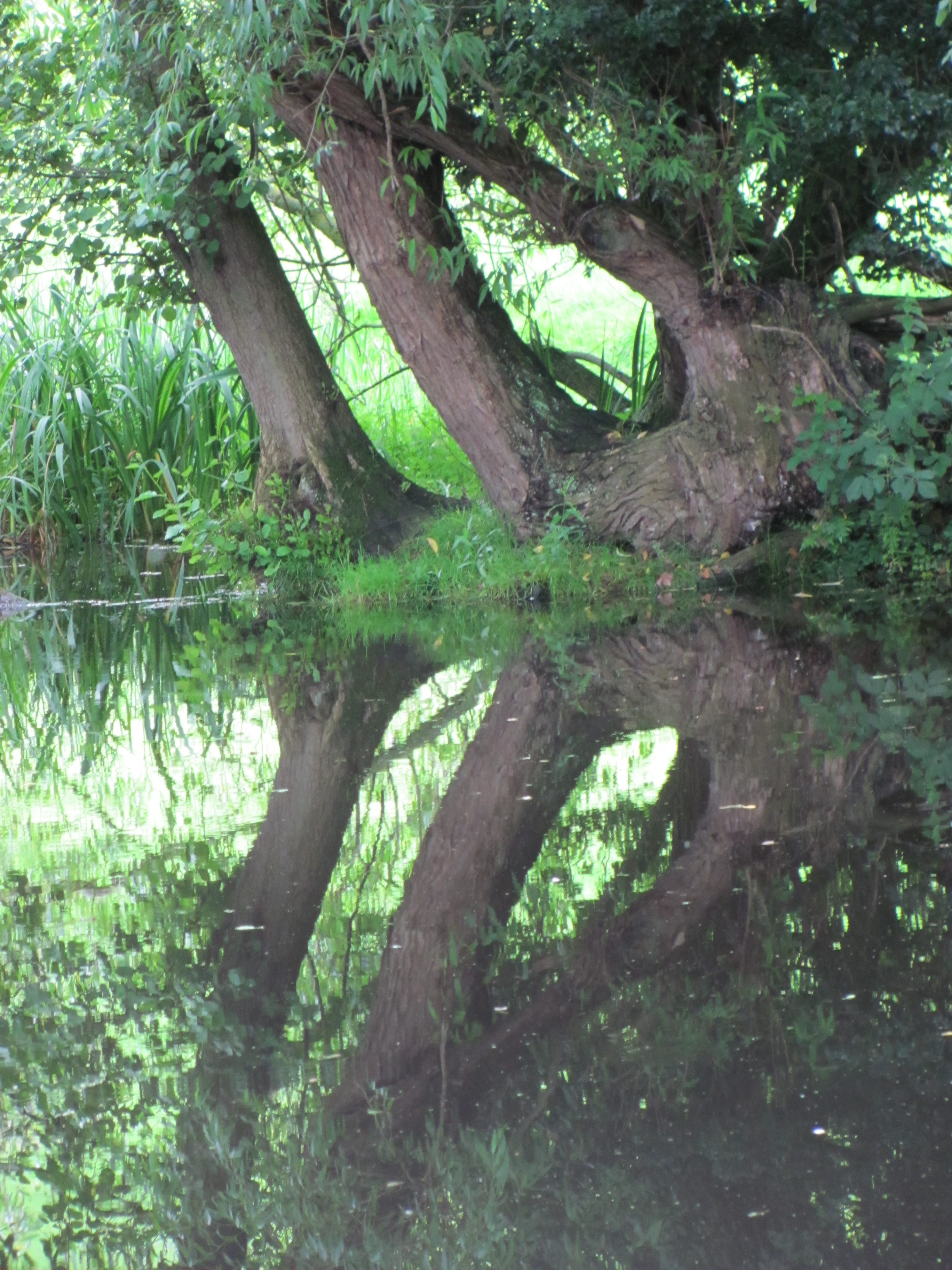
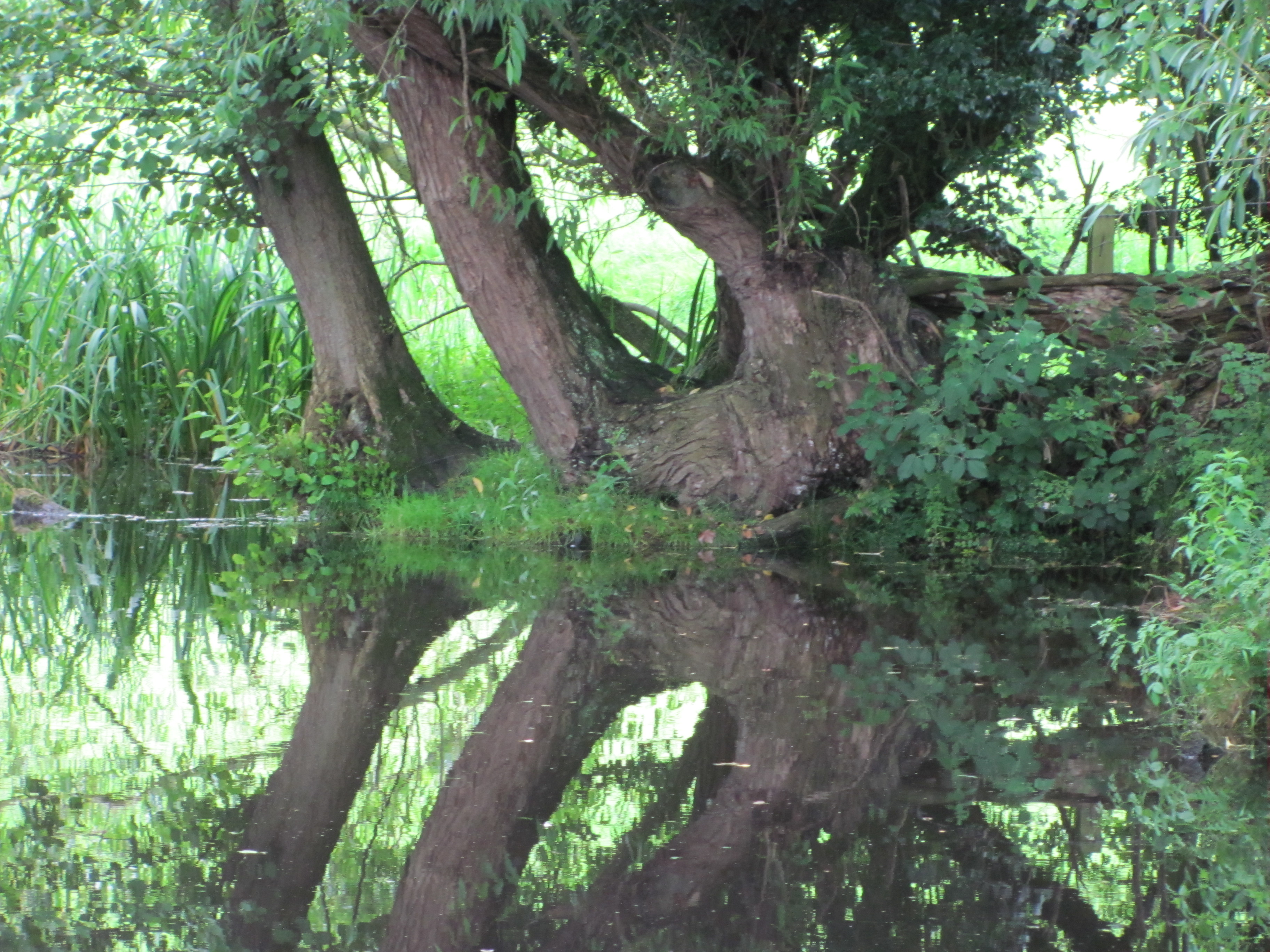
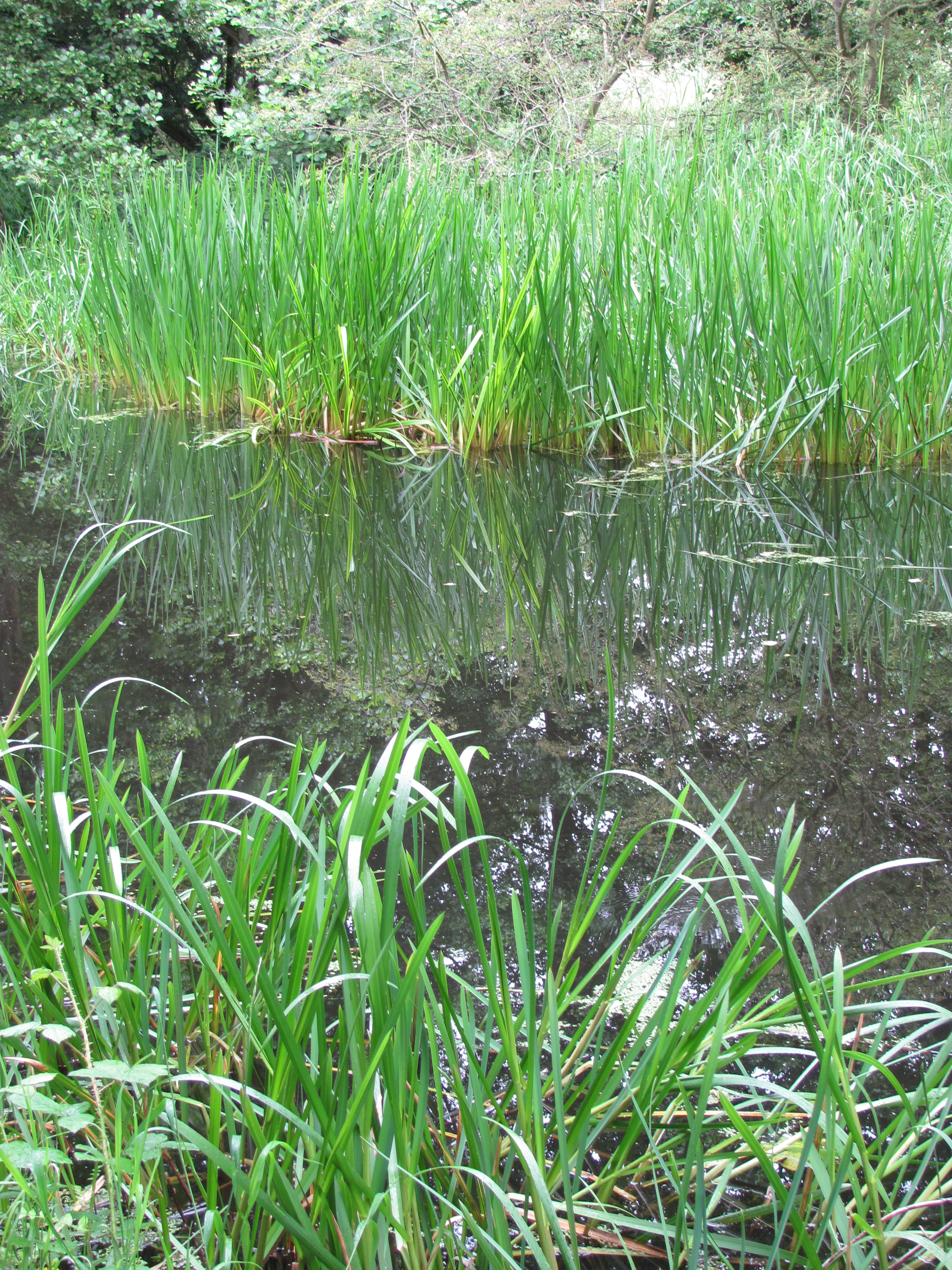
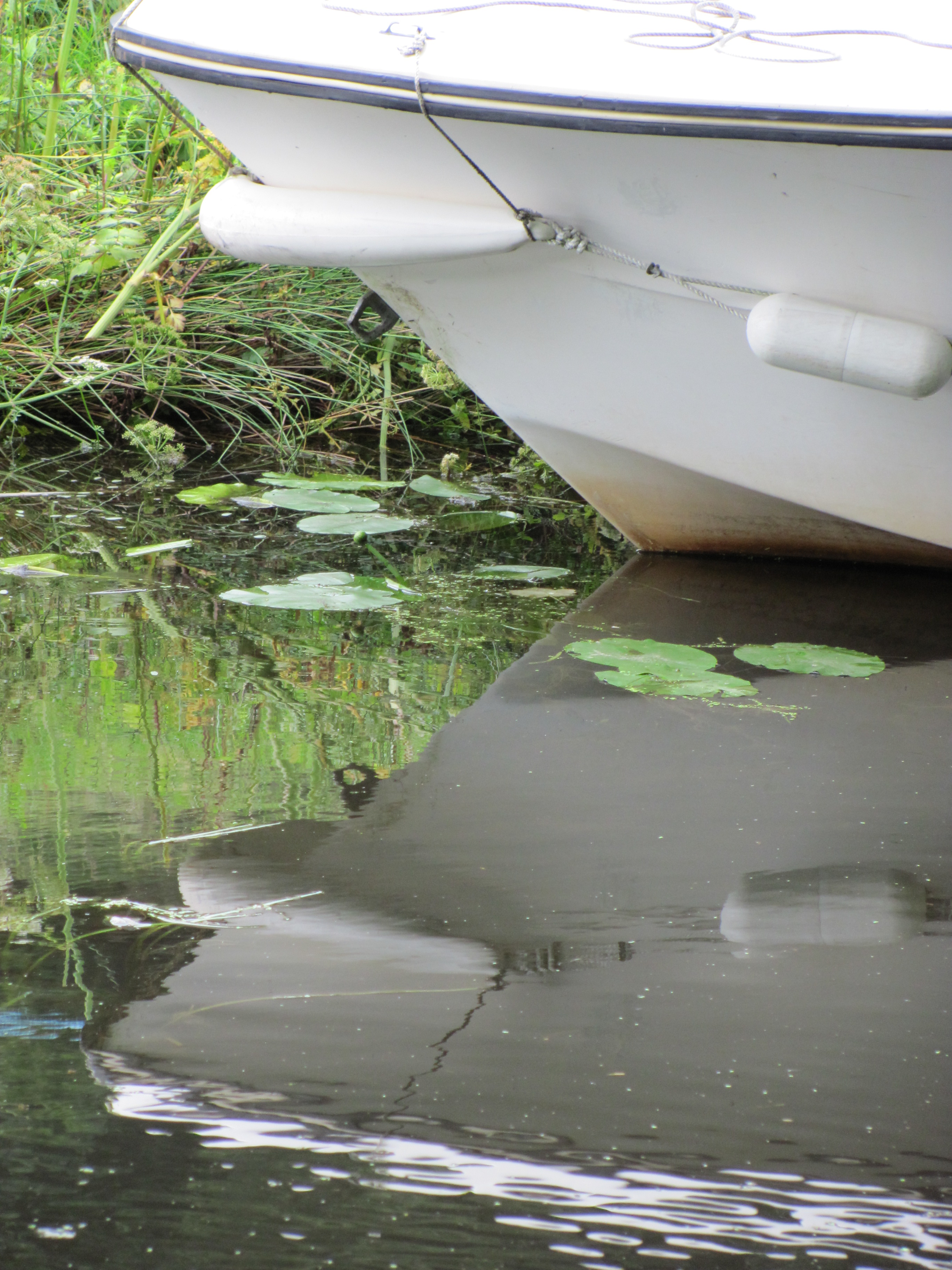
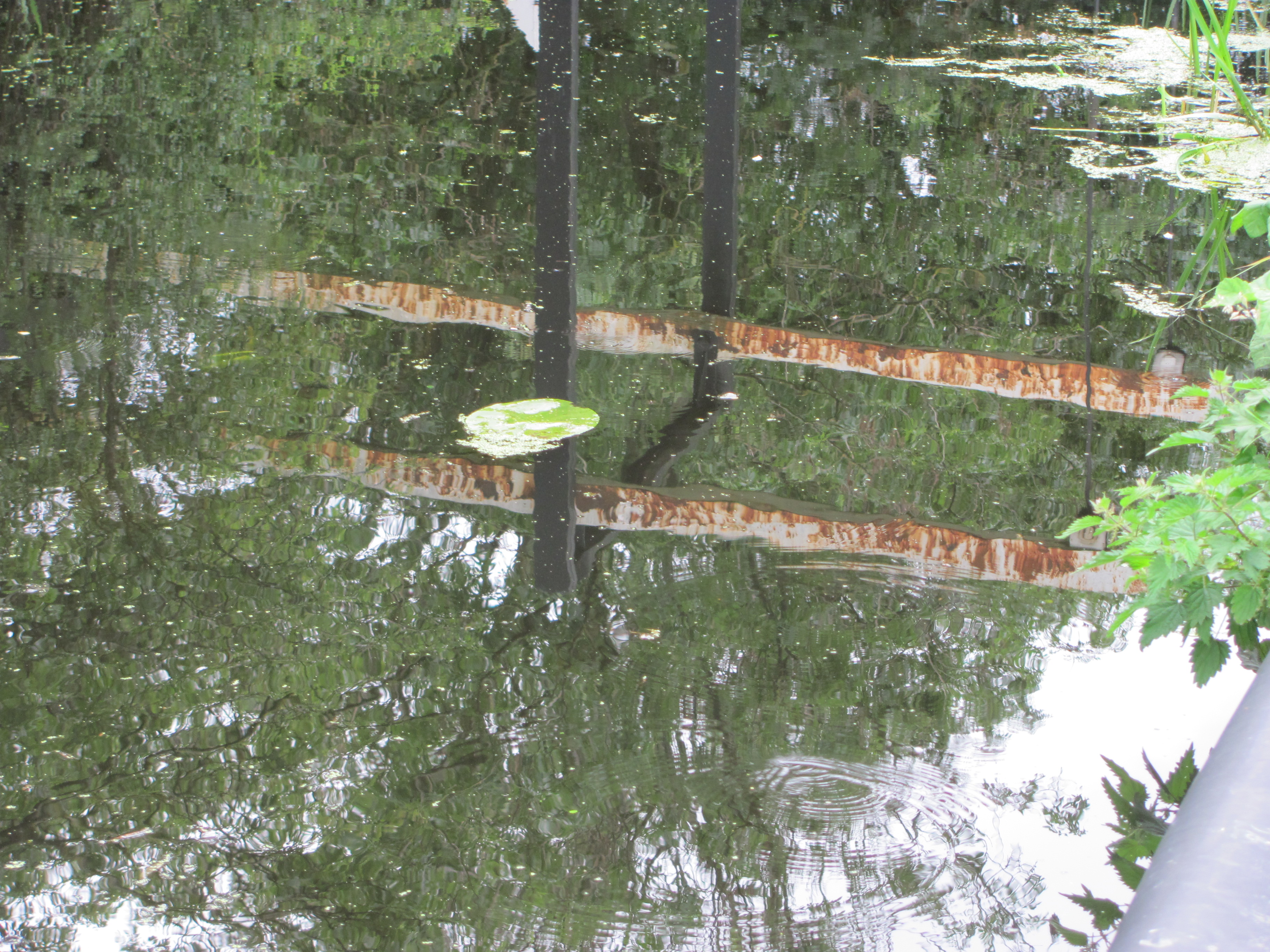
As we walked, on the light changed and the canal surface reflected the bankside vegetation, the boats moored up against its side and the canal structures.
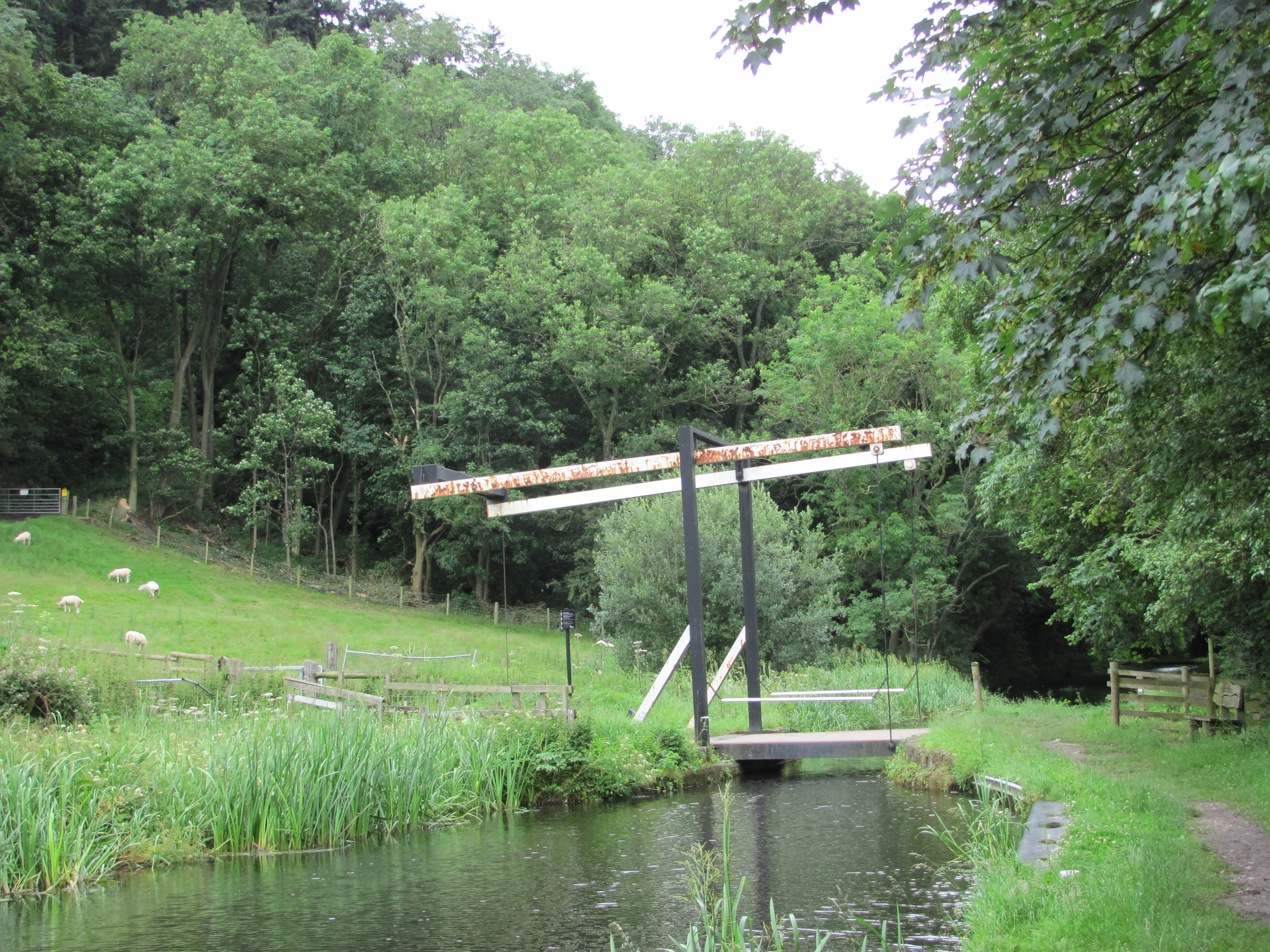
Half way along our outward journey a coffee stop called and we leant on a gate near a swing bridge and rested awhile.
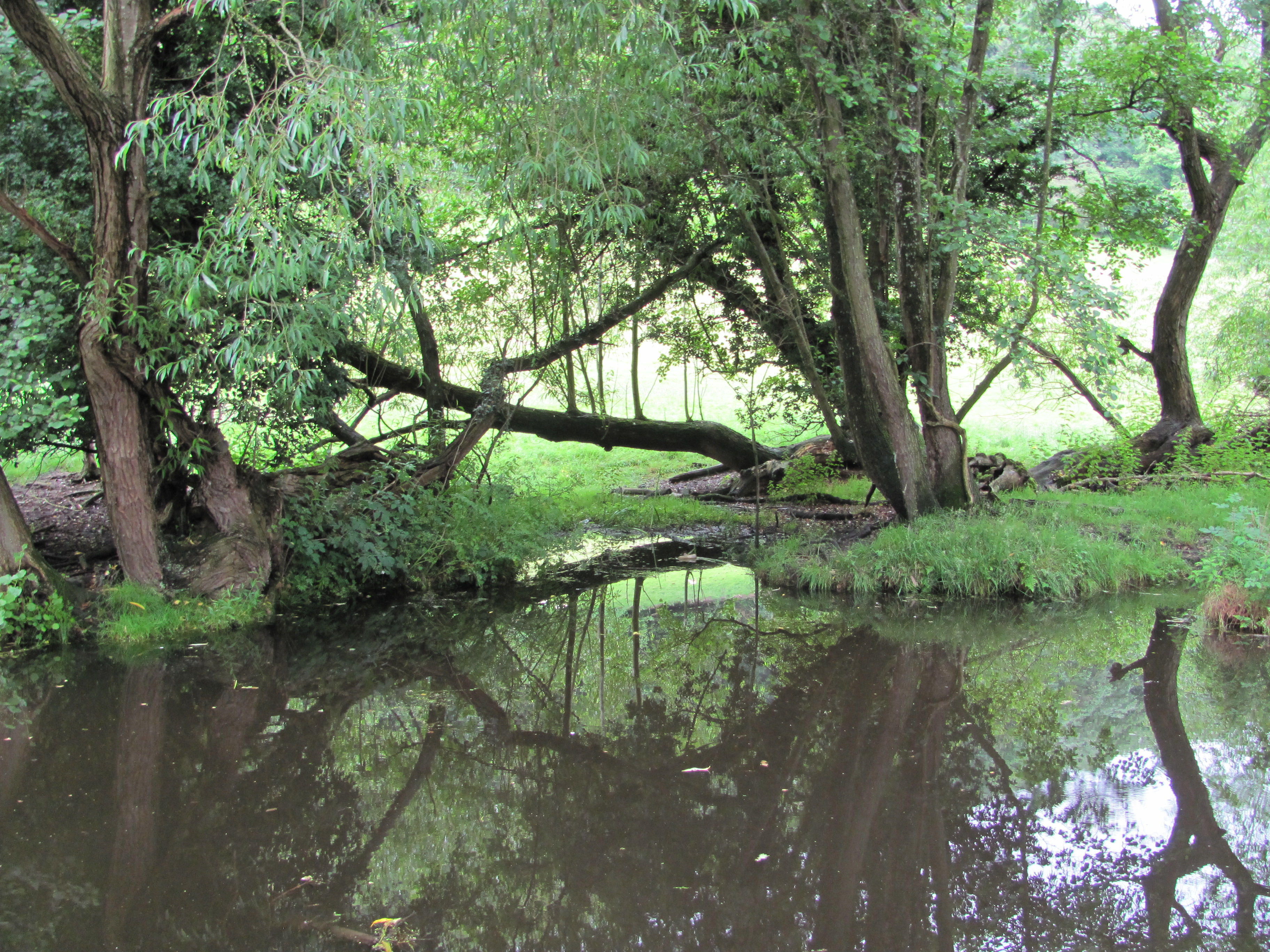
As we ambled onwards the land alongside the canal opened up and through bankside trees we could view farmland. The thin line of trees appeared as silhouetted sinuous shapes, emphasised by their reflections mirrored on the water. My camera and I enjoyed the challenge presented when trying to get a reasonable shot of reflections.
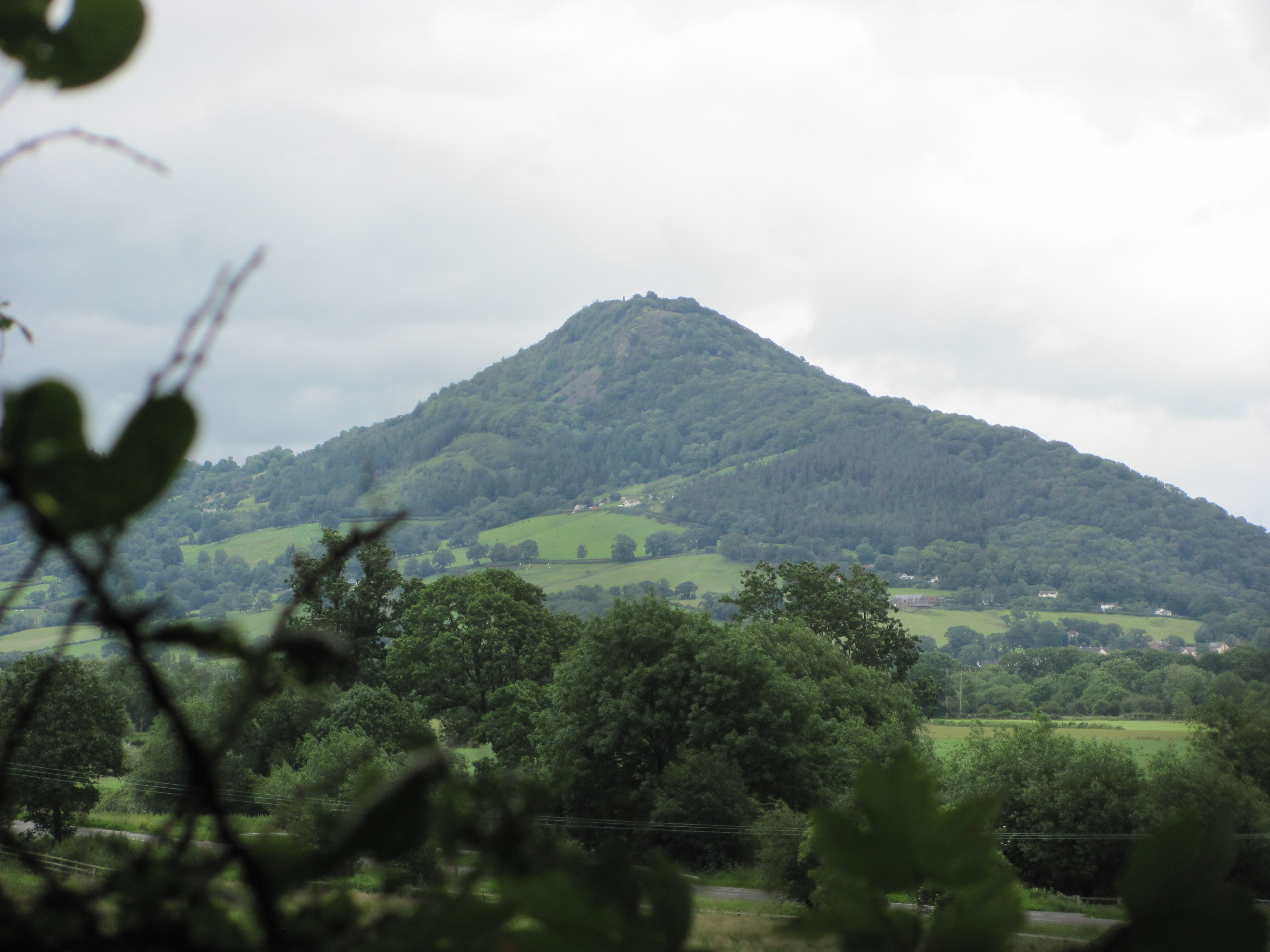
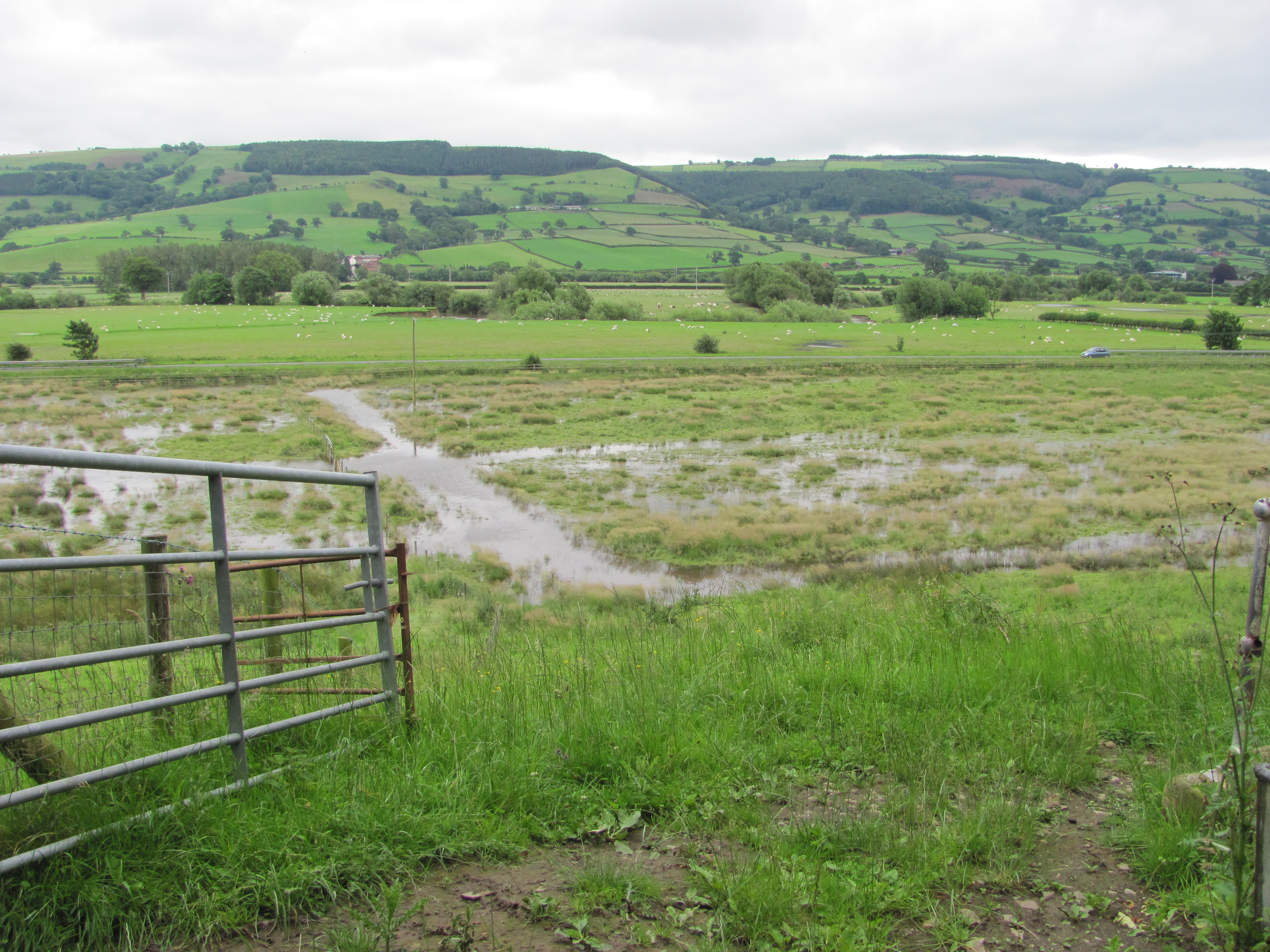
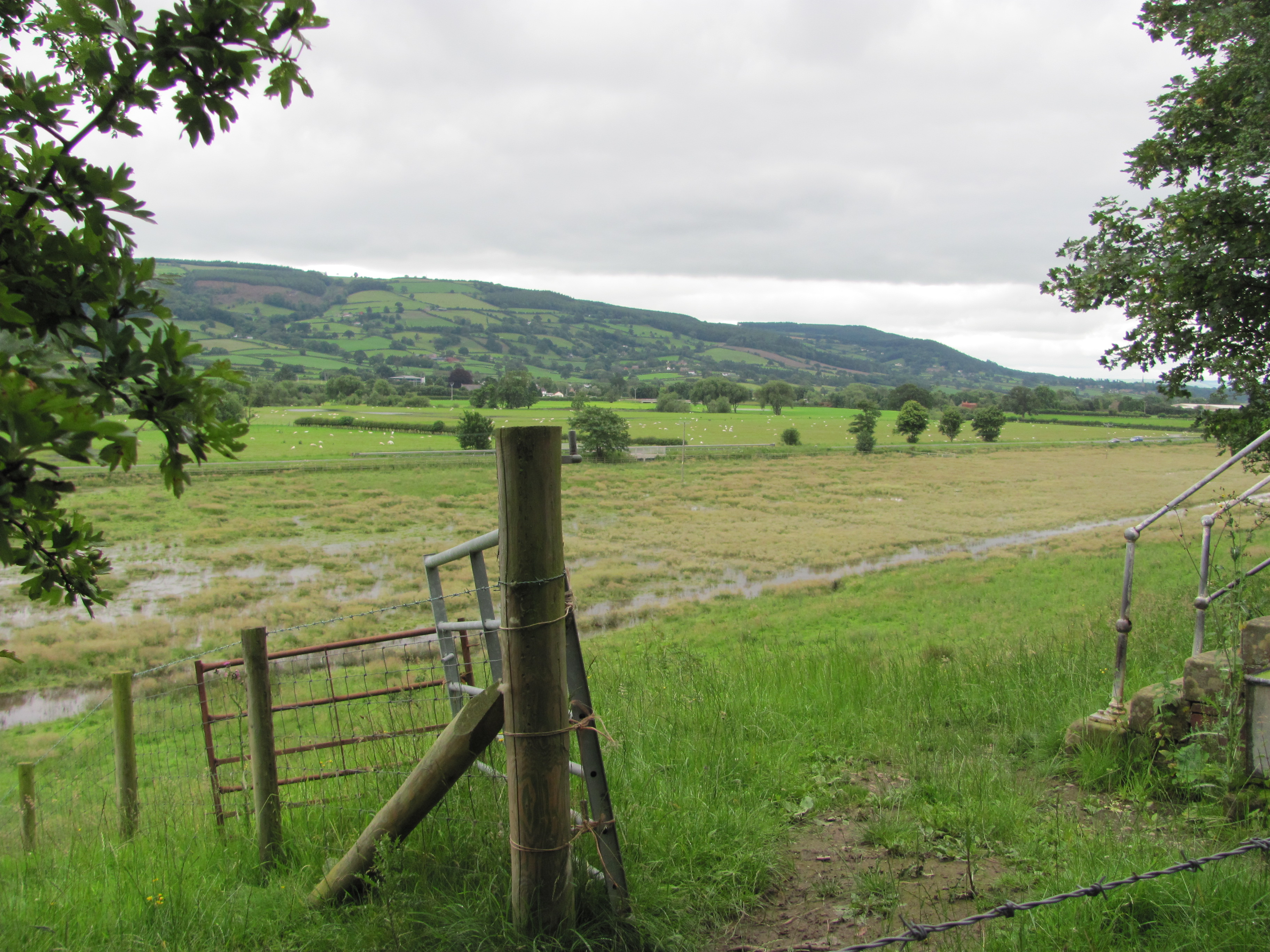
The countryside changed as we continued our ramblings and each opportunity of a broad landscape view, afforded us by breaks in the vegetation was appreciated.
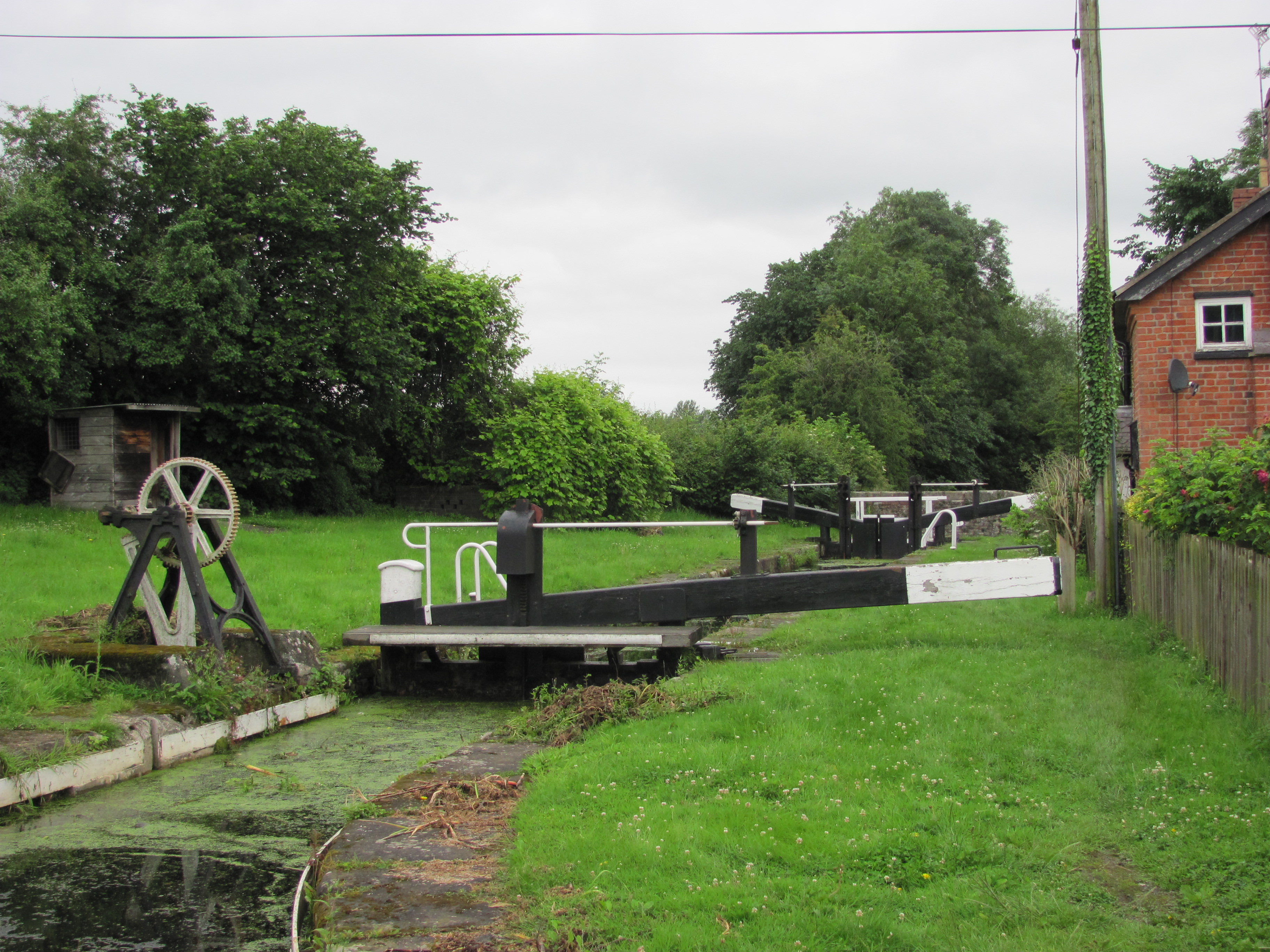
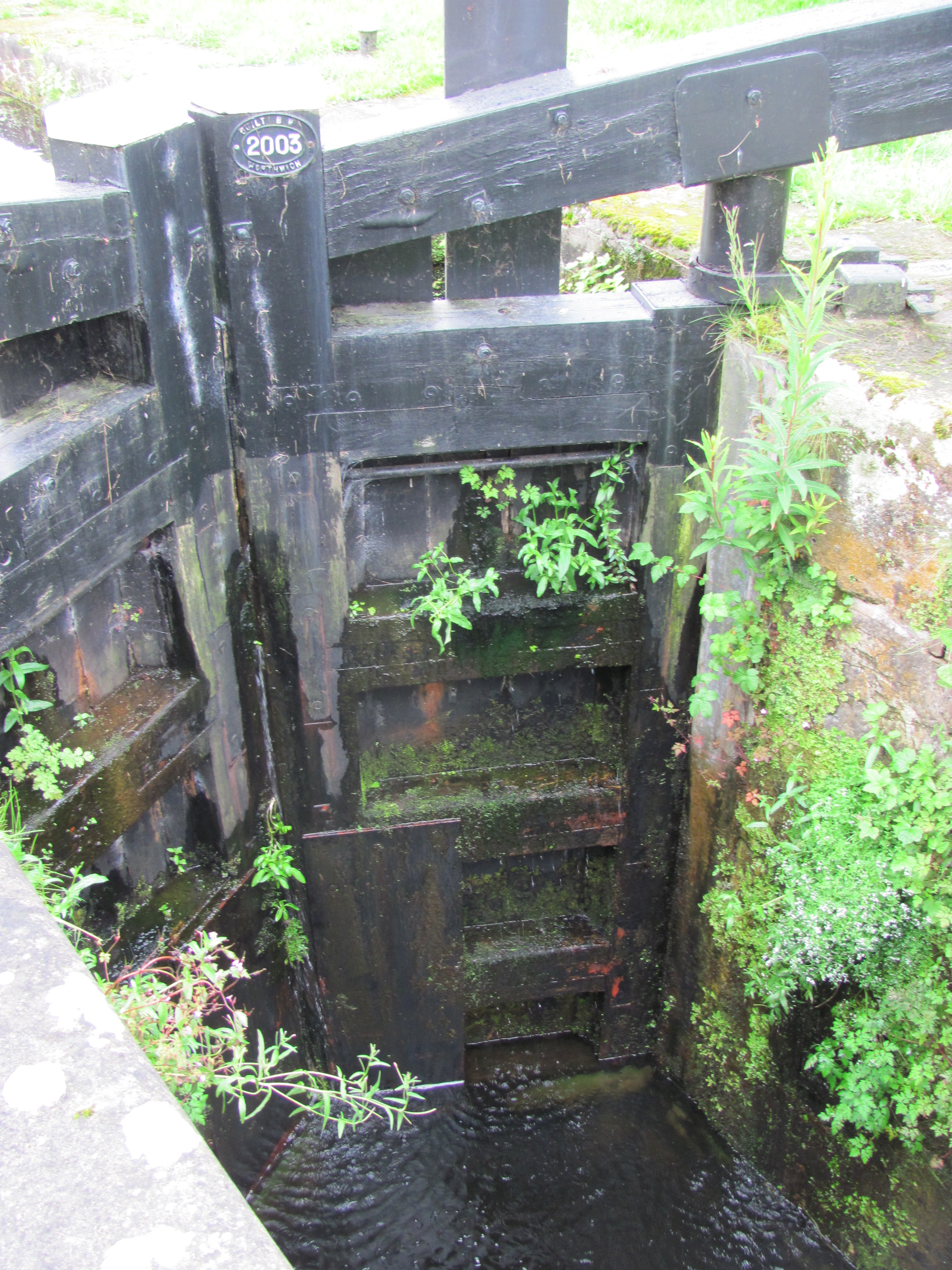
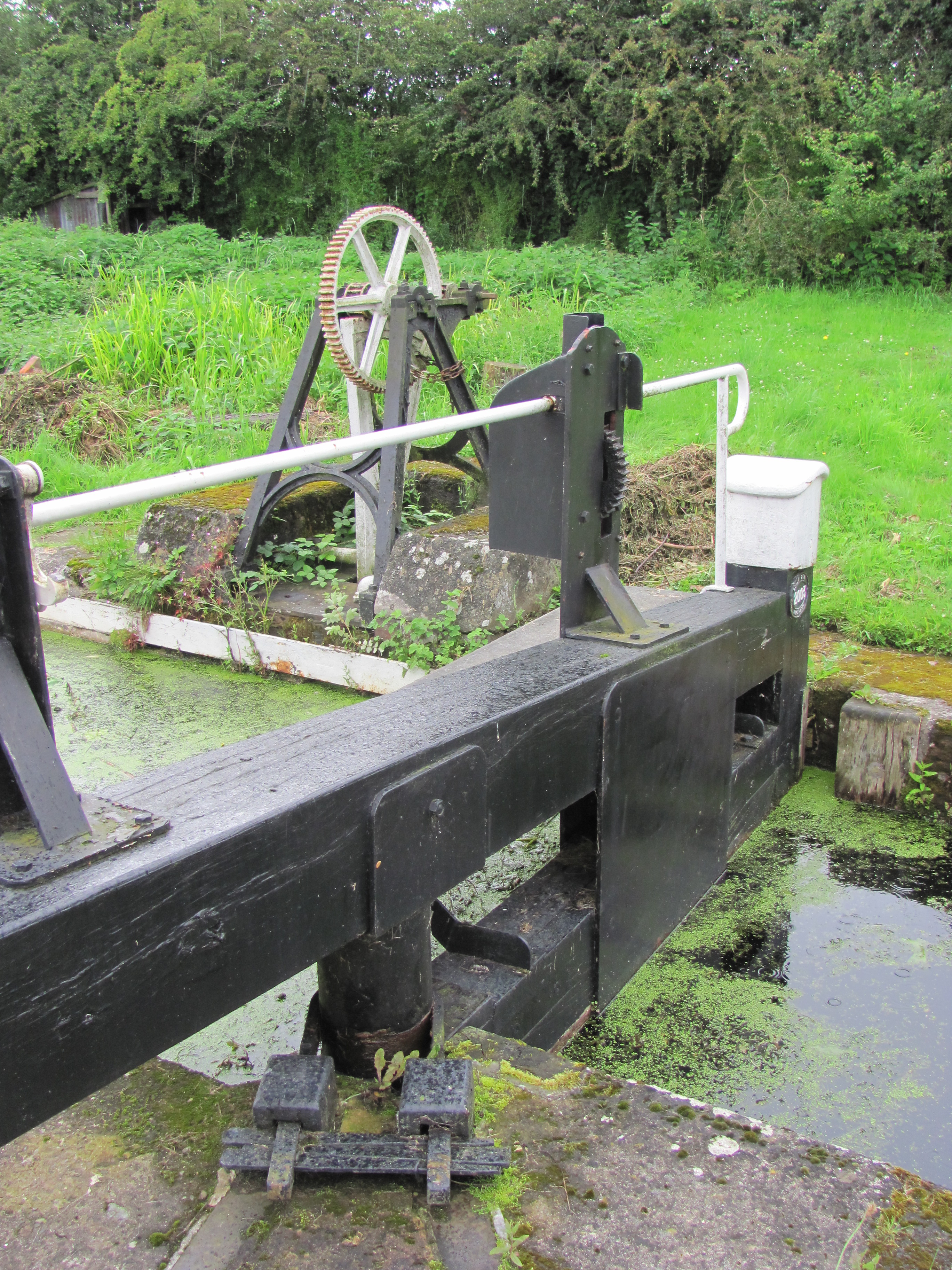
We reached the lock at Pool Quay, the point in our walk where we decided to turn back.
As we enjoyed our exploration of Pool Quay lock and the break from walking the rain returned. The little wooden gate invited us to begin our journey back especially as the tree-lined bank promised shelter.
July in the garden so far has carried on where June left off – rain! The grass paths squelch as you wander, trees drip on you and herbaceous plants soak your legs. The plants have loved it relishing in the warmth and dampness. They grow tall and lush too quickly and do so without gaining strength. As a result they get knocked over in windy spells and any heavy showers.
As rain persists each day from dawn till dusk a moment of light and dry gave me an opportunity to take photos for my July wander. After waiting all day I finally took the following pics just before 9:00 in the evening.
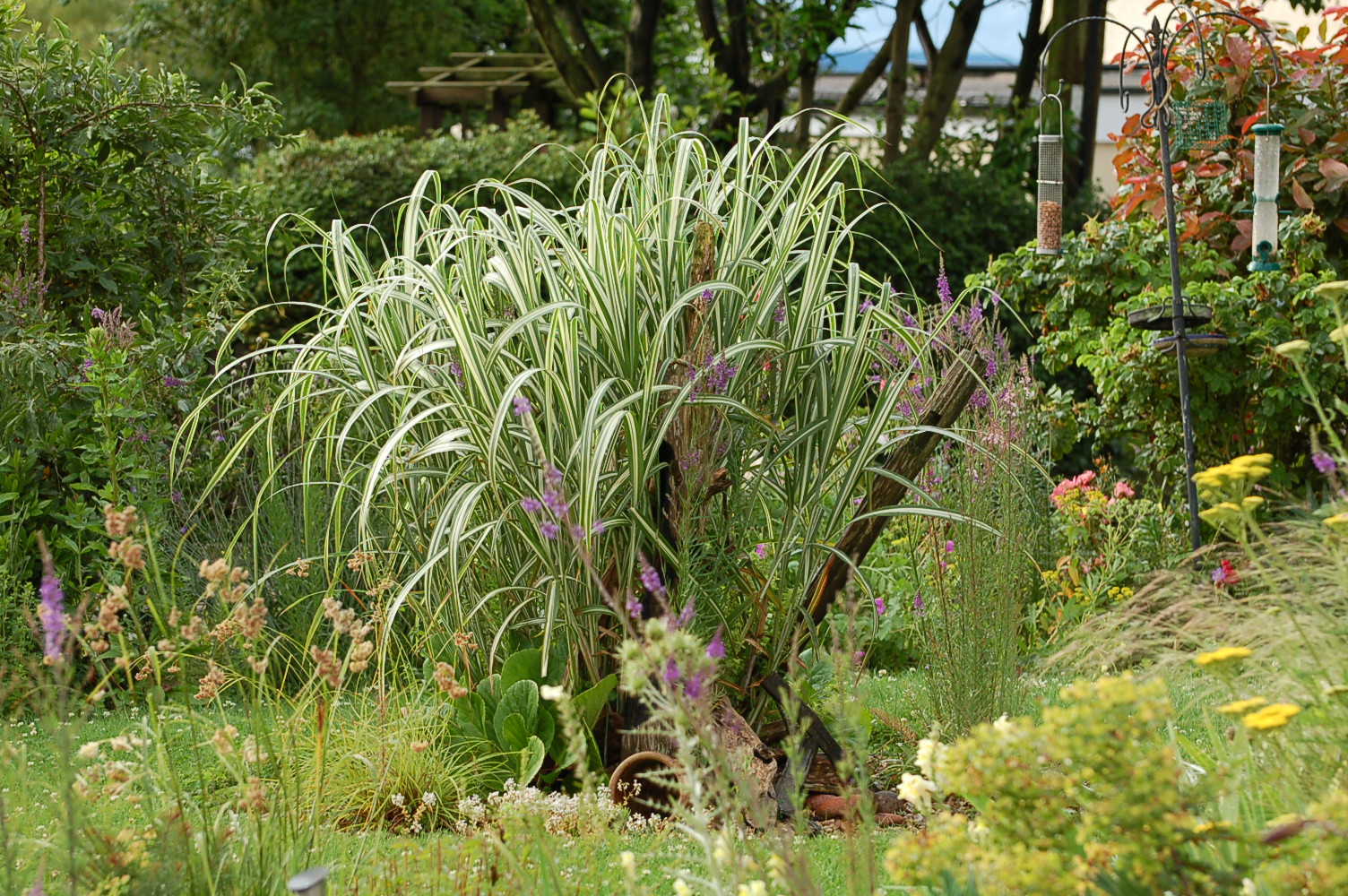
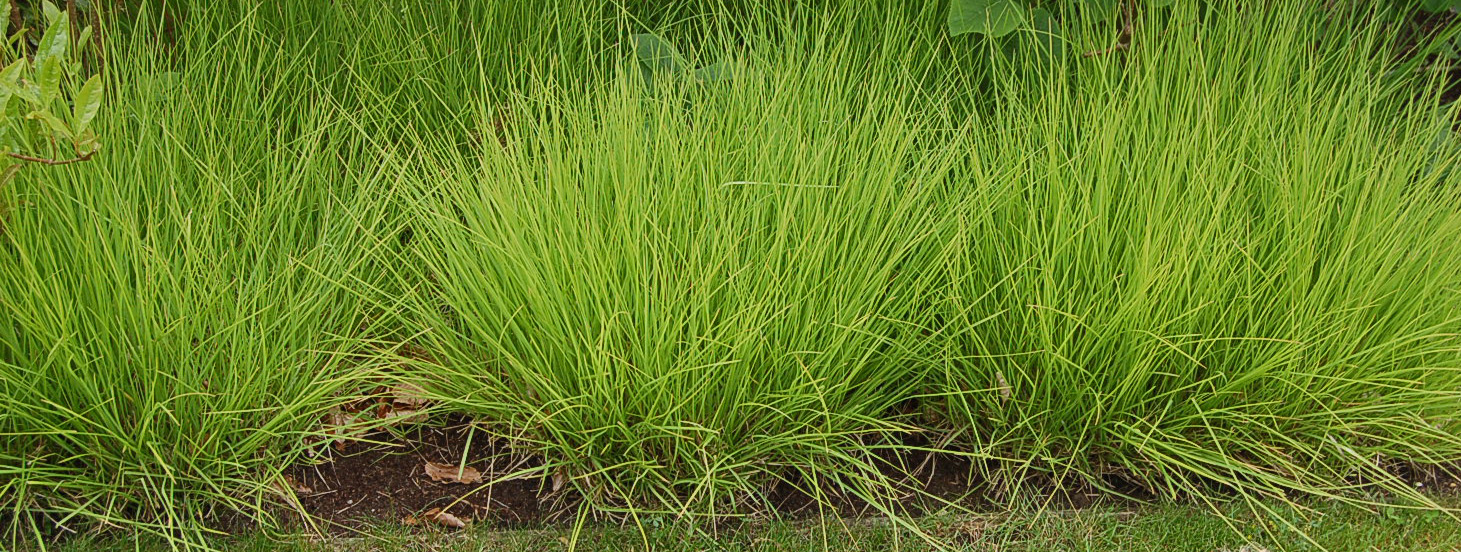
One plant that never fails is this wonderful tall grass with striped leaves. It is a good four foot tall and the long leaves are popular with the “Undergardener” to cut for flower arranging.
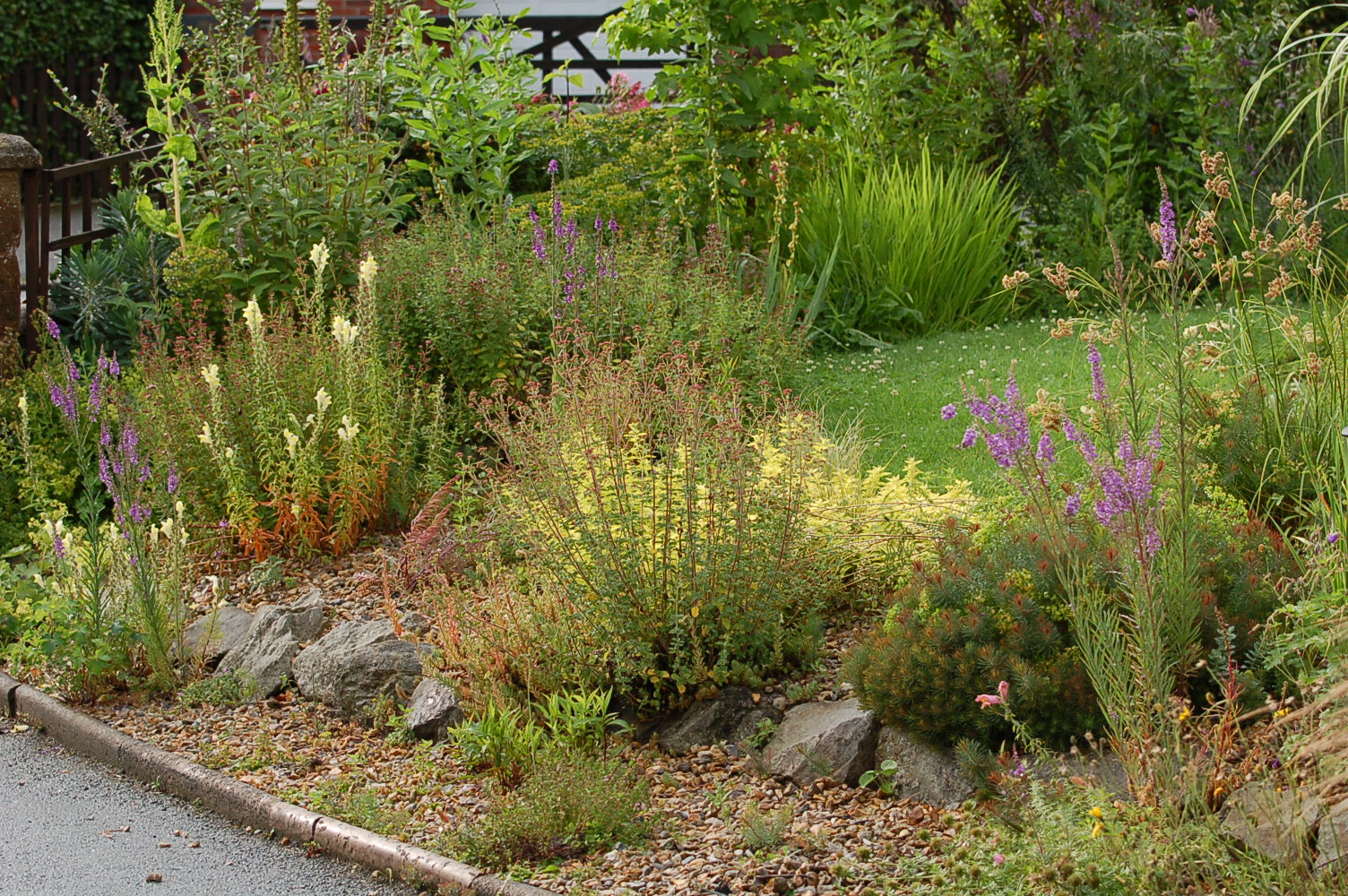
Our gravel garden, The Chatto Bed, is now full of colour, gentle yellows, pinks and purples. When the sun does come out for its short sessions the gravel bed is buzzing with bees. They are having a hard time this year with all this rain and wind.
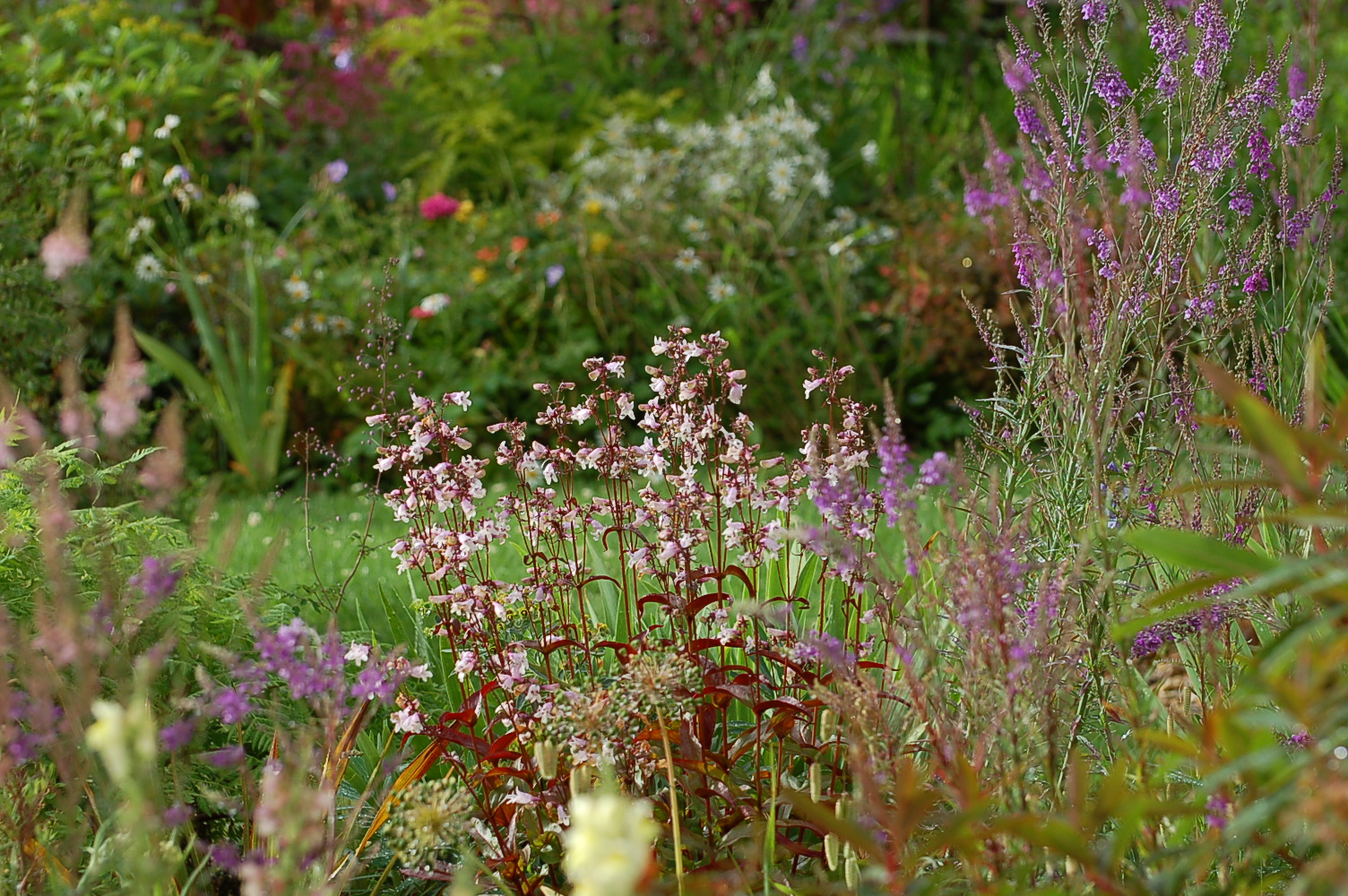
The Huskers Red Pentstemon is now at its best – what a beautiful plant it is – coloured foliage, dark stems and delicate contrasting pale flowers. Having grown this from seed sown a few years ago it feels good to see it looking so good.
The Quaking Grass, Briza maxima is also known as Nodding Grass and Sparrow Grass, presumably because it simply can’t stay still in the slightest breeze.
Jude’s Border is a rich combination of purple-leaved shrubs and contrasting perennials.
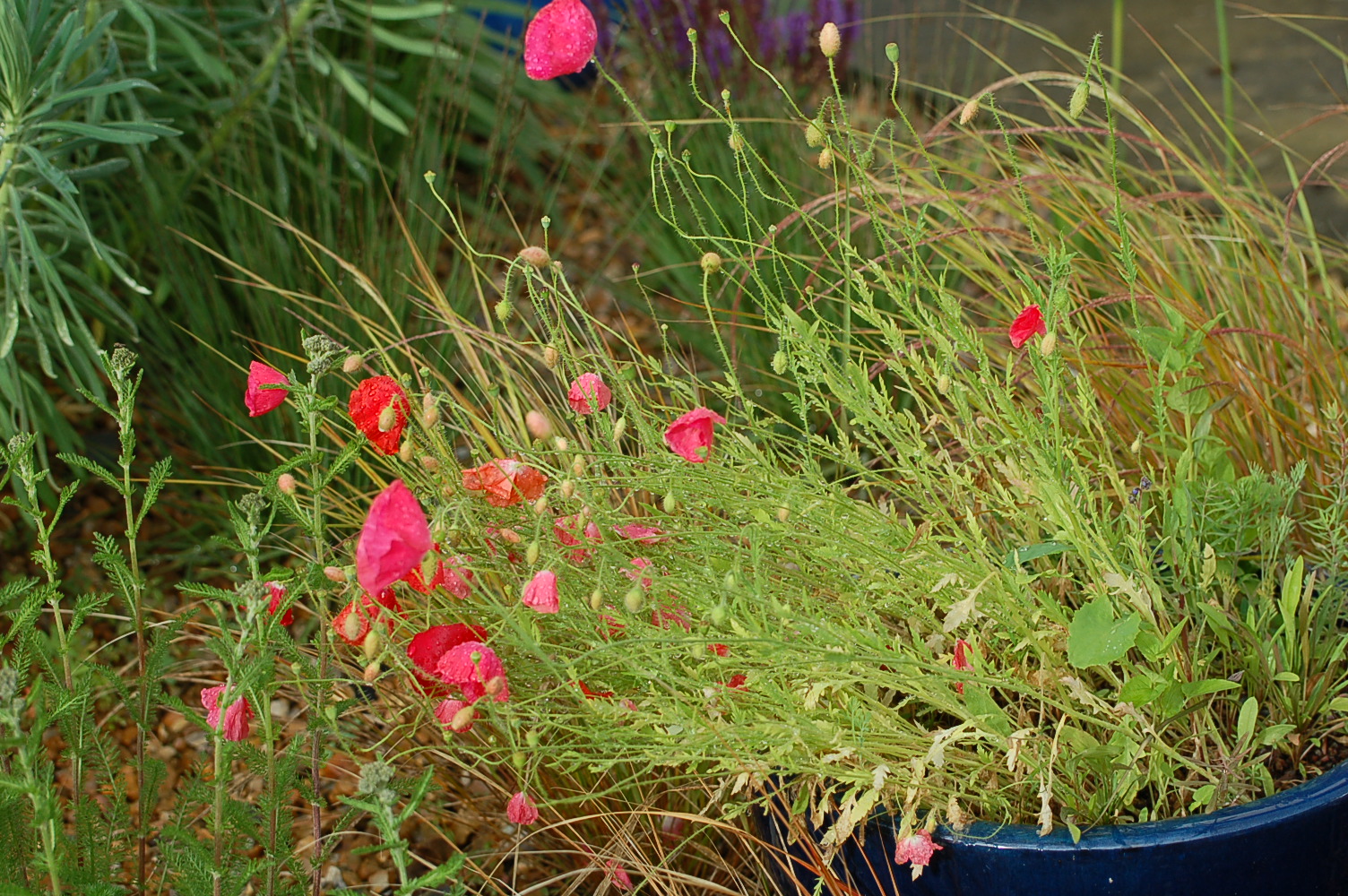
Our mini-meadows sown in terra-cotta pots have been very successful. Different flowers appear each day. The pink poppy glows in the dullest of weather – a “dayglo” poppy.
By our front door the “Freda Border” continues to provide colour in the perennials and gentle variegated foliage in the shrubs.
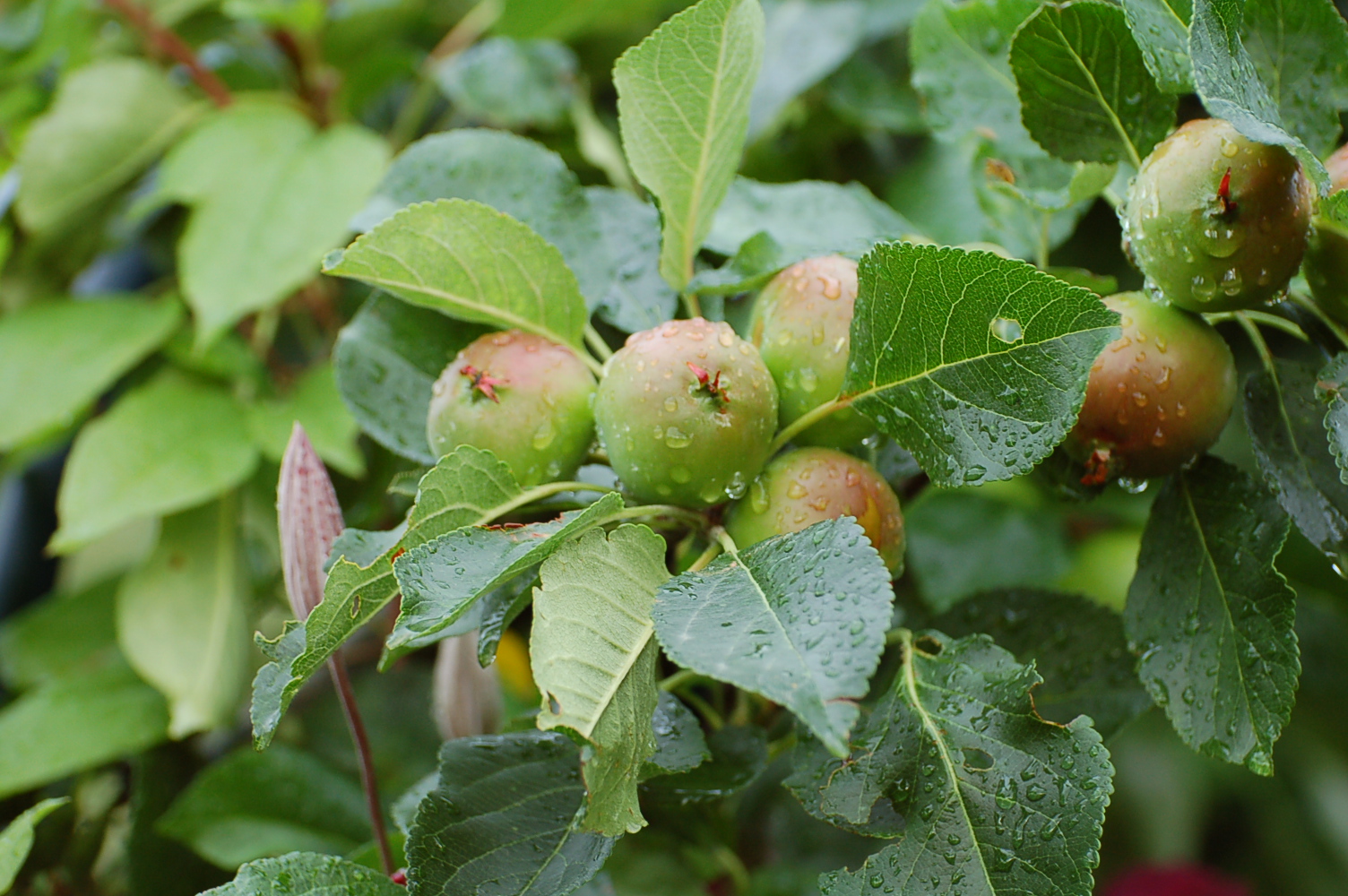
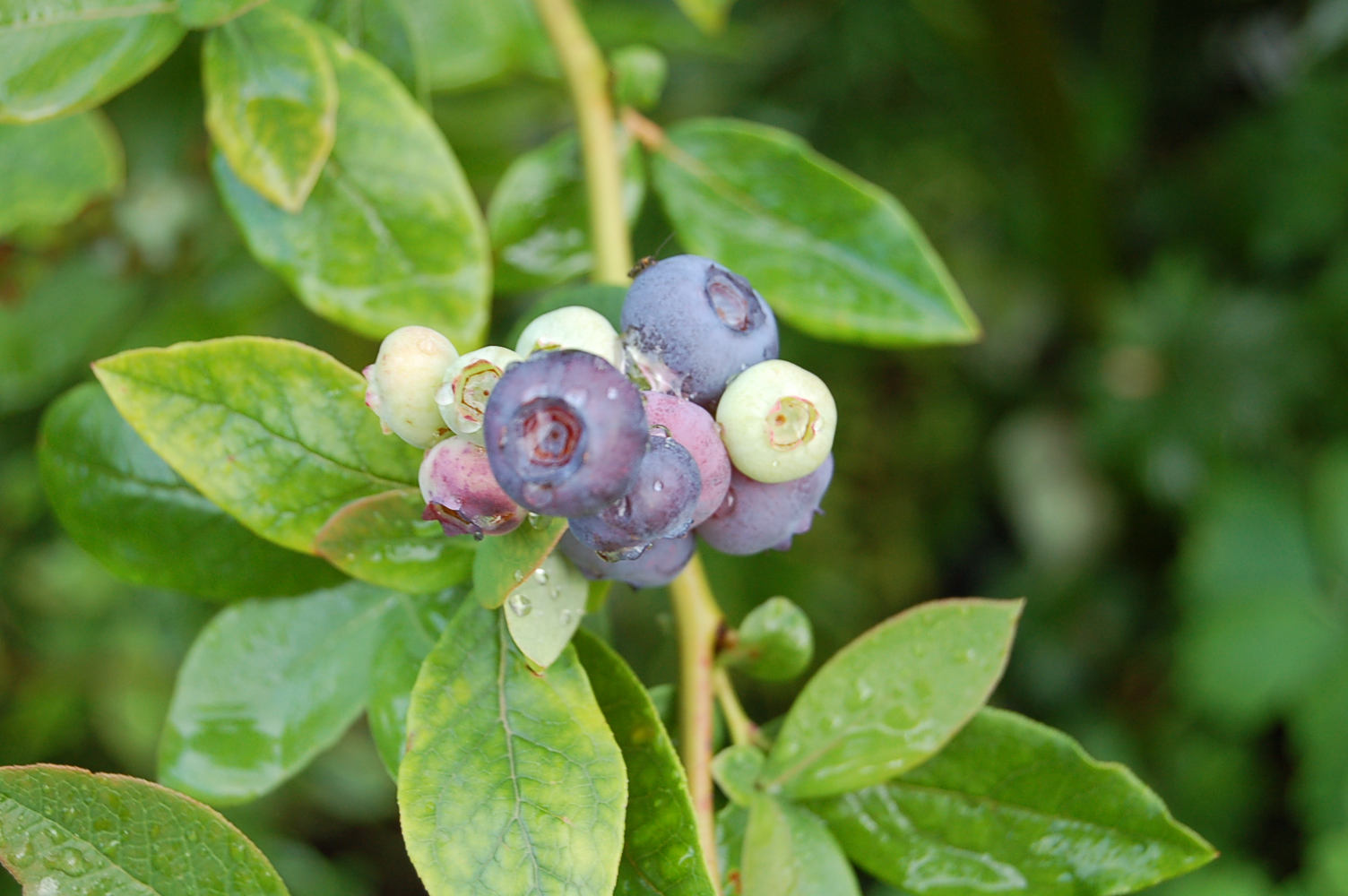
Let us now wander into the back garden and see what’s going on. Our apples are filling in nicely now and even getting a little rosiness as they start to ripen, while the Blueberries change from green to blue.
The secret garden is probably the most colourful patch at the moment.
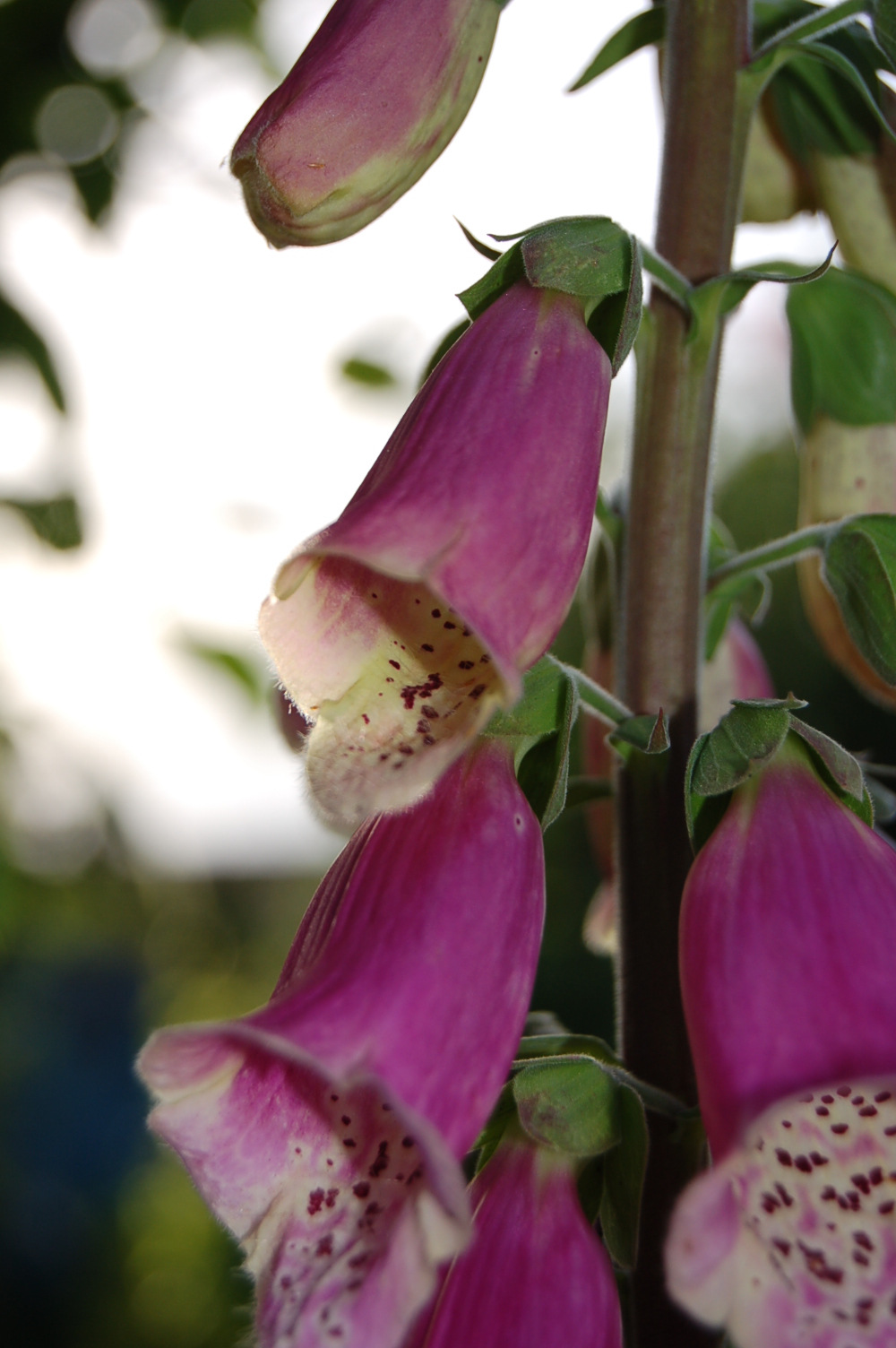
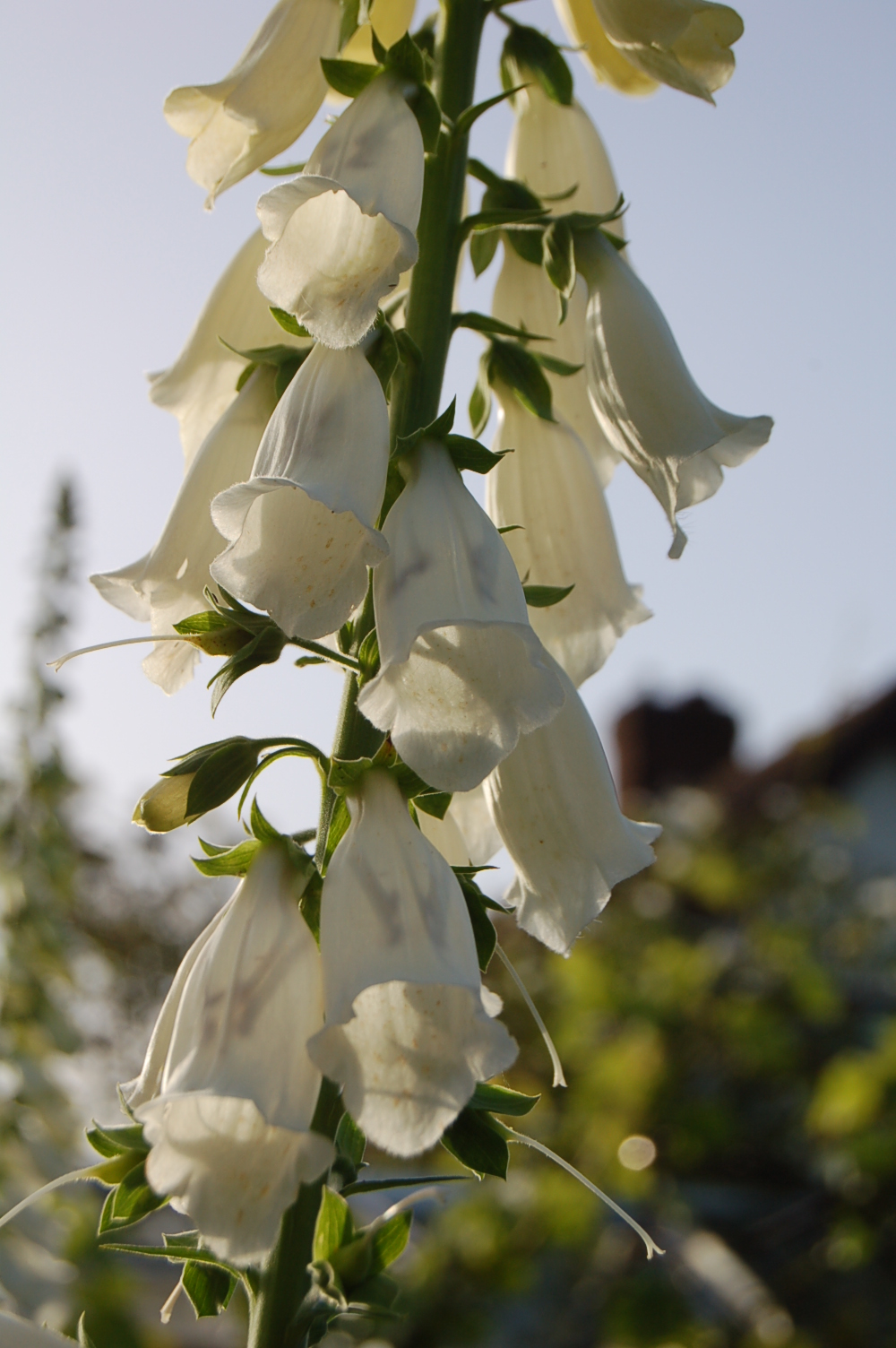
The “Chicken Garden” although less colourful at the moment as the alliums are losing their colour, has an impressive show of perennial foxgloves, favourites of the bees.
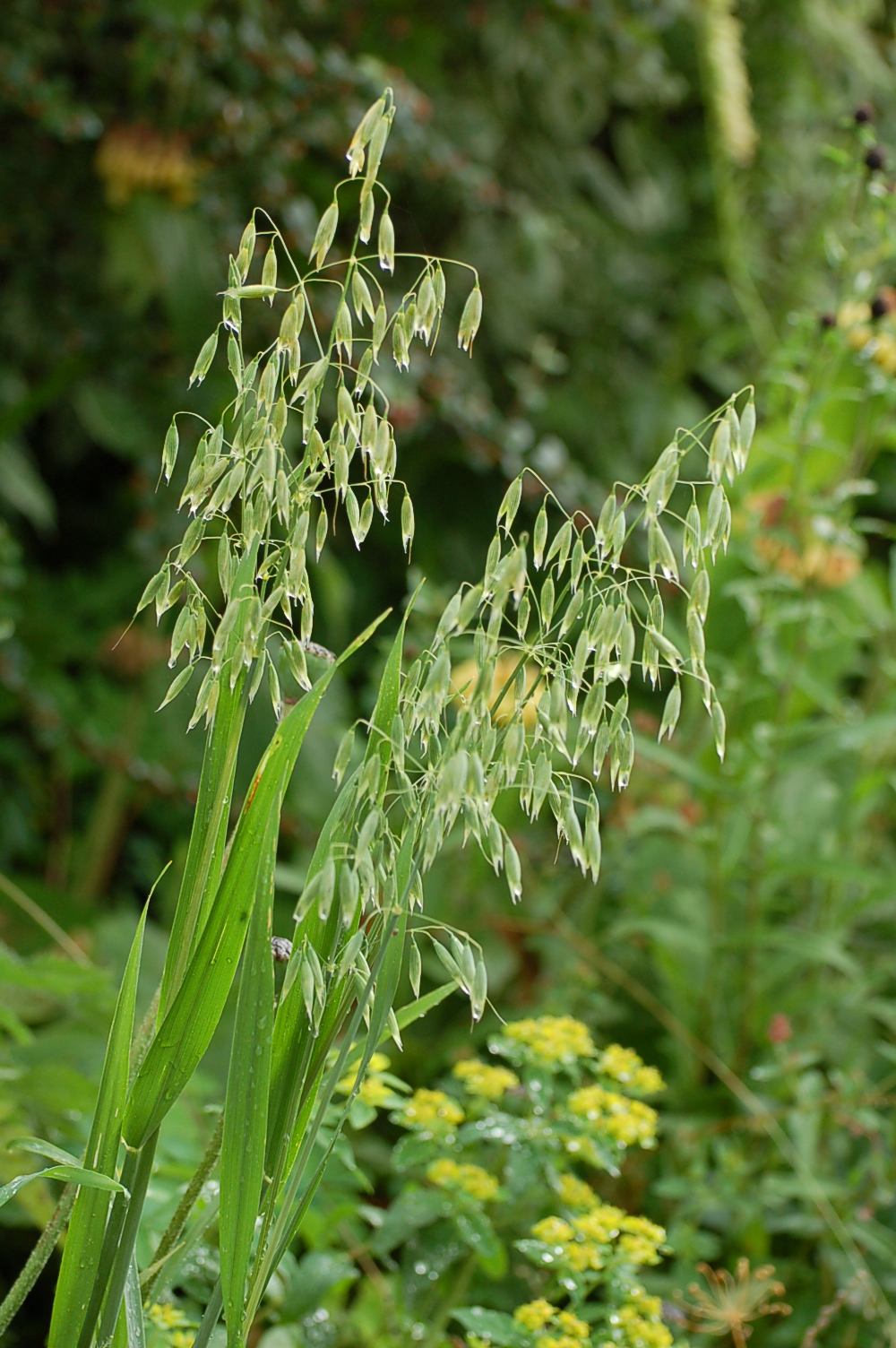
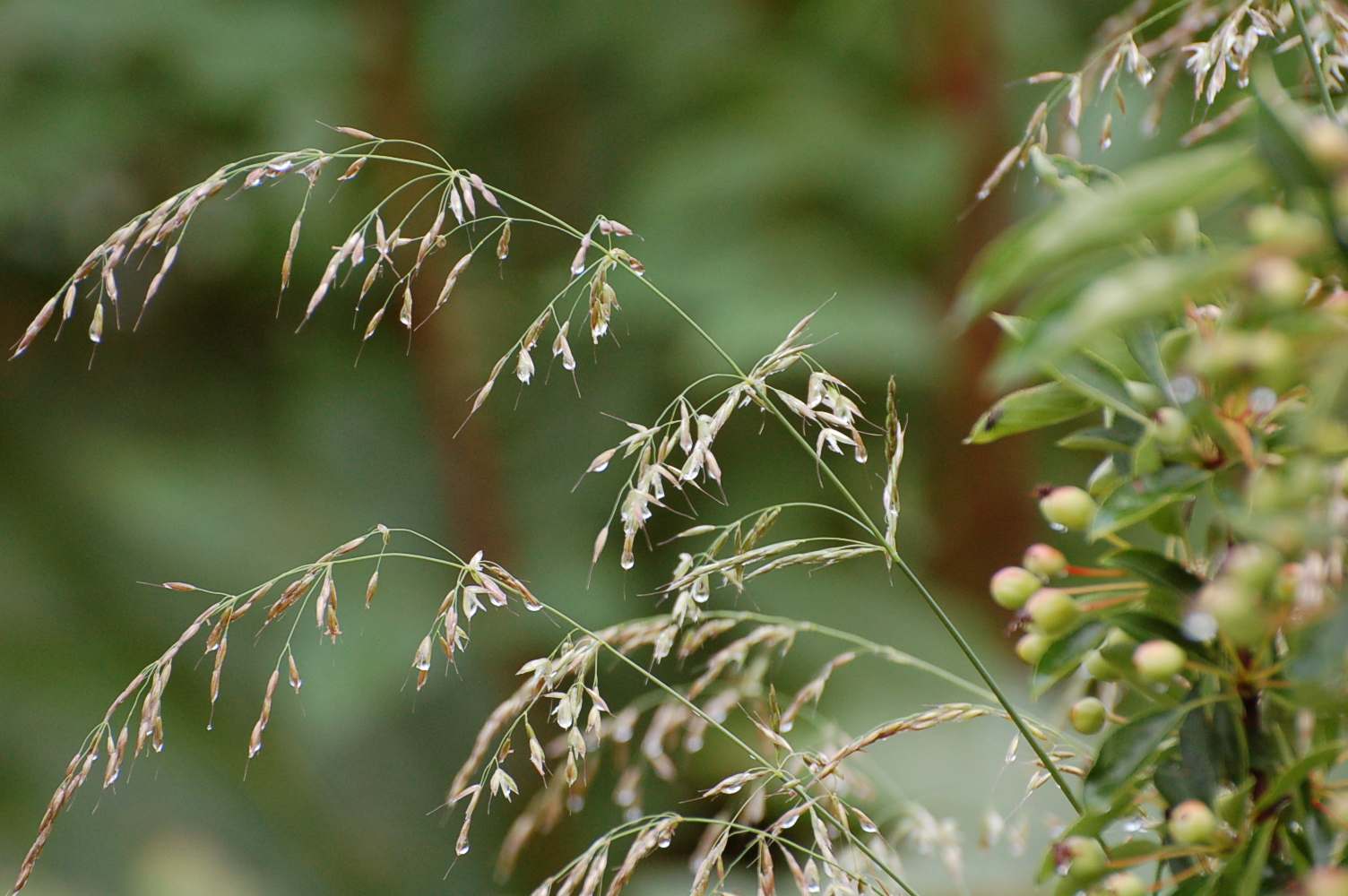
Grasses are flowering delicately in all the borders and often after a storm hold onto rain drops. The droplets of moisture act as prisms as light finds them.
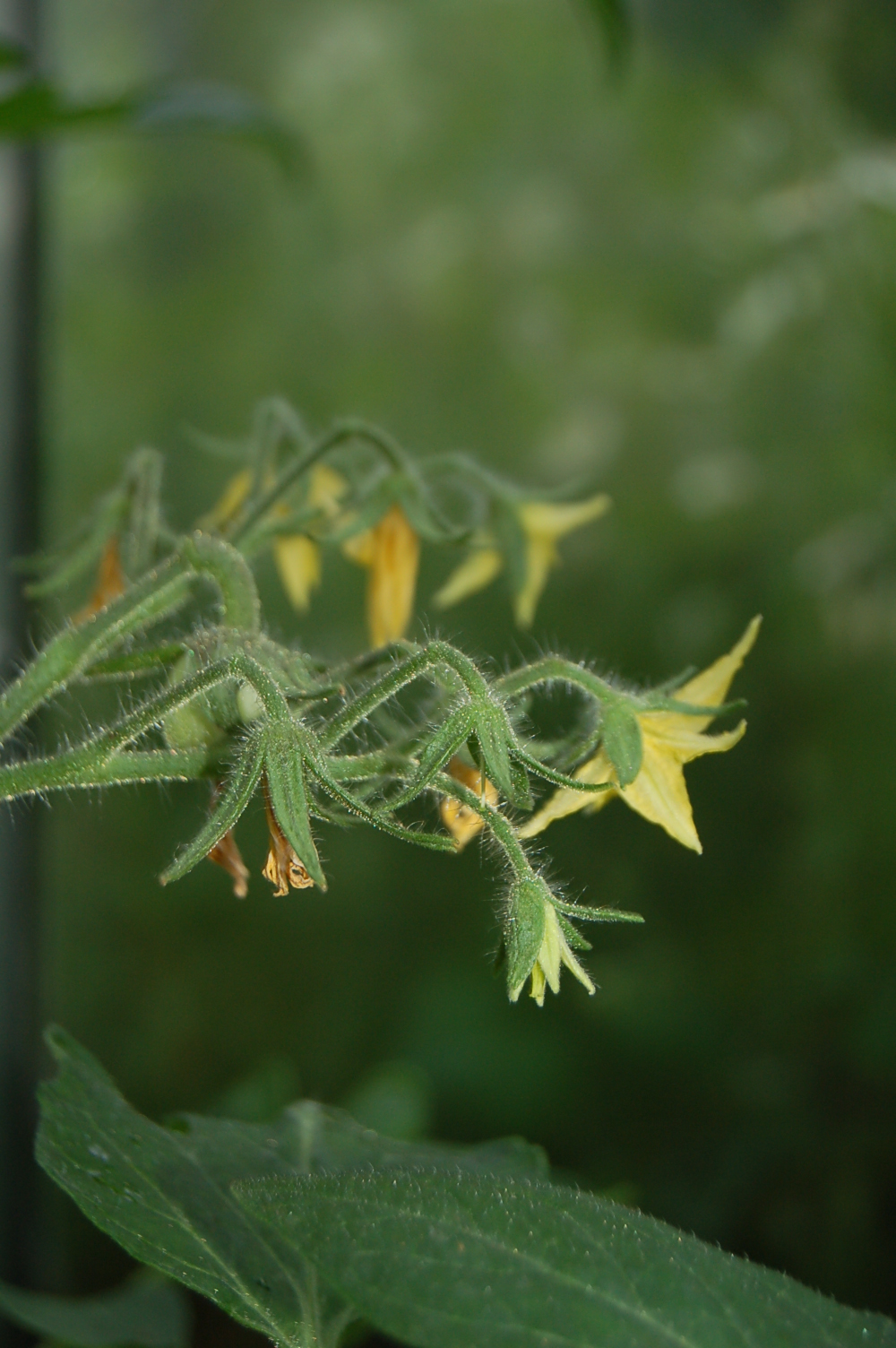
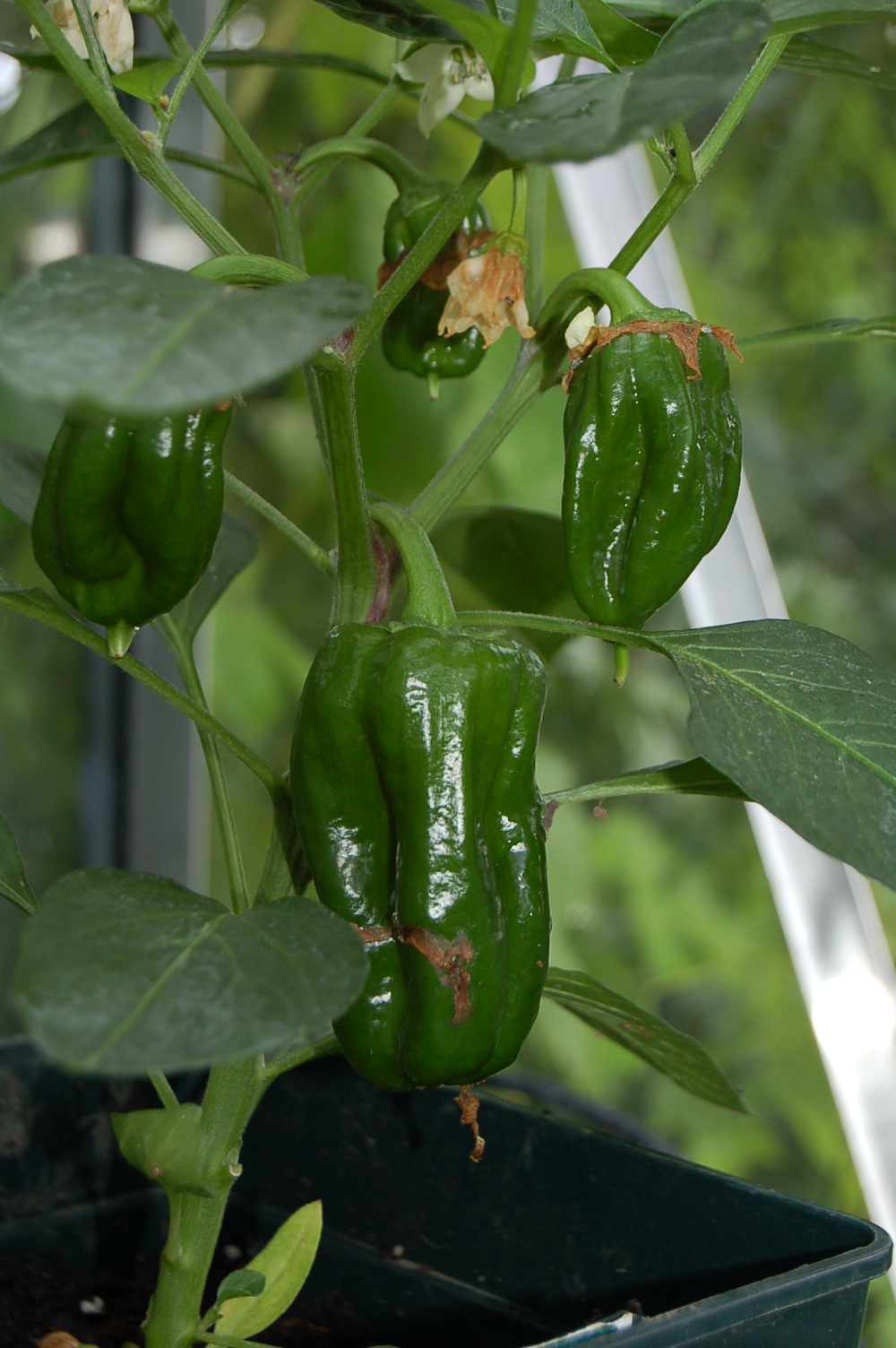
In the greenhouse tomatoes are forming on their trusses and further flowers open from their buds. Peppers like glossy green boxes promise sweetness to come.
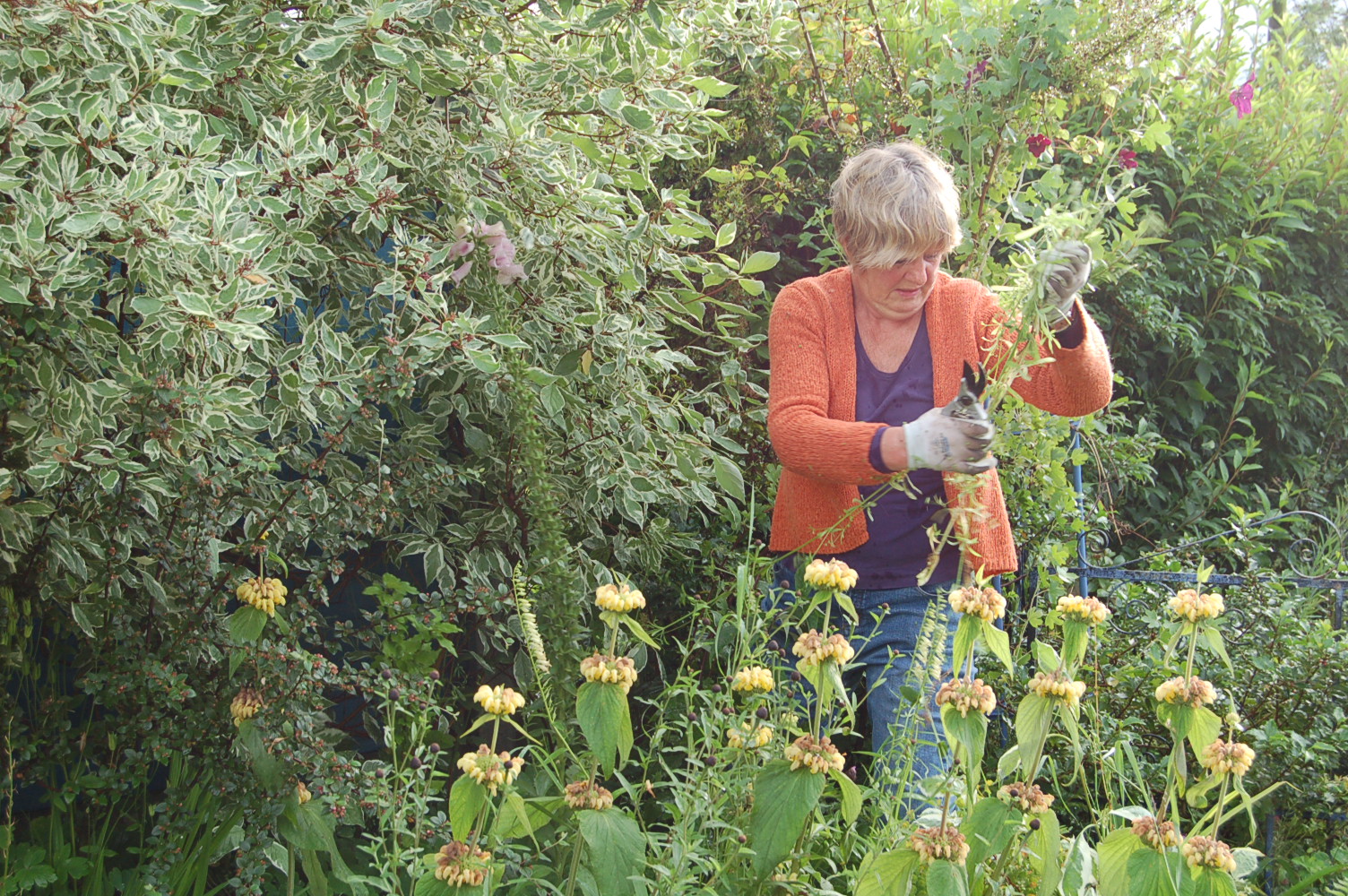
As we approach the middle of July we can but wonder what the rest of the summer can have in store for us. So far we have had the wettest summer months on record – it is hard to imagine that summer will truly arrive. It has been hard to keep up with maintenance in the garden this summer. There is so much growth that herbaceous plants need frequent deadheading and thinning and shrubs pruned to stop them overpowering the plants beneath. Jude, “The Undergardener” is pruning back the lower branches of the variegated dogwood to let light into the smaller plants below.
As the light began to fade I took a few photos to show it glowing through foxgloves.
A morning of showers turned into an afternoon of rain. We donned our boots and waterproofs and defied it. We weren’t going to let it stop us going for a wander in the riverside woods.
We started with lattes in the coffee shop at Attingham Park, our closest National trust property and they set us up for defiantly walking into the wood.
We had hoped that a few minutes indulging in our favourite pastime of coffee drinking would give the rain time to stop or at least subside. Our hopes were dashed as we carried on into the woods towards the river the rain fell upon us. We were waylaid by these pretty cows who demanded attention by looking at us under their long eye lashes.
After giving the cows a stroke we moved on alongside the riverbank where the woodland started.
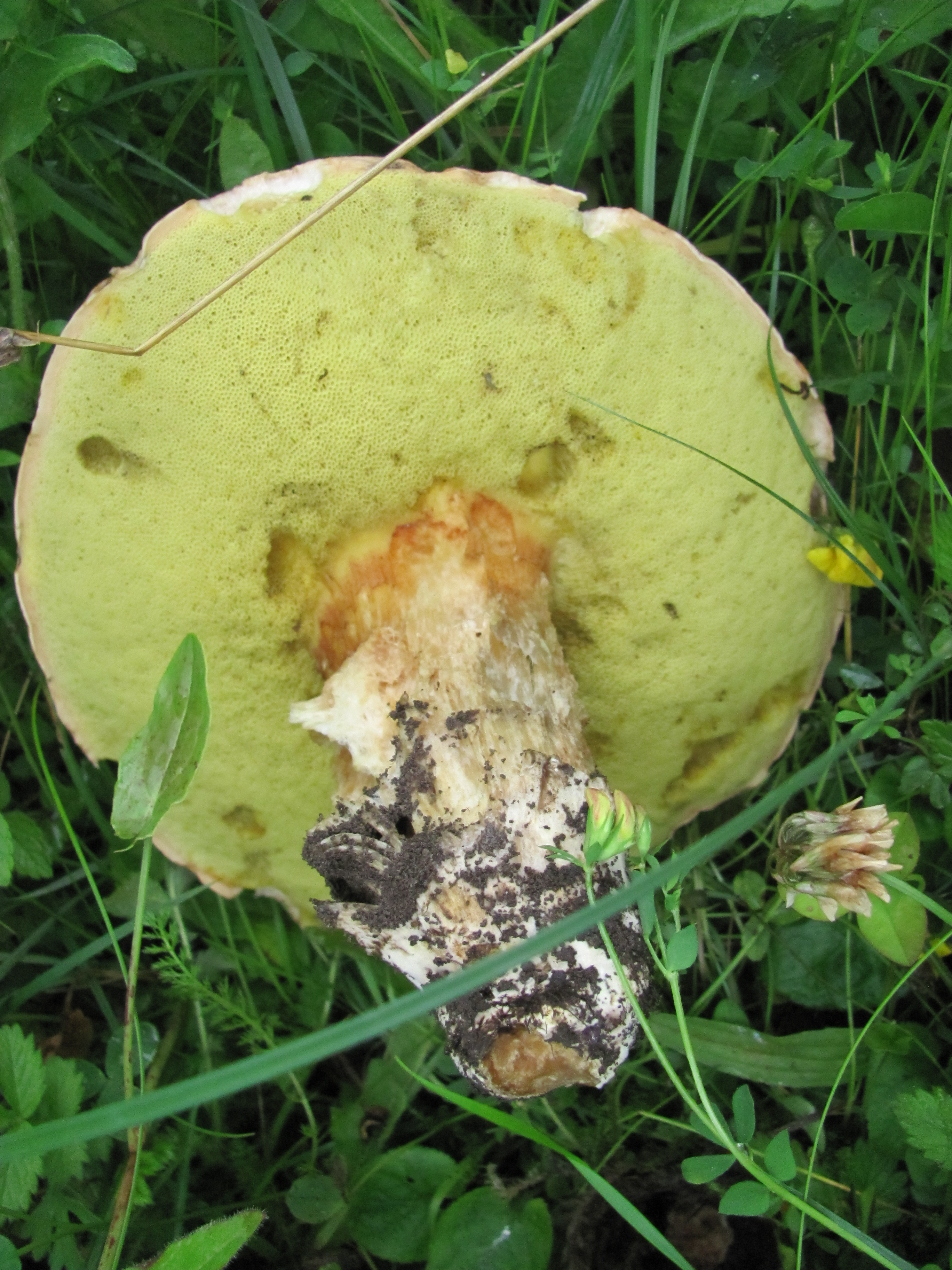
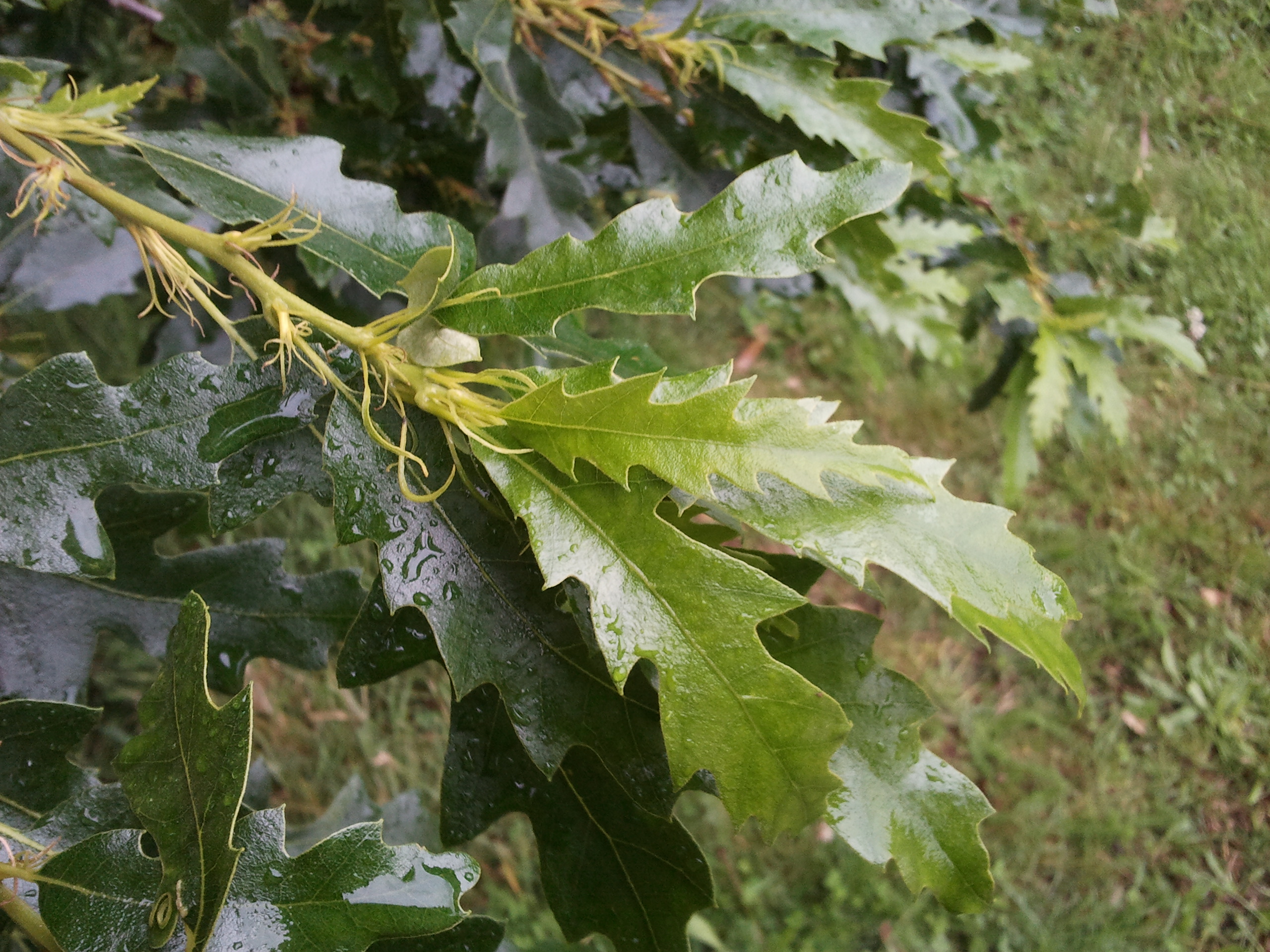
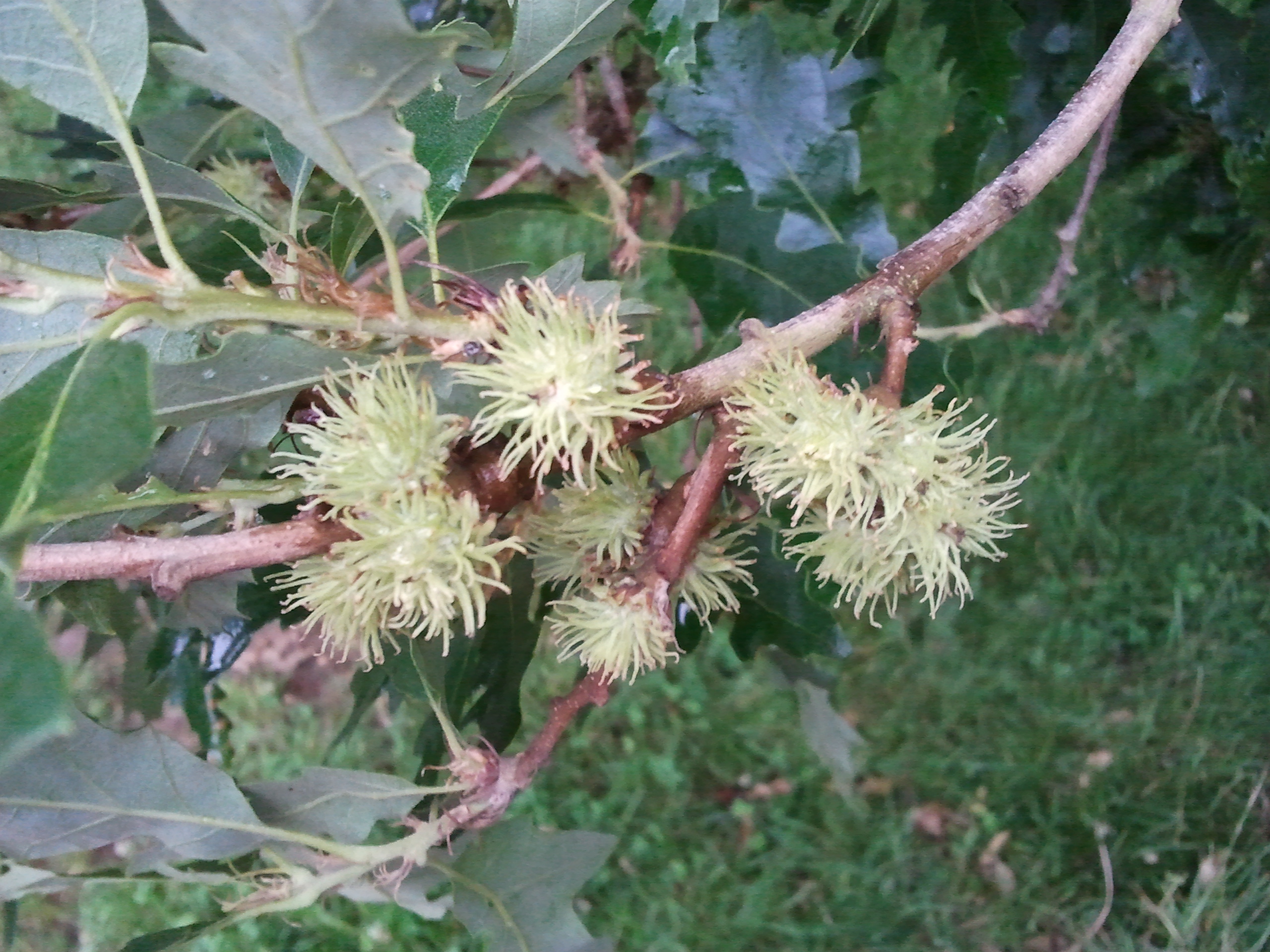
This woodland contains many unusual and non-native specimen trees but there are no labels so we find many we can’t identify. Several seem familiar especially their fruit and leaves, so we presume they are related to natives such as oaks, chestnuts and alders. One of these days we shall be wise and remember to pop an ID book into a pocket.
Even as the rain was falling and dark clouds skidded across the sky patches of woodland were lit up. They acted as spotlights drawing us to the pink of the foxgloves and the pale creamy fungi.
This strange but delightful light had a brightness we did not expect. Underneath the dark canopy of thick foliage the trunks of the trees seemed to attract light and they appeared more patterned and textured.
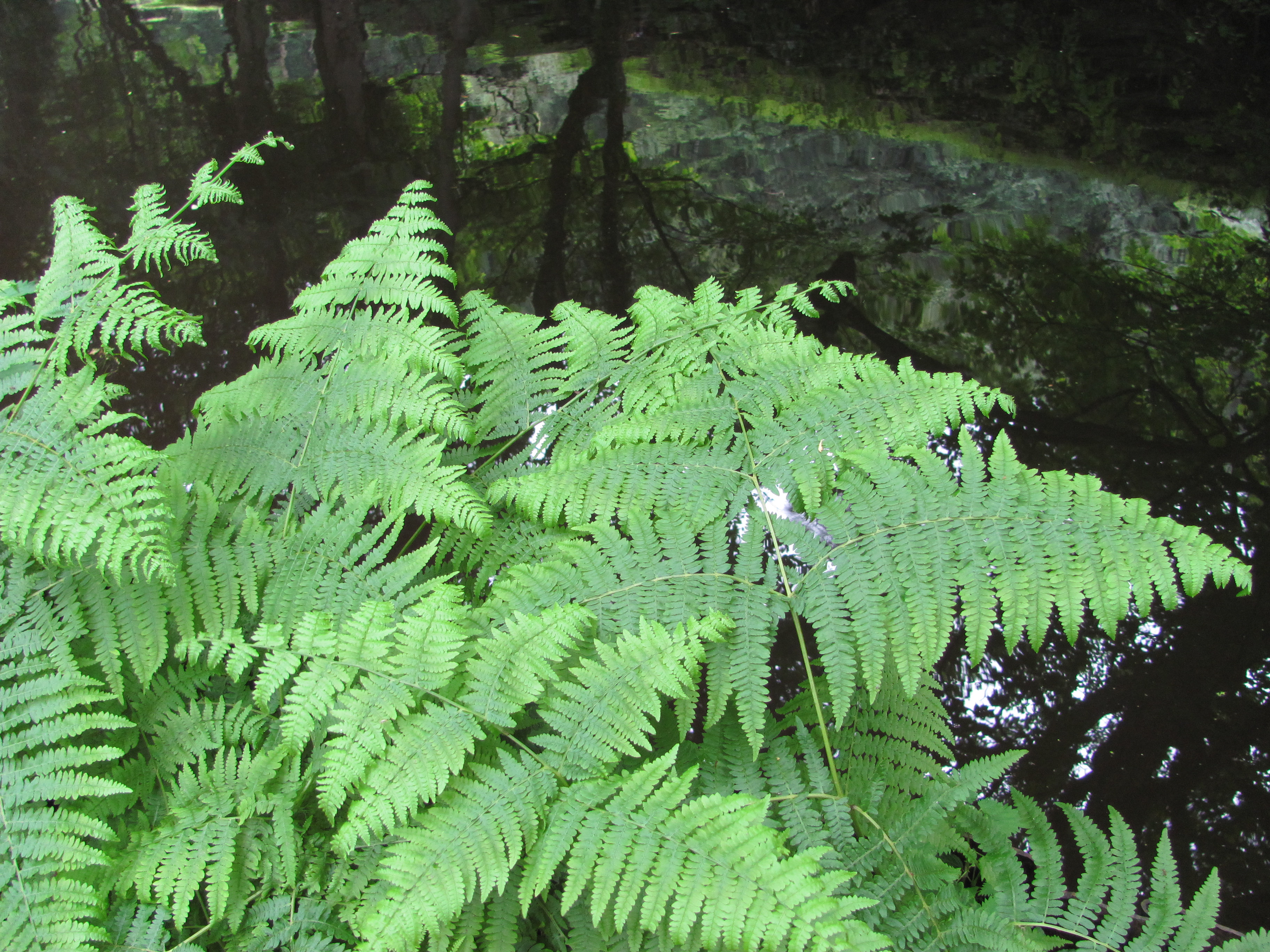
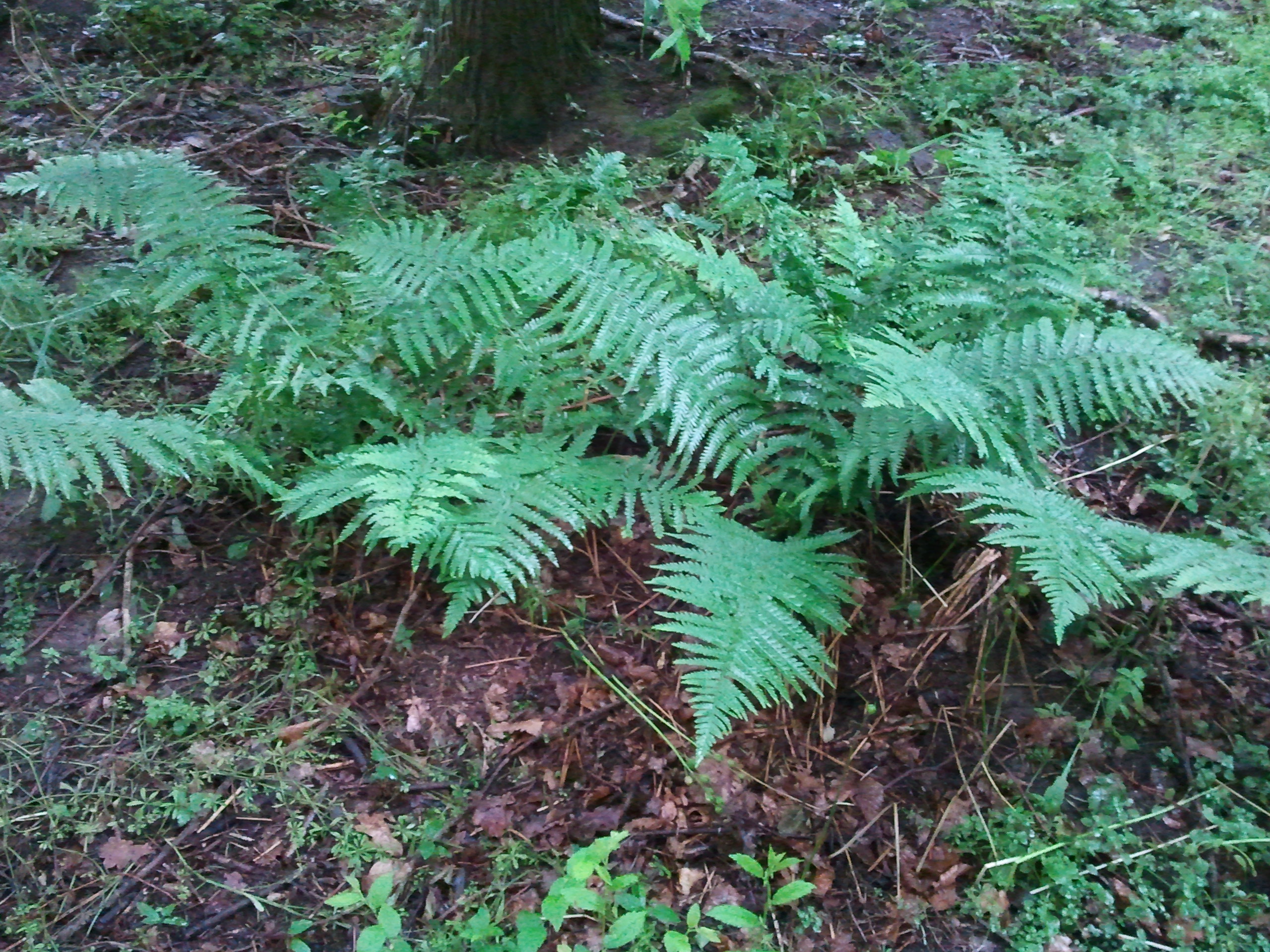
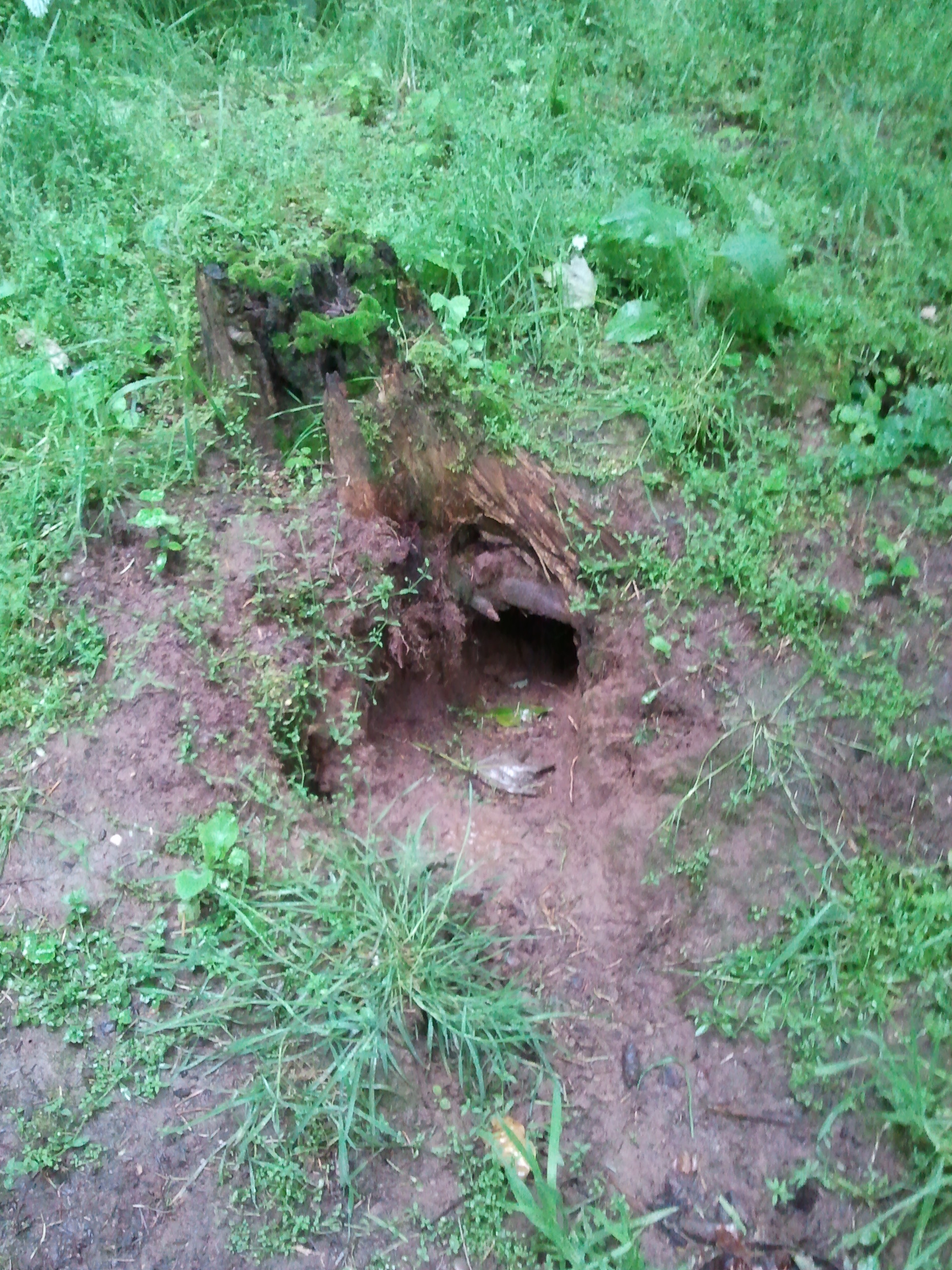
The ferns enjoyed the darker areas and the moisture brought by the rain, but their enjoyment was not shared by the wood’s mammal residents. The usual squirrels and rabbits were nowhere to be seen. Every rabbit burrow we came across showed no sign of life.
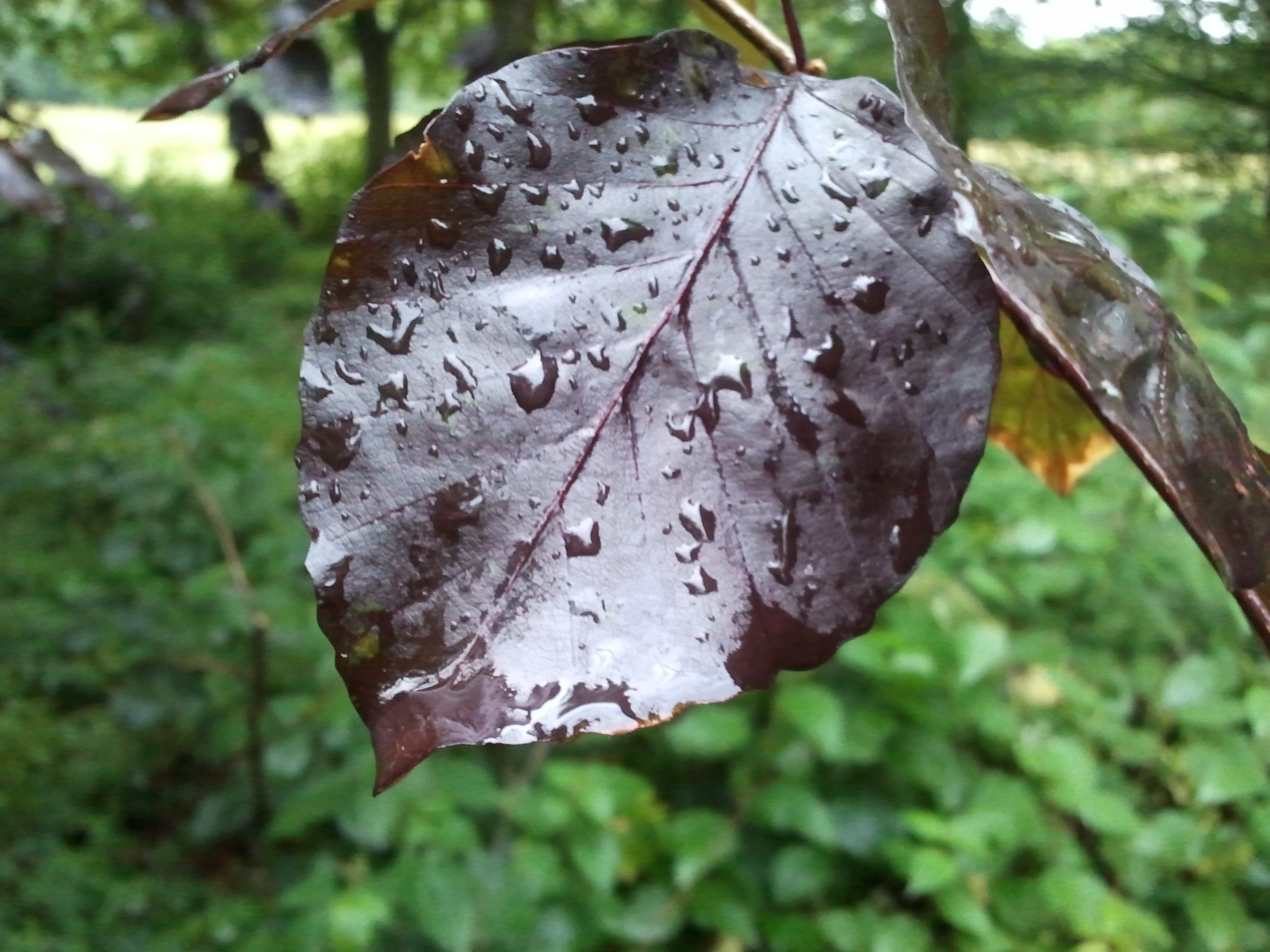
Rain drops landed on the purple, glossy leaves of the copper beech and light glowed through the “helicopter” seeds of maples. Overhead thrushes sang enthusiastically. The loud powerful song of the Mistle Thrush overpowered those of the more tuneful delicate Song Thrush.
Although no thunder rumbled above the tree tops today it has done so recently as witnessed by this tree displaying lightning strike burns. While studying this damaged tree our attention was drawn to movement in small trees close by, where a pair of tree creepers fed on the bark, moving like scurrying mice head first up the trunk. The blue tits fed differently as they searched for their insect prey under the wet leaves of the same tree.
As we continued along the path below the trees we took a short detour through the walled garden where the herbaceous borders on either side of the wide central path made a colourful picture.
As our woodland wander came to an end we had to stop and enjoy another couple of lattes just to check that they still tasted so good. They did! As we enjoyed our coffees we were entertained by a very intelligent ladybird who was reading the label of his orange juice checking its ingredients out to make sure they were fully organic.
We were not the only ones out and about enjoying a walk in the rain today and certainly not the only ones enjoying coffees. As educationalists in our pre-retirement days, we were pleased to see several young families out exploring the woods. Two families enjoyed their coffees as their toddlers enjoyed playing in the courtyard driving ride-on John Deere tractors in the mud and on the slippery grass, even revelling in falling off. They jumped in the puddles and splashed each other. Real childhood treats!
On our allotment site this year the management committee are running a Wise Watering Campaign, with the aim of reducing the amount of water used by plot holders. We were ashamed to hear that our site uses more water than any other in Shrewsbury. When we looked into the situation we were amazed that only 18 of the 68 plots had guttering and water butts attached to their sheds to catch rainwater run-off. Many plot holders turned to their hose pipes too readily to water their crops. Something had to be done.
We had already fixed guttering, downpipes and butts to our communal buildings and we use this captured rain to water our communal gardens, so we began our campaign by encouraging members to follow that example. Jude, Mrs Greenbench aka the Undergardener, in her role as secretary to the committee has been trying to source grant money to help purchase more water butts. Amazingly our local water board did not even bother replying, but there are still a few irons in the fire.
I was asked to write an article for our newsletter, “Dig It!”, giving advice on how to water efficiently and a summary was sent to all plot holders. I wrote a much extended more detailed article which I posted on the allotments’ website. (see www.bowbrookallotments.co.uk and click on “Wise Watering”)
Our initial emphasis has been on using watering cans instead of hoses and encouraging members to add guttering and water butts to their sheds.
I thought I would give a few ideas here too, for your interest and wondered if anyone had any further ideas that we could use.
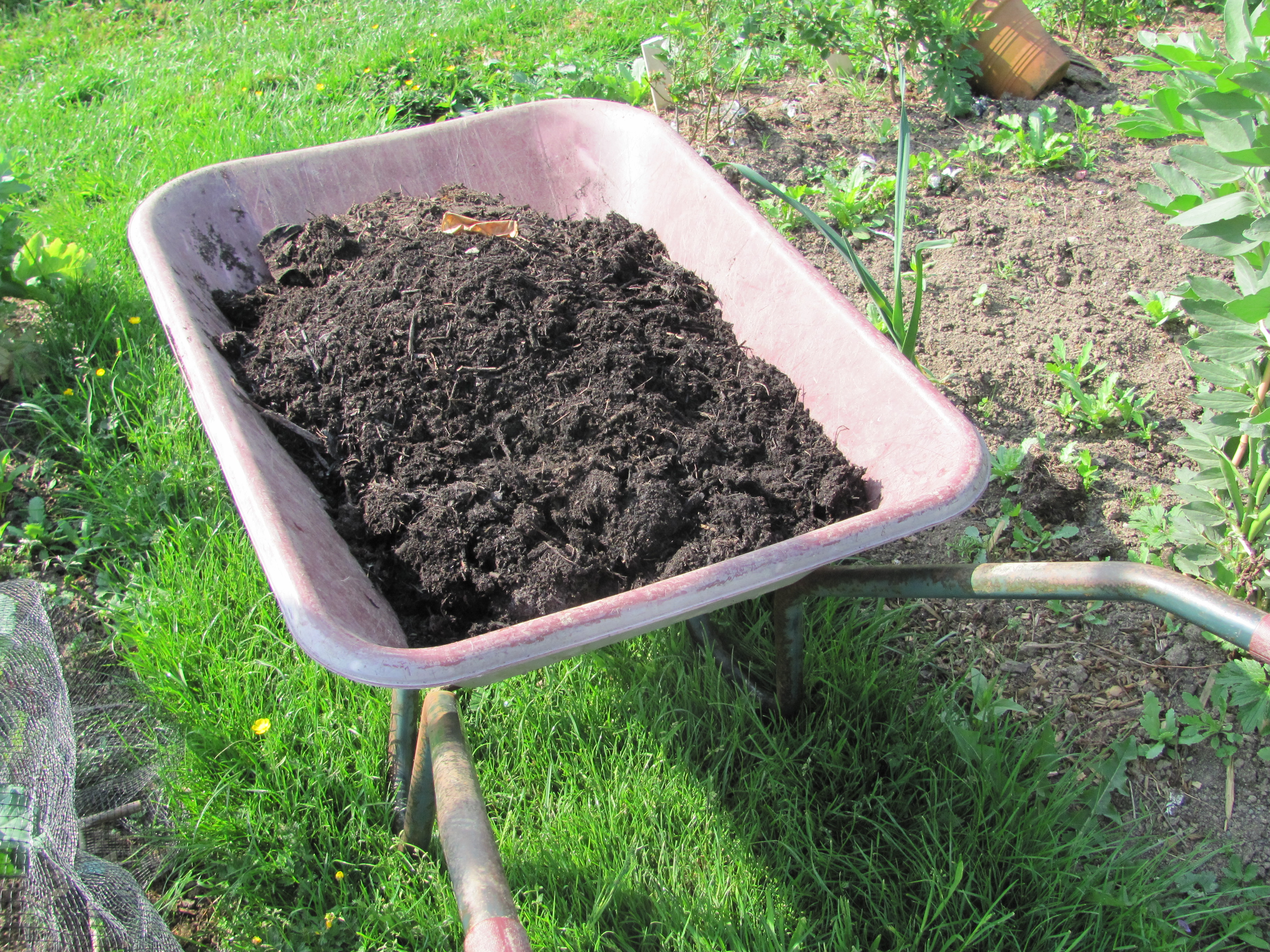
I emphasised the importance of improving soil quality and adding humus and fibrous material, which would help moisture retention after rain or watering, and allow the plants to take up moisture efficiently. We sell municipal compost and farmyard manure on site.
The best time to add manure is in late autumn or early winter and for compost early spring. I suggested also that compost should be used as a mulch after periods of rain to hold this natural moisture in.
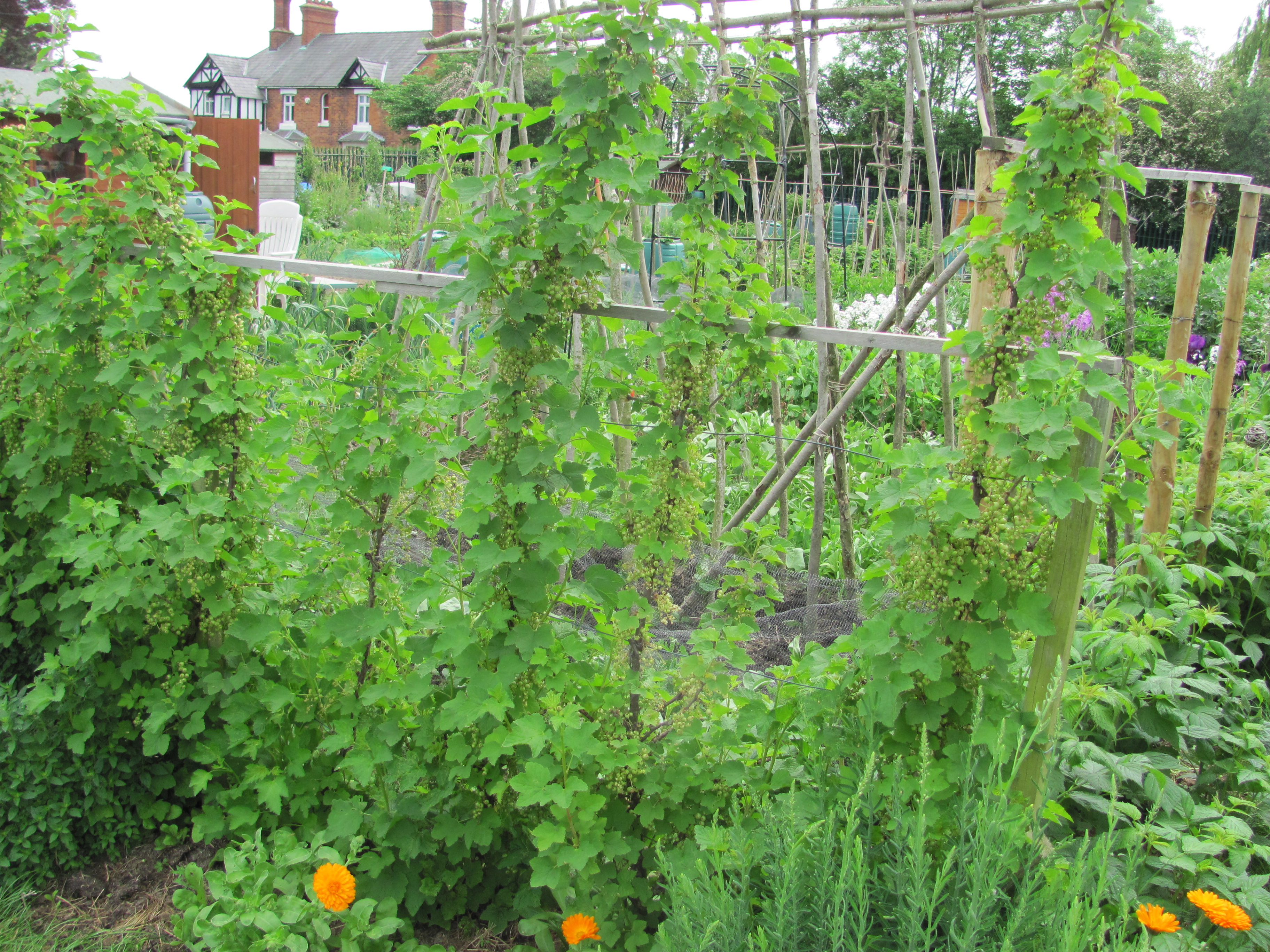
Mulching under fruit bushes is always useful as a lot of moisture is needed in the production of fruit. Old straw, hay or farmyard manure when added as a mulch will also slowly break down and feed the plants as well as improve soil texture.
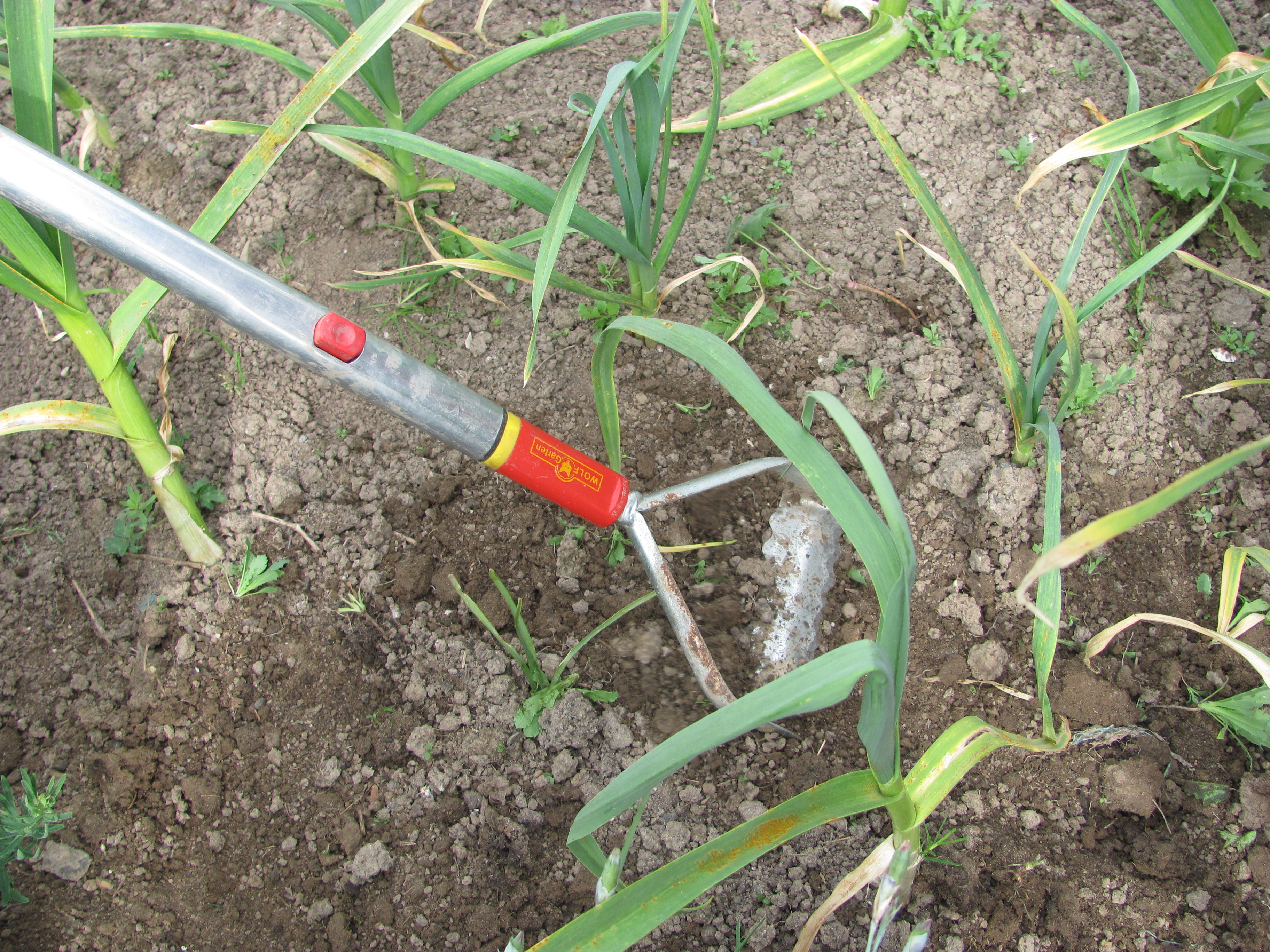
Another important way of managing the watering of your plot is to ensure it is always free of weed material. Weeds will use up moisture that would otherwise be available to crops. Using a hoe regularly is the best method to employ as keeping the surface loose helps rainwater get below the surface.
Growing your fruit trees as cordons on the windward side of your plot cuts down on evaporation. Alternatives are flower borders or a row of root artichokes.
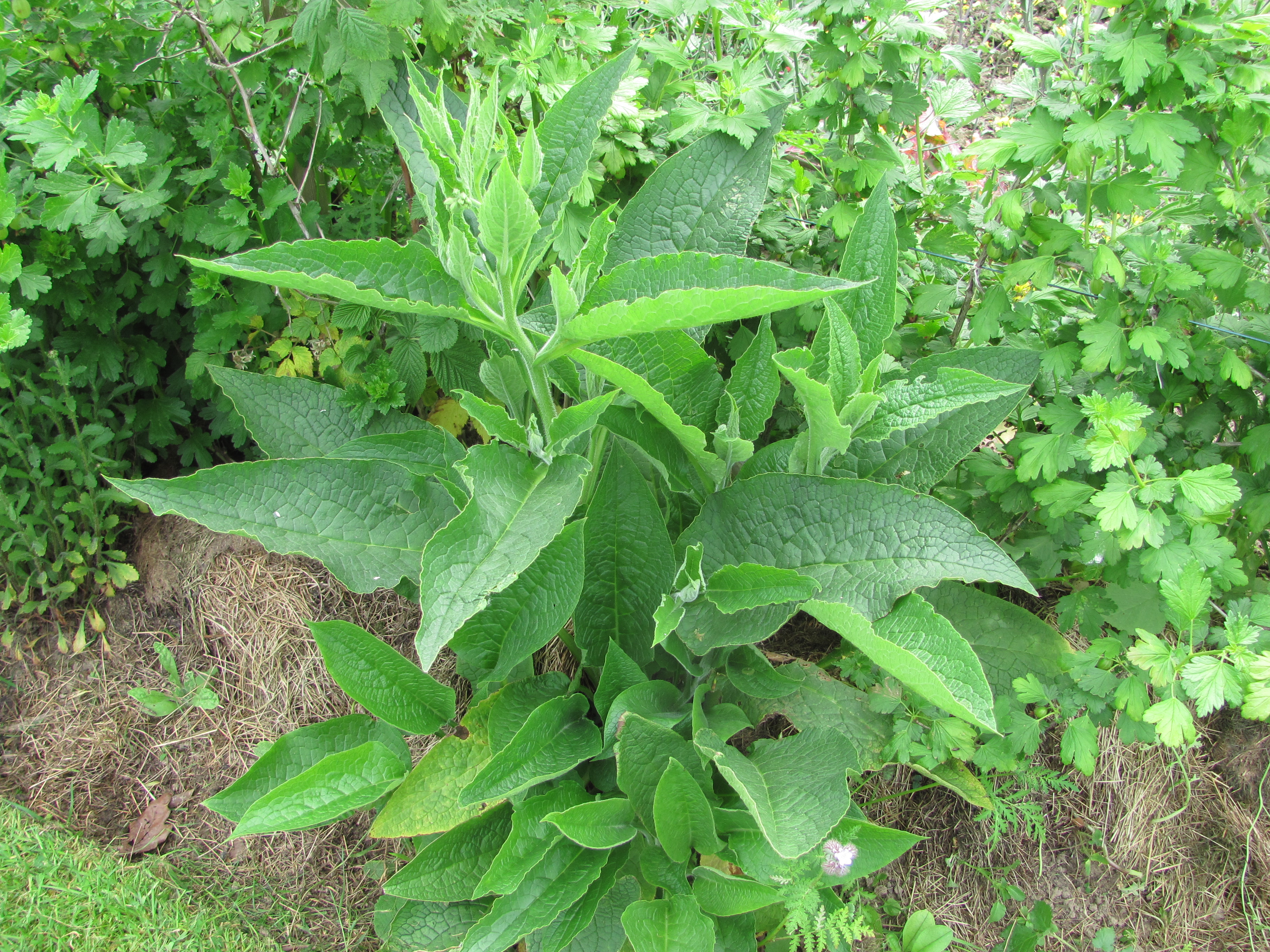
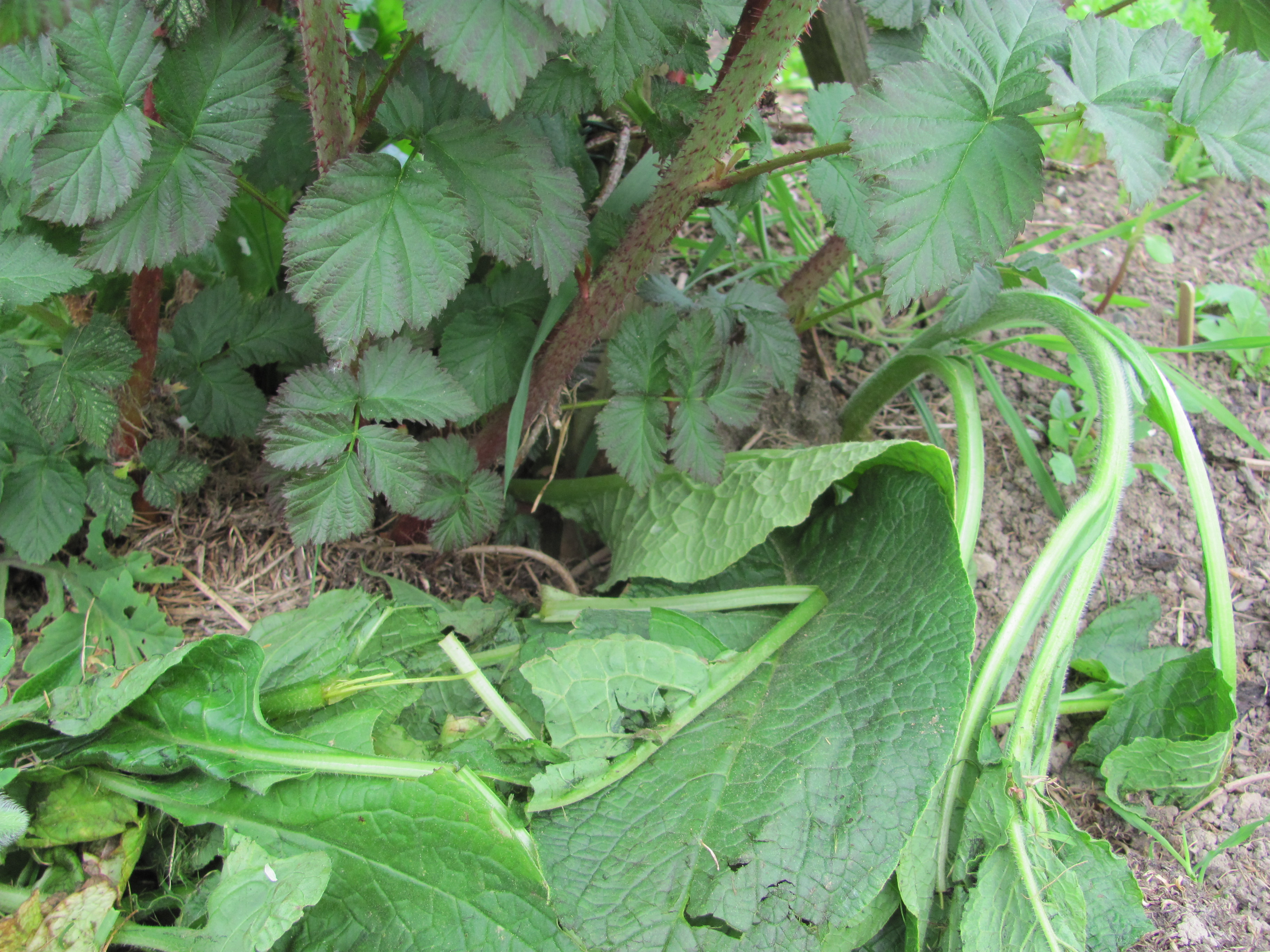
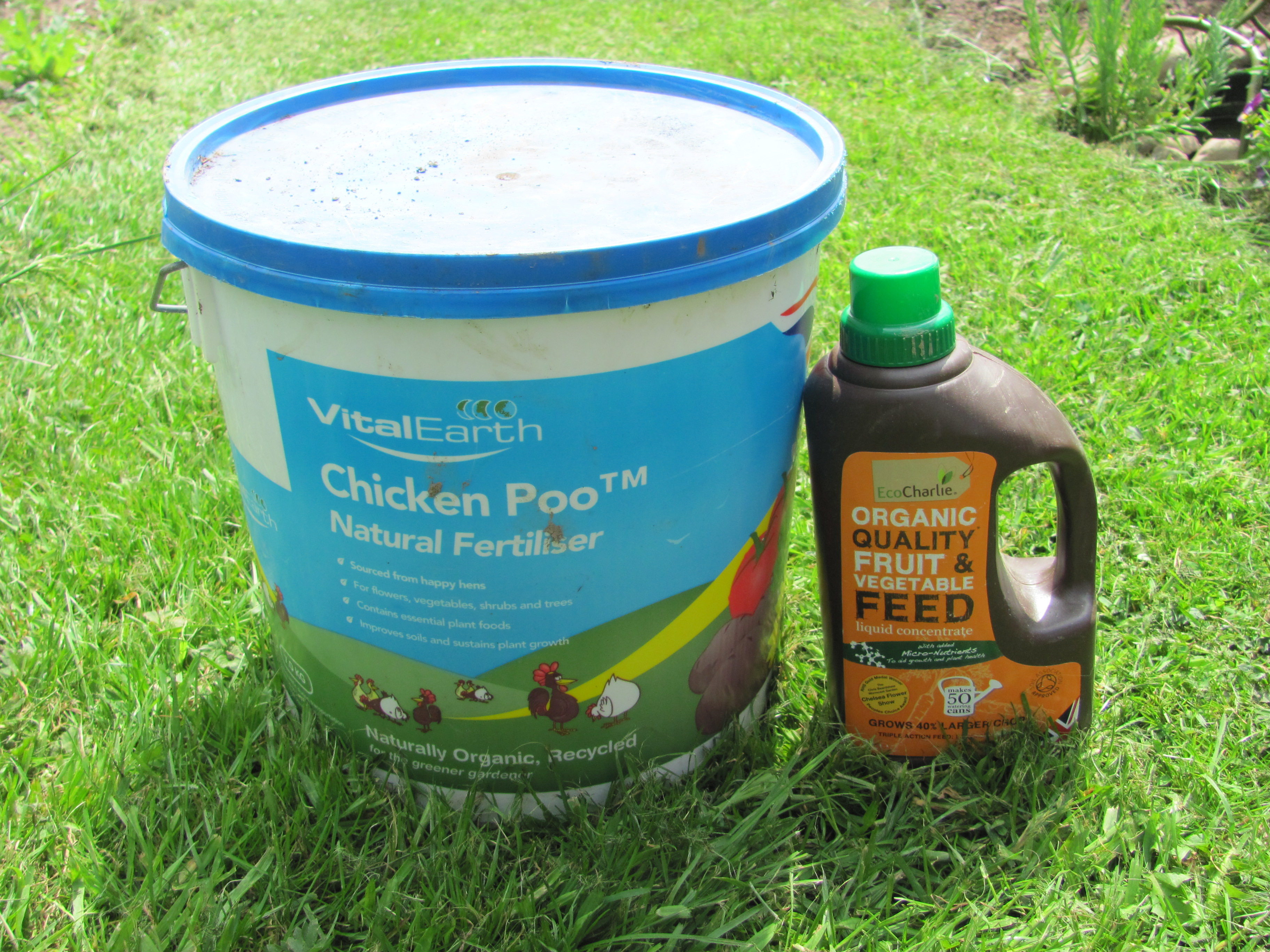
Strong, healthy plants will survive dry periods better and newly planted quality plants will establish without regular bouts of watering. To ensure plants are as healthy as possible feed them with natural, organic feeds rather than chemical based fertilisers. Growing your own fertilisers is even possible. Comfrey can be grown and regularly cut, soaking the leaves and stems in water for a few weeks produces a free and effective feed when watered down to the colour of weak tea. The leaves can also be utilised as a mulch placed directly below fruit trees and bushes.
The way the plants are watered is also an important factor in determining how much water is used. Watering with a hose all around rows of plants is wasteful as most of the water lands on the bare soil and not where plants can use it. To ensure that plants can take up and use as much water as possible, it is best to water from a can without a rose and direct the flow of water towards the base of the plants.
When your potatoes need earthing up, add a layer of fresh grass cuttings before the soil as this will help retain moisture as the potatoes are forming.
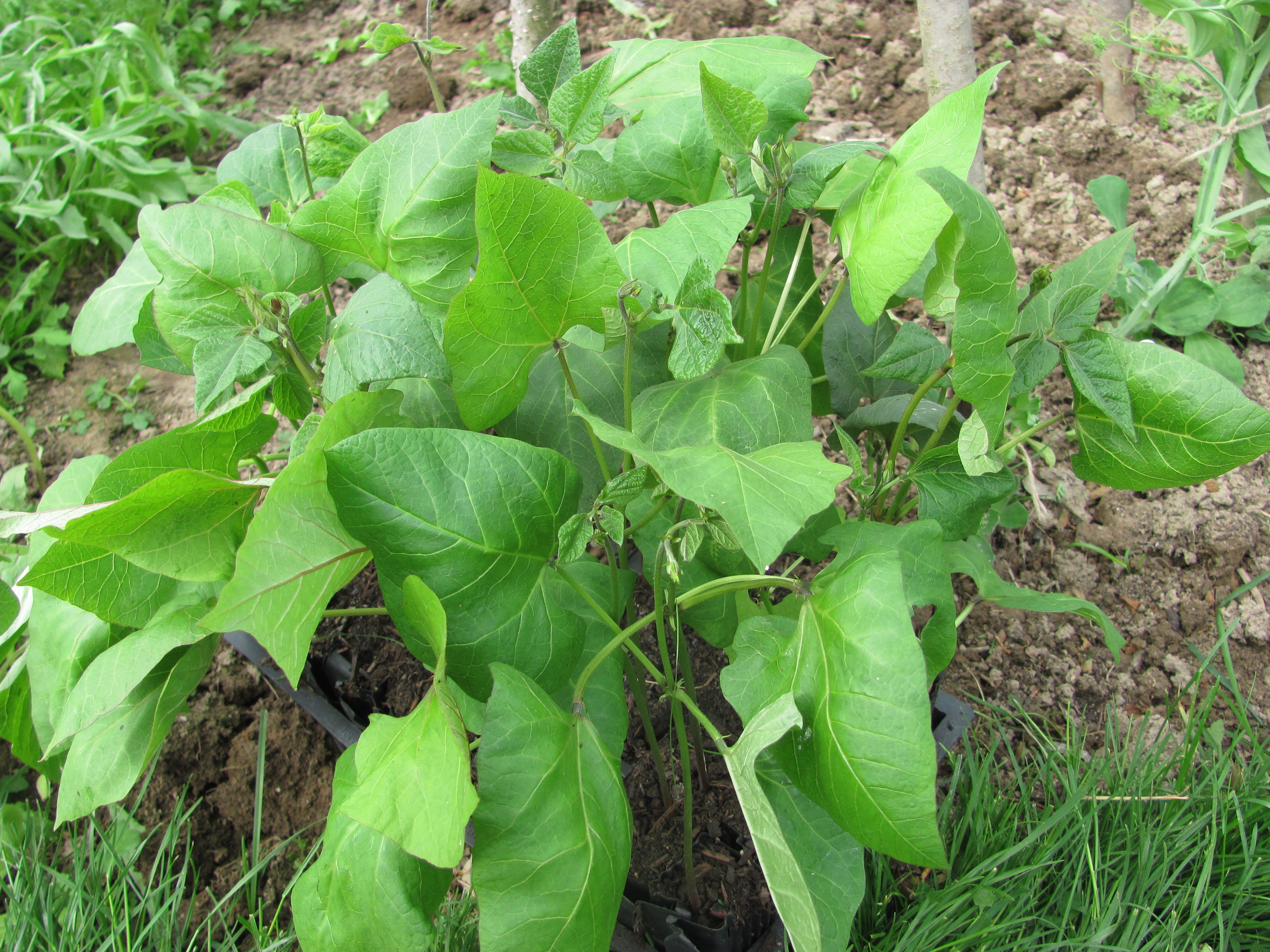
I tried to work out the most water-efficient way of planting out our vegetable plants and used runner beans as an example. The first point is to ensure your plants are strong and healthy.
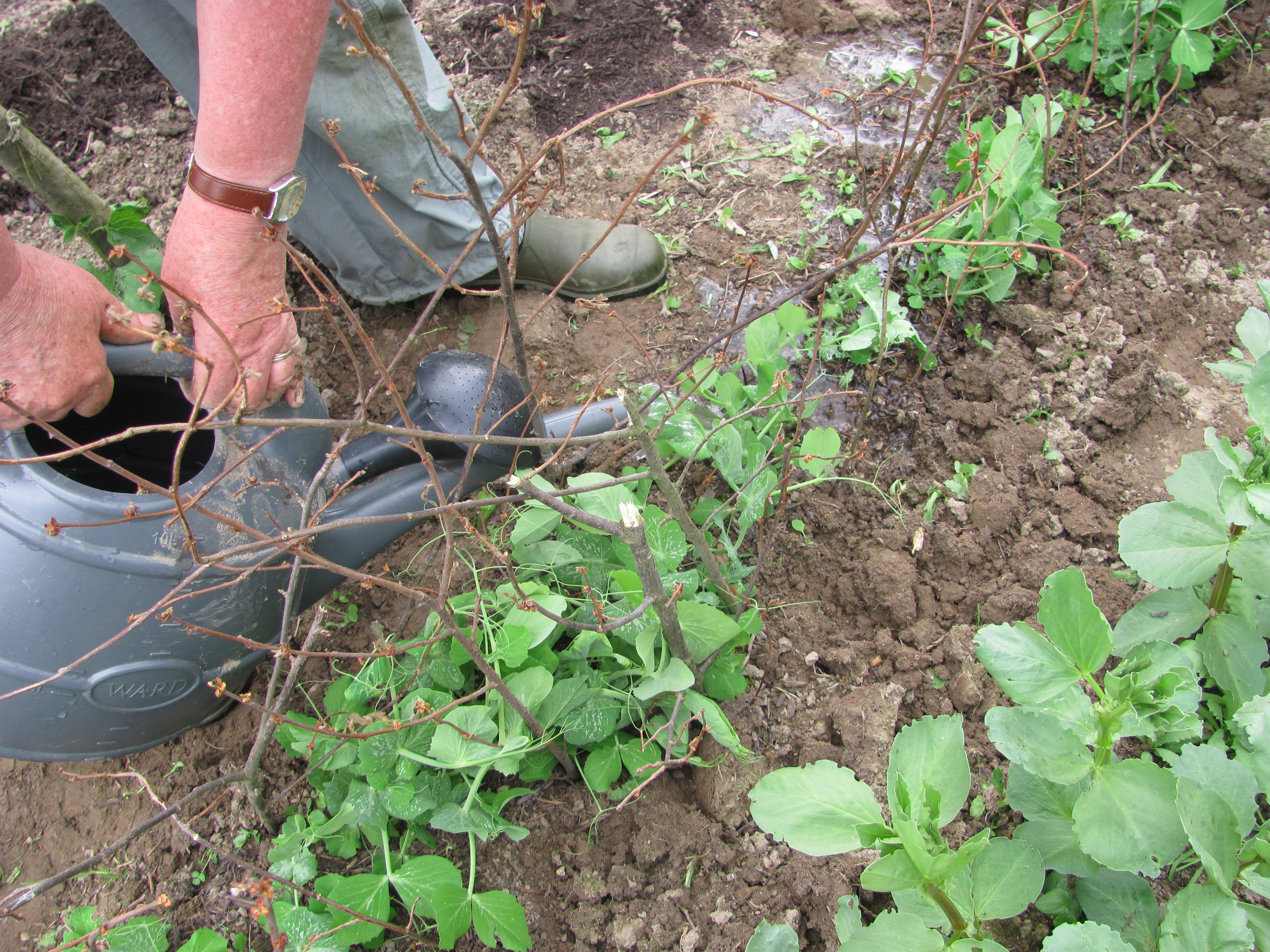
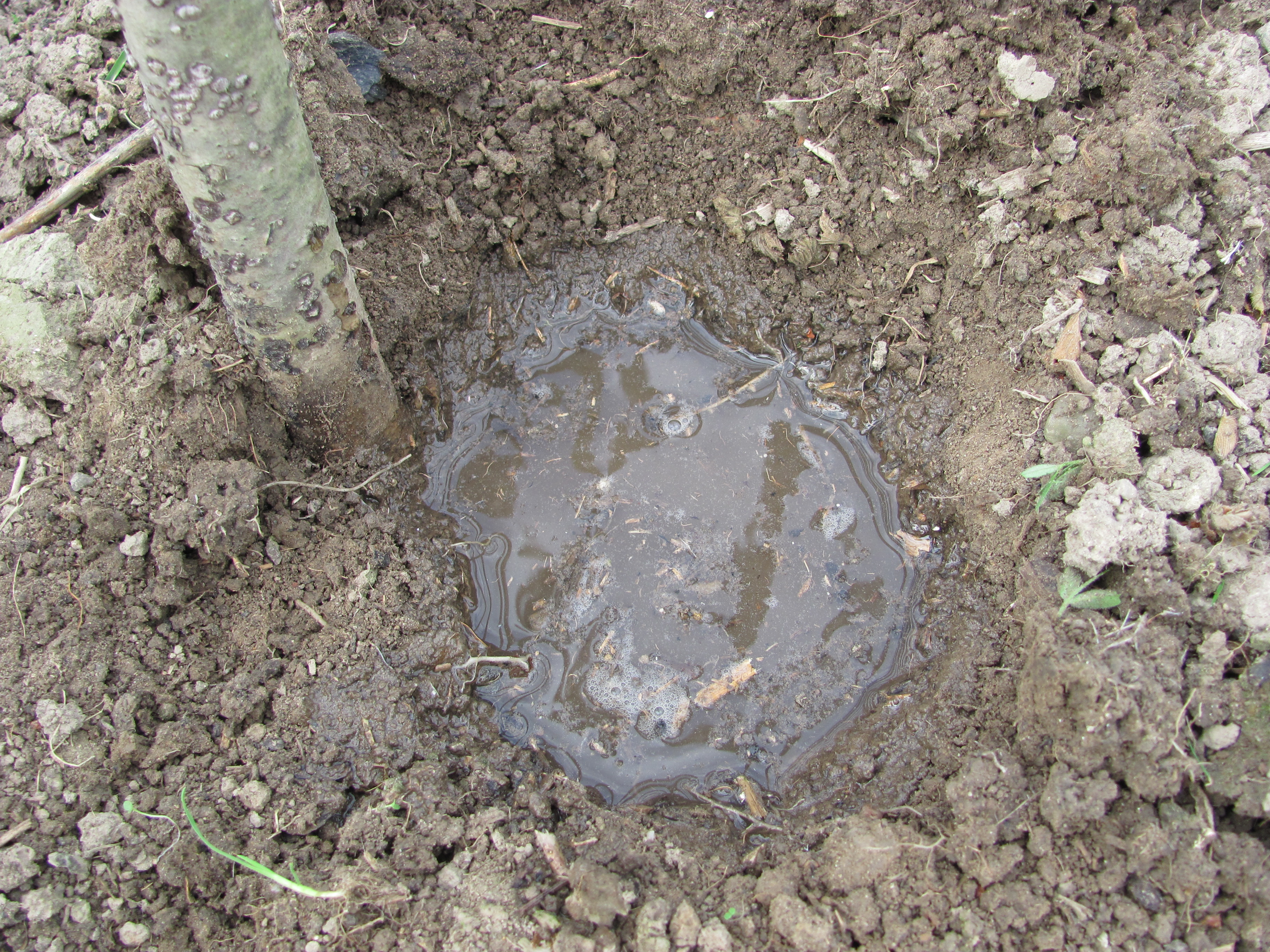
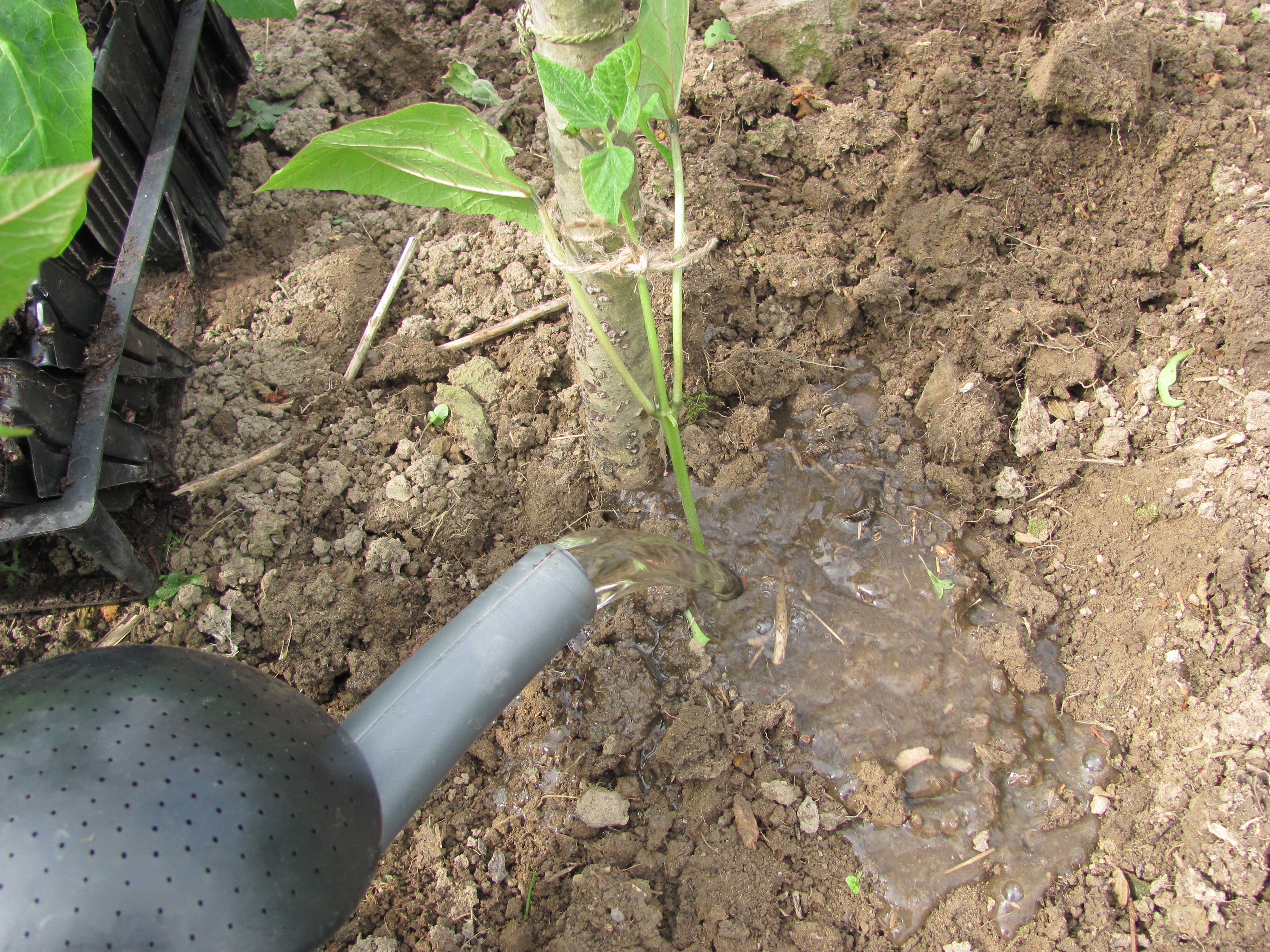
Take out your planting hole and fill with water from a watering can – I also add some comfrey feed to this. Let the water drain away and repeat the process.
Place the plant in the hole and water yet again after firming soil back in around it.
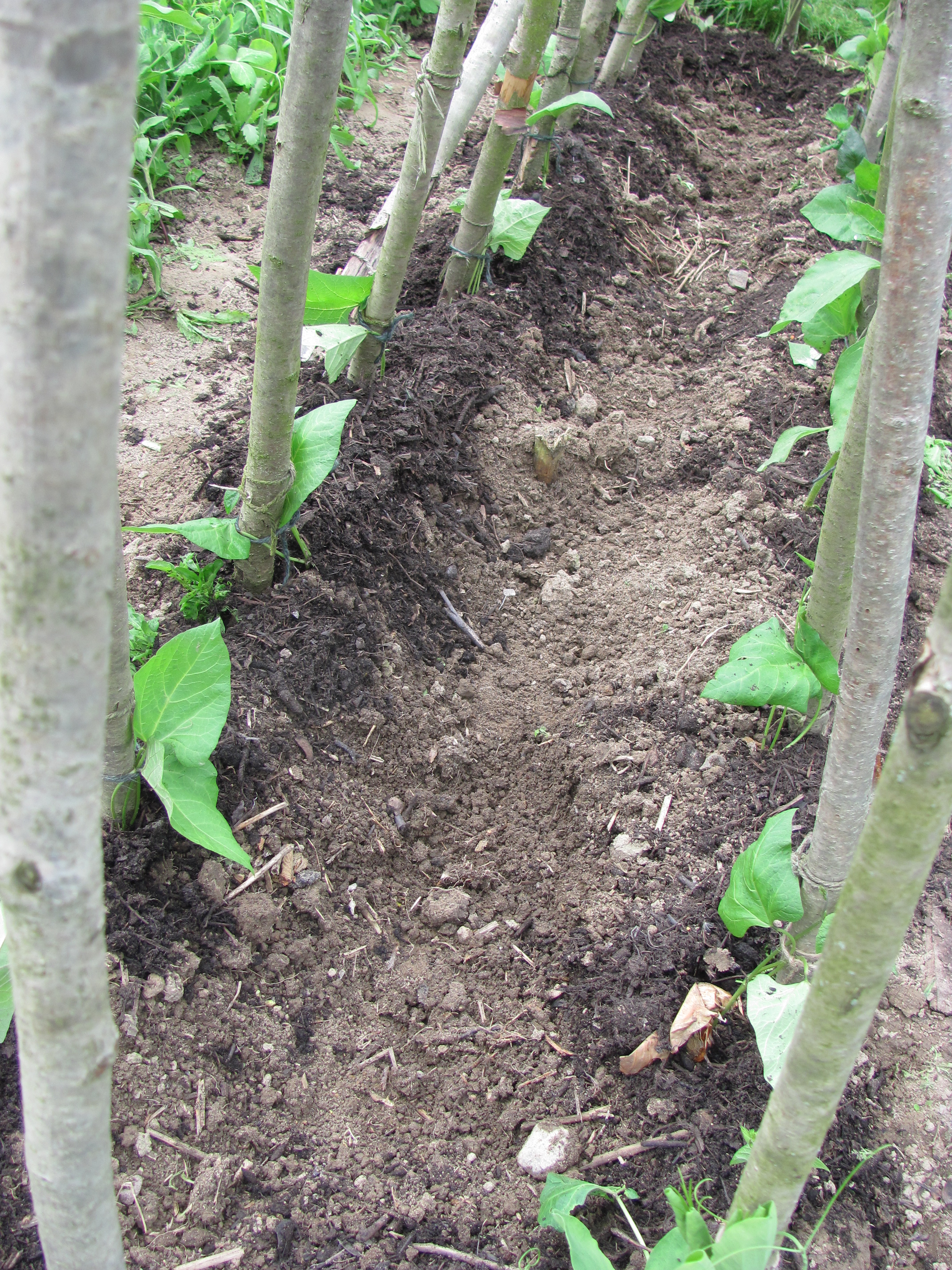
Add a good layer (at least 2 inches deep) of compost to keep the moisture in as the plant establishes. This helps the plants settle in as it is getting its roots down.
Form a trench alongside the row of plants to collect any rainfall and direct it towards the plants.
Before you decide to water your plants take out a trowel depth of soil close to your plants and see if it is moist below the surface. If it is then do not water. This water in the soil down to about 6 inches is the moisture that plants will be using. Conversely if you water the surface it will just attract roots upwards to search for it. Remember then that watering over the soil surface with a hose will make plants shallow rooting.
There are lots more ideas on the website. In this year of drought following last year’s almost desert levels of rain, our water table in this part of Shropshire around the allotments is about 2 feet lower than it should be so however much rain there appears to be falling we need lots more.
I would love to hear of more ideas that I can share with our allotmenteers!
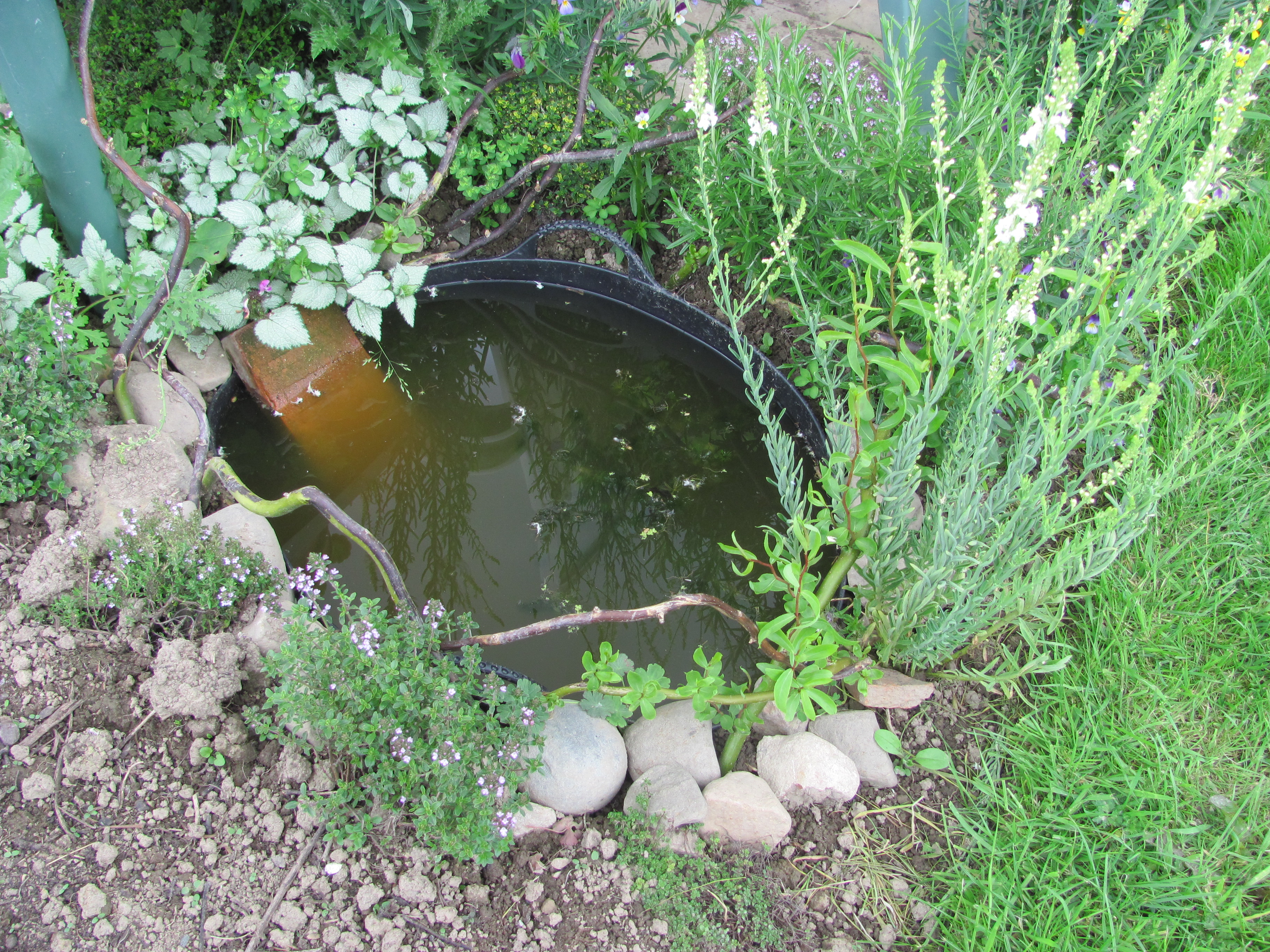
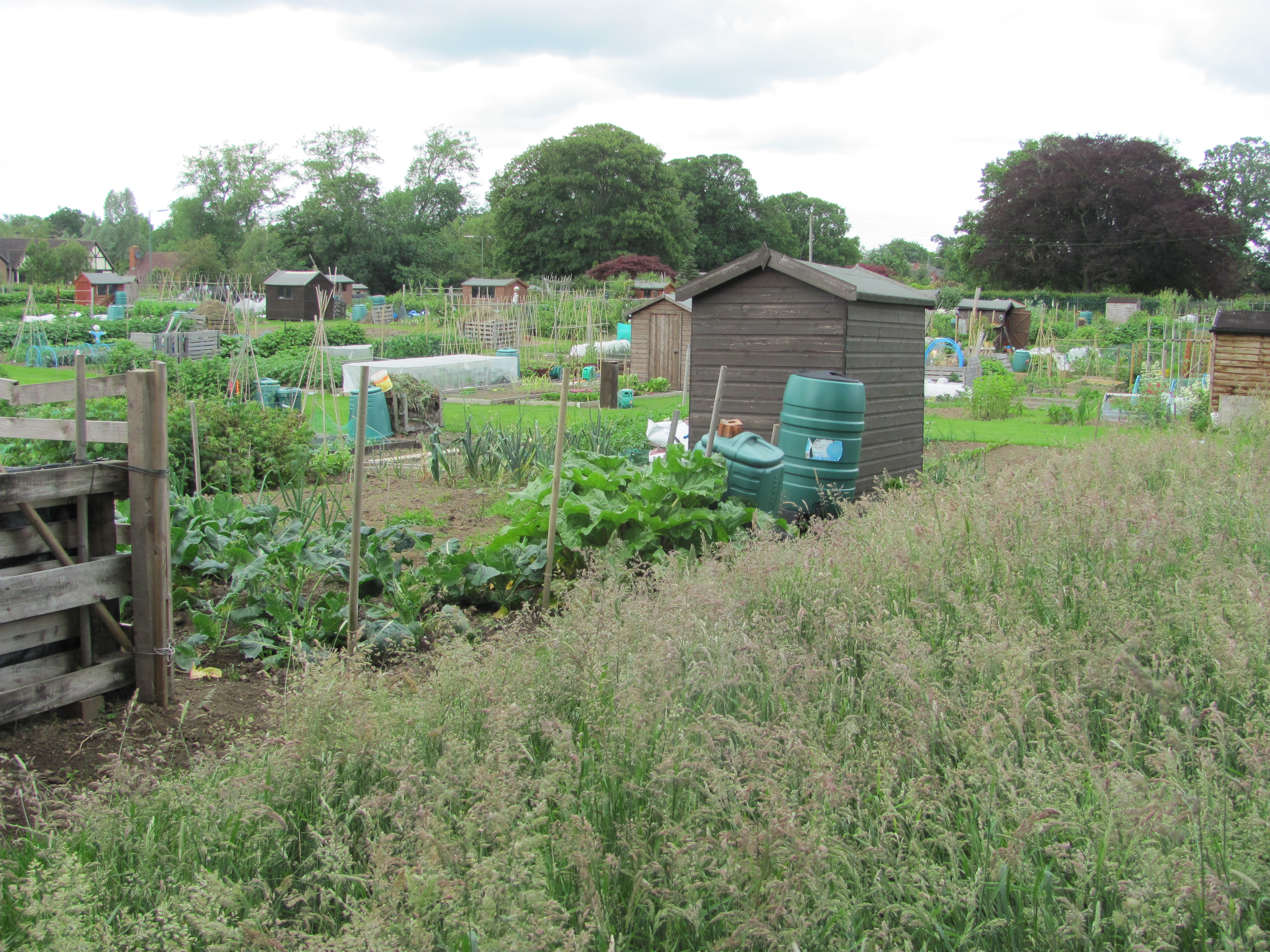
Here we are at the half way point of the year in the June allotment wanderings. As usual we shall start on our own plot to see what has been going on. Our little wildlife pond is beginning to look more established and the tadpoles are growing well. We hope the frogs stay on our plot and eat up all the slugs. As you can see we provided a little wooden ramp to help them get in and out of the water.
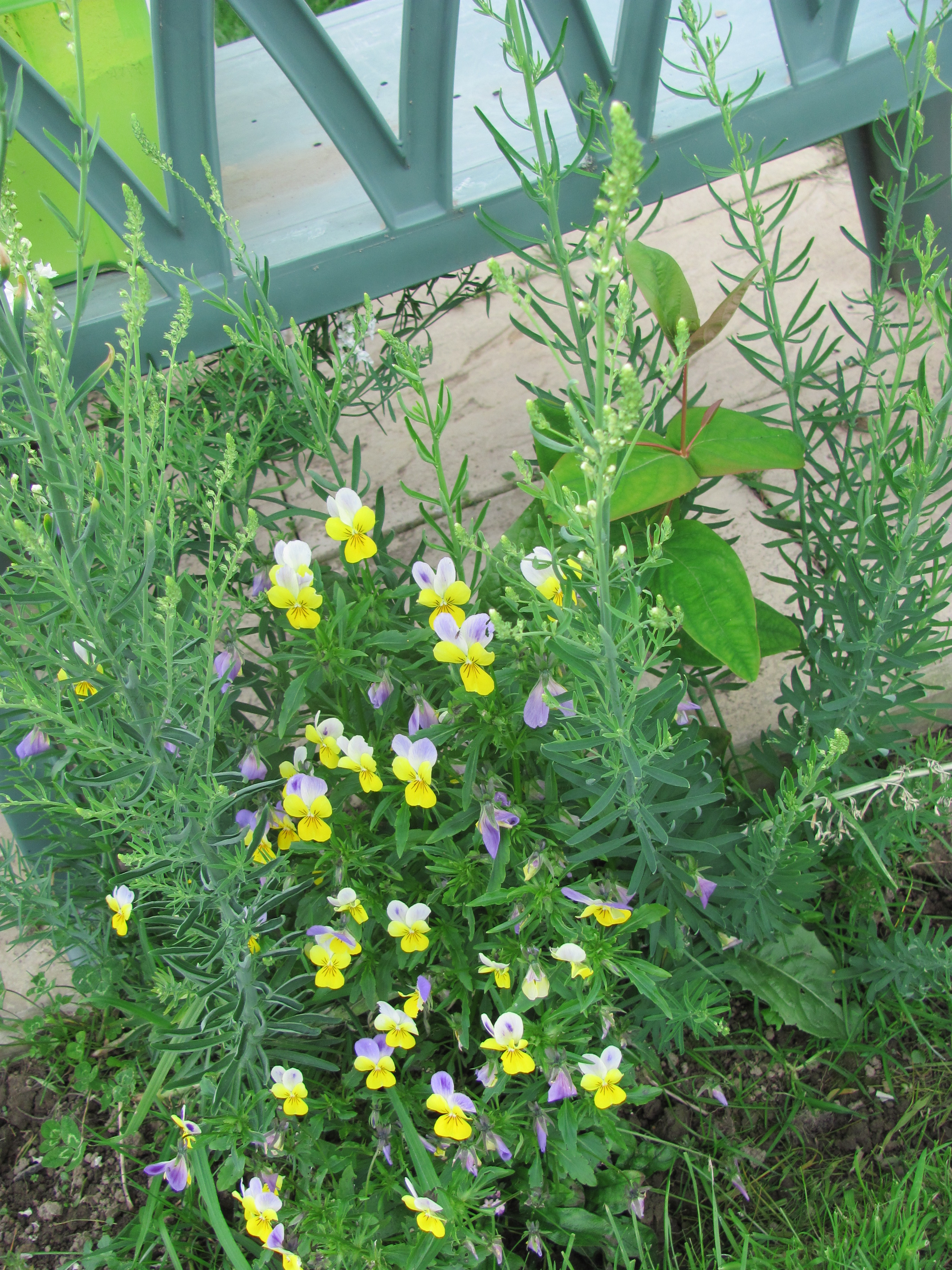
Heartsease self seed around the plot sometimes landing in suitable places arriving in a wide range of colours. This one seeded into the soil behind the green bench.
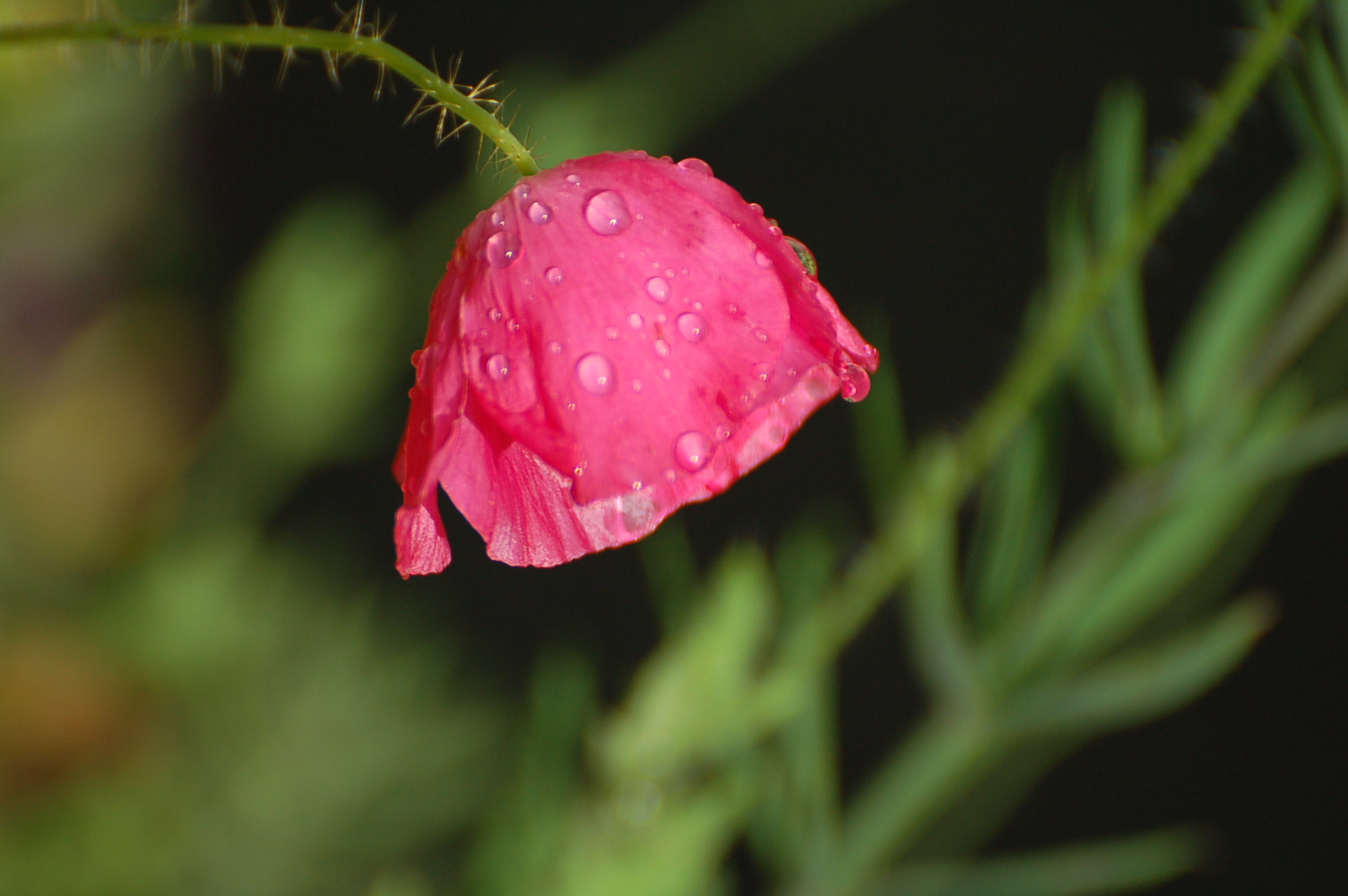
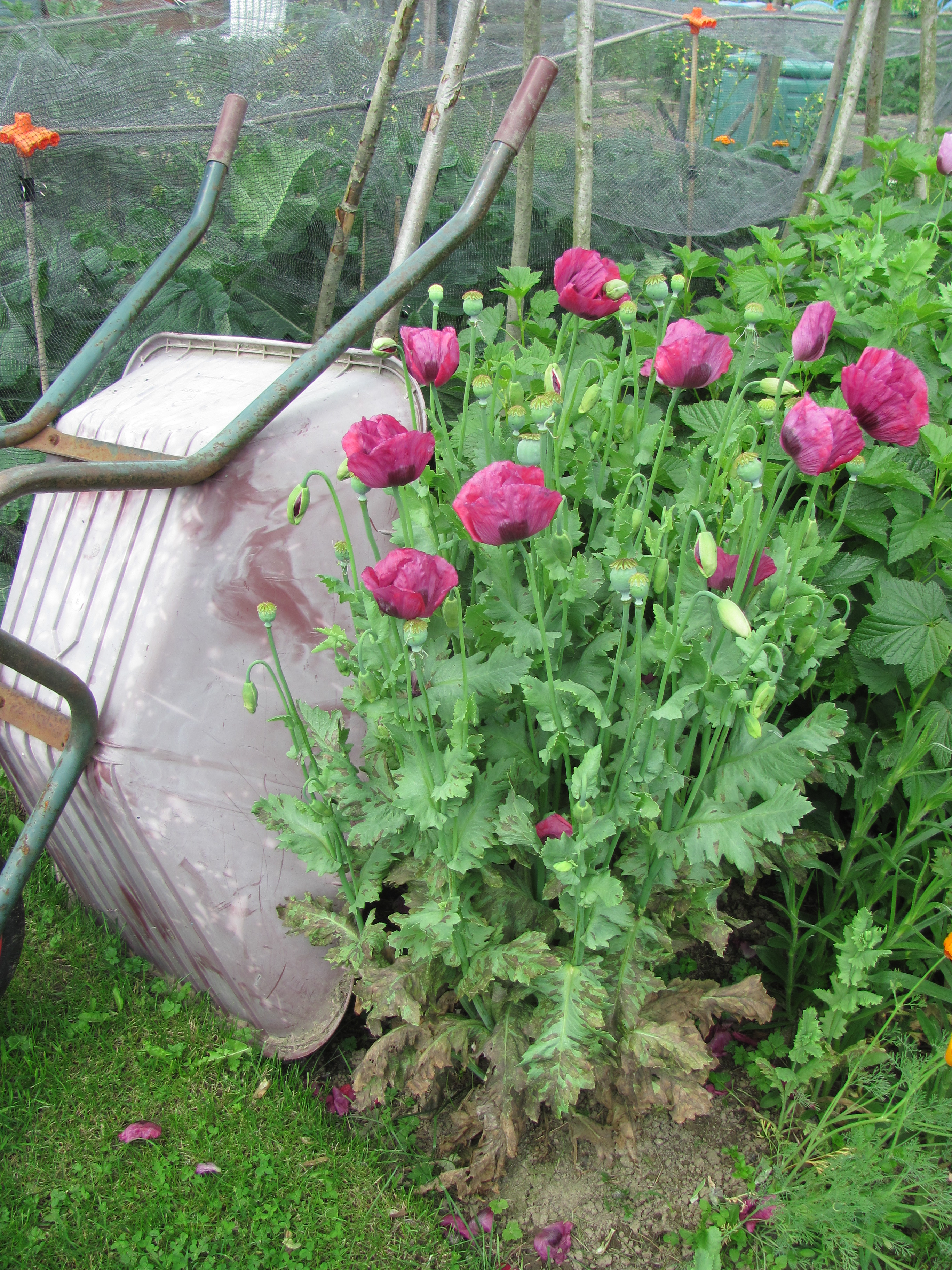
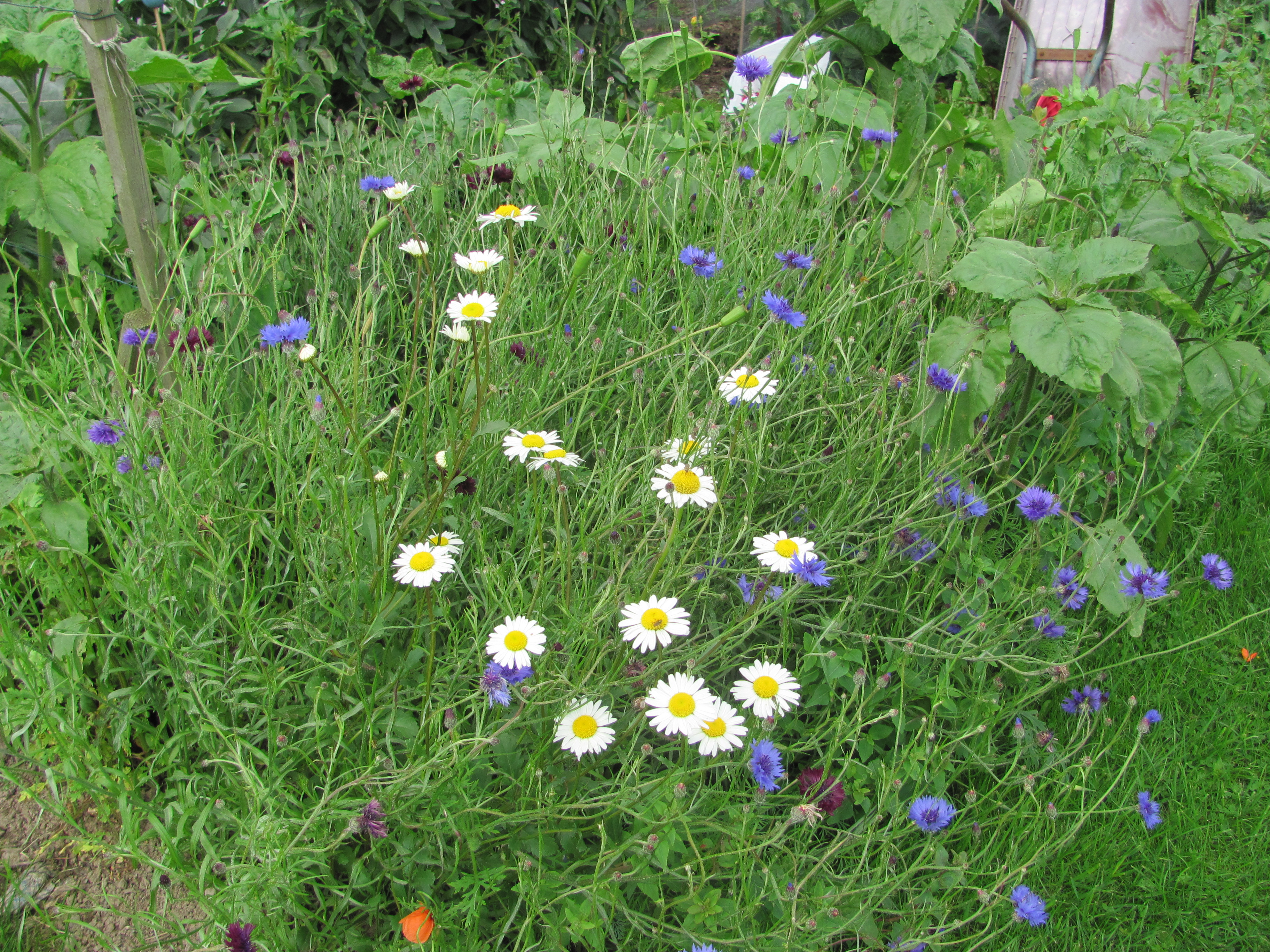
Our strip of wildflowers, a little piece of meadow, is beginning to flower. This Opium Poppy surprised us with its deep pink coloured petals.
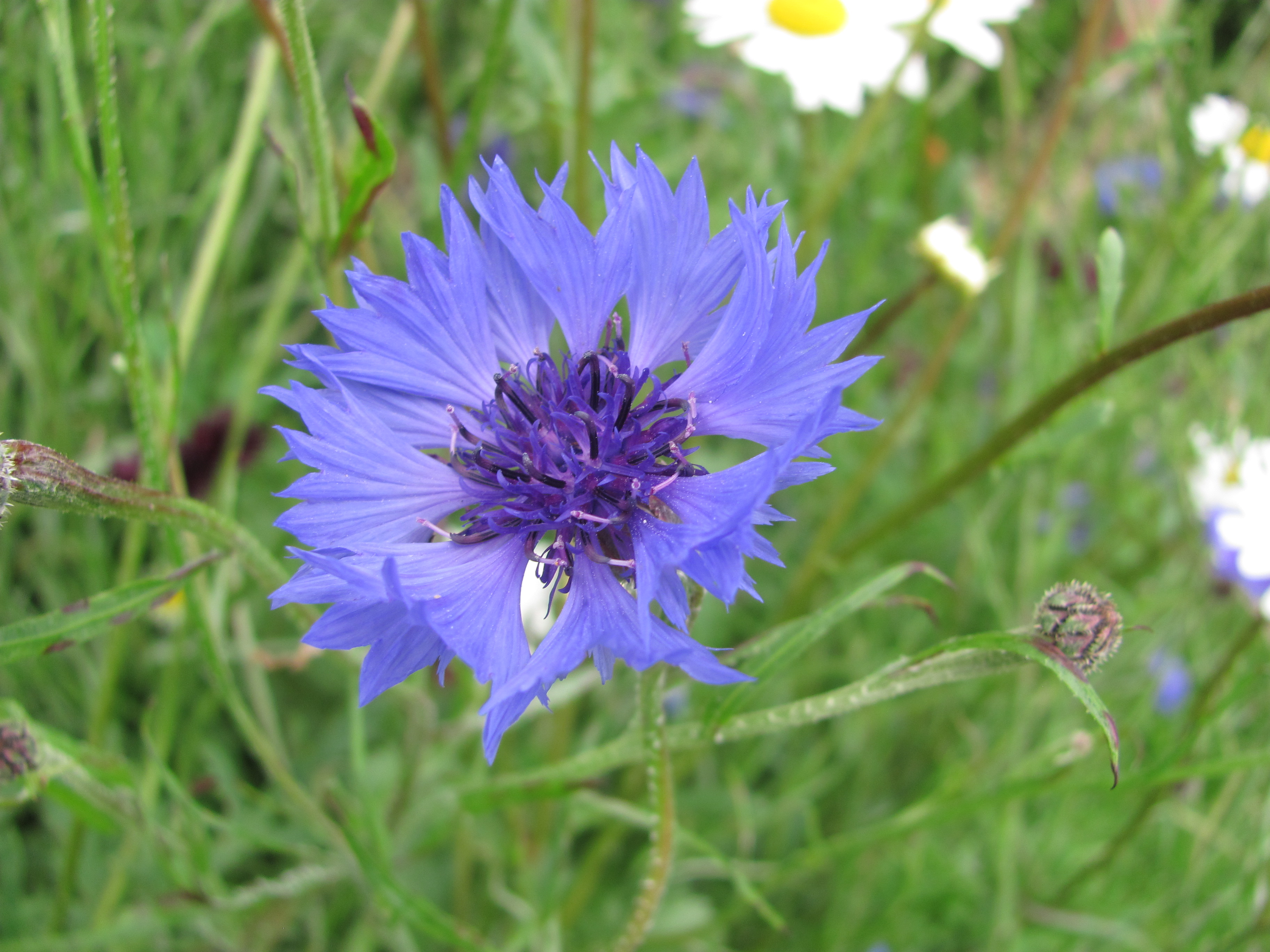
Moon Daisies and Cornflowers.
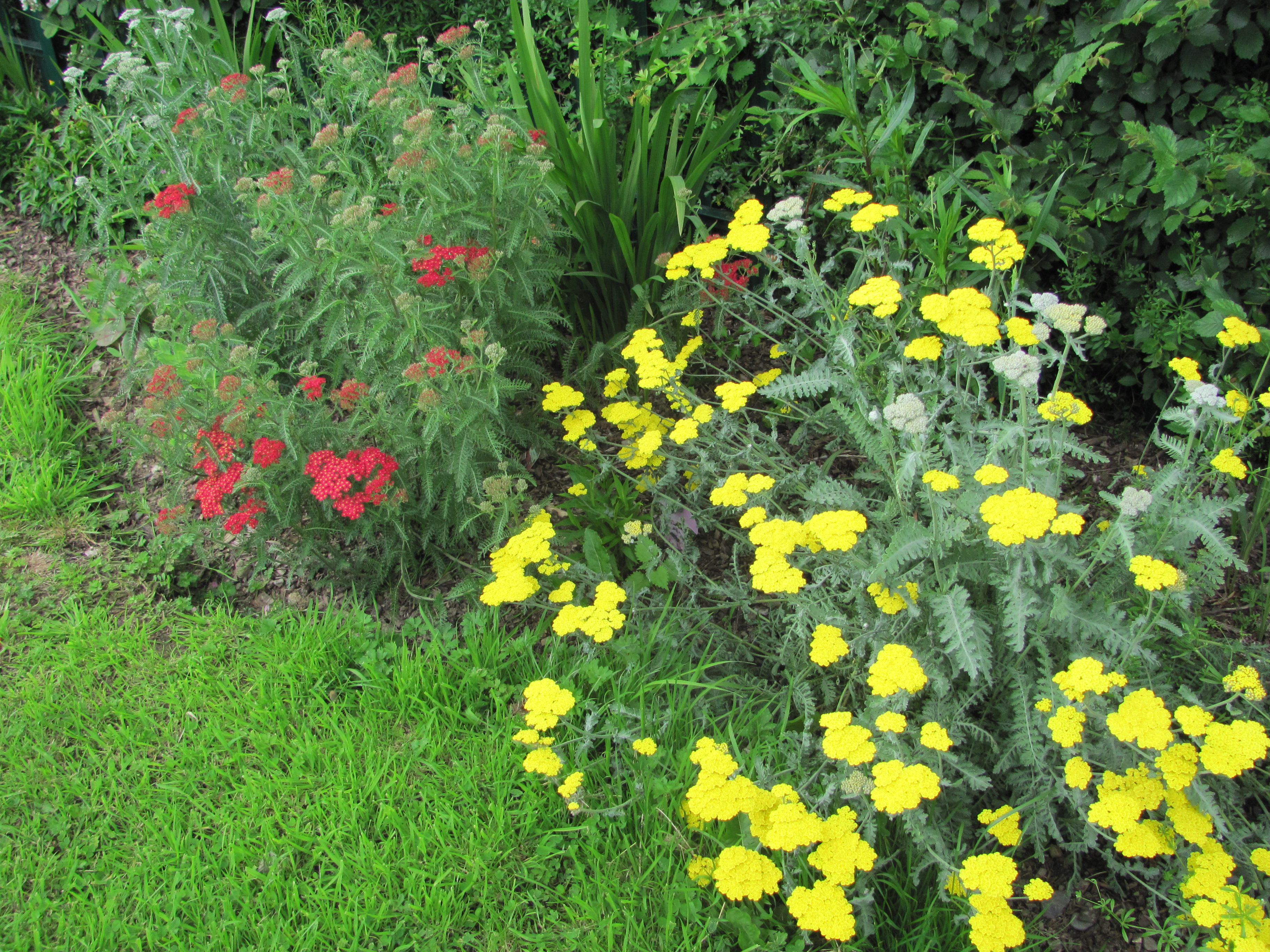
Just as flowers feature strongly on our own plot so they do on other members’ plots and in the Green Space borders. In the Autumn Garden Achilleas are the stars.
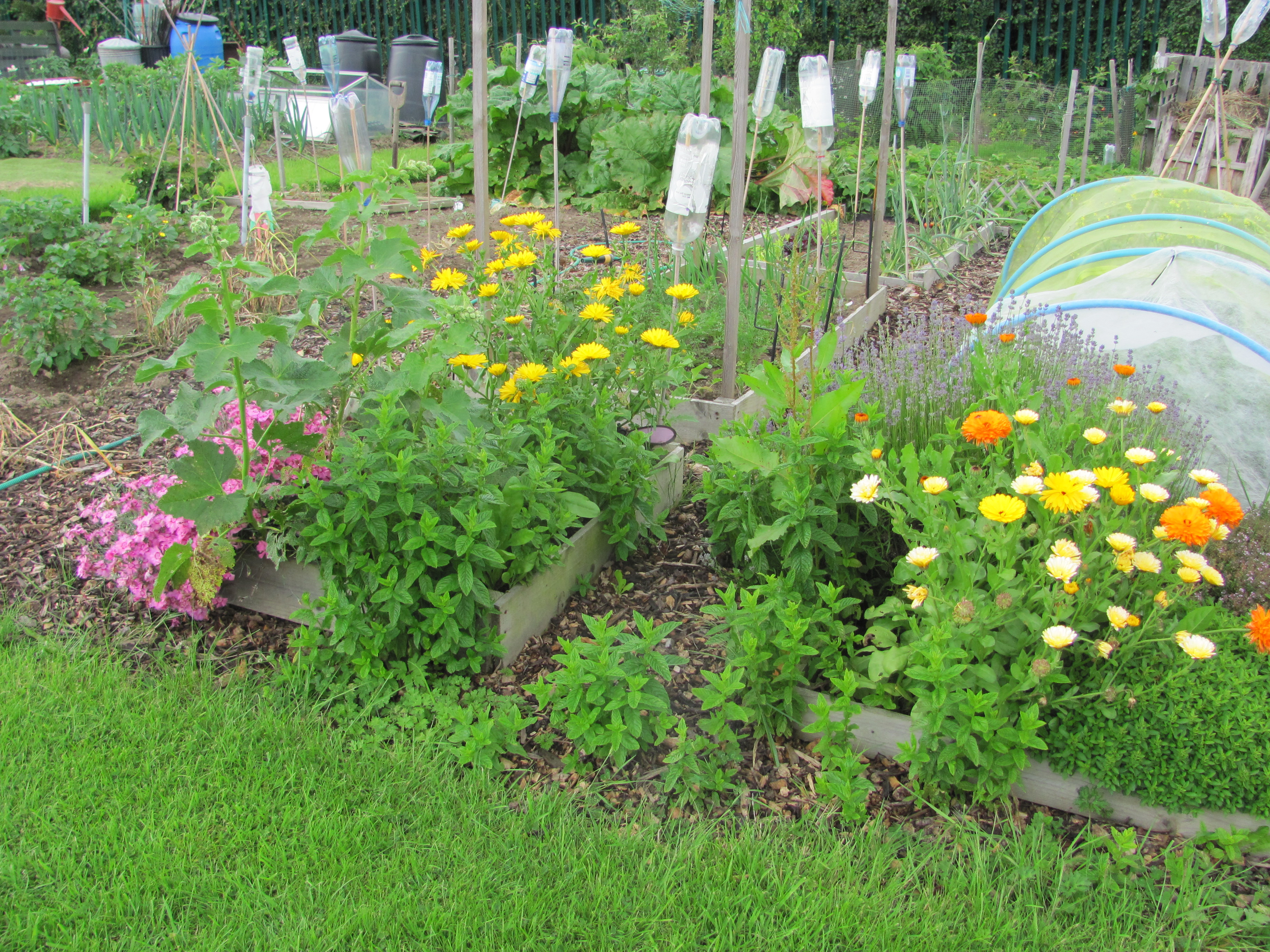
Calendulas feature on many plots as they look so good, and work hard as part of companion planting helping to attract beneficial insects.
Our first “Buddleja Bed” planted to attract wildlife now looks colourful and full of life. After losing some of our Buddlejas in the dry last year when Shropshire experienced months of drought after two extremely cold winters, the name for these borders currently looks a little inappropriate.
Our wildflower bank sloping up towards one of our orchards is now looking more established as we have added plants that members have donated to add interest.
The Edible Hedge is now fruiting providing sustenance to birds and small mammals. Flowers in the borders at the base bring in bees, butterflies and beneficial insects. Beetles enjoy the long grass and we like them to be there as they feed on slugs.
The most colourful garden on site at the moment is the Spring Garden which still displays much interest as we move into the summer months. This garden is maintained by volunteers, Jill and Geoff who spend many an hour planting, dead heading and weeding.
Geoff and Jill’s plot is renown for its weed free neatness and precision planting.
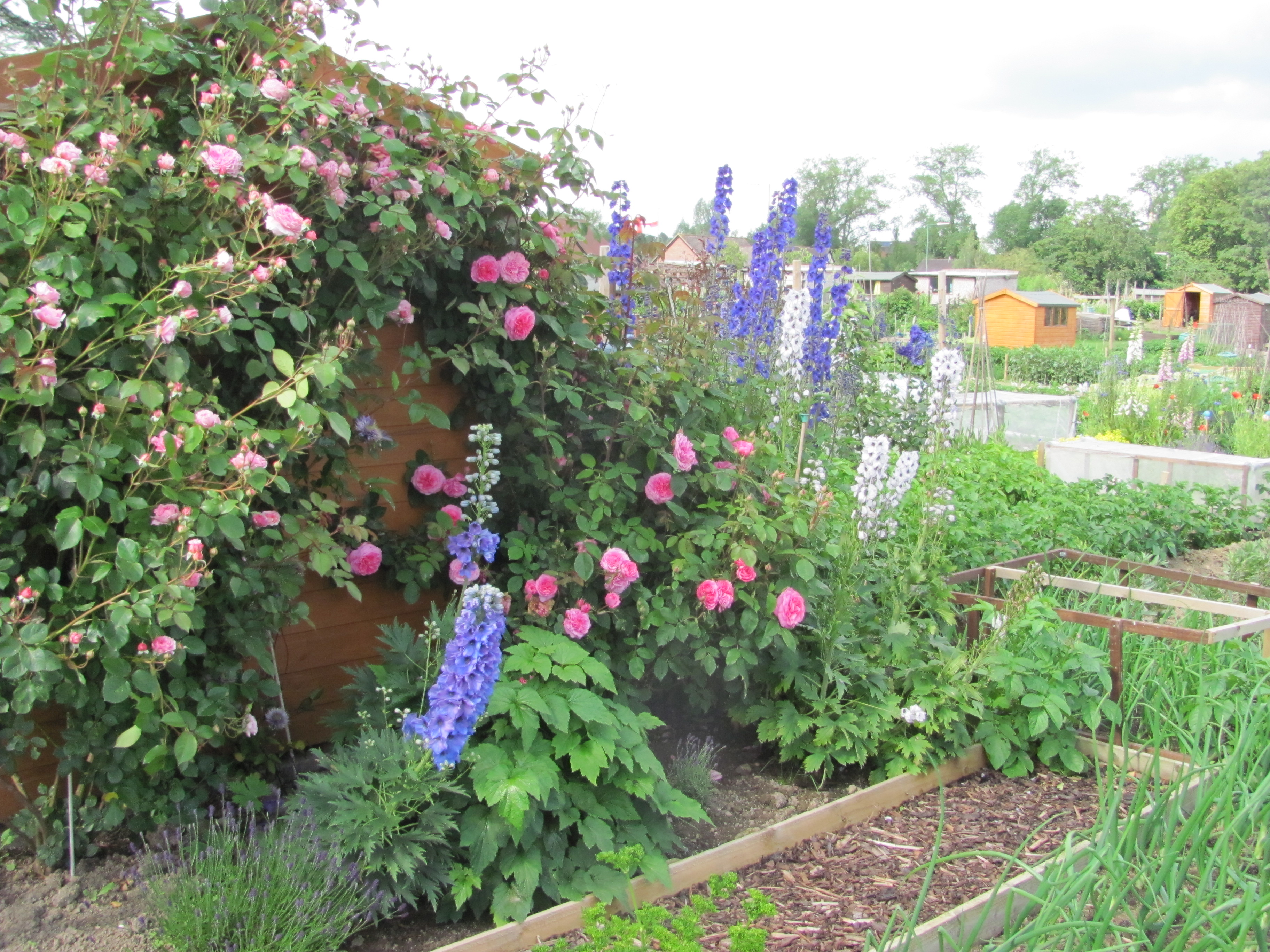
The Summer Garden is not to be outdone though as the roses are coming into flower and beautiful scents greet us as we sit on the nearby picnic benches. The lavenders, geraniums and grasses planted between the roses add further interest and textures.
As June moves towards July our meadows really come into their own. Plot holders love to walk through them and a wide variety of birds, bees, butterflies, grass hoppers and every sort of mini-beast visit.
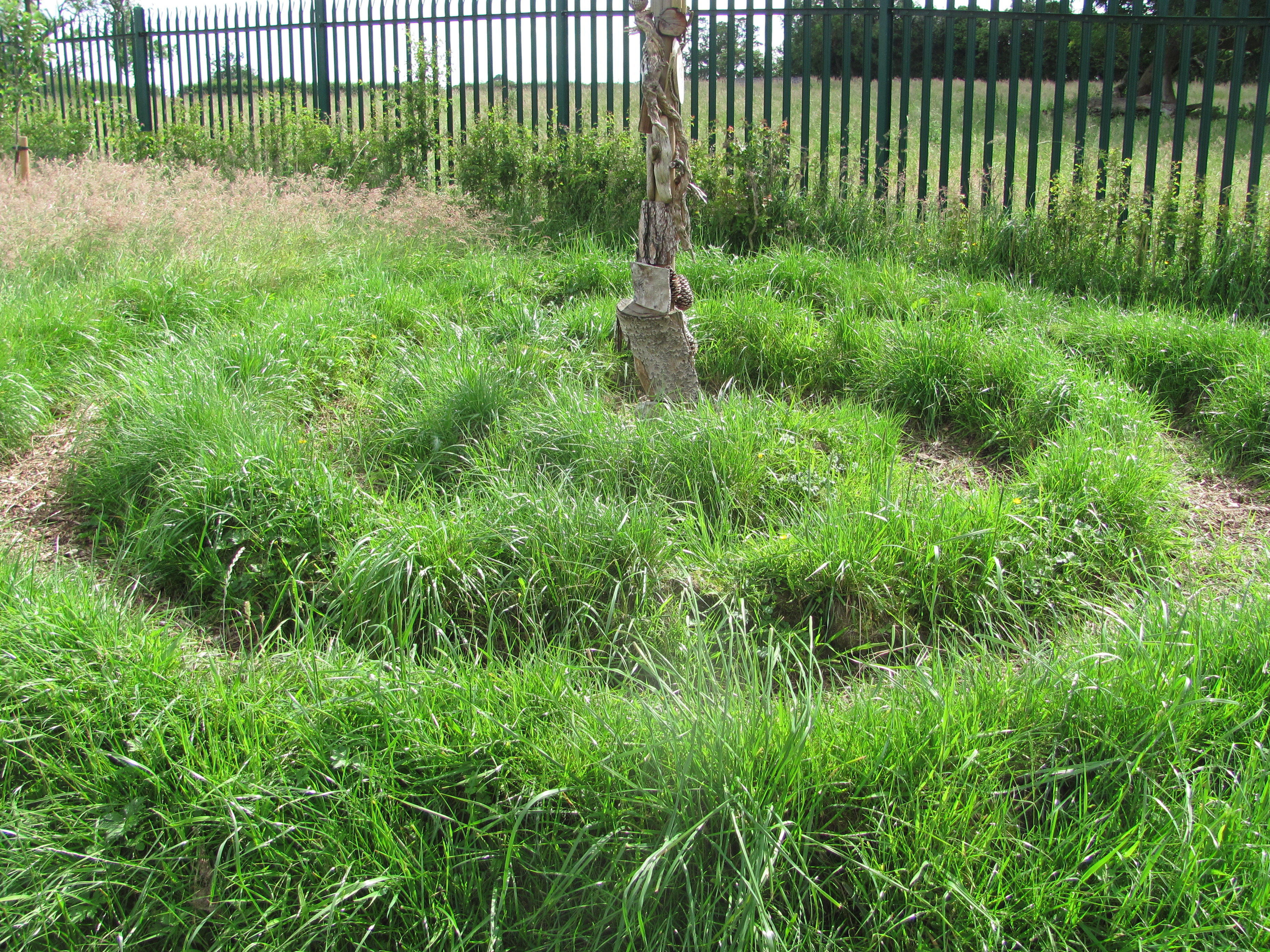
I shall finish with a shot of the plot we have nominated for this year’s Shrewsbury Town Allotment Competition and one of our grass spiral which currently looks most inviting.
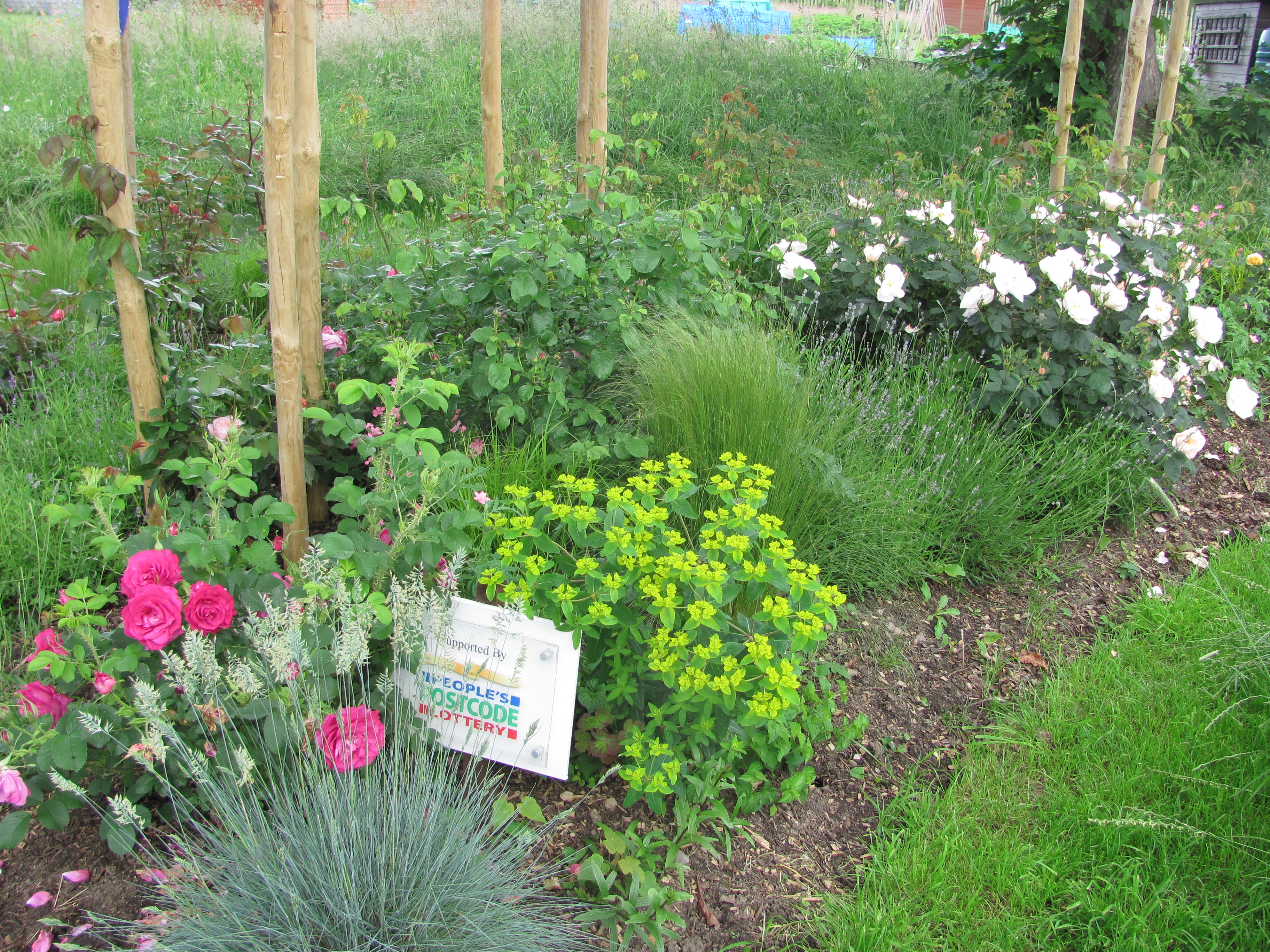
Throughout May and into early June we have been involved in creating two new features of our Green Spaces on our allotment site, Bowbrook Allotment Society (www.bowbrookallotments.co.uk). Around the site we have four special gardens called “The Gardens of the Four Seasons” and we added a further bed to the Autumn Garden. The beds were developed with the aid of a grant from the Peoples Postcode Trust who support us so generously.
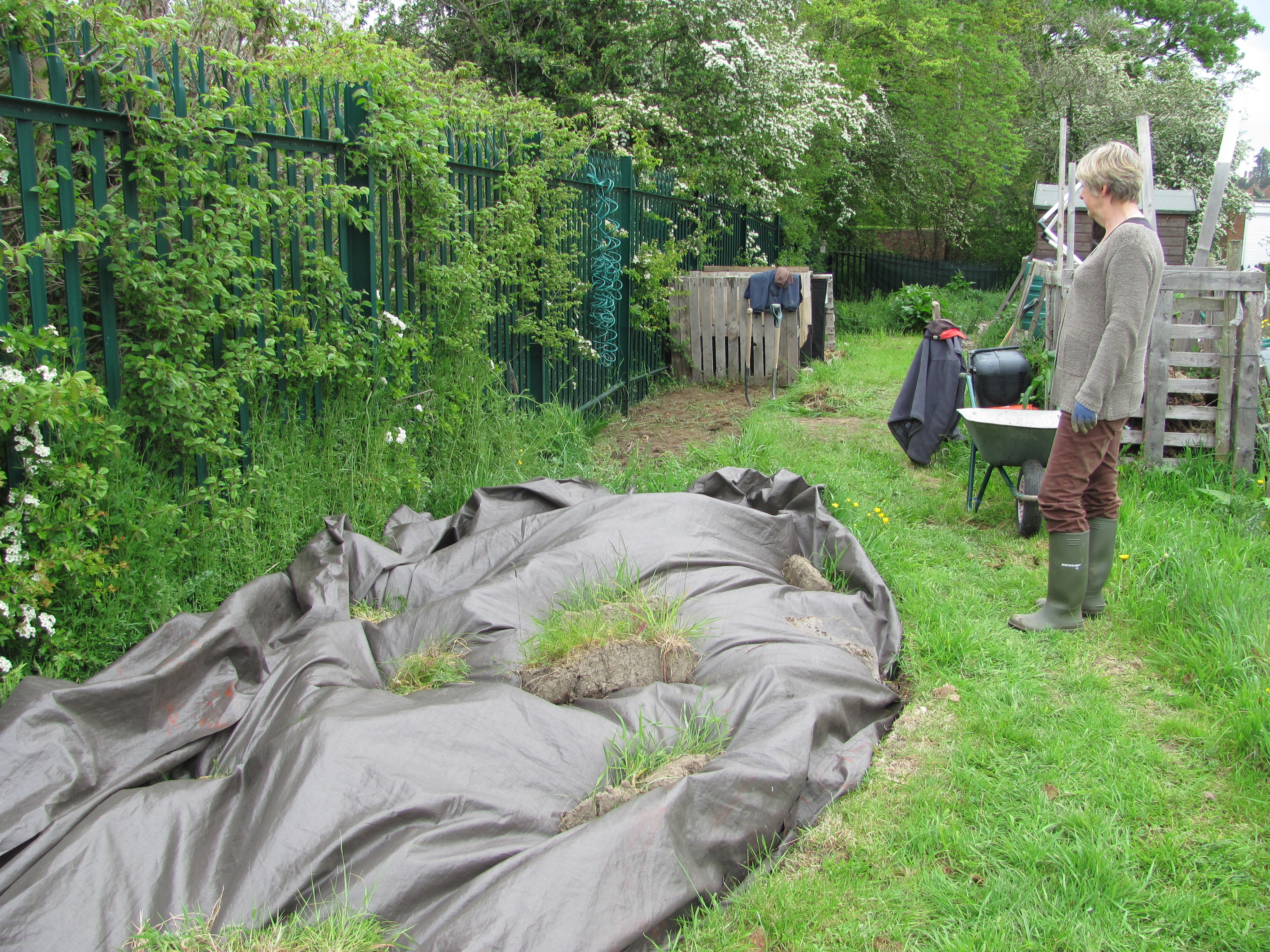
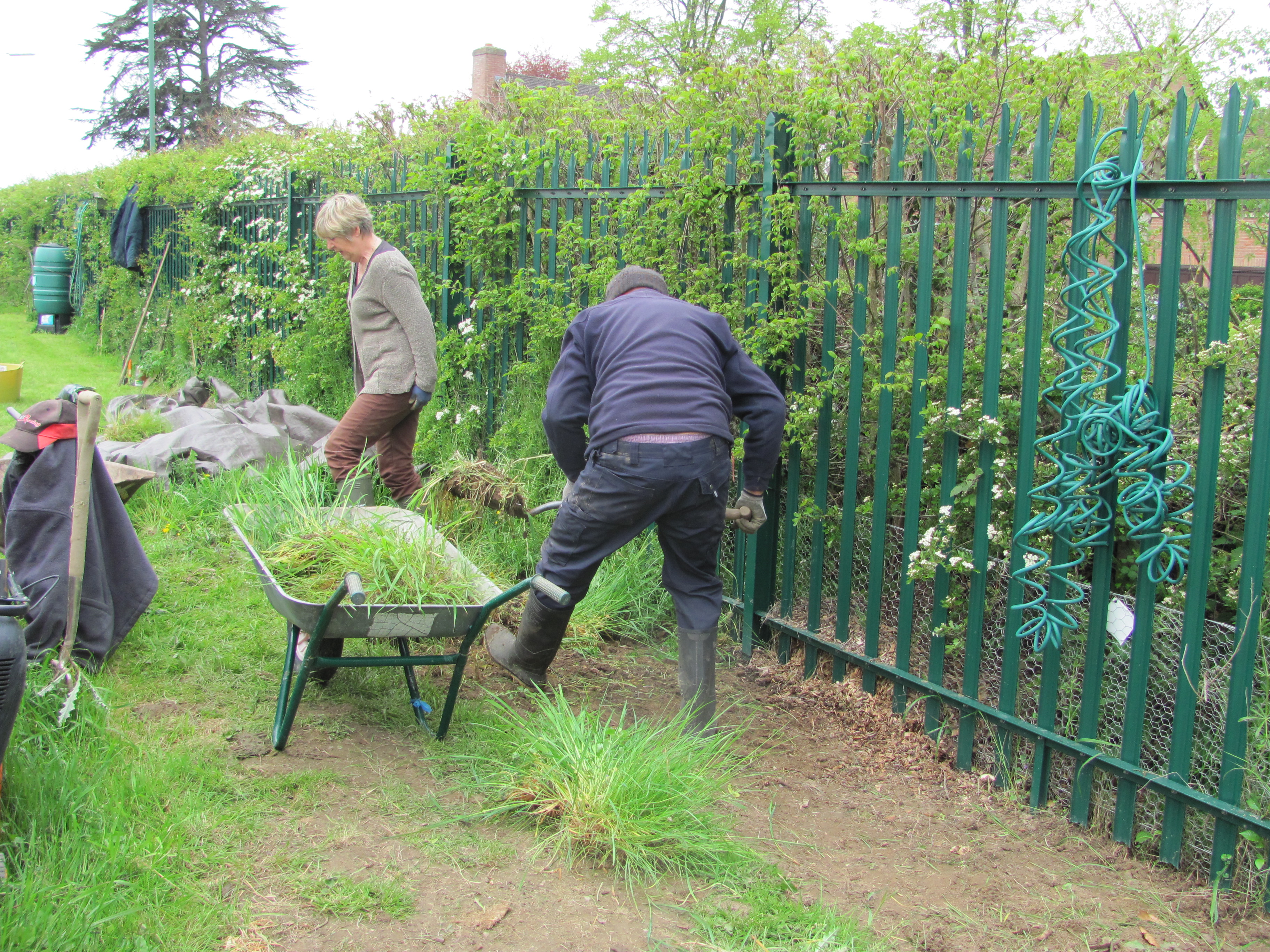
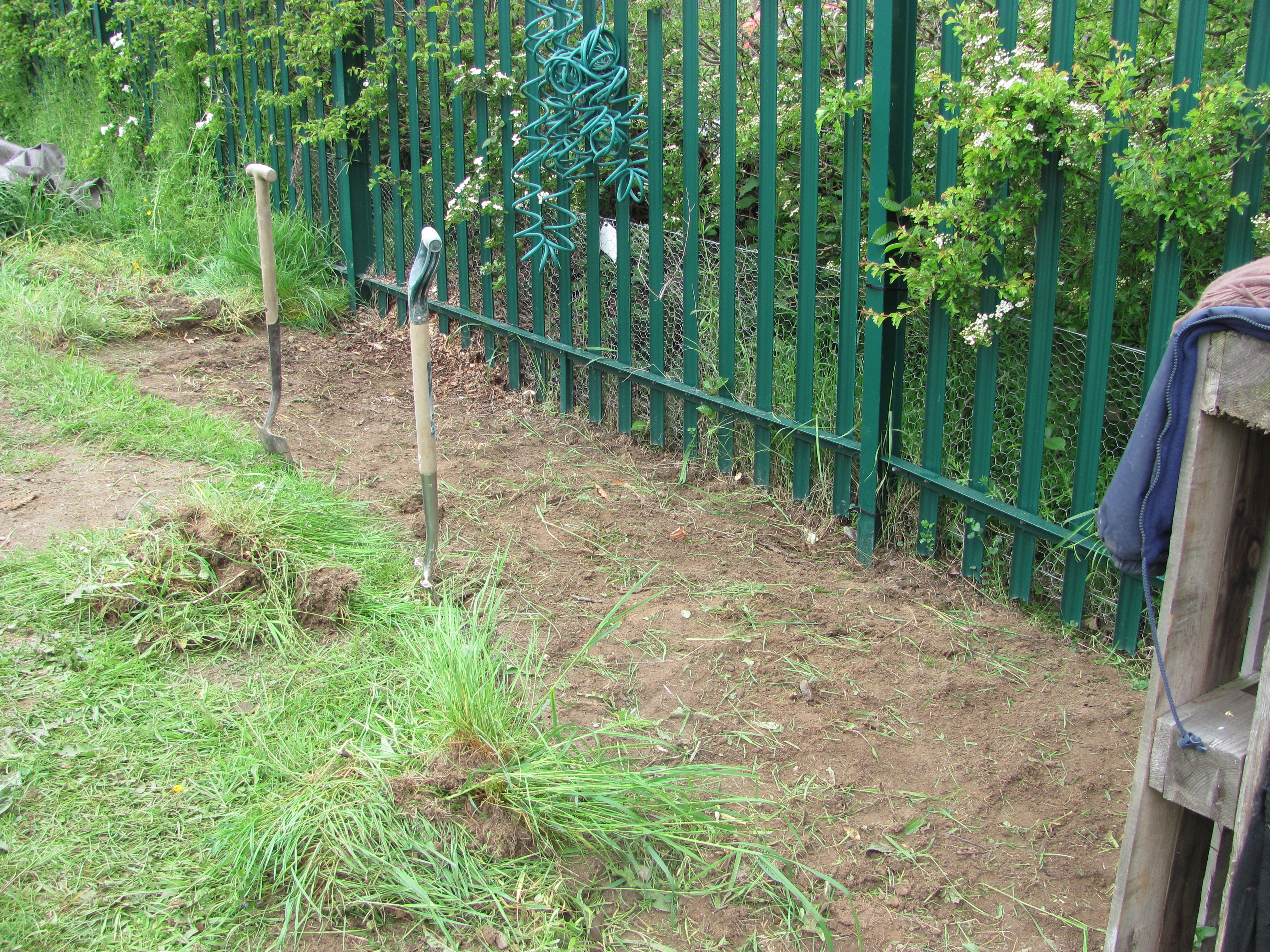
We made the new bed on an area of rough grassland between plots and the boundary hedge. The patch was full of tough weeds and stones. The first task was to clear the vegetation off, some of this going into compost heaps and some to help level a rough area. This fits in with our aim of removing as little natural material as possible from site, and our aim to reduce, re-use and recycle.
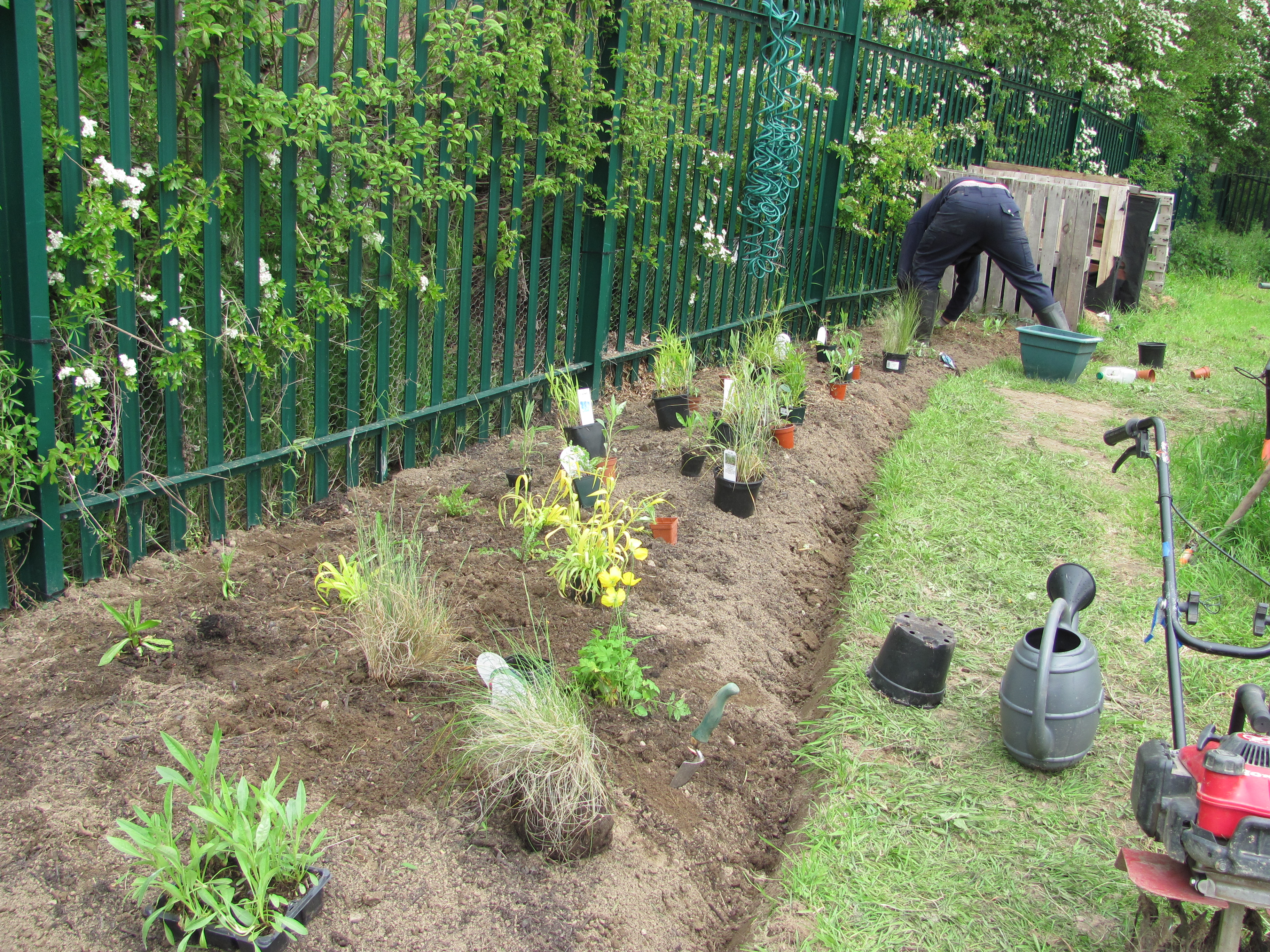
Once roughly dug over the bed was rotovated and raked level in readiness for planting up with ornamental grasses and flowering perennials which peak in the autumn season. Many of the plants were donated by allotment community members or were bought with a community grant. We can now look forward to years of colour.
When we first starting clearing the patch of land we part covered it in tarpaulin to stop the weeds growing any more.
The first task and the most difficult was removing the thick layer of tough grass and weeds. Once cleared we dug over the area roughly before rotovating in readiness for planting.
Two thirds of the weeds removed.We added compost and broke up the surface with a rotovator in readiness for planting.
Plants were then arranged to test out the best arrangements. We moved them about many times before we were satisfied enough to get on with the planting.
The second new feature was created during our May Working Party on a hot humid day so we were so glad that this work was planned for an area within the mottled shade provided by our big Oak tree. A few months ago we had tree surgery work administered to our mature trees and we were left with huge piles of branches and logs of all shapes and sizes from Oak, Ash and Sycamore. Once again to reflect our reduce, re-use, recycle ethos and being determined not to remove natural materials from site we designed a feature to use all this tree material and create a new wildlife feature. We wished to make a “dead hedge” to attract beetles, insects, birds and fungi. At our last Green Spaces Committee we decided it needed a name and came up with “dedge” – a shortening of dead hedge. We knew others existed in other wildlife gardens in the UK but could not find a name for them., so we think we have not just created a new feature but also a new word.
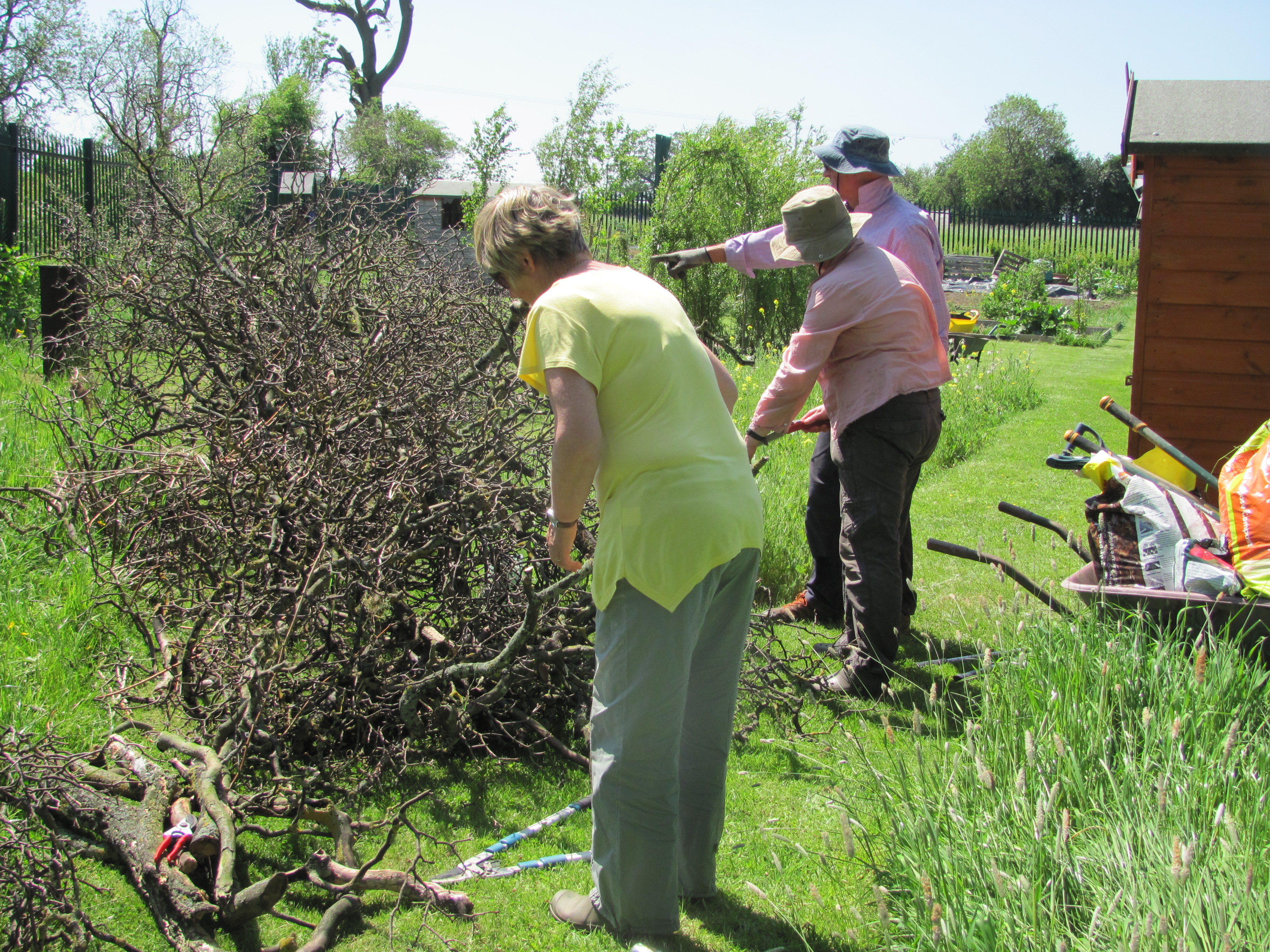
We began with a pile of brush wood and logs,
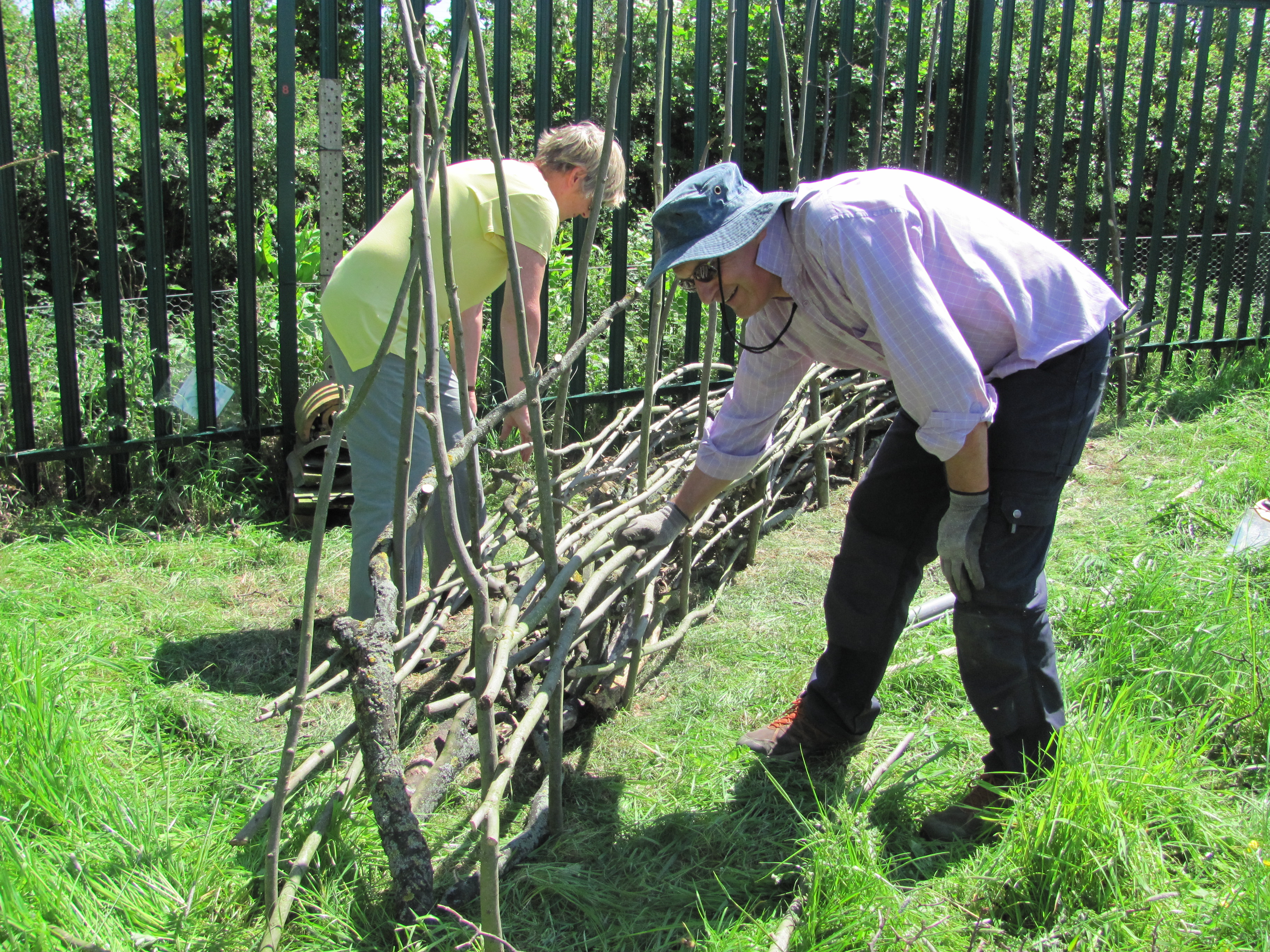
and began to build our “dedge” by hammering in uprights of freshly cut hazel rods,
and filling in between with logs, branches and twigs.
Meanwhile the pile of brash was being pruned into smaller pieces,
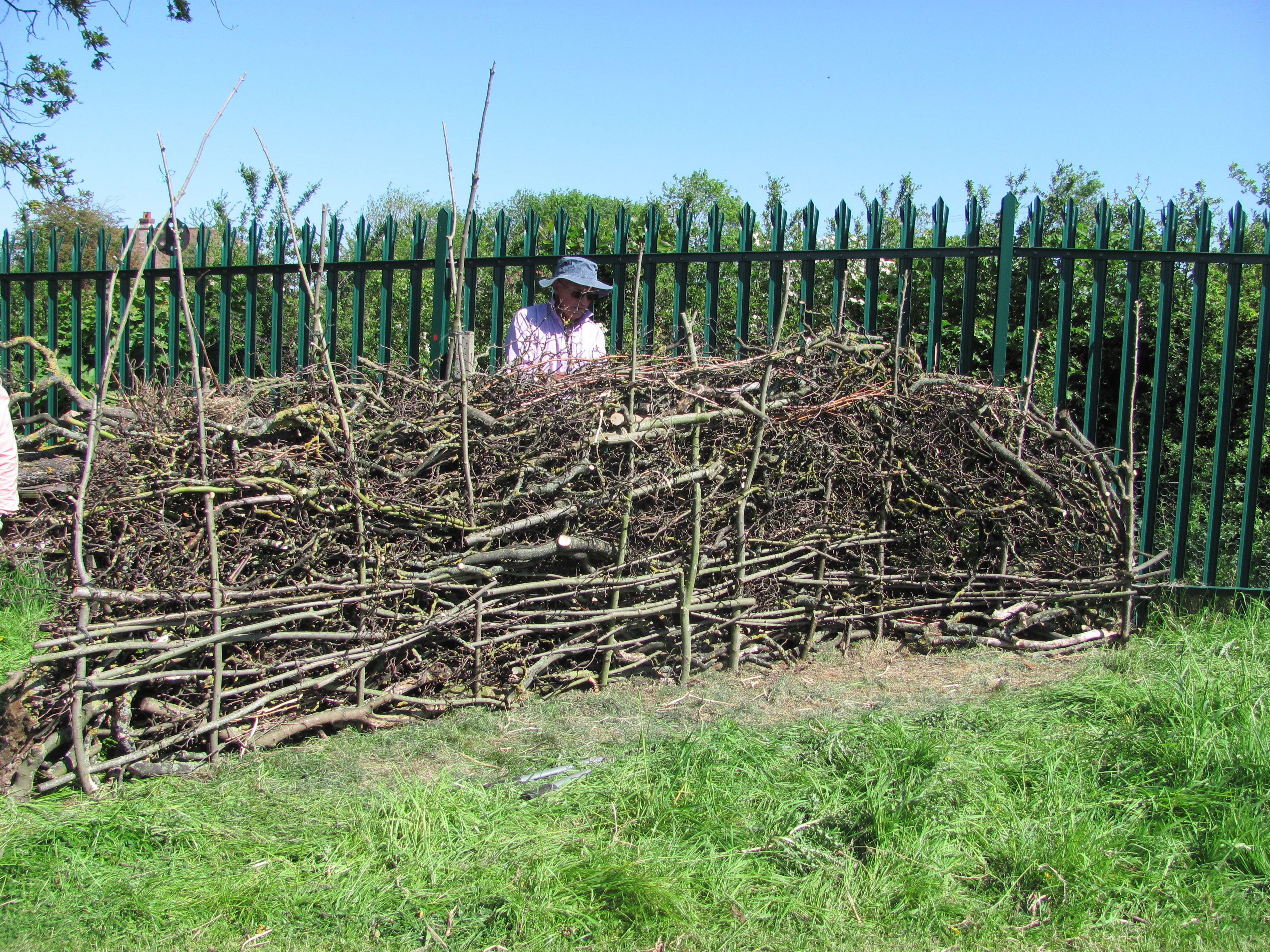
Almost there,
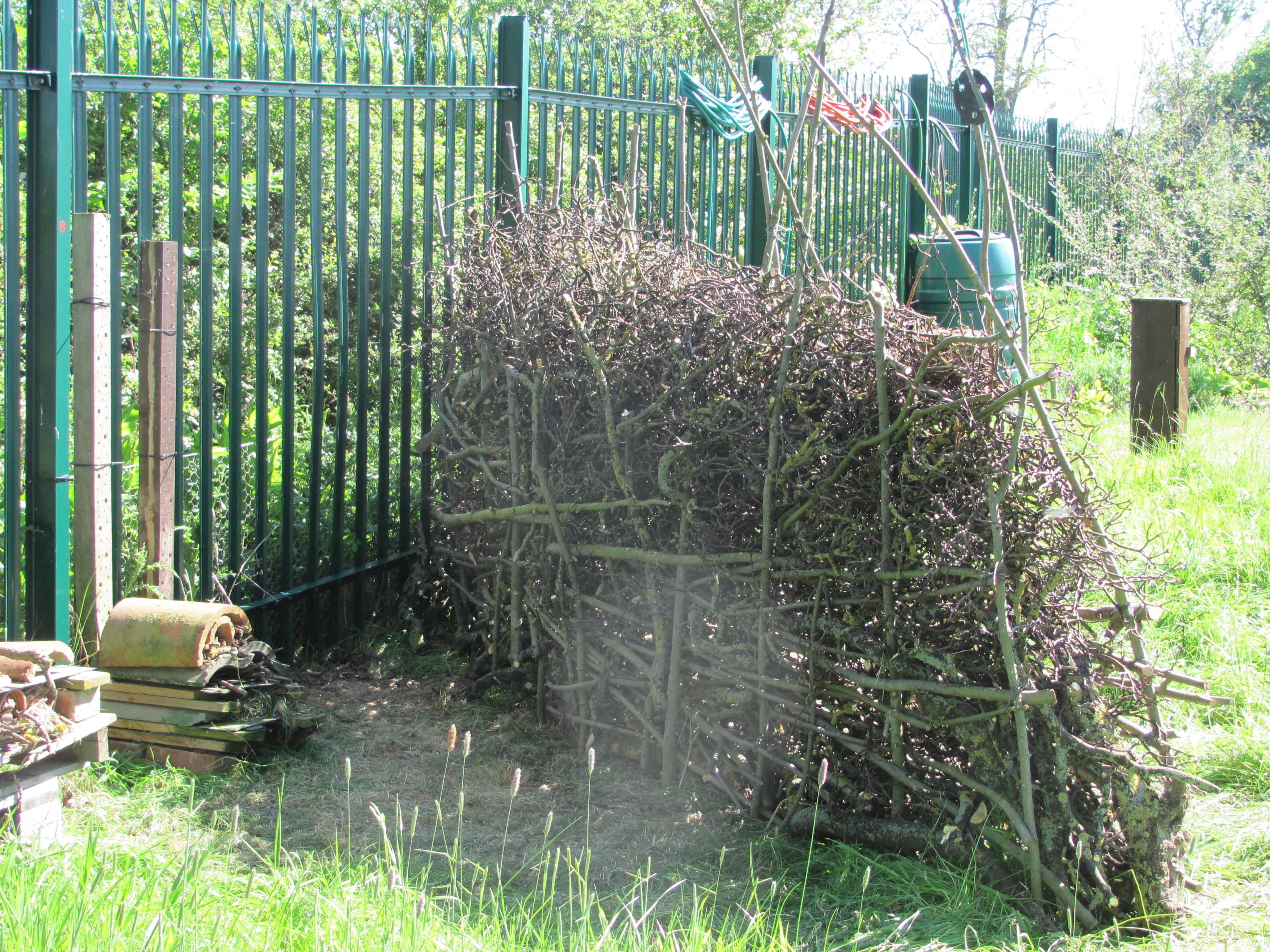
Eventually there were no logs or branches left in the pile and the “Dedge” had reached a good height and felt strong.
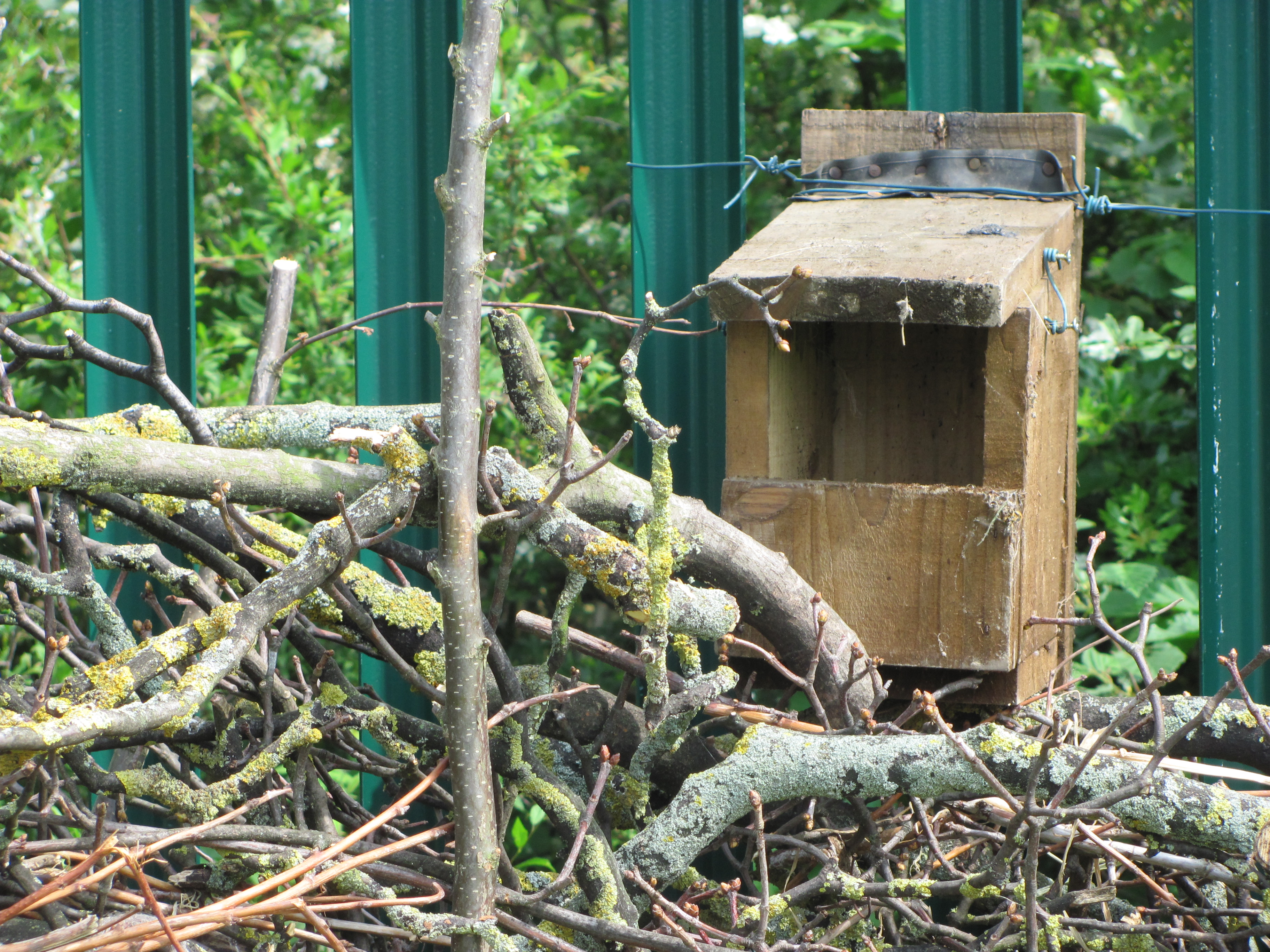
The final touch was the addition of a Robin nest box.
Greenbenchramblings is one year old today! Yes, I have been rambling away from my old green bench on my allotment for a year to the day. Each time I celebrate a birthday with a nought in it I give myself a challenge. When I was 30 I decided to get up before first light, taking a not so willing family with me, travel to a nearby area of deciduous woodland and await the dawn chorus. It was pure magic! The song of each bird as it awoke joined in the chorus until the wood reverberated with song celebrating the new day. The atmosphere was electric – an unforgettable experience.
When I reached 40 I decided to buy some new walking boots as a stimulus to get out into the beautiful Shropshire countryside more.
At 50 I began studying a garden design course.
A year ago I reached 60 and decided to start my Greenbenchramblings blog, to record my musings and photos related to our garden, our allotment, gardening and wildlife. So Happy Birthday Blog! I have been delighted with the response to it, enjoyed the comments and feel I have met new friends from almost every continent. I share all my gardening visiting, my lottie gardening, the development and maintenance of the garden at home and the walks in the countryside with Jude, also known as The Undergardener or Mrs Greenbenchrambler.
The surprise of the blogging year was when Willow Cottage Gardeners nominated my blog for a Versatile Blogger Award, hence the rather handsome green logo on the top right of my blogs. As a part of this award I have to write a list of 7 things about myself that readers of my blog might not know and suggest 15 blogs for nomination for the award.
So here goes with the 7 things you might not know about me;
1.Forty years ago I had an altercation with a lorry and the lorry came out best. I was put back together and I am now registered “Bionic”.
2,My favourite gardeners are Beth Chatto, Dan Hinckley, Carol Klein and Monty Don.
3.I have had allotments for over 20 years.
4.I have been a fisherman since I was 4 years old. When I retired my ambition was to catch a 30 pound carp. The biggest so far is 29 pound 15 ounces.
5.I talk to my chickens and they talk back.
6.My favourite garden designers are Dan Pearson, Piet Oudolf, Tom Stuart-Smith and Cleve West.
7.If I could choose anywhere in the world to live it would be in the South Shropshire Hills. I live in the South Shropshire Hills!
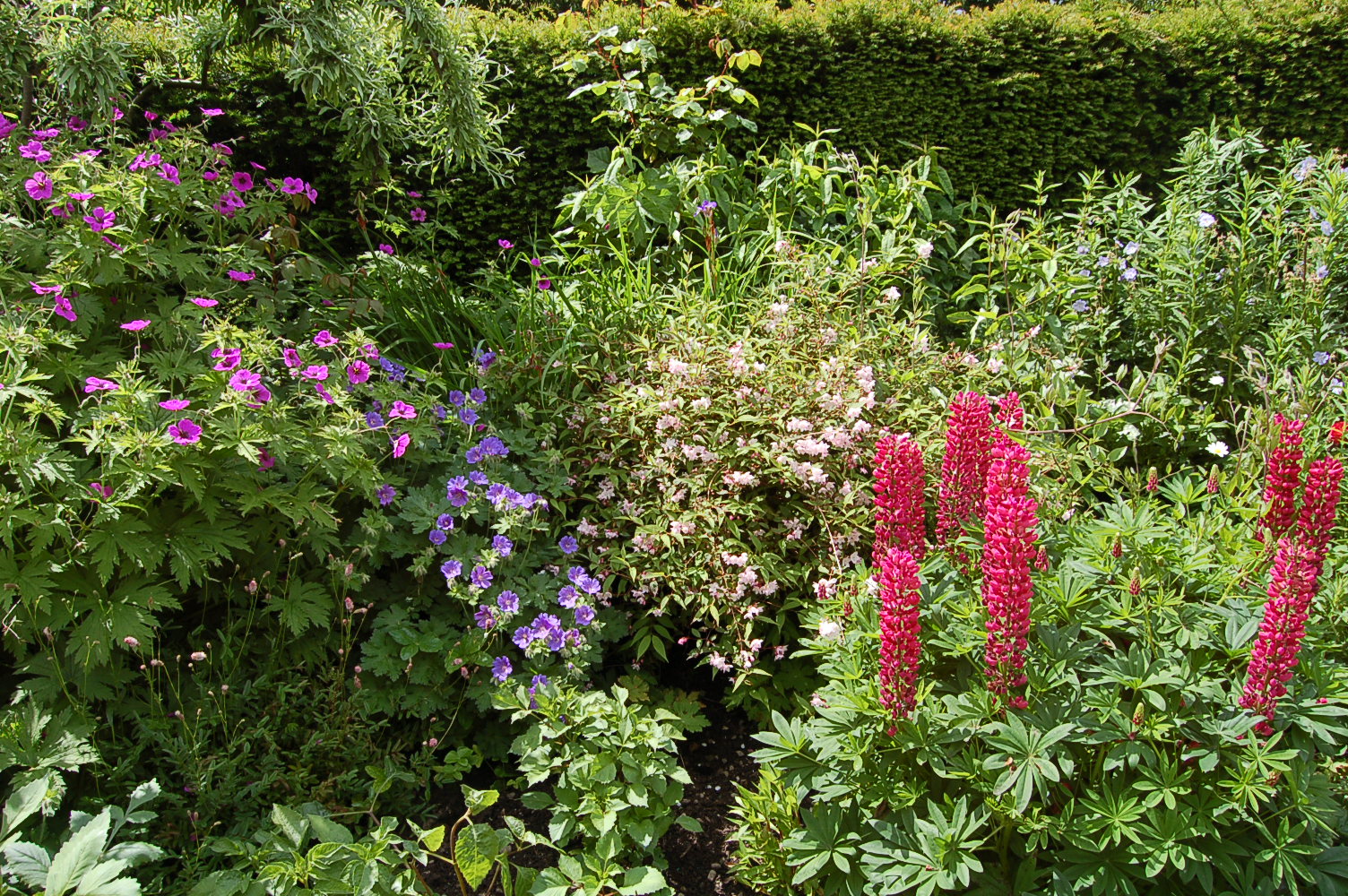
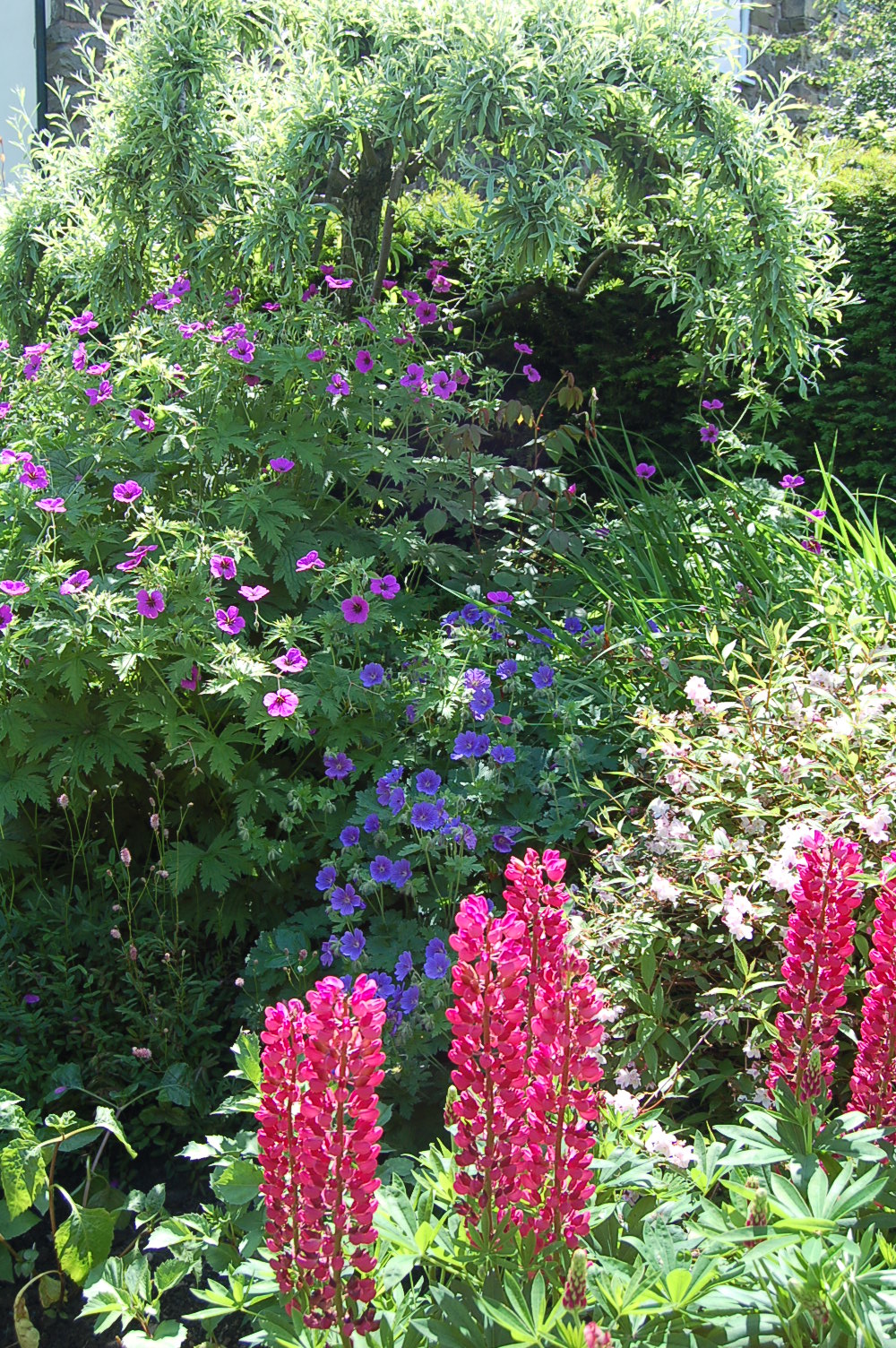
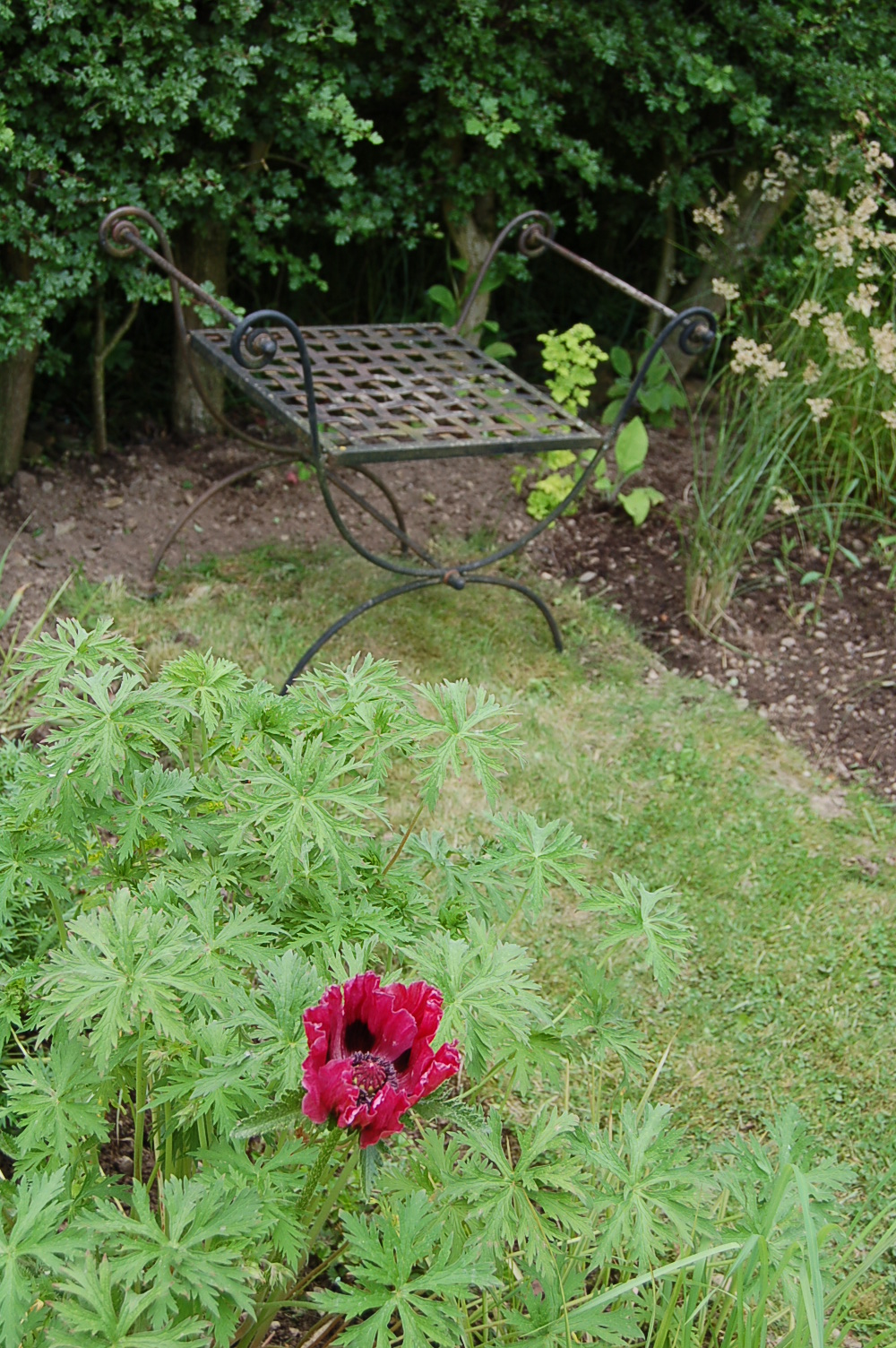
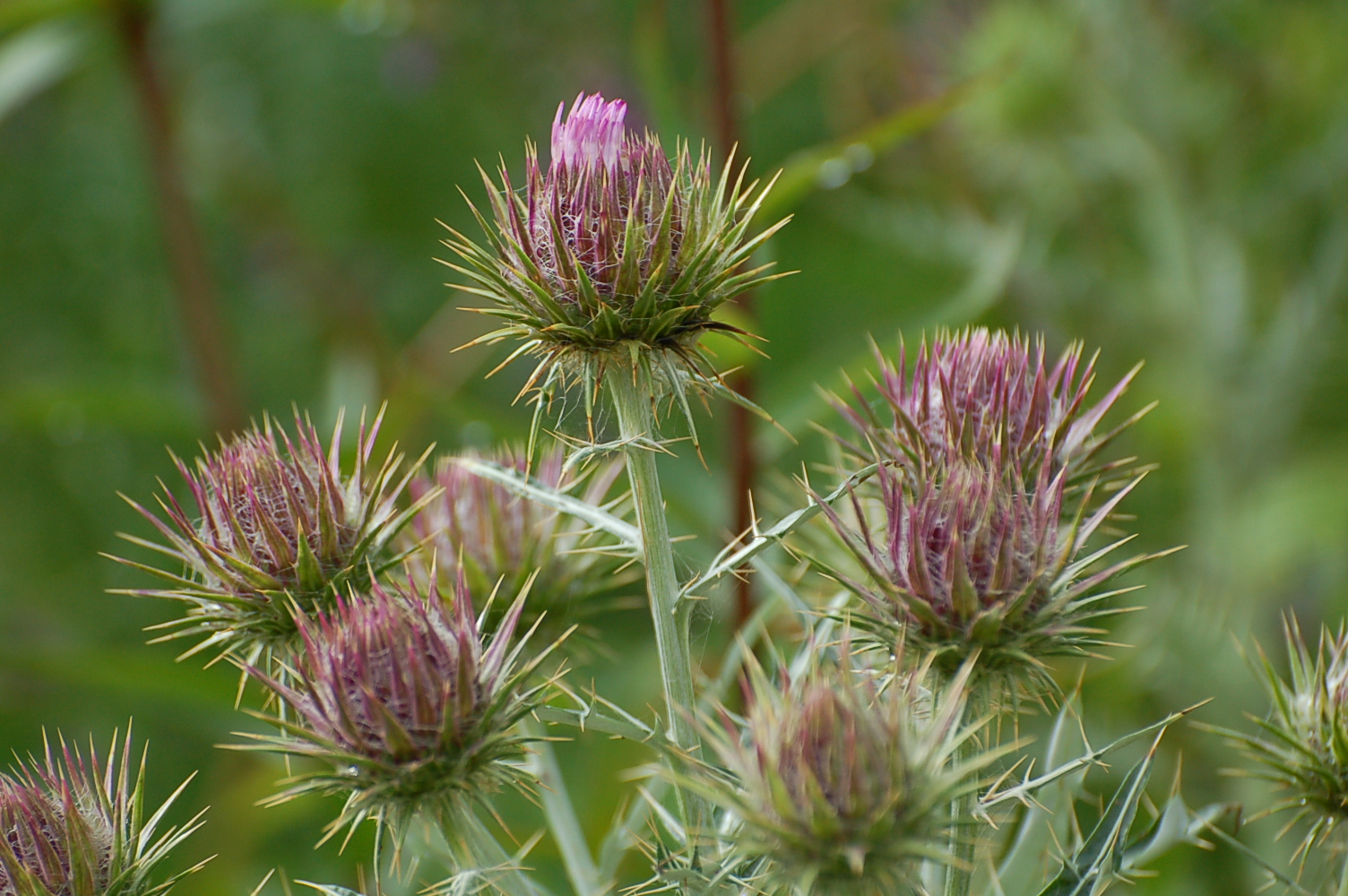
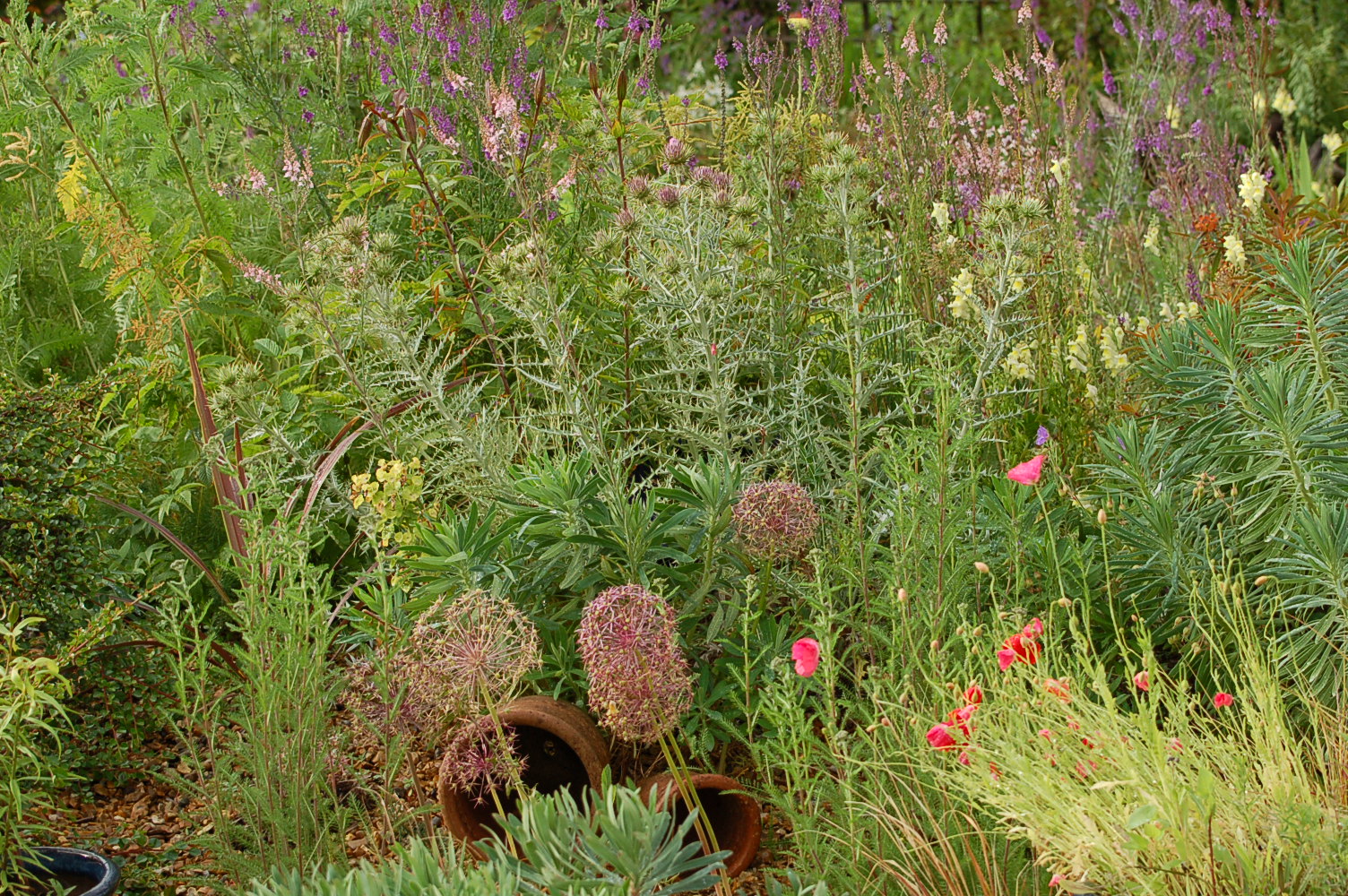
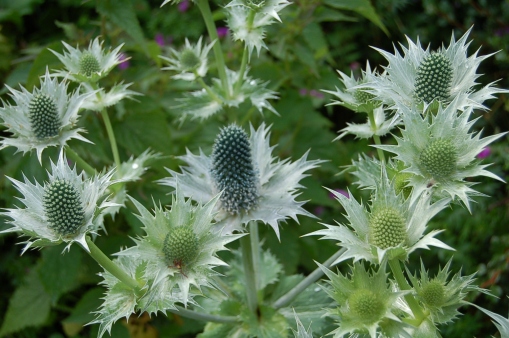
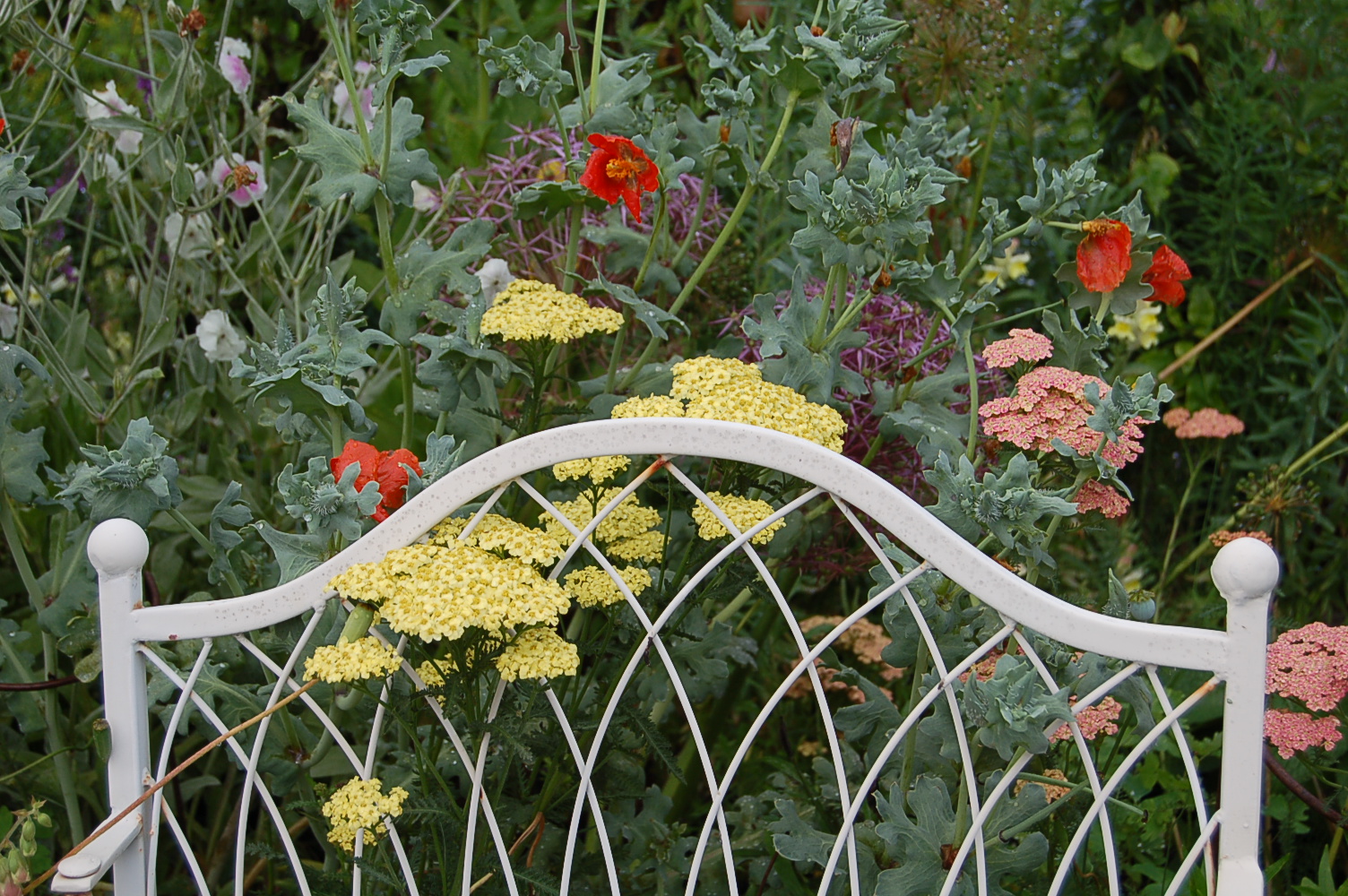
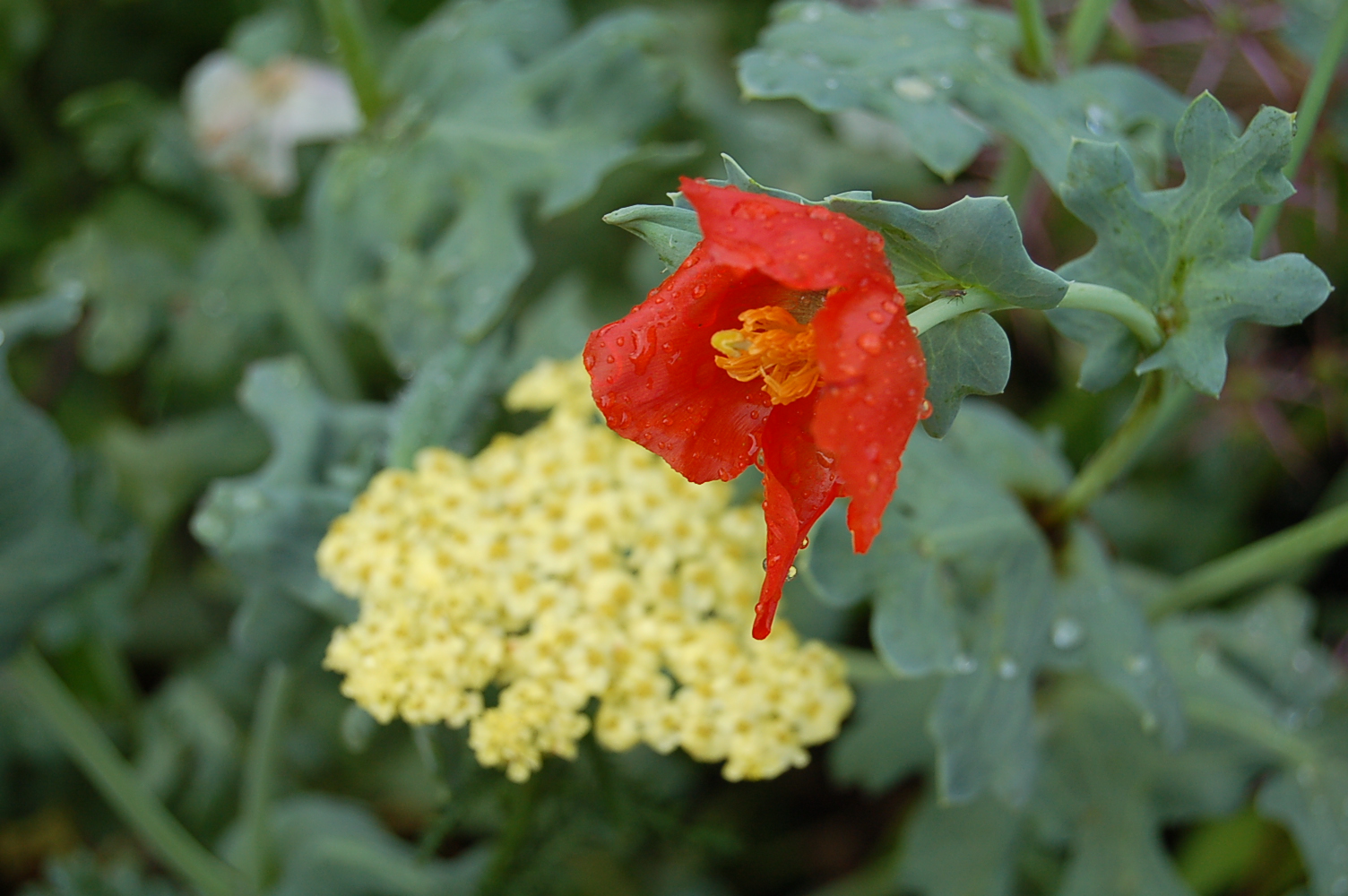
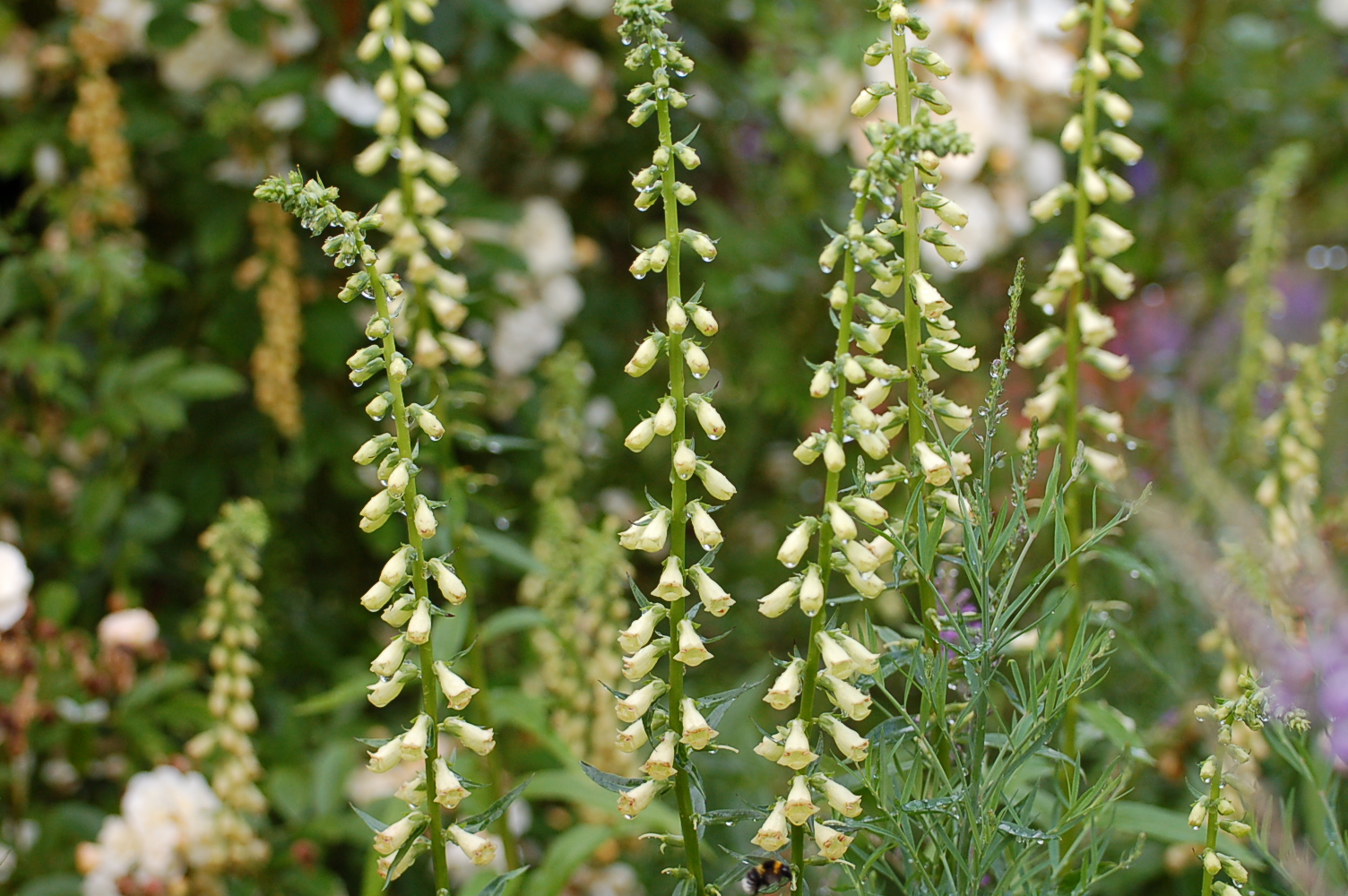
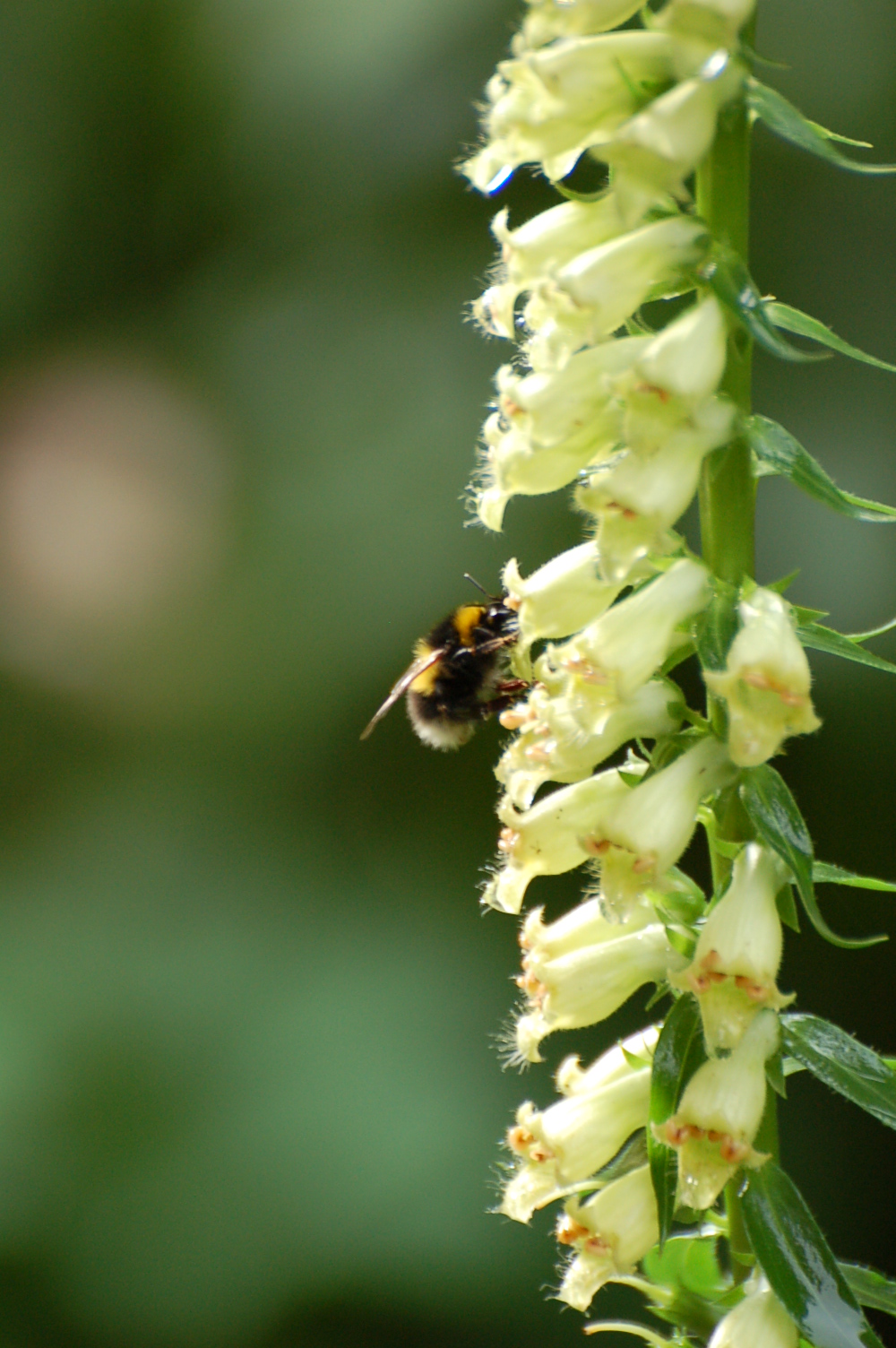
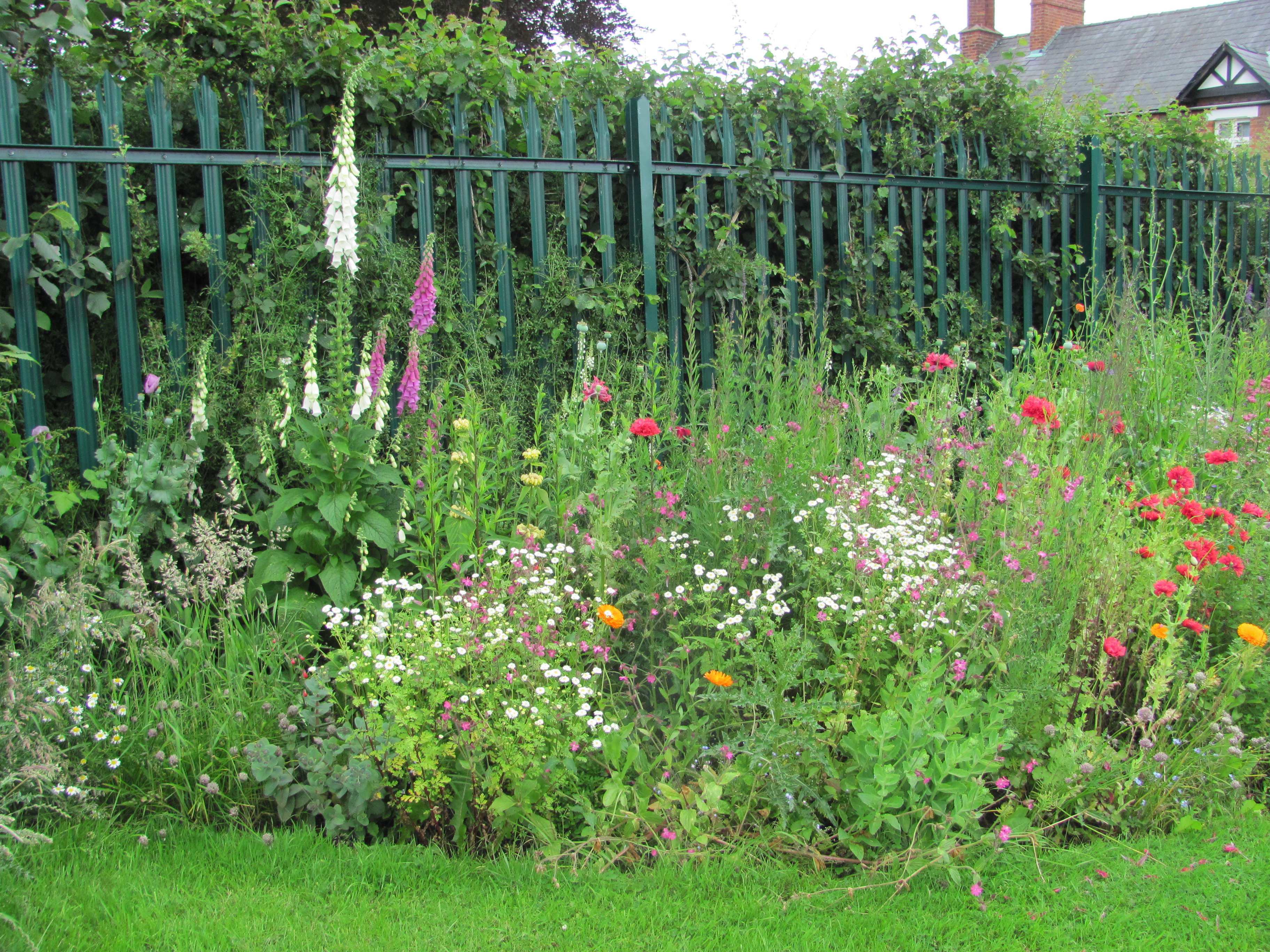
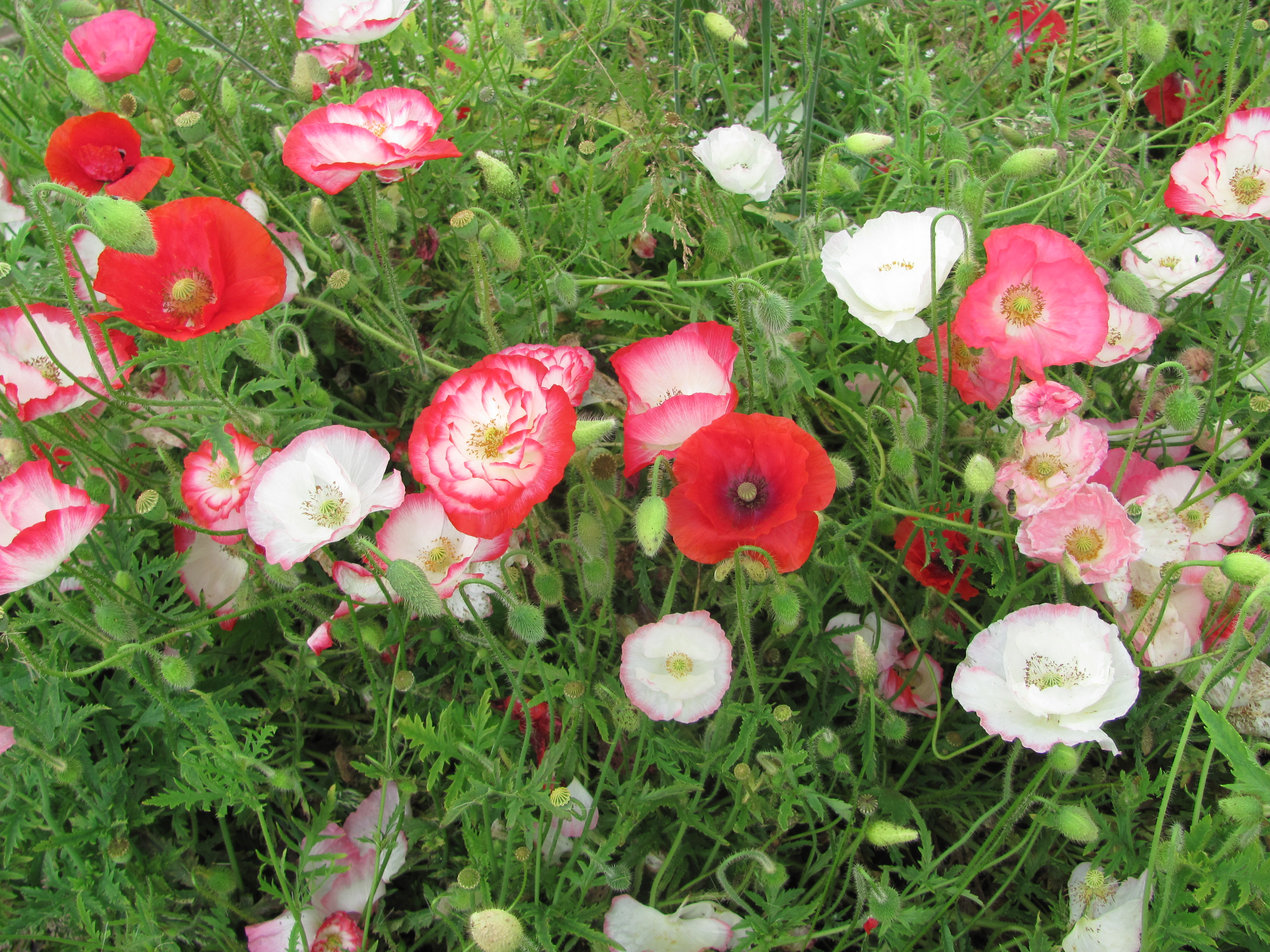
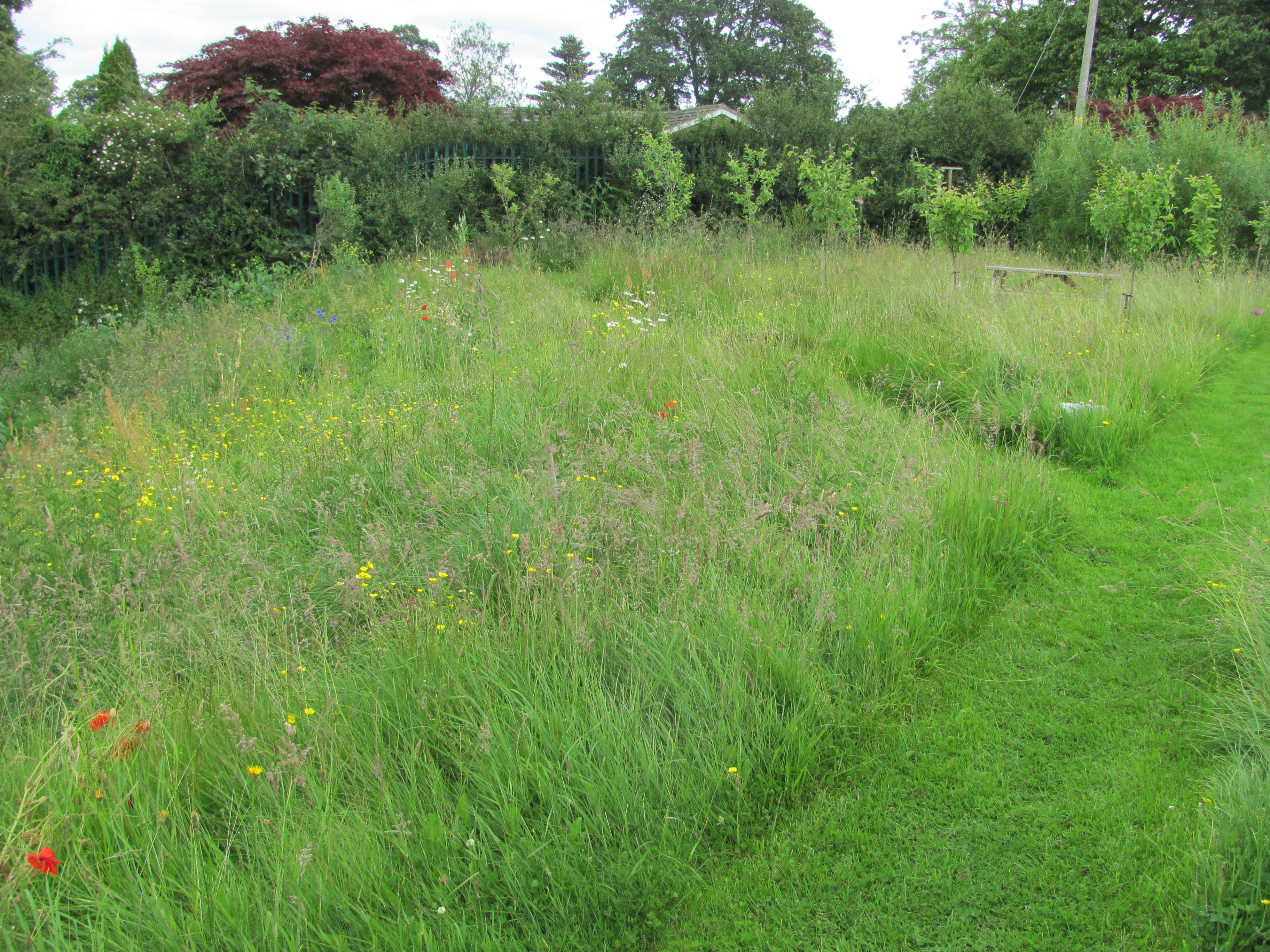
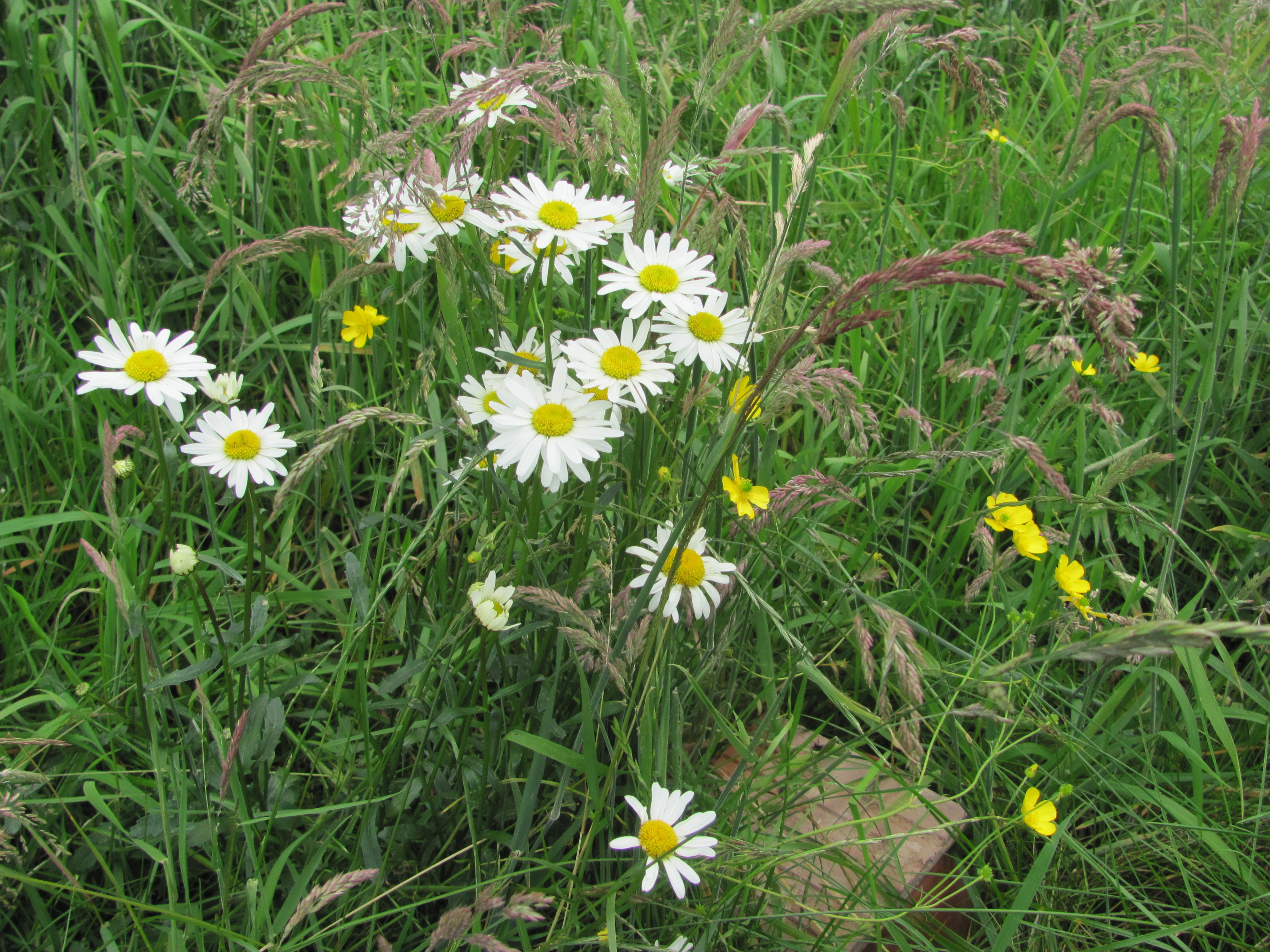
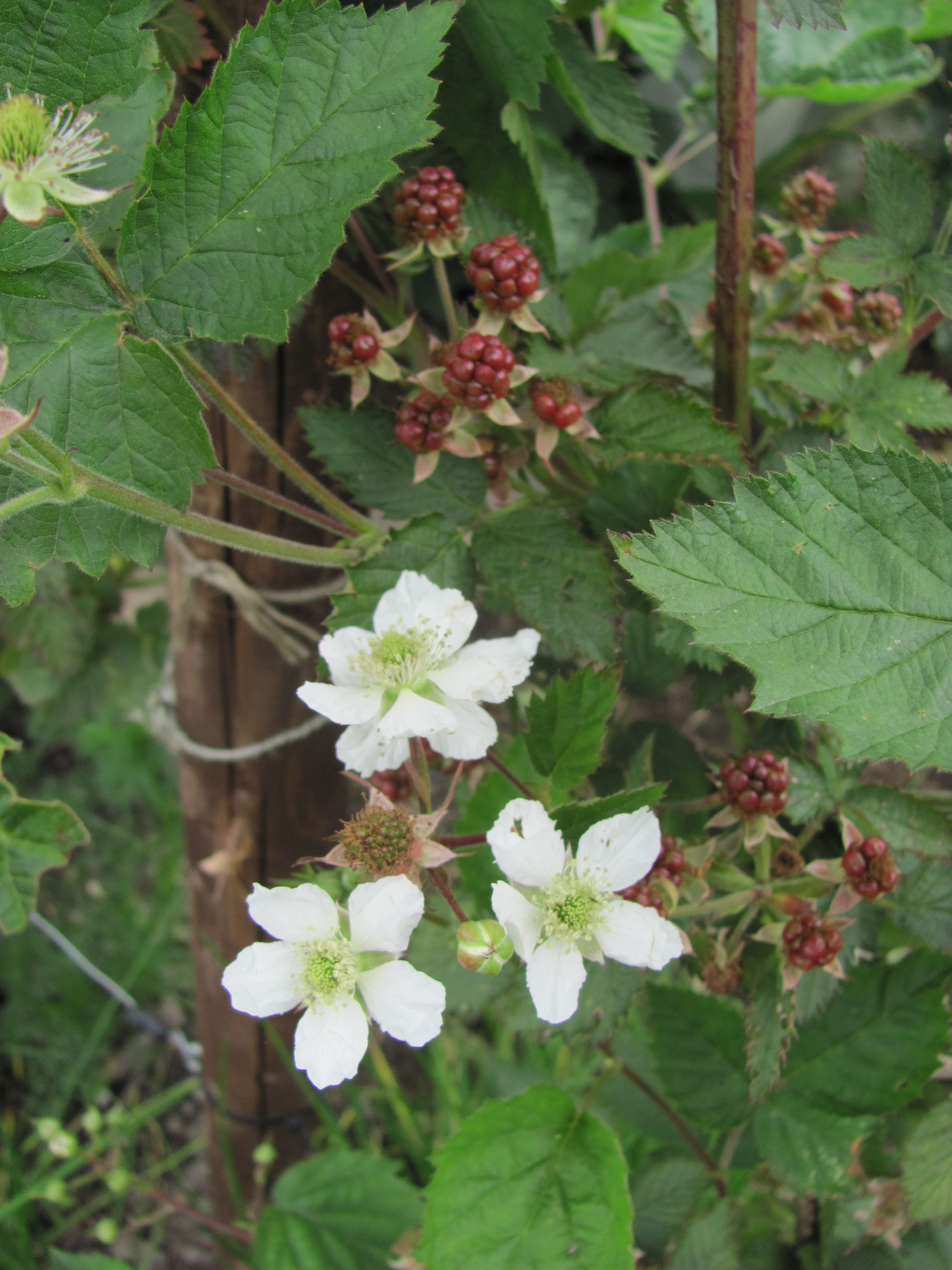
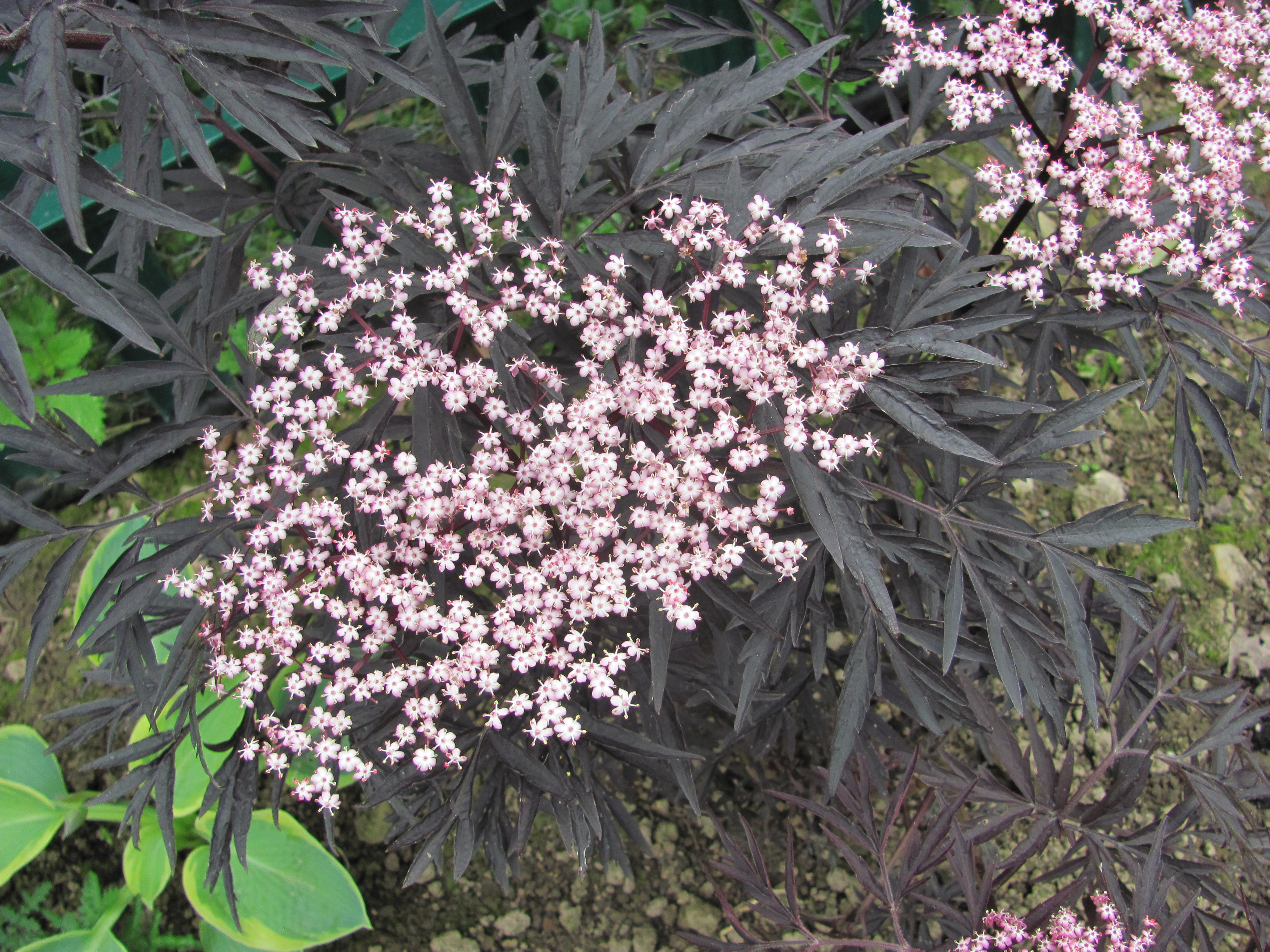
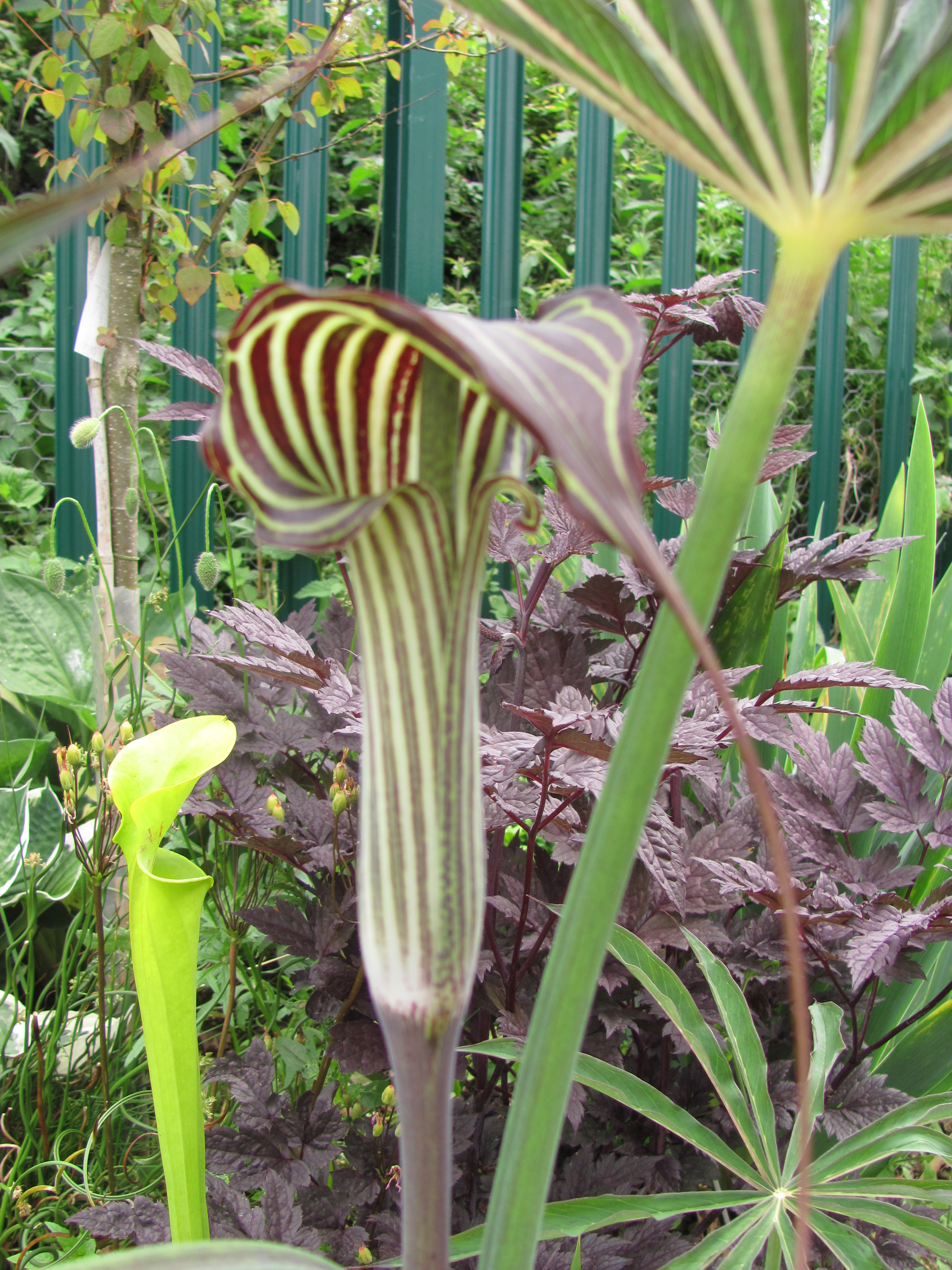
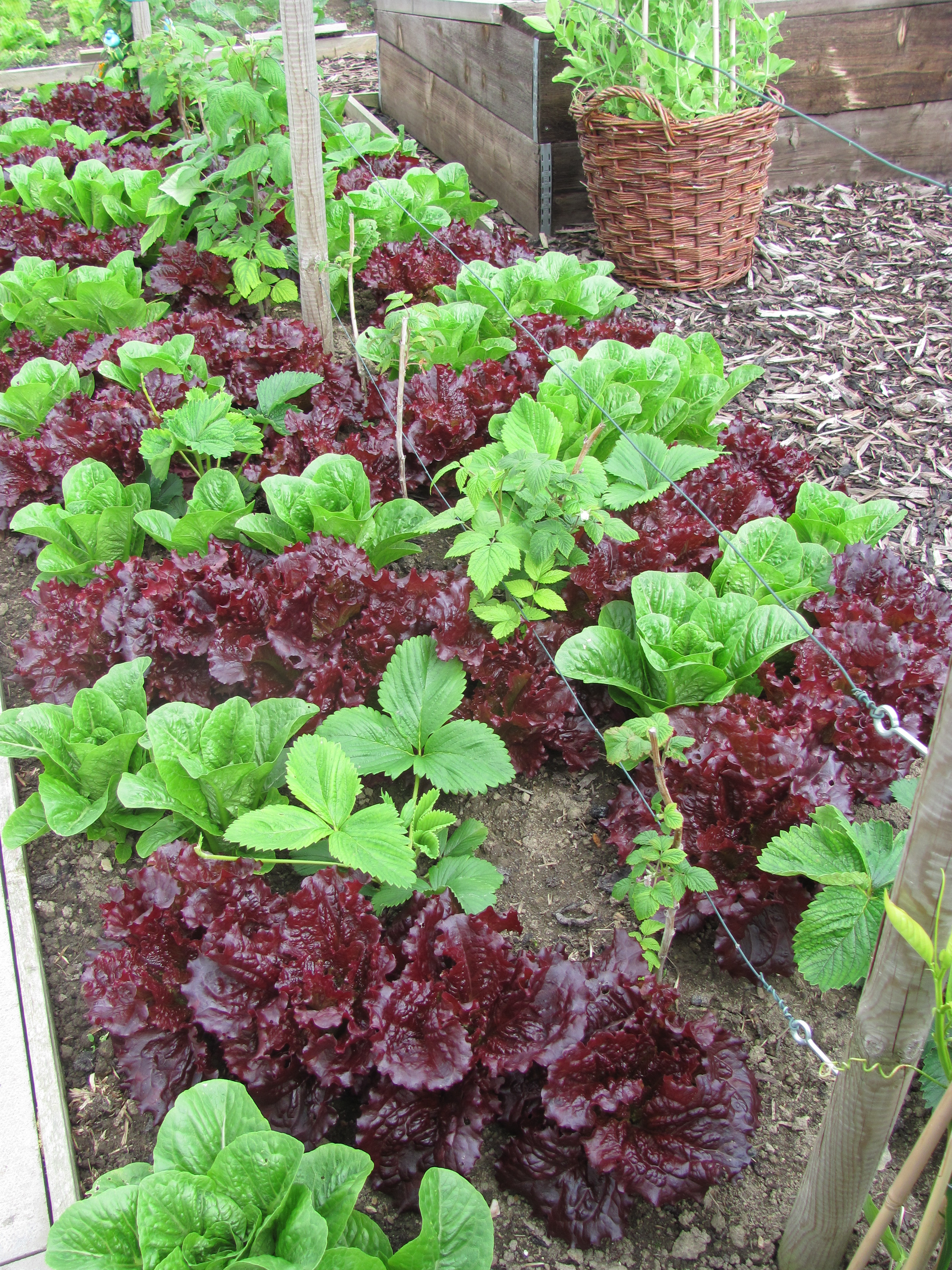
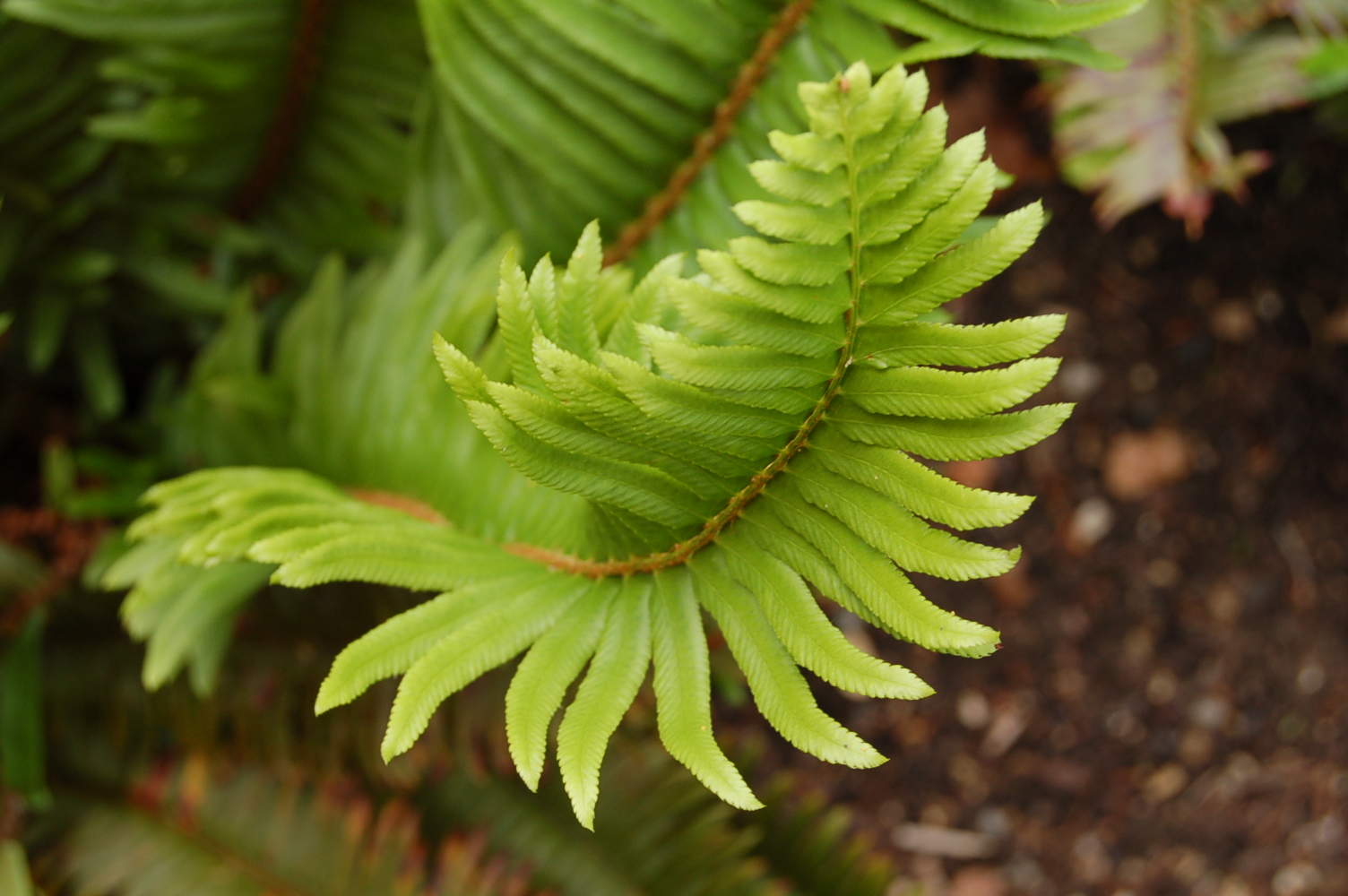
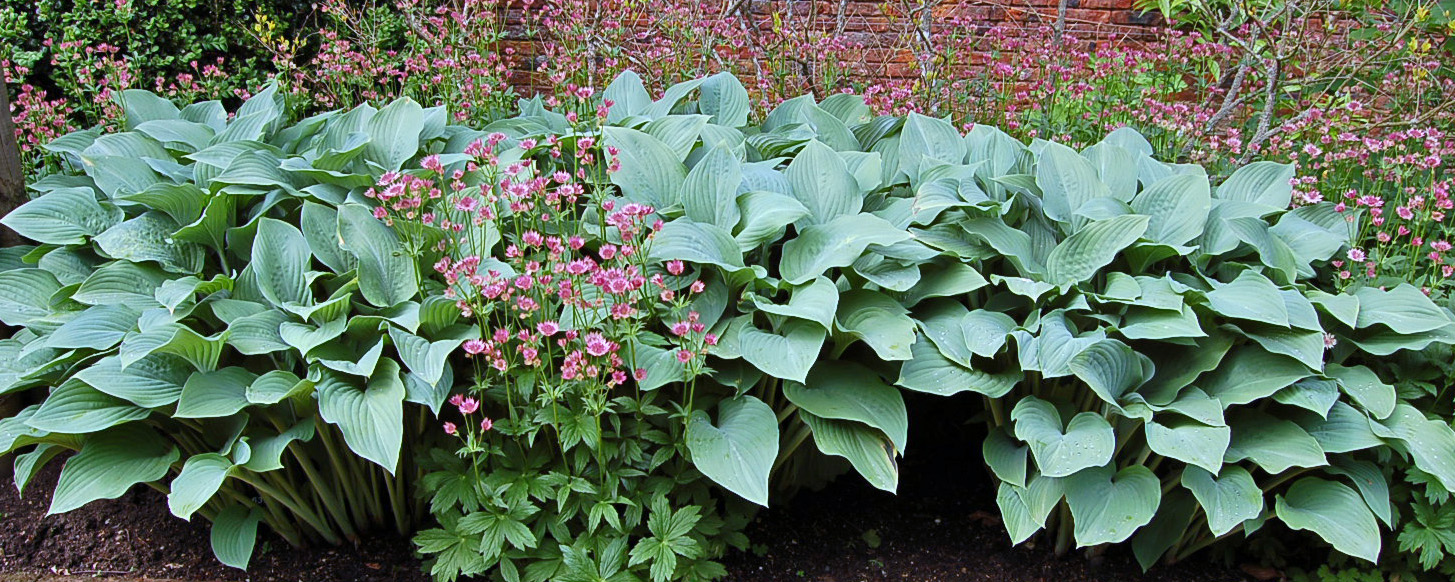
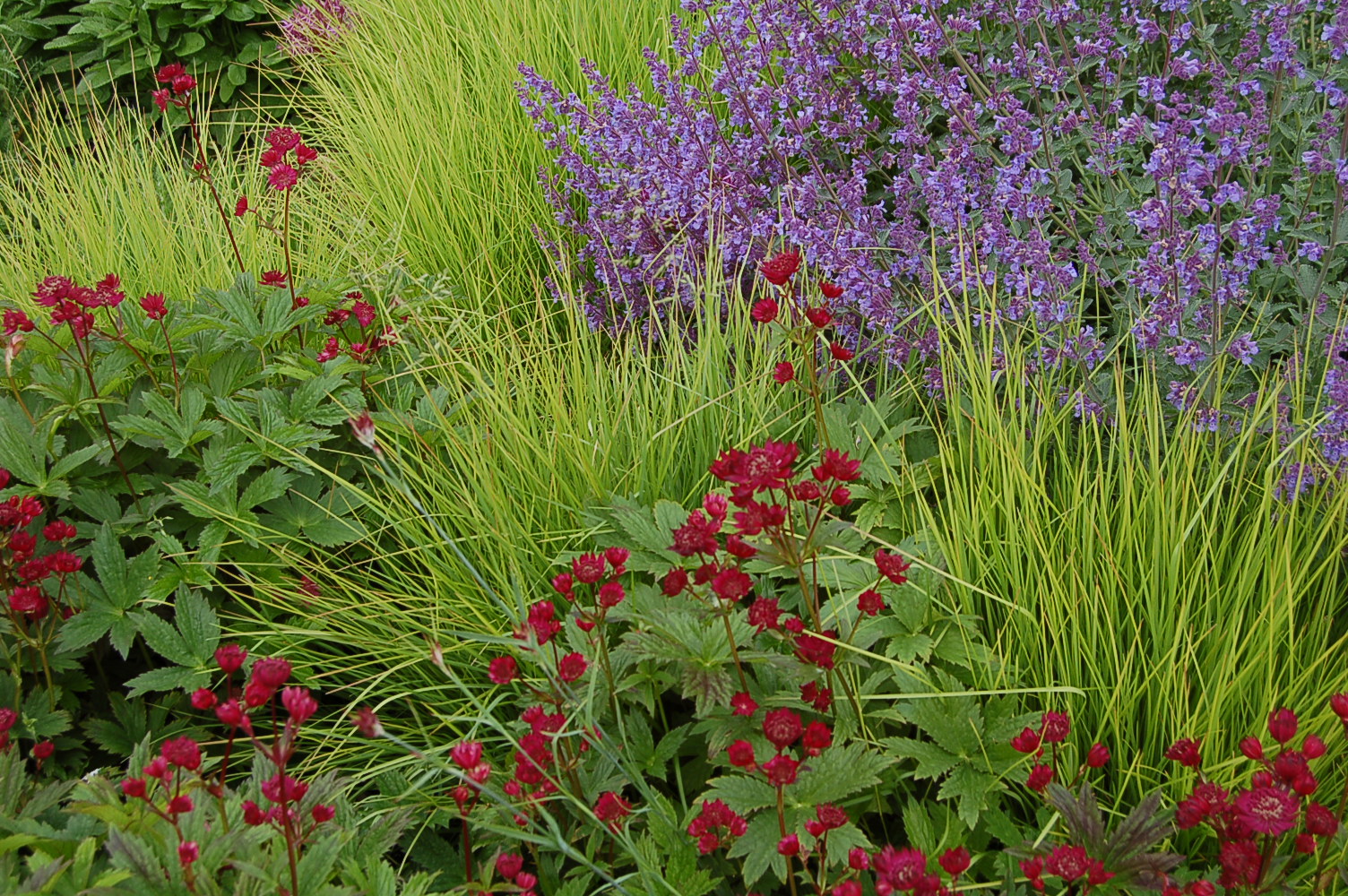
As followers of greenbenchramblings know I carry a camera around with me wherever we go and my favourite subjects are plants, especially plant portraits, allotment gardening, and the creatures who live in our gardens, on our allotment and on the plants. It seems apt to finish this One Year On posting with a few pics of these favourite subjects.
'The most important and informative publication on wildlife of our times' - The Independent. This blog is a member of The UK & Ireland Natural History Bloggers group: www.uknhb.blogspot.com






































































 greenbenchramblings