Categories
arboreta autumn autumn colours colours light light quality ornamental trees and shrubs outdoor sculpture trees woodland woodlands

Queenswood Arboretum – Part Three – the Redwoods

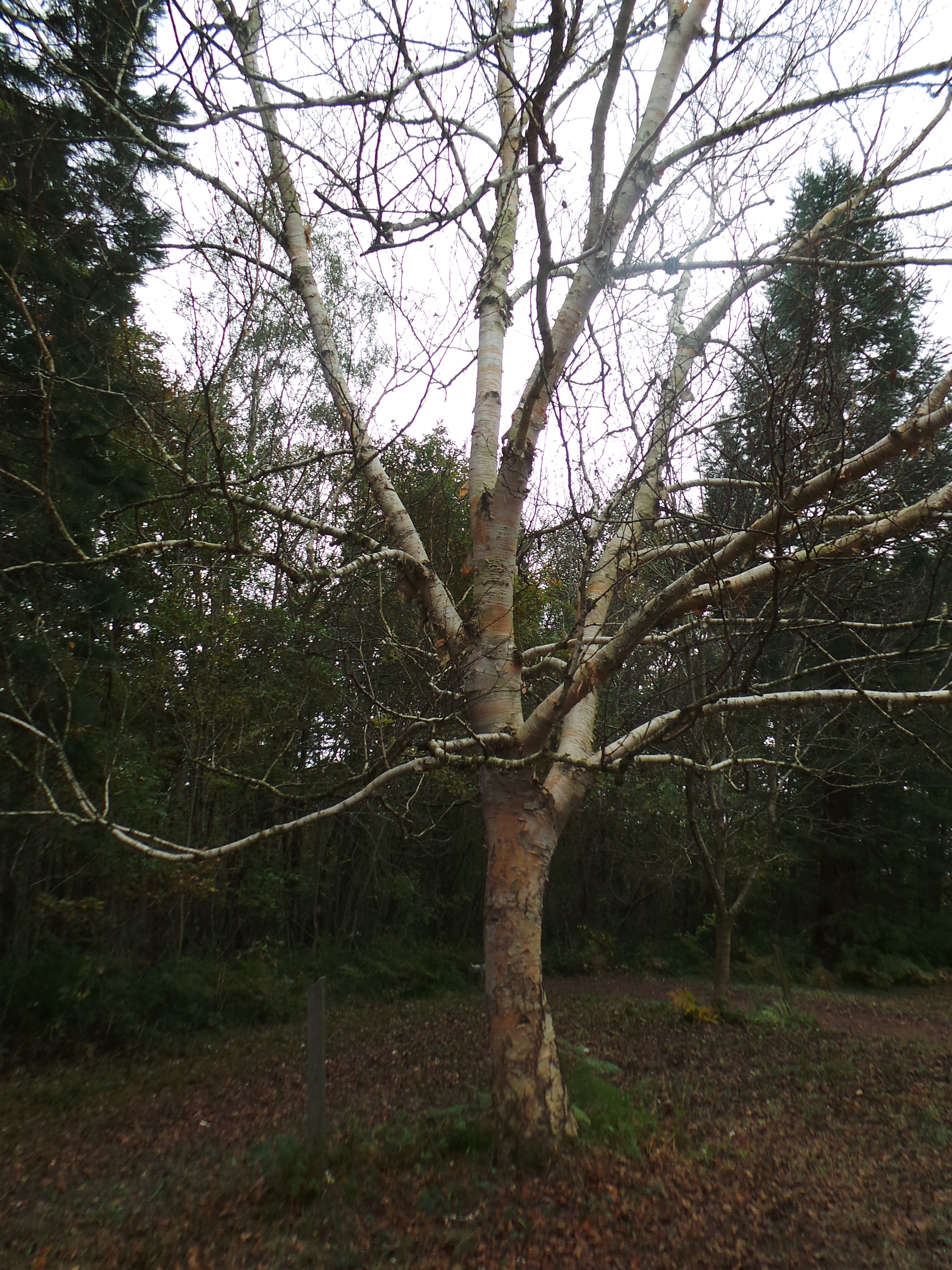
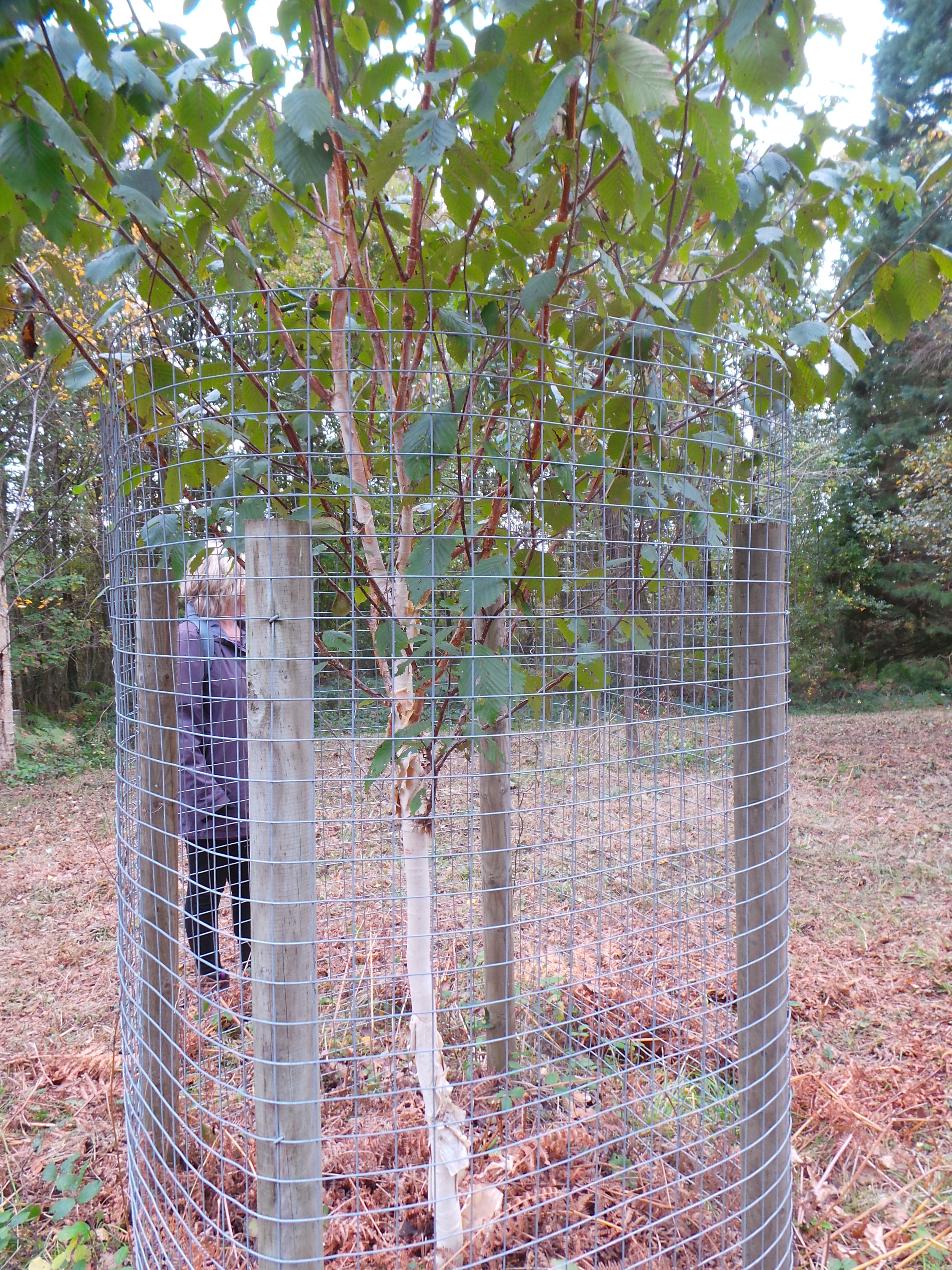
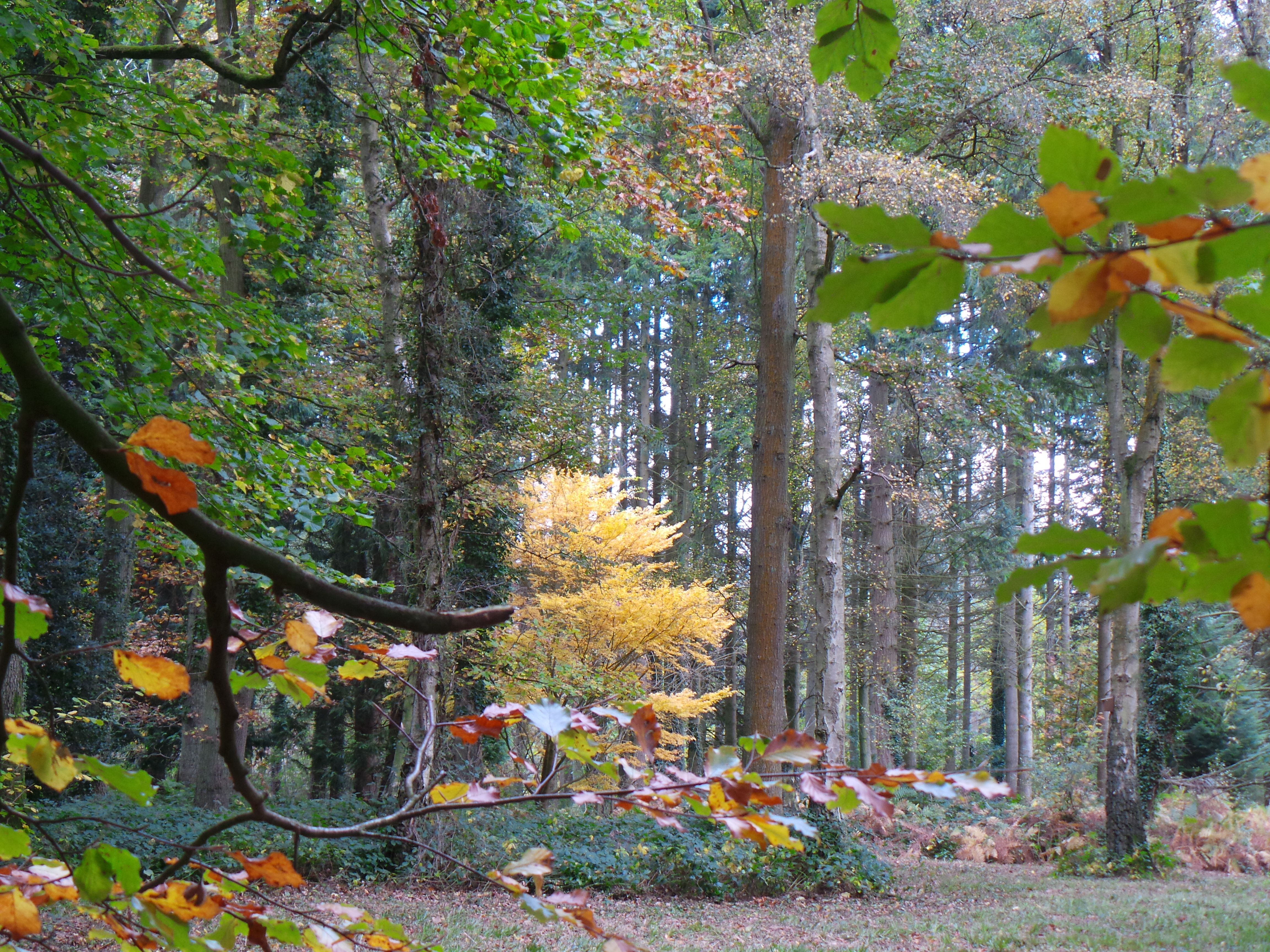
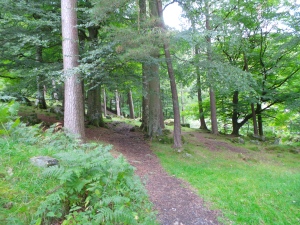
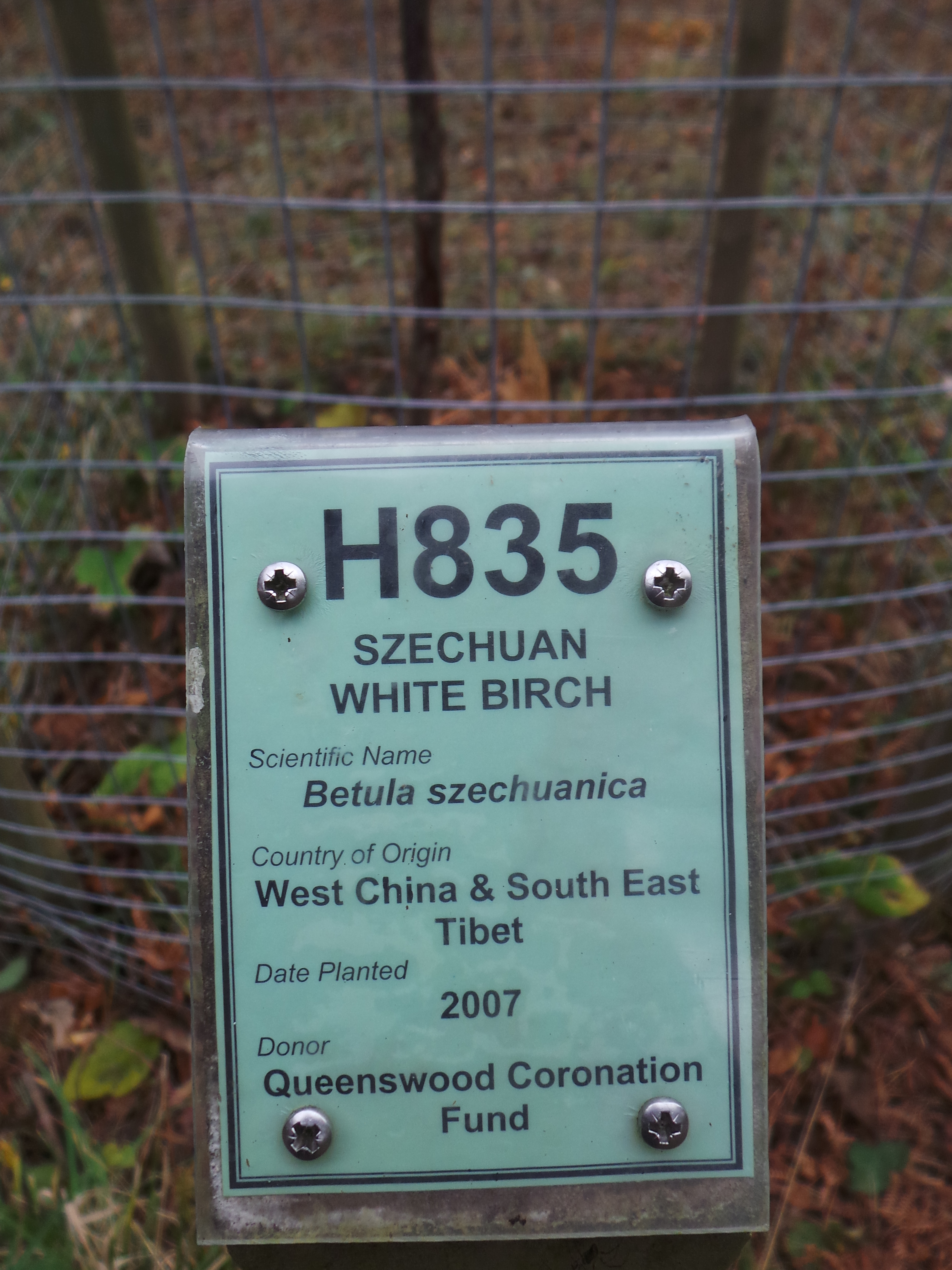
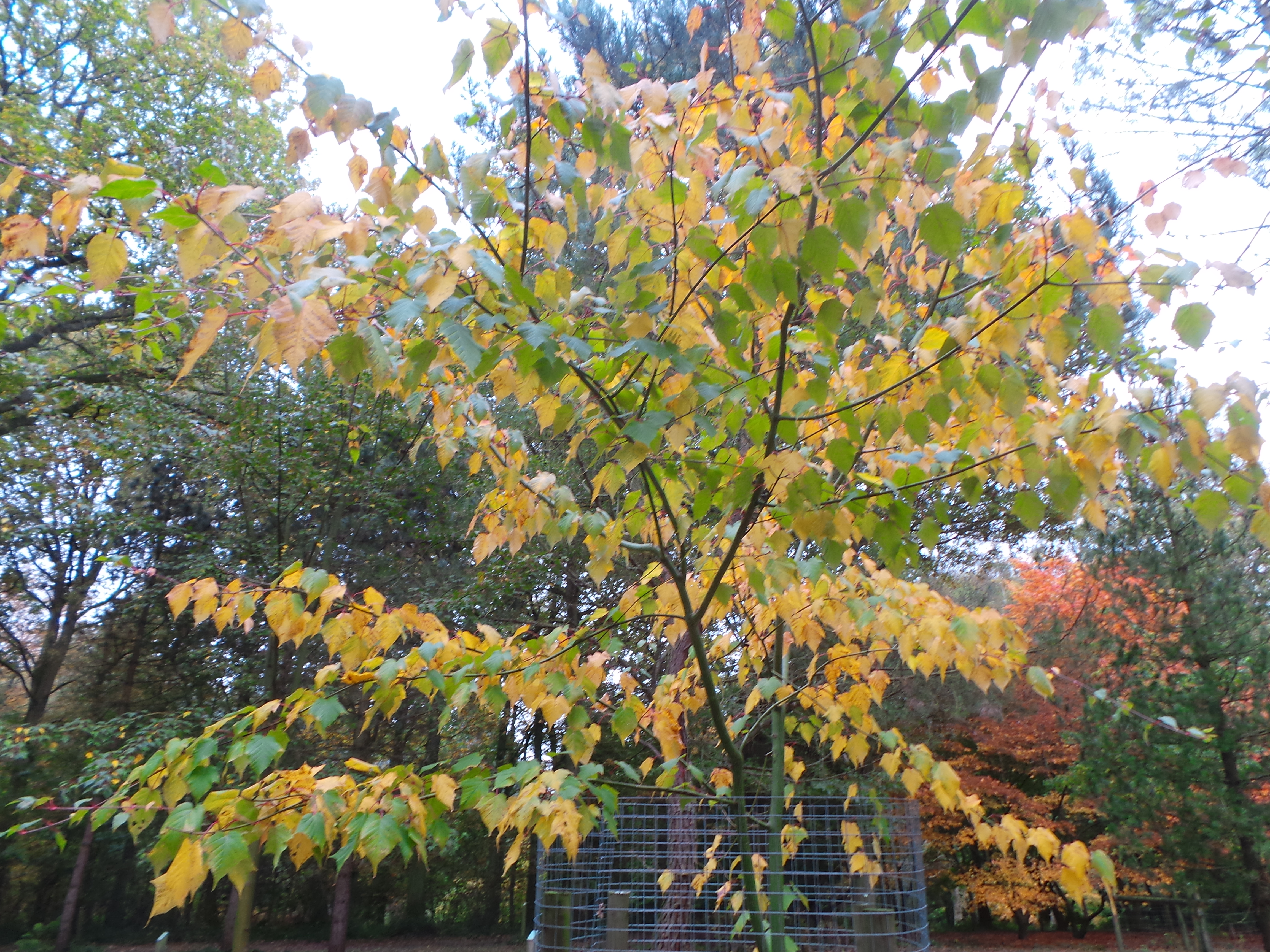
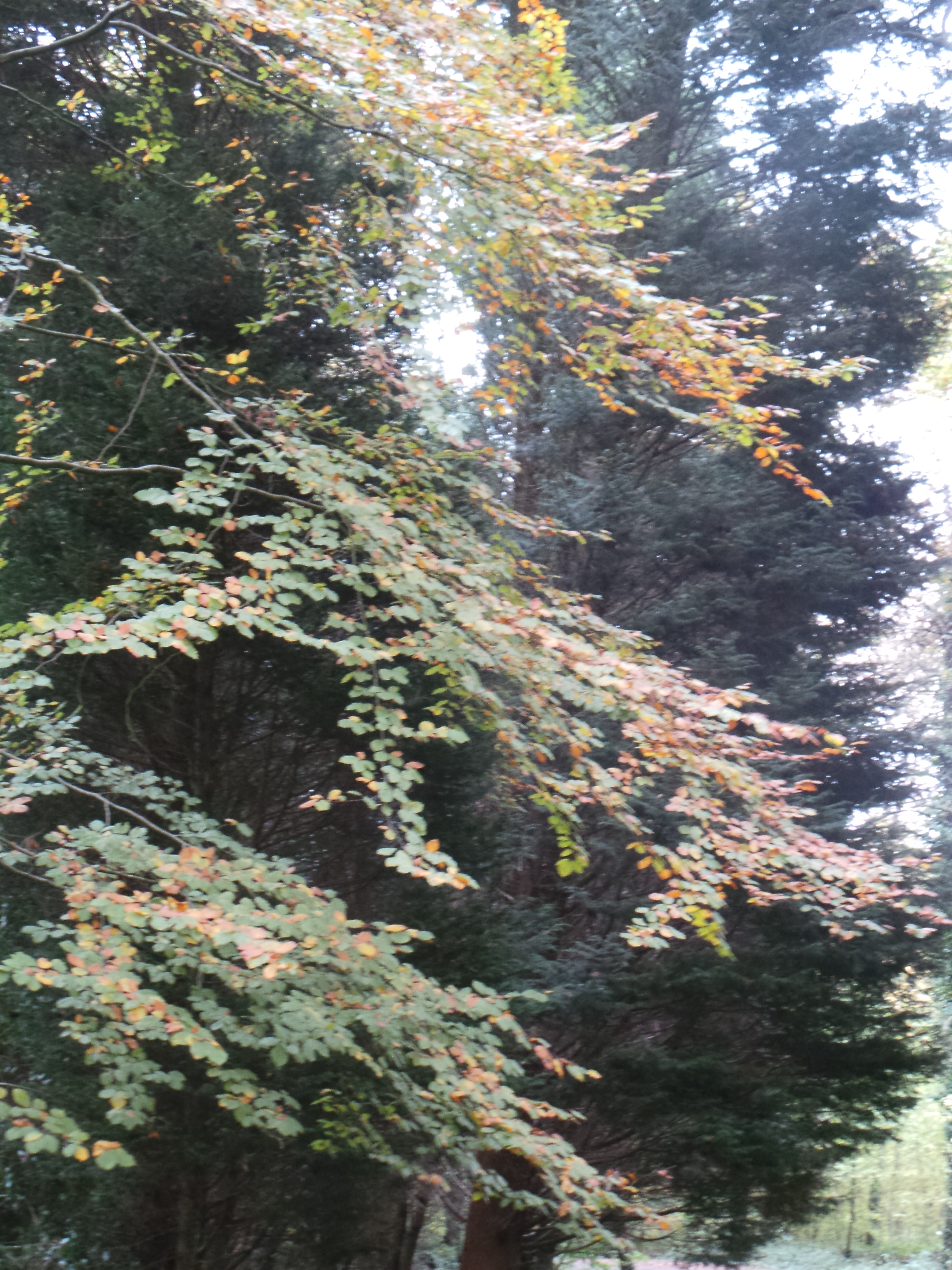
As we left the Oak Avenue behind and after we had enjoyed a quick look at the small Betula collection, we made our way slowly back to the car park. The sky began to get darker and drizzle began to fall. In the first shot included here you can see the bright autumn colours of the Birches through the line of huge pines. Many of them were small and still strongly guarded from the gnawing of the resident deer flock. I have also included a photo of one of the excellent, informative labels which is a great feature of this arboretum.

2014 10 23_6261

2014 10 23_6255 2014 10 23_6258 2014 10 23_6259 2014 10 23_62622014 10 23_6264 2014 10 23_6265

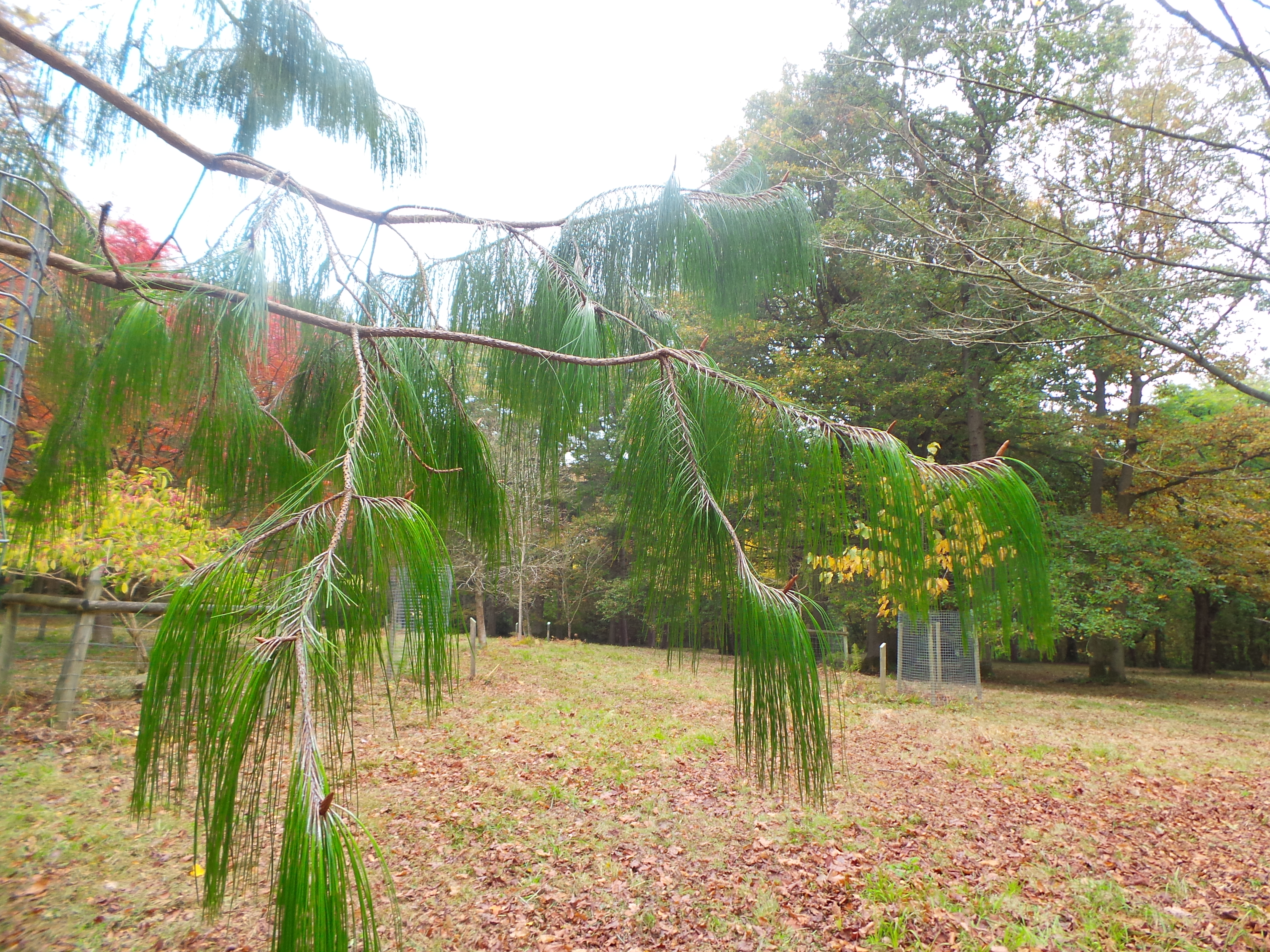
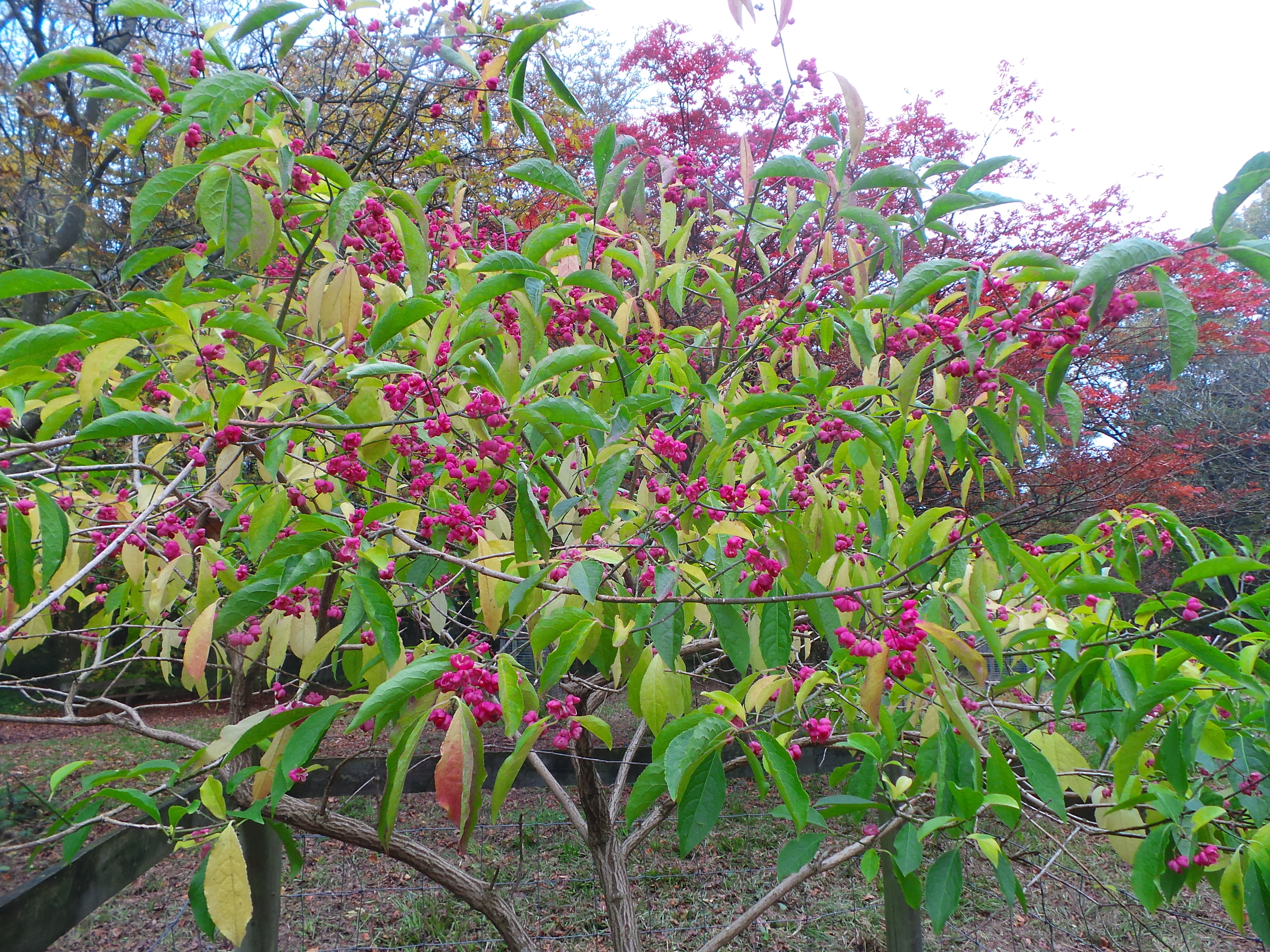
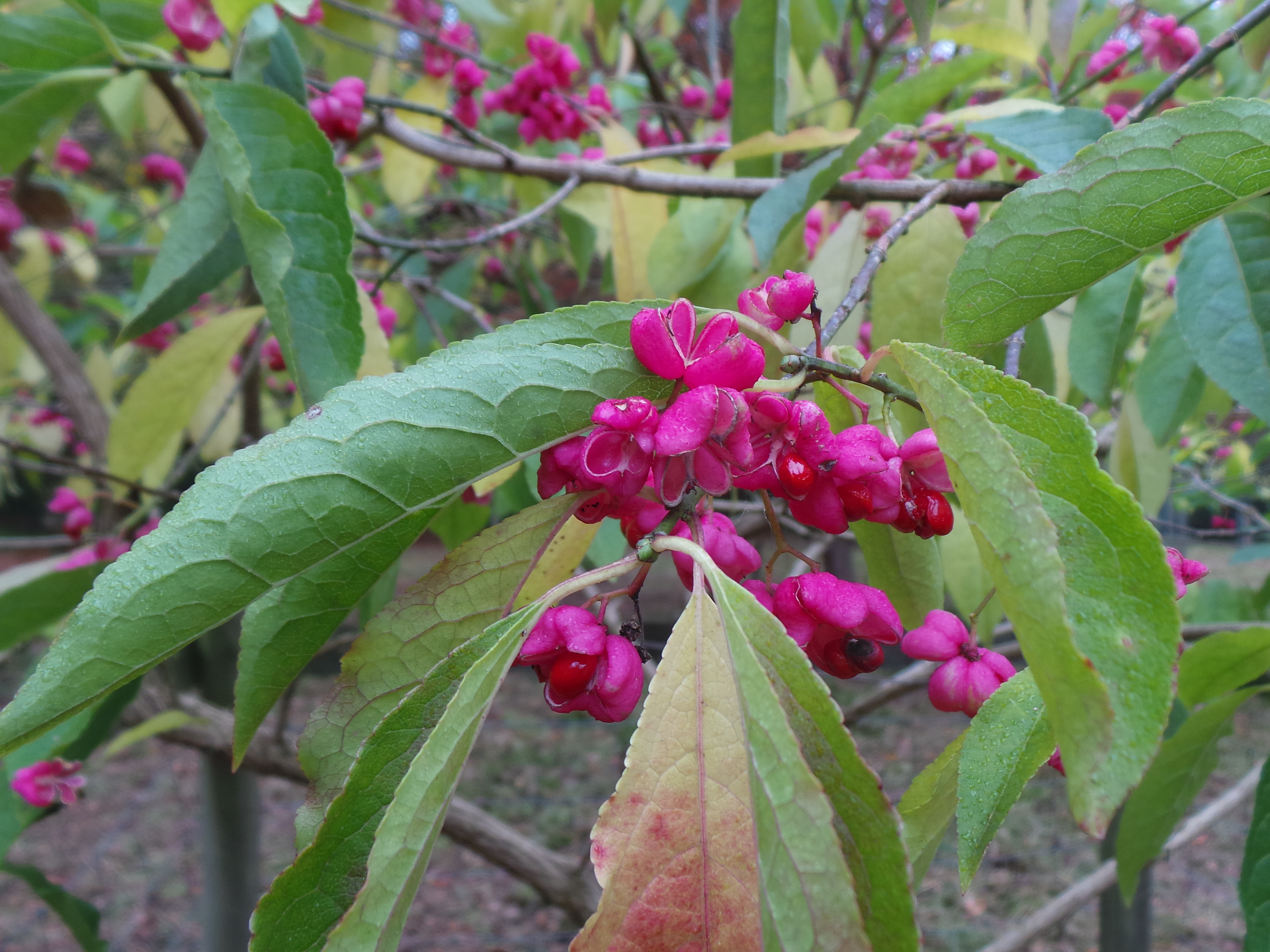
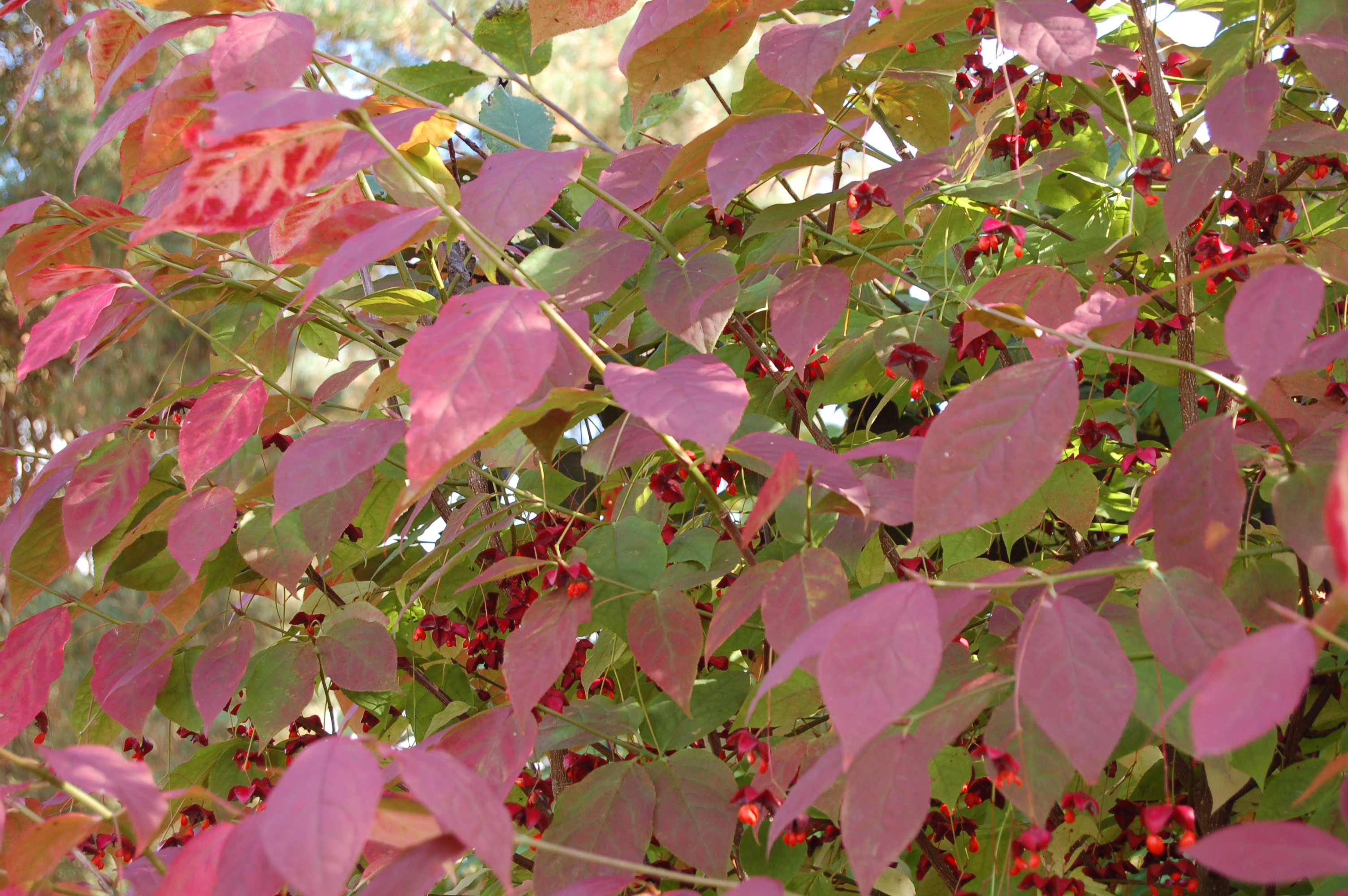
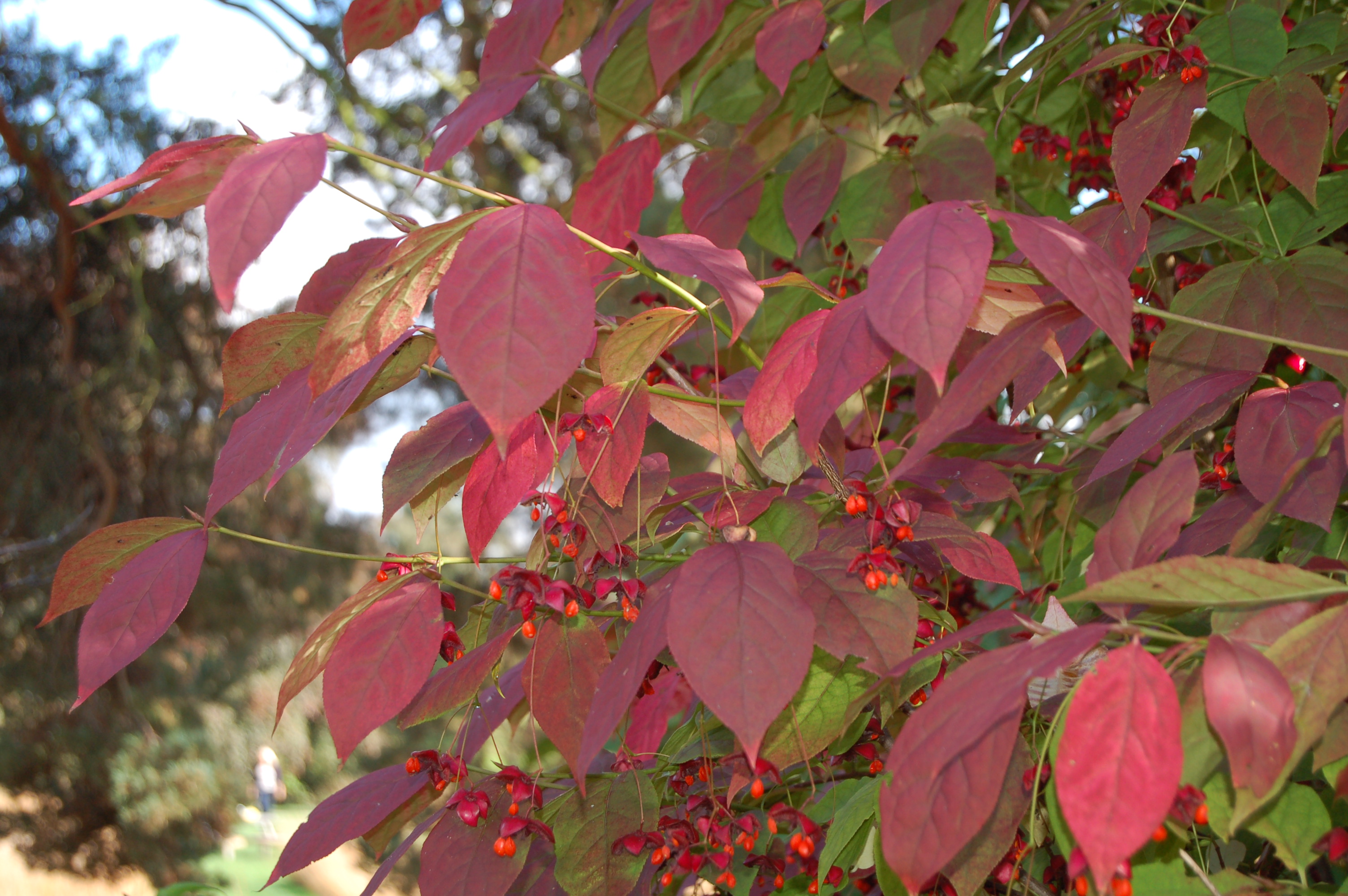
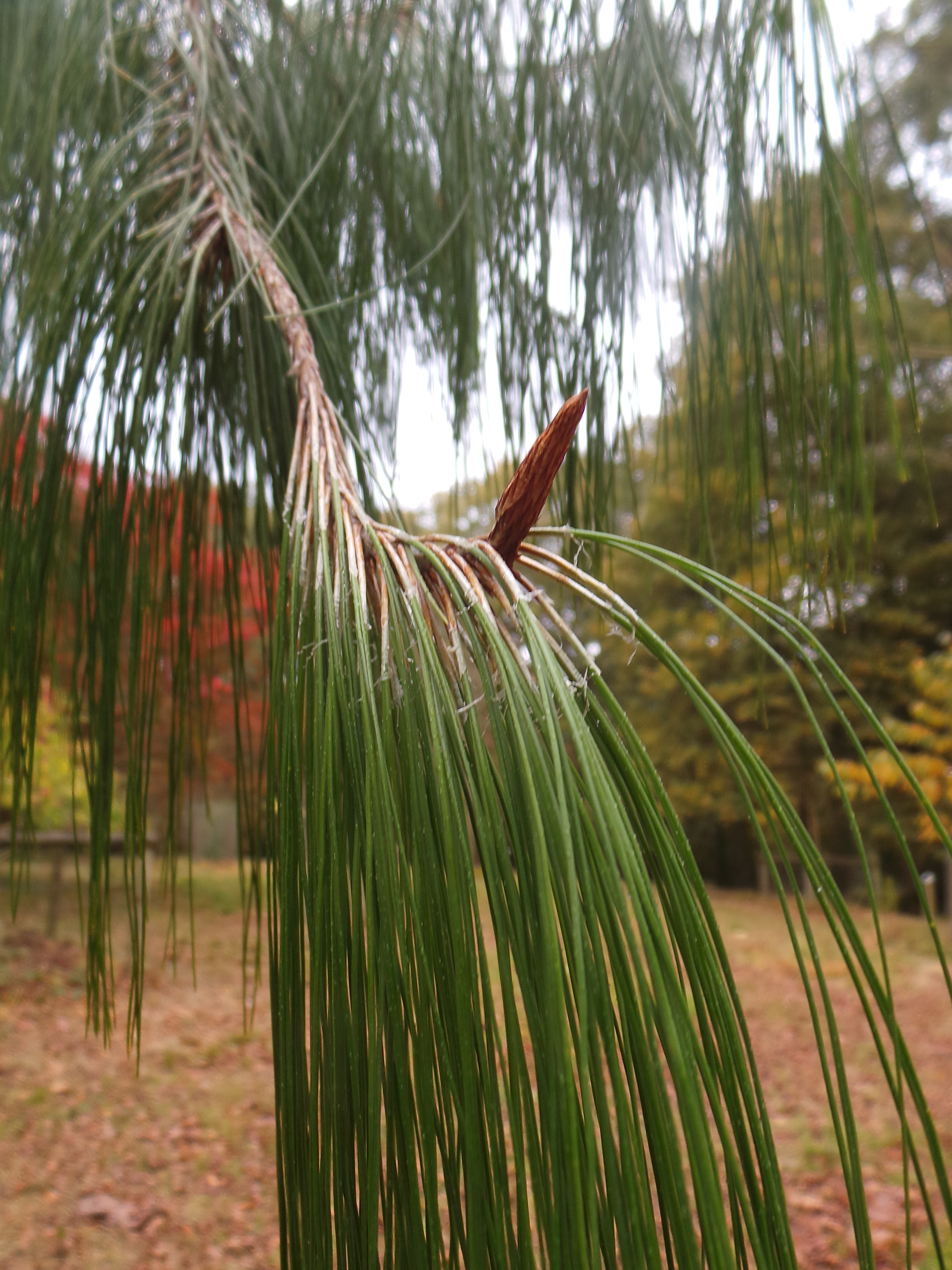
As the drizzle intensified we found some shelter under the older taller trees. We are not fans of conifers but we found this one fascinating with its long drooping needles. Pinus patula, better known as the Spreading Leaf Pine. Close by the strange but utterly beautiful cerise-flowered Euonymous europaeus glowed in the dull light.

2014 10 23_6266 2014 10 23_6267 2014 10 23_6269 2014 10 23_6270 2014 10 23_6271 2014 10 23_6272

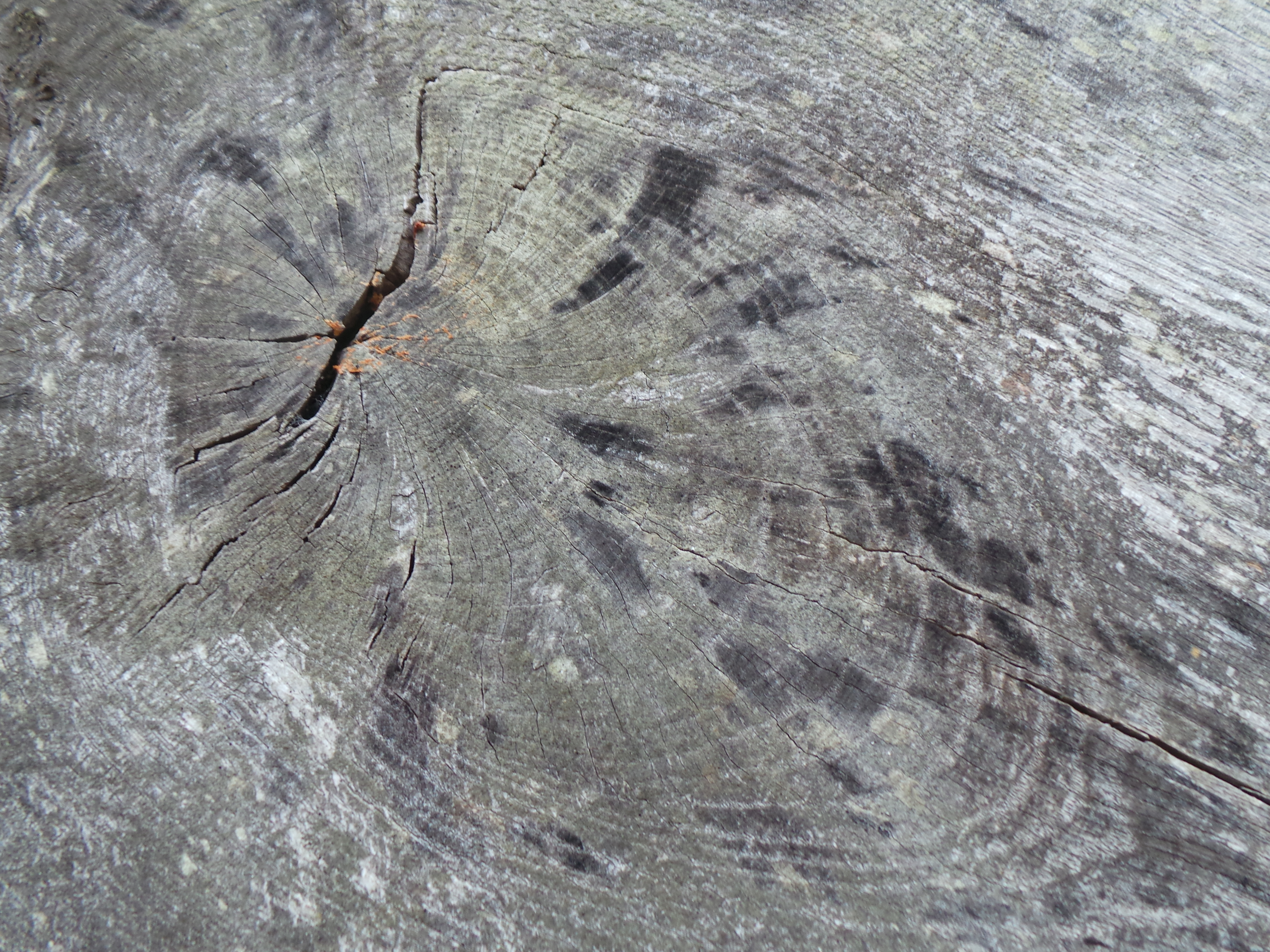
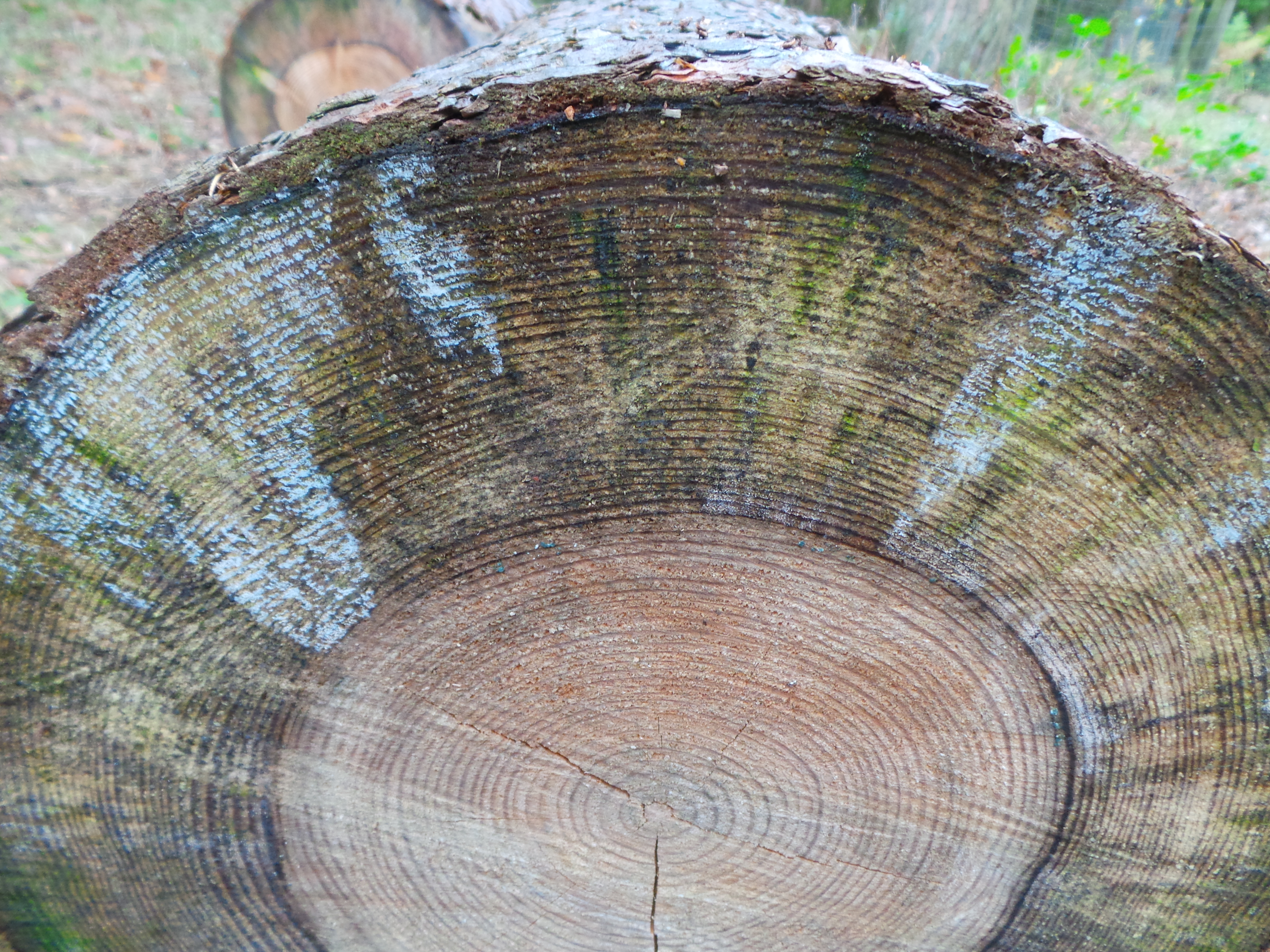
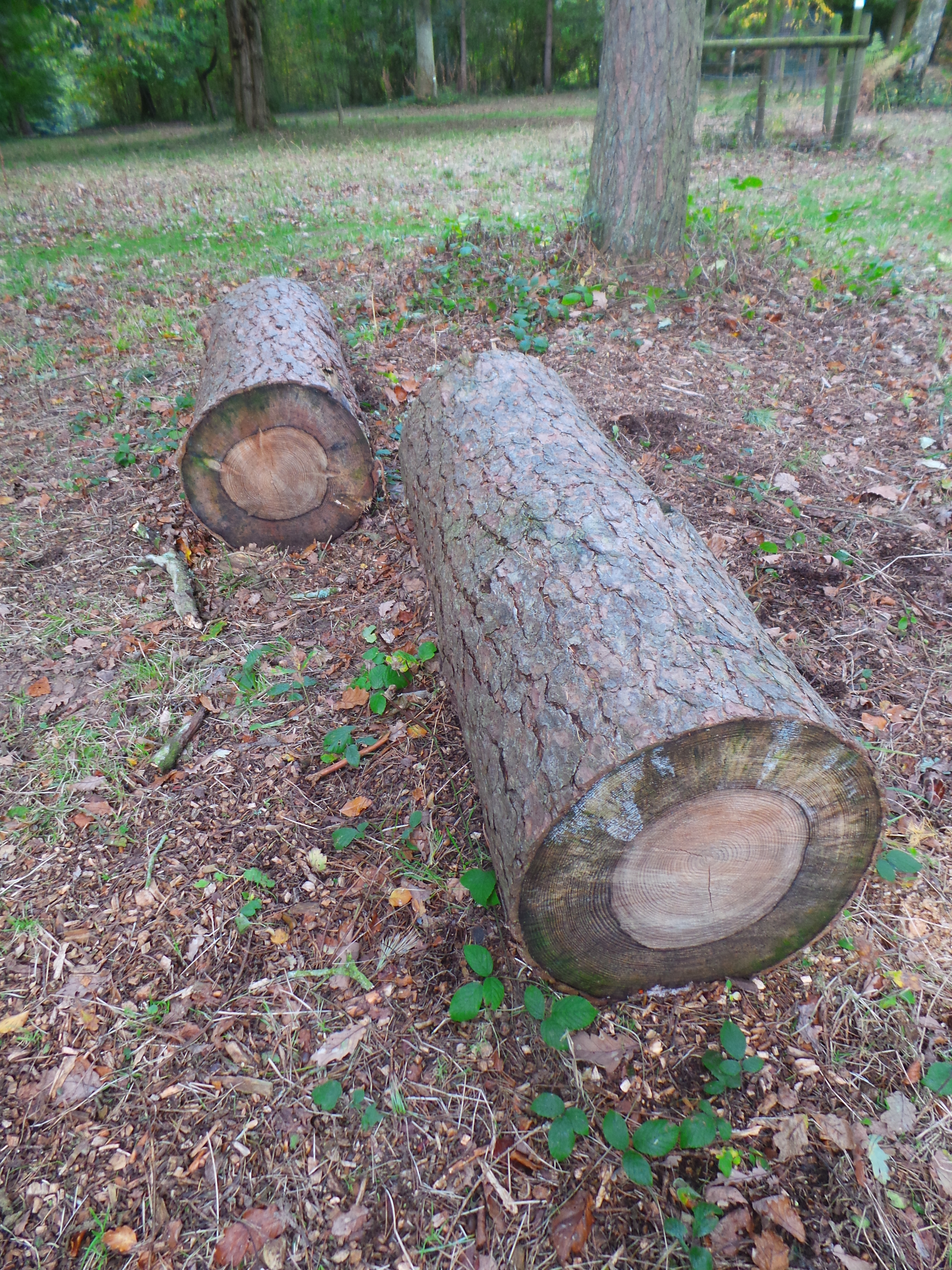
Felled tree trunks afford the weary wanderer a resting place and wildlife a place to search for food. The cut ends revealed the ages of the trees when they were felled, the number of rings now exposed by the chainsaw give away its secrets.
2014 10 23_6275 2014 10 23_6274

We continued to come across interesting Acers such as this Red Snake-Bark Maple, Acer capillipes and we passed many other fascinating specimen trees on our way to the stand of Redwoods.
2014 10 23_6276 2014 10 23_6278 2014 10 23_6279 2014 10 23_6280  2014 10 23_6282

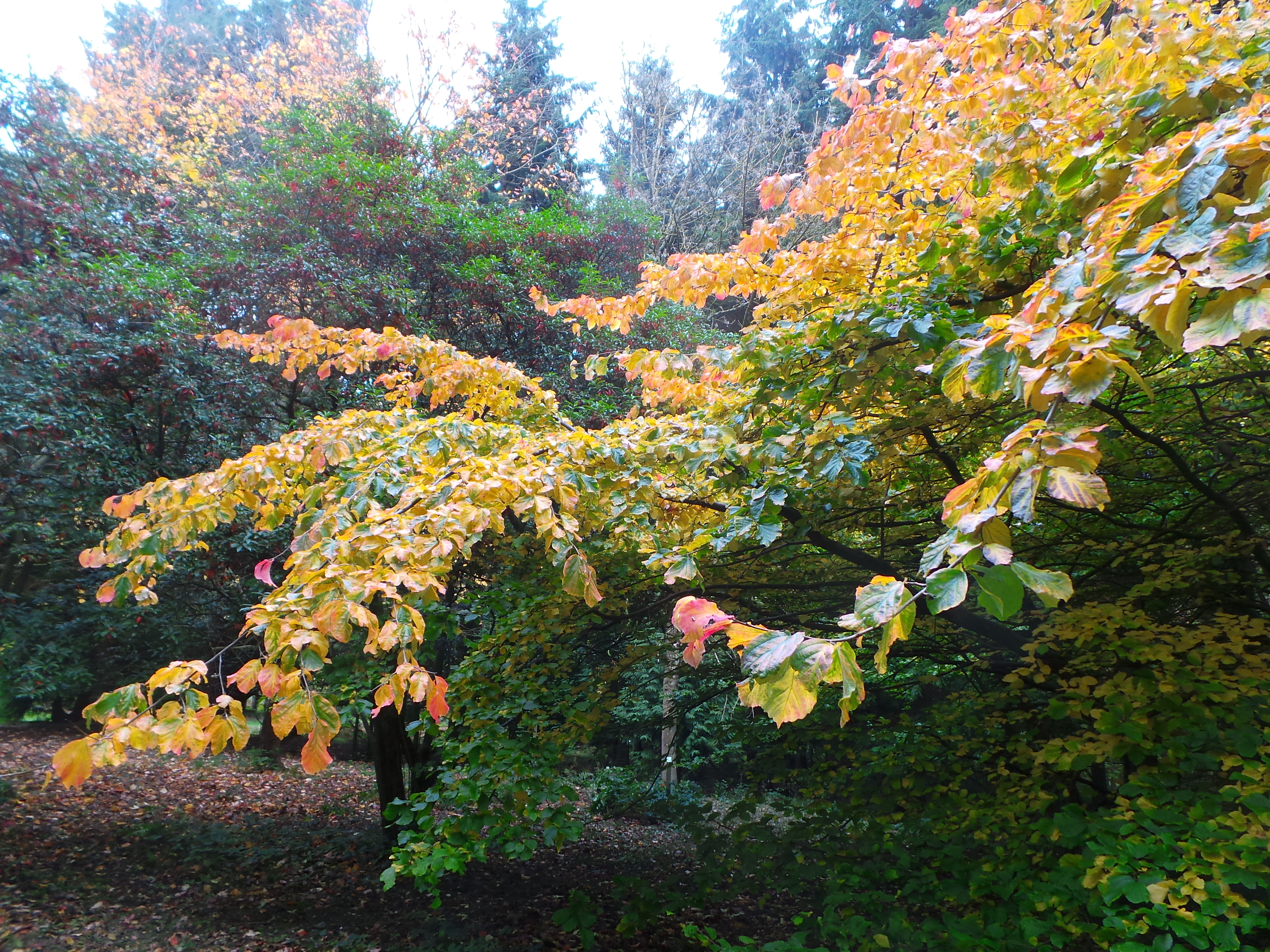
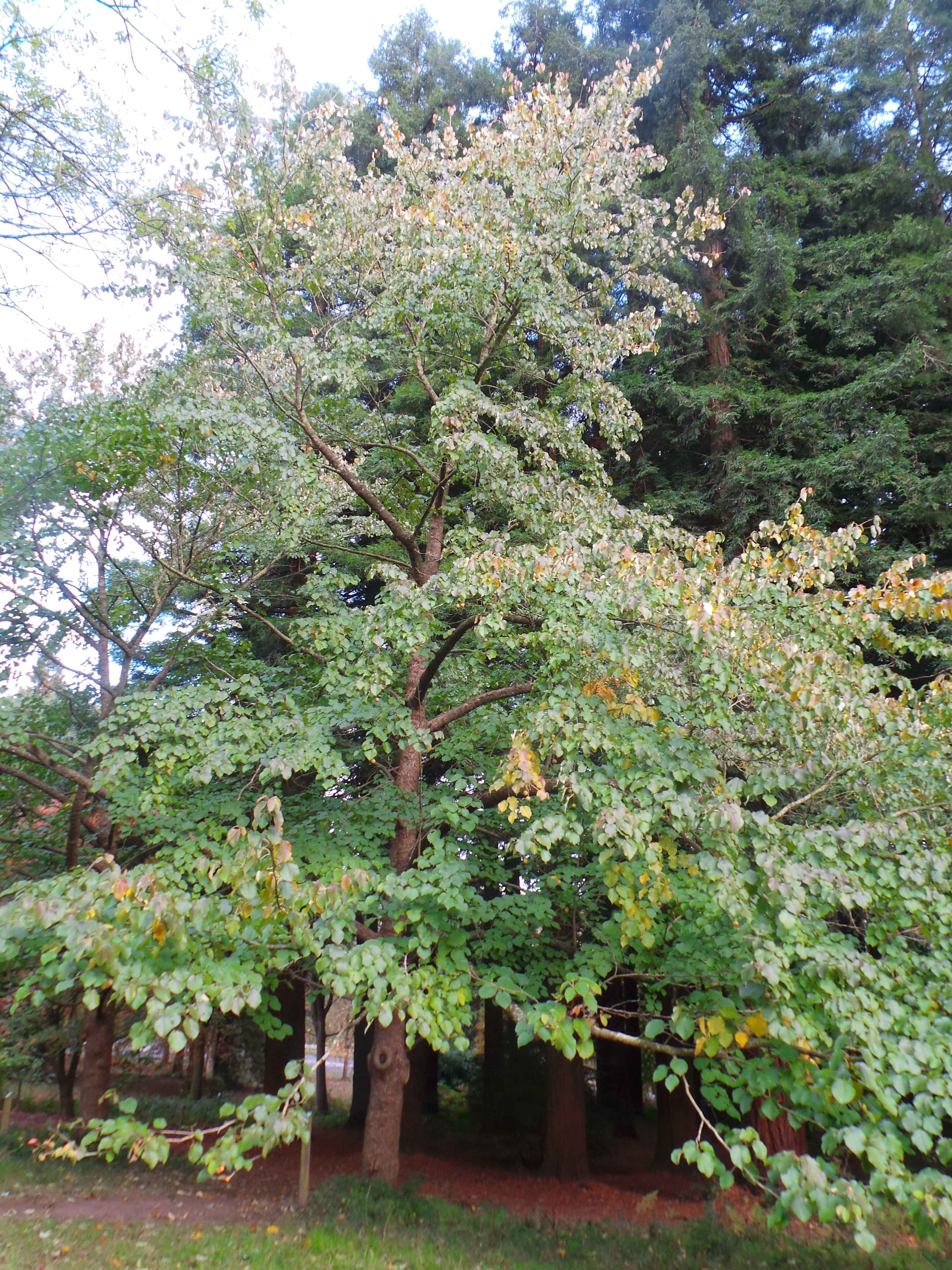
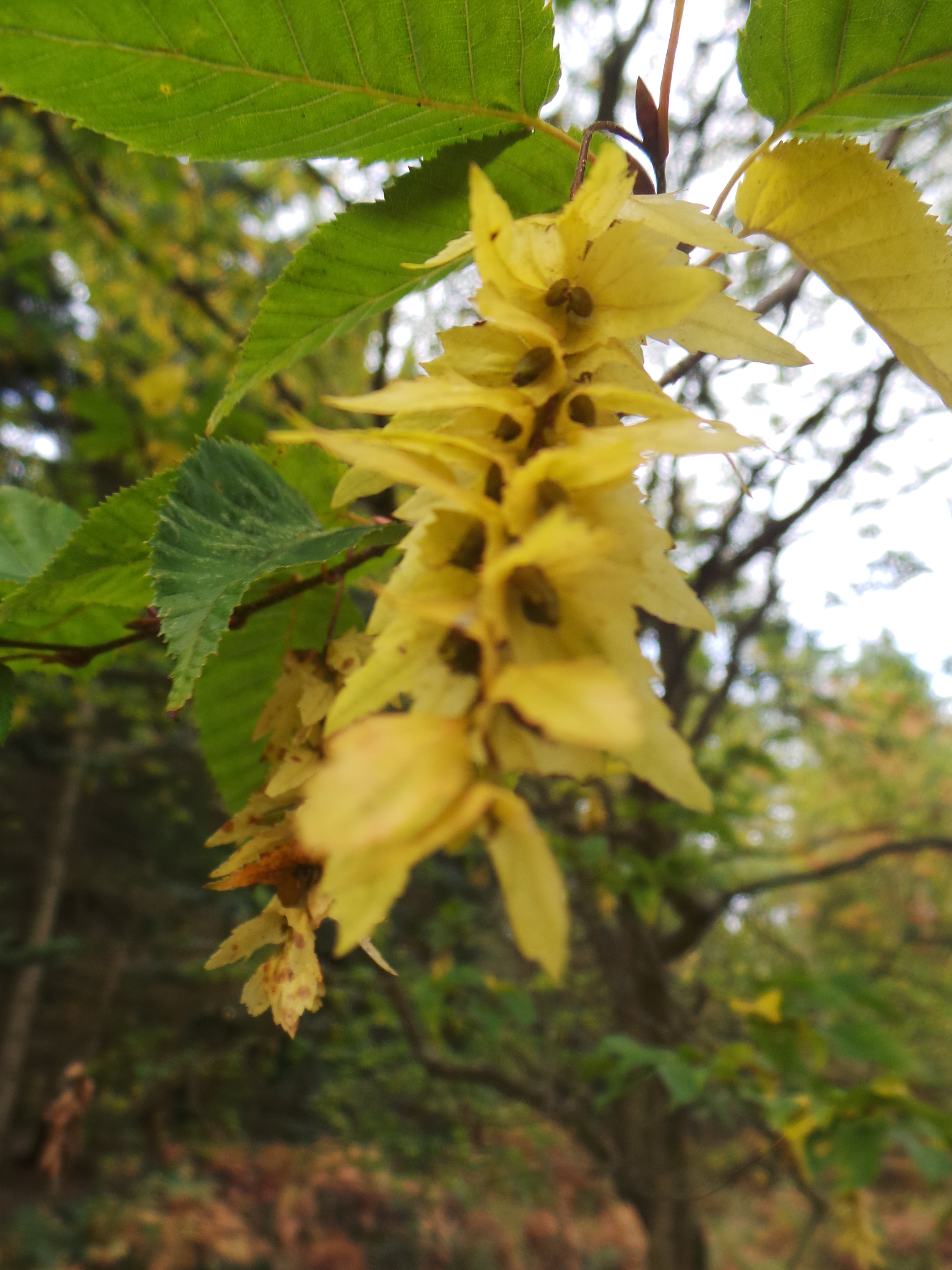
We were fascinated by the fruits of the Oriental Hornbeam and the Handkerchief Tree, Davidii involucrata. These two special trees were both fine specimens.

2014 10 23_6284 2014 10 23_6285 2014 10 23_6287 2014 10 23_6291

2014 10 23_6293 2014 10 23_6292

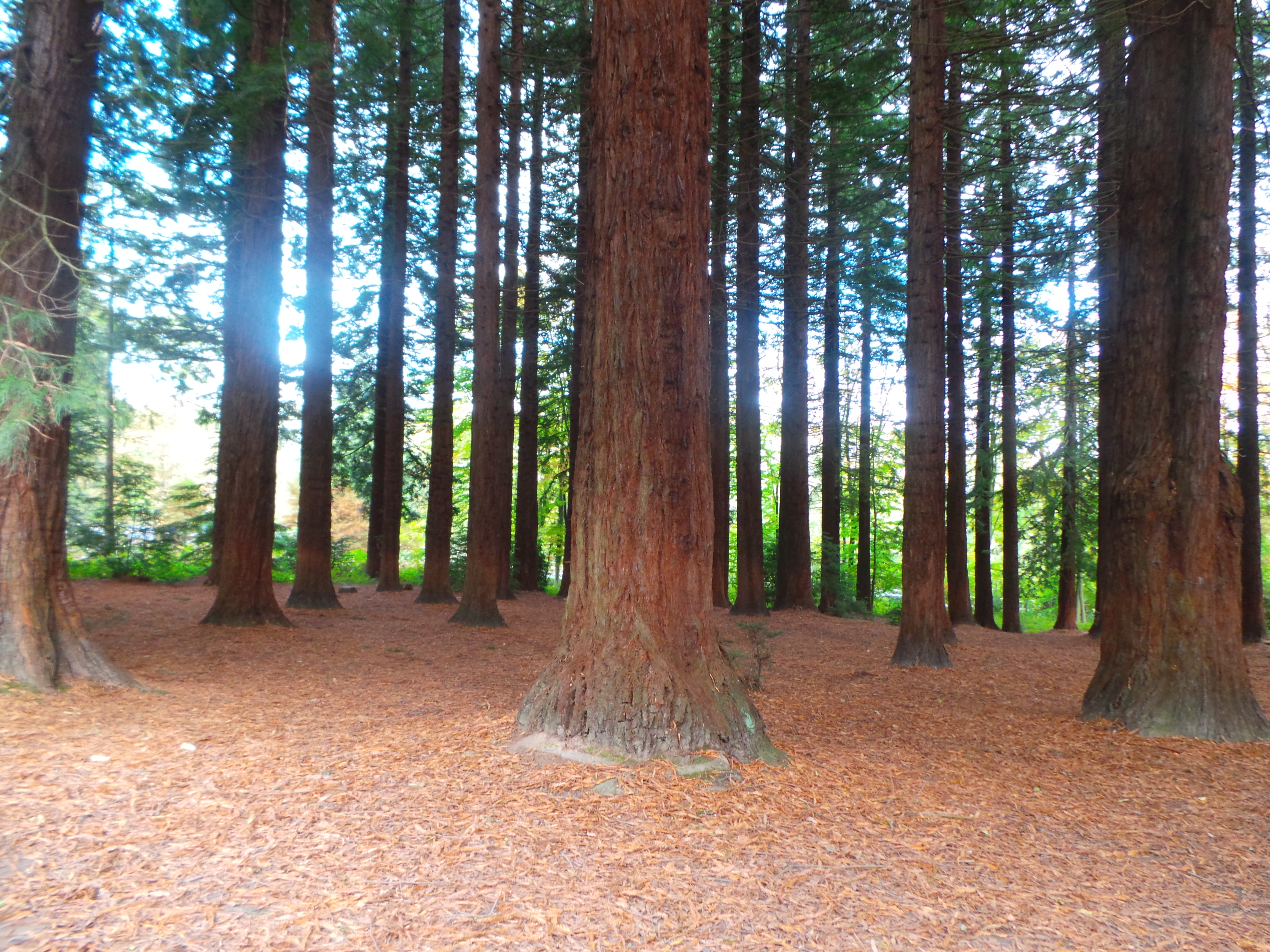
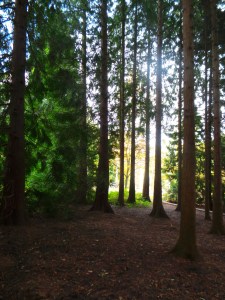
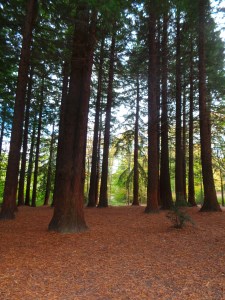
We followed the path as it dipped beneath the branches of the Handkerchief Tree and found ourselves in a different world, a darker world where light failed to penetrate. This meant that nothing grew beneath these Redwoods, giants of the tree world. We walked on a deep soft carpet of needles. The needles were gingery orange and seemed to glow in the gloom.
2014 10 23_6281    2014 10 23_62952014 10 23_6294  2014 10 23_6296 2014 10 23_6298 2014 10 23_6299

A drainage ditch cut through the Redwoods. It must have recently flooded badly and eroded away soil exposing the roots of trees growing alongside on its banks. Some creative visitors had found a way across by using some ingenuity and creativity – they had built a bridge from branches.

2014 10 23_6301 2014 10 23_6302 

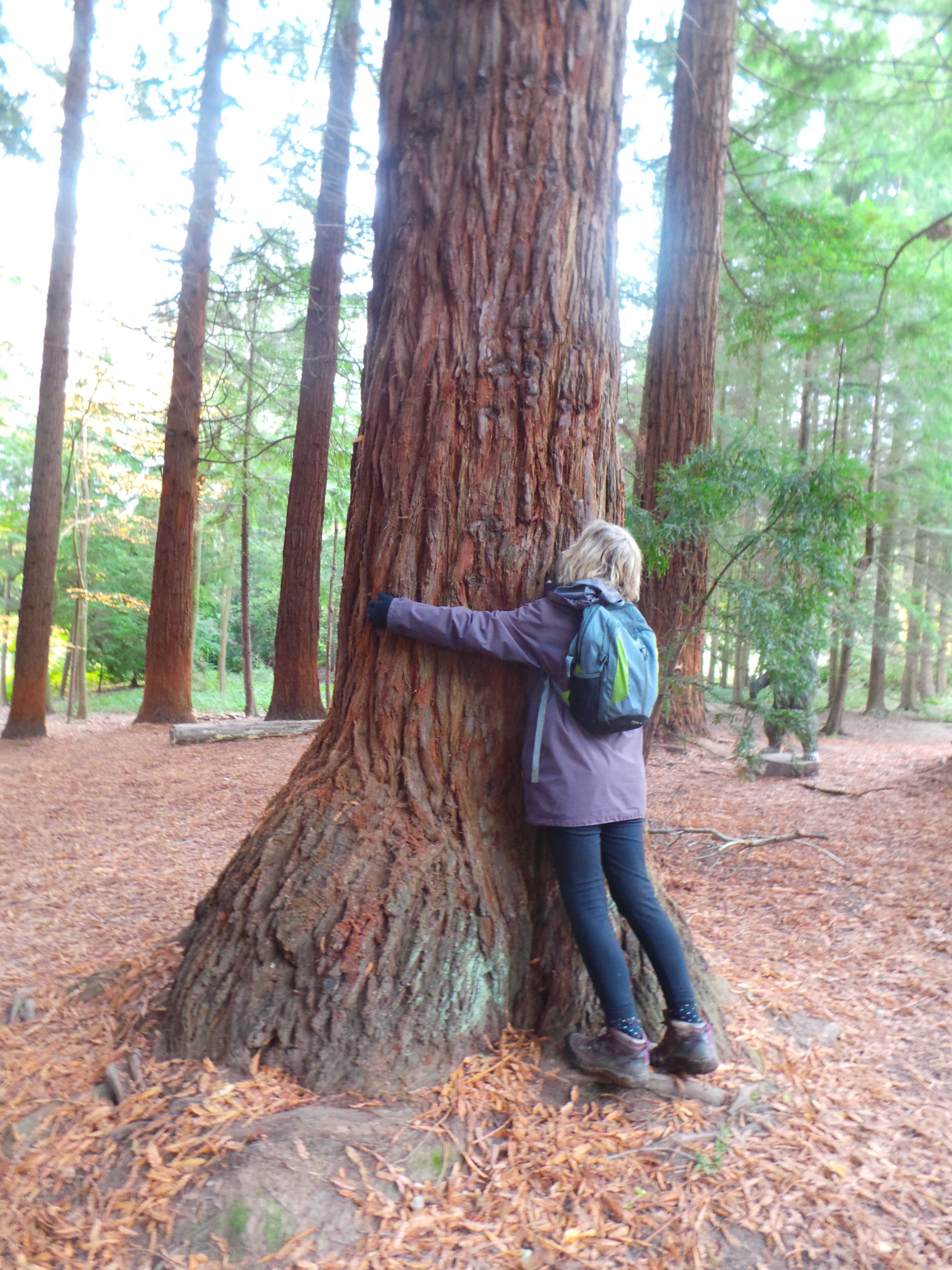
Below are two pictures showing some unusual wildlife living beneath the Redwoods, on the left a mother bear searching for her youngster climbing a nearby tree and on the right a very rare Tree Hugging Jude the Undergardener.

2014 10 23_6300 2014 10 23_6297

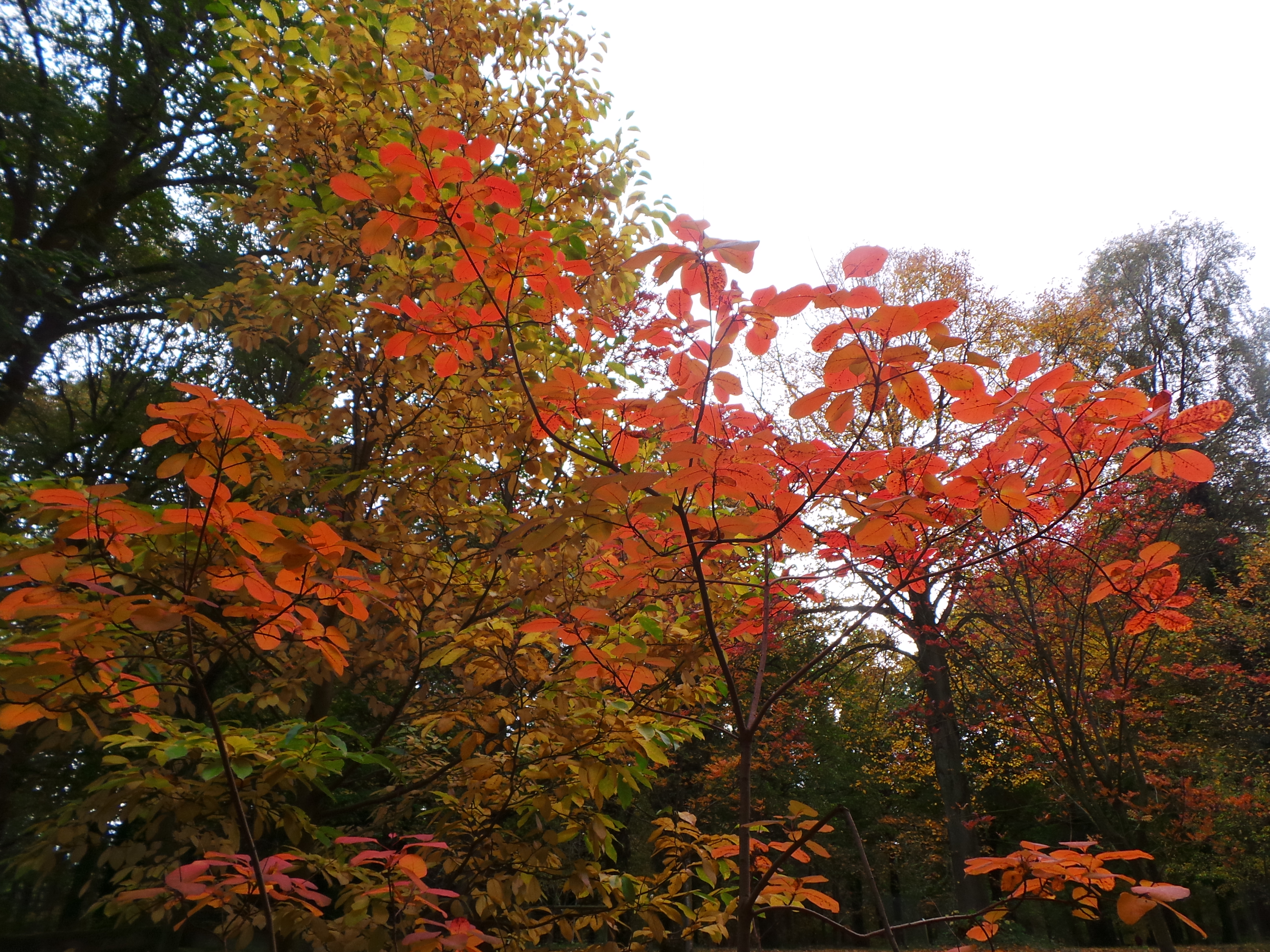
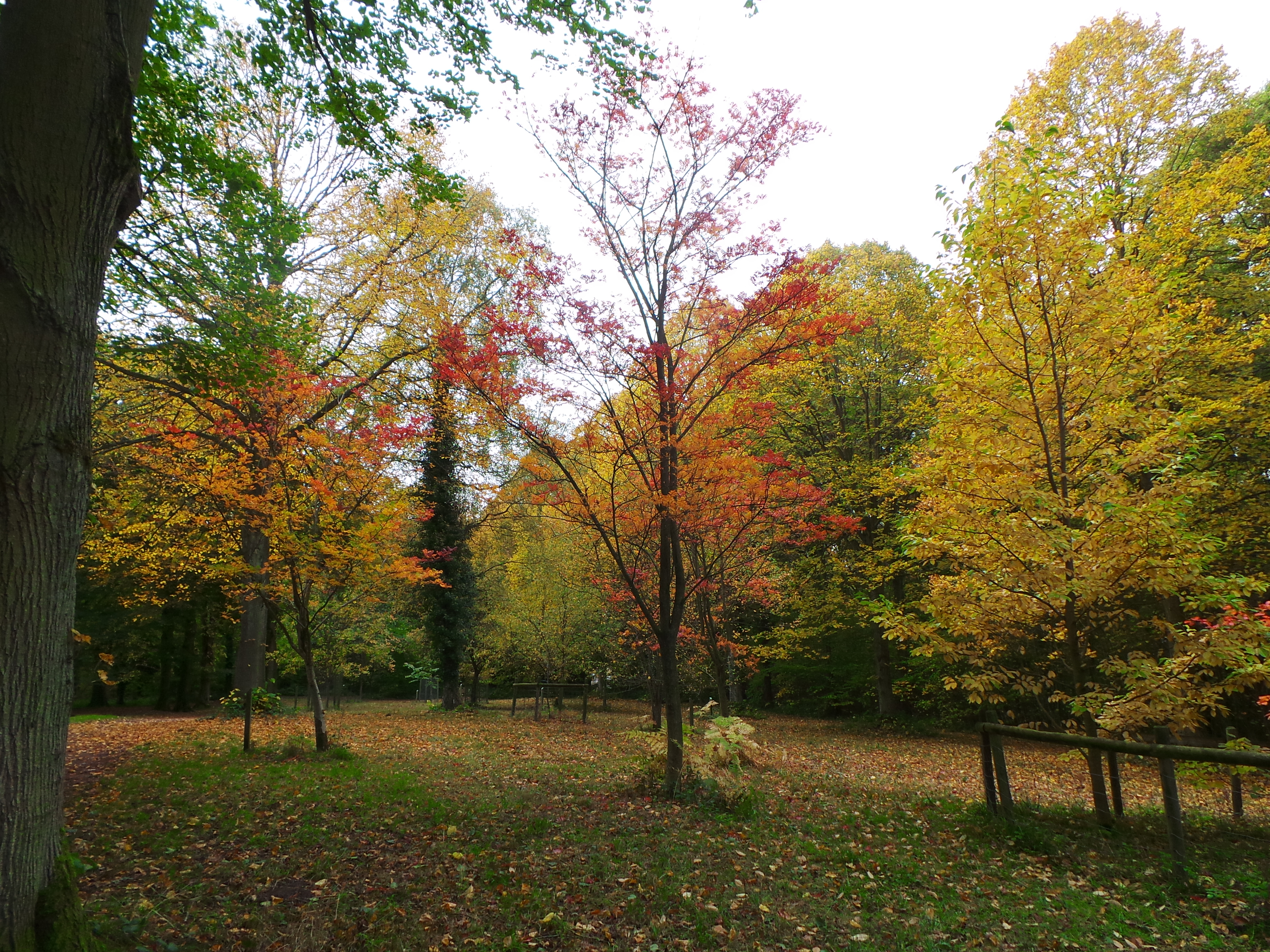
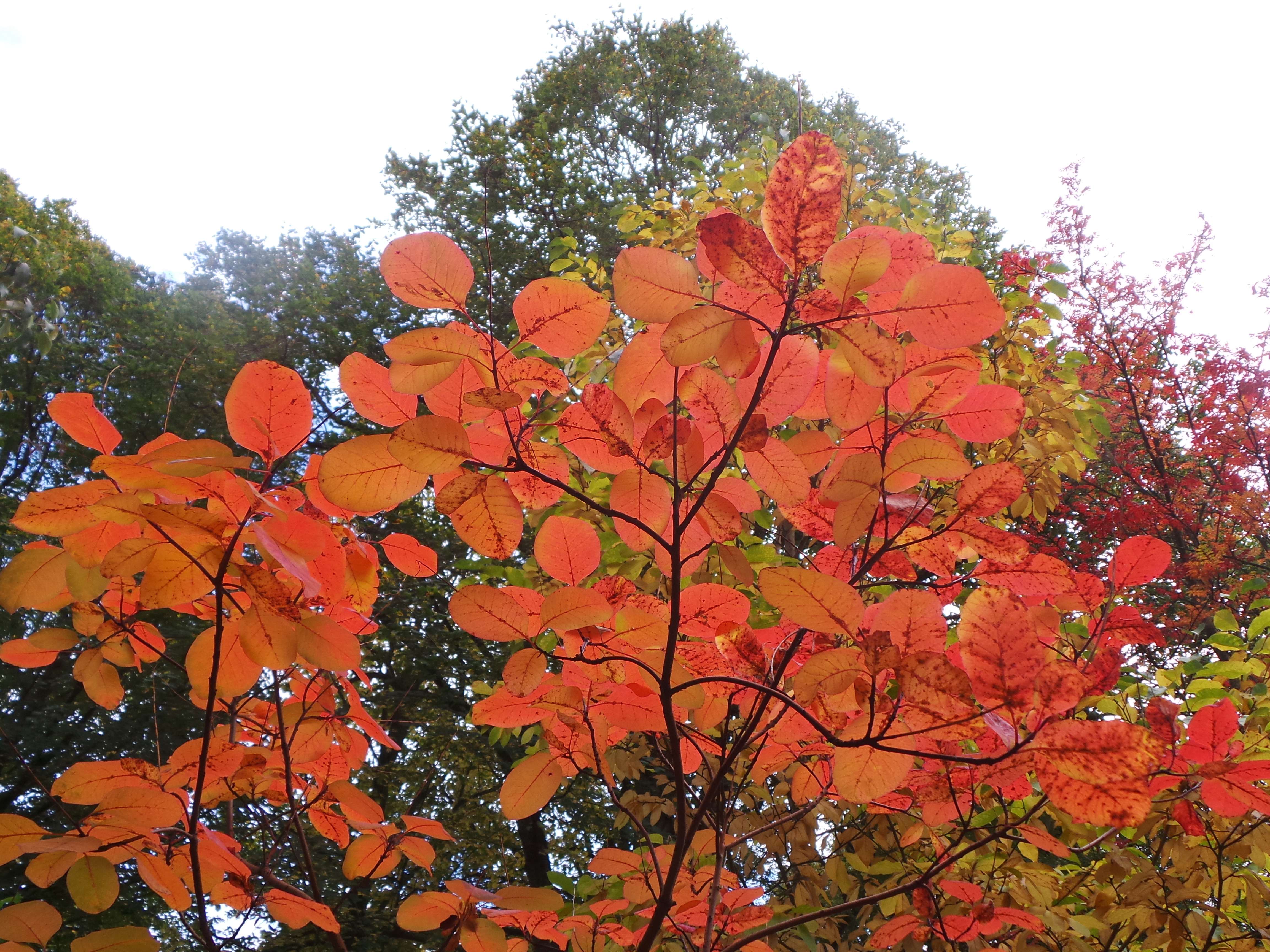
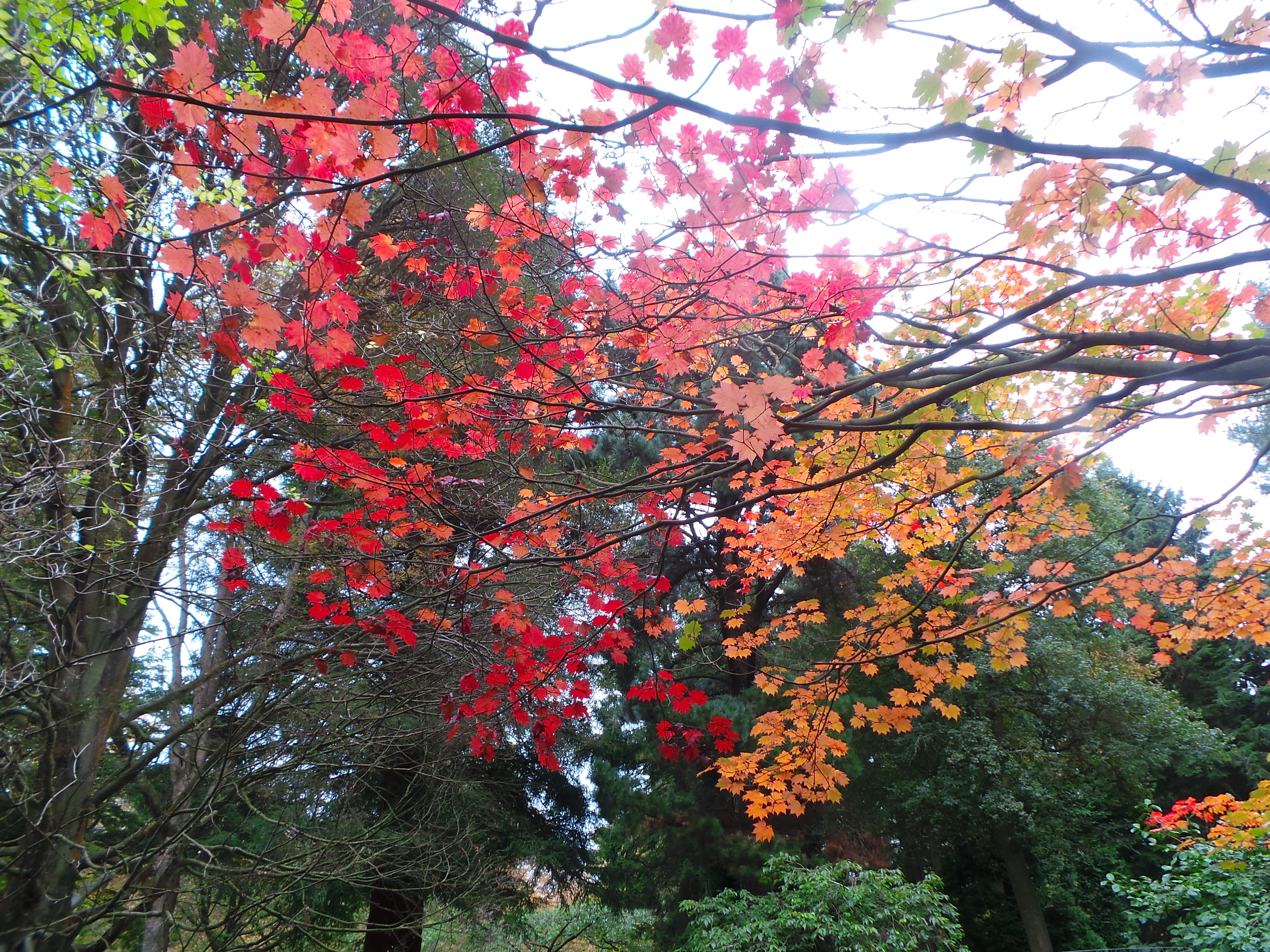
After exploring the dark world under the Redwoods we were glad to get back into daylight. Even though drizzle continued to fall and grey skies hung heavy it seemed so much brighter under the deciduous trees. The final Acer we passed looked as if it was on fire. A fitting finale to our day at Queenswood. As I always write when we have discovered a new exciting place to visit, “We will definitely be back!”
2014 10 23_6303

So that is Queenswood, 64 acres of wonderful trees from all over the world. Follow any of its waymarked trails and you will discover such a huge variety of trees, varying in size, growth habit, leaf shape, bark texture with some bearing flowers followed by berries, seeds or nuts. The bird life keeps you entertained too, singing and calling in the tree tops and undergrowth and flitting from tree to tree seeking out this vast array of food. Throughout our walk Ravens cronked overhead in unison with the gentler mewling of Buzzards. Whenever you visit there will be birds to entertain you and trees to delight the eye.



Categories
arboreta autumn autumn colours colours garden furniture garden seating light ornamental trees and shrubs outdoor sculpture trees woodland woodlands

Queenswood Arboretum – Part Two – the Oaks

Having enjoyed the Autumn Garden we found a sign indicating a footpath to an “Old Orchard” and the “Readers Chair” which naturally took us in the opposite direction to our planned route. Diversions are good for you! Just see what we found by following this one!
2014 10 23_6208

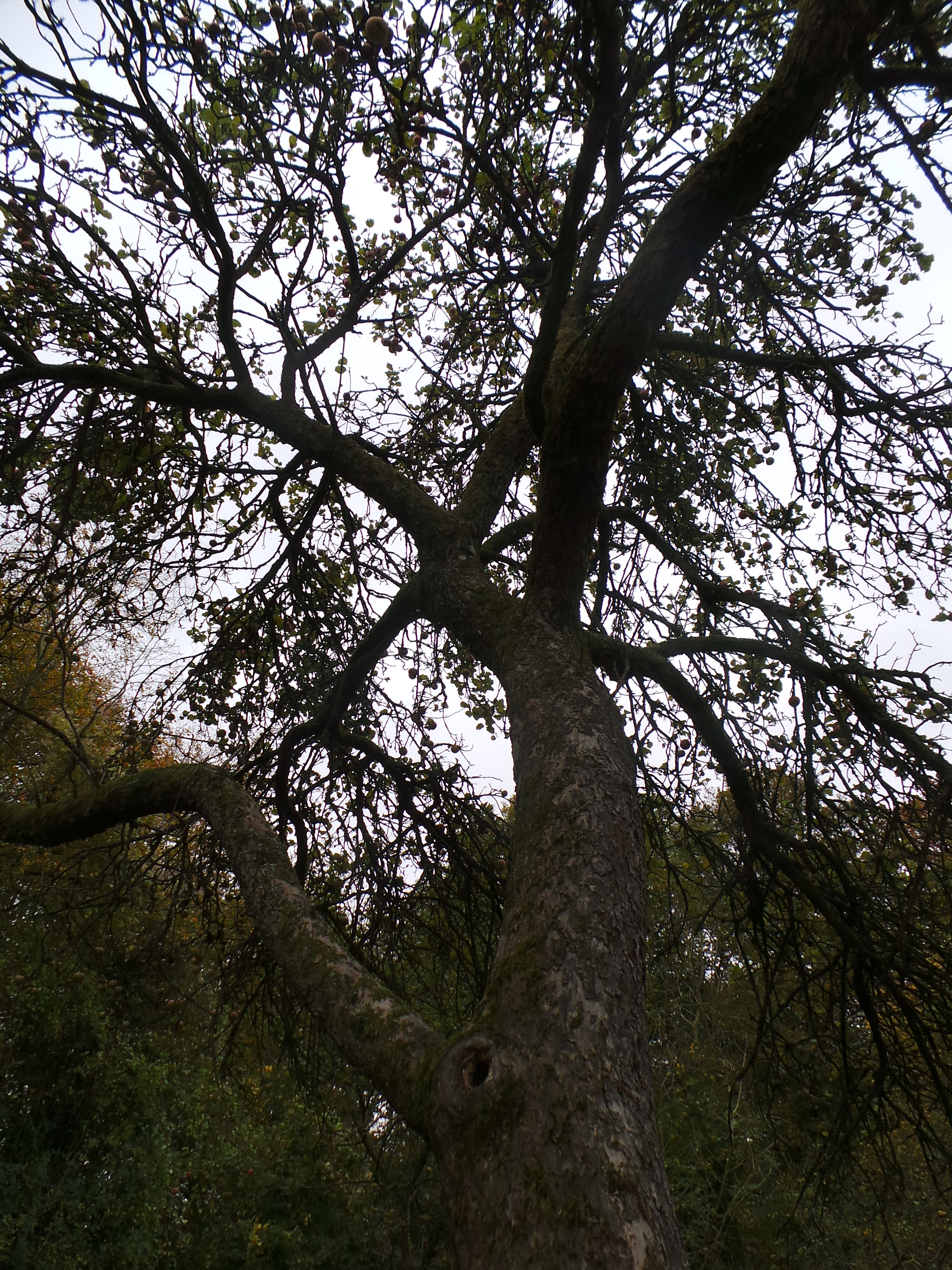
We followed the path beneath tall slender trees and found an orchard of ancient fruit trees.
2014 10 23_6186 2014 10 23_6187 2014 10 23_6188 2014 10 23_6189 2014 10 23_6190 2014 10 23_6191 2014 10 23_6192 2014 10 23_6193

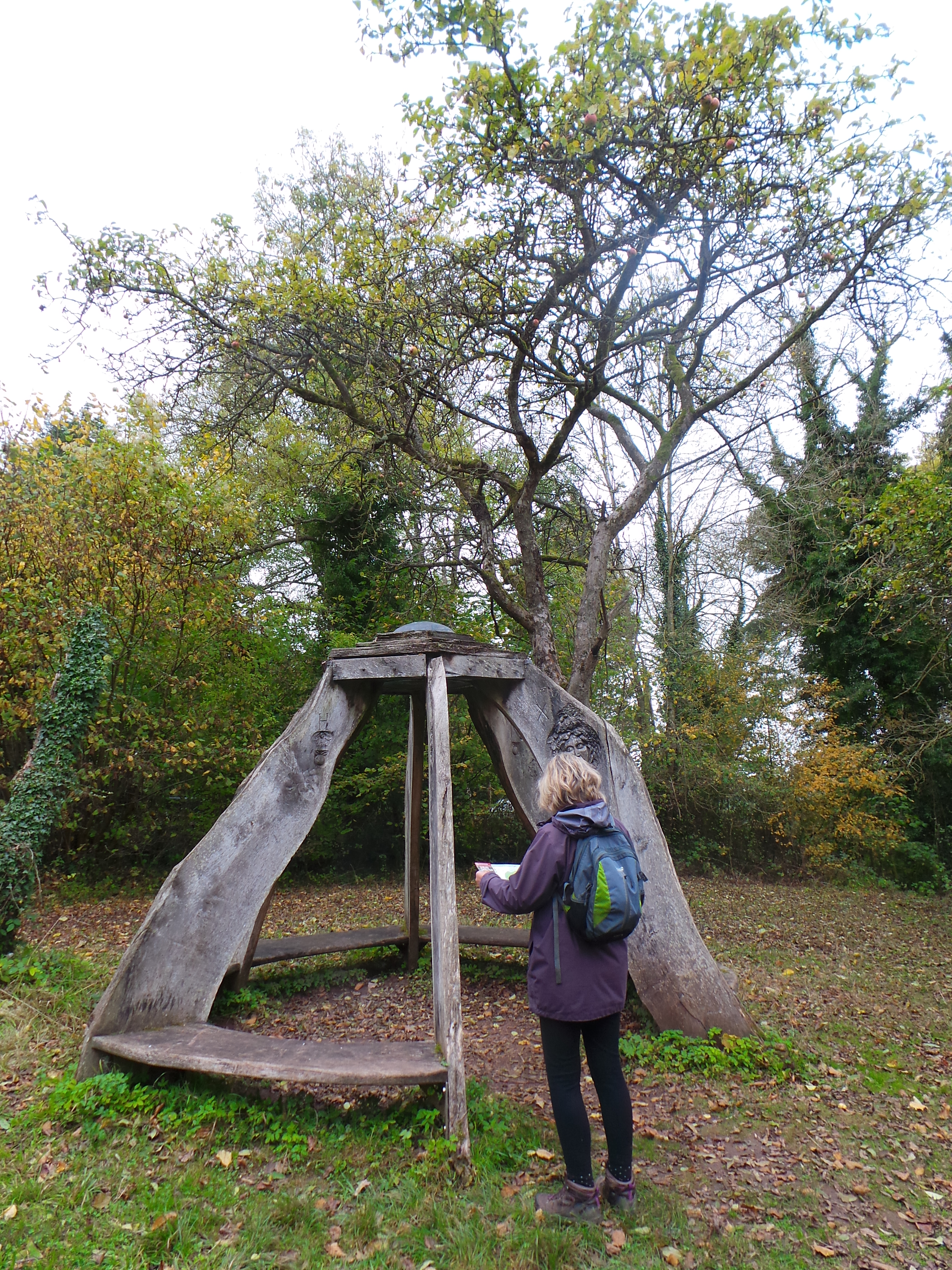
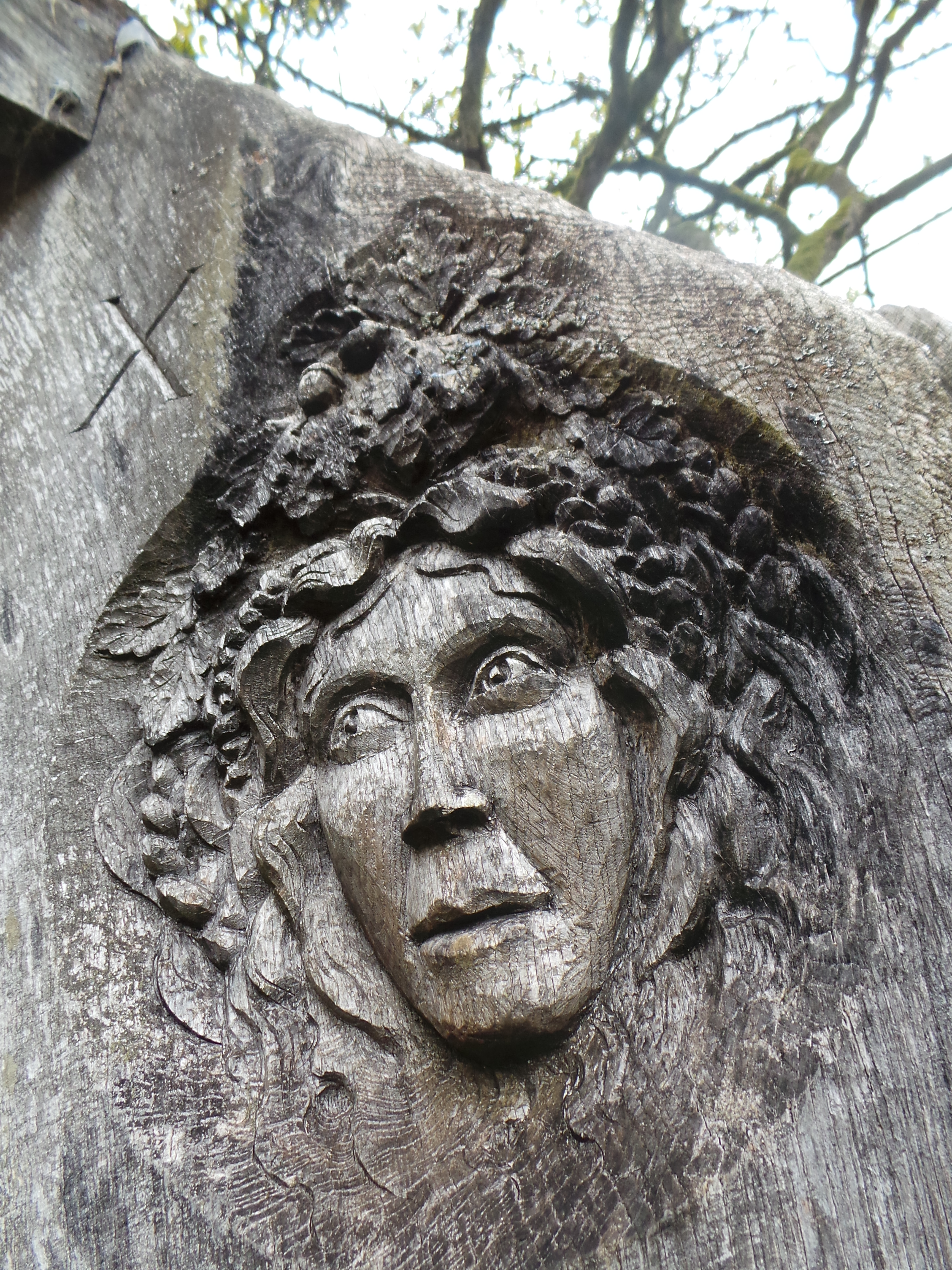
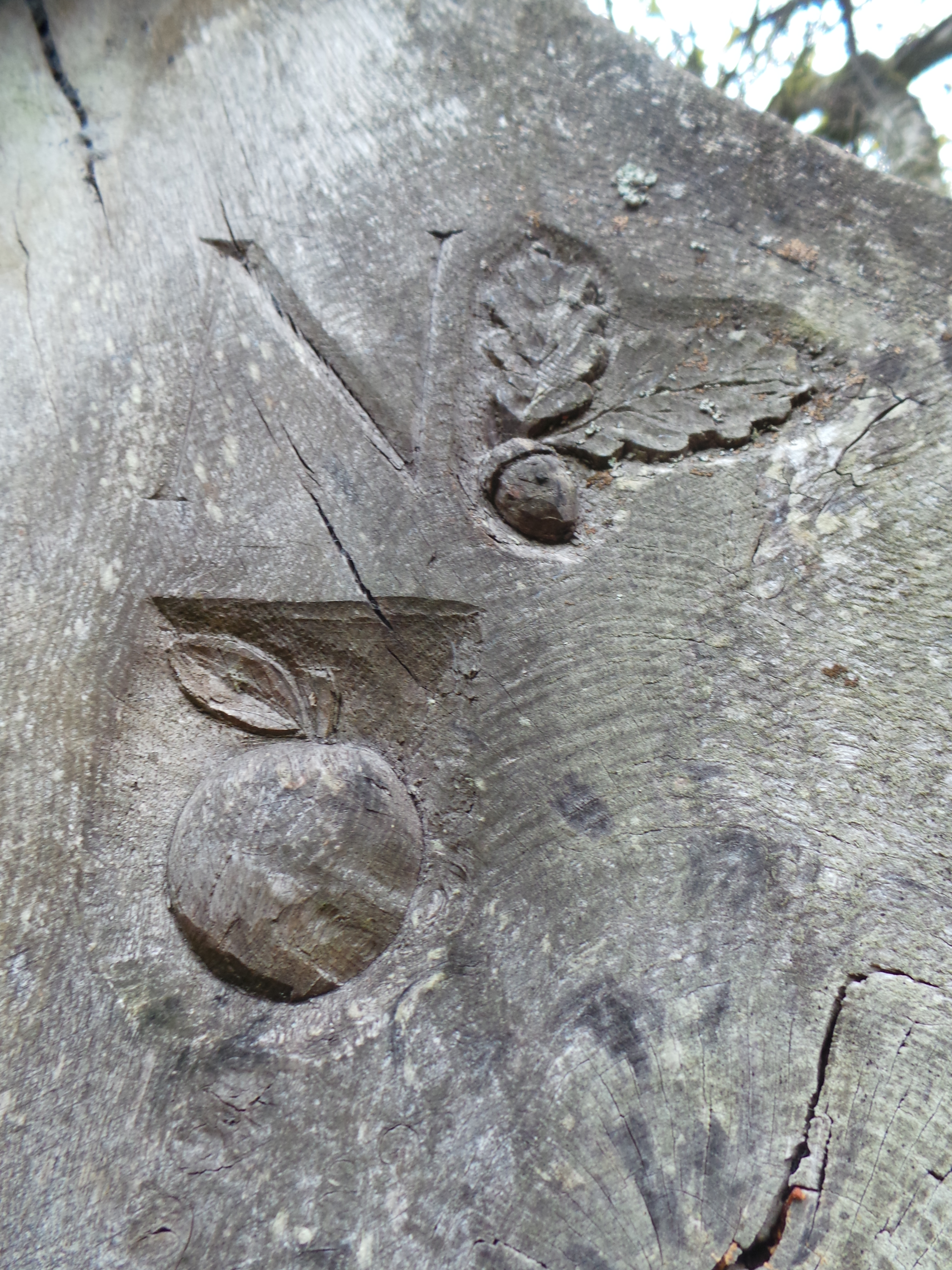
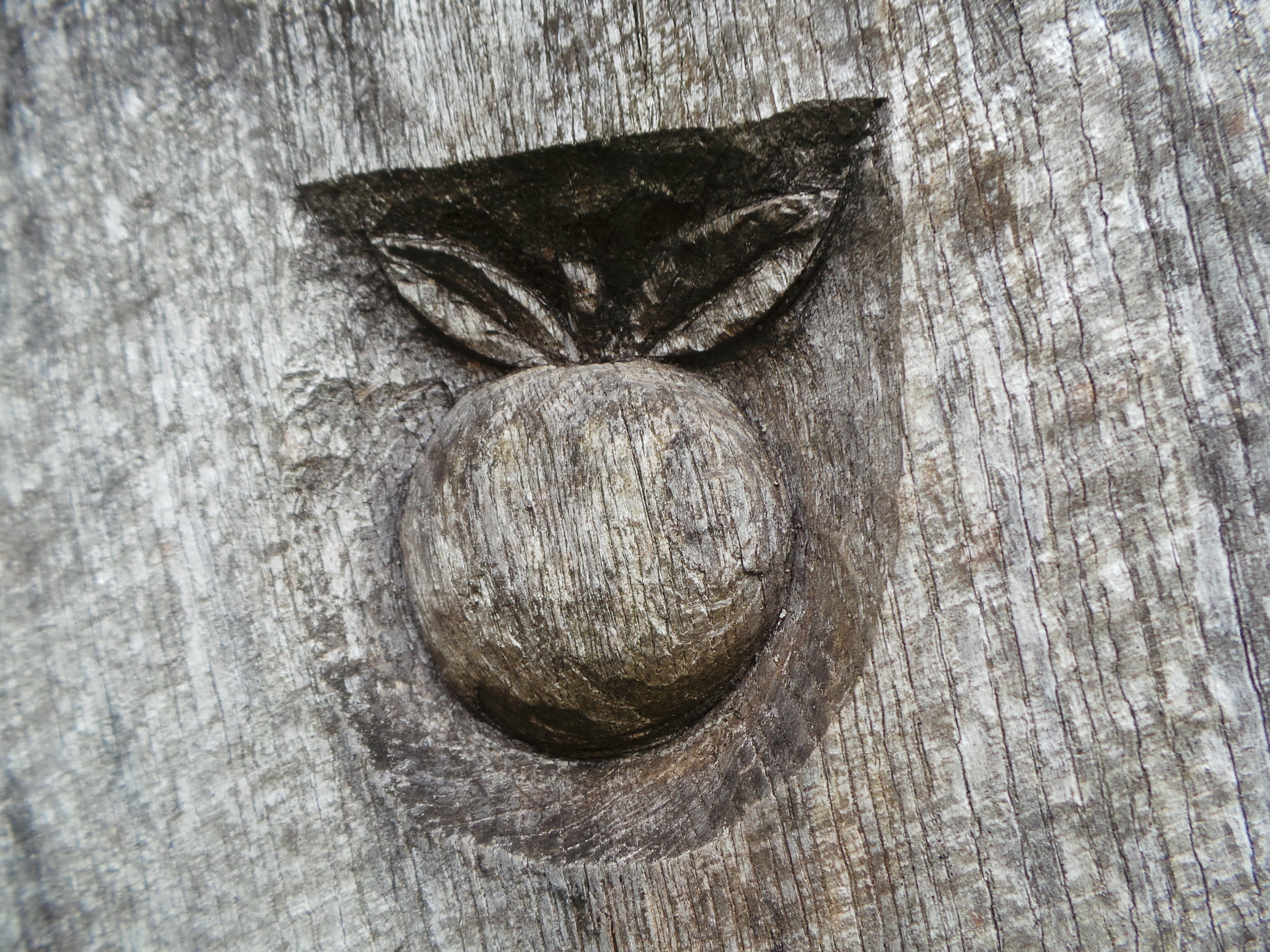
When we reached the centre of the old orchard with its sweet scent of rotting apples and fallen leaves we found out what the Reader’s Seat was. It was really a large piece of outdoor sculpture which was also a seat. I imagine the wood it was constructed from was oak as it was weathering to the most beautiful and palest of silver. The carvings were so beautifully sculpted into each face of the uprights which made up the canopy over the circle of seats.

2014 10 23_6194 2014 10 23_6202

2014 10 23_6205  2014 10 23_6196 2014 10 23_6198 2014 10 23_6195 2014 10 23_6197 2014 10 23_6198

We sat a while appreciating the craftsmanship of the seat with its carvings before exploring further the old orchard itself.

2014 10 23_6199 2014 10 23_6200 2014 10 23_6201 2014 10 23_6203 2014 10 23_6204 2014 10 23_6207

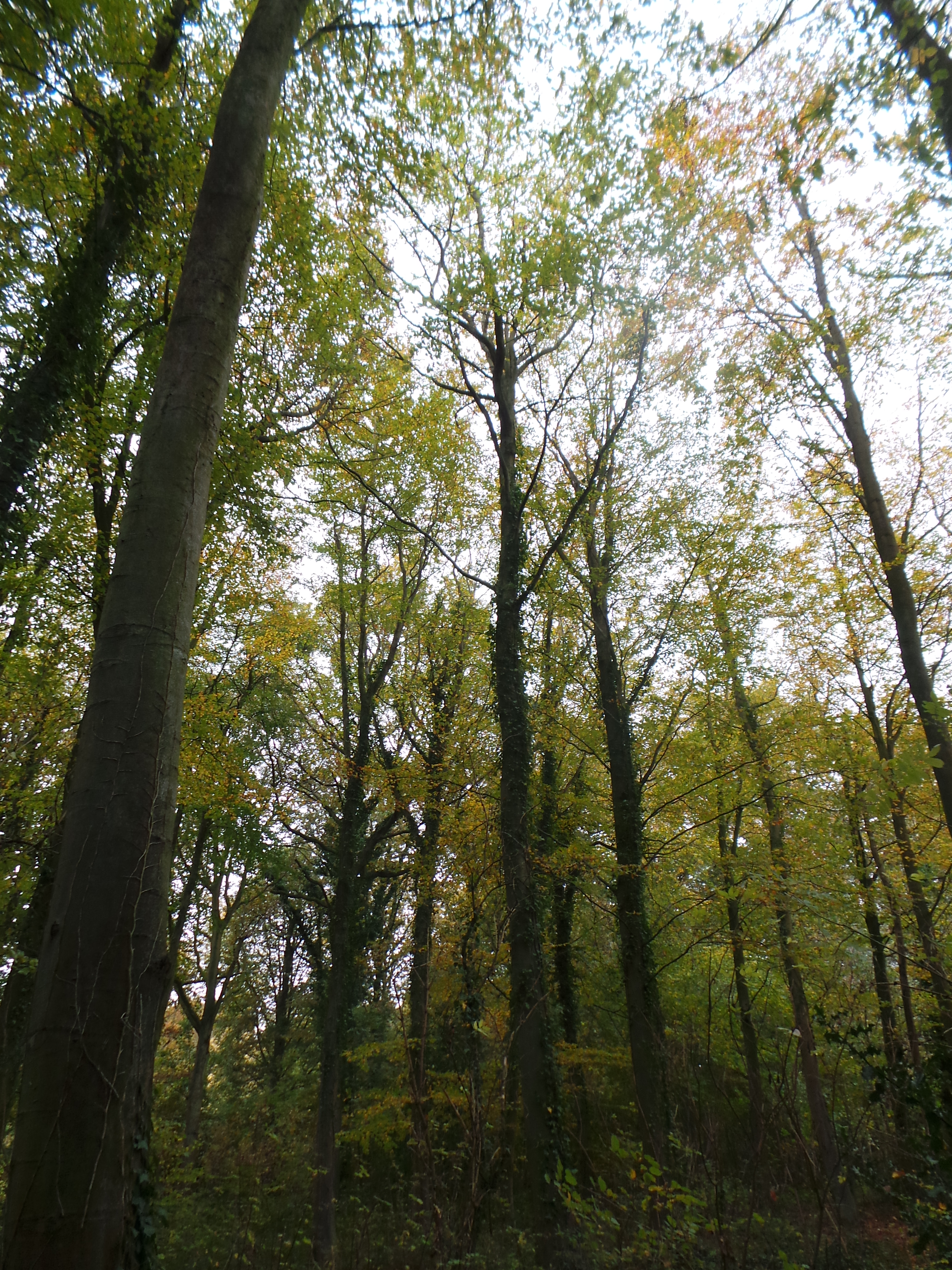
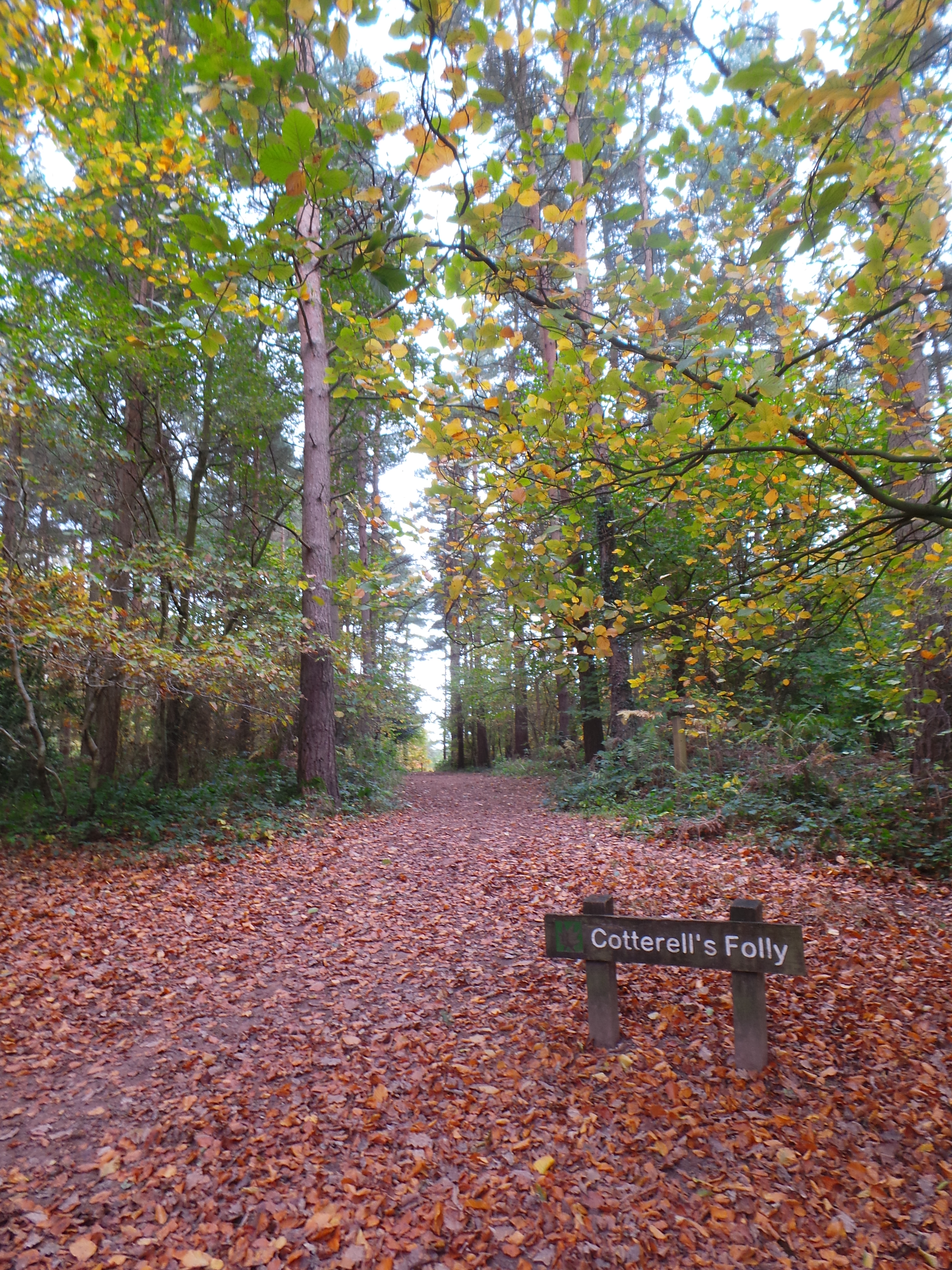
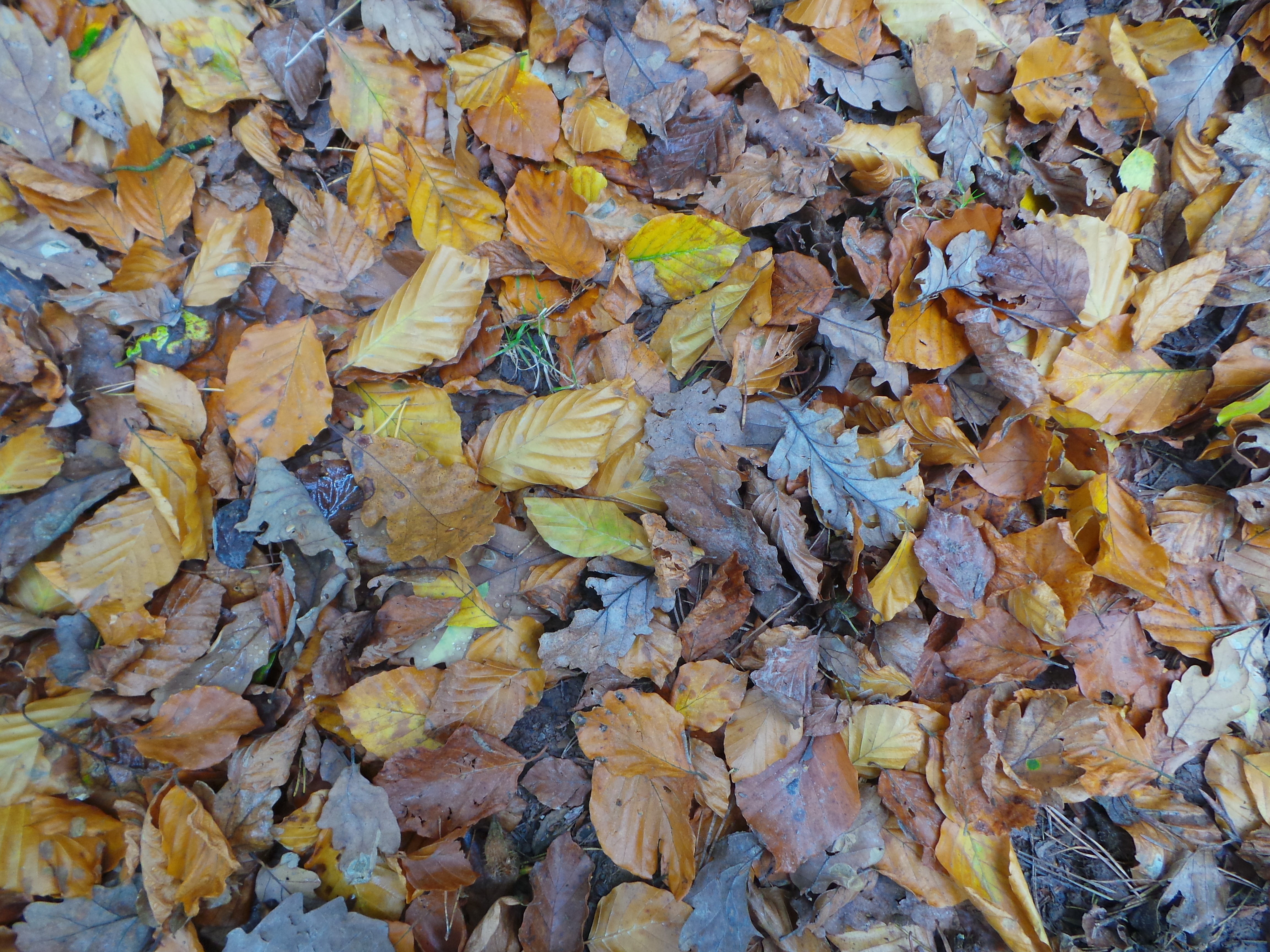
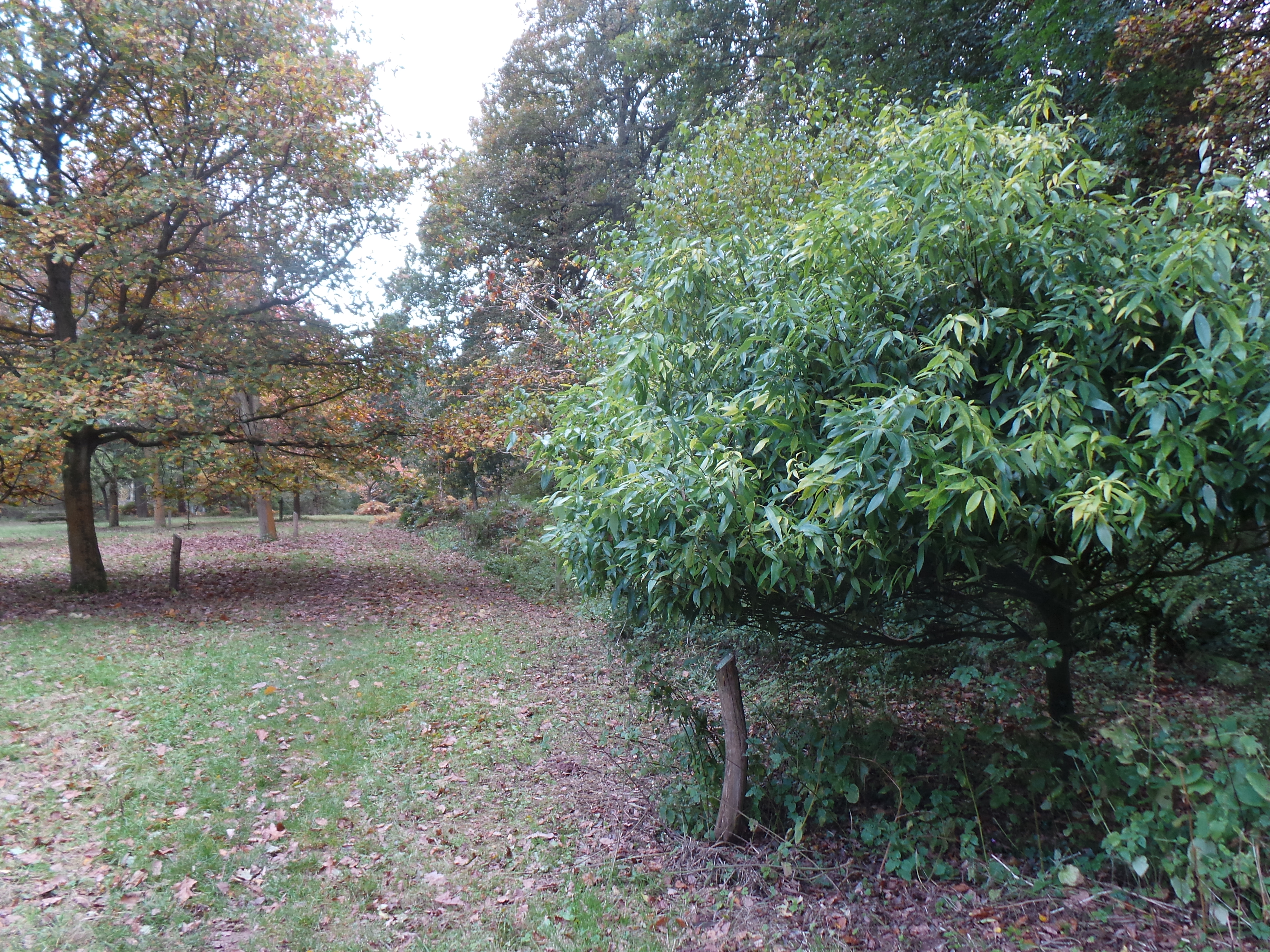
But where we we headed before the wooden sign post persuaded us to search for the Old Orchard and Reader’s Seat? We were off to find the Oak Avenue. We expected this to be a shaded walk between tow tall rows of ancient native oaks. How wrong we were! What we actually found was a small field with two rows of oaks from all over the world. Tall ones, short ones, fat ones, thin ones and even a shrub like one. There seemed to be an Oak from every corner of the world. But to get there we wandered through Cotterill’s Folly where huge Beech trees towered over the path and covered that path with their waxy tough leaves.
2014 10 23_6218 2014 10 23_6219

2014 10 23_6251  2014 10 23_6228

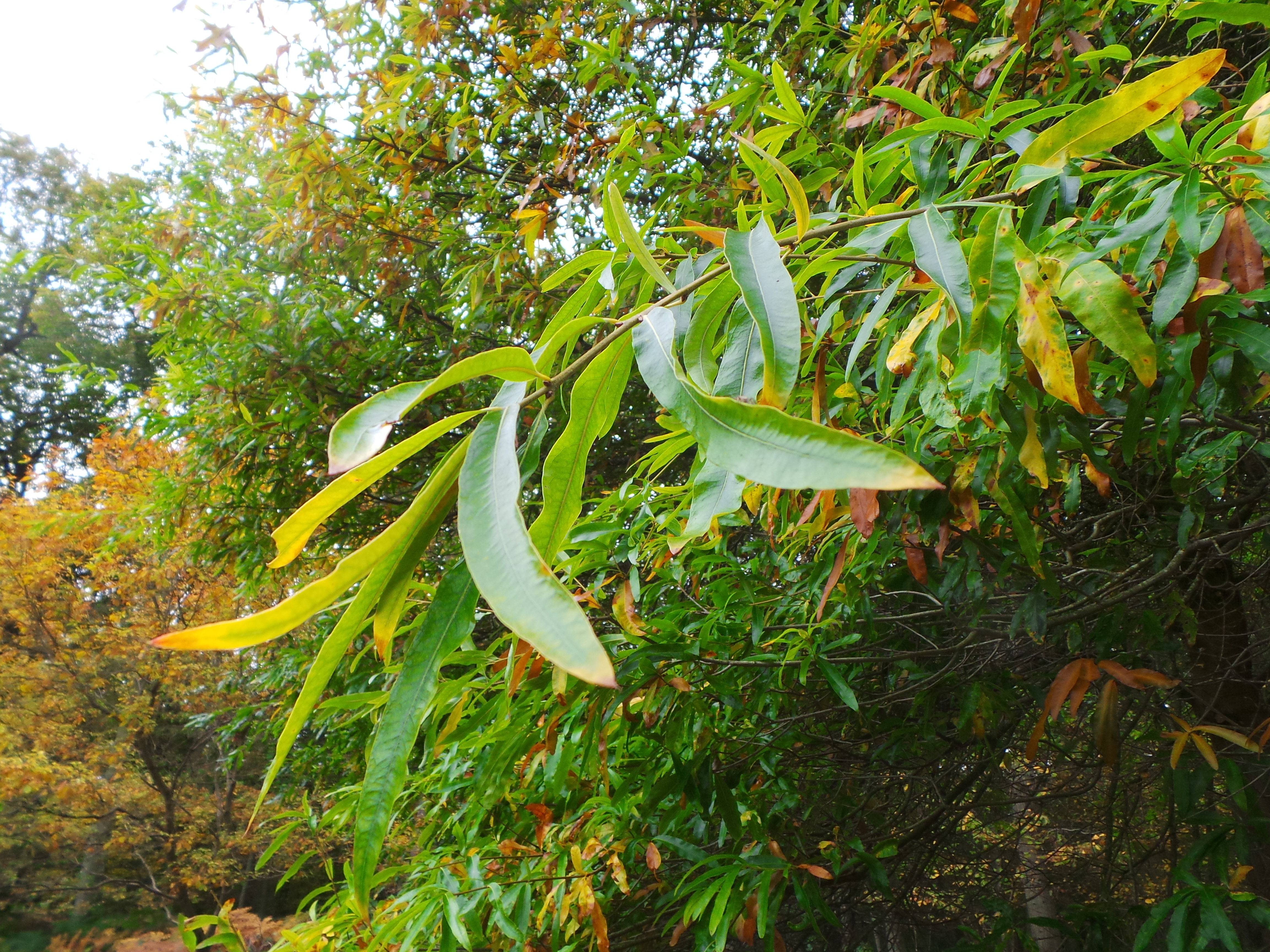
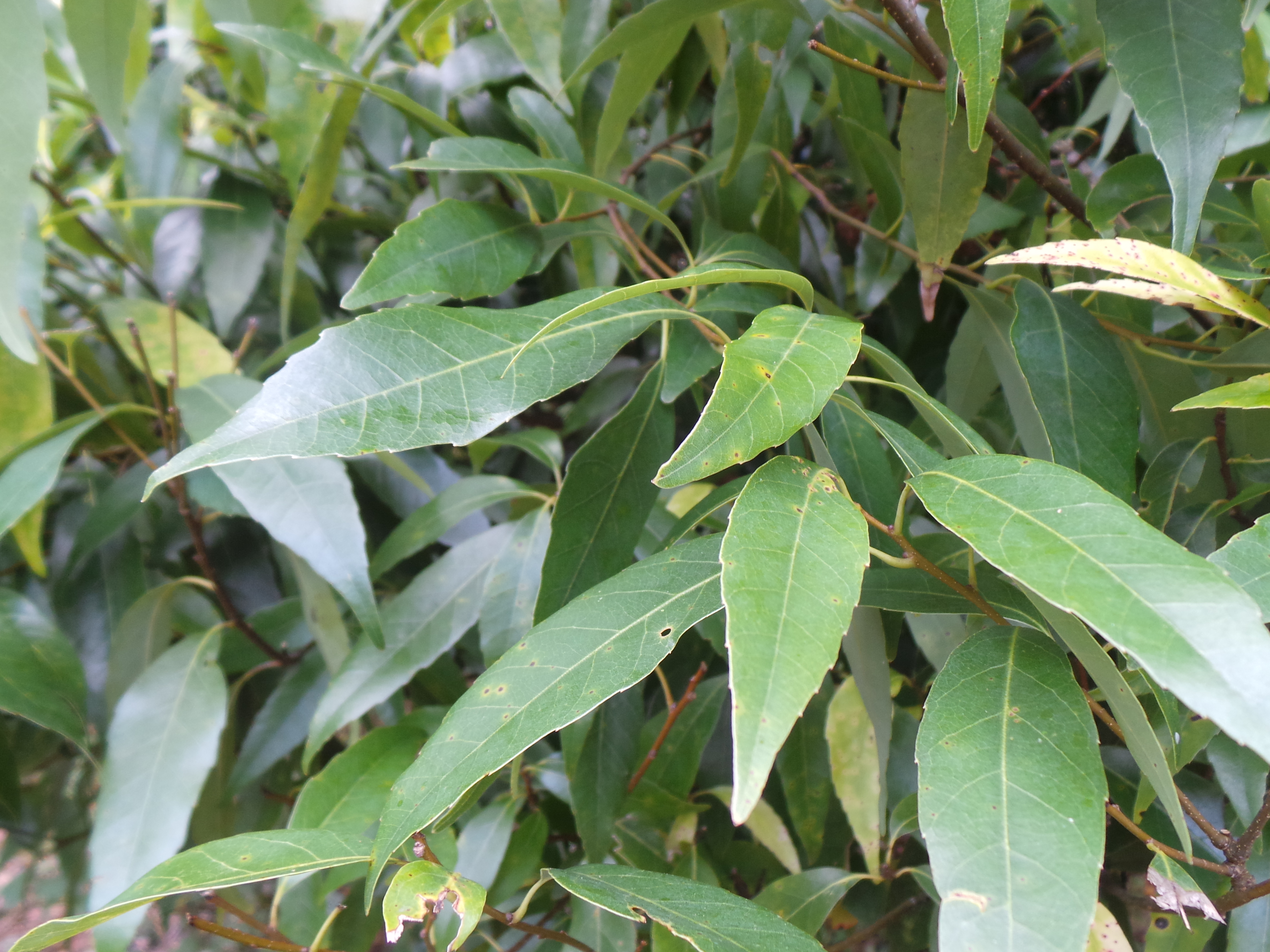
Our first oak surprise was this narrow-leaved tree with slightly pendulous branches, aptly called the Willow-leaved Oak. Its foliage looked so fresh and full of vitality, which was in stark contrast to the Armenian Oak we looked at next. This oak had large leathery leaves already coloured for autumn.

2014 10 23_6221 2014 10 23_6222 2014 10 23_6223 2014 10 23_6224 2014 10 23_6226 2014 10 23_6227

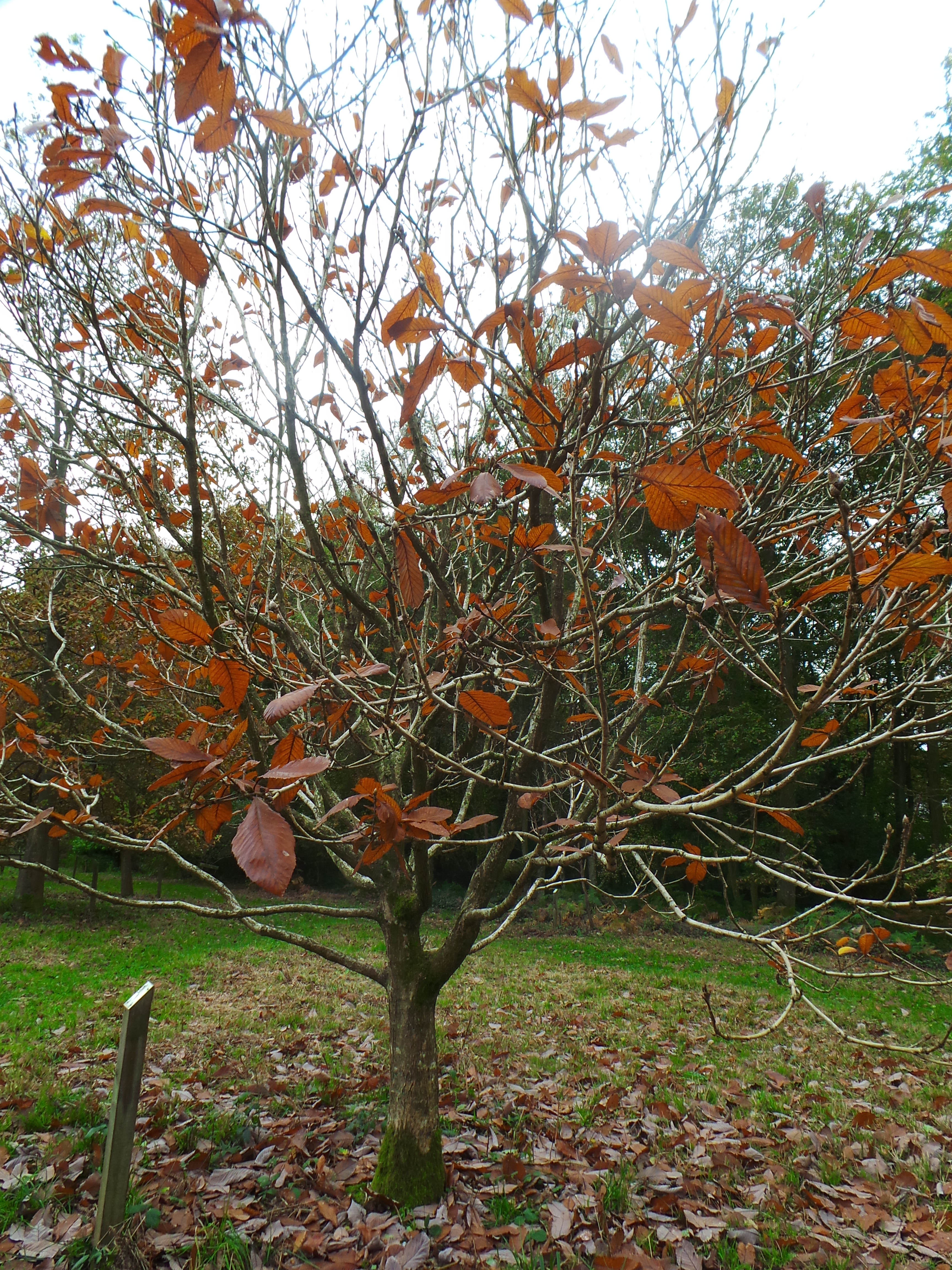
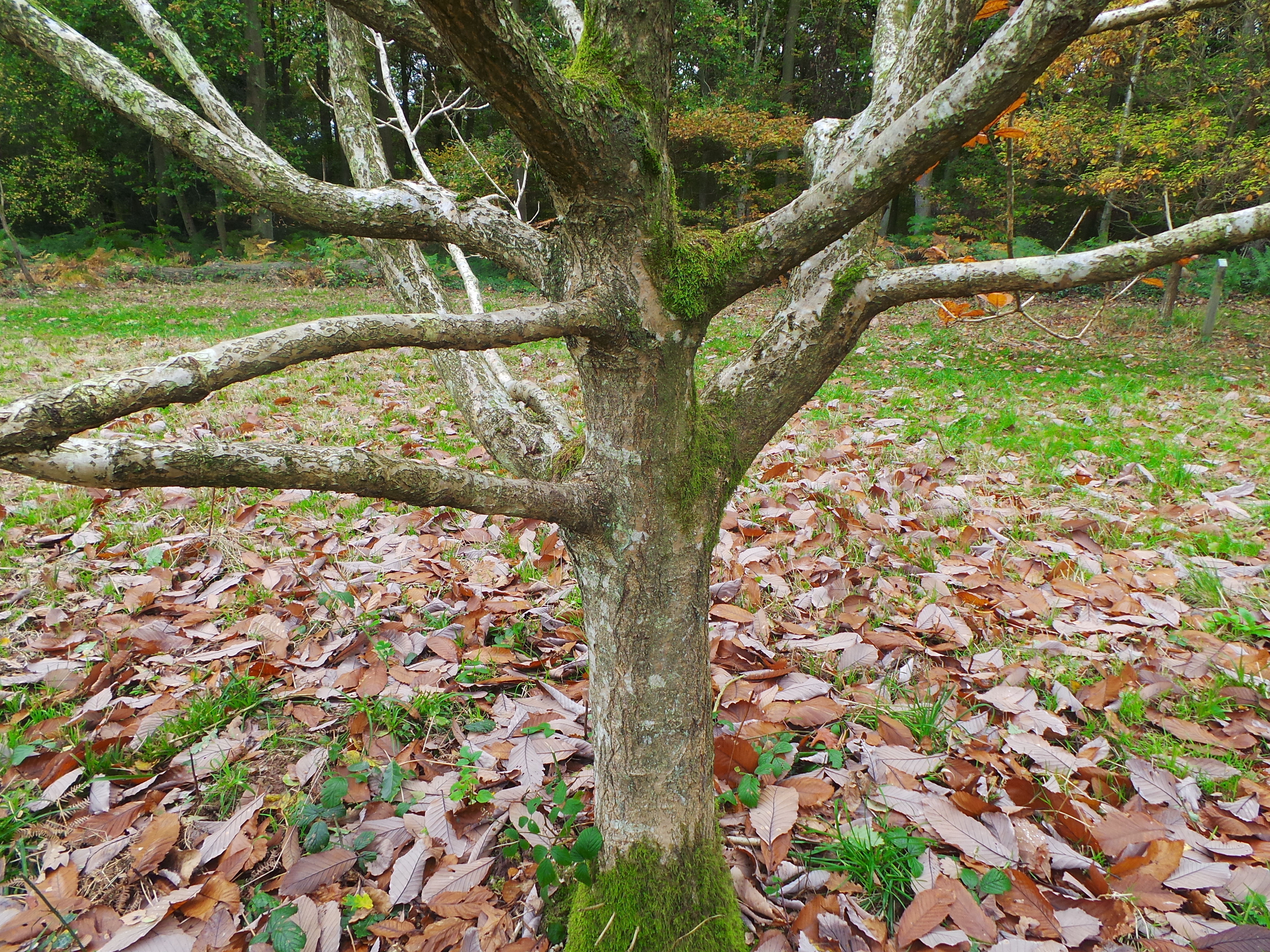
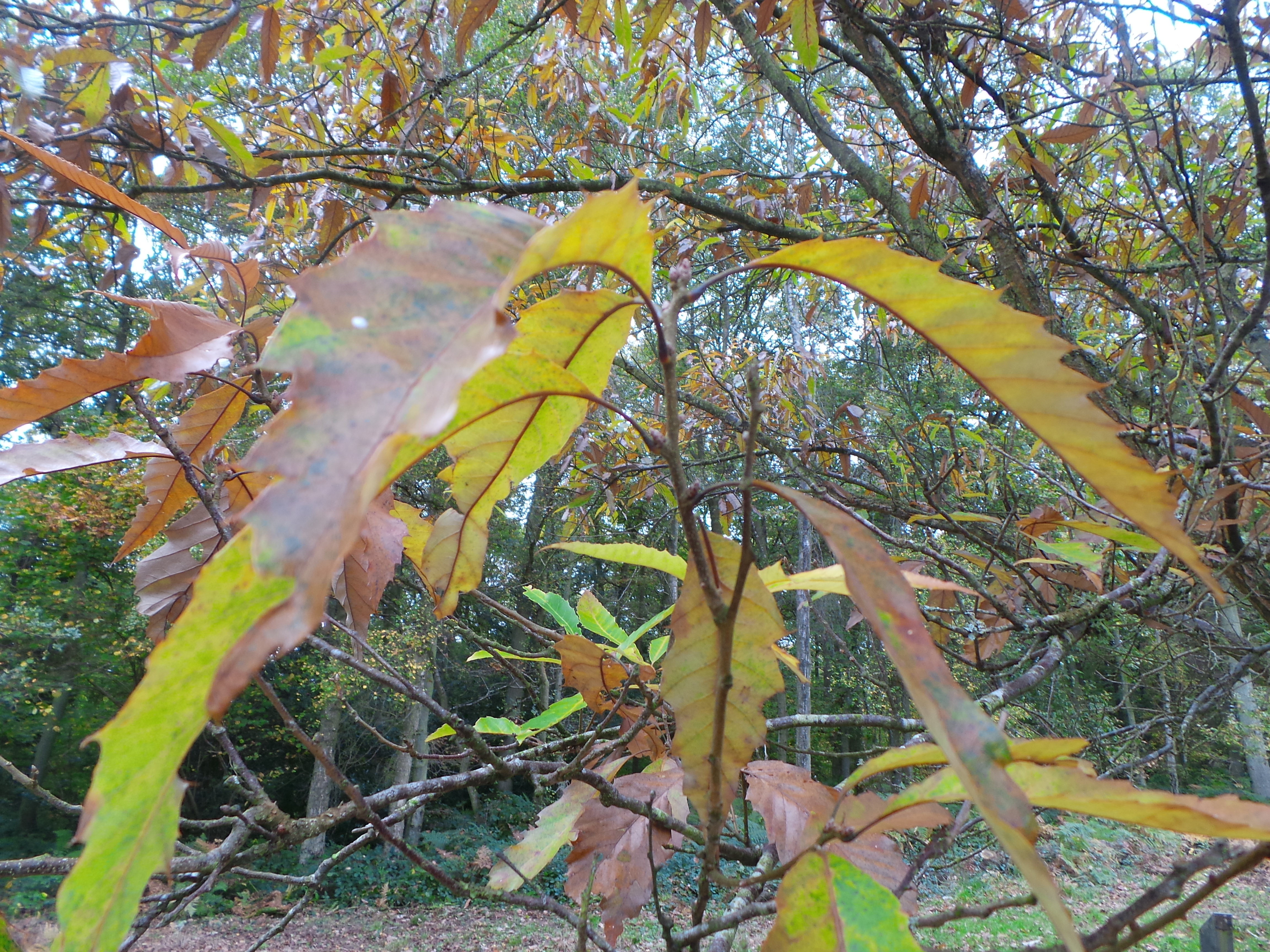
Our next oak was a small tree with leaves like those of a Sweet Chestnut.

2014 10 23_6229 2014 10 23_6230

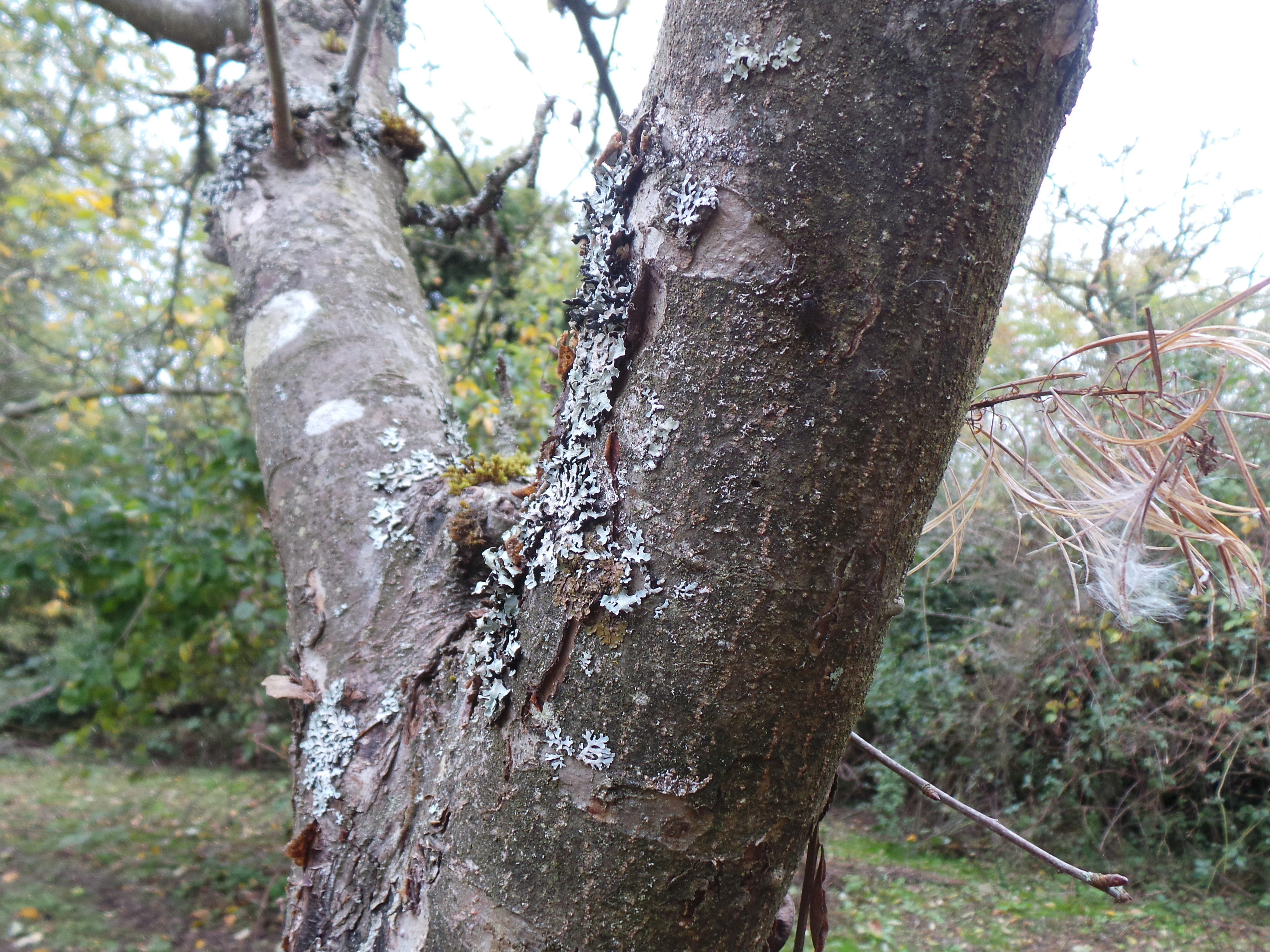
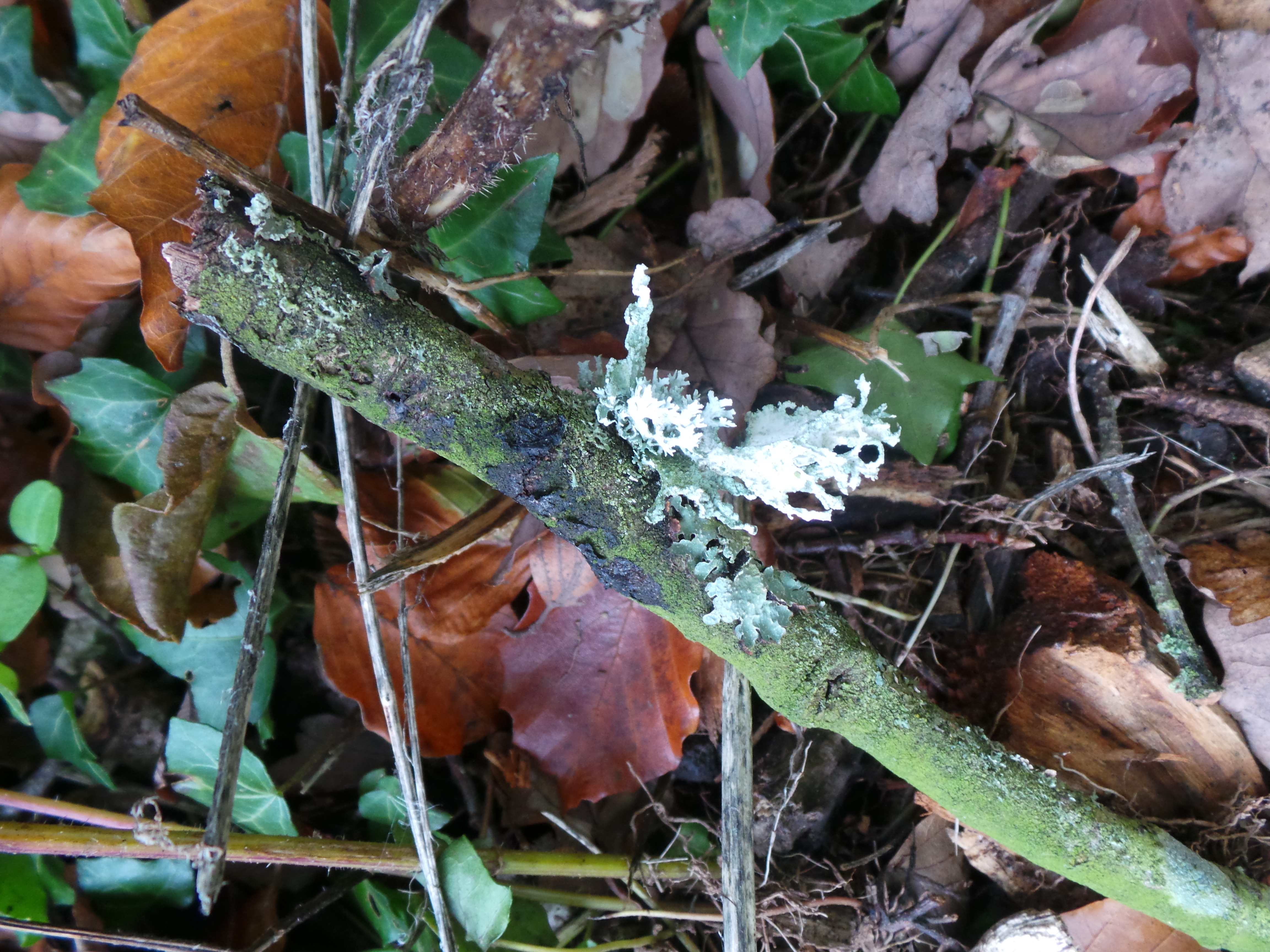
One thing that all oaks attract is lichen and we soon found this stunning glaucous example shaped just like stags antlers.

2014 10 23_6231

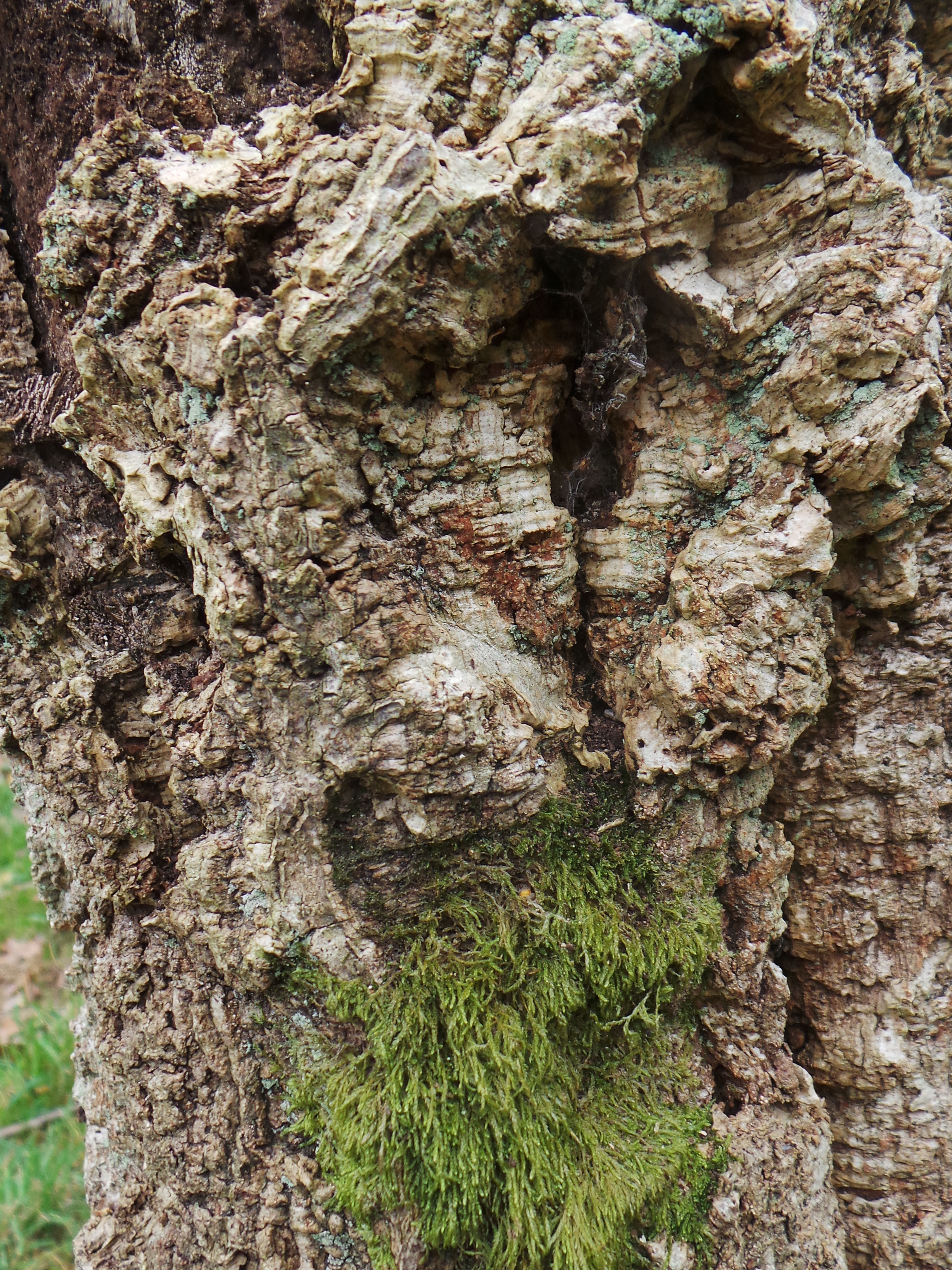
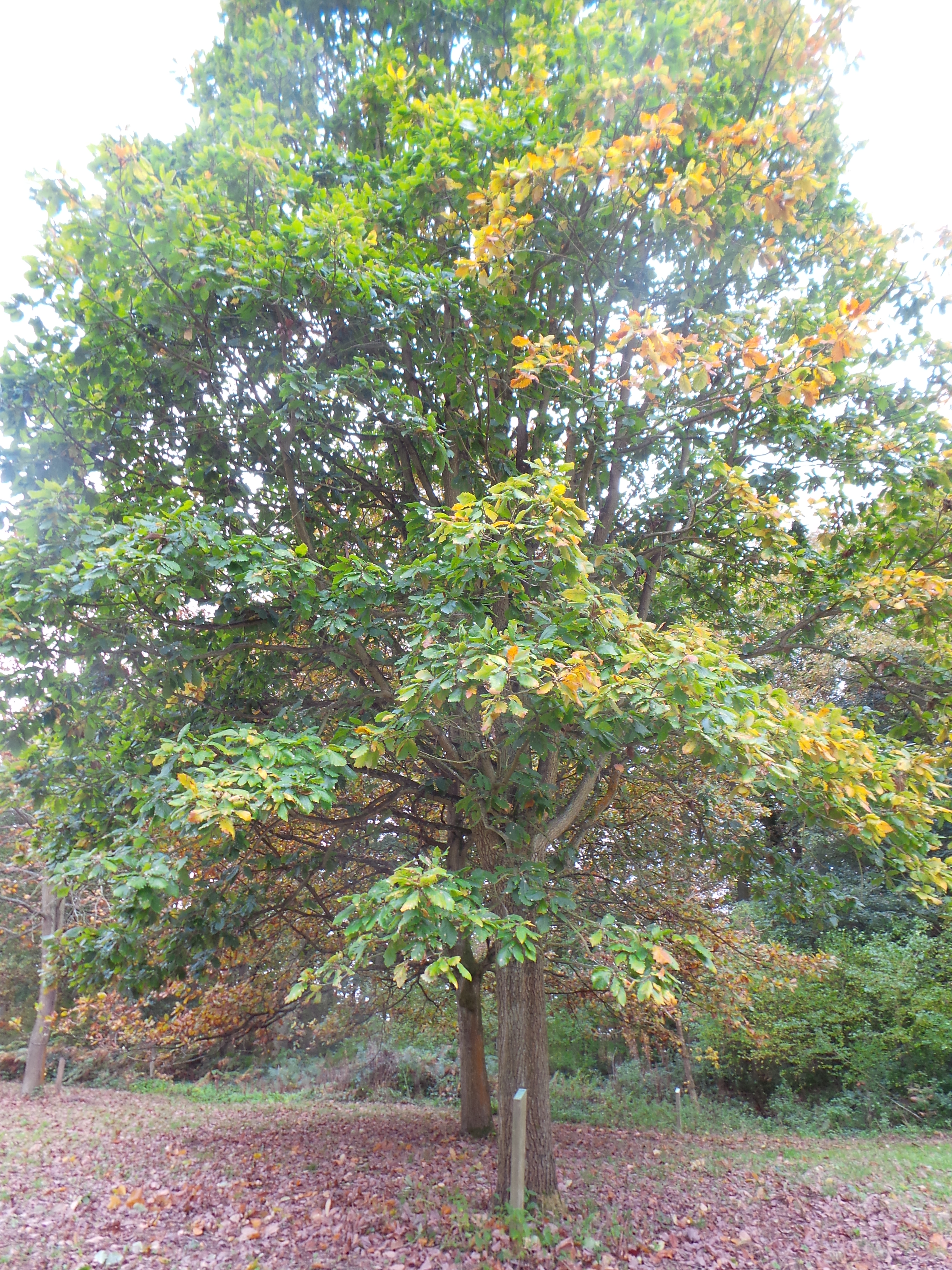
Our next Oak looked just like an Olive tree – it was just the right size and shape with glaucous leaves just like those of an Olive. But when we got closer and noticed its bark we knew straight away it was some sort of a Cork Oak. The label informed us that it was a Quercus variabilis, a Chinese Cork Oak.

2014 10 23_6233 2014 10 23_6234

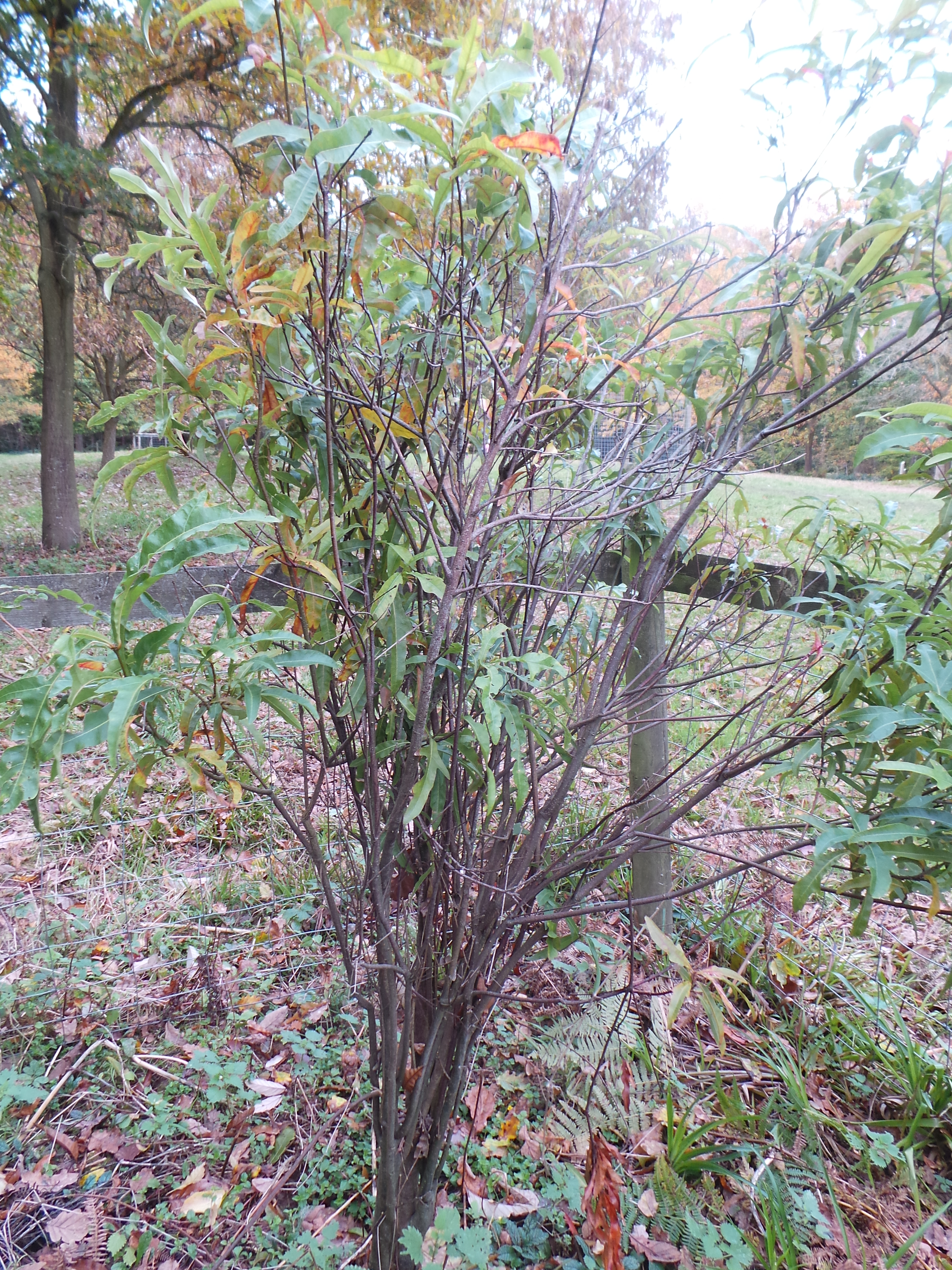
We were so surprised to see the next of our Oaks as it was just four or five feet tall, a small shrub rather than a majestic old tree. Nuttall’s Oak, Quercus texana surprised us again when we noticed its beautifully shaped leaves, somewhat reminiscent of a Liquidamber.

2014 10 23_6235 2014 10 23_6237

Close by we found another shrubby Oak but this one had a different growth habit. It was a solid looking bush with simple leathery foliage. This was a Bamboo Leaved Oak – very well named.

2014 10 23_6238 2014 10 23_6239

This old Cork Oak had died but in death presented itself as a piece of textured sculpture. But it did frame another autumn coloured Oak on the far side of the green area.

2014 10 23_6241 2014 10 23_6242 2014 10 23_6243

This neat small specimen on the left was an Algerian Oak and the equally neat one on the right was a Shumard’s Oak.

2014 10 23_6244 2014 10 23_6248

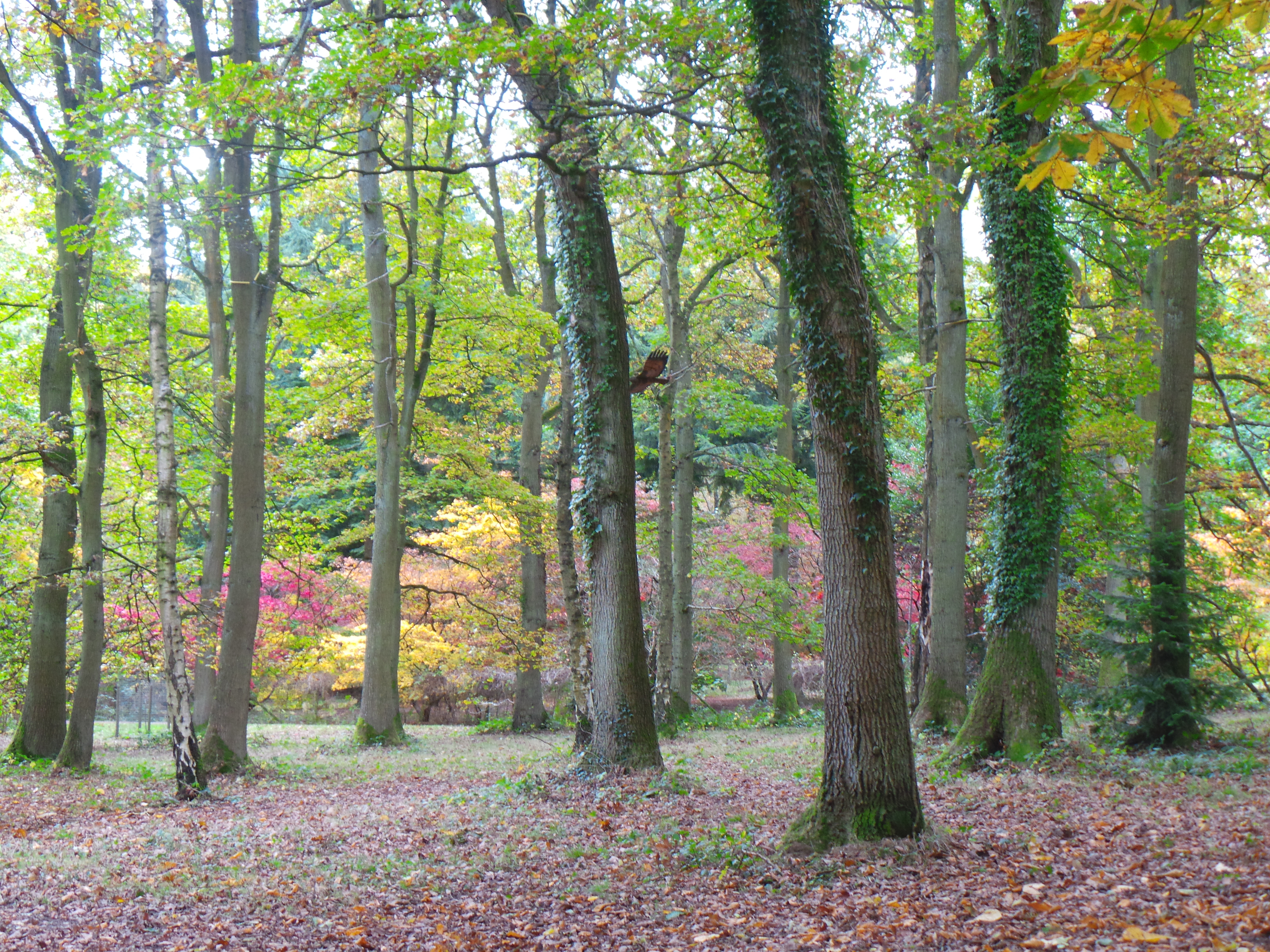
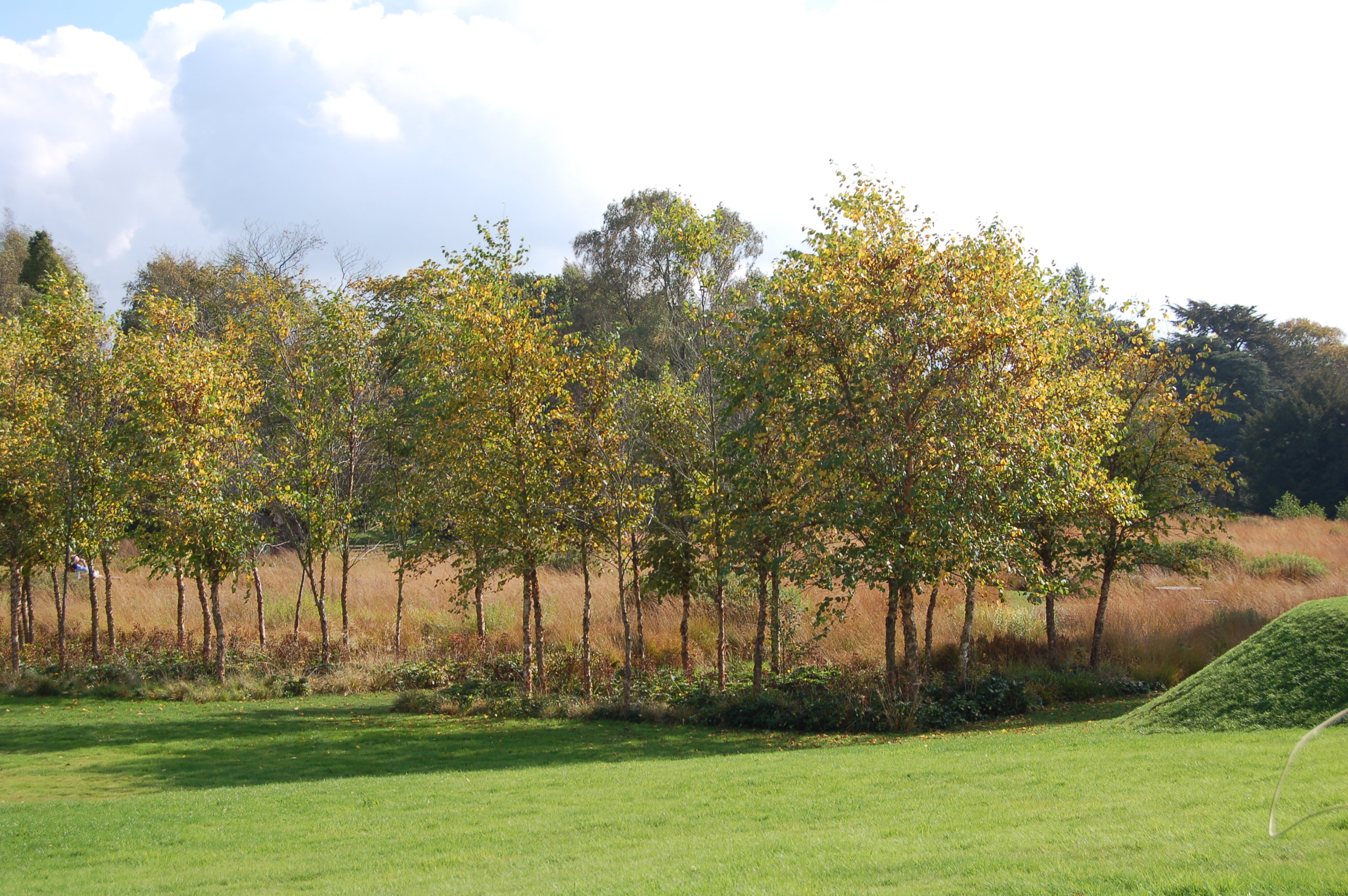
After enjoying discovering so many different oaks most of them new to us, we began to make our way back to the car park. We passed a Wild Service Tree one of our rarest native trees before moving on through a little plantation of Betulas and made our way towards a stand of Redwoods.

2014 10 23_6252

To share this last leg of our wander around Queenswood Arboretum just look at the third post in this series.


Categories
arboreta autumn autumn colours birds colours light quality ornamental trees and shrubs trees woodland woodlands

Queenswood Arboretum – Part 1 – the Acers

Late October heralds arboretum visiting time. Last year we visited Bodenham and Arley which we take a trip to most years but we also traveled a little further afield into Cheshire to the Jodrell Bank Arboretum and the National Memorial Arboretum in Staffordshire. Over the last five years we have also taken trips to Westonbirt in Gloucestershire, Bluebell Arboretum in Derbyshire.

But there is one closer to us, in fact just an hour away across into Herefordshire, which we have never visited but were reminded of  as we watched Carol Klein visit it on the Gardeners World TV programme. So we made up our mind that our first arboretum visit this autumn would be to Queenswood Country Park and Arboretum. It was worth the wait! Come with us as we explore its delights on a dull overcast day occasionally dampened with bouts of drizzle.

We left the car park to follow Lime Avenue which would take us to the Autumn Garden which promised us a painter’s pallet of Acers. There is something special about the gentle scent of woodlands in autumn, comforting and warming, but this was interrupted by the more aggressive unpleasant odour of foxes whose tracks crossed ours periodically as we climbed the gentle slope below the huge limes towering above us. We diverted often! There were interesting trees grabbing our attention every few yards, making progress slow. Tree silhouettes, bark textures, leaf colours, leaf shapes – all there to distract and attract.

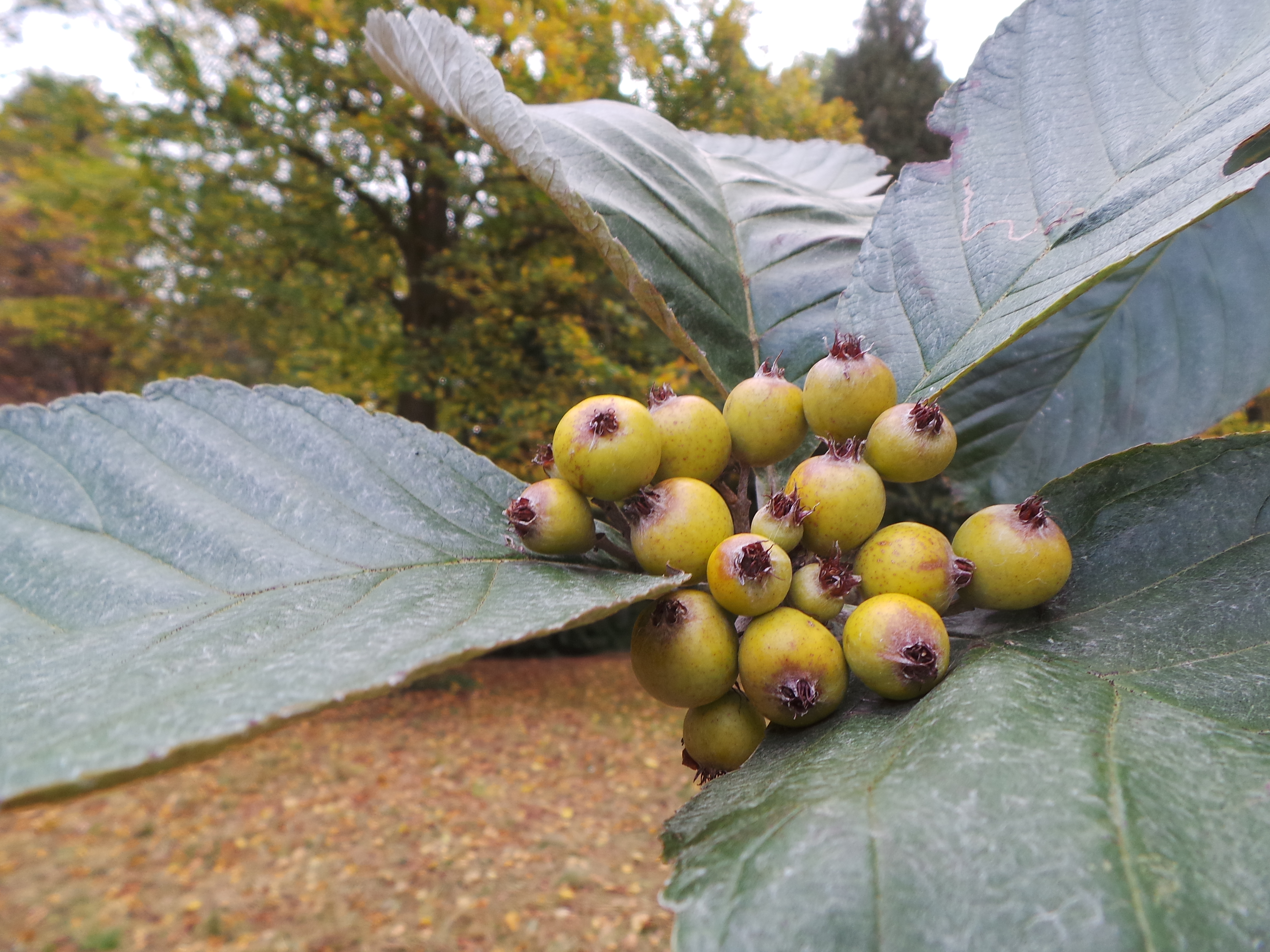
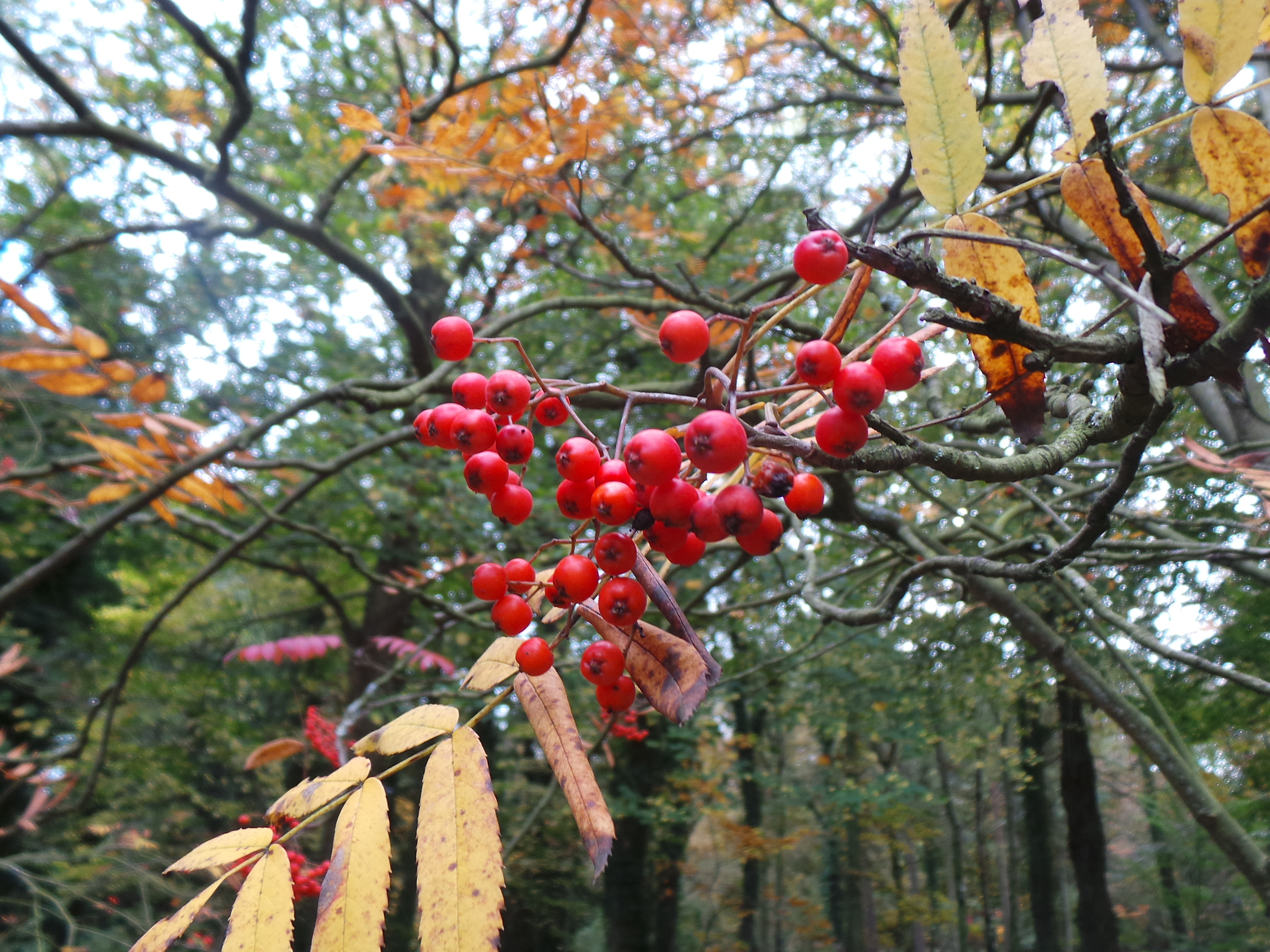
The trees had plenty of autumnal features to attract and distract tree lovers such as Jude the Undergardener and I. Berries, peeling bark, silvered leaves, brightly coloured leaves, black branch silhouettes ……………….

2014 10 23_6107 2014 10 23_6114

2014 10 23_6110 2014 10 23_6109 2014 10 23_6108 2014 10 23_6111 2014 10 23_6113 2014 10 23_6112 2014 10 23_6115

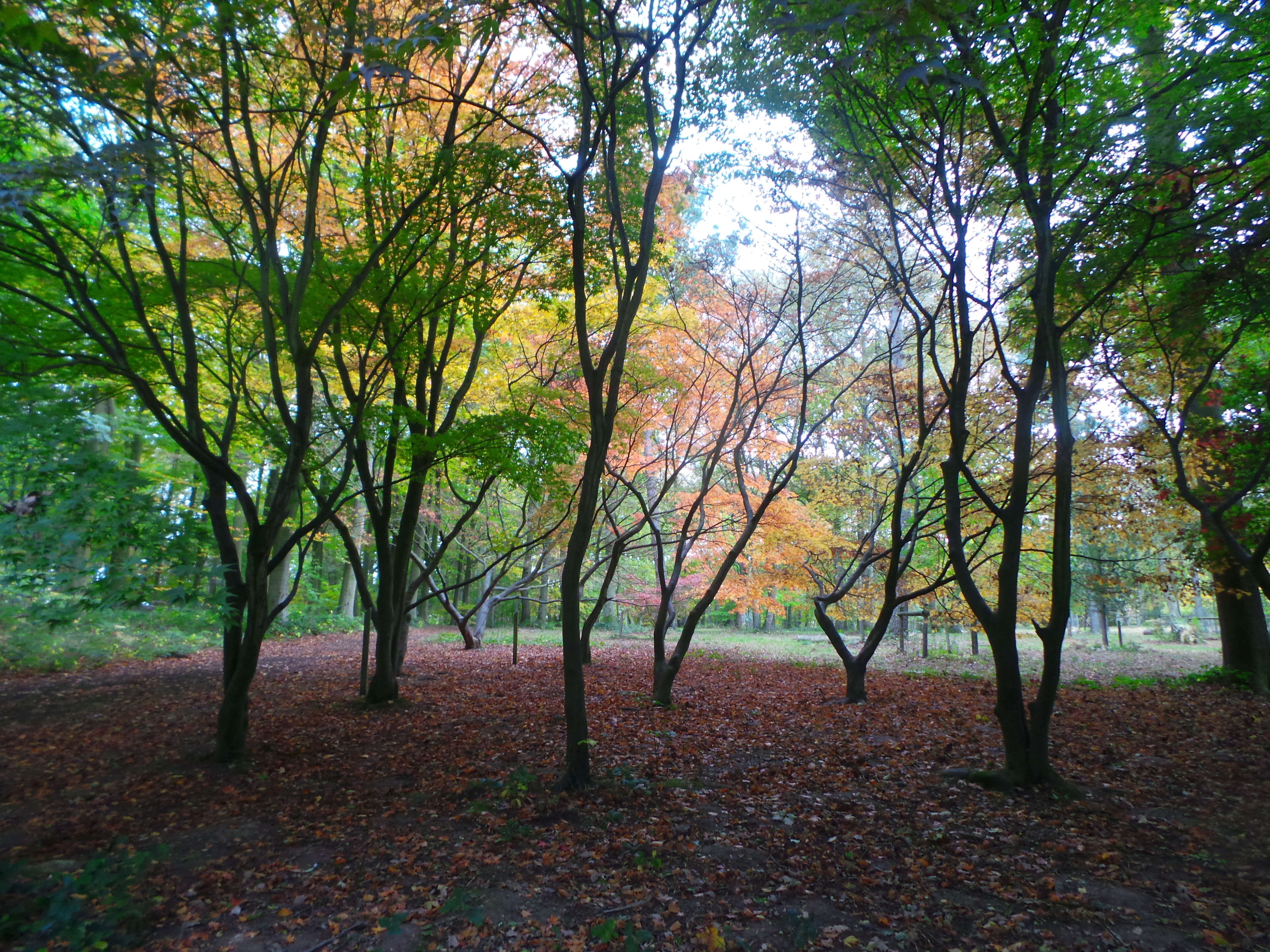
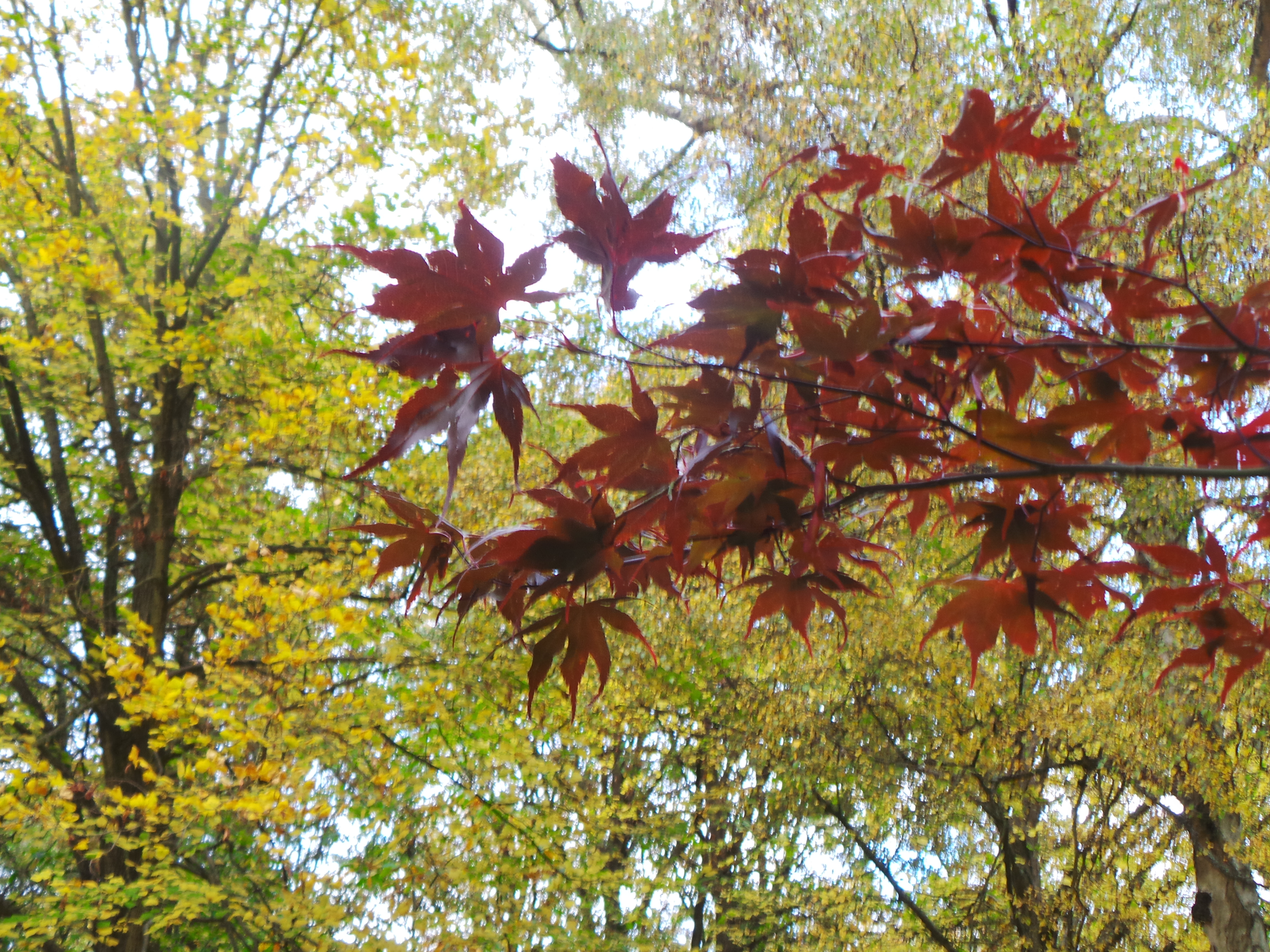
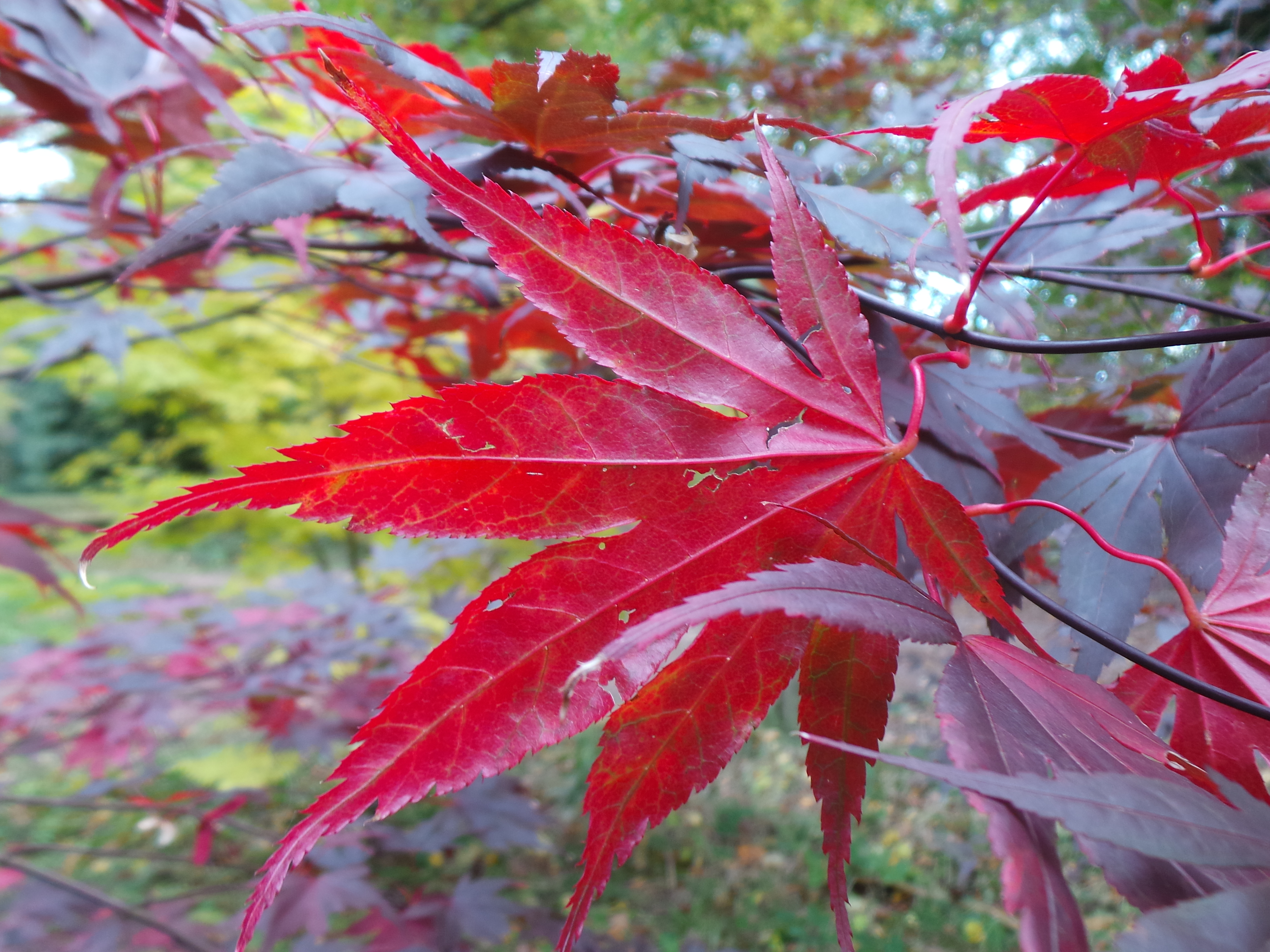
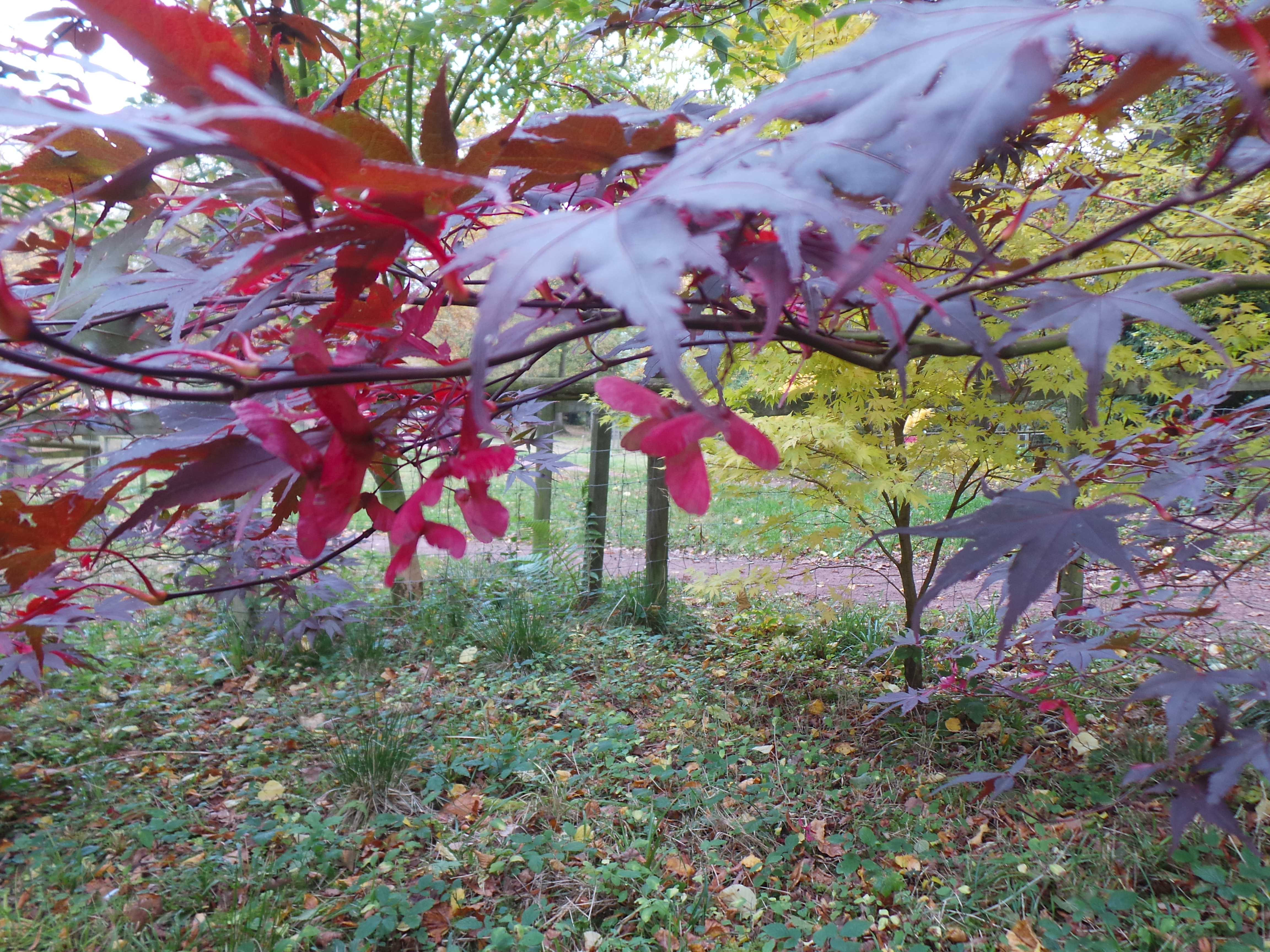
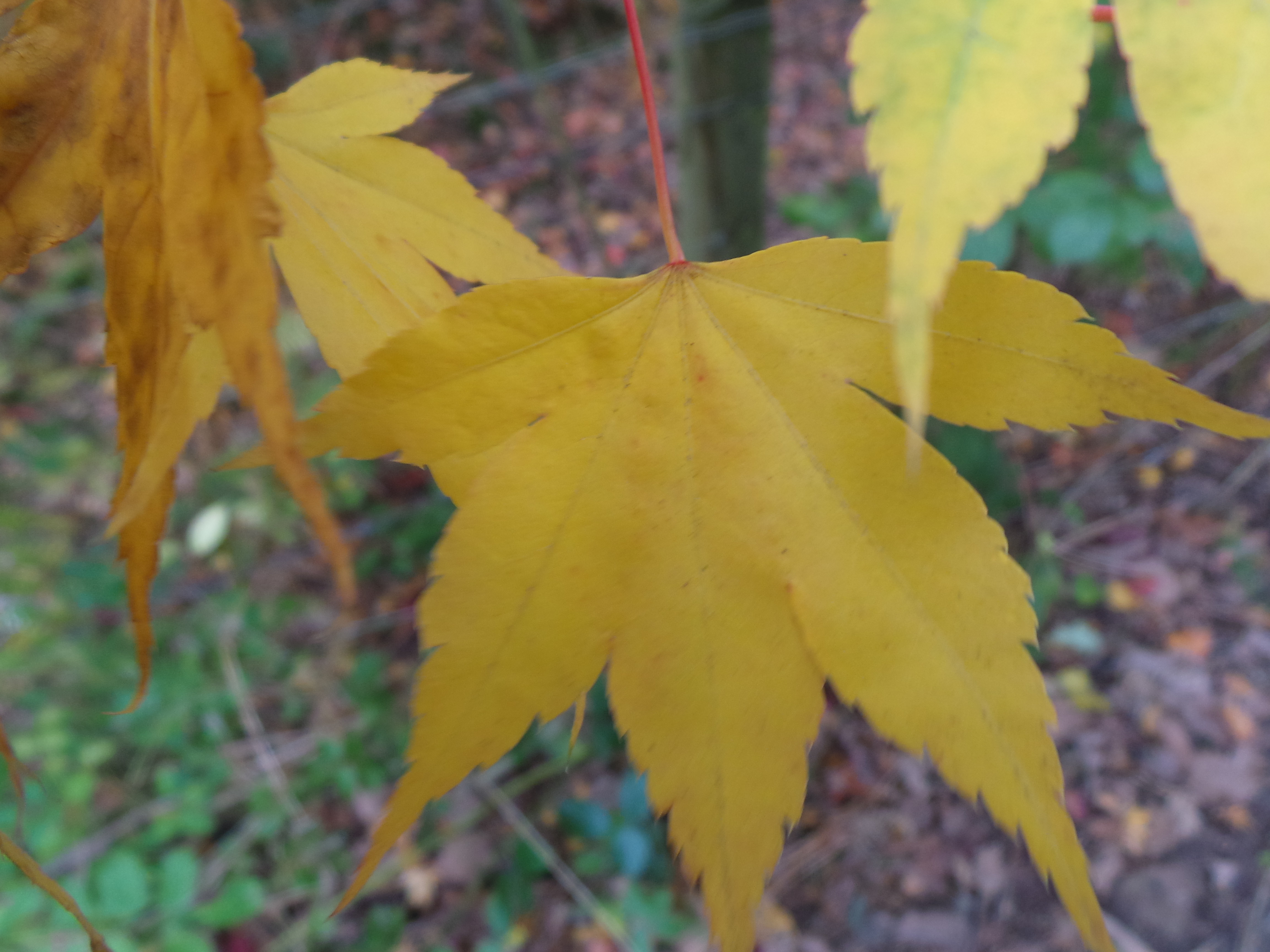
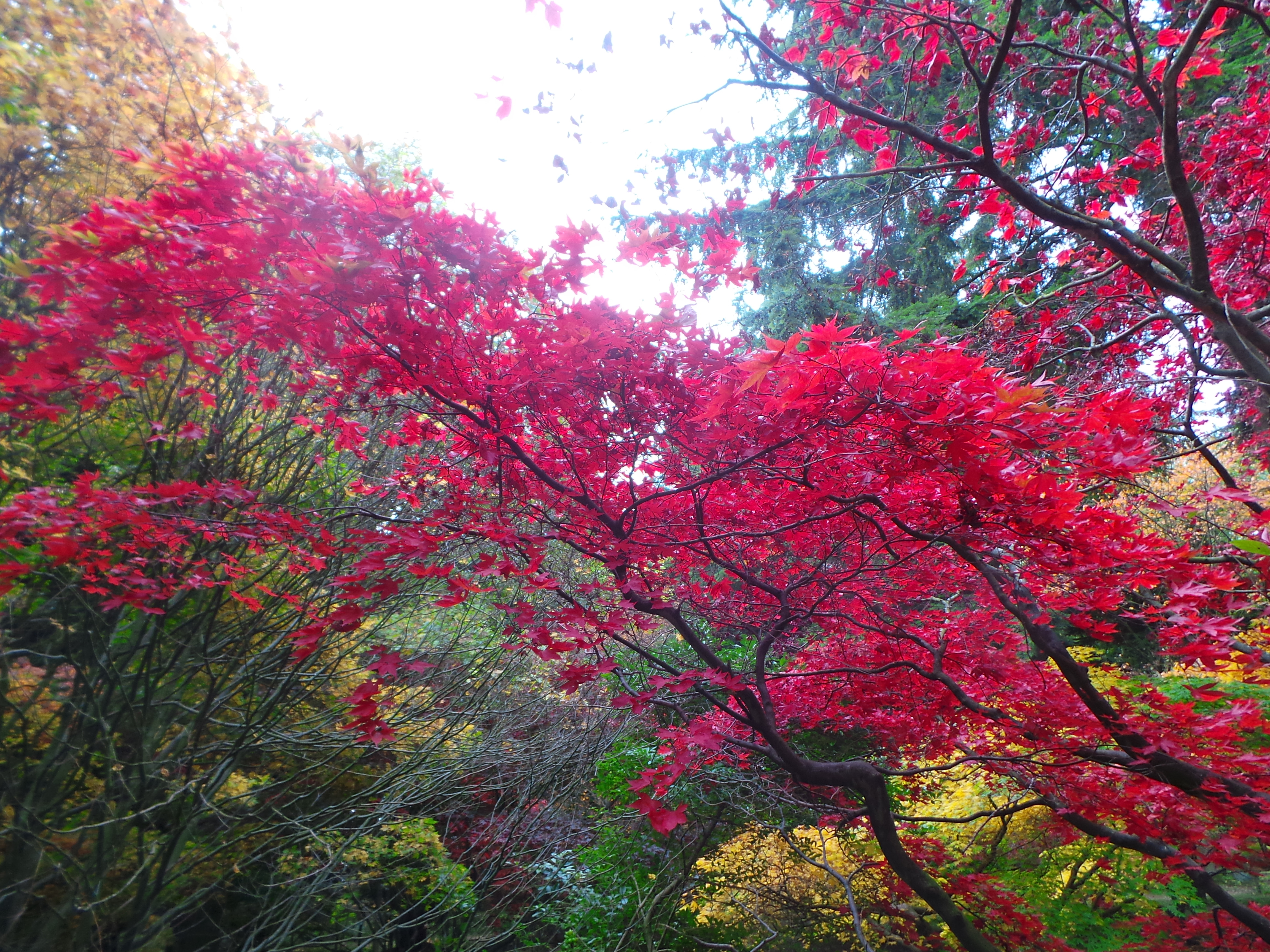
When we reached the area called the “Autumn Garden” we were blown away by the collection of Acers with their striped barks, their red and yellow leaves and their sculptural trunks curling away below their leaf canopy. Part way through the Autumn Garden we found this plaque on the “Dendrology Stone” which was presented to Queenswood Arboretum in 1981 by the International Dendrology Society recognising the quality of its young trees, layout and public access. There only 19 arboretum worldwide which have received this award. This emphasises just how important this 47 acres of country park actually is.

2014 10 23_6209 2014 10 23_6163

2014 10 23_6116 2014 10 23_6117 2014 10 23_6118

But there was far more to see here with trees and shrubs to discover around every corner.

2014 10 23_6120 2014 10 23_6119 2014 10 23_6125 2014 10 23_6124 2014 10 23_6123 2014 10 23_6122 2014 10 23_6121 2014 10 23_61262014 10 23_6127 2014 10 23_6128 2014 10 23_6129 2014 10 23_6130 2014 10 23_6131 2014 10 23_6132 2014 10 23_6133 2014 10 23_6134

But let us enjoy a journey around the delights of the Acers before we get distracted further.

2014 10 23_6136 2014 10 23_6137 2014 10 23_6138 2014 10 23_6139 2014 10 23_6142 2014 10 23_6141 2014 10 23_6140 2014 10 23_6143 2014 10 23_6144 2014 10 23_6145 2014 10 23_6147 2014 10 23_6146 2014 10 23_6150 2014 10 23_6149

We enjoyed a well deserved coffee break on one of the many benches we found within the glade of Acers with a wonderful view. We sat to enjoy our coffee and listened to the Woodpeckers and Nuthatches in the tree canopy. Jays entertained us collecting up acorns, beech mast and sweet chestnuts. This is the view from the seat we chose to take our coffee break sat on. How good is that!

2014 10 23_6119

In part two we shall be seeking out an old orchard and the “Reader’s Seat”.


Categories
allotments autumn community gardening fruit and veg garden photography gardening gardens ornamental trees and shrubs trees

Crab Apple Jelly

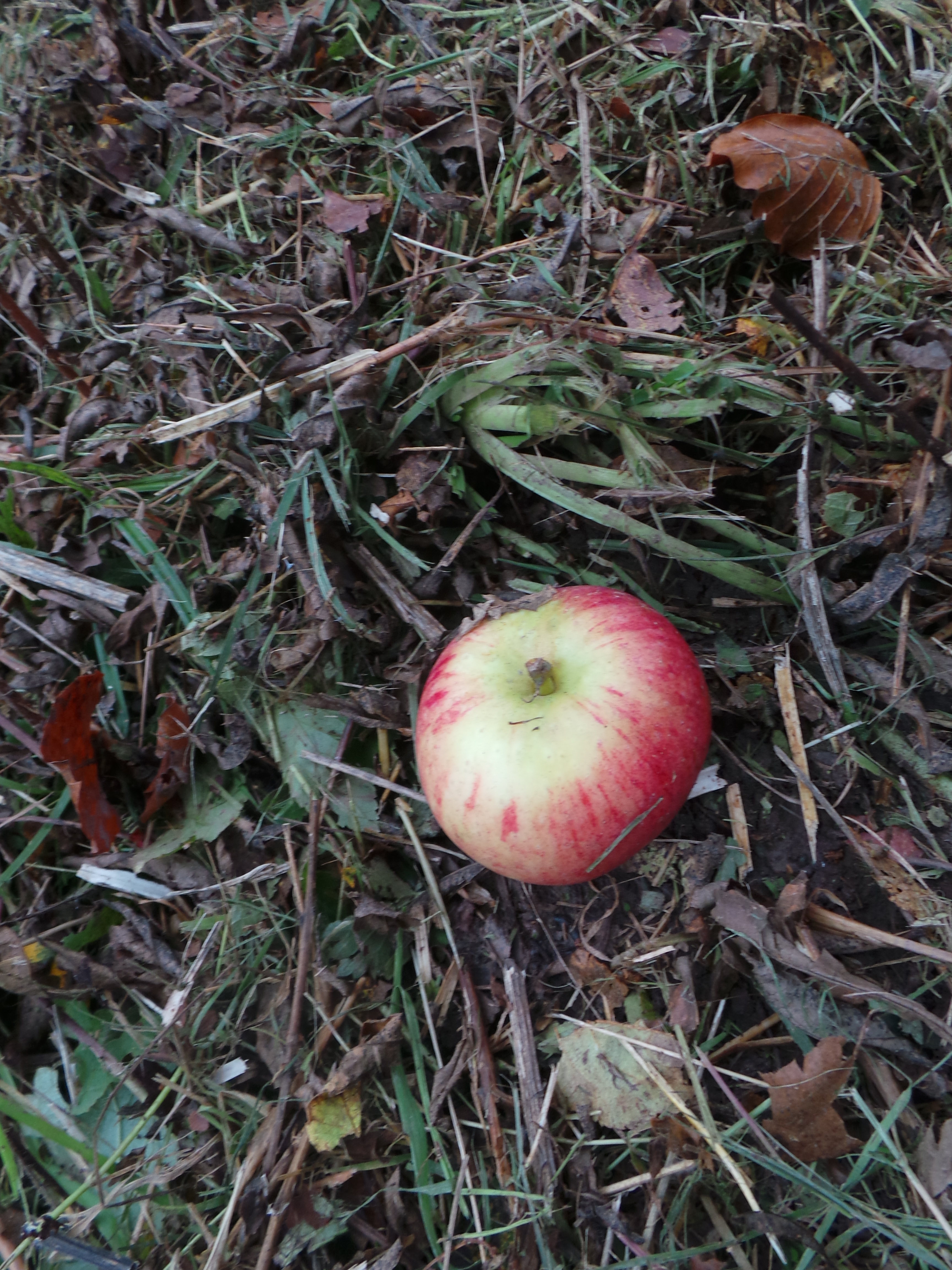
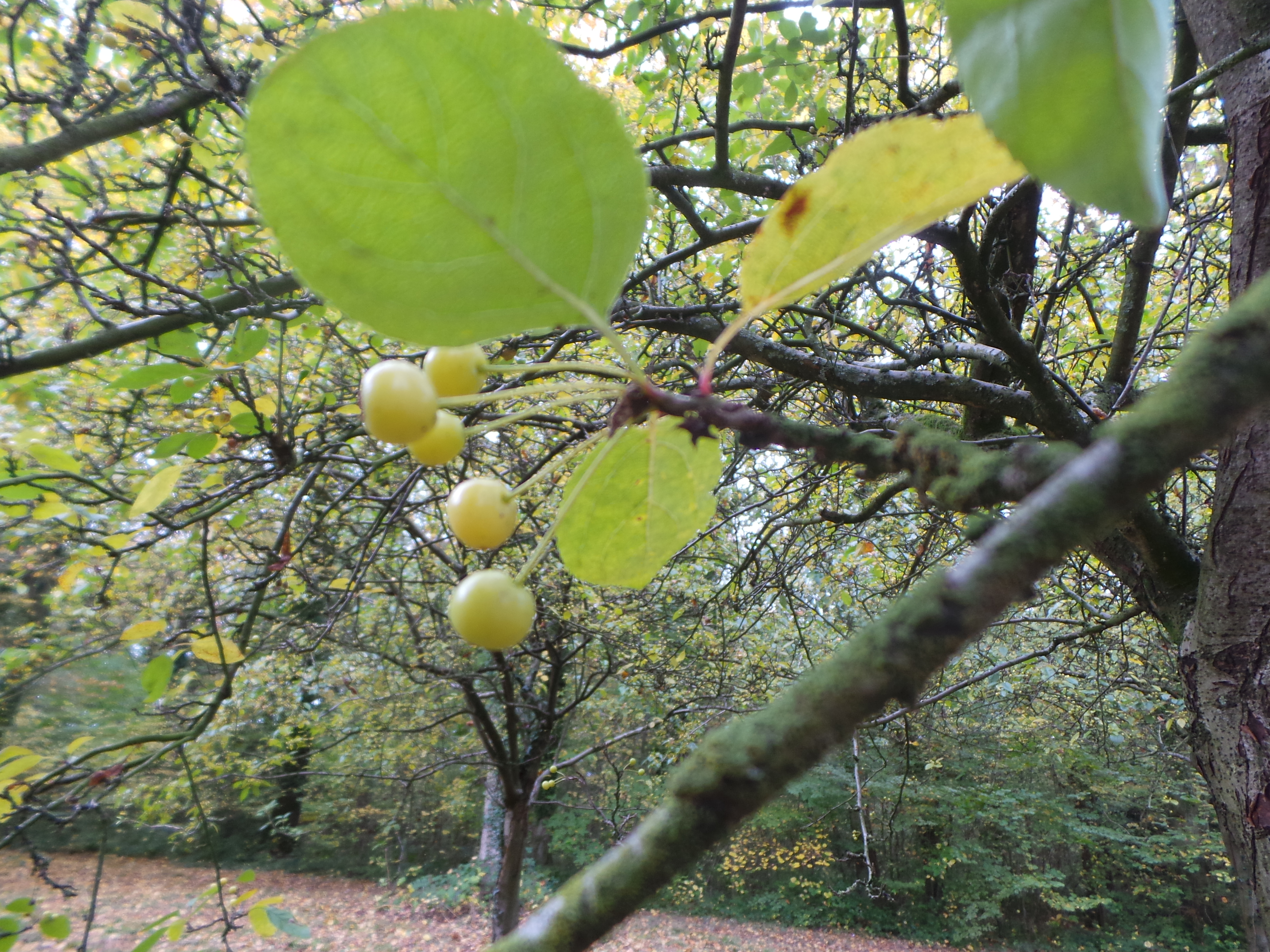
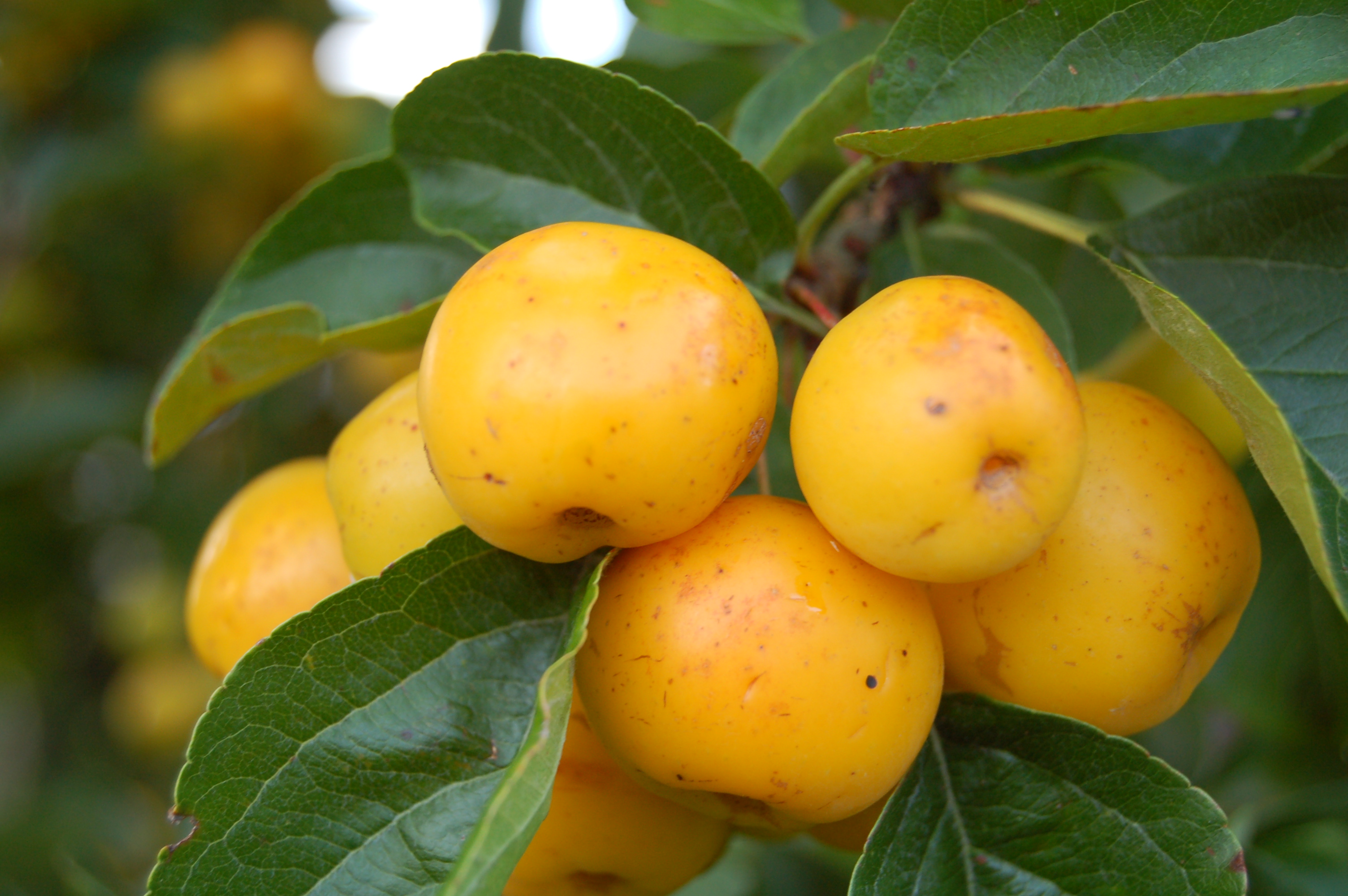
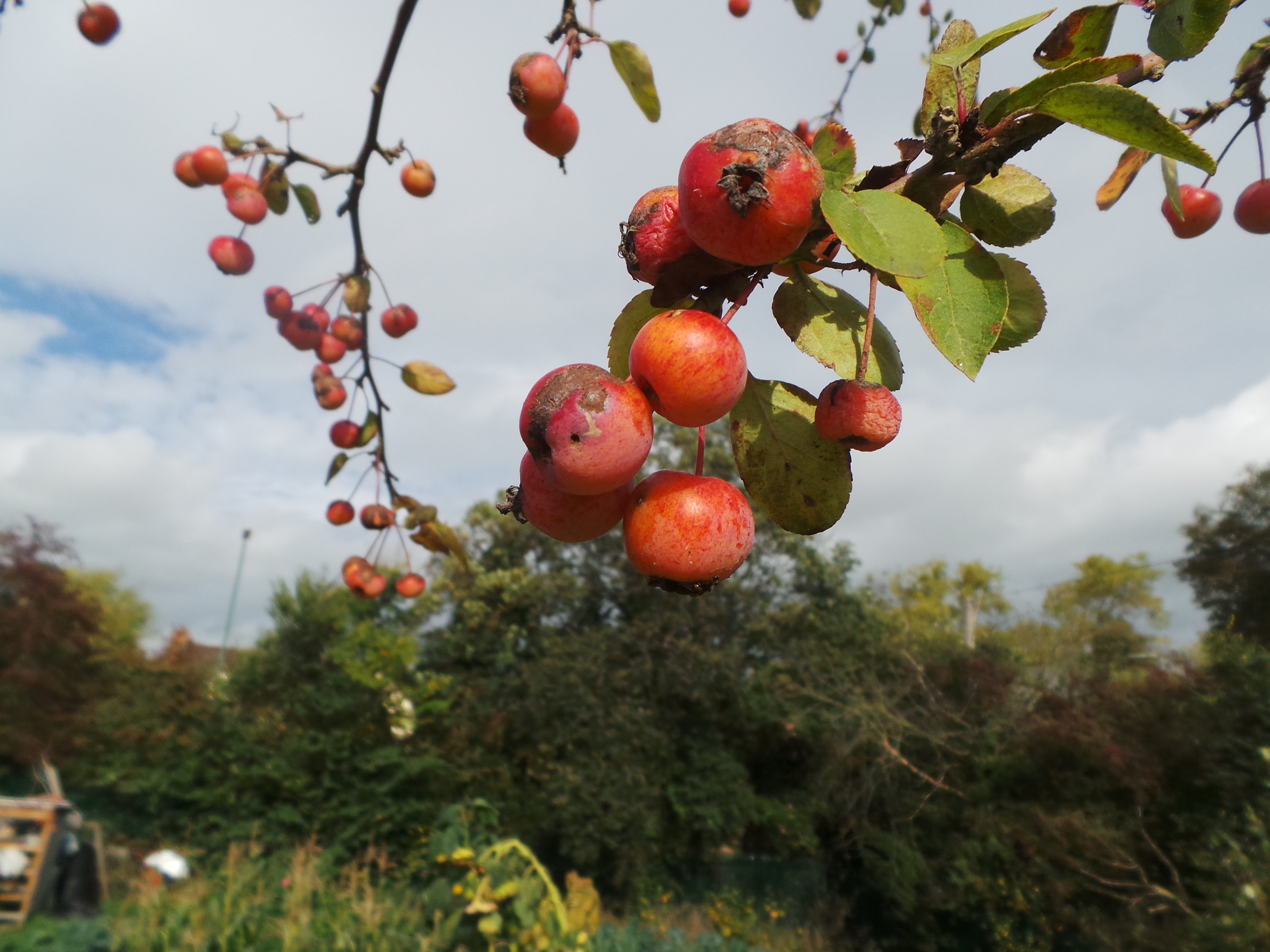
We have a beautiful and very productive crab apple tree at the bottom of our garden. It provides useful shade in the summer for the chickens but for us it provides a wonderful and very heavy harvest. Being a Malus “Butterball” it has pendular branches each giving us masses of small yellow fruits which are all blushed orange or red. It is a beautiful ornamental tree as well as being productive.

We never need to harvest many branches so the majority of the fruit is left for the local Blackbirds and Mistle Thrushes early in the autumn and the few they leave will be gorged by visiting thrushes, the Redwings and Fieldfares from the colder continent.

2014 10 07_5830 2014 10 07_5831 2014 10 07_5832

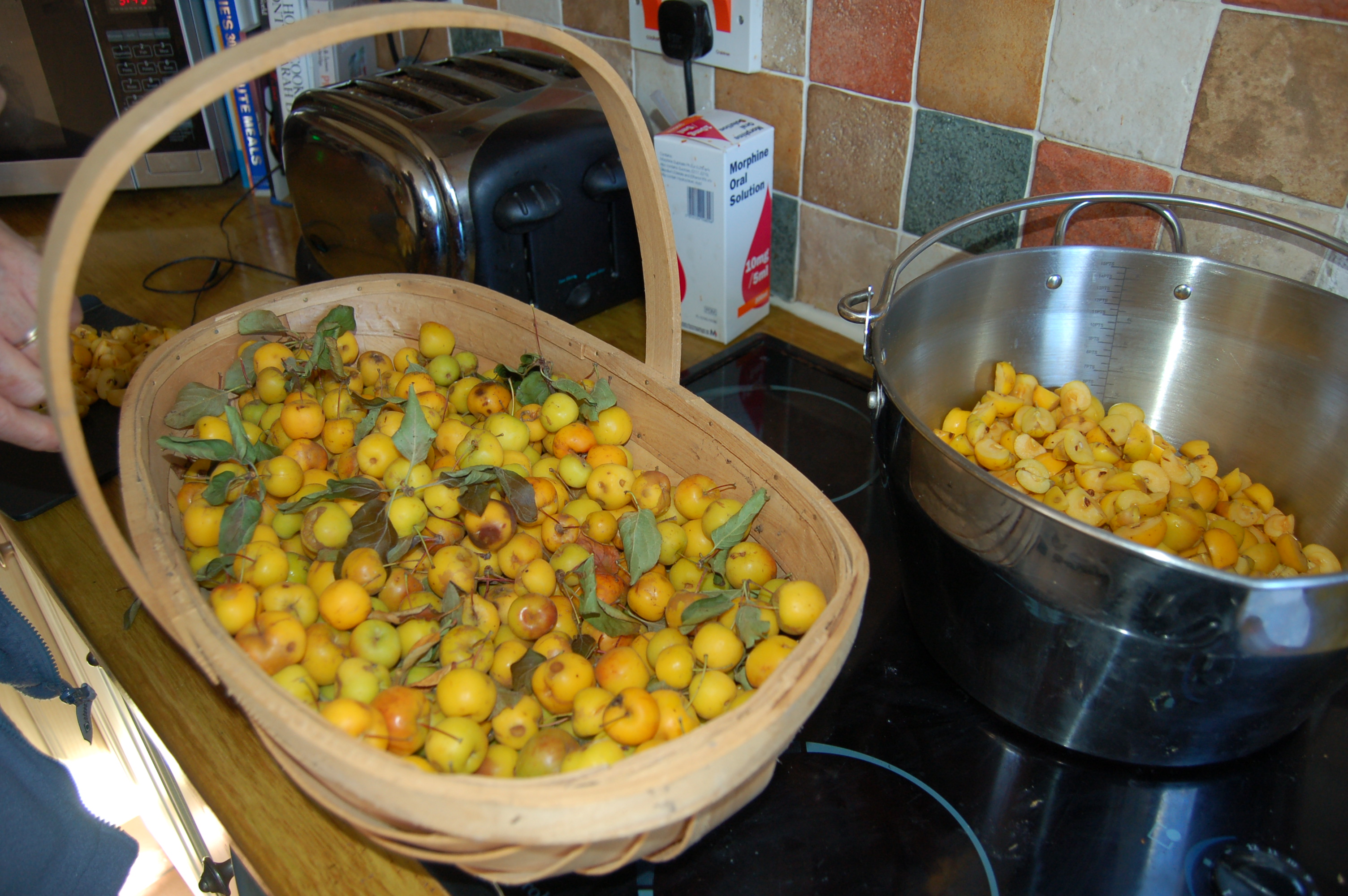
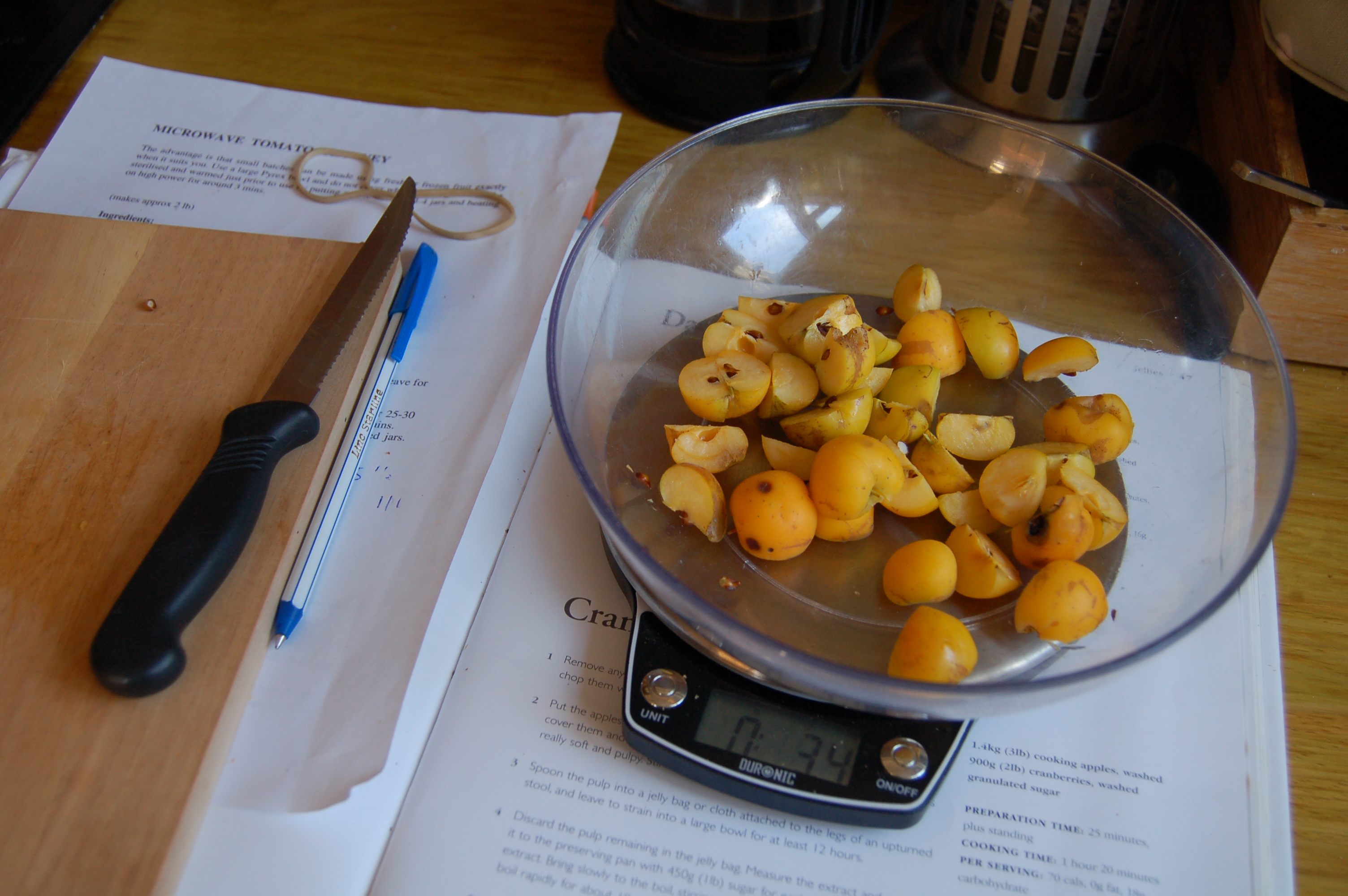
This year we have decided to make Crab Apple Jelly flavoured with cloves to use up some of the fruit.

2014 10 07_5828 2014 10 07_5829 2014 10 07_5836 2014 10 09_5904

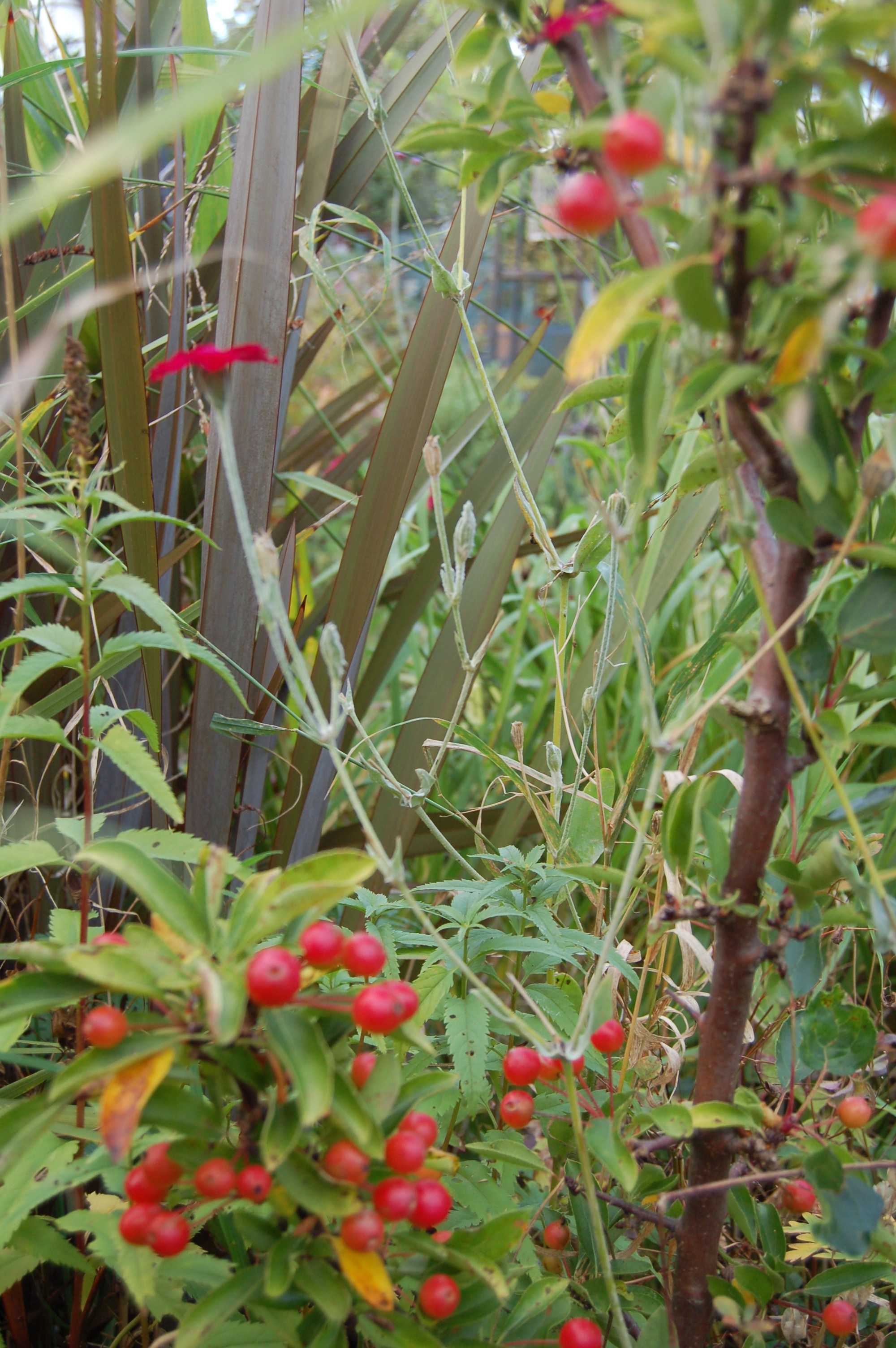
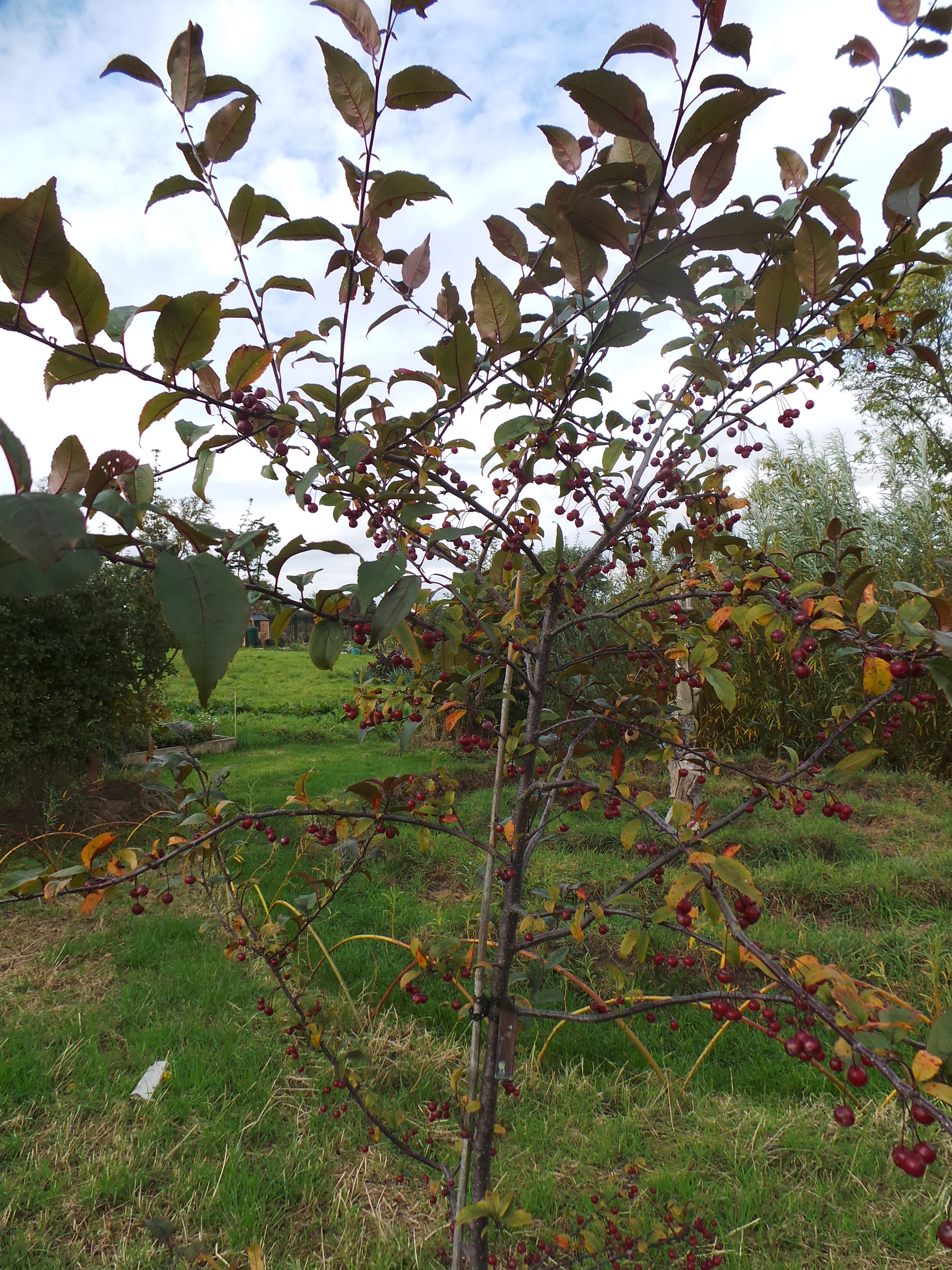
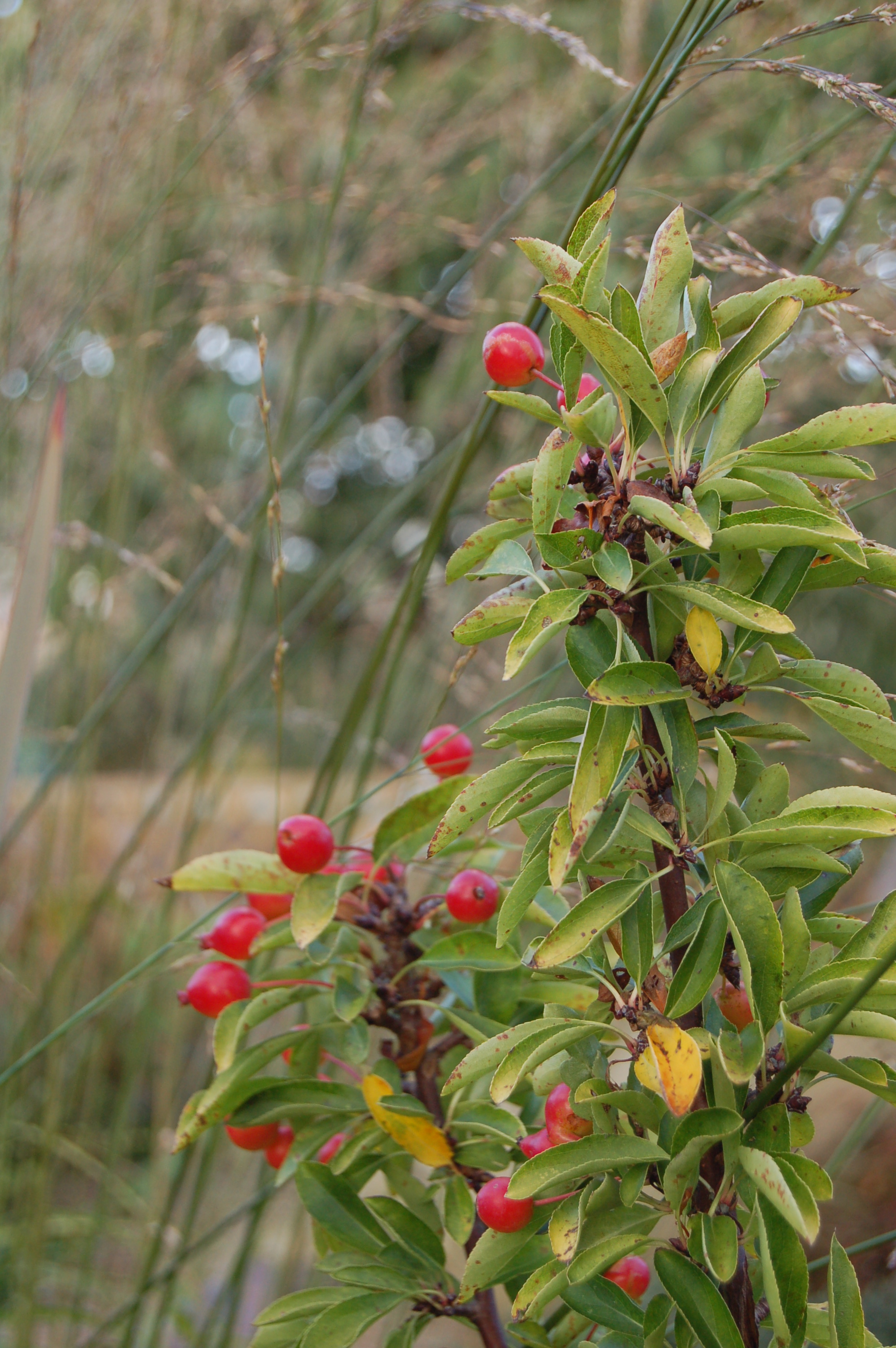
We have another much younger Crab Apple, a purely ornamental variety close to the path that meanders between the Bog Garden and the Prairie Garden. It has masses of scented pink and white flowers in early spring followed in late summer by orange/red tiny fruits. It grows among cerise flowered Lychnis coronaria and various ornamental grasses.

2014 10 07_5835 2014 10 07_5834 2014 10 07_5833

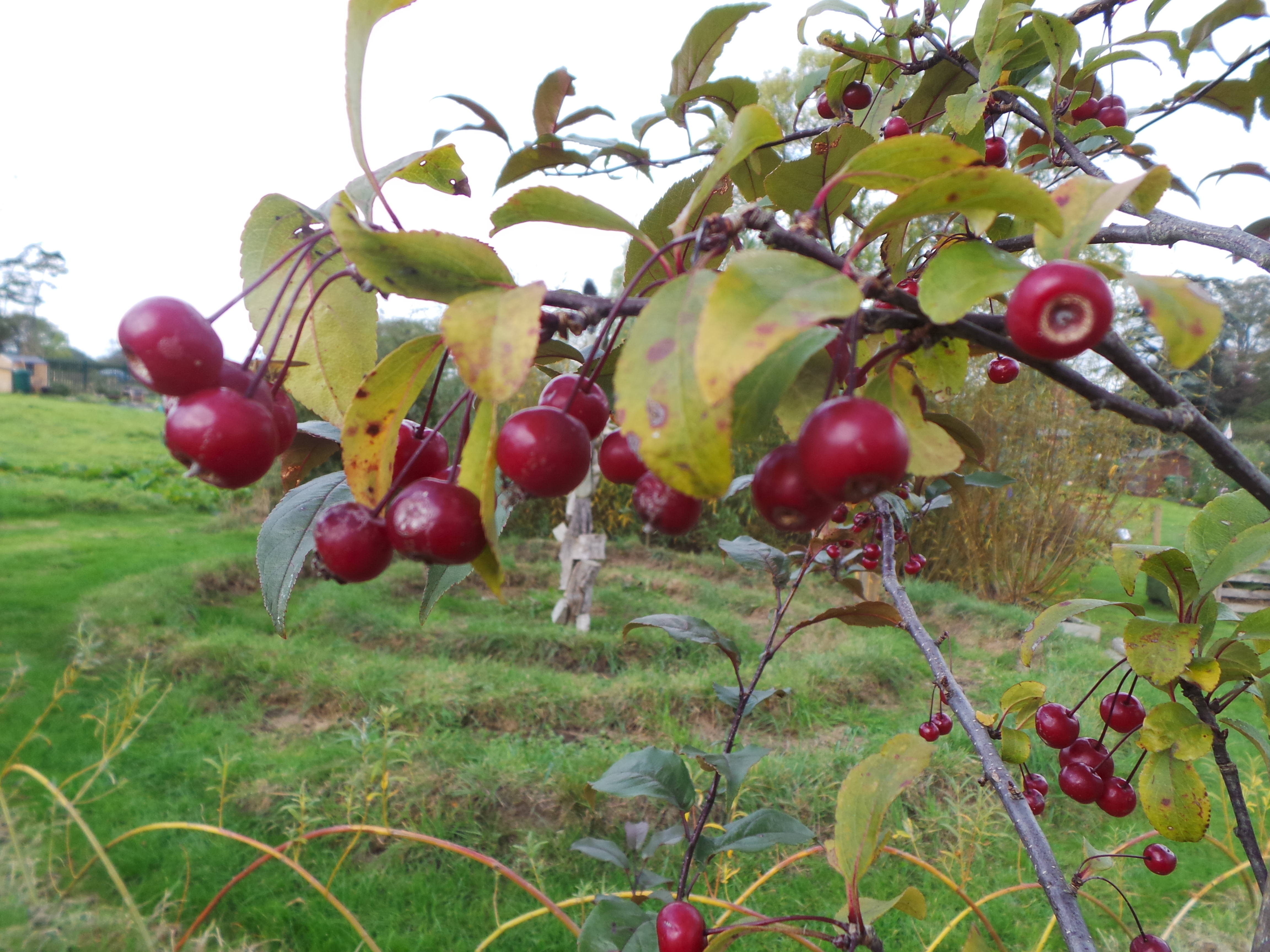
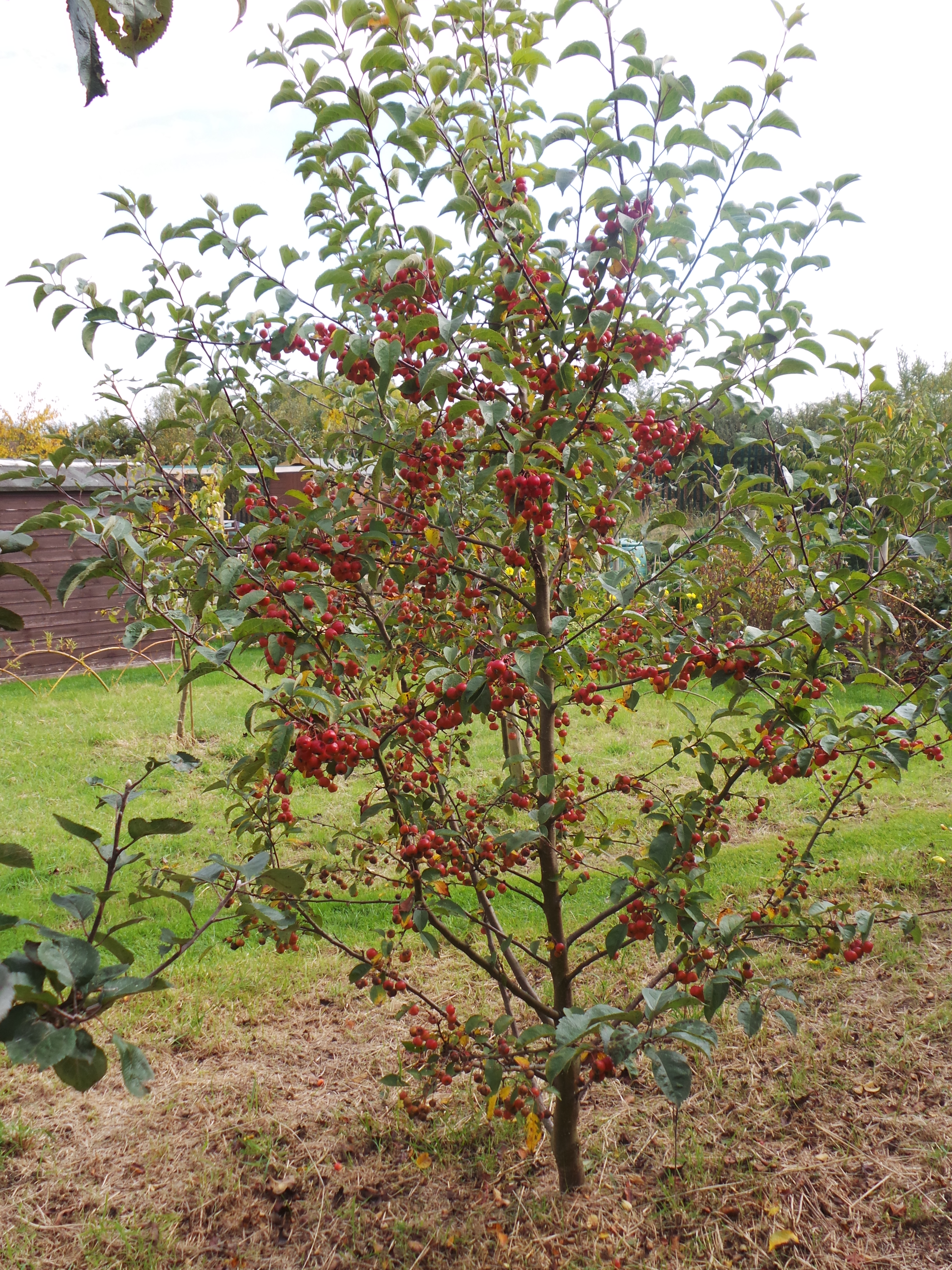
In the communal gardens at our allotment site, Bowbrook Allotment Community, we grow several varieties of Crabs as ornamental trees and to act as reliable long flowering pollinators for our orchard apples. And they work. Since we added these Crab trees the yields from the orchards have noticeably increased.

2014 10 08_5854 2014 10 08_5855 2014 10 08_5858 2014 10 08_5860 2014 10 08_5862 2014 10 08_5864 2014 10 08_5865 2014 10 08_5866

Categories
autumn autumn colours colours fruit and veg garden design garden designers garden photography gardening gardens gardens open to the public grasses hardy perennials Italian style gardens light light quality meadows ornamental grasses ornamental trees and shrubs photography Piet Oudolf shrubs Staffordshire Tom Stuart-Smith trees

A garden in September – Trentham

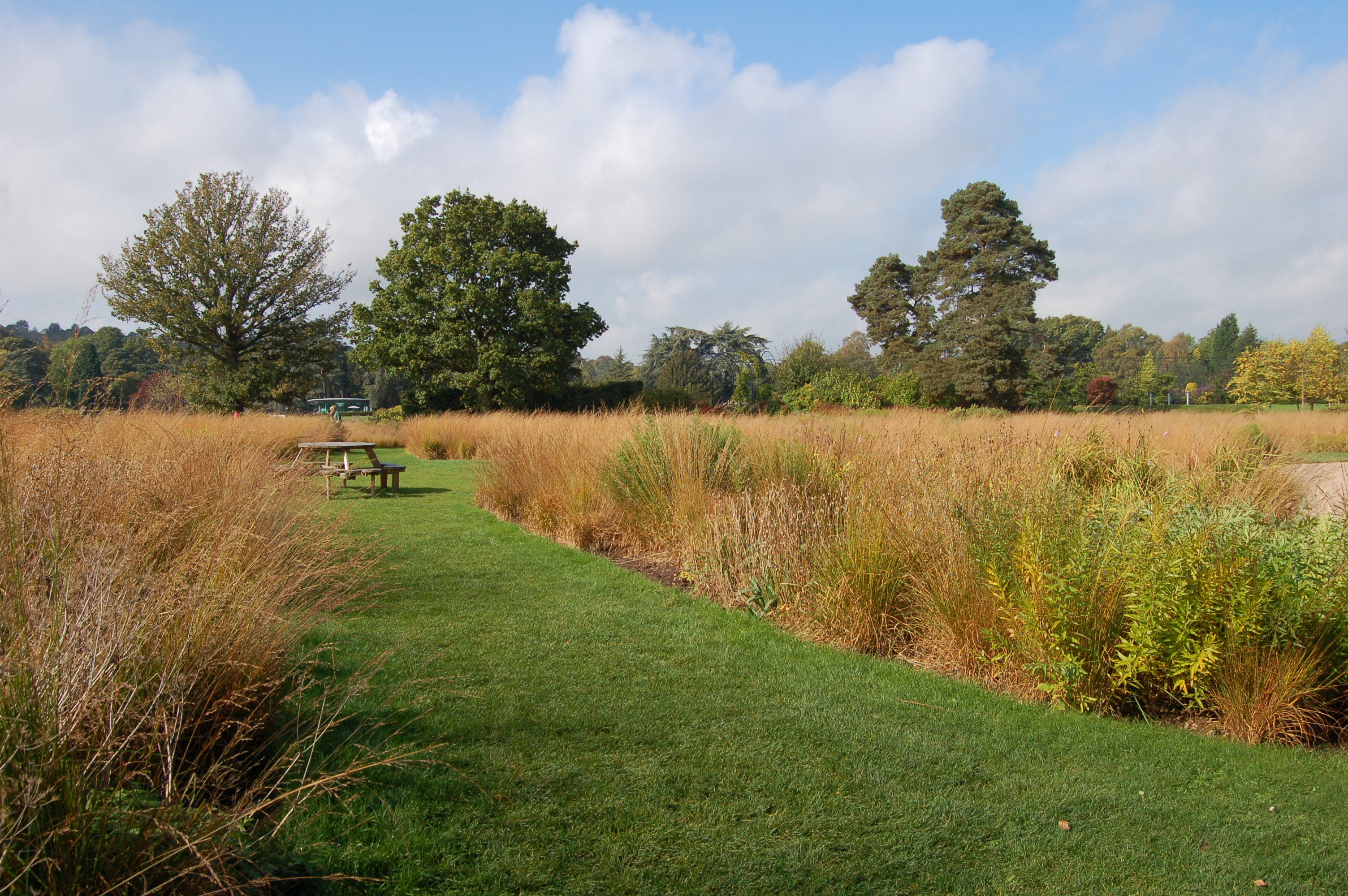
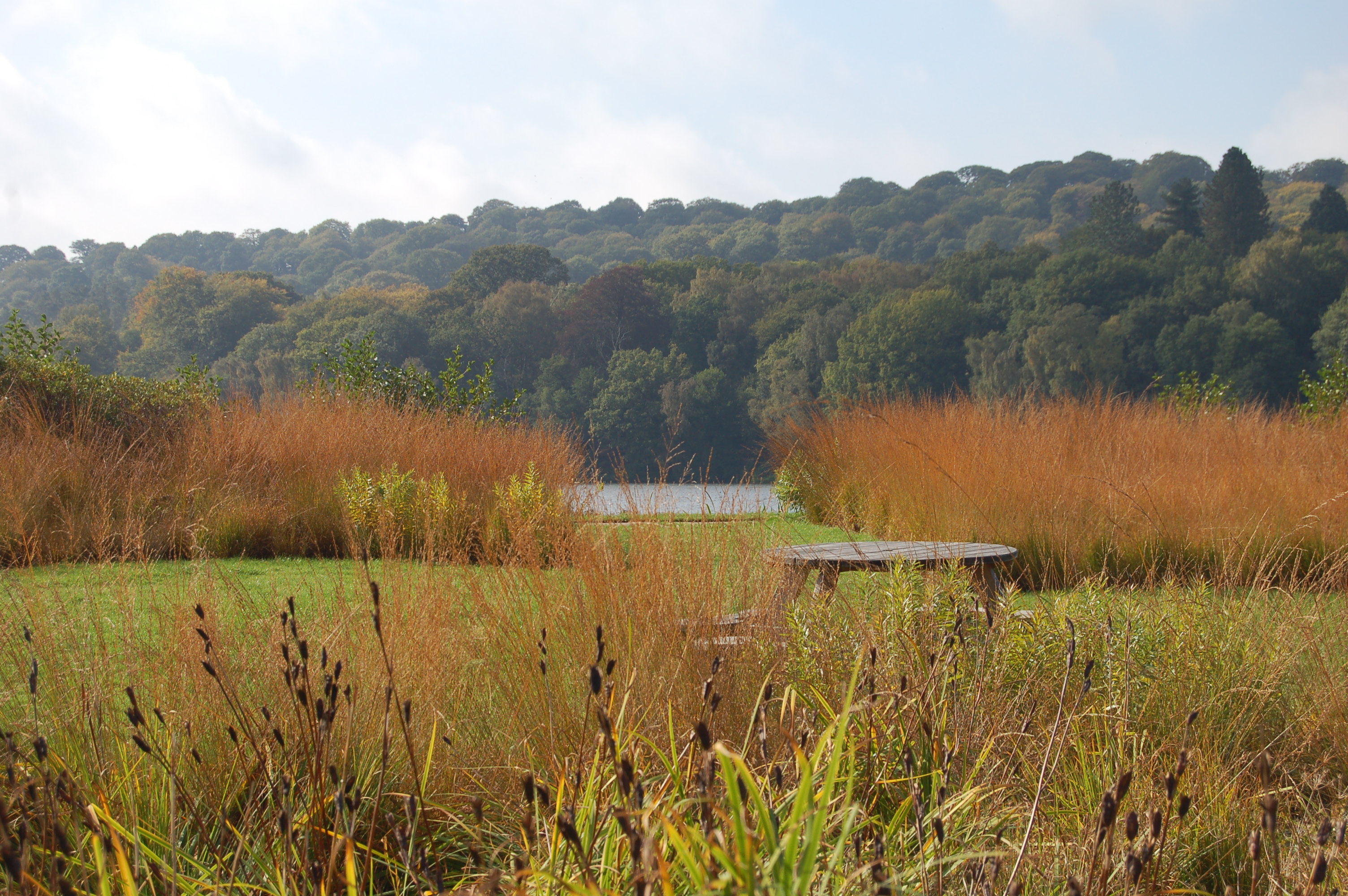
So here we are back for the September visit to the wonderful gardens at Trentham. We arrived in bright sunshine which was a big change to the usual weather on our visits here. Usually we get wet but today looked set fair with blue sky with just a scattering of white clouds. As we walked over the bridge into the gardens we looked down into the River Trent below to see it swollen with floodwater and carrying much dirt in its wake. The water of the Trent flowed brown and the grasses of Piet Oudolf’s River of Grasses refleced this colour.

2014 09 30_5360 2014 09 30_5361

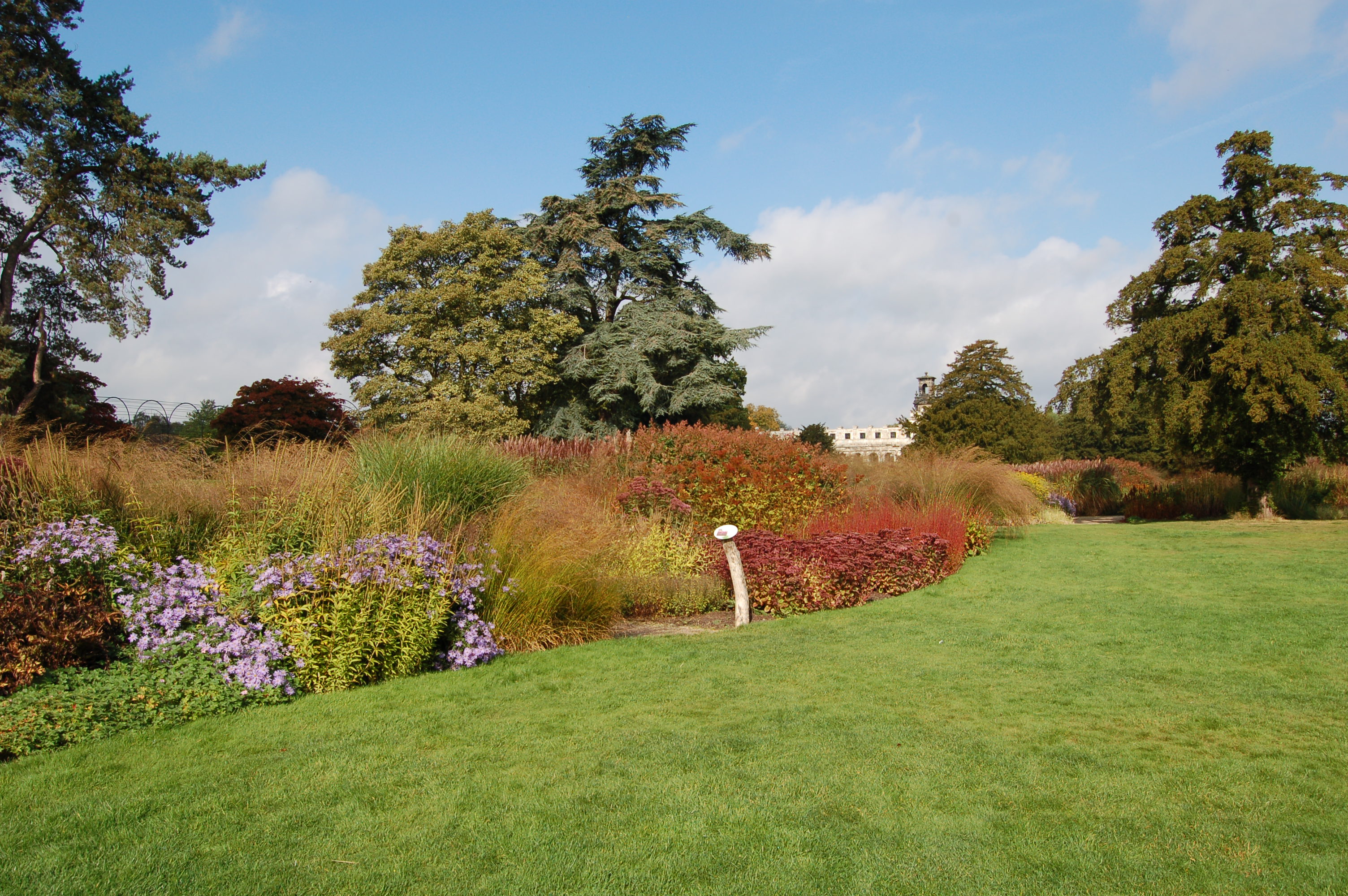
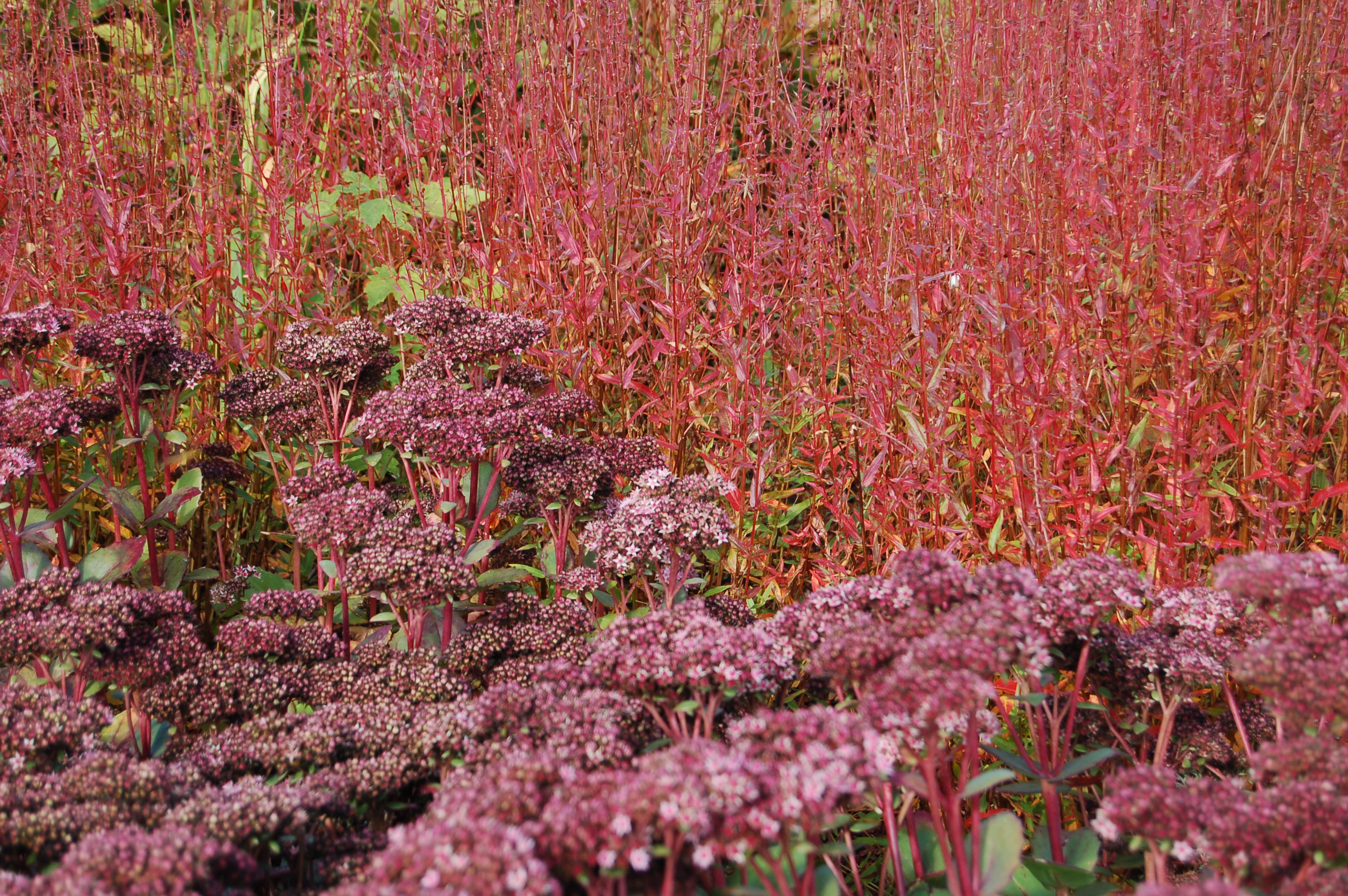
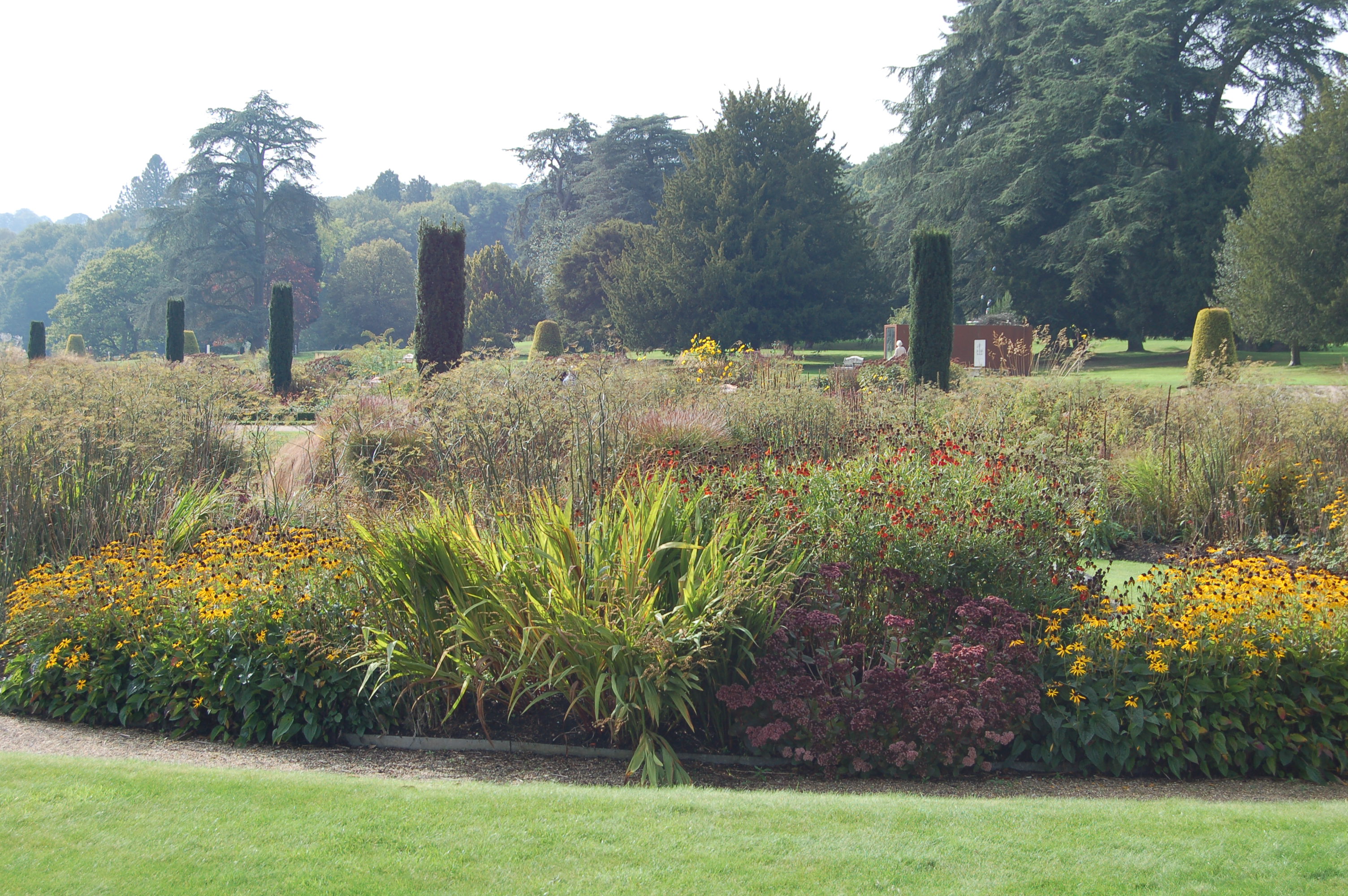
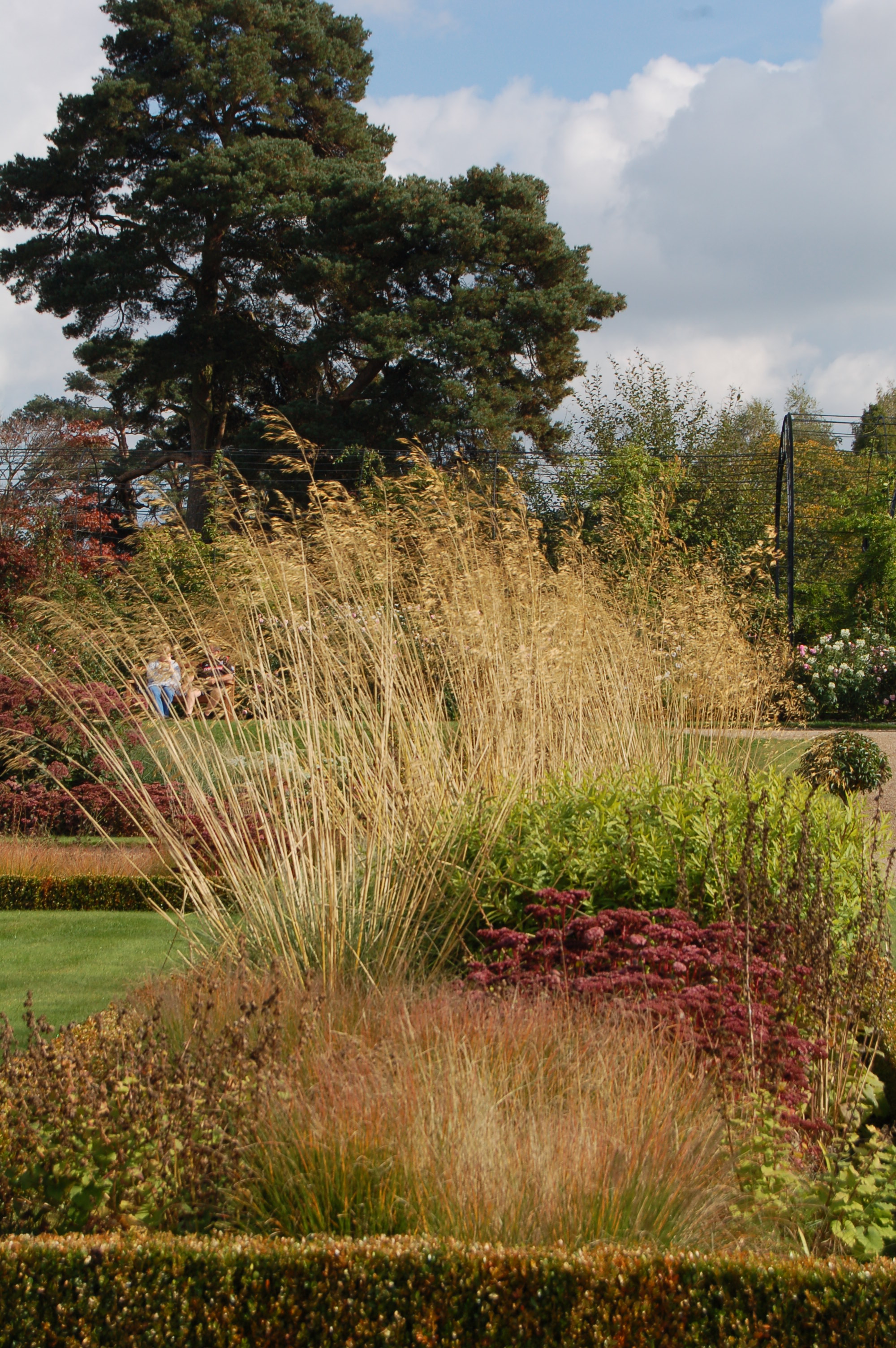
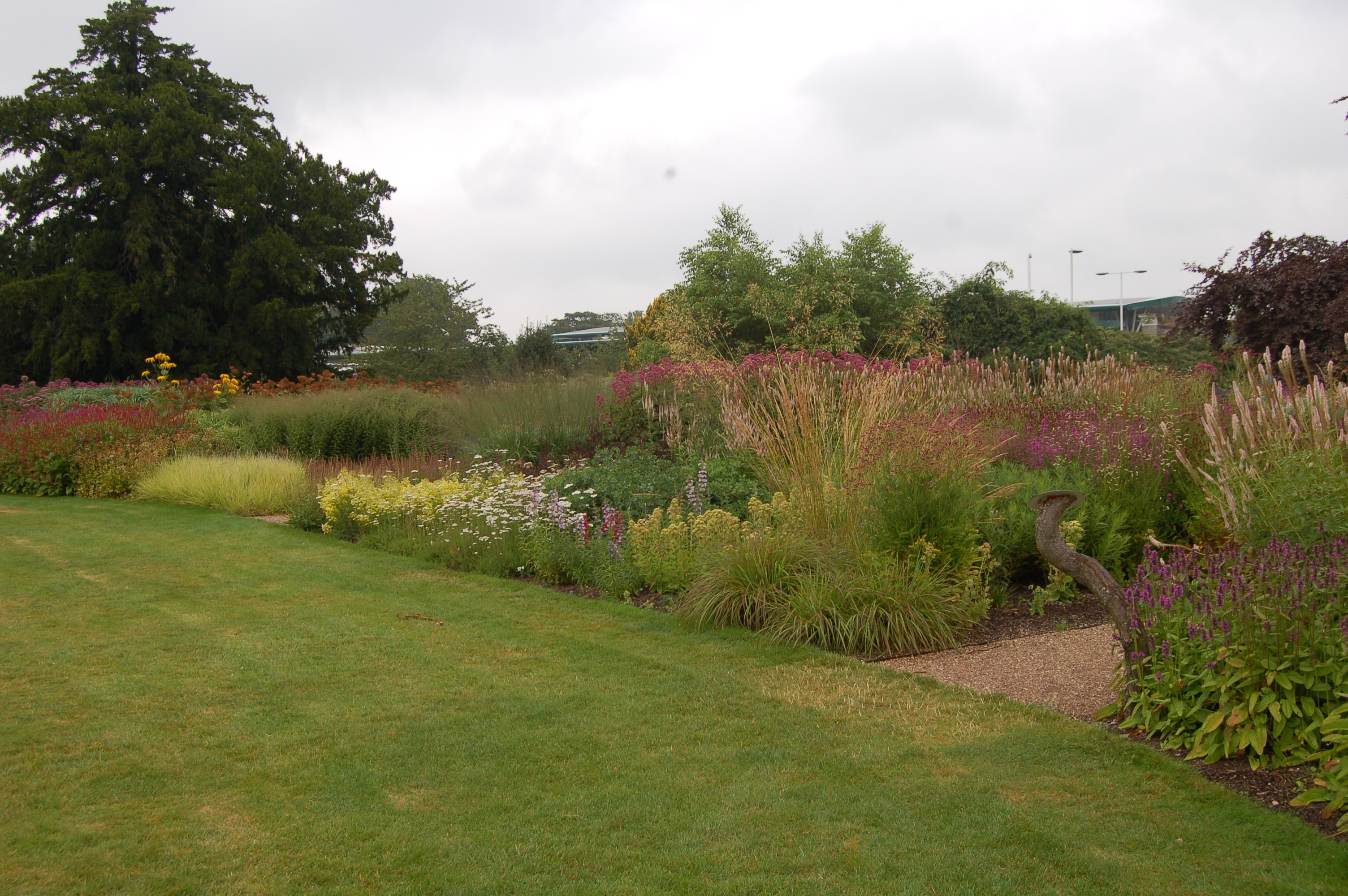
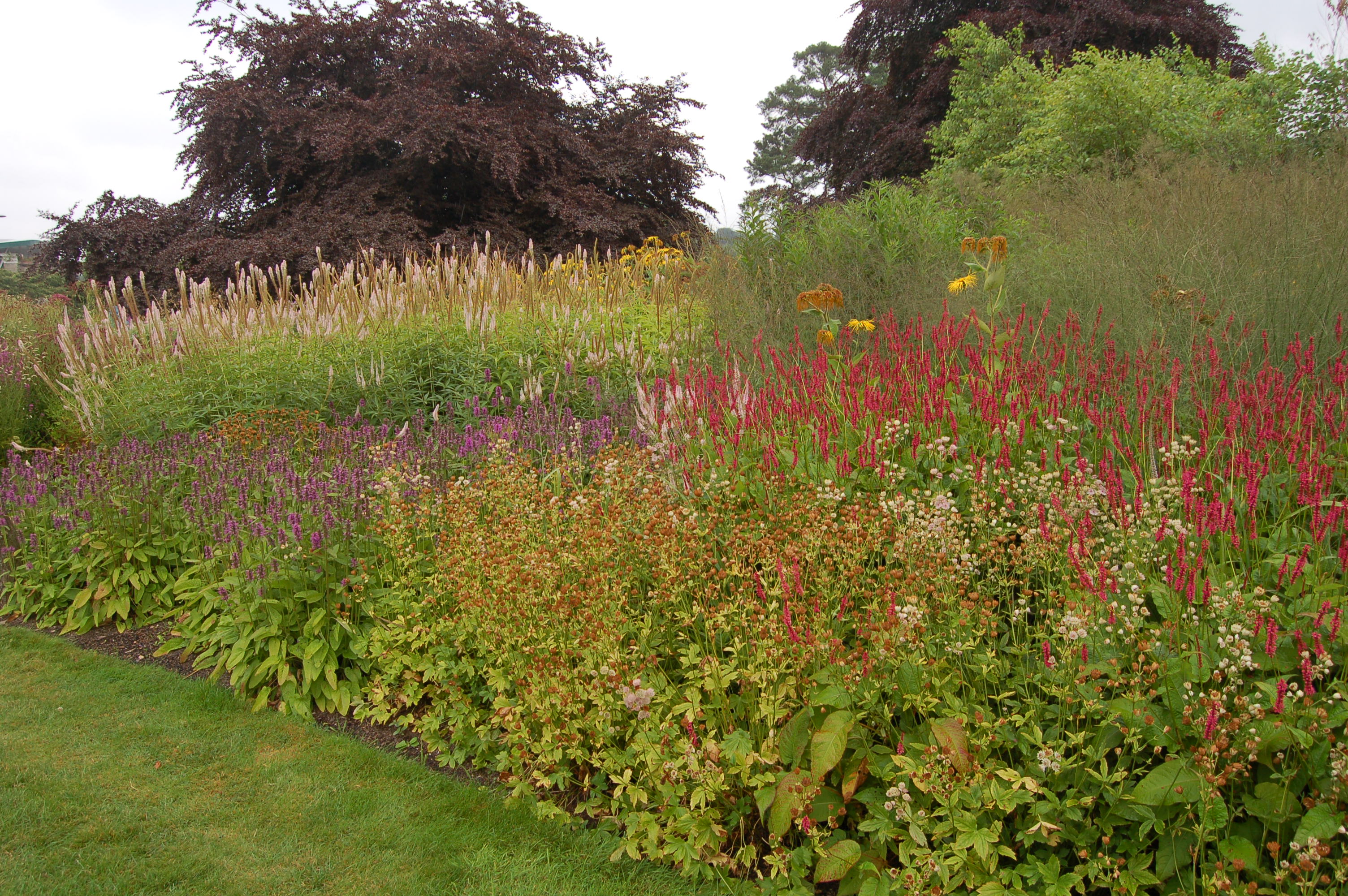
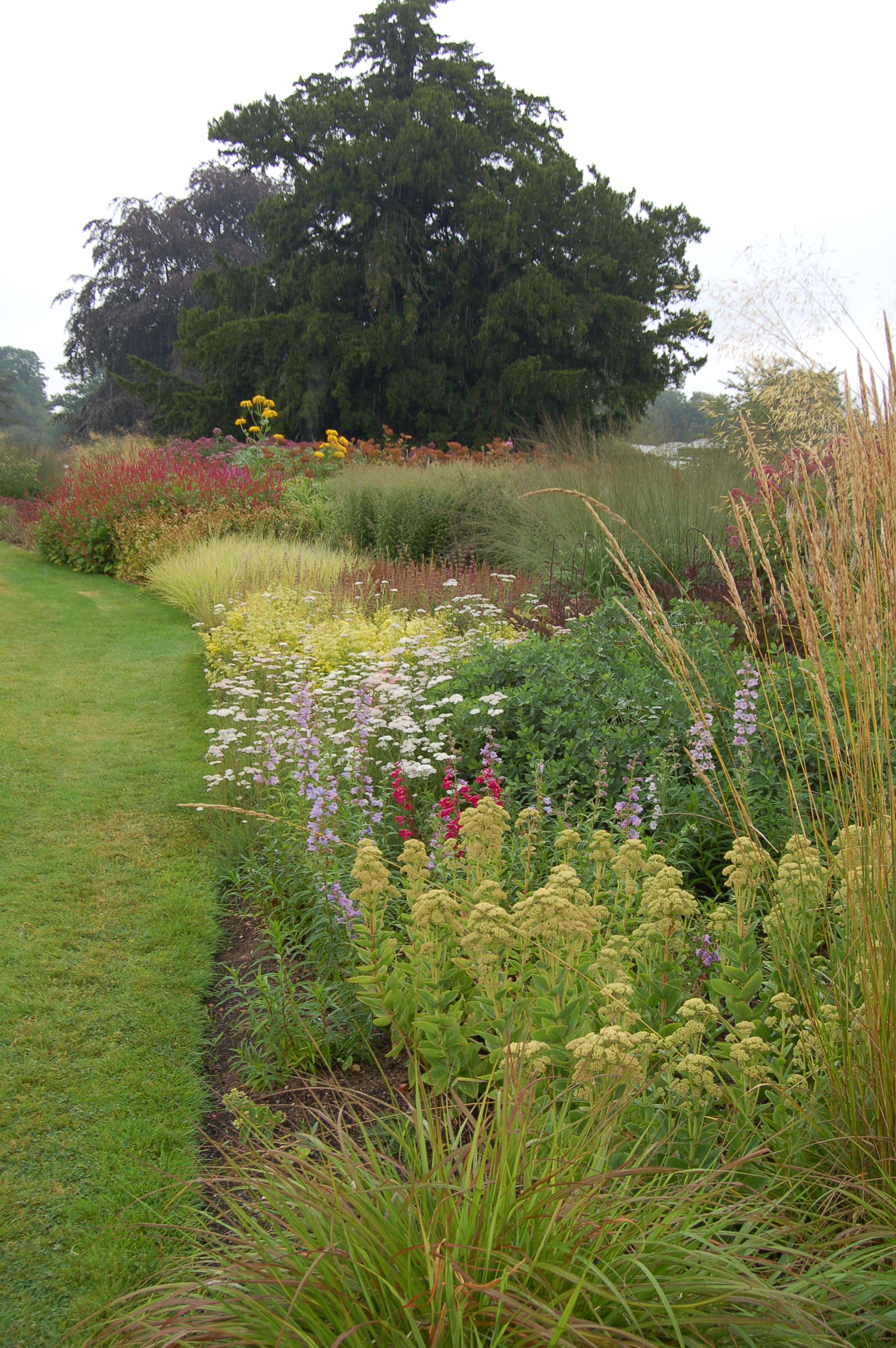
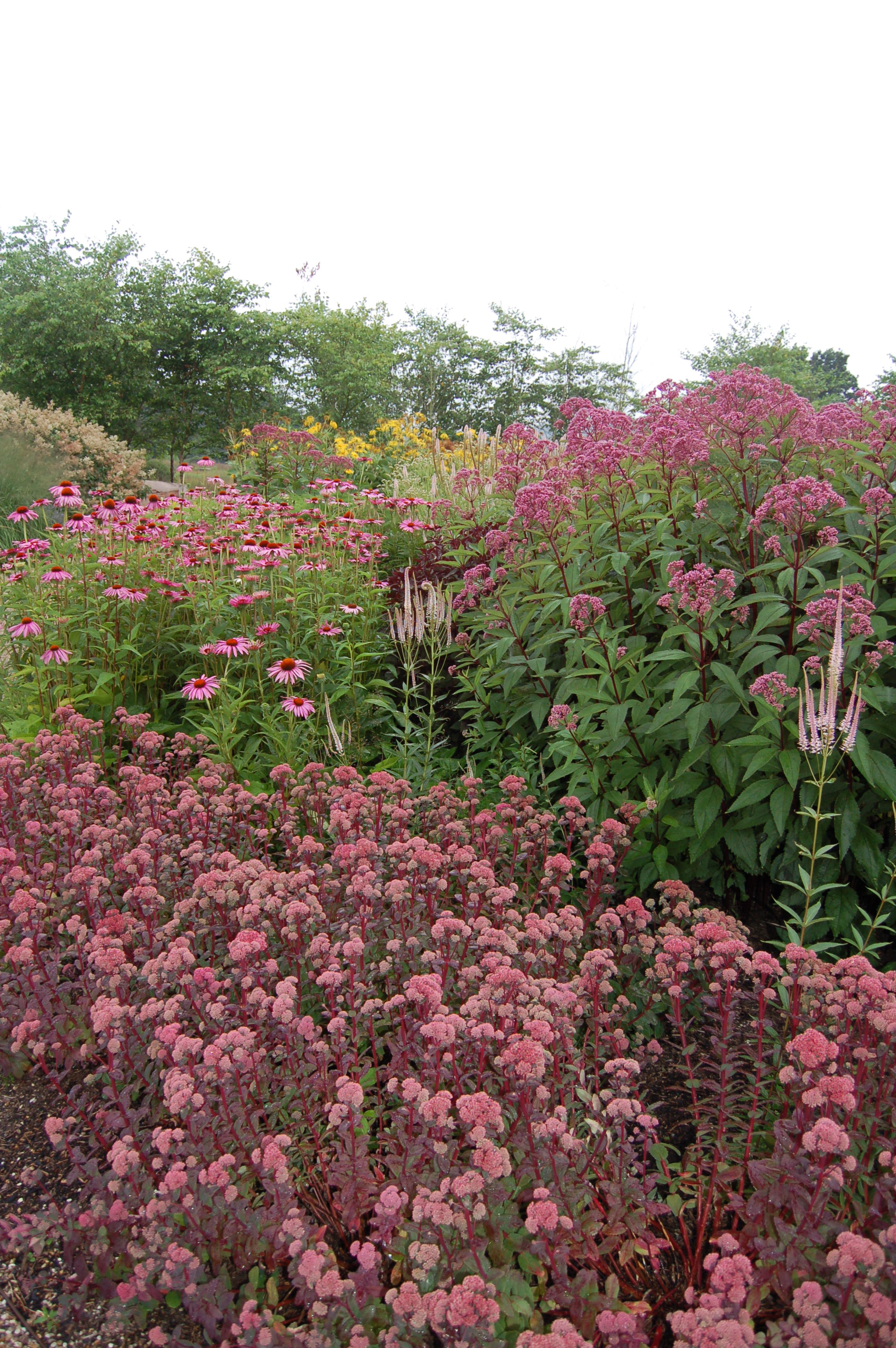
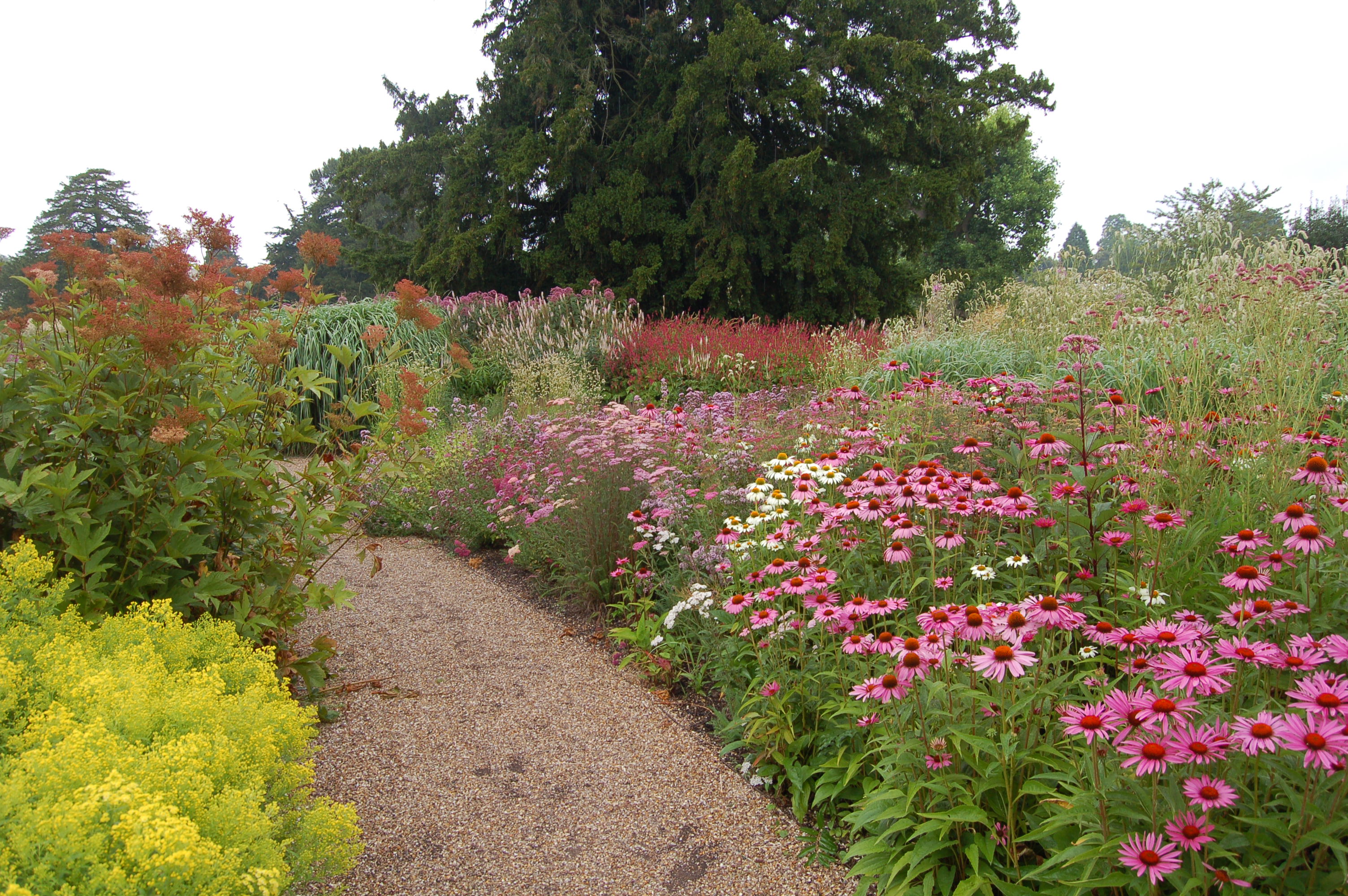
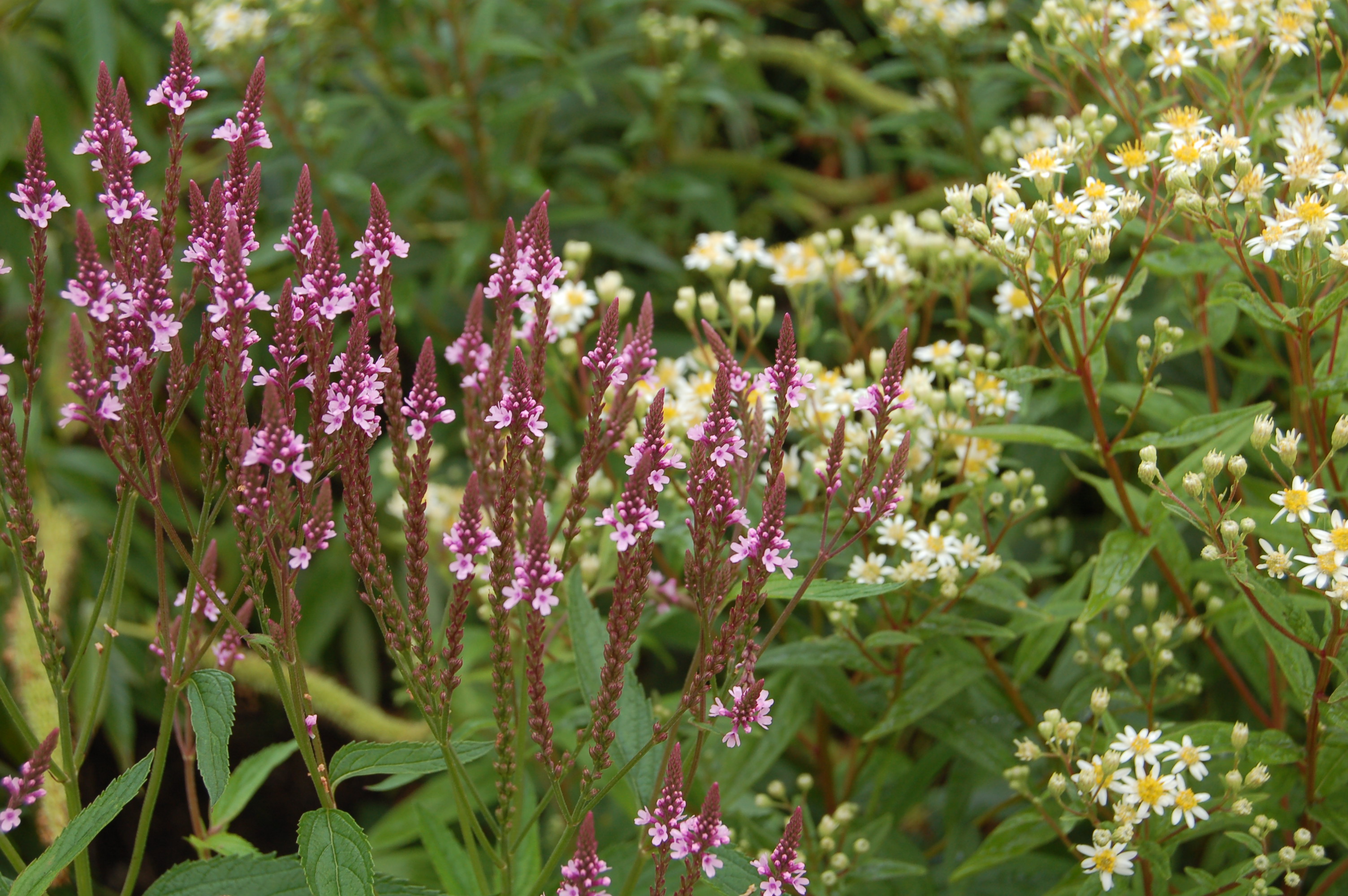
Moving into Oudolf’s Prairie there was much more variety in the colours although grasses remained powerful elements. The tall herbaceous perennials were showing deepening colours as autumn approaches. Rich rubies, purples and blues were, in places, lit up by the crisp white of the Seleniums and sunny yellows of Solidago.

2014 09 30_5364 2014 09 30_5365 2014 09 30_5366 2014 09 30_5367 2014 09 30_5368 2014 09 30_5369 2014 09 30_5370 2014 09 30_53712014 09 30_5372 2014 09 30_5373 2014 09 30_5374 2014 09 30_5375 2014 09 30_5377 2014 09 30_5376 2014 09 30_5378 2014 09 30_5379

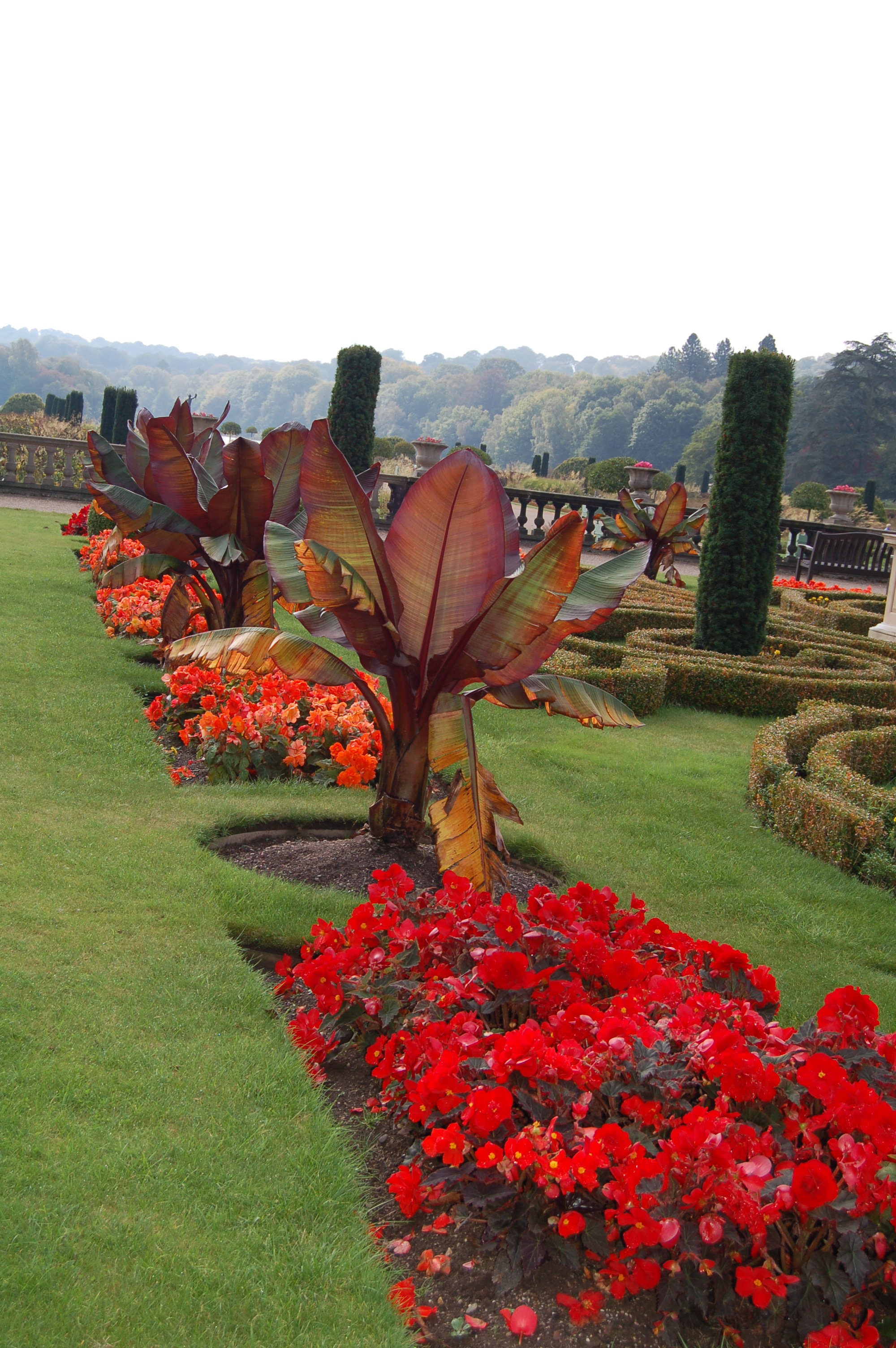
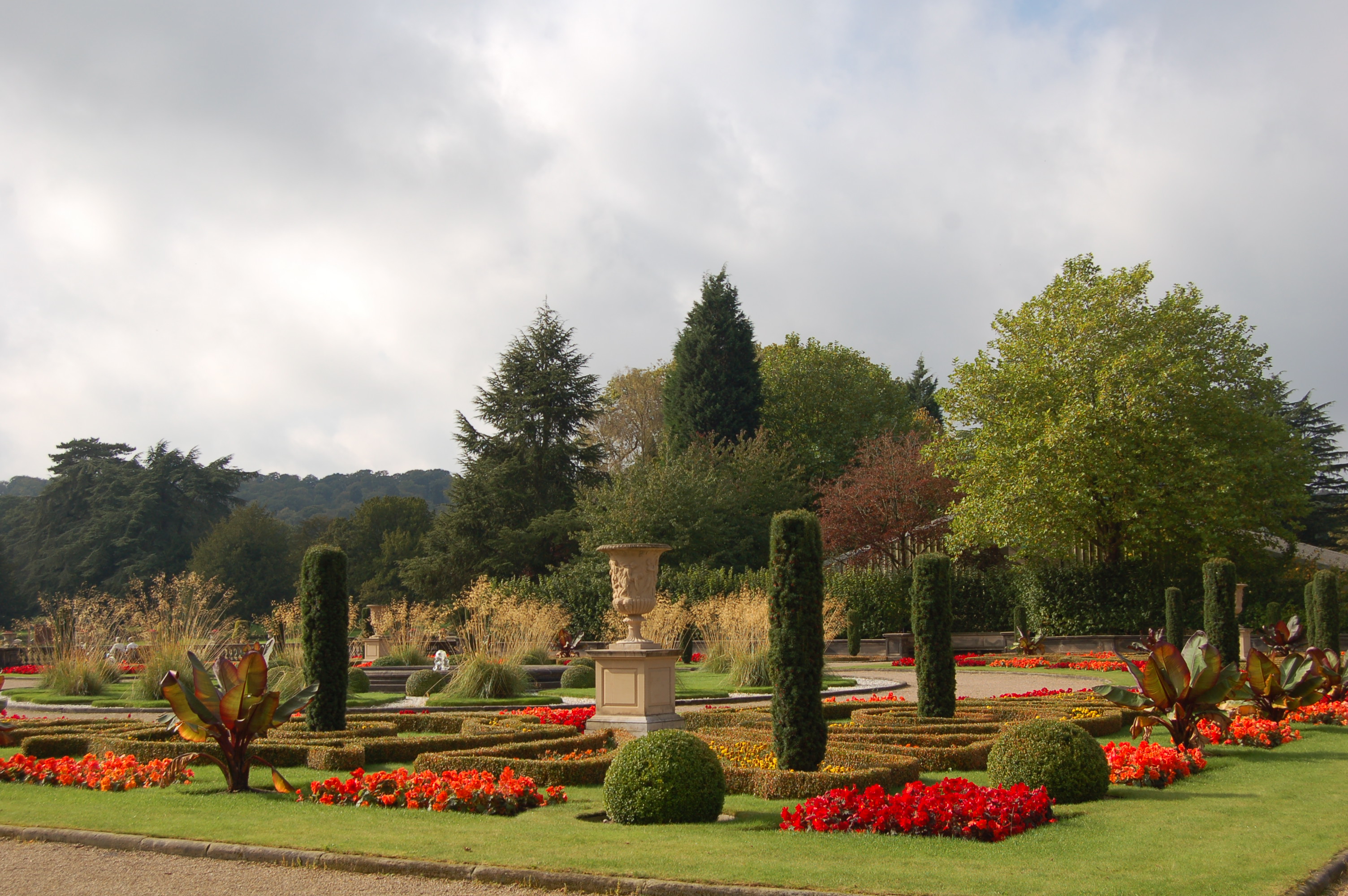
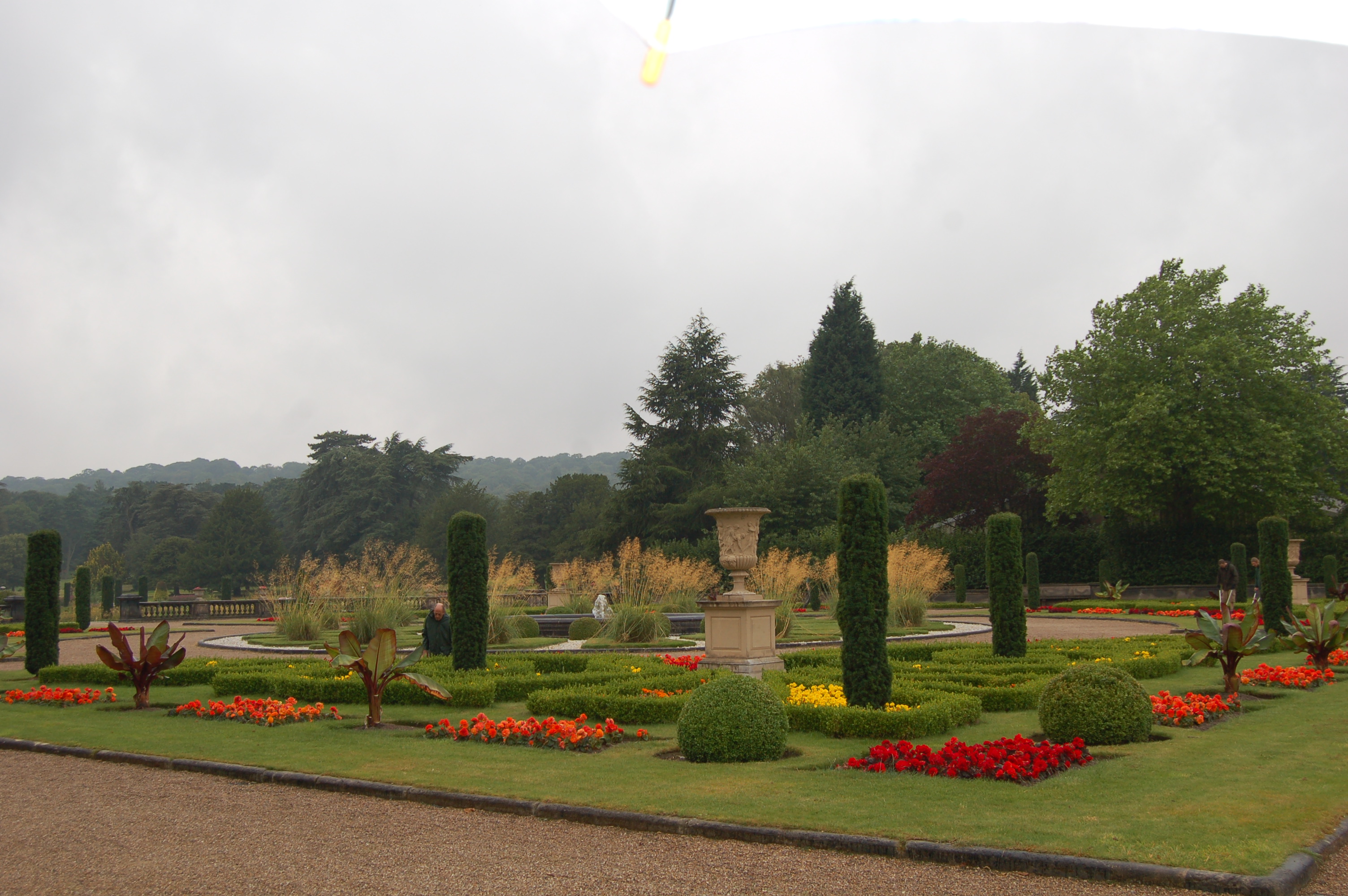
Leaving the subtle but at the same time exciting Prairie we wandered off towards the Italian Garden with its traditional style of planting. We passed through a Hornbeam tunnel where the autumnal light played with shadows. Leaving its coolness our eyes were assaulted by Begonias and brightly leaved bananas.

2014 09 30_5380 2014 09 30_5382 2014 09 30_5381

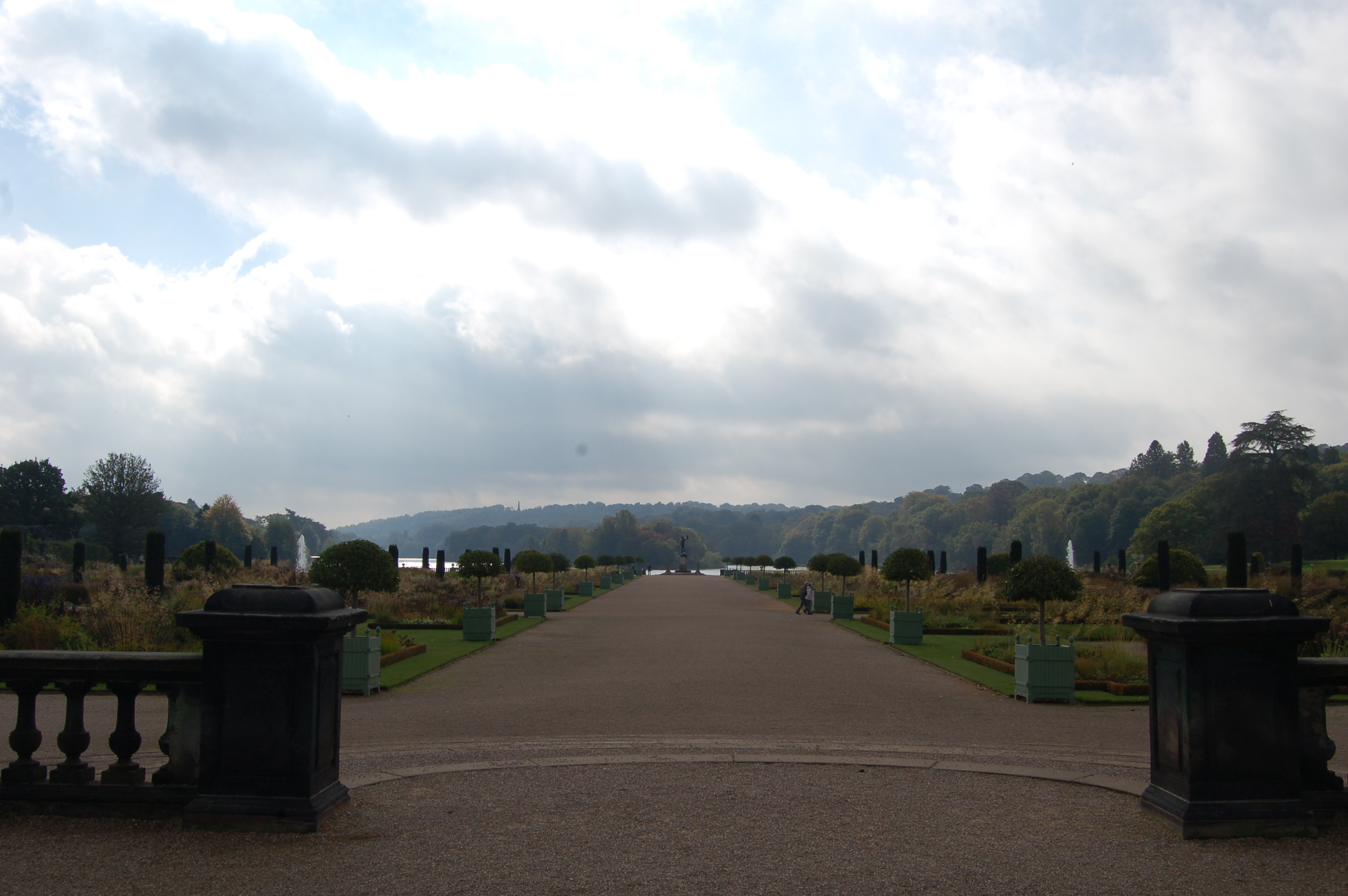
We always look forward to our first glimpse of the delights that await us in Tom Stuart-Smith’s Italianate parterres. Looking from the balustrade the view spread out below in the geometric beds promised so much of interest, while a quick glance below showed bursts of red Dahlias and yellow Rudbeckias.

2014 09 30_5383 2014 09 30_5385

2014 09 30_5386 2014 09 30_5384

Once down among the many beds we soon discovered just what flowers were giving us the colourful sights.

2014 09 30_5392 2014 09 30_5390

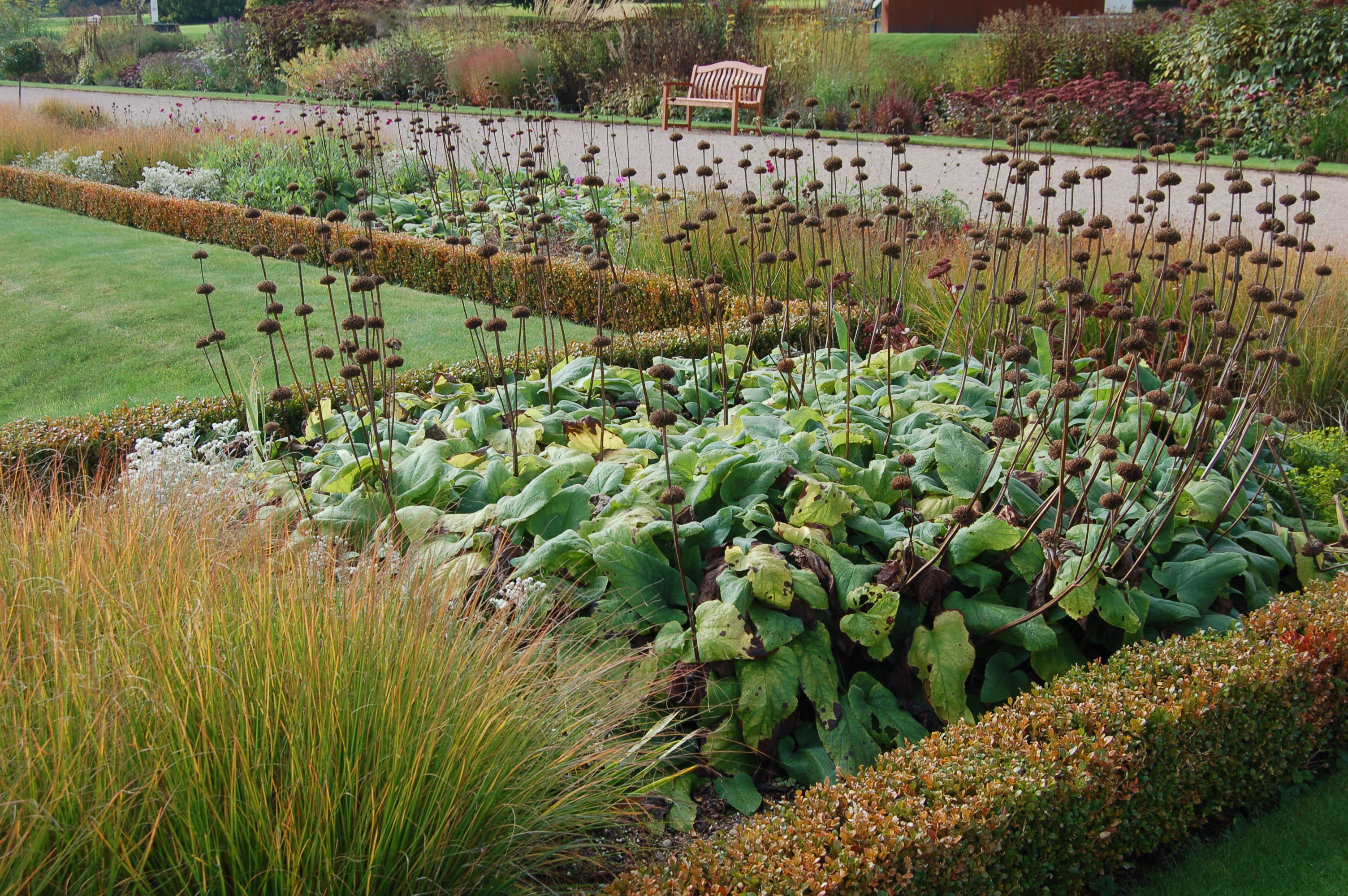
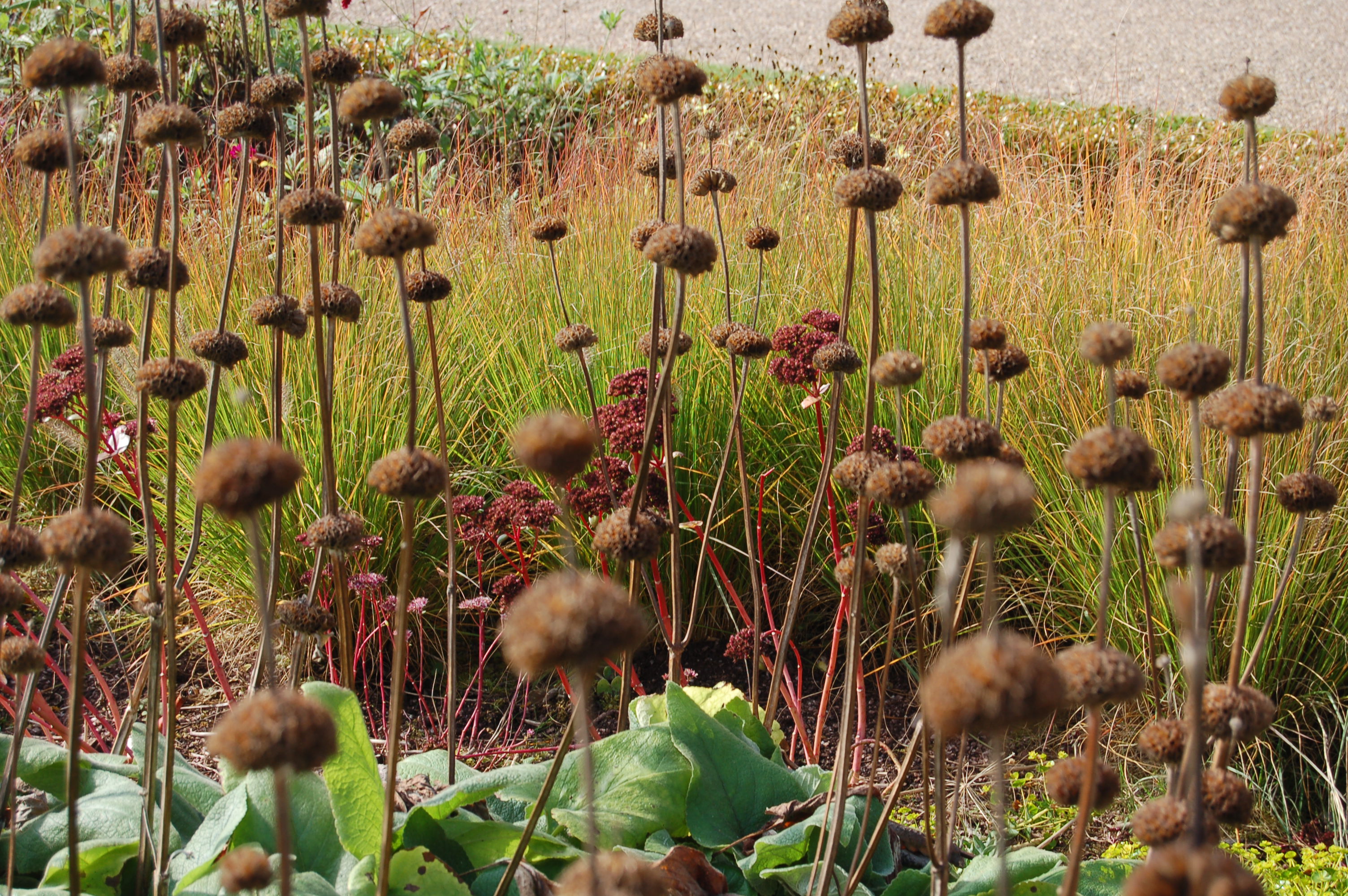
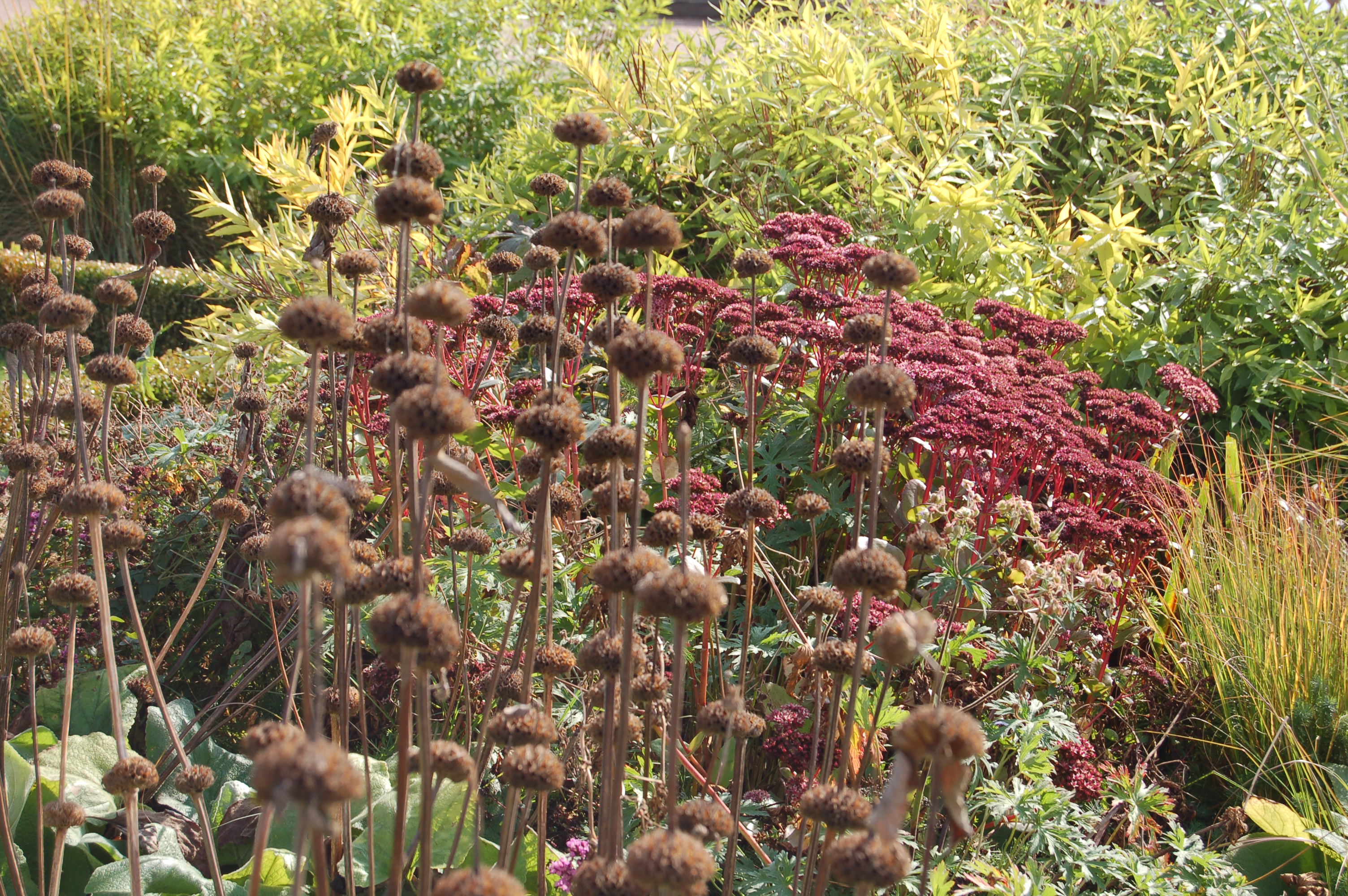
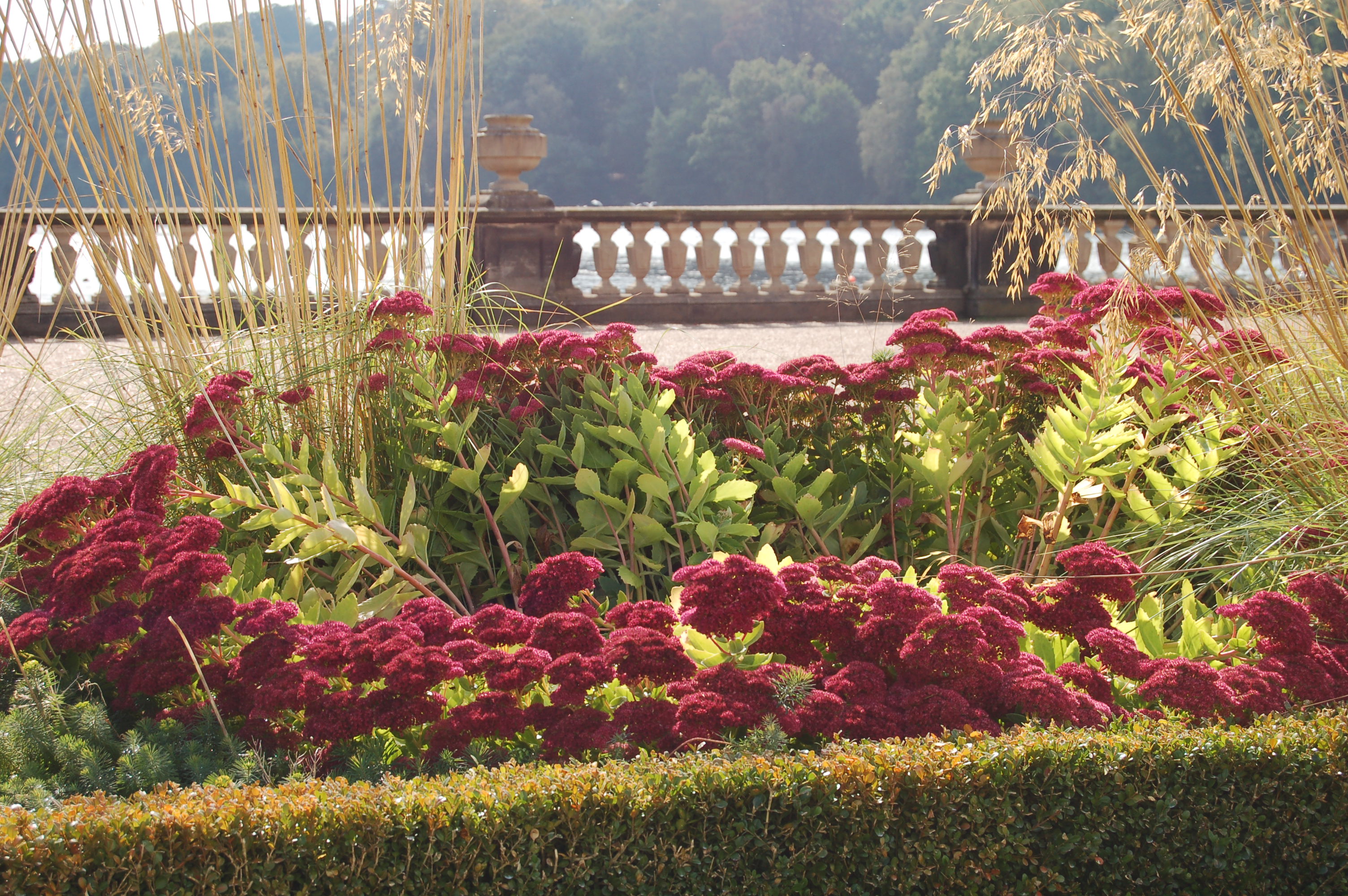
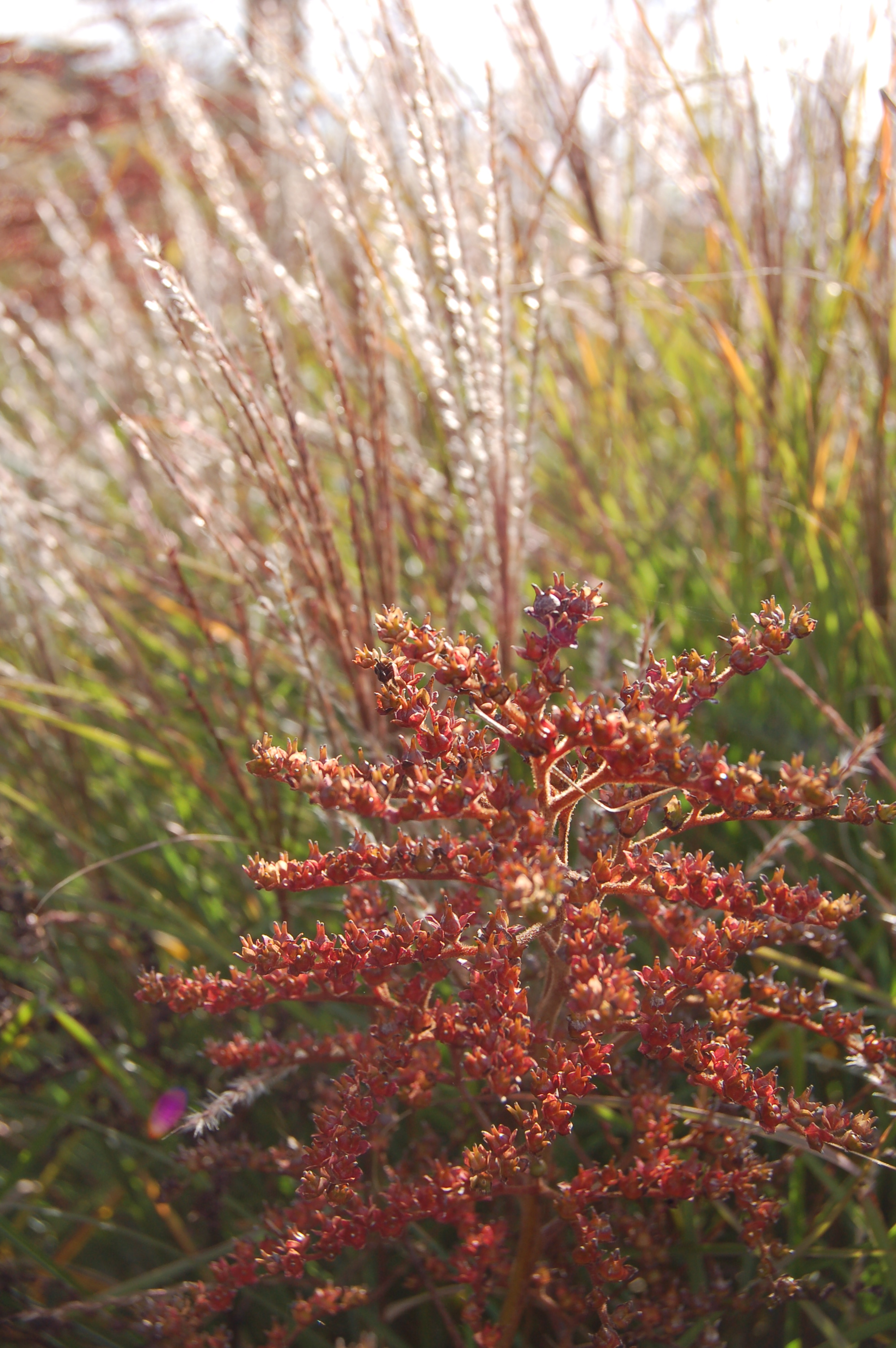
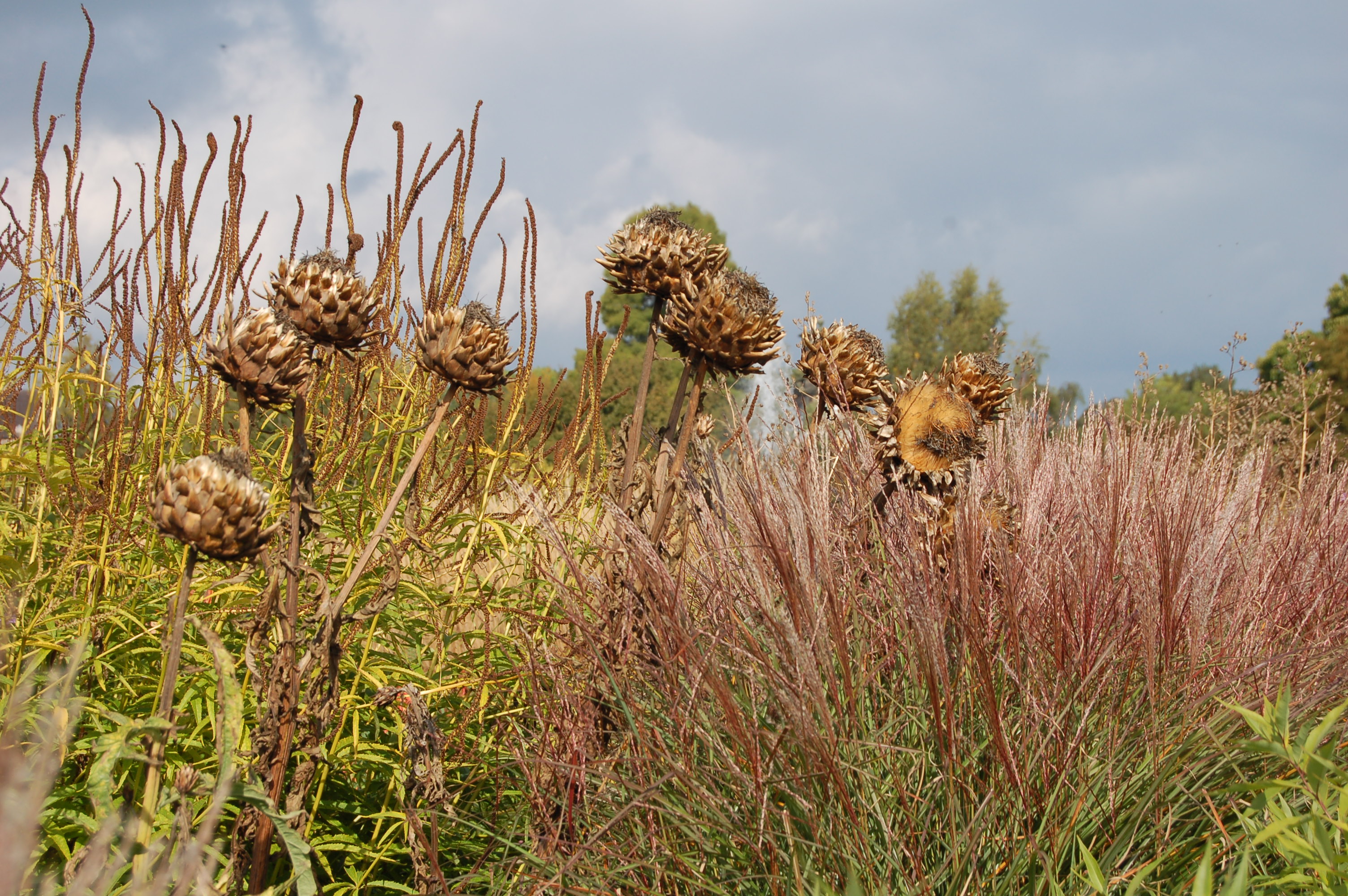
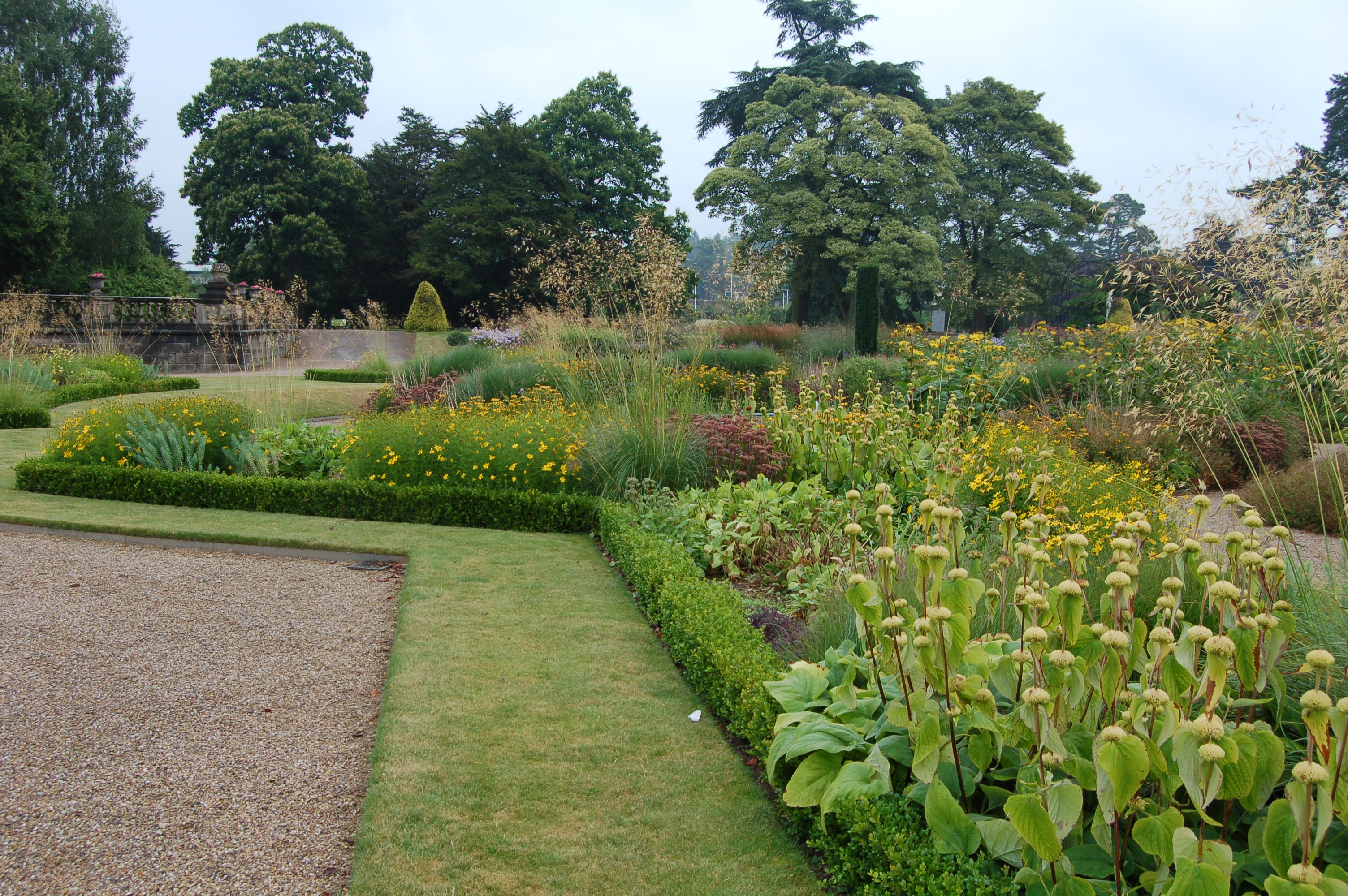
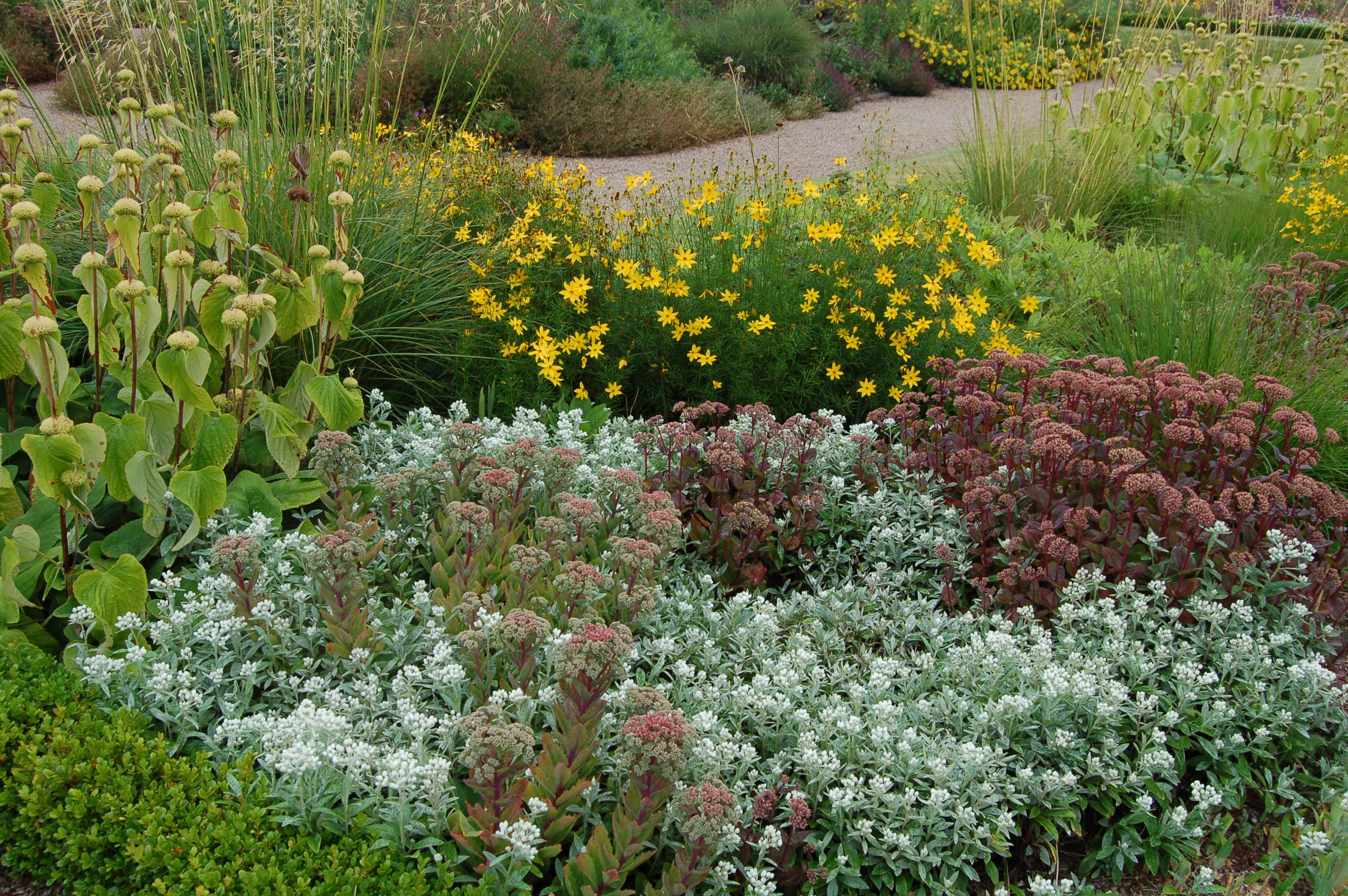
These colours were enriched all the more by the russets and chocolates of the grasses and seed heads of perennials such as Phlomis and Verbascums.

2014 09 30_5387 2014 09 30_5388 2014 09 30_5389  2014 09 30_5391  2014 09 30_5393 2014 09 30_5394

We reluctantly left the Tom S-S plantings behind us and ambled off through the tall trees of the old parkland towards the display gardens. We glanced at the early autumn colours of Prunus trees between the silver bark of the trunks of Betula. Some Betula trunks were showing their great age and their textures contrasted strongly with their younger smoother neighbours.

2014 09 30_5395 2014 09 30_5396


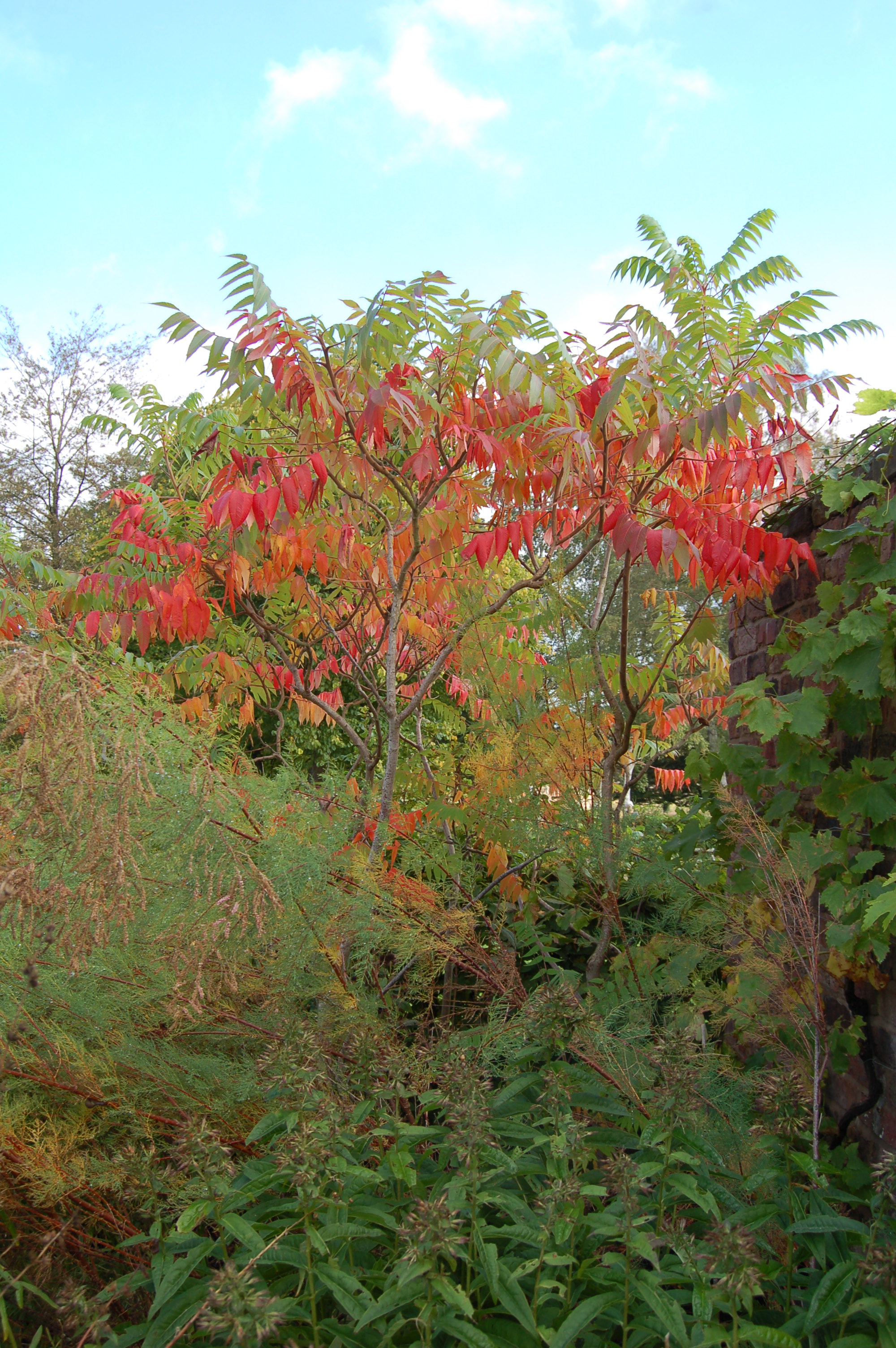
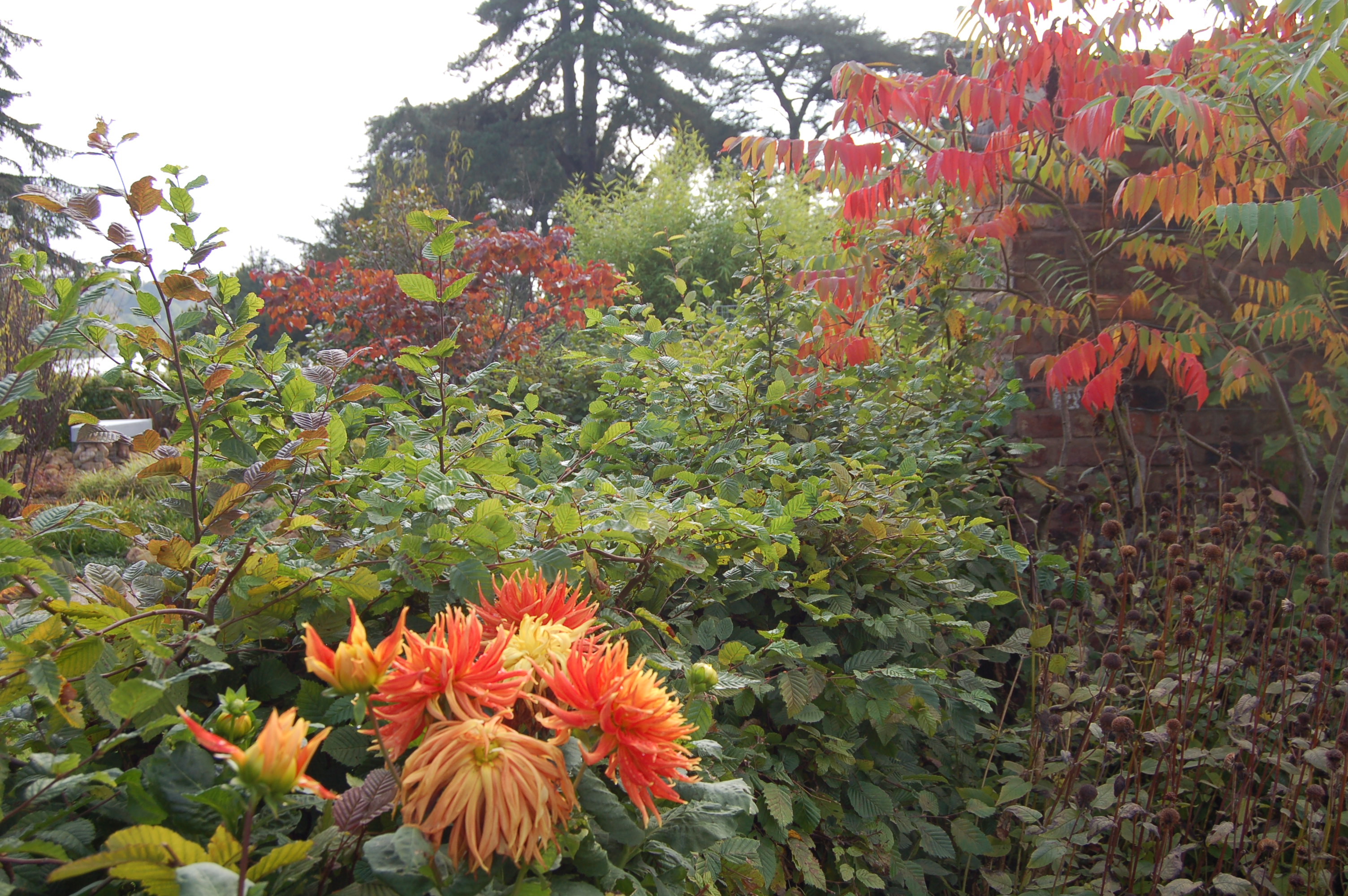
Rhus trees were showing deep orange foliage which matched the petals of a lovely Dahlia.

2014 09 30_5397 2014 09 30_5398

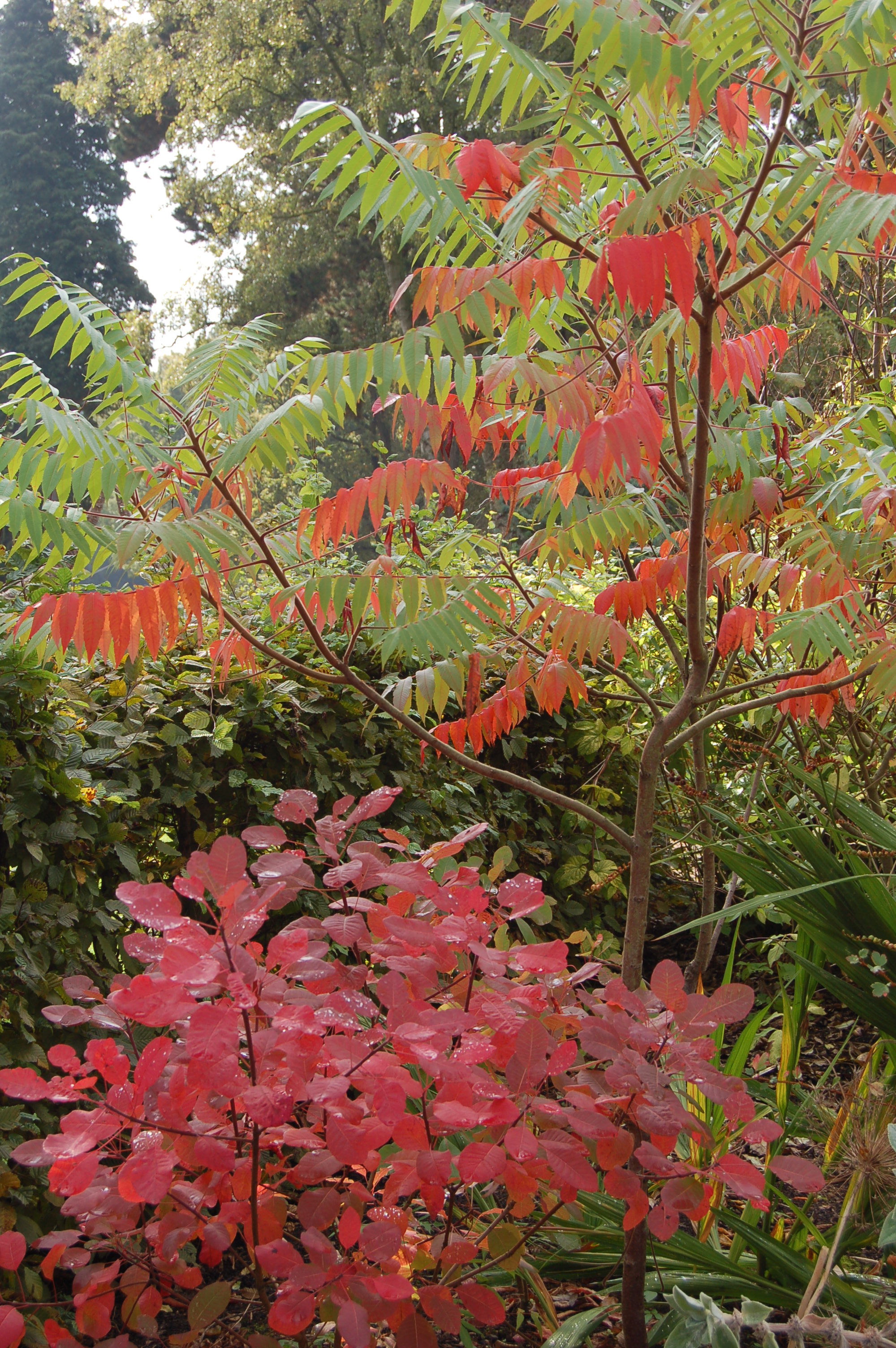
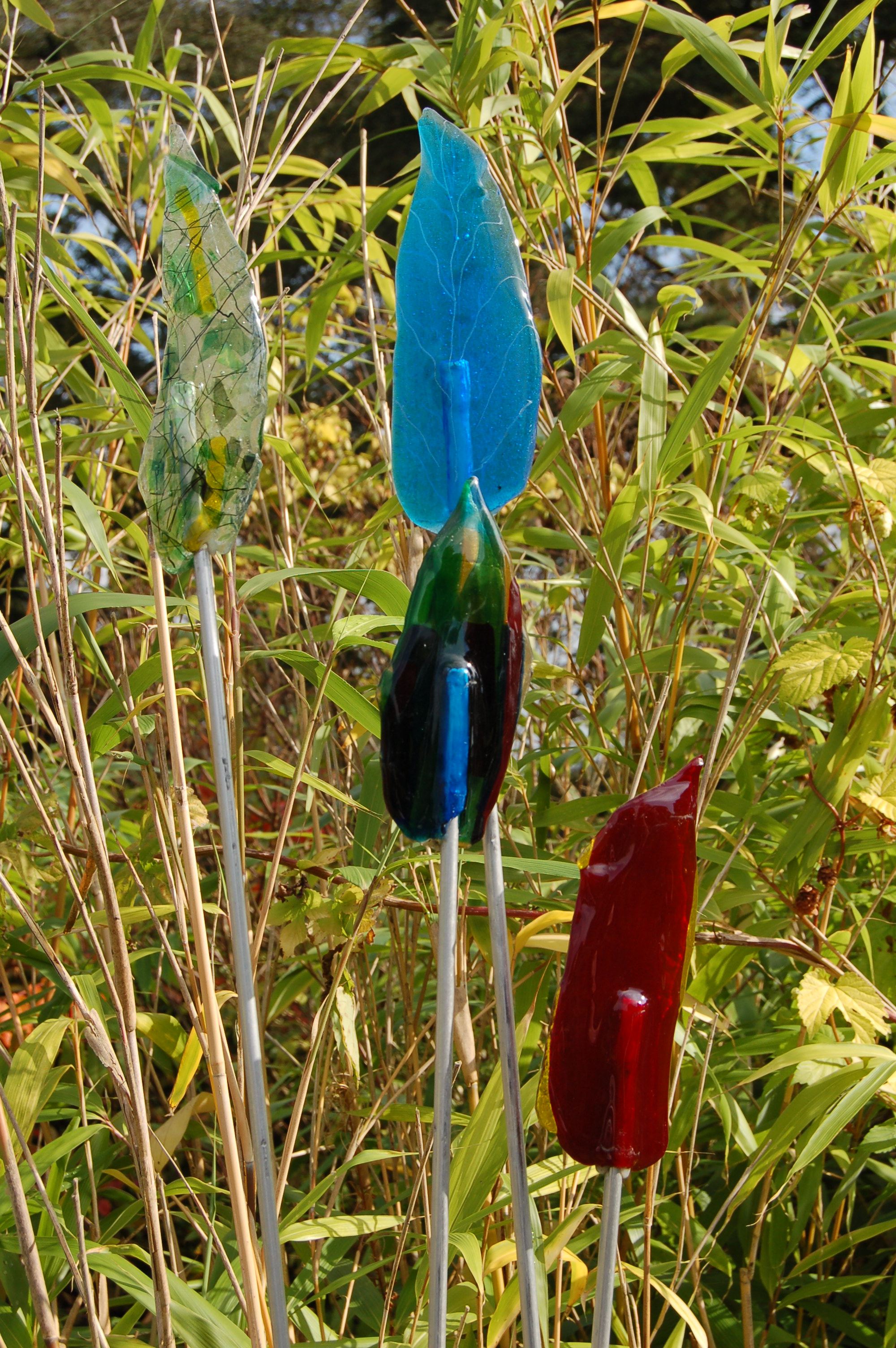
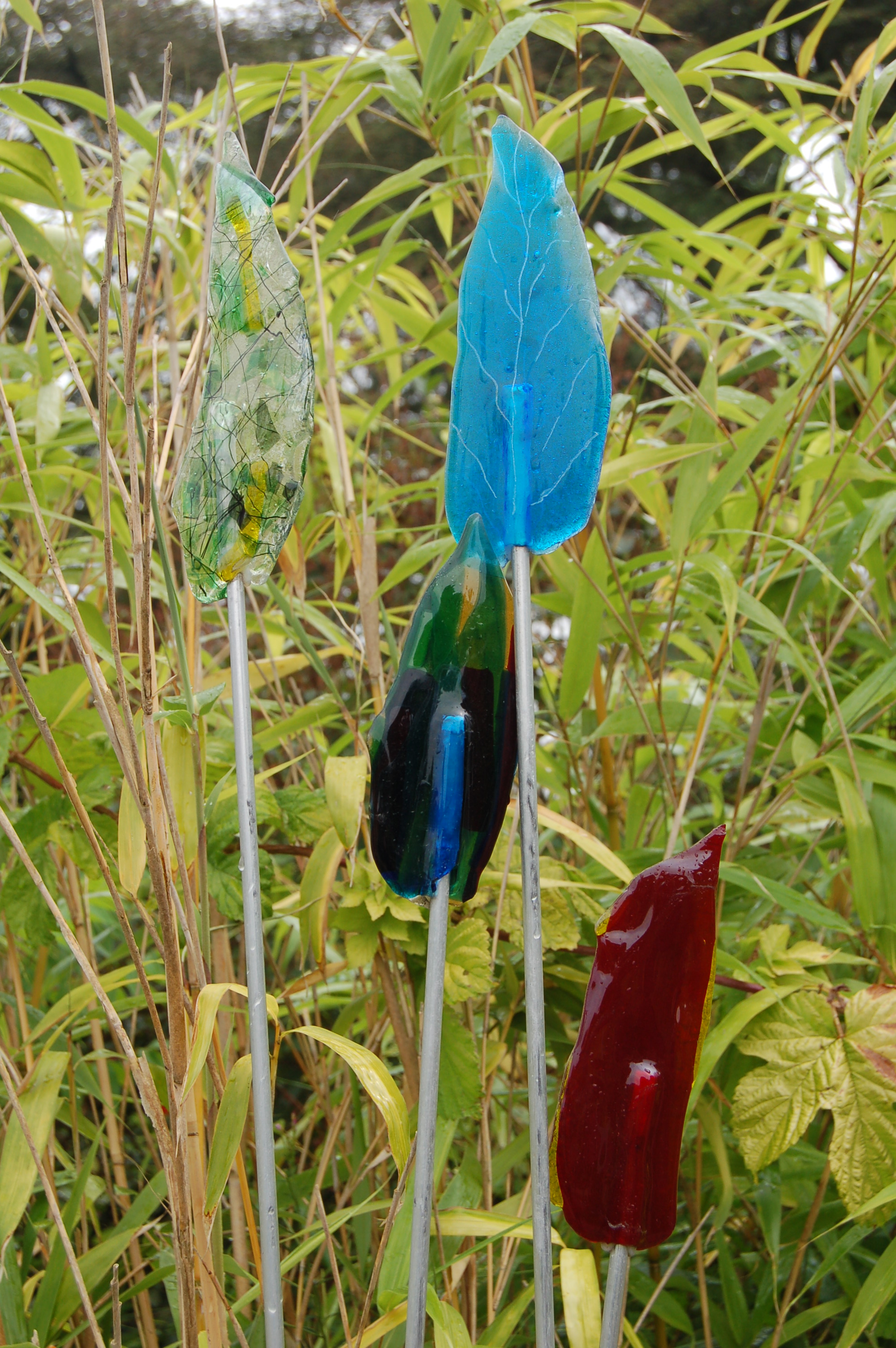
Elsewhere another Rhus partnered a red leaved Cotinus. Coloured glass leaves atop silver stems added more colour close by.

2014 09 30_5402 2014 09 30_5403

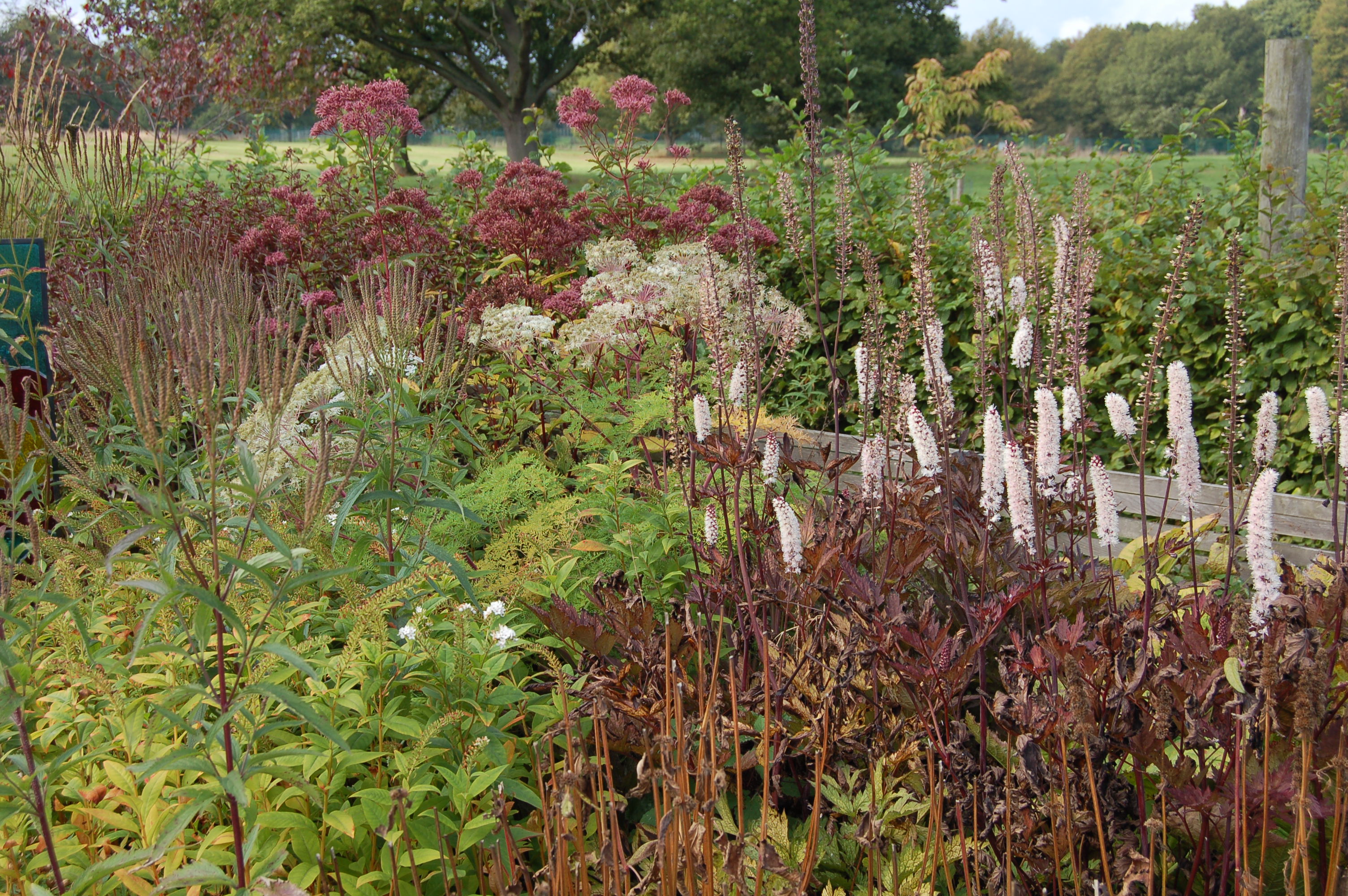
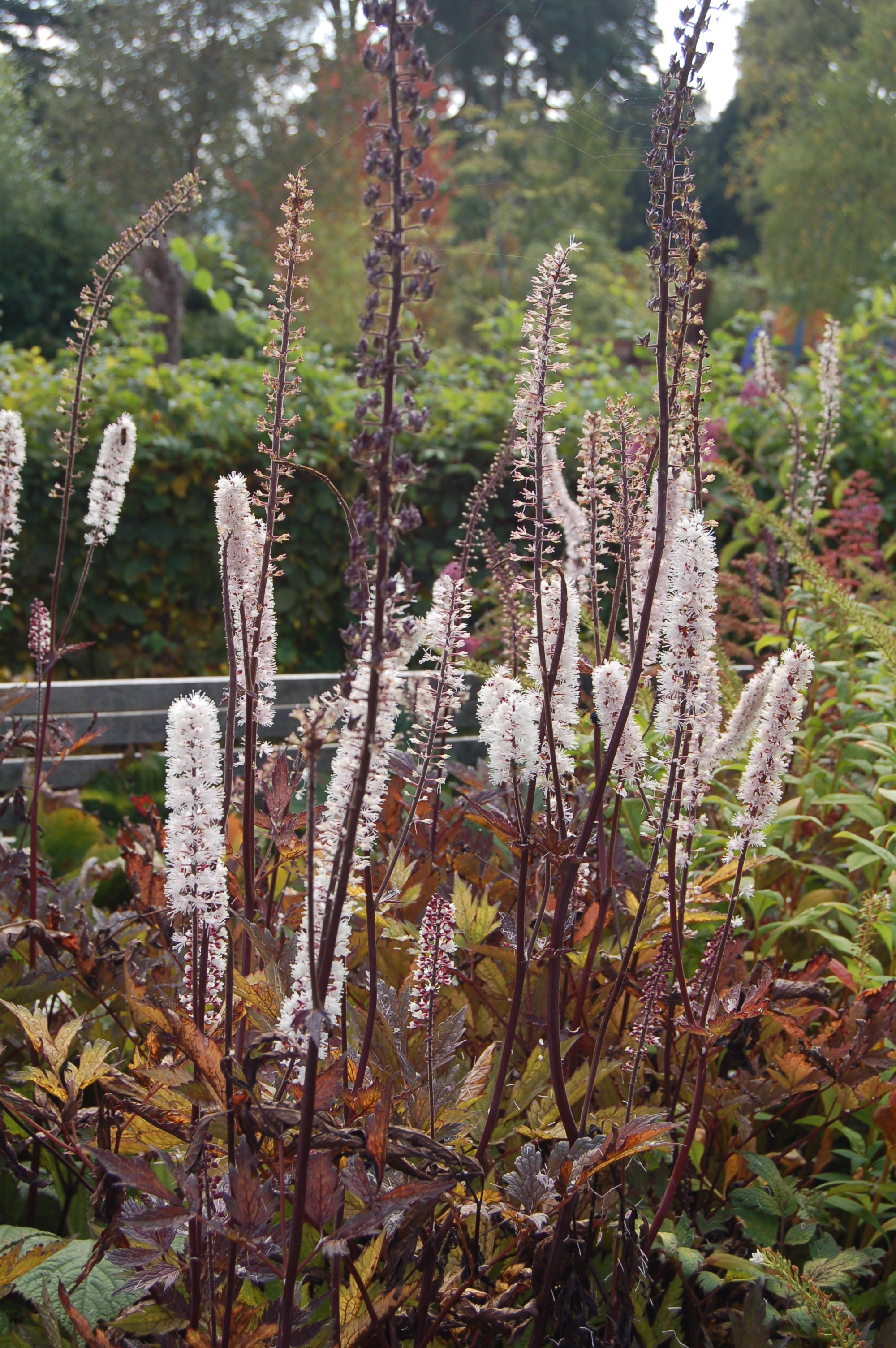
White and purple spires of Actaea caught the light.

2014 09 30_5399 2014 09 30_5400

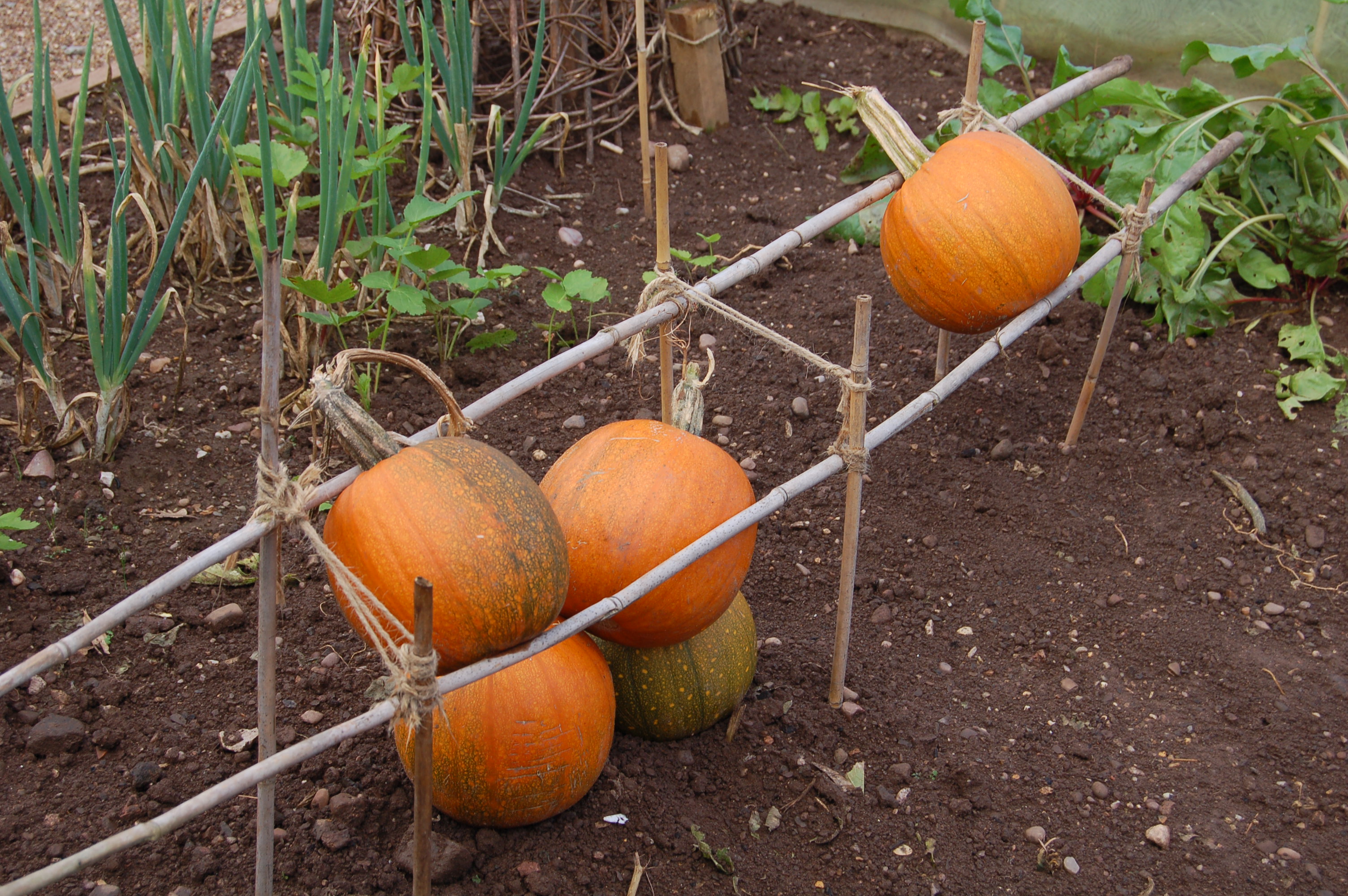
In the Allotment Garden orange globes of pumpkins were drying in the sun and heat of this Indian Summer.

2014 09 30_5401

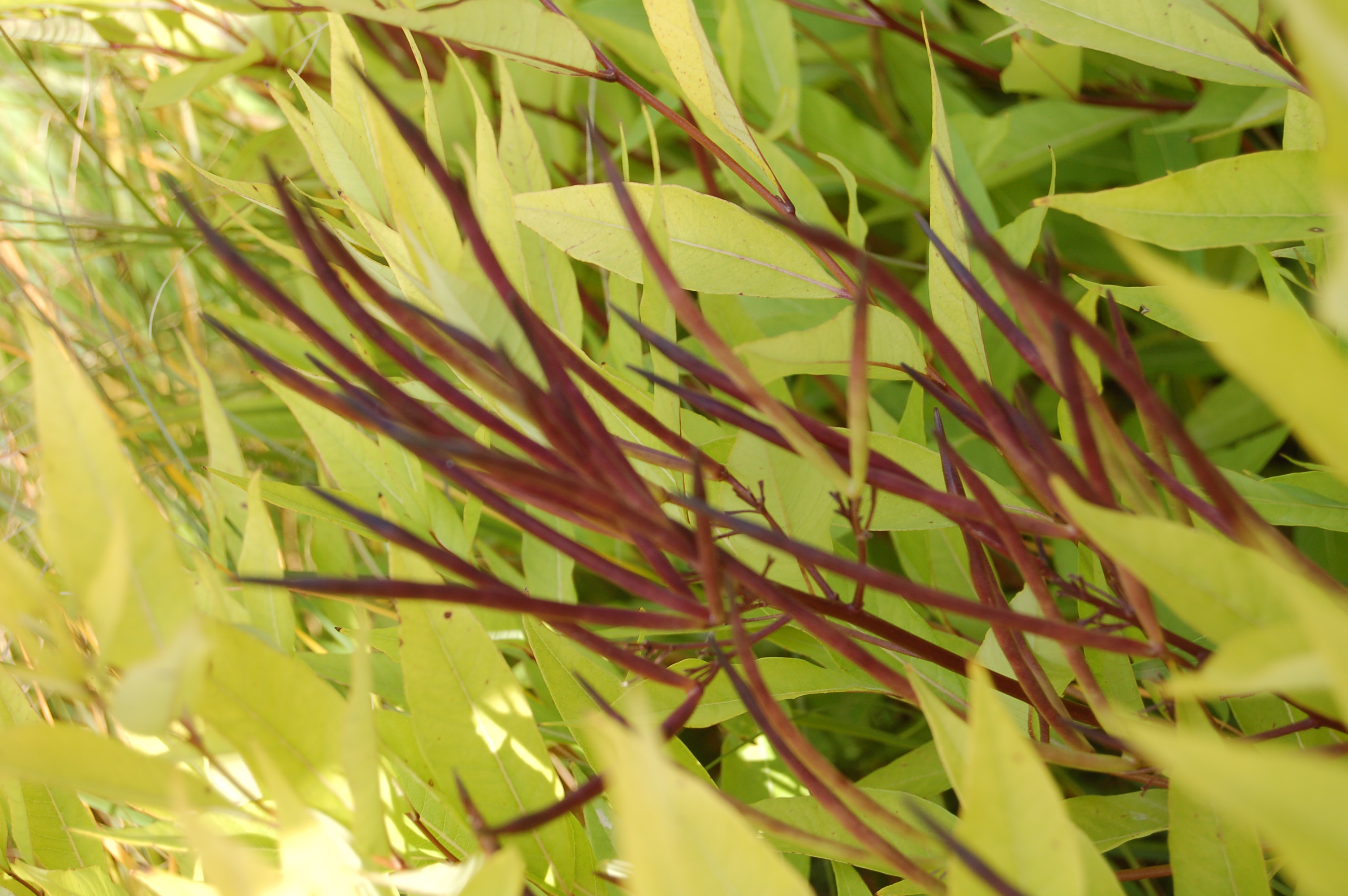
After a light lunch we made our way towards the Rose Walk to see how things had changed since our visit last month. We passed back through some of the Tom S-S borders where we were drawn for a closer look towards the long thin seed pods of Amsonias.

2014 09 30_5405 2014 09 30_5404

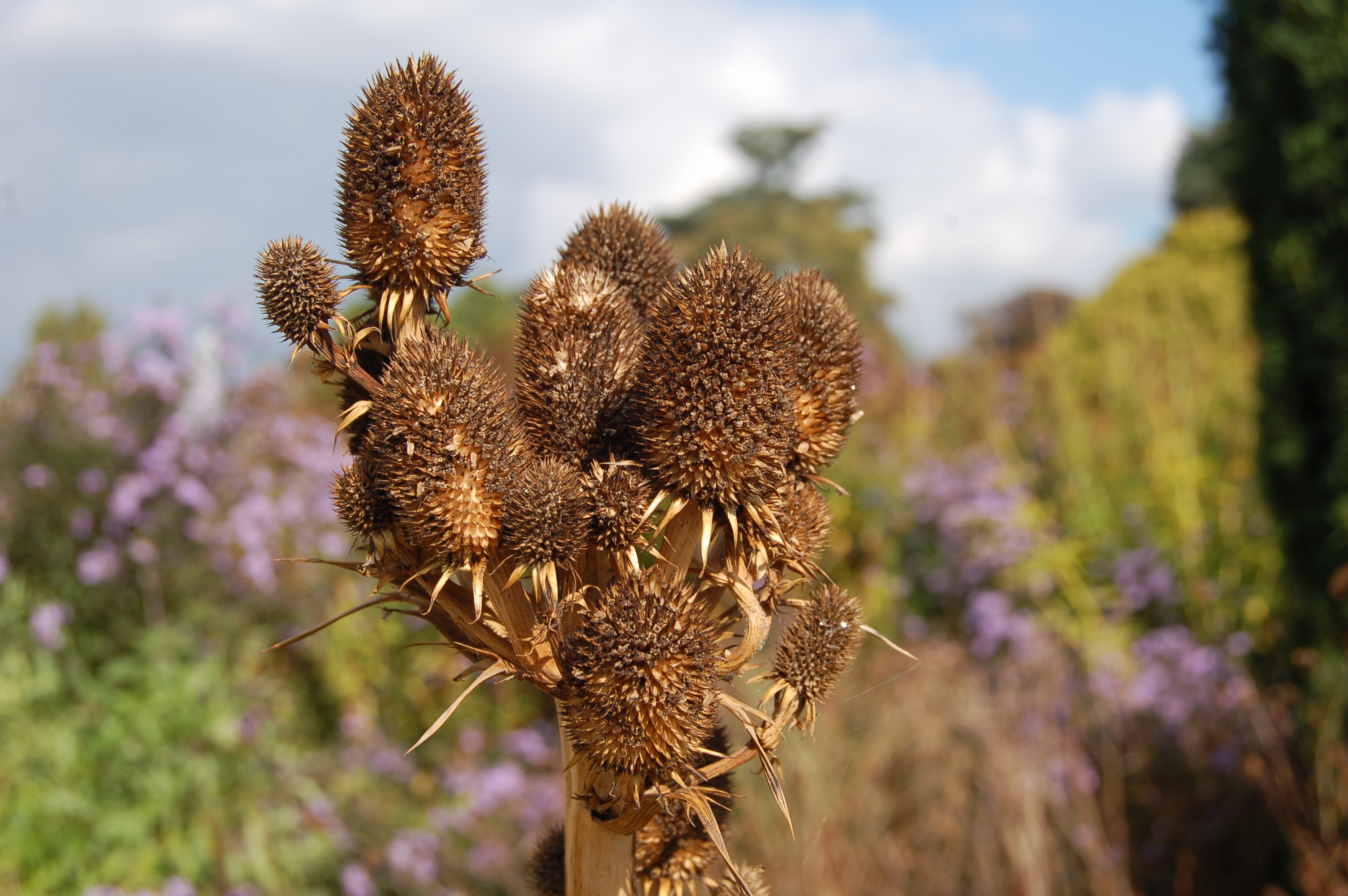
Seedheads and dying flower heads of many different perennials and grasses were so enthralling that our walk back through these borders took rather longer than anticipated.


2014 09 30_5406 2014 09 30_5407 2014 09 30_5408 2014 09 30_5409 2014 09 30_5410 2014 09 30_5416

2014 09 30_5412 2014 09 30_5413 2014 09 30_5414 2014 09 30_5417


2014 09 30_5418 2014 09 30_5419

A long line of thin rectangular borders designed by Piet Oudolf act as a link between the Tom S-S garden and the Rose Walk. Here colour abounded.


2014 09 30_5420 2014 09 30_5421 2014 09 30_5422 2014 09 30_5423

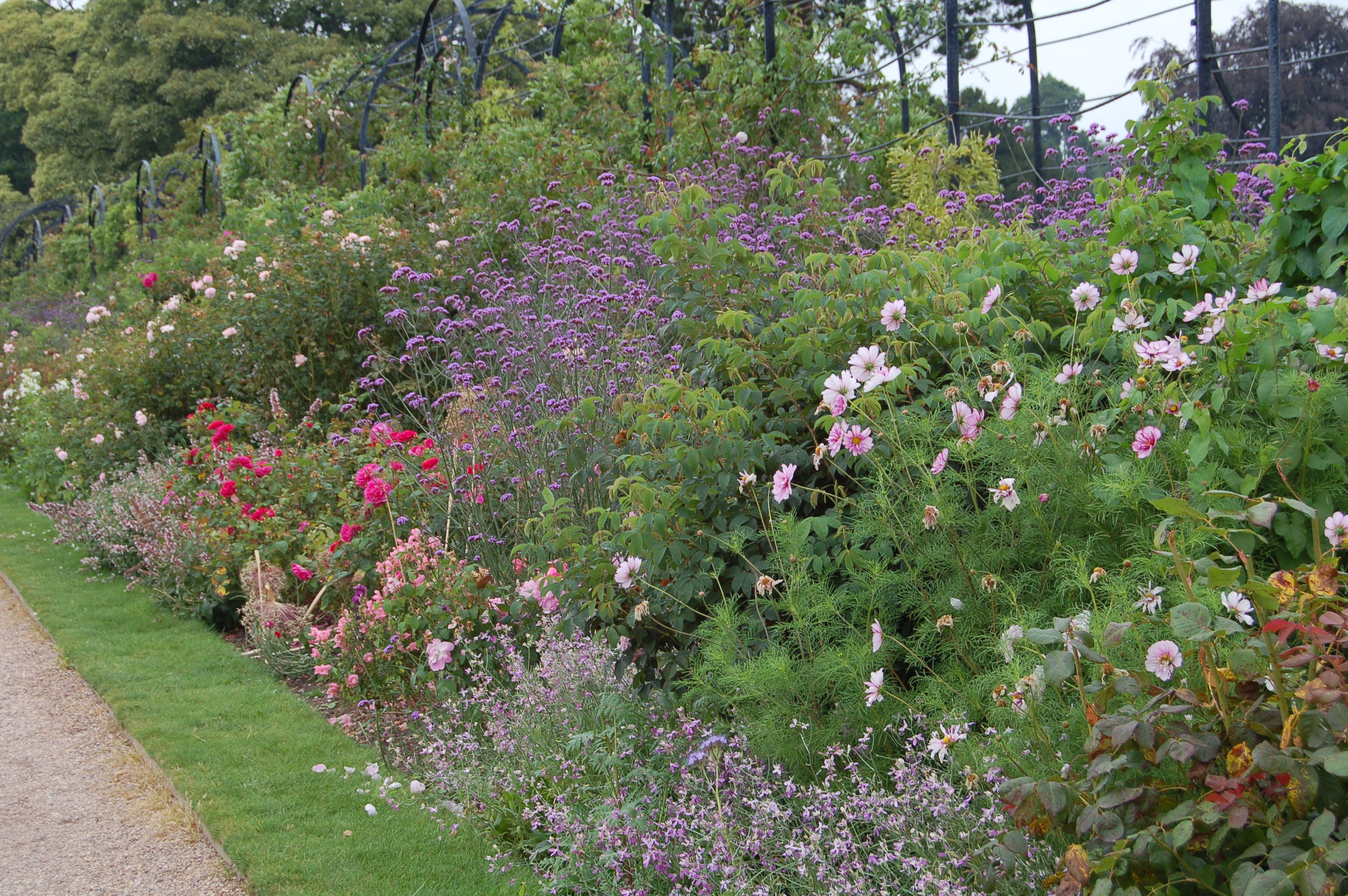
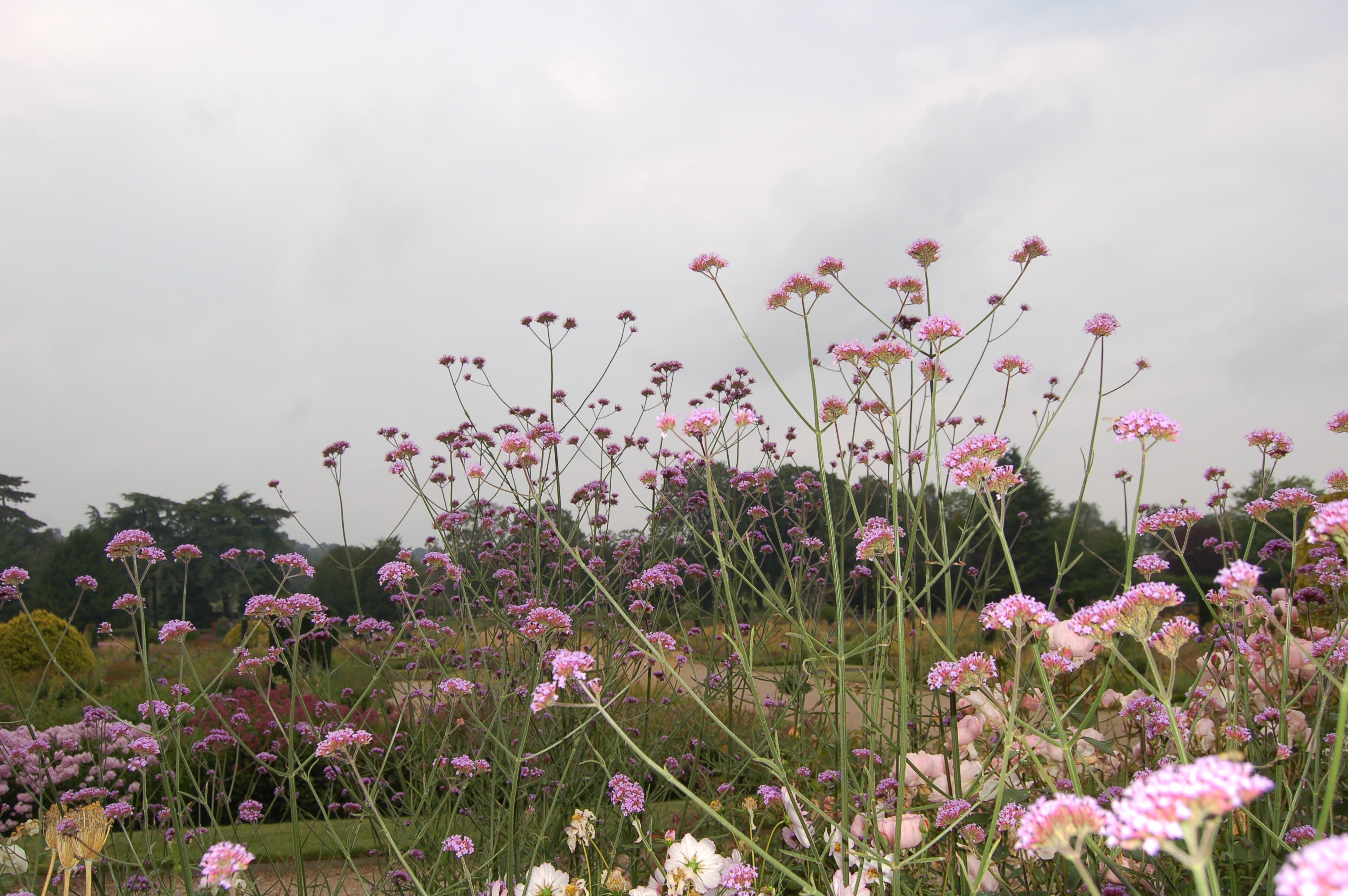
In the Rose Walk itself most rose bushes were still in flower and tall flowers such as Cleome and Verbena bonariensis added even more colour.


2014 09 30_5424

We enjoyed the views from the Rose Walk back towards Oudolf’s Prairie and River of Grasses. We could also see the shrubs growing alongside it including a spectacular deciduous Euonymous with orange and red fruits.


2014 09 30_5425 2014 09 30_5426 2014 09 30_5427 2014 09 30_5428 2014 09 30_5363 2014 09 30_5363_edited-1


So this Indian Summer we are enjoying provided us with great light to view the gardens at Trentham but the strange seasons mean that many perennials and grasses were far more autumnal than we could have expected. Next month’s return to Trentham may well show Trentham to be well in the grip of Autumn.


Categories
countryside landscapes migration Powis Powys trees Wales wildlife woodland woodlands

Waterfall Walkabout

We made a quick visit to the waterfall at Llanrhaeadr-ym-Mochnant, in Powys  last year and vowed to return. So in late august we did just that not thinking that being still in the holiday period it would be so much busier than our previous spring visit. But many people were walking off into the hills so our wander was still quite quiet.

After our usual coffee and cakes which we enjoyed in the cafe at the base of the falls we set off up a narrow path and quickly found the stream that flowed rapidly from the falls themselves. The cafe is part of an interesting and unusual endeavour, a business which involves a campsite and retreat as well as the cafe, a little empire to nourish the body, the soul and the mind. It is a place to find peace and get close to nature.

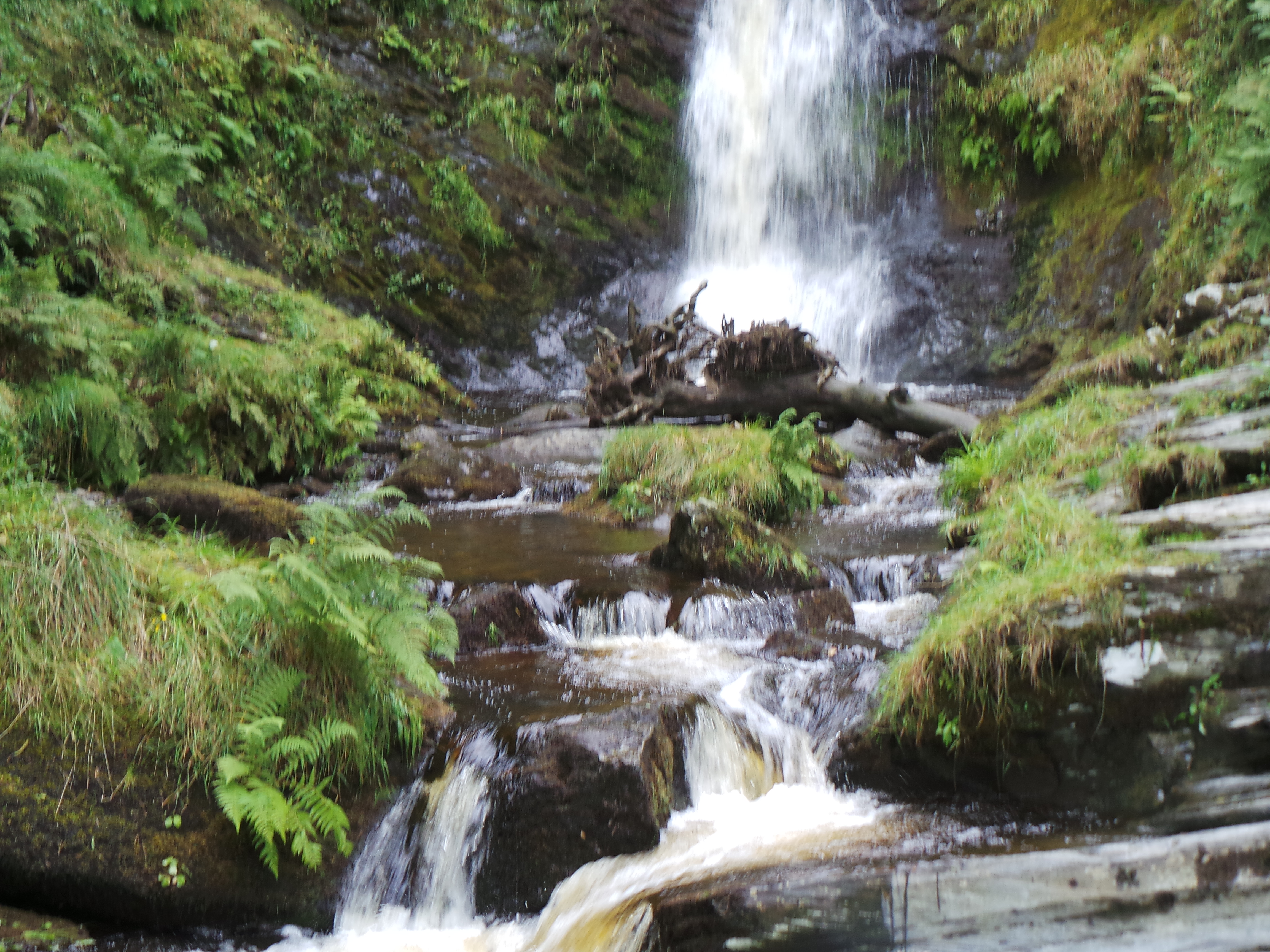
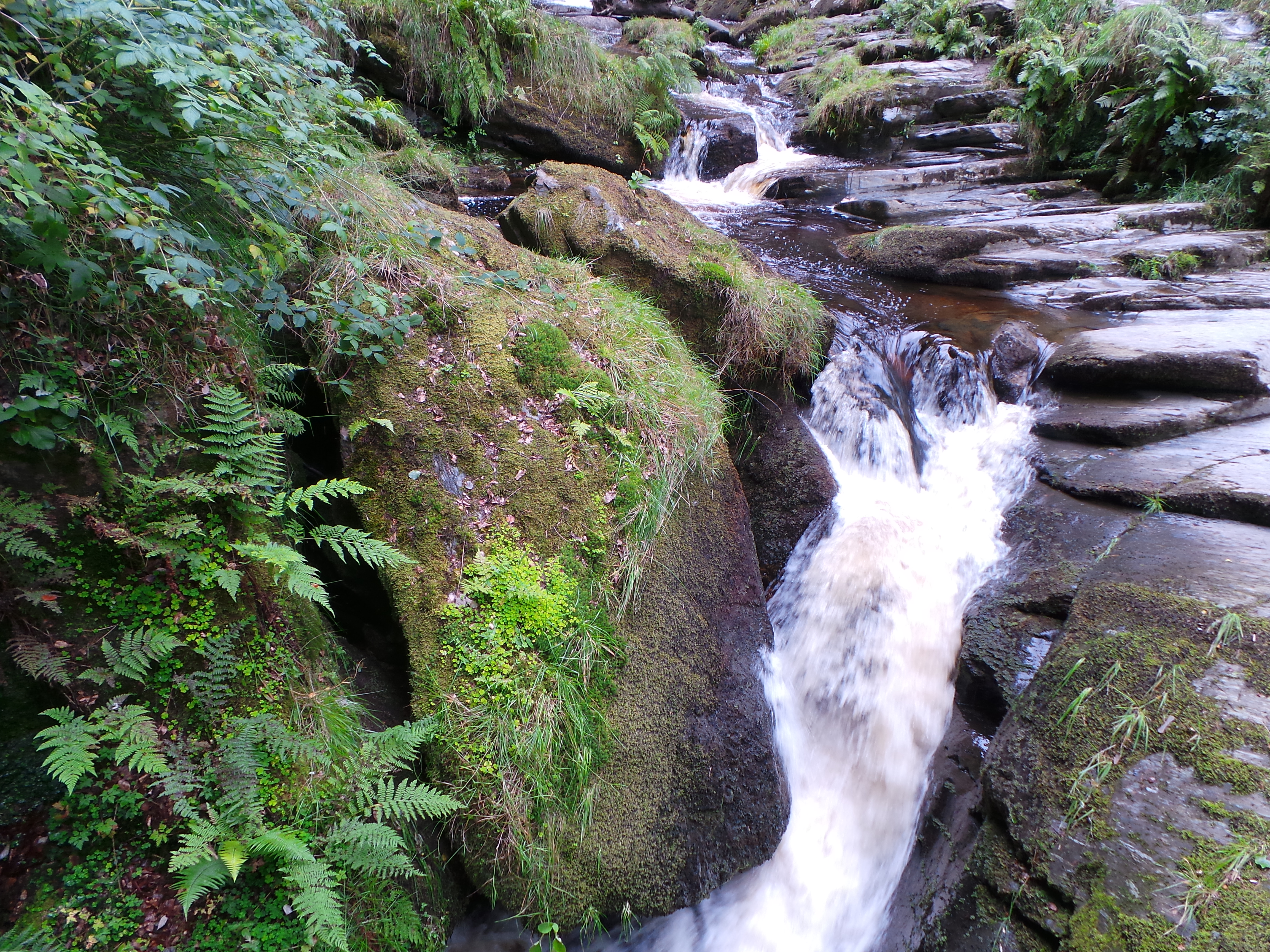
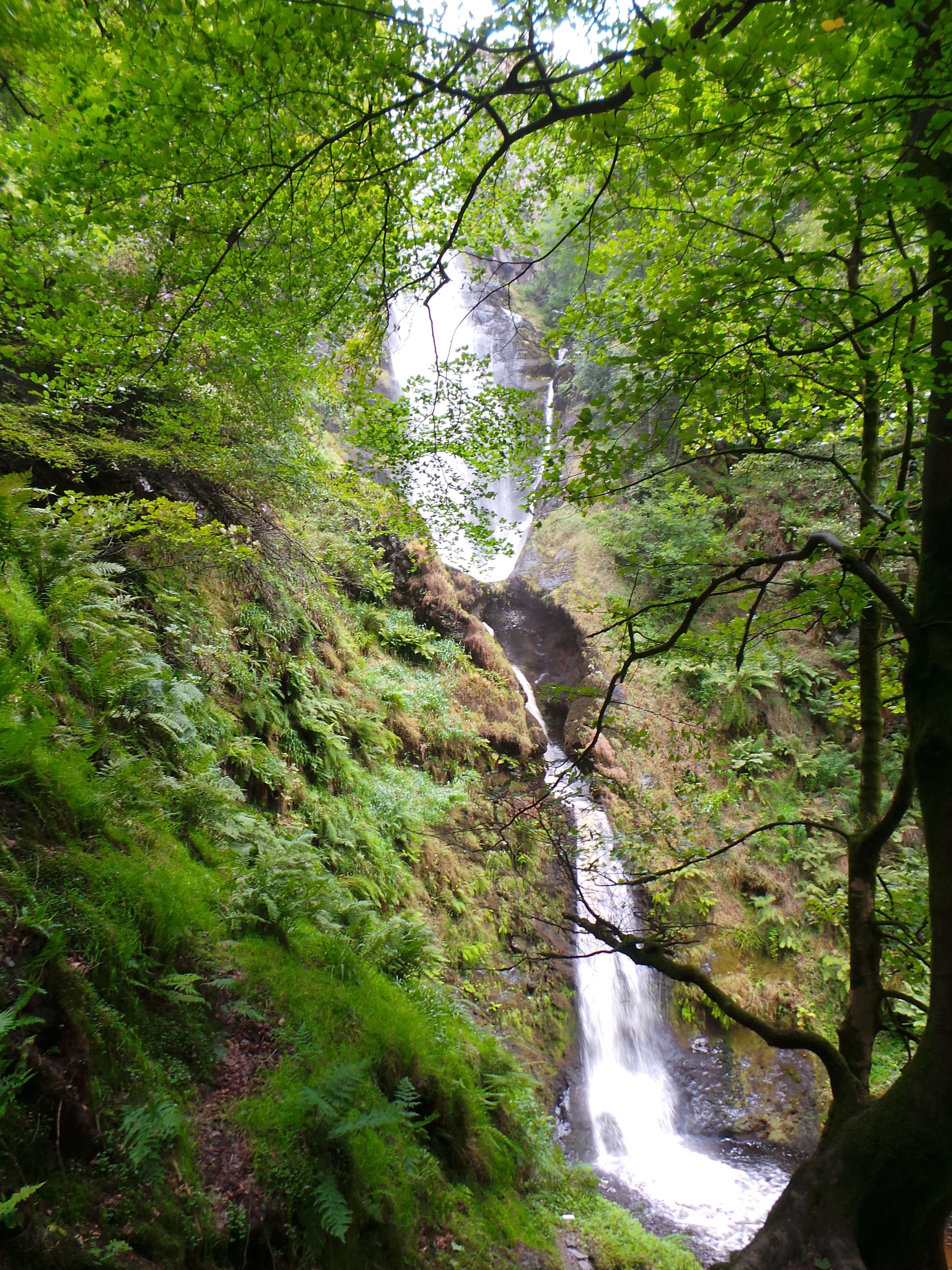
We heard the falls well before we saw them, the roaring and rushing  of water dropping over 100 feet splashing on rock outcrops as it falls. When the falls come into view we are always forced to stop just to stare and take in the scene. It is simply beautiful, a place where the gentle beauty of nature is disturbed by the sheer power of water. A mist of spray drifts among the trees. All around is green, bright almost fluorescent green. Ferns, mosses and lichen reveling in an atmosphere full of droplets of water, very pure clean water, not yet subjected to man’s pollution. It won’t be long before this stream, crystal clear but for a hint of the coffee brown stain from peat, will be subject to agricultural run-off. Nitrates, herbicides and sheep dip chemicals. But for now its purity adds to the delight of the place.

2014 08 28_4250 2014 08 28_4251 2014 08 28_4252 2014 08 28_4254 2014 08 28_4256 2014 08 28_4257

2014 08 28_4258 2014 08 28_4255

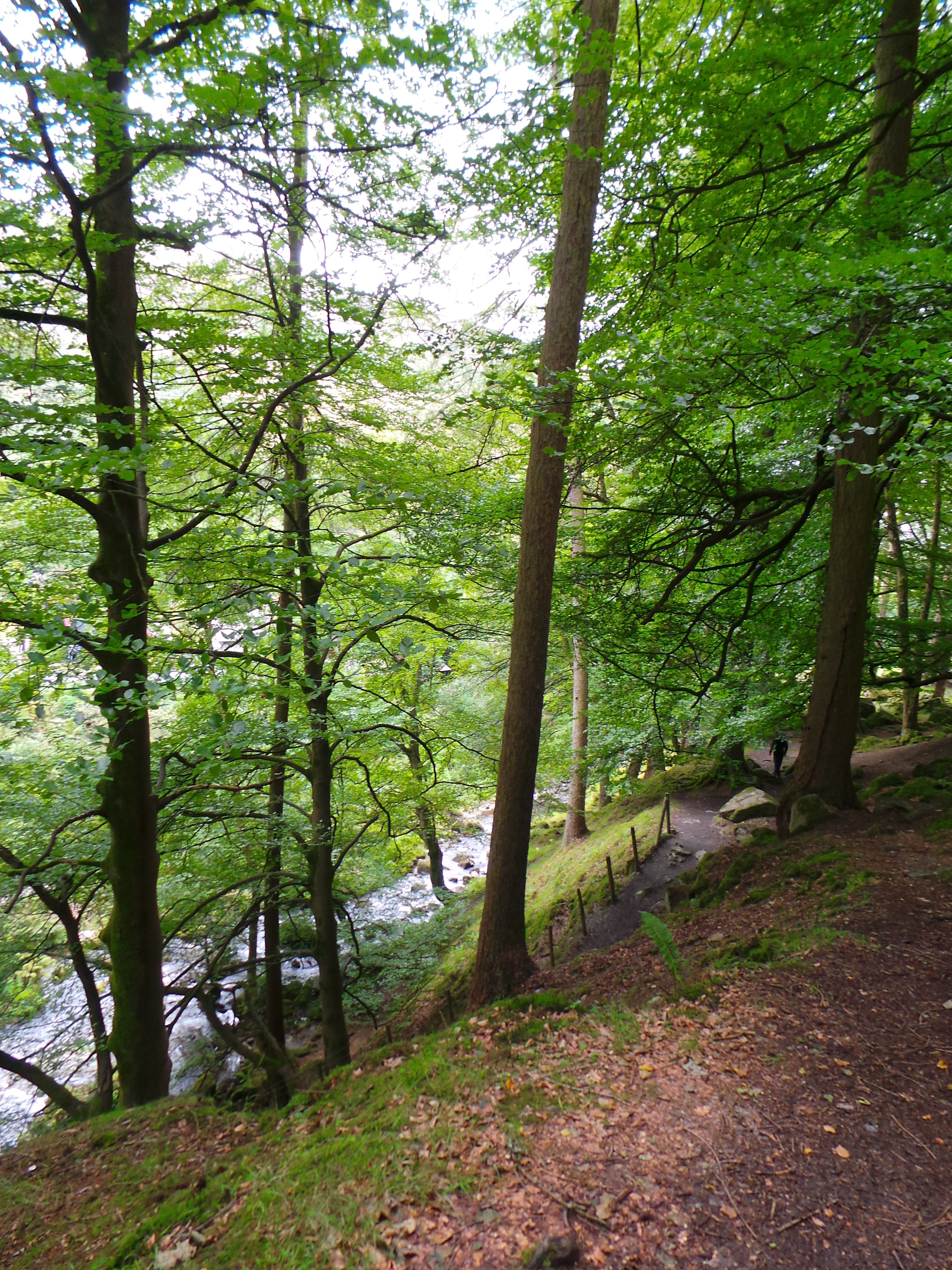
After enjoying being close to the roar and rumble of the waterfall we took a narrow track into the valley. Our feet made no sound on the pine needles that covered the path so we could hear the sound of the falling water getting quieter as we moved deeper into the heavily wooded slopes of the valley side. The trees grew close together so had grown tall in their search for light.

2014 08 28_4261 2014 08 28_4264 2014 08 28_4298 2014 08 28_4296

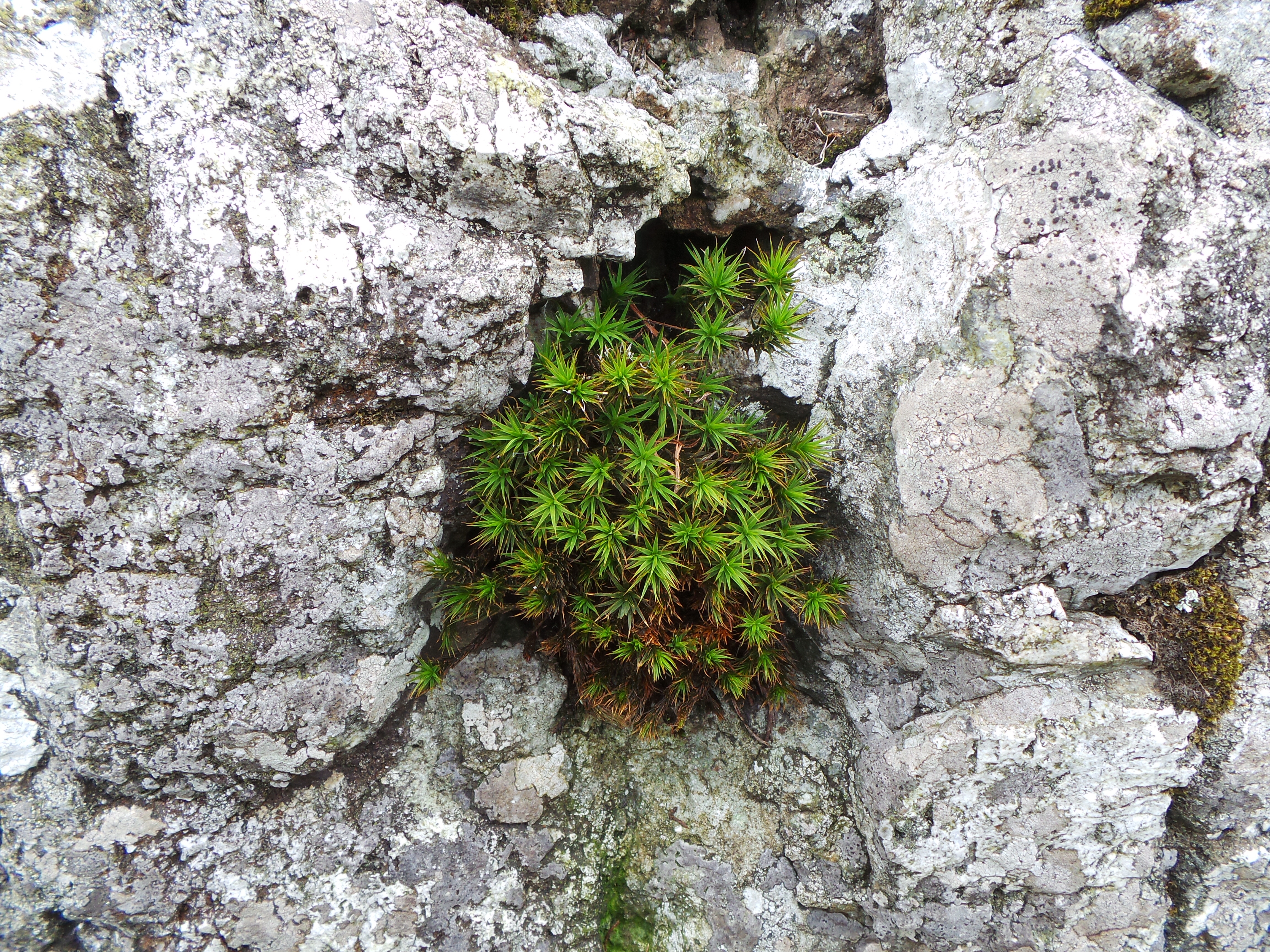
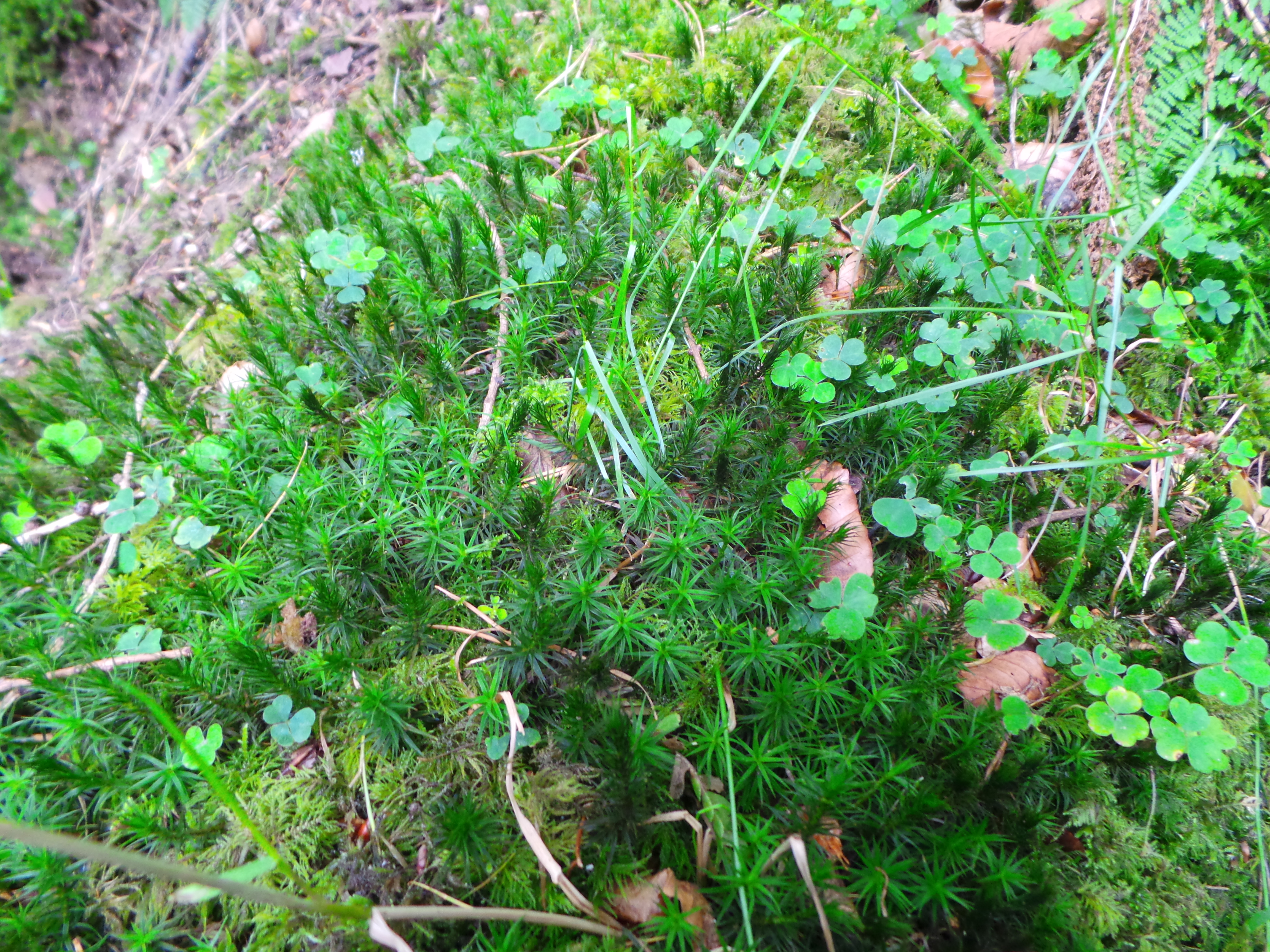
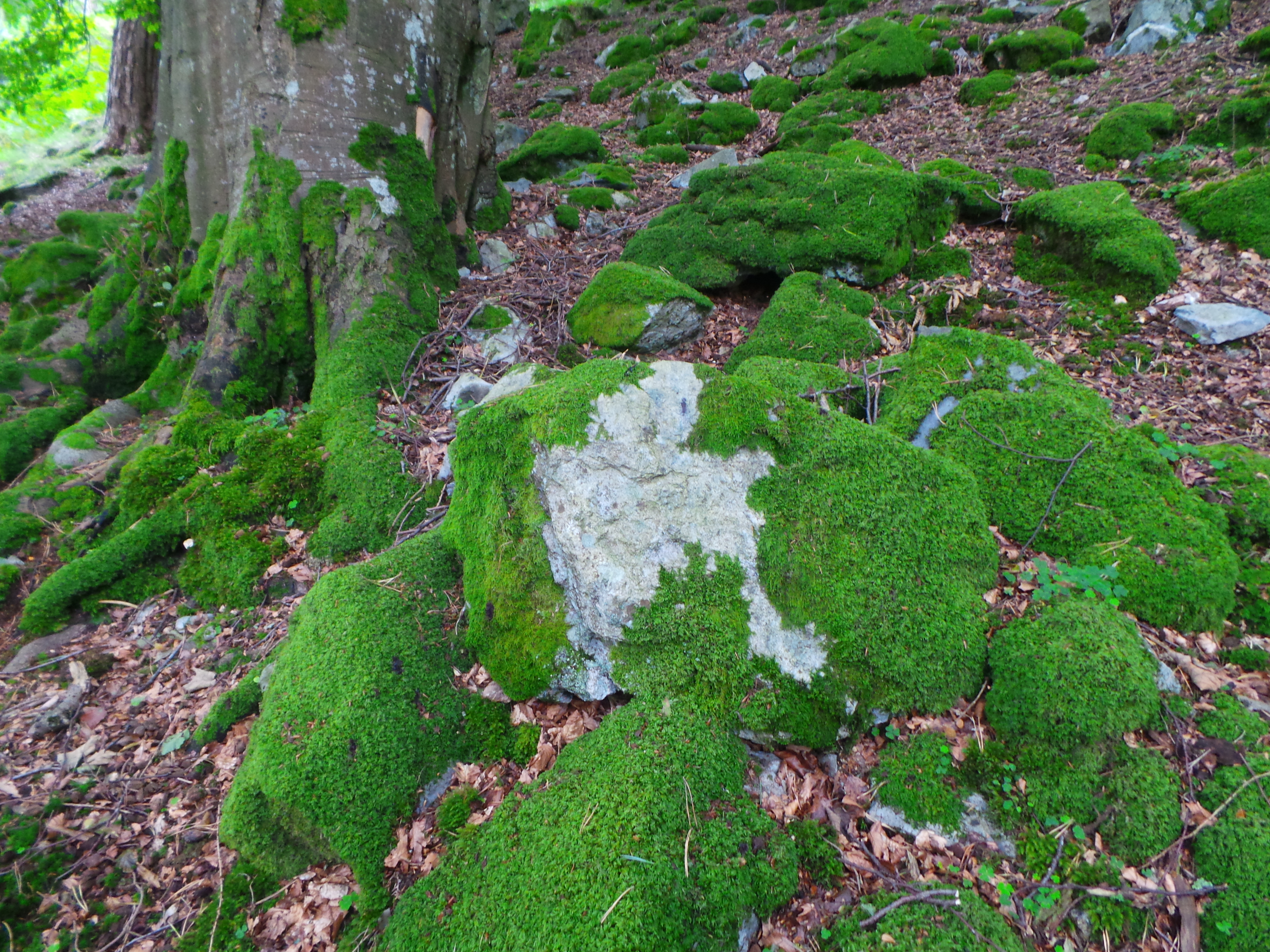
Every boulder and the bases of every tree trunk were carpeted in mosses and lichens, soft and silky to the touch.

 2014 08 28_4265 2014 08 28_4294

2014 08 28_4262

The boulders had been rolled down the slope by the forces of gravity after the equally powerful force of erosion had separated them from the rock faces of the vertical outcrops towering above the tree line. Erosion had also removed the soil and scree that once anchored this tree and its roots to the ground. Today it somehow remains upright by holding on with only half of its giant roots still in the ground.

2014 08 28_4266 2014 08 28_4277

The openness at the end of the woodland afforded us vast views of the mountain range underneath which we had driven to find the waterfalls.

2014 08 28_4267 2014 08 28_4268 2014 08 28_4269 2014 08 28_4270

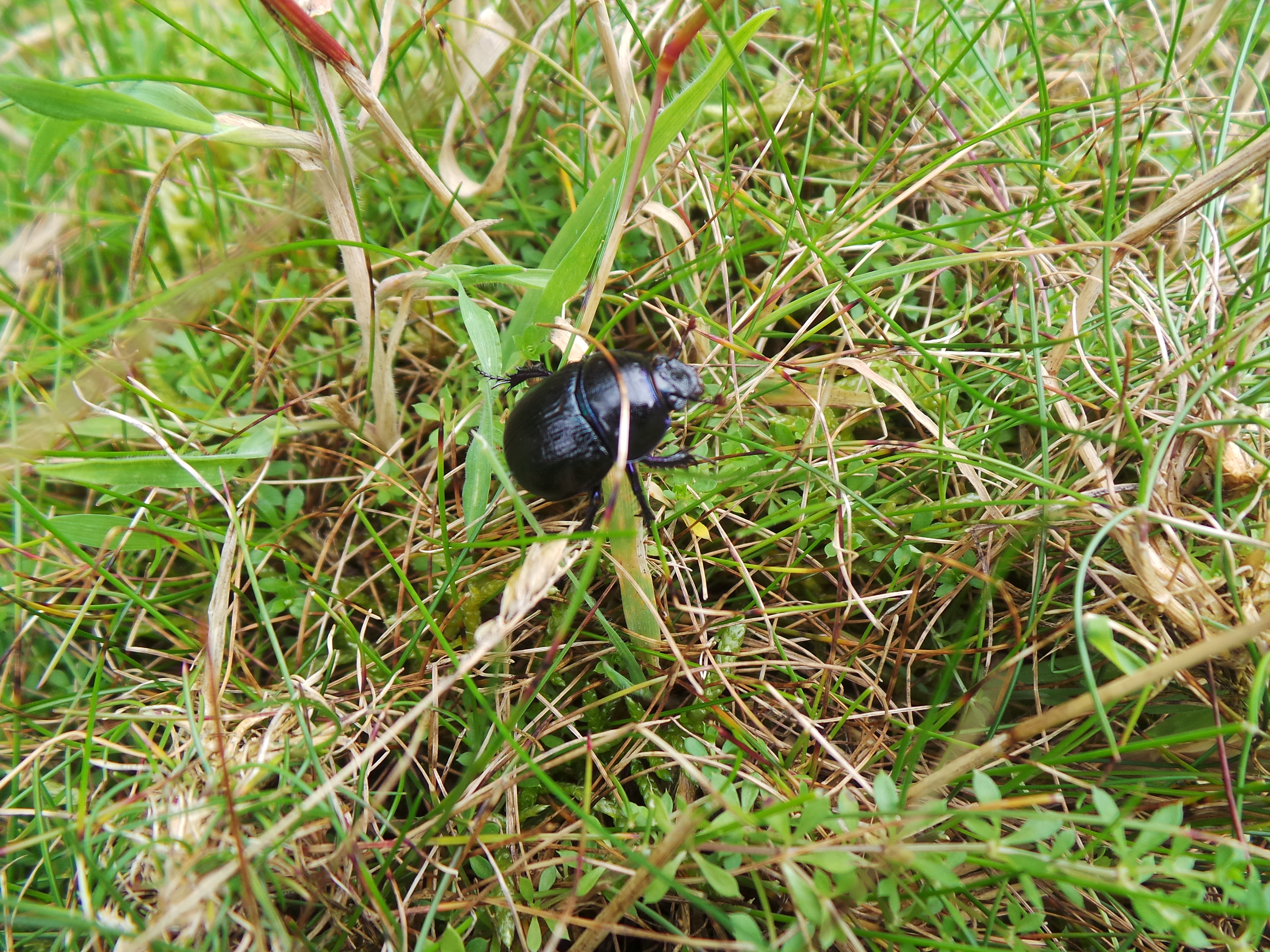
In a place dominated by huge trees, massive mountains and rugged rock faces it is good to study tiny delicate things as a contrast. There can be no more delicate flower then the Harebell and no smaller plants than mosses, lichens and algae (algae and lichen are not strictly speaking plants). Although the beetles we came across were small at only a centimetre or so long they certainly did not look delicate. They looked tough as they moved through the grass with purpose. Theses little chaps are powerful predators in the mini-beast world.

2014 08 28_4271 2014 08 28_4272 2014 08 28_4274 2014 08 28_42802014 08 28_4288 2014 08 28_42892014 08 28_4301 2014 08 28_4295

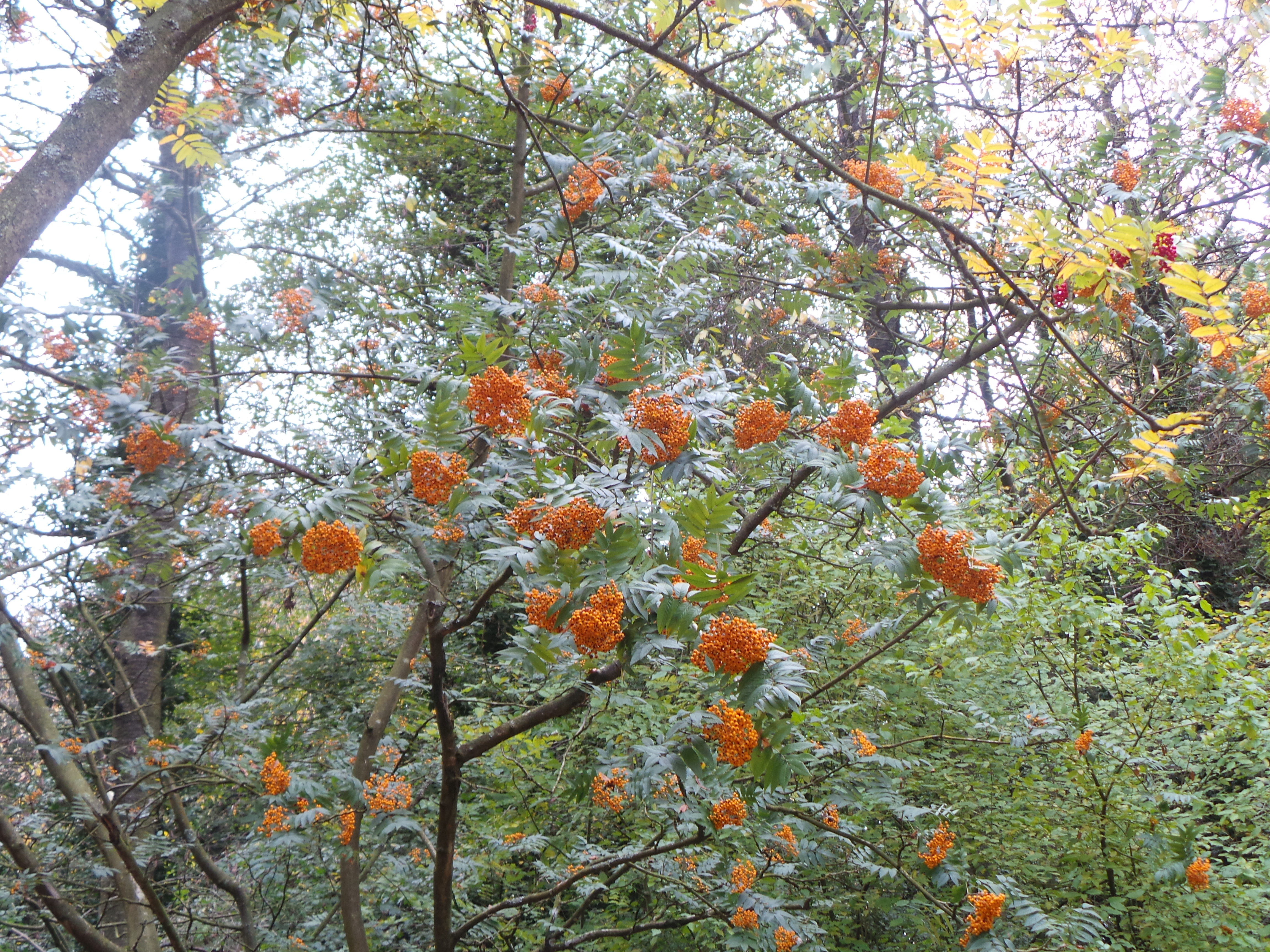
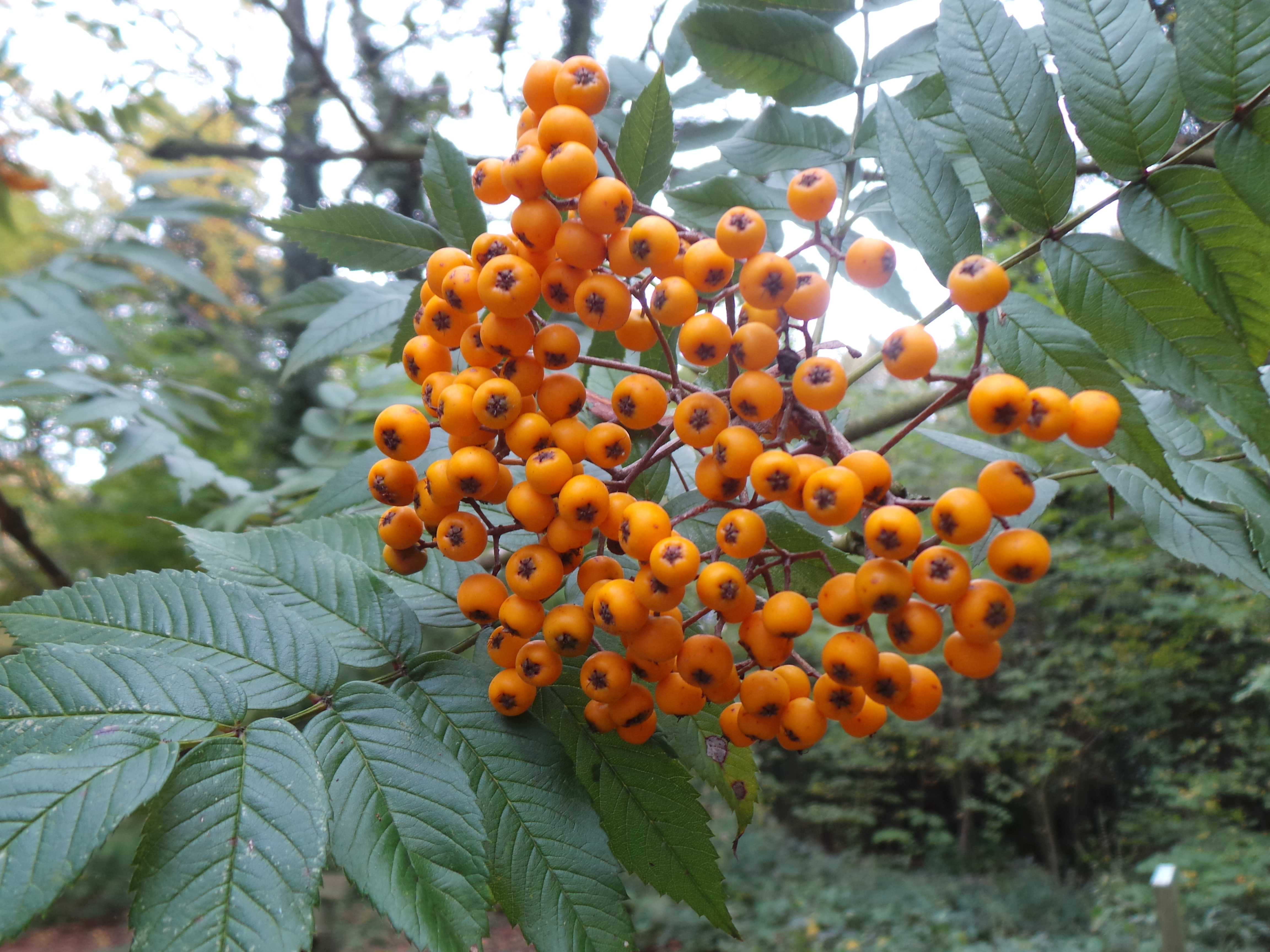
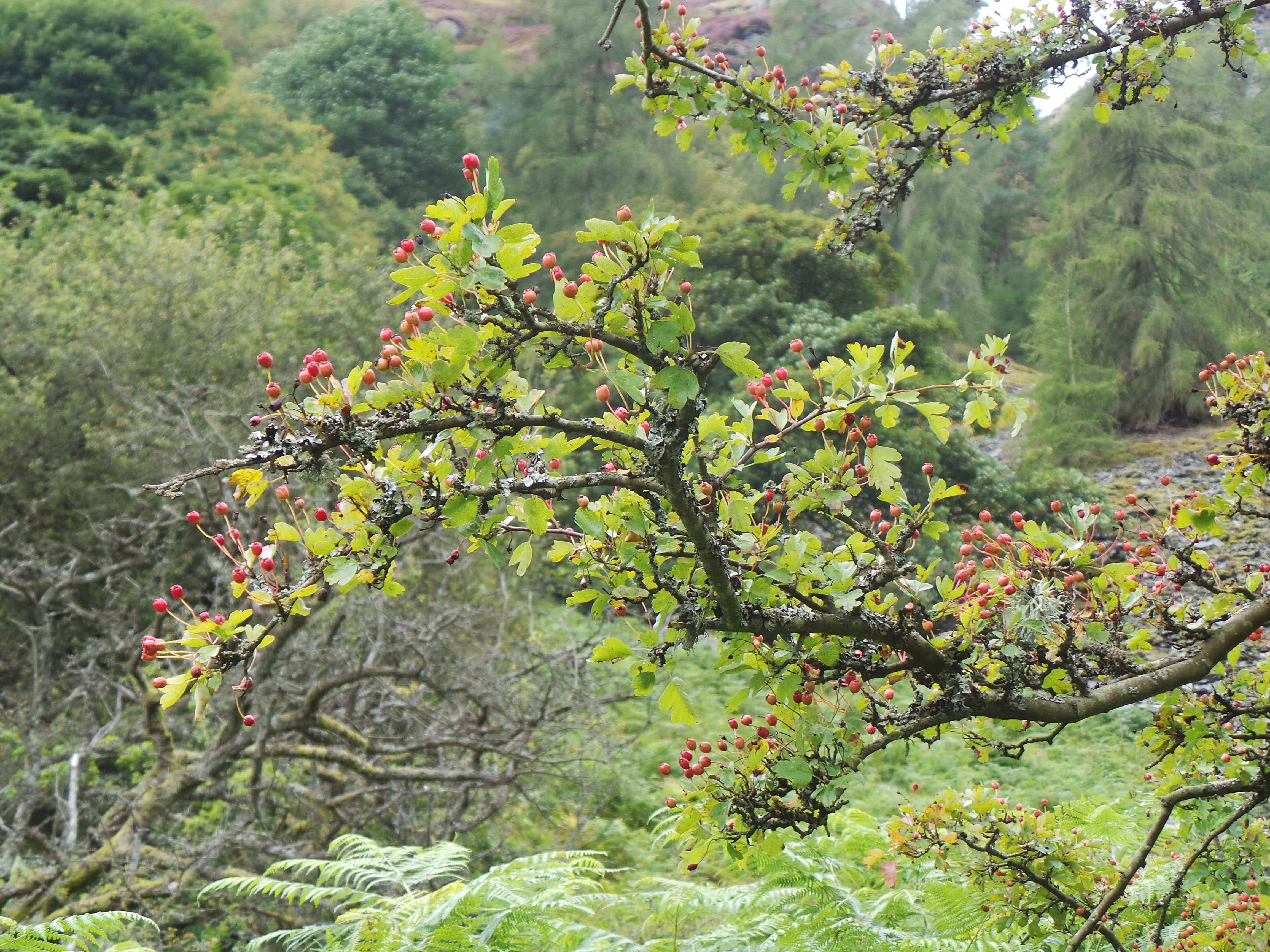
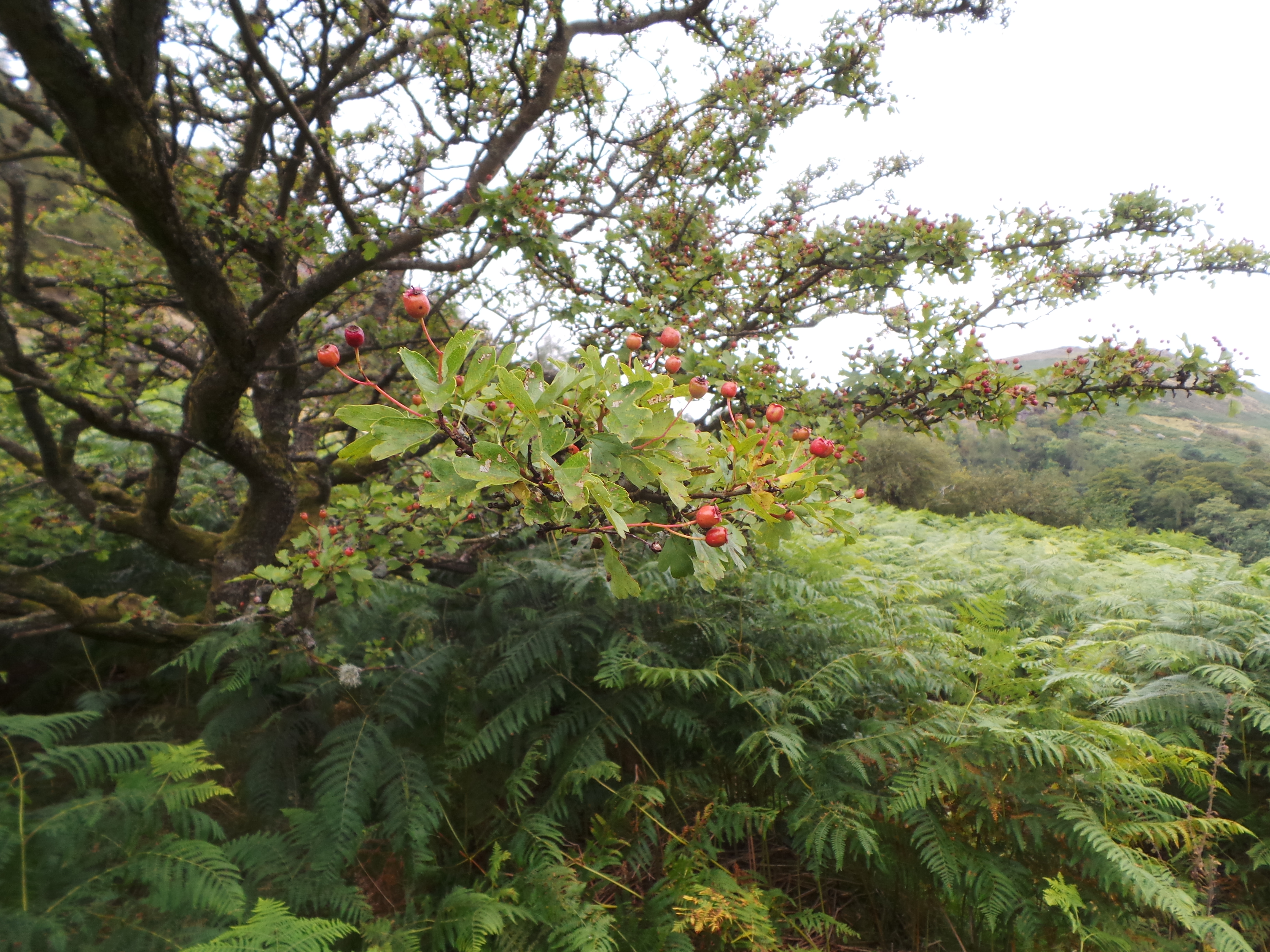
Fruit was colouring up on Hawthorns, Rowans and wild Crab Apples. We imagined that once the migrant thrushes passed through Wales they would home in on this valley side and gorge themselves on this fruit bounty.

2014 08 28_4278 2014 08 28_42792014 08 28_4287

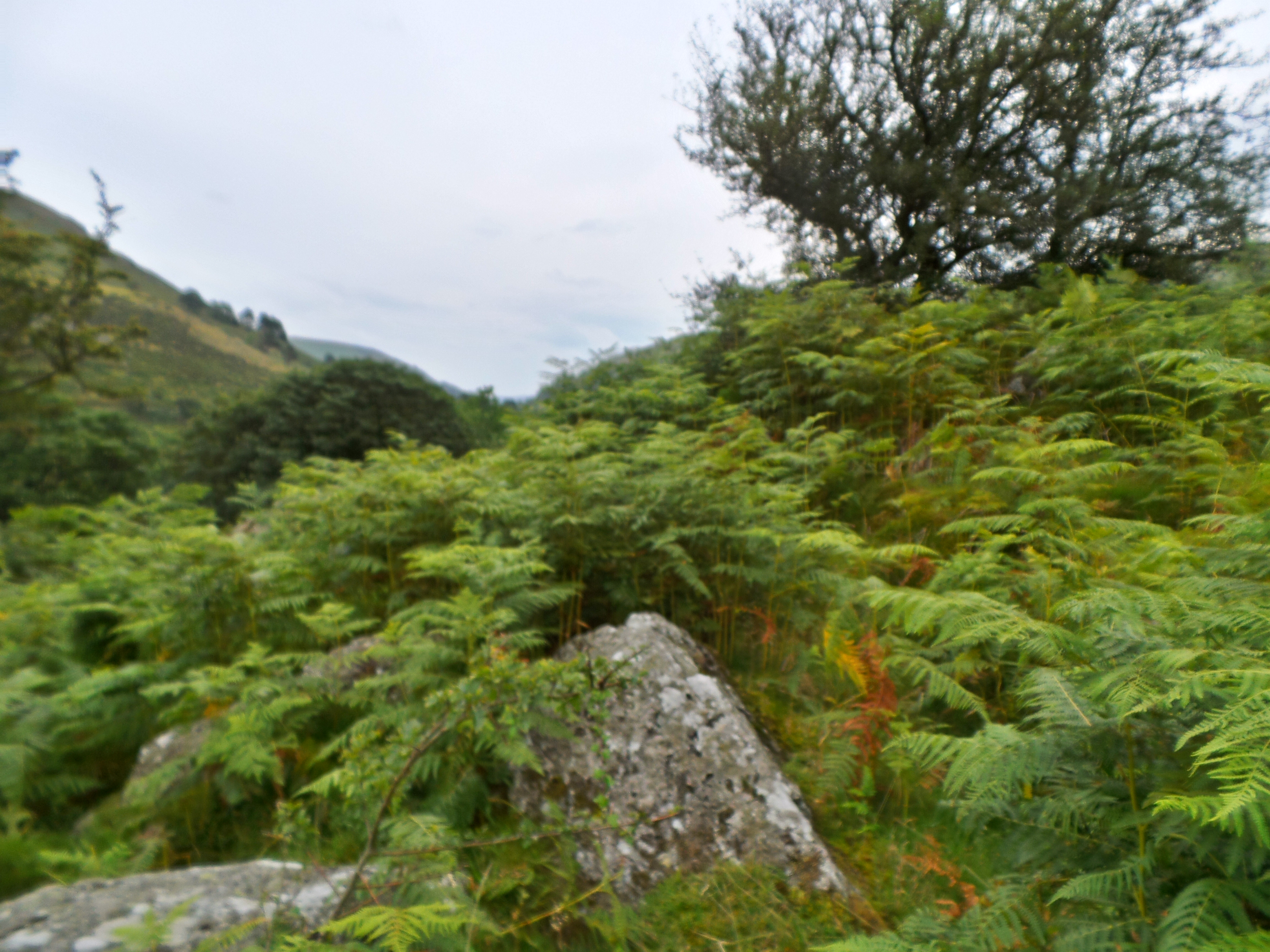
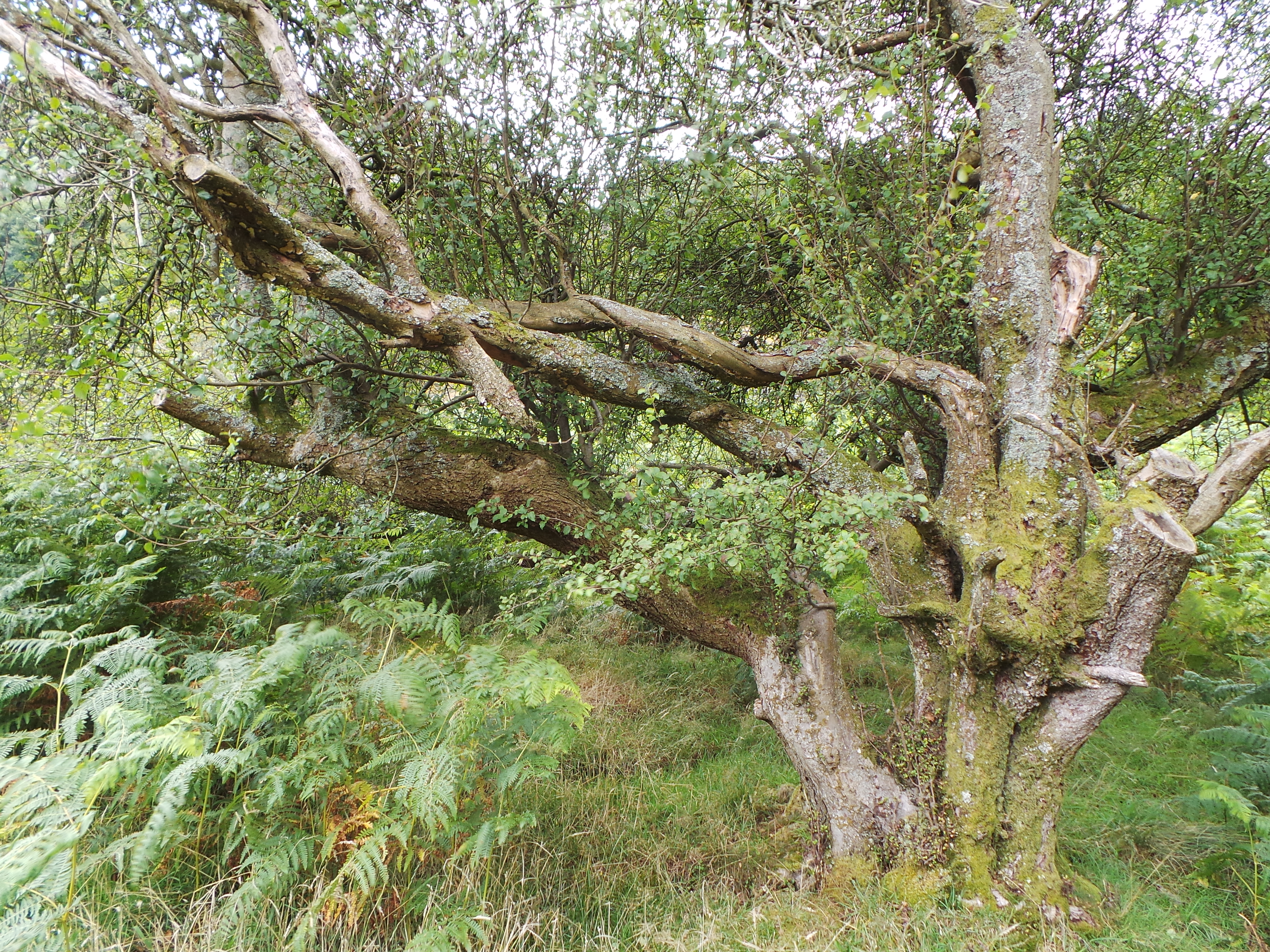
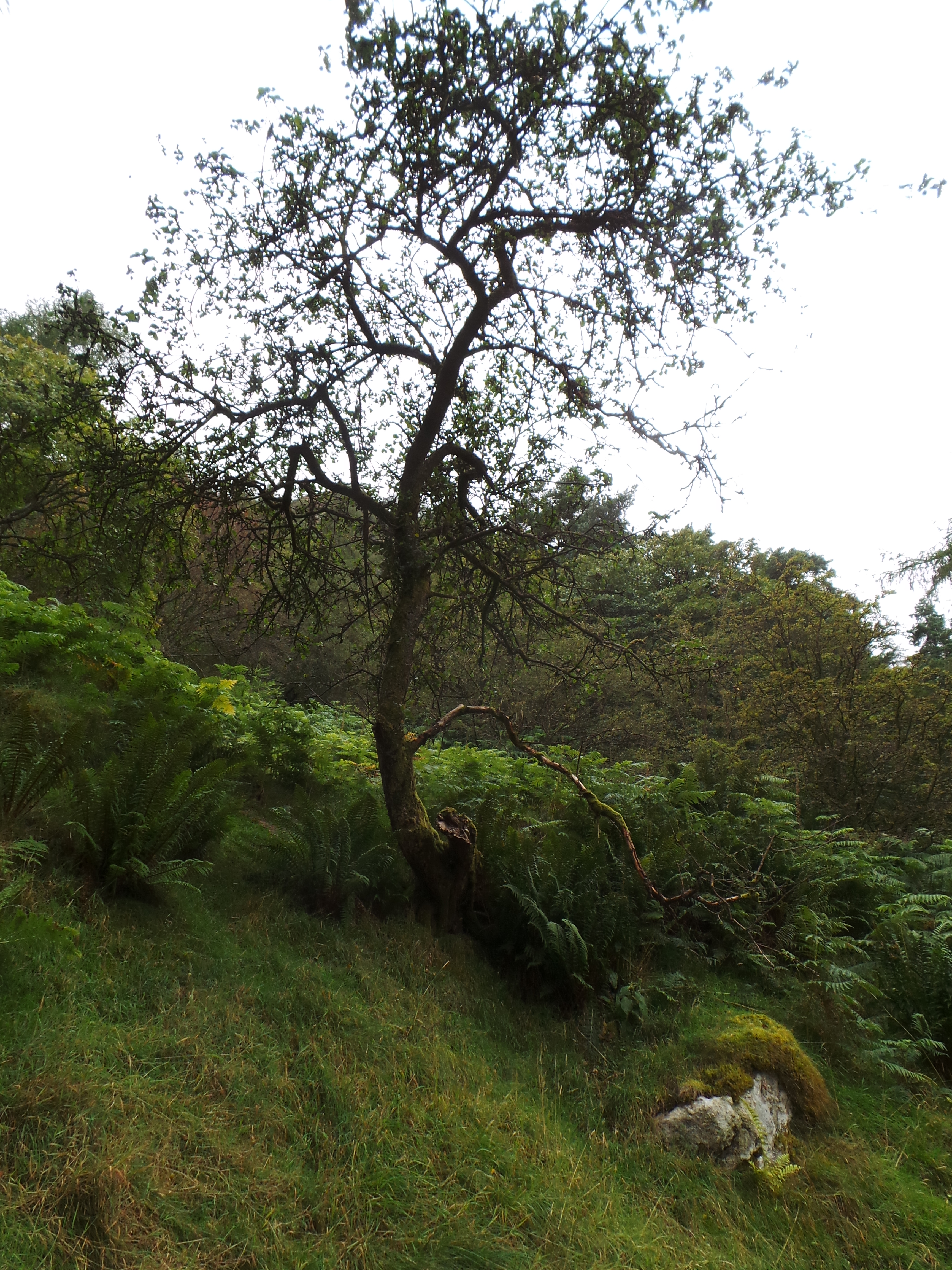
On the more exposed slopes of the valley trees live short lives and they grow stunted by the harsh winds and cold winters. This does though give them beautiful shapes, their branches and trunks taking on bonsai like twists and turns. The clean air here meant they wear coats of lichen, moss and algae. The first three pictures below are of a dead tree, partly felled but still giving a home to these tiny members of the plant world.

2014 08 28_4281 2014 08 28_4282  2014 08 28_4283 2014 08 28_4285 2014 08 28_4290 2014 08 28_4292

On our return back along the track we took a detour to see if we could get a closer look at the falls by going upwards. The path rose steeply and we found ourselves on a ledge almost halfway up the falls so we did get different views but not as dramatic as we had hoped for.

2014 08 28_4259 2014 08 28_4293

2014 08 28_4297 2014 08 28_4299 2014 08 28_4300 2014 08 28_4263

What a great place this is, possibly as close to wilderness as we can find in this part of Wales. The walk isn’t easy or indeed sensible for either of us – me walking with a crutch and one leg without any feeling and Jude being scared of heights and hating walking with a gap alongside. But we did it and we enjoyed! And we will probably do it again! No – we will definitely do it again!


Categories
garden design garden photography garden pools gardening gardens gardens open to the public hardy perennials Italian style gardens meadows National Trust ornamental trees and shrubs roses sculpture The National Trust trees water garden water in the garden woodland woodlands

Cliveden – the house and garden of Nancy Astor

While holidaying around Cambridge earlier in the year we stopped off on our travels to have a wander around the gardens at Cliveden, the one time home of Nancy Astor. She was an English MP even though American born. Her second marriage was to Waldorf Astor who inherited to a peerage and entered the House of Lords. Nancy was the first ever woman to be a member of the House of Commons, but also gained notoriety as a Nazi supporter.

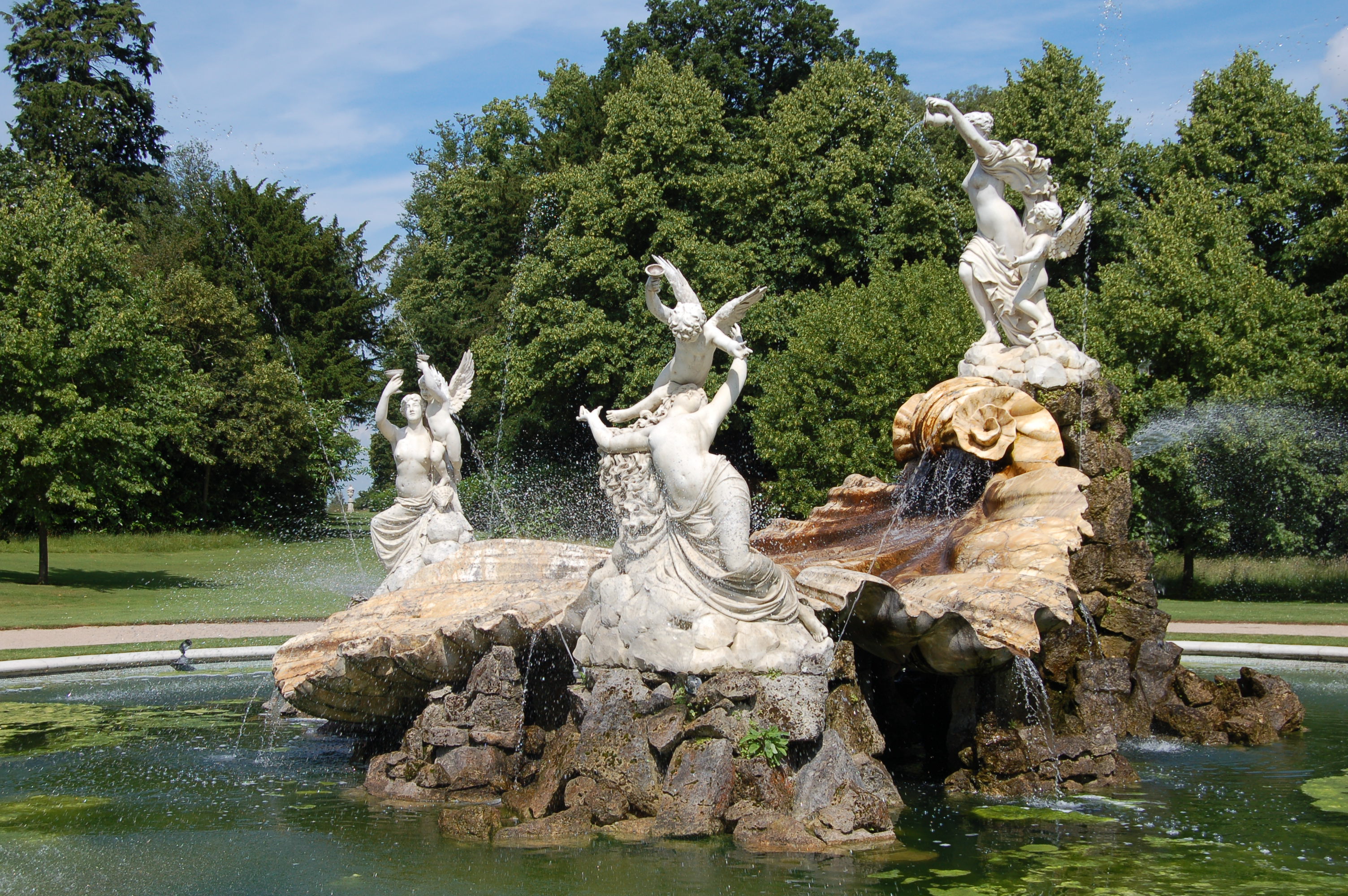
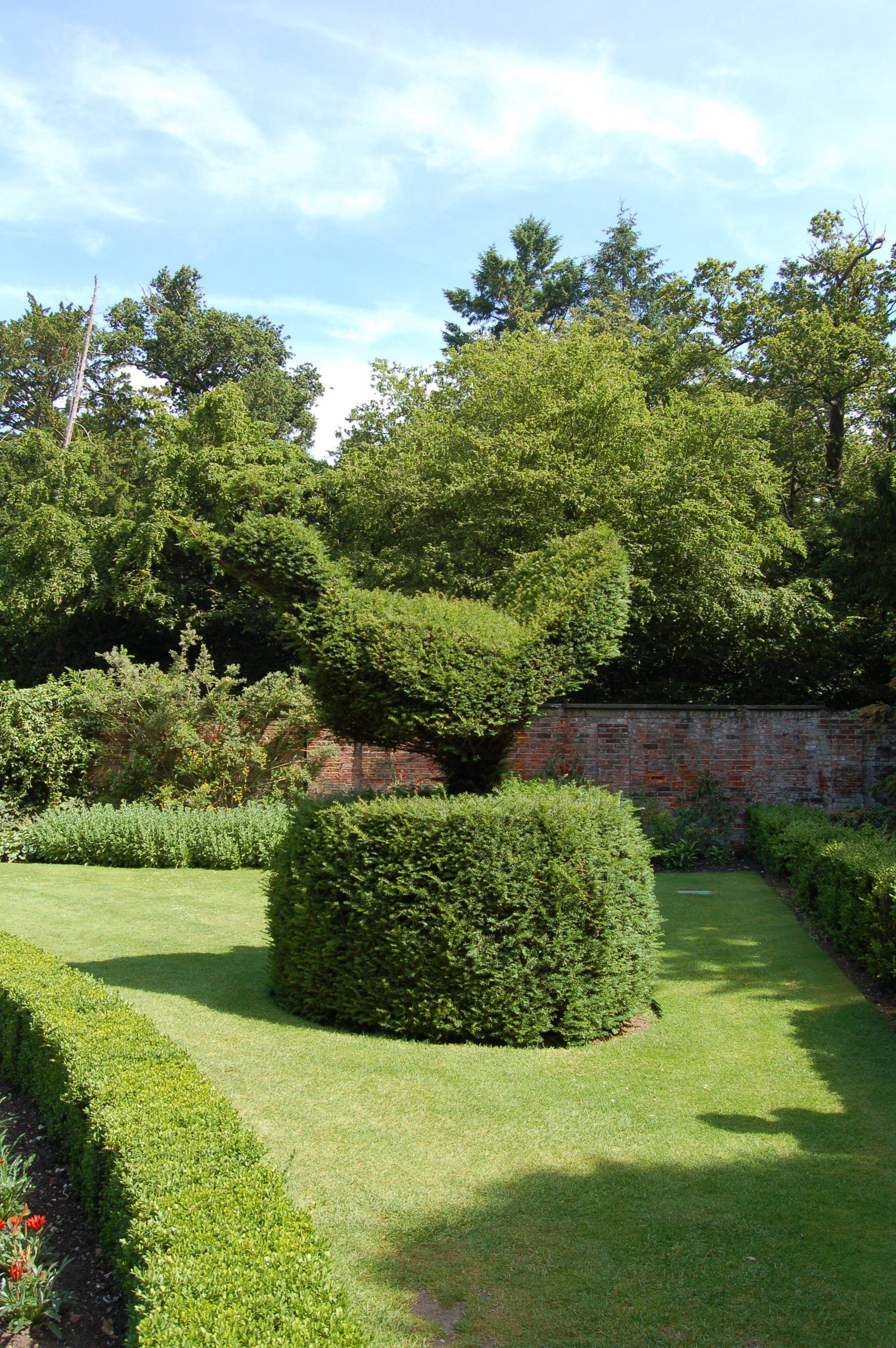
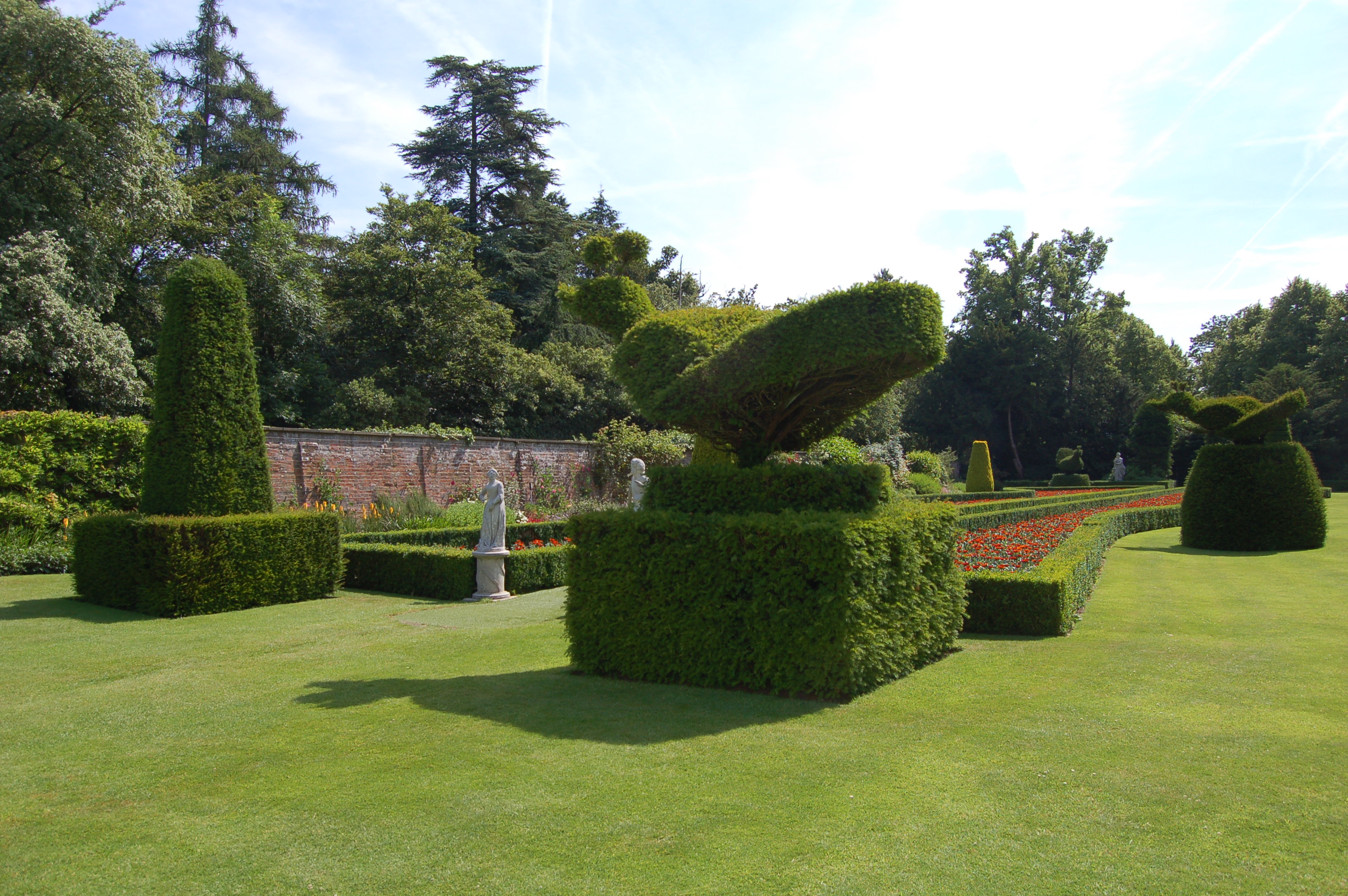
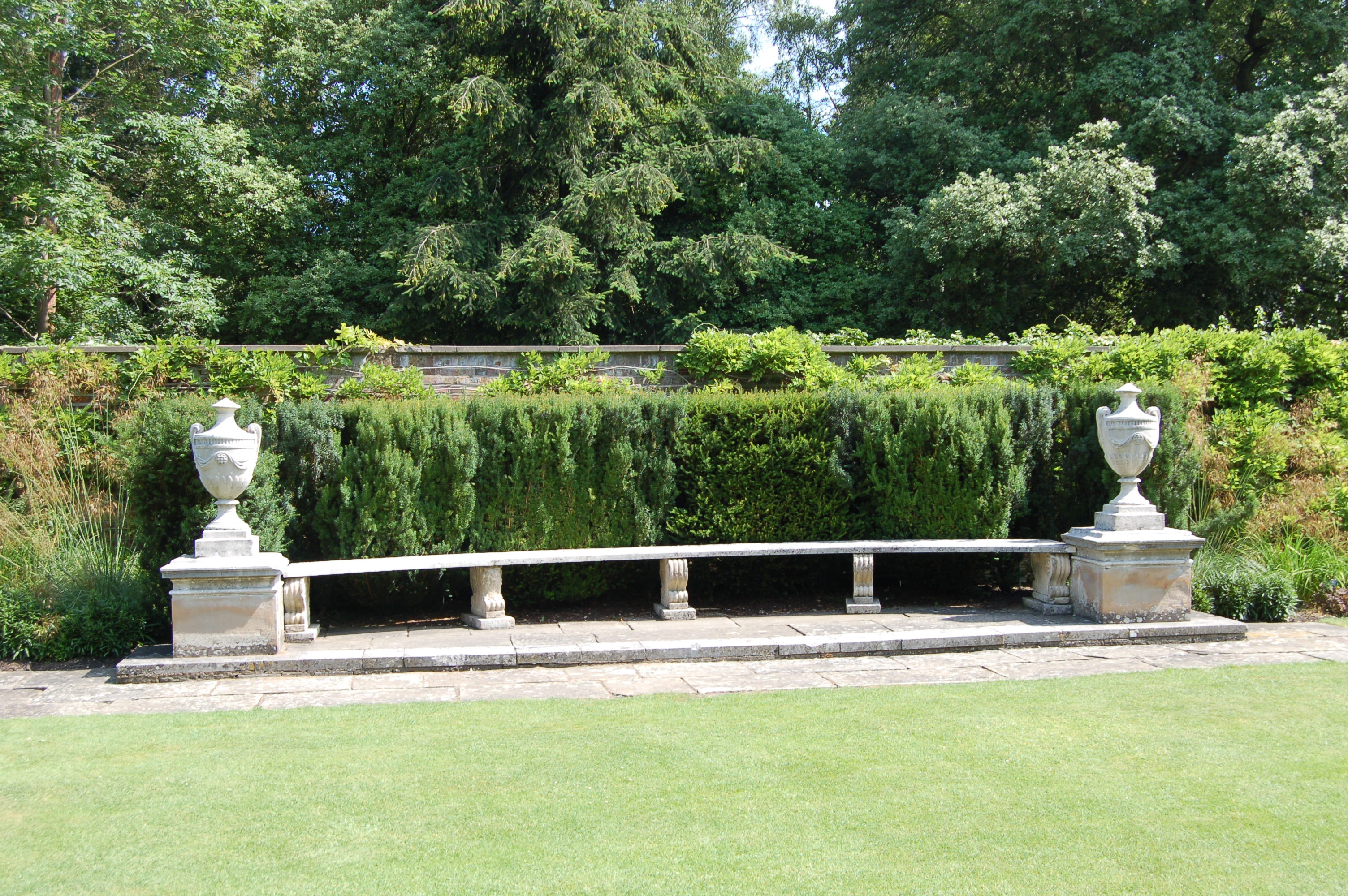
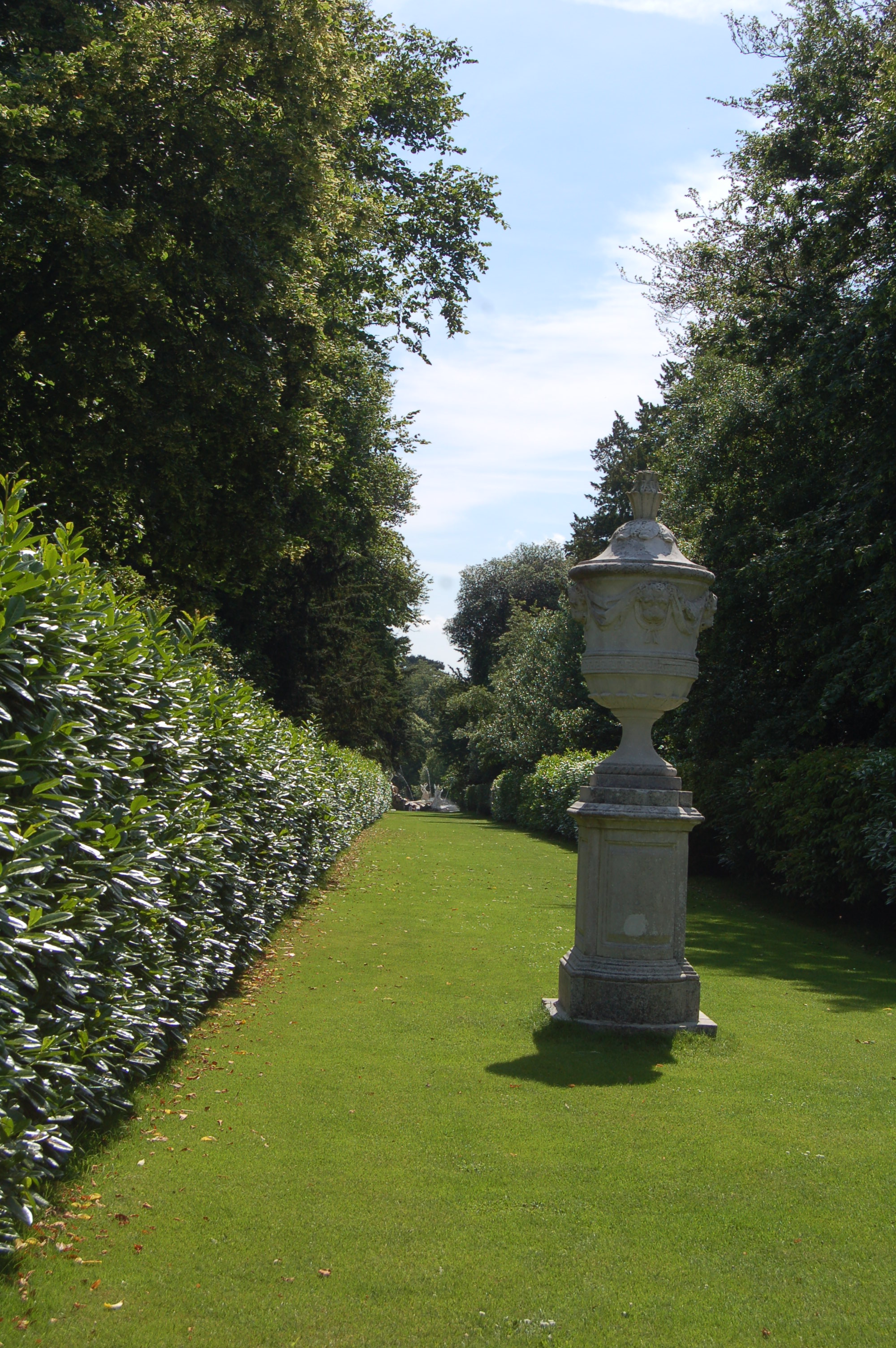
Her garden turned out to be a garden planted in a style we do not actually like but definitely “of its time”. We are definitely not fans of formal gardens or bedding schemes and here we found both but viewed from an historic perspective they were interesting. Classical figures, topiary and “grand fountains” are also not my style but Jude the Undergardener, being more of a history buff doesn’t mind them.

2014 06 25_1153 2014 06 25_1154

2014 06 25_1166 2014 06 25_1169

2014 06 25_1162 2014 06 25_1155 2014 06 25_1156 2014 06 25_1164

2014 06 25_1163 2014 06 25_1165

2014 06 25_1173 2014 06 25_1174

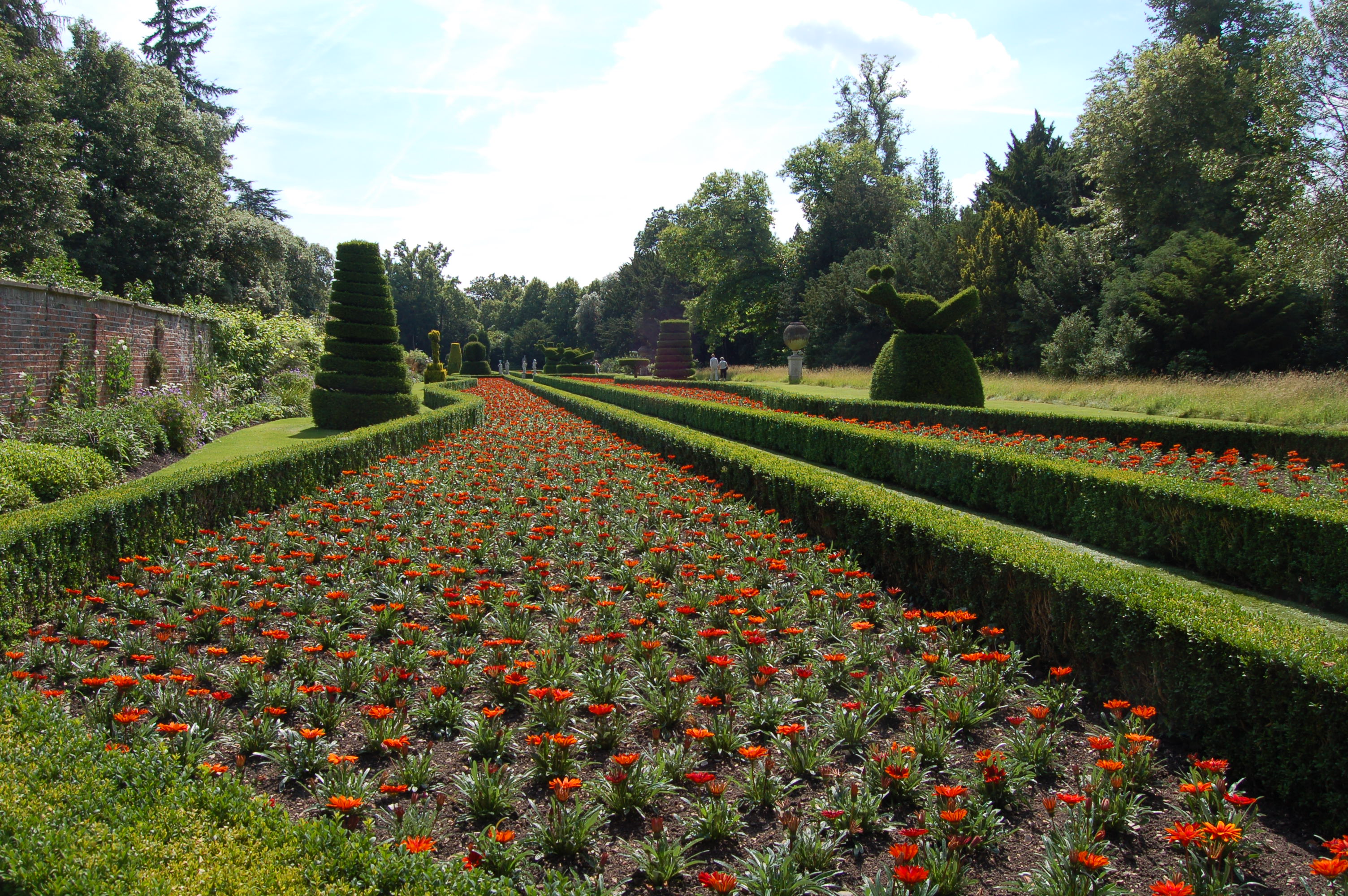
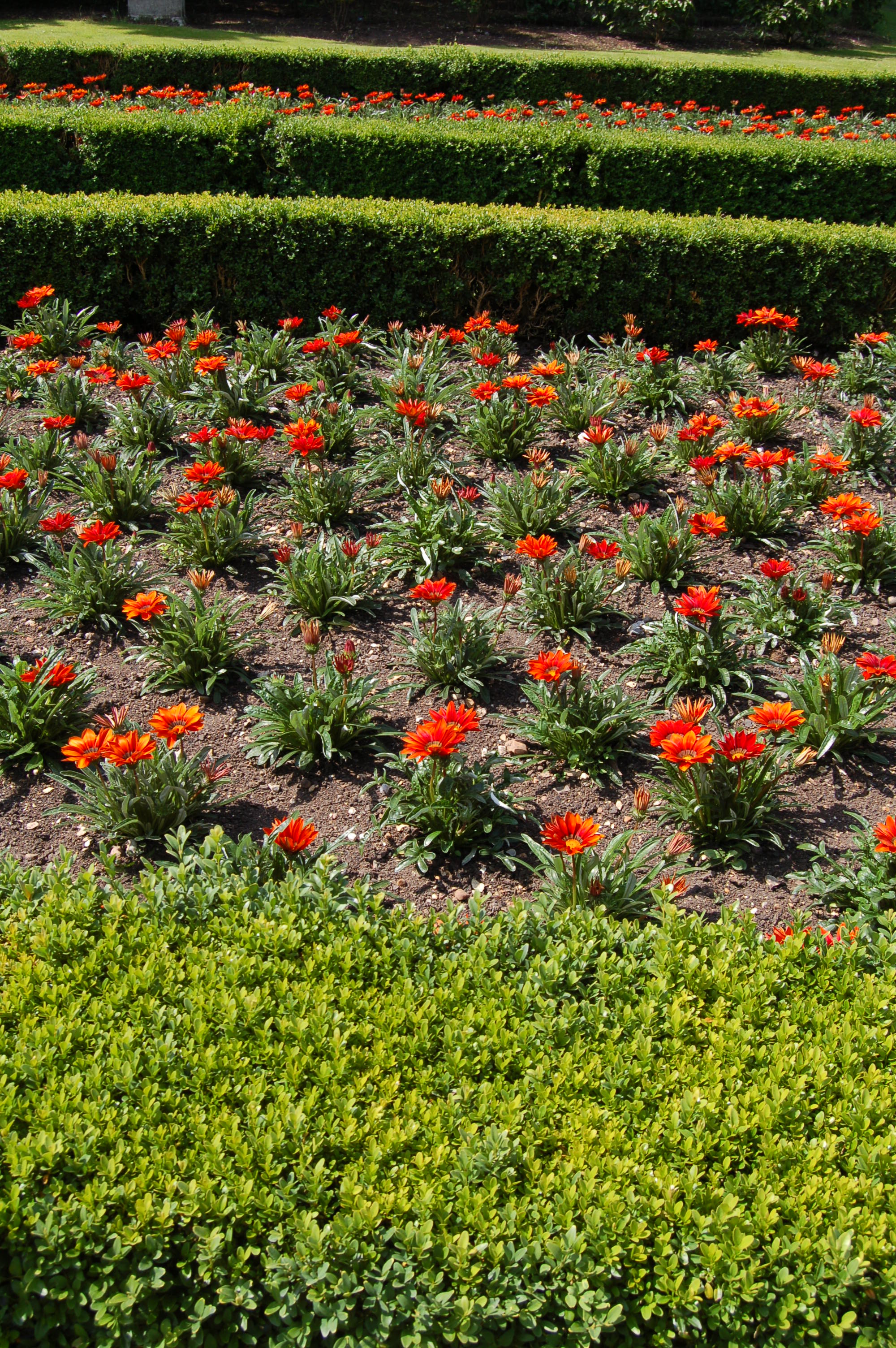
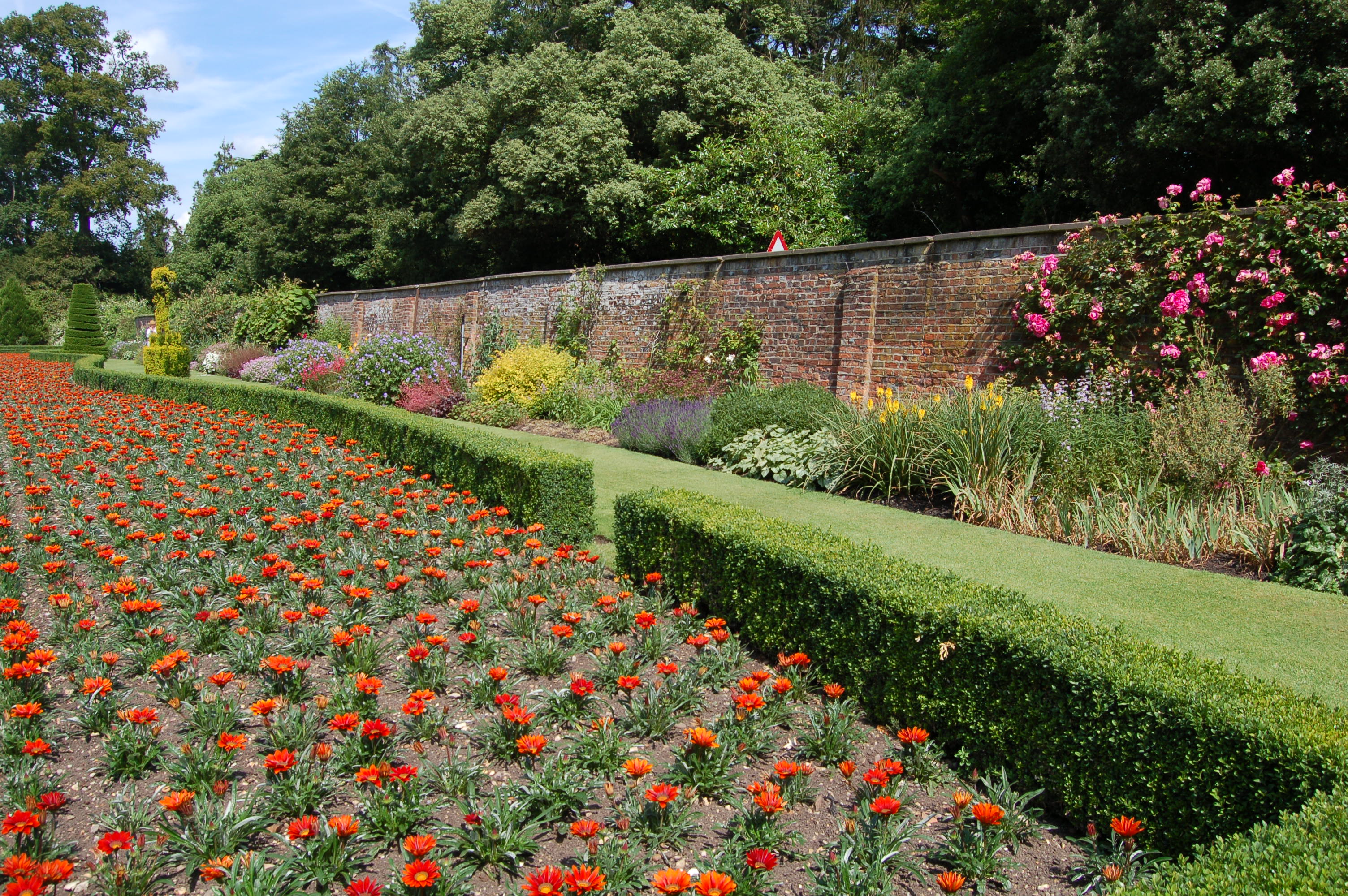
Interestingly close up the bedding proved to be of orange gazanias rather than the begonias or pelargoniums we expected.

2014 06 25_1160 2014 06 25_1167

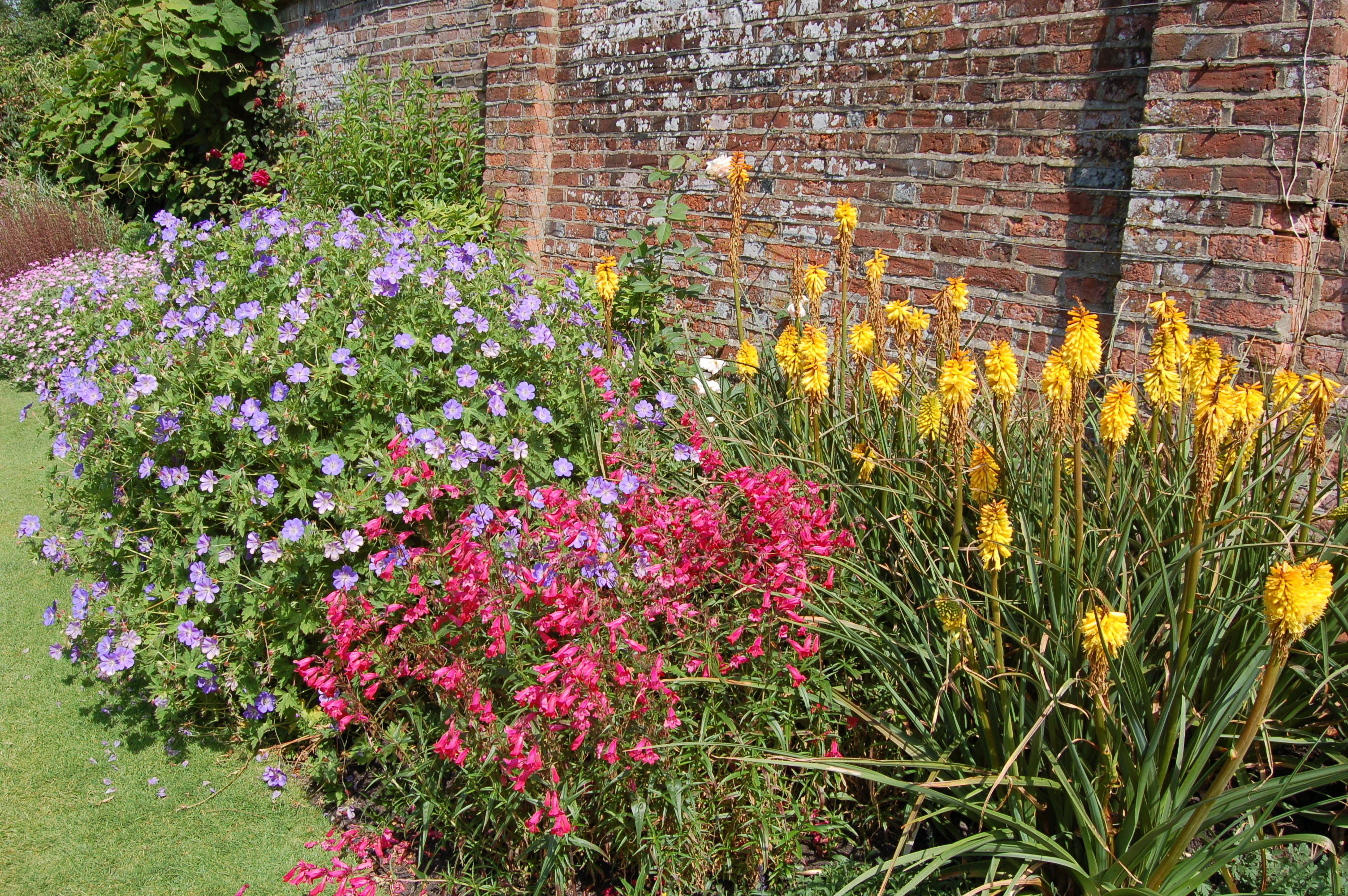
But bordering the bedding scheme central feature was a long mixed border, much more to my liking.

2014 06 25_1157 2014 06 25_1158 2014 06 25_1159 2014 06 25_1161

2014 06 25_1168

Things were looking up soon however as we passed through an opening in the yew hedging and discovered a tree unknown to me in the woodland.

2014 06 25_1175 2014 06 25_1172

2014 06 25_1170 2014 06 25_1171

2014 06 25_1177 2014 06 25_1178

Little areas of meadow lined the pathway down through the woodlands. Gnarled branches of old shrubs curled around on the grass near the paths.

2014 06 25_1183 2014 06 25_1191

2014 06 25_1180 2014 06 25_1181

The old rose garden has been revamped recently with newer more disease resistant varieties, so inevitably most are from David Austin. The colours of the blooms have been chosen to represent sunrise and sunset.

2014 06 25_1184 2014 06 25_1185 2014 06 25_1187 2014 06 25_1188

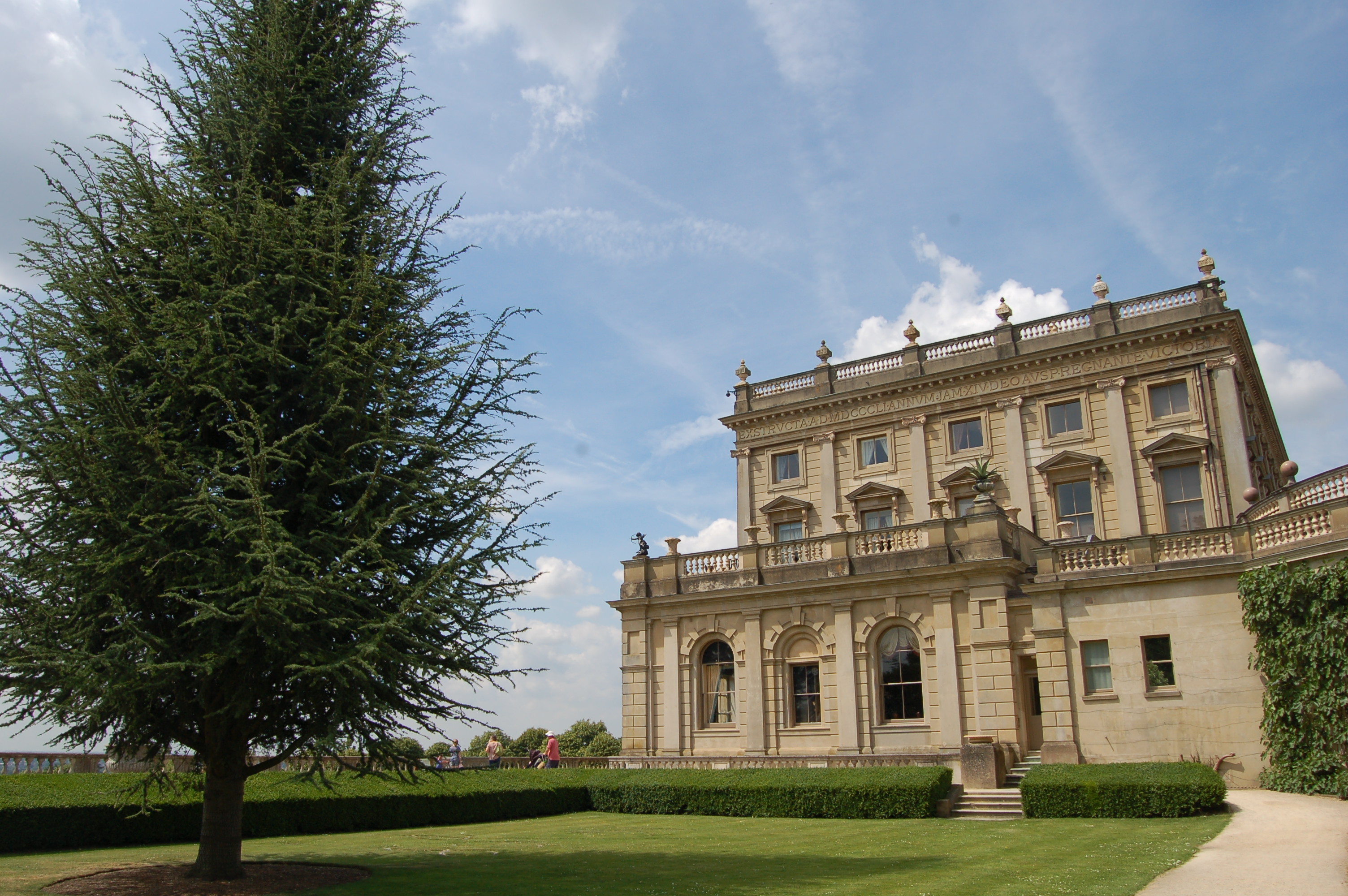
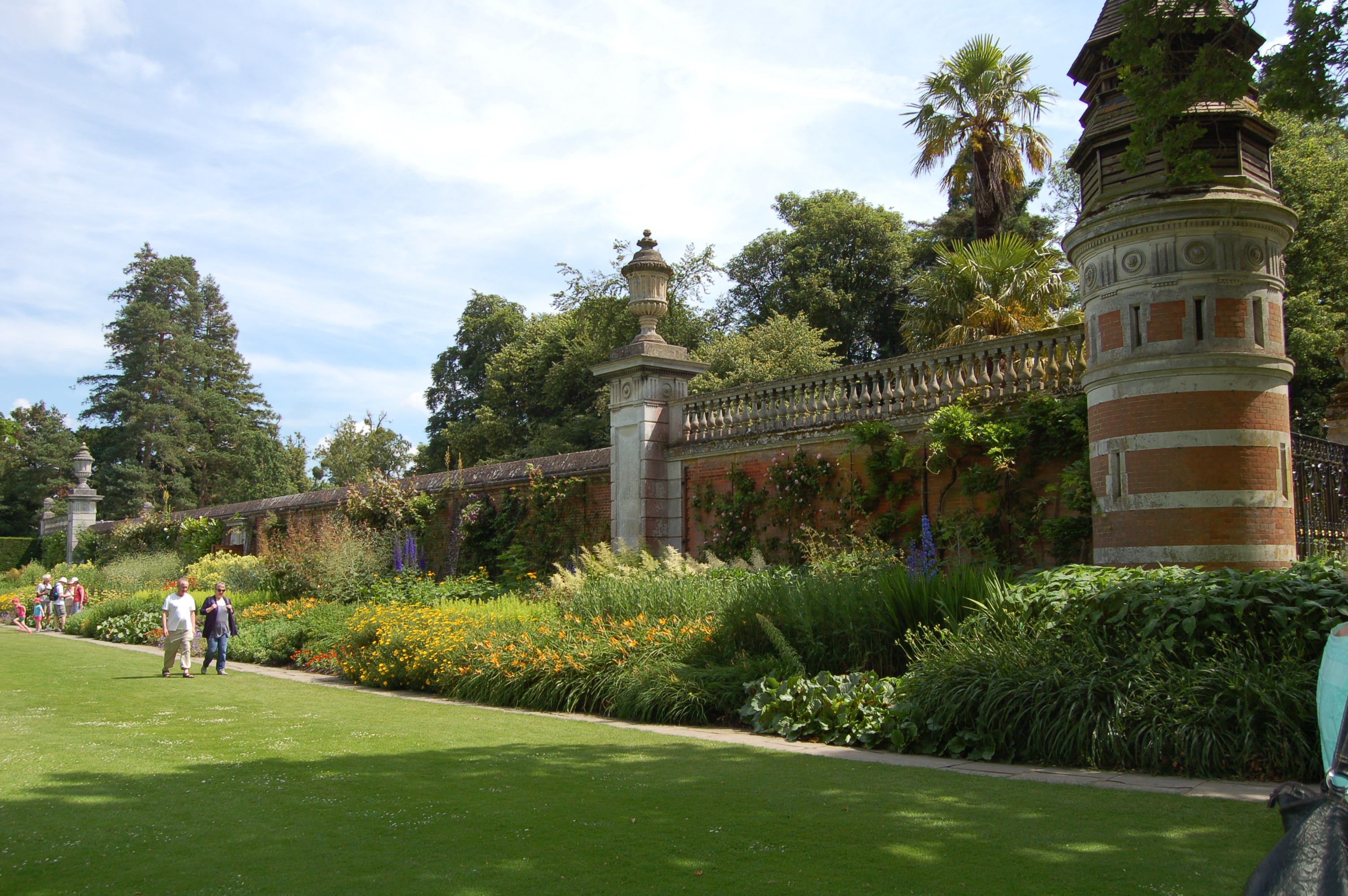
The buildings clustered in the centre of the grounds were rambling and sat beautifully within its setting. In particular it had interesting chimneys and towers which look good against the clear blue sky. Towers even featured in the walled garden.

2014 06 25_1193 2014 06 25_1196

2014 06 25_1197 2014 06 25_1182

 2014 06 25_1189 2014 06 25_1192

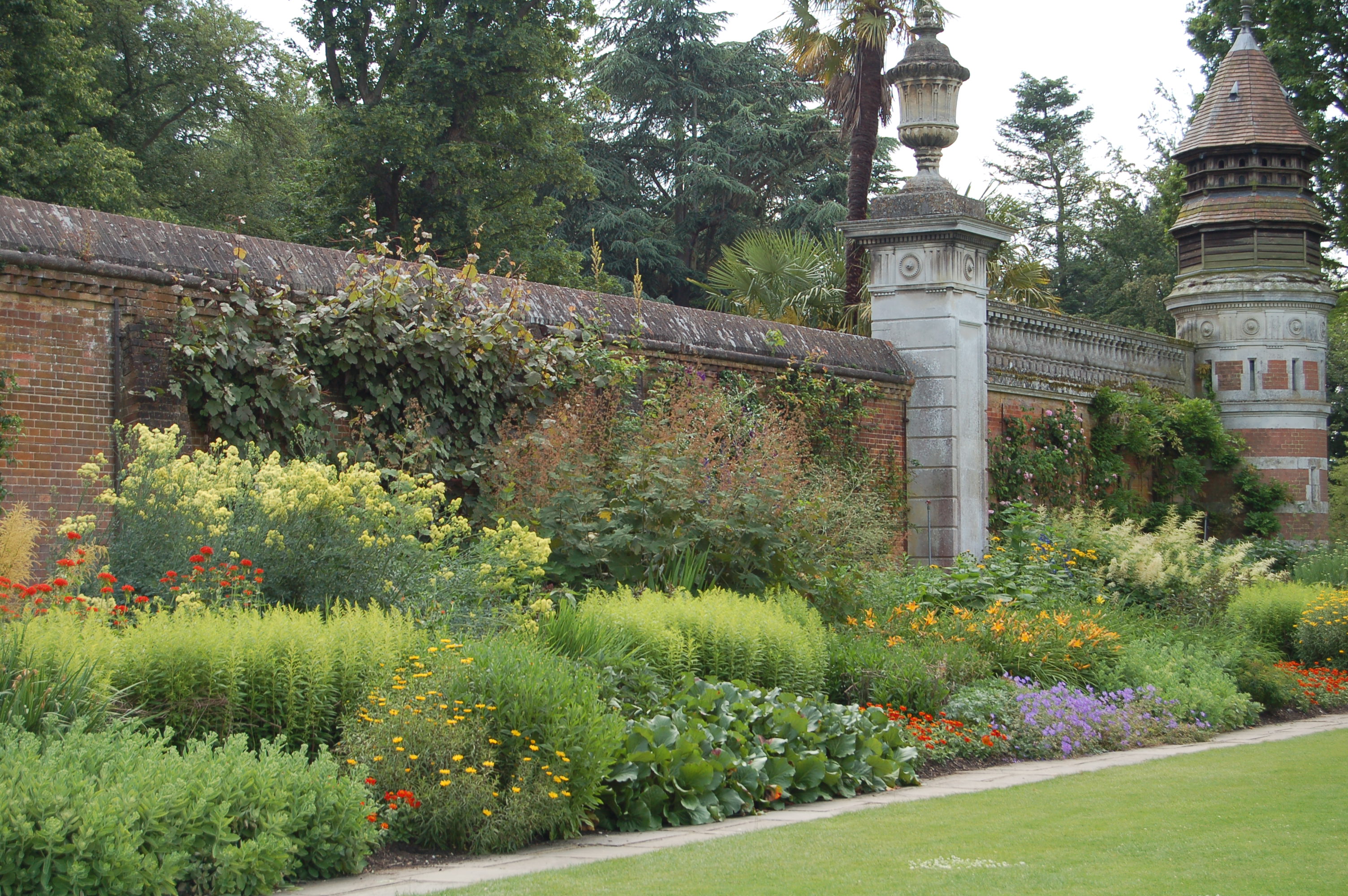
The walled garden, with its patterned brickwork, featured beautifully planted herbaceous borders around a highly manicured lawn. The plants were mainly recent cultivars and chosen for their richness of colour.

2014 06 25_1192 2014 06 25_1198 2014 06 25_1199 2014 06 25_1200 2014 06 25_1201 2014 06 25_1202 2014 06 25_1203 2014 06 25_1204

From the courtyard as we leaned on its stone ballustrade we could see the Italianate parterre placed within more manicured lawns. They seemed to sit rather awkwardly there.

2014 06 25_1194 2014 06 25_1195

We finished our Cliveden wanderings in the Water Gardens where formal fountains and oriental buildings sit among informal pools and soft planting.

2014 06 25_1205 2014 06 25_1206 2014 06 25_1207 2014 06 25_1208 2014 06 25_1209


Categories
Cheshire climbing plants garden design gardening gardens hardy perennials Hardy Plant Society ornamental trees and shrubs The National Gardening Scheme" trees village gardens Yellow Book Gardens

Two Cheshire Gardens in one day

Jude and I arranged a coach trip to visit some Cheshire gardens for the Shropshire Group of the Hardy Plant Society as part of our programme secretaries role. The main garden was Arley Hall but we added on two smaller gardens as a contrast, which I am going to concentrate in this blog ,The East Garden within the Arley Hall Gardens and Grafton Lodge near Malpas.

We were given the privilege of being given a tour of the East Garden inside the main garden at Arley Hall. The East Garden is owned and tended by the same person who runs the nursery there which specialises in unusual quality perennials so we were in for a treat. We were even given a short talk about how the garden was created before we looked around. It was an intimate garden with strong structure created by paths and trimmed hedges all softened by mixed borders of perennials and shrubs. It was raining all the time we were exploring but the colours glowed through especially the yellows. I shall leave you to enjoy the photos I took.

2014 07 20_1568 2014 07 20_1569 2014 07 20_1570 2014 07 20_1571 2014 07 20_1572 2014 07 20_1573 2014 07 20_1574 2014 07 20_1575 2014 07 20_1576 2014 07 20_15772014 07 20_1578

We ended our day by visiting a 2 acre garden in a tiny Cheshire village half way home, where we enjoyed a wander and a break for tea and cakes. The garden is owned by Simon Carter and Derren Gilhooley, who also designed, created and now maintain it. It is a garden full of surprises, original touches and lots of enticing paths and junctions. We were enthralled by the unusual collection of small trees and herbaceous plants.

2014 07 20_1603 2014 07 20_1604

Our members were soon milling around keen to take a look around what looked to be an interesting garden. They were right!

2014 07 20_1609


2014 07 20_1605 2014 07 20_1606 2014 07 20_1607 2014 07 20_1608 2014 07 20_1610 2014 07 20_1611


Many members were surprised to see this little specimen of Catalpa bignoides, the Indian Bean Tree in flower. Being a small tree it meant that we could get a close up look at the flowers that were reminiscent of foxgloves or Horse Chestnut.


2014 07 20_1615 2014 07 20_1616

This is a garden that as you wander around you are stopped in your tracks by original ideas that make you wonder “Why didn’t I think of that?” In the first shot below we see a plant pairing that works so well but both plants ,the Birch and the Lysimachia, are such ordinary plants. Together they look great. The second shot shows a low growing hedge that made all of us take a second look as we had never seen this plant, a shrubby Potentilla, used as a hedge before.


2014 07 20_1618 2014 07 20_1614


This plant combination similarly impressed, once again a Birch but here partnered by an Acanthus.

2014 07 20_1612 2014 07 20_1613


As we left after a great day out we were waved off by Simon and Derren who had been wonderful hosts and by this friendly garden glove.

2014 07 20_1617

Categories
colours flowering bulbs fruit and veg garden design garden designers garden photography gardening gardens gardens open to the public grasses hardy perennials Italian style gardens July meadows ornamental grasses ornamental trees and shrubs photography Piet Oudolf roses Staffordshire Tom Stuart-Smith trees

A Garden in July and August – Trentham

So back to Trentham to see how good this wonderful garden is throughout the year. Because of preparing for the first ever opening of our garden we will have to join July and August together and do just this one post. From past experience of visiting in late summer we had high expectations. We expected the River of Grasses to have grown tall and be flowering profusely and for the herbaceous perennials to be full of colour, texture and structure. So let’s have a wander to see what is going on.

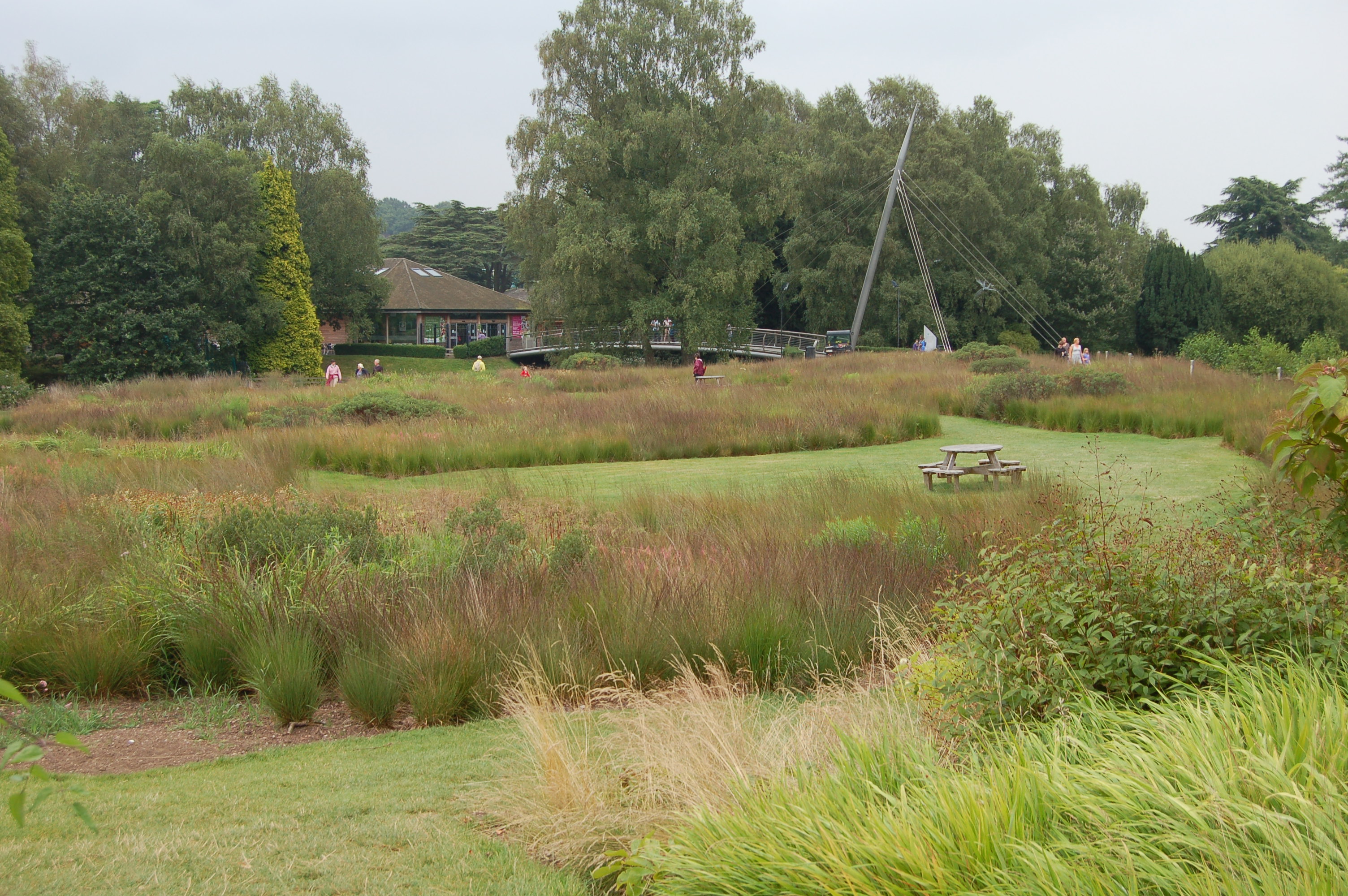
We entered the gardens over the little curved bridge over the River Trent and got our first look over the Piet Oudolf gardens. The River of Grasses was showing stress after the strange weather so far in 2014, with the grasses only looking half grown and showing no signs of flowering.

2014 08 04_2316 2014 08 04_2317

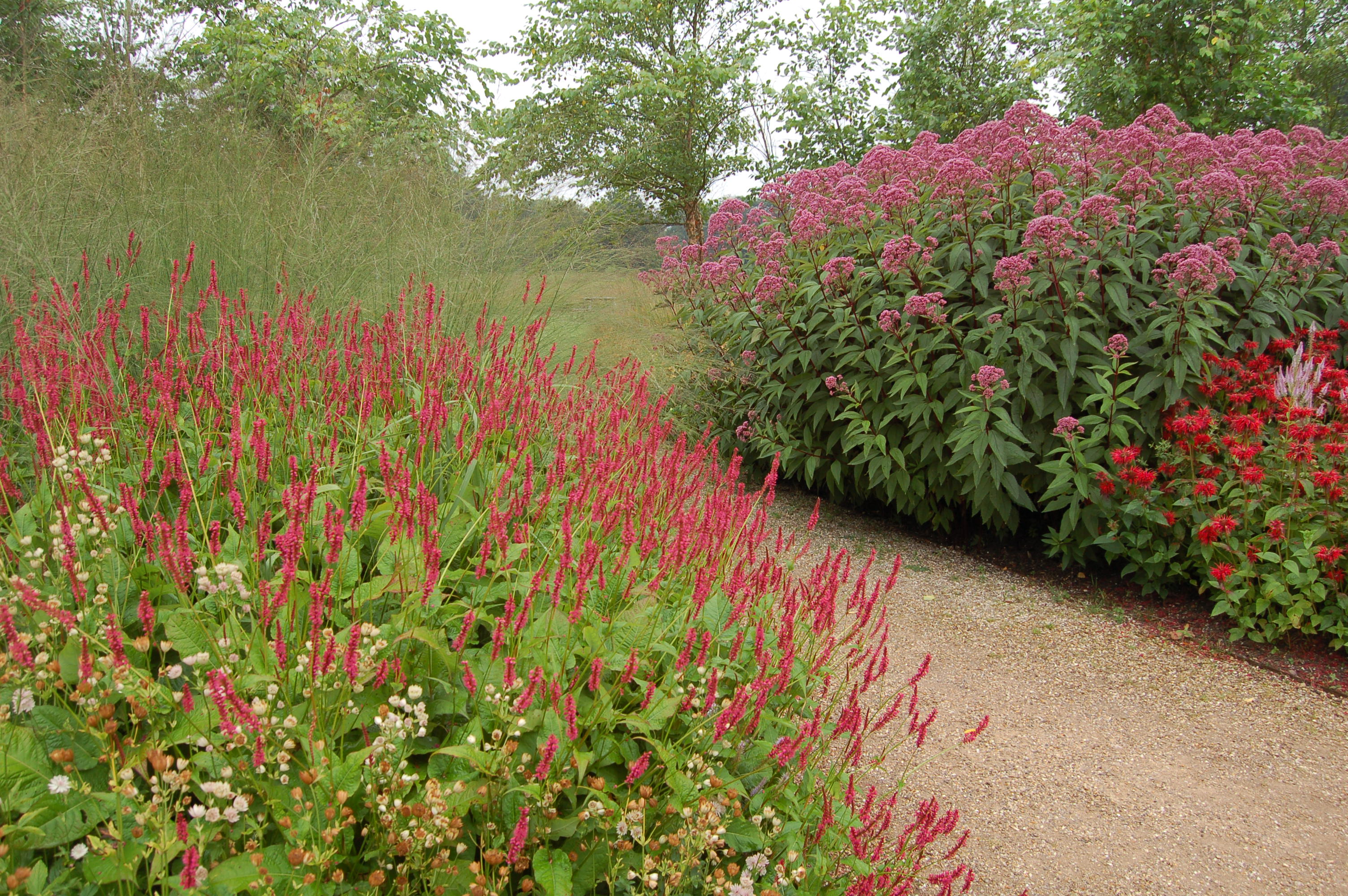
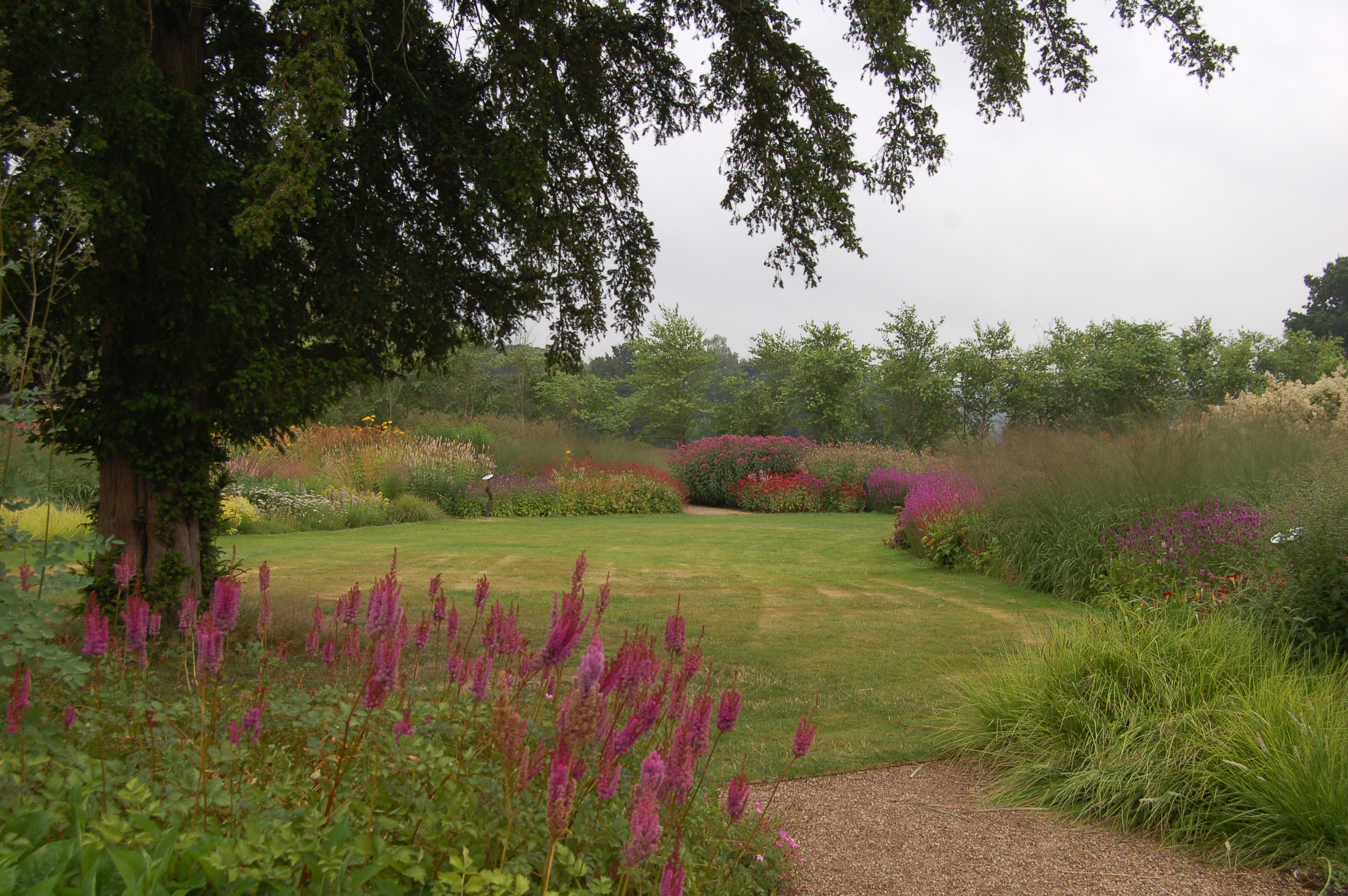
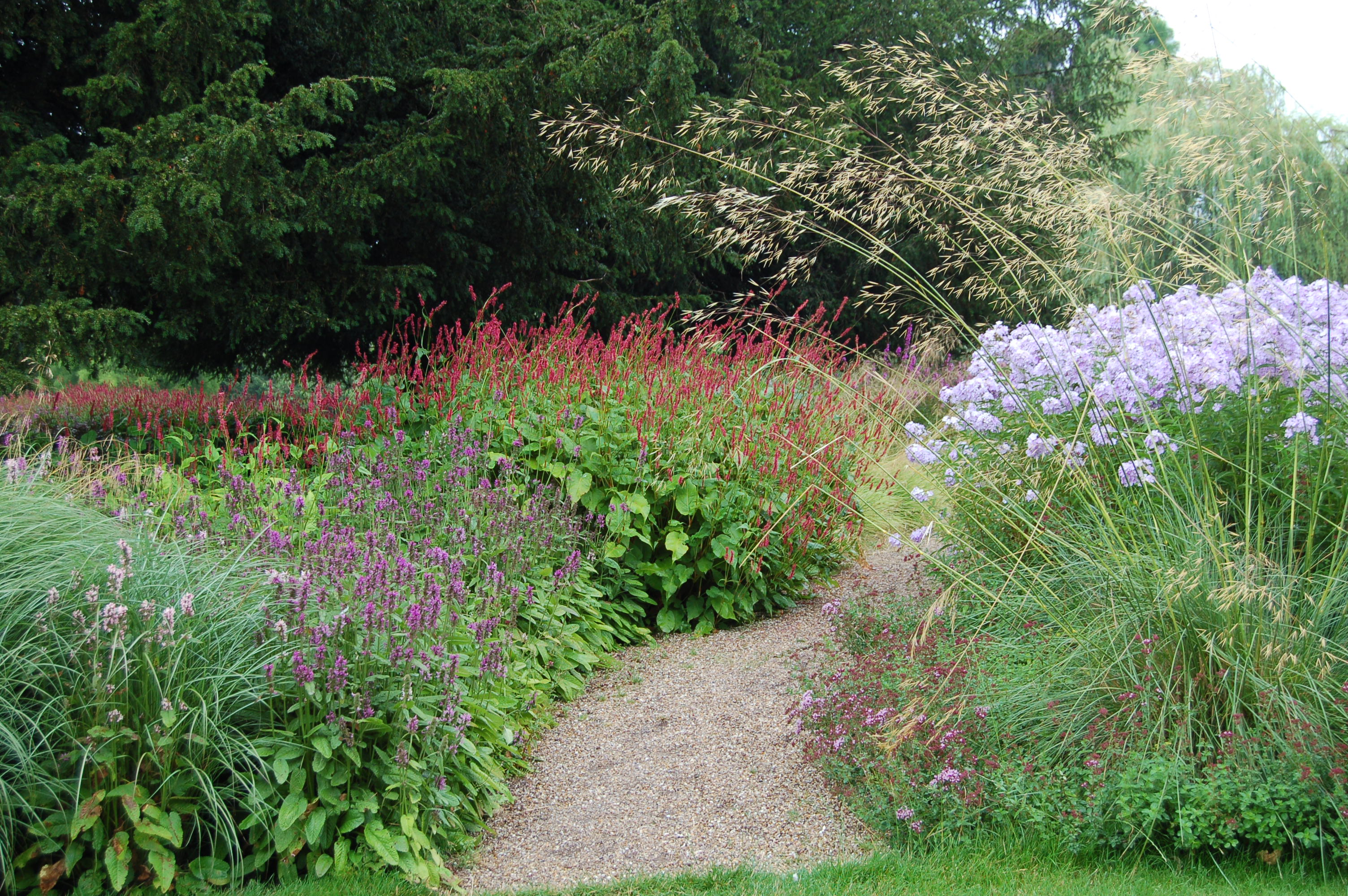
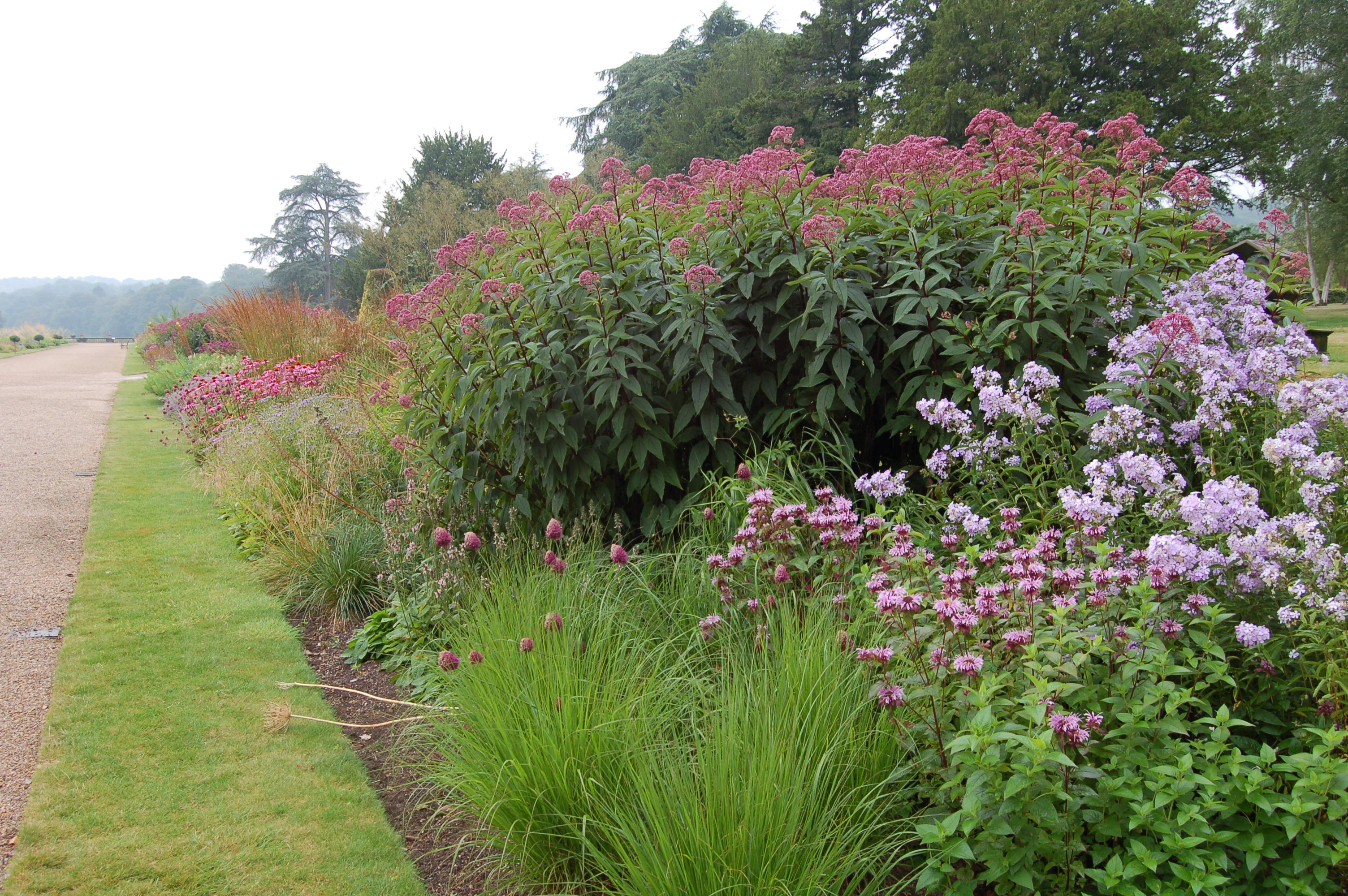
Taking the gravel path through the winding row of River Birches we were amazed by views of Oudolf’s prairie planting. After the restful green shades of the River of Grasss there was suddenly so much colour! The planting combinations worked together showing great use of contrasting colours and textures.


2014 08 04_2318 2014 08 04_2319 2014 08 04_2320 2014 08 04_2321

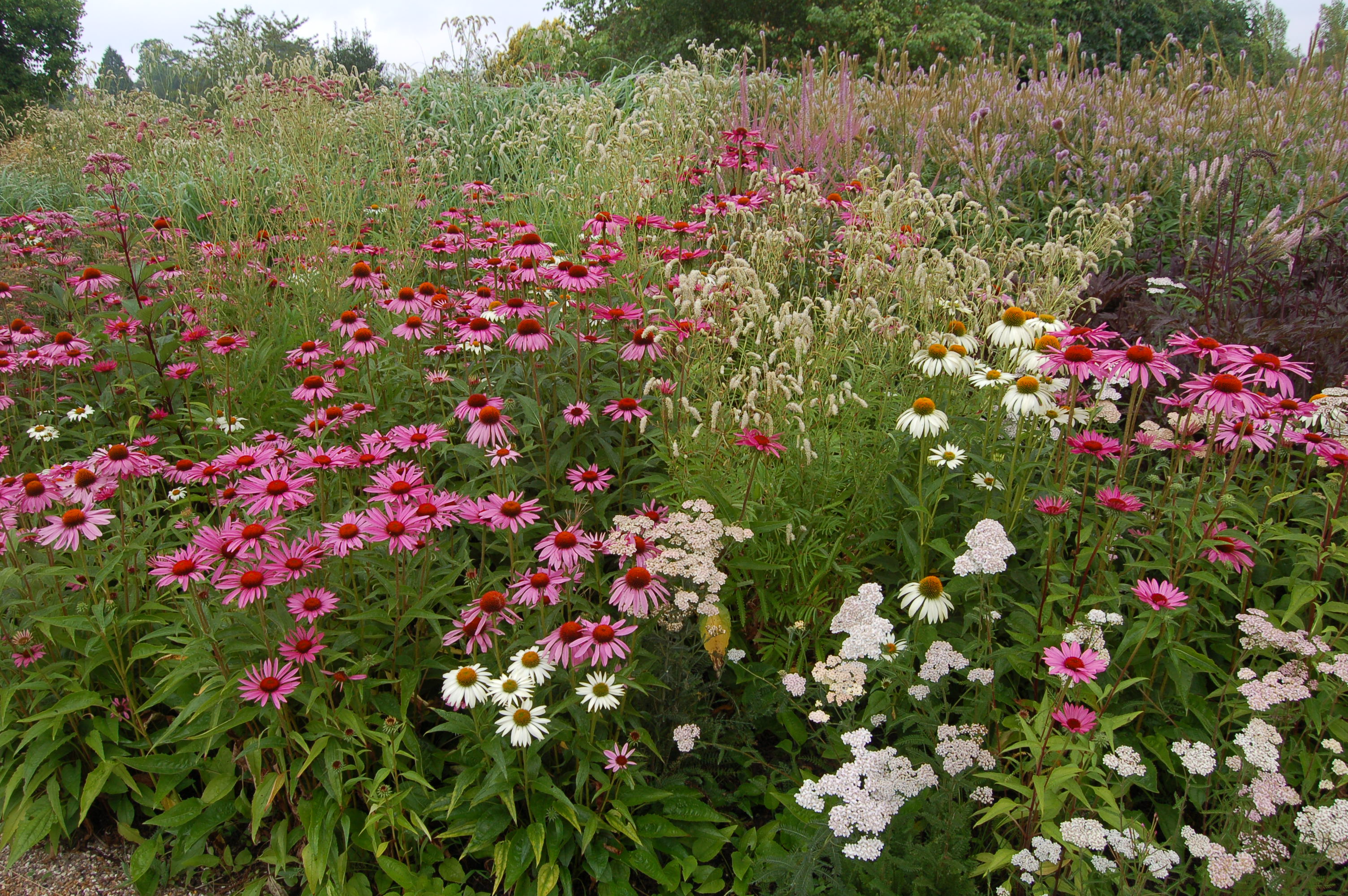
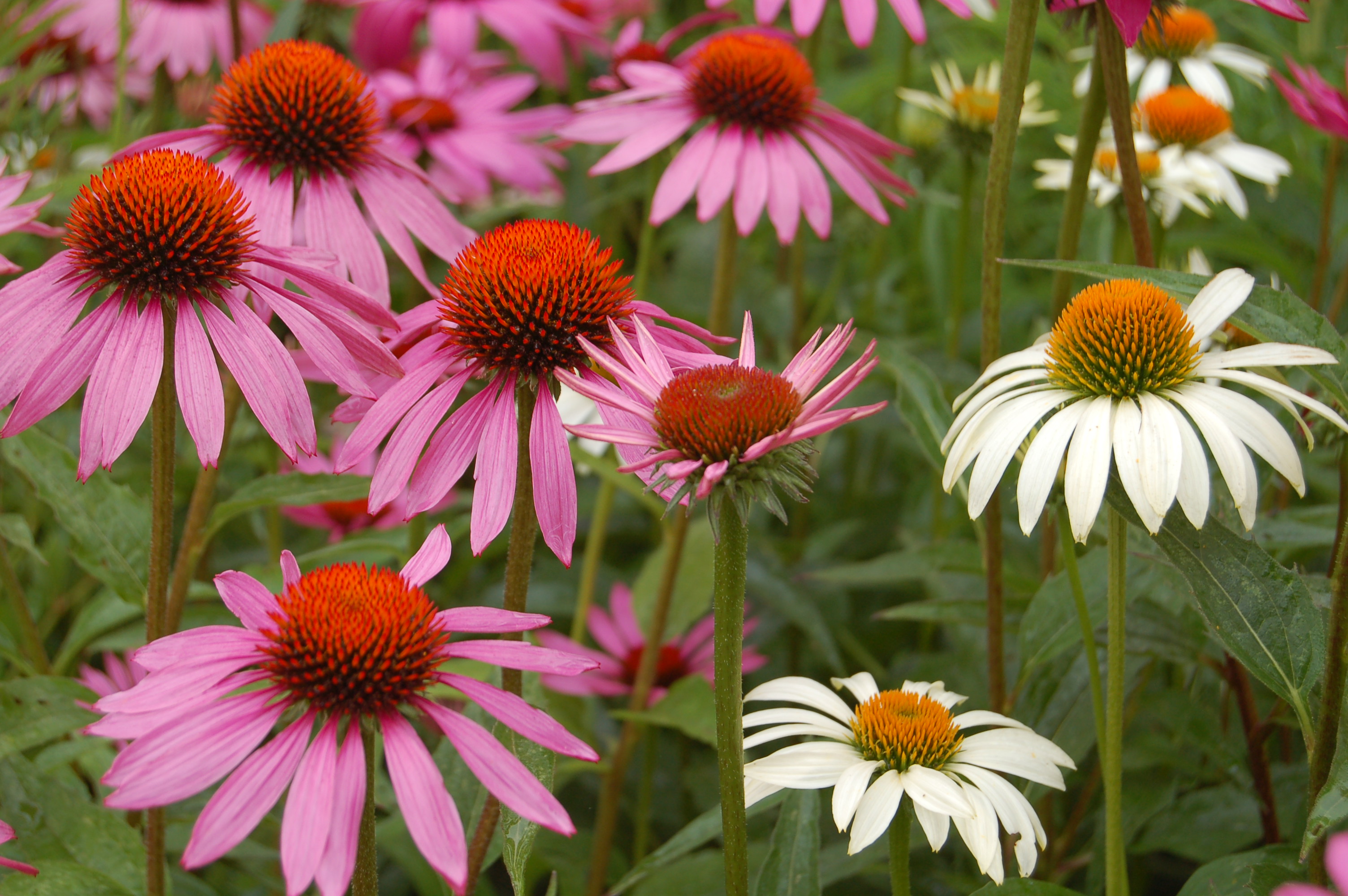
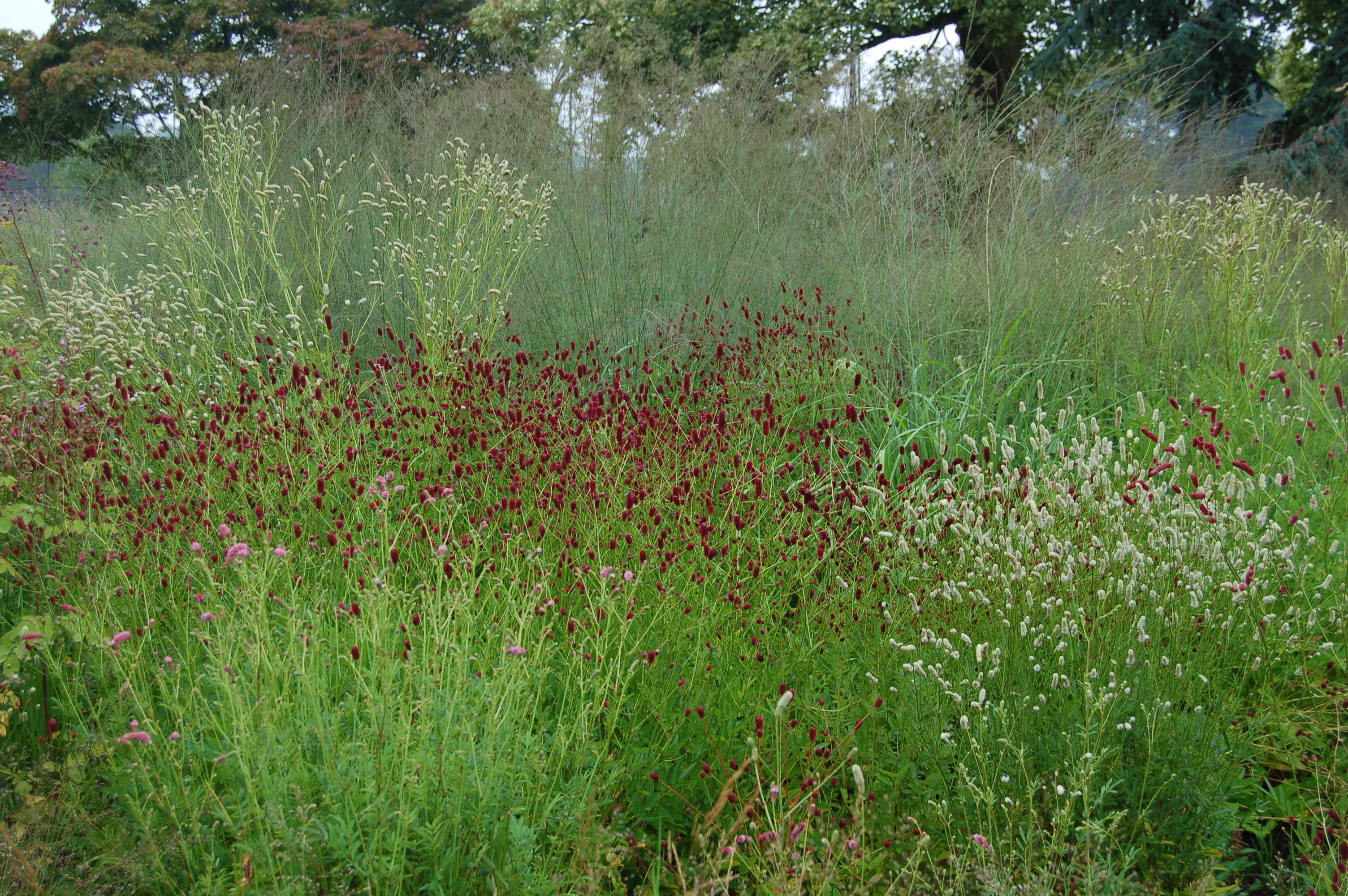
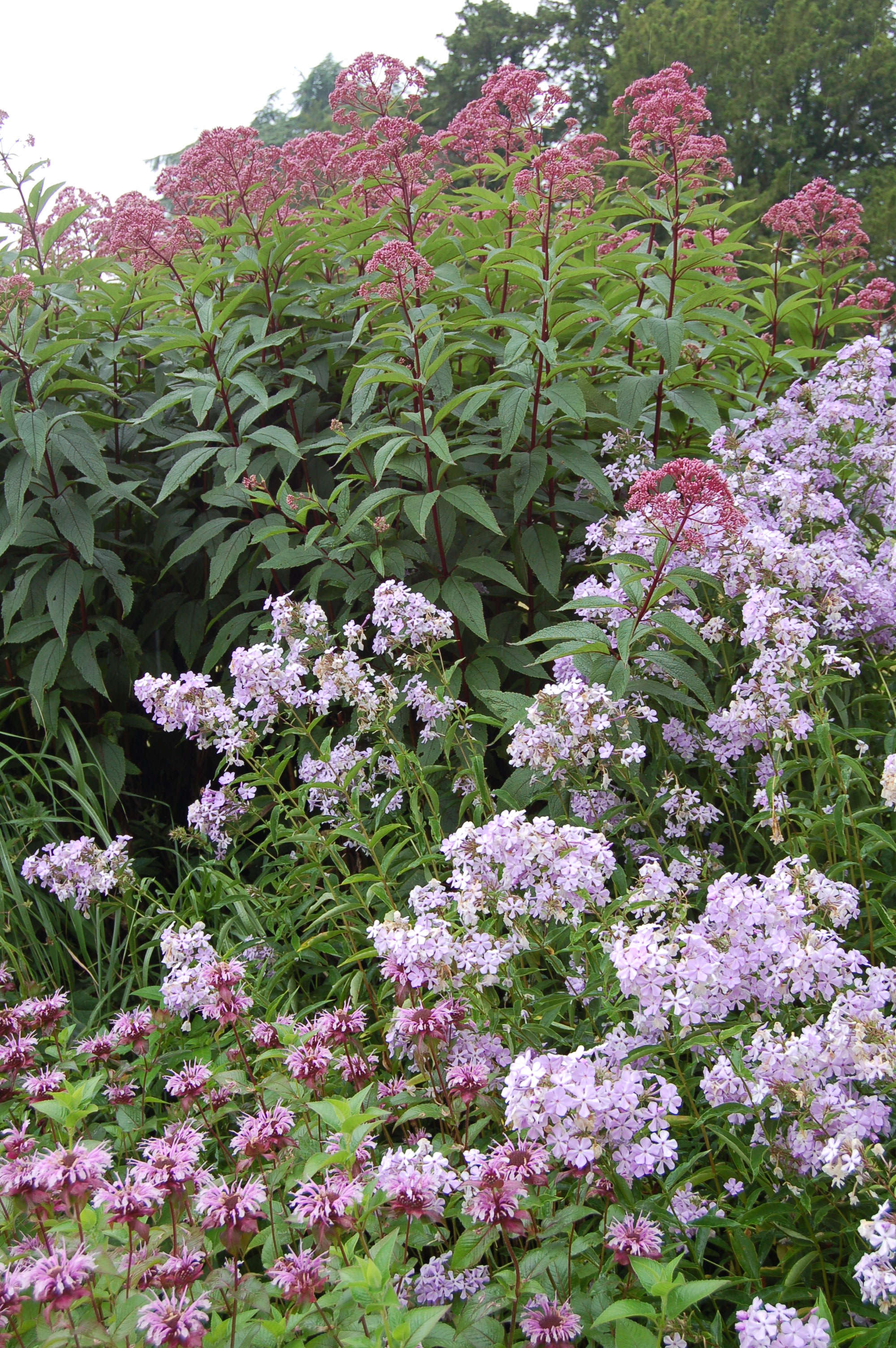
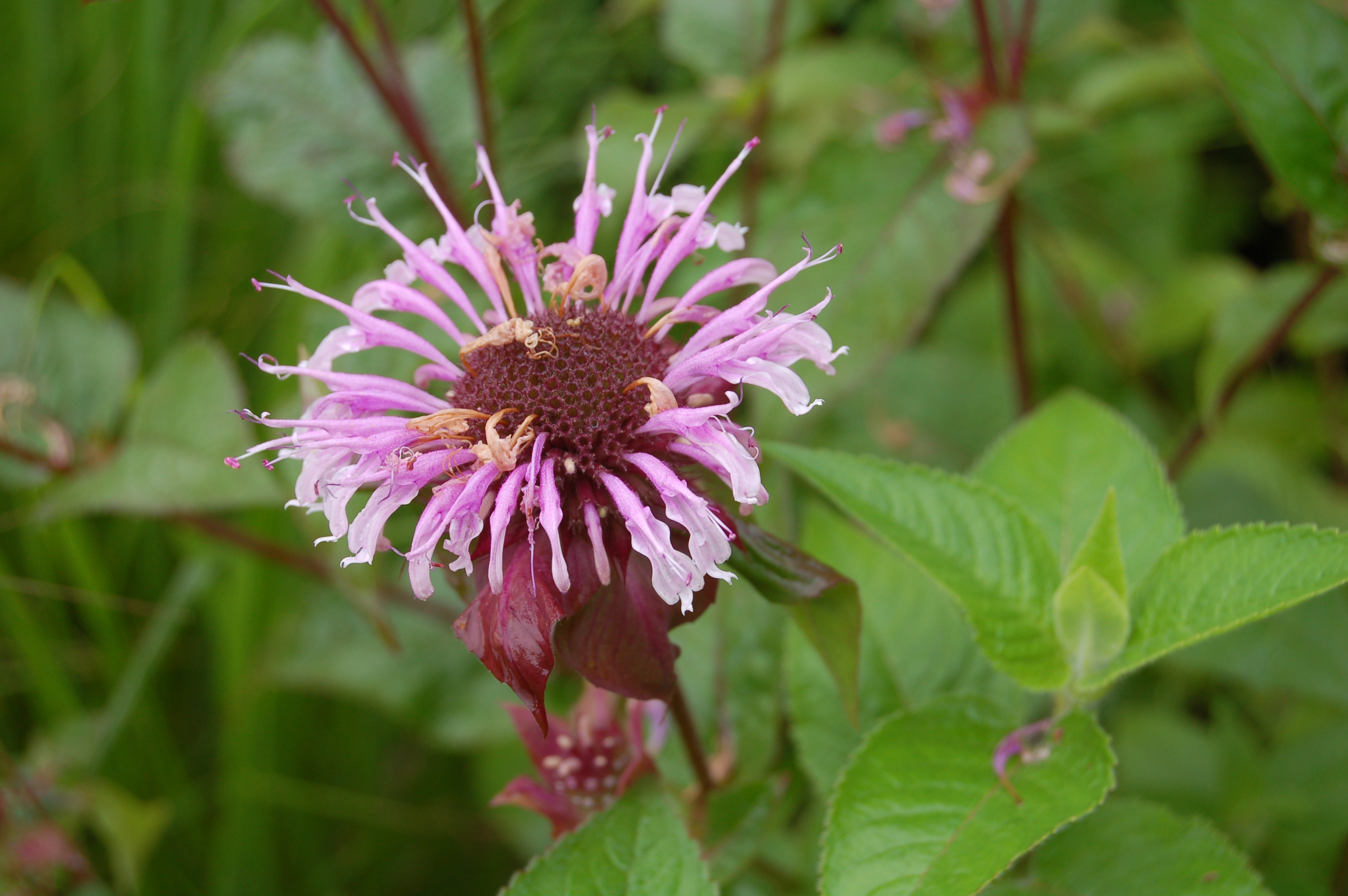
Persicaria, Eupatorium, Echinacea, Monarda, Sedum and Sanguisorba were star performers. But there was lots more to appreciate too!

2014 08 04_2322 2014 08 04_2323

2014 08 04_2324 2014 08 04_2325 2014 08 04_2326 2014 08 04_2327 2014 08 04_2328 2014 08 04_2329 2014 08 04_2330 2014 08 04_2331

2014 08 04_2332 2014 08 04_2333 2014 08 04_2334 2014 08 04_2335 2014 08 04_2336

We were sad to leave this area with its gentle atmosphere and some of the best plant combinations you can find anywhere in England. But we were here on a mission, seeking out the changes since our June visit. So off we went to the bit of Trentham we don’t like, the Italian Garden with its gaudy bedding plants. But it is part of the story so I took a few pics of the bedding. Below the balustrading the narrow border was much better with its Aeoniums, Kniphofias and Dahlias. At this time the drizzle started to fall and as usual we got our Trentham soaking.

2014 08 04_2340 2014 08 04_2337 2014 08 04_2339

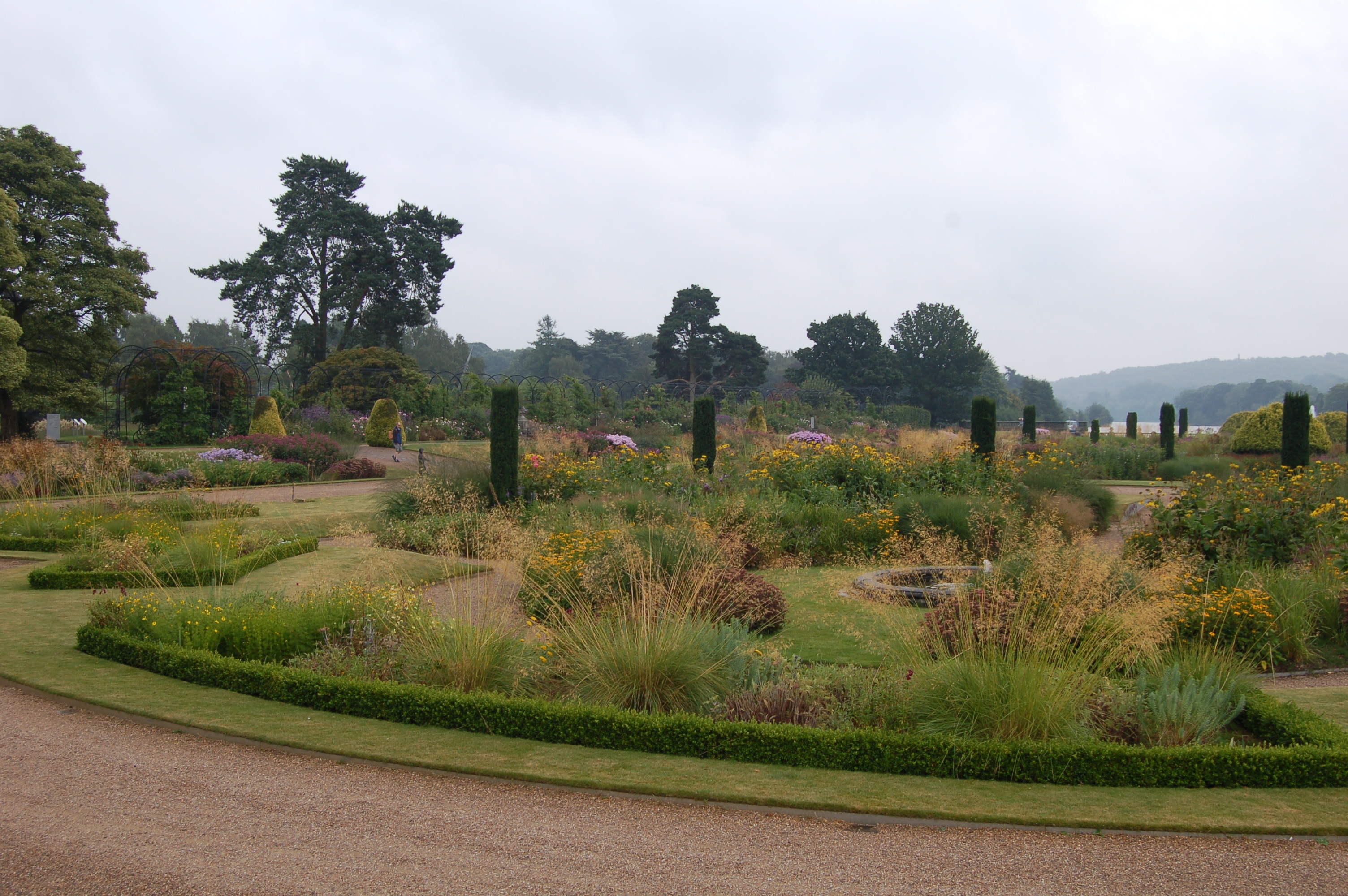
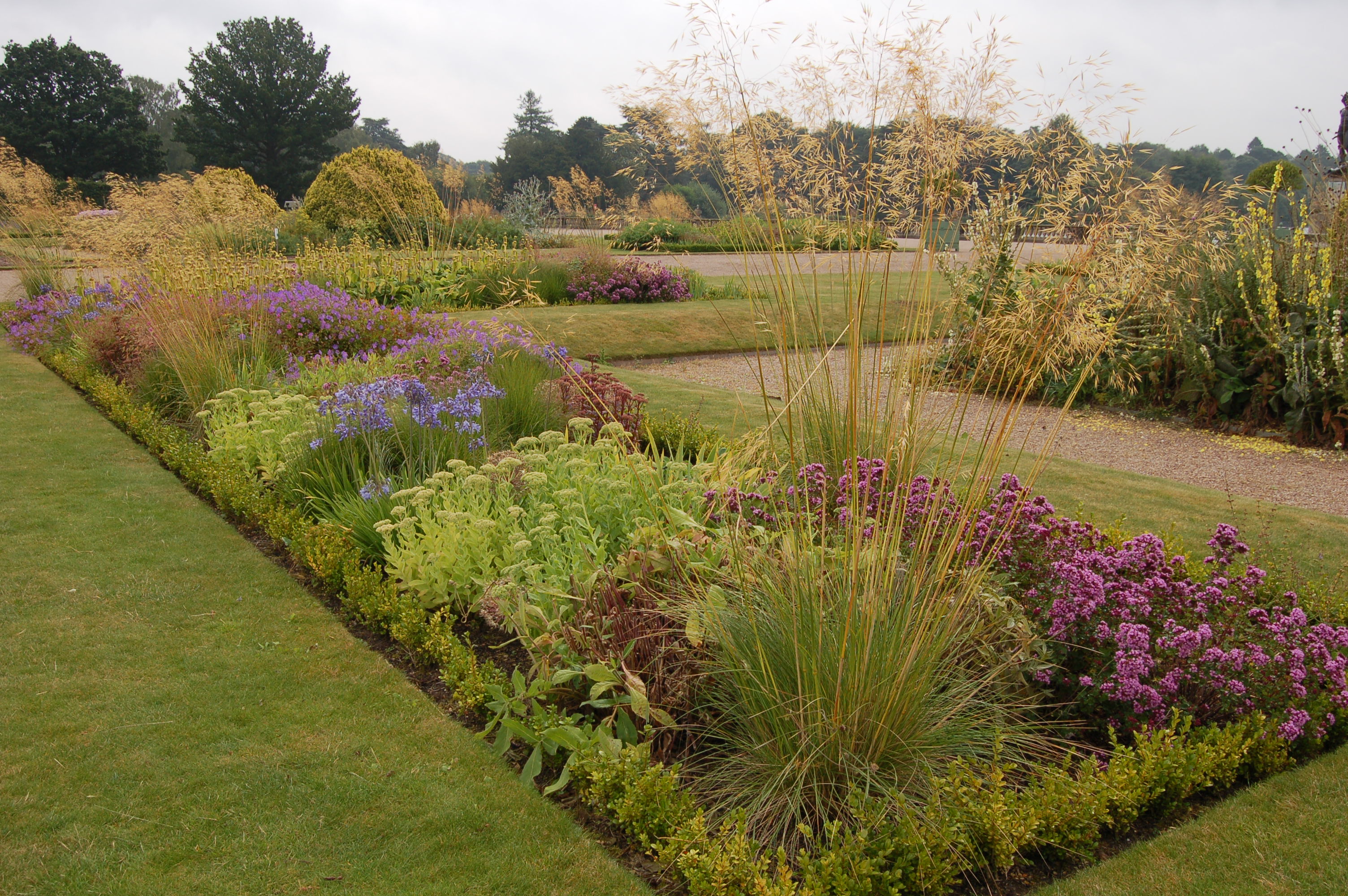
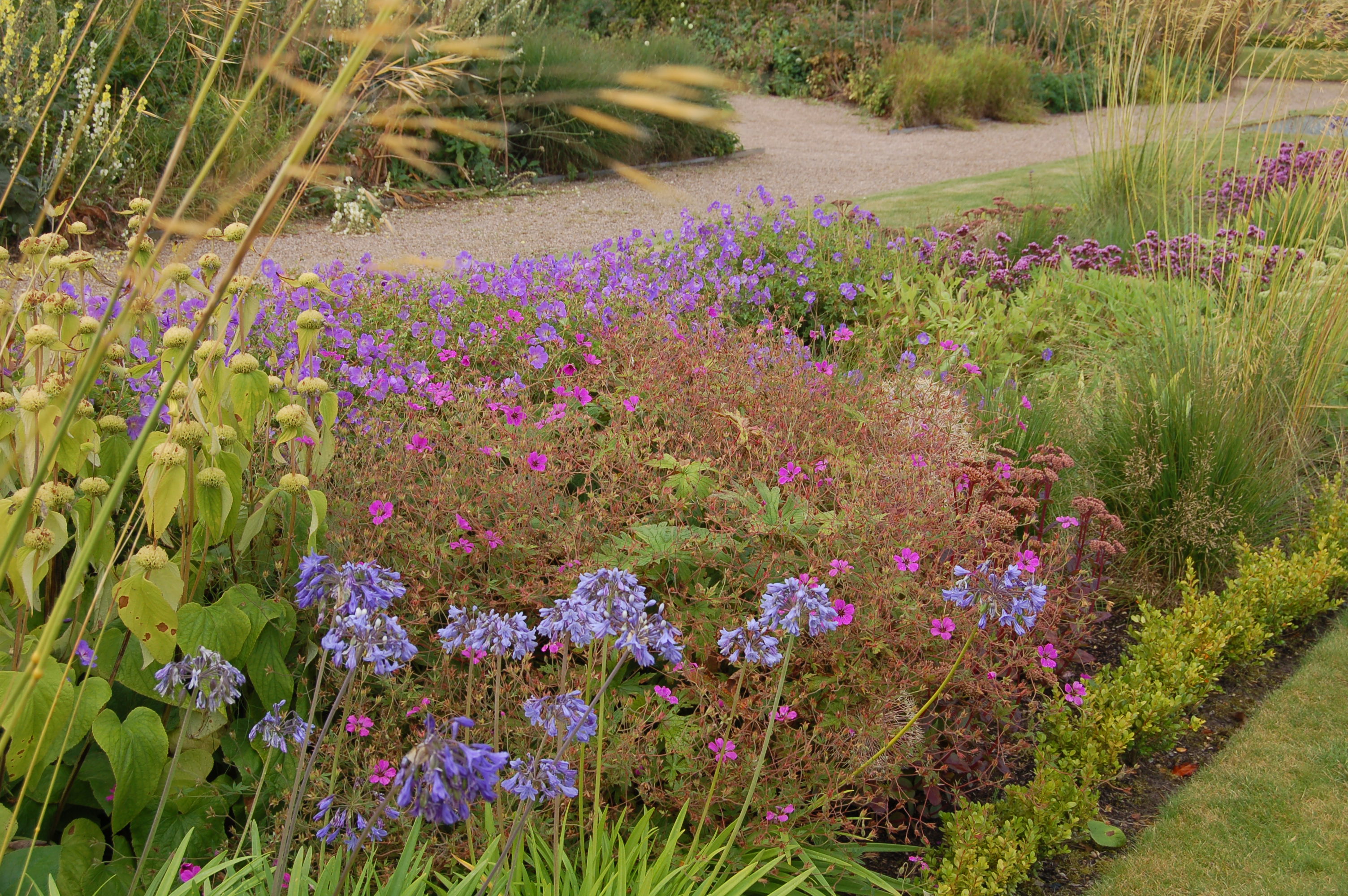
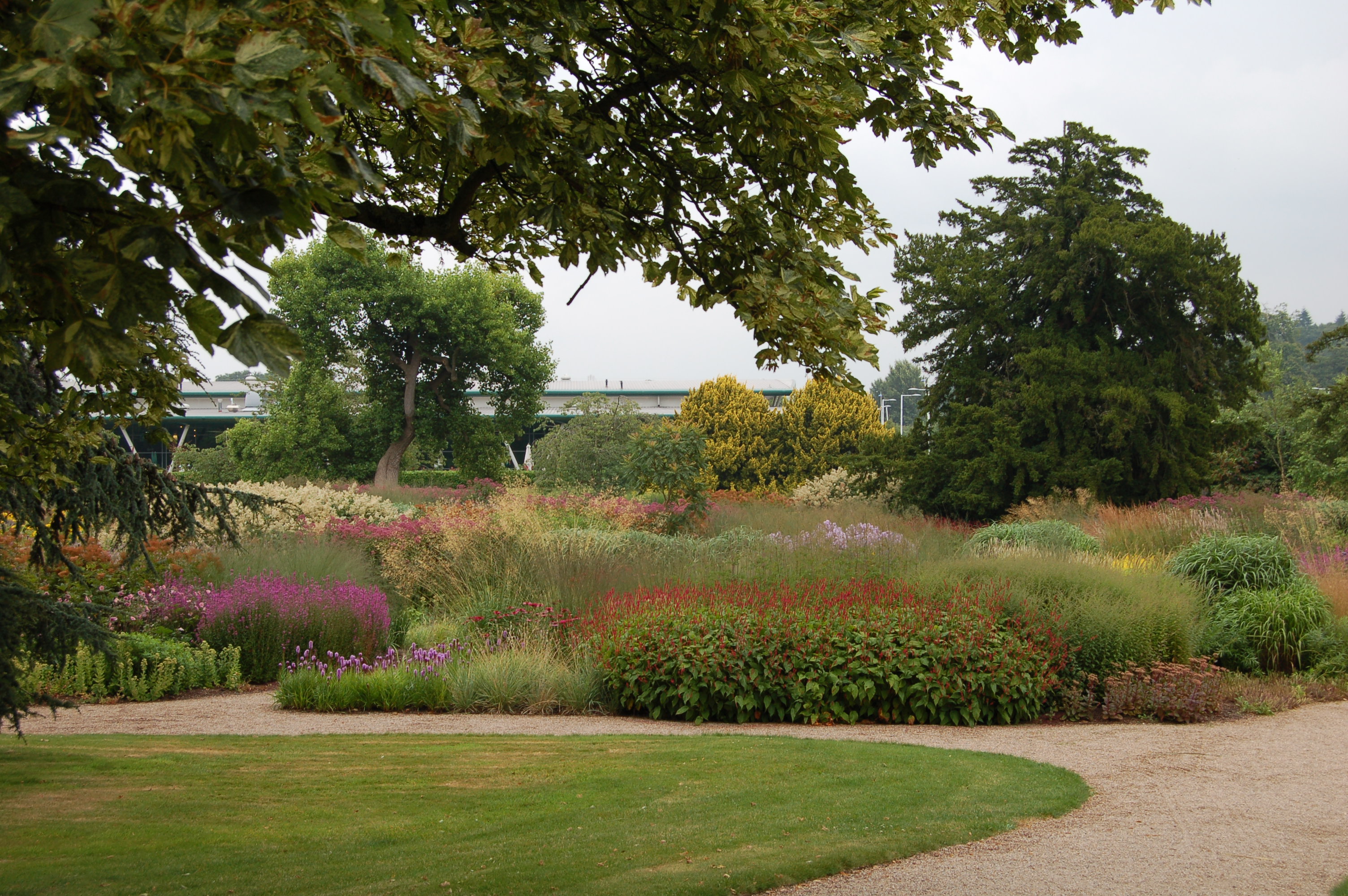
From the balustrade we got our first views of Tom Stuart-Smith’s redesigned Italian parterre garden. The garden seemed gentler in colour on this visit with a concentration of greens and yellows with clusters of mauves and purples.

2014 08 04_2338   2014 08 04_2342 2014 08 04_2341 2014 08 04_2343 2014 08 04_2344 2014 08 04_2345

2014 08 04_2346 2014 08 04_2347 2014 08 04_2349 2014 08 04_2350 2014 08 04_2354 2014 08 04_2355

2014 08 04_2359 2014 08 04_2358

2014 08 04_2356 2014 08 04_2361

2014 08 04_2363 2014 08 04_2362

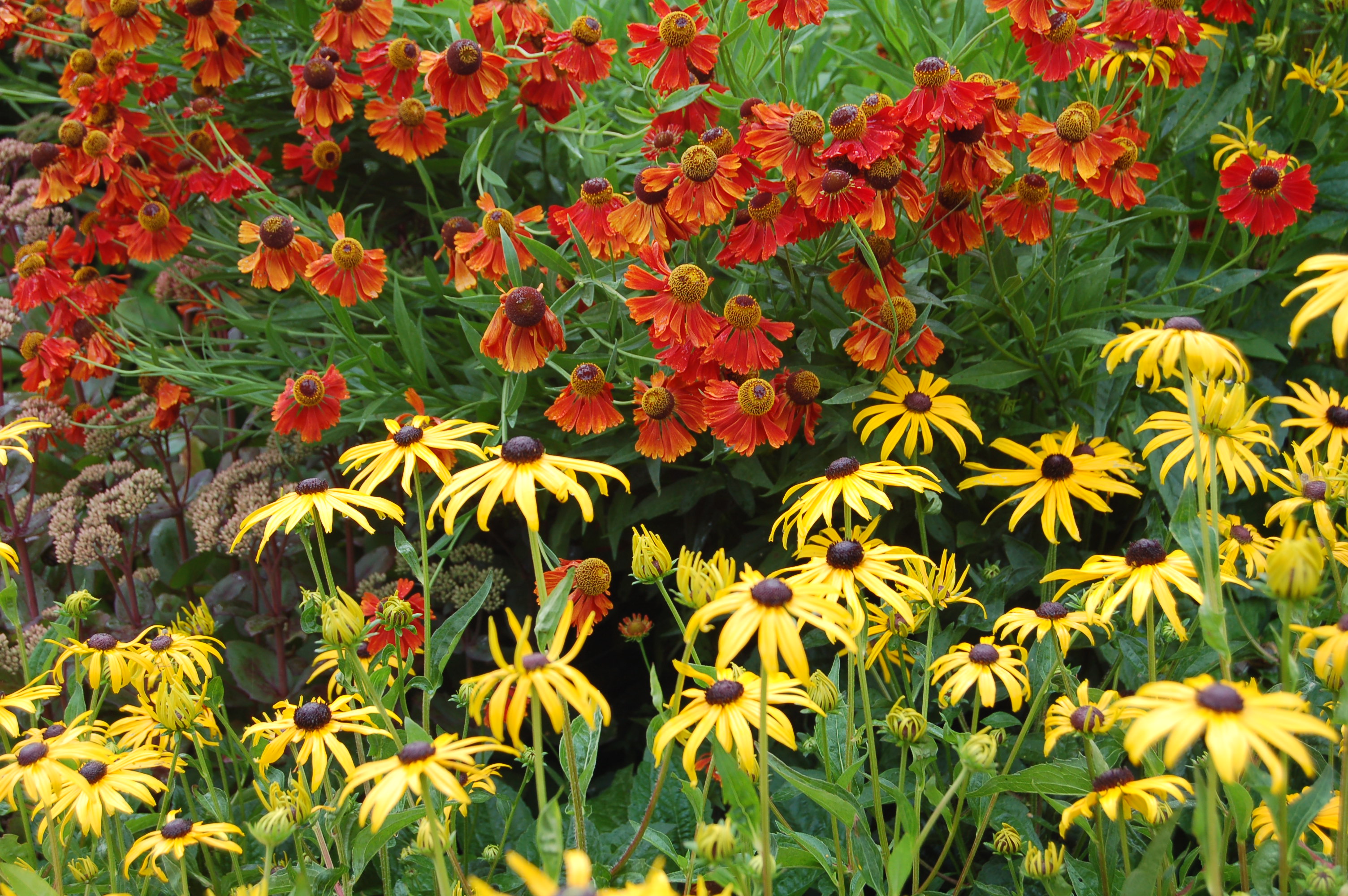
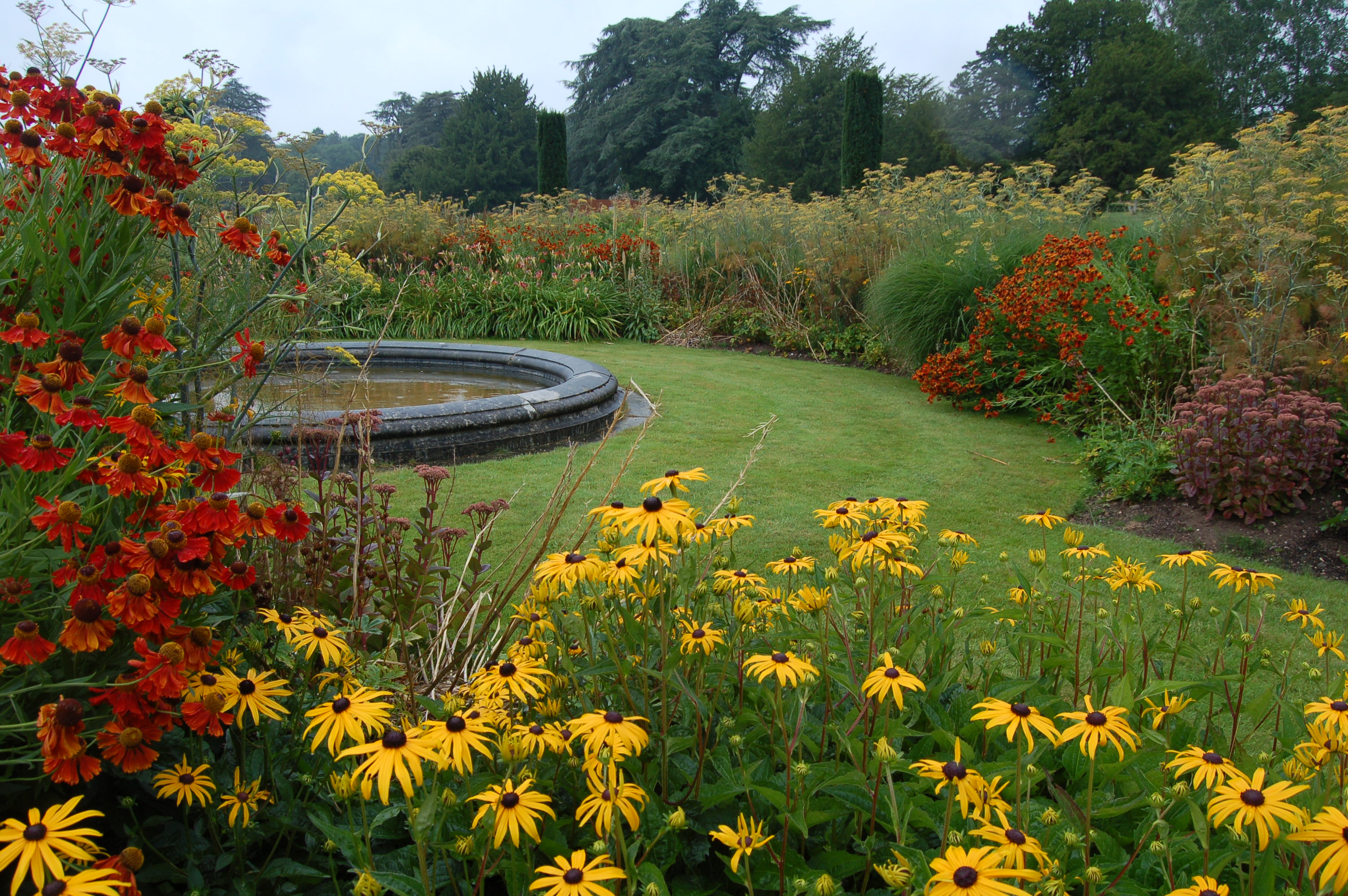
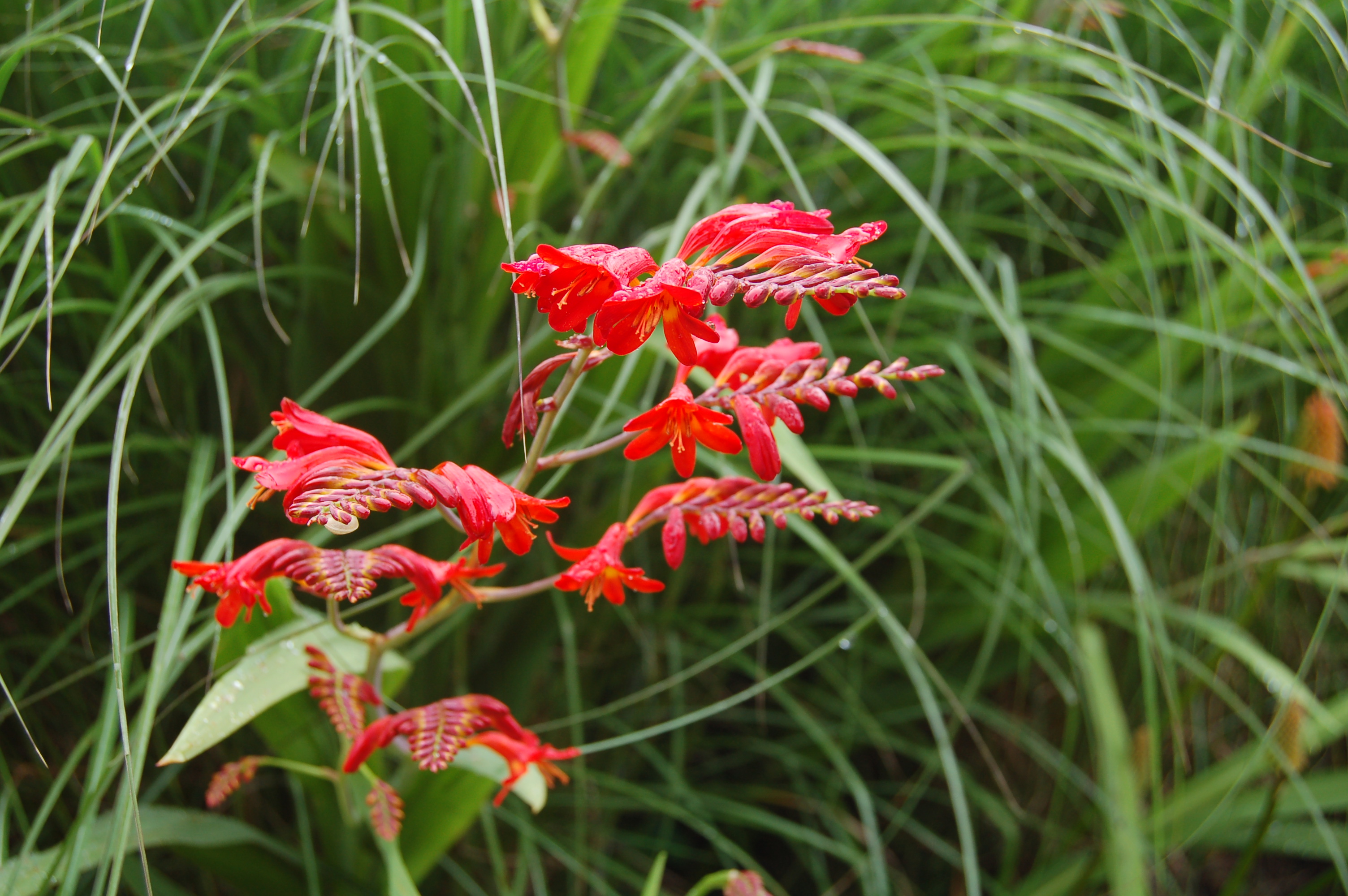
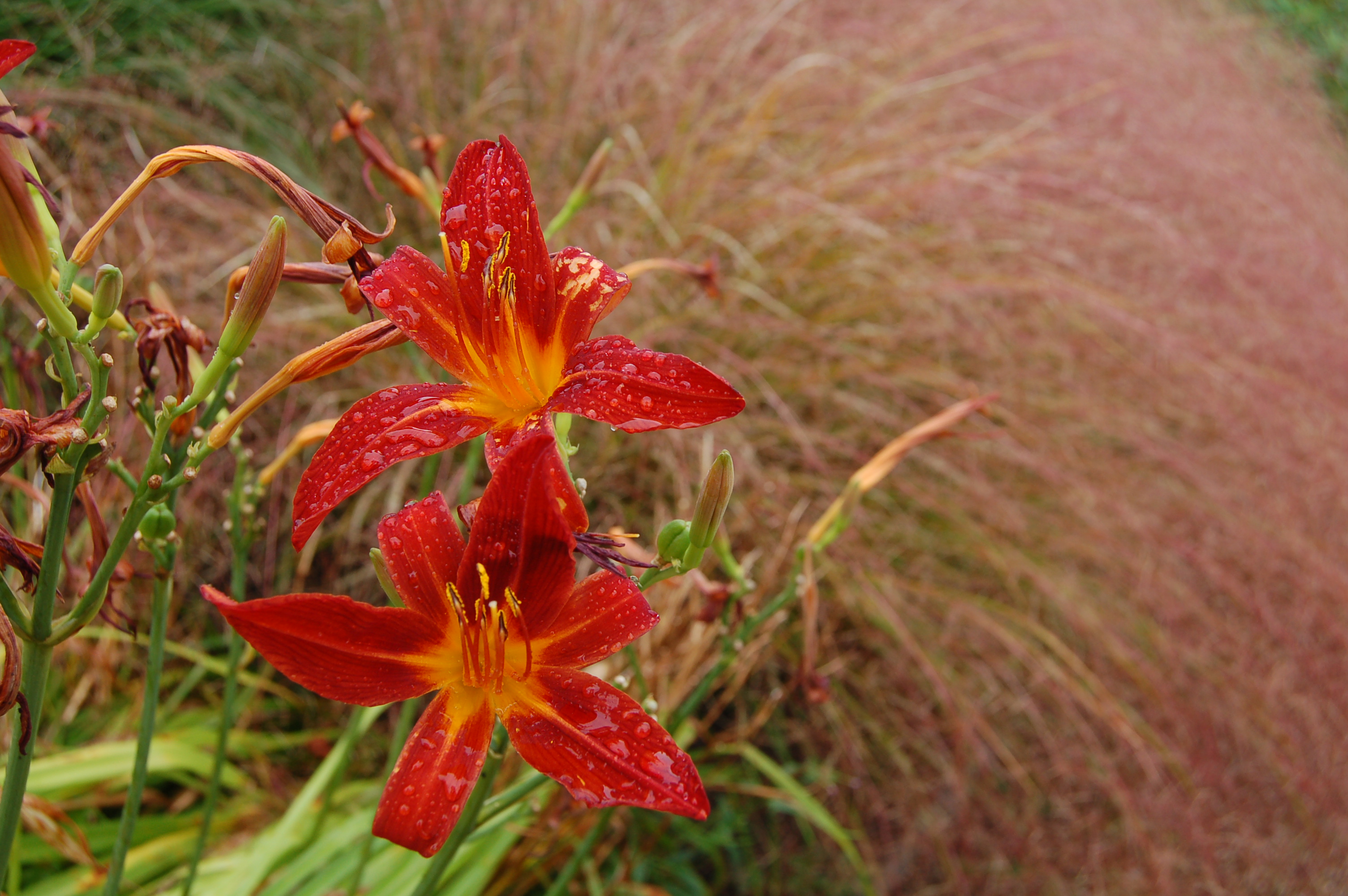
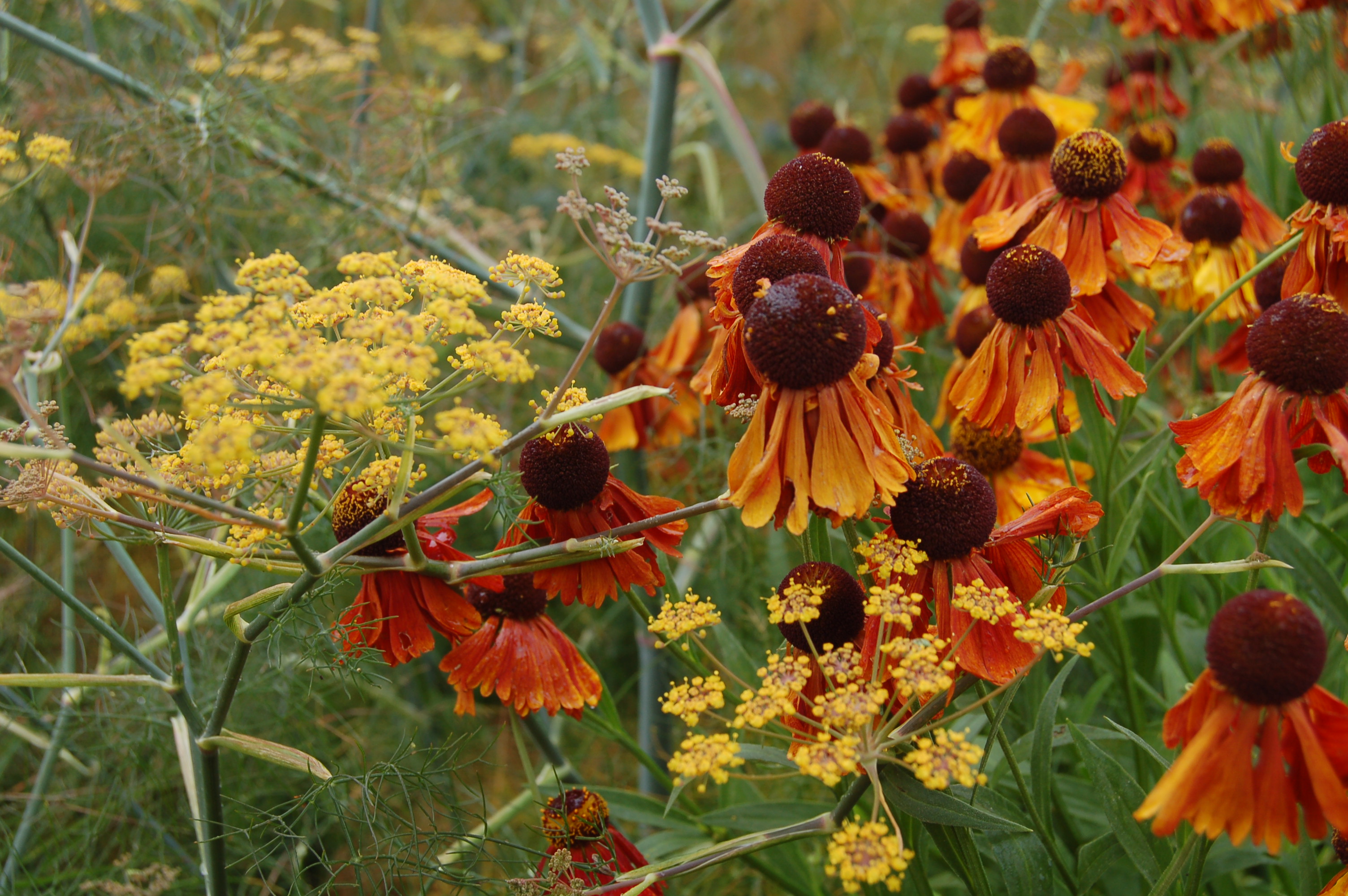
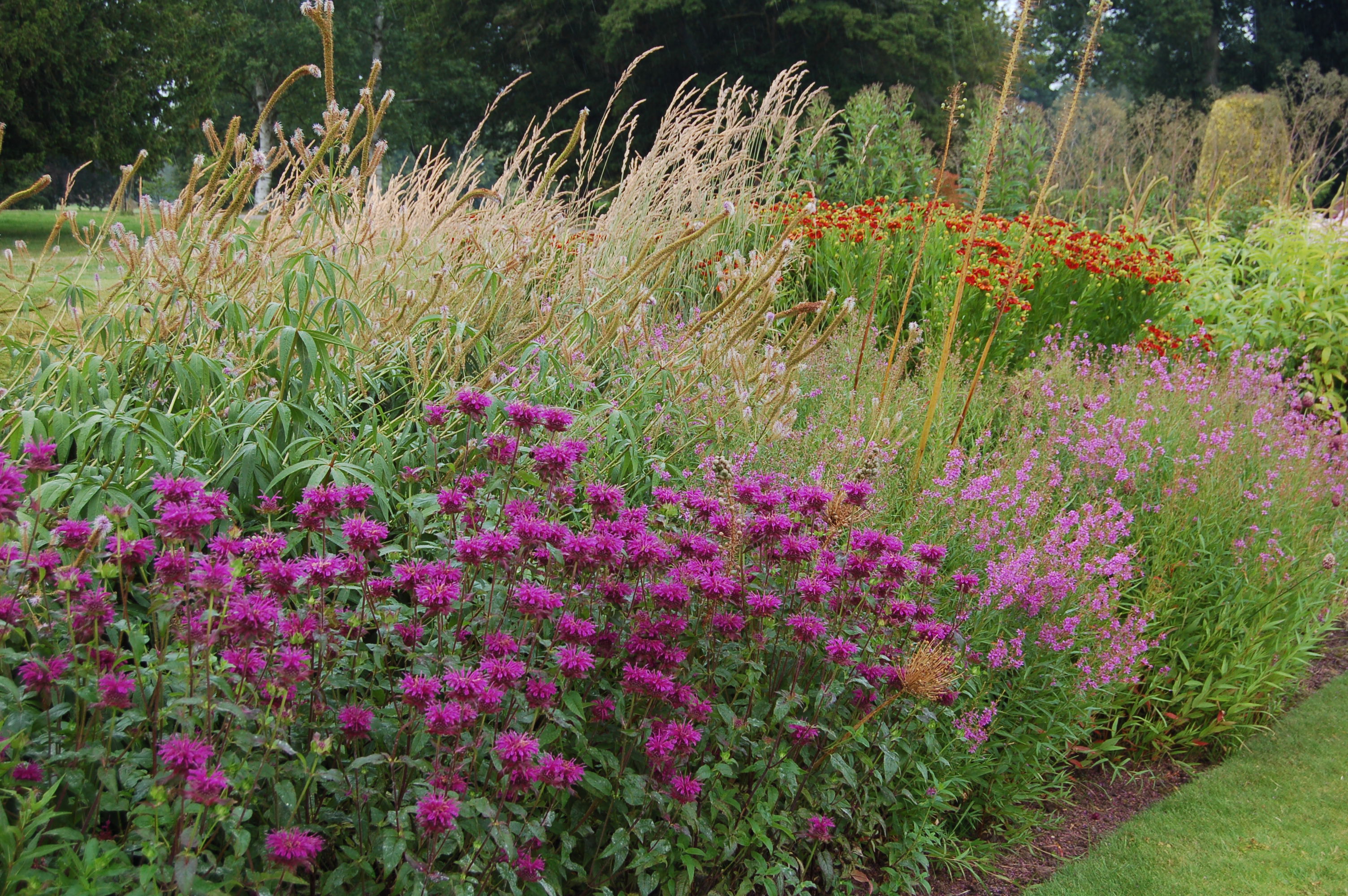
Any red or orange looked stunning in this company of course, especially the Heleniums and Crocosmias, with an odd surprise Hemerocalis thrown in for added interest.

2014 08 04_2352 2014 08 04_2353

2014 08 04_2351 2014 08 04_2348

2014 08 04_2357

As usual the corner beds looked great encouraging the visitor to explore further. We certainly enjoyed them as we moved on towards the display gardens.

2014 08 04_2360 2014 08 04_2364 2014 08 04_2365 2014 08 04_2367

2014 08 04_2366 2014 08 04_2368 2014 08 04_2369 2014 08 04_2370 2014 08 04_2372 2014 08 04_2373 2014 08 04_2371

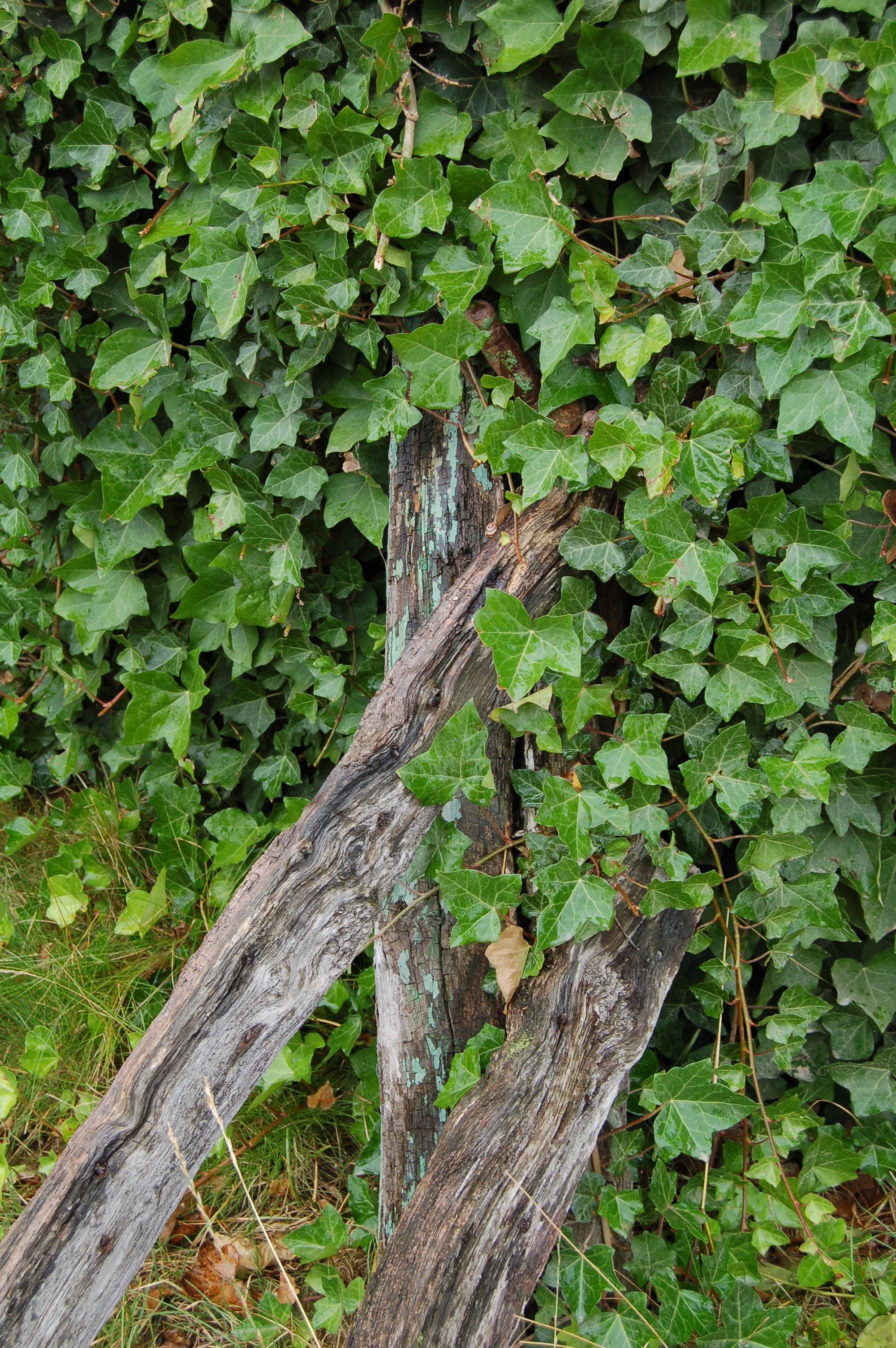
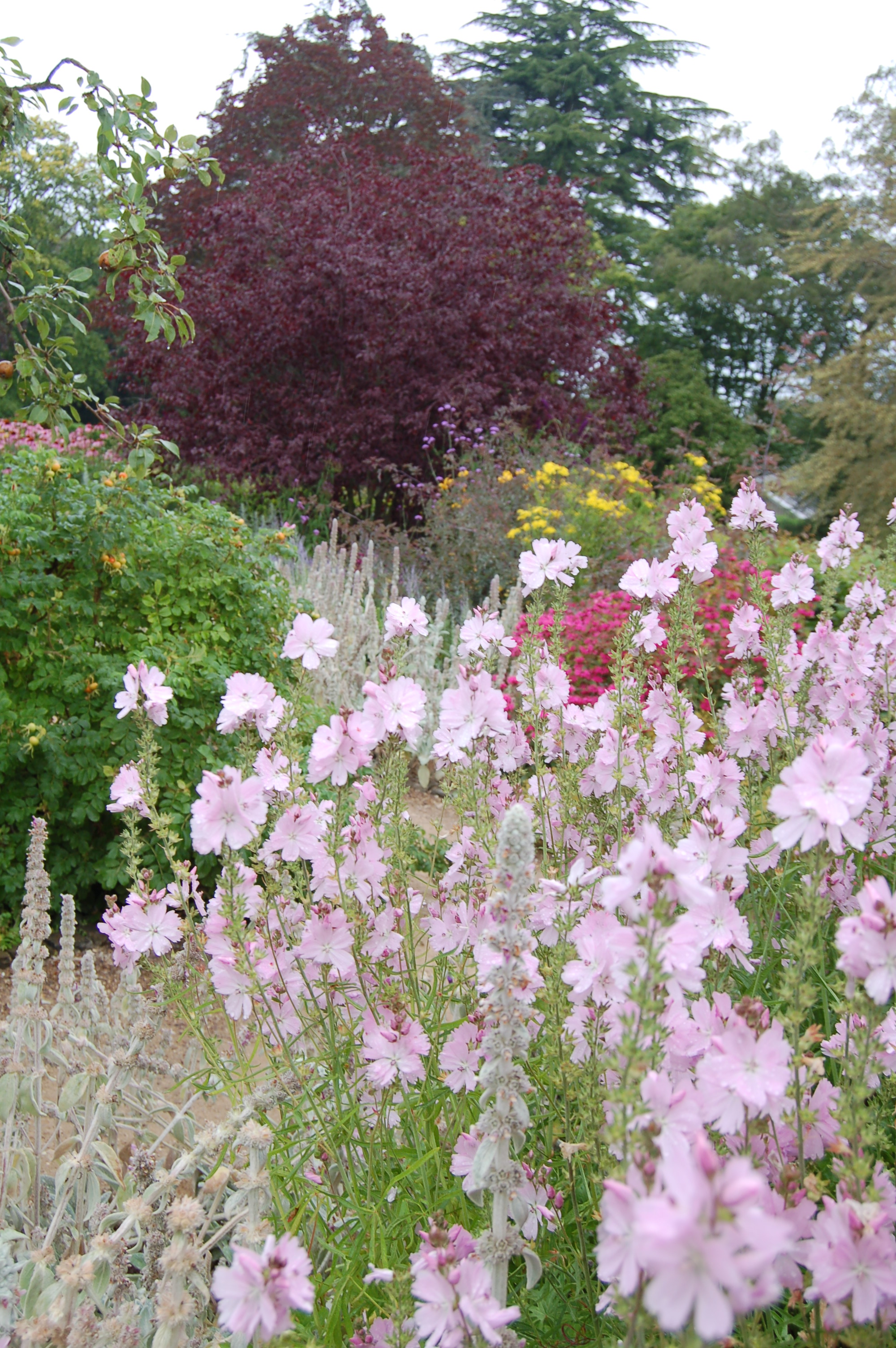
Within the display gardens there were several little areas of interest, such as this old fence leaning on the ivy-covered wall and the delicate pink planting.

2014 08 04_2374 2014 08 04_2375

2014 08 04_2376 2014 08 04_2377 2014 08 04_2378 2014 08 04_2379 2014 08 04_2380 2014 08 04_2381 2014 08 04_2382 2014 08 04_2383 2014 08 04_2385 2014 08 04_2386 2014 08 04_2387 2014 08 04_2388

As usual we made our way back to the car via the Rose Walk, where our senses were invaded.

2014 08 04_2391 2014 08 04_2399

2014 08 04_2389 2014 08 04_2390

2014 08 04_2392 2014 08 04_2393

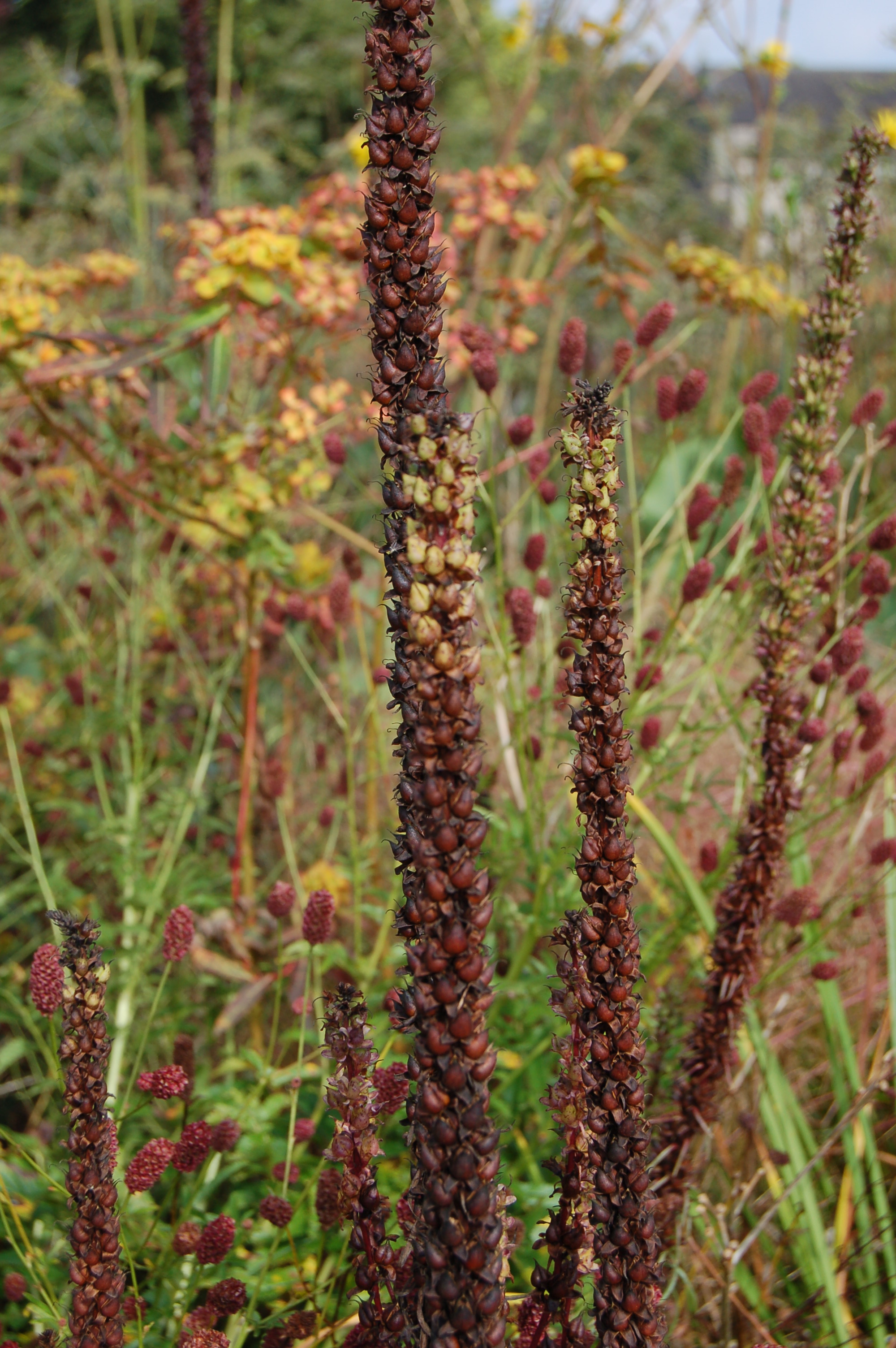
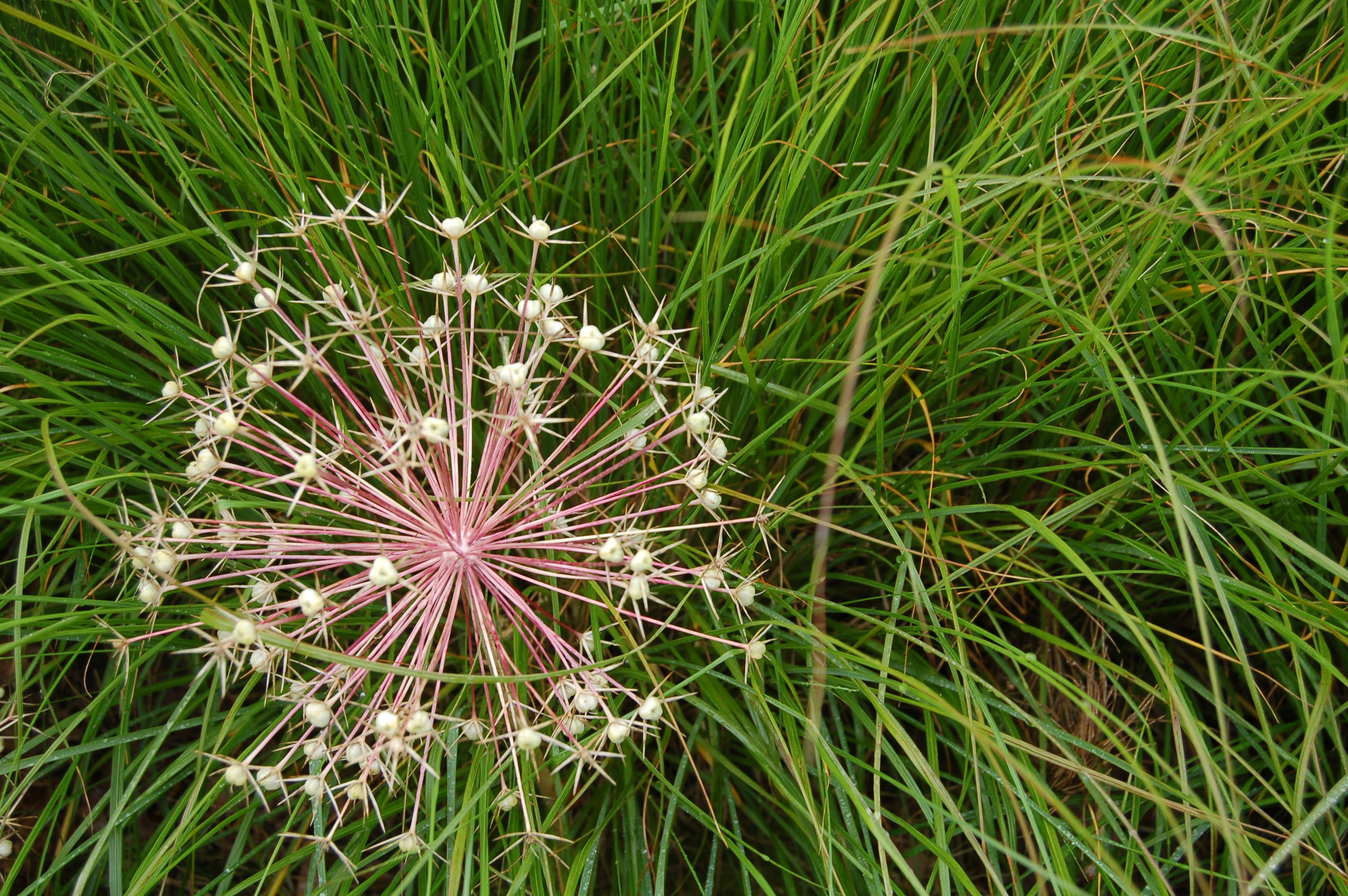
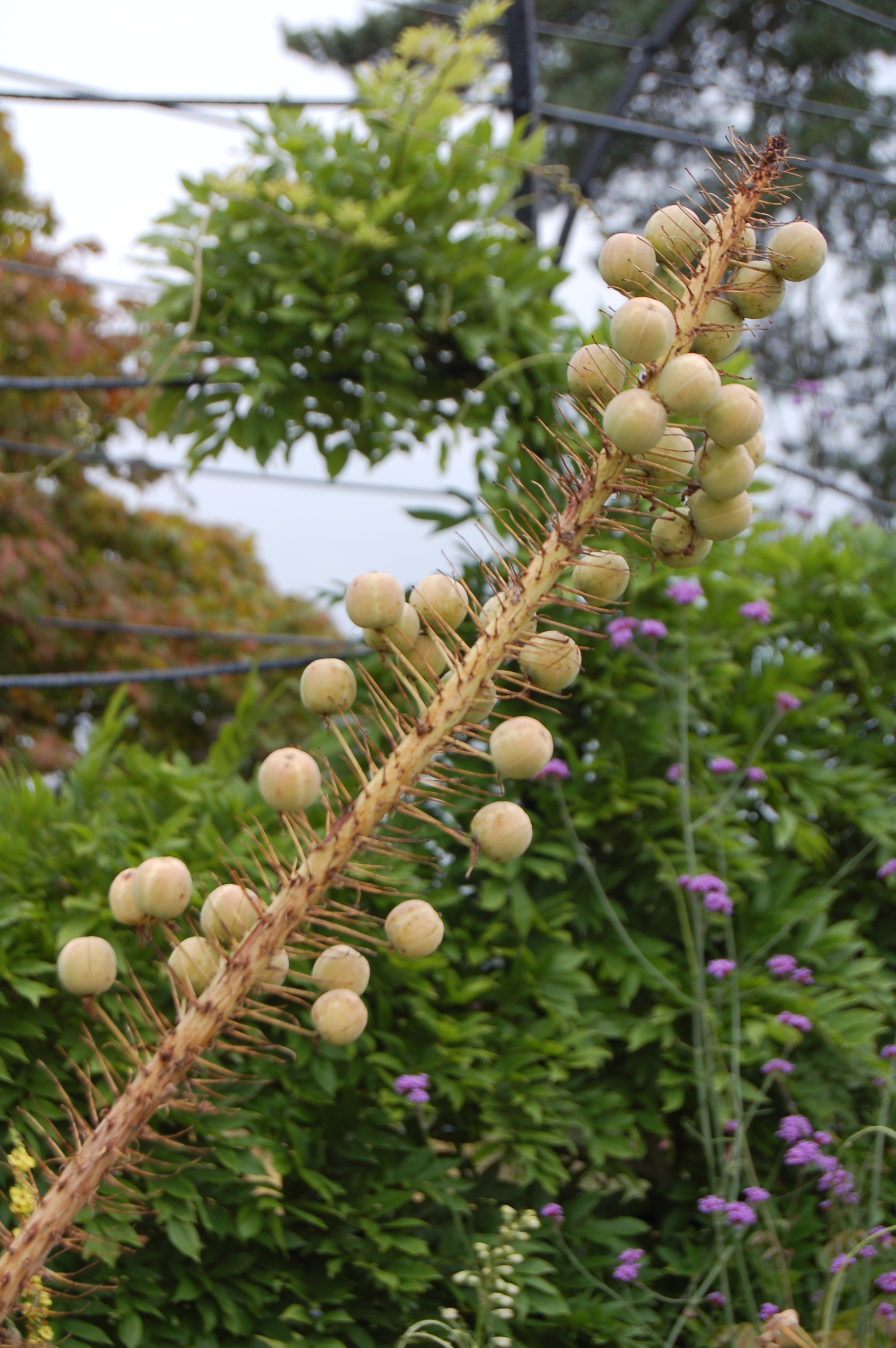
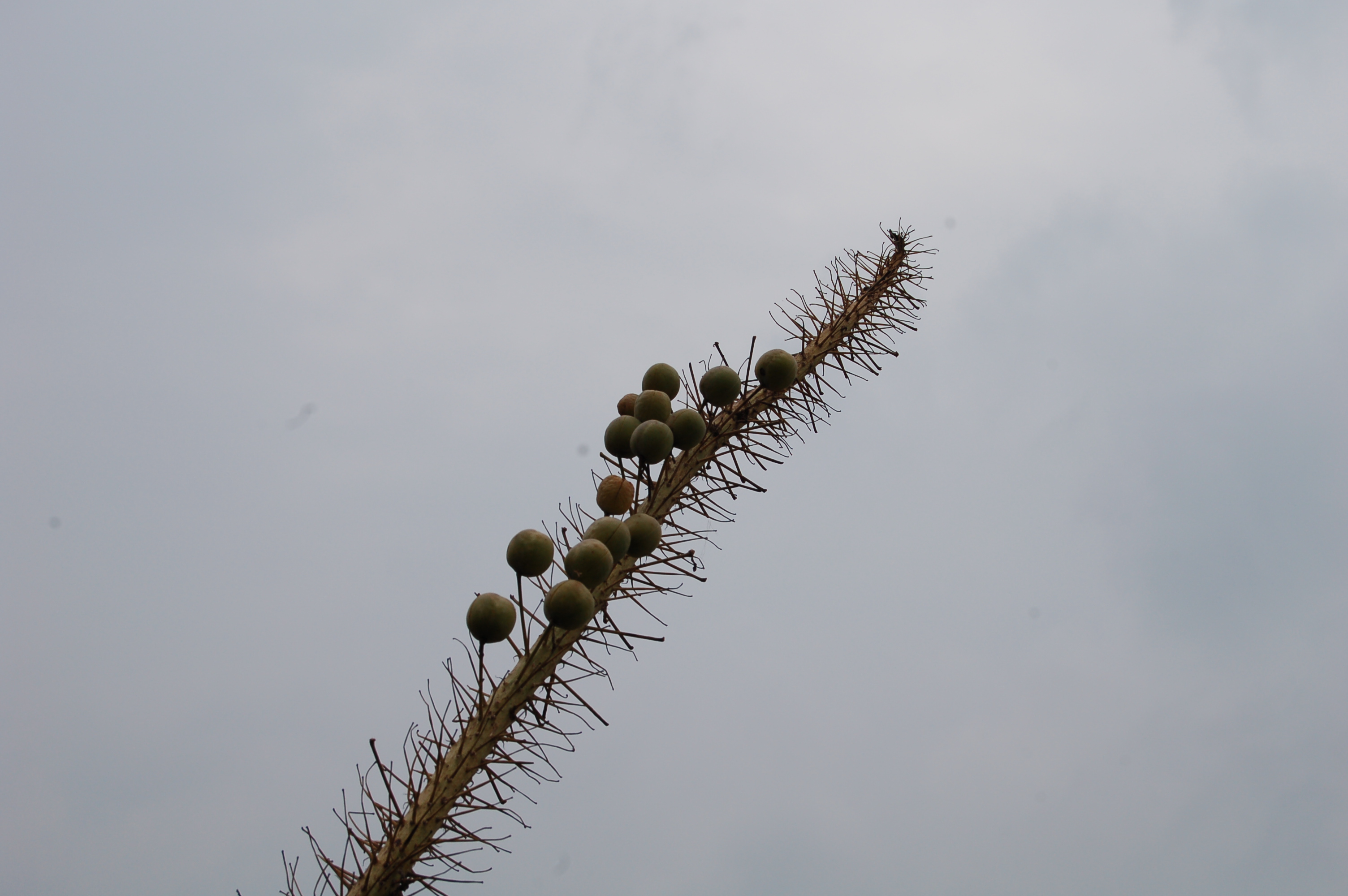
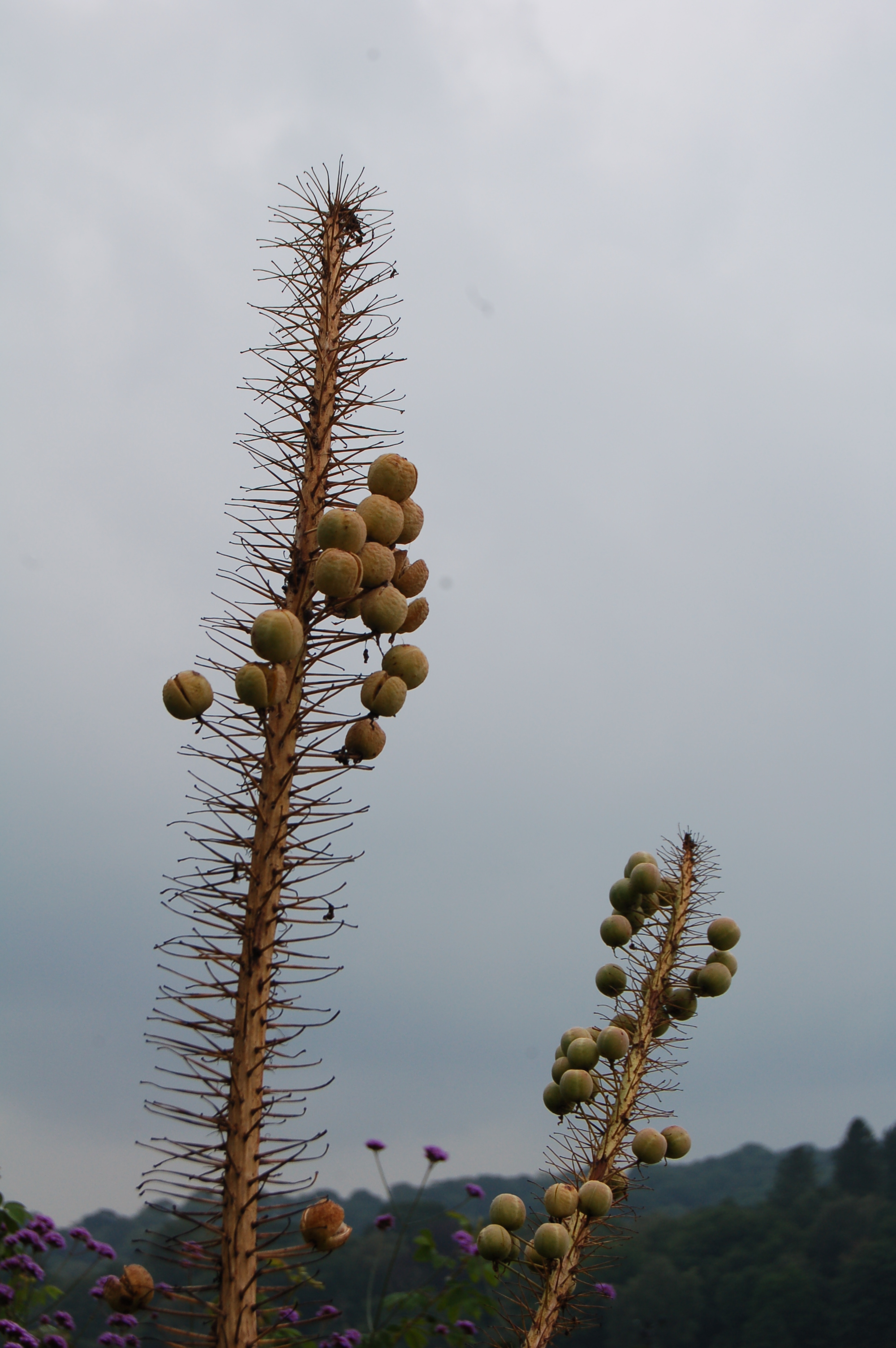
This piece of sculpture created by Mother Nature stopped us in our tracks – never before had we seen Foxtail Lilies looking quite like this with their towering stems dotted with marble-sized seeds affording a are glimpse of its unusual structural qualities.

2014 08 04_2394 2014 08 04_2395 2014 08 04_2396

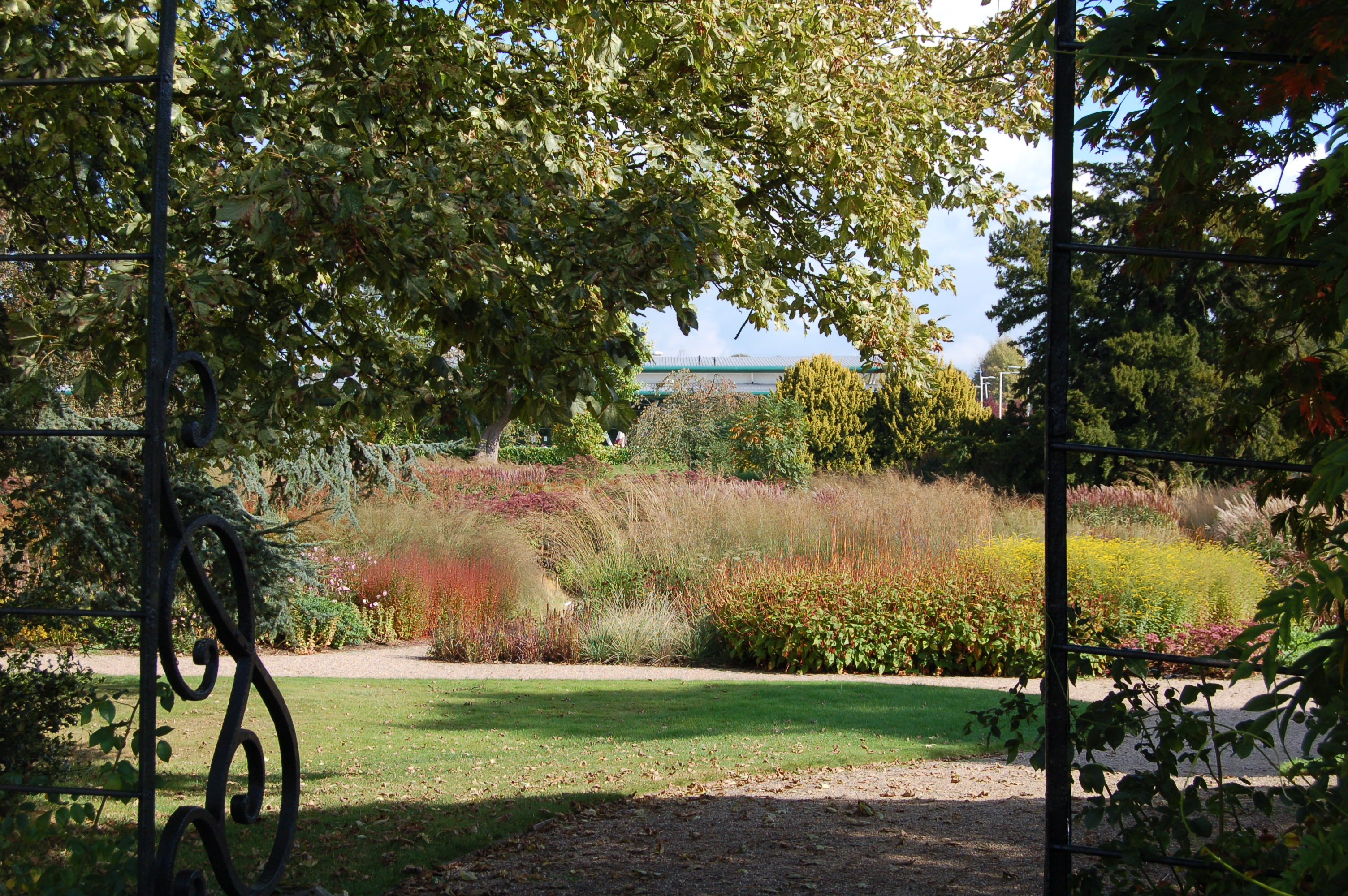
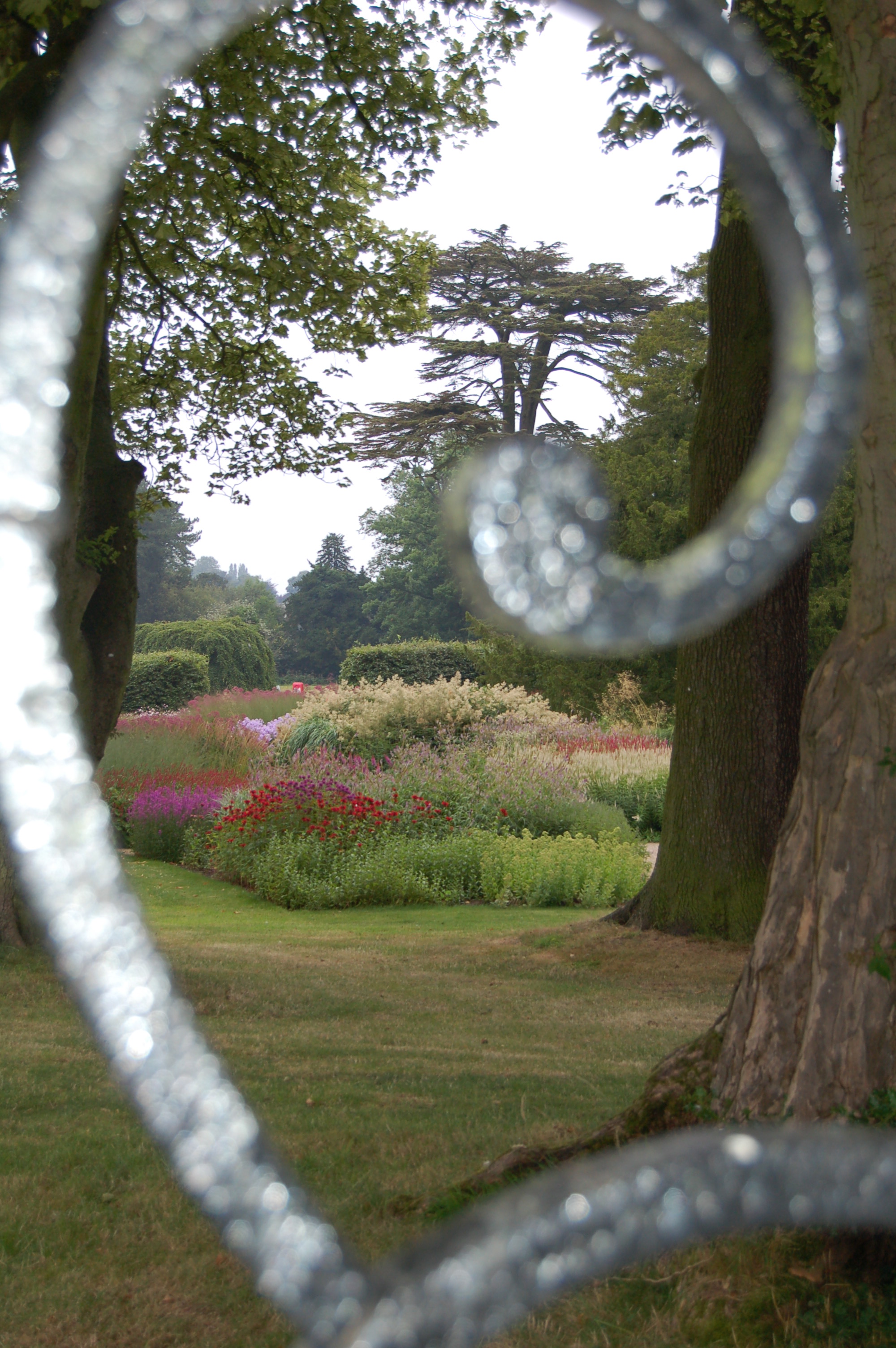
From the Rose walk we glanced across through the wrought iron supports to Piet Oudolf’s River of Grasses and his Prairie plantings.

2014 08 04_2397 2014 08 04_2398 2014 08 04_2400

Trentham never lets us down. We were expecting to see big changes and lots of colour on this visit and we were not disappointed, except for the River of Grasses where the grasses seemed small and lacking in flowers just like ours at home. The weather this year has a lot to answer for! So next visit will be in September when once again we will go with great expectations and full of excited anticipation.

Categories
colours garden design garden photography gardening gardens grasses half-hardy perennials hardy perennials irises light light quality meadows National Garden Scheme NGS ornamental grasses ornamental trees and shrubs Powis Powys The National Gardening Scheme" trees Wales woodland

Three Welsh Gardens – Part Three – A Garden of Two Halves

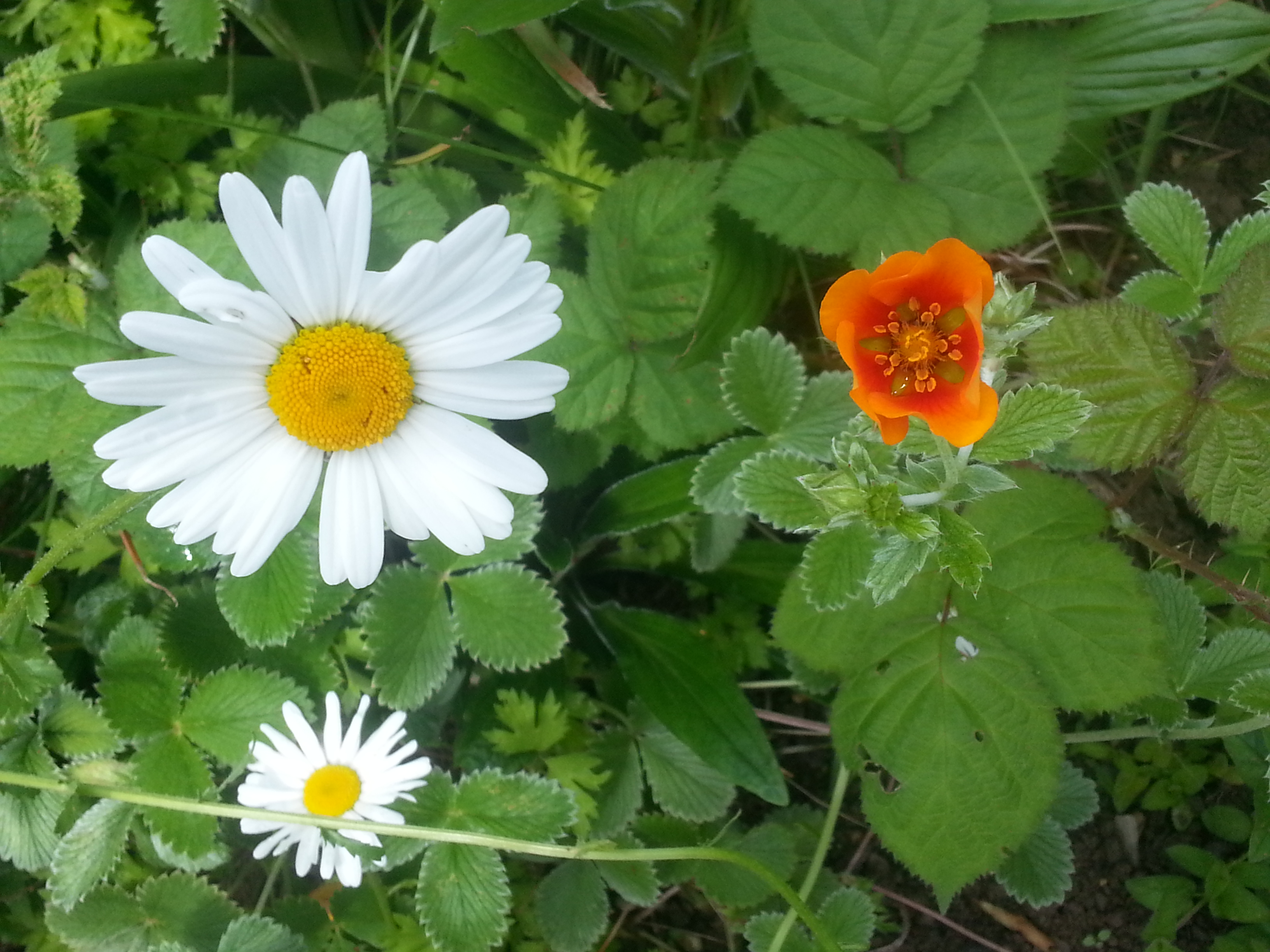
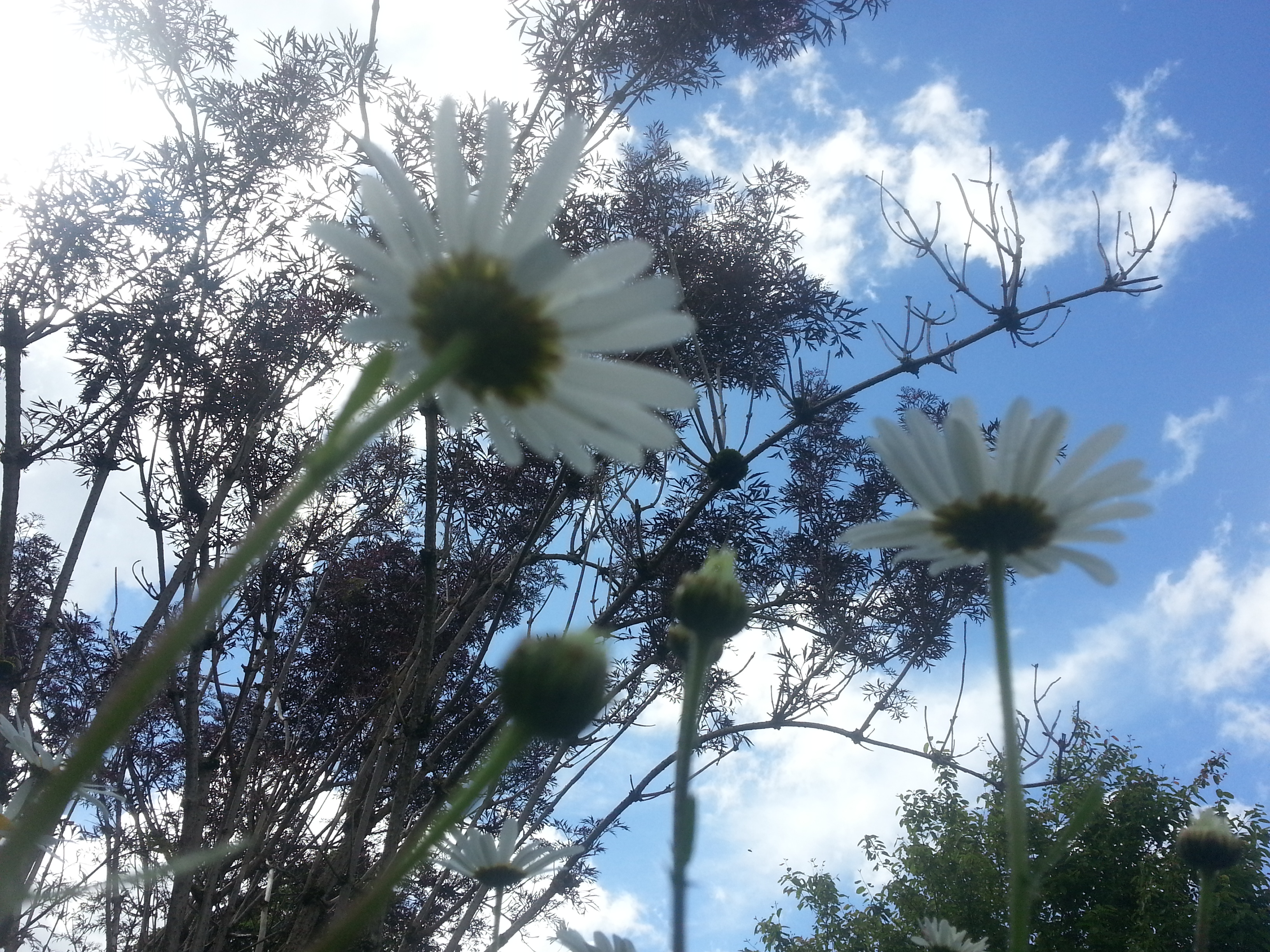
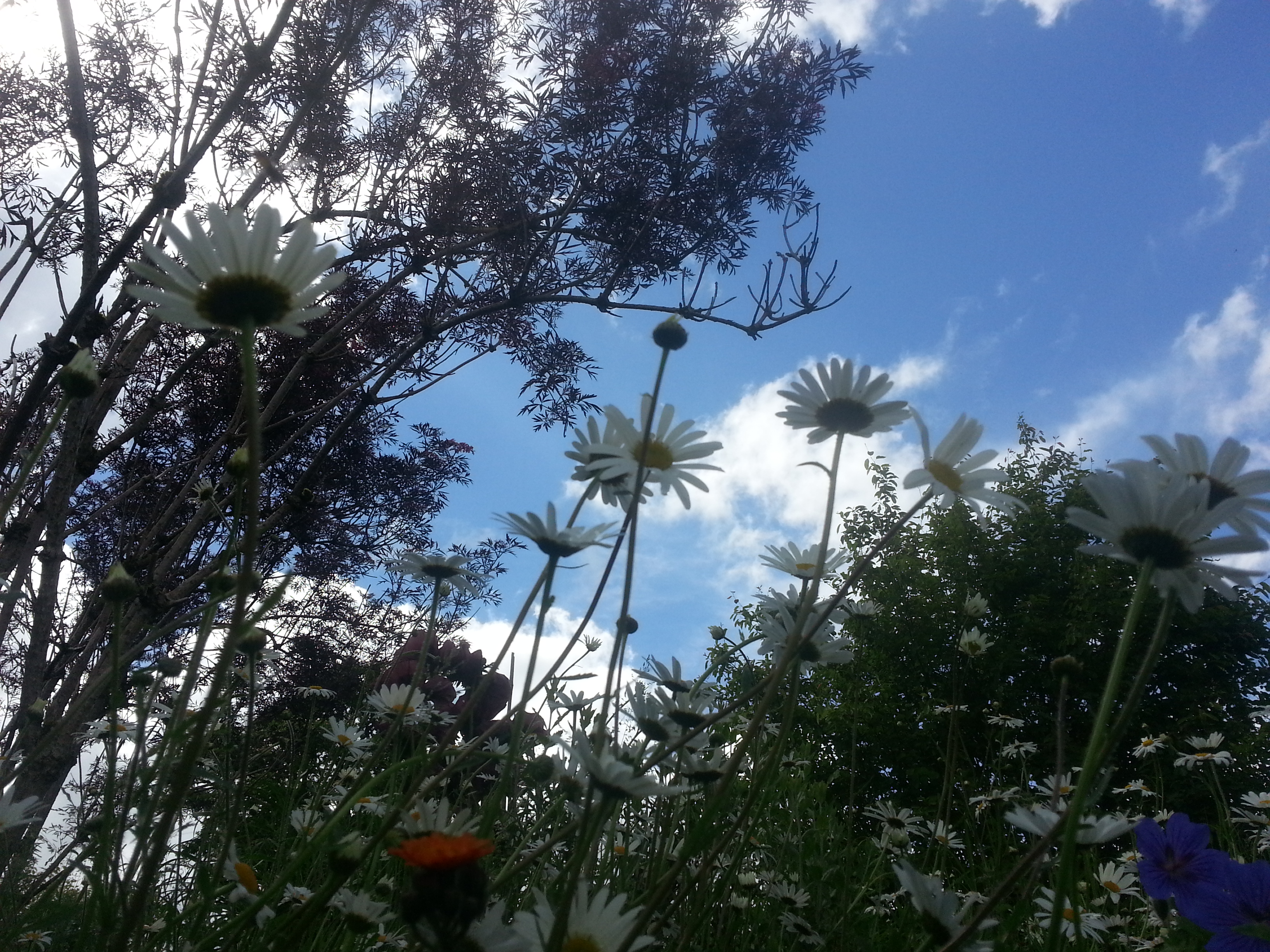
We visited another garden in the countryside of Powis, our neighbouring county. It proved to be very much a garden of two halves. We approached “Cil y Wennol” on foot up a gently sloping curved driveway with trees on both sides dotted around in grass. Closer to the more formal front garden there were interesting land forms with a small meadow facing the sun on an embankment. Moon Daisies shone out almost glaring in the sunshine. As you have gathered from that statement we were experiencing bright sunshine.

This Betula with its beautifully coloured peeling bark had enticed us up the long drive where we were greeted by this bank of smiling daisies.

2014 06 07_0046 2014 06 07_0047

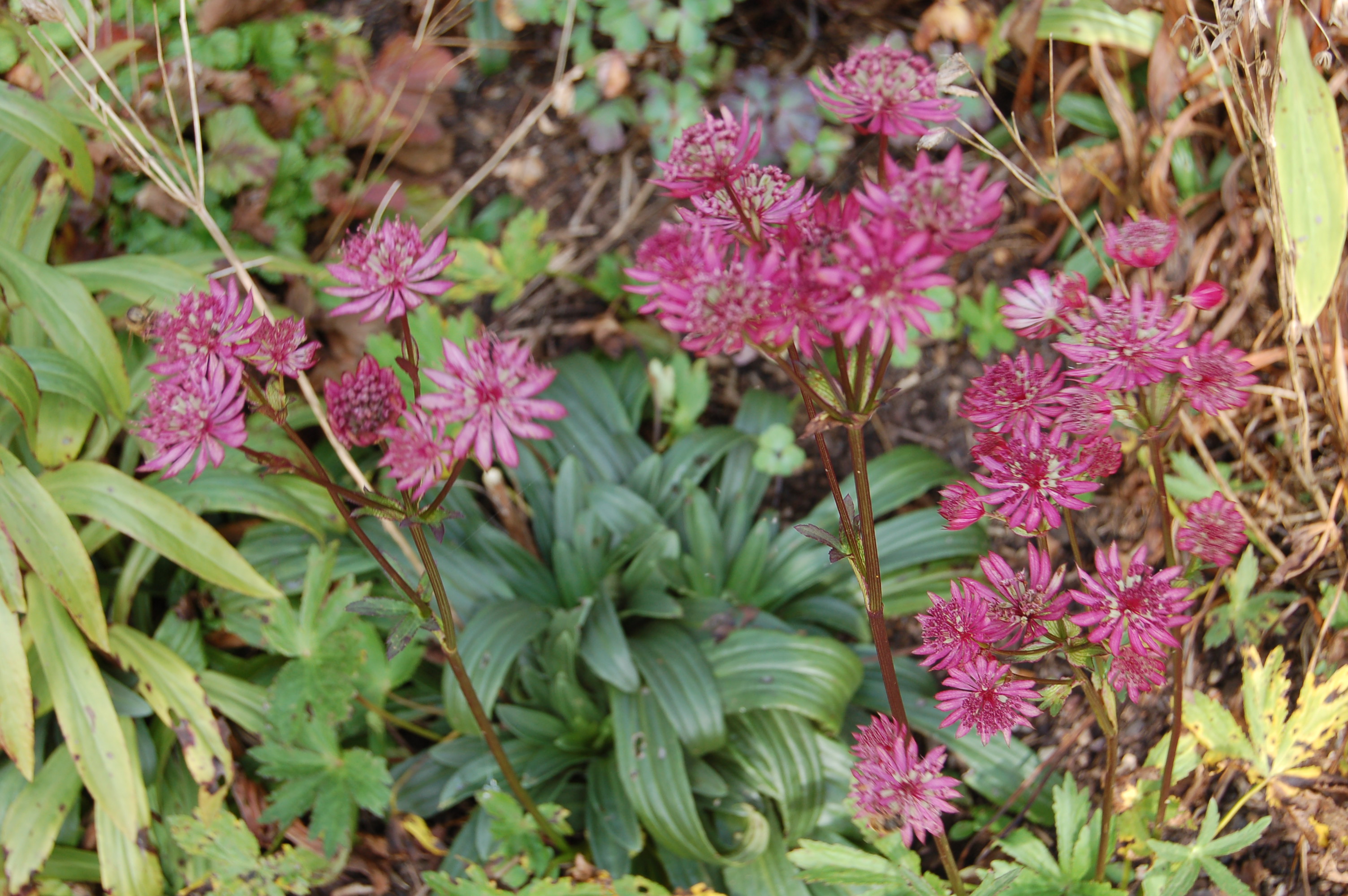
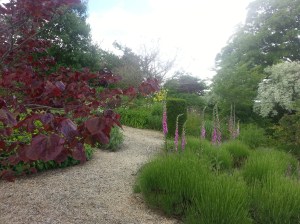
The front garden was a typical cottage style with interesting plants such as Astrantias, Lilies and Irises dotted throughout.

2014 06 07_0049 2014 06 07_0050 2014 06 07_0051 2014 06 07_0052 2014 06 07_0053

We had now realised that we had visited this garden years ago so we were not surprised by the sudden change in the garden design that greeted us as we entered the back garden. Here the design was much more modern. It was a garden to explore slowly taking advantage of the invitations presented through good design.

2014 06 07_0054   2014 06 07_0068 2014 06 07_0069 2014 06 07_0070

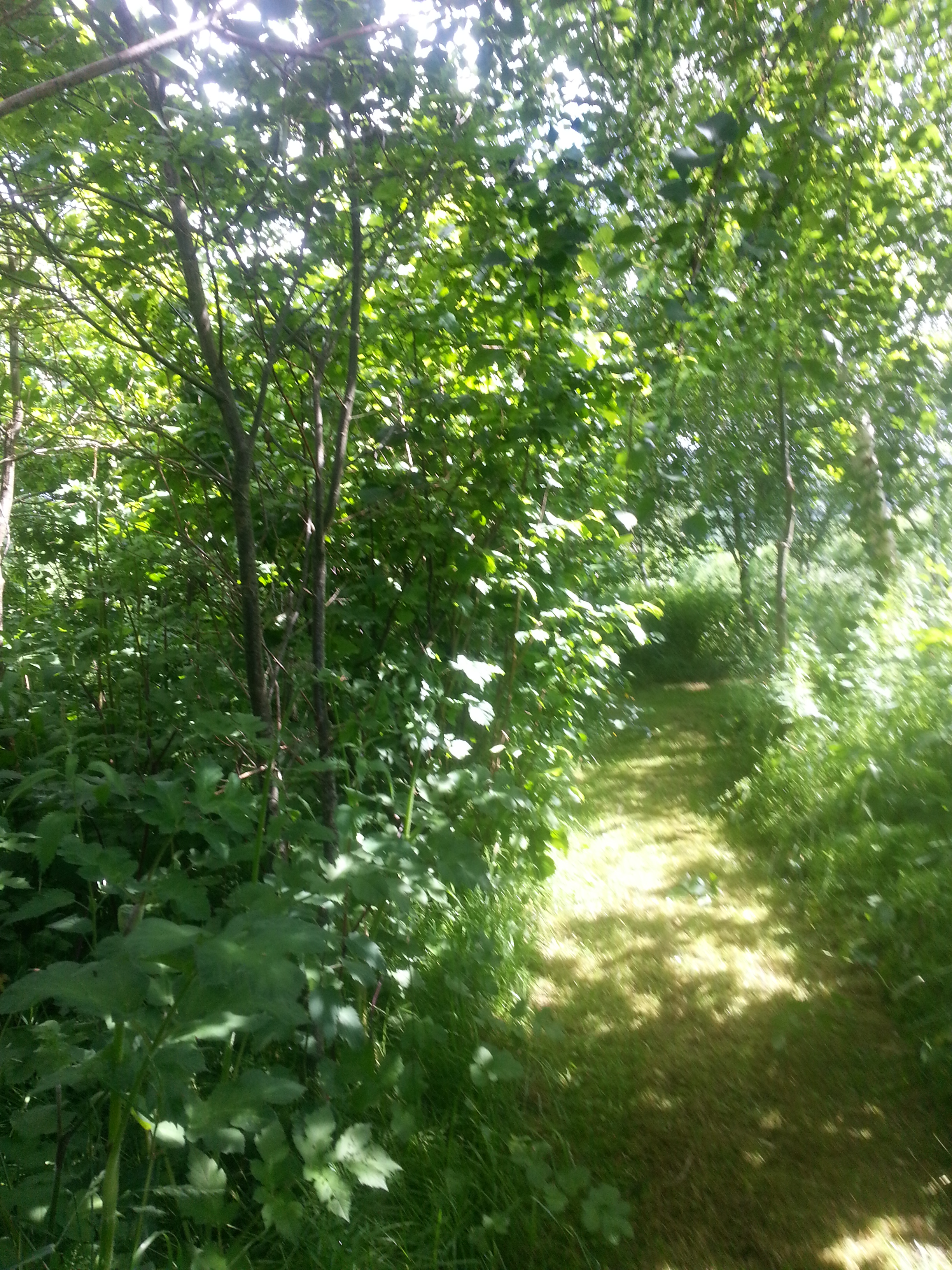
One path invited us into woodland, a relief for a while from the brightness and warmth of the sun. We were impressed by how a beautiful woodland can be created with the commonest of tree species. It proved you don’t have to have rarities to impress. Here the gardeners grew just native Birches, Rowans, Cherries and a few non-natives to add a touch of spice. A lovely atmosphere pervaded this space.

2014 06 07_0071 2014 06 07_0072 2014 06 07_0073

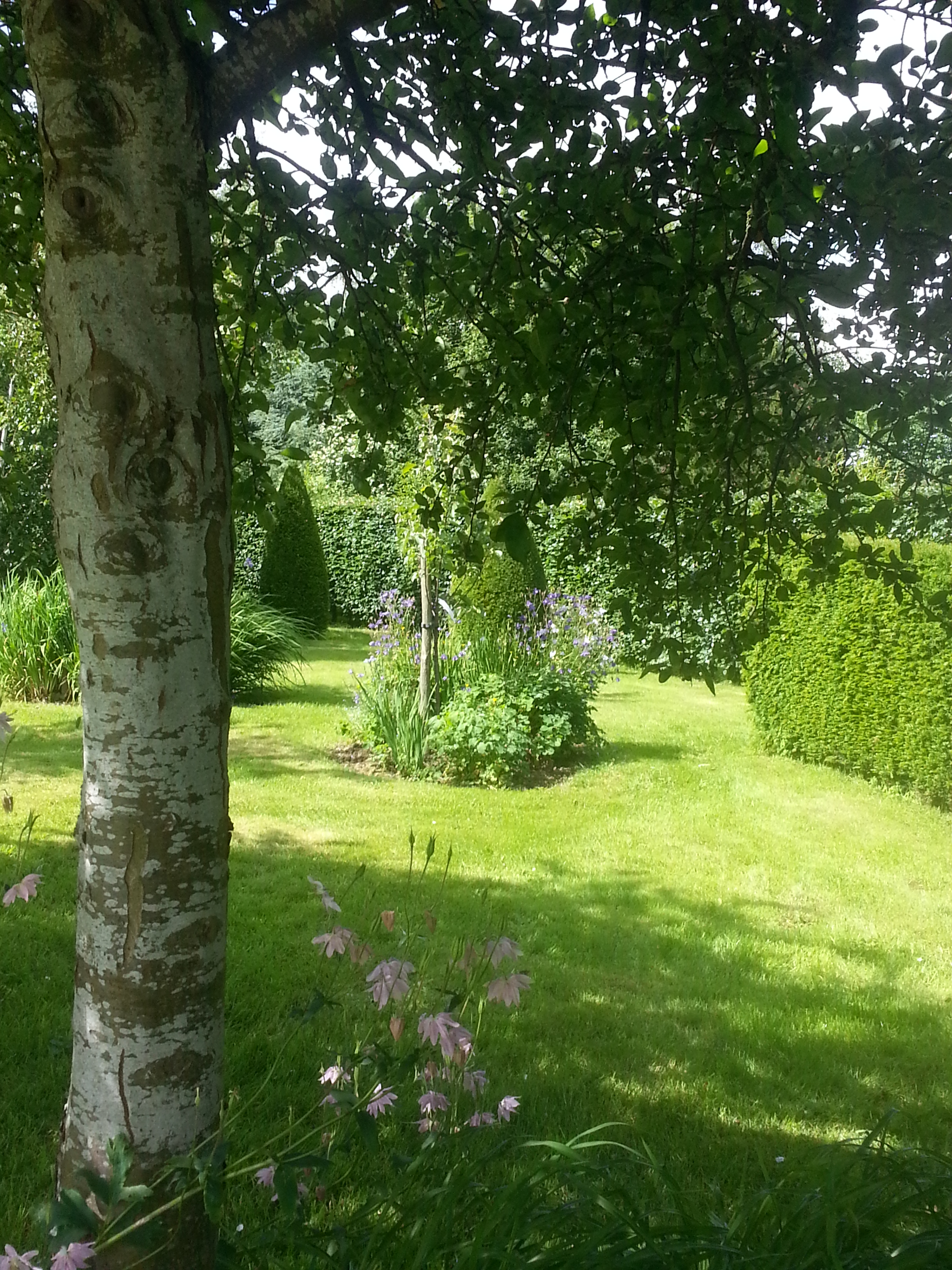
Leaving the woodland we were again presented with several options, different paths to take with different views and different plants.

2014 06 07_0074 2014 06 07_0075

2014 06 07_0080 2014 06 07_0081 2014 06 07_0082 2014 06 07_0083

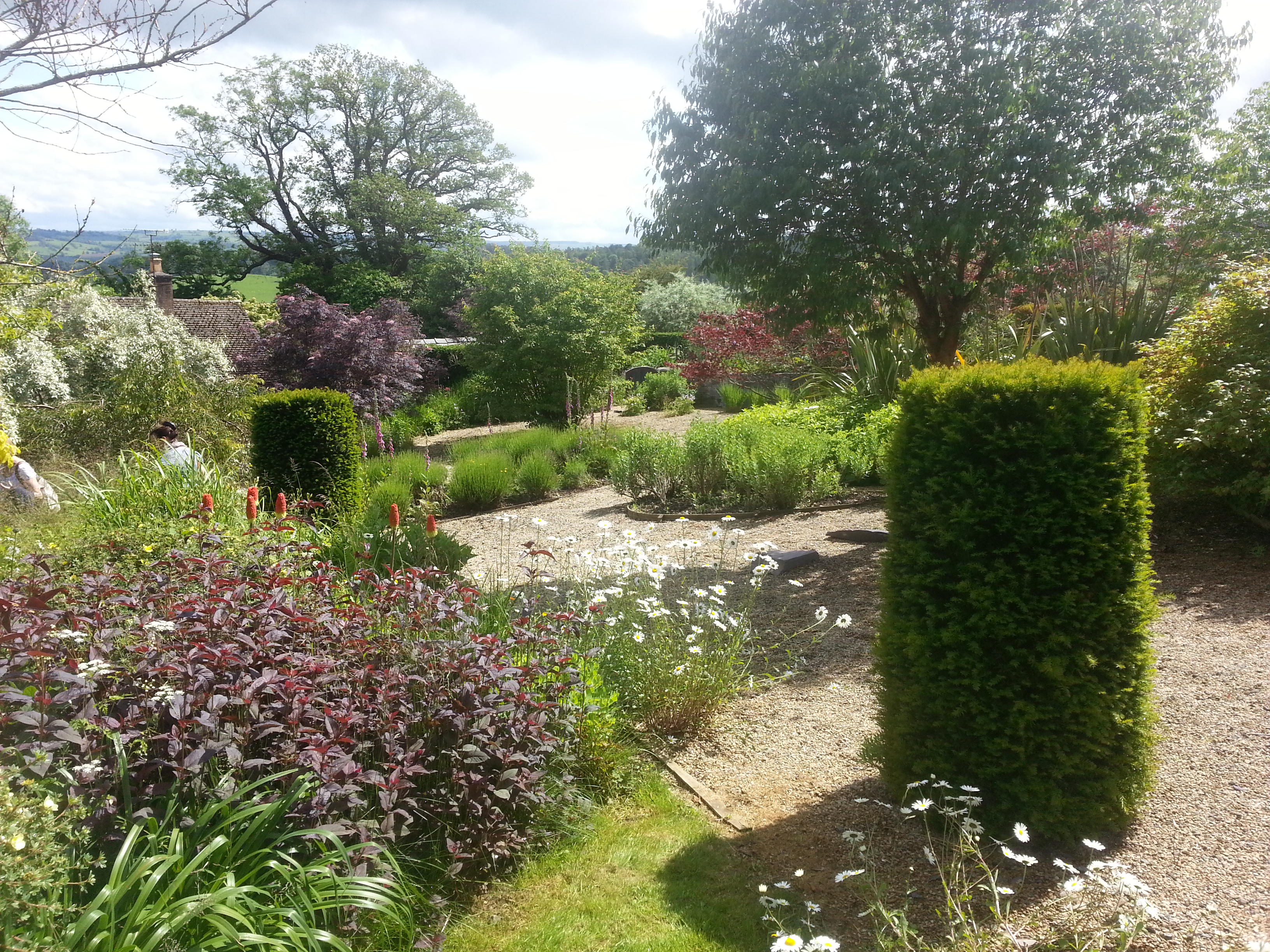
Closer to the house a gravel area gave a completely different feel. Here were neatly trimmed conifers and Cotinus with their skirts lifted to expose twisted limbs. Soft planting among these features reflected the planting in the nearby borders.

2014 06 07_0084 2014 06 07_0085

2014 06 07_0104 2014 06 07_0103

2014 06 07_0086 2014 06 07_0087 2014 06 07_0088 2014 06 07_0089


Moving around the side of the property we found another path to take through gap in the hedge where we discovered a swimming pool overlooked by a summerhouse.

2014 06 07_0091 2014 06 07_0092

We walked from here along a narrow path below a wall with soft planting above, beautifully backlit by the sun.

2014 06 07_0095 2014 06 07_0096 2014 06 07_0097 2014 06 07_0098 2014 06 07_0099 2014 06 07_0100 2014 06 07_0101 2014 06 07_0102

This was most definitely a garden of many parts beautifully linked with winding paths found through enticing arches and gaps in hedging.


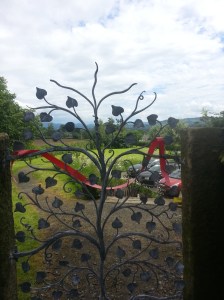
Leaving the garden along the central pathway of the front cottage garden we enjoyed the view behind this wonderful gate. A great garden – it was good to return.


2014 06 07_0048

This Veggie Life

A Vegetarian | Nature Lifestyle Blog

Rambling in the Garden

.....and nurturing my soul

The Arch City Gardener

Journeys In St. Louis Gardening and Beyond

Garden Dreaming at Châtillon

Consult the genius of the place

Storyshucker

A blog full of humorous and poignant observations.

gardeninacity

Notes from a wildlife-friendly cottage garden

PlayGroundology

...an emerging social science

The Official Blog of British Wildlife

'The most important and informative publication on wildlife of our times' - The Independent. This blog is a member of The UK & Ireland Natural History Bloggers group: www.uknhb.blogspot.com

iGrowHort

Inspire - Cultivate - Grow Native Plants - Restore Landscapes

Bishops Meadow Trust

To create and protect a semi-natural wild space for the people of Farnham to enjoy and experience an array of British wildlife in our town

Gardening with Children

The www.gardeningwithchildren.co.uk Blog

UKbirdingtimeline

birding through the seasons, why birds matter and how to conserve them

NATURE WALKER

with a camera in hand

Jardin

Transform your outdoor space

Eva's space

My allotment, cooking and other interests

Old School Garden

my gardening life through the year

LEANNE COLE

Trying to live a creative life

fromacountrycottage

trying to live as lightly as possible on our beautiful planet

Good Life Gardening

Nature lovers from Leicester living the good life.

mybeautfulthings

Finding the beautiful in the everyday

mawsonmichelle

Michelle's Allotment

In and Out of My Garden

thoughts from and about my garden

Greenhousing

Big plans for a small garden

The Scottish Country Garden

A Walled Country Garden in South East Scotland

The Fruity Chicken

Life at the fruity chicken

willowarchway

Off grid living. Self sufficient. "PERMAGANICS RULE".

St Anns Allotments

Nottingham's Grade 2* Listed Allotments and Community Orchard

Manifest Joy Harvests

a journey in suburban vegetable gardening

Allotmental

The madness of growing your own

Penny's Garden: a harvest beyond my front door

A novel approach to vegetable gardening

arignagardener

Sustainable living in the Irish countryside.

NewEnglandGardenAndThread

Master Gardener, amateur photographer, quilter, NH native, and sometimes SC snowbird

dianajhale

Recent work and work in progress and anything else that interests me

planthoarder

a chaotic cottage gardener

Lens and Pens by Sally

a weekly blog that creates a personal philosophy through photographs and words

Dewdrops and Sunshine

Stories from a sassy and classy Southern farmbelle.

The Pyjama Gardener

Simple Organic Gardening & Seasonal Living

gettin' fresh!

turning dirt into dinner

JOY...

today the world is created anew

Garden Birds

Notes from a Devon garden

ShootAbout

Life Through The Lens

Adapting Pixels

A photography blog showcasing the best photography pictures and videos on the internet

Wildlifegardening's Blog

Just another WordPress.com site

naturestimeline

personal observations from the natural world as the search continues for a new approach to conservation.

LATEBLOOMERBUDS

The Wonders of Life through my Eyes, my Heart, my Soul